2013 Summer (Baltic and Britain – Scotland – July 12 – Day 19 – Part 1)

It is not our custom to get up at the crack of dawn and rush off.  We generally leave our hotel or B & B about 10 am and are settled or checking in to the new place between 5-6:30.  We know some people who have to fill every minute of every day on their holidays.  Frankly, the thought of that just makes me tired.  I don’t like coming home from  a holiday needing a rest.  That’s just me.  You holiday anyway you choose.  I am too lazy for a frenetic pace.  Besides, I am old and retired now.  There is no need to rush around.

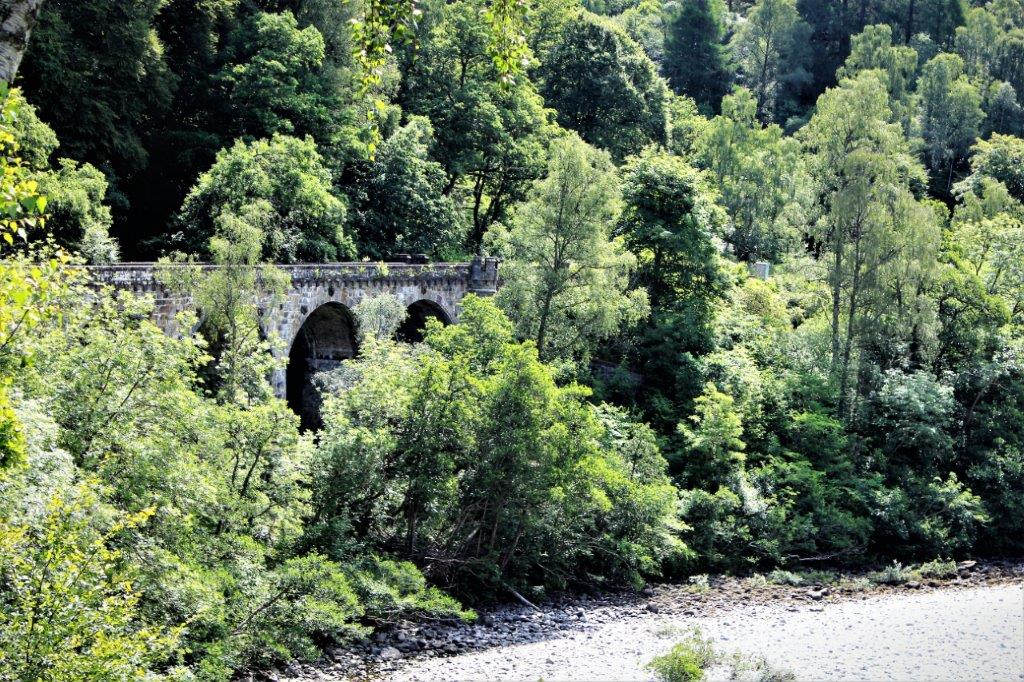
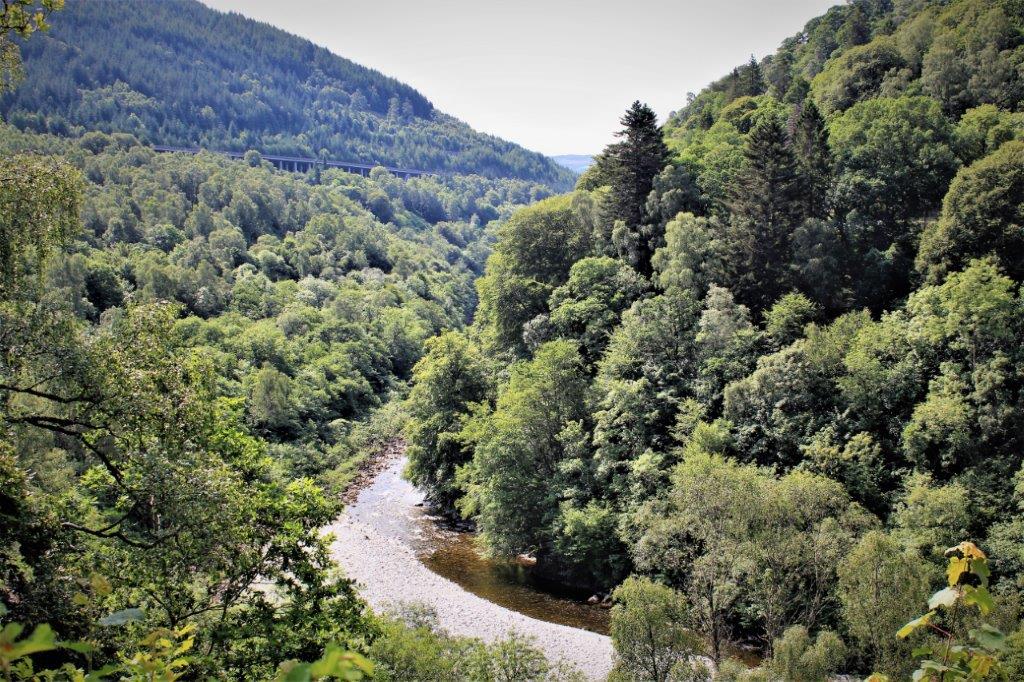
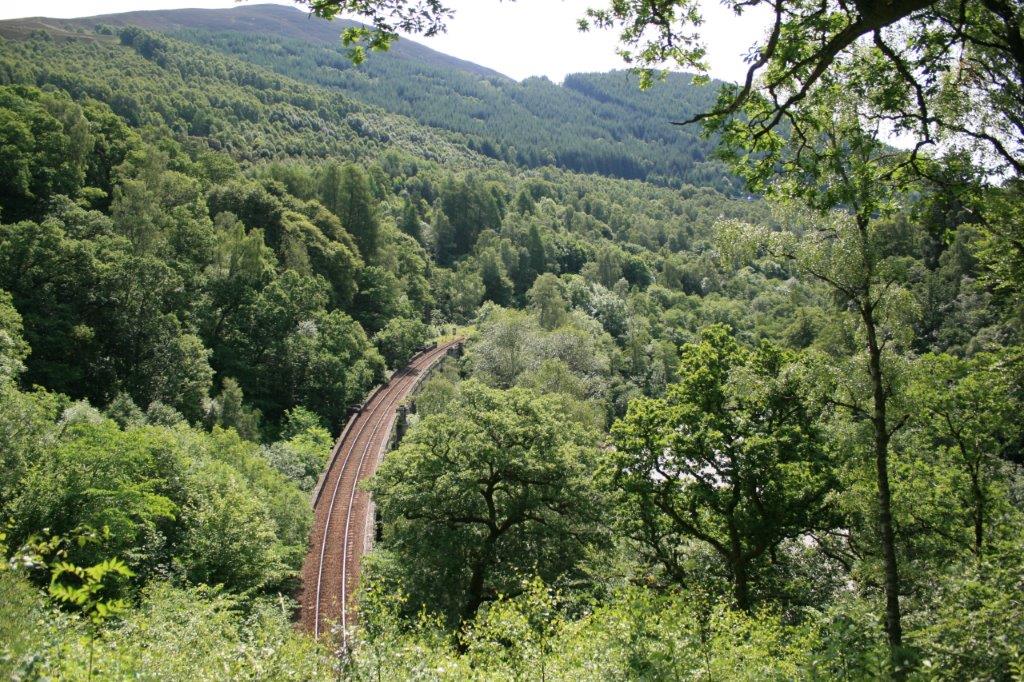
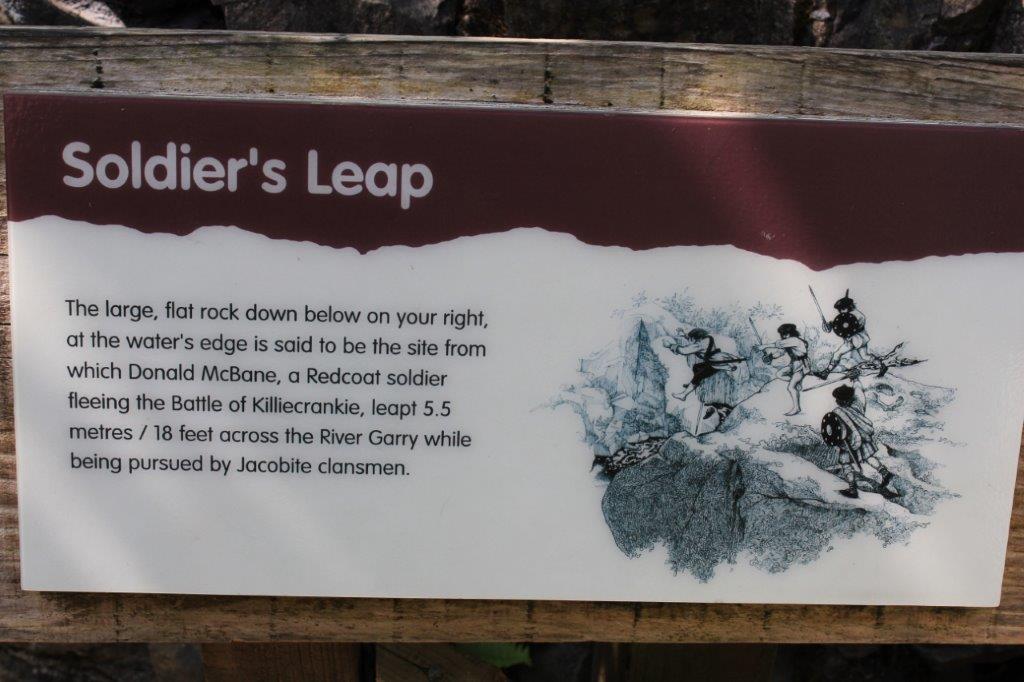
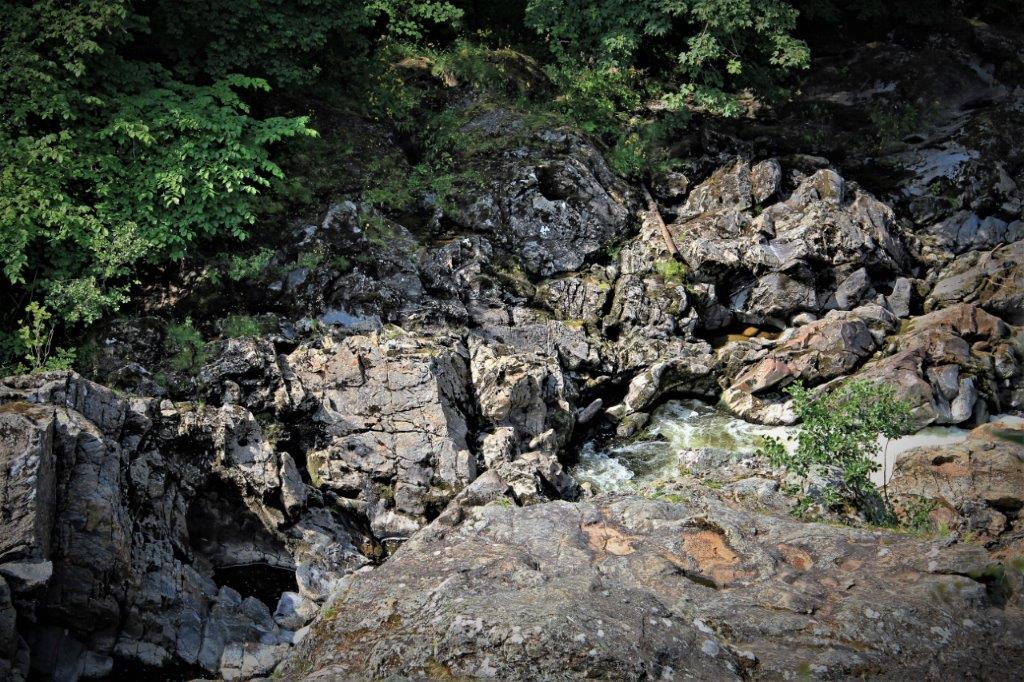
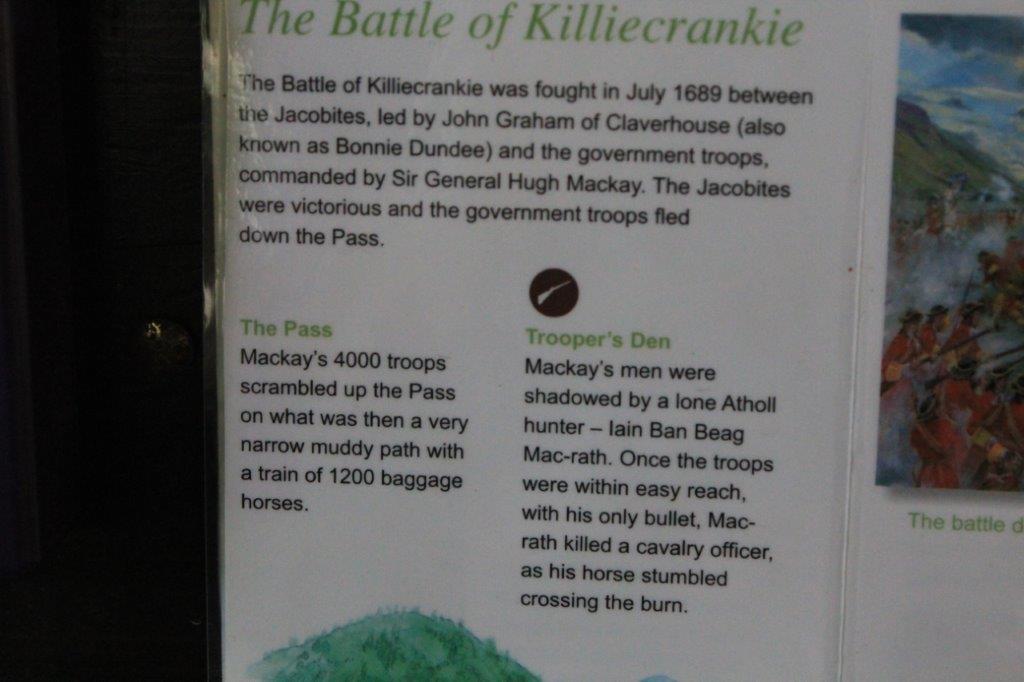
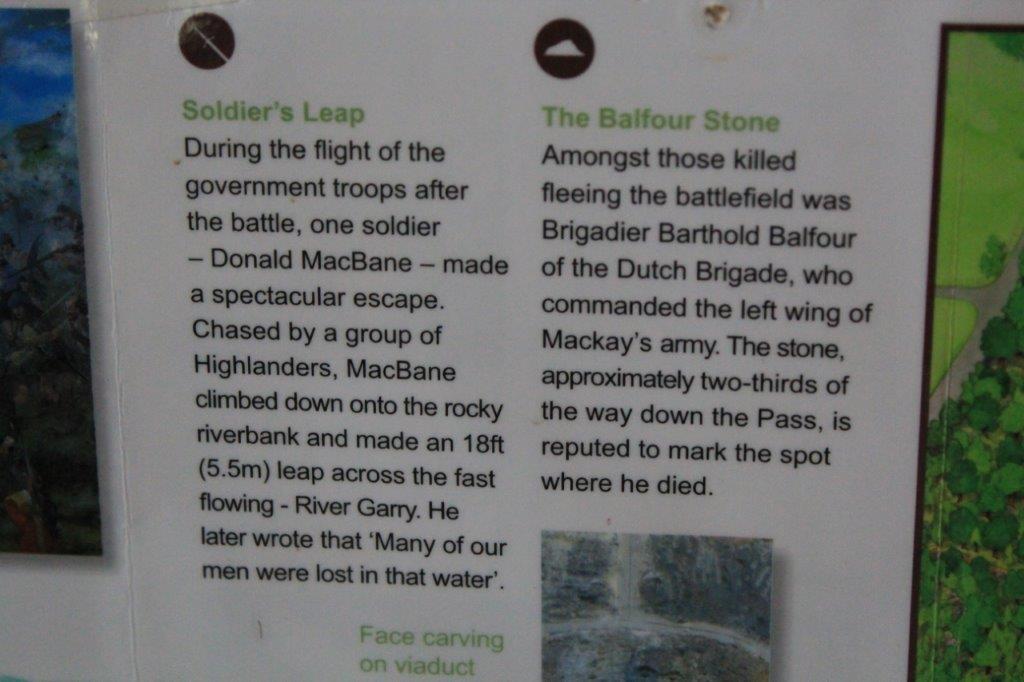
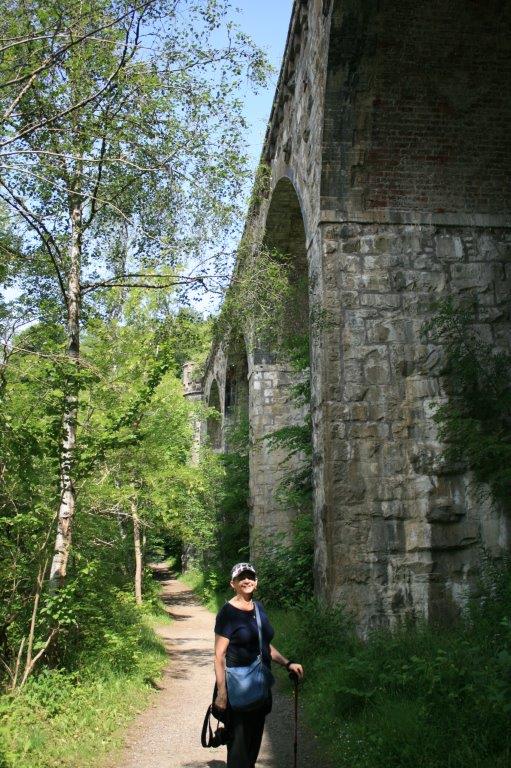
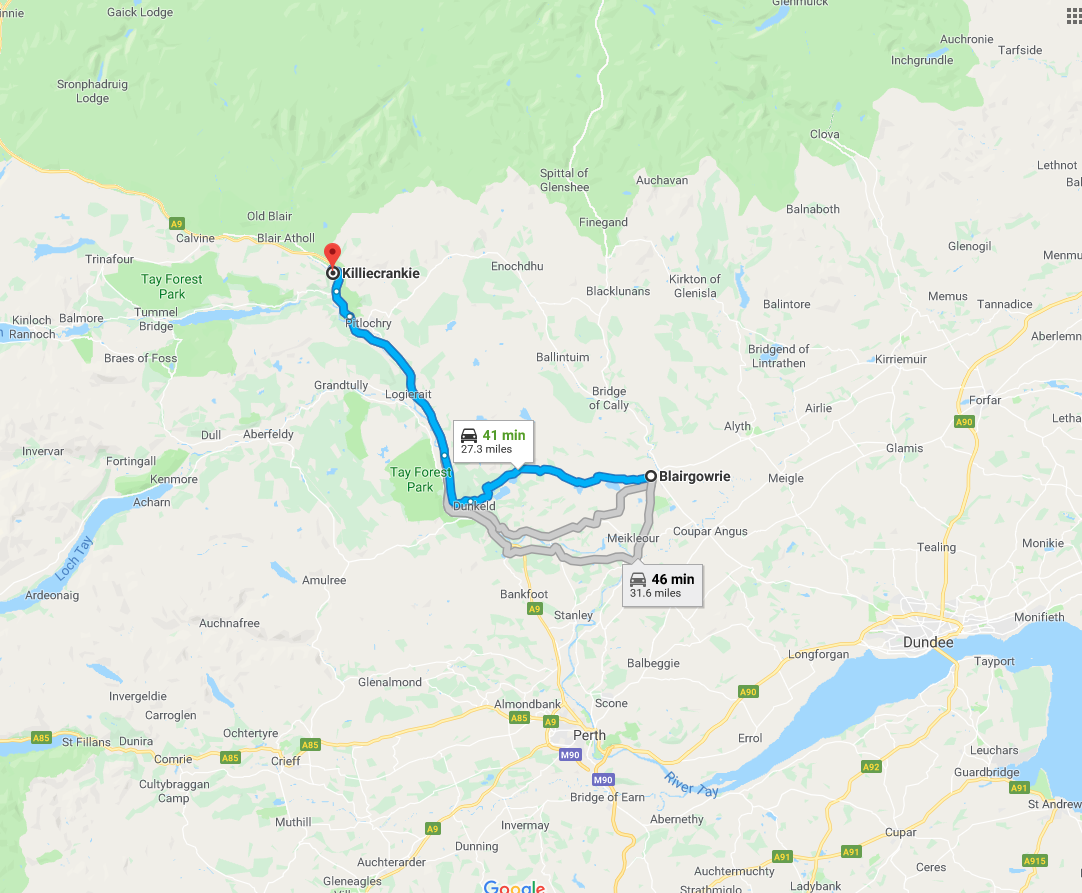
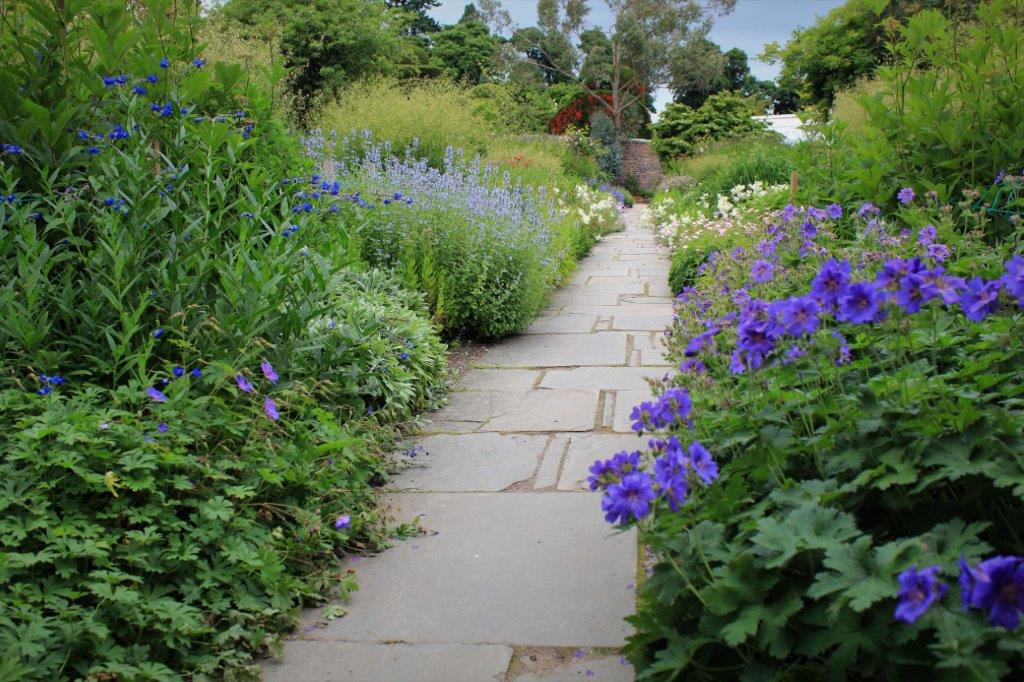
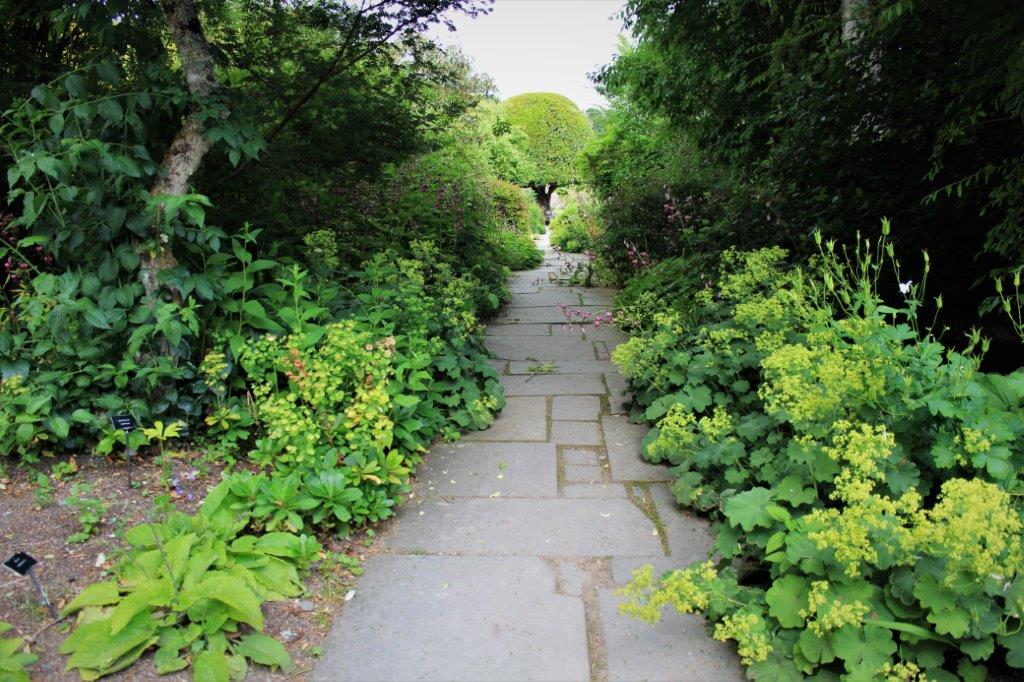
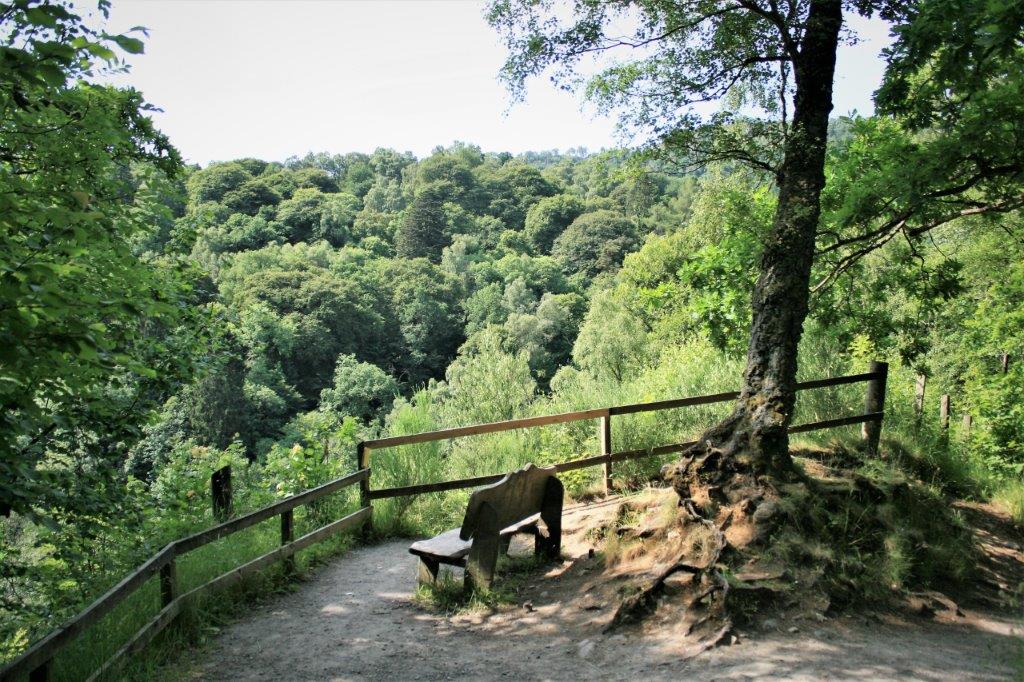
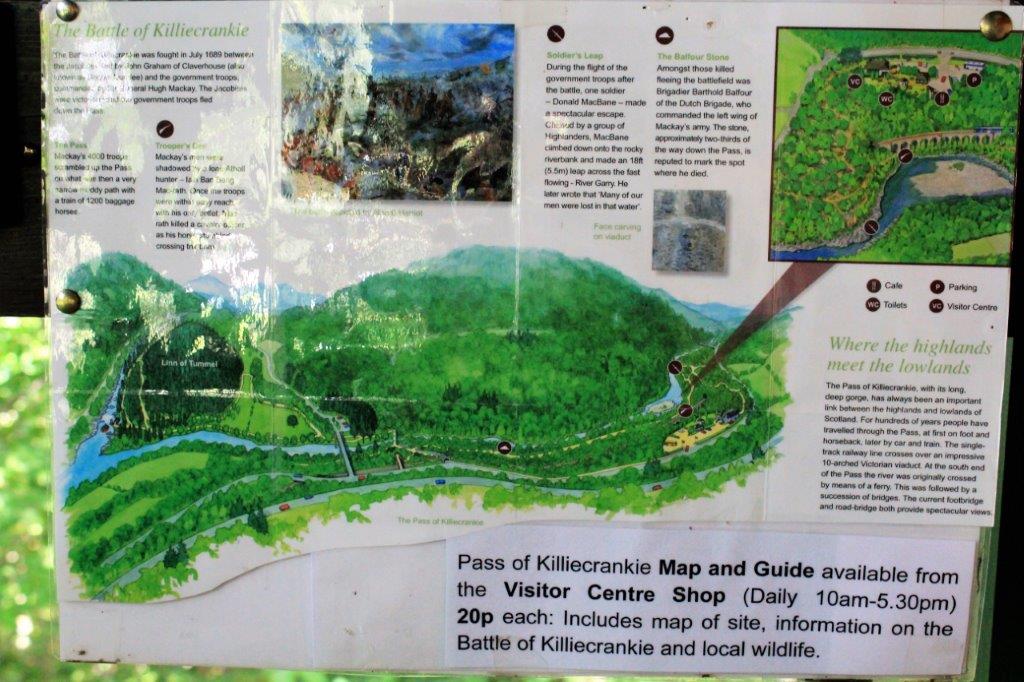
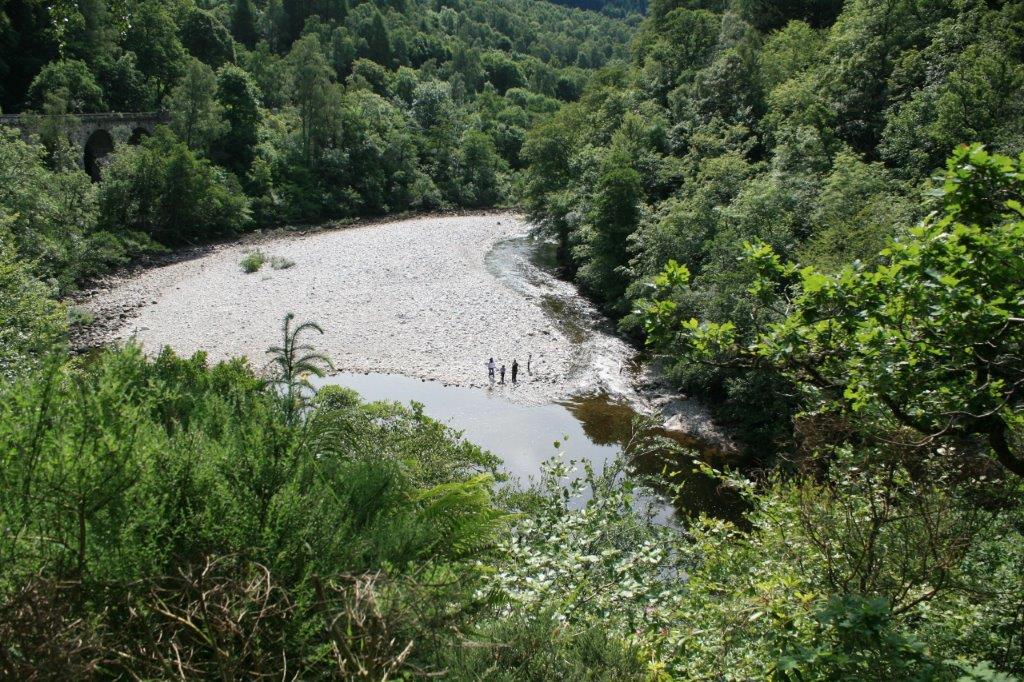
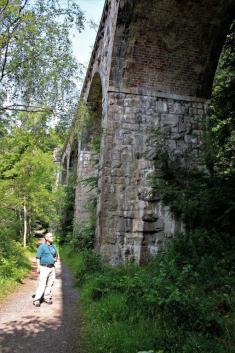
And so, in our normal fashion, we left our hotel at 10 and drove northwest on Route A9 through the countryside for about a half hour before we reached Killicrankie.The pass between high mountains at Killicrankie is extremely narrow, with the Garry River running far beneath in a deep, dark, rocky channel.  This wooded gorge is a Site of Special Scientific Interest and lies within the Tummel National Scenic Area.  On July 27, 1689 there was a fierce battle between a Jacobite army led by “Bonnie Dundee,” and the government forces.  The Scottish supporters of exiled Bonnie Prince Charlie were the victors.  One soldier escaped by making a spectacular jump across the River Garry at the spot now known as Soldier’s Leap.I don’t think it is a leap I would wish to make.  That is a long way down onto an awful lot of rocks.  Well  done  Mr.  Soldier  for leaping across such a span successfully.We walked the trail down to the bottom and for a short distance under the railway.
2013 Summer (Baltic and Britain – Scotland – July 11 – Day 18 – Part 3)

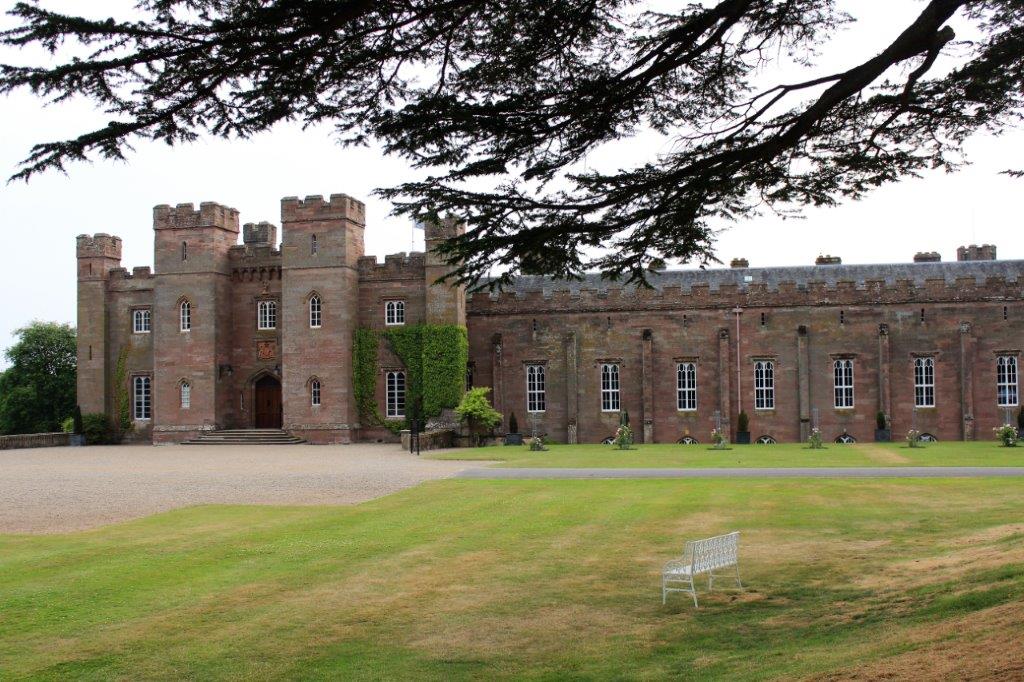
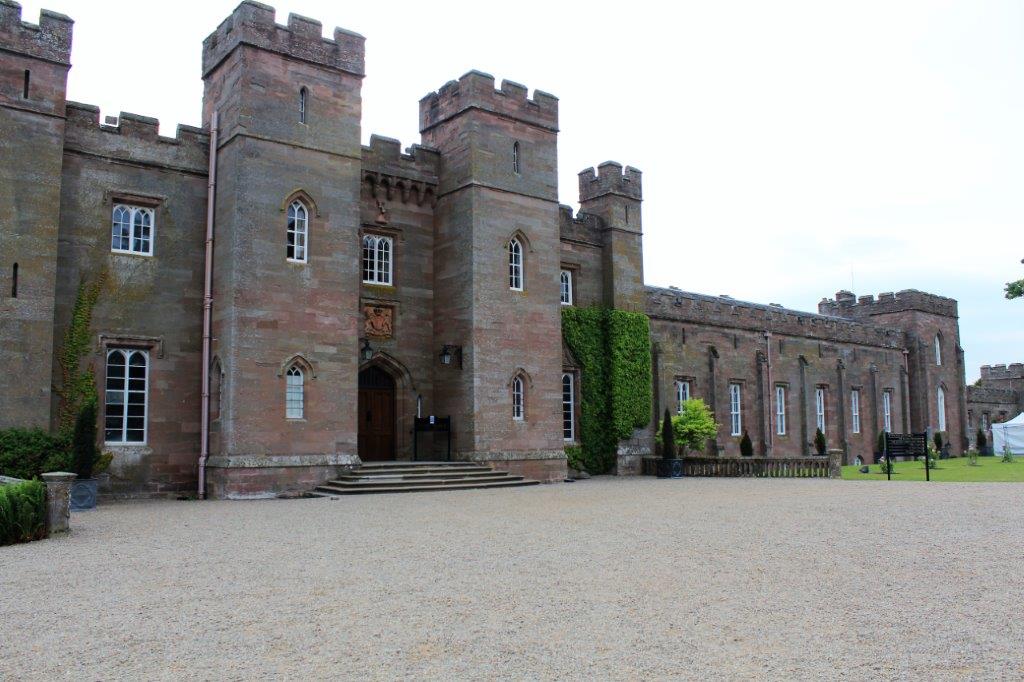
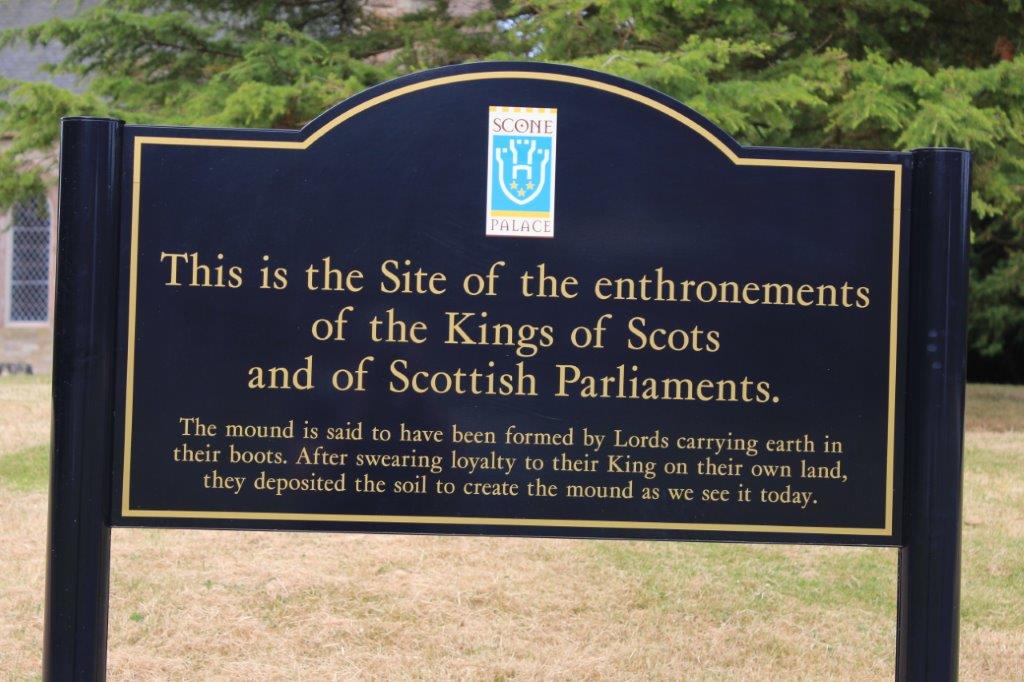
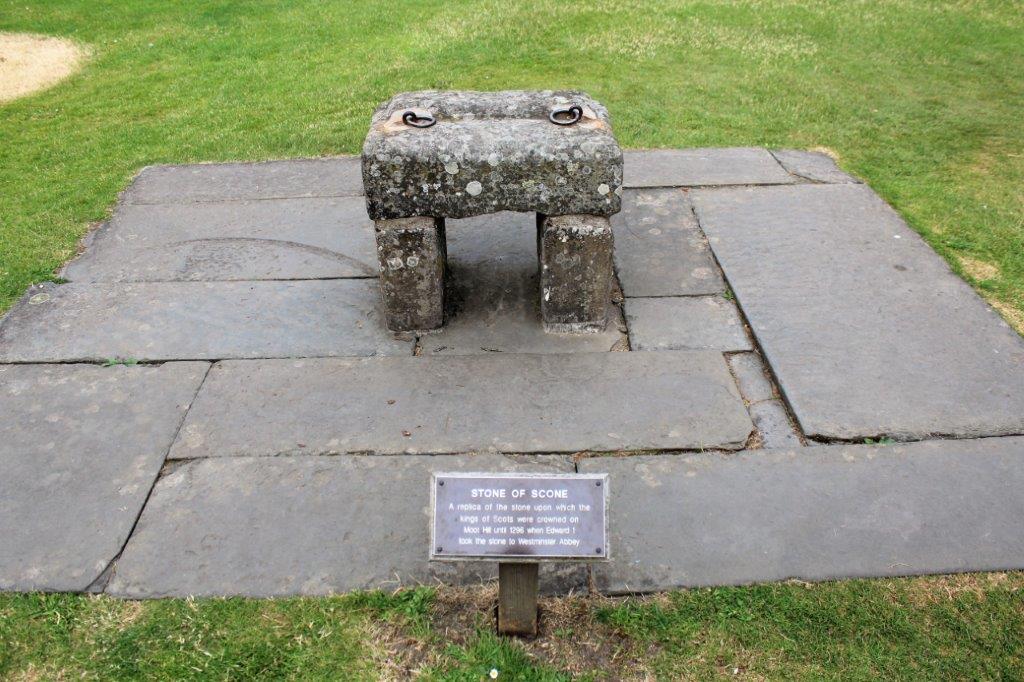
It was almost 4:30 in the afternoon before we arrived at Scone Palace (pronounced Skoon), which is located about 2 miles north of the city of Perth.For centuries Scone Palace has been the home of the Murray family, the Earl of Mansfield.  The original palace of 1580 was rebuilt in the early 19th century and is one of the finest examples of late Georgian Gothic style in Great Britain. Scone was the ancient crowning place of Scottish kings on the Stone of Scone, also known as the Stone of Destiny.   MacBeth, Robert the Bruce and Charles II were all crowned here.  The stone was taken to Westminster Abbey in London by Edward II in 1296 and only returned to Scotland in 1997.  It now resides in Edinburgh Castle.

Scone was an ancient gathering place of the Picts, and was probably the site of an early Christian church. The place of coronation was called Caislean Credi, ‘Hill of Credulity’, which survives as the present Moot Hill.   In the Middle Ages the mound was marked with a stone cross, but this disappeared, probably during the Scottish Reformation in 1559, when the Abbey buildings were sacked by a mob from Dundee that was led by John Knox.

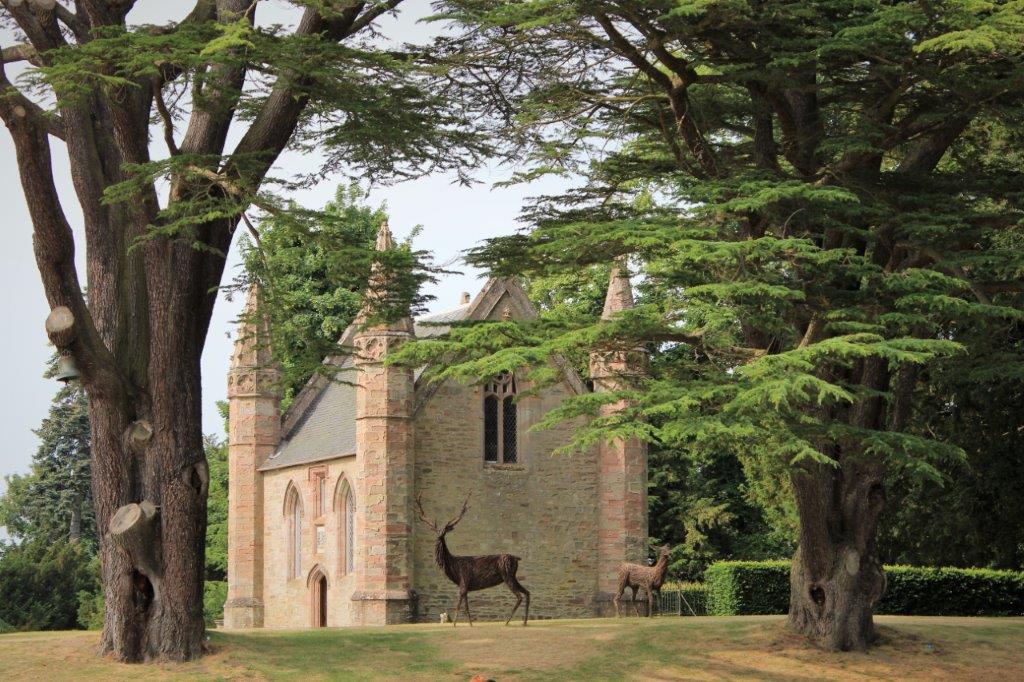
From 1114 to 1559, Scone was one of Scotland’s major monasteries and later abbeys.  All that remains today is the small Presbyterian chapel atop Moot Hill, which in reality is just a slightly higher piece of land across from the main palace grounds

The  deer  are  statues.A replica of the Stone of Destiny is near the chapel.
The village of Scone at one time was situated within the grounds of the palace.  The medieval house was rebuilt as a Gothic mansion in 1803 and when the grounds were landscaped two years later, the entire village was moved two miles away and became known as ‘New Scone.’

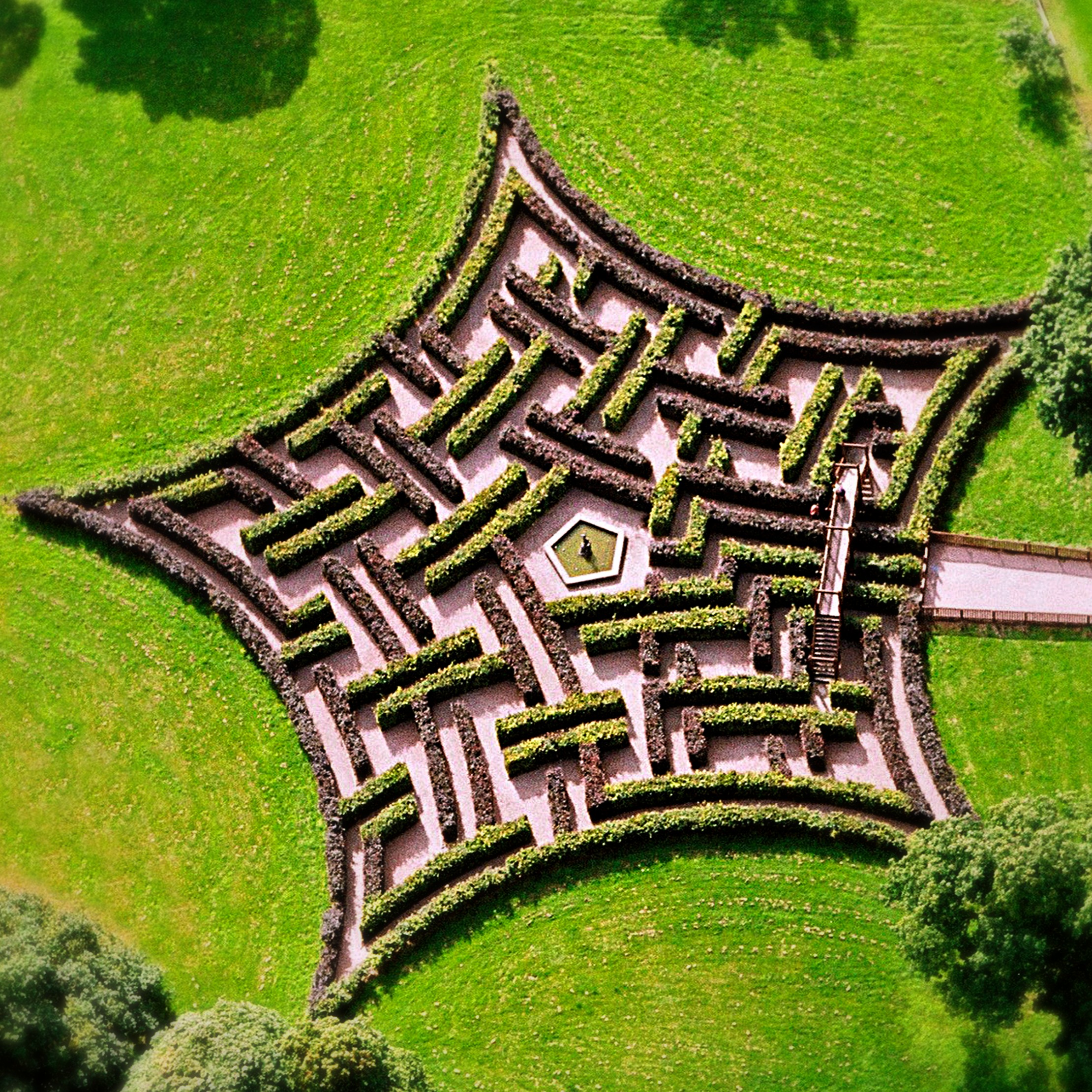
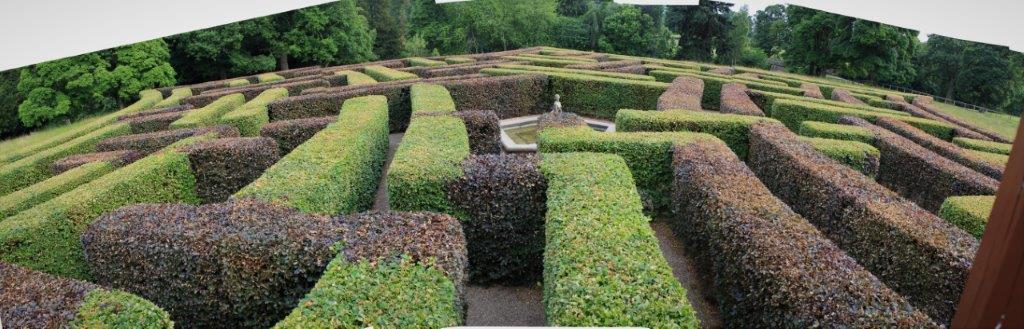
One of the things that the gardens at Scone Palace is famous for is the Star Maze.  This gorgeous maze was designed by international maze designer Adrian Fisher. (Who knew that could be a career?)  The large maze is made of 2,000 copper and green beech trees to reflect the Earl of Mansfield’s family tartan.  The five-point star is part of the family emblem.  I copied the photo below from an internet site to show the size of the thing.  There is a nice viewing platform where you stand above the maze and watch people try find their way to the center.

I  did  a photo-stitch  of  what  we  could  see  from  the  viewing  platform.We arrived back in our hotel in Blairgowrie at 6:15, had dinner and settled in for the night after another wonderful day in Scotland.

2013 Summer (Baltic and Britain – Scotland – July 11 – Day 18 – Part 2)

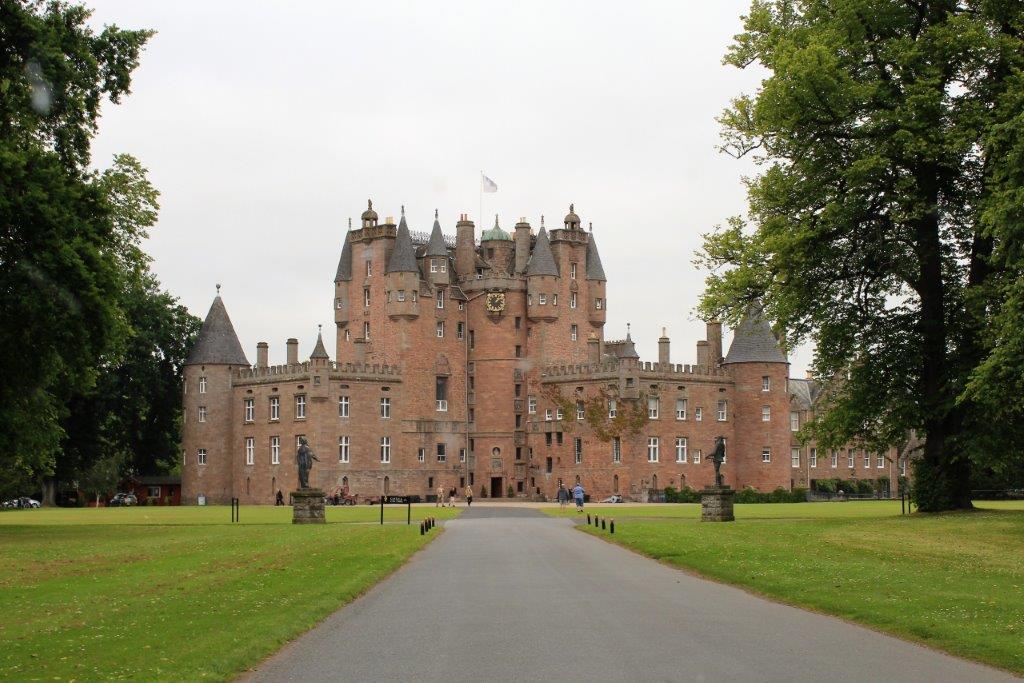
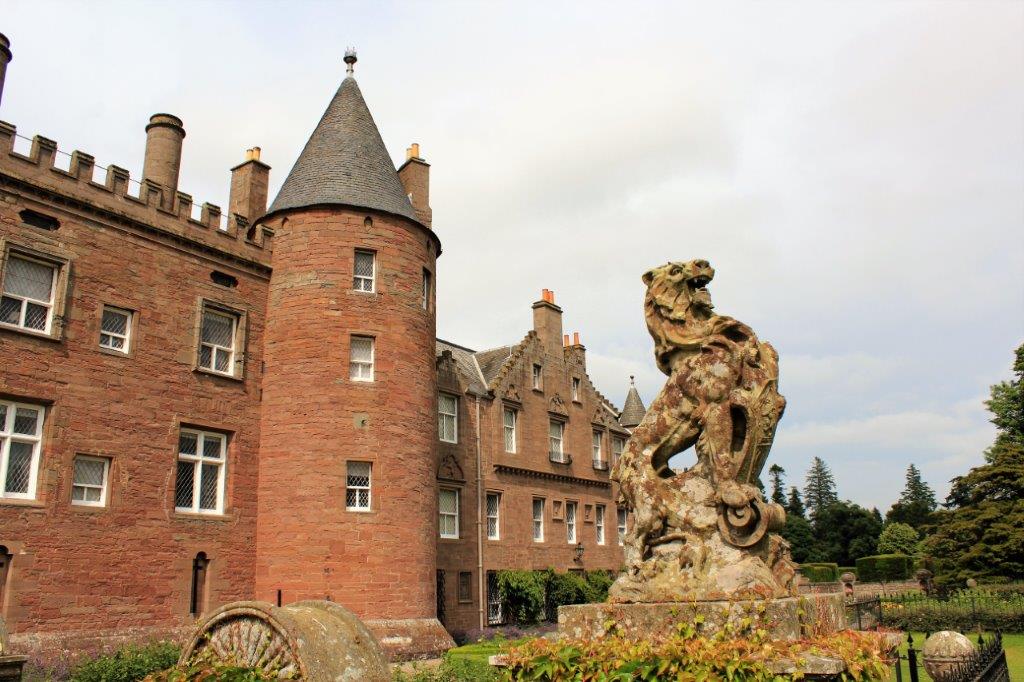
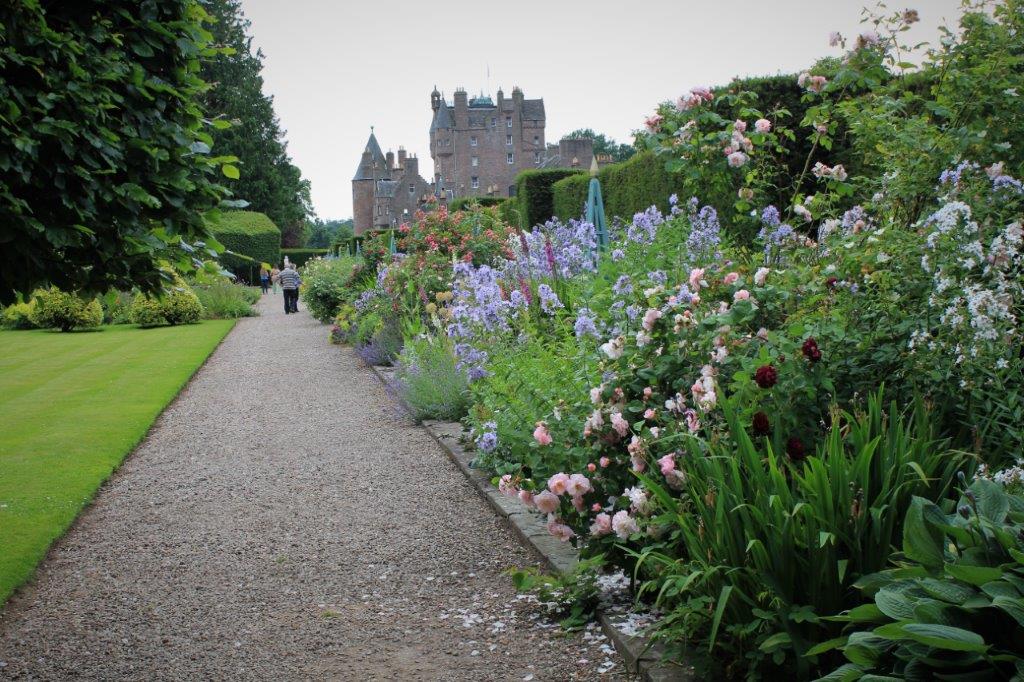
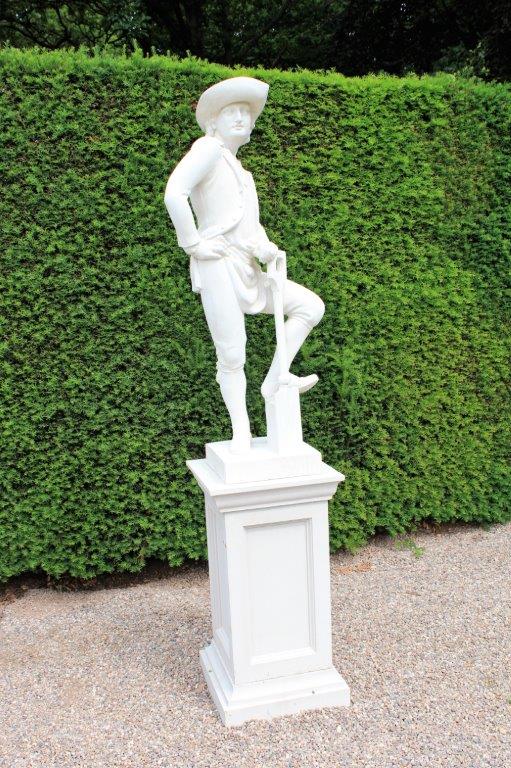
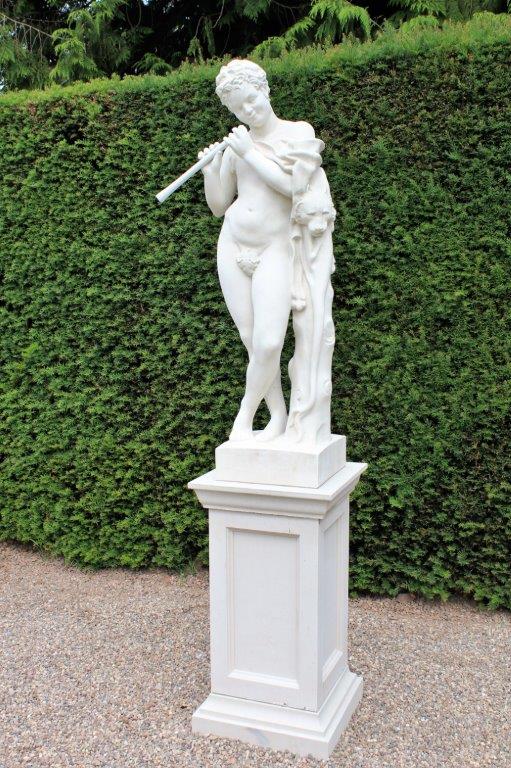
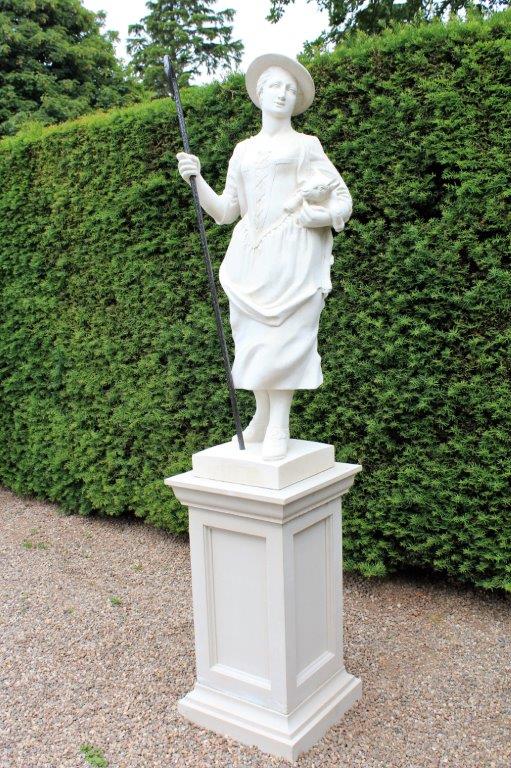
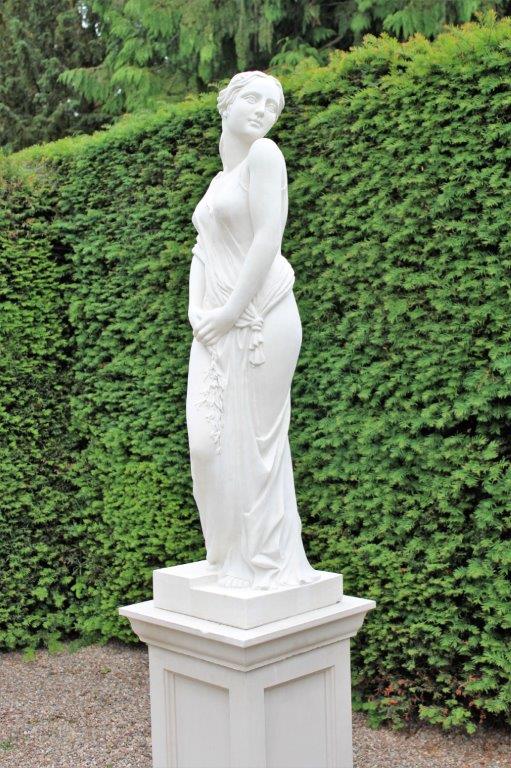
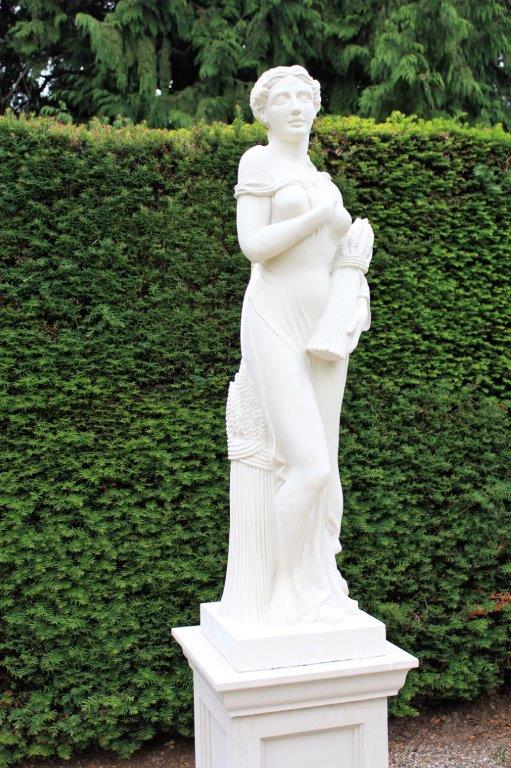
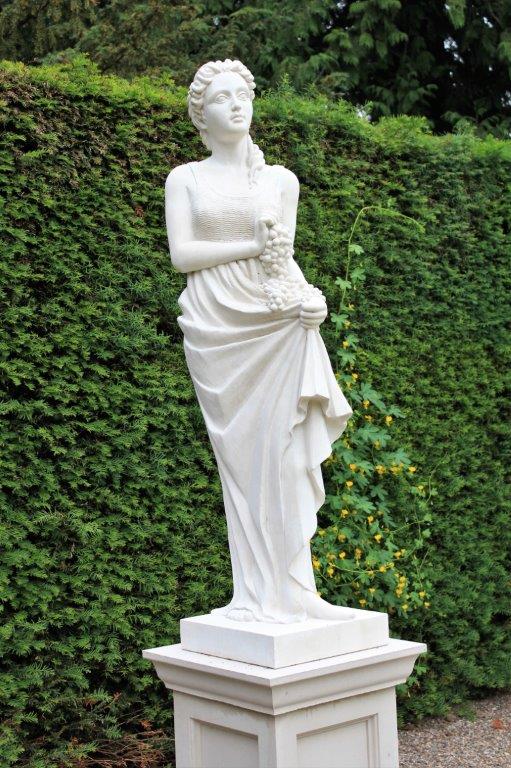
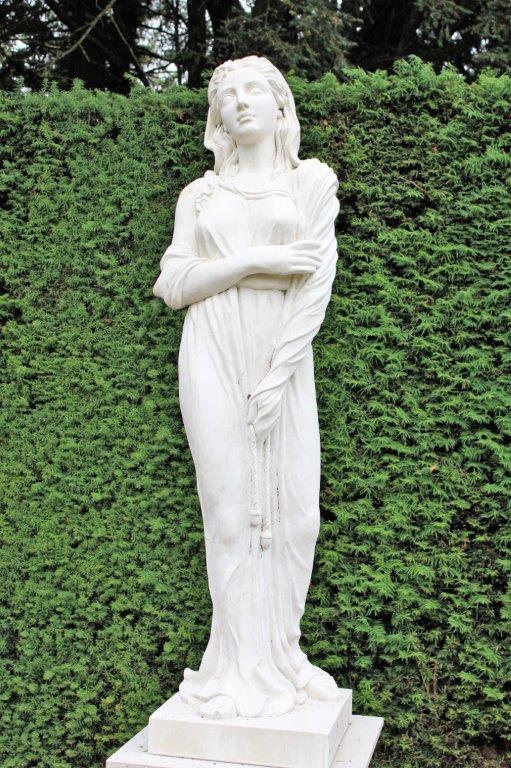
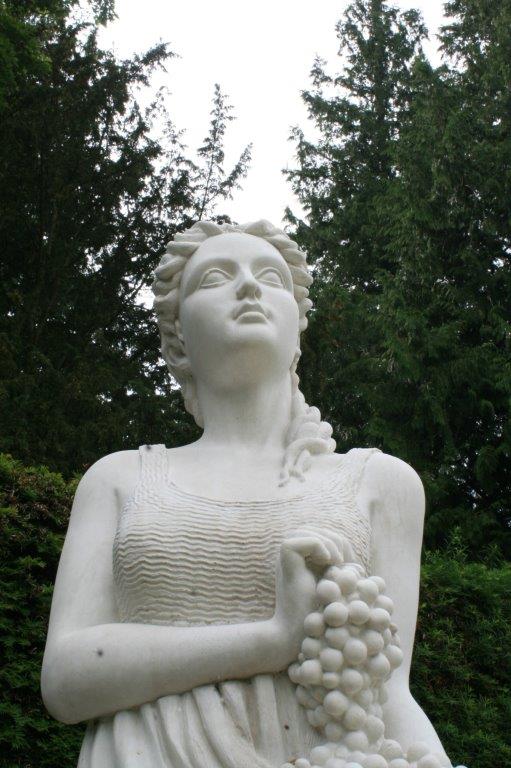
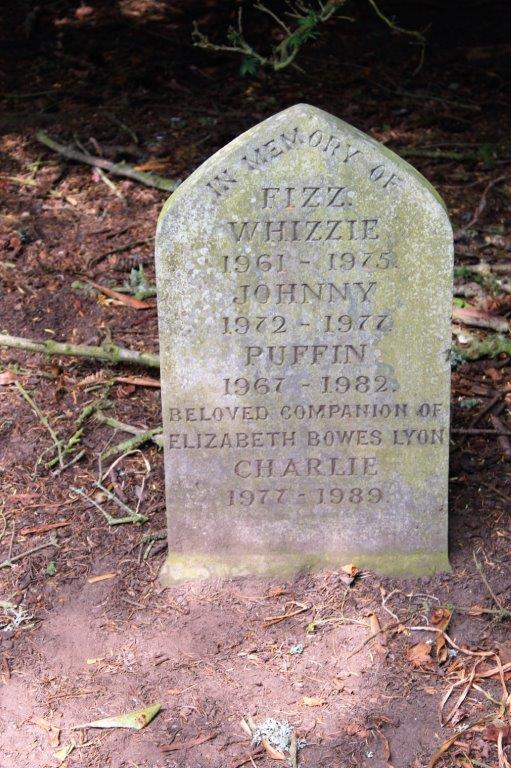
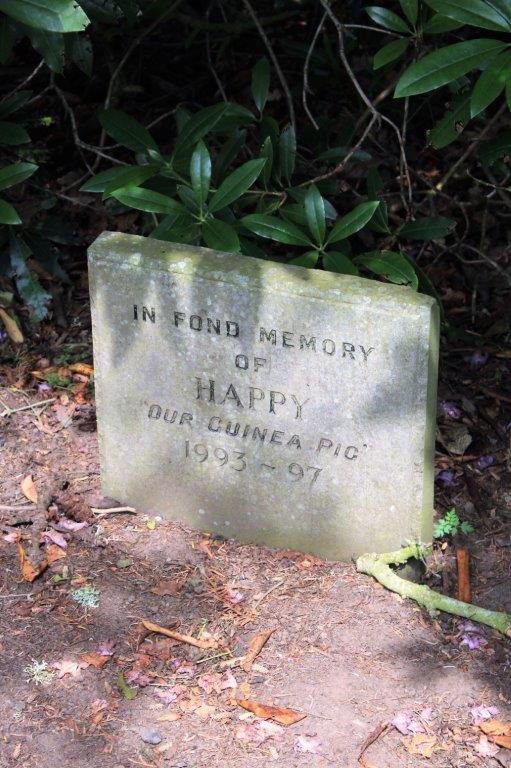
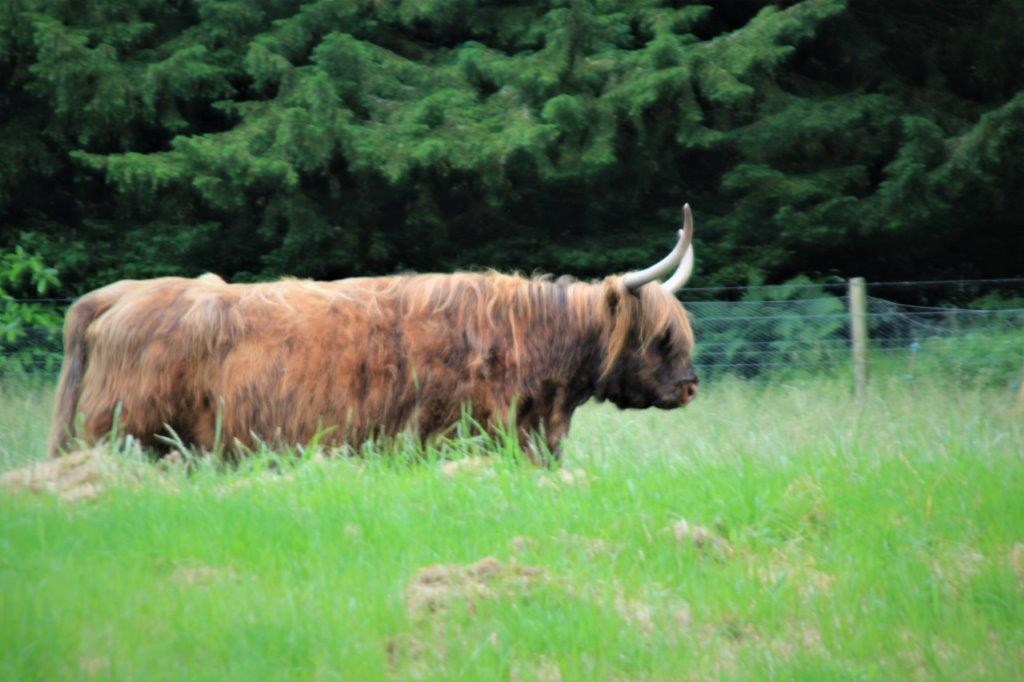
We arrived at Glamis Castle, childhood home of the late Queen Mother, just after 1 pm.  The inside of the castle is not open to the public, but the gardens and surrounding park are.  We had a lovely wander around for a couple of hours. The gardens at Glamis were beautiful with many pristine white sculptures. The family of  young Elizabeth Bowes-Lyon, future wife of King George VI and mother of Queen Elizabeth II, also had a special resting place for their pets. We were sent on our way by another of the long haired, long horned Highland Cattle.

2013 Summer (Baltic and Britain – Scotland – July 11 – Day 18 – Part 1)

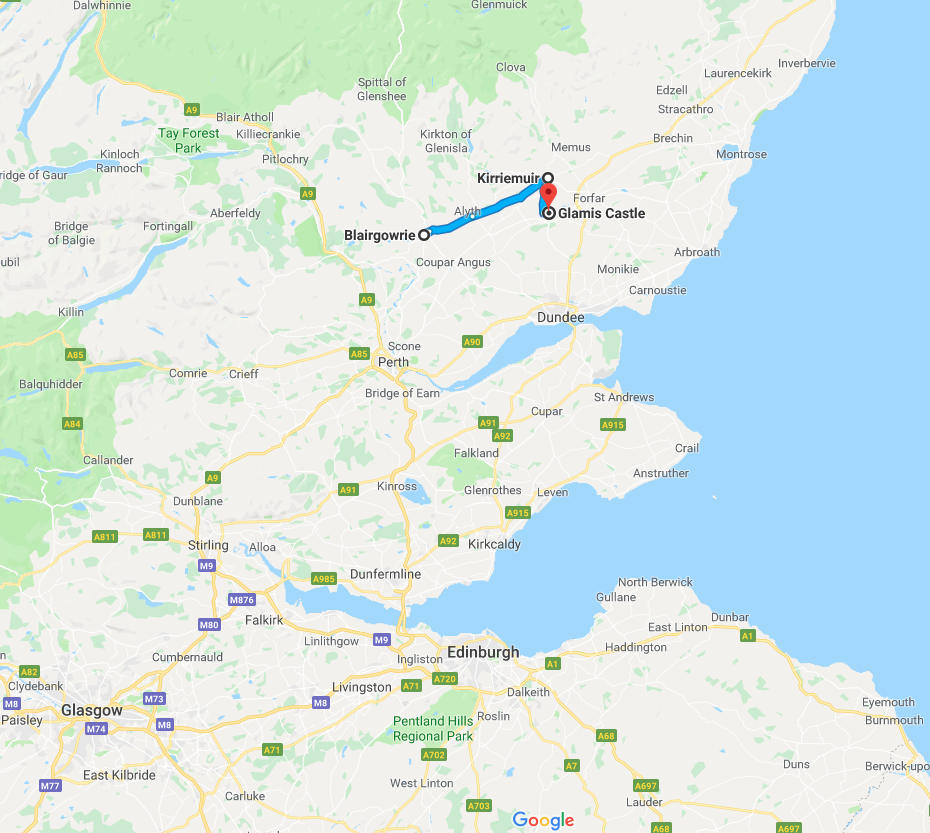
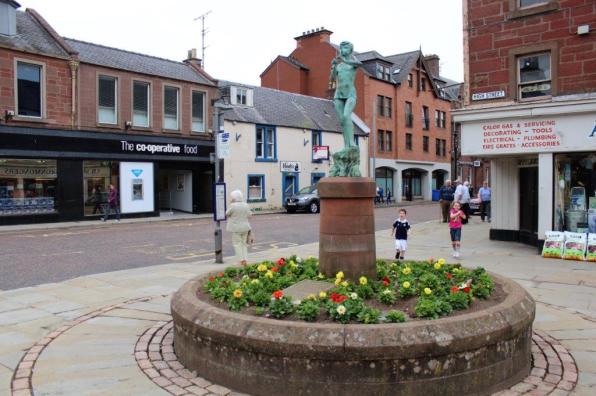
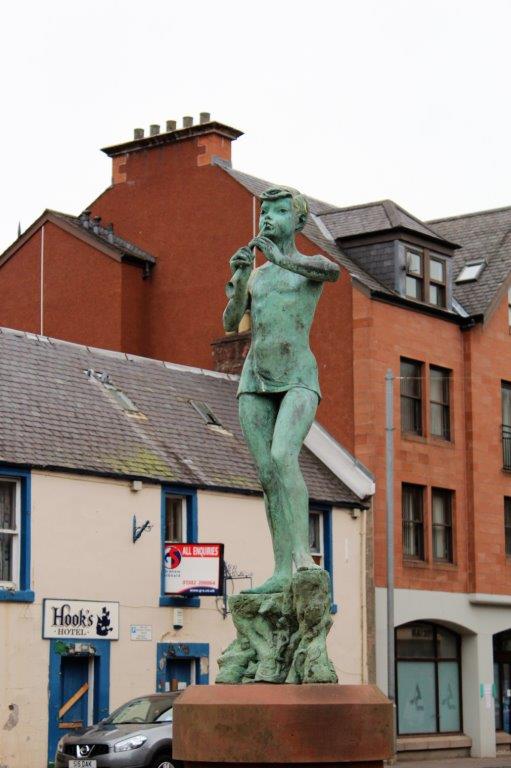
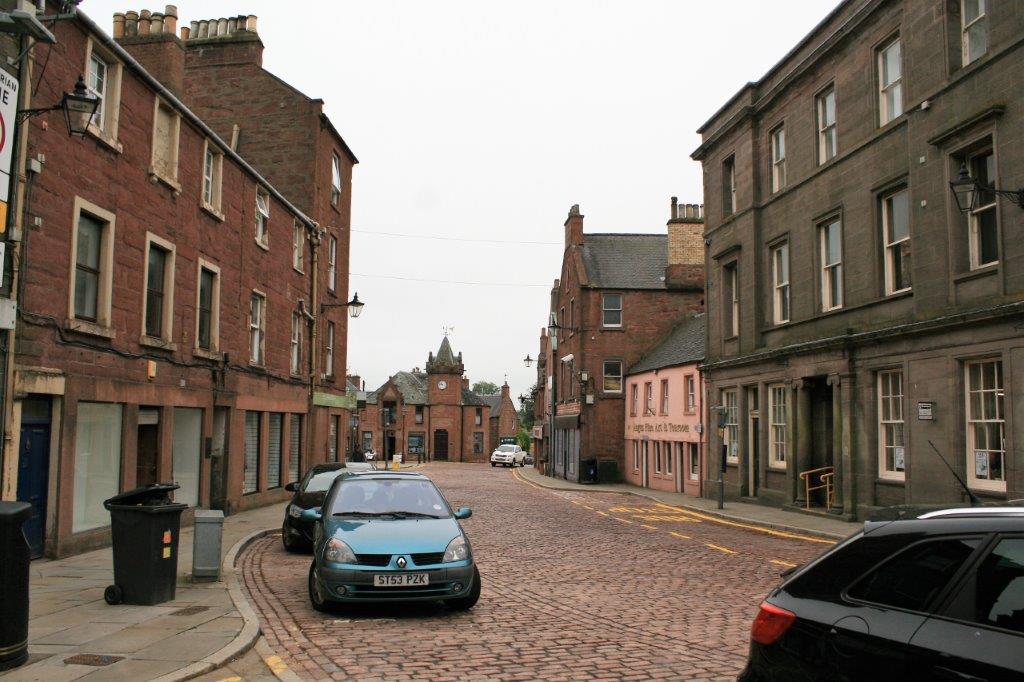
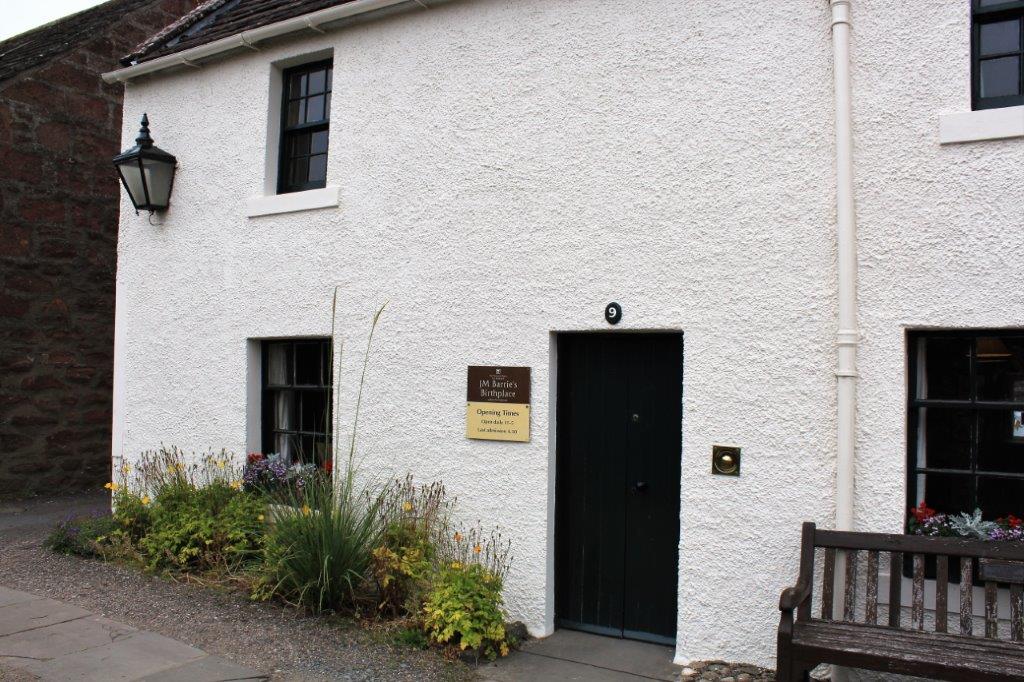
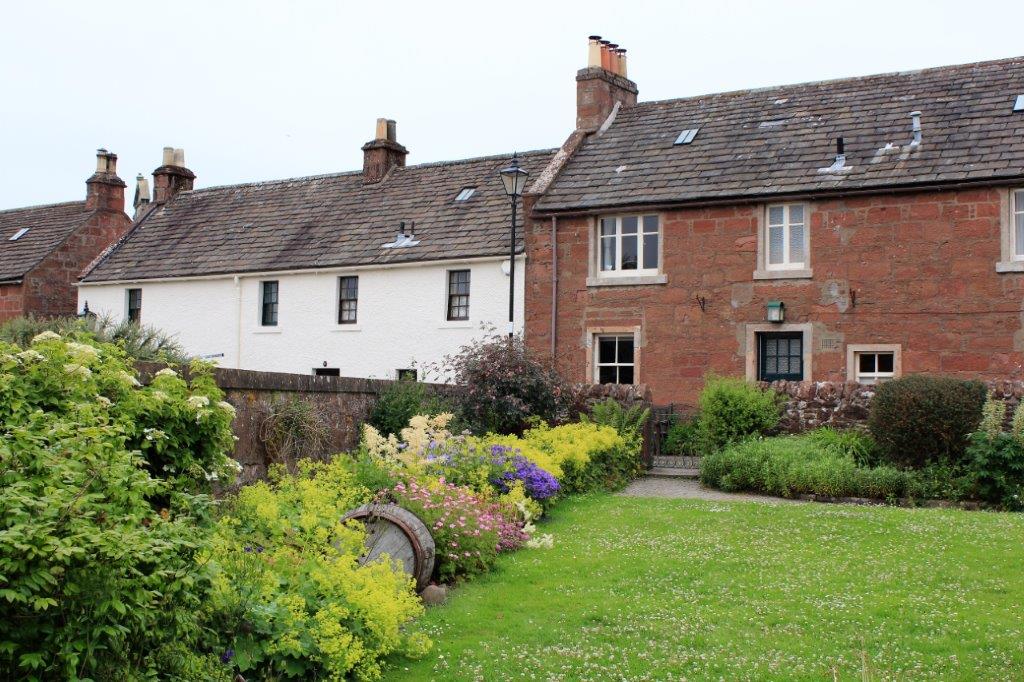
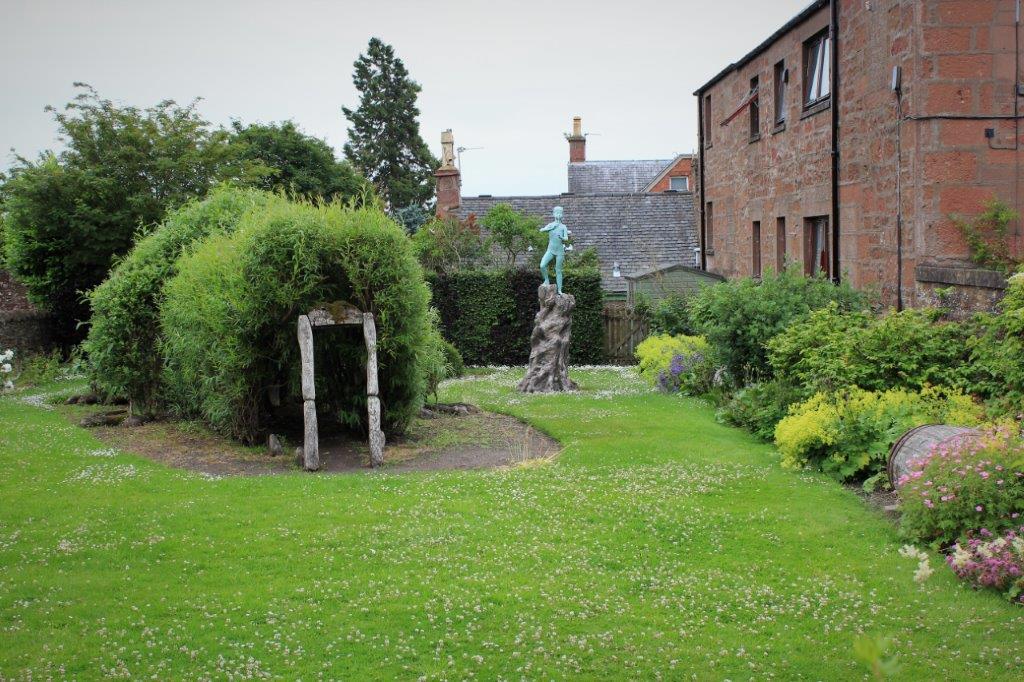
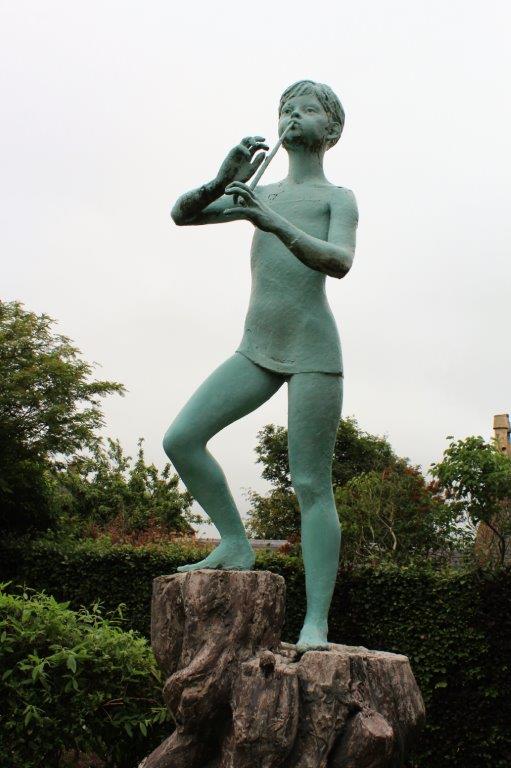
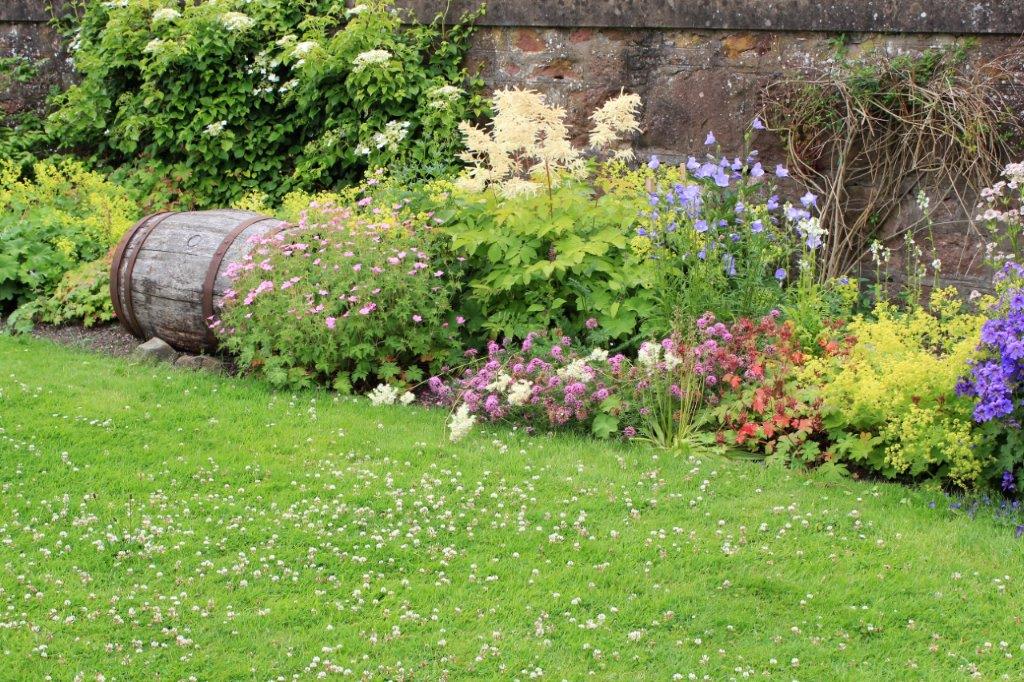
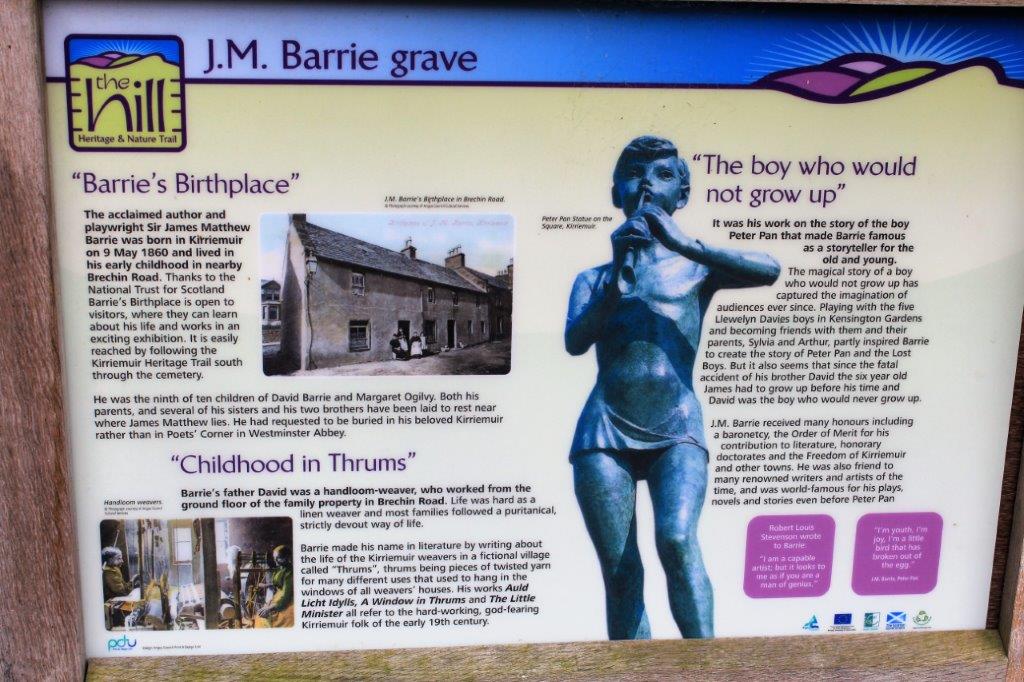
We left our hotel in Blairgowrie at 10 am  and arrived in the town of Kirriemuir half an hour later.  The first thing we saw as we drove into town was a lovely little statue of Peter Pan.Sir James M. Barrie was born here in 1860, one of ten children.  The small house is a museum and the property next door holds an exhibition about Barrie’s life and literary and theatrical works – including an original manuscript of Peter Pan with Barrie’s own notations.  The wash house across the street from his home was his first theater, and his early life with all his brothers and sisters inspired the characters and story lines in his work.Across the lane there is a lovely little garden with another statue of Peter Pan. After Barrie was honoured with the ‘Freedom of the Town’ in 1930 he gifted Kirriemuir with a Camera Obscura.  These fascinating devices give a rotating bird’s eye view of the surrounding landscape on a tabletop surface within the building. There are only three of them left in Scotland and not very many in other parts of the world either.  Unfortunately, it is one of those things you can’t really take photos of but if you ever get the chance to visit one, I encourage you to do so.

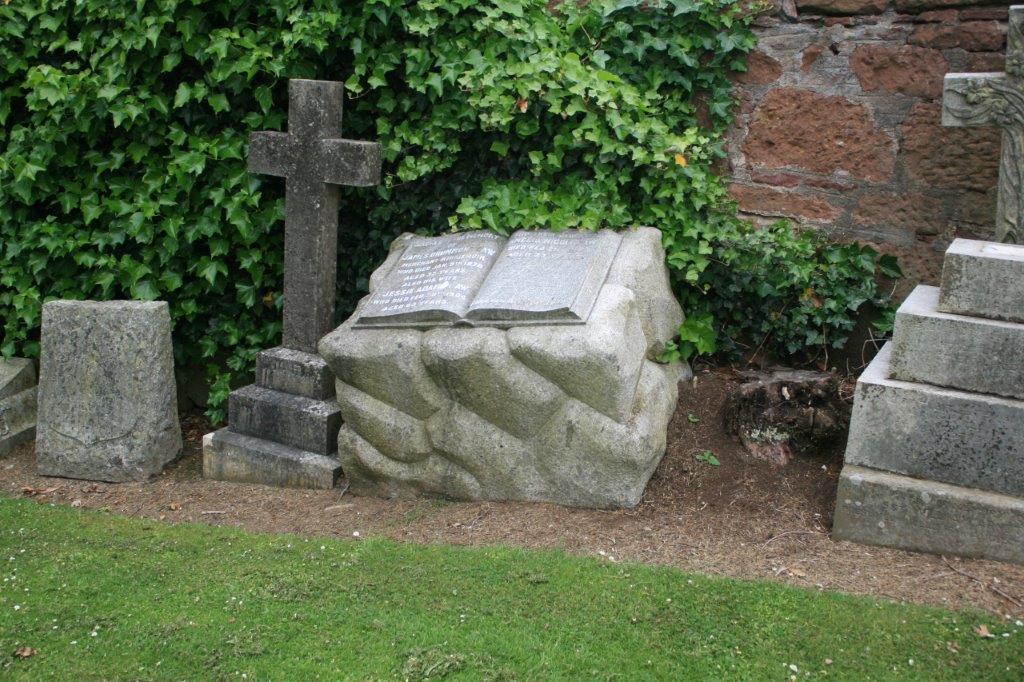
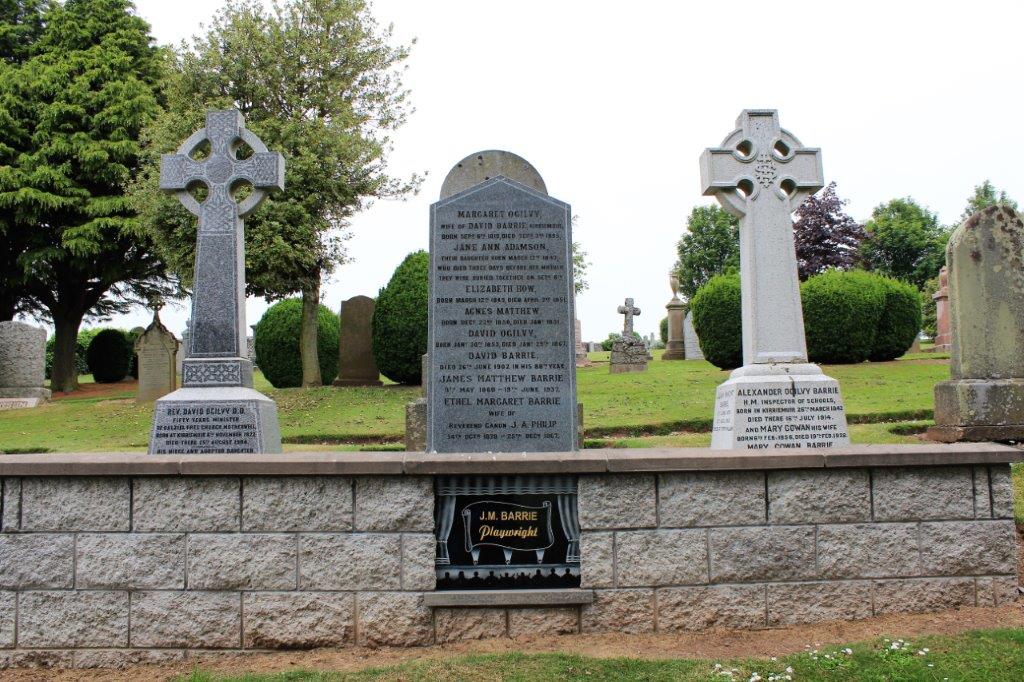
Before we left Kirriemuir we drove to the cemetery where Barrie,  his wife, and several of their children are buried.

2013 Summer (Baltic and Britain – Scotland – July 10 – Day 17)

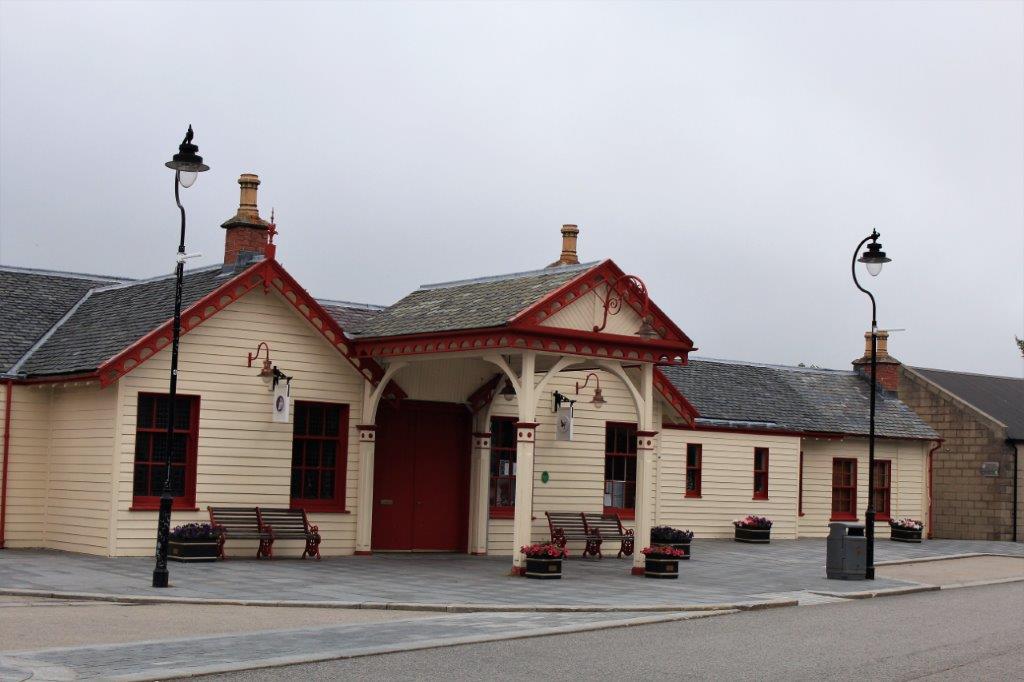
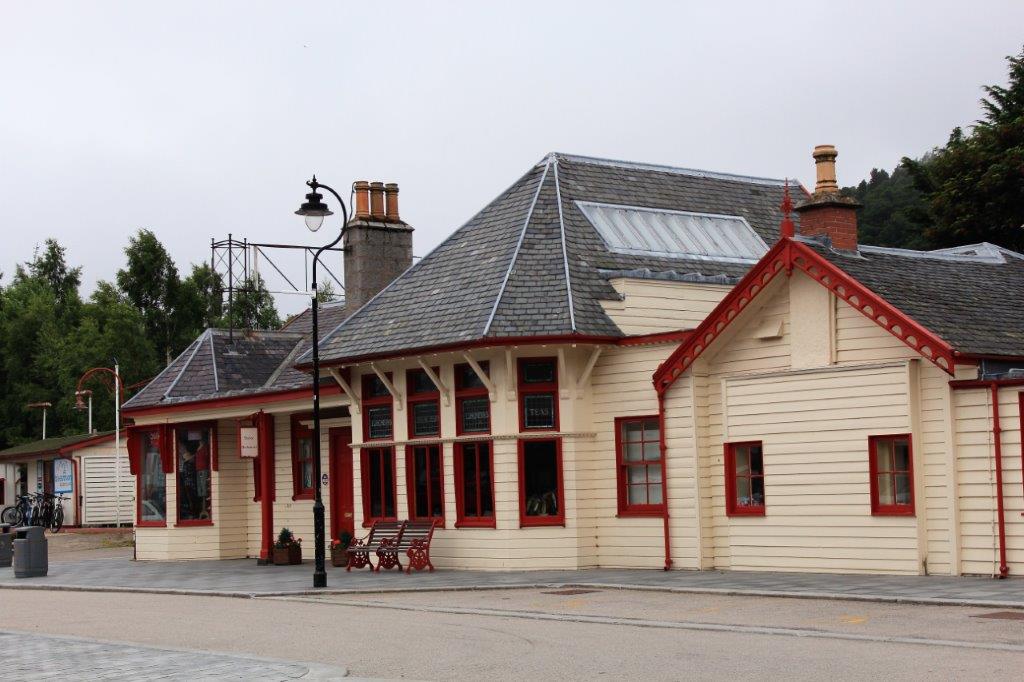
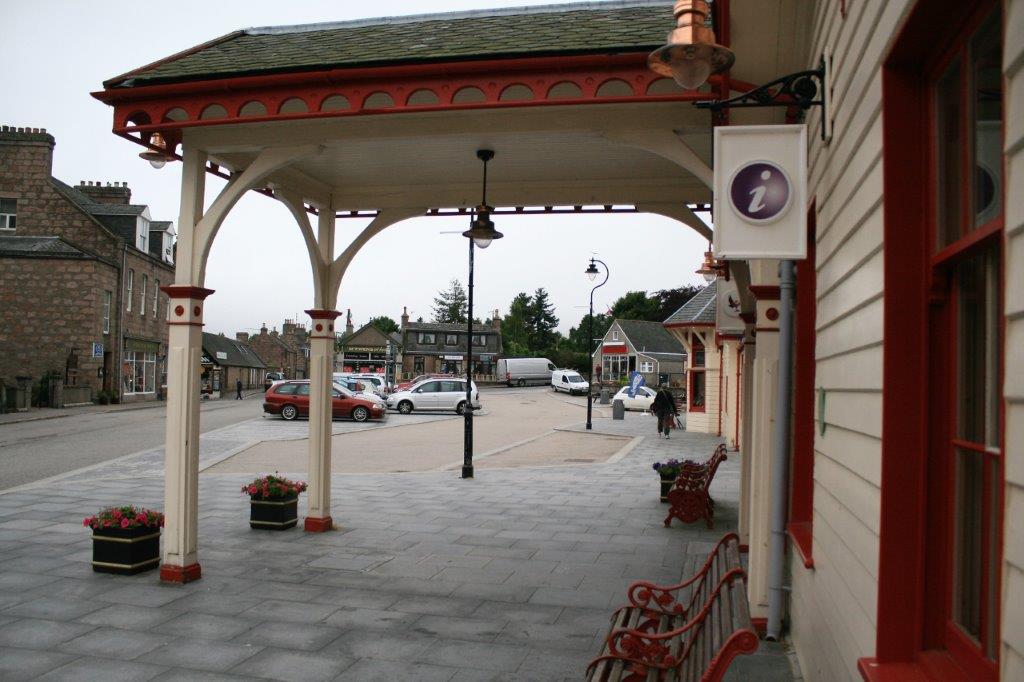
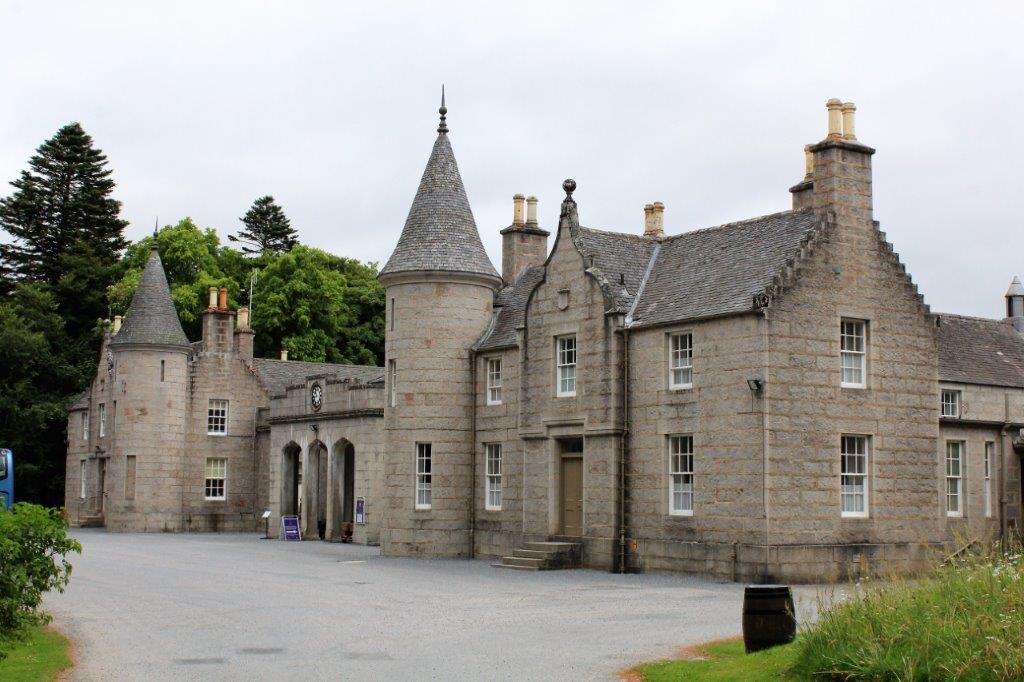
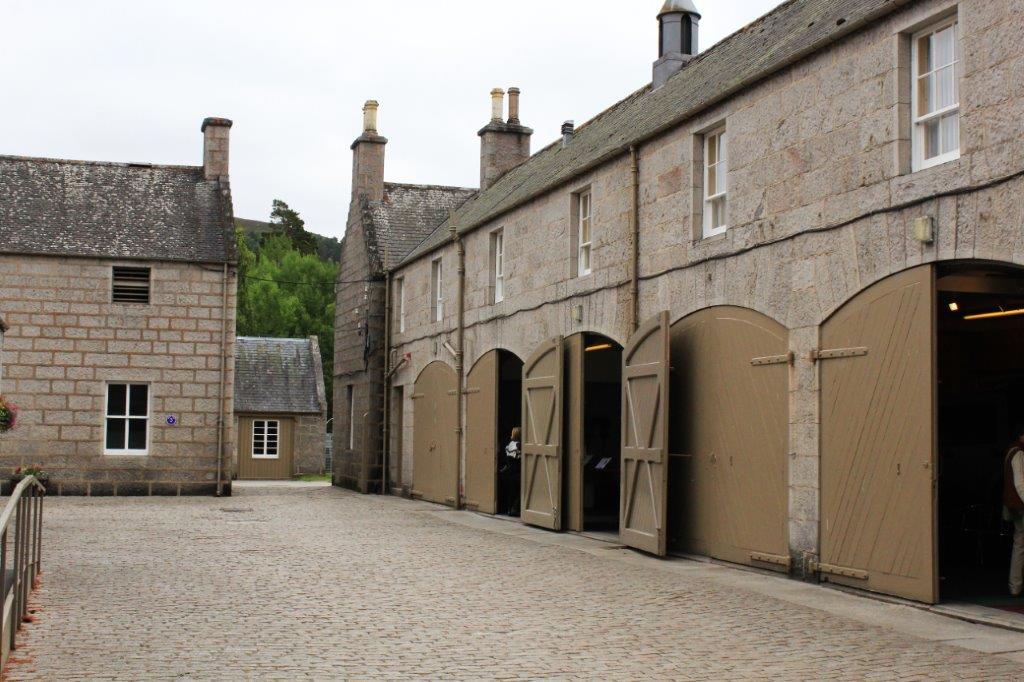
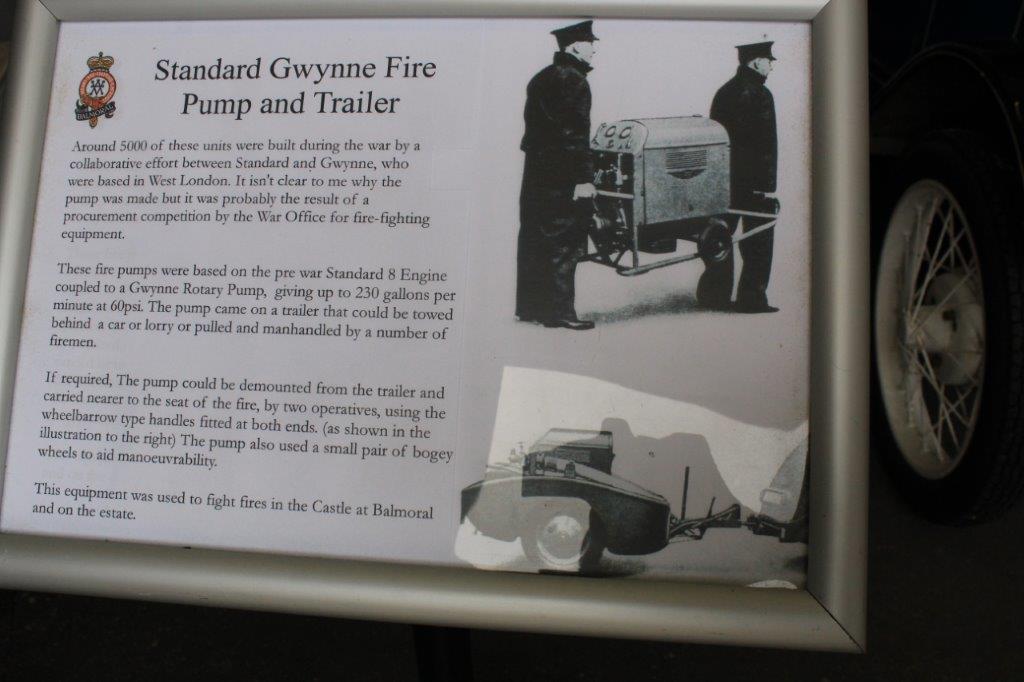
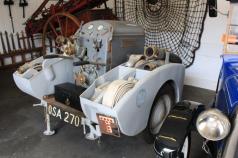
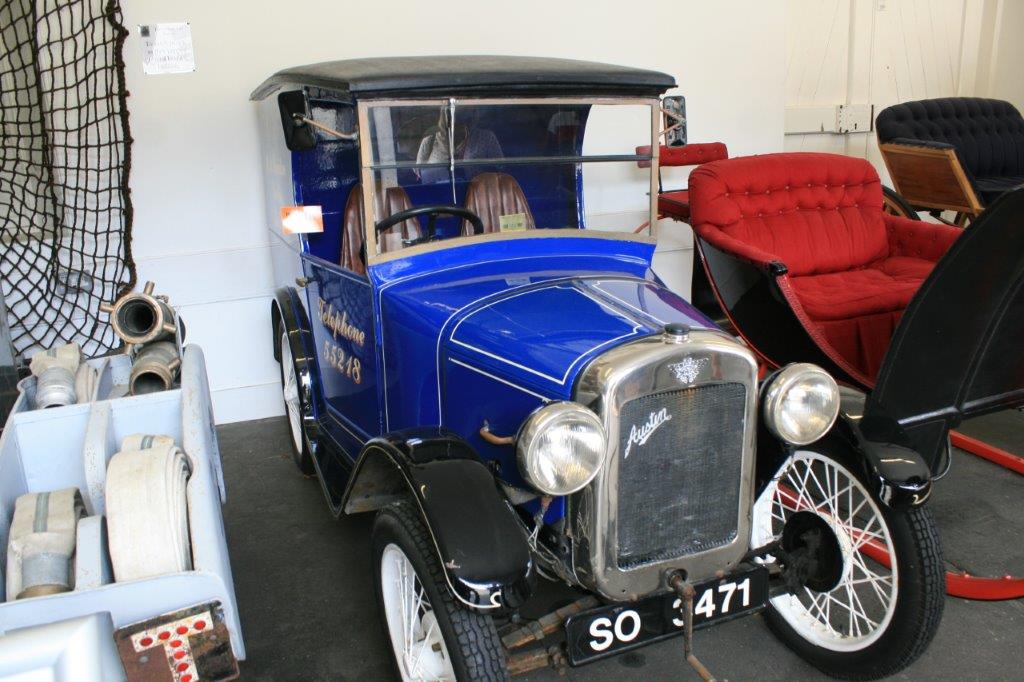
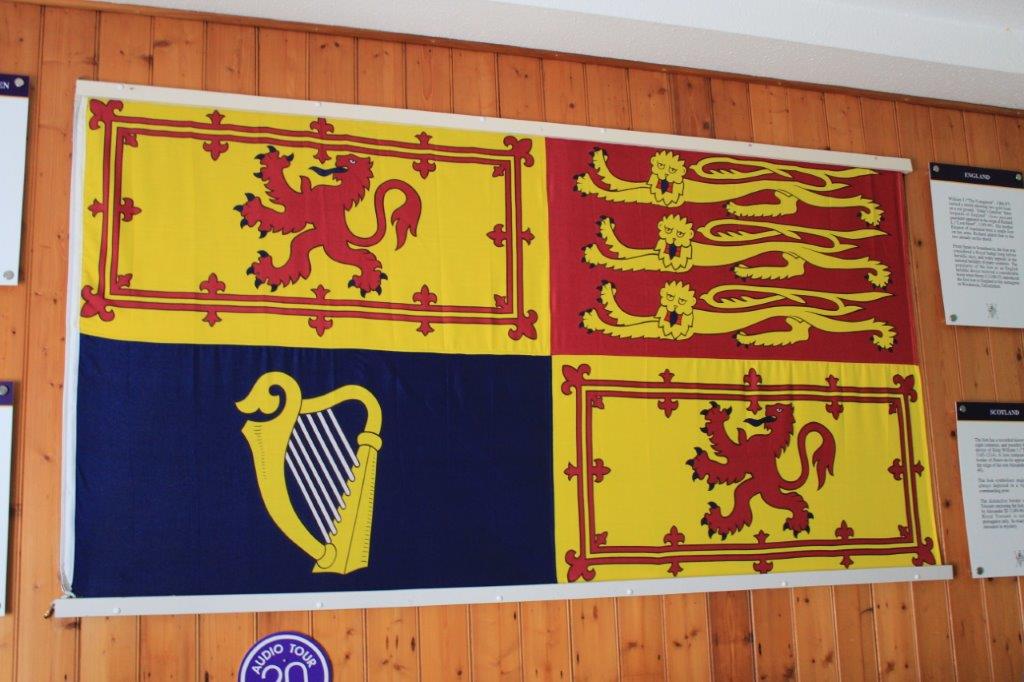
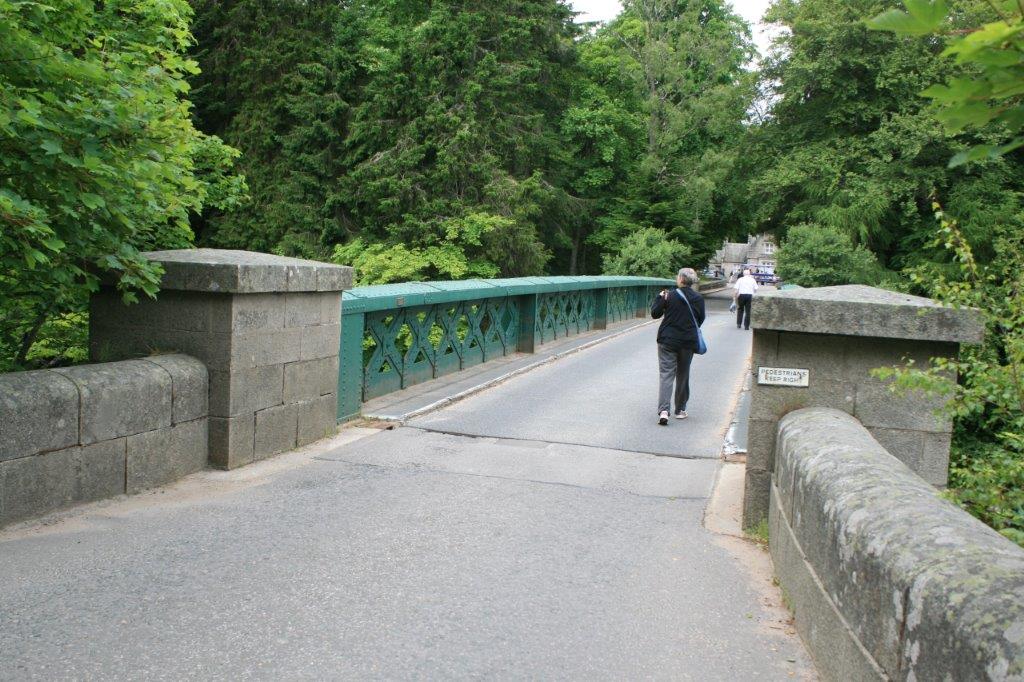
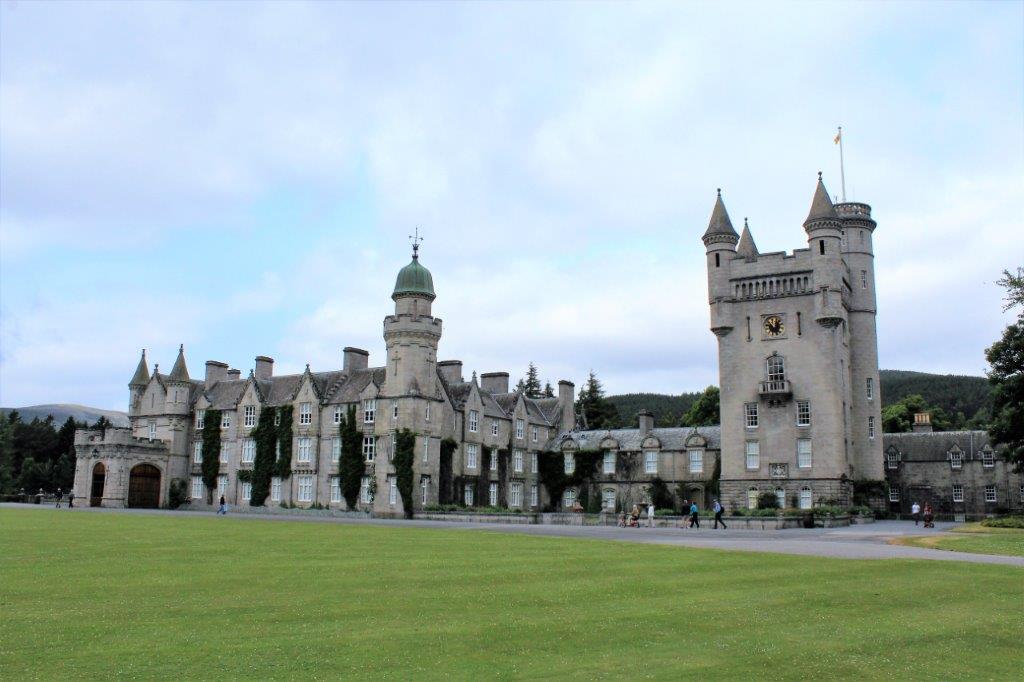
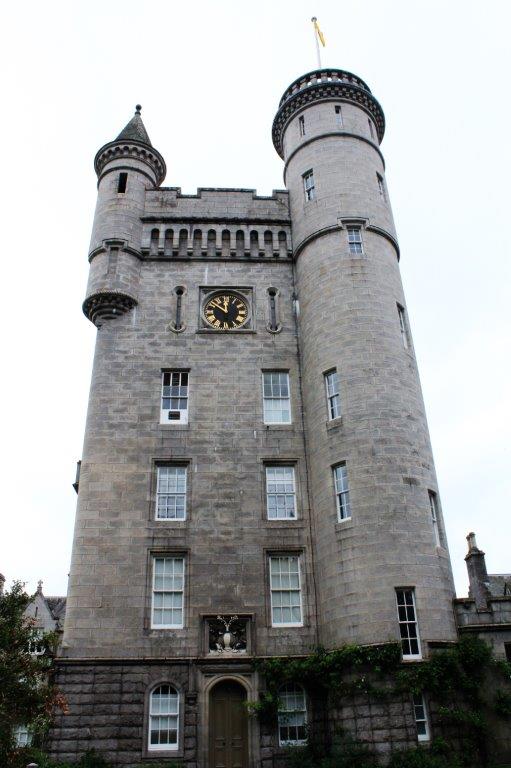
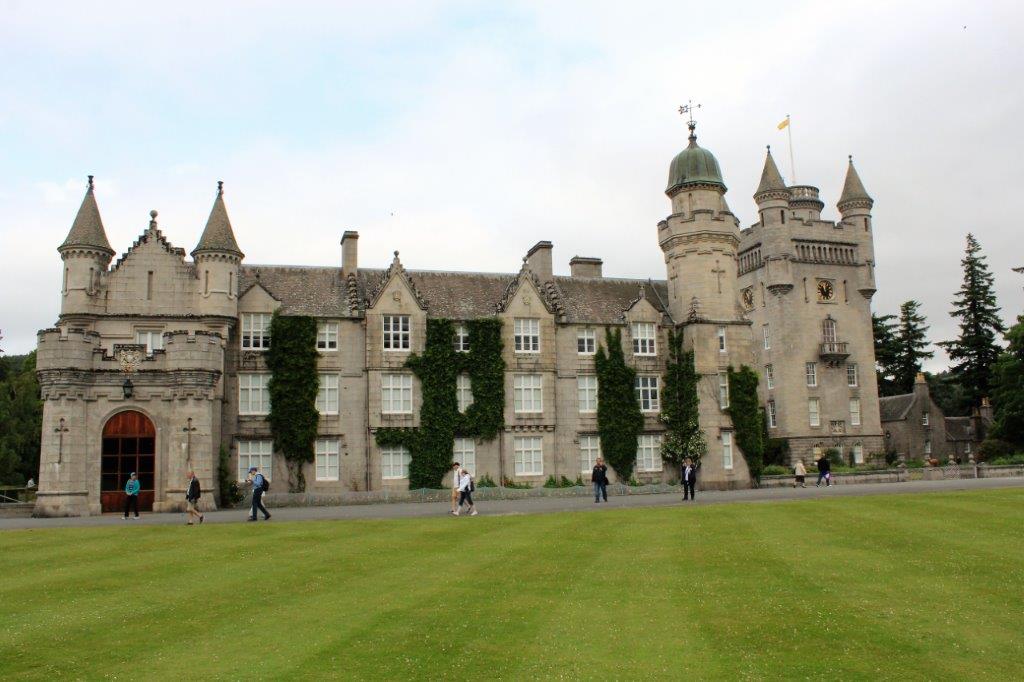
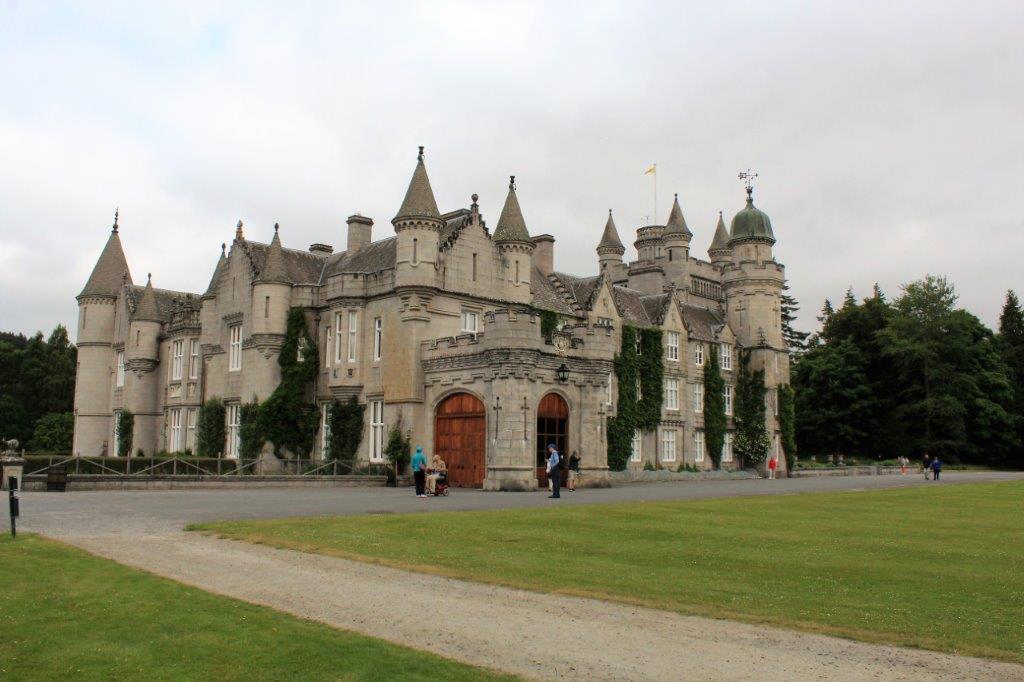
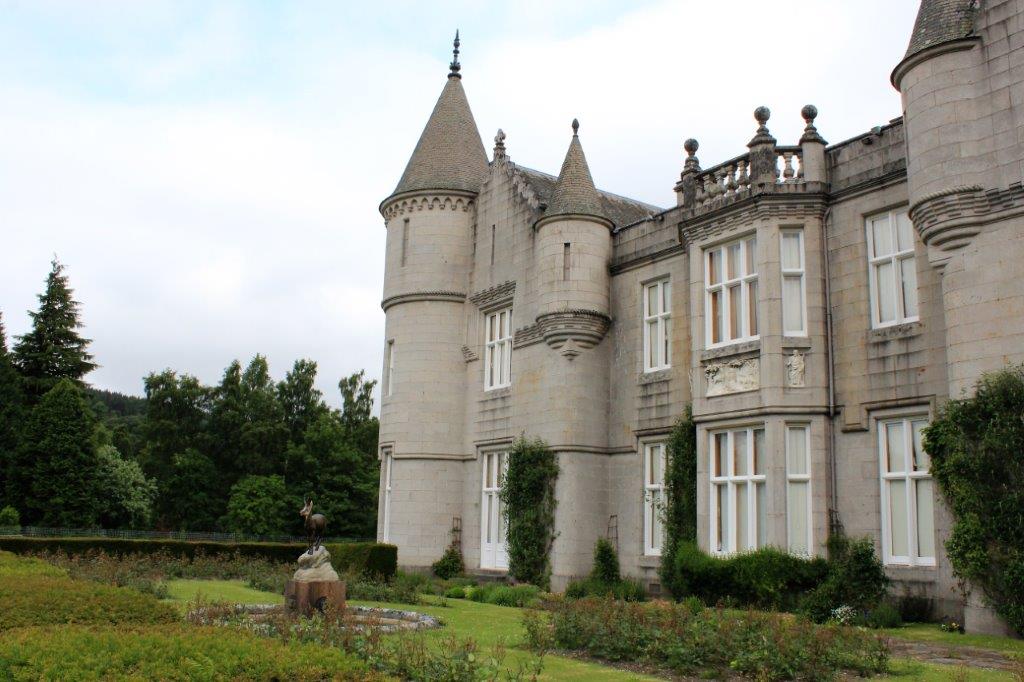
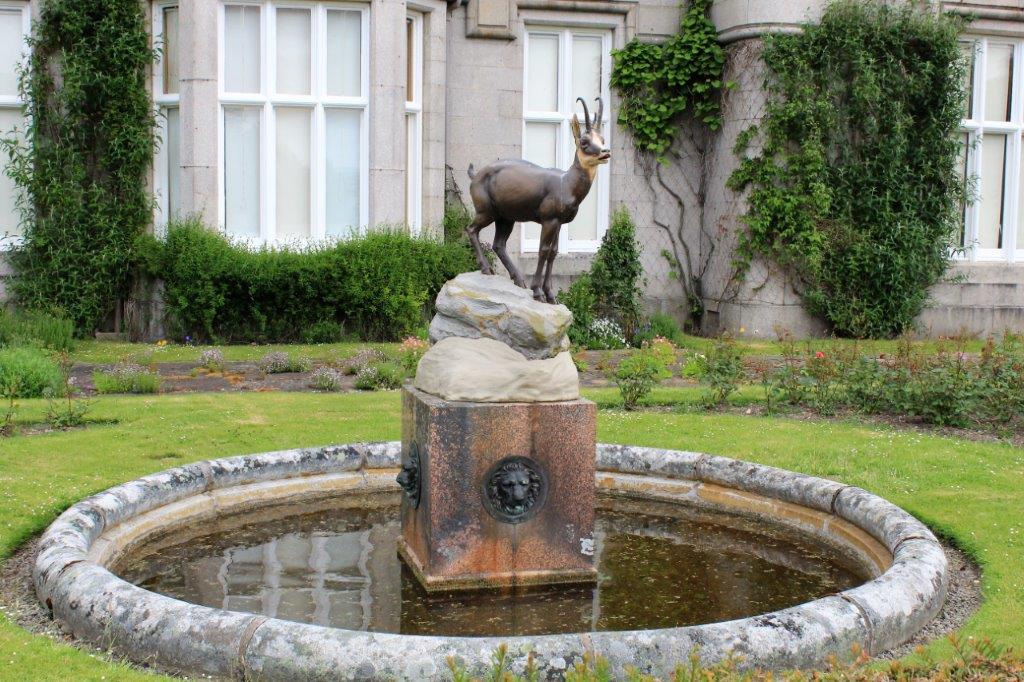
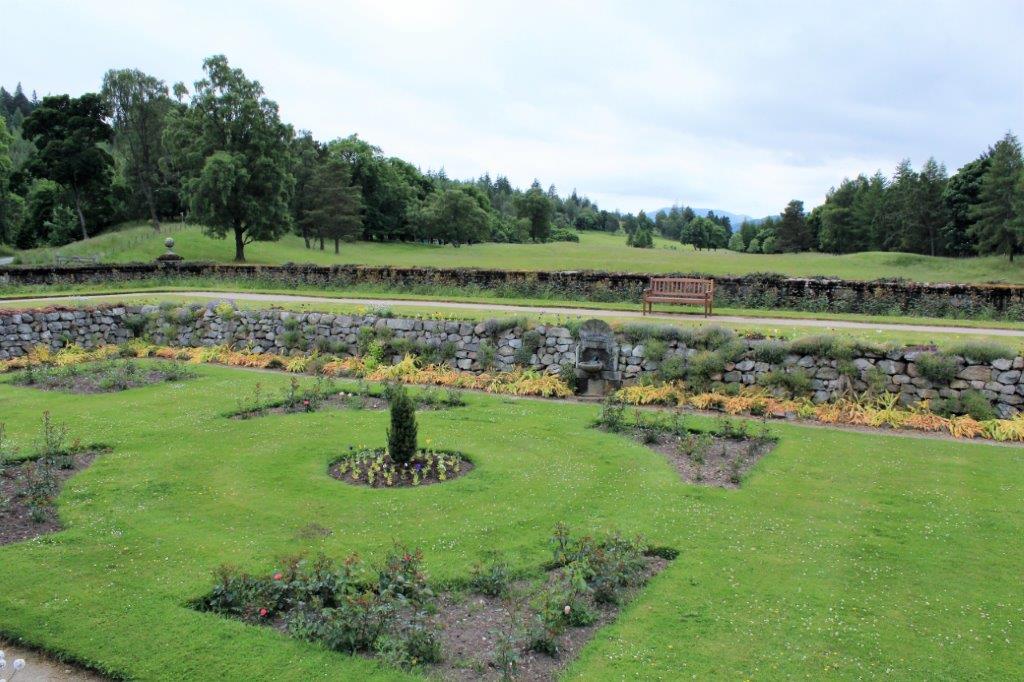
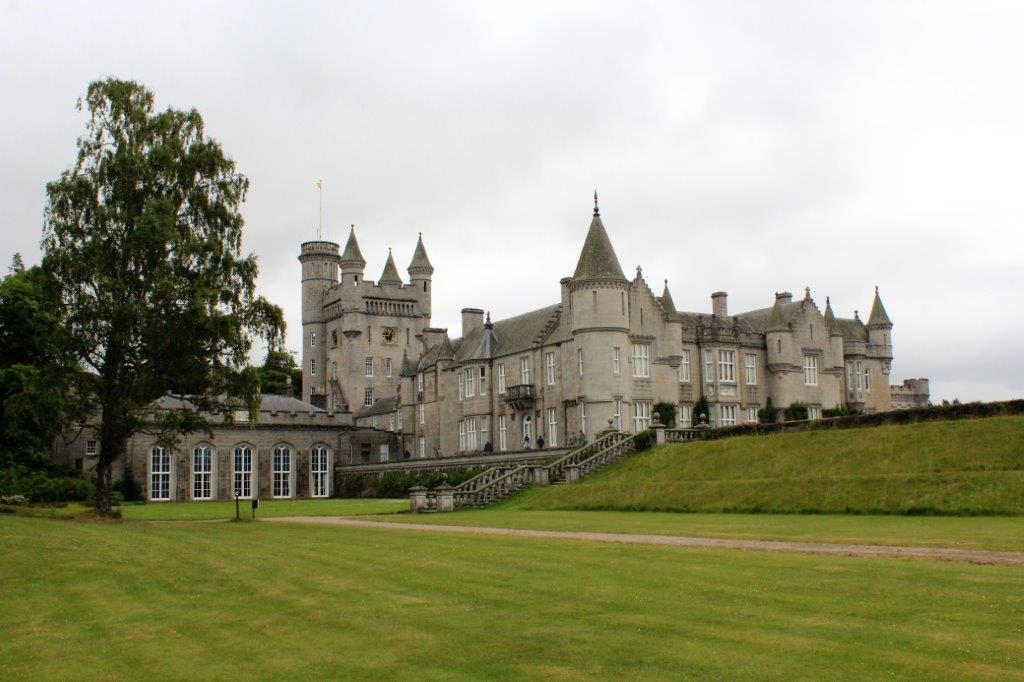
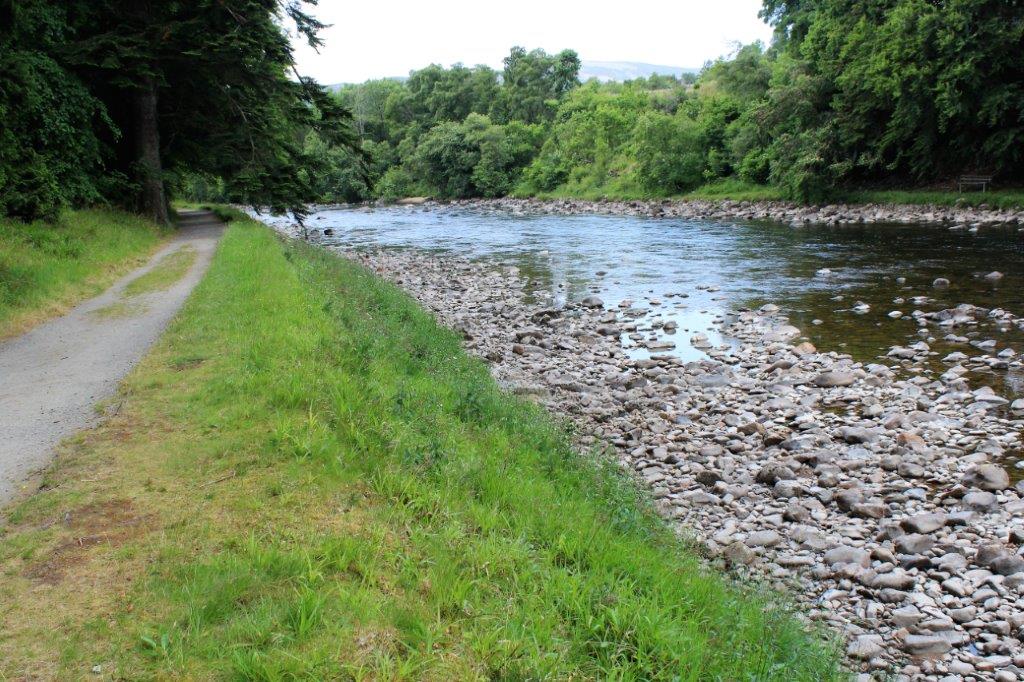
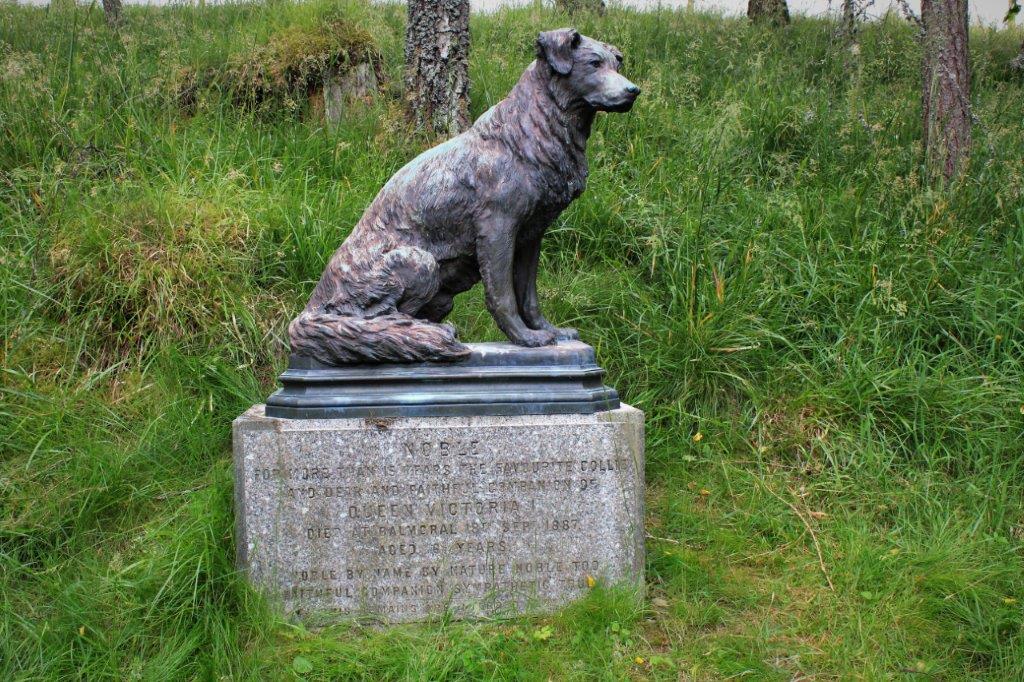
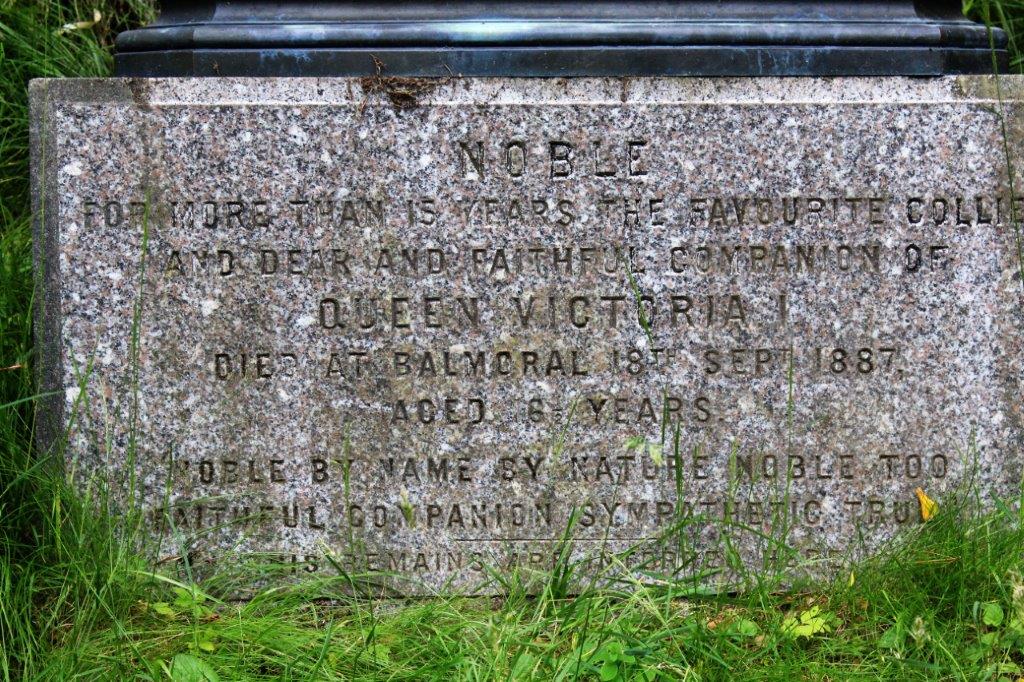
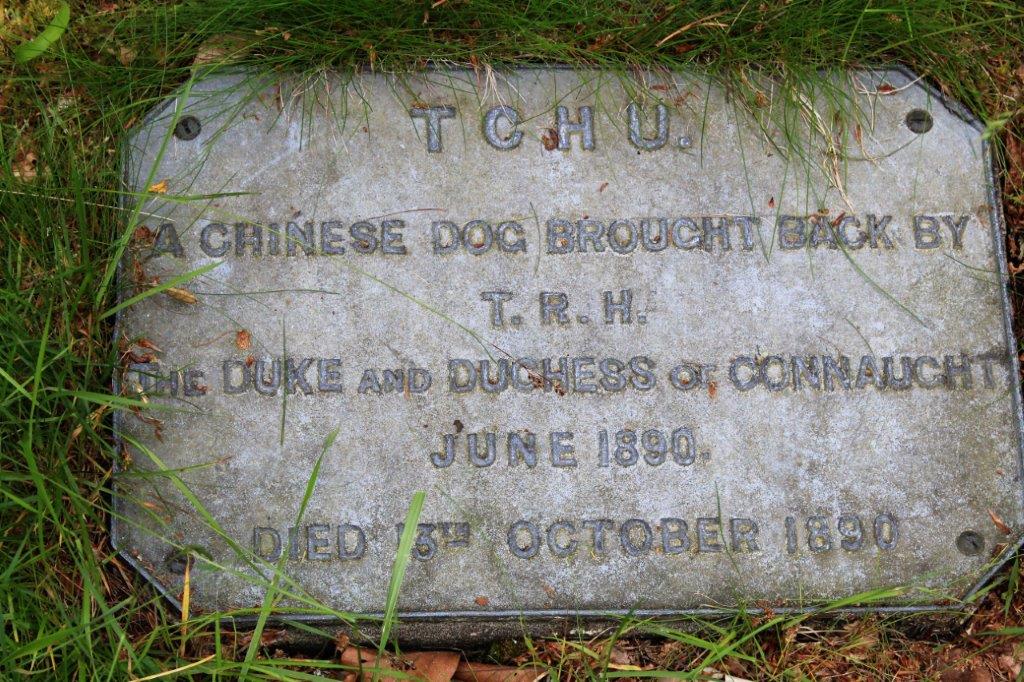
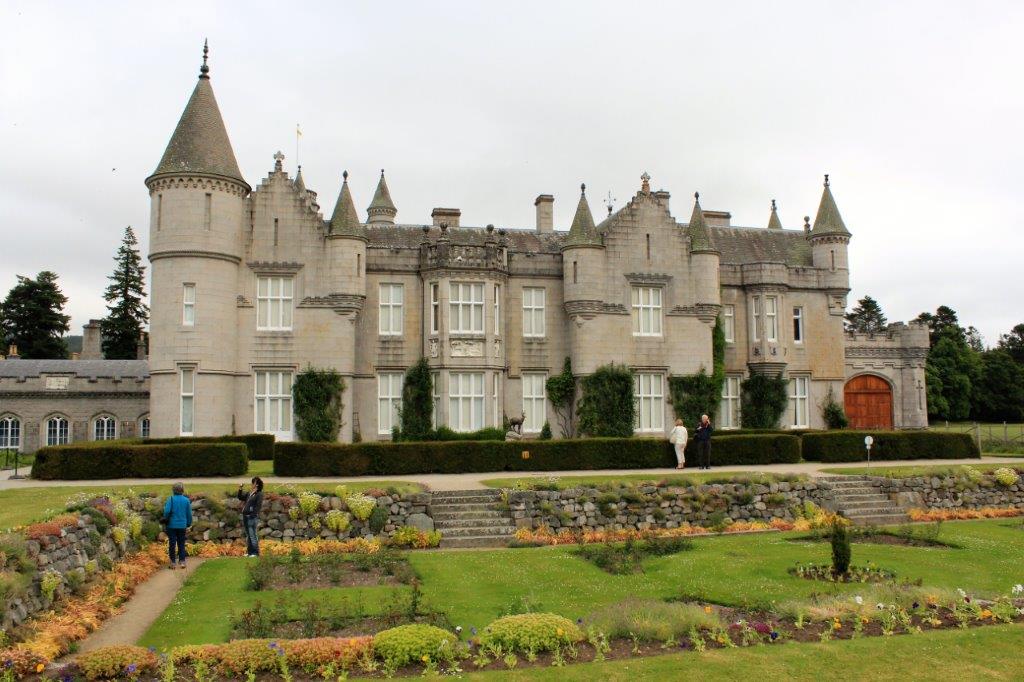
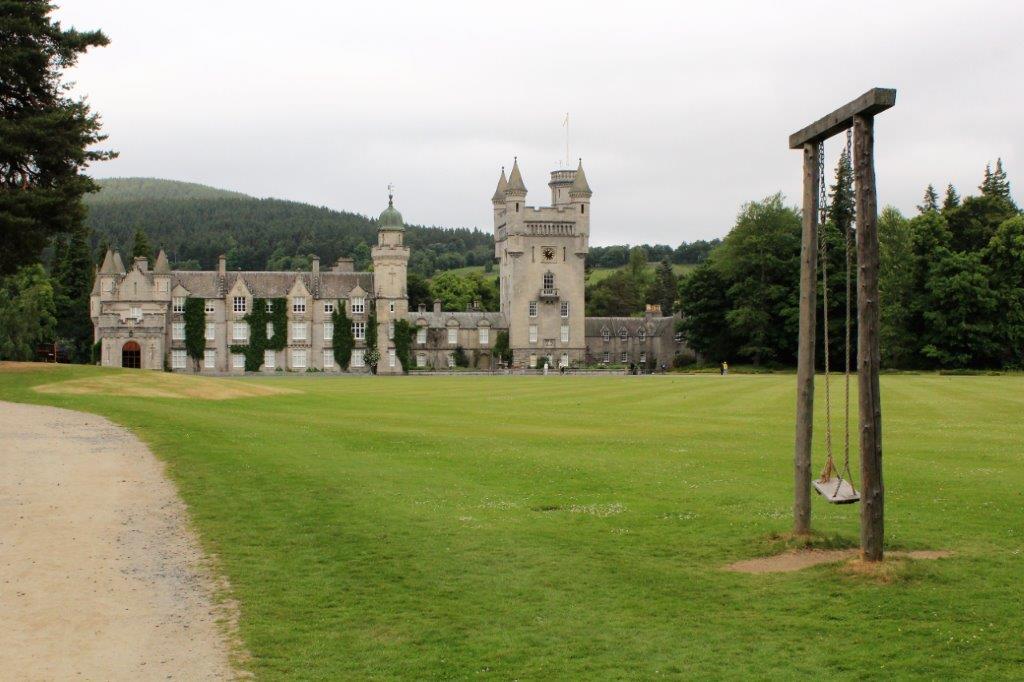
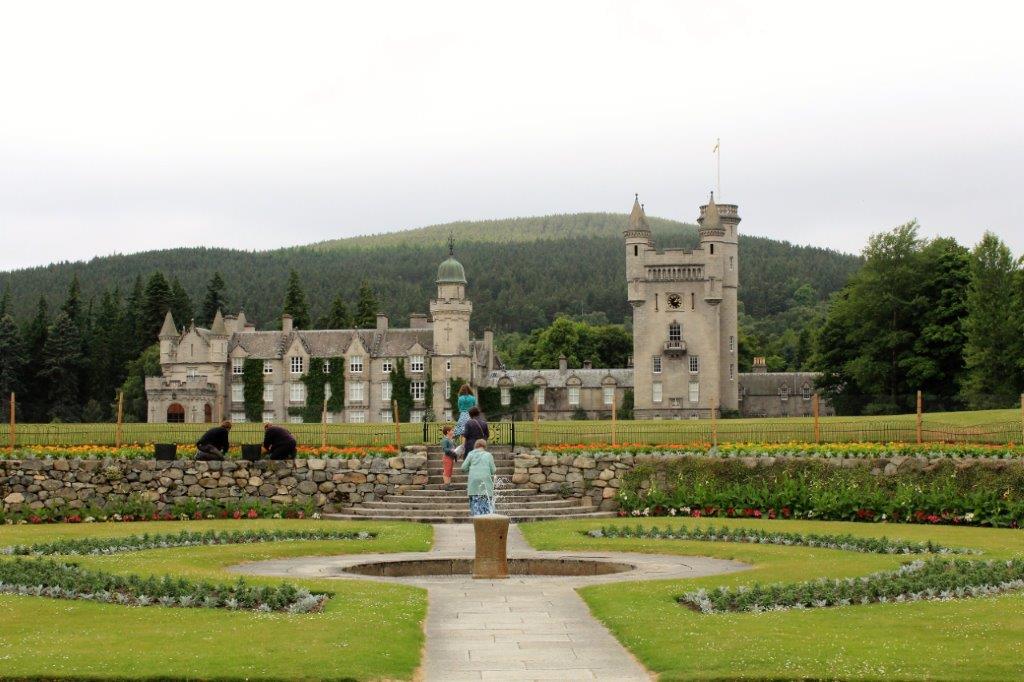
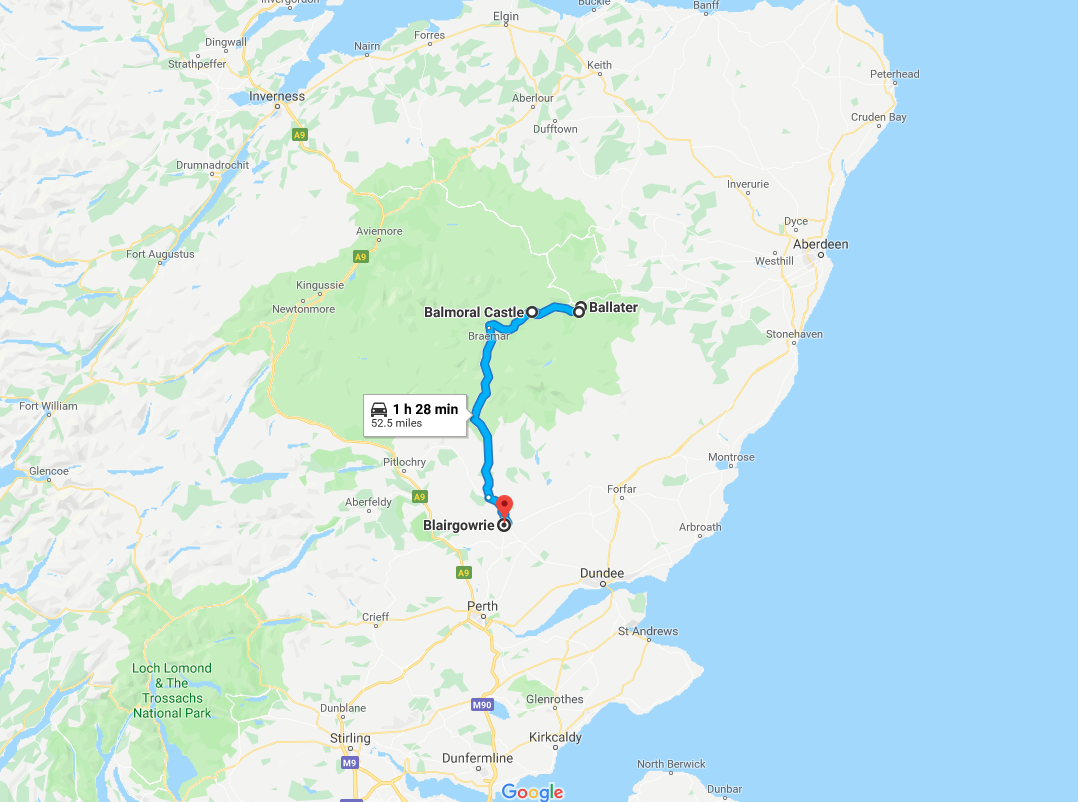
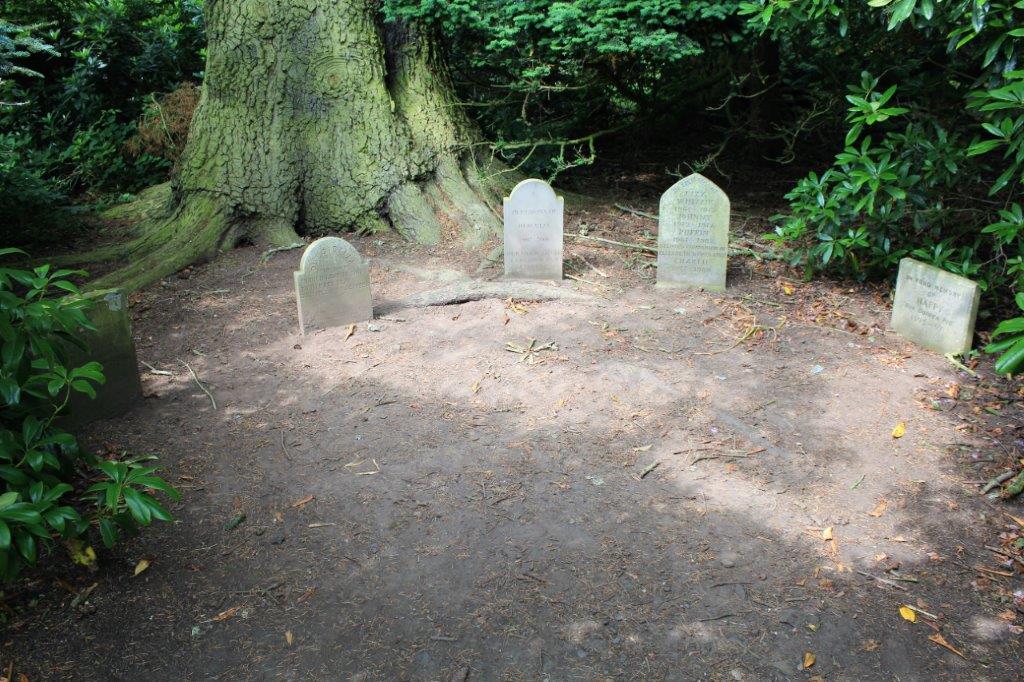
Our objective of the day was Balmoral Castle, the summer residence of the royal family.  Before we left the town of Ballater, where we had spent the night, we drove over to the train station.  The Royal Train Station at Ballater was the end of the journey from London when the royals went north for the summer.  The station is now the Tourist Information Center and was closed until 10 am.  We had left our B & B just after nine  and felt we didn’t want to wait an hour to go inside, so we just took a few photos and headed west to Balmoral. The royal railway car has been retired and is kept on site. The River Dee runs through Balmoral land and is a favourite fishing spot of the royals.  The Balmoral estate is huge, covering 20,000 hectares (50,000 acres) of land between Ballater and Braemar.  It is a working estate with herds of Highland Cattle, ponies, and managed deer.  The estate manages the forests, has grouse moors, and farmland.The parking area is by the royal stables and garage. There are historic displays in many of the garage bays. It is a nice walk through the trees to the castle; which sits majestically at the back of a huge lawn. We  took  the  tour  of  the  rooms  open  to  the  public,  but   no  photos  were  allowed.  The  last  room  was  the  beautiful  ballroom  that  opened  to  a lovely  sunken  garden. The back of the castle is near the forest and a pathway takes you to the edge of the River Dee. There is a path in the forest that will take you to the cemetery where many of the beloved pets of members of the royal family are buried.

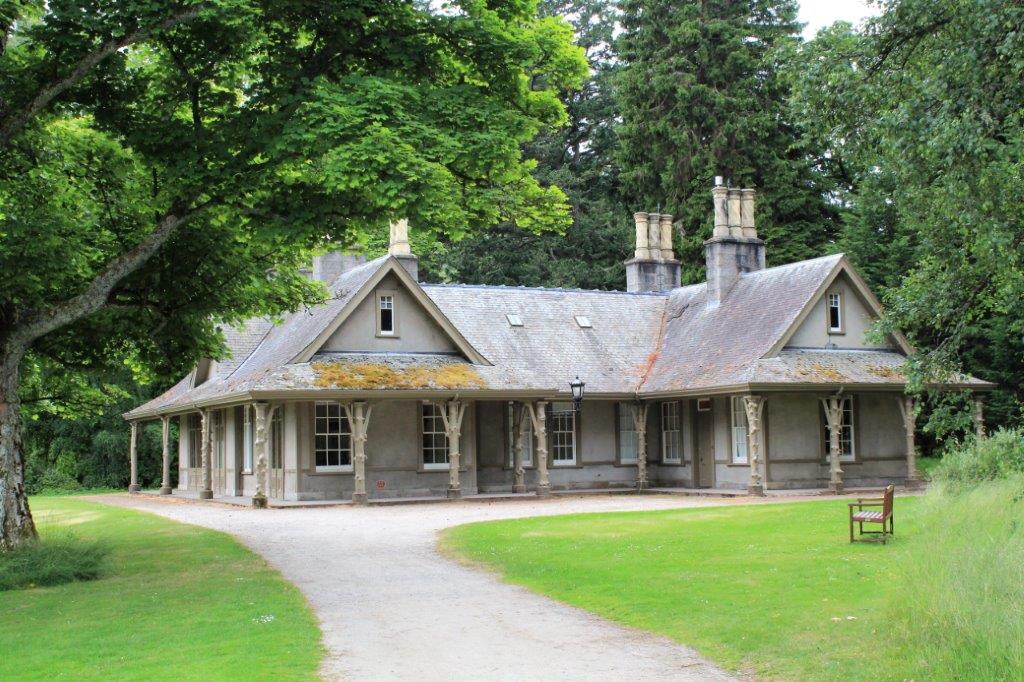
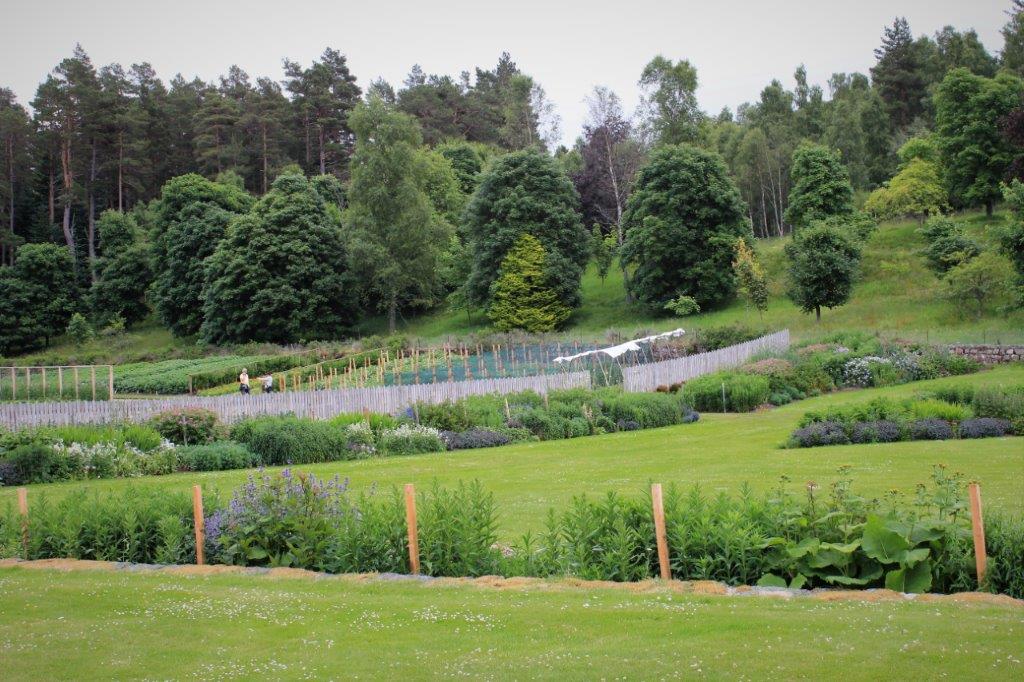
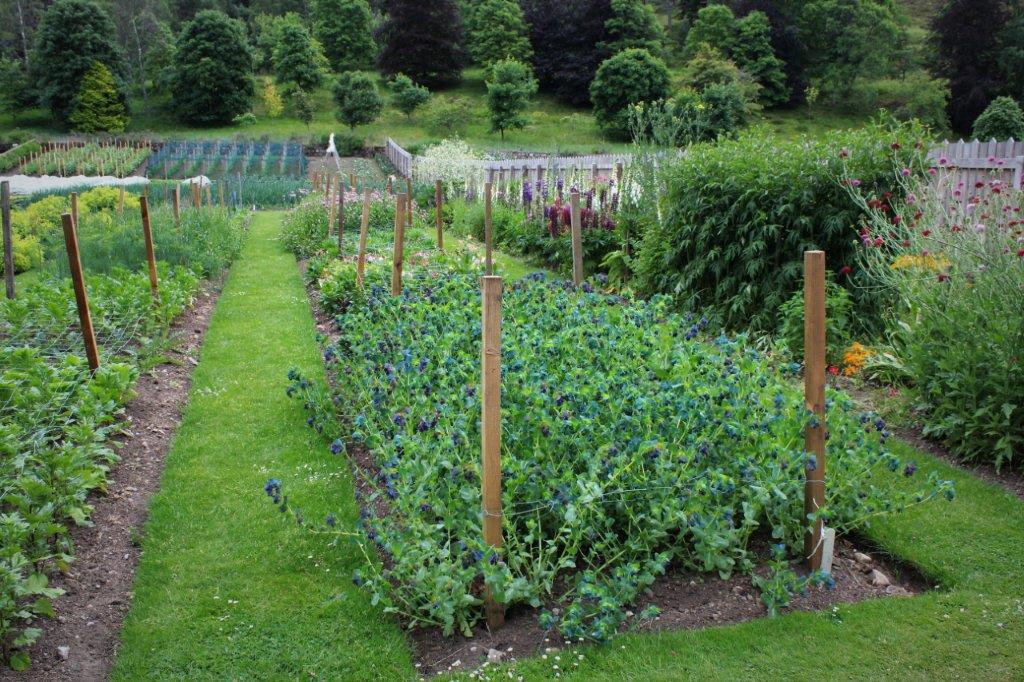
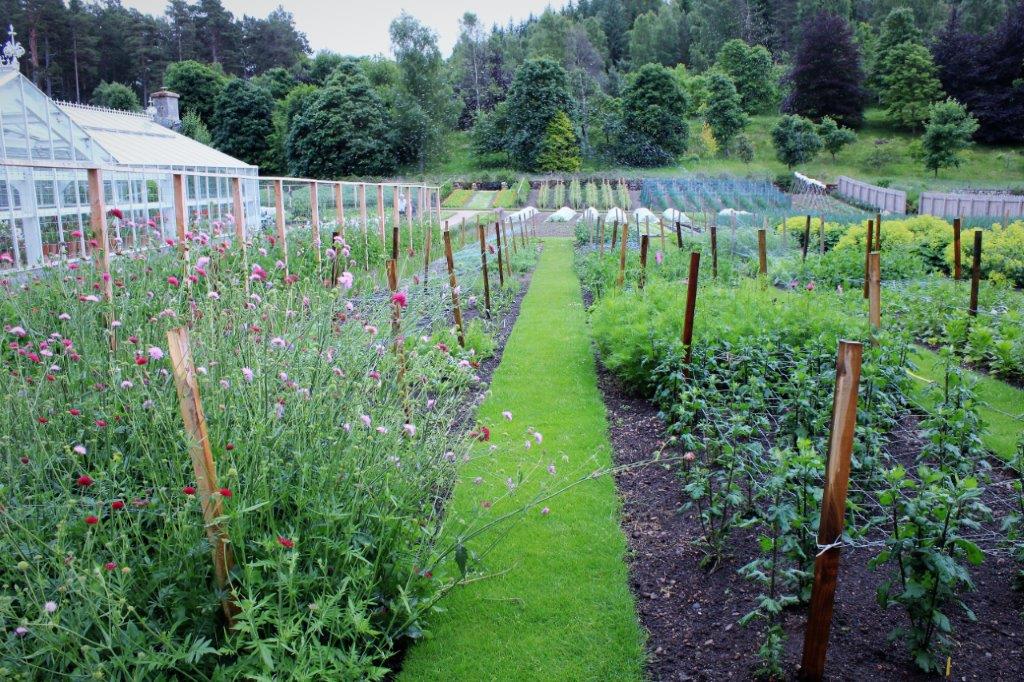
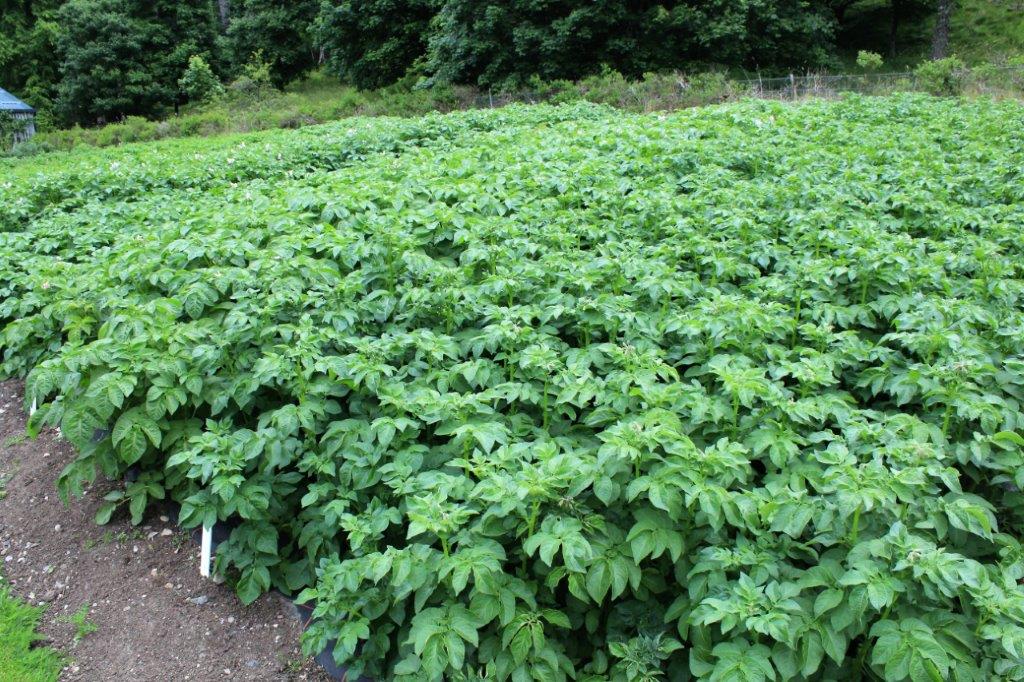
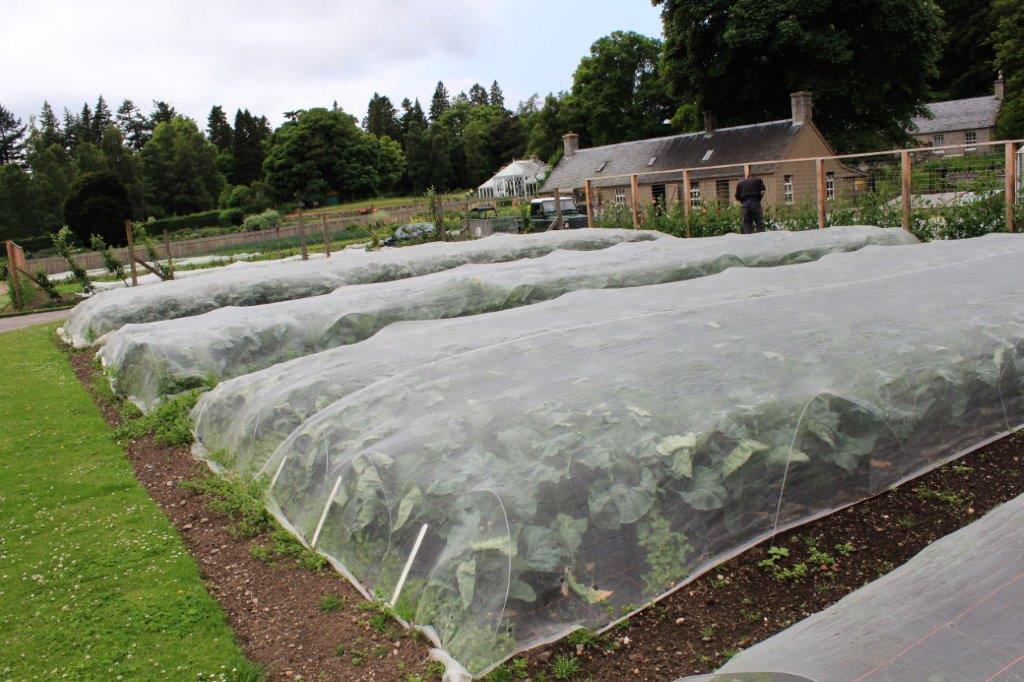
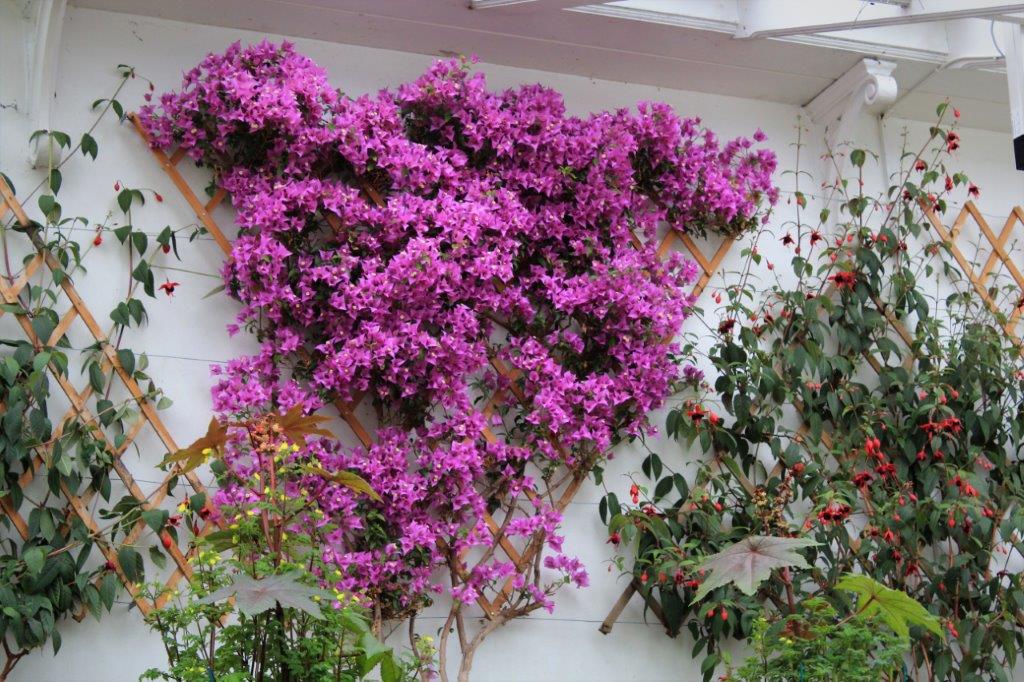
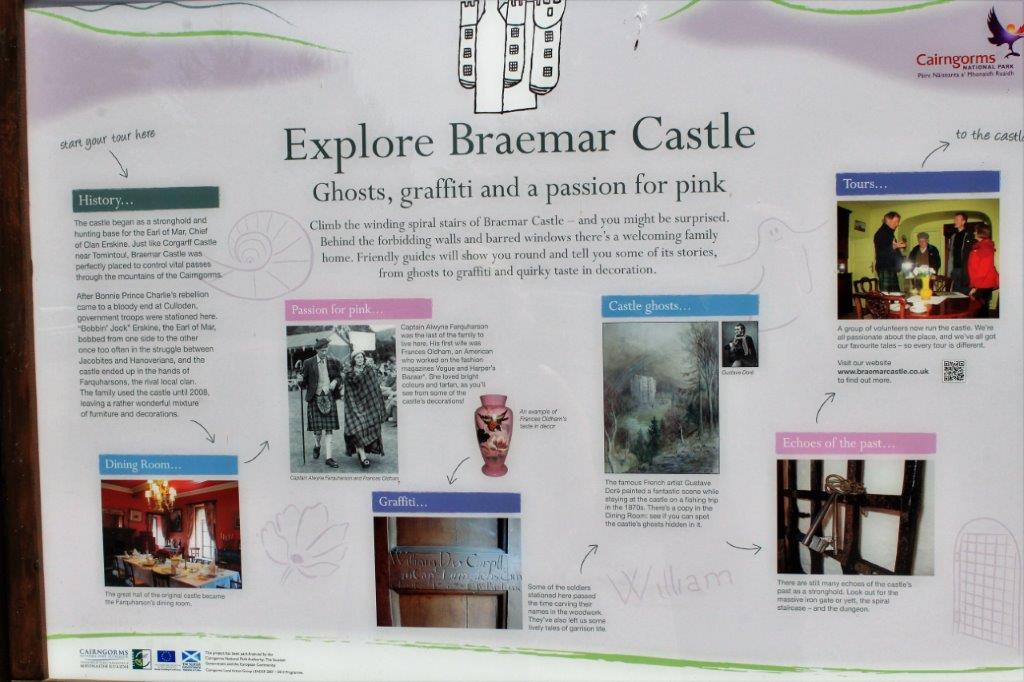
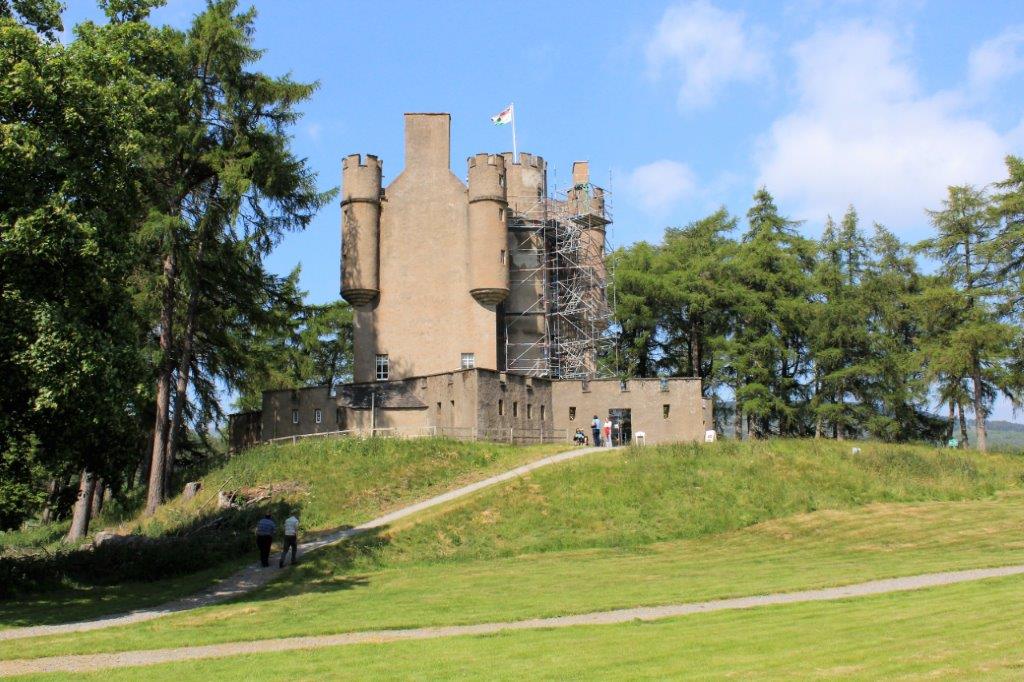
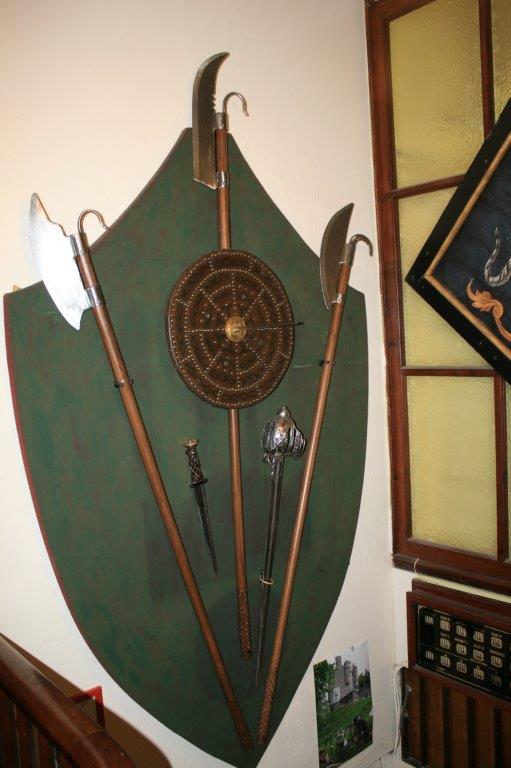
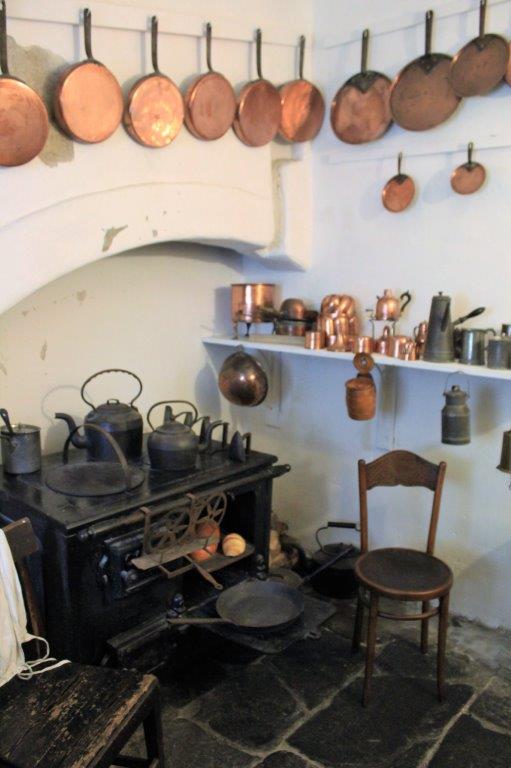
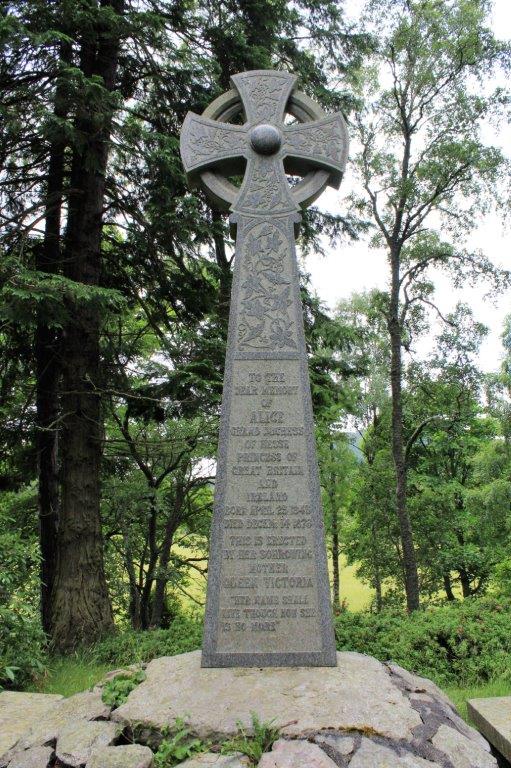
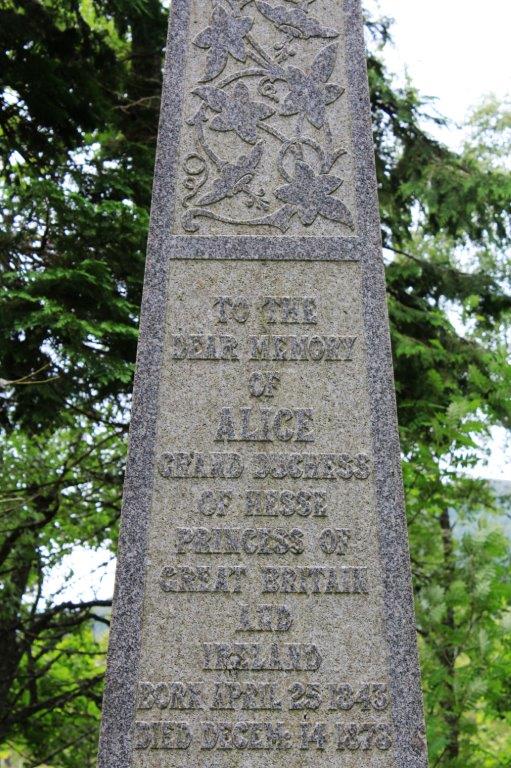
Near the pet cemetery is a memorial to Princess Alice. We walked around to the front of the castle and along the vast lawn to the caretakers house.I was tempted to sit on the swing.  I have seen photos of Prince Charles and Princess Anne playing on this swing.The formal gardens are at the end of the lawn and the road continues past the vegetable and flower gardens.  All the flowers for the arrangements in the castle are grown on site and the majority of the vegetables and fruit used by the staff and family is also grown on the estate. The  large  greenhouses  help  with  the  cultivation  of  less  hardy  veggies  and  flowers. We can’t have all the deer eating the produce.We had arrived at Balmoral Castle just a little after 10 am and didn’t leave until 2:30.  It only took about 10 minutes to drive to Braemar Castle, famous for the Braemar Gathering that takes place every summer.  BraemarCastleis The  castle  was  built  in  1628  for  the  Earl  of  Mar.  Its  main  purpose  was  to  defend  his  lands  from  the  neighbouring  Farquharson  clan  of  Inverery  (who  were  actually  vassals  of  the  Earl  of Mar;  which  apparently   did  not  mean much  in  practice).  The  Earl  also  used  the  castle  for  a hunting  lodge  in  the  summer. The  castle  suffered several  attacks  and burnings and sat roofless and abandoned over many years.  The Farquharson family bought it in 1732 and renovations are ongoing.  There are guided tours if you wish to hear the stories or you can walk around on your own.

From Braemar we drove south to Blairgowrie where we spent the night at the Altamount Country House Hotel. The next day we visited Kirrimuir, the birthplace of J. M. Barrie, author of Peter Pan.

2013 Summer (Baltic and Britain – Scotland – July 9 – Day 16 – Part 3)

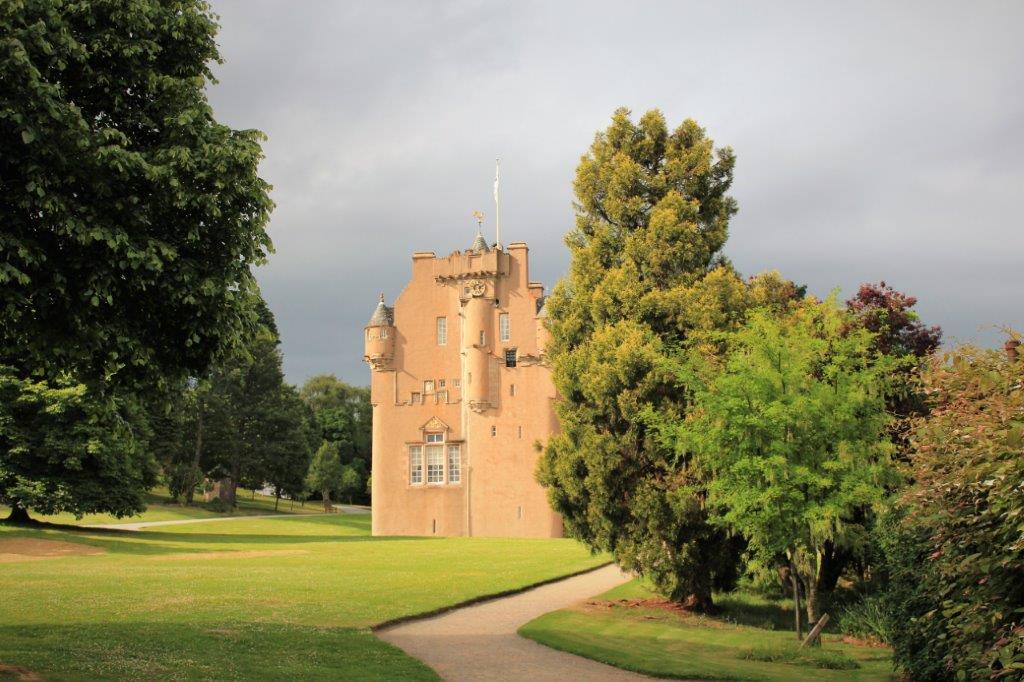
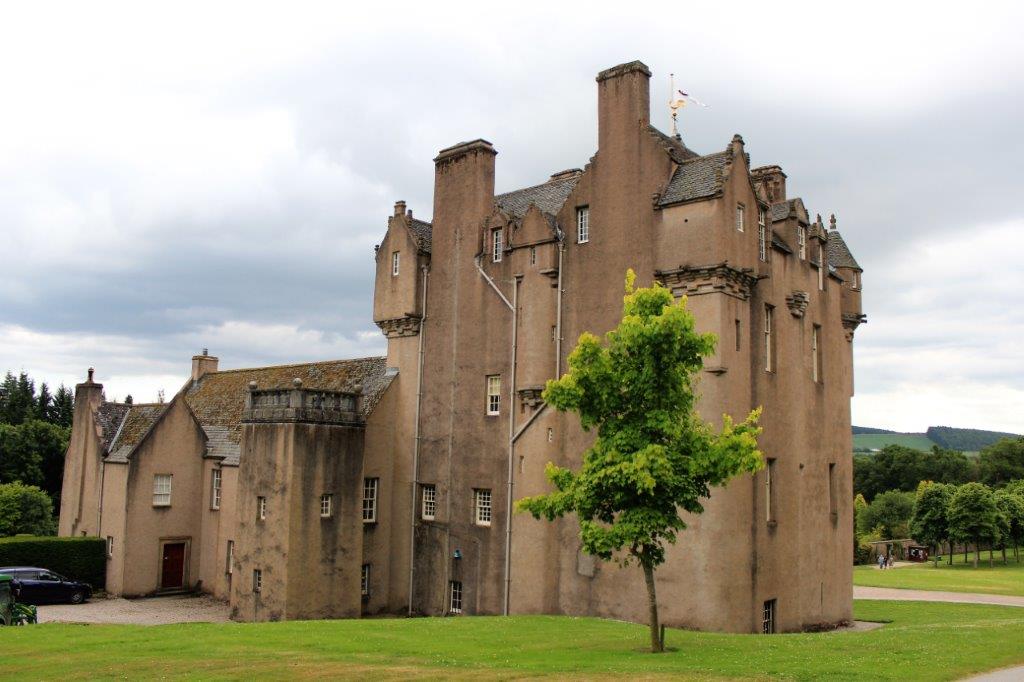
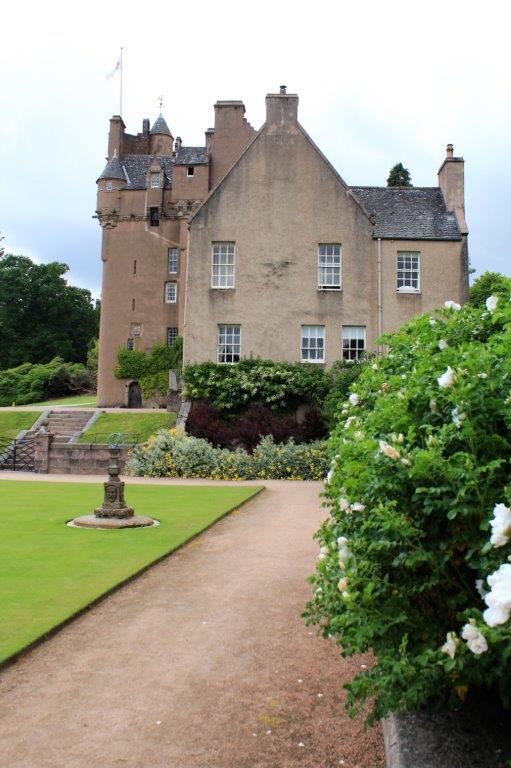
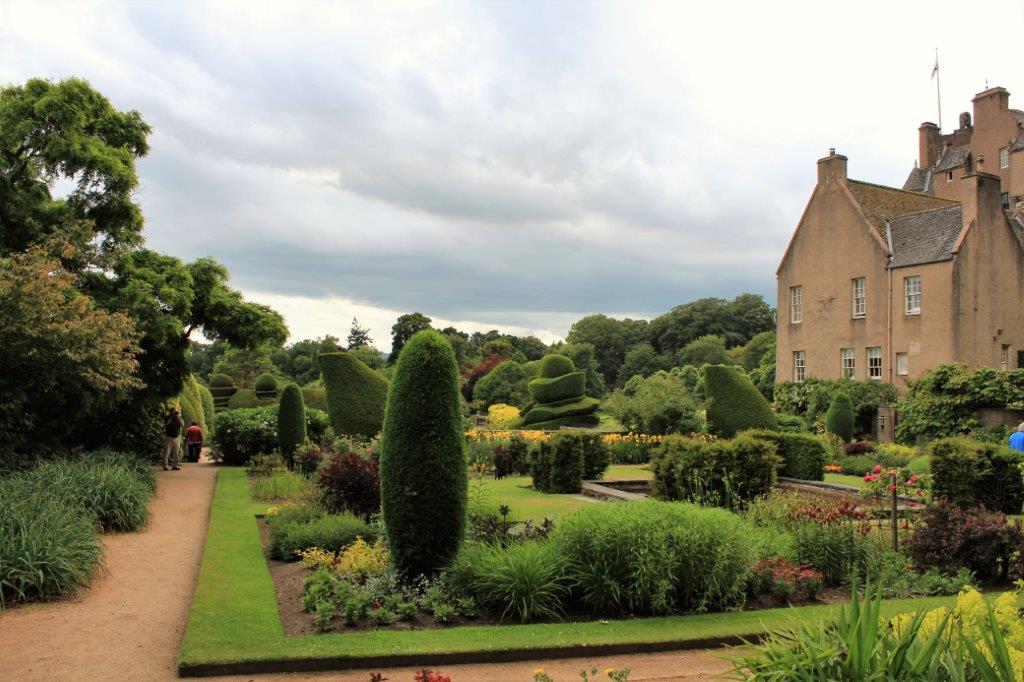
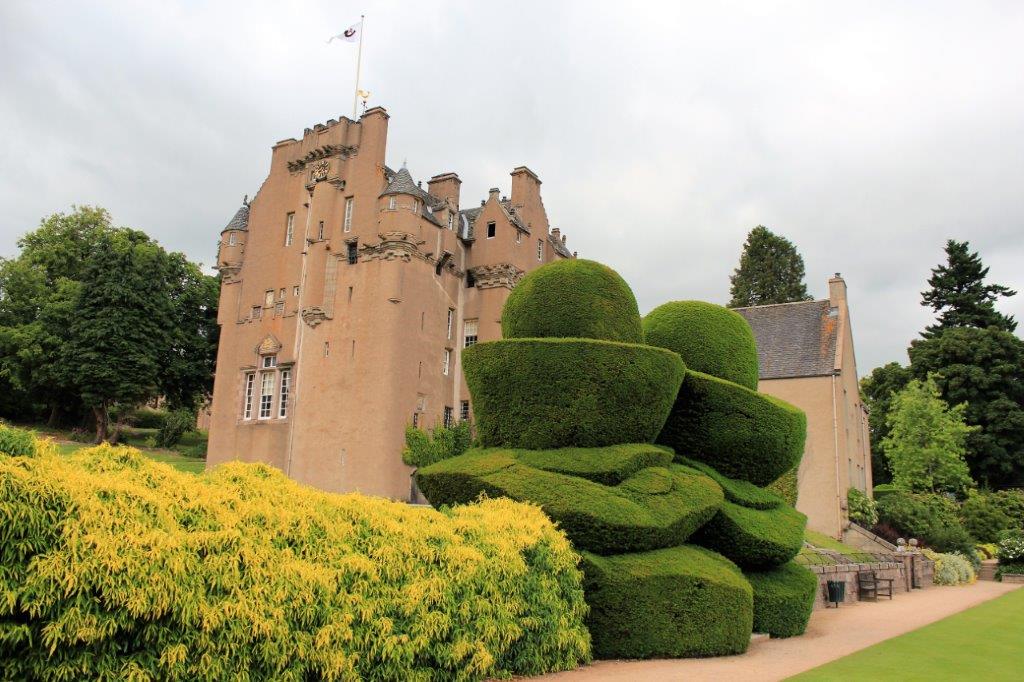
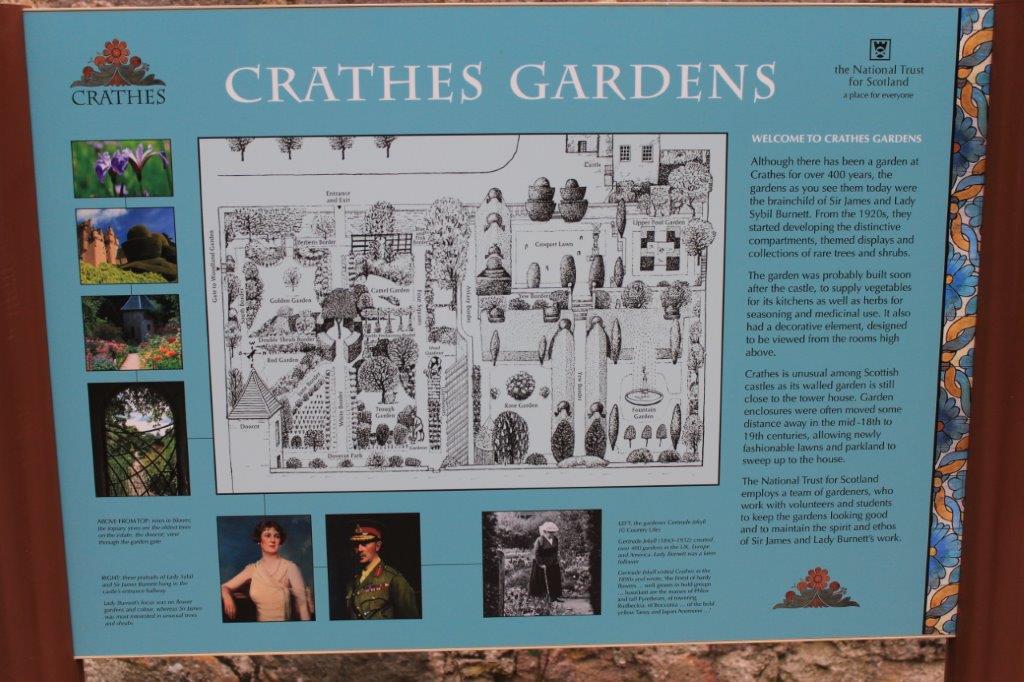
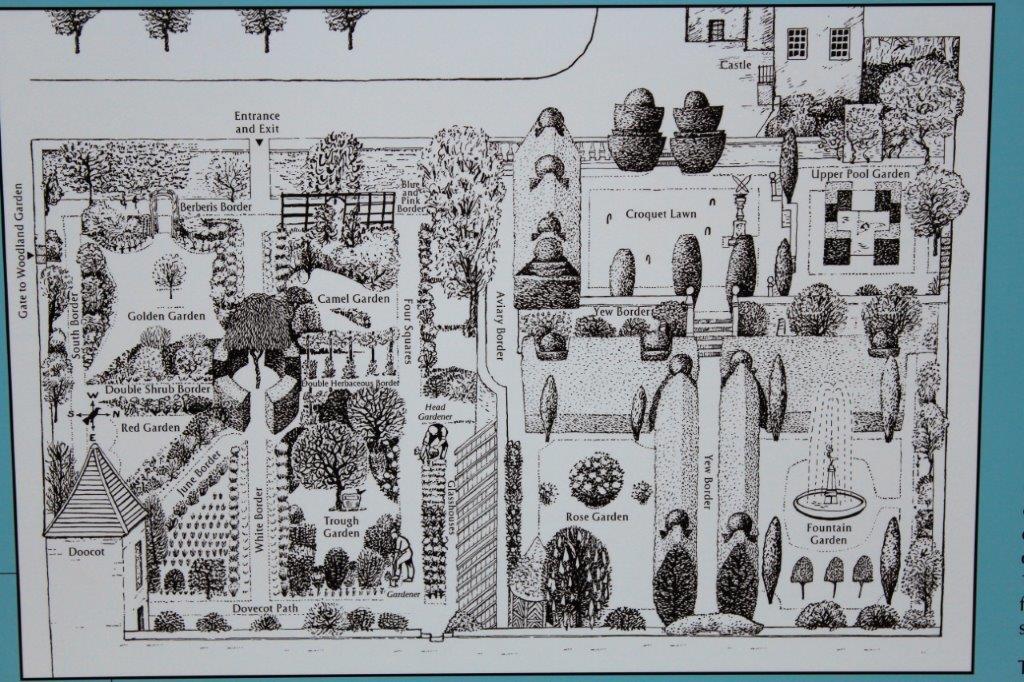
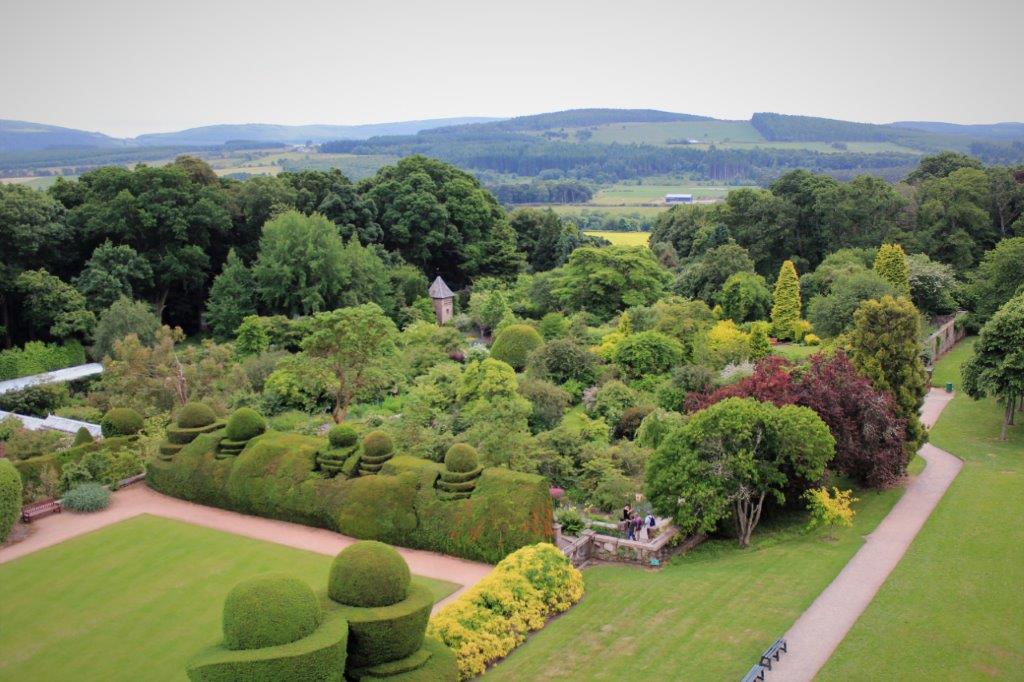
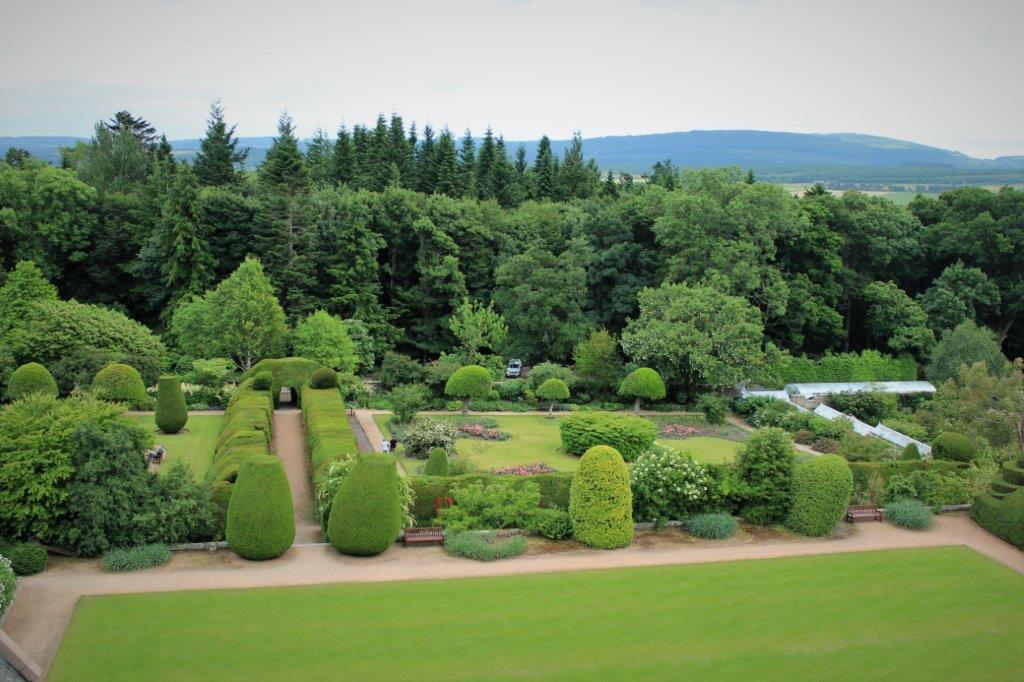
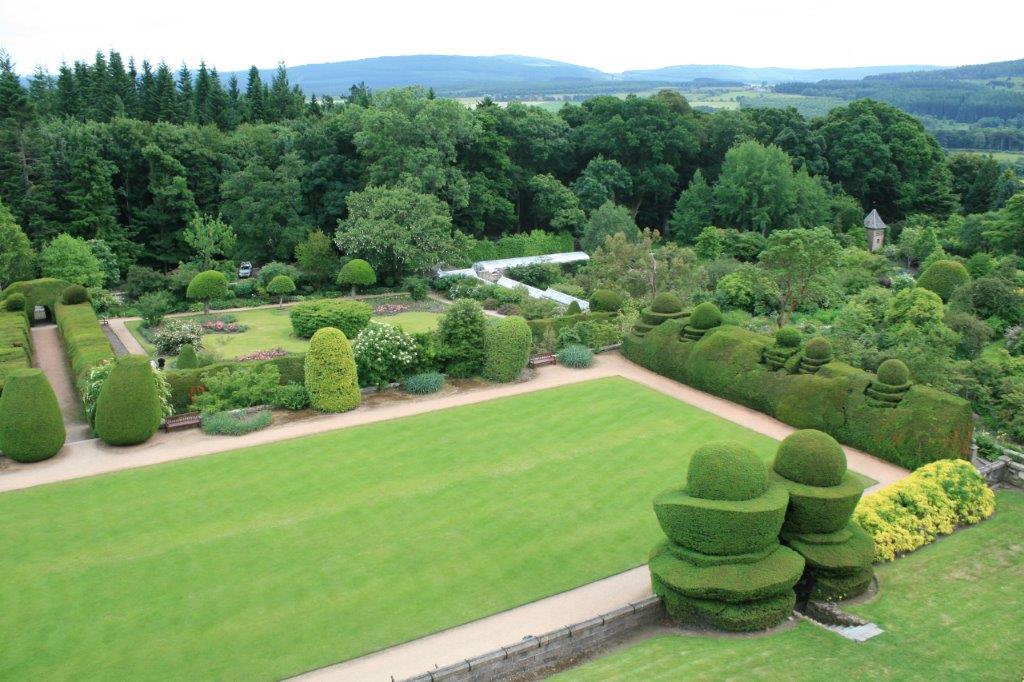
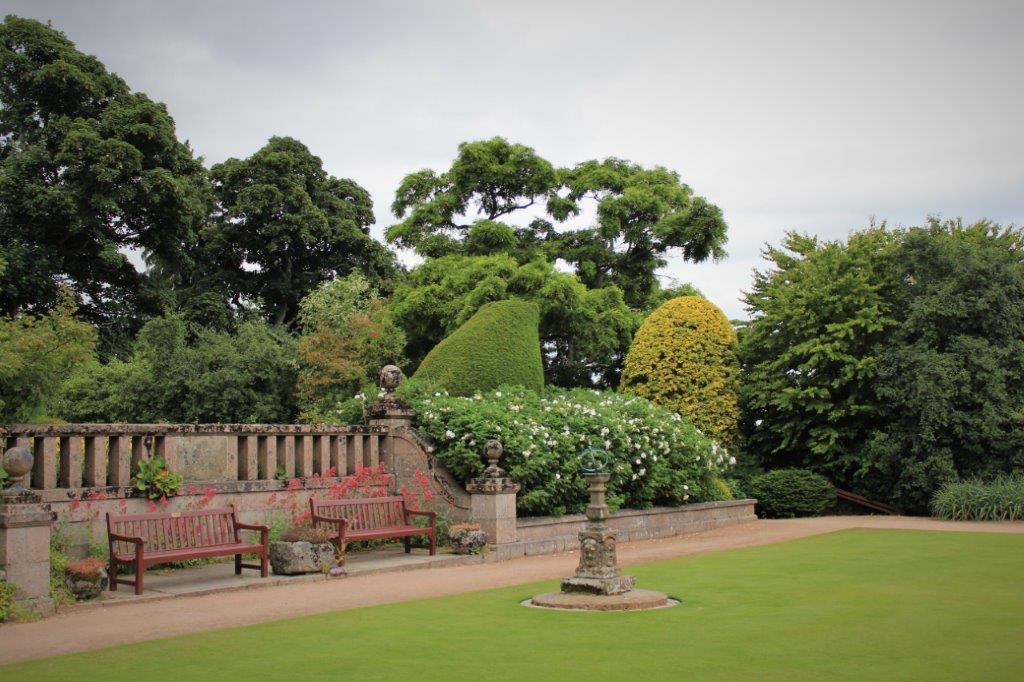
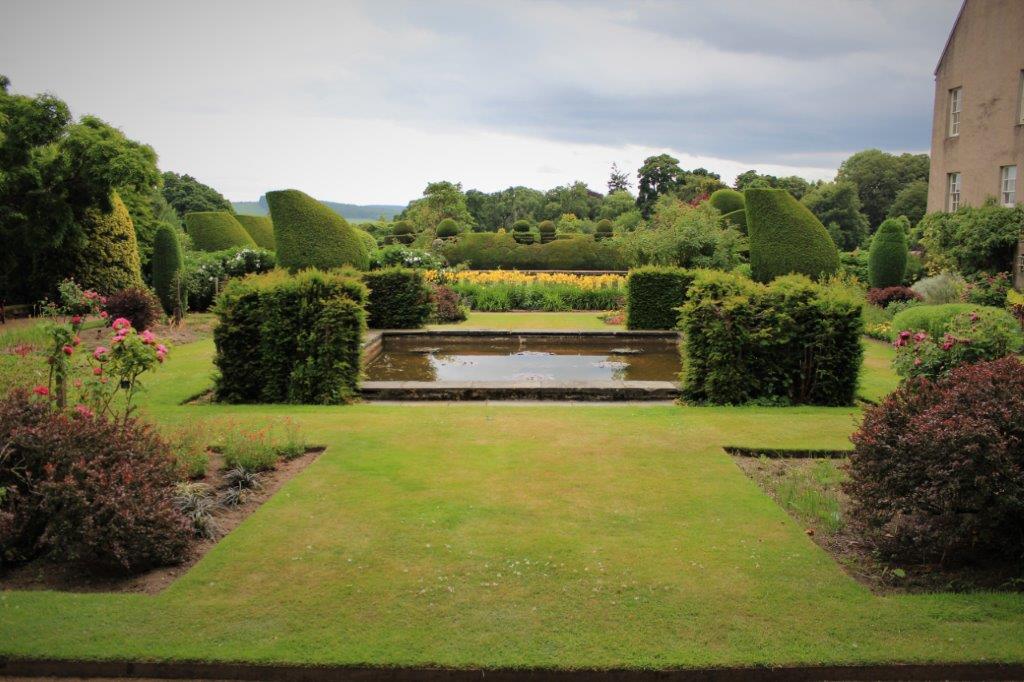
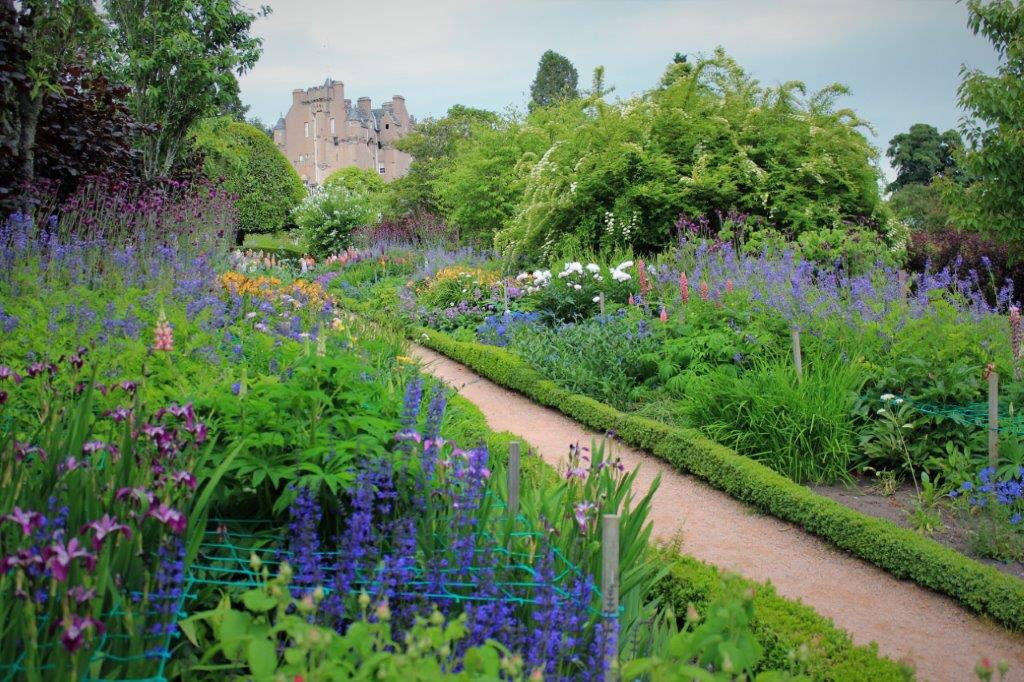
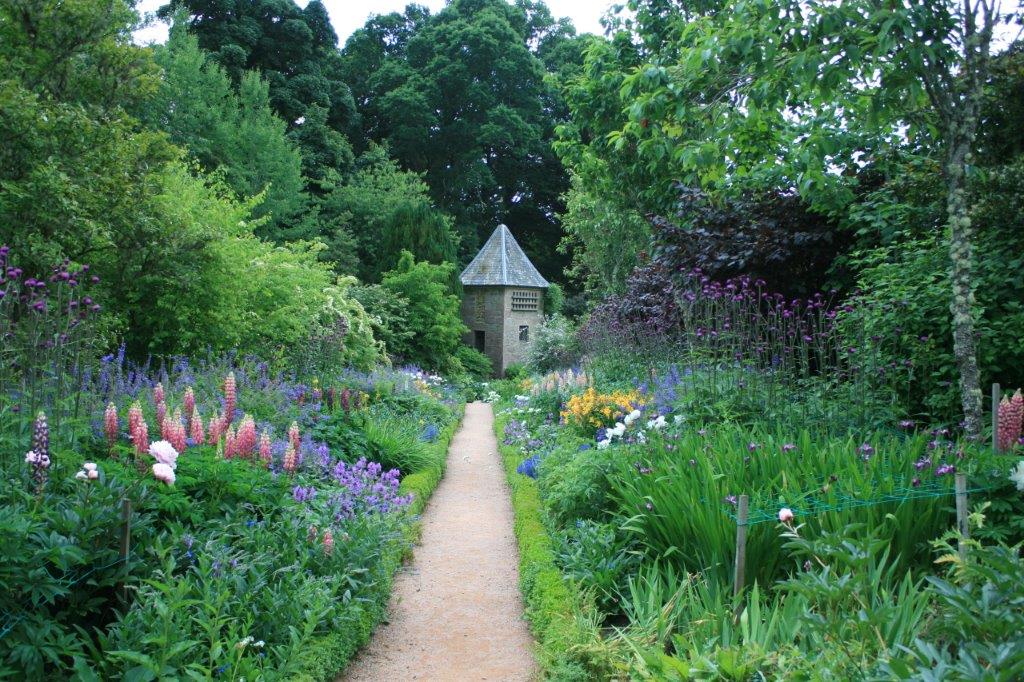
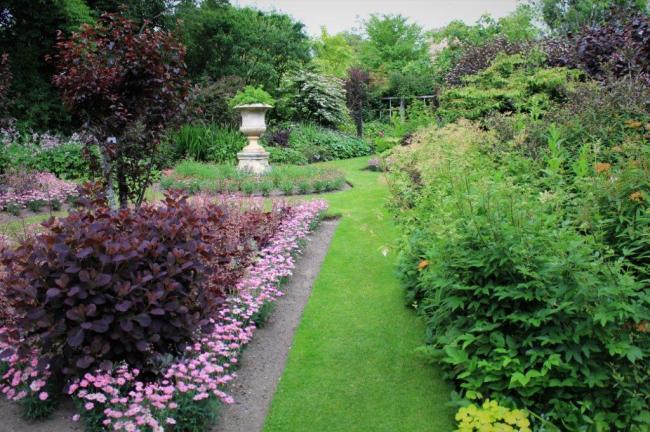
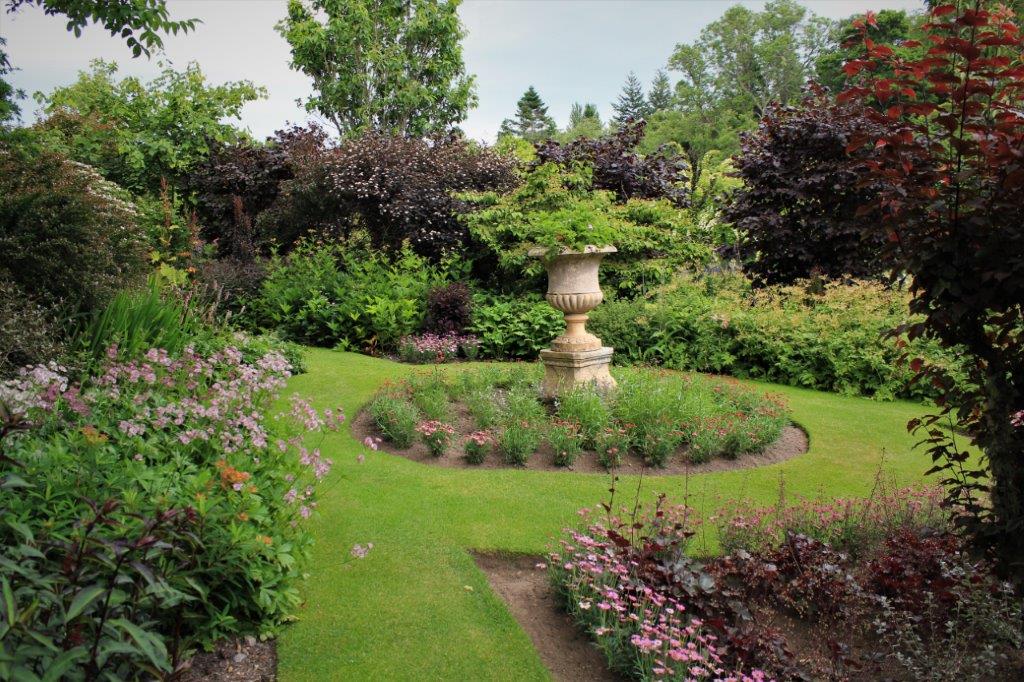
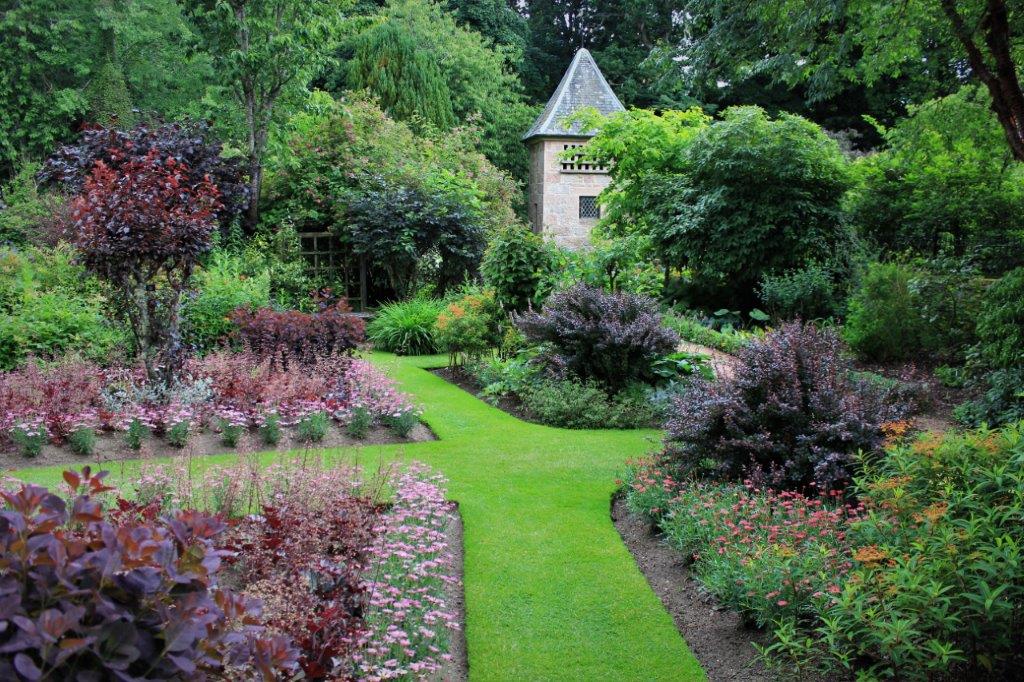
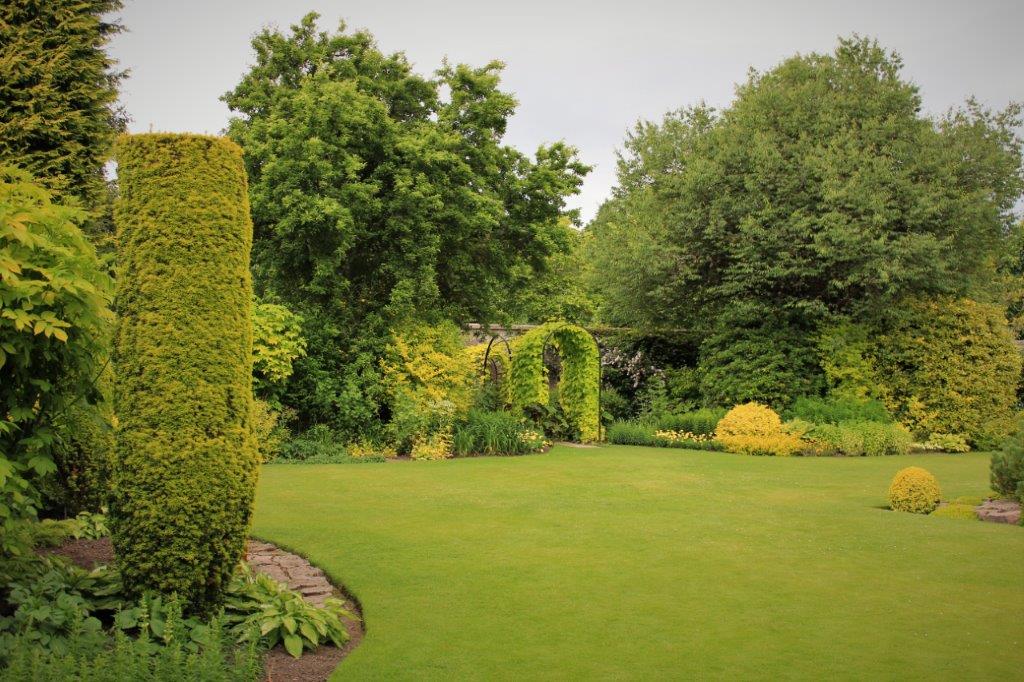
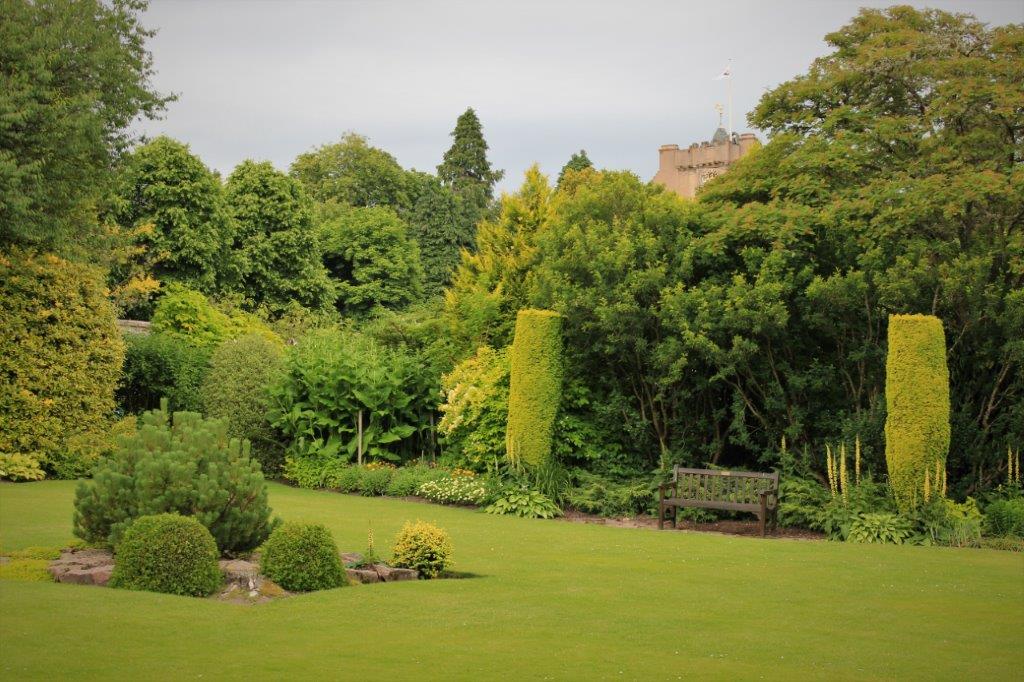
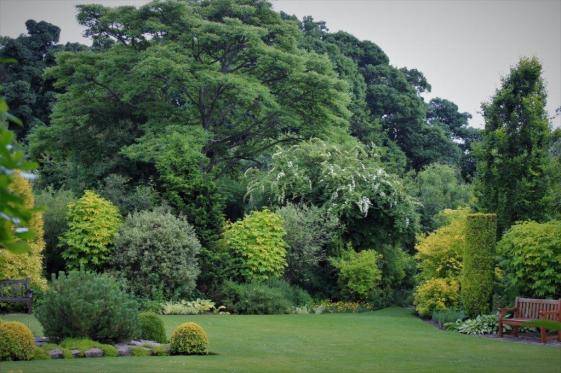
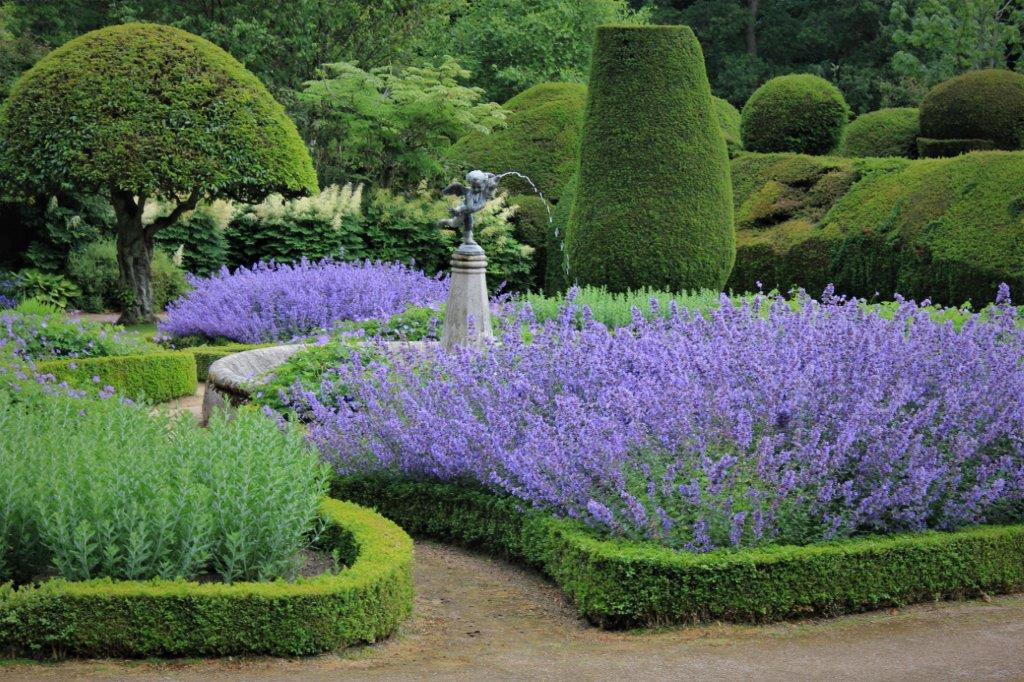
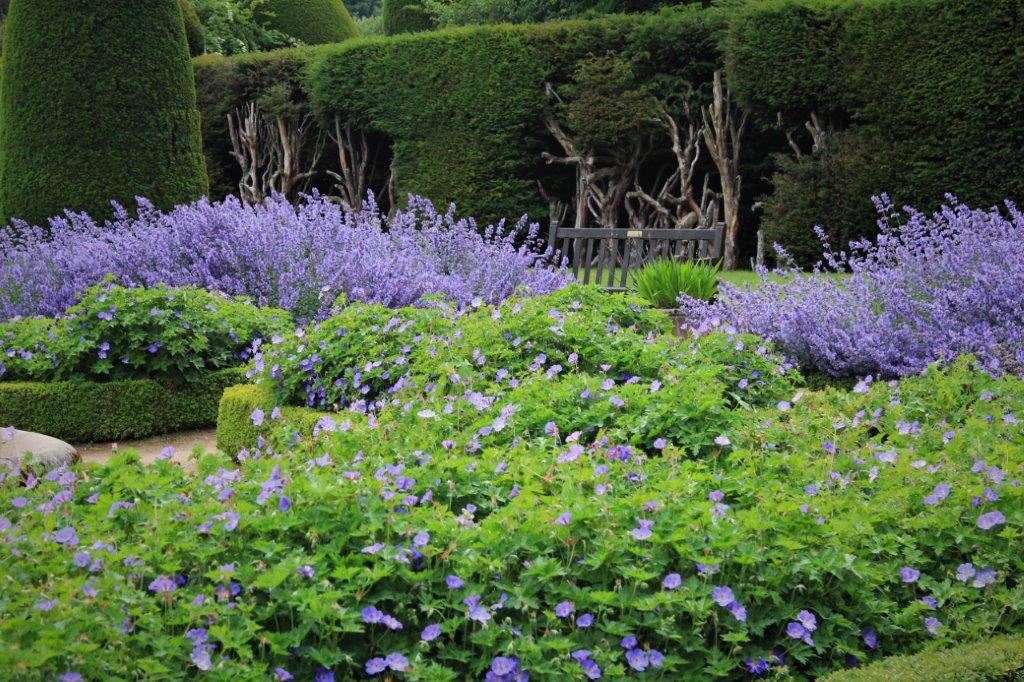
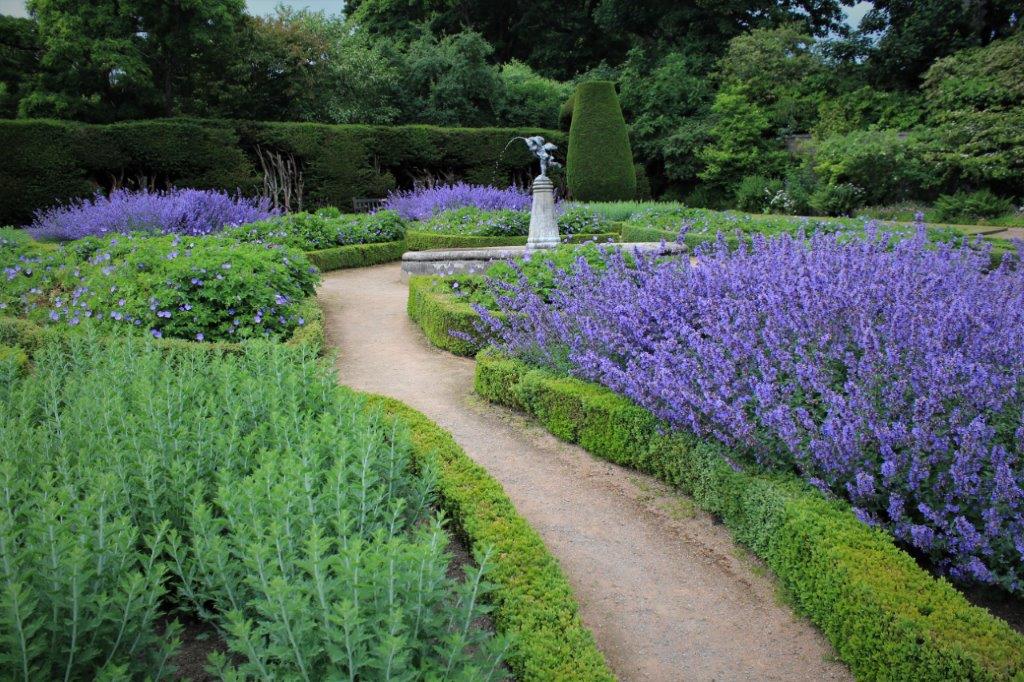
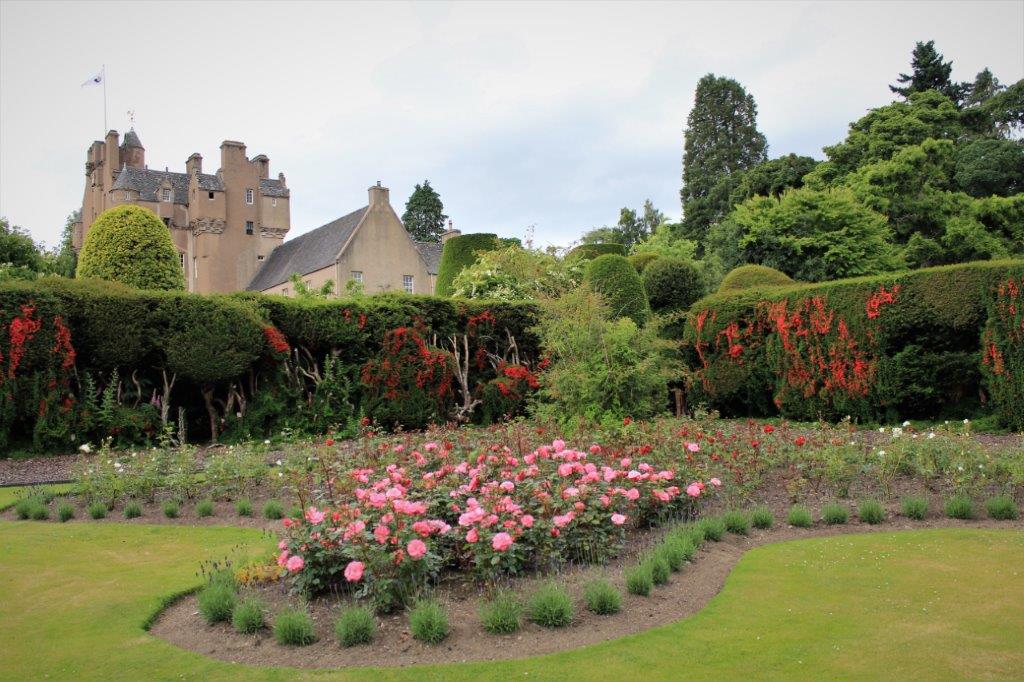
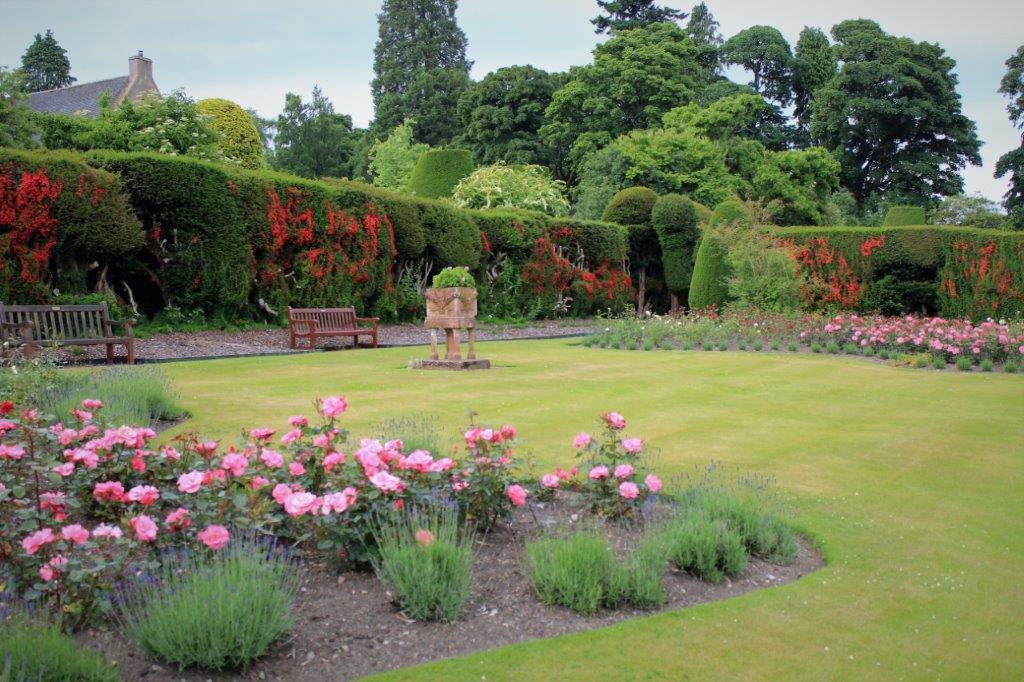
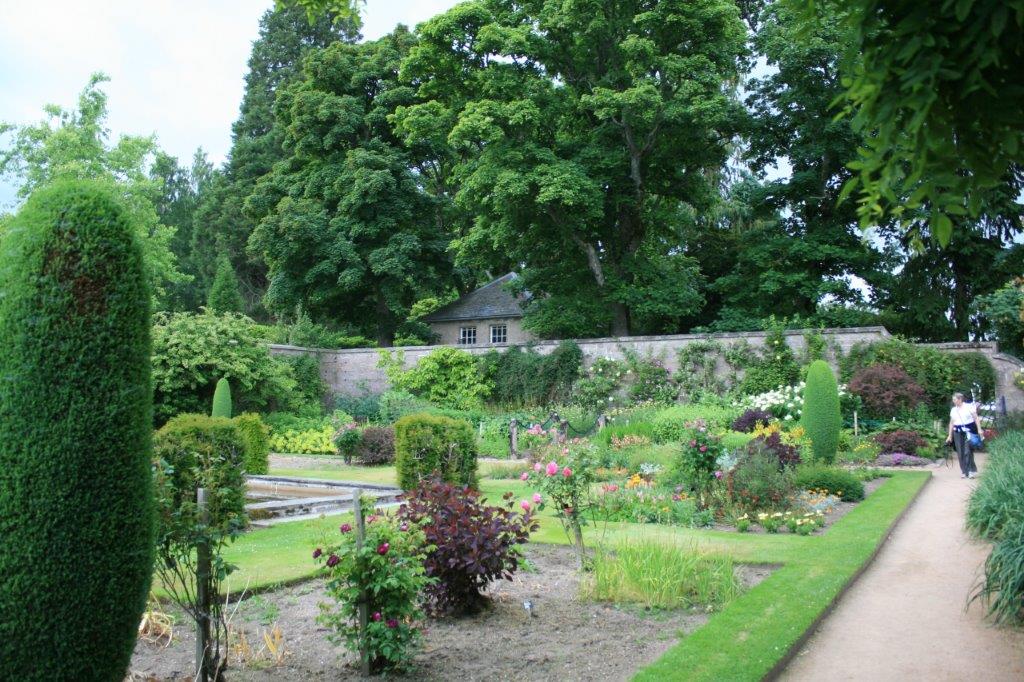
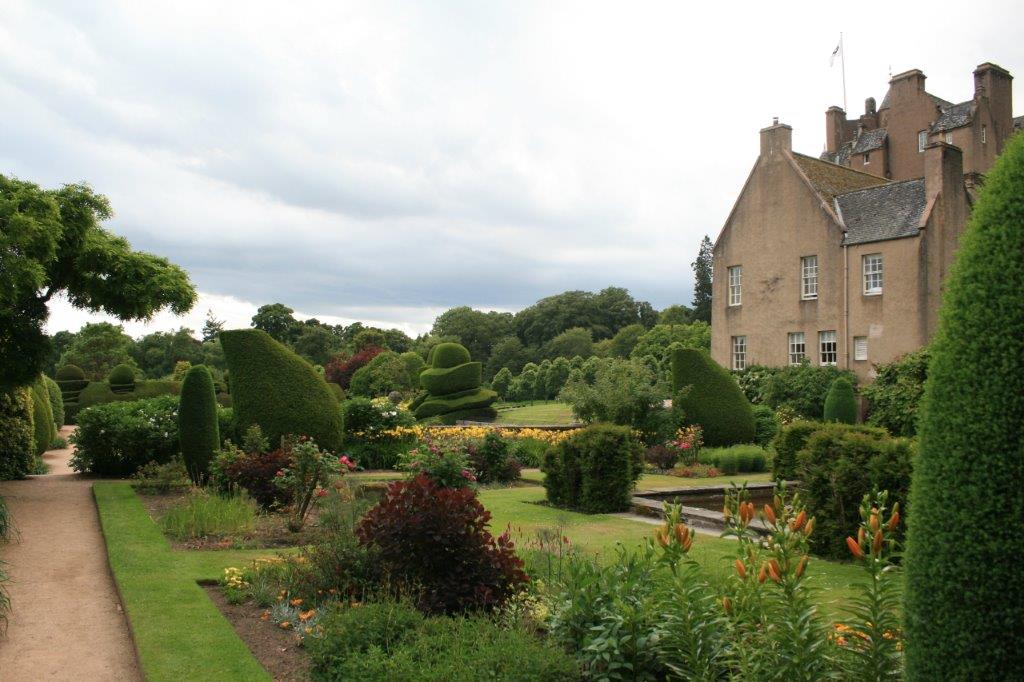
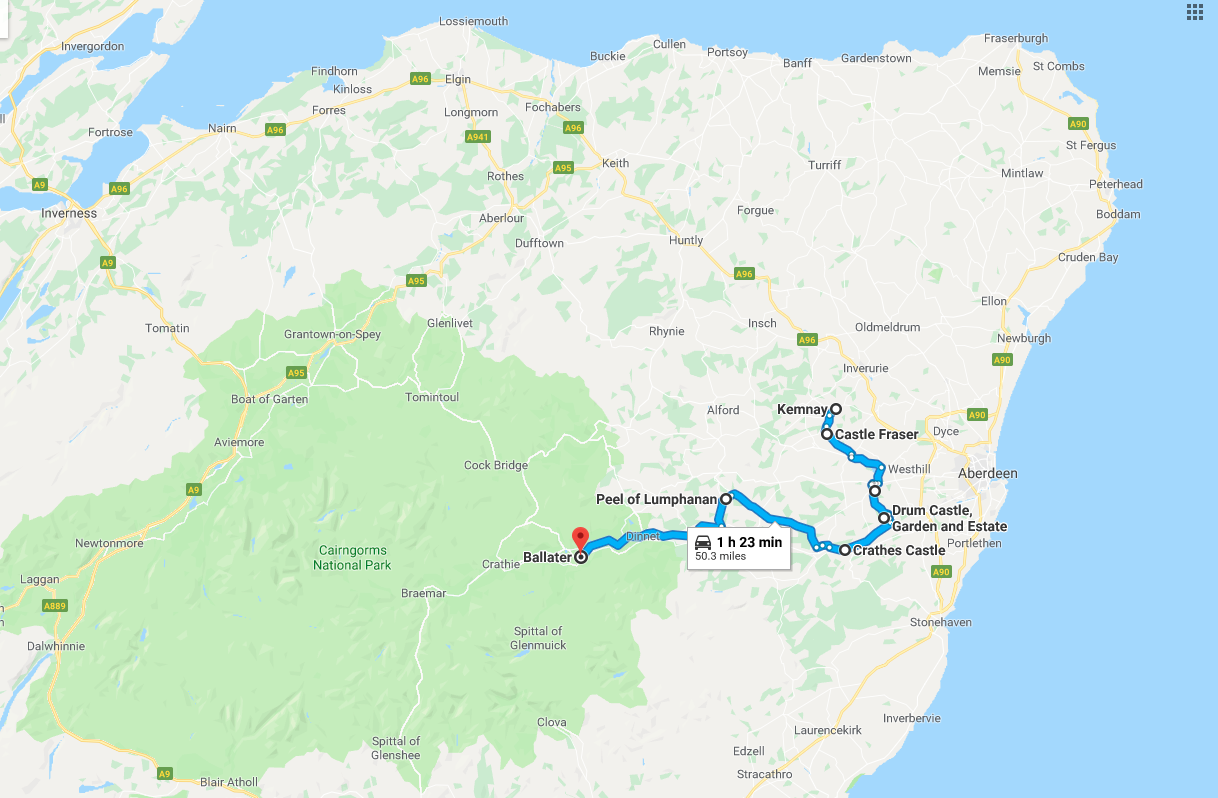
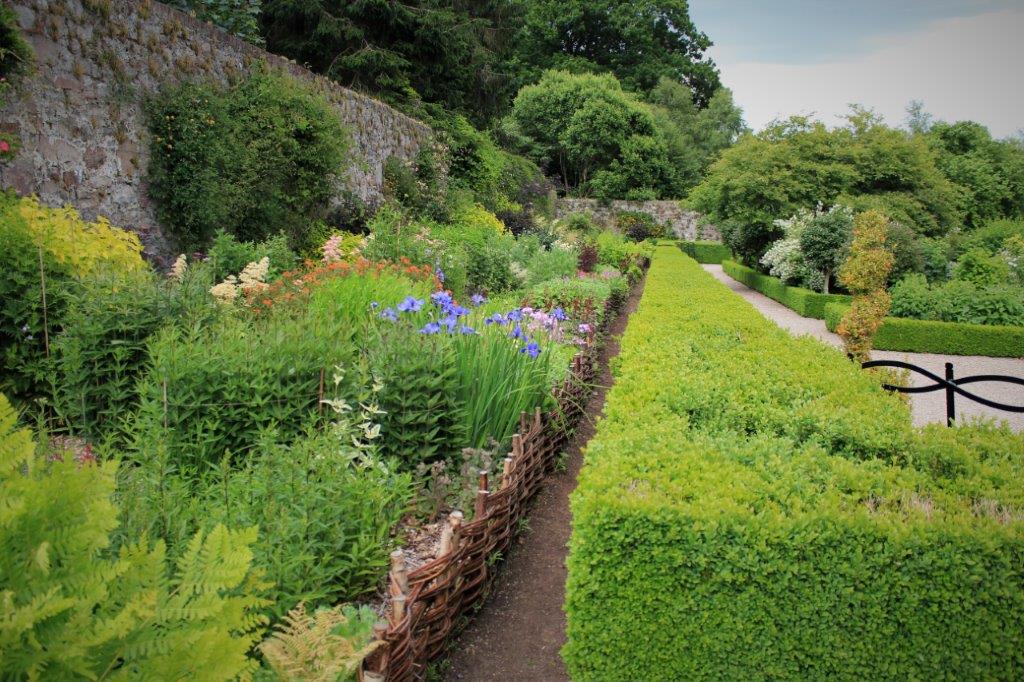
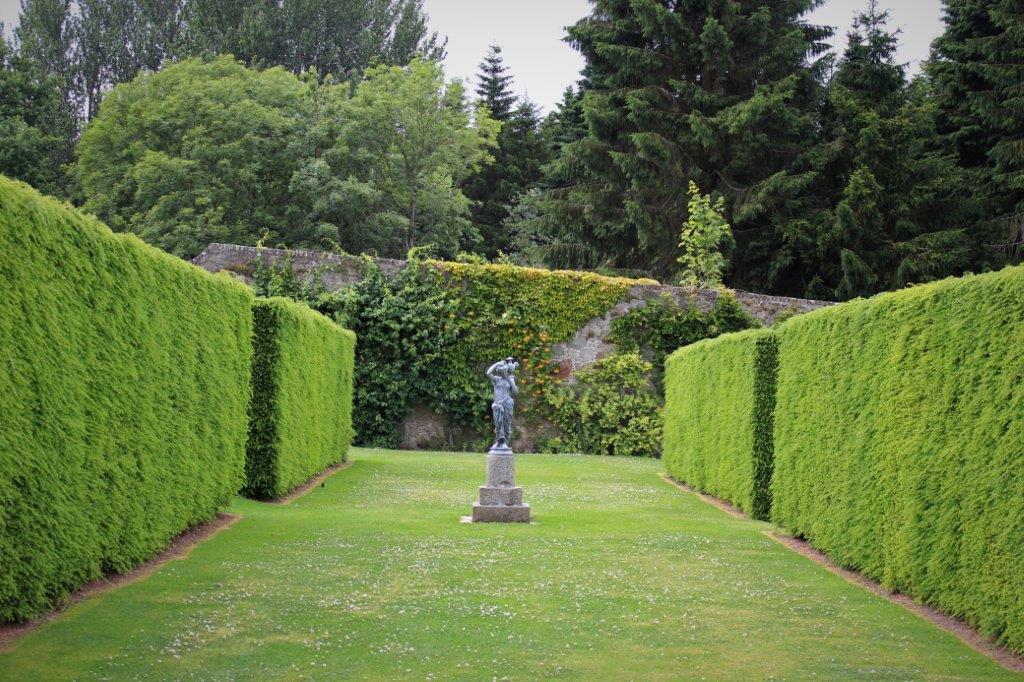
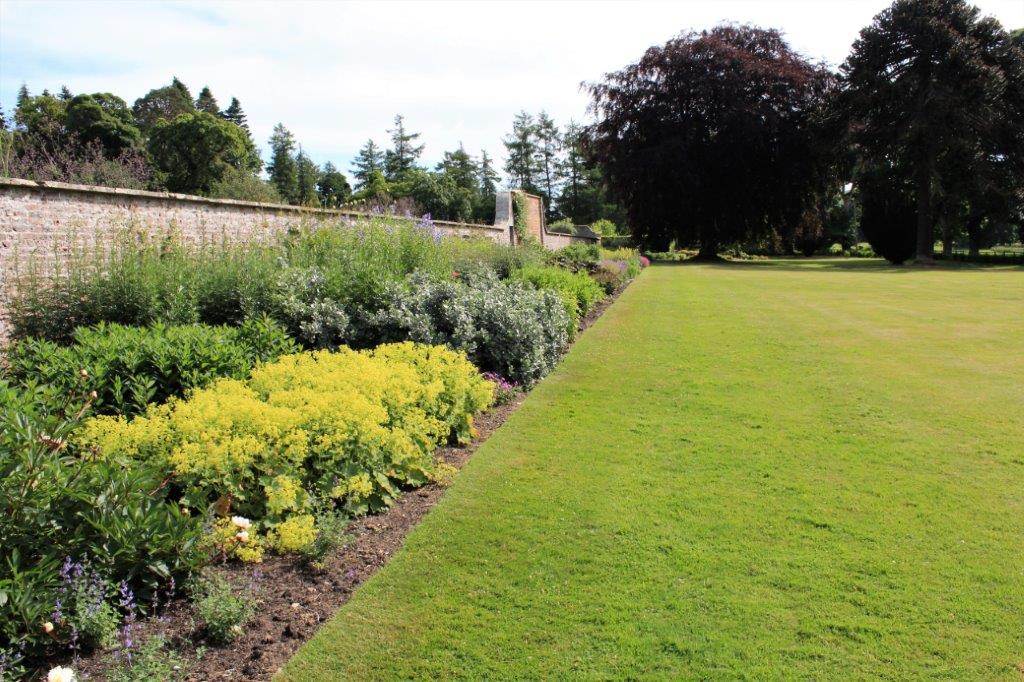
July 9th was a busy castle garden day.  After we left Drum Castle we drove a short distance west to Crathes Castle.  The lands at Crathes were granted to Alexander Burnard, forester at Drum by Robert the Bruce in 1323.  That is what one calls a bit of history. The castle is not open to the public but the gardens are.  And they were gorgeous.  I have never seen shrubbery so large and so beautifully shaped as they had here.

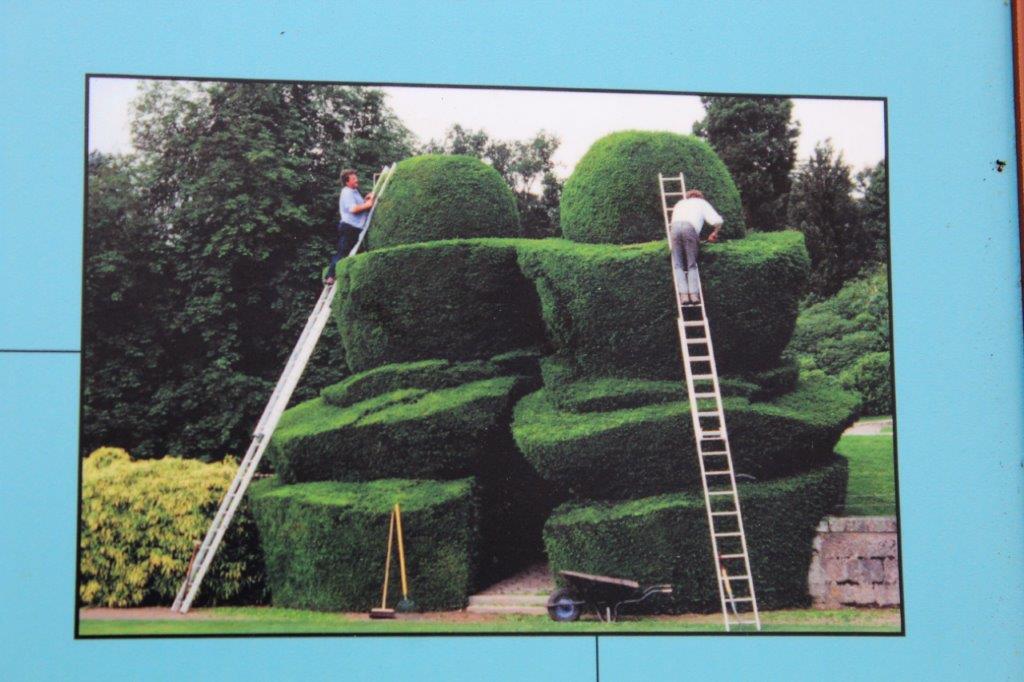
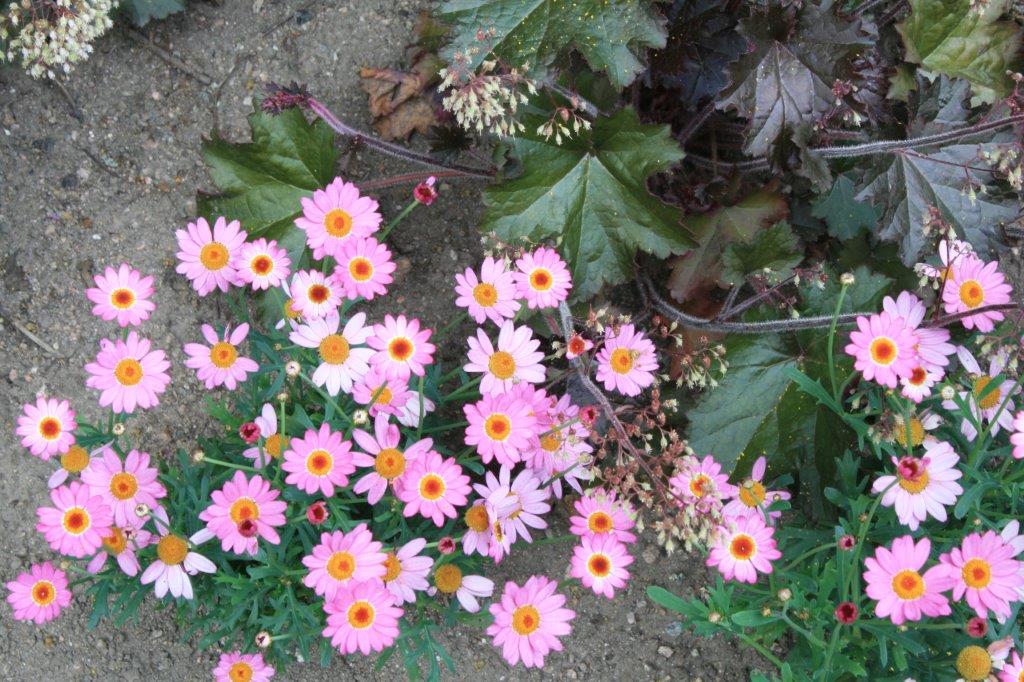
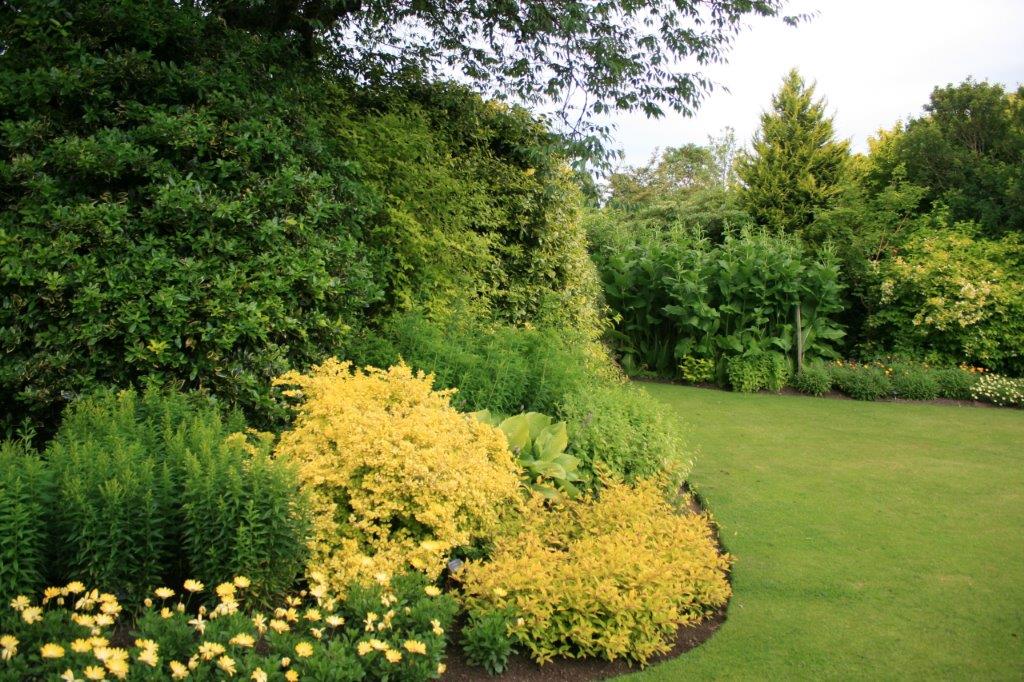
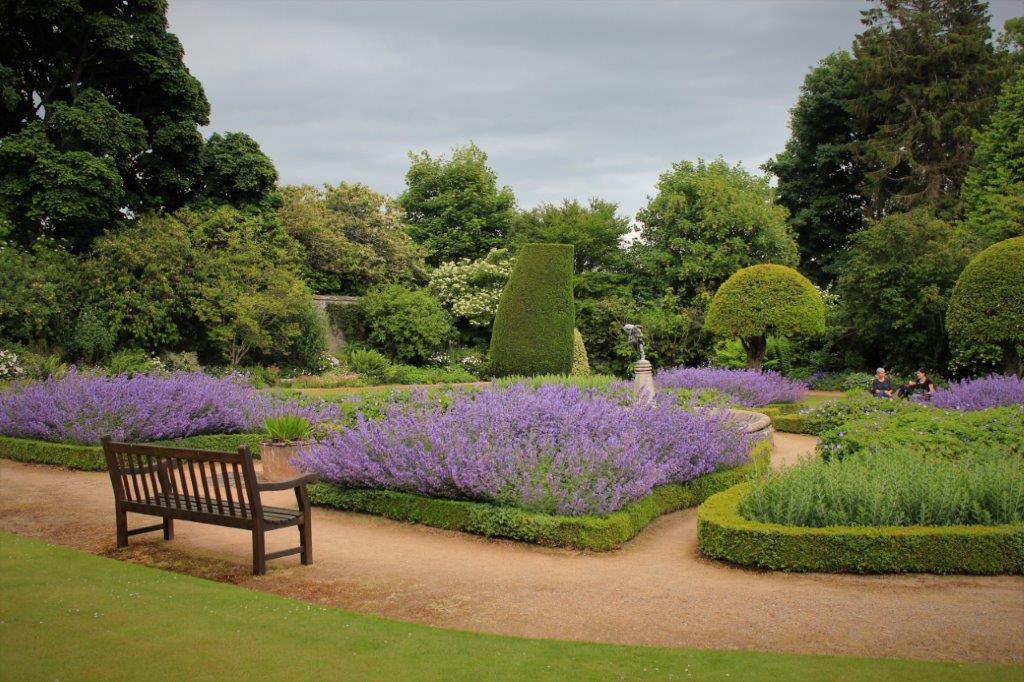
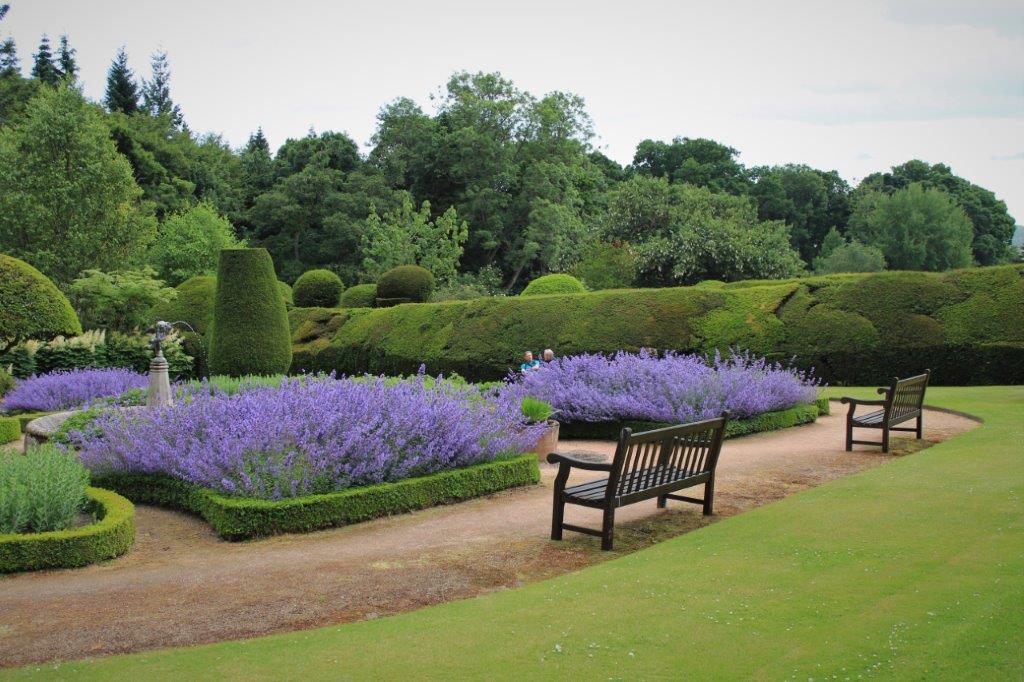
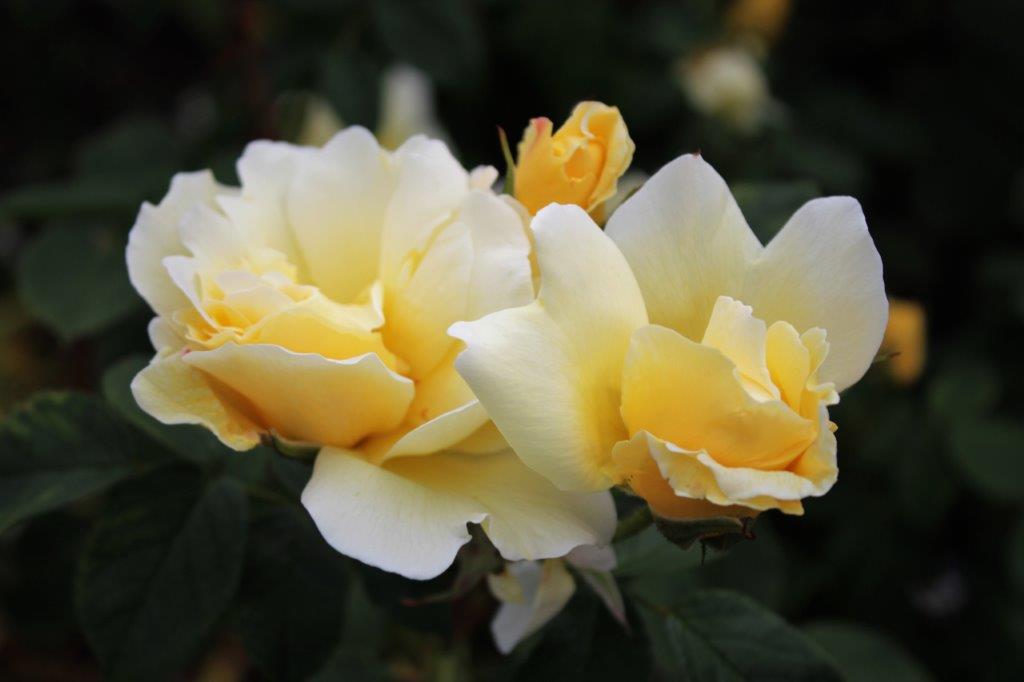
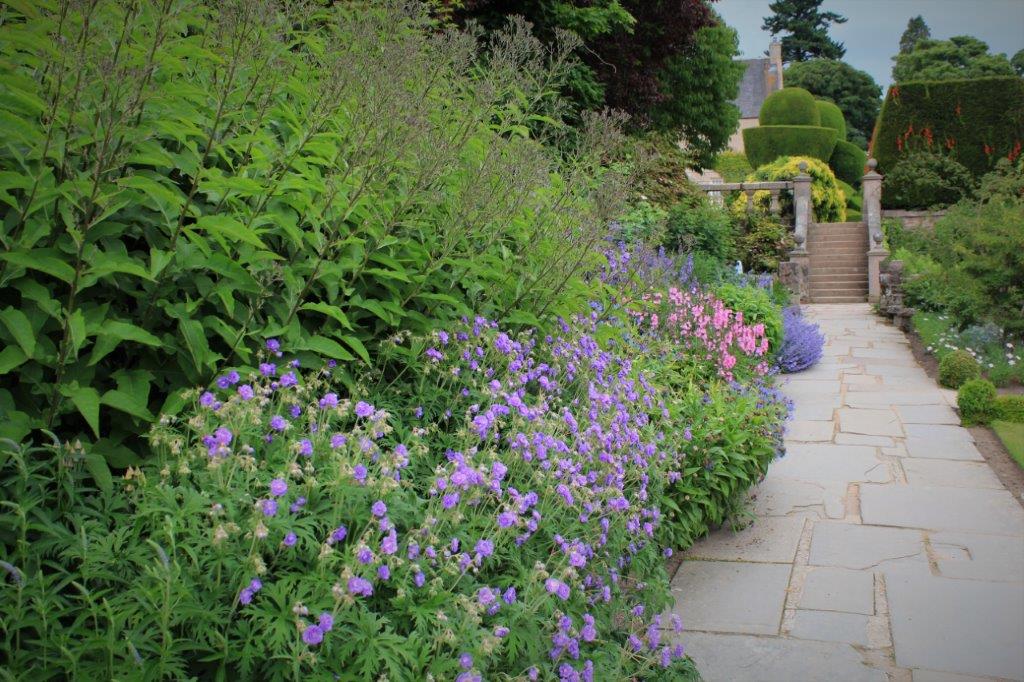
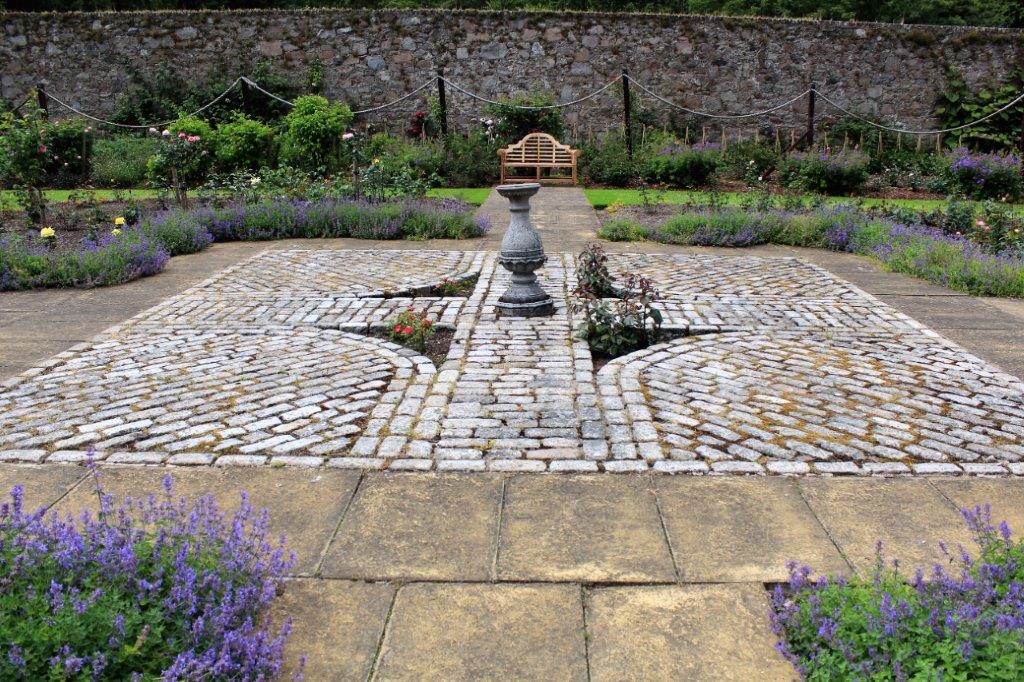
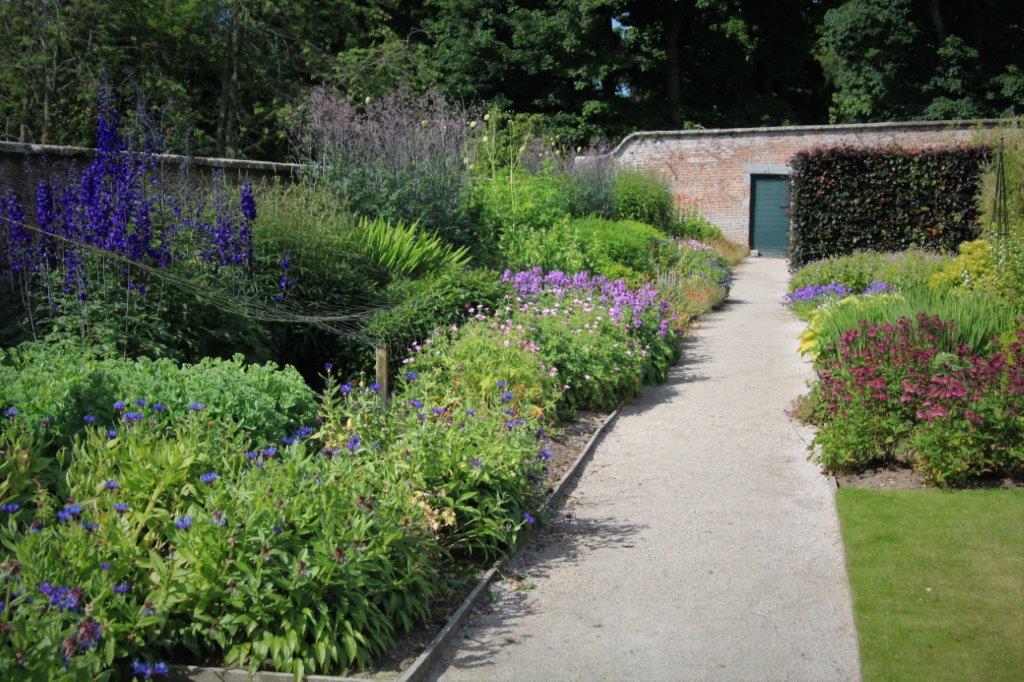
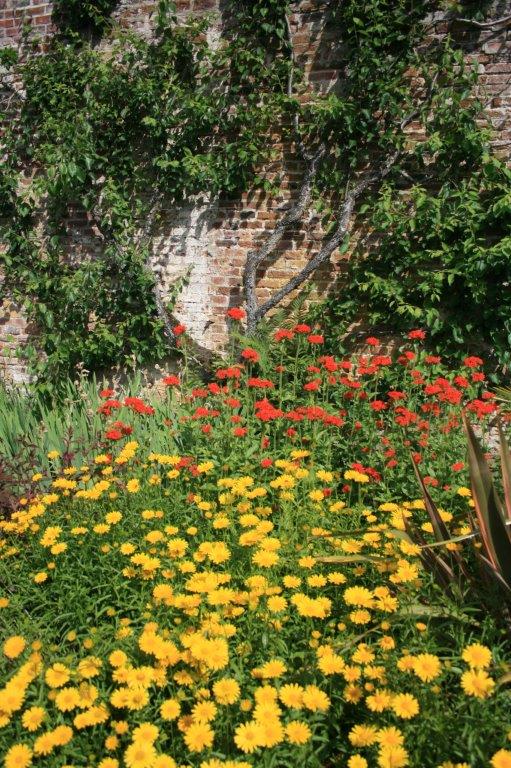
I am sure they got asked so often about how they clipped these huge shrubs that they posted a photo to show how it is done.One of the things I really liked about Crathes was the colour-themed gardens. There was the blue garden: And the pink garden: And the pink garden: And the yellow garden, which I loved because yellow is my favourite colour: The lavender was in full bloom.

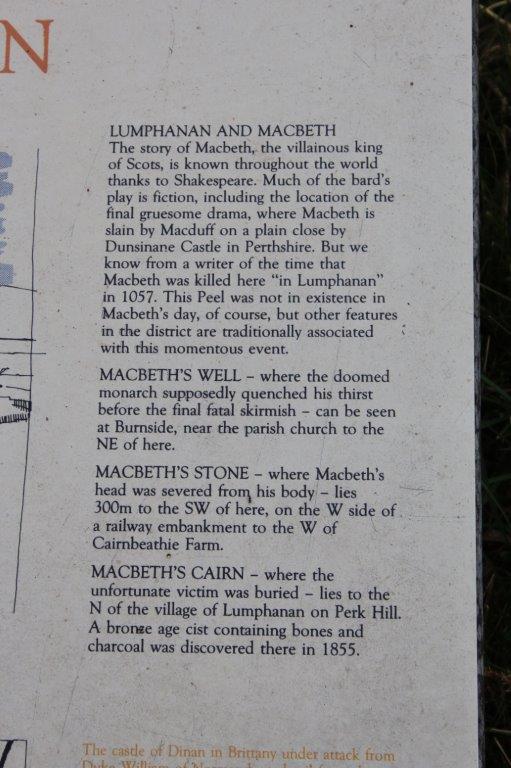
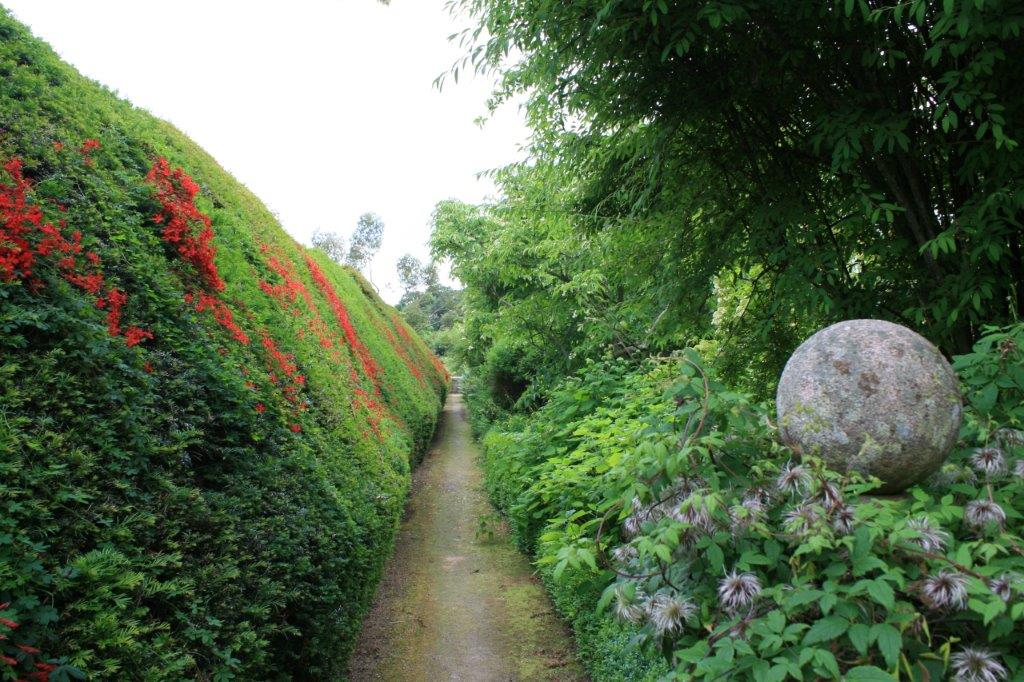
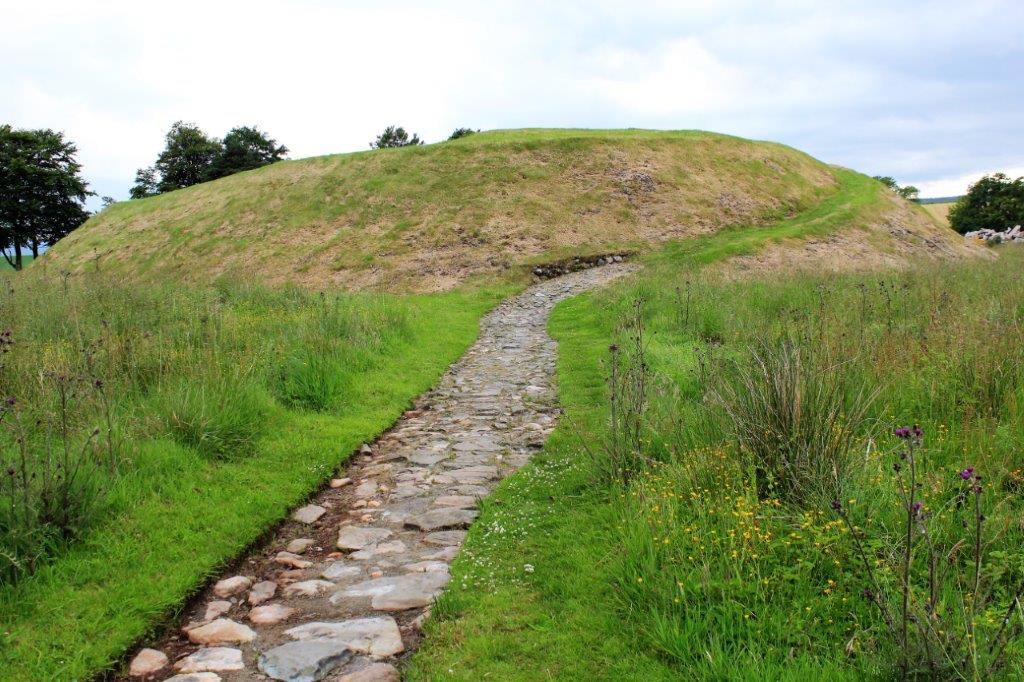
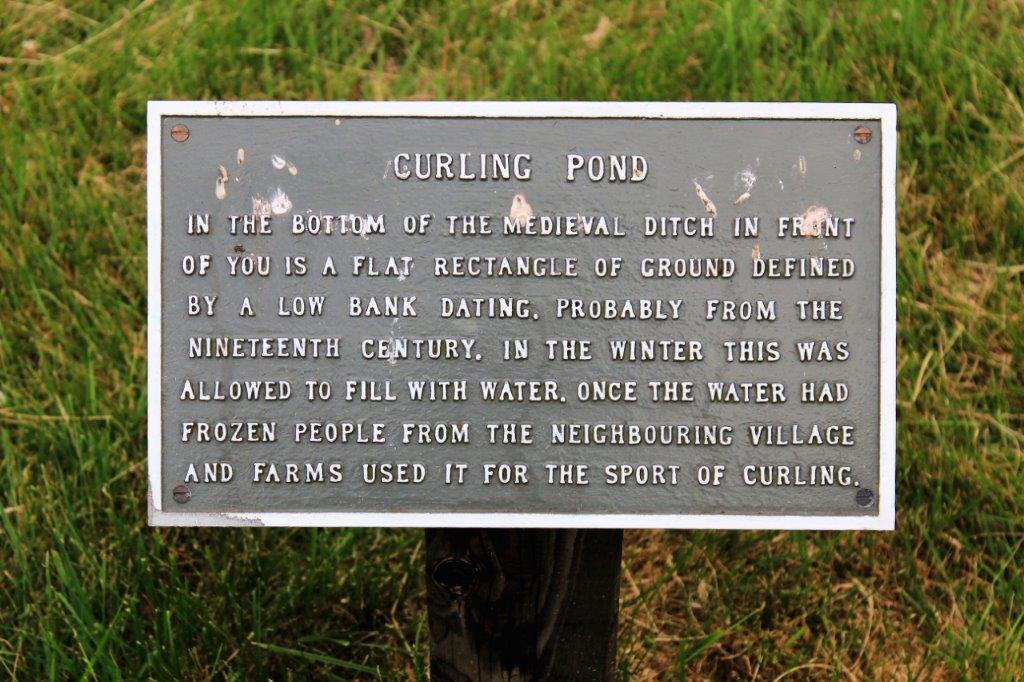
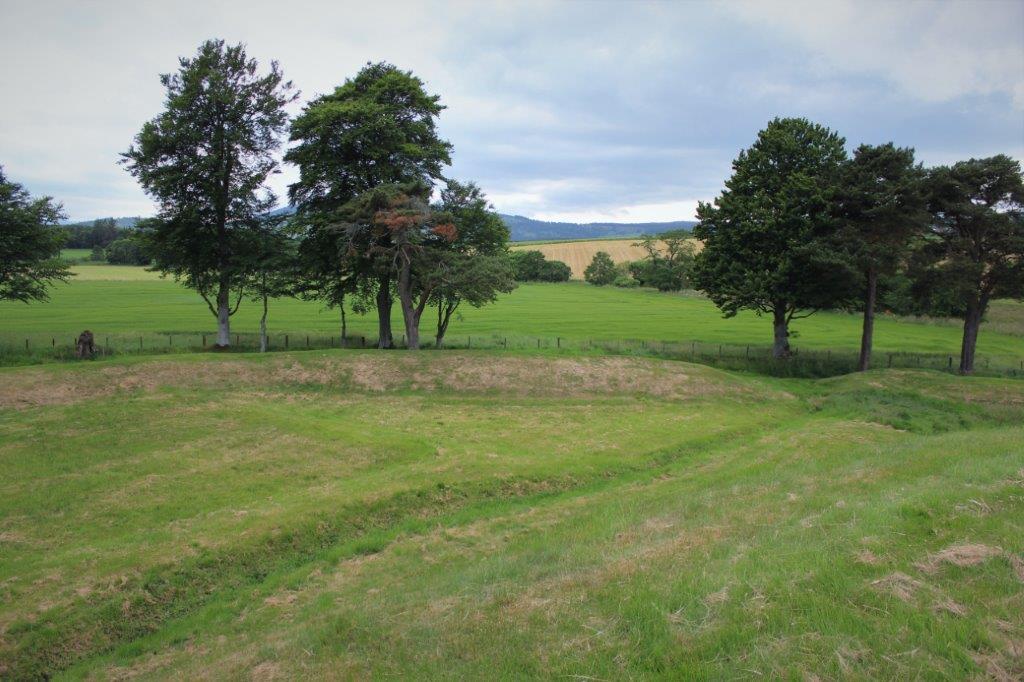
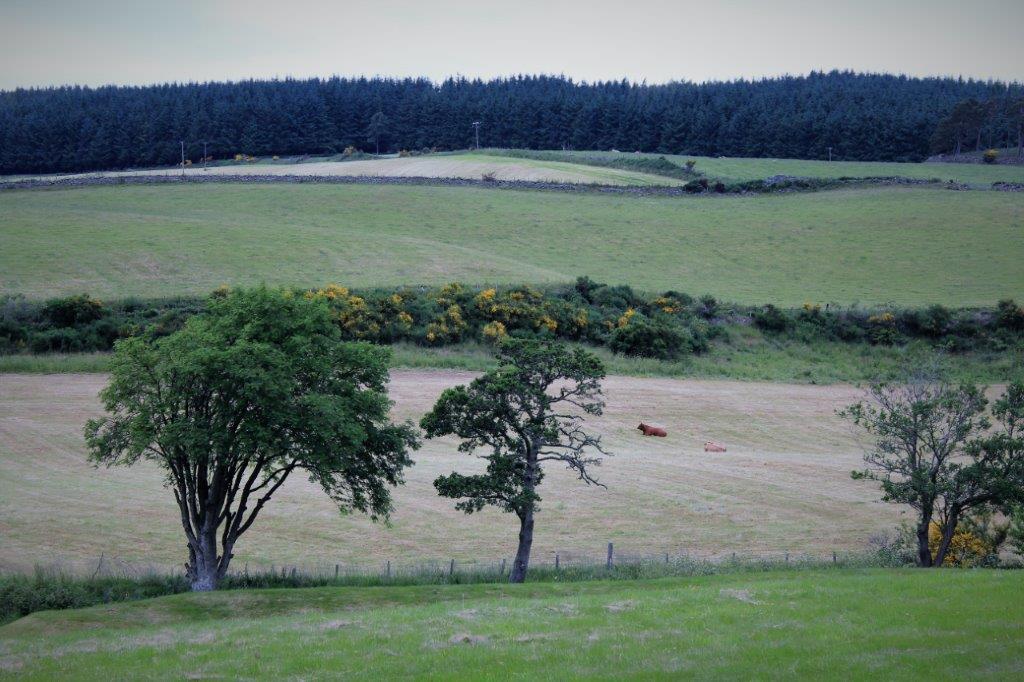
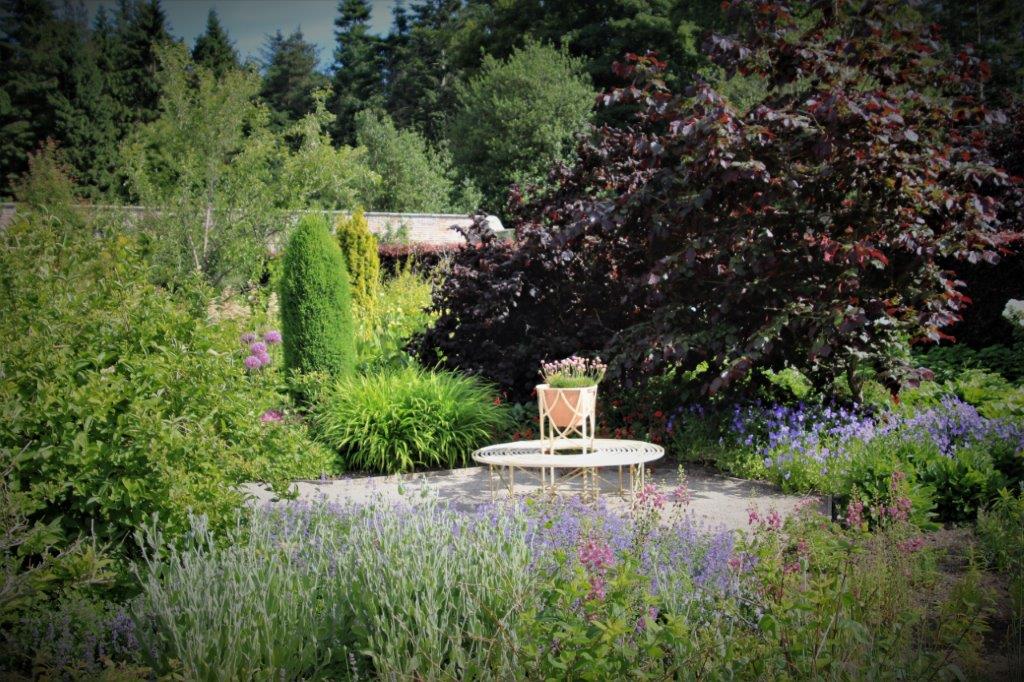
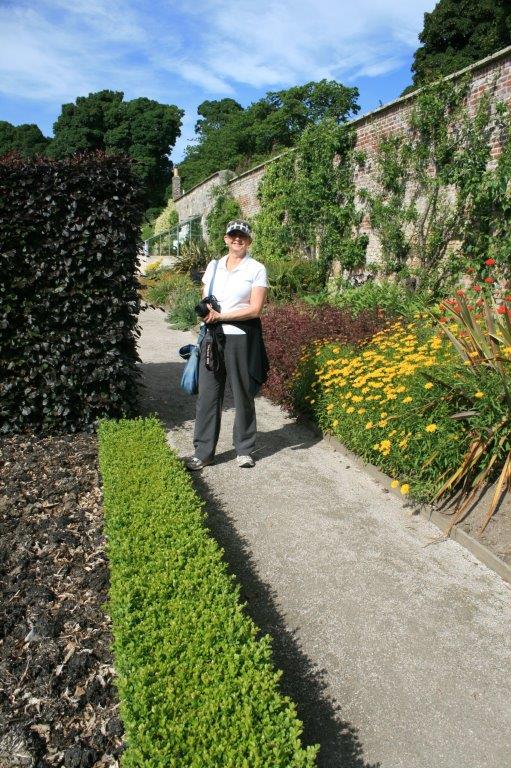
What a beautiful place to sit and rest and enjoy. There was a vine that had gotten into the shrubbery and was gradually covering it in pretty red. I cannot begin to imagine the amount of time it took to arrange and plant and care for all of these lovely gardens.  They are an absolute joy to walk around in but you could not pay me enough to get me toiling among the greenery.Our final stop of a very full day was the Peel Ring of Lumphanan, a giant earthworks from the 13th-century.  It was the site of a fortified residence, perhaps a hunting lodge of the mighty Durward family.  Nothing is left but the massive earthwork foundation. We arrived at the Glen Lui Hotel in Ballater at 6:30 and were very happy to put our feet up.

2013 Summer (Baltic and Britain – Scotland – July 9 – Day 16 – Part 2)

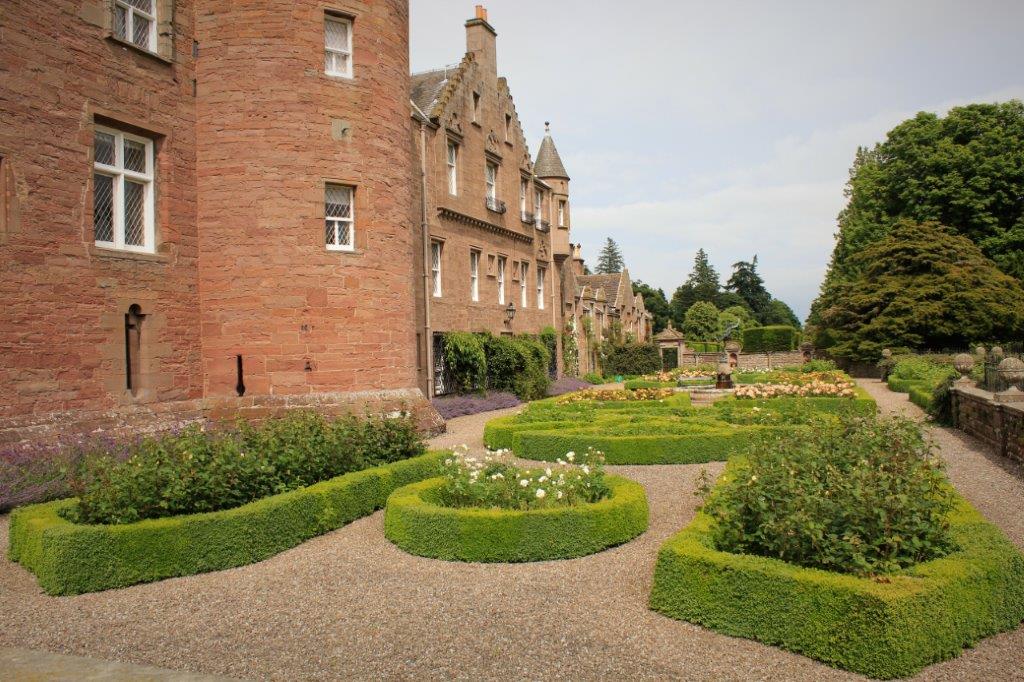
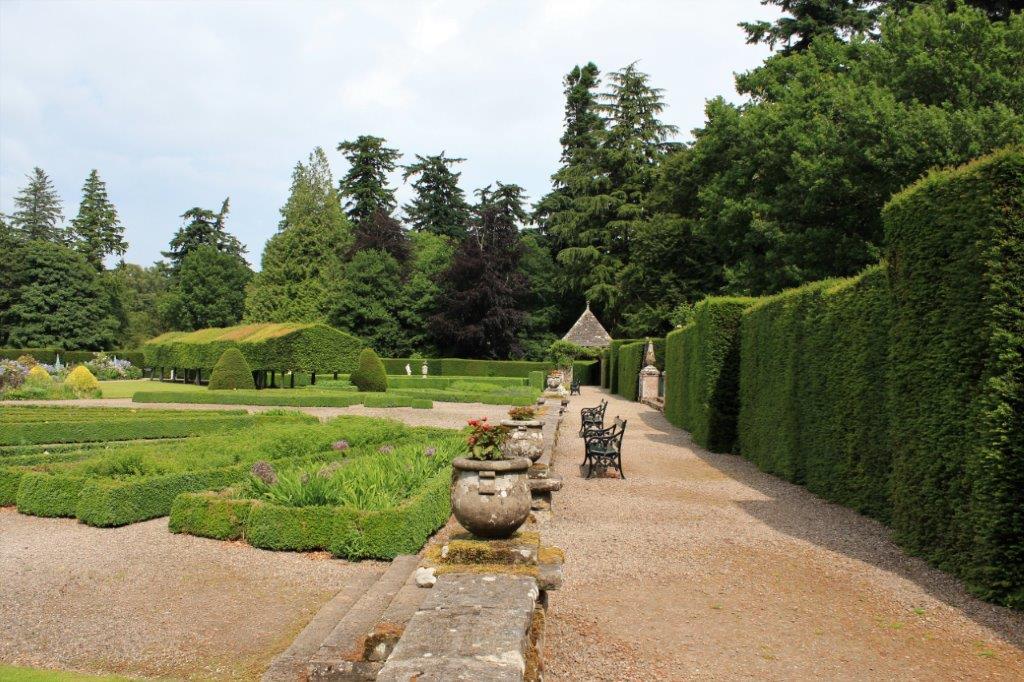
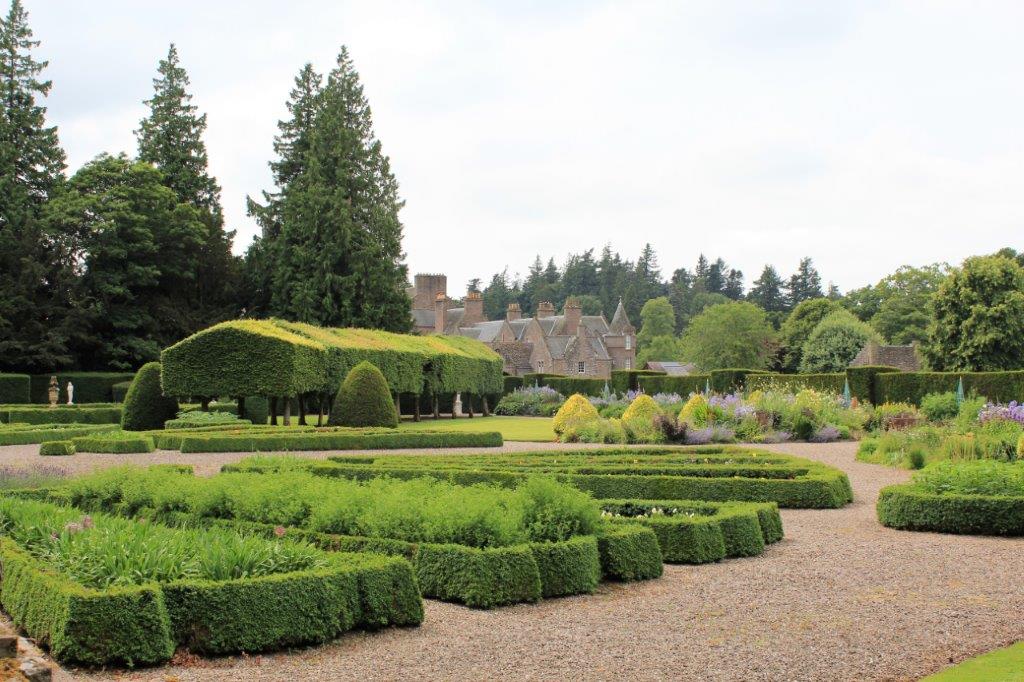
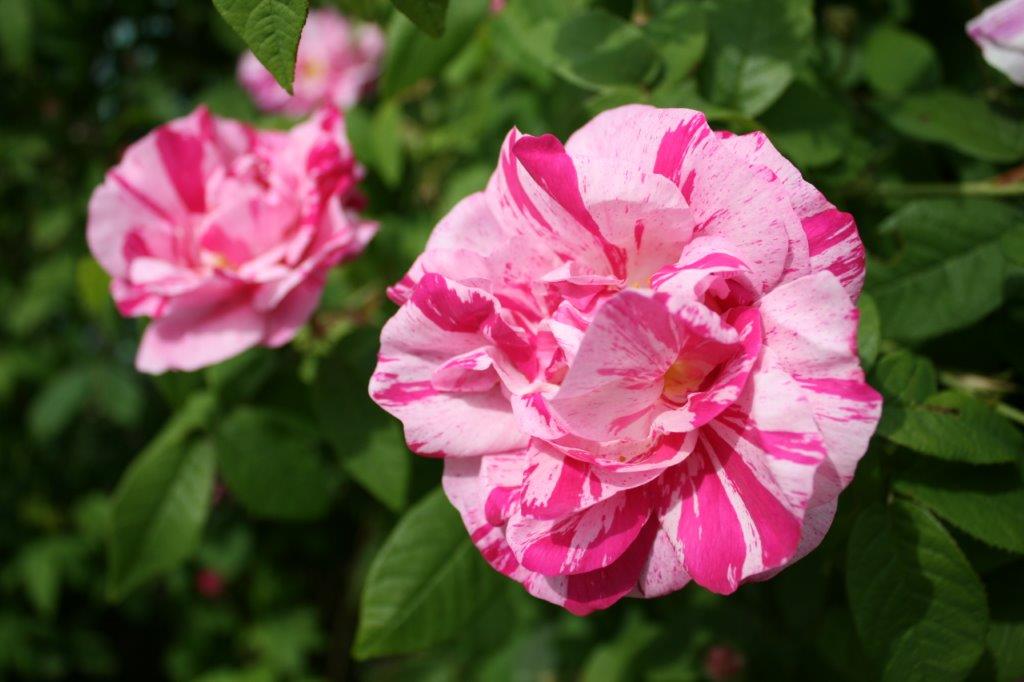
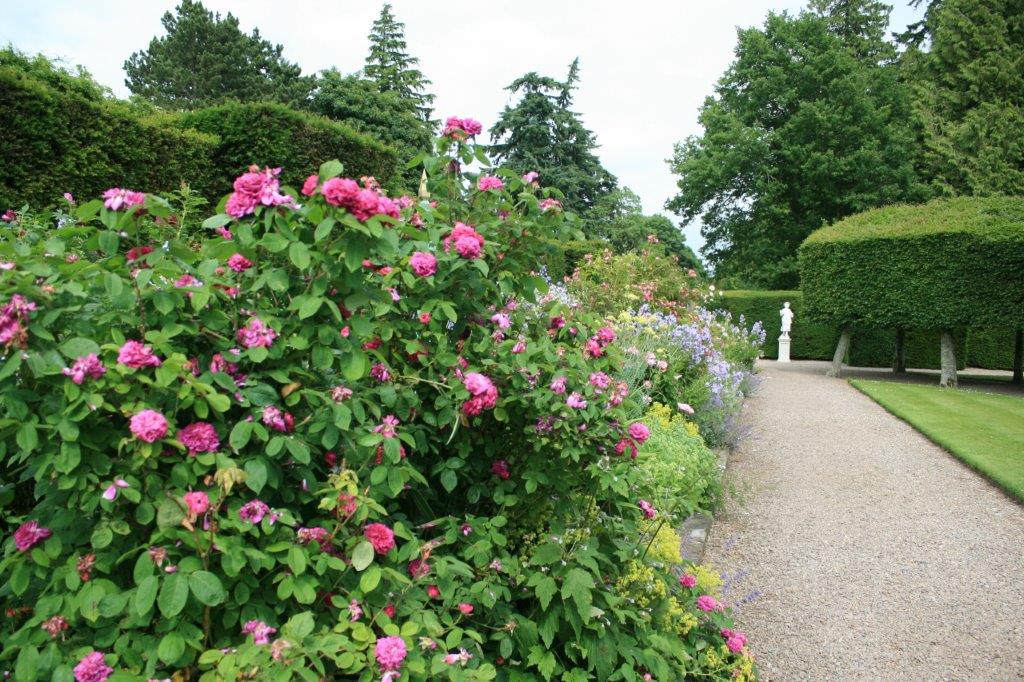
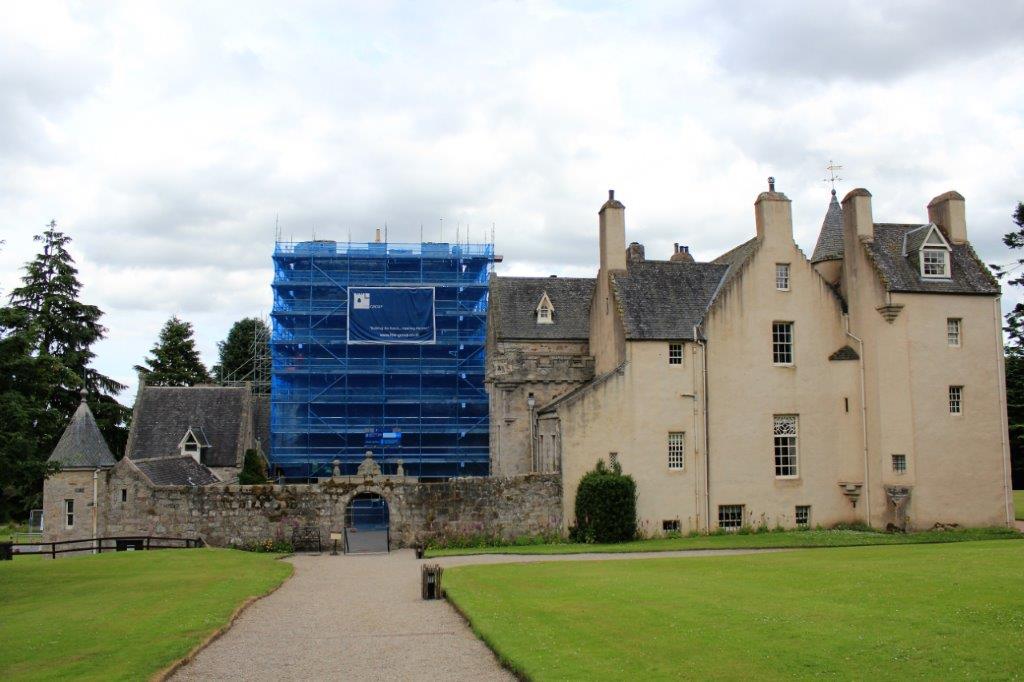
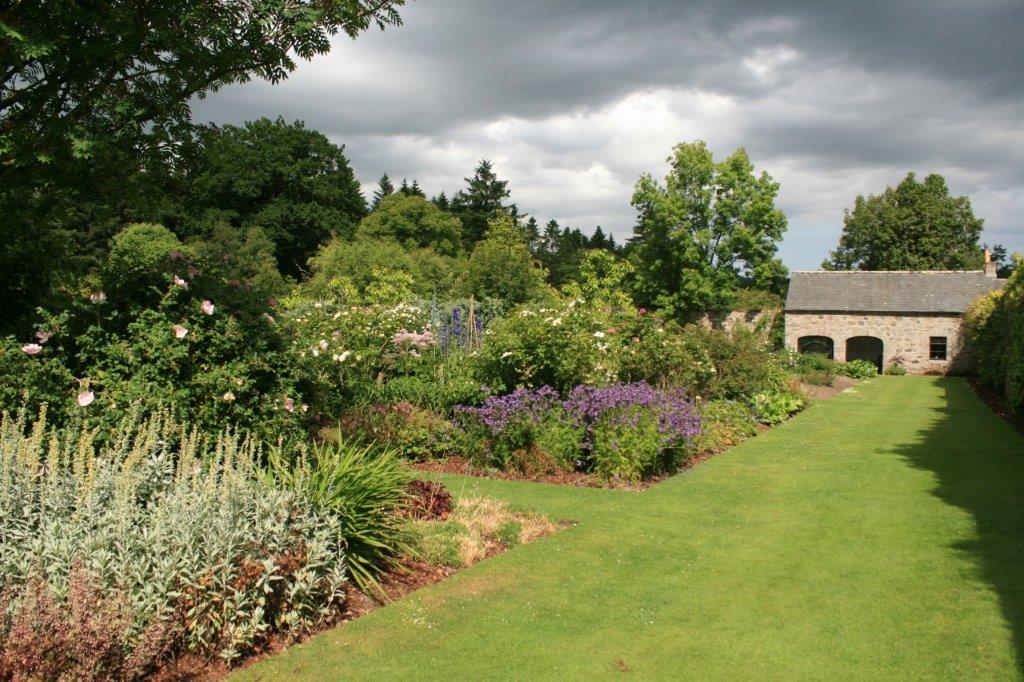
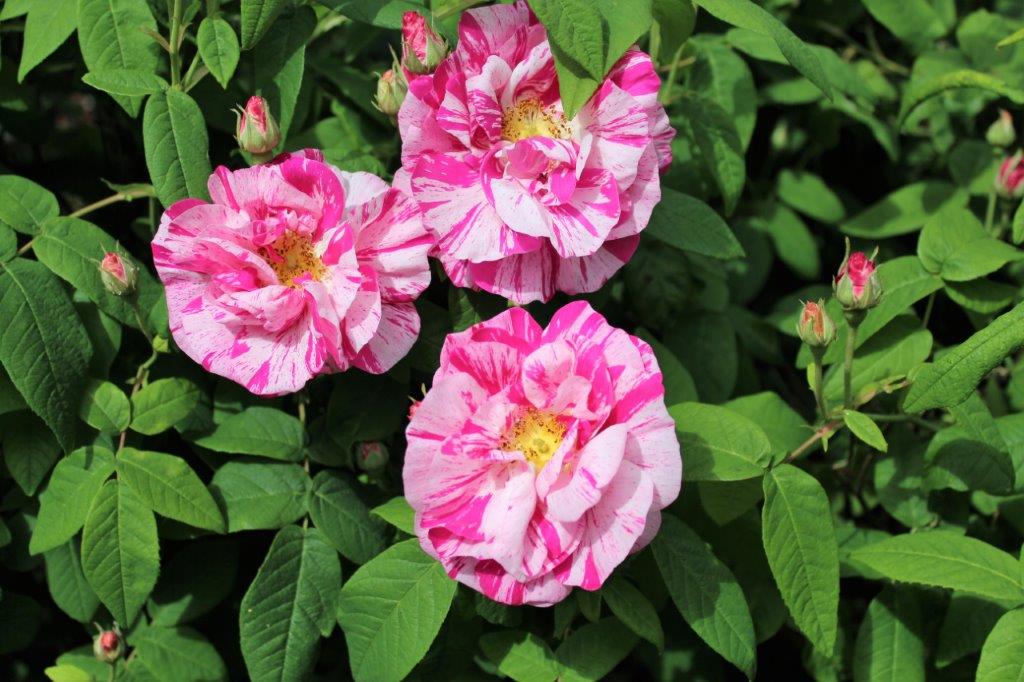
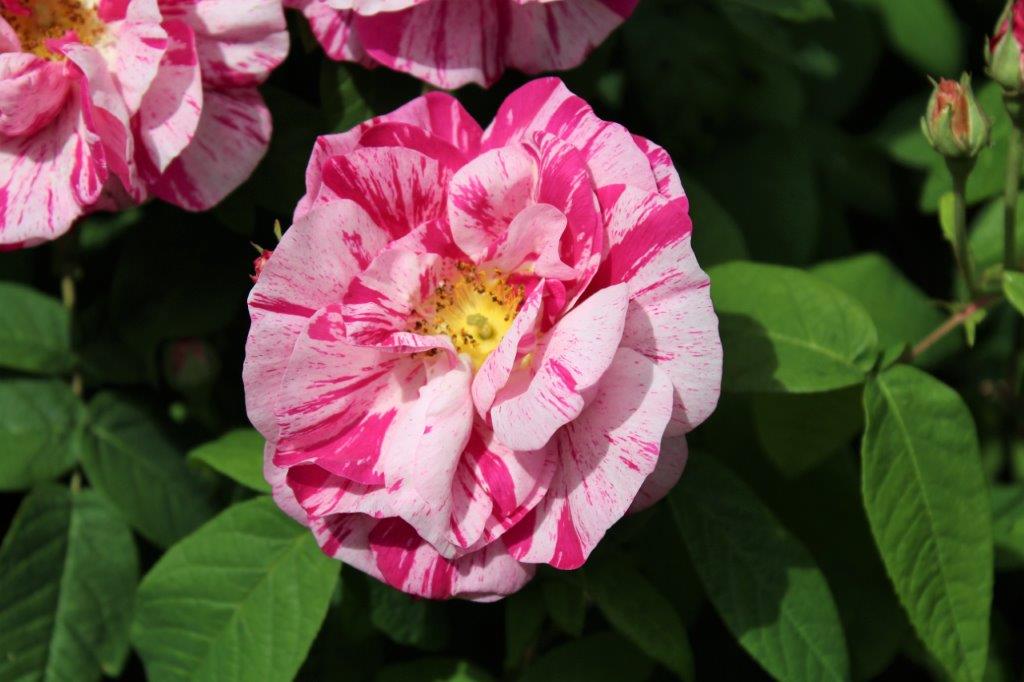
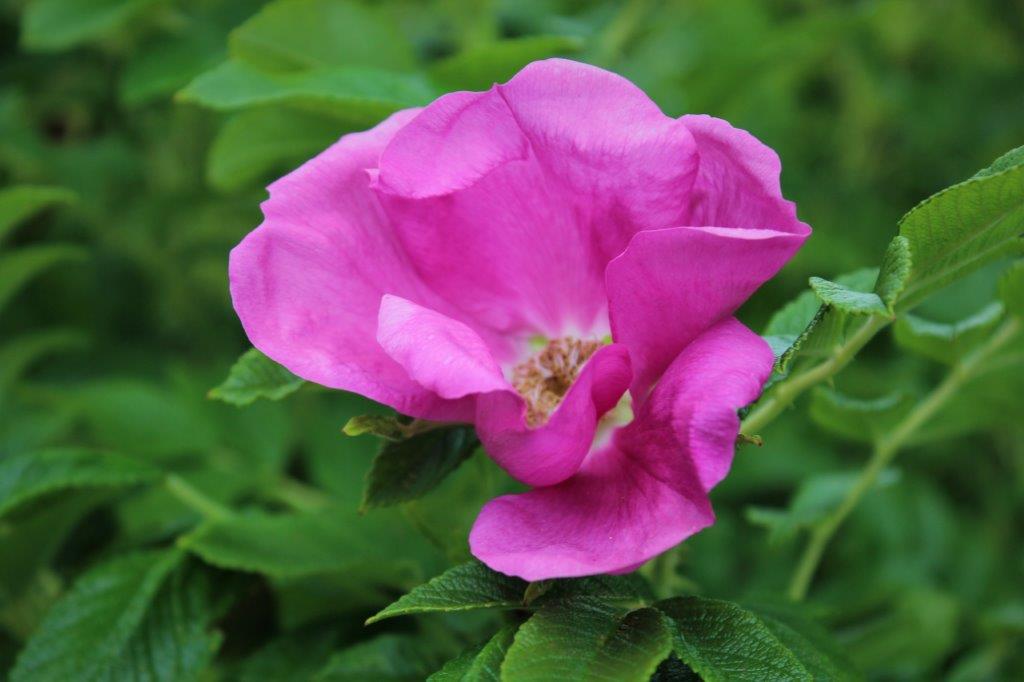
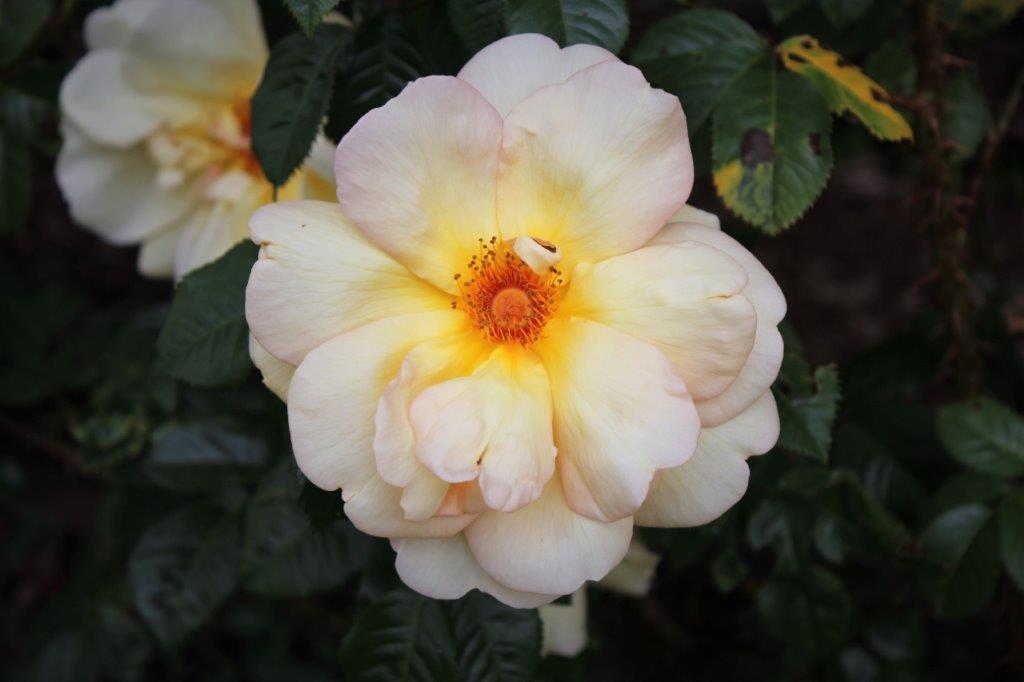
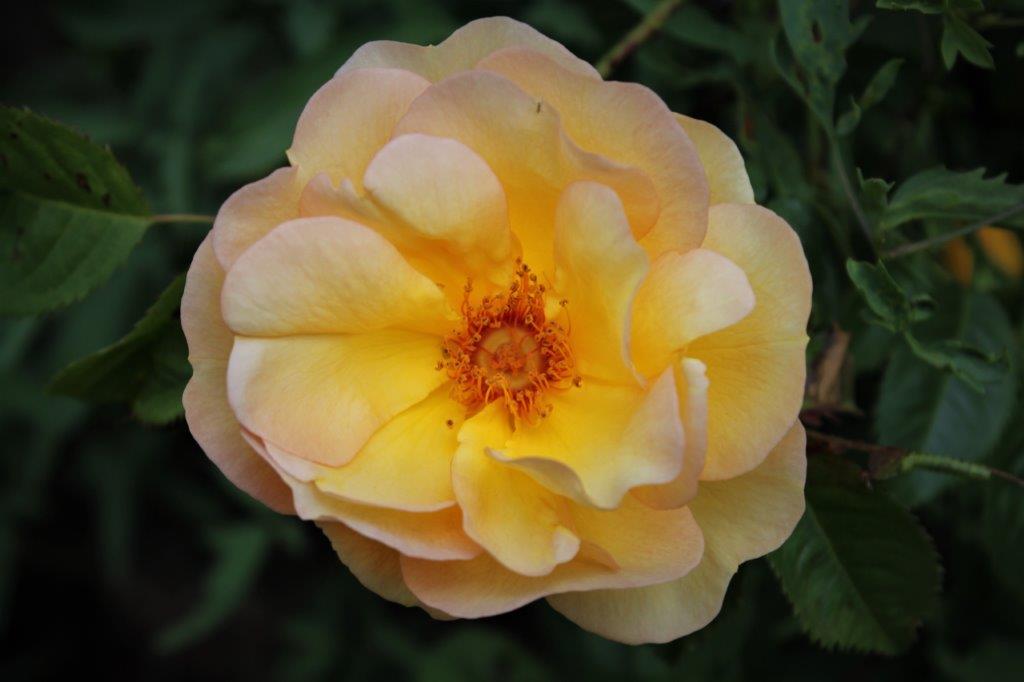
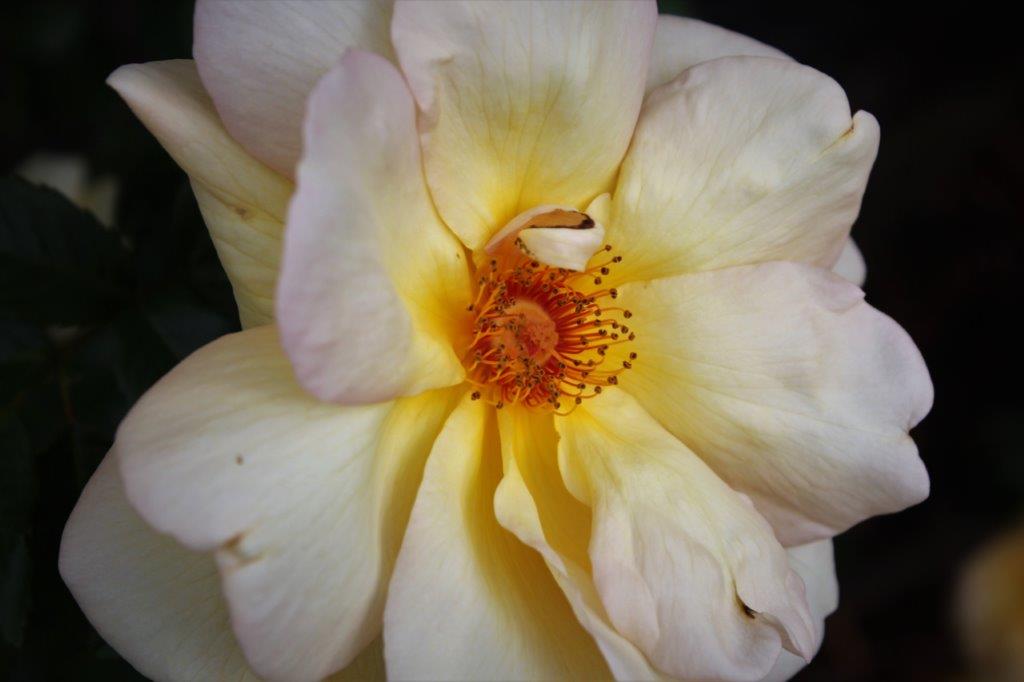
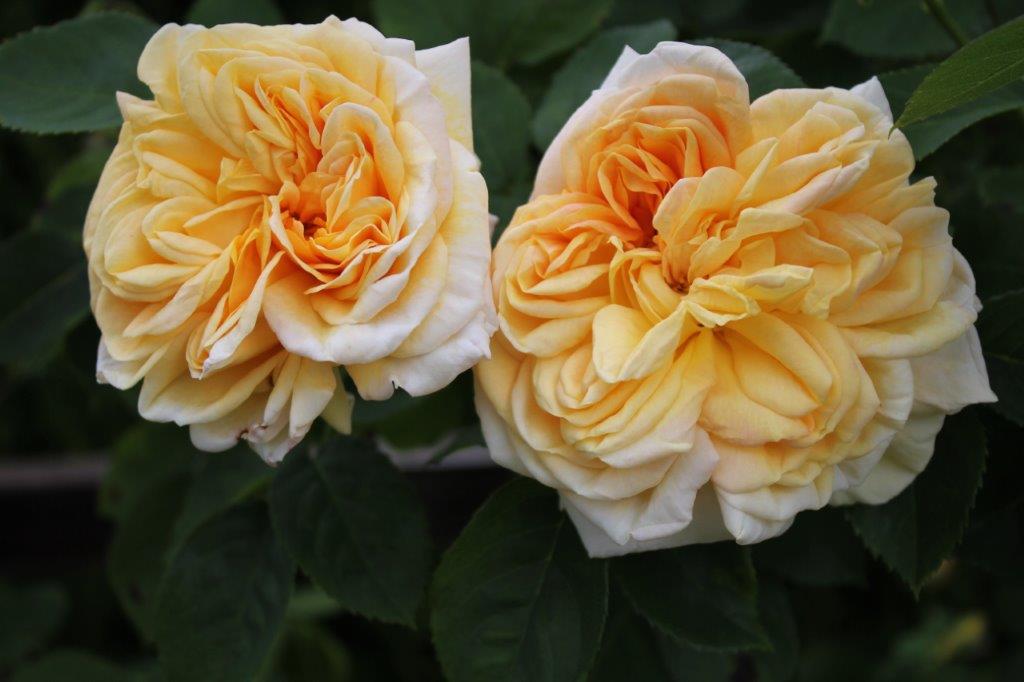
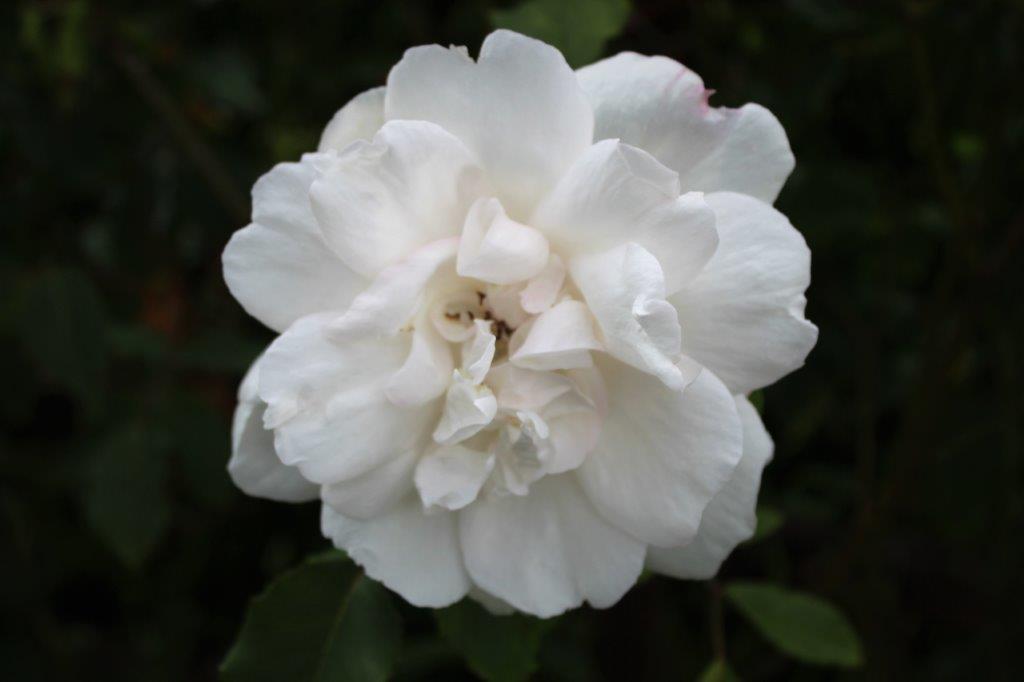
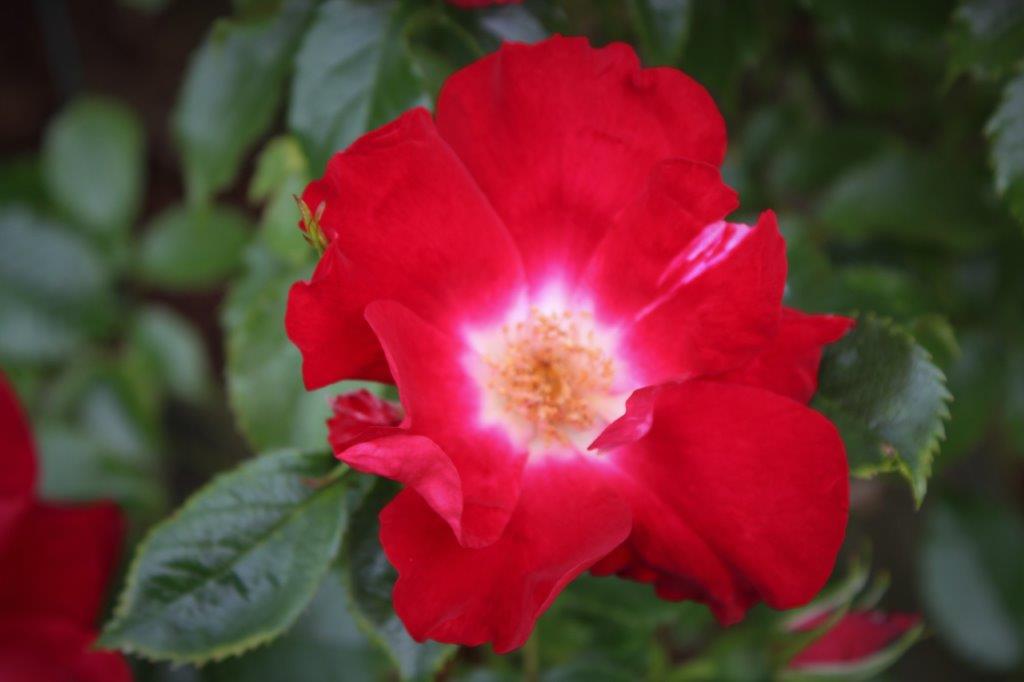
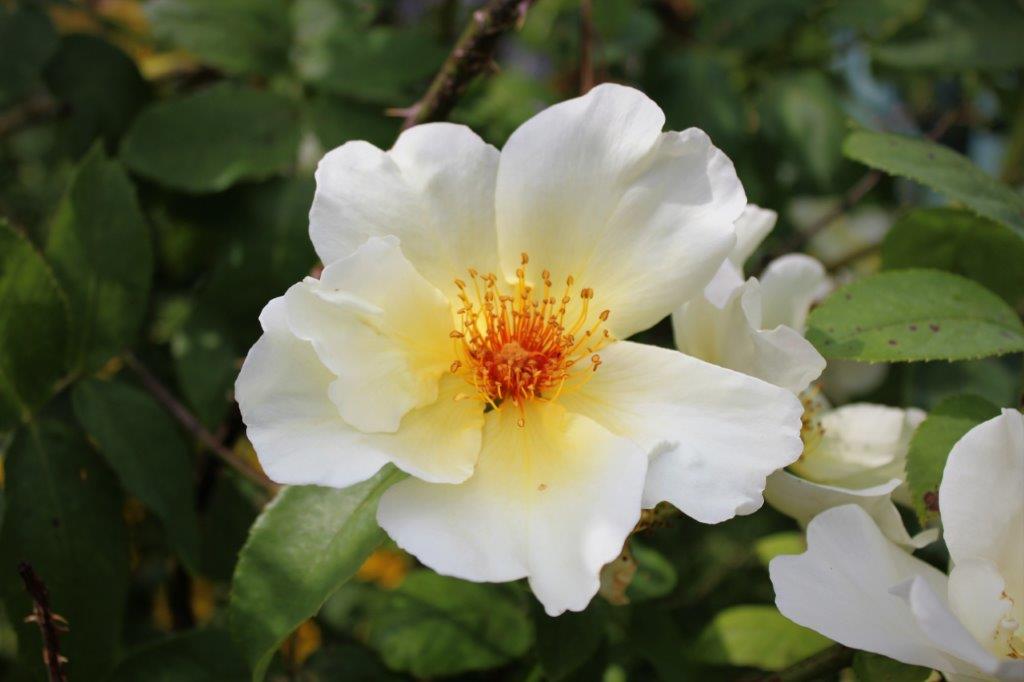
The morning of July 9, 2013 was spent at Castle Fraser and then we stopped at the Cullerlie Stone Circle.  It was almost 3:30 by the time we arrived at Drum Castle, which is famous for its gardens, specifically the rose gardens.  I have a sister who loves roses and has hundreds of them in her garden so I felt, for her, I should check it out.  I love flowers.  I love to look at flowers, and smell fragrant flowers, and photograph flowers, but  I don’t garden.  I have had a few roses in my yard over the years but they have all died and I have never severely mourned their loss as roses actually require care when in your garden.  I prefer to keep my garden work to the absolutely lowest amount of time I can get away with. Renovations are underway.  With so many old buildings in the British Isles there is always ongoing work to keep things from tumbling to ruin.
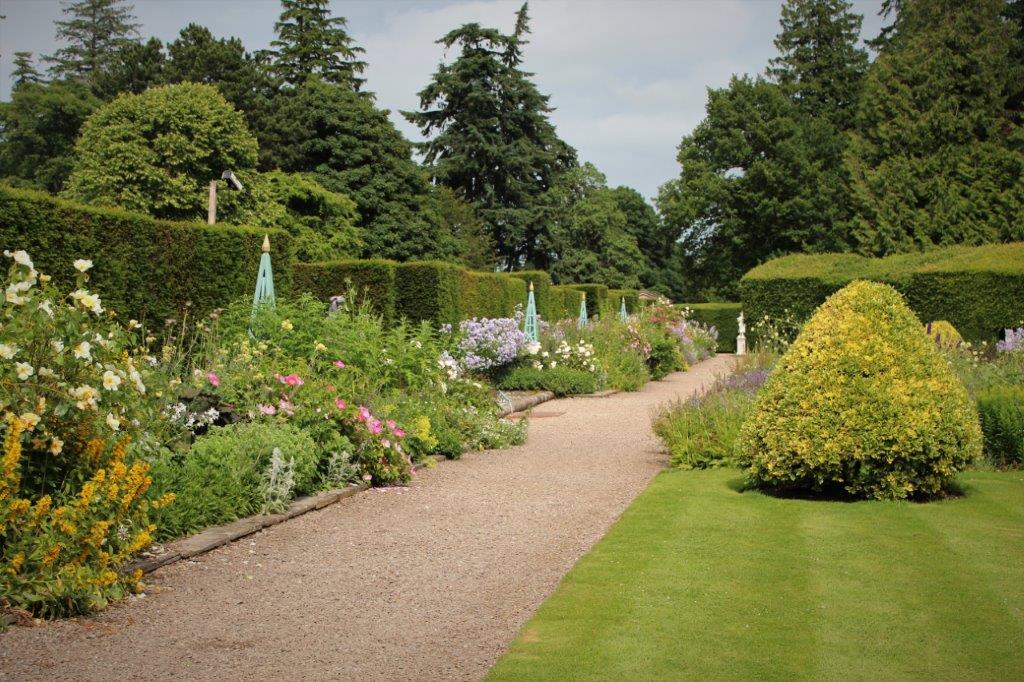
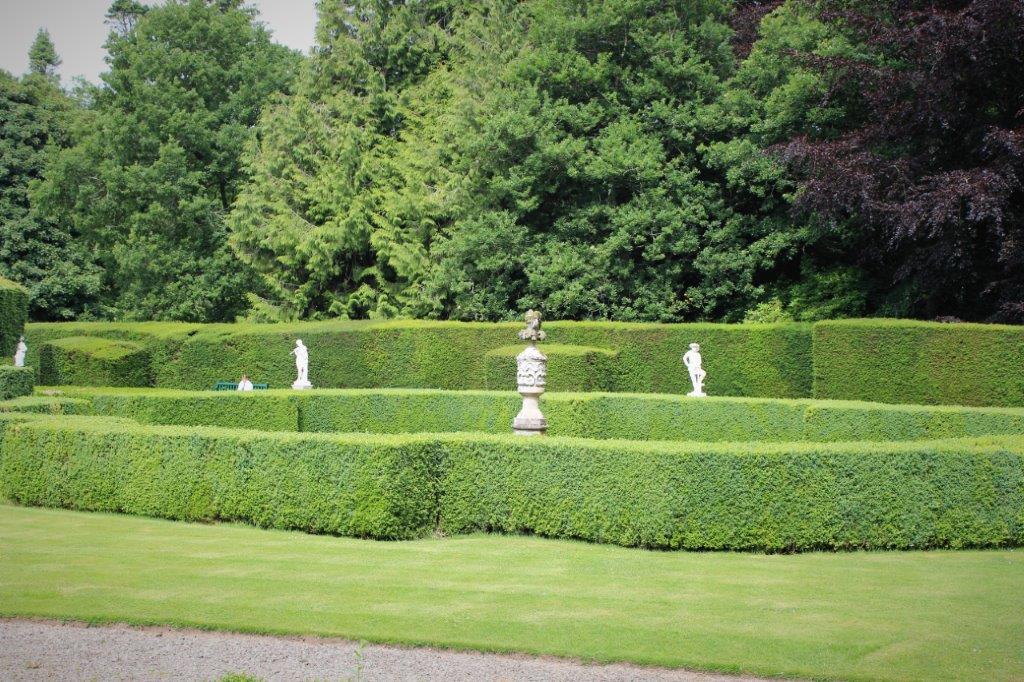
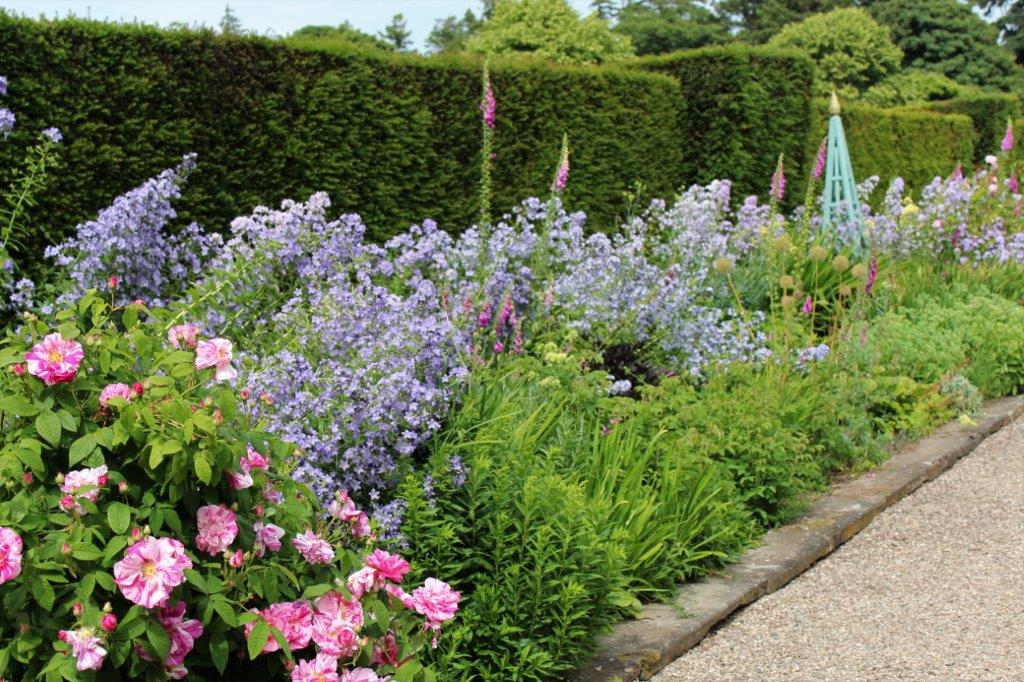
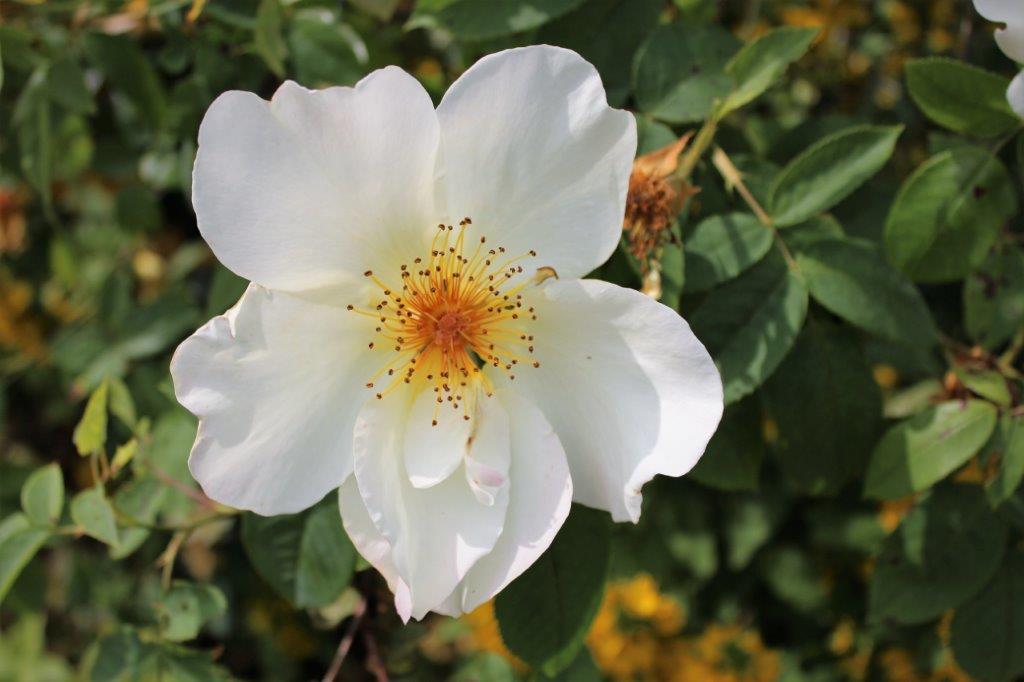
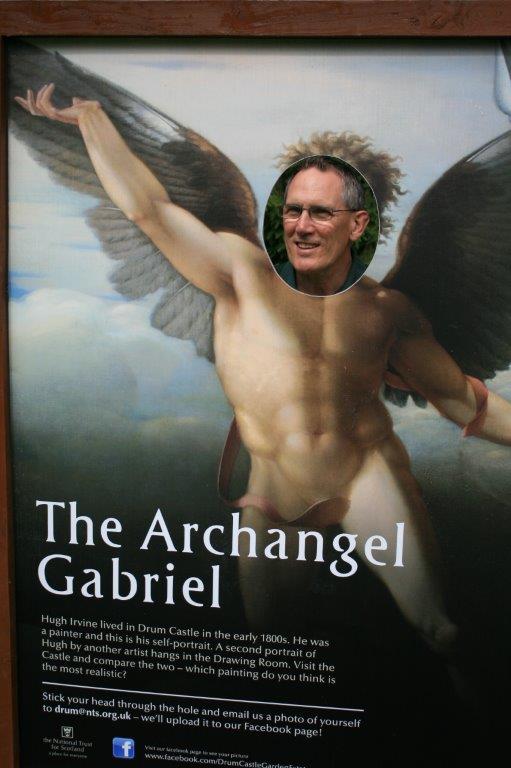
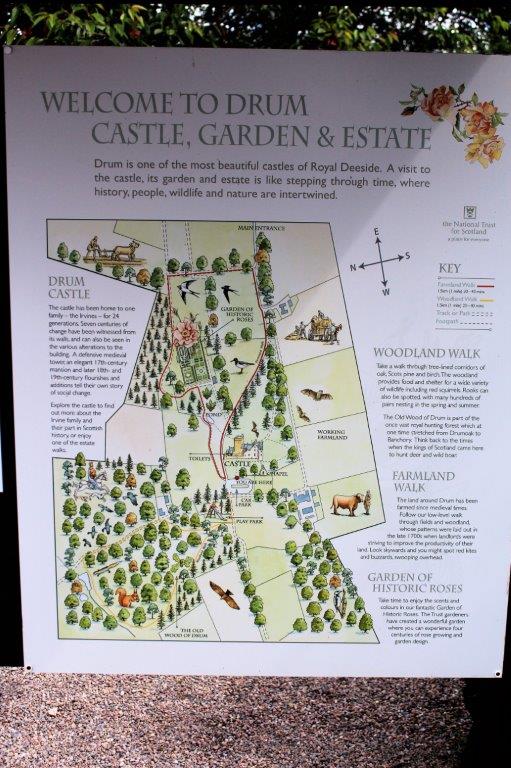
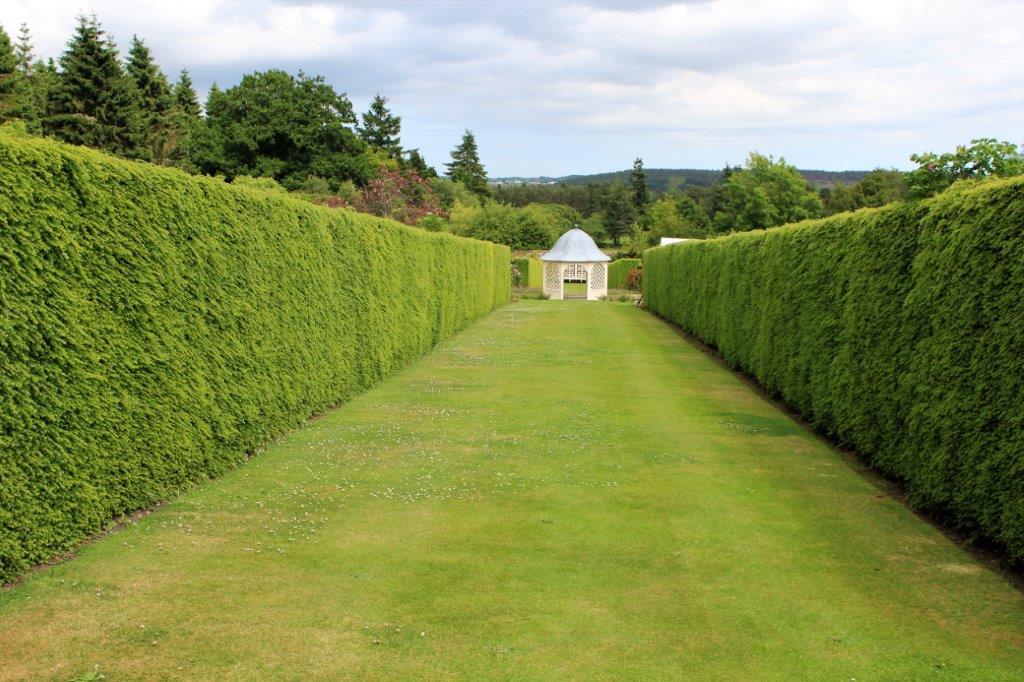
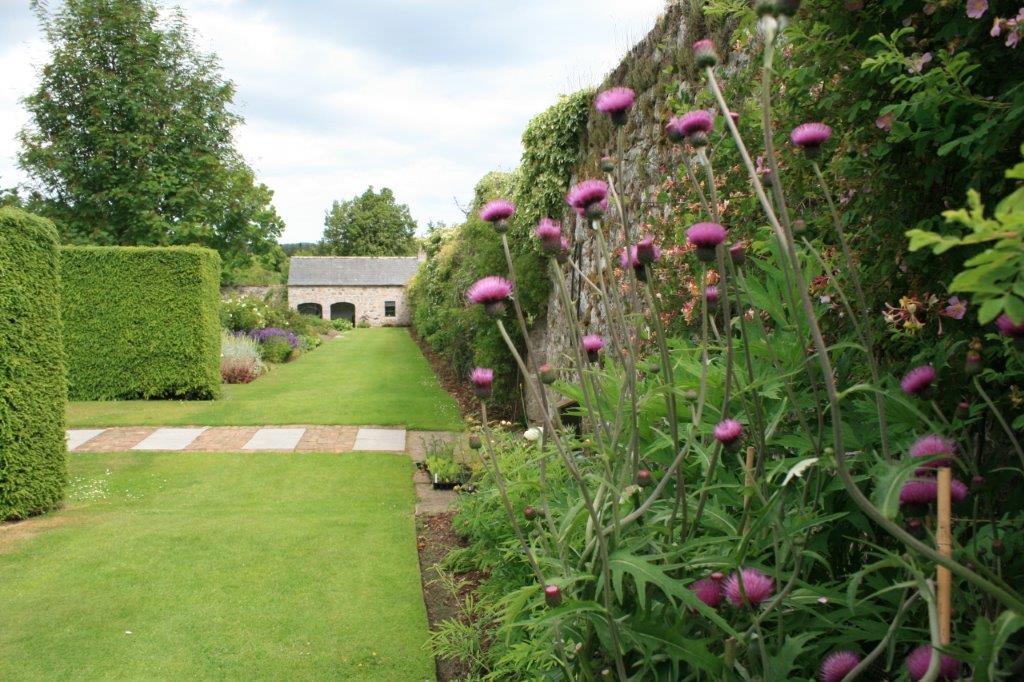
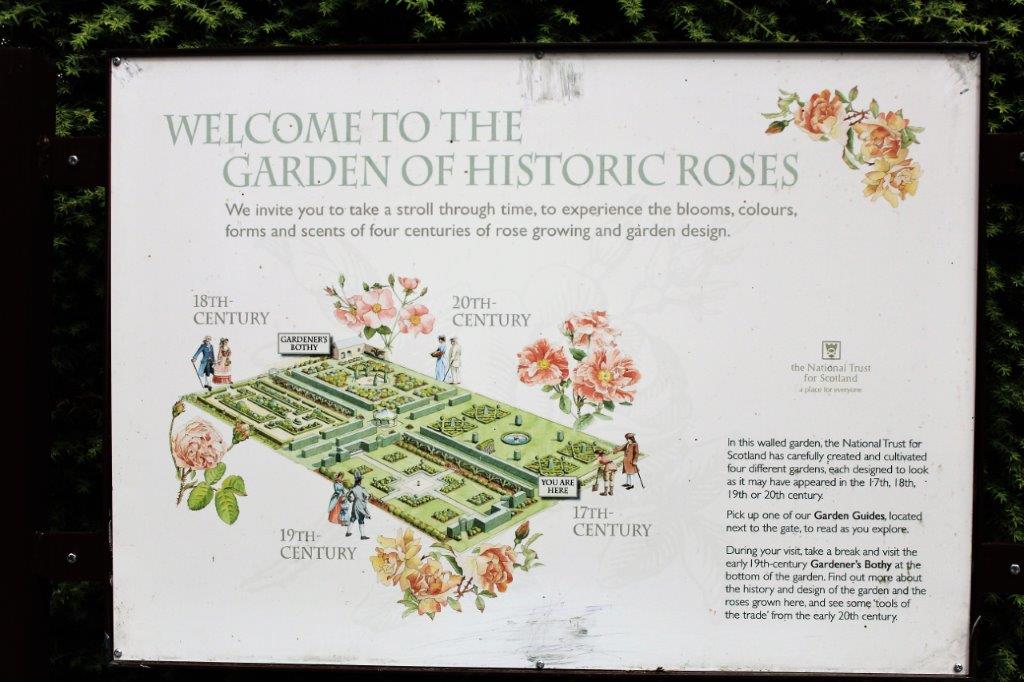
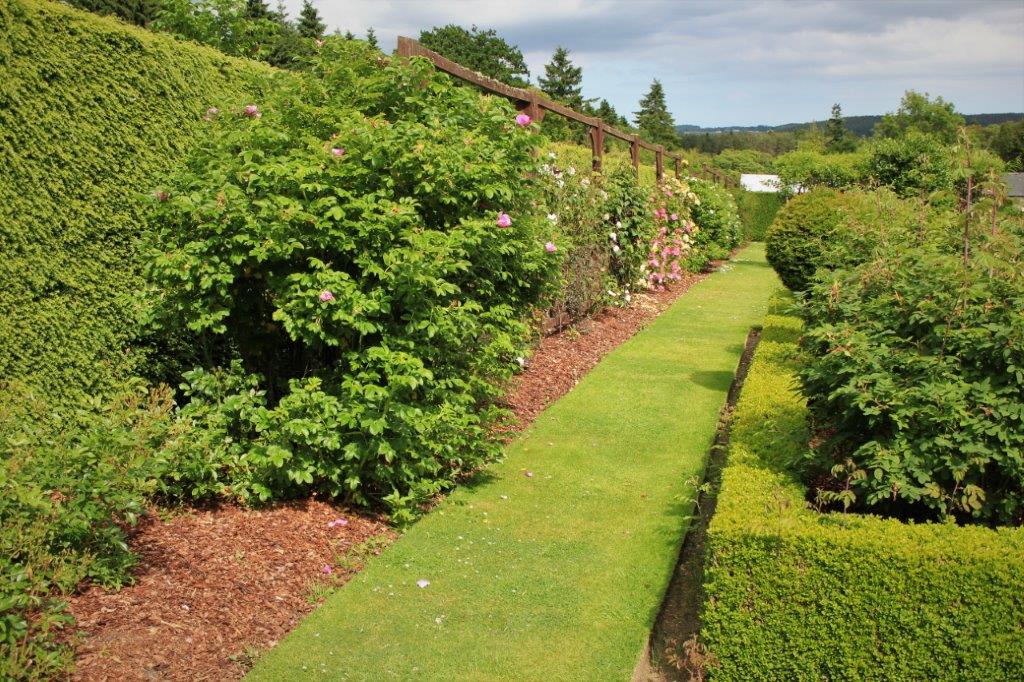
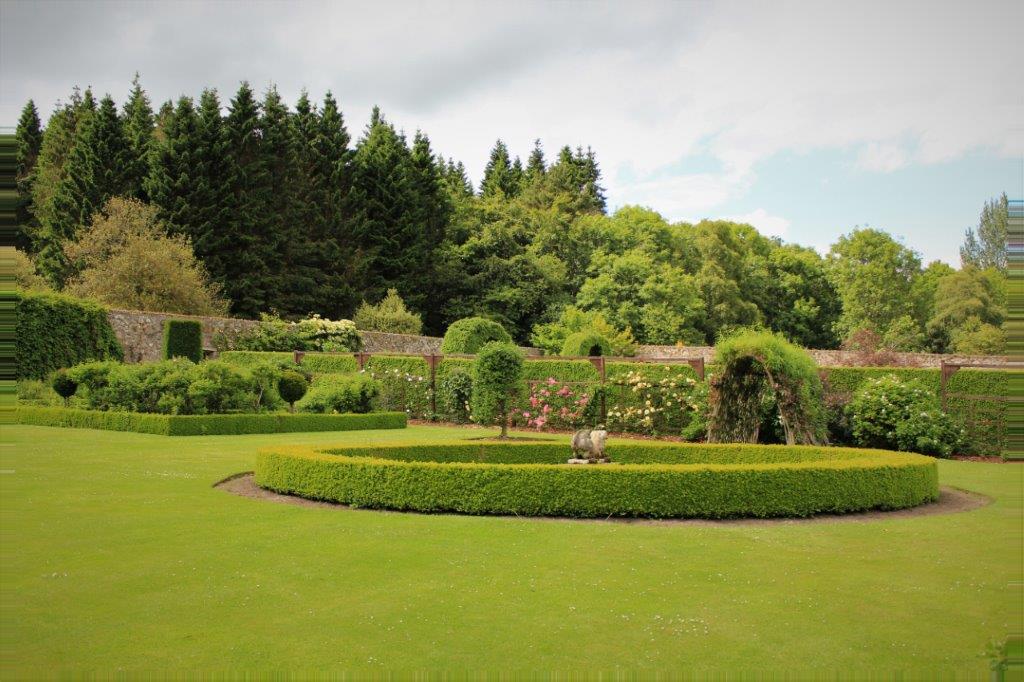
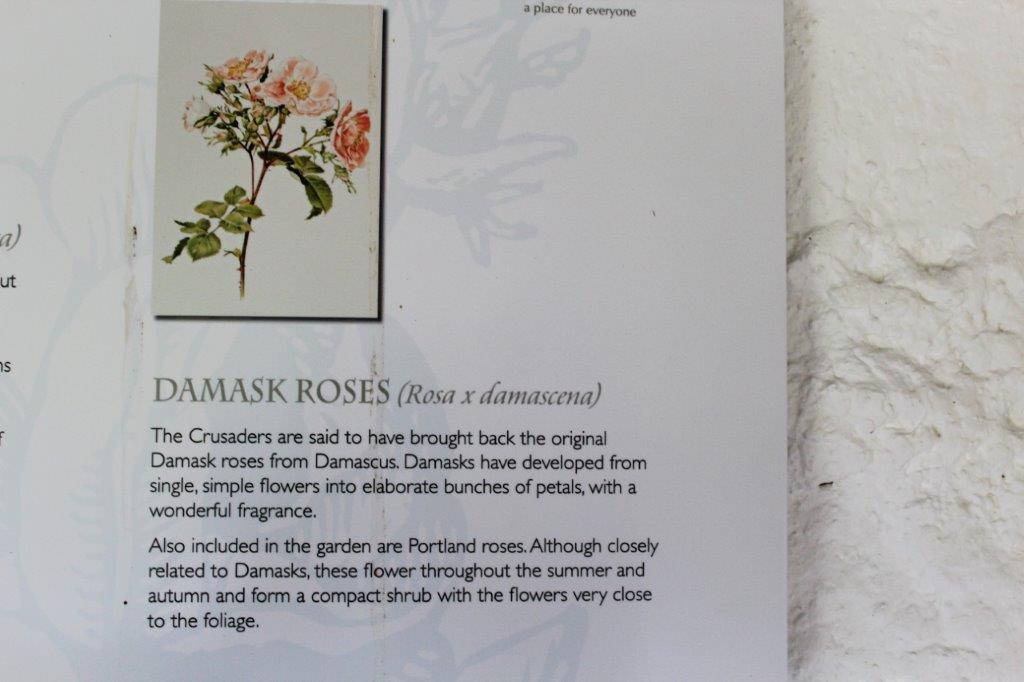
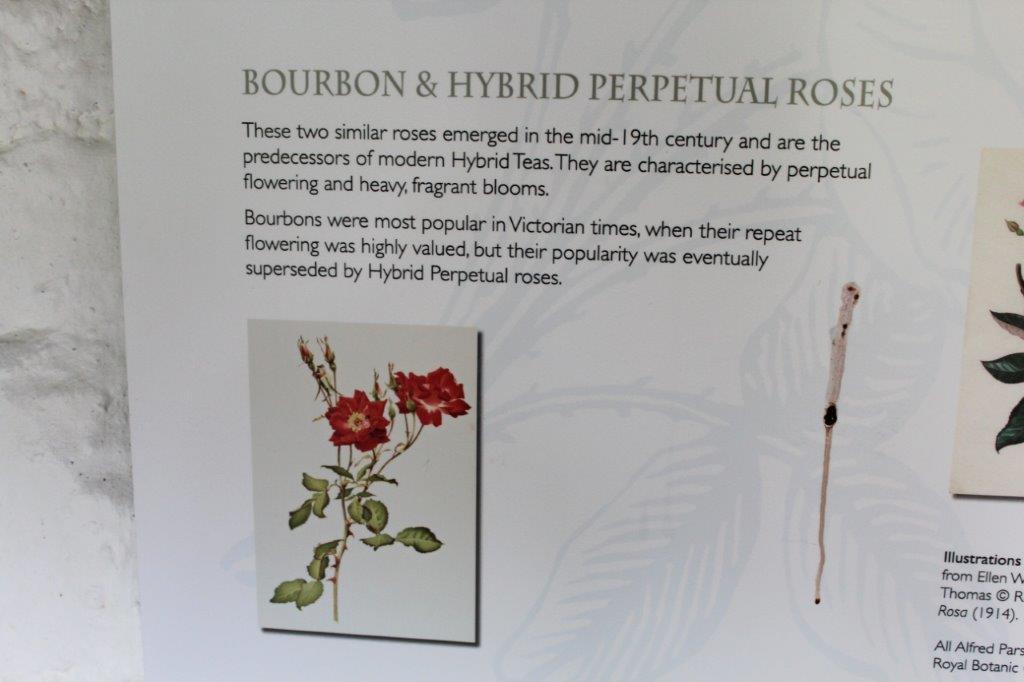
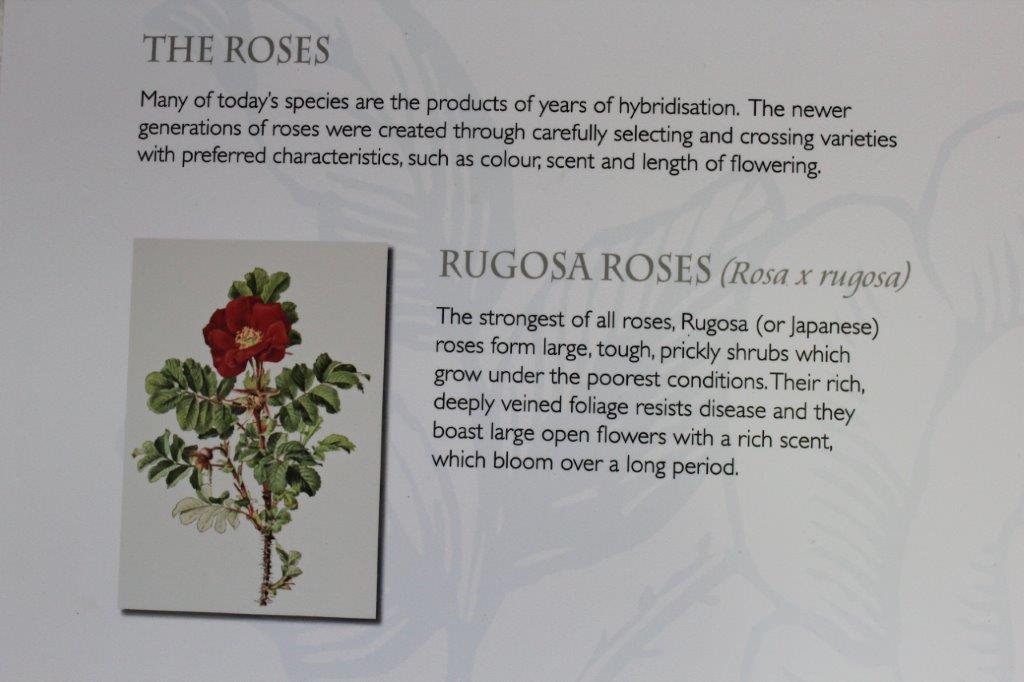
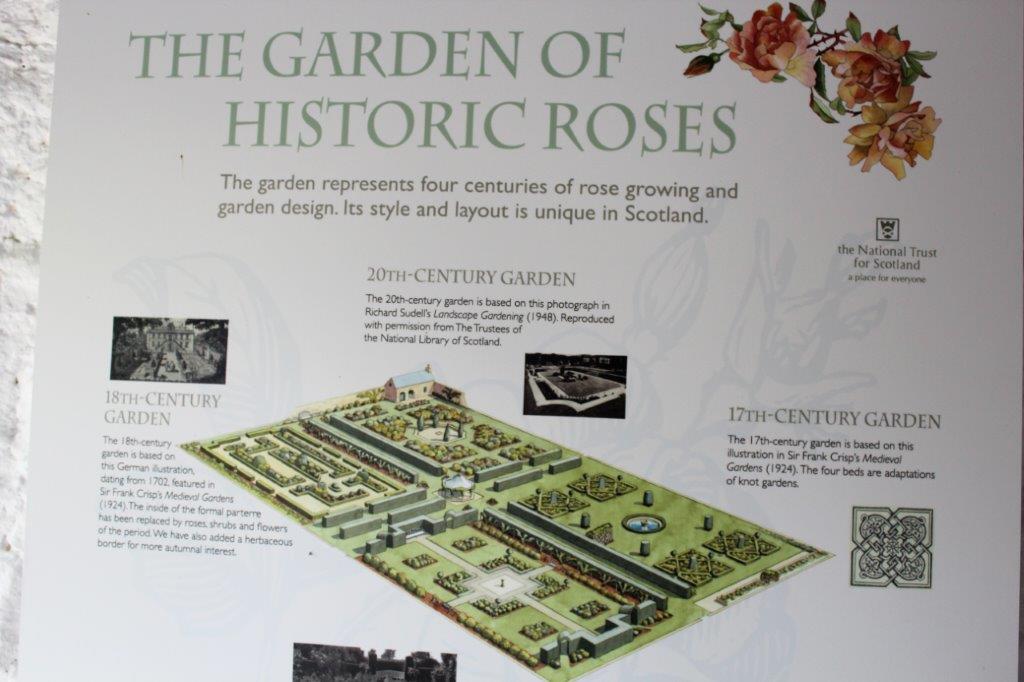
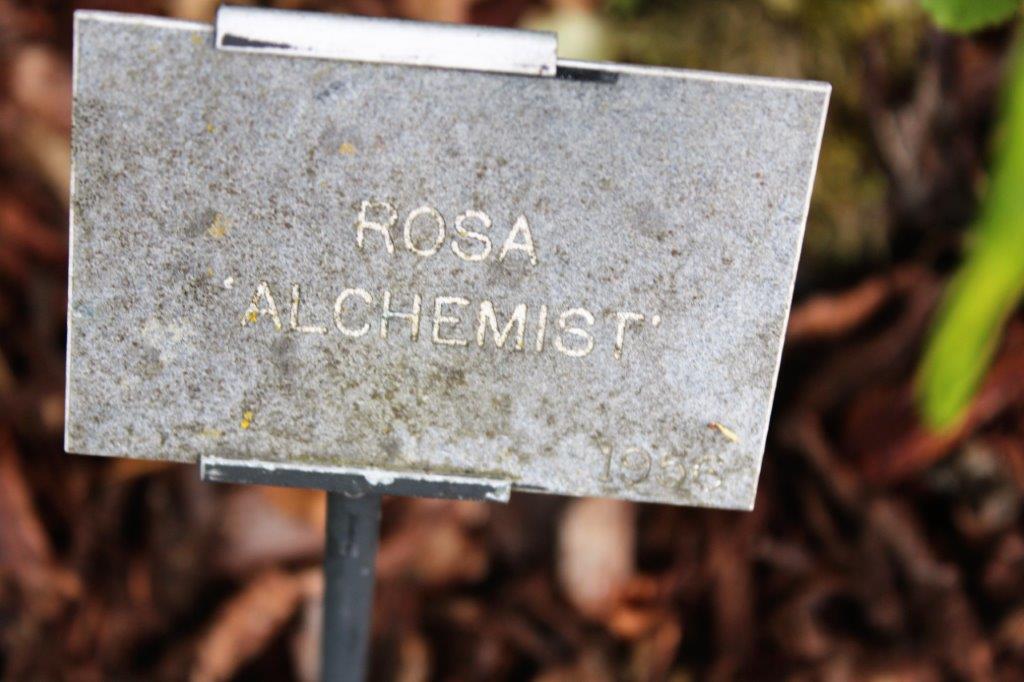
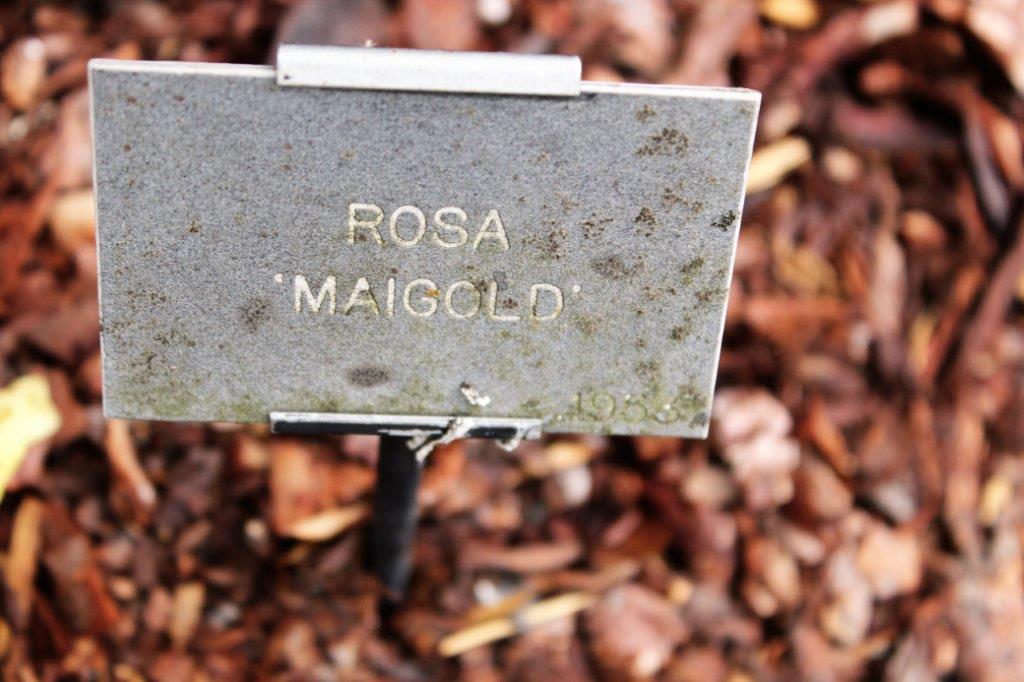
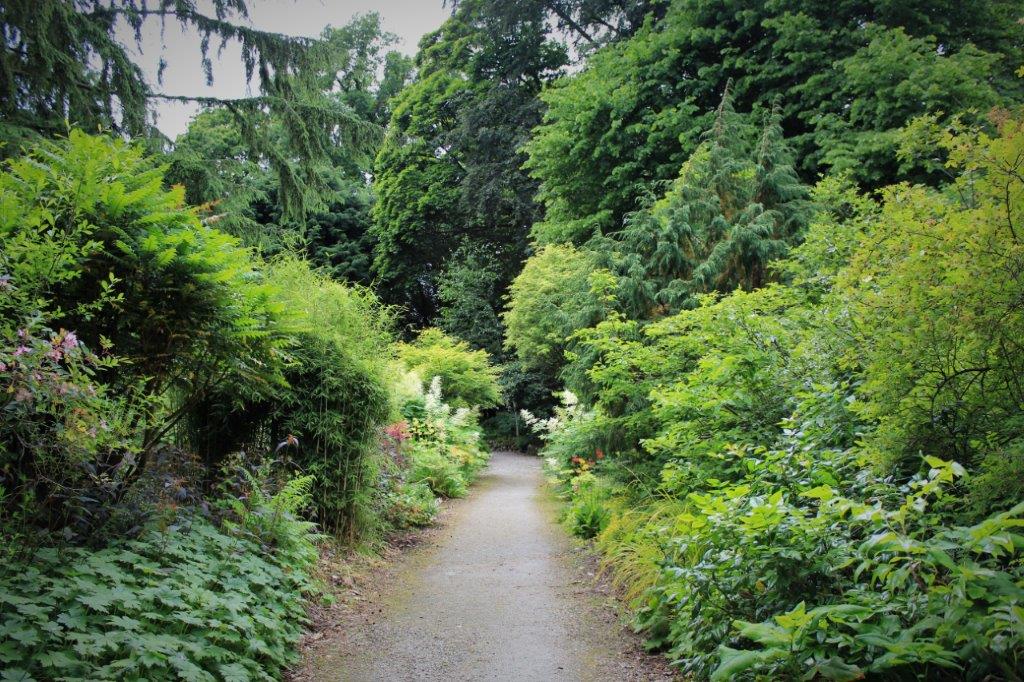
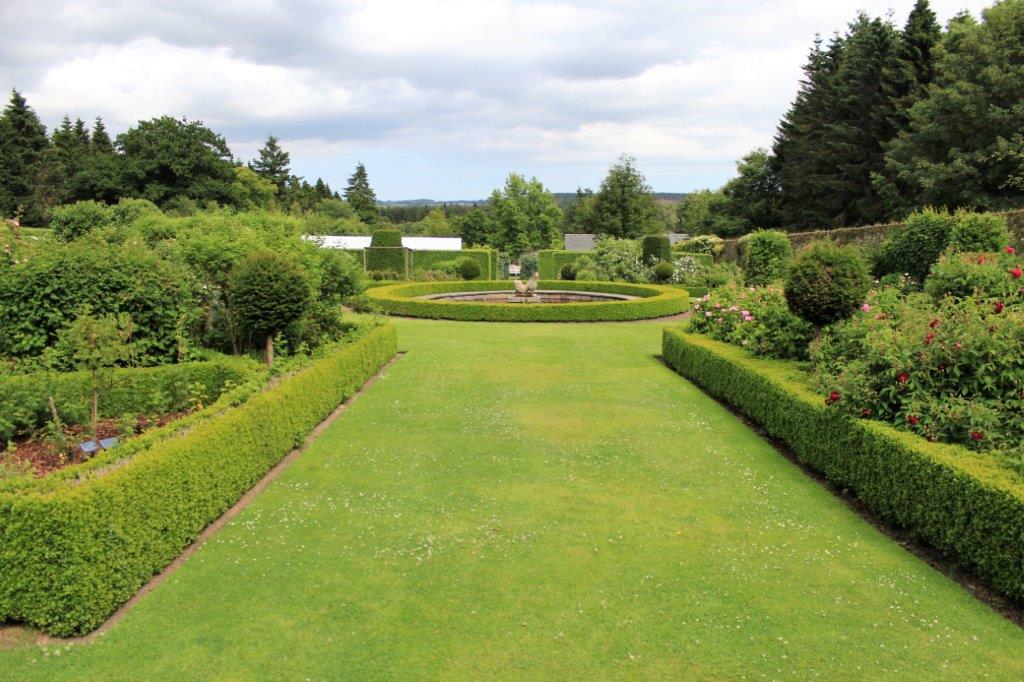
I don’t envy the people that have to keep all these hedges so neatly trimmed.There were several rose gardens, divided by the century in which they were created and popular. These information  placards  were  everywhere  in  the  garden. Drum Castle gardens are truly lovely. You could spend days taking photos there.  There are so many beautiful features and plantings.
2013 Summer (Baltic and Britain – Scotland – July 9 – Day 16 – Part 1)

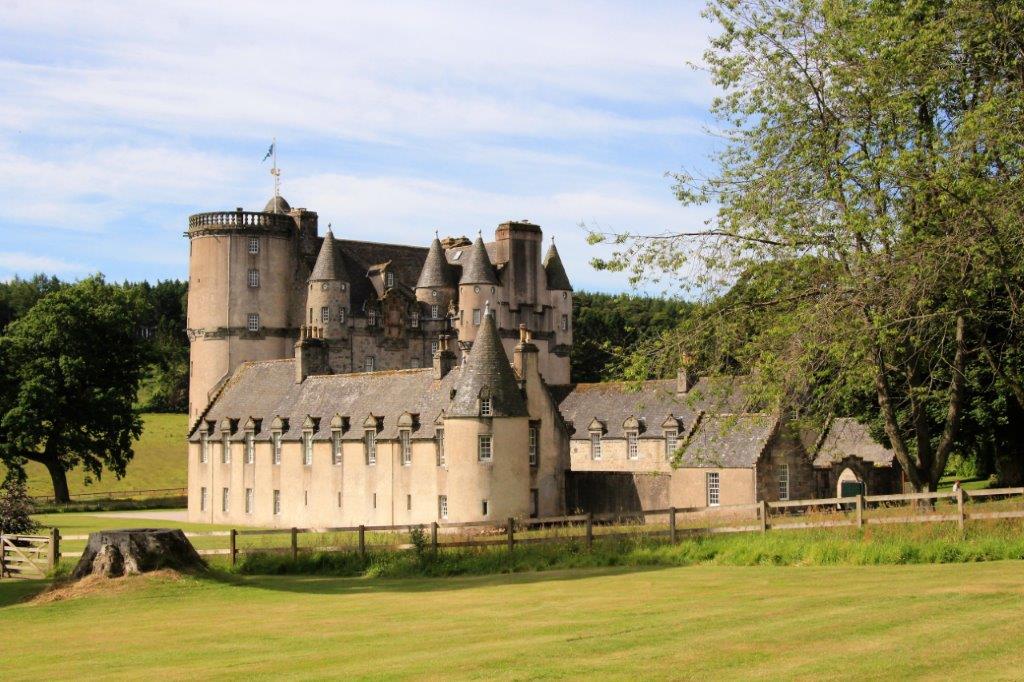
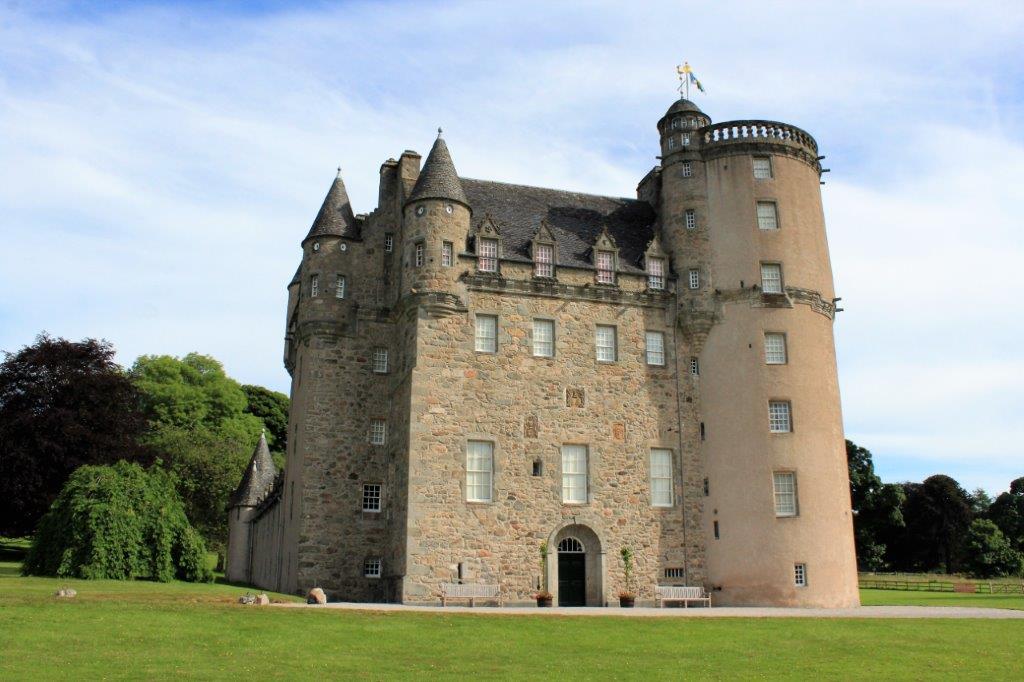
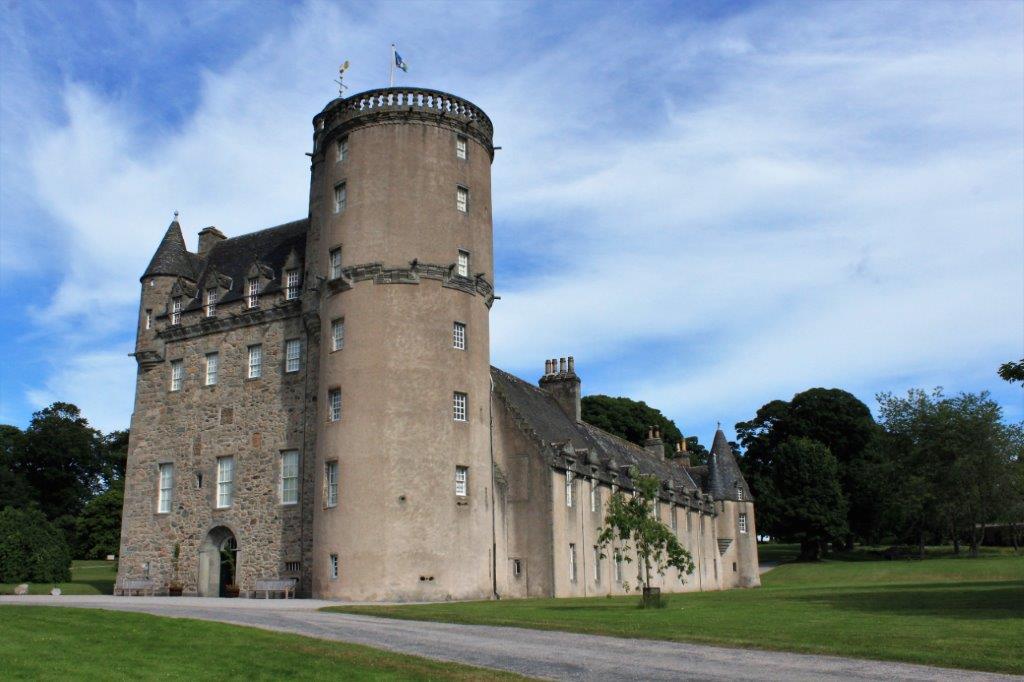
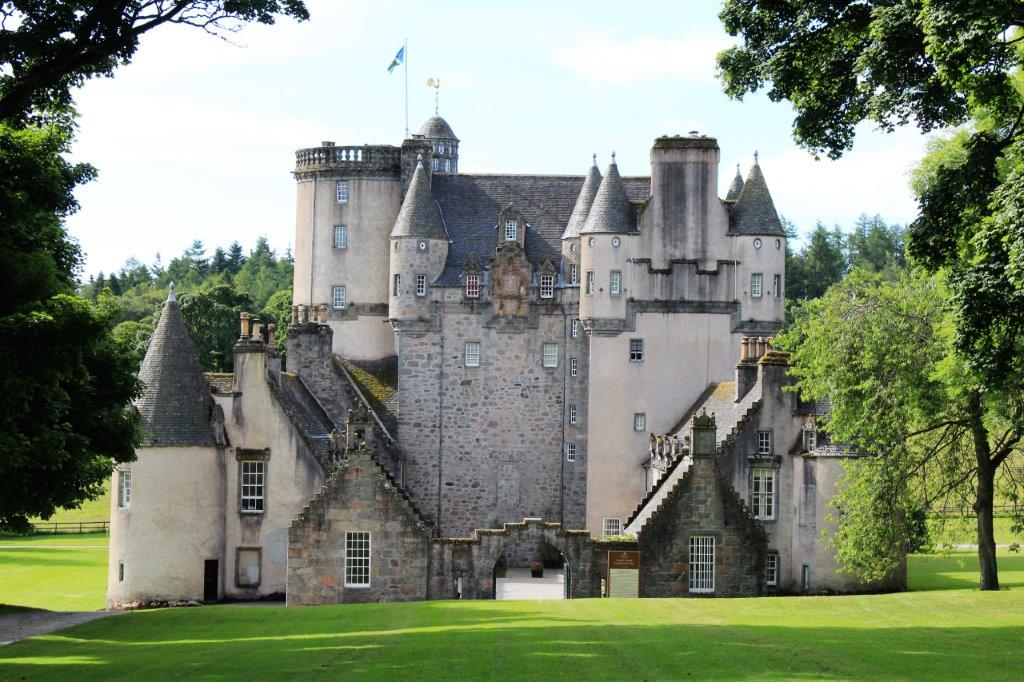
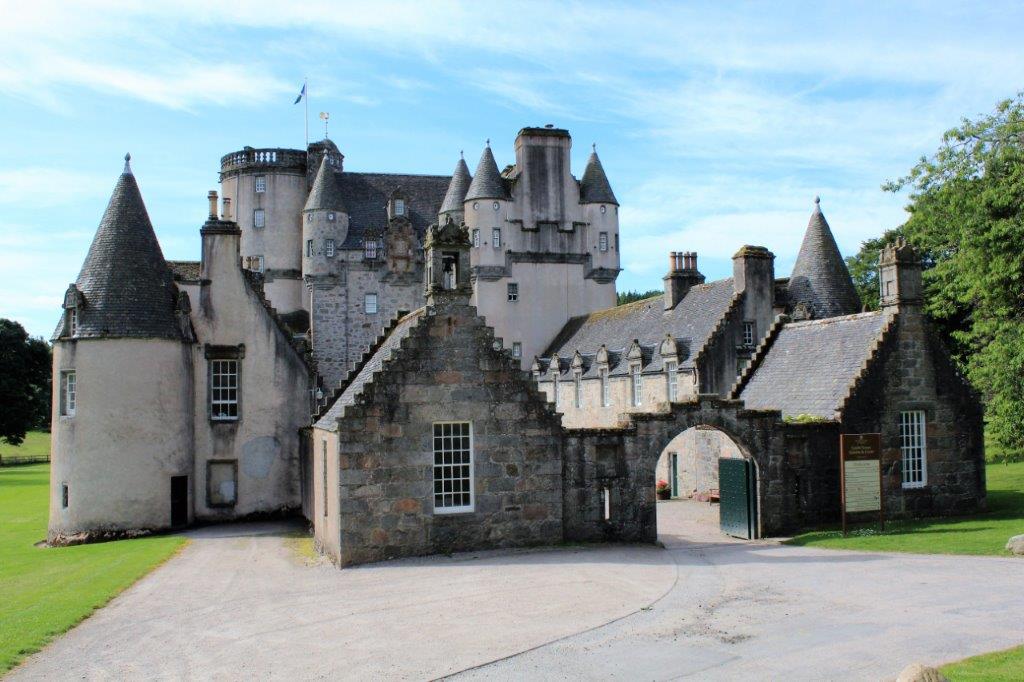
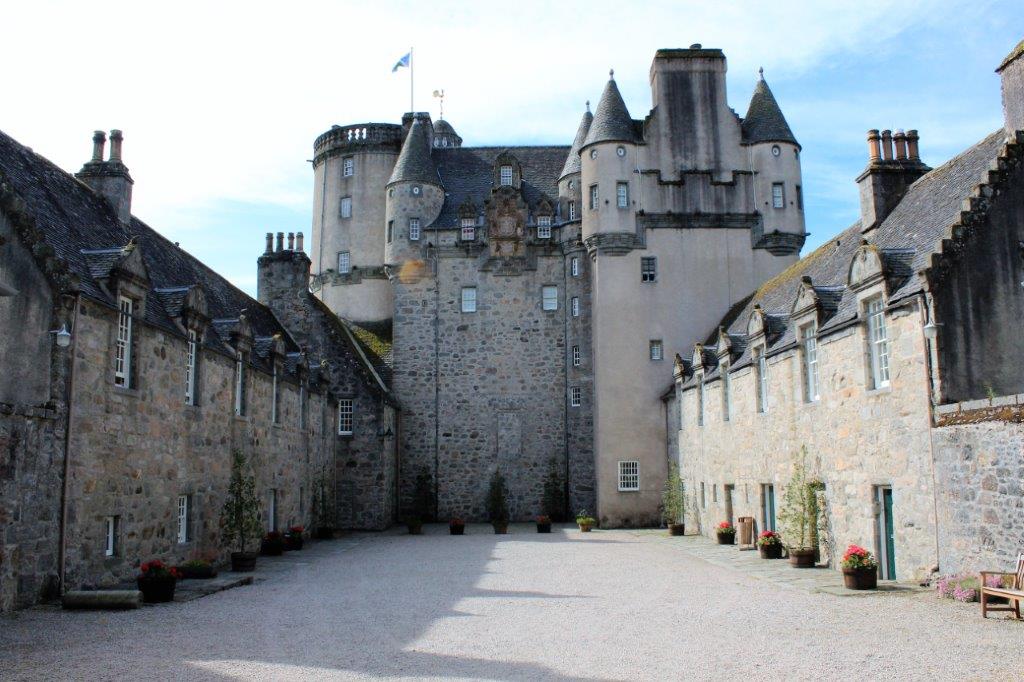
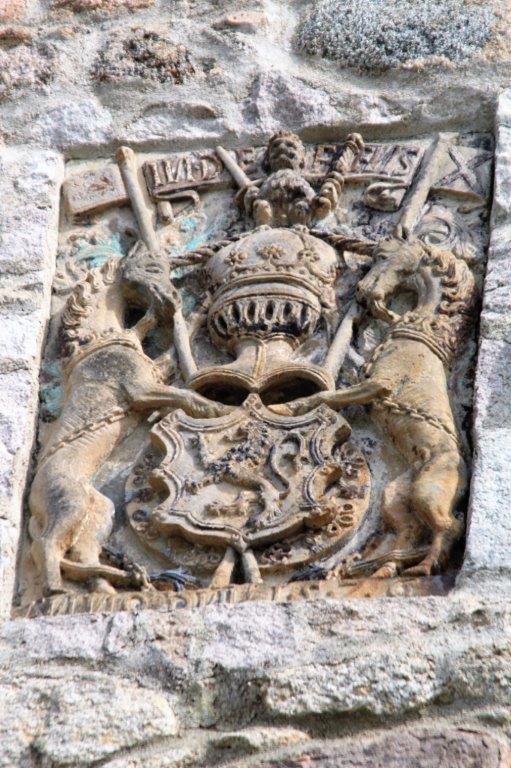
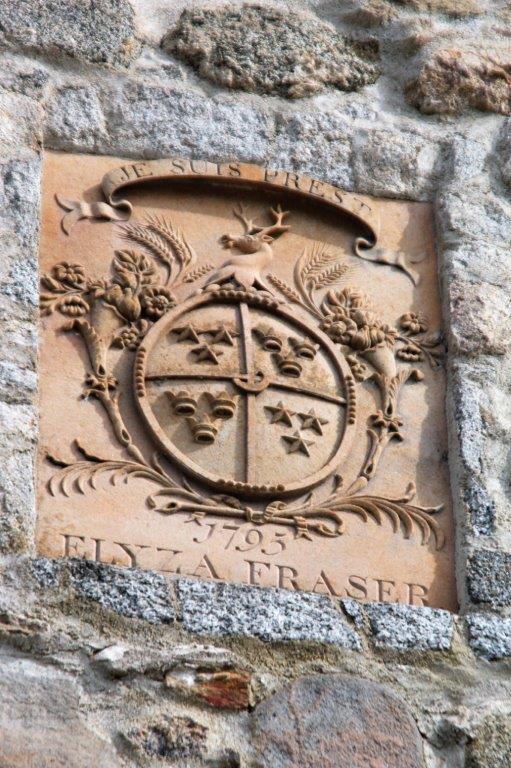
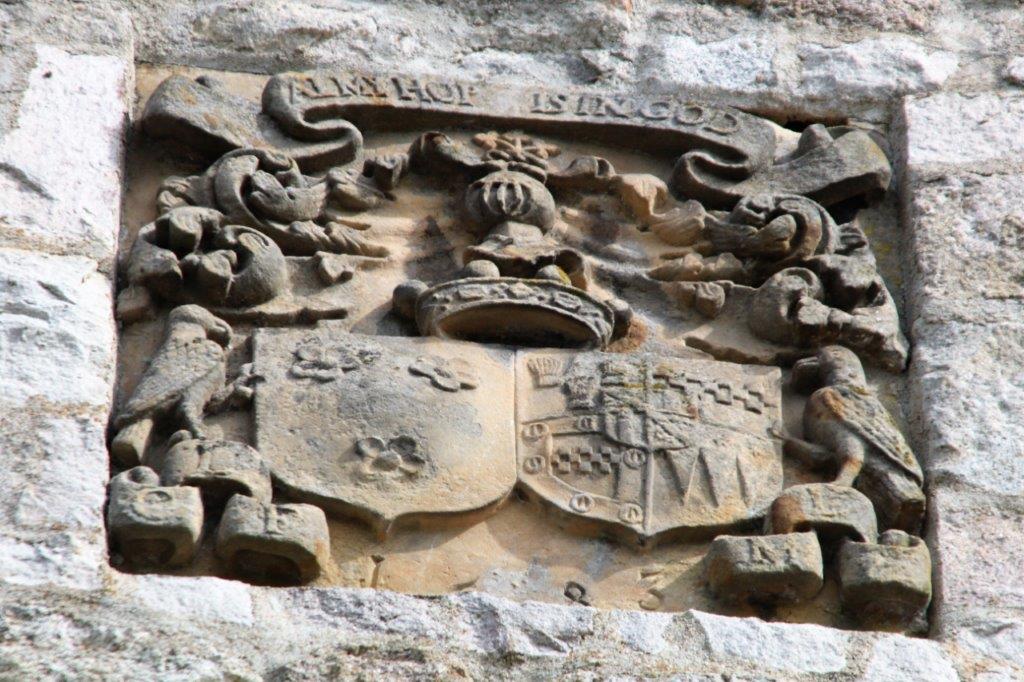
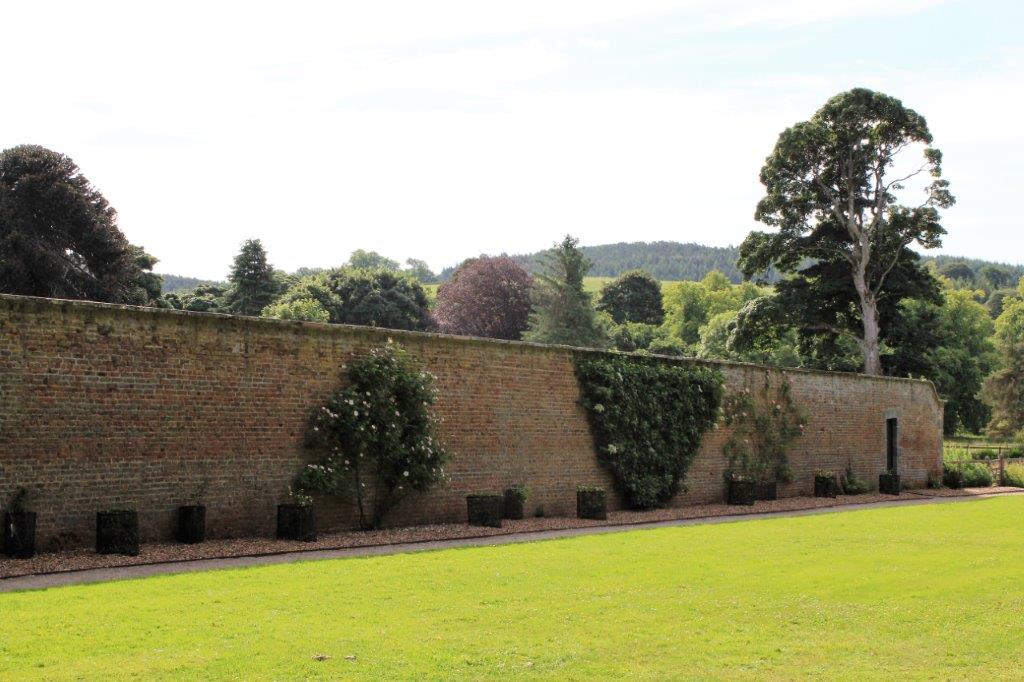
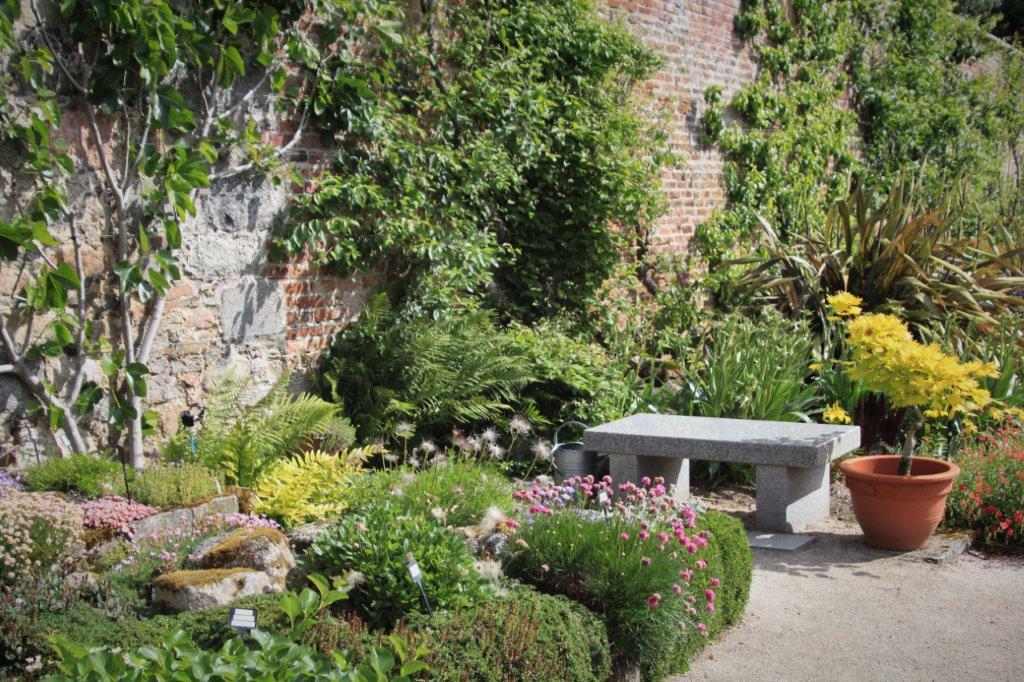
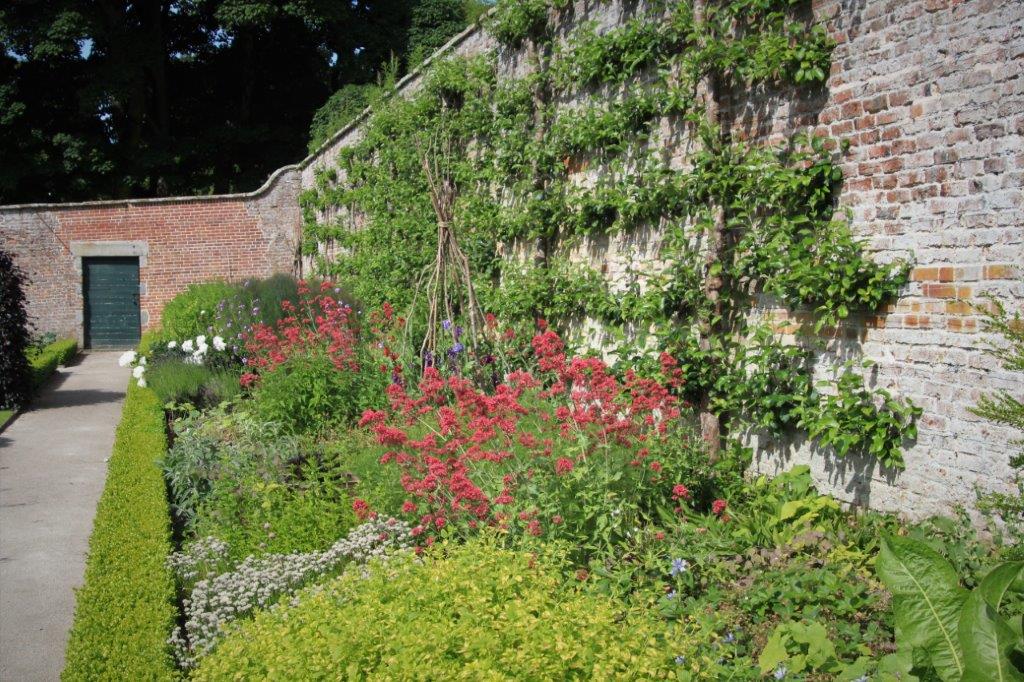
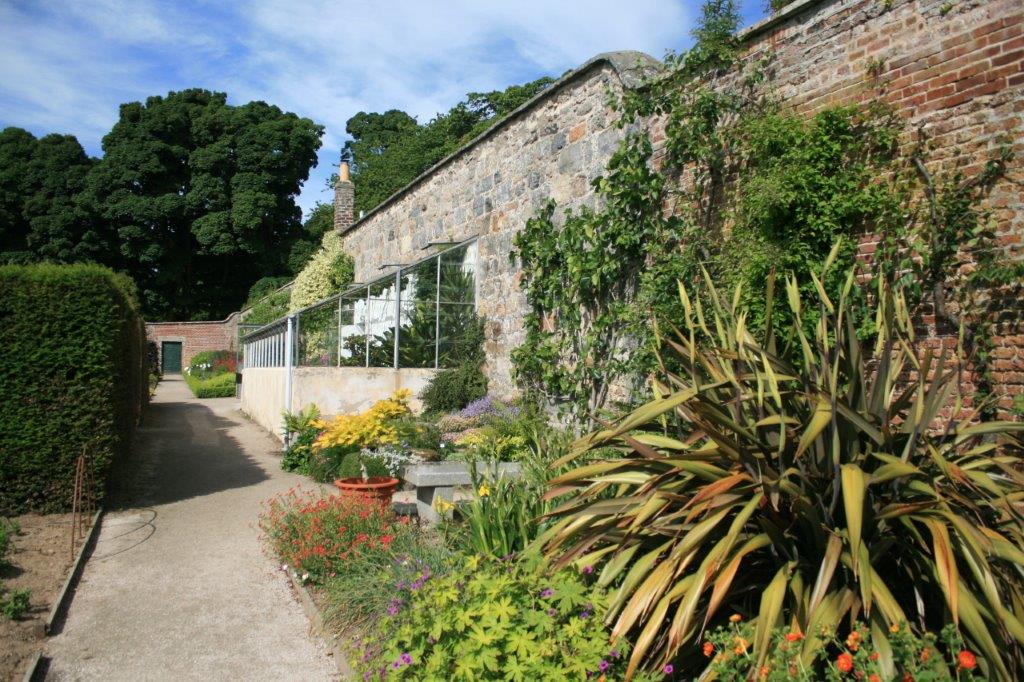
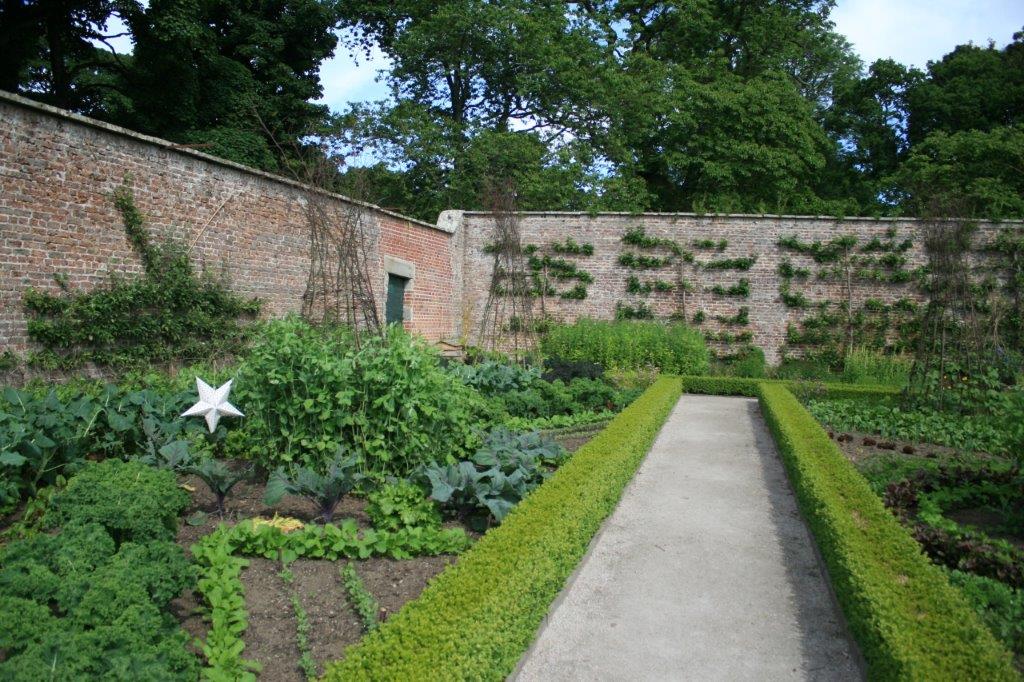
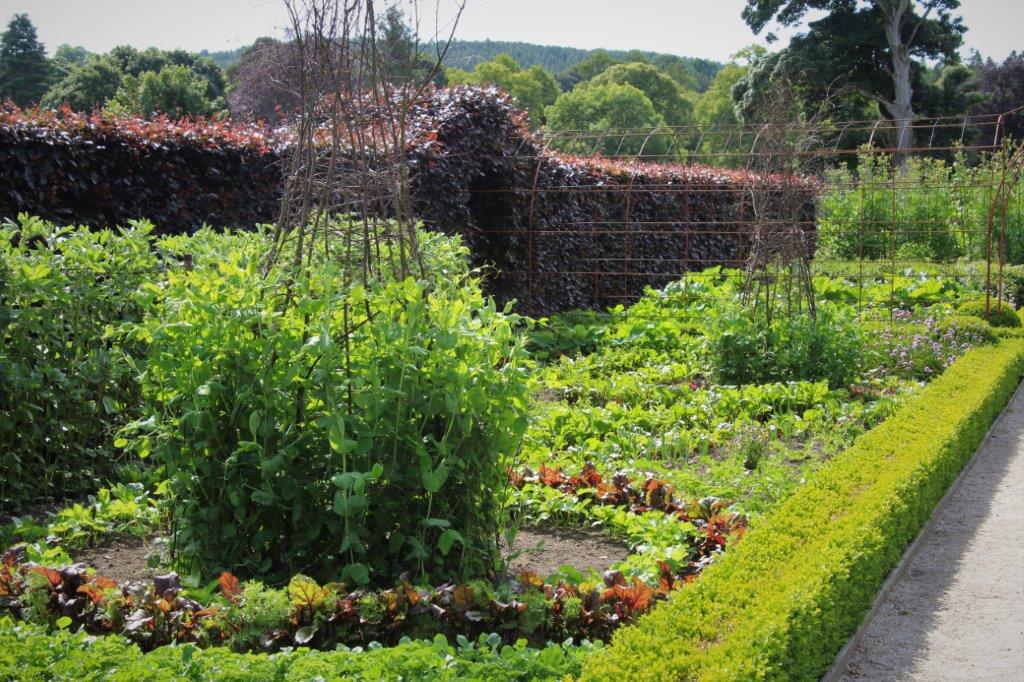
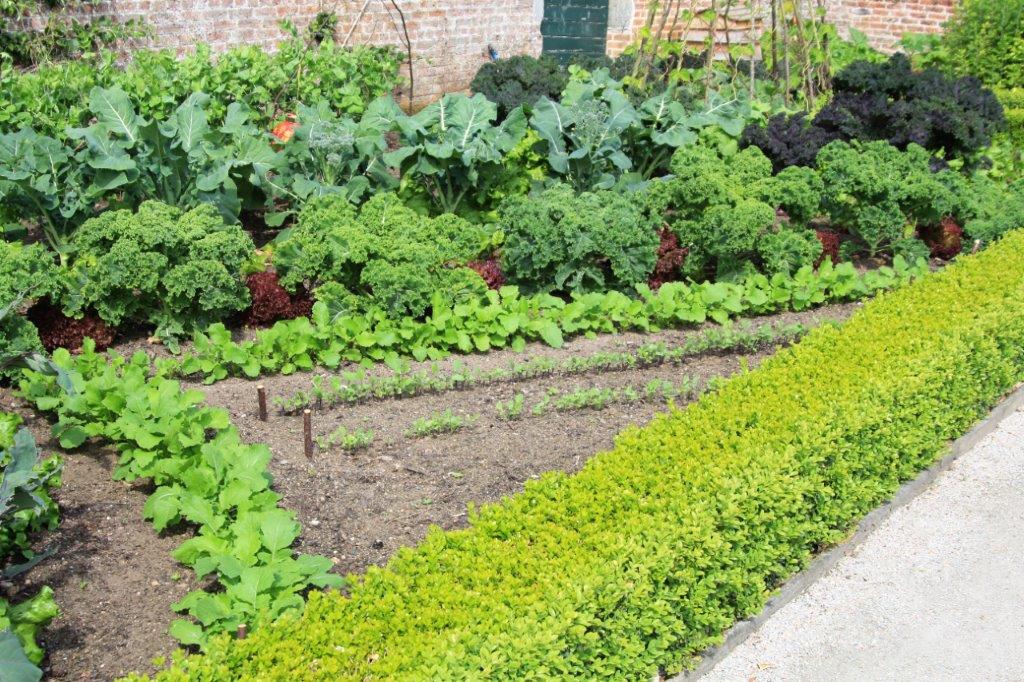
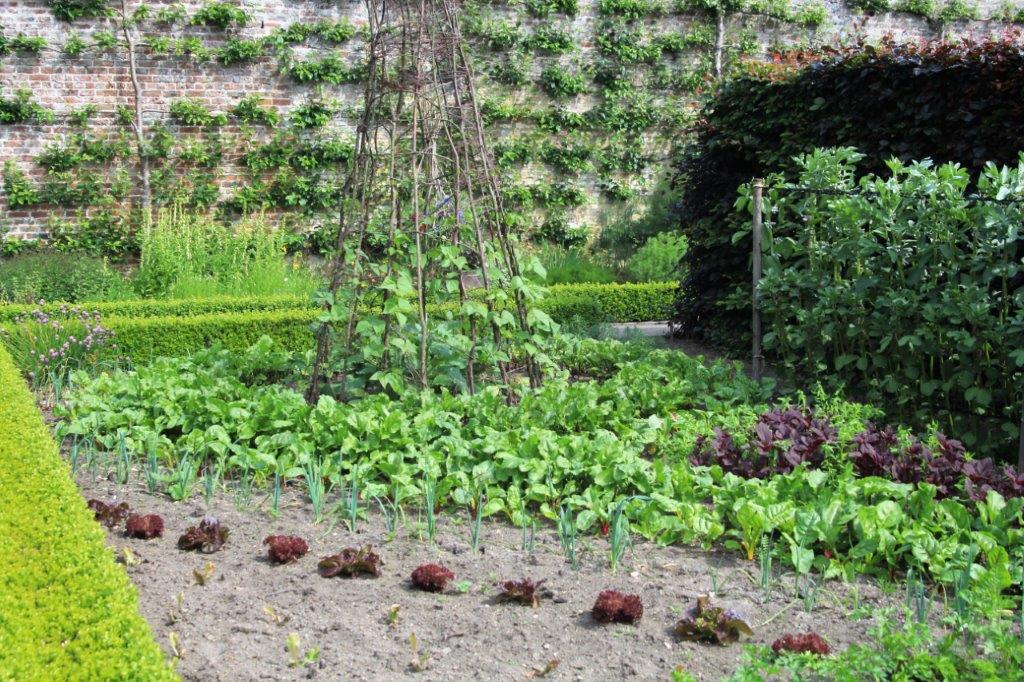
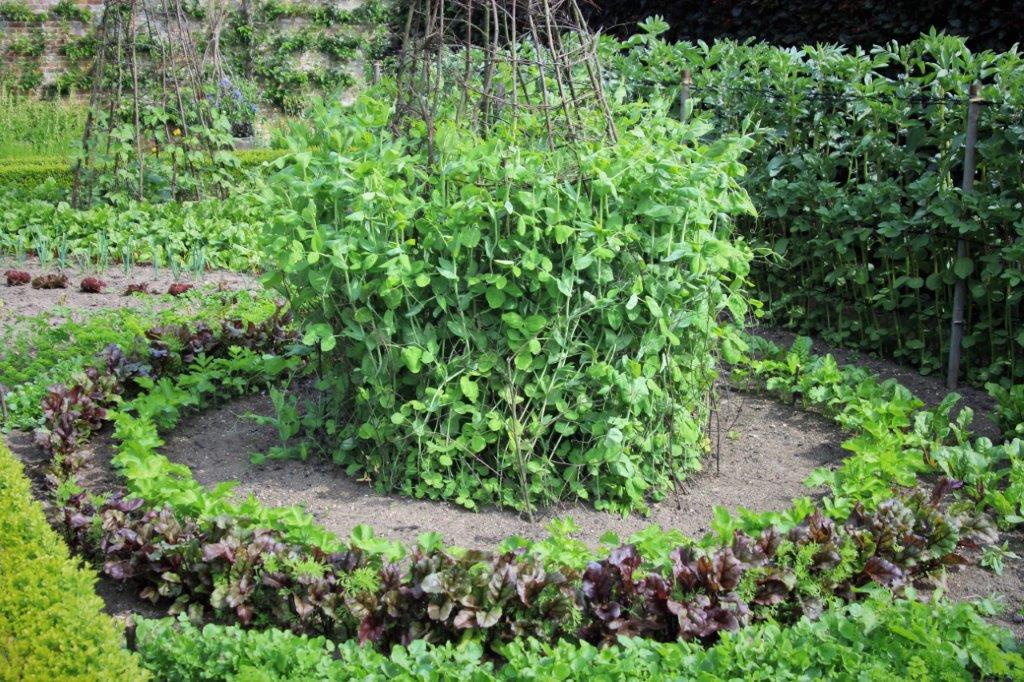
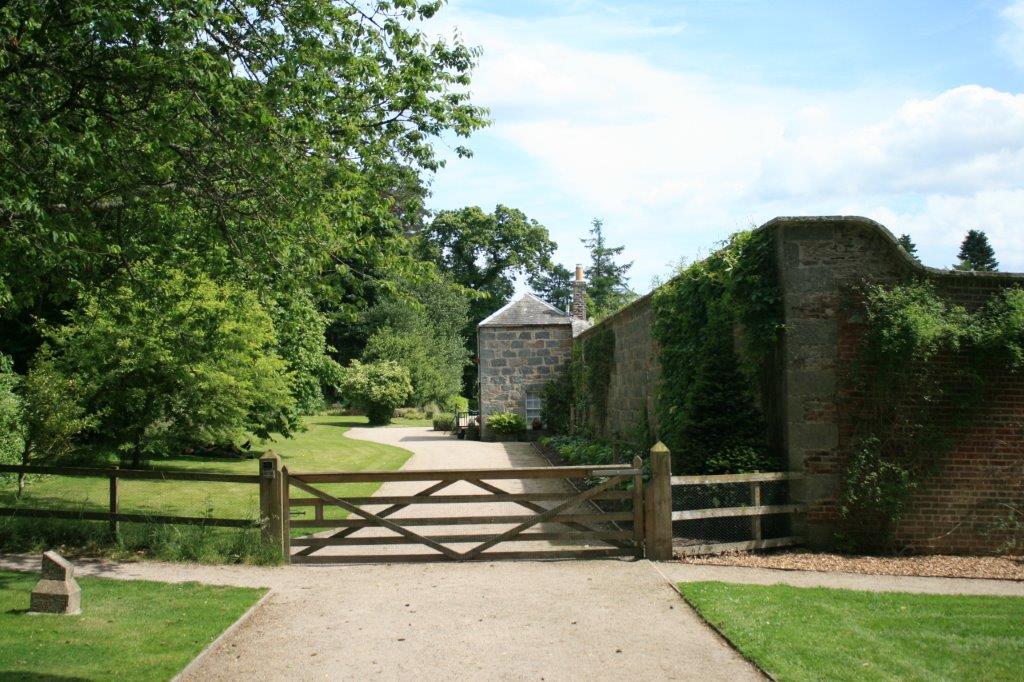
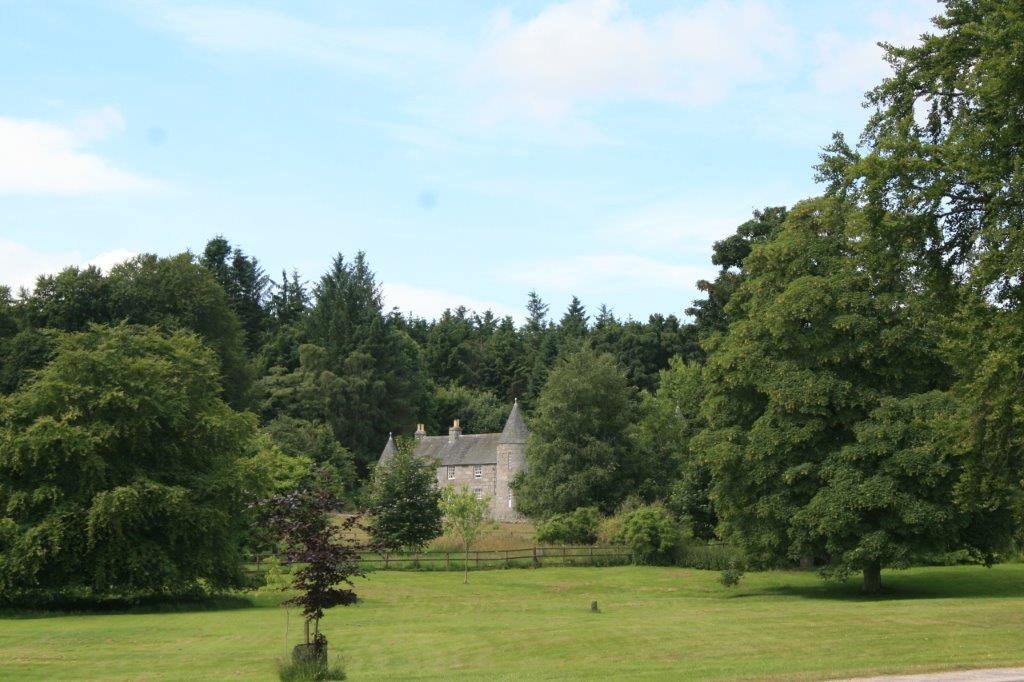
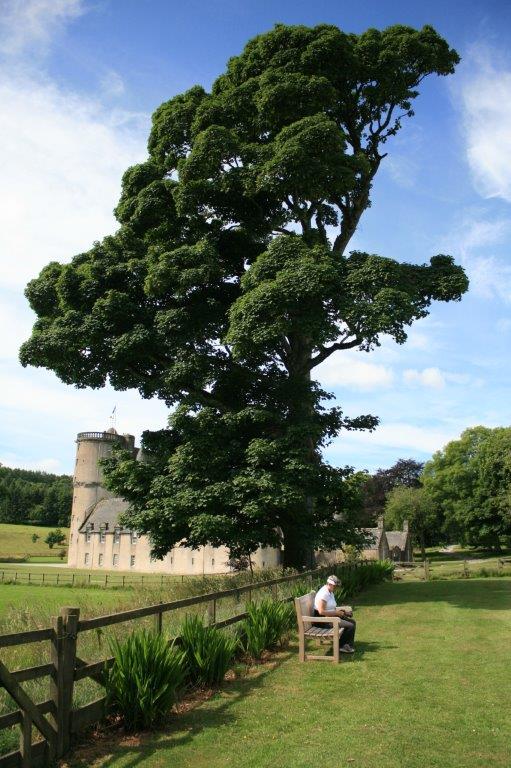
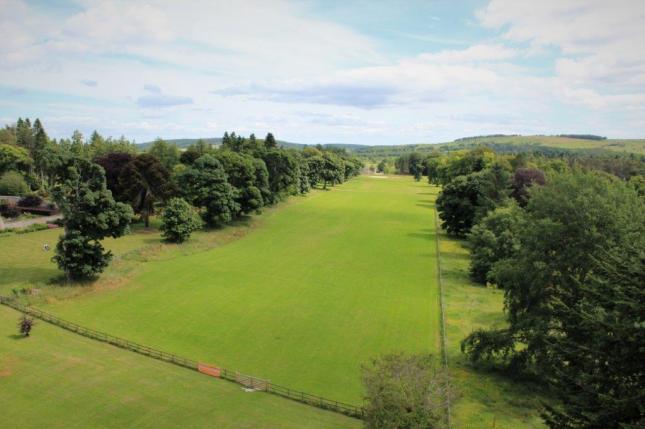
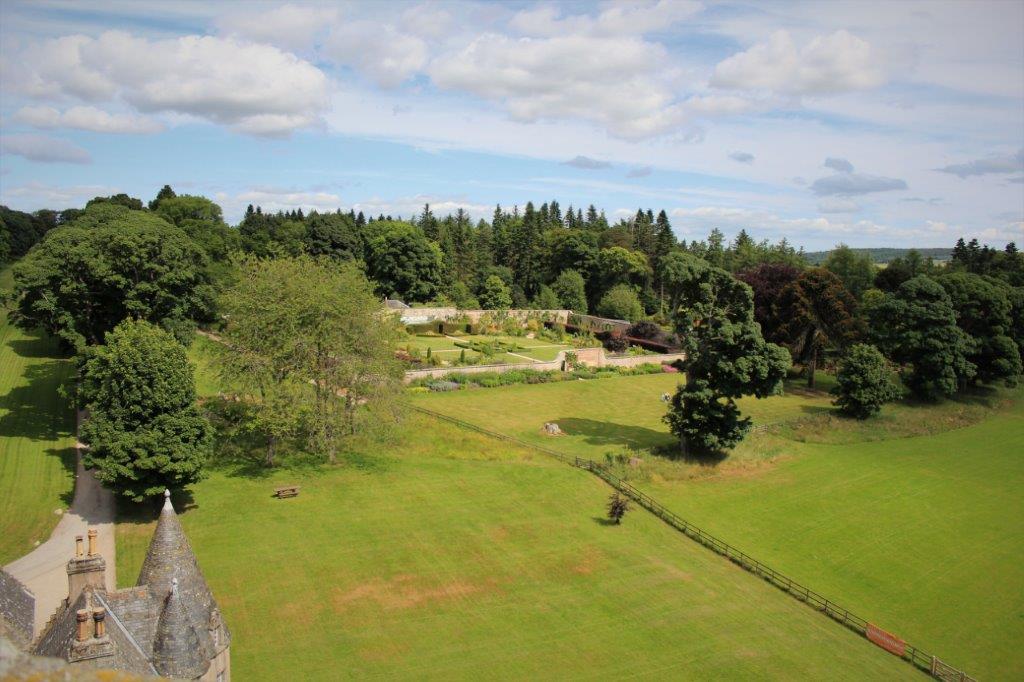
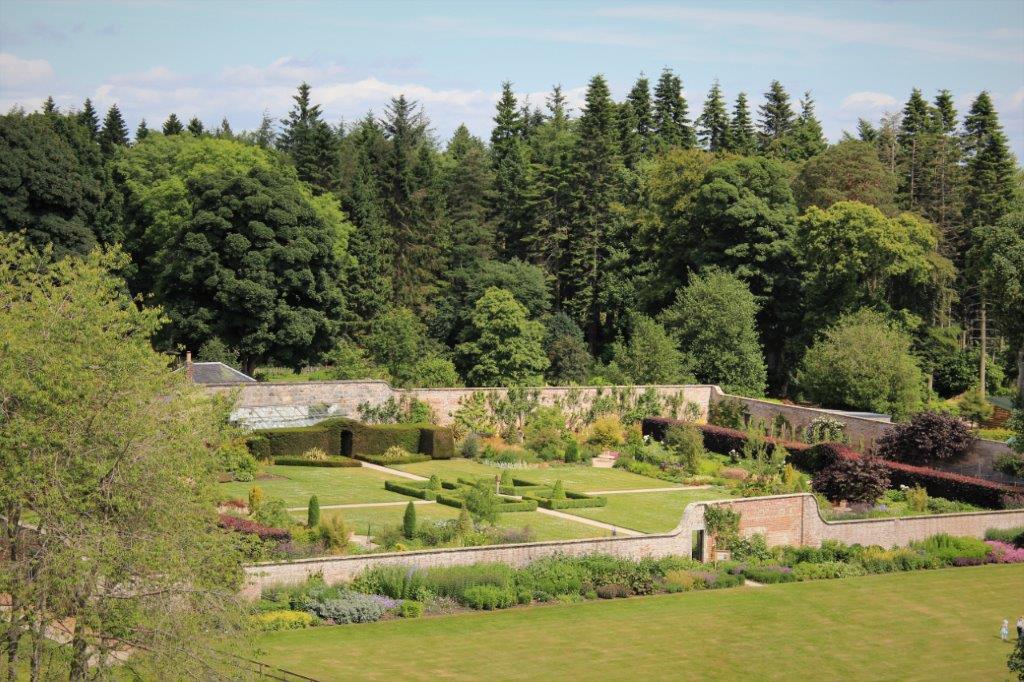
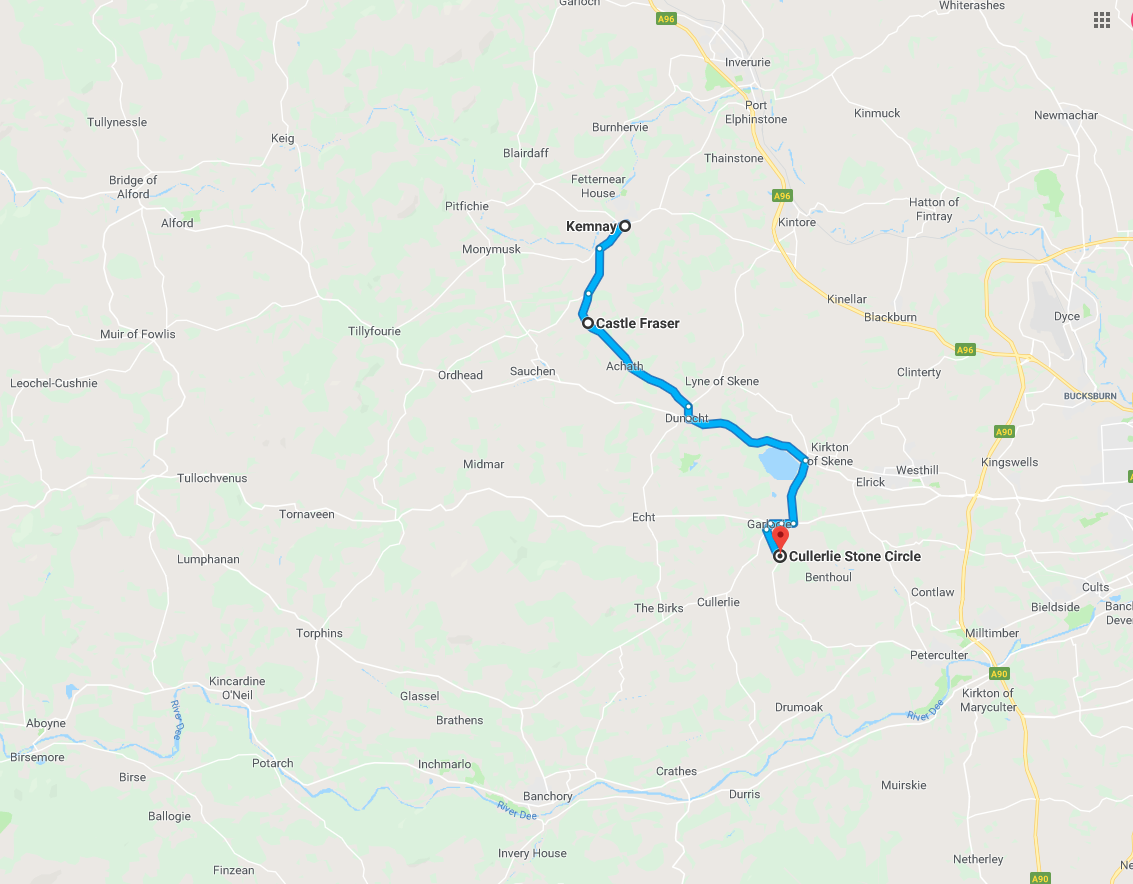
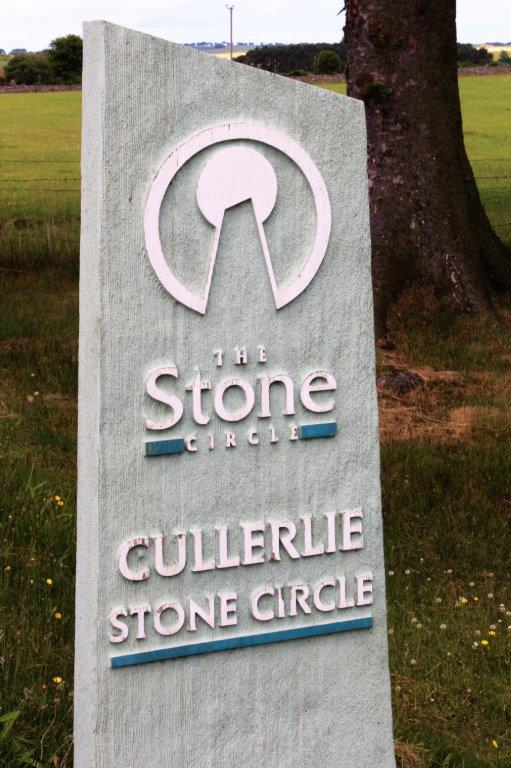
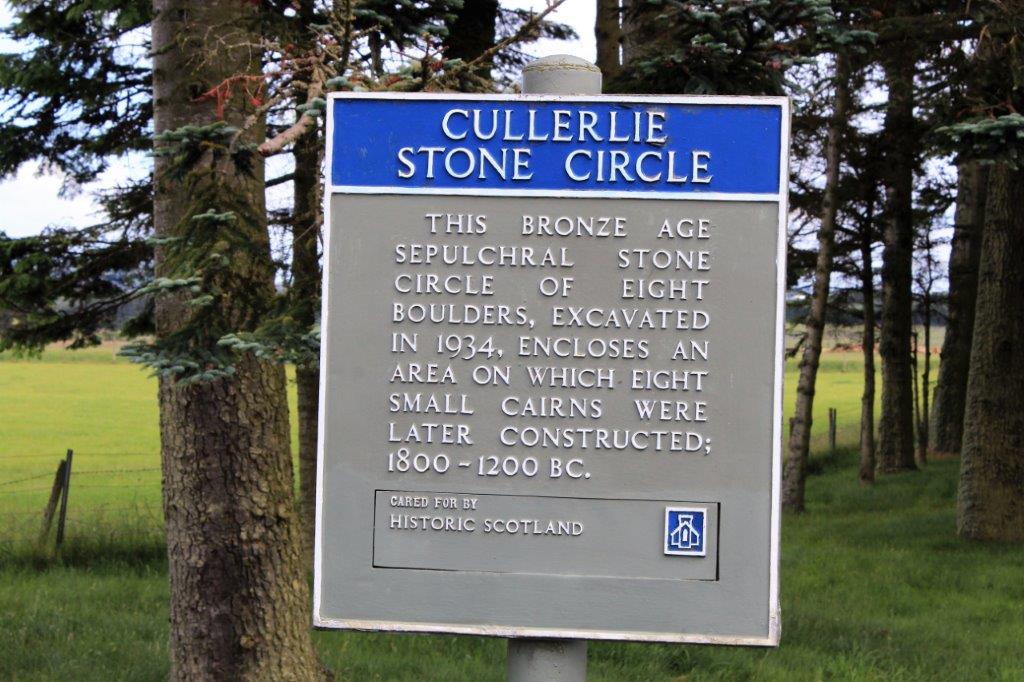
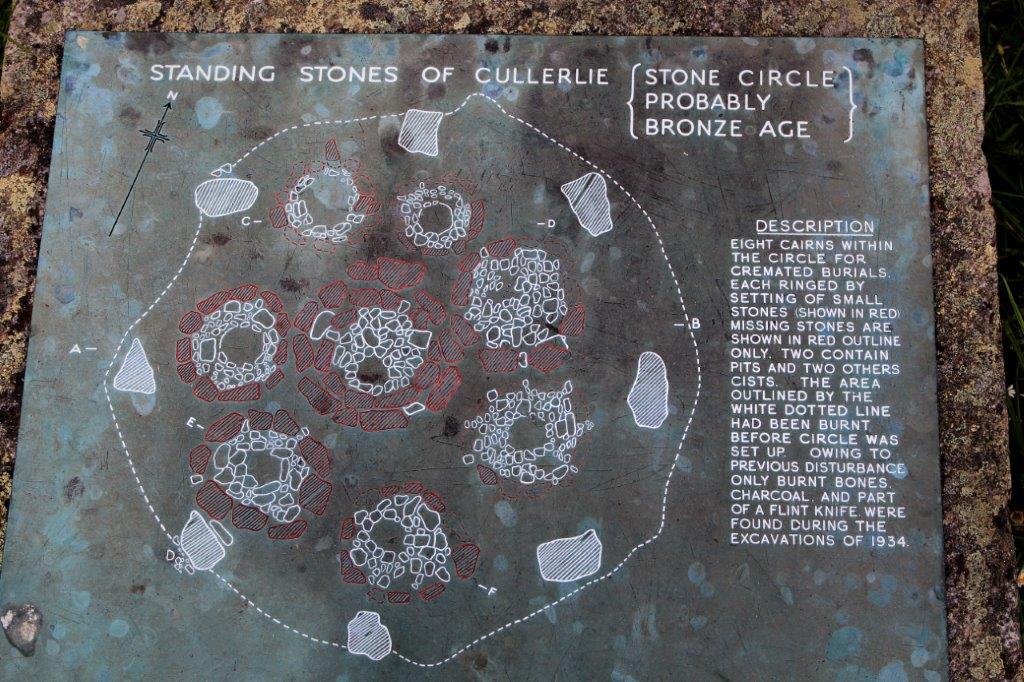
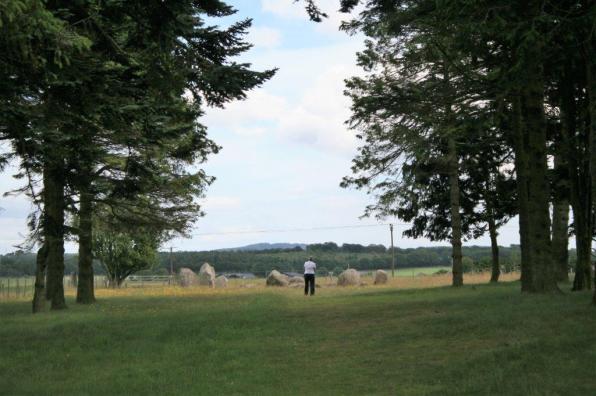
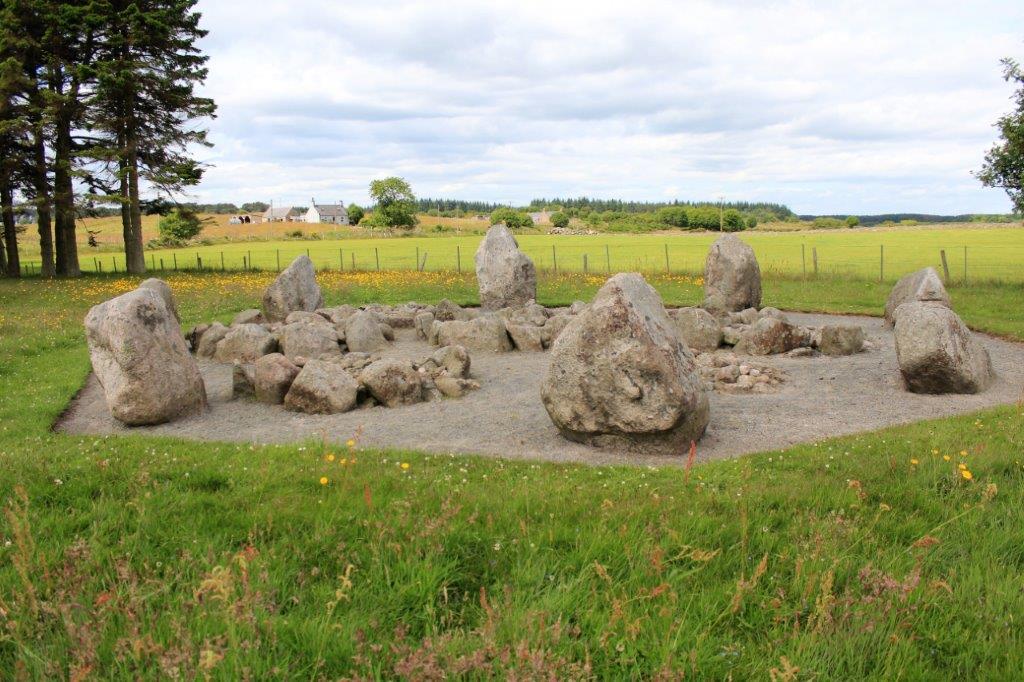
Kemnay sits just southwest of Inverune which is not too far from Aberdeen.  We left our B & B at 9:30 and made the short drive to Castle Fraser.  The castle is an imposing sight as you approach along the Broad Walk; an impression the lairds intended.  The present castle took shape between 1575 and 1636 – a statement of pride for the Fraser family and a show  of strength to any potential foes. Unfortunately the castle was closed for some reason the day we were there.  There is a lovely walled garden just off the Broad Walk and the gate was open so we took a wander around. Only an avid gardener would consider planting their vegetable garden in decorative shapes. Once we toured the walled garden we climbed to the top of the tower to see the expansive view.. A bit of a zigzag route SE brought us to the Cullerlie Stone Circle, another one of the ancient cairns that dot the Scottish countryside.  Cullerlie is a circle of eight stones enclosing an area consecrated by fires on which eight small cairns were later built.

Our next stop this day was Drum Castle and Rose Garden.  This was on my list to check out for my sister who has over 600 roses in her garden.  I had heard that Drum had an extensive rose garden with many heritage roses so I thought I would go see some in her stead. (To be continued in Part 2)

2013 Summer (Baltic and Britain – Scotland – July 8 – Day 15 – Part 2)

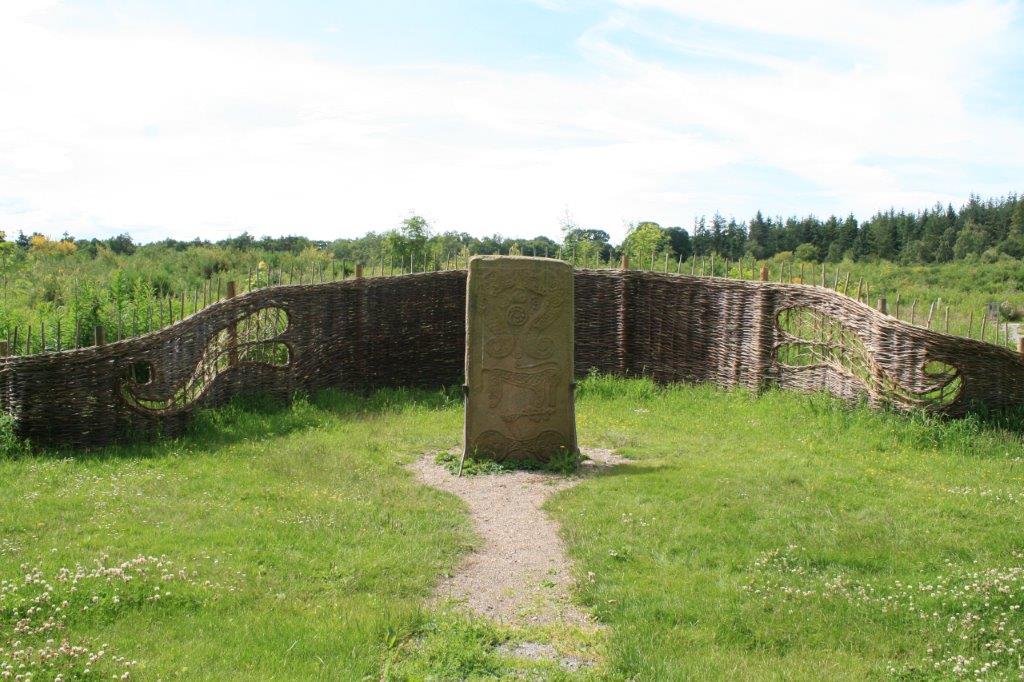
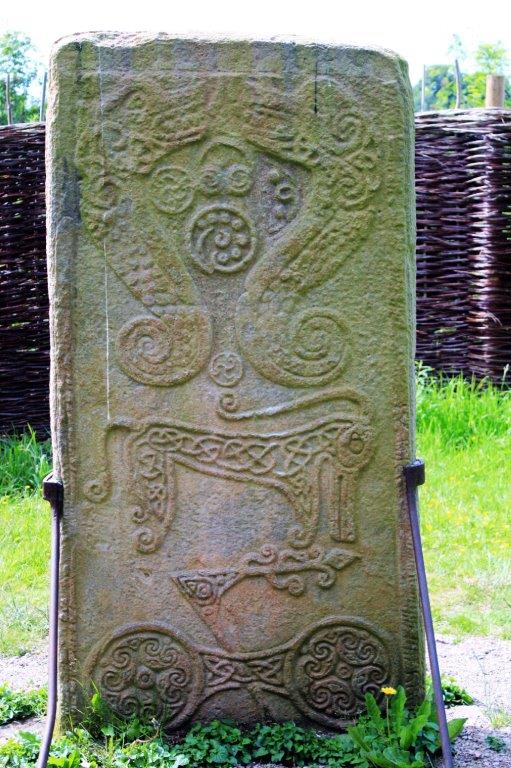
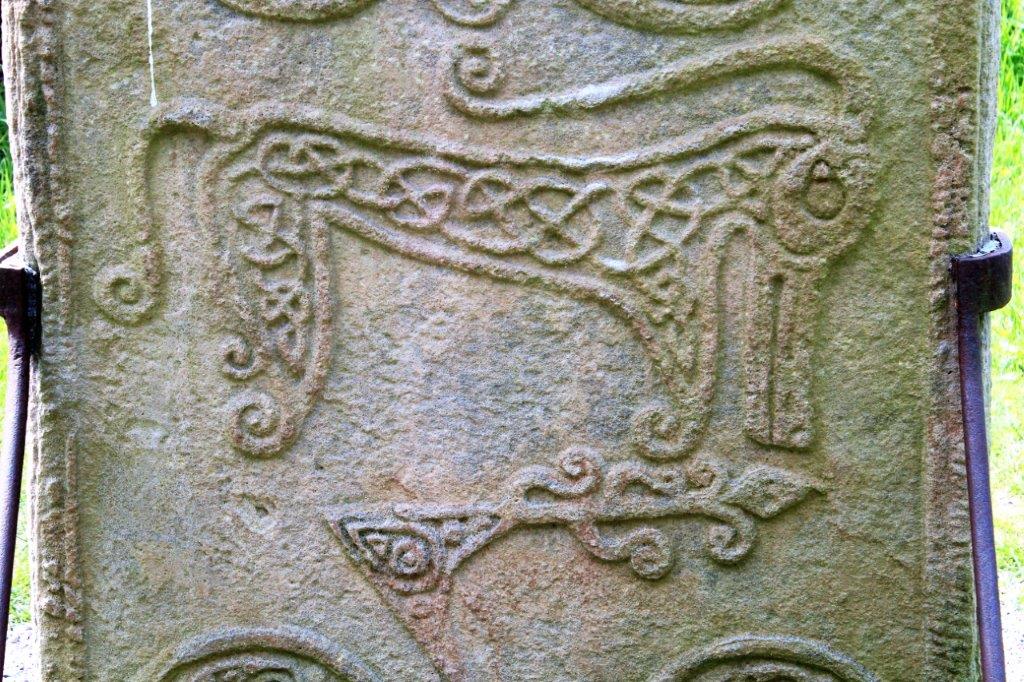
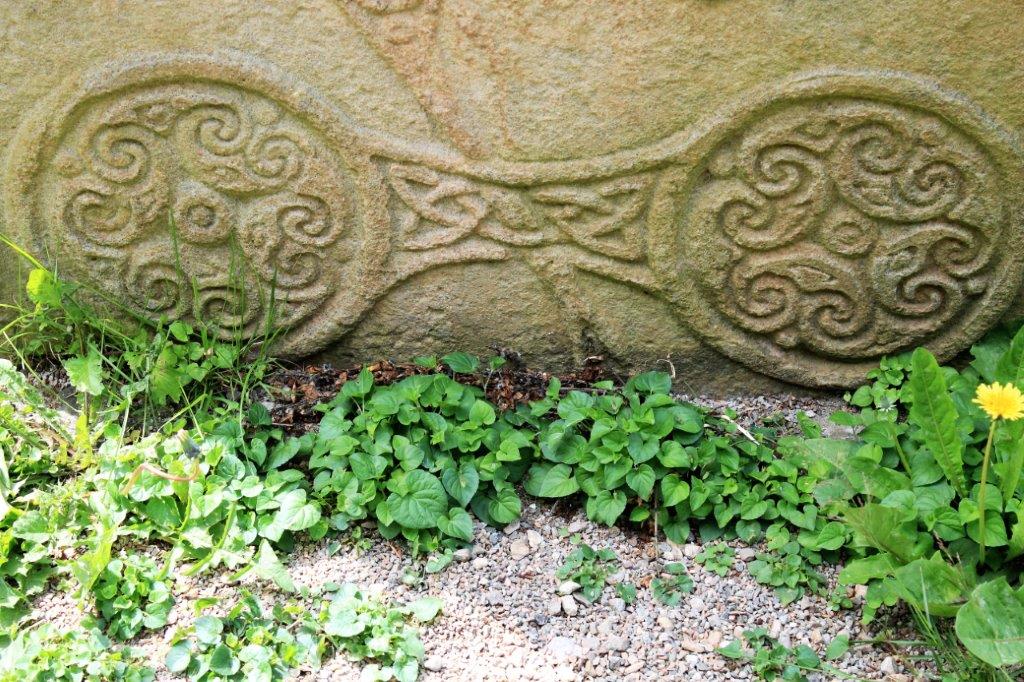
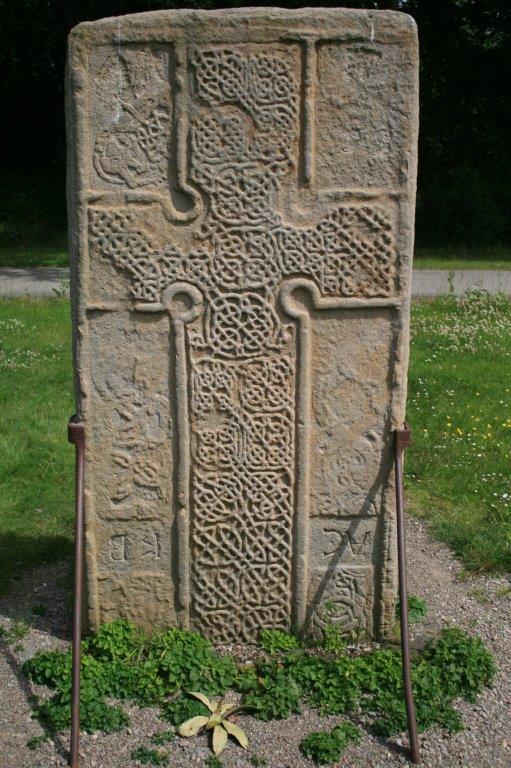
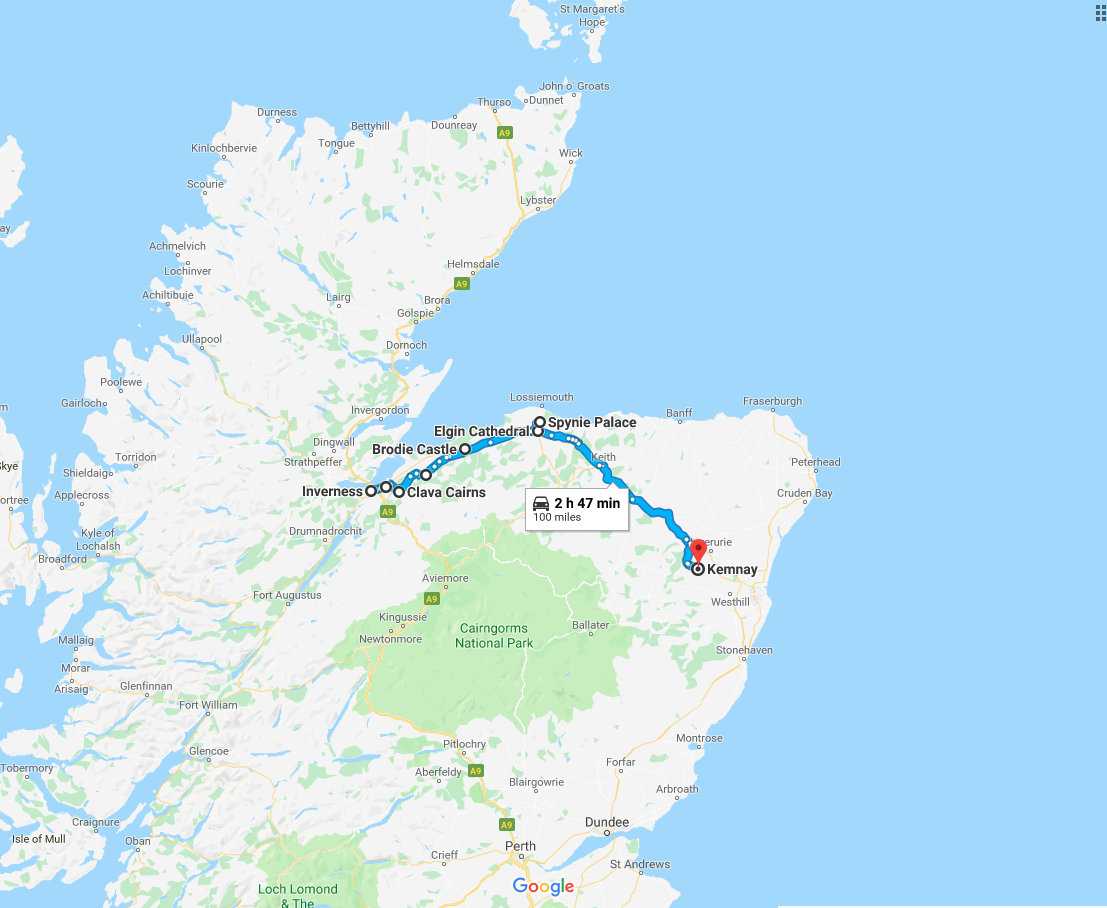
Cawdor Castle is just a little further along Highway A96 past the Clava Cairns.  We arrived just after the noon hour and waited in a long line at the entrance kiosk.  Over a half hour later we learned that the credit card machine wasn’t working (the vehicles in front of us wanted to pay with their card) so we decided to keep going up the road and visit Brodie Castle instead. There were some very interesting old stones at the entrance to Cawdor Castle.

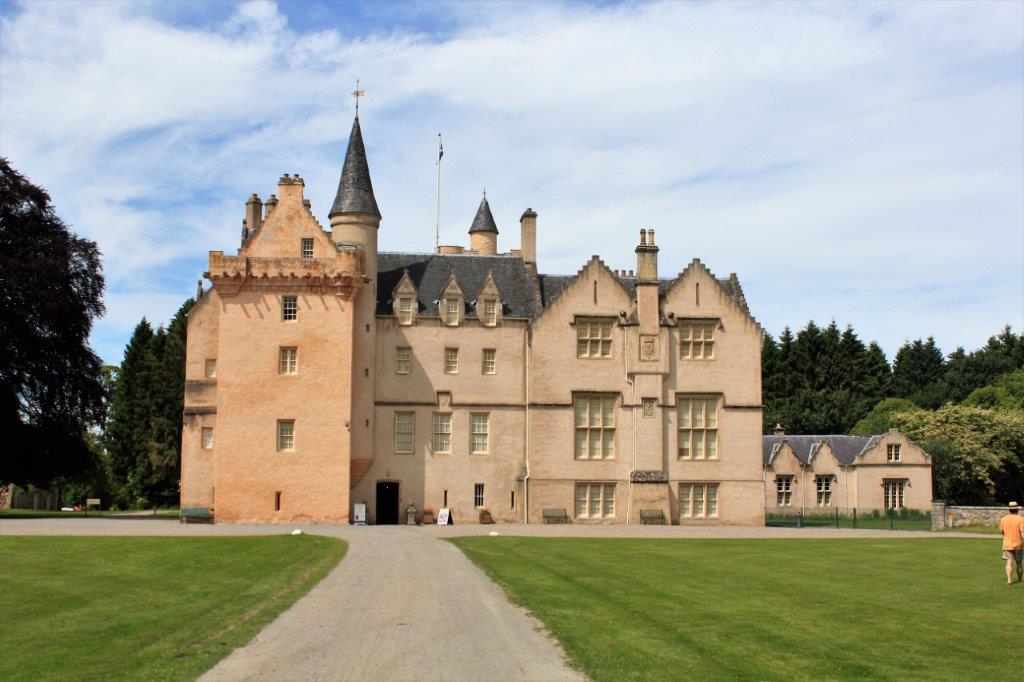
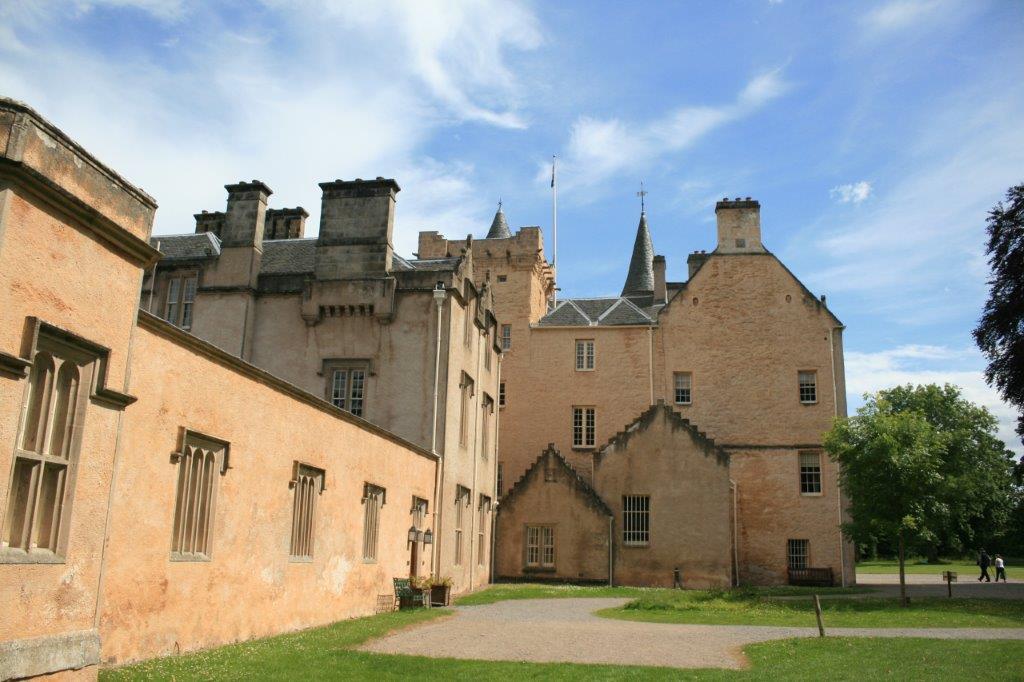
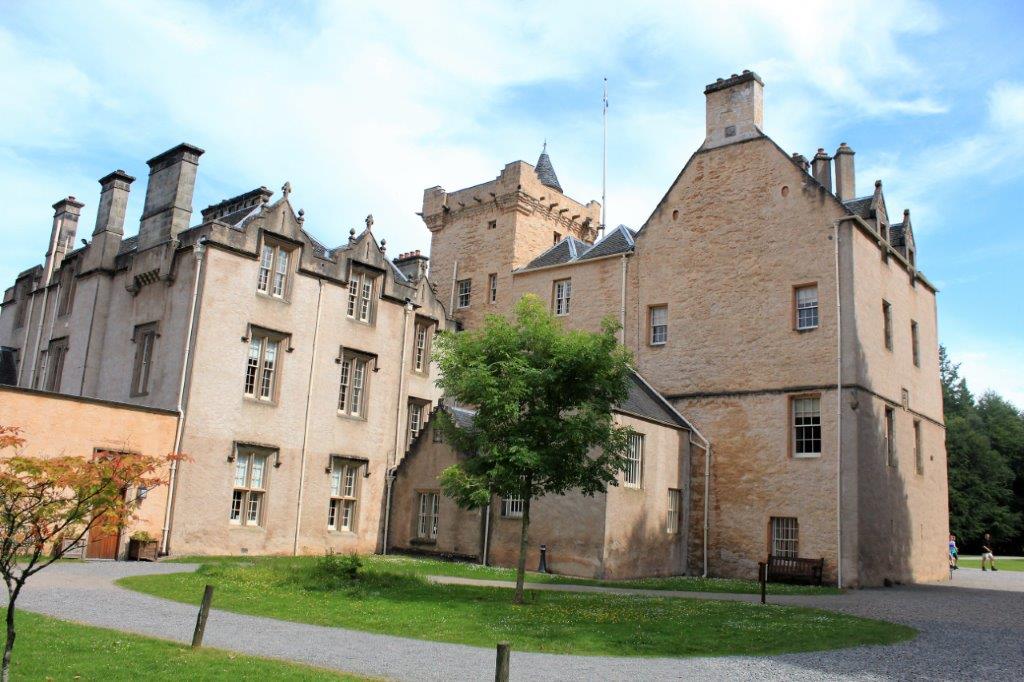
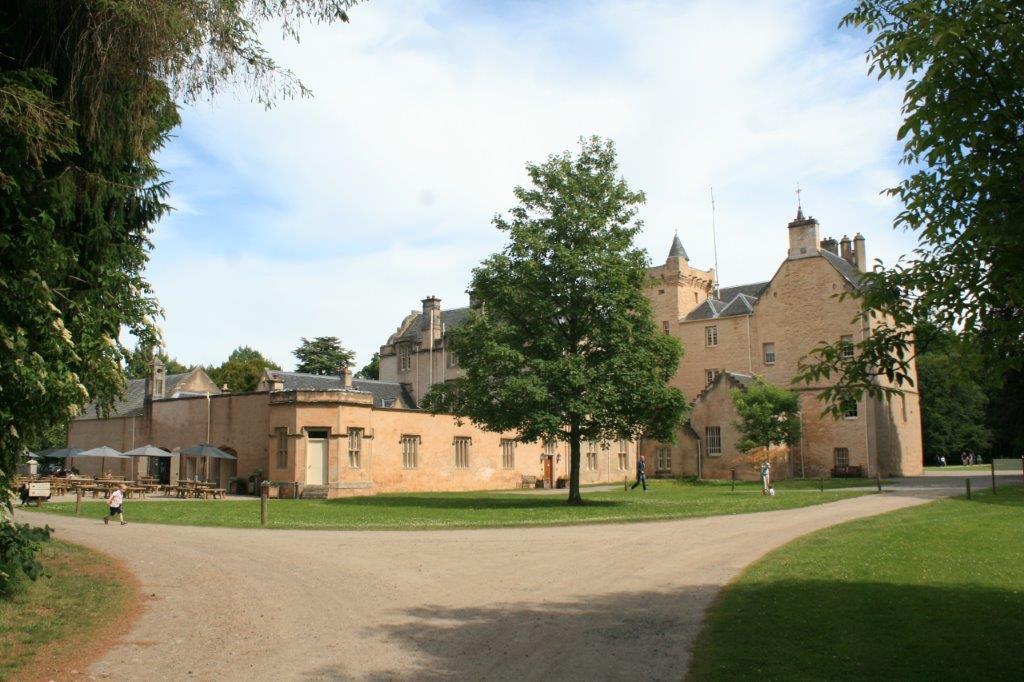
Brodie Castle is a 16th century tower house and is packed with art and antiques including French furniture, English, continental and Chinese porcelain, a major collection of paintings including 17th-century Dutch art, 19th-century English water colours, and early 20th-century works by several famous Scottish colourists.  The fabulous library contains about 6,000 volumes.

The castle was the home of the Brodie family until the late 20th-century.  Brodie’s lived in the area even before the first tower house was built in 1160 when it is believed that King Malcolm IV of Scotland conferred the land on the family.  The main tower has been enlarged several times and has a 17th-century wing and a Victorian extension. I thought  it  a lovely  place.  I really  liked  the  reddish blond  stone. The 24th laird, Major Ian Brodie, became a world-renowned breeder of daffodils and over 400 varieties are planted on the castle grounds.  The last laird was estranged from his family members so when he died he gifted the house, grounds and all the contents to the National Trust of Scotland!  A treasure trove for sure.  As usual, no photos allowed inside, but it was a gorgeous place – loved, loved, the library!
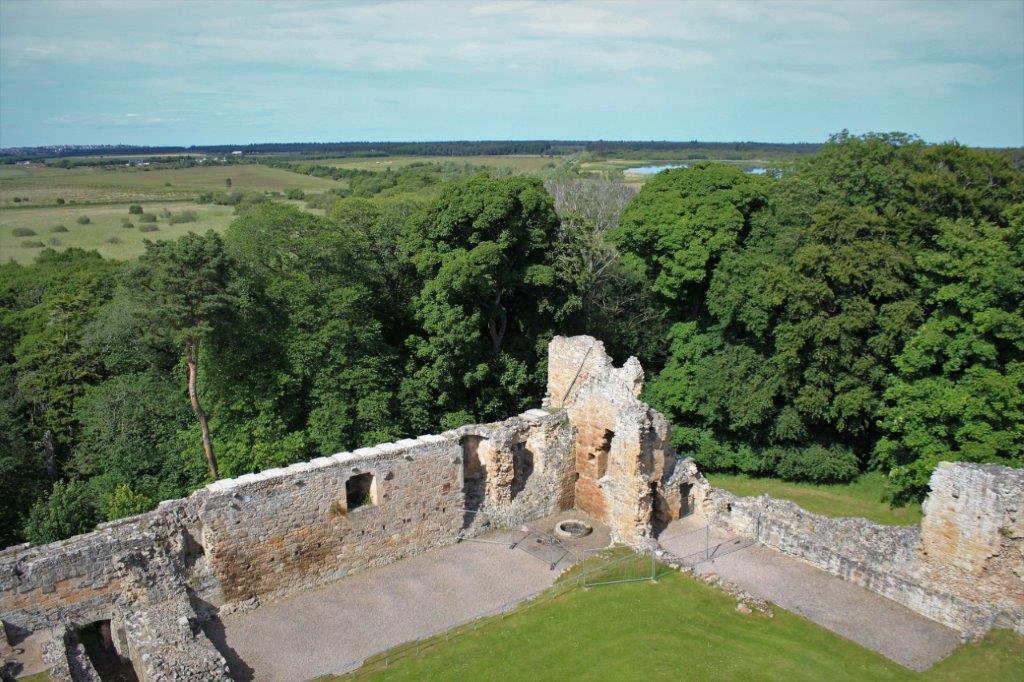
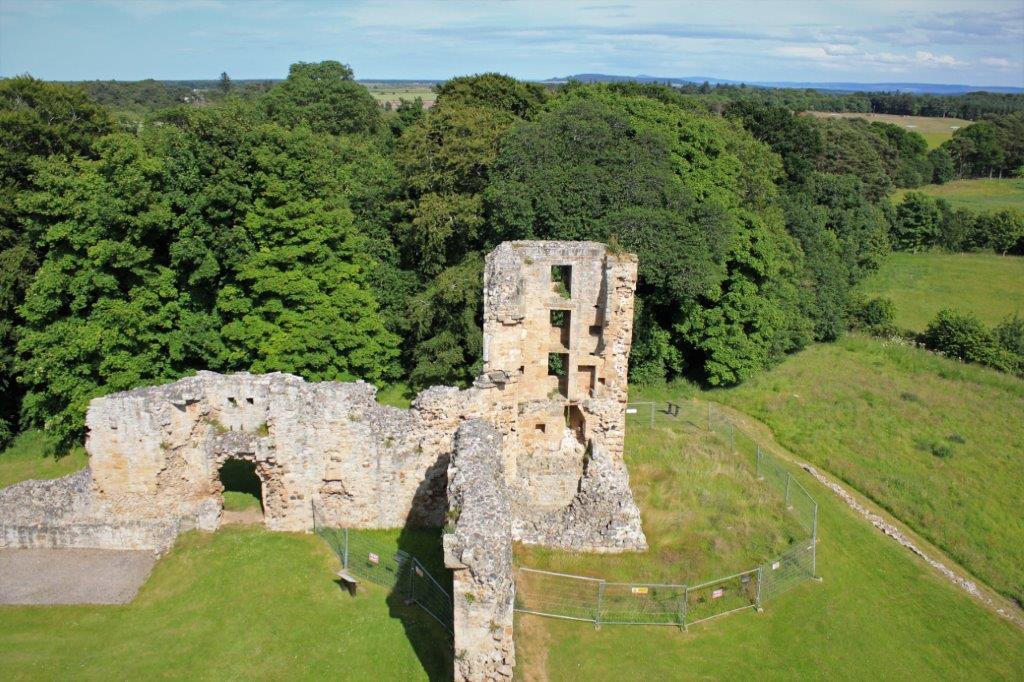
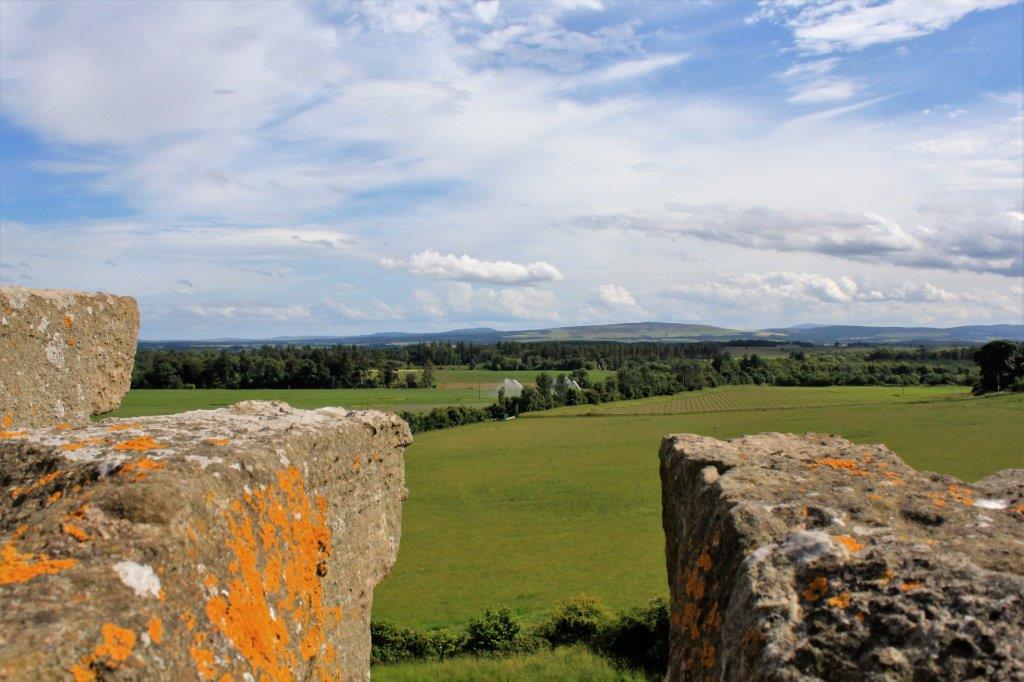
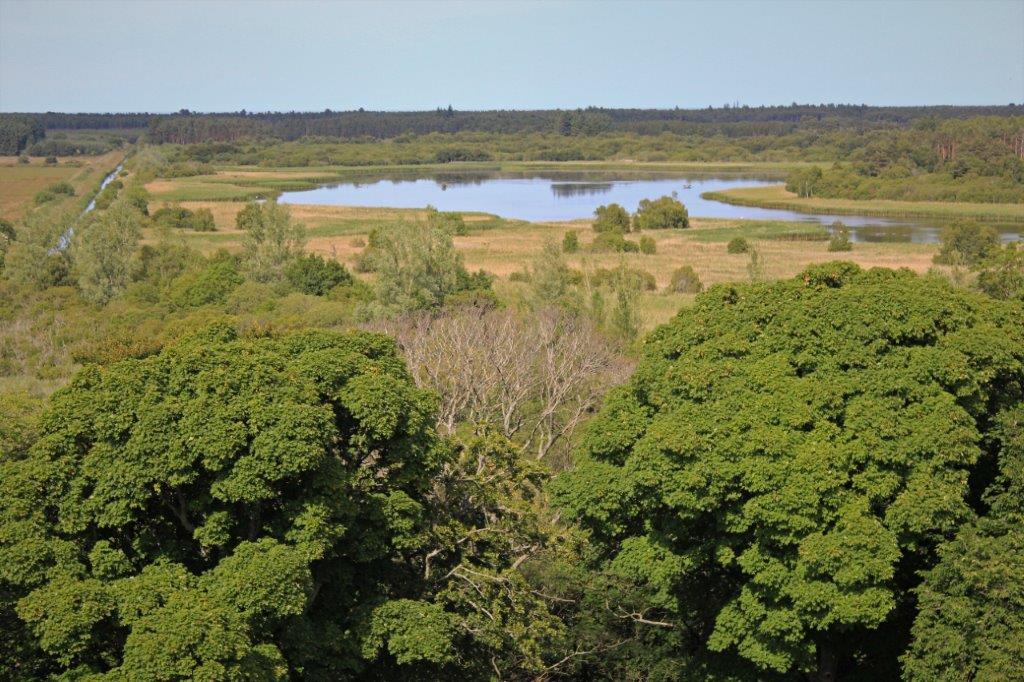
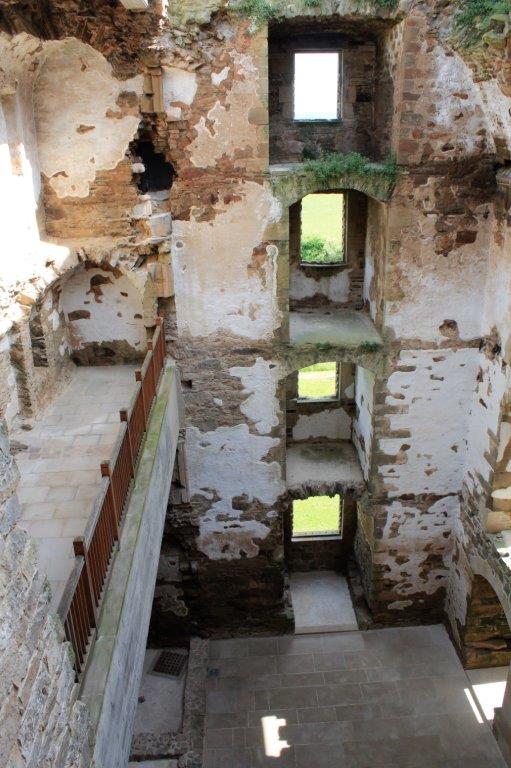
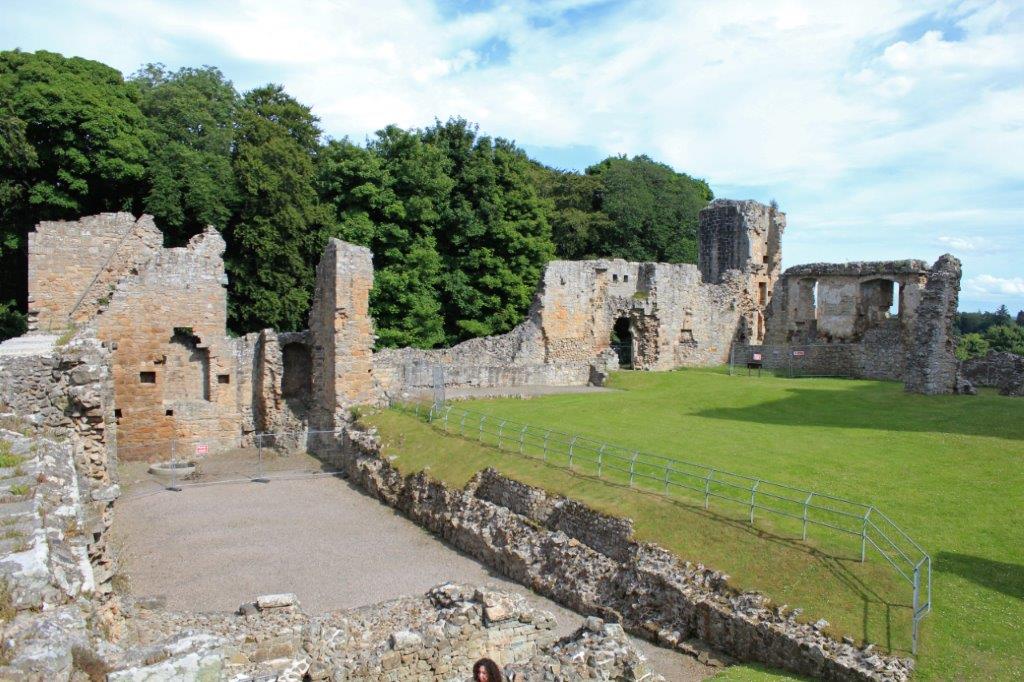
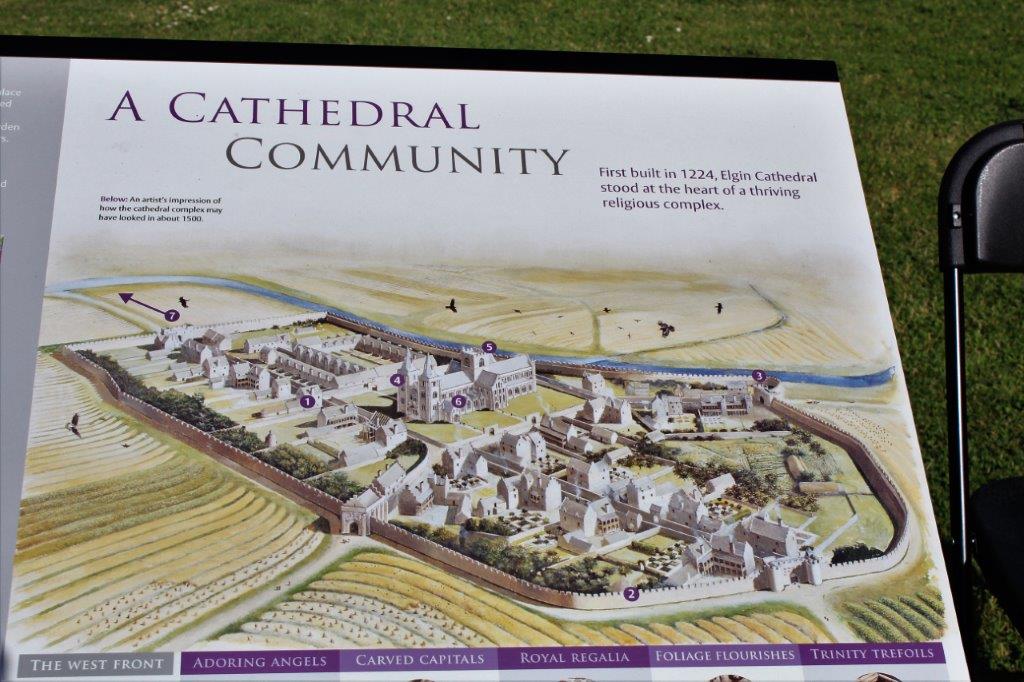
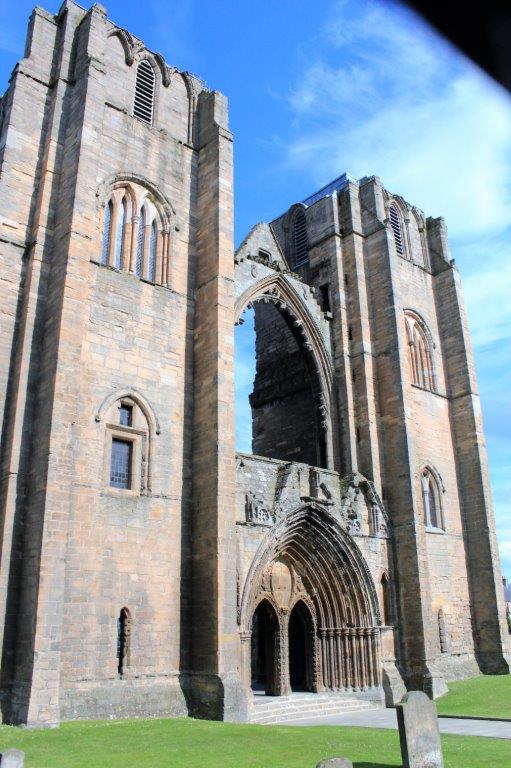
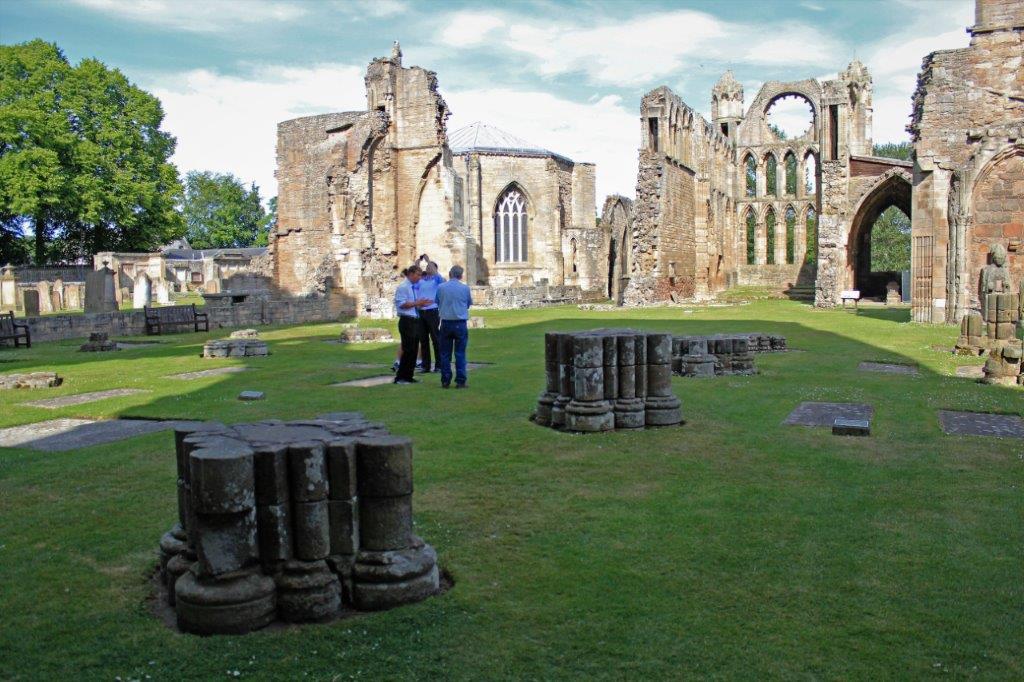
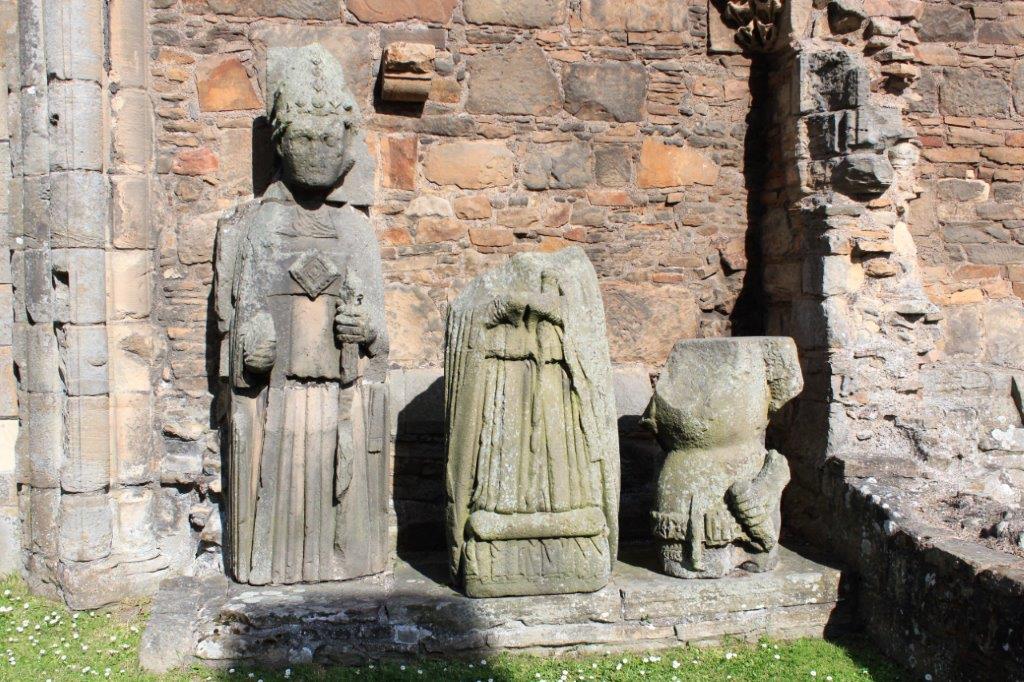
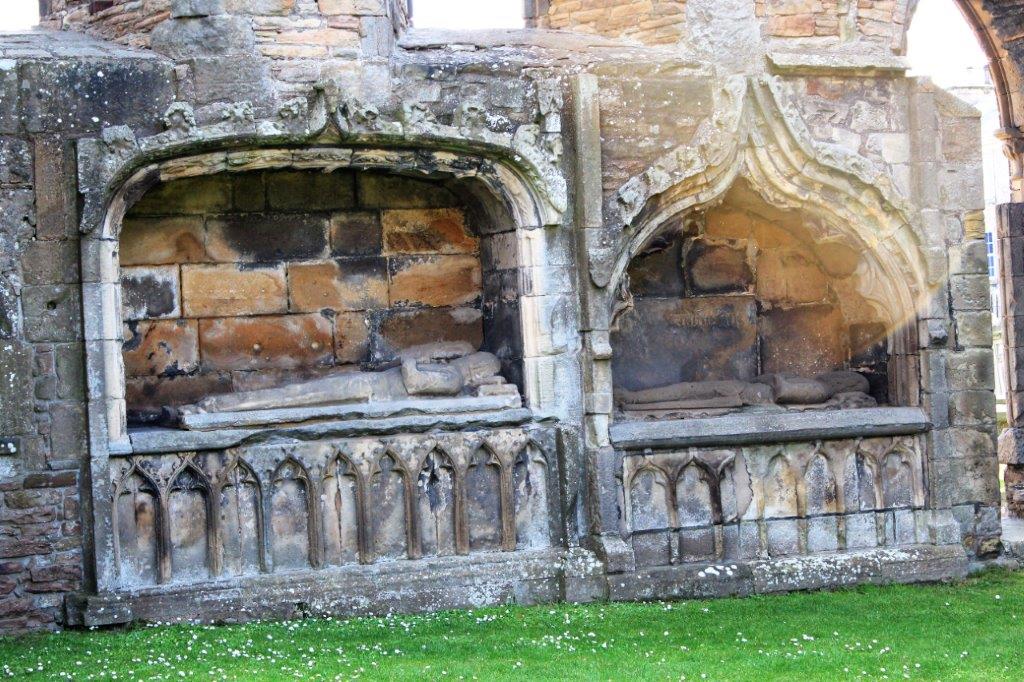
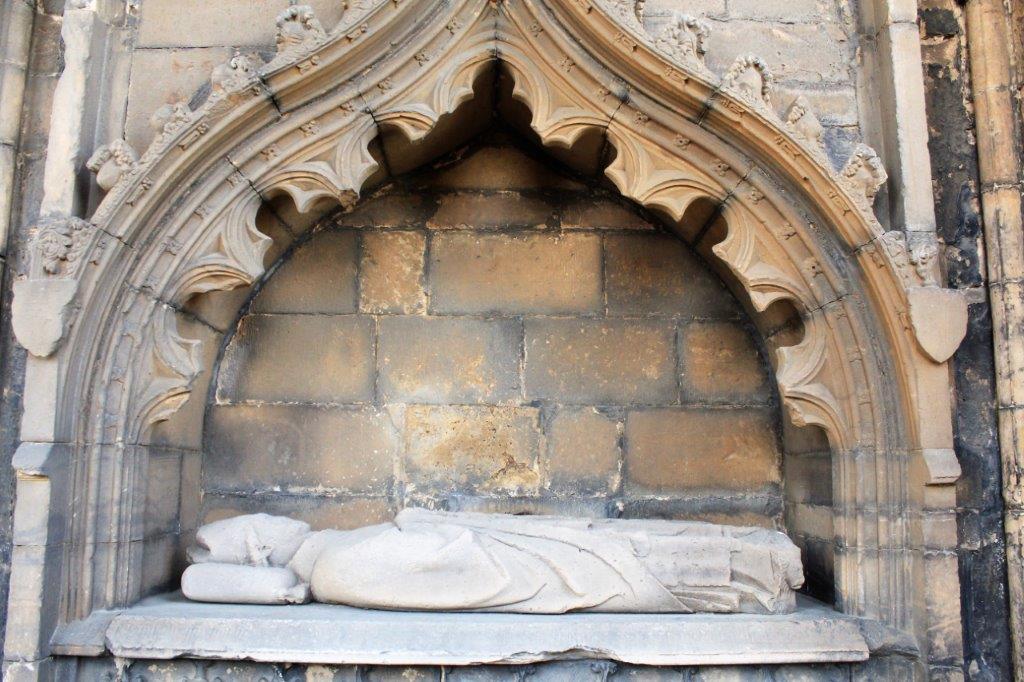
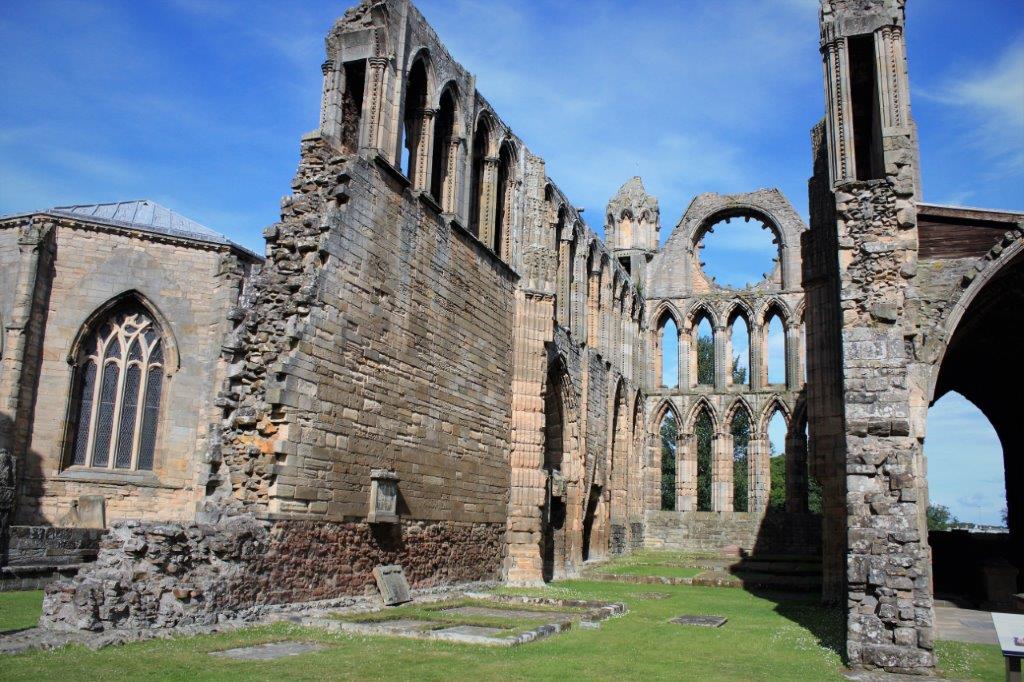
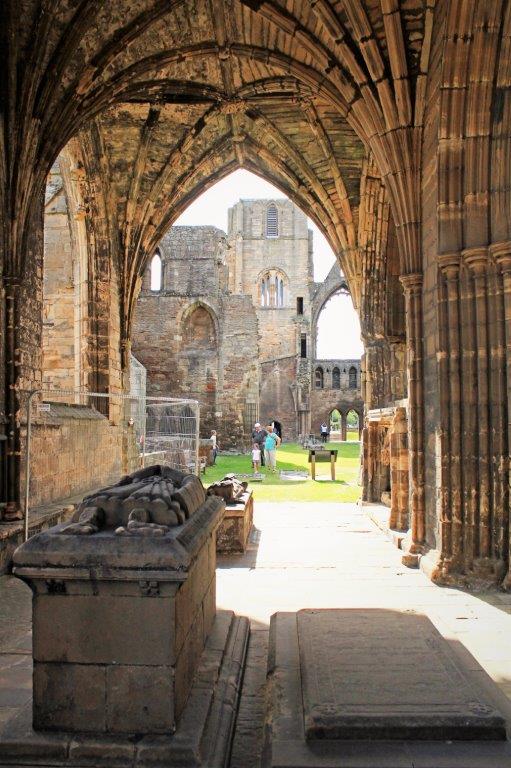
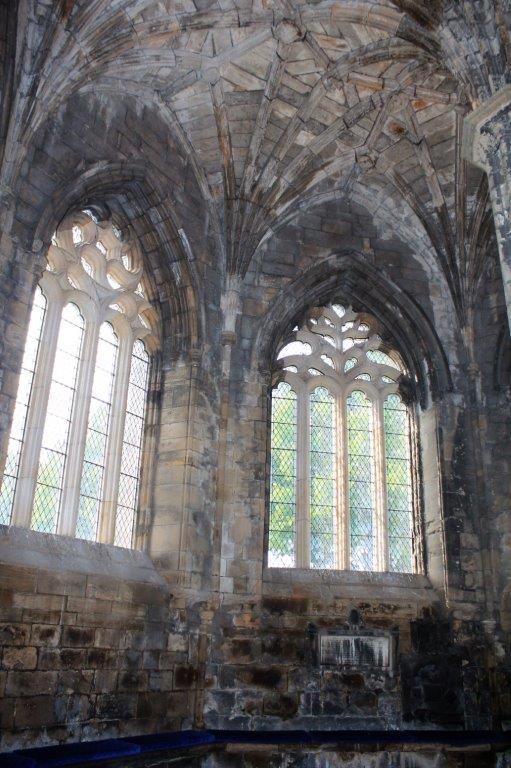
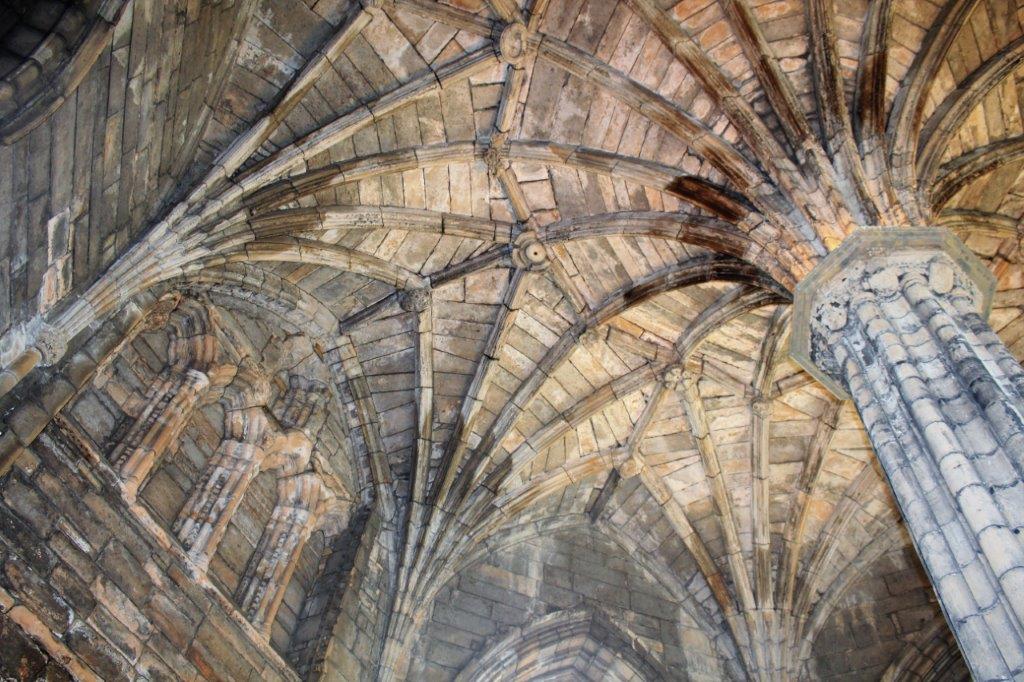
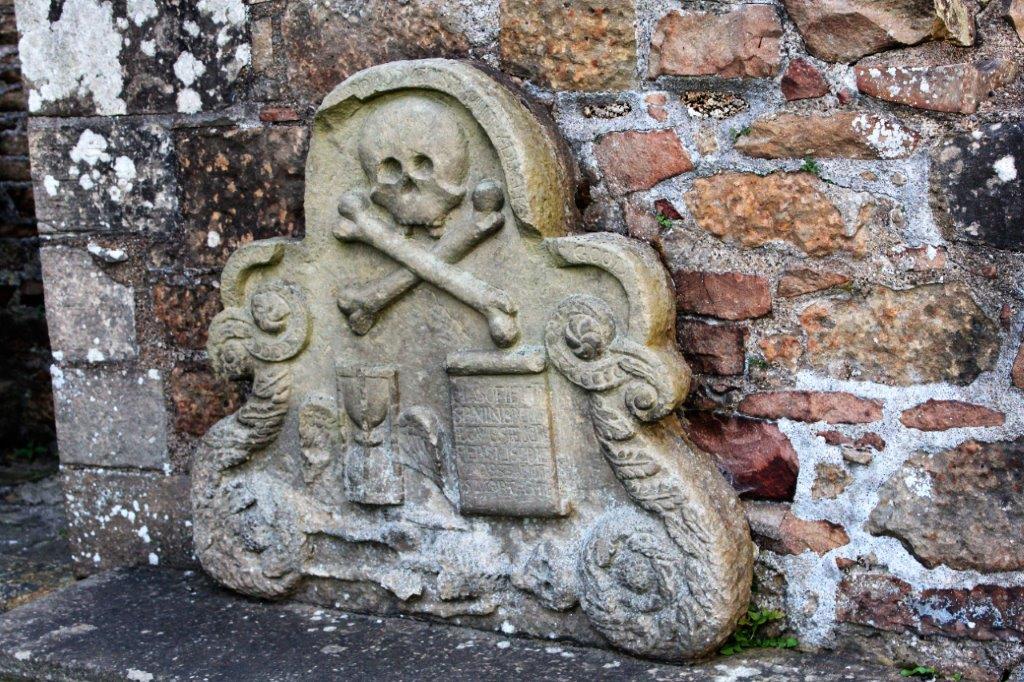
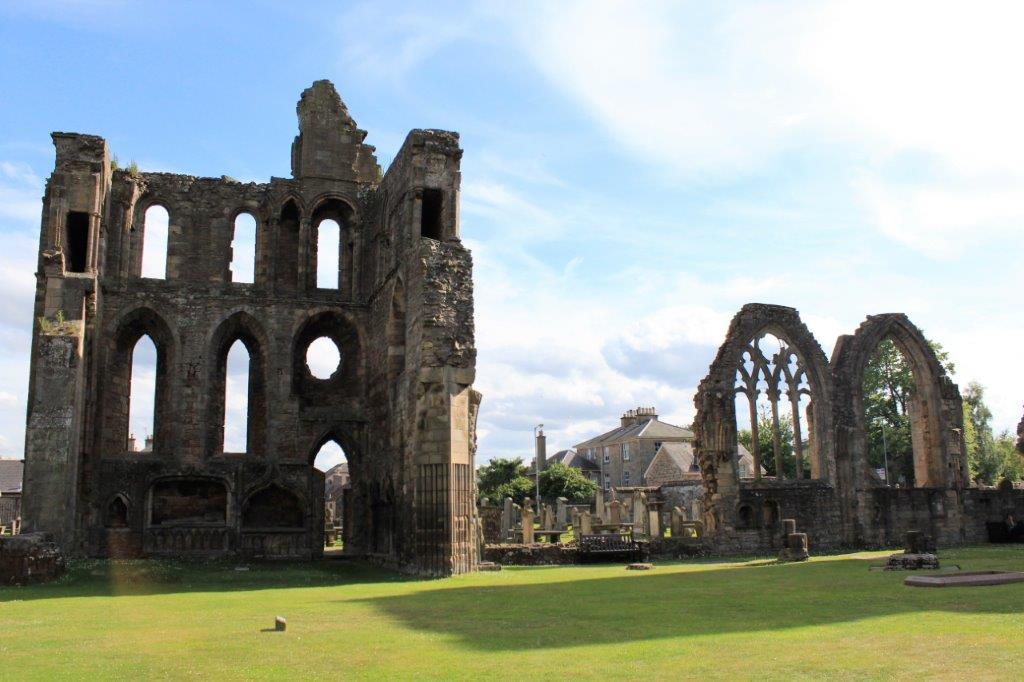
The next castle on our list was the ruins of Spynie Palace, which was the residence of the bishops of Moray for over 400 years, and is located just north of the city of Elgin.  (The lengthy history of all these places is so amazing.  Coming from Canada, which is such a young country, I find it all very fascinating and awe-inspiring.)  The tower house was one of the largest in Scotland. There were incredible views from the top of the tower.   After a jam-packed day we made our way to back to Elgin in time to wander around the ruins of of Elgin Cathedral before they closed. We drove just over an hour from Elgin to Kemnay, northwest of Aberdeen, where we spent the night at Bennachie (Ben-a-kee) Lodge.                                    What a great place name that is.

2013 Summer (Baltic and Britain – Scotland – July 8 – Day 15 – Part 1)

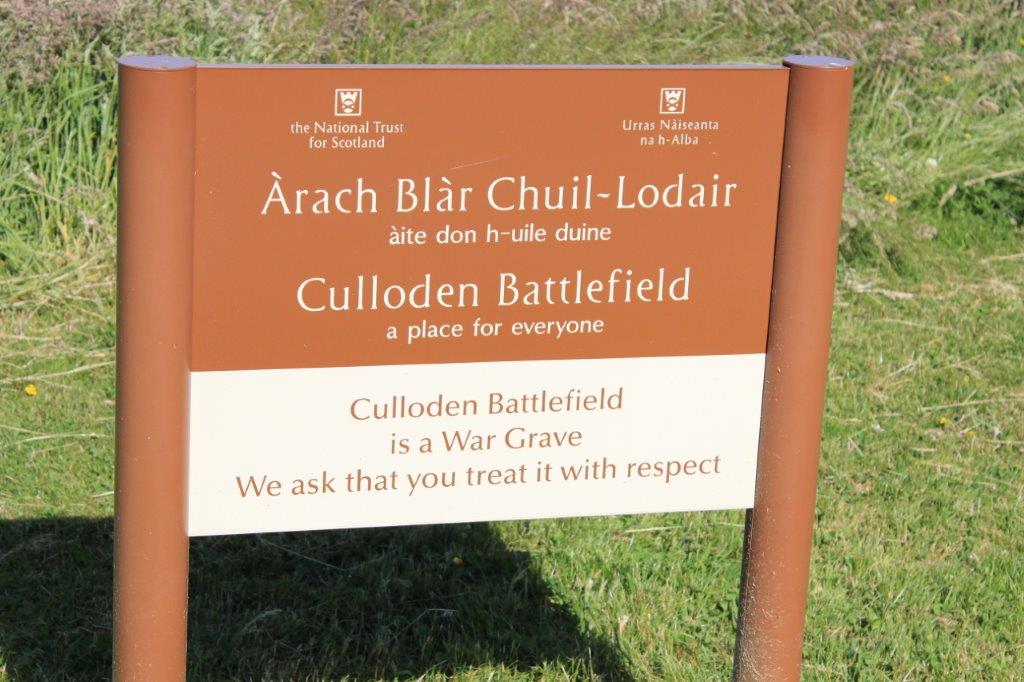
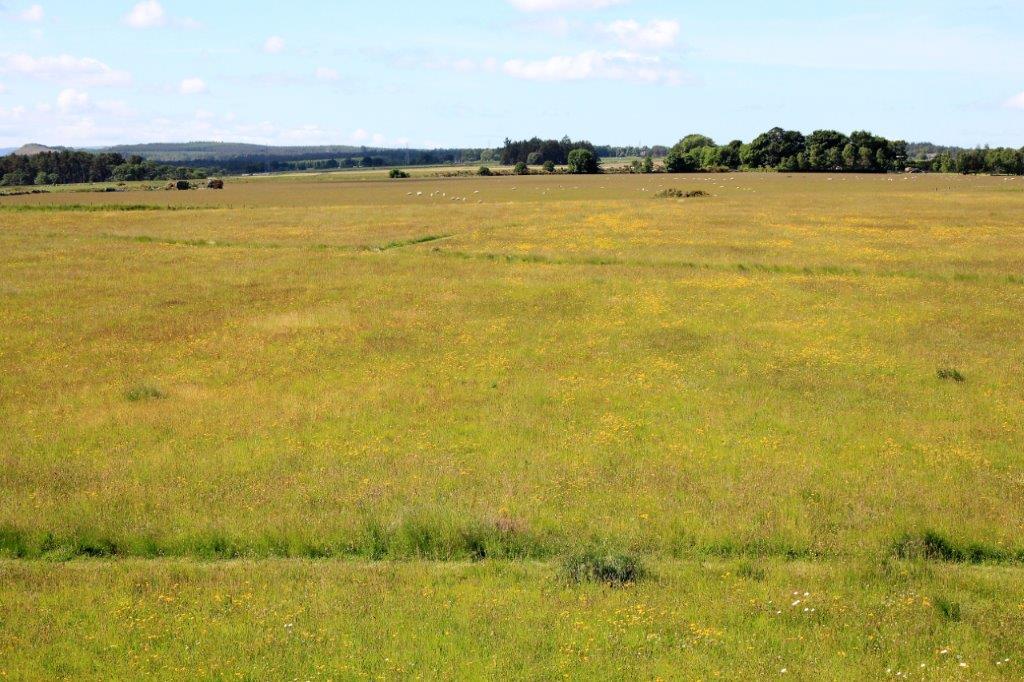
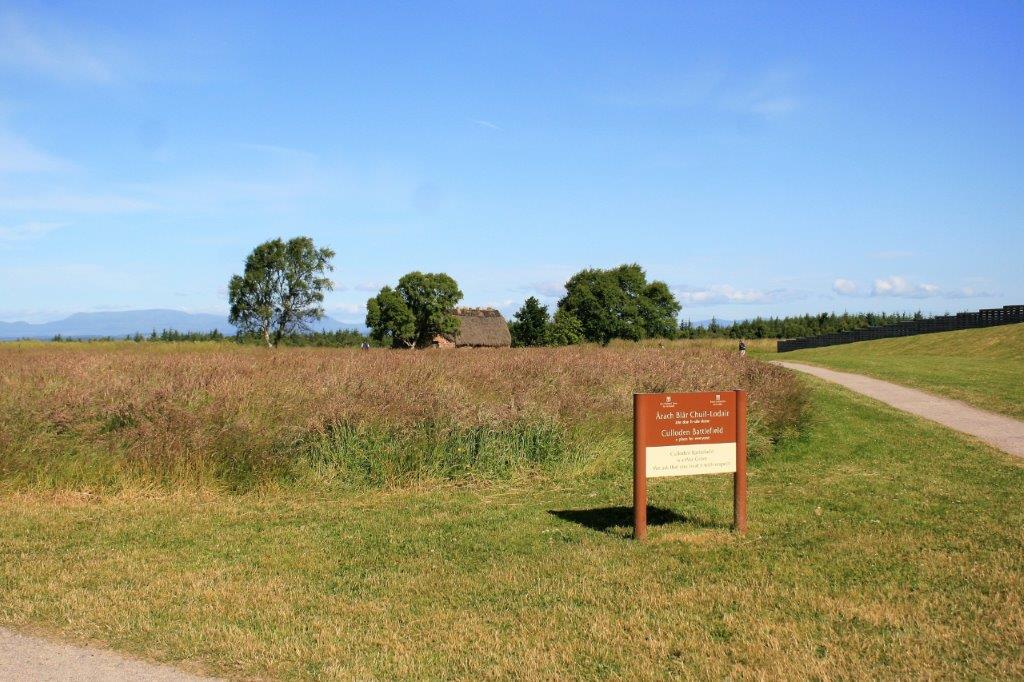
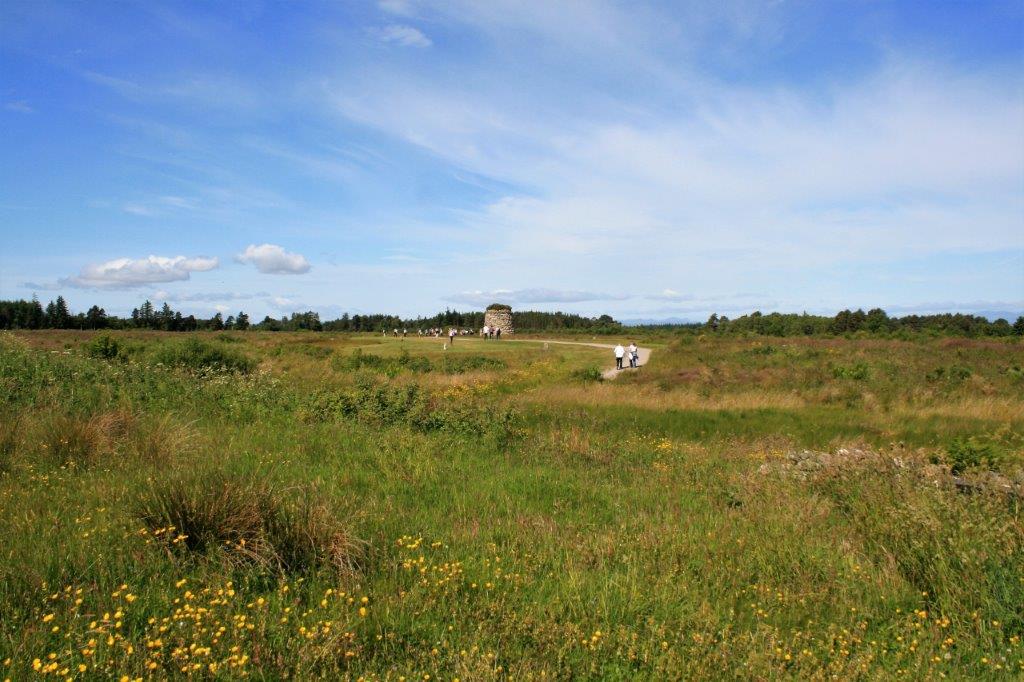
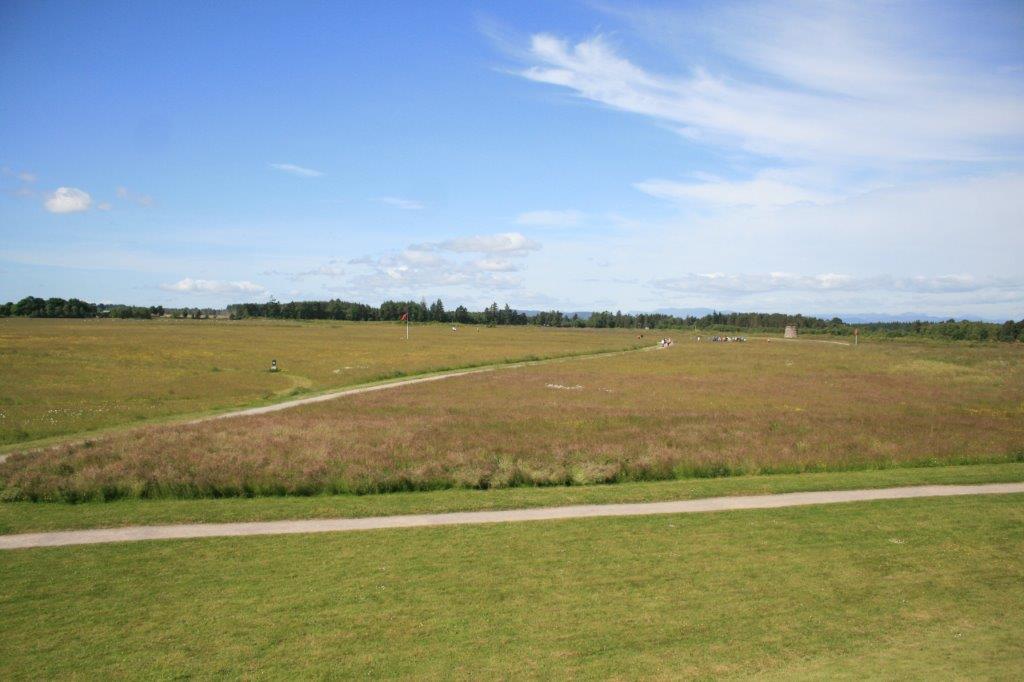
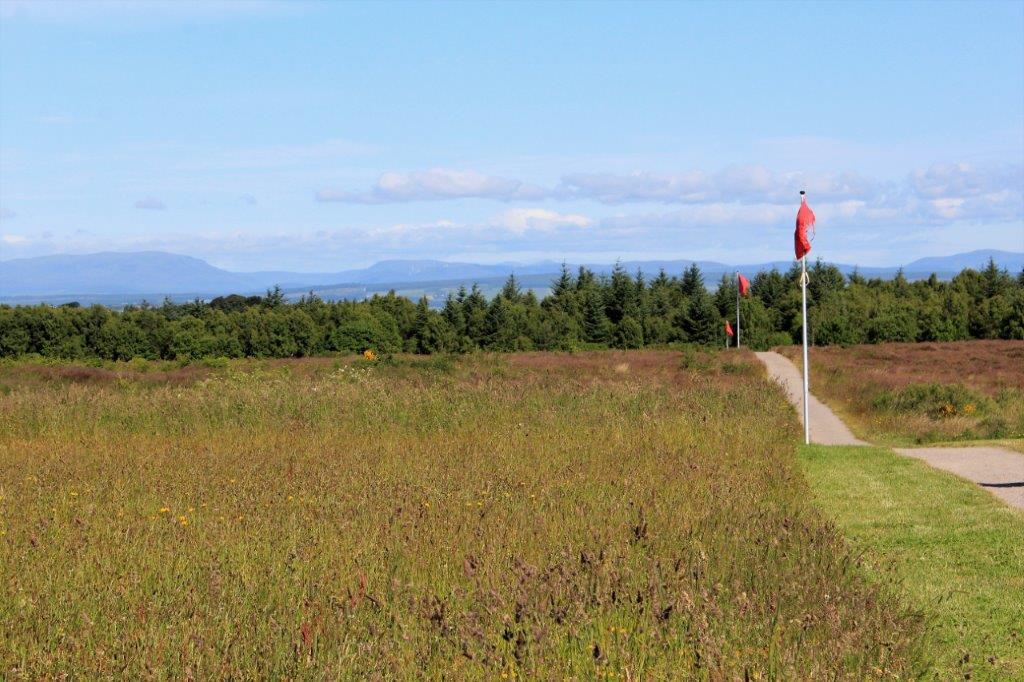
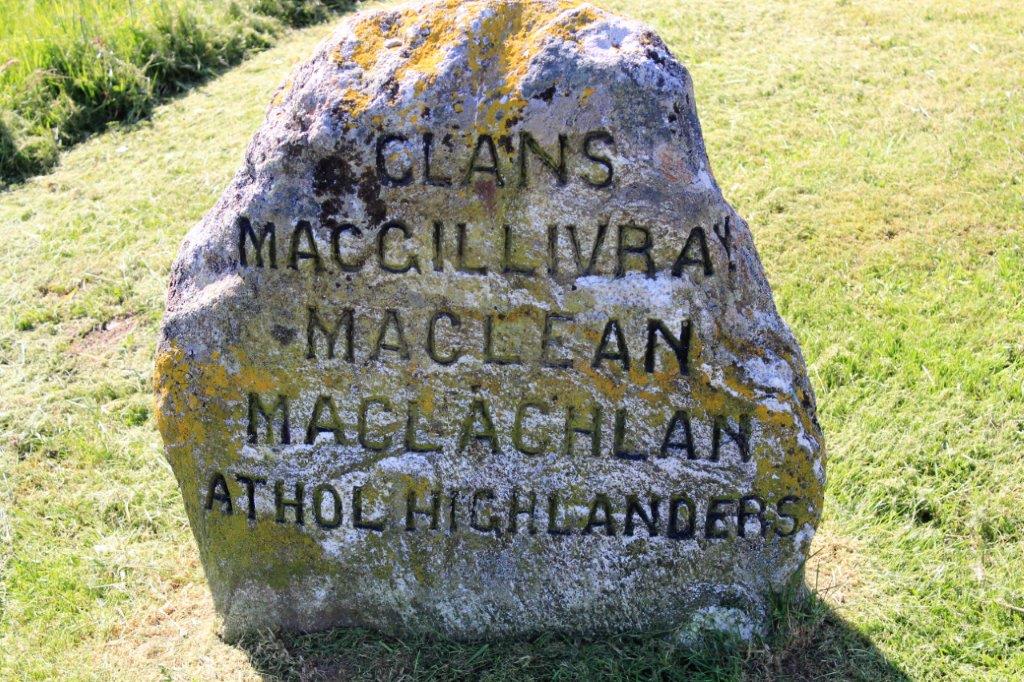
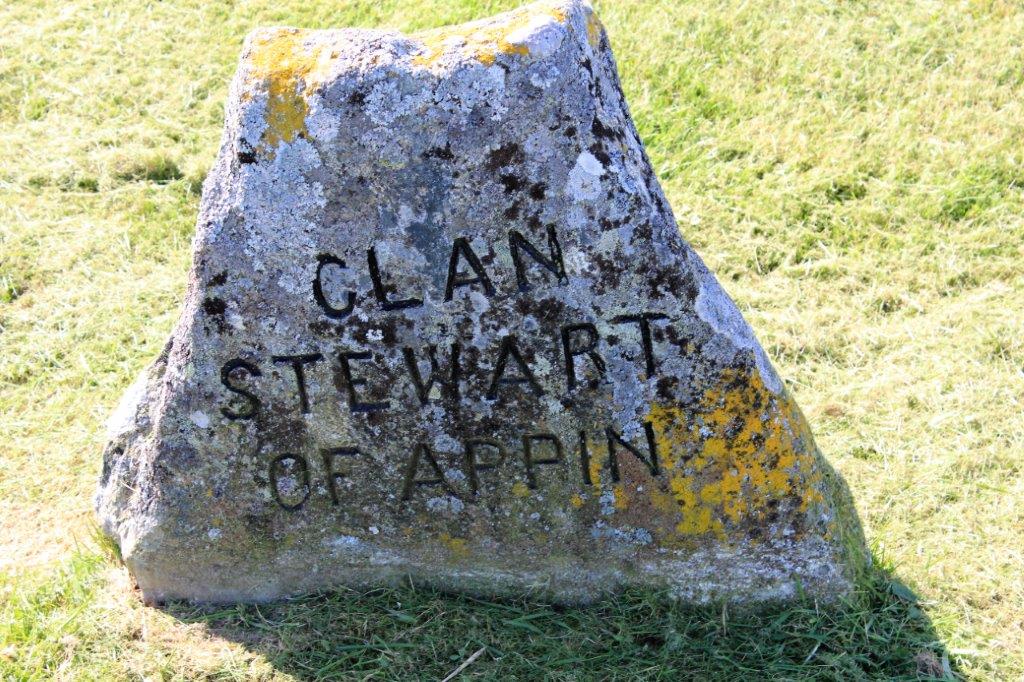
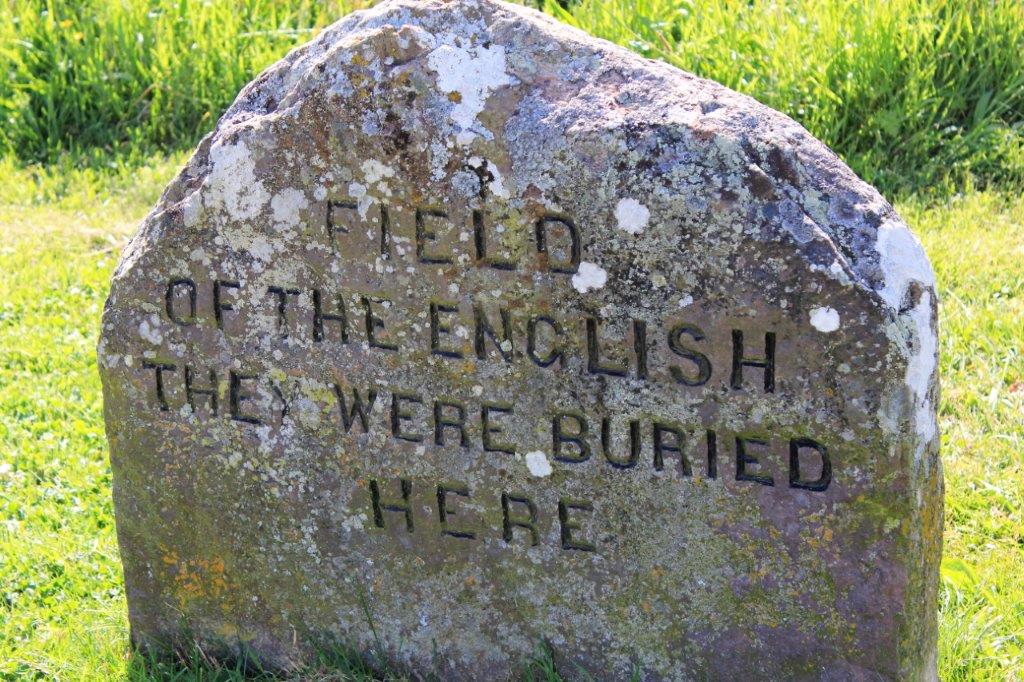
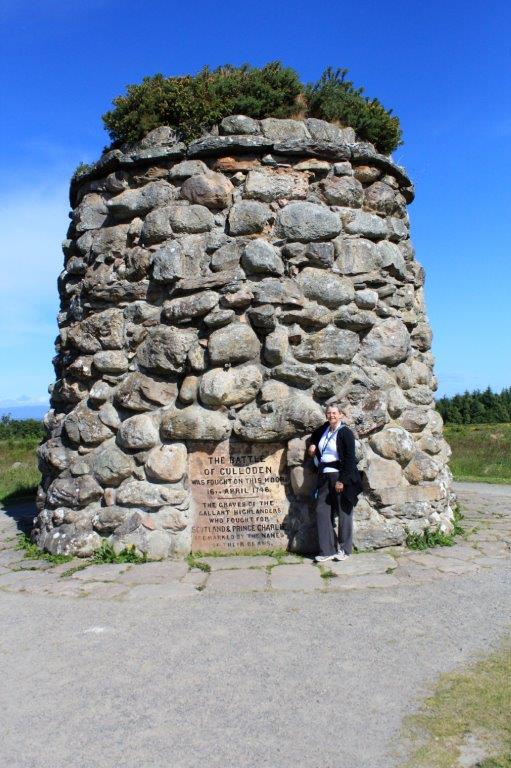
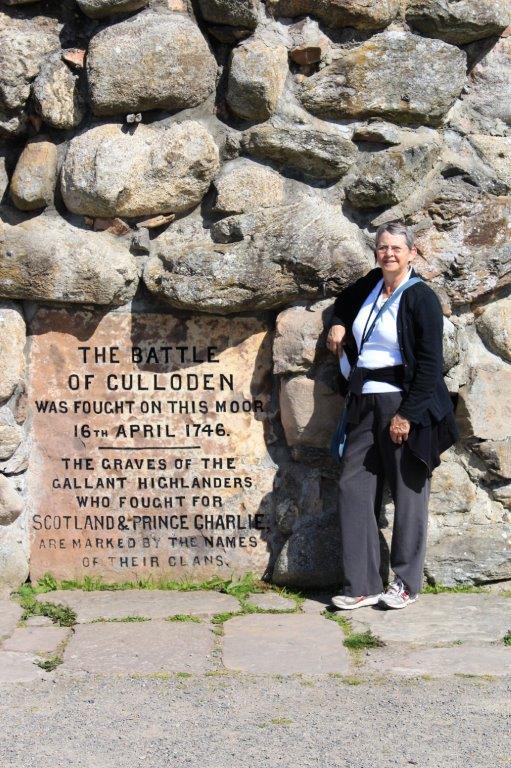
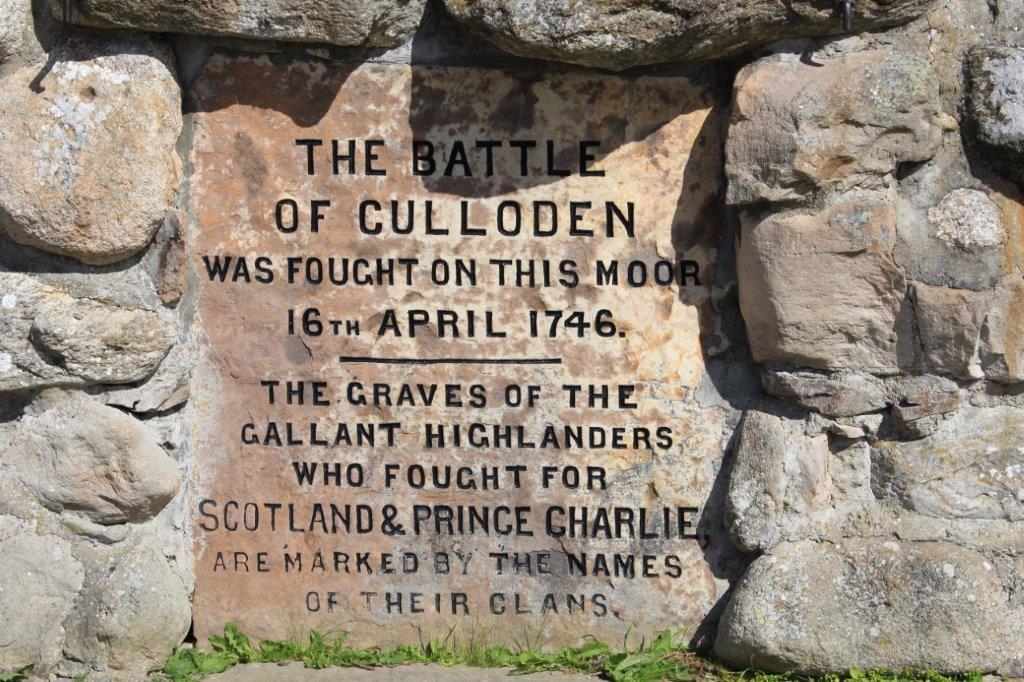
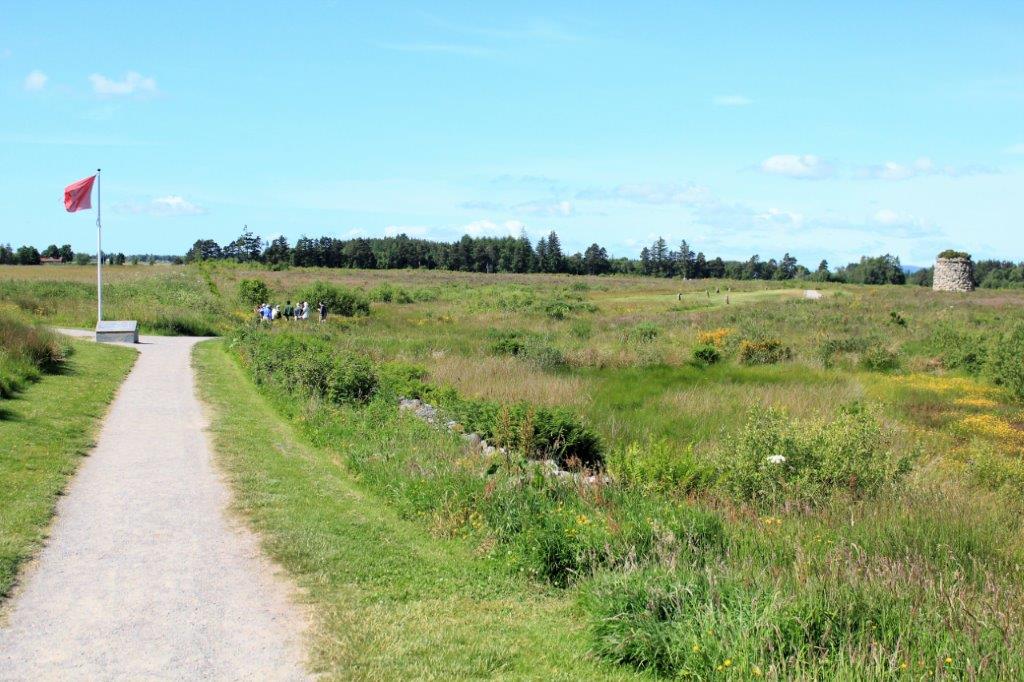
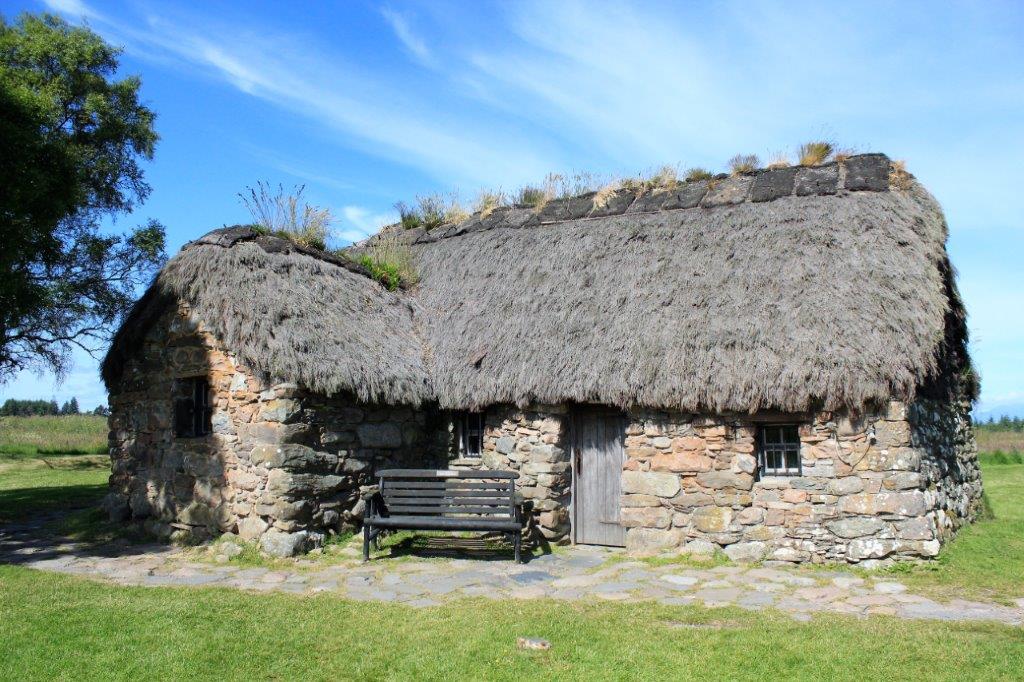
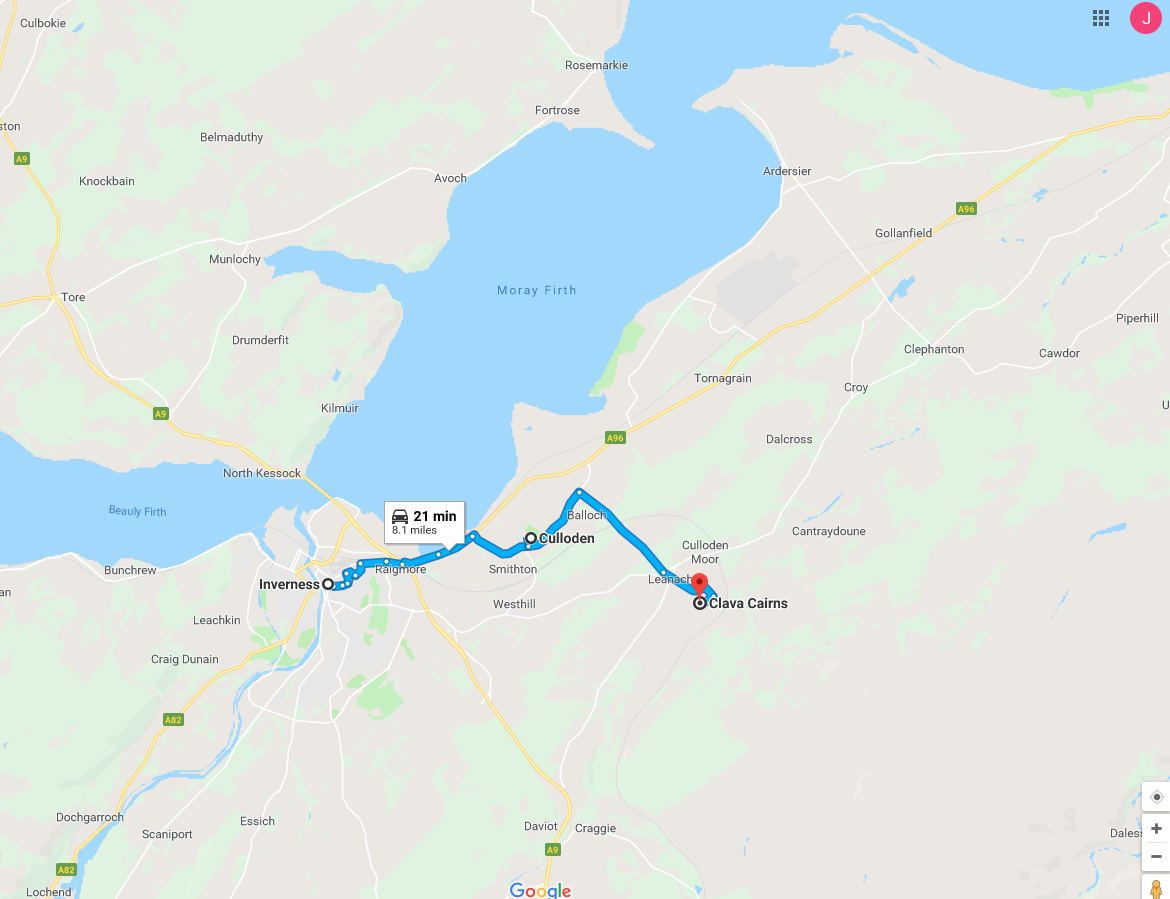
Our main destination this day was to visit Culloden, the battlefield where the Government forces decimated the Scottish clans as they fought to have Bonnie Prince Charlie restored to the throne.  Culloden is the site of the last major battle that was fought on British soil.  British history was changed here.  The defeat of the Scots effectively ended Jacobite hopes of restoring to the British throne the House of Stuart – the descendants of James II of England and VII of Scotland, who was the last Catholic British monarch. (The series of conflicts takes its name Jacobitism, from Jacobus, the Latin form of James.)Culloden, not too far east of Inverness, is the name of the village near Drumossie Moor, where the battle took place. The National Trust for Scotland manages the property and has created a network of trails with audio guides that recreate the battle as you walk the pathways.  There were about 7,000 men in the Jacobite army and 8,000 in the British army.  The battle only lasted an hour but 1,200 Jacobites were killed and 800-1,000 more wounded before the clans were routed by the Duke of Cumberland’s forces on April 16, 1746.  The Jacobite army was comprised not solely of Catholic Highland Scots either, there were quite a few Irish and French professional soldiers, and Episcopalian Lowland Scots fighting for Prince Charlie’s cause as well. The soldiers were buried where they fell among members of their own clans so the moor is dotted with rock cairns naming the various family alliances.                              There is a marker for the English forces also.The central cairn contains the date of the battle and memorializes the Highland clans.

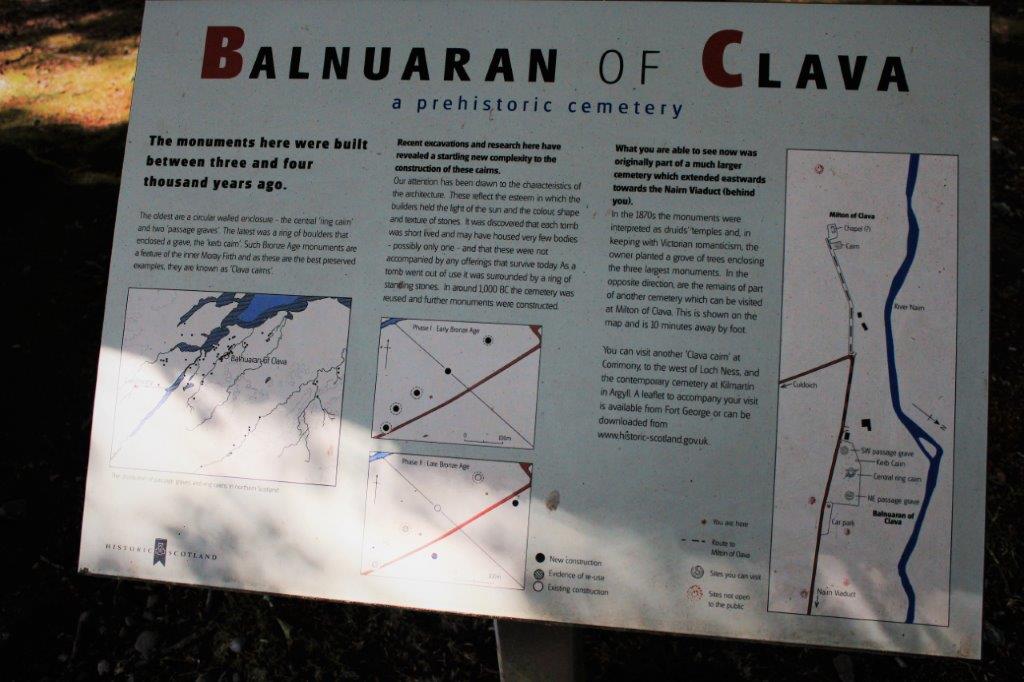
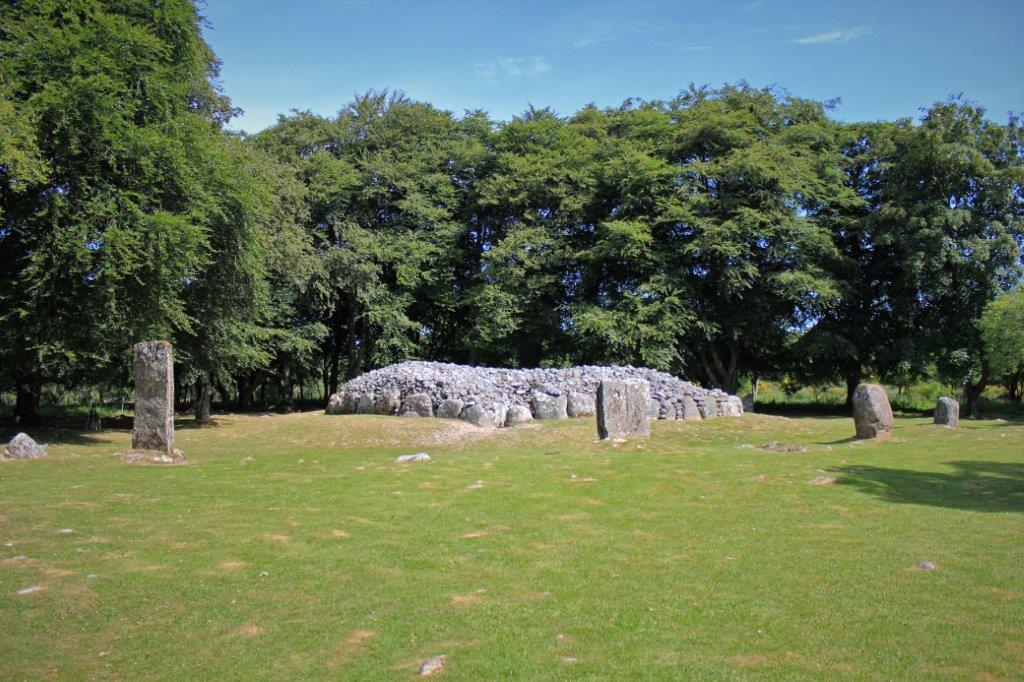
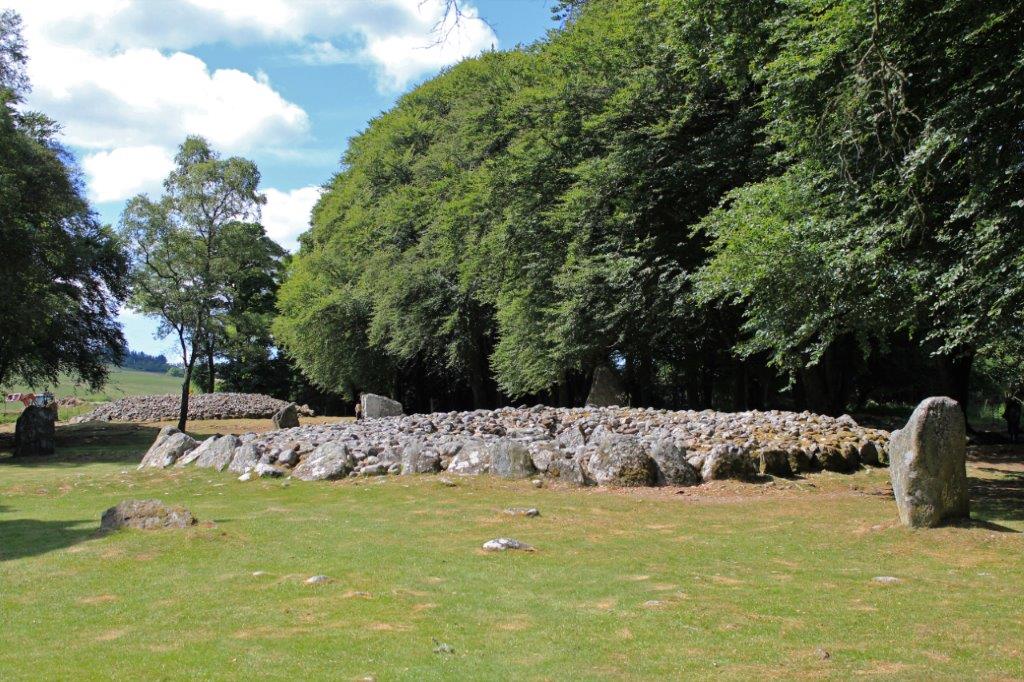
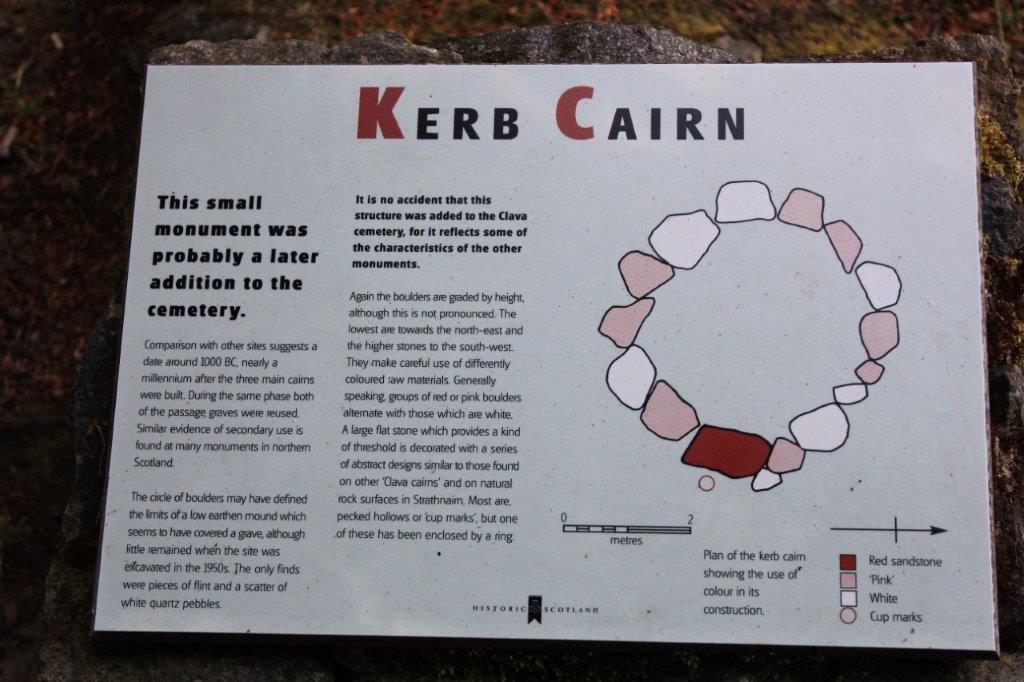
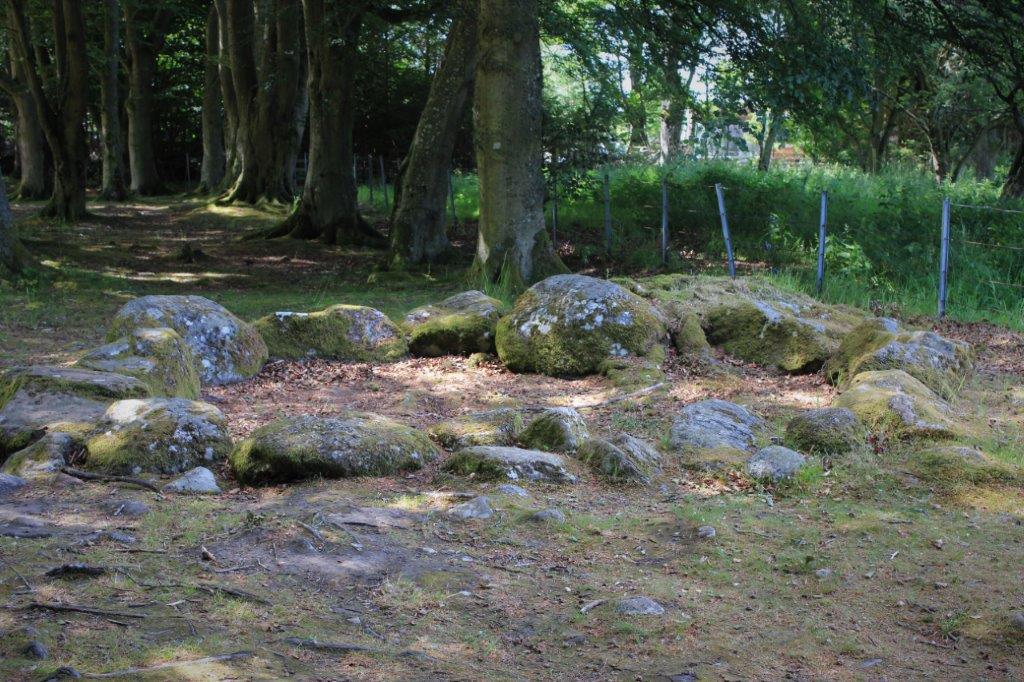
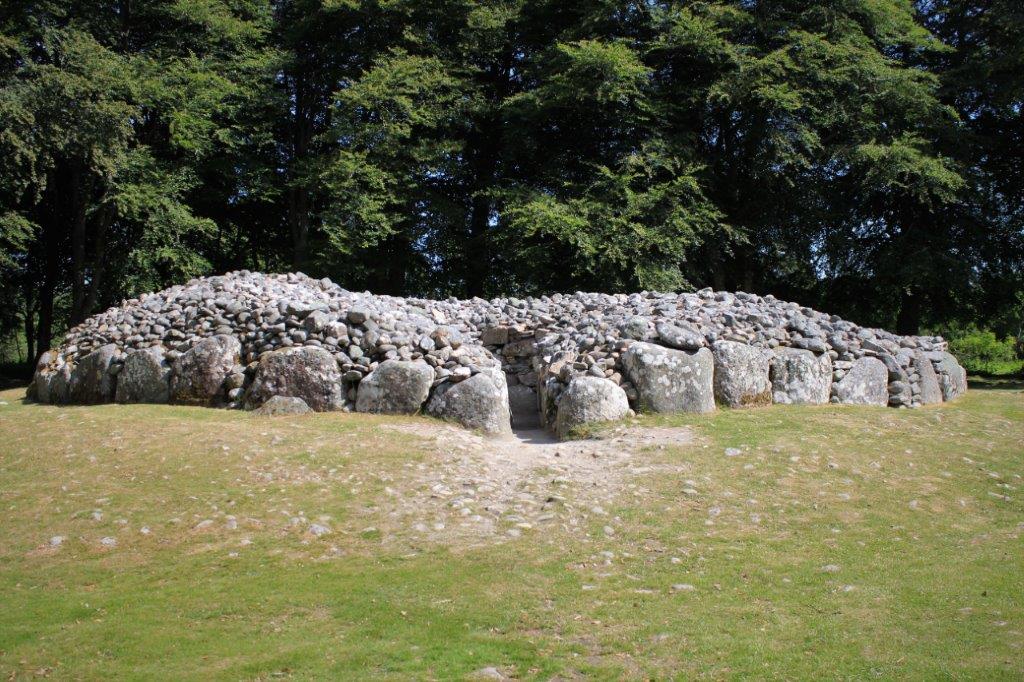
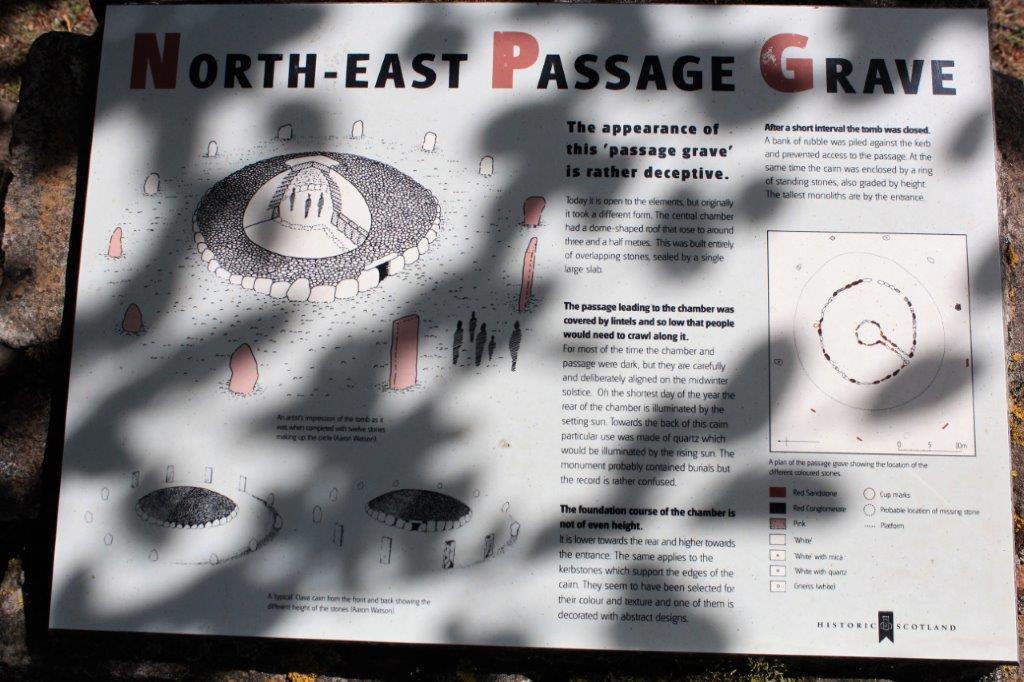
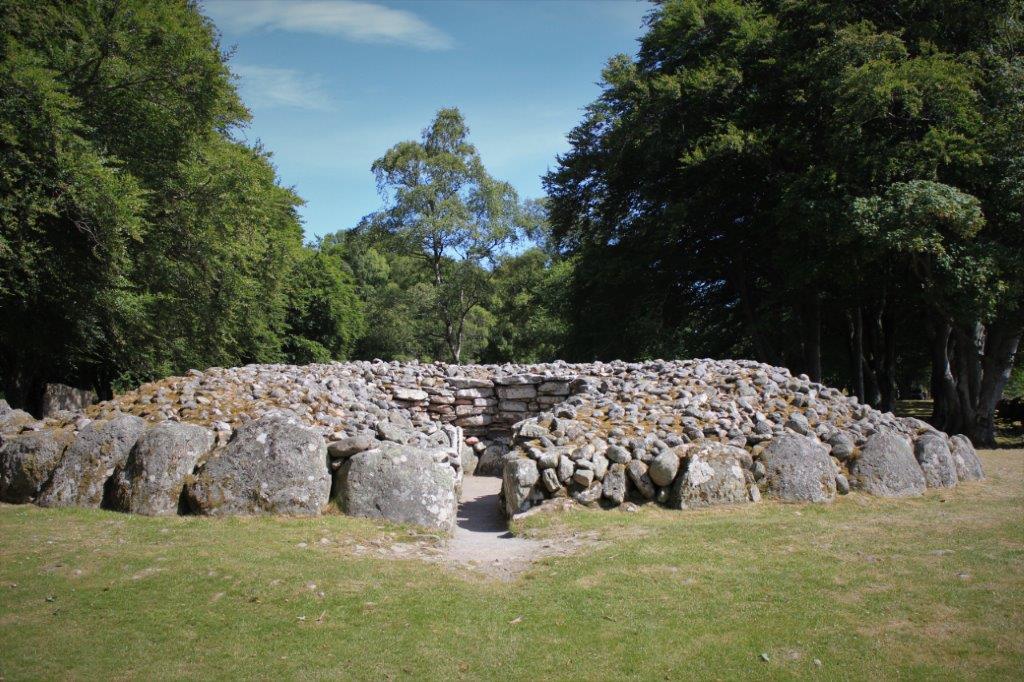
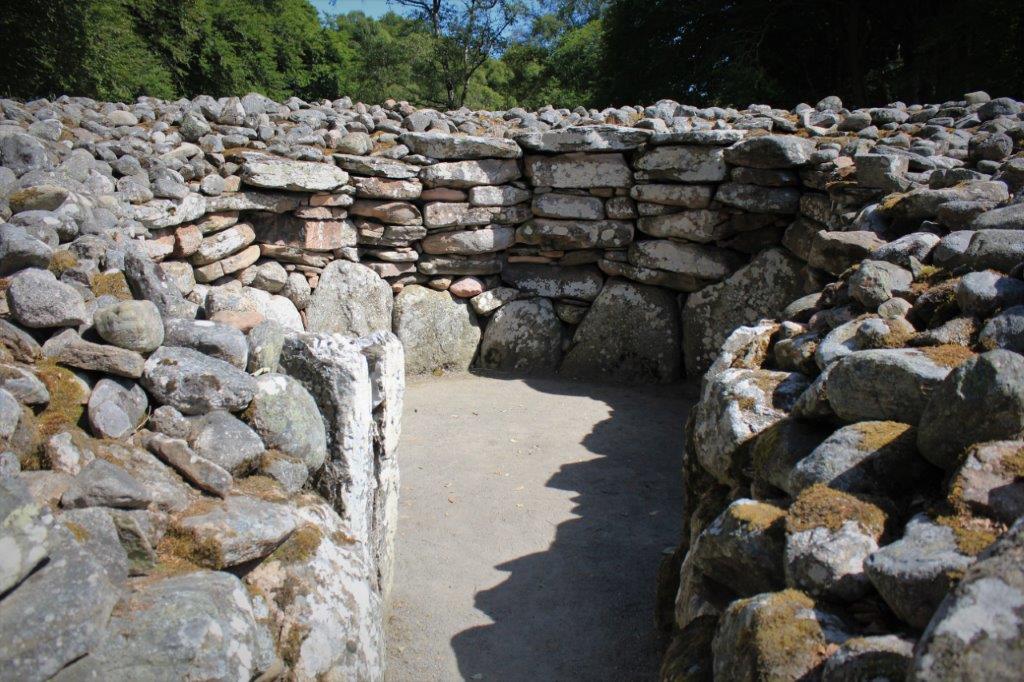
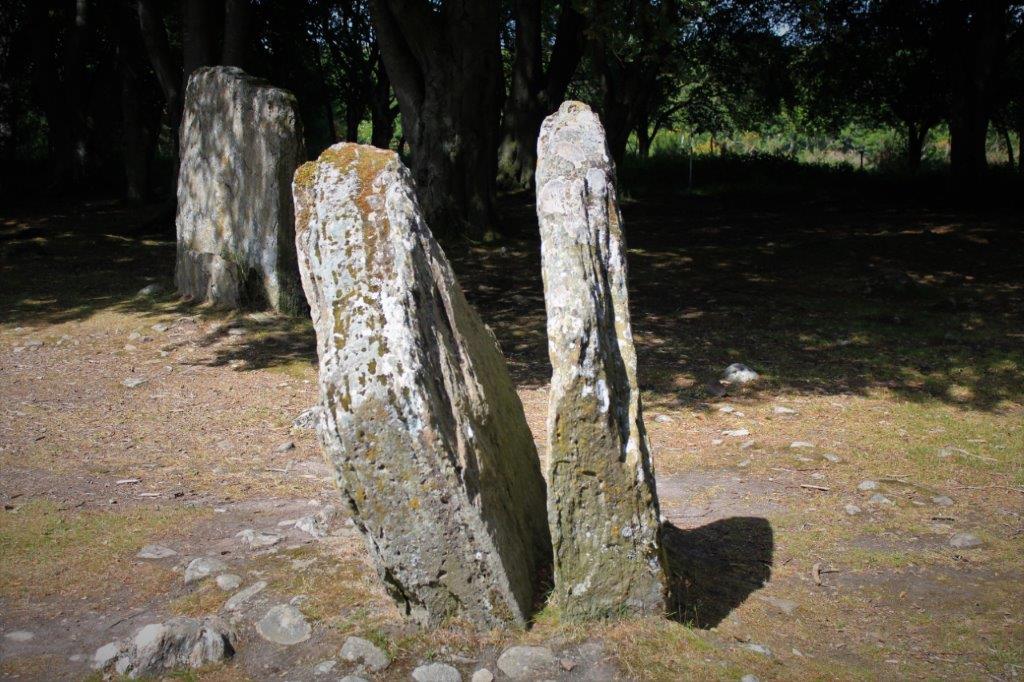
We spent over 2 1/2 hours at the battlefield site before driving a short distance to the Clava Cairns, another site of ancient burial stone circles.  I find these places fascinating and we wandered around all the mounds before heading to Cawdor Castle.