Category Archives: 2013 Baltic and Britain

2013 Summer (Baltic and Britain – Scotland – July 9 – Day 16 – Part 1)

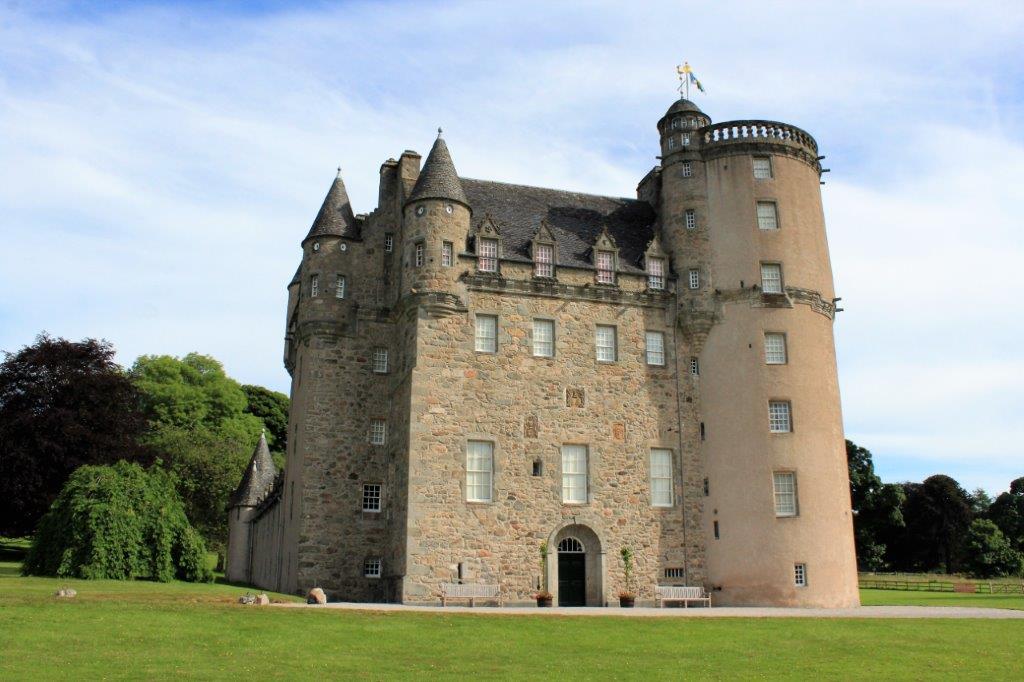
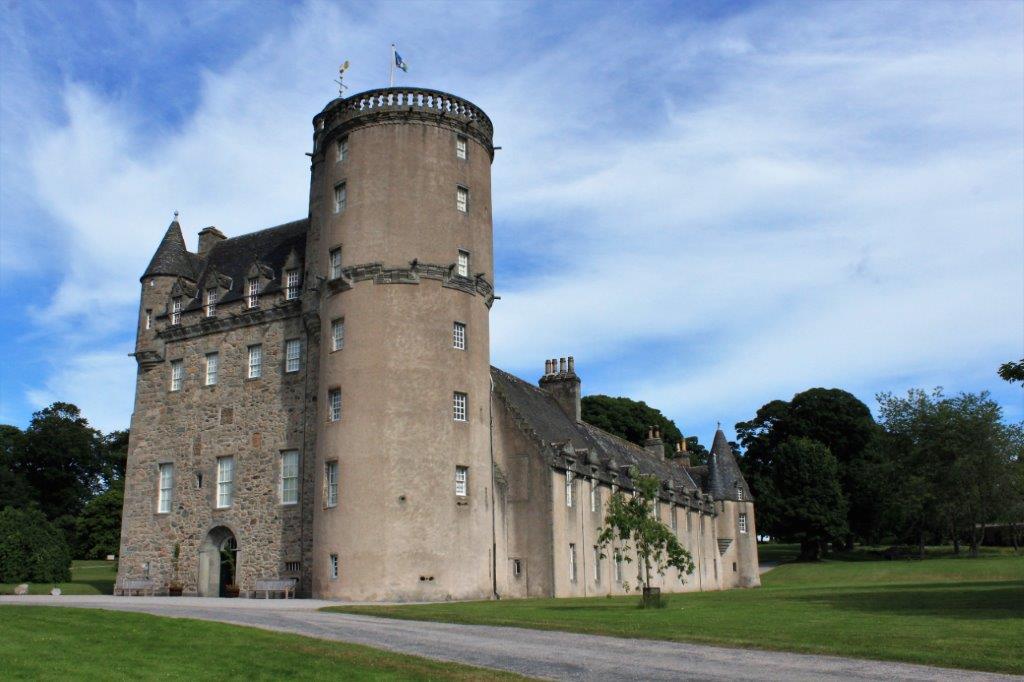
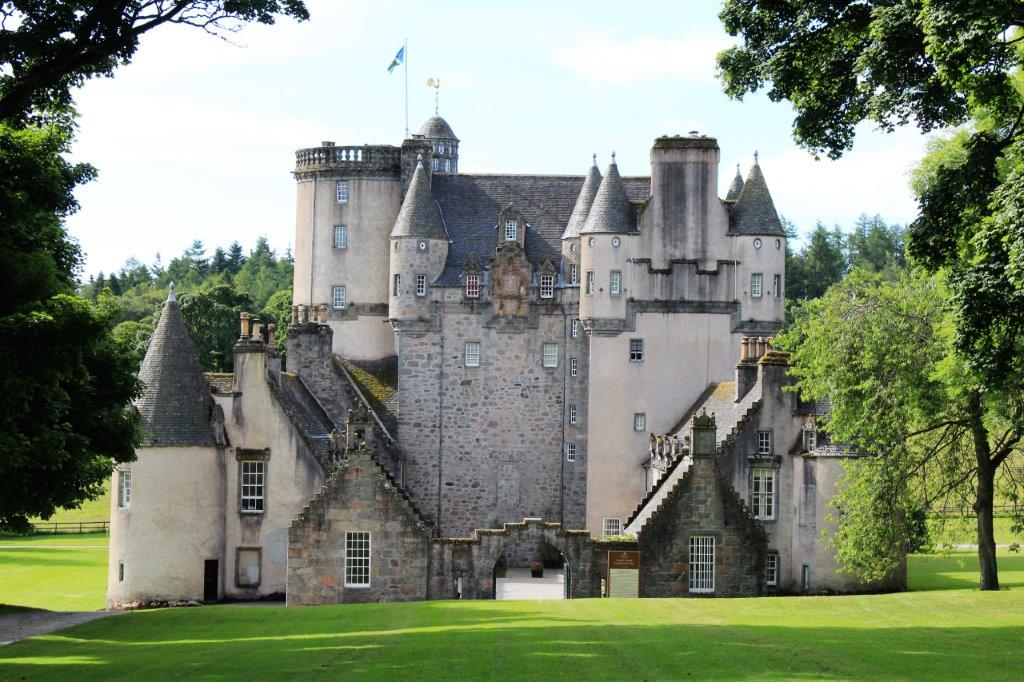
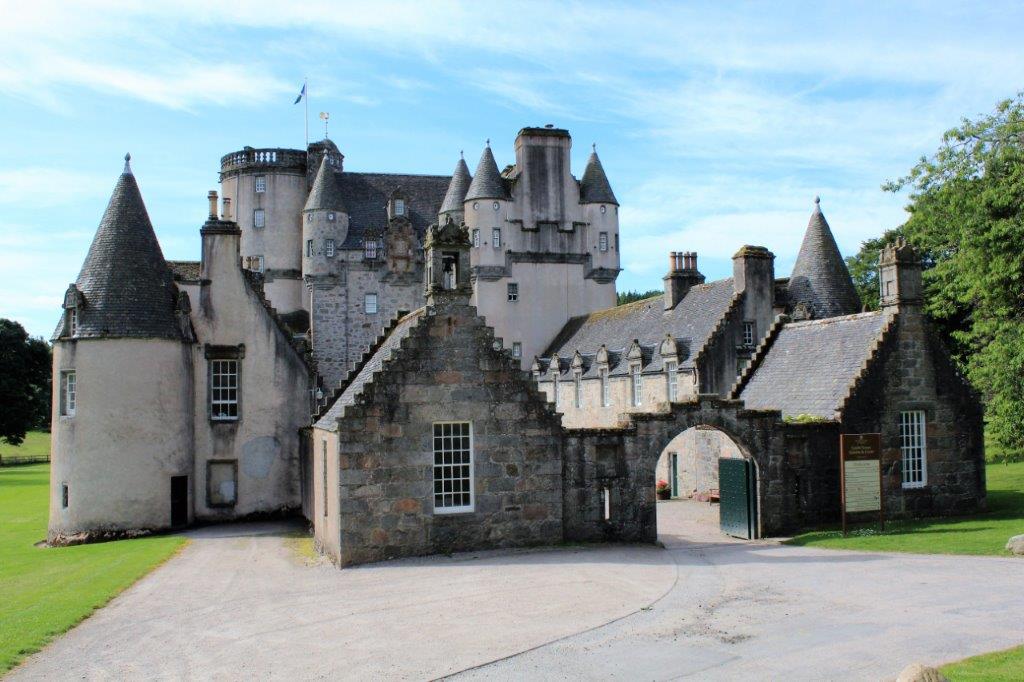
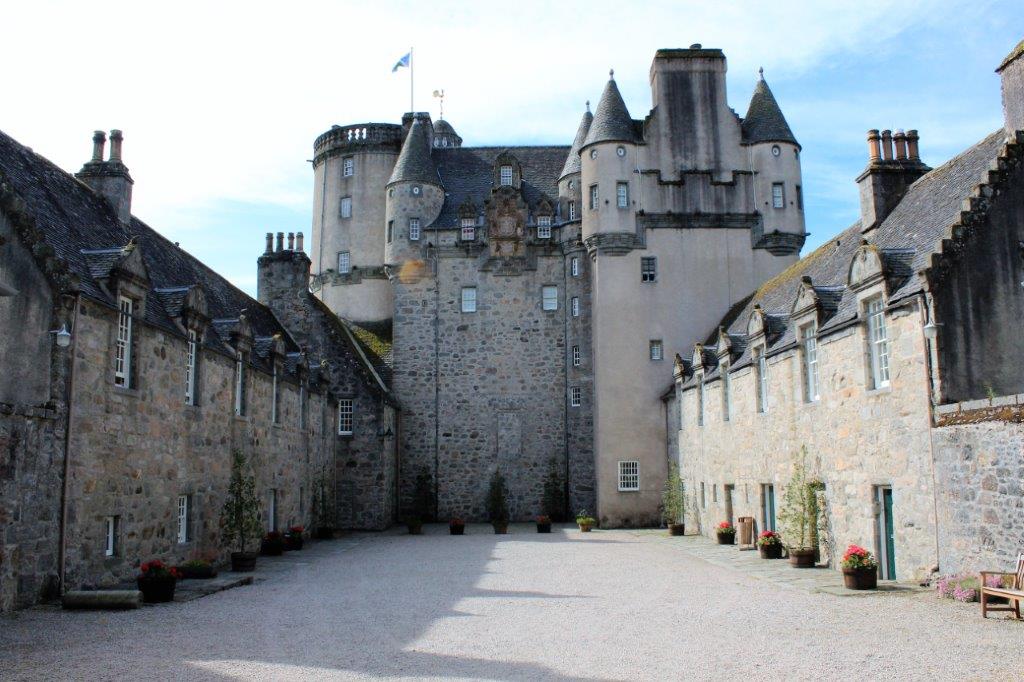
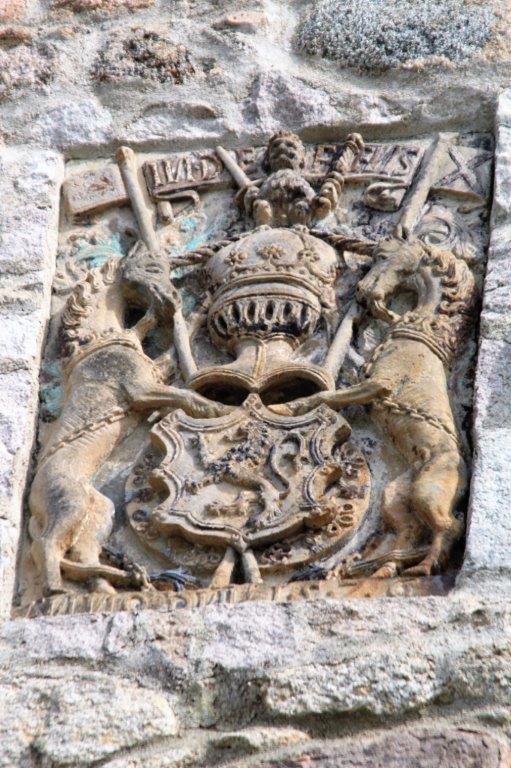
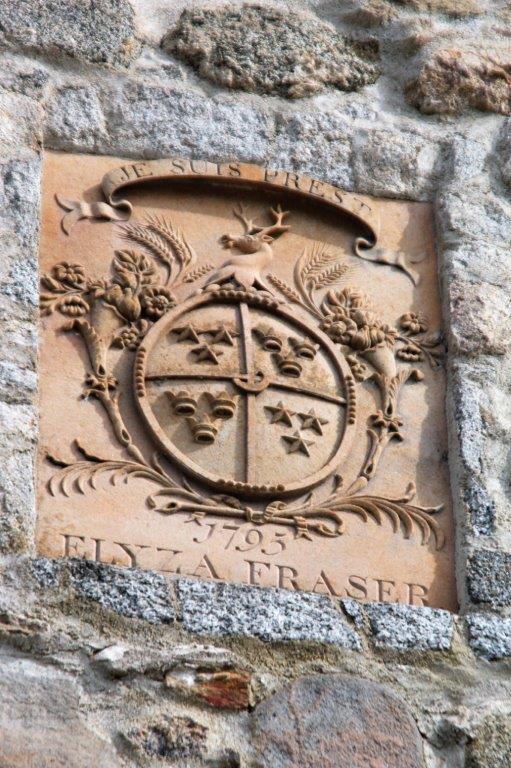
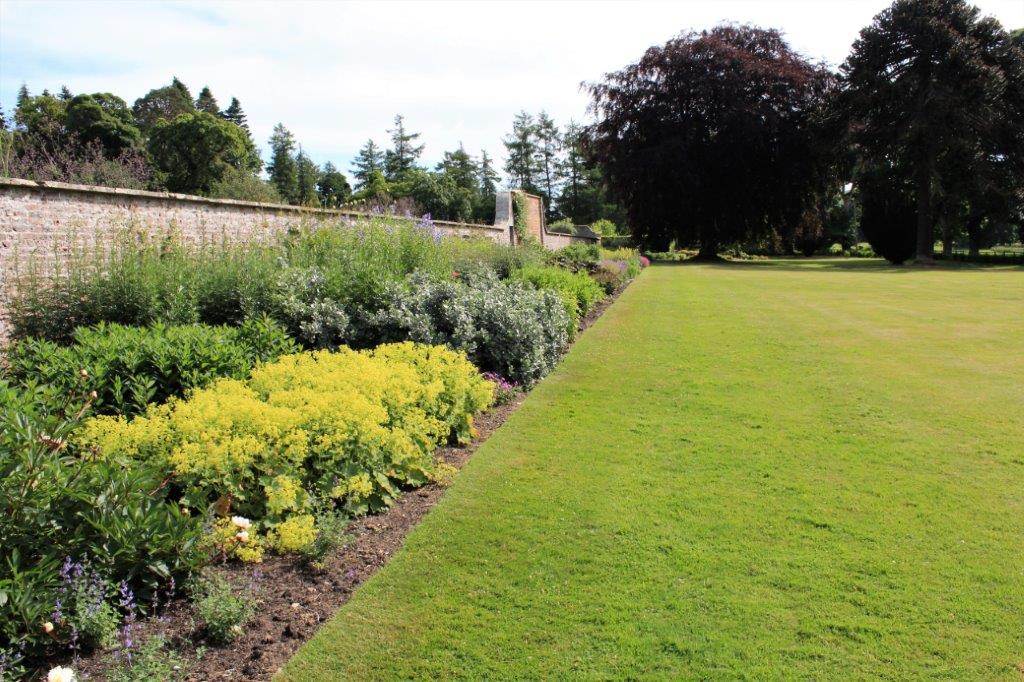
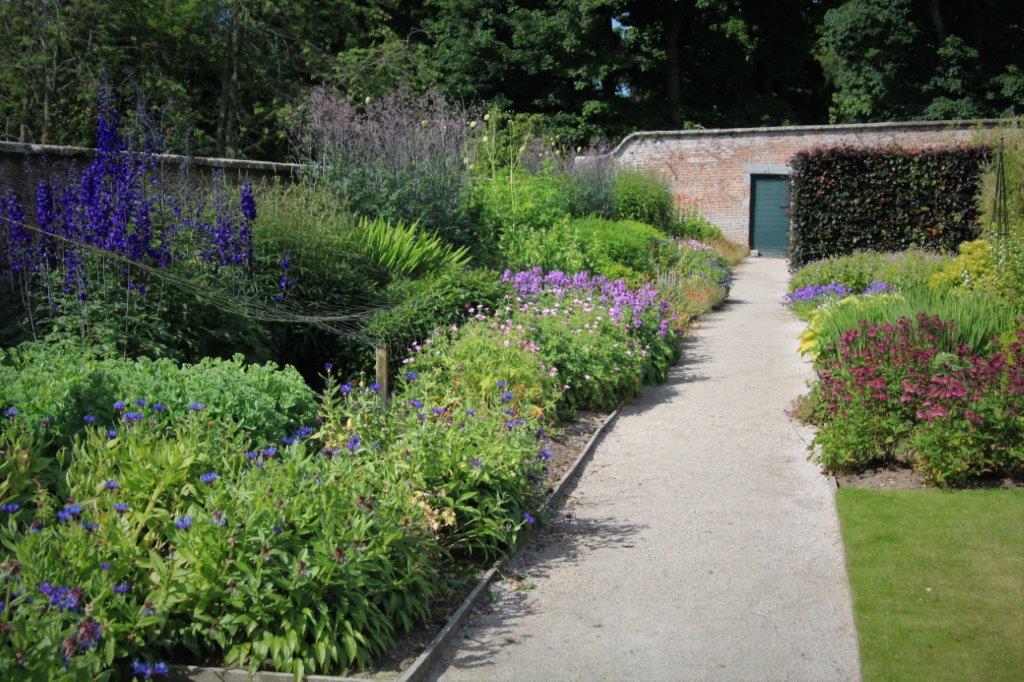
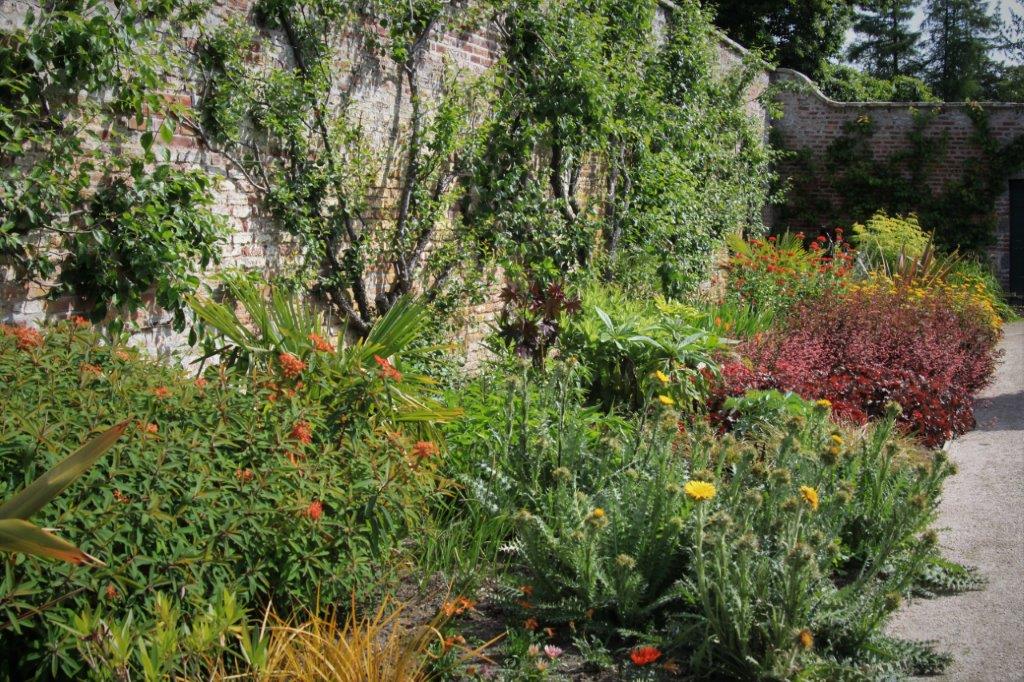
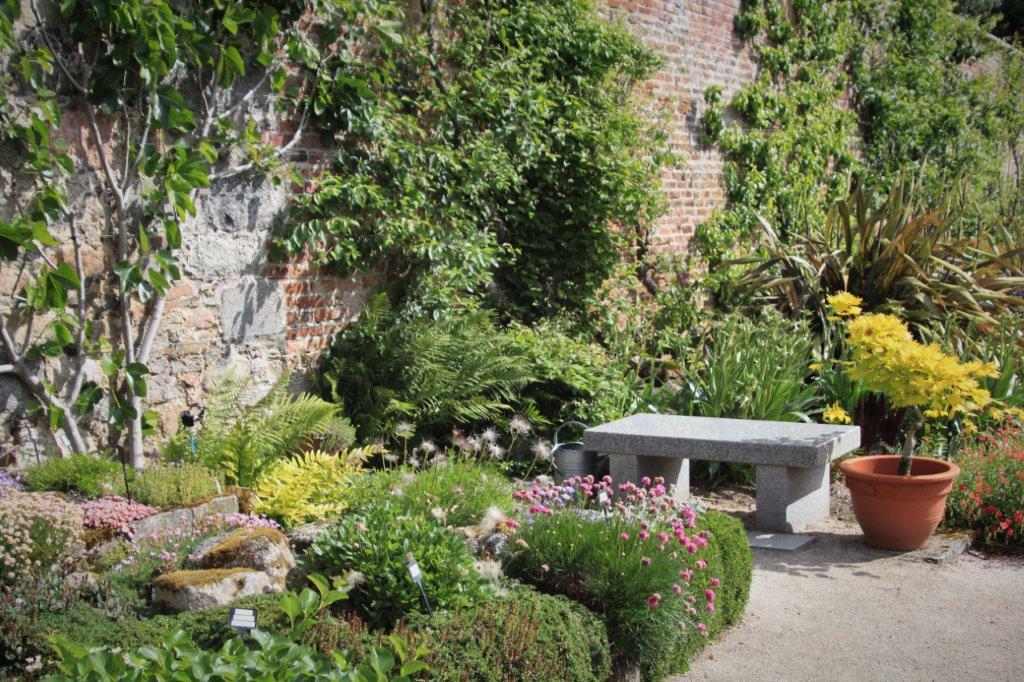
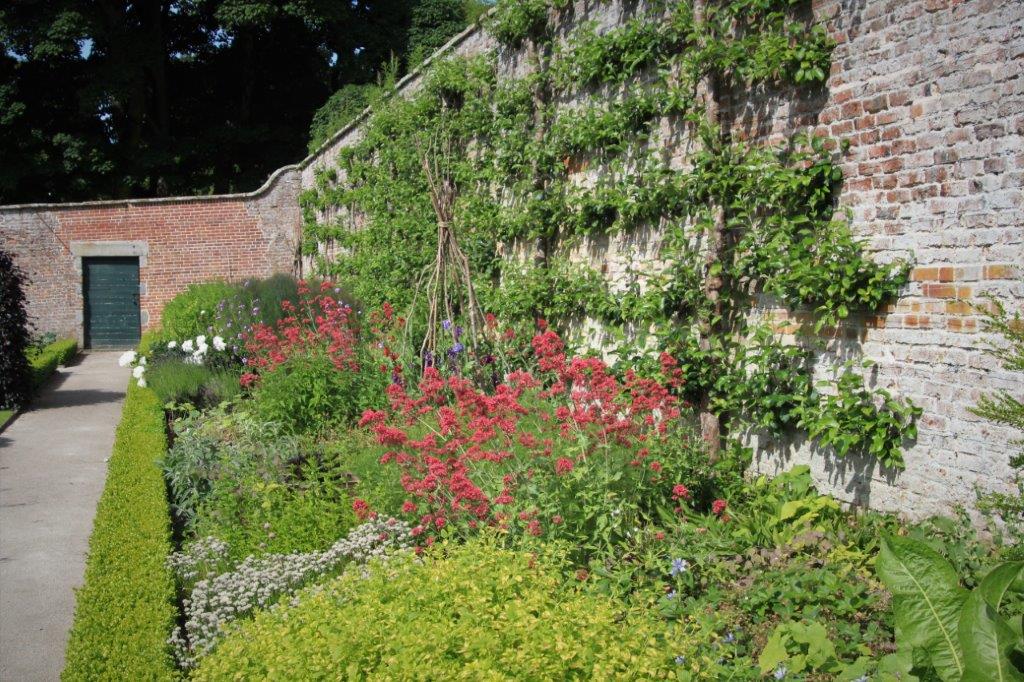
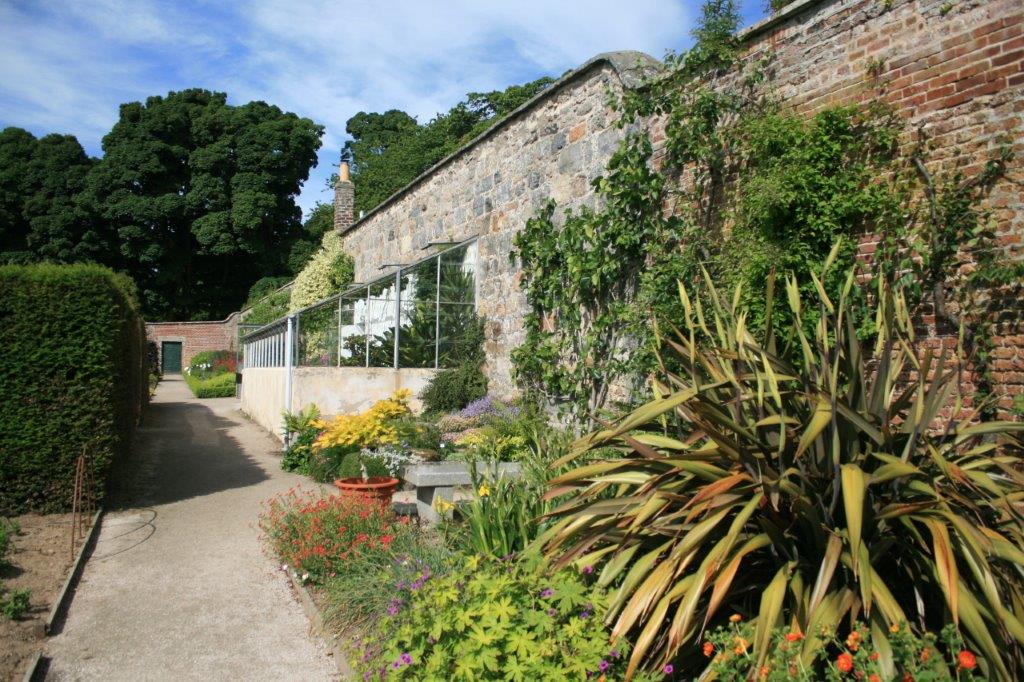
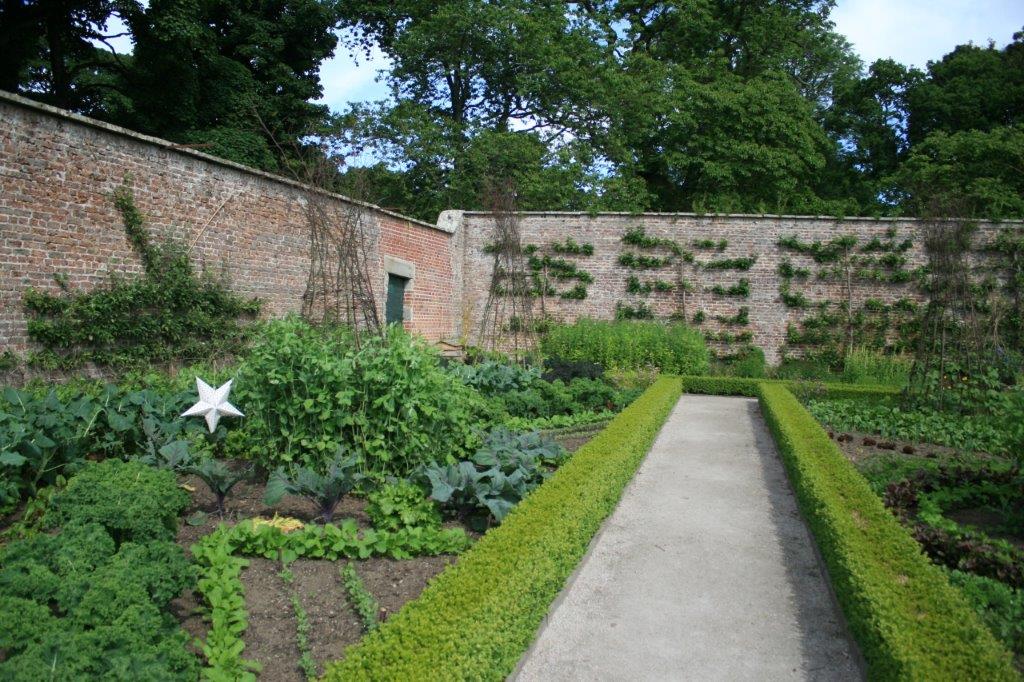
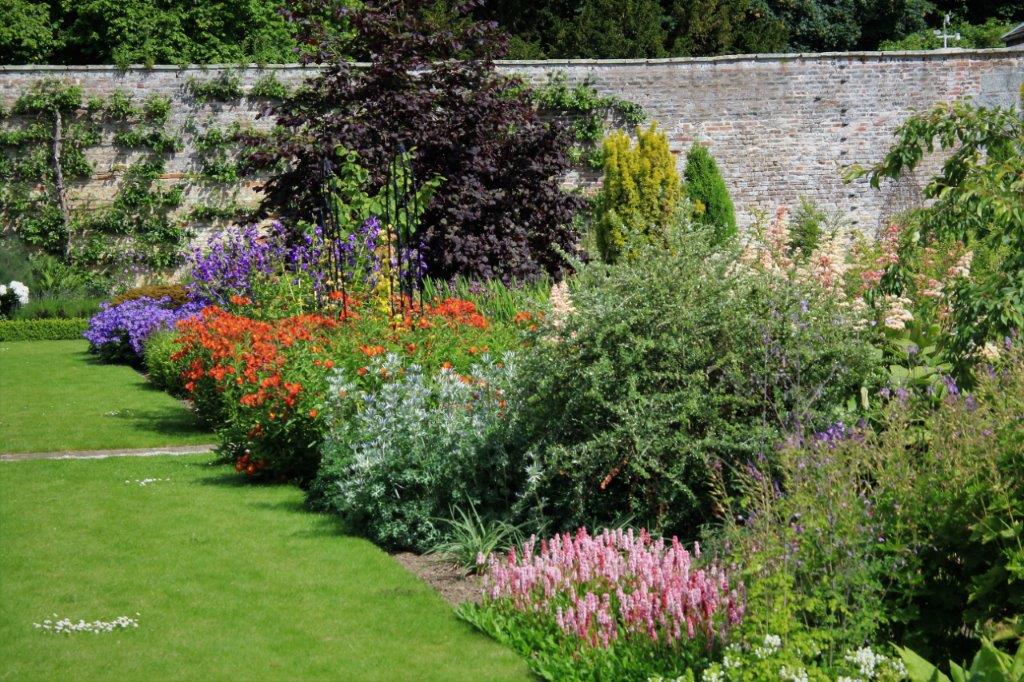
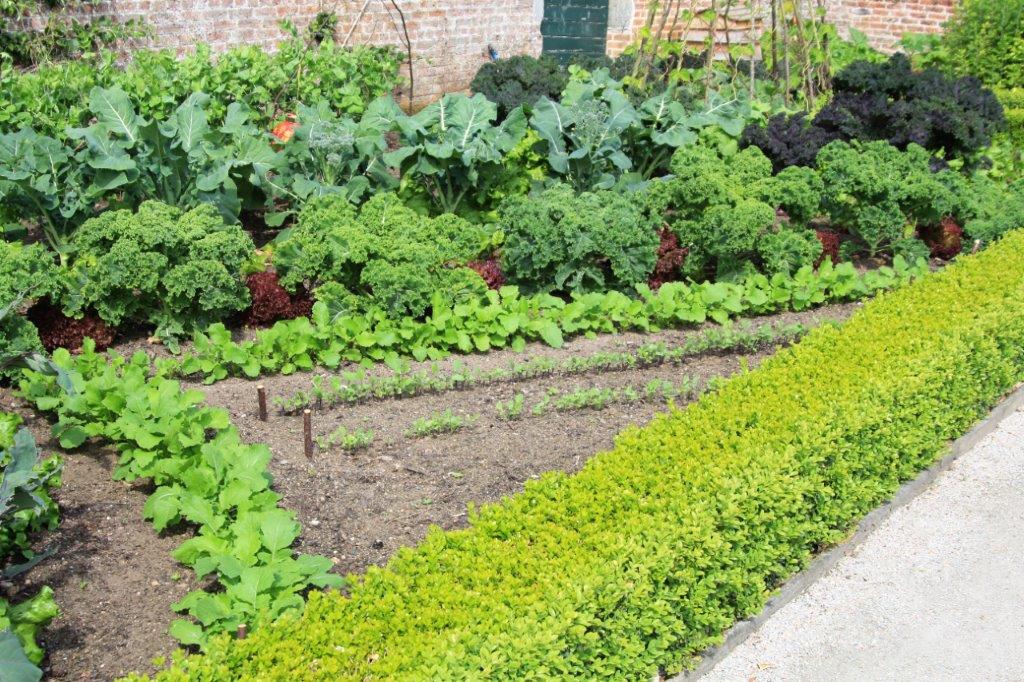
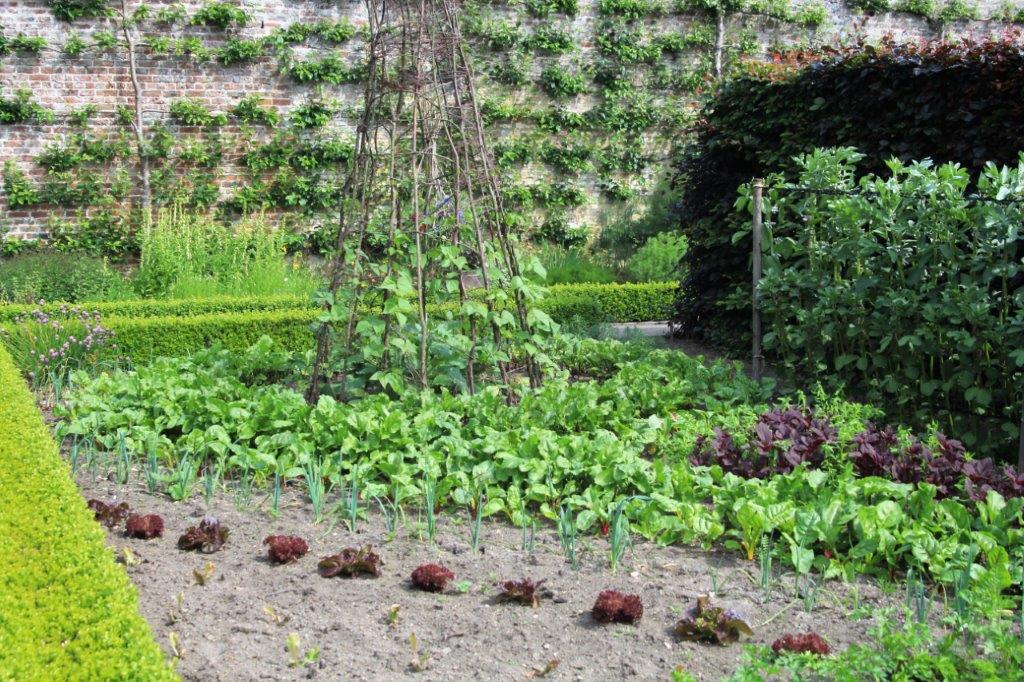
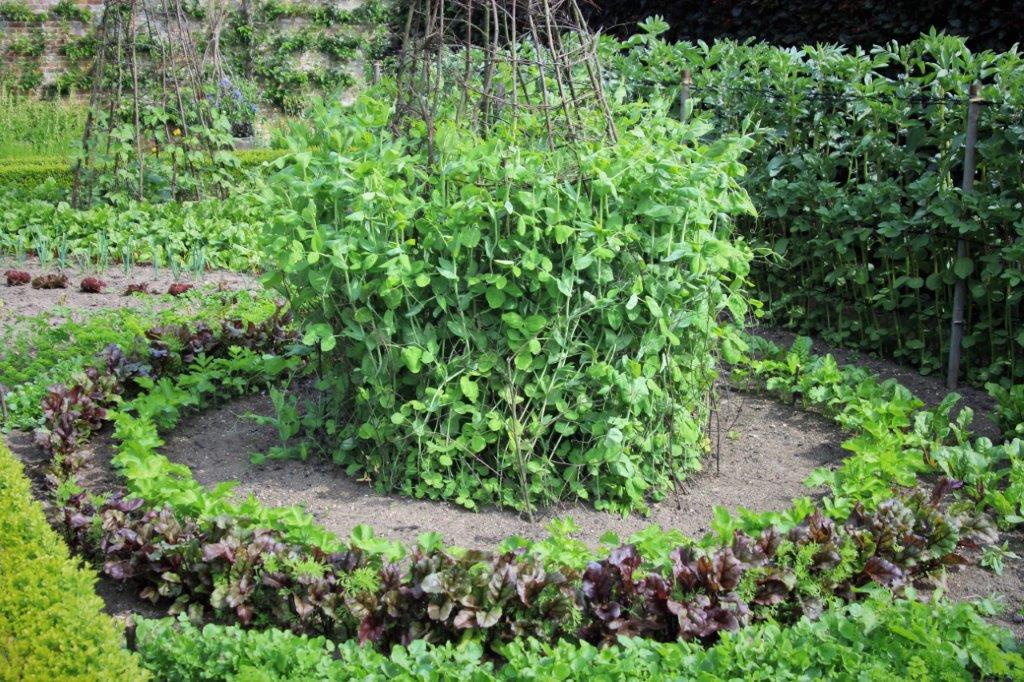
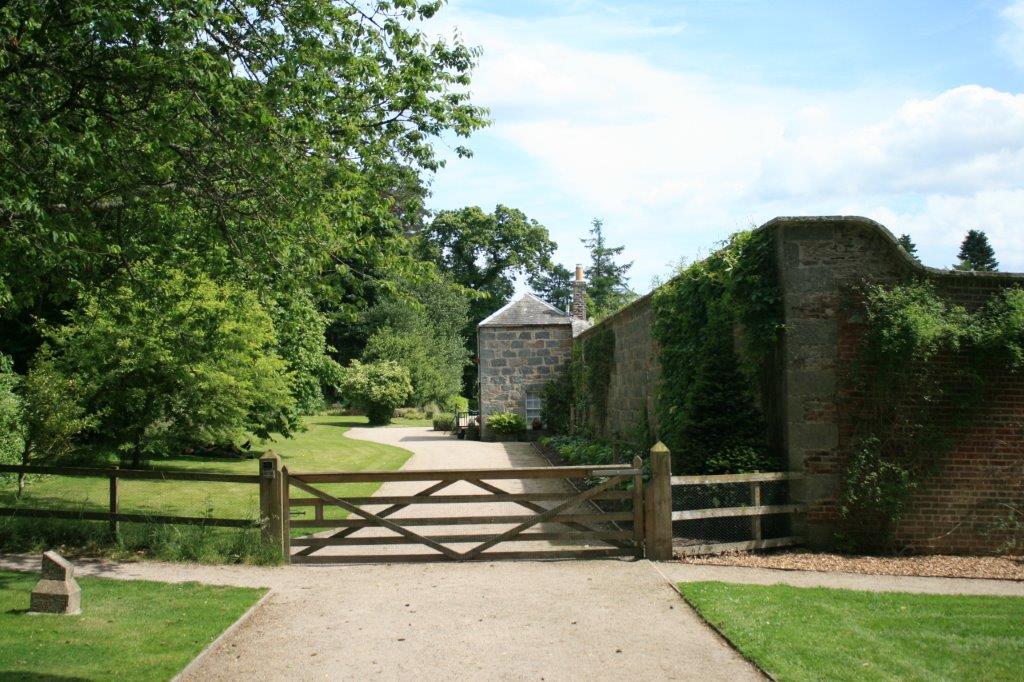
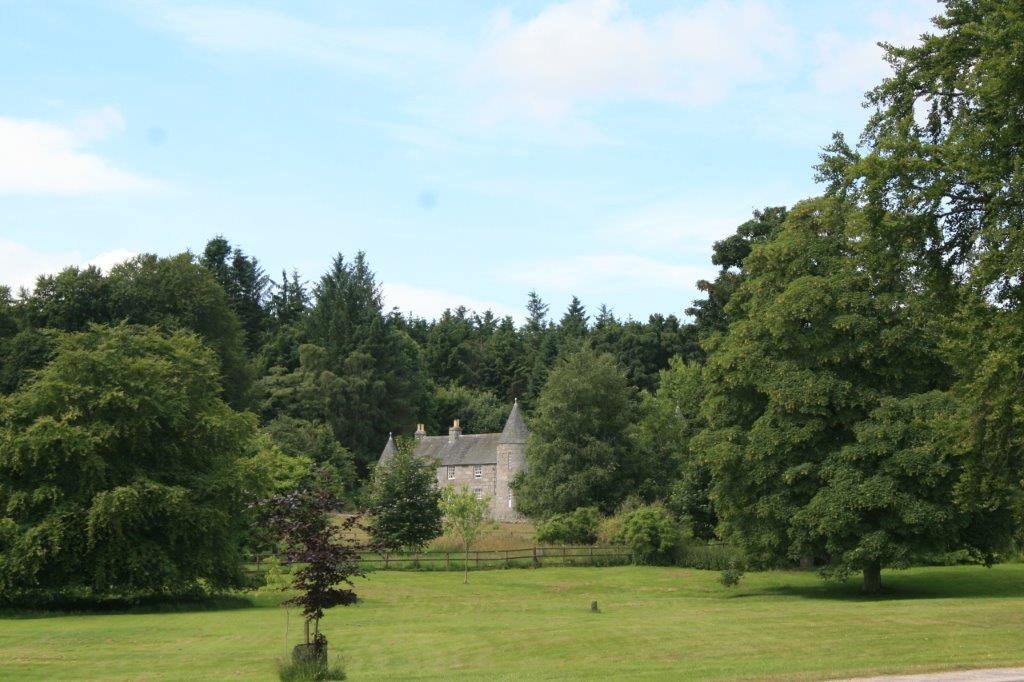
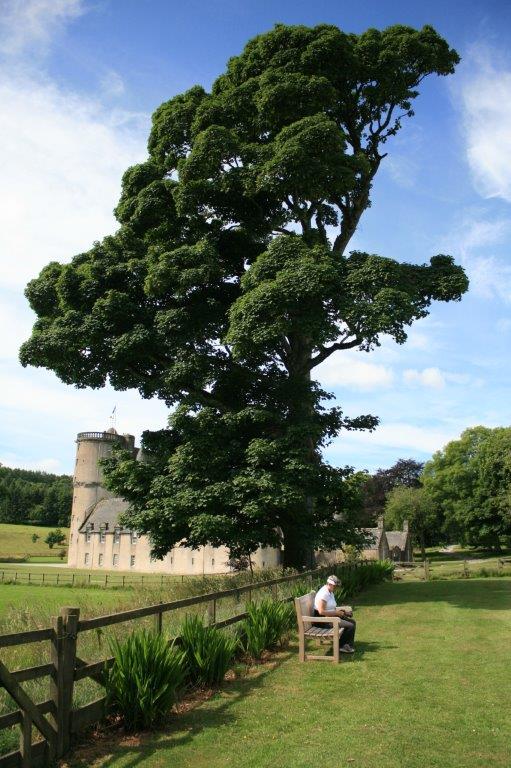
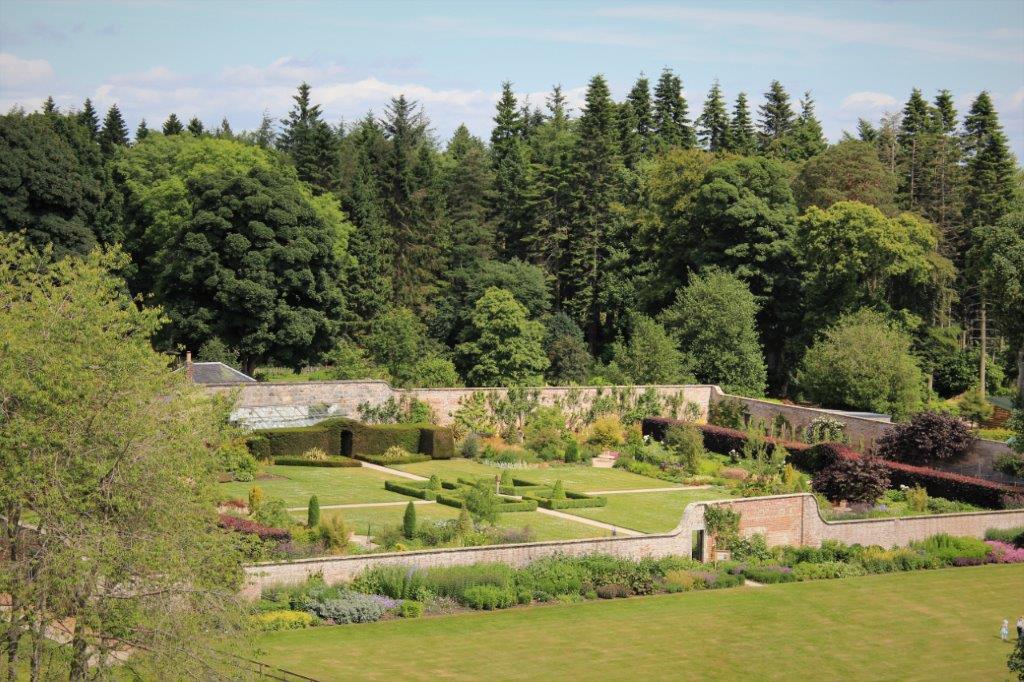
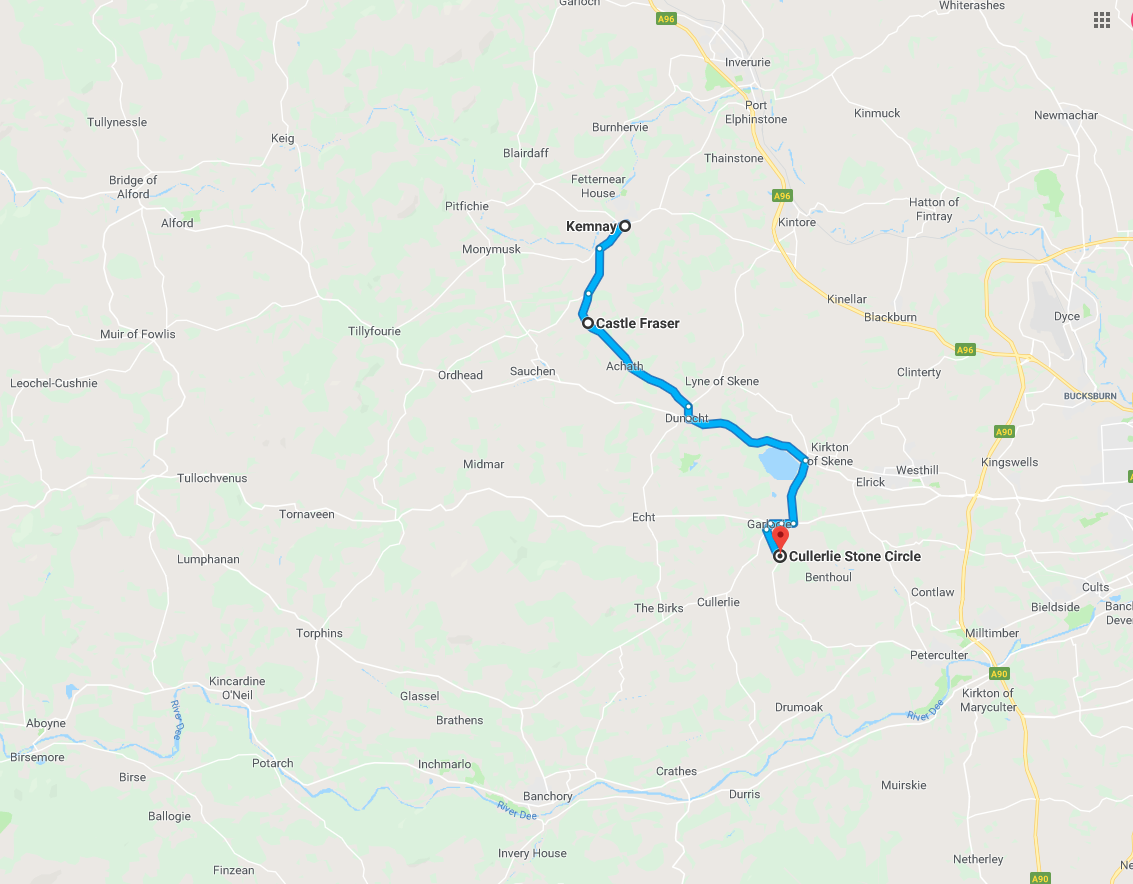
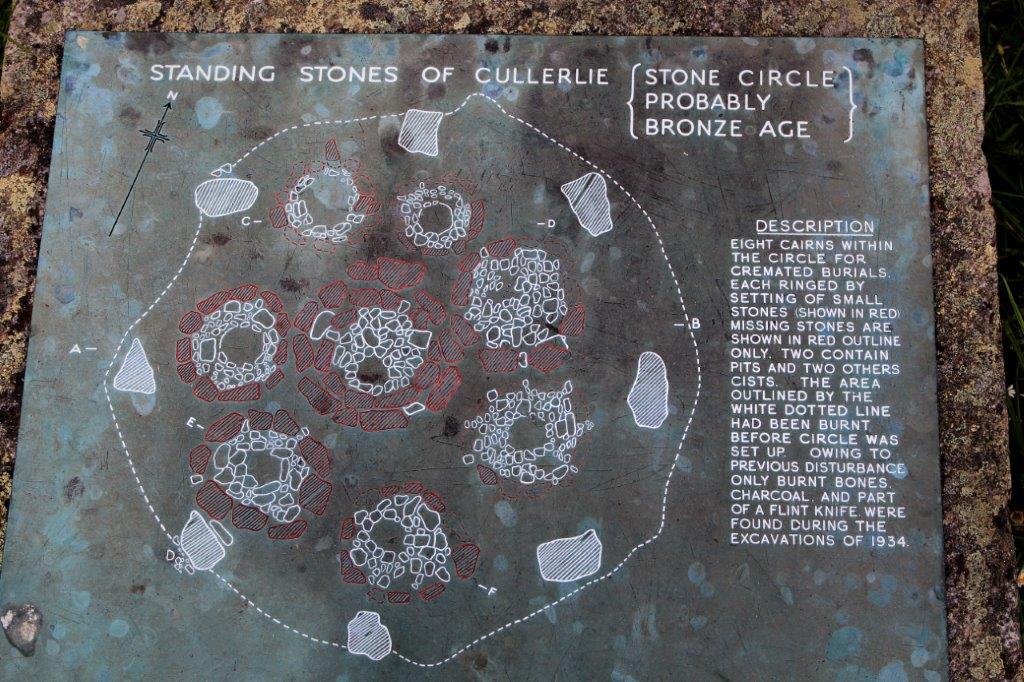
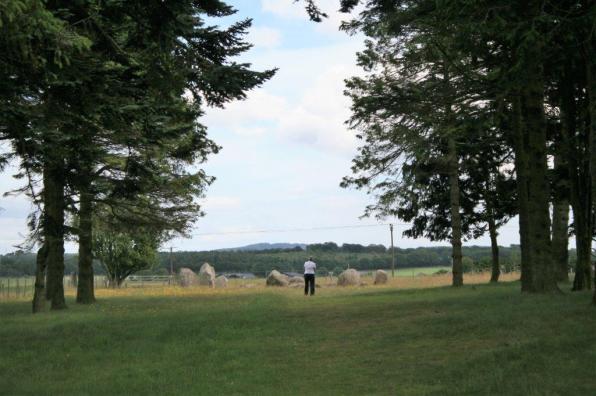
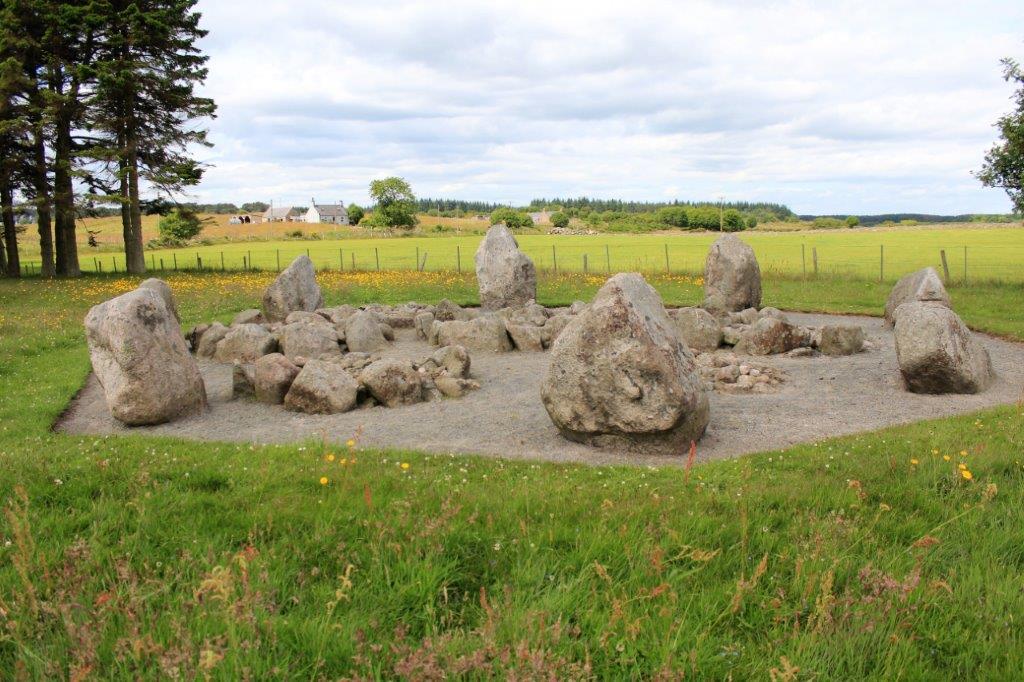
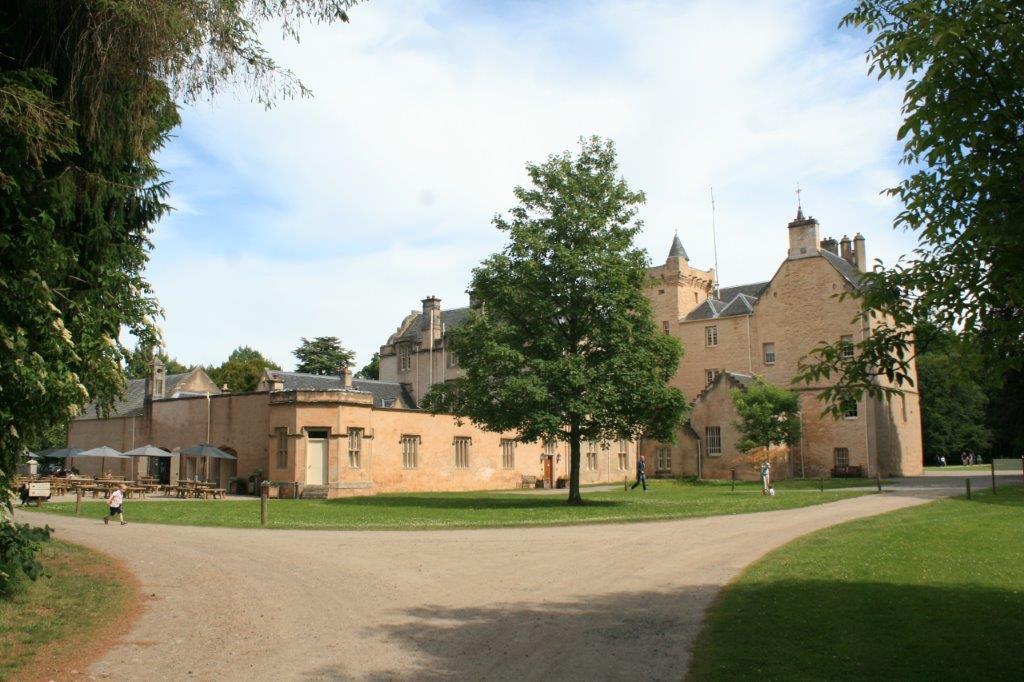
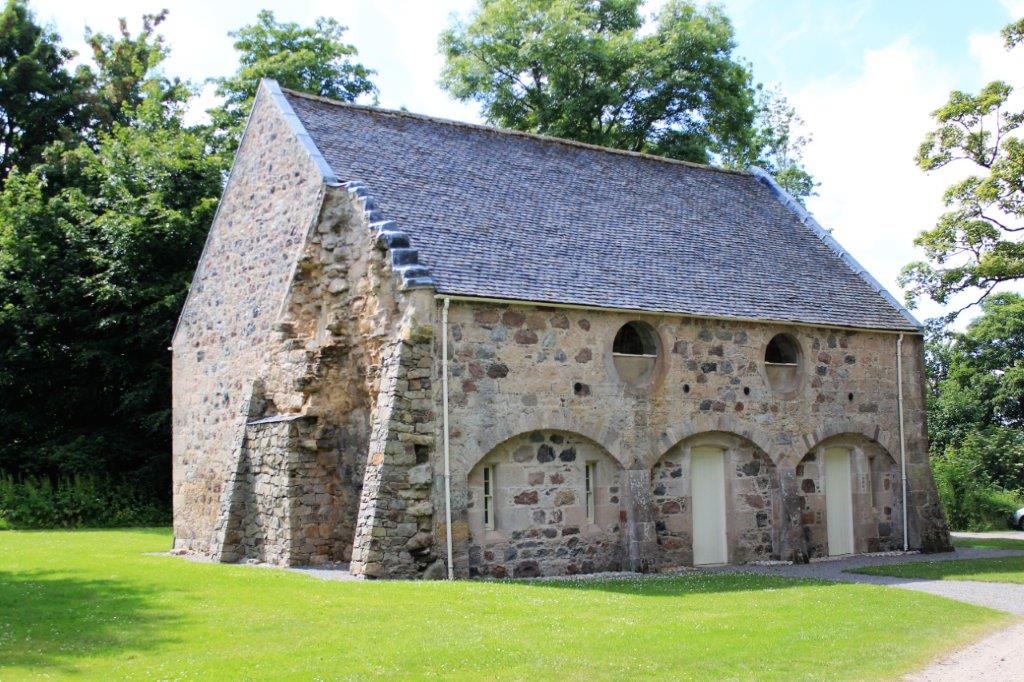
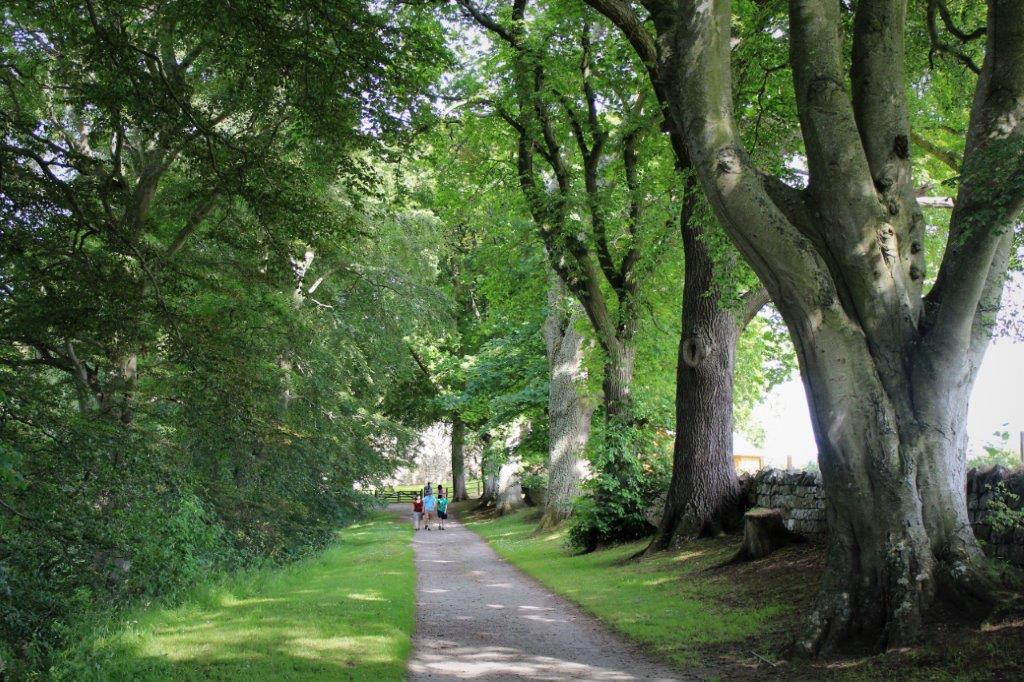
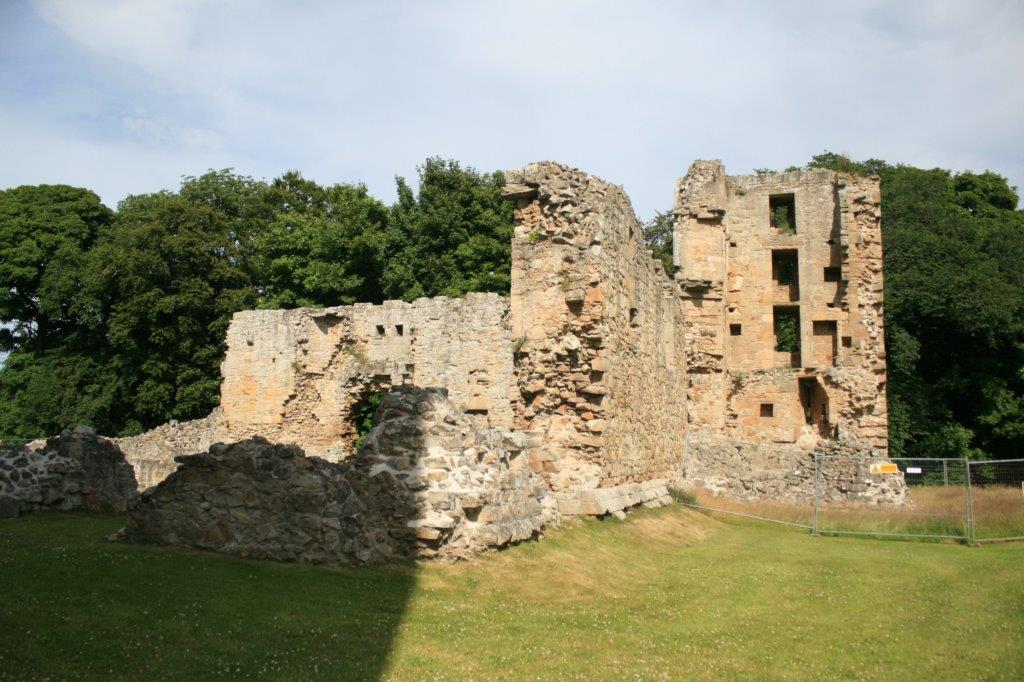
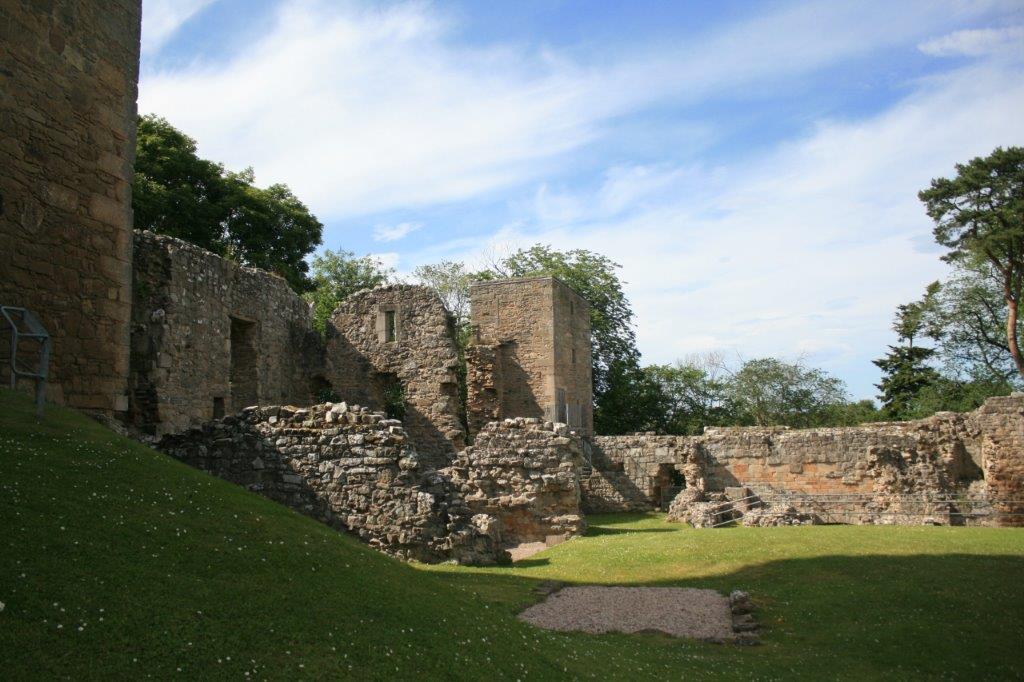
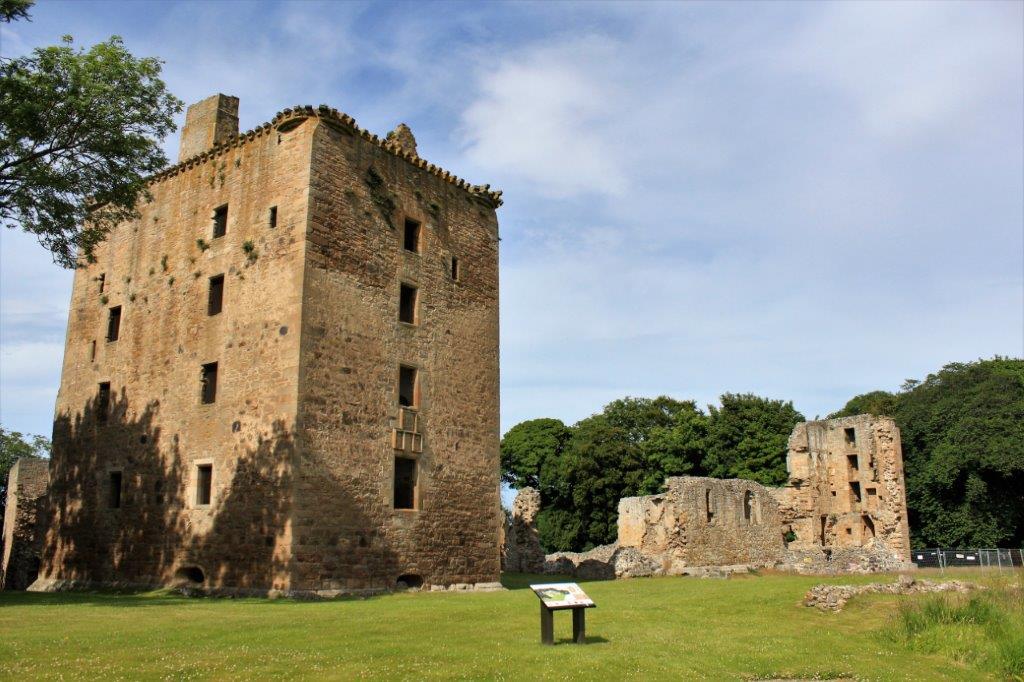
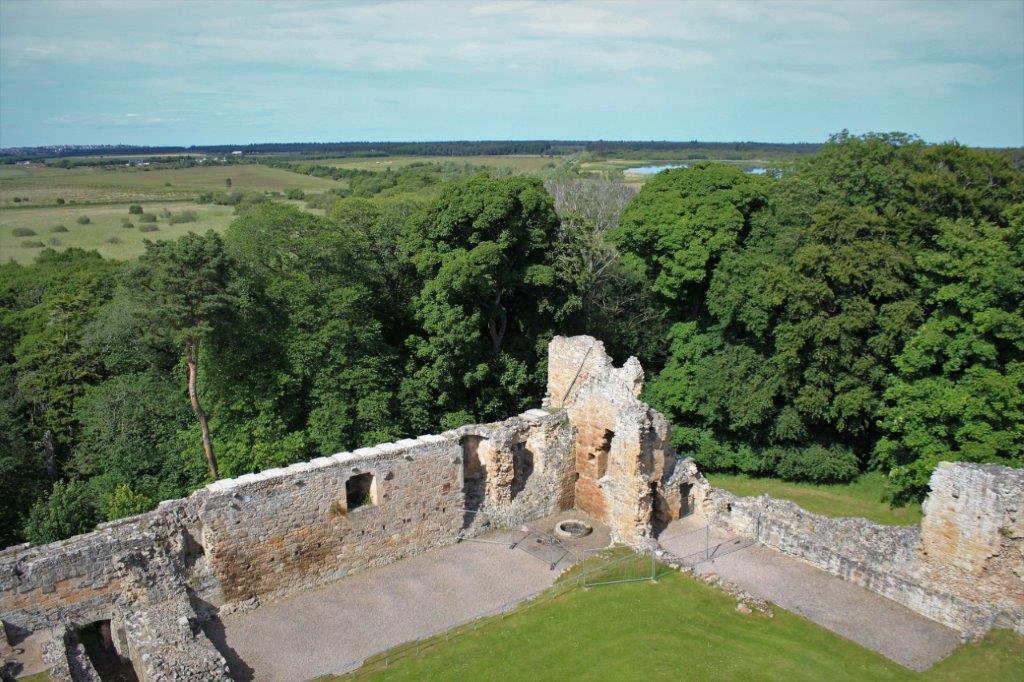
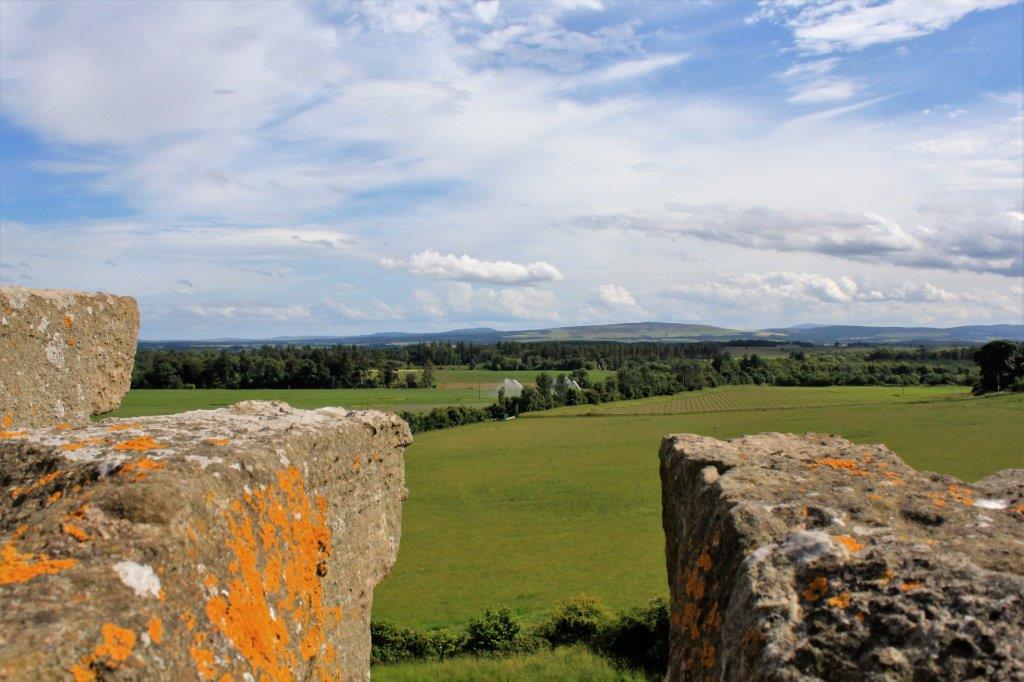
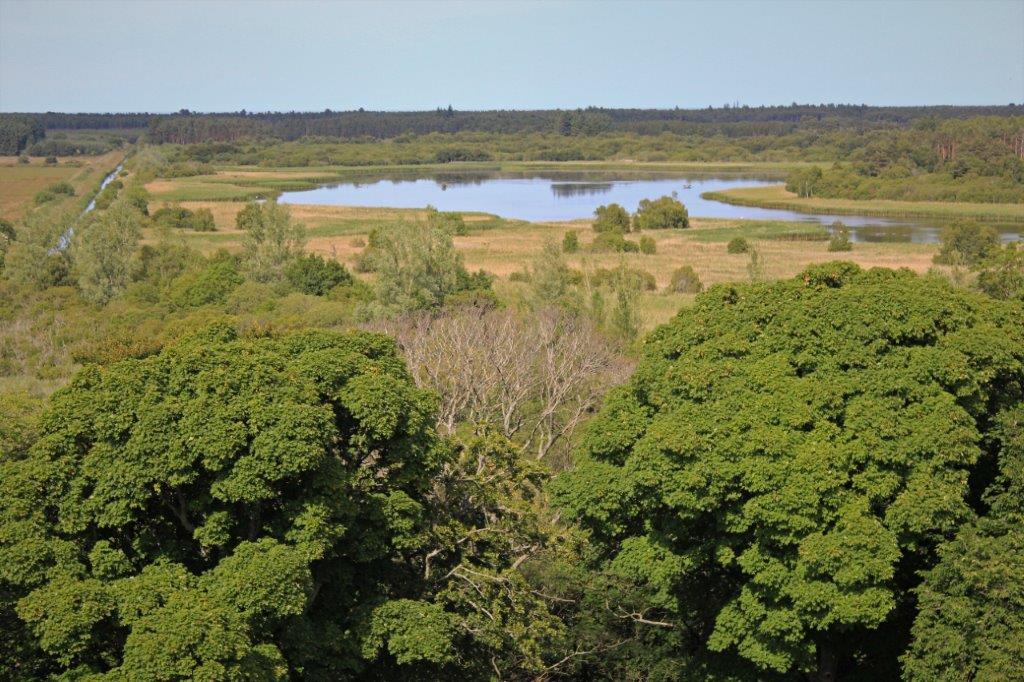
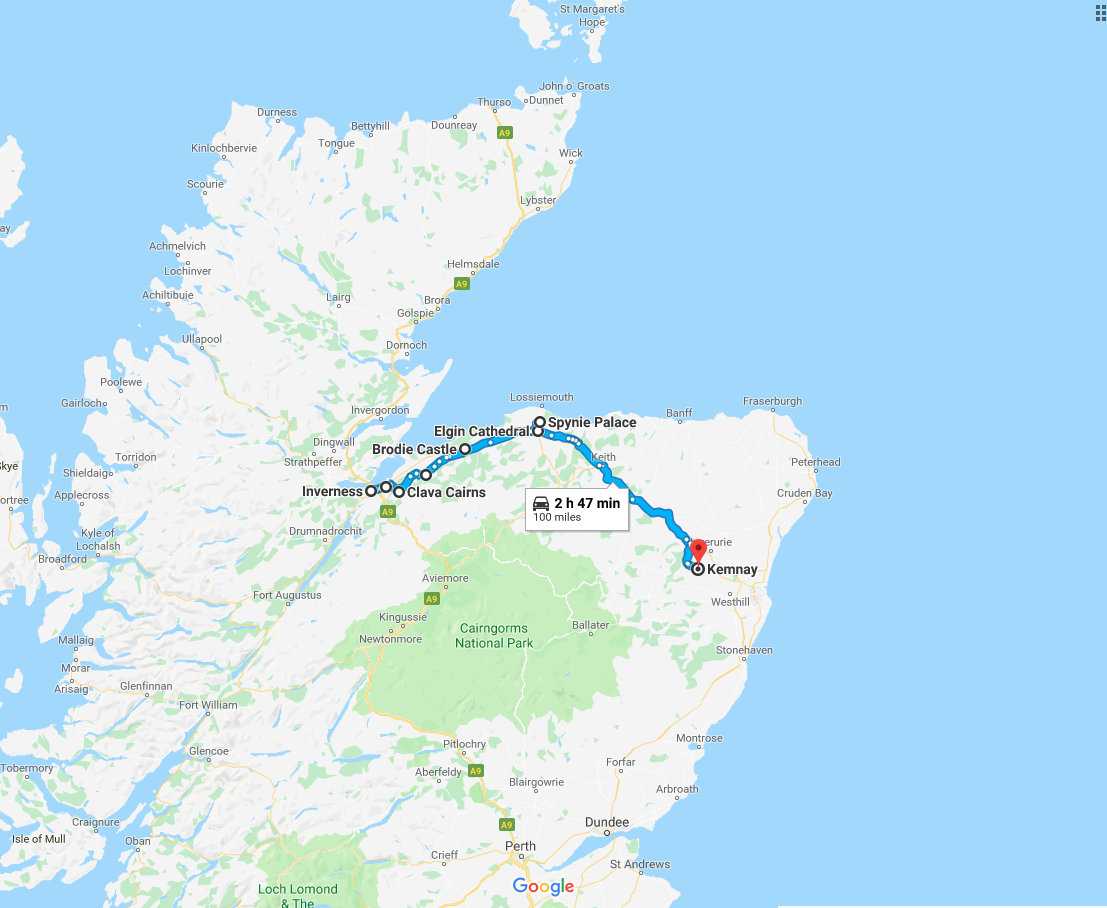
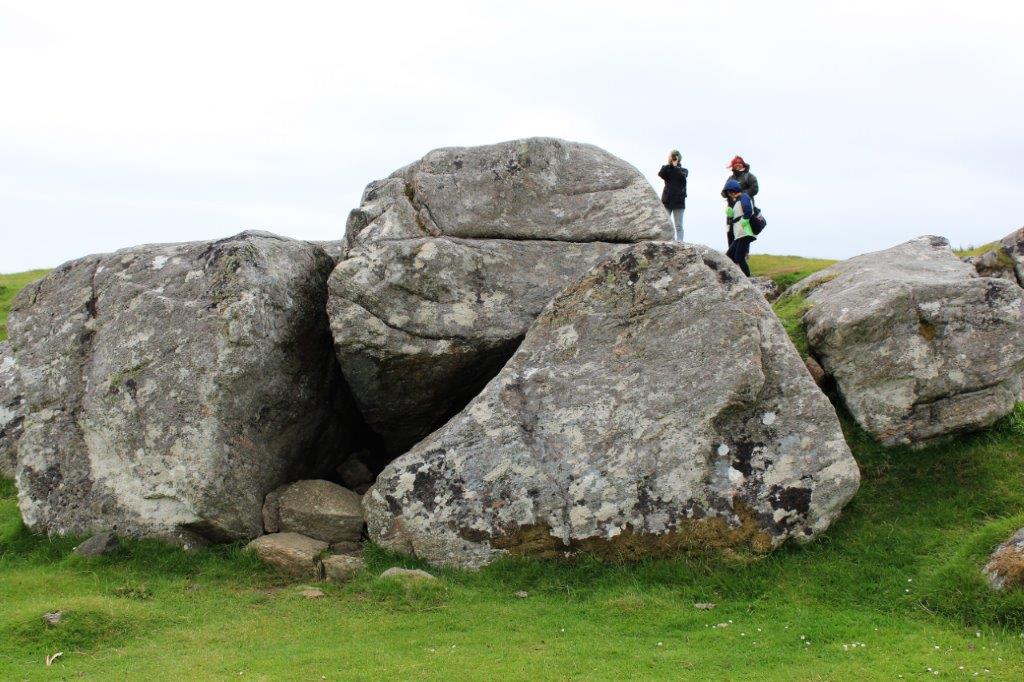
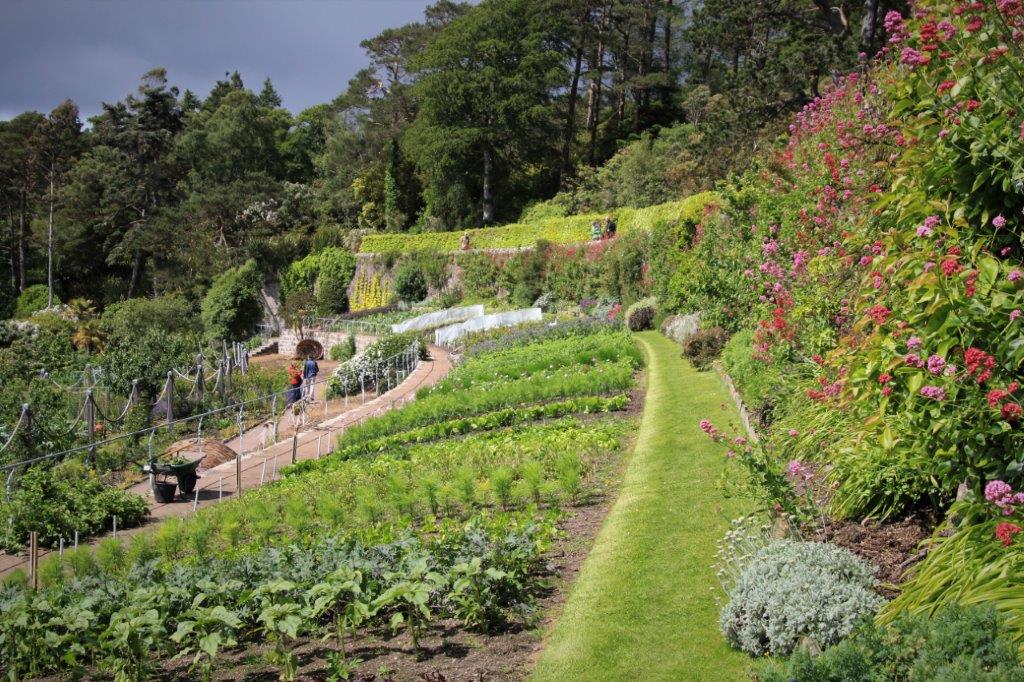
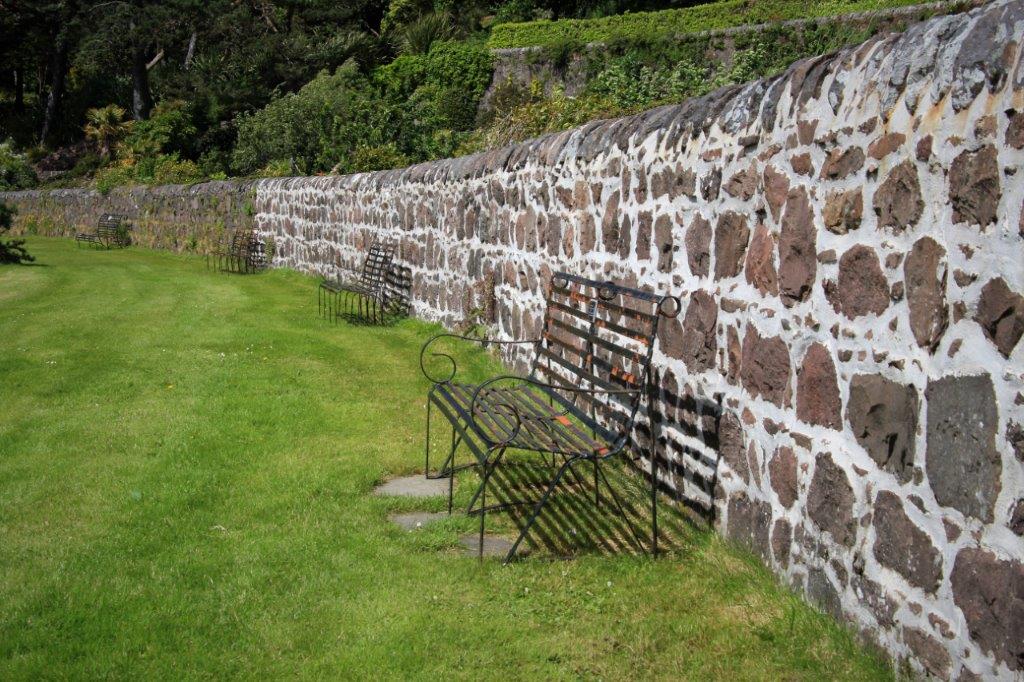
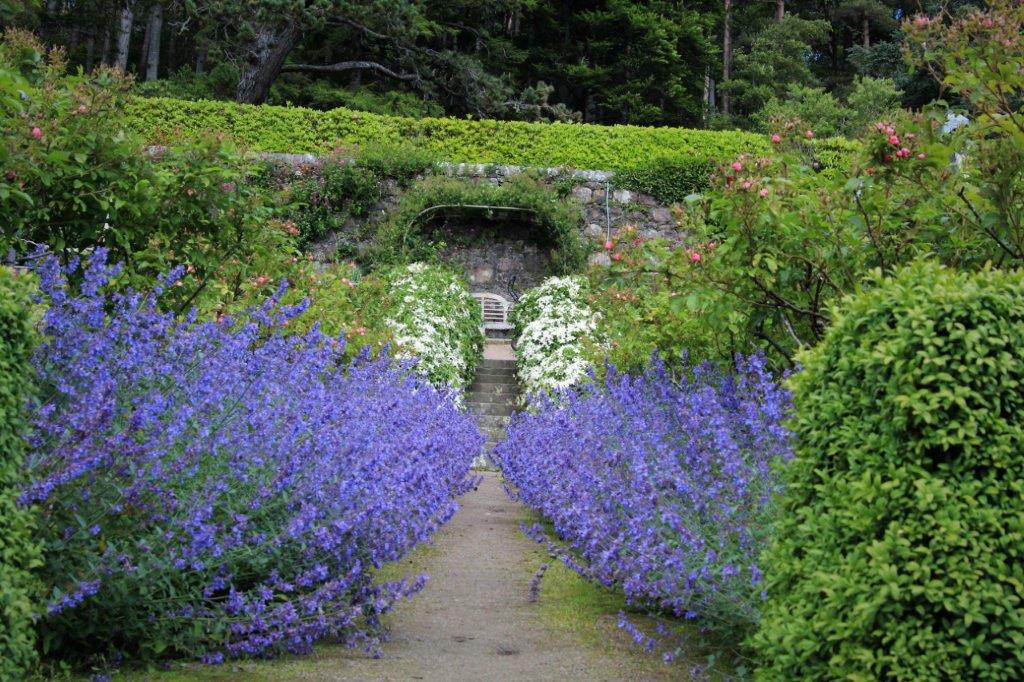
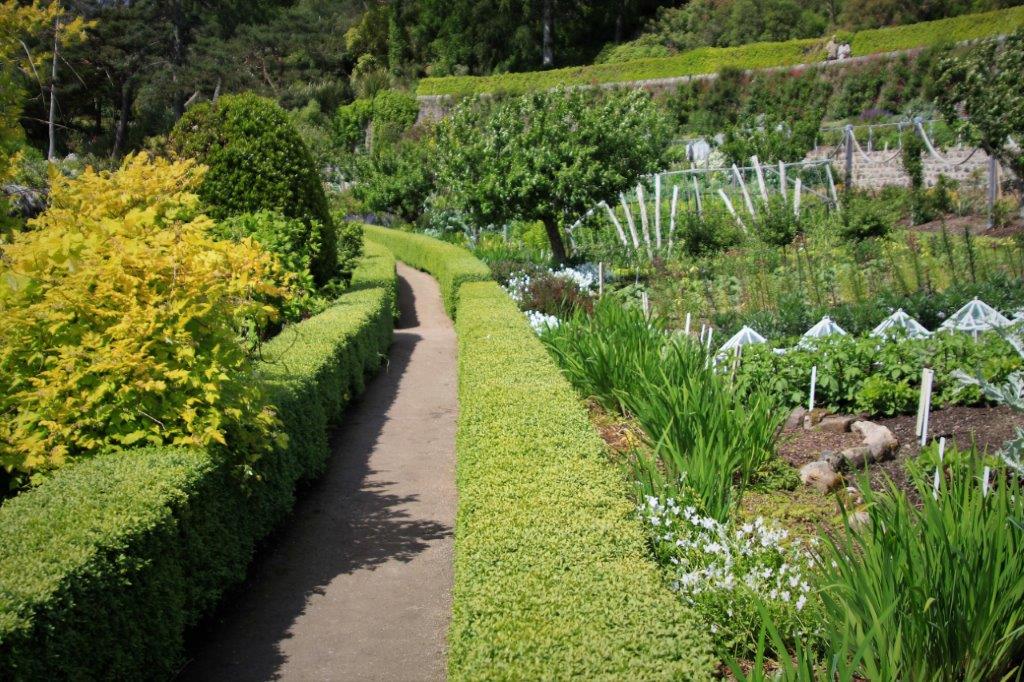
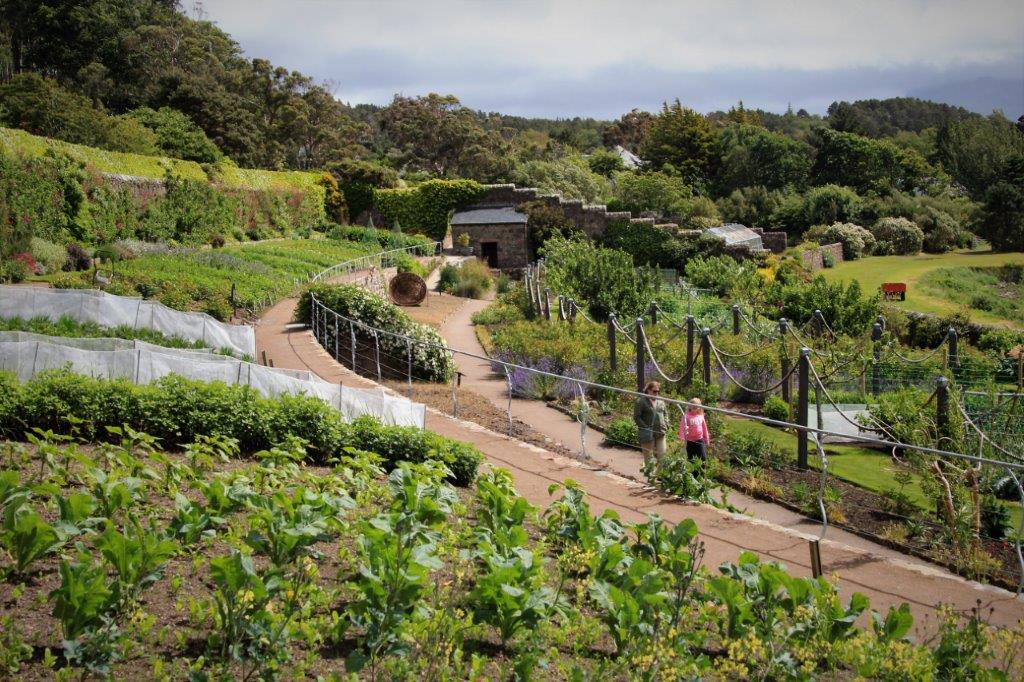
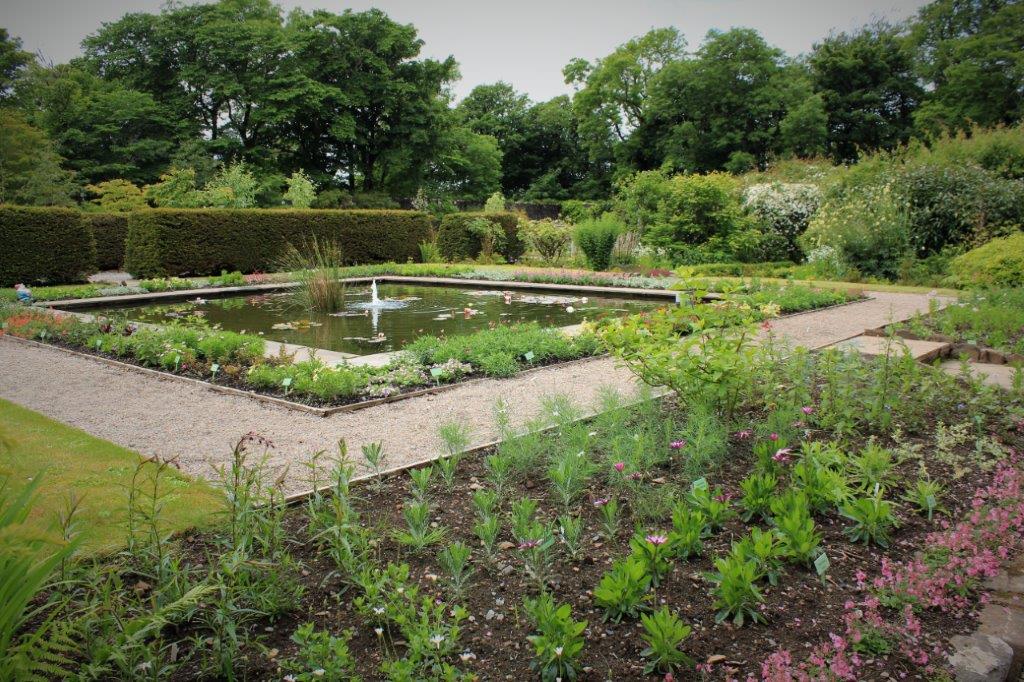
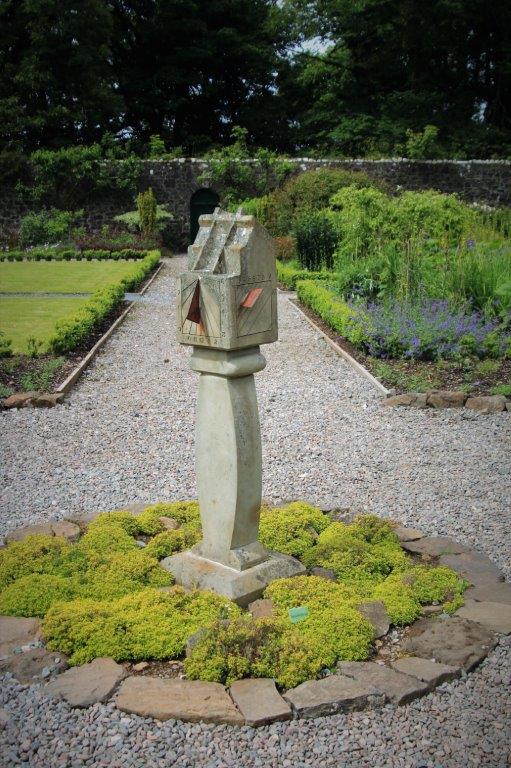
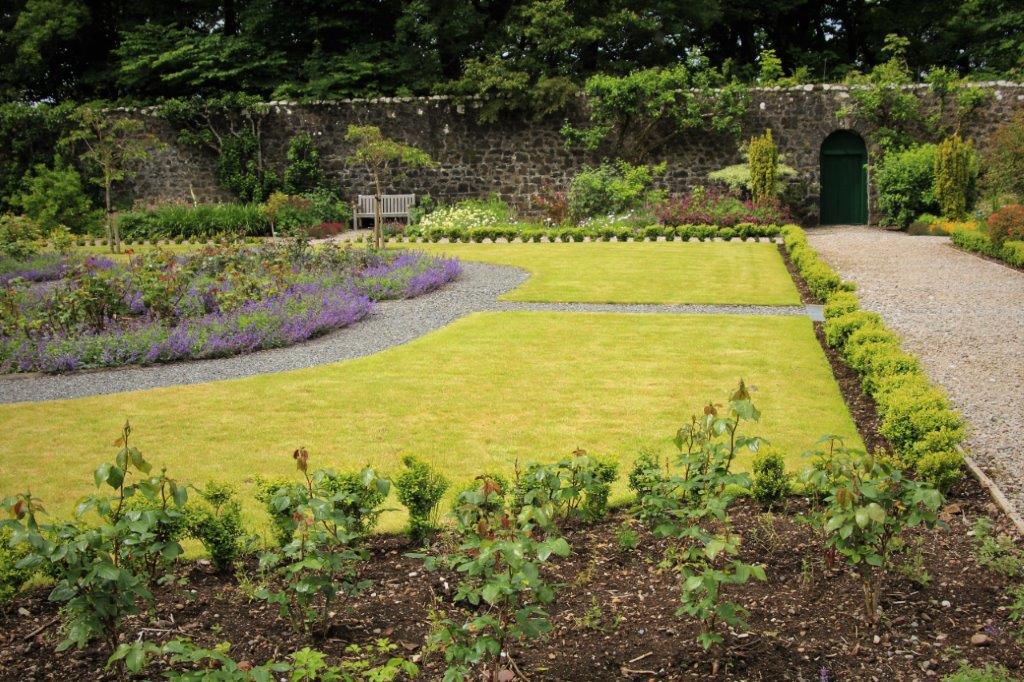
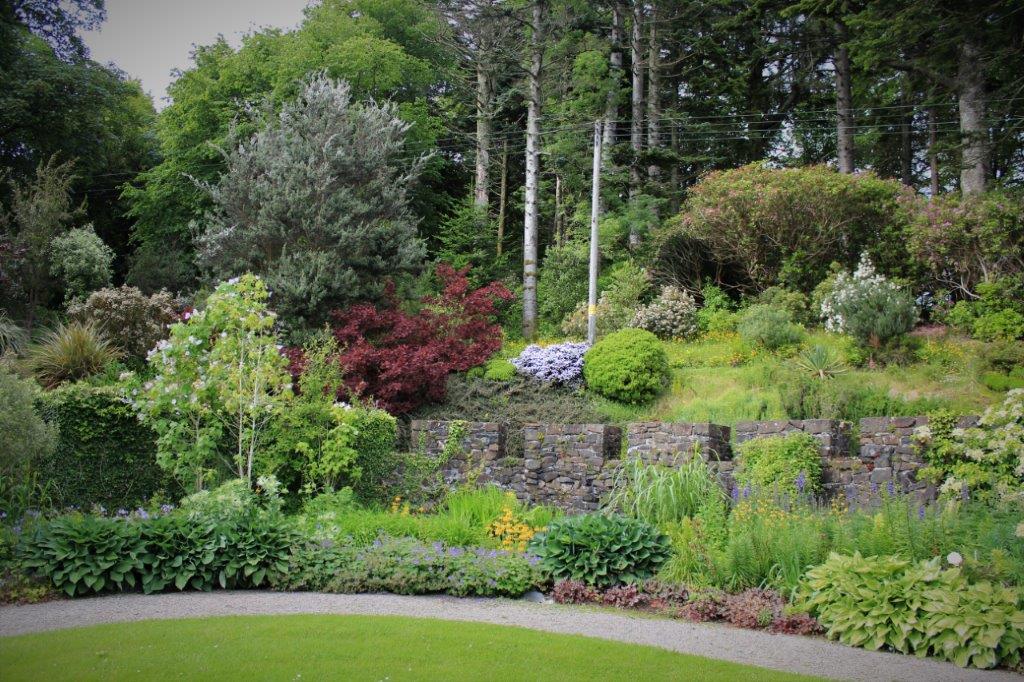
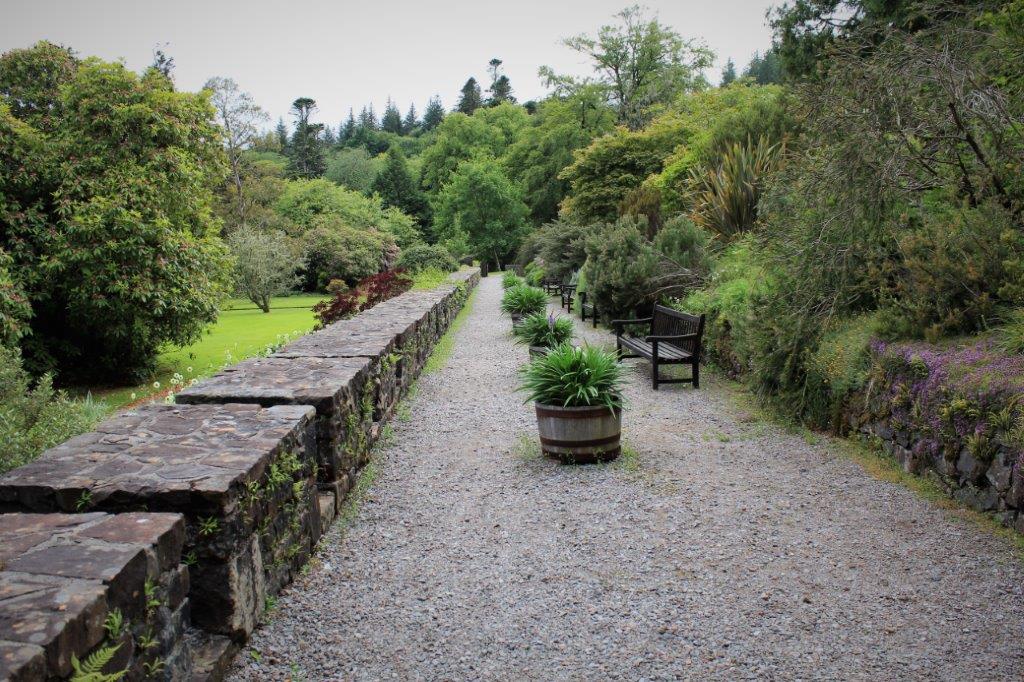
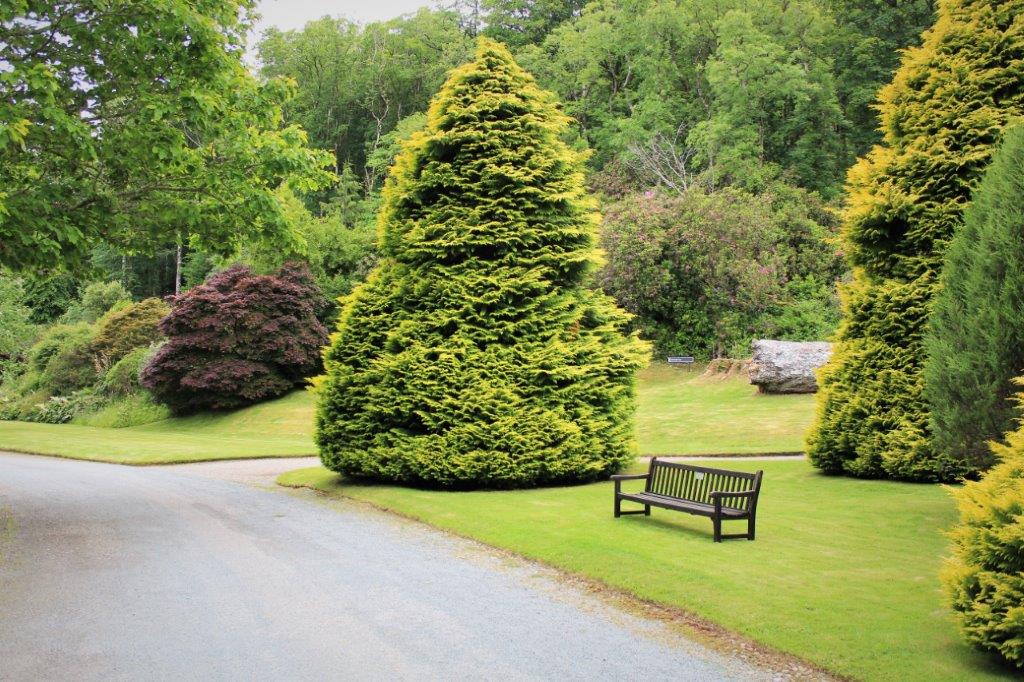
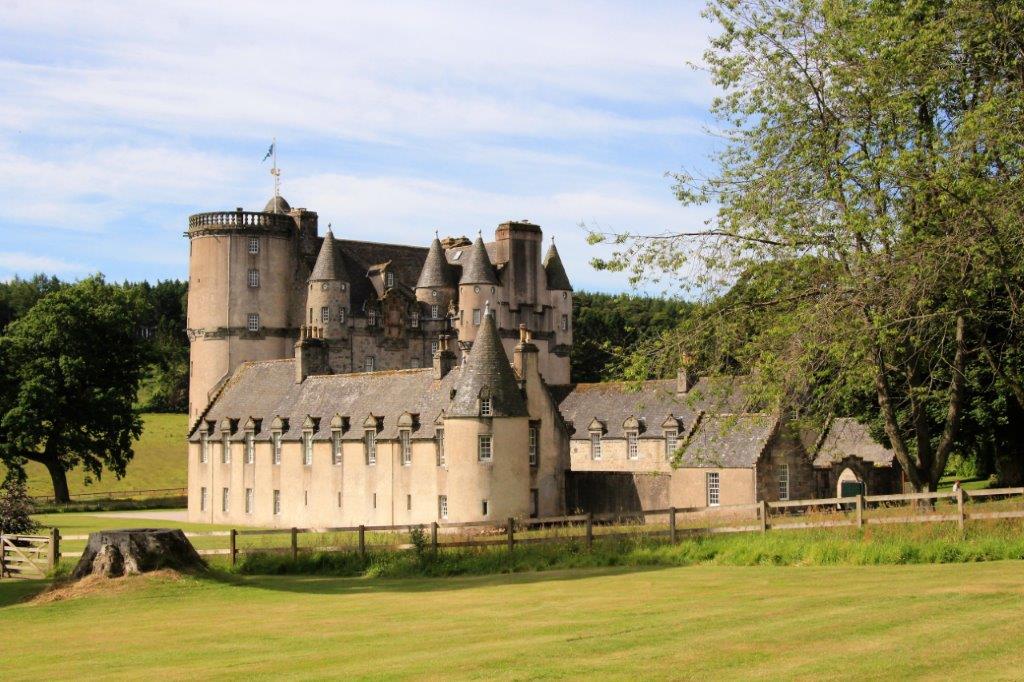
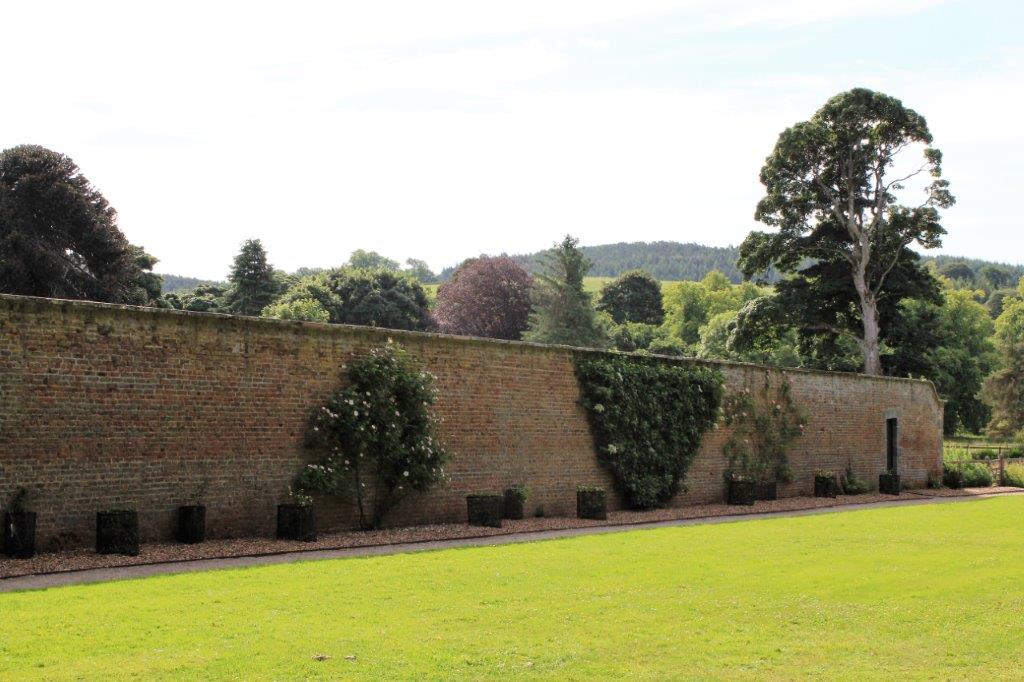
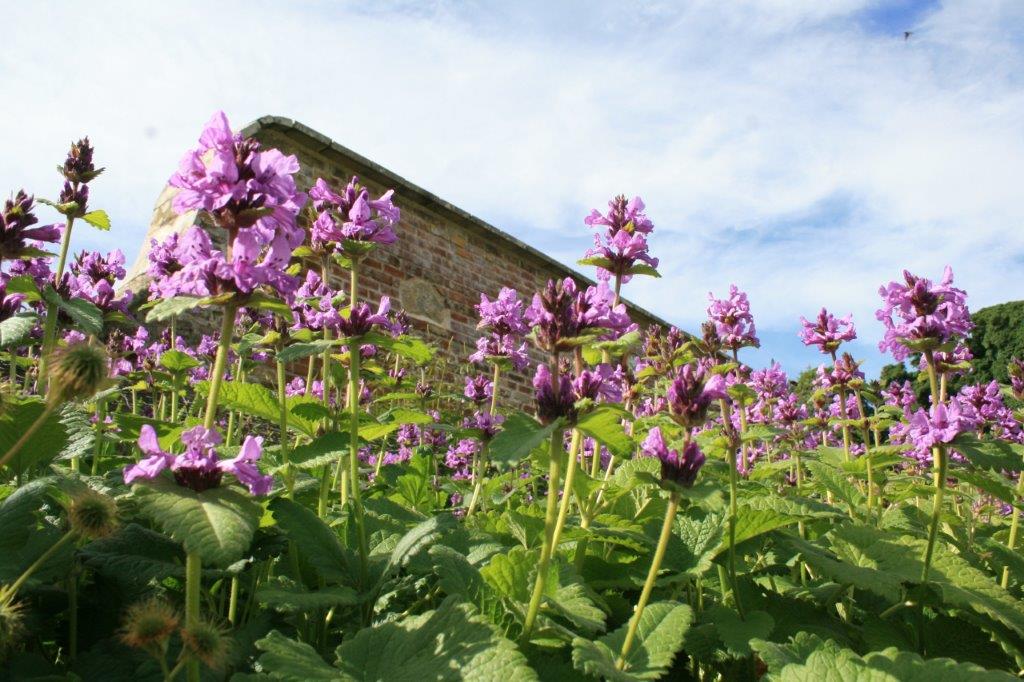
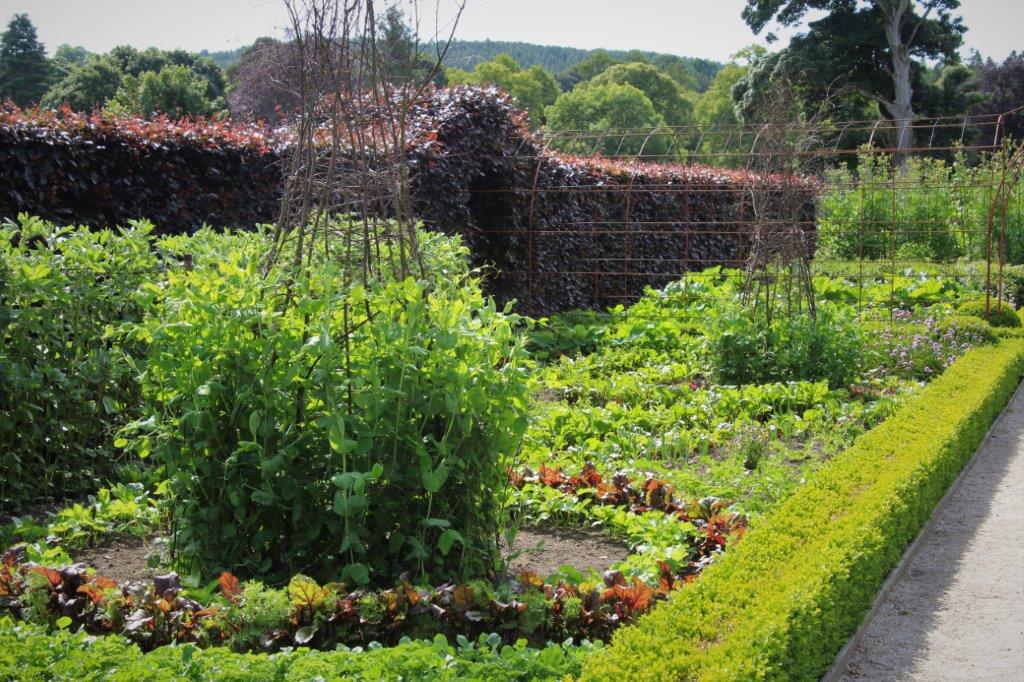
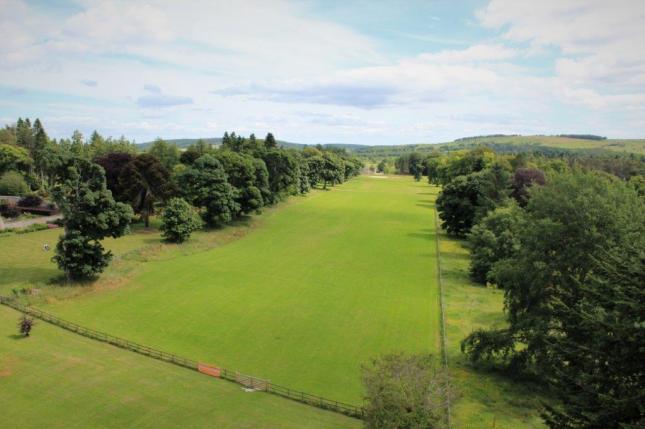
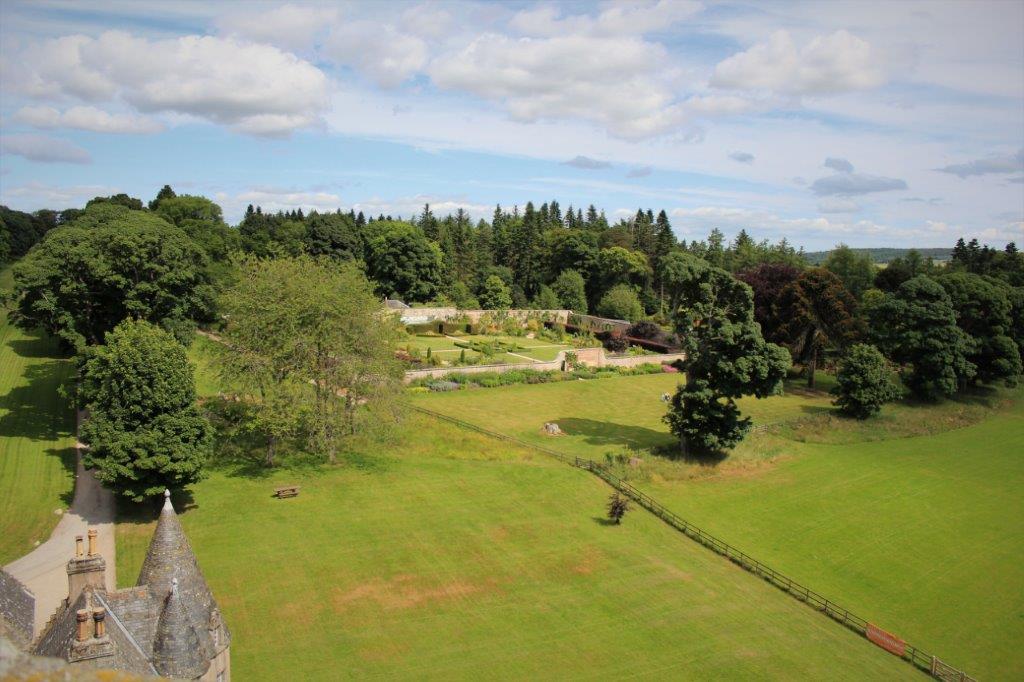
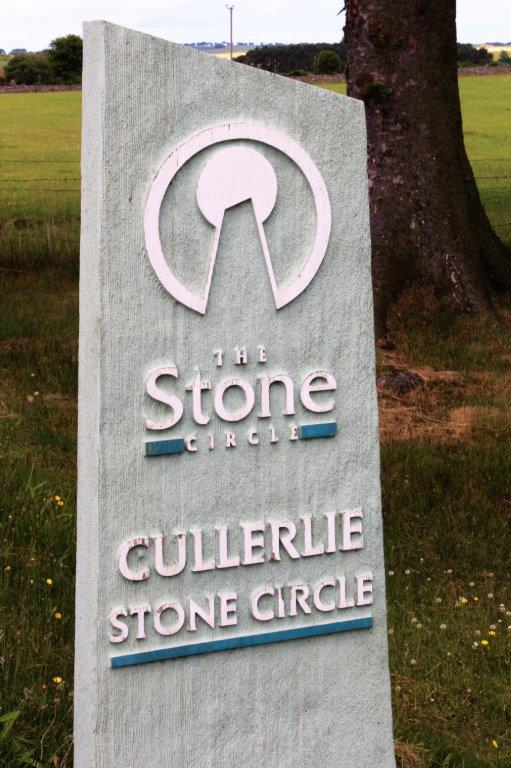
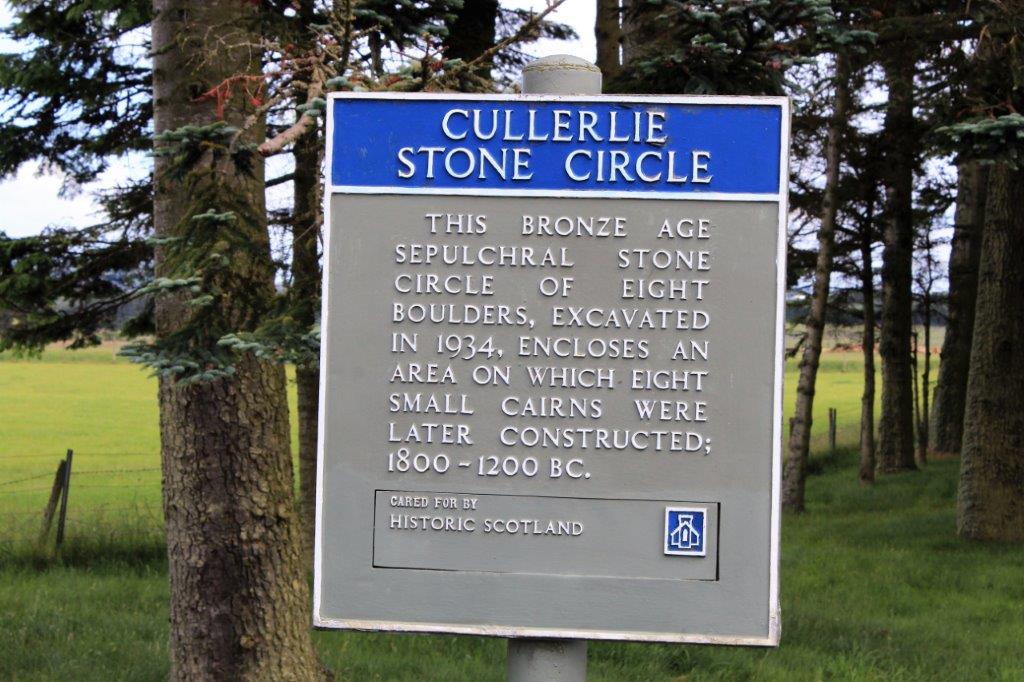
Kemnay sits just southwest of Inverune which is not too far from Aberdeen.  We left our B & B at 9:30 and made the short drive to Castle Fraser.  The castle is an imposing sight as you approach along the Broad Walk; an impression the lairds intended.  The present castle took shape between 1575 and 1636 – a statement of pride for the Fraser family and a show  of strength to any potential foes. Unfortunately the castle was closed for some reason the day we were there.  There is a lovely walled garden just off the Broad Walk and the gate was open so we took a wander around. Only an avid gardener would consider planting their vegetable garden in decorative shapes. Once we toured the walled garden we climbed to the top of the tower to see the expansive view.. A bit of a zigzag route SE brought us to the Cullerlie Stone Circle, another one of the ancient cairns that dot the Scottish countryside.  Cullerlie is a circle of eight stones enclosing an area consecrated by fires on which eight small cairns were later built.
Our next stop this day was Drum Castle and Rose Garden.  This was on my list to check out for my sister who has over 600 roses in her garden.  I had heard that Drum had an extensive rose garden with many heritage roses so I thought I would go see some in her stead. (To be continued in Part 2)
2013 Summer (Baltic and Britain – Scotland – July 8 – Day 15 – Part 2)
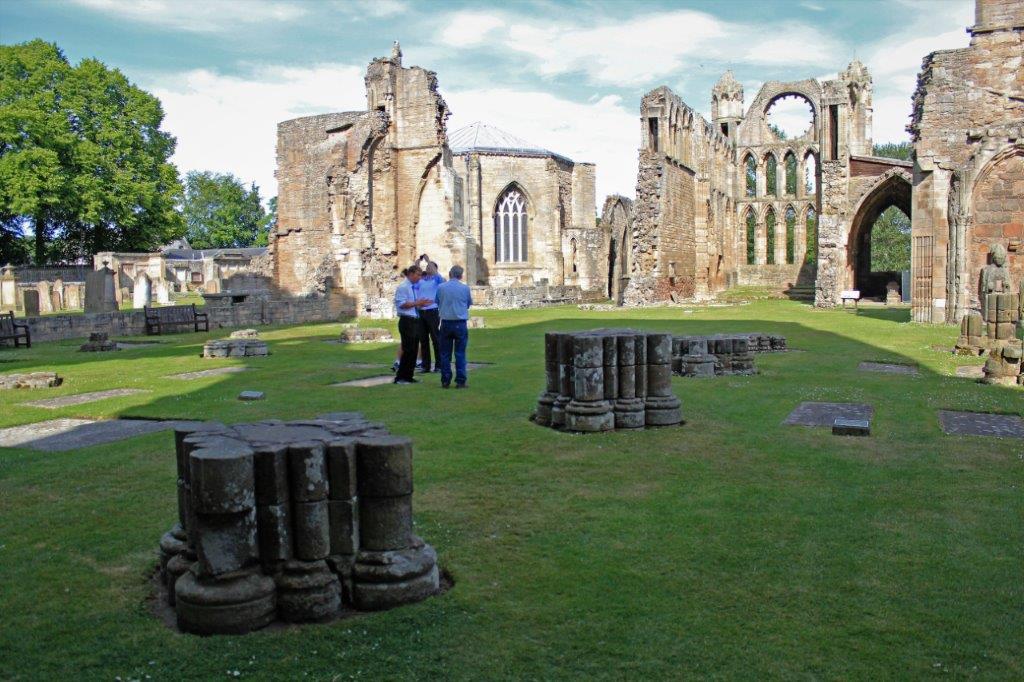
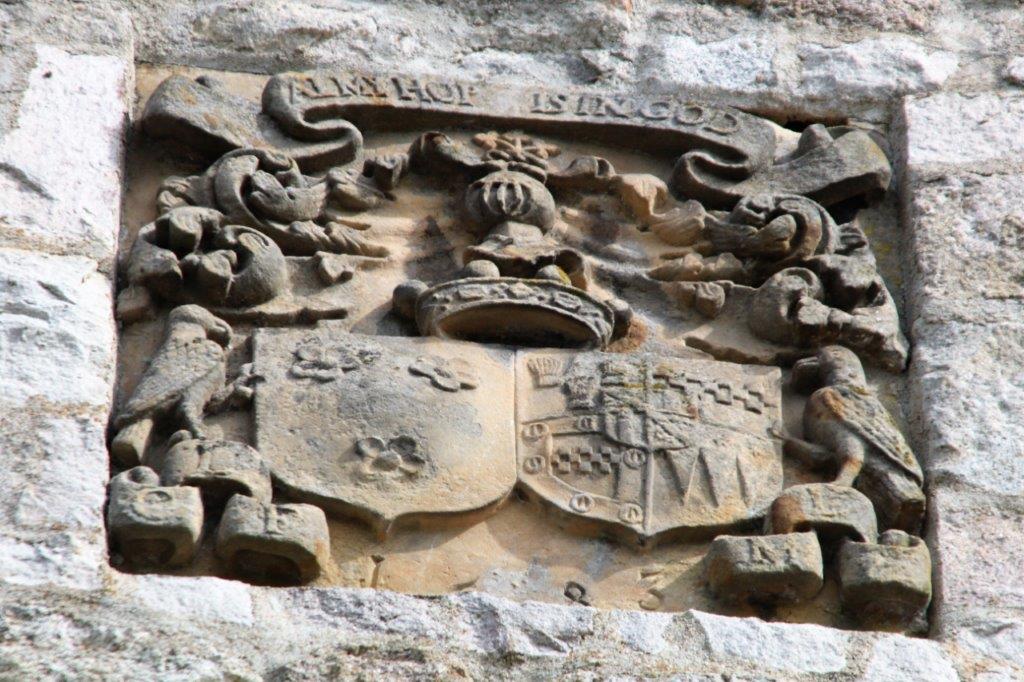
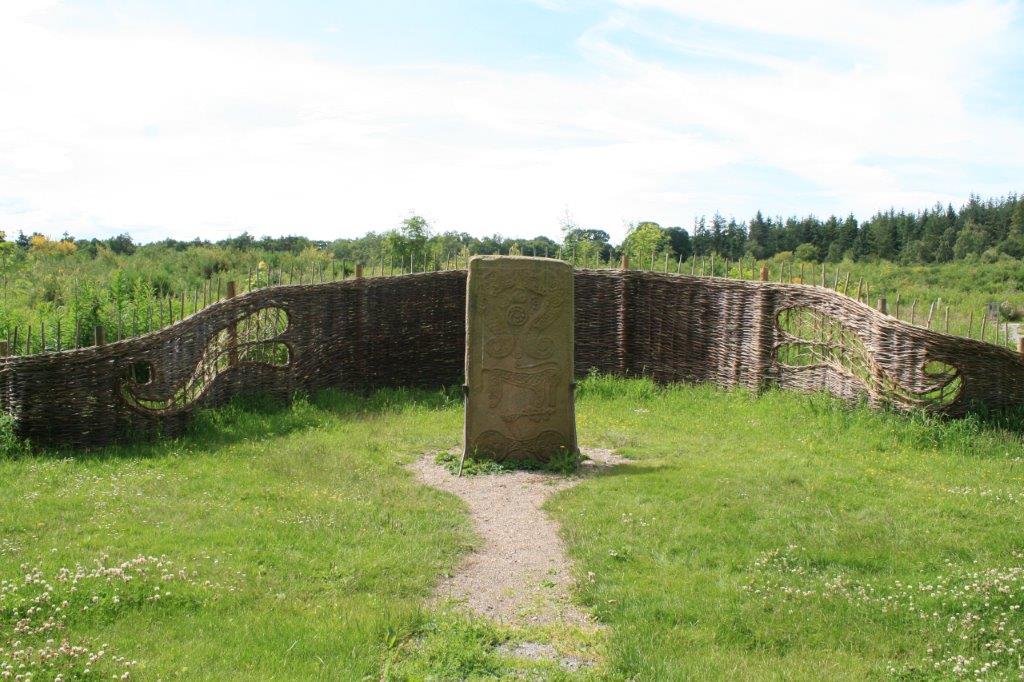
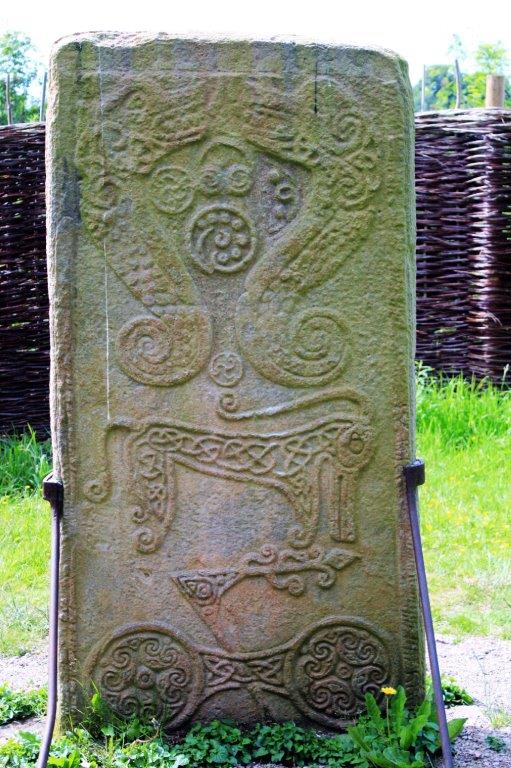
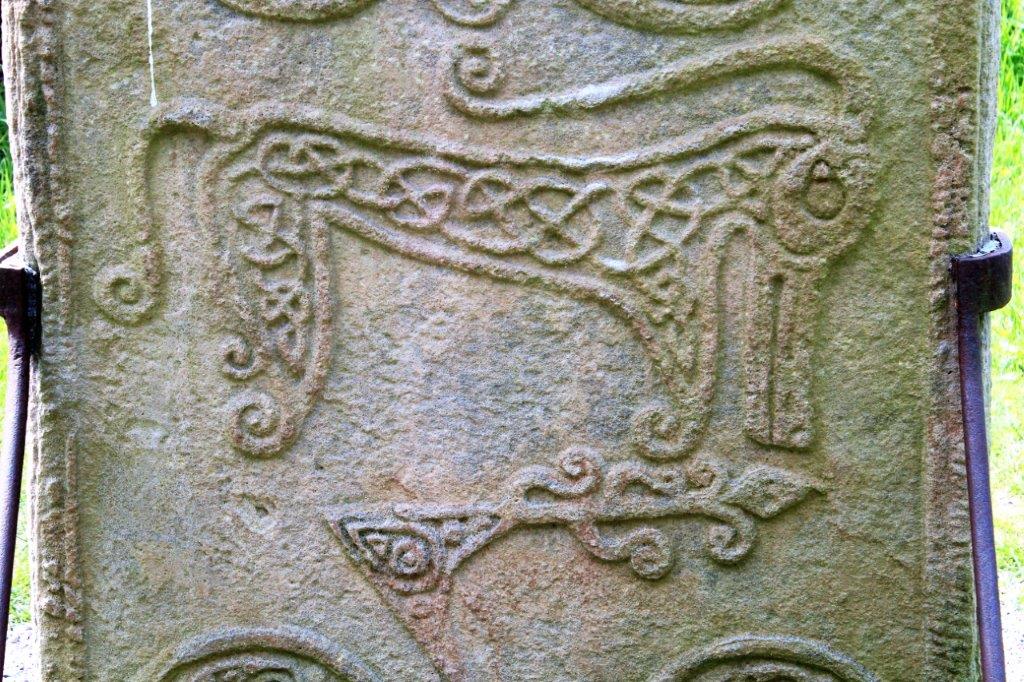
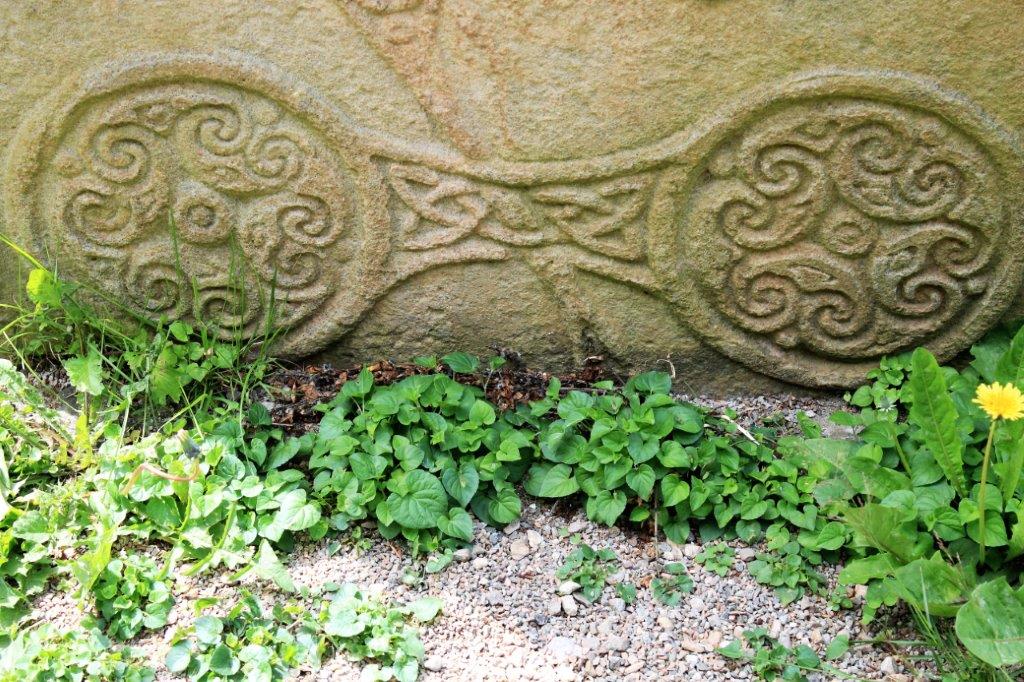
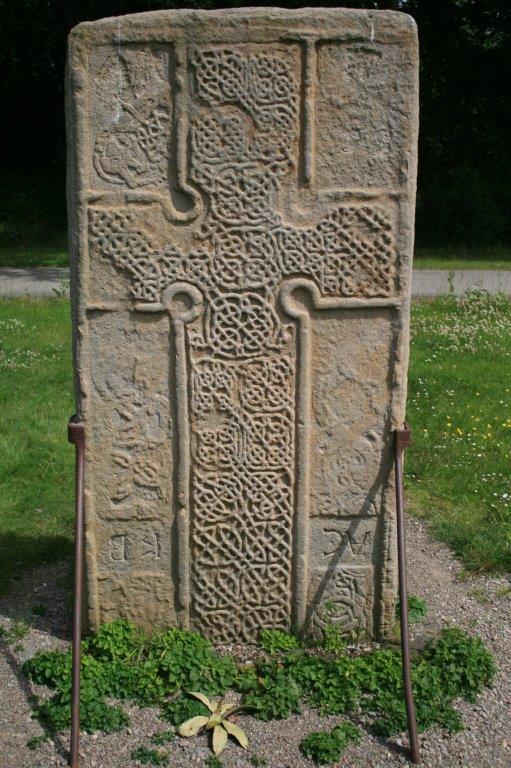
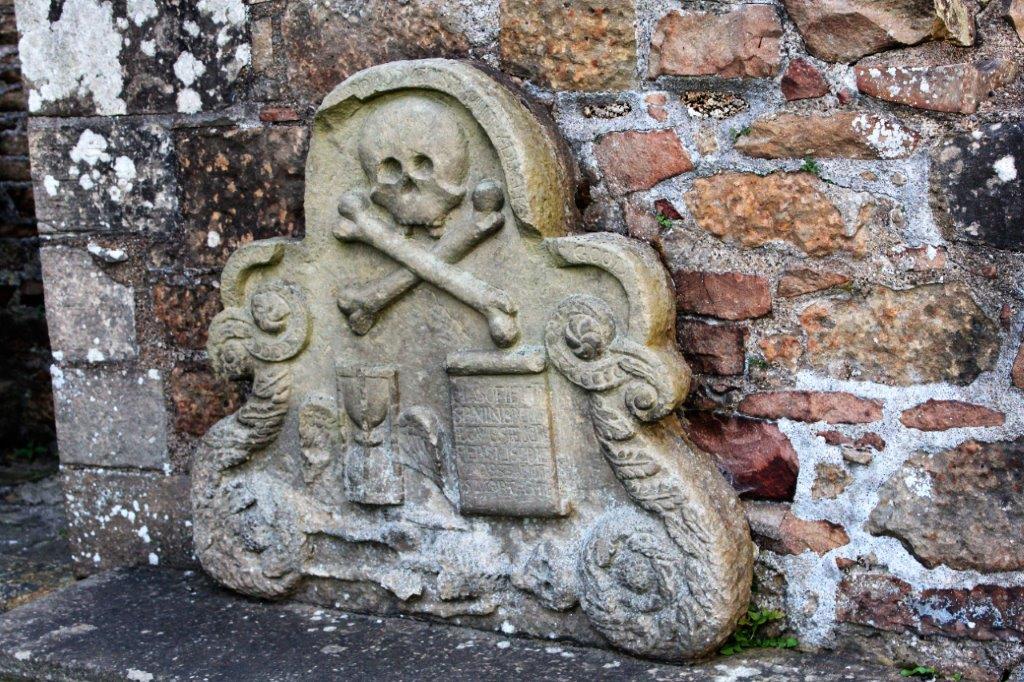
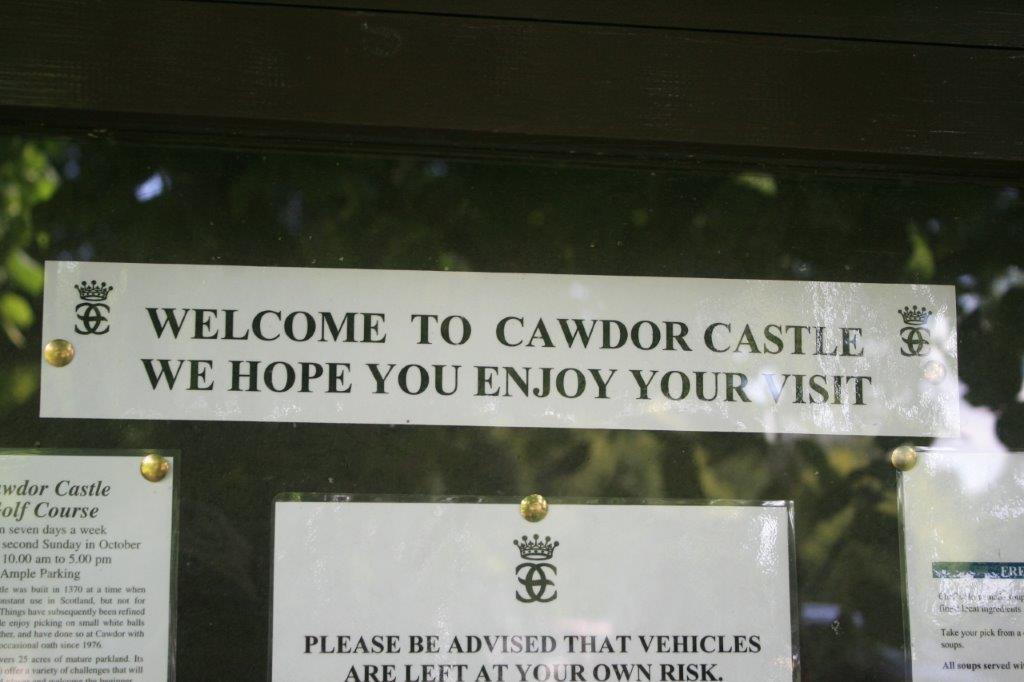
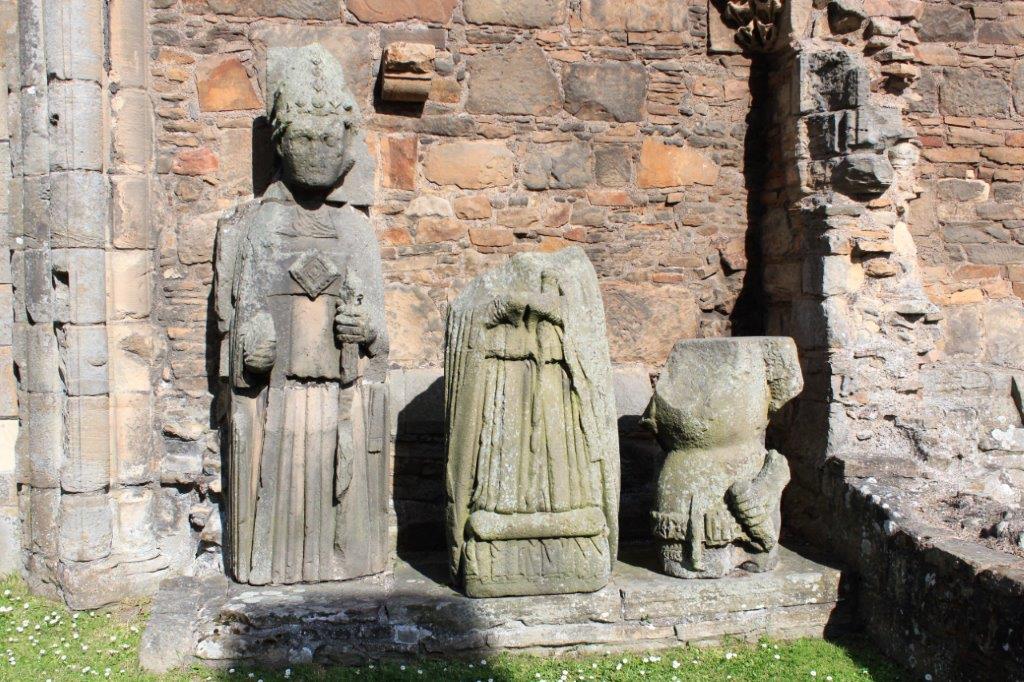
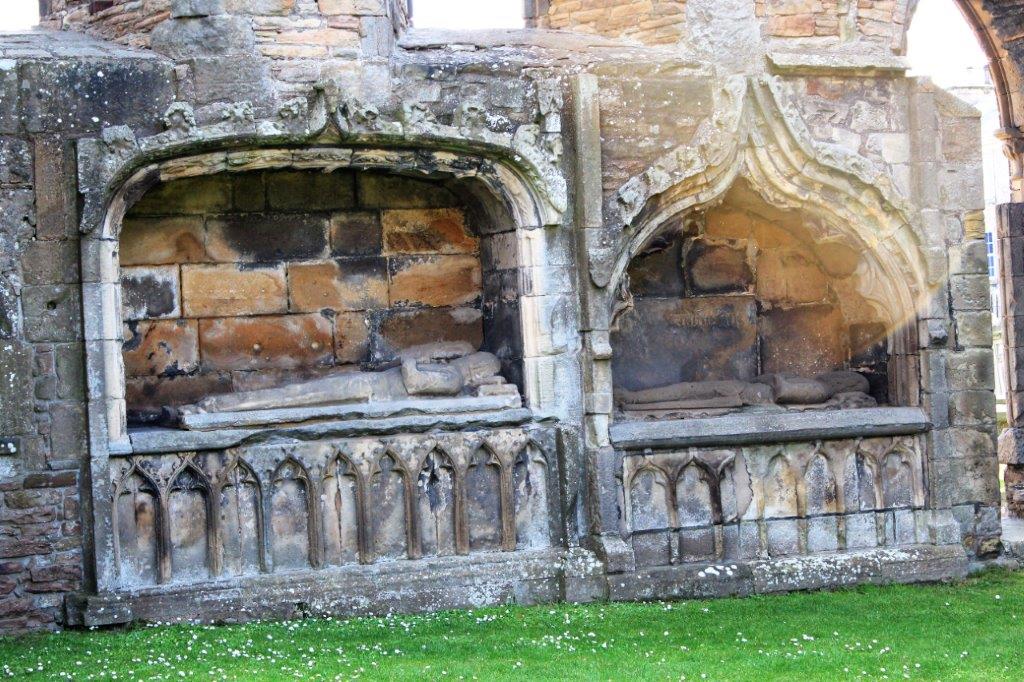
Cawdor Castle is just a little further along Highway A96 past the Clava Cairns.  We arrived just after the noon hour and waited in a long line at the entrance kiosk.  Over a half hour later we learned that the credit card machine wasn’t working (the vehicles in front of us wanted to pay with their card) so we decided to keep going up the road and visit Brodie Castle instead. There were some very interesting old stones at the entrance to Cawdor Castle.

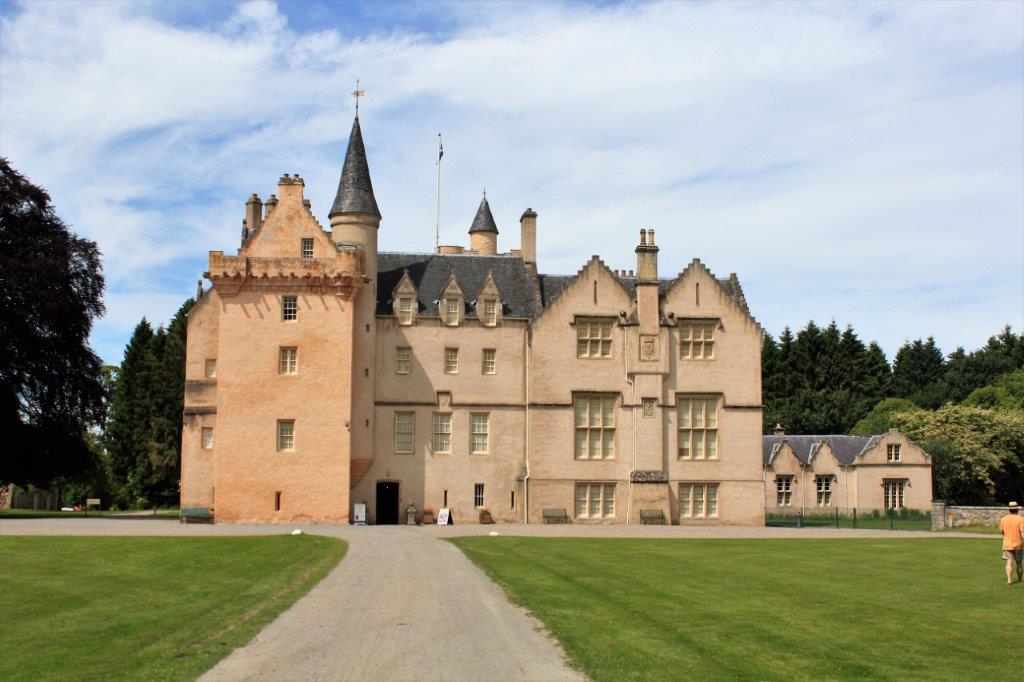
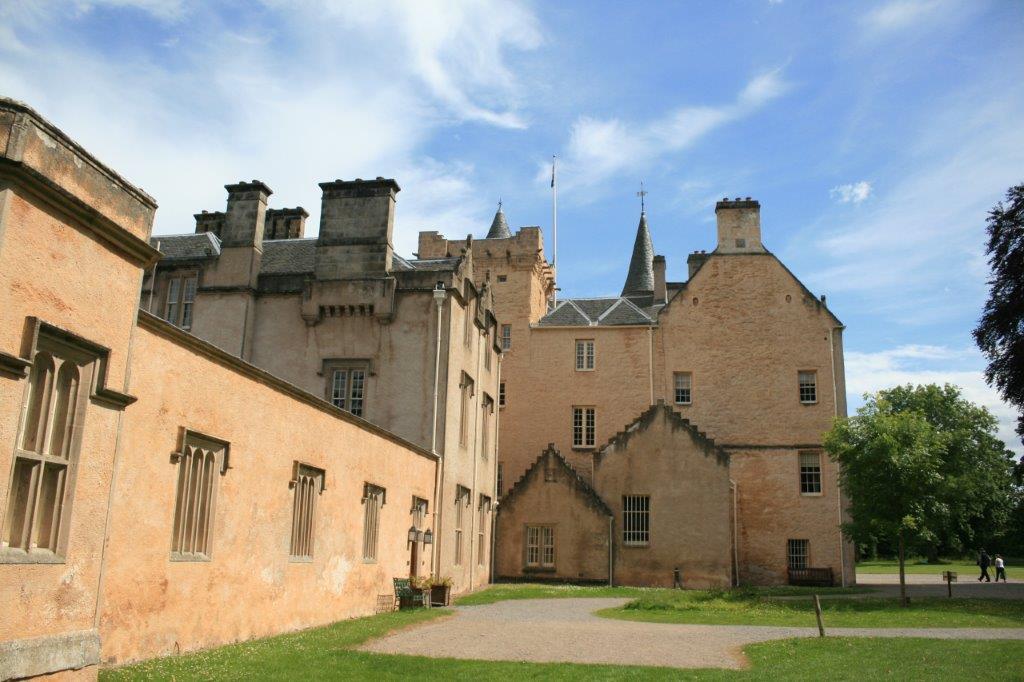
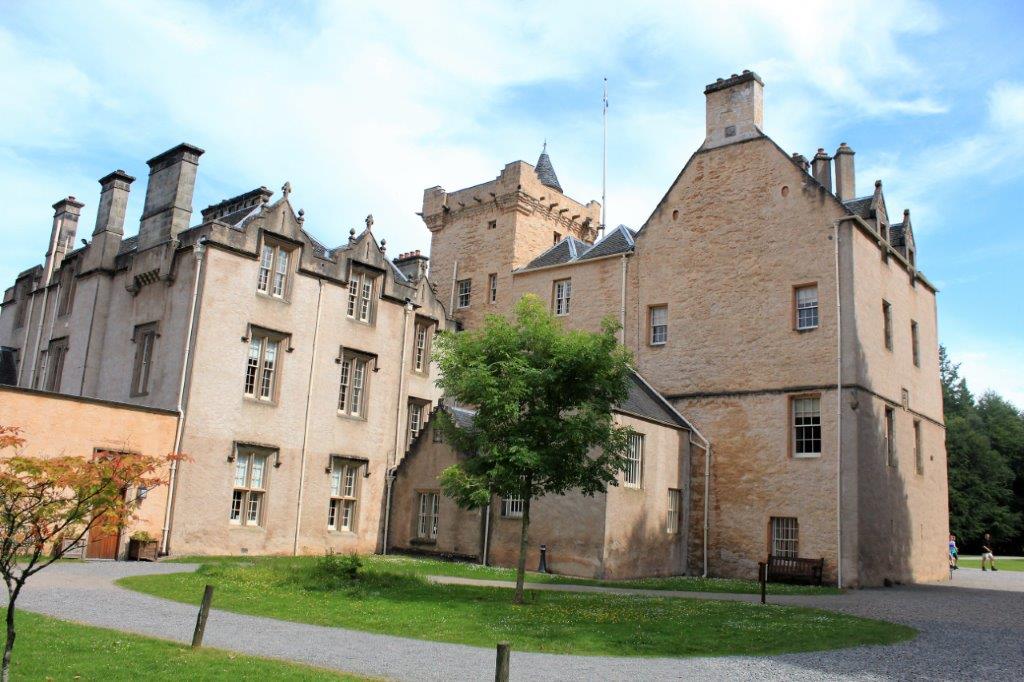
Brodie Castle is a 16th century tower house and is packed with art and antiques including French furniture, English, continental and Chinese porcelain, a major collection of paintings including 17th-century Dutch art, 19th-century English water colours, and early 20th-century works by several famous Scottish colourists.  The fabulous library contains about 6,000 volumes.

The castle was the home of the Brodie family until the late 20th-century.  Brodie’s lived in the area even before the first tower house was built in 1160 when it is believed that King Malcolm IV of Scotland conferred the land on the family.  The main tower has been enlarged several times and has a 17th-century wing and a Victorian extension. I thought  it  a lovely  place.  I really  liked  the  reddish blond  stone. The 24th laird, Major Ian Brodie, became a world-renowned breeder of daffodils and over 400 varieties are planted on the castle grounds.  The last laird was estranged from his family members so when he died he gifted the house, grounds and all the contents to the National Trust of Scotland!  A treasure trove for sure.  As usual, no photos allowed inside, but it was a gorgeous place – loved, loved, the library!

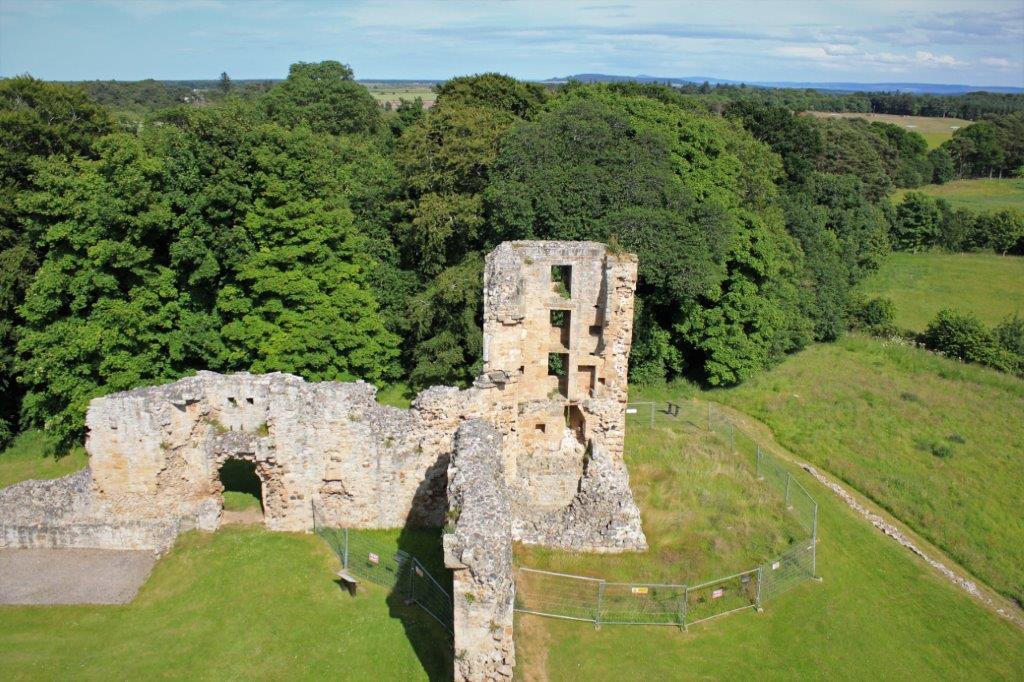
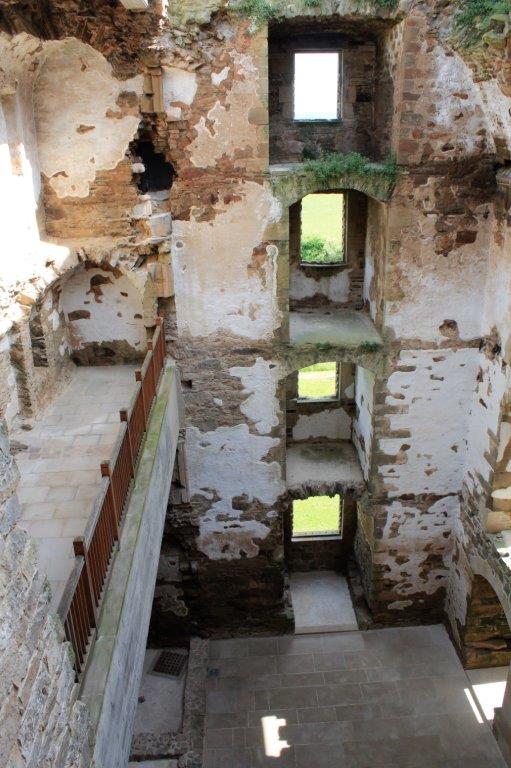
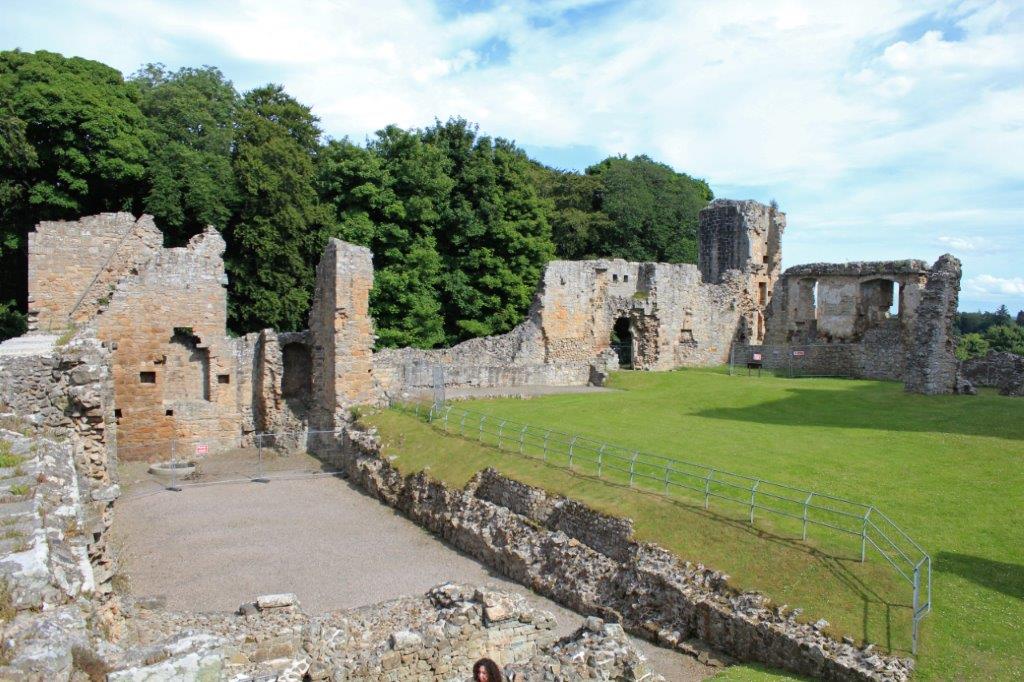
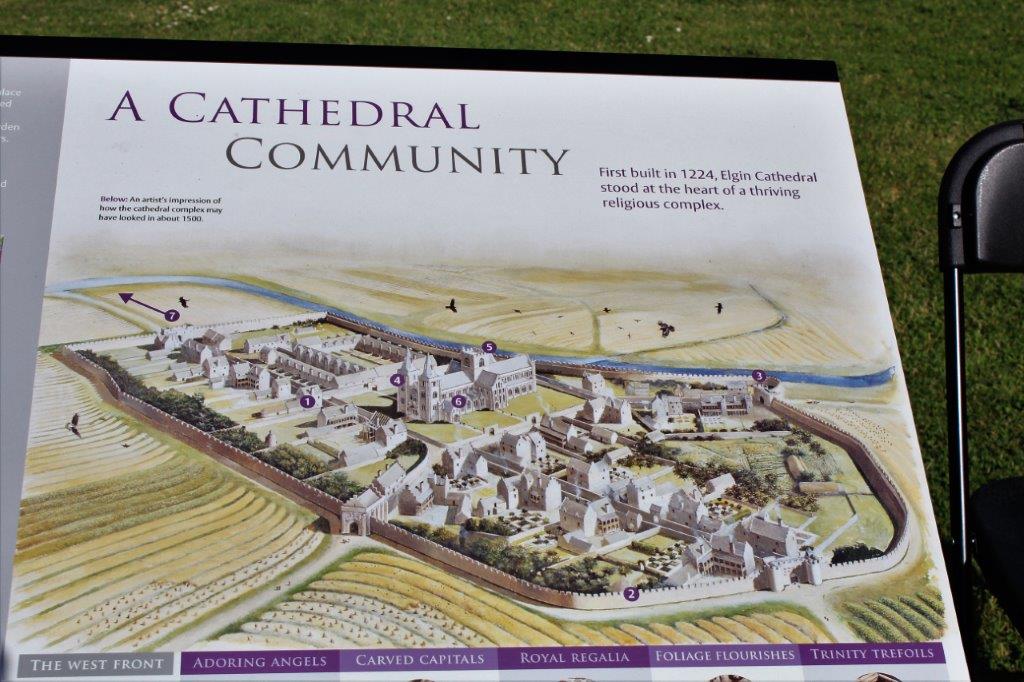
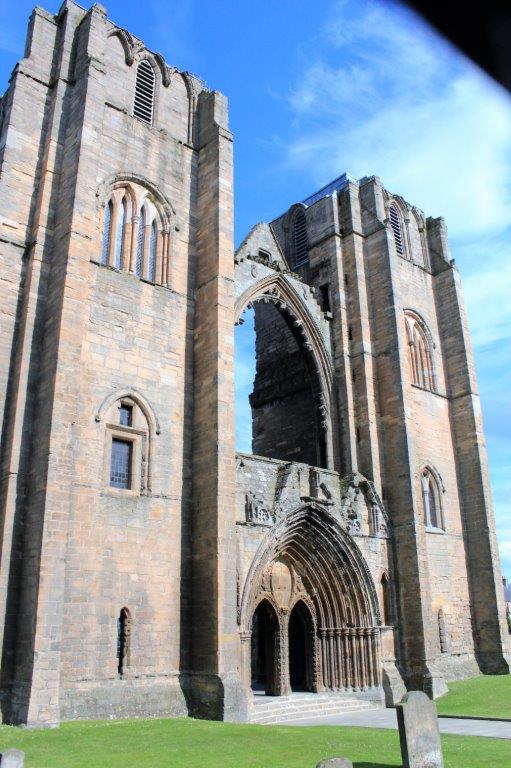
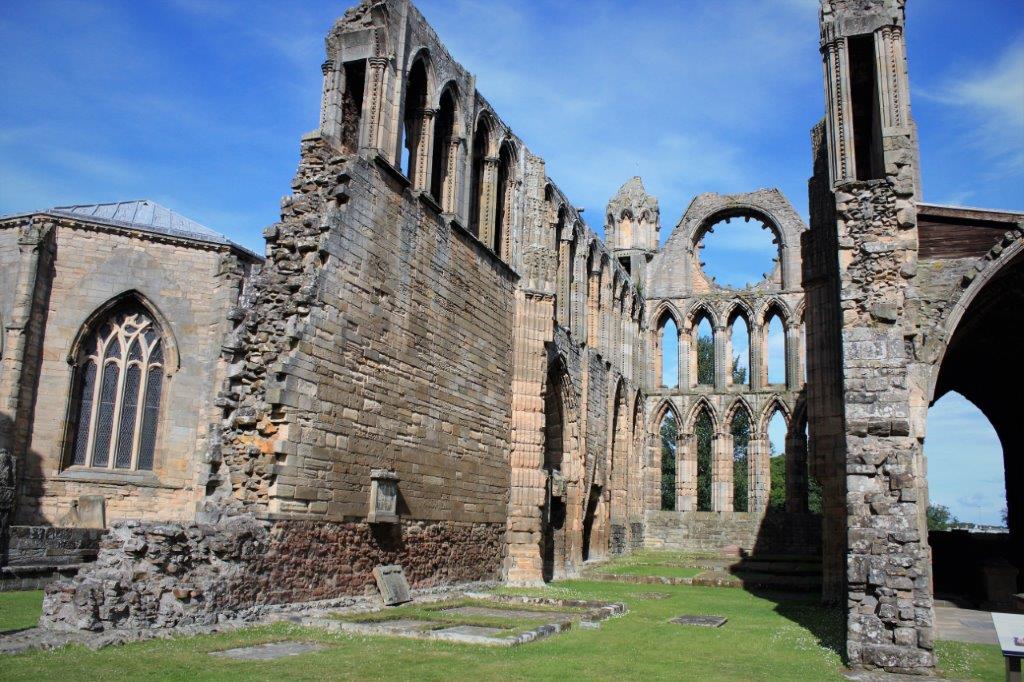
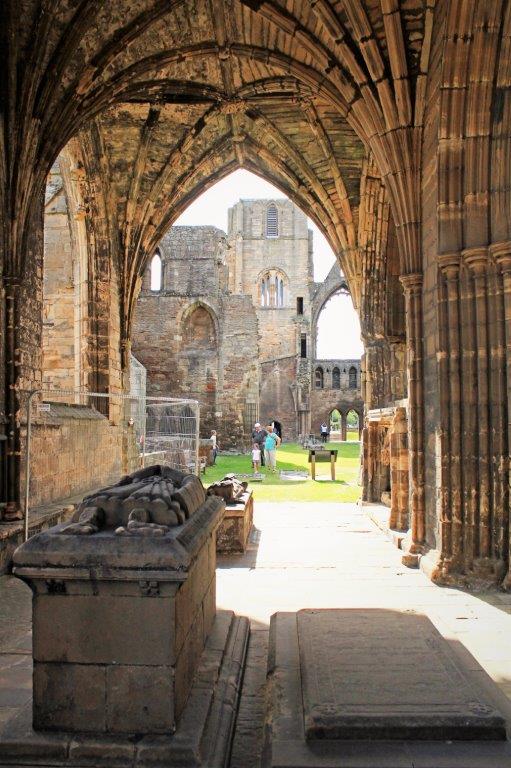
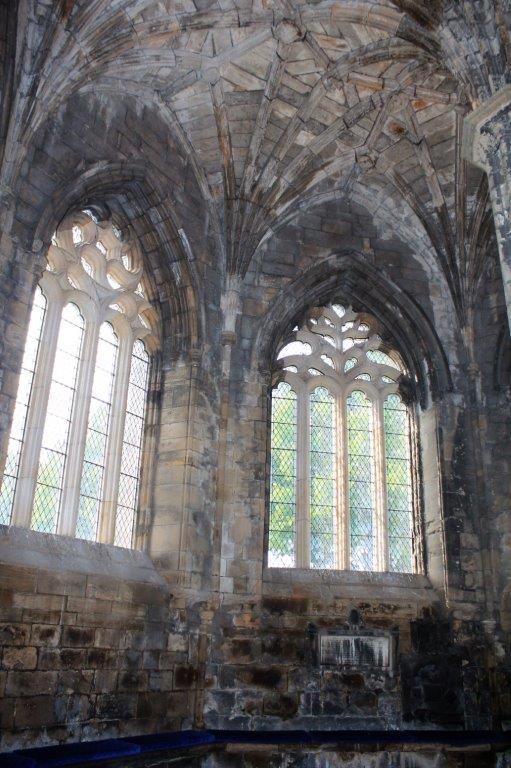
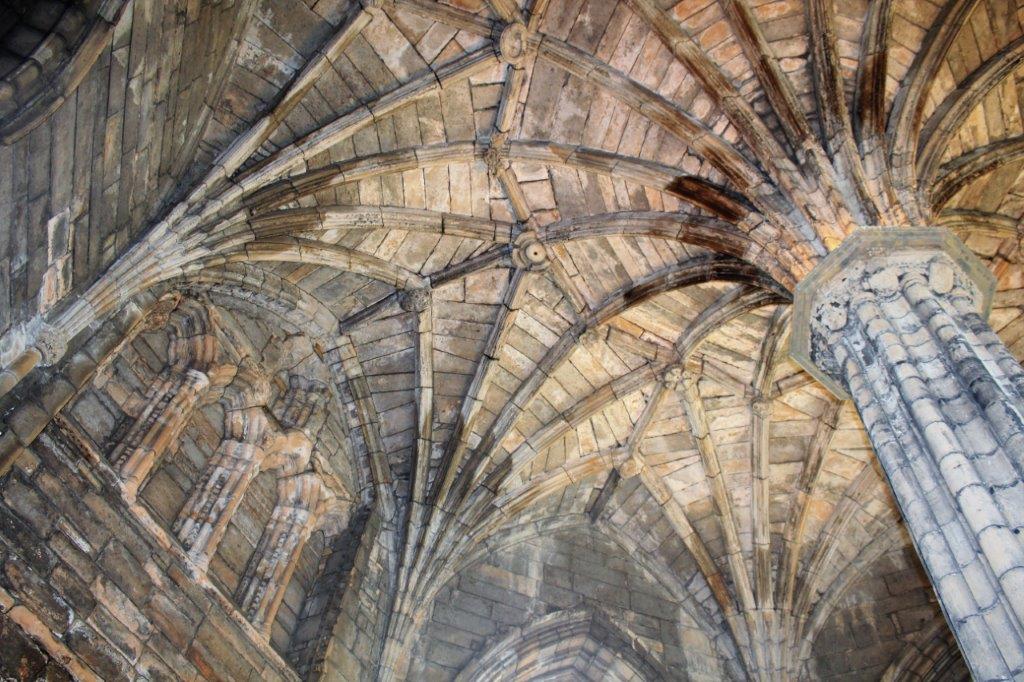
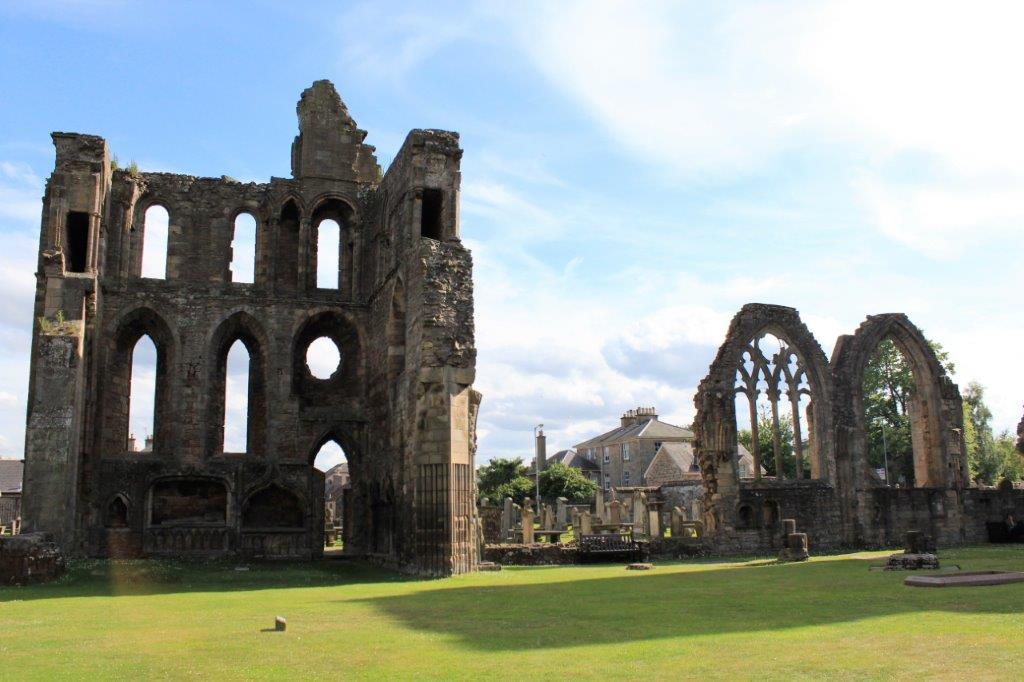
The next castle on our list was the ruins of Spynie Palace, which was the residence of the bishops of Moray for over 400 years, and is located just north of the city of Elgin.  (The lengthy history of all these places is so amazing.  Coming from Canada, which is such a young country, I find it all very fascinating and awe-inspiring.)  The tower house was one of the largest in Scotland. There were incredible views from the top of the tower.   After a jam-packed day we made our way to back to Elgin in time to wander around the ruins of of Elgin Cathedral before they closed. We drove just over an hour from Elgin to Kemnay, northwest of Aberdeen, where we spent the night at Bennachie (Ben-a-kee) Lodge.                                    What a great place name that is.

2013 Summer (Baltic and Britain – Scotland – July 8 – Day 15 – Part 1)

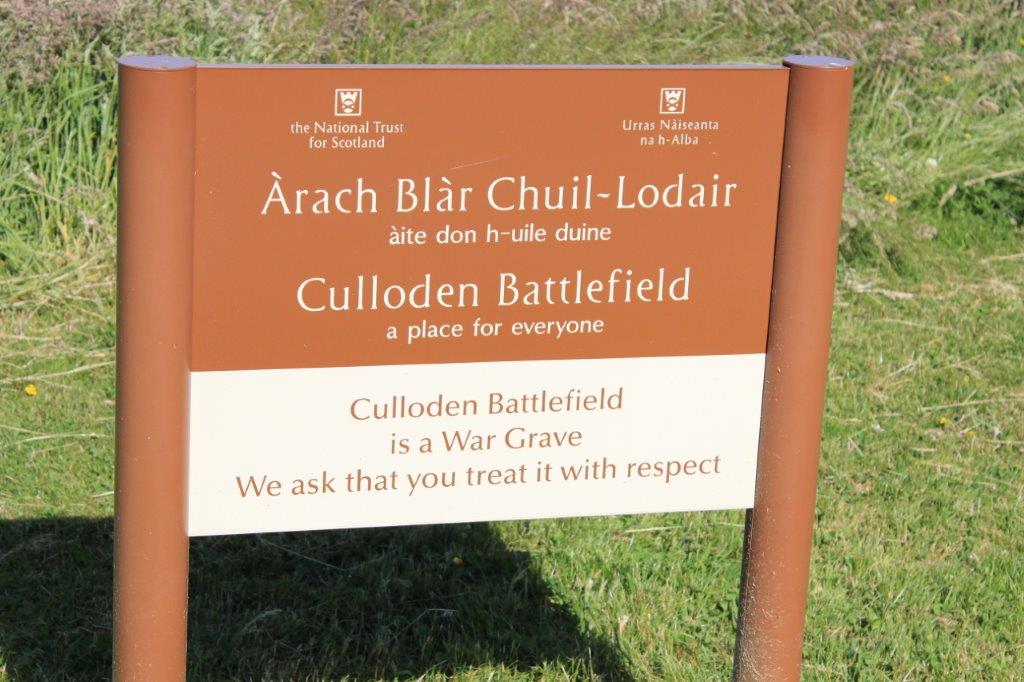
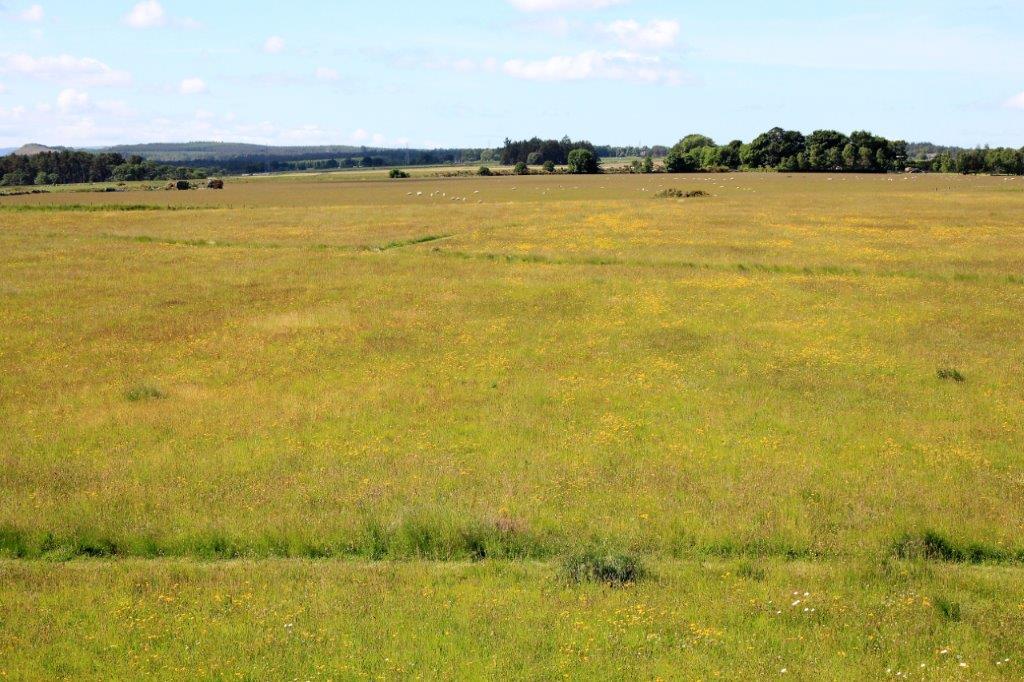
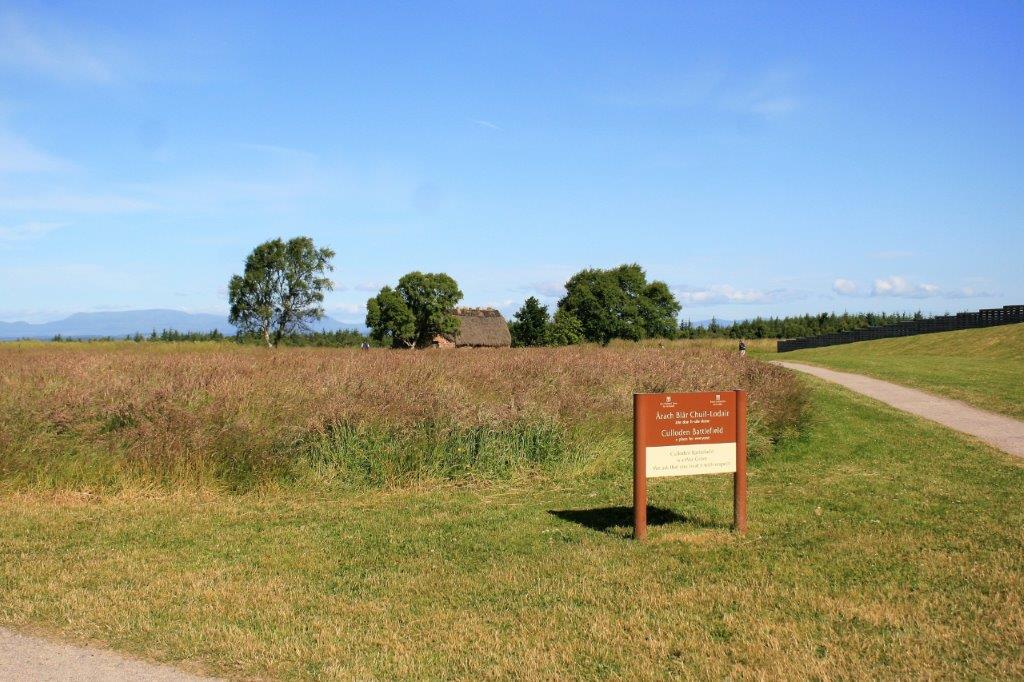
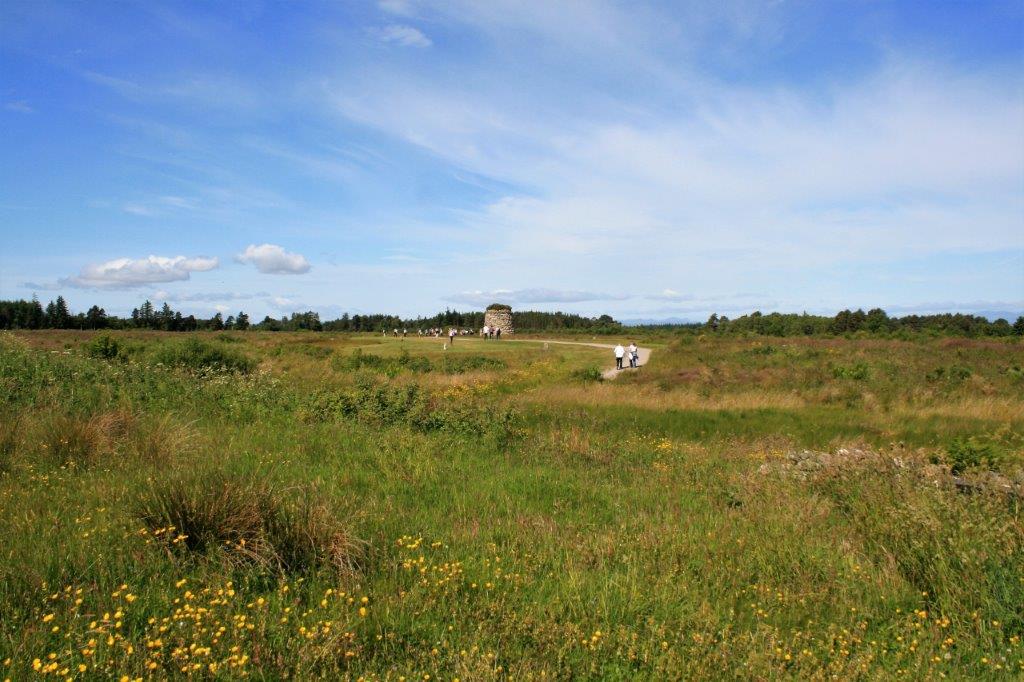
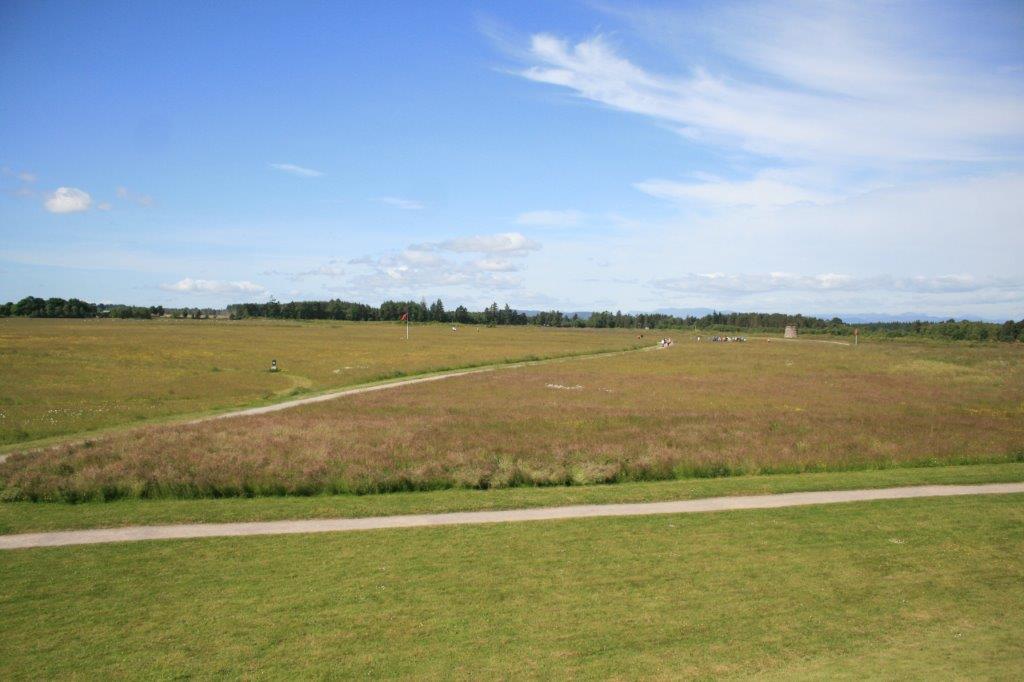
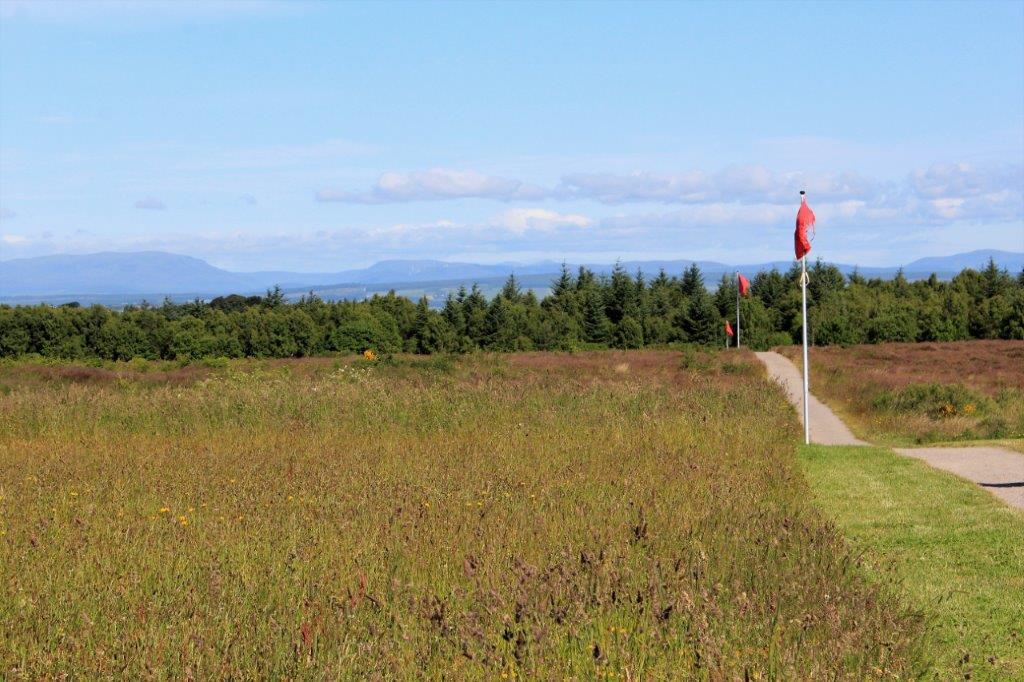
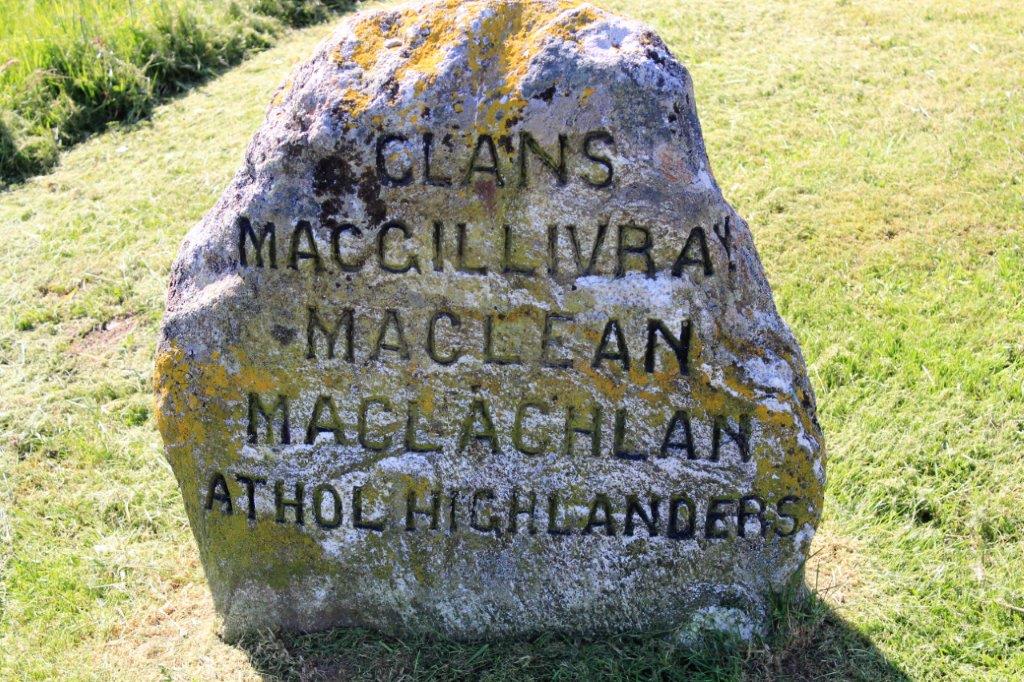
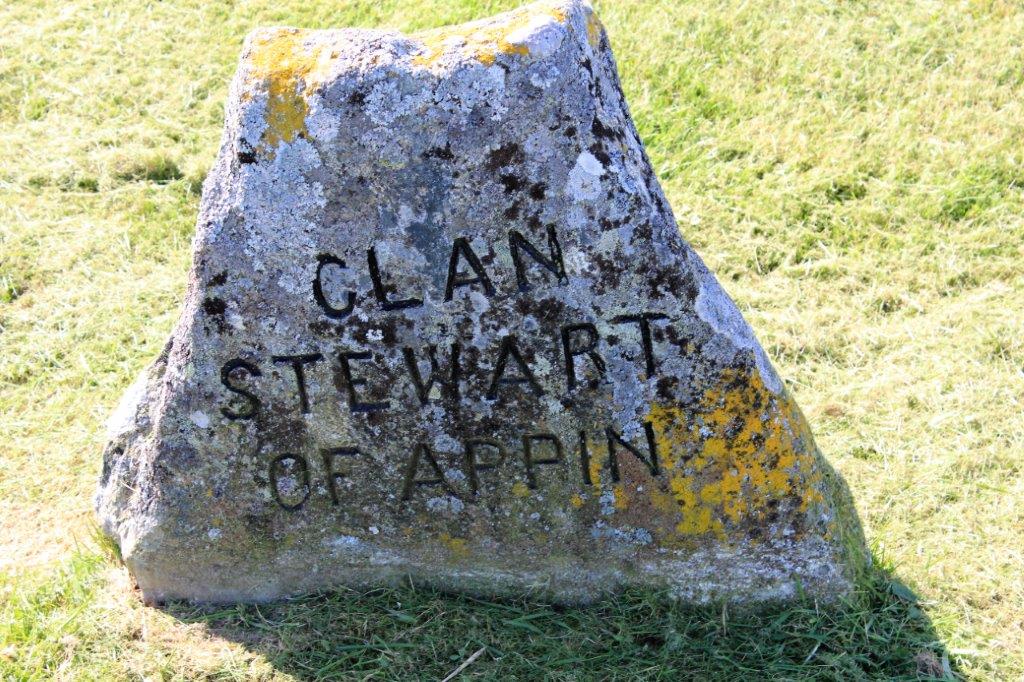
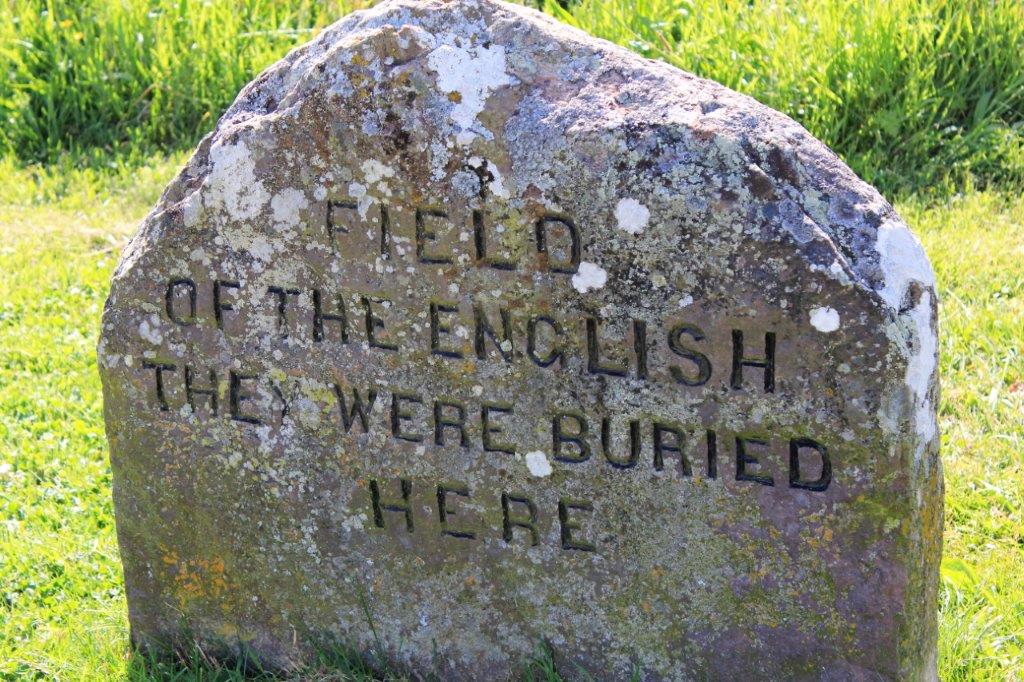
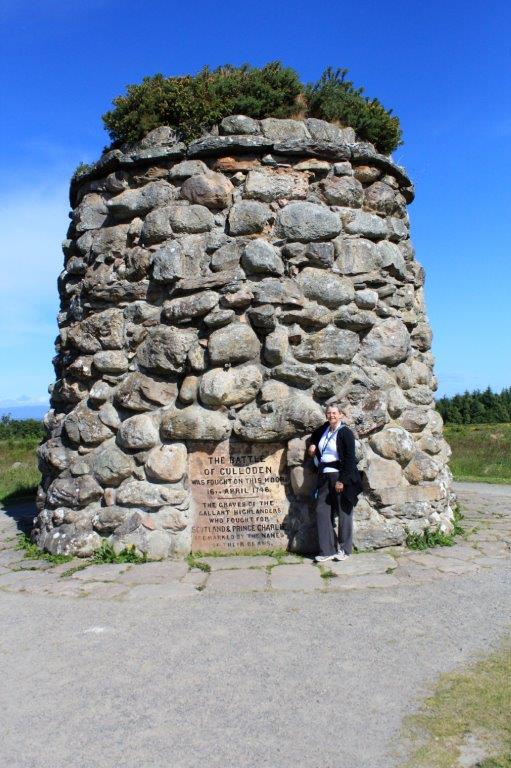
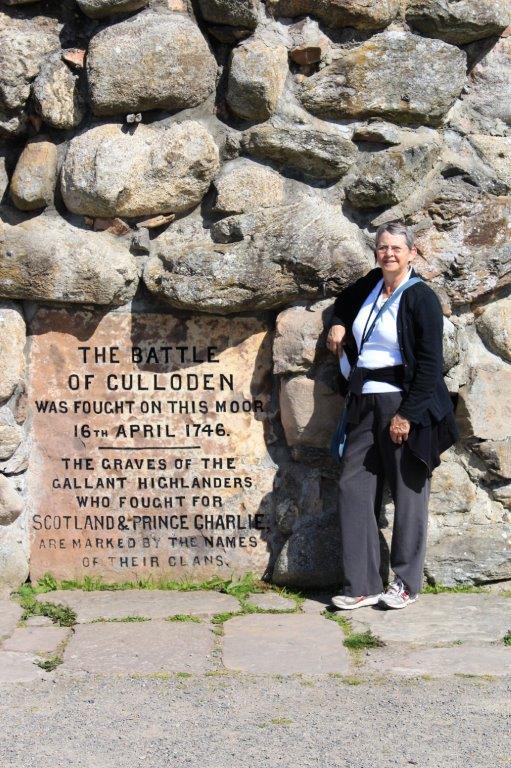
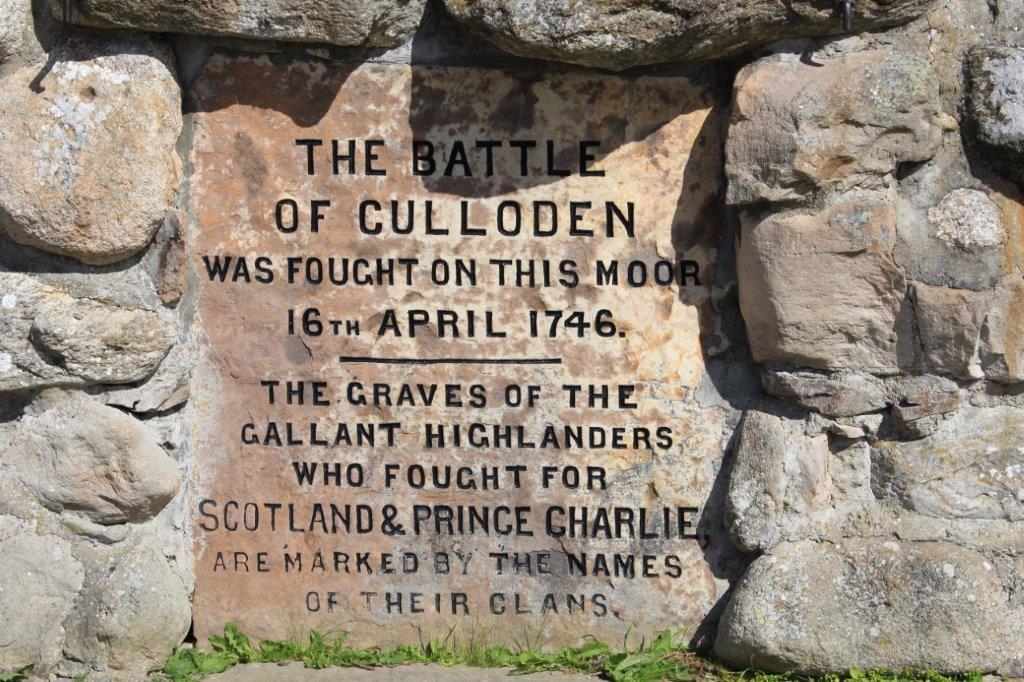
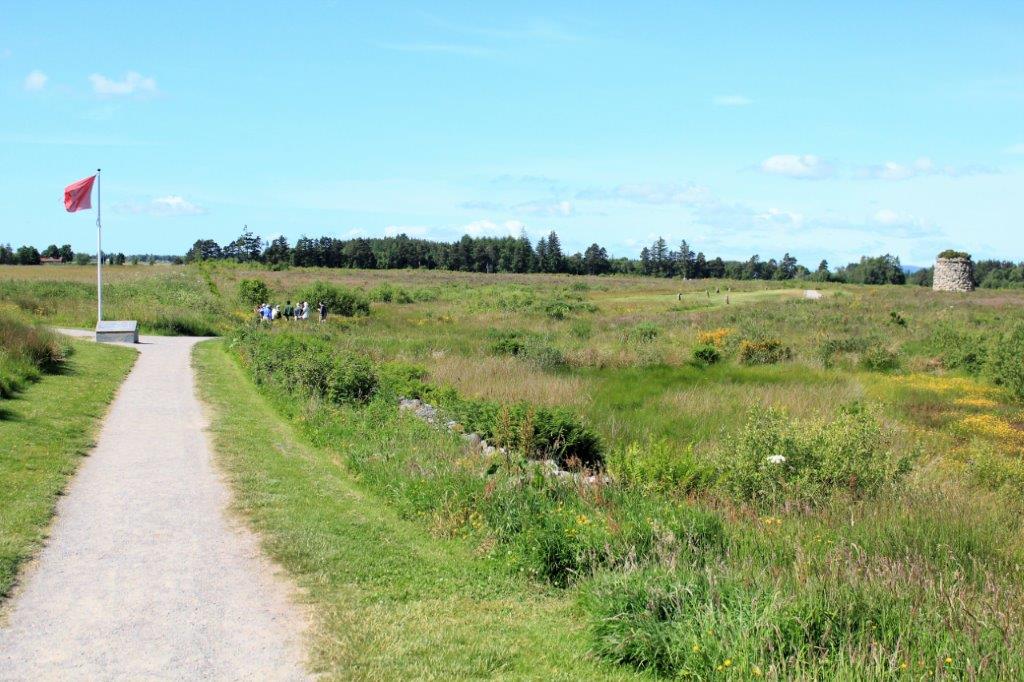
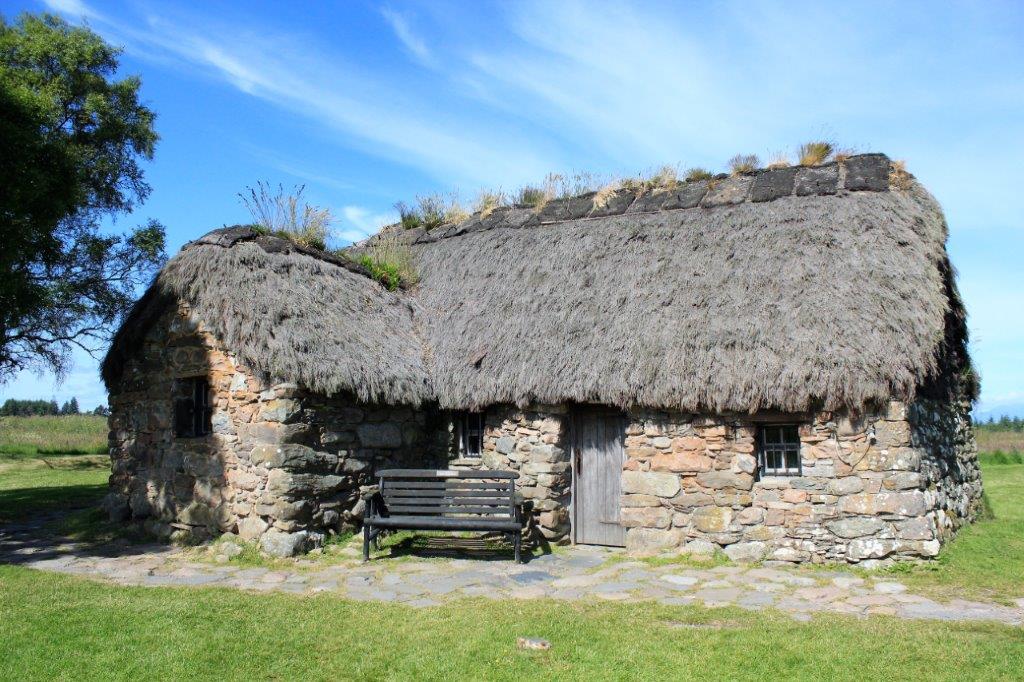
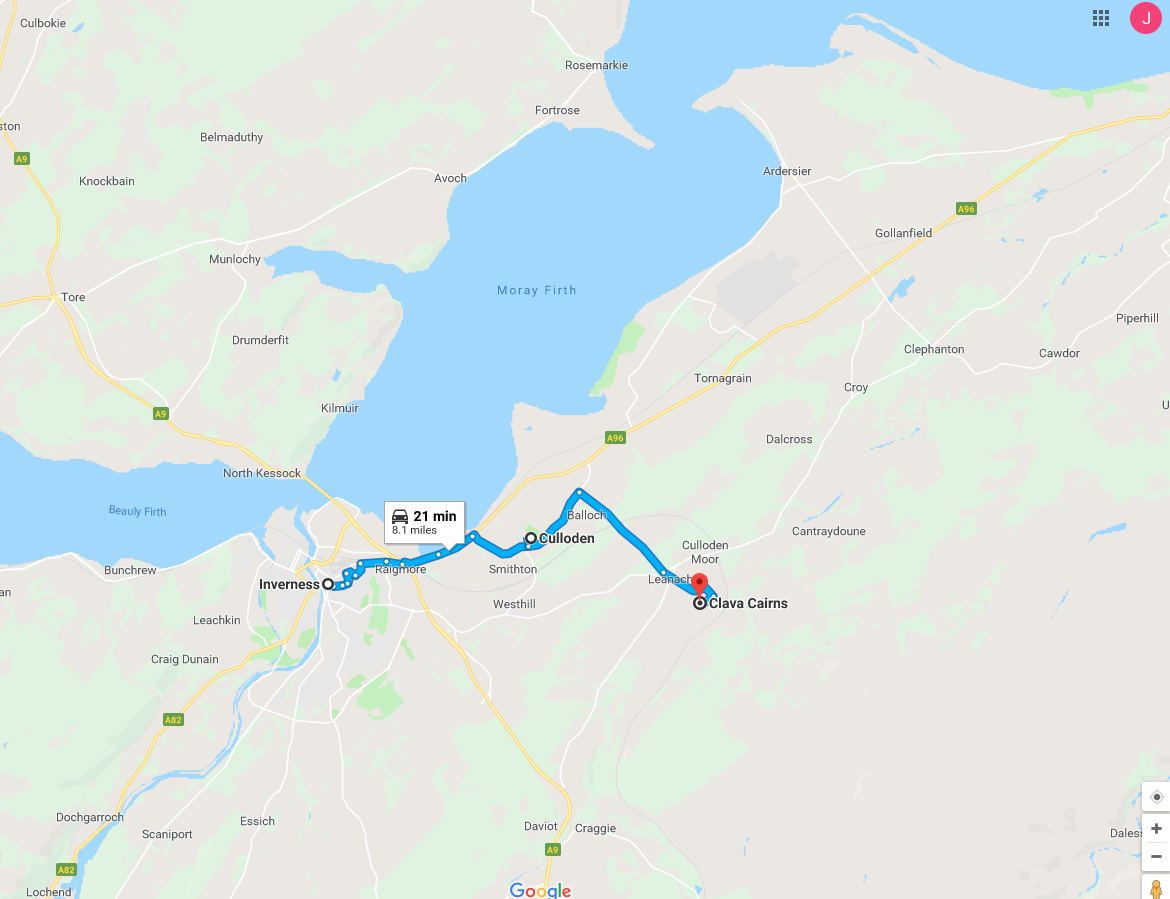
Our main destination this day was to visit Culloden, the battlefield where the Government forces decimated the Scottish clans as they fought to have Bonnie Prince Charlie restored to the throne.  Culloden is the site of the last major battle that was fought on British soil.  British history was changed here.  The defeat of the Scots effectively ended Jacobite hopes of restoring to the British throne the House of Stuart – the descendants of James II of England and VII of Scotland, who was the last Catholic British monarch. (The series of conflicts takes its name Jacobitism, from Jacobus, the Latin form of James.)Culloden, not too far east of Inverness, is the name of the village near Drumossie Moor, where the battle took place. The National Trust for Scotland manages the property and has created a network of trails with audio guides that recreate the battle as you walk the pathways.  There were about 7,000 men in the Jacobite army and 8,000 in the British army.  The battle only lasted an hour but 1,200 Jacobites were killed and 800-1,000 more wounded before the clans were routed by the Duke of Cumberland’s forces on April 16, 1746.  The Jacobite army was comprised not solely of Catholic Highland Scots either, there were quite a few Irish and French professional soldiers, and Episcopalian Lowland Scots fighting for Prince Charlie’s cause as well. The soldiers were buried where they fell among members of their own clans so the moor is dotted with rock cairns naming the various family alliances.                              There is a marker for the English forces also.The central cairn contains the date of the battle and memorializes the Highland clans.

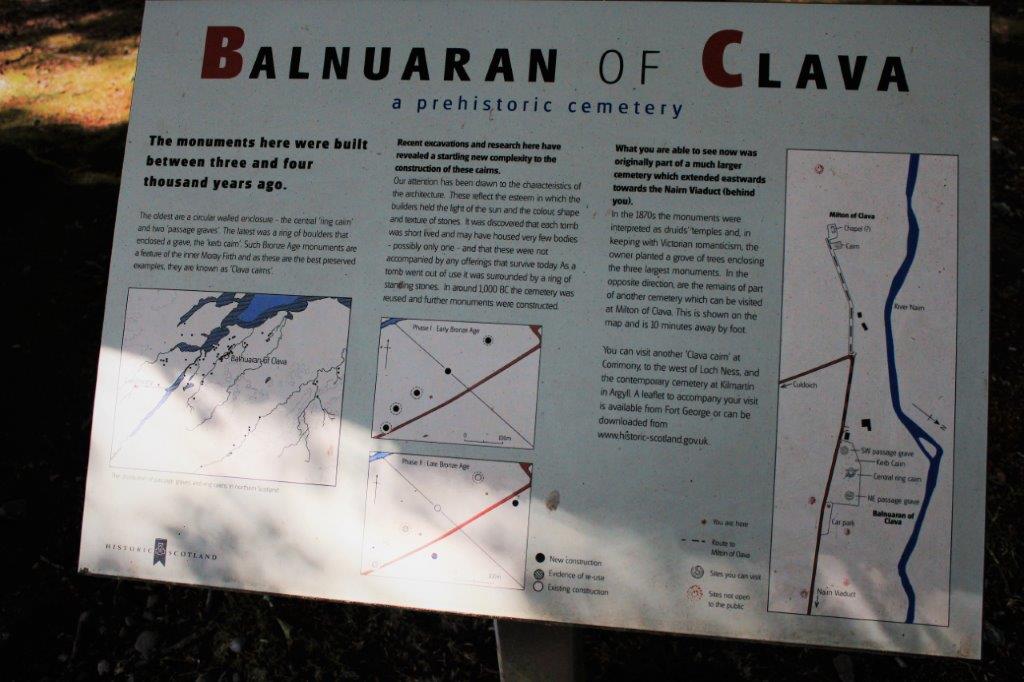
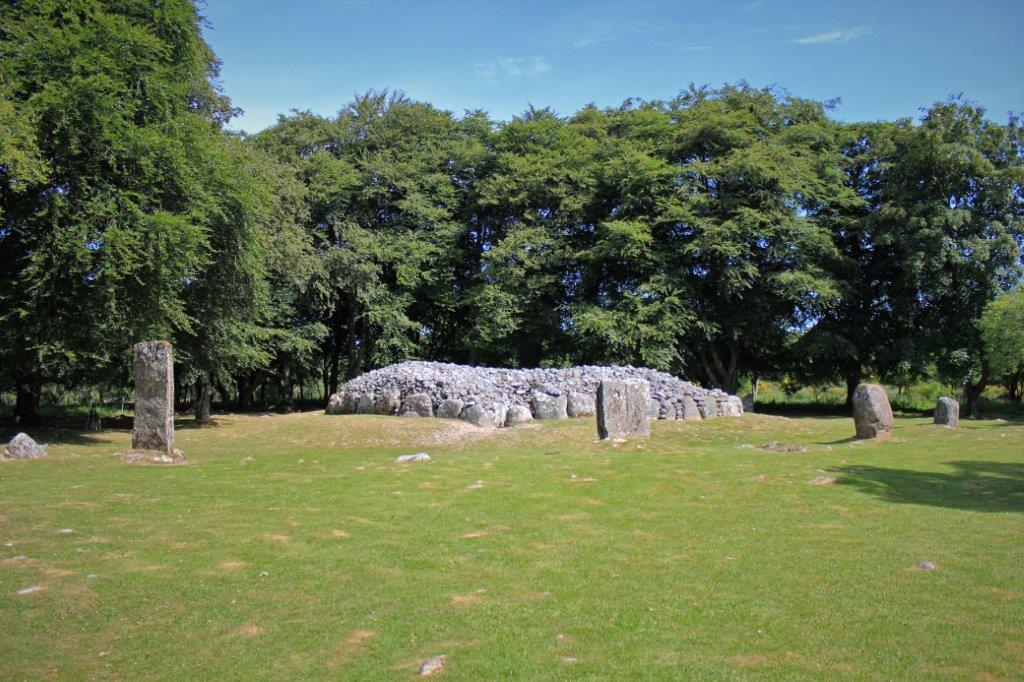
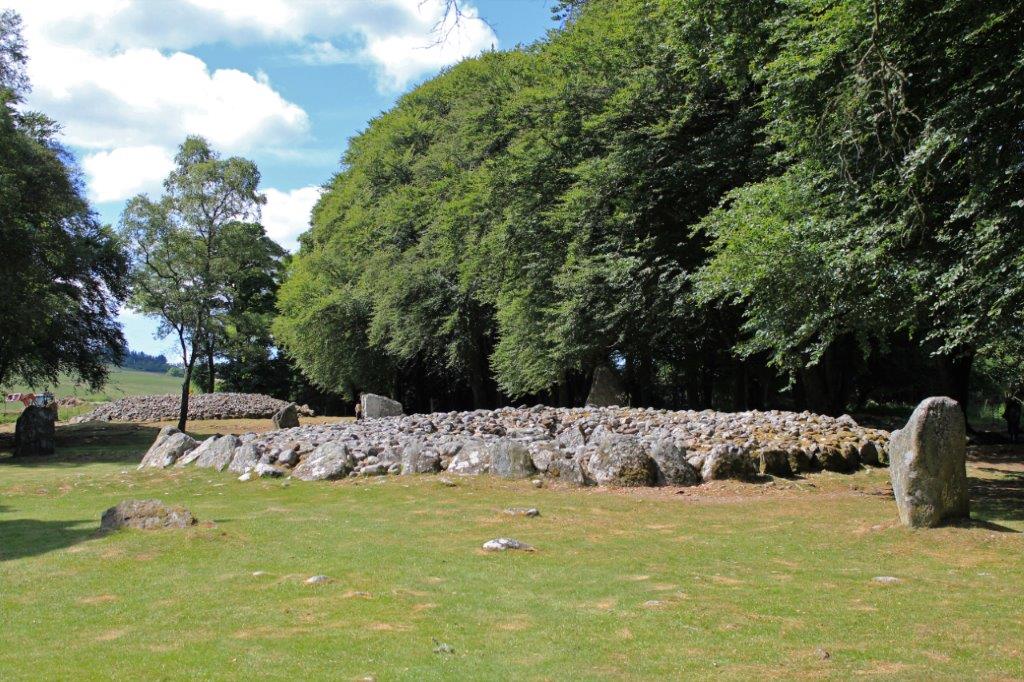
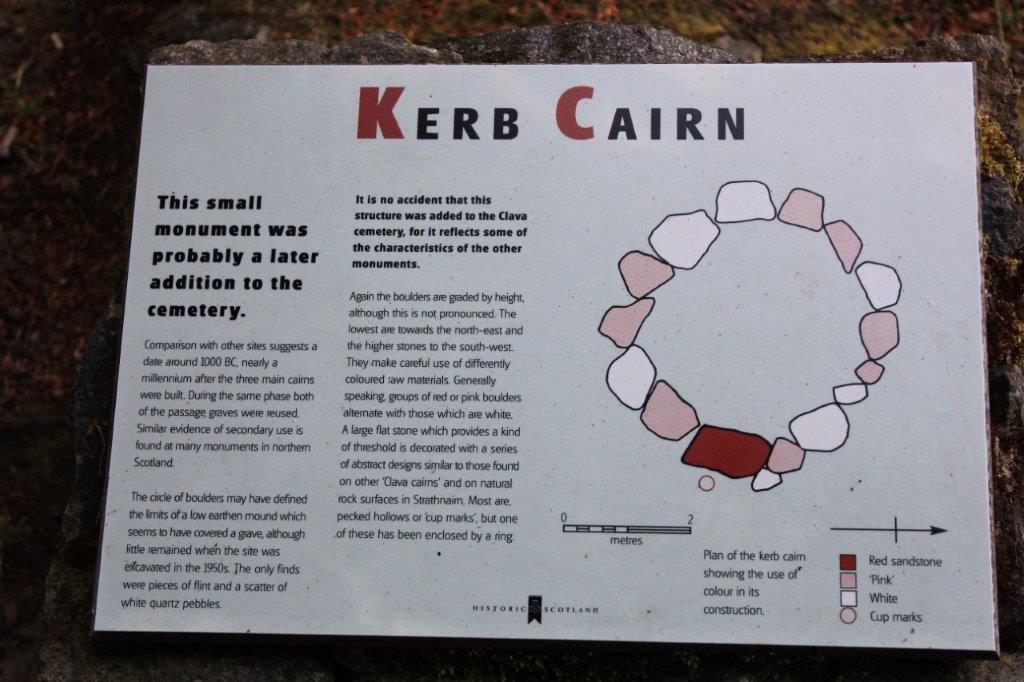
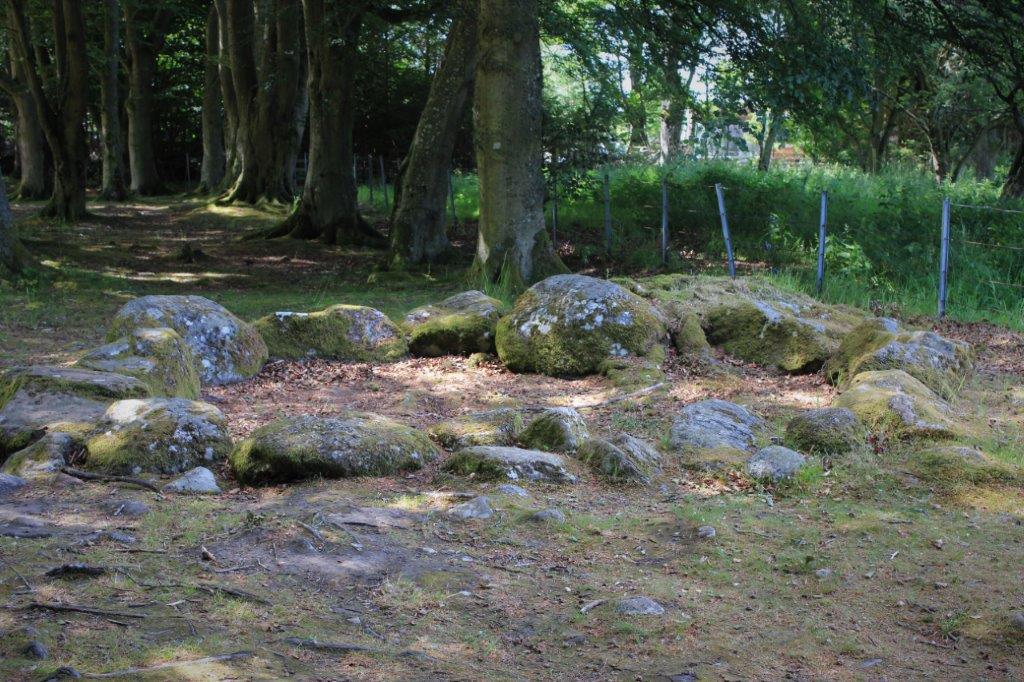
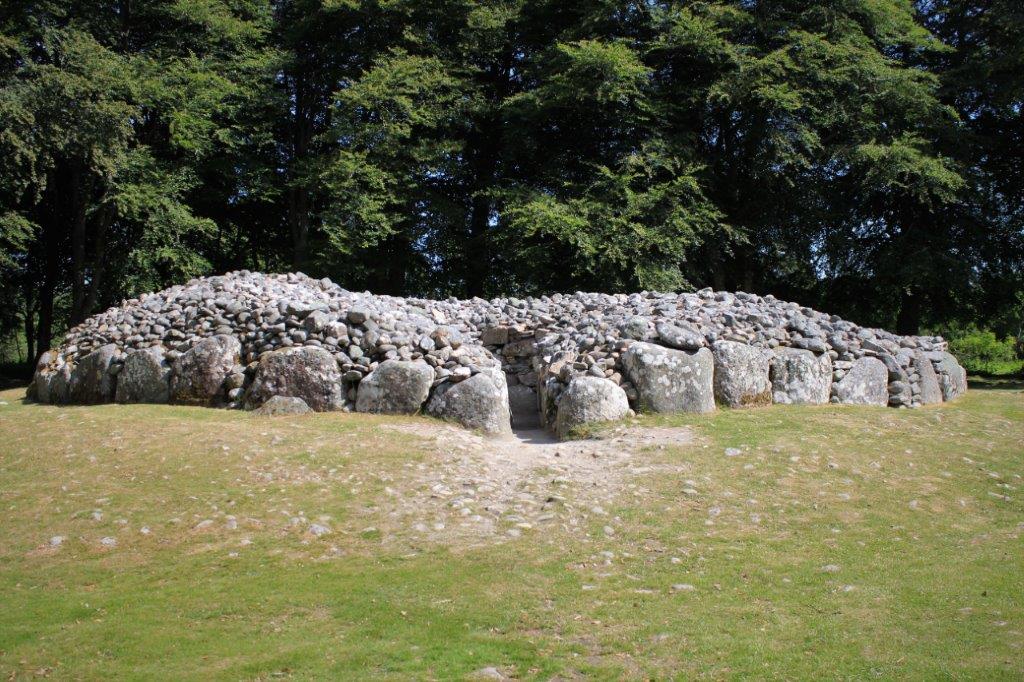
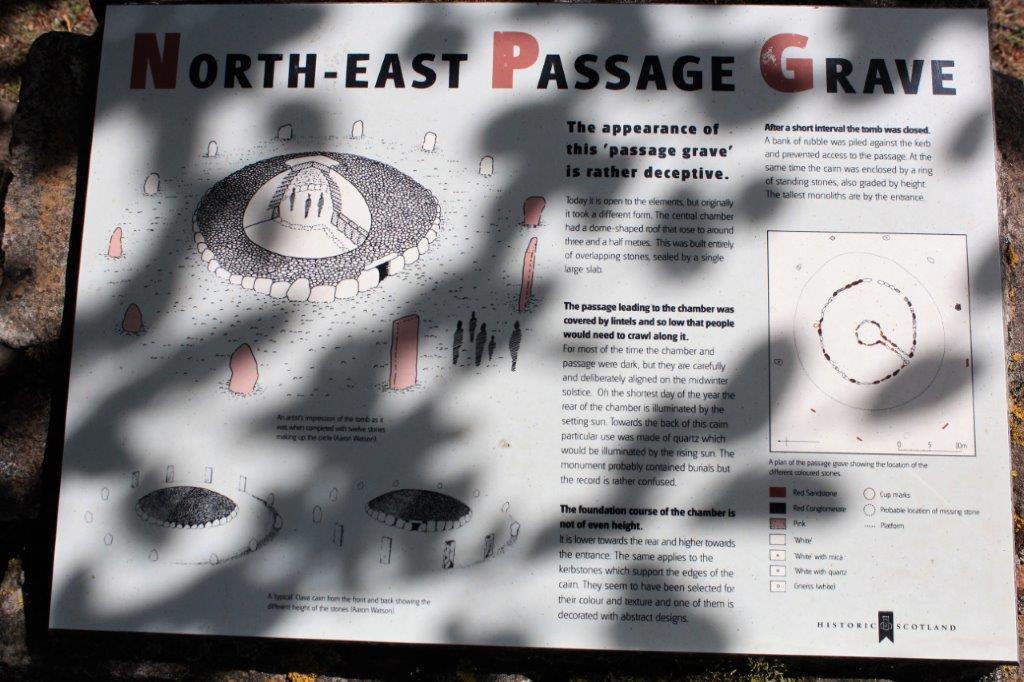
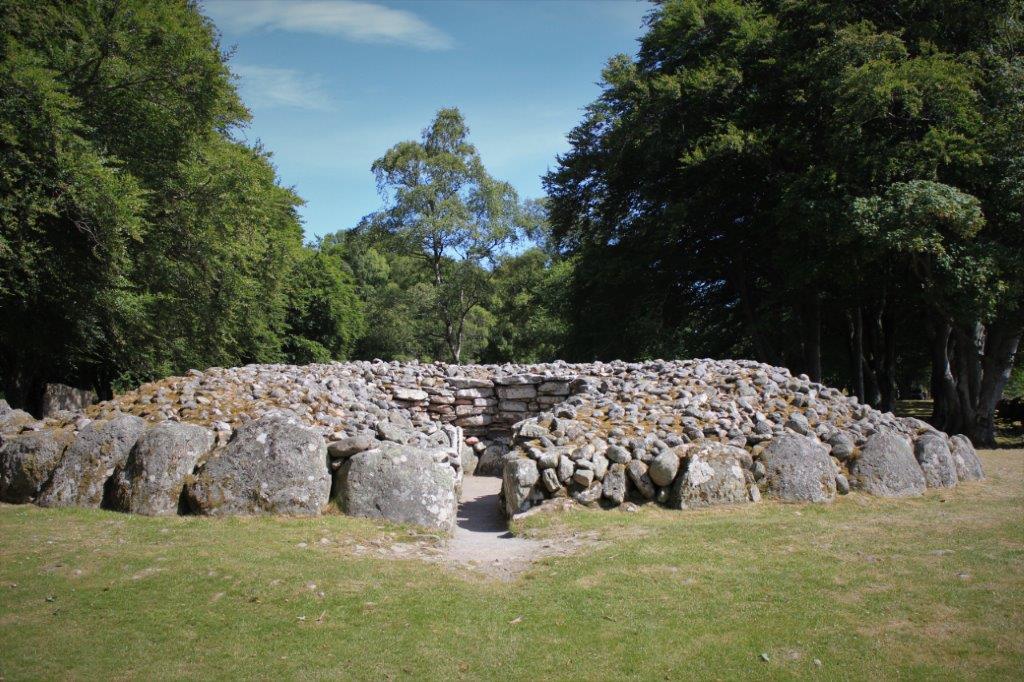
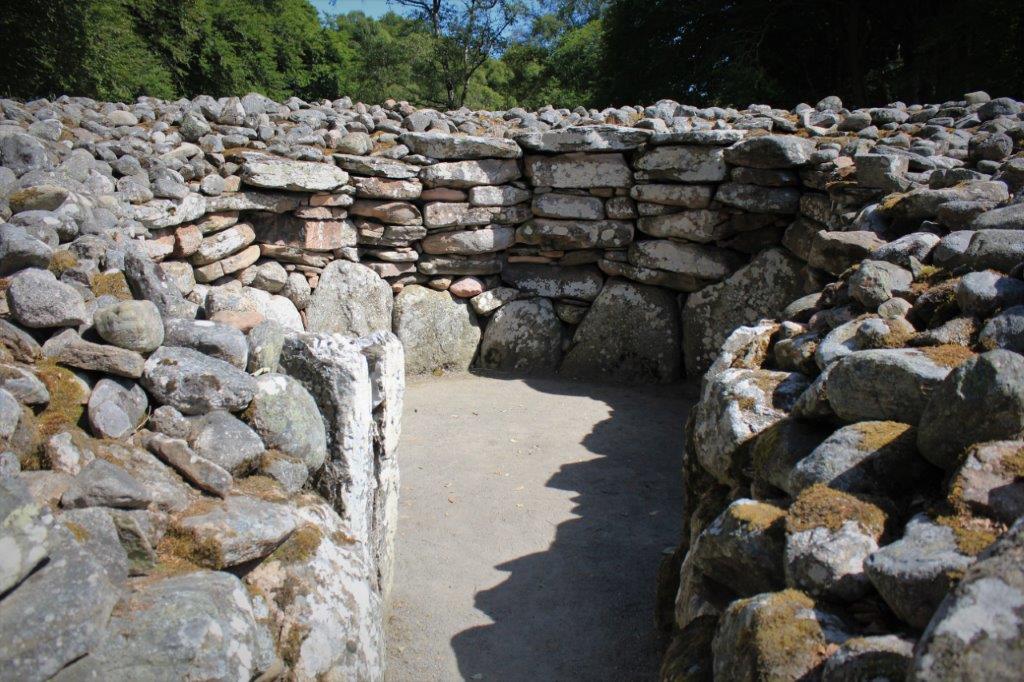
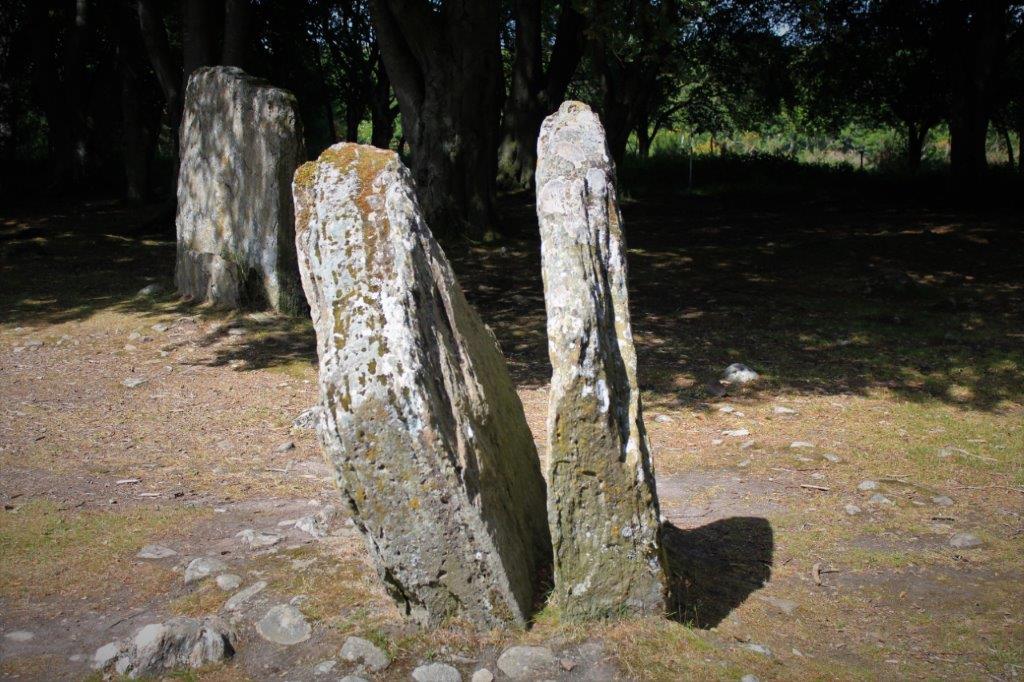
We spent over 2 1/2 hours at the battlefield site before driving a short distance to the Clava Cairns, another site of ancient burial stone circles.  I find these places fascinating and we wandered around all the mounds before heading to Cawdor Castle.

2013 Summer (Baltic and Britain – Scotland – July 7 – Day 14)

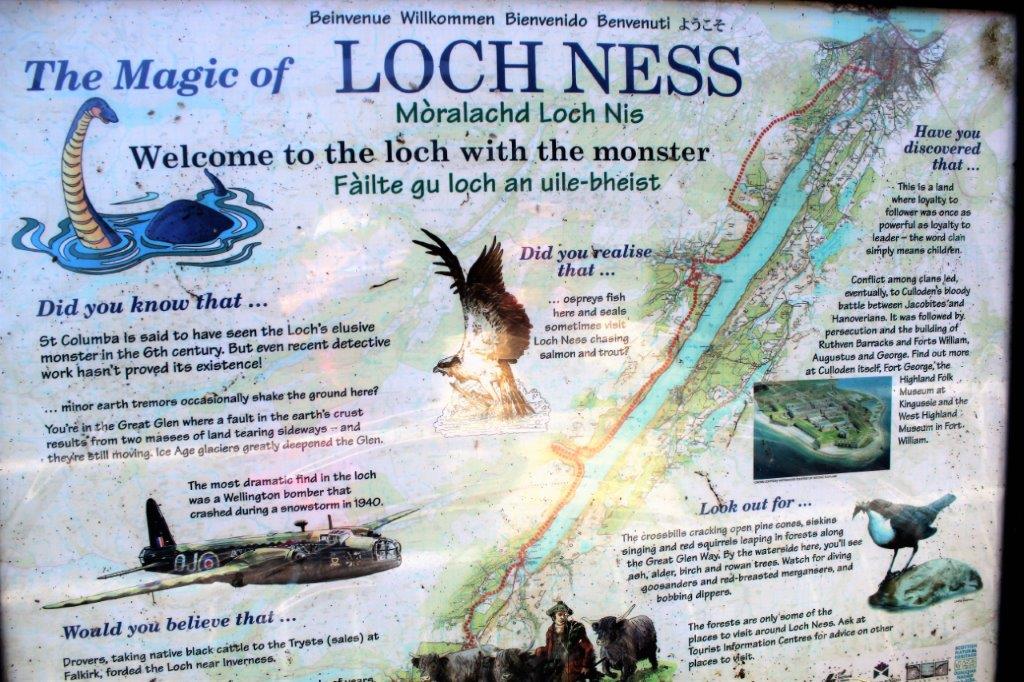
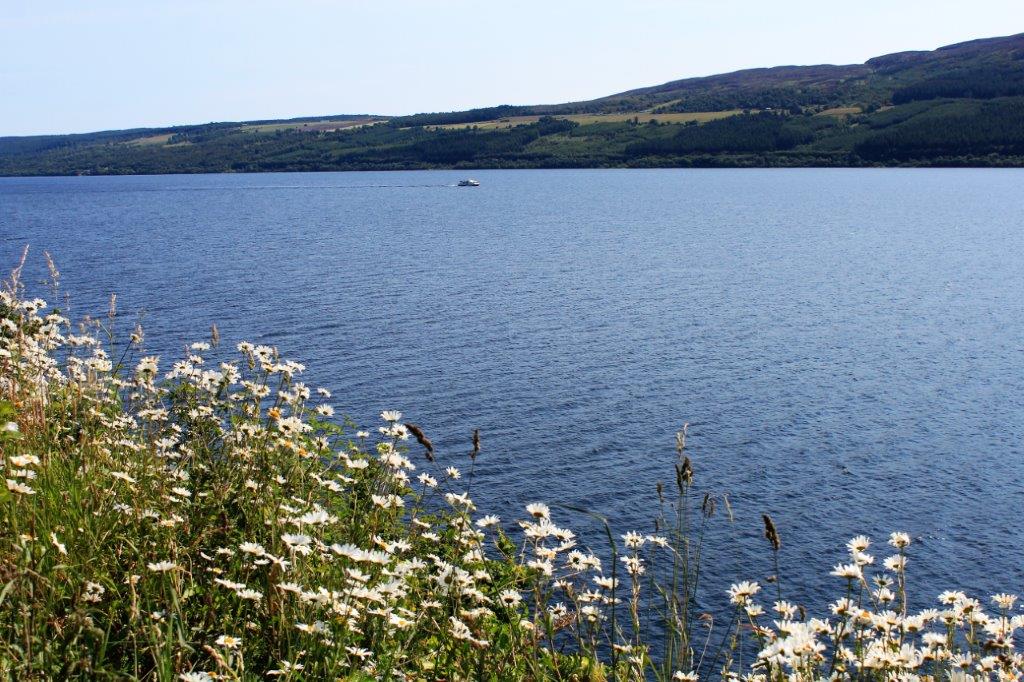
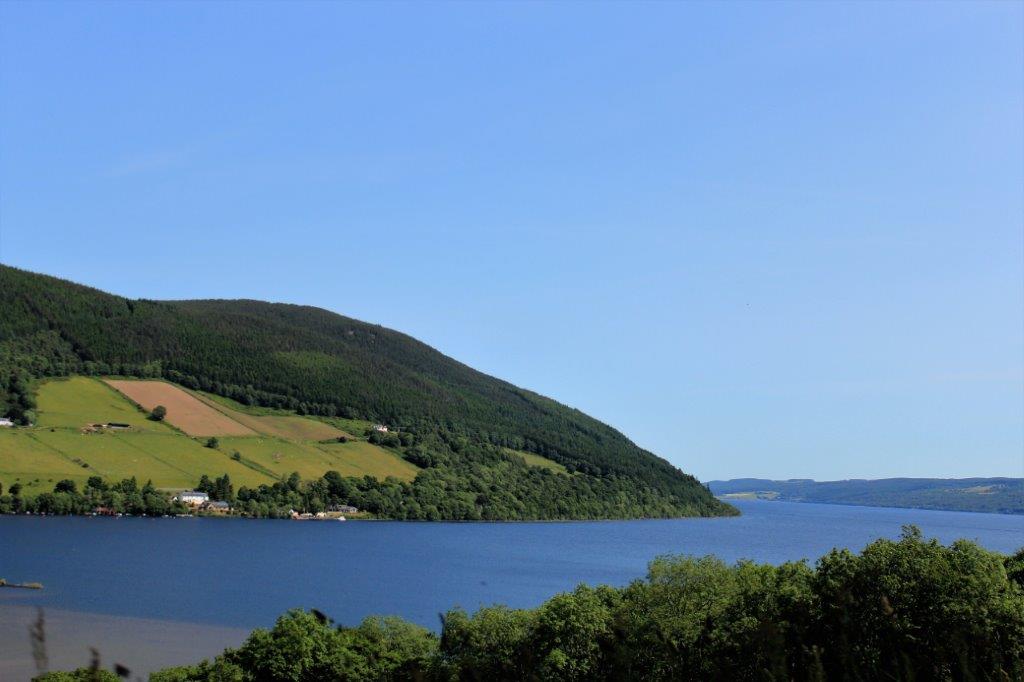
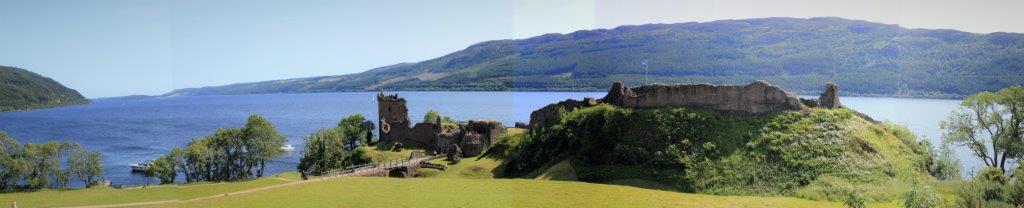
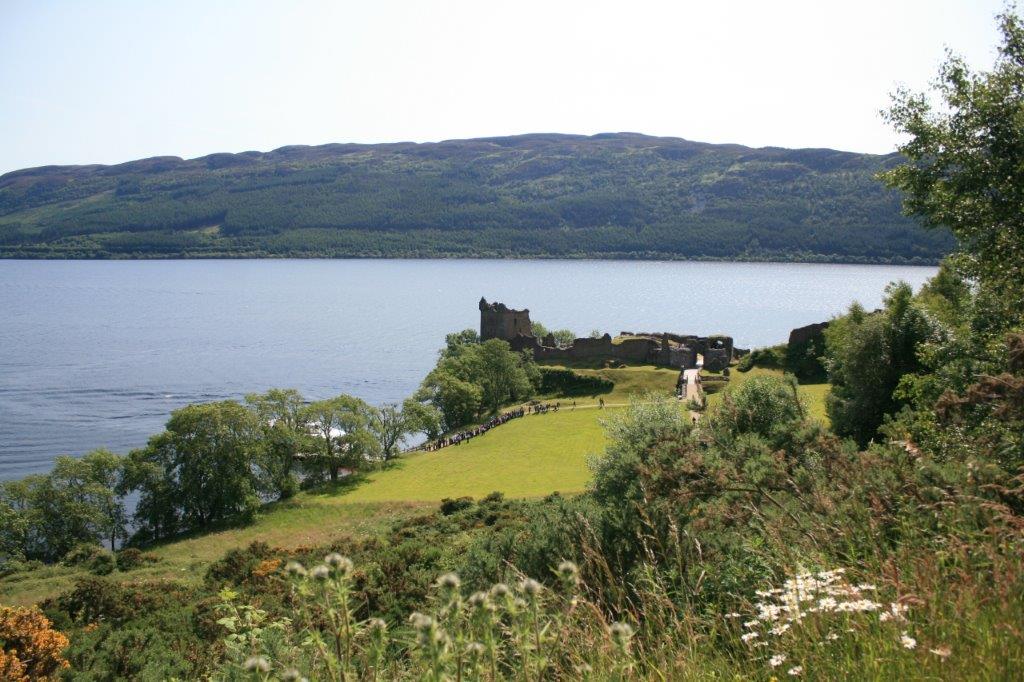
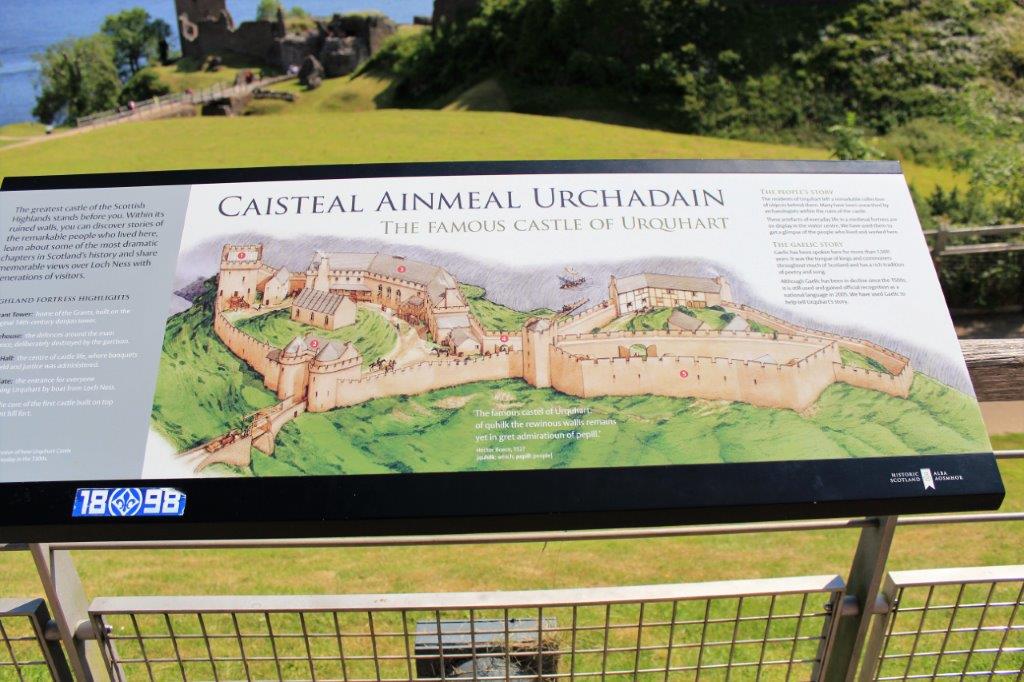
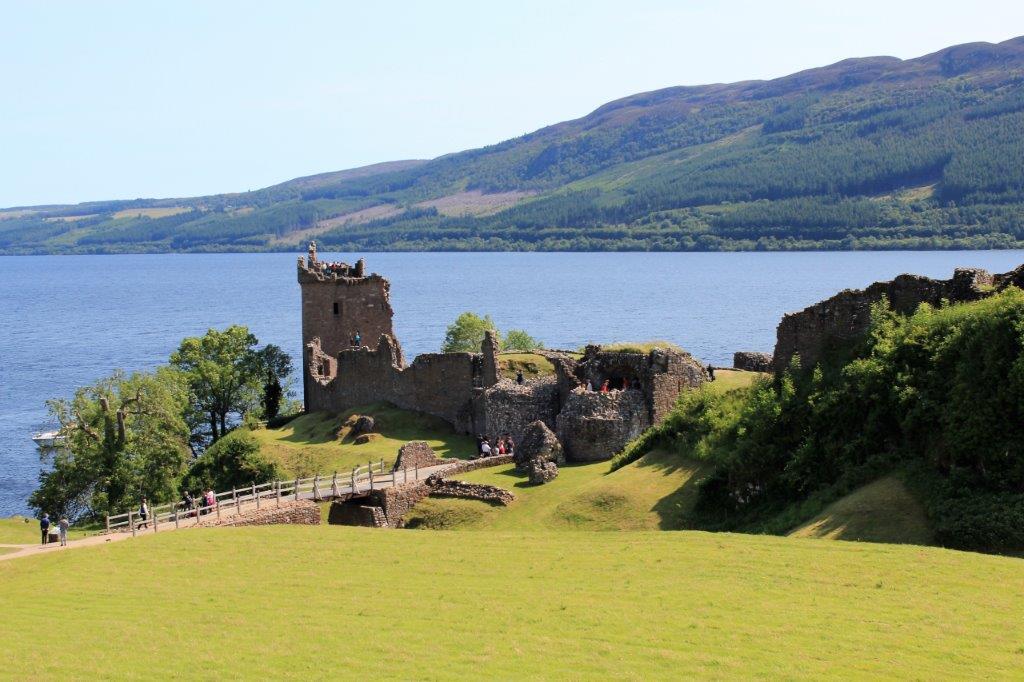
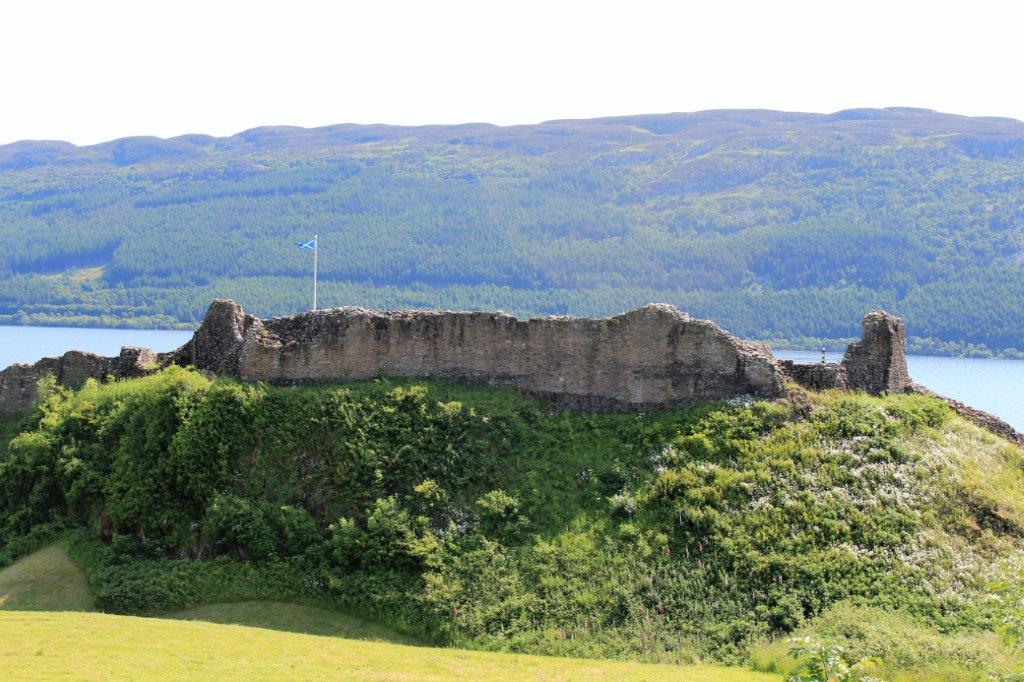
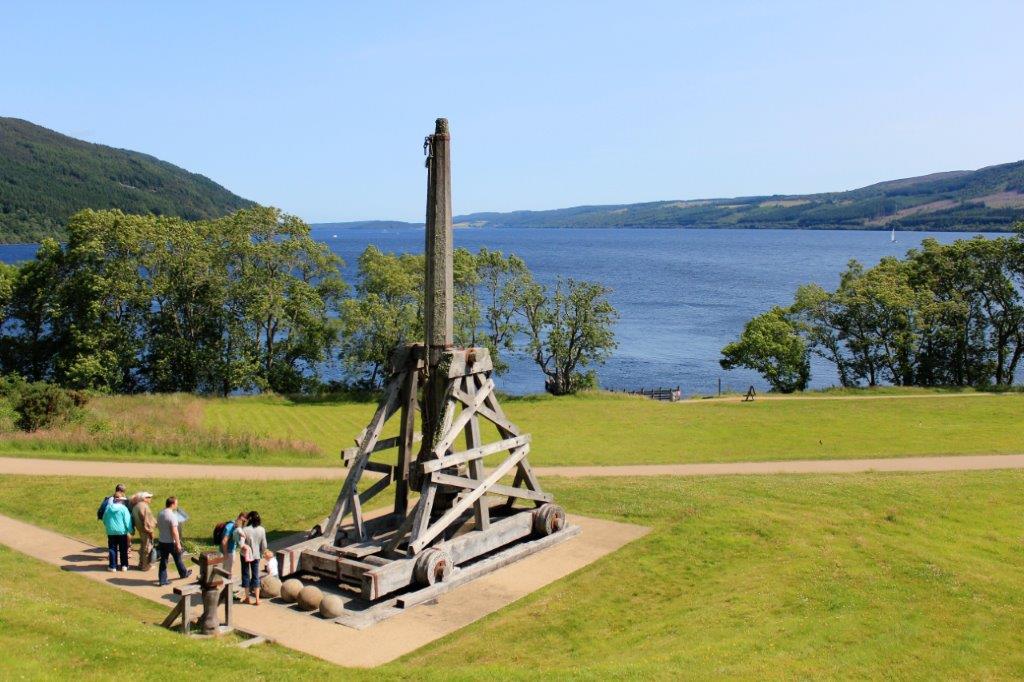
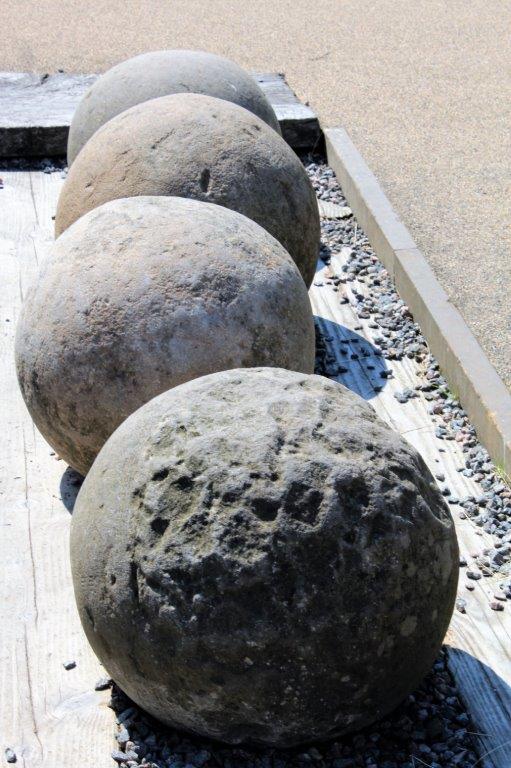
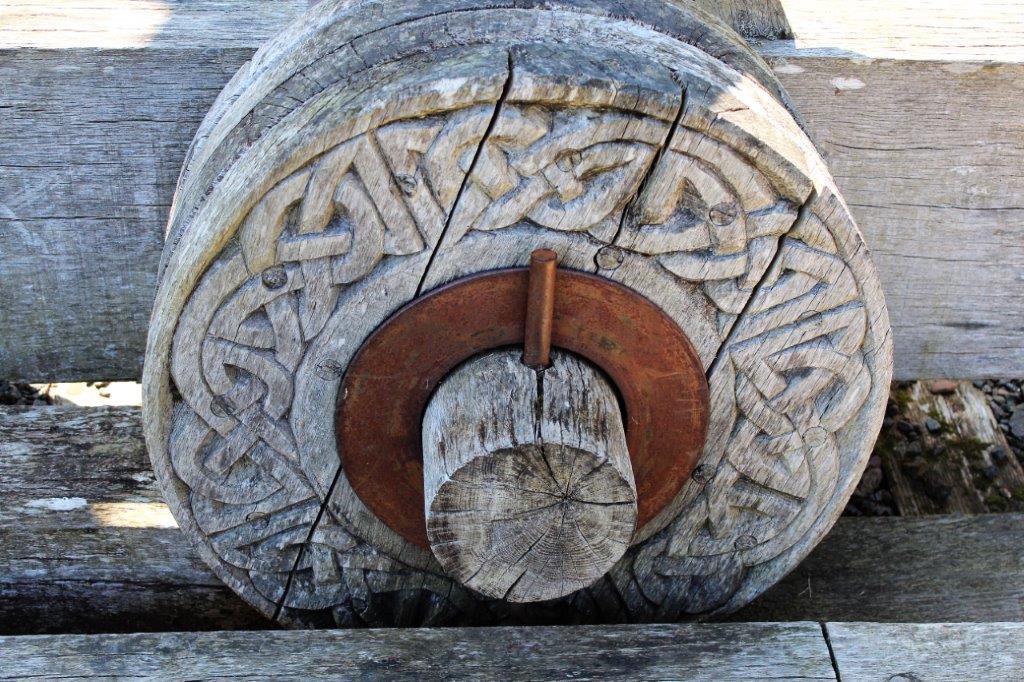
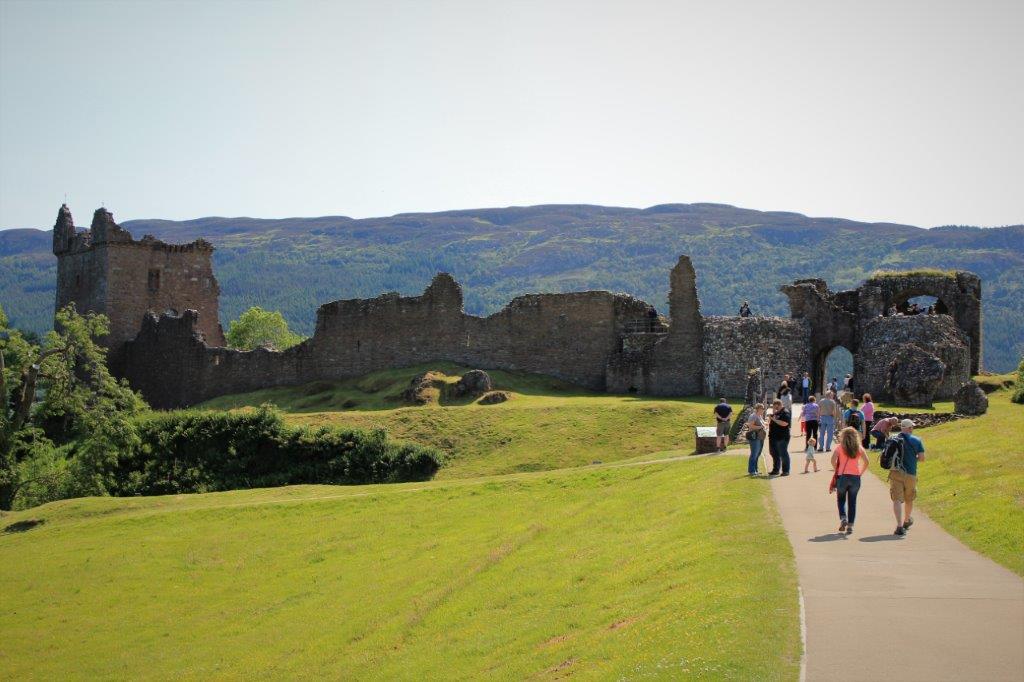
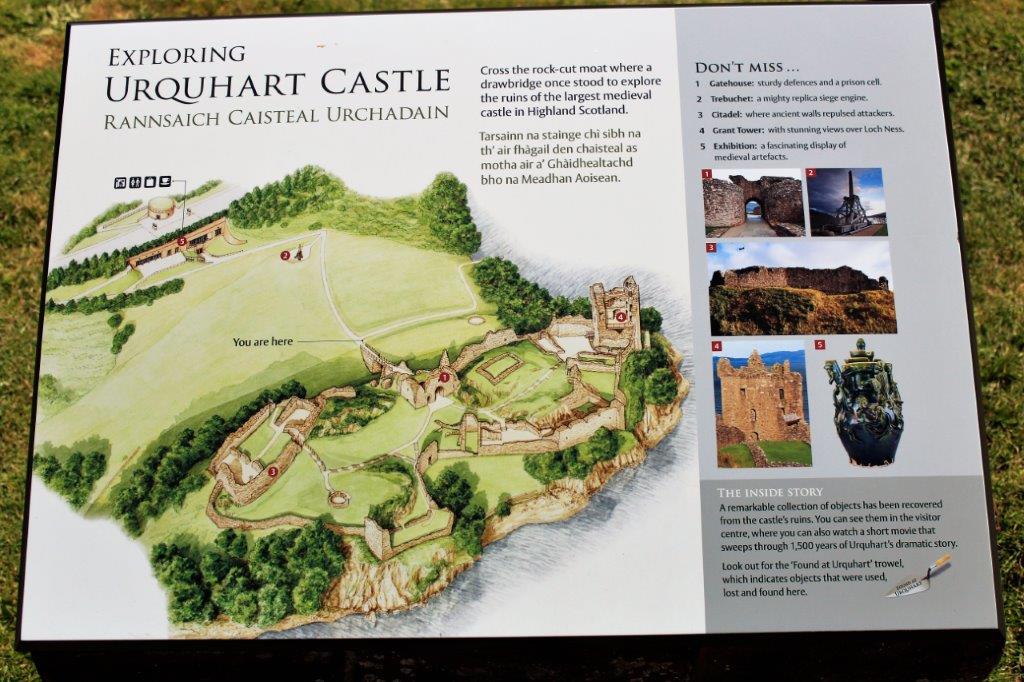
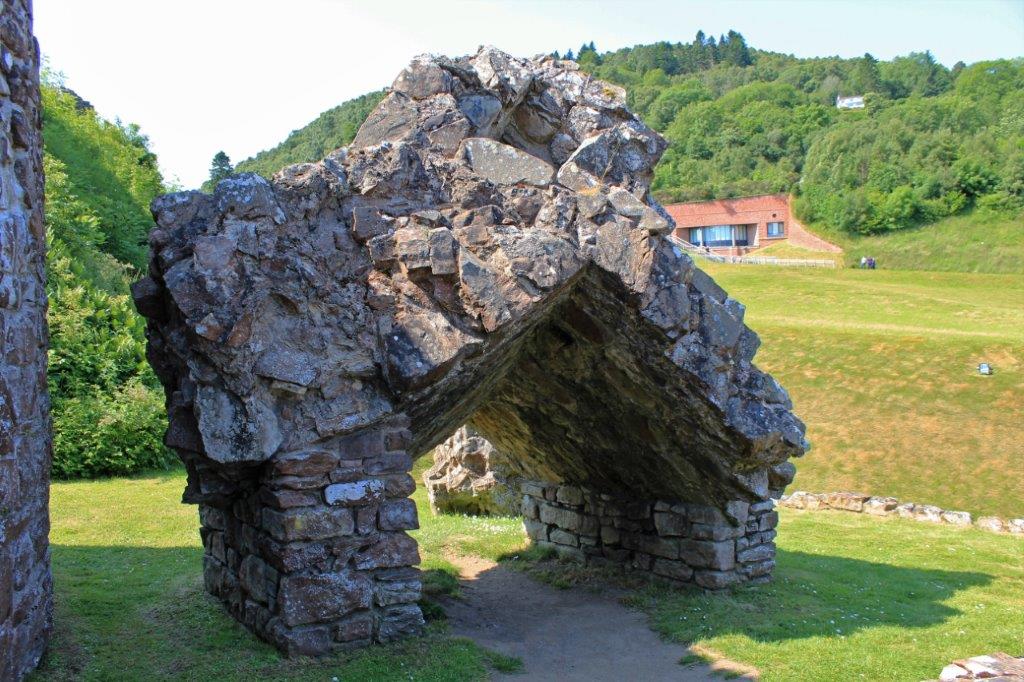
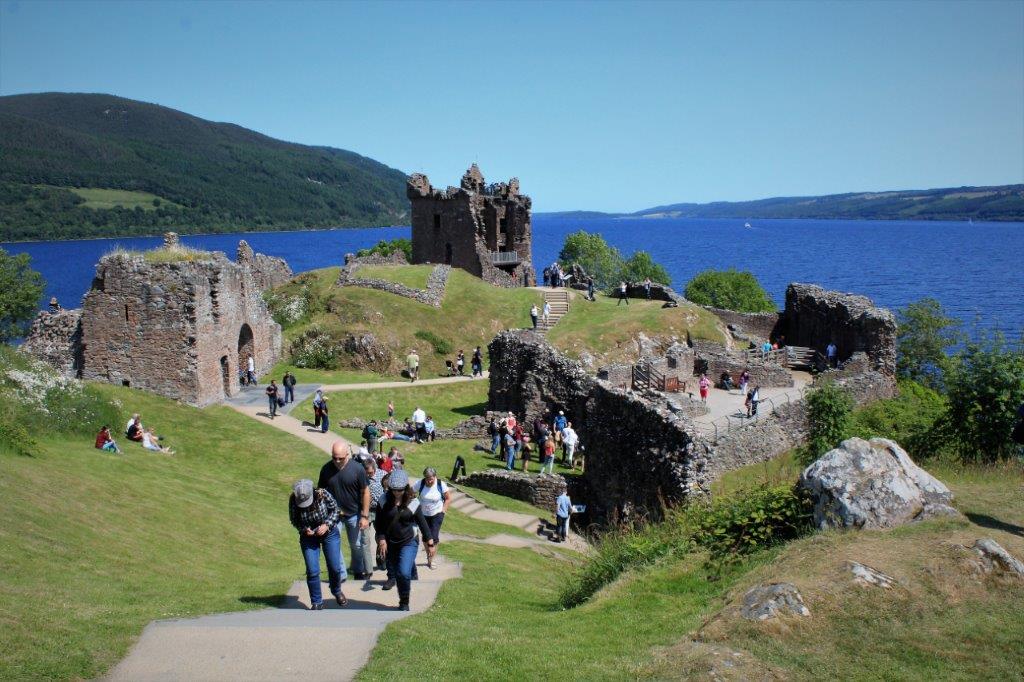
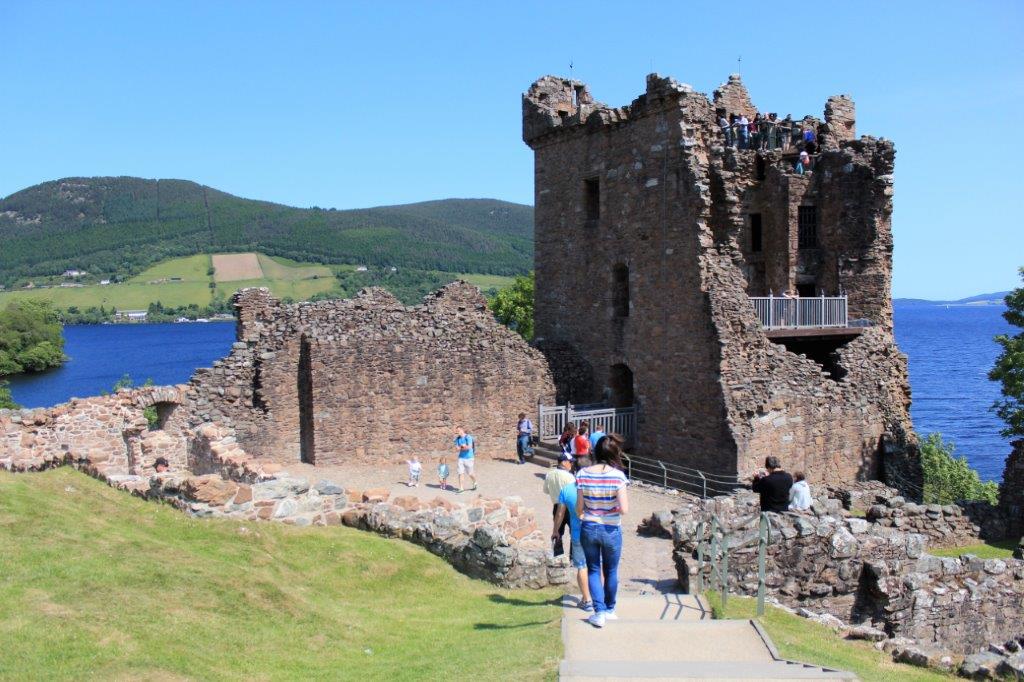
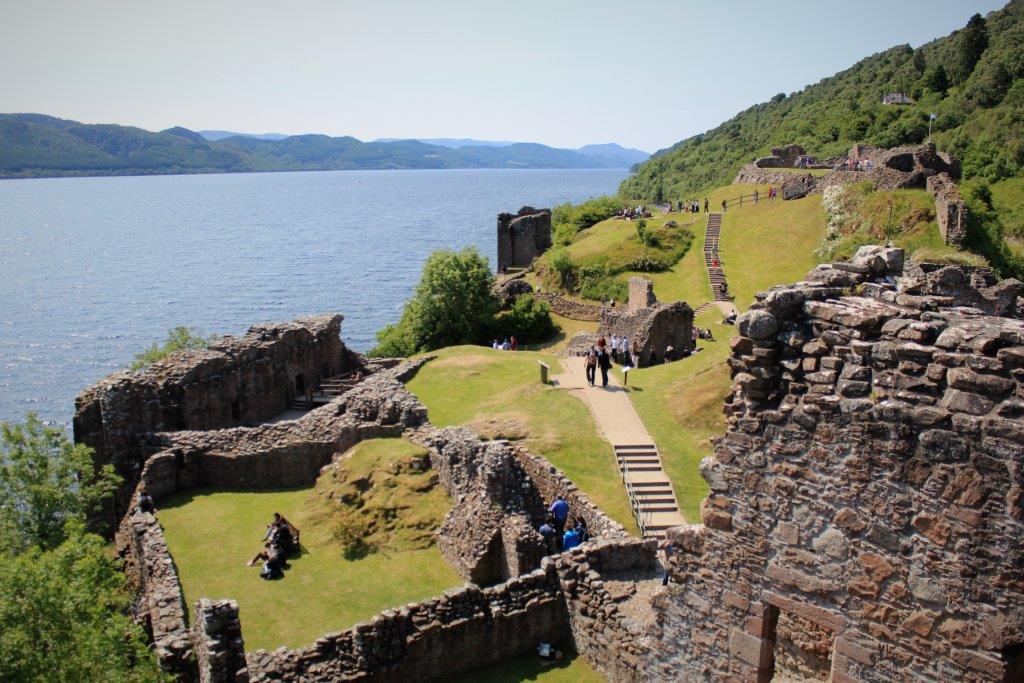
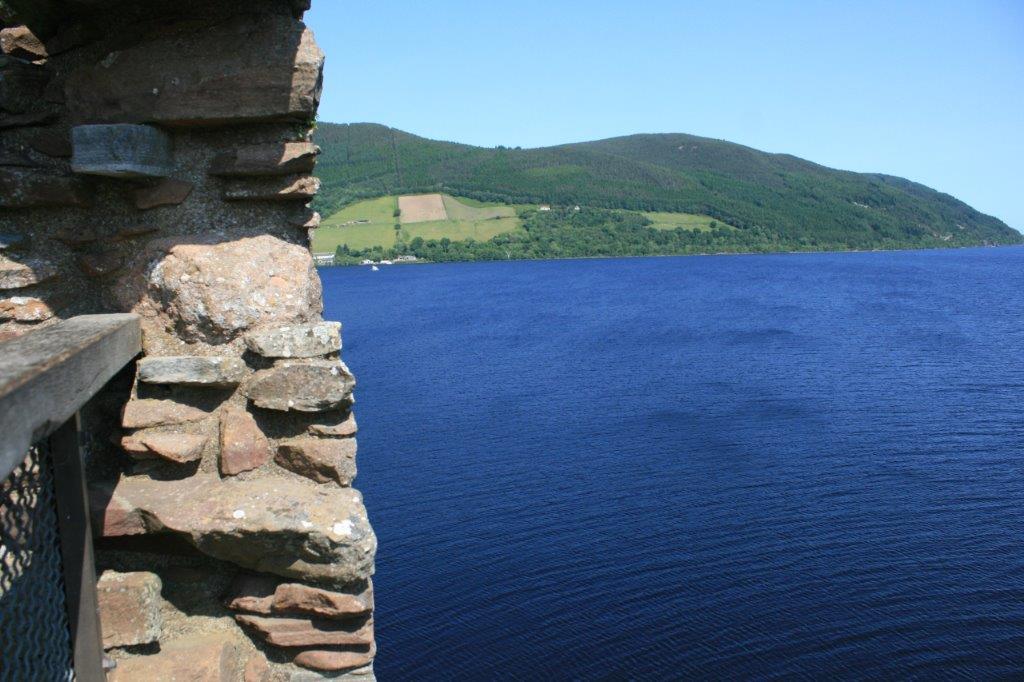
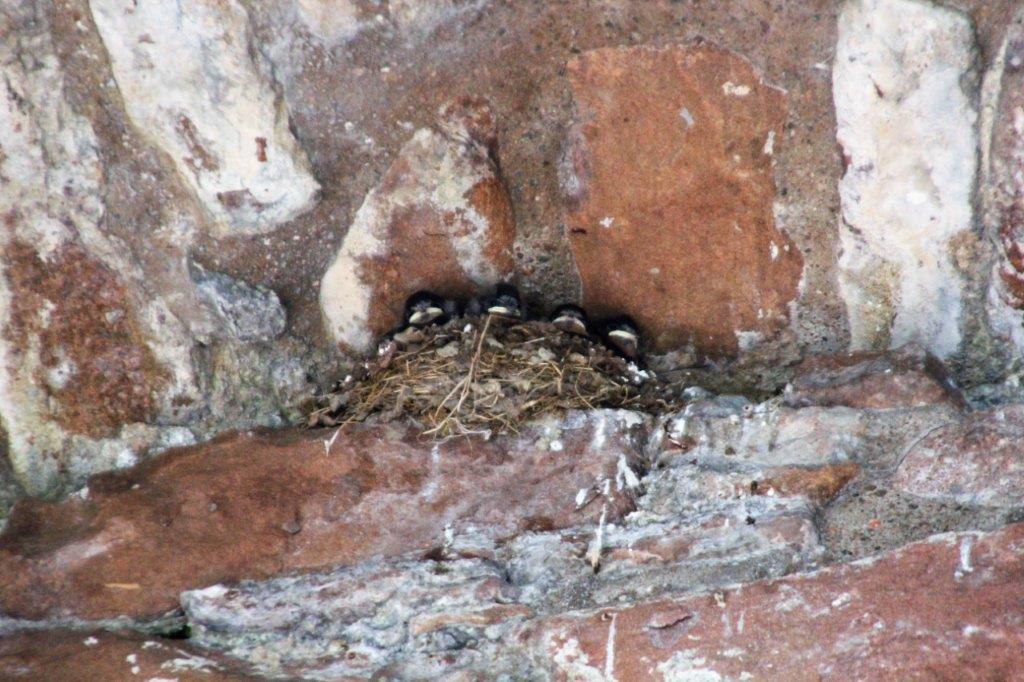
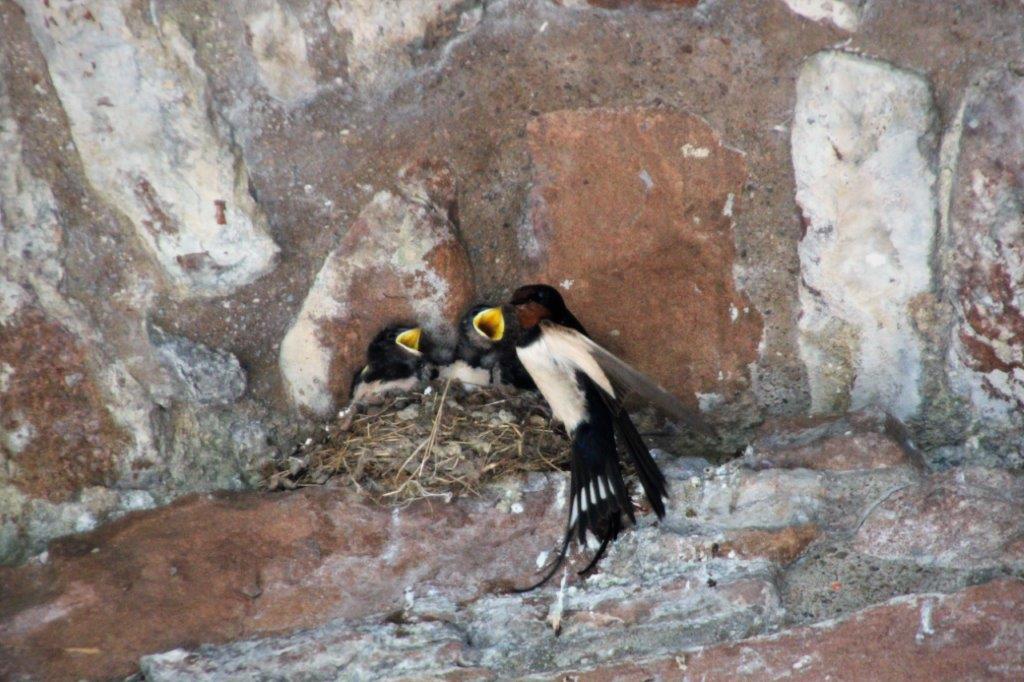
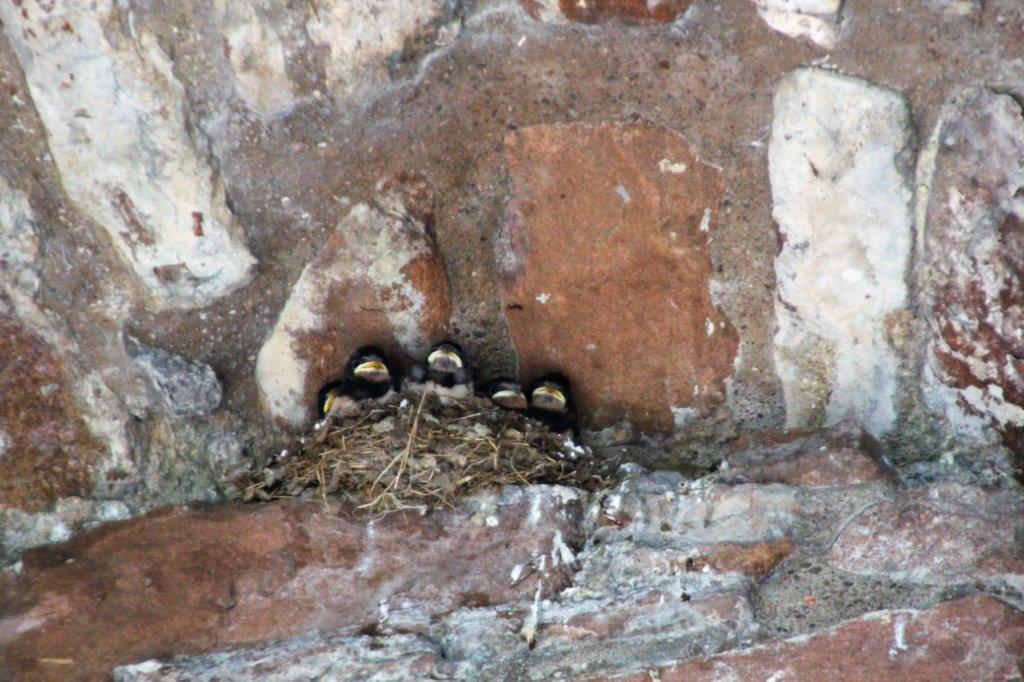
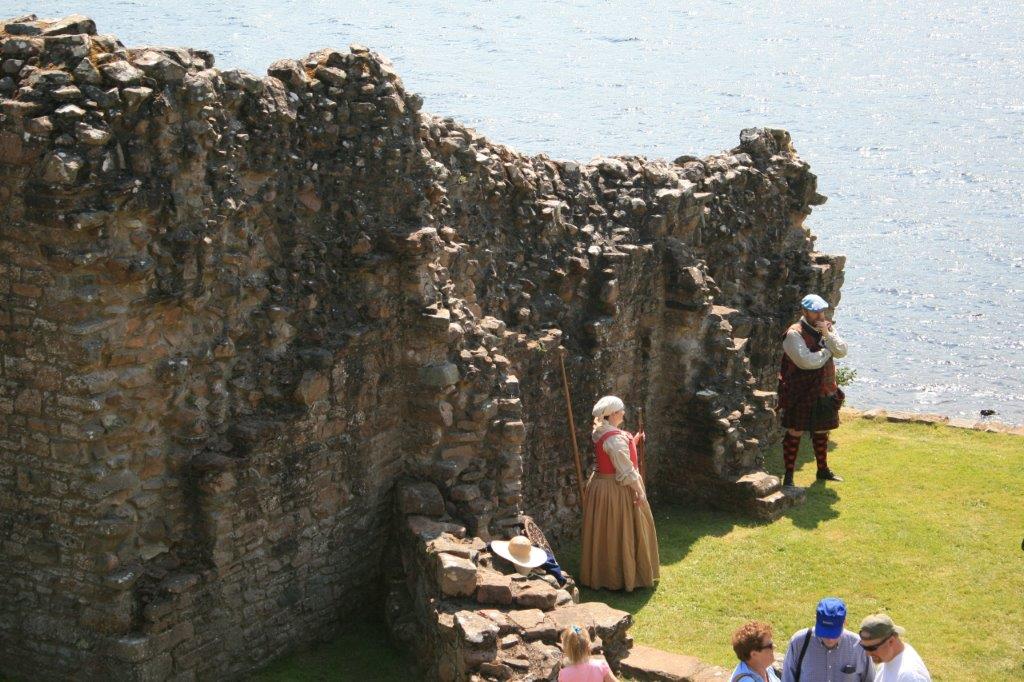
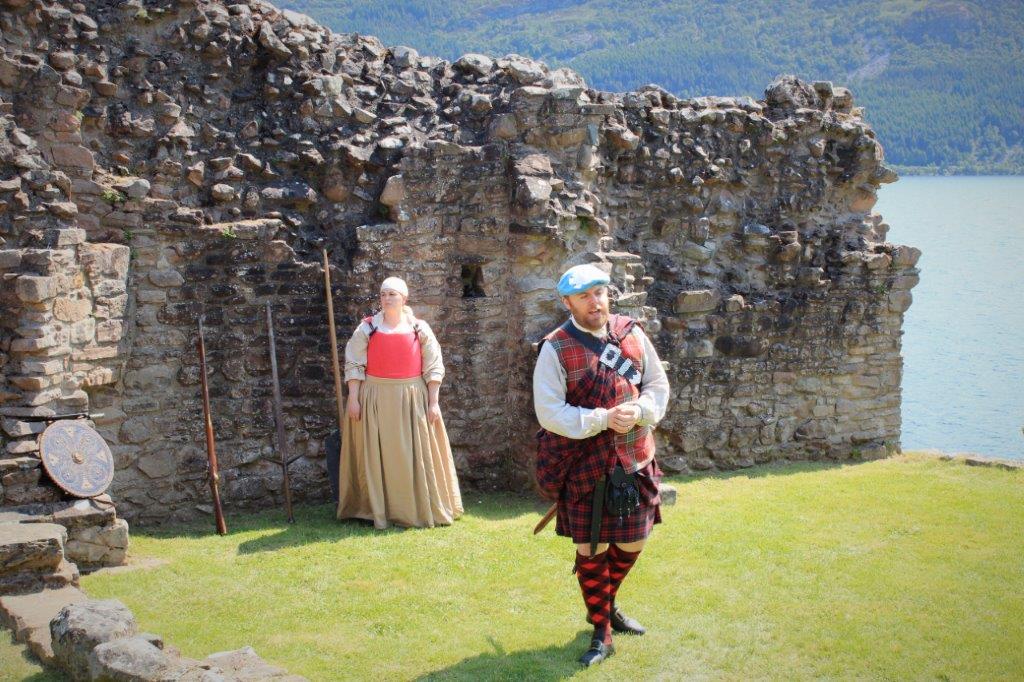
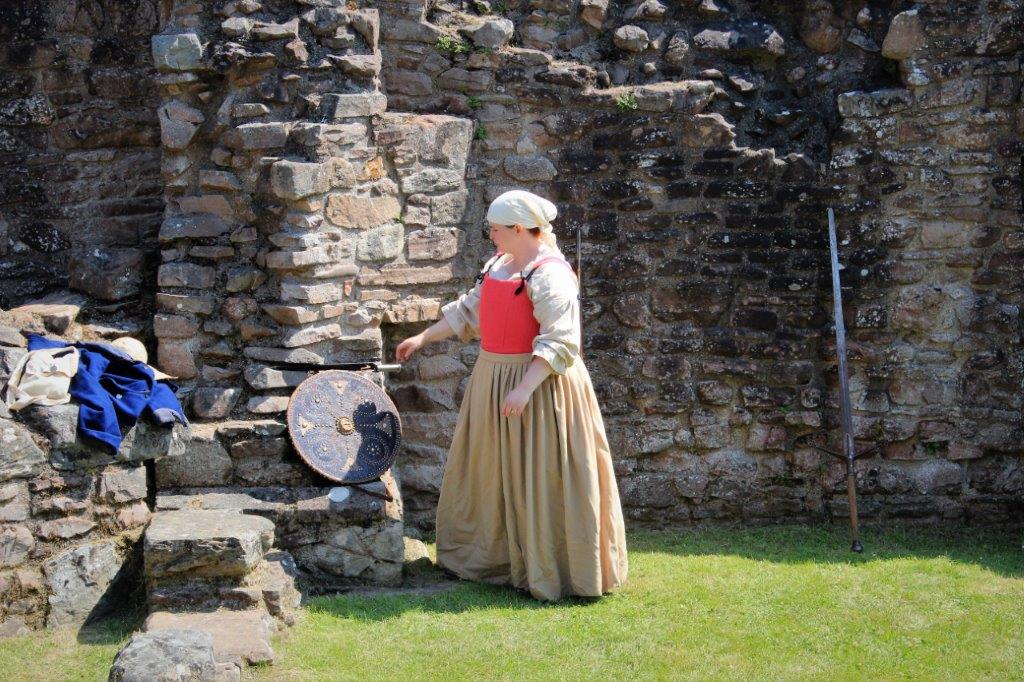
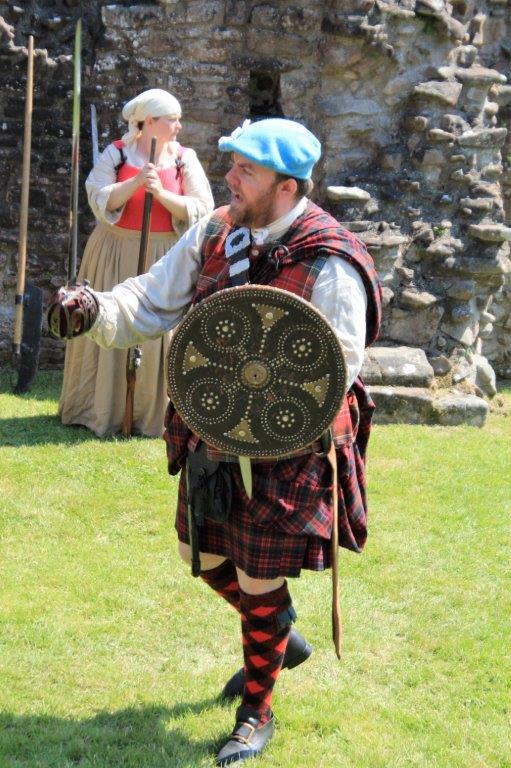
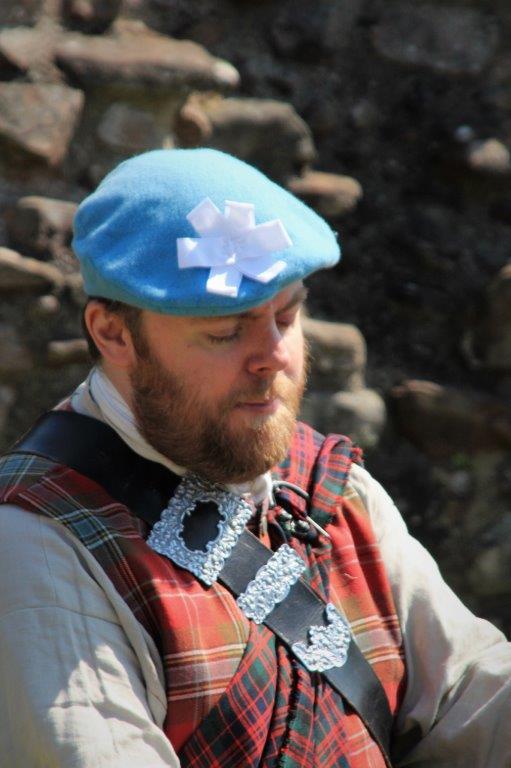
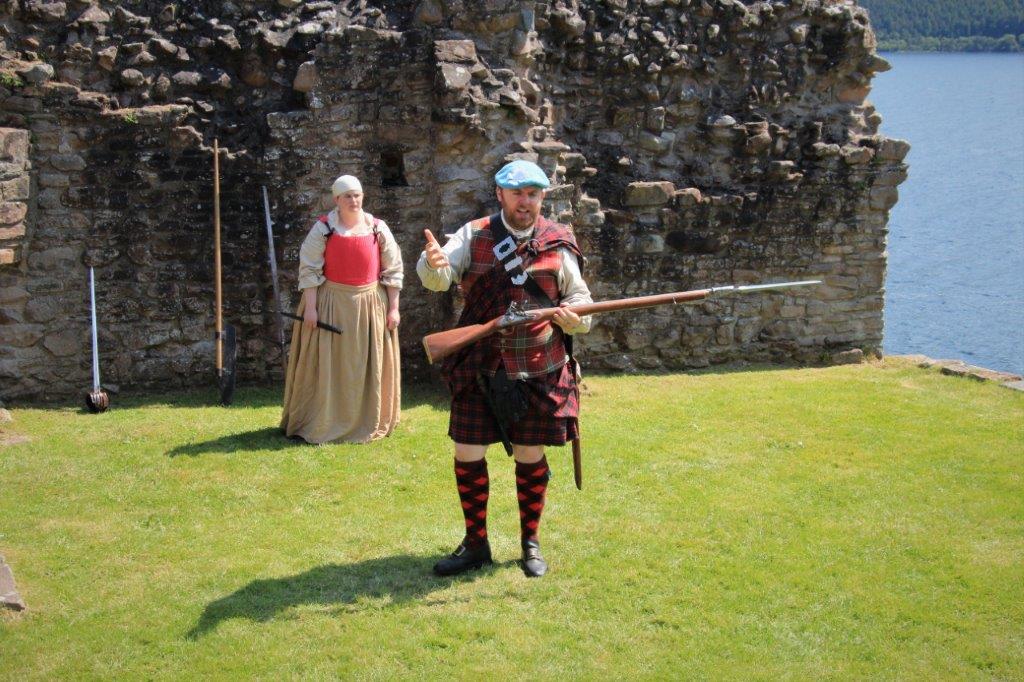
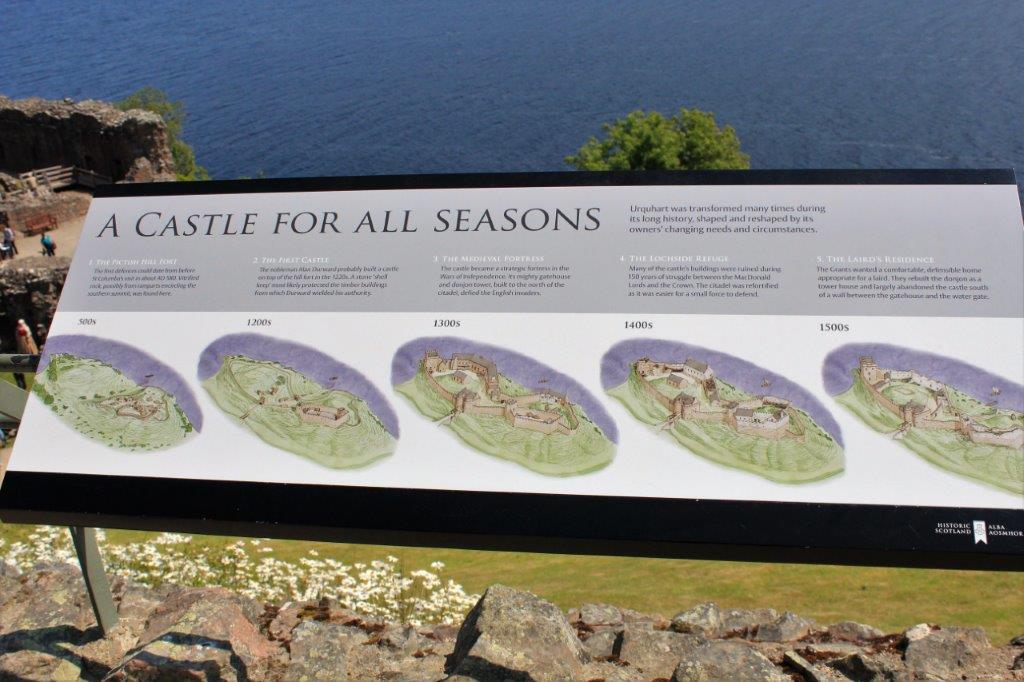
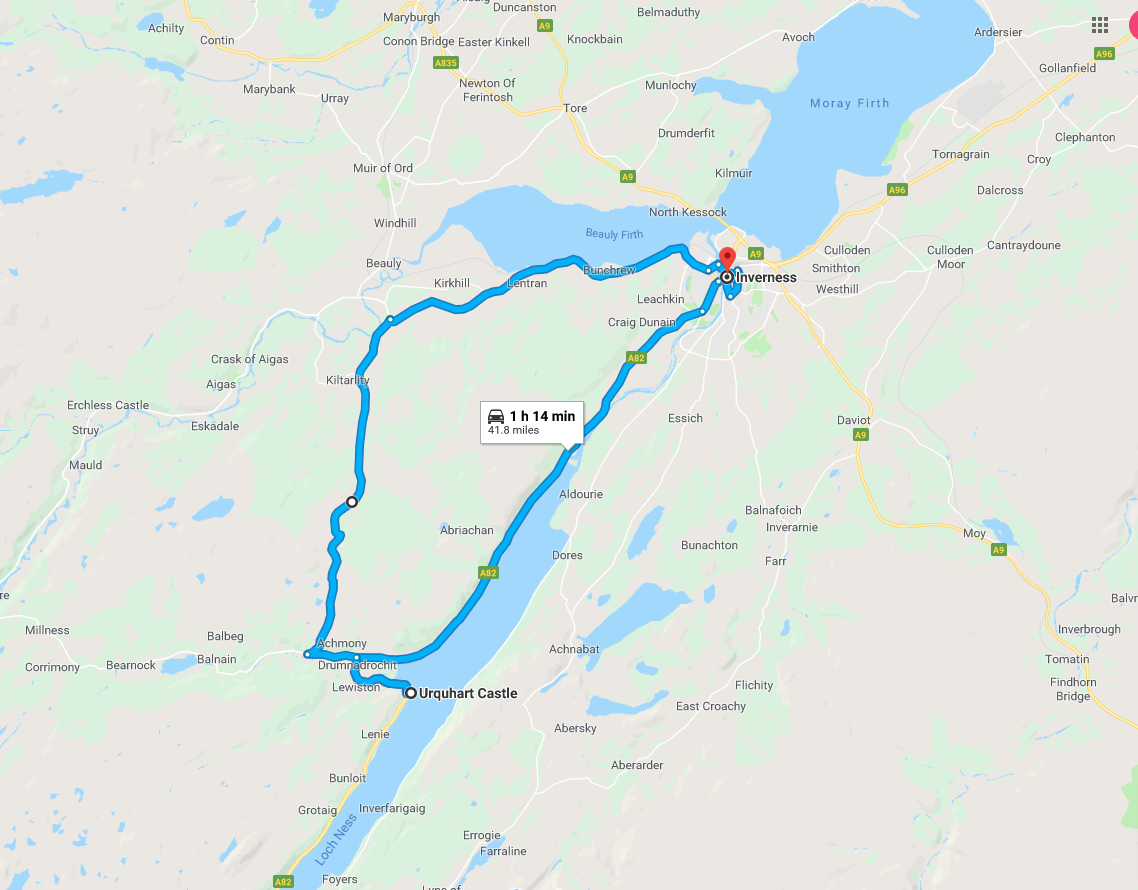
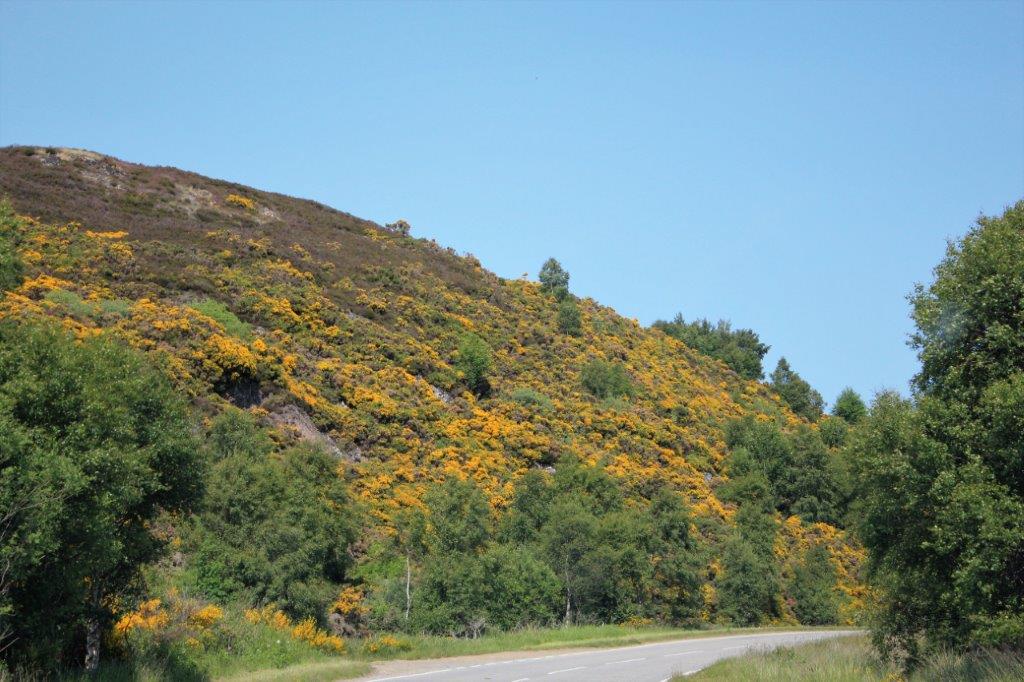
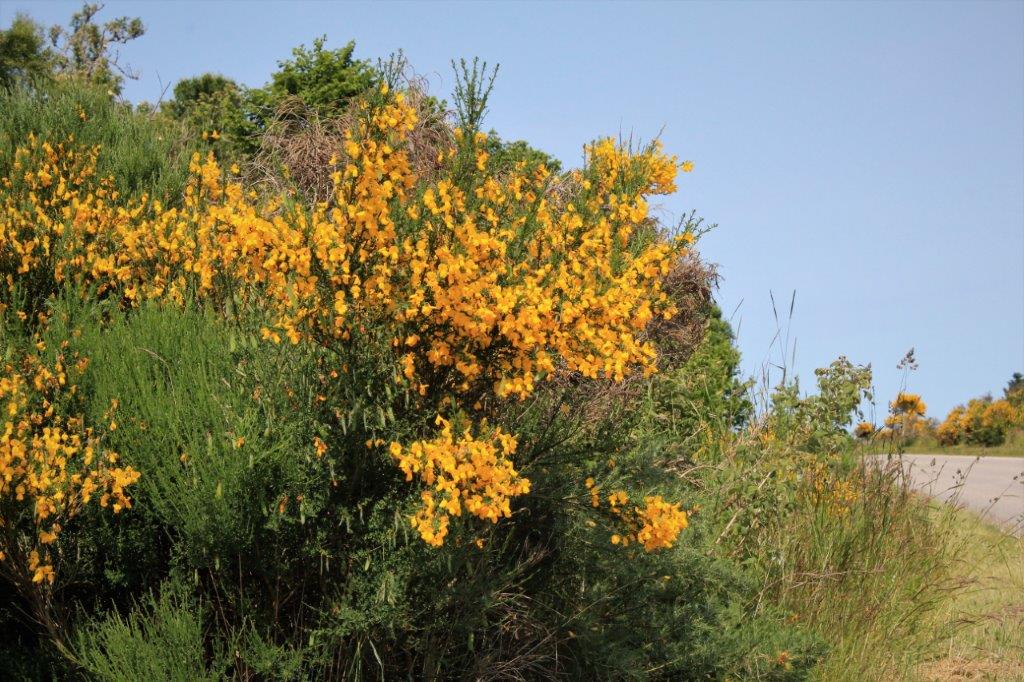
South of Inverness lies Loch Ness, famous for the still-not-confirmed “monster” called Nessie.  We didn’t see her either.  About halfway down the west coast of Loch Ness lie the ruins of Urquhart Castle. Urquhart was a very strategically important fortress; located as it was on a rocky promontory jutting into the deep waters of Loch Ness.  The castle changed hands several times over its 1,000 year history and when the last soldiers marched away in 1692 they blew up part of the castle as they left.  The ruins are extensive as the castle was added to and re-fortified many times. Our visit to Scotland coincided with baby bird season and there was another nest at Urquhart. The castle is a living history site where they have costumed staff doing demonstrations of weapons and tactics and explained the general living conditions of the period. The white ribbon – cockade – on his hat would let people know he was a supporter of Bonny Prince Charlie, the exiled heir to the Scottish throne; whose attempt to regain his place resulted in the disastrous Battle of Culloden that was a crushing defeat for the Scottish Clans. We left Urquhart just after 1 pm and returned to our hotel in Inverness for a restful afternoon and evening. Every once in awhile a person needs a bit of down time on lengthy trips like these.The gorse was blooming on many of the hillsides.

2013 Summer (Baltic and Britain – Scotland – July 6 – Day 13)

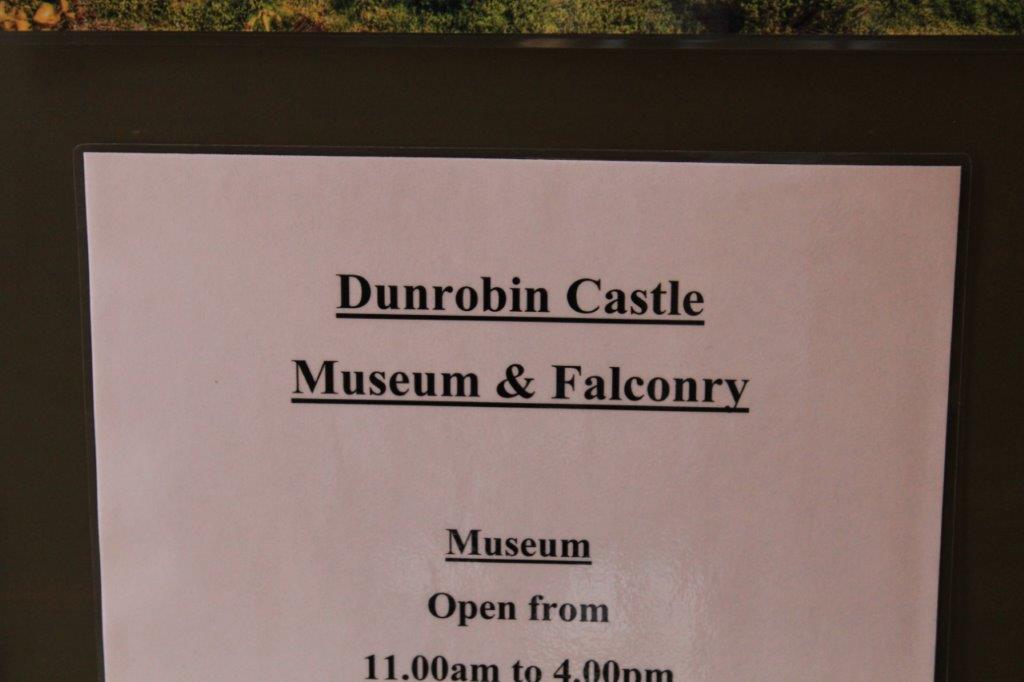
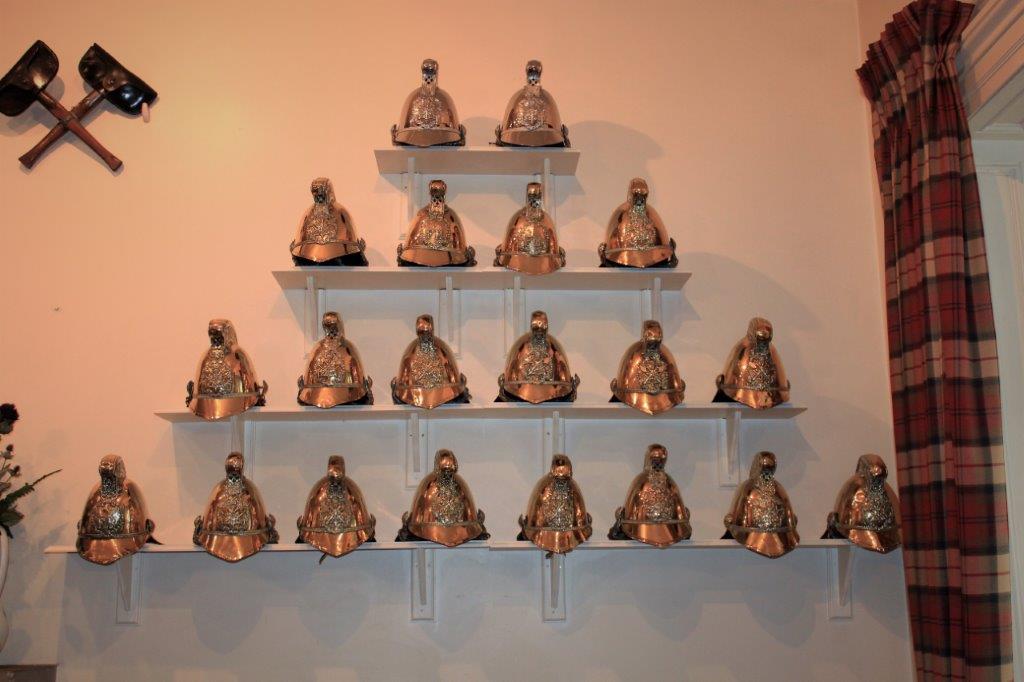
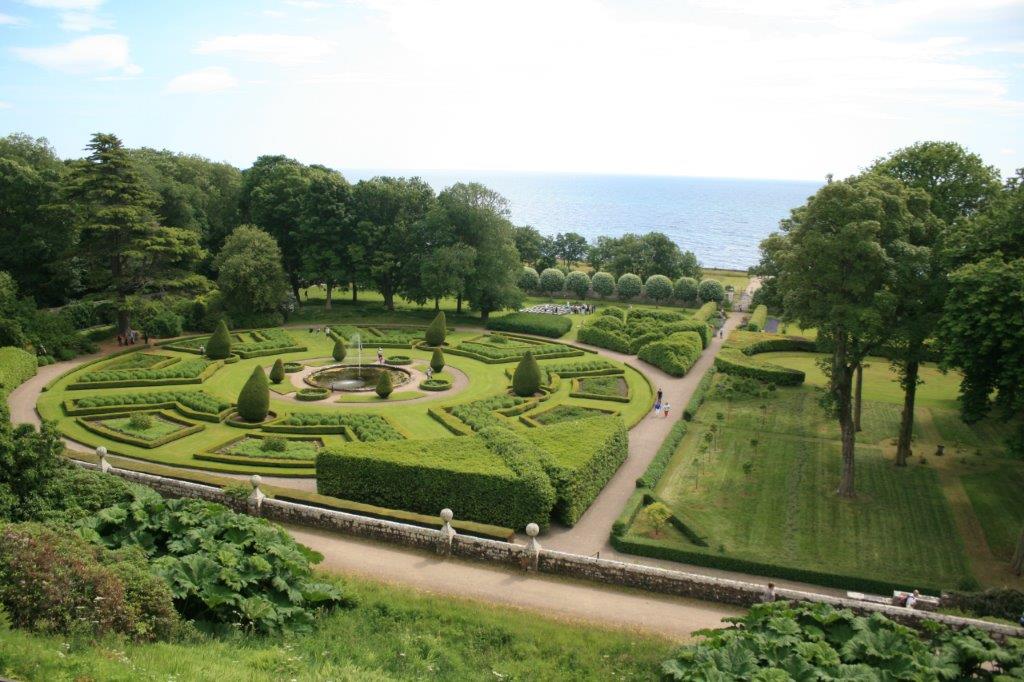
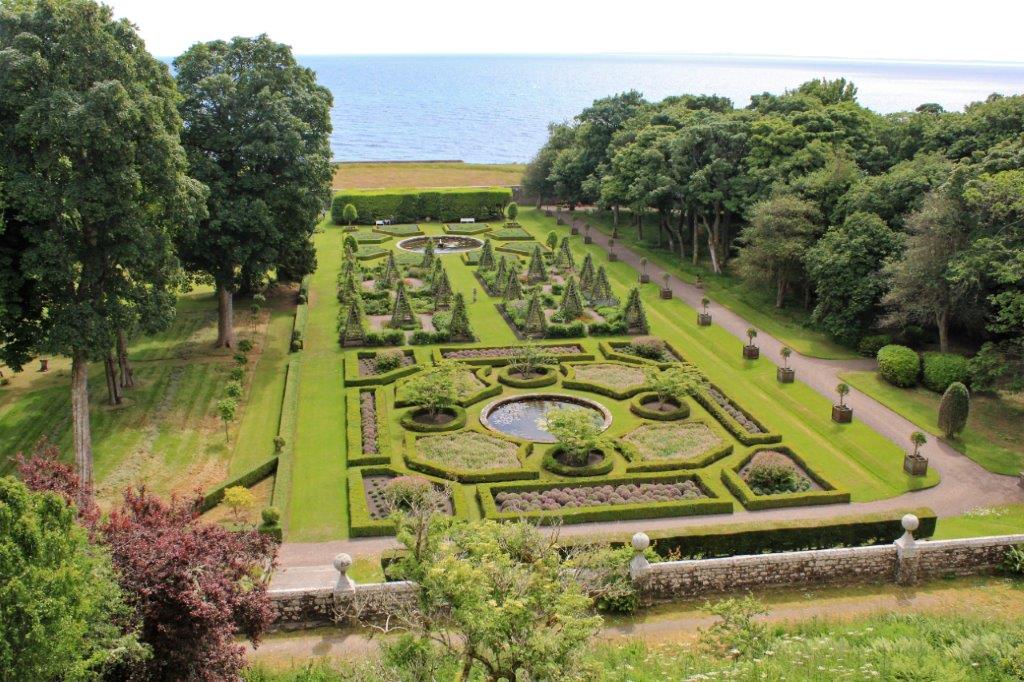
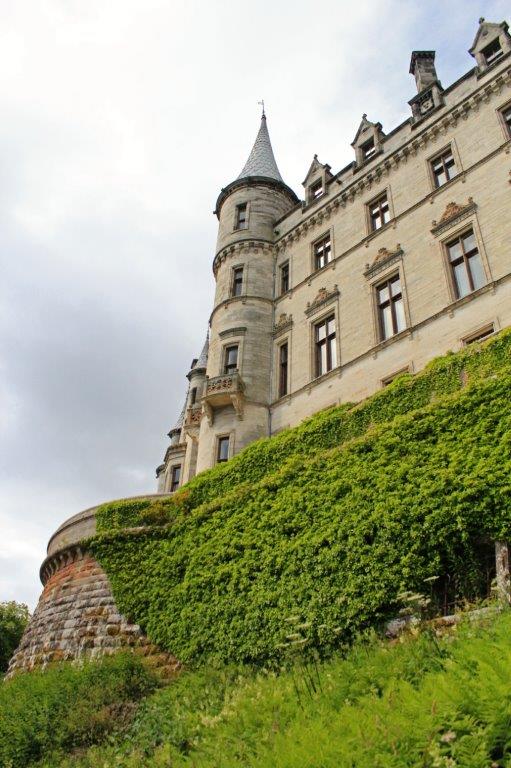
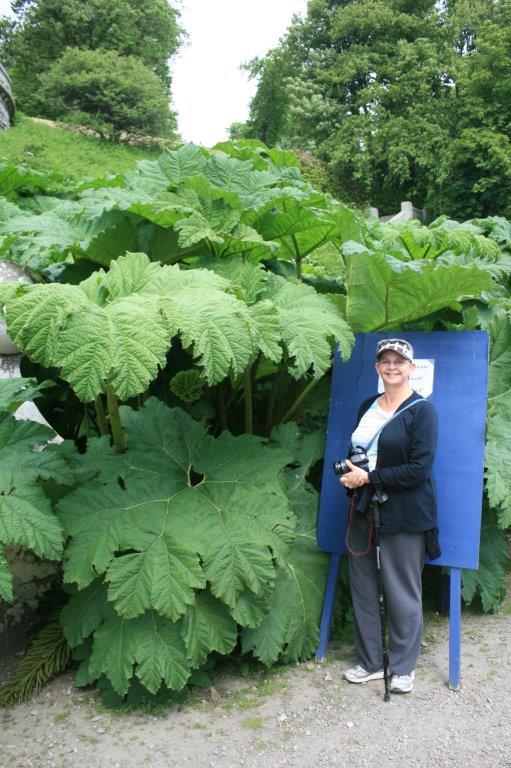
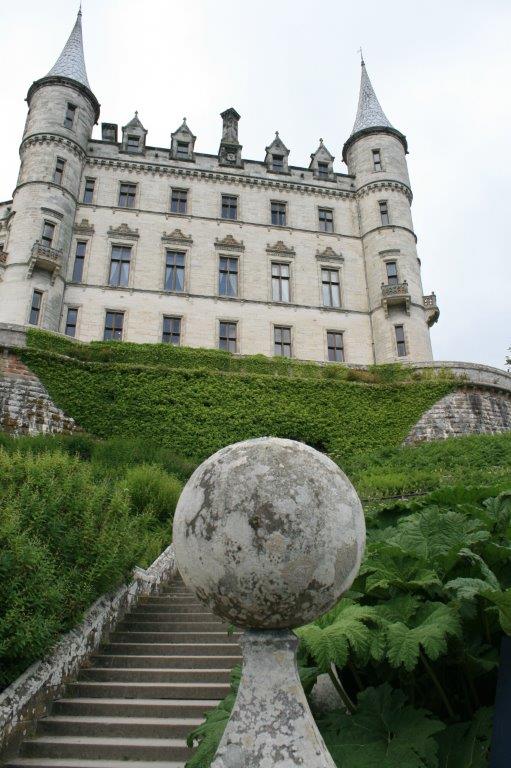
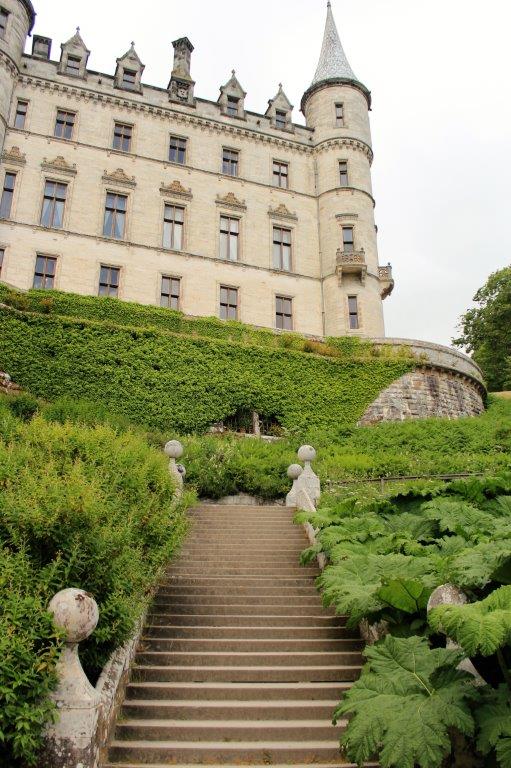
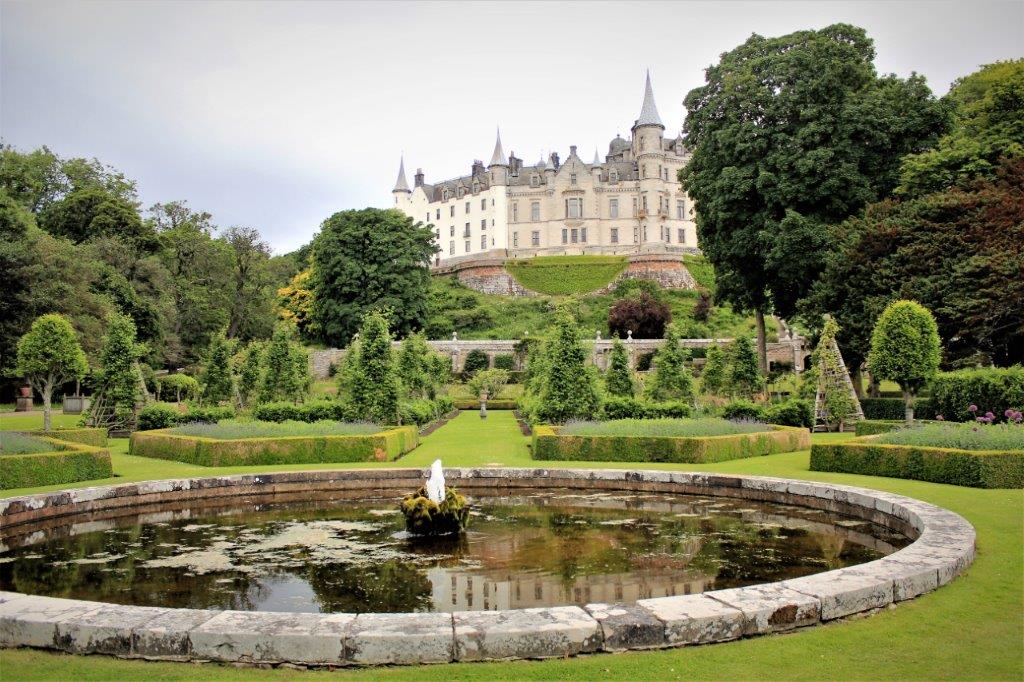
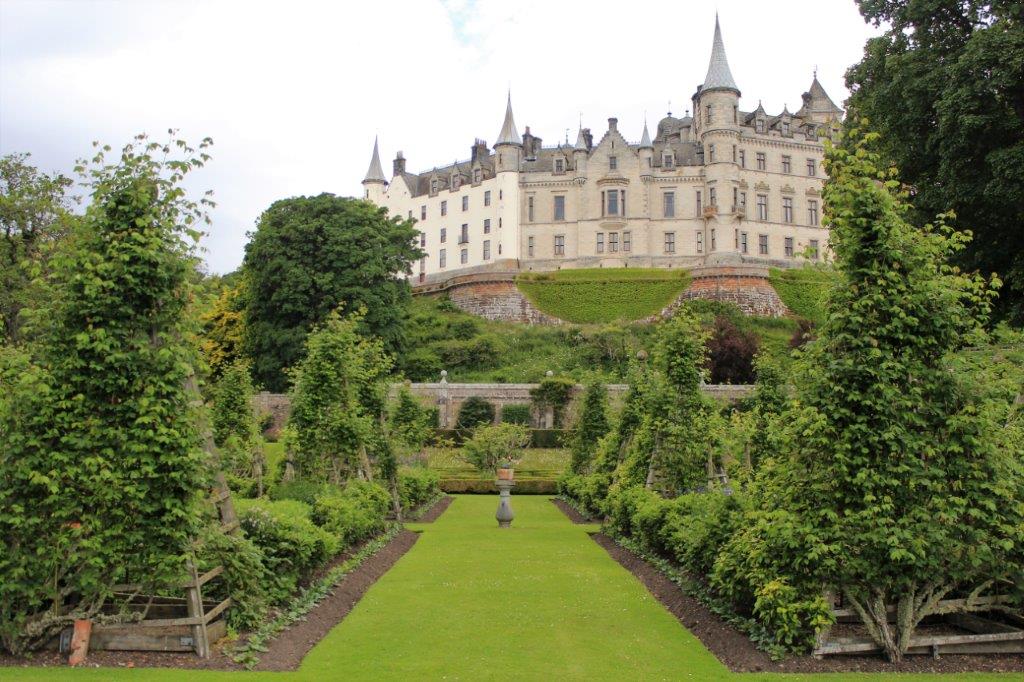
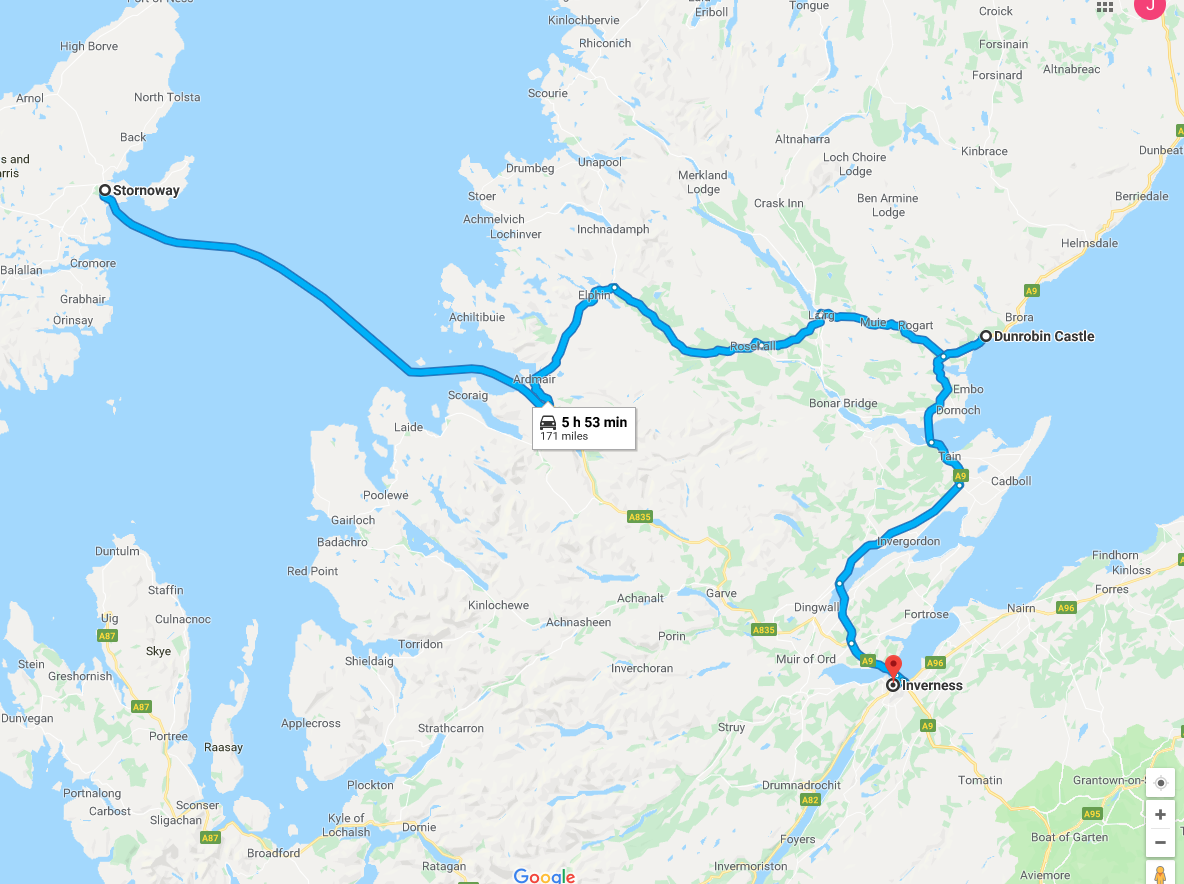
We had a very early start to catch the 7 am ferry from Stornoway on the Isle of Lewis back to the mainland terminal at Ullapool.  The northern part of Scotland is narrow with many inlets and waterways that almost separate the land into islands.  It is just under 50 miles across from Ullapool on the west to the east coast road that goes north to Golspie and Dunrobin Castle.  I had read about Dunrobin, which is really a grand house, and not a castle, and its beautiful gardens so we specifically drove the 35 miles north to go see it.  And we were not disappointed.  What a fairy tale-like place.  I loved Dunrobin!

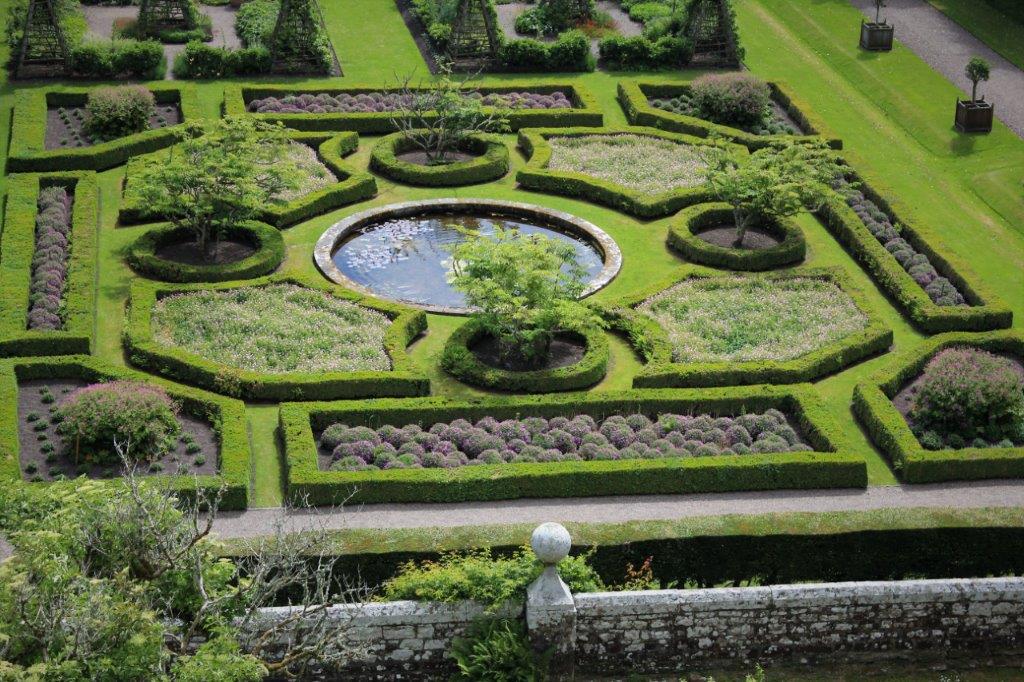
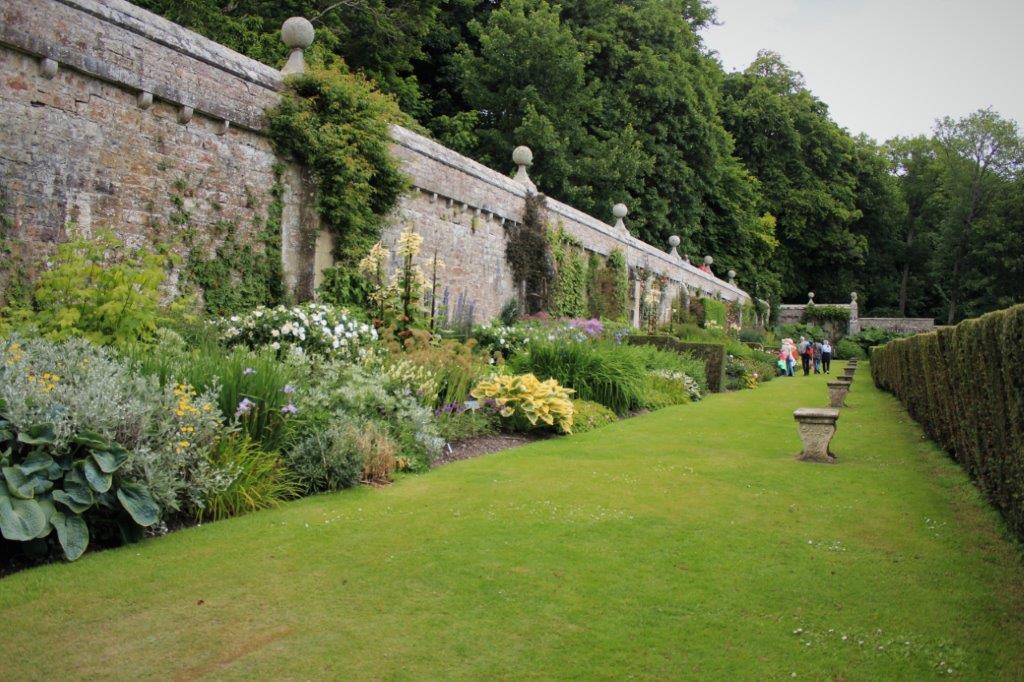
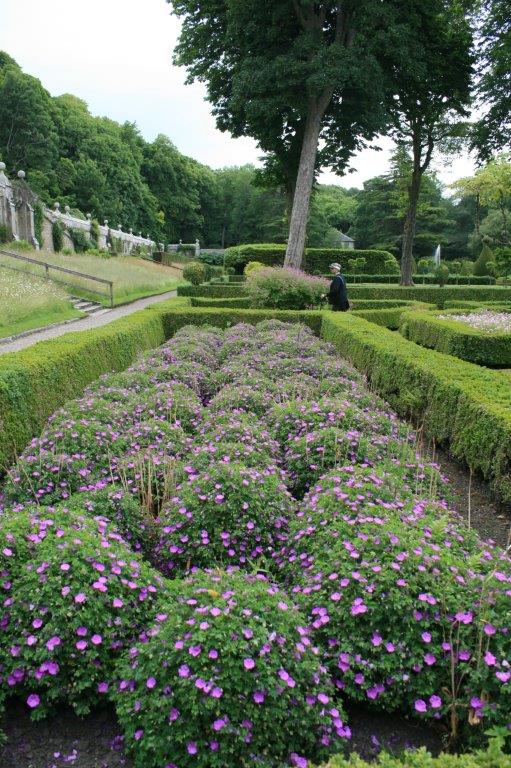
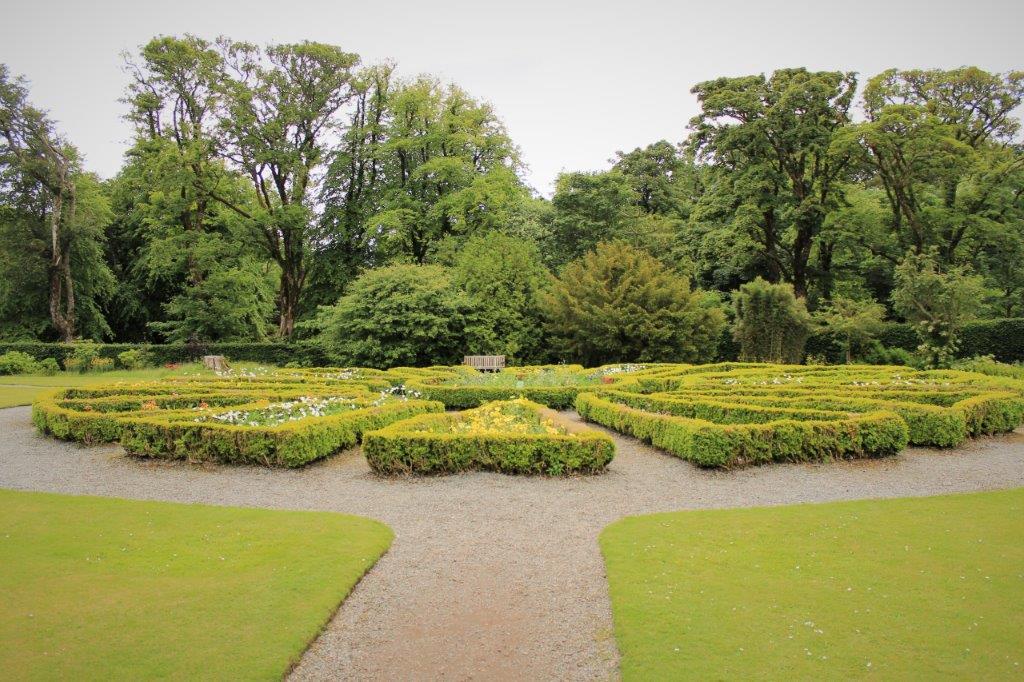
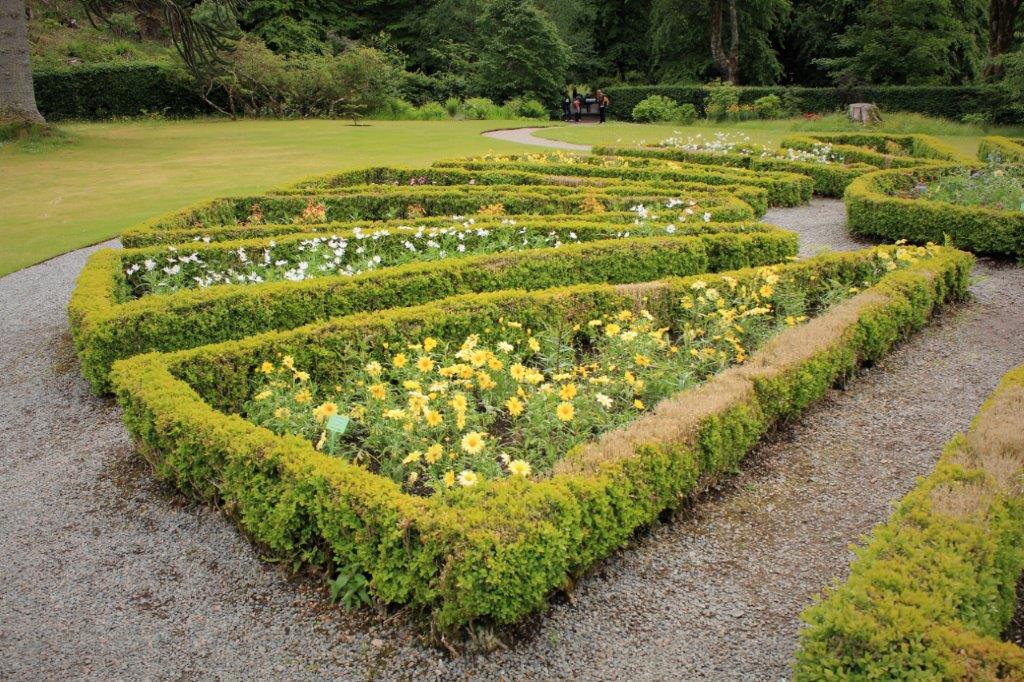
I have always loved structured, geometric shaped gardens.  I think it is the orderliness of it all which satisfies my OCD tendencies.Dunrobin, with its pointed turrets would make a great setting for Cinderella or Rapunzel.  It was a beautiful place and the gardens were immaculately groomed.

I  really  think  they  should  pass  out  medieval  or  Victoria  gowns  to  wear  while  you  stroll  the  gardens.  I just seems  more  appropriate  for  the  surroundings.  I loved  this  place  and  would  really  like  to  go  back  some  day.Once we had completed our leisurely walk around the gardens of Dunrobin we got back in the car and drove about 50 miles south again to Inverness where we spent the night.

2013 Summer (Baltic and Britain – Scotland – July 5 – Day 12 – Part 2)
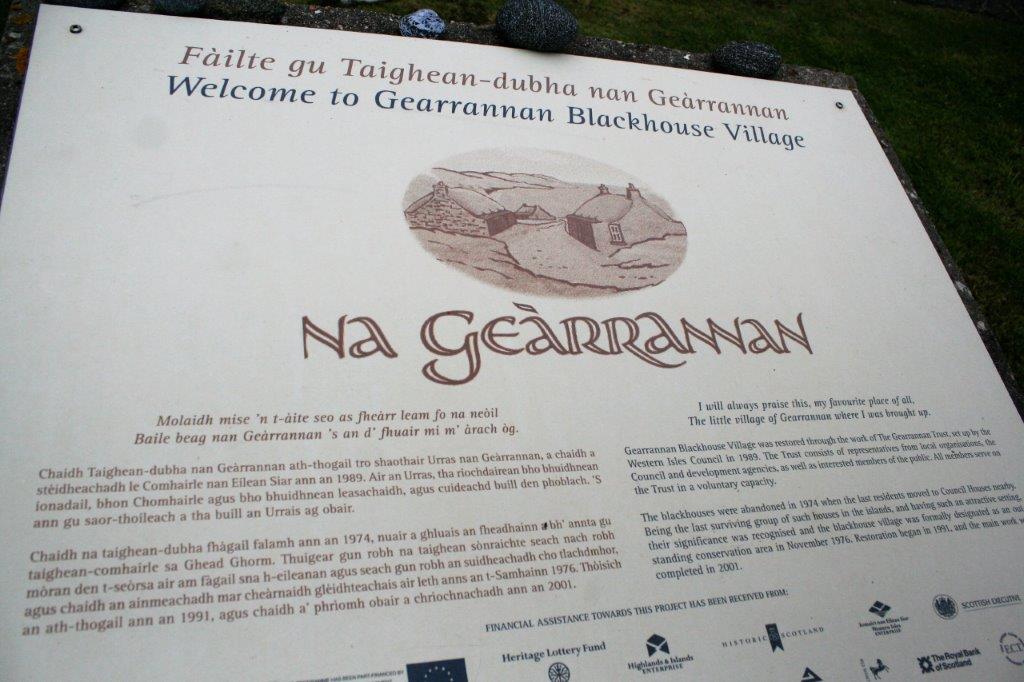
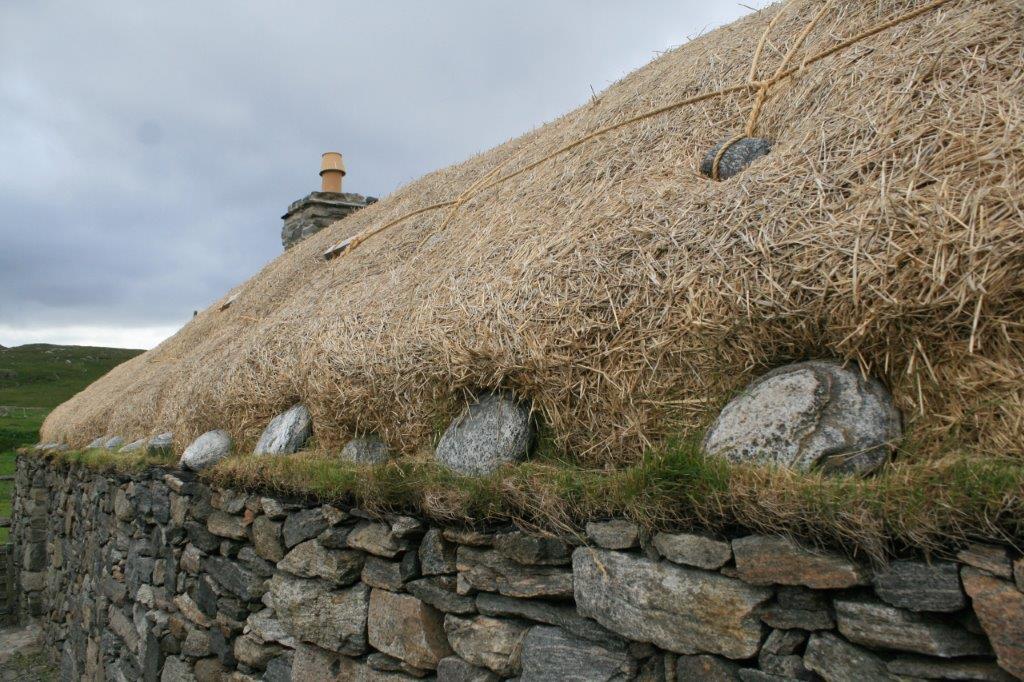
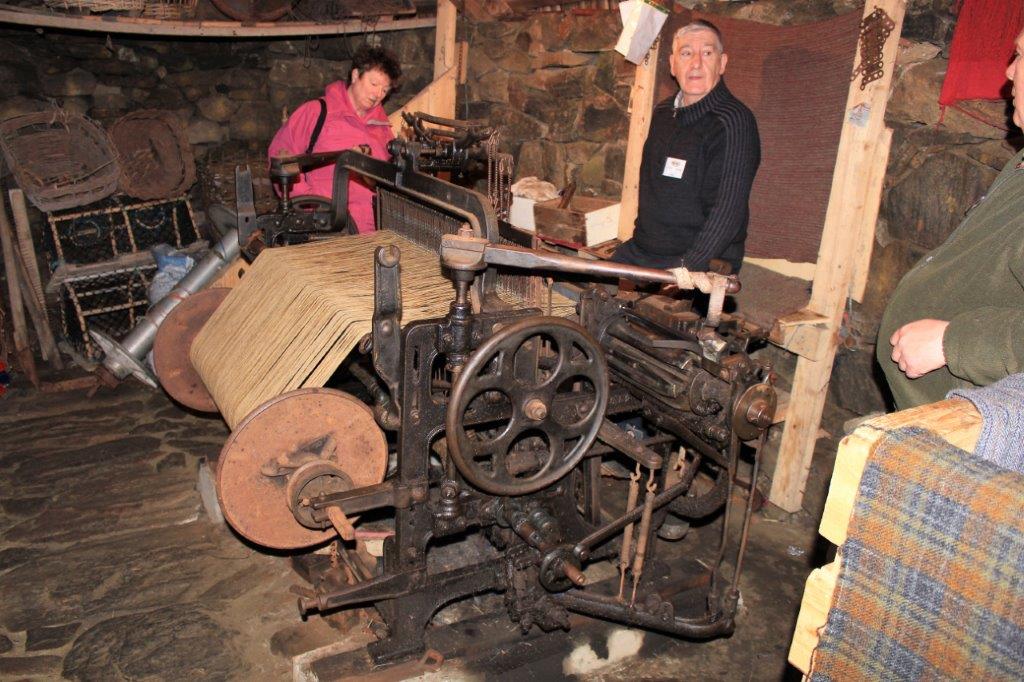
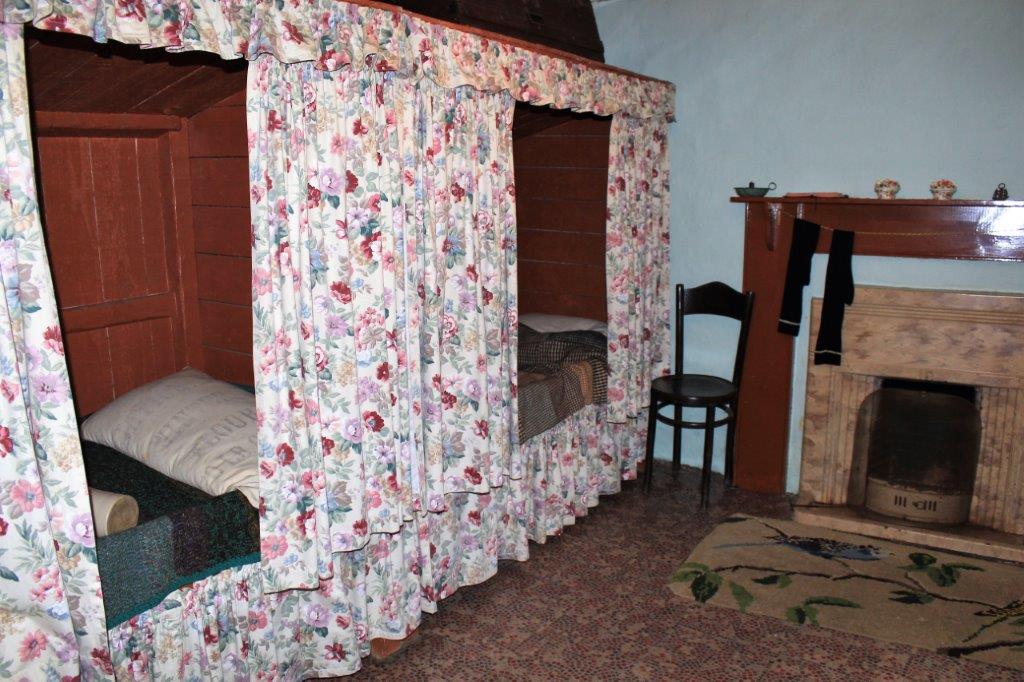
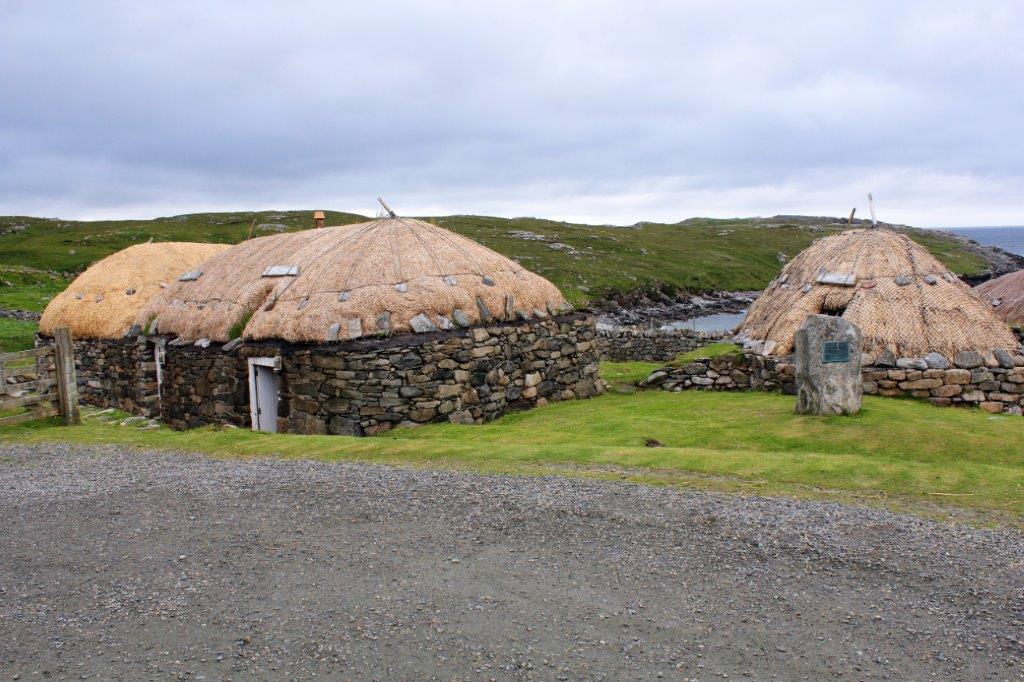
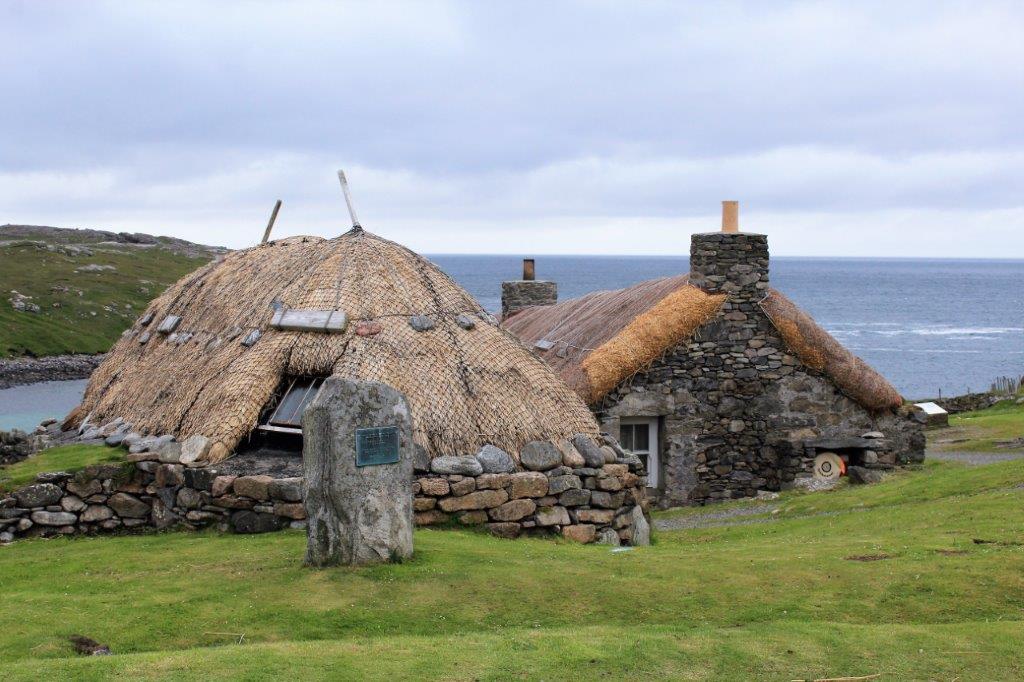
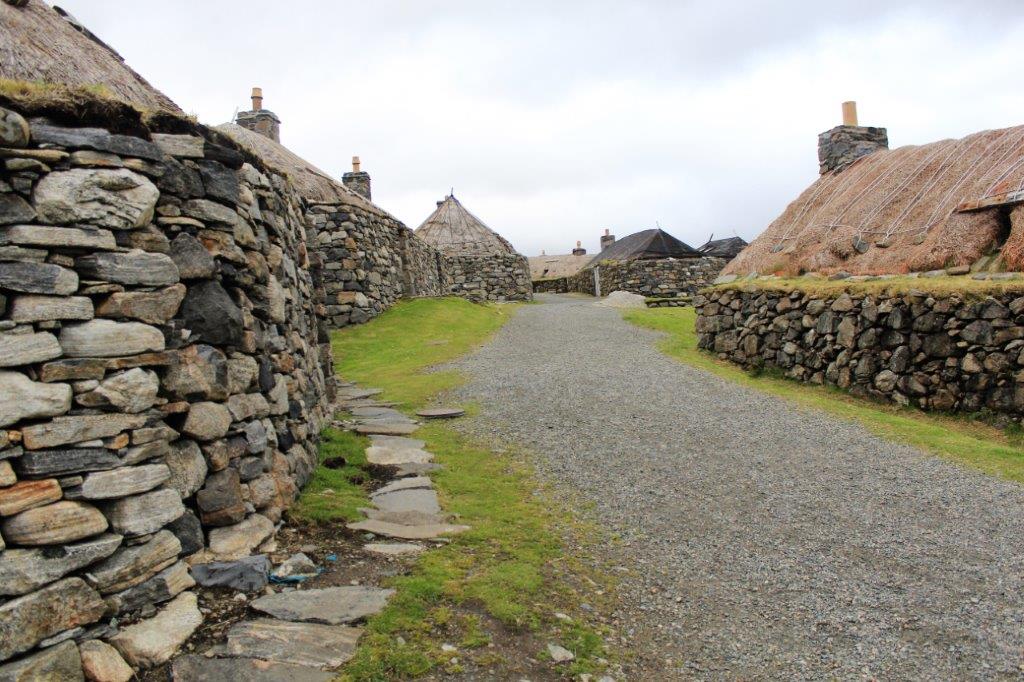
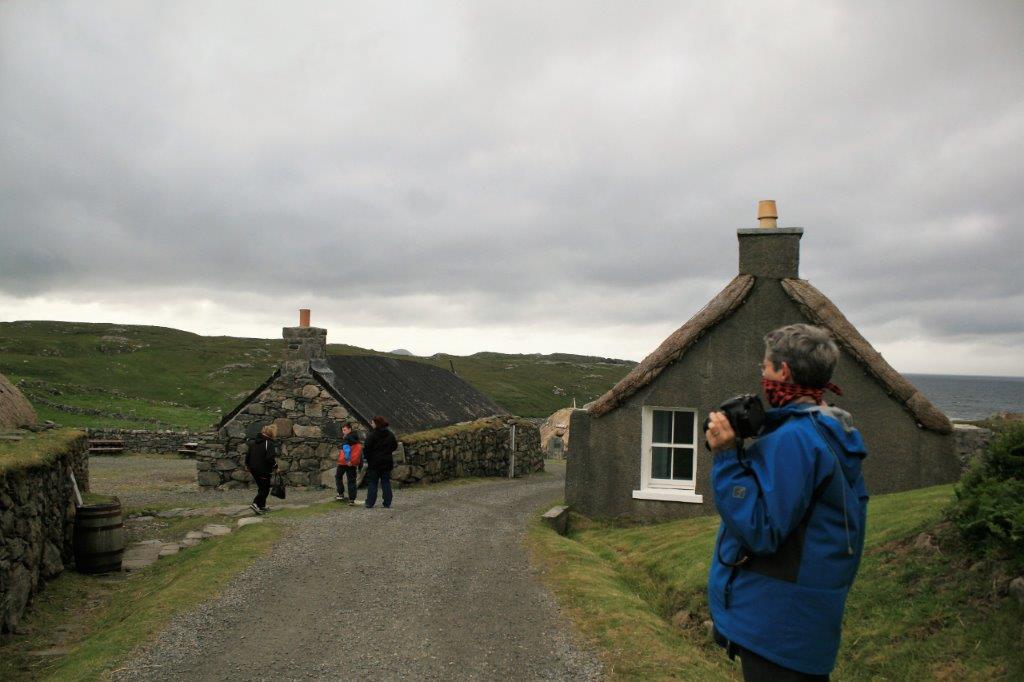
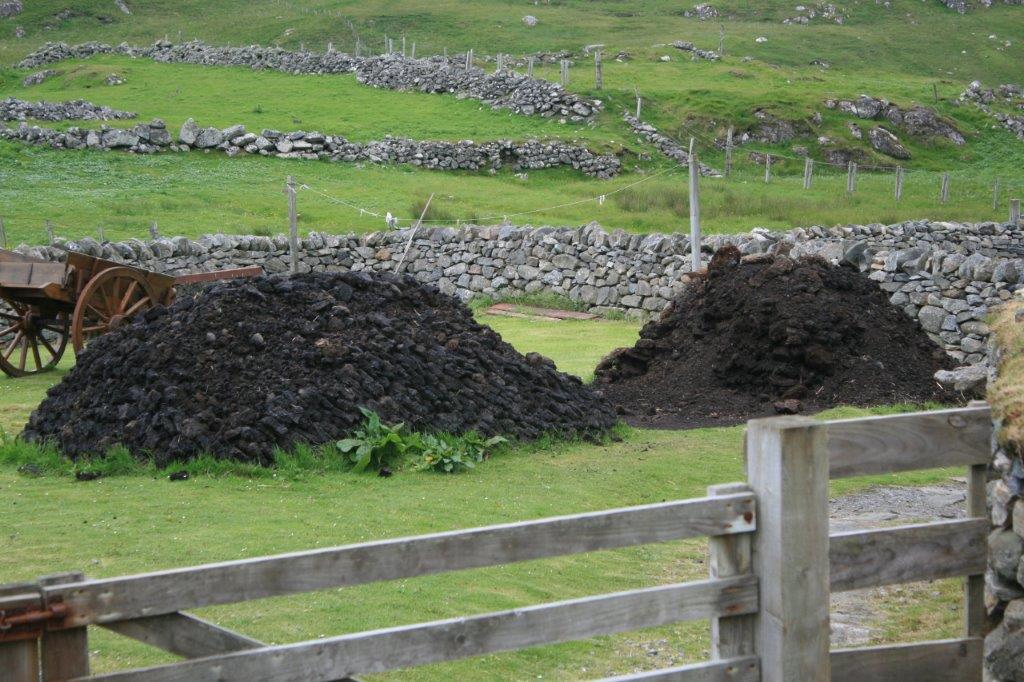
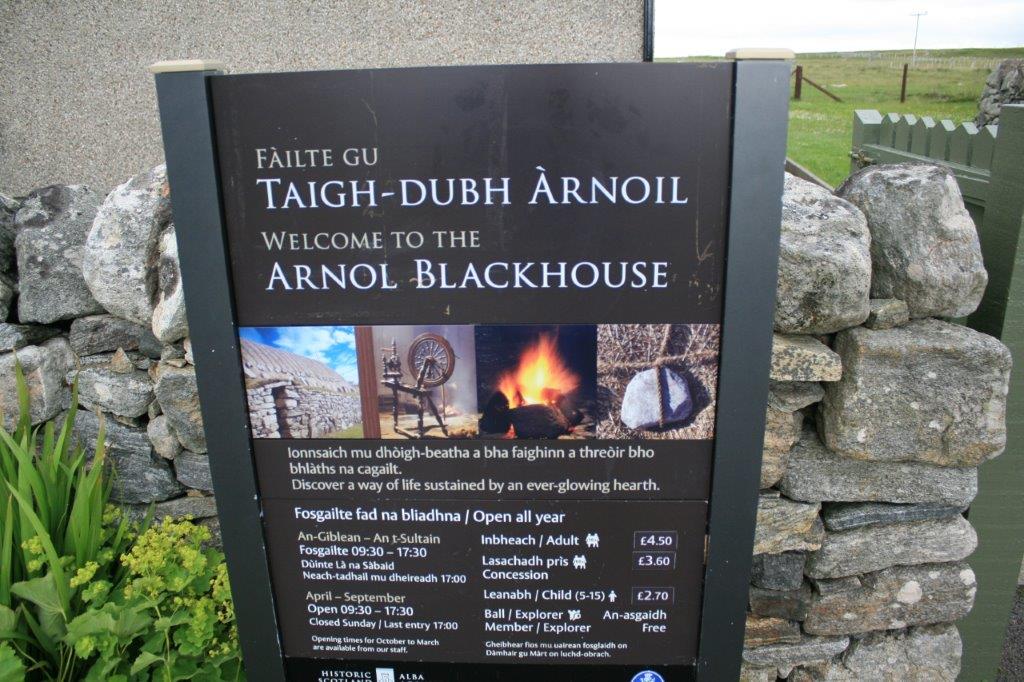
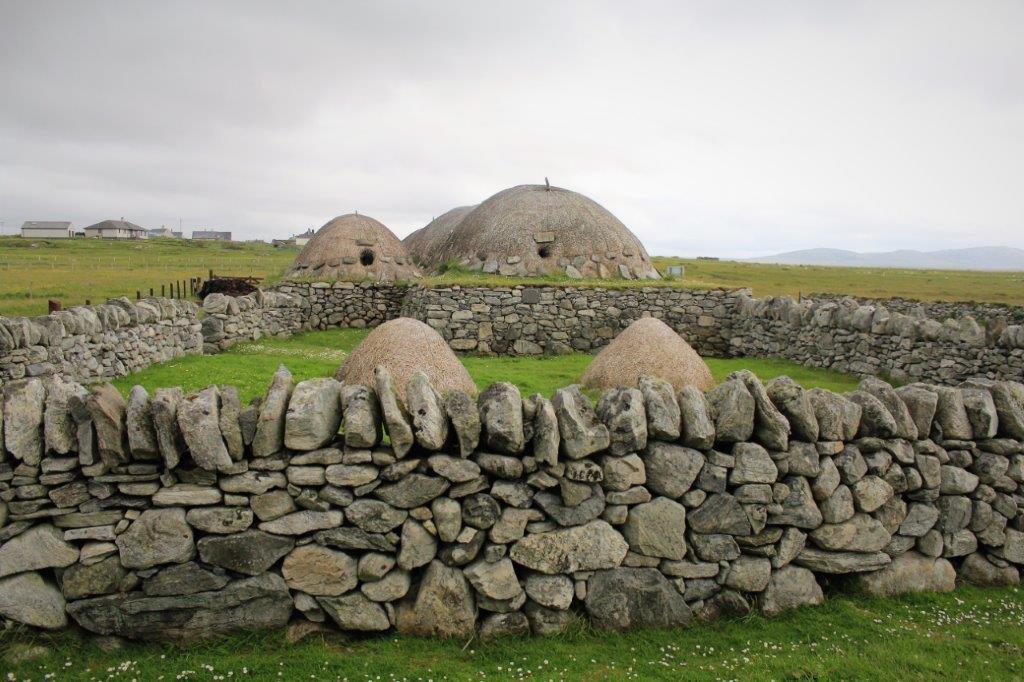
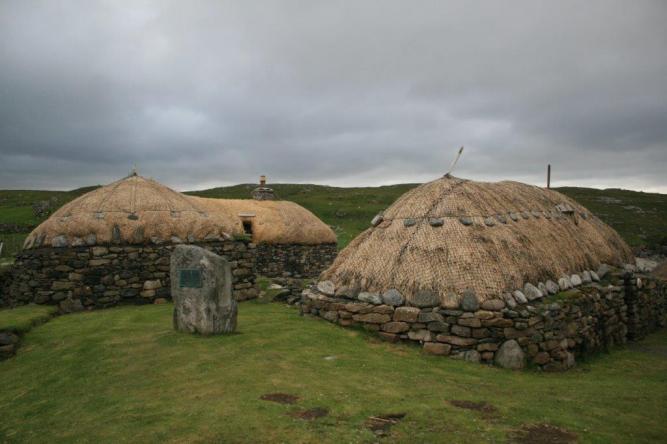
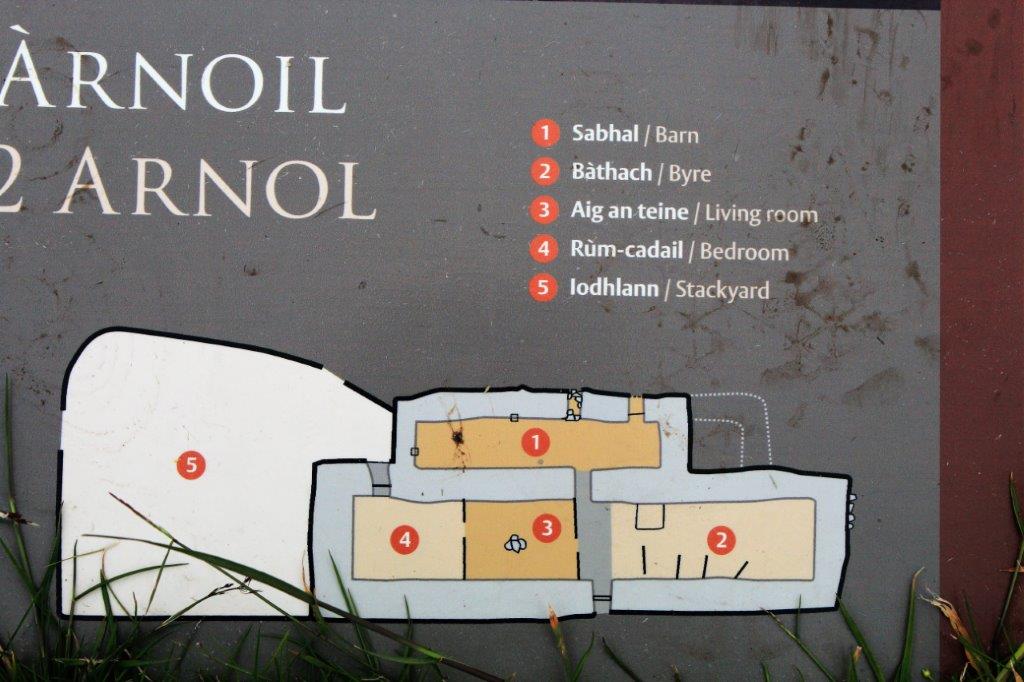
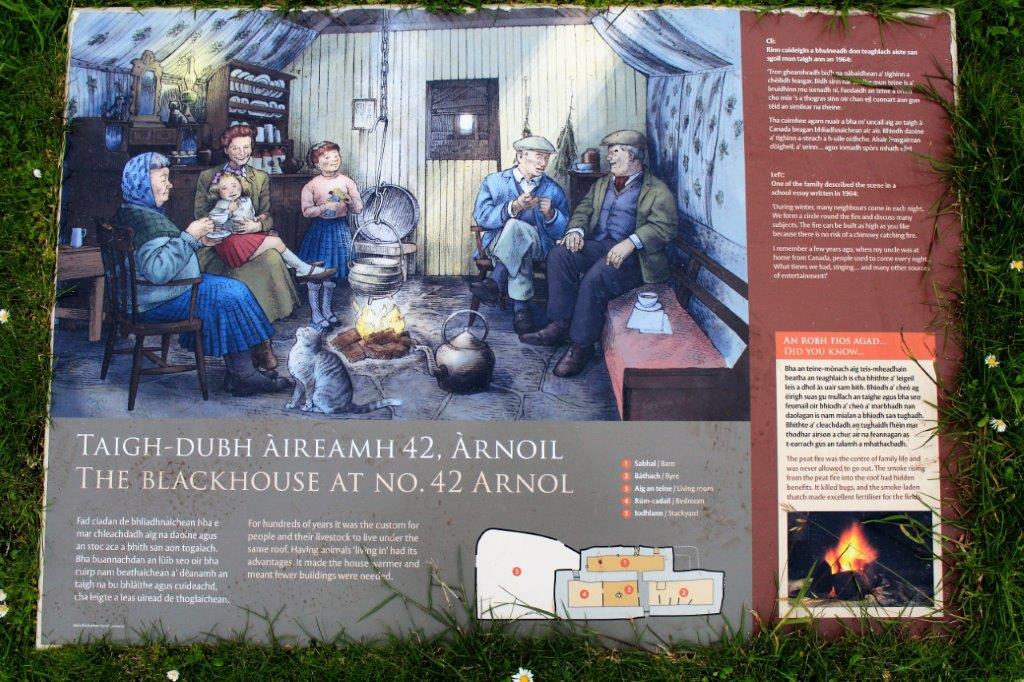
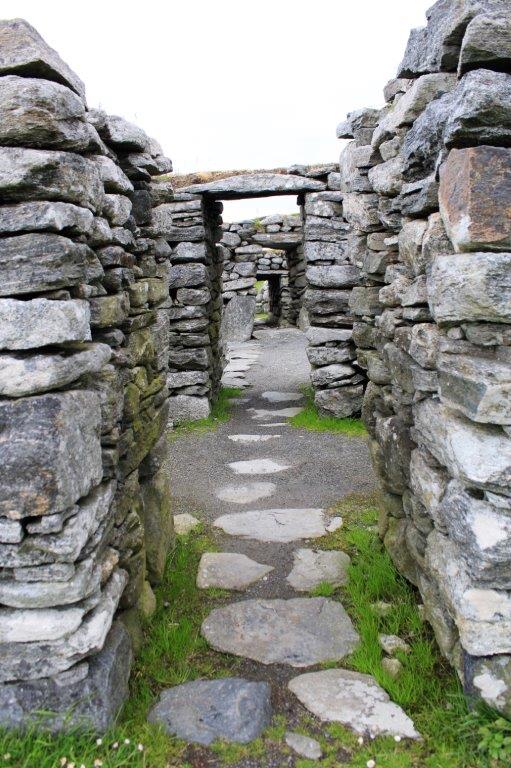
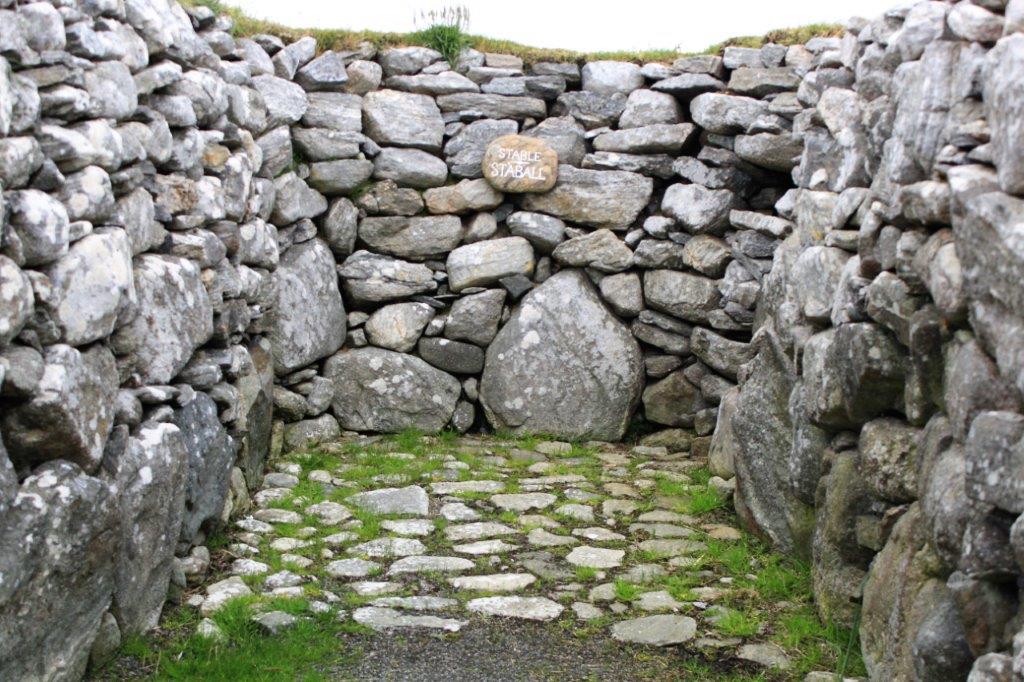
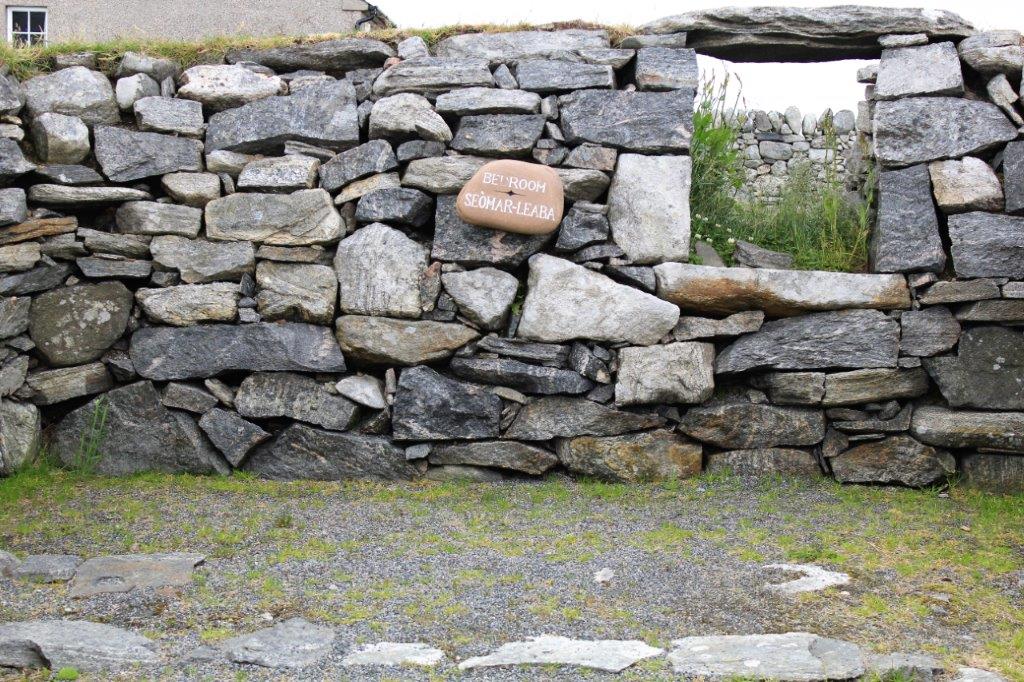
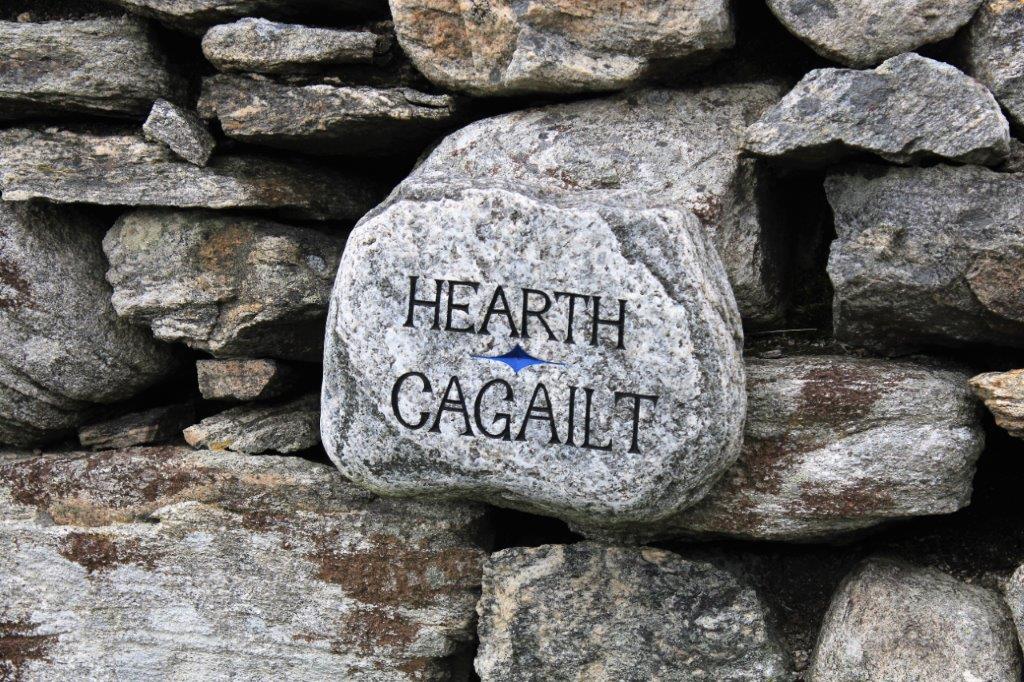
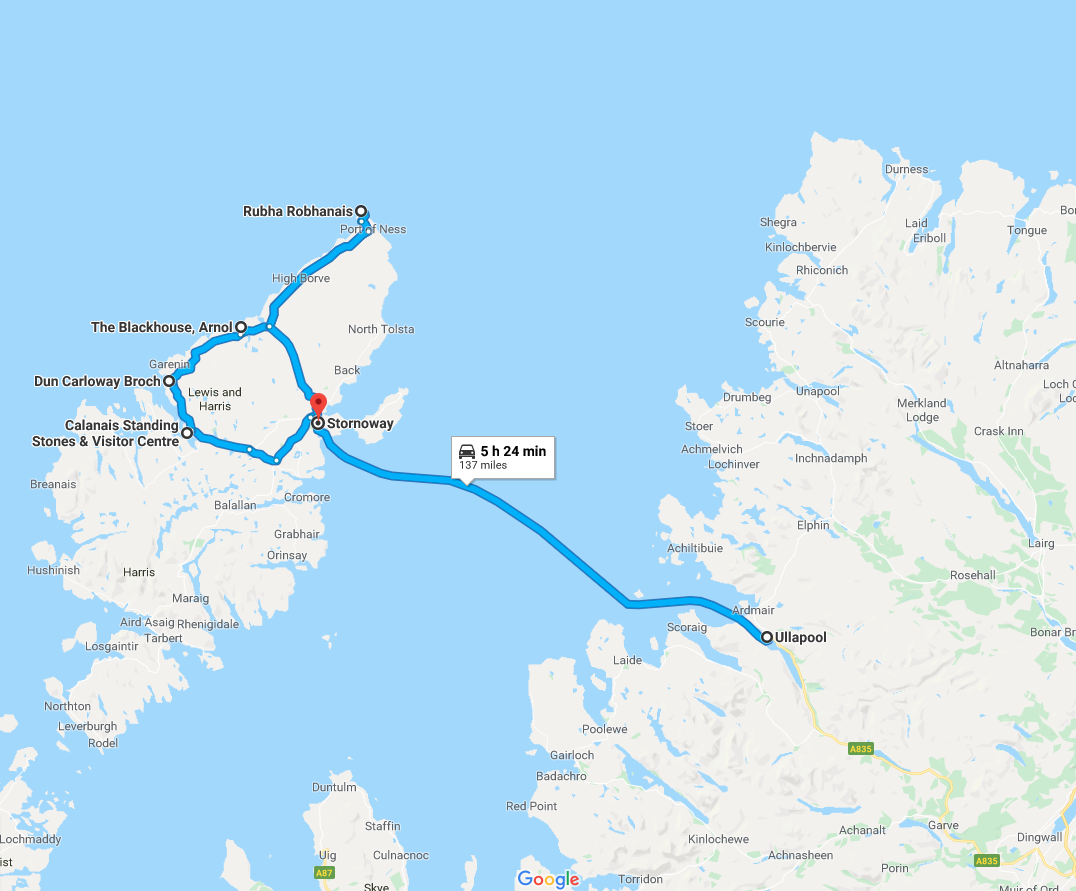
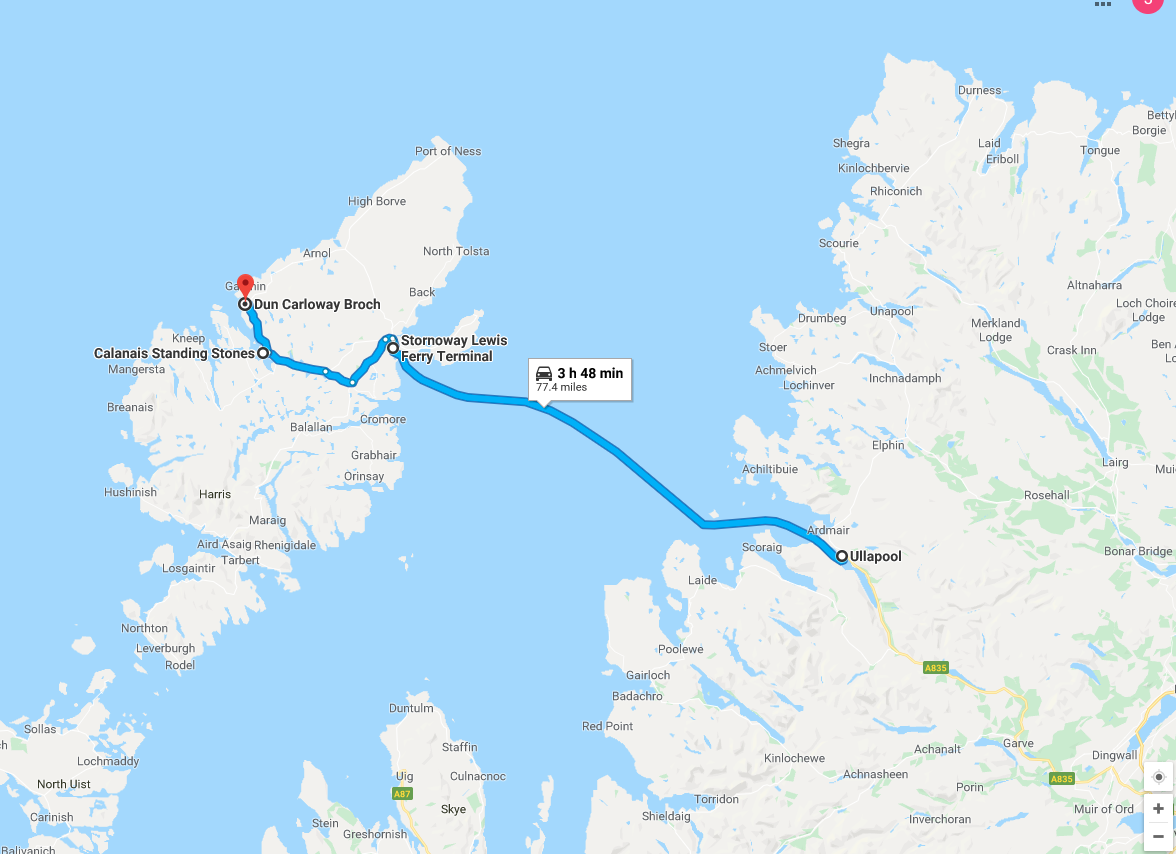
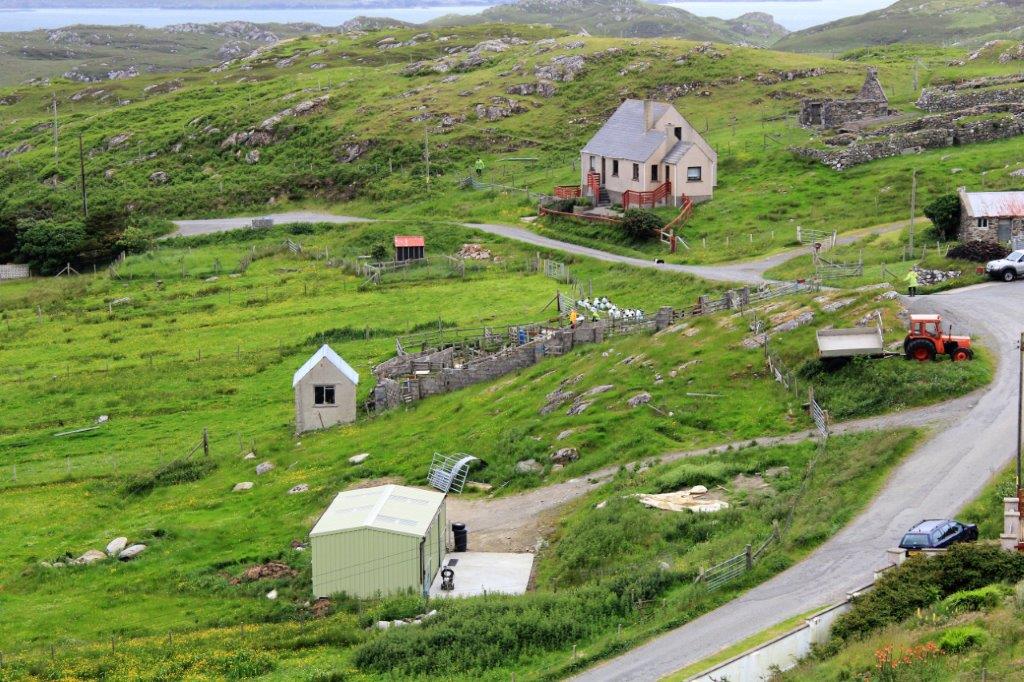
We spent all day on the Isle of Lewis, first visiting the Calanais Standing Stones and then Doune Broch, a stone roundhouse.  By mid-afternoon we were at the Black House Village Museum, a collection of old stone houses.   The village of Arnol has moved several times, from the seashore further inland in 1735, and a few more moves over the years, until it reached its current site on the ridge in 1853.This type of house was called a white house, to distinguish it from black houses which housed people and animals under the same roof.  The white houses were built in the 1900’s when legal pressures and health regulations started to demand that the livestock should be housed in separate dwellings. This fellow was demonstrating an old loom that wove the tartan fabrics used for blankets and clothing. Many of these homes were lived in until recently when the museum was created in the village.   All the thick smoke from the smoldering peat fires was stirring up my asthma so I wandered the village wearing my carbon-filled bandana so I could breathe.

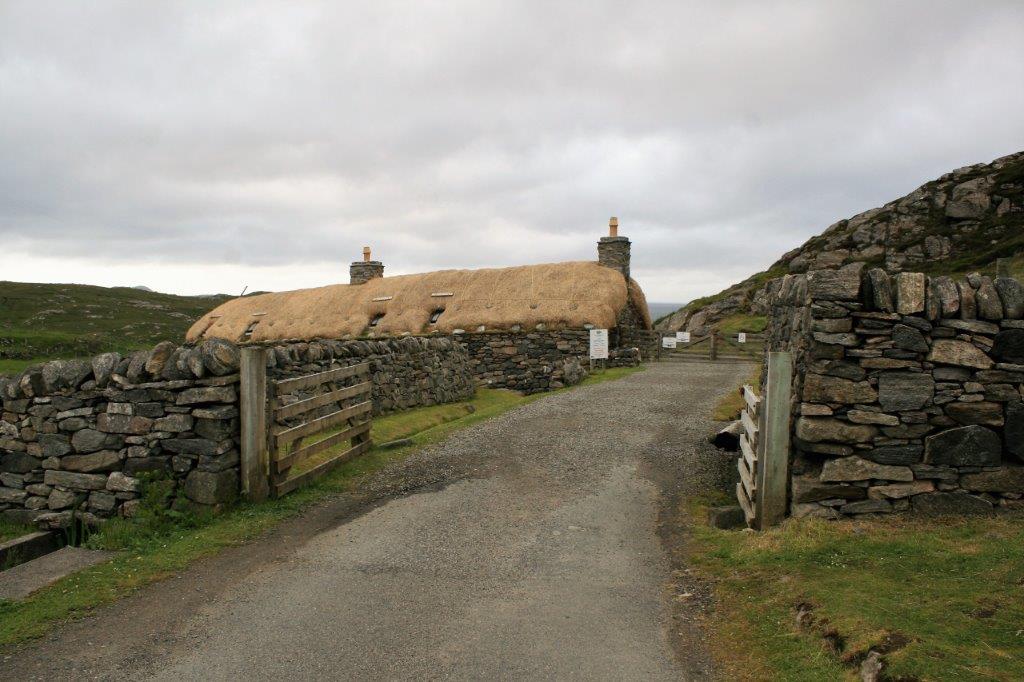
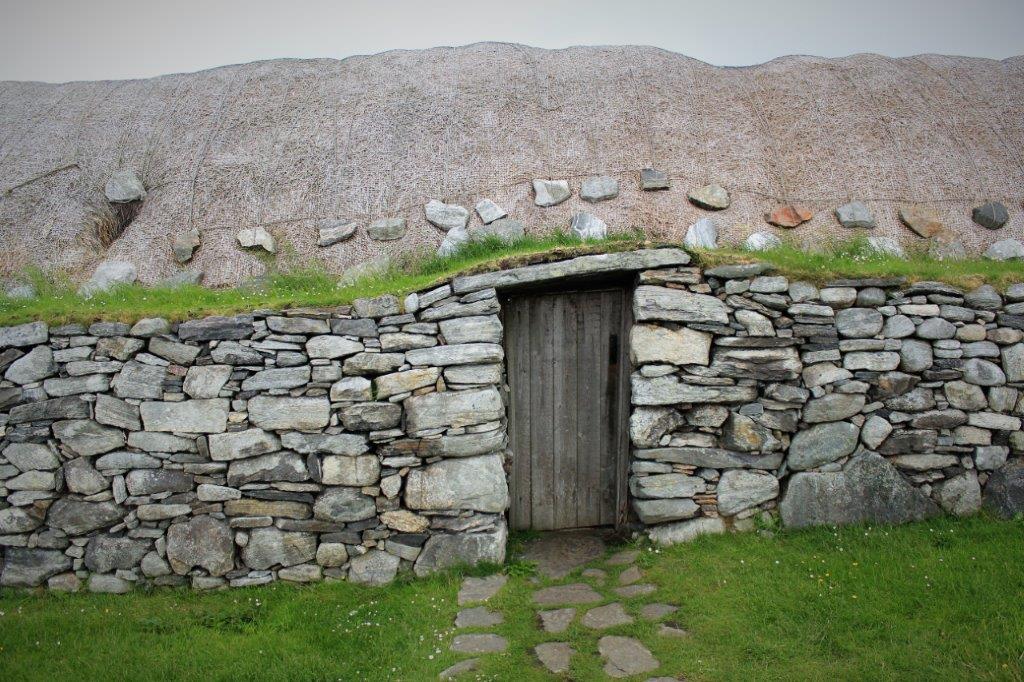
The Blackhouse was a residence for both animals and humans. There was no chimney and a peat fire was lit at all times in the center of the kitchen and living area.  The dwellings had thick stone walls and thatch-covered roofs.  Looking at the Blackhouse from the outside it is long and narrow, and its main feature is a thatched roof made of twigs and heather and overlaid with straw. The building is constructed from local stones with no cement between the stones.  The thick stone walls and earthen floor absorbed the heat of the fire. The earth core of the walls was good for insulation and also served to keep out draughts, and the chilly winds. The turf and thick thatch, heavy with soot, were also good insulators.

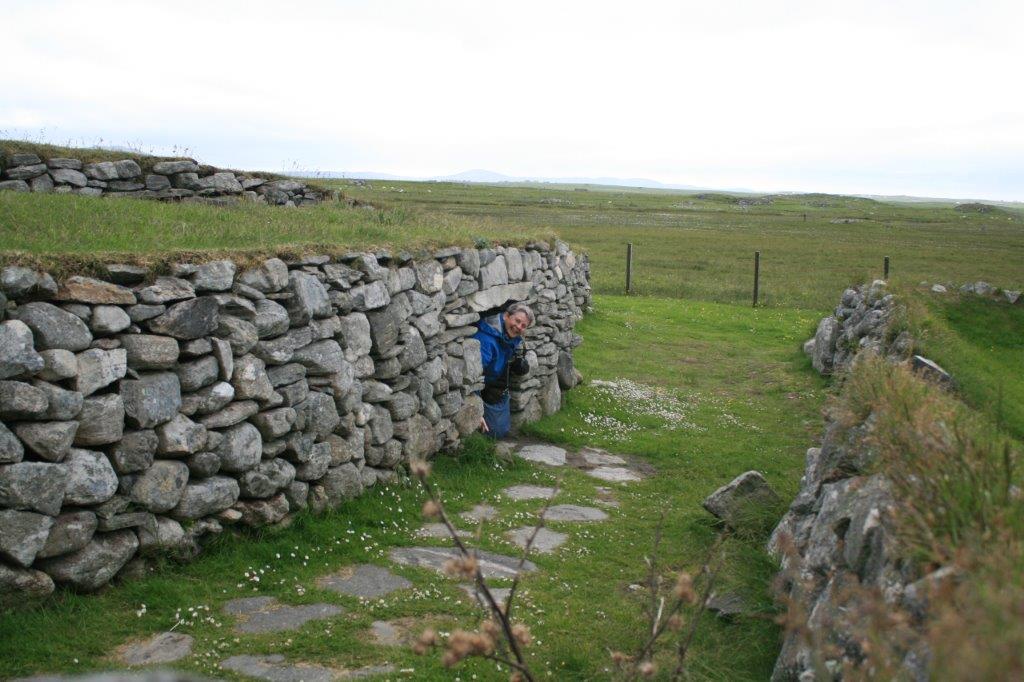
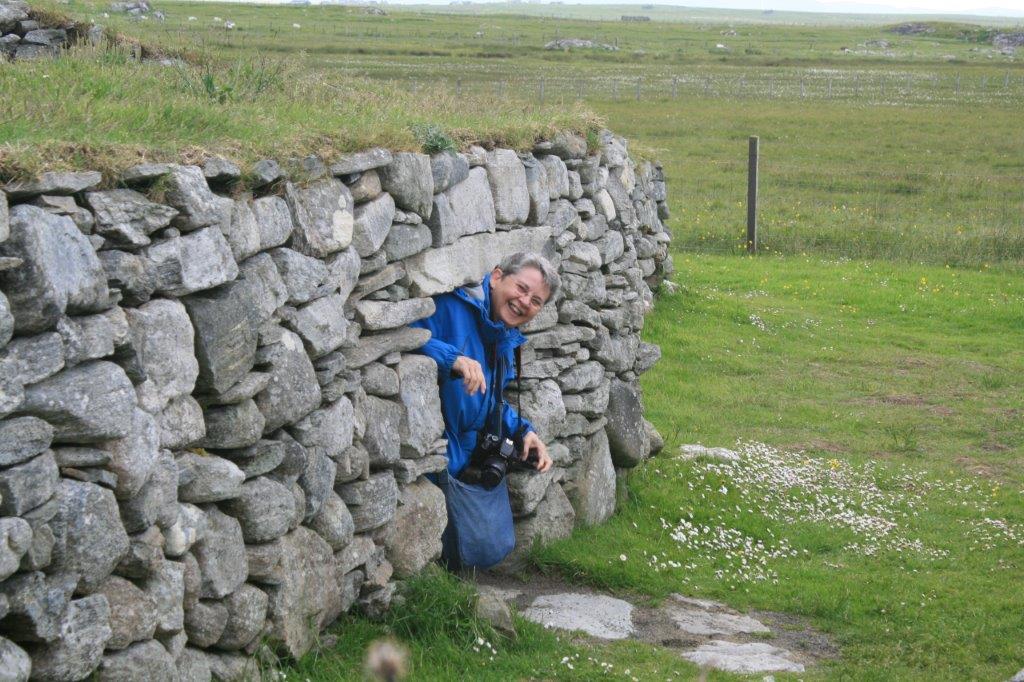
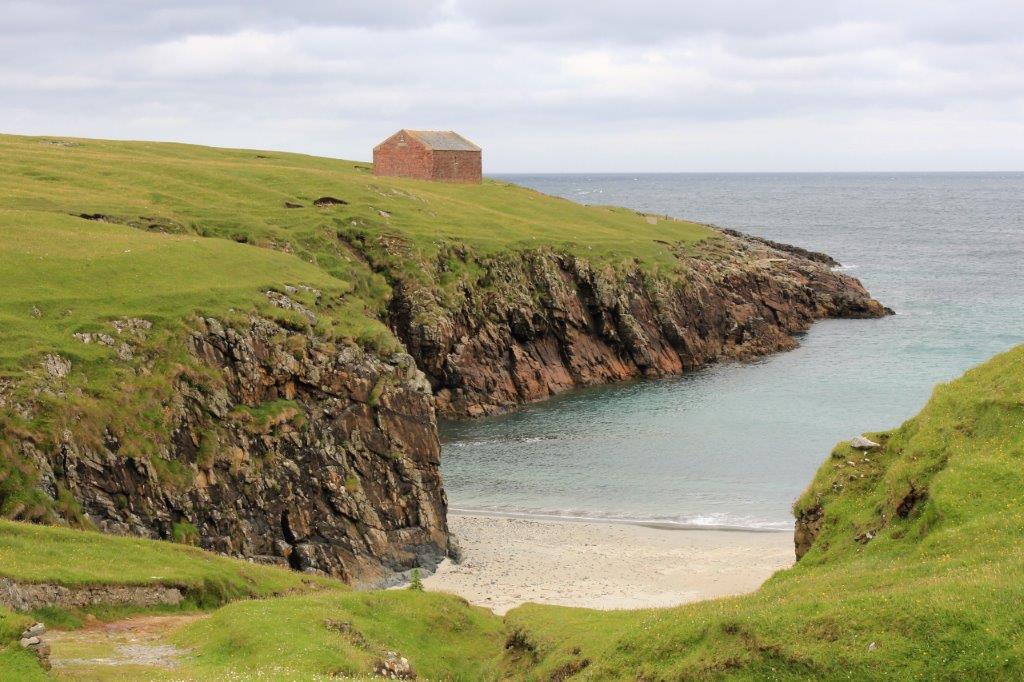
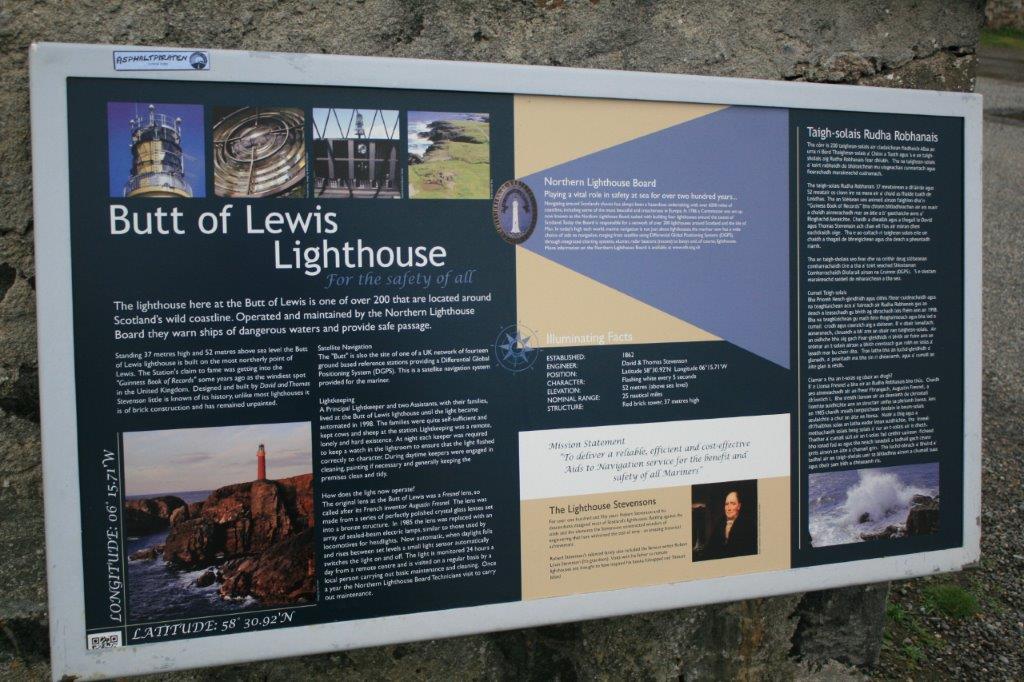
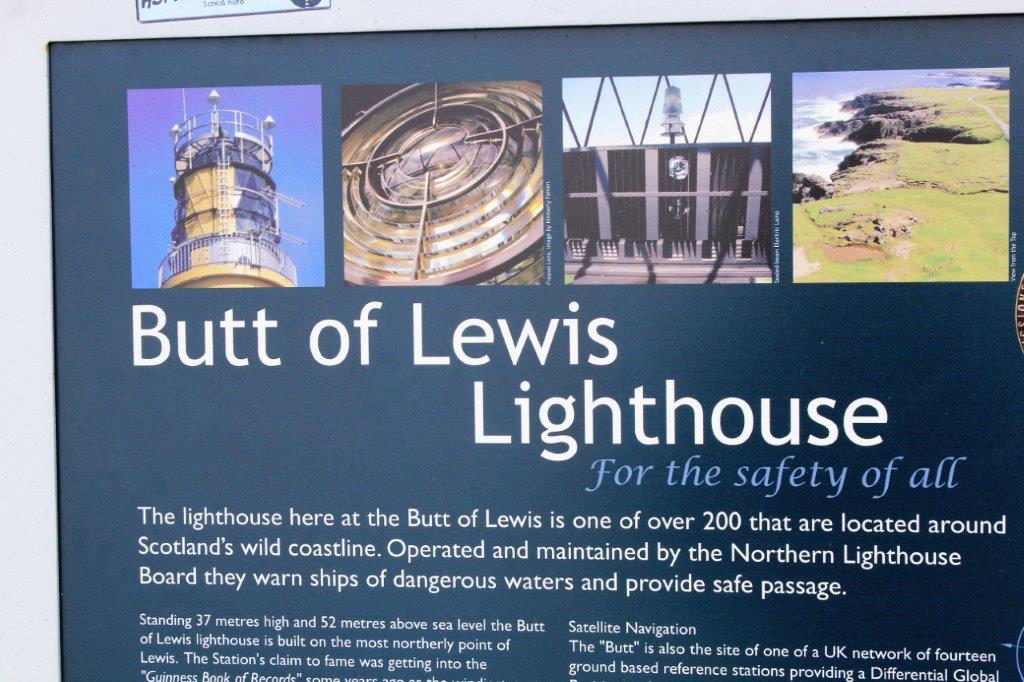
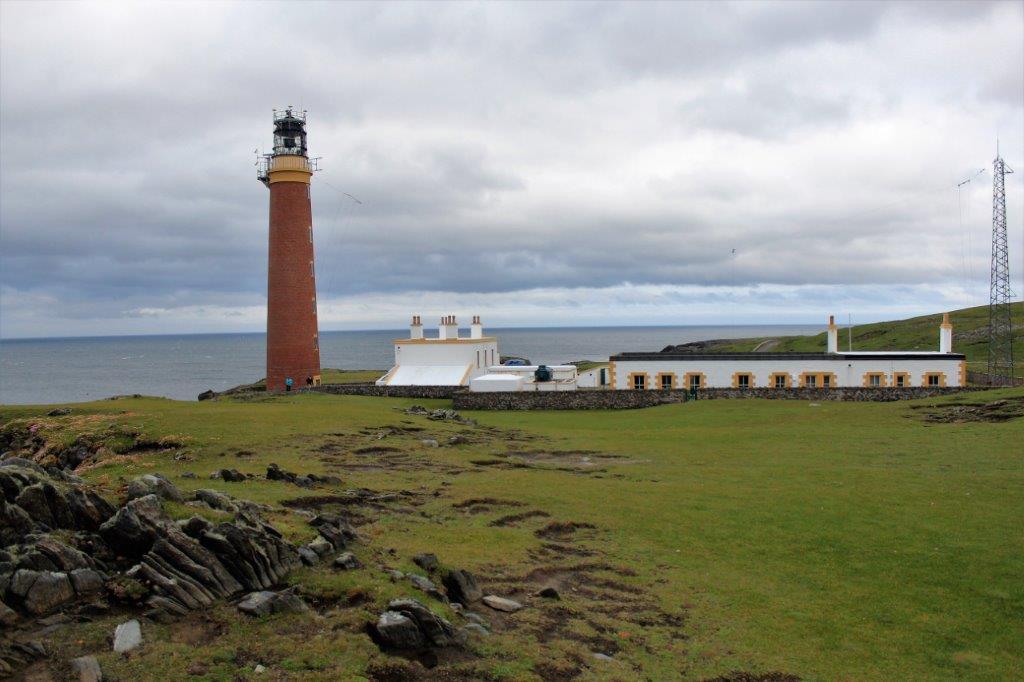
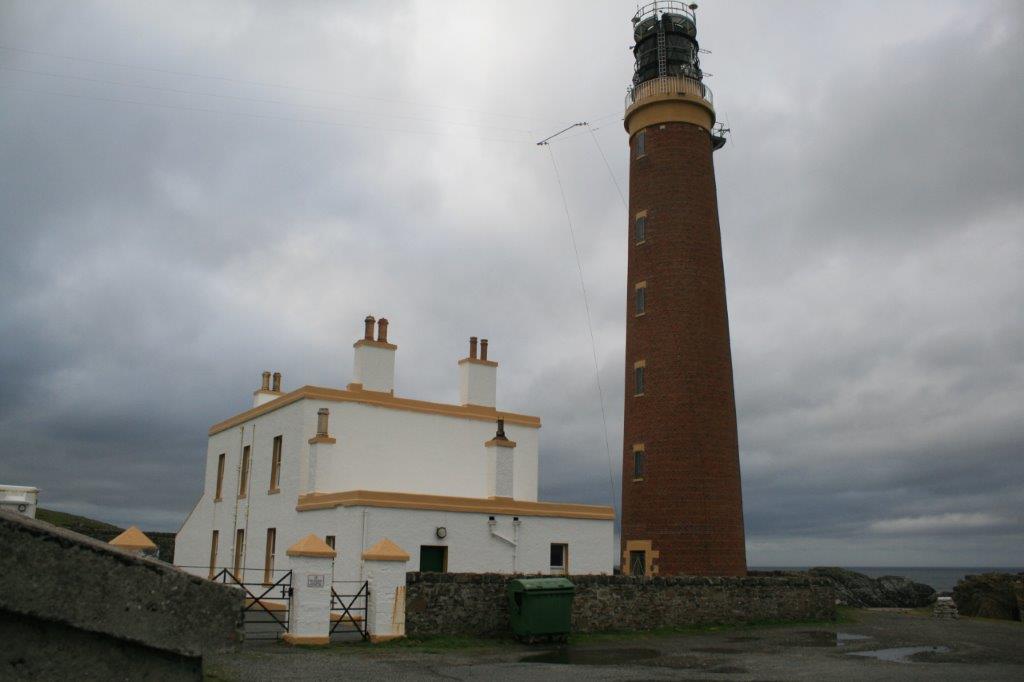
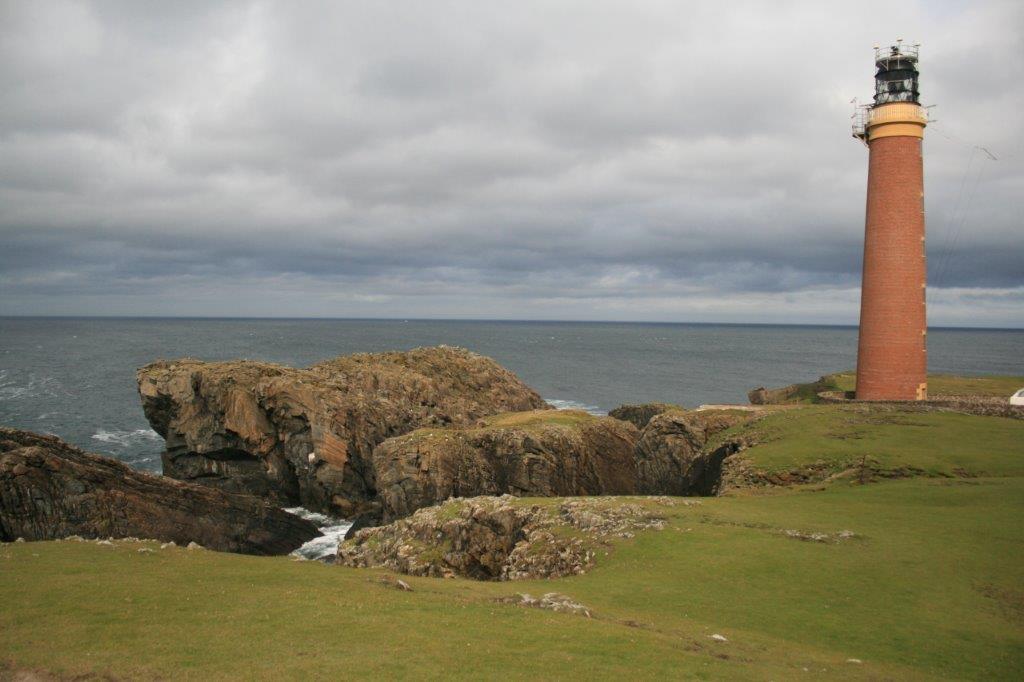
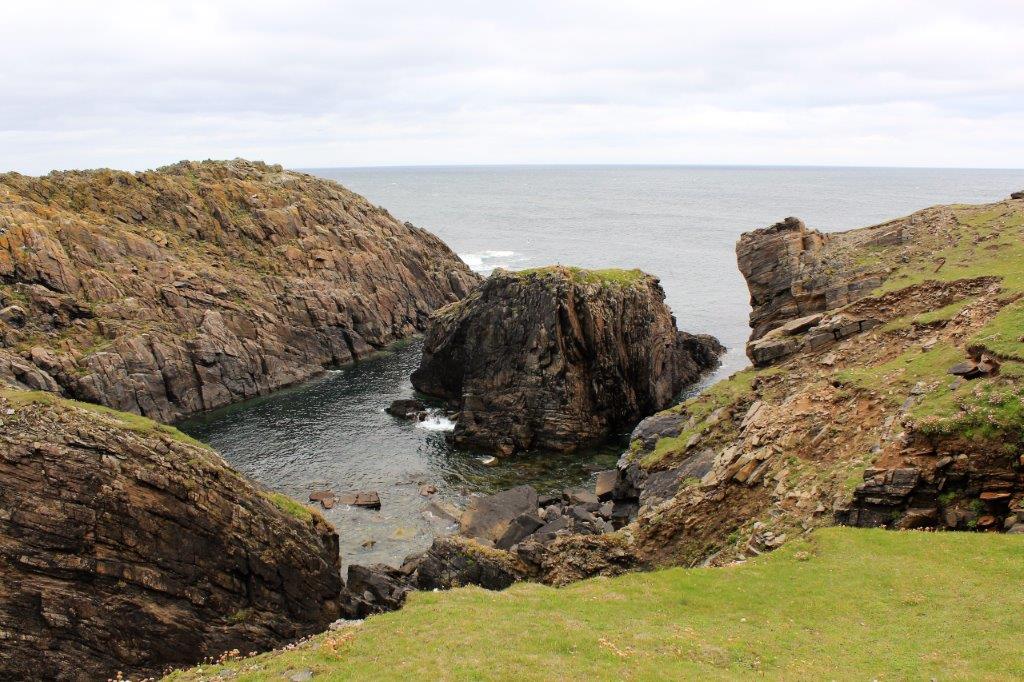
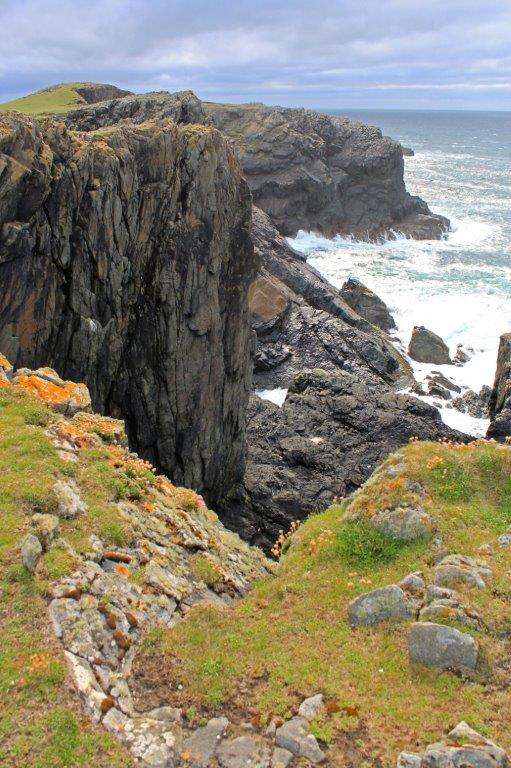
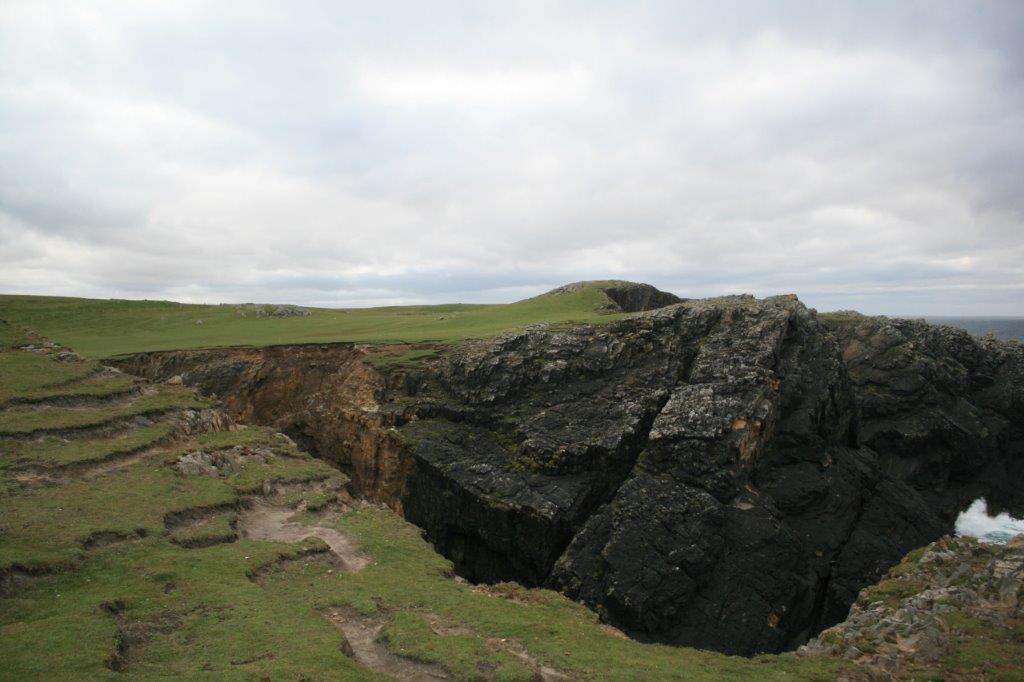
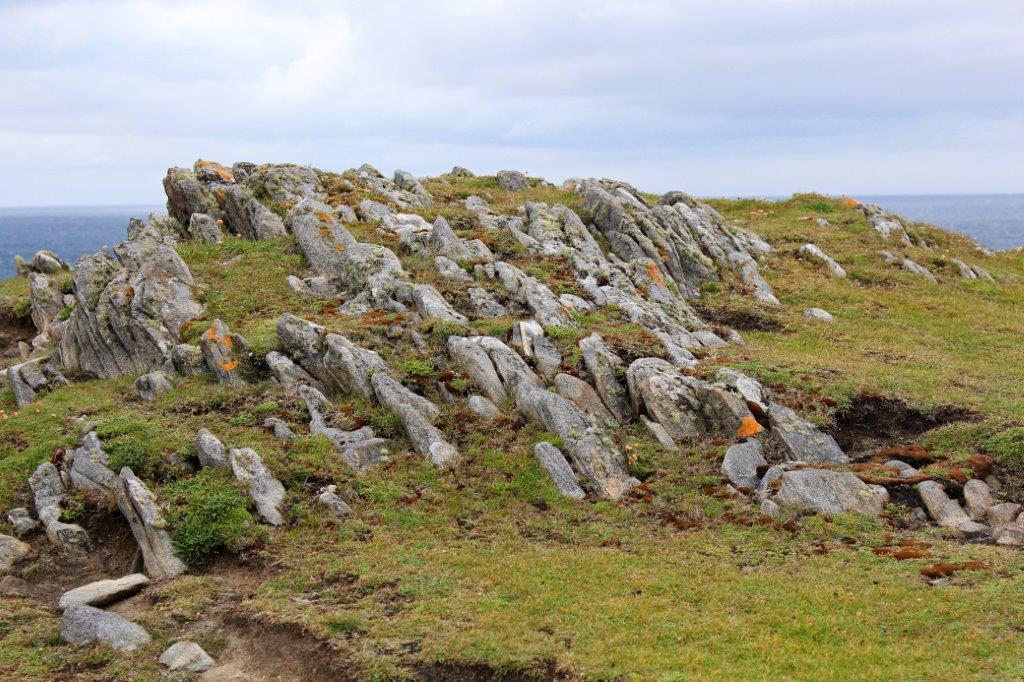
This is John’s photo.  I did not even attempt to enter the Blackhouse.  The smoke was so thick I couldn’t even stand near the open doorway.Also at the Black house Village there were partial dwellings that had little signs telling you what the rooms were used for.  This low building had no fire so I was able to crawl inside.Even with stones being used for construction for thousands of years the fields of Scotland are still full of themFrom the Black House Village we drove further up the coast to the Butt of Lewis; the most northerly tip of the island. This northernmost point of Lewis in the Outer Hebrides lies in the North Atlantic, and is frequently battered by heavy swells and storms and is marked by the Butt of Lewis Lighthouse.  The sight of all the rocks offshore and the strong winds of the north confirms why a lighthouse was needed up here.                   The area is also a favourite spot for bird watchers  From the Butt of Lewis we drove back down almost as far as Black House and then cut across the island back to Stornoway.We spent the night in a very nice room at Thor lee Guest House and caught the ferry back to Ullapool in the morning.

2013 Summer (Baltic and Britain – Scotland – July 5 – Day 12 – Part 1)

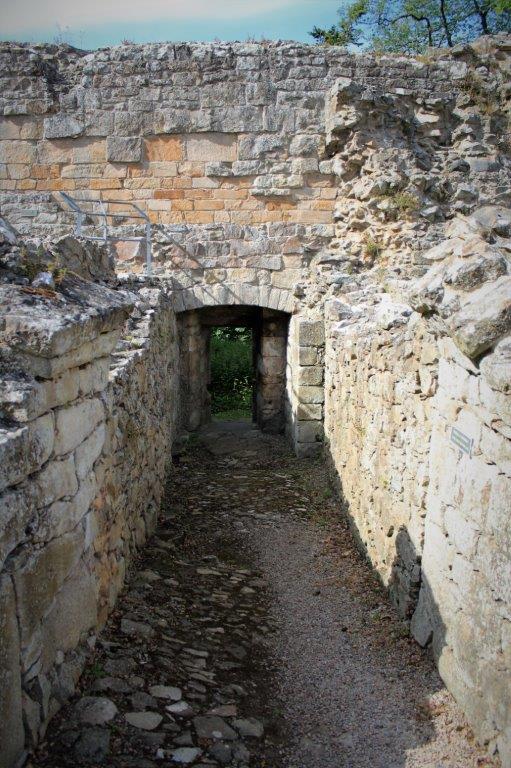
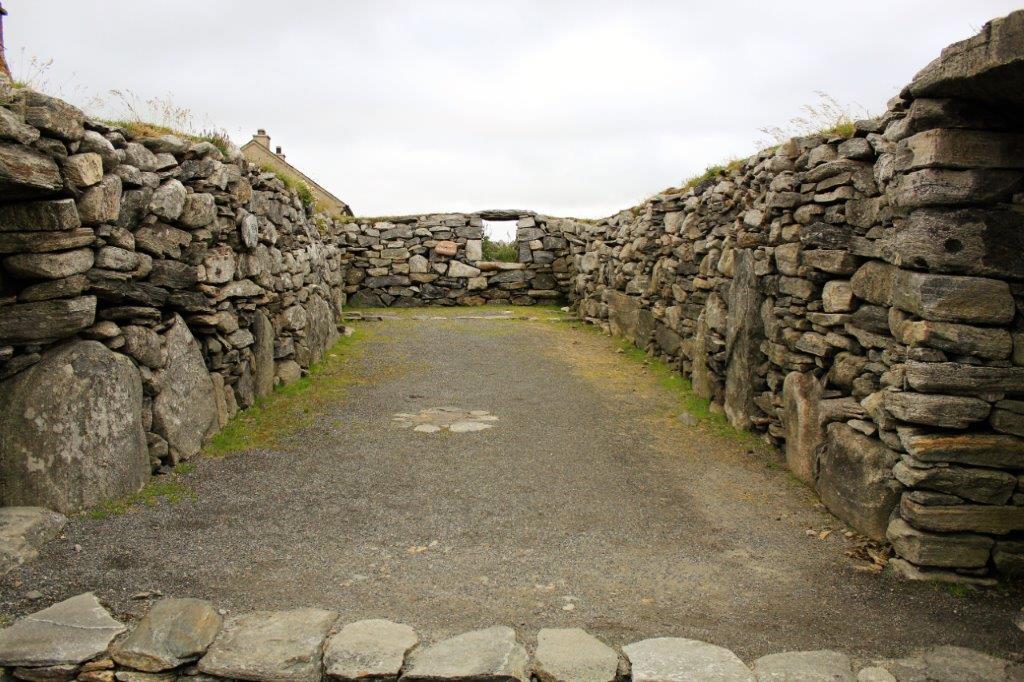
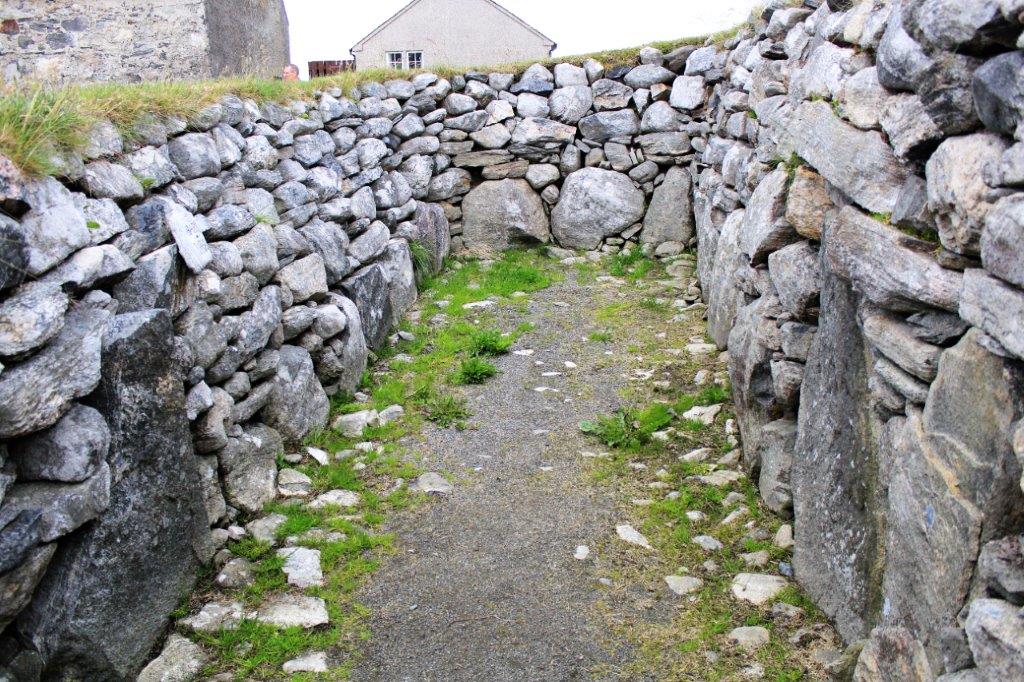
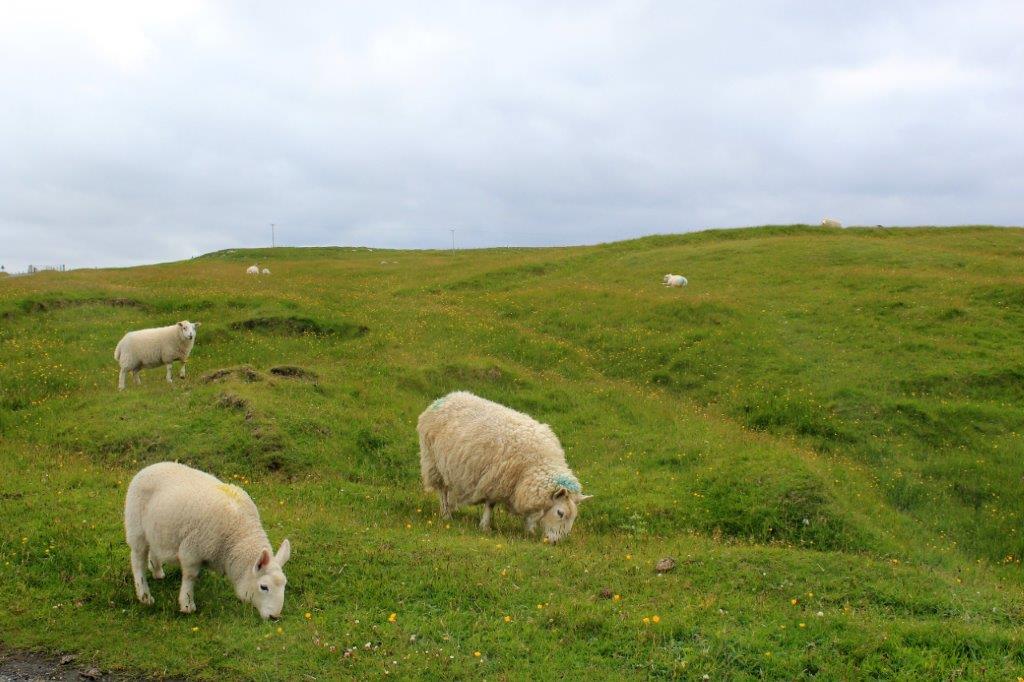
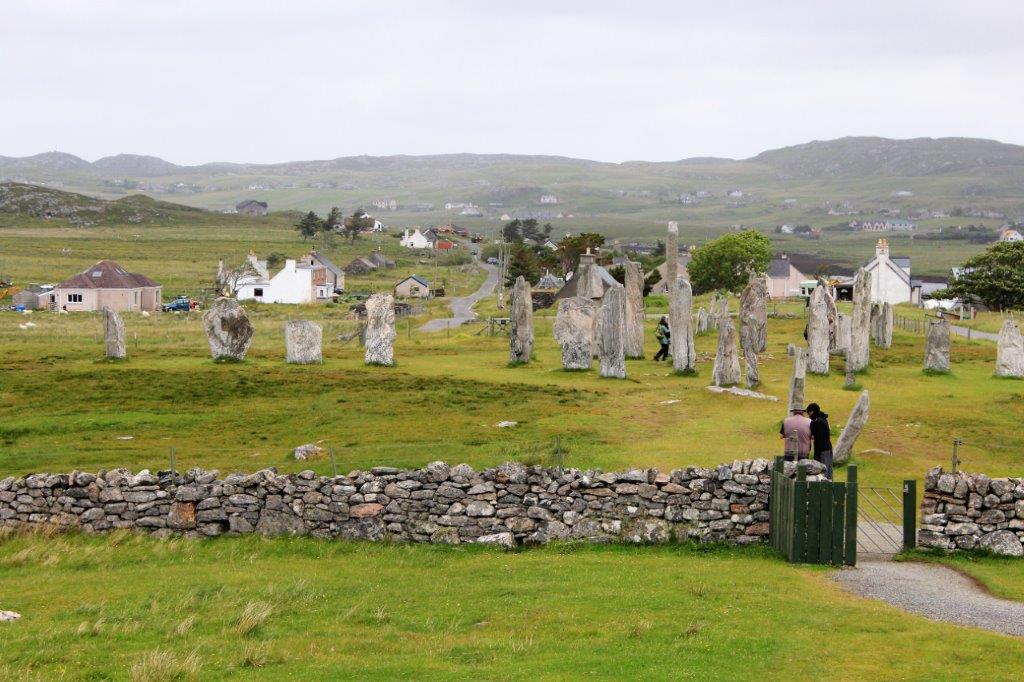
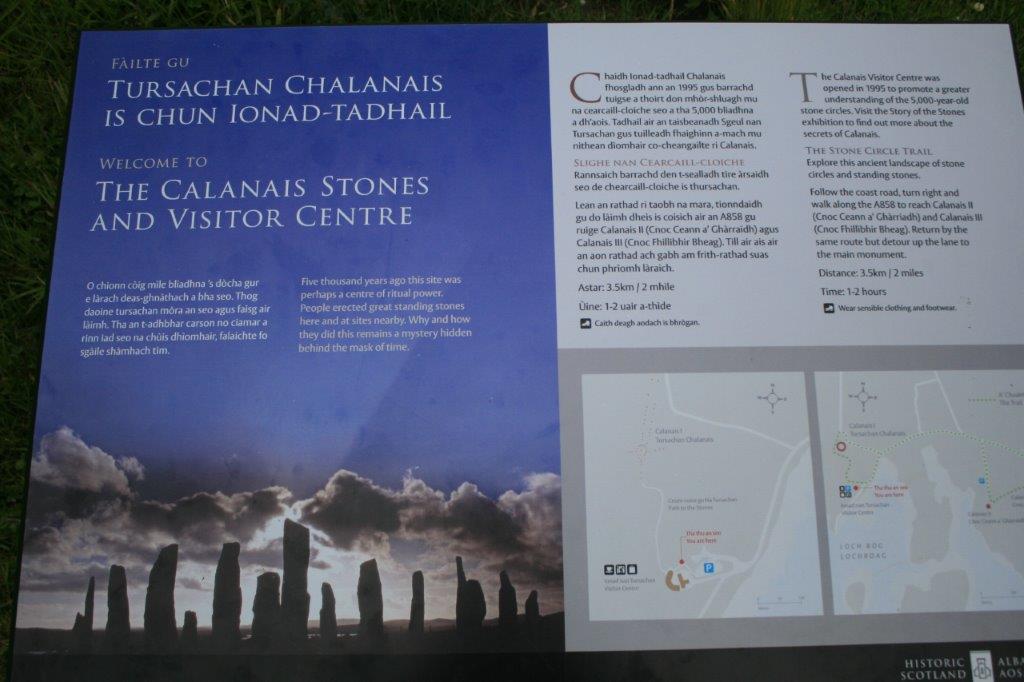
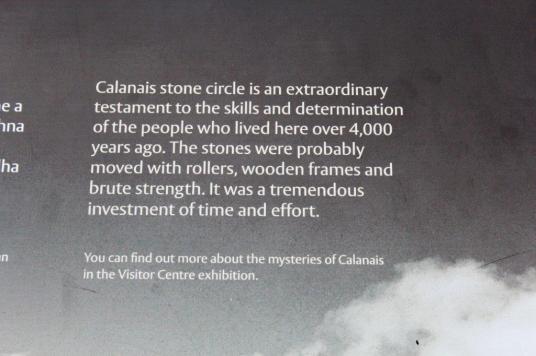
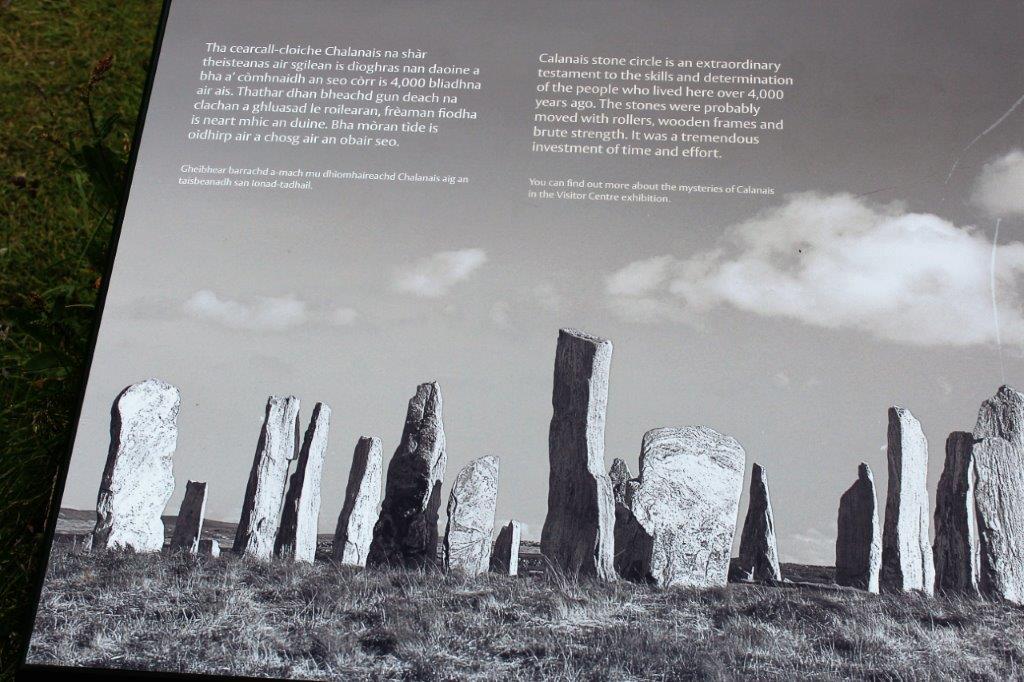
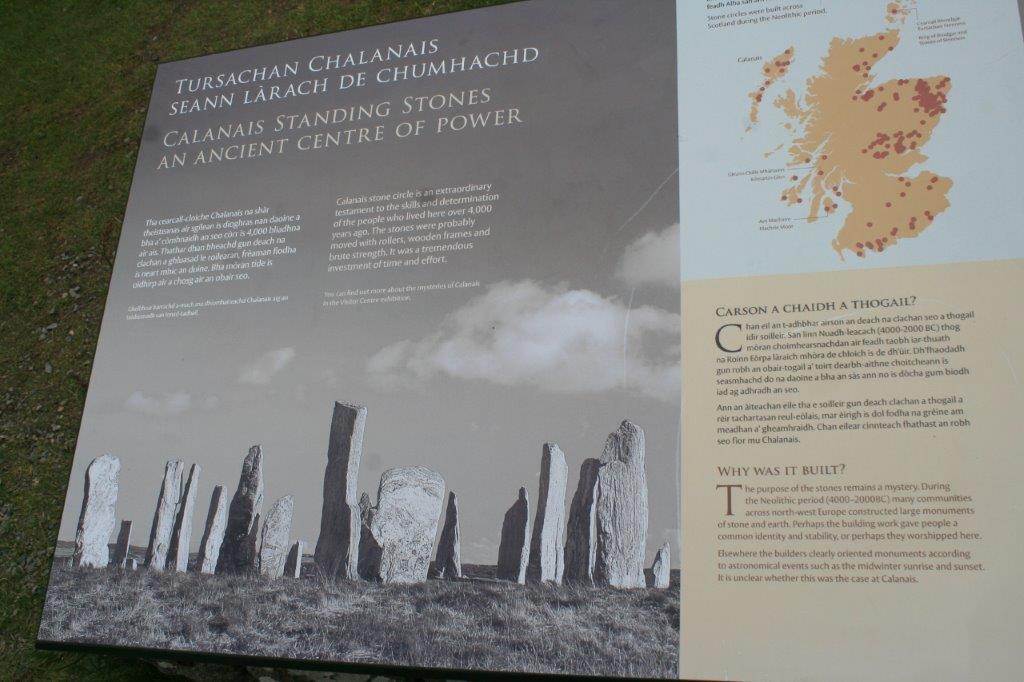
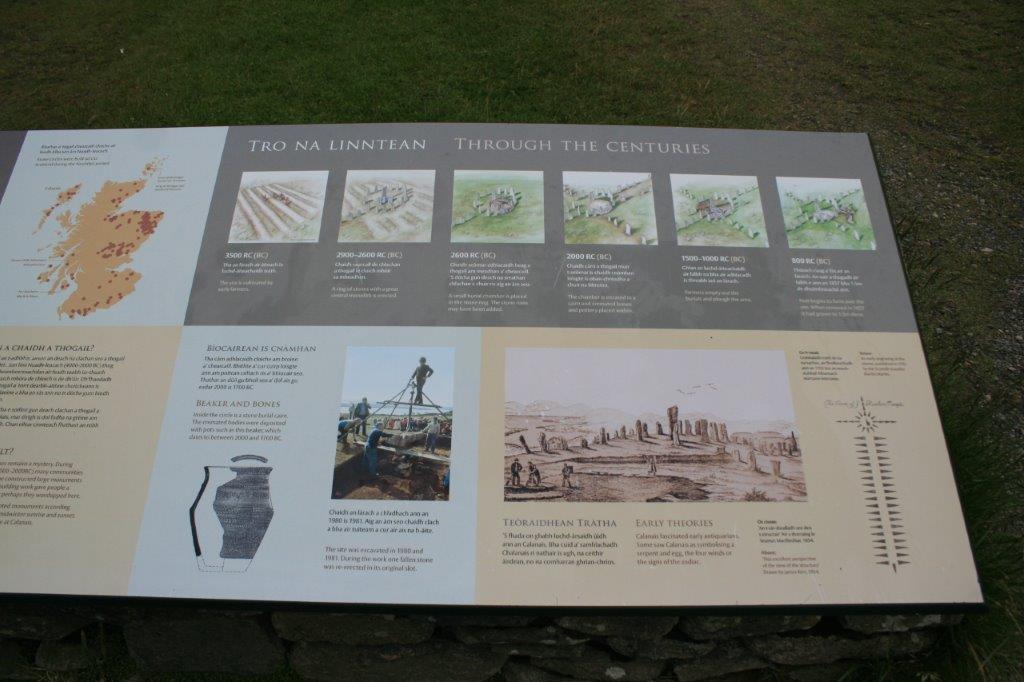
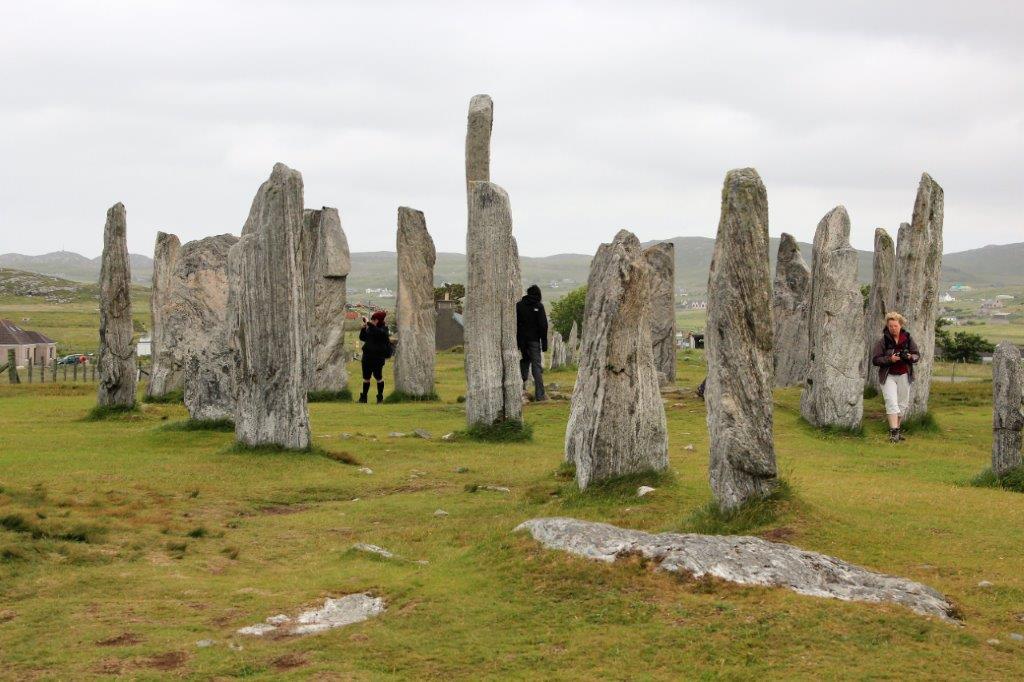
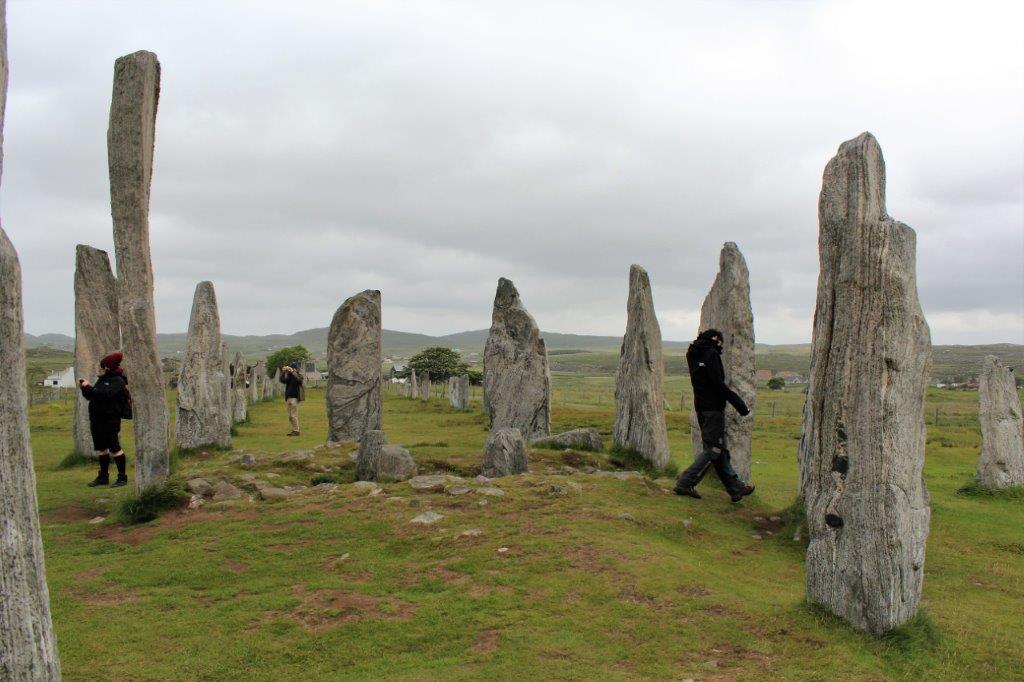
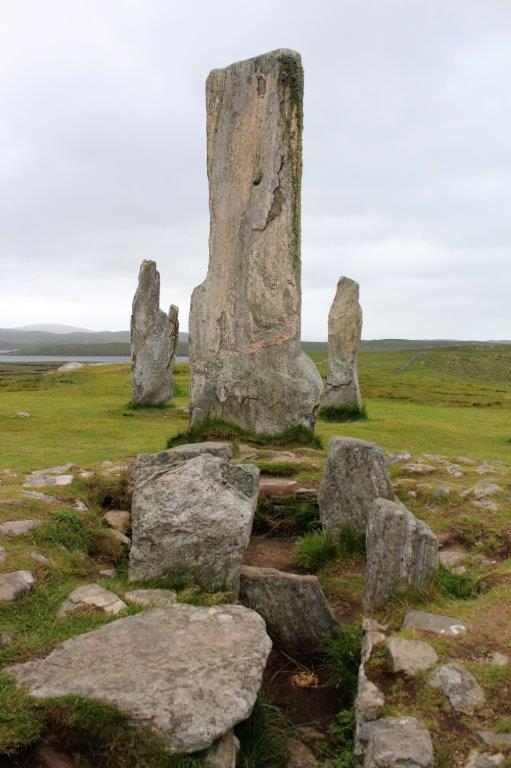
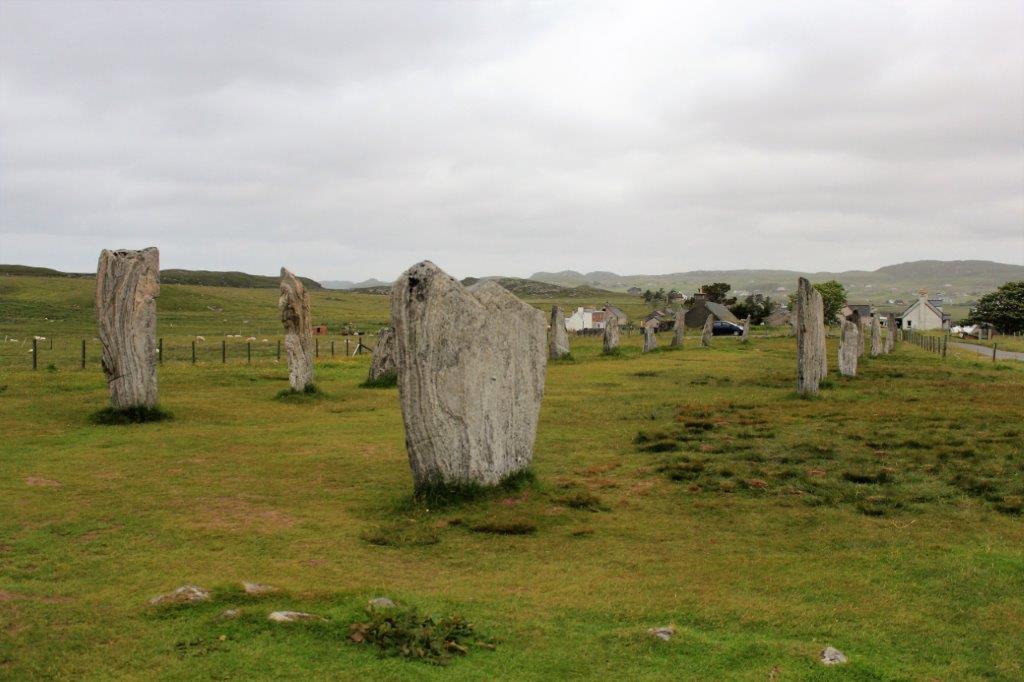
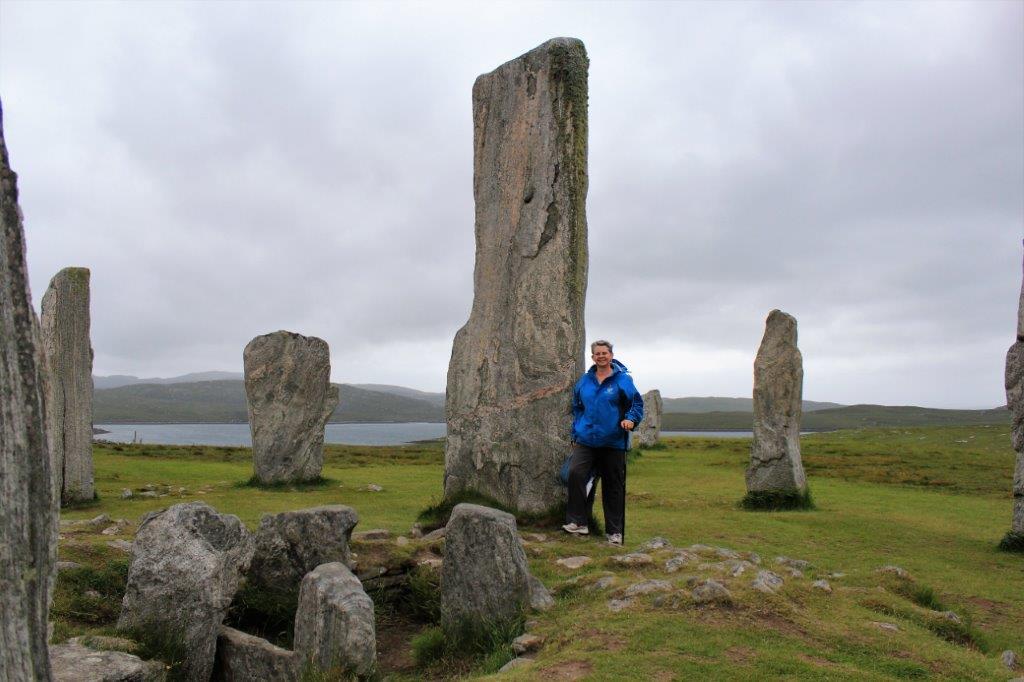
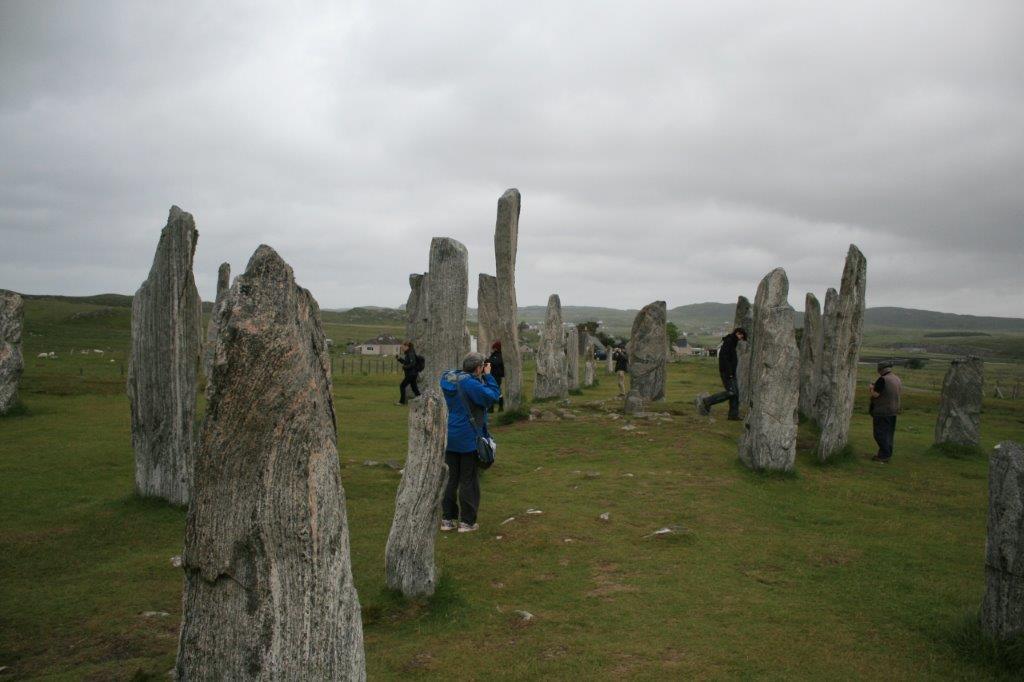
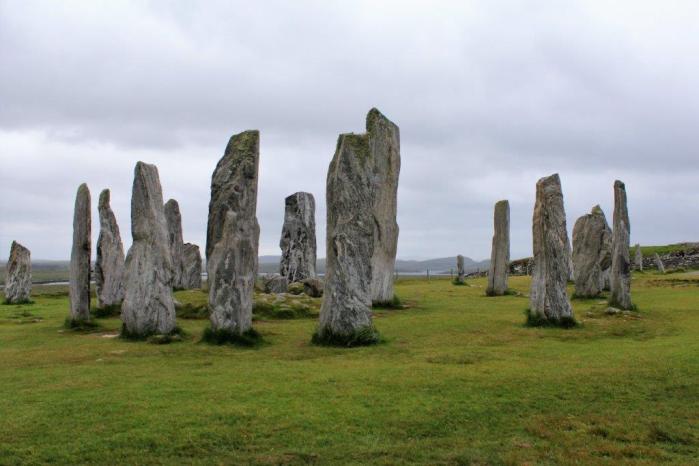
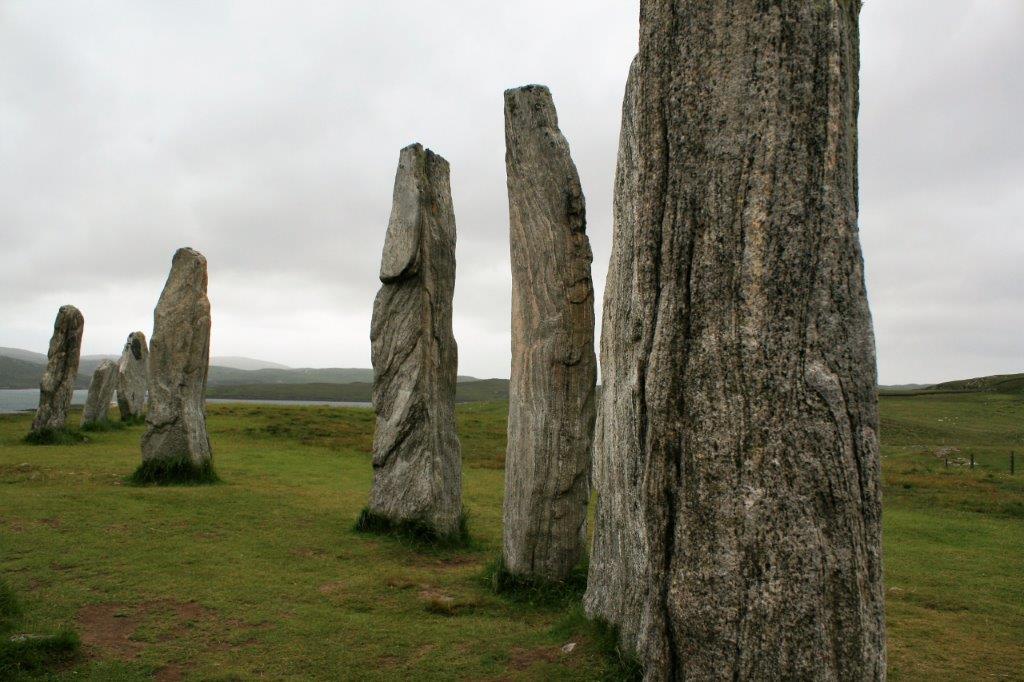
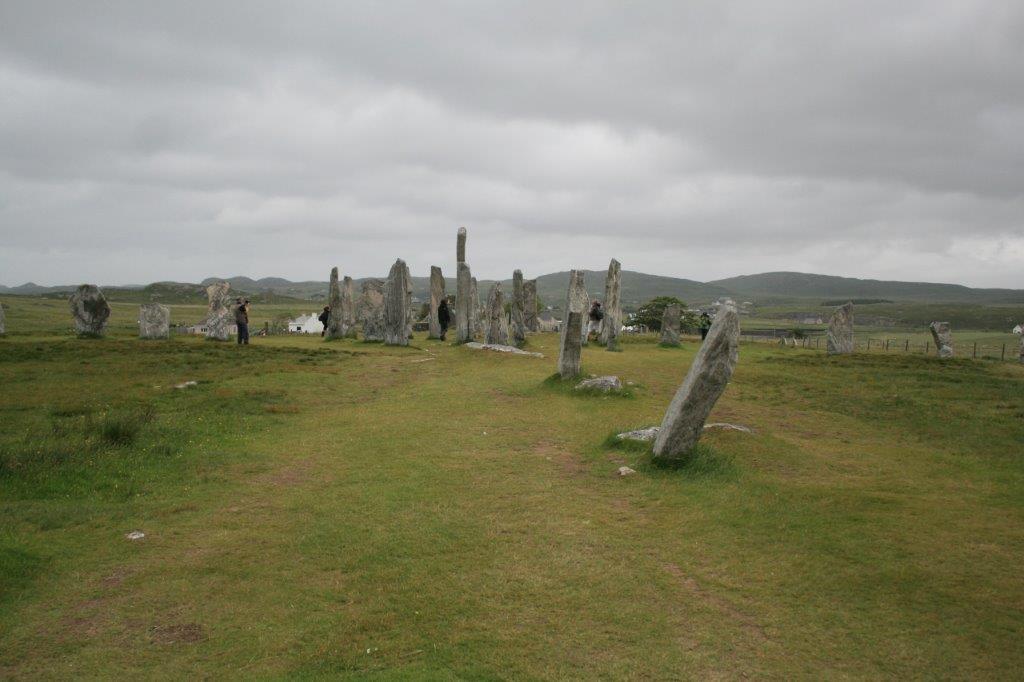
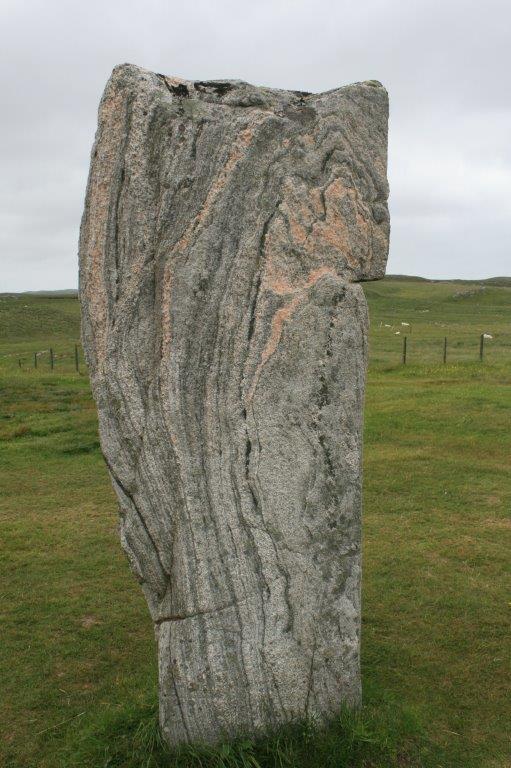
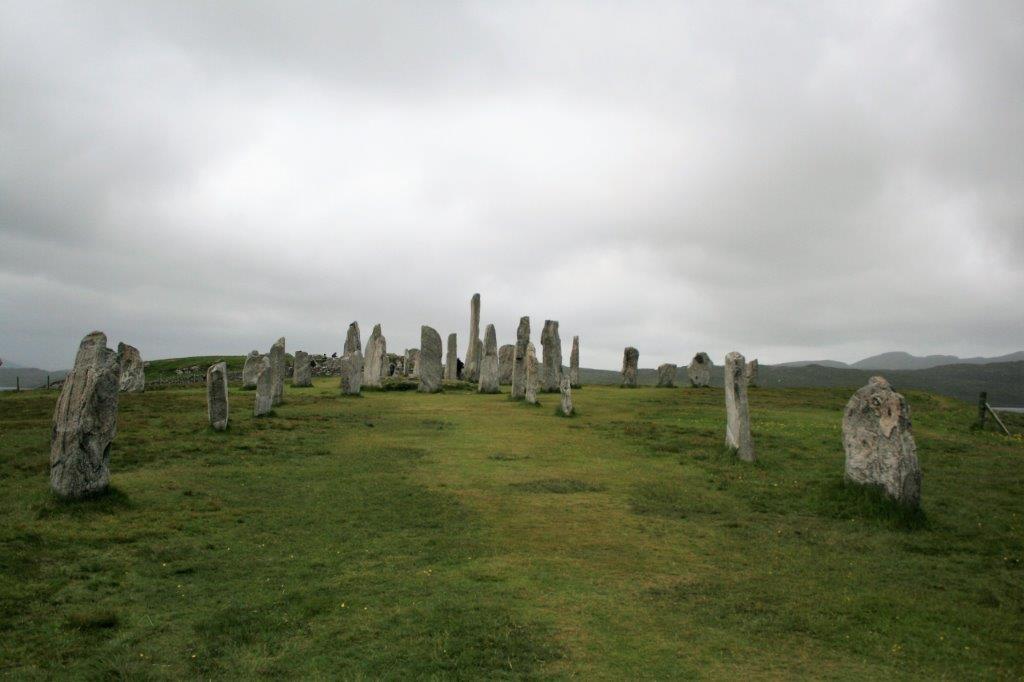
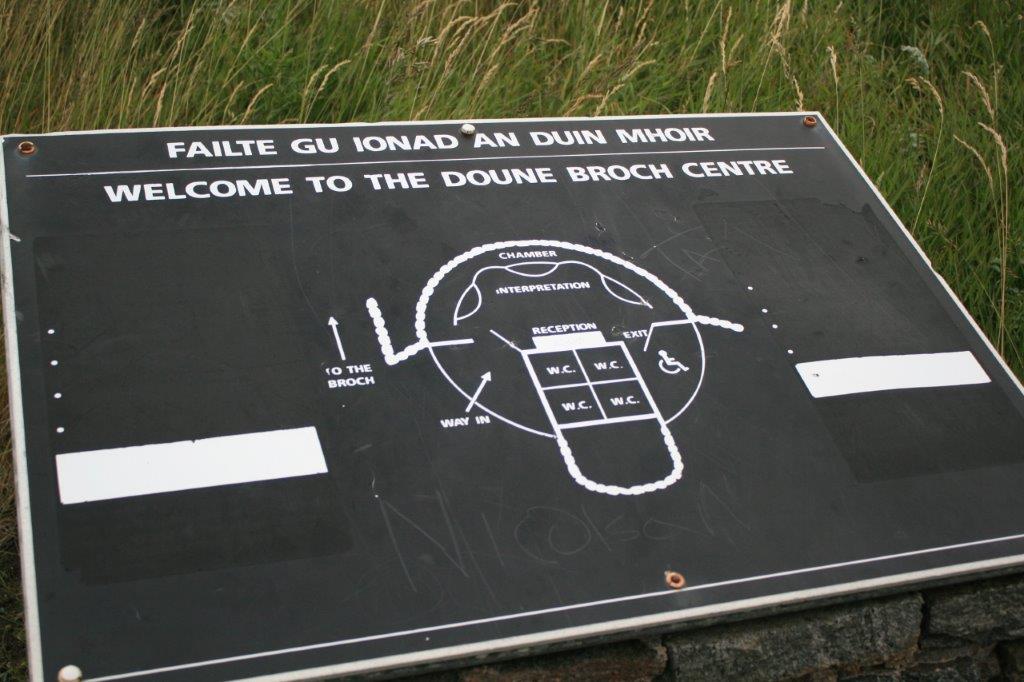
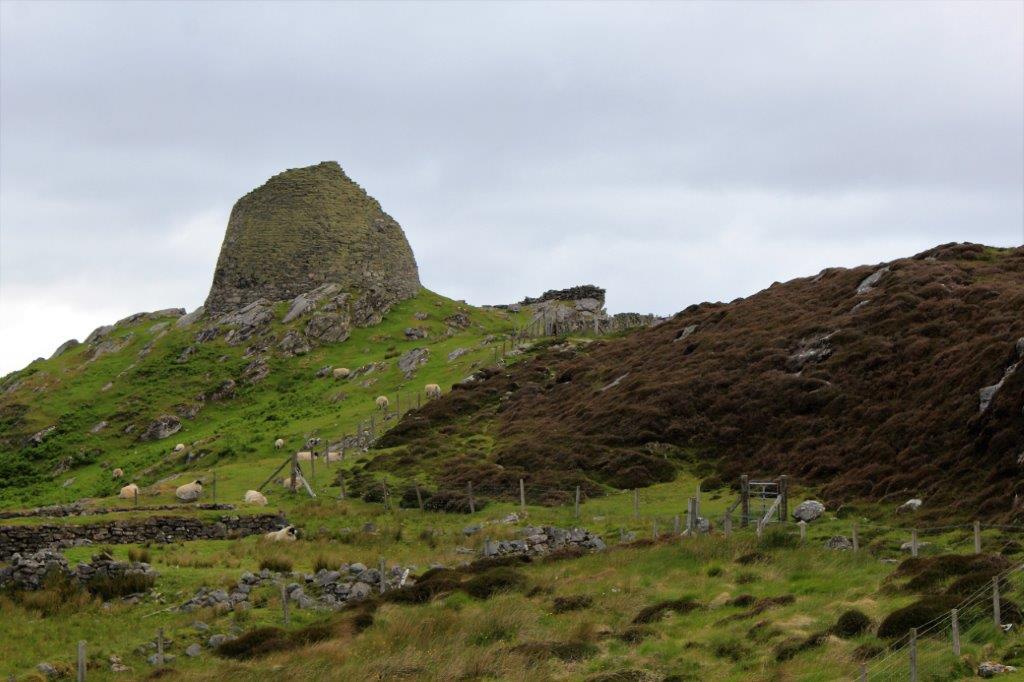
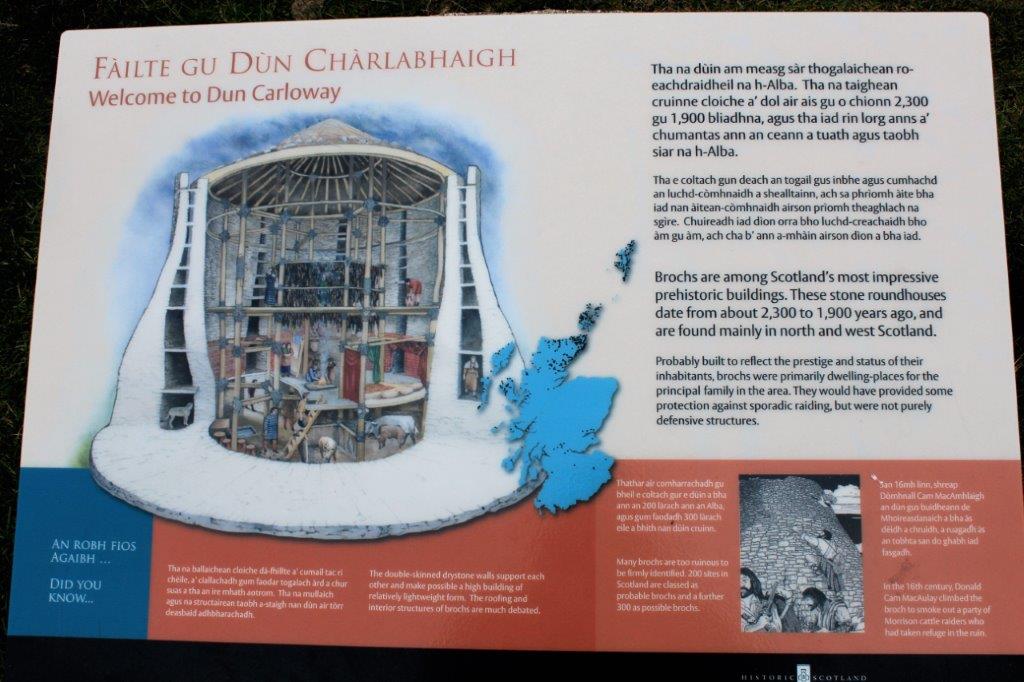
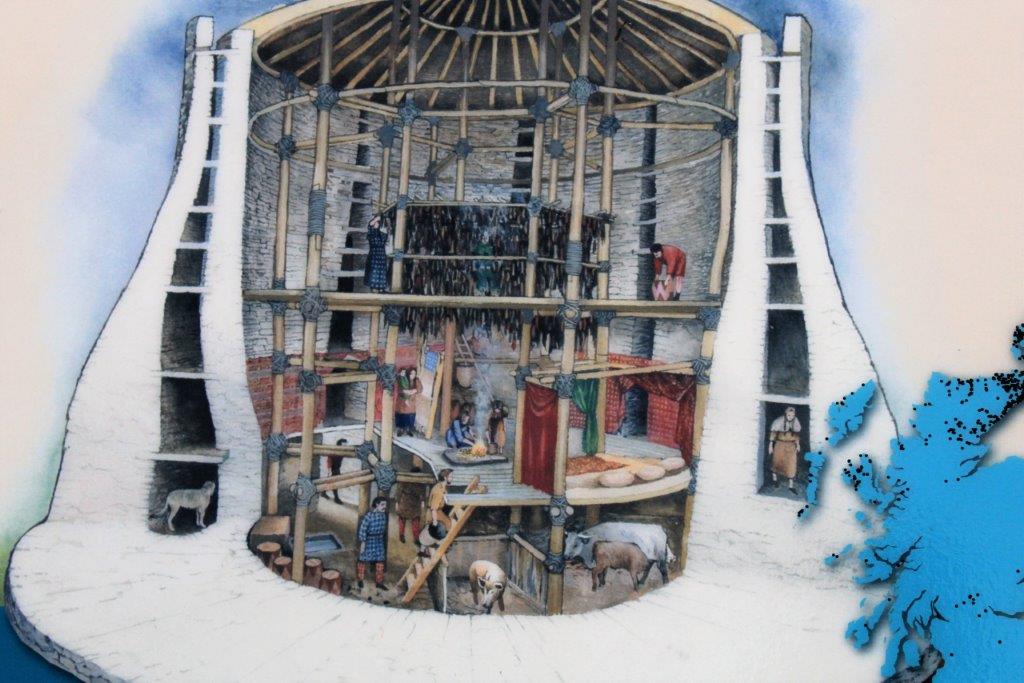
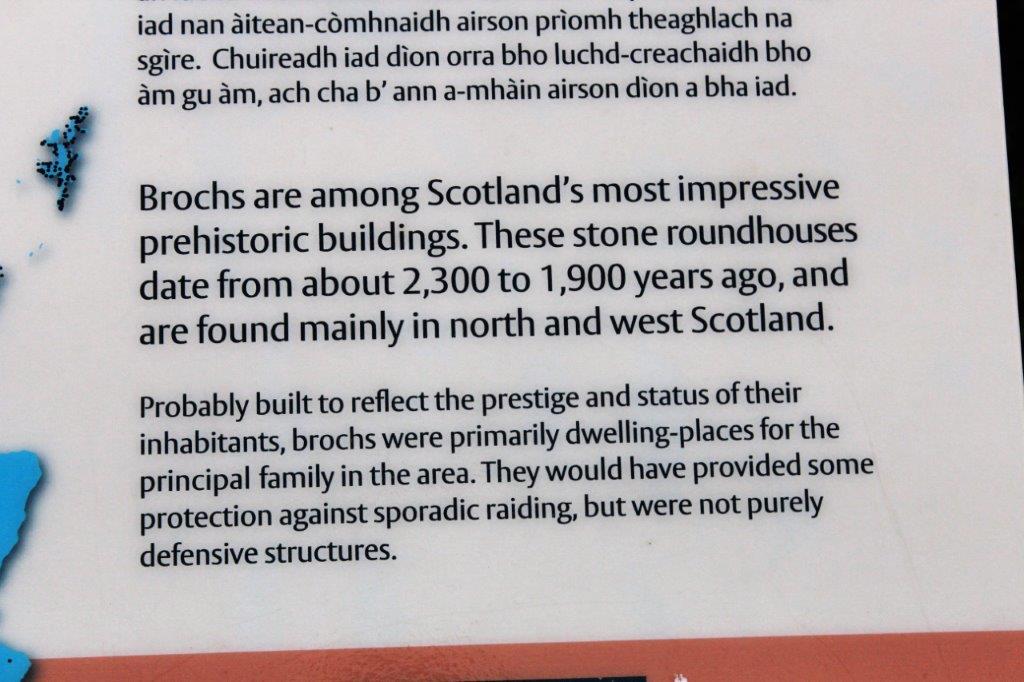
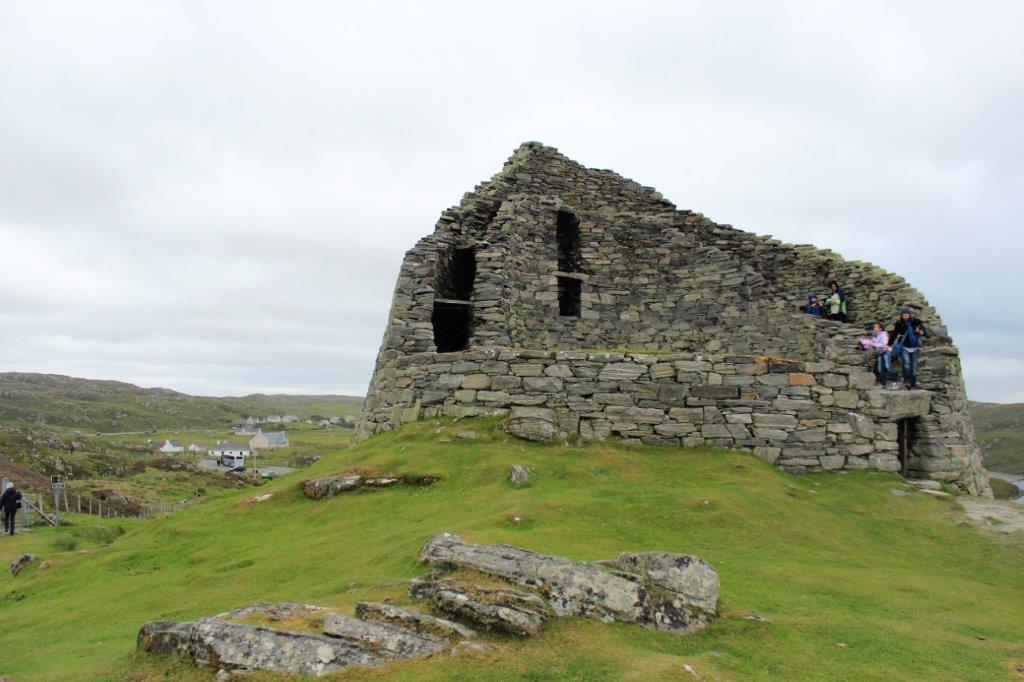
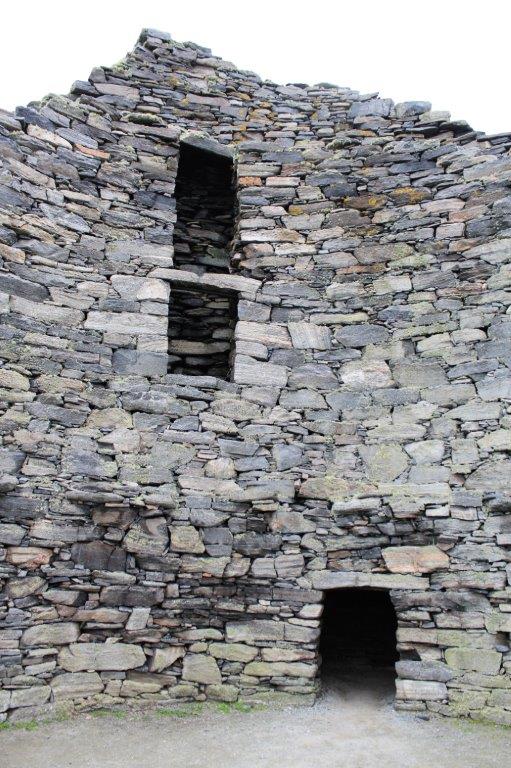
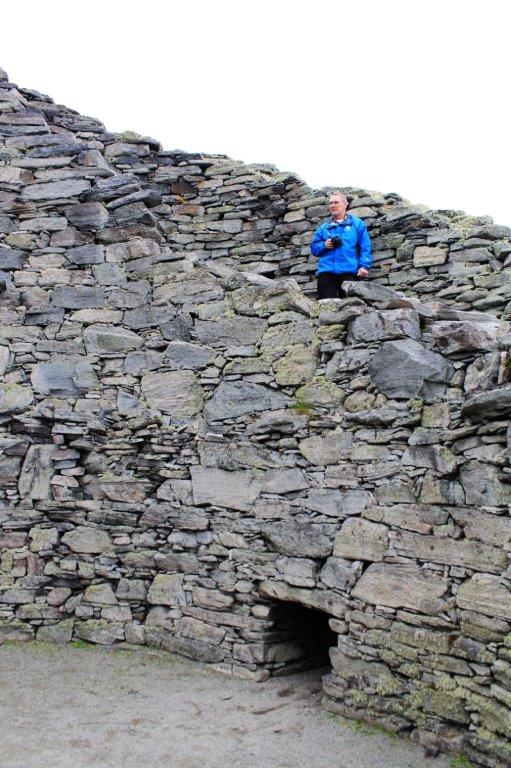
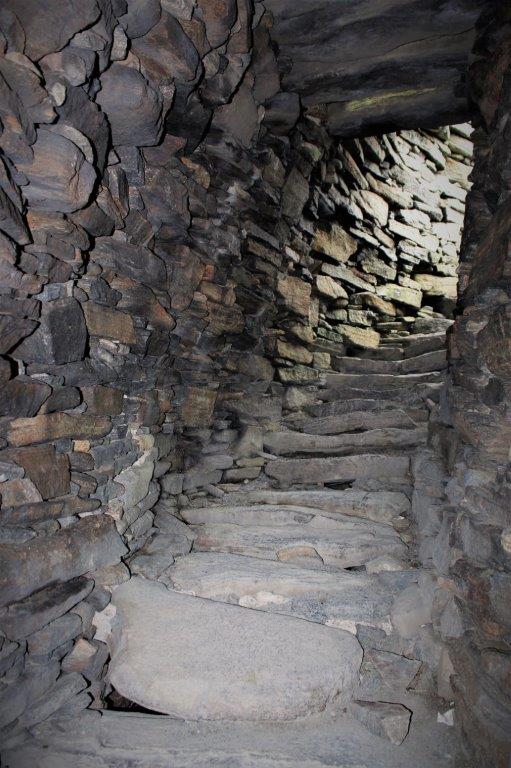
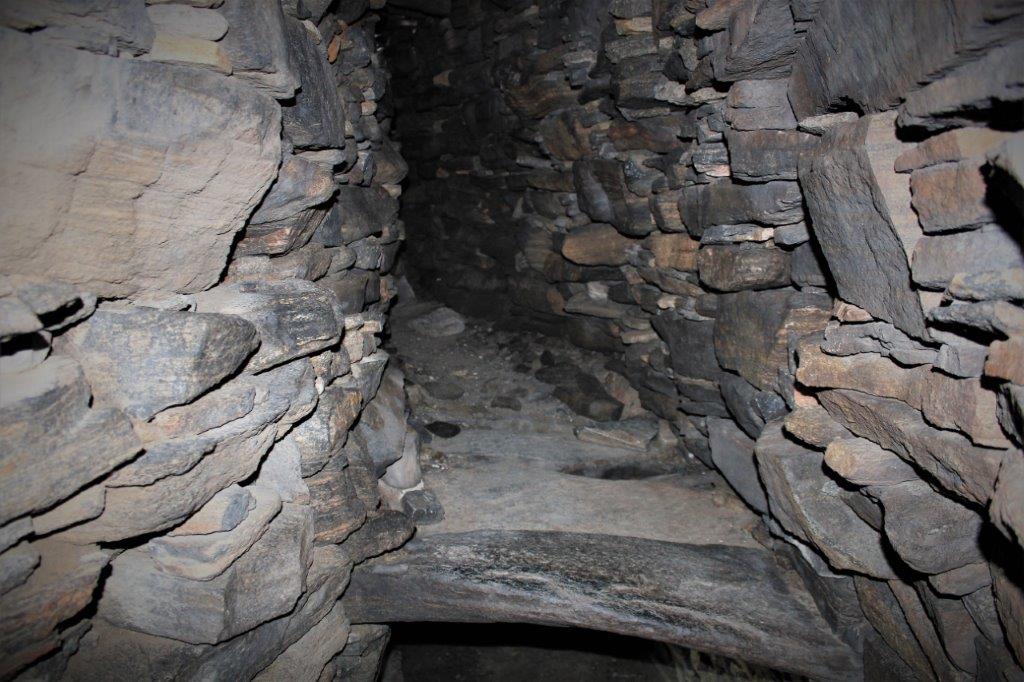
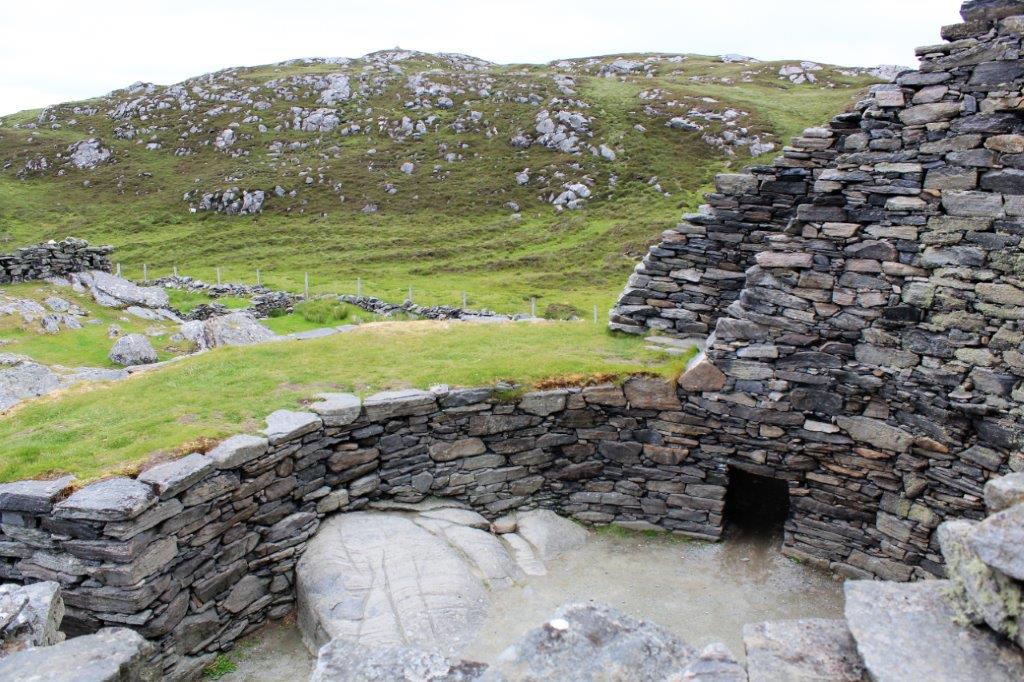
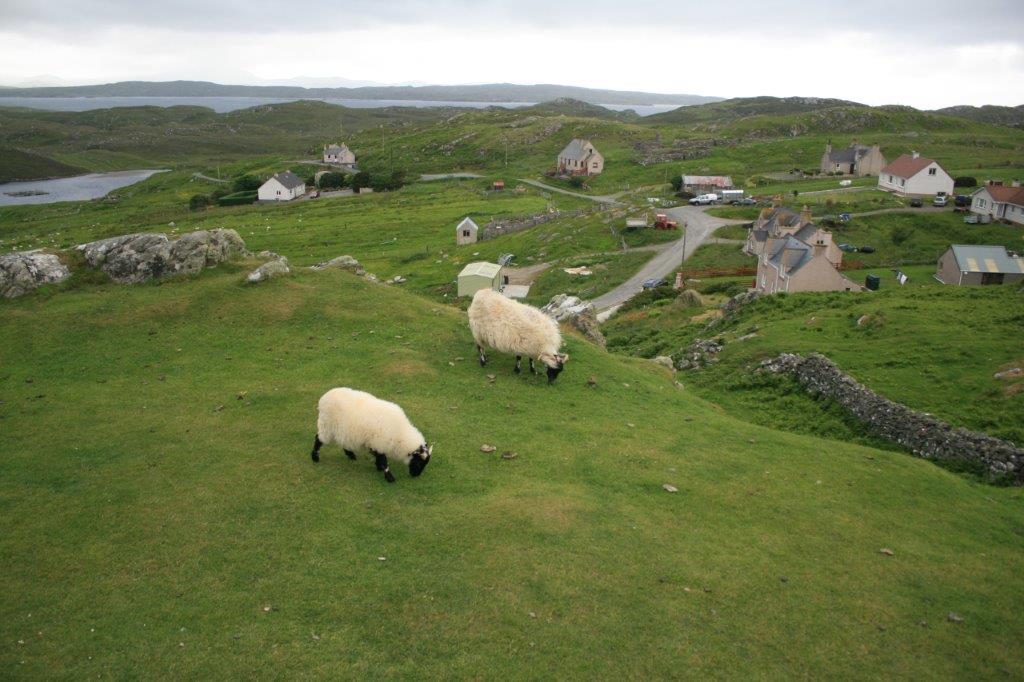
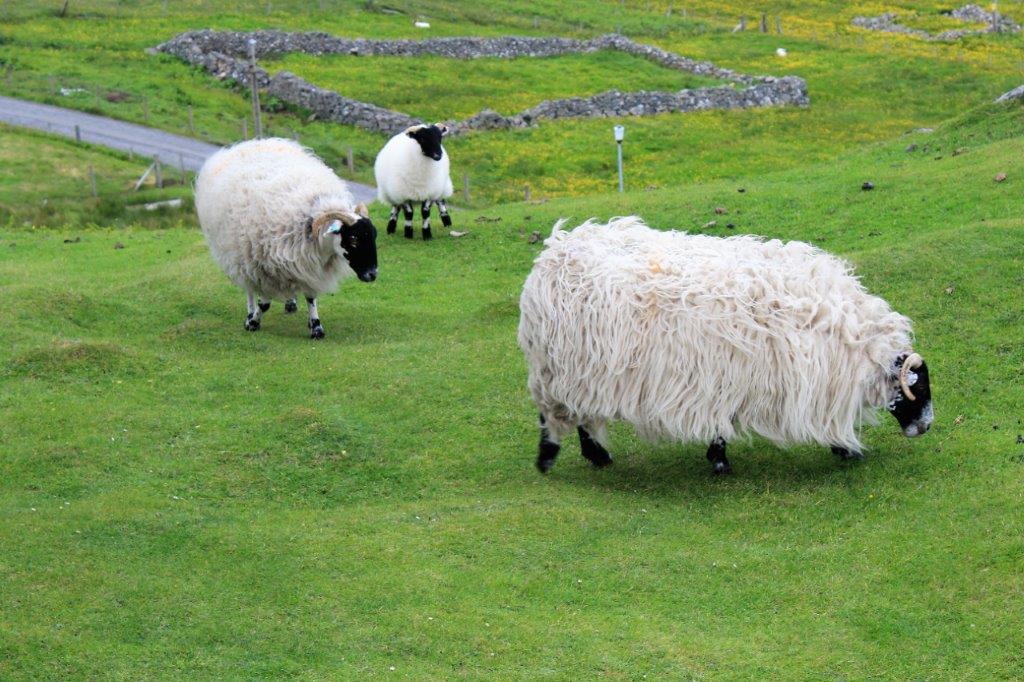
The main town on the Isle of Lewis is Stornoway.  We caught the 9:35 am ferry out of Ullapool and arrived in Stornoway at 12:35. It was a short drive across the island to the Calanais (pronouced Calanish) Standing Stones; one of the most famous and best-preserved Neolithic monuments of Scotland.  The stones are a cross-shaped arrangement that is about 4,000 years old and pre-date the famous monument of Stonehenge in England.  Calanais was an important place for ritual activity for 2,000 years.  It was amazing! We spent over an hour wandering around the stones and then drove up the coast to the Dun Carloway and Doune Broch Centre to see the ancient stone roundhouse.Rough, uneven stone stairways and very narrow corridors. One is never very far from a small-holding sheep farm in northern Scotland. The sheep wander the hills and roads in the same way free-range cattle roam the forests and meadows at home.

2013 Summer (Baltic and Britain – Scotland – July 4 – Day 11)

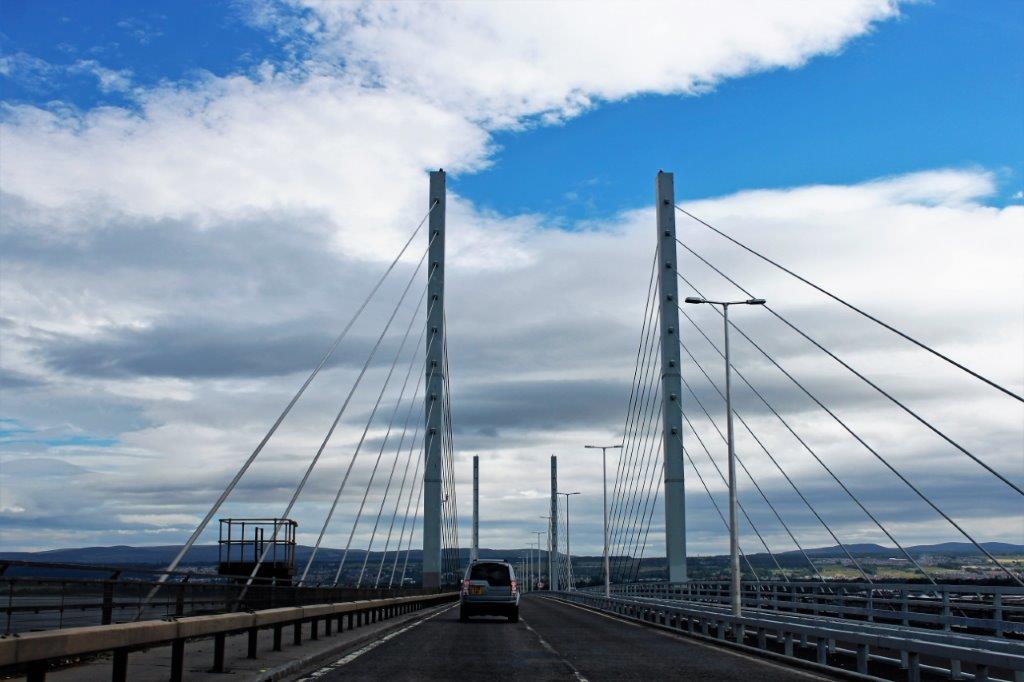
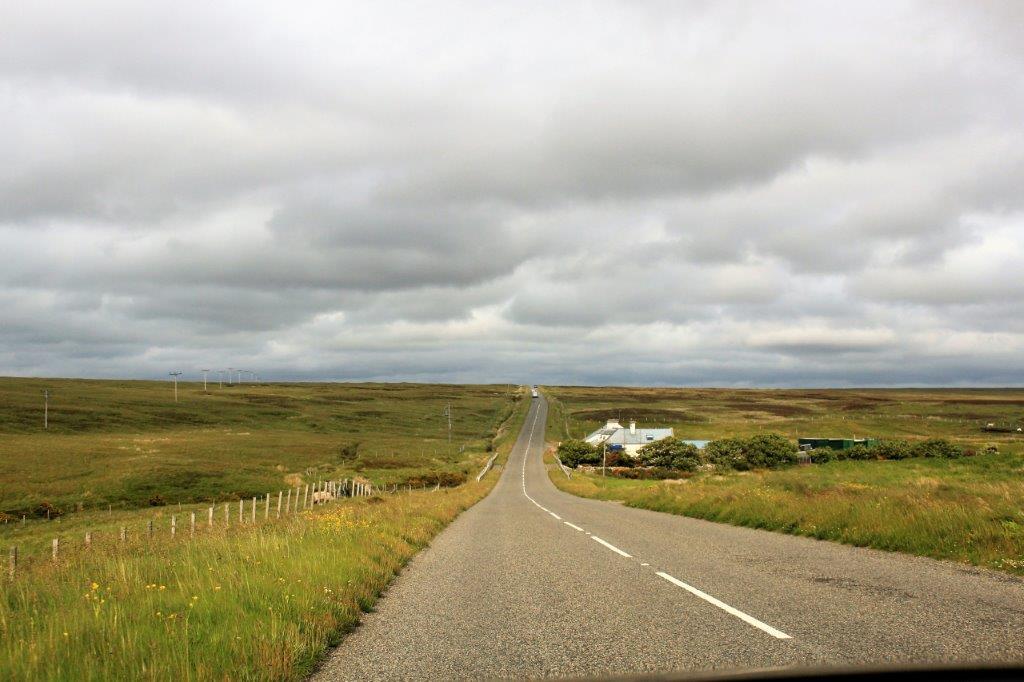
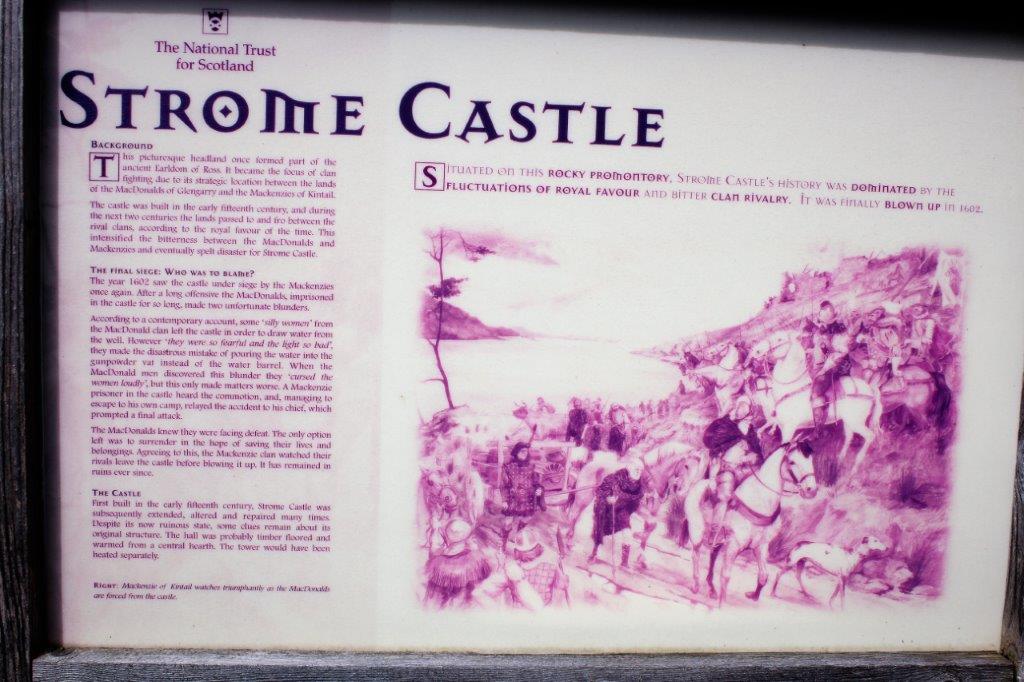
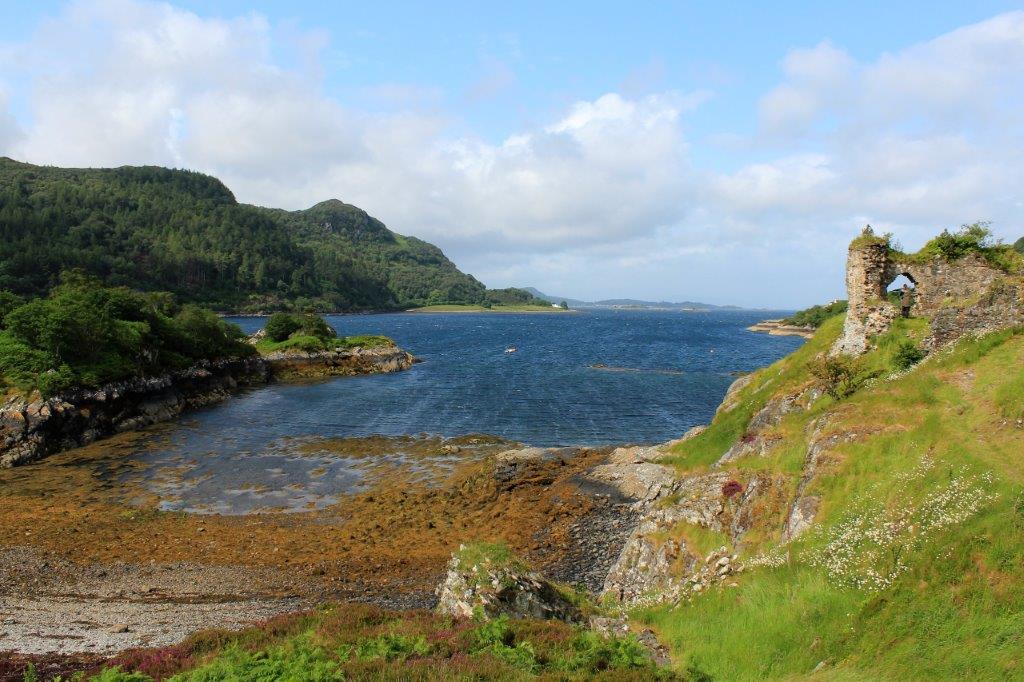
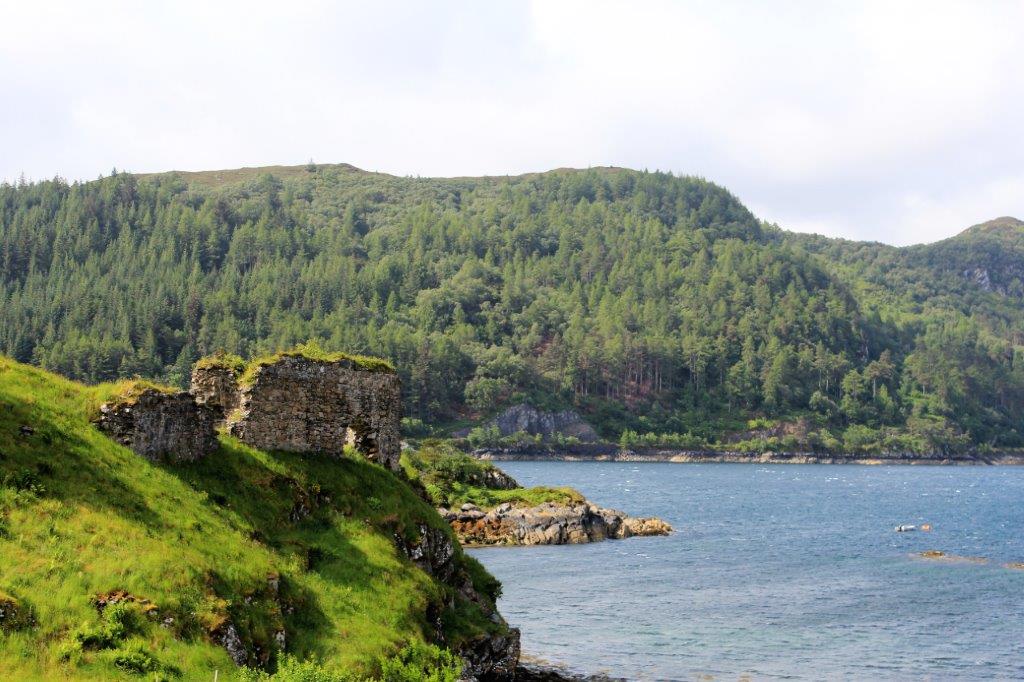
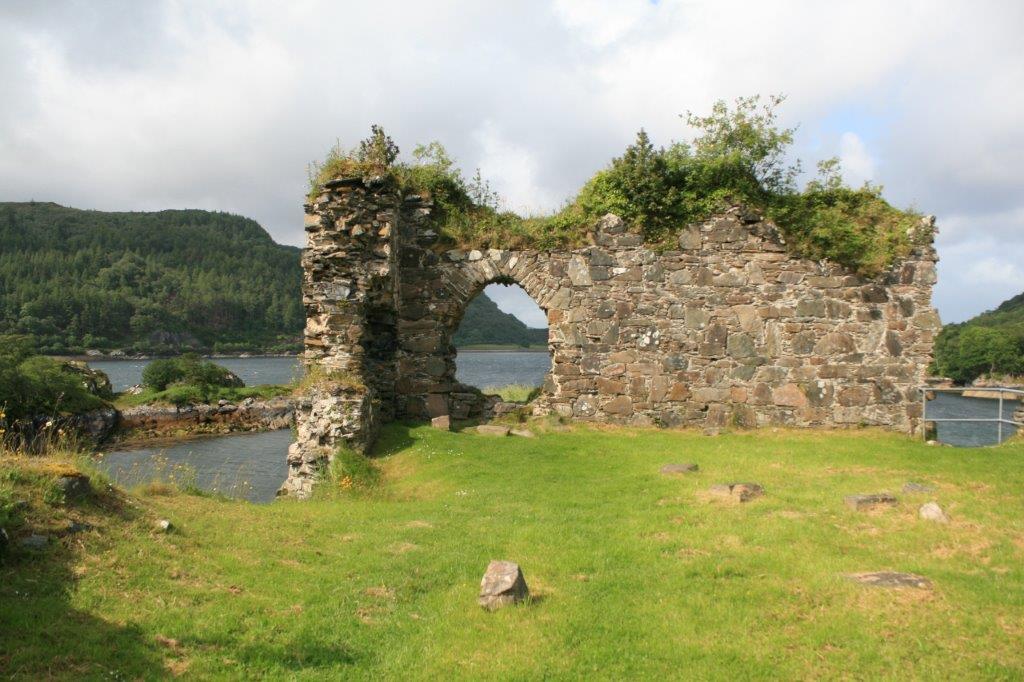
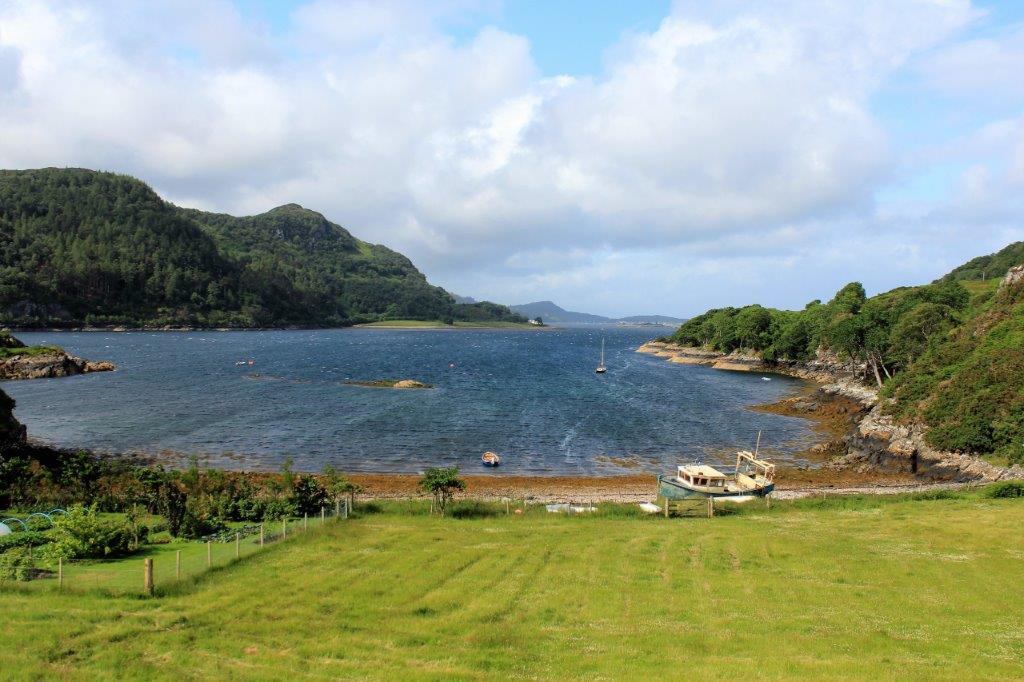
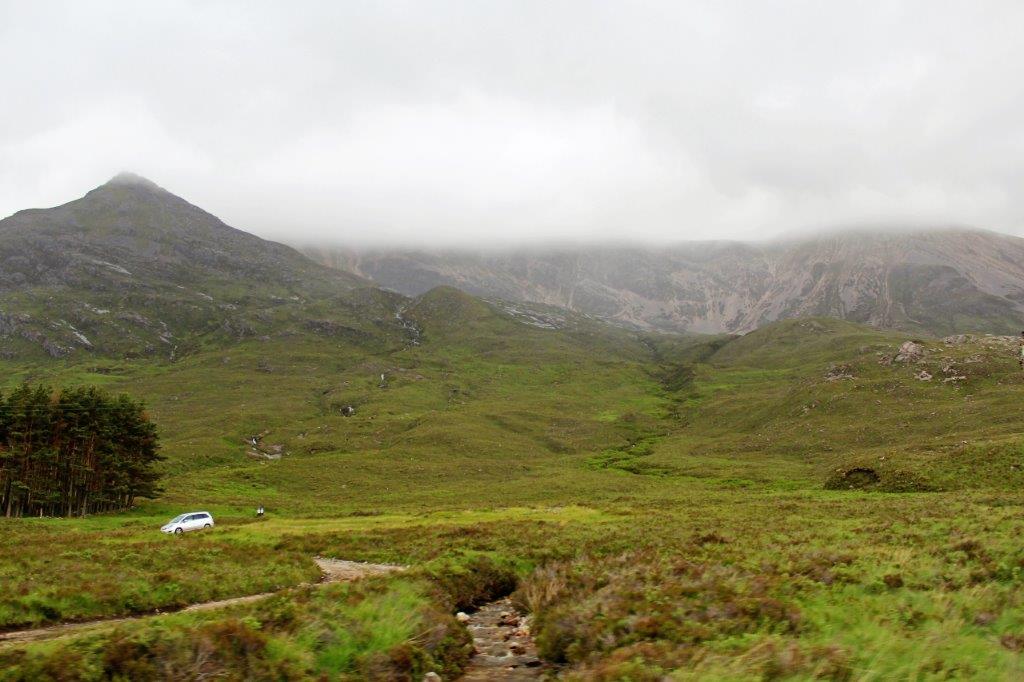
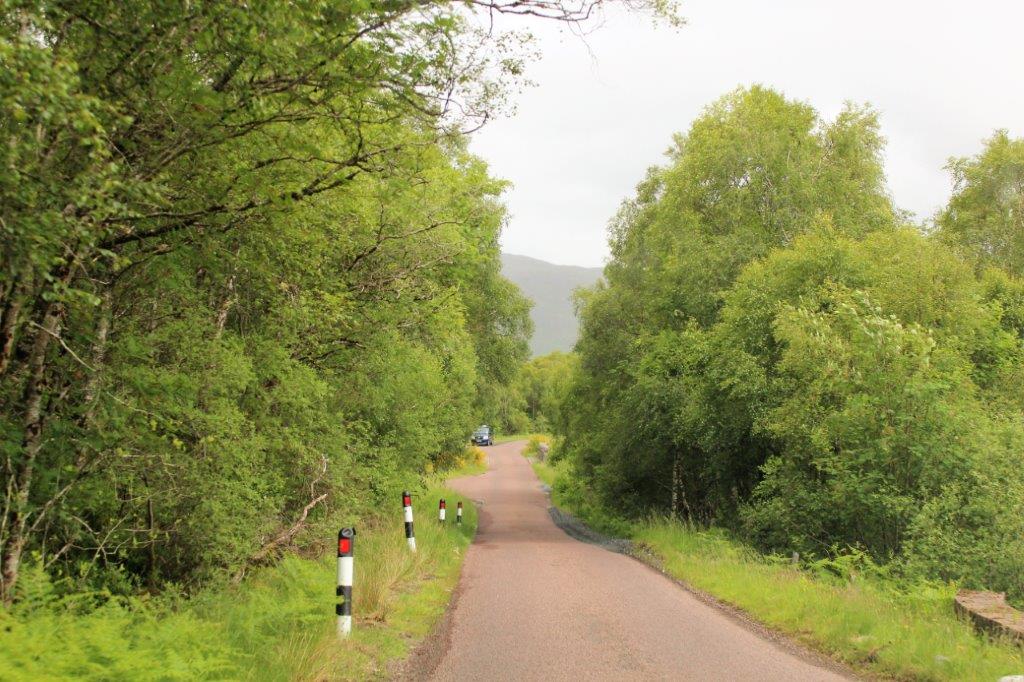
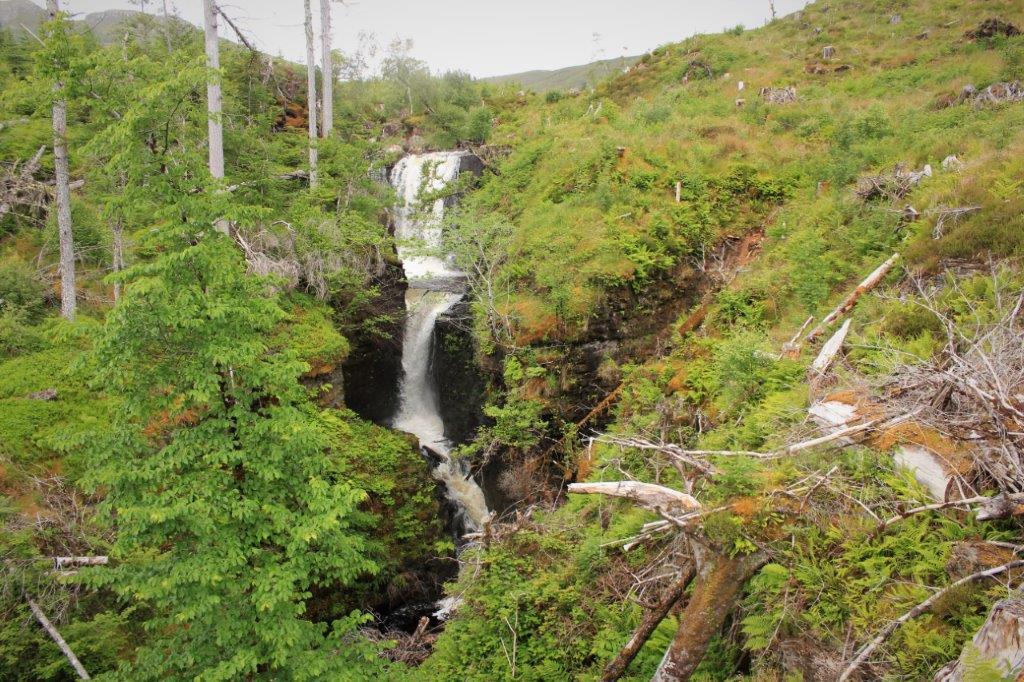
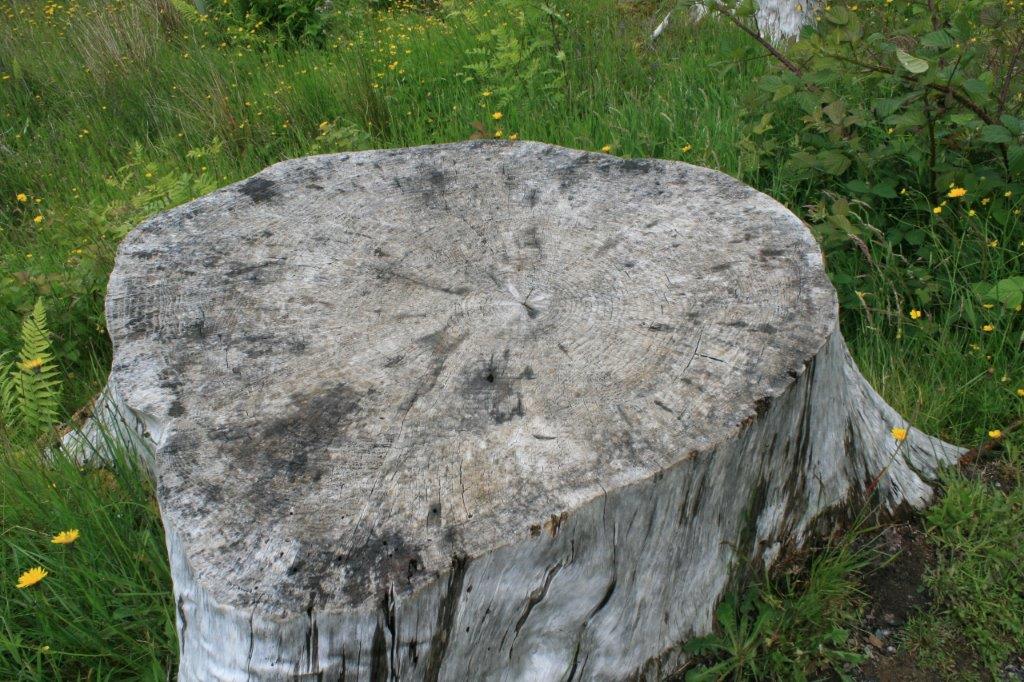
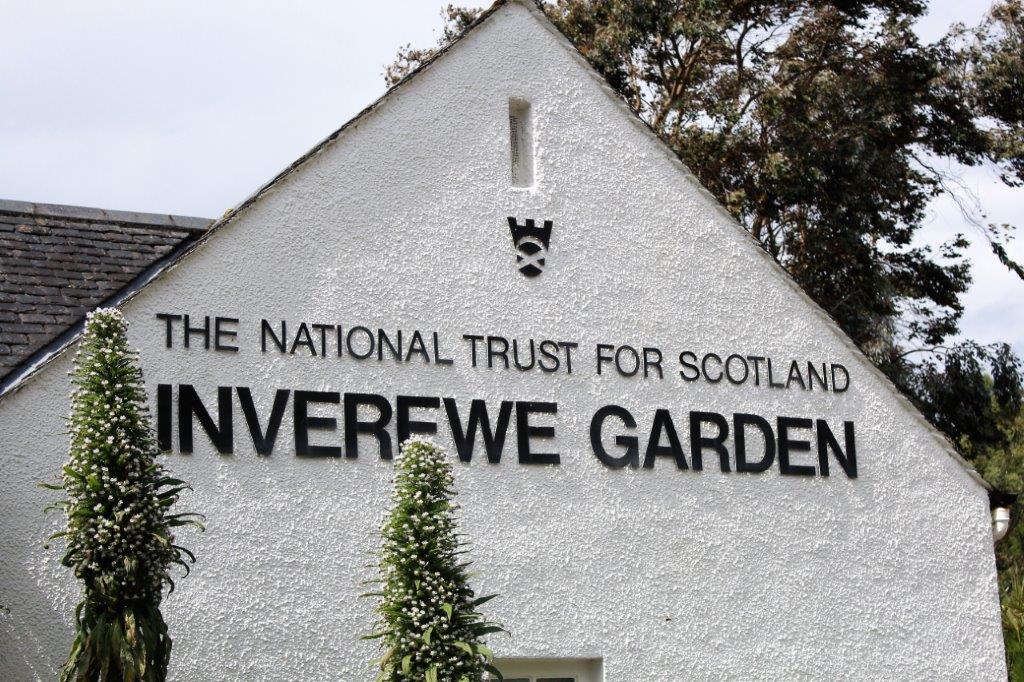
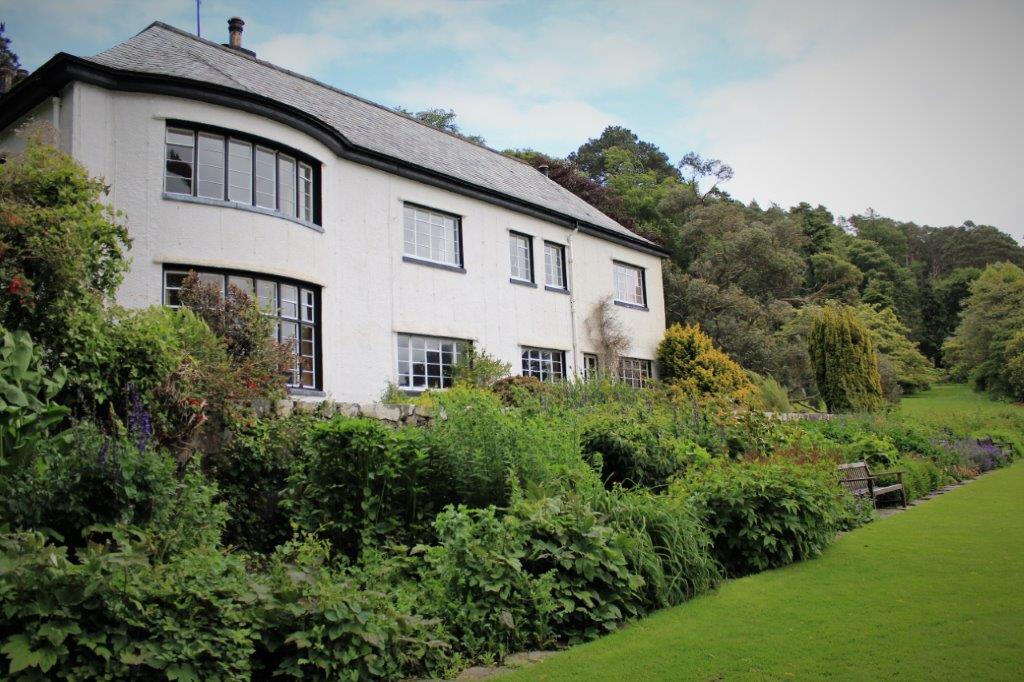
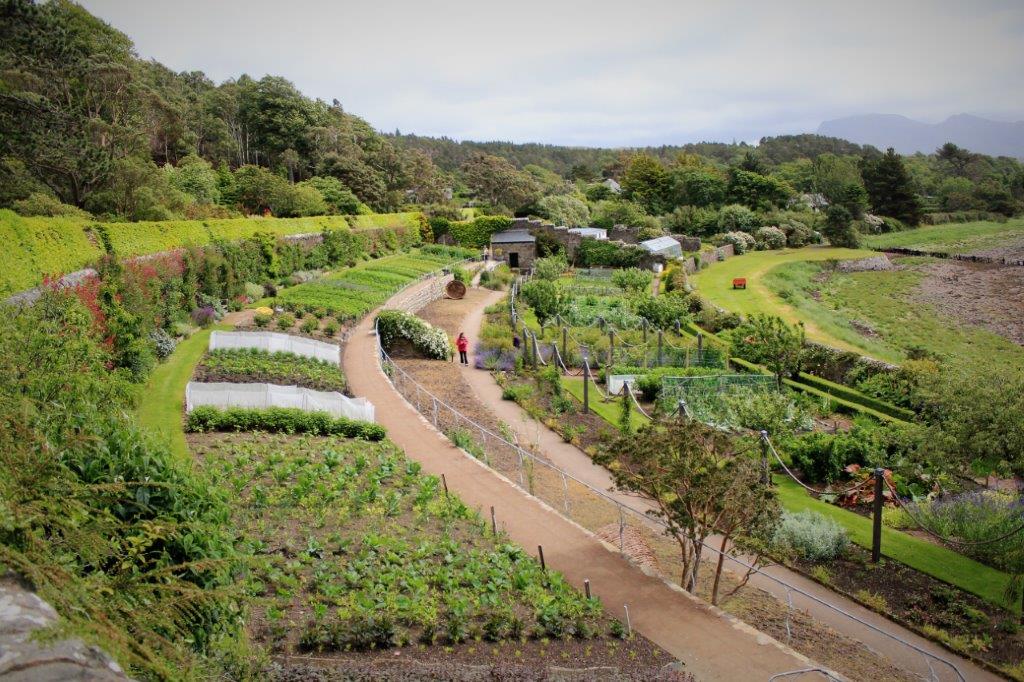
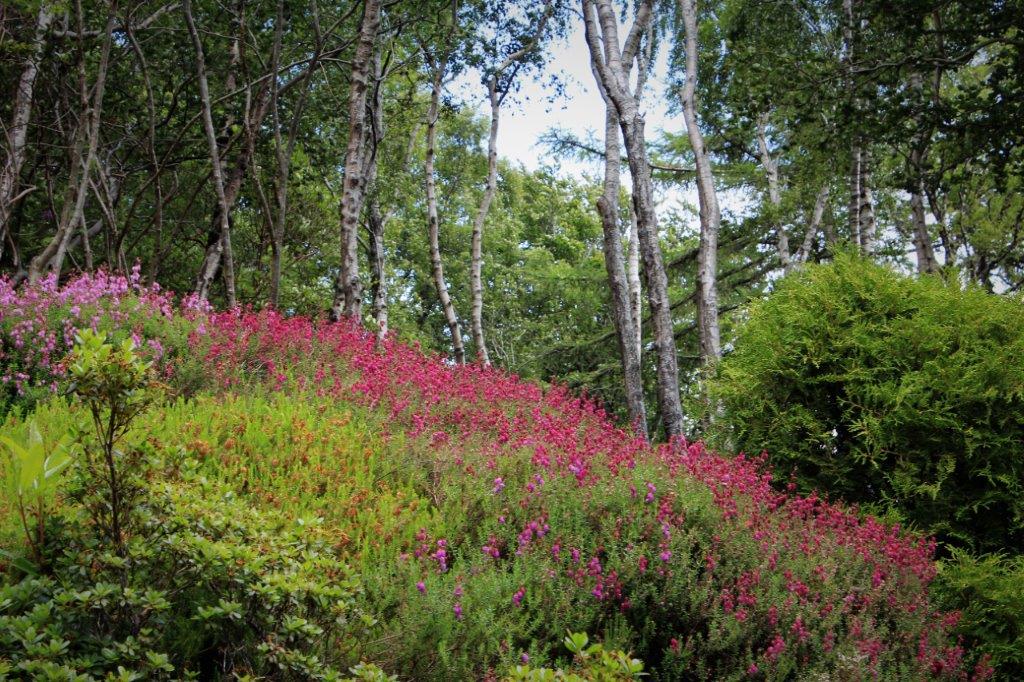
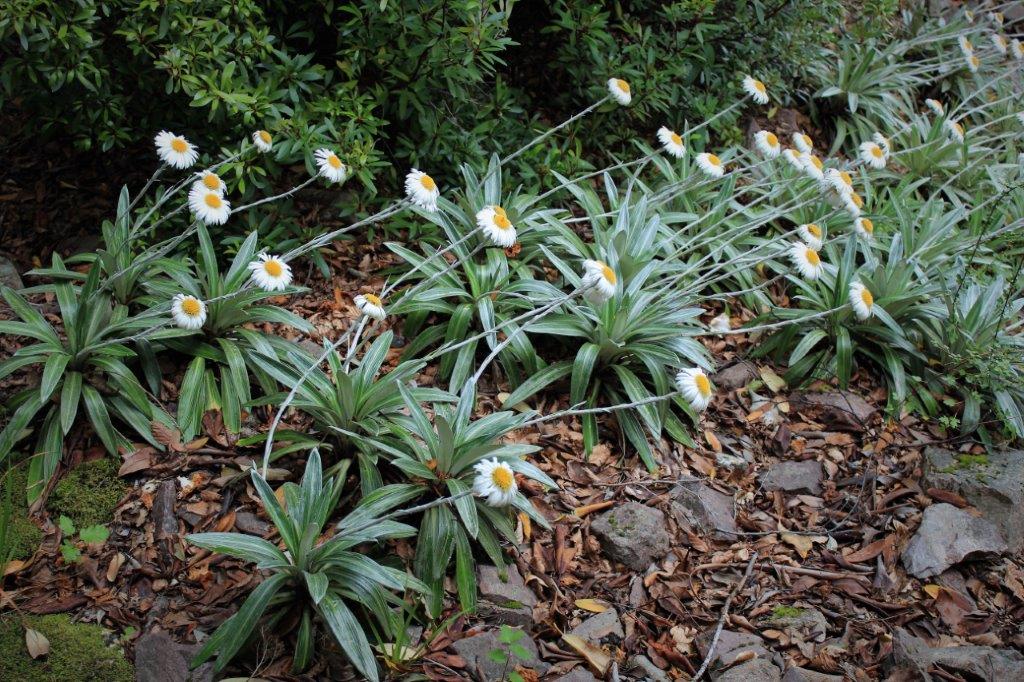
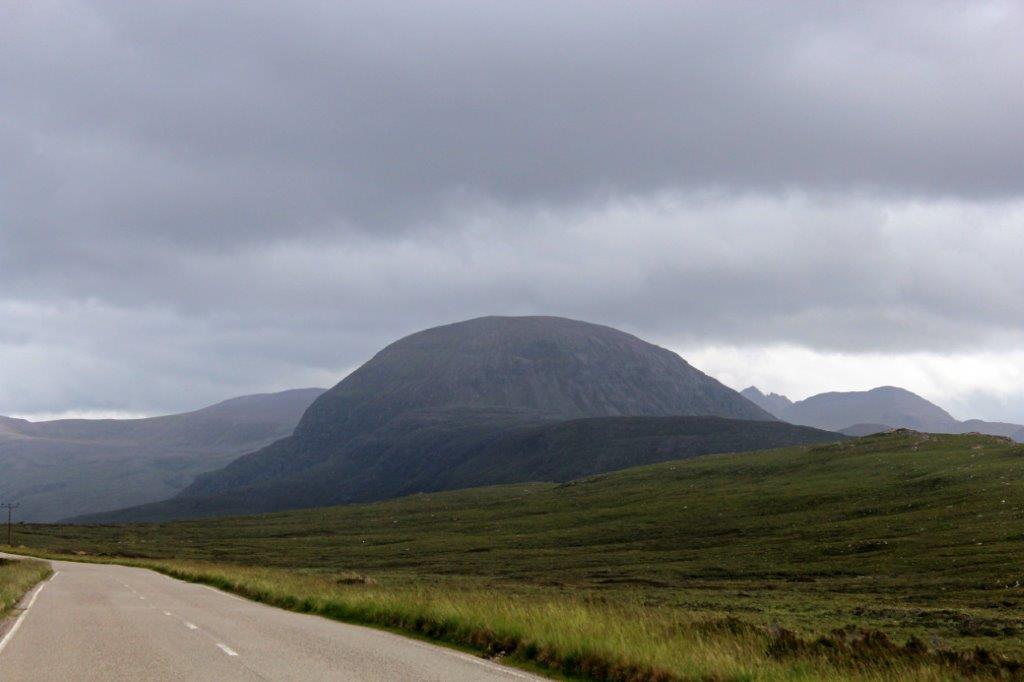
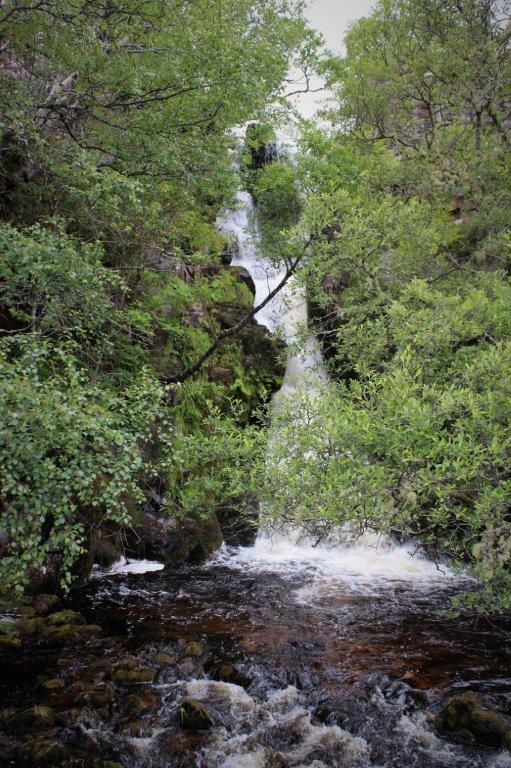
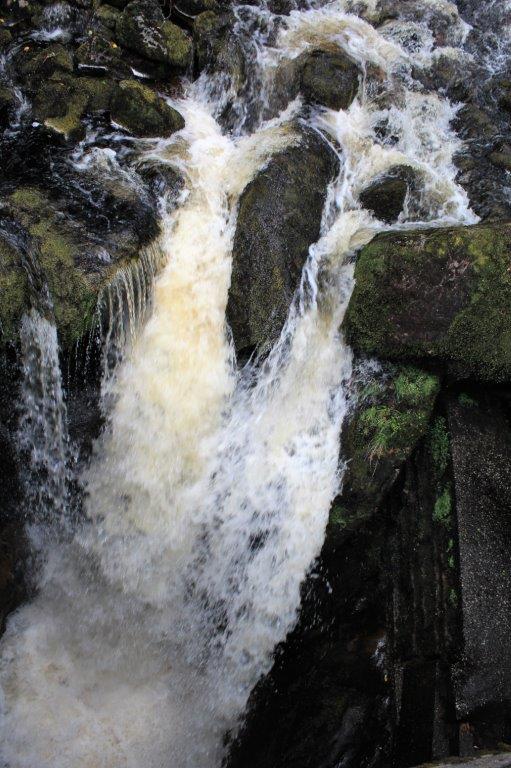
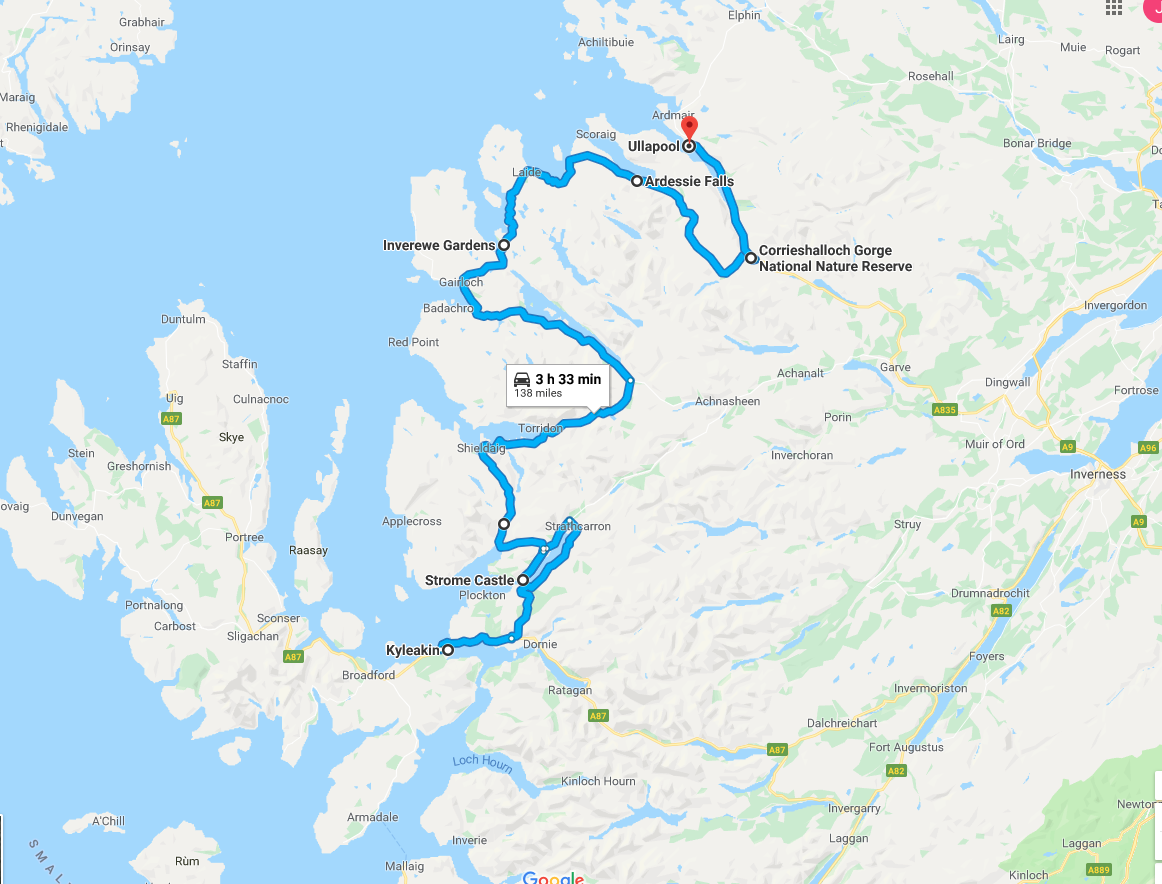
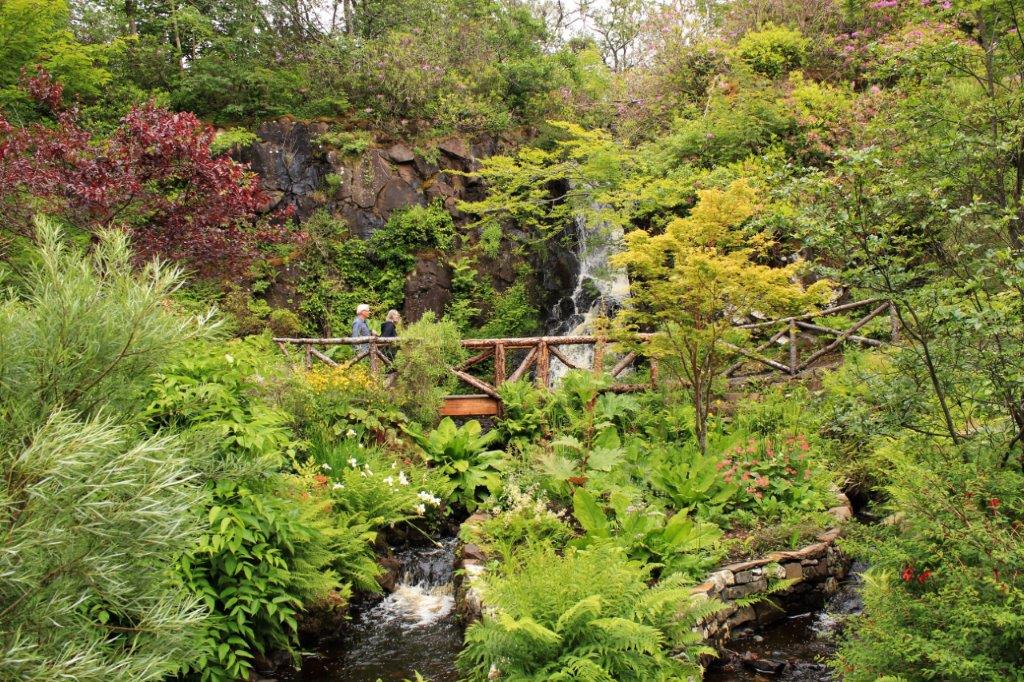
We left the King’s Arms in Kyleakin on the Isle of Skye, drove across the bridge and up the coast and around Loch Carron to Strome Castle; where only a few outer walls remain.  The castle, due to its  strategic position on the headland between rivaling clans Mackenzie and MacDonald, passed back and forth many times over two centuries; often at the whim of whomever was a current royal favourite.  It was finally blown up in 1602 by the Mackenzies after forcing the MacDonalds to surrender, and has remained a ruin ever since.                       The castle certainly was in a lovely setting.                       Gotta love the wide and spacious Scottish roads.             Victoria Falls – not the big African ones, but still pretty.                                           This was once  a huge tree!We arrived in Inverewe at one o’clock and went to see the gardens.  I never tire of touring castles and gardens.      These little daisy-like plants all stretched toward the light.From Inverewe we continued north along the coast road with a stop at Ardessie Waterfalls.                                            Lovely, lovely countryside.

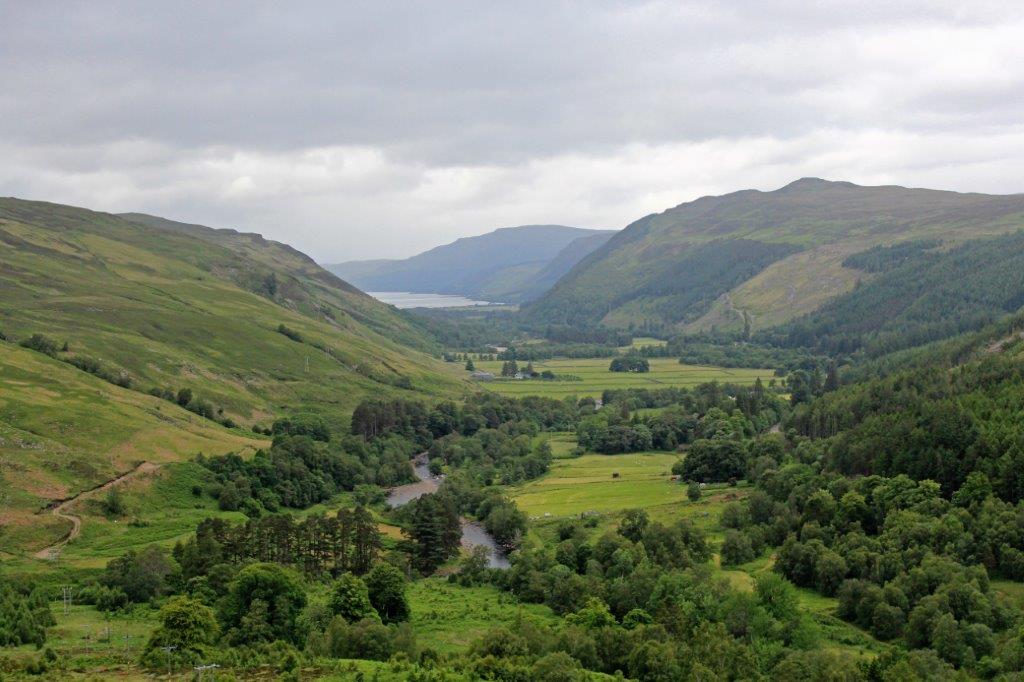
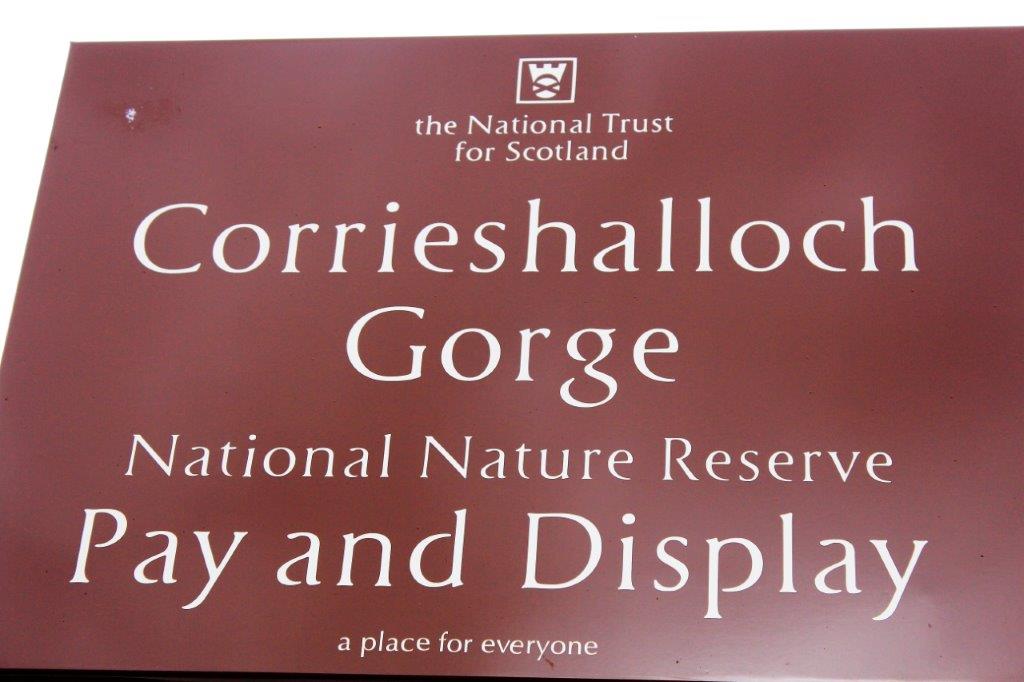
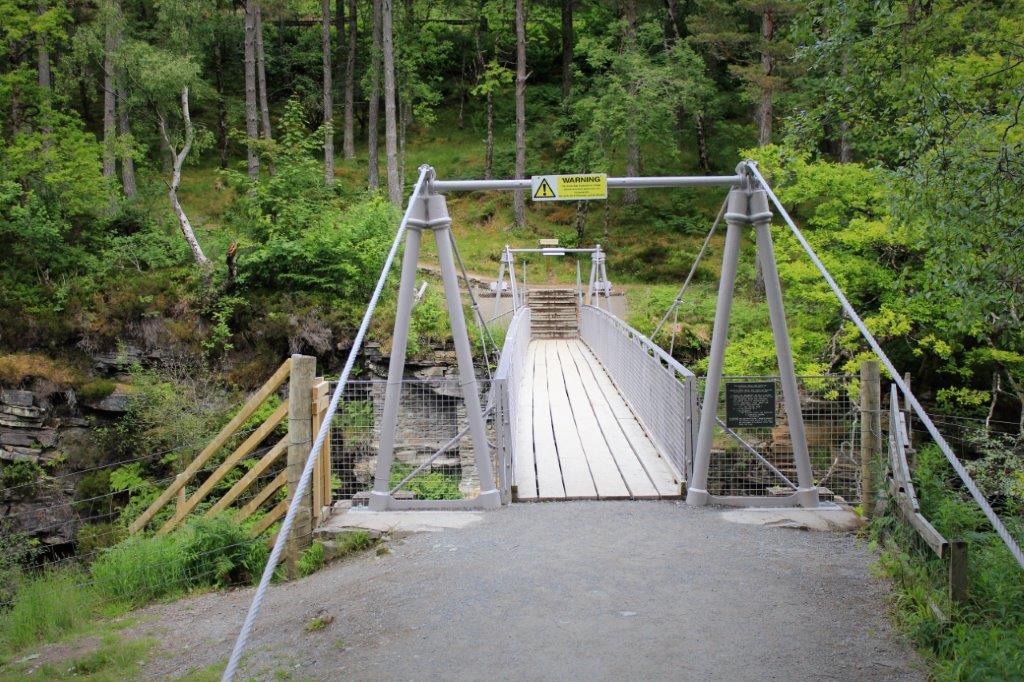
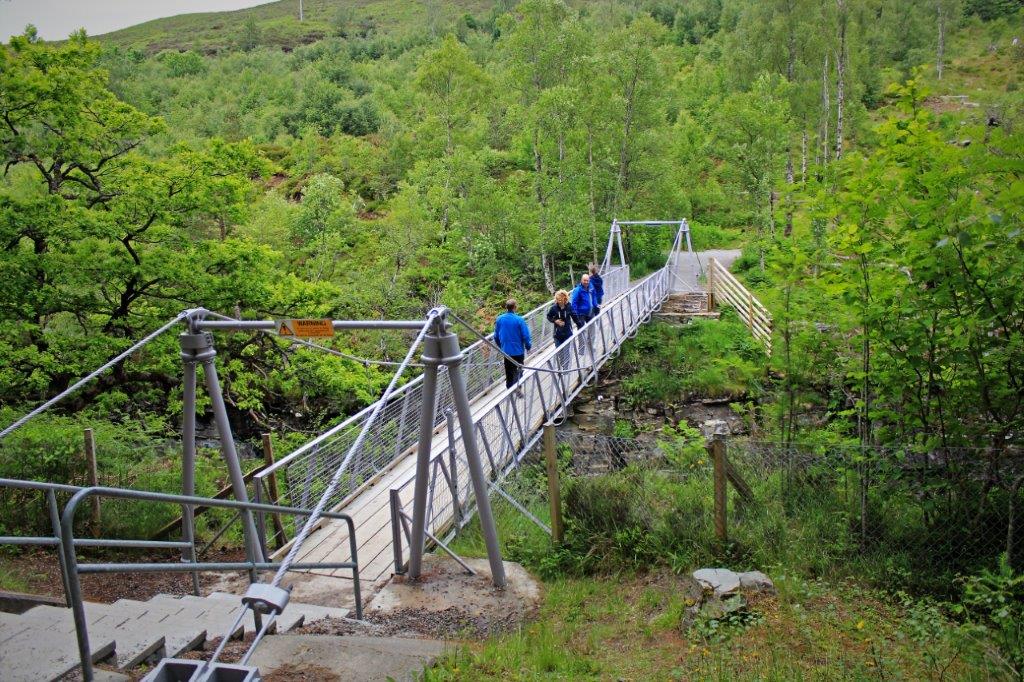
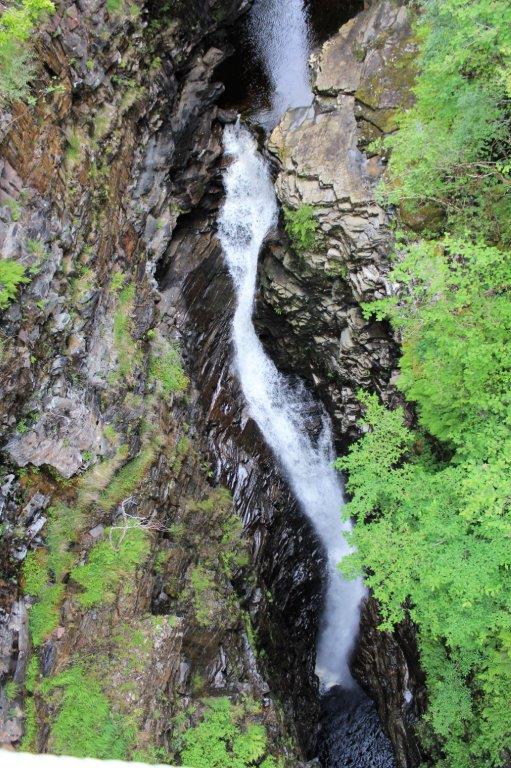
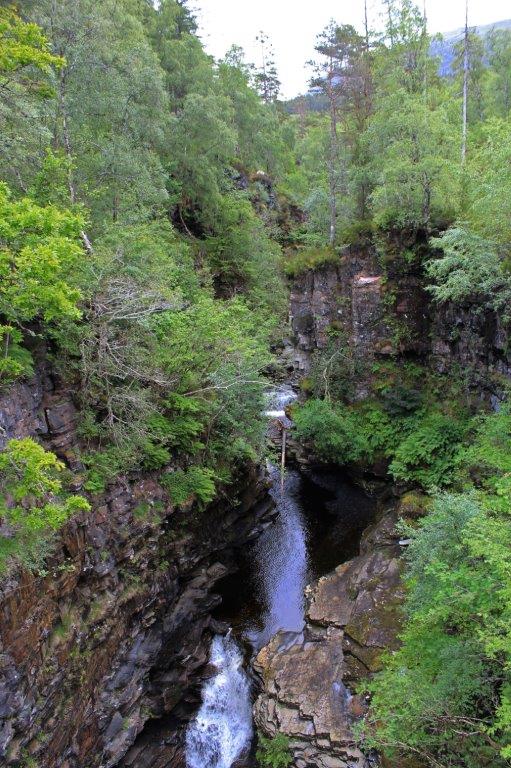
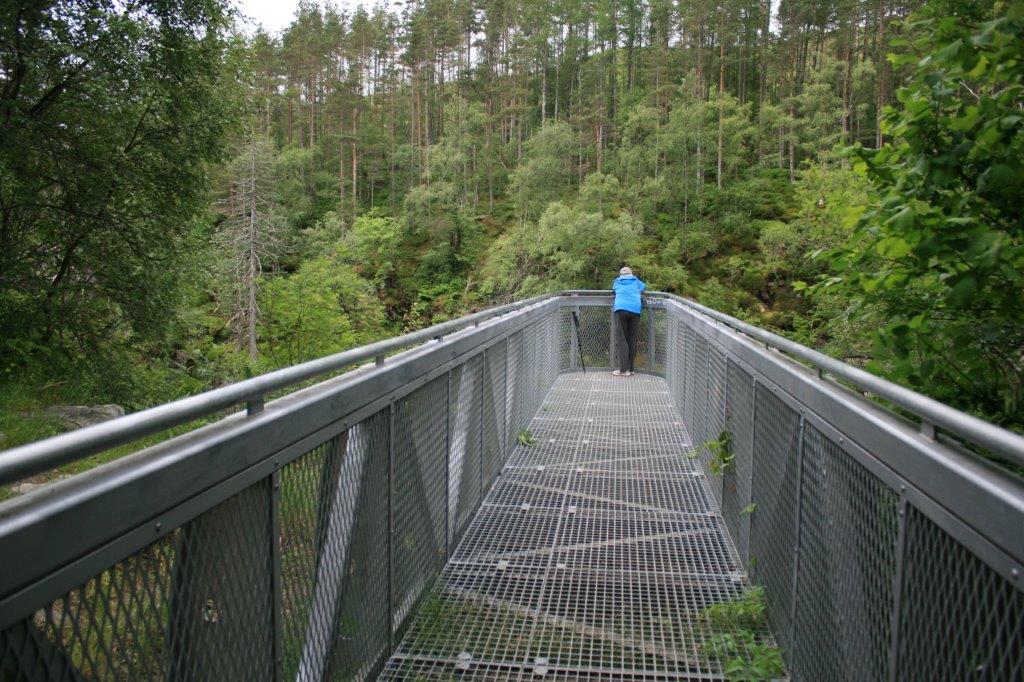
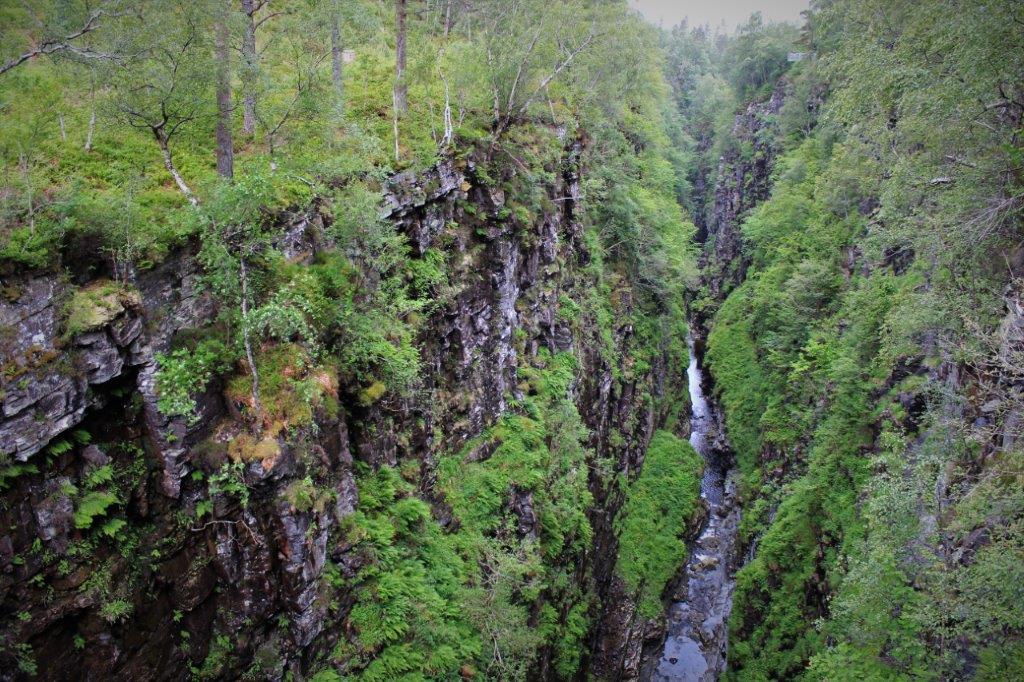
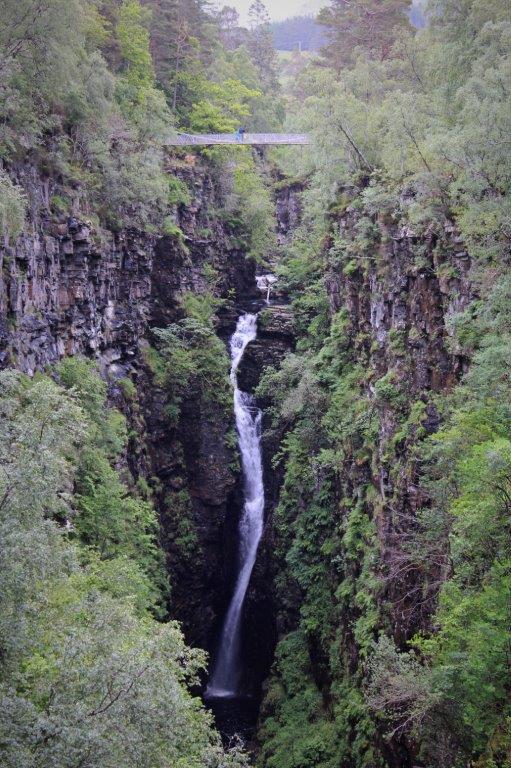
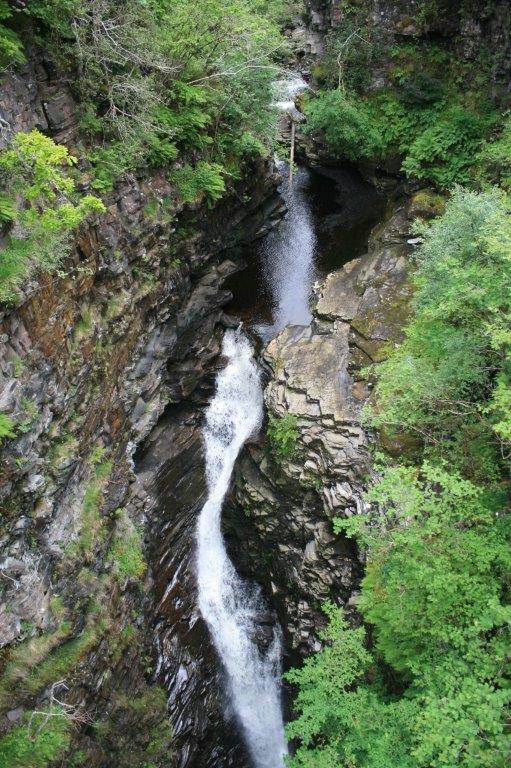
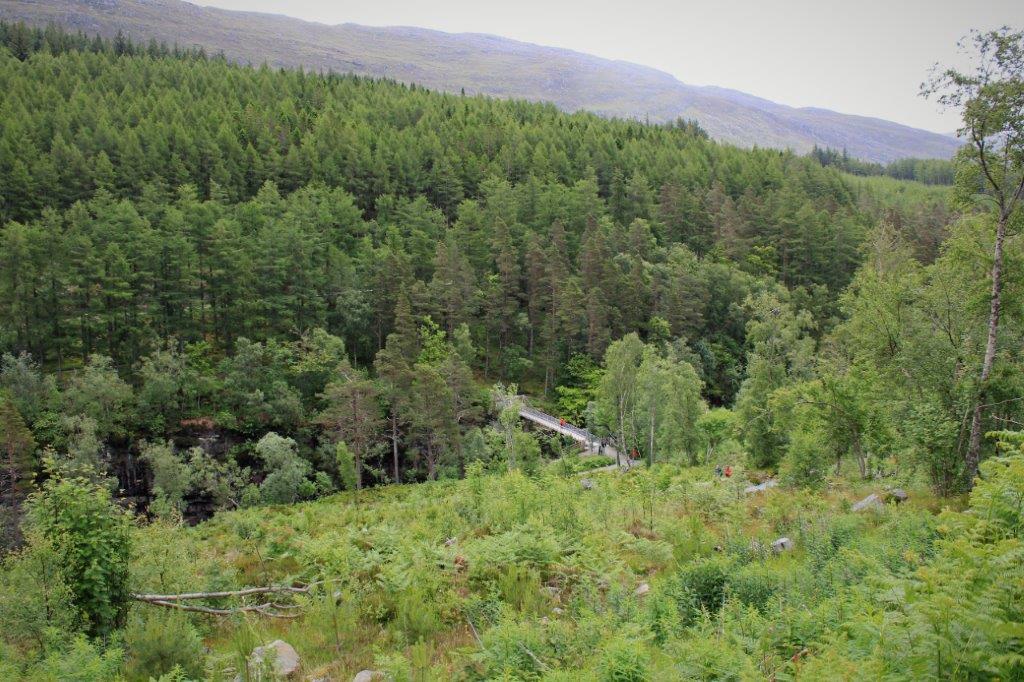
We checked out the Corriesalloch Gorge and the Falls of MeasachThe gorge is extremely narrow, sheer-sided and deep.  There was a second viewing platform further down the gorge that gave us a good view of the depth.  Ullapool is only 12 miles from Corrieshalloch Gorge and we arrived at the Caledonian Hotel at 4:30.  In the morning we  were catching the ferry to the Isle of Lewis to go see the famous Standing Stones.  These were the stones that were the inspiriation for the stone circle in the Disney animated film “Brave;” which is one of my favourite movies.

2013 Summer (Baltic and Britain – Scotland – July 3 – Day 10 – Part 2)
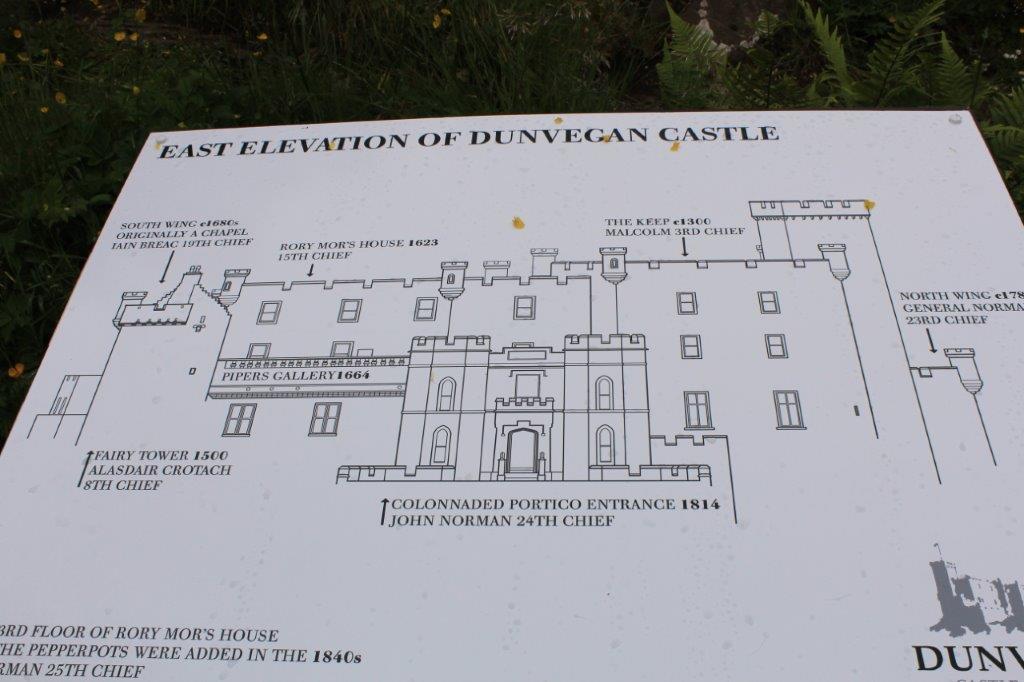
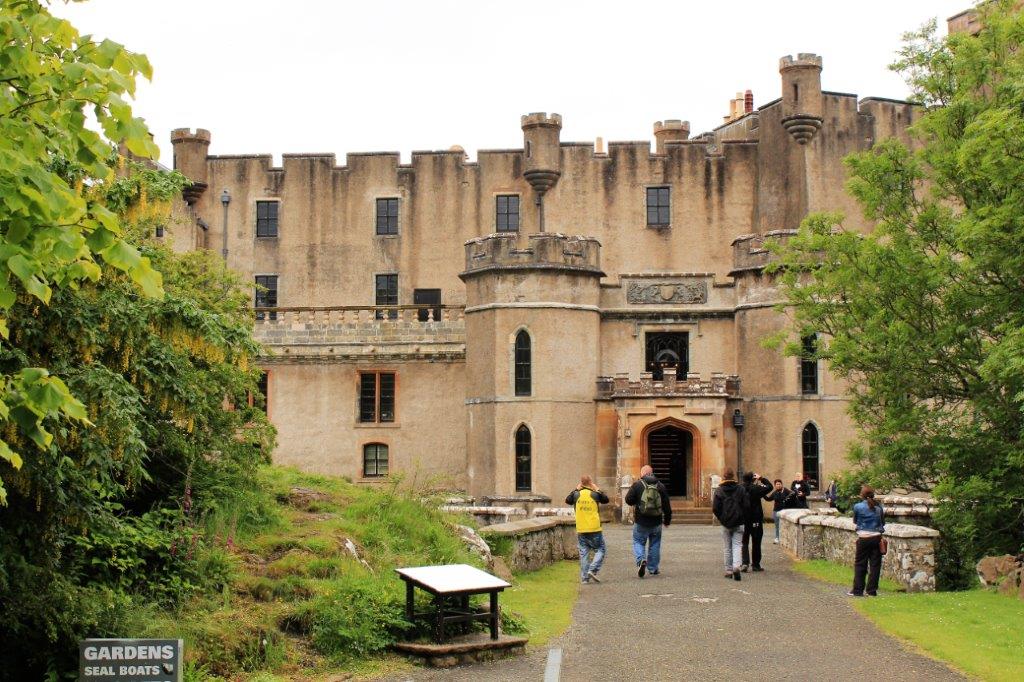
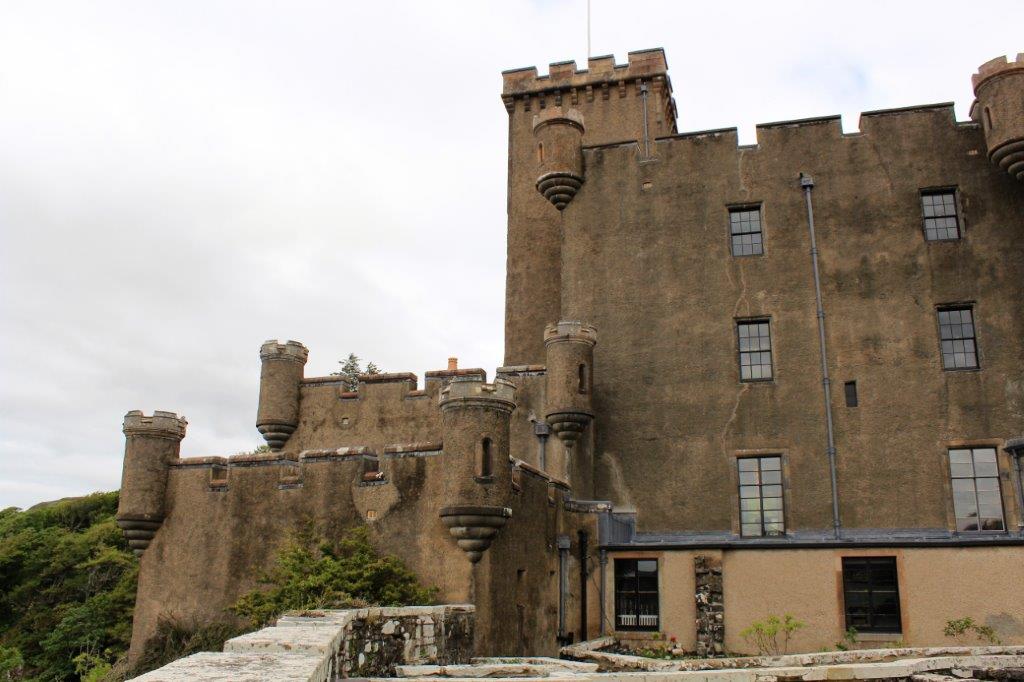
Dunvegan Castle has been home to the Chief of Clan MacLeod for over 800 years. They had an incredible collection of sabers and muskets that were displayed in circular and other patterns on the walls of the halls and rooms.  In the entrance there was a over life-size portrait of one of the early Chiefs of Clan MacLeod.  A man I know at home with the same family name was the spitting image of him.  It was really quite uncanny.  I really wished we had been allowed to take photos inside this castle.  It was really awesome!

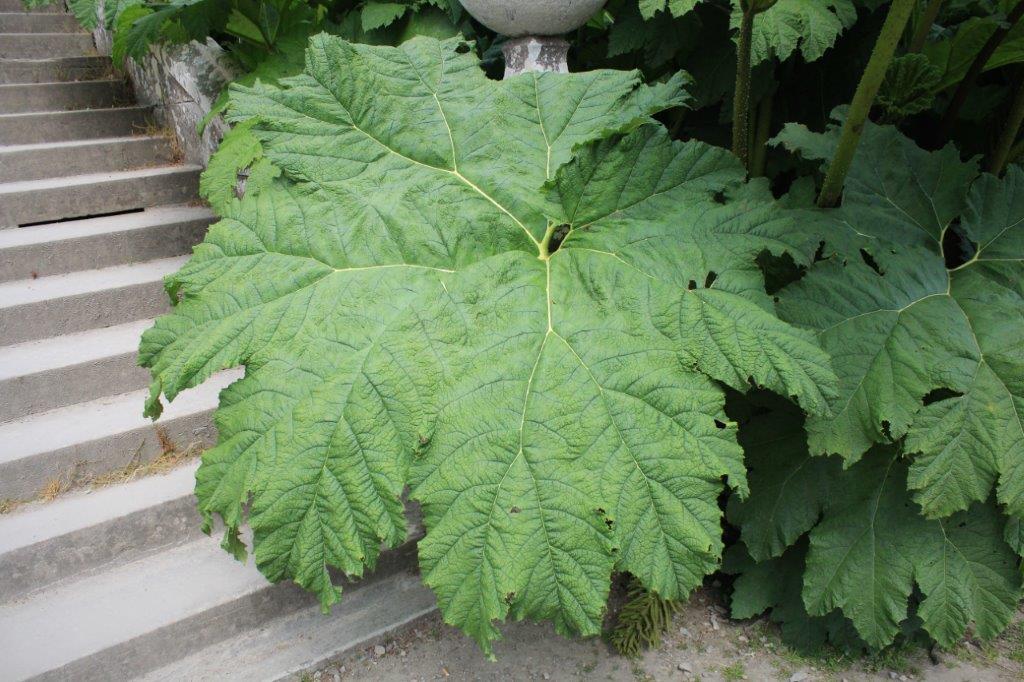
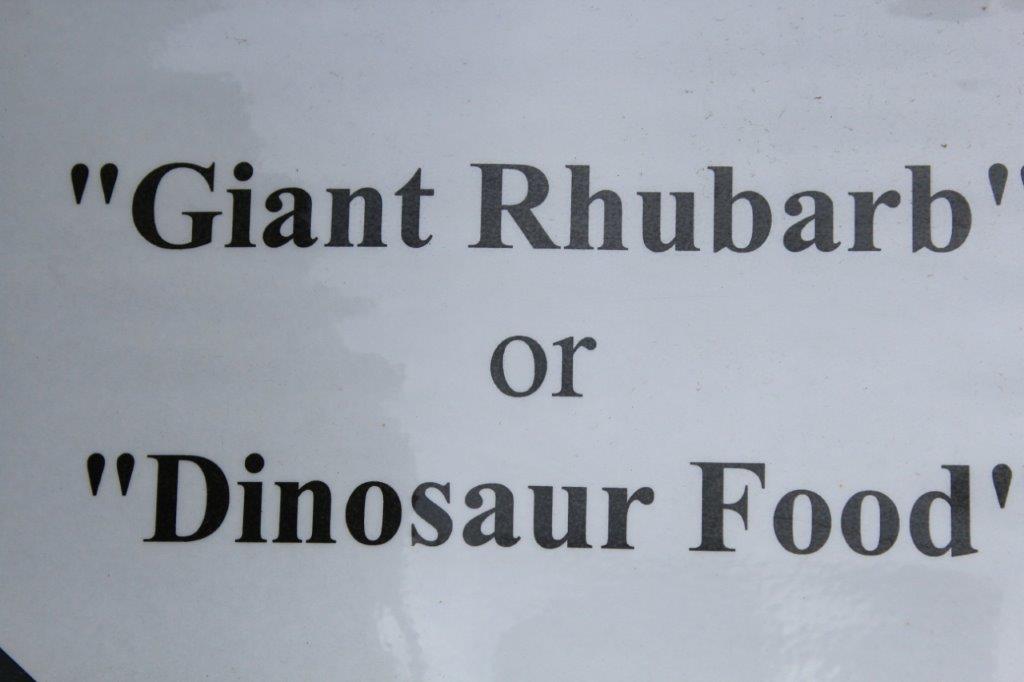
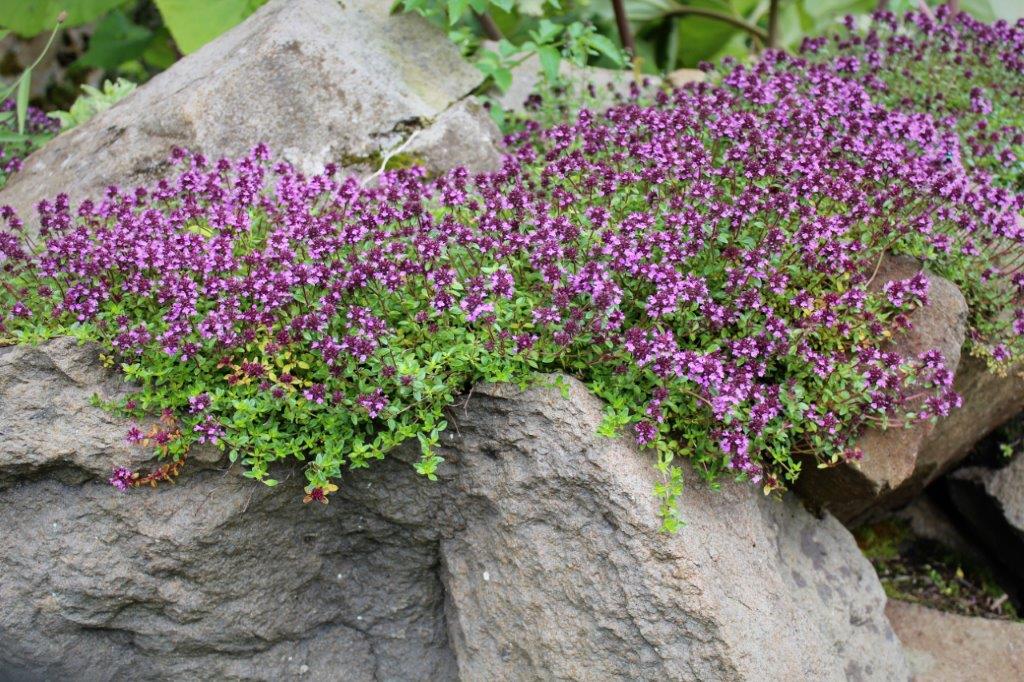
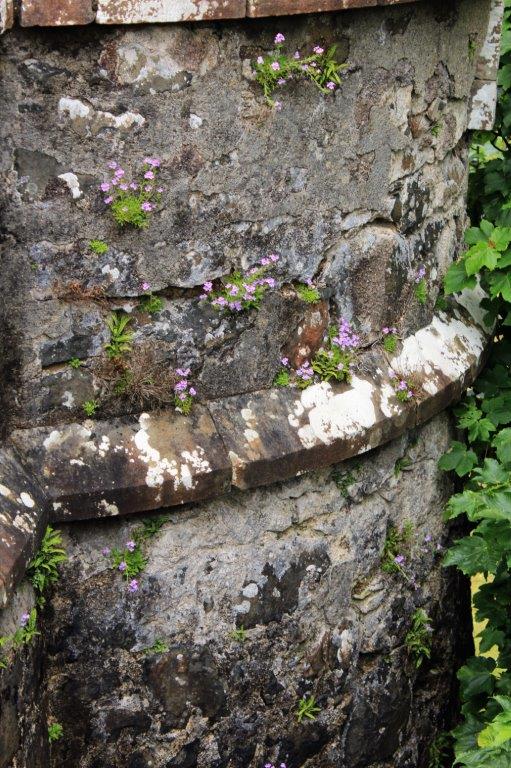
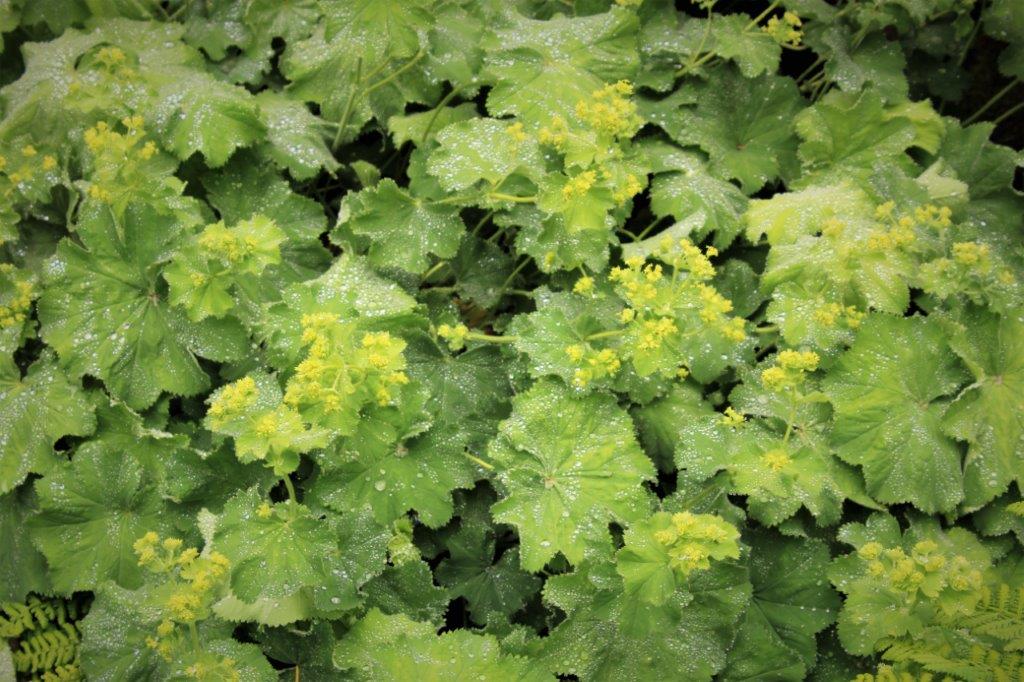
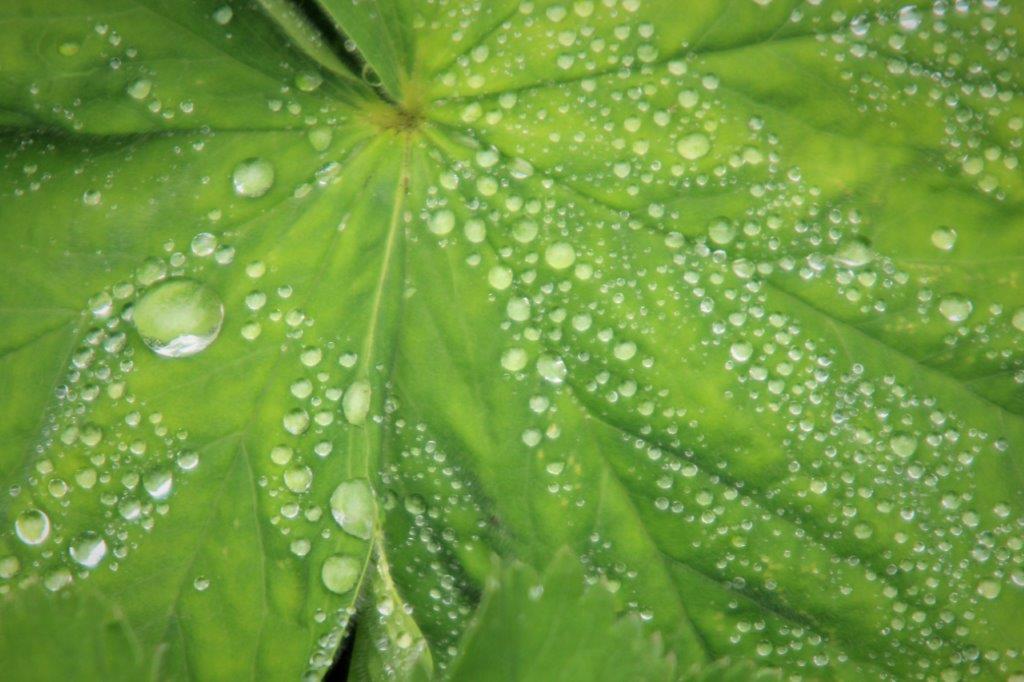
We could stroll the gardens to our hearts content though so I satisfied myself by taking lots of photos of the flowers and plants. The water droplets from the recent rain made really nice patterns on these huge leaves.

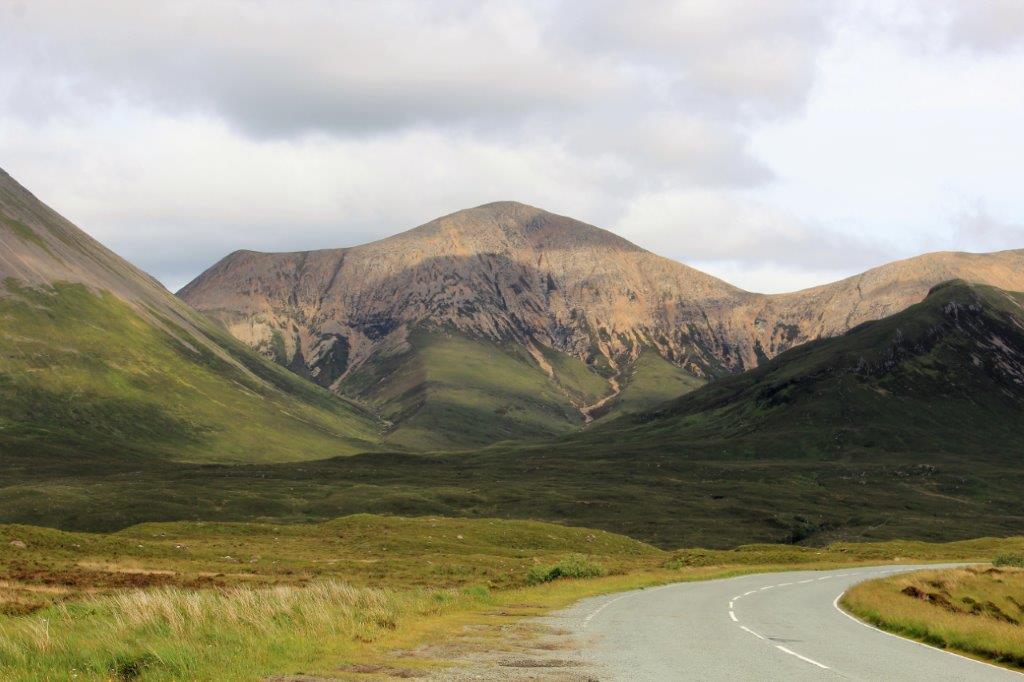
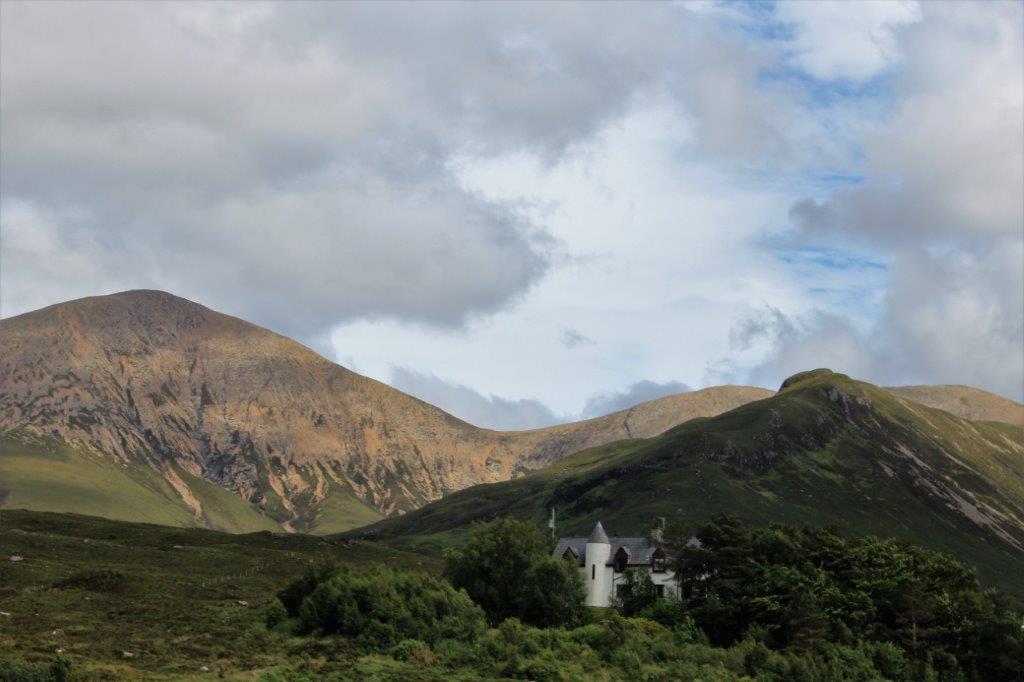
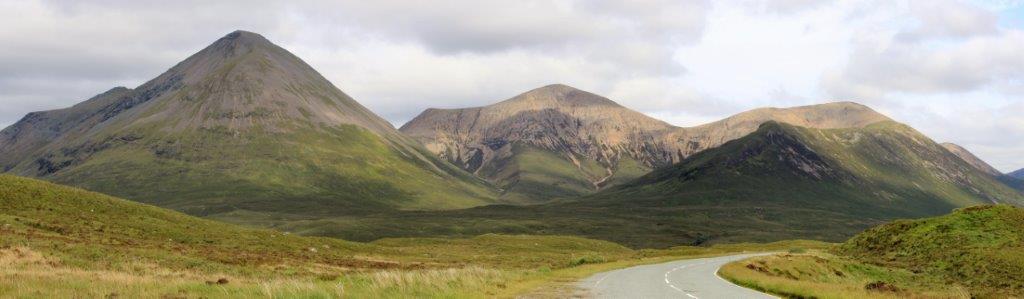
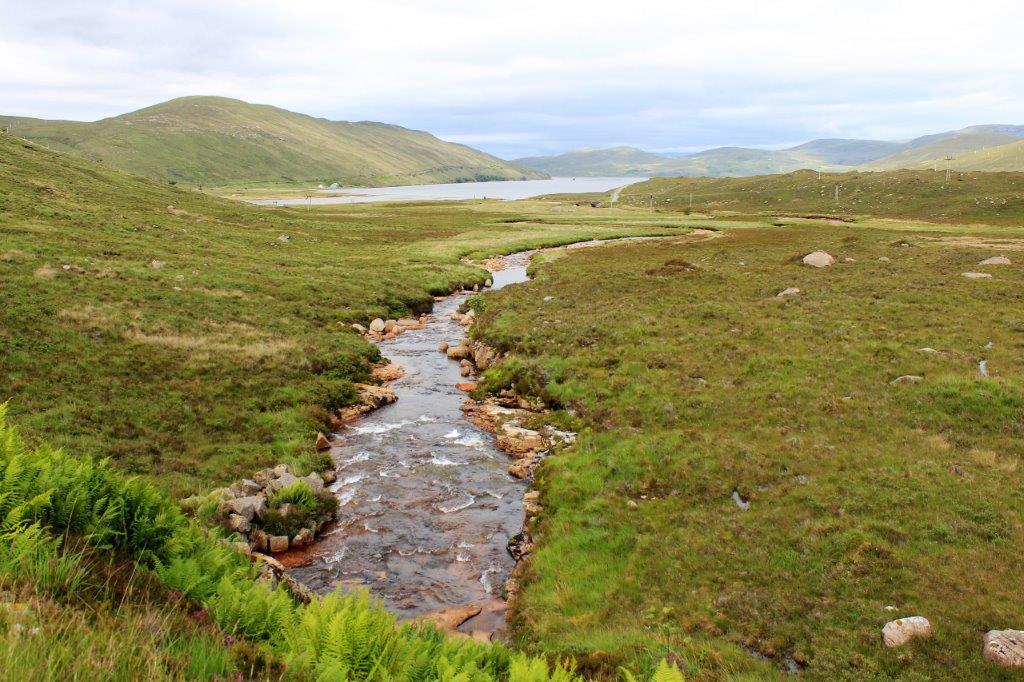
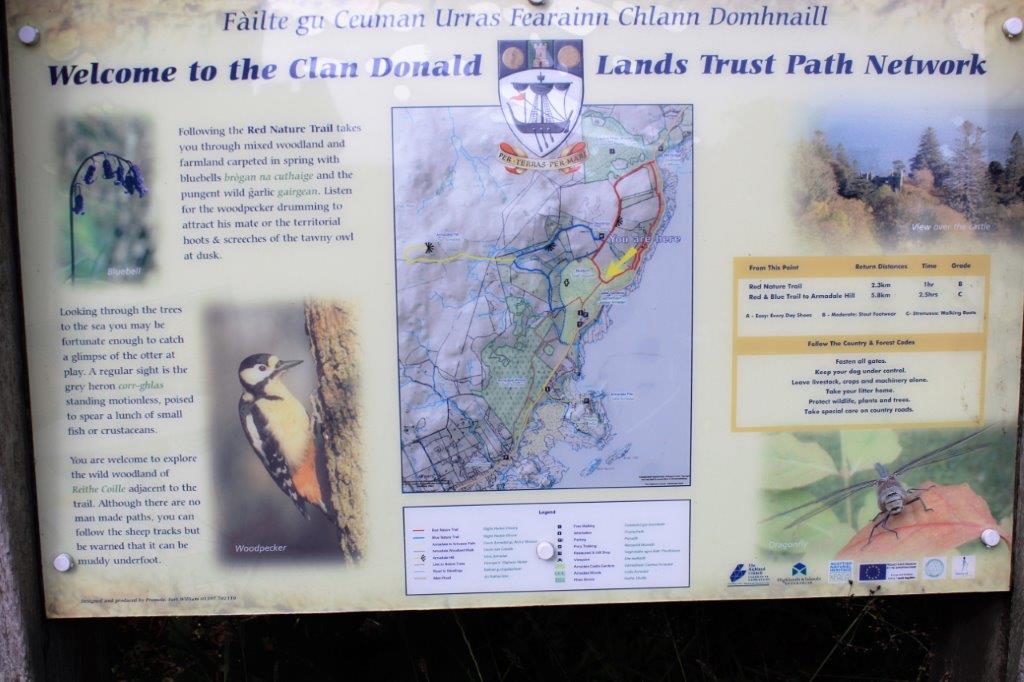
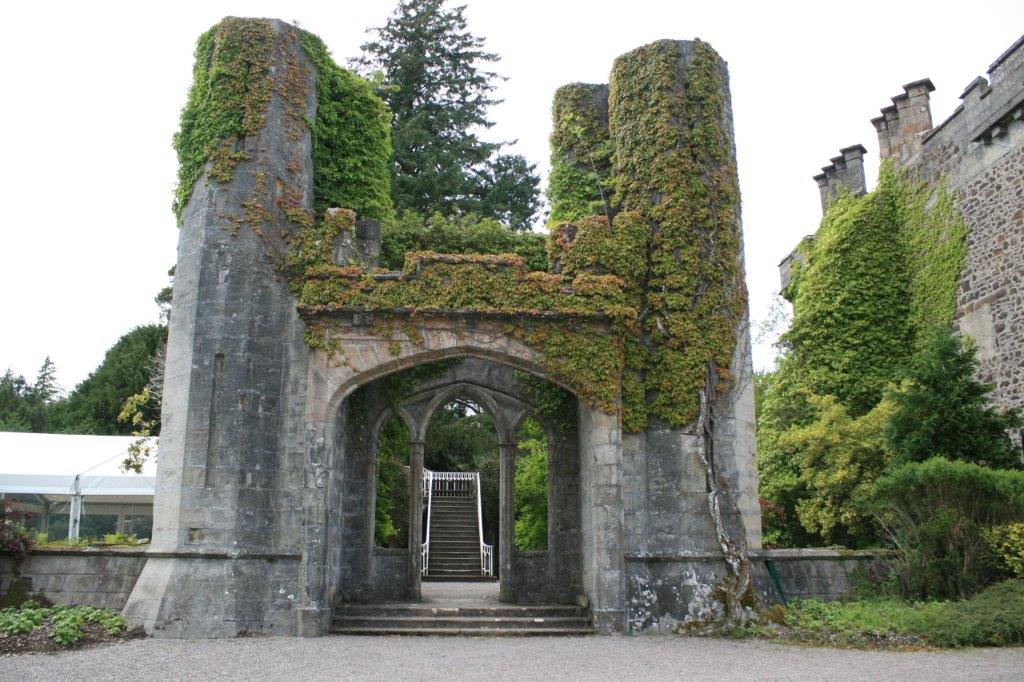
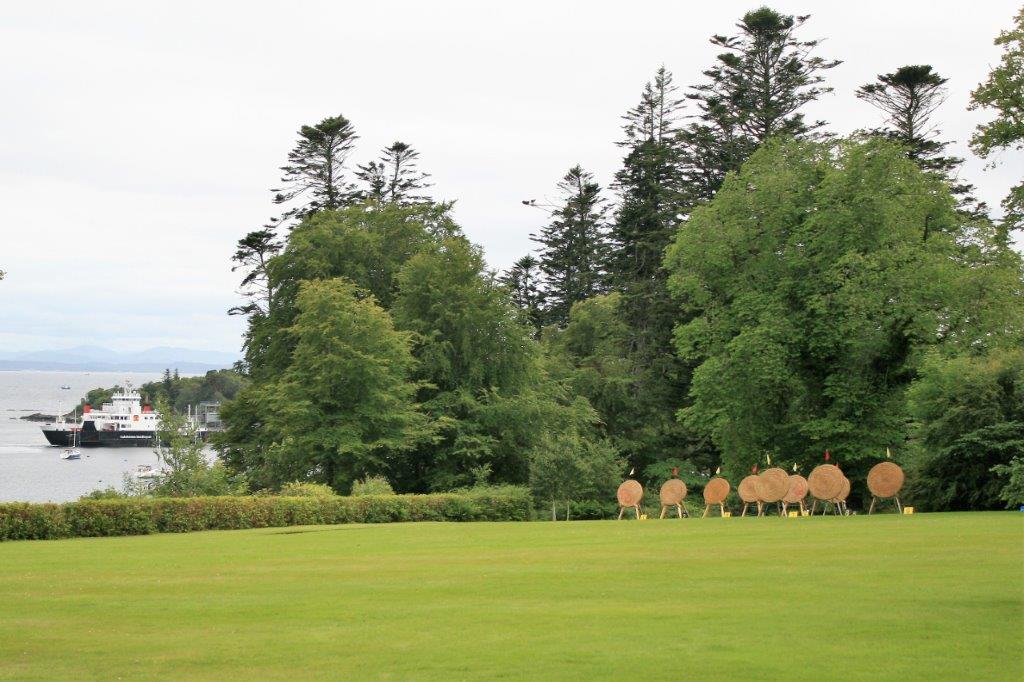
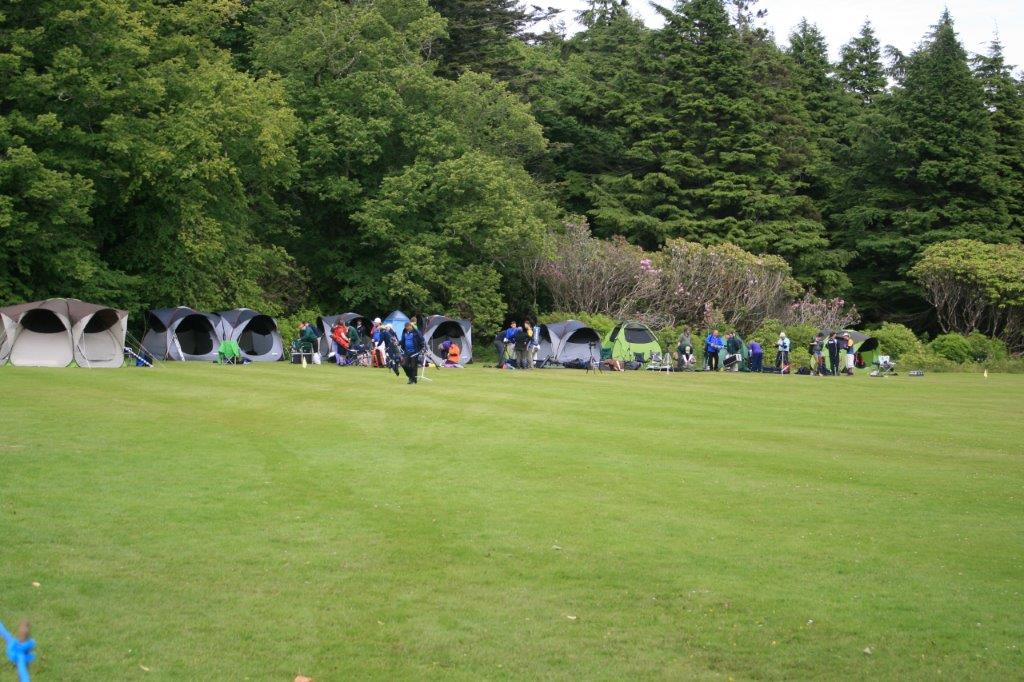
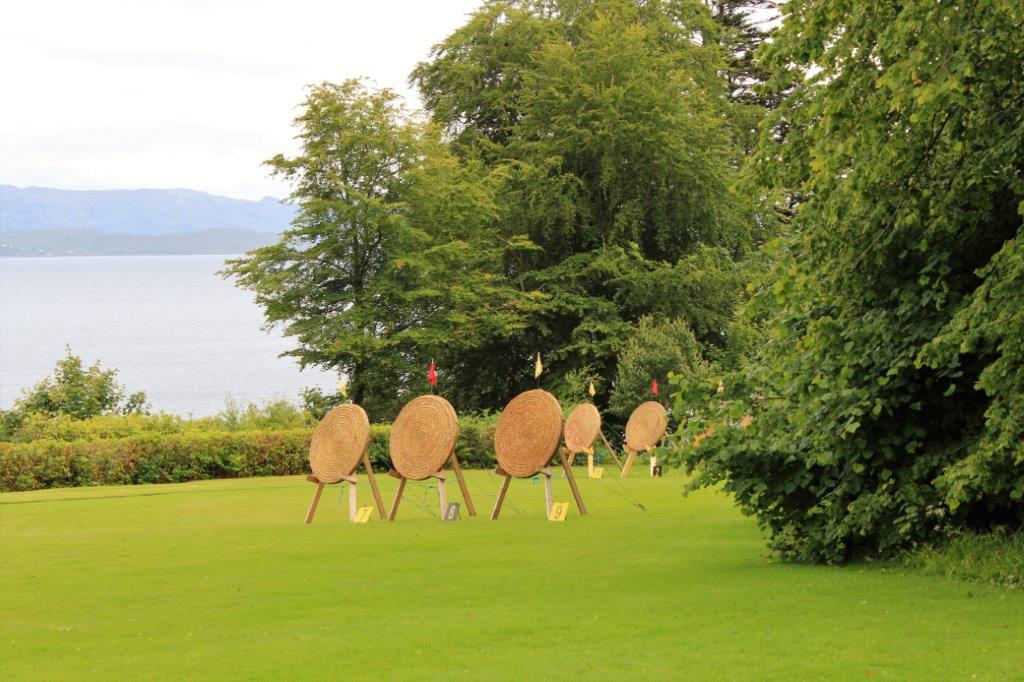
We left Dunvegan several hours later and drove along the southern coast road past the Cullin Hills.  It was nice to have a brighter sky on this side. We drove nearly to the end of the Sleat Peninsula and Armadale Castle, seat of Clan Donald.  This castle was not being lived in and need a lot of restoration work. The grounds and gardens were very nice and an archery tournament was taking place the day we visited. We arrived at the King’s Arms Hotel at Kyleakin, Isle of Skye at 6 pm.  Kyleakin is right next to the bridge back to the mainland.  The next day we continued northward to Ullapool, ferry port for the Isle of Lewis.

2013 Summer (Baltic and Britain – Scotland – July 3 – Day 10 – Part 1)

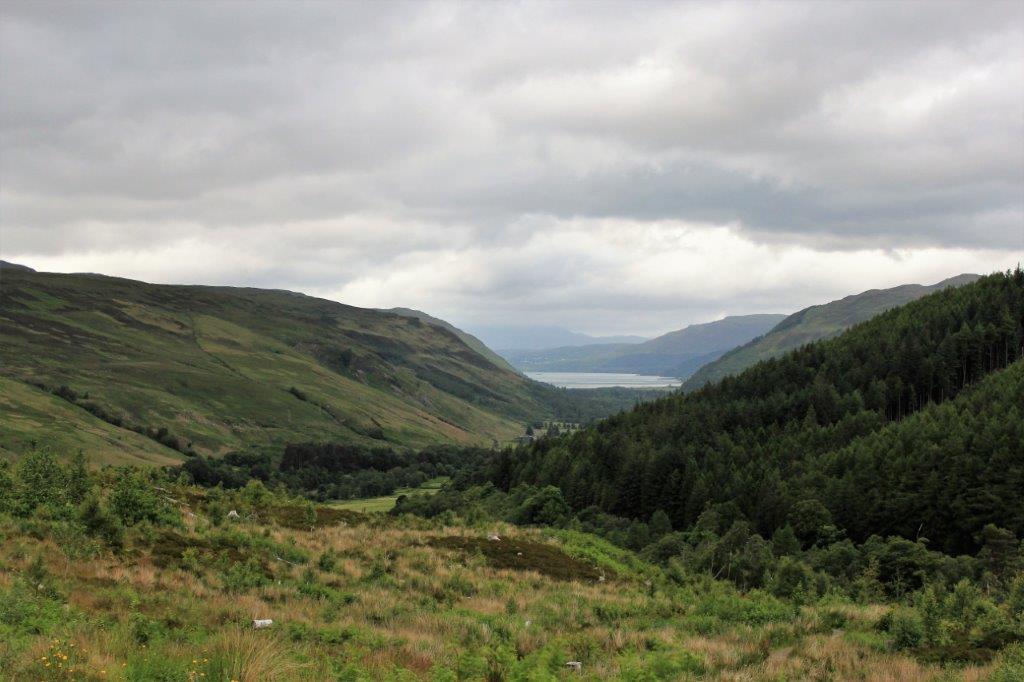
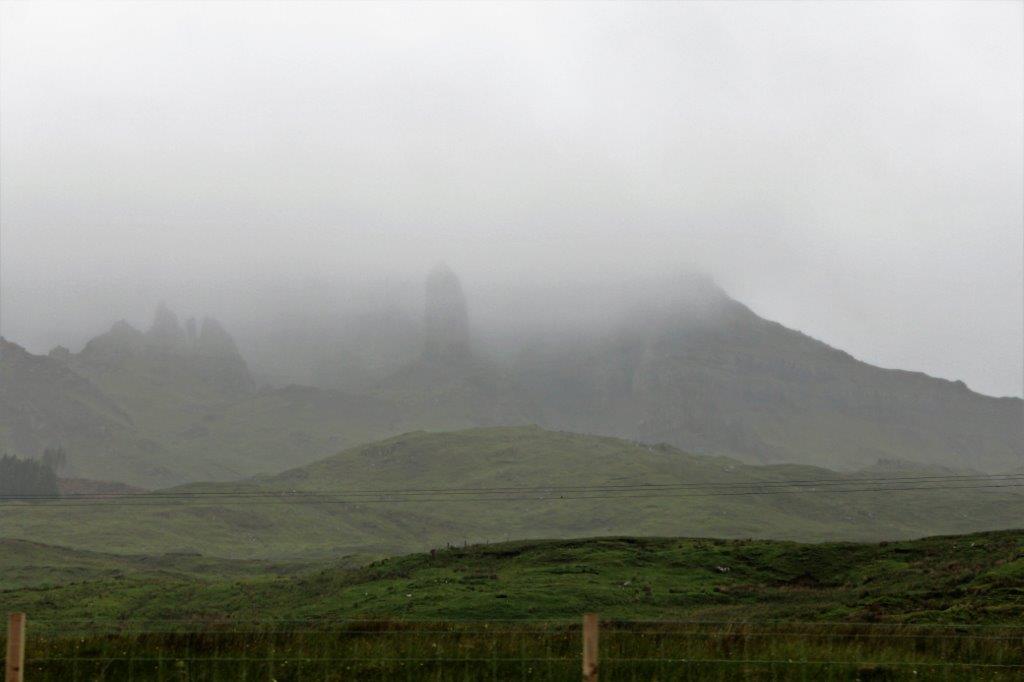
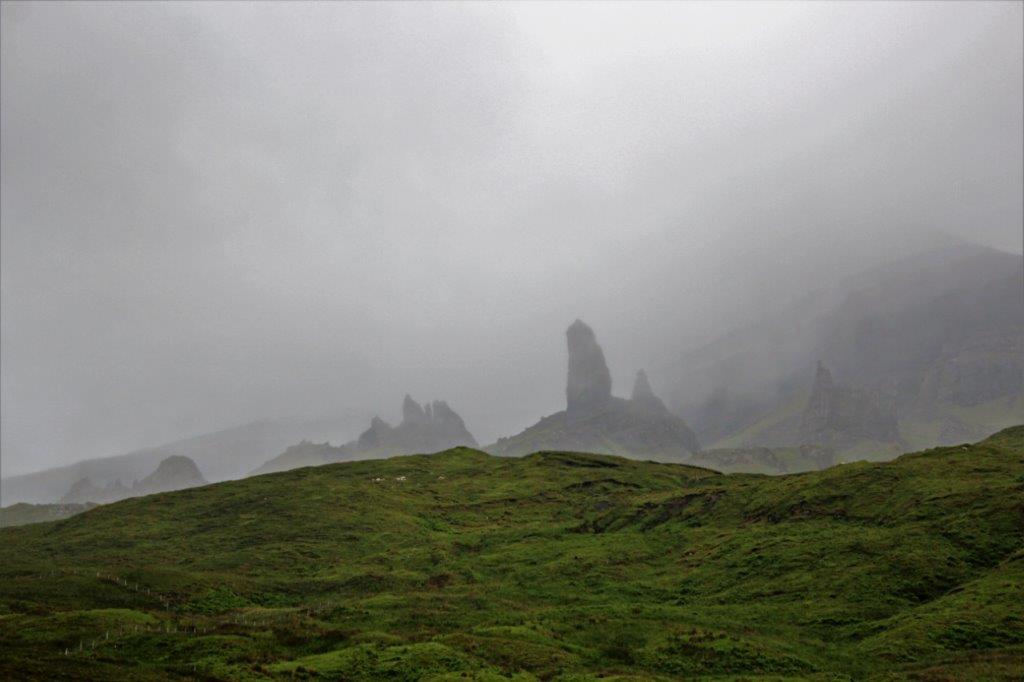
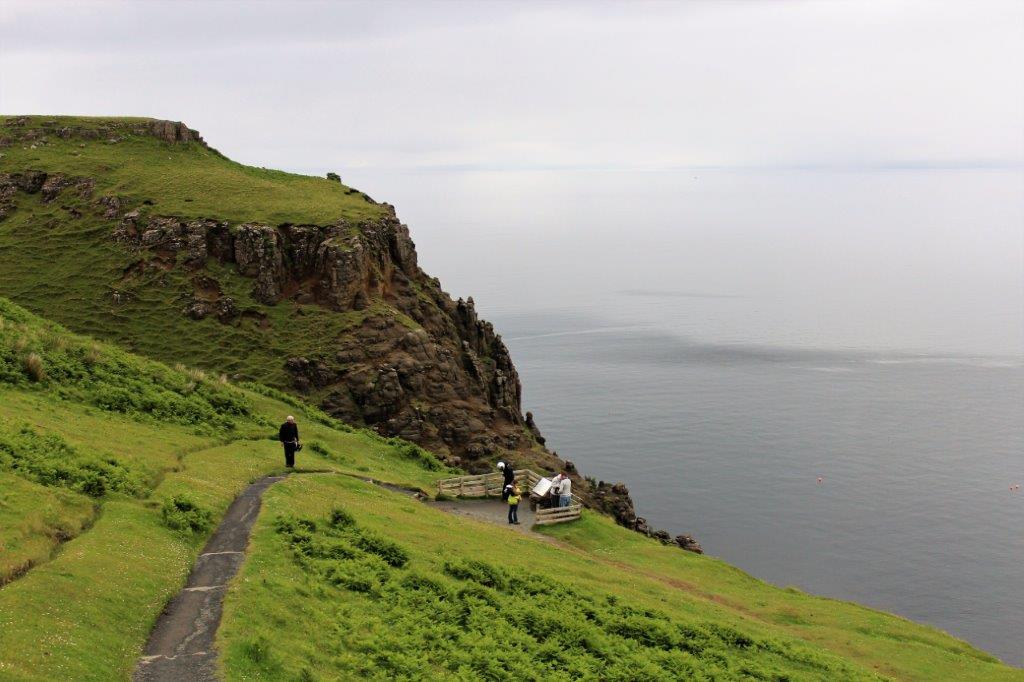
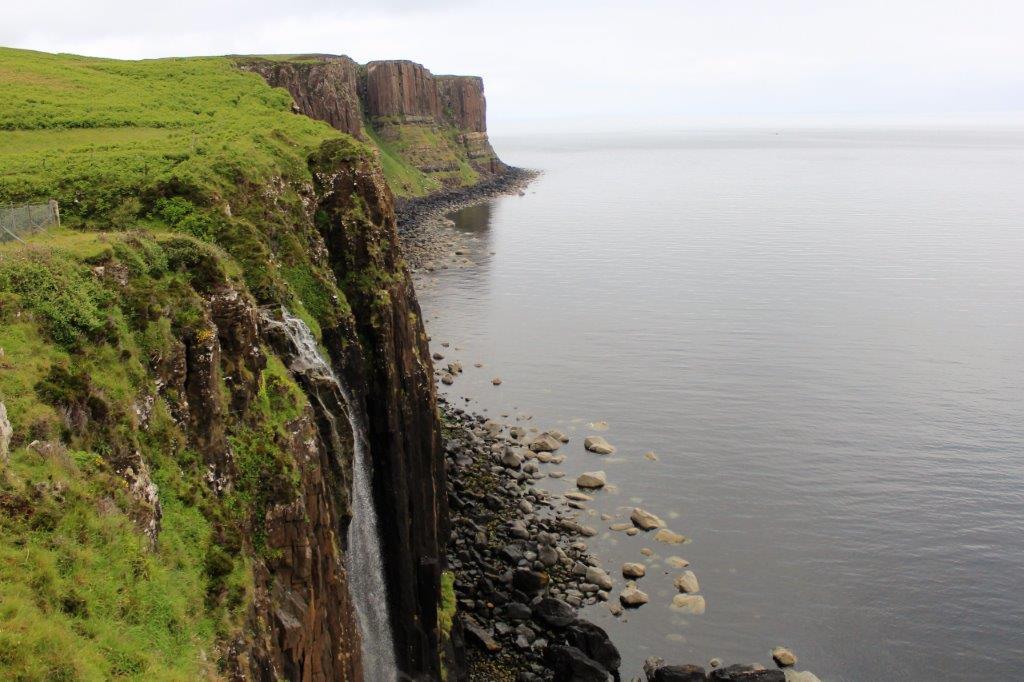
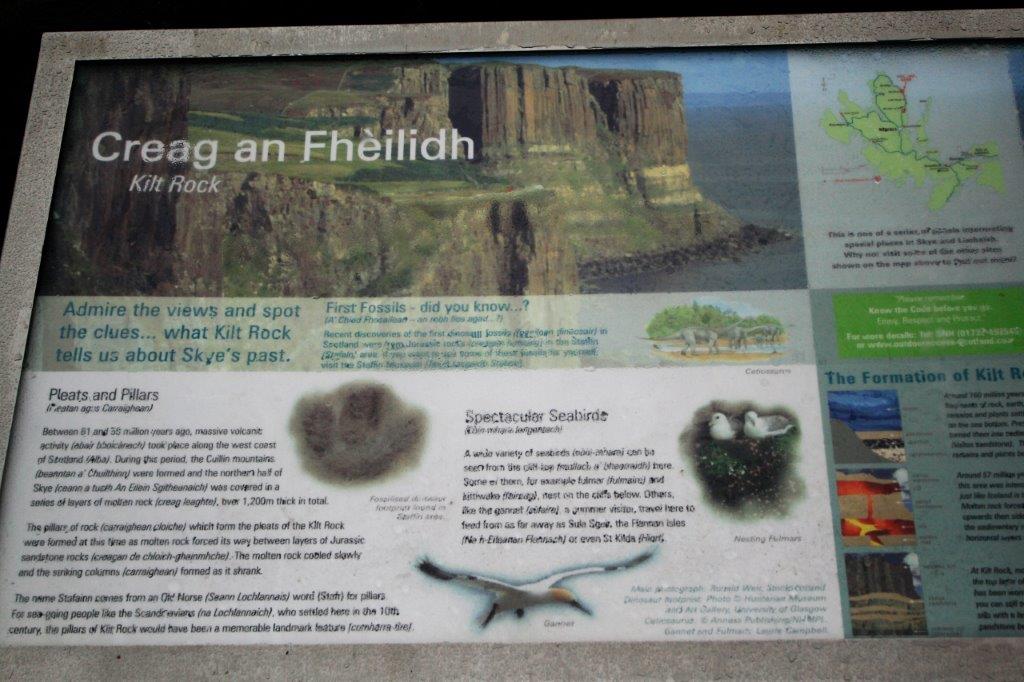
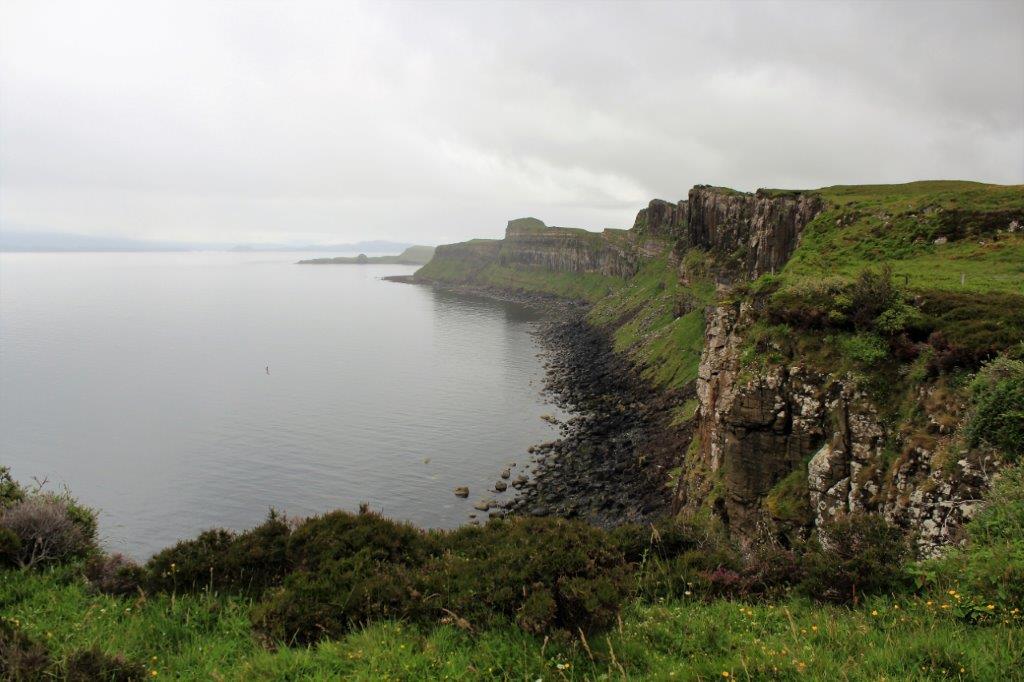
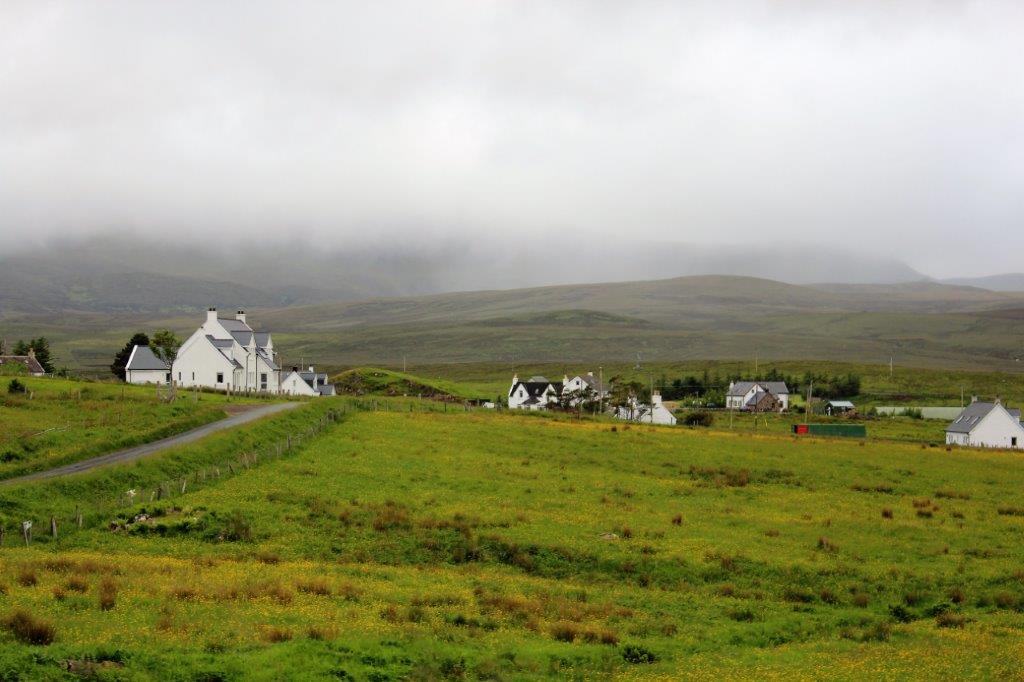
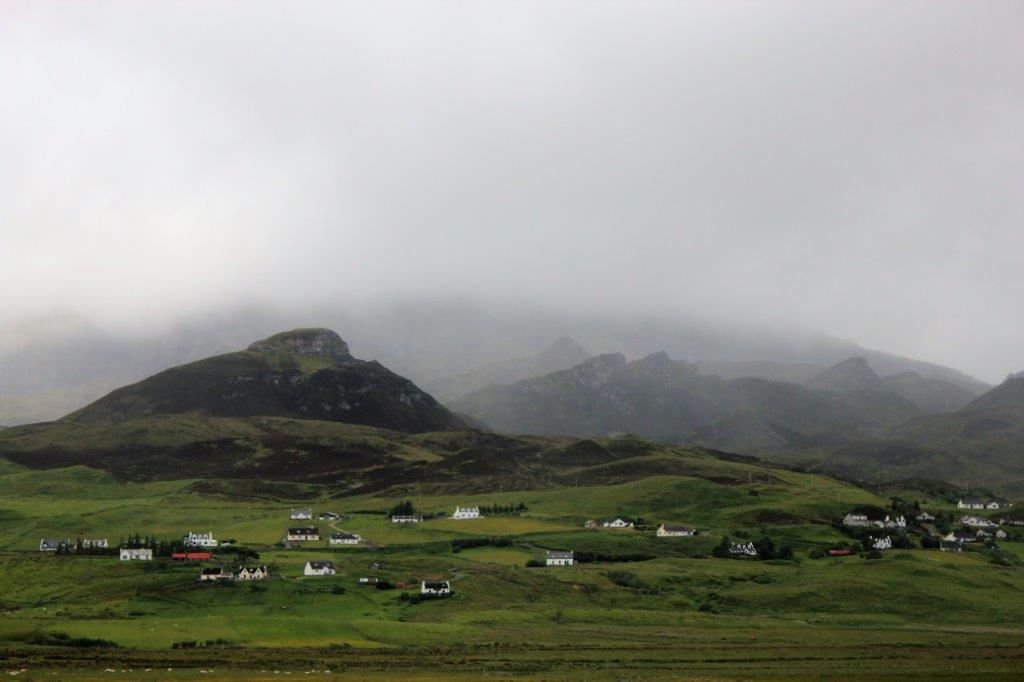
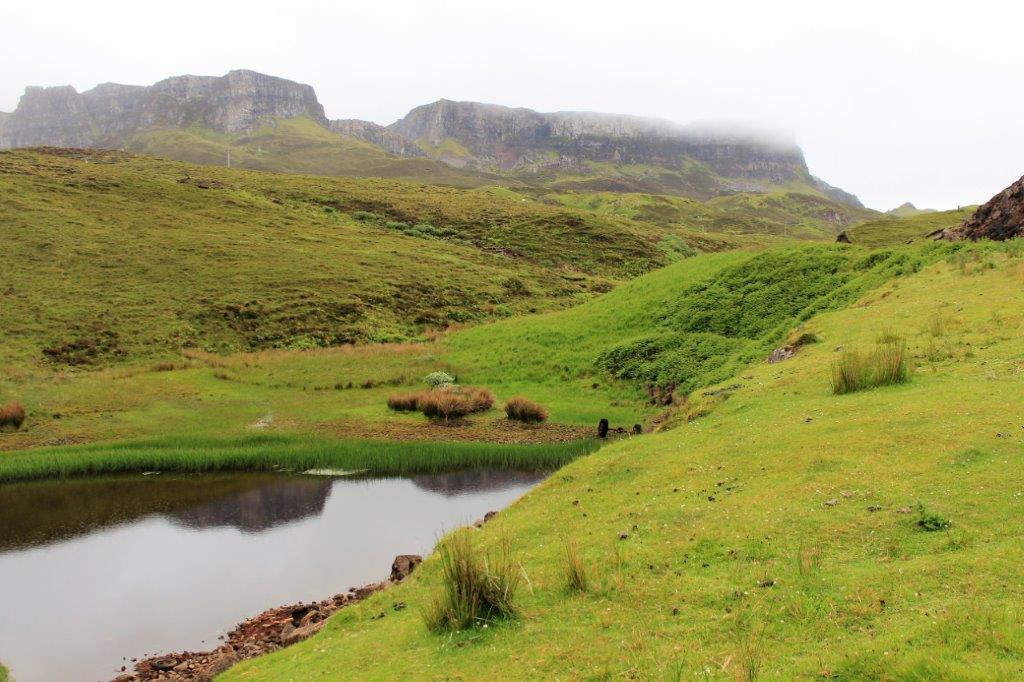
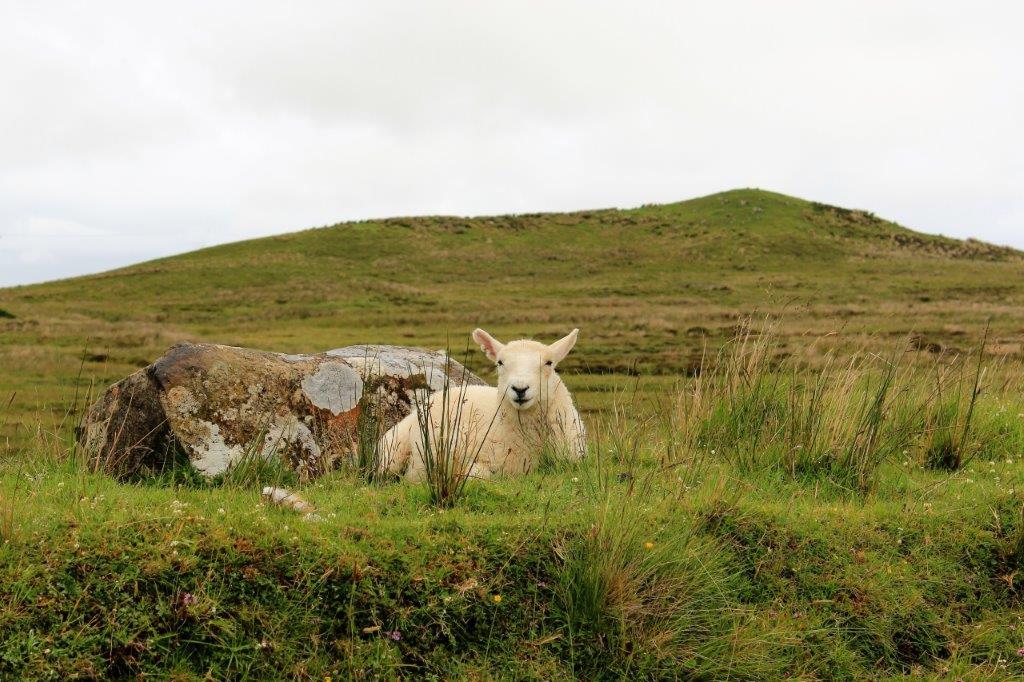
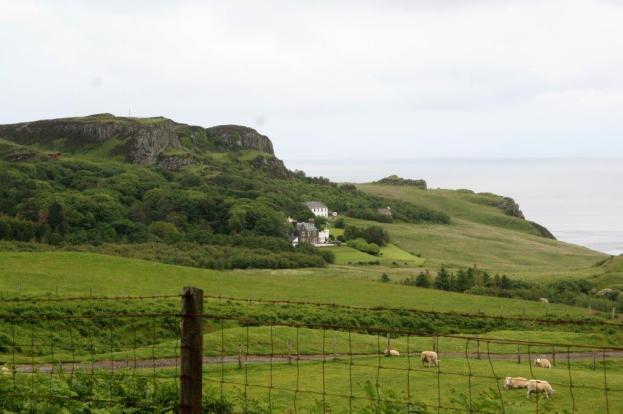
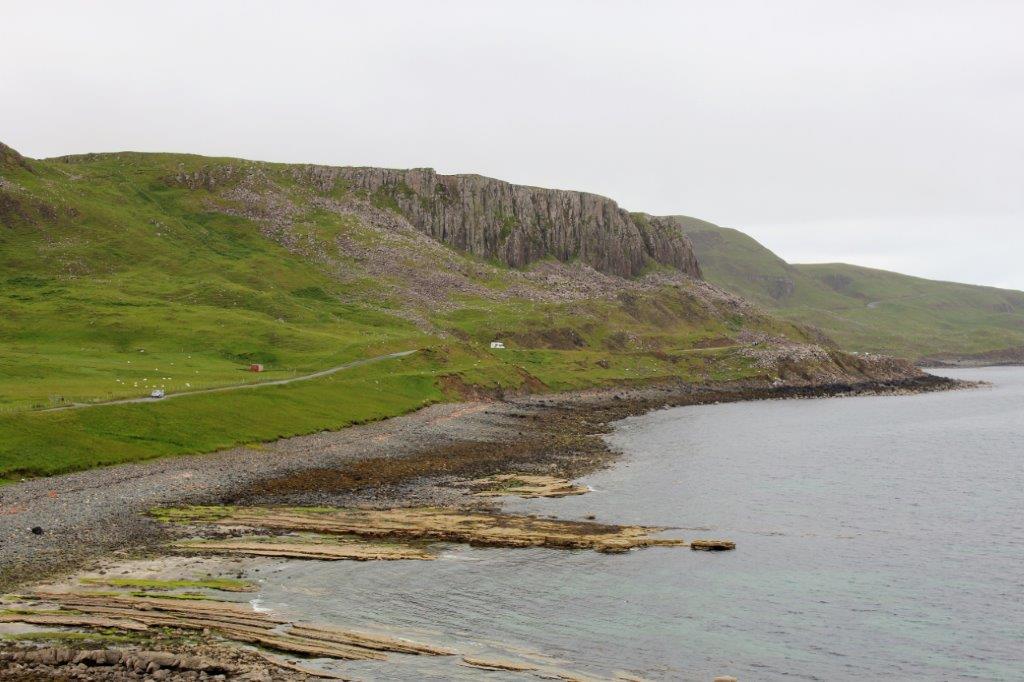
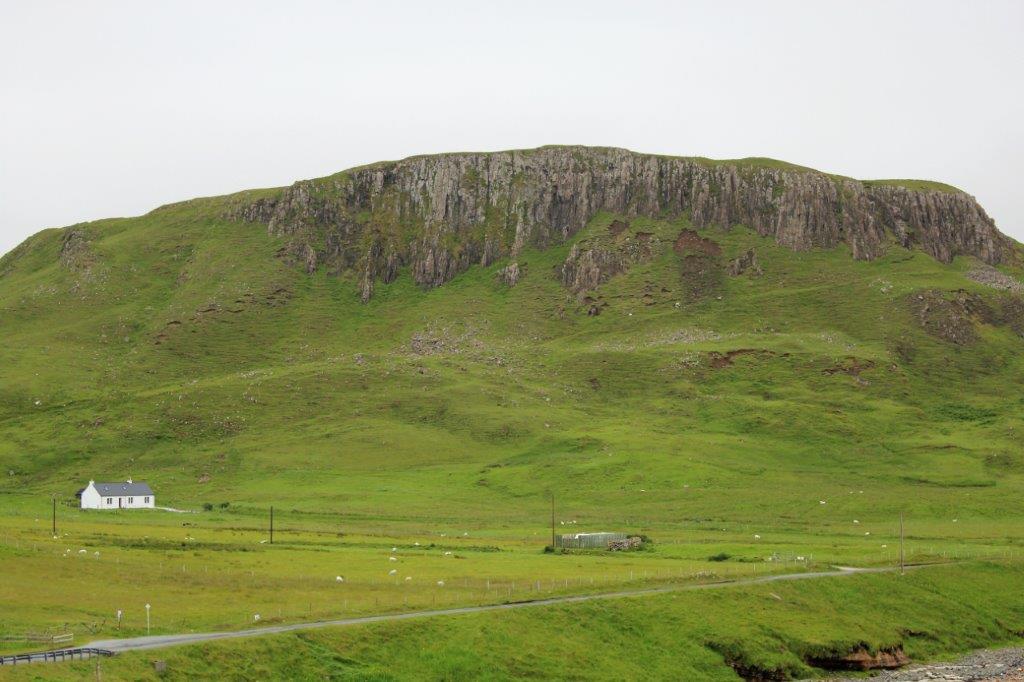
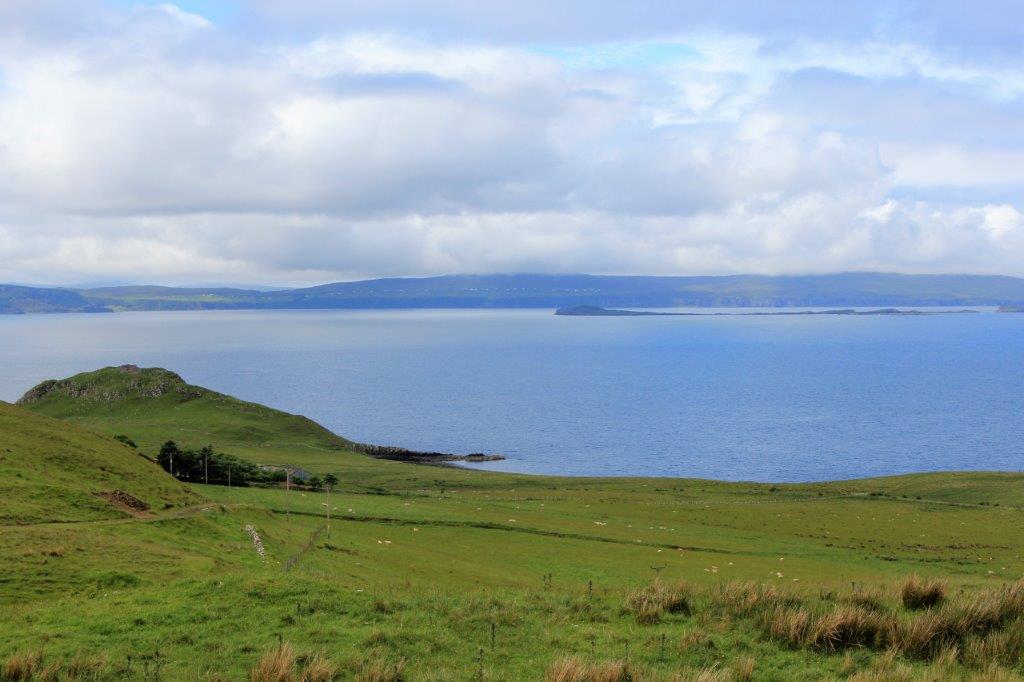
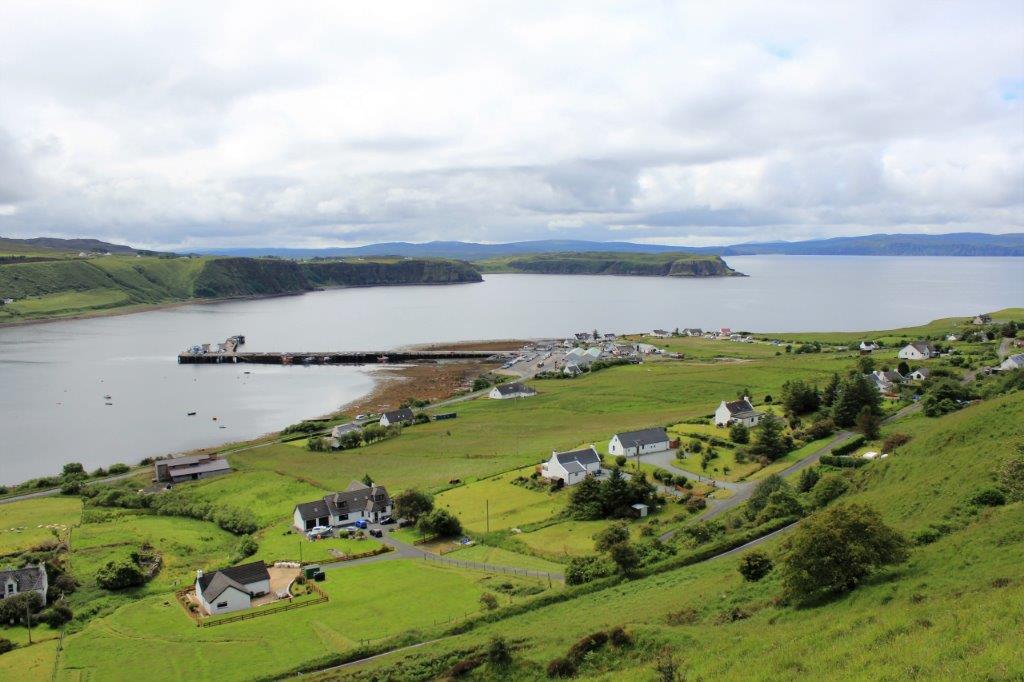
The Isle of Skye sits very close to the coast of western Scotland and  is reached via a short bridge.  We had spent the night in Portree, the main town on the island and spent the day driving the main road all the way around .  As we drove up the northern coast the sky was heavily overcast and foggy; almost completely obscuring the craggy mountains and the Old Man of Stor.                                            Kilt Rock and Mealt Falls.  There were always lots of fuzzy friends wandering the hills and roads.

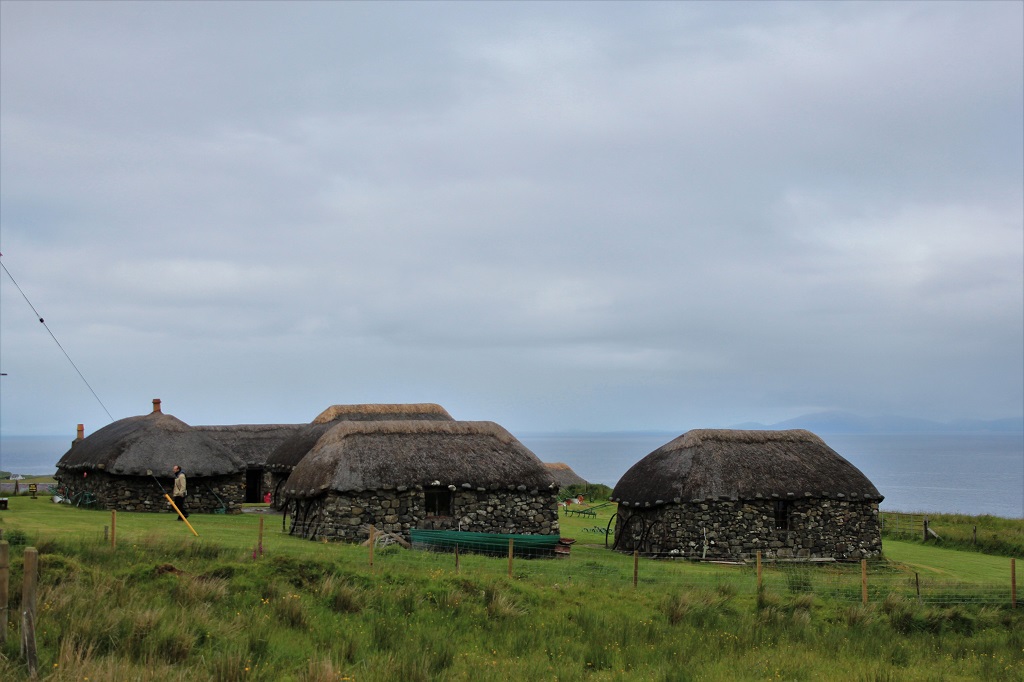
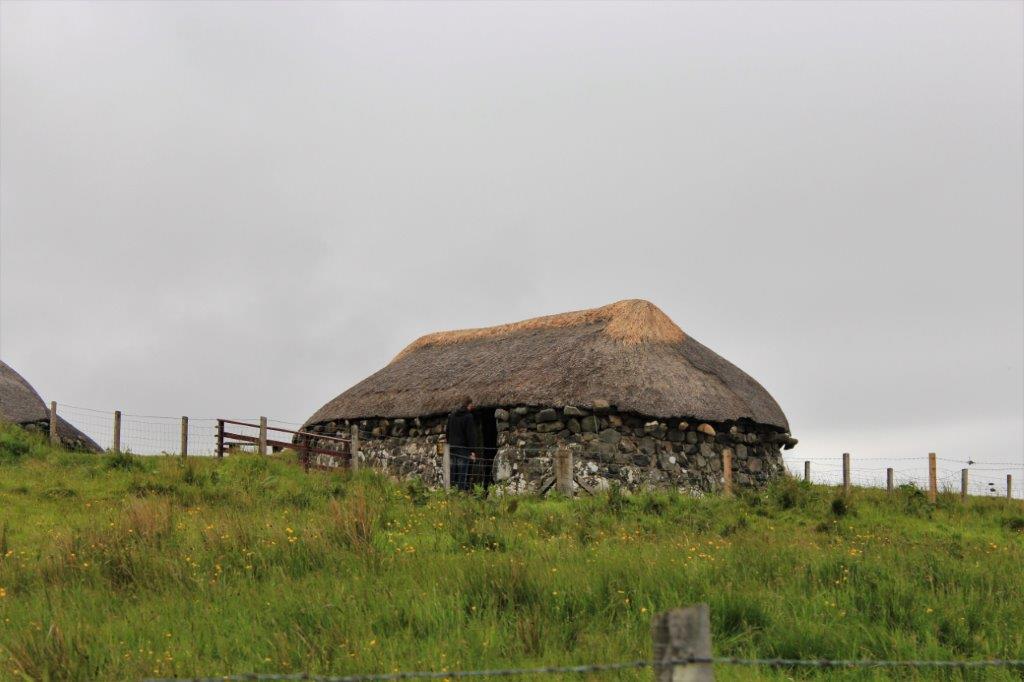
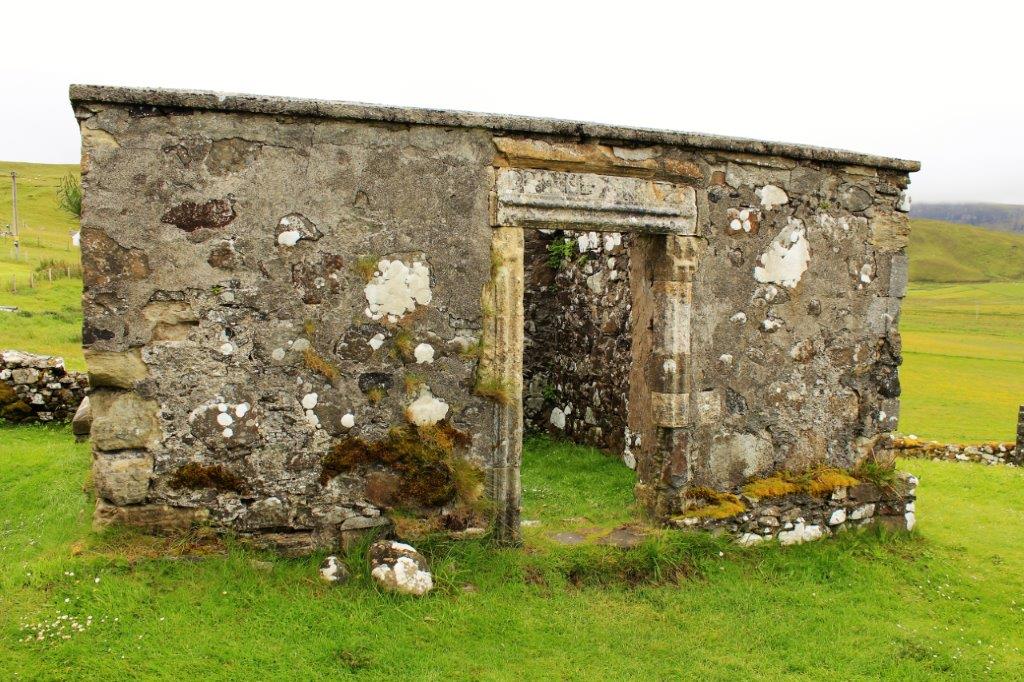
 Just around the northerly tip of Skye is the Cottage Museum.

The gorse was in bloom.  You do not want to fall into a bush of this!

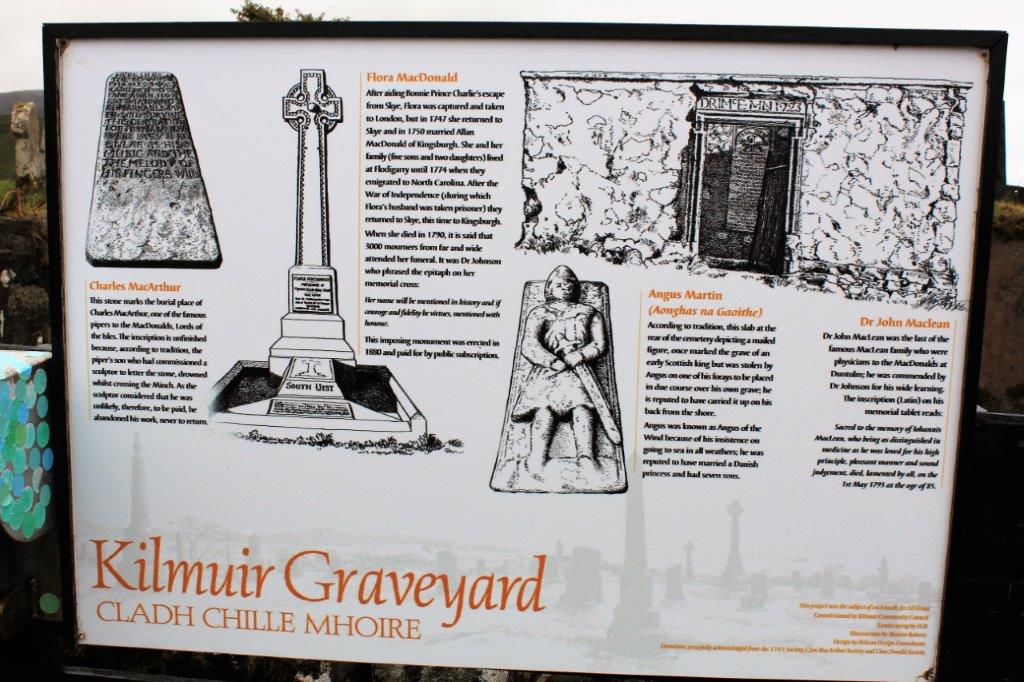
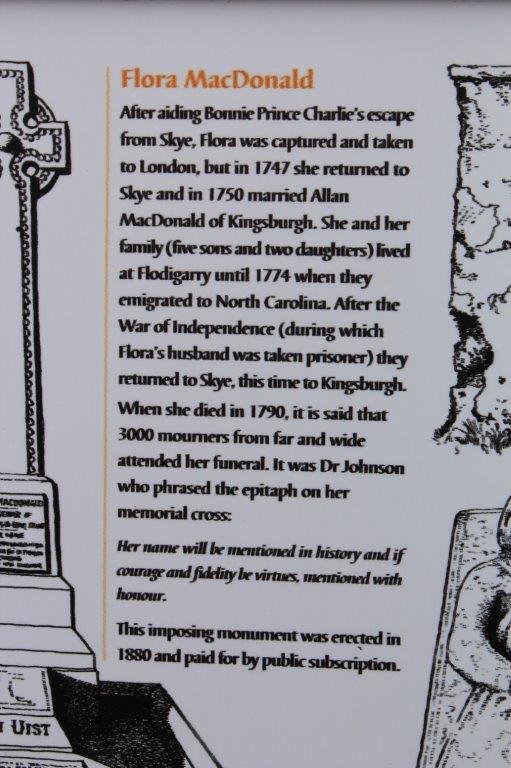
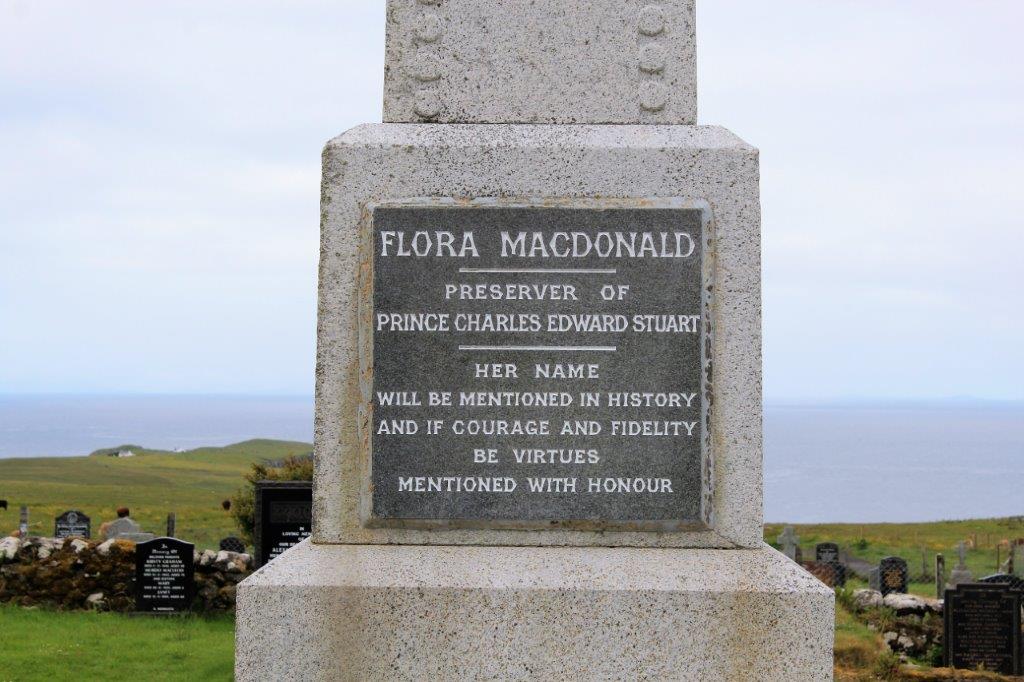
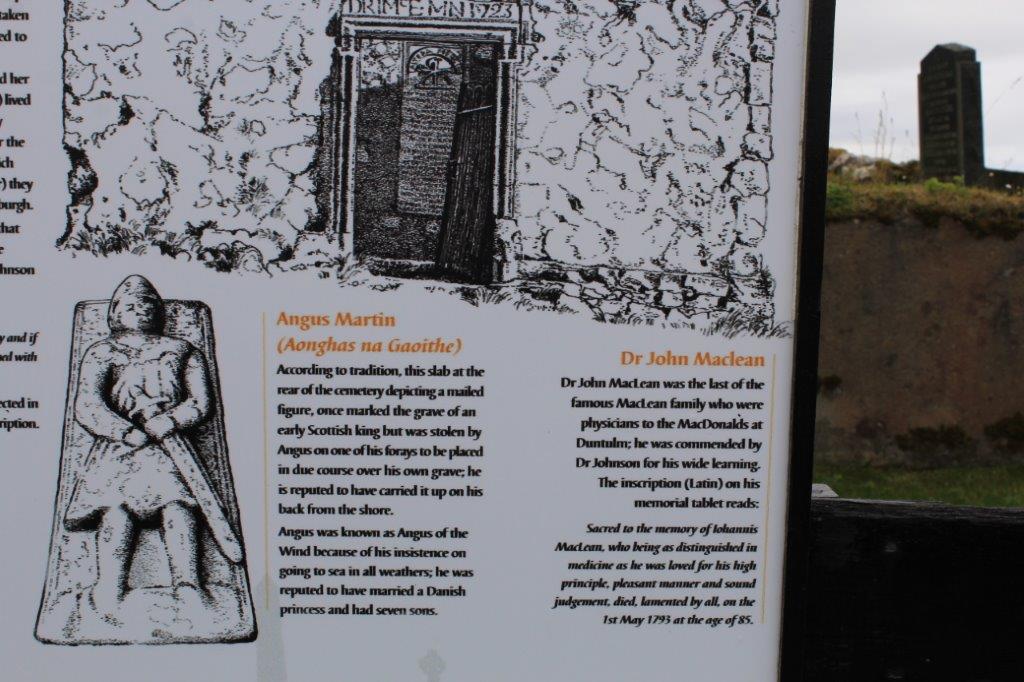
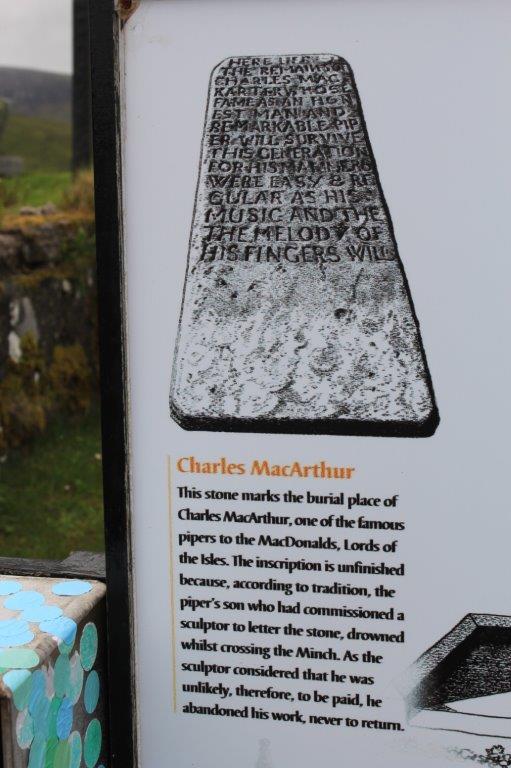
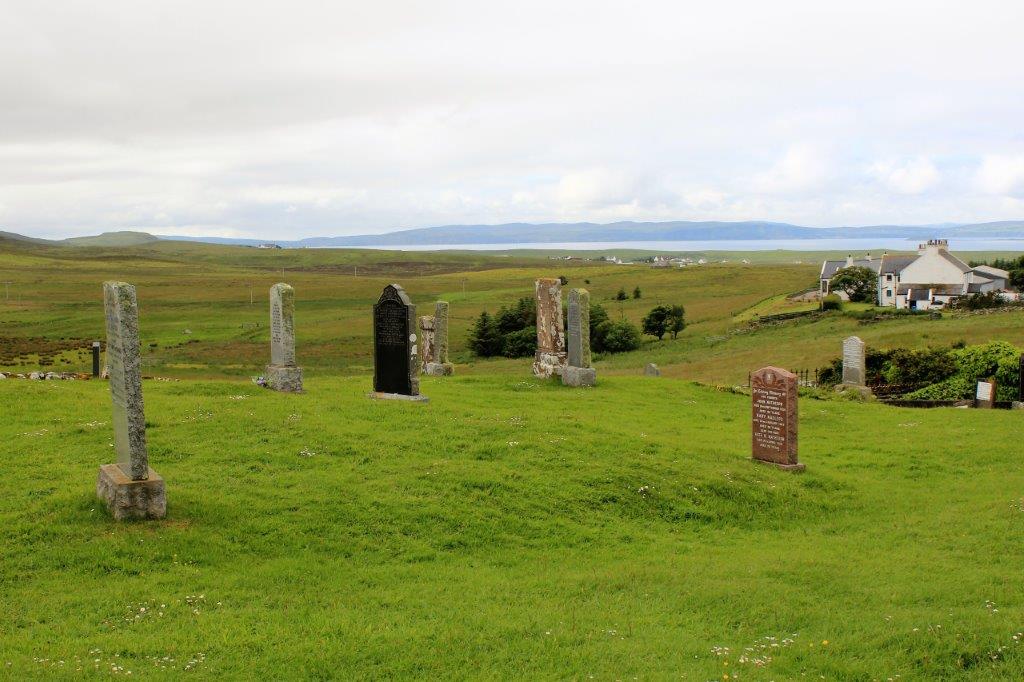
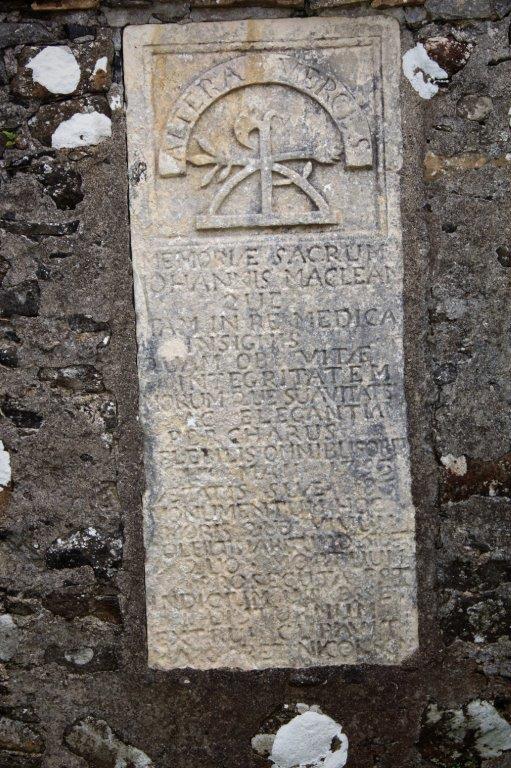
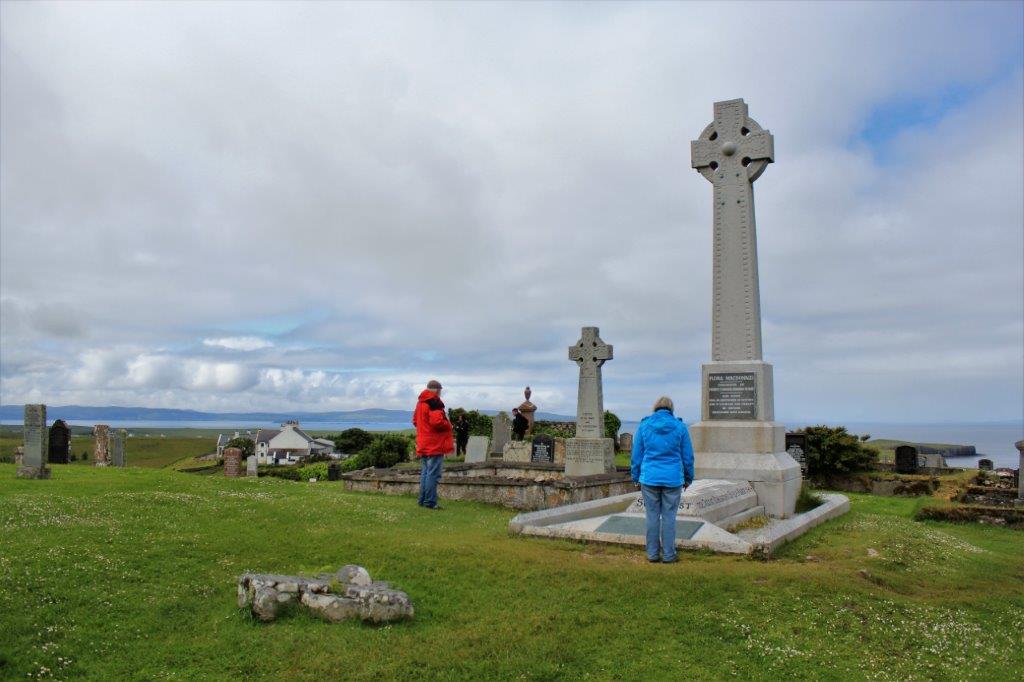
A short distance down the road from the Cottage Museum is Kilmuir Cemetery, burial site of Flora McDonald, the woman that disguised Bonnie Prince Charlie as a woman and rowed him to safety after the defeat of the Jacobites at the Battle of Culloden in 1746. Our next stop was the Dunvegan Castle, the seat of the MacLeod of MacLeod, Chief of Clan MacLeod.