Category Archives: Hanna Travels

2017 Aug 20 – Hot Springs, AR to Minden, LA

Today was pretty much a driving day.  There were two things I wanted to see near Camden, AR but one was closed and the other we couldn’t find.  So….there is nothing very interesting to report.

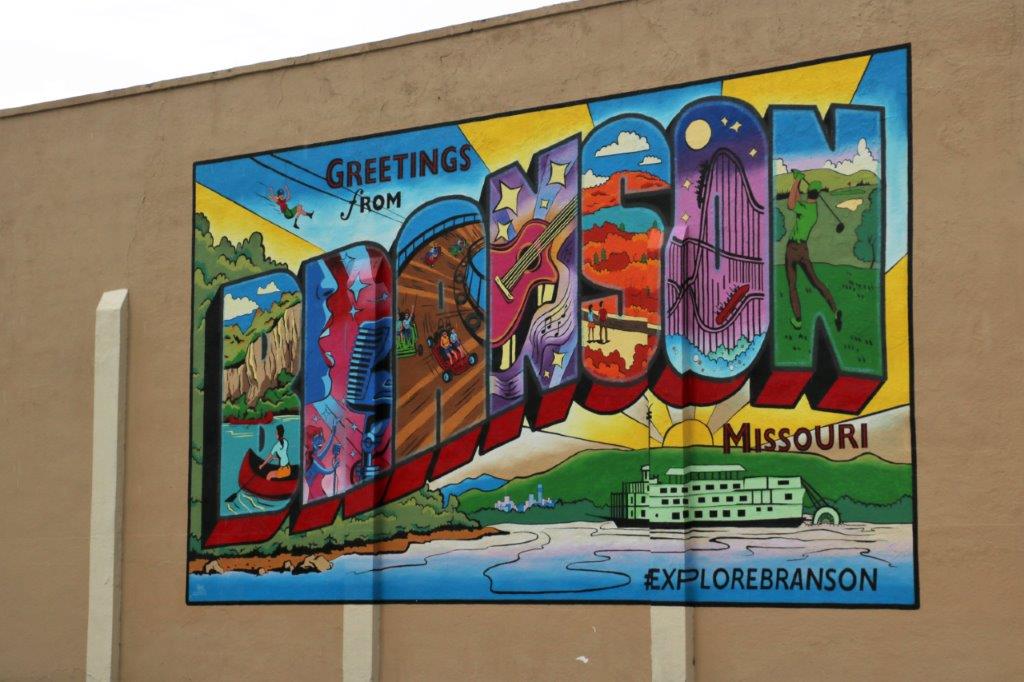
We left Hot Springs, Arkansas at 10 am and continued southward.  In the two days since we left Branson, Missouri we have driven almost straight down the middle of the western half of Arkansas.

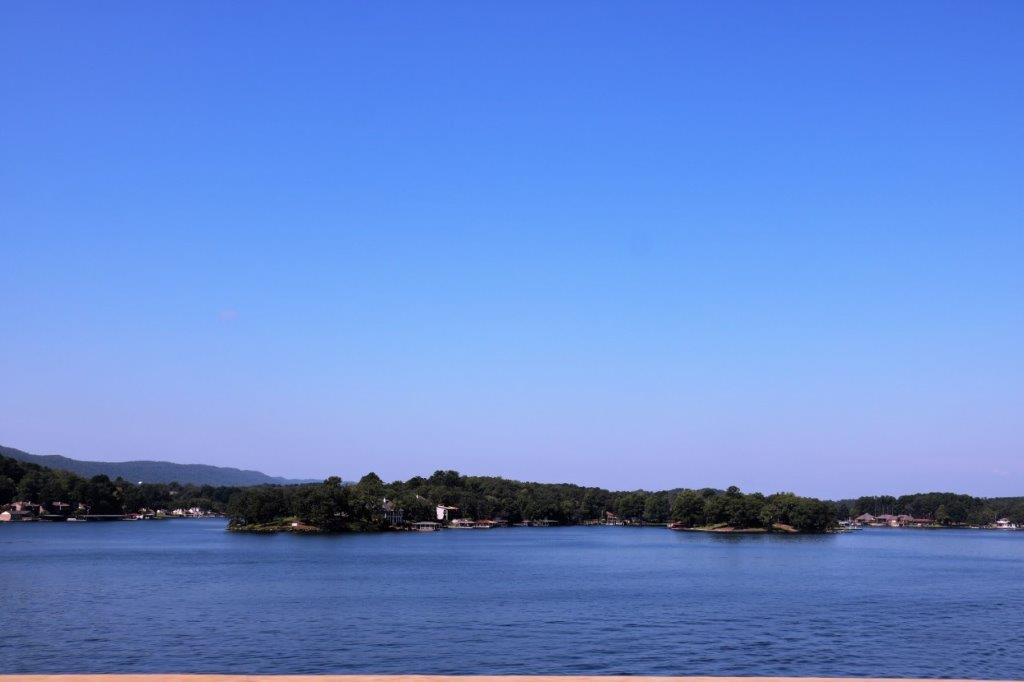
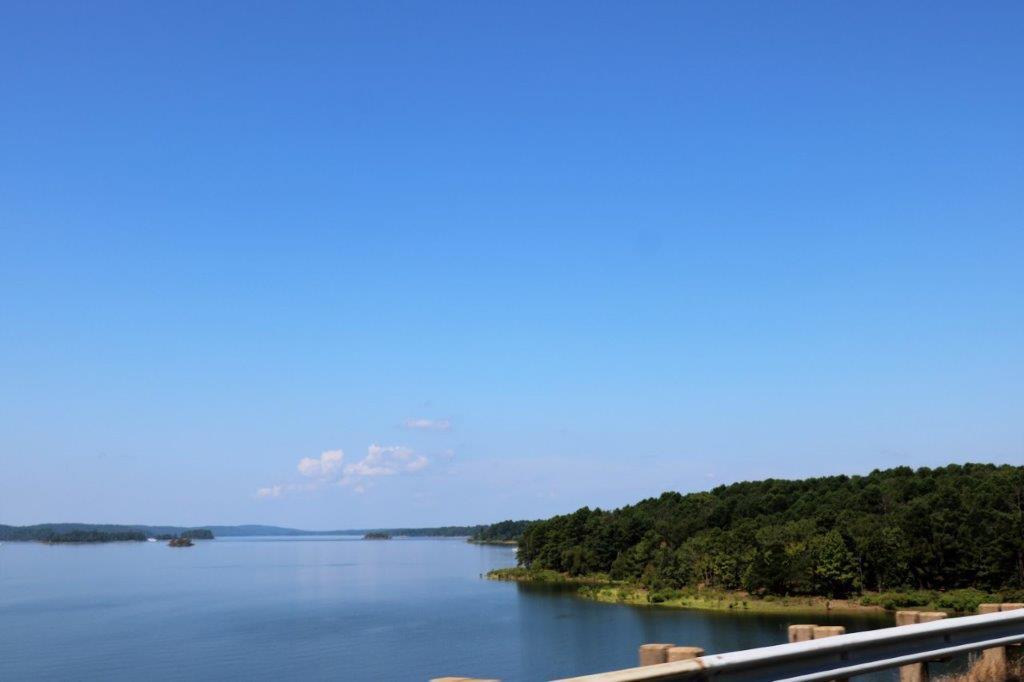
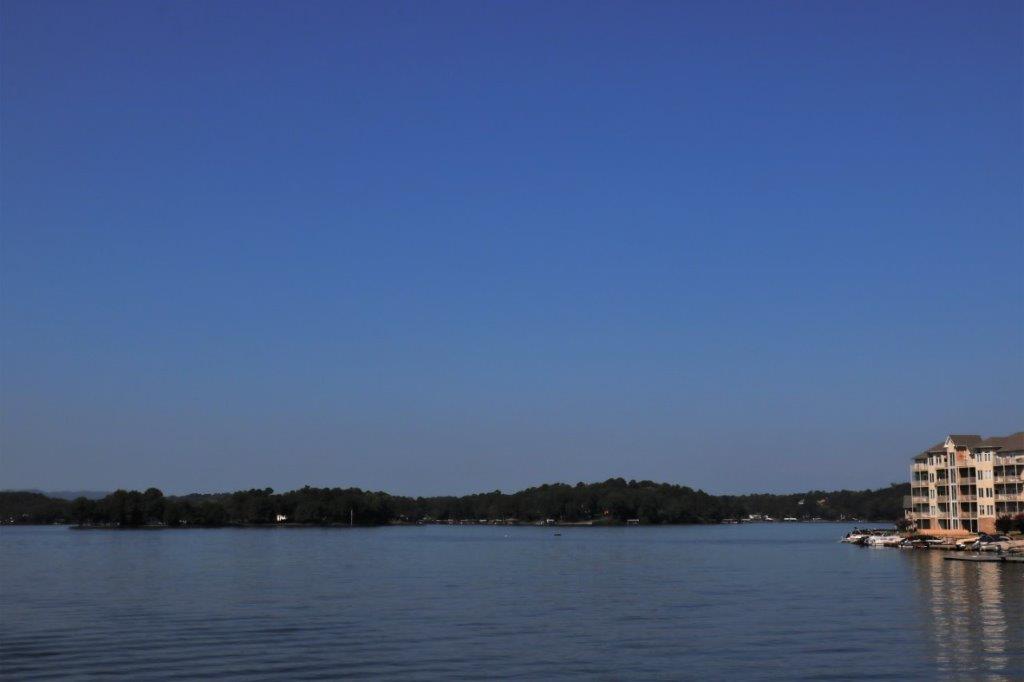
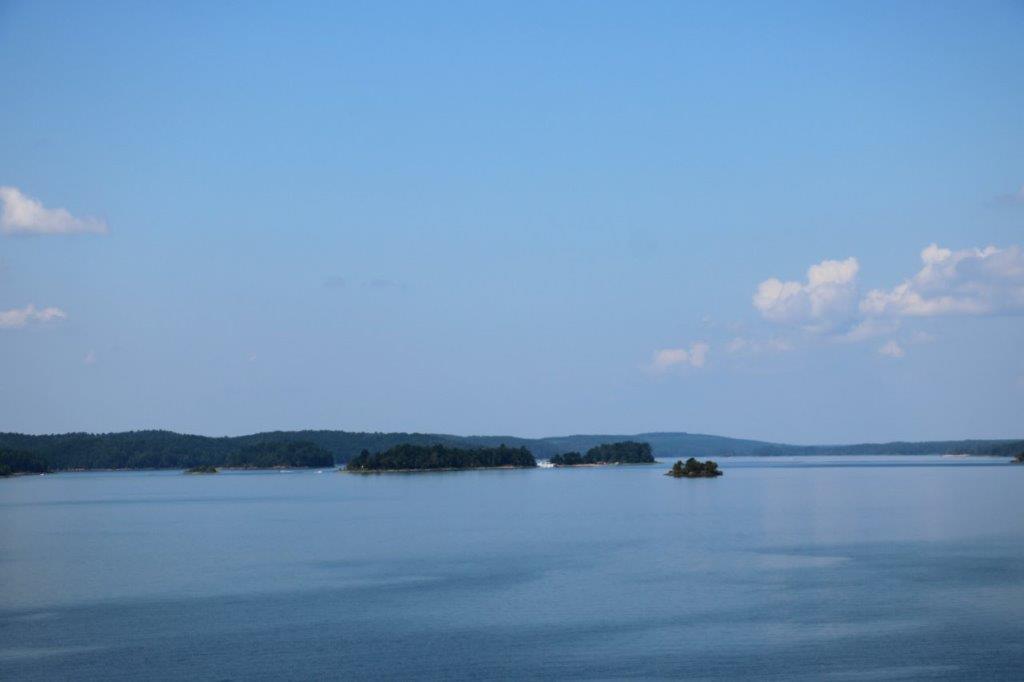
Coming out of Hot Springs we passed a large lake which, obviously, adds a lot of appeal to an already popular vacation spot. It may be Lake Ouachita, but I am not sure. It was a nice day – as long as the truck was moving.  The temperature was pretty high, not sure what, but higher than a normal mid-August day according to the clerk in a gas station, and the humidity had to have been close to 90%.  Since Poppy’s air conditioner conked out in Saskatchewan we have to rely on open windows to keep cool; which works as I said, as long as we are moving.  The black interior and black leather seats turn into a sauna as soon as you stop or have to put the windows up.
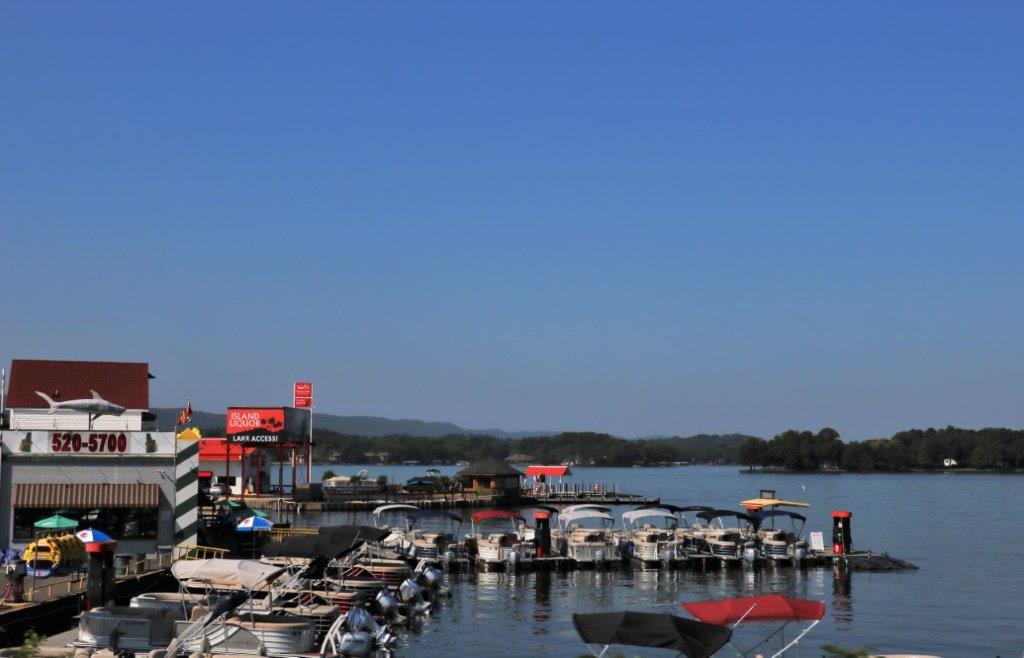
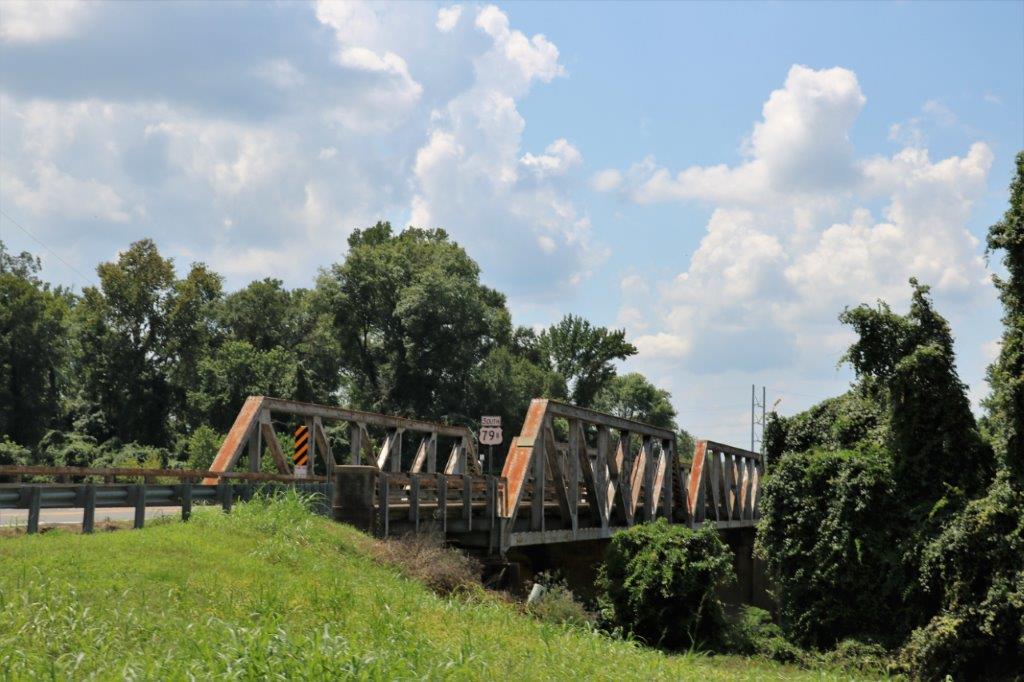
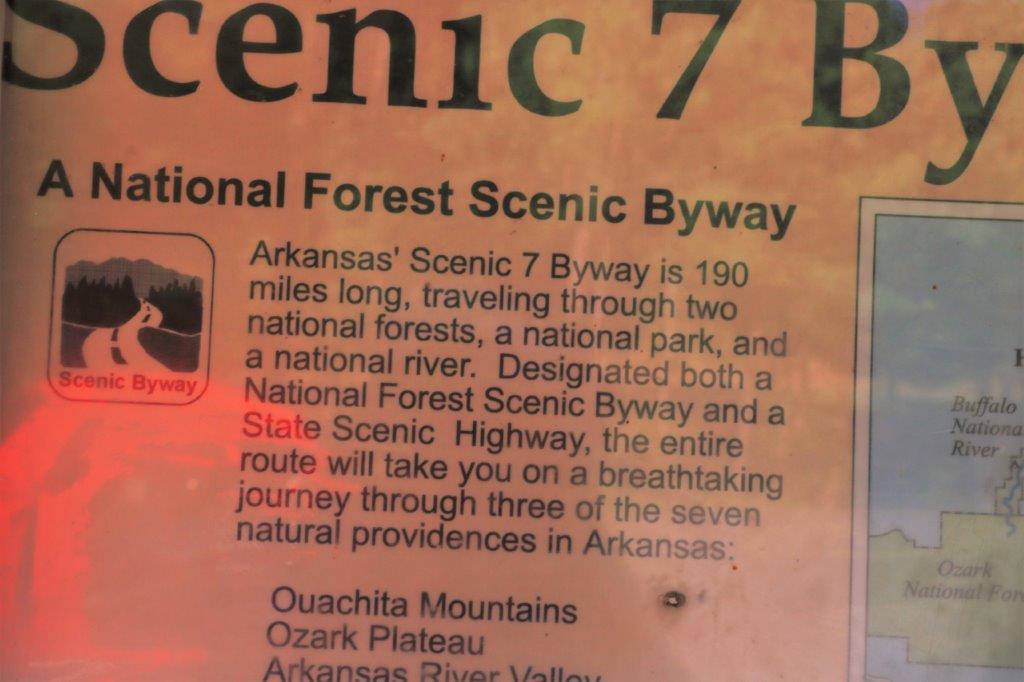
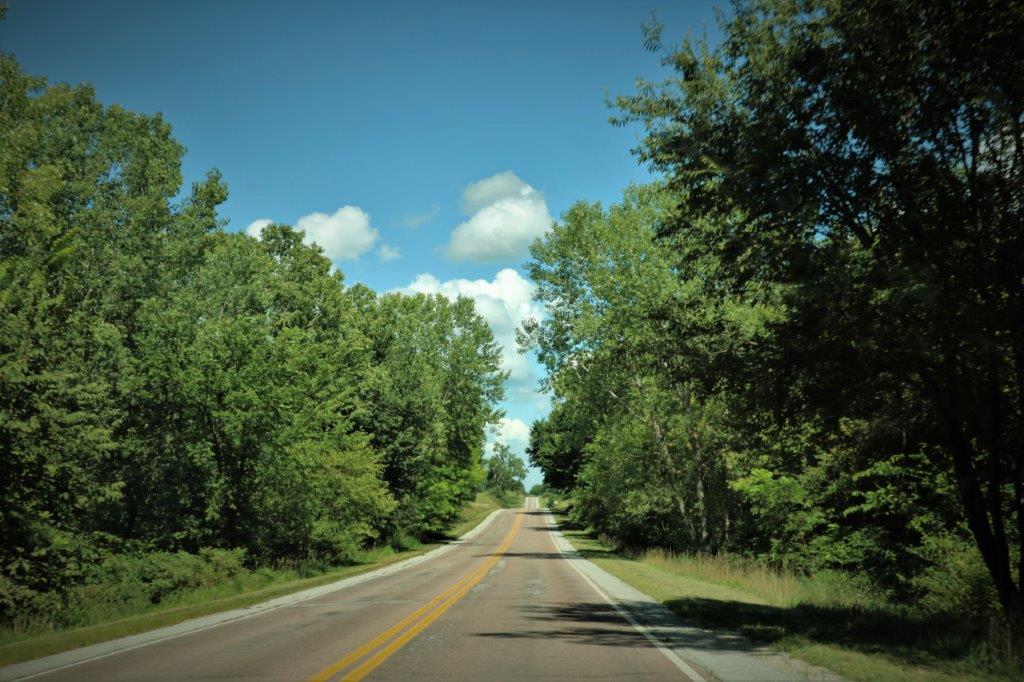
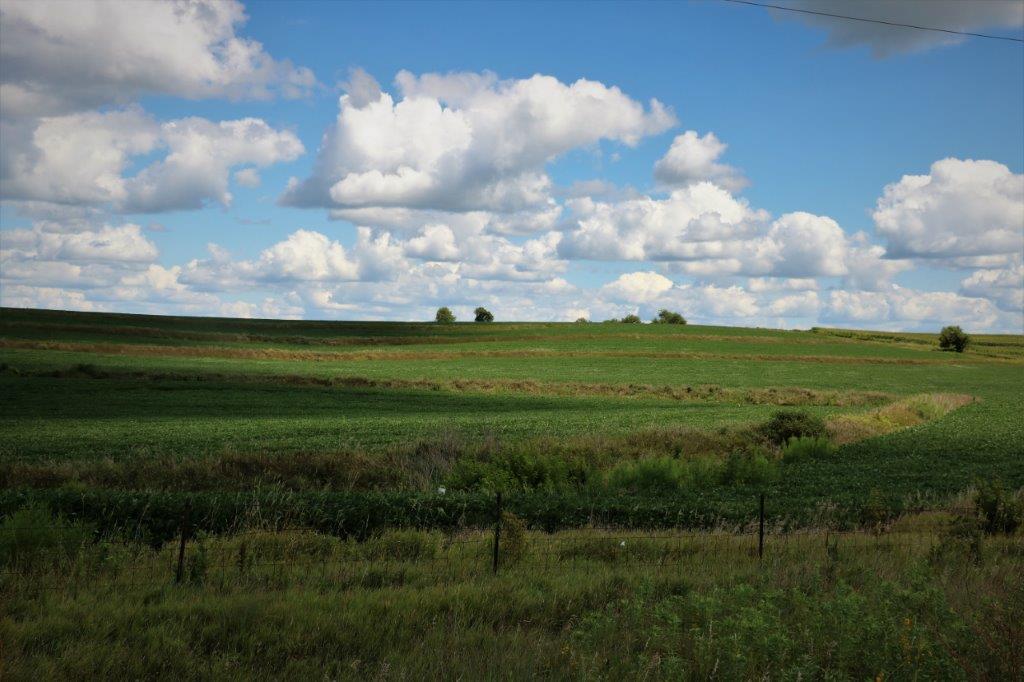
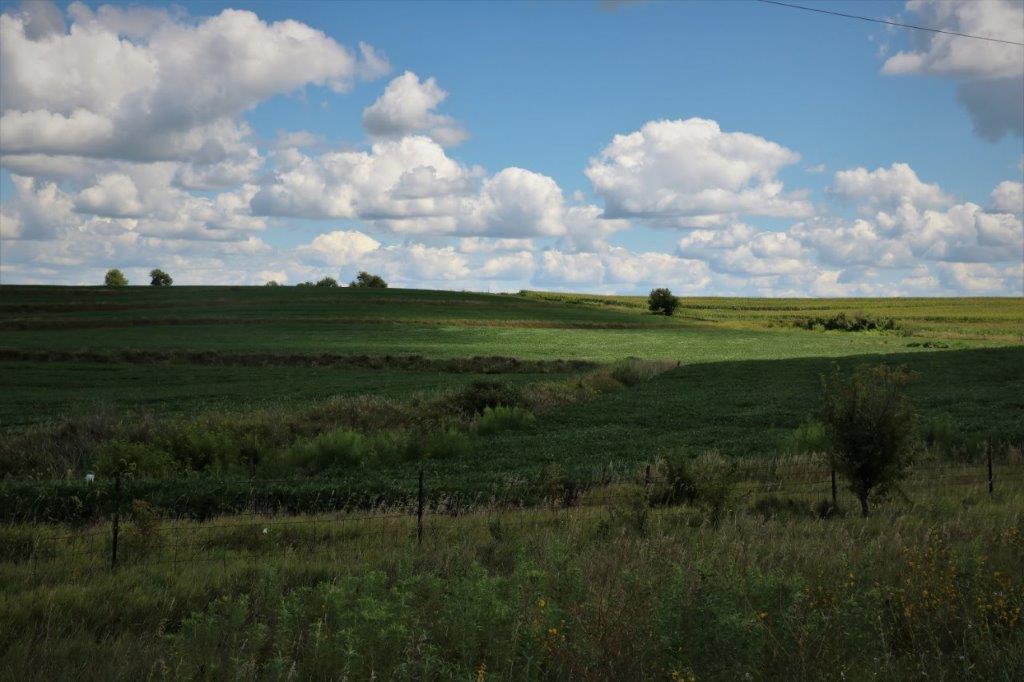
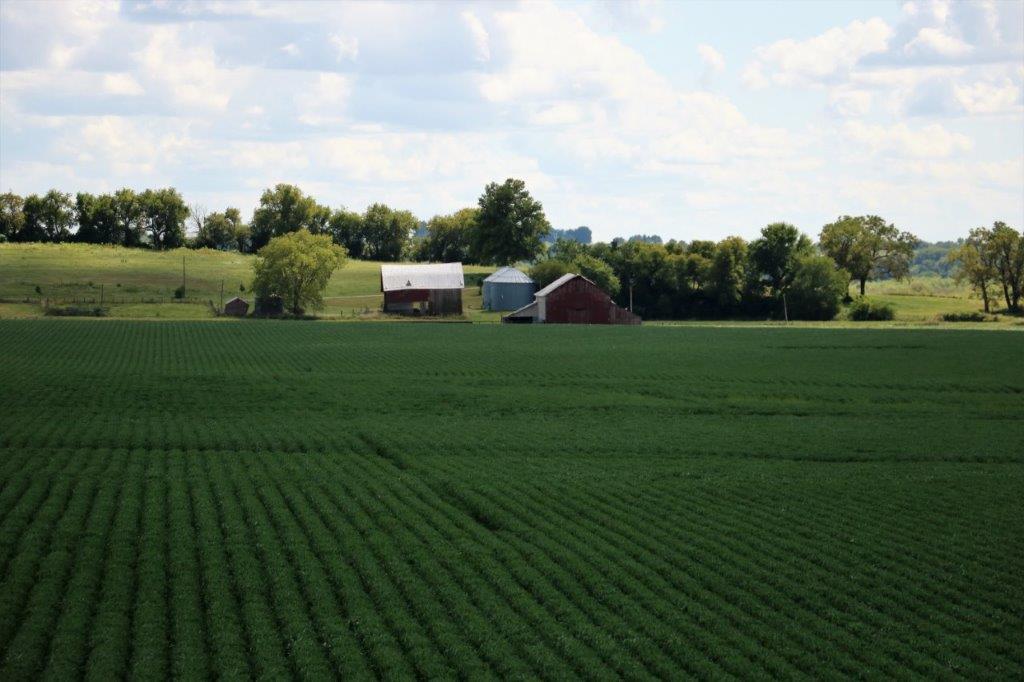
We enjoyed the wider open spaces on this southern half of the Scenic Highway 7.  We could see farms and meadows and small lakes and rivers.  Much more scenic to me than trees on both sides of the road mile after mile.

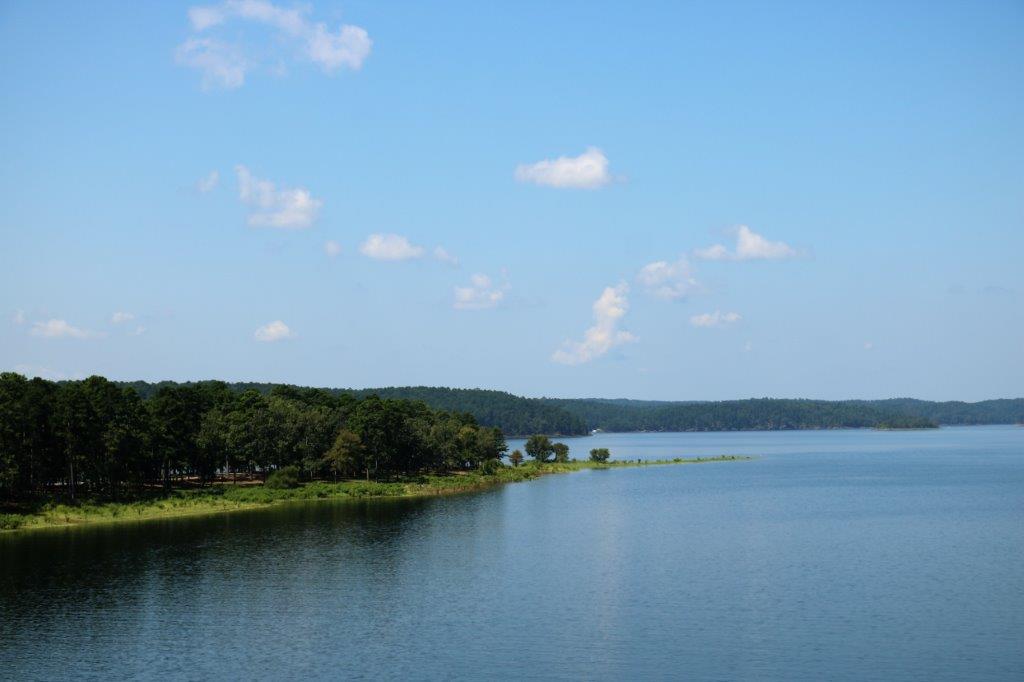
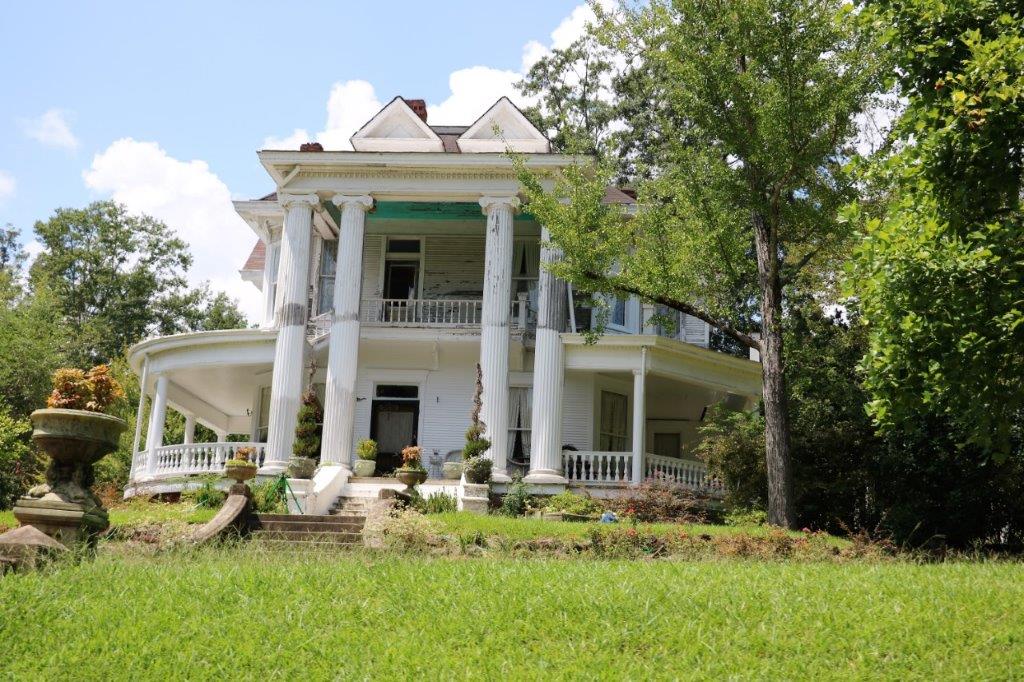
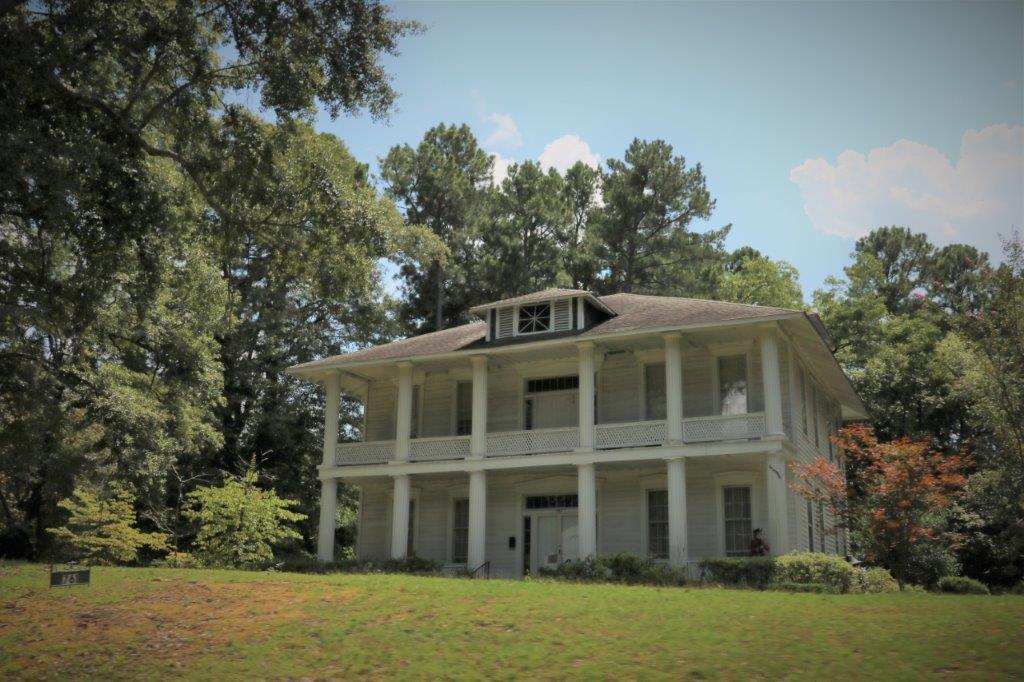
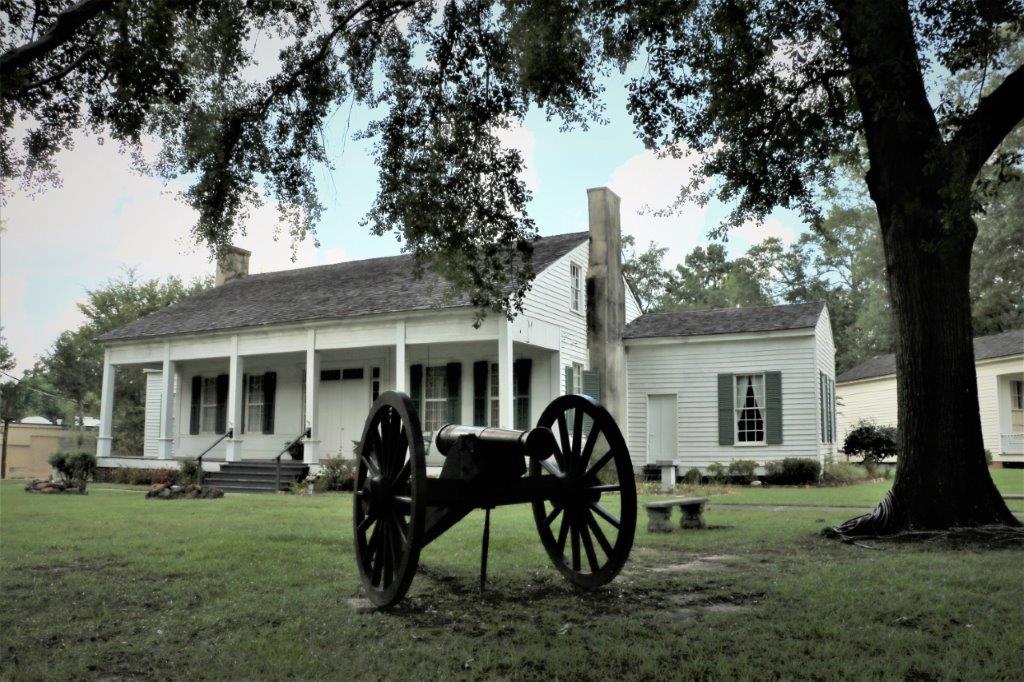
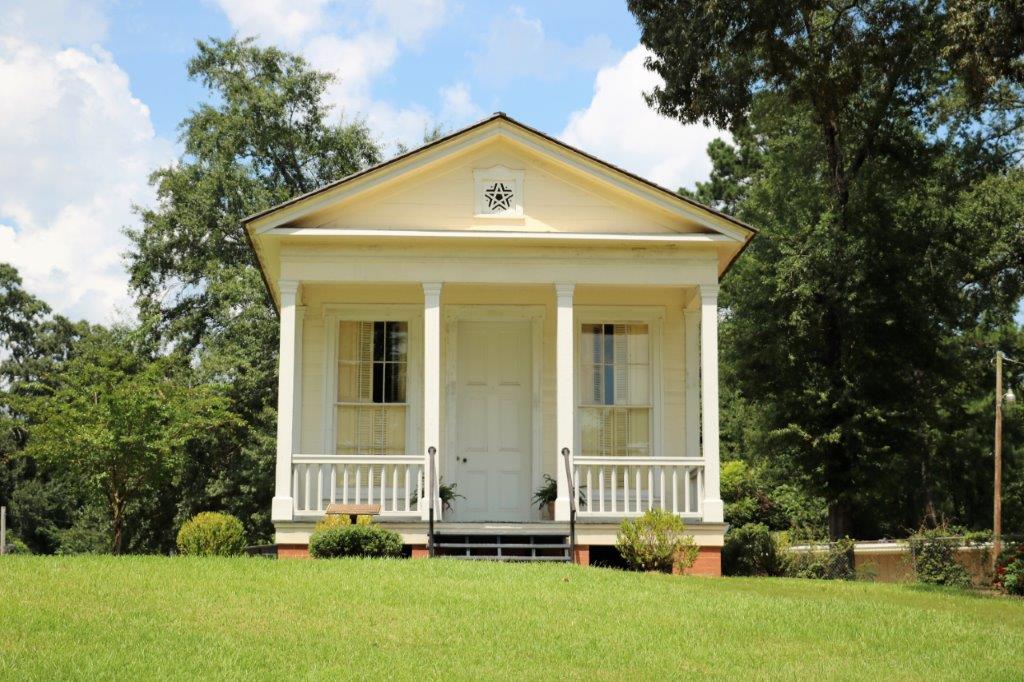
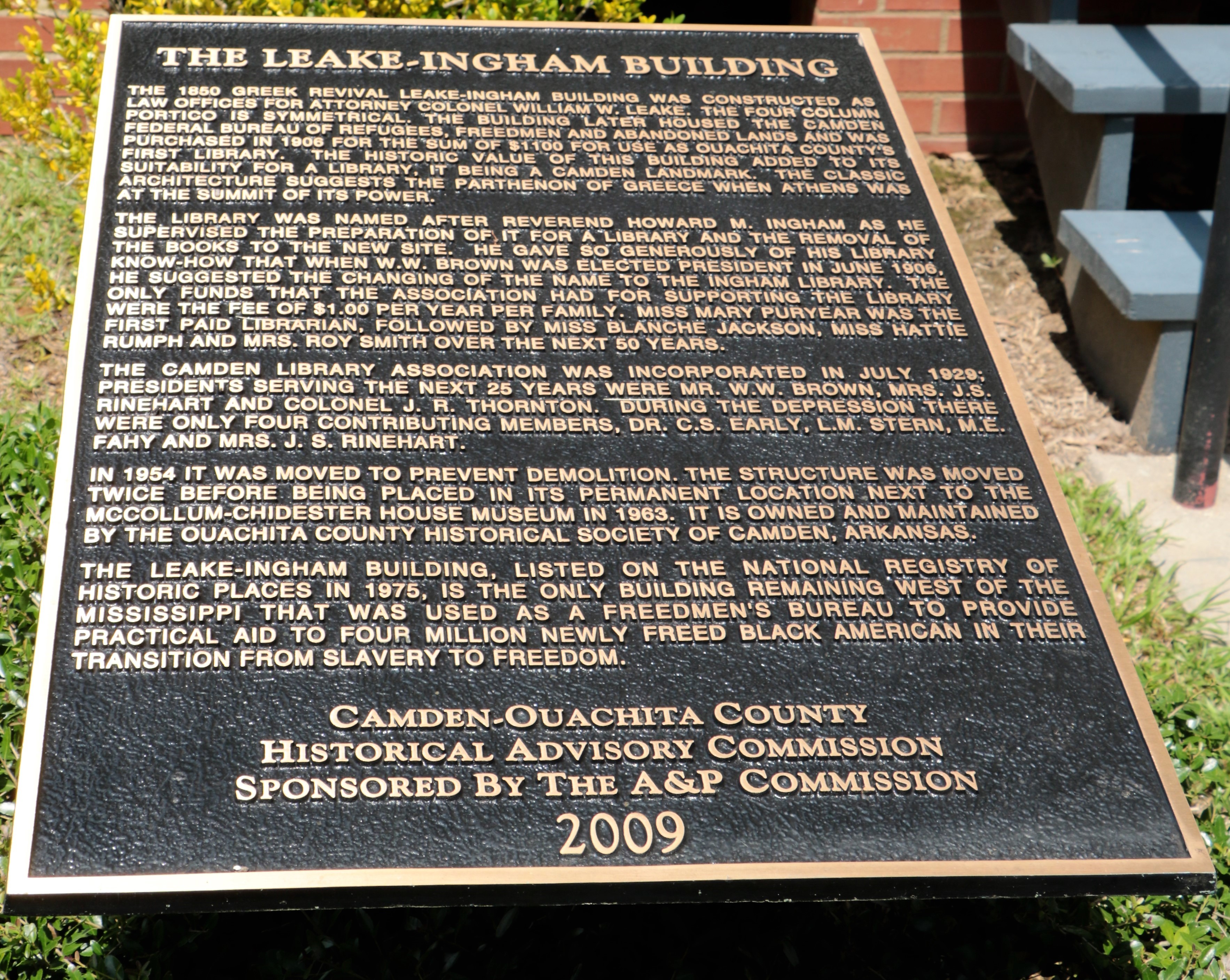
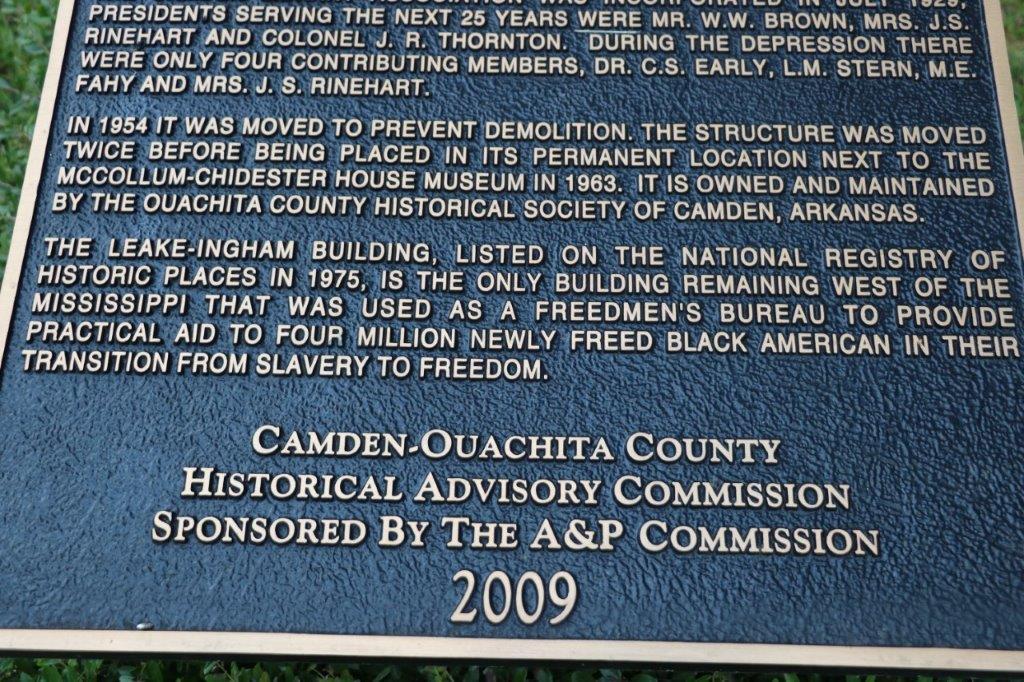
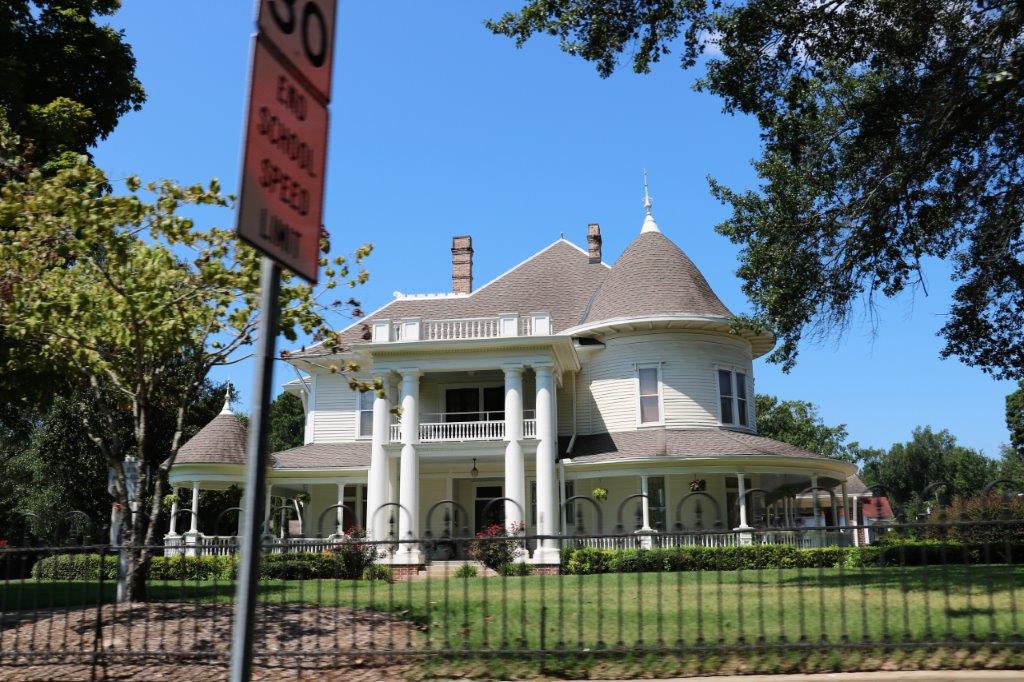
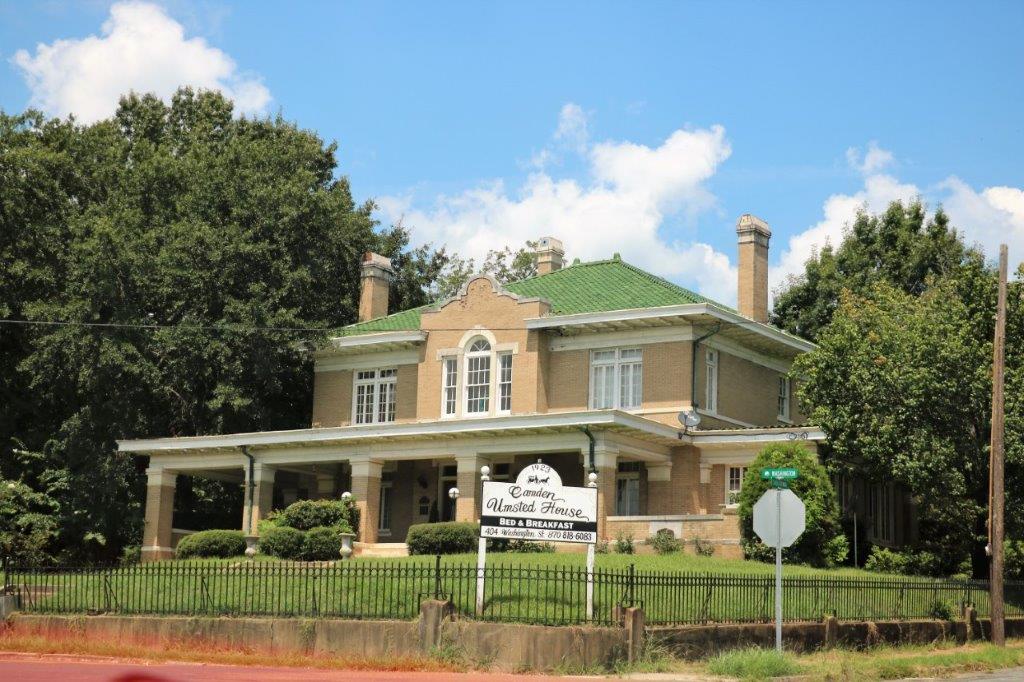
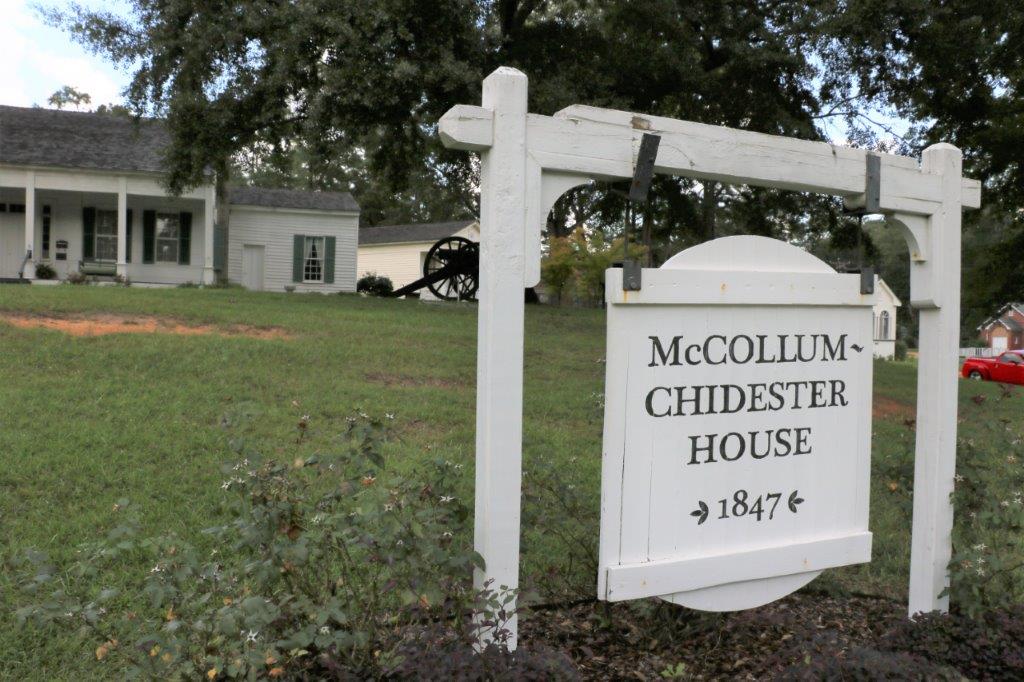
As usual we found a few geocaches.  These Arkansas cache hiders are tough though. Even a cache called a quick Park And Grab, takes some searching to find.  We stopped at several caches throughout the day and only found five.DeGray Lake was another large lake in southern Arkansas and also a popular boating and camping area. Most of the photos I took were quick snaps out the window of the big stately houses in the towns we drove through.  There were some gorgeous properties. I can’t imagine what the upkeep and maintenance costs would be though. At Camden, AR I wanted to tour the 1847 McCollum Chidester House but it is only open Wednesdays and Saturdays so we were only able to walk around a little.  Since Poppy was parked in the shade we decided to have our PB&J sandwiches for lunch before moving on. I thought the last paragraph on the sign very interesting.  Arkansas became part of the United States on July 15, 1836 but it was very much a cotton economy with slave-based labour so the state seceeded on May 6, 1861 and backed the Confederacy in the American Civil War.  After much debate, re-structuring and a questionable election Arkansas re-entered the US on June 22, 1868.  However between the costs of war in production, materials and men the Arkansas economy did not really recover until the 1940s.
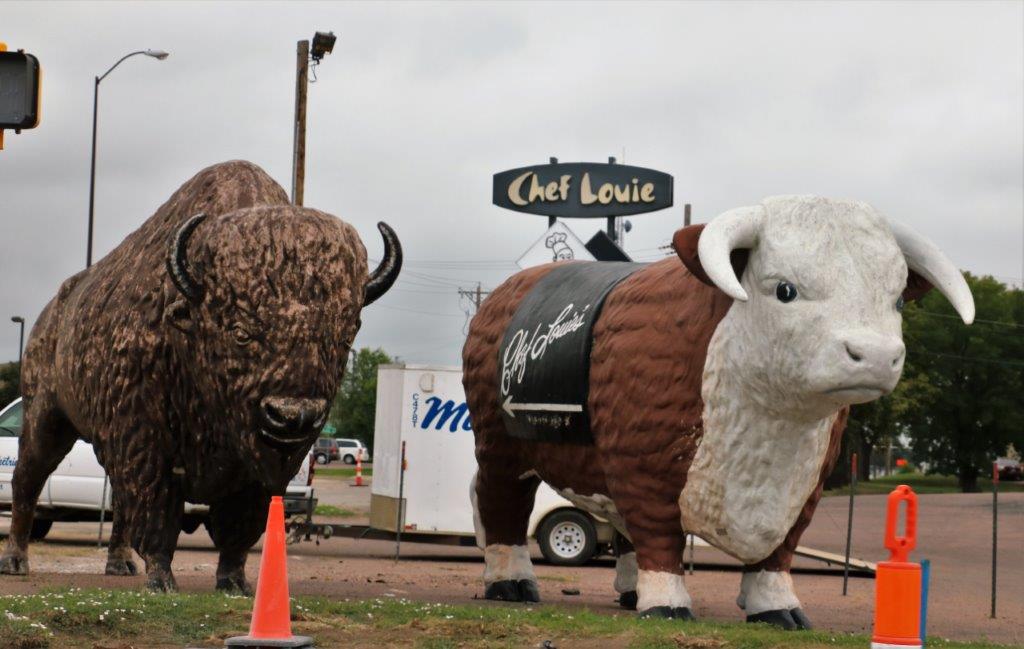
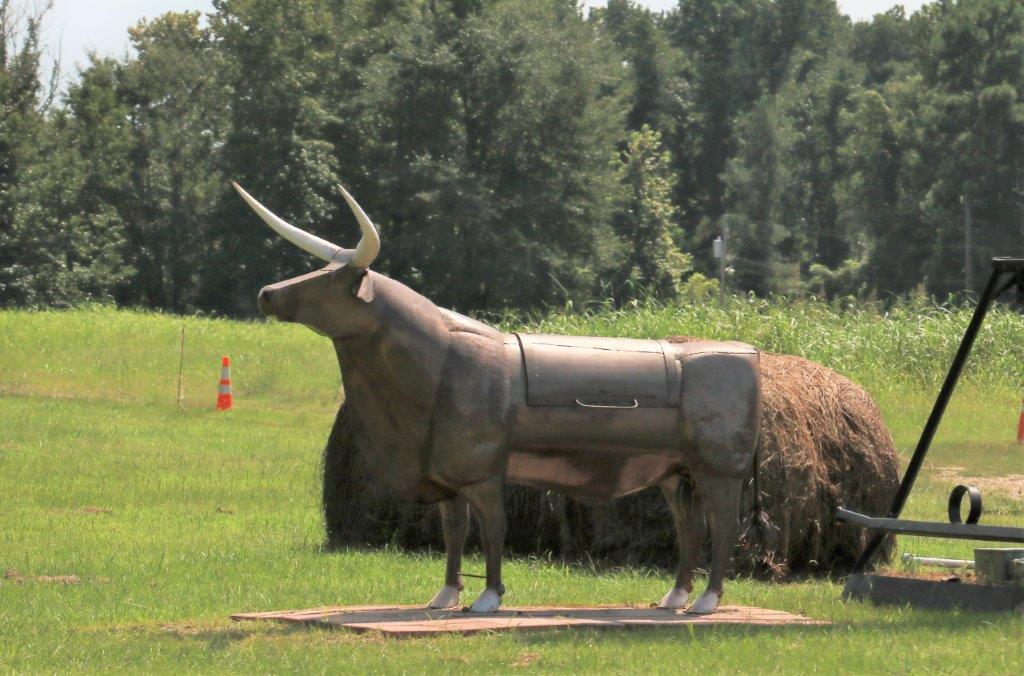
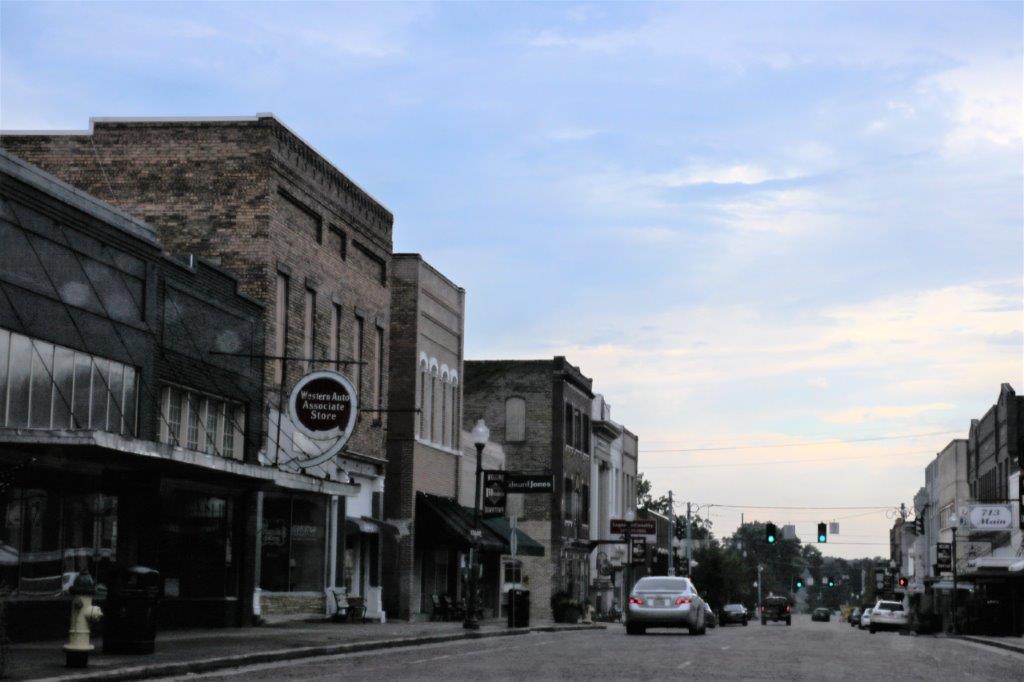
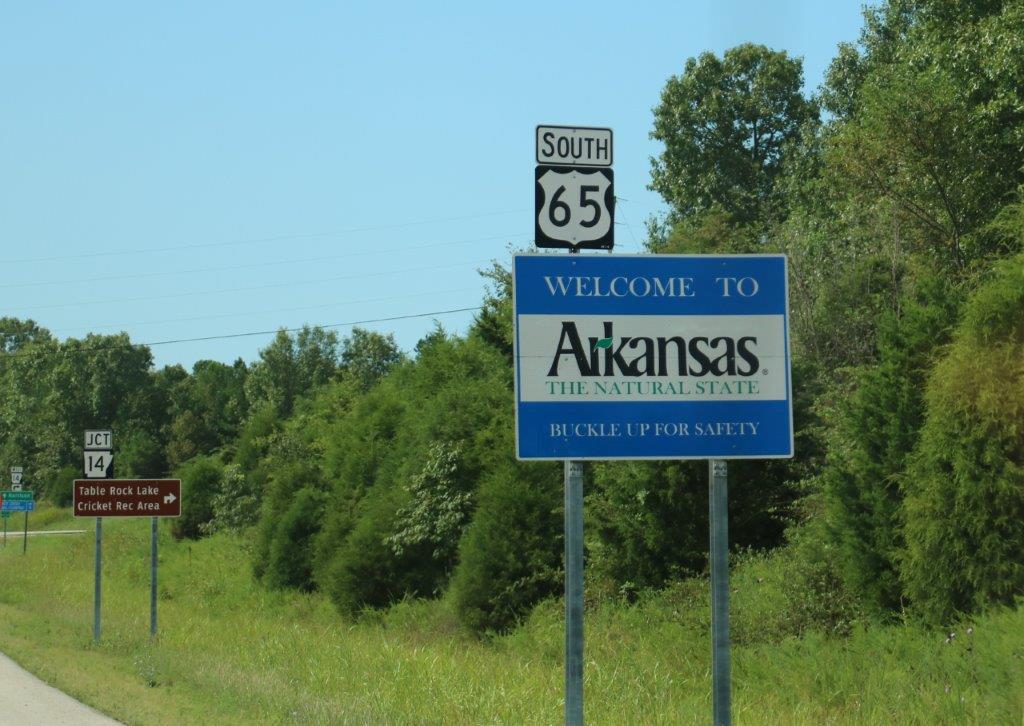
I think this big bull may be a barbecue.We found a cache in the Welcome to Arkansas sign on the other side of the road from the Welcome to Louisiana sign.Since our planned stops were no-shows our arrival in Minden for the night was 4 pm instead of the expected 5:30 or 6.  There is a nice paved street down the middle of downtown Minden.Tomorrow we head west into Texas, to Paris, no less.  John is still working on our itinerary from there.  I am trying to figure out how we can get to Carlsbad Caverns in southern New Mexico but it is a logistic  problem to also get to Oklahoma.   We end up going north quite aways to get into OK before having to go southwest to be able to go into NM near Carlsbad.  Or, we have to drive east quite aways in northern NM after going to Carlsbad to get into the OK panhandle.  We will have to see if we can do it.  I suspect it would just add too much driving so my bet is on the original plan to go north up through Oklahoma before heading west into northern New Mexico, and from there to Pagosa Springs, Colorado. Sigh.  Carlsbad will have to be another road trip if that is the case.
 

2017 Aug 19 – Branson, MO to Hot Springs, AR

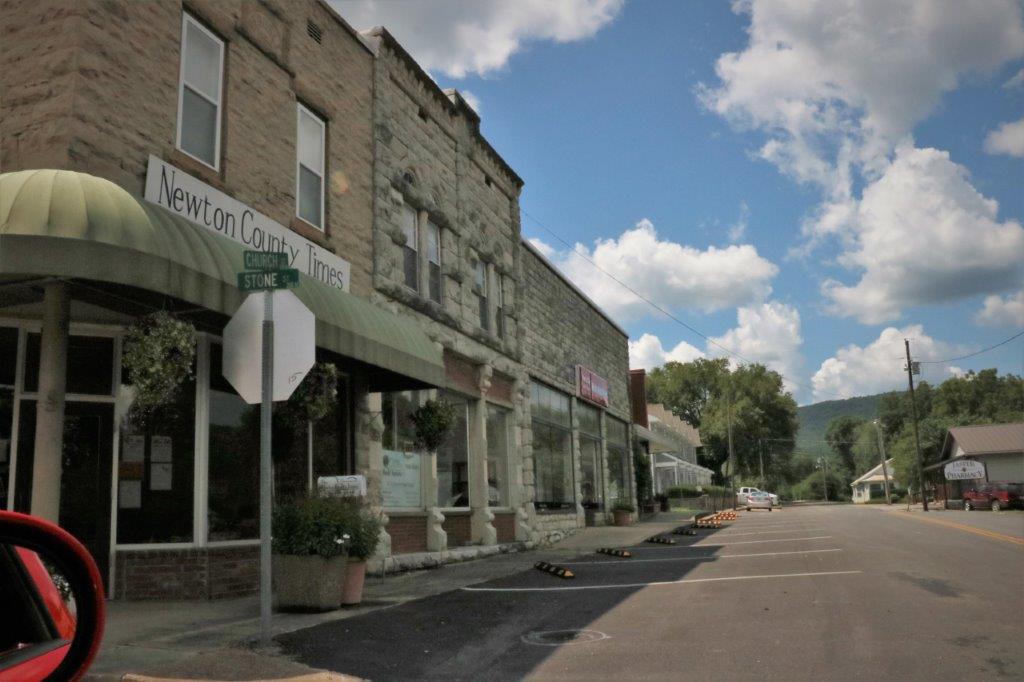
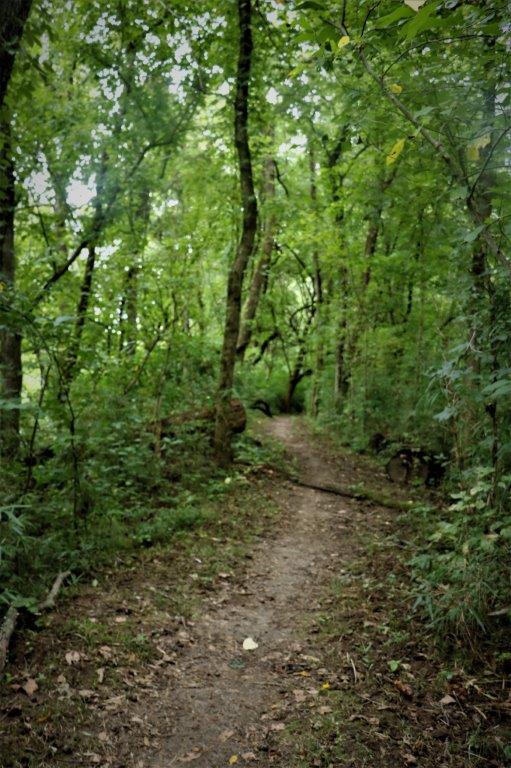
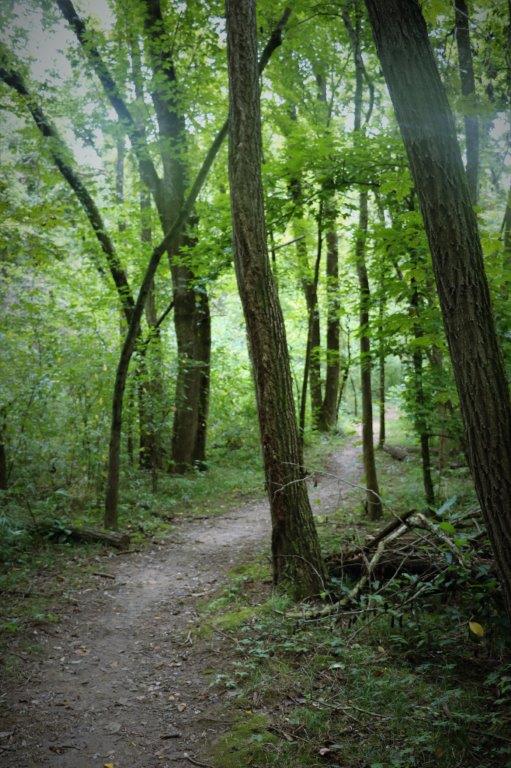
We left Branson at 10 am and headed south into Arkansas.  Branson is less than 45 miles from the border. Most of our trip was spent driving Scenic 7 Highway that goes through three Ozark Forest Parks  so we pretty much drove through trees on both sides of the road.  Since they are almost all deciduous trees this area would be spectacular in the fall. I liked this stone stacked building.  Couldn’t get a good photo as we were driving by but it was pretty neat.

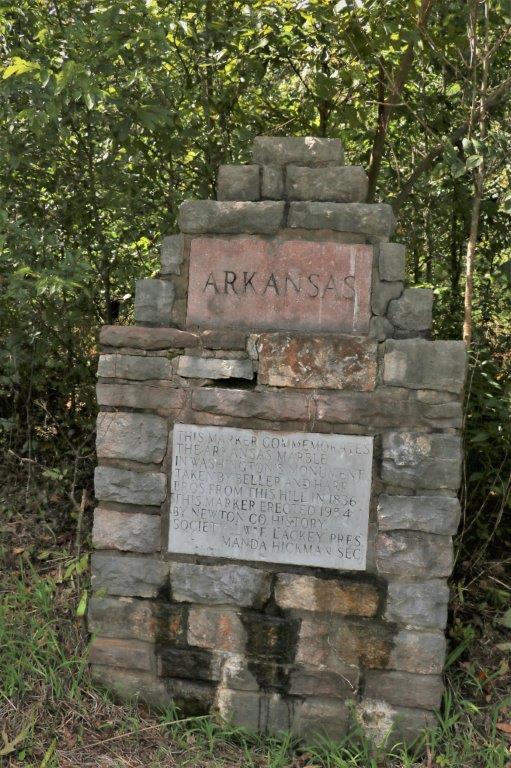
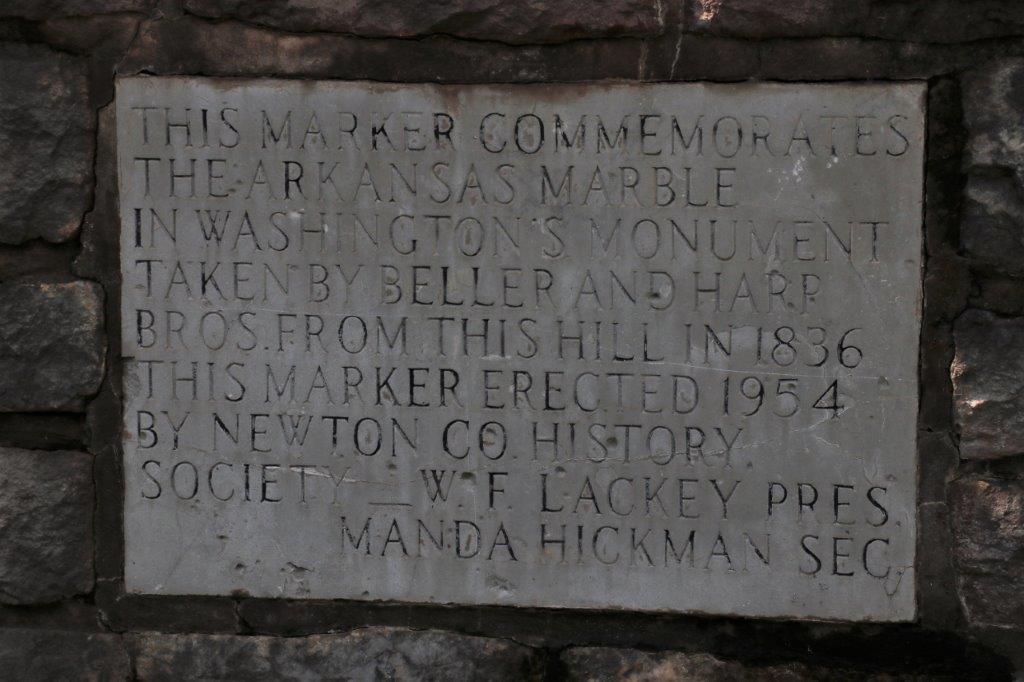
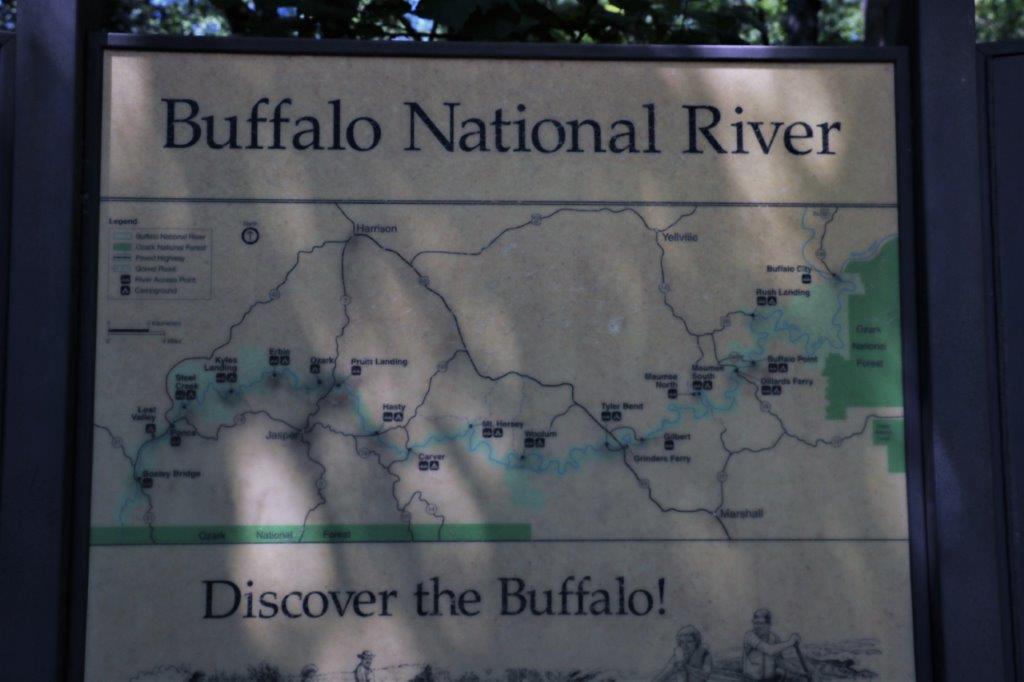
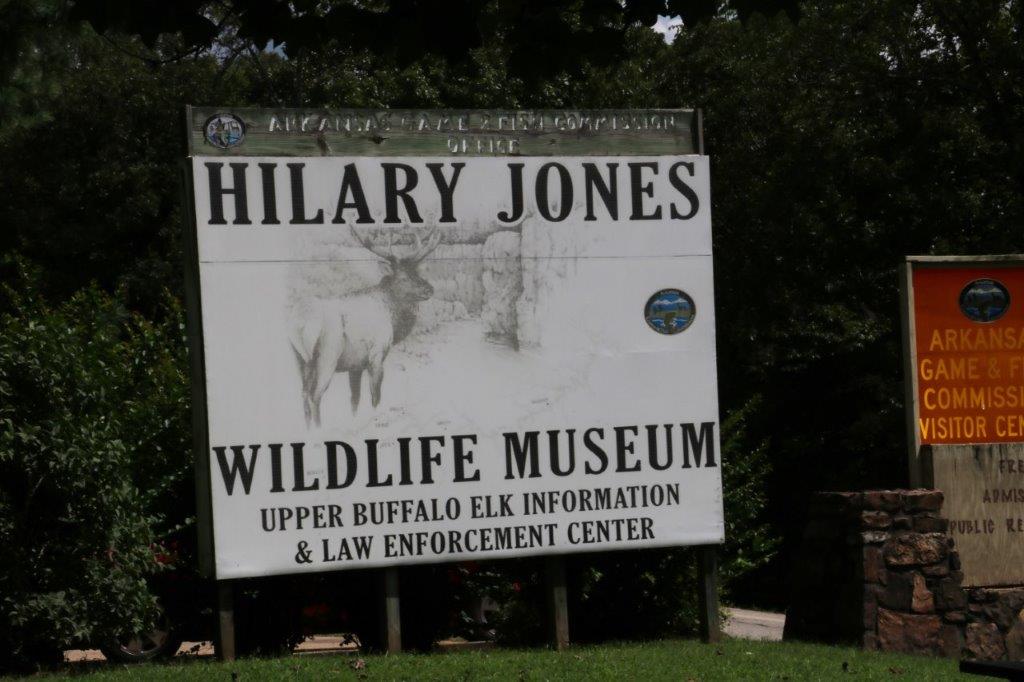
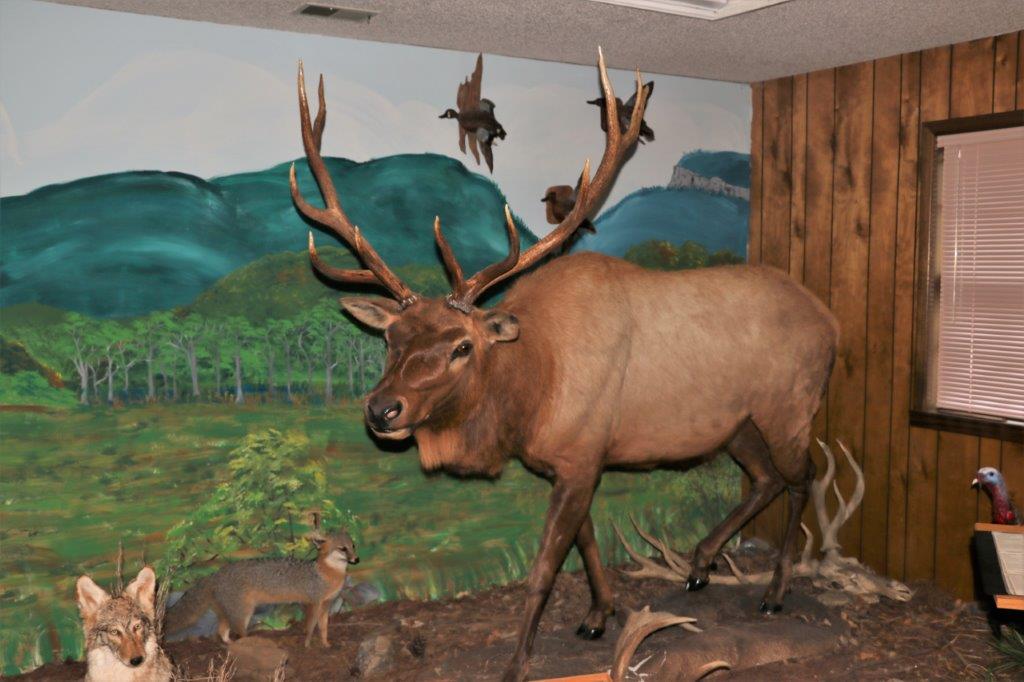
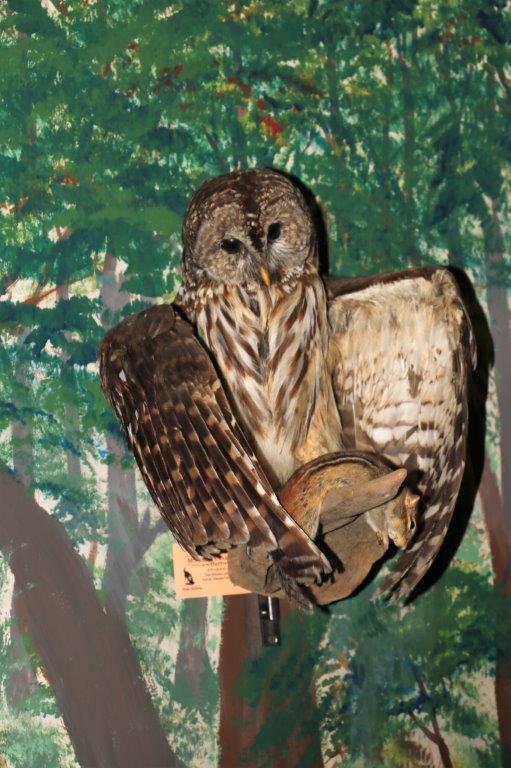
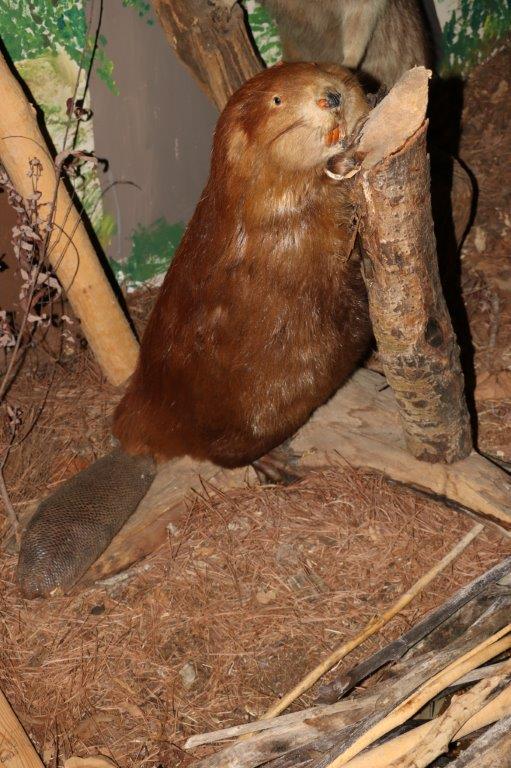
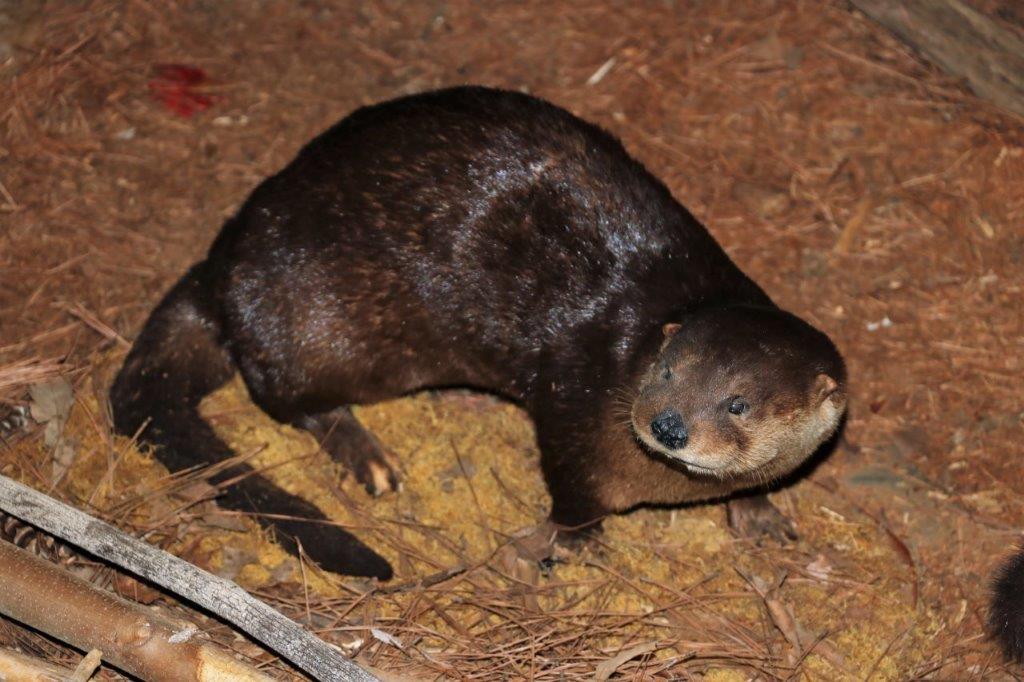
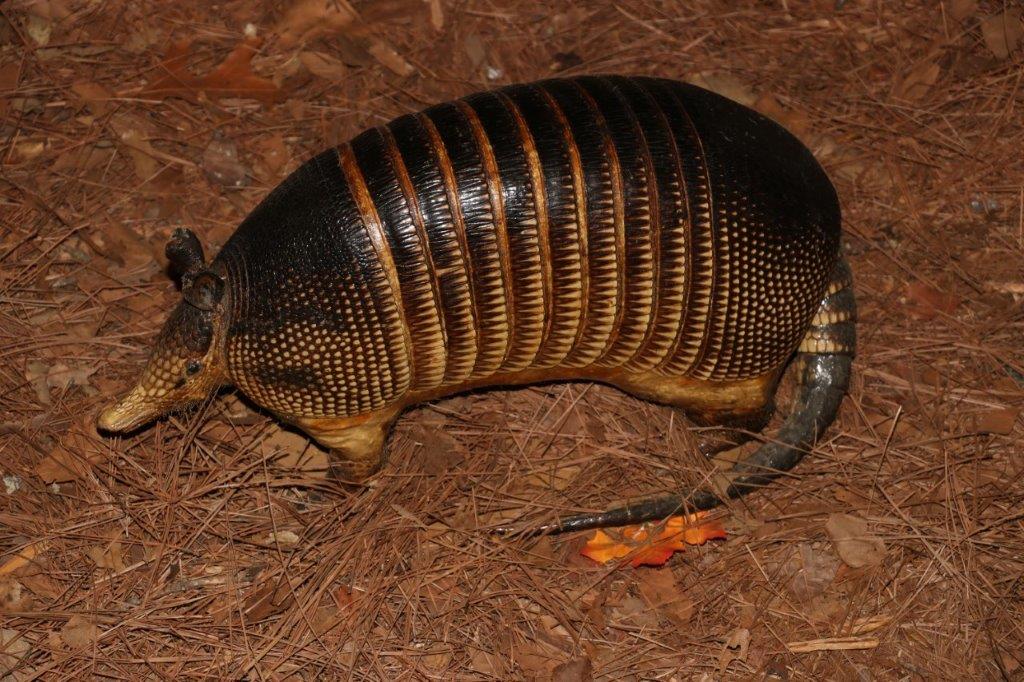
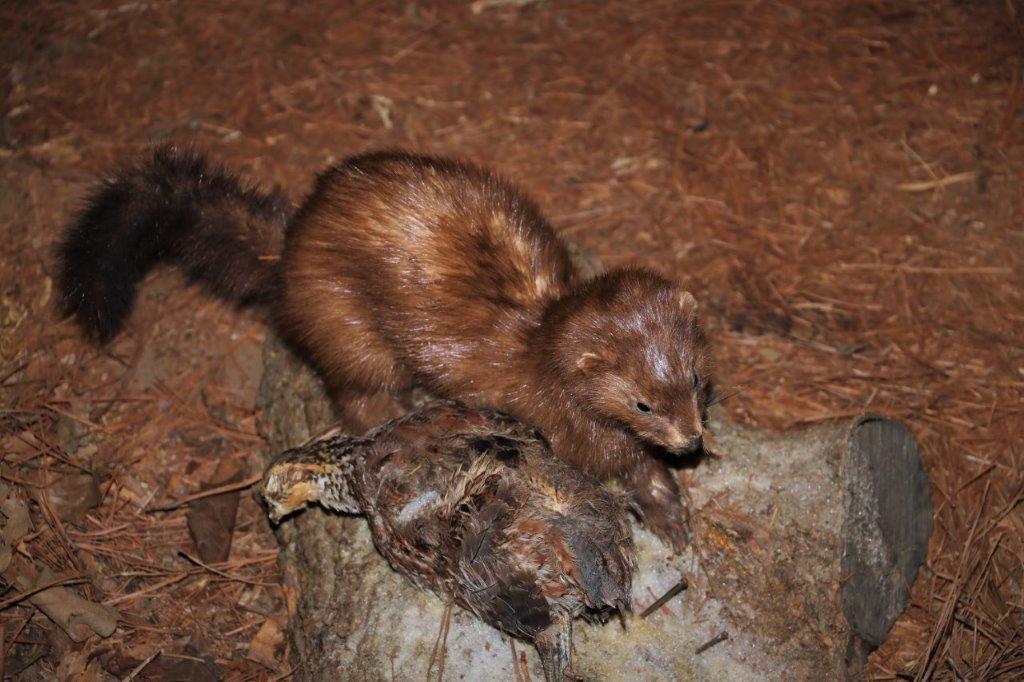
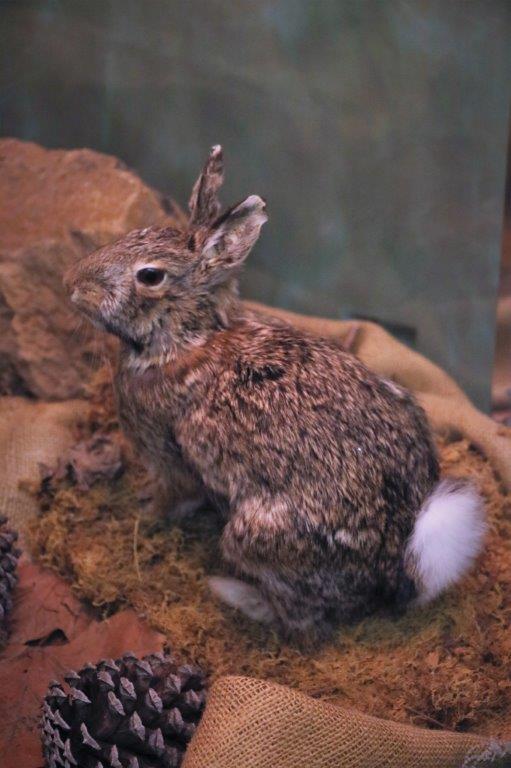
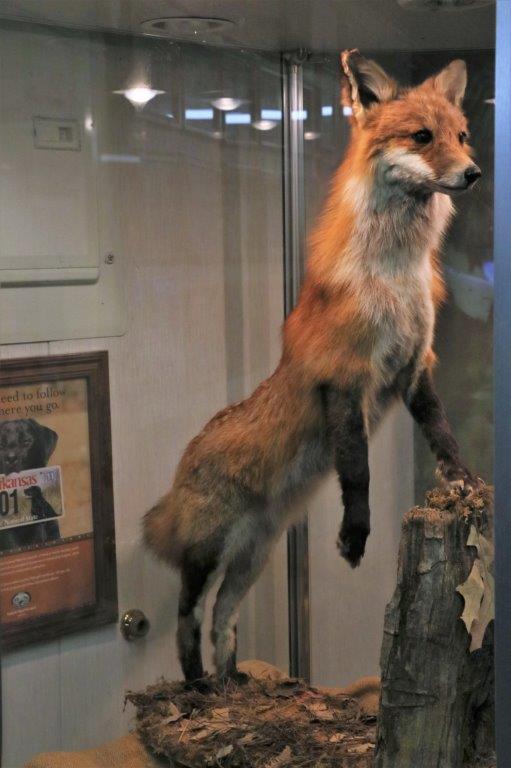
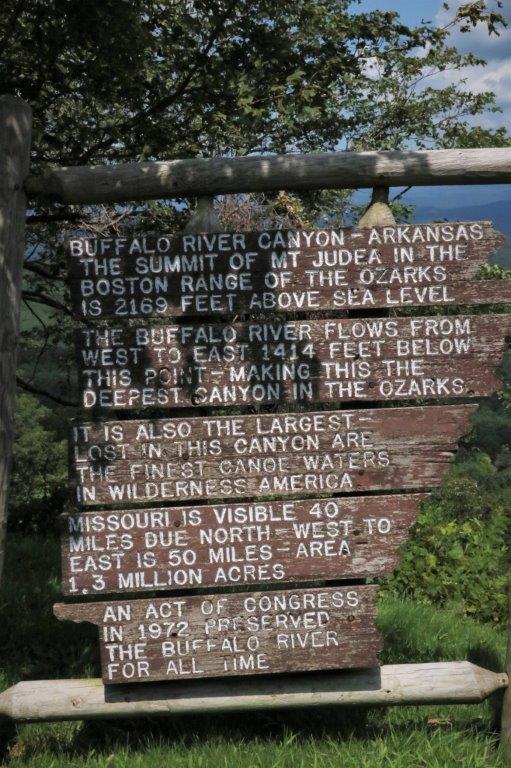
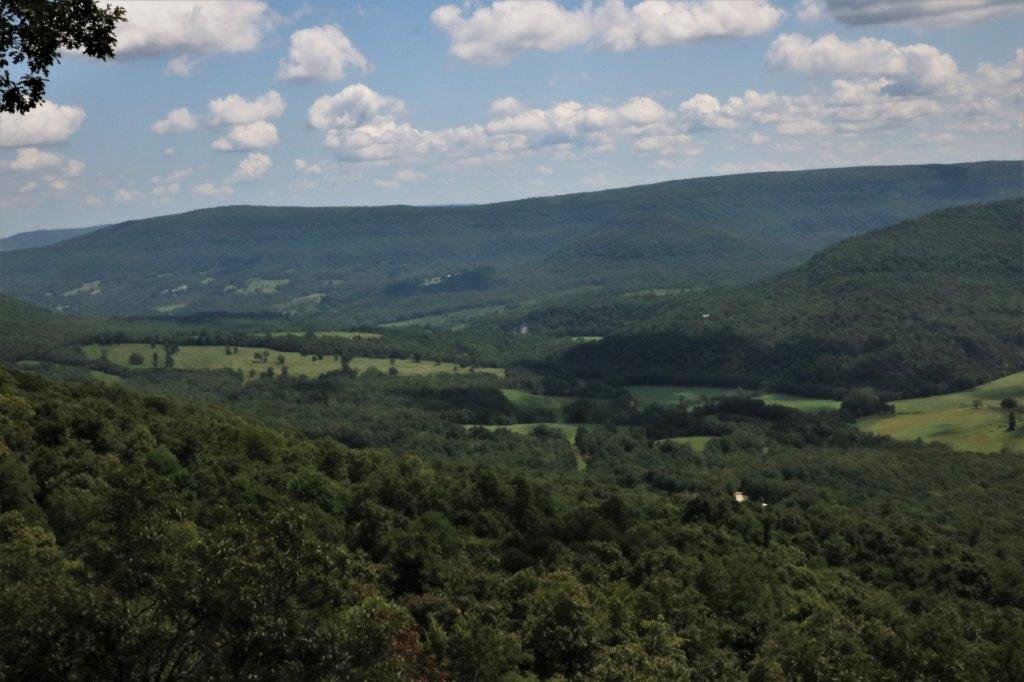
We stopped to find a few caches.  One was at this historical marker. Another was at the picnic area of Buffalo National River, the first National River in the US. There was an Earth Cache at an old quarry and a lovely view on the other side of the road. Another cache was hidden in the wildflower garden at the Hilary Jones Wildlife Museum. After we found the cache then went inside to see all the taxidermy of local animals.  We see a lot of road killed armadillos and groundhogs.  We saw a live groundhog at a rest stop the other day.  I would like to see a live armadillo.

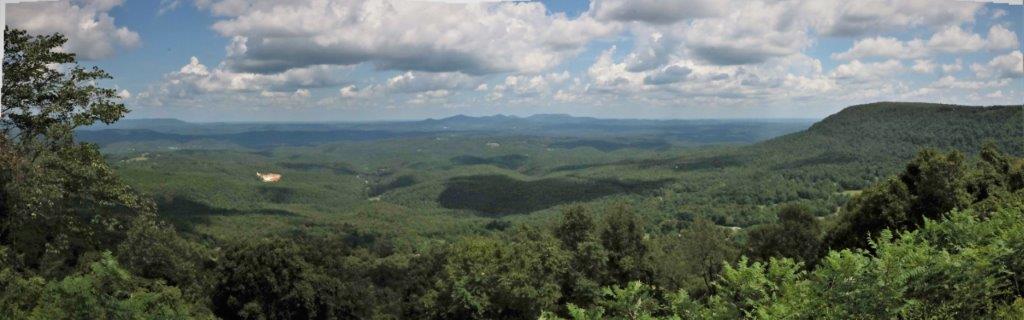
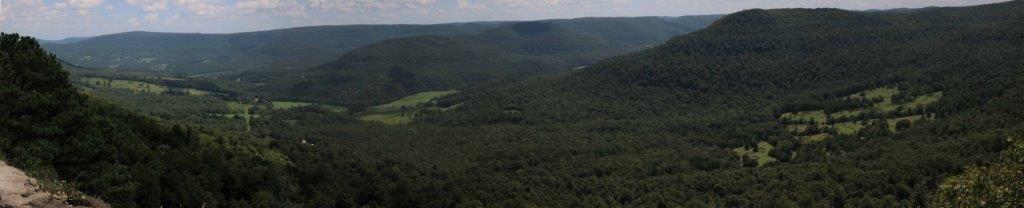
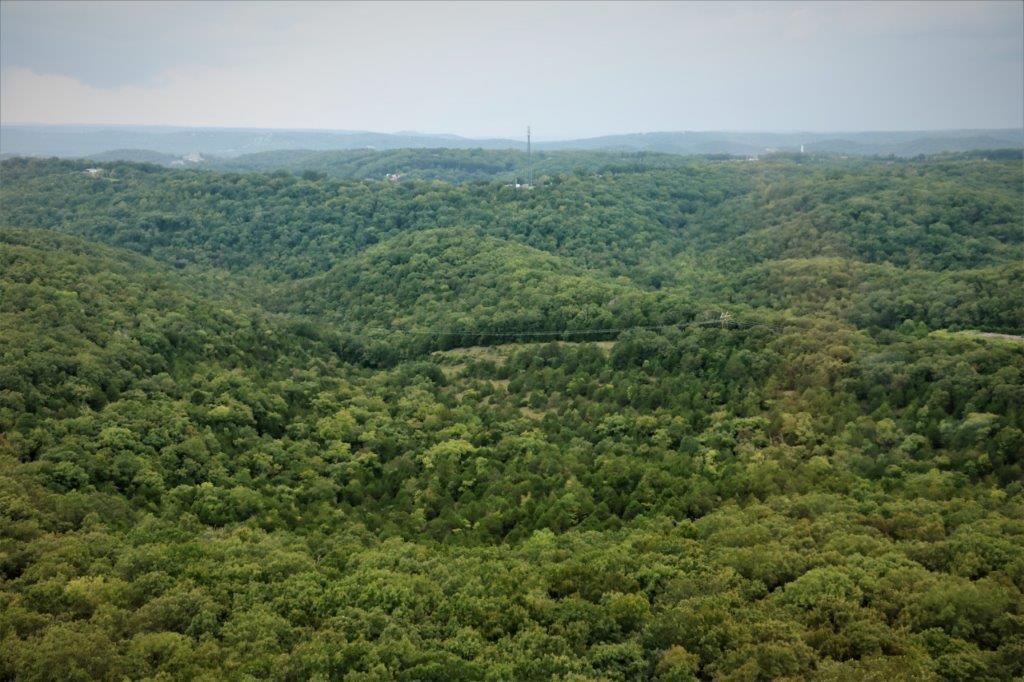
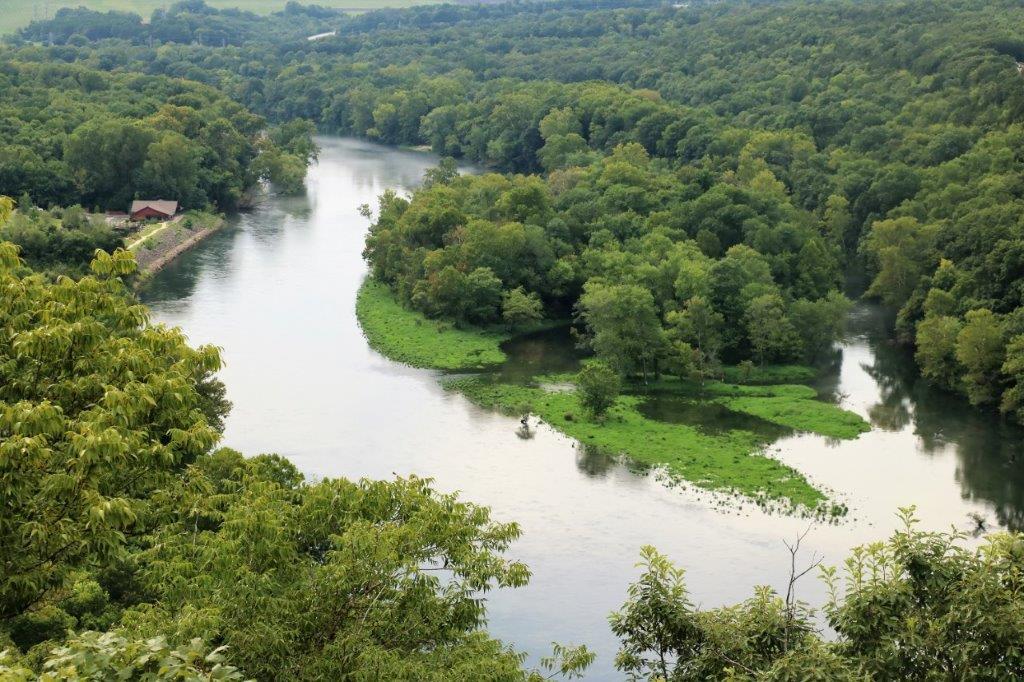
The viewpoint overlooking the Grand Canyon of Arkansas was a nice stop.  This is nothing like a canyon such as I am used to; it is much more reminiscent of a forested valley.

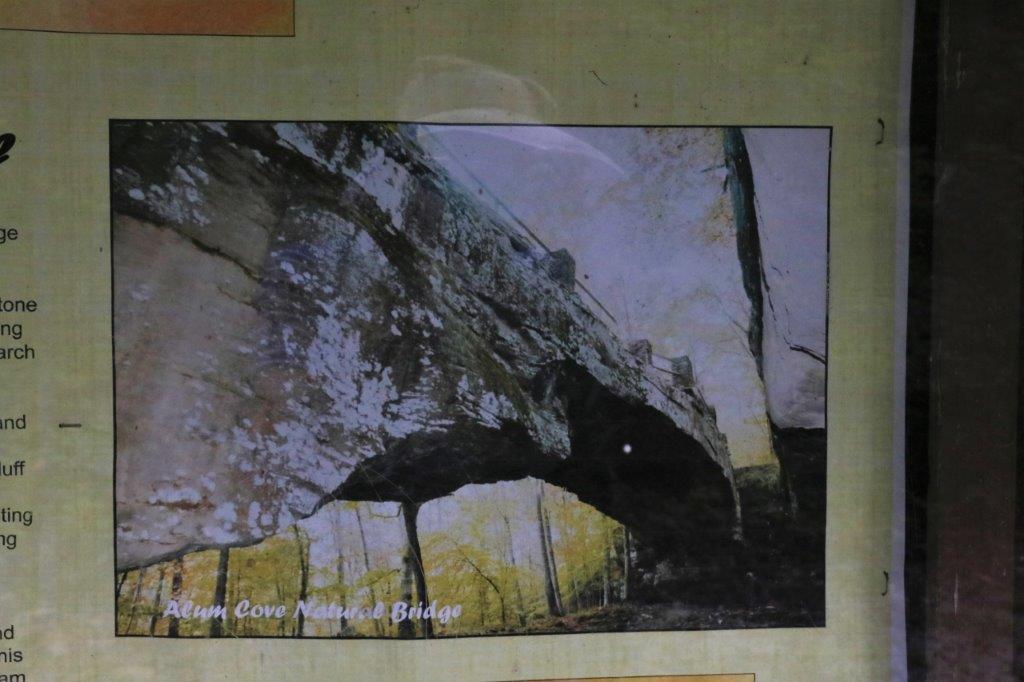
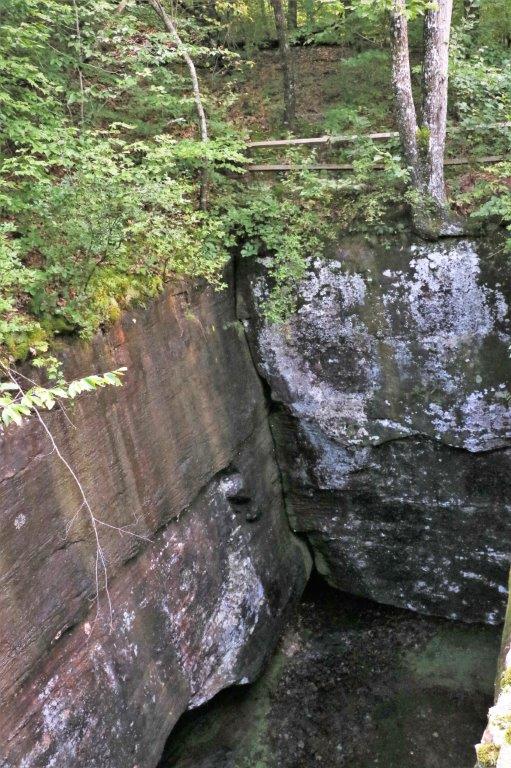
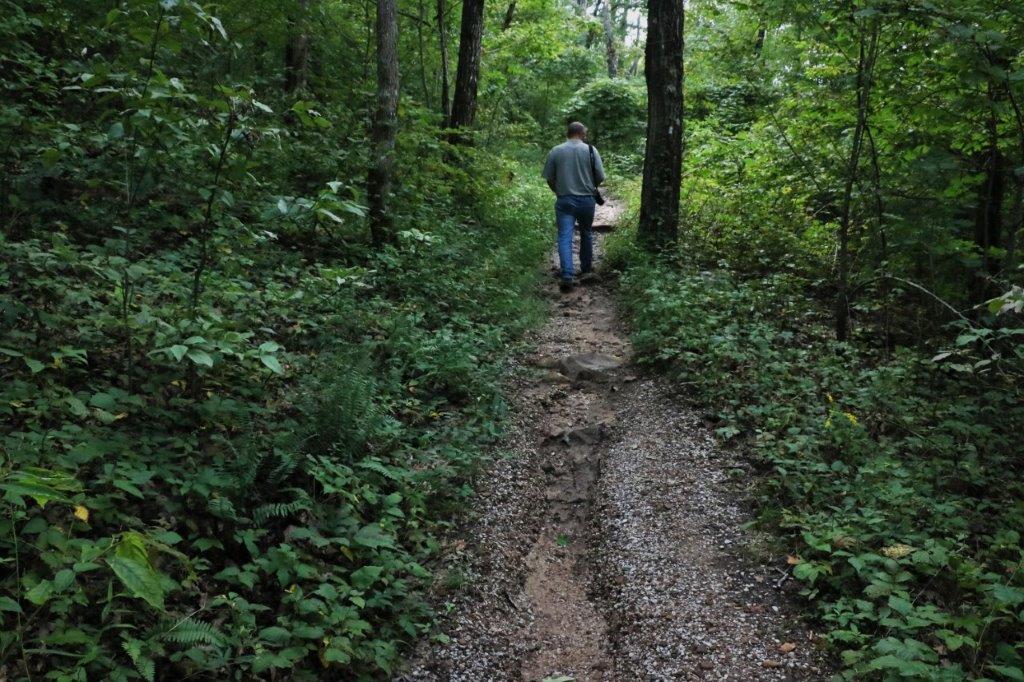
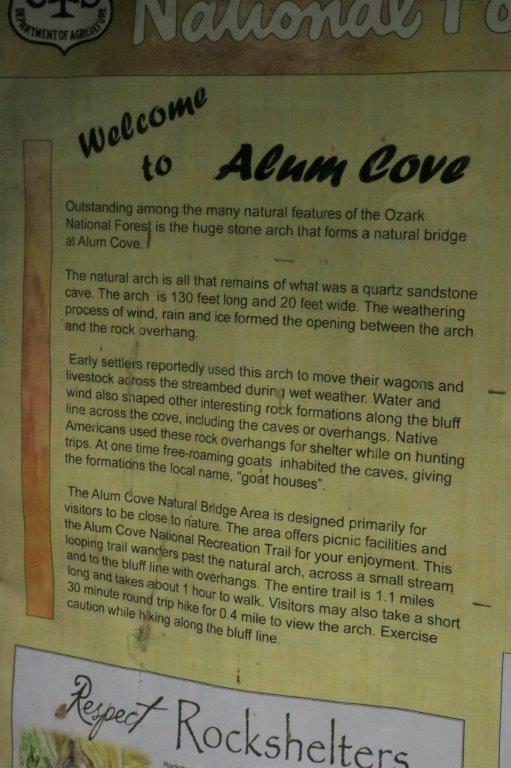
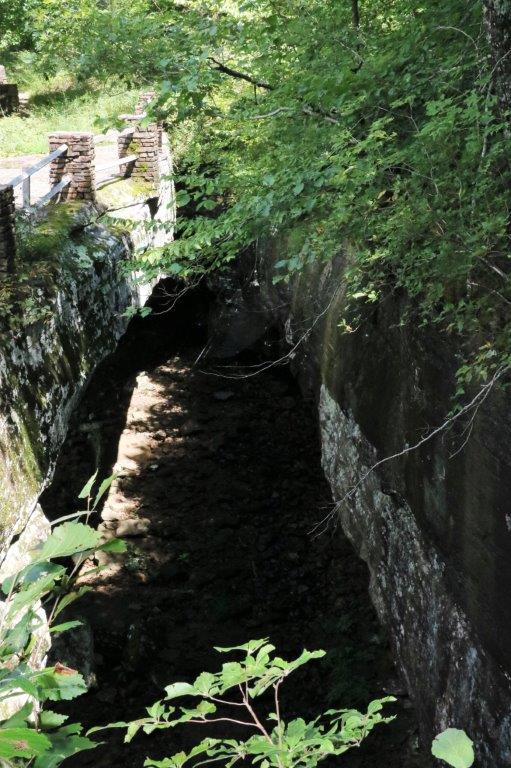
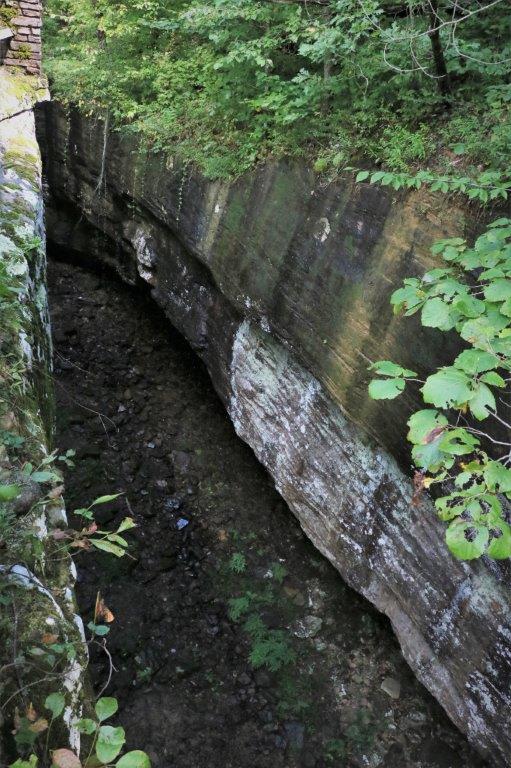
The one thing I had marked down to go see on our trip today was the Natural Bridge at Alum Cove.  We drove 5 miles off the road to the entrance and then had to walk down a very rugged, rocky trail to the bridge.  Unfortunately when you get to the bridge you are on top of it and there is no way to see it unless you walk a long circutuous route further down into the valley.  And even then I am not sure you could see the arch as the forest has overgrown the whole area.
 This is all we could see.  The actual arch is under where we are standing and all we could see was a hint of it if we looked down into the crevass.

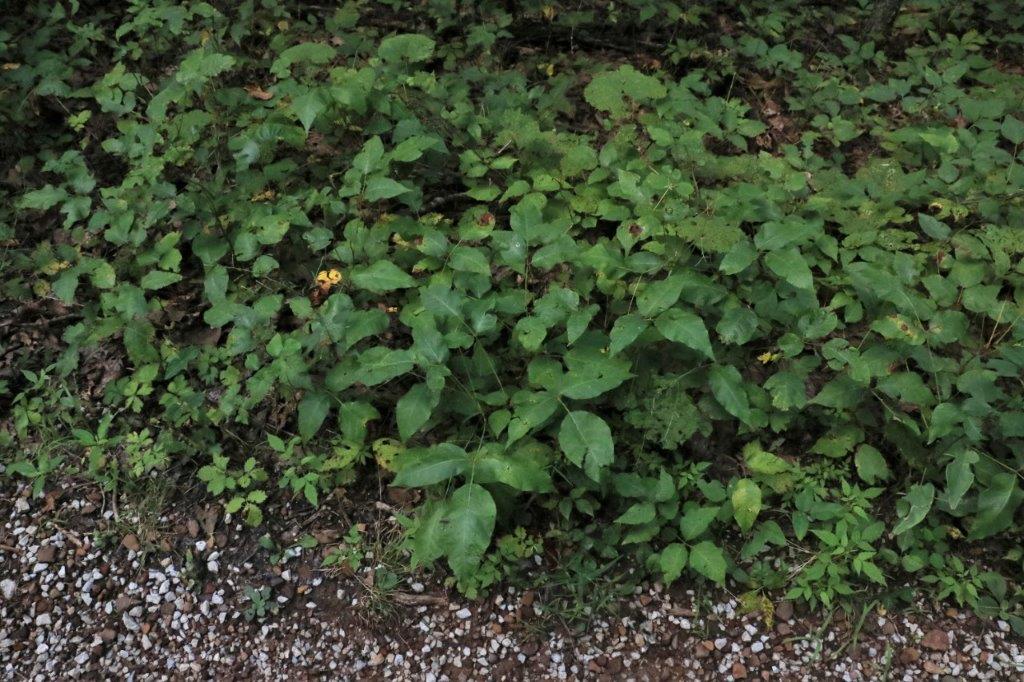
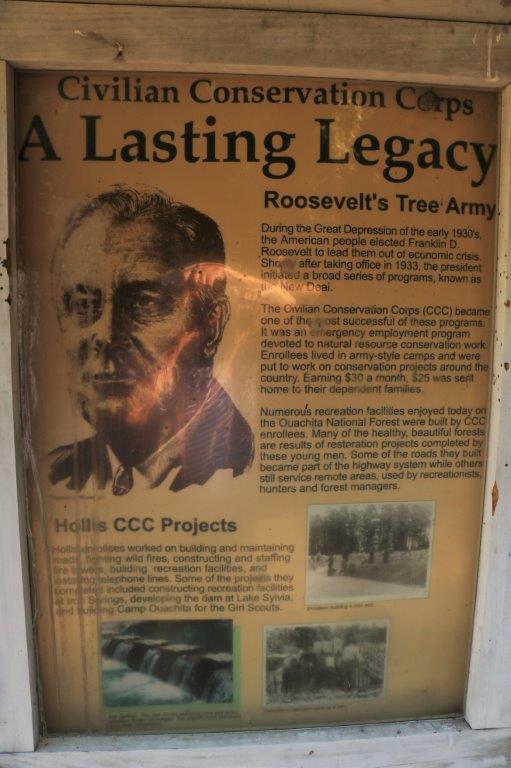
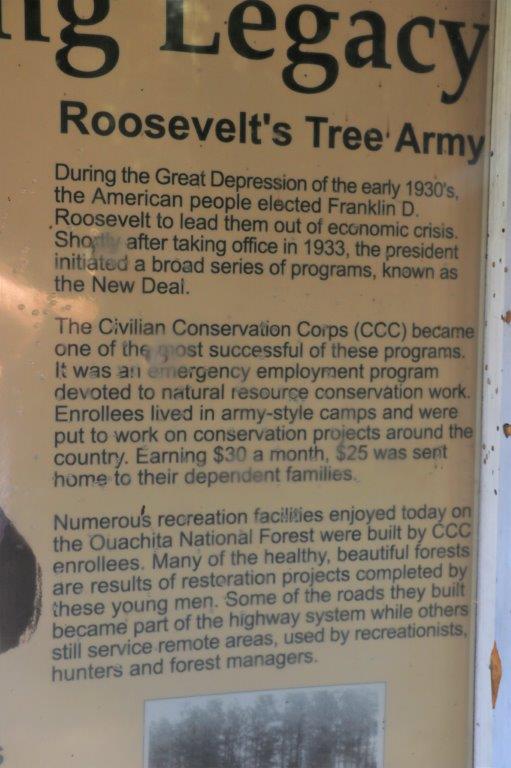
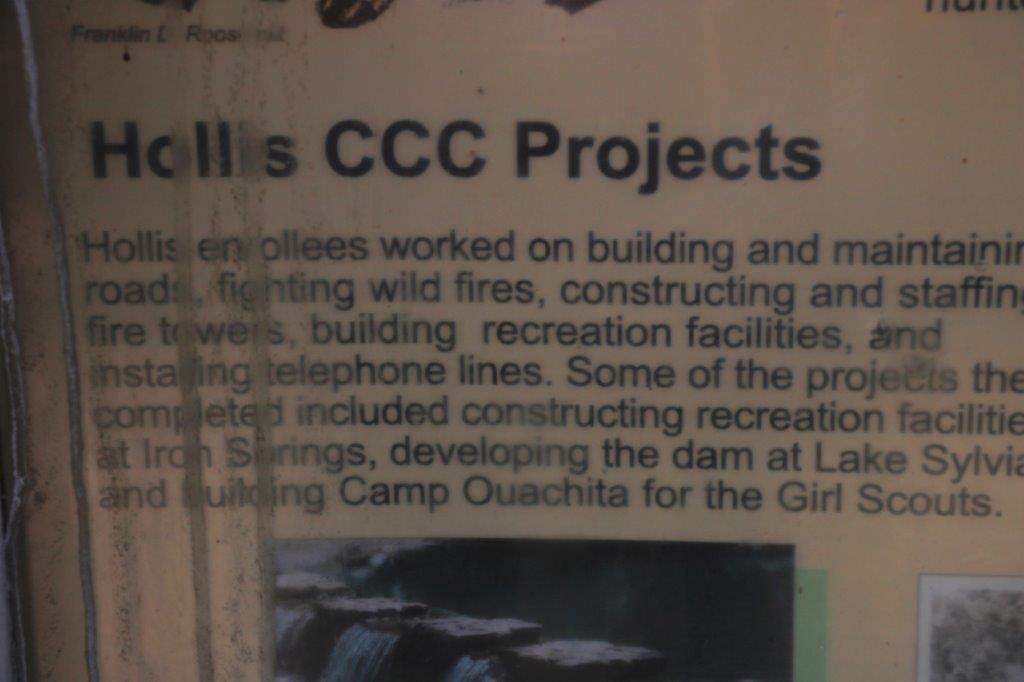
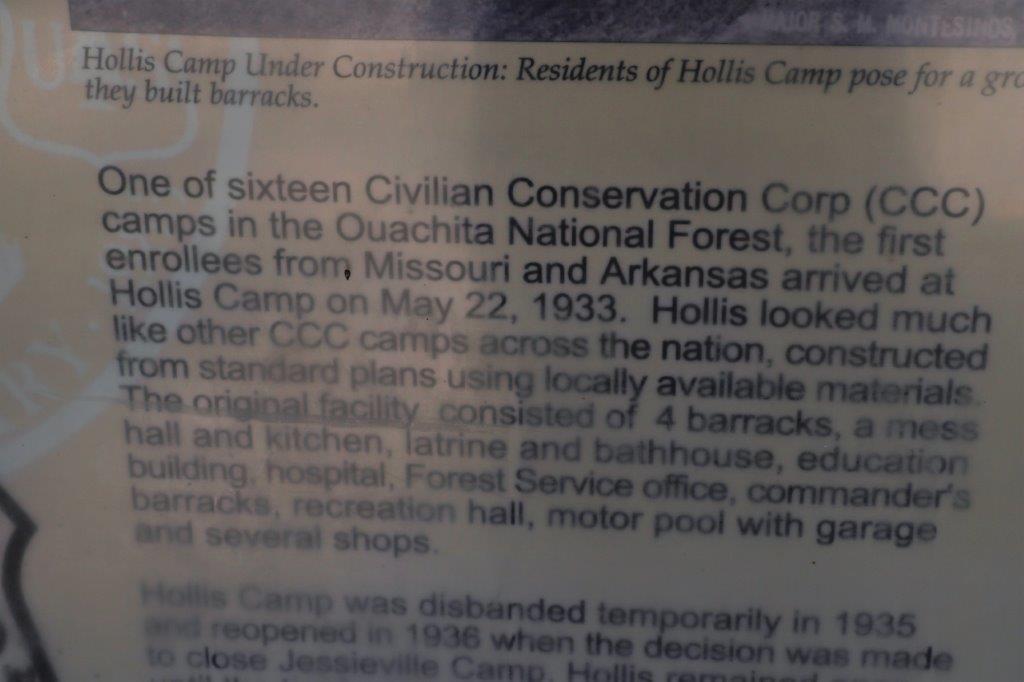
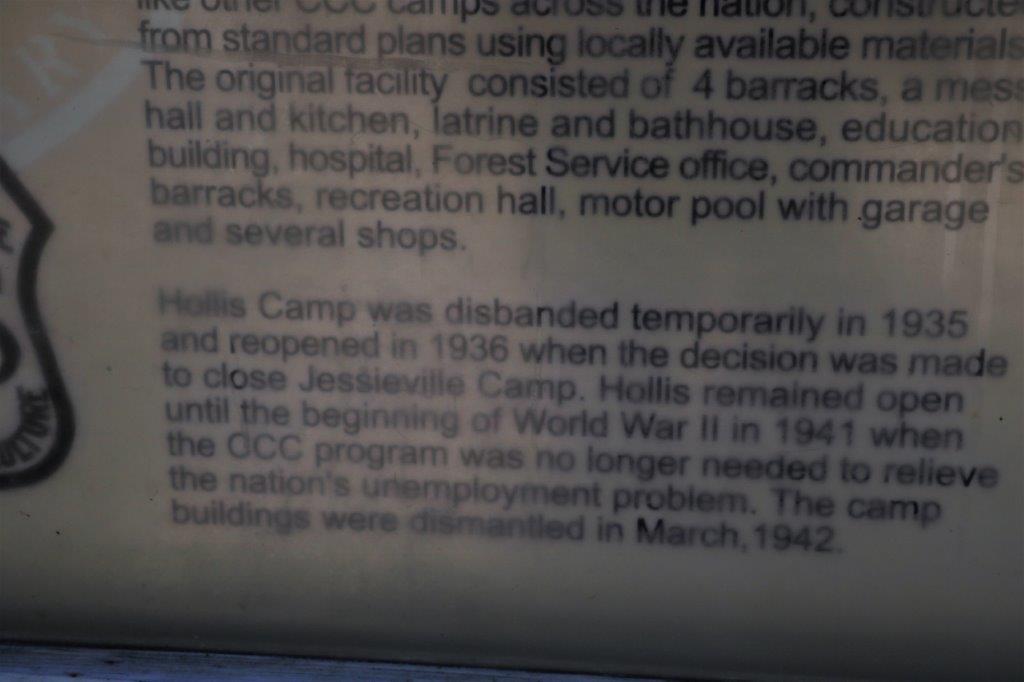
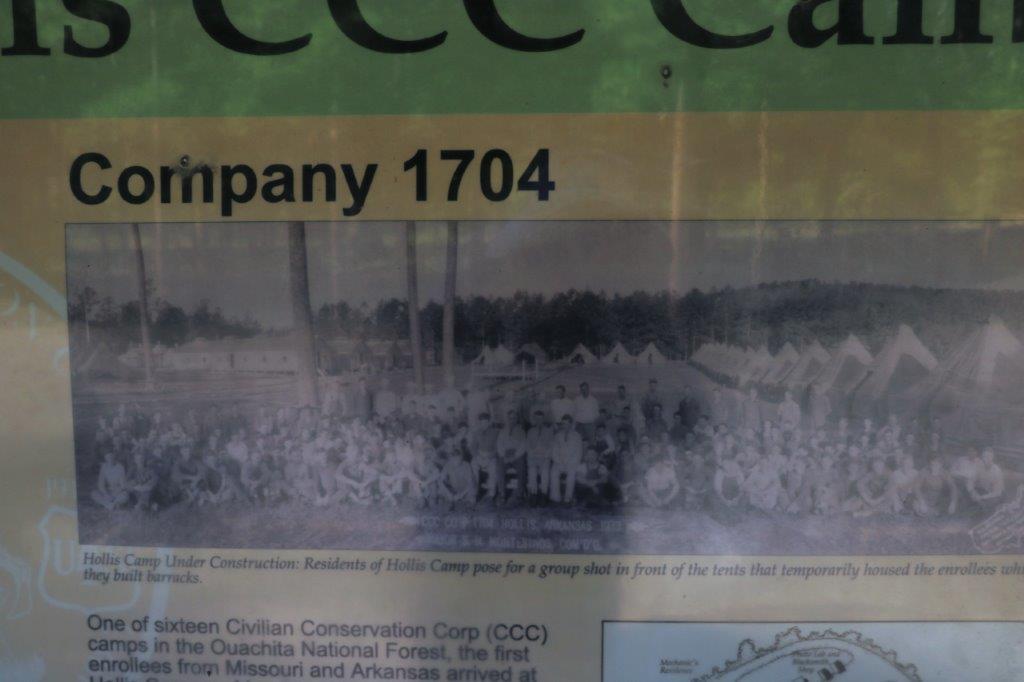
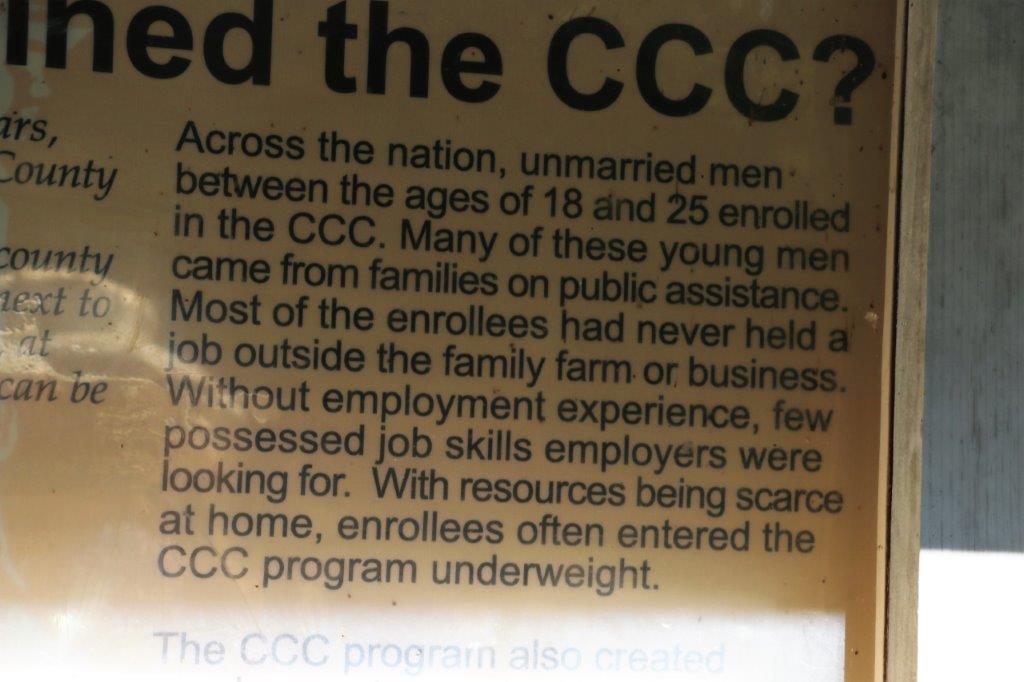
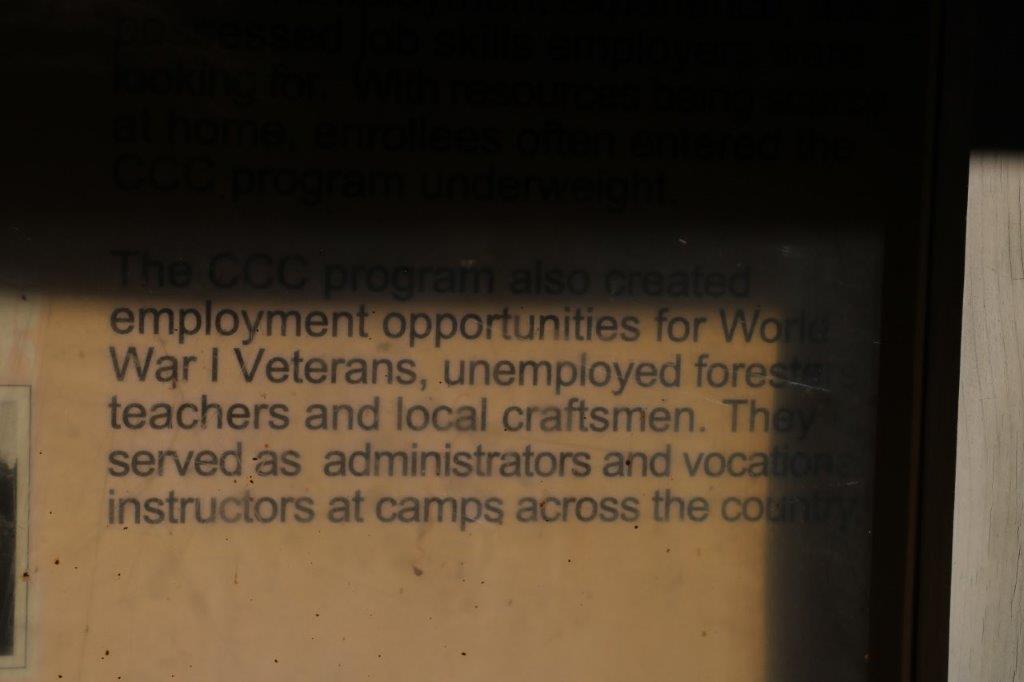
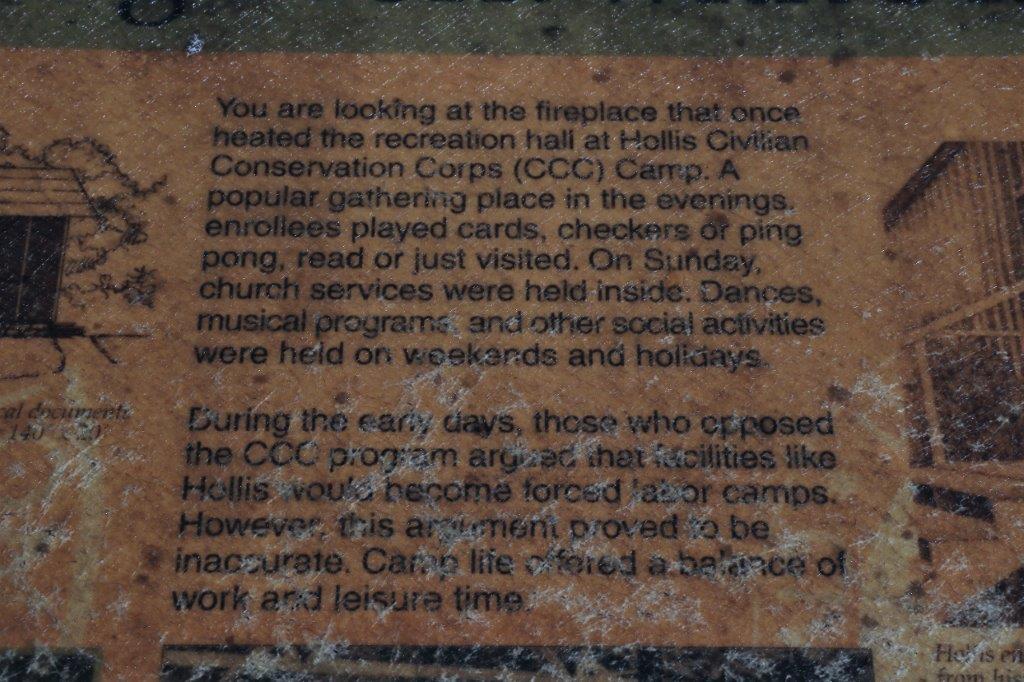
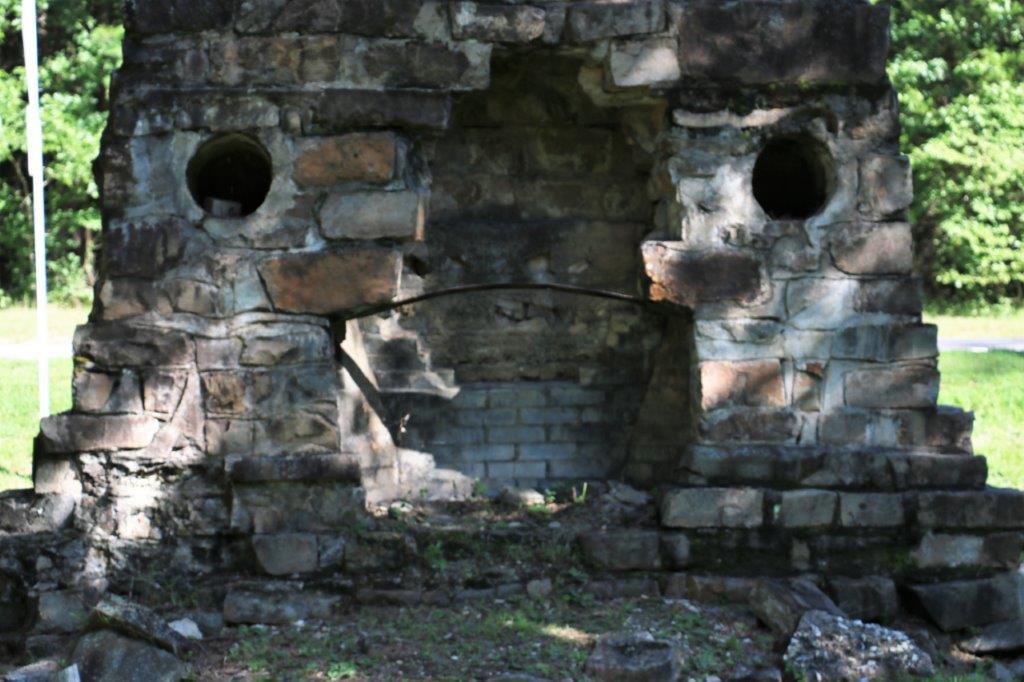
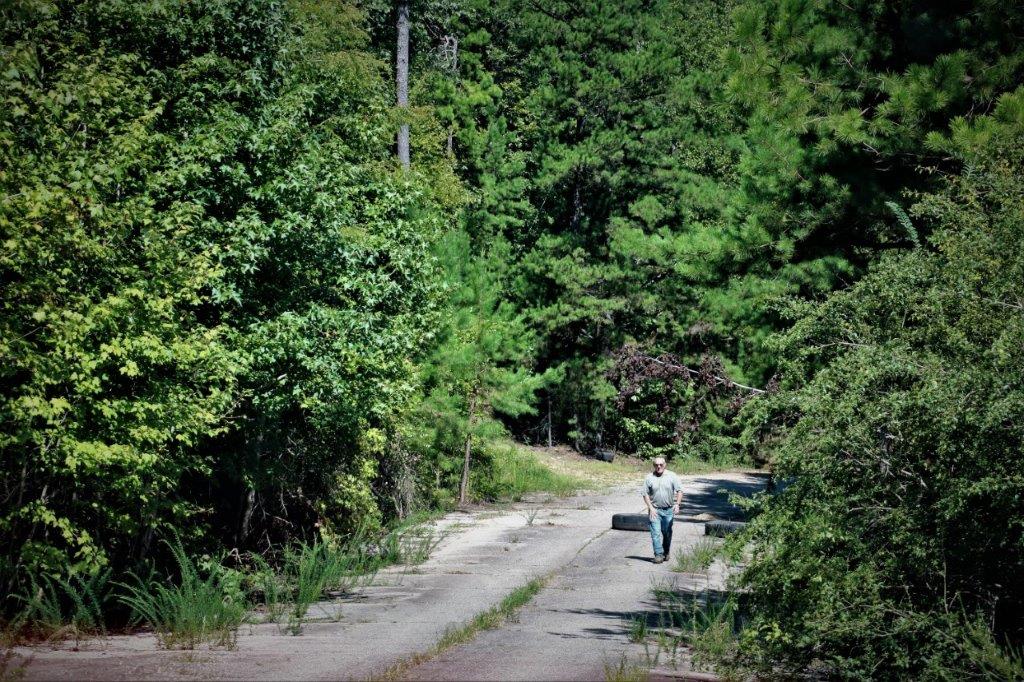
Around here if it says, “Stay on the Path” – or even if it doesn’t – stay on the path.  Poison Ivy lined both sides of the trail for most of it’s distance. We pulled into the site of a former CCC camp from Roosevelt’s depression area make-work projects.  The camp had been dismantle years ago but several of the building cornerstones, the fireplace in the rec center and some of the sidewalks remain.  


                          I like the face in the fireplace.

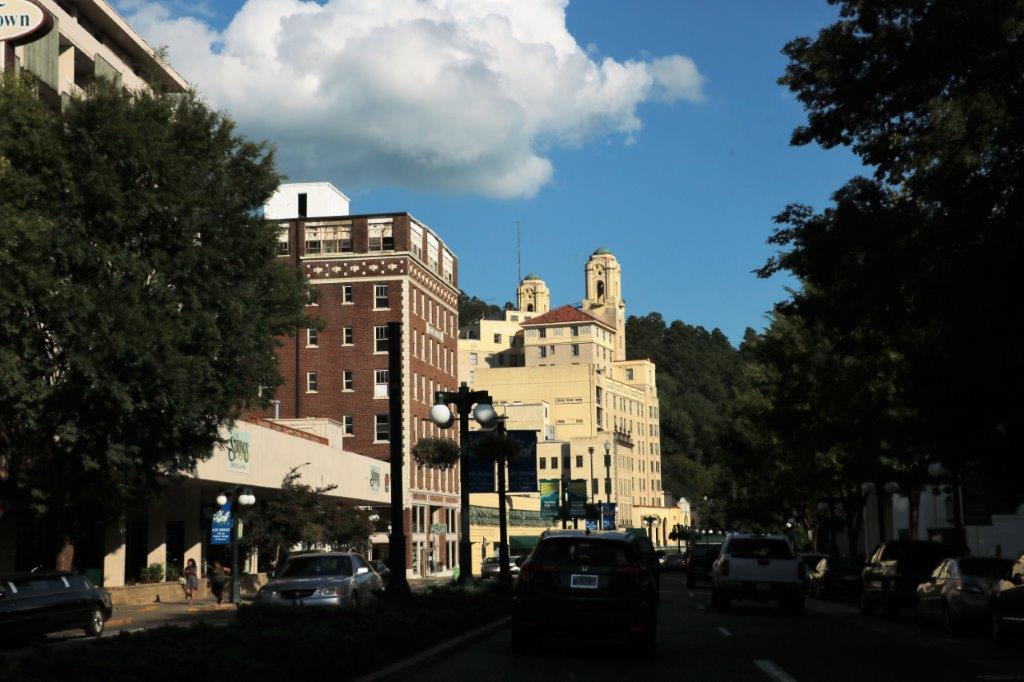
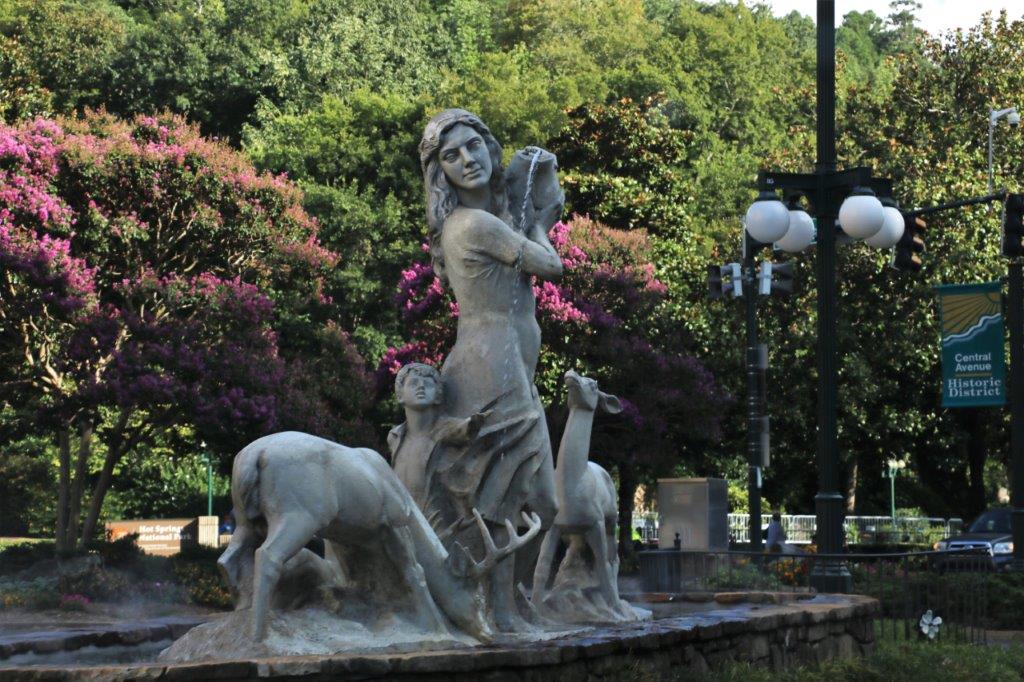
We drove into Hot Springs, Arkansas at 6 o’clock.  Since school started this week most of the tourists have gone but there were still lots of people on the streets. There were some lovely bath house buildings lining the main street but I couldn’t get photos of them due to cars and trees.  Apparently the water is 143 degrees when it comes out of the ground here.  Obviously, it would need to be cooled before you could get in it.  This is a very popular holiday spot.

2017 Aug 18 – Branson, MO

Well, I think we have covered Branson.  I have wanted to come here and see the place for years, but, like Las Vegas, for me anyway, once you have been once, you don’t have to go again.  At least I don’t.  We had a good time, probably could have gone out every night as well as every day, but I am getting too old and my feet hurt by evening.  We really enjoyed driving around the side roads and more out-of-the way places looking for geocaches.  The cave was great, the outdoor play was good, and we had a wonderful time.

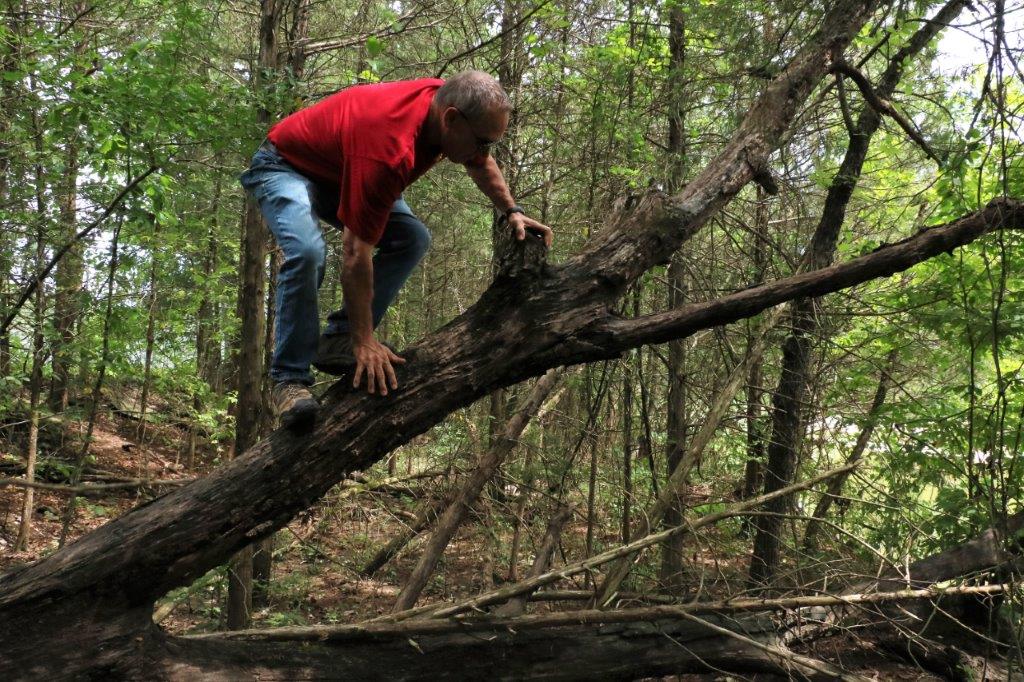
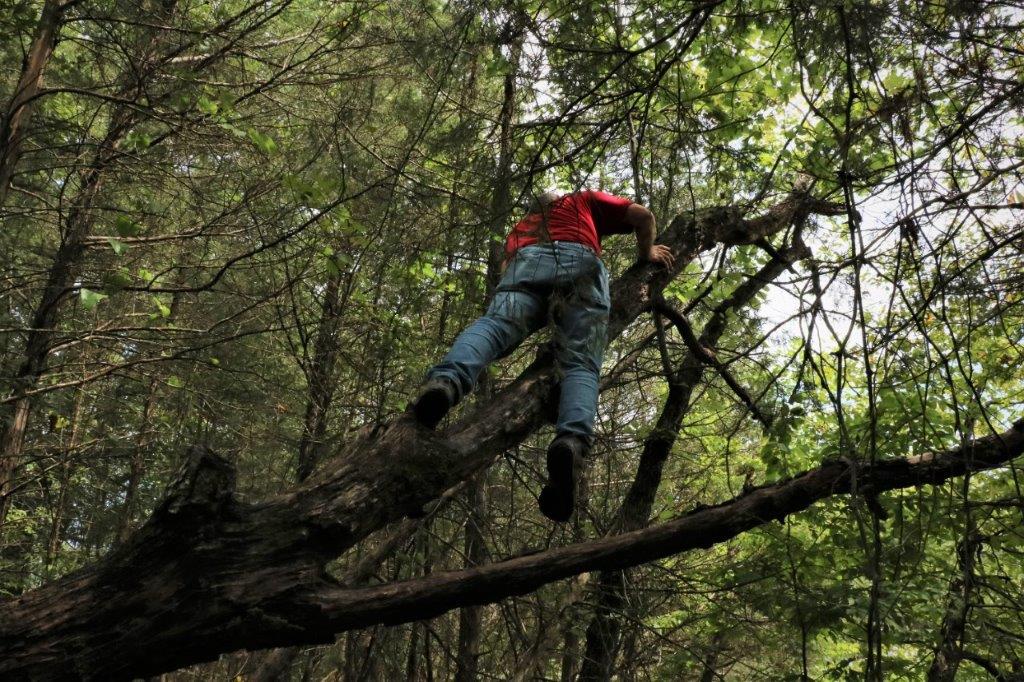
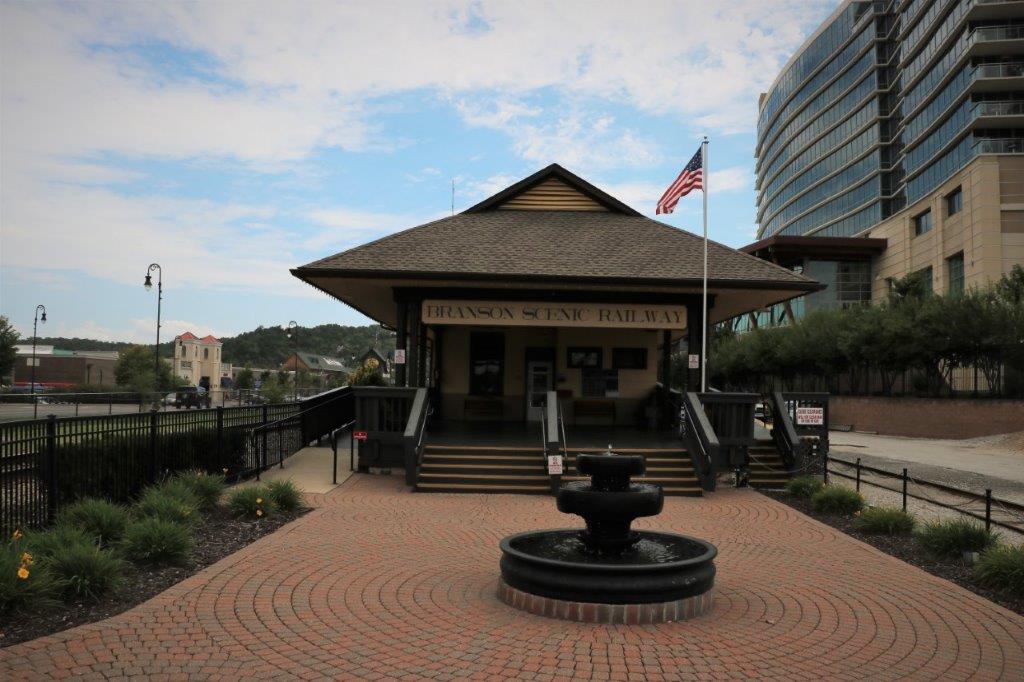
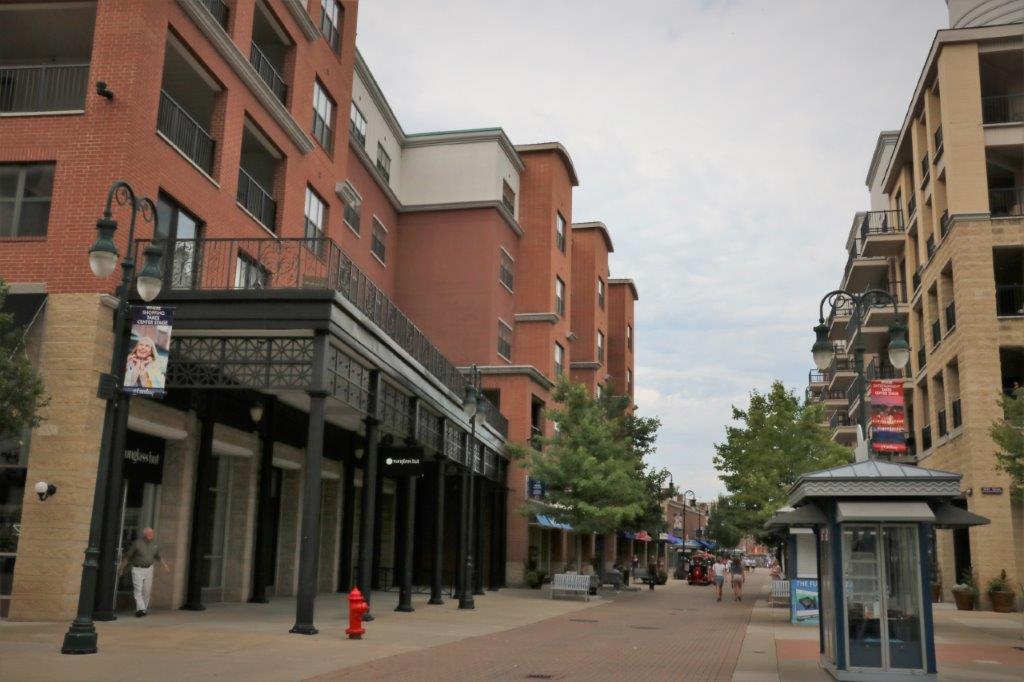
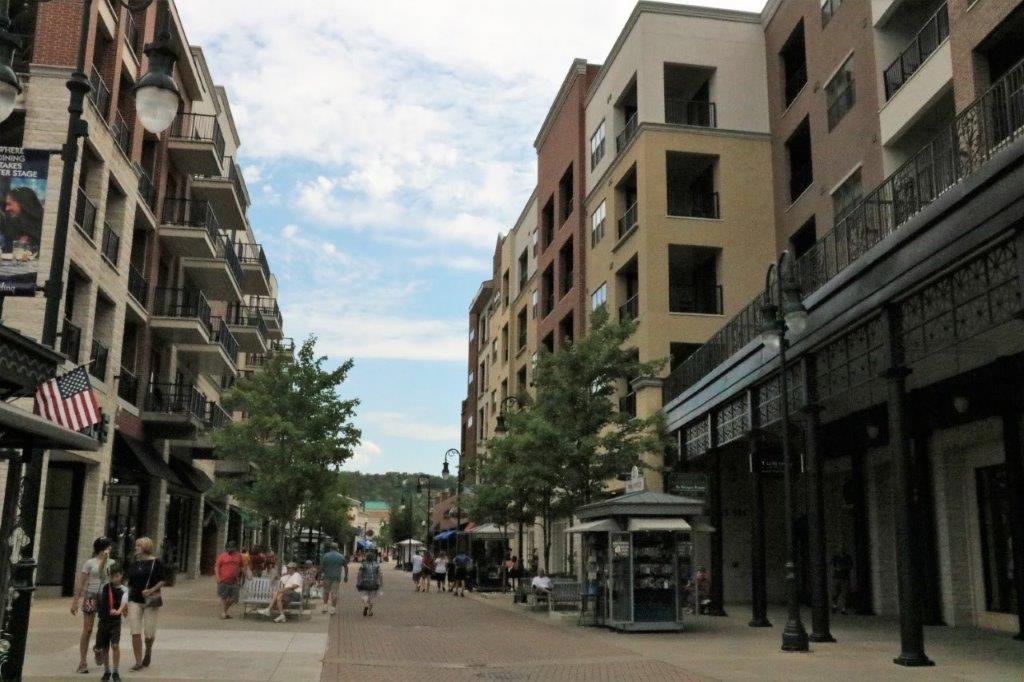
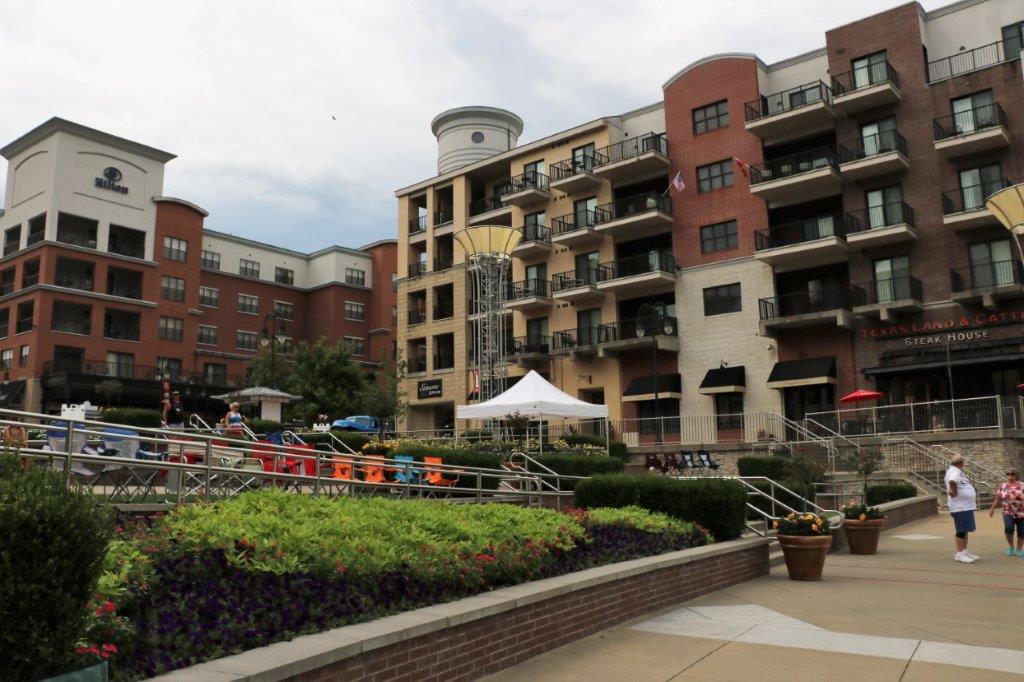
The only thing we did today was find a few geocaches and, also, not find a couple of geocaches.  John climbed up this dead log to search for one but it has gone missing, as has the sister cache near the parking lot. We had stopped in Stockstill Park to look for the two caches on our way to the Historic Downtown and Branson’s Landing which is the new pedestrian shopping plaza.

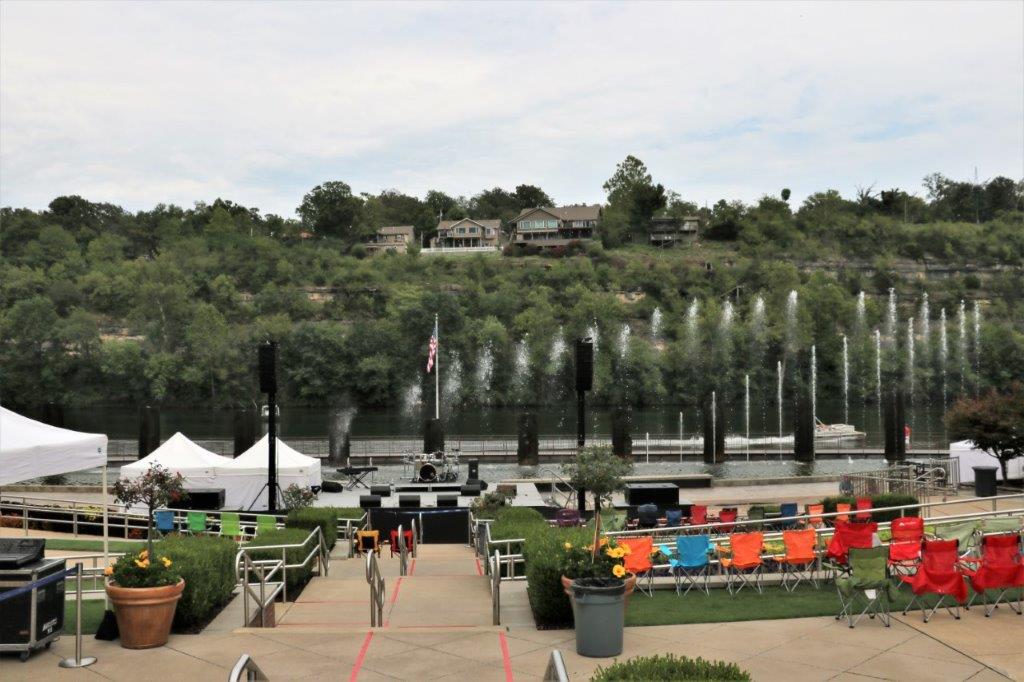
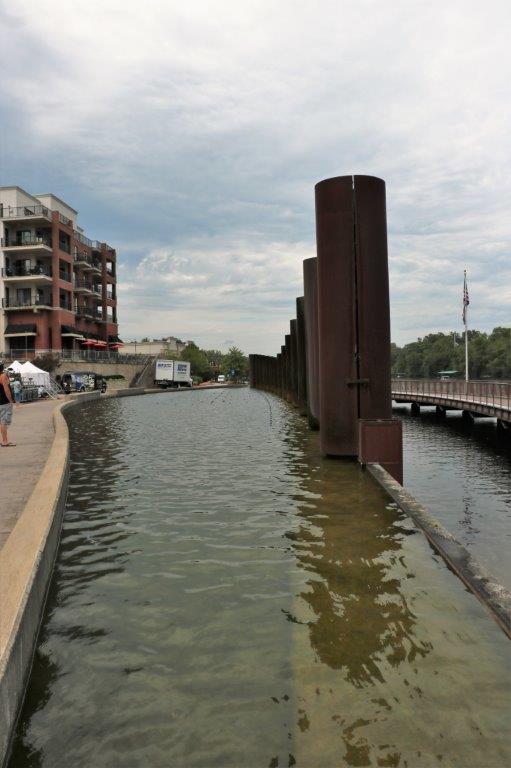
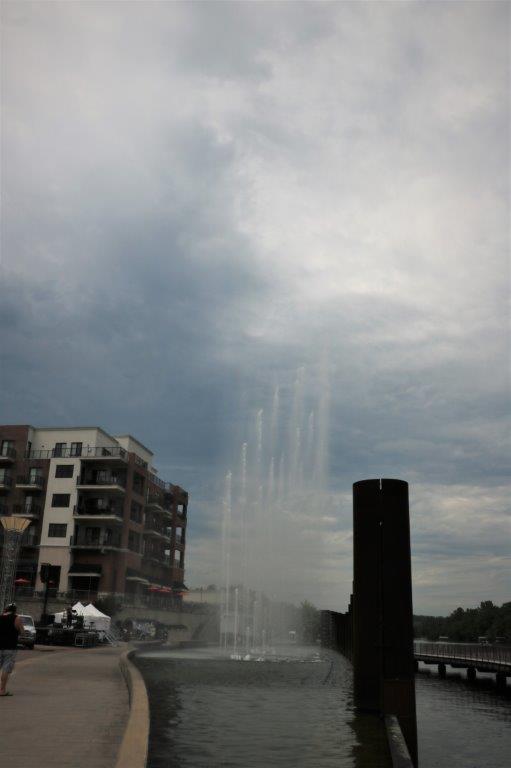
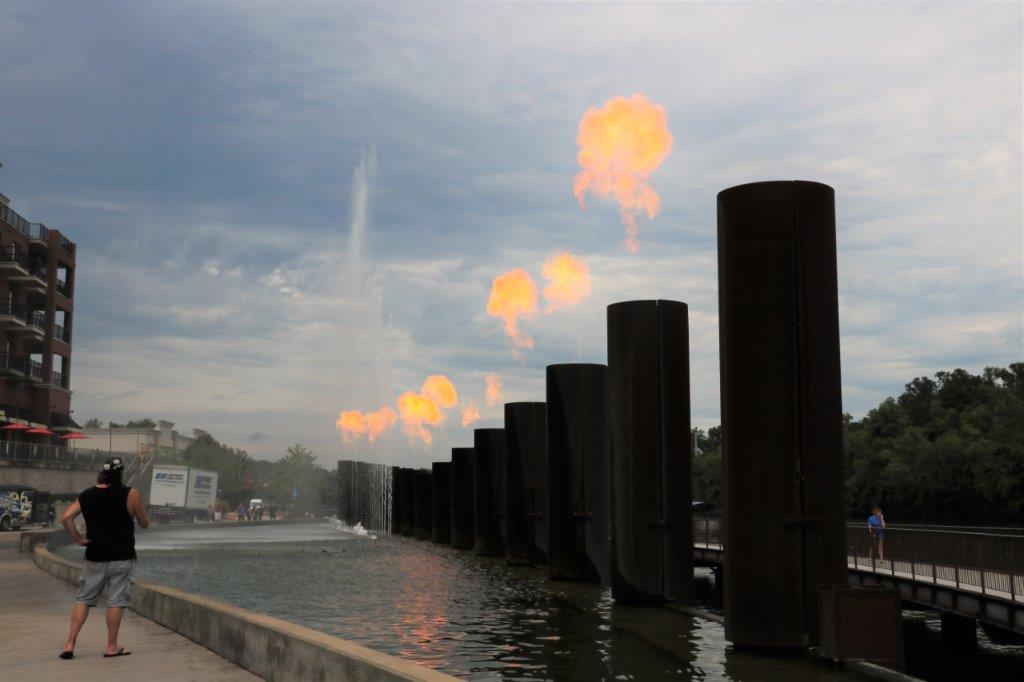
The boardwalk along the river is 1.5 miles long and in the center there is an man-made ‘amphitheater’ with a band stand at the bottom and a fountain behind.  There are outdoor concerts all summer long and the $7.5 million fountain begins performing it’s water, fire and music shows at noon each day and at the top of the hour from then on.  It was a very mini version of the Dubain fountain.  When the gas-fired jets in the columns light up it is like a gun going off.  Really scared us the first time we heard it. We walked along the boardwalk to the end and then walked up to the old downtown and circled back to the truck.  It was beginning to rain as we walked the old town and it rained all the way back to the resort.  We have some tidying and packing to do so do not want to have a late night. Check-out is 10 am tomorrow. We are continuing to drive south for another couple of days, going through Arkansas and crossing the border of Louisiana before going west and making our way, over the course of the week, to Pagosa Springs, Colorado where we will spend another week before beginning the meander home.

2017 Aug 17 – Branson, MO

It was a very nice day today so we decided to go out to Silver Dollar City; which is a large amusement park northwest of Branson.  I didn’t care about the amusement park but I was interested in Marvel Cave which is underneath Silver Dollar City (As a matter of fact Silver Dollar City was built around the attraction of Marvel Cave).  The ticket price would be steep at $40 each to see a cave but I thought we could wander around the amusement park too just to see stuff.  You never know, there may be a ride we want to go on, or, heaven forbid, a shop we need to go in.  All tickets to the amusement park include a tour of the cave so if you want to see the cave you must buy a ticket to the amusement park. The Cathedral Room at Marvel Cave is immense (204’/62m high, 225’/69m wide and 411’/125m long).  It is one of the largest cave entrances in the US, located 500′ underground – you get to descend 600 steps but a cable car takes you back to the surface.

Unfortunately when we got out to the place it was closed for the day.  We learned later that it was a scheduled closure as the season winds down plus they are getting ready for a huge Gospel Jamboree next week.

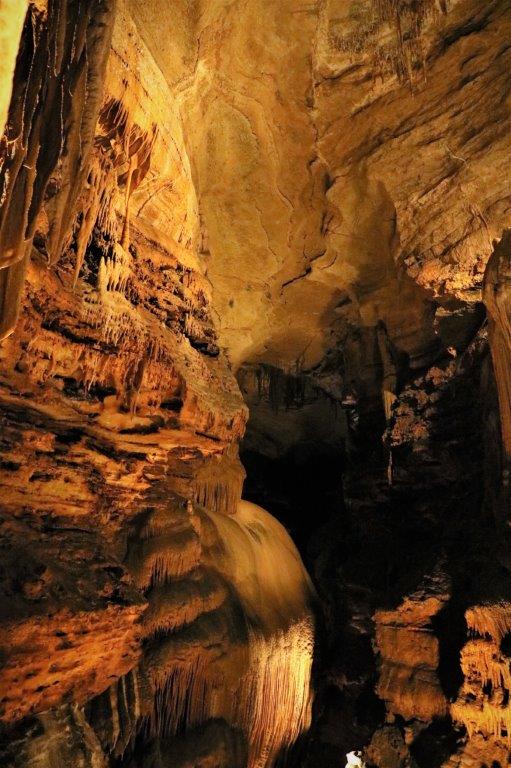
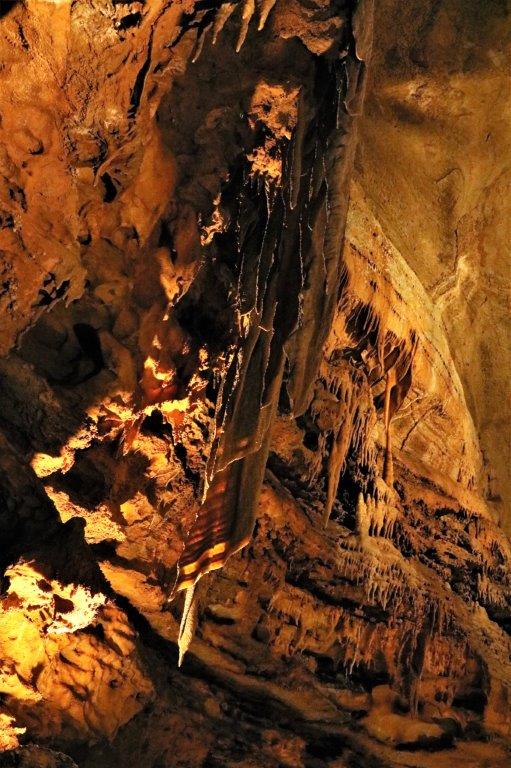
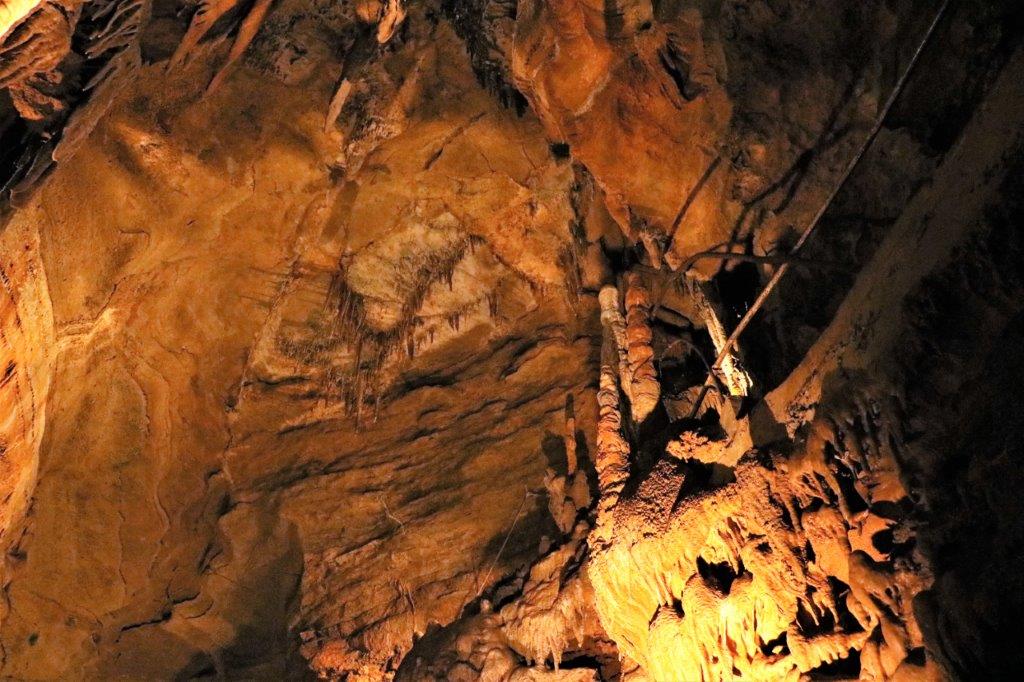
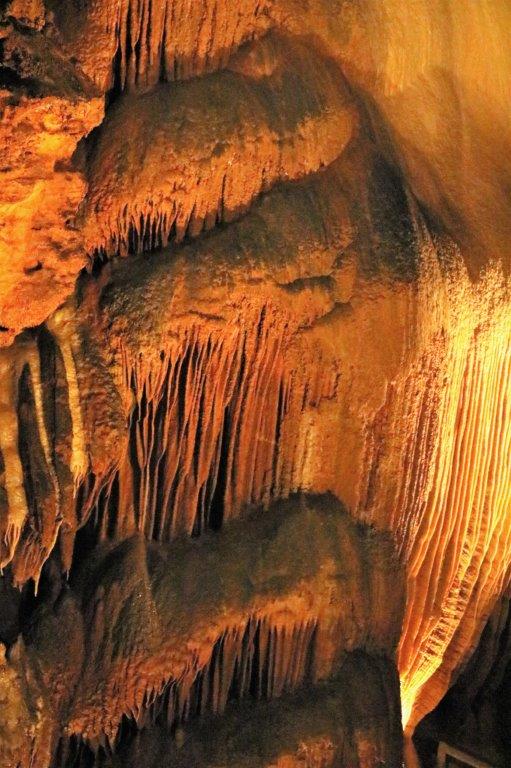
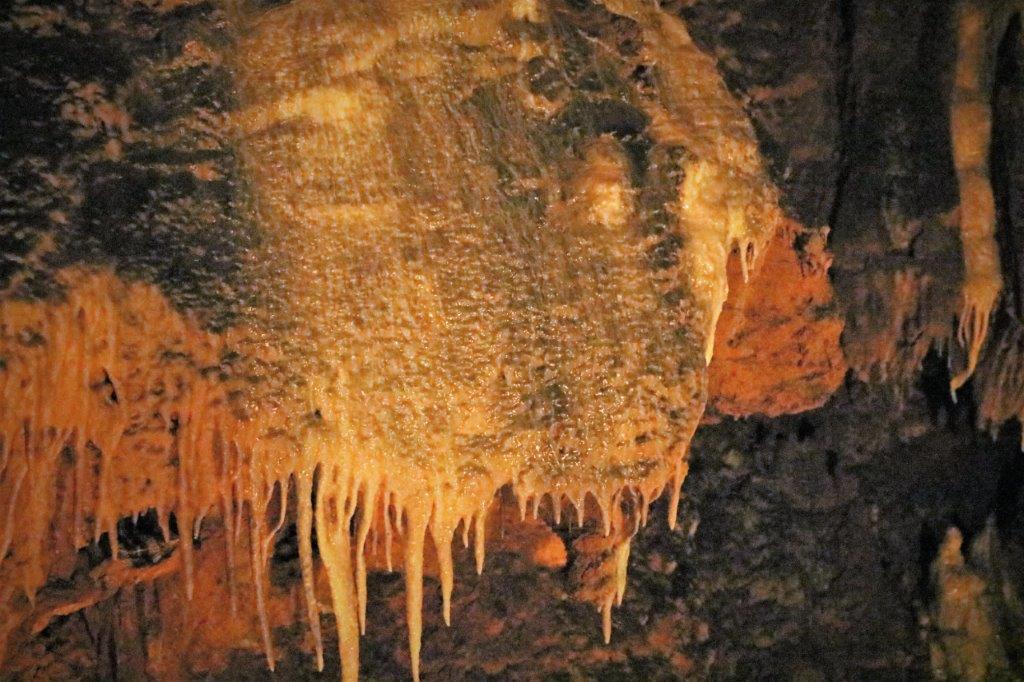
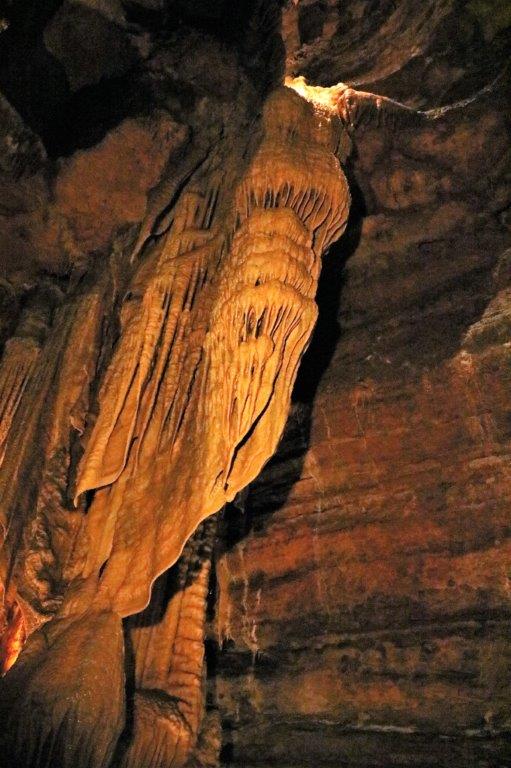
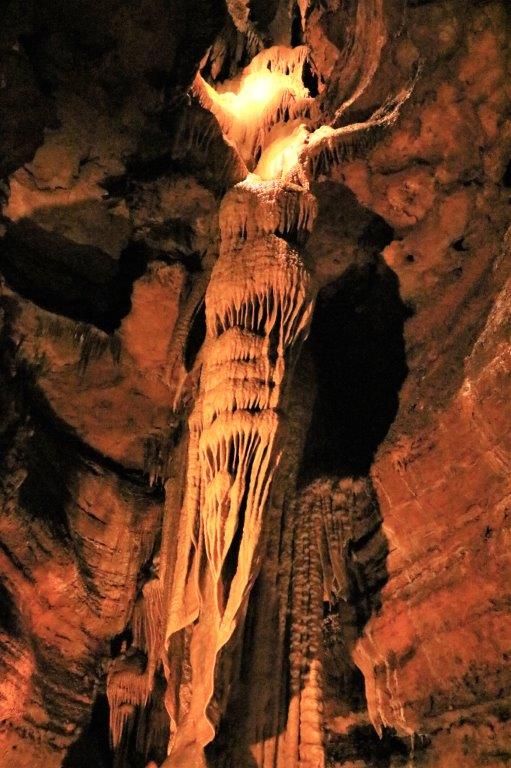
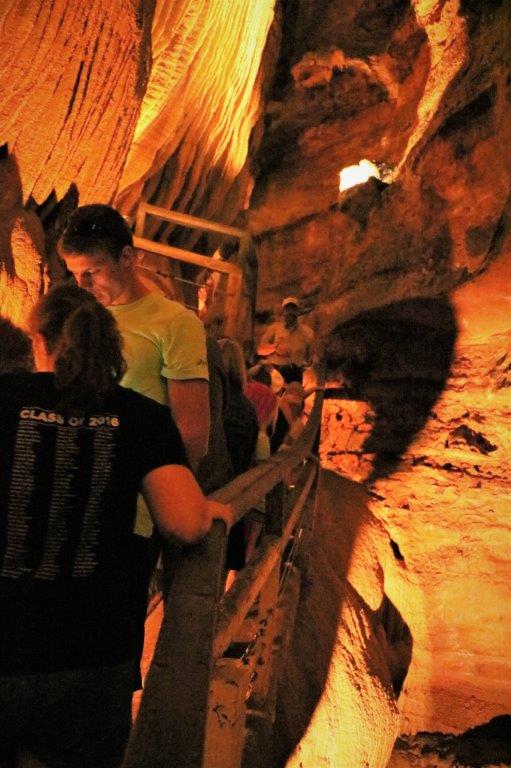
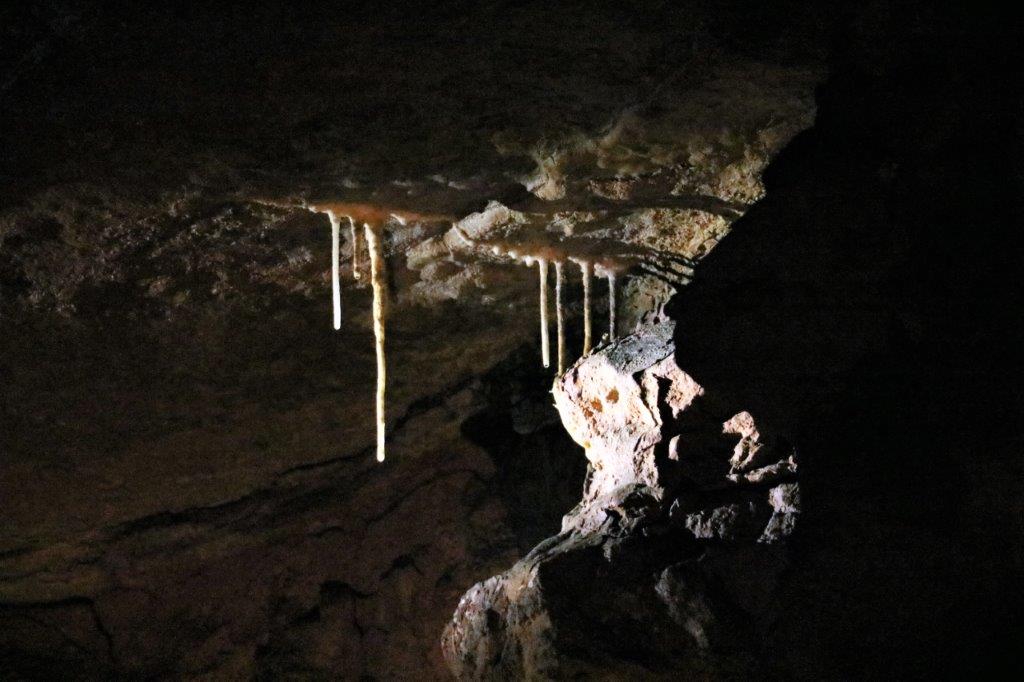
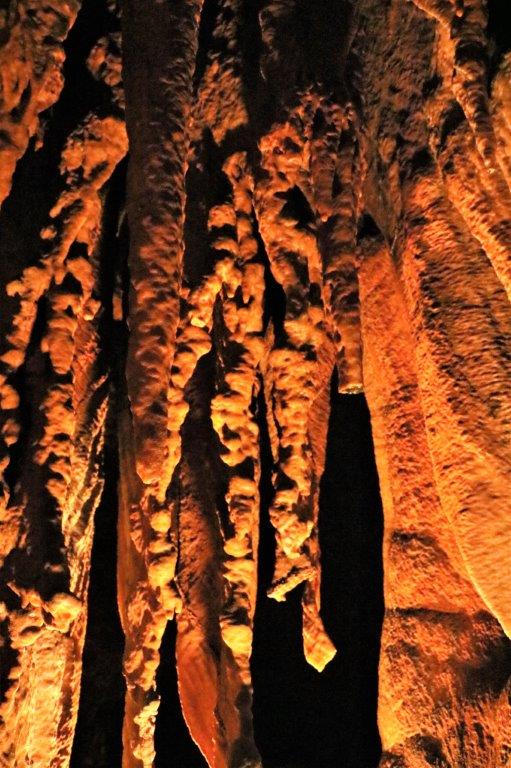
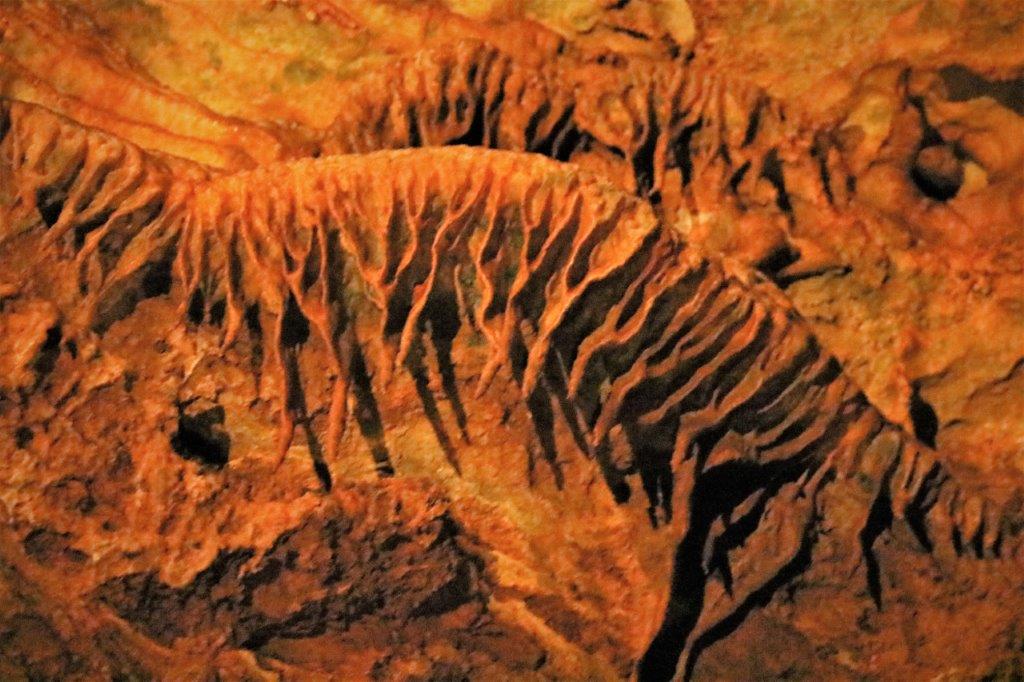
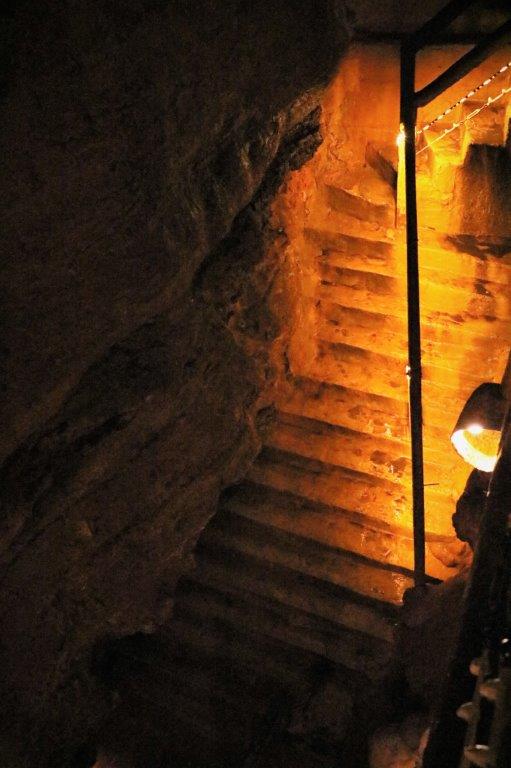
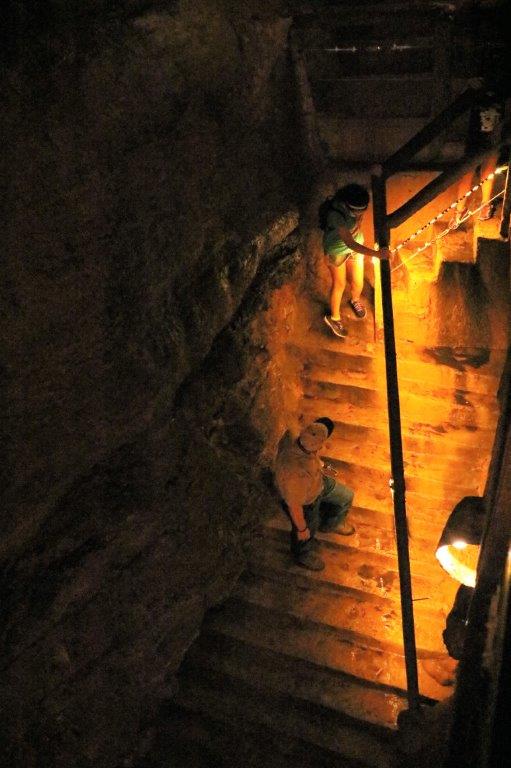
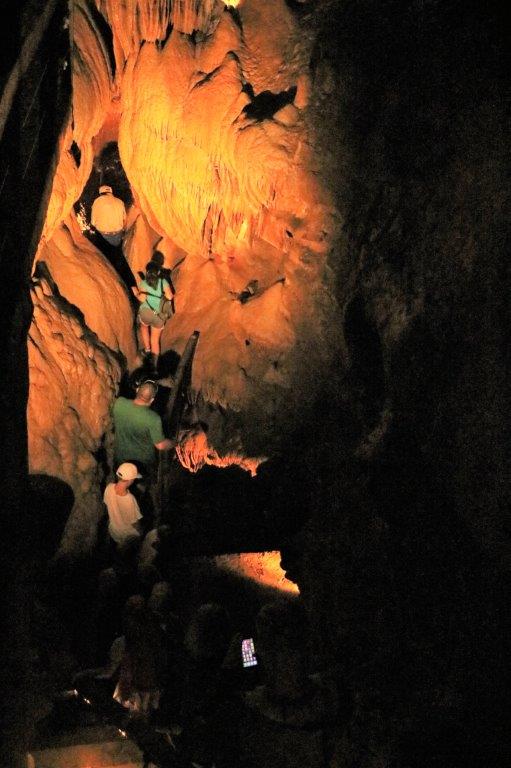
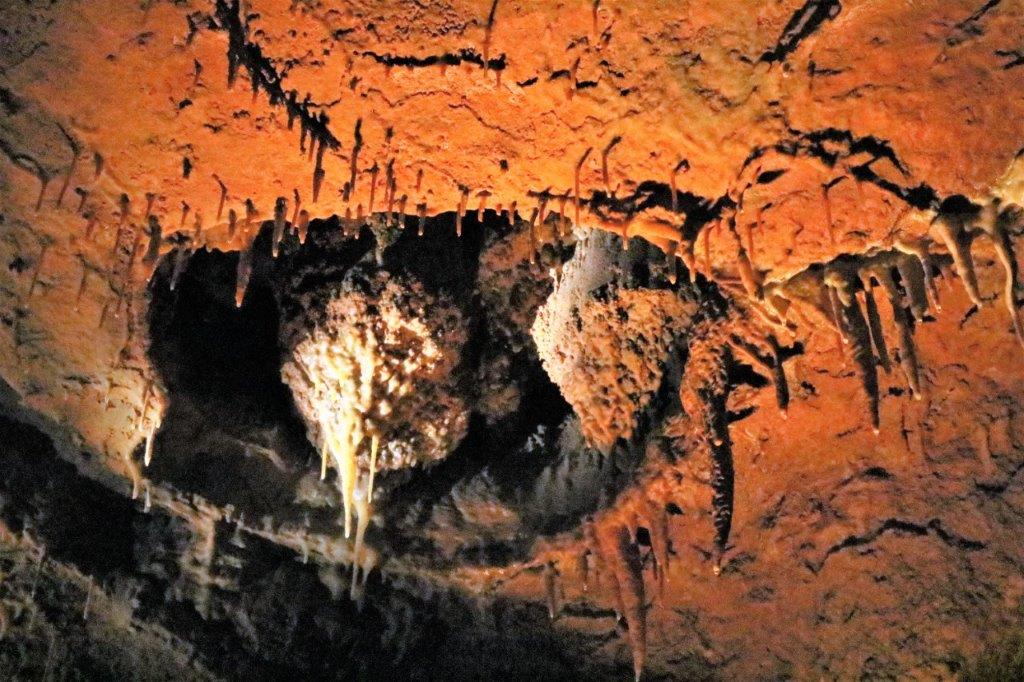
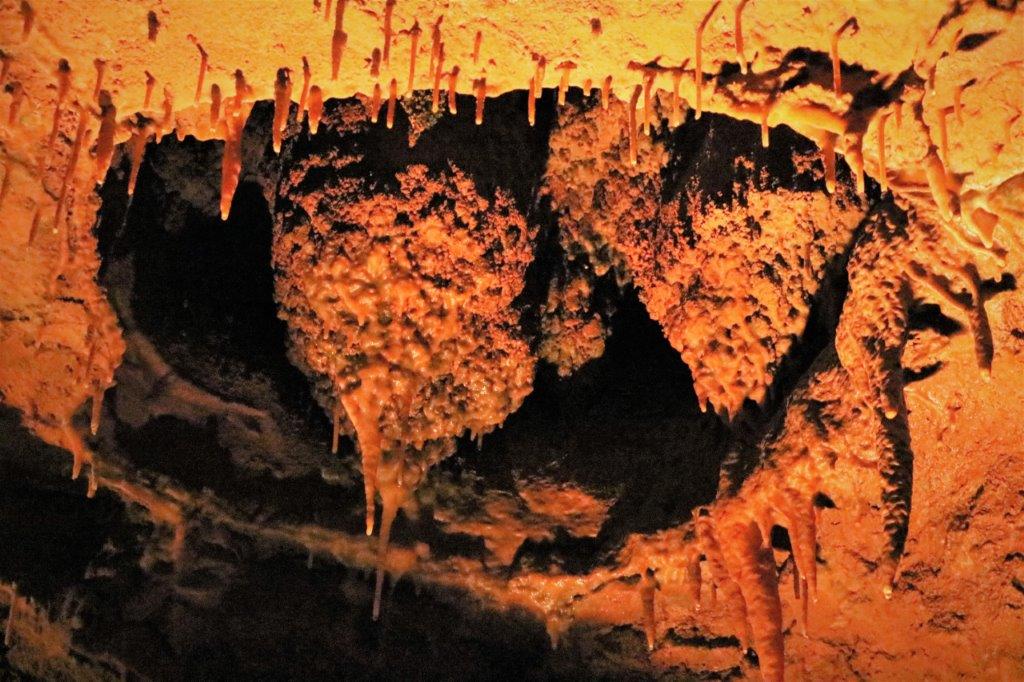
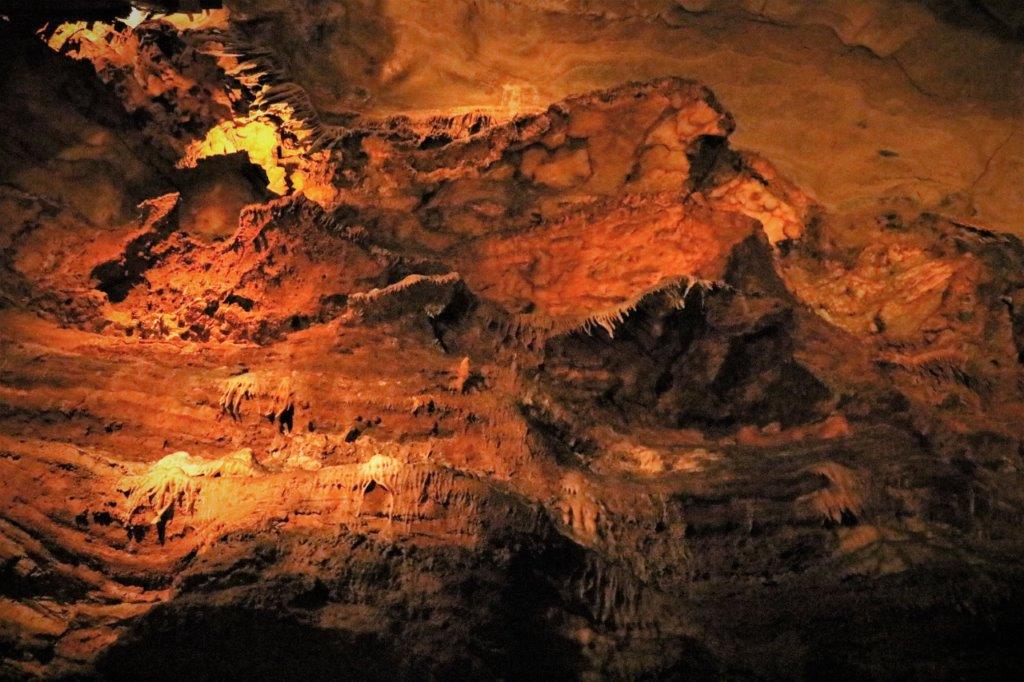
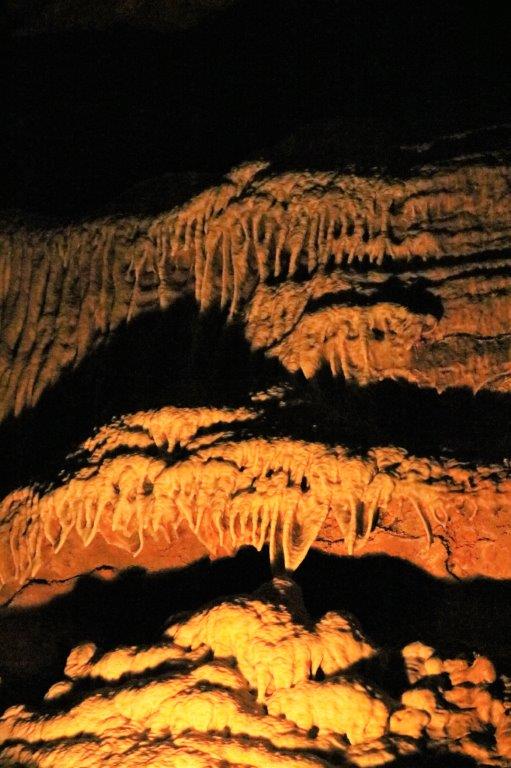
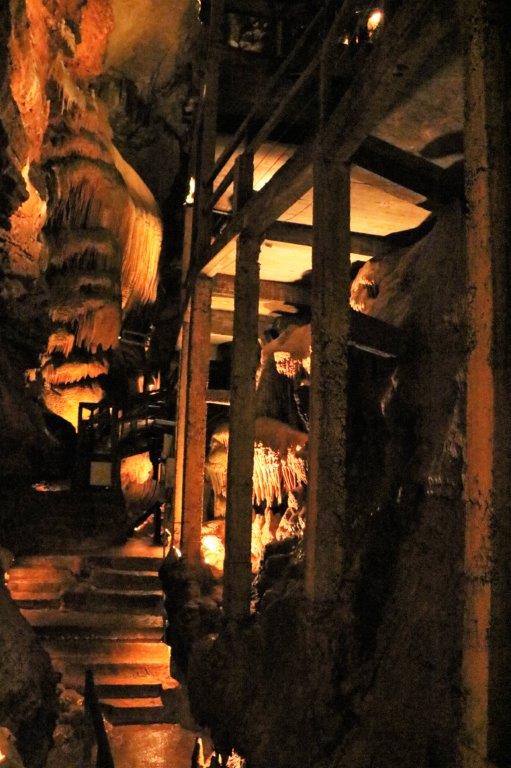
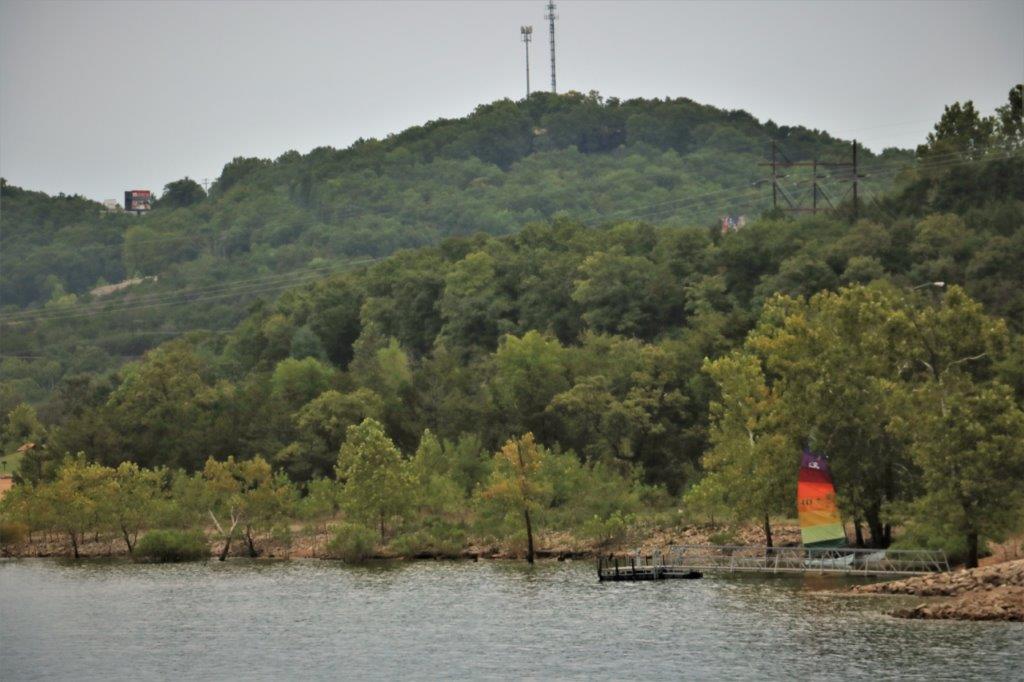
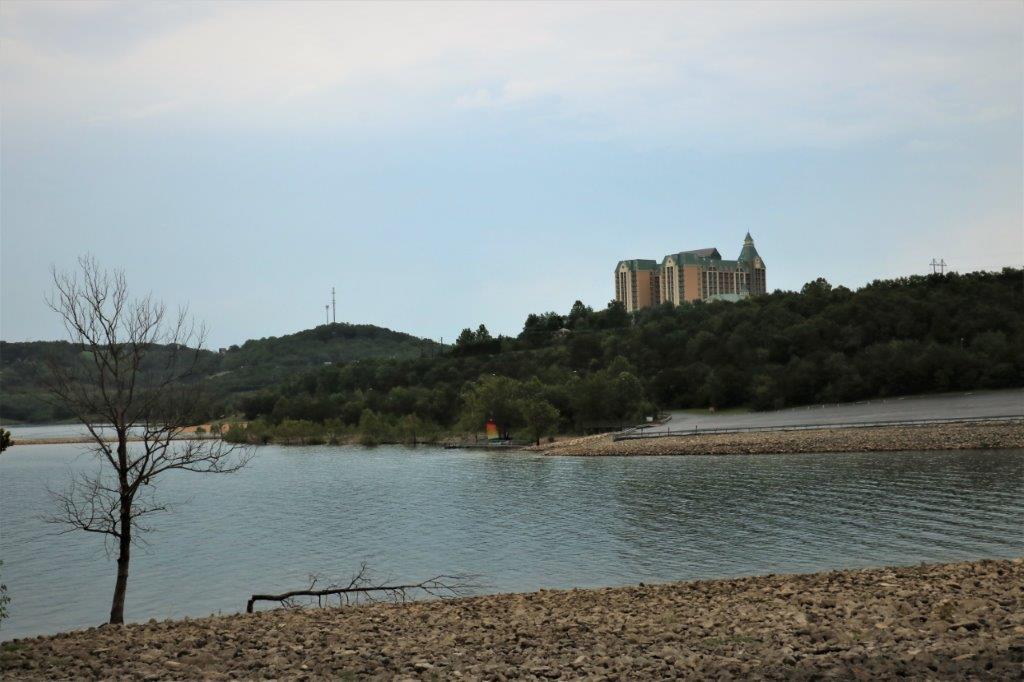
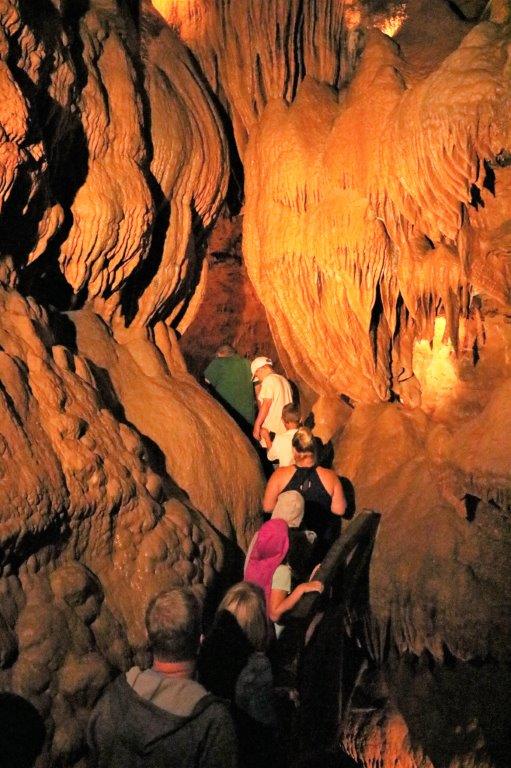
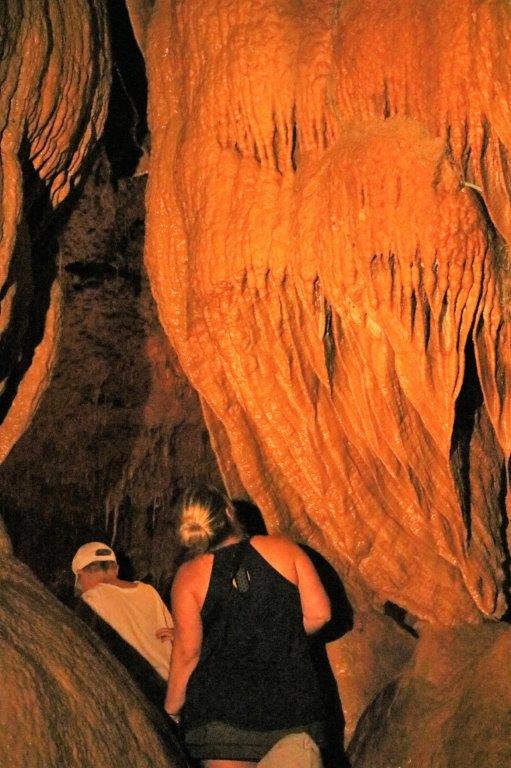
Since we couldn’t go to Silver Dollar City we decided to continue down the road to Indian Point; one of Table Rock Lake’s many peninsulas and spits. Indian Point is a favourite boat launching area and there were lots of campgrounds and RV parks and a huge parking lot for boats and trailers, as well as many mooring spots along the piers. The Floating Cafe was a good place to have some lunch.We drove back up to the highway and went further west in search of a few geocaches.  There were three hidden on the grounds of Talking Rocks Cavern so we decided to tour Talking Rocks since we could not go to Marvel.  I love caves.  I find all of the shapes and colours fascinating.  Talking Rocks is not a really large cave.  We descended about 130 concrete steps, make loop around the bottom, and climb all the steps again to get back up to the bottom.  The cavern is 100′ deep.  Since Talking Rocks is located on a hilltop there was 55′ of earth above the cave and at the bottom of the cave we would still be 100′ above Table Rock Lake.

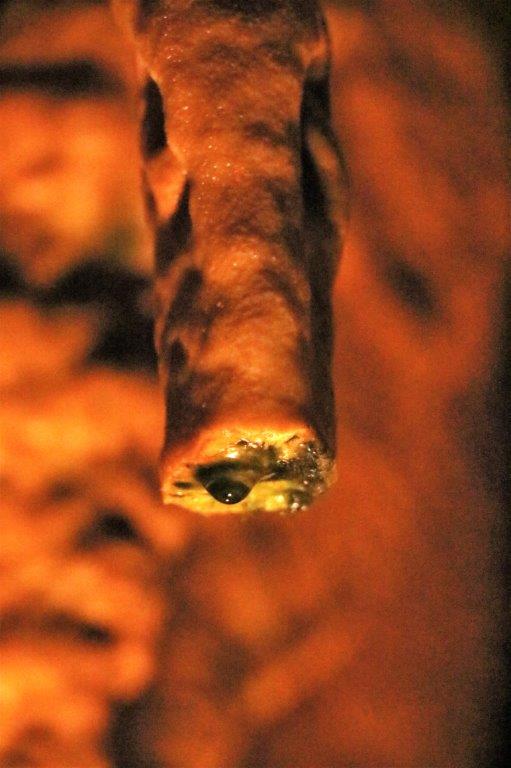
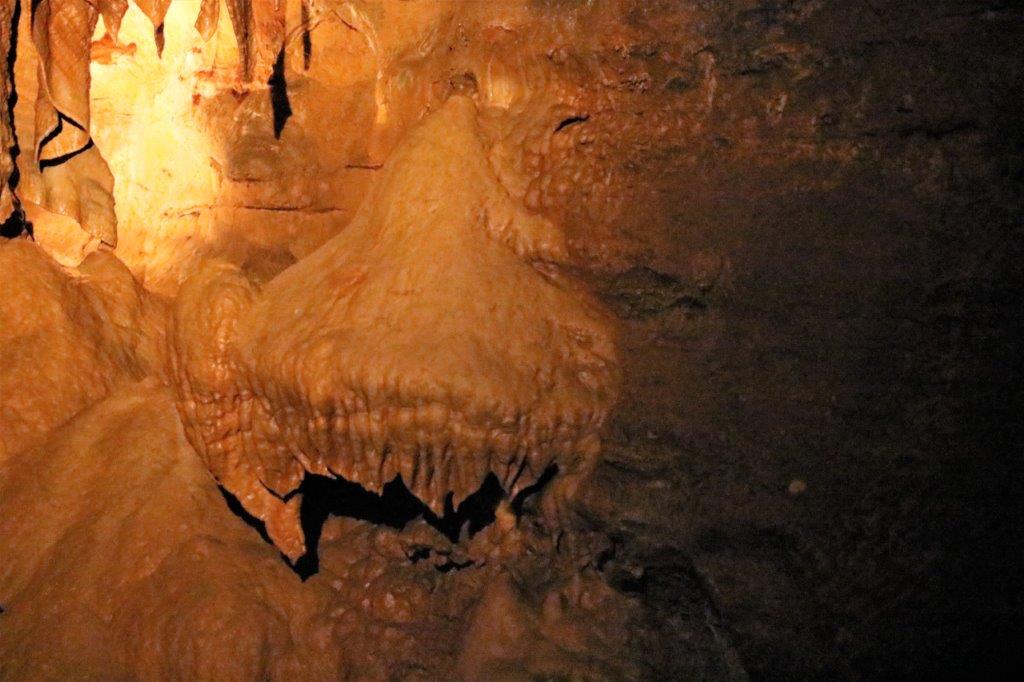
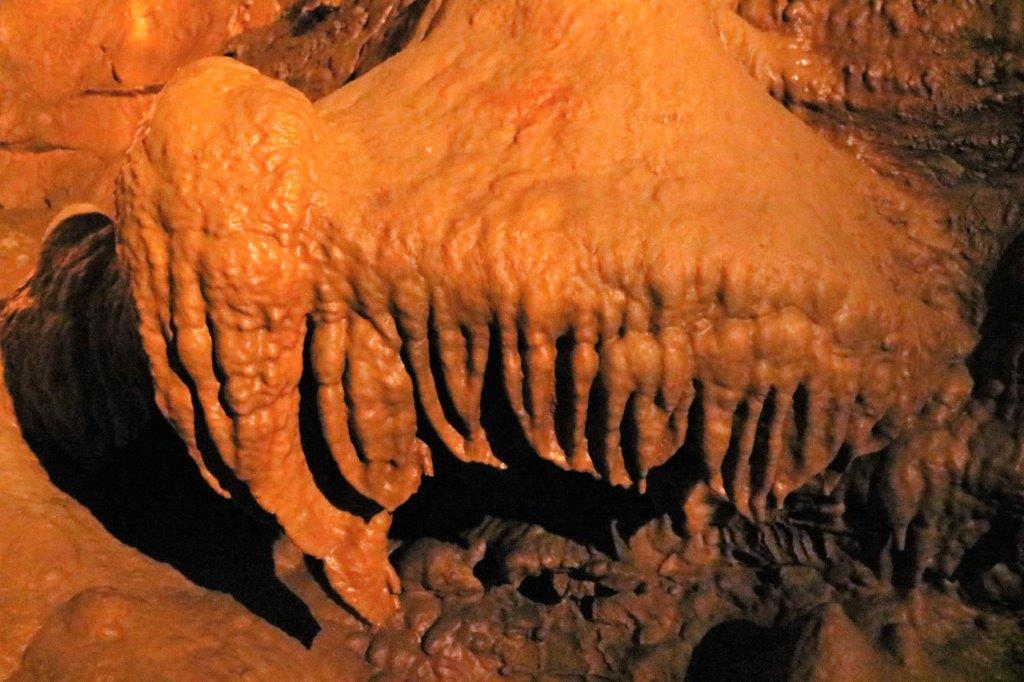
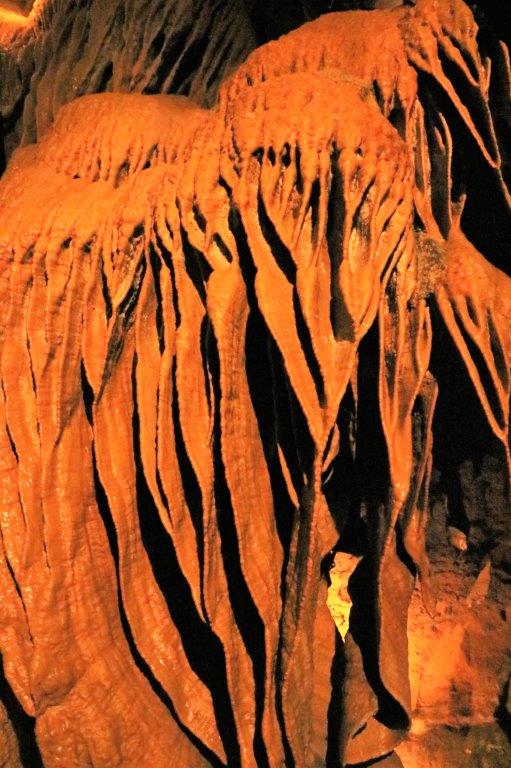
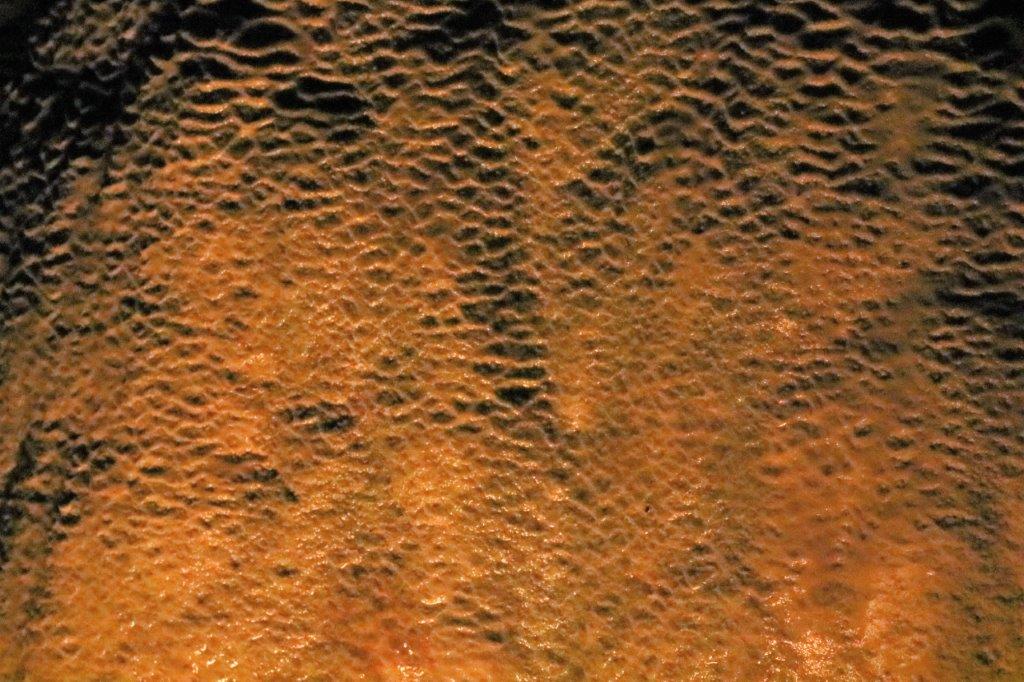
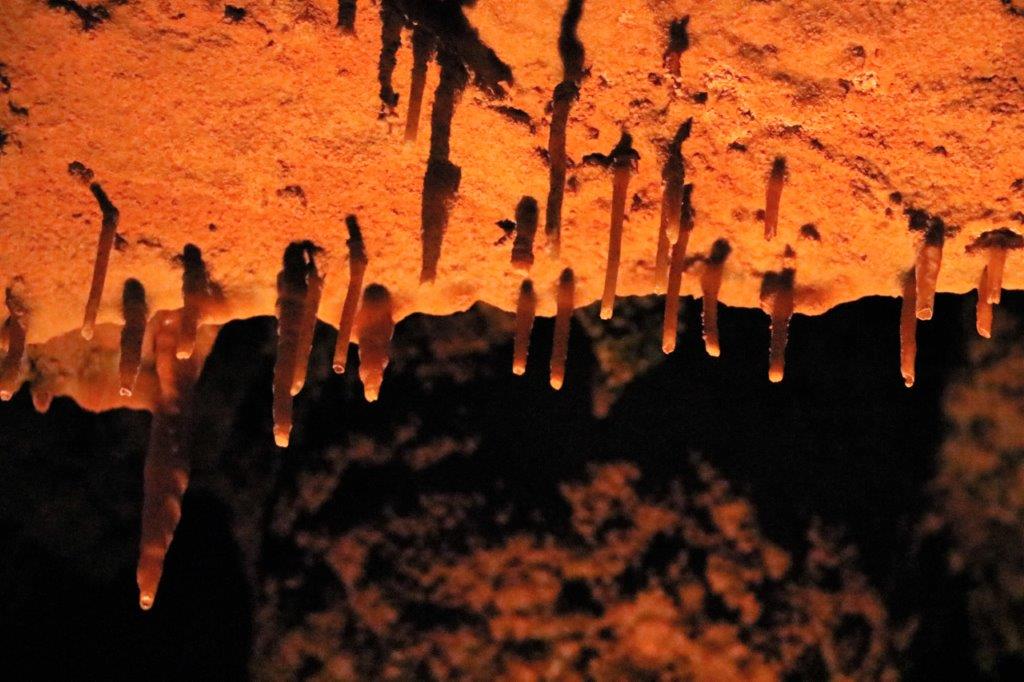
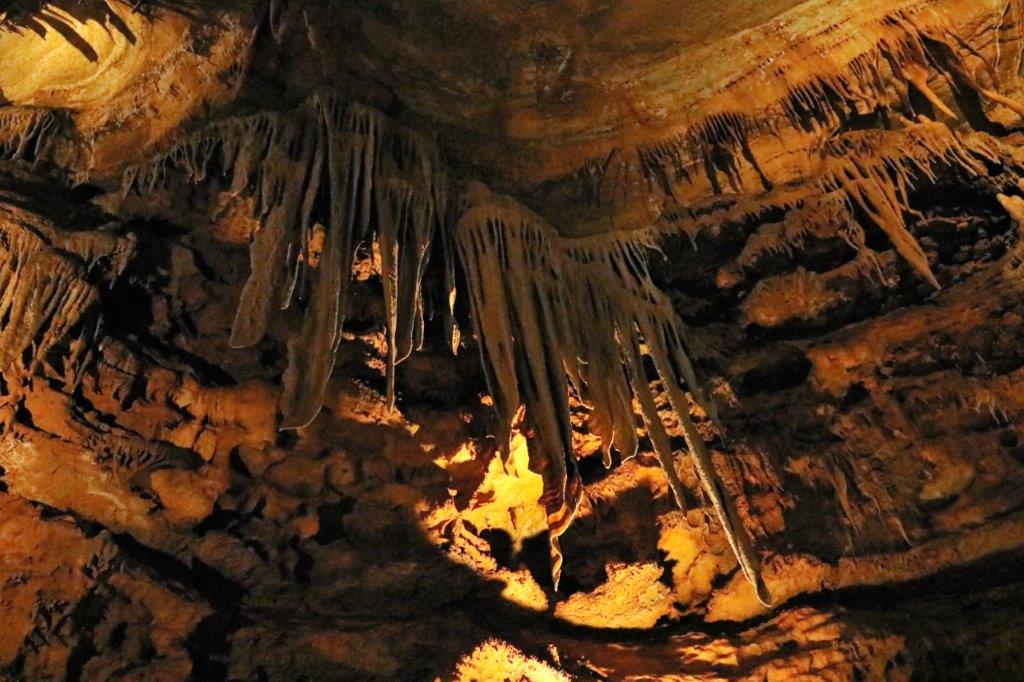
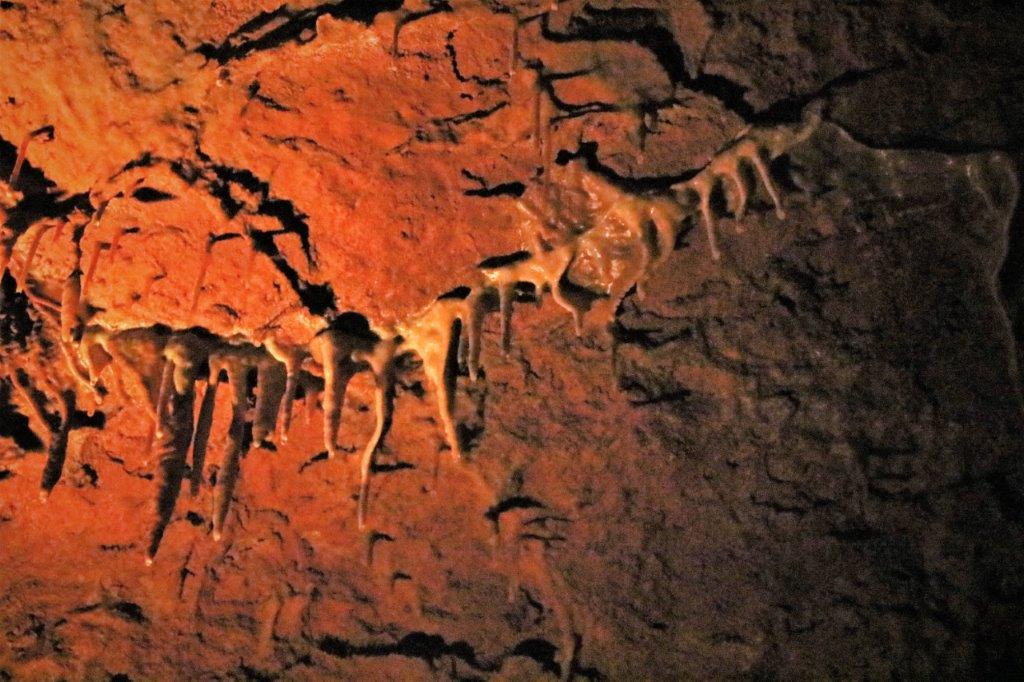
I took quite a few photos, but since Talking Rocks is a living cave, (meaning it’s formations are still growing) no flash photos were allowed and I had to set my camera to a very high ISO.  Even so the photos were quite dark and I had to lighten them with the photo editor, which then shows the graininess of the high ISO.  The colour isn’t very true either. Still they give an idea of what we saw.

This is called Bacon for obvious reasons. We descended concrete steps and walked across concrete ramps that were built in 1928, making them 89 years old.  Chuck, our guide said we were not to worry.  The original access to the cave was via 7 wooden ladders and ramps.  However with the constant moisture and high humidiy the wood rotted quickly and the cement ones were made.  The environmental conditions that destroy wood are beneficial to concrete making it four times harder than it would be on the surface.These are called Soda Straws.  They are hollow and are the very beginning of Stalagtites.  As the forms grow they will become solid. As we turned the bend on one of the staircases I spotted some young stalagtites in the process of growing. When the water drop falls off it will leave behind a small amount of calcite that was picked up by the water as it went through the rocks. This calcite is the mineral that makes the formations in caves – very, very slowly. We went down some steep, wet, narrow stairs and wove through some pretty small spaces. Watch your head.

 This formation is called a Canopy and this is a small one.  The first photo at the top shows a much larger one.  That canopy is about 50′ thick and very wide.

They call these two formations growing in the hollow Bee Hives. Before we toured the cave we had been unable to find the geocache that was hidden near the building due to a group of muggles (non-geocaching folks) that were sitting at the picnic tables right at Ground Zero.  When we finished touring the cave we decided to go on the Nature Trail to find the other two caches hidden on the property and hope we could pick up the one at the entrance as we were leaving.

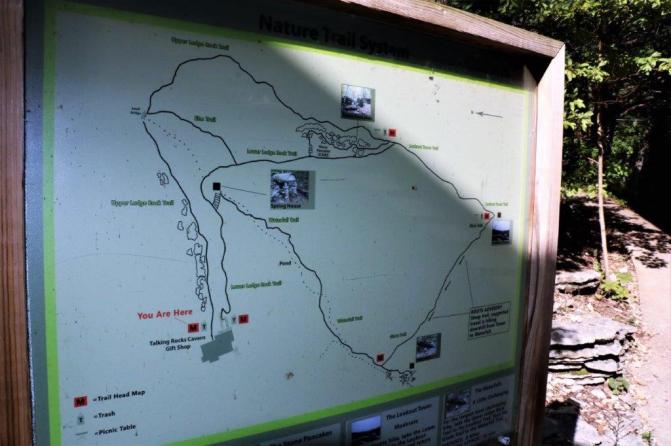
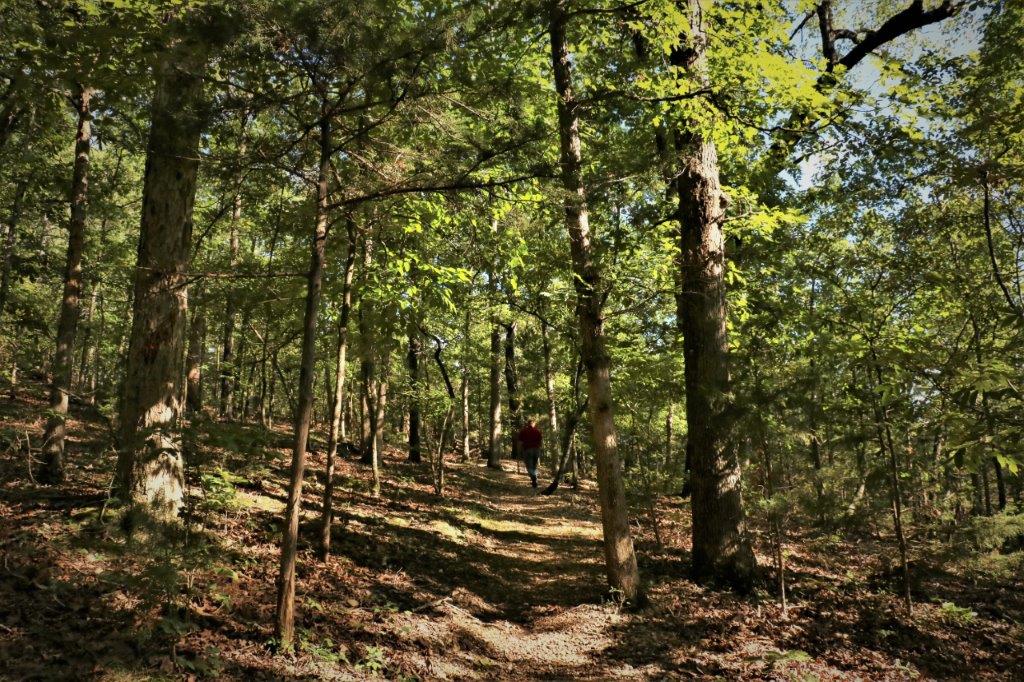
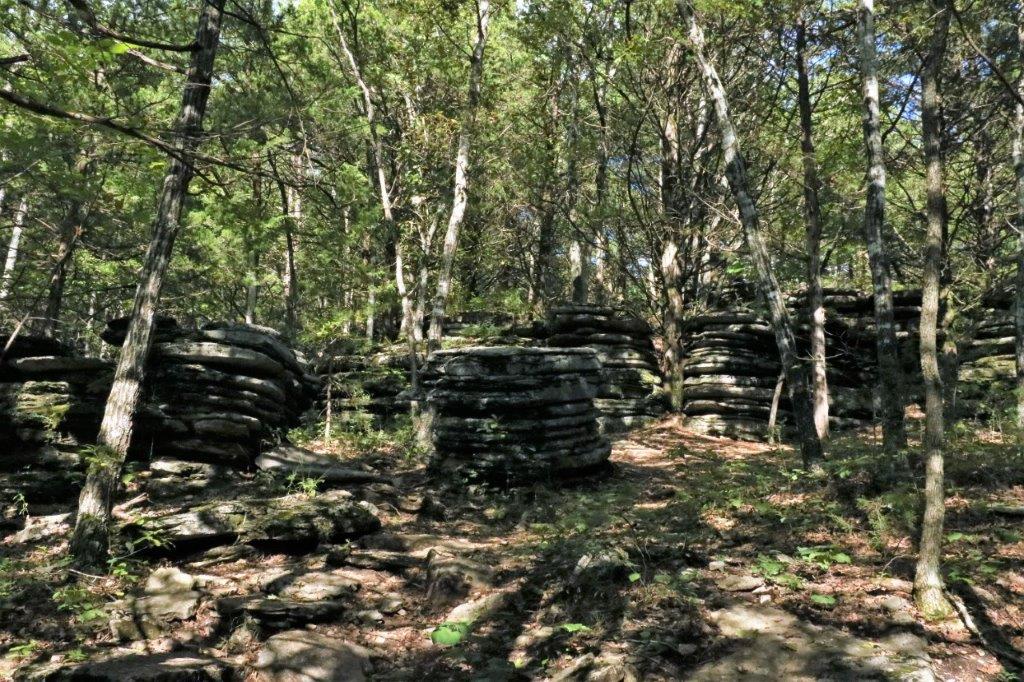
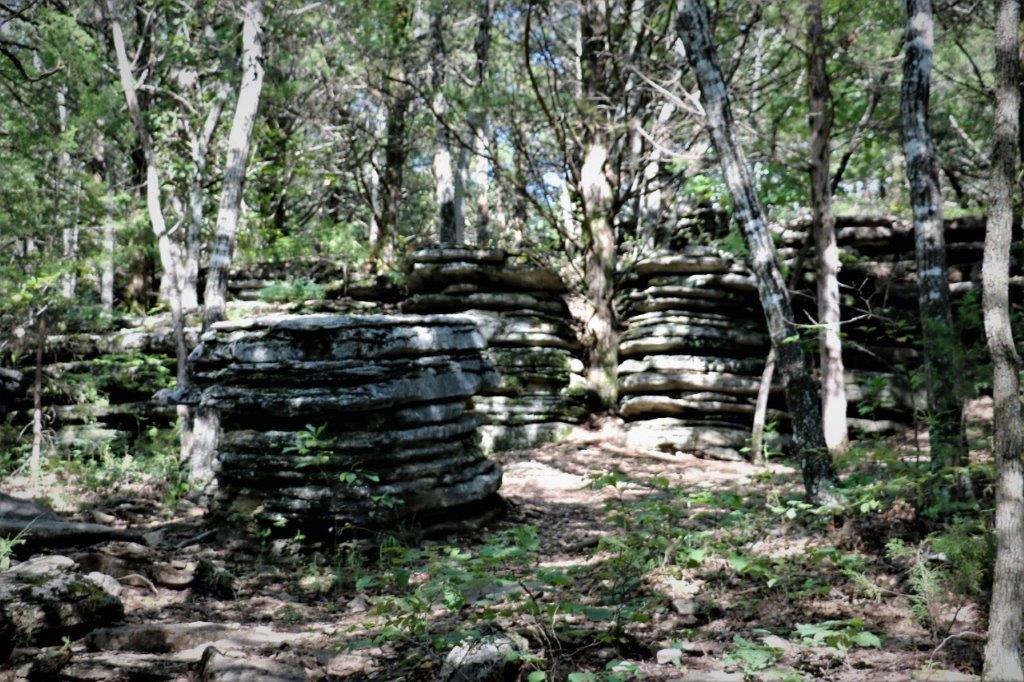
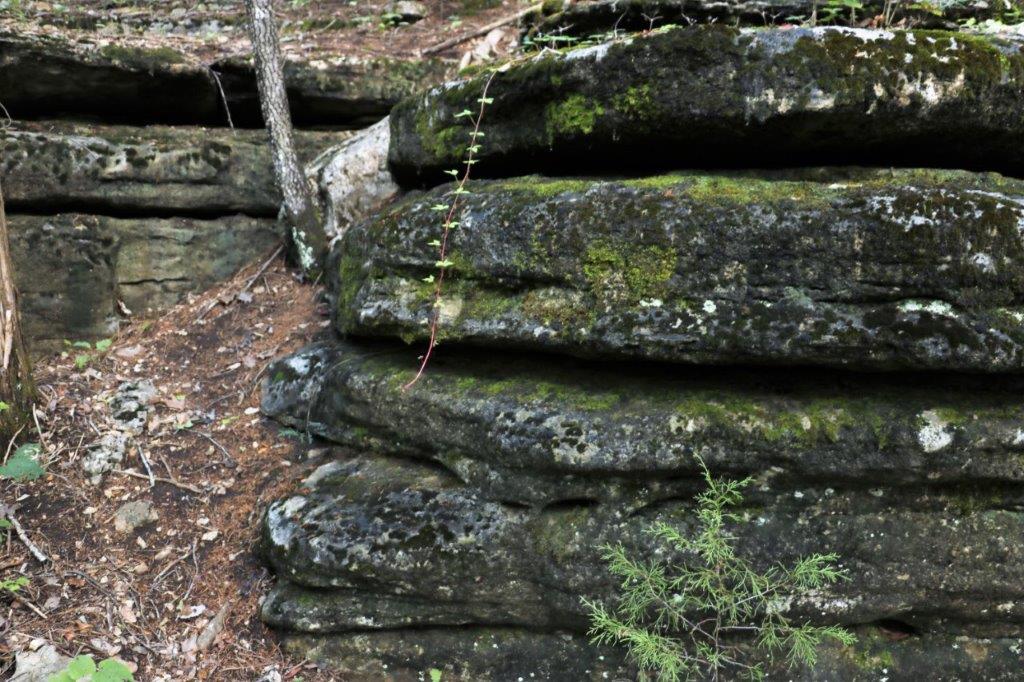
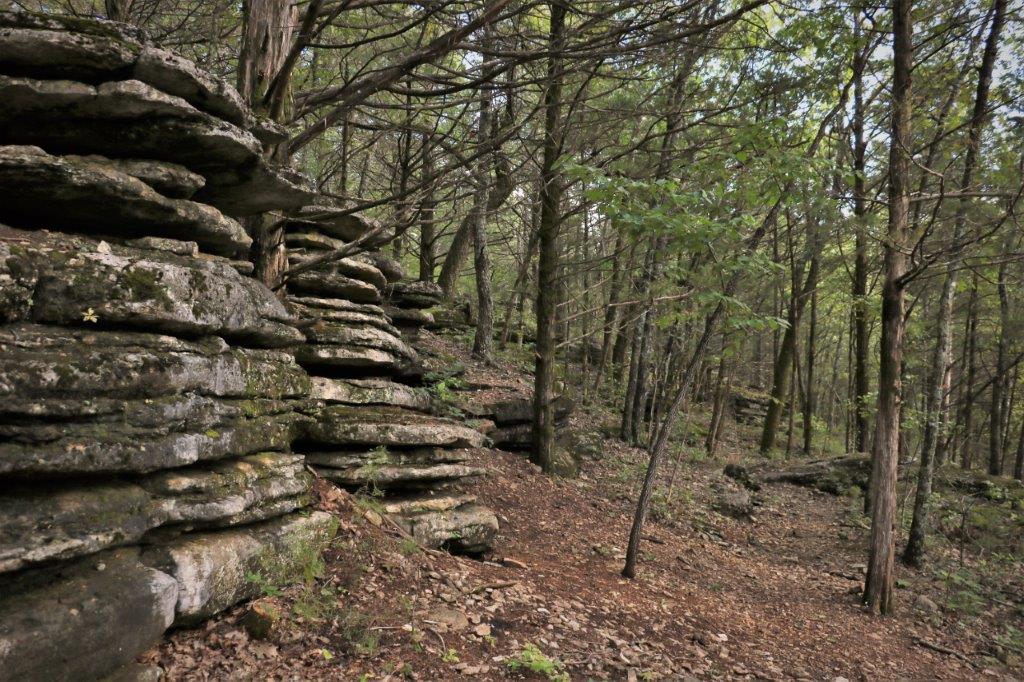
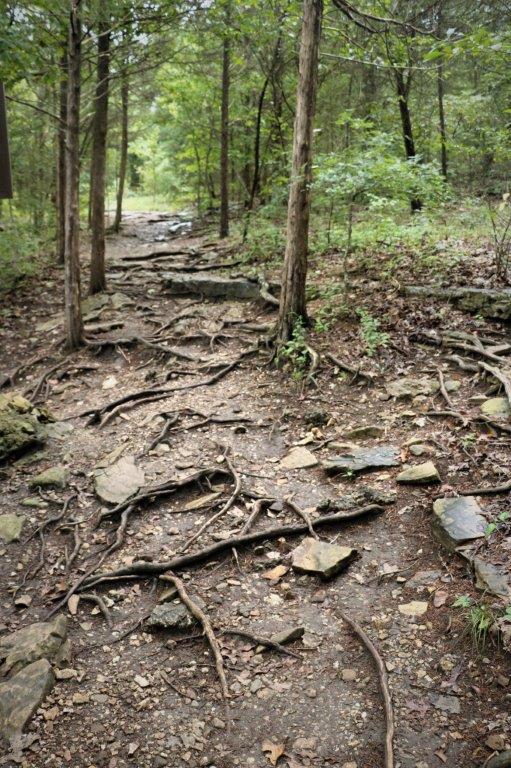
The Nature Trail climbed through the forest up to the top of the hill.  We passed many of these stacked rock ledges that are all over the place. The locals call them Pancake Stones. John is just coming down from the top of this batch of Pancake Stones after signing the log in a geocache.

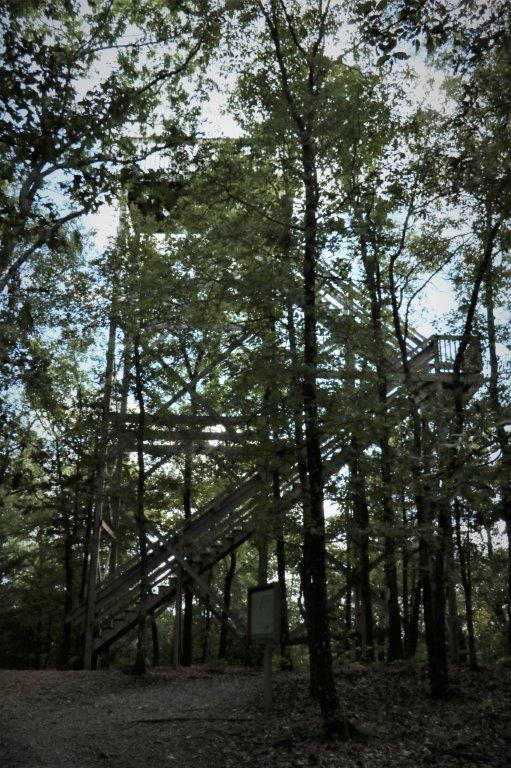
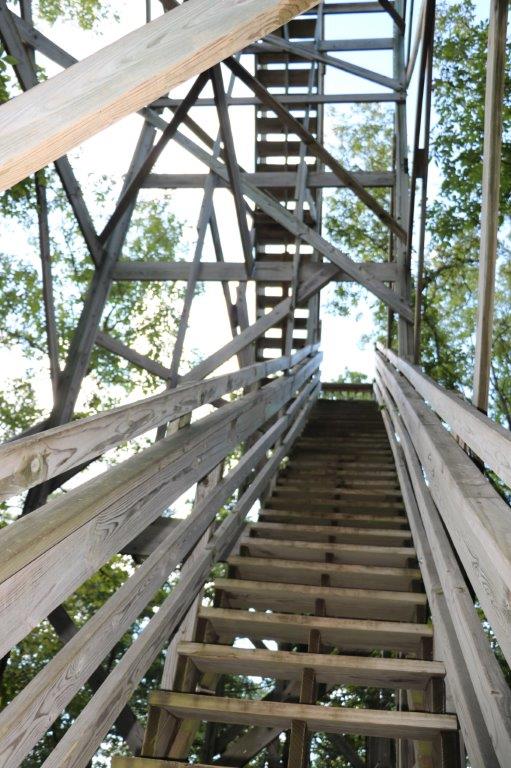
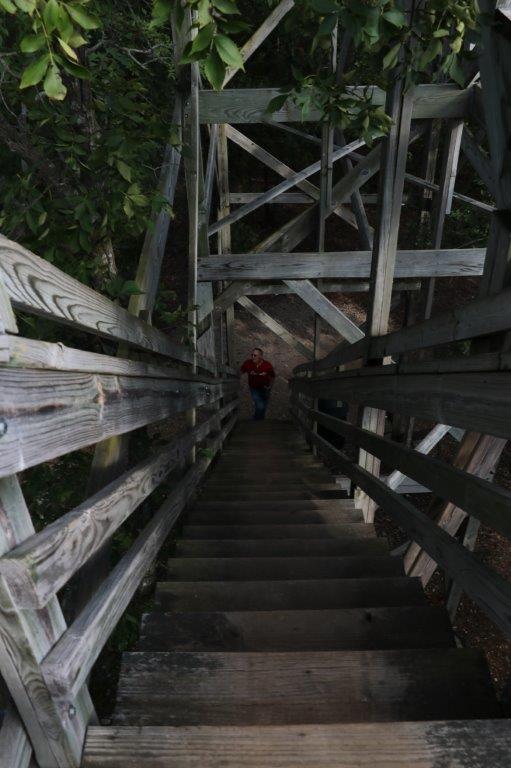
At the top of the trail there is an Observation Tower (67 steps).  We were cetain all we would see from the top would be forest but…if there is something to climb up, one must climb up.  Which is why I know how many steps there are.  I always count the steps. John knows this and as we approached the bottom he says, “How many?”  No explanation about how many what was necessary because he knew I would have counted the steps.

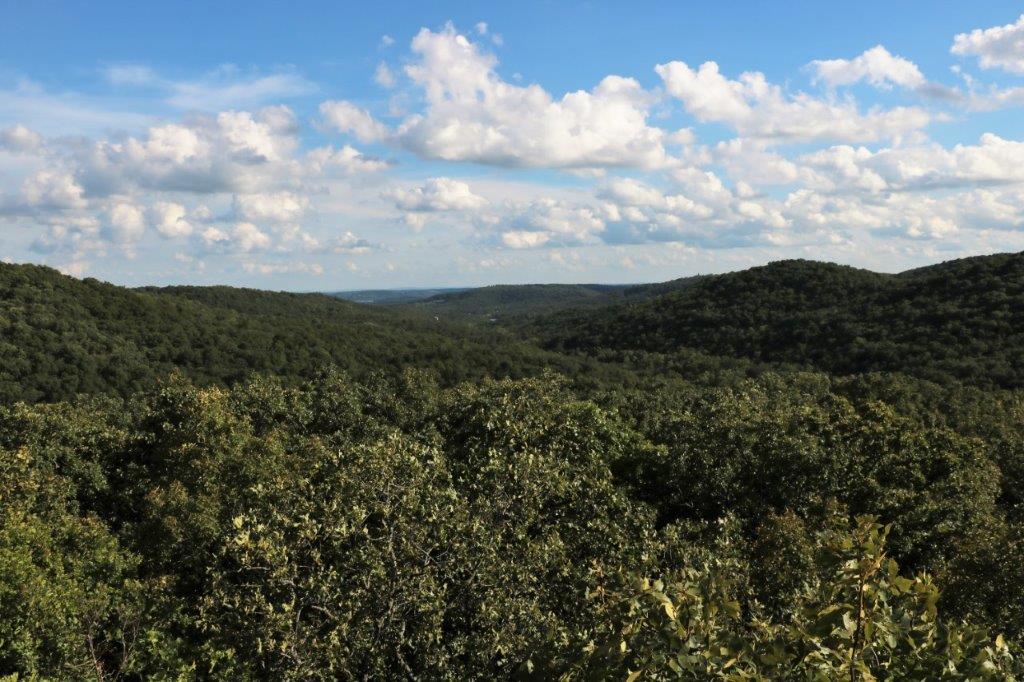
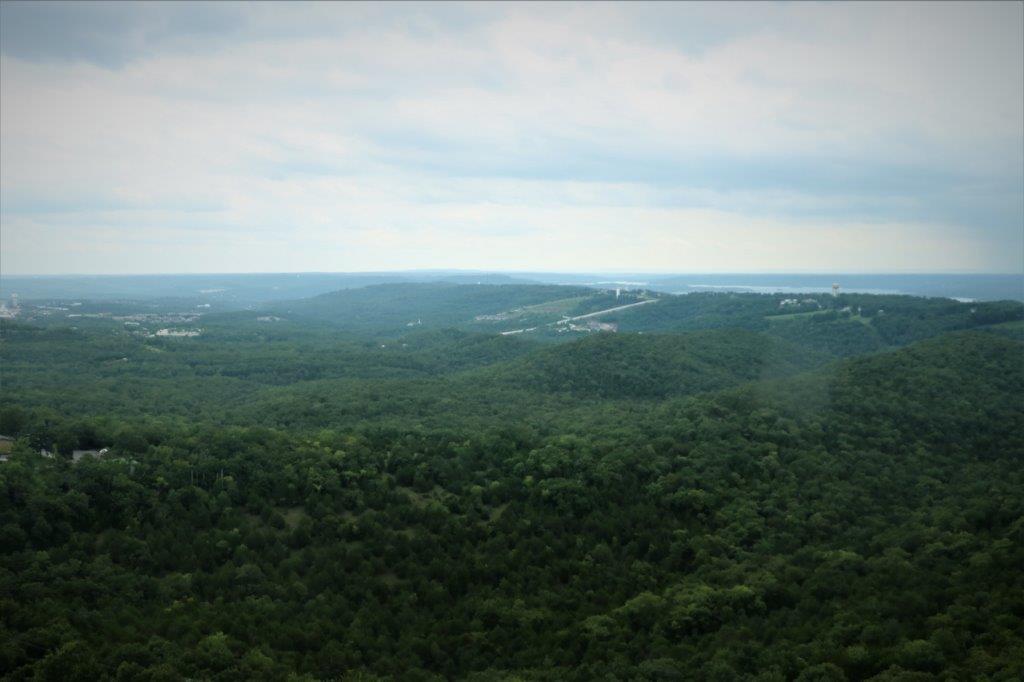
We had been correct and all you could see in all directions was forest.  But today was a much clearer, prettier day than the other day when we went up Inspiriation Tower at Shepherd of the Hills.

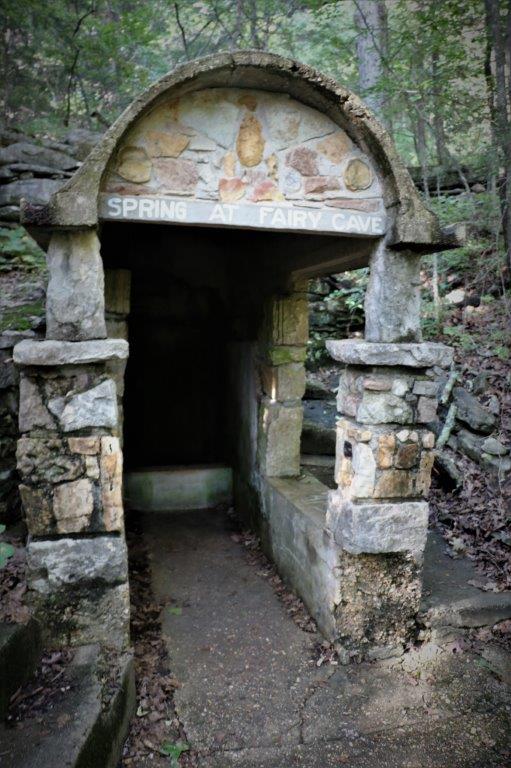
Once we came down from the tower we followed the trail past the old Spring House and back to the visitor’s center at the cave entrance.  We found the geocache we couldn’t get to on the way in, plus a few more further up the road (including #1 and #3 of the Bonnie and Clyde hides that we had found #2 of when we drove into Branson) and then headed back to our condo for the night.

2017 Aug 16 – Branson, MO

We left our home-away-from-home at noon to source out the location of the outdoor drama “Shepherd of the Hills,” for which we had tickets that evening.  John wanted to make sure we could avoid, as much as possible, all the lineups on Highway 76 coming into Branson and I wanted to confirm our seating as I had not received anything but a ticket purchase number when I bought them online.

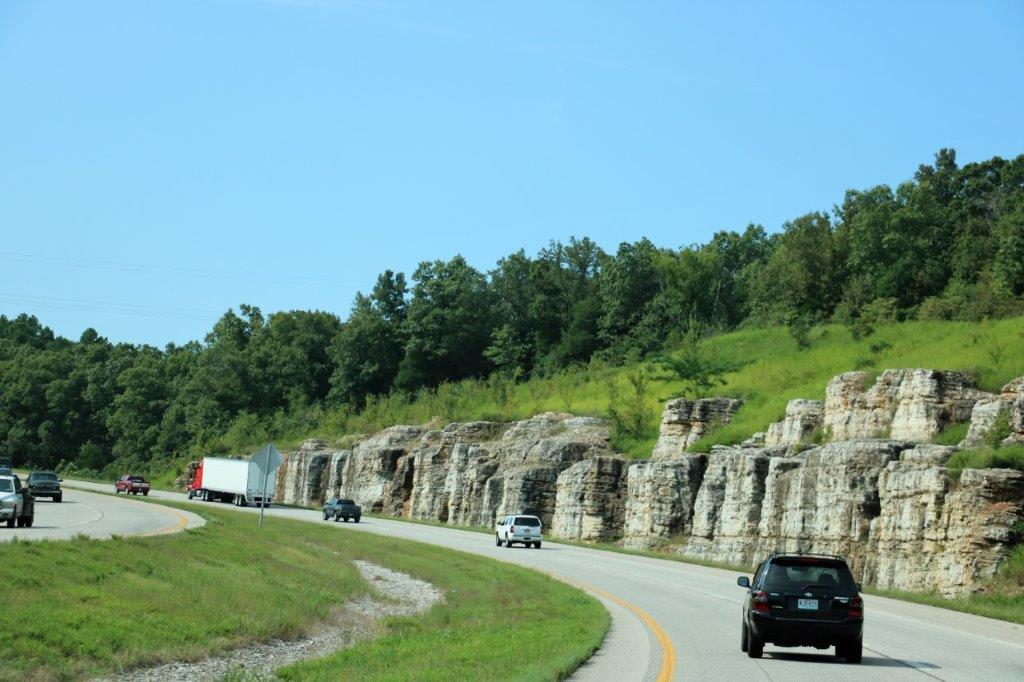
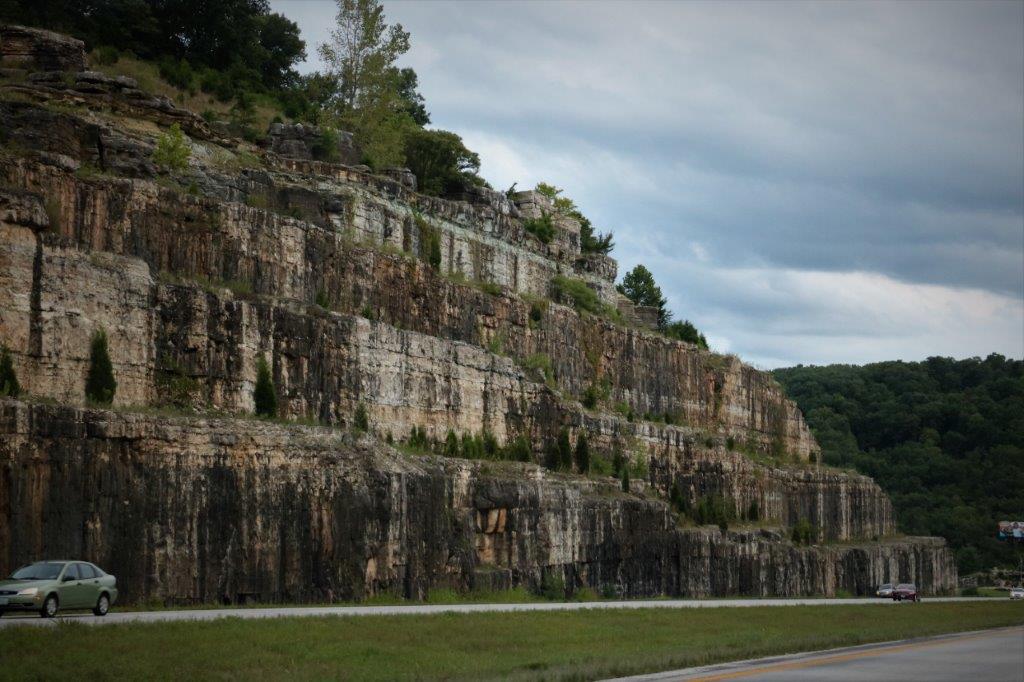
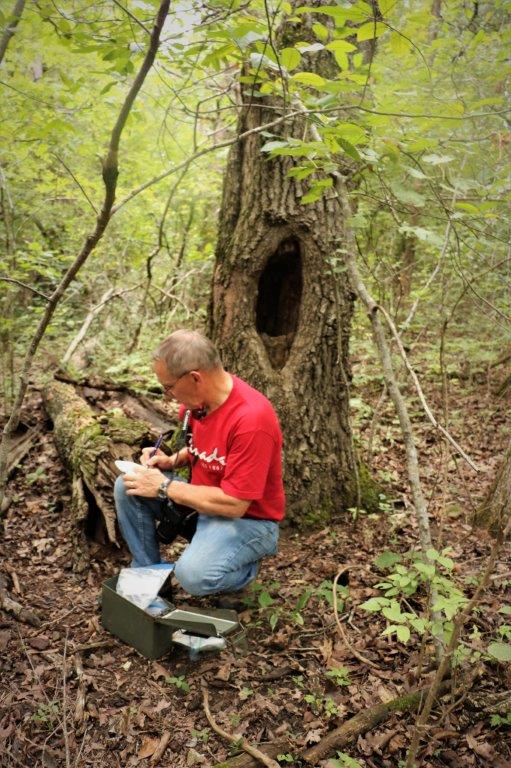
On the way we stopped at a viewpoint/conservation area and walked 350 m down one of the trails to find a geocache.  (In case you haven’t figured it out yet we are hoping to find at least one cache each day of our trip.  Sort of a personal goal thing.).  We have learned since we got here that southern Missouri has lots of rocks.  Large walls of them along the highways, cliffs in the forests and many rocks and roots on the trails.

It was a good thing we stopped in at the ticket center because it took the lady a few minutes navigating their new computer system to find our assigned seats and print tickets.

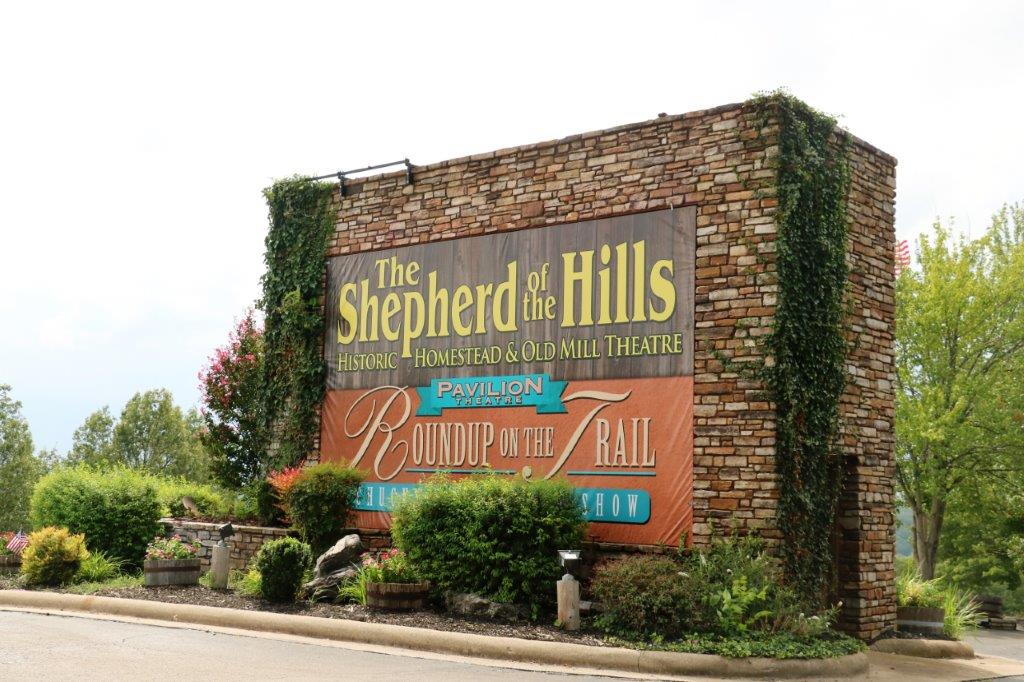
Shepherd of the Hills is a drama based on the novel written in 1907 by Harold Bell Wright.  The story is based on actual events and was the first book to sell 1 million copies in the US.  It remains the 4th most widely read book in publishing history.  The outdoor play has been produced for 58 years (it was slated to not be presented in 2017 but new owners saved the show).

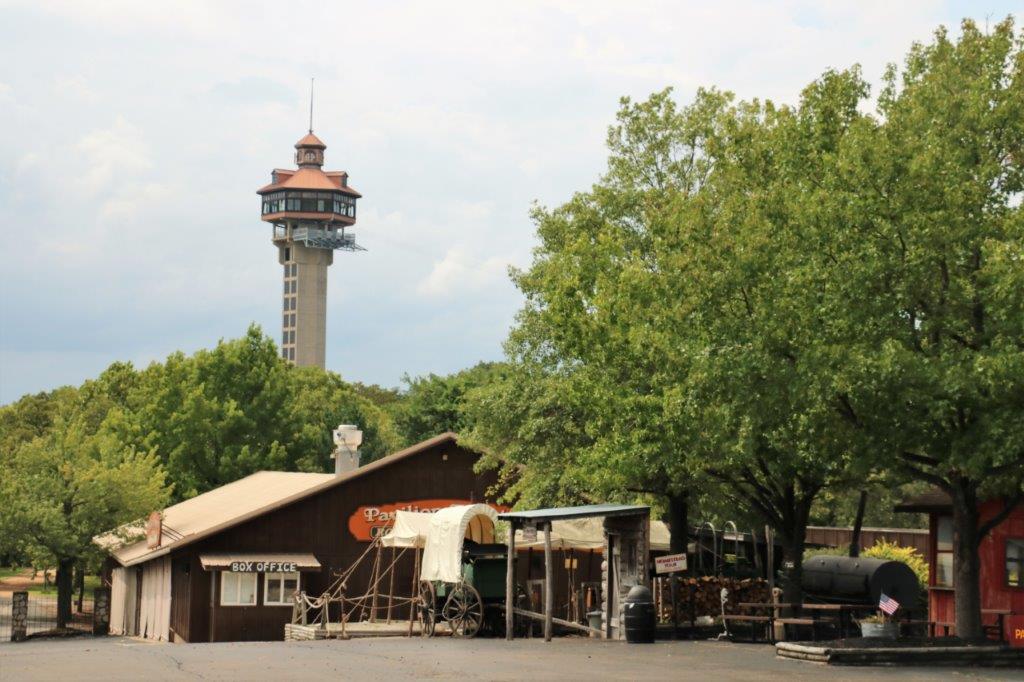
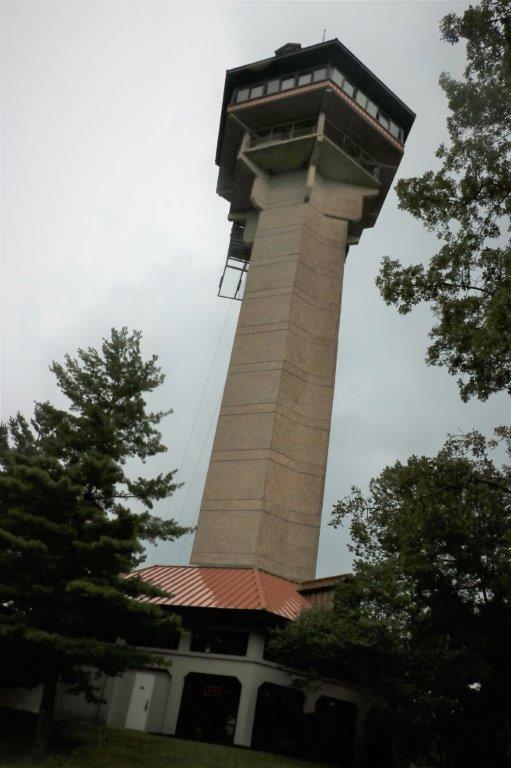
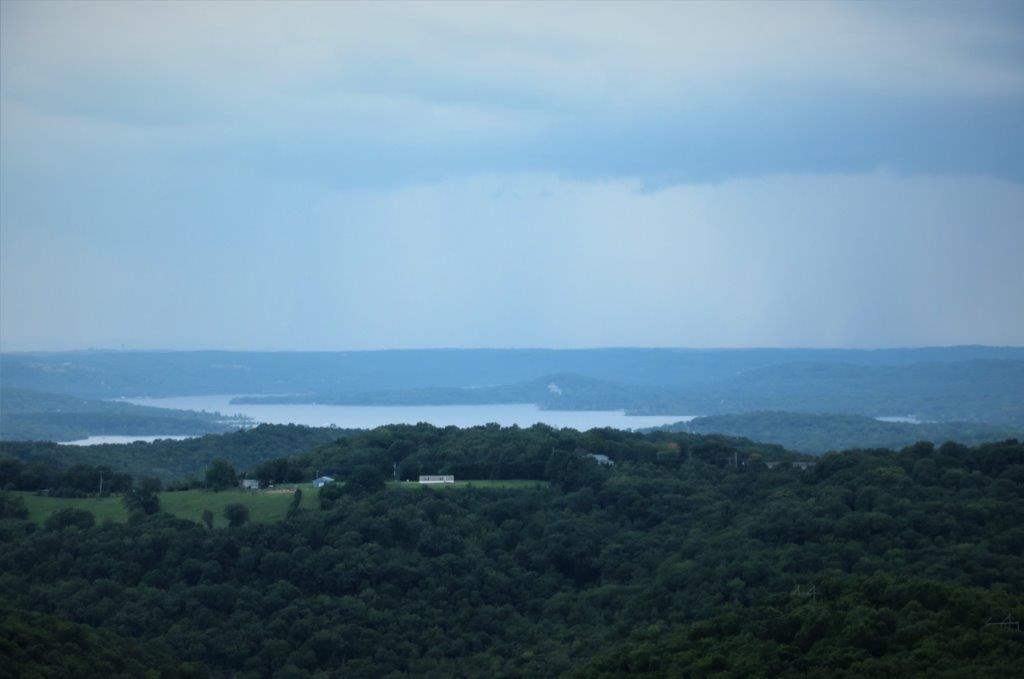
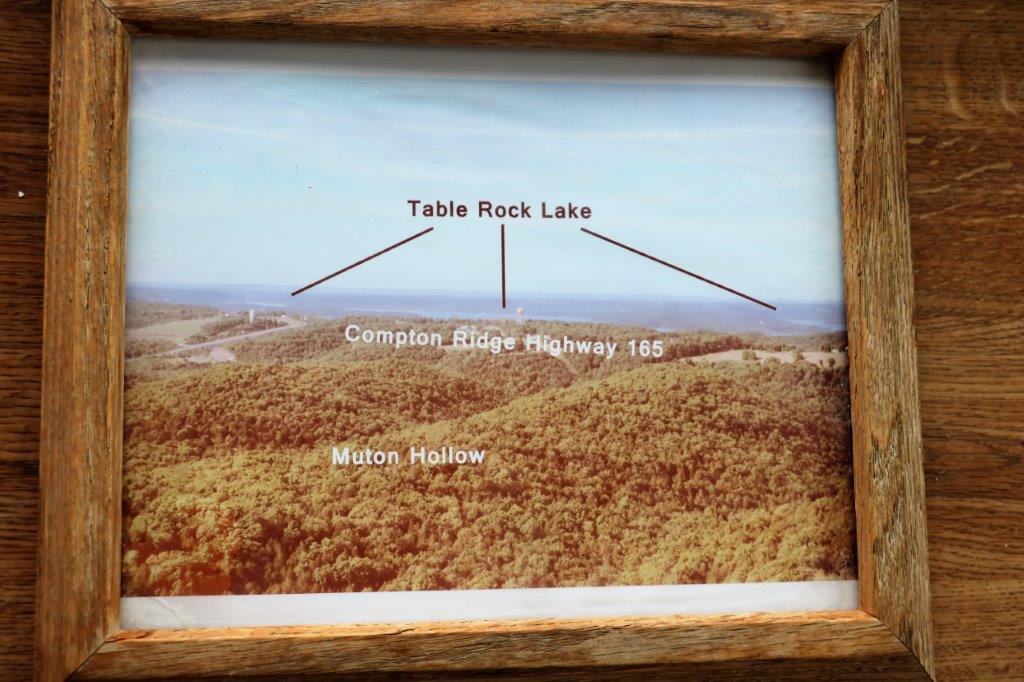
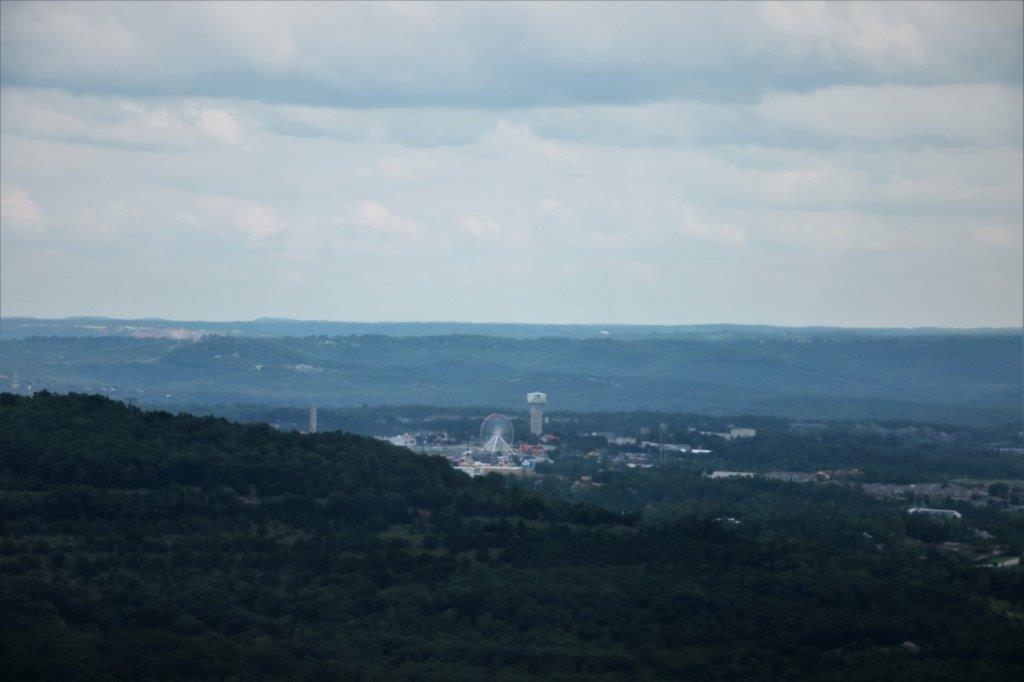
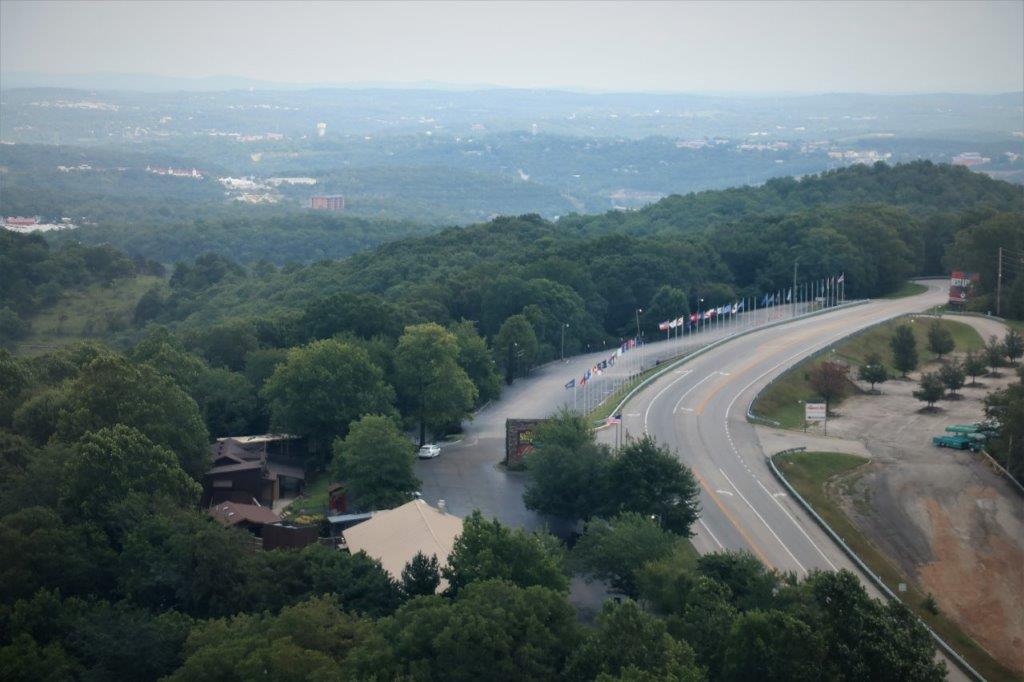
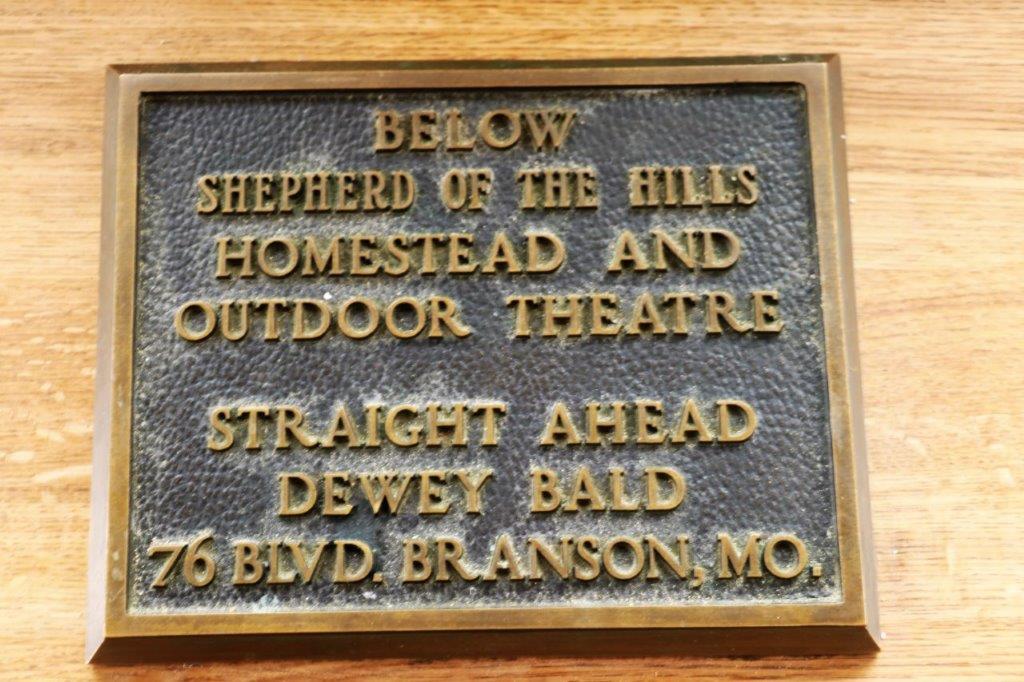
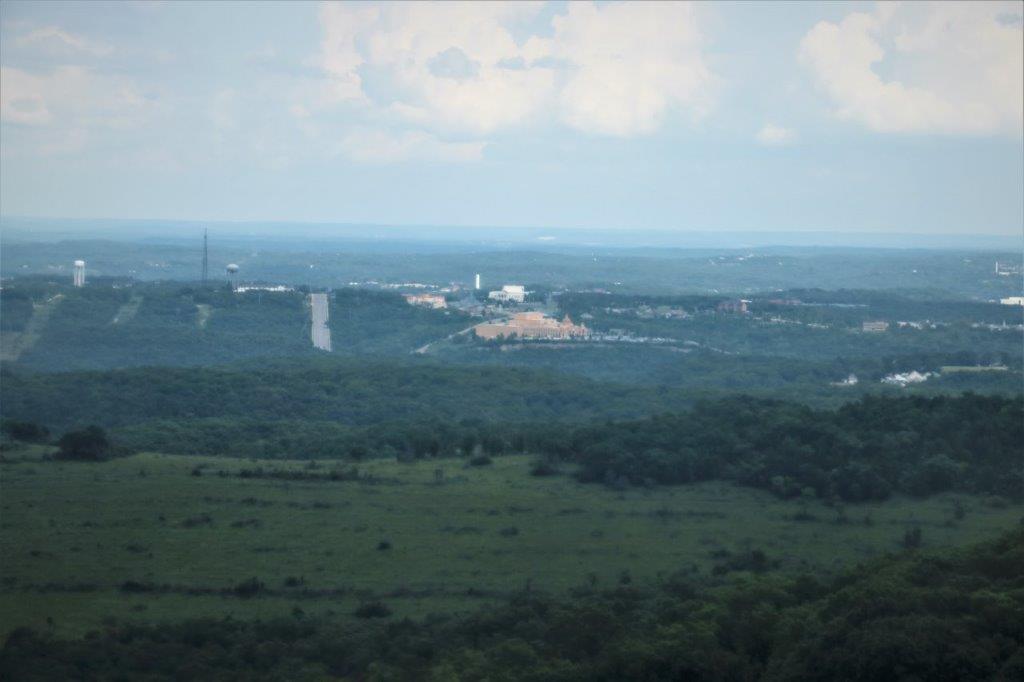
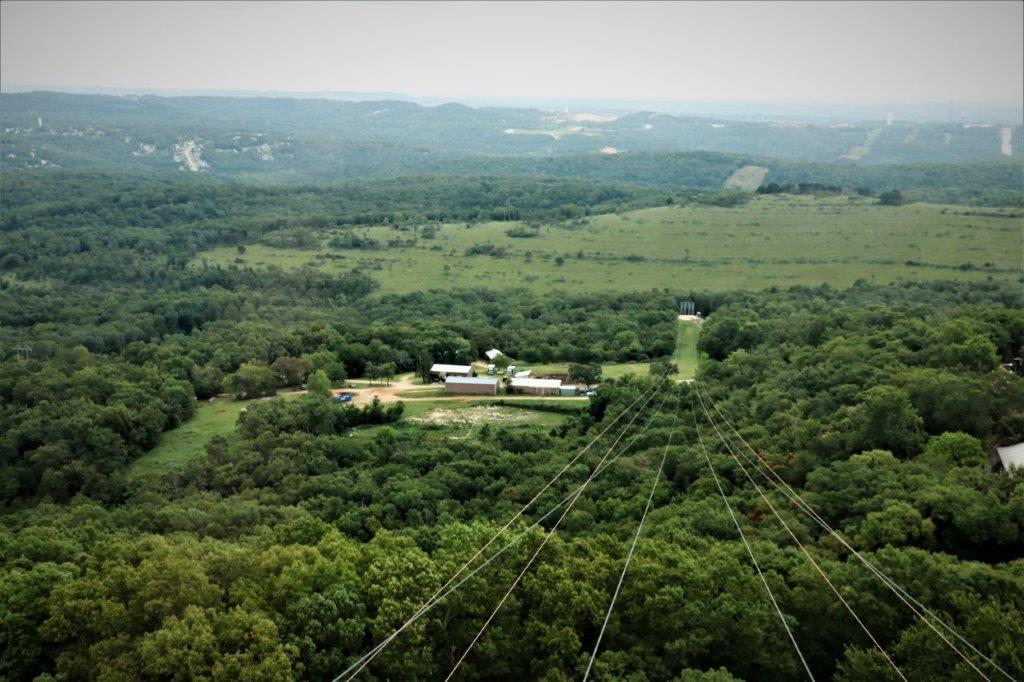
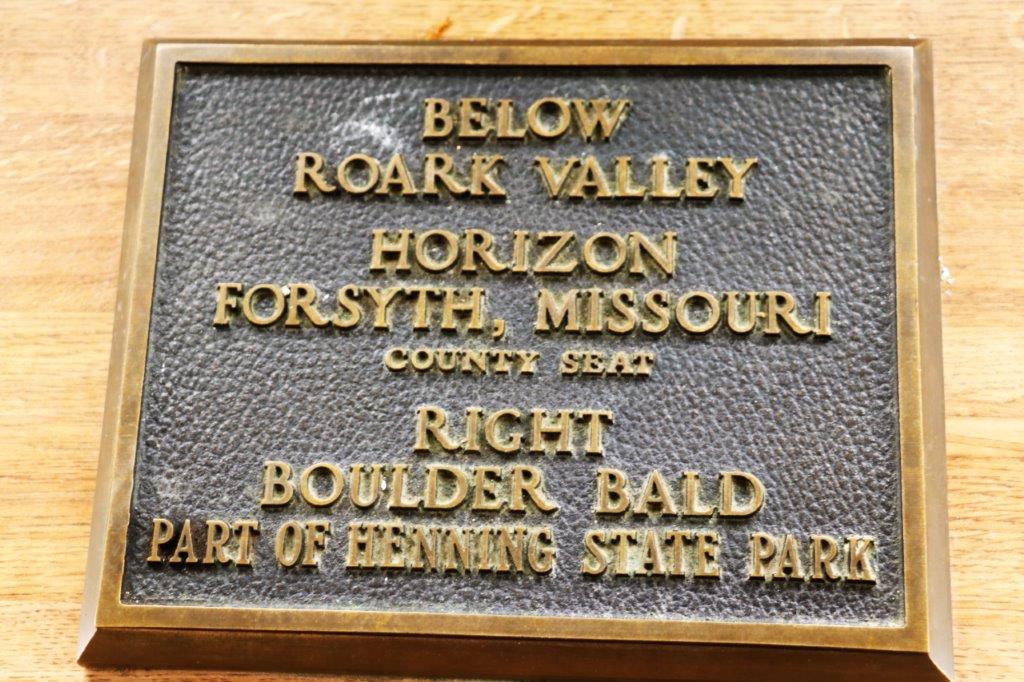
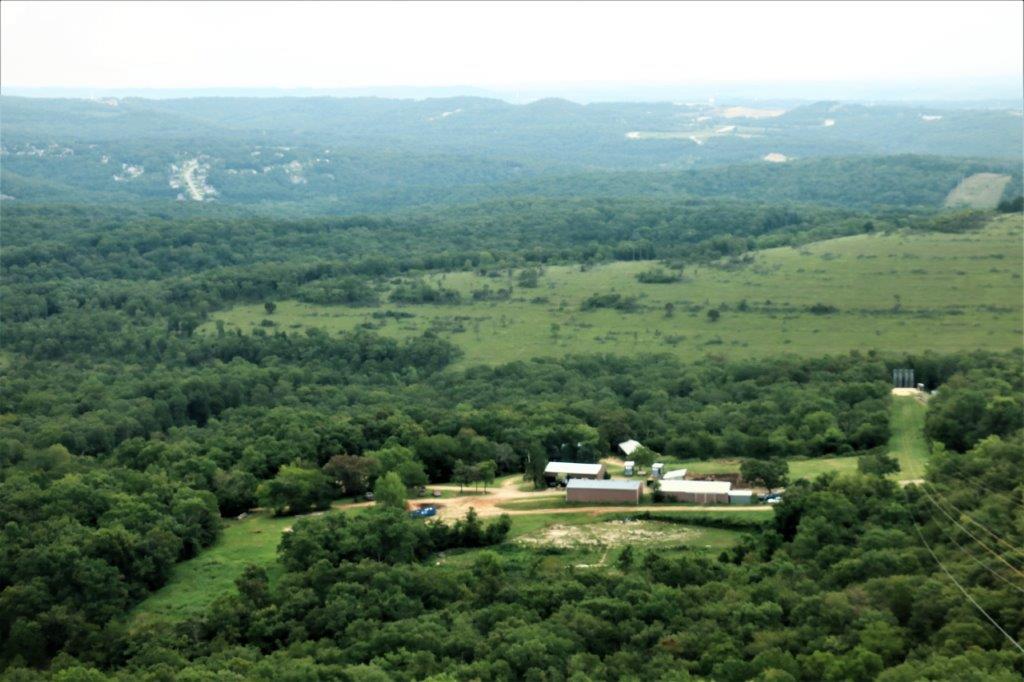
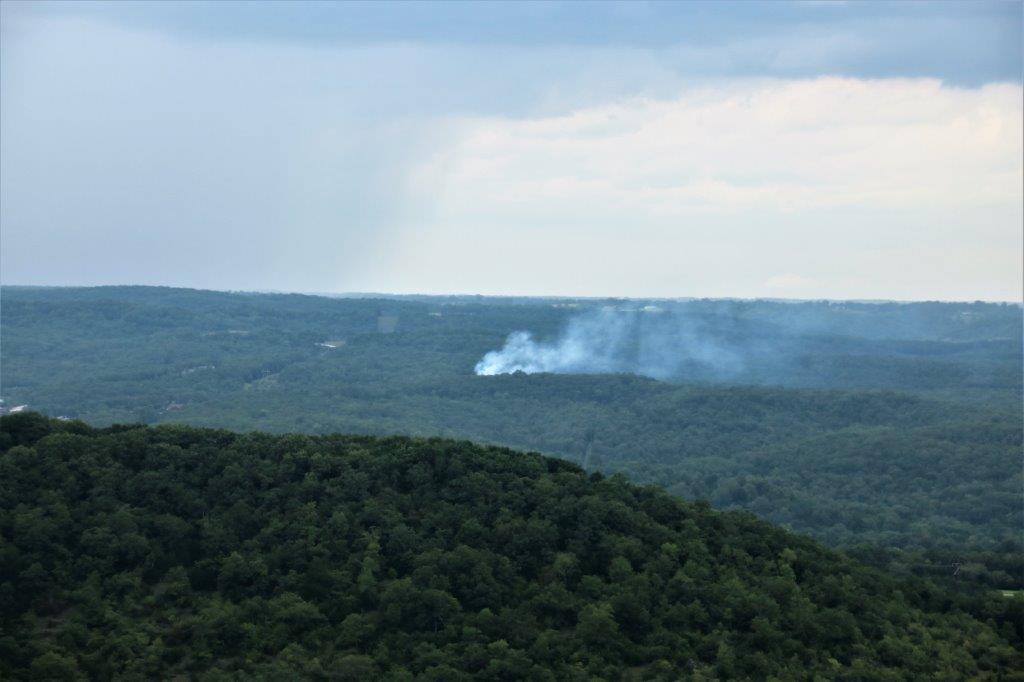
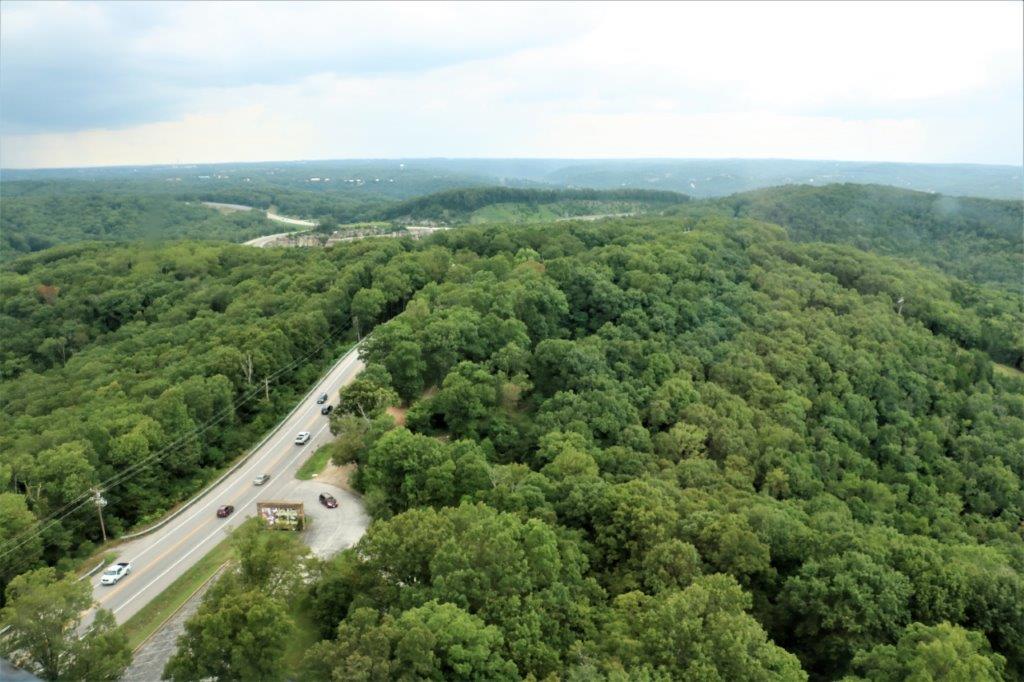
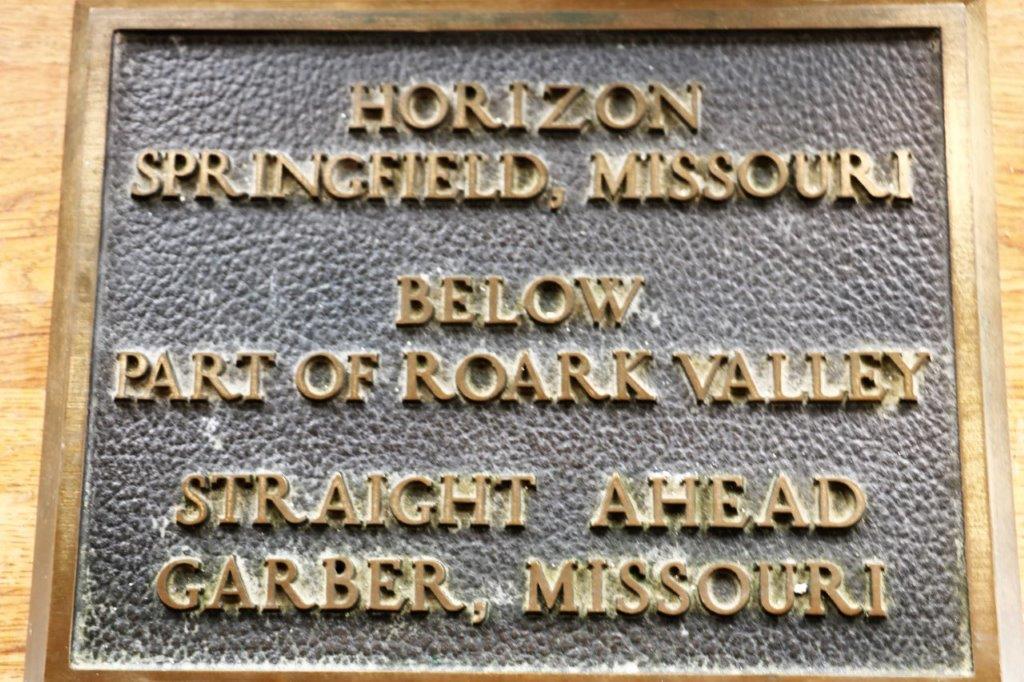
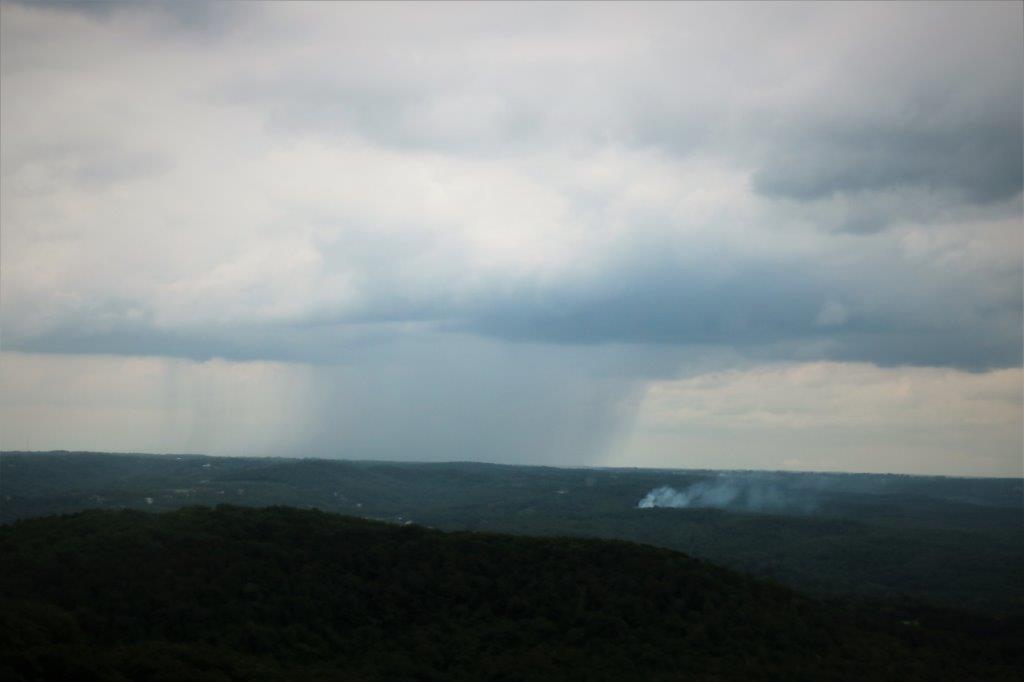
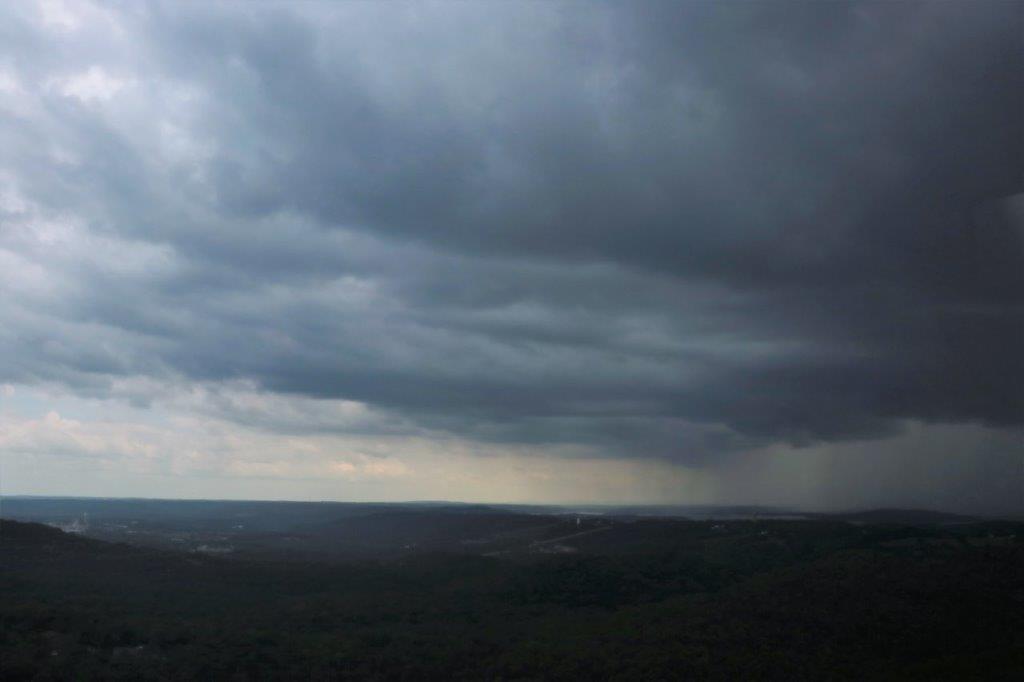
At the Shepherd of the Hills complex is Inspiration Tower, a 230′ observation tower and start of the Vigilante Extreme Zipline.  The zipline was not operating today due to the wind and predicted storm but we took the elevator to the top to see what we could see.  Since it was a cloudy day the views of the Ozark forests were not very sharp and clear and we could not see as far off to the horizon as if it were a sunny day, but we got a pretty good idea of the area. We even saw what looked like a forest fire.  Not a good thing.  And it was too reminiscent of all the wildfires raging in BC right now.  The ticket attendant said that it did, indeed, look like a forest fire. “That’s a biggun’,” but he was not unduly concerned.  They have had rain lately so things are not severely dry. On the way back to the resort we drove into a little peninnsula park that had a geocache and found a few more on other side roads. The ticket agent at Sheperd of the Hills told us to call at 6:30 and confirm the show was going to go ahead as there was rain predicted. Everything was a go when we called so we headed out for an evening of entertainment.

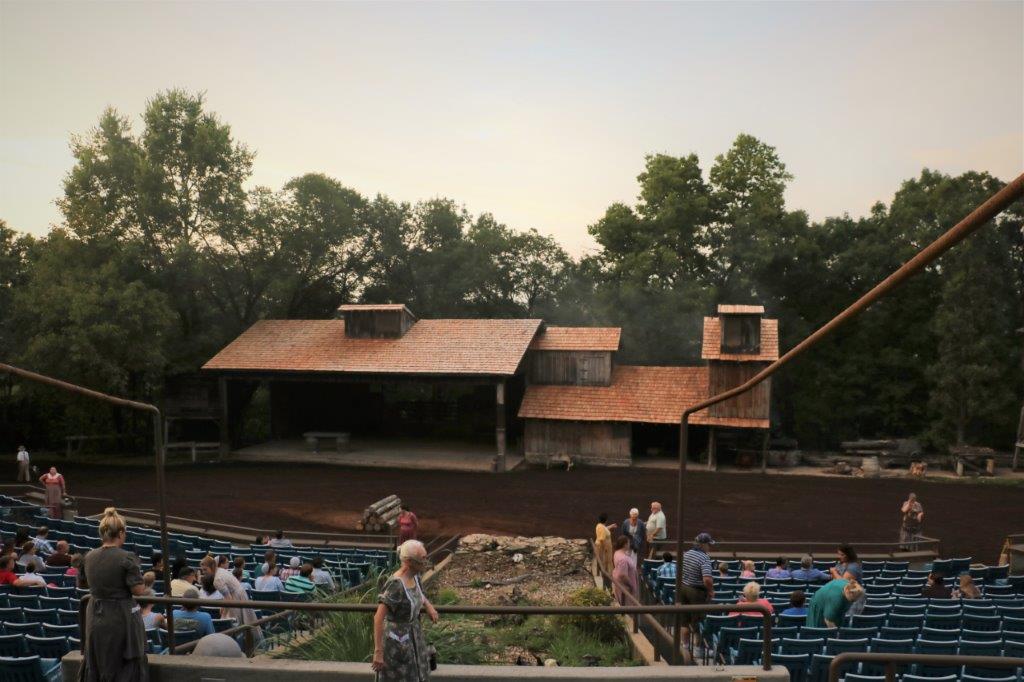
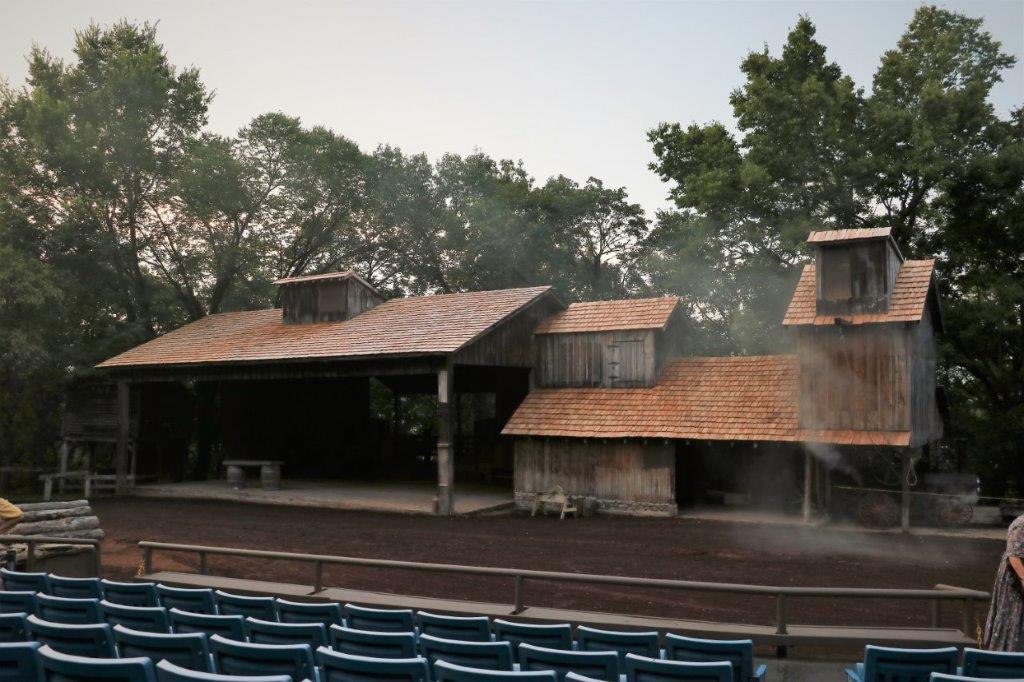
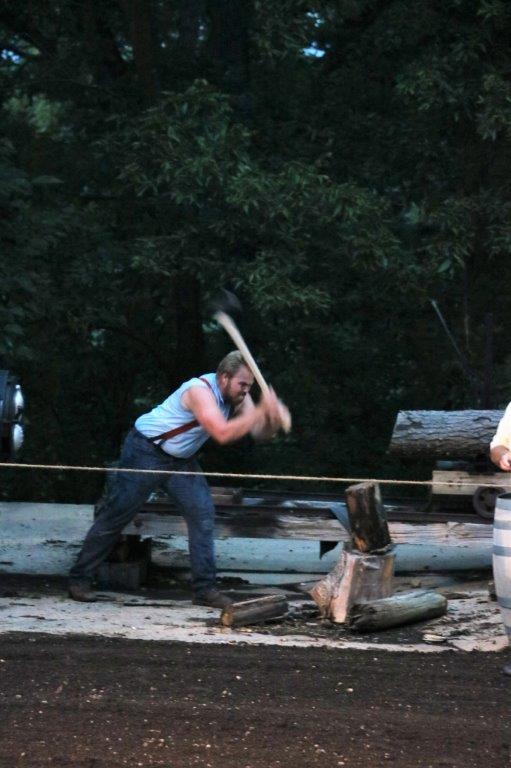
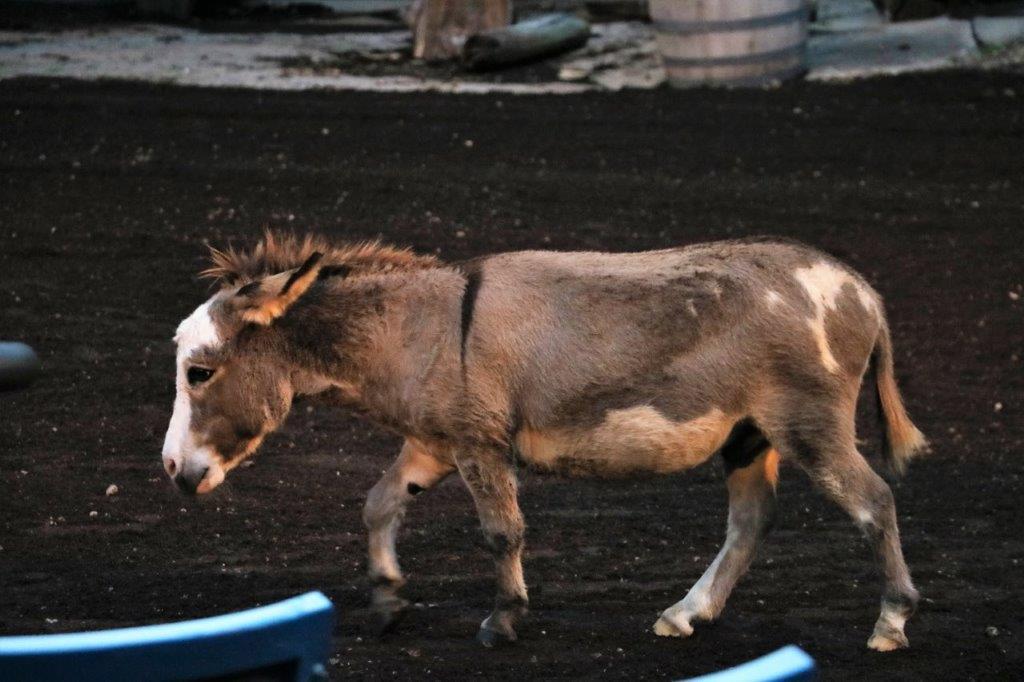
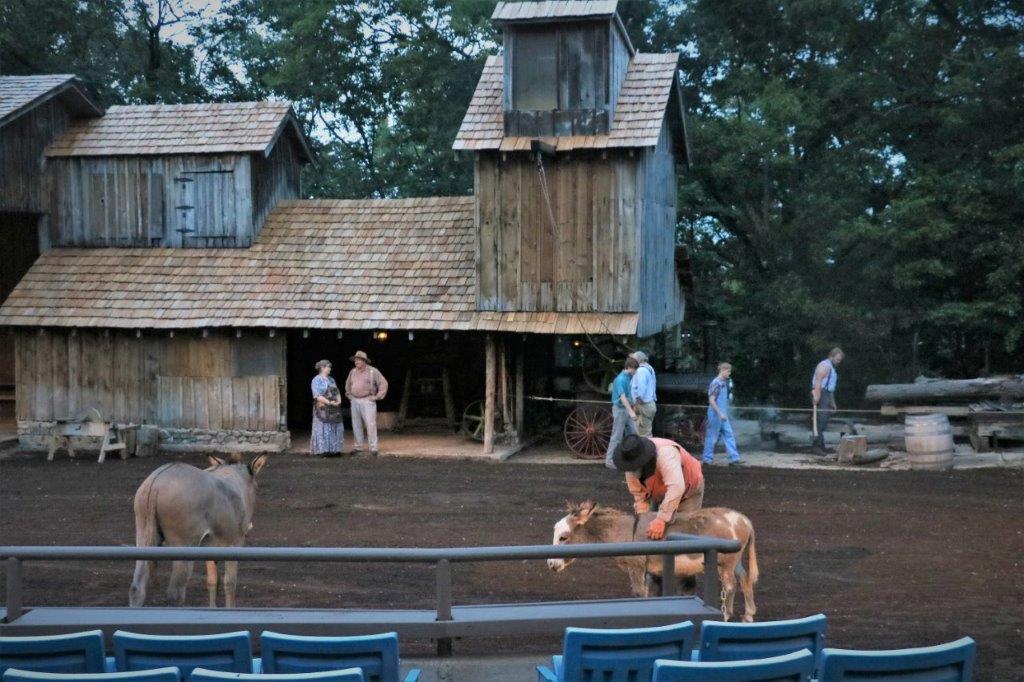
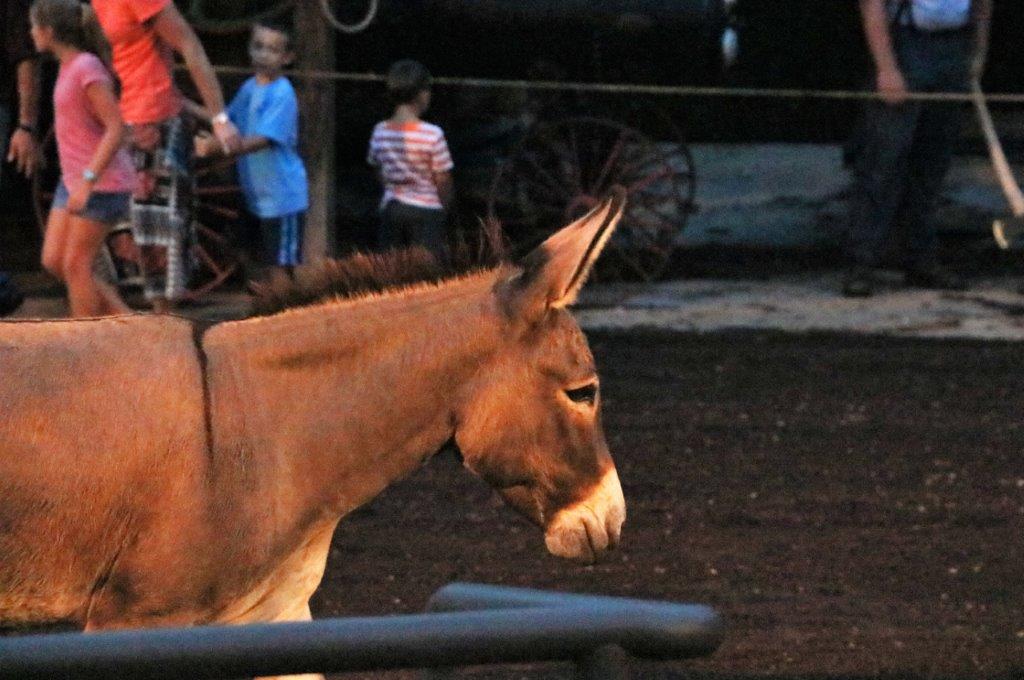
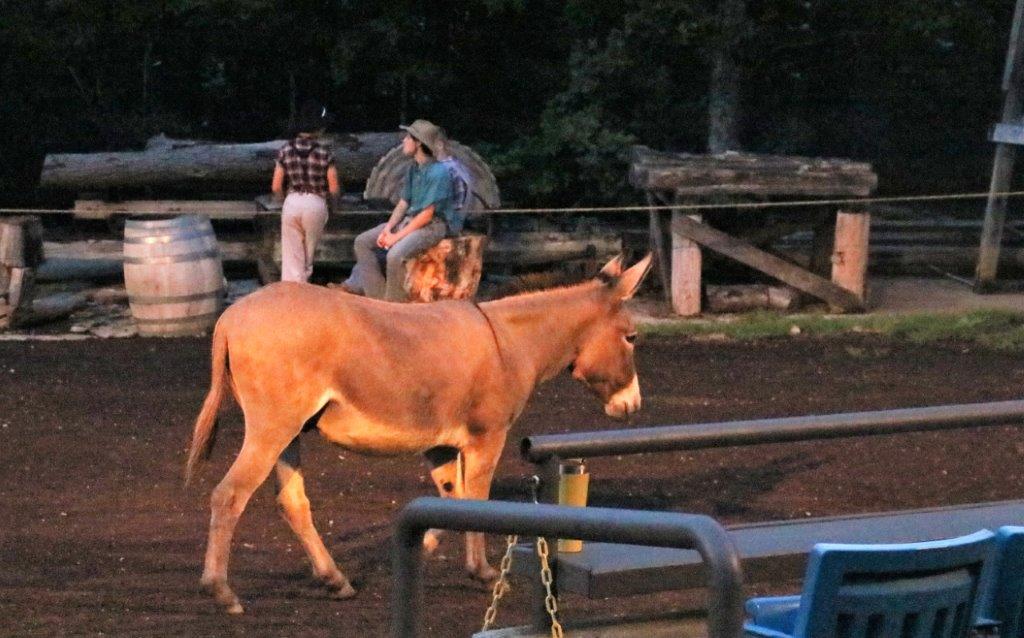
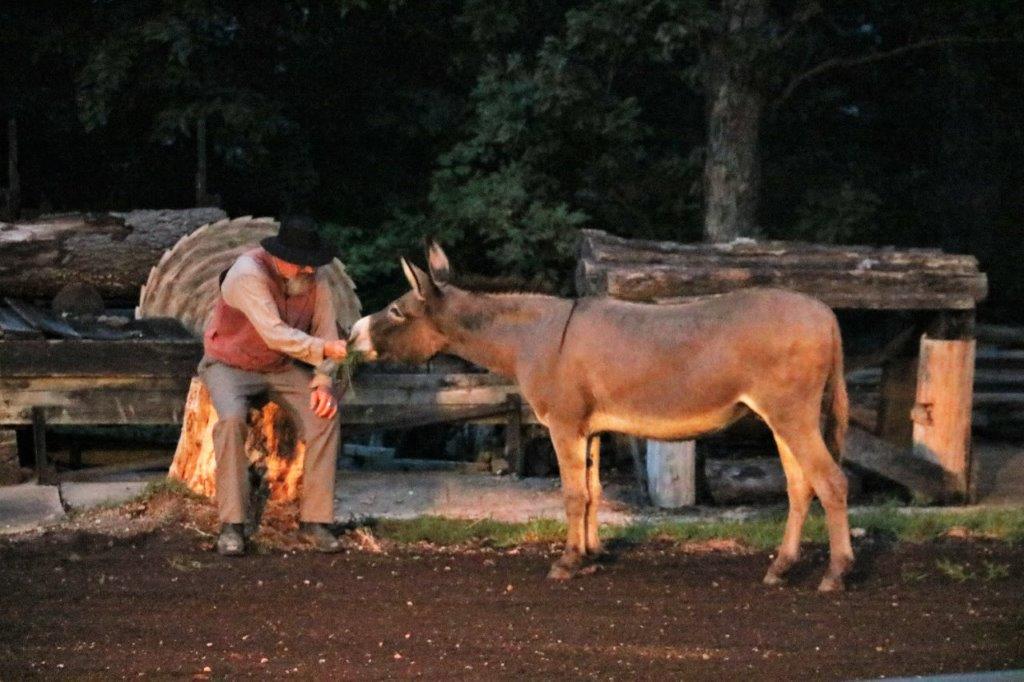
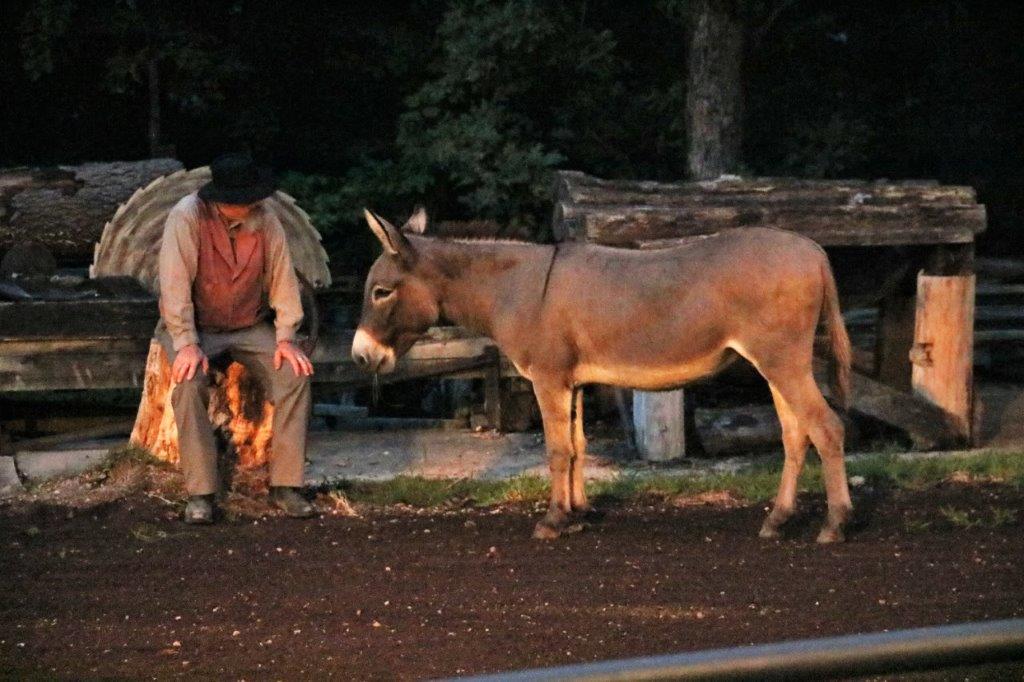
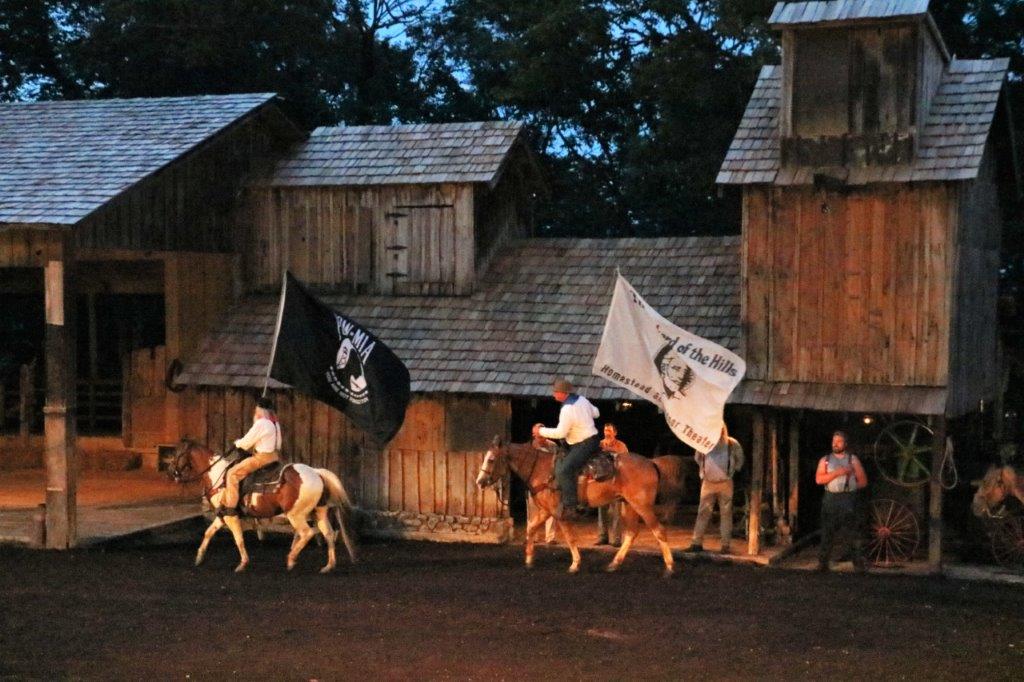
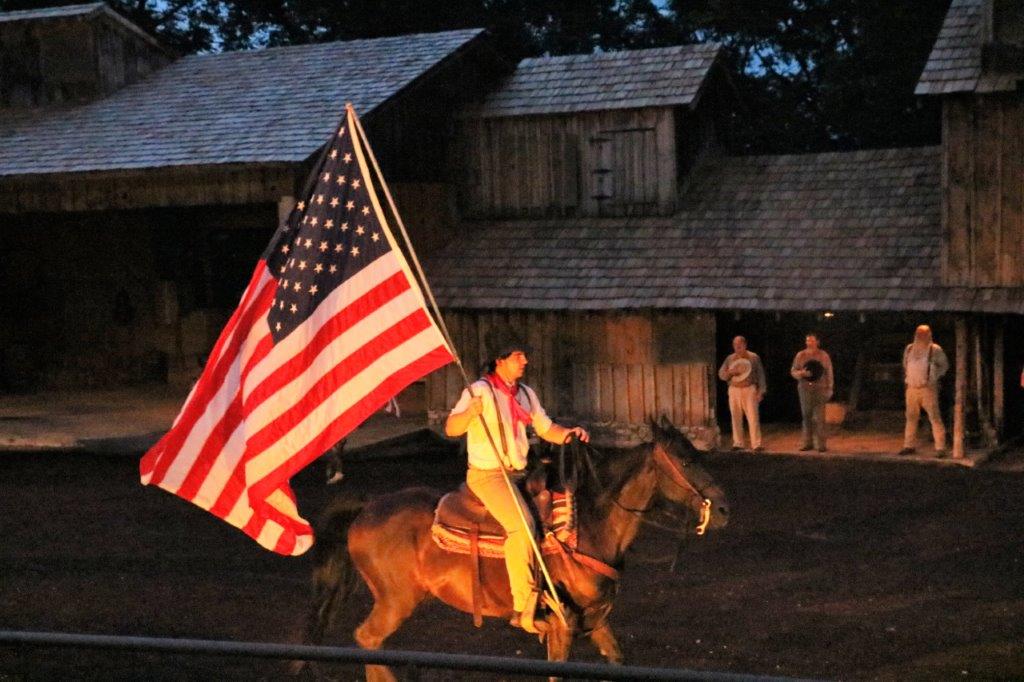
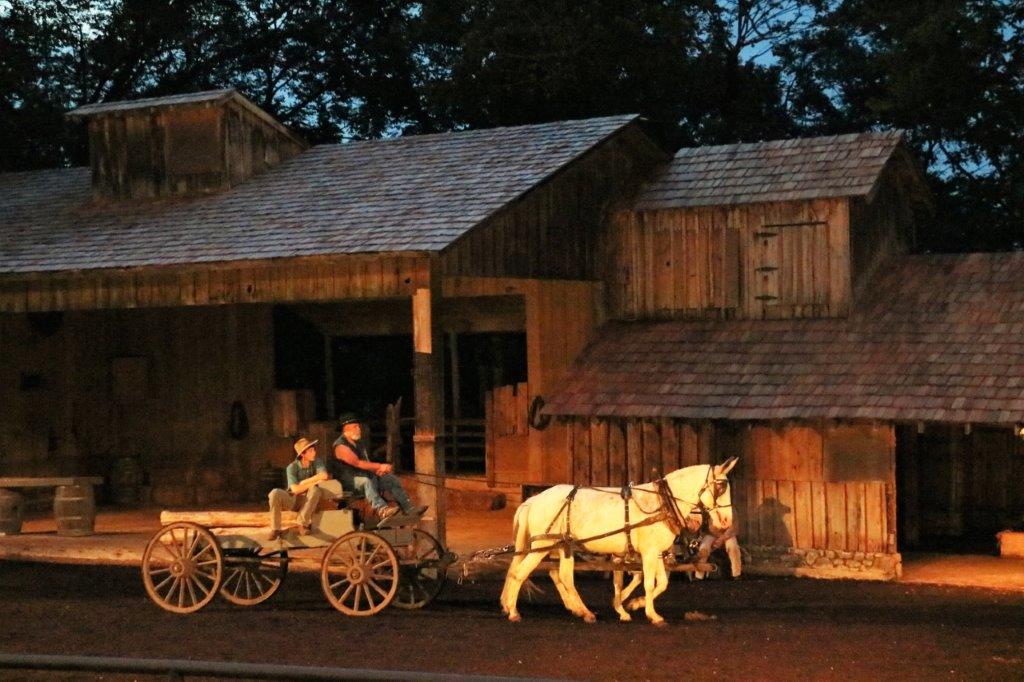
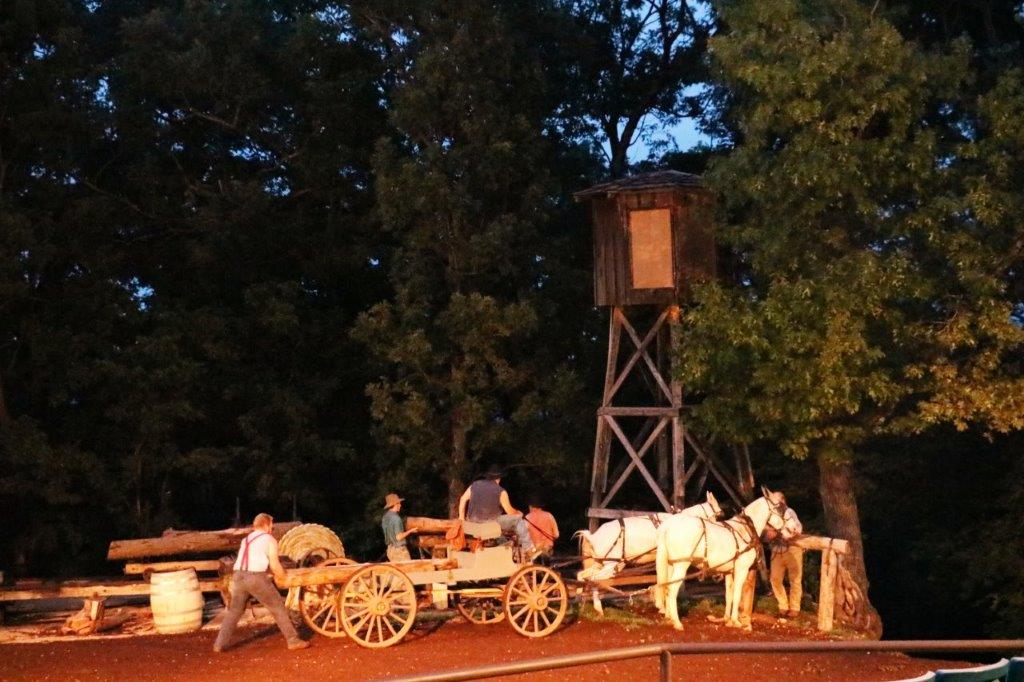
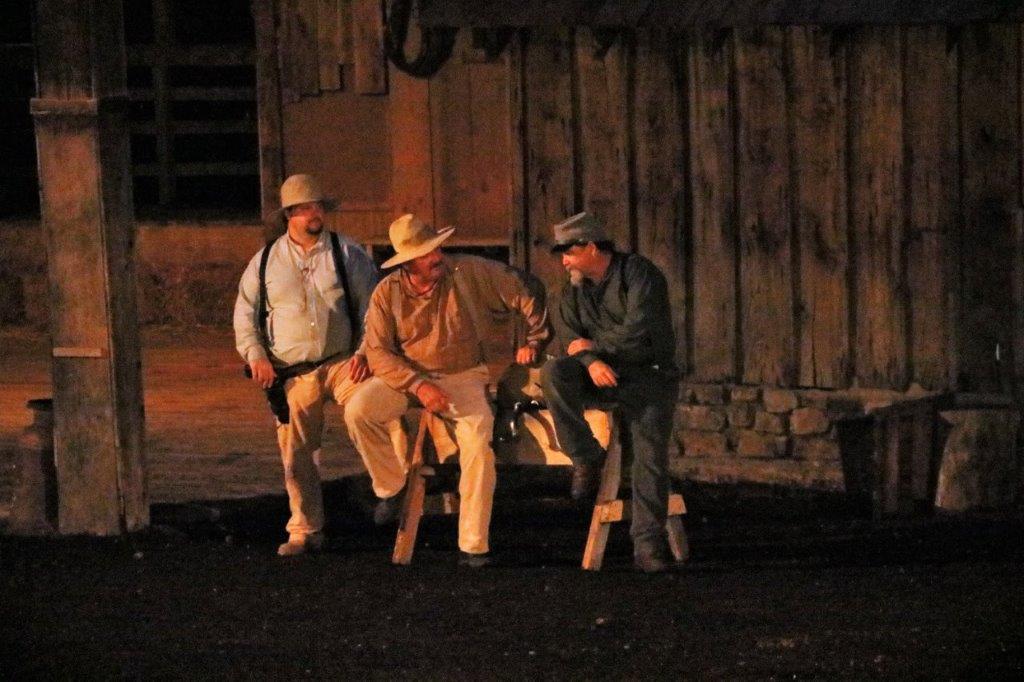
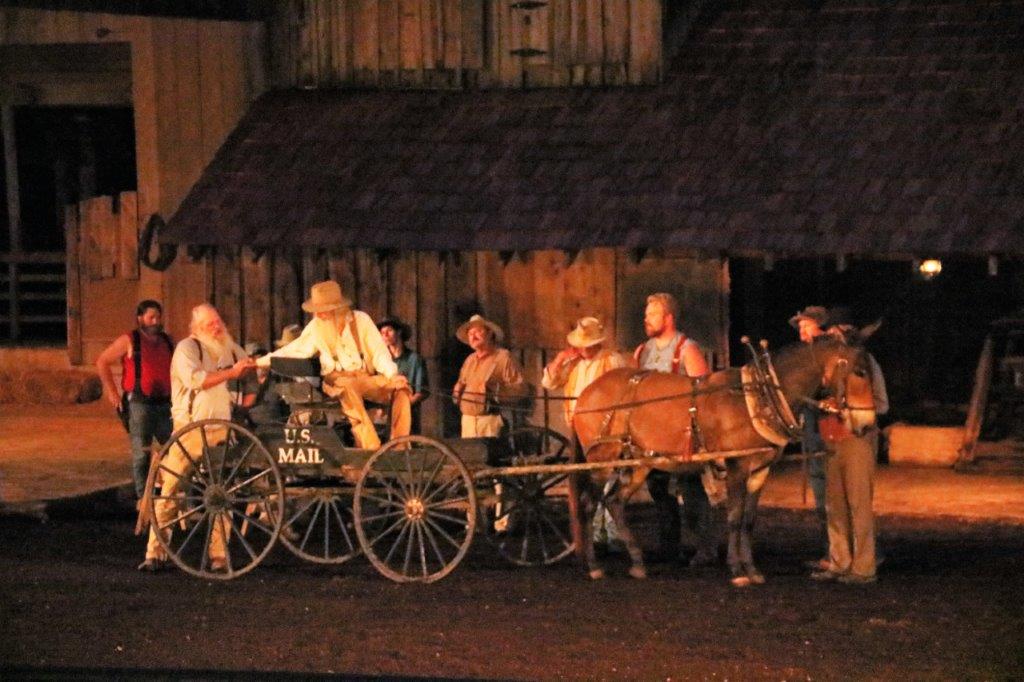
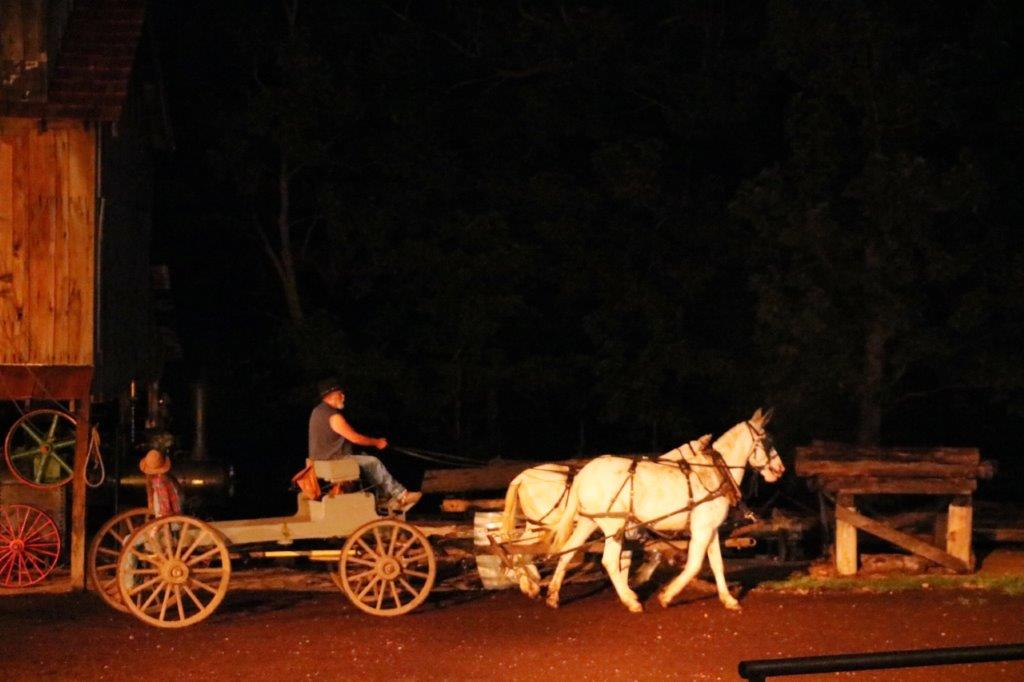
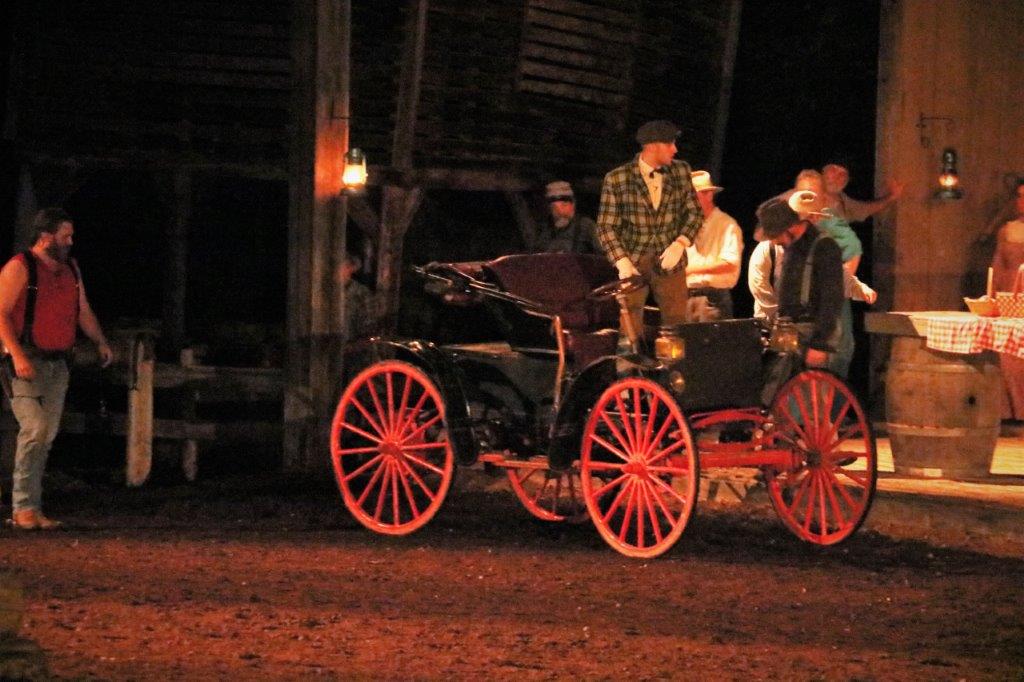
There were gun fights, horses, donkeys and mules, a building fire, romance and fistfights and redemption. What more could you wish for?  It was a good story. Some of the characters were a bit ‘over acted,’ but we had a good time and enjoyed the show. (John and I estimate that there is seating for about 1700 people, although it wasn’t very busy last night.) There is usually a meet and greet with the actors after the performance but last night it was cancelled due to a rapidly approaching  rain storm.  People park quite a distance from the theater and are brought down by trollies so they wanted to be sure everyone got back to their cars before the rain hit.  And when it did; it really rained.

It wasn’t a jam-packed active day but it suited us just fine and we saw some sights, were entertained, and didn’t get wet.


2017 Aug 15 – Branson (Mansfield), MO

We spent the morning lazing around in our condo unit, made up some sandwiches for our lunch and then took off for Mansfield.  Mansfield is located north and east of Branson.  If you take the freeway north to Springfield and then go east you can get to Mansfield in just over an hour.  It took us over two hours to travel our backroads route.

John likes the Missouri backroads.  They have regular series of roller coaster hills where you literally go up and down short steep hills one after another for three or four dips.  There are also a lot of nice corners and twists.  I need to remind him every now and again that he is not on his motorcycle even though Poppy goes through the turns well.

Rural Missouri roads (a lot of them anyway) have no names.  They have all been assigned a letter of the alphabet, beginning with A and going through to Z, then beginning with AA and going to ZZ.  I do not know if all of the letters are represented nor if they are all repeated in the double sequence but it is quite strange to see a direction sign that only has an arrow and a big U or K or B.  Crossroads signs will point you to C going north and K going south.  There does not appear to be a geographical pattern to the lettering either.  Early alphabet letters and end-of the alphabet letters can be quite close together.

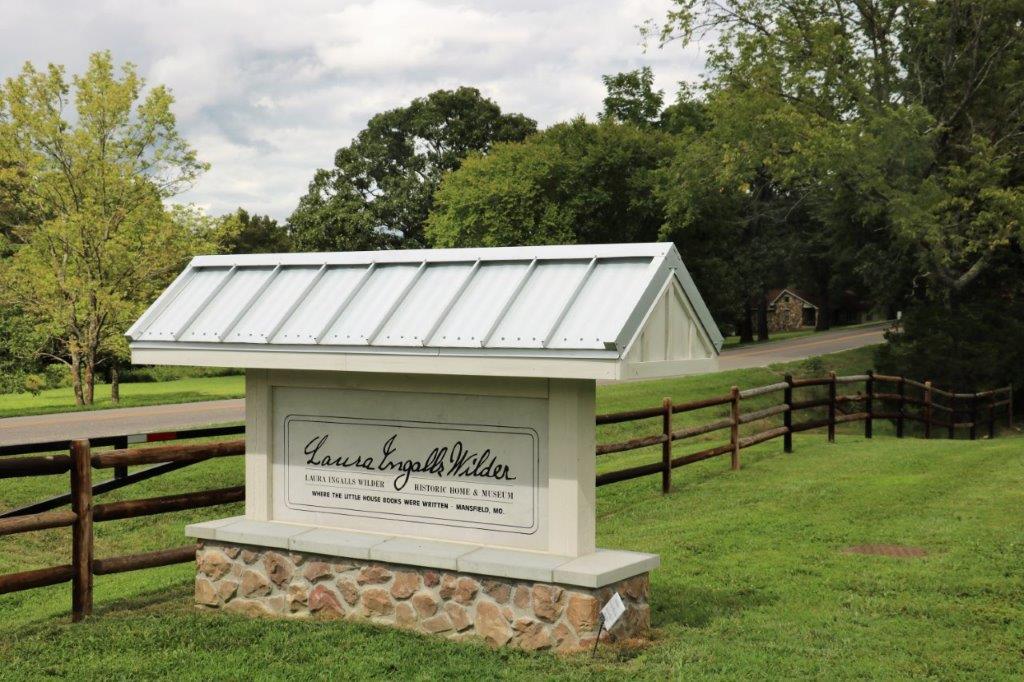
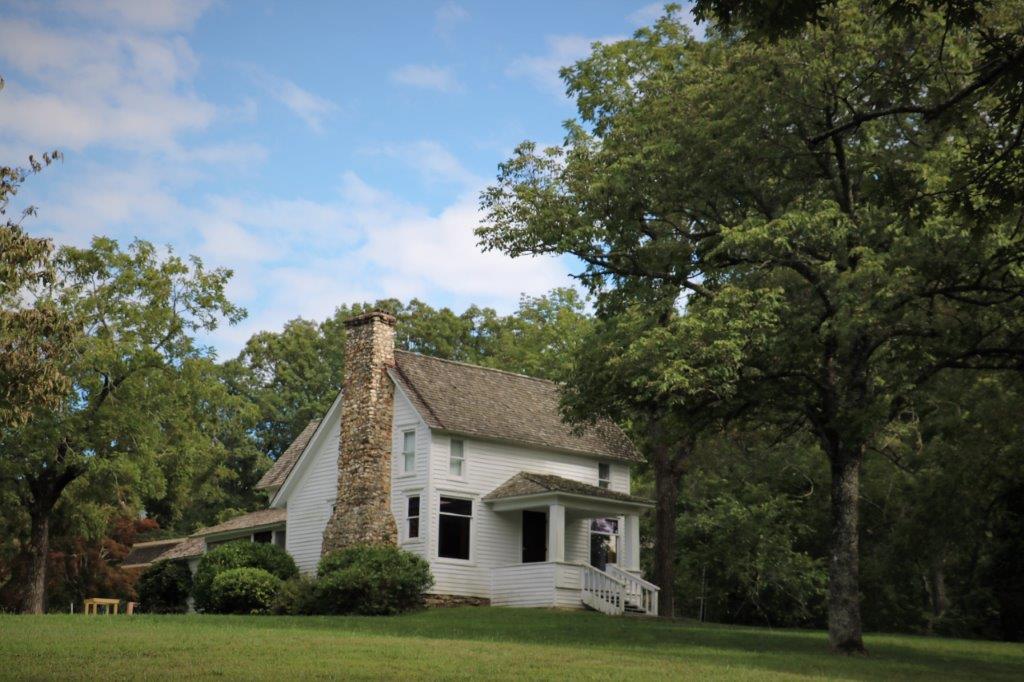
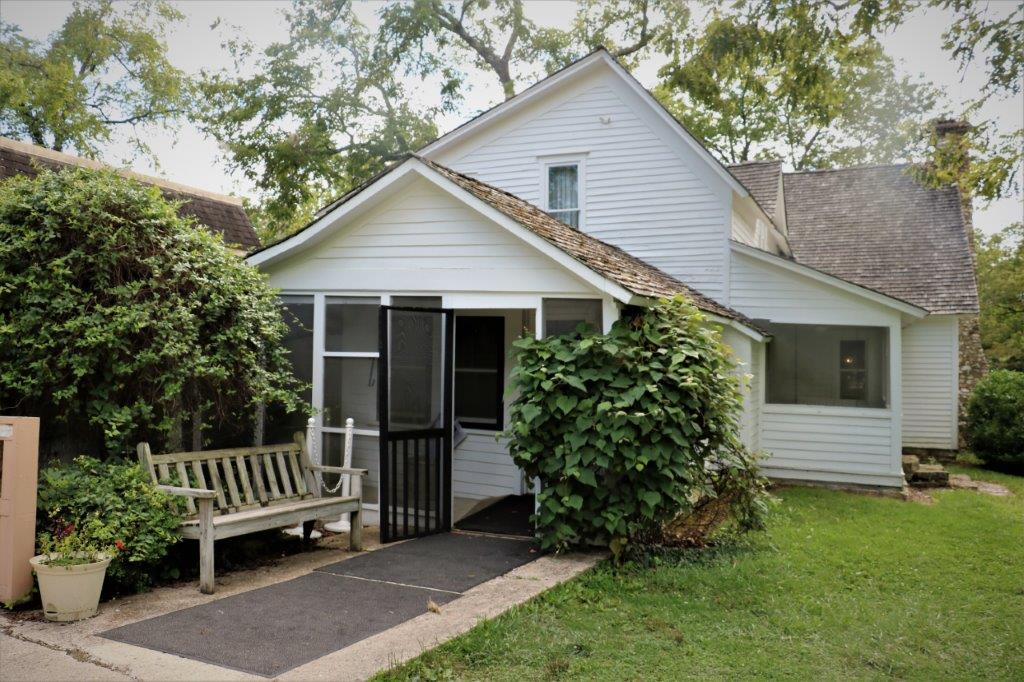
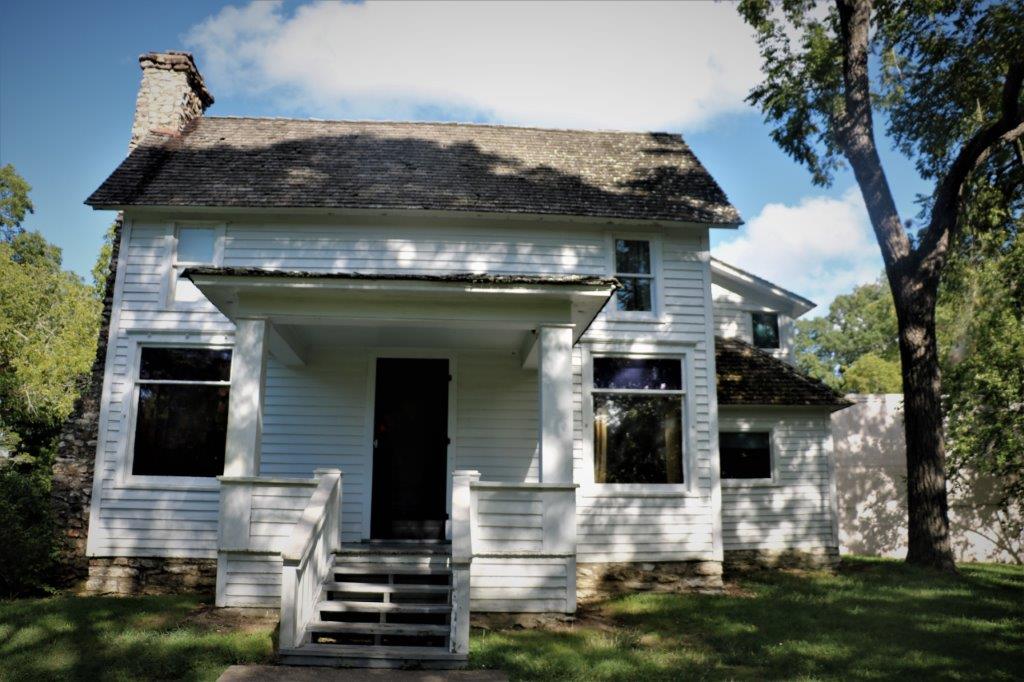
We drove up to Mansfield to see the Laura and Almanzo Wilder houses.  In De Smet, ND we had toured the buildings of Laura Ingalls’ childhood and the home her parents lived in but some years after she married Manly Wilder they moved from De Smet, North Dakota to Mansfield, Missouri. Their first house was a one room shack but a few years later they decided to build a proper house on the hillside of their Rocky Ridge Farm.  They dragged the one-room to the location of new house and added on another room. Over the next few years they added on one room at a time as they could afford it, doing most of the building themselves.  The house we saw had a kitchen (original one room shack), diningroom, bedroom, bathroom (that originally was the wood storage room for the stove and fireplace), a small room where Laura had a desk and wrote her “Little House” books, a front room (livingroom/parlour) that had a small library nook and a music room off to the side.  There was a guest room, daughter Rose’s room, and a storage room upstairs.

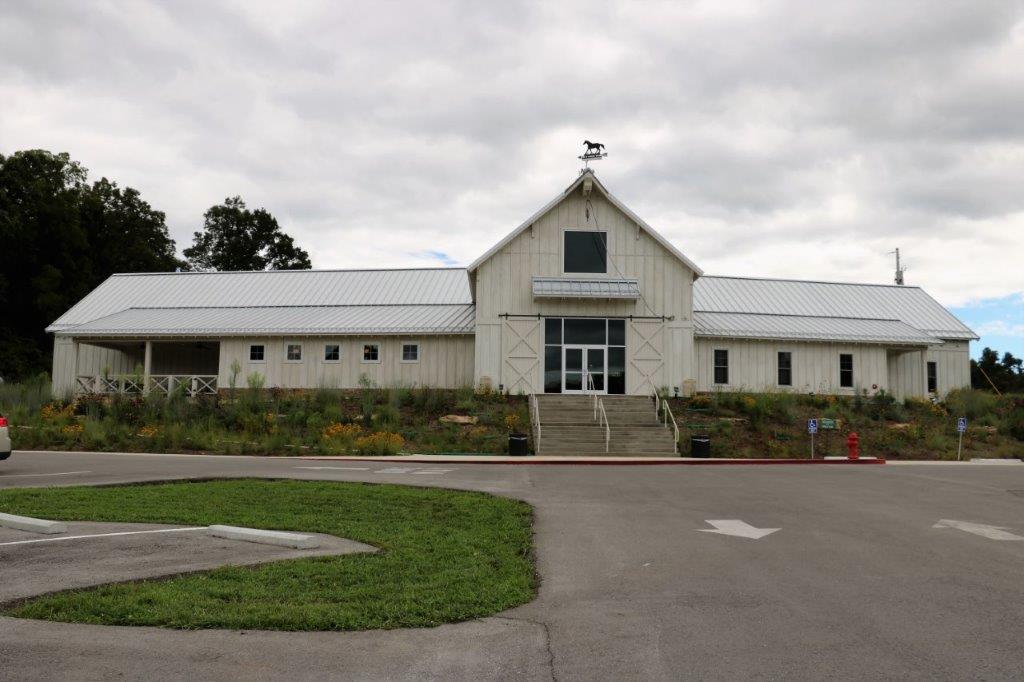
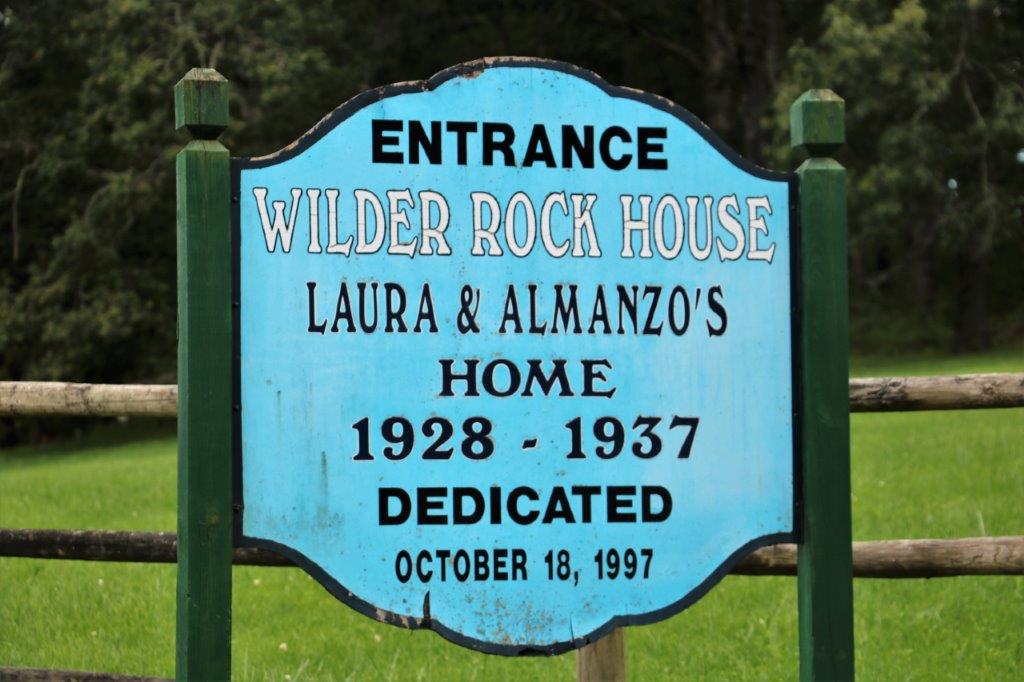
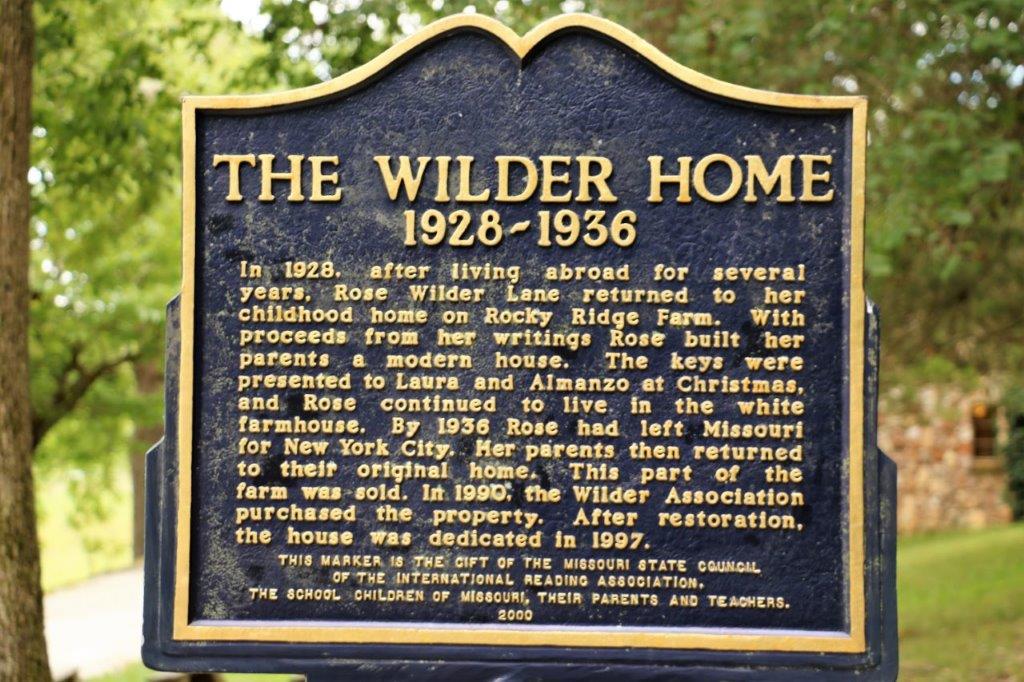
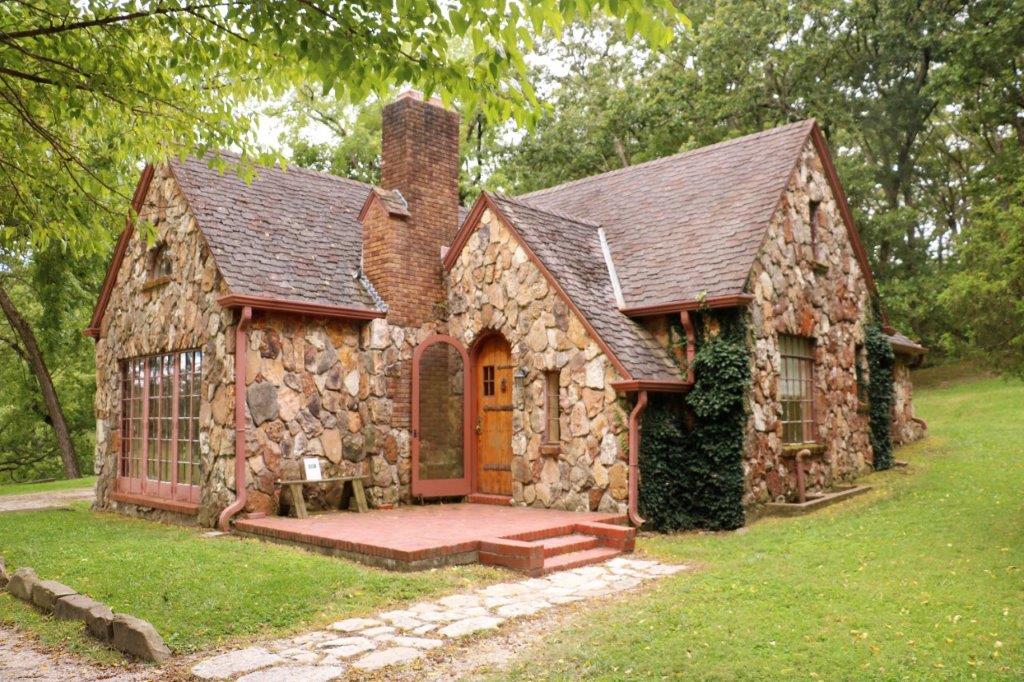
Virtually all of the furnishings, decor and contents of the farm house were original, including the linoleum on some of the floors.  The only people that lived in the house were Laura and Almanzo Wilder and, for a period, their daughter Rose.  Almanzo died in 1949 and Laura and Rose, over the next few years, discussed turning the house and farm over to a museum, so when Laura died in 1957 that is what Rose did. We also toured the new museum building that displayed many personal items of Laura and Almanzo Wilder including dresses made and worn by Laura (with beautiful hand crocheted lace), shoes made and worn by Almanzo, household items, letters and books, and many other treasures.  No photography was permitted inside the museum or the houses so I can’t show you any of the beautiful and interesting things we saw.About a half a mile down the road on the other edge of Rocky Ridge Farm was the Rock House.  The Rock House was a gift to Laura and Almanzo from their daughter Rose who was a newspaper reporter that travelled around the world extensively, and was also a successful novelist.  She purchased the retirement house for her parents from the earnings of one of her stories that was serialized in the Country Gentleman magazine; for which she was paid $10,000.  The house plans were ordered from the Sears, Roebuck and Co. catalog and Rose hired an architect from Springfield to oversee construction.
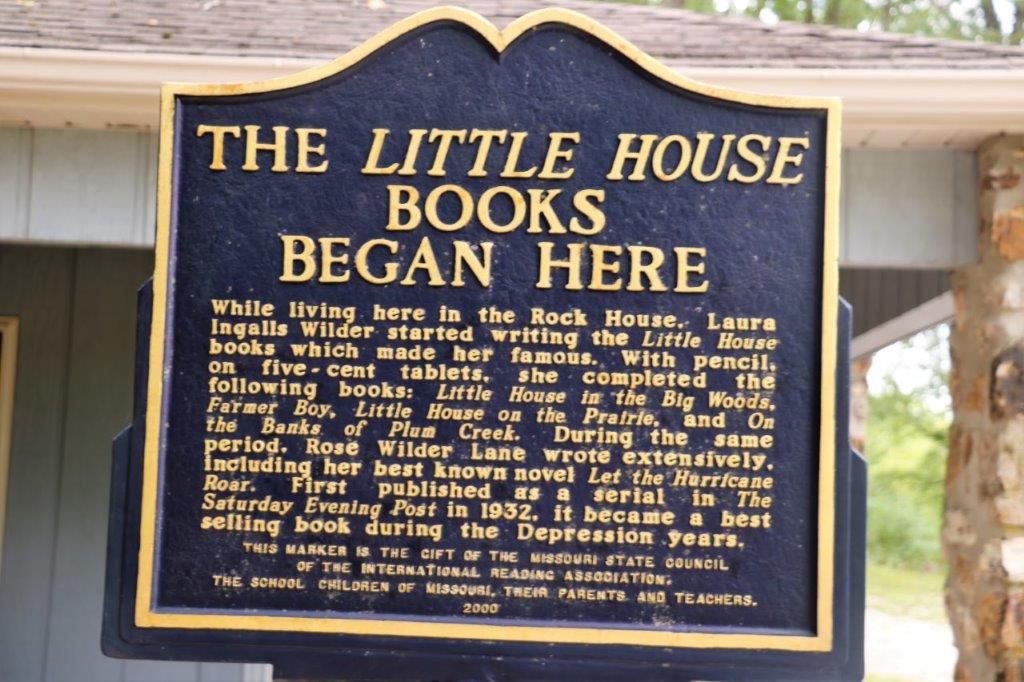
Rock House was built between August and December 1928 and Rose presented the keys to her parents for Christmas.  They lived in the house for about seven and a half years, during which time Laura wrote the first four Little House books.  Rose lived in the old farm house and paid rent to her parents.  When she moved out Laura and Almanzo moved back into the farm house and kept Rock House as a rental property until they sold it in 1943. The serialzied book that Rose Wilder wrote was called “Cindy” and it was about a pioneer girl.  After writing the story she began to think that someone who had actually experienced being an early pioneer would be better able to tell what it was like.  She encouraged her mother to write about her childhood and early adulthood as a homesteader in North Dakota and Missouri.  Hence the Little House books began.  Laura Ingalls Wilder was 63 when she began to write the books which made her famous and inspired the popular 1970’s  TV series starring Michael Landon as Pa Ingalls.

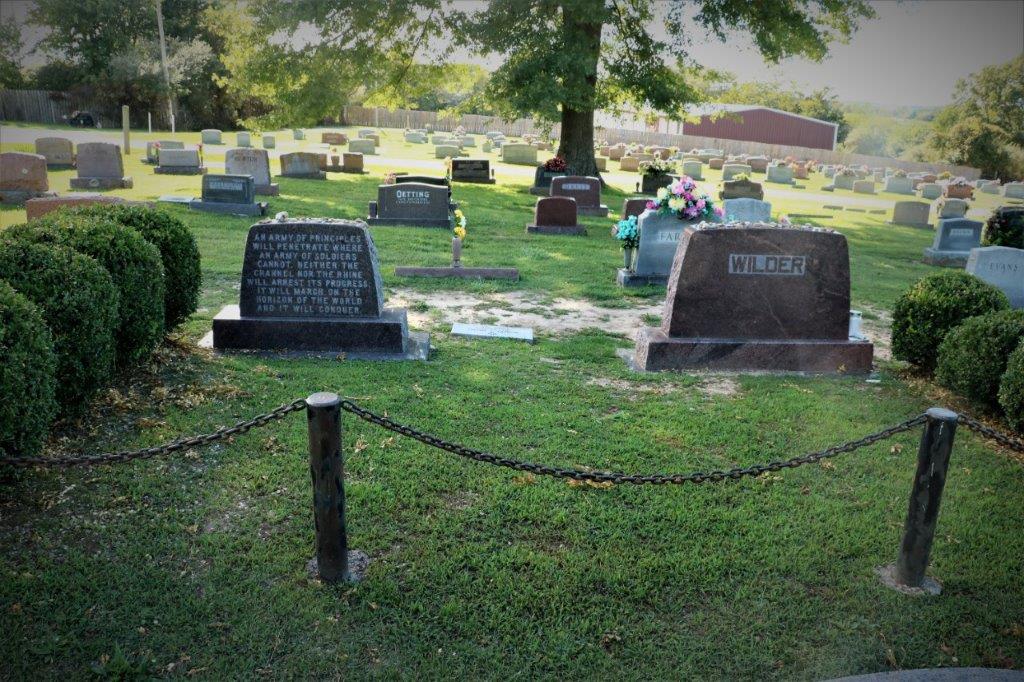
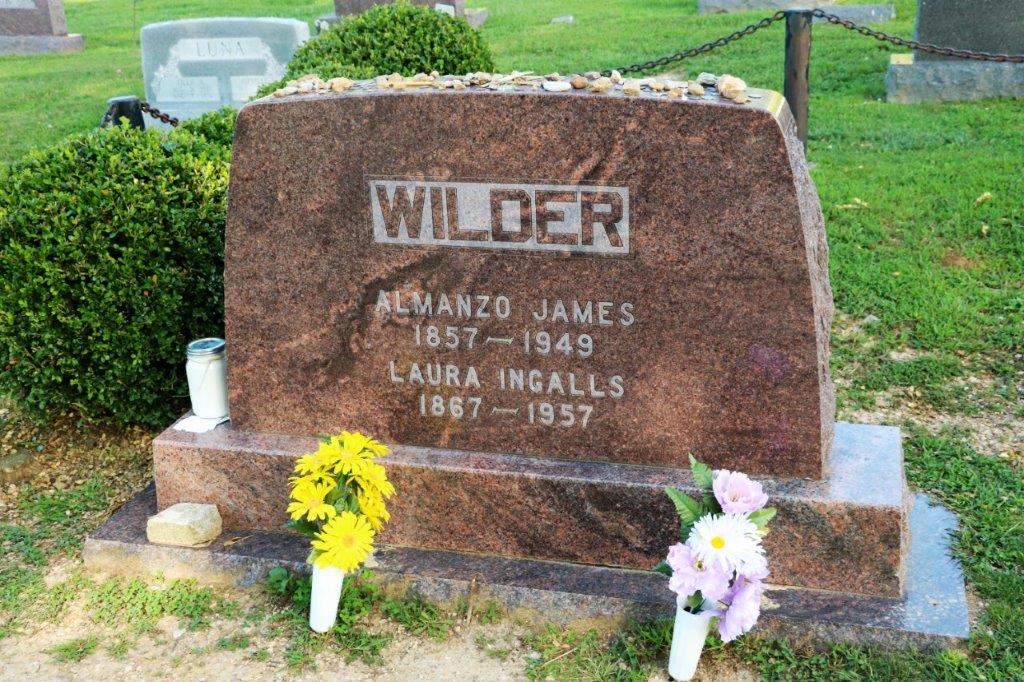
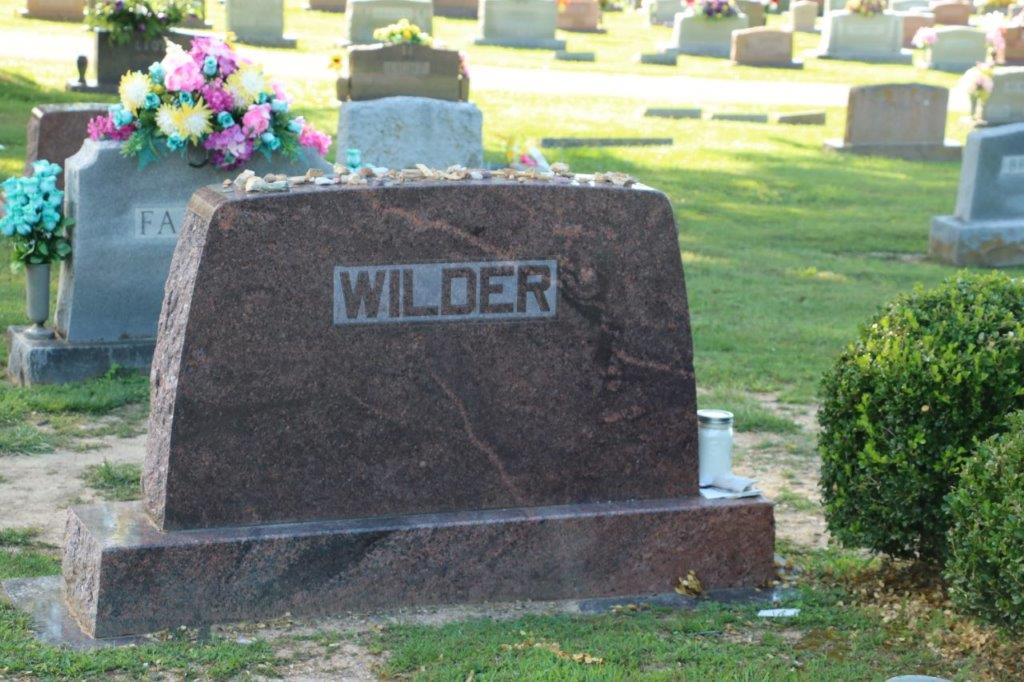
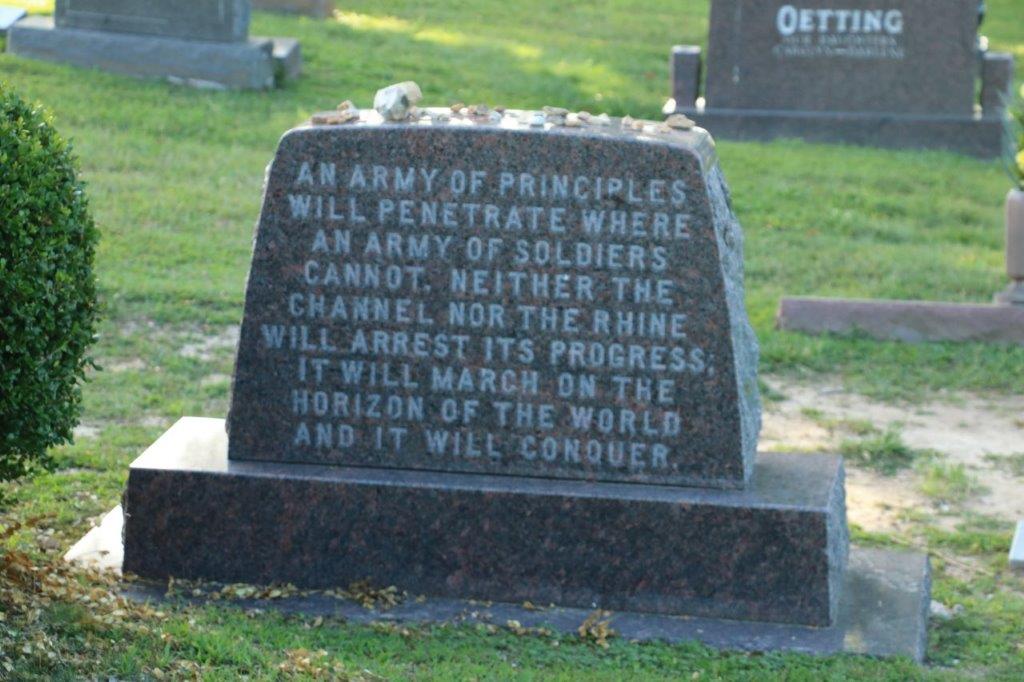
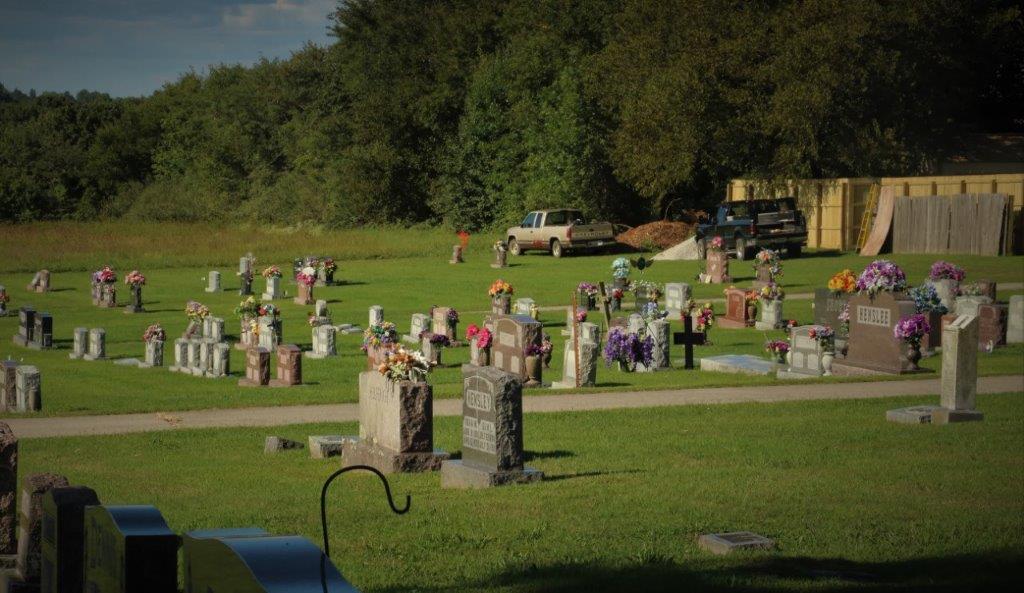
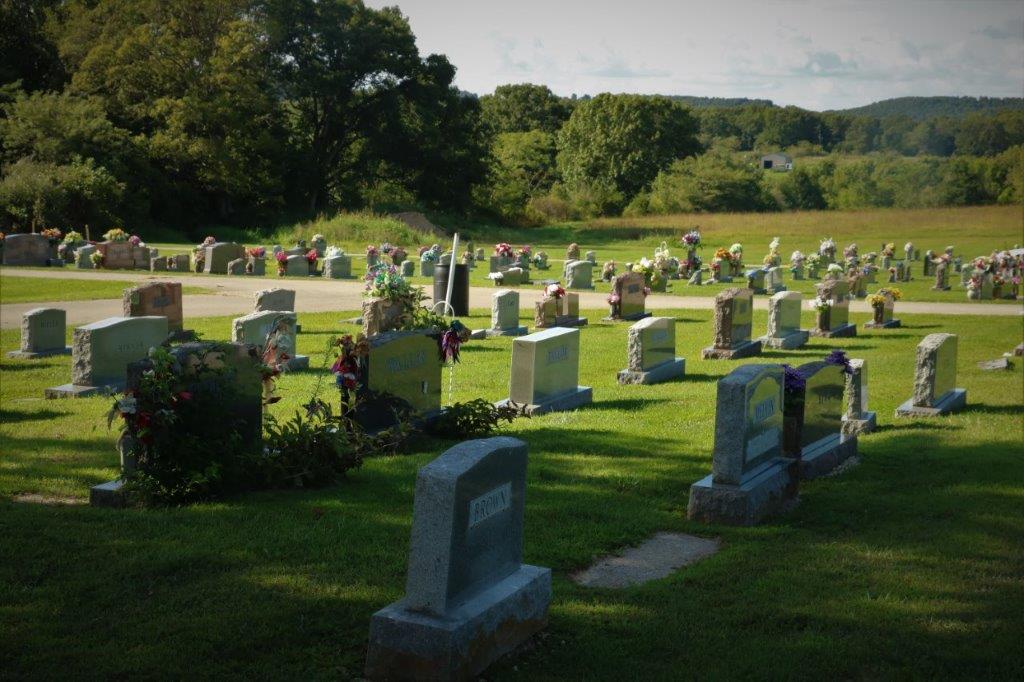
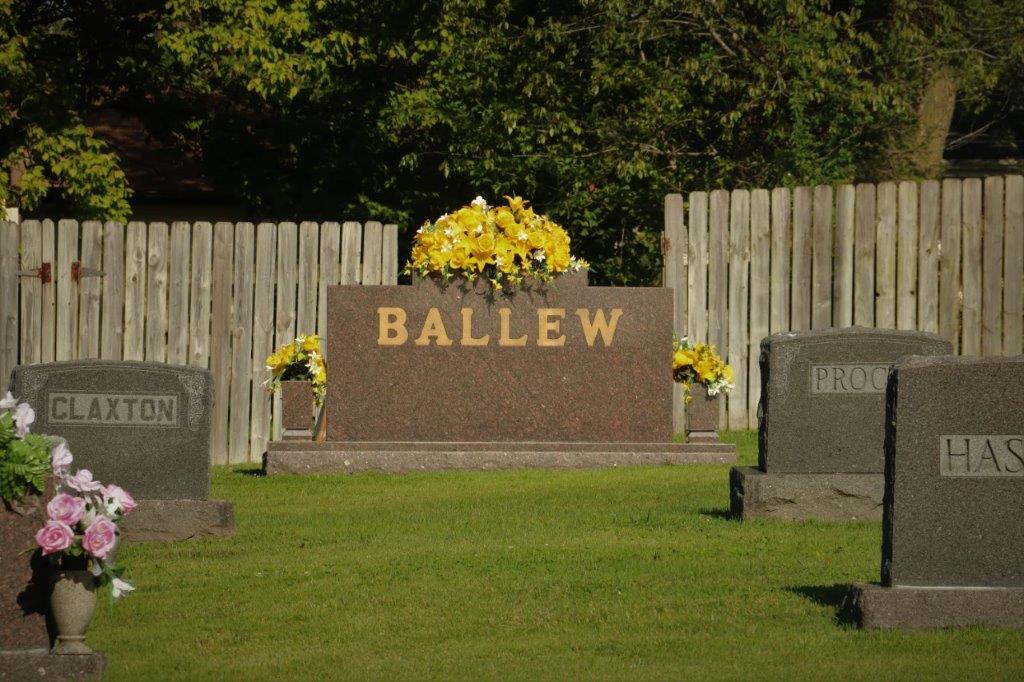
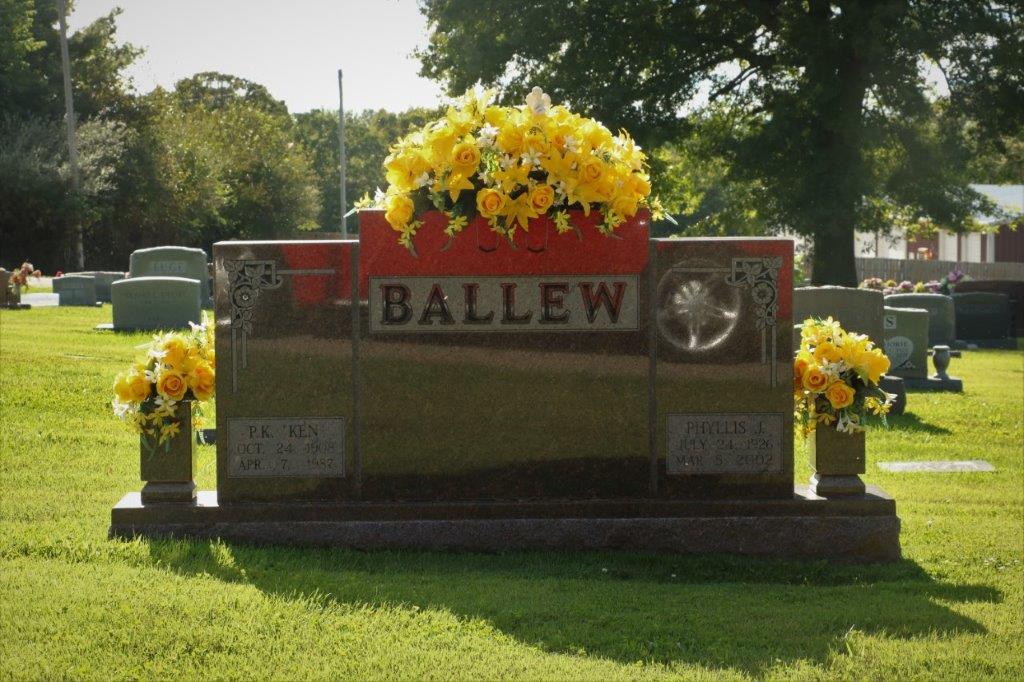
It was after five before we left the museum complex and we drove through town to the cemetary where Laura and Almanzo Wilder and their daughter Rose Wilder Lane were buried. I have noticed at other cemetaries we have passed or stopped at to find a geocache that there are always lots of flowers and flags on gravestones; even very old ones.  The cemetary at Mansfield was very typical in this way and many of the markers had beautiful silk flower arrangements that looked fresh and new. We took a different route back to Branson and stopped at a few places along the way to find some geocaches.  The weather was supposed to be thunderstorms and clouds today but it was a lovely sunny/cloudy day with warm enough temperatures that we drove both ways with the top down on Poppy.  Of course, the minute you stopped moving the 80% humidity made you feel very warm and sticky.

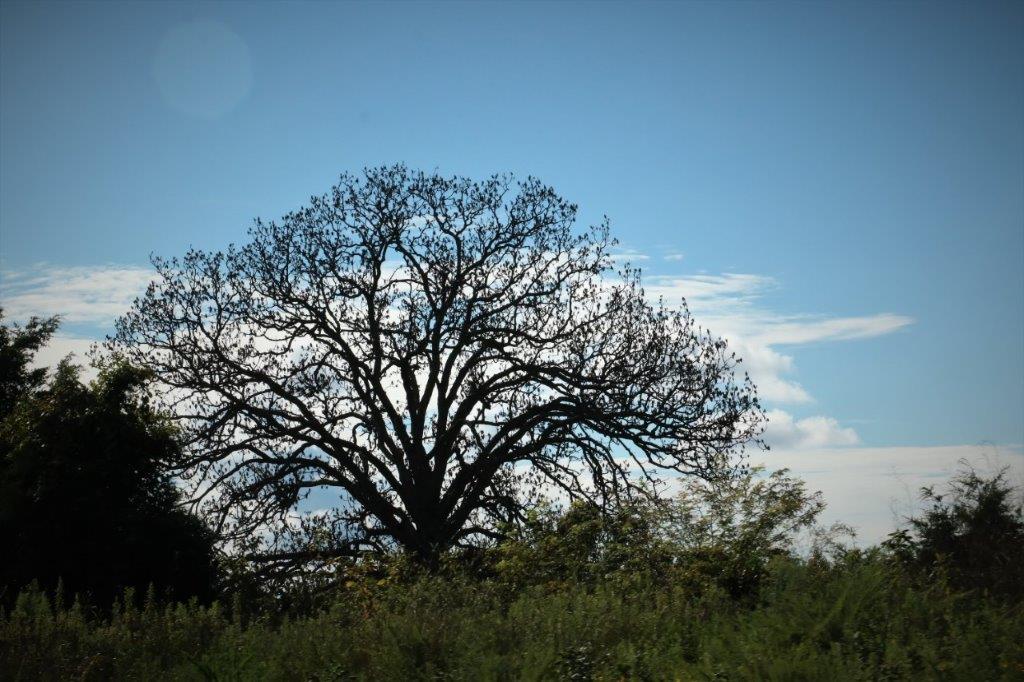
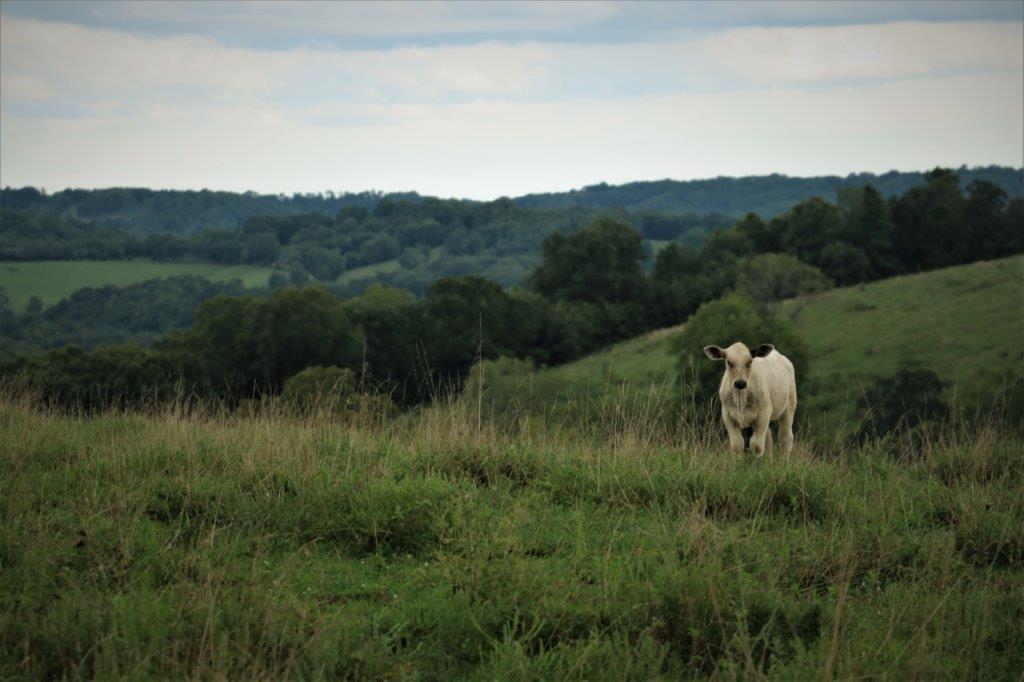
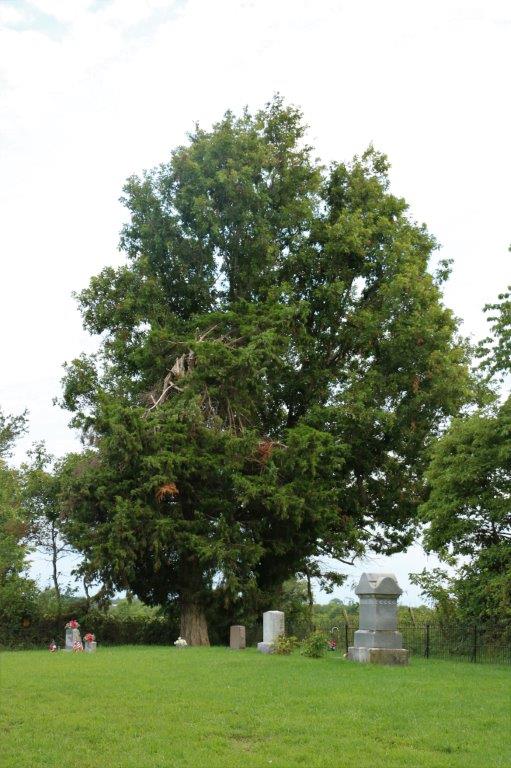
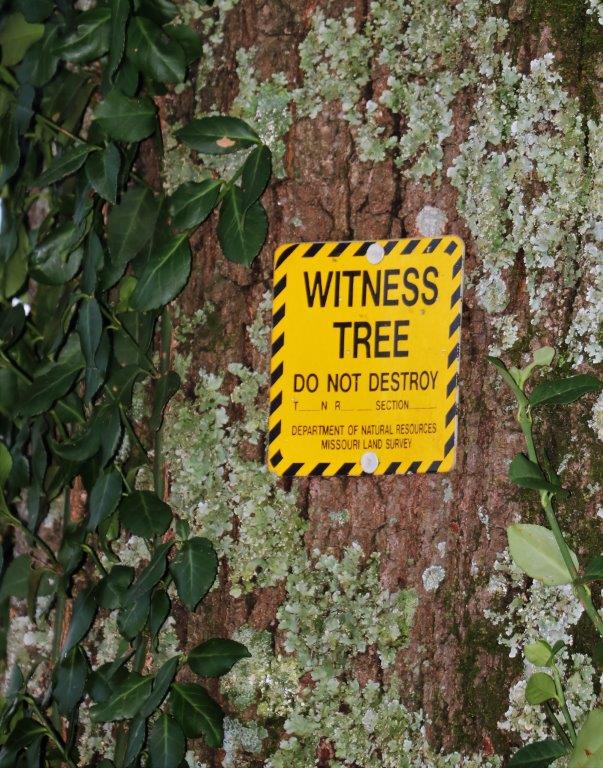
This youngster was quite intriqued by our presence near his/her field while we looked for a goecache.One of the caches we found was called “Witness Tree.”  We had to walk the edge of the Roberts Cemetary (which contained gravesmarkers for a lot of Roberts, plus some others,) to a large tree in the back corner.  There was a tag on the tree saying Do Not Destroy.  Witness Tree.  I looked the term up when we got back to Branson and Witness Trees are used as a reference mark to locate permanent federal survey markers.  The bearing and distance to the survey marker is sometimes stamped into the tag on the tree.  See, you can learn something new every day. It was a large tree.

Our quieter secondary road connected to the #65 freeway that comes south out of Springfield and goes straight down to Branson.  I can stand to be on the less congested freeways in the west and mid-west but I do all I can to avoid the ones going into and out of large cities.  The speed limit on the freeways out here is 75mph (just over 120 kmph), which John and Poppy liked and I just ignored as best I could. It was after 7 by the time we got back to Branson and almost 9 by the time we were doing our dinner dishes.  Photos, blog and bed followed.

2017 Aug 13 and 14 – Branson, MO

Our first day in Branson was lazy.  We relaxed and checked Facebook and replied to emails.  I went online and verified all our credit card receipts, then paid a couple of bills.  We went for a short drive at 3:30 on one of the outer circle roads.  We happened past a grocery store so went in and got all we probably need during our stay, picked up two geocaches, and went back to our unit.

August 13, Sunday

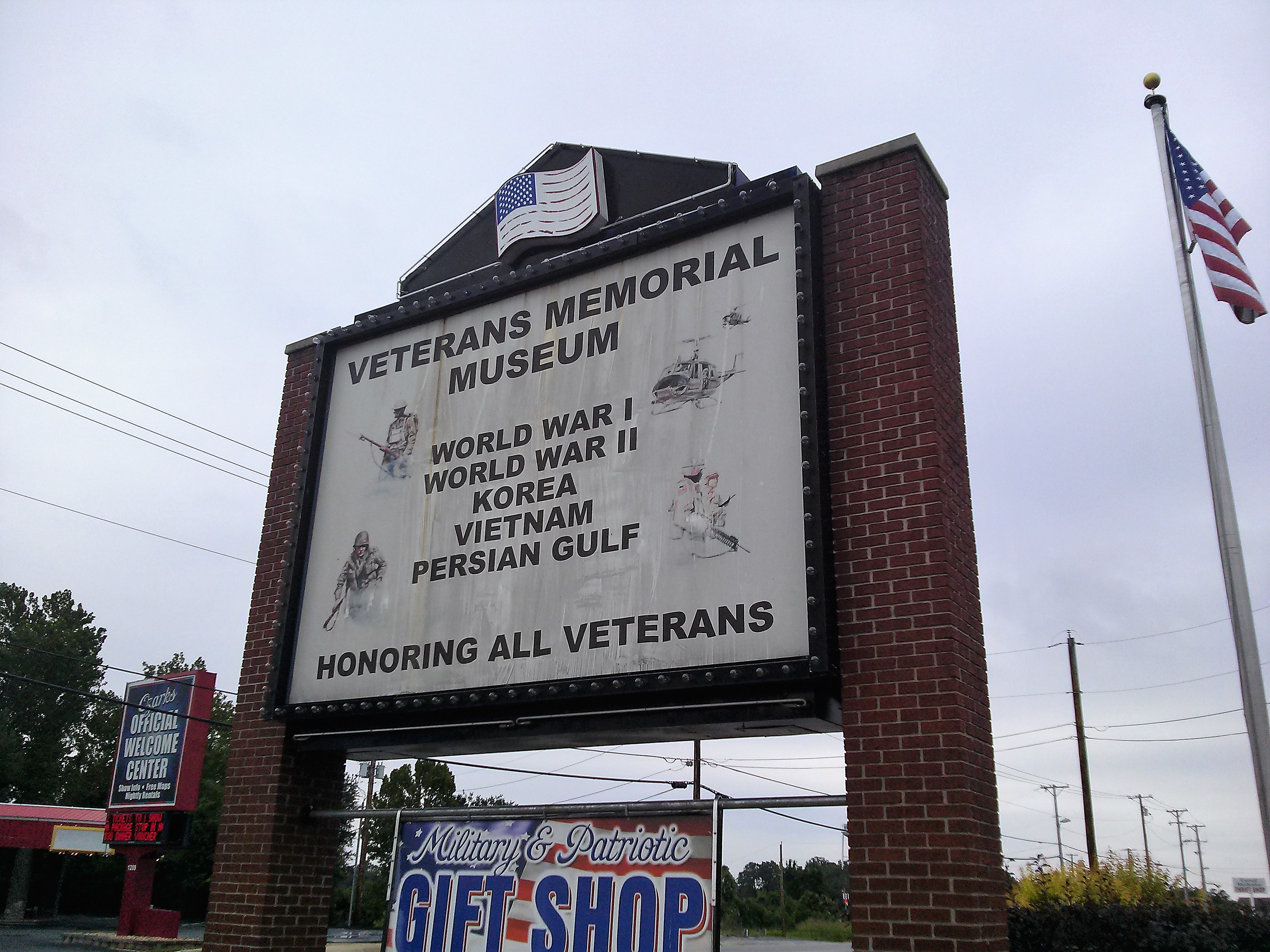
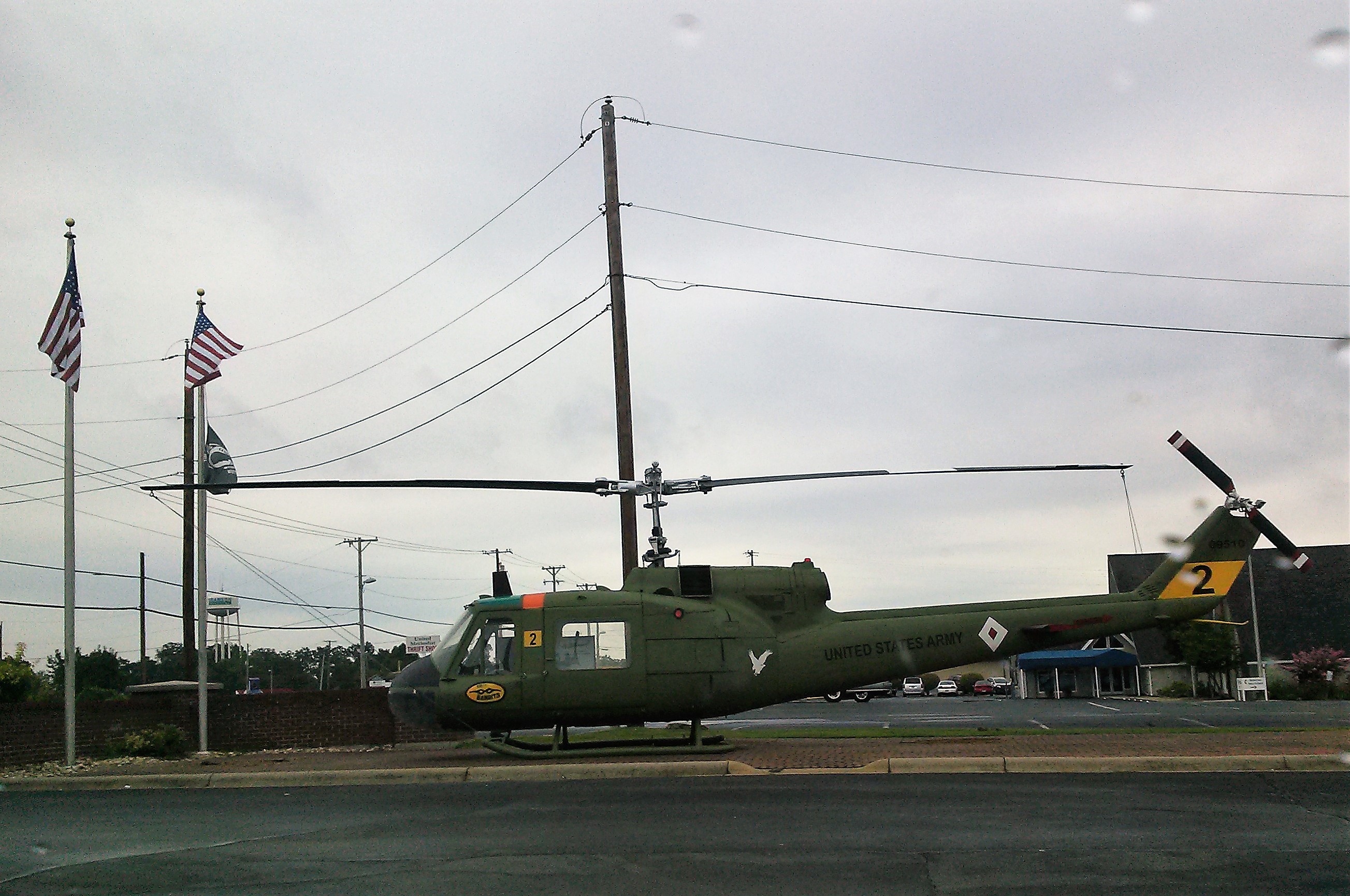
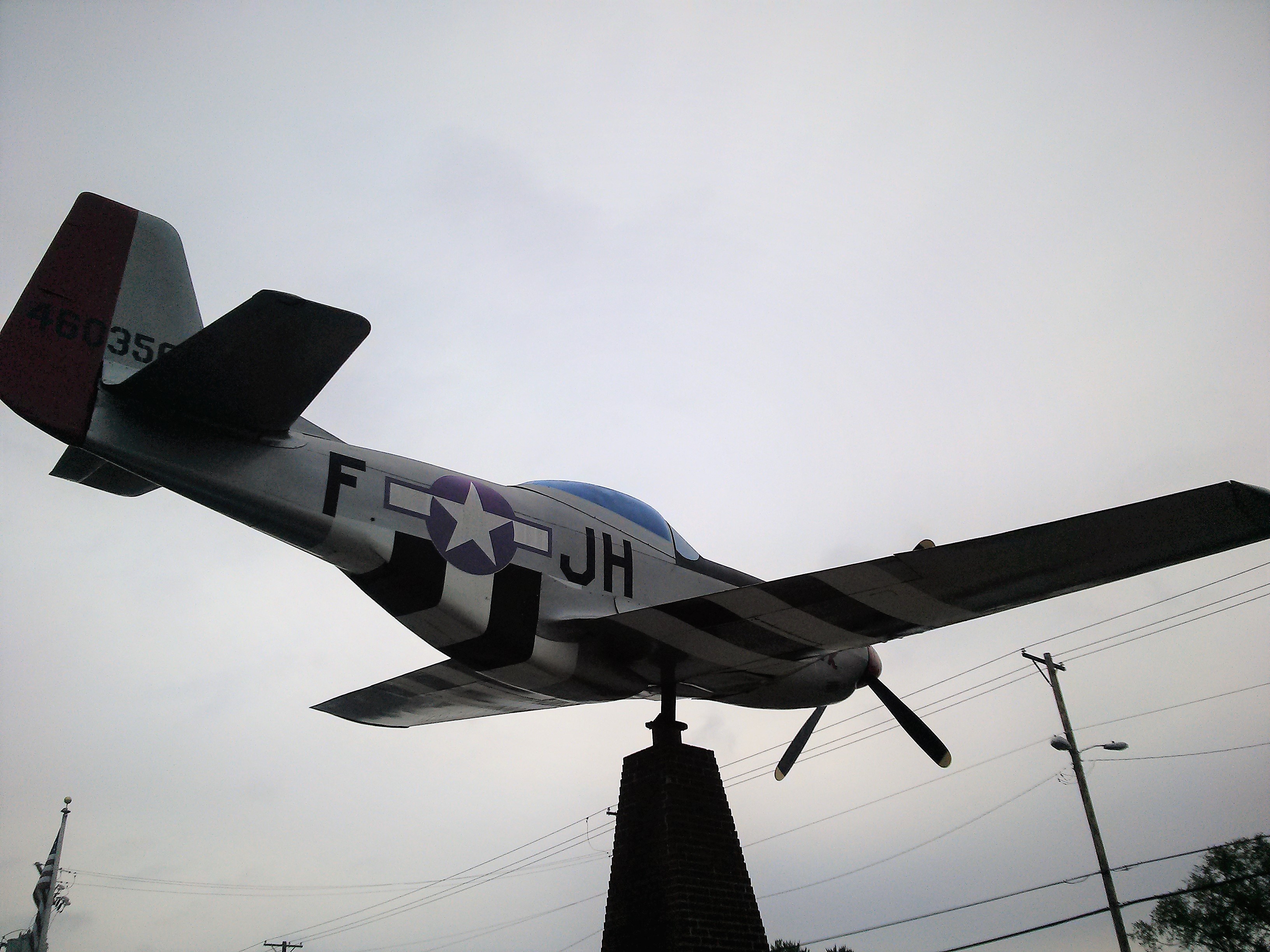
One  cache was a virtual (no log book, just photo proof you were there) at this Veteran’s Museum.  We may have to go back and see the inside while we are here. It was a totally overcast with light to moderate rain off and on all day.  After we got back from our little drive I began working on my blog and John decided to go out and give poor, dirty, bug-spattered Poppy a wash – in the rain.  His theory was that the rain would give her a good rinse.  He felt much better when he came back inside – wet, but better.  He takes very good care of my Poppy truck and does not like her to be dirty.
Aug 14  Monday

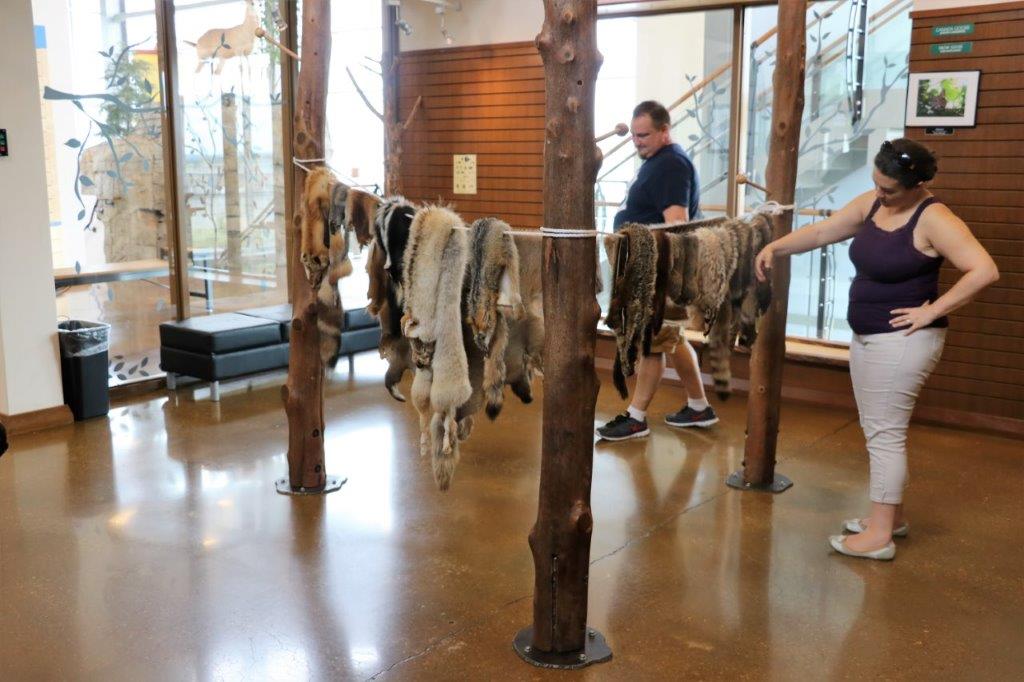
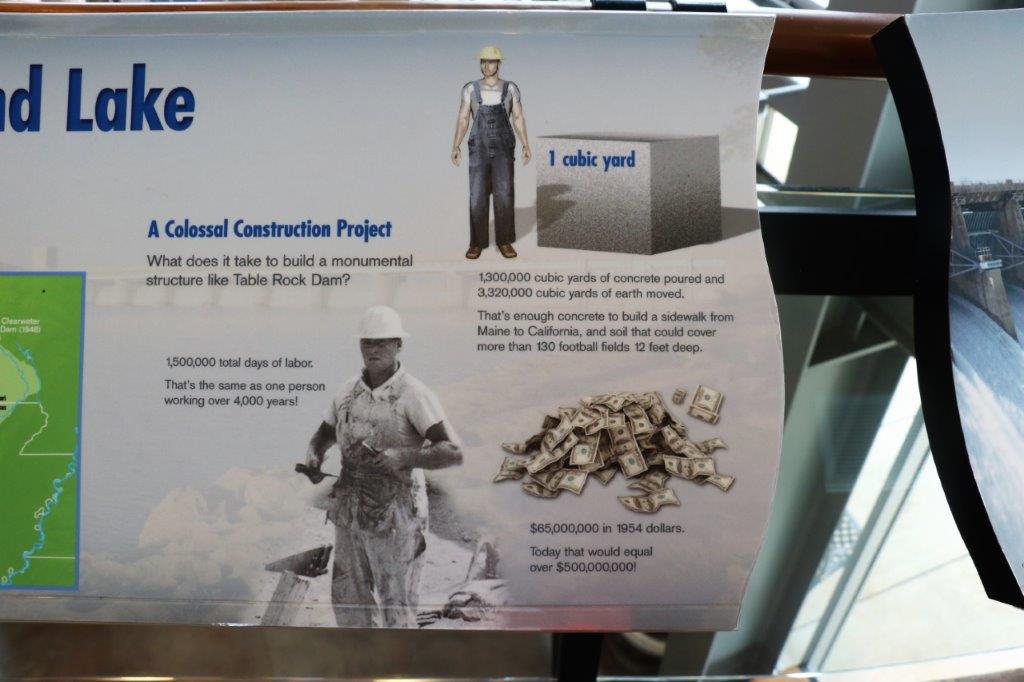
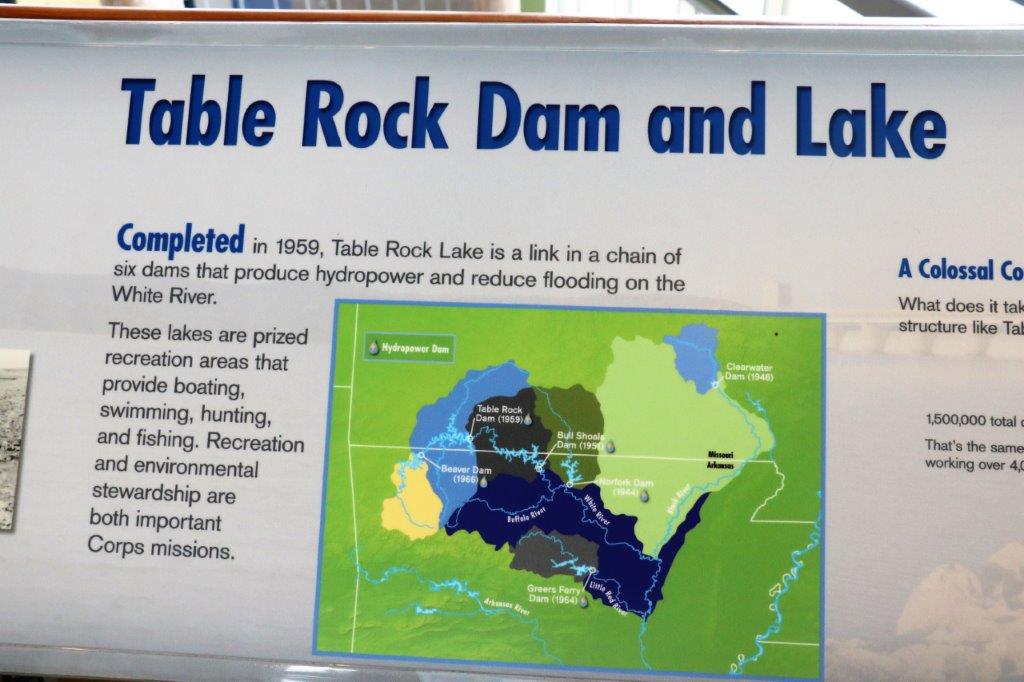
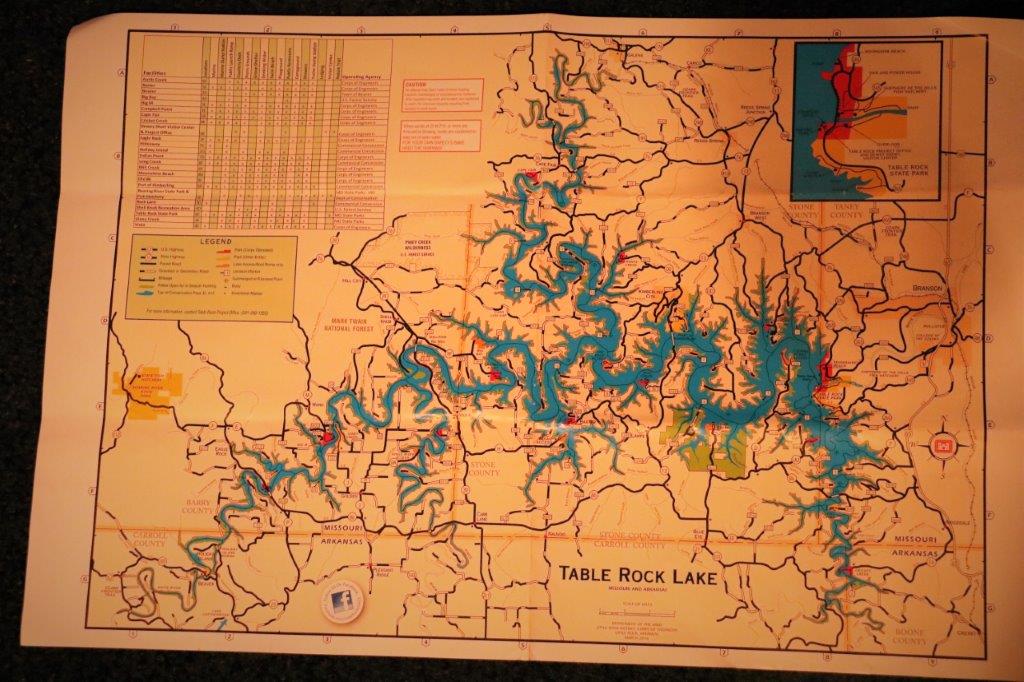
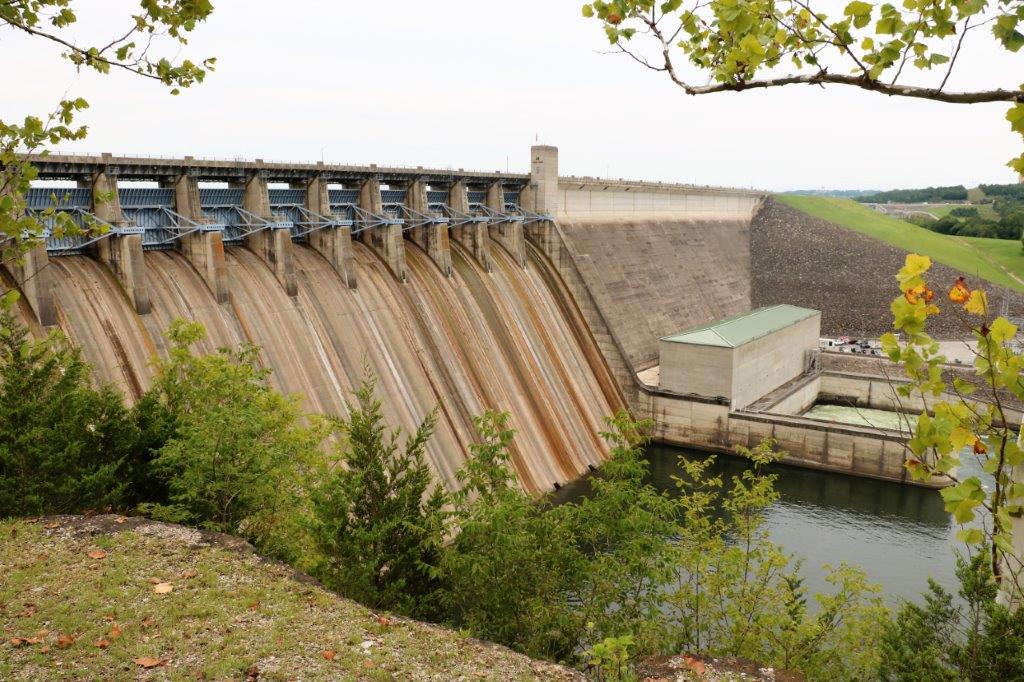
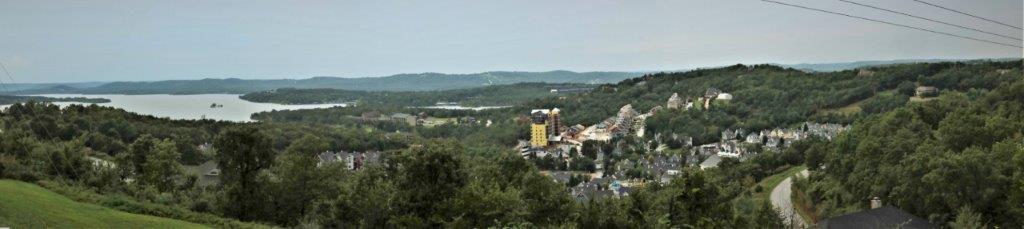
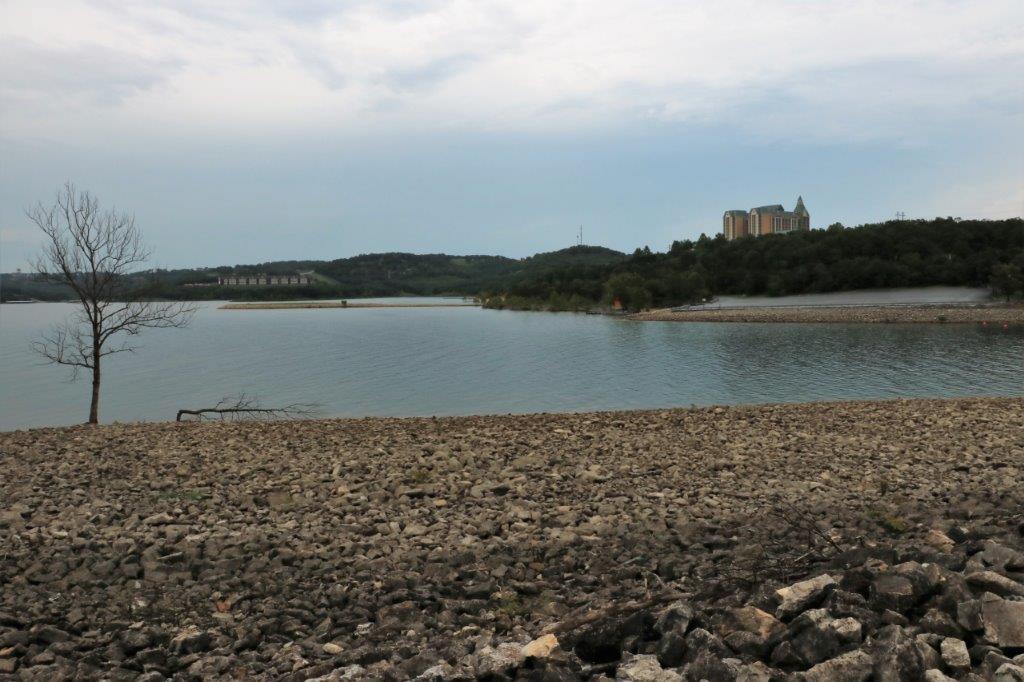
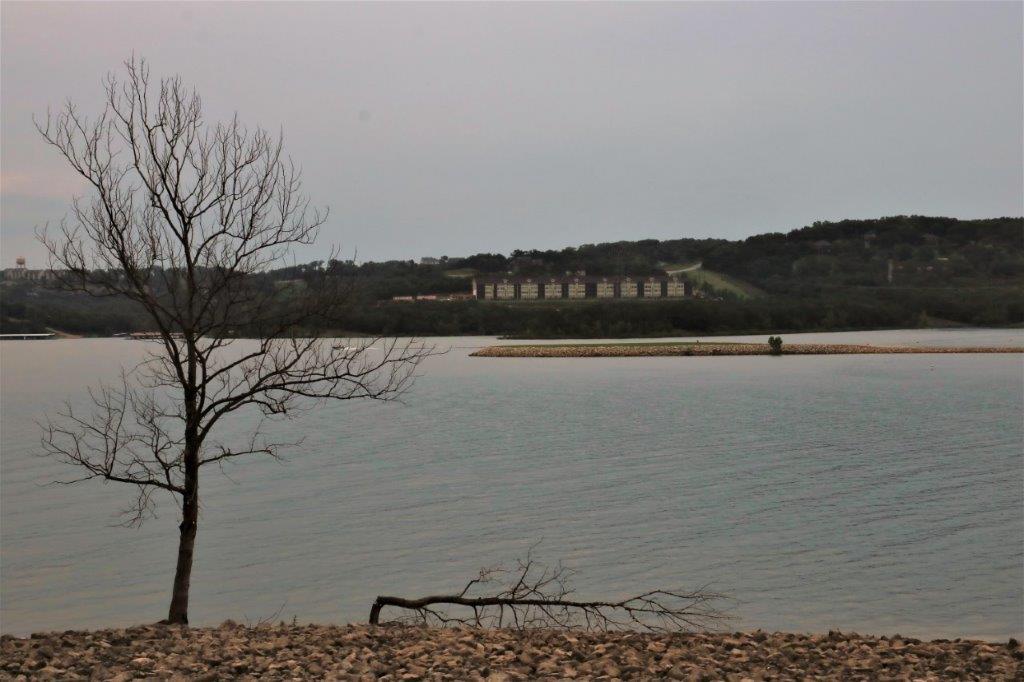
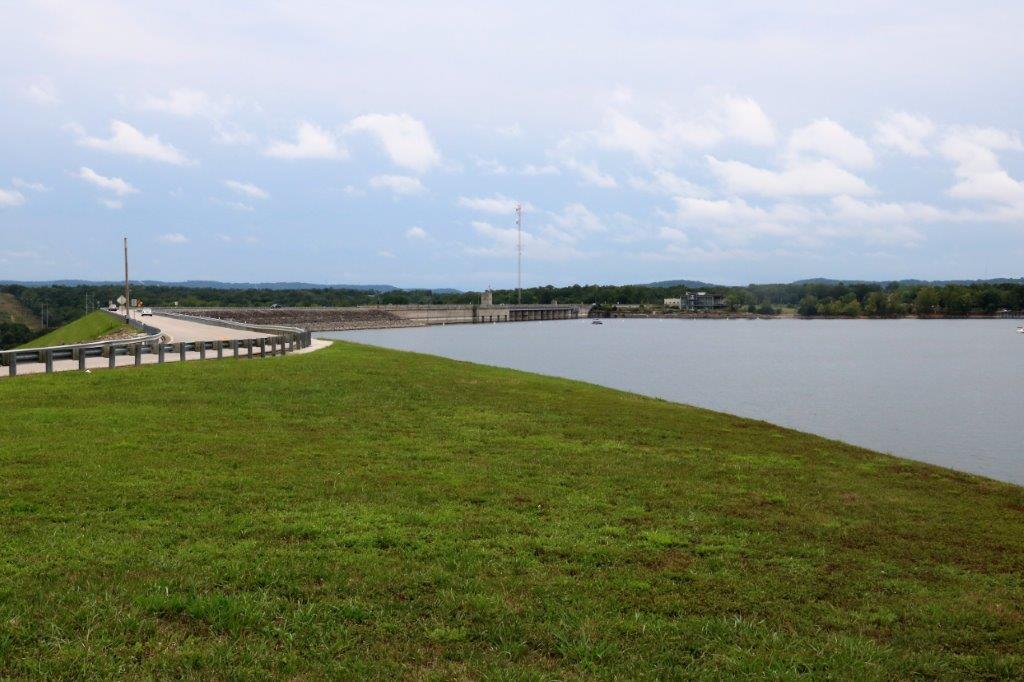
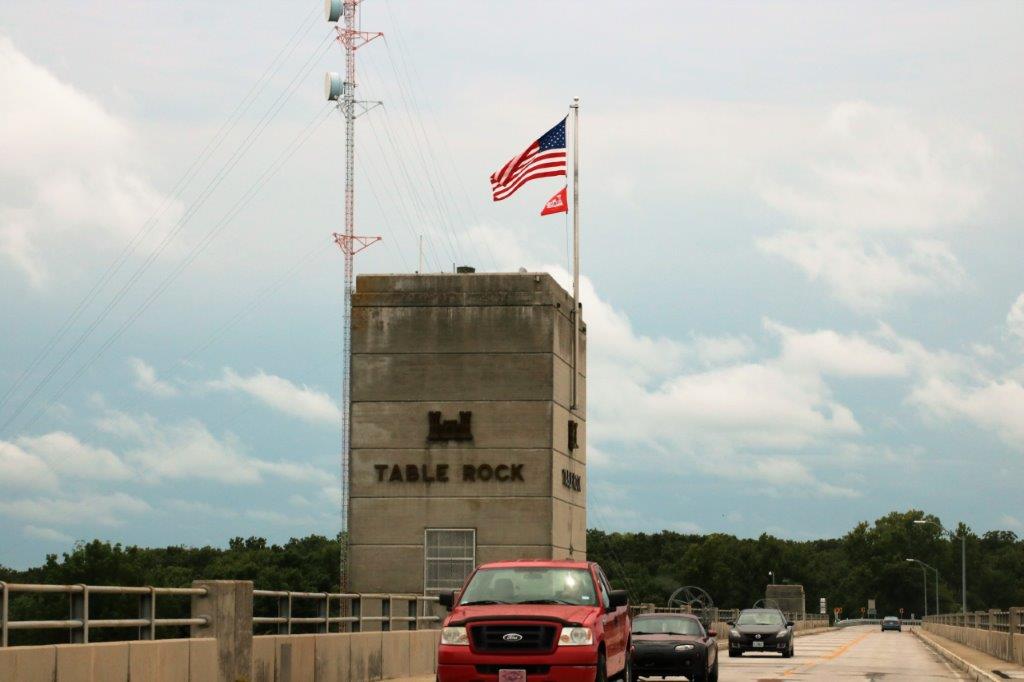
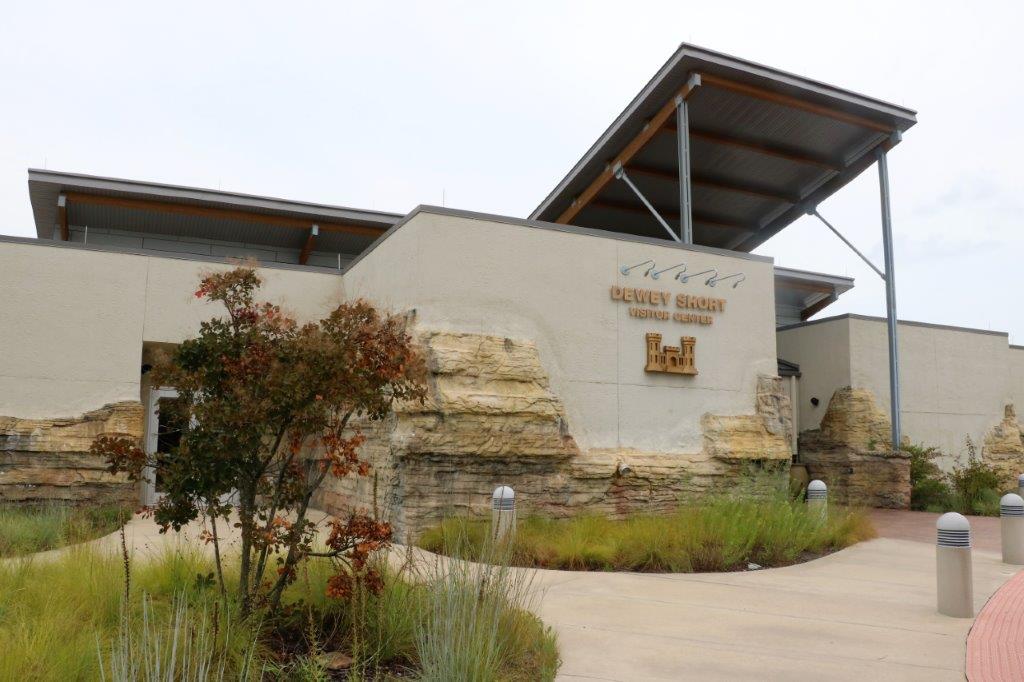
We took a drive in the afternoon to find a few geocaches.  First stop was at Table Rock Dam.  In the Visitor’s Center they had samples of each of the hides of the different animals that had been hunted and trapped in these hills over the years. Now that is one crazy lake.  Looks like a river gone wild or two-tailed Chinese dragon.
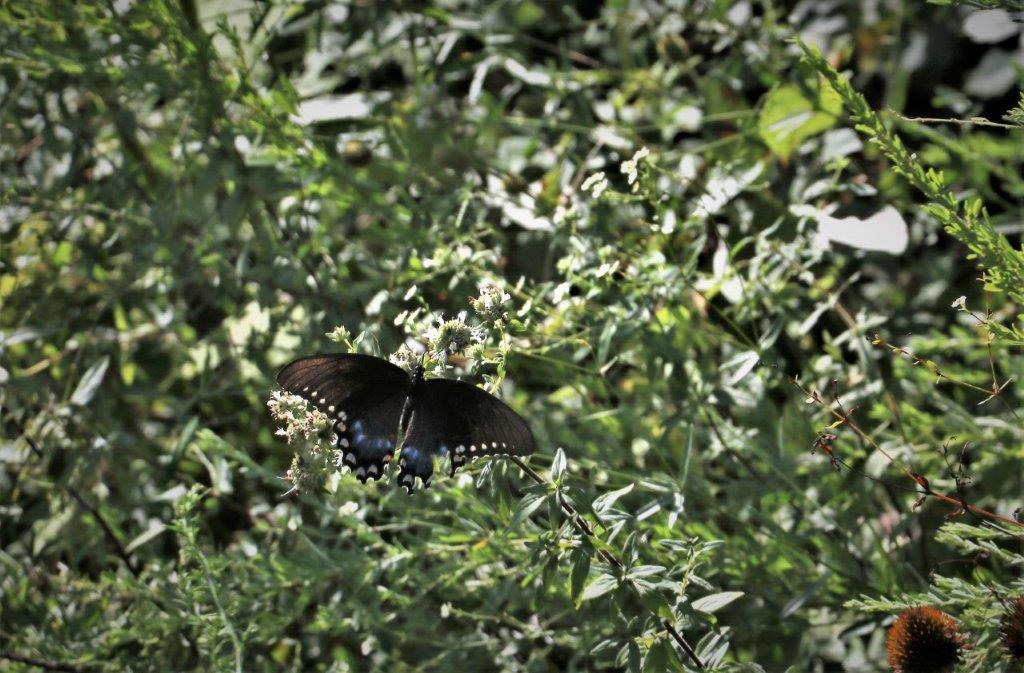
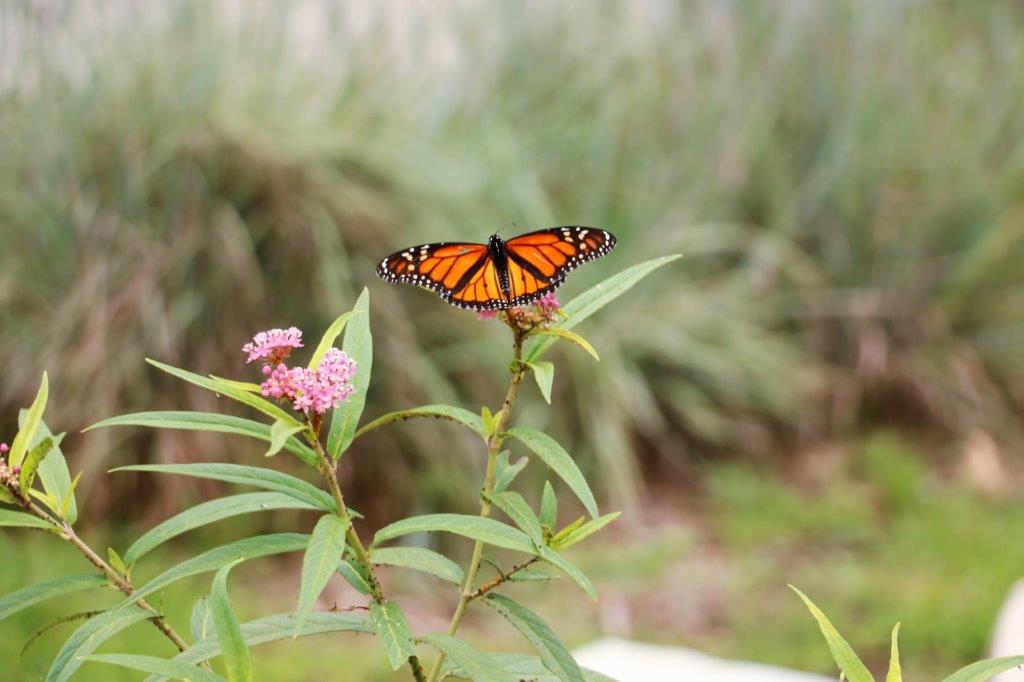
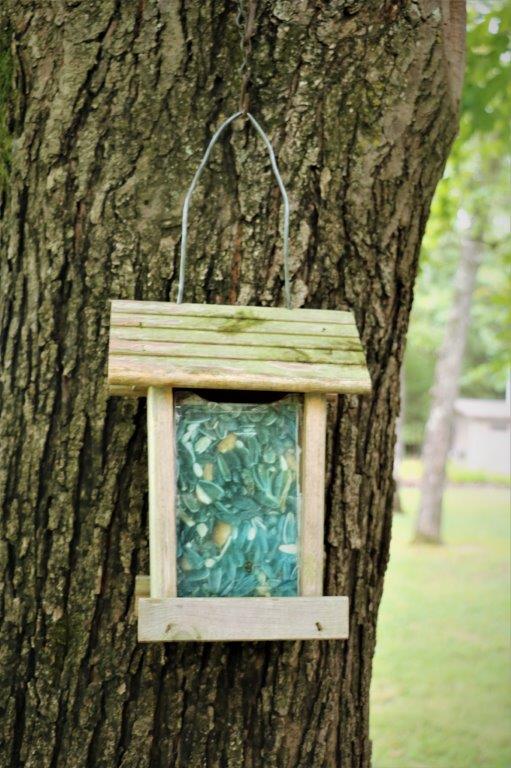
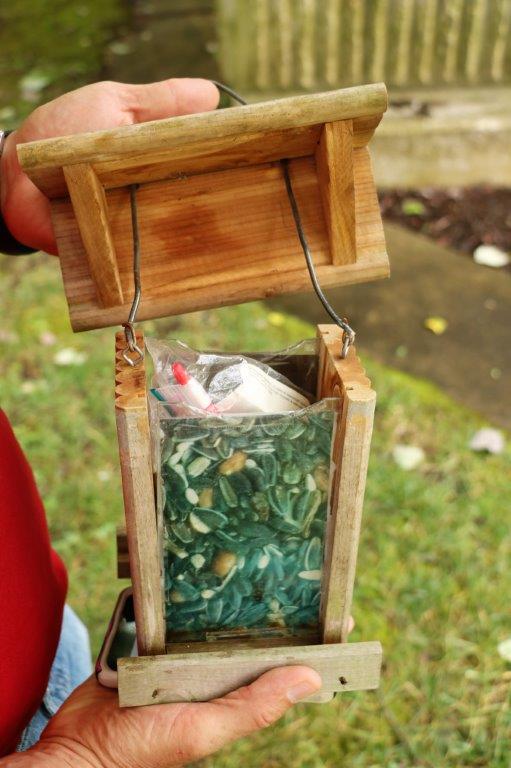
There were a couple of Monarch Butterflies enjoying the flowers in the garden. This cache was hidden in plain sight, hanging on a tree masquerading as a bird feeder.

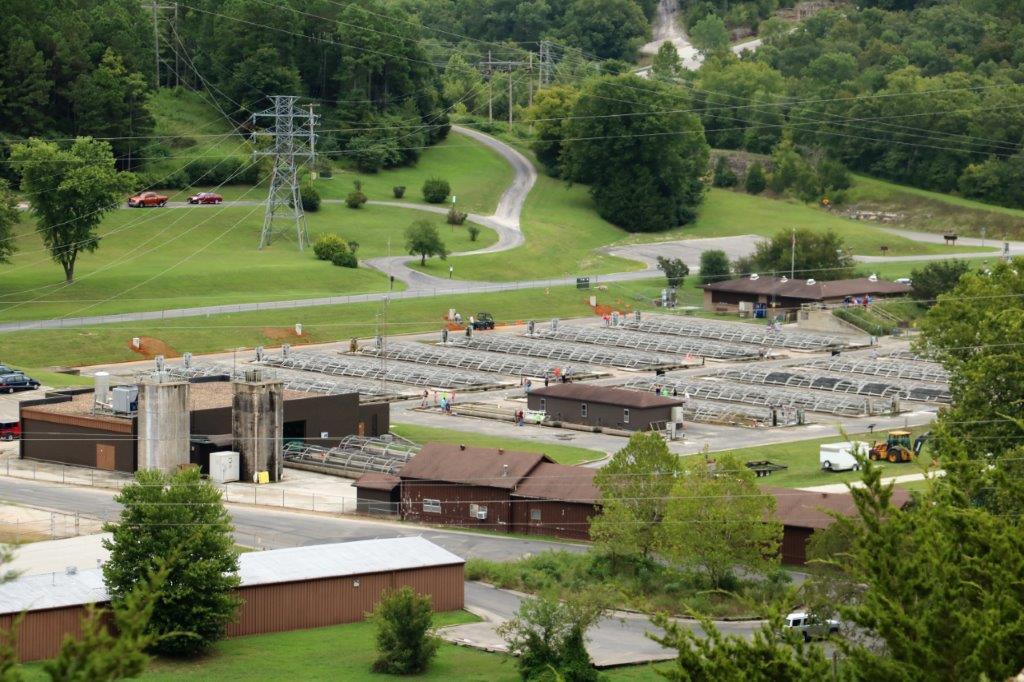
We drove across the road from the Visitor’s Center to the entrance of Table Rock State Park and stopped at the viewpoint to see the face of the dam and the fish hatchery where they rear trout. We hiked the first loop of the Blue Trail (on the right of the map) and picked up a couple of caches hidden in the forest.


This cache was called Big Mouth: Guardian of the Realm.


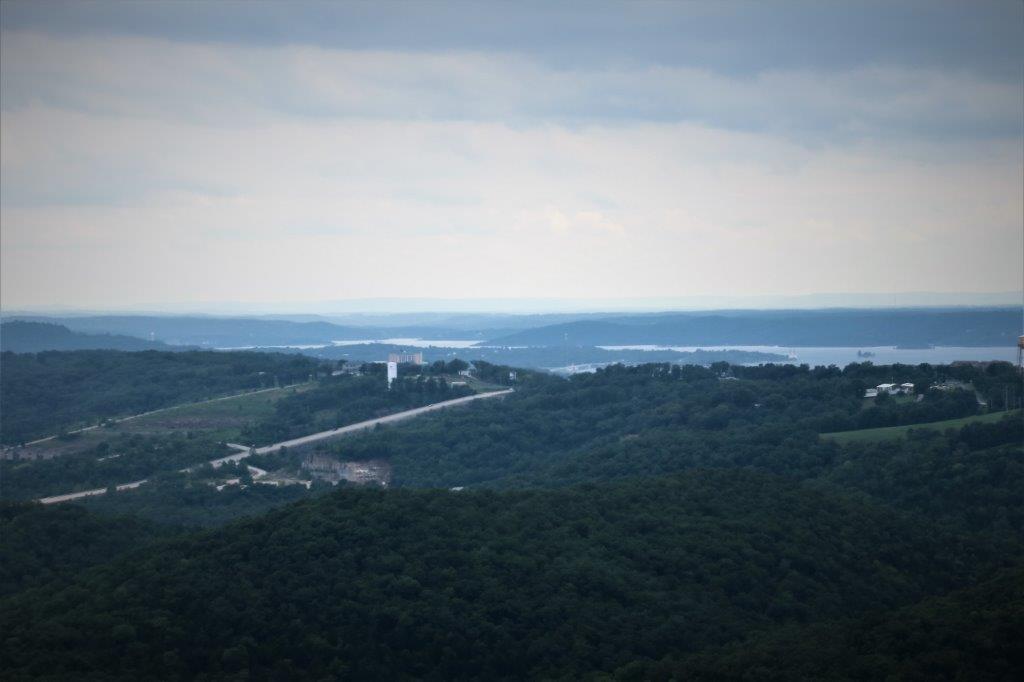
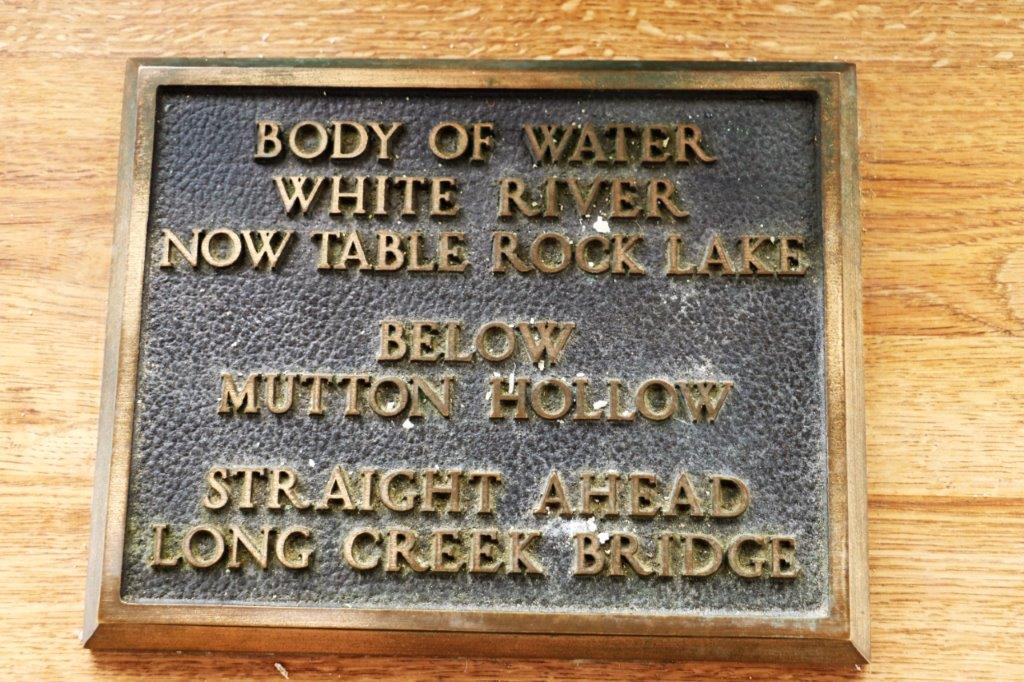
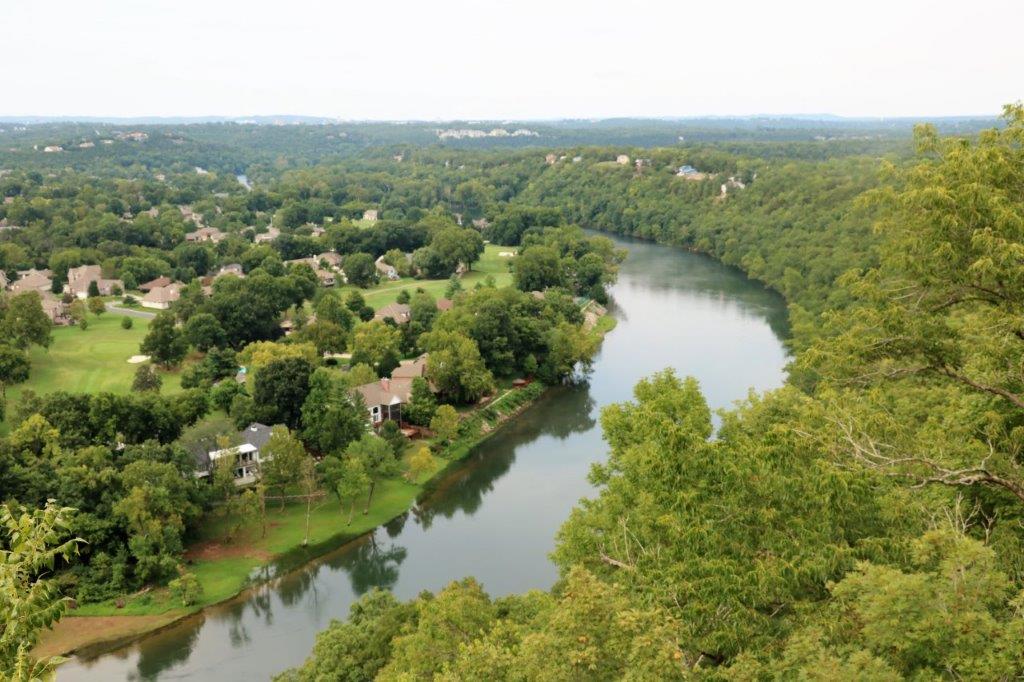
At the White River Scenic Overlook we picked up a cache and enjoyed the lovely view.

And that is as exciting as our first two days have been.

2017 Aug 12 – Maryville, MO to Branson, MO

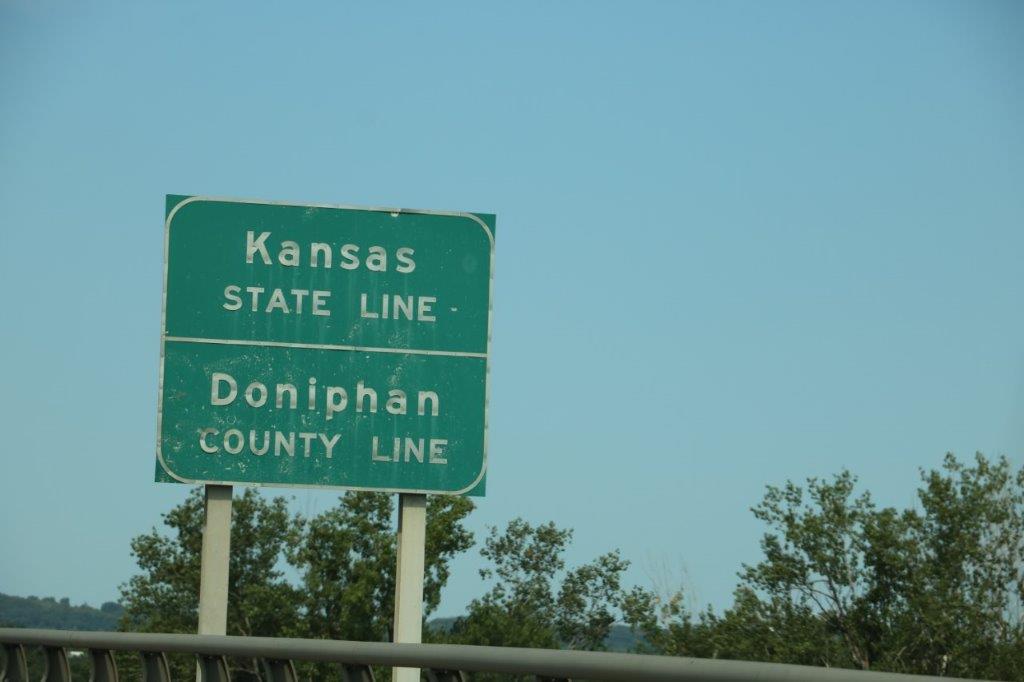
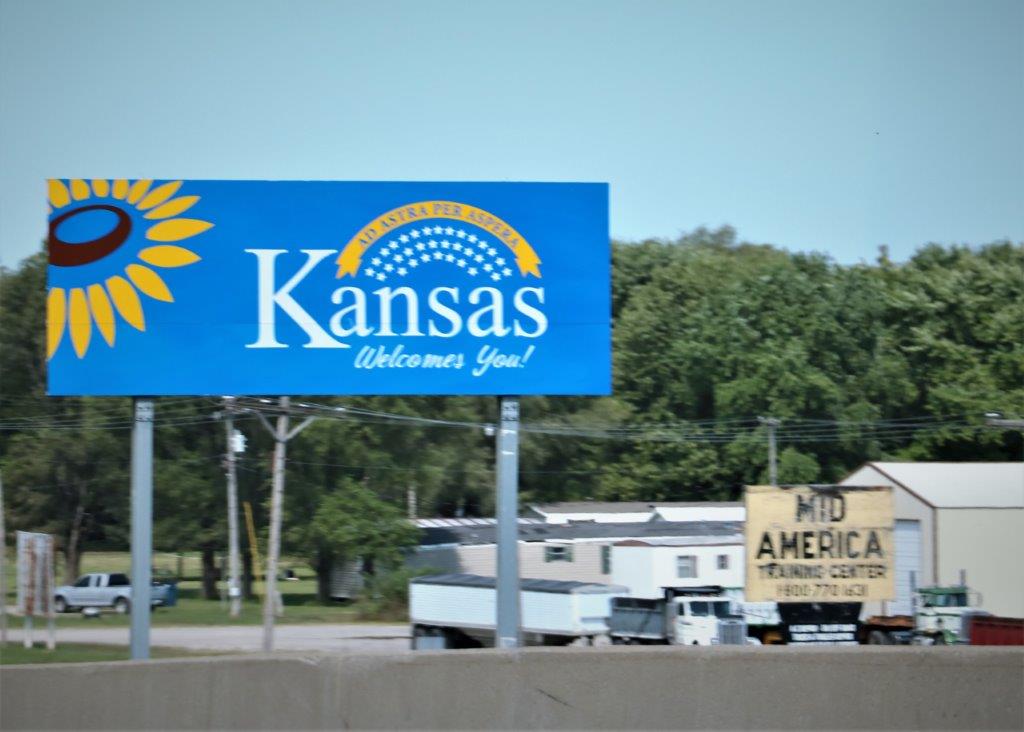
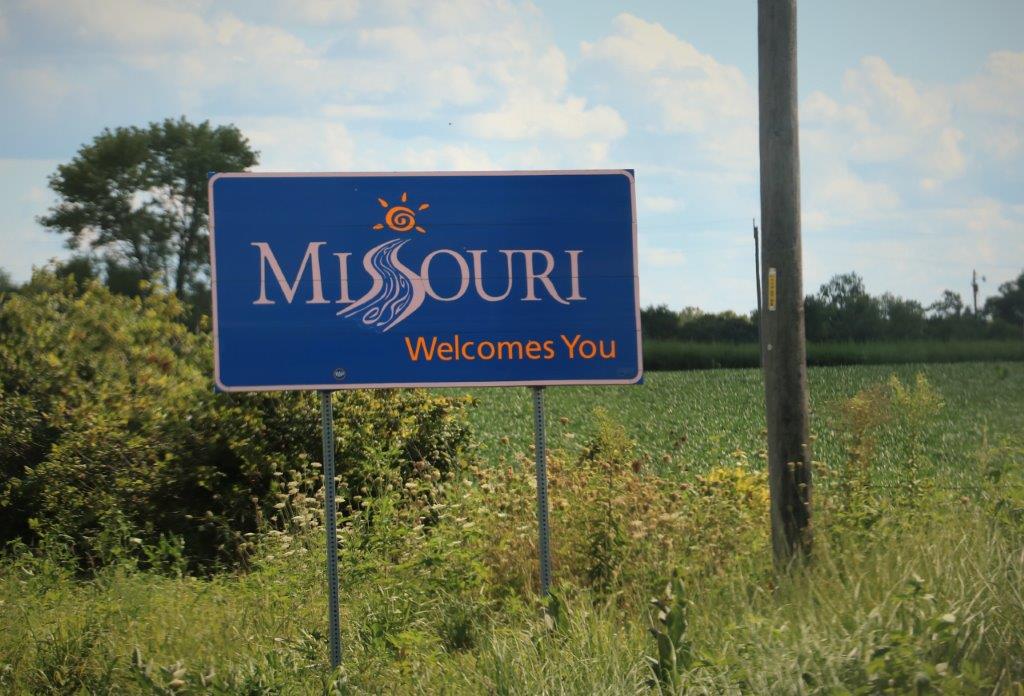
We left Elizabeth and Peter’s place in Maryville at 10 am.  If you drive the freeway south through Springfield you can get to Branson in about 4 and 1/2 hours.  We, as usual, did not do that.  We went south from Maryville to St. Joseph, then turned west and crossed the Missouri River into Kansas.  After a few miles we turned south and pretty much paralleled the Missouri border almost to the Kansas/Oklahoma border and and then crossed the Missouri River once again back into Missouri and drove SE to Branson. There are a lot of interesting historical places in Kansas; well, really, all over around these states, so I had to just not look and let John drive.  Most of the way was divided highway so we were not even able to stop easily for a geocache.  All of them were located on side roads.  We did manage to get one regular cache and one virtual cache in Kansas.

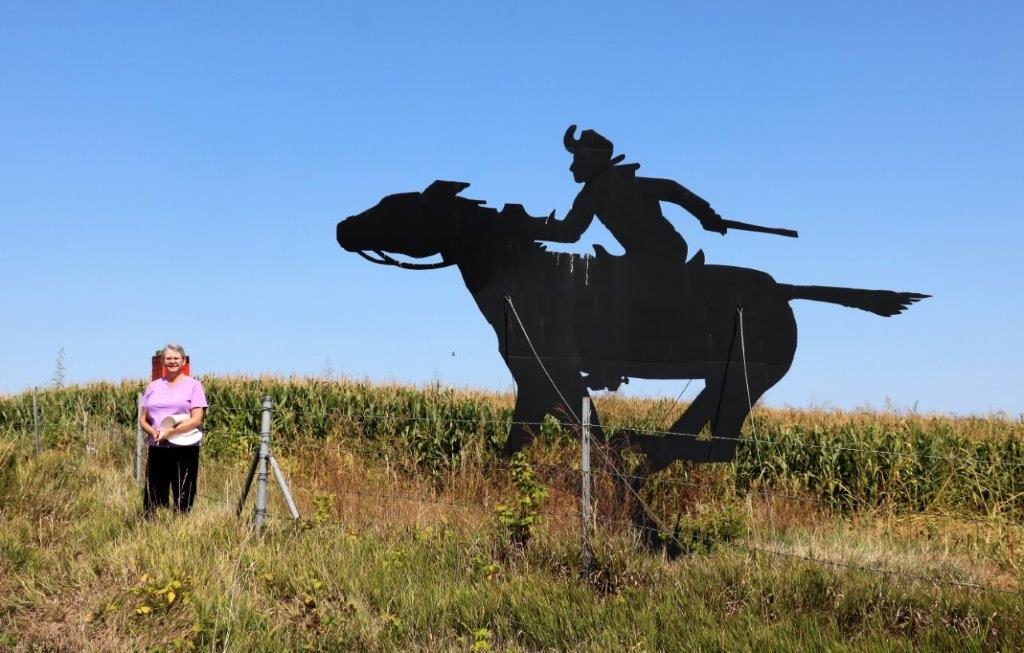
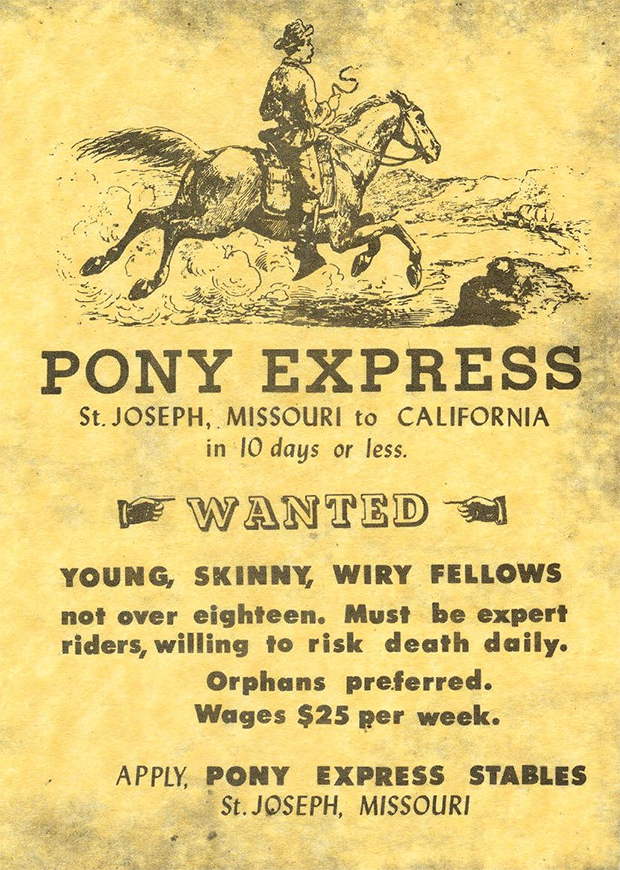
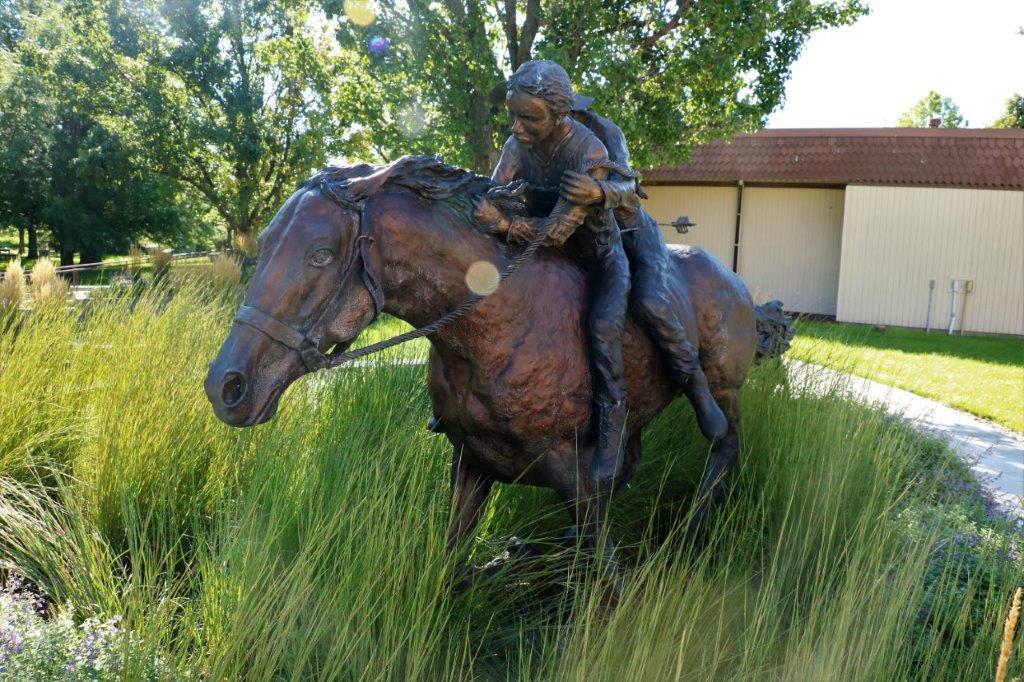
The regular cache was hanging on the fence at the base of this metal Pony Express rider.  The road we were driving was the Pony Express route and one of the relay stations was located in the nearby town of Troy, KS.  It has always amazed me that the Pony Express mail service only existed for about 19 months.  The adventures from stories, televison, and  films have made the Pony Express a thing of legend.A brief bit of informations about the Pony Express:  It ran from April 1860 to October 1861.  The advertisement for riders did not gloss over the risks of the job:The men could not weigh more than 125 lbs in order to utilize as much of the weight the horse could carry for the mail.  They were esentially told, “We can lose you, we can lose the horse, but DO NOT lose the mail pouch.”

The route began in St Joseph, Missouri and ended in Sacramento, California.  There were 157 relay stations located 10 miles apart, where horses were exchanged, 80 riders and 400-500 horses available along the route.  Riders averaged 75-100 miles per shift (sometimes doing two routes back to back), riding night and day in all weather with no gear – just them, the horse and tack, and the mail pouch which was flung over the saddle and they sat on it.  They crossed 8 states and 1900 miles (3100 km) in 10 days.  Sadly the completion of the overland telegraph line made the Pony Express, which was the fastest mail carrier service from the east to the west, instantly redundant.  However the legend lives on.

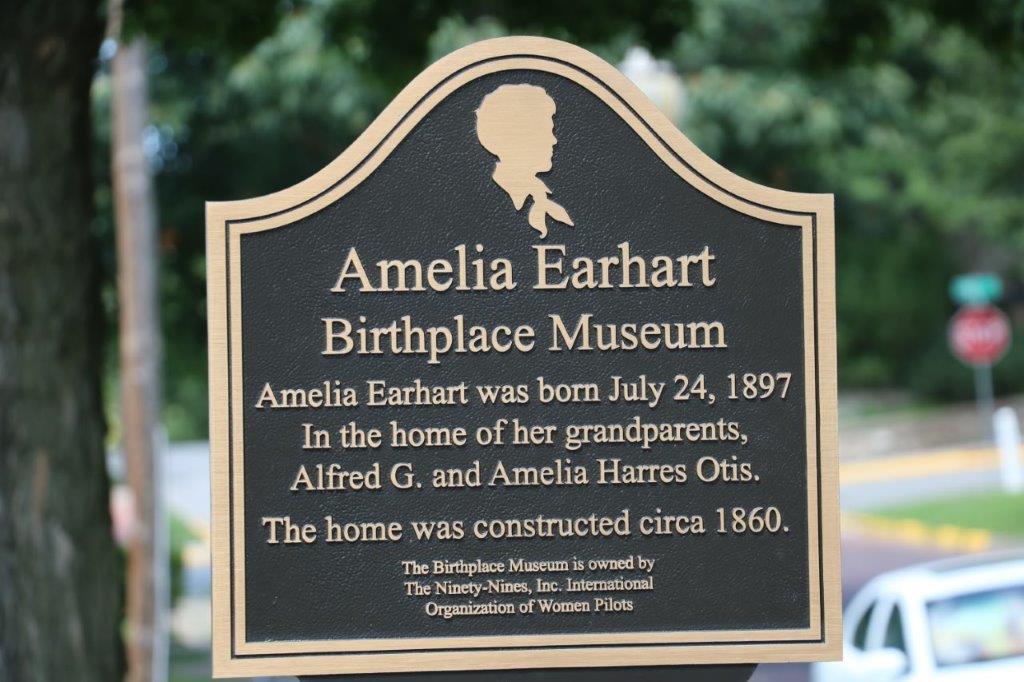
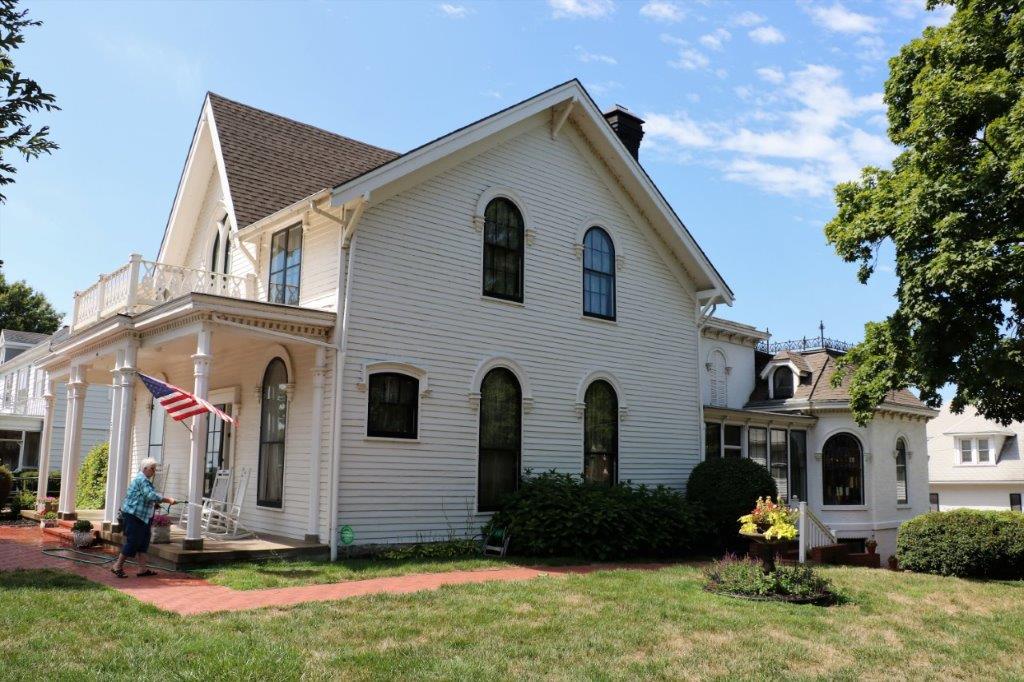
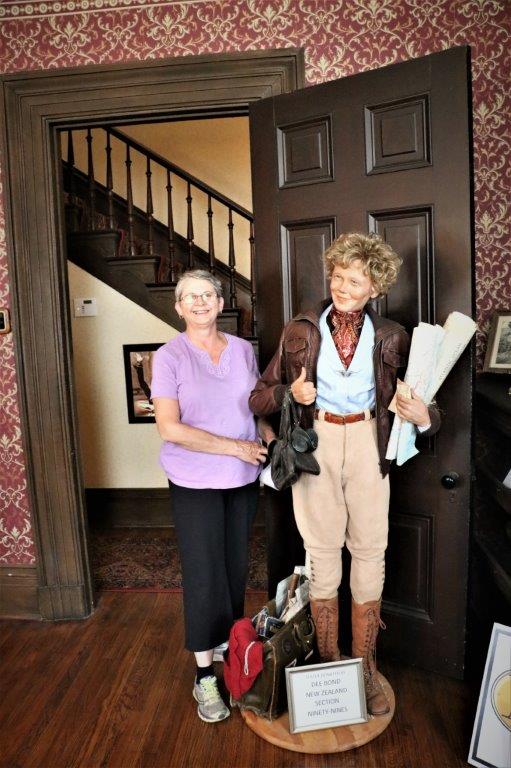
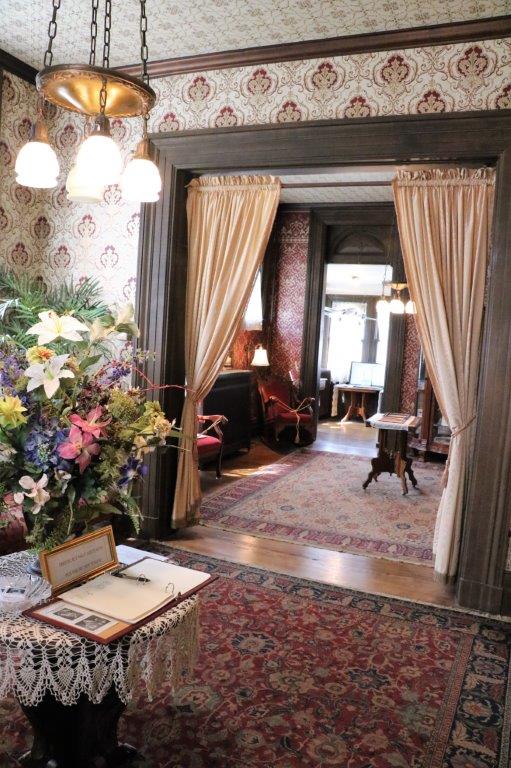
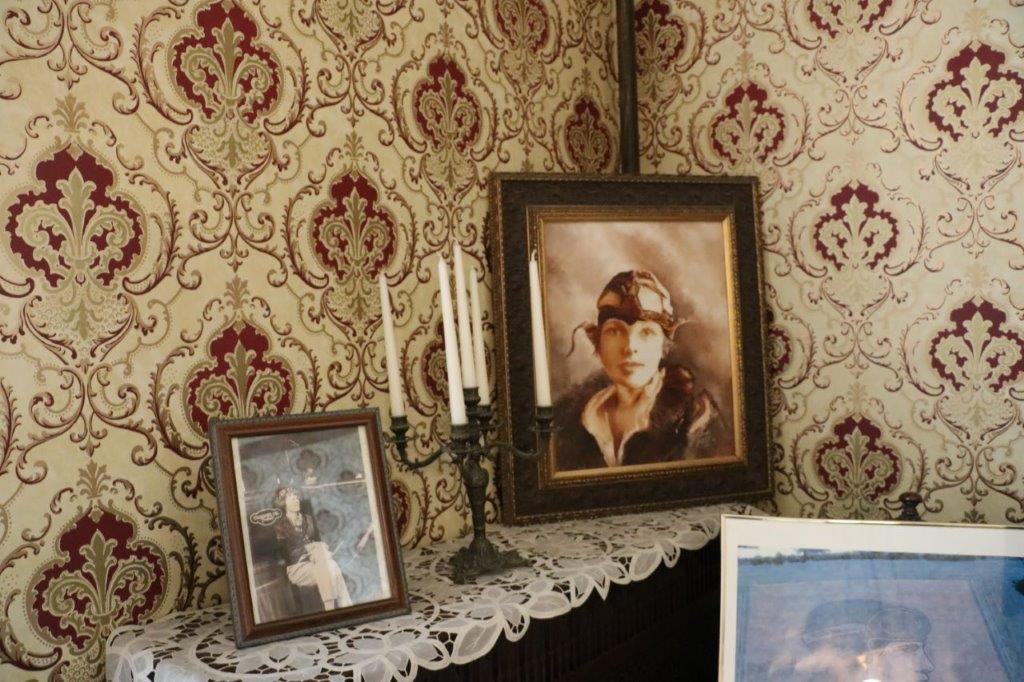
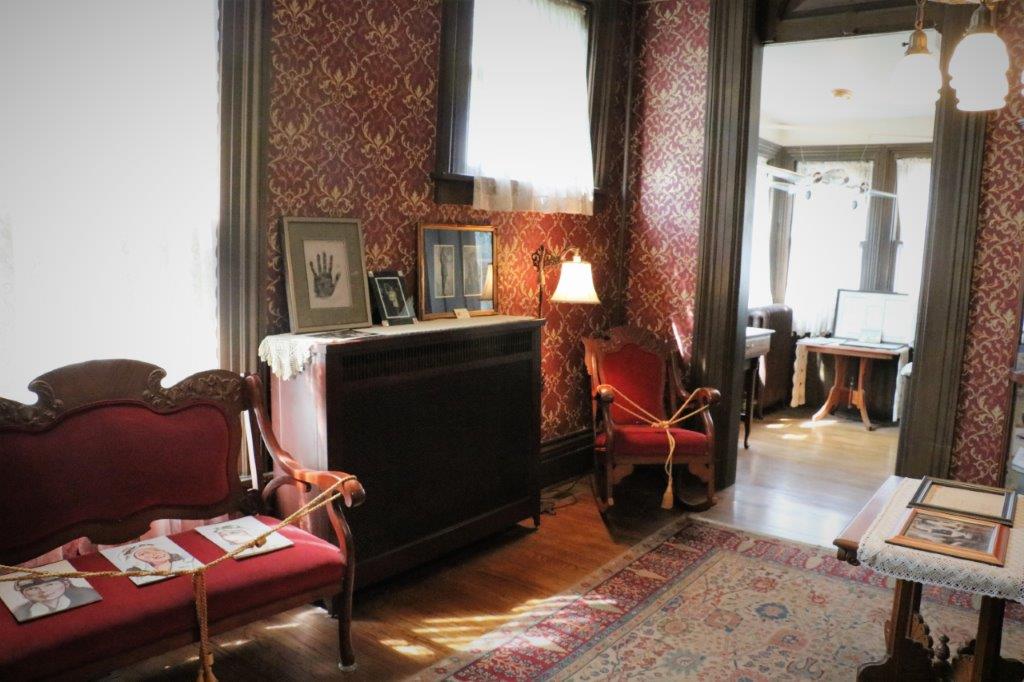
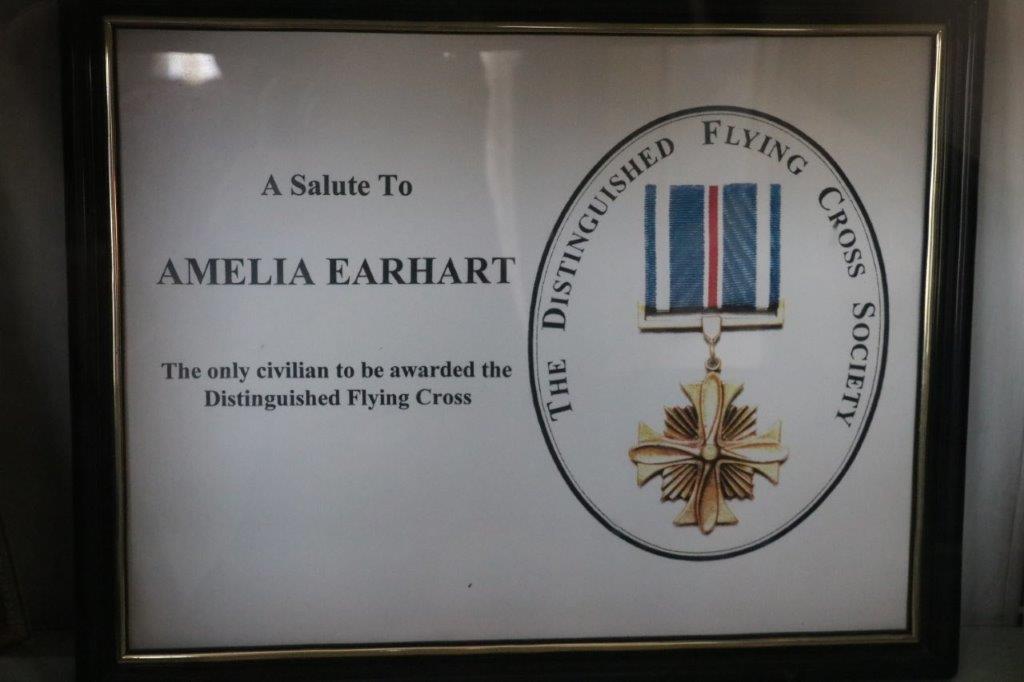
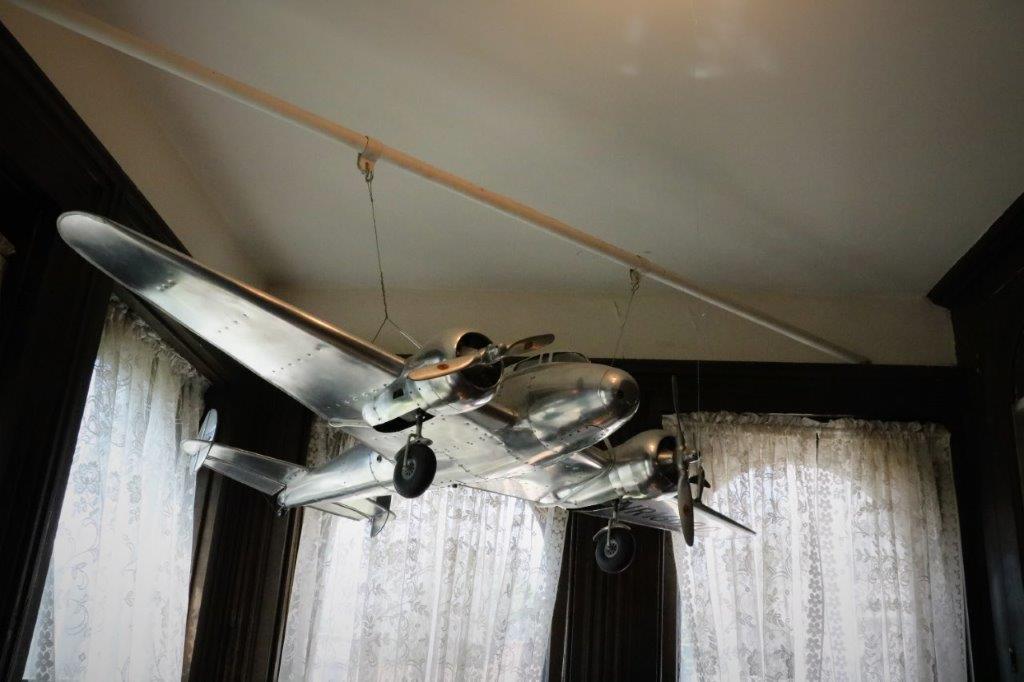
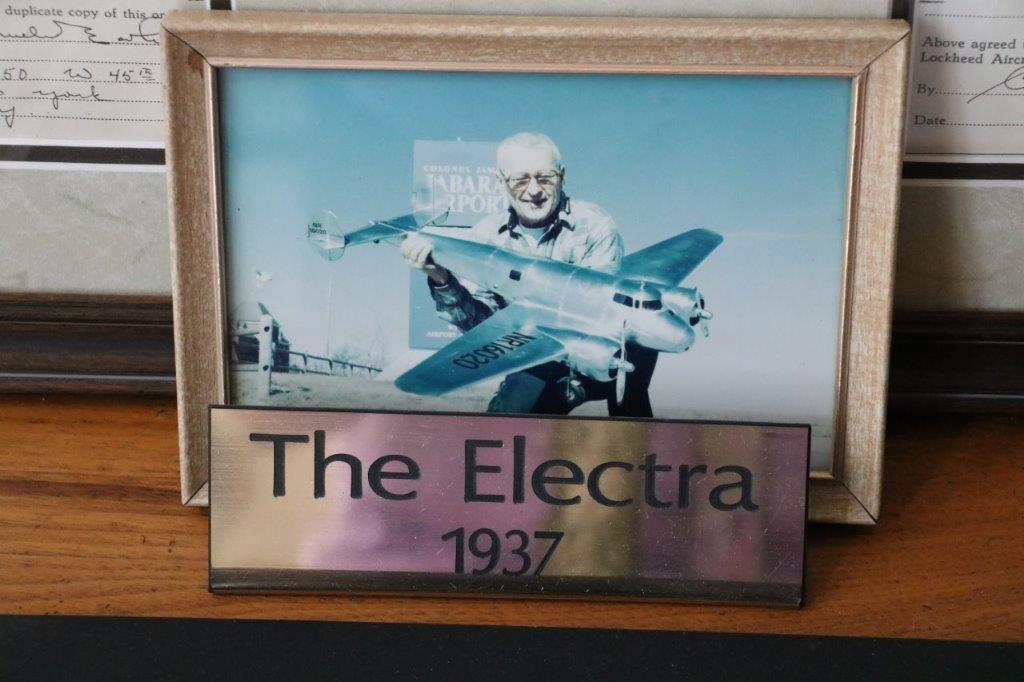
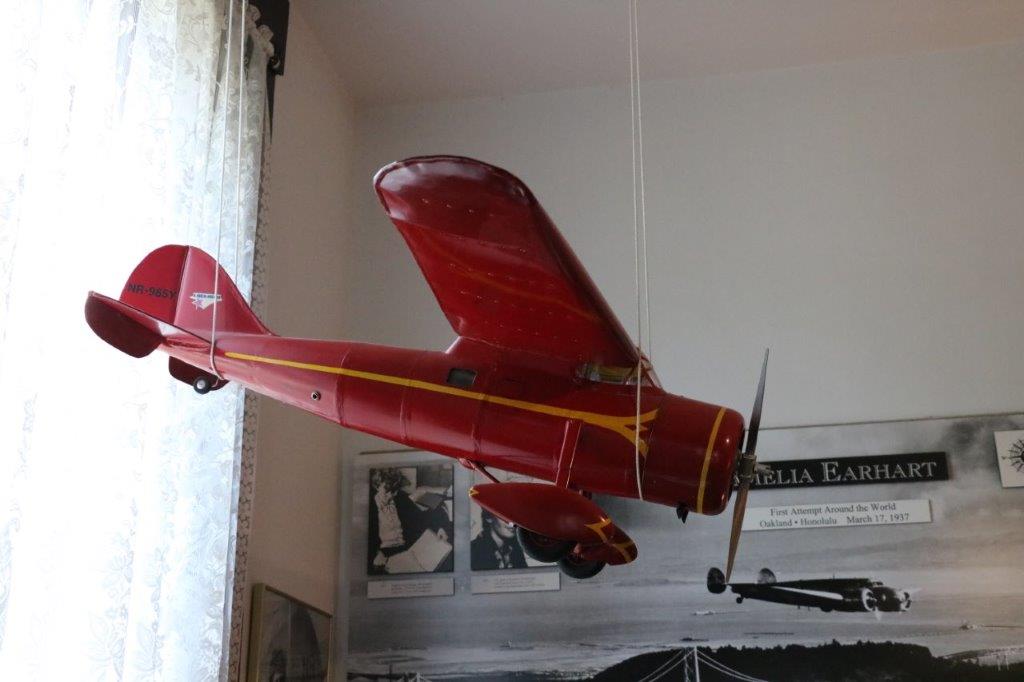
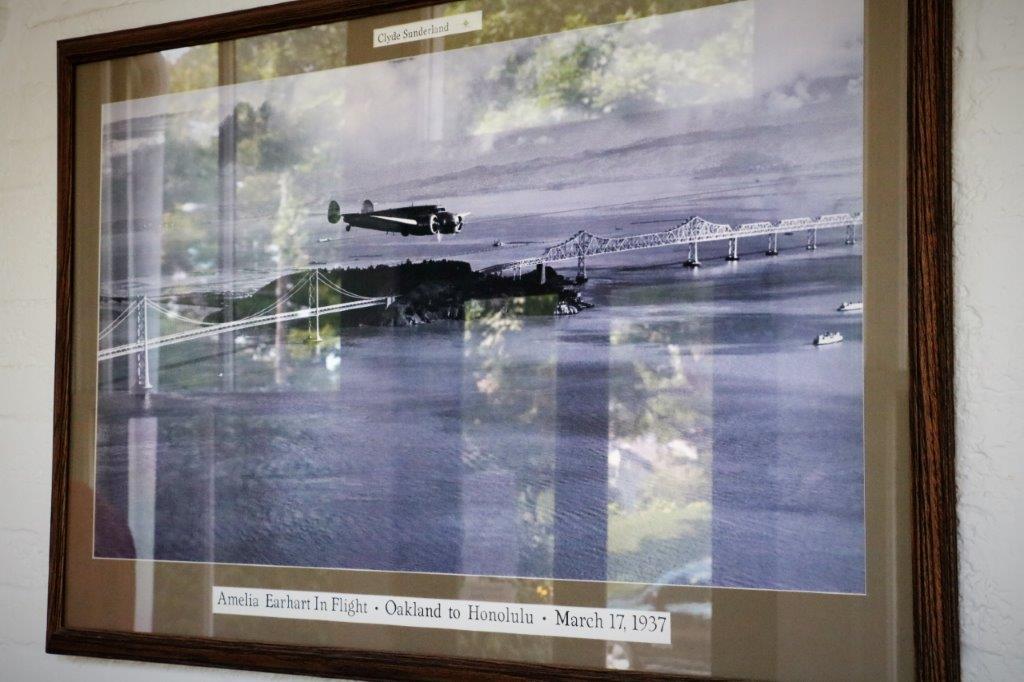
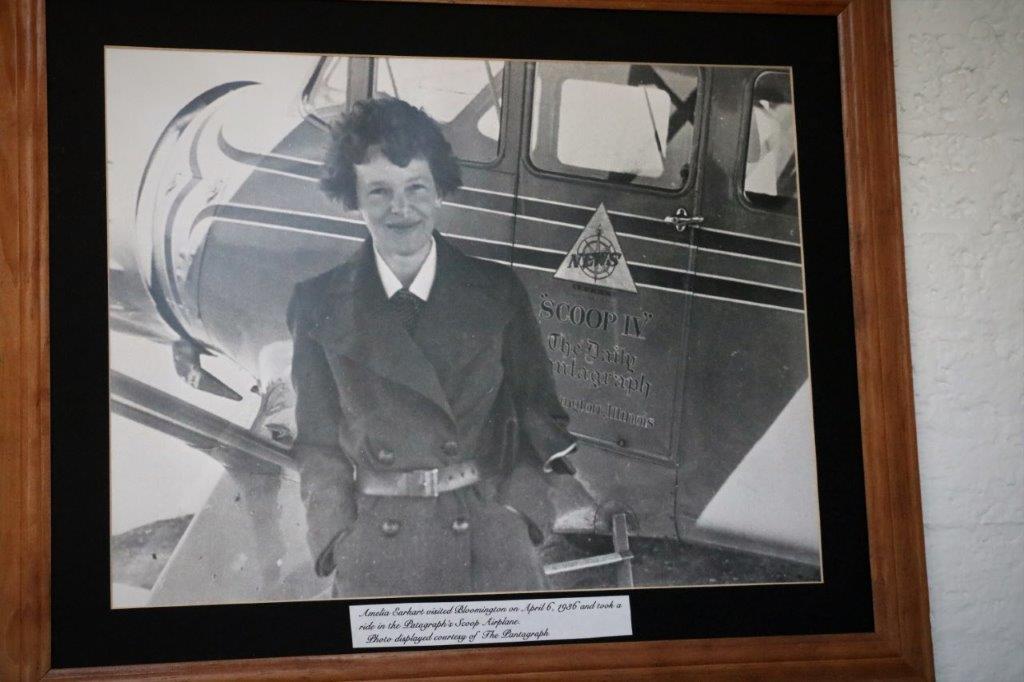
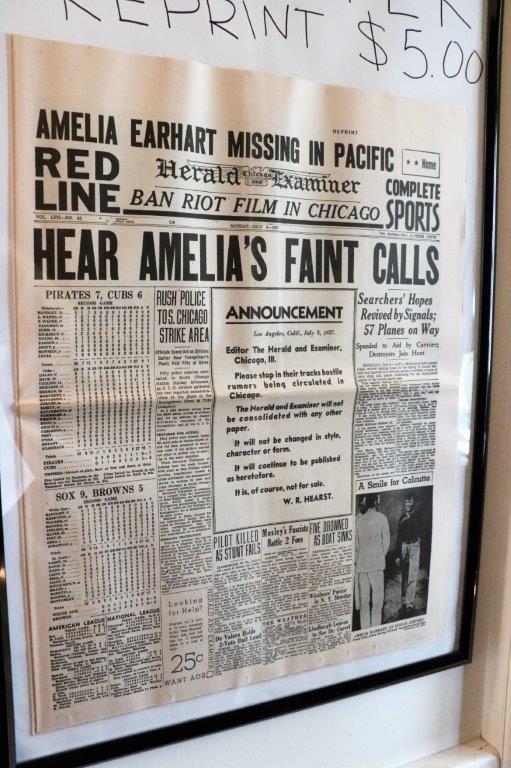
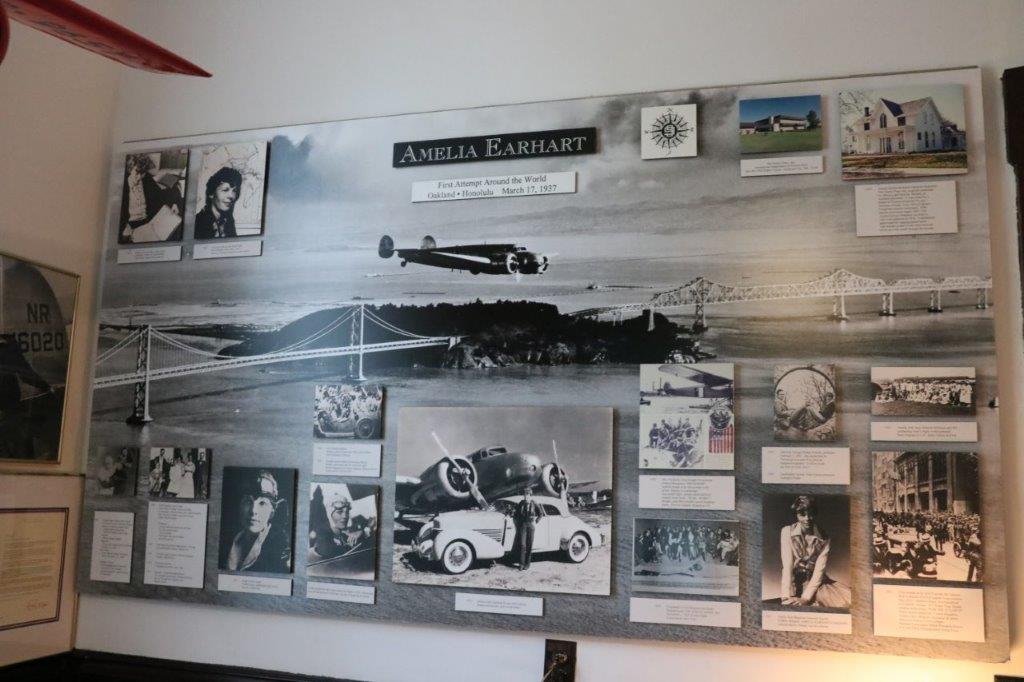
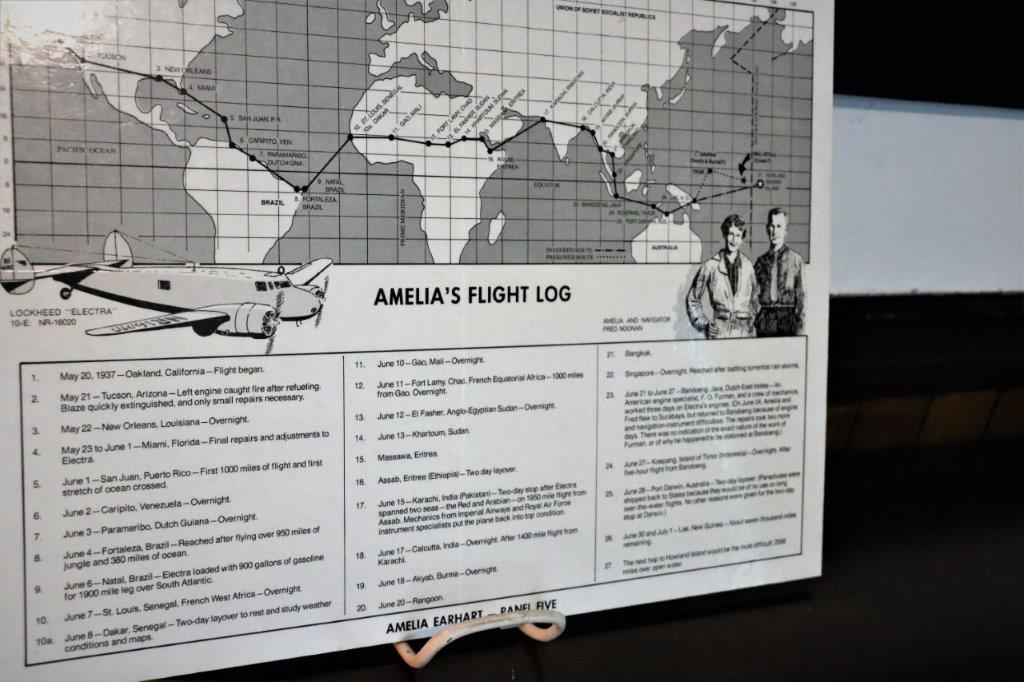
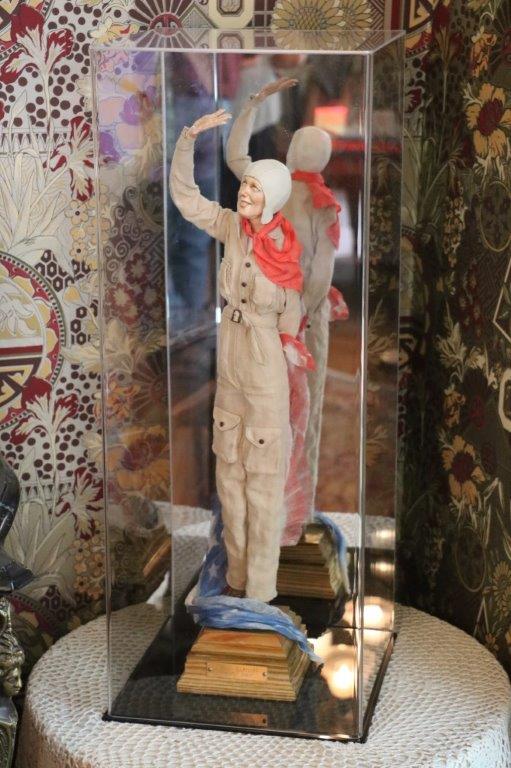
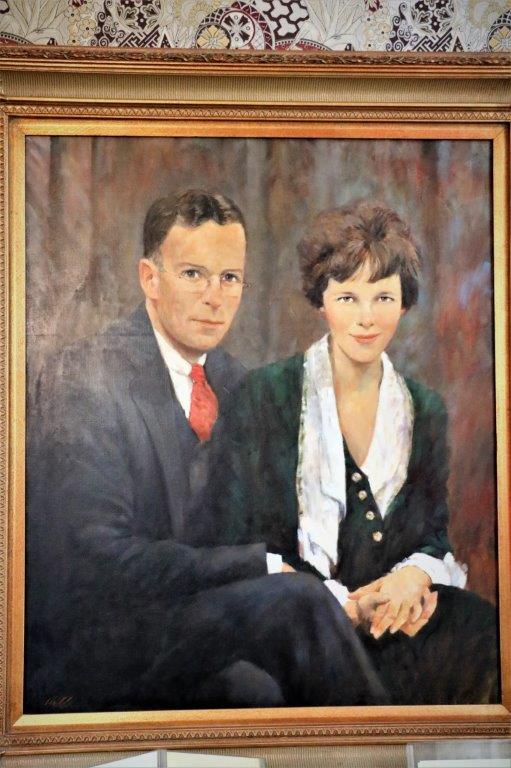
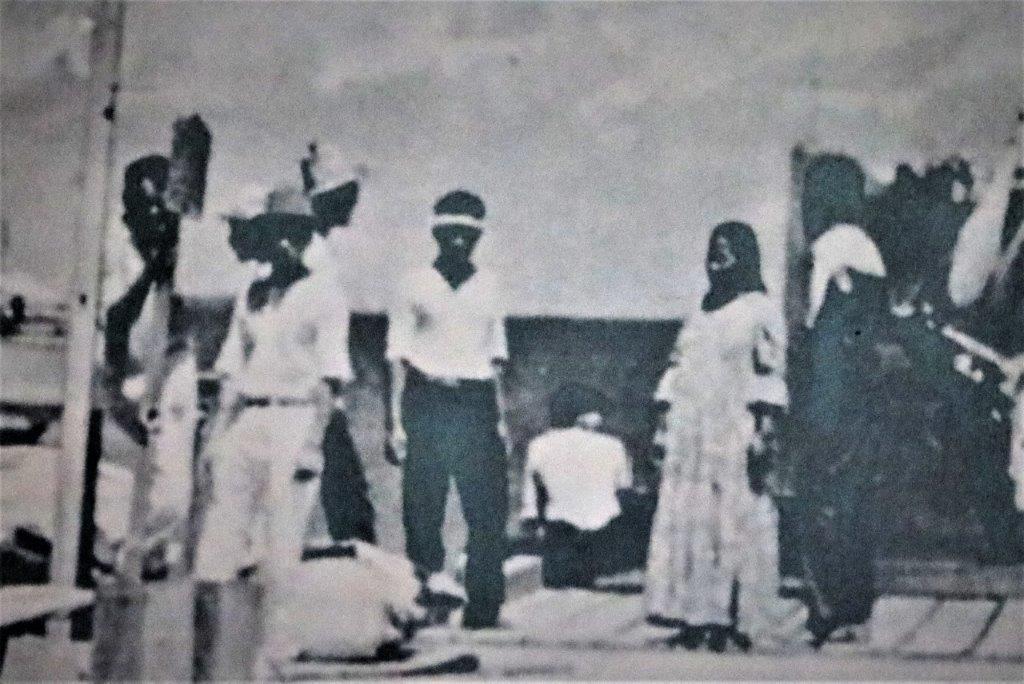
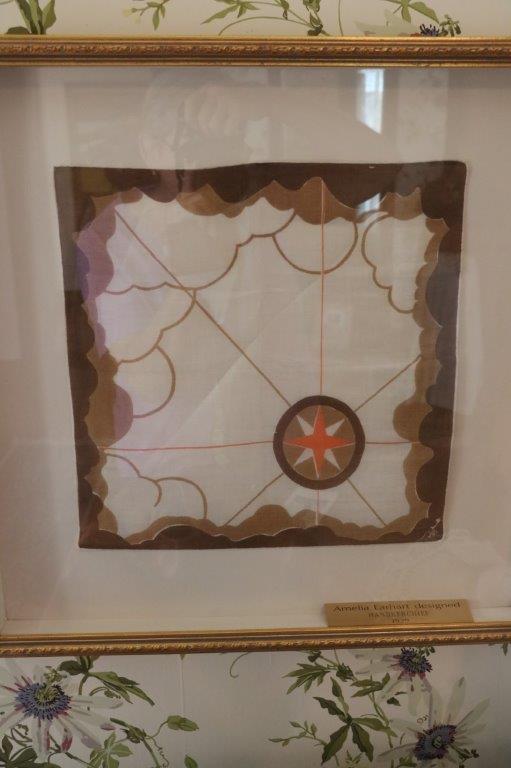
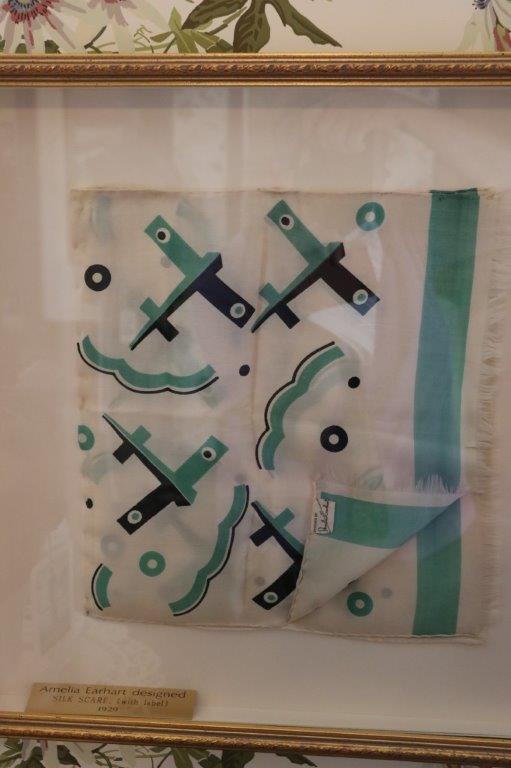
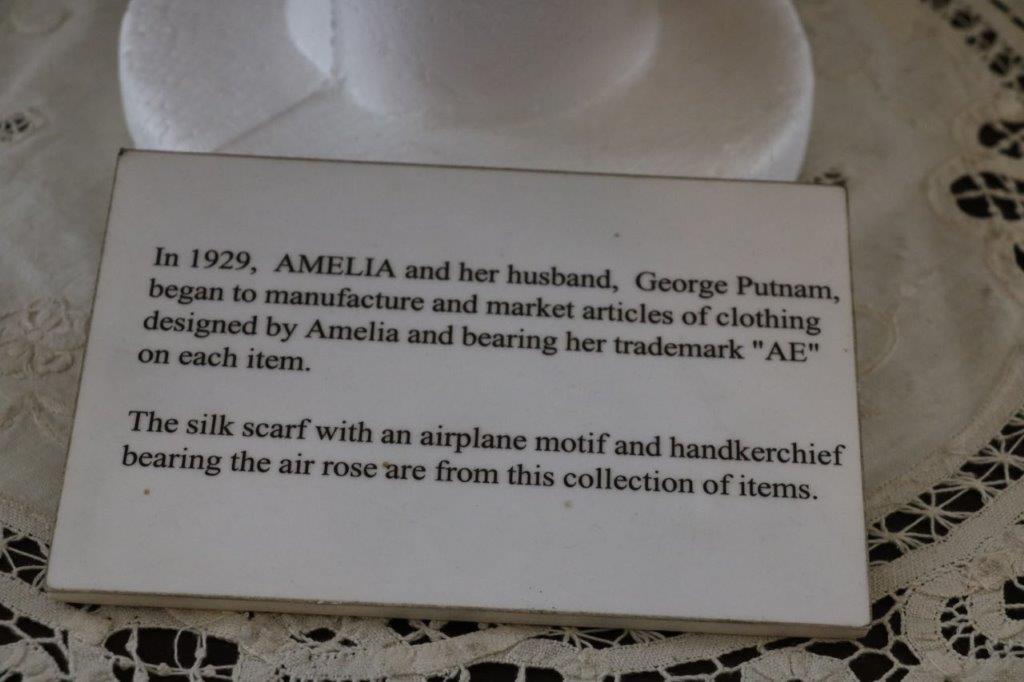
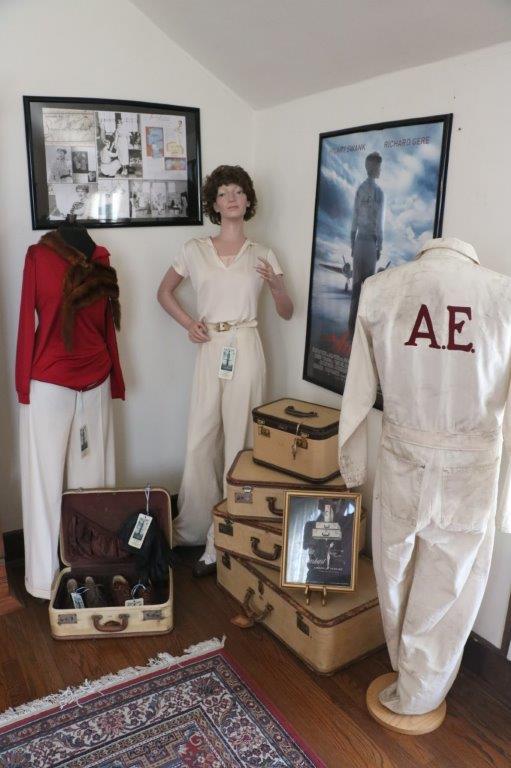
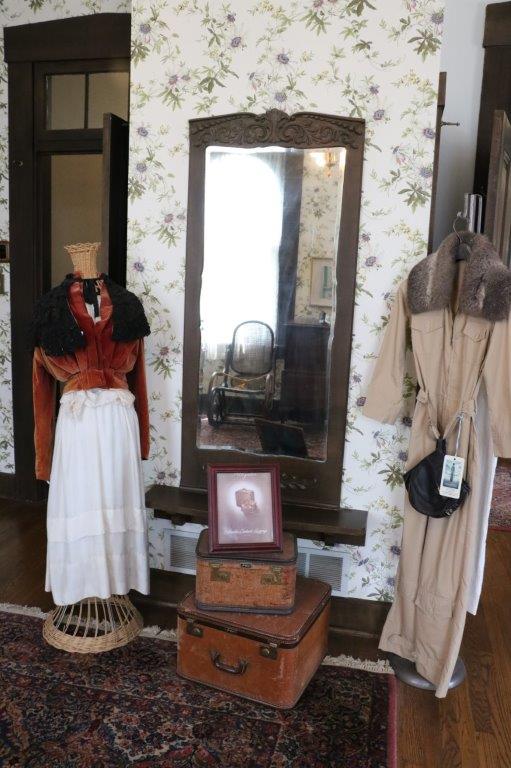
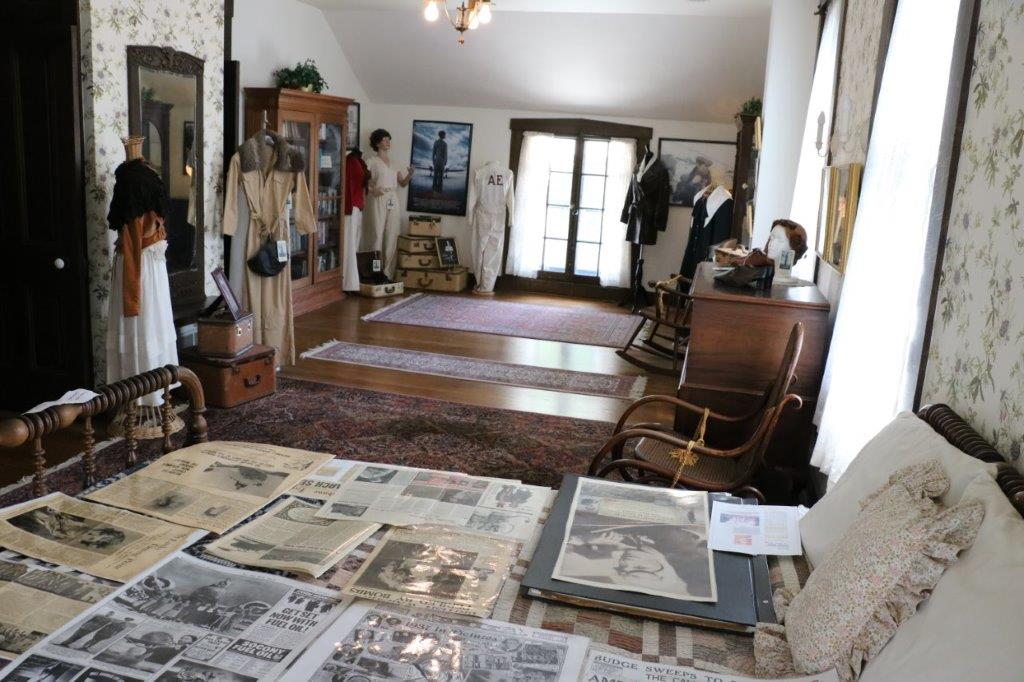
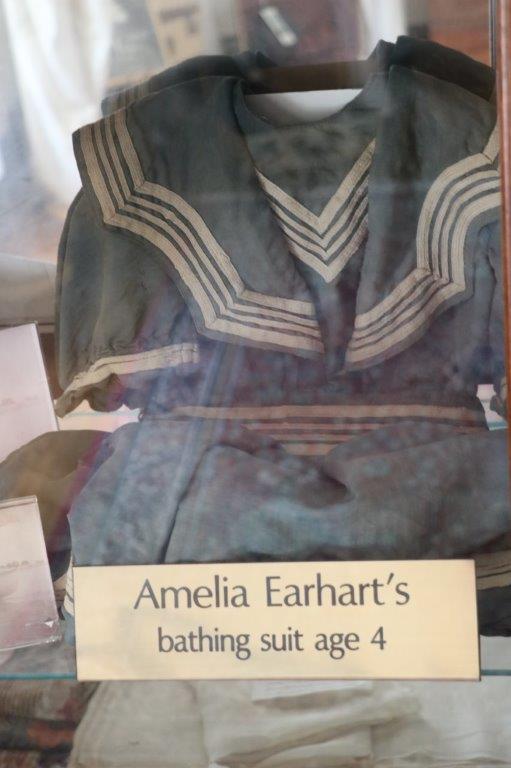
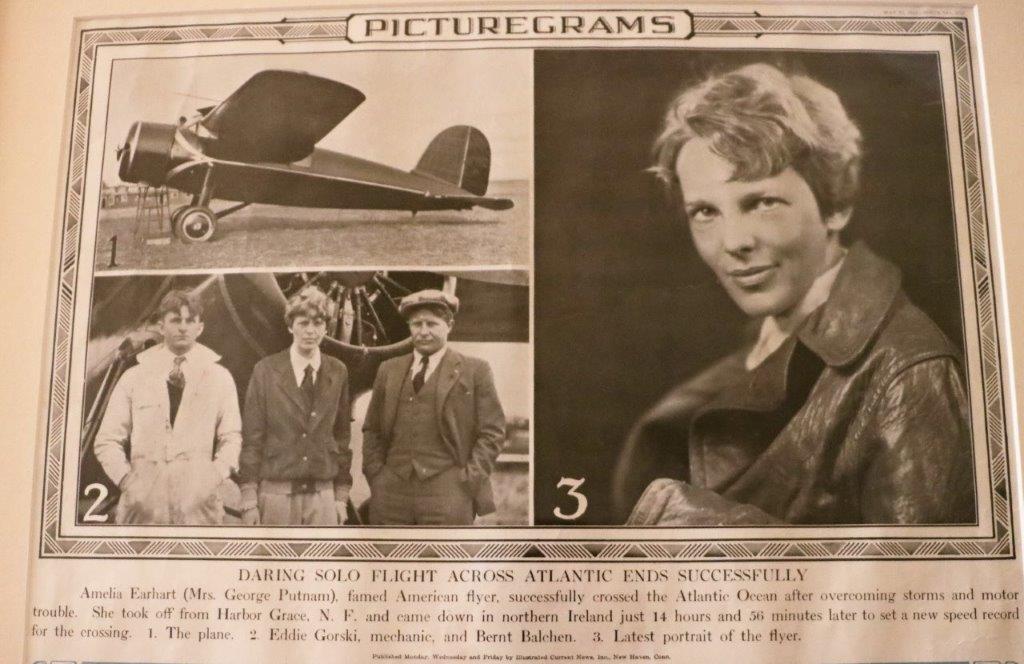
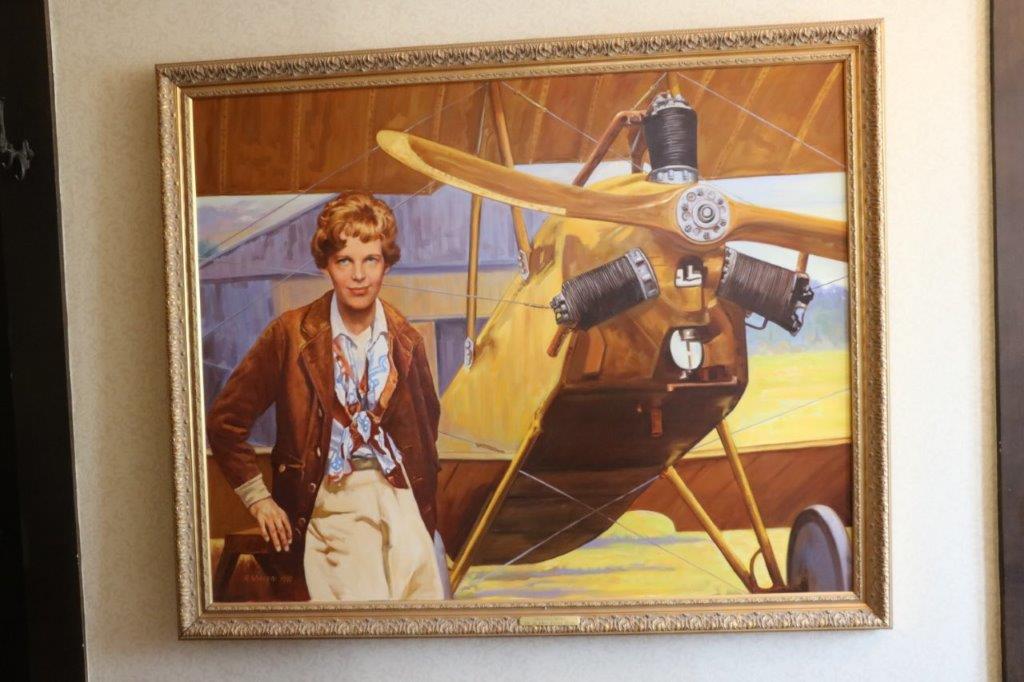
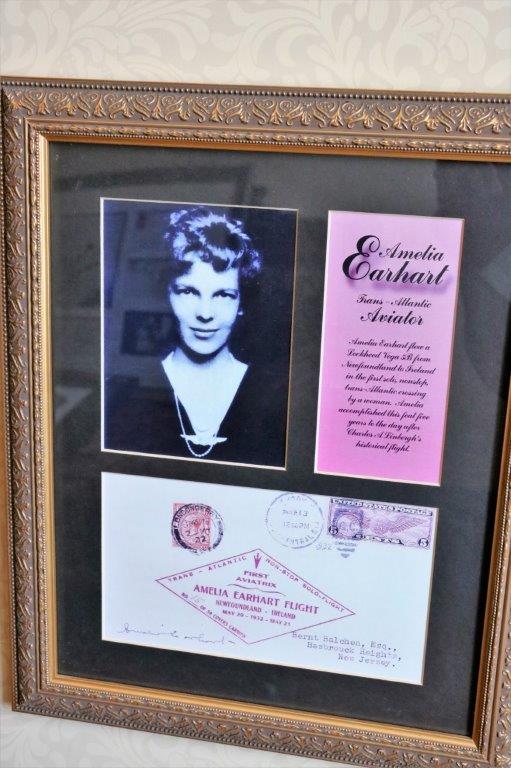
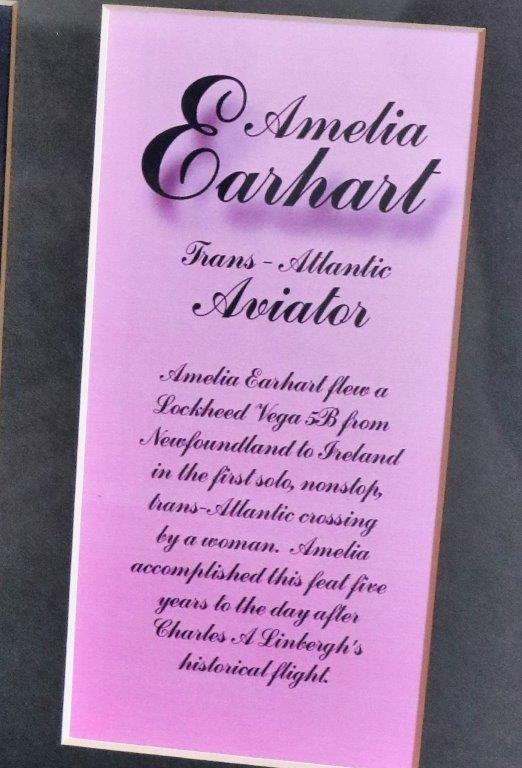
Our drive south through Kansas took us to Atchison.  I was looking at the map on my phone to see if there was a geocache we could get since it was about time to have a stretch.  I saw the dot for an Earthcache and clicked on it to see what it was about. (Earthcaches do not have a container with a log paper to sign.  They are set up at historical or geologicaclly significant places, and have lots of information attached.  You must send the cache owner the answers to a series of questions before you are allowed to log the cache as a find).  This Earthcache  was located at the birthplace of the famous female aviator, Amelia Earhart.  It was an easy one too, as there were no questions to answer, you just had to send the cache owner a photo of yourself in front of the house.  Easy, peasie.  And we got to have a nice tour of a beautiful house. The house was owned by her maternal grandparents Alfred and Amelia Otis.  Grandpa Otis was a judge in Atchison County.  Amelia’s father was a lawyer for the railroad and away for long periods of time so her mother went back to her parent’s house to have her child.  The staff at the house were very friendly and informative and the rooms were full of articles, memorabila, paintings, photographs and history about Amelia.  It was great.                                                             Amelia and her husband  George Putnam.

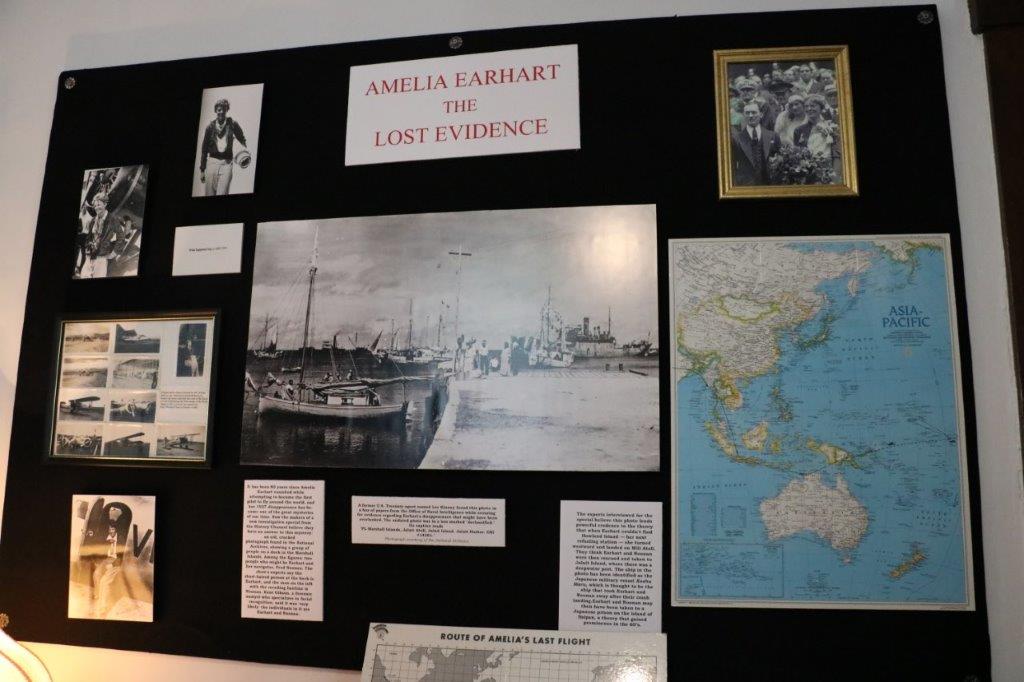
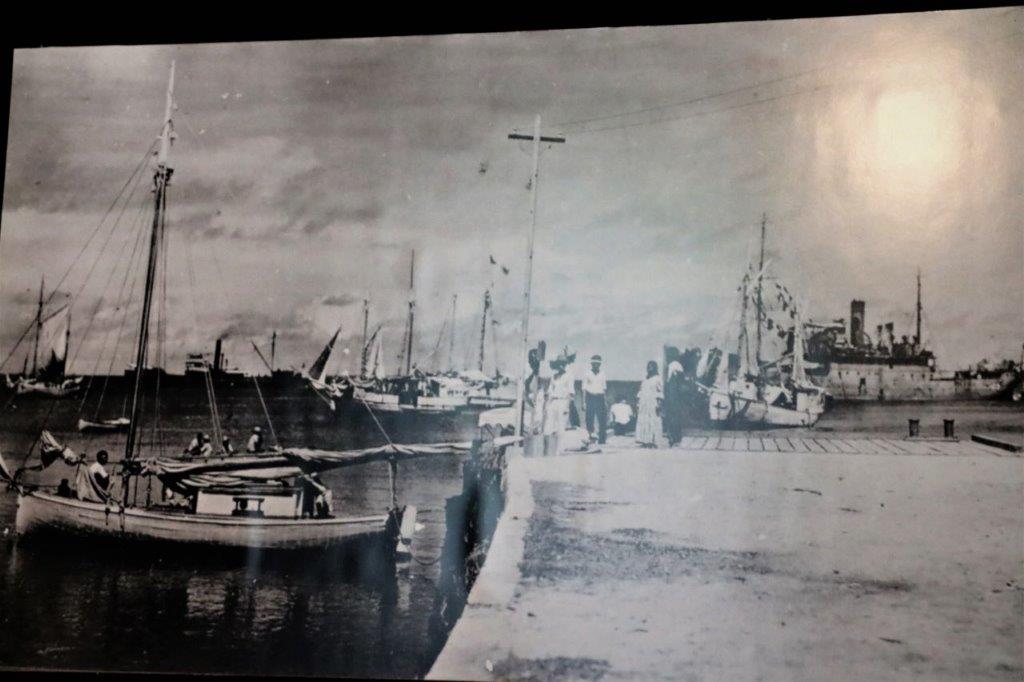
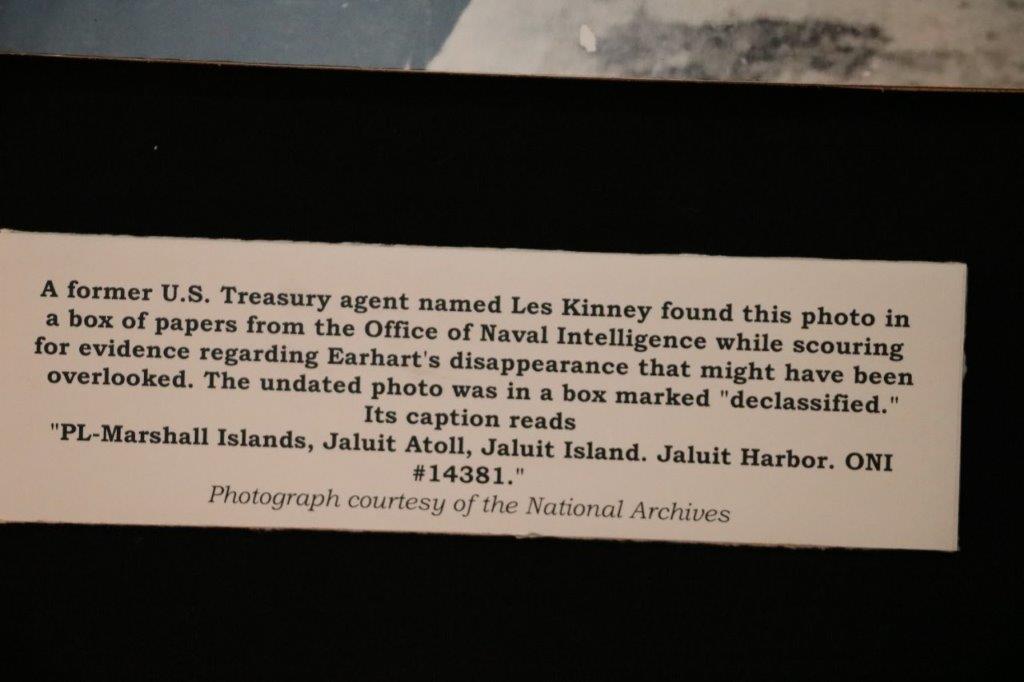
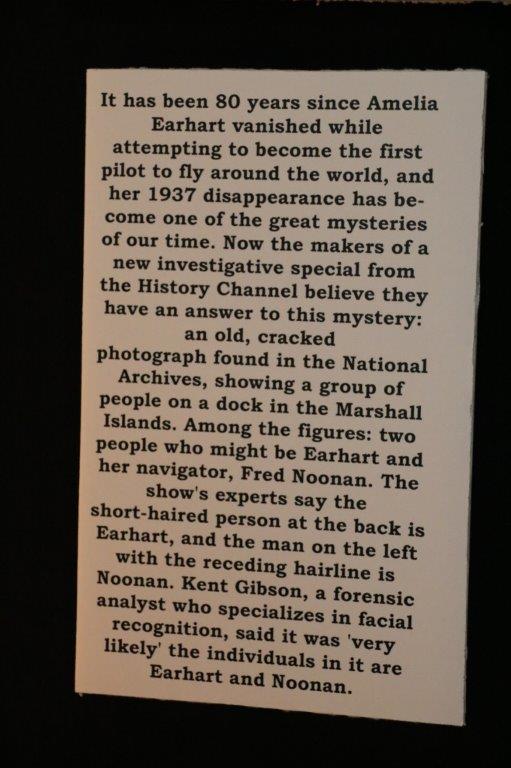
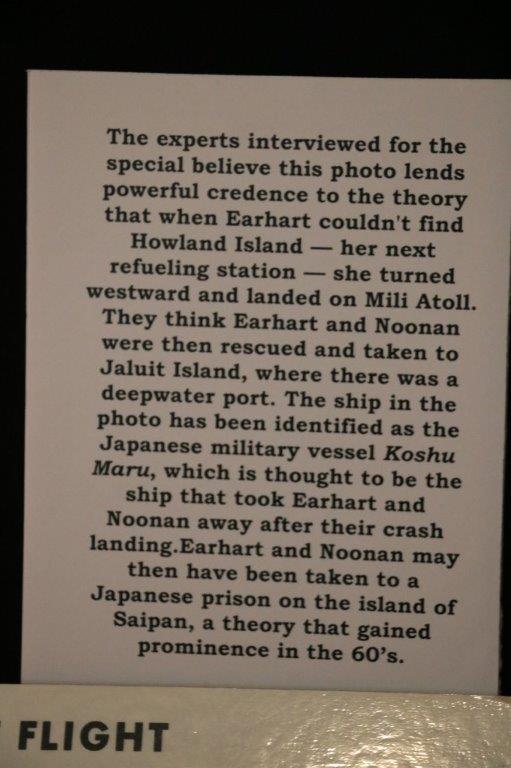
A month or so ago The History Channel aired a documentary with compelling arguments and information about what happened to Amelia and her navigator when they disappeared over the Pacific Ocean.  The producer kindly provided the museum with a copy of the photograph that was part of their theory. I did not know this, but Amelia Earhart was a fashion designer and had her own label.  She partially funded her flights with promotions, lecture tours, and advertisement endorsments (set up by her husband George) and partly through the sale of her fashions.

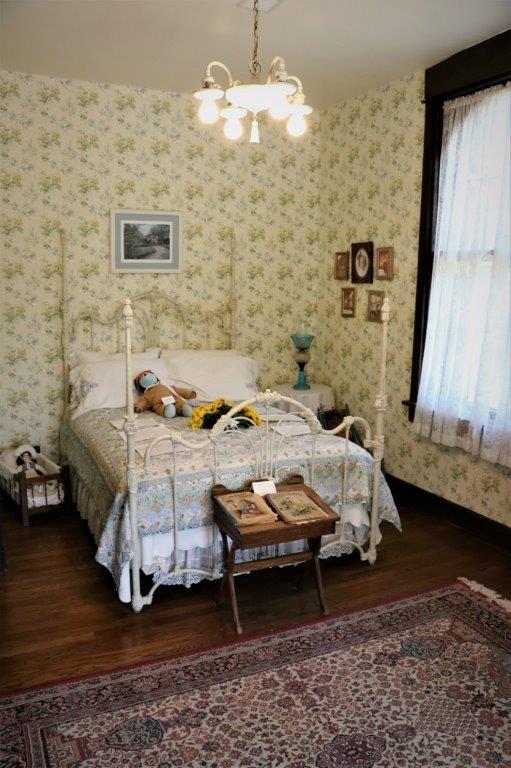
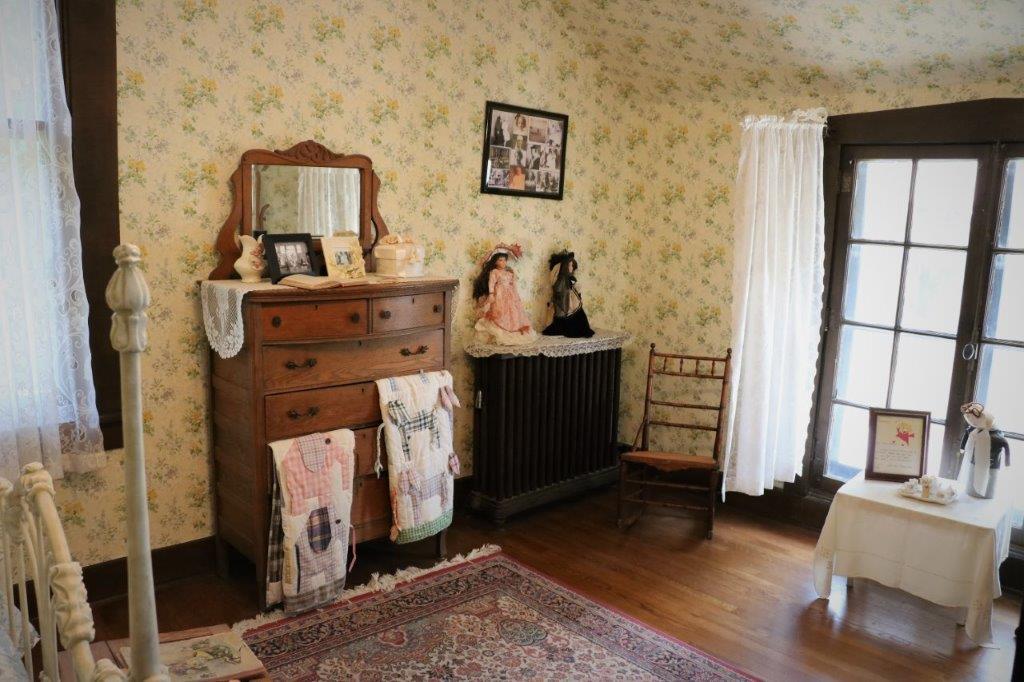
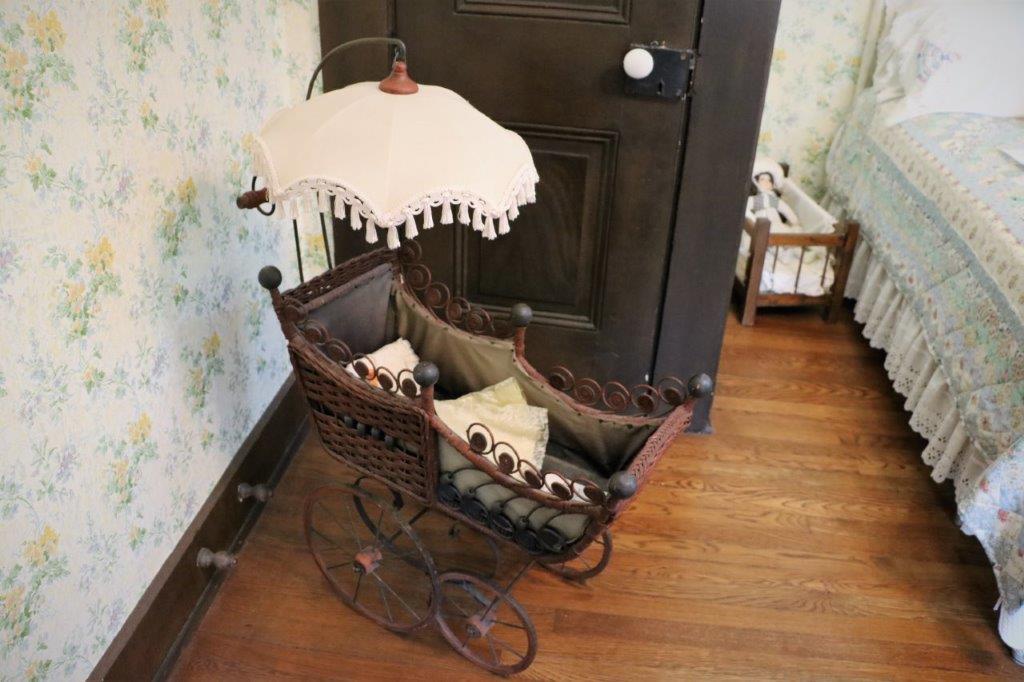
Upstairs was the room she was born in (it is one big room now but was two rooms at the time of Amelia’s birth), and across the hall was the room she had as a girl – she lived in her grandparents house until she was nine.                                               I love her little tea set.

After we left the museum we found a shady spot beside the Missouri River and had our sandwiches before heading southward again.

The only nice, easy, direct route to Branson is the freeway route through Springfield.  To get there from the west via Kansas required a lot of turns on many small roads, which, of course, takes a lot longer but are much more scenic and interesting in our opinion.  After we crossed the river again and entered Missouri we put our resort address into our GPS Stella, but she was constantly trying to take us up some Farm Road about 60 miles from Branson.  I was getting so frustrated I put Stella away and directed John on the routes with the geocache map on my phone.

Not too far from Branson we found our third geocache of the day. The cache was called Bonnie and Clyde #2 – #1 was up a different road not too far away.  We will get it later – and we found out we were driving on a road that they used to evade police after a bank robbery.  Never thought I would get to any place connected with Bonnie and Clyde.  Travel is fun, isn’t it? The Pony Express, Amelia Earhart and Bonnie and Clyde all in one day.

We arrived in Branson late, almost 8:30 pm.  We had been smart enough to stop at a grocery store at a town along the way which turned out to be a very good move because the traffic coming into the city was nuts.  It took us almost 45 minutes to travel the last 5 miles to the turnoff to our resort.  No way would we have wanted to wade back into that mess to find a restaurant or a grocery store. We were able to make a quick dinner and relax a bit after a long driving day.

We left home the morning of Aug 2 and arrived in Branson the evening of Aug 12.  In between we drove in three Canadian provinces and 7 different American States for a total distance of 4,554 km (2,830 miles).  The weather is supposed to be raining and/or thunderstorms for the entire week we are here so we will see how much we go out and about.

2017 Aug 11 – Grand Island, NE to Maryville, MO

We had quite a long drive ahead of us so we did not want to take too much time sightseeing.  The drive down to Branson from home is over 3300 km (2050 miles) so we have to cover a reasonable distance each day.  And we do tend to weave around a  bit to see things or find geocaches if we can.  We try limit the stops to one or two a day and only stop for a cache about every 100 km or so.

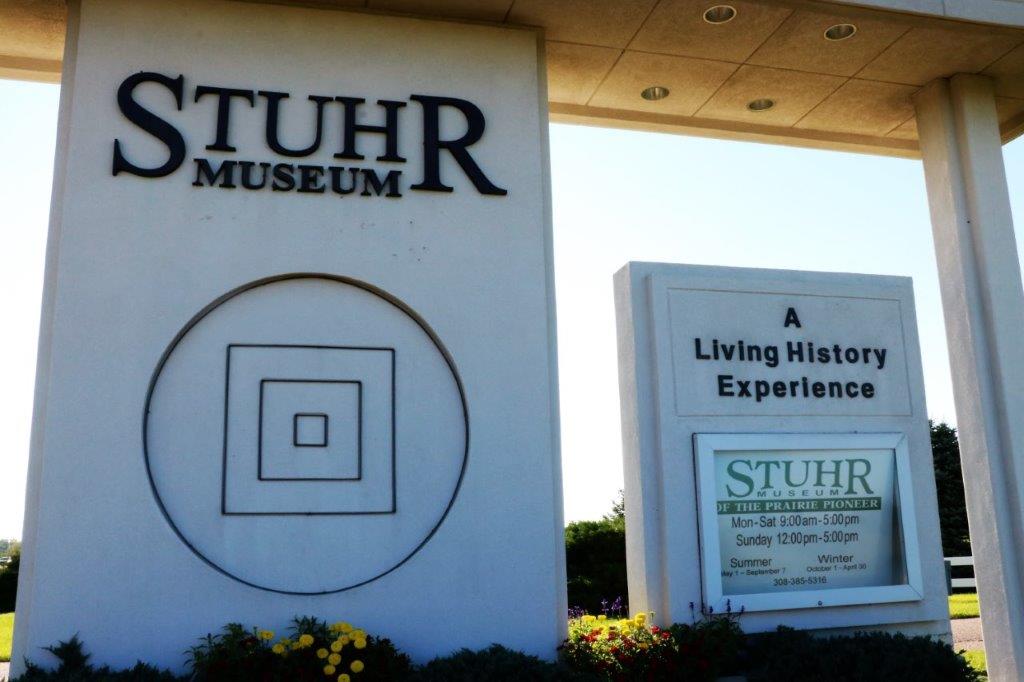
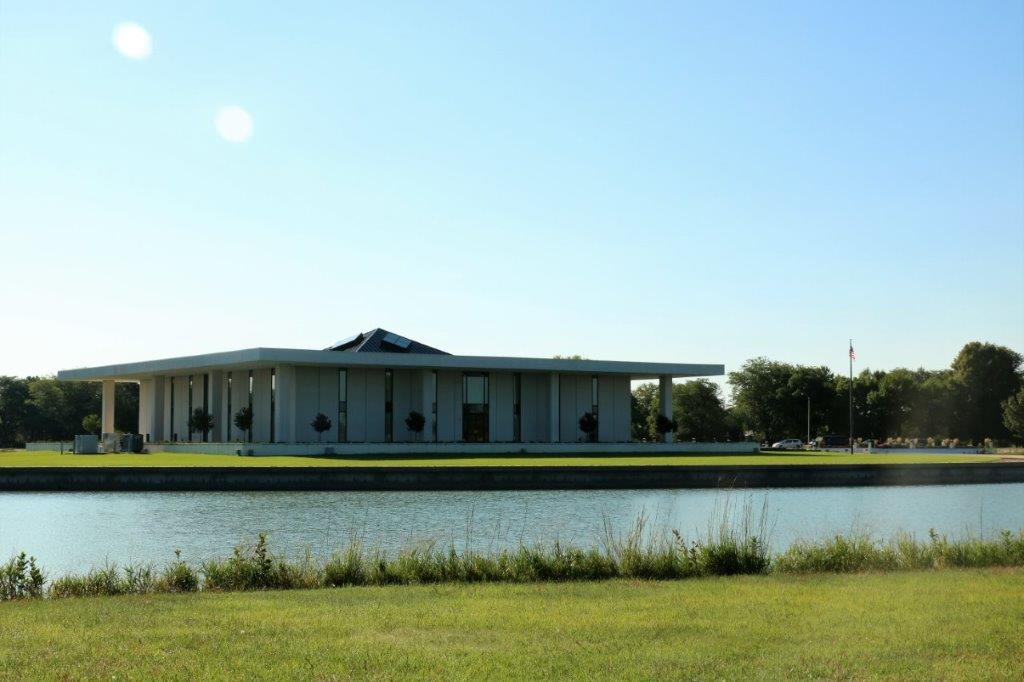
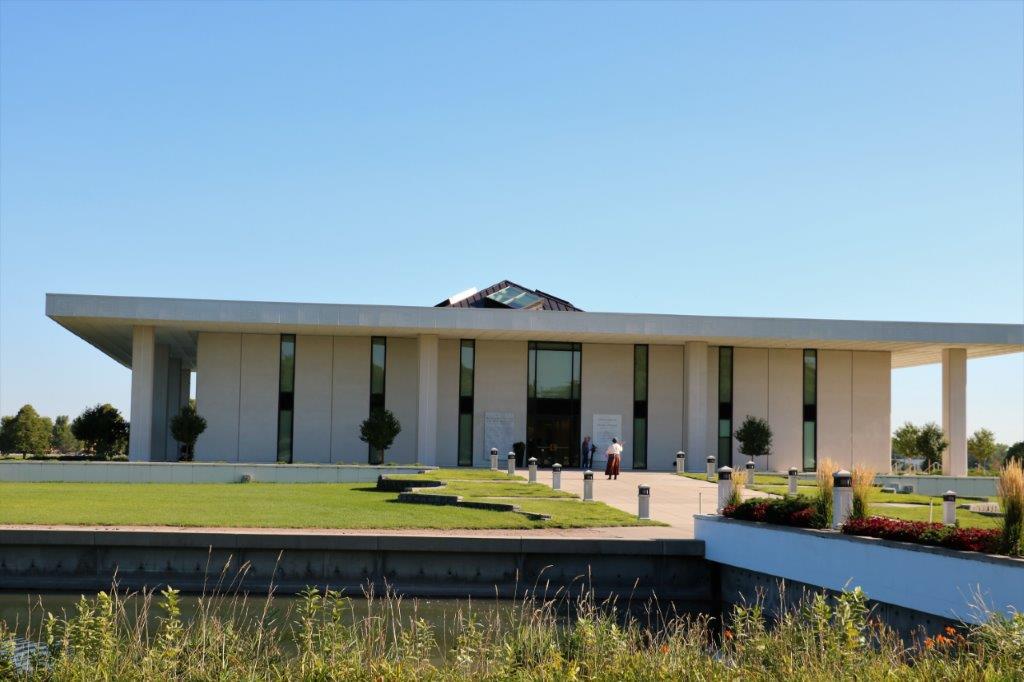
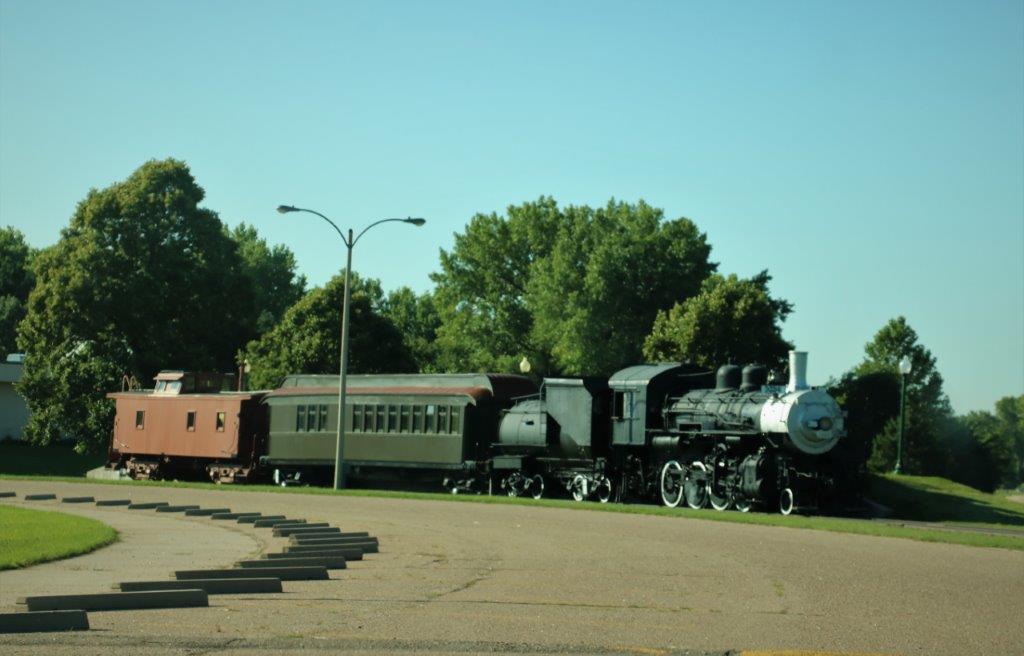
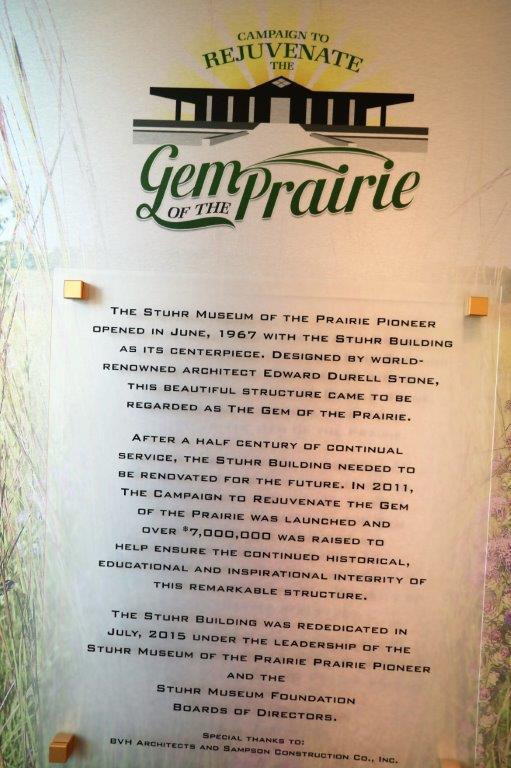
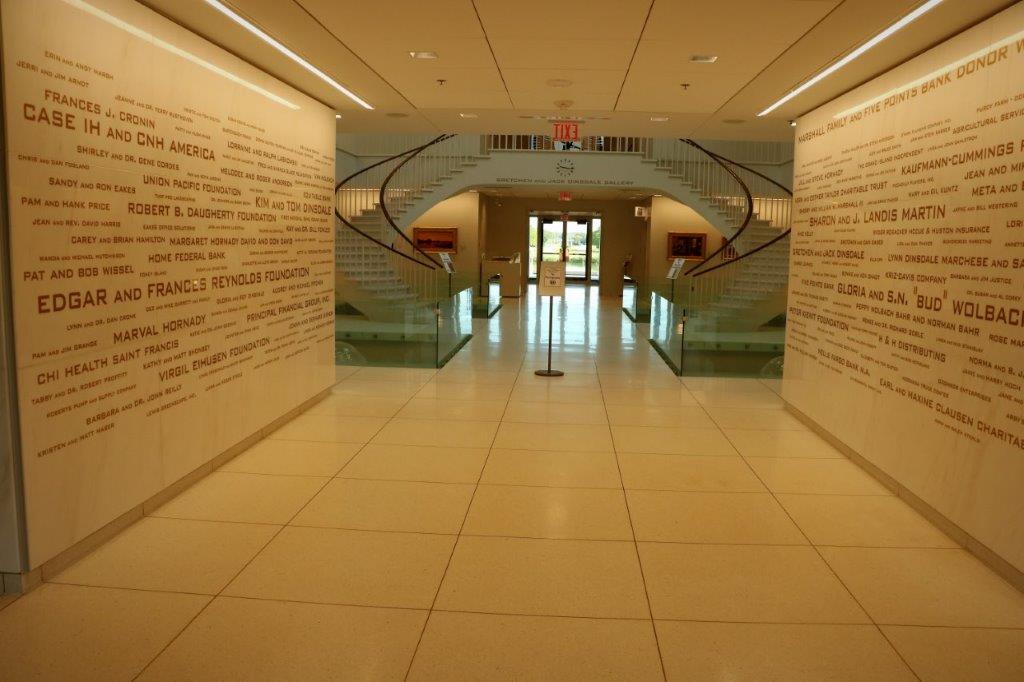
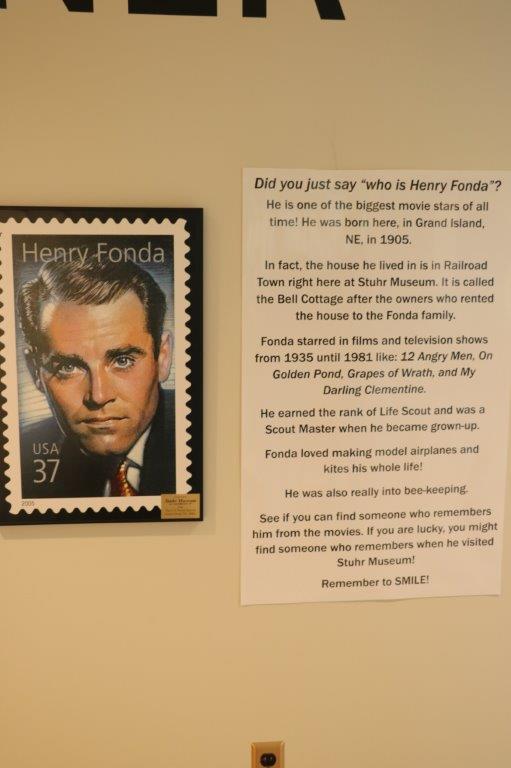
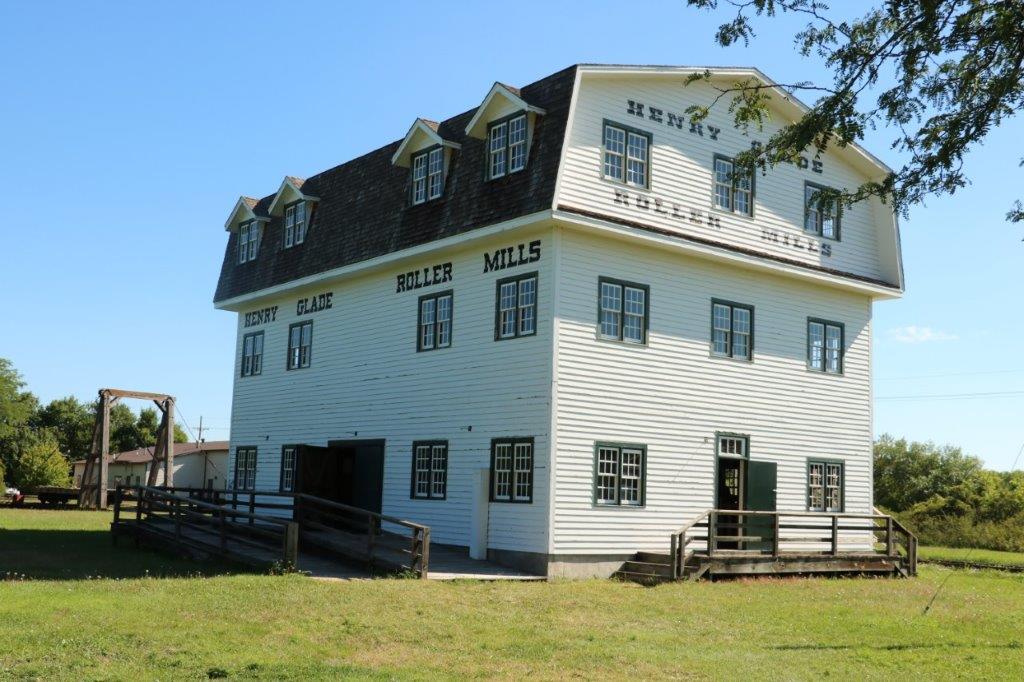
But before we left Grand Island the one thing I wanted to see was the Stuhr Museum of the Prairie Pioneer, which is considered one of the top ten attractions in Nebraska. The main building is on an island in the middle of a man-made lake and recently won an architectural design award.  I knew we wouldn’t be able to see everything but I wanted to check it out and at least do a quick tour.

The museum is named for the man who donated the land and money to build the main building, but there are other galleries and a heritage village of about 50 buildings that have been moved to the site from as much as 100 miles away.
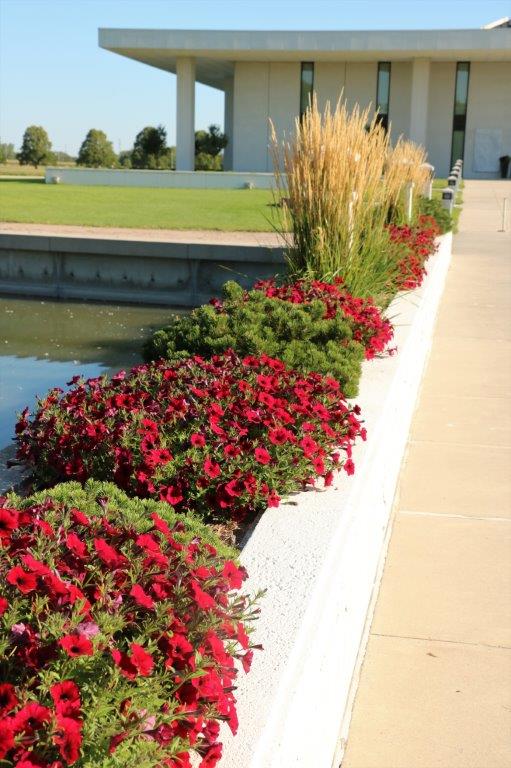
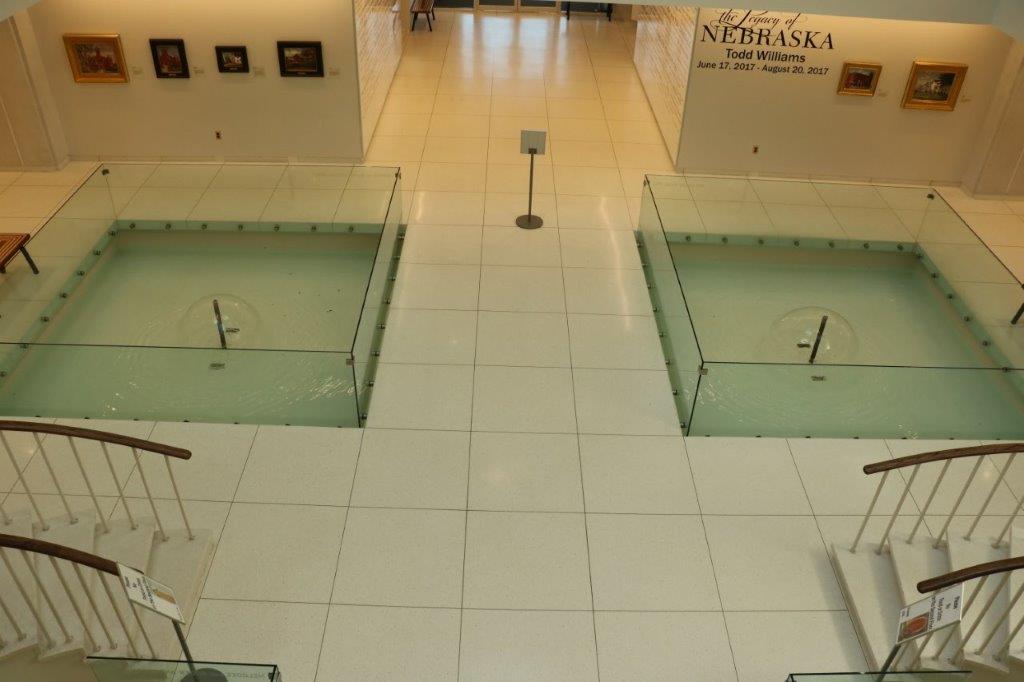
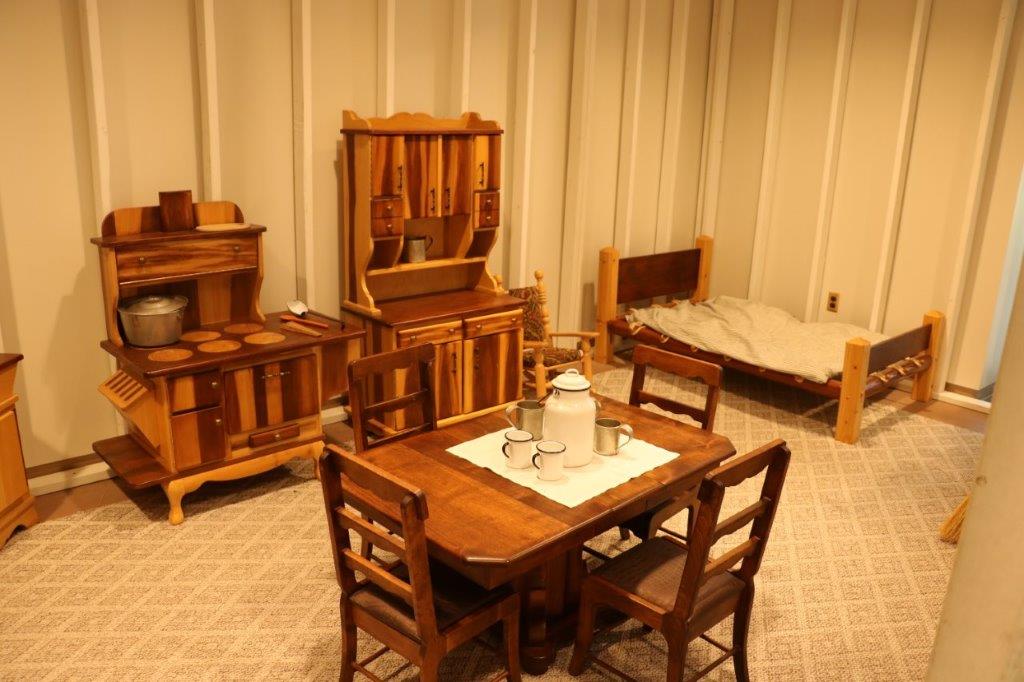
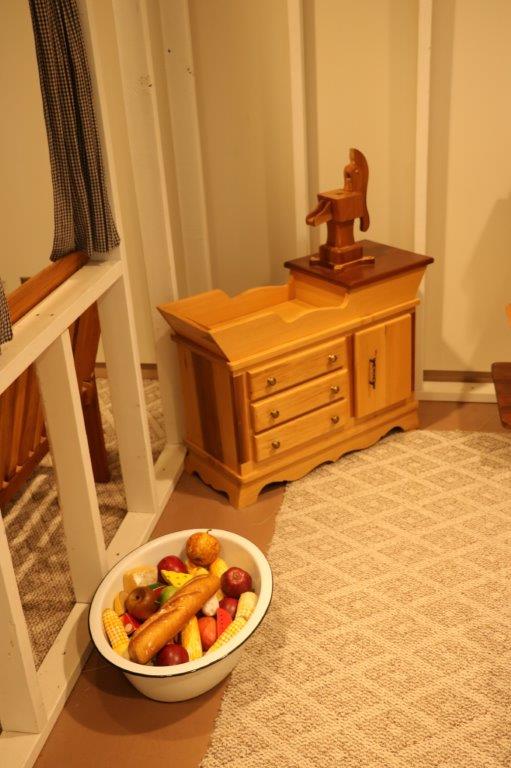
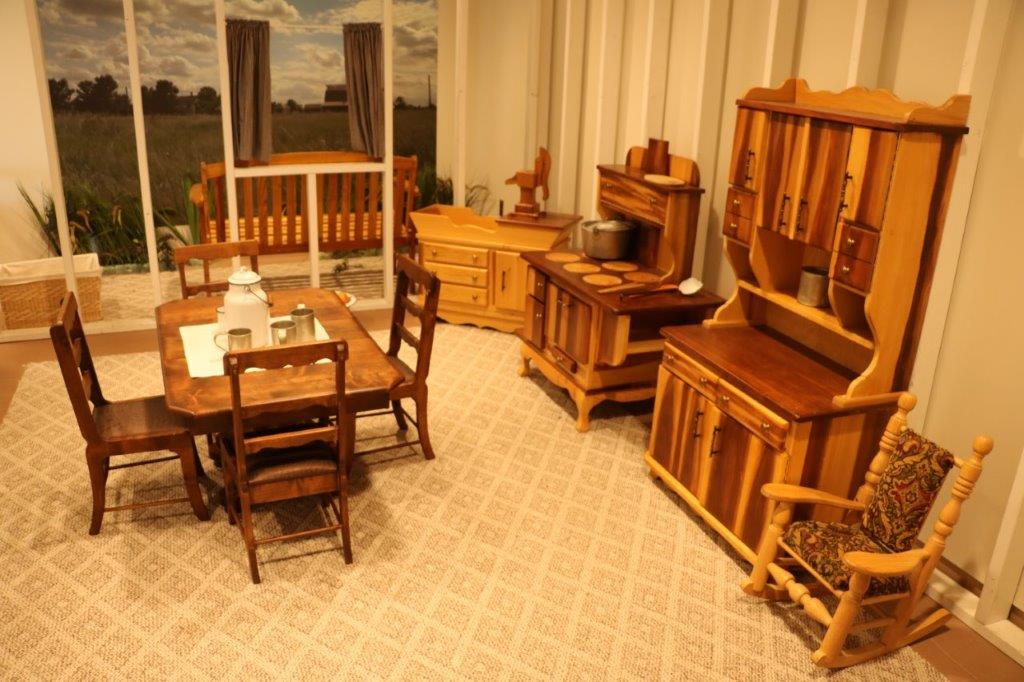
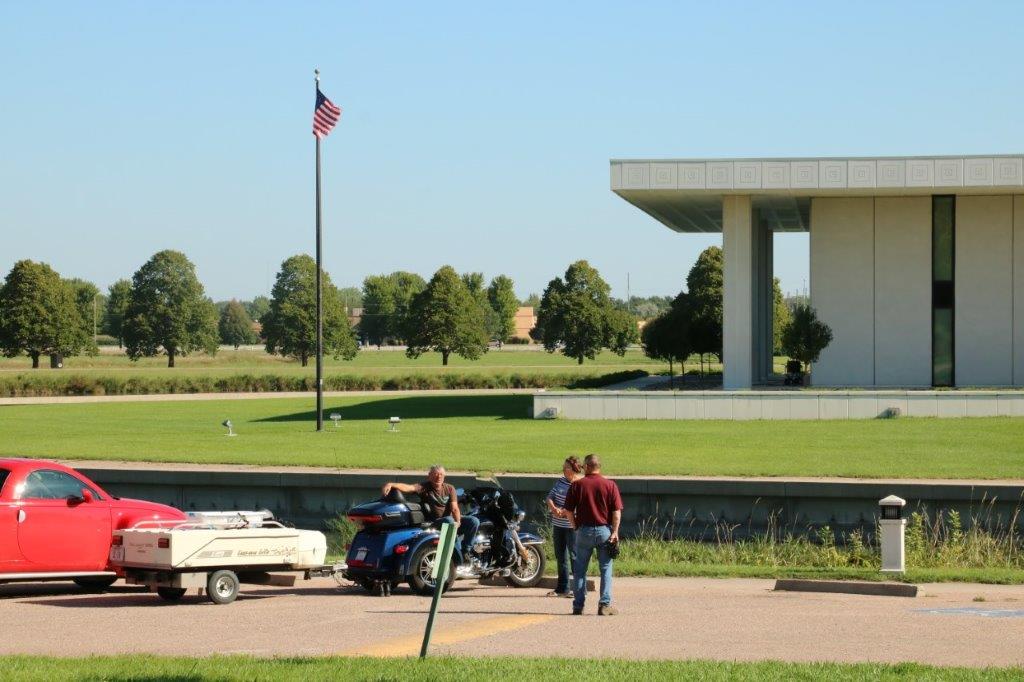
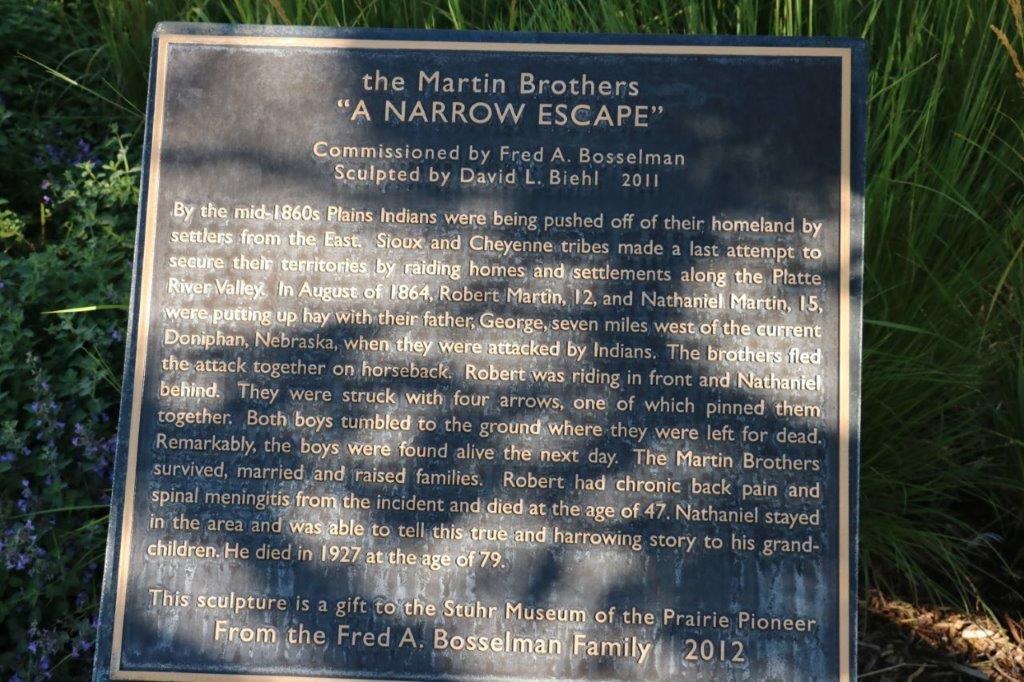
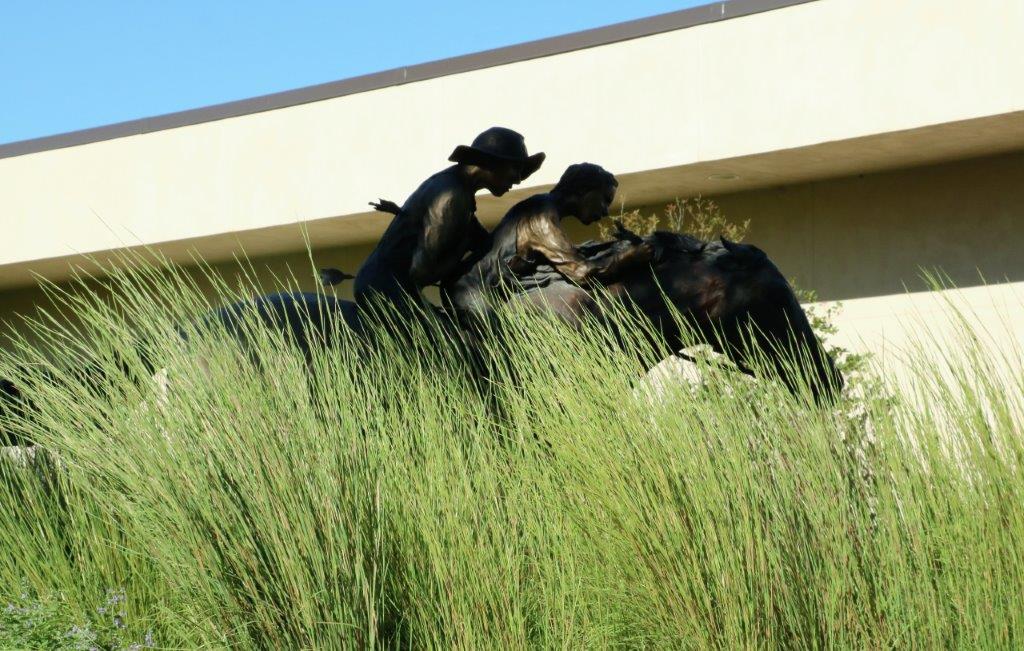
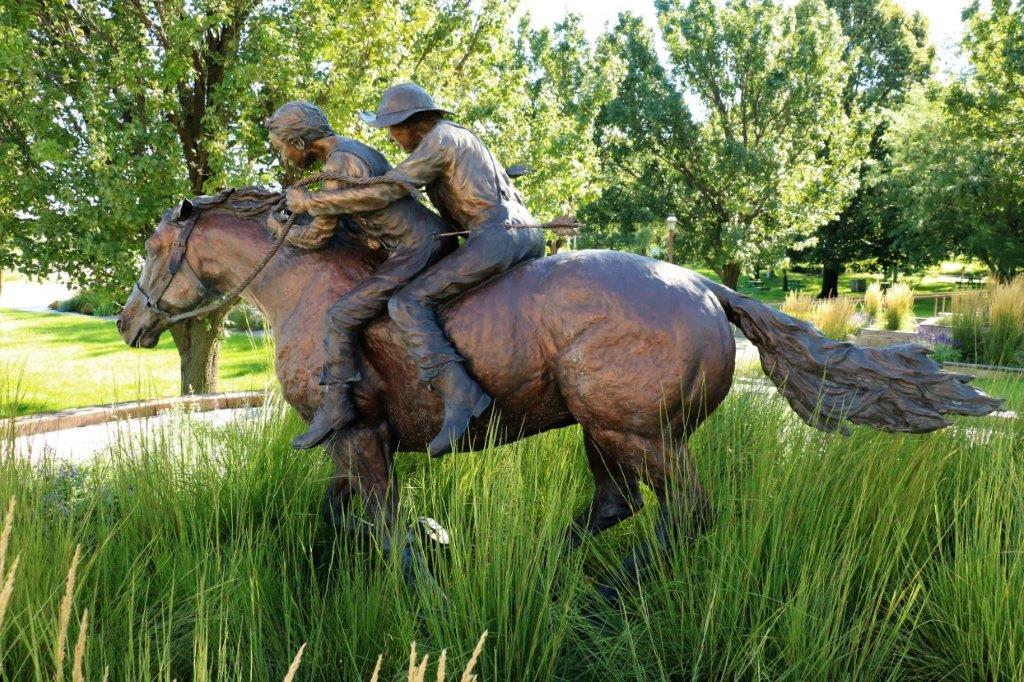
We really enjoyed the art exhibit in the main building. Internationally known artist Todd Williams spent 5 years travelling to all 93 counties in the State of Nebraska and created over 120 paintings.  The exhibit is called Painting the Legacy of Nebraska.  Obviously, since these are original works of art you could not take photos of them but the fellow did an awesome job portraying the various aspects, scenery, and people of Nebrasaka during its formative years. On the second floor there was a children’s area with beautiful handcrafted furniture as would have been found in a pioneer house, plus period clothes to wear while you play.   There were other static exhibits all around the second floor as well.  When we had parked in front of the museum there was a Harley Davidson trike motorcycle with a small trailer parked in the spot beside us.  The trike’s license was from Kansas but what caught Joh’s eye were the words on the little trailer;  “Osoyoos, BC.”  We wanted to tour the collection of Cowboy and Indian artifacts in the Gus Fonner Memorial Rotunda and while I checked to see if it was open yet, John had to have a chat with the couple on the trike and tell them their trailer was made not too far from our hometown.The Rotunda was due to open in 15 minutes so we checked out the bronze statue (it commemorated quite a tale) near the entrace and then wandered over to the gardens.


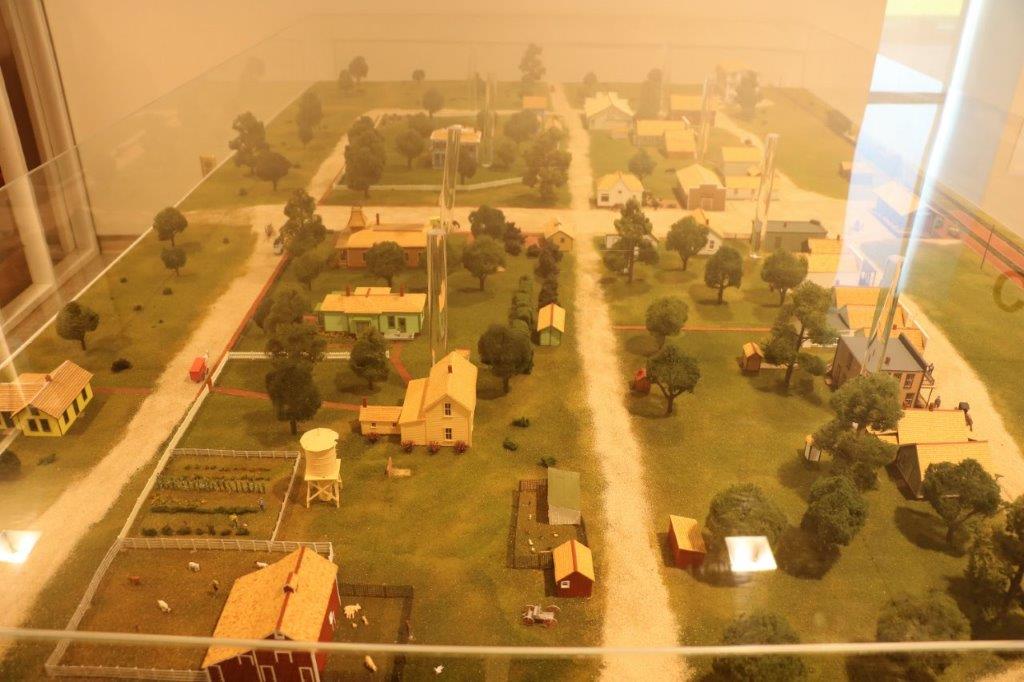
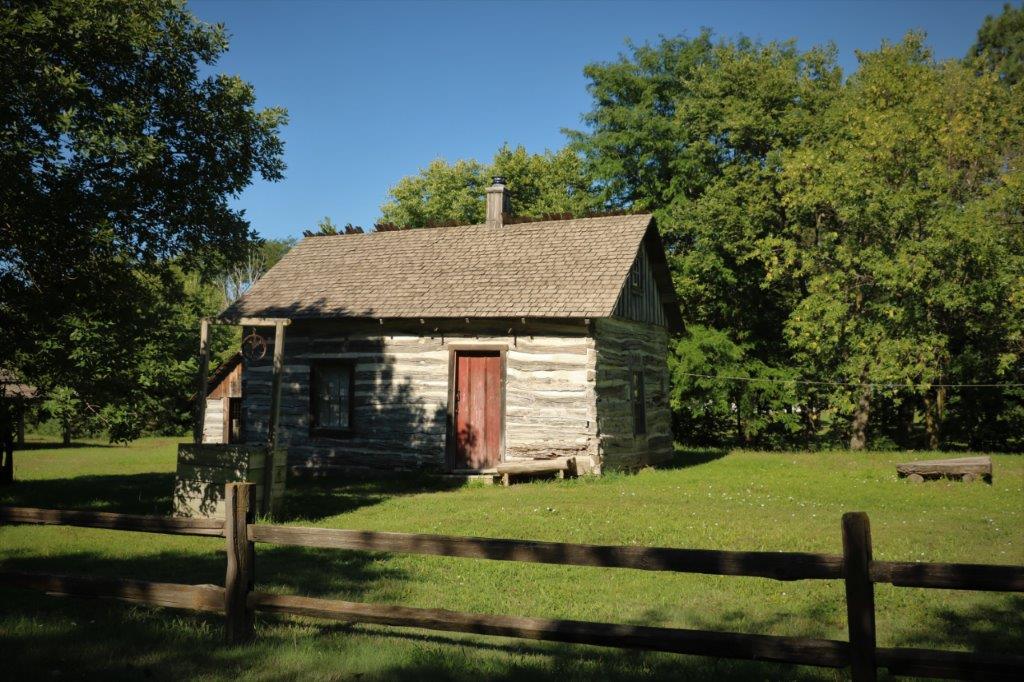
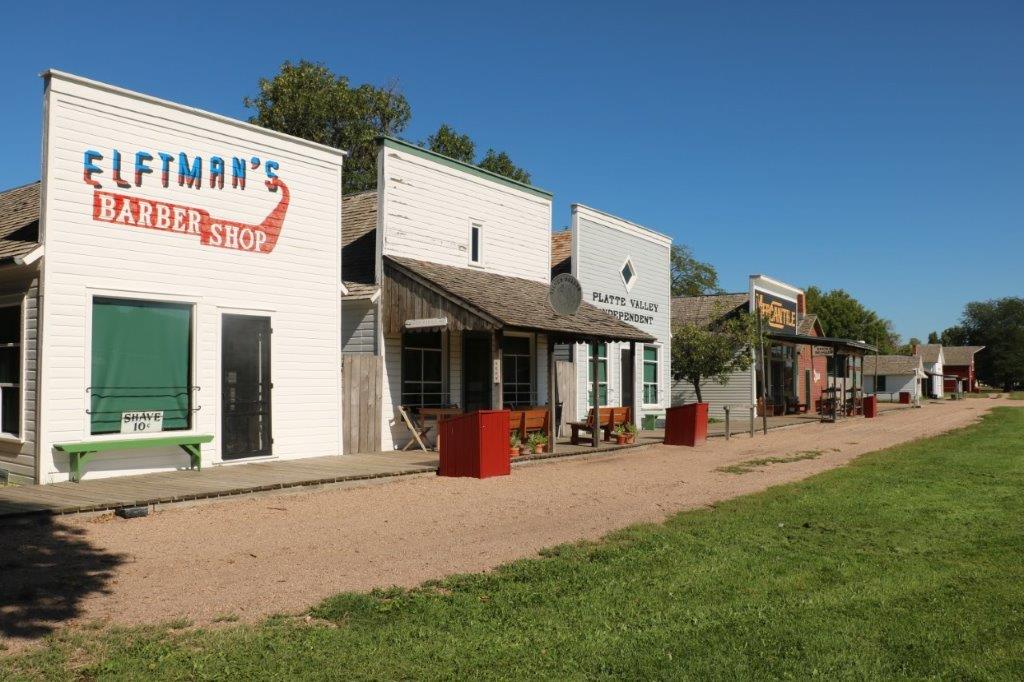
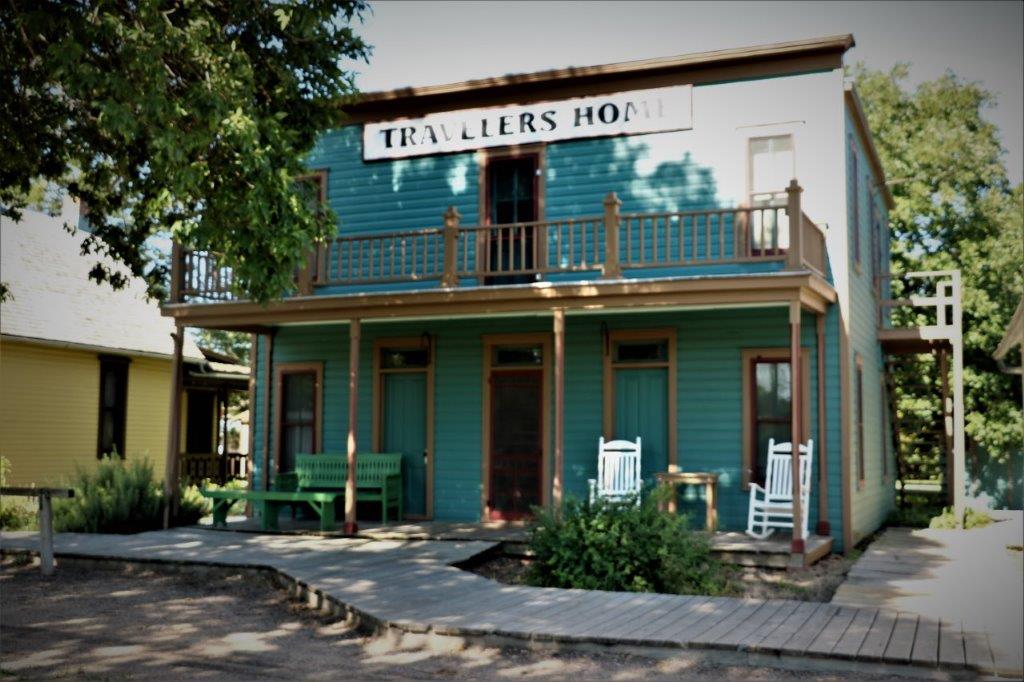
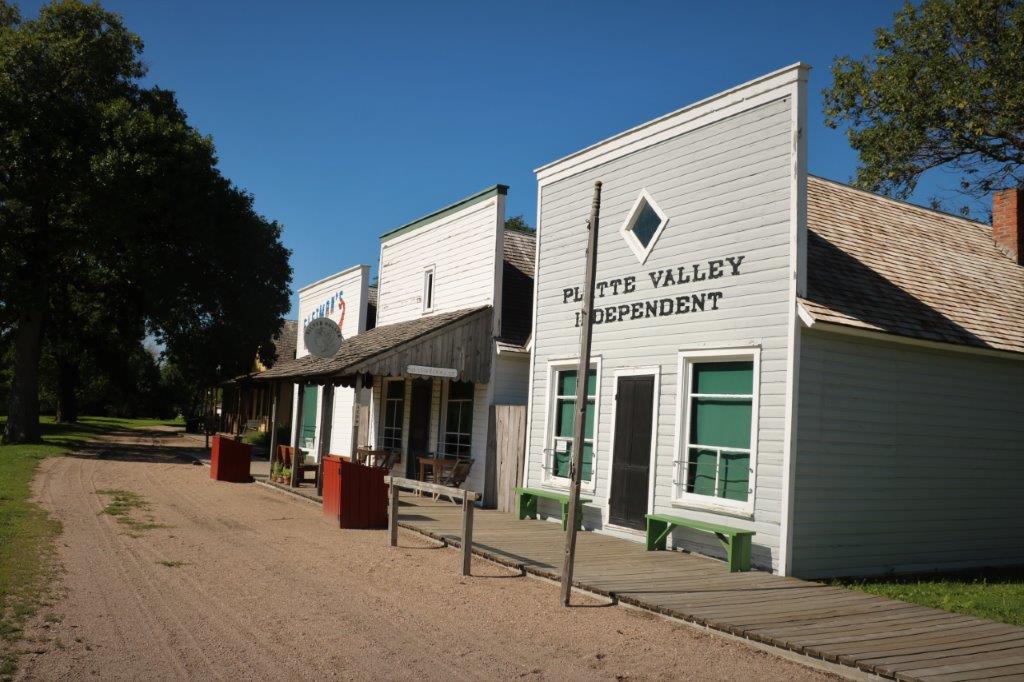
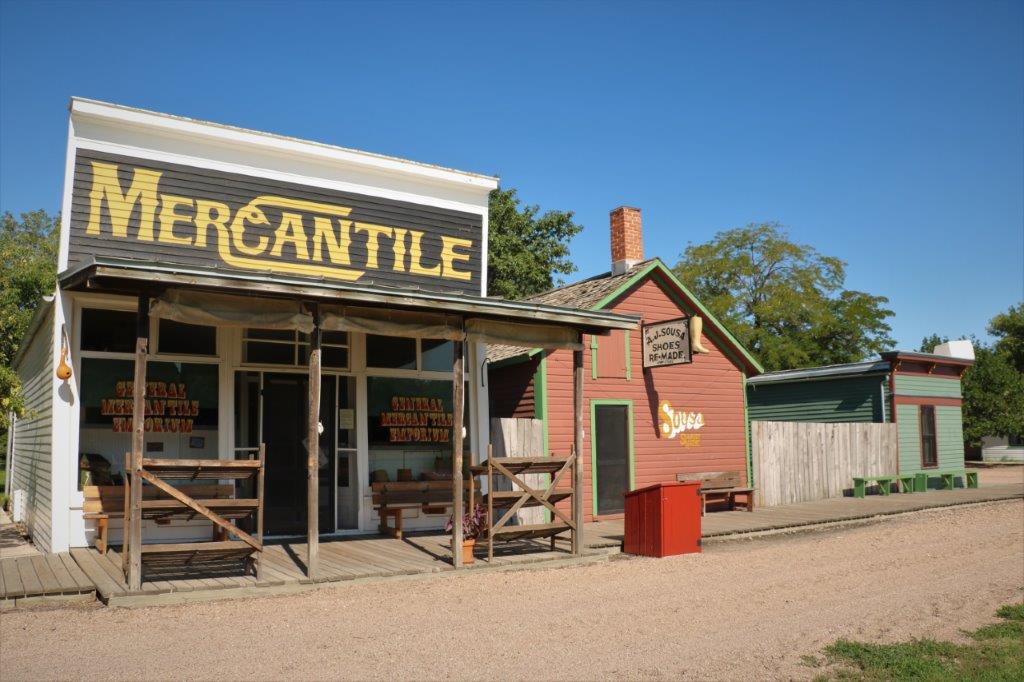
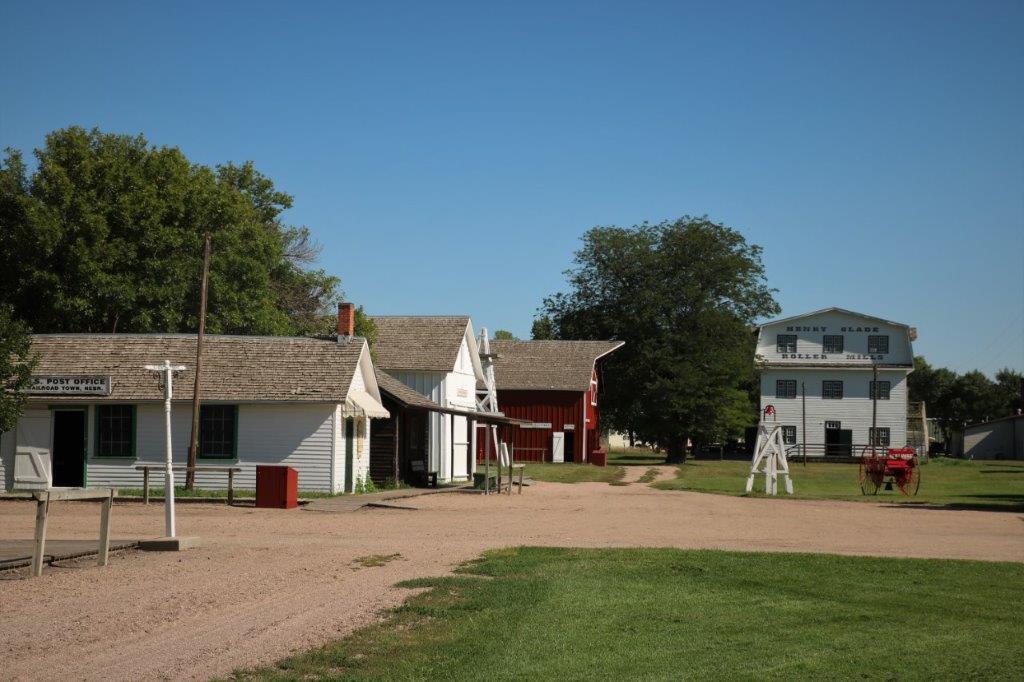
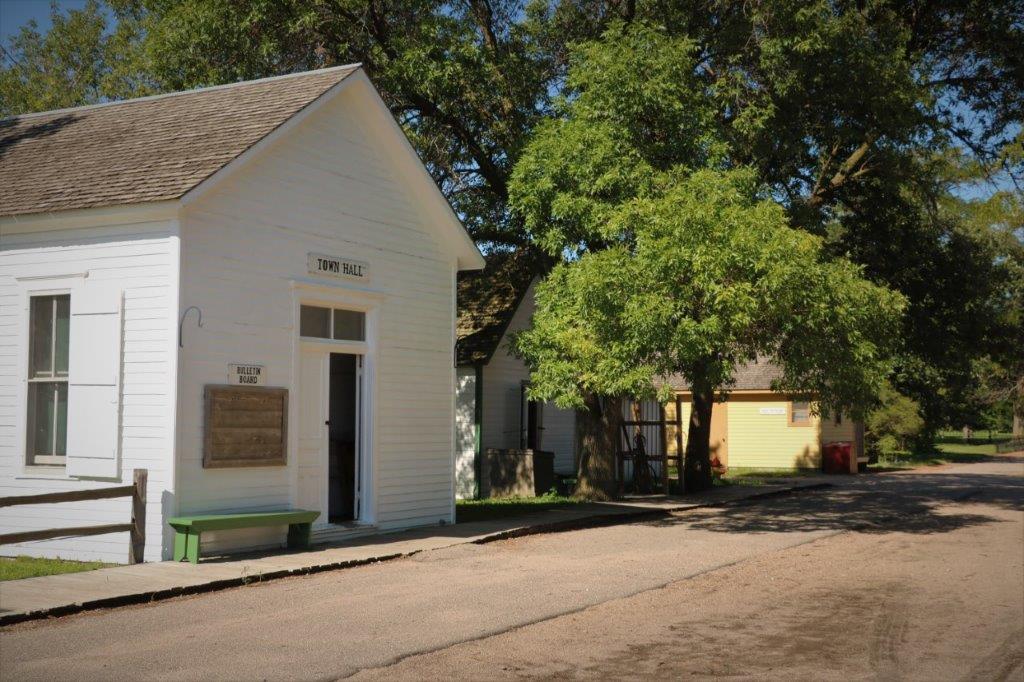
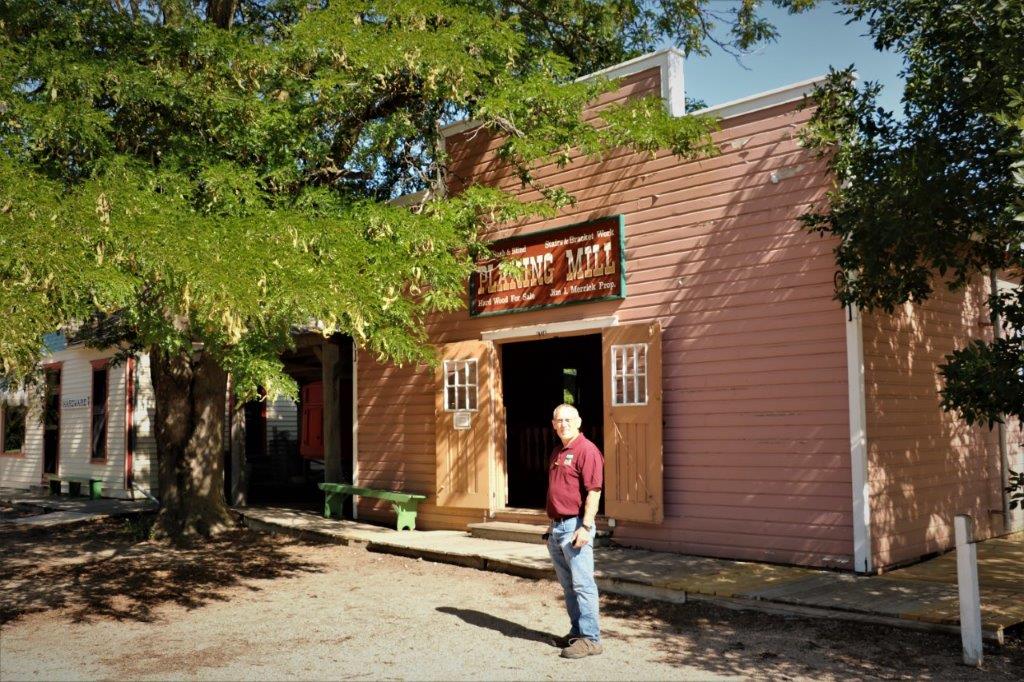
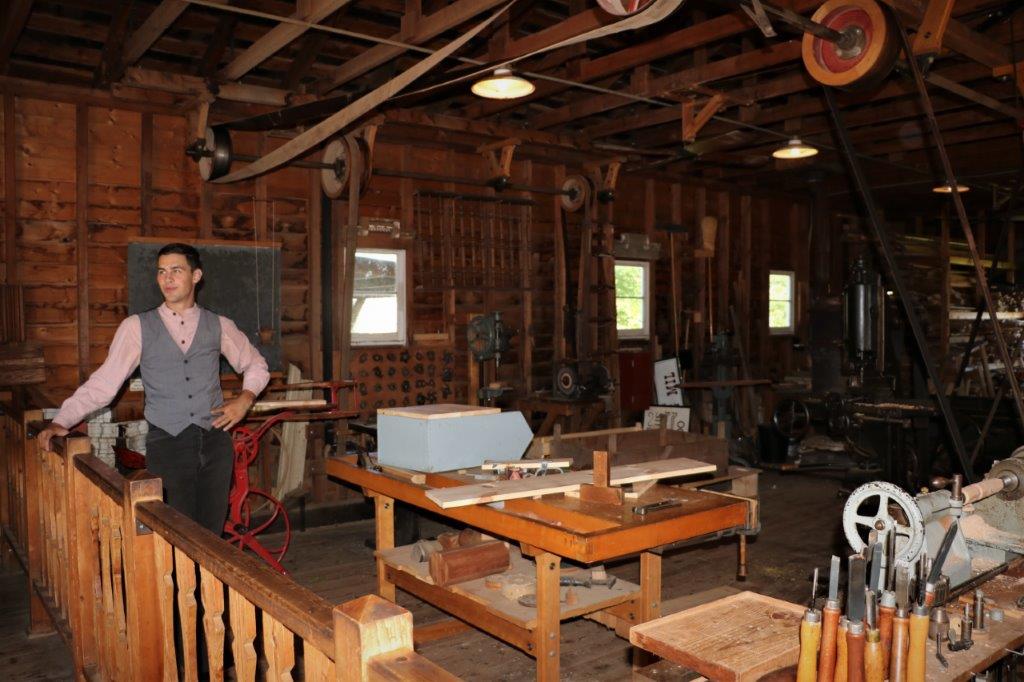
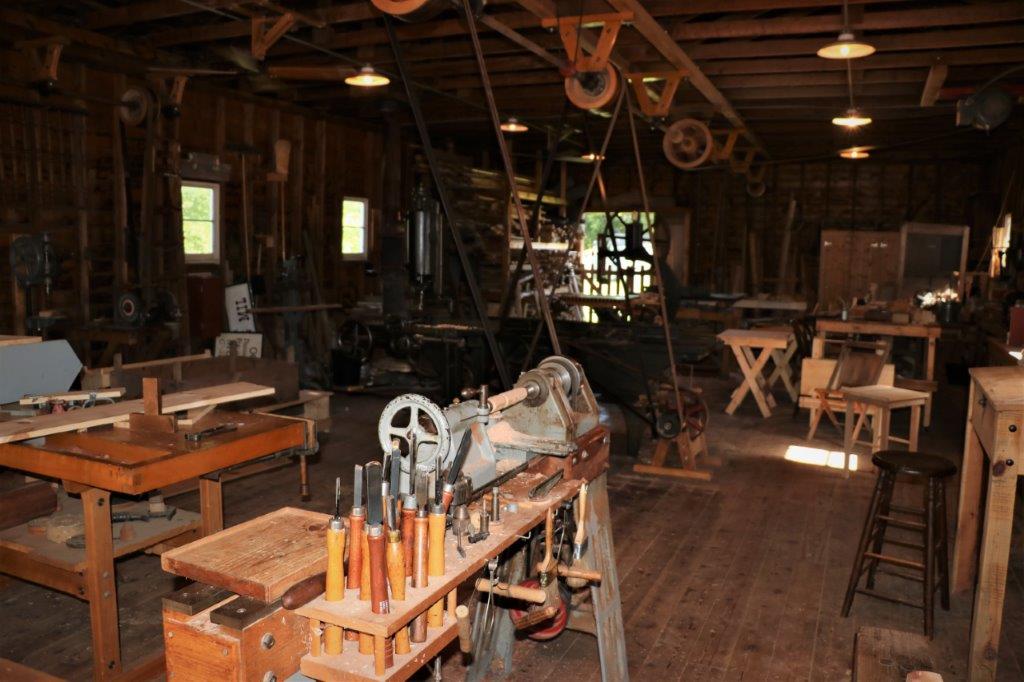
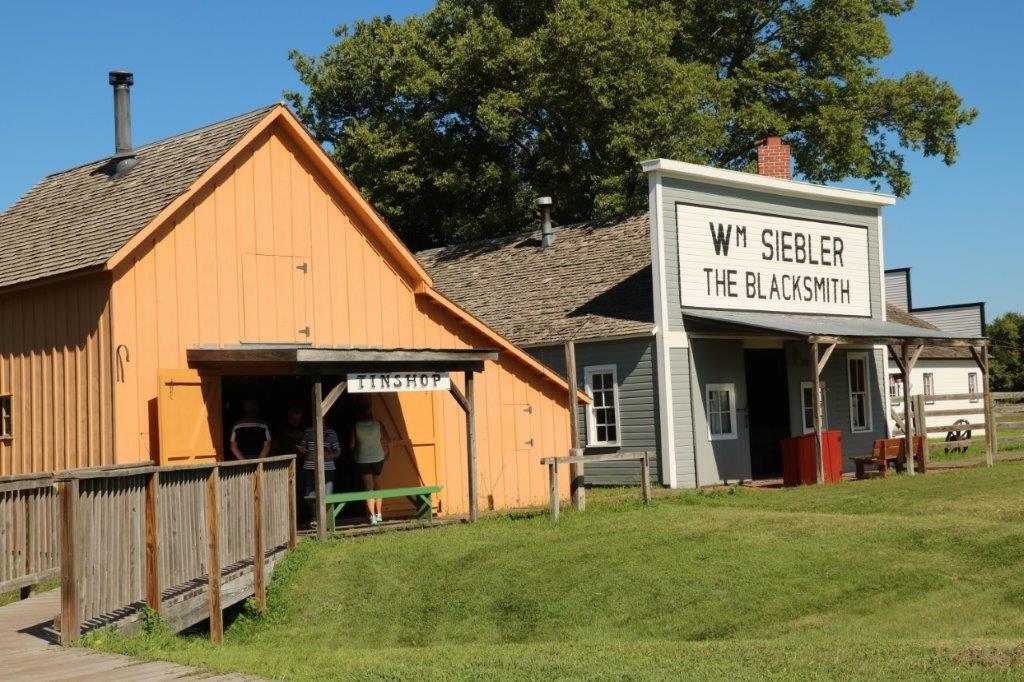
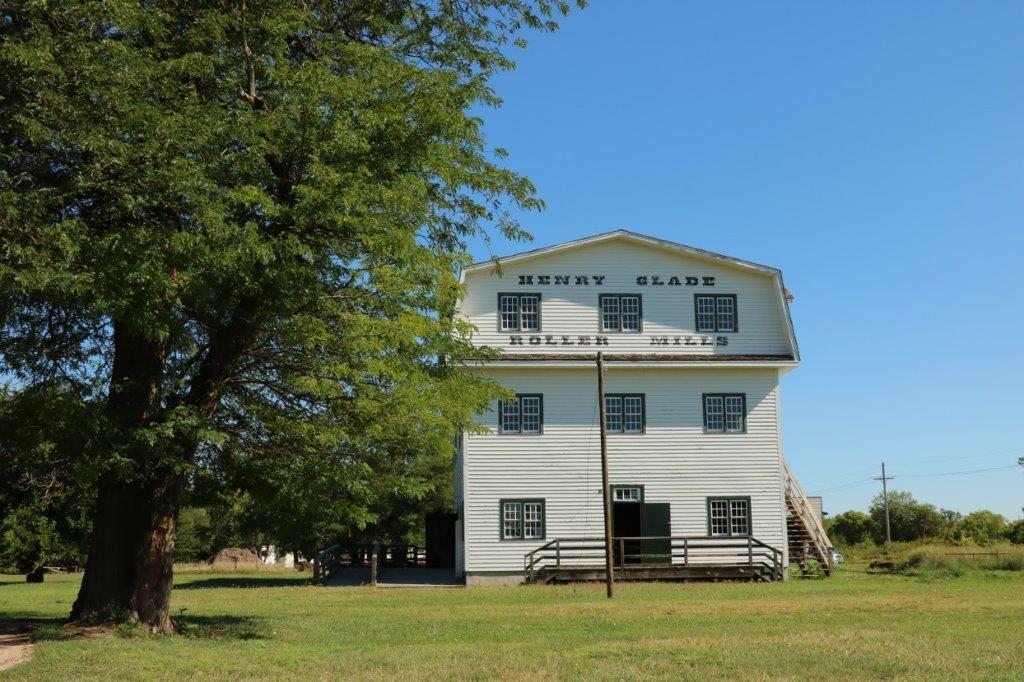
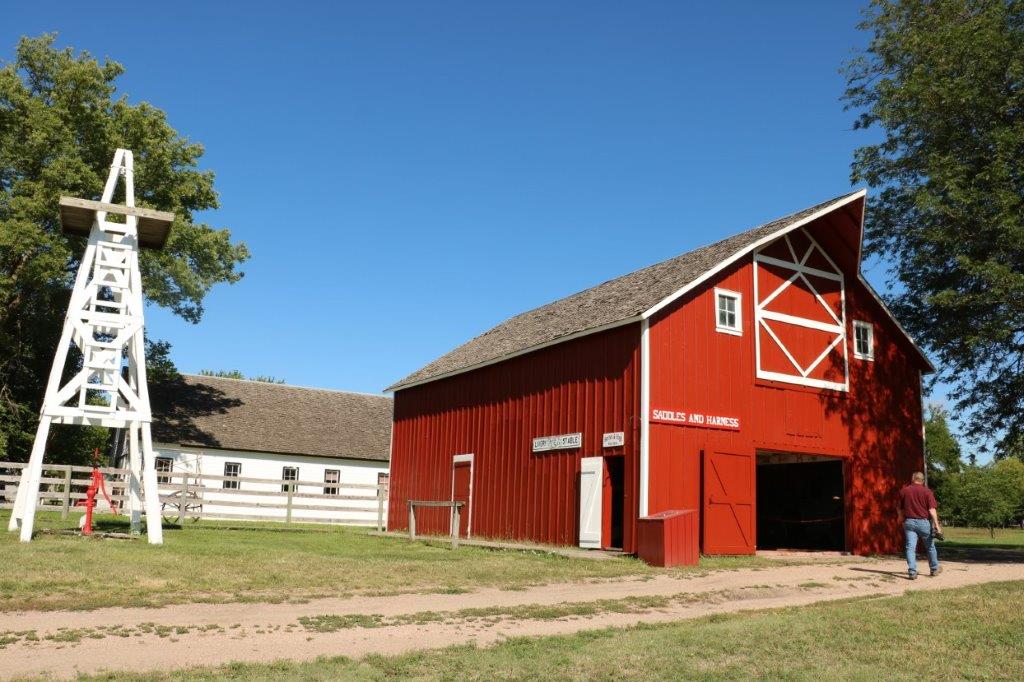
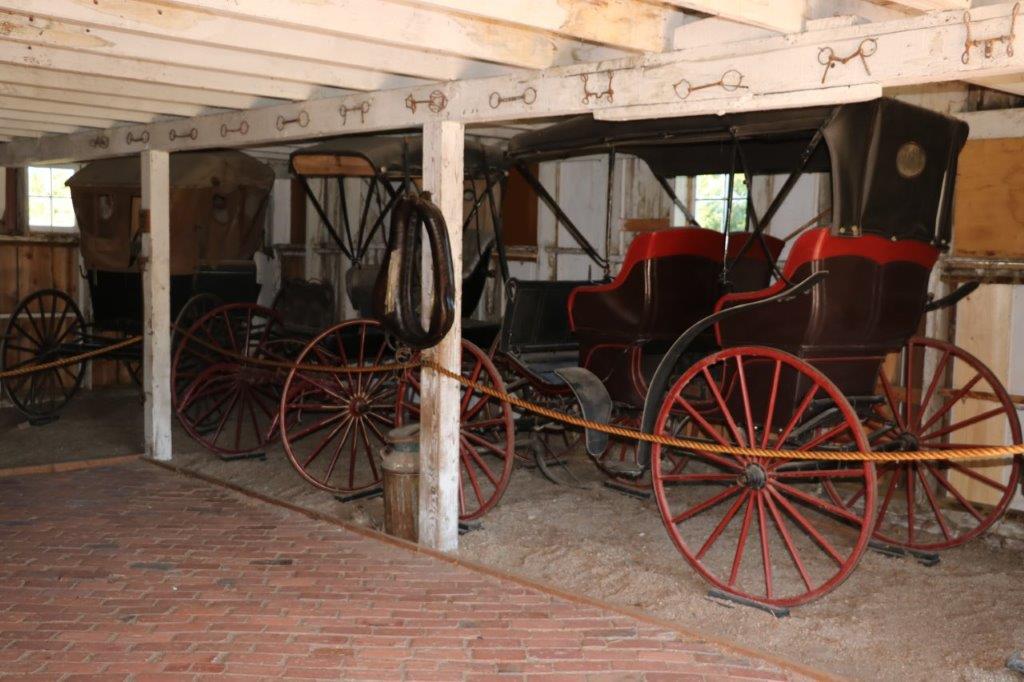
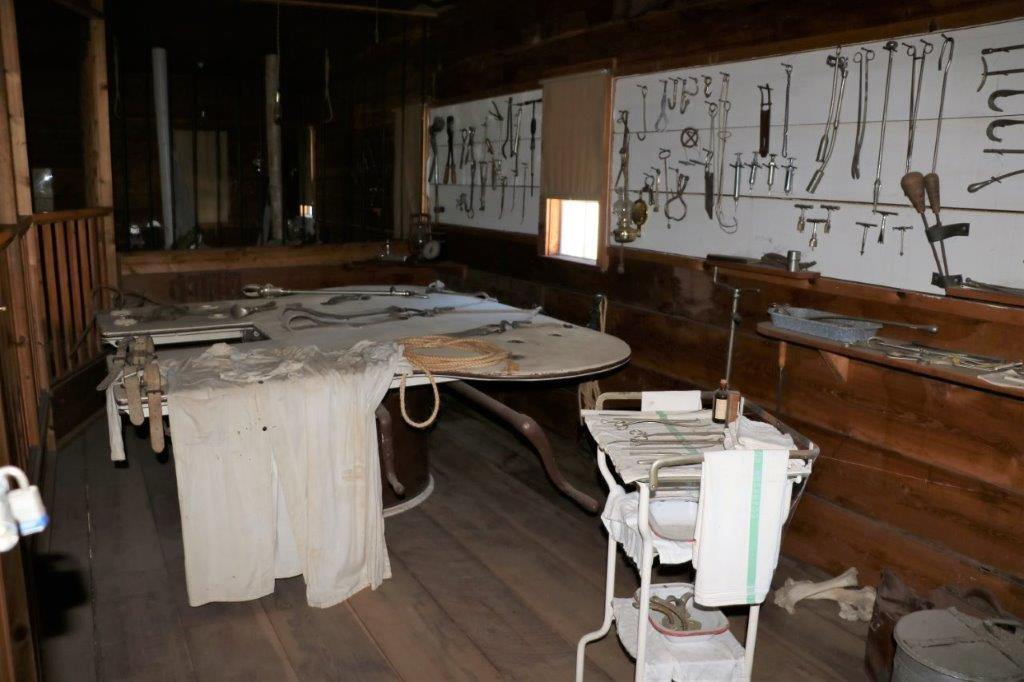
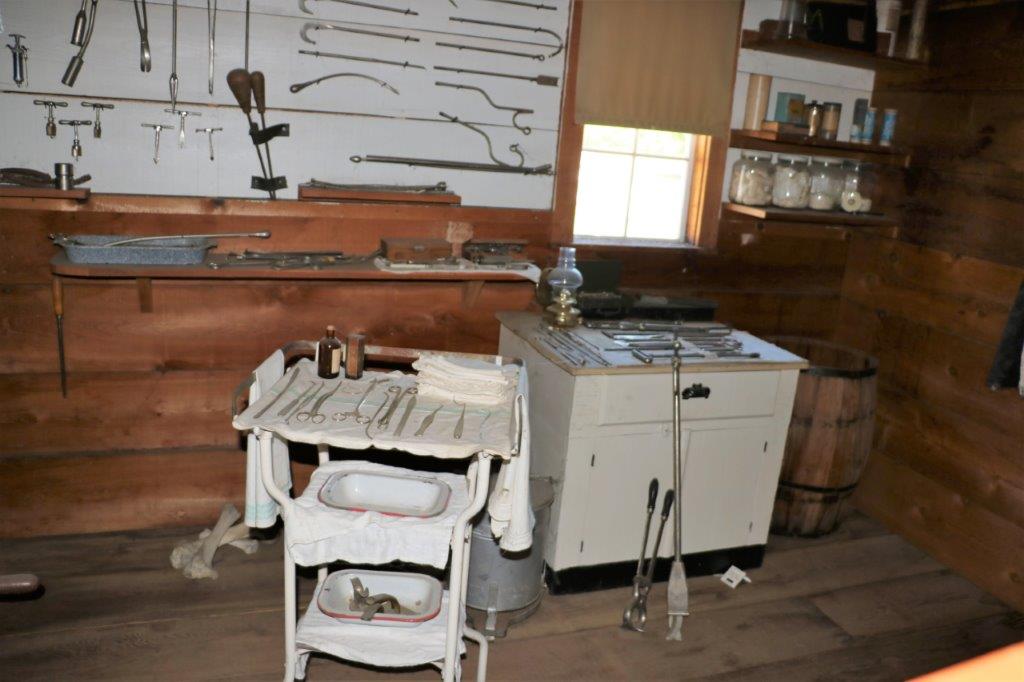
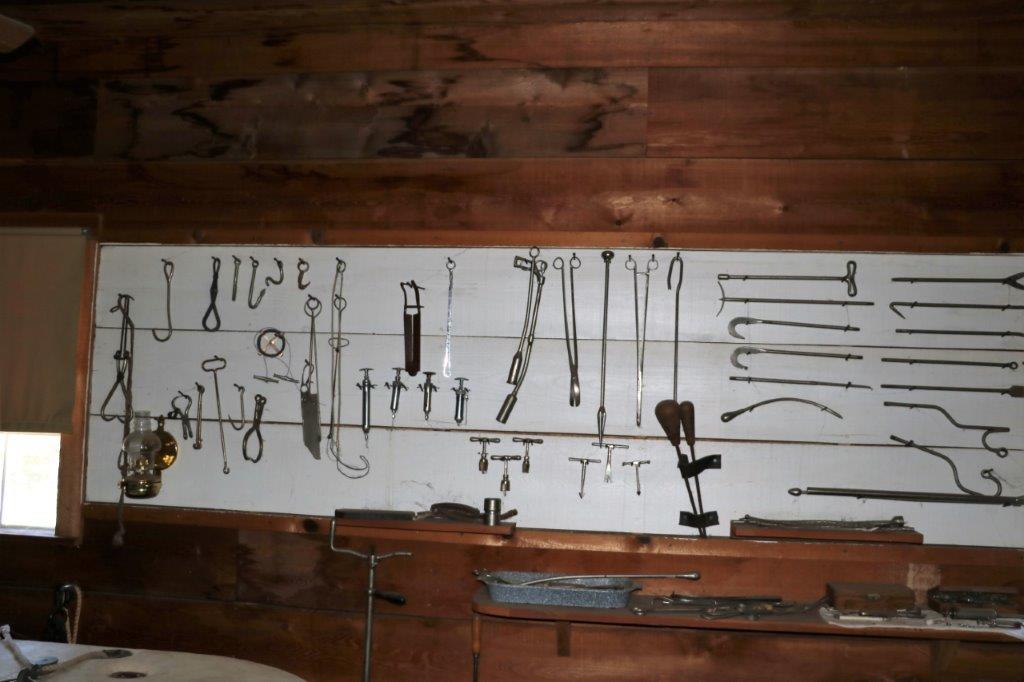
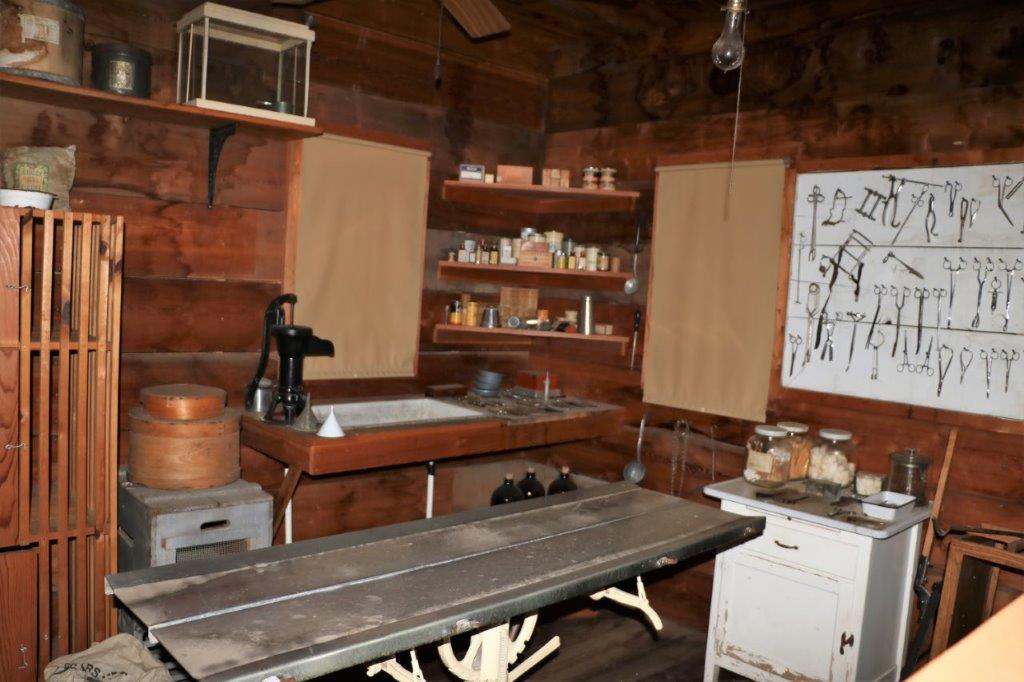
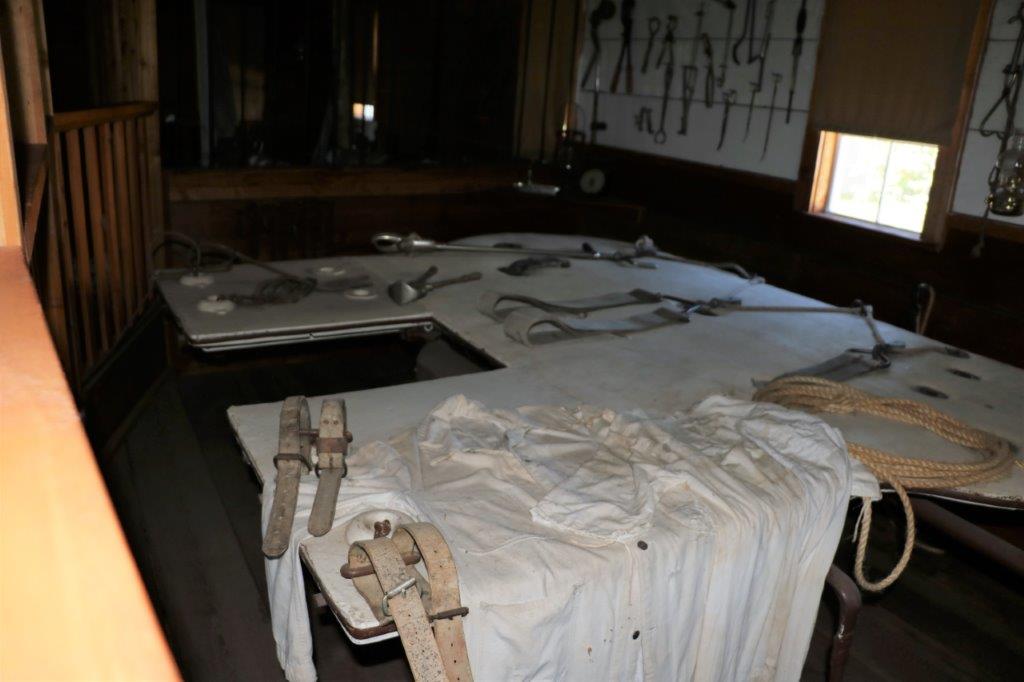
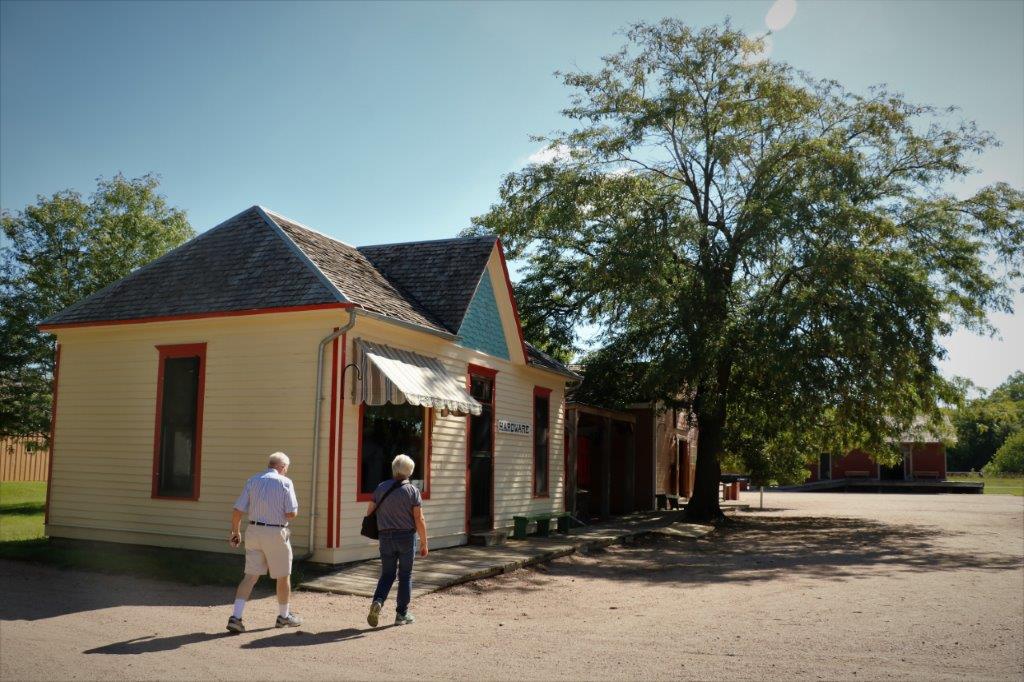
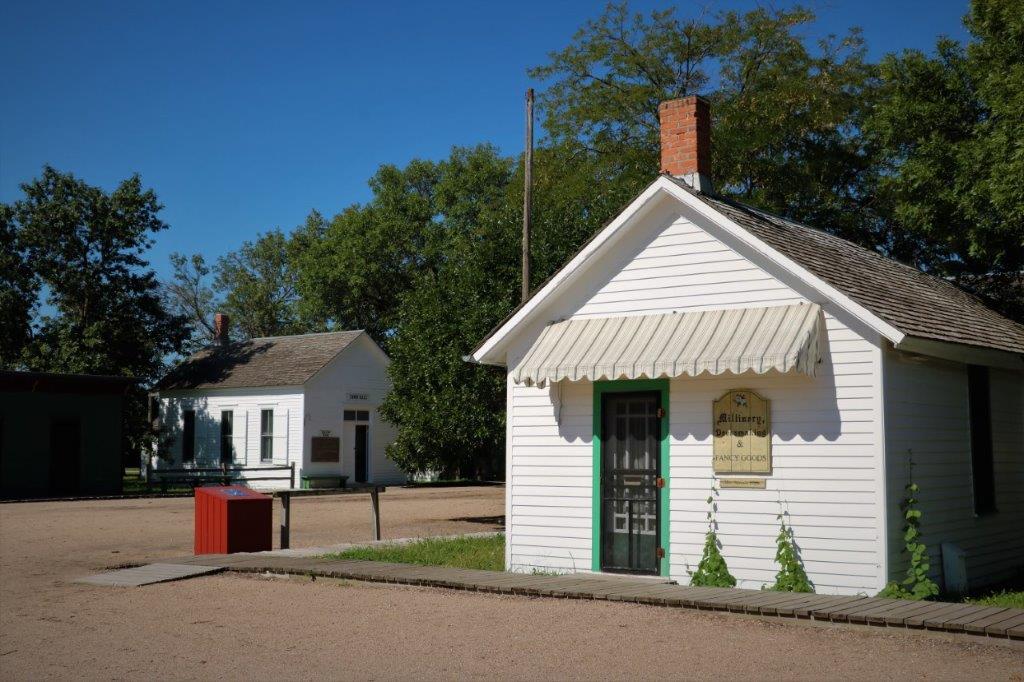
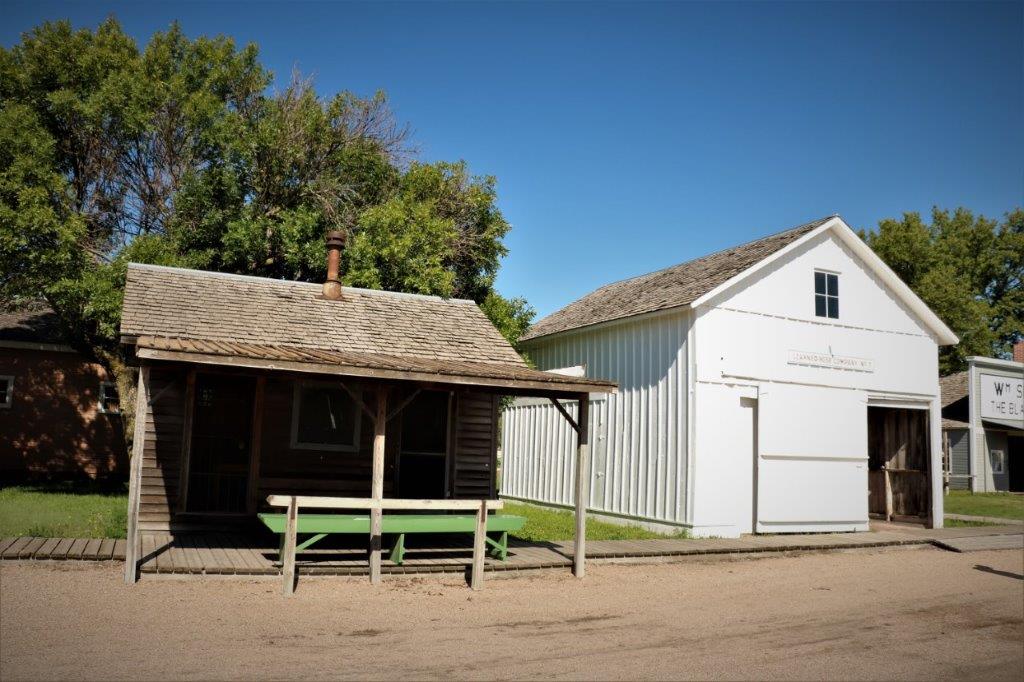
When we returned after 10 o’clock, the Rotunda was still not open so we drove over to the parking lot at Railroad Town and did a moderately fast walk through the village.  It was beautifully done.  All of the buildings were well maintained and stocked with period items, the ‘local’ workers like the lady at the telephone switchboard and the young man at the planer mill were more than happy to chat about their town and work.  Even though we couldn’t linger due to time pressure we had a good time. The Veterinary Clinic had a living quarters, a room where the vet would mix his potions and medicines, a few stalls for animals, and two patient rooms – one of which contained a surgical table that was used for horses and cows, and the other was a small animal surgery.

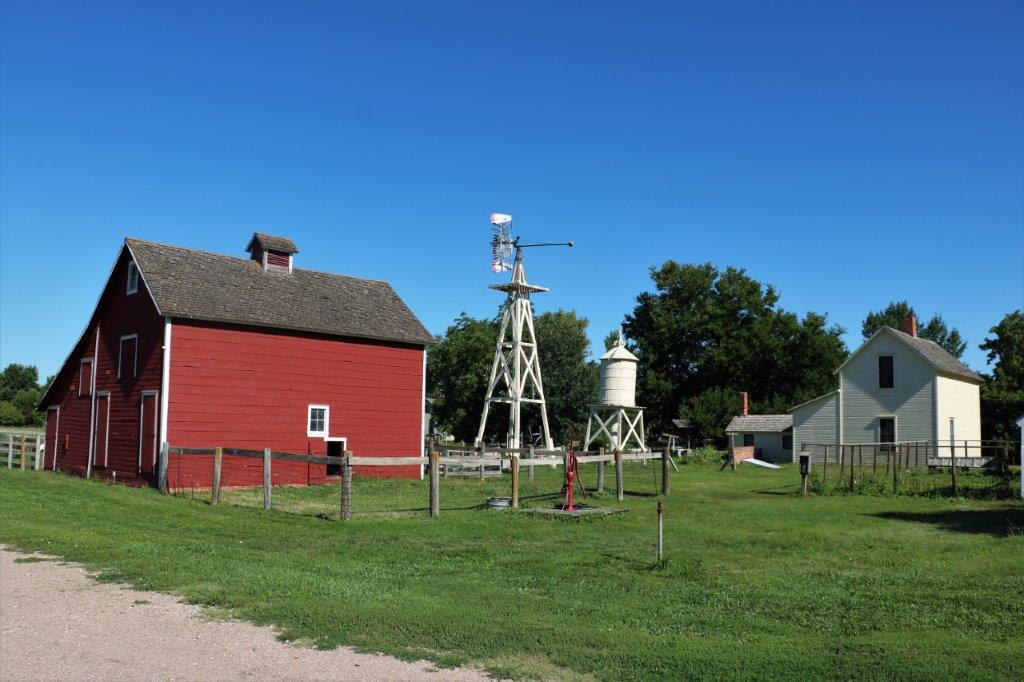
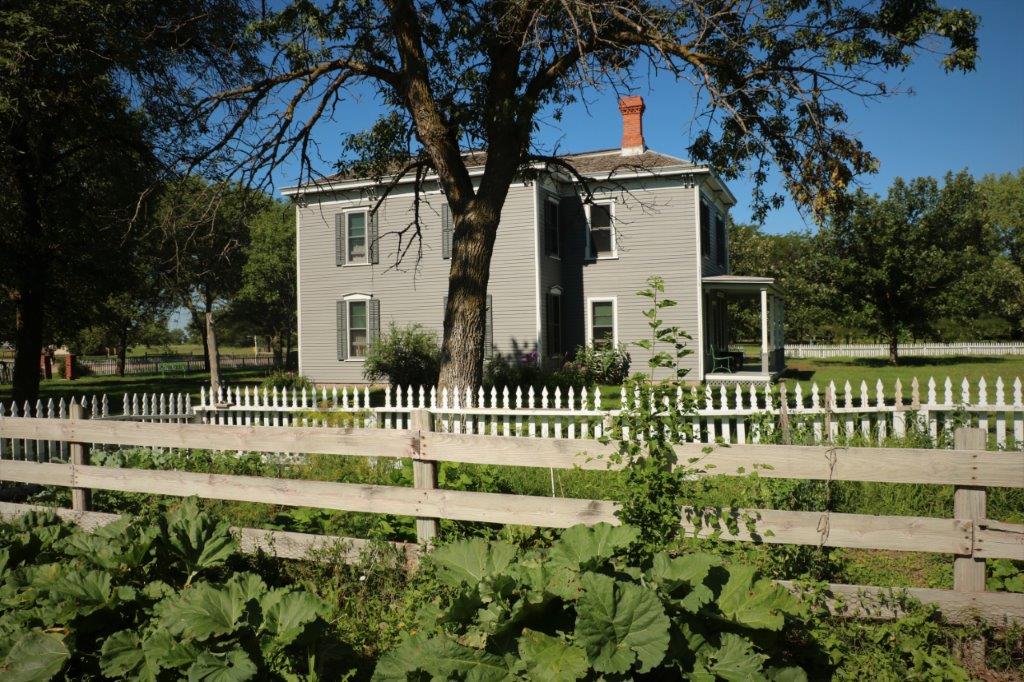
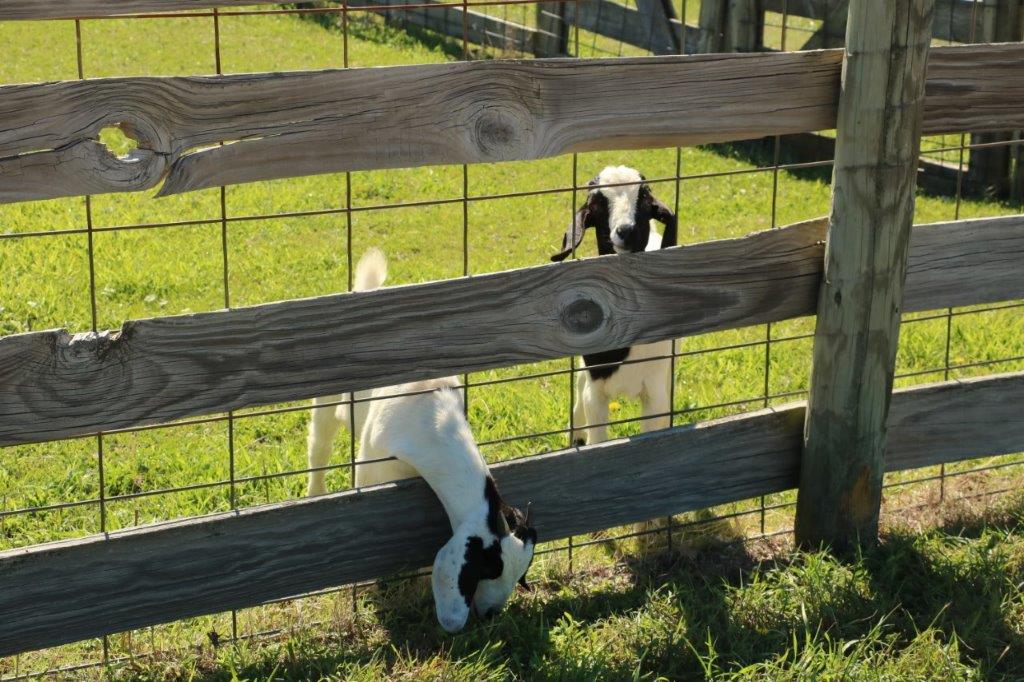
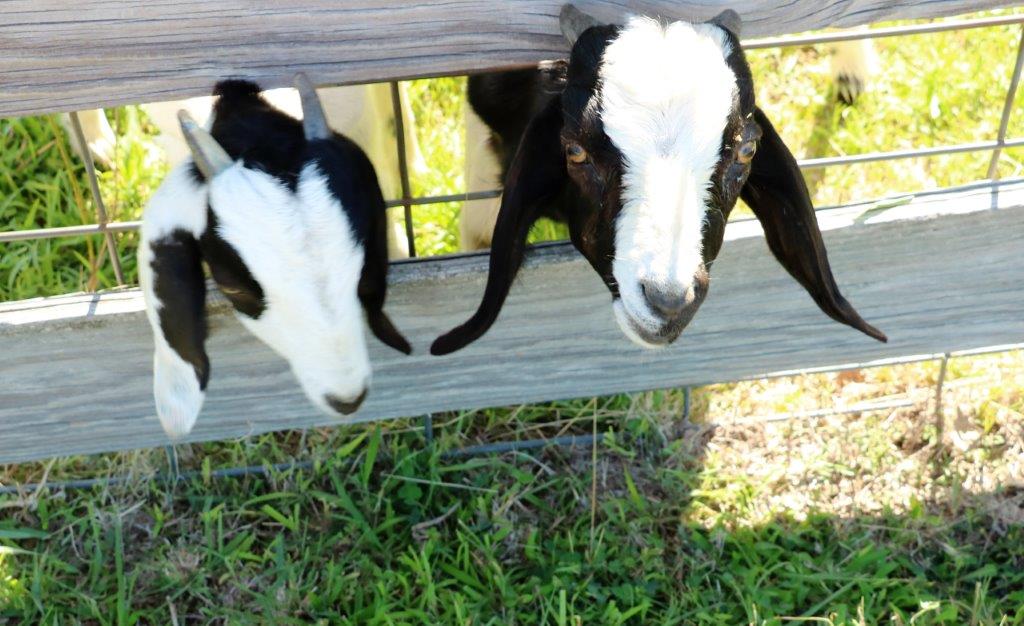
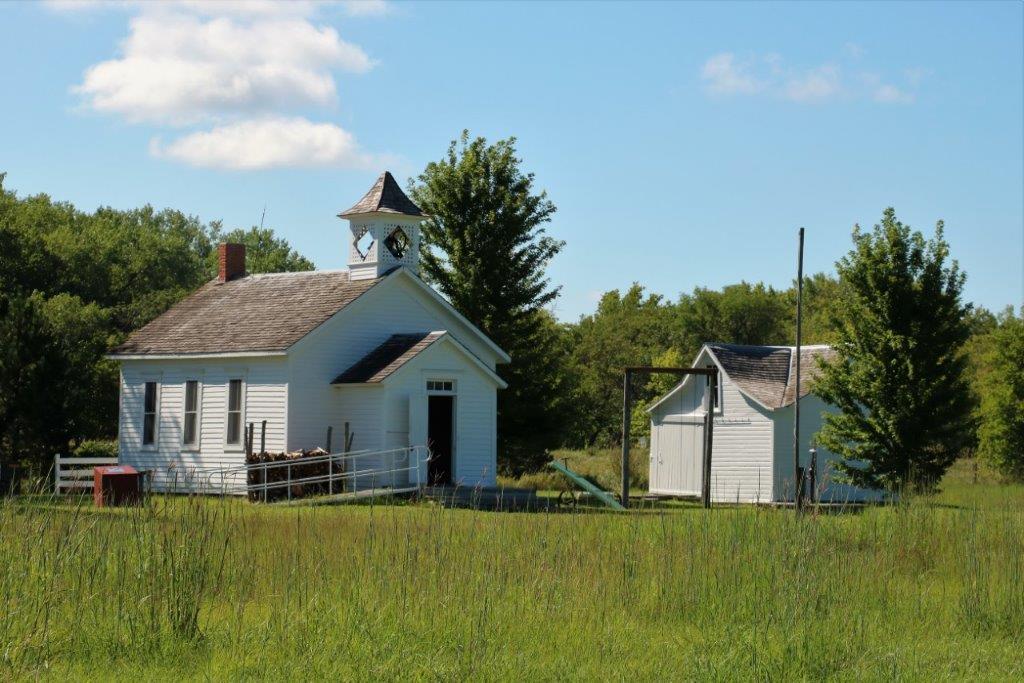
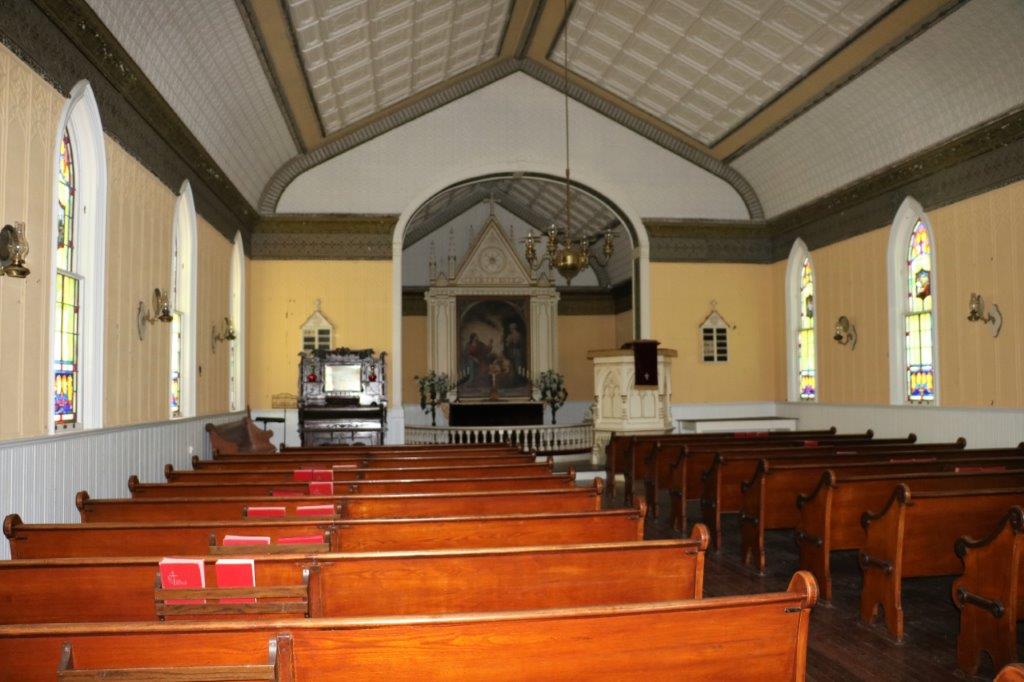
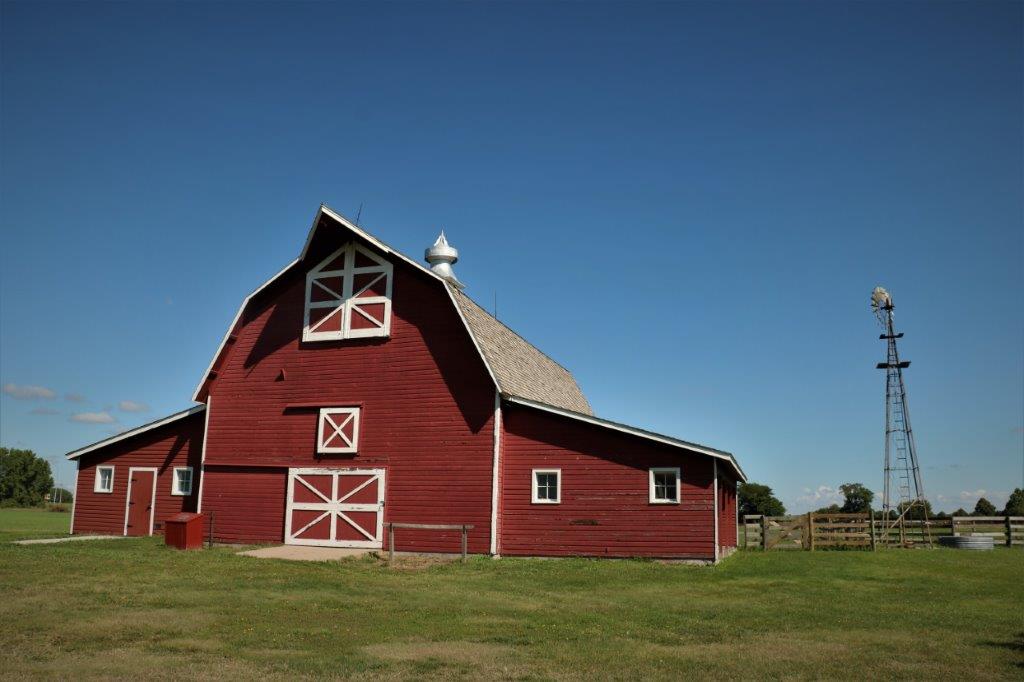
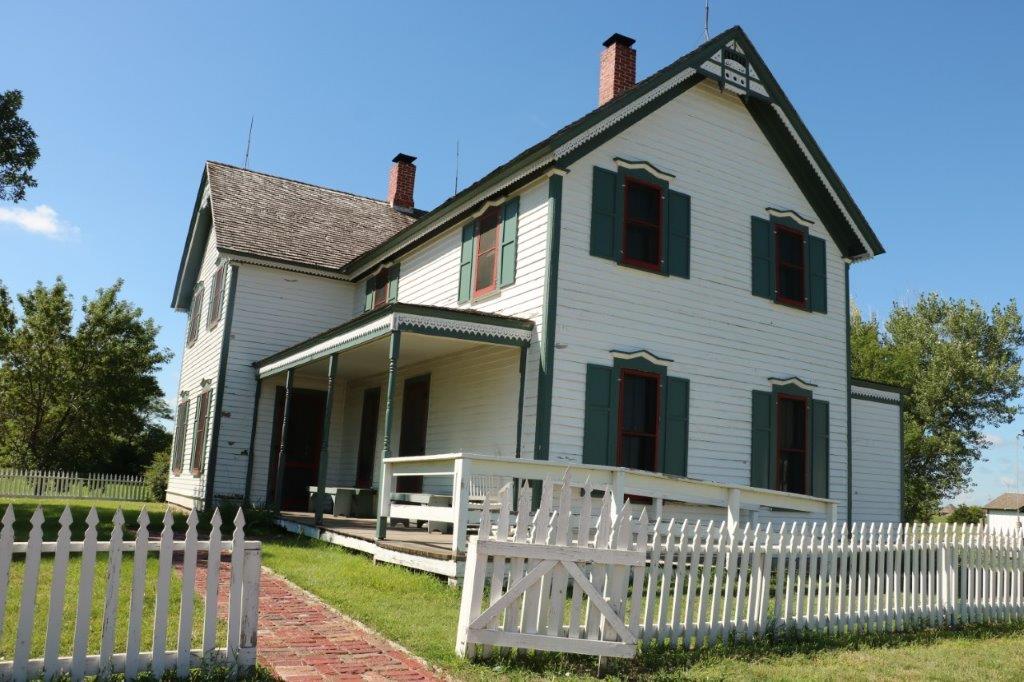
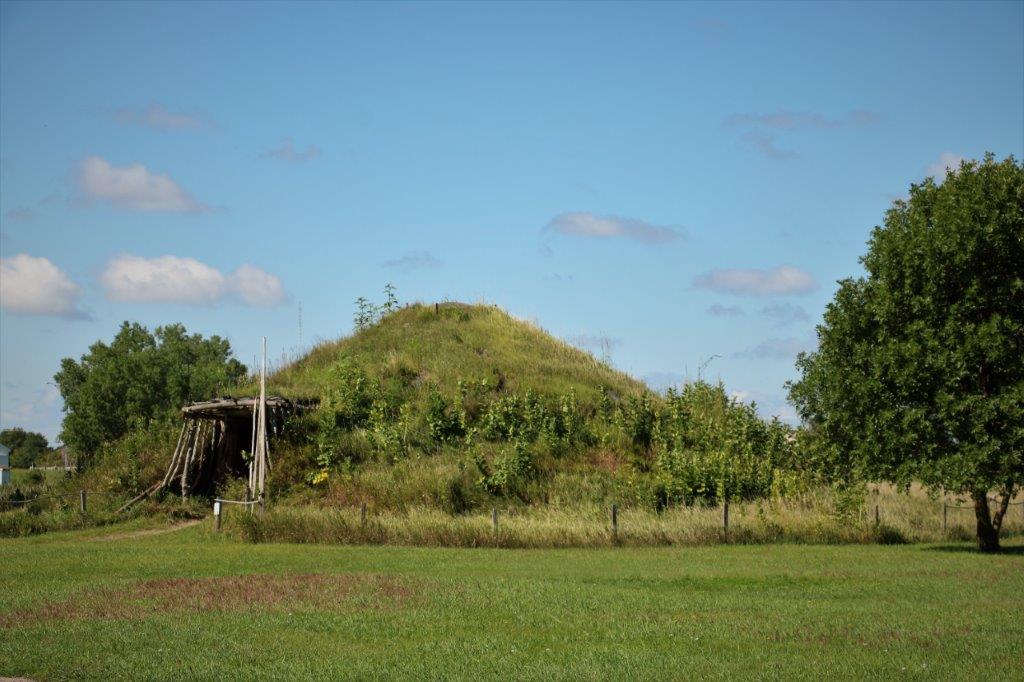
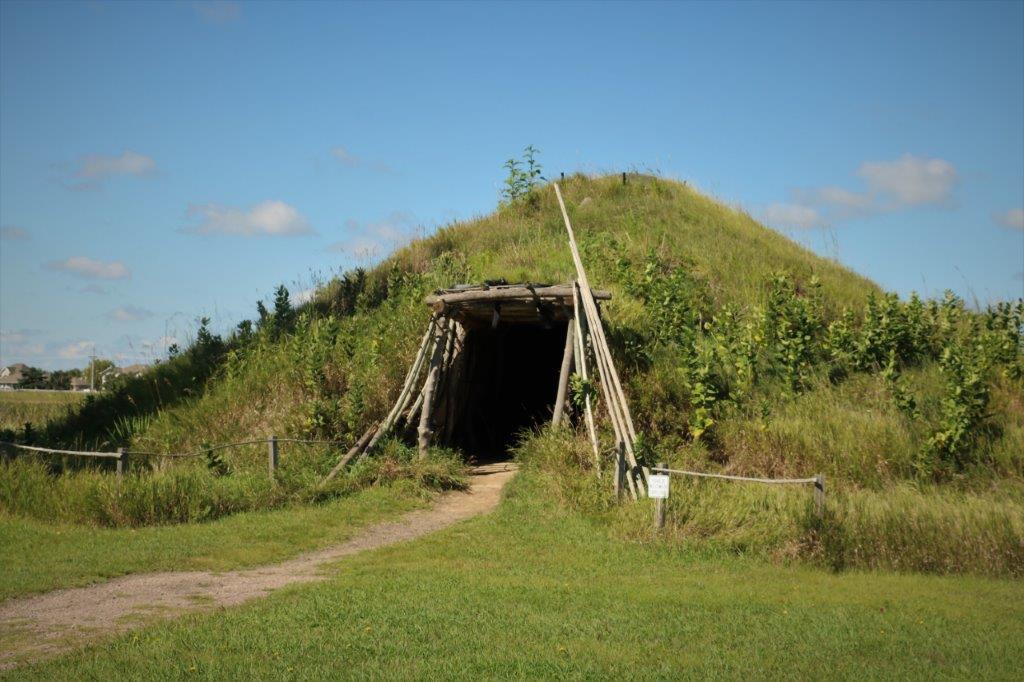
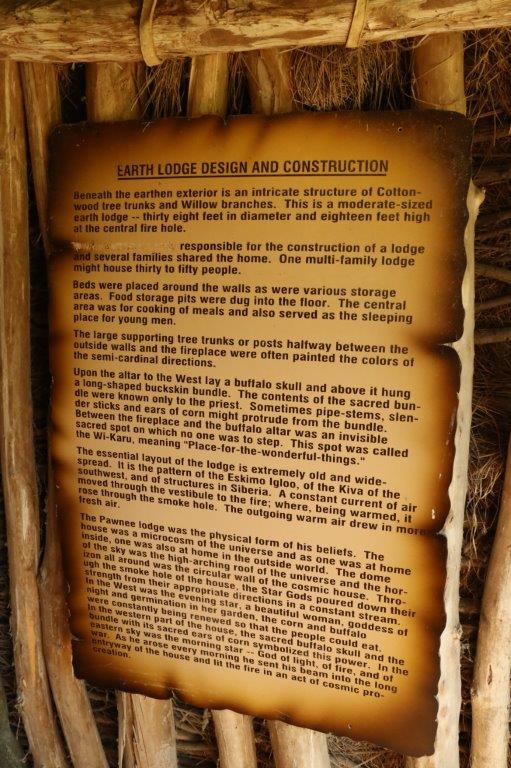
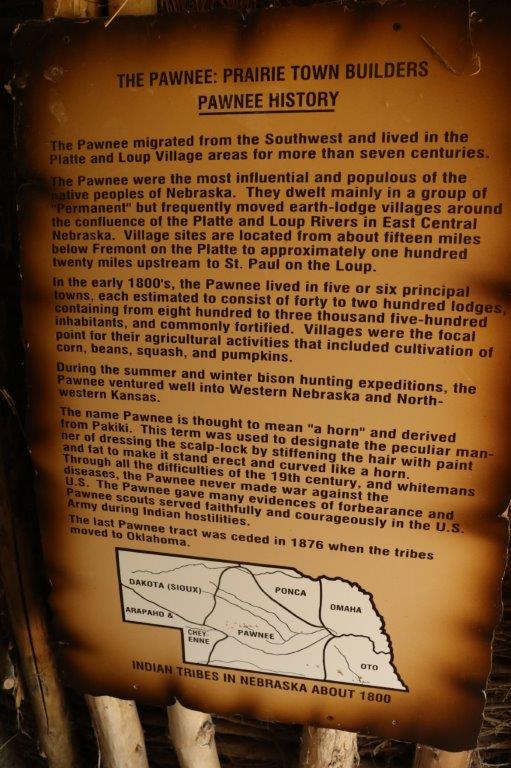
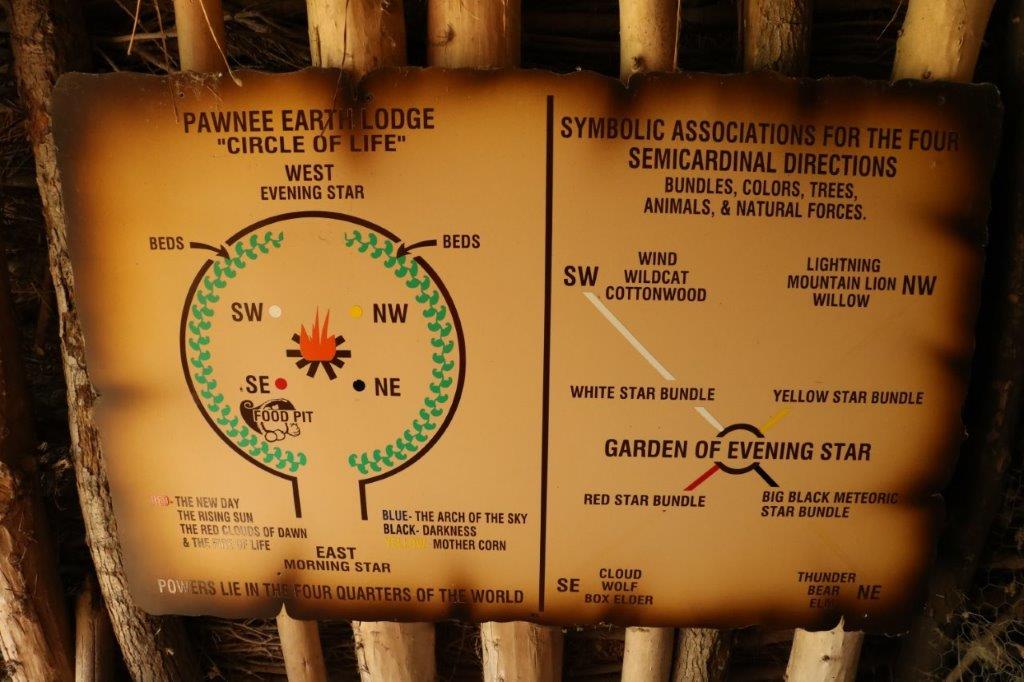
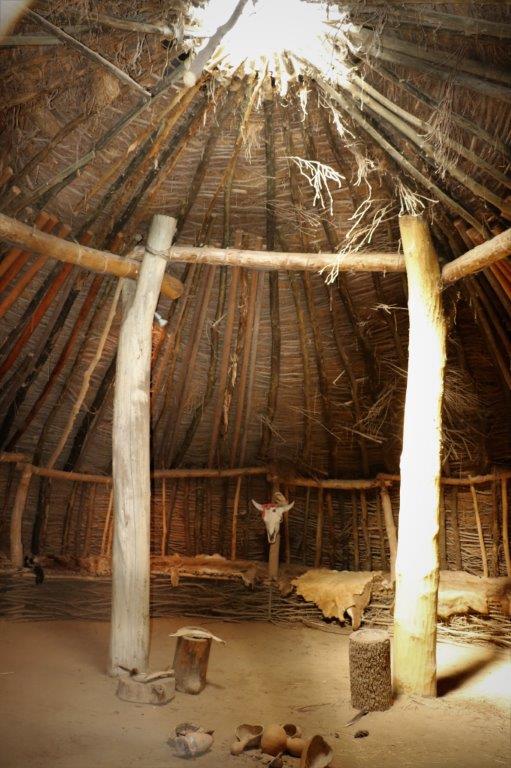
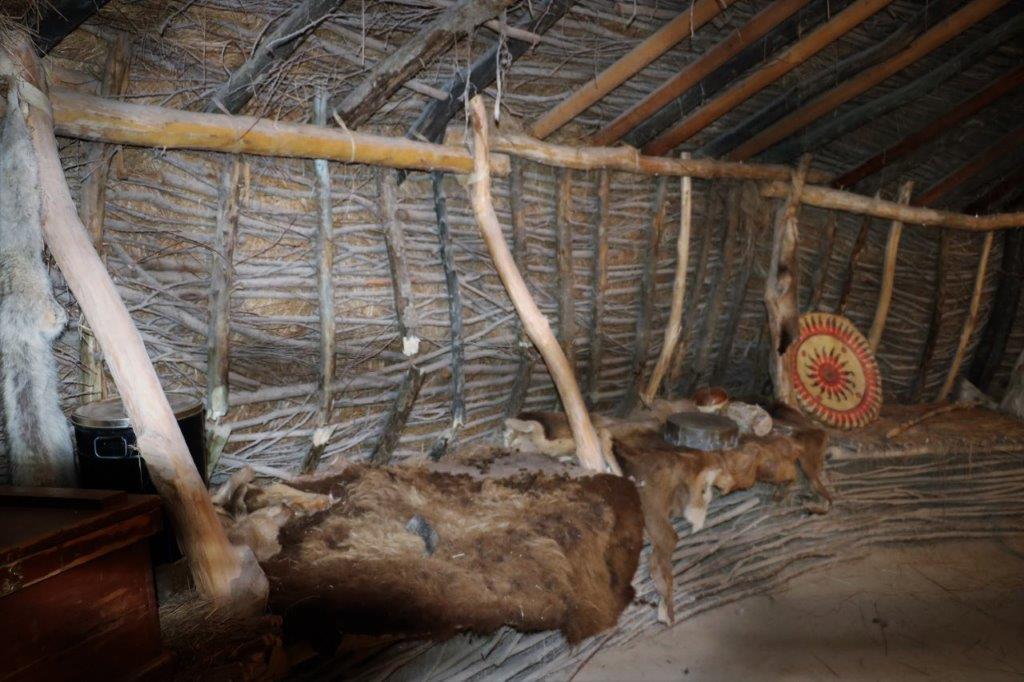
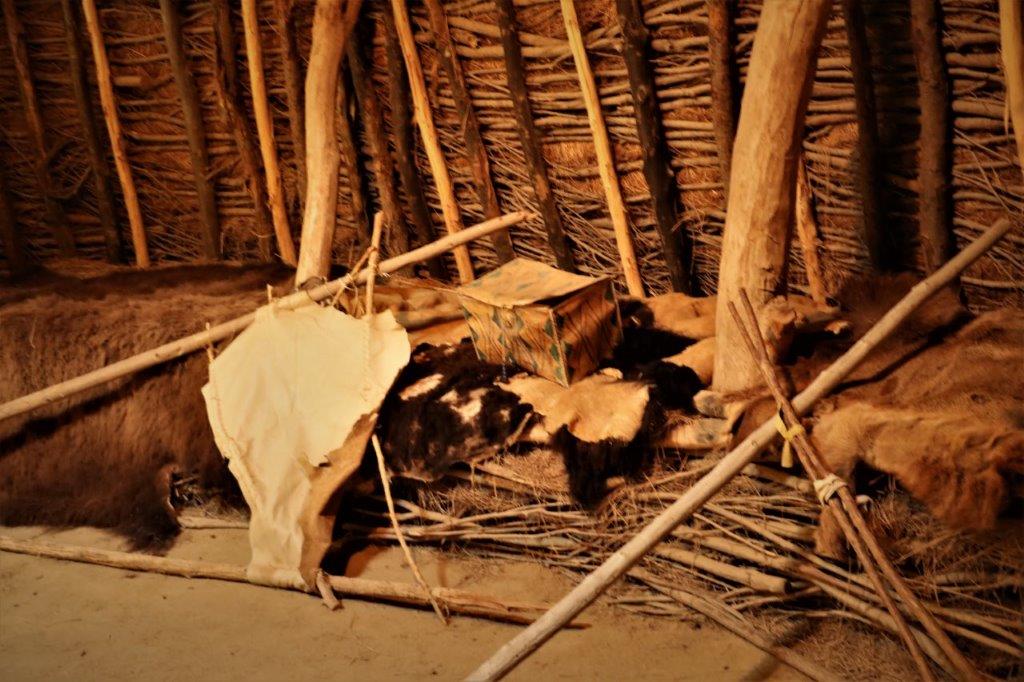
The large animal table was pretty clever.  It was on a frame that could be rotated so the table would be turned vertical, the horse would be brought beside and strapped to the table then sedated and the table would be brought back to a horizonal position so the animal could be treated or operated on.  Really slick.  Of course we had to stop and give some fresh grass to mama goat and her kids on the way back to the truck. The drive back out of the museum took us past an old one-room school and Immanuel Evangelical Lutheran church.  We looped the driveway of an 1860 farmyard. And continued down past the the house of the Taylor Ranch (the original land owners) to a replica of a Pawnee Earth Lodge. We spent just over two hours at Stuhr but then we had to be on our way.  We were due in Maryville, Missouri before 6 pm to visit with a friend, Peter, who had lived in Salmon Arm and was in the fire department with John for several year.  He married Elizabeth from Missouri and now lives in Maryville. We were spending the night at their house.

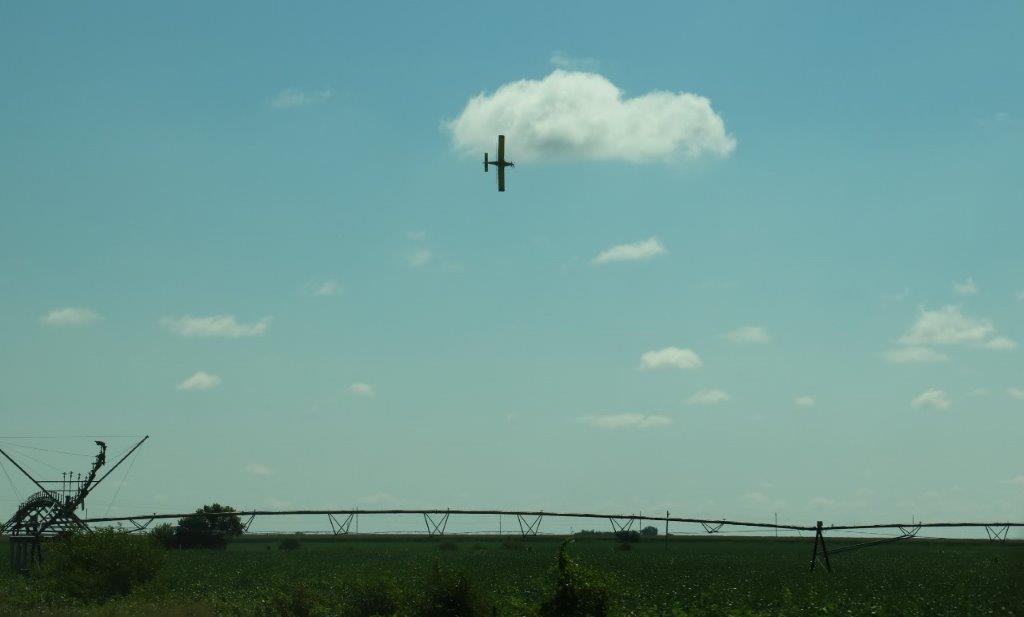
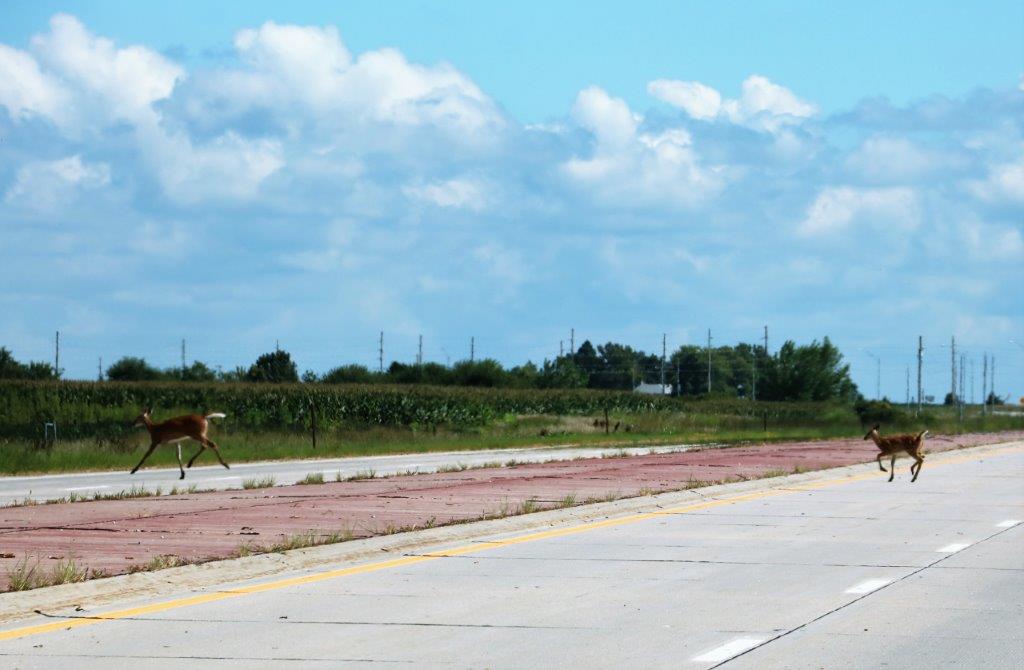
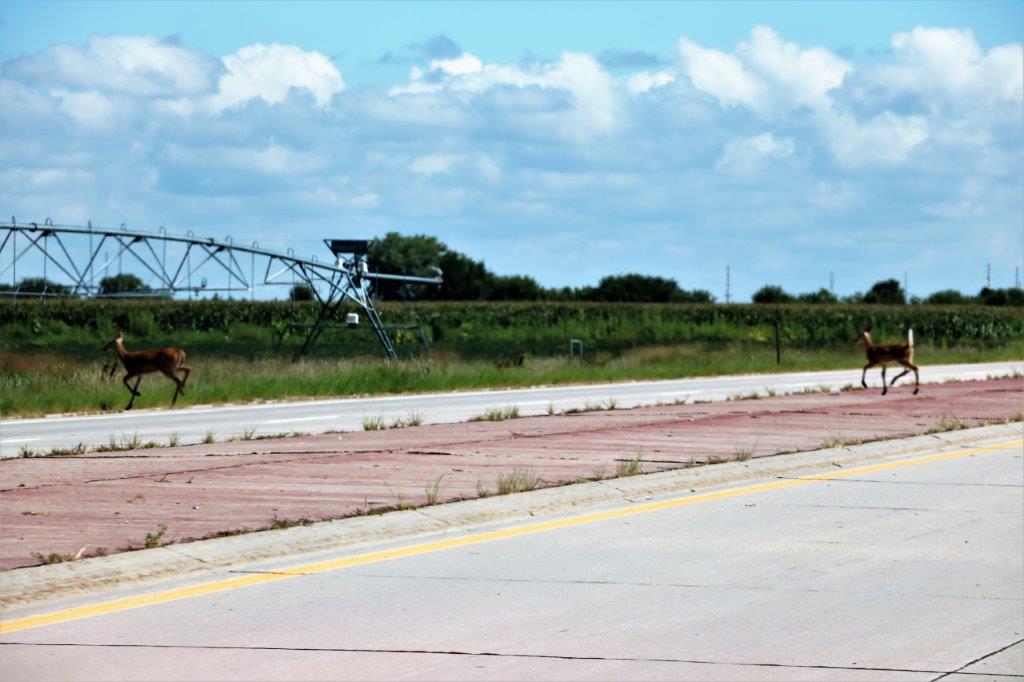
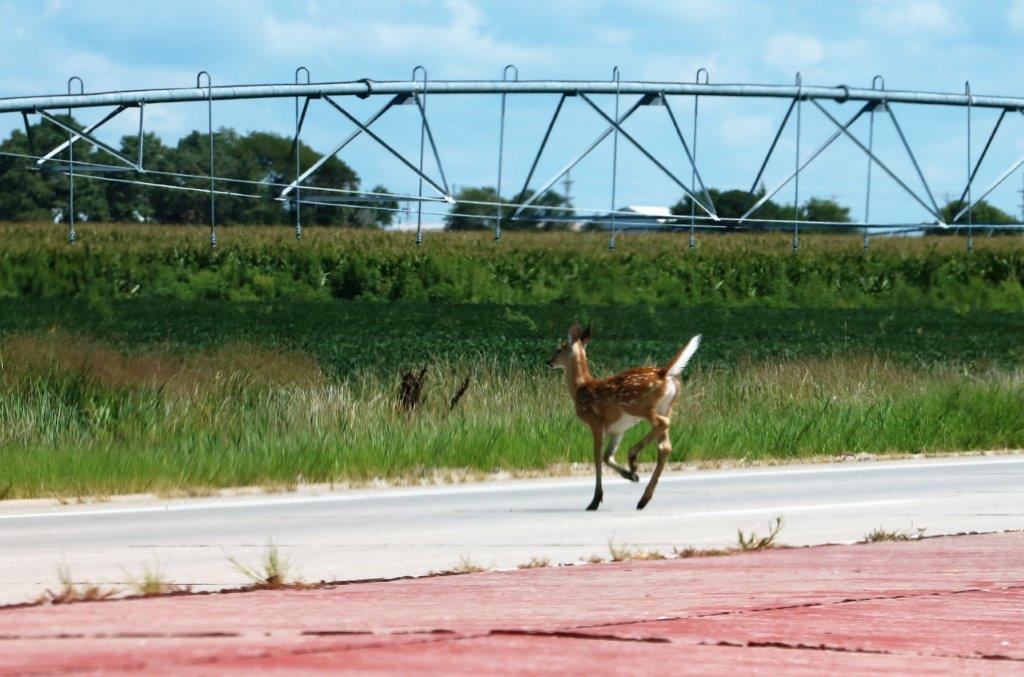
We saw a crop dusting plane flying over one of the many, many, many fields of corn.  I could not get a photo of it as it skimmed the crop but man the fellow could fly low and straight.We also had a mama deer and her little one cross the road in front of us.

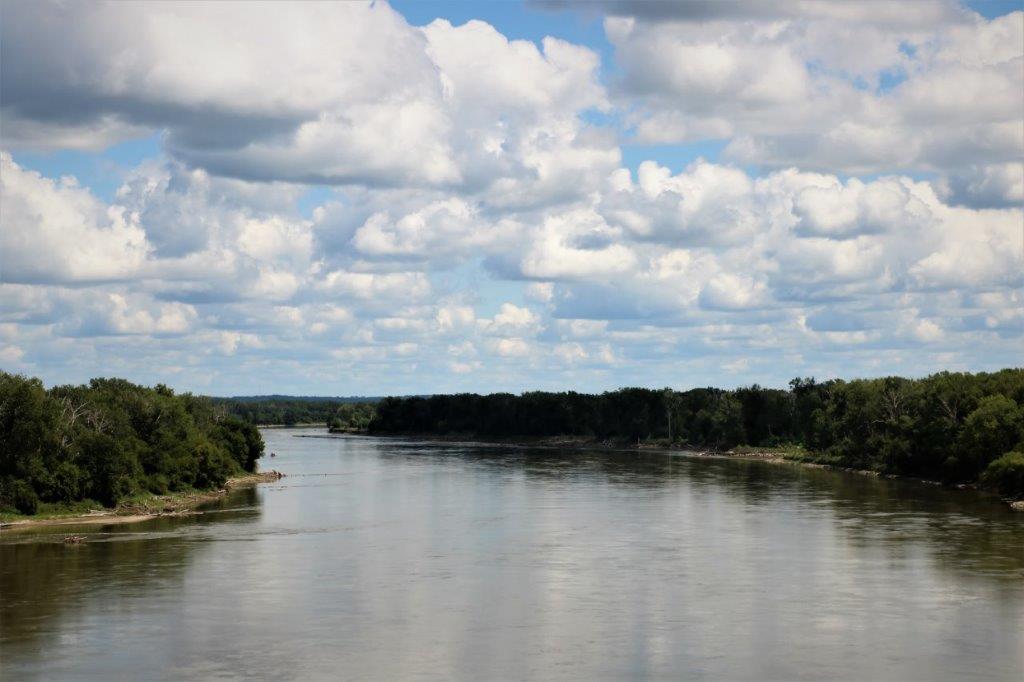
To get from southeastern Nebraska to Maryville in northwestern Missouri we cut kitty corner across the bottom of Iowa, and once again crossed the mighty Missouri River. The Missouri is the longest river in North America and serves as the border between Nebraska and Iowa, and Kansas and Missouri so by the time we arrived in Branson we had crossed the river several times. There was a geocache hidden at a small lake on the opposite side of the road. Traffic is light in these bread basket states so it was no problem to make a quick left and go find it. After all our days of driving through flat cropland it was nice to get into some treed areas with hills.  Many of the corn fields in southwest Iowa are actually terraced for easier seeding and harvesting. There is a geocache series that takes you to the locations of old one-room schools – over 250 of them and counting.  The road we were on allowed us to find about four of them.
There are metal signs indicating where every school was (of course most of them are now gone) but I thought it was neat that the locations were still recognized.  This is the Lone Star School which operated from 1874-1956 and is on private property. The cache at this spot was near the fence line on the roadside. And, at last we reached our friend’s house in Maryville at quarter to five.  We had a visit, went for dinner, visited some more and went to bed.  Once again we had had a good day with good roads and good weather and at the end it was very nice to meet Elizabeth and see Peter again.


2017 Aug 10 – Mitchell, SD to Grand Island, NE

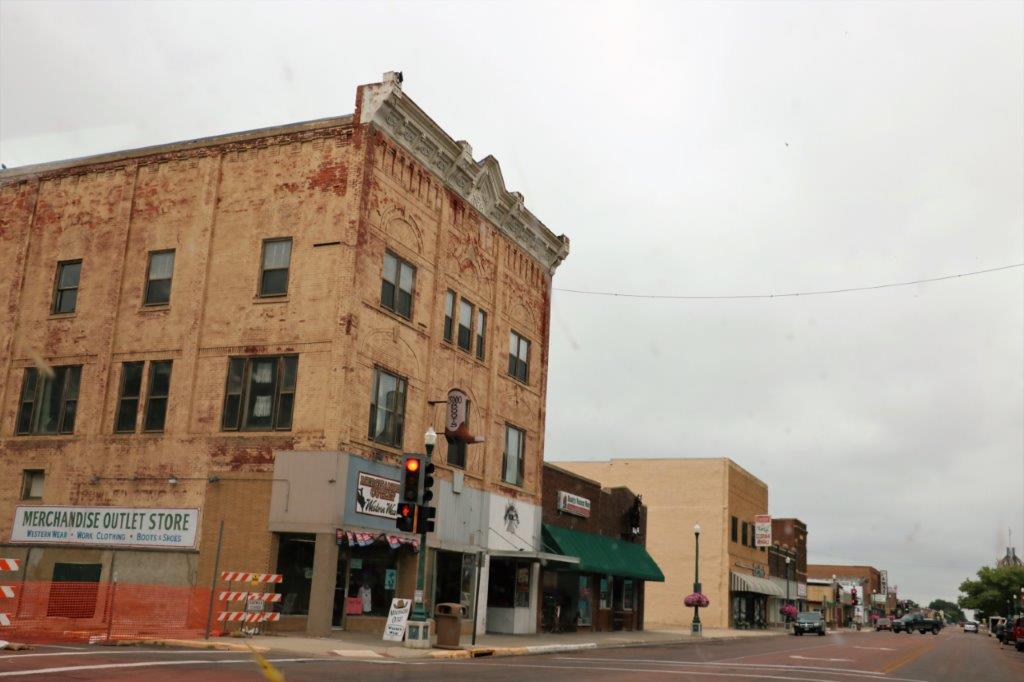
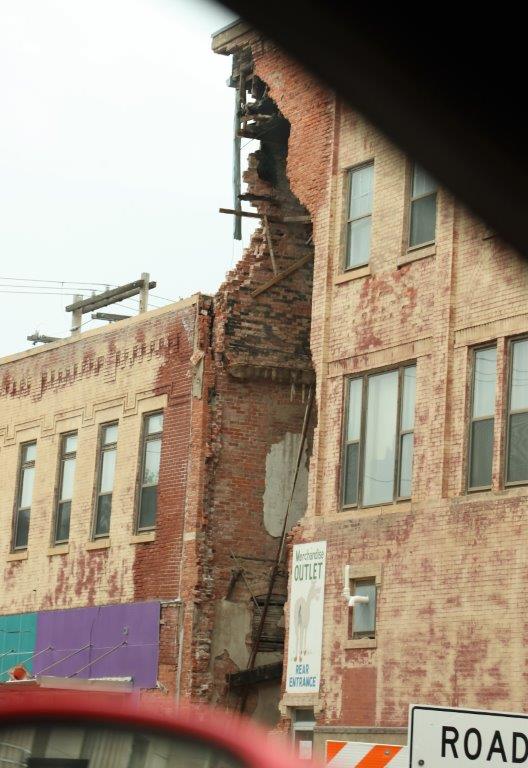
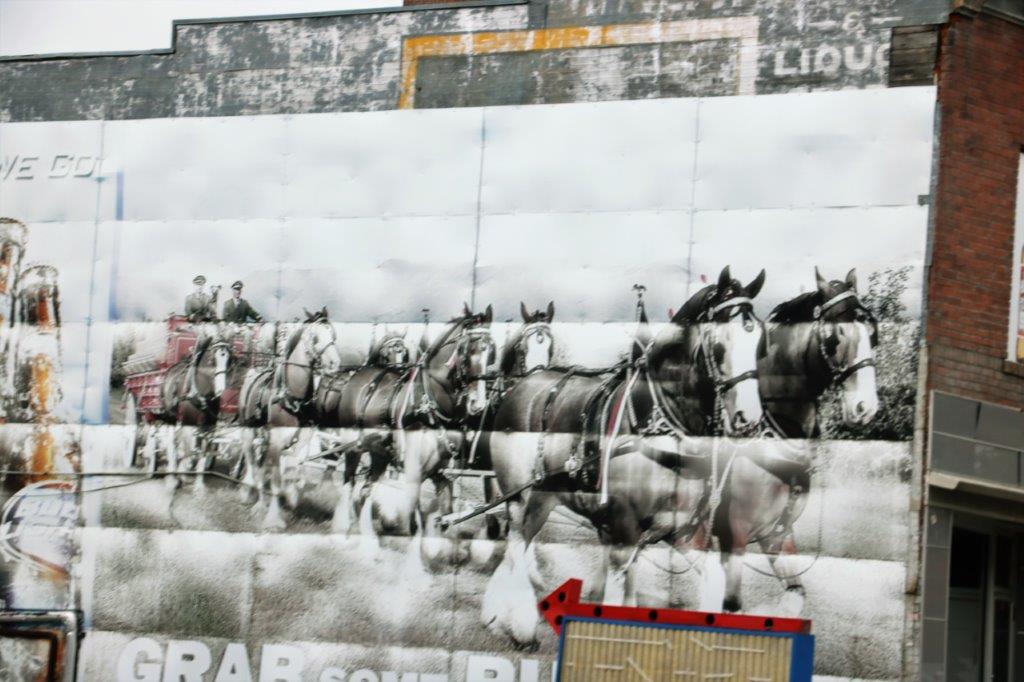
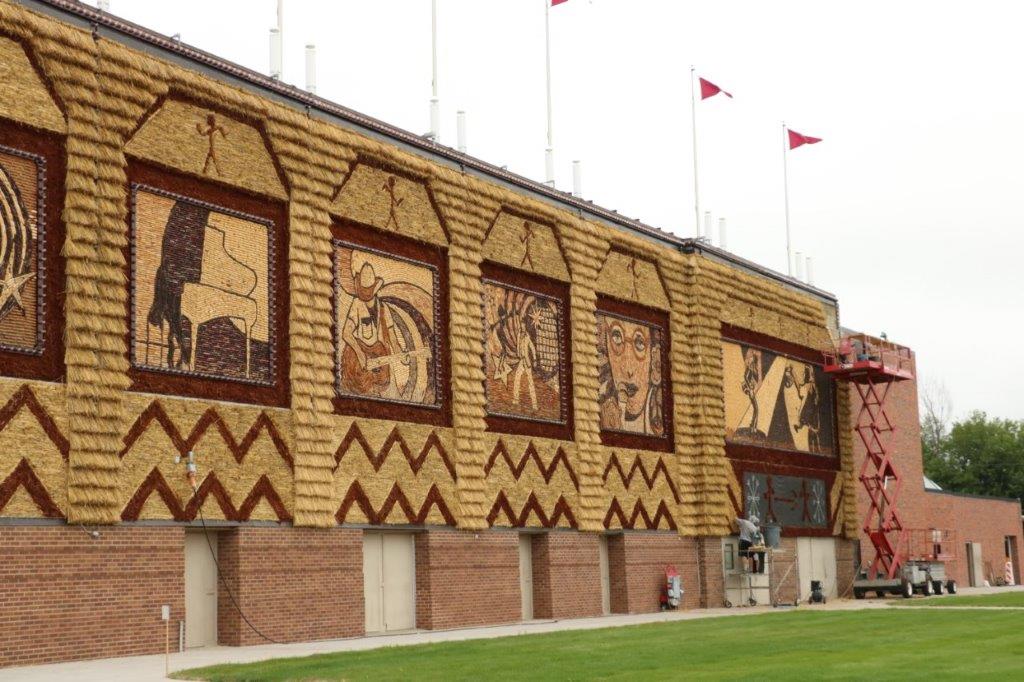
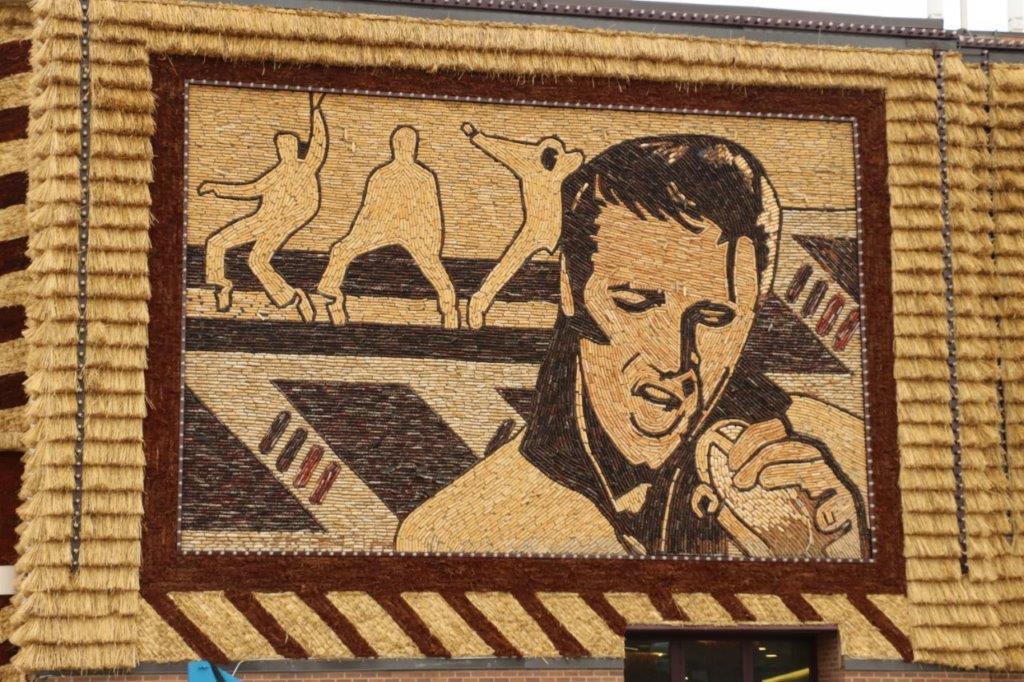
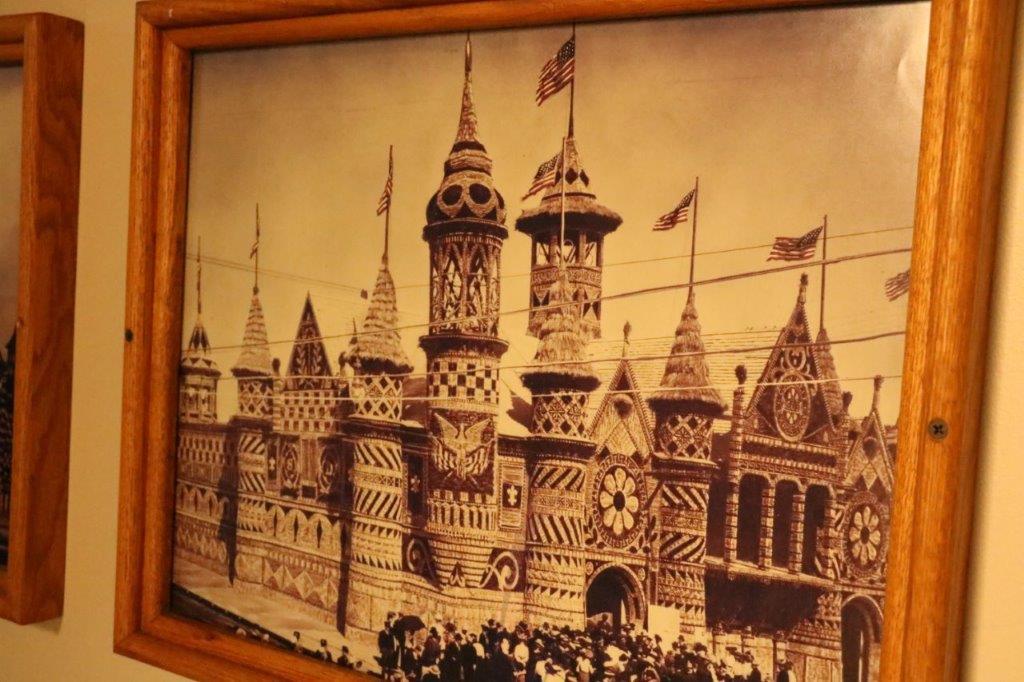
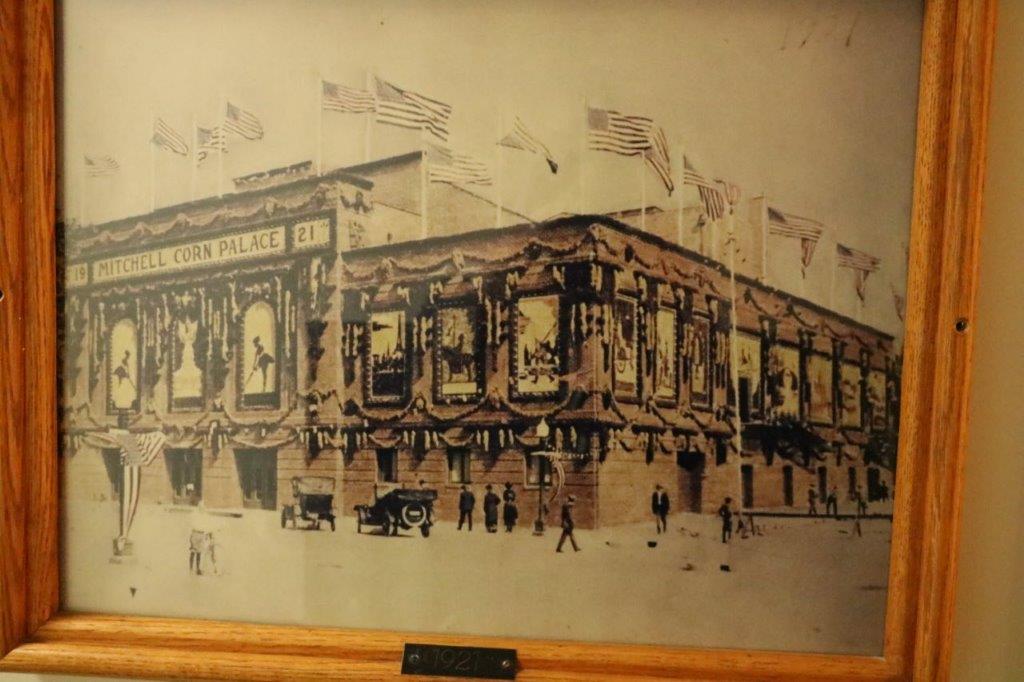
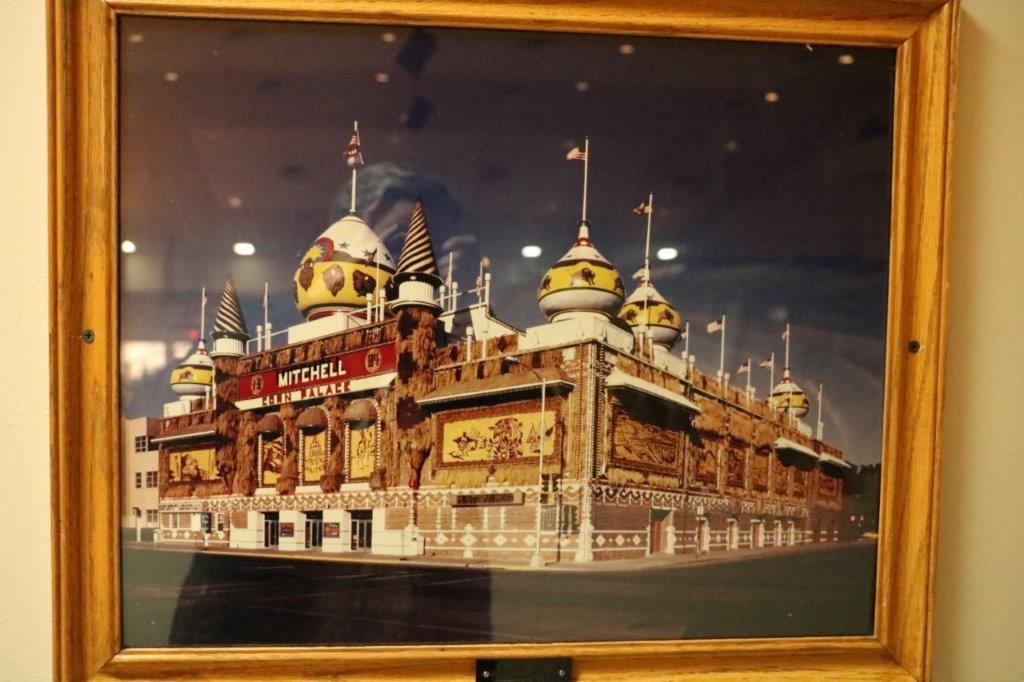
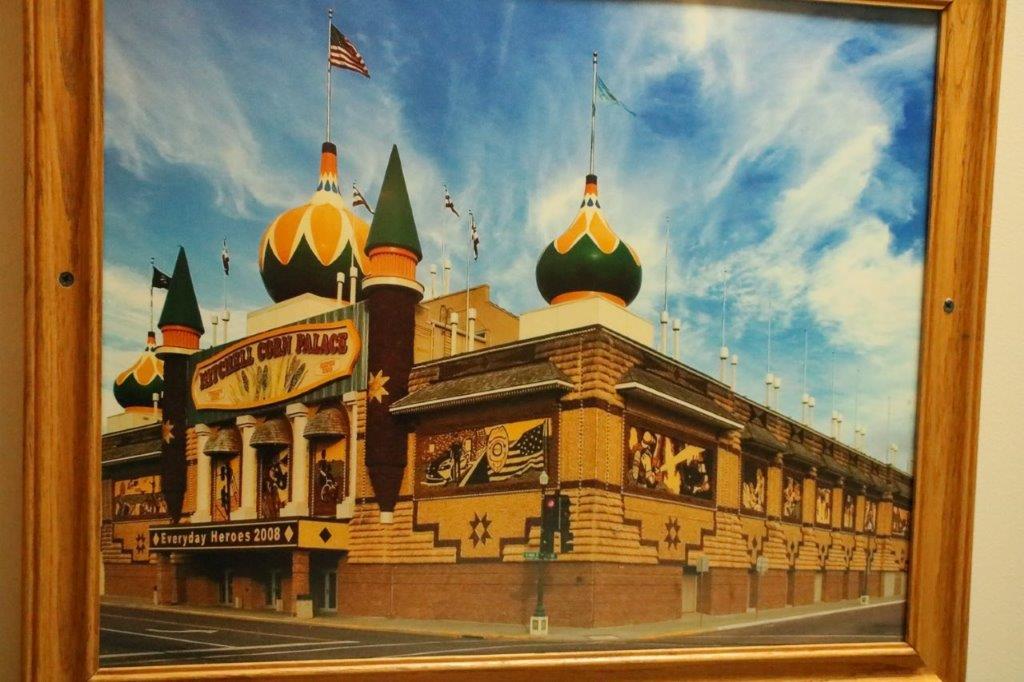
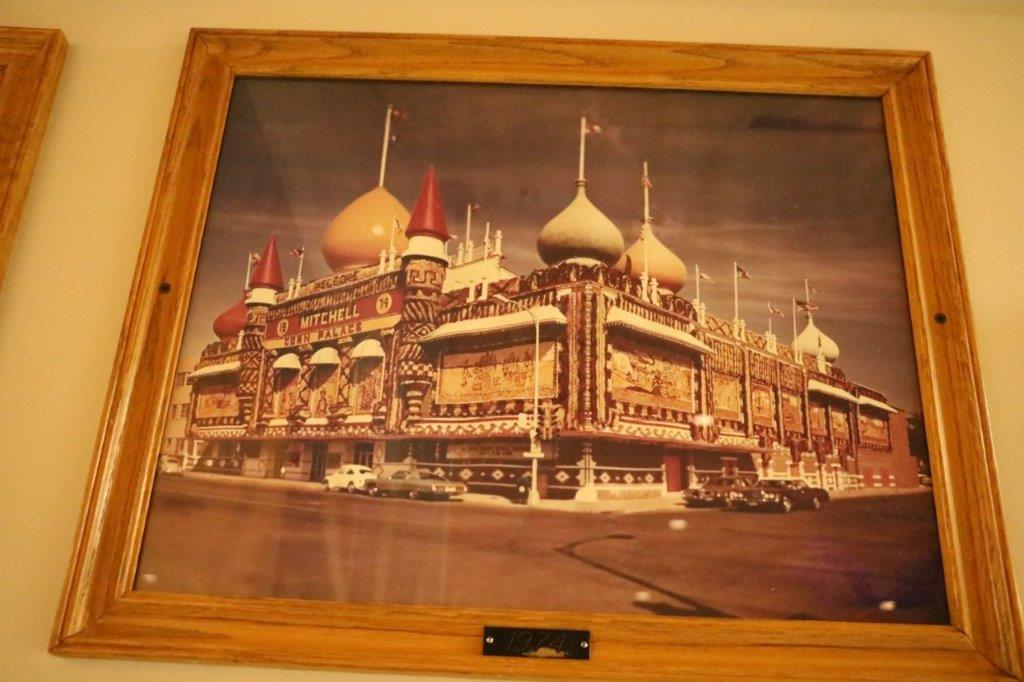
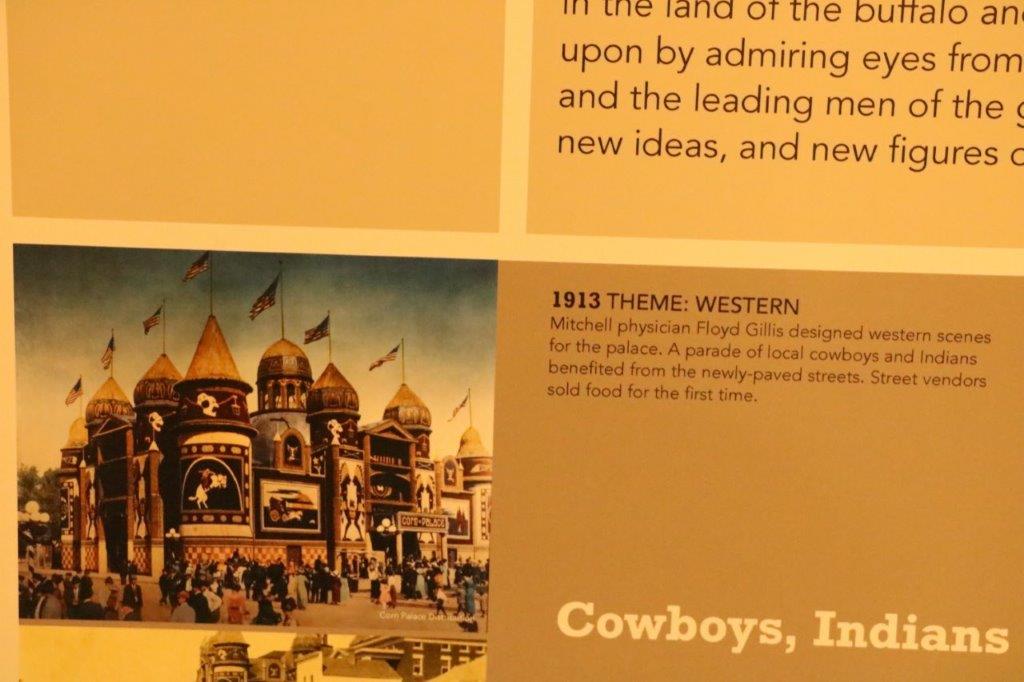
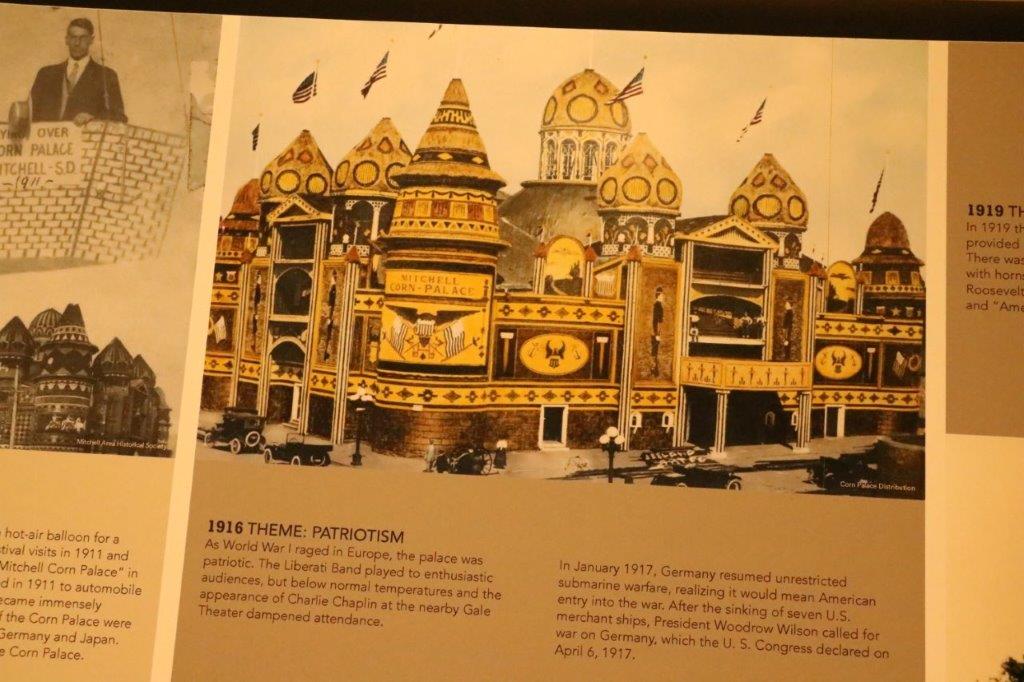
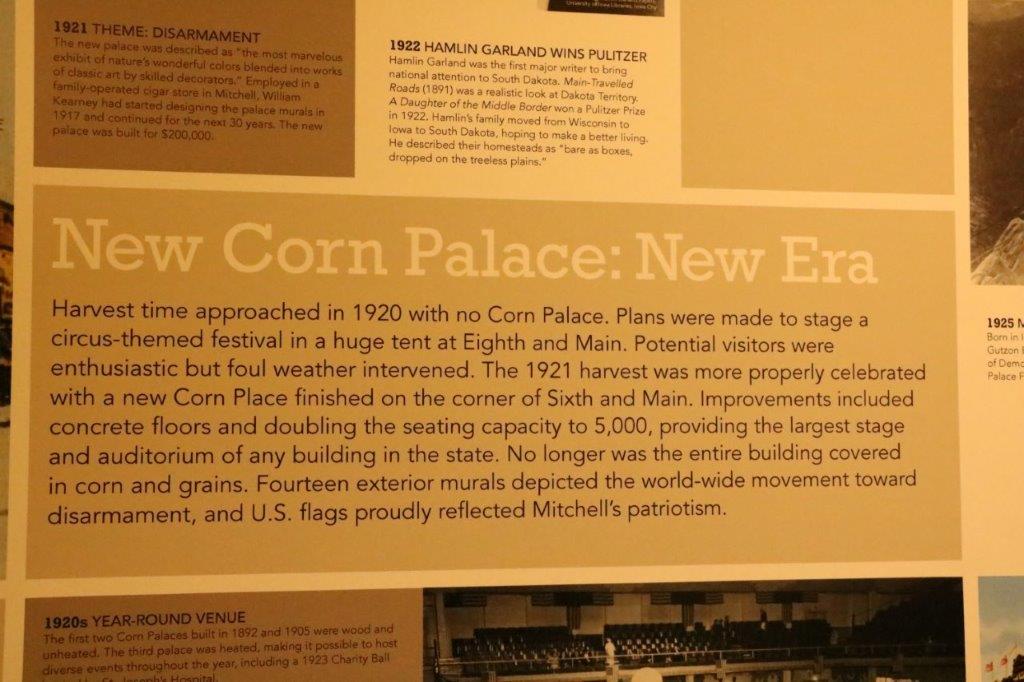
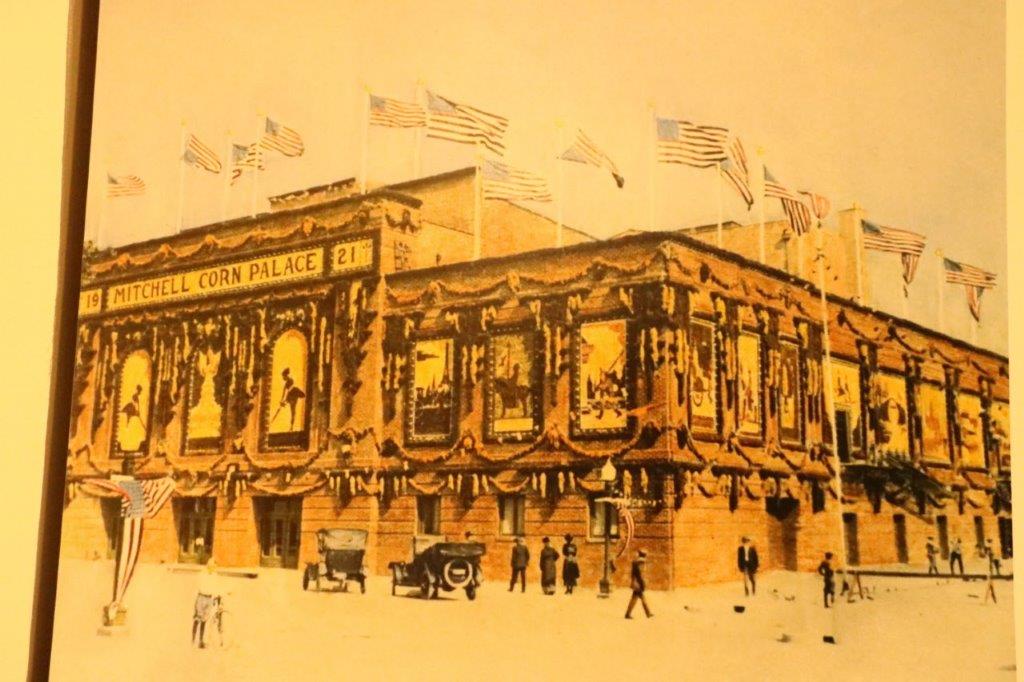
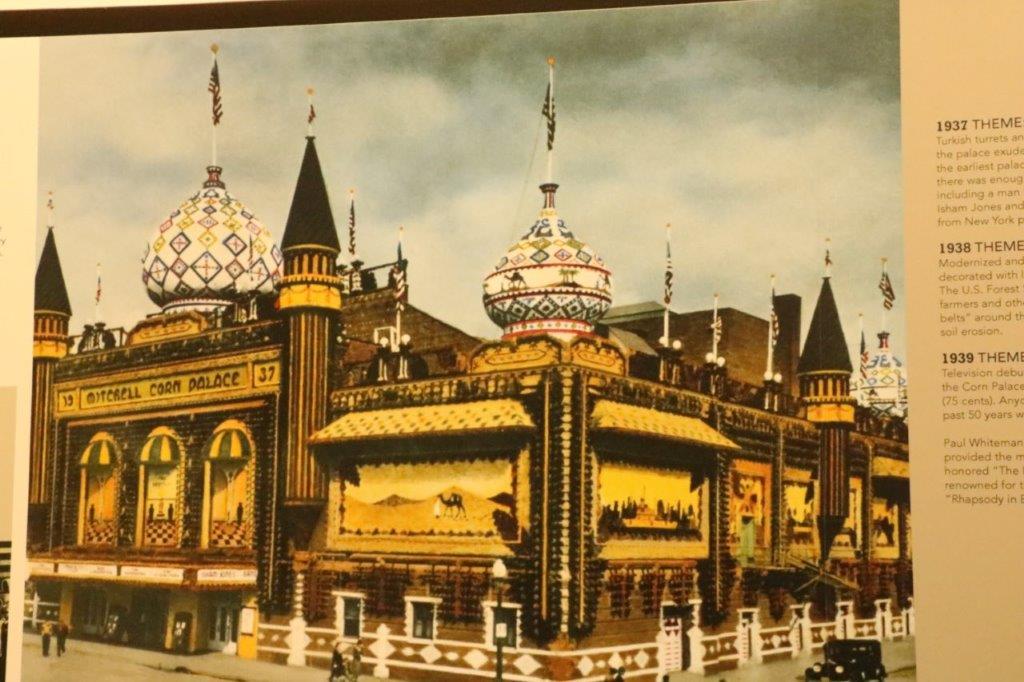
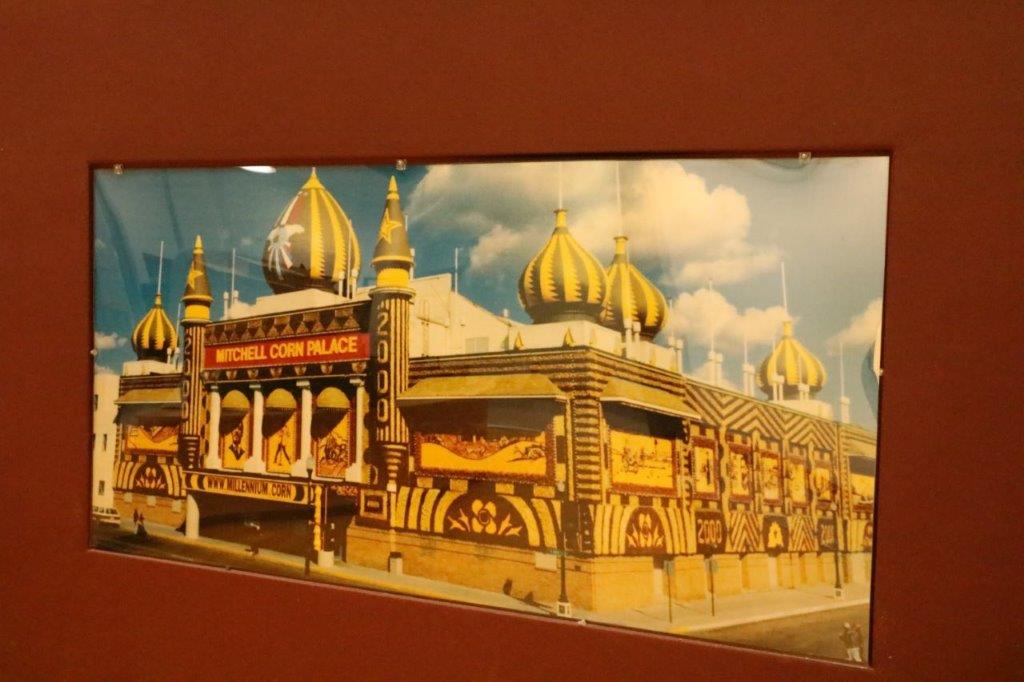
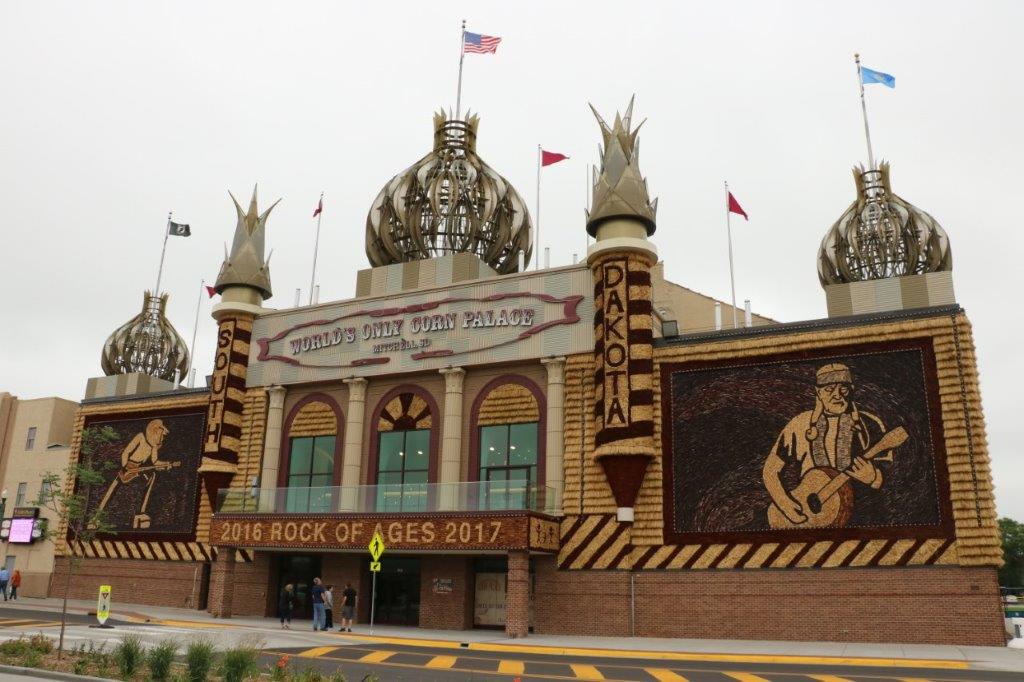
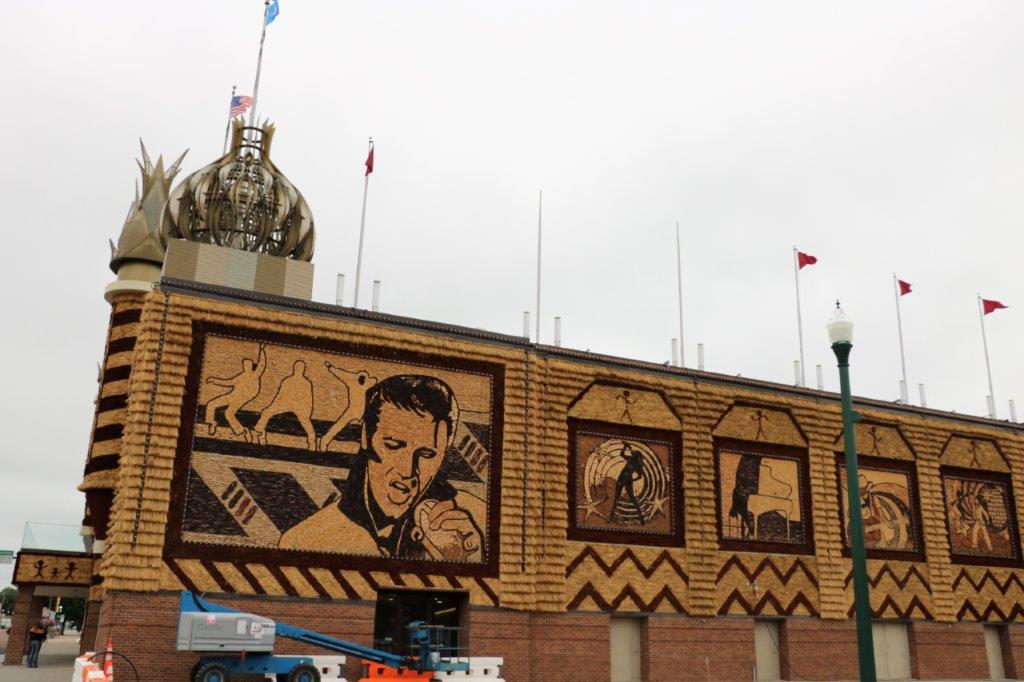
Yesterday we made a side trip into Minnesota to see Pipestone National Monument and then Devil’s Gulch which is just across the border back in South Dakota, but our real direction for tomorrow is south from Mitchell, so we made a three-sided box and ended up only about 120 miles south and west of Brookings, where we had spent the night before.Before we left Mitchell we took a drive into the old Historic district and checked out the famous Corn Palace.  The workers were still completing this years decorations.  The front of this old building has open businesses in it, but the back has a serious problem.I liked this large mural on the side of a building.

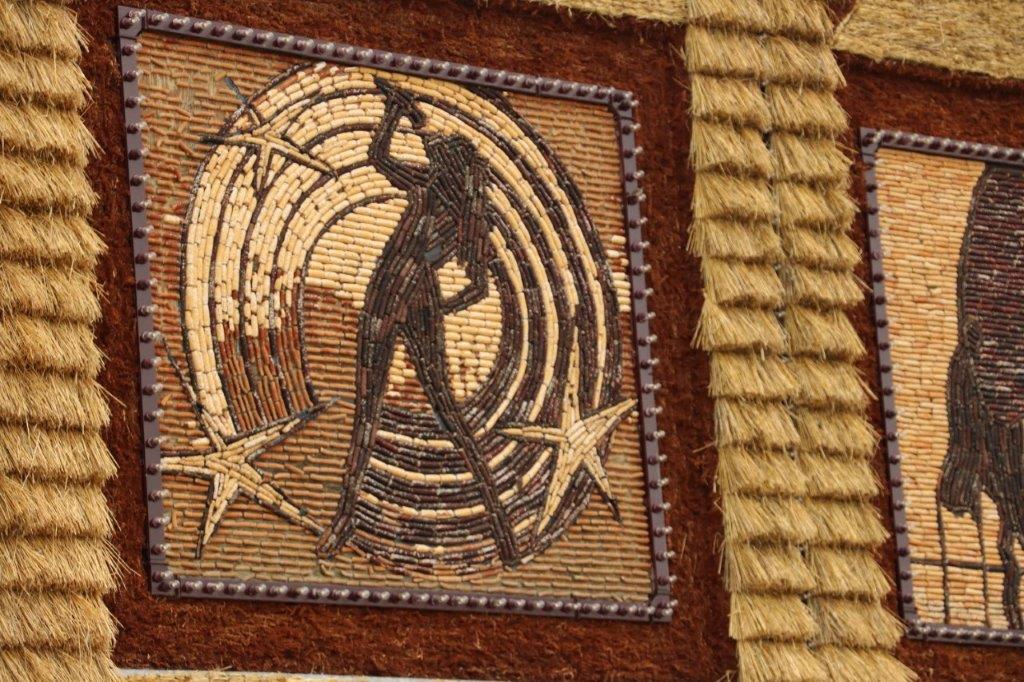
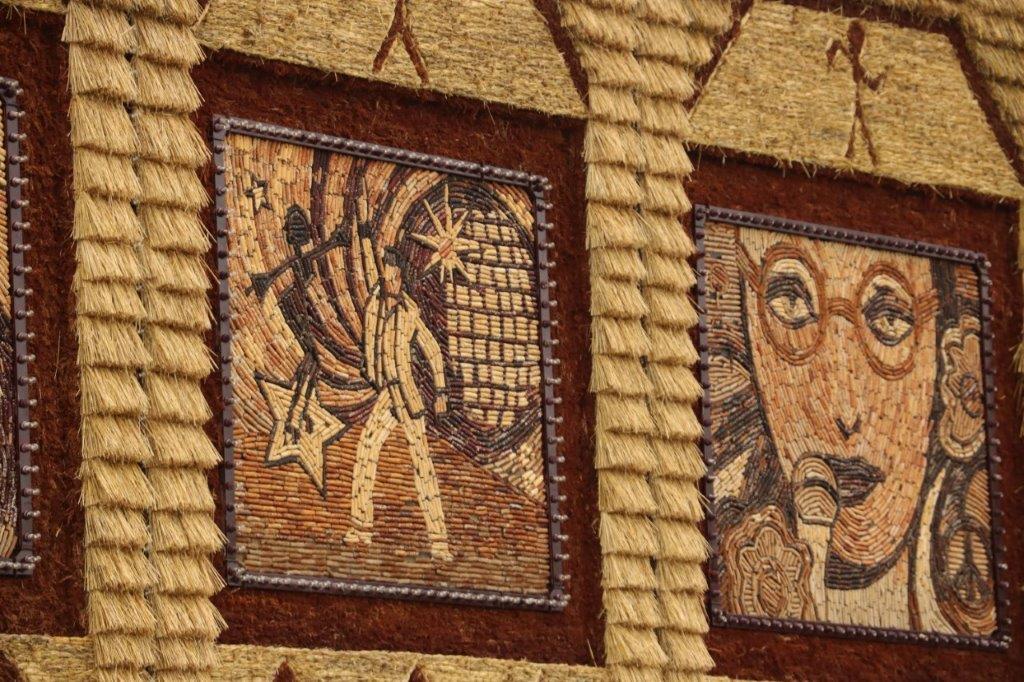
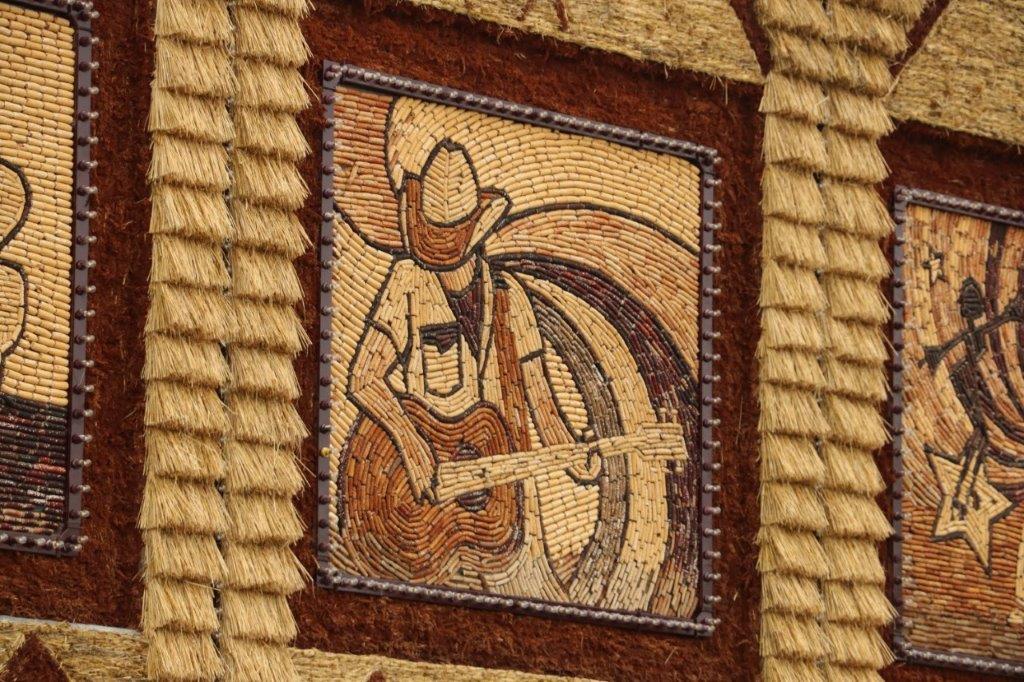
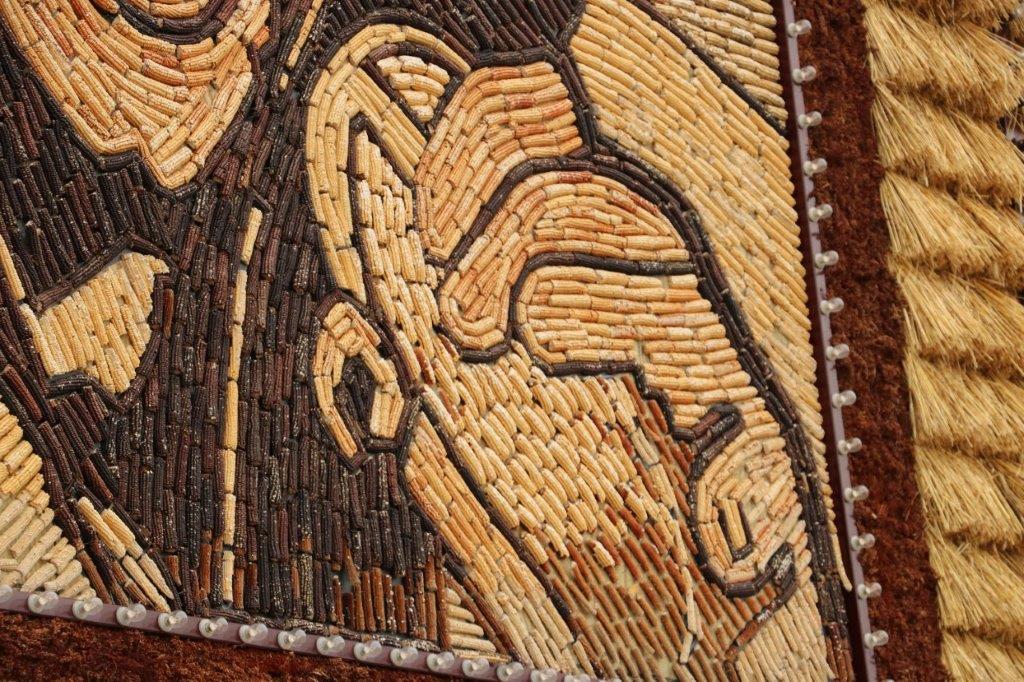
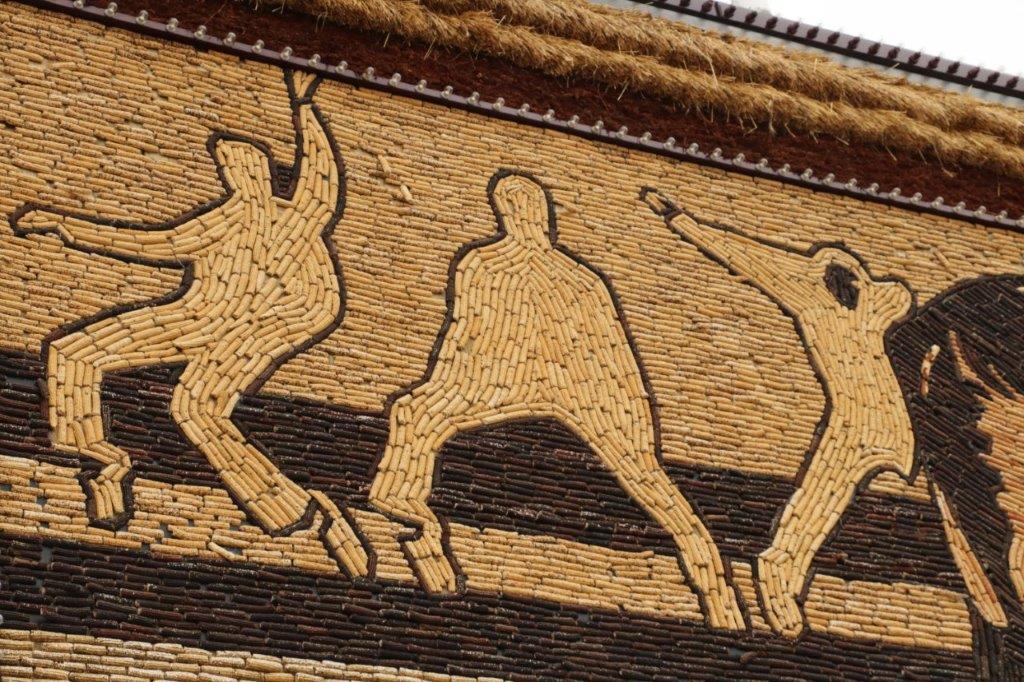
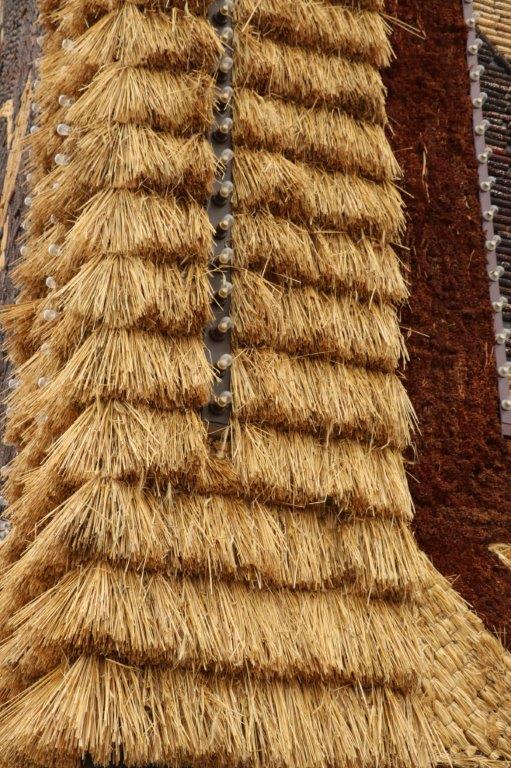
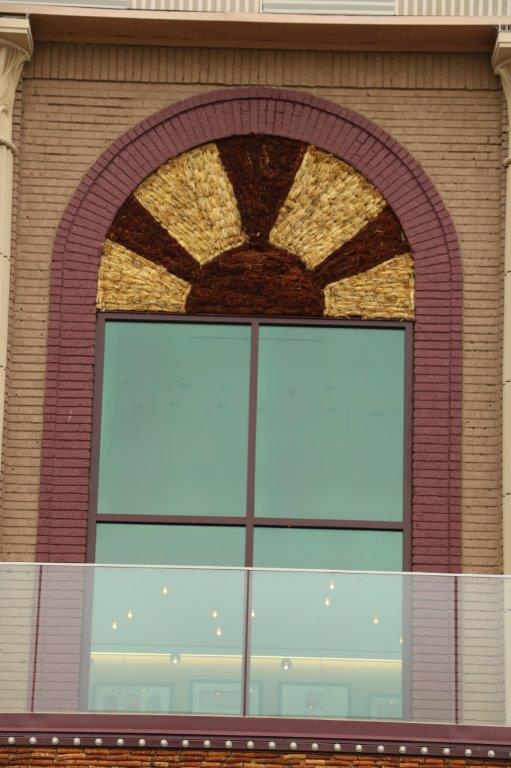
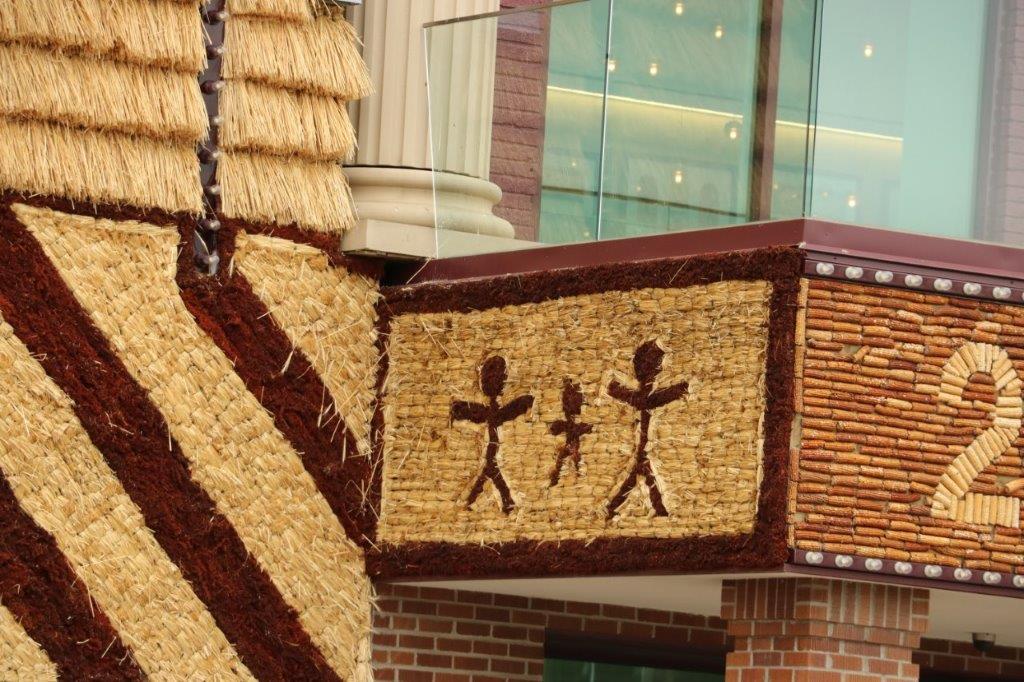
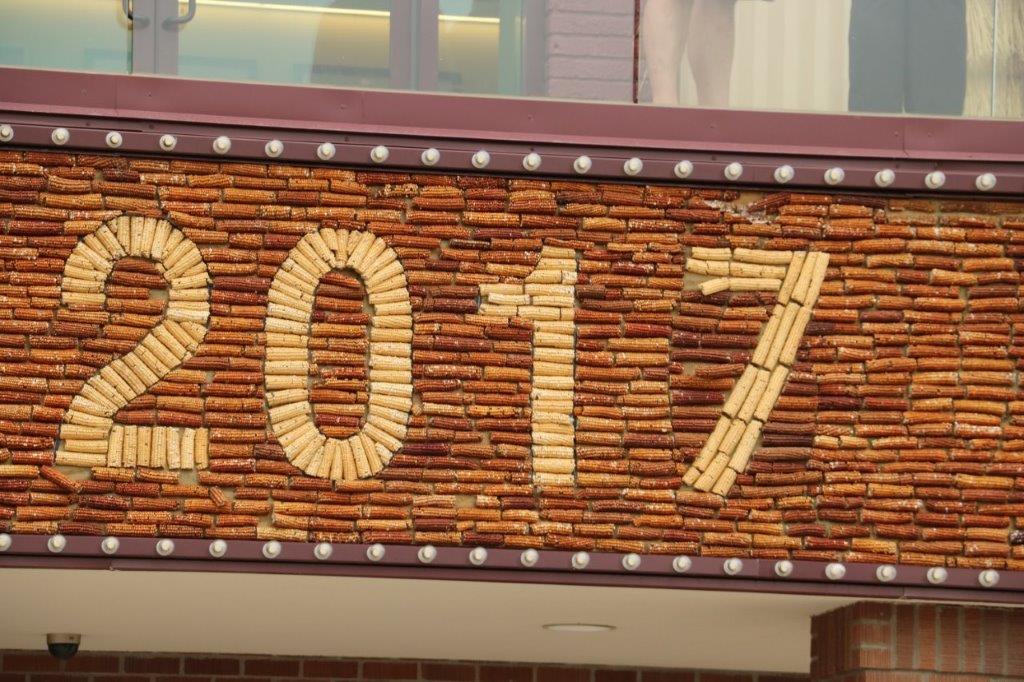
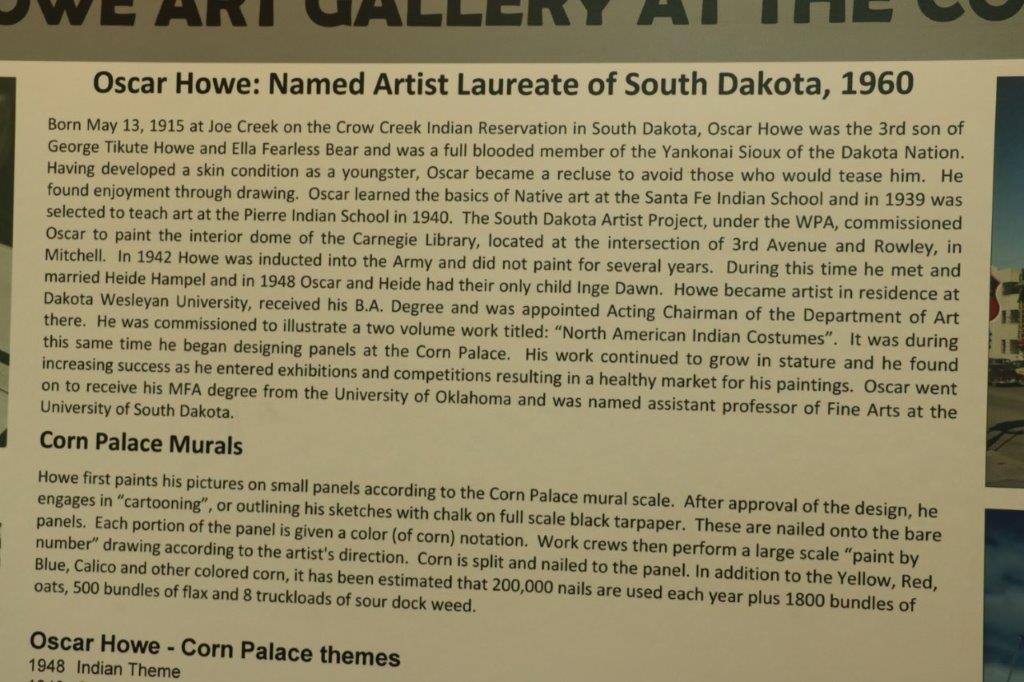
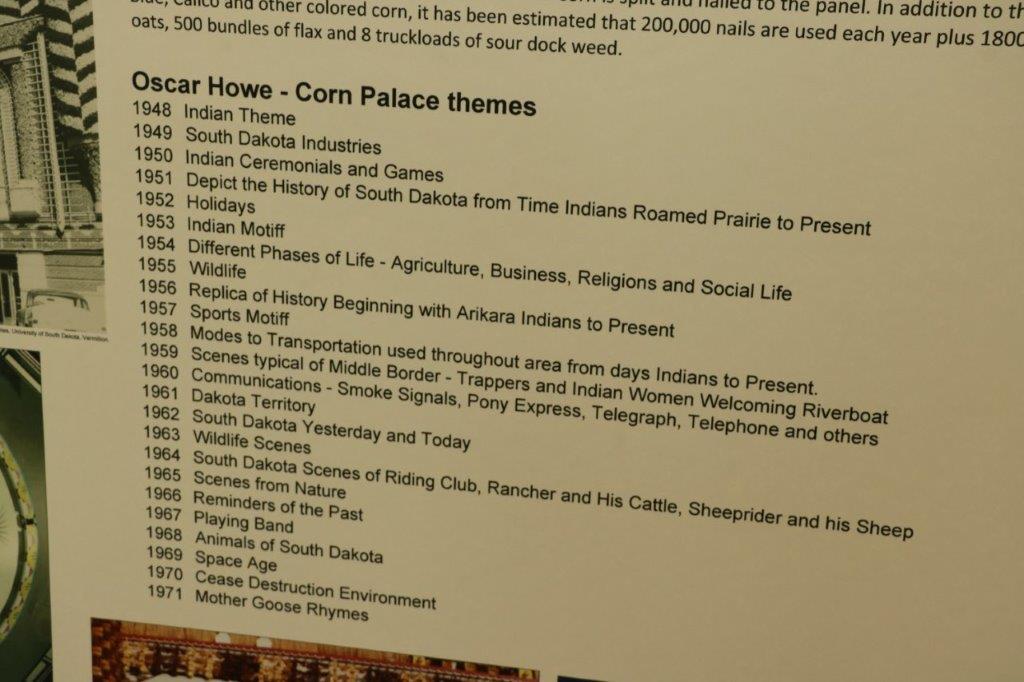
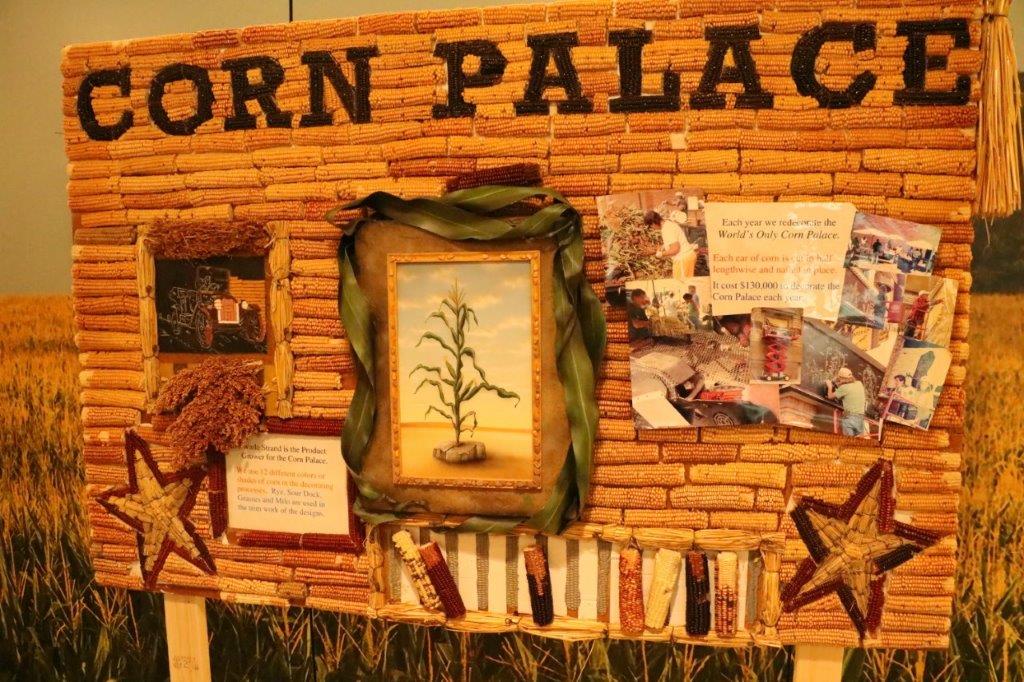
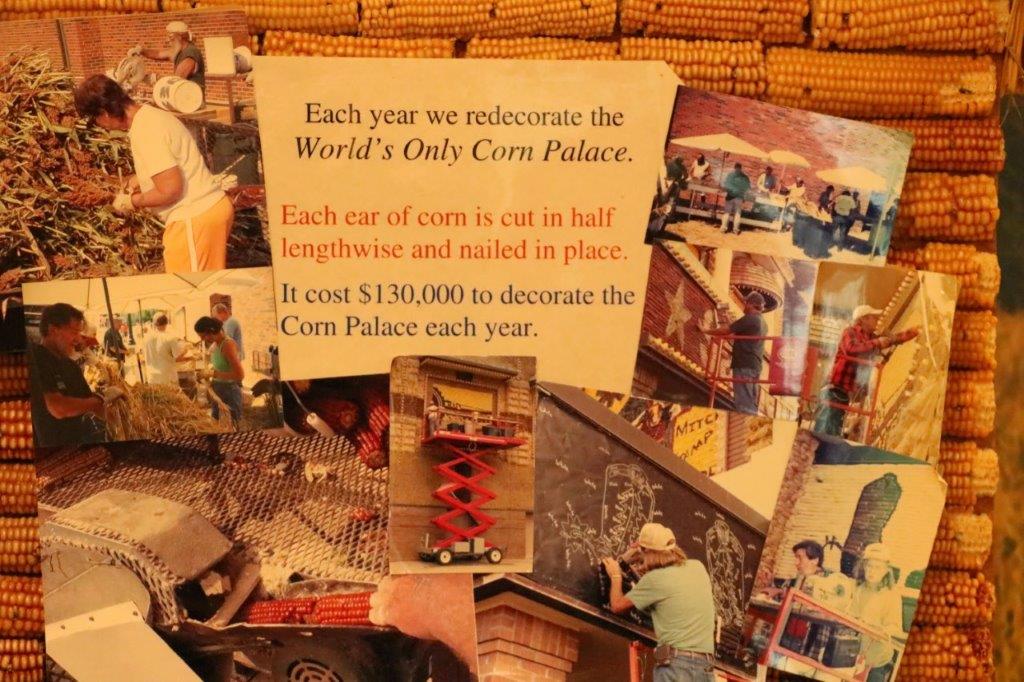
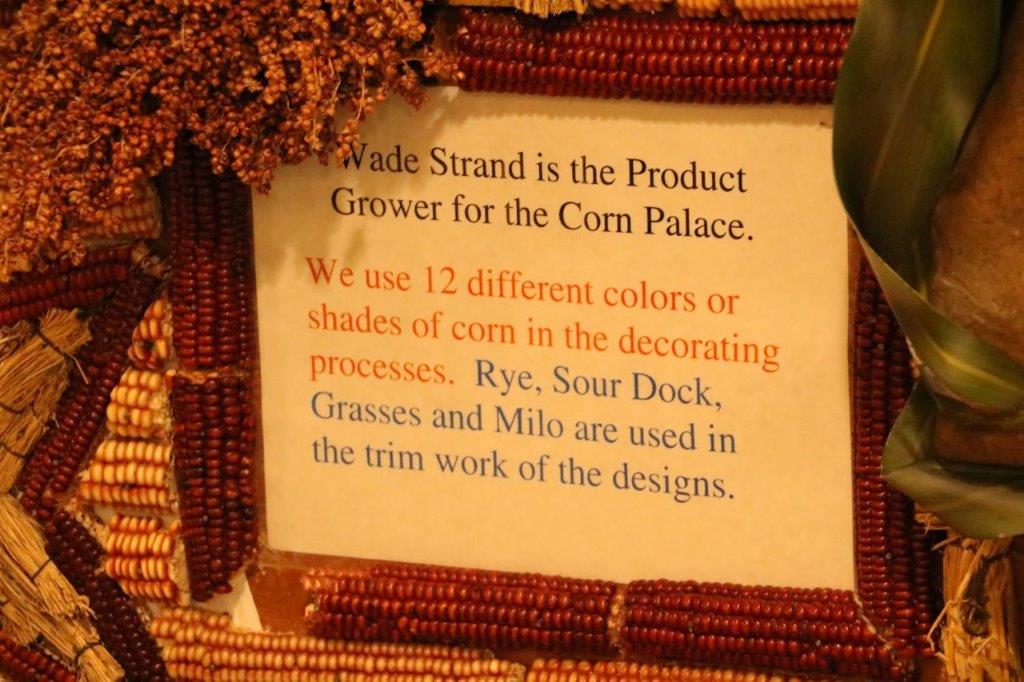
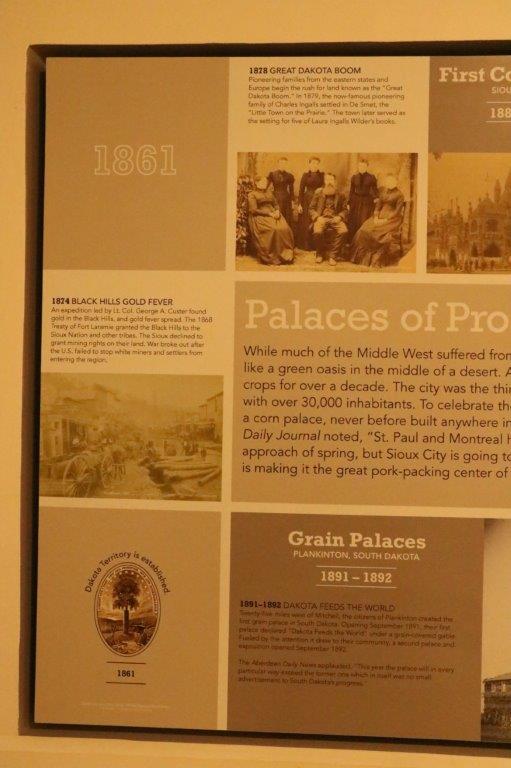
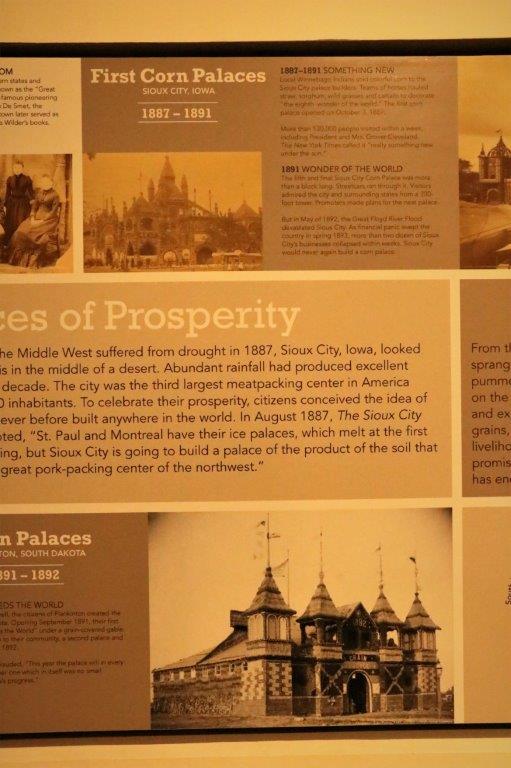
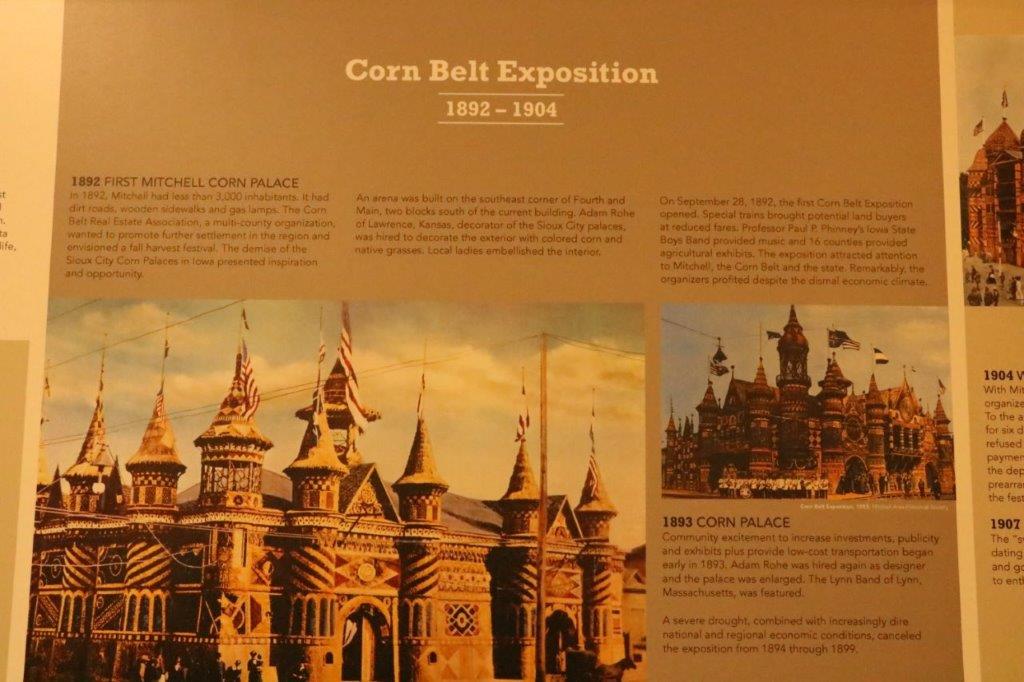
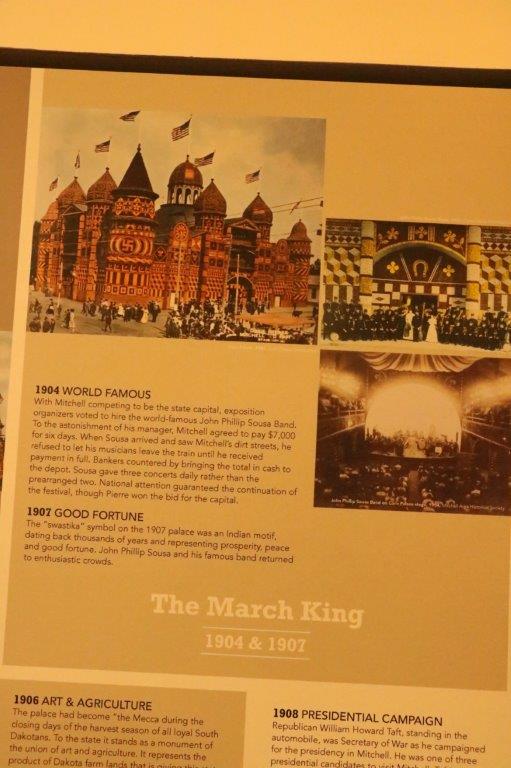
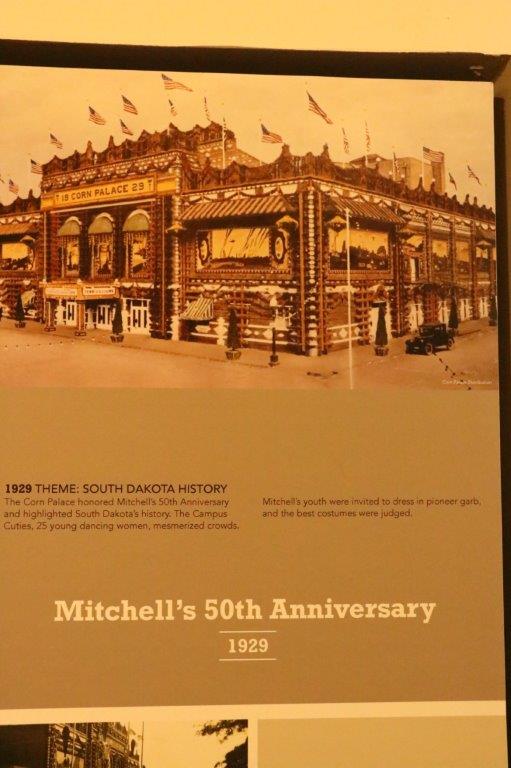
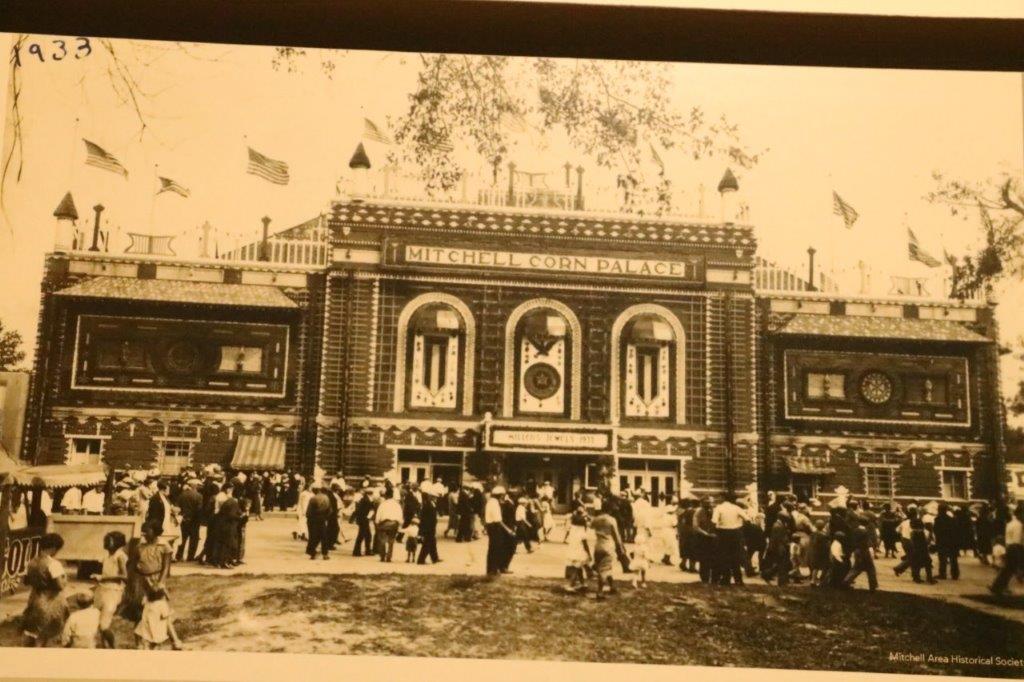
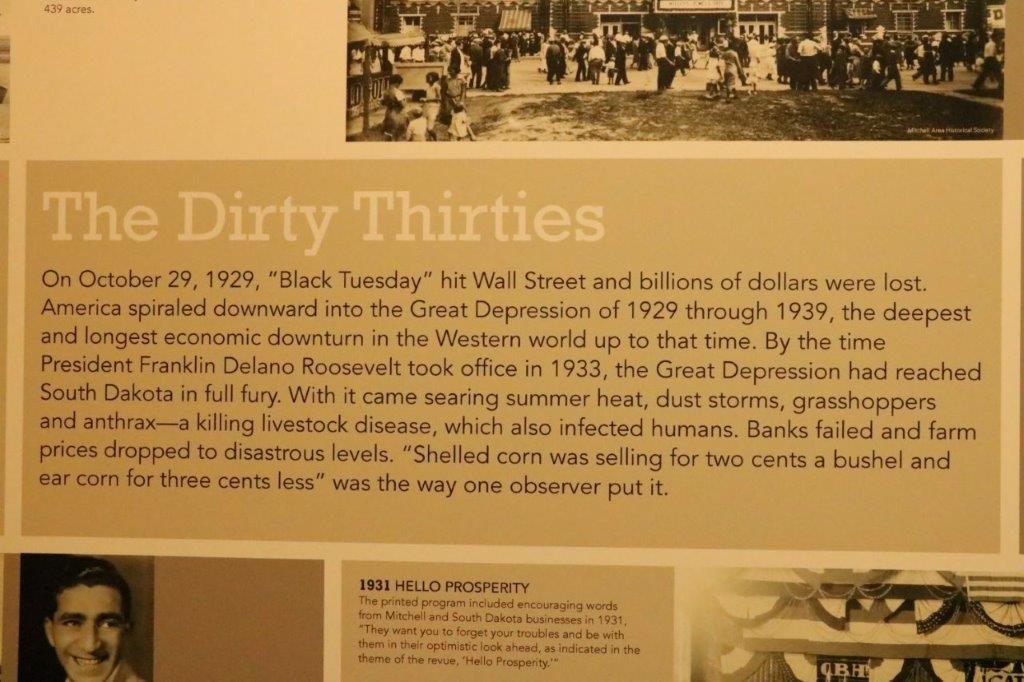
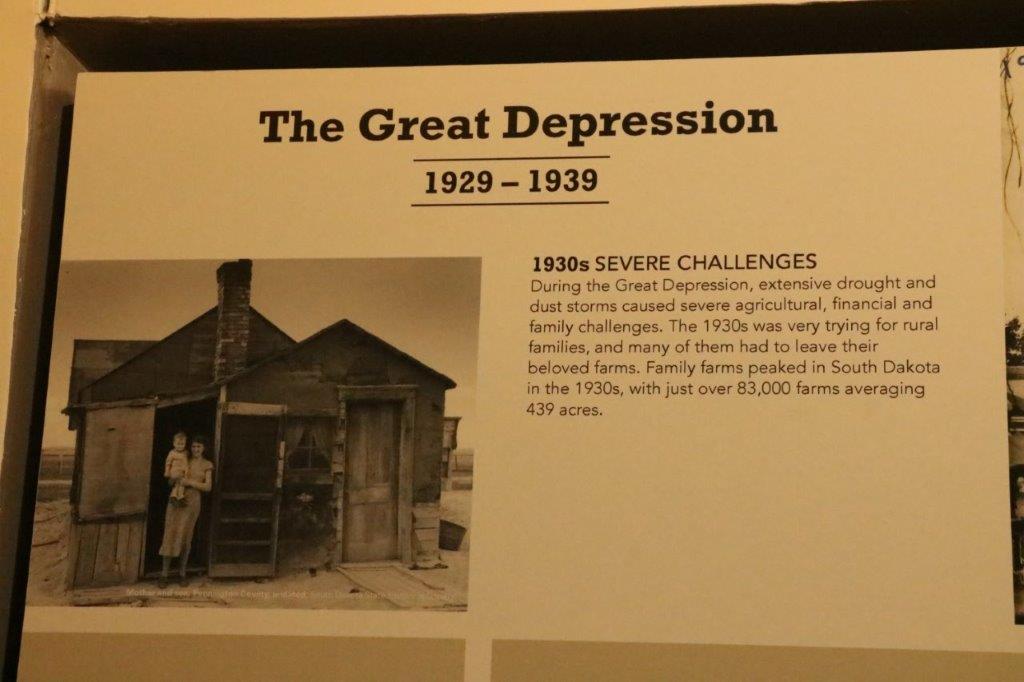
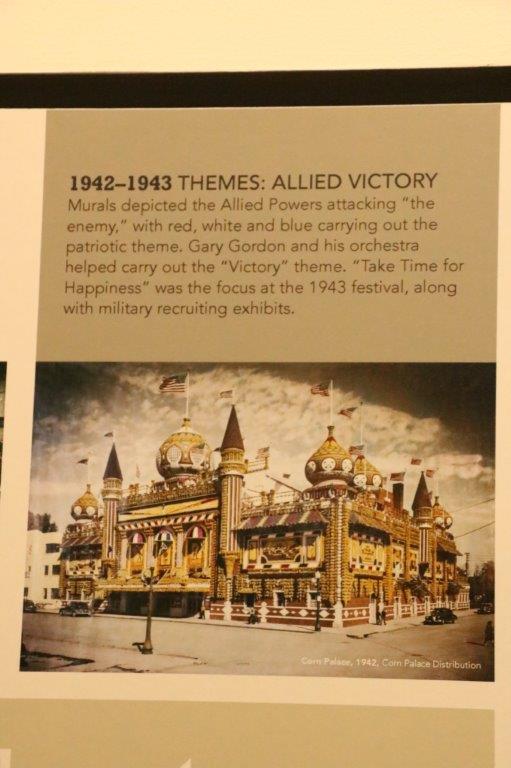
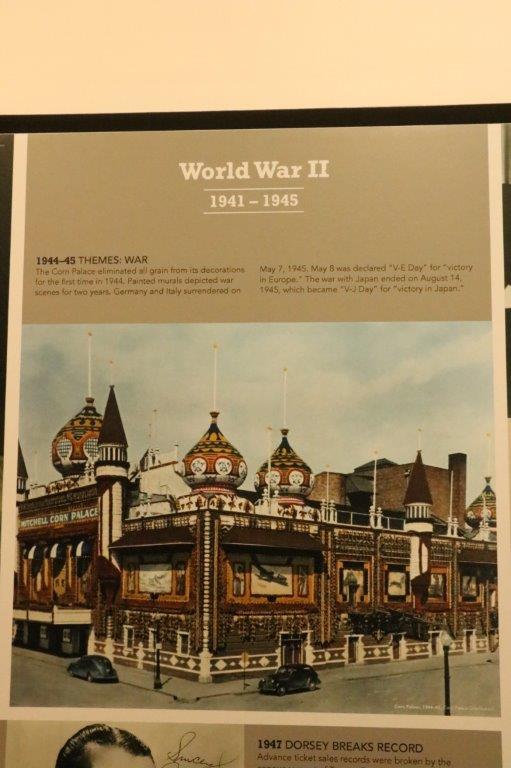
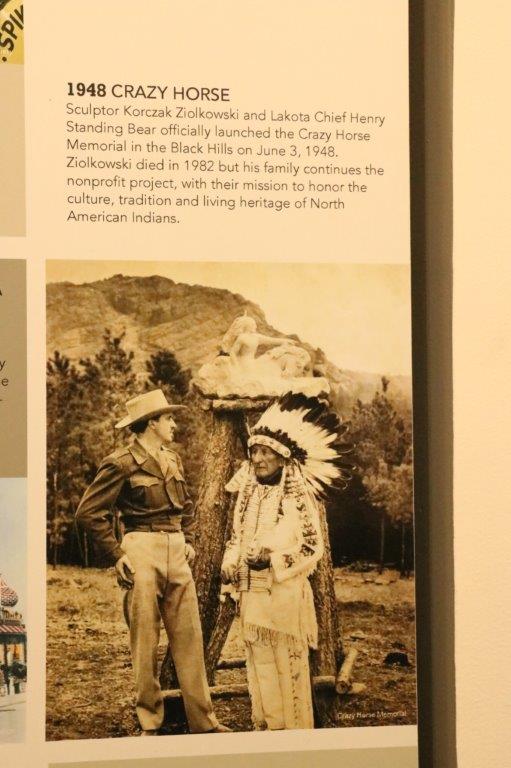
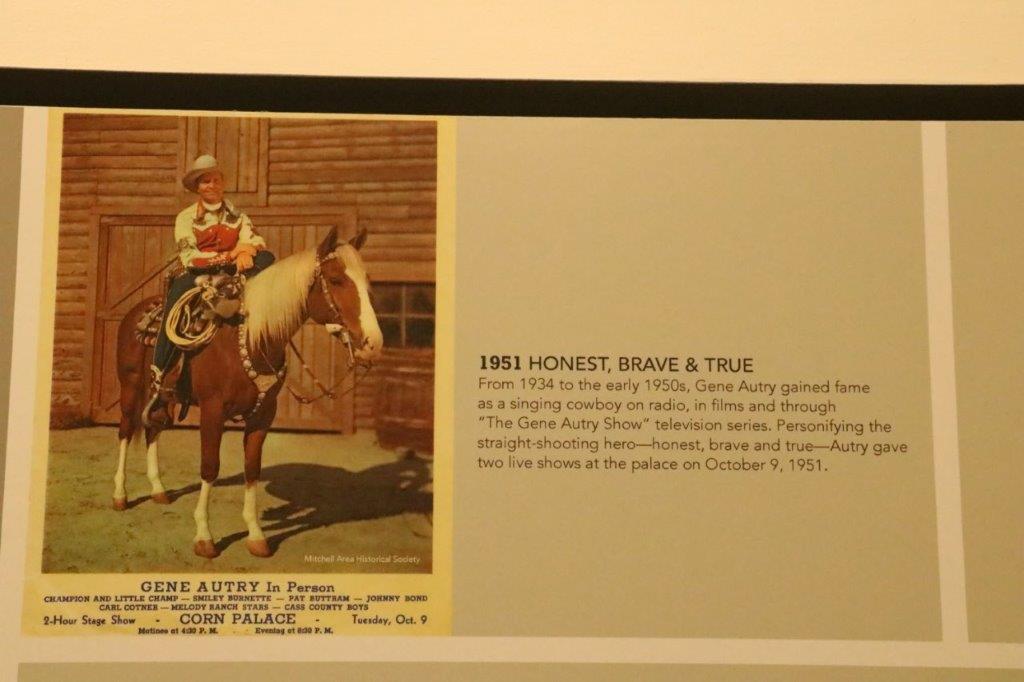
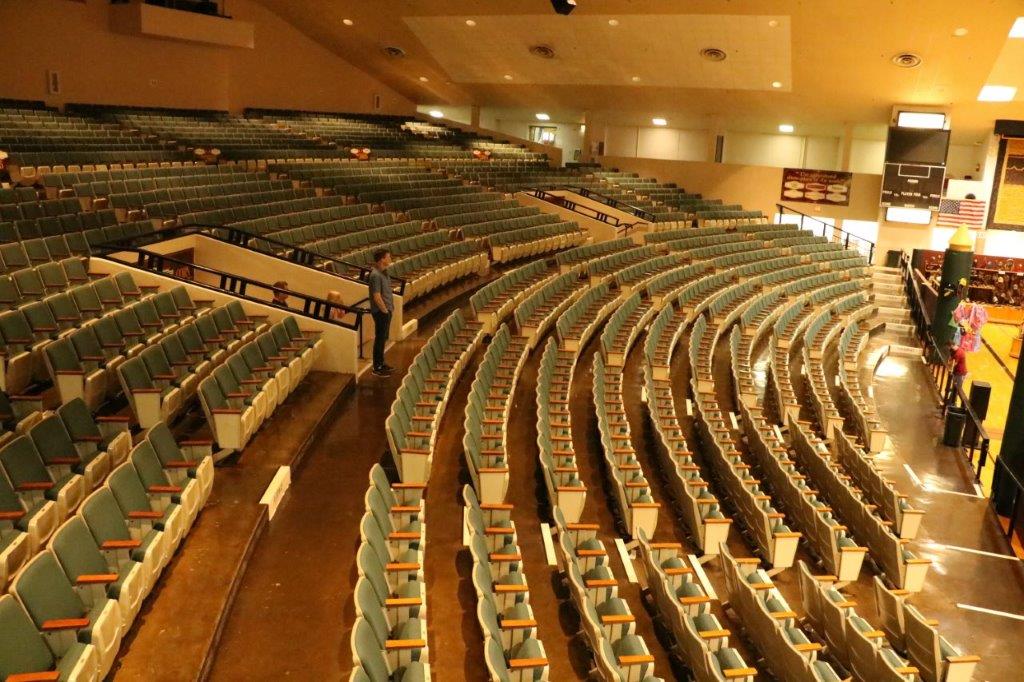
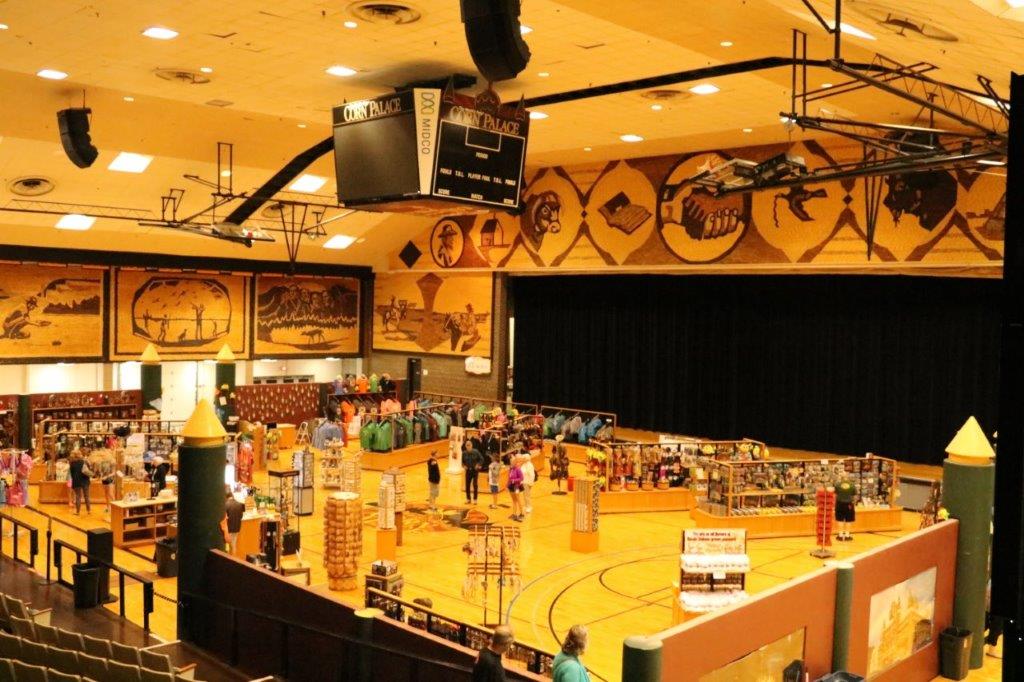
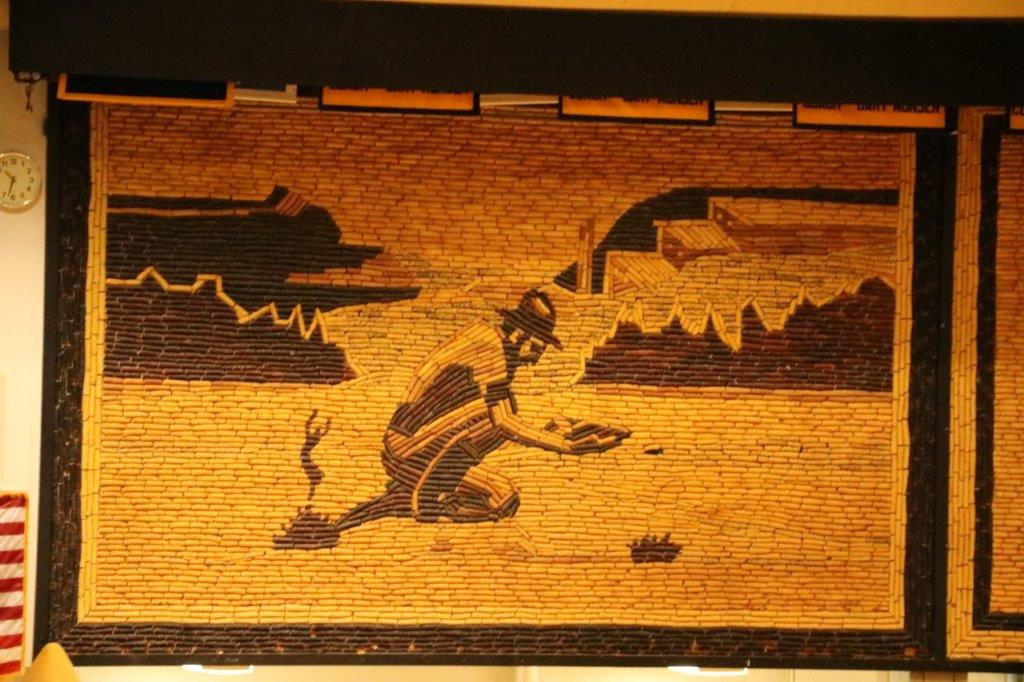
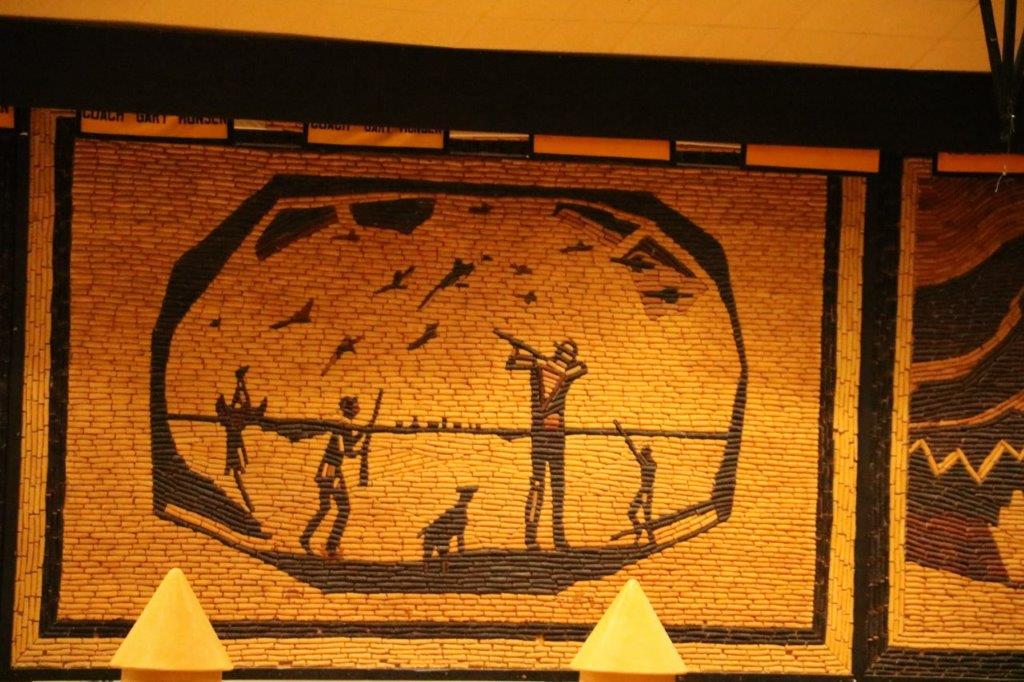
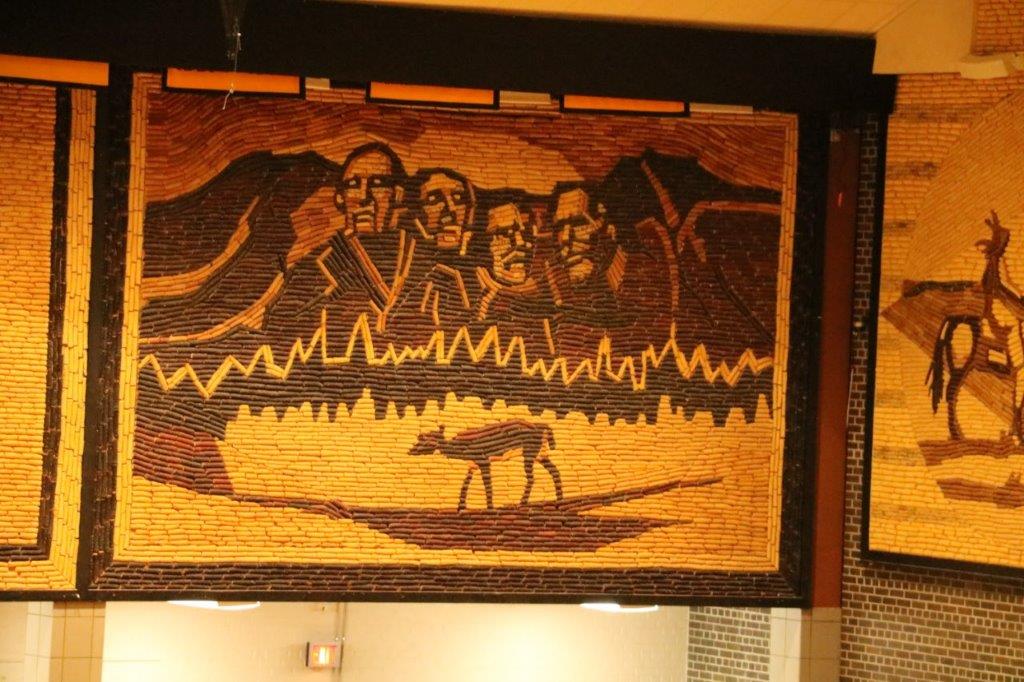
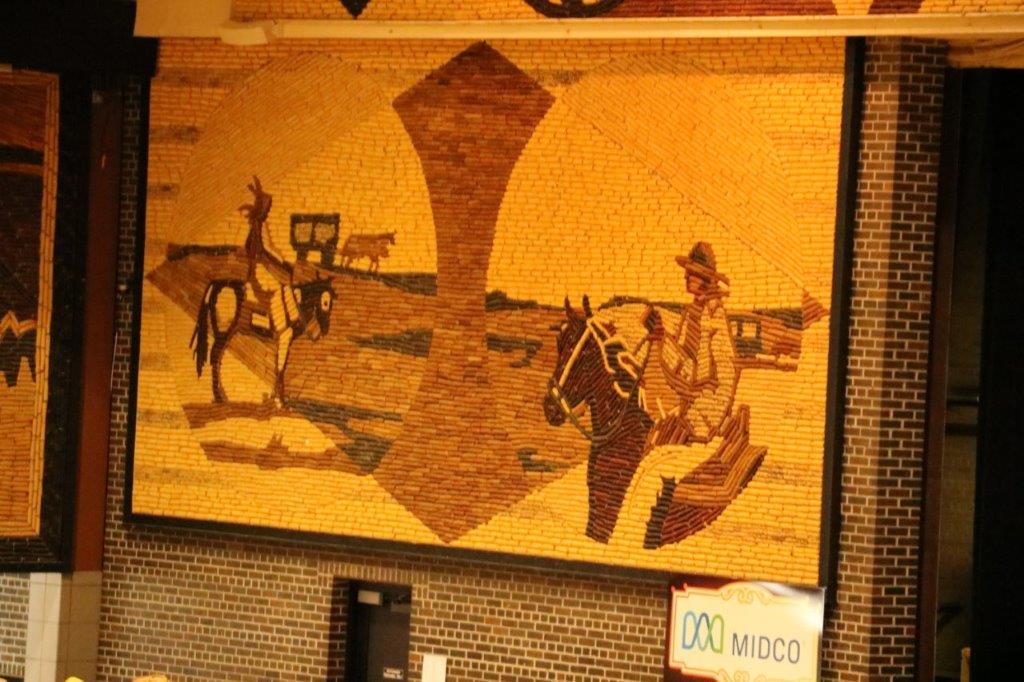
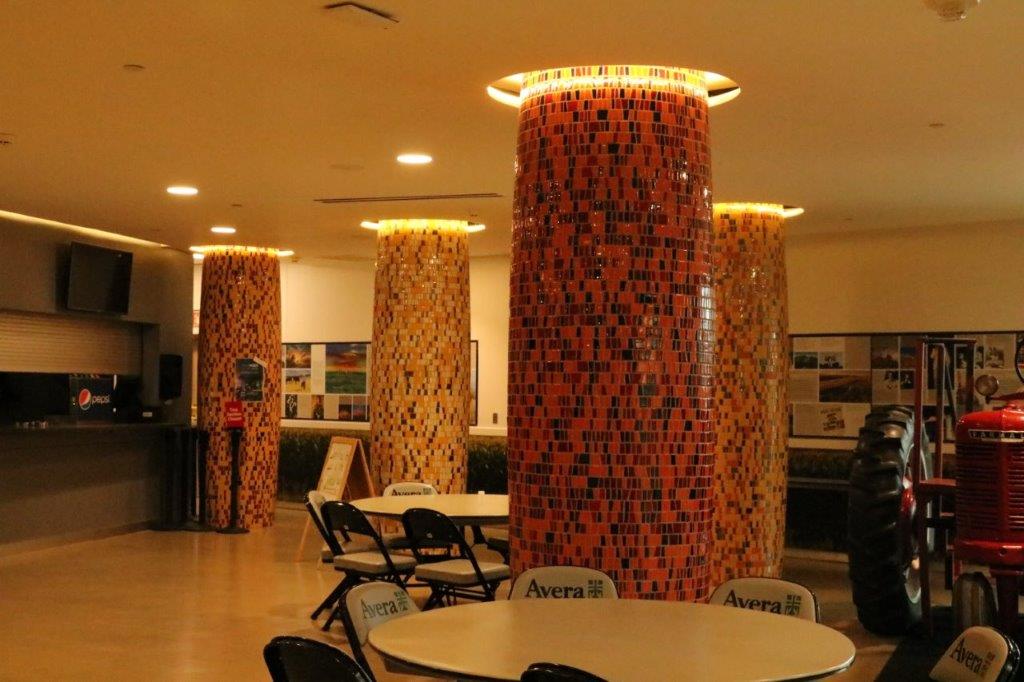
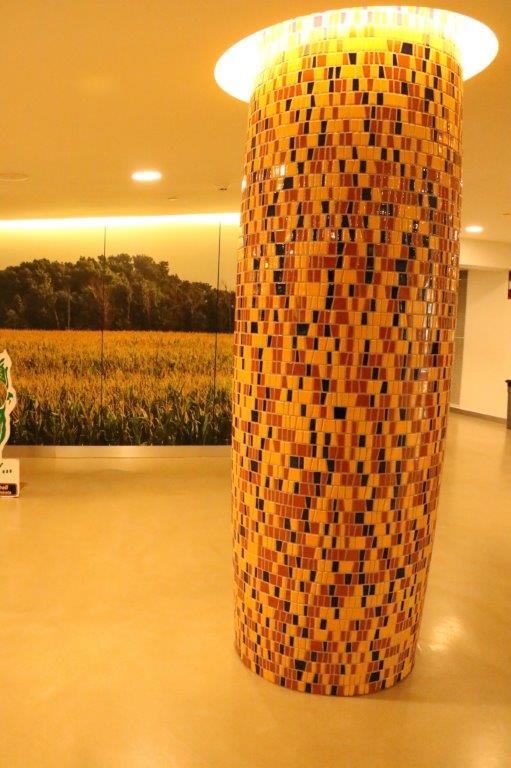
The first Corn Palace was built in 1892 to showcase the rich soil of South Dakota and encourage people to come here.  They cover the two street-visible exterior walls with ‘murals’ created entirely from different colours of corn cobs, straw, and grasses.  Every year the murals change and the theme changes.  It was decided this year to keep the 2016 murals for another year so they are just changing one of the dates on the marquee and all of the grasses to give the palace a fresh look. We  did a quick tour through the gallery, where I photographed all the signs I thought might be most interesting to read but didn’t have the time to read right then.  1903  1902  1921  1984   2008  1974 The basketball court on the arena floor was full of merchandise, but later this month, during the Corn Festival (Aug 23-27) there will concerts each night by Judd Hoos,  Eddie Money, Diamond Rio, and Gary Lewis.  The Corn Festival is huge; with amusement rides and contests and street parties.                   Even the tiles on the entry hall pillars look like corn.
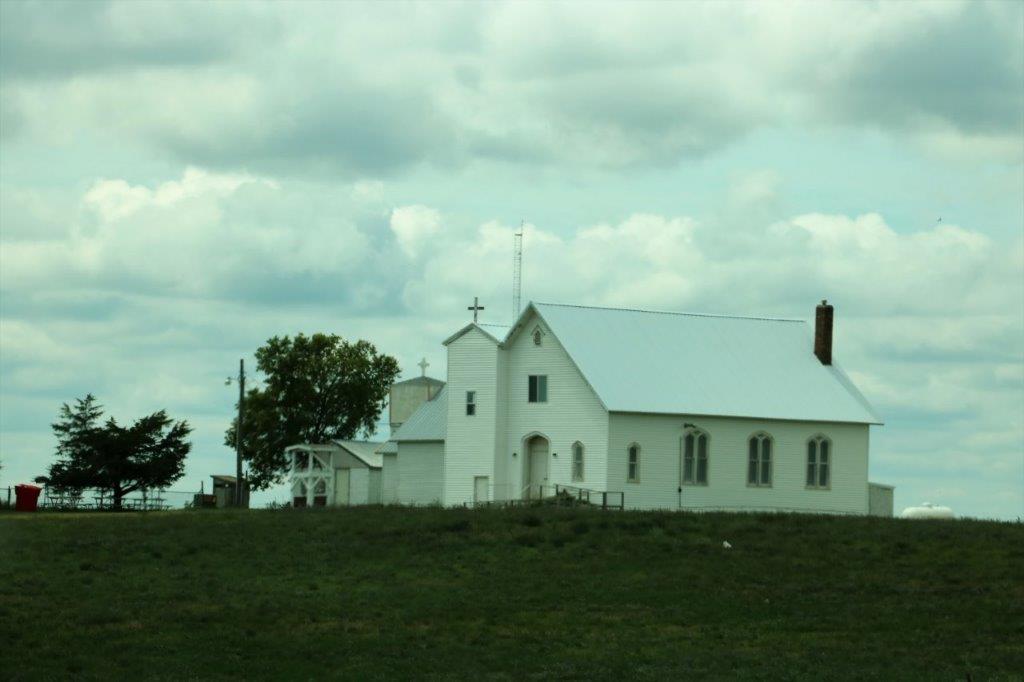
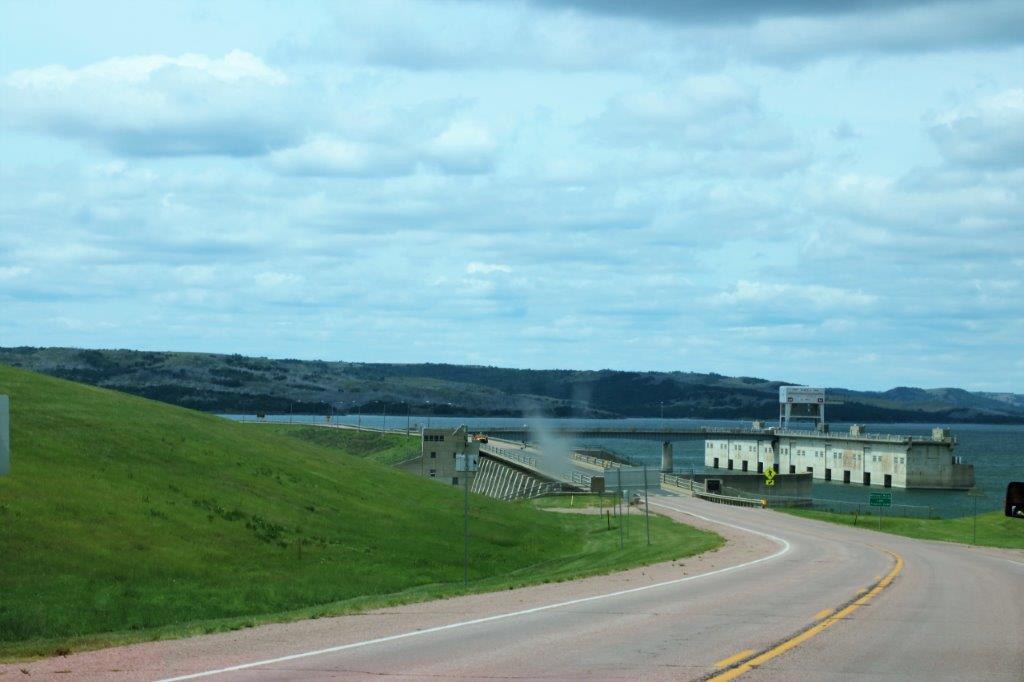
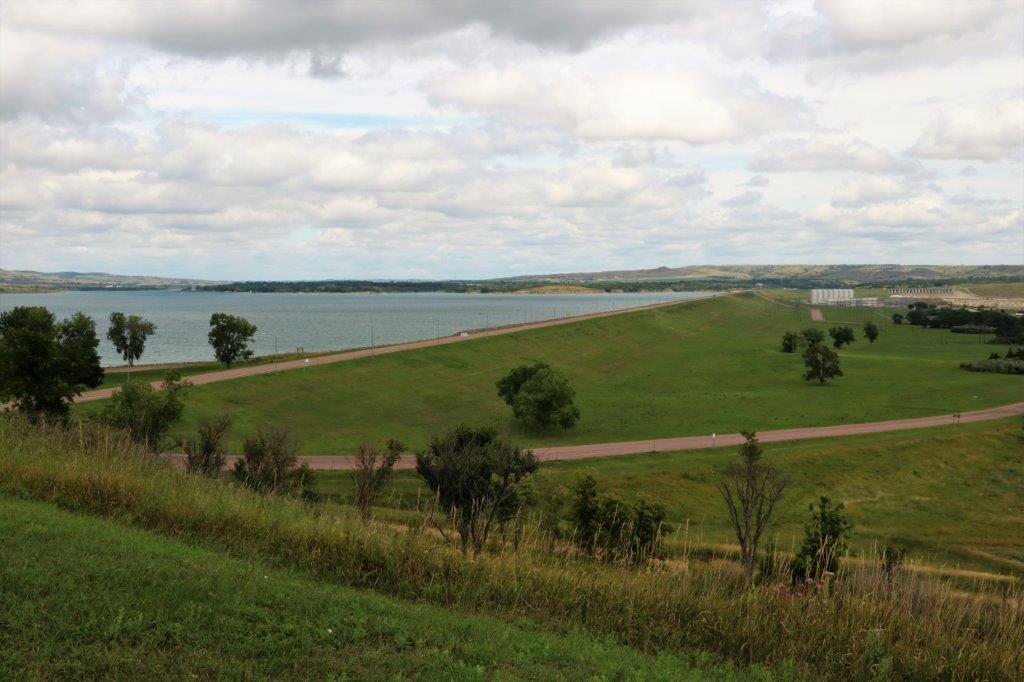
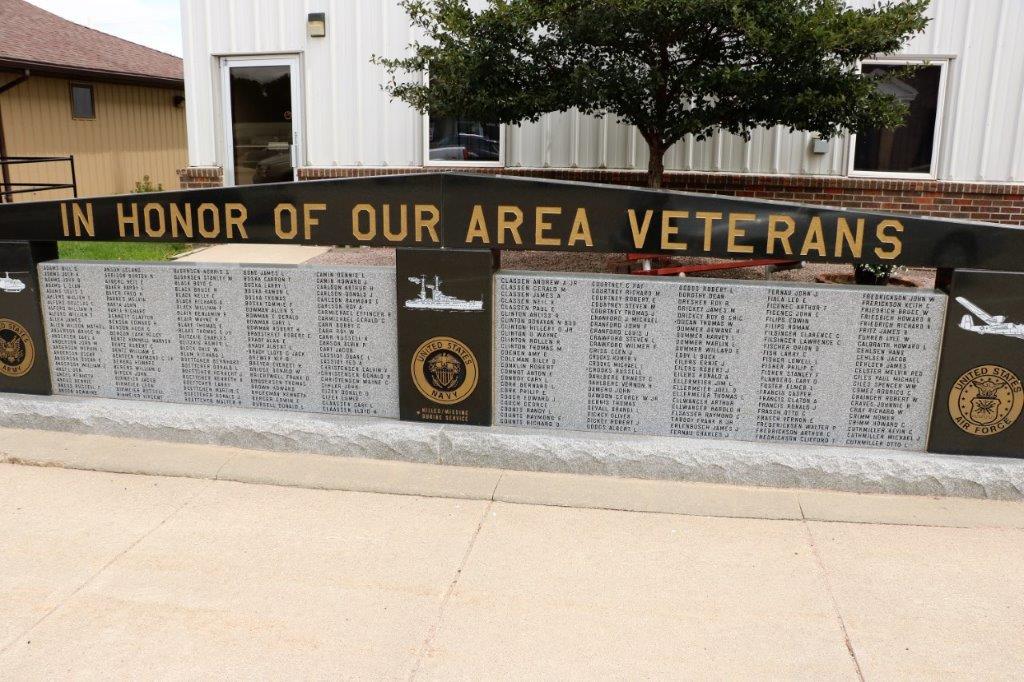
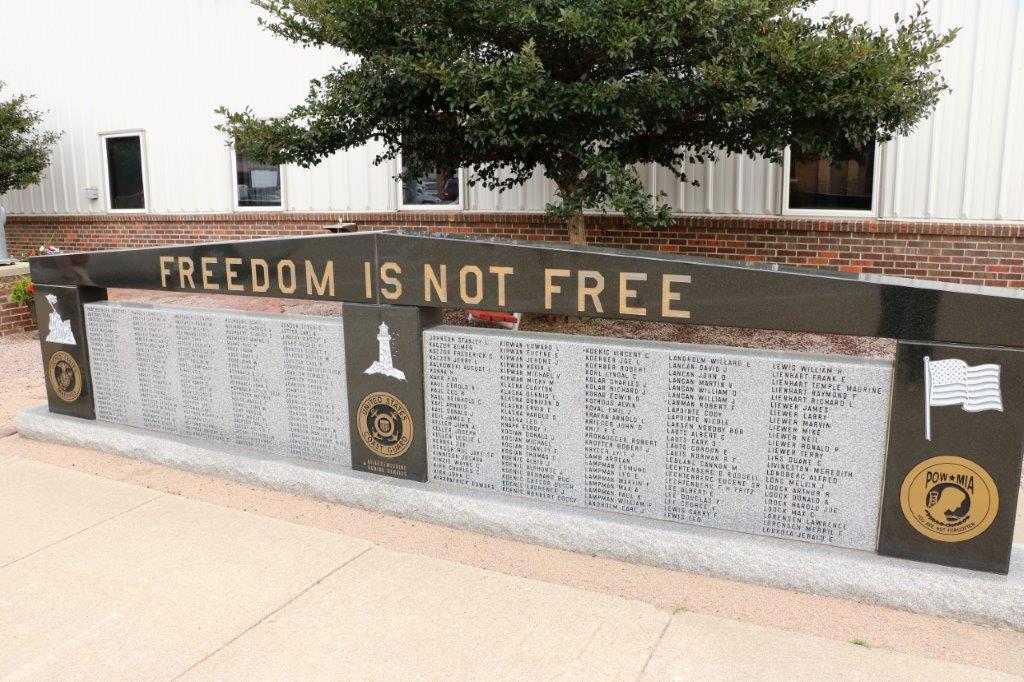
After leaving Mitchell it was just a driving day, with a few stops to find geocaches, heading south into Nebraska on Highway 281. This tidy looking church was on a hill in Yankton. There was a cache at the viewpoint overlooking Fort Randall Dam and the lake and valley.  It was a lovely view.  There are certainly more hills in Nebraska than we have seen since we entered Saskatchwan on Aug. 4 and drove in Manitoba, North and South Dakota. The town of Spence had a large new veterans memorial outside the fire department (there was a cache hidden in the base of a lamp post)

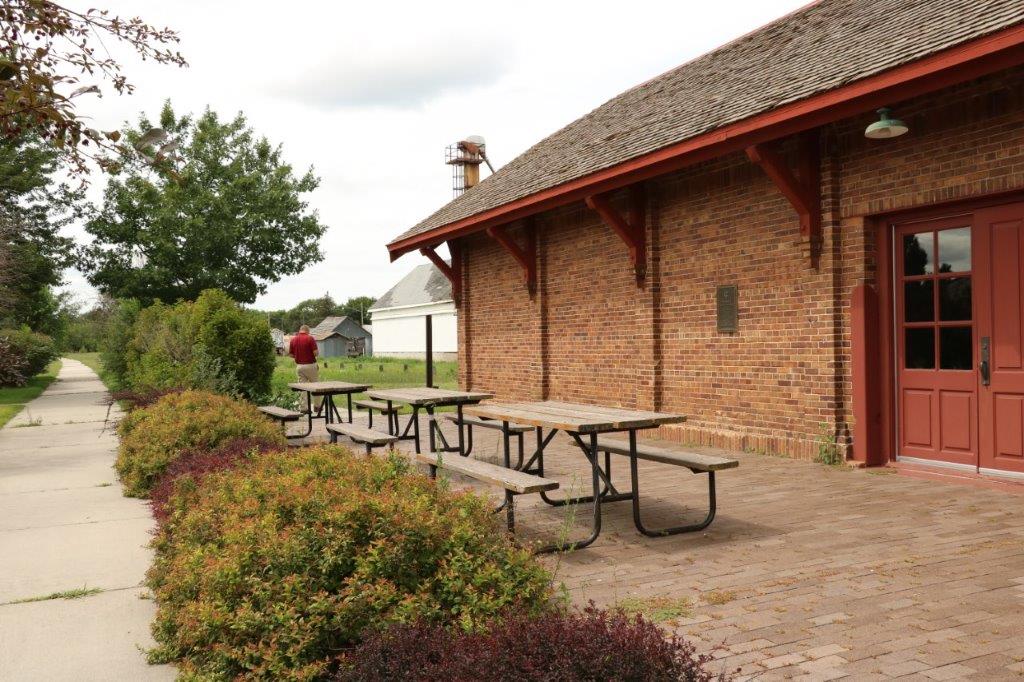
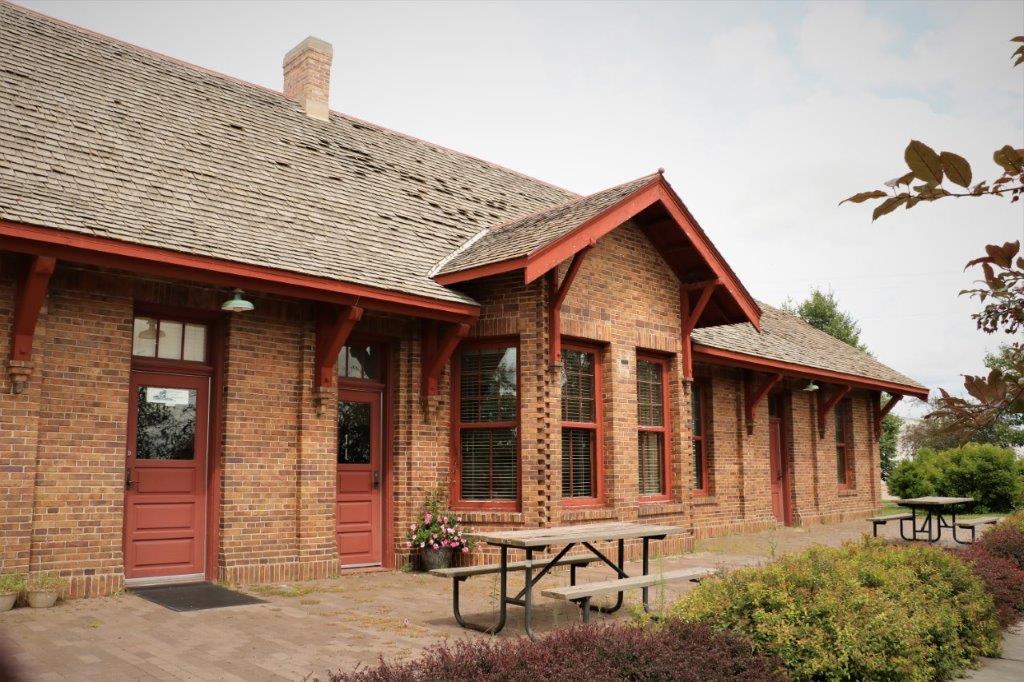
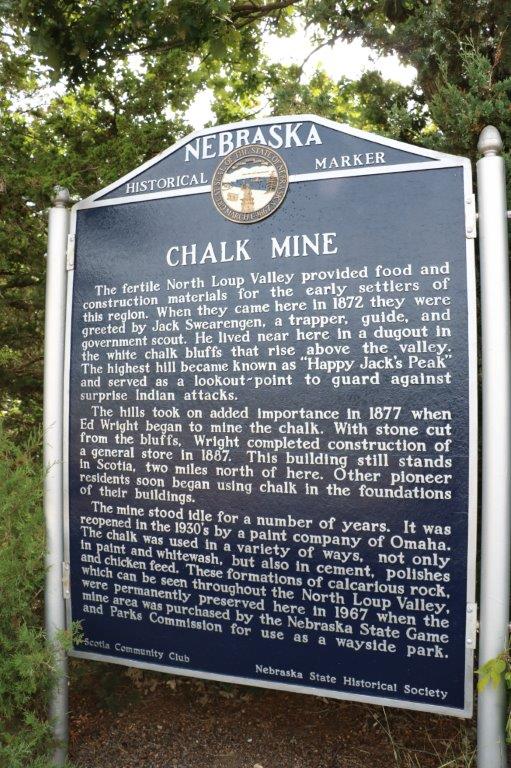
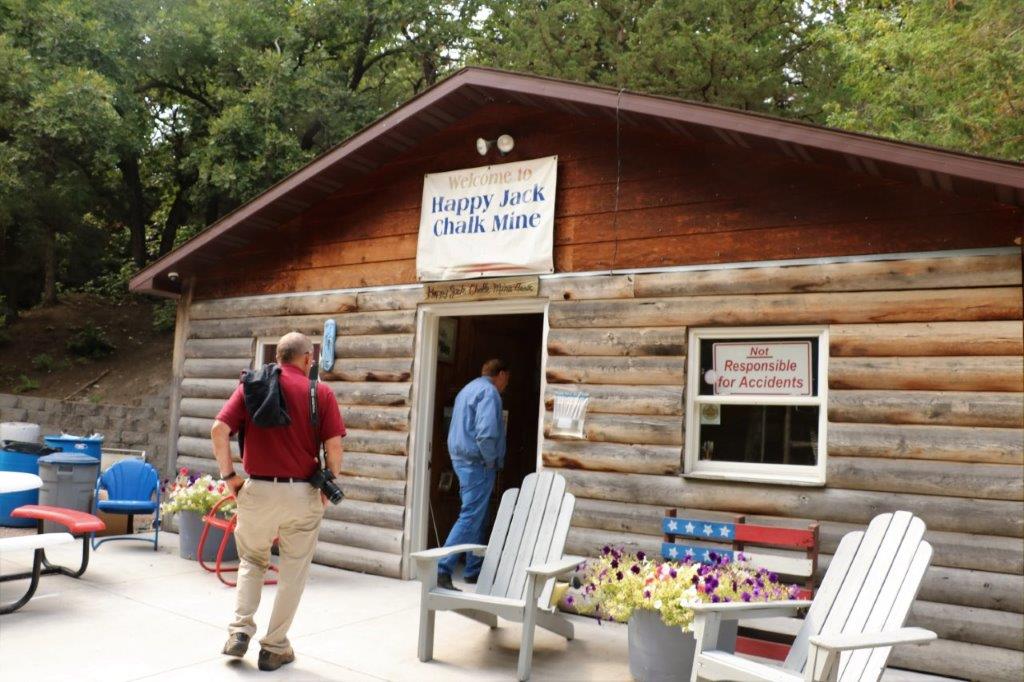
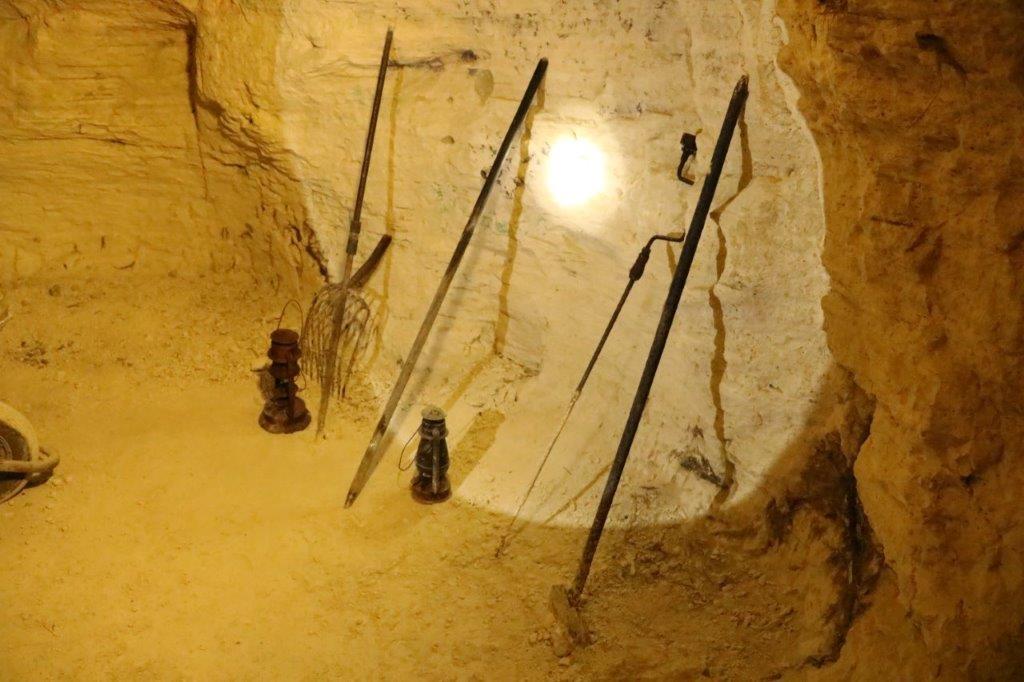
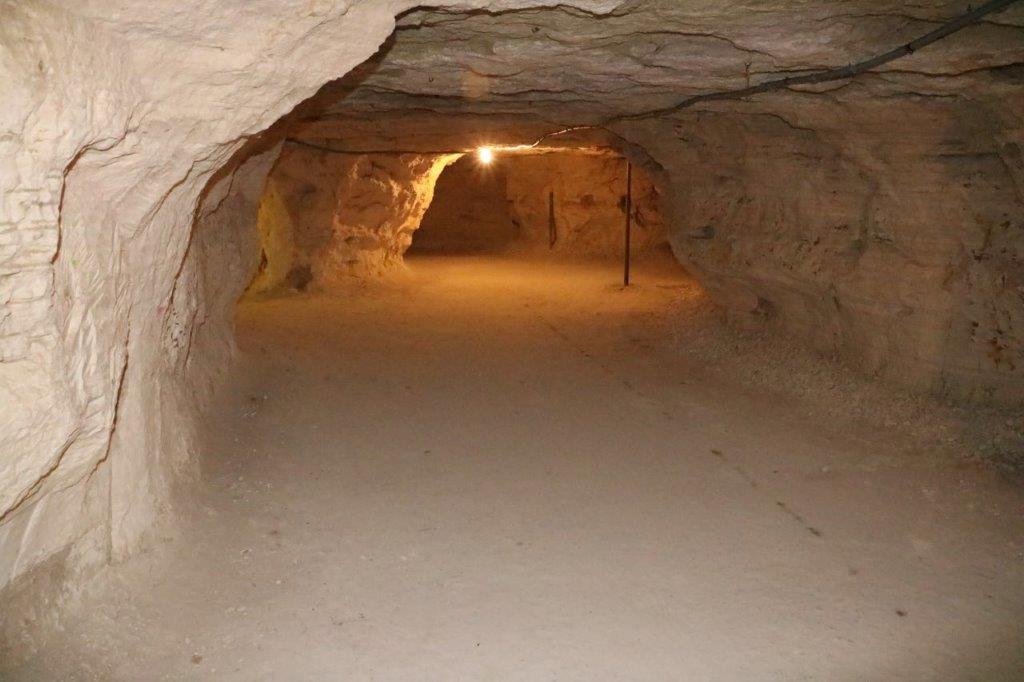
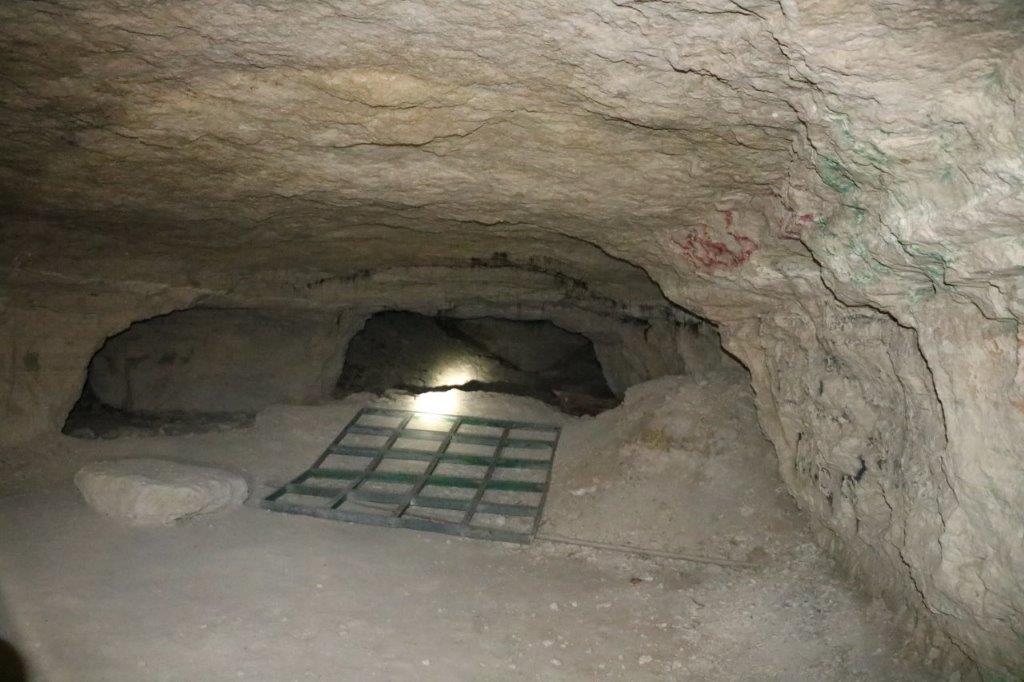
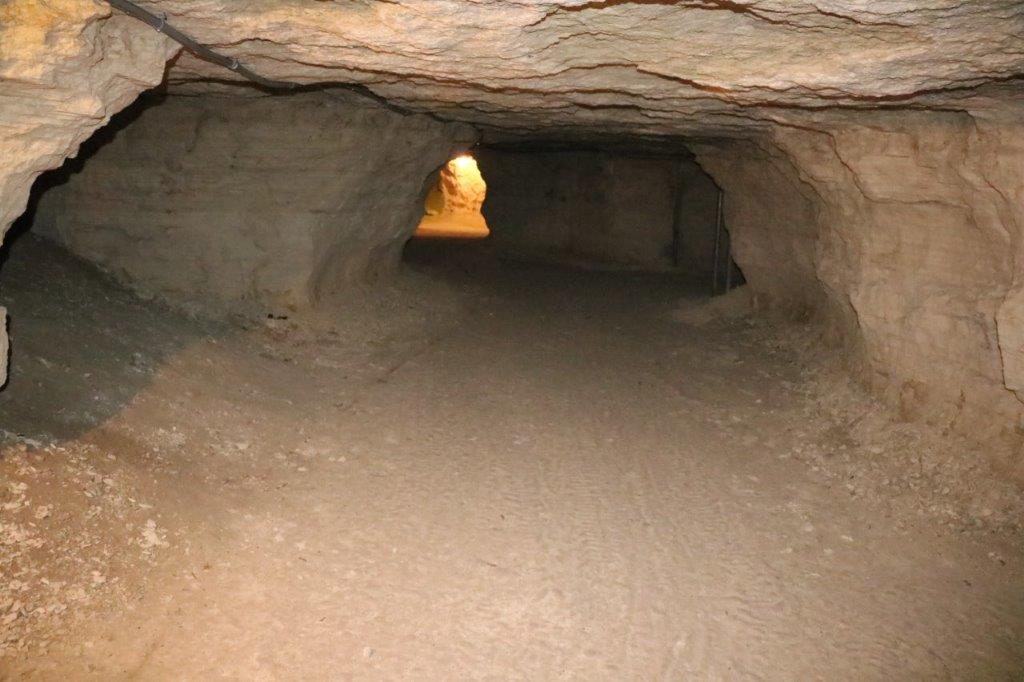
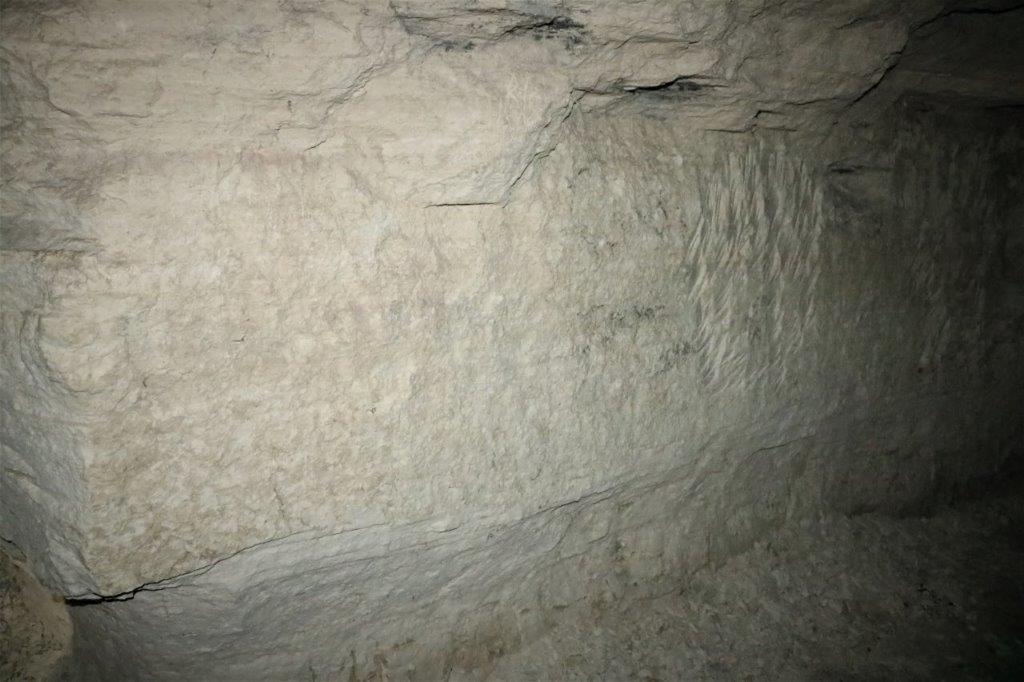
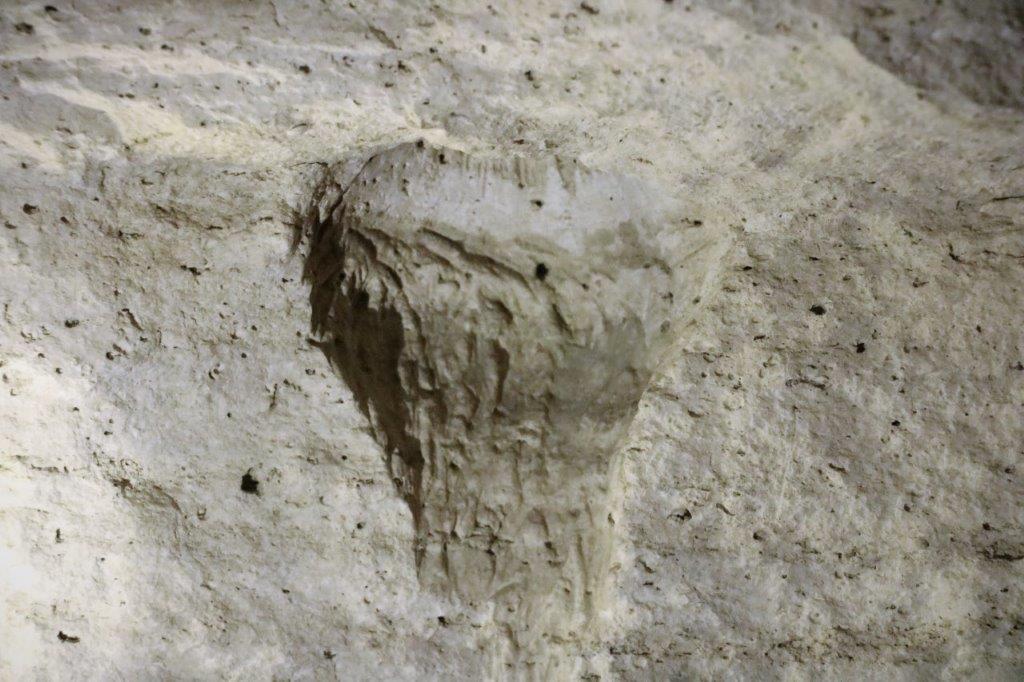
And there was a cache hidden near the old train depot in O’Neill.  We made another little detour jog to go see Happy Jack’s Chalk Mine.  We arrived with minutes to spare before closing and they were kind enough to give us a tour anyway. The mine was excavated by hand by four men over several years and then was derelict.   For years the empty mine was used recreationaly by the residents of nearby Scotia.  Motorcyclists had a course they would ride around the pillars and kids would come and party (and, unfortunately, paint graffiti on the walls).  The mine was closed in the 1970’s by the State of Nebraska who deemed it unsafe and had the majority of the access points filled with piles of dirt.   After two years of volunteer work 6,000′ of the mine was re-opened for public viewing in 1997.   Several community events would take place in the mine, the favourite being the Haunted House.  (The fire department said they needed to install a sprinkler system – as if raw chalk would burn – and that it wasn’t a house so the event was cancelled.)  The tools of the trade of chalk mining. There were a few fossils in the walls; none of vertebrates as chalk dissolves bone. They are hard to make out with the white-on-white.This is a small  jelly fish

And a Sand Dollar                                There were two Giant Worm fossils.                                                                          This is the smaller one.
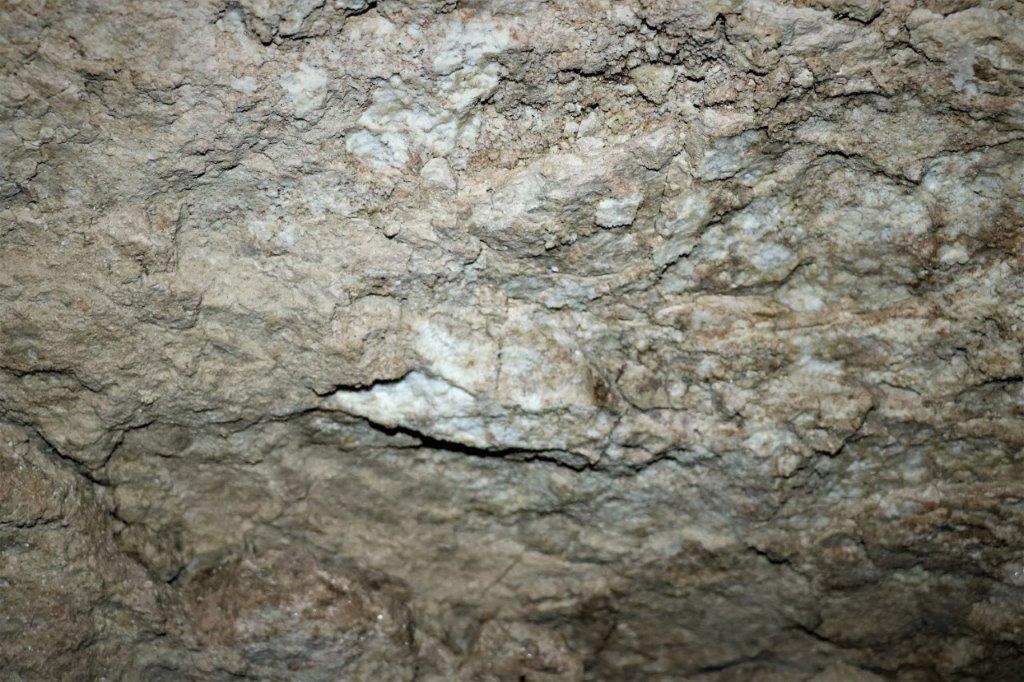
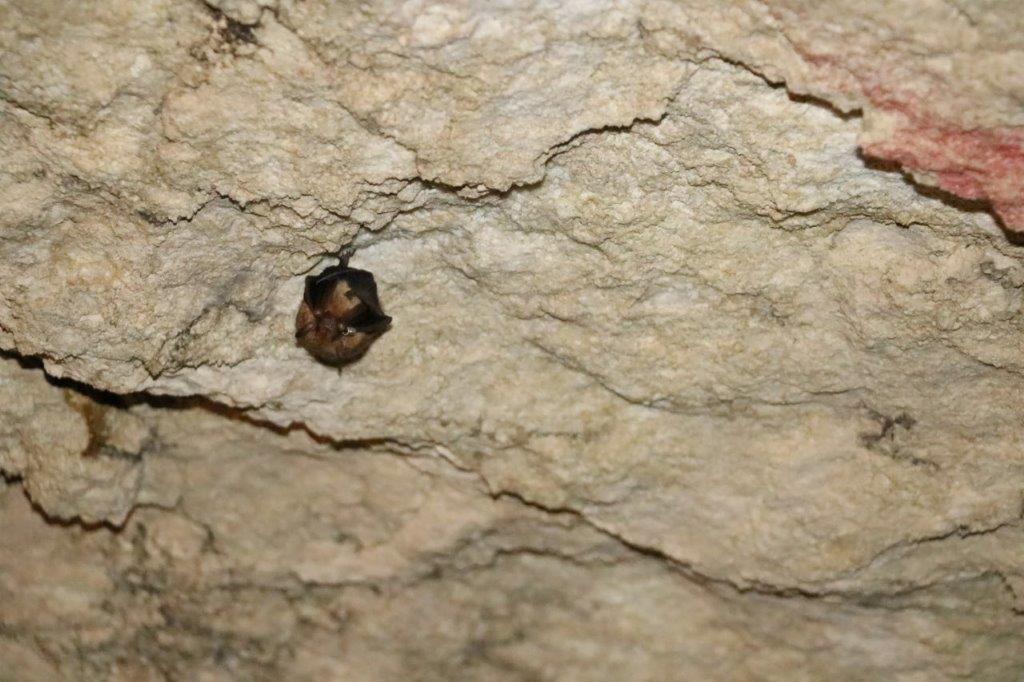
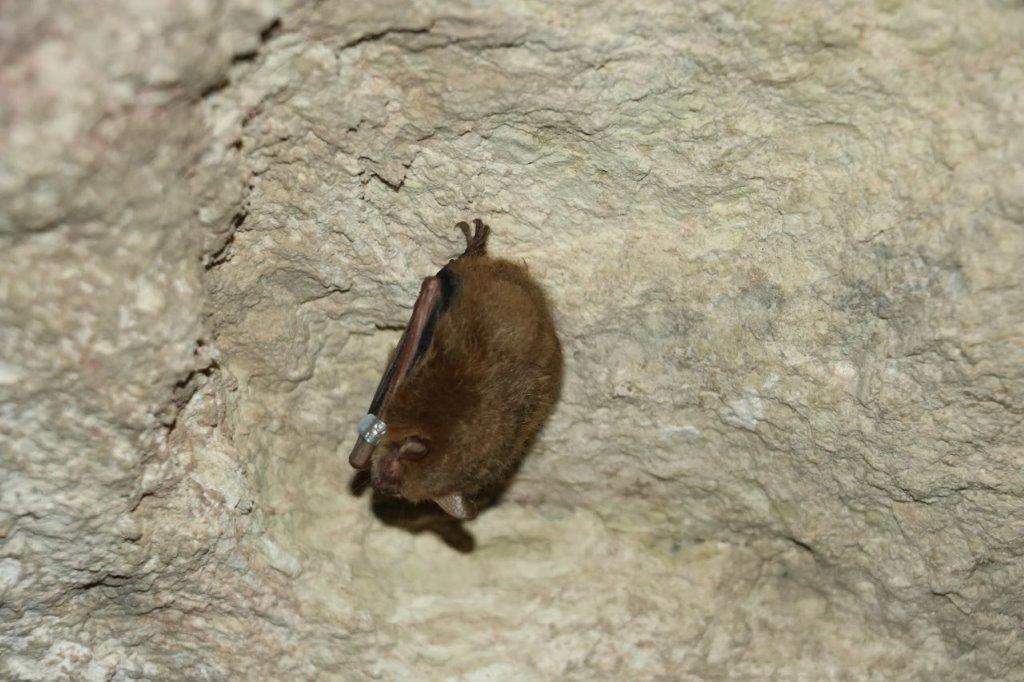
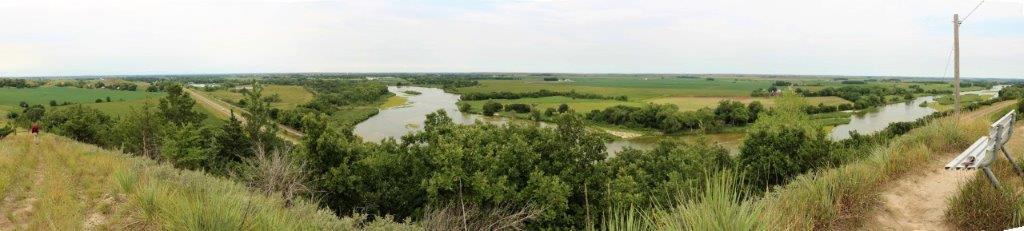
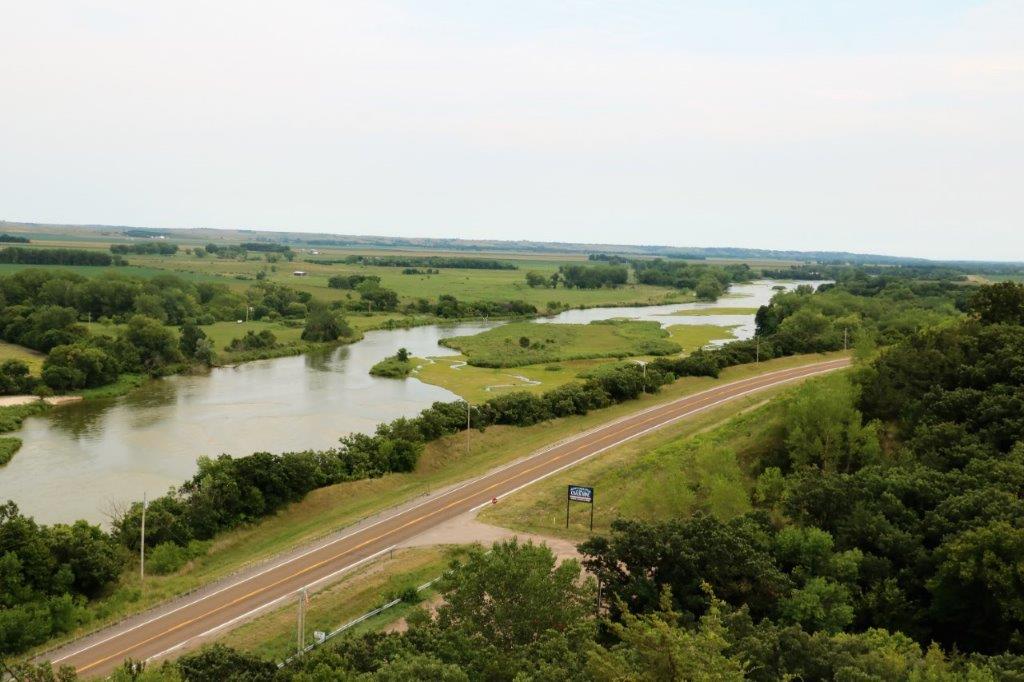
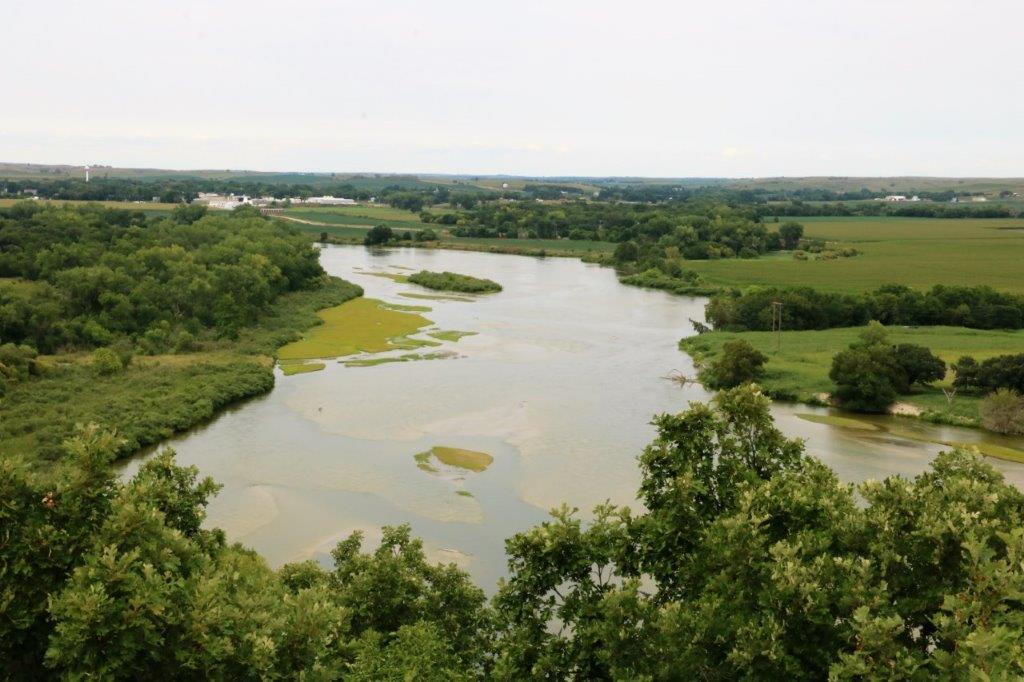
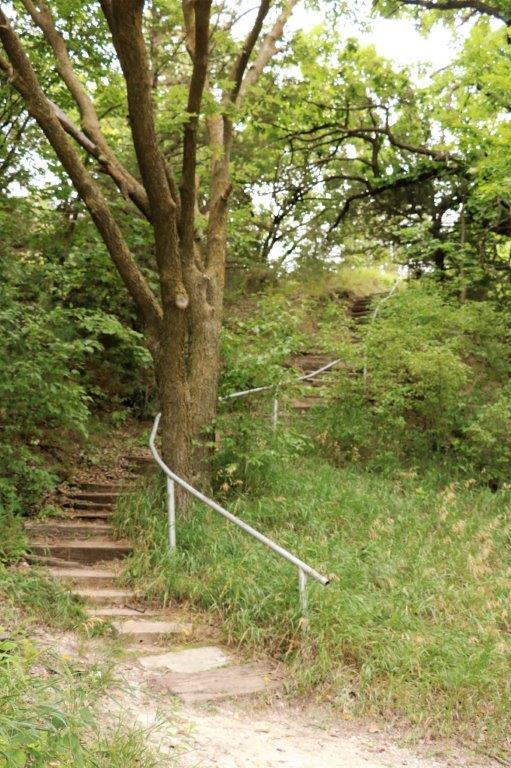
The roof of one of the passages had a few whiter veins.  The lady said that in a few hundred years they would be opals or another gem I can’t recall.The cave is also home to a non-native tiny bat that is being studied by naturalists. The climb to the top of Happy Jack’s Peak is arduous even with stairs for half of the distance, but the view at the top was pretty impressive.We used the much more recently built stairs at the back of the peak to go up but went down the 121 very worn, very unevenly spaced, railway tie steps at the front.

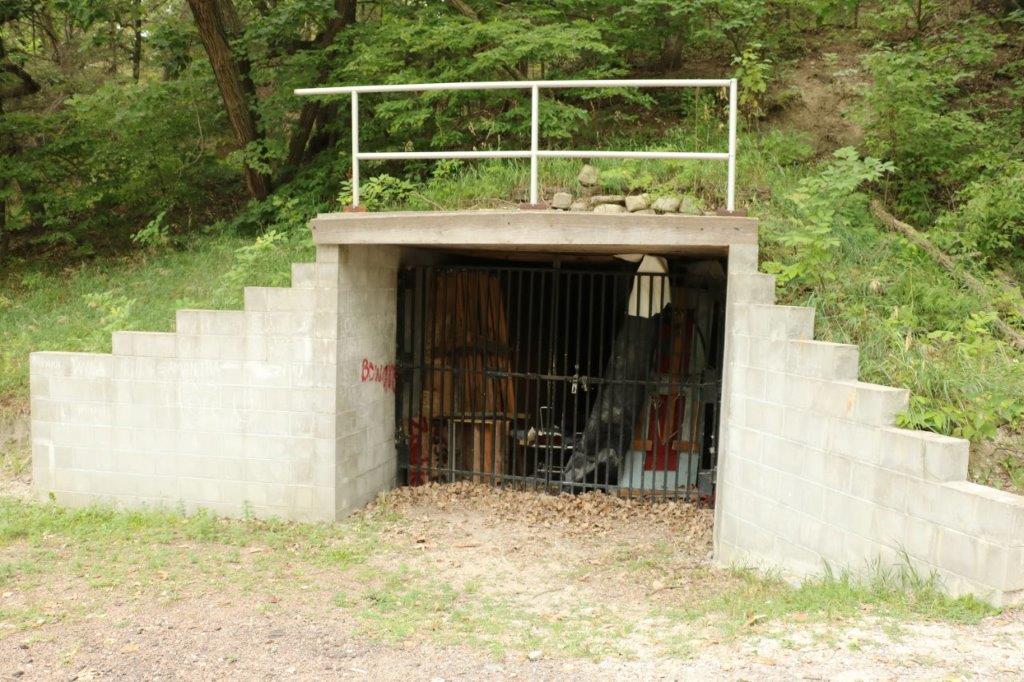
This is the original entrance to the mine and the entry and exit port for the little bats.

From Happy Jack’s it was only about 42 miles into Grand Island where we spent the night.