Category Archives: Hanna Travels

2013 March 8 – Capitol Reef National Park, Utah (Part 3)

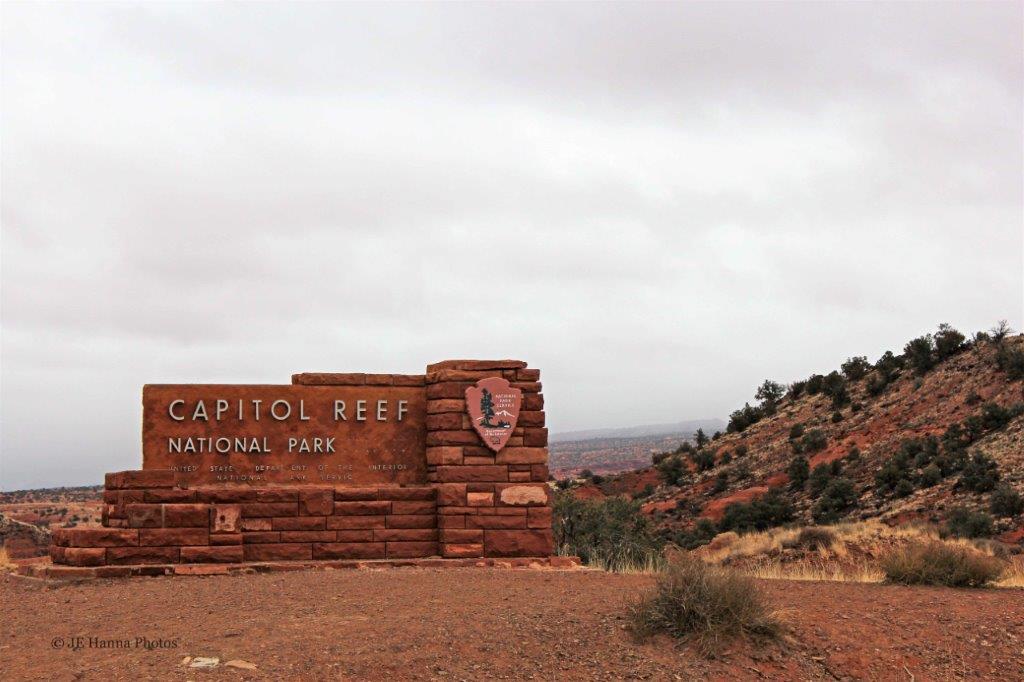
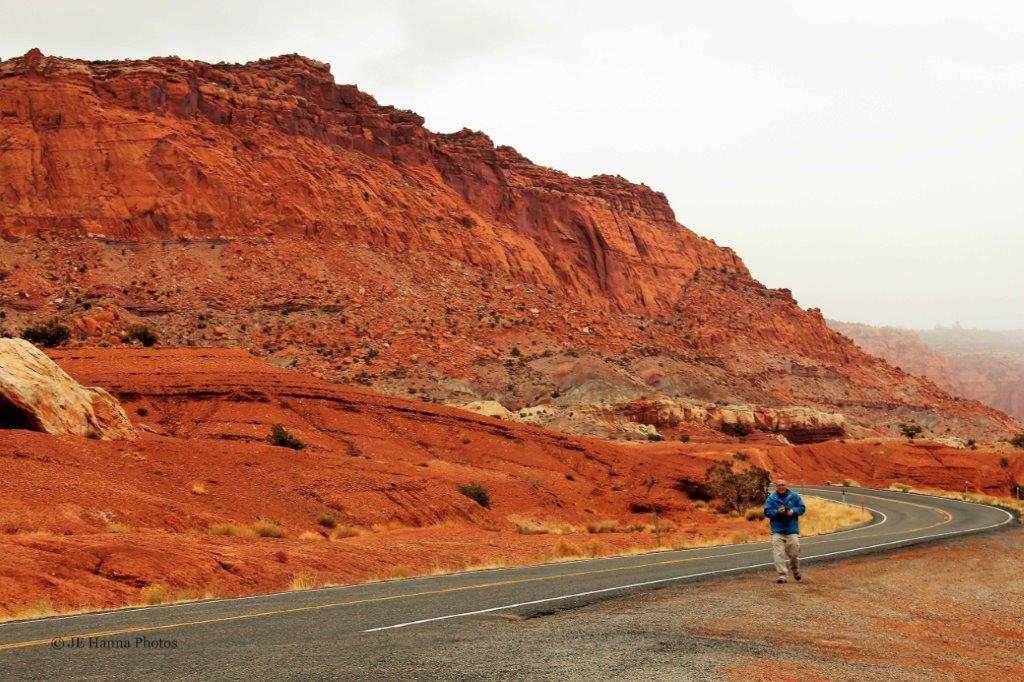
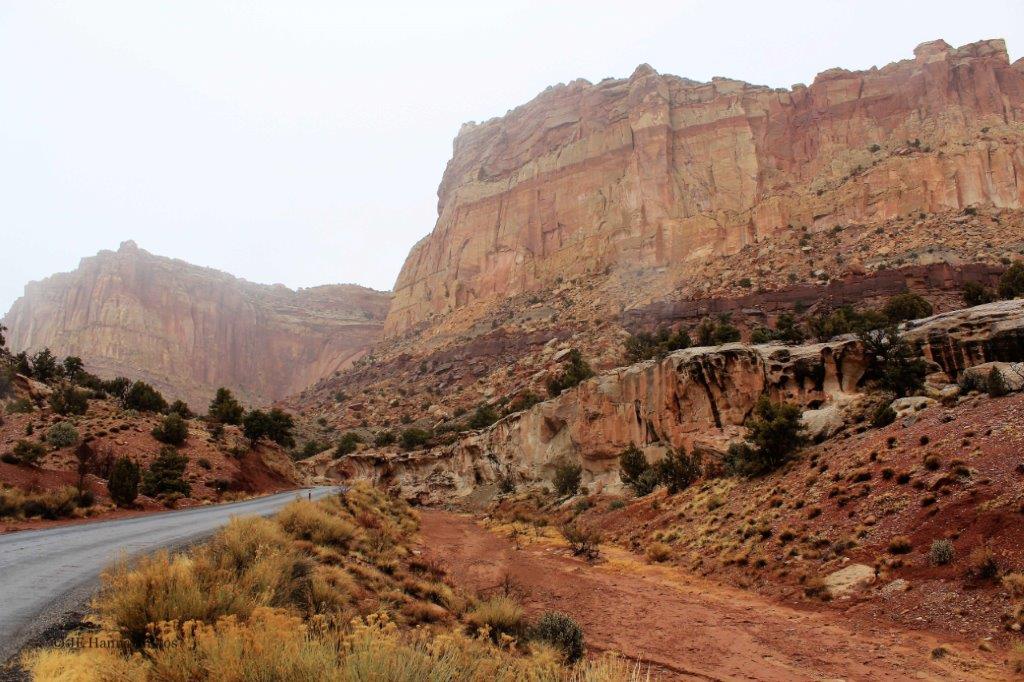
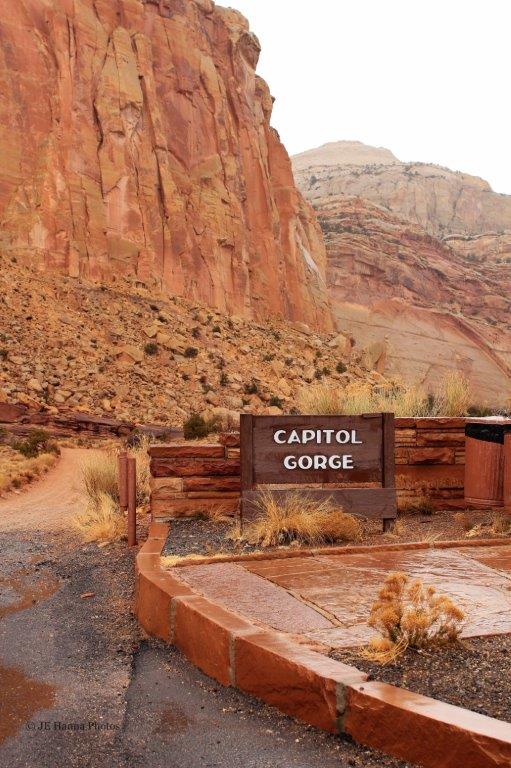
We drove to the end of the Capitol Gorge spur road at the end of the scenic road in Capitol Reef National Park, then turned around and went back to the main road (Highway 24) intersecting the park.

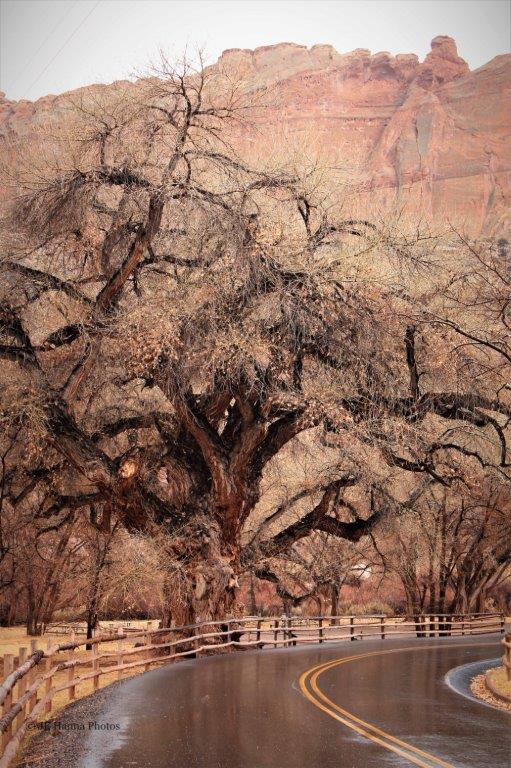
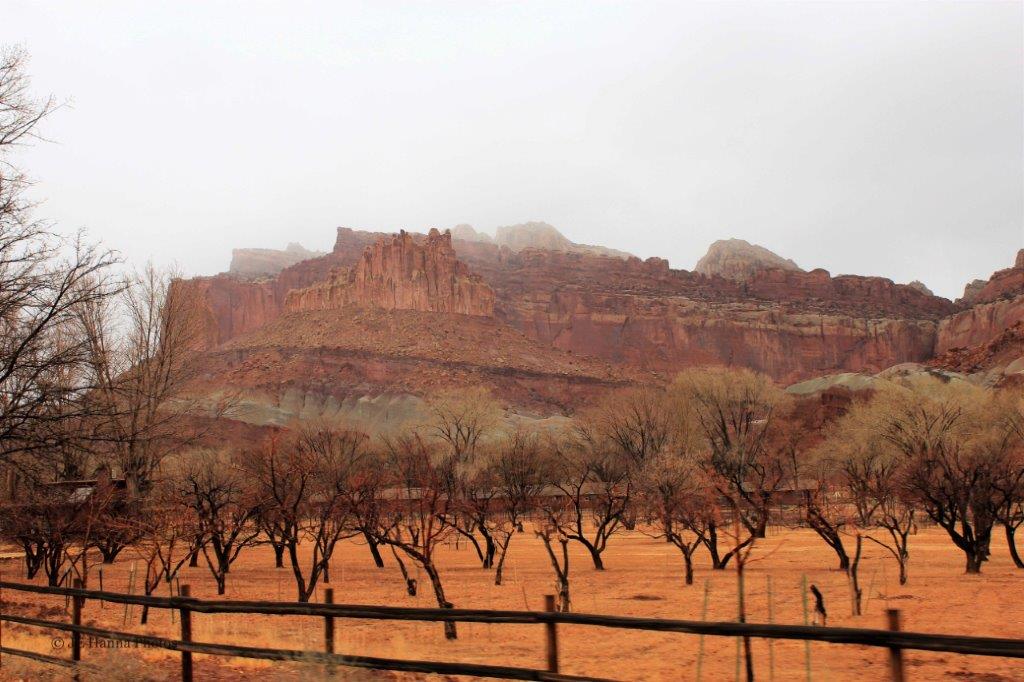
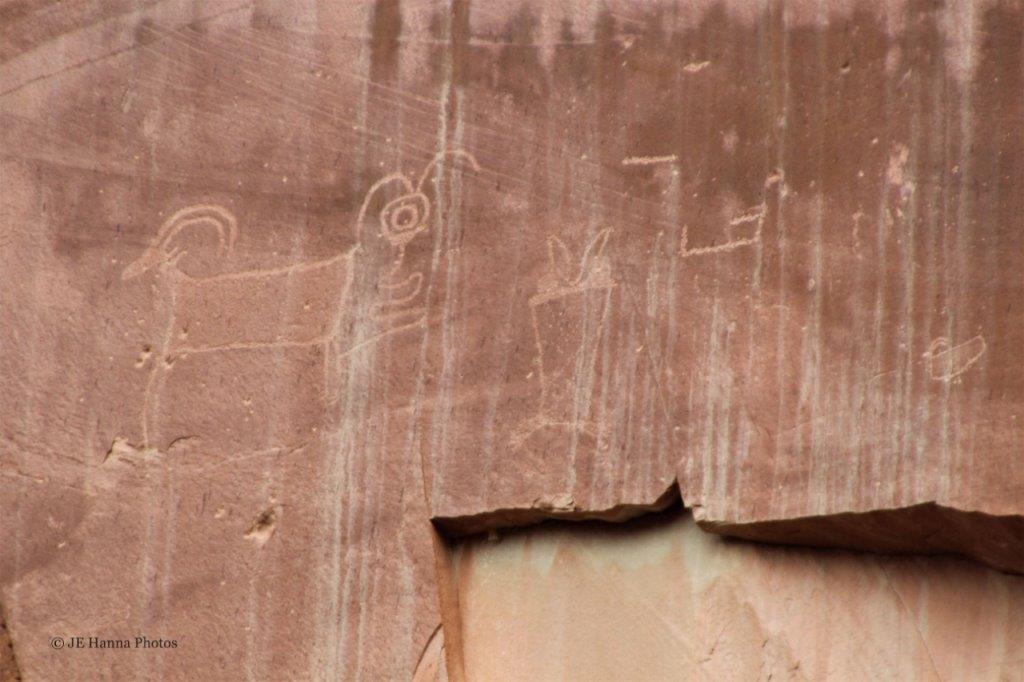
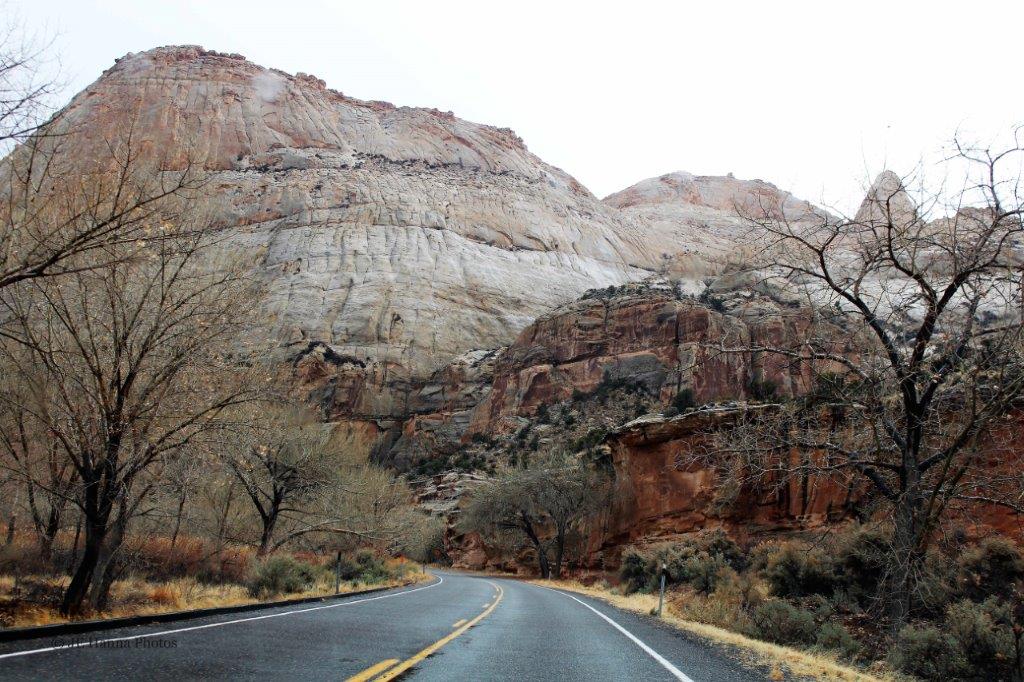
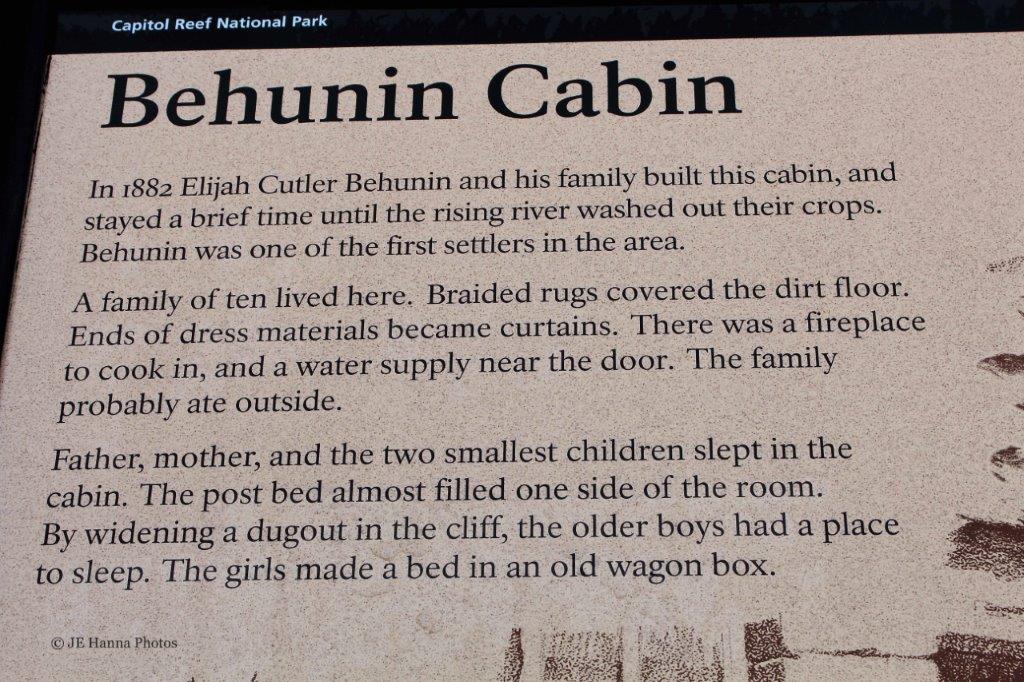
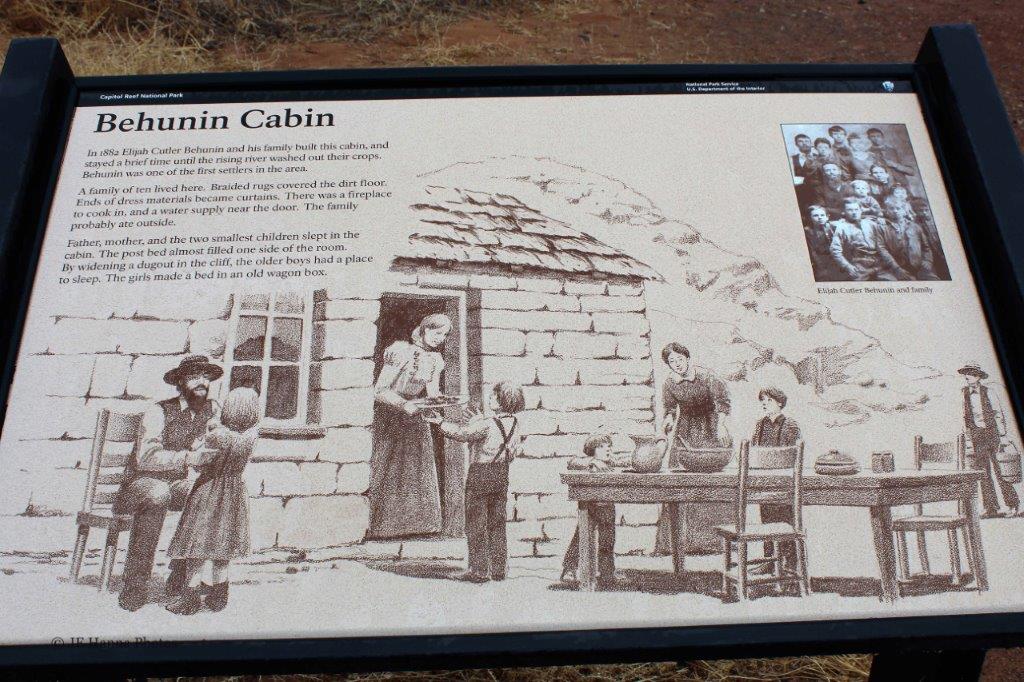
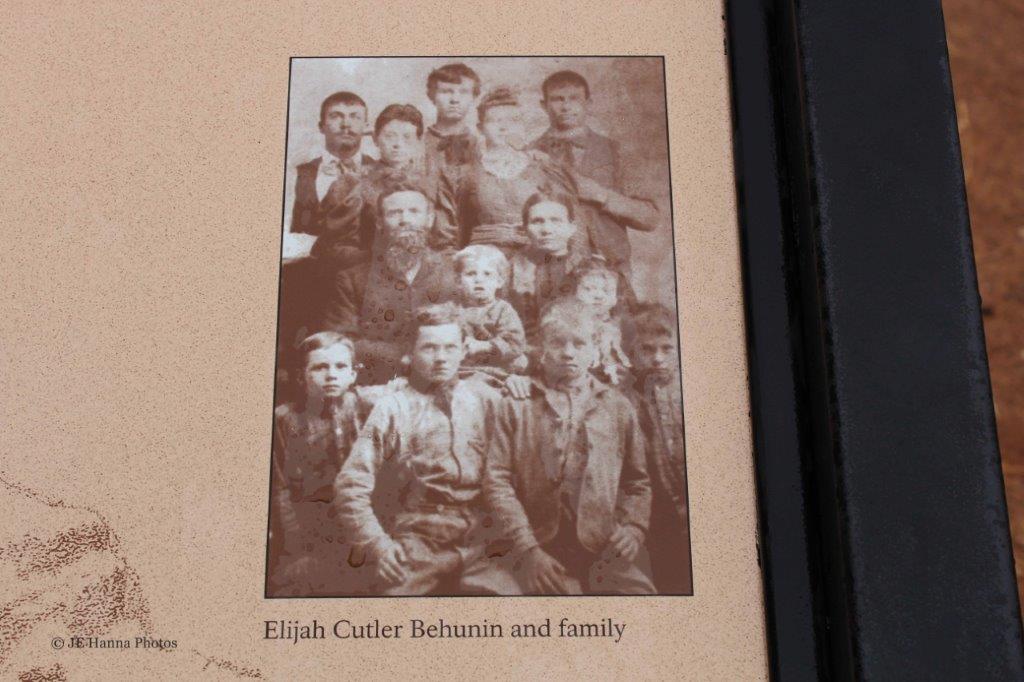
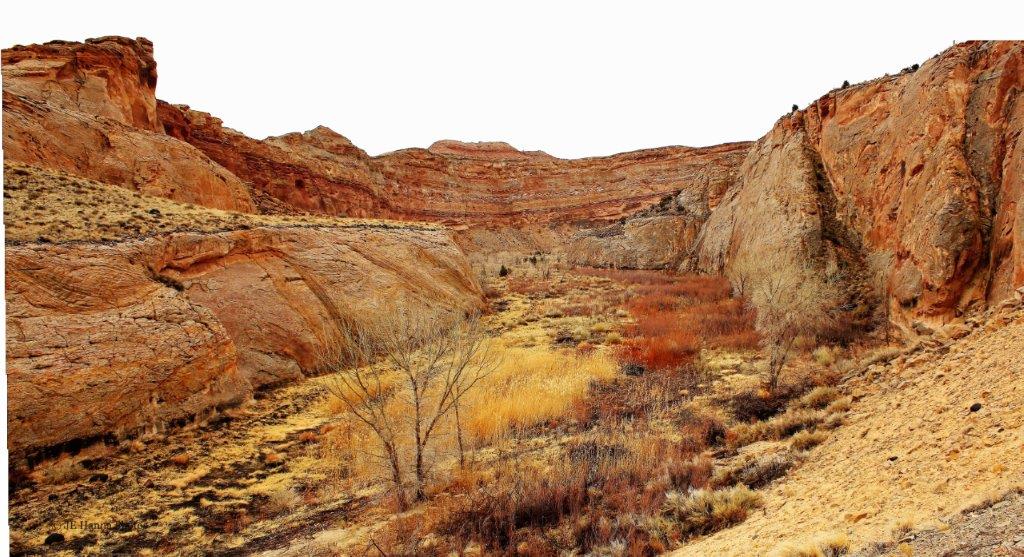
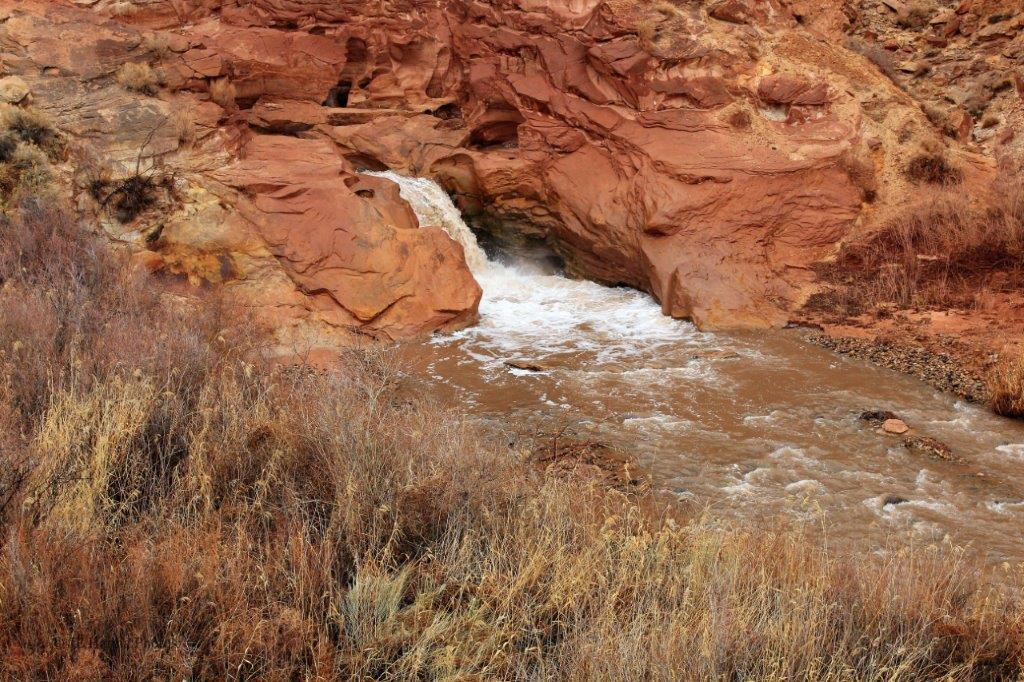
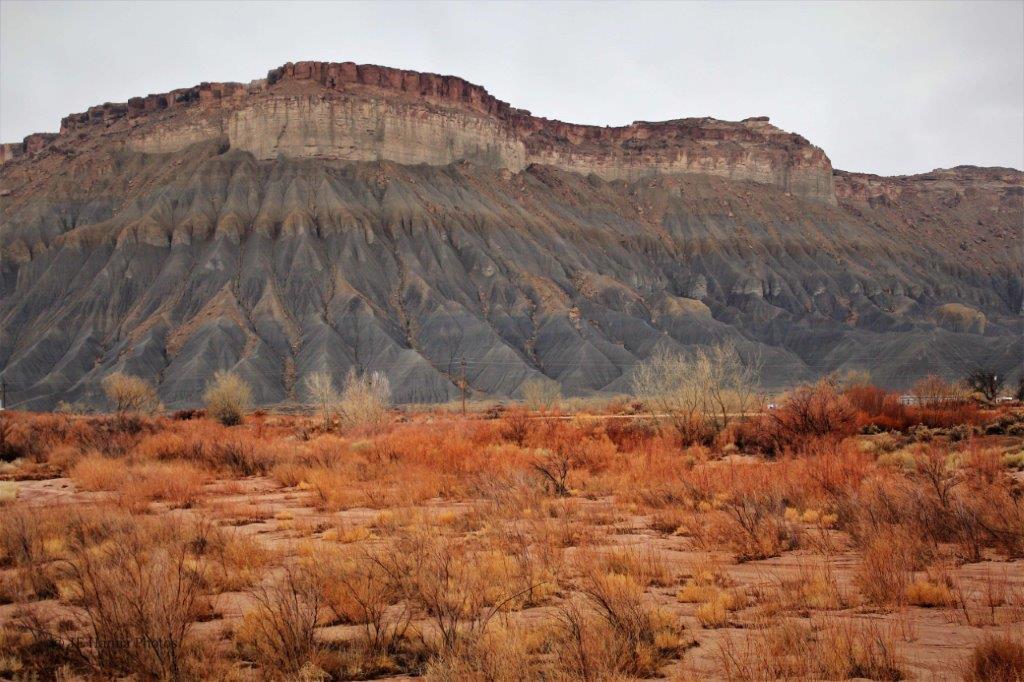
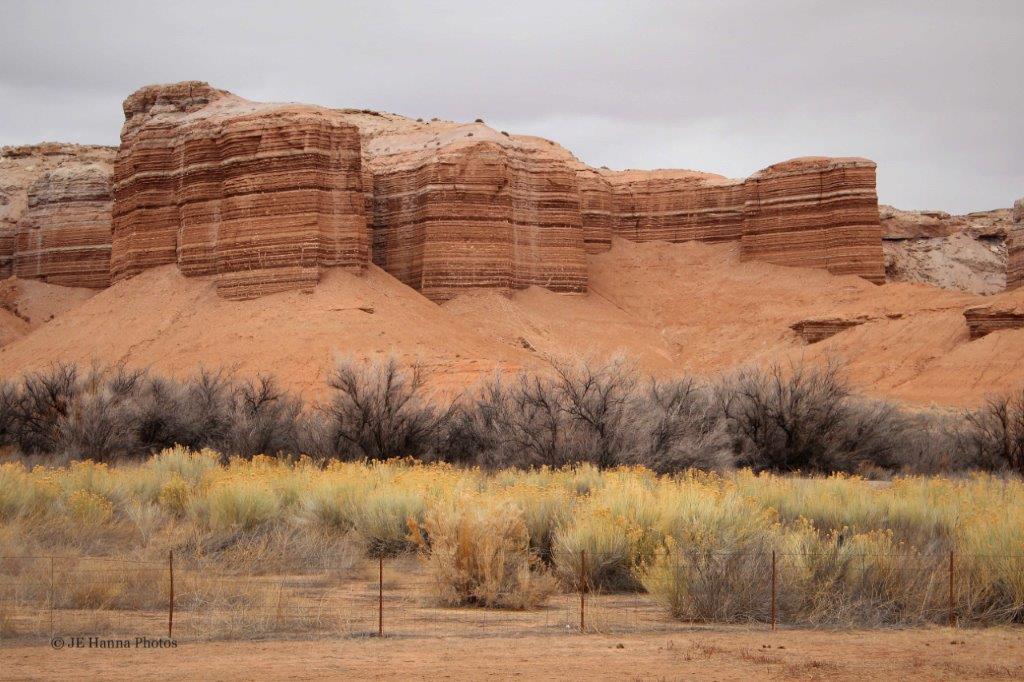
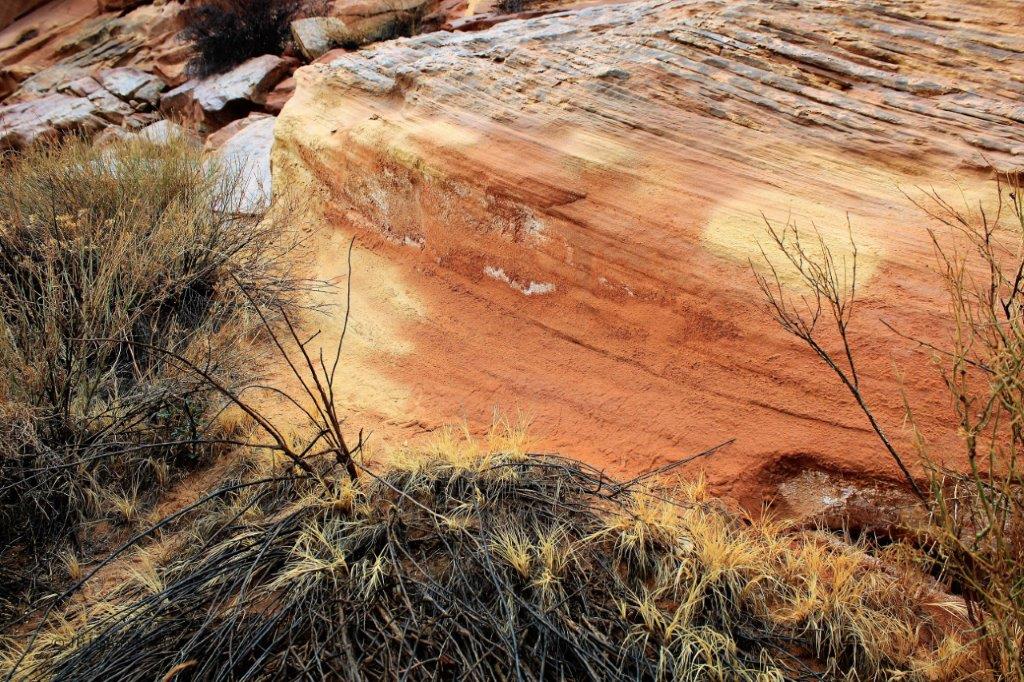
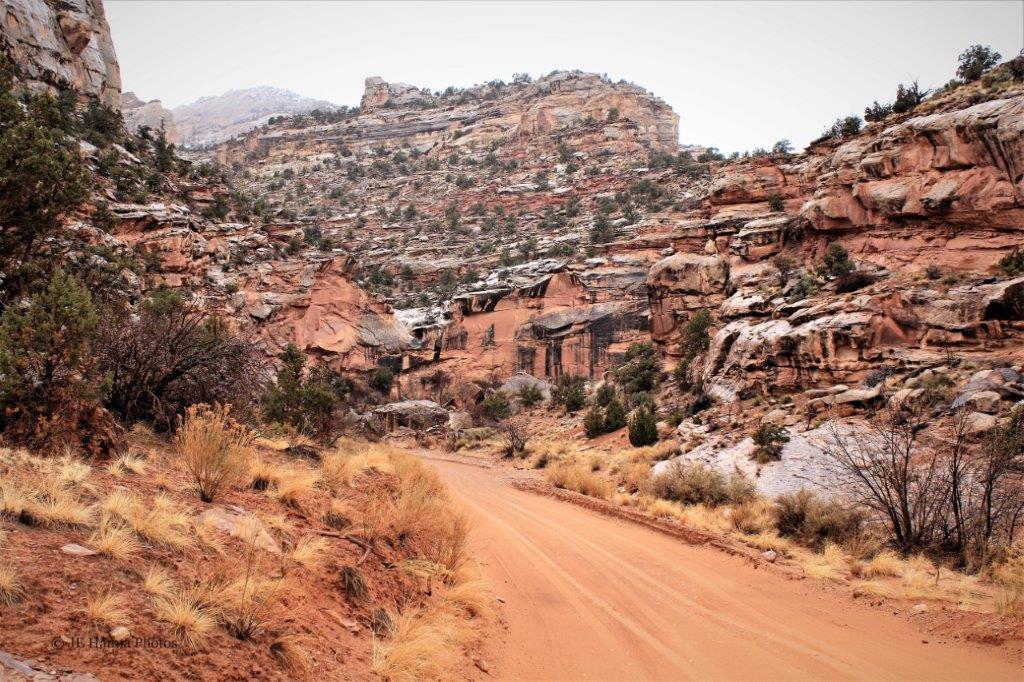
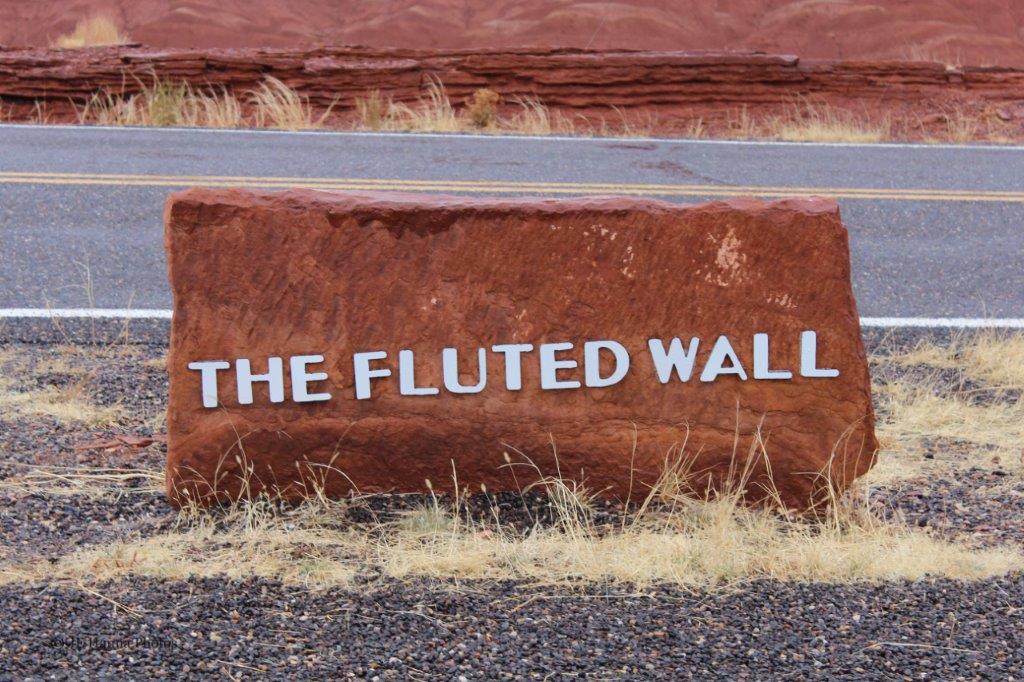
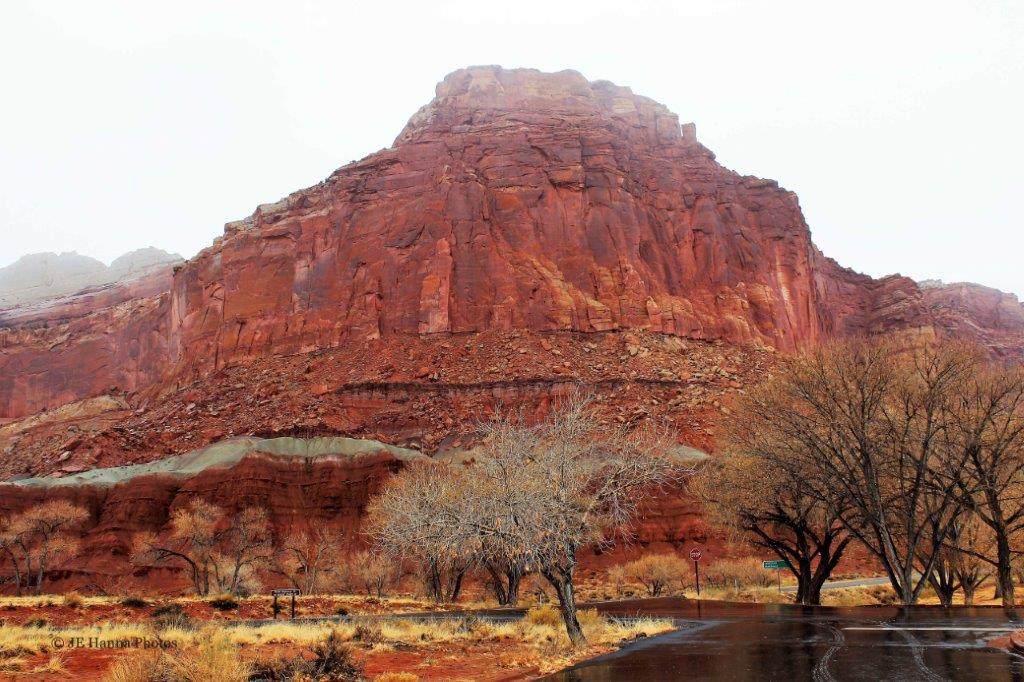
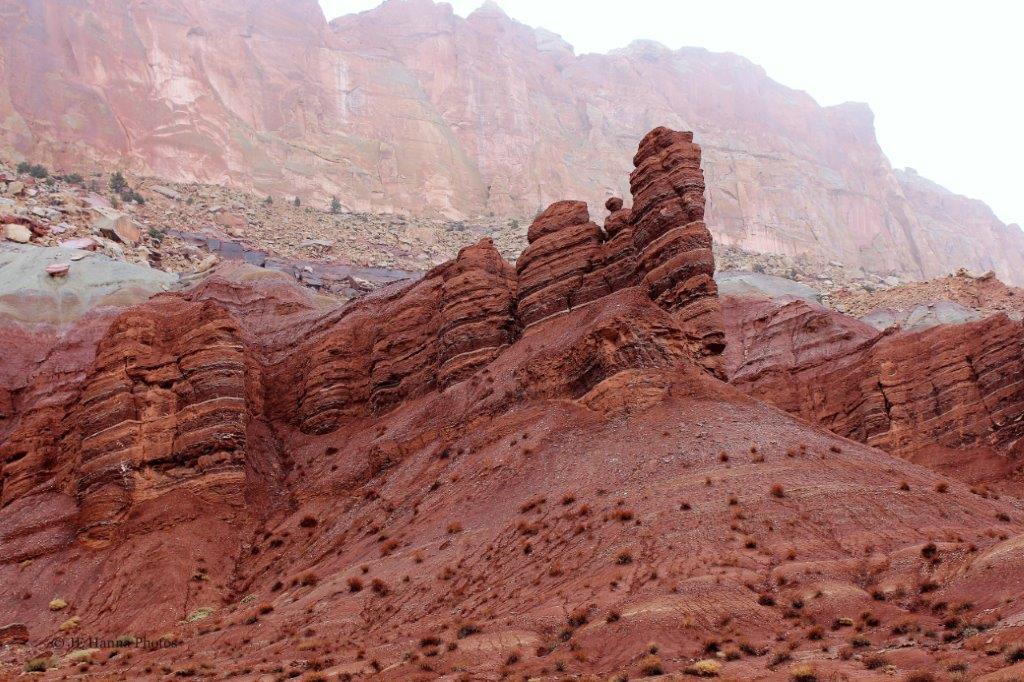
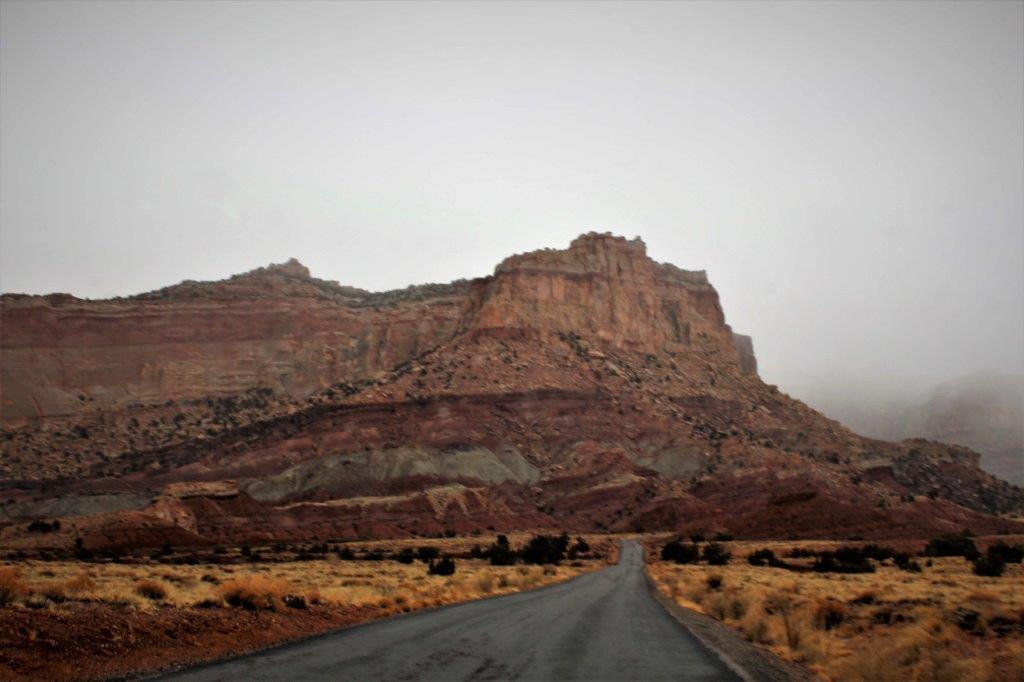
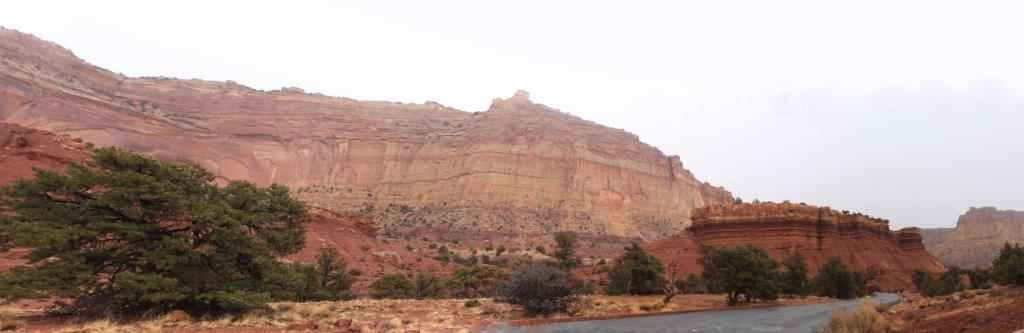
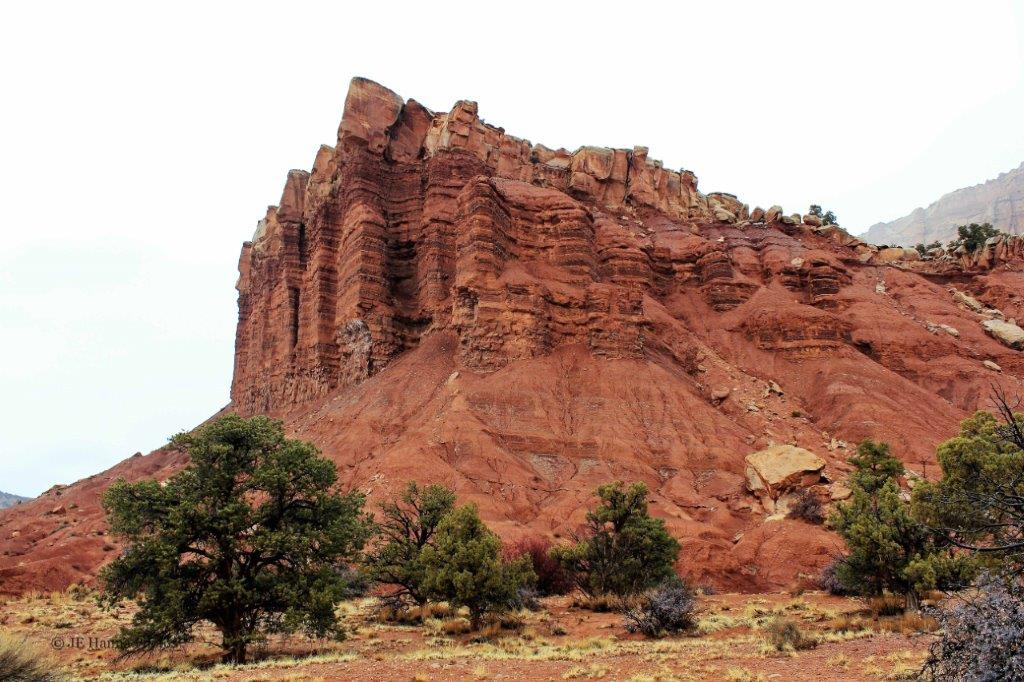
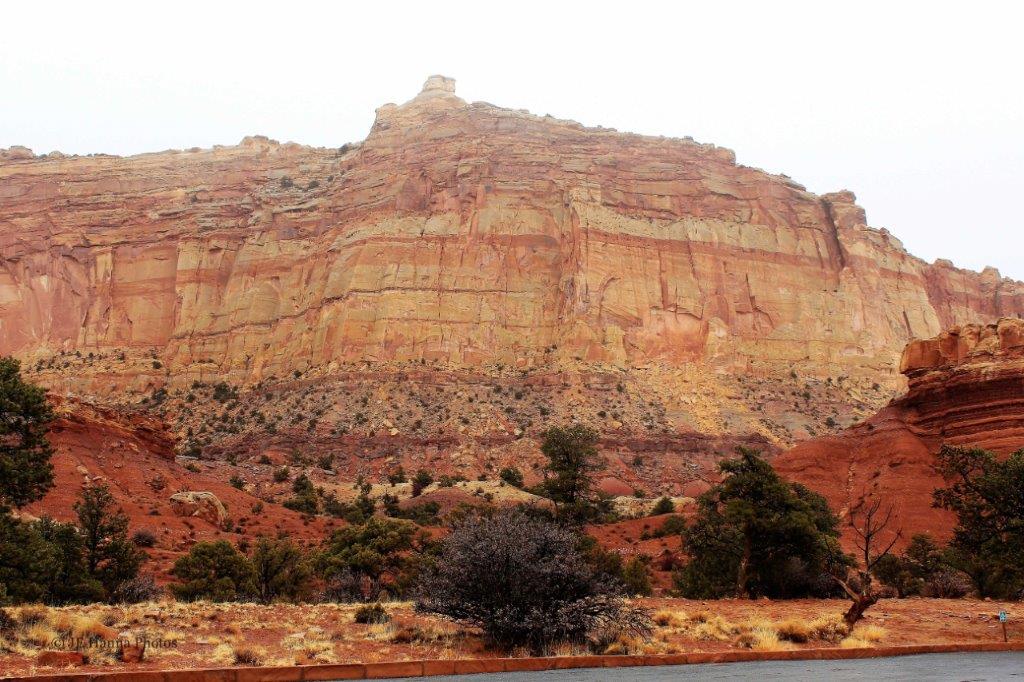
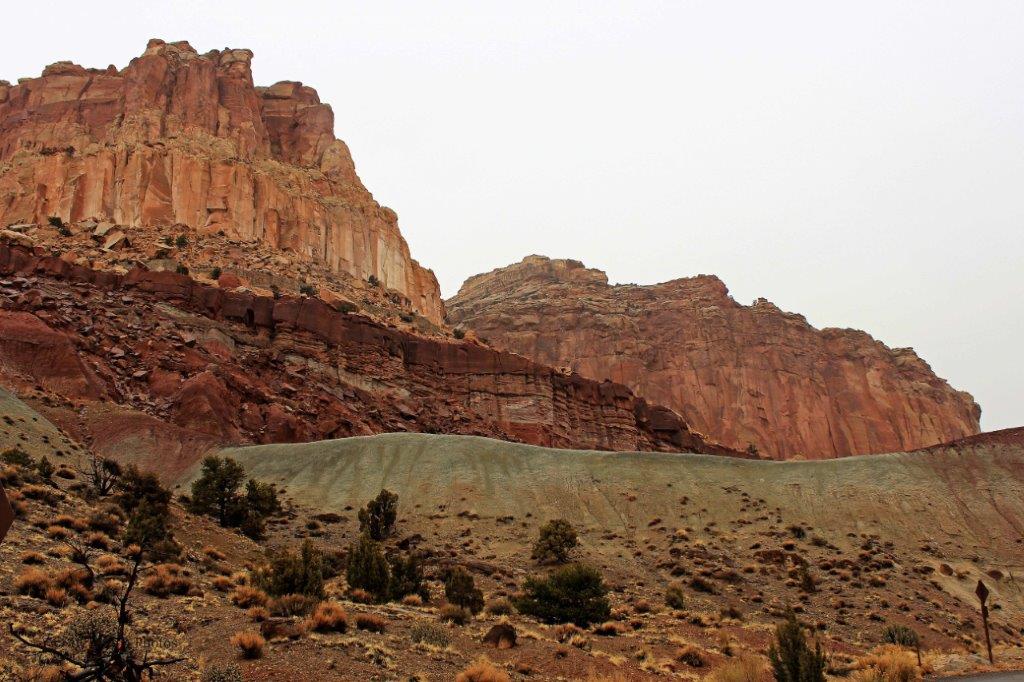
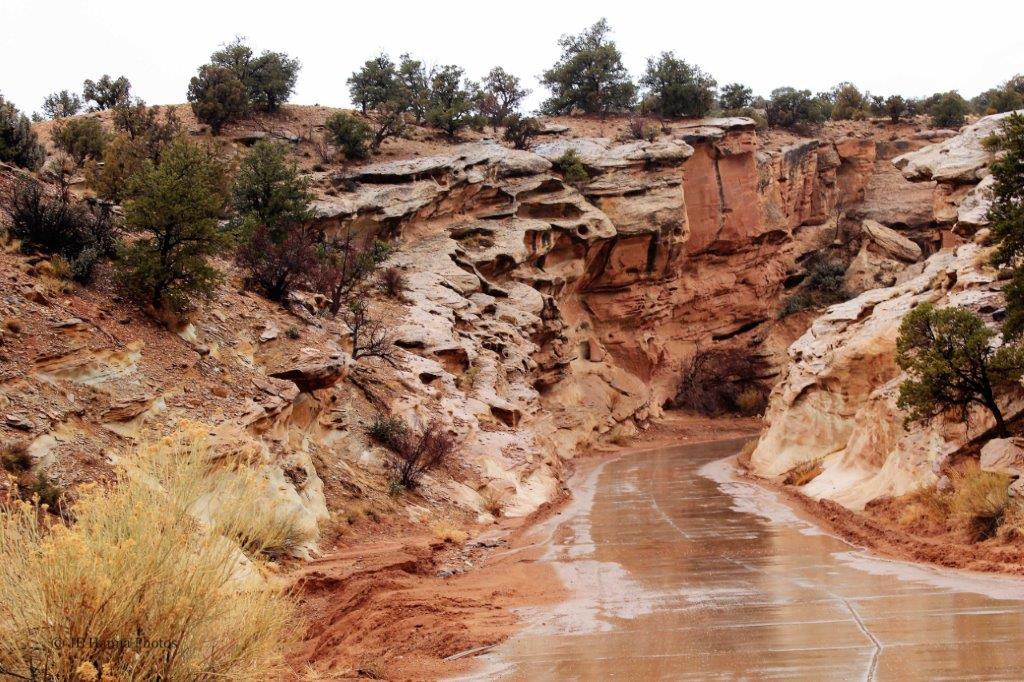
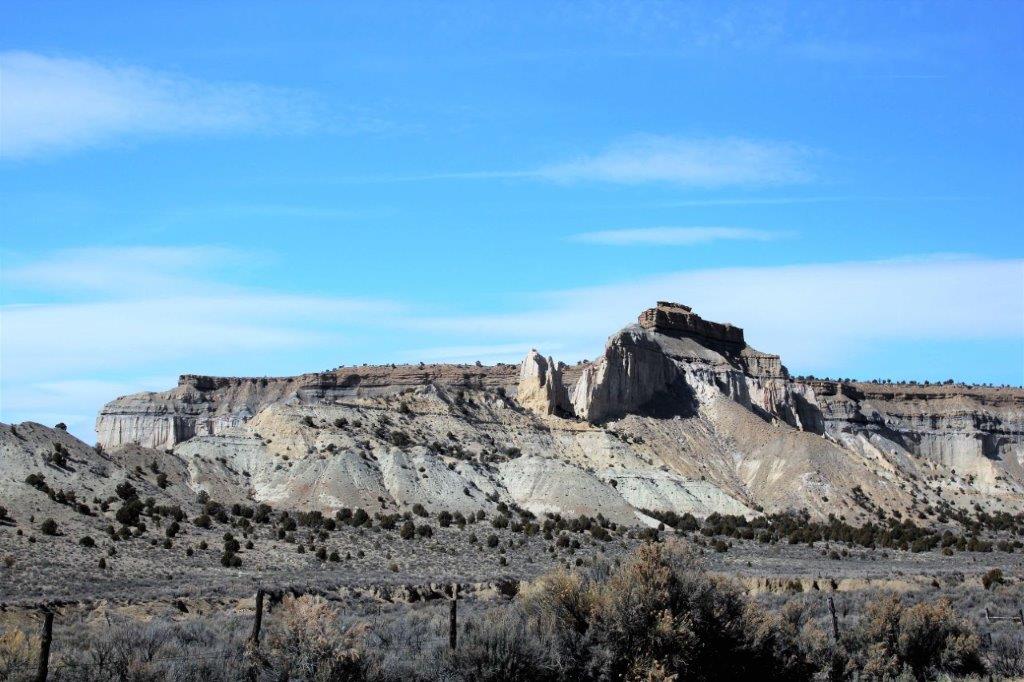
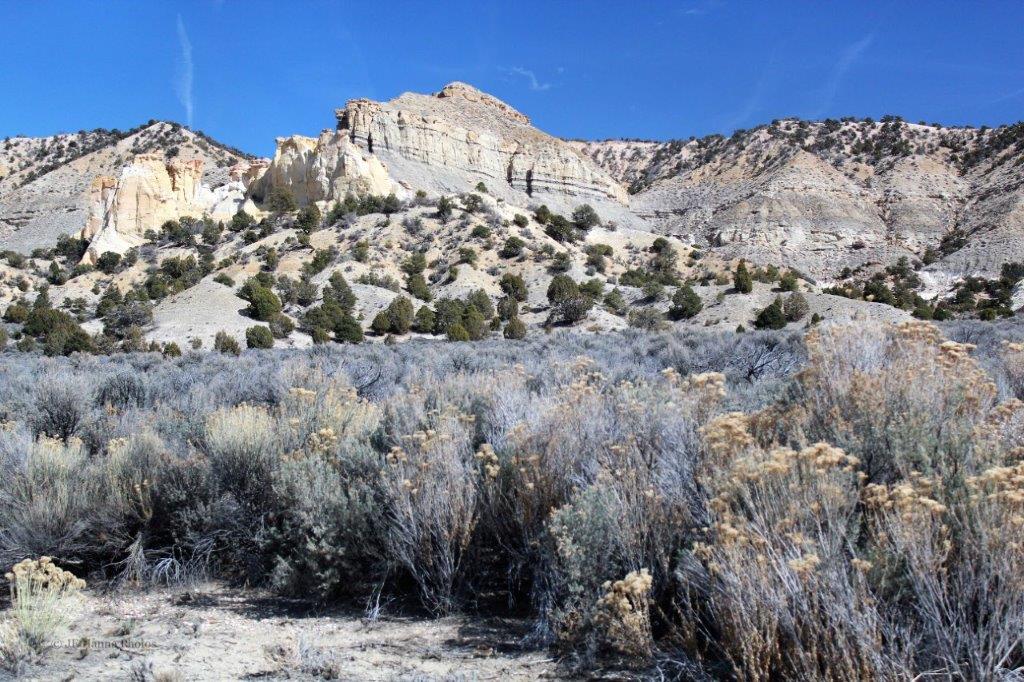
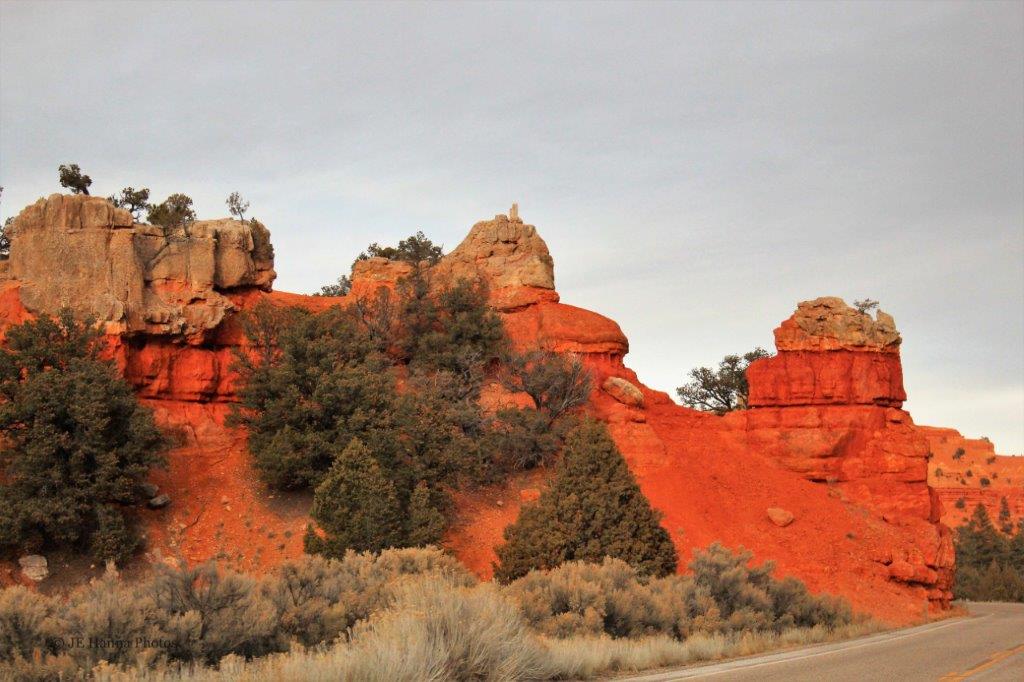
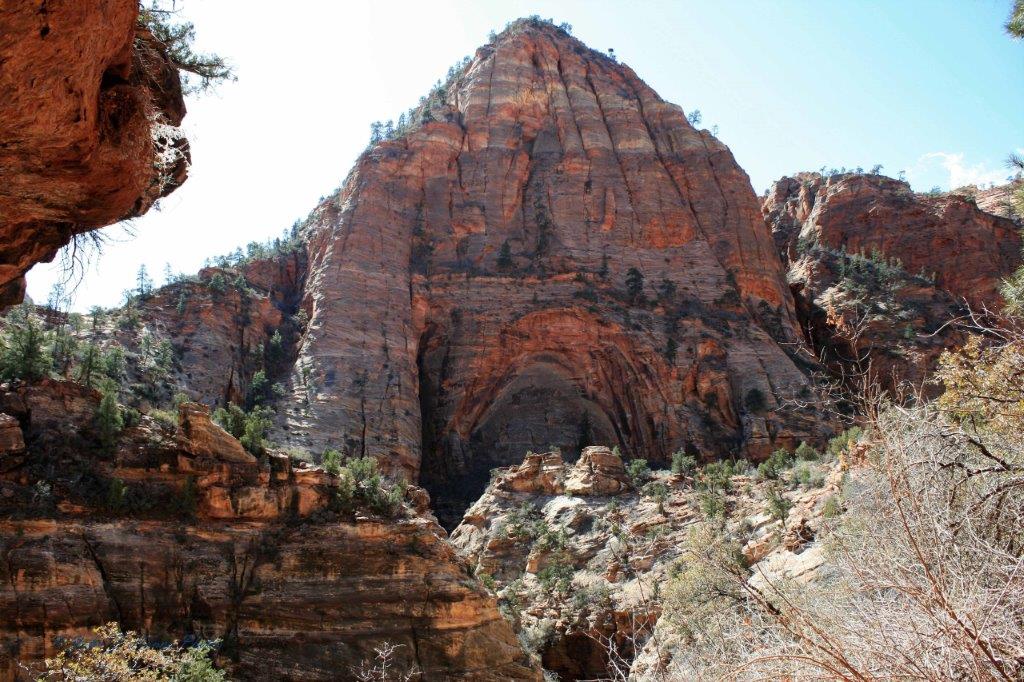
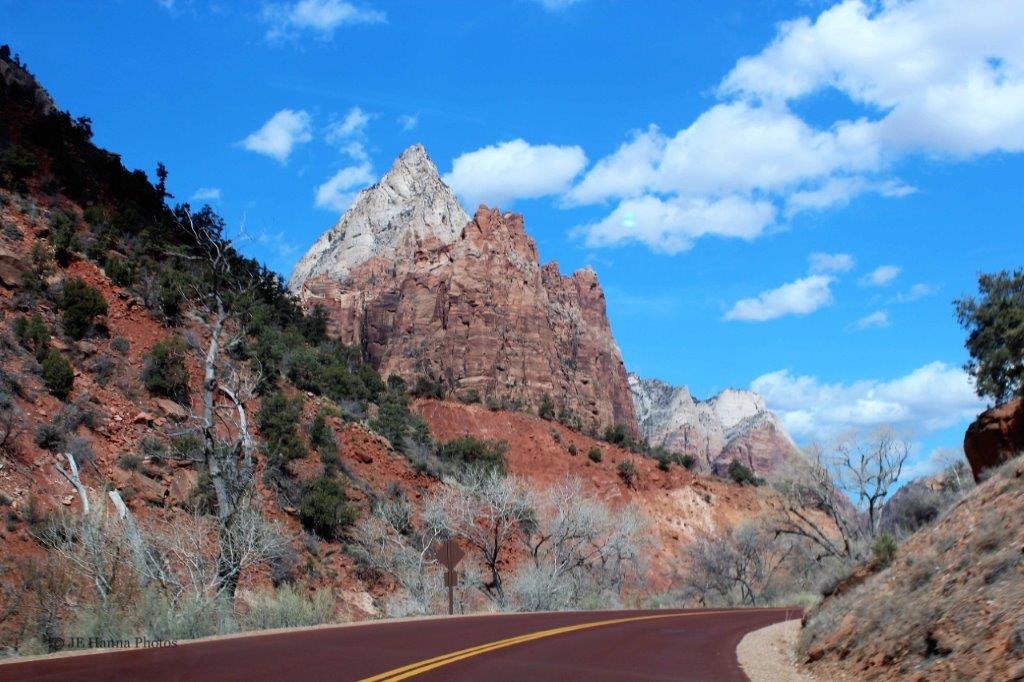
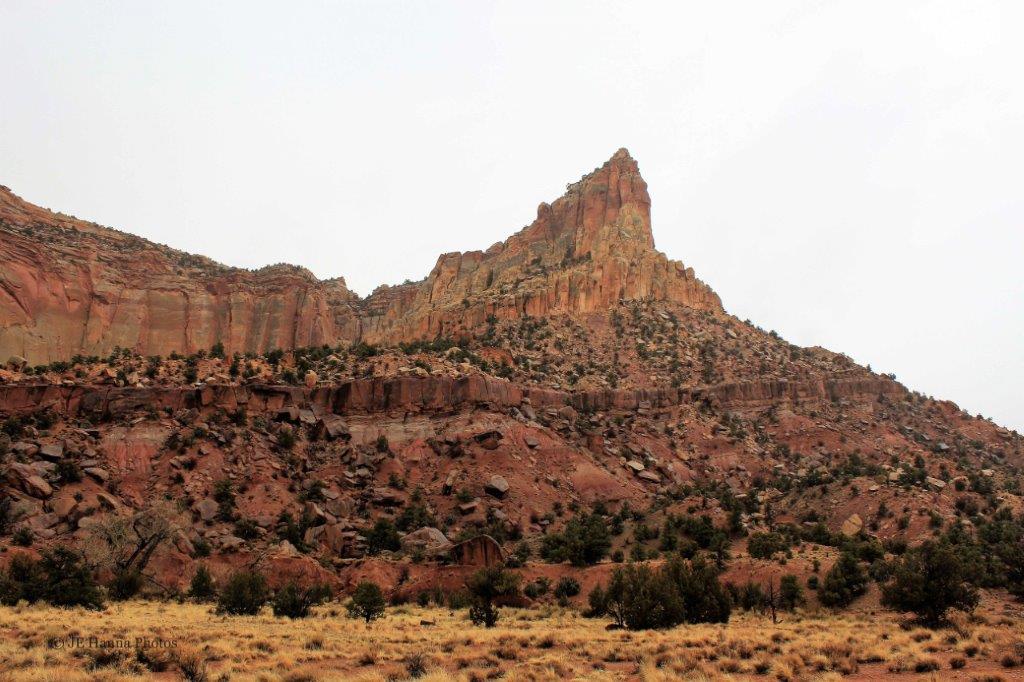
As we neared the junction of the Gorge road and the scenic road we got a nice view of Eph Hanks Tower, named for a notable  mormon pioneer. The scenic road joins Highway 24 very near the Fruita Historic District.  And just down the road is a cliff of petroglyphs. The Behunin Cabin was built in 1882 and housed a family of TEN!  We passed the east boundary of Capitol Reef National Park a short distance later and continued northeastward to Highway 6 before going south on Highway 191 to the town of Moab where we spent the night. All the oranges, reds and yellows in the rock and grass and shrubs in this wash were so pretty.
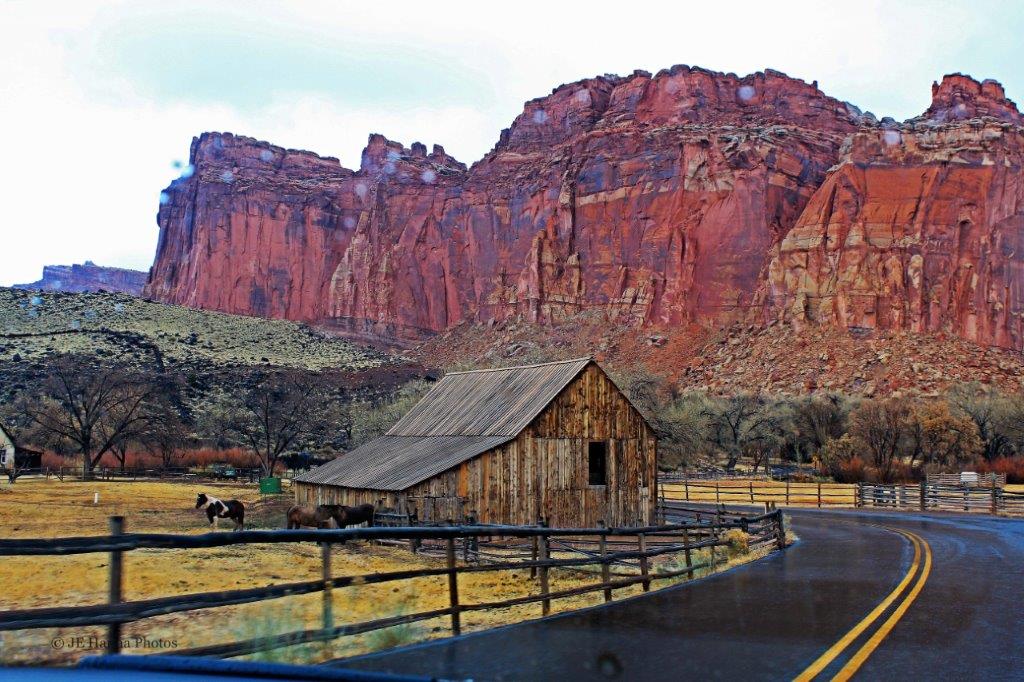
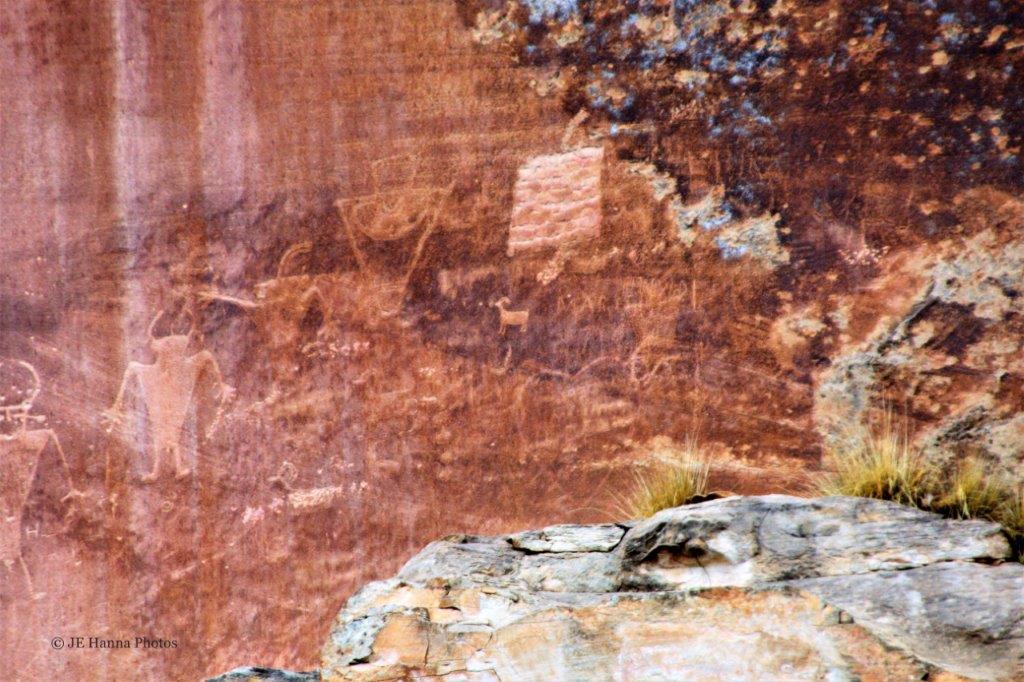
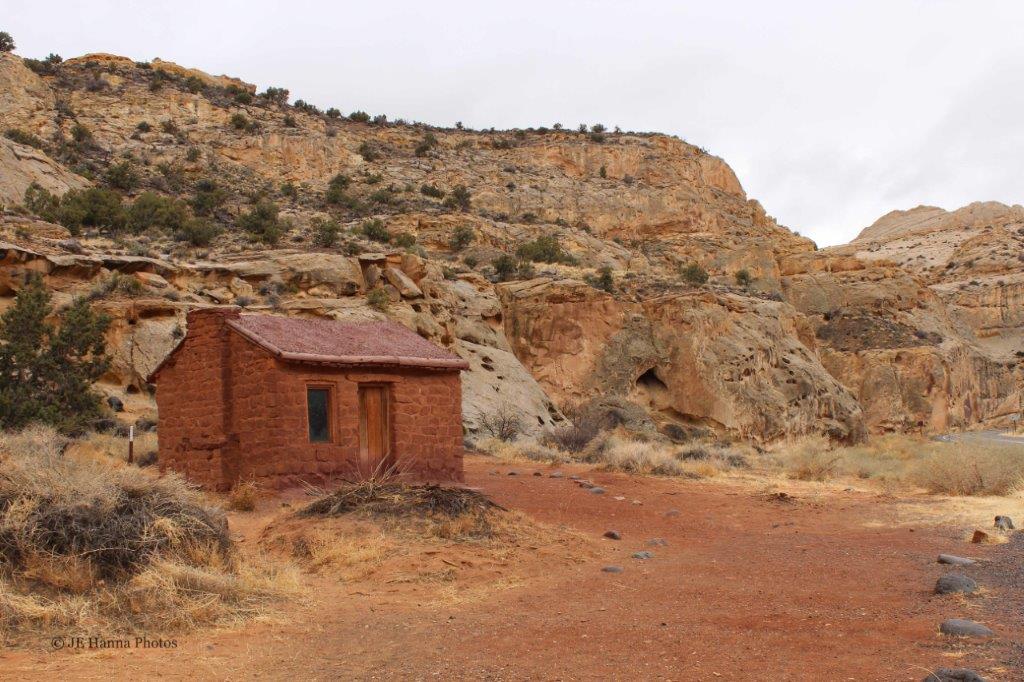
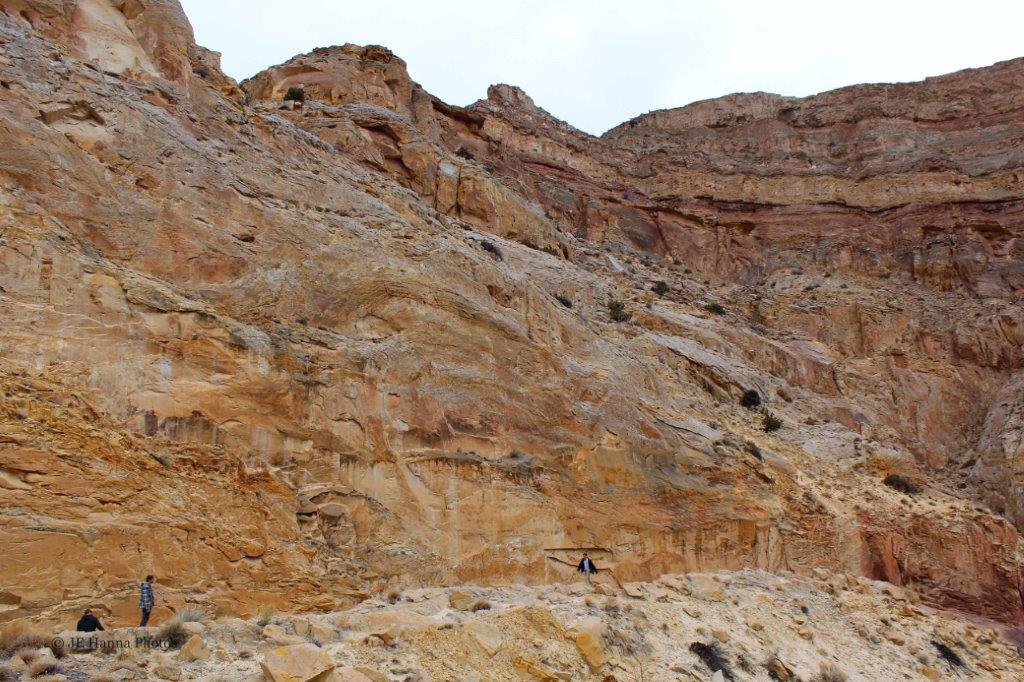
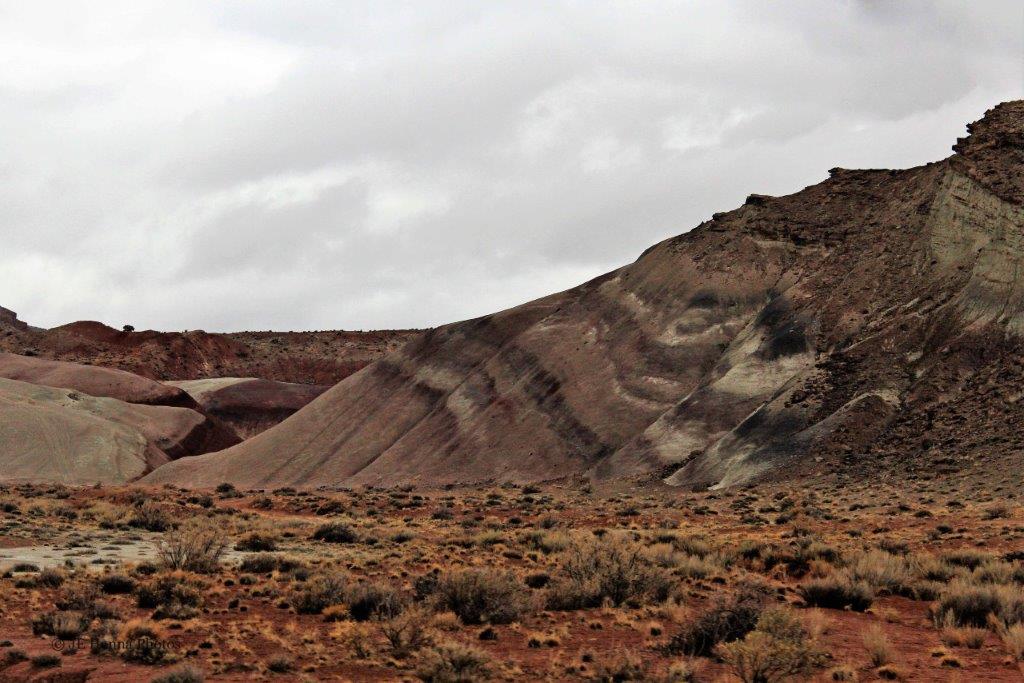
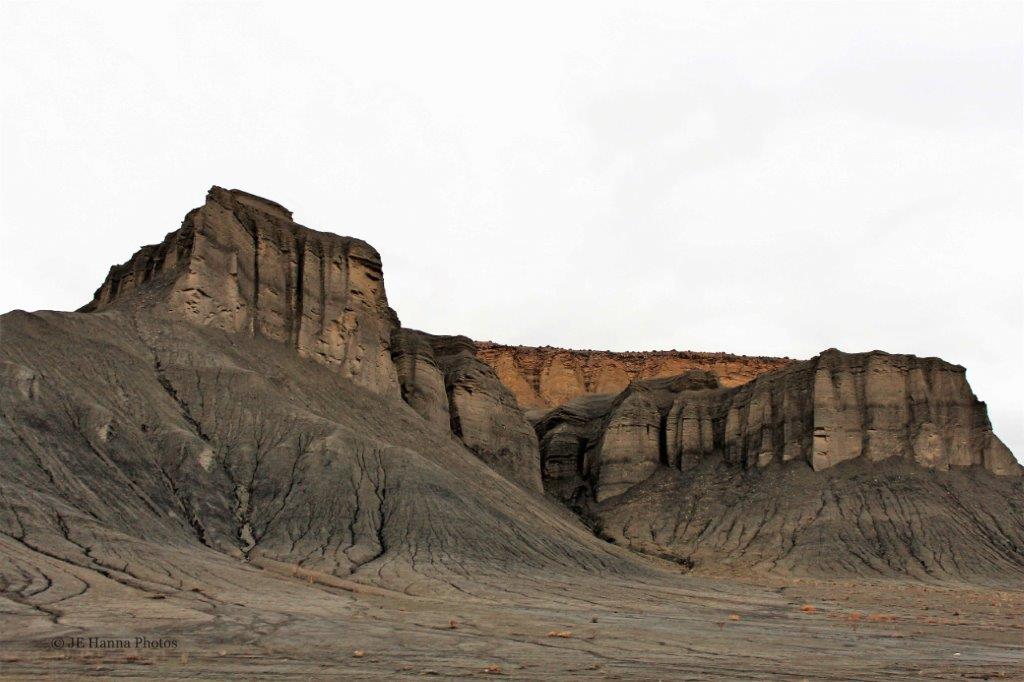
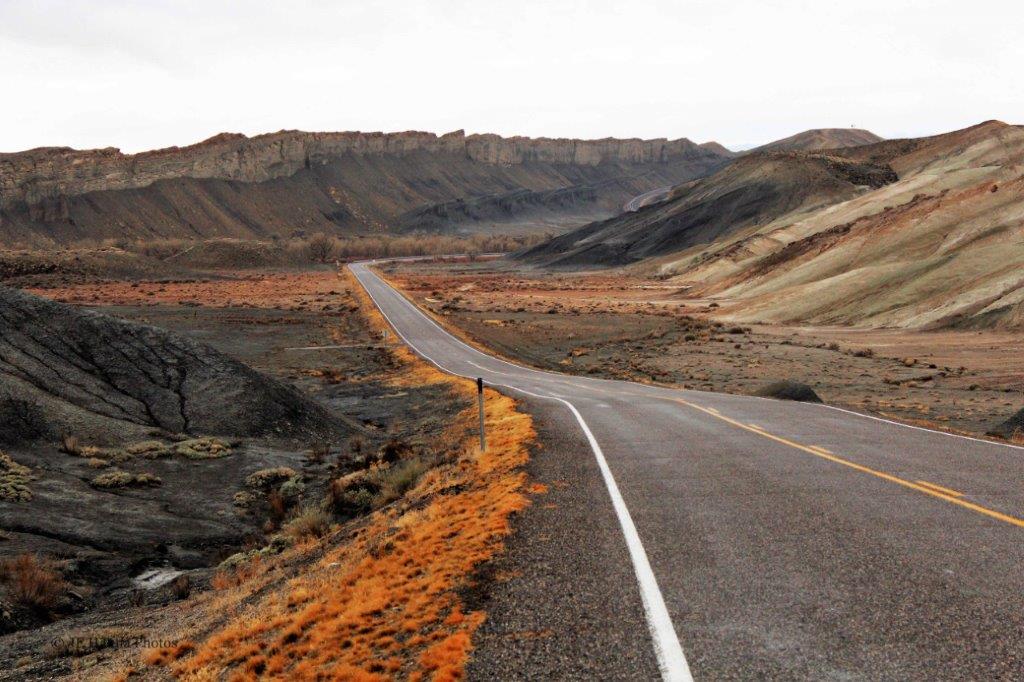
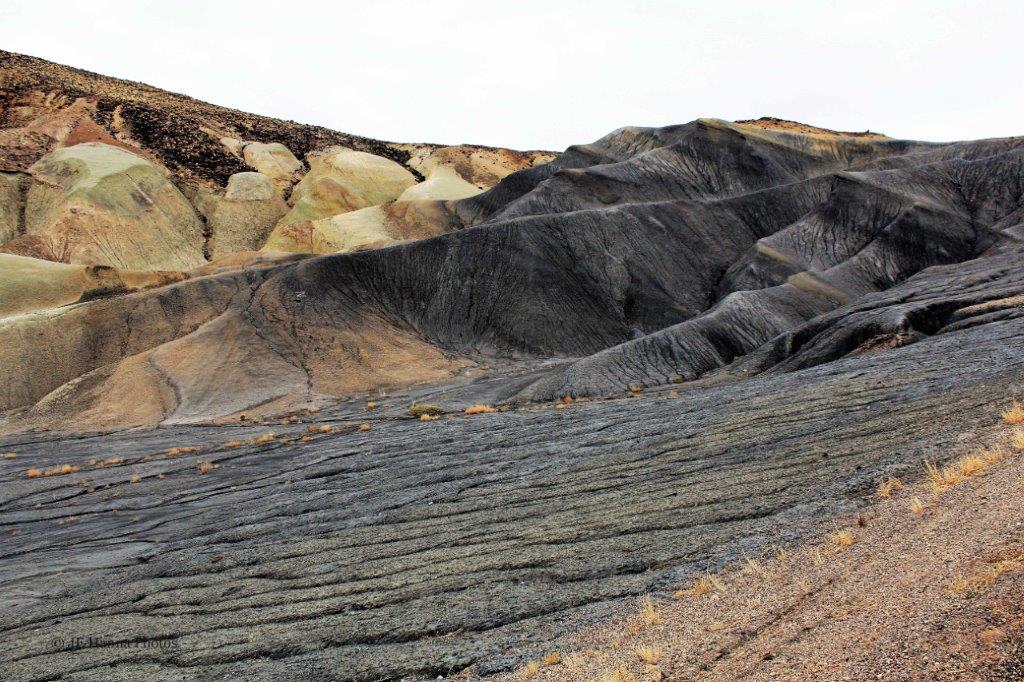
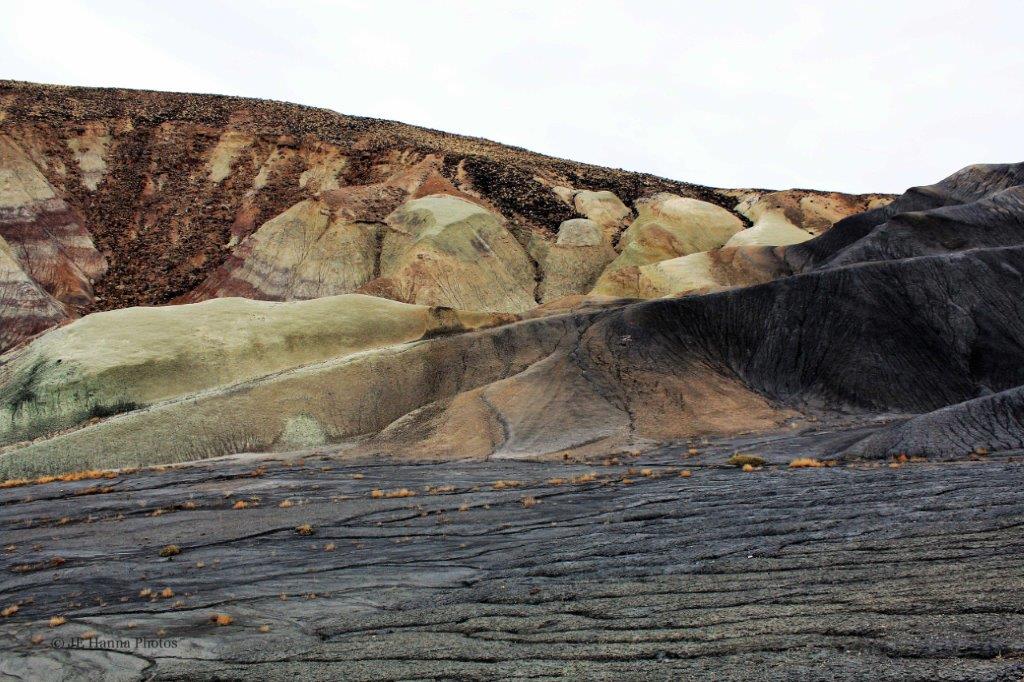
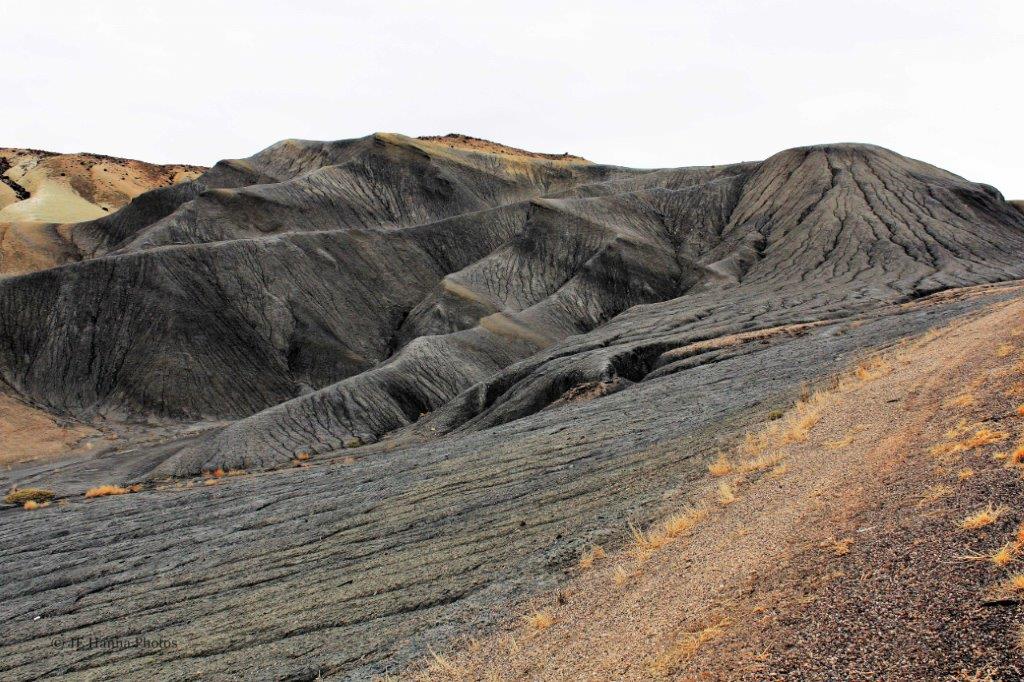
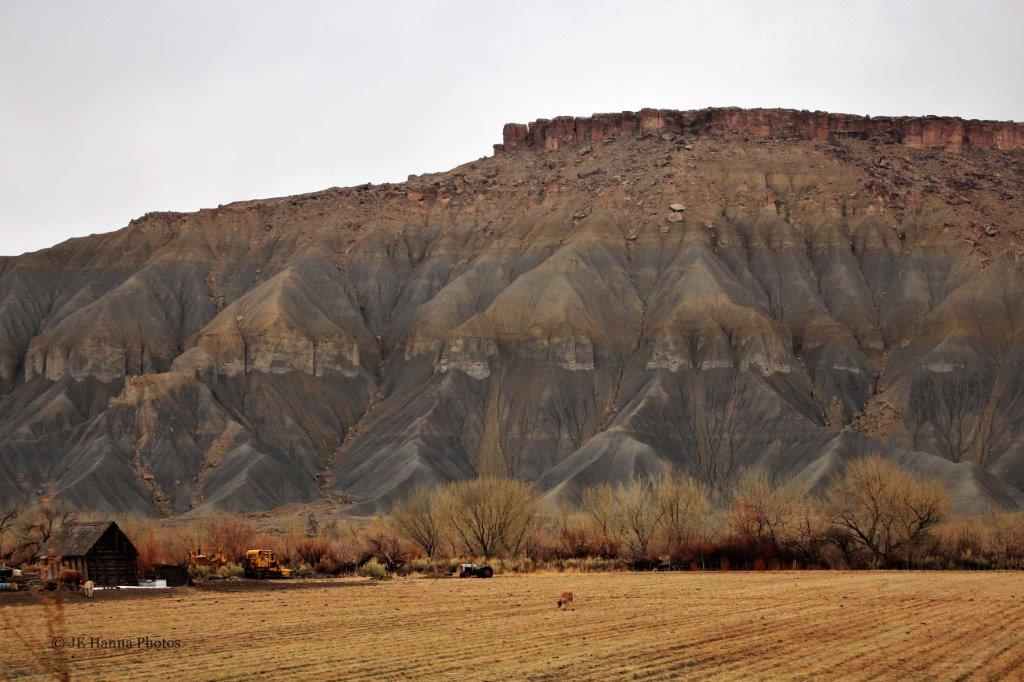
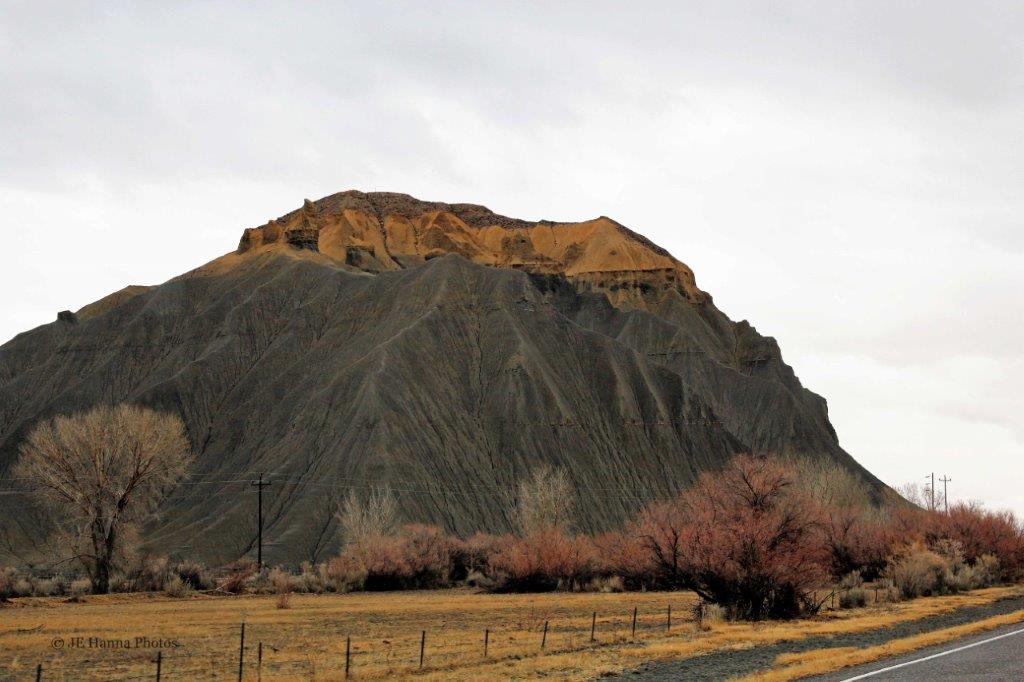
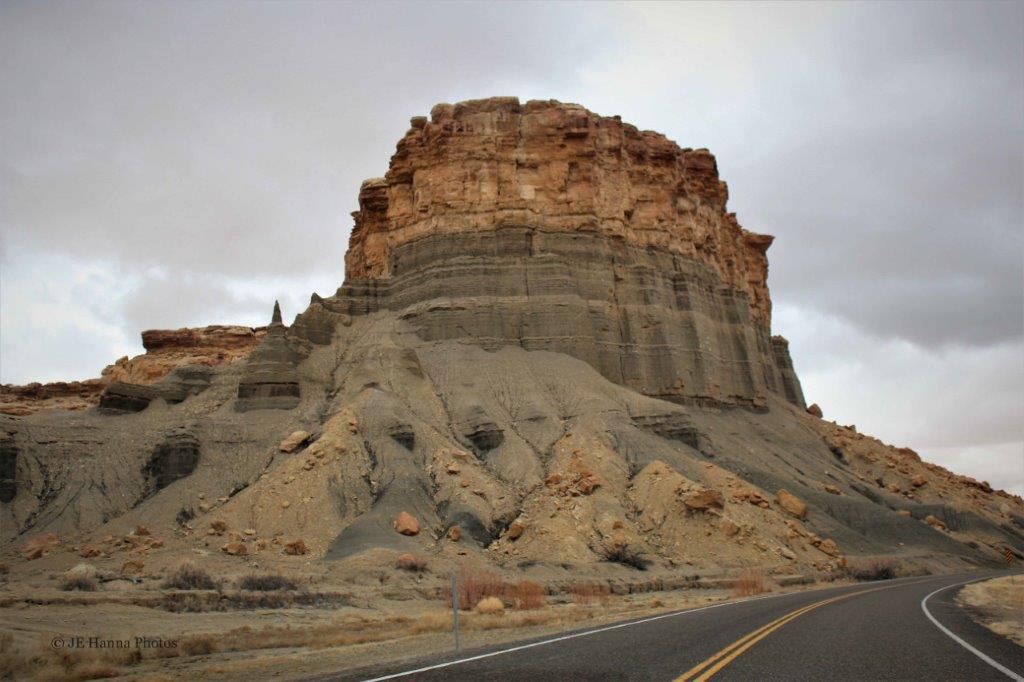
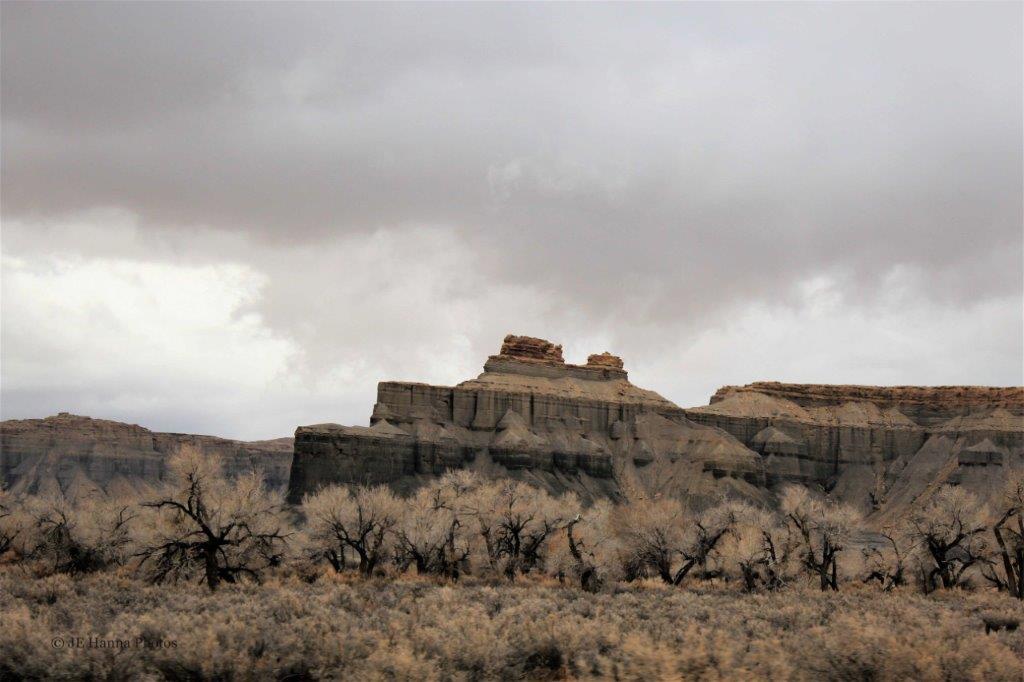
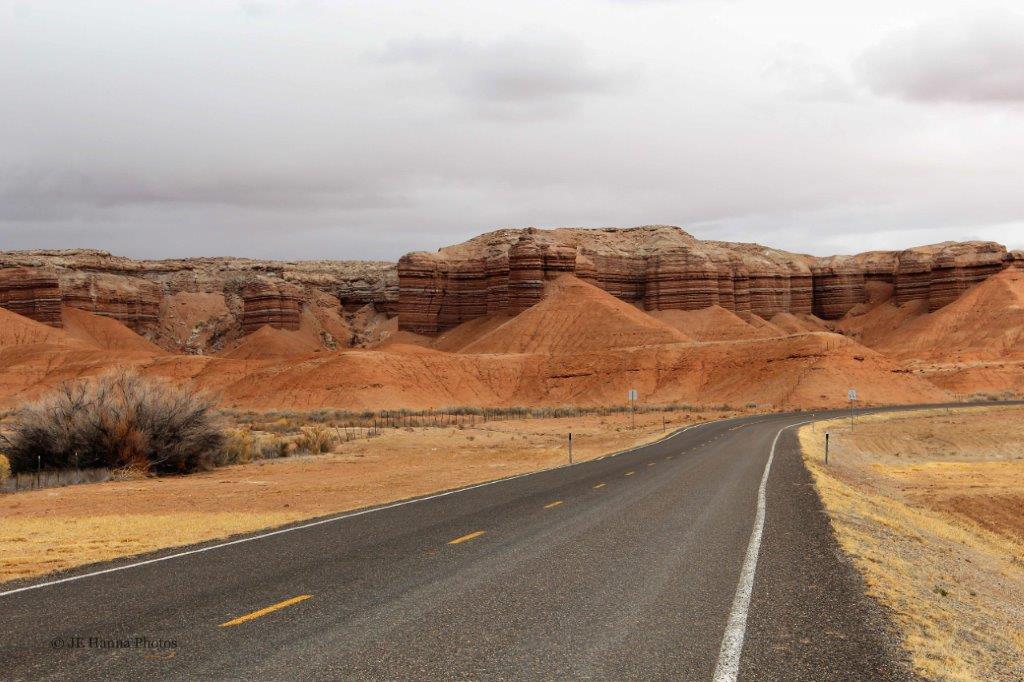
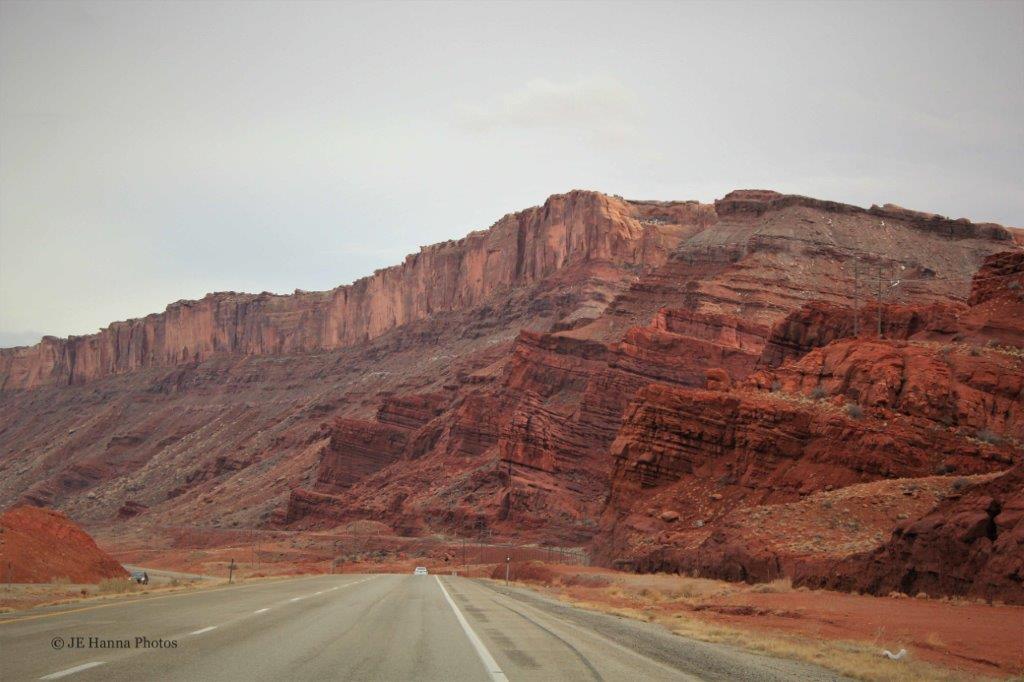
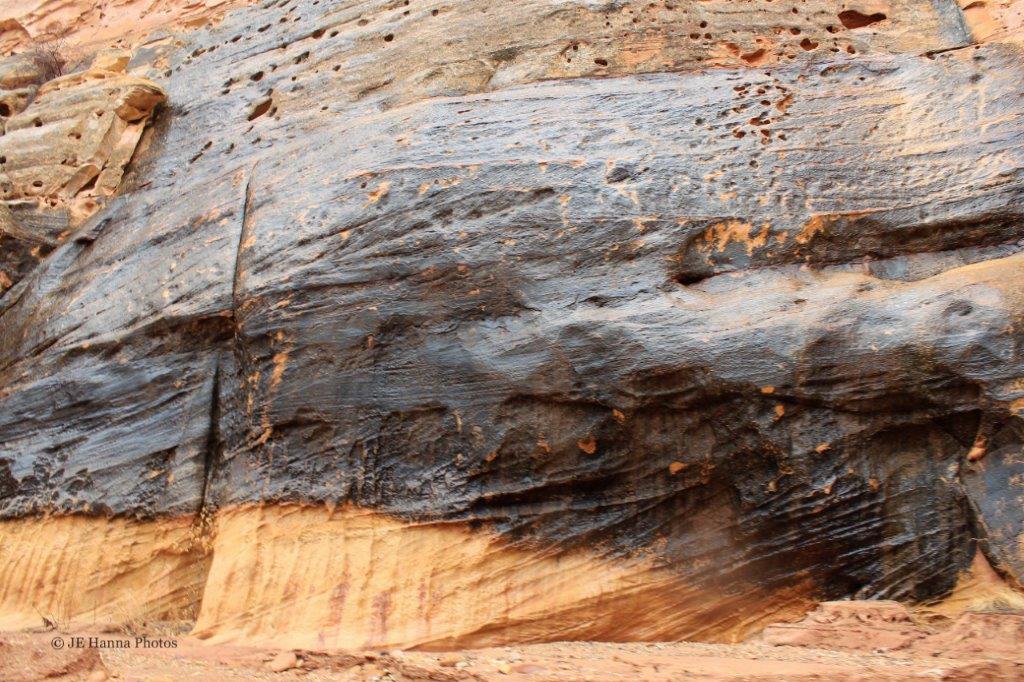
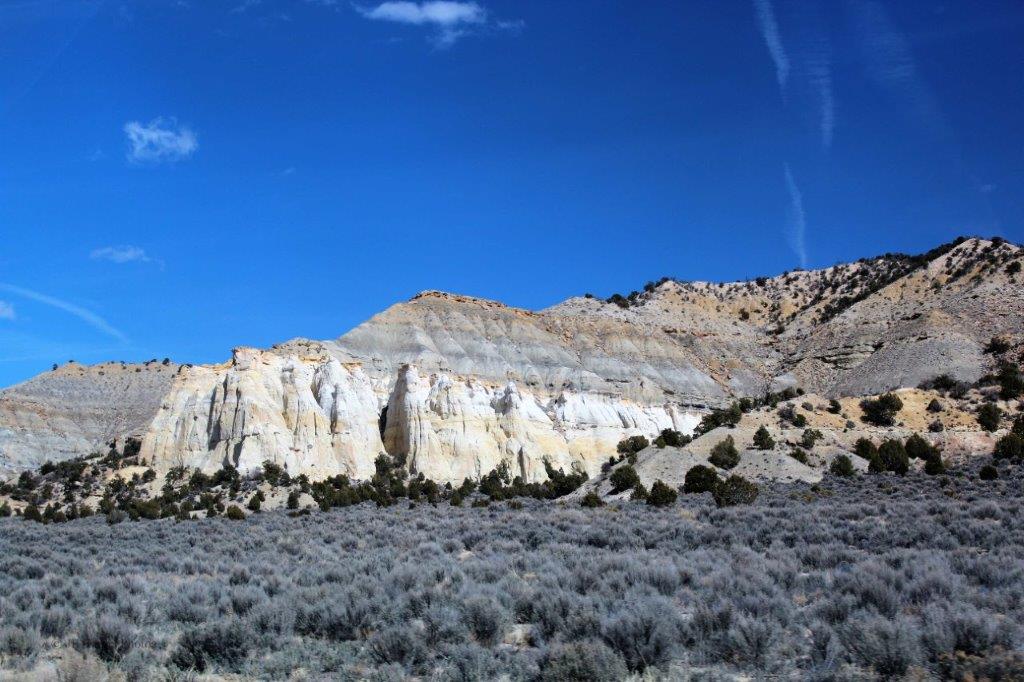
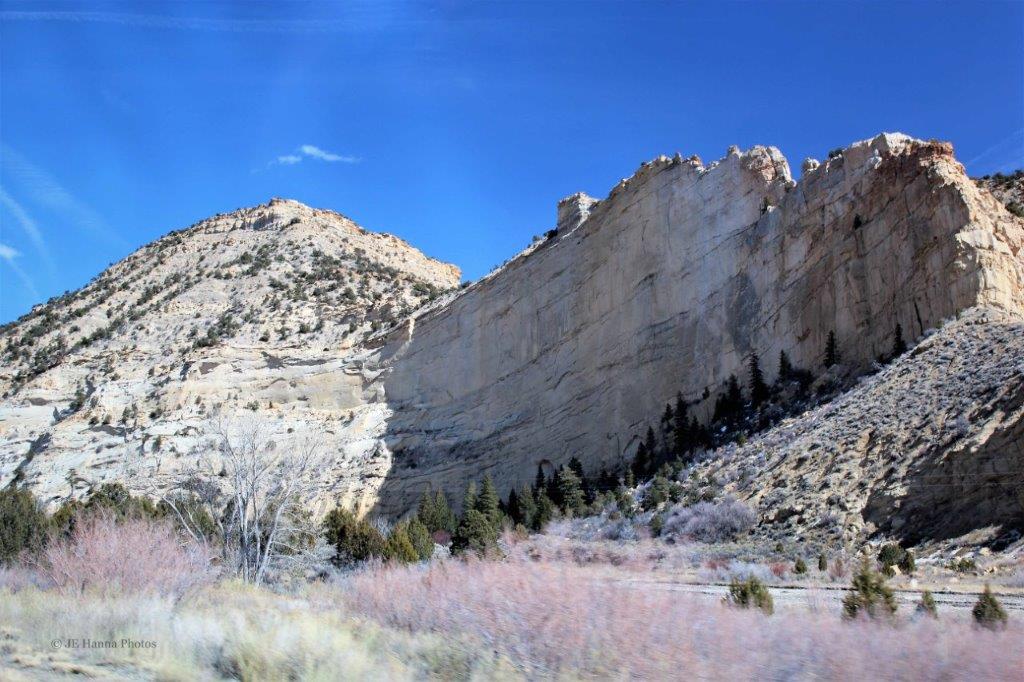
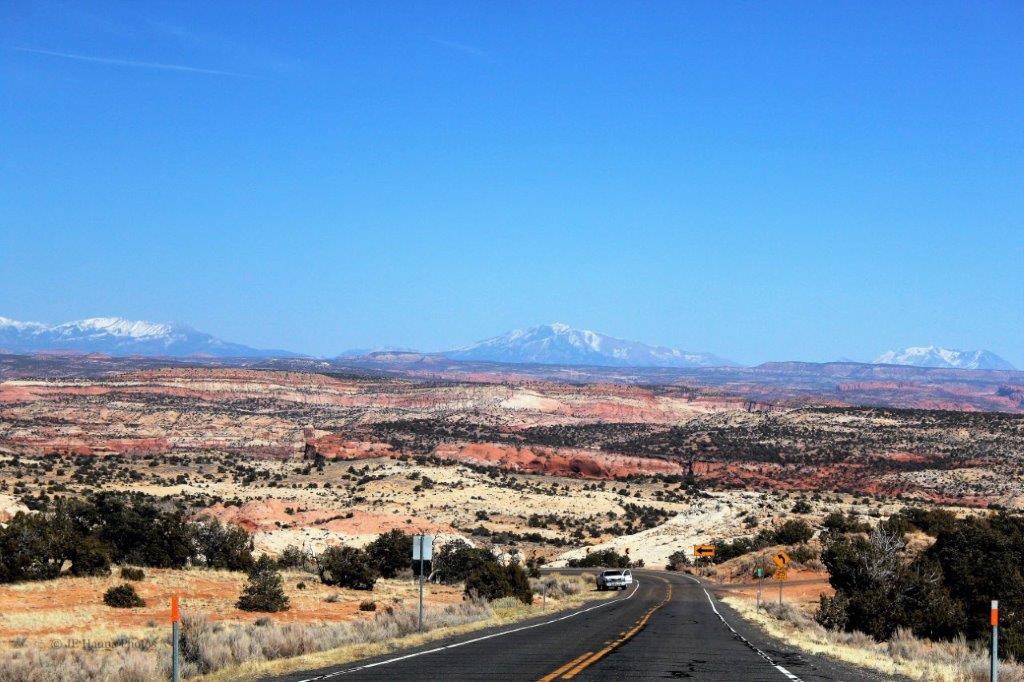
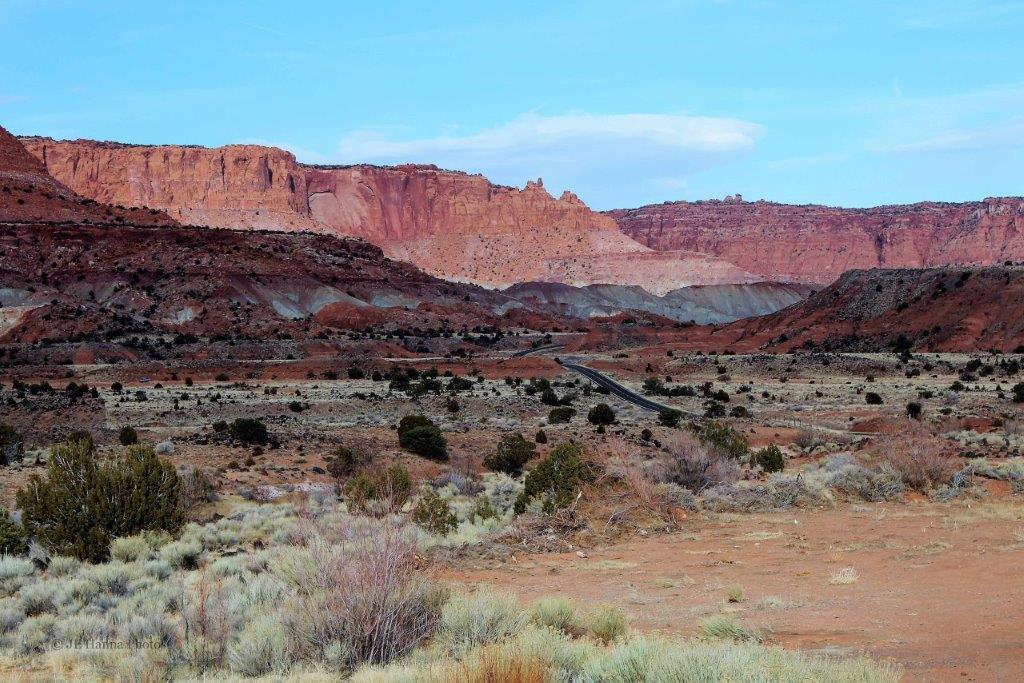
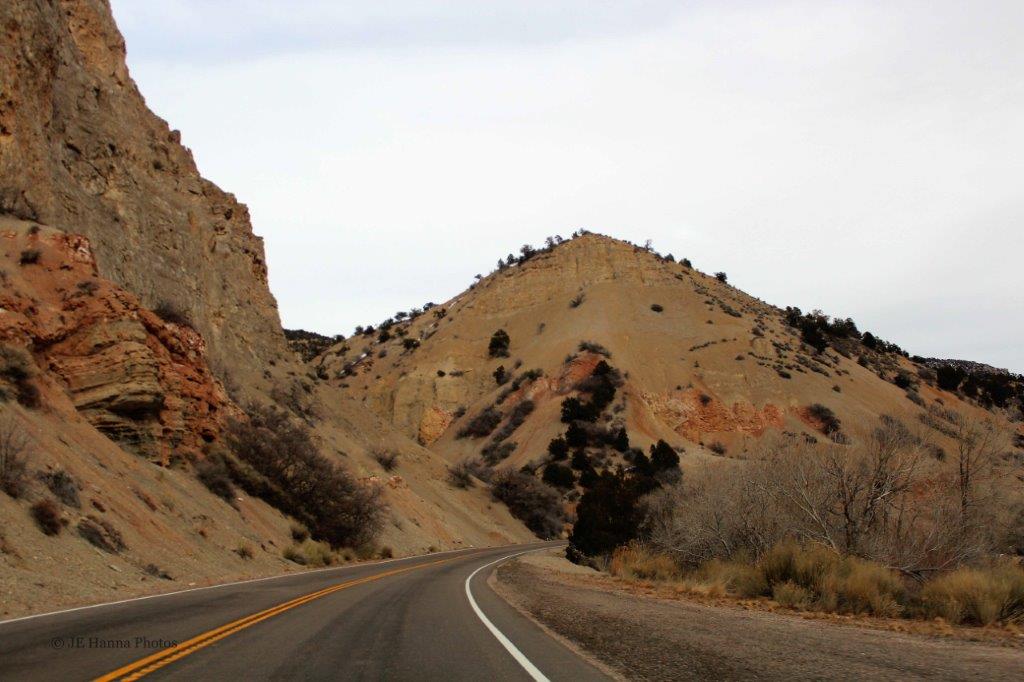
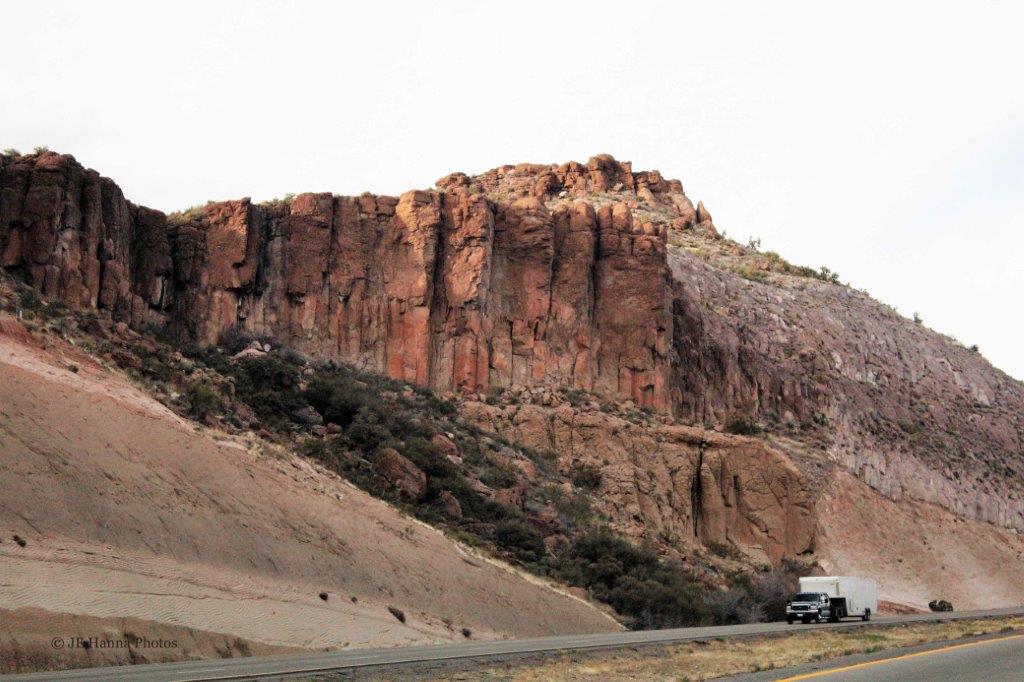
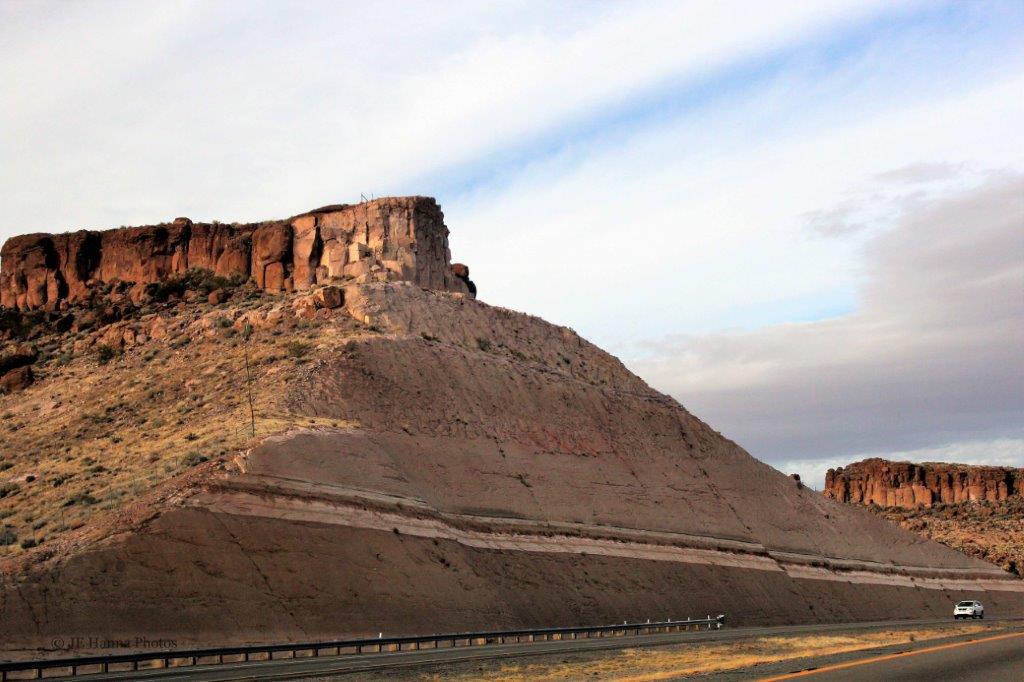
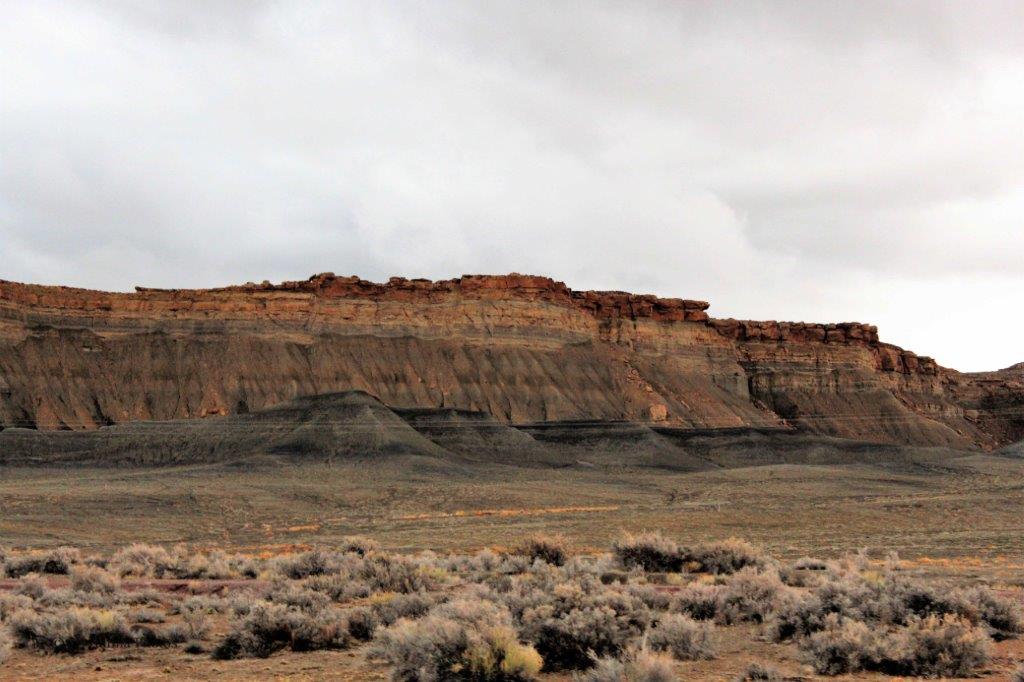
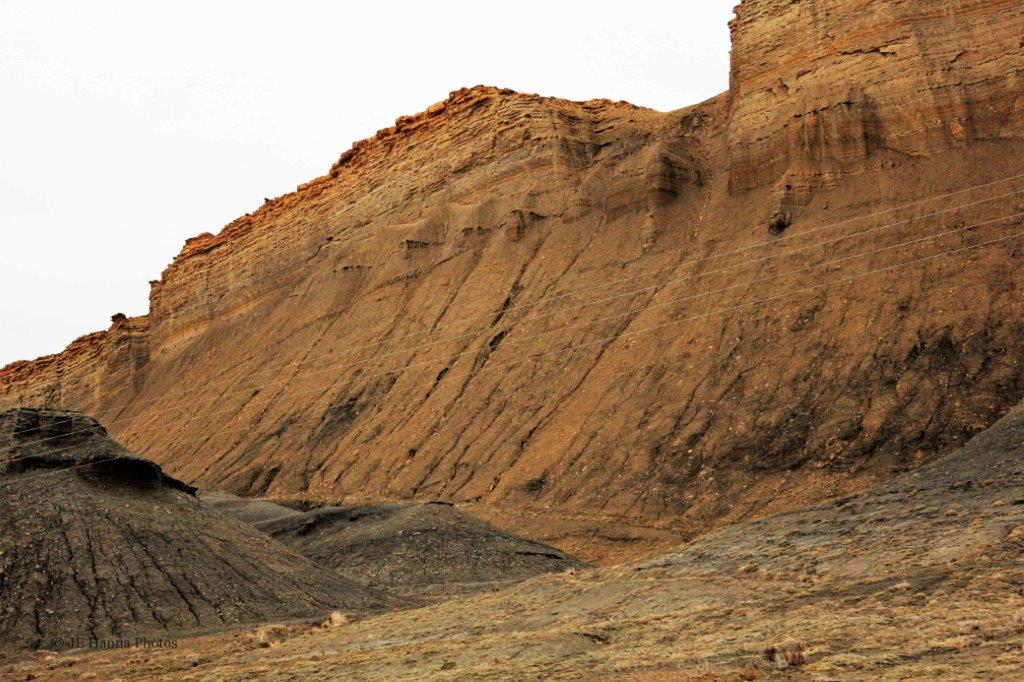
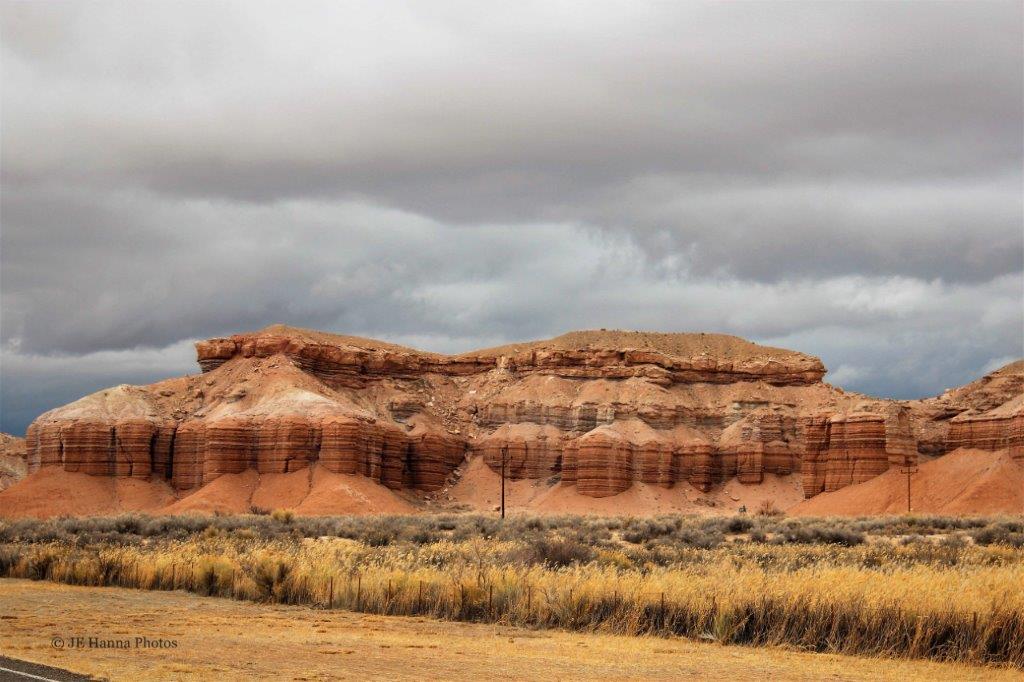
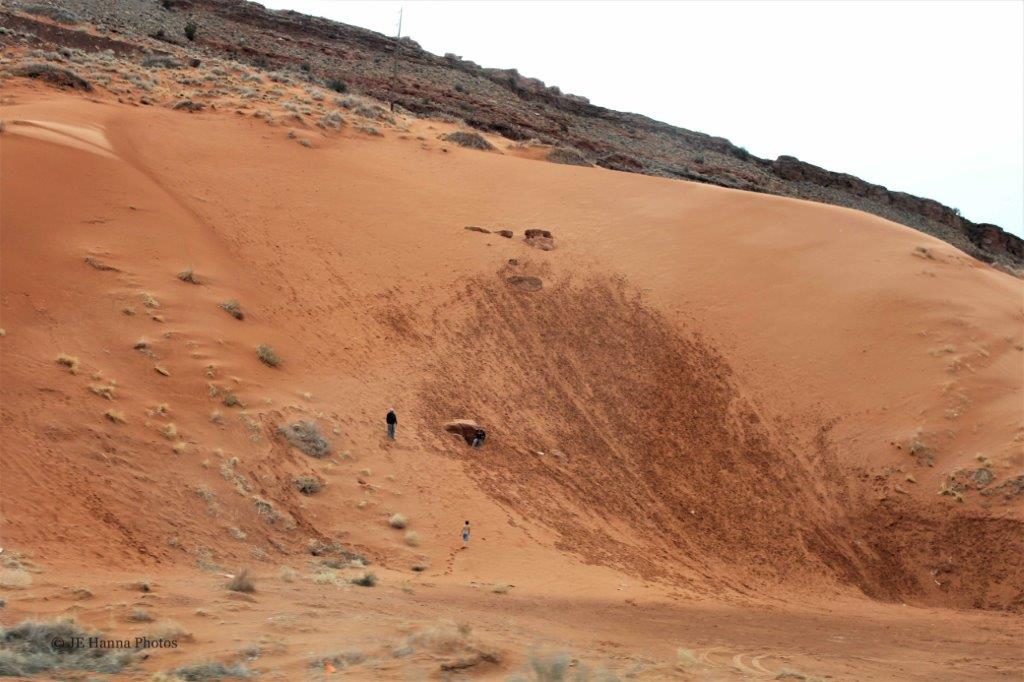
Water is a very precious commodity in these regions.I think the stretch of road between Capitol Reef Park and Moab was one of my favourites of the entire trip.  The colours in the rocks were dramatically different around every corner.  From the gold below, to red, to jet black, to purple and yellow.  It was amazing! And fascinating! Snap, snap, snap, snap.  My camera shutter was going all the time.  People had a lot of fun scrambling up this steep hill of sand.  I have had fine sand in my shoes and on my clothes before, so we had no problem giving this a pass.The town of Moab is located southeast of Arches National Park.  We spent the night there and then the next day drove back up Highway 191 to the park entrance.
2013 March 8 – Capitol Reef National Park, Utah (Part 2)

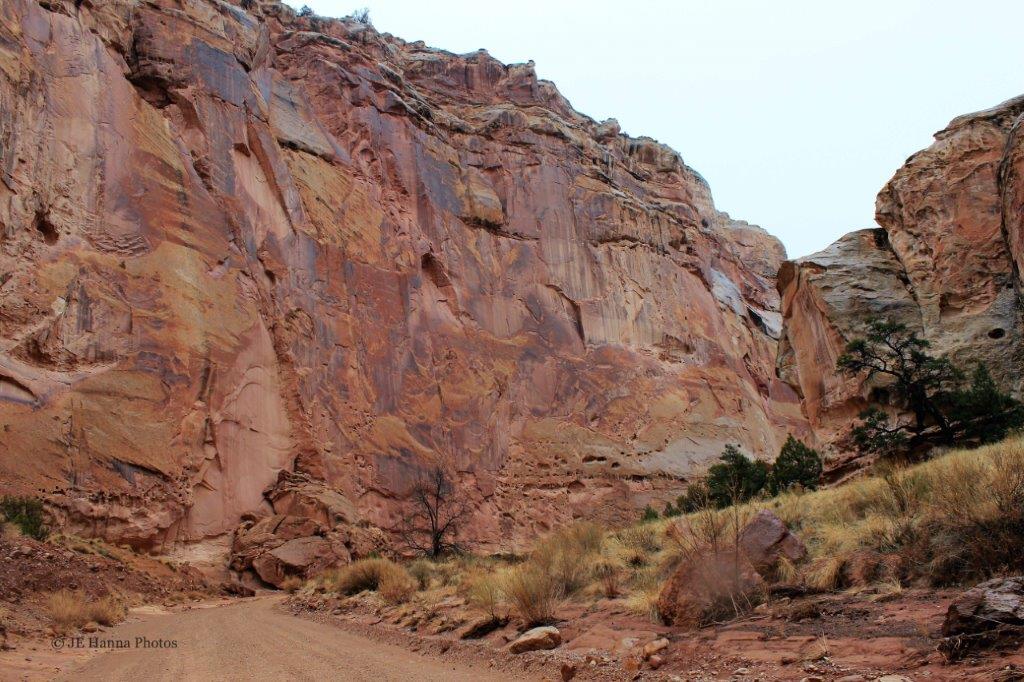
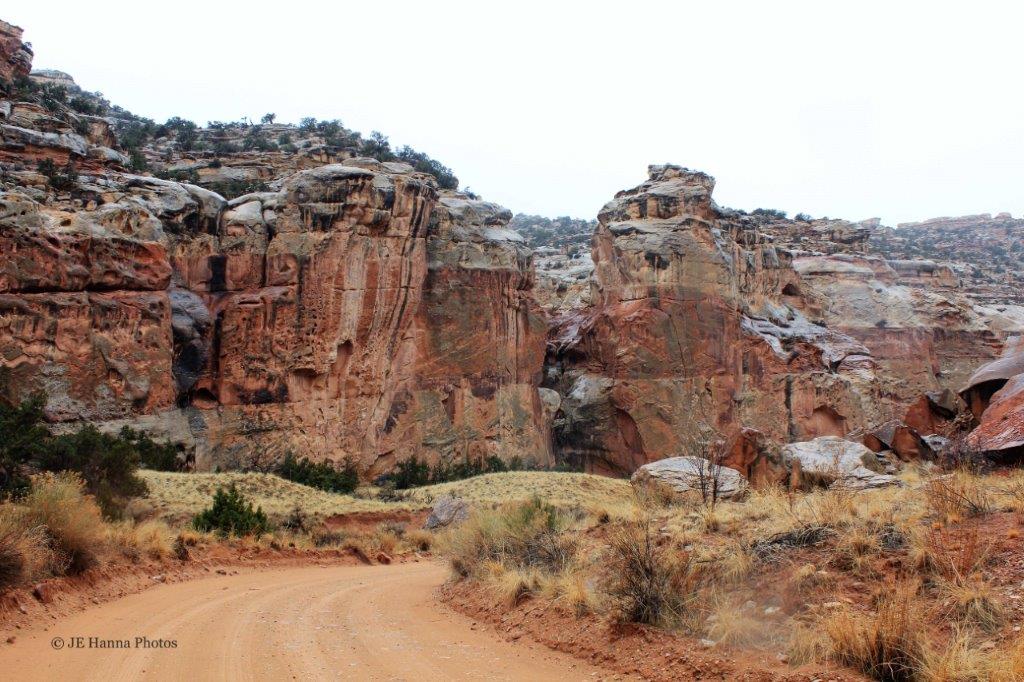
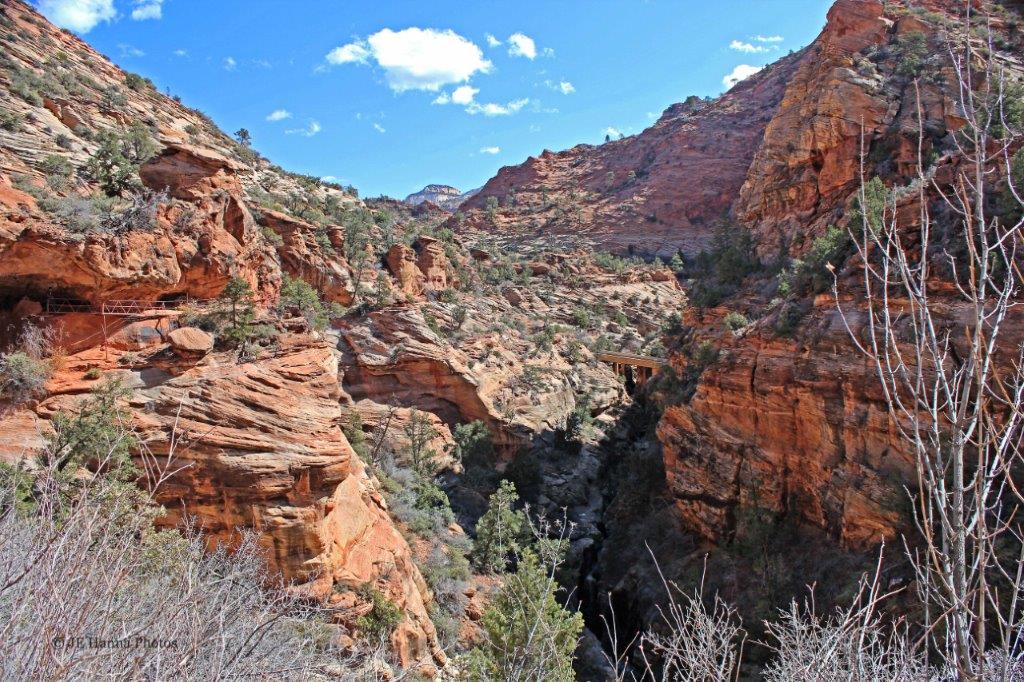
We spent the entire day driving the main road and the scenic road – and a couple of the shorter spur roads – in Capitol Reef National Park in southern Utah.  It rained off and on all day and there were warnings signs about flash floods so we did not linger on the Capitol Gorge gravel spur road; and in fact, skipped the Grand Wash road all together.  We had seen how quickly water can accumulate on a walking tour in the Sierra Madre Forest in Mexico several years ago when we were walking along a very sandy, very dry creek bottom and it began to rain.  Our guide immediately said, “Everybody get out and get to higher ground.”  Literally, in less than 10 minutes, where there had been a dusty, sandy path there was now a rushing stream wide enough that you would  have had to take a stretched stride to cross it.  It was incredible and gave us a very healthy respect for flash flood warning signs.

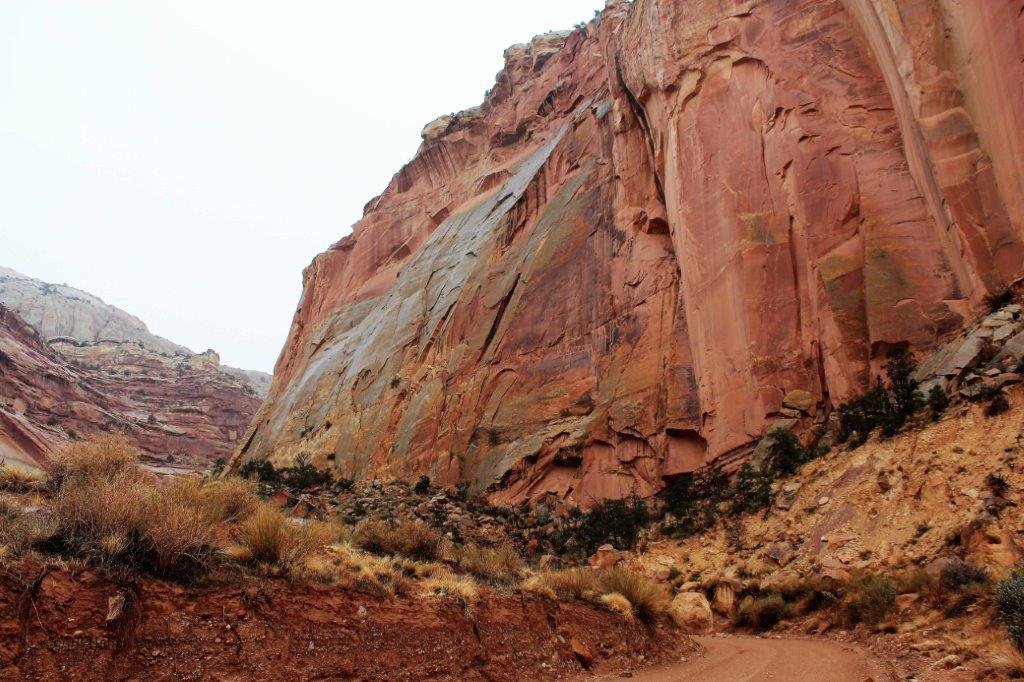
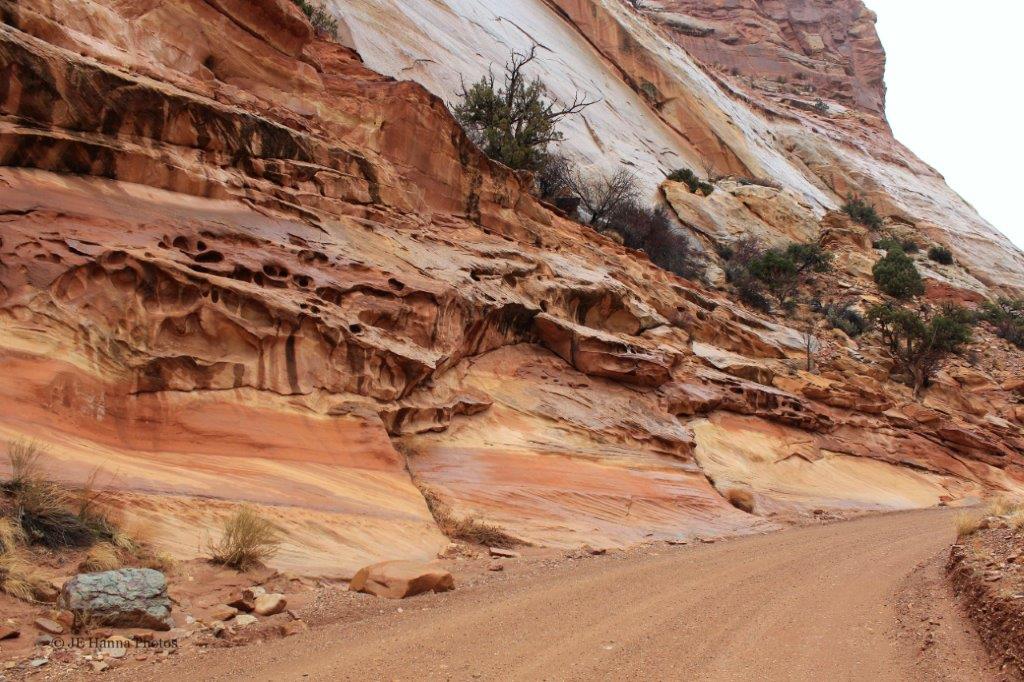
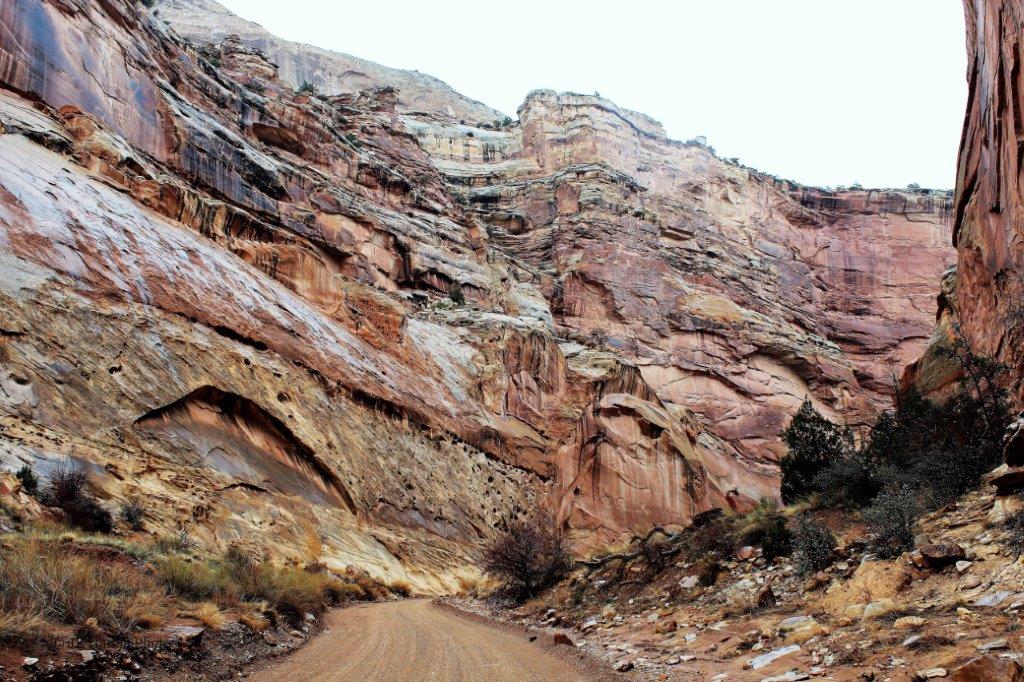
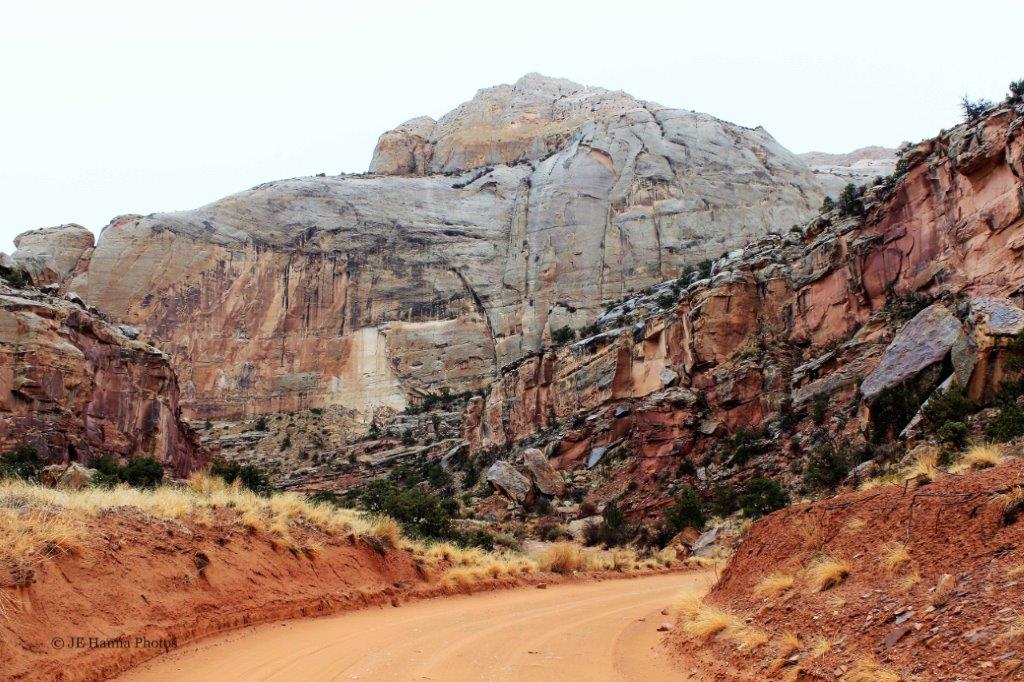
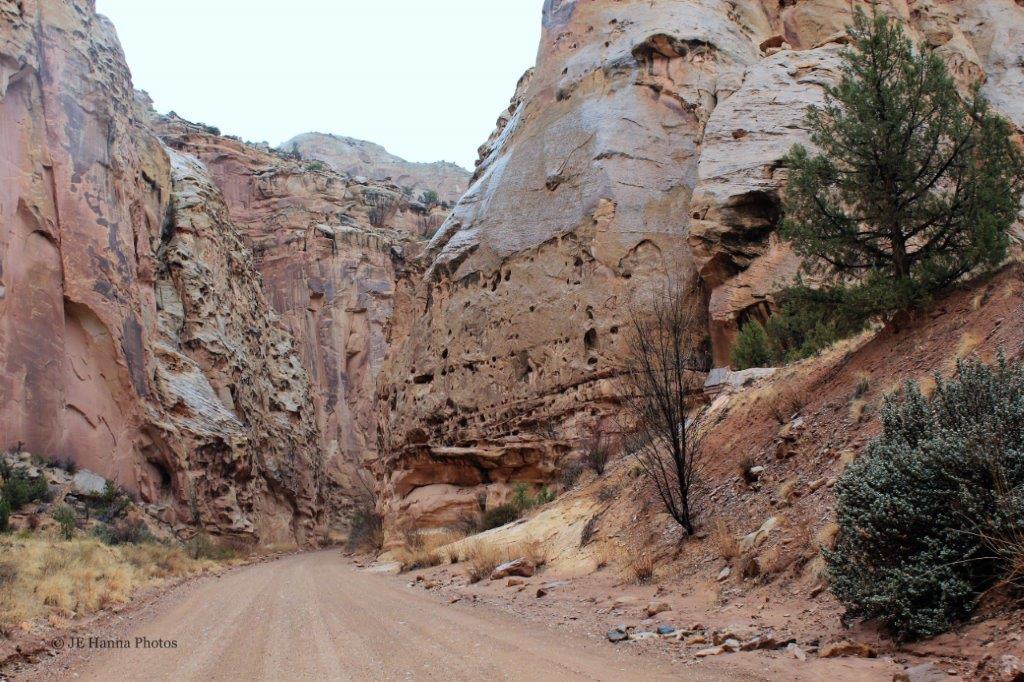
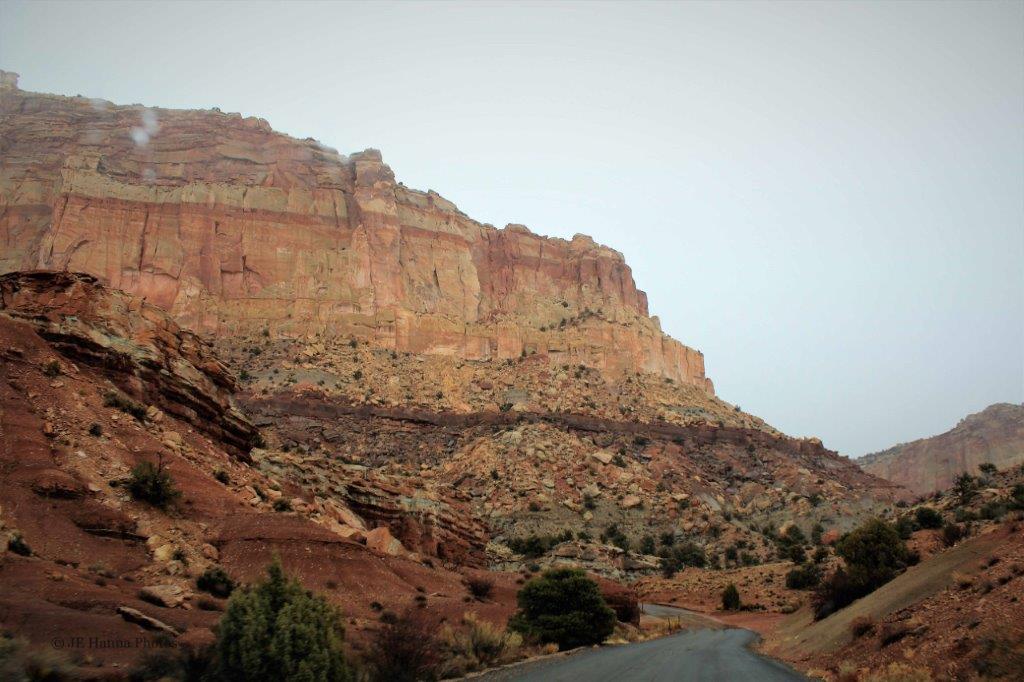
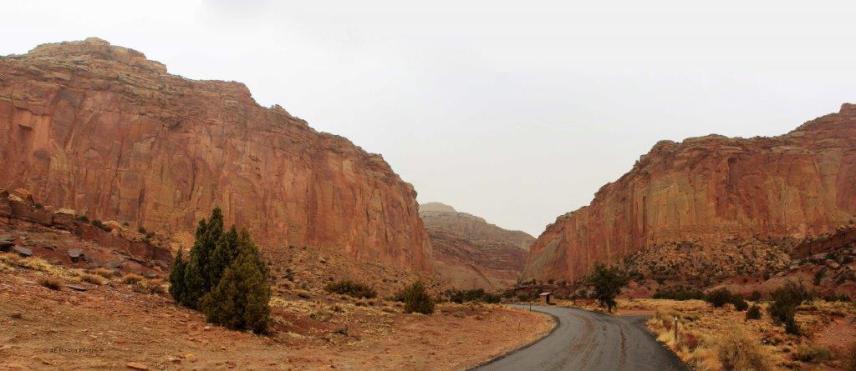
The rain had mostly let up by the time we reached the end of the scenic road and turned onto the gravel road through Capitol Gorge.

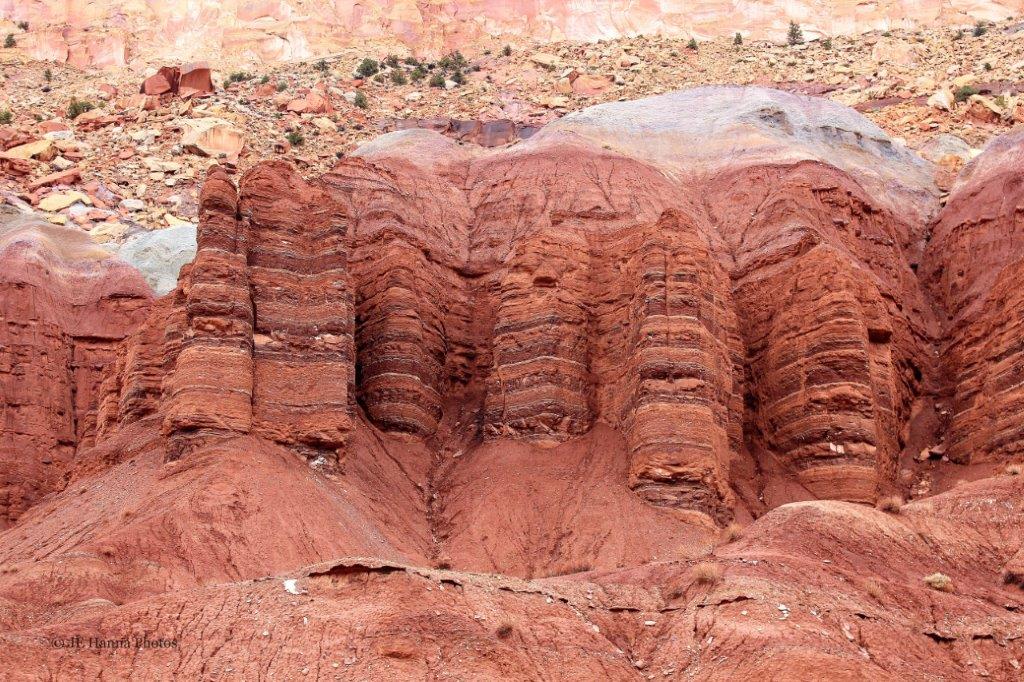
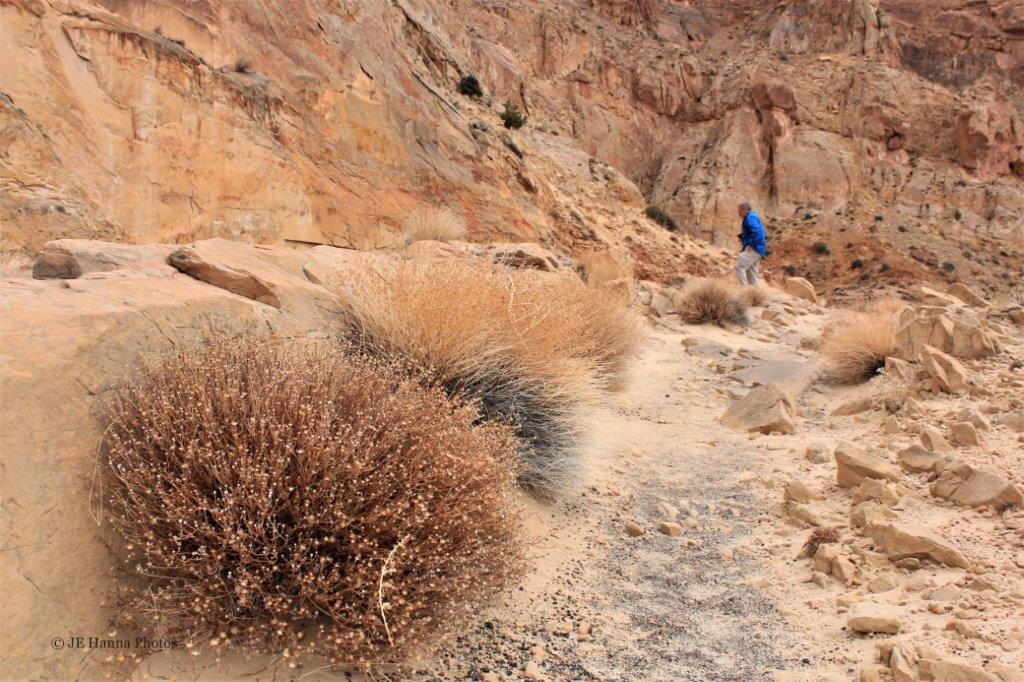
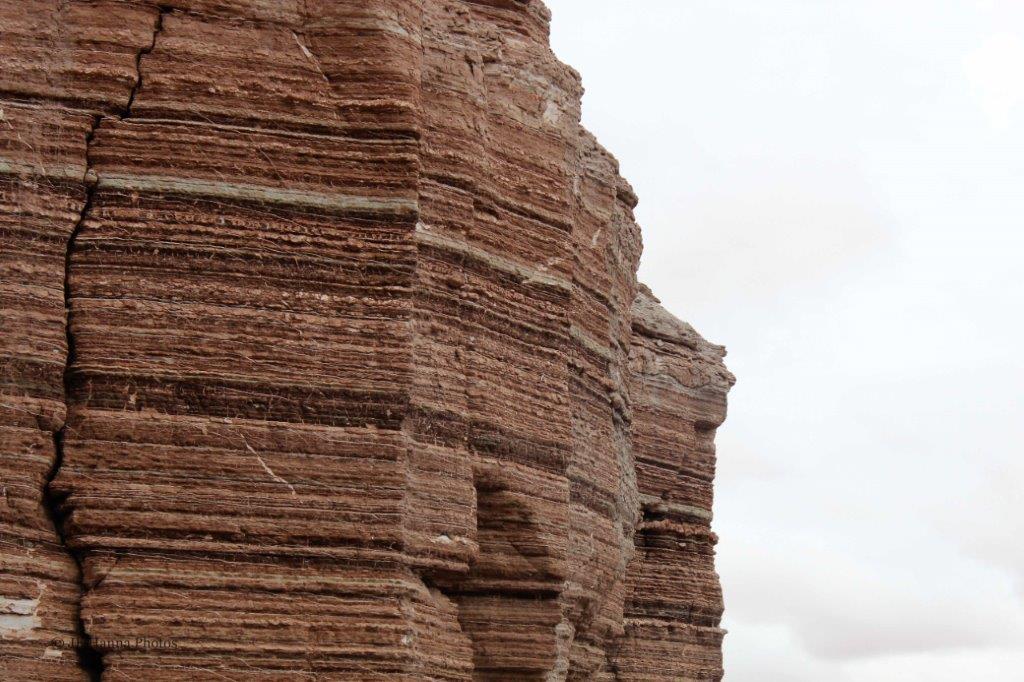
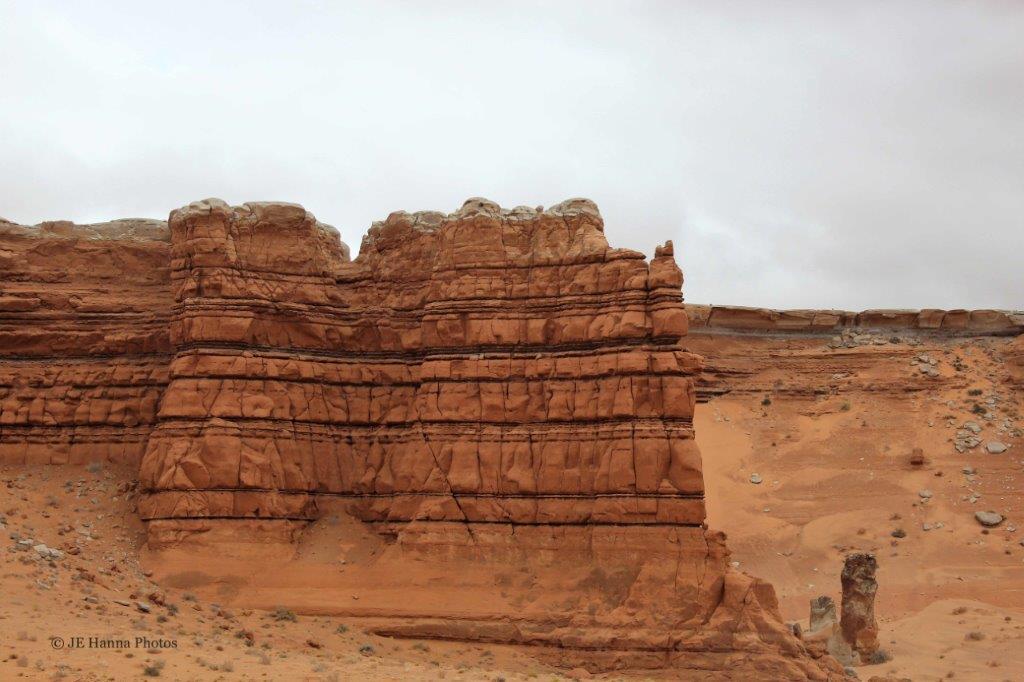
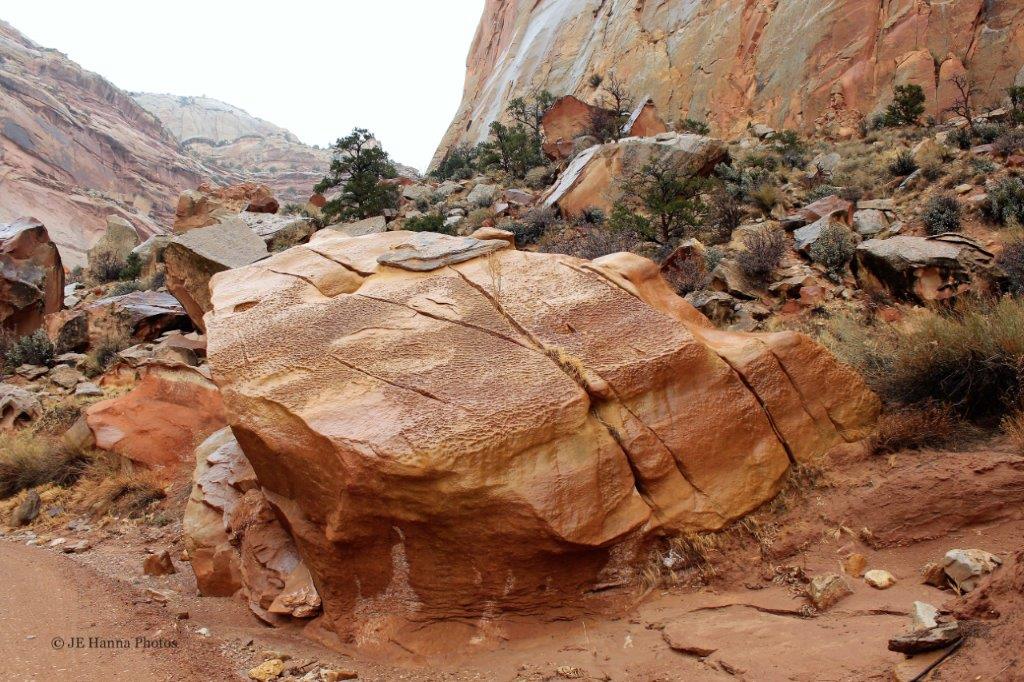
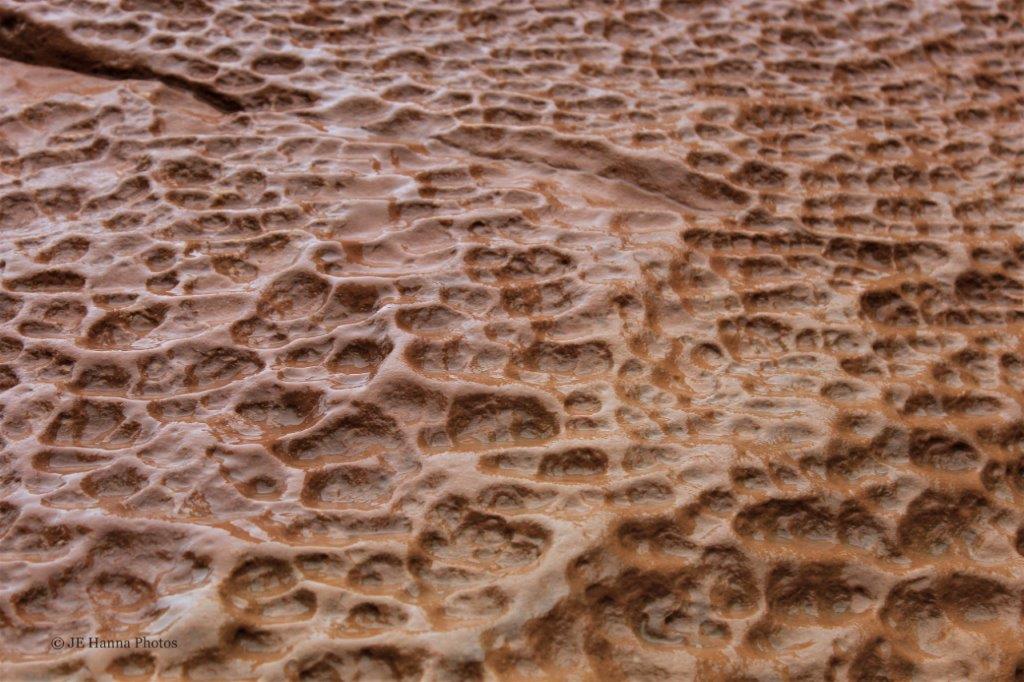
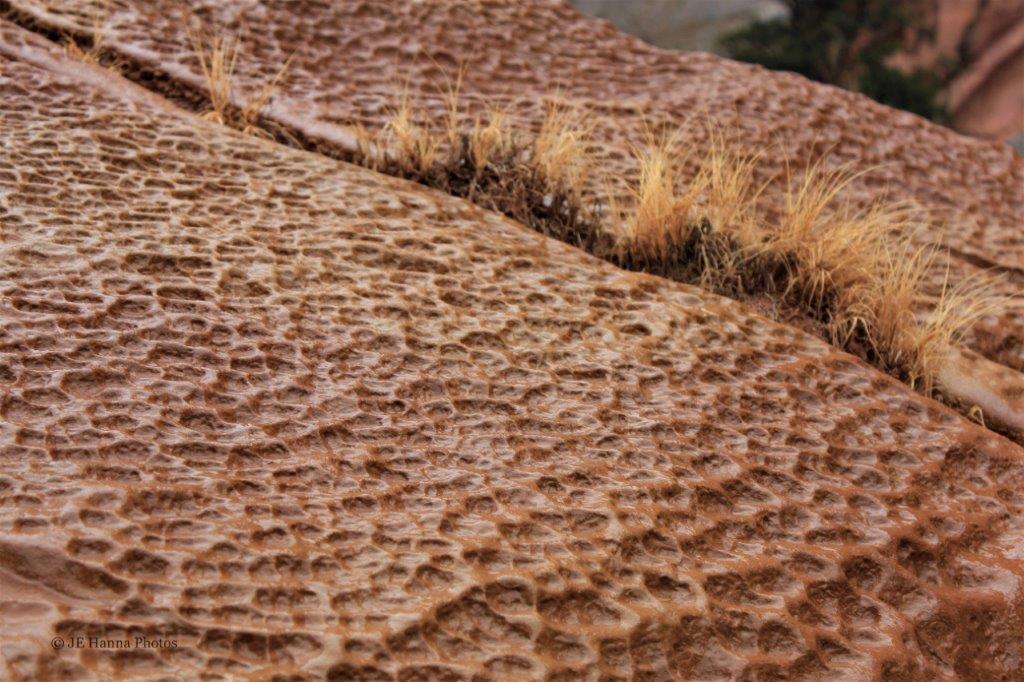
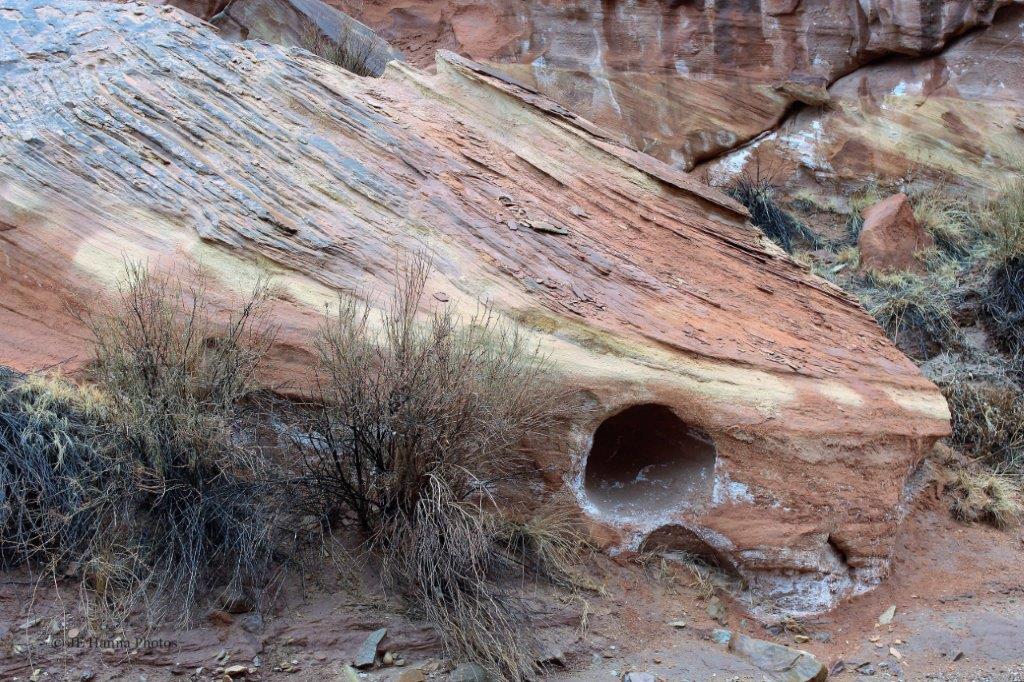
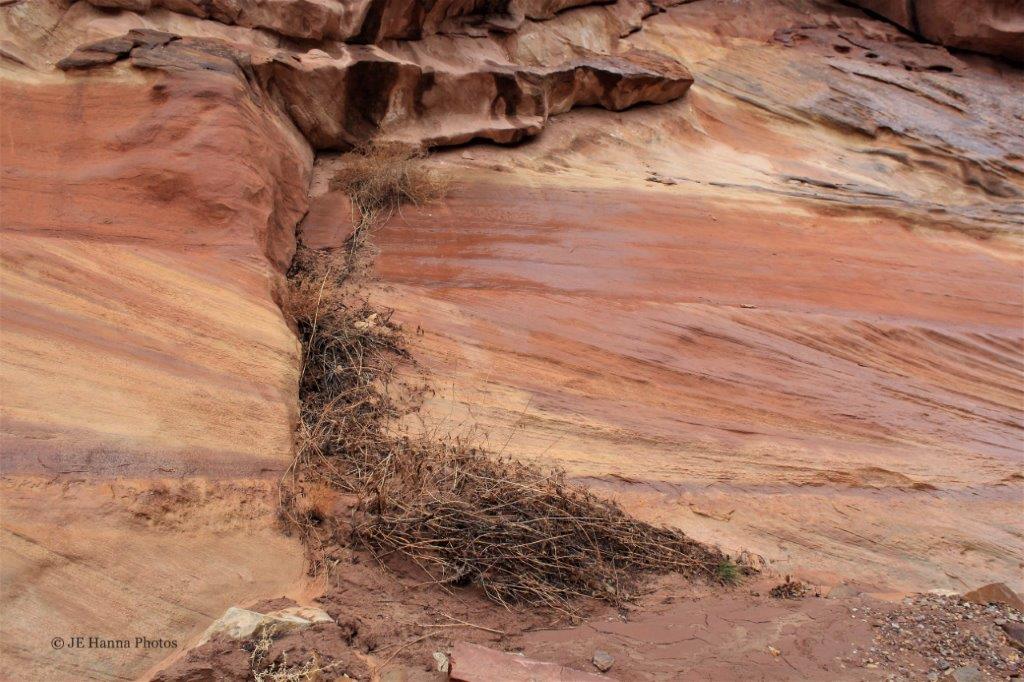
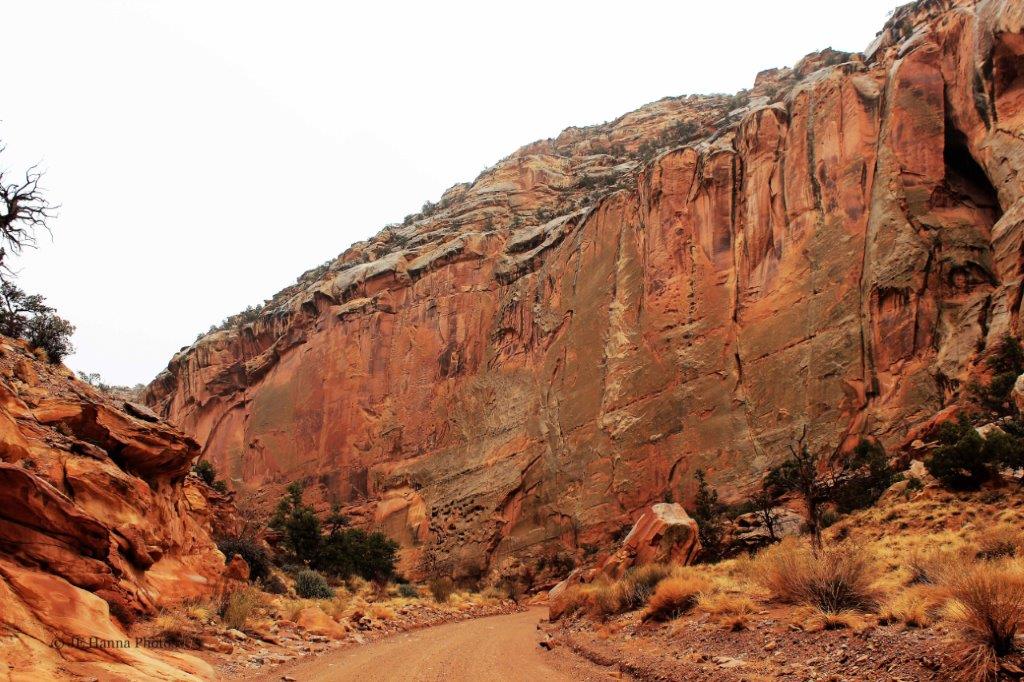
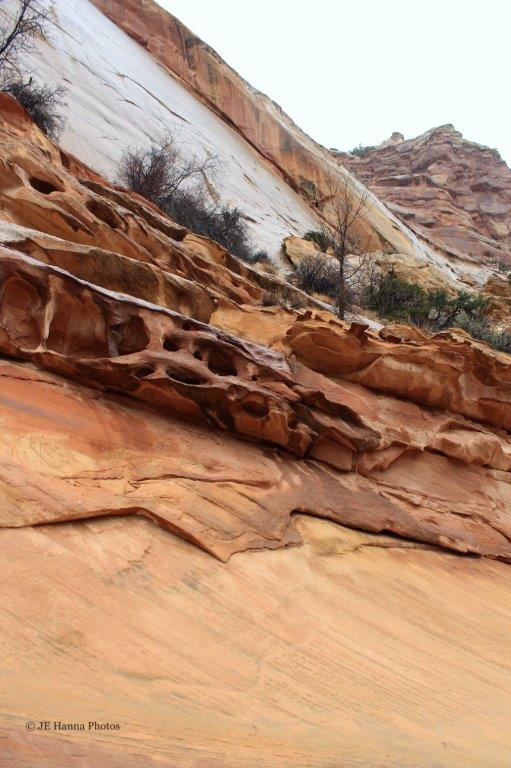
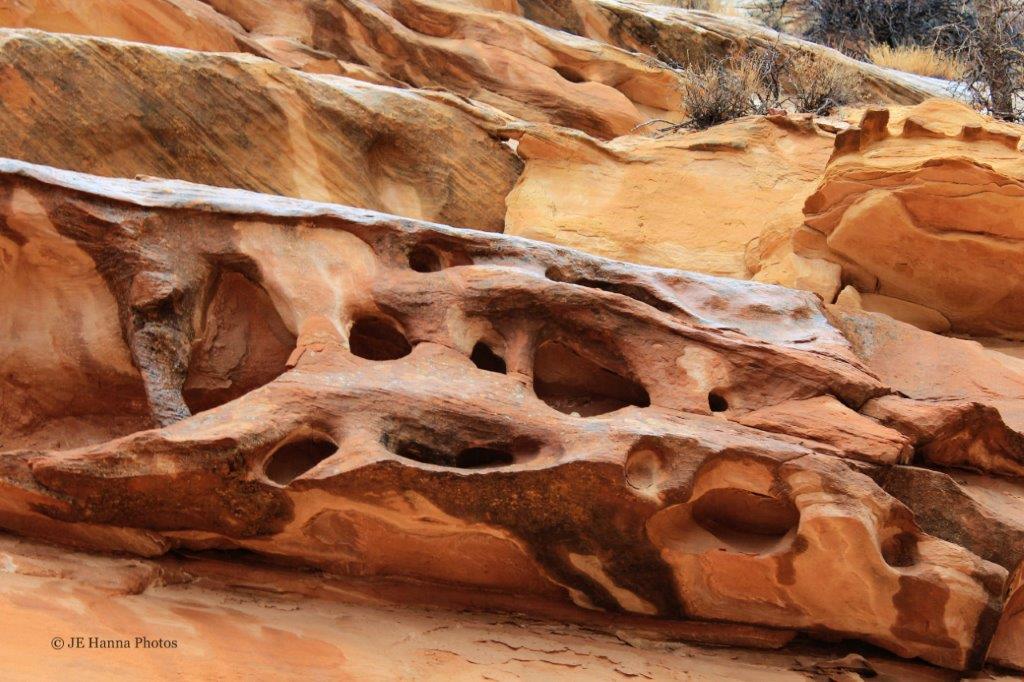
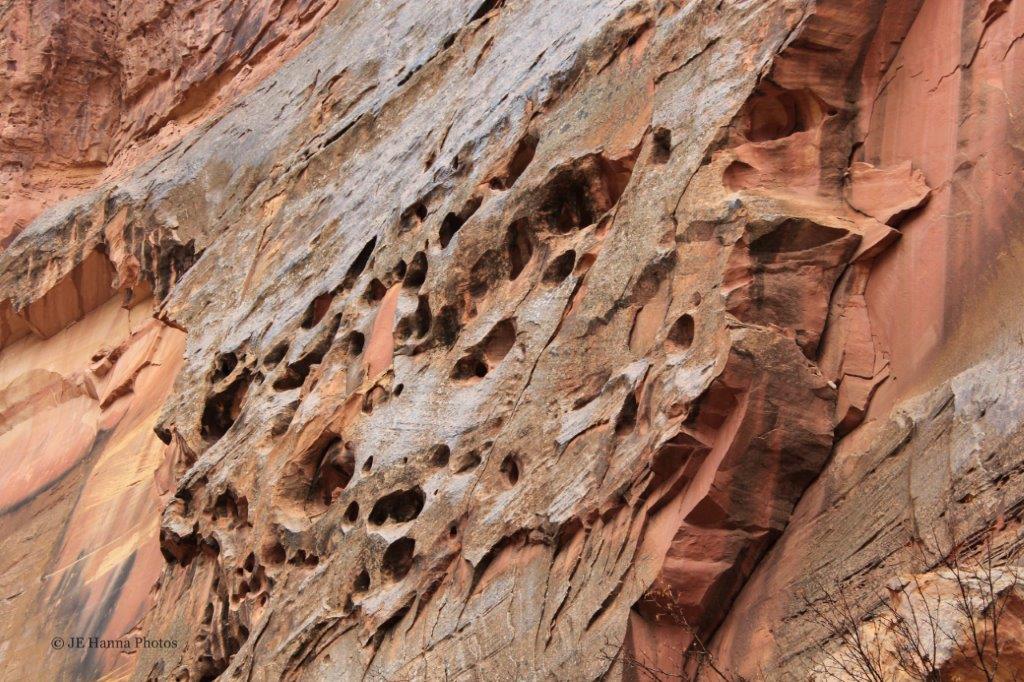
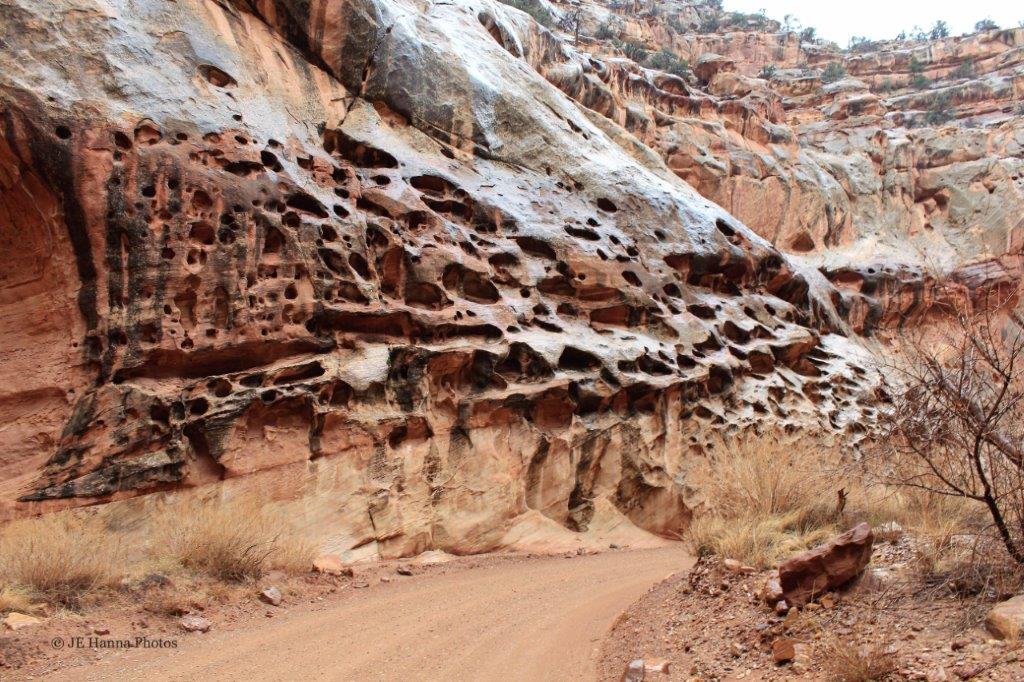
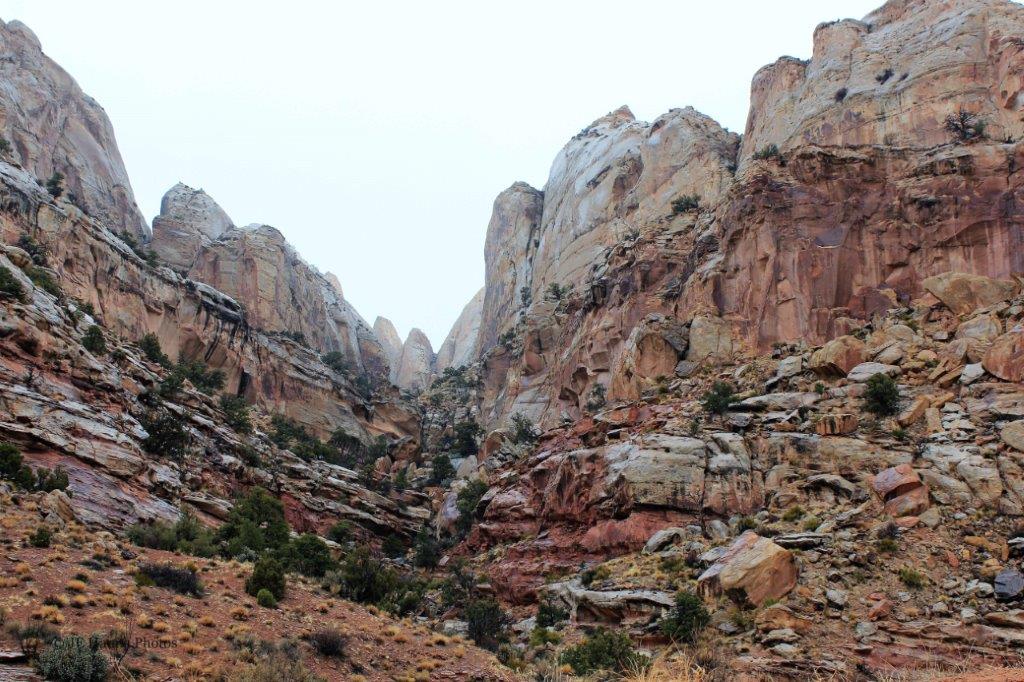
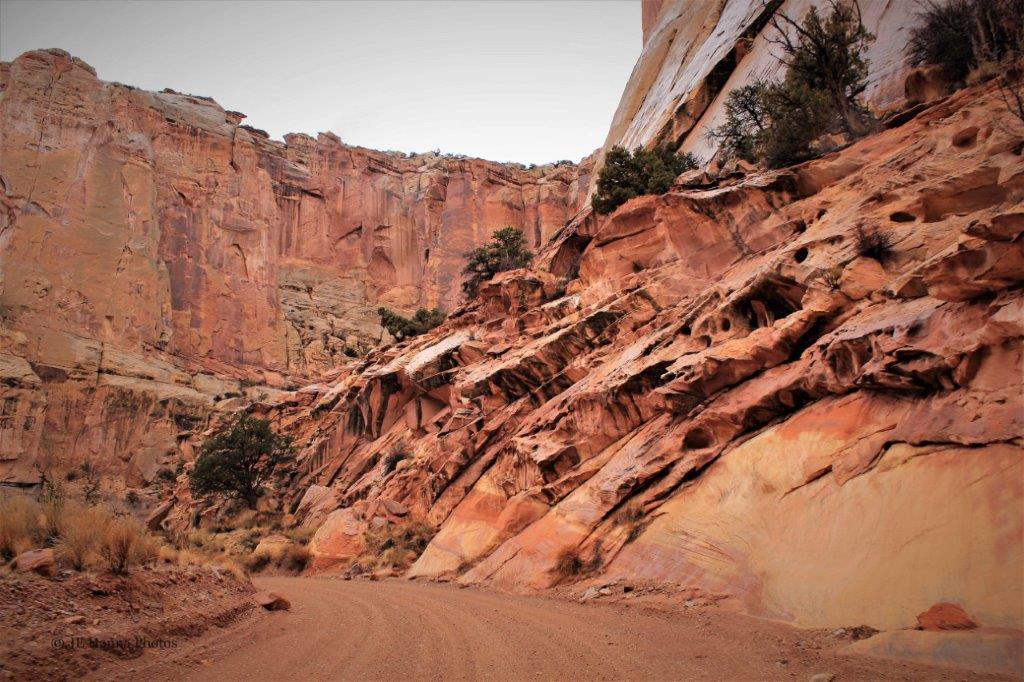
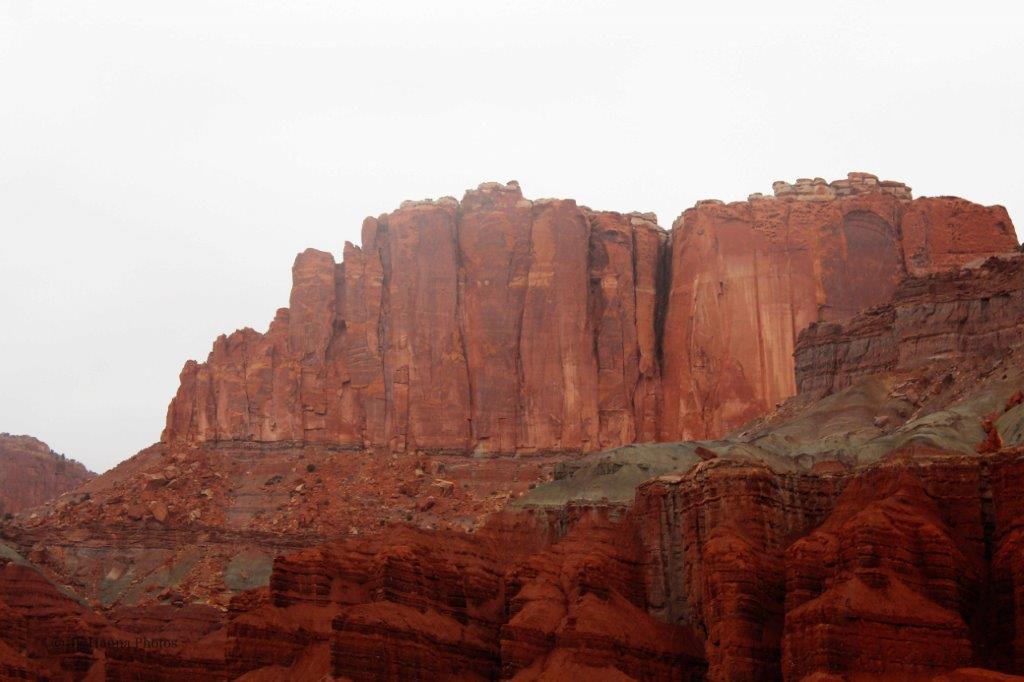
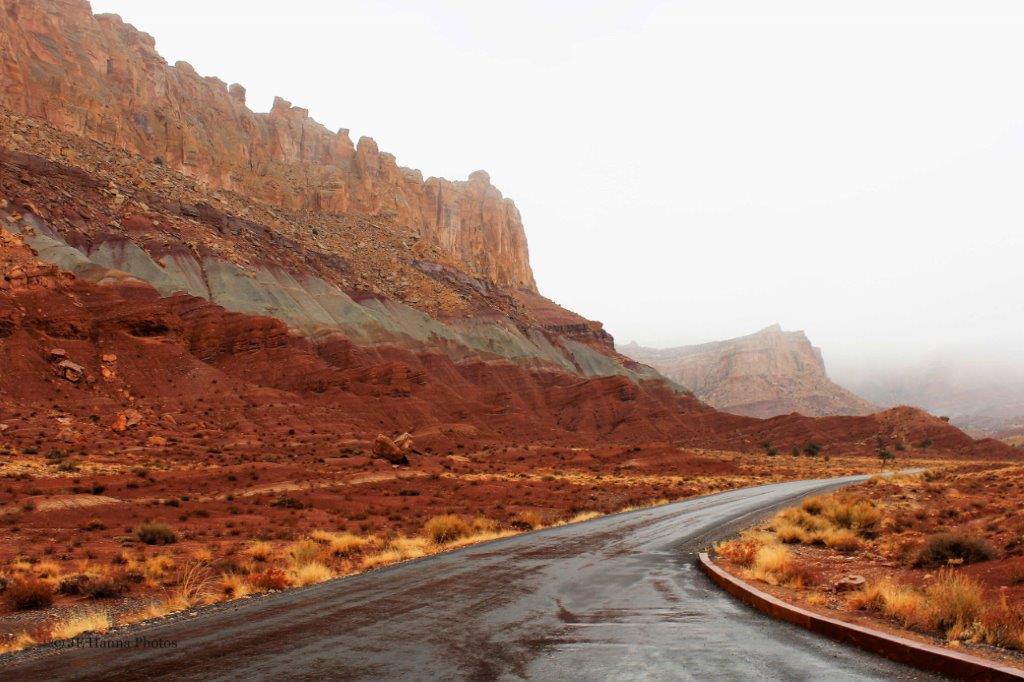
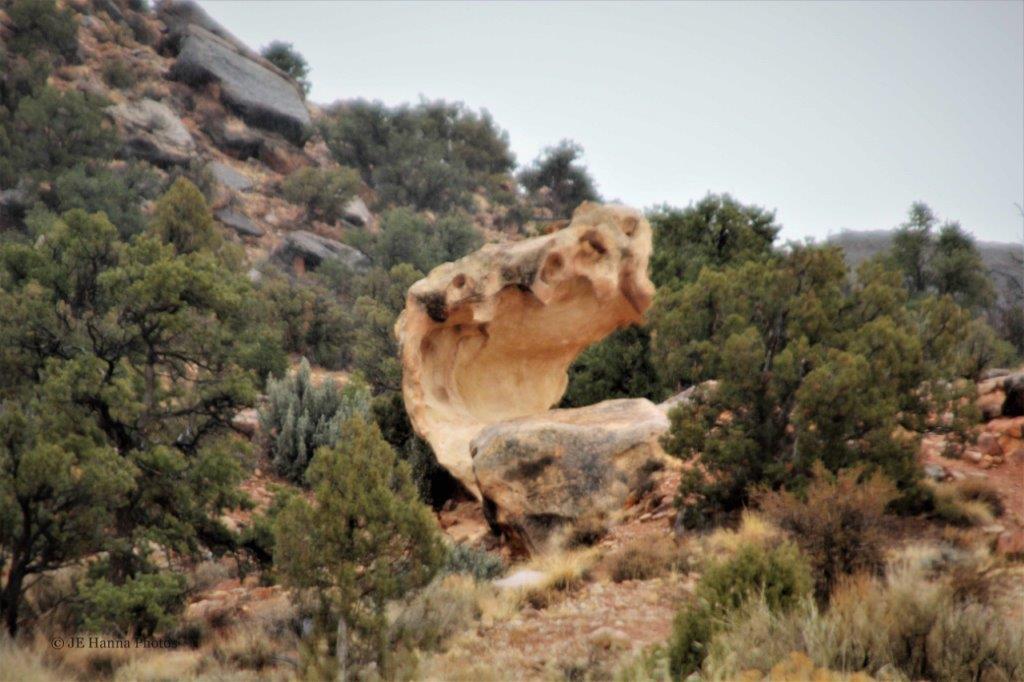
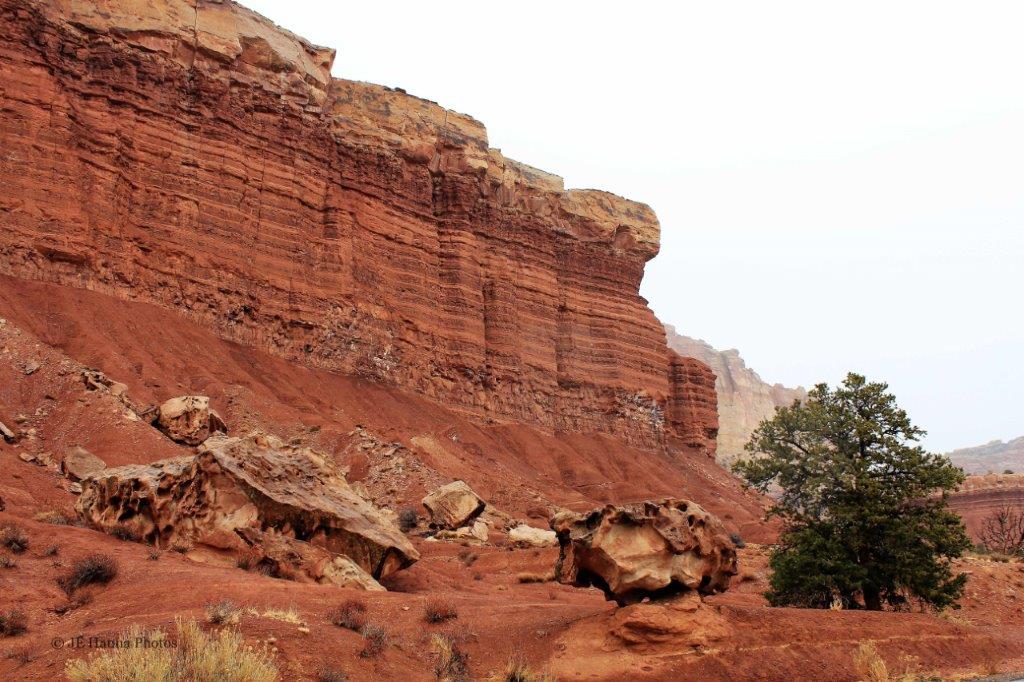
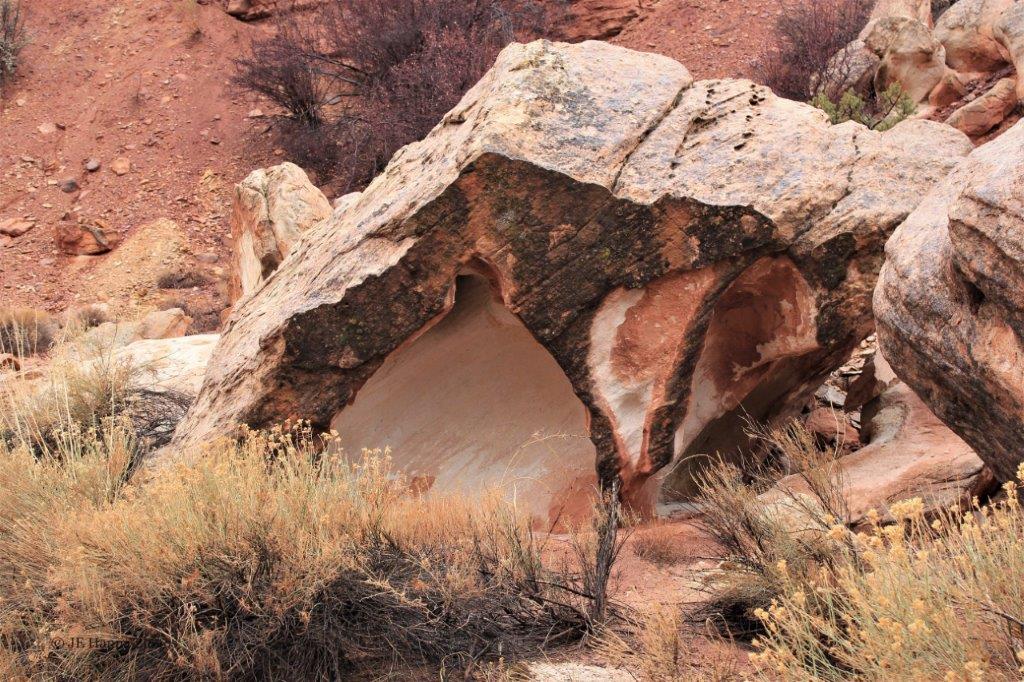
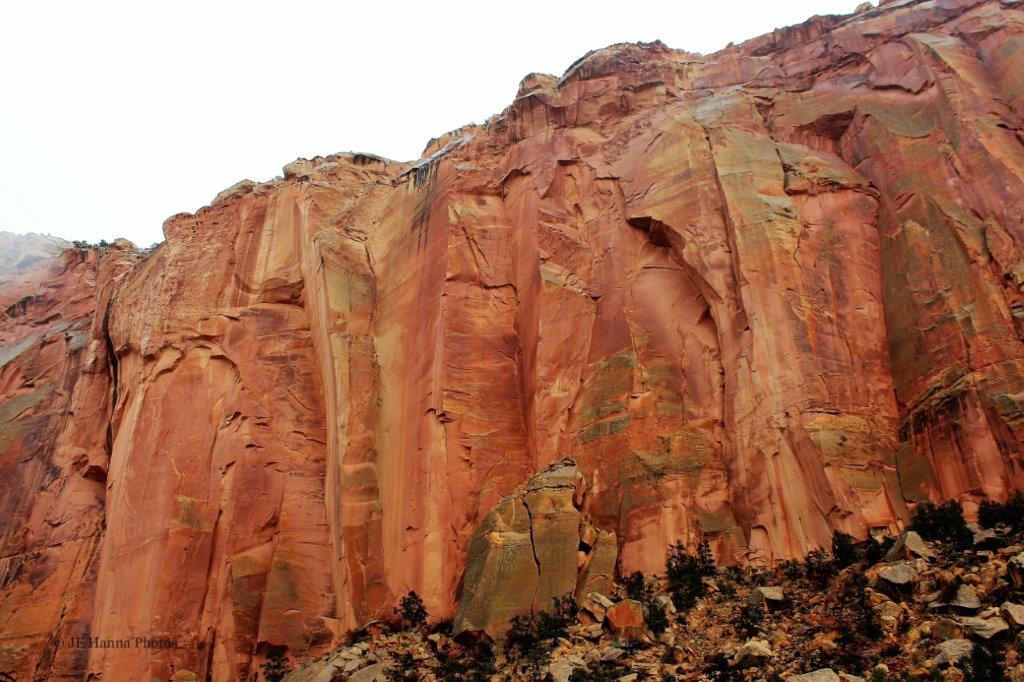
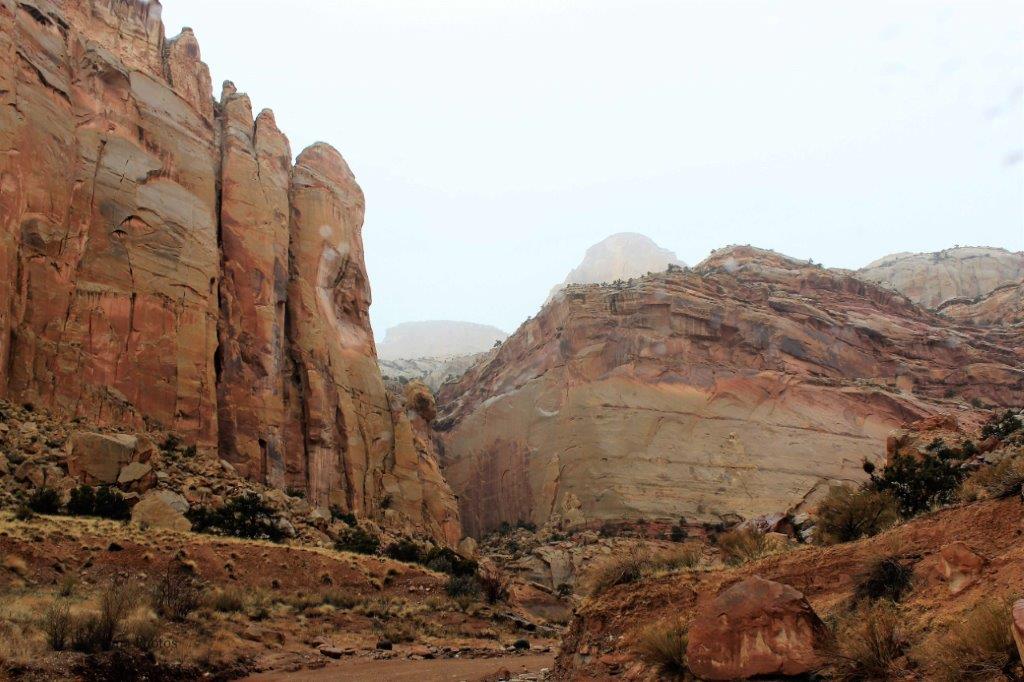
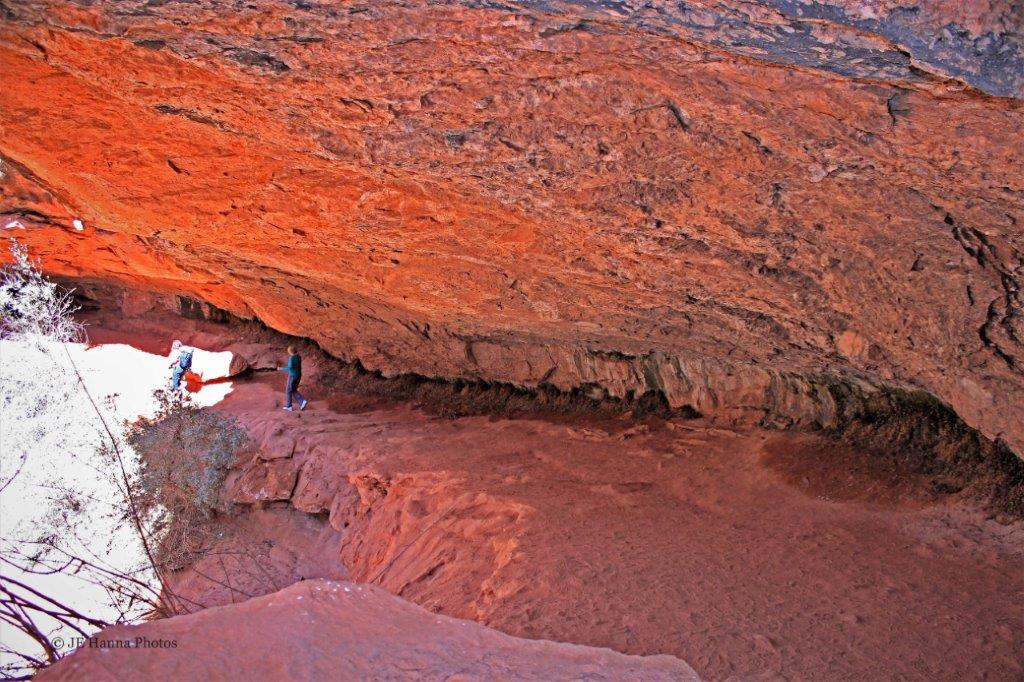
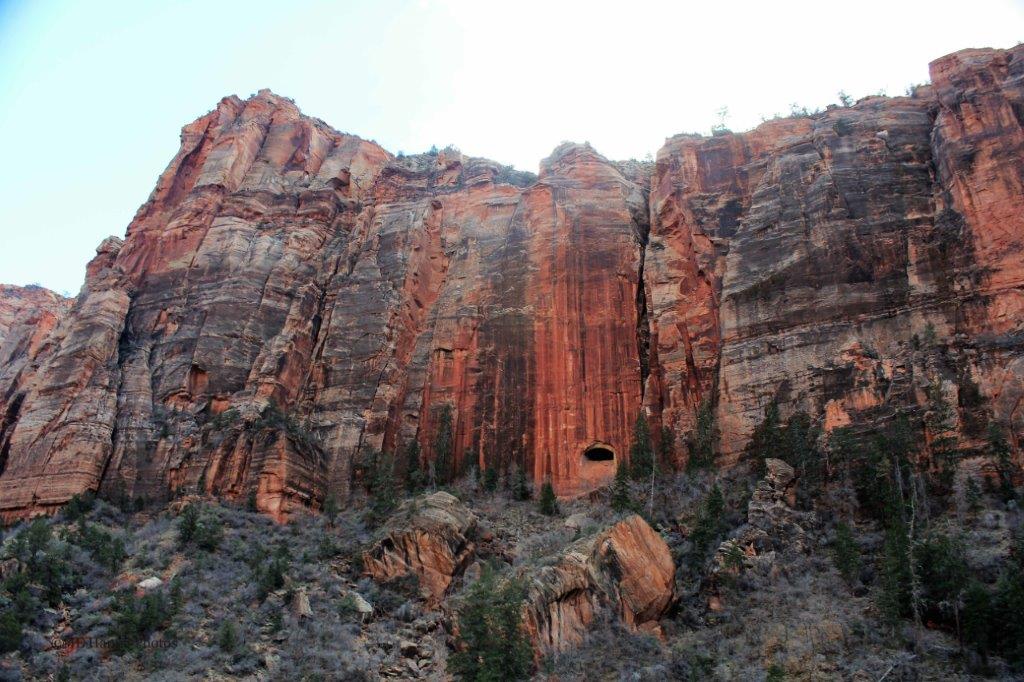
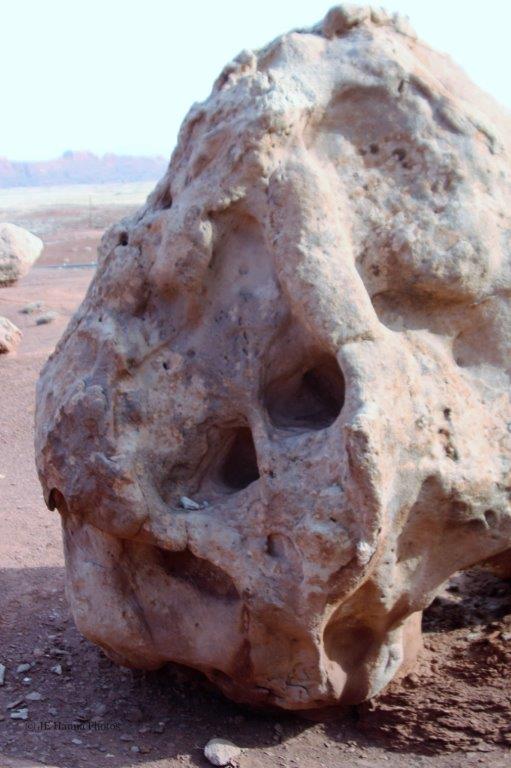
A close up look at this large rocks showed the amazing power or water.  There was uranium mining in the park area at one time.  The mines have been closed for years, but this may have been an exploration bore hole.  Or, it could be completely natural.  Wind and water do incredible things to solid rock given enough time.                               Just look at the amazing colours! Rock walls this tall and sheer make one feel very small and vulnerable.

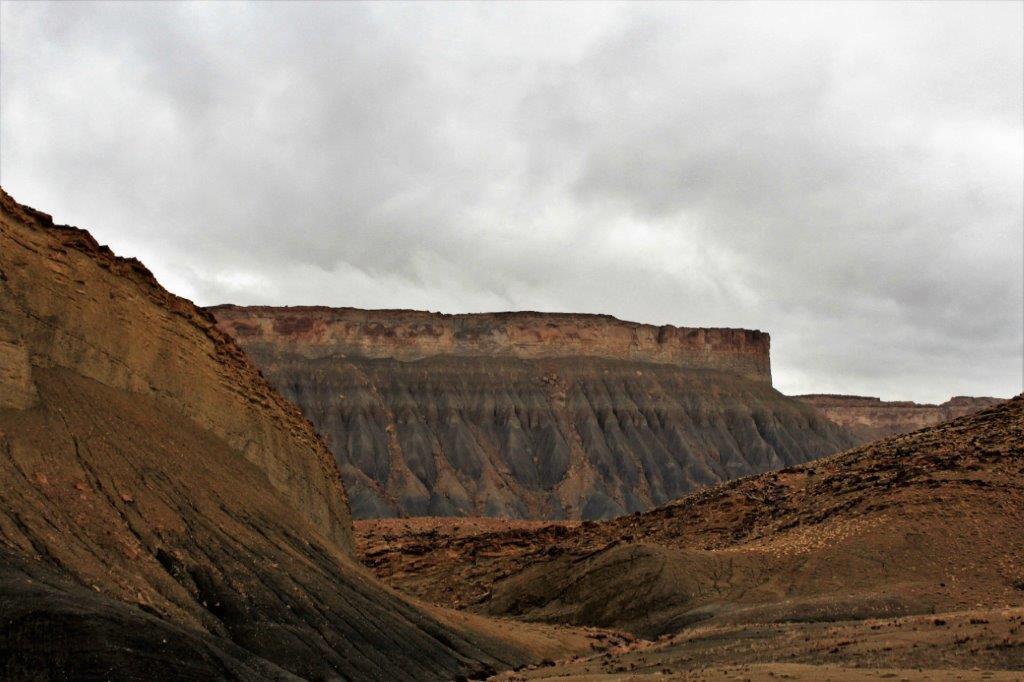
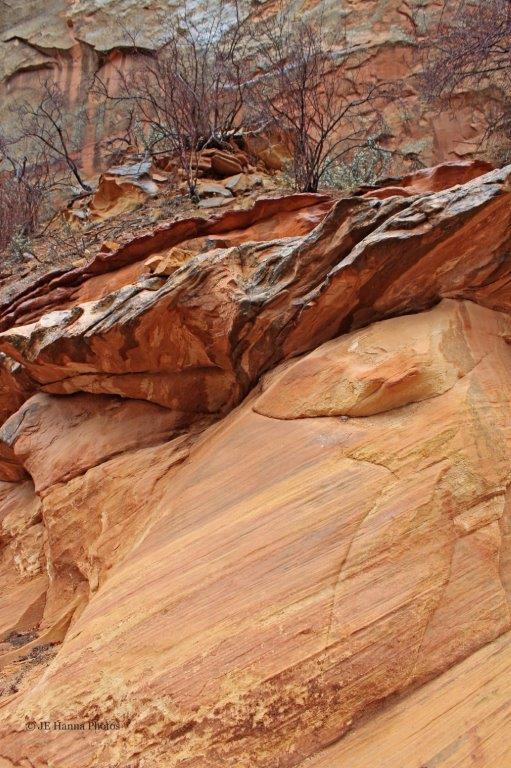
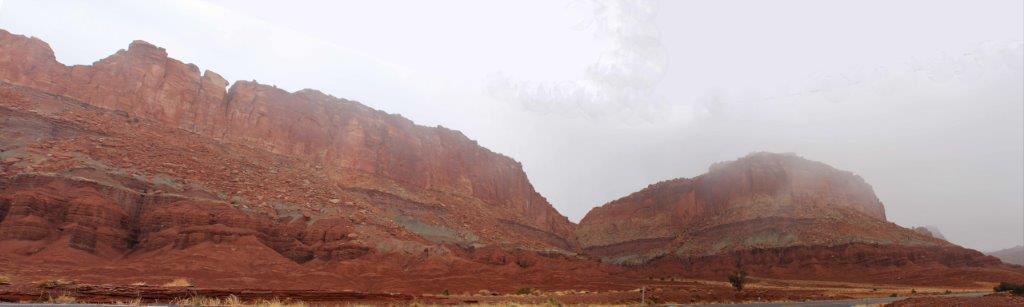
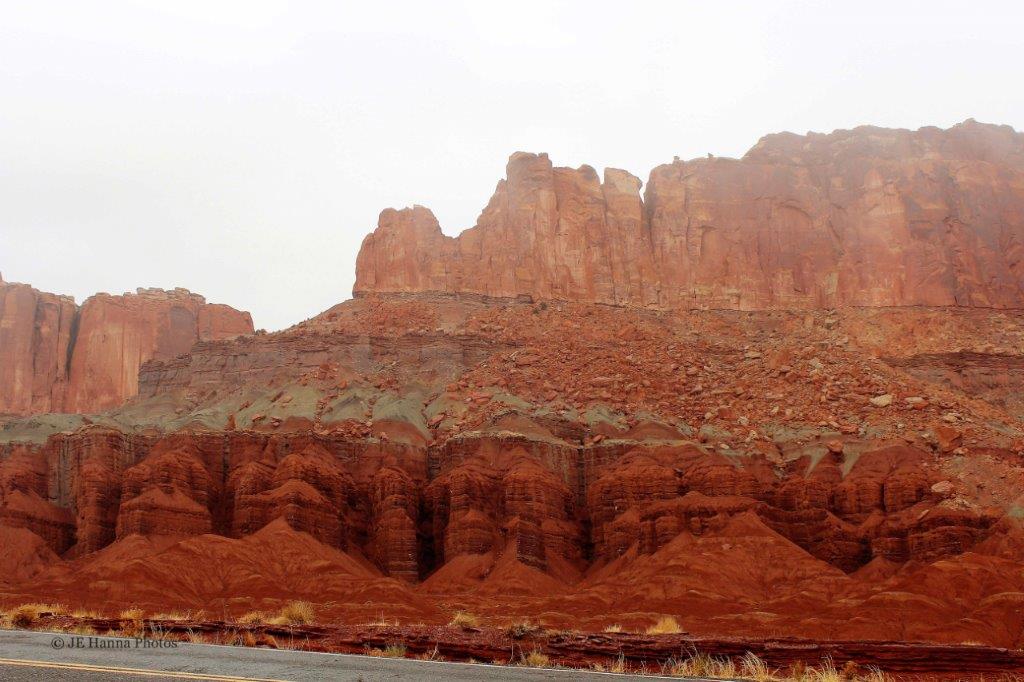
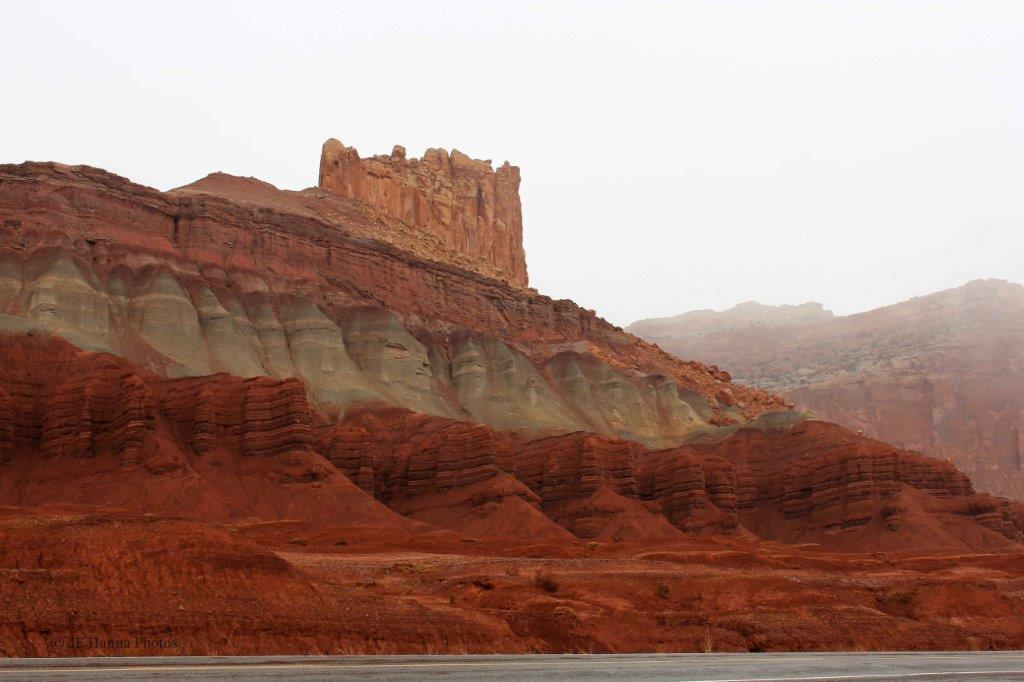
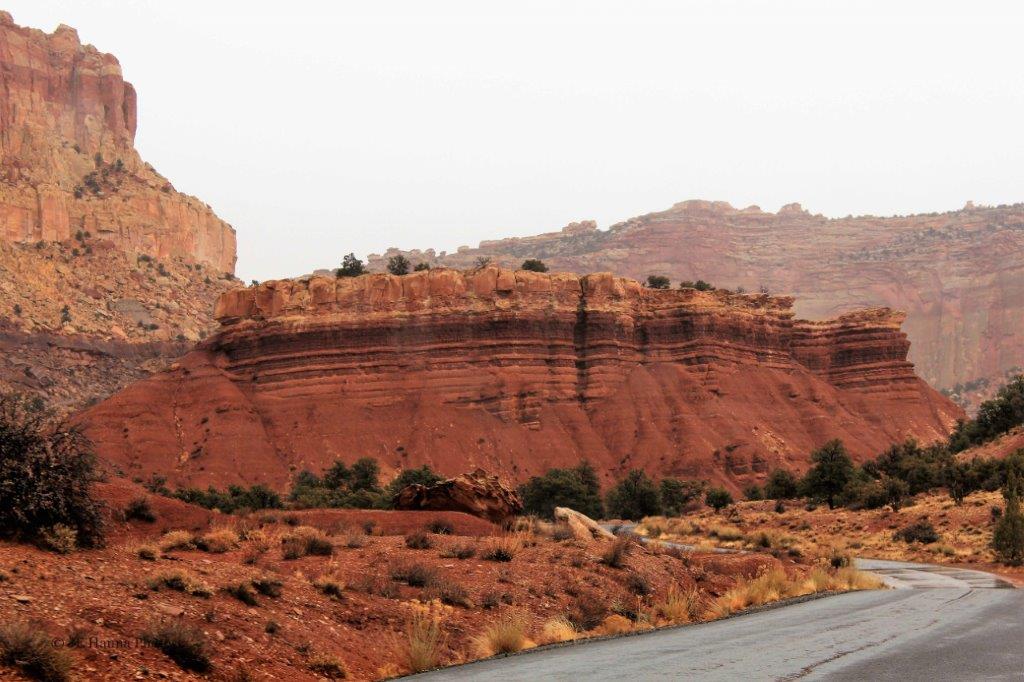
The rain was not really heavy, but it was steady so everything was wet, which, I think, just enhanced all the different colours in the rocks.  To be continued…again.

2013 March 8 – Capitol Reef National Park, Utah (Part 1)

The rain came down off and on all day as we toured Capitol Reef National Park.  The park is about 184 km (114 miles) north east of Bryce Canyon and is a long, thin NW-SE finger.  Highway 24 intersects the park’s wider northern section and the scenic road within Capitol Reef branches off southward for about 13 km (8 miles).

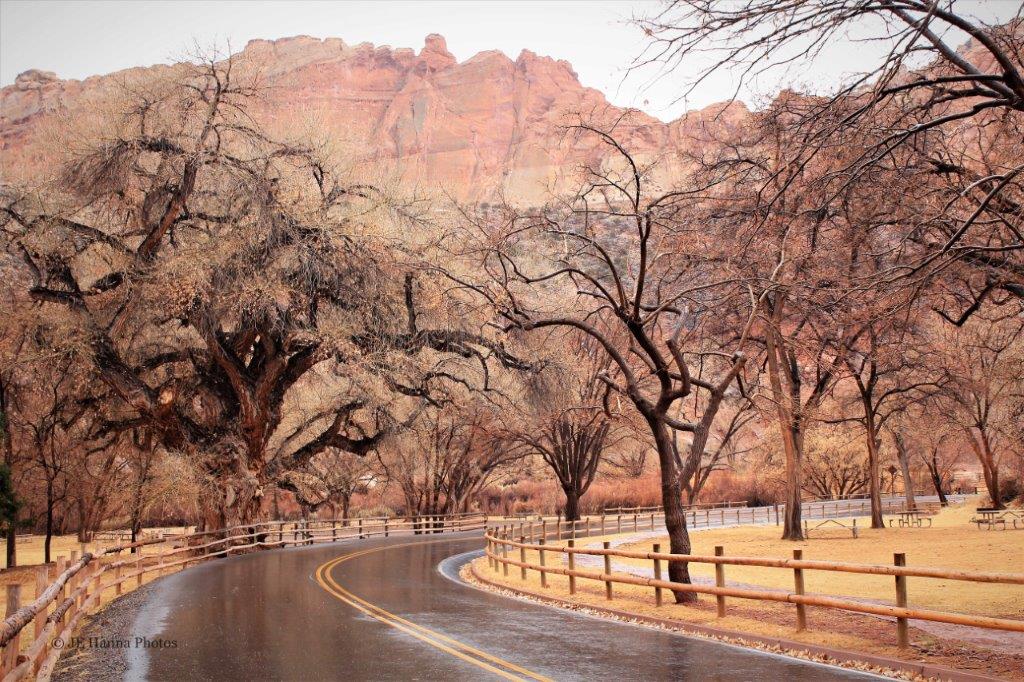
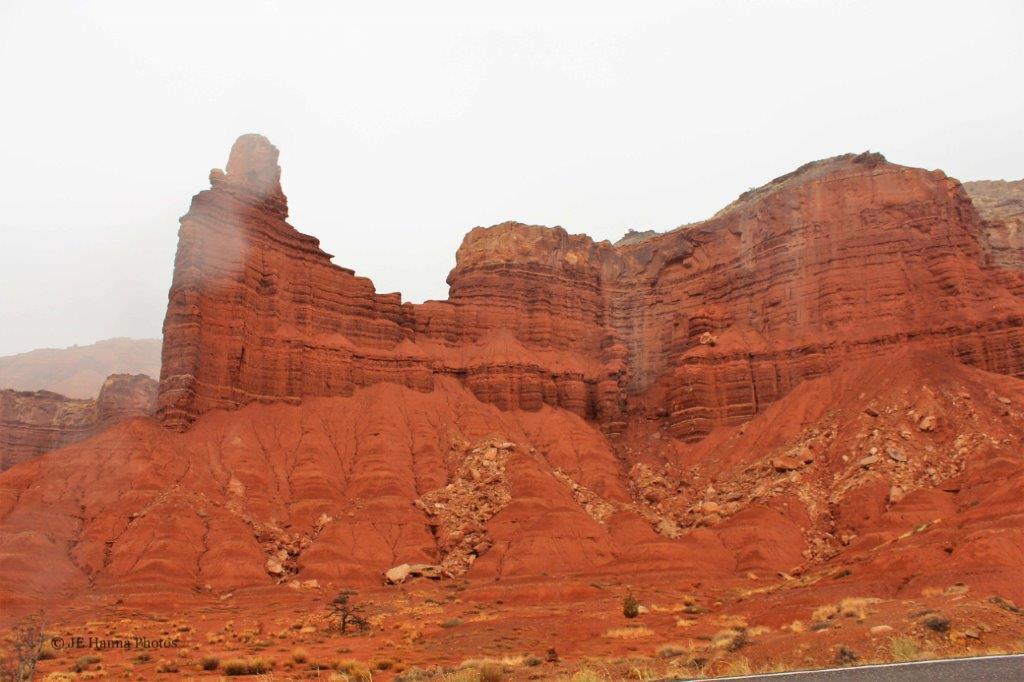
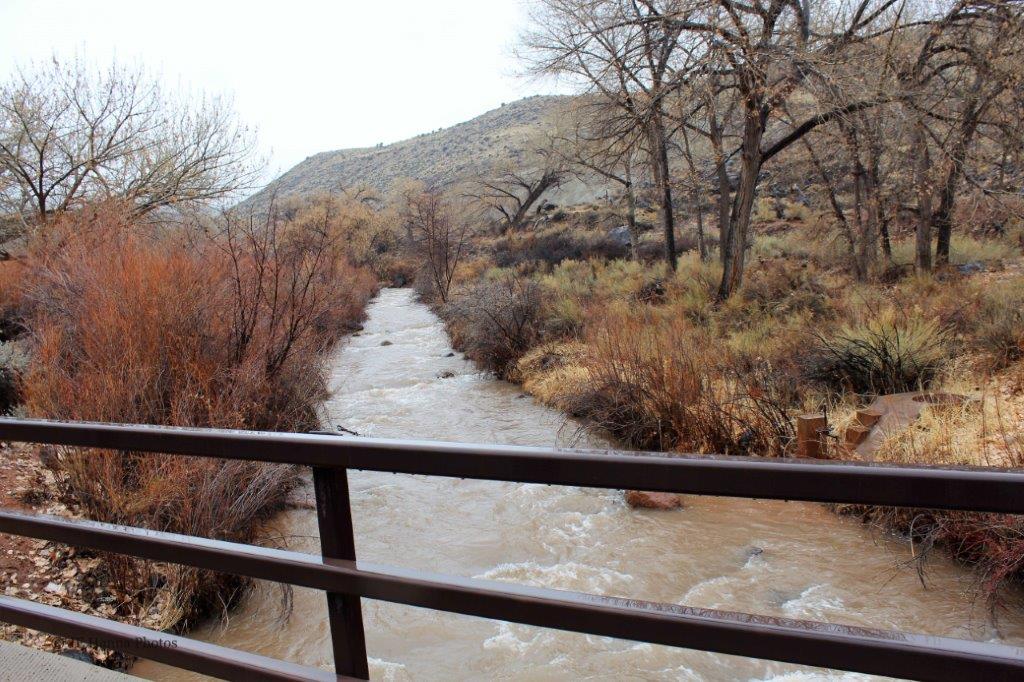
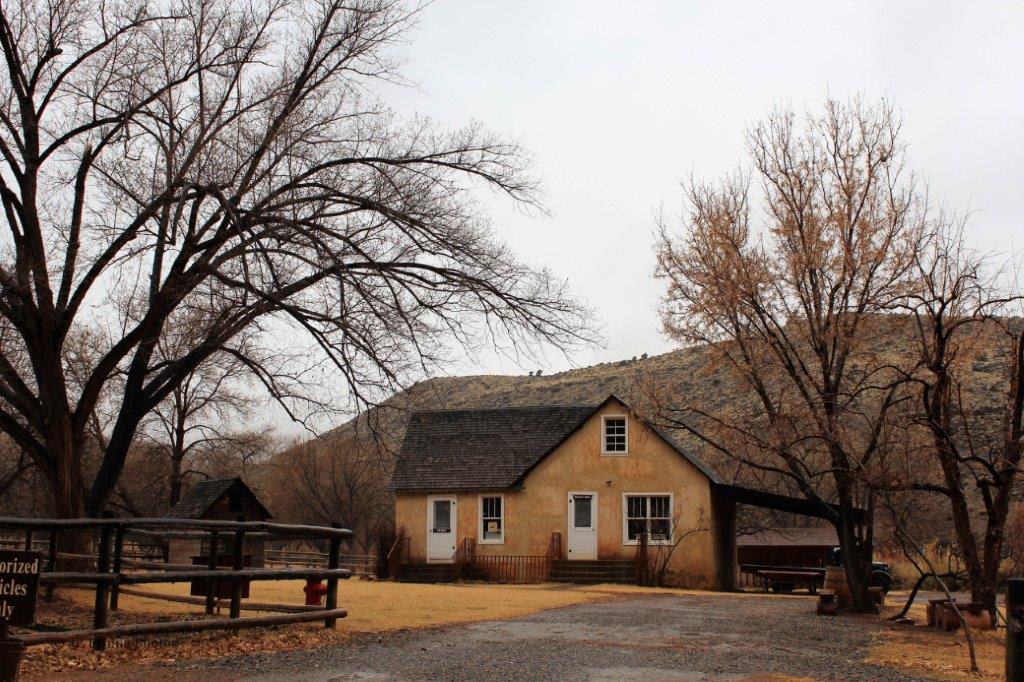
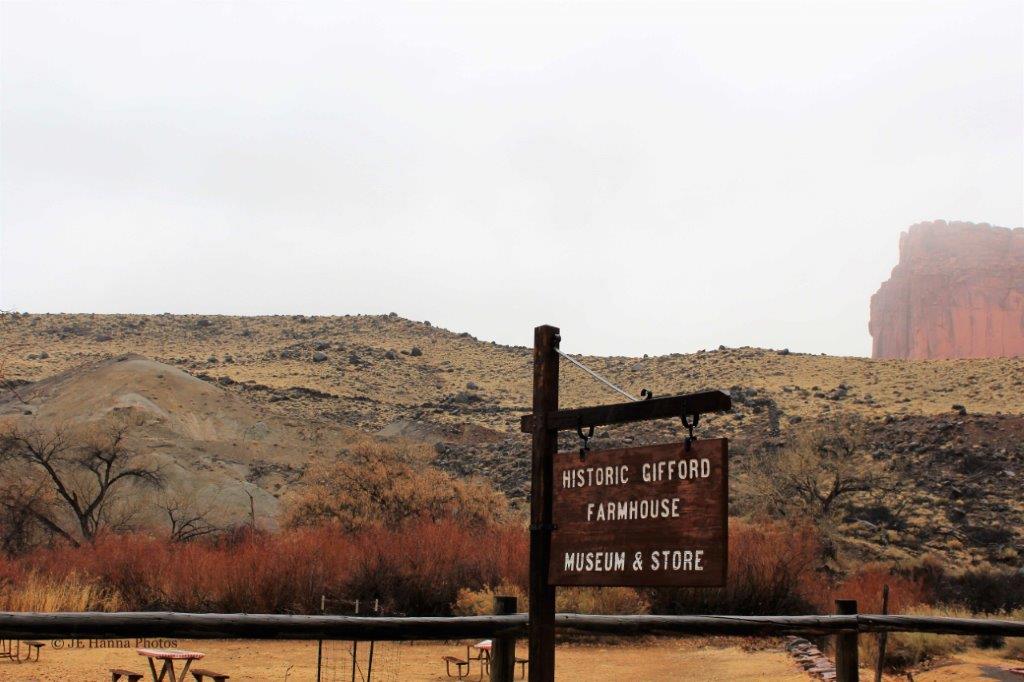
After a good night at Torrey we headed off to see the sights.                                                             Chimney Rock                 How could it possibly be called anything else? The Fruita Rural Historic District was settled by the Mormons in the late 1800’s.  The first settler is believed to have been Nels Johnson whose house was built at the current Chestnut Picnic Area.  The mild temperatures and continuous water supply made the region ideal for growing fruit trees.  Nels Johnson recognized this and was the first to plant fruit and nut trees.  Others followed and the area was soon filled with orchards.  By the time Capitol Reef National Park was created in 1971 all of the residents of Fruita had sold their land to the federal government and moved on.  The National Park Services cares for the 15 orchards in the park, which contain cherry, apricot, peach, pear, apple, plum, mulberry, almond and walnut trees.  You are free to wander through the orchards and sample the fruit but you are charged a fee if you wish to take some with you.  The coffee shop at the Gifford Homestead uses the fruit in the freshly baked pies they serve and sell.                                                     The Fremont River  The centerpiece of Capitol Reef National Park is the Waterpocket Fold, a nearly 100-mile long fold in the earth called a monocline. (This is a quote from the brochure)  The fold runs north to south through the entire park and most of the cliffs you see as you travel within the park are a part of this long fold.  I am not going to explain the geology.  If you are interested, google it.


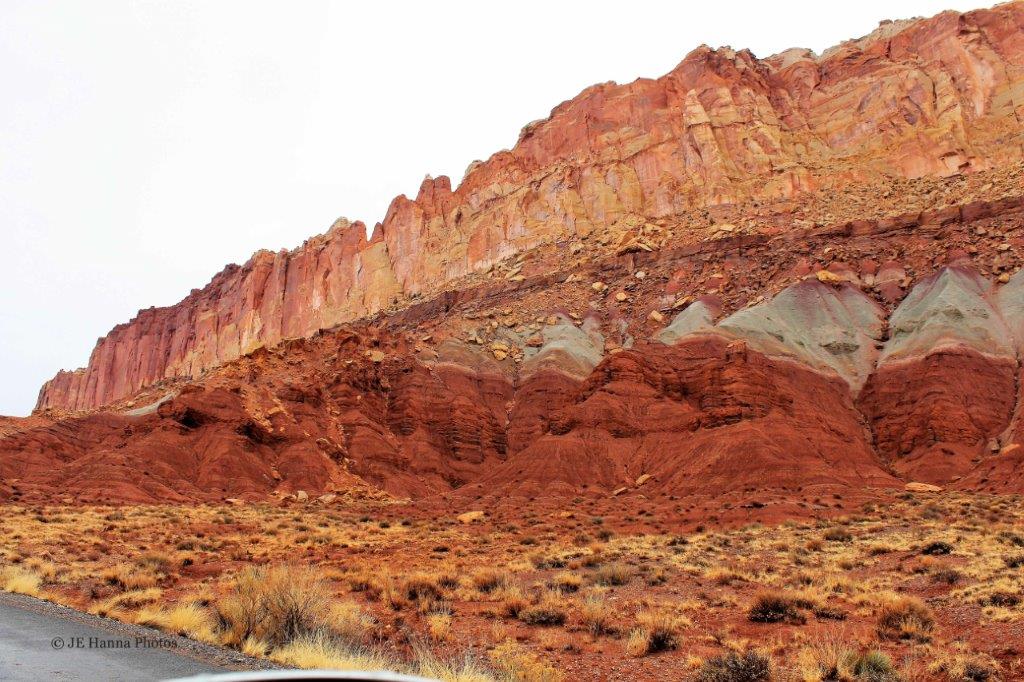
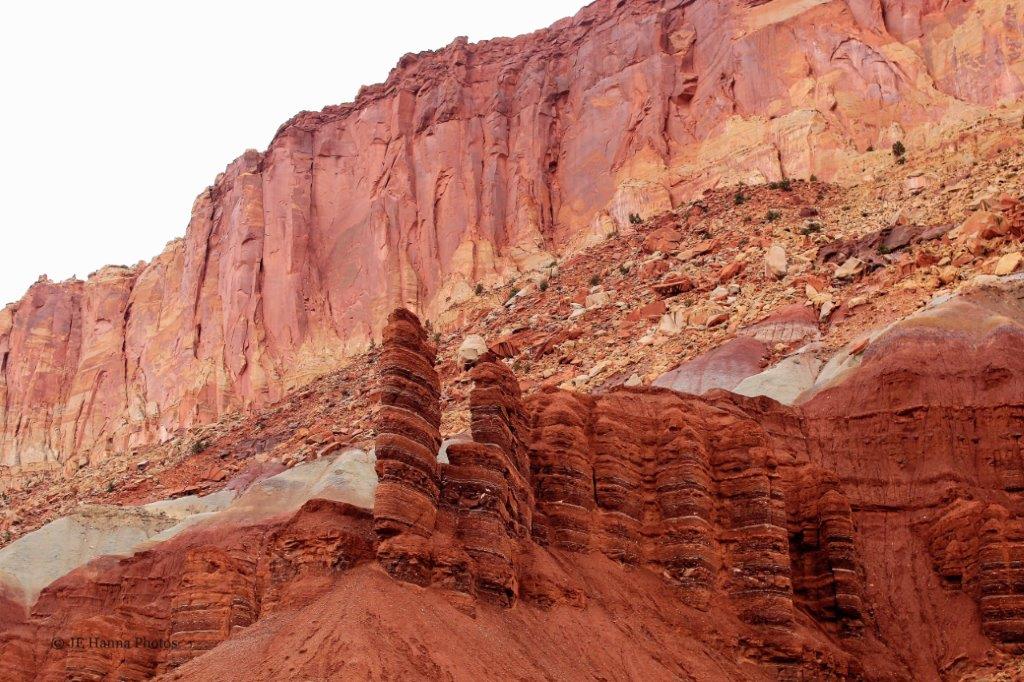
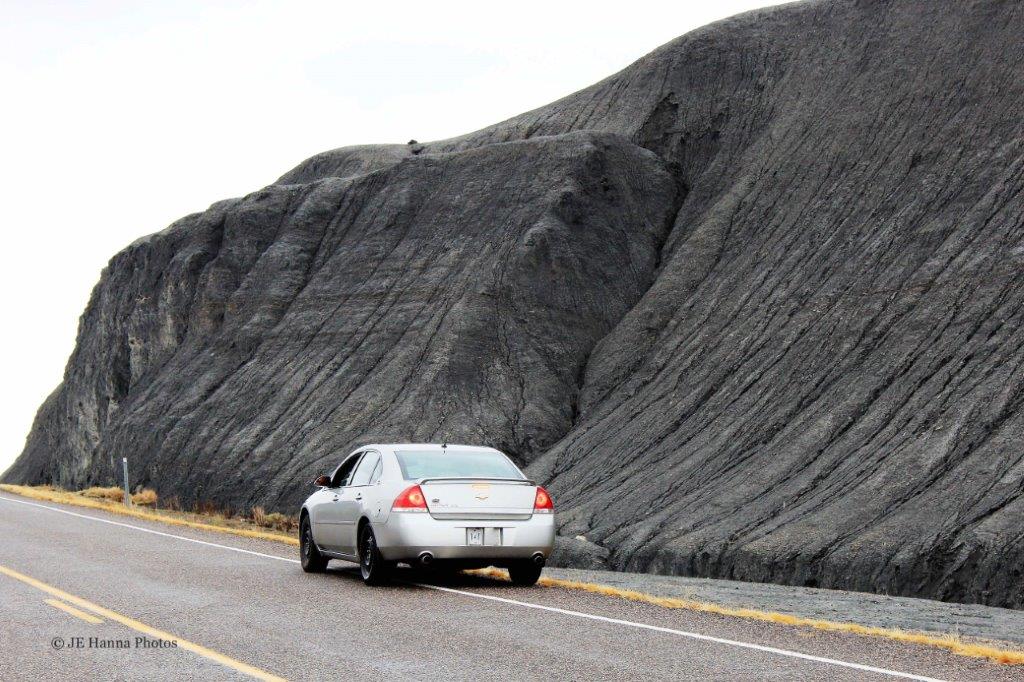
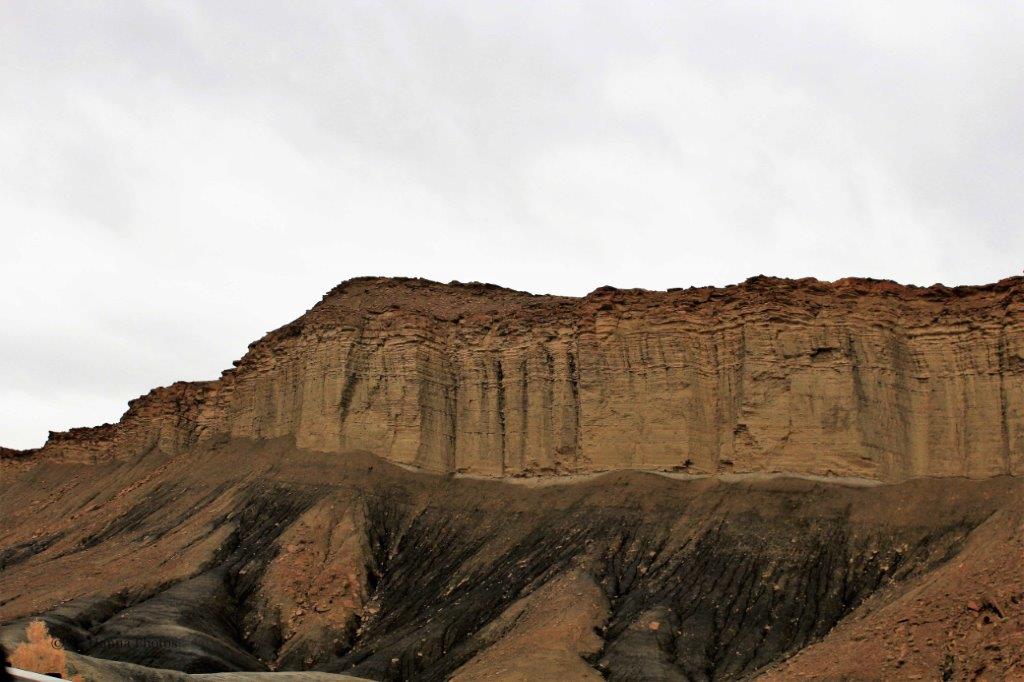
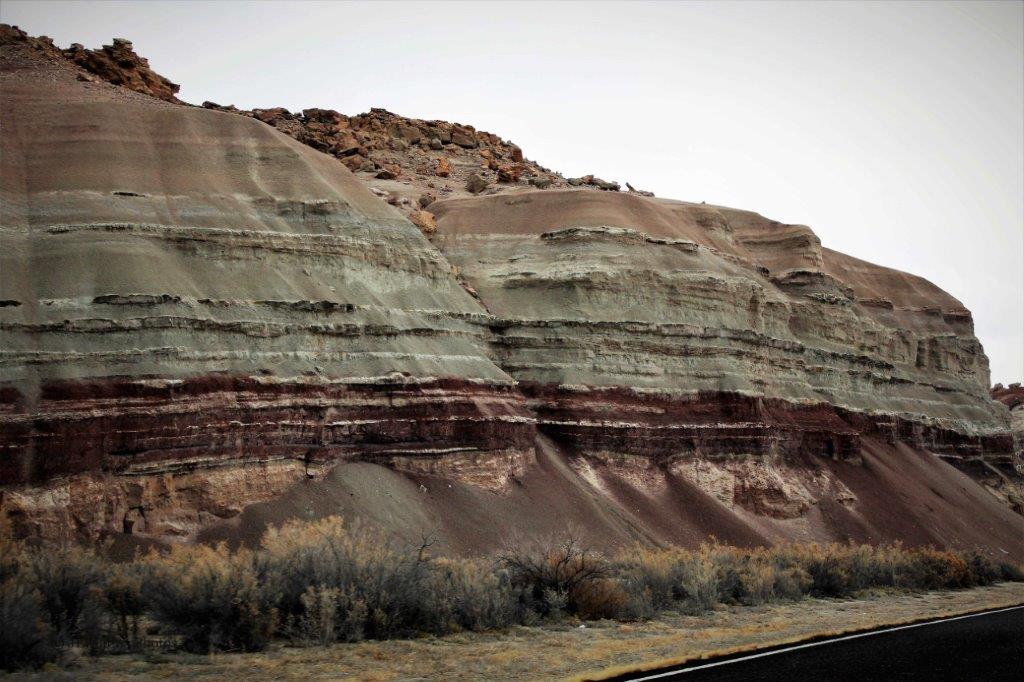
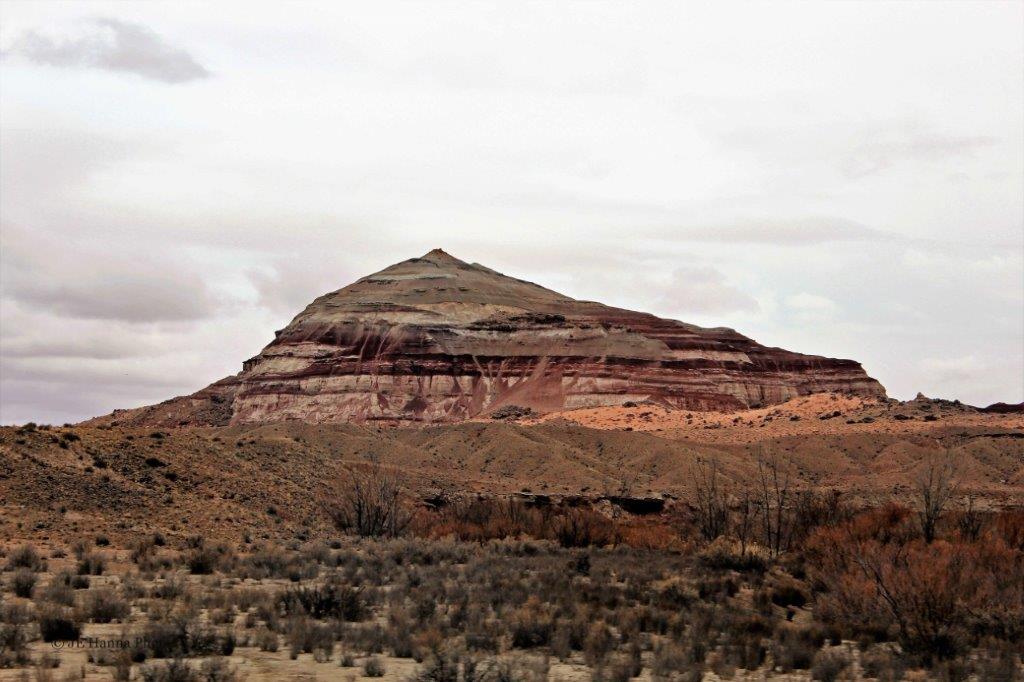
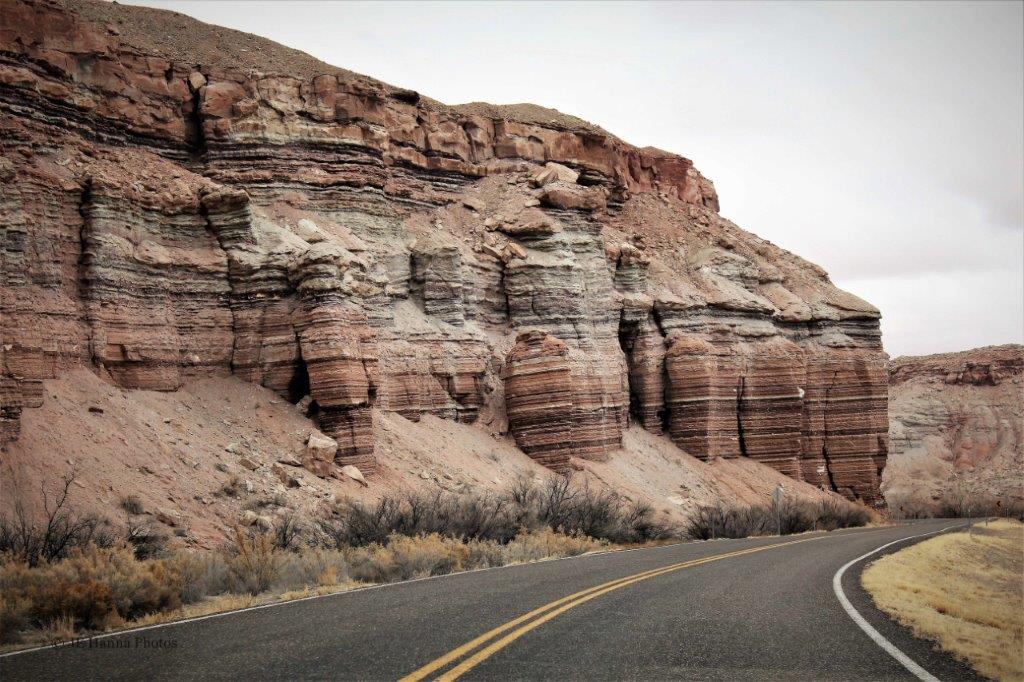
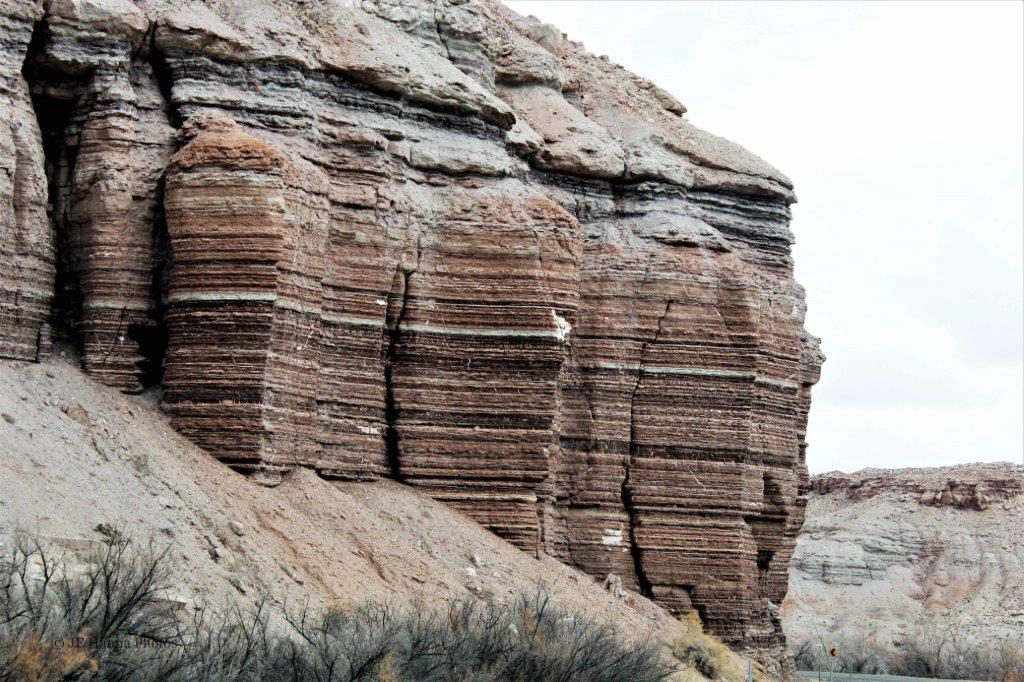
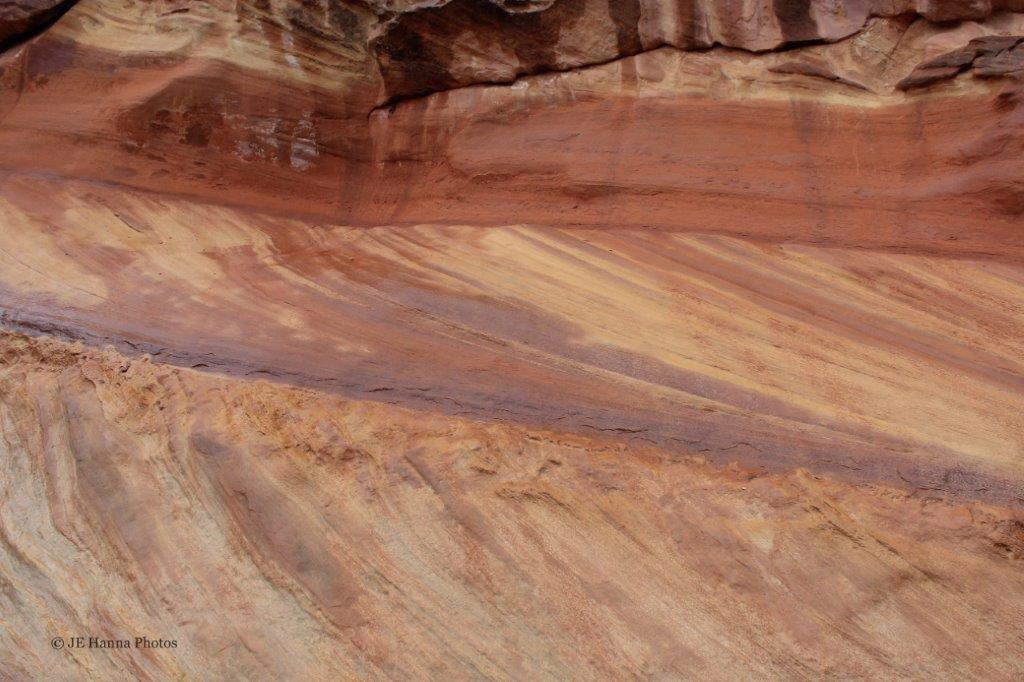
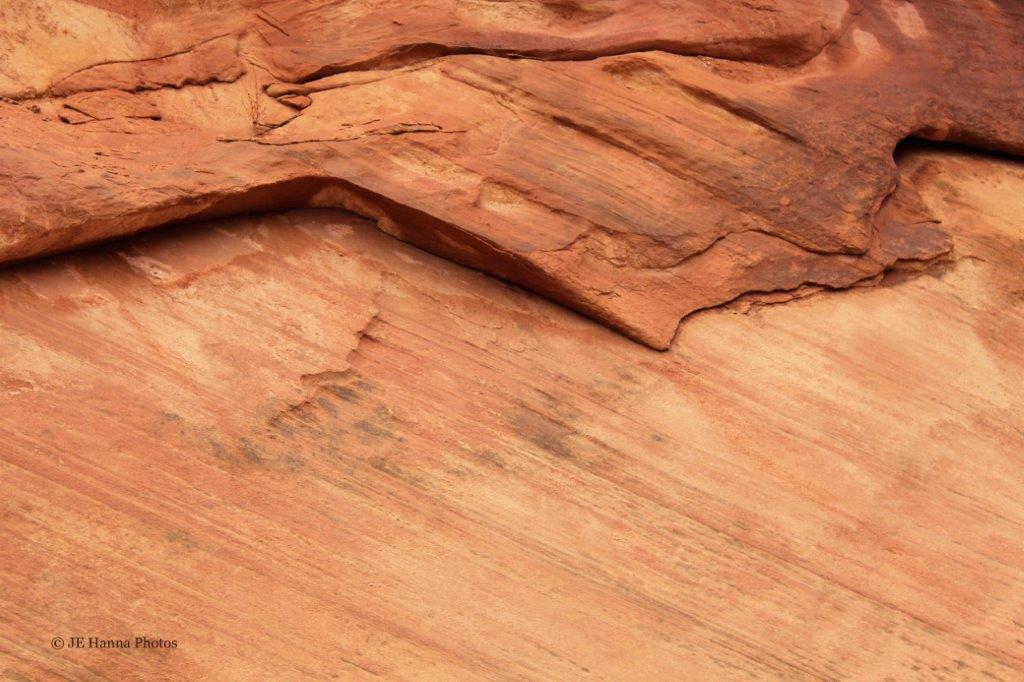
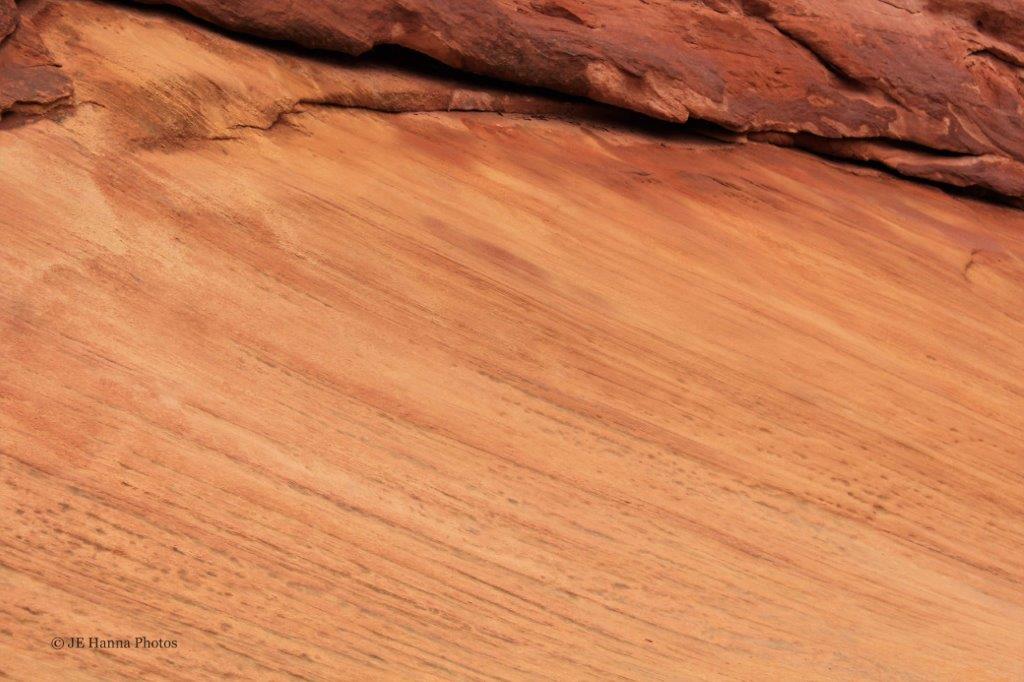
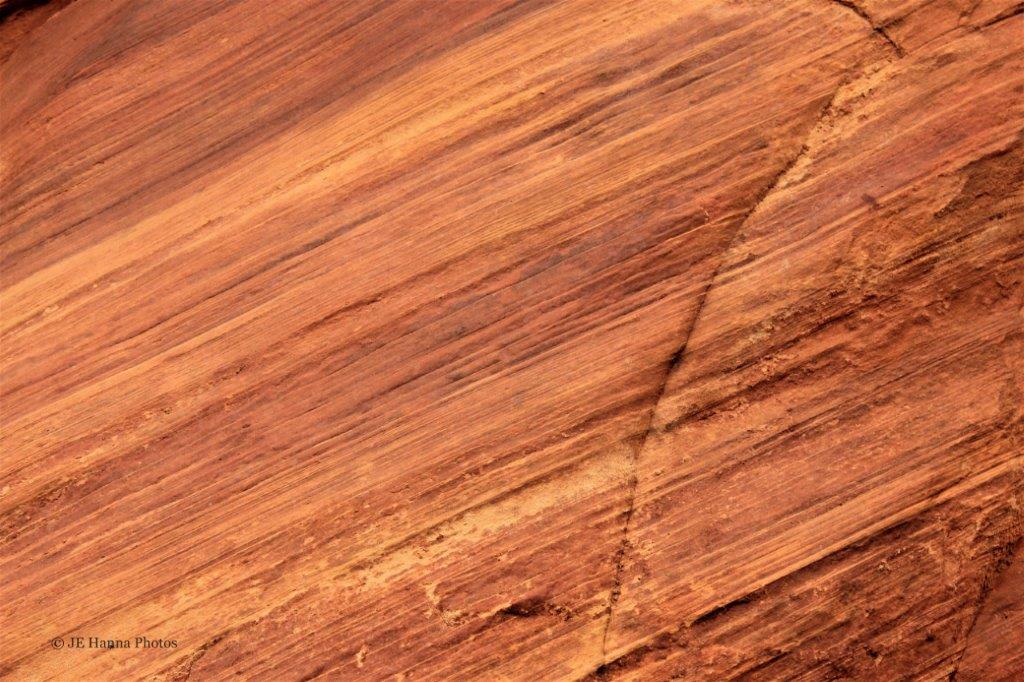
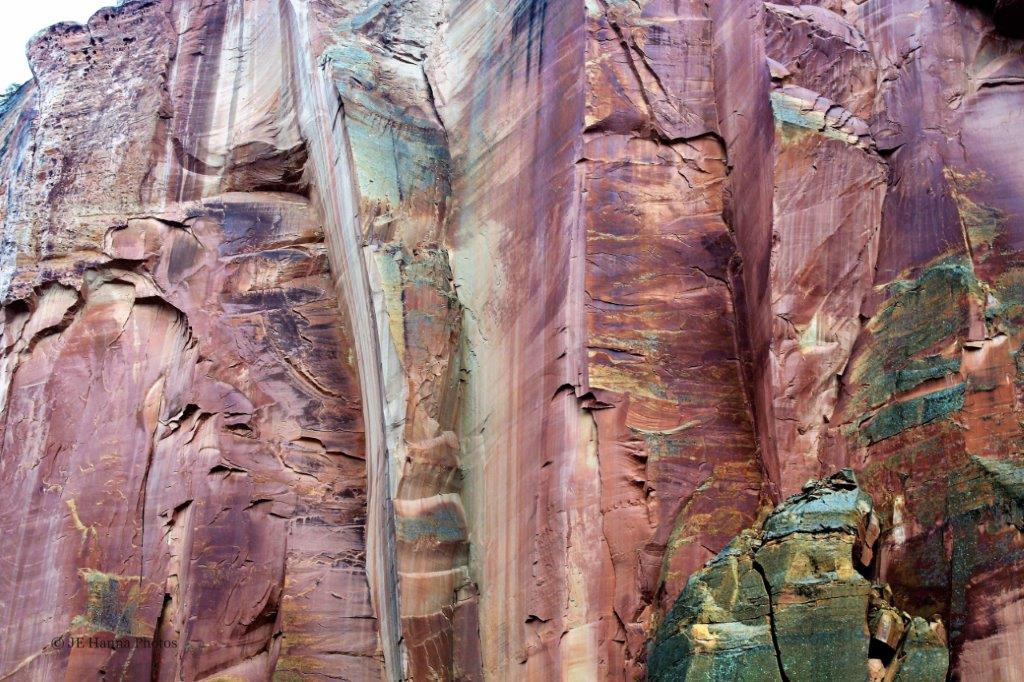
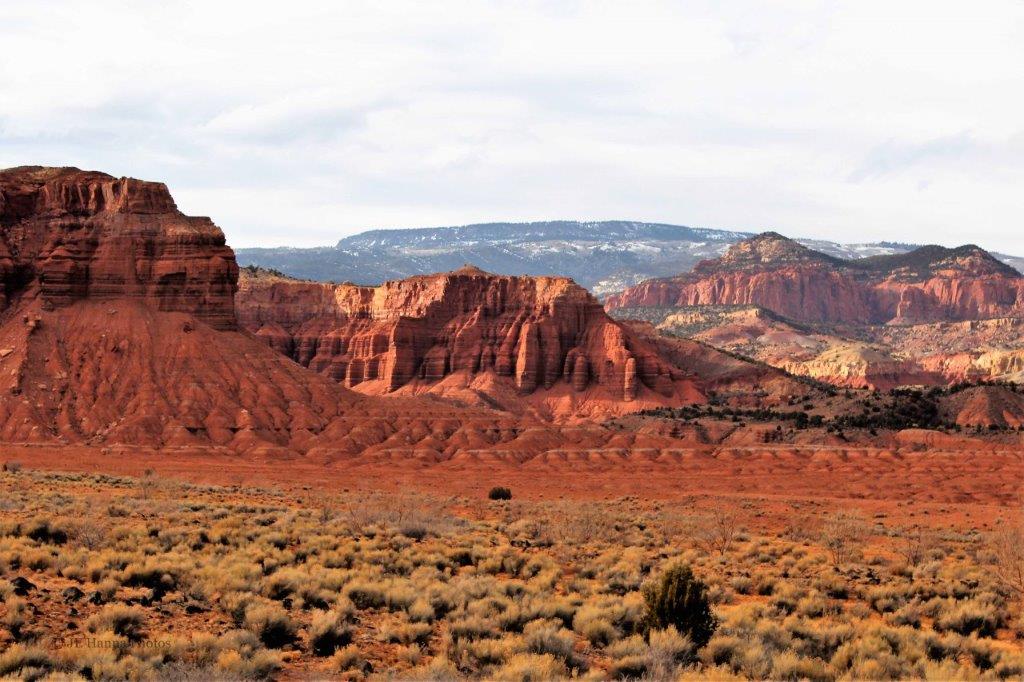
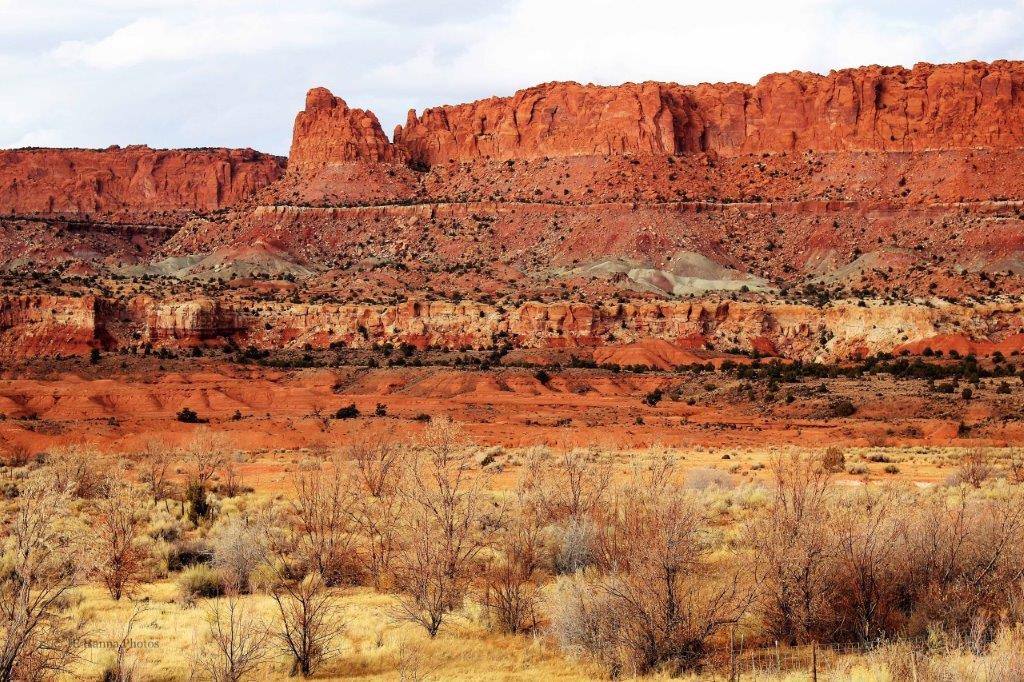
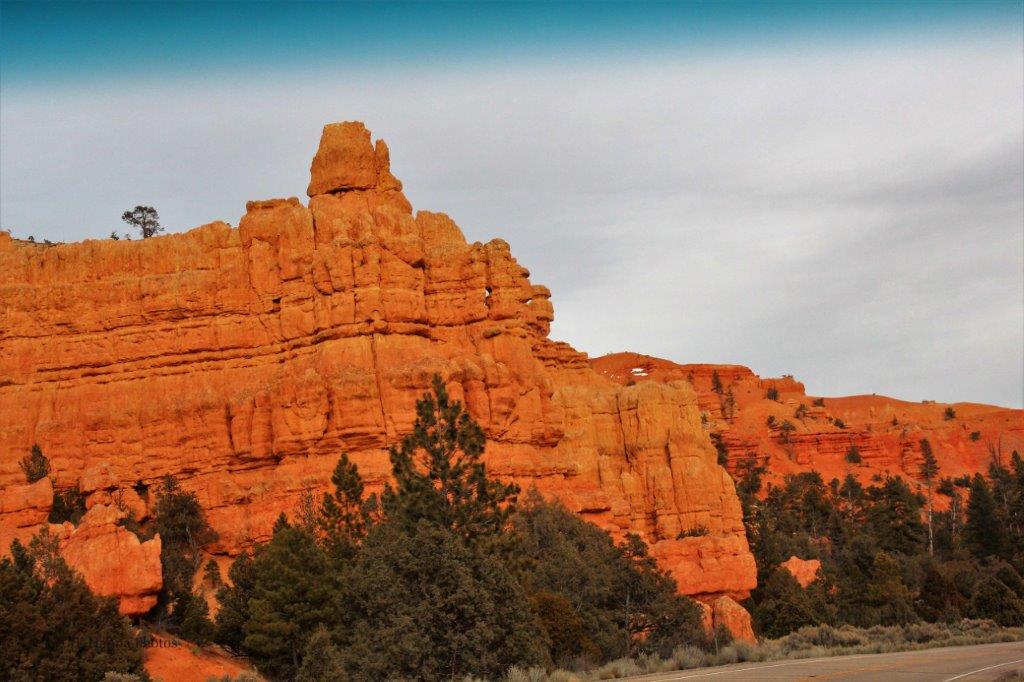
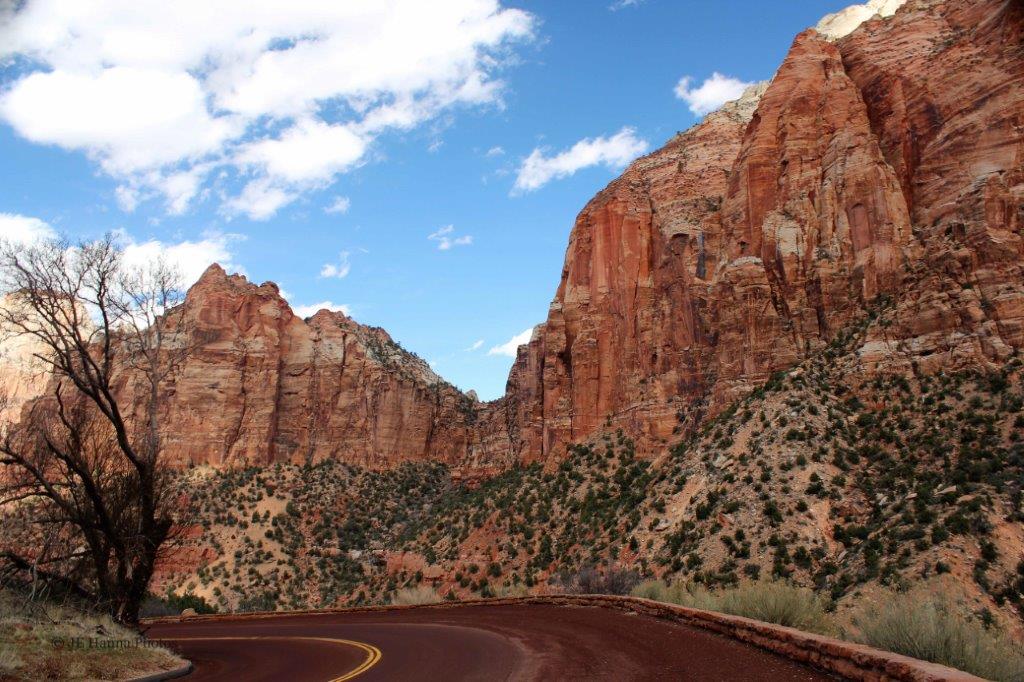
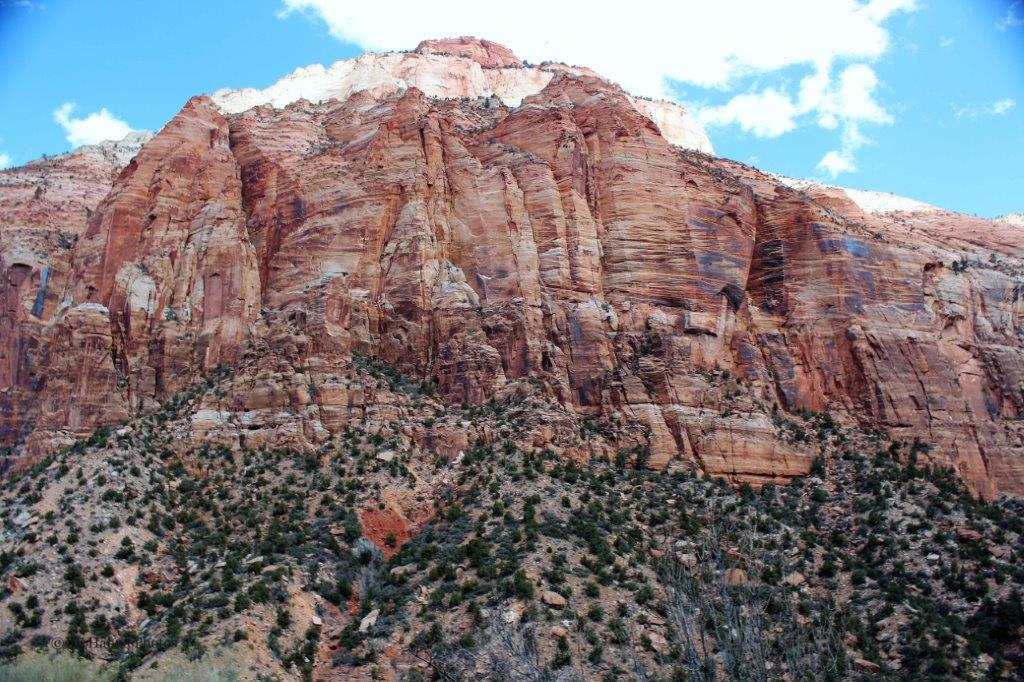
I was constantly amazed by the different colours and patterns in the rock.  I don’t know why my camera made one photo the correct orange/red colour and the other a purple/red.  It’s the same rock wall.

At the end of the scenic road we drove down the Capitol Gorge spur road.

Continued in Part 2.

2013 March 7 – Bryce Canyon National Park, Utah (Part 2)

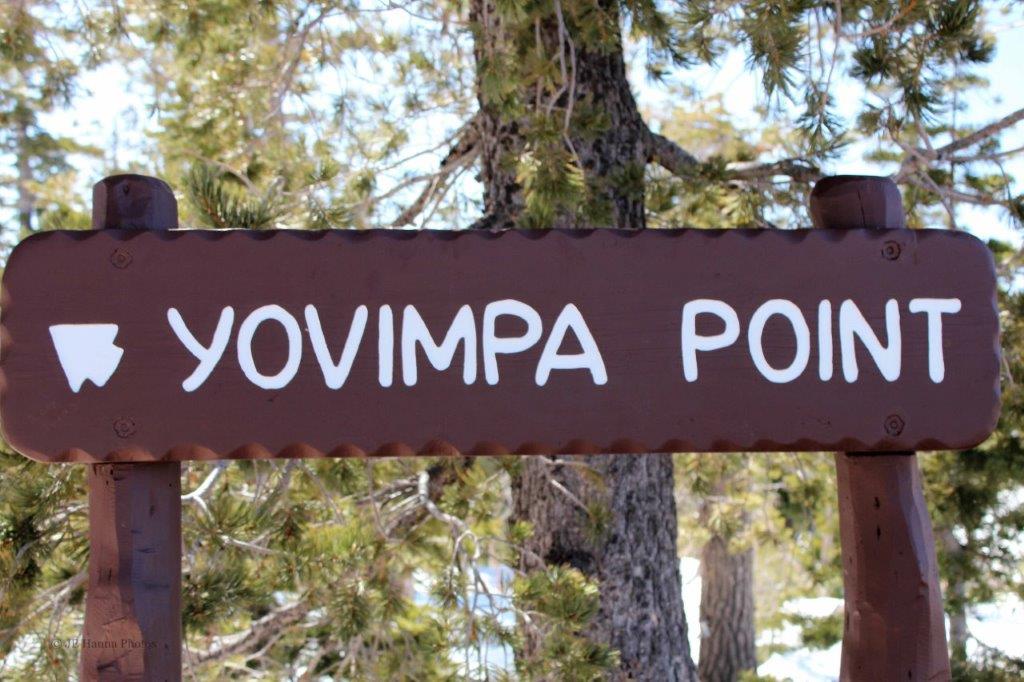
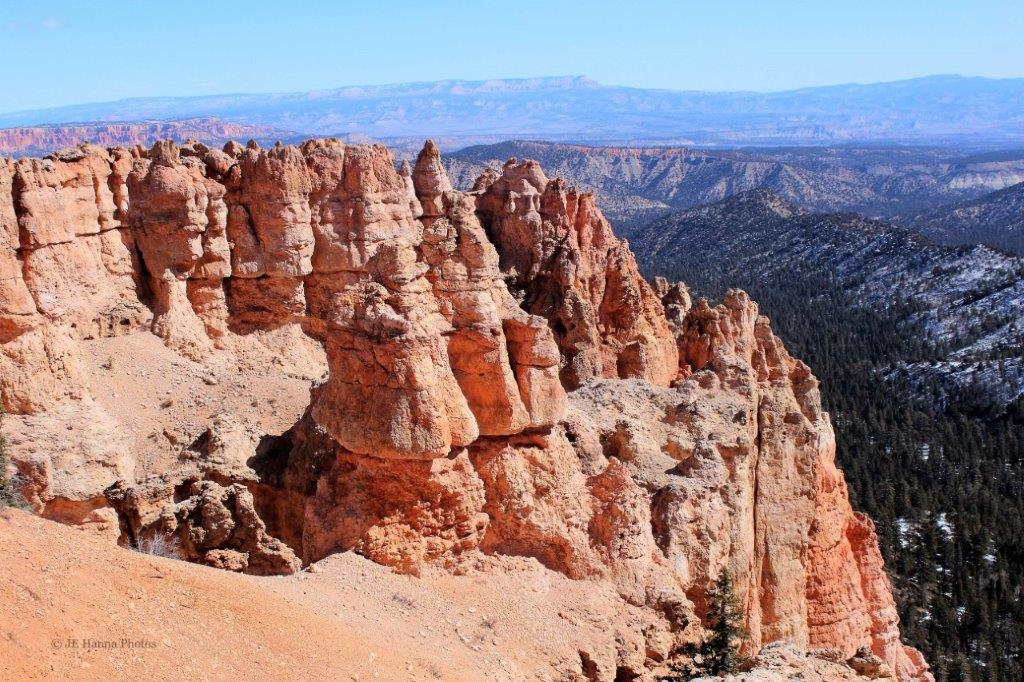
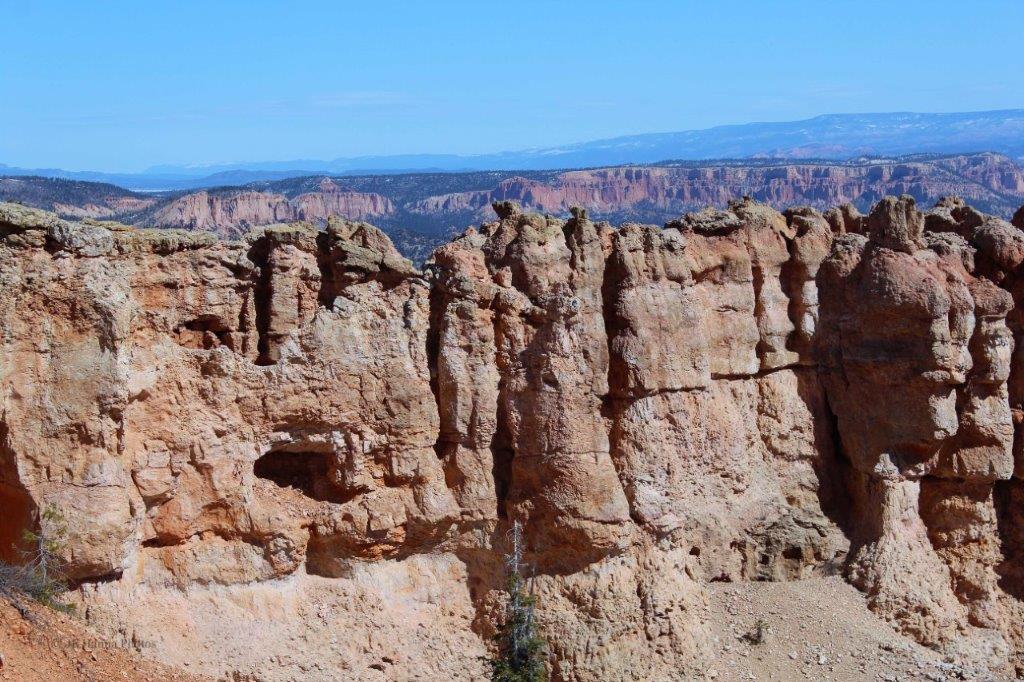
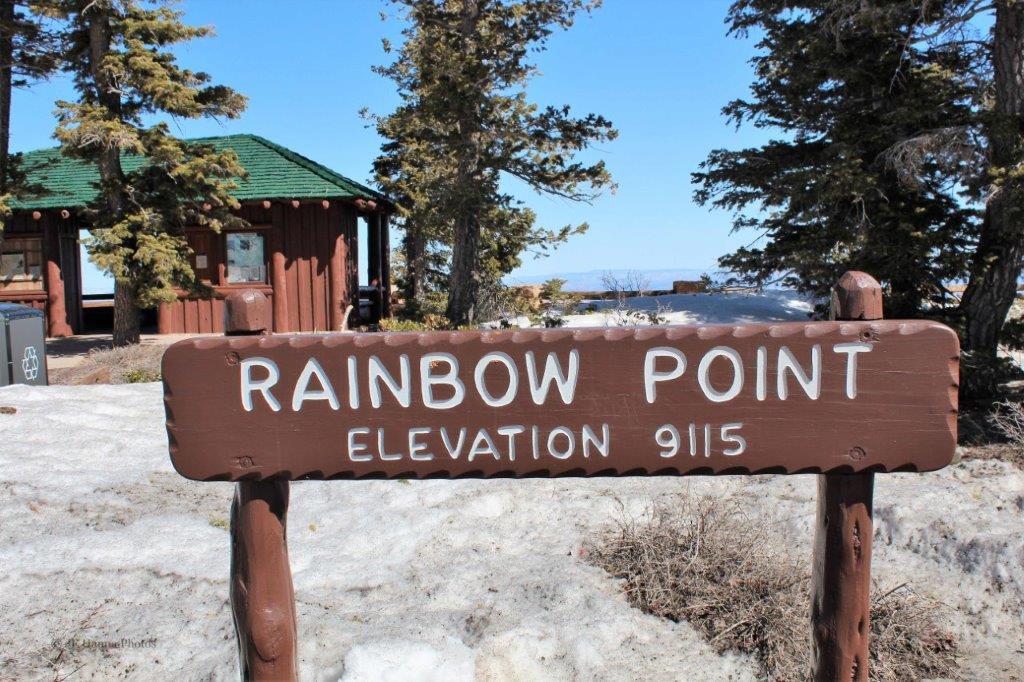
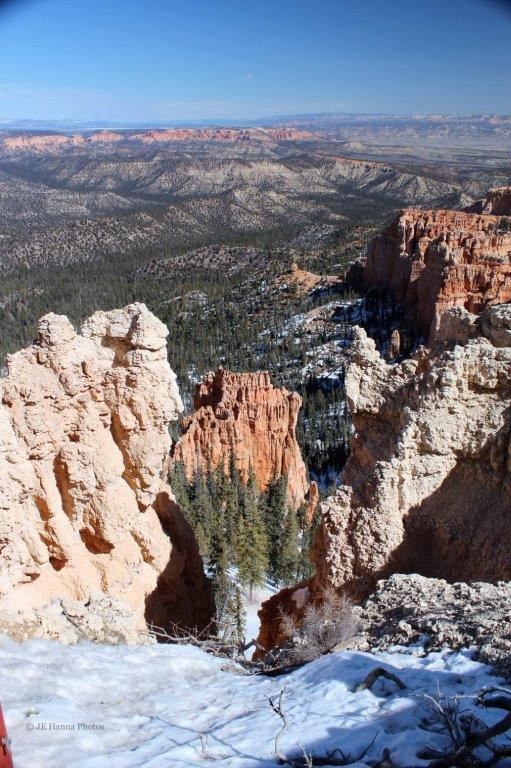
We spent the day driving the 18 mile rim road of Bryce Canyon.   At the end of the road is a loop with Rainbow Point facing northward and Yovimpa Point looking south.

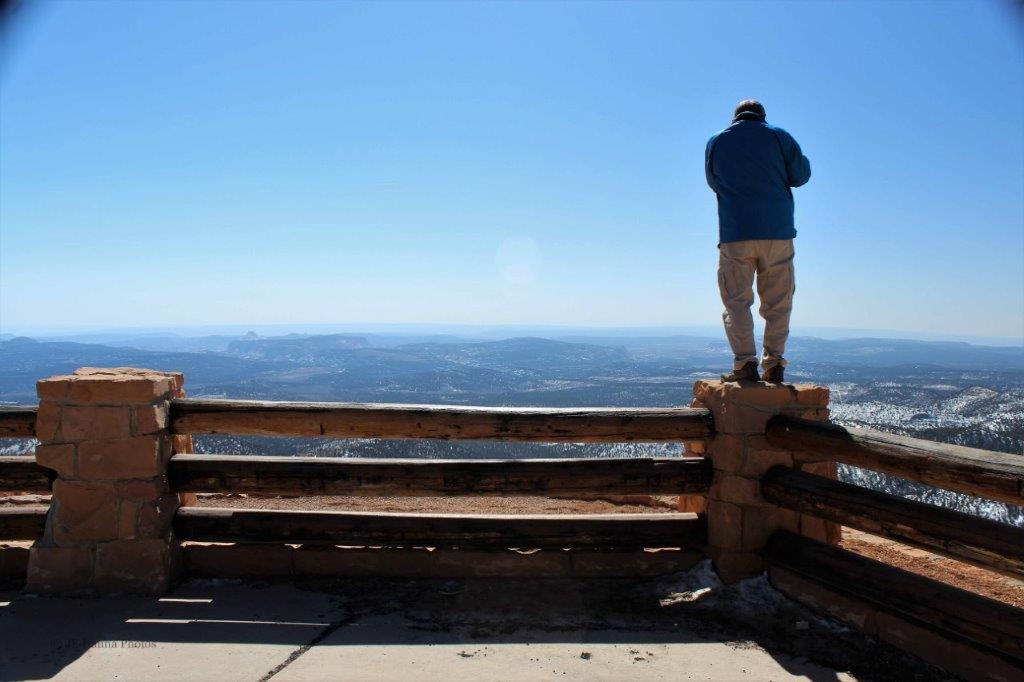
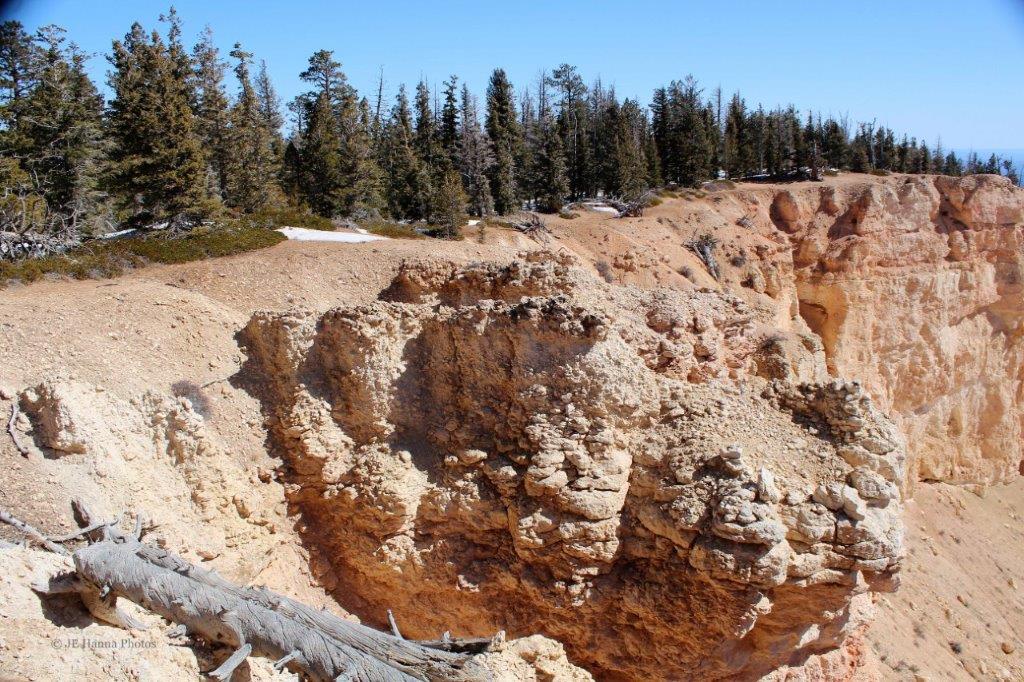
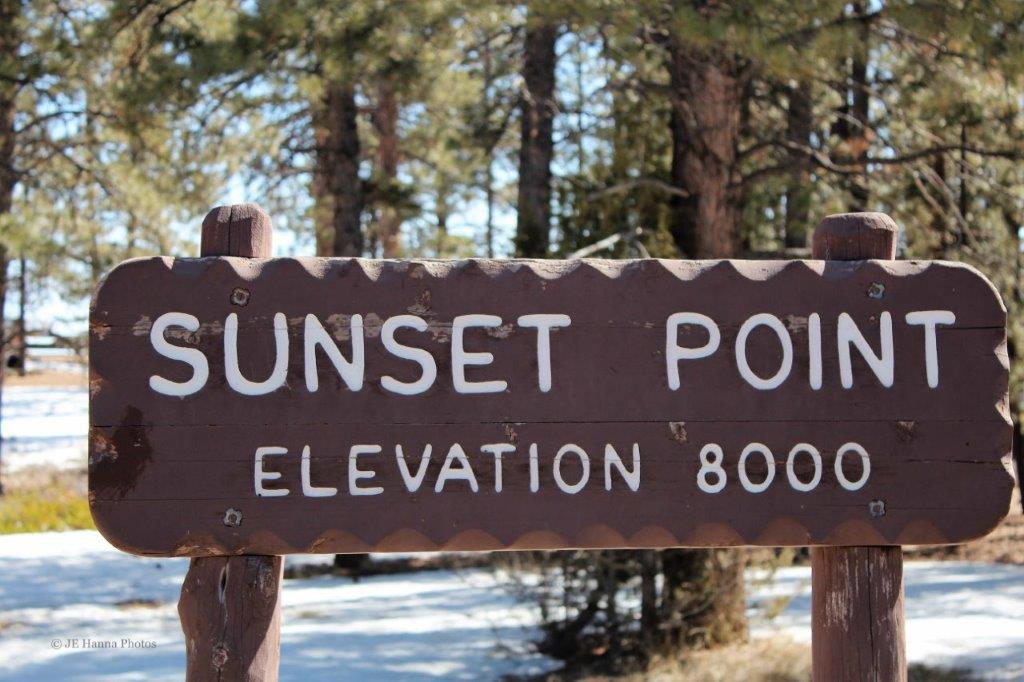
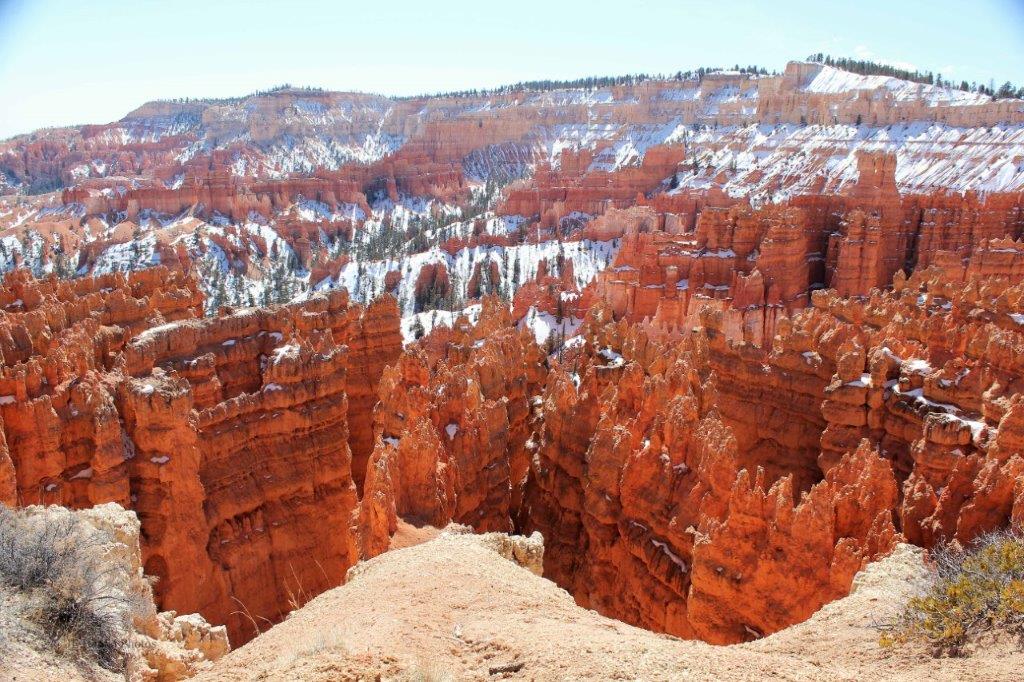
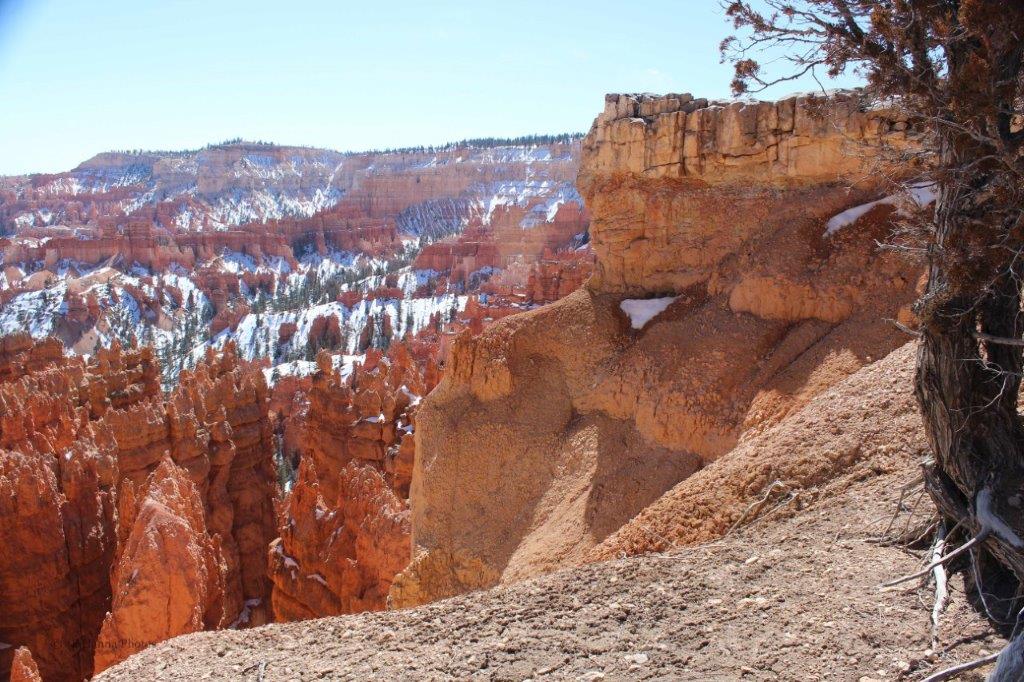
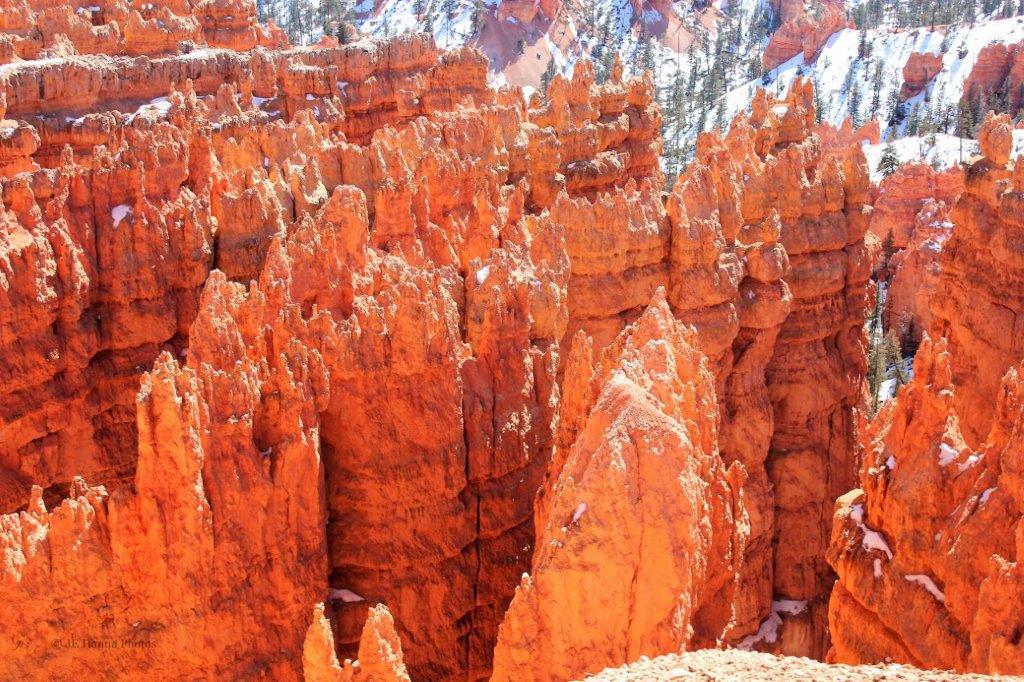
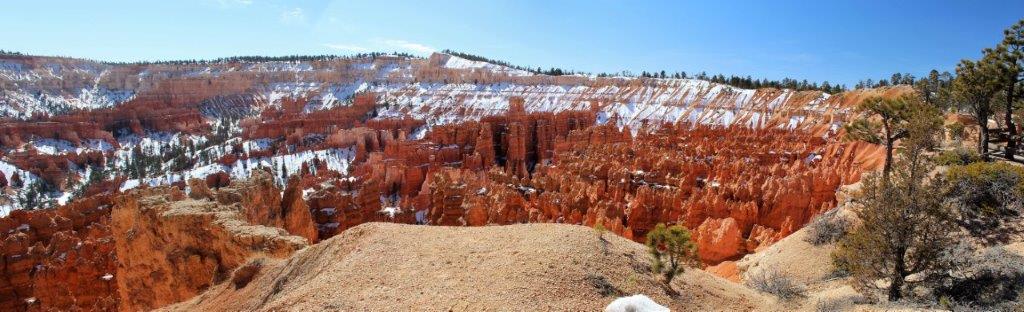
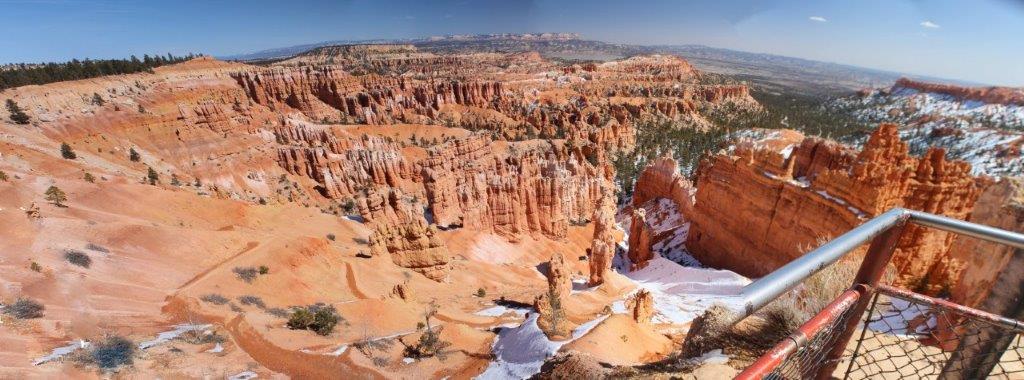
       Not really a recommended way to get a photo way up here.  As the name suggests Sunset Point is a popular spot to sit and watch the sun go down, casting the rock formation into brilliant shades of  red.There is no shortage of trails to hike down into and around in the canyon.

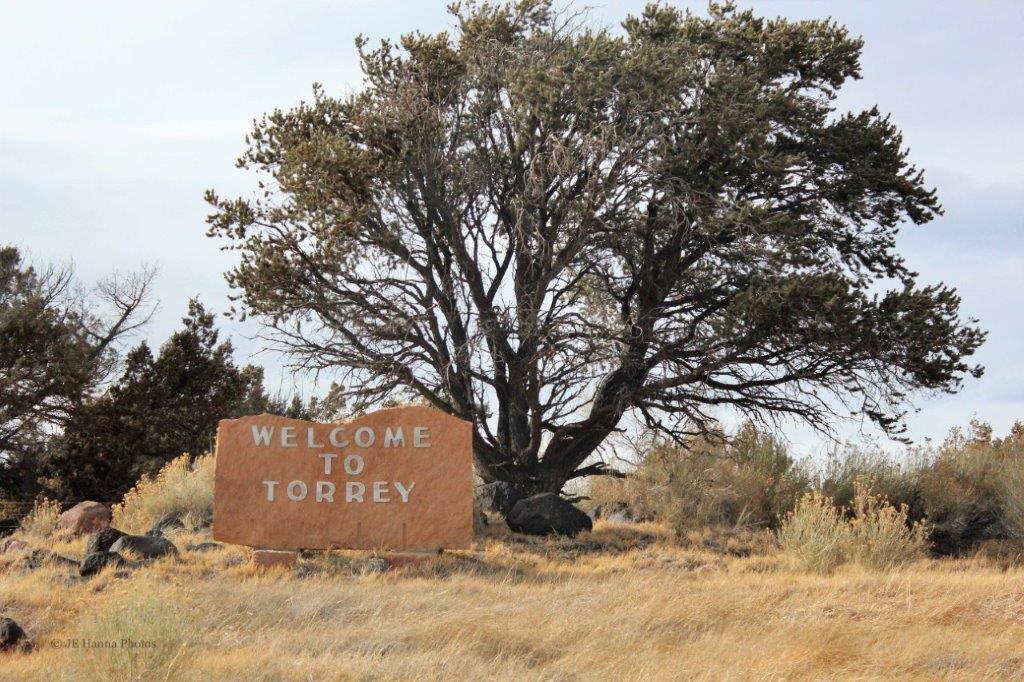
On the way back to the highway we could have taken a 2 km (1 mile) road into Fairyland Point, but we figured we had seen all the rock formations from as many angles as we needed to.  We had a two hour drive ahead of us to reach Torrey, in Capitol Reef National Park, where we would be spending the night.

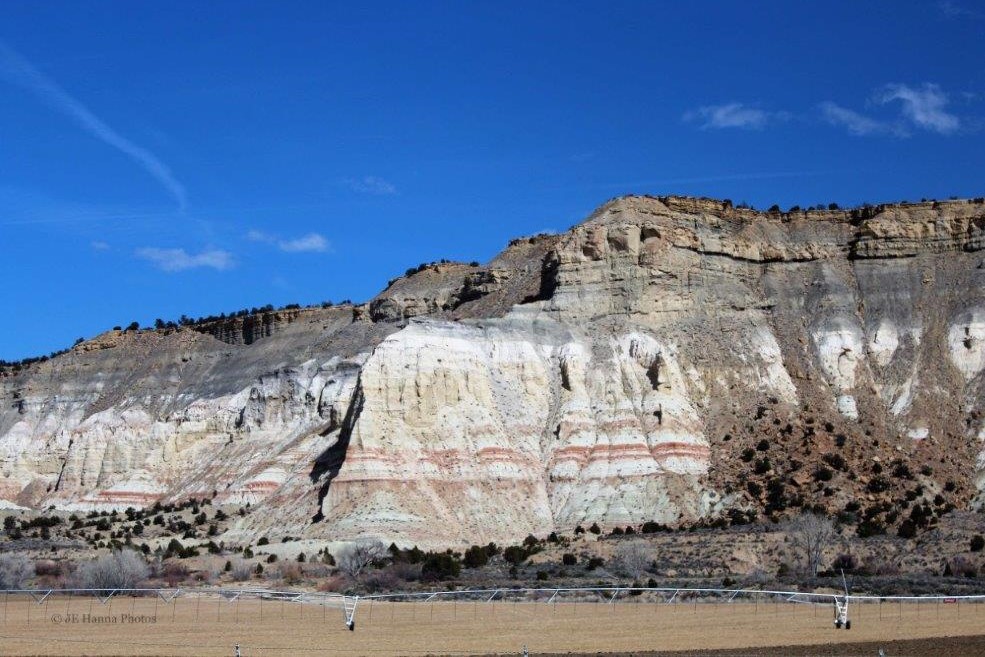
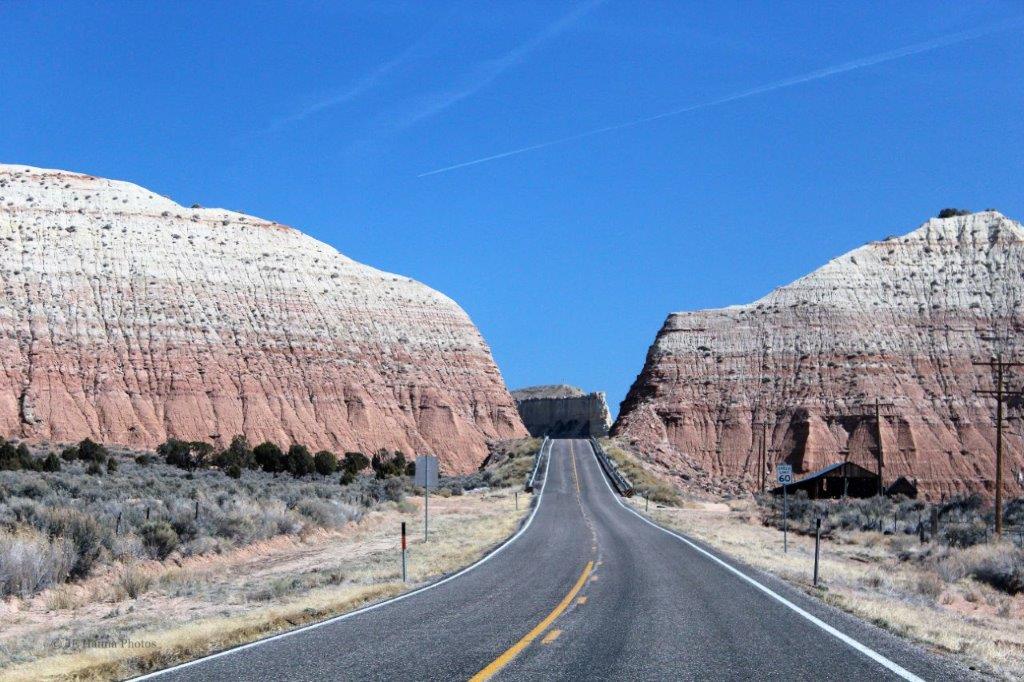
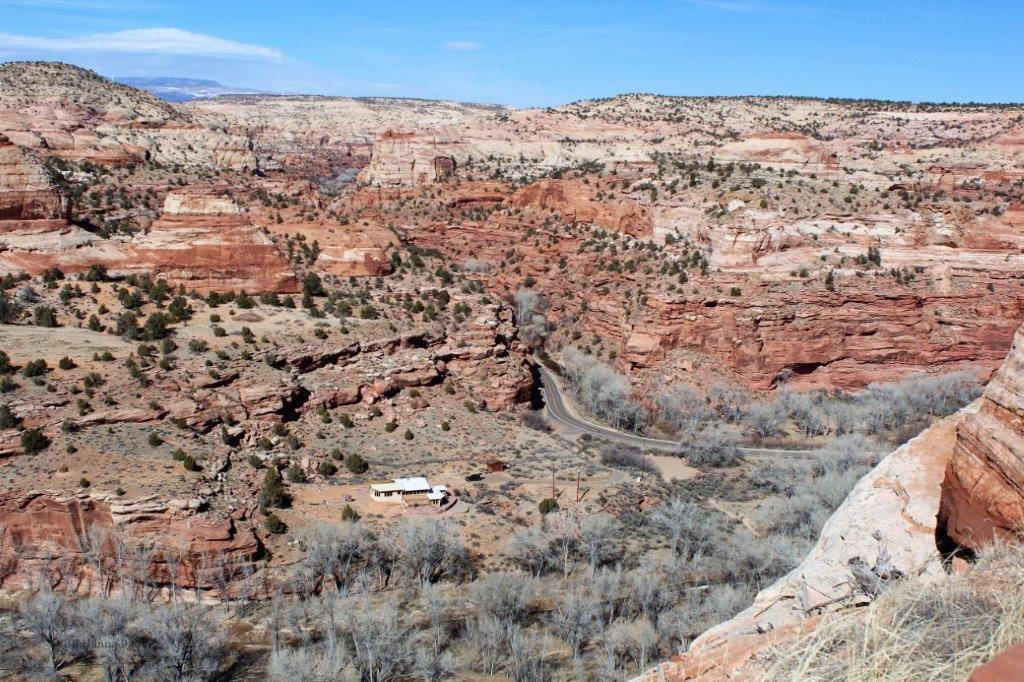
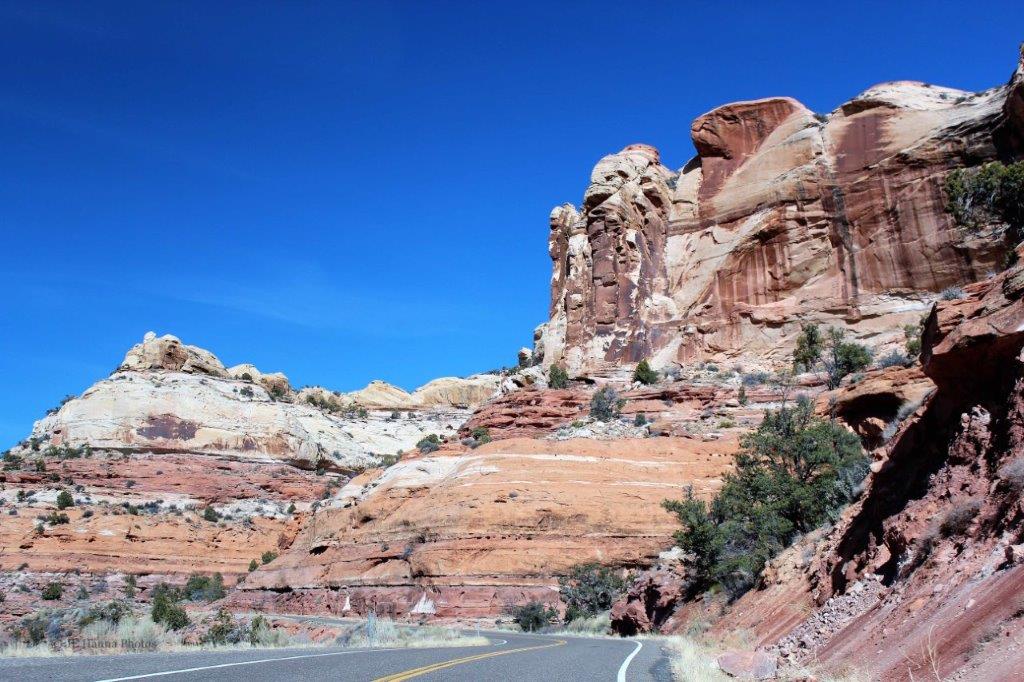
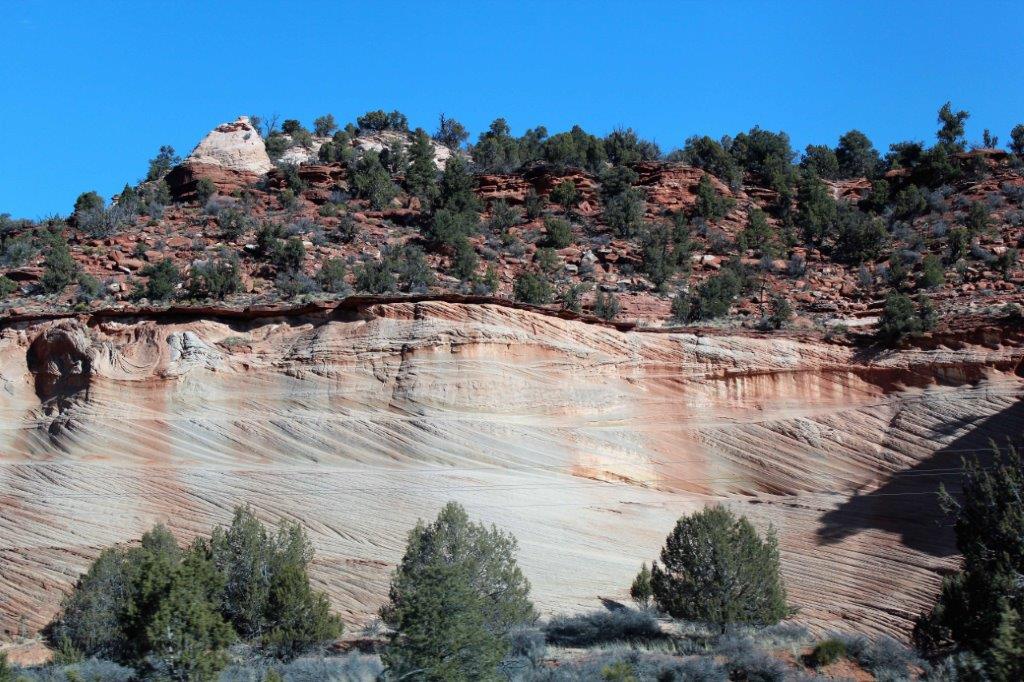
Along the way we were once again passing white and brown rocks with the distinctive Utah red rock stripe. The road just followed the curve of this massive, sheer rock face  We stopped at  Escalante Canyon Overlook for more photos. The canyon was a very deep cut into the valley bottom.The house in the lower right of the photo above helps give some perspective.Who knew that one cliff could contain so many different colours?

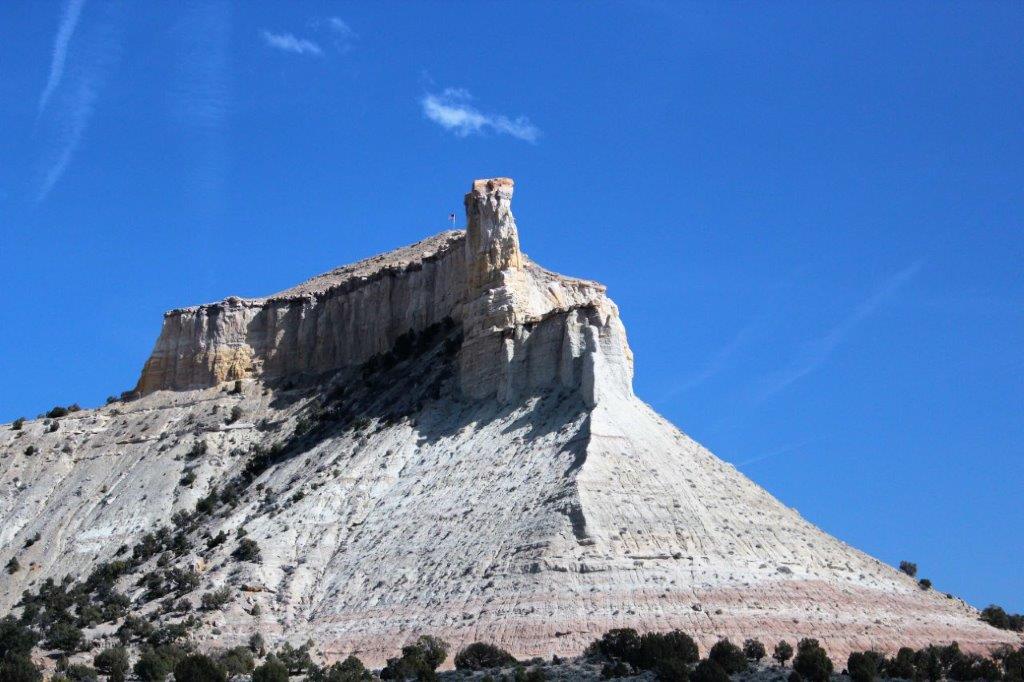
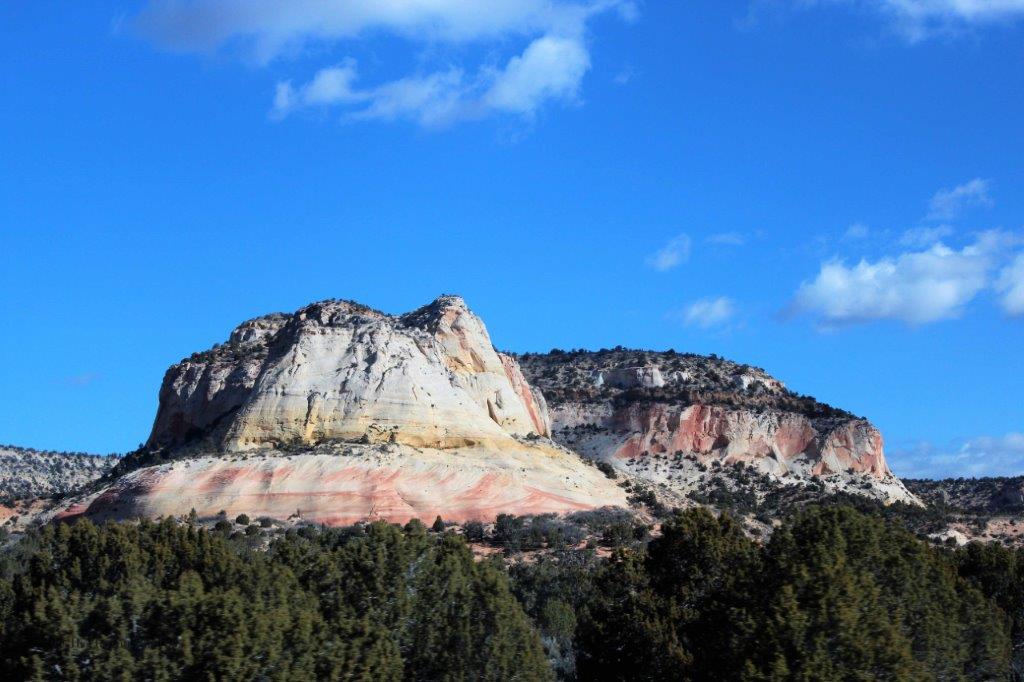
From red rock to white.  The colours change all the time.
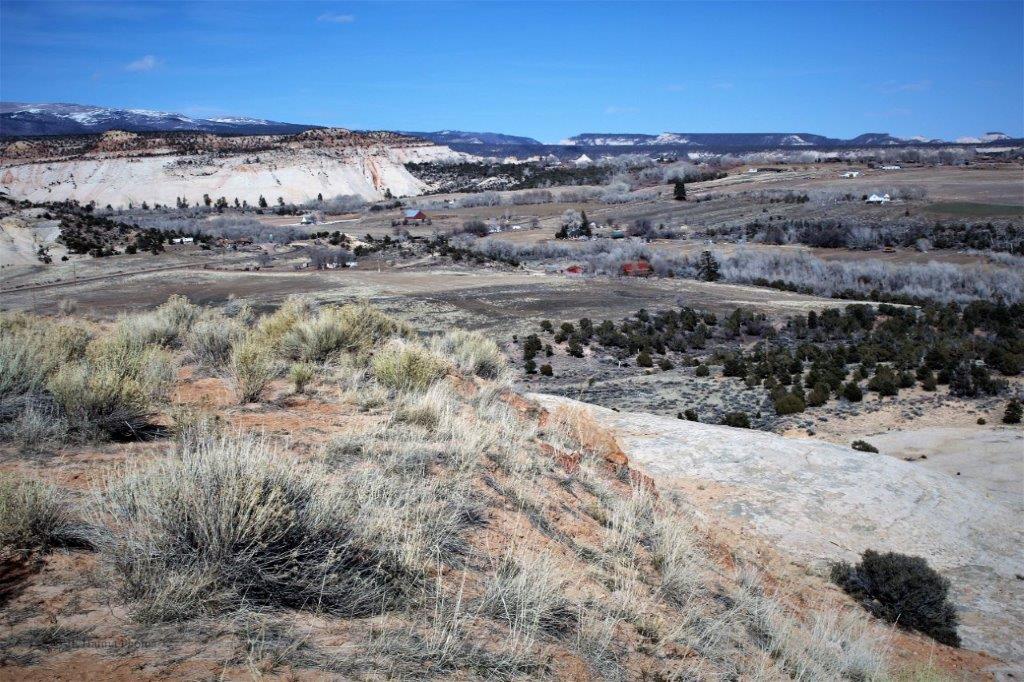
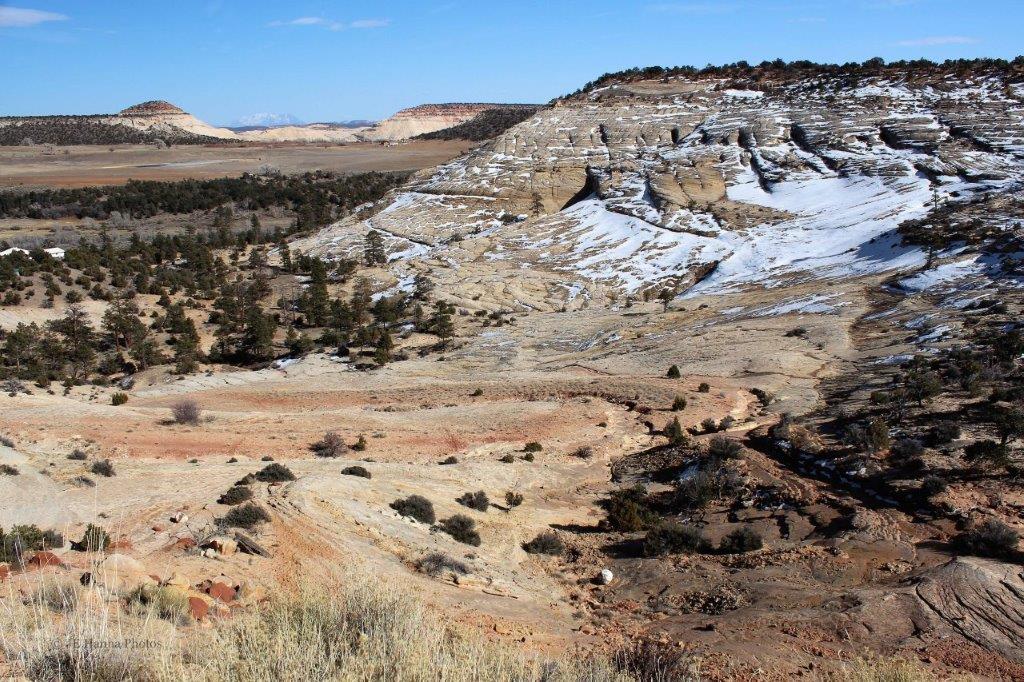
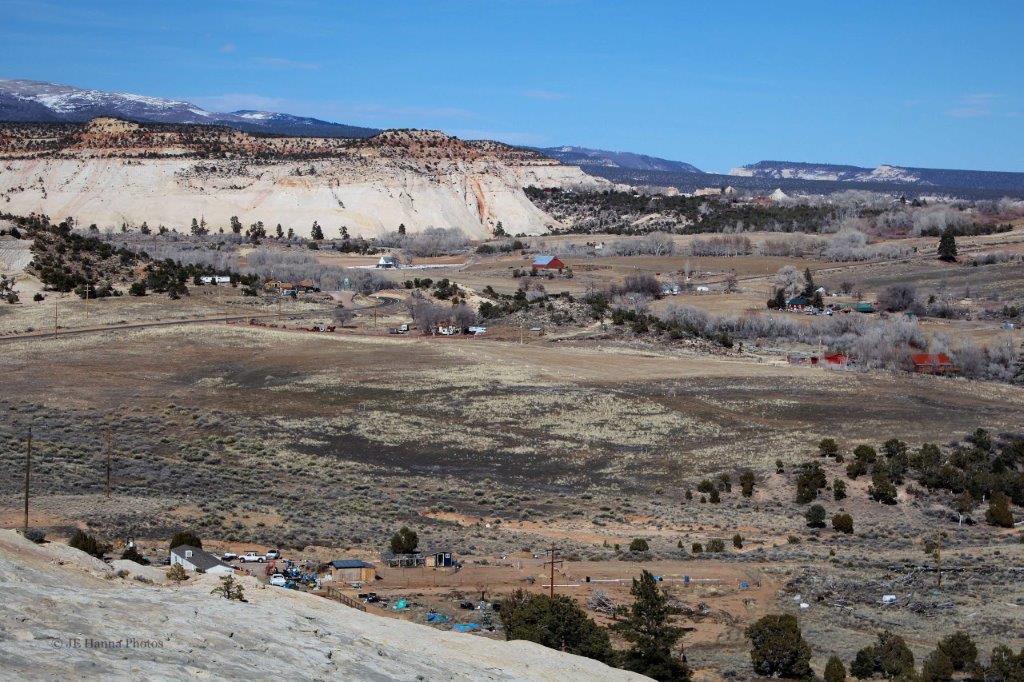
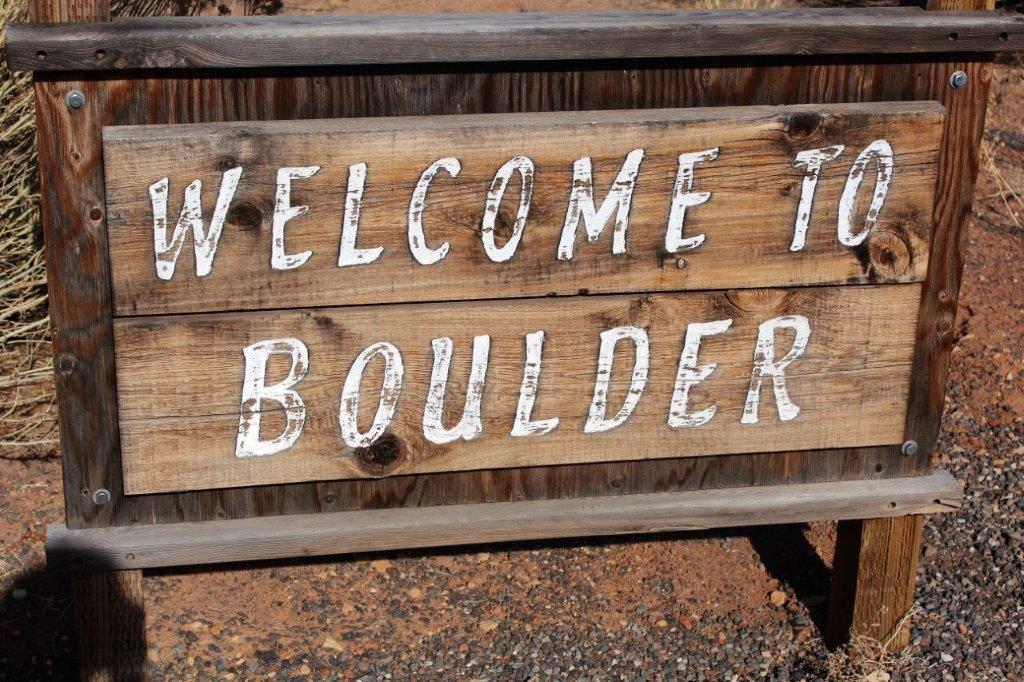
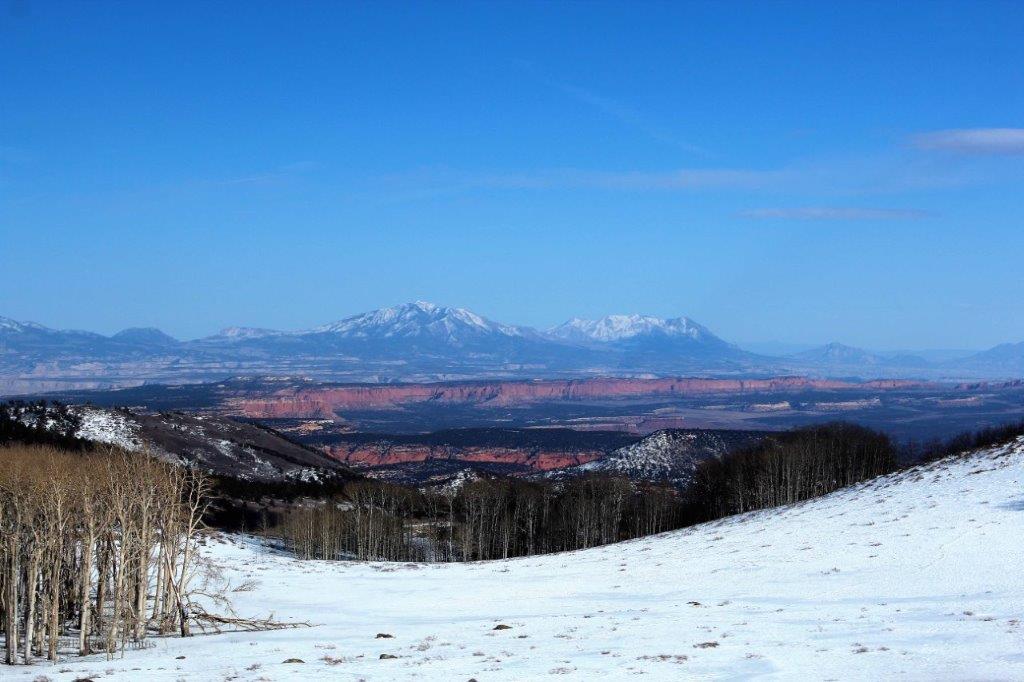
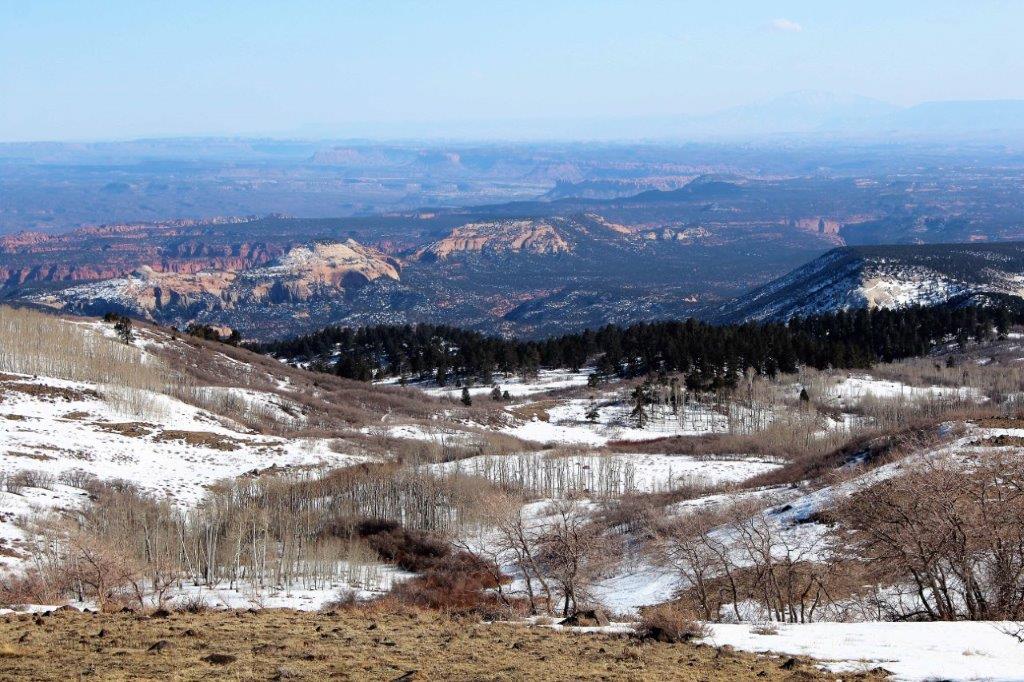
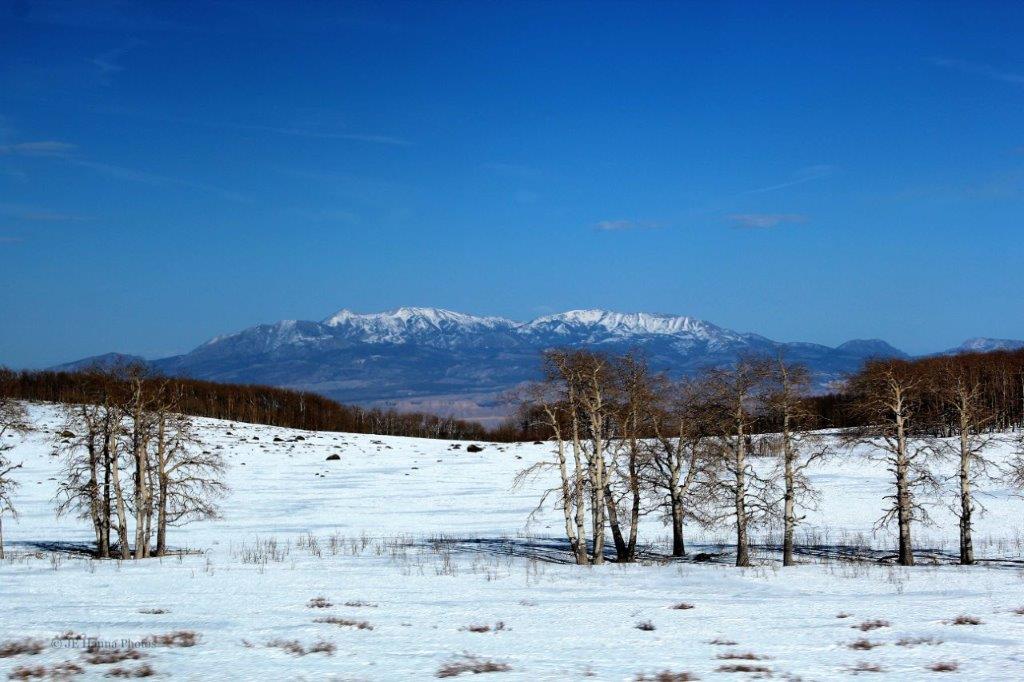
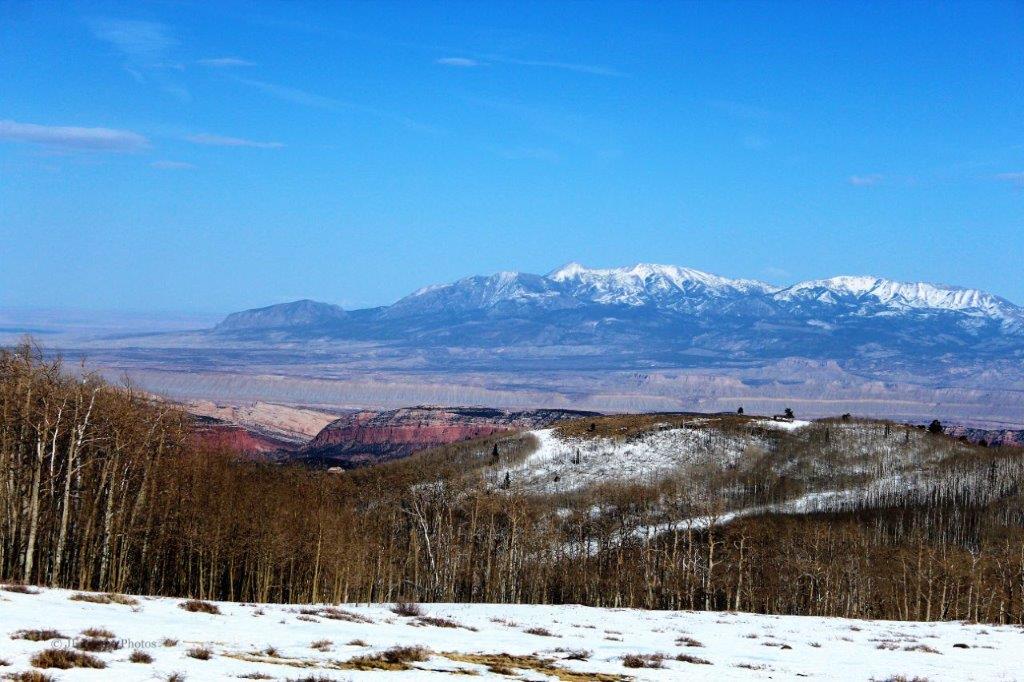
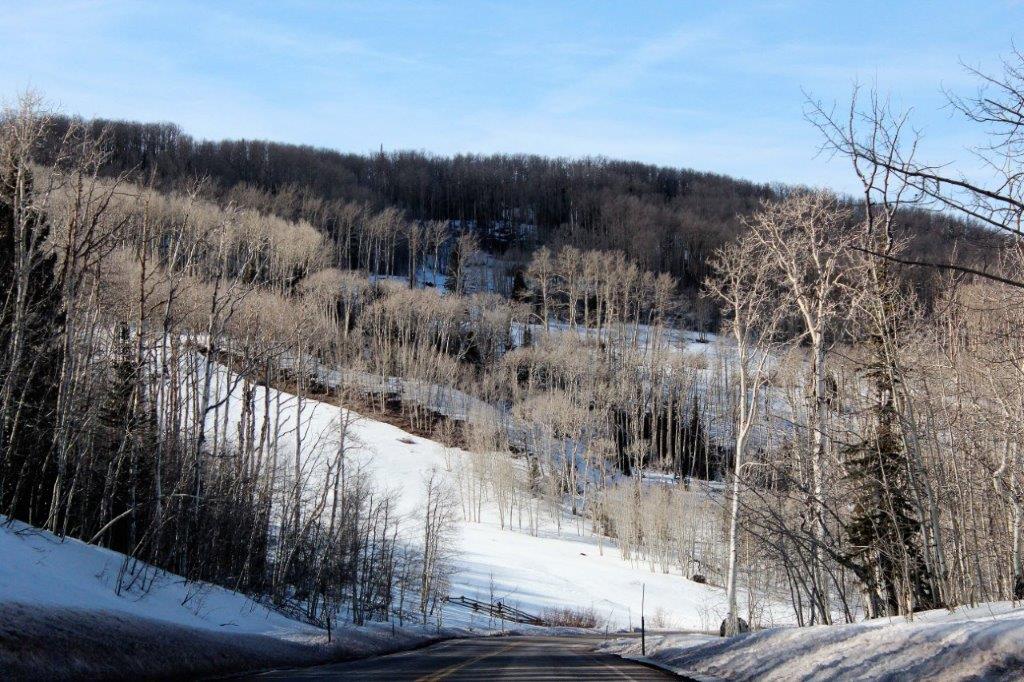
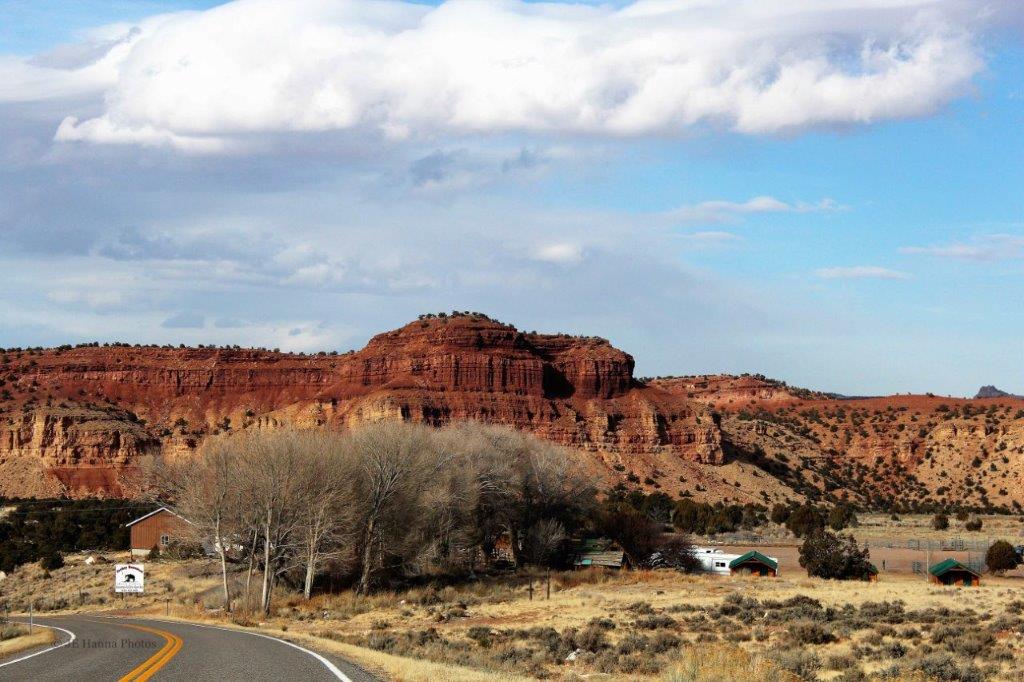
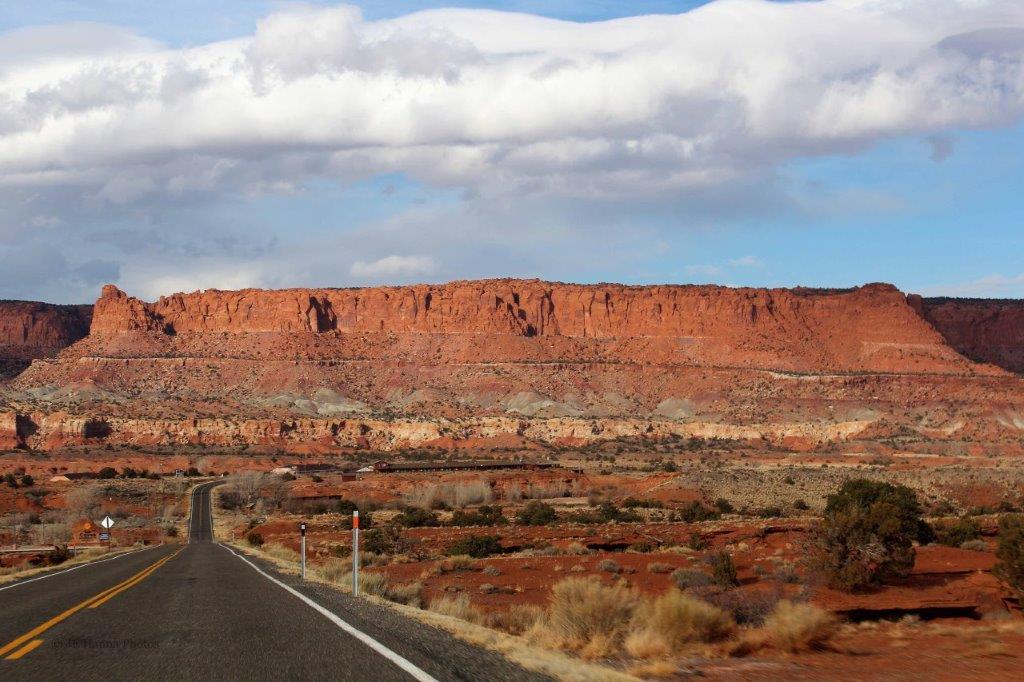
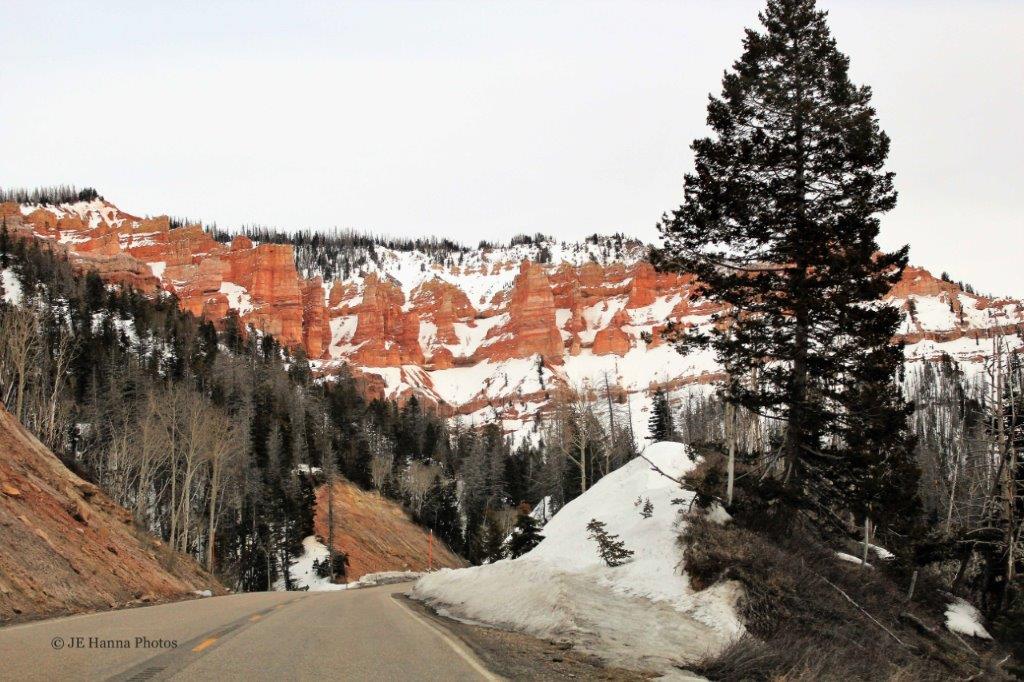
We drove through the small community of Boulder, about half way to Torrey.From Boulder we traveled through the Dixie National Forest at a high enough elevation to have snow on the ground.The next day we toured Capitol Reef National Park, which, despite the fact it rained most of the day, was my favourite of the five southern Utah parks.  Colours and colours, and colours of rocks, rocks, and more rocks.

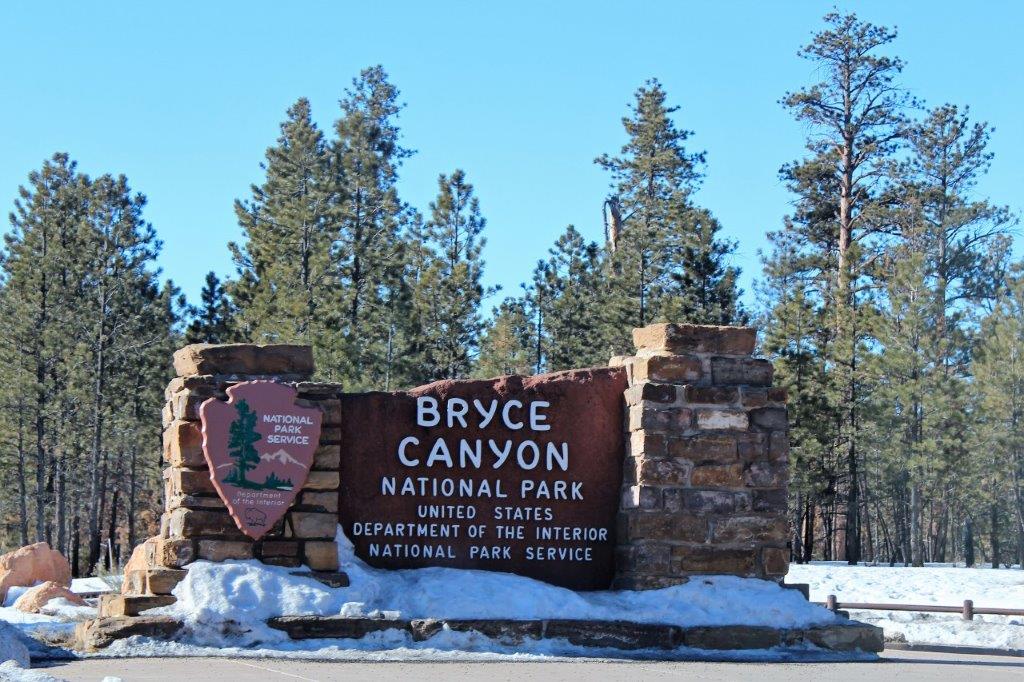
2013 March 7 – Bryce Canyon National Park, Utah (Part 1)

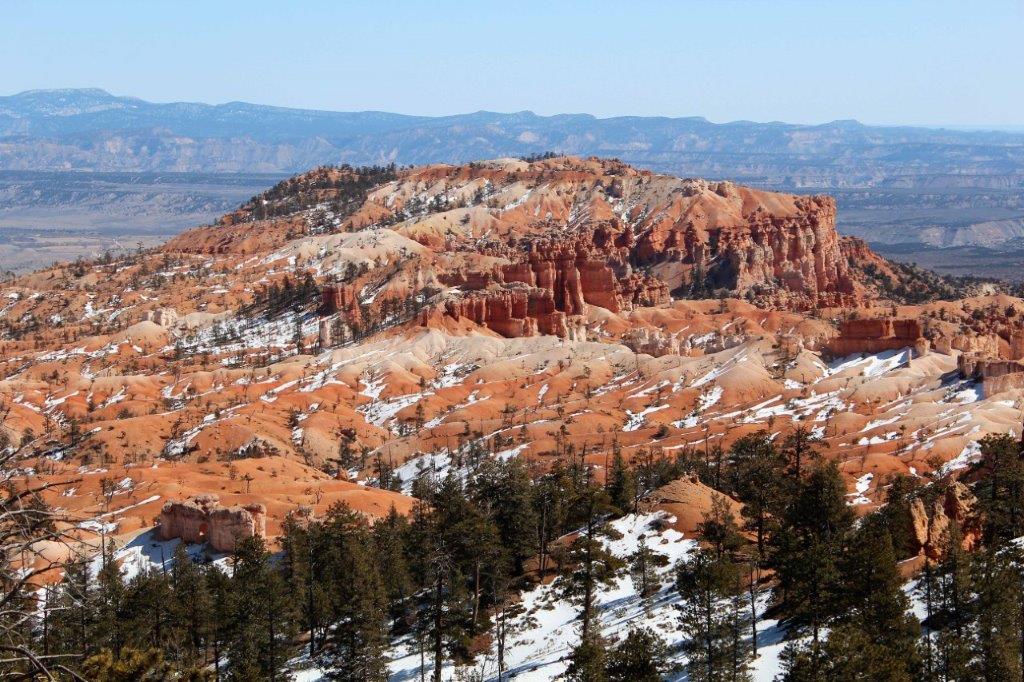
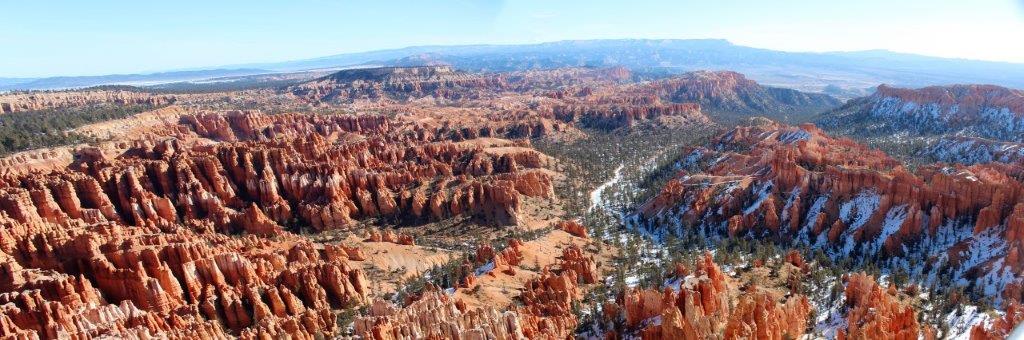
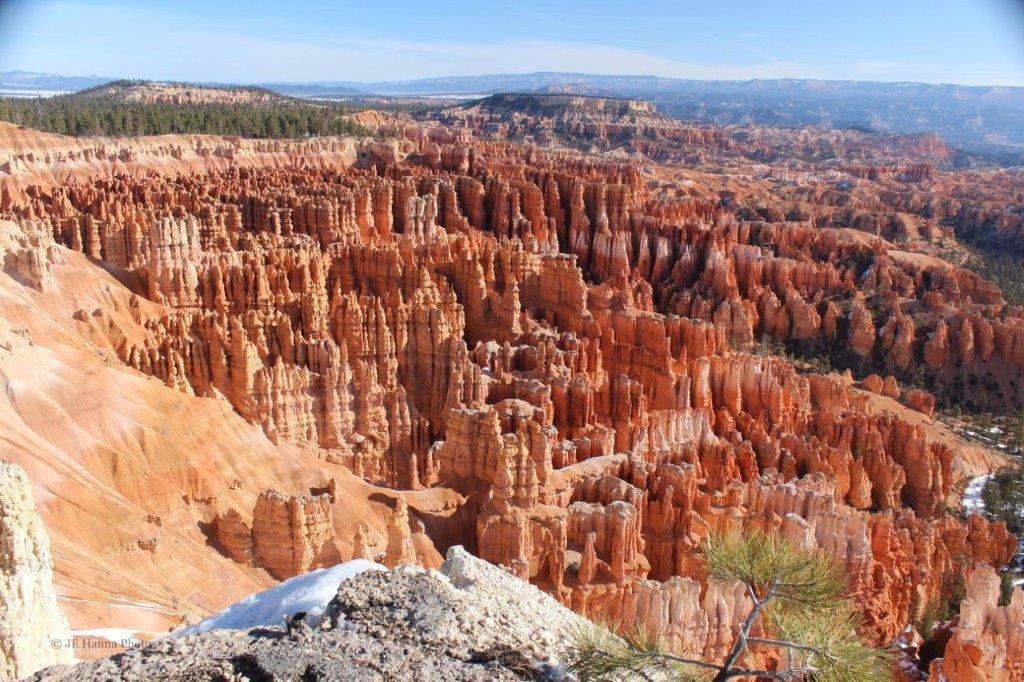
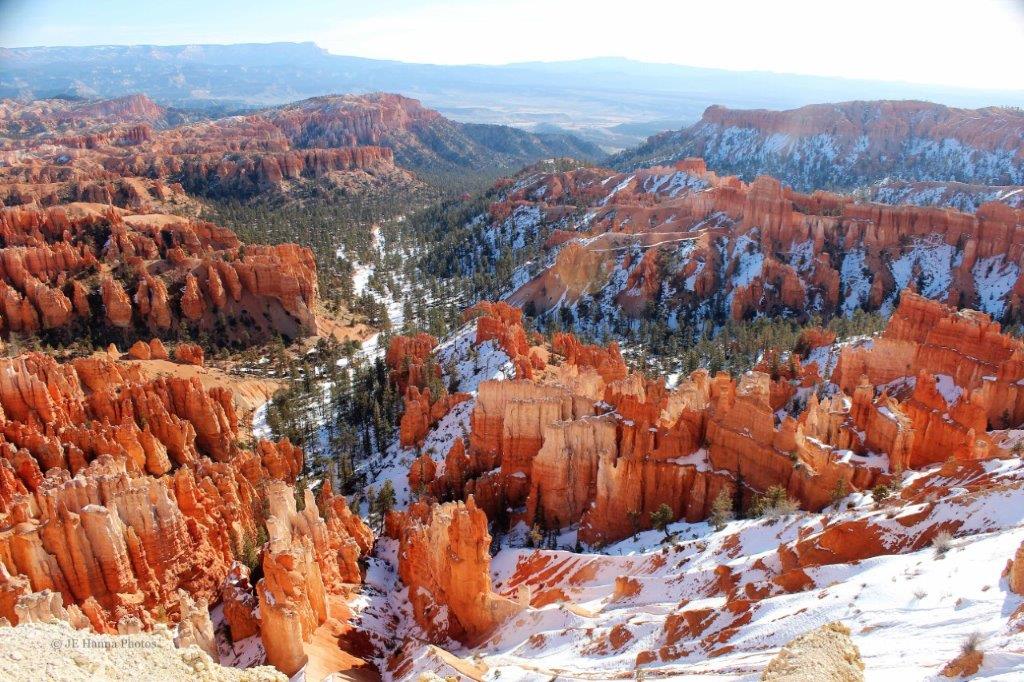
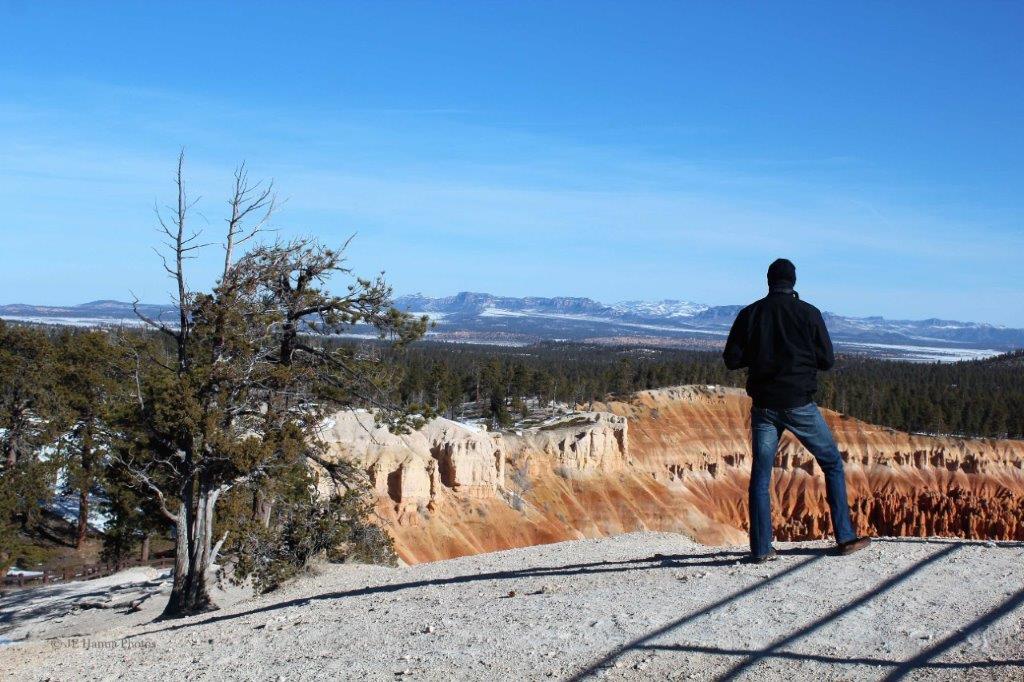
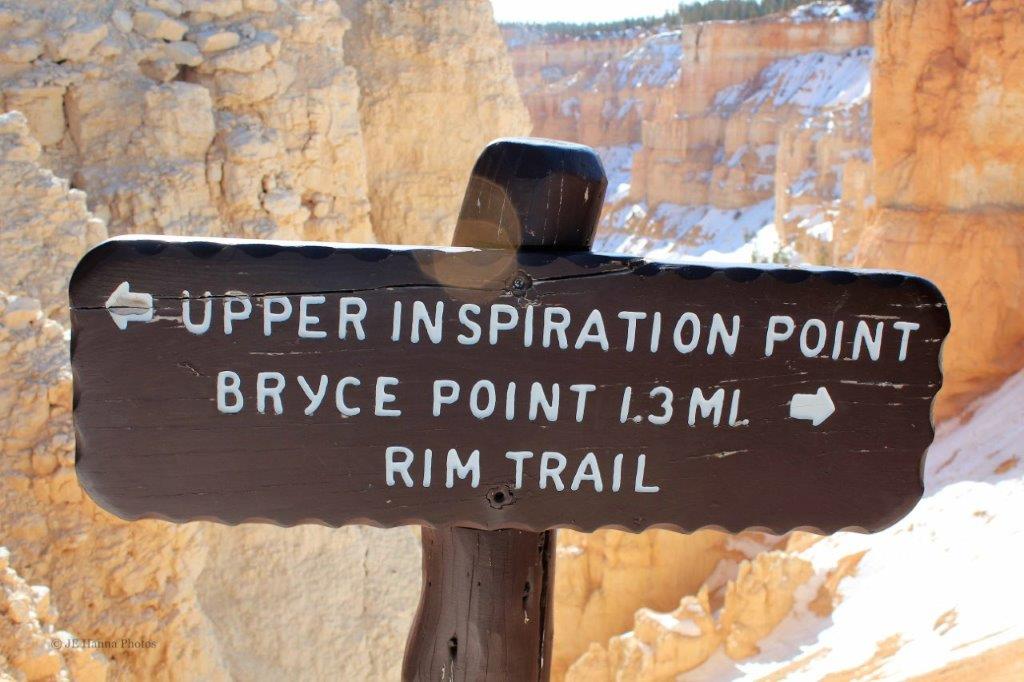
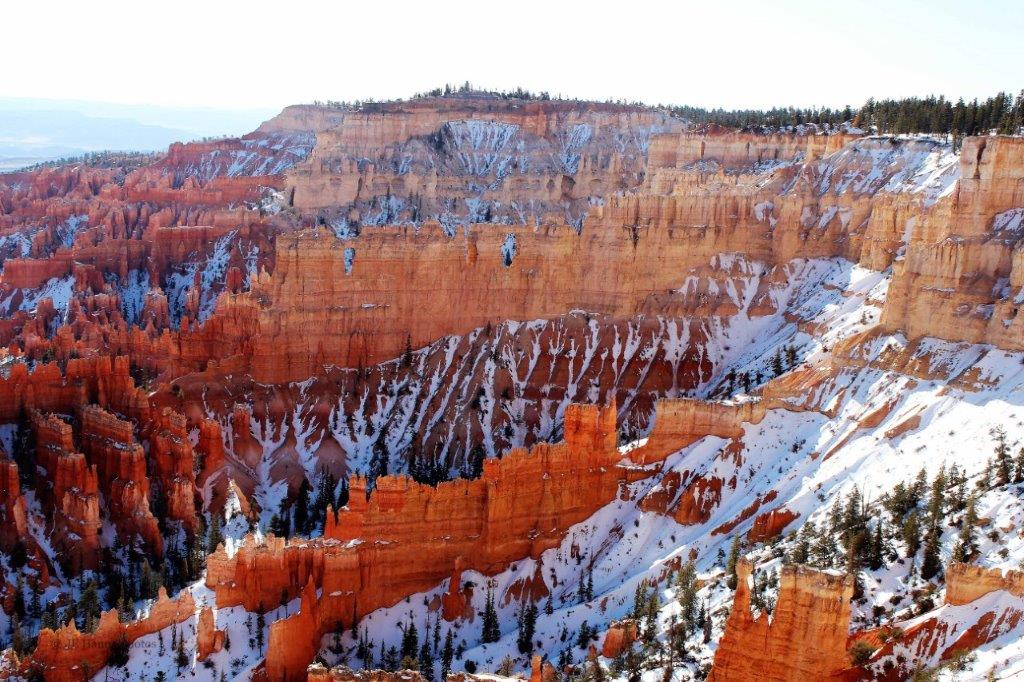
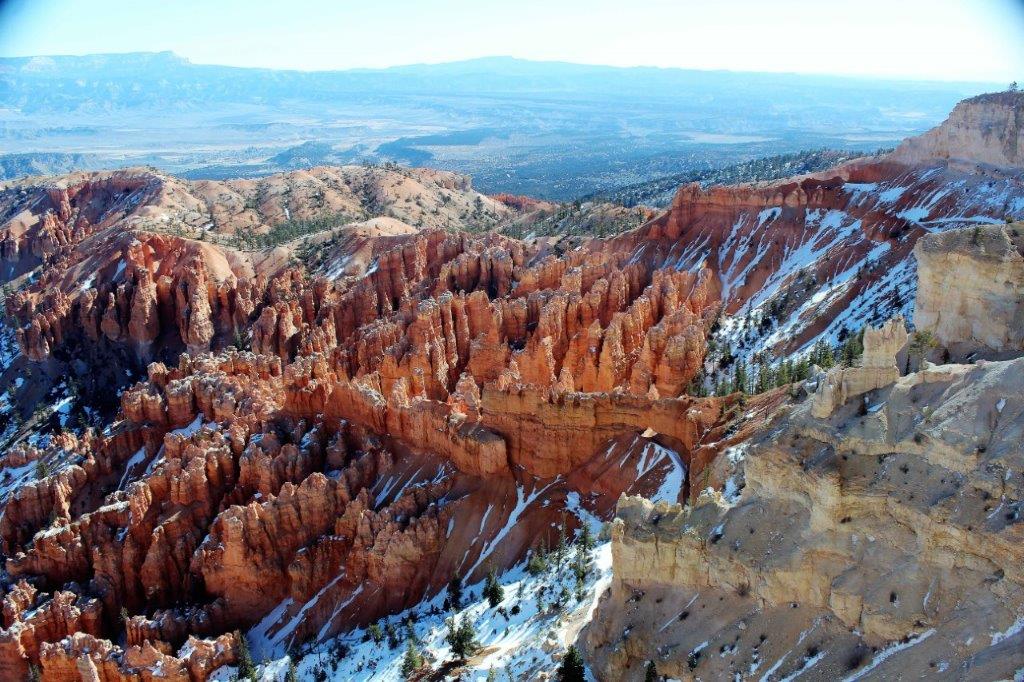
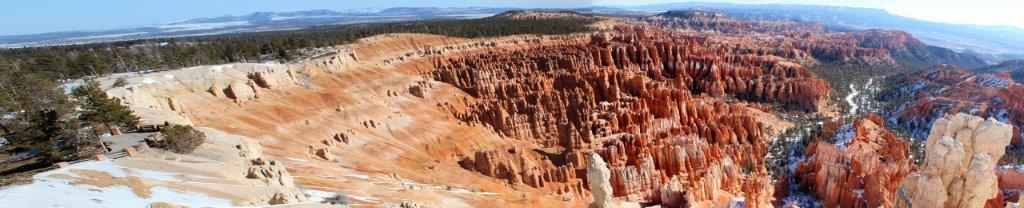
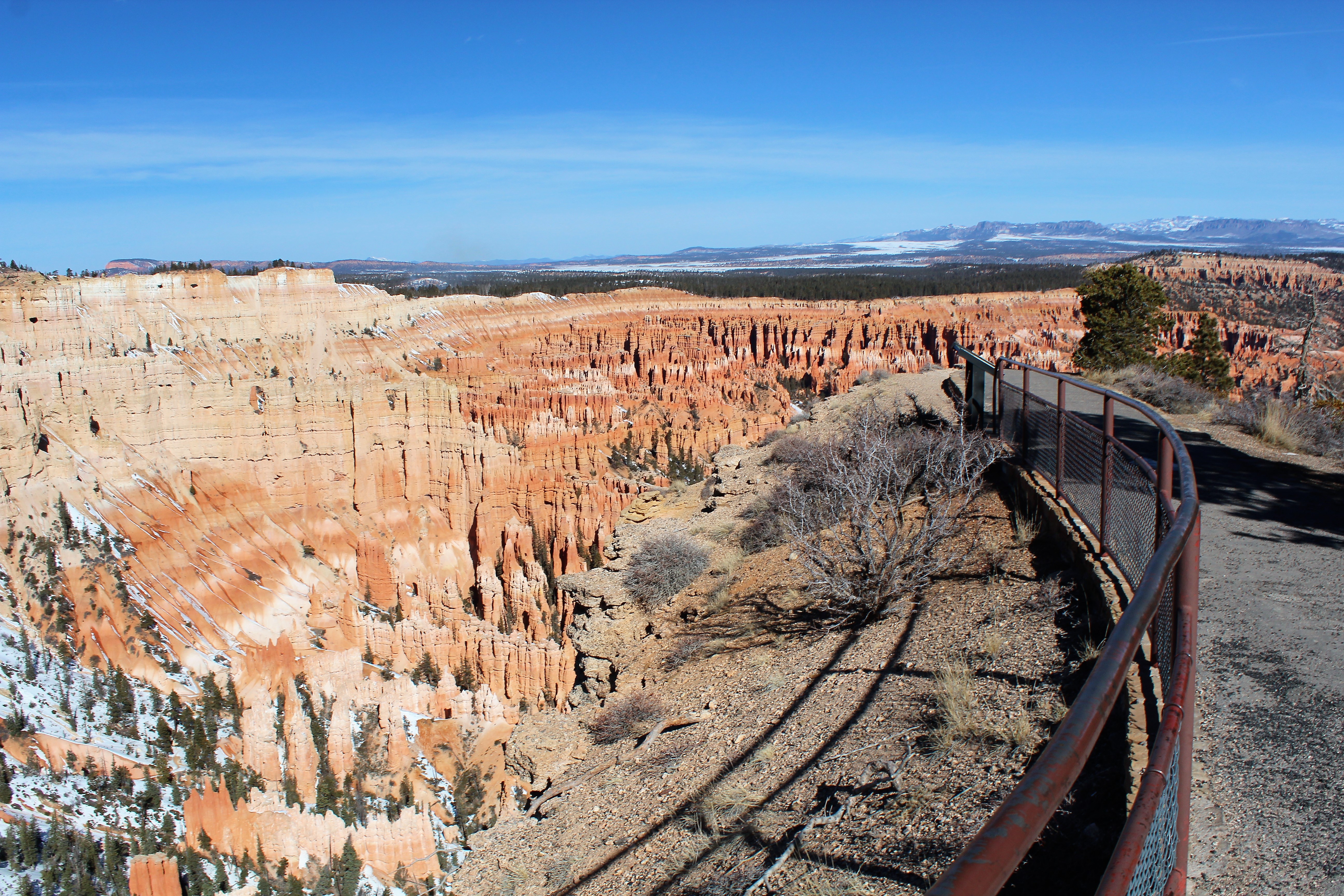
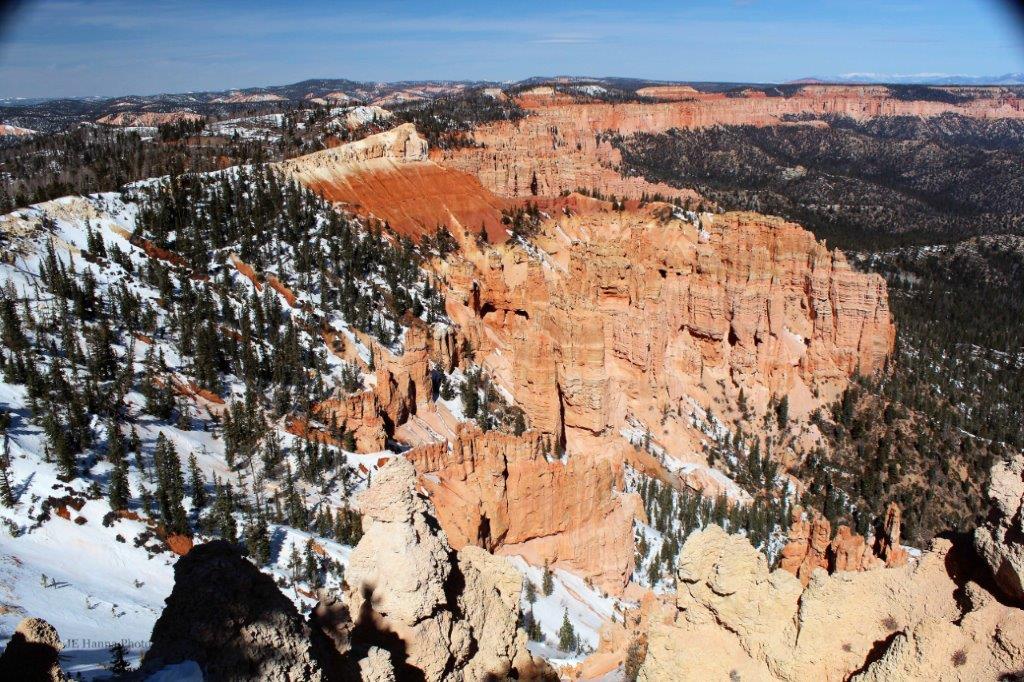
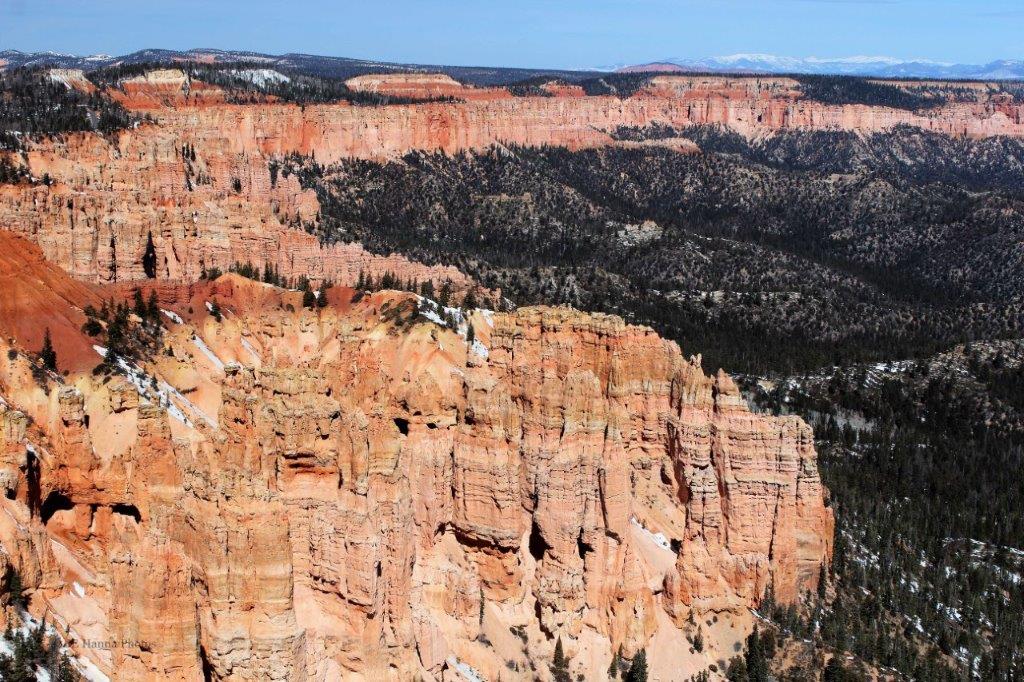
Bryce Canyon in located in the Colorado Plateau.  People have lived in the region for about 12,000 years.  In 1870 Captain Clarence E. Dutton and John Wesley-Powell explored the area and gave the various points, pillars, and views many of their names.  In 1875 Ebenezer Bryce came to the Paria Valley to live and to harvest plateau timber.  Neighbours called the canyon behind his home Bryce’s Canyon, and the name stuck.  Soon after the turn of the century people were coming to see the colourful geologic sights and the first accommodations were built along the rim above Bryce’s Canyon. Today, Bryce Canyon National Park hosts over 1.5 million visitors per year.  The canyon rim road is about 18 miles long and allows  you panoramic views of a lot of it.  (There are lots of hiking trails – about 50 miles of them – in the park as well.) The rim road takes you from the Visitor’s Center  just off Highway 17 to the turn-around loop at Rainbow Point for the drive back.  Over the course of the route you have an elevation gain of about 1,200′.  On good days visibility extends 90 miles and on really clear days, you can see all the way to New Mexico.                                     Inspiration Point faces east.

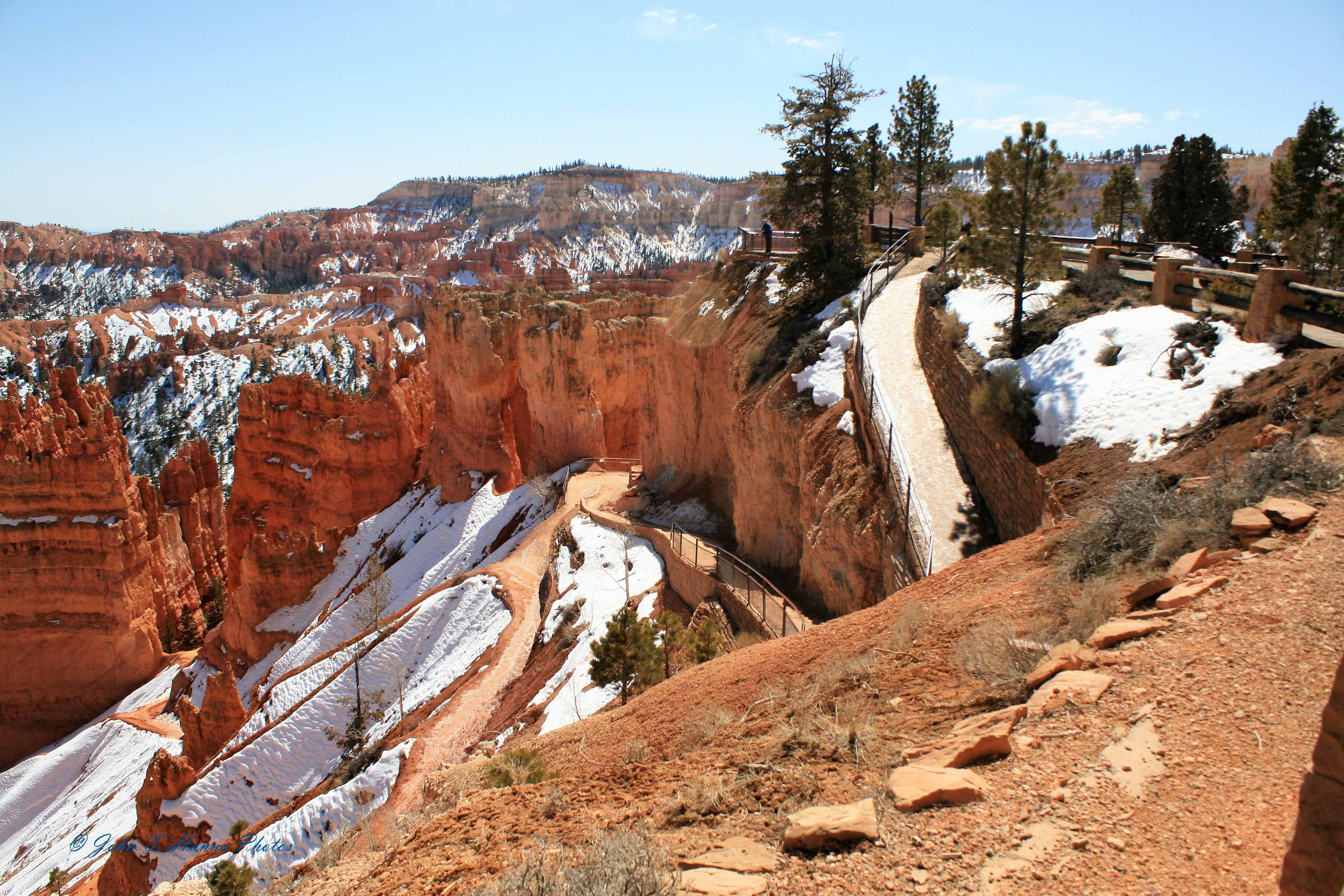
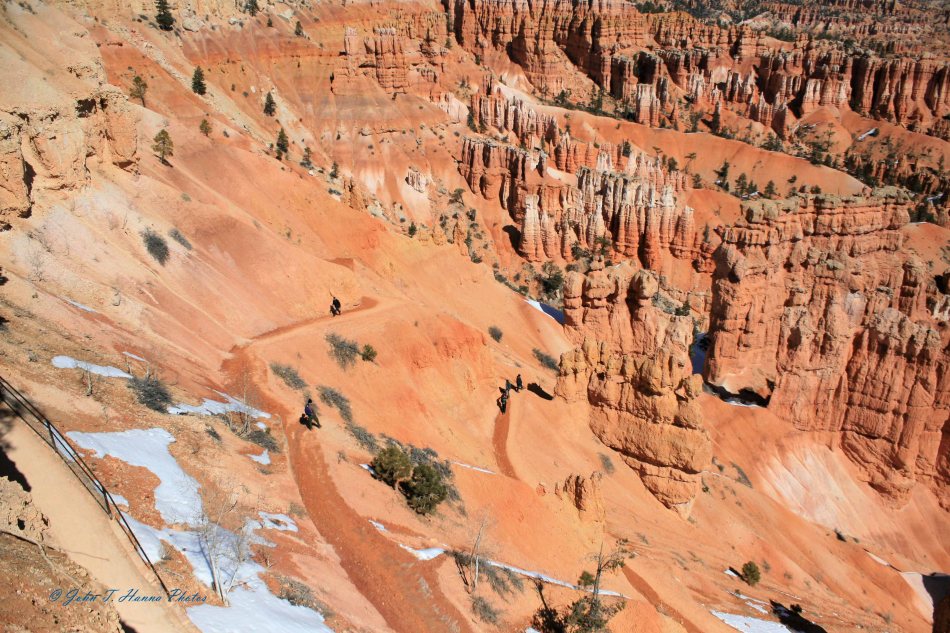
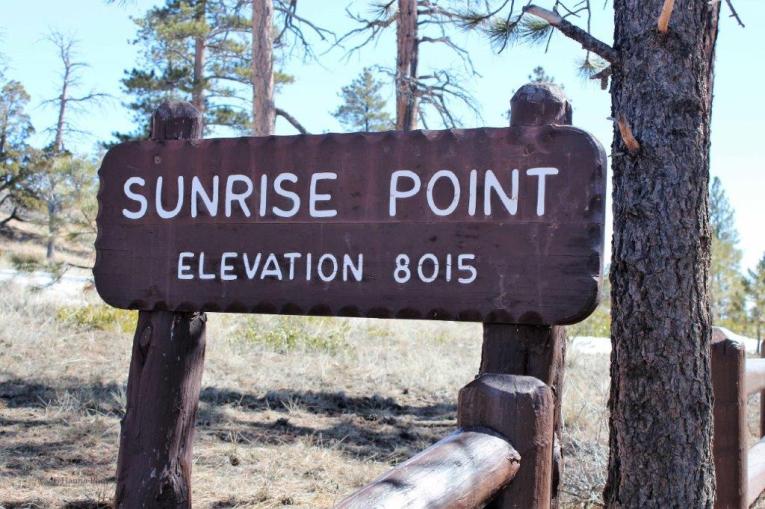
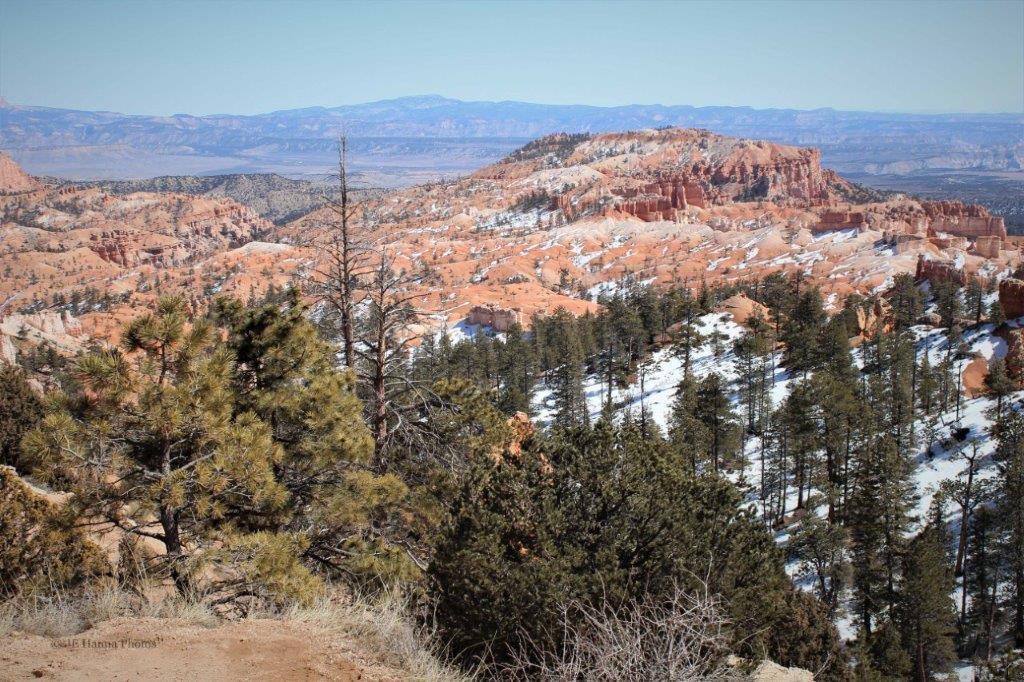
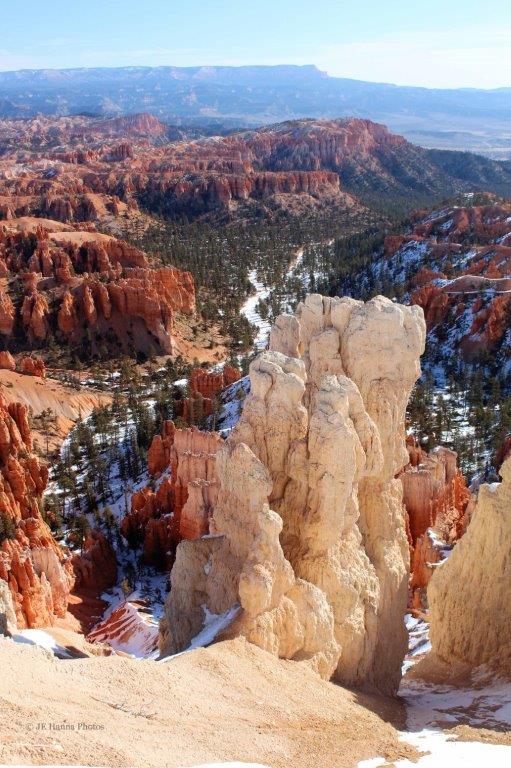
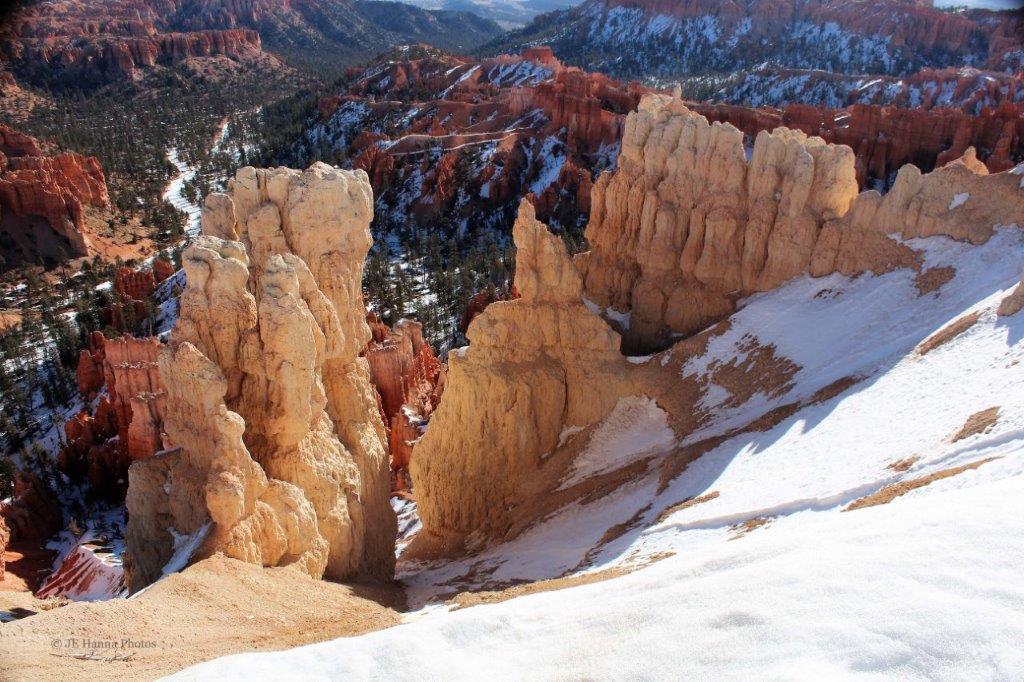
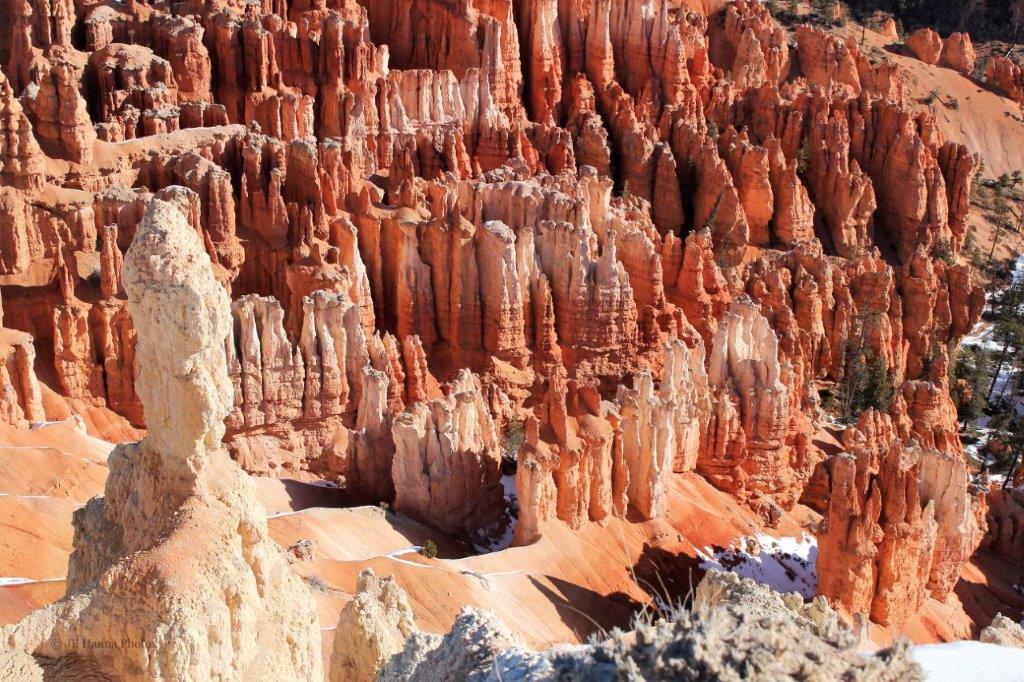
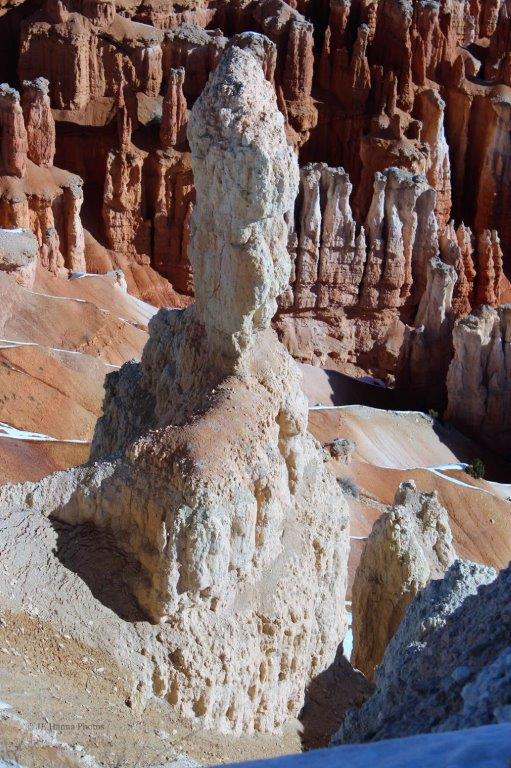
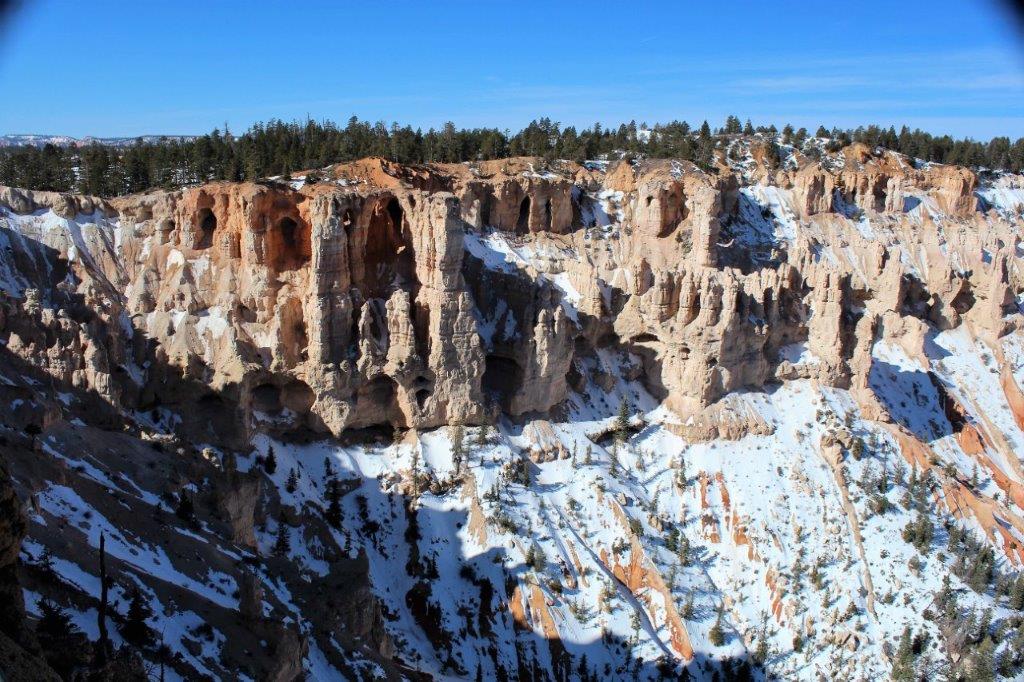
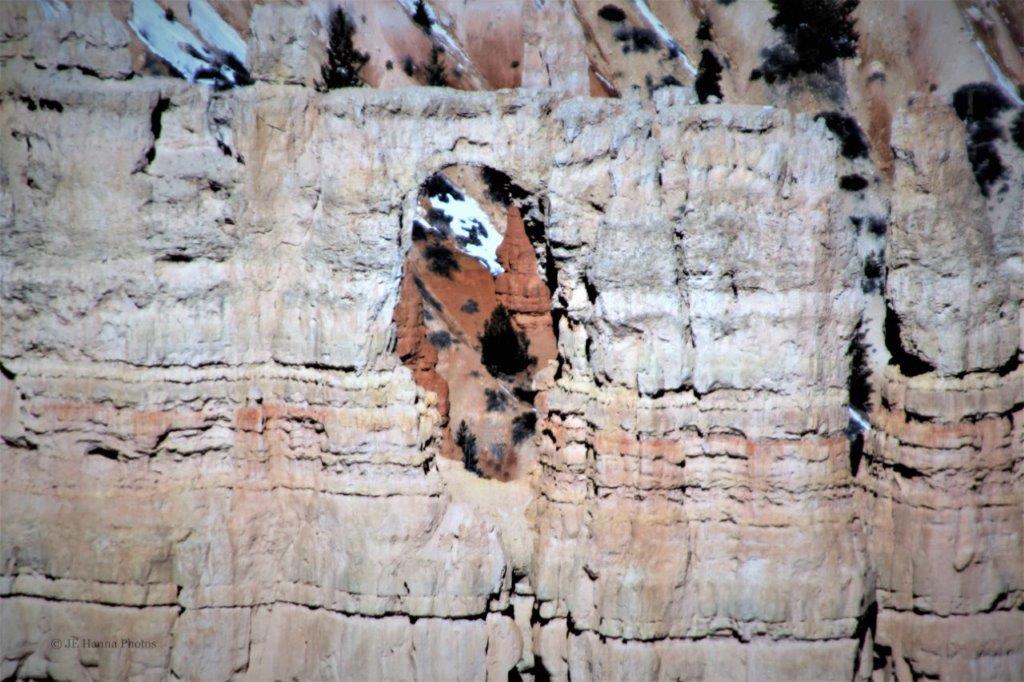
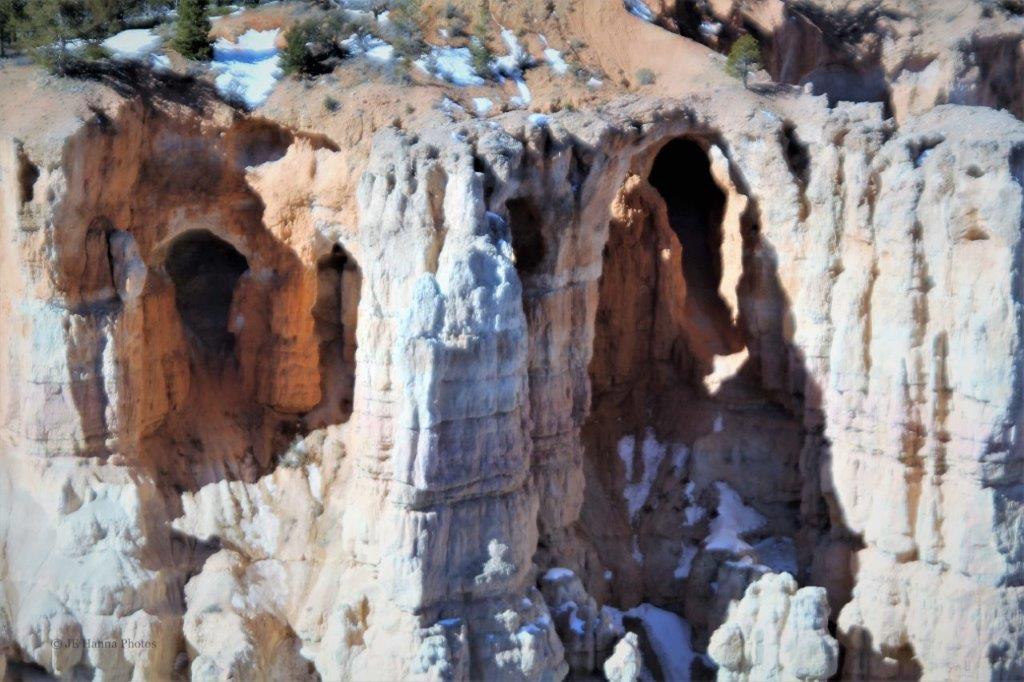
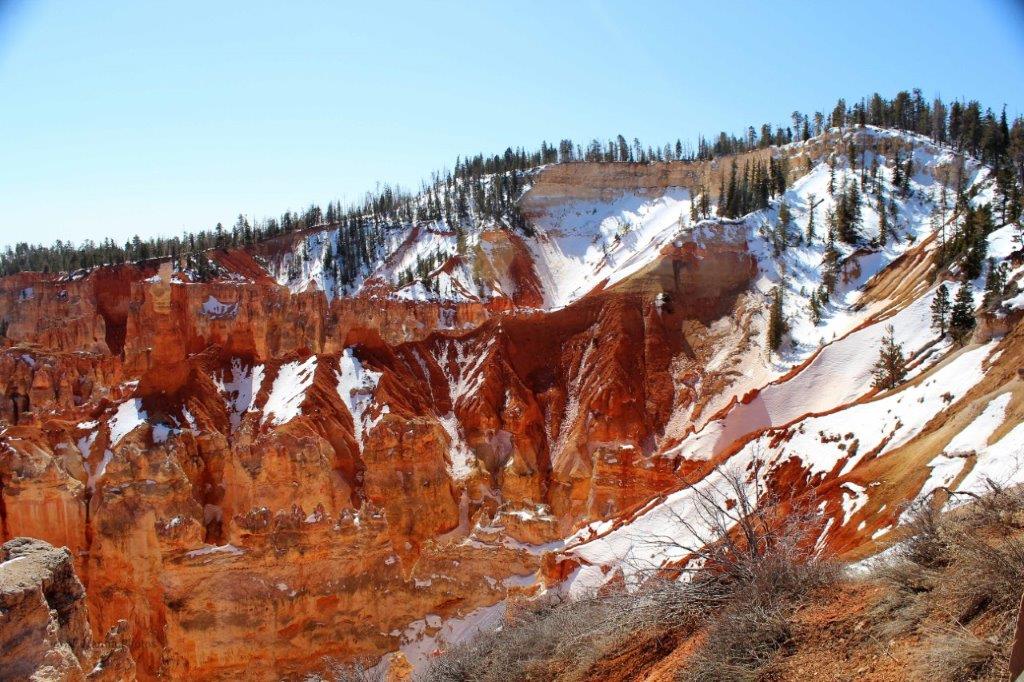
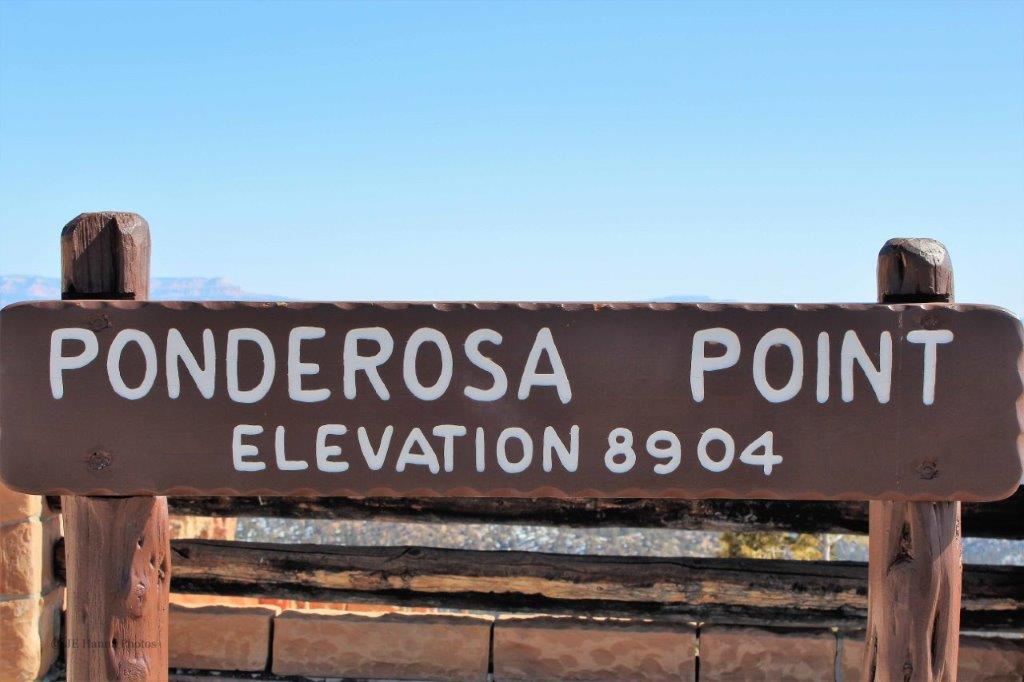
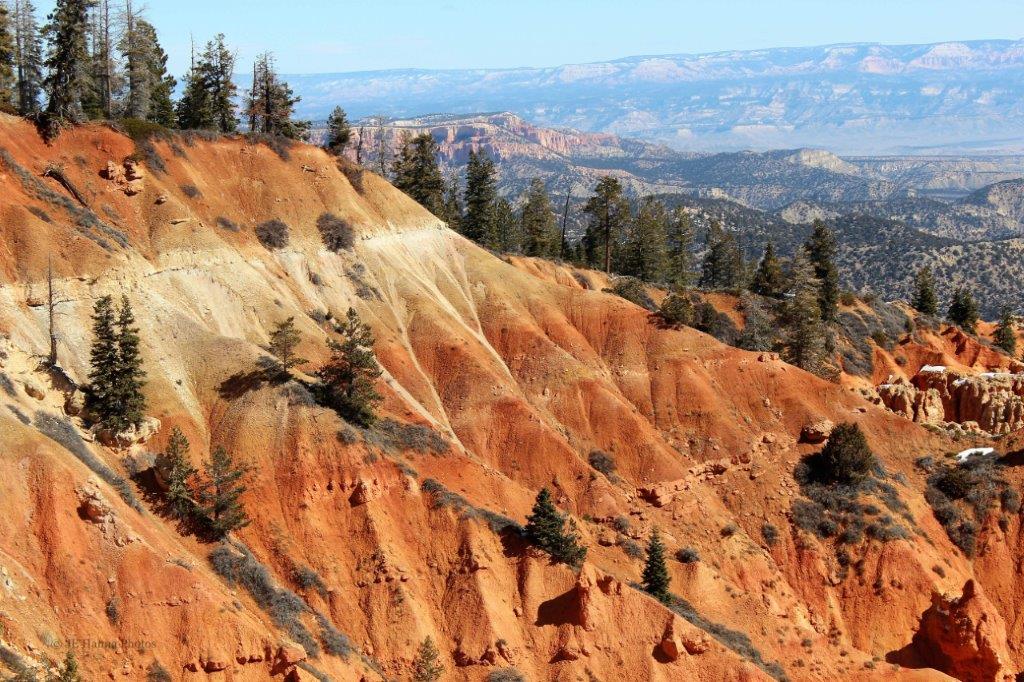
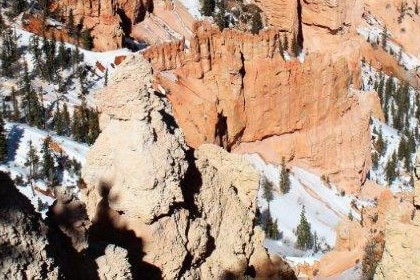
                                             At  Bryce Point                           These formations are called the GrottosThe rock formation below is  a close-up crop of the white pillar in the foreground of the photo on the right above.  It is called The Poodle; and it is easy to see why.Rainbow point is the end of the rim road.  On the other side of the turn-around loop is Yovimpa Point.  From there we headed back to the Visitor’s Center stopping at Sunset Point and Sunrise Point before leaving Bryce. (To be continued…)

2013 March 6 – Zion National Park, Utah (Part 2)

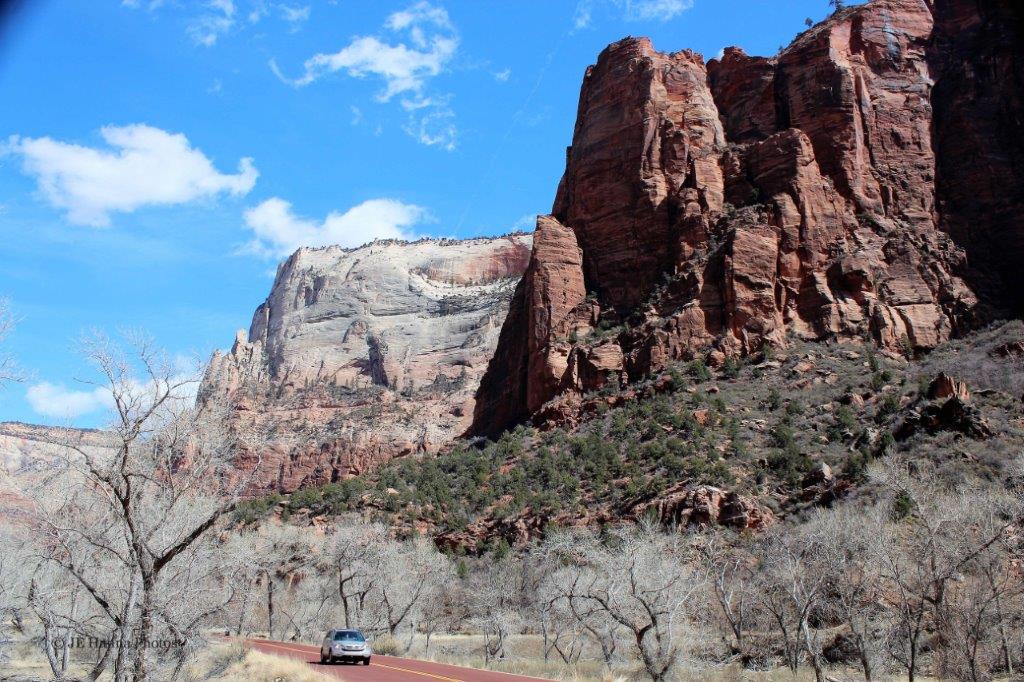
In Zion National Park in soutwestern Utah we entered the park through the east entrance and followed the Zion-Mount Carmel Highway to Canyon Junction and turned north on the Zion Canyon Scenic Drive.  This road is closed to private vehicles between March 29 and October 29 and you must use a park shuttle for the trip. Since we were there early in March we were able to drive ourselves, which allowed us to stop as often as we wanted to take photos.

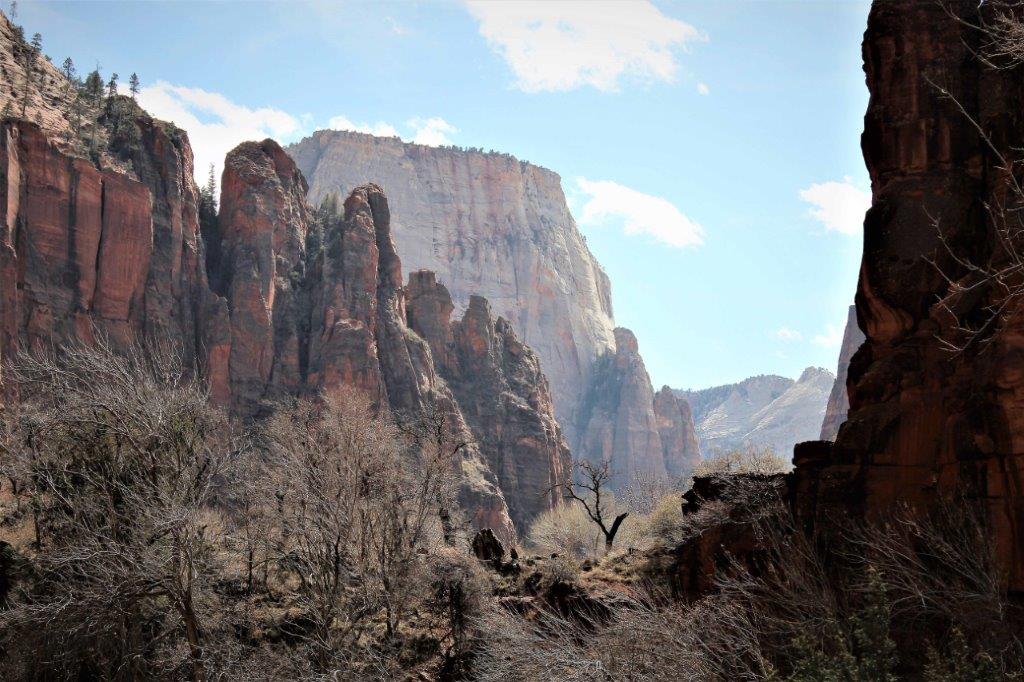
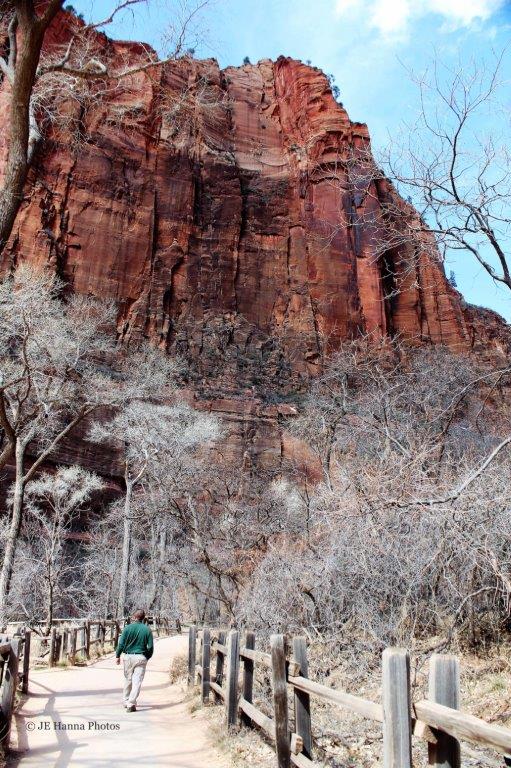
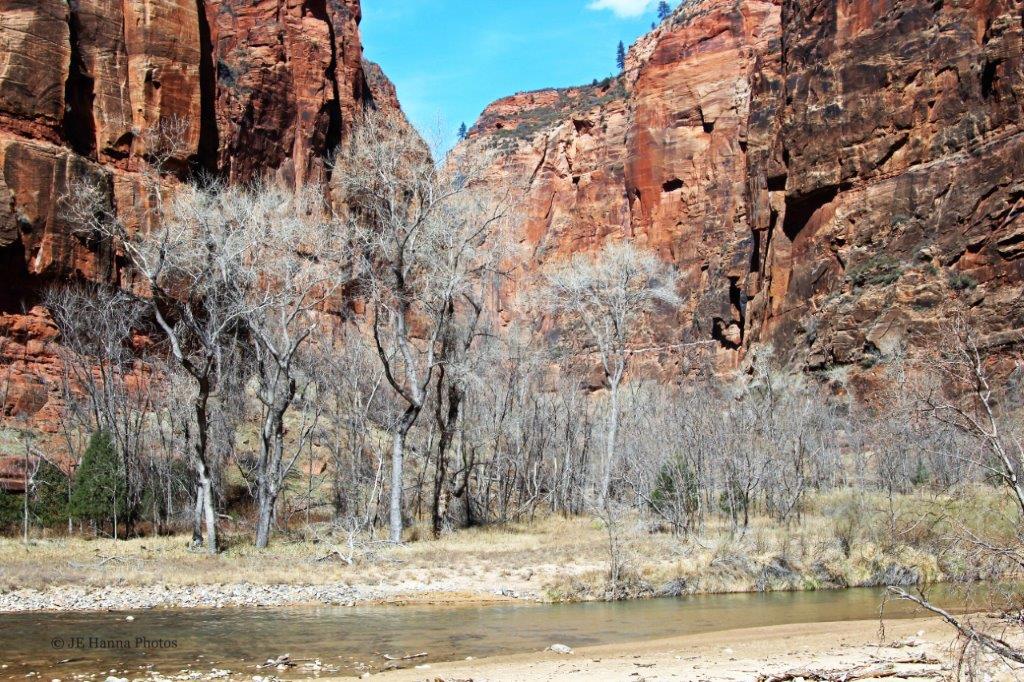
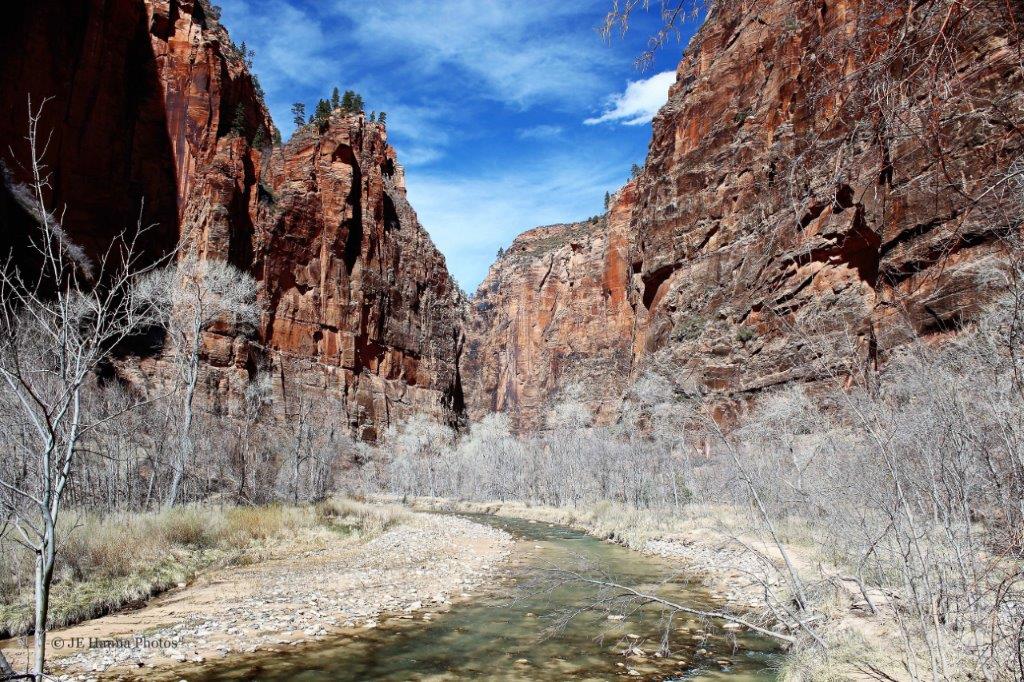
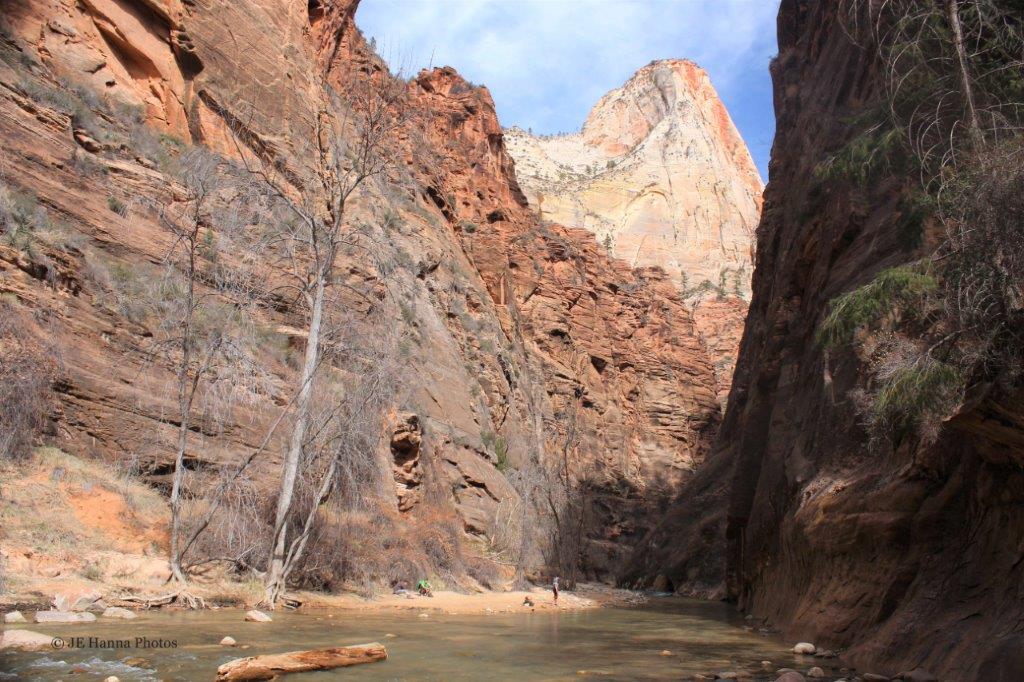
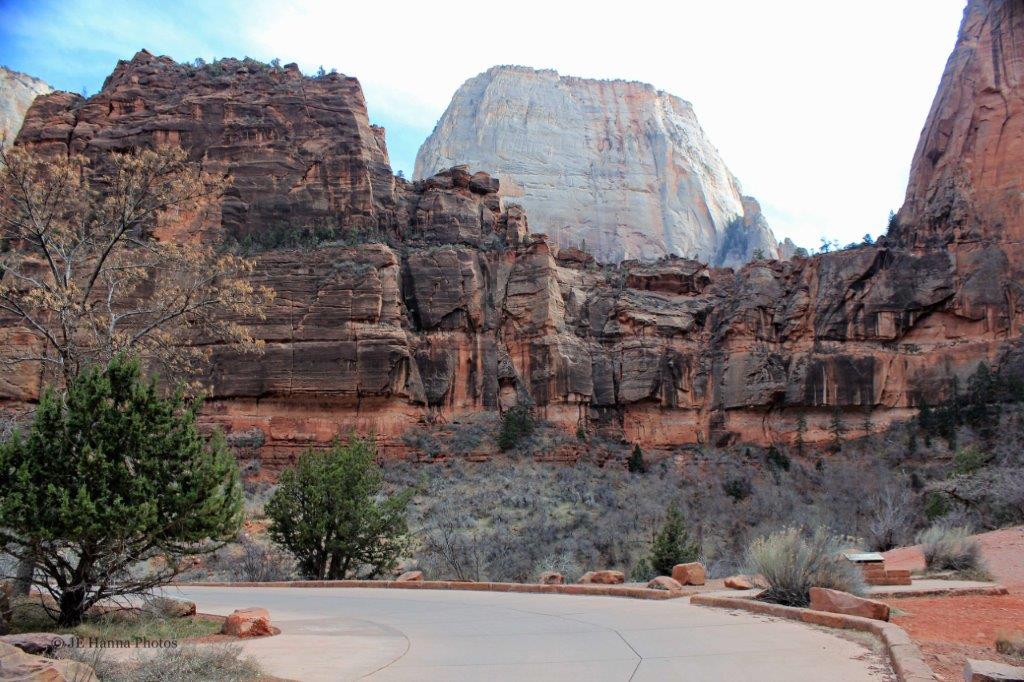
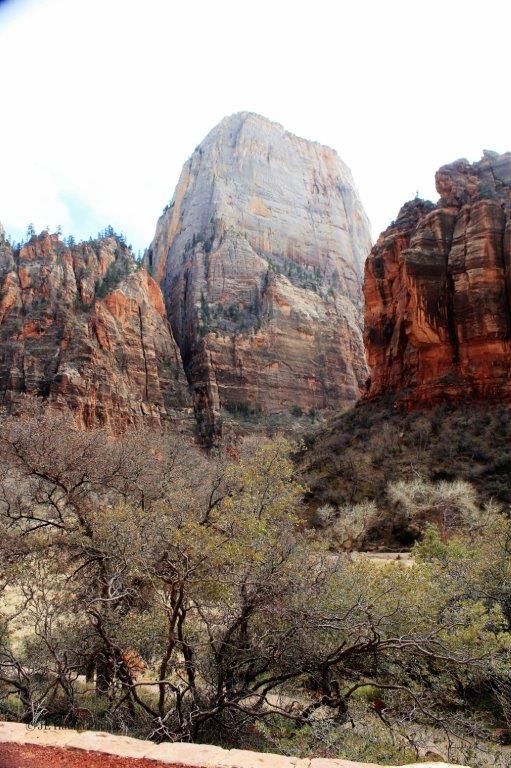
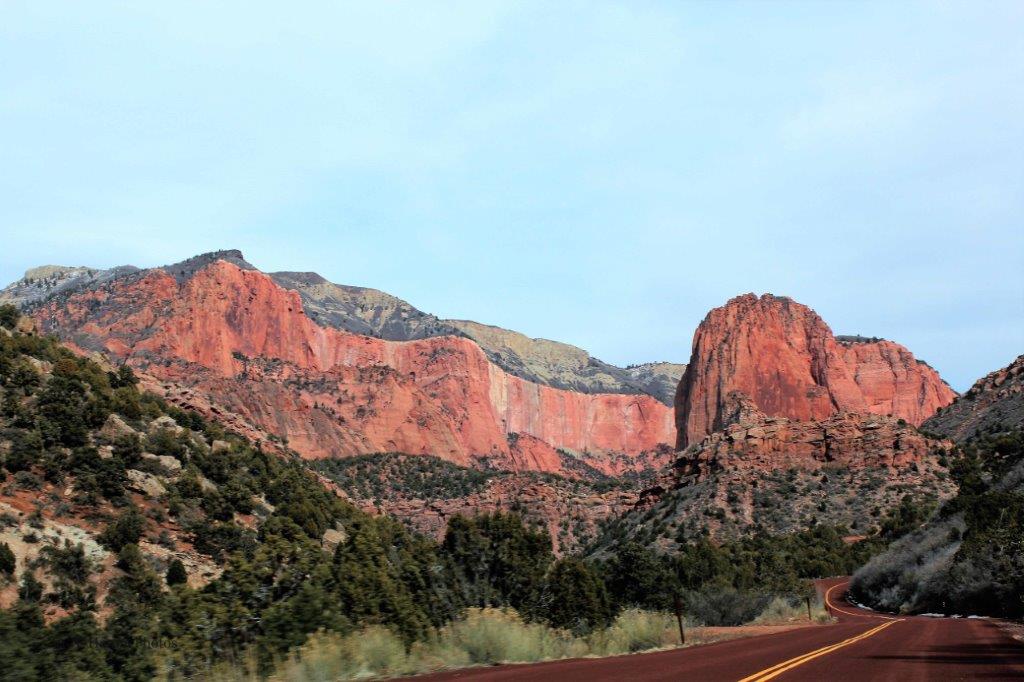
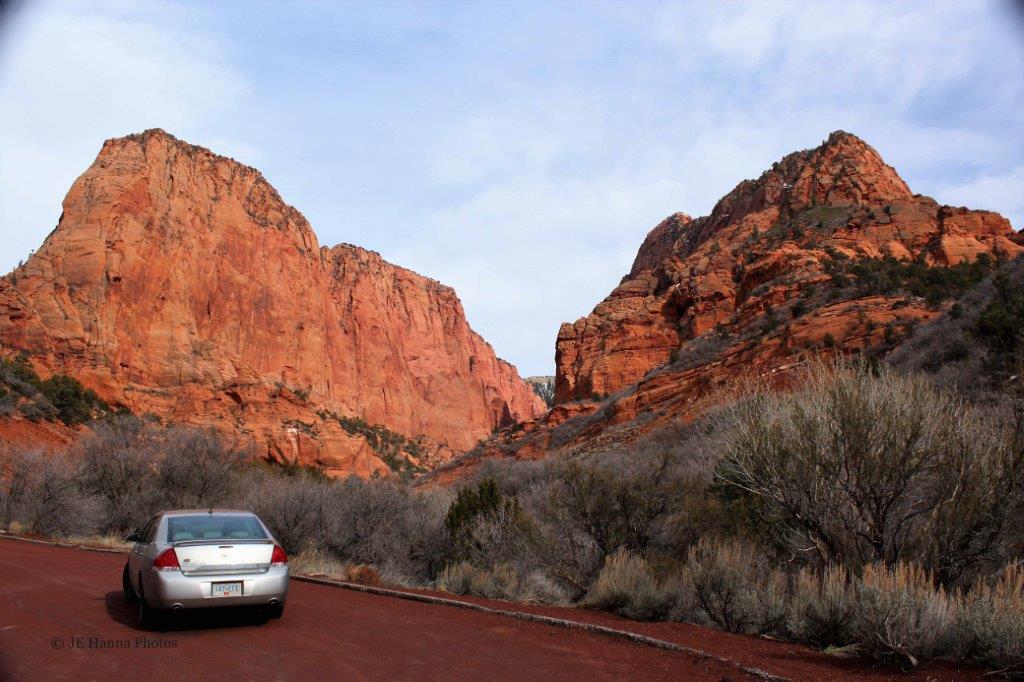
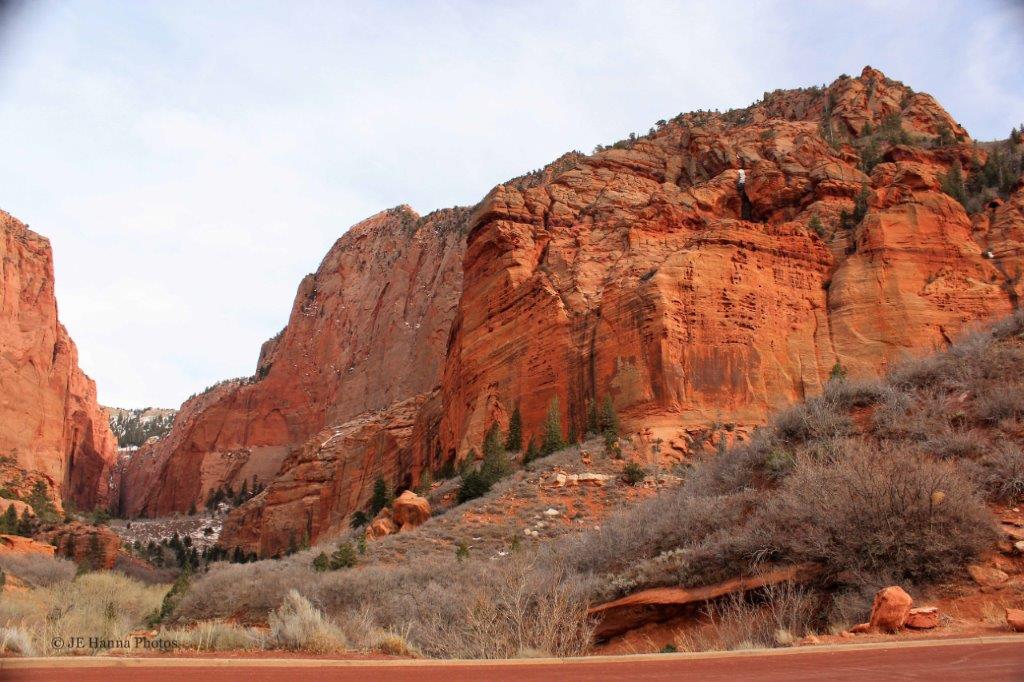
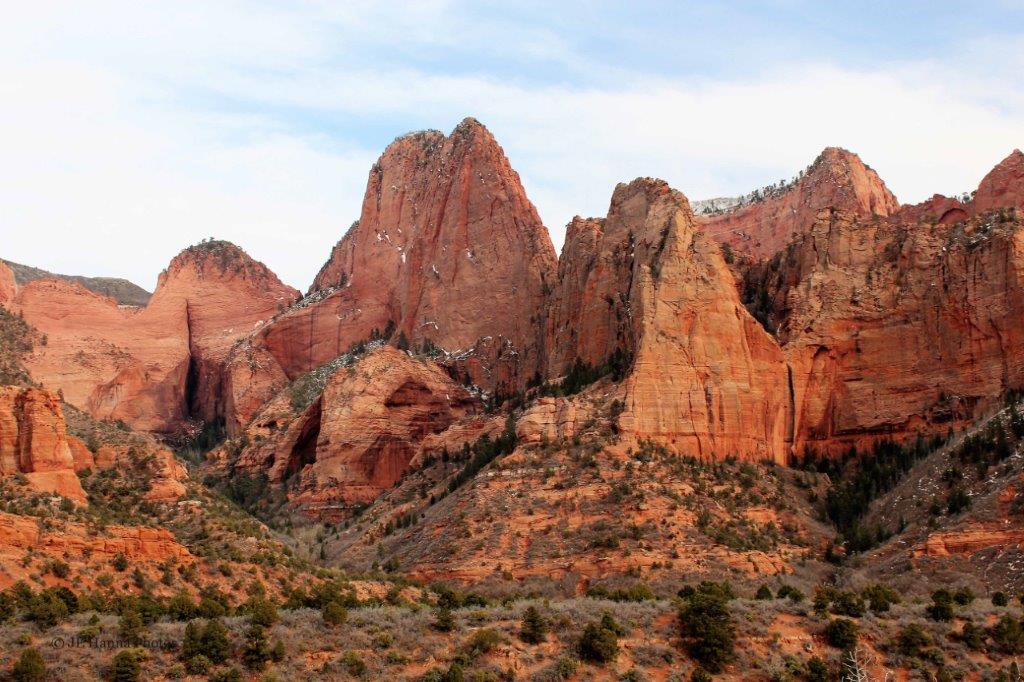
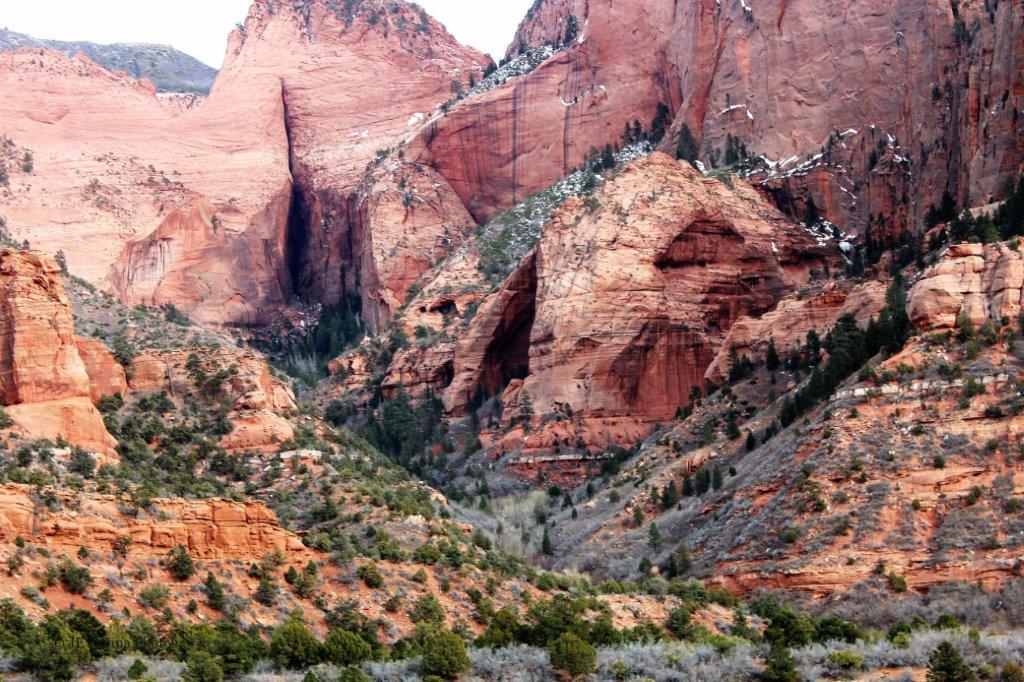
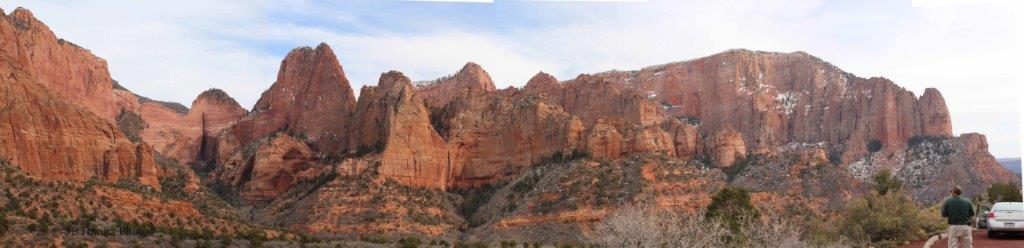
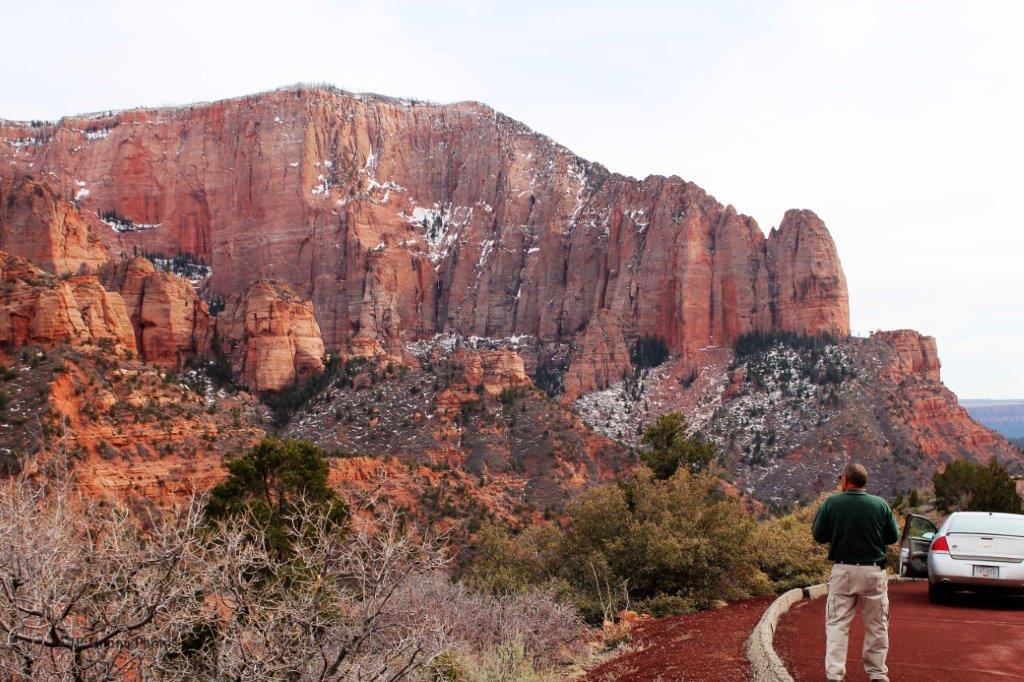
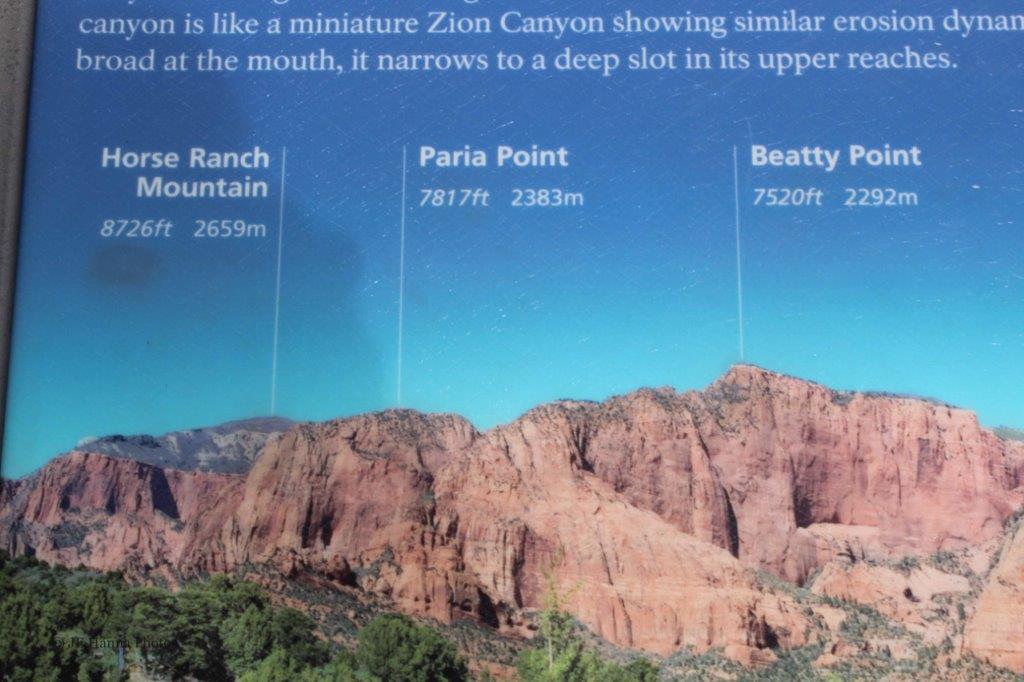
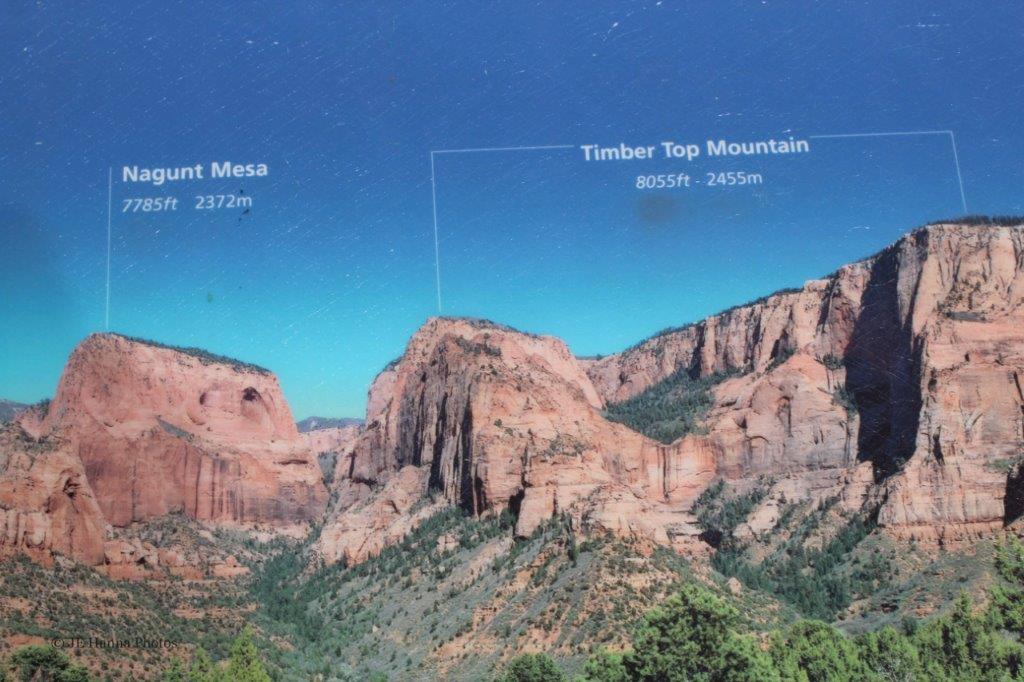
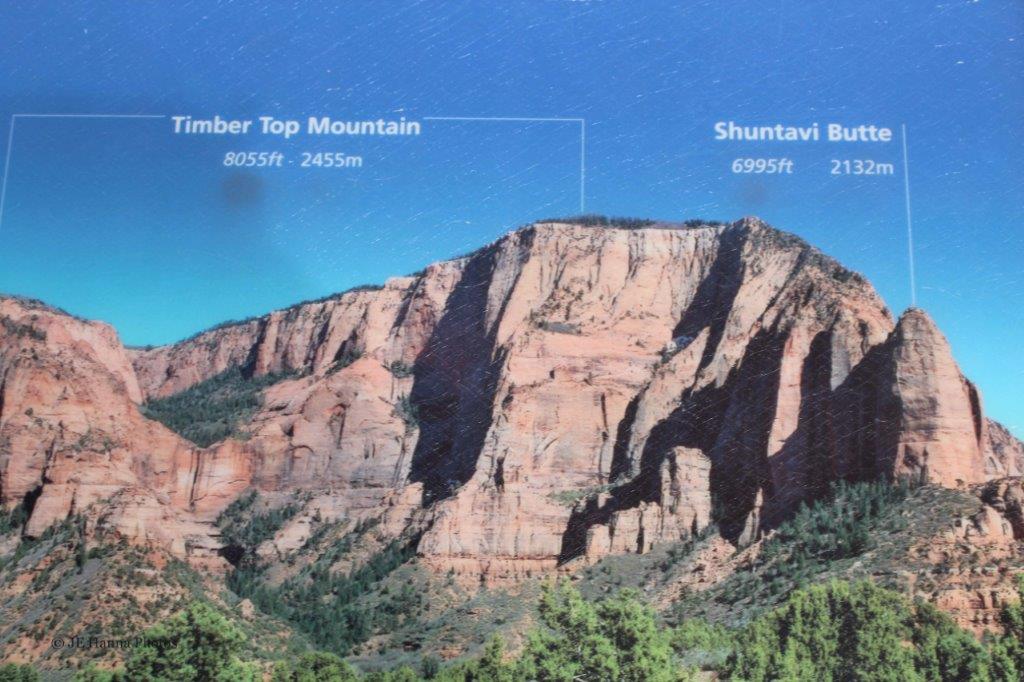
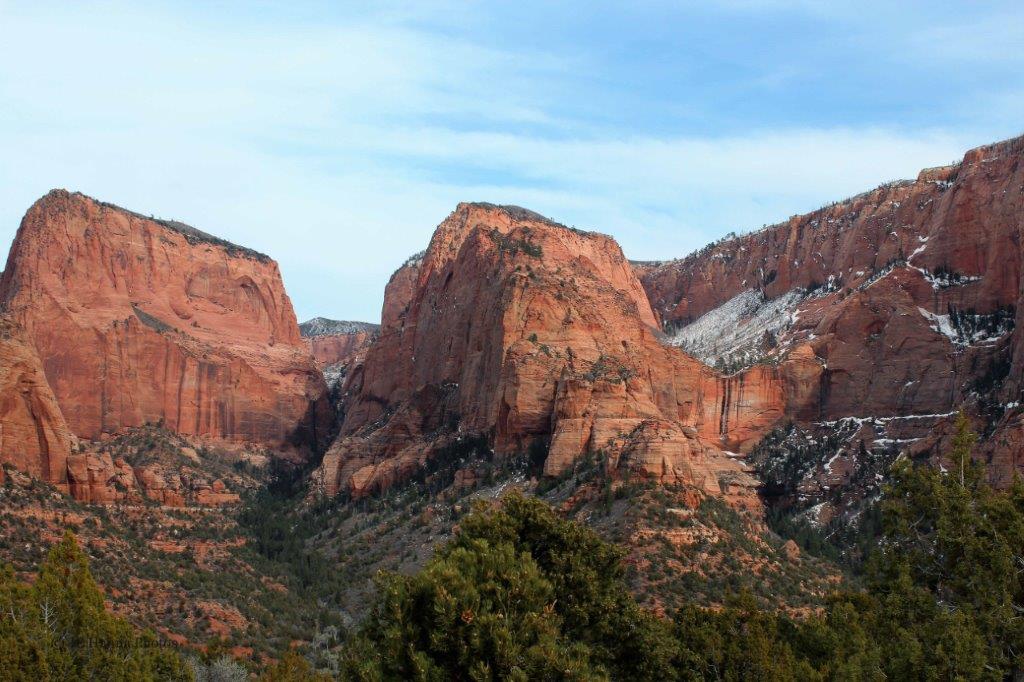
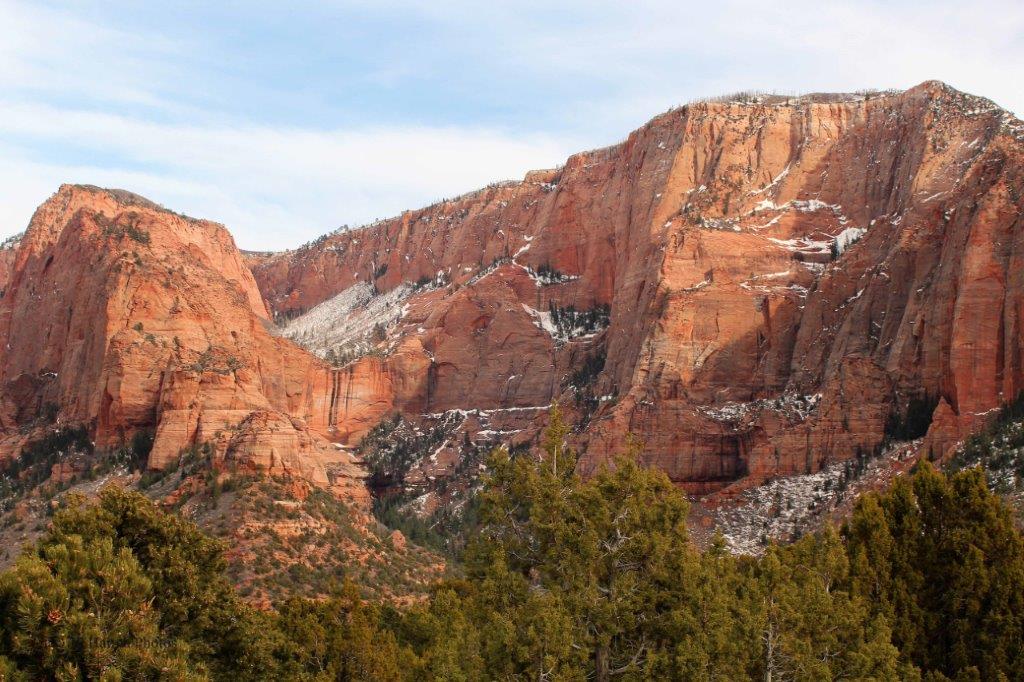
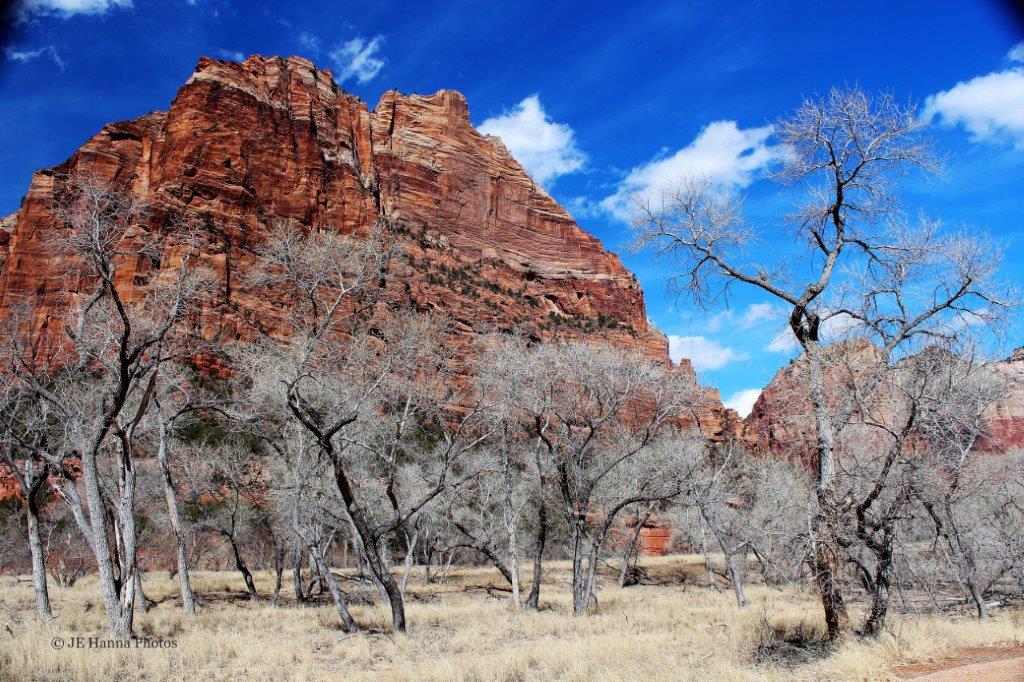
About 6.5 km (4 miles) of scenic road past the Court of the Patriarchs you reach the end of the road at the Temple of Sinawava. It was a lovely to stroll along the Riverside Walk  amid the towering cliffs and barren trees.                                            The Great White Throne We drove back down to Canyon Junction and out the south entrance of the park.Highway 9 goes west along the base of Hurricane Mesa before meeting Highway 17, then 15 north at La Verkin.  About 30 km (19 miles) up Highway 15 is the entrance to Kolob Canyons, the northern part of Zion National Park.  The Kolob Canyons Viewpoint is only about 8 km (5 miles) from the highway, so off we went to see the view.  Back on the main road we drove north to Cedar City and then turned east, making our way to Ruby’s Inn; our stop for the night at the entrance to Bryce Canyon National Park – the next red rock natural wonder.             Winter was hanging on at the higher elevations. The sun was getting low as we approached Ruby’s Inn and the red rock turned to flame. 

2013 March 6 – Zion National Park, Utah (Part 1)

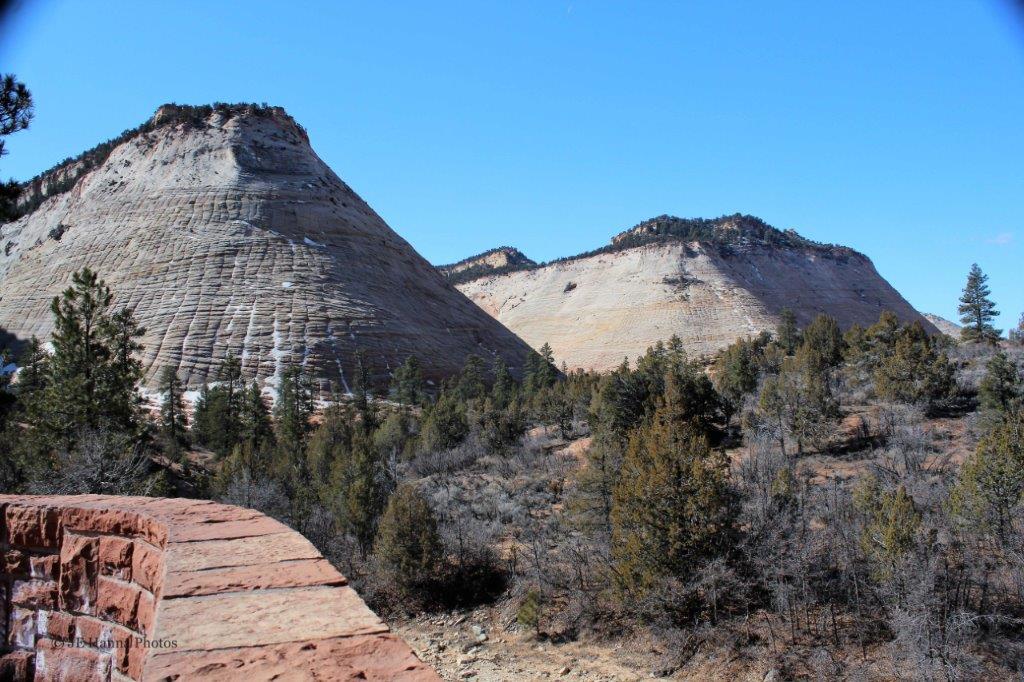
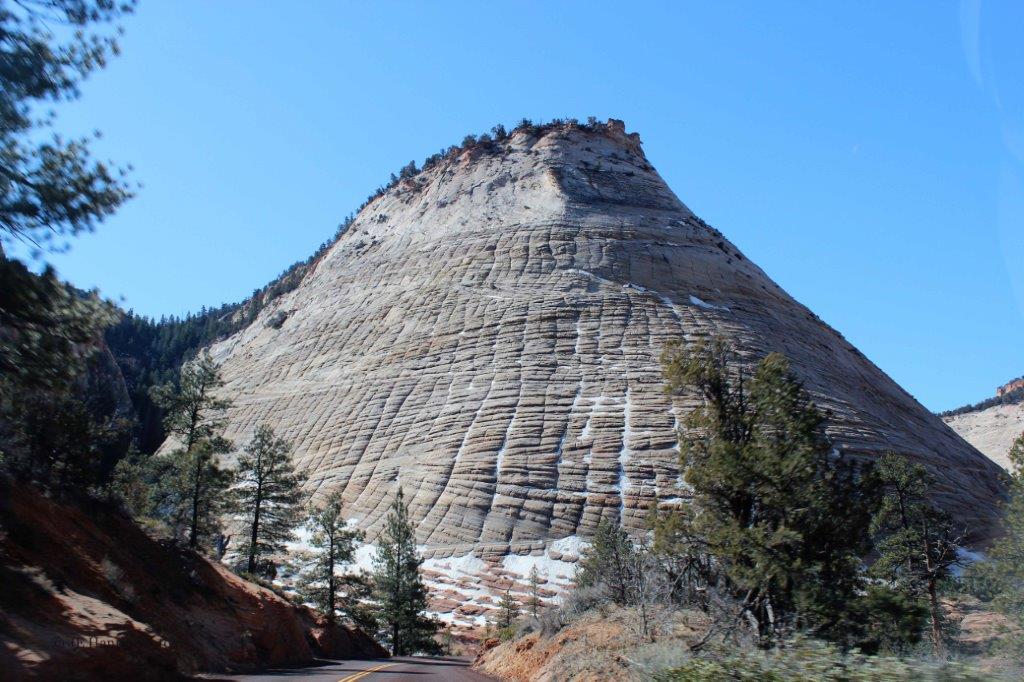
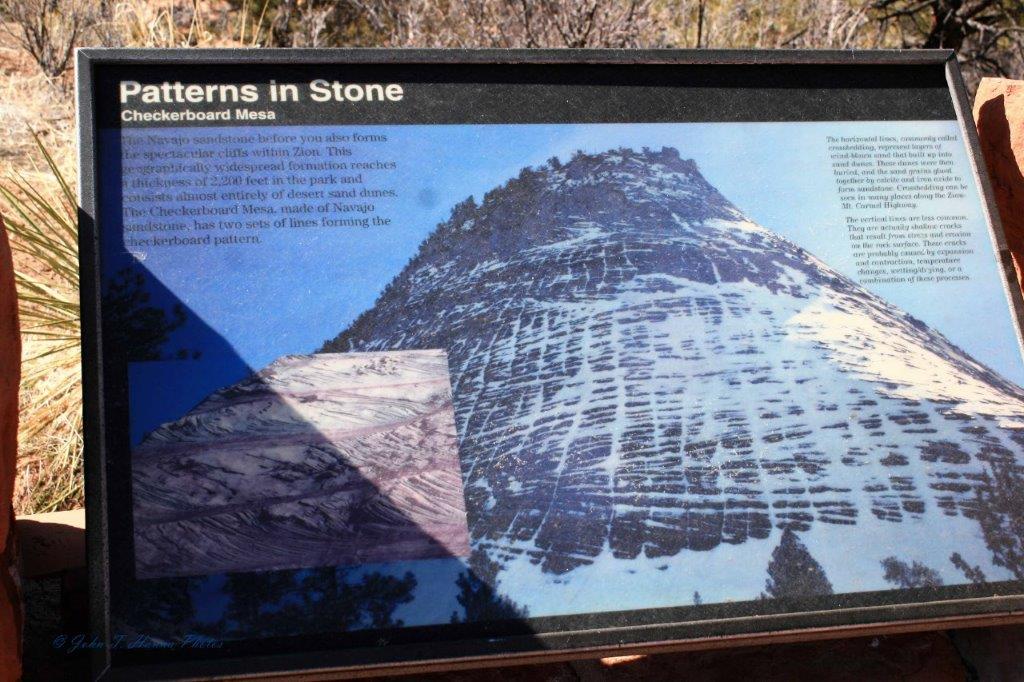
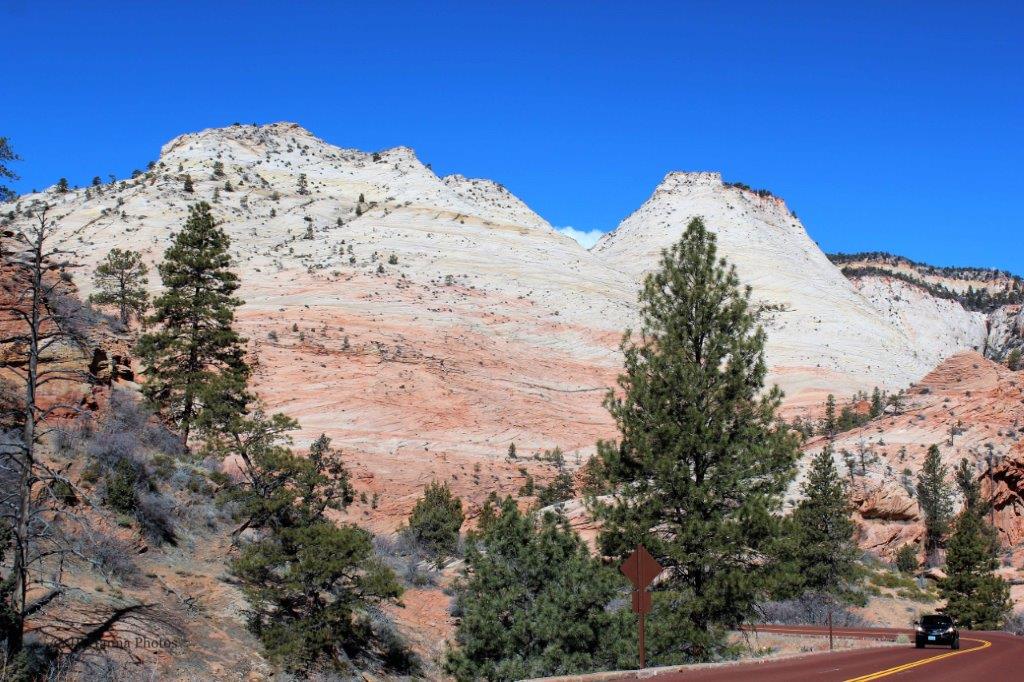
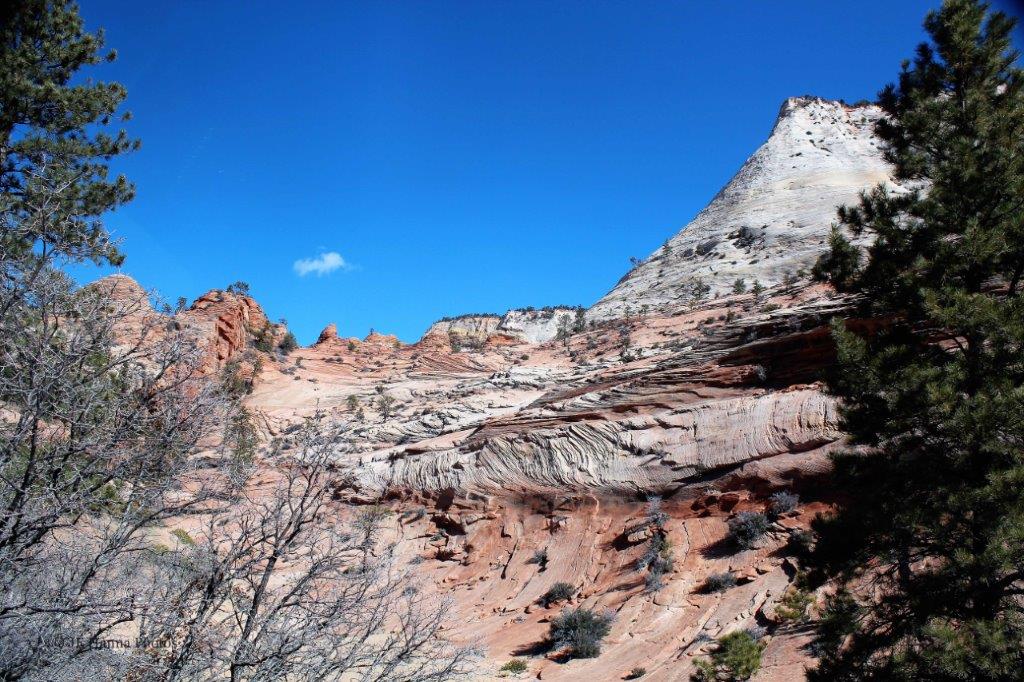
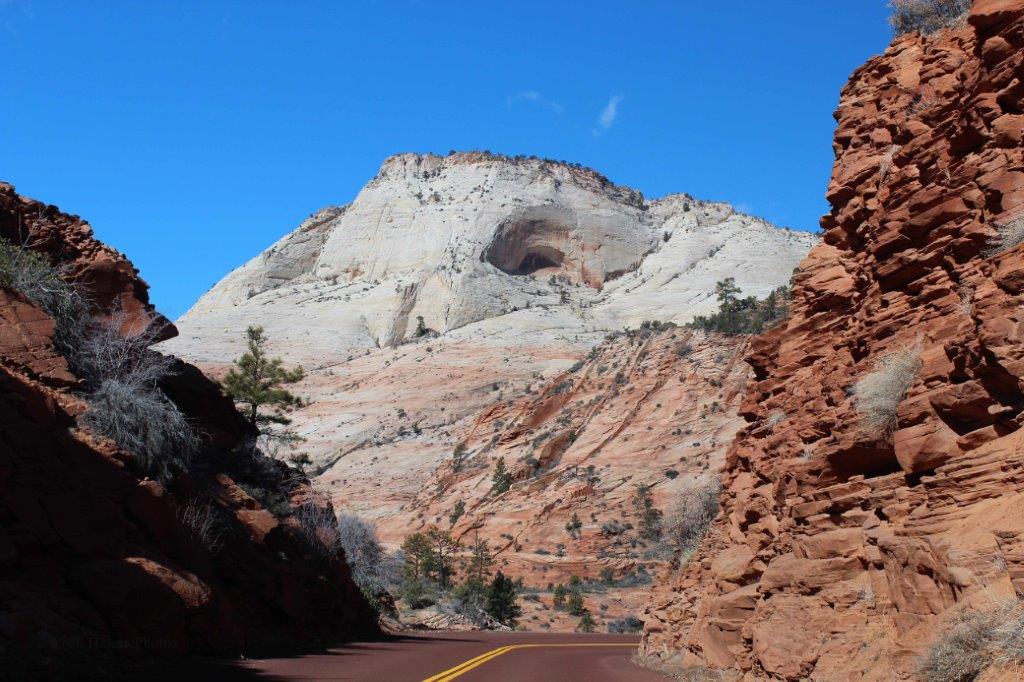
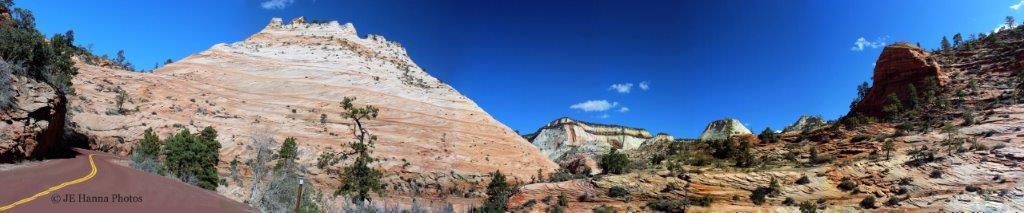
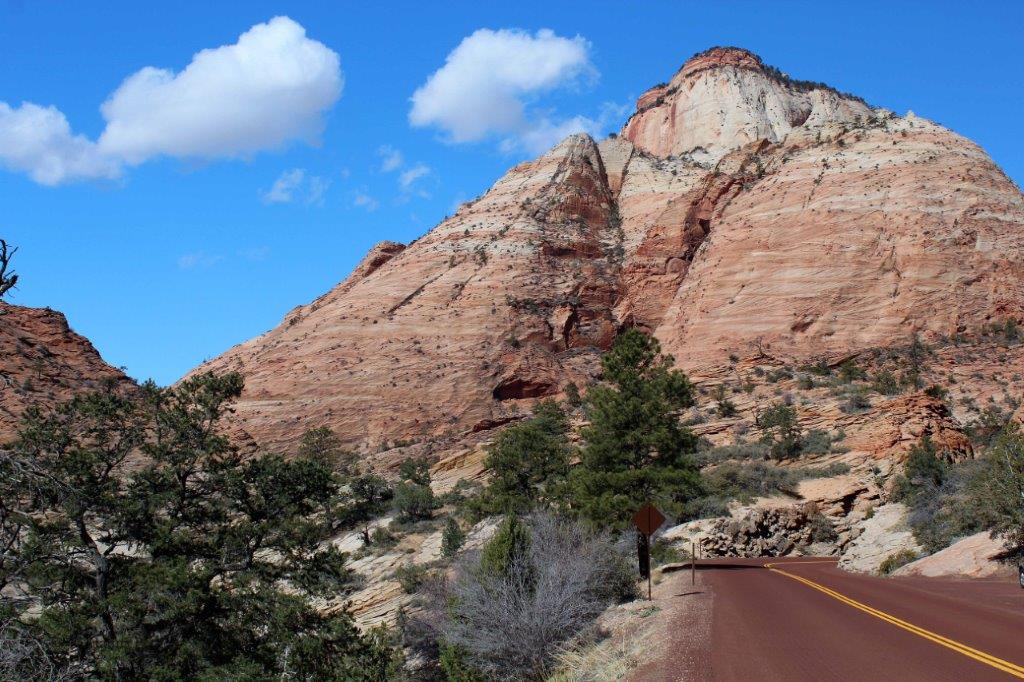
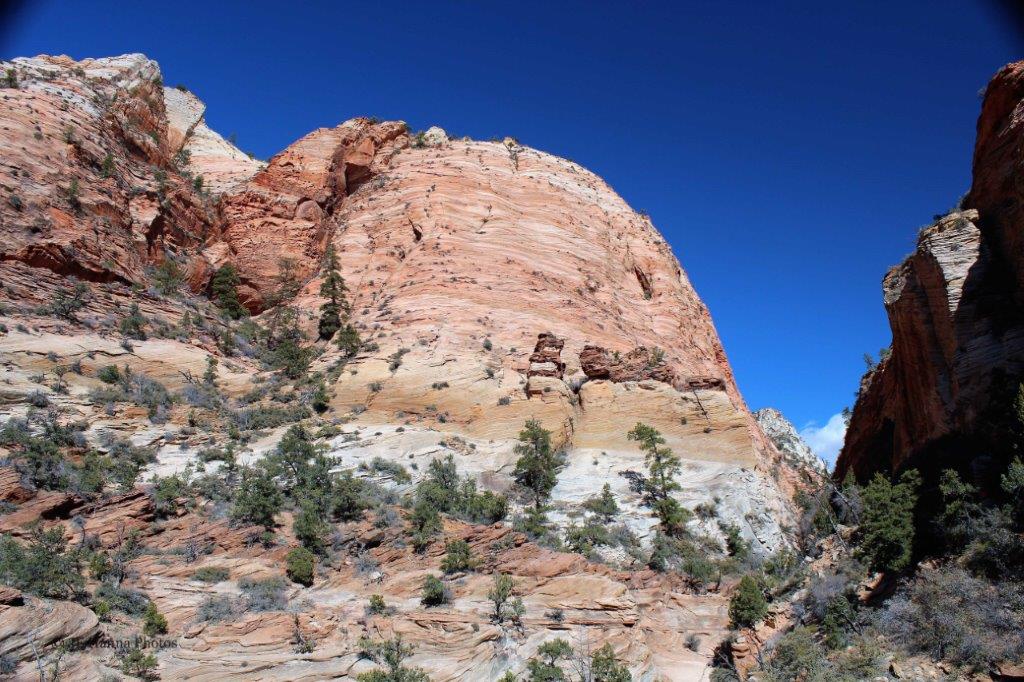
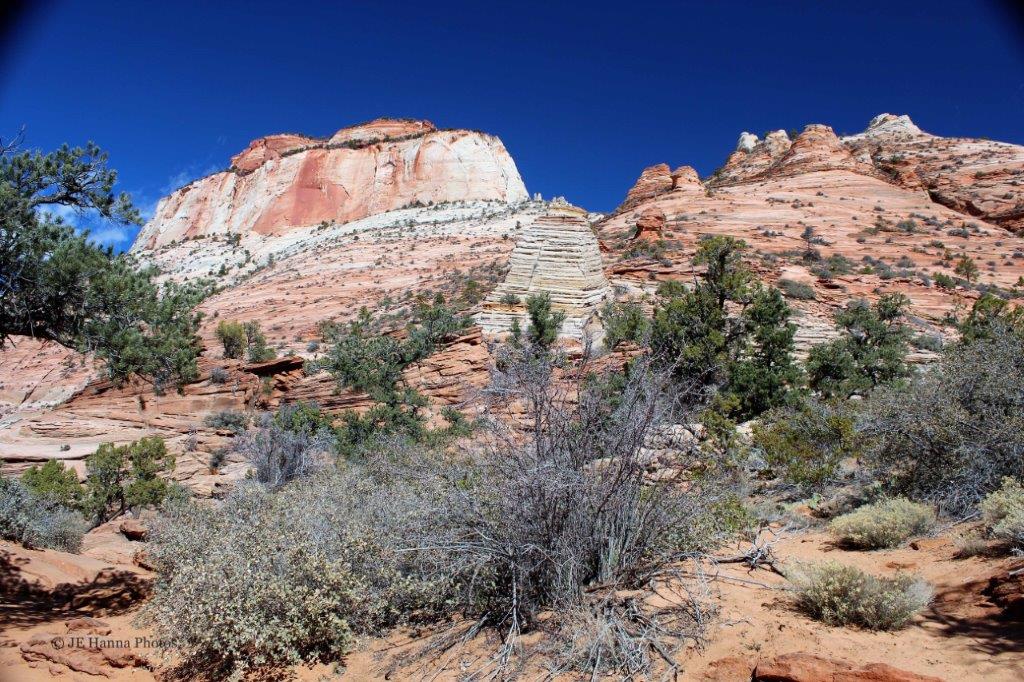
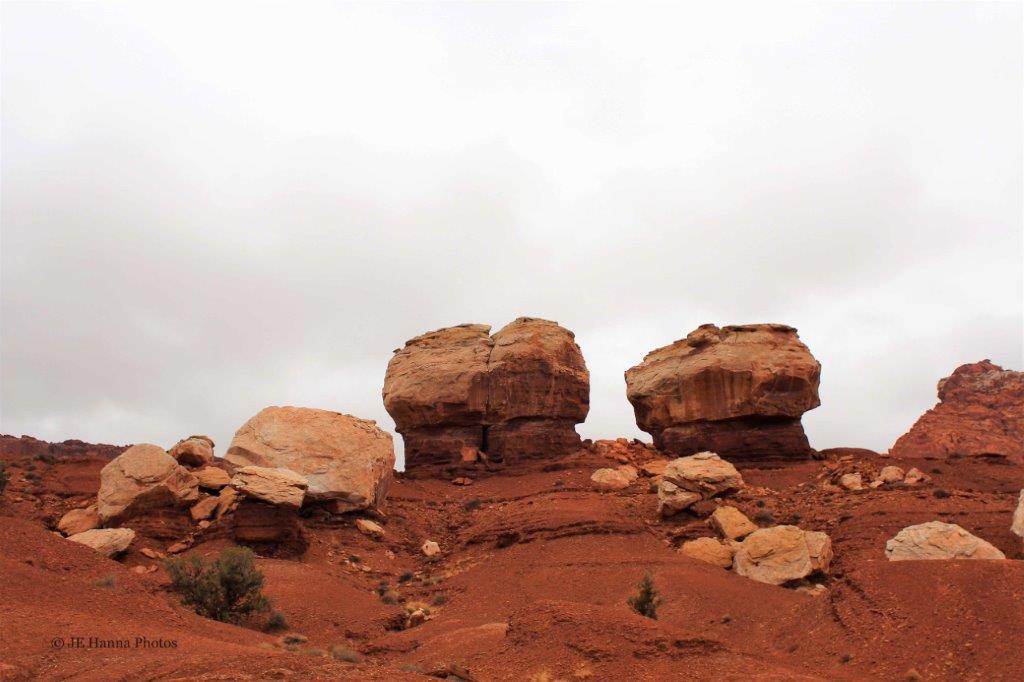
Not long after we crossed the boundary into Zion National Park in southwest Utah, I realized I had a problem.  Every turn in the road, every twist of the head would bring into focus another amazingly colourful rock bluff or hill; or an interestingly-shaped stone pillar.  Within a mile or so of our drive through the park I had taken dozens of photos.  Now, in the age of digital imagery this is not a major problem, since you don’t have to pay to get them printed, but it did create a great deal of photos to go through and choose what to keep.  This too, is not a big problem if you are at home with all the time in the world to go through them, but back in 2013 I was not writing a blog, I was posting each day’s photos on Photobucket in the evenings for family and friends at home.  Which, with hundreds of photos to go through in the hotel each evening made for some late nights, or skipped uploads.  Not a big deal except for my CDO tendencies. However, having decided to go back to our trips (before 2014 when I began my blog) and write about them, I encountered the ‘so-many-photos’ problem once again.  I have tried to scale down the pics, but I am very aware there are still many photos in this blog – as there will be in the posts about all of the National Parks we visited in southern Utah.  I apologize in advance.  Feel free to scroll through them quickly.  I loved all the colours and lines and shapes so, to me, every photo I have selected is interesting.  You don’t have to fake the same interest.  I will never know the difference; and I wouldn’t blame you anyway.                                               Checkerboard Mesa
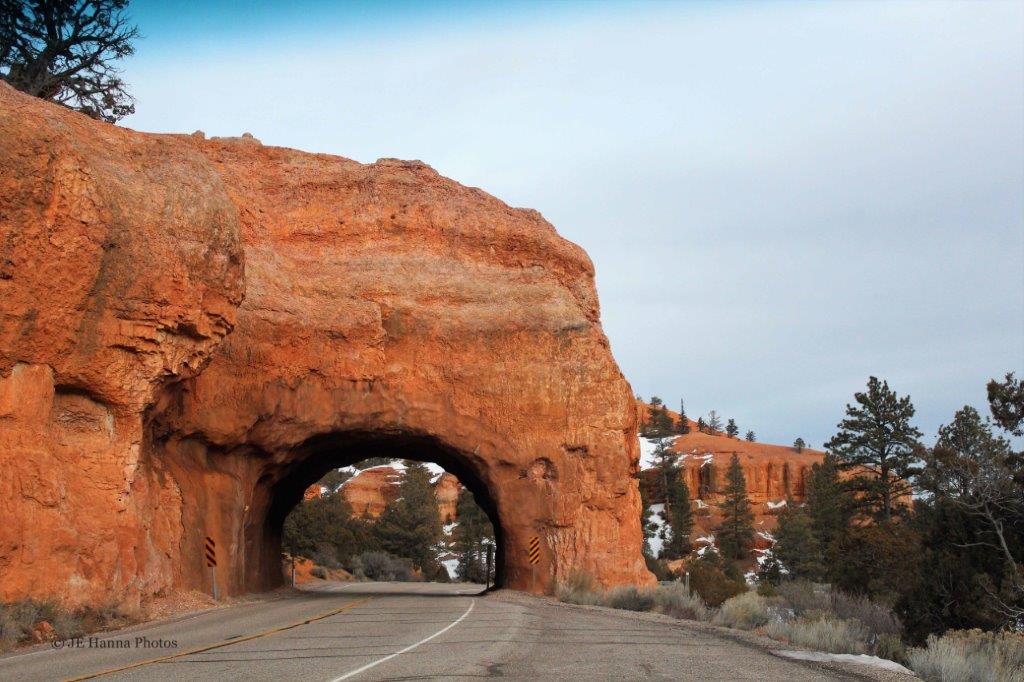
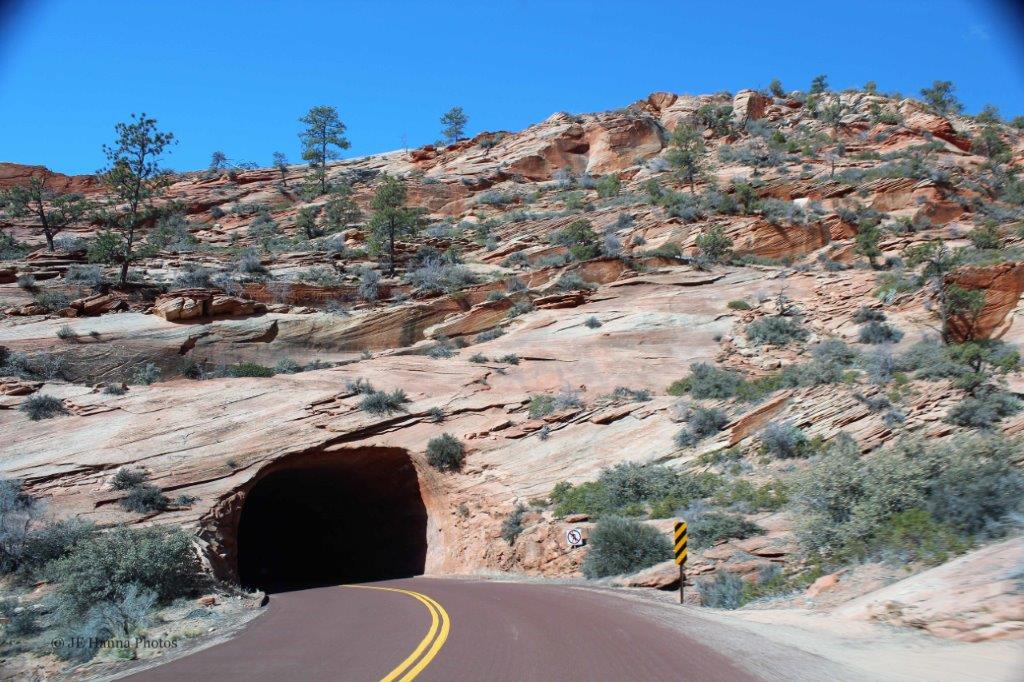
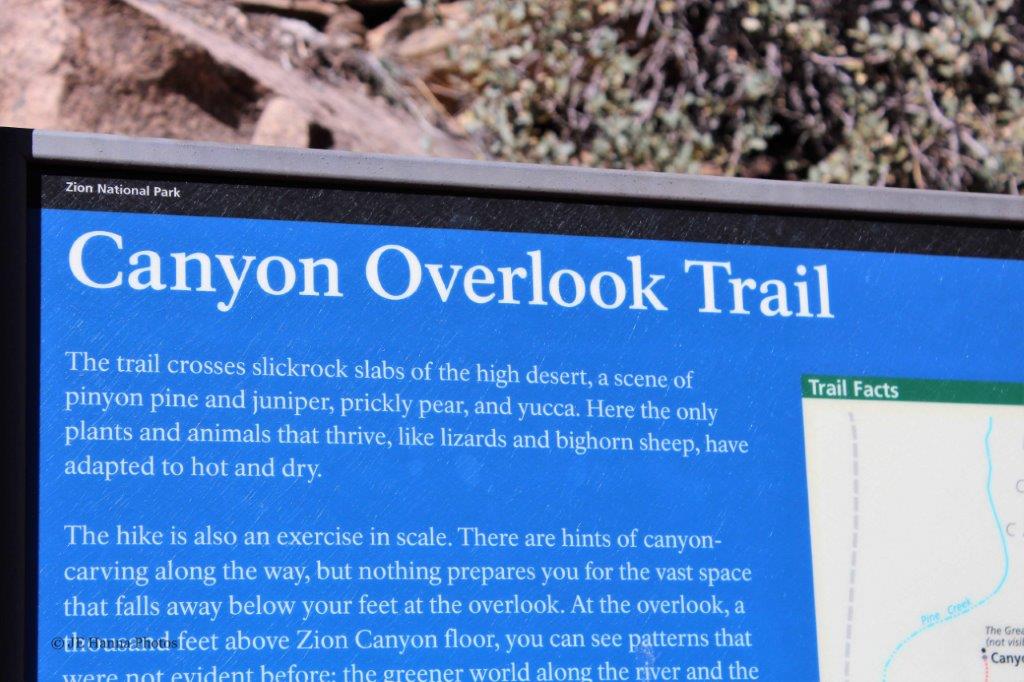
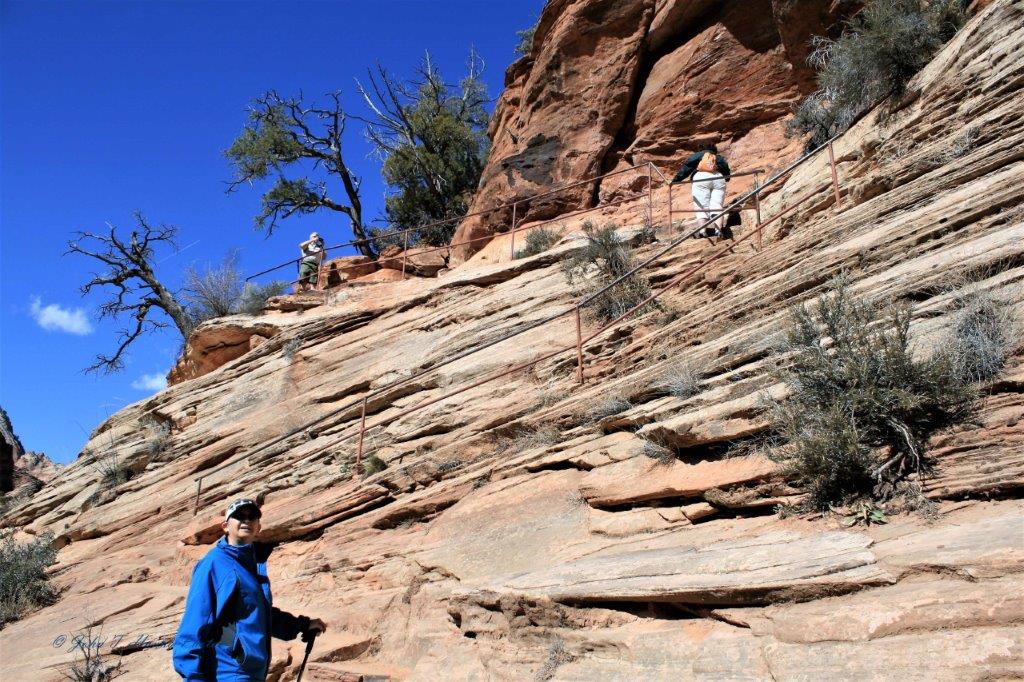
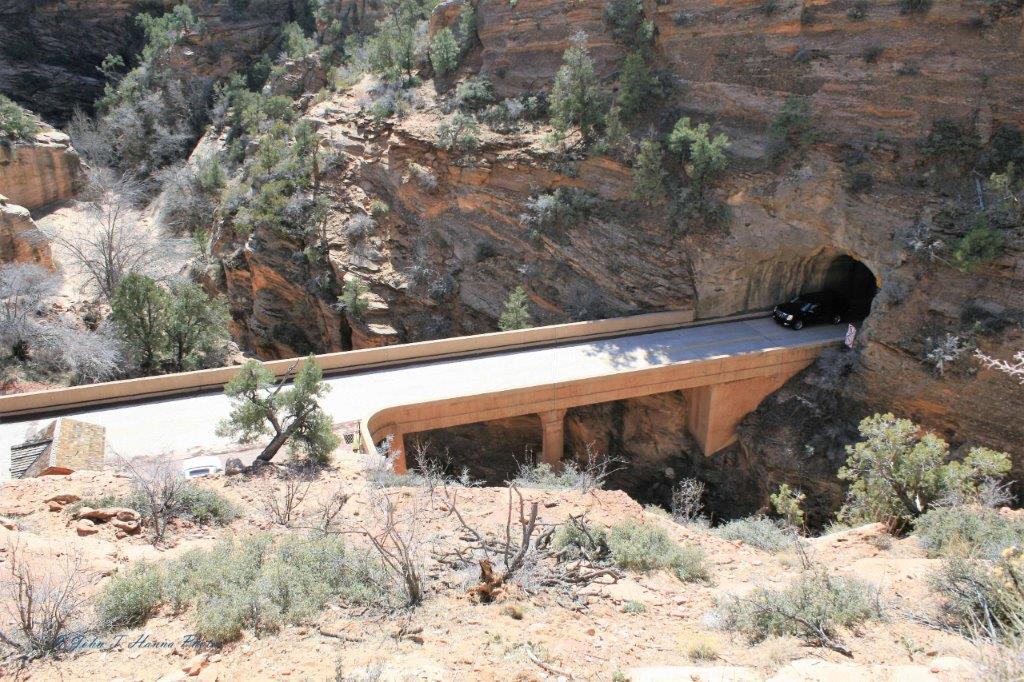
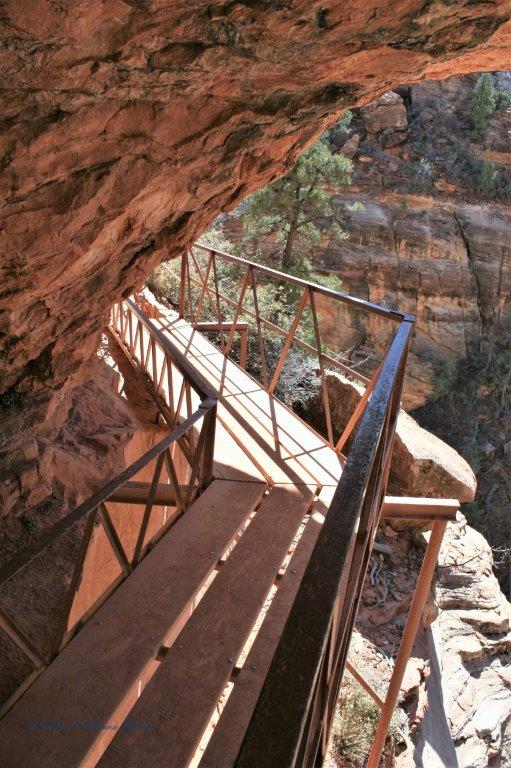
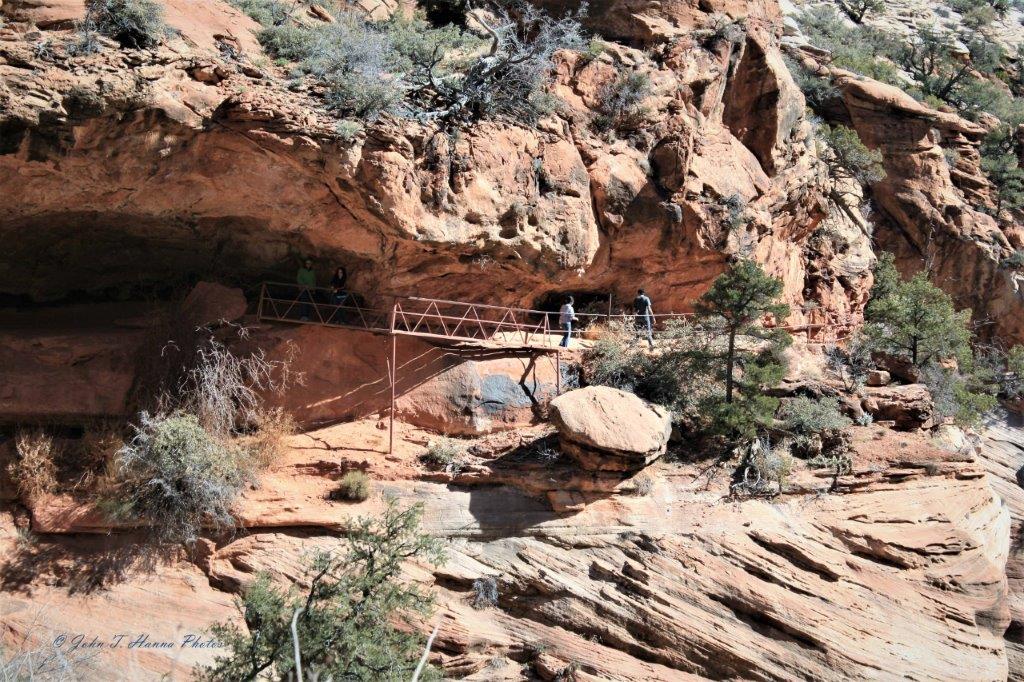
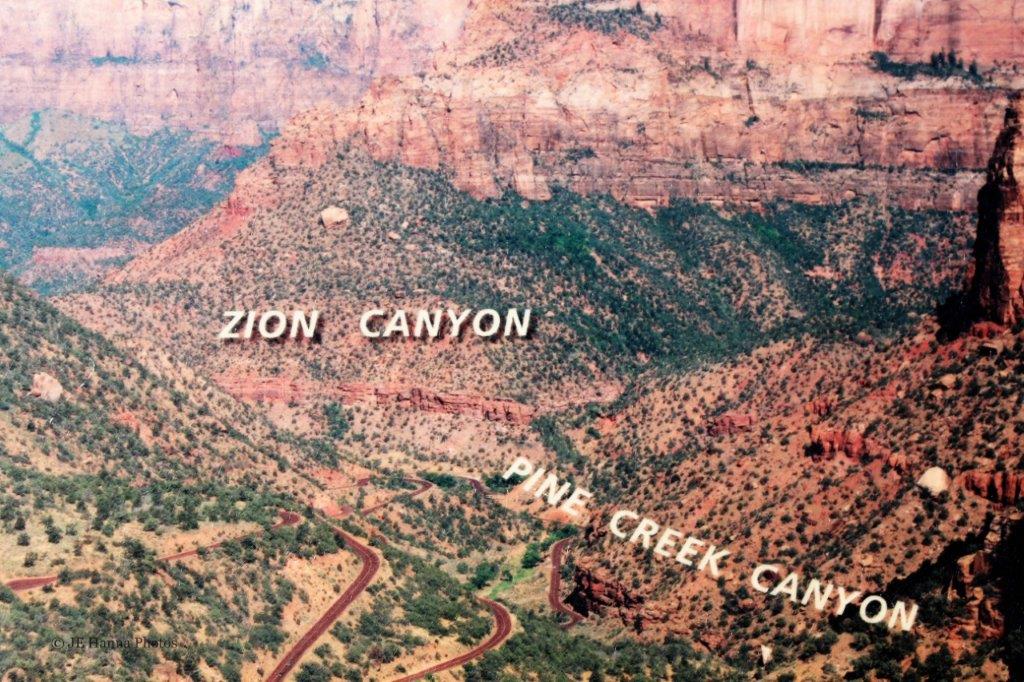
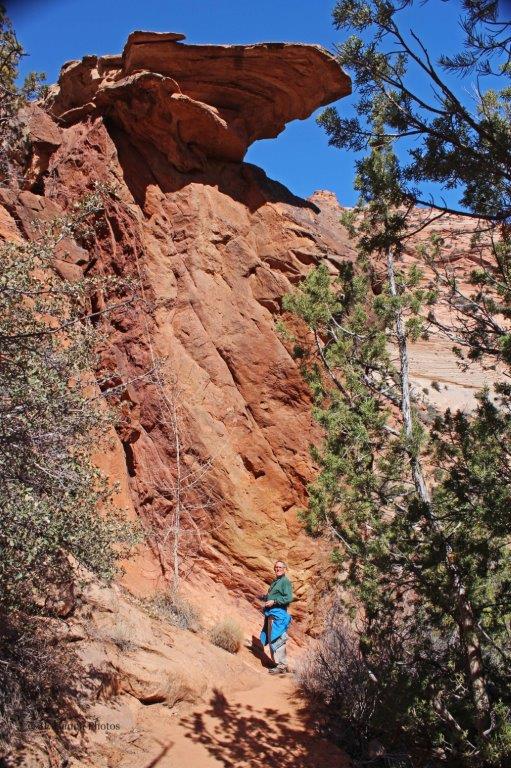
We drove the Zion-Mount Carmel Highway from the east entrance into the center of the southern part of the park and then went north on the Zion Canyon Scenic Drive.  In the summer months the Scenic Drive must be taken by shuttle buss, but because we were there so early in the season we were able to drive the 10 km (6.2 miles). The beginning of the trail – up the rock face.  Thank goodness for handrails.From the first turn on the trail we could look back to the road and the tunnel we would be going through once we completed our hike to the Pine Creek Canyon Overlook.

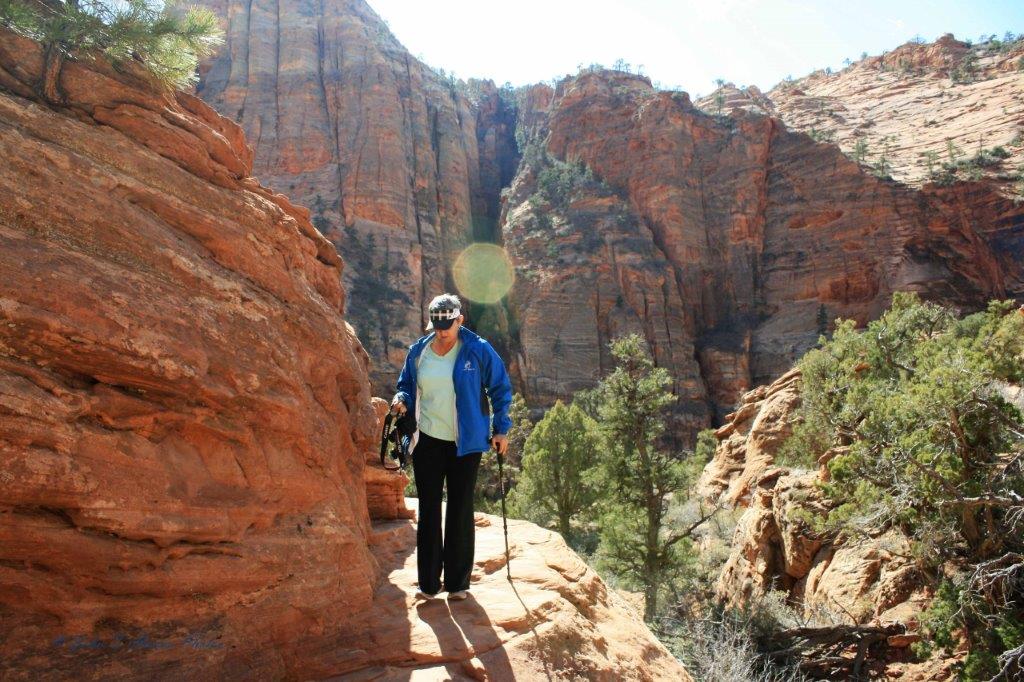
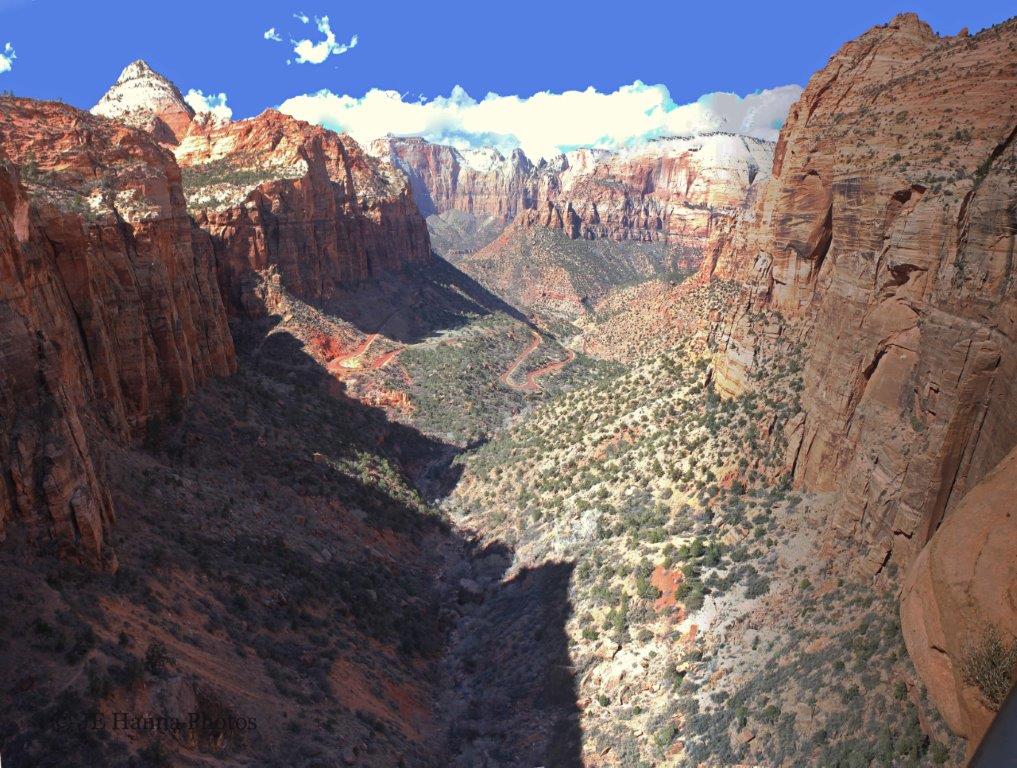
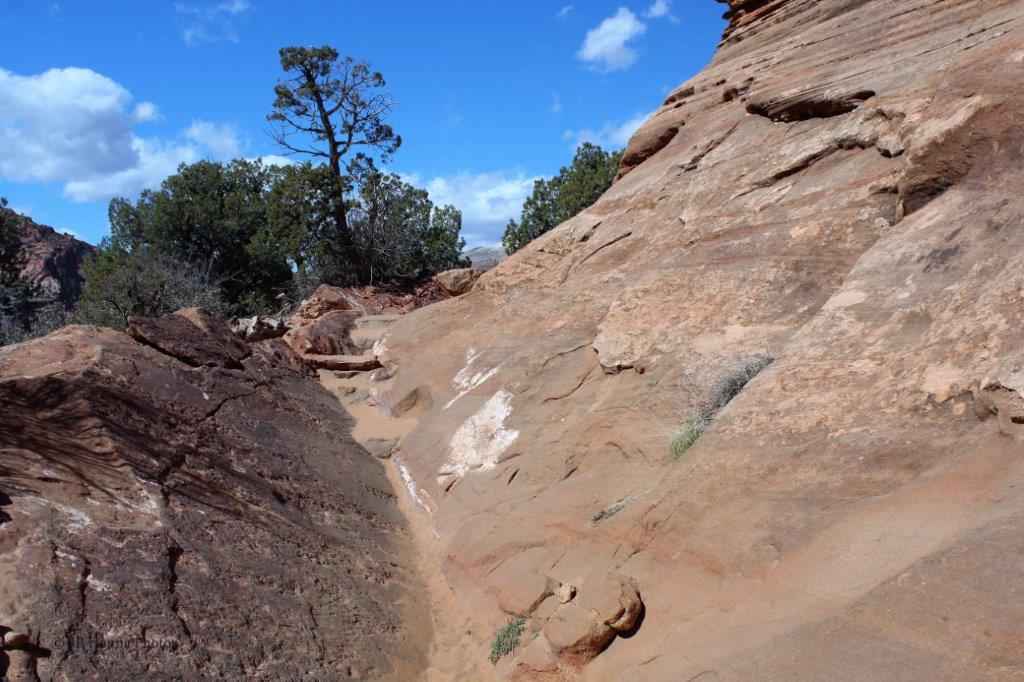
                              The route is not for the faint-of-heart.You have to admit, the view from the overlook is worth the hike. (The image above is a vertical stitch – I took about five photos vertically because the view was so deep, and then stitched them together. You really get a sense of the length of the valley and the height of the surrounding cliffs.)The trail has some roughly-defined sections.  I would not want to tackle this bit if it was wet.
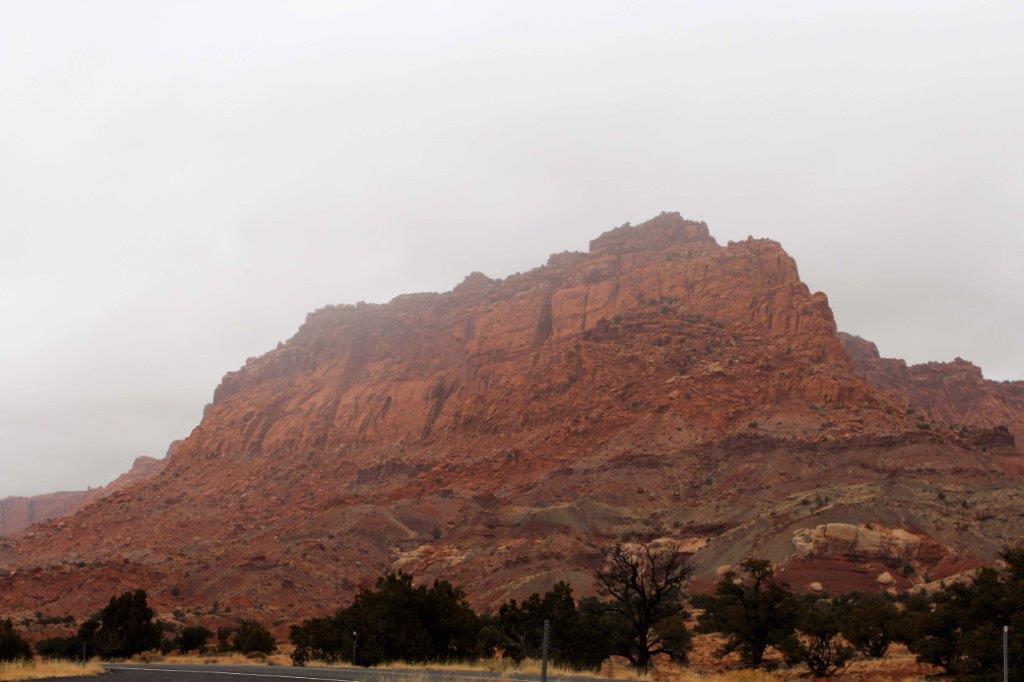
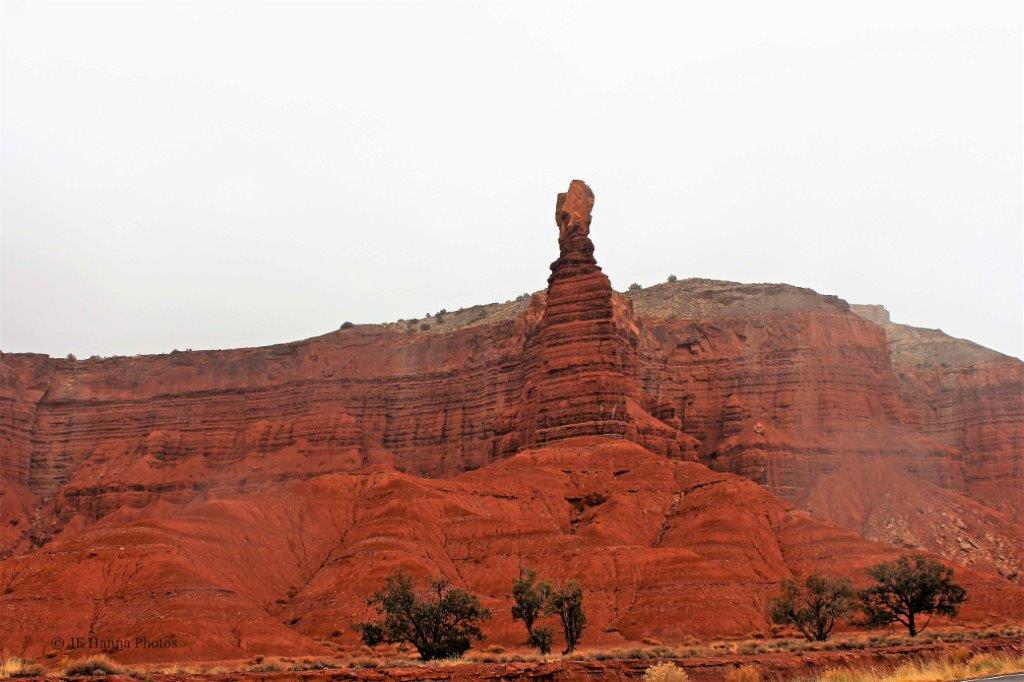
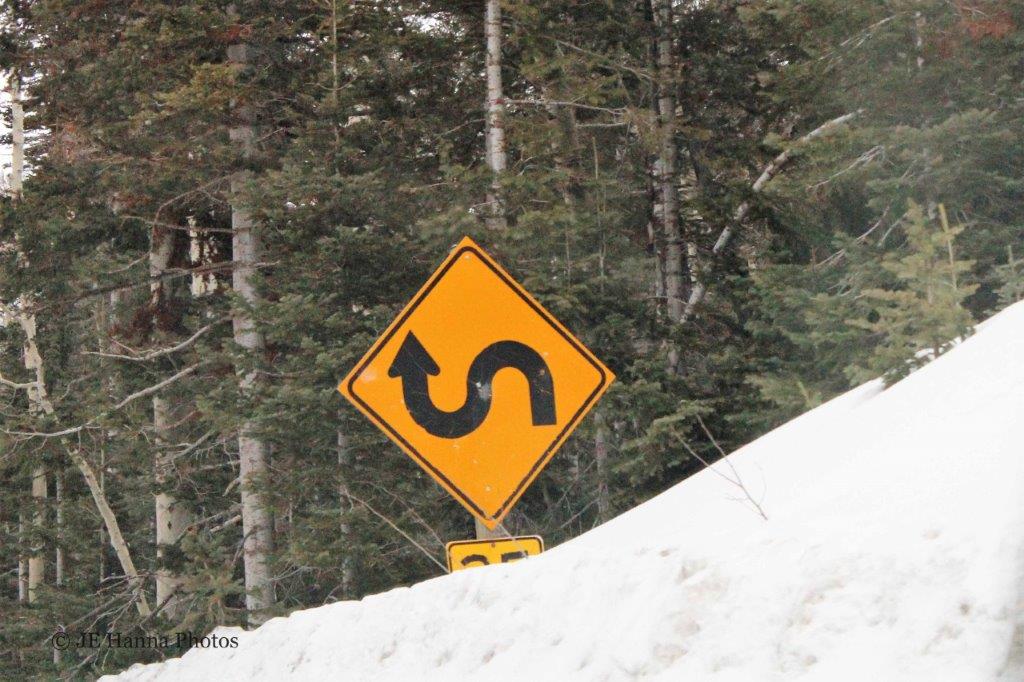
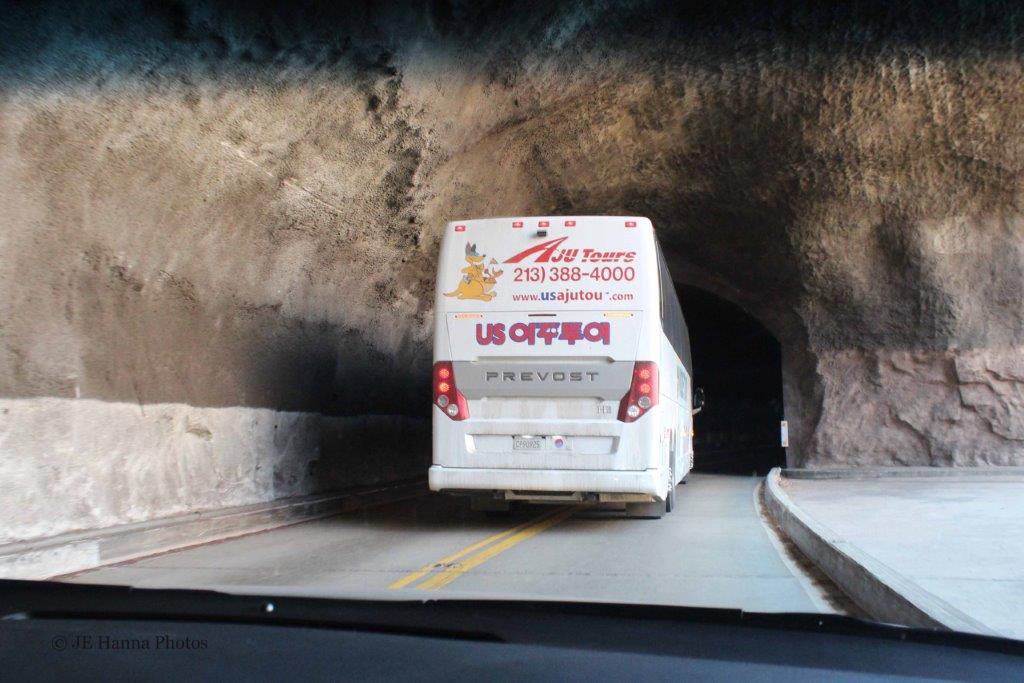
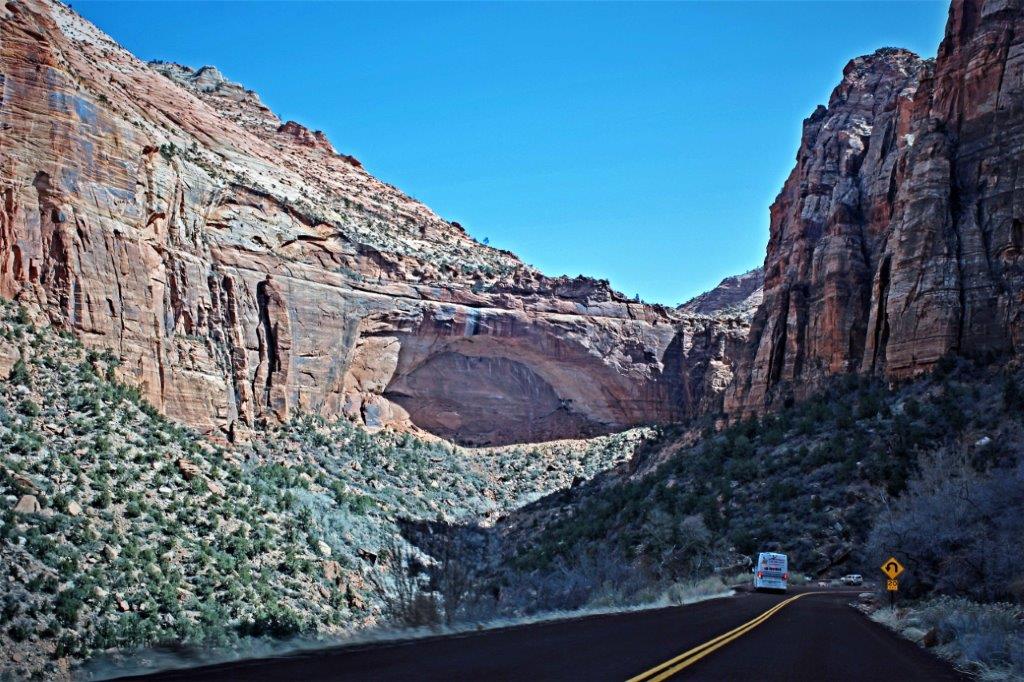
 Once we were back down we headed through the long tunnel and up the many switchbacks to the Scenic Drive junction.

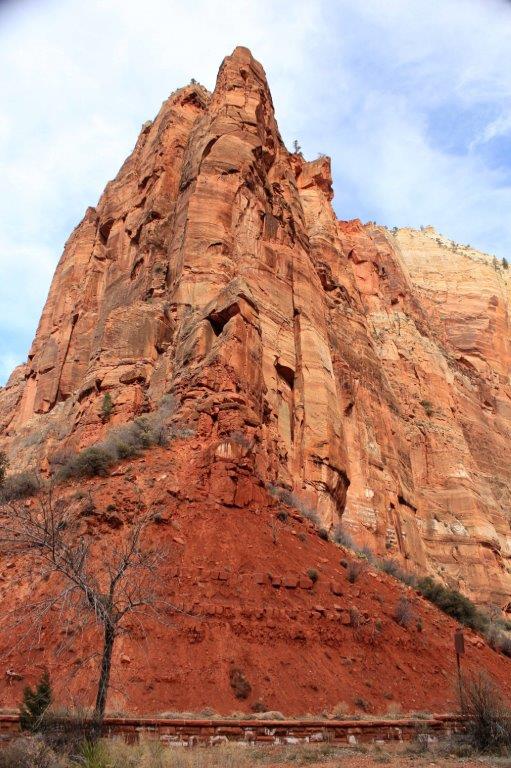
Our first stop along the Zion Canyon Scenic Drive was the Court of the Patriarchs.         From left to right; Mt Abraham, Mt. Isaac and Mt. Jacob.  To be continued….

2013 March 5 – Grand Canyon, AZ to Kanab, UT (Part 2)

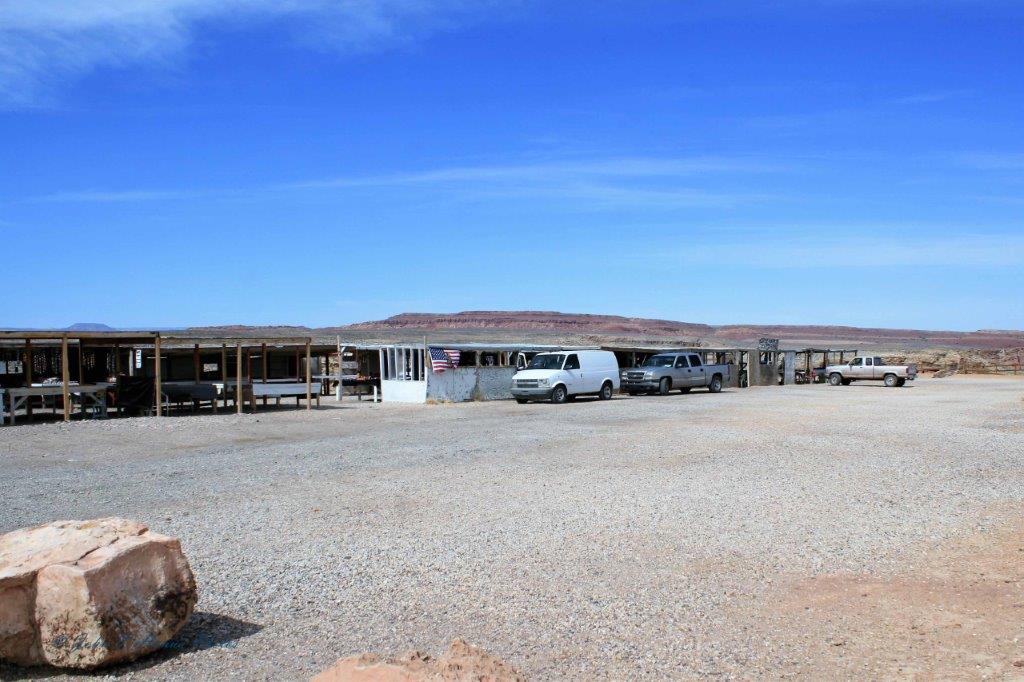
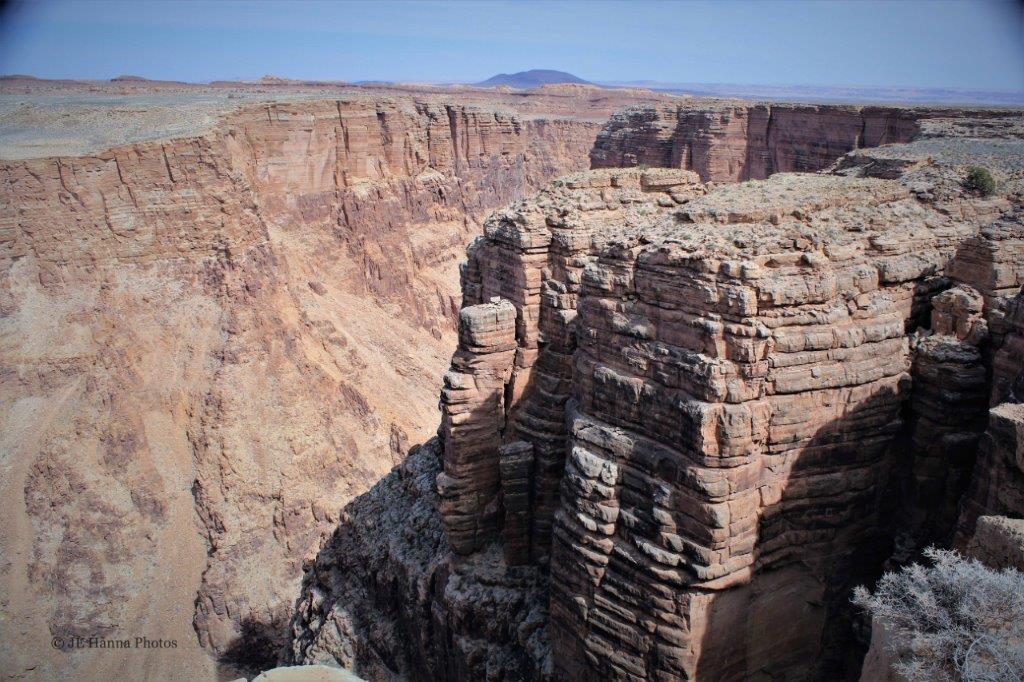
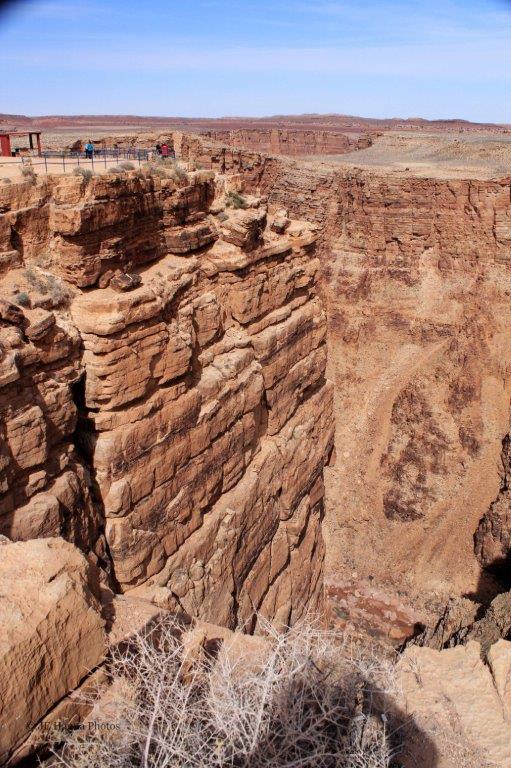
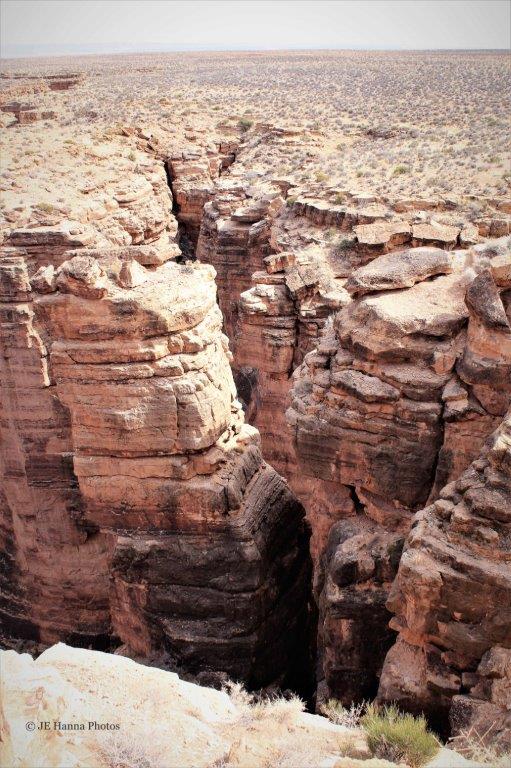
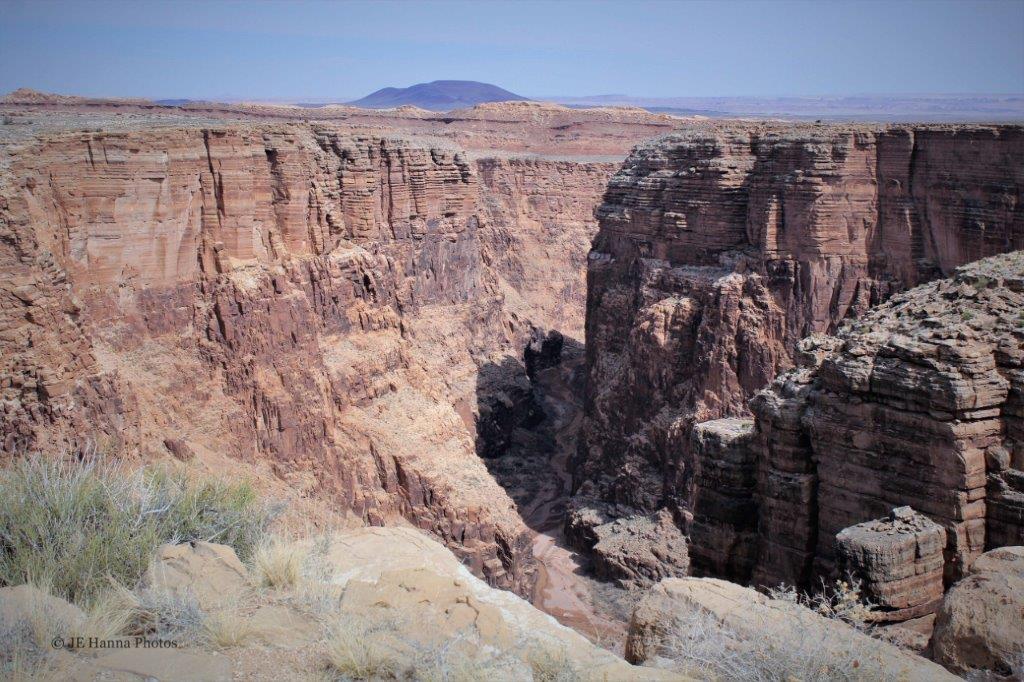
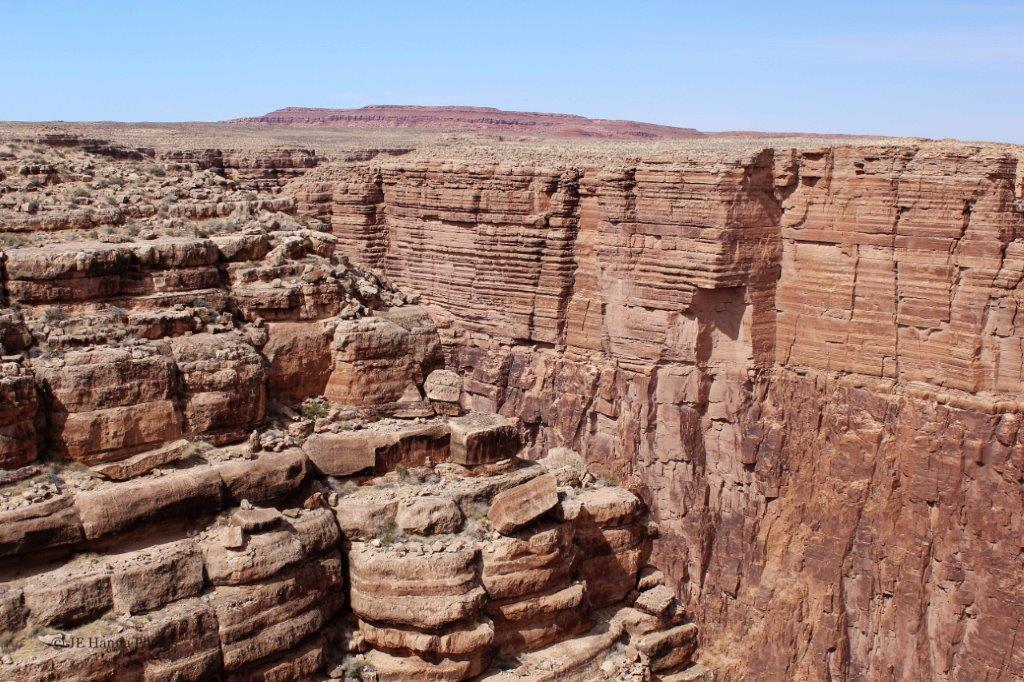
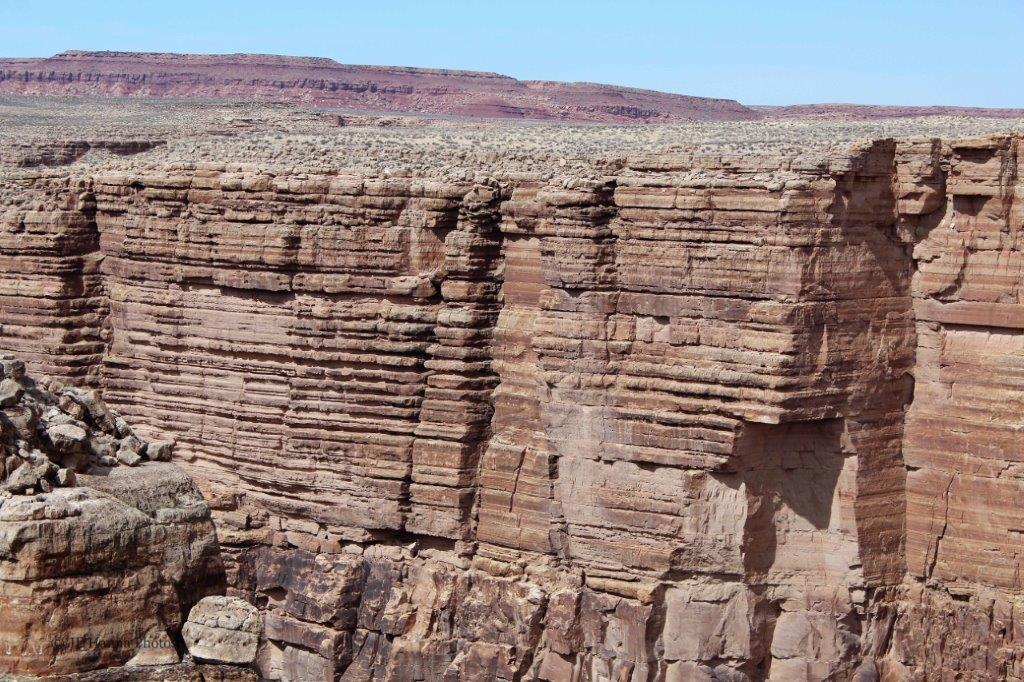
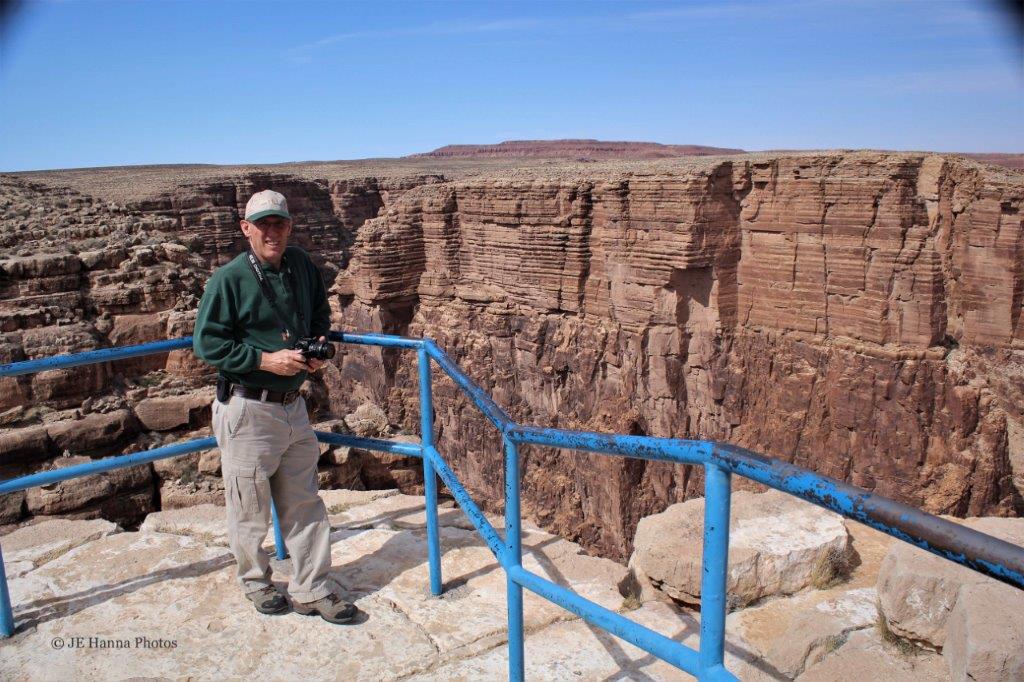
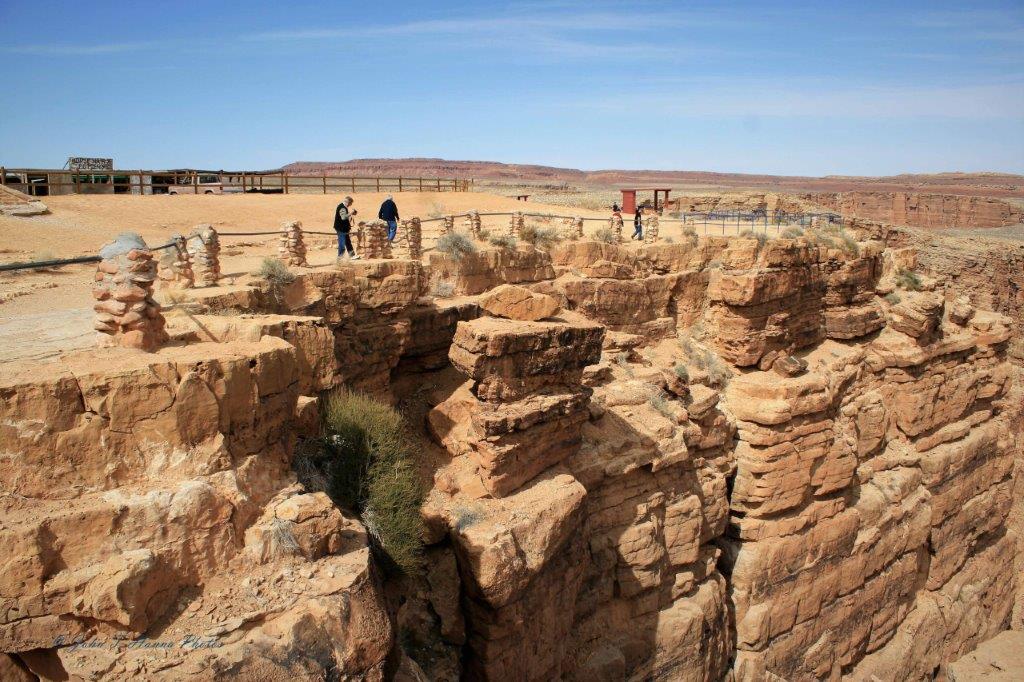
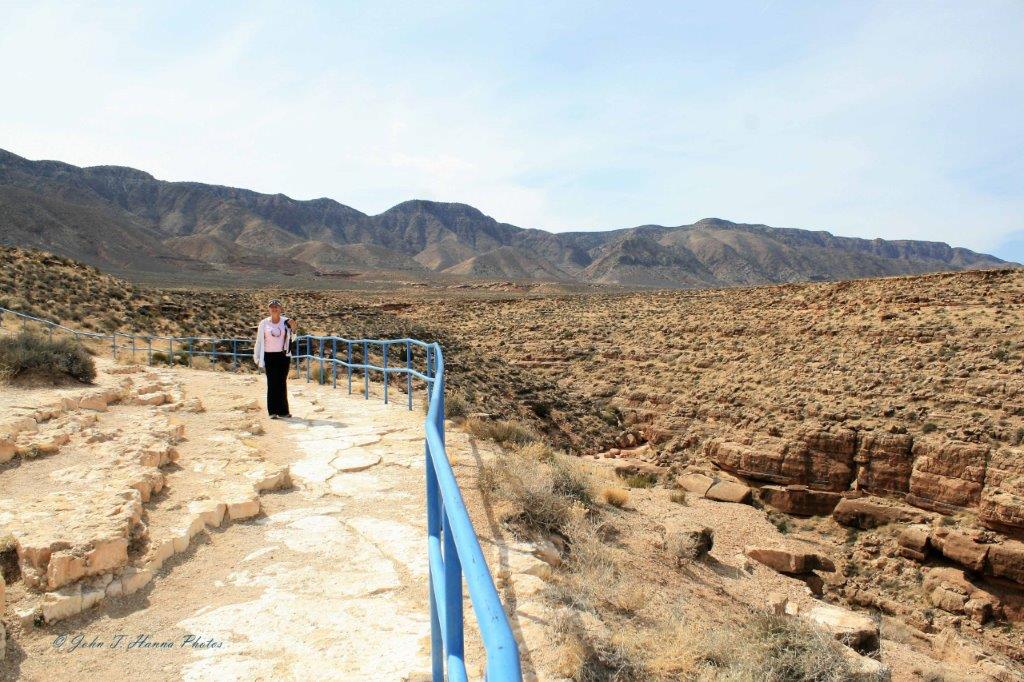
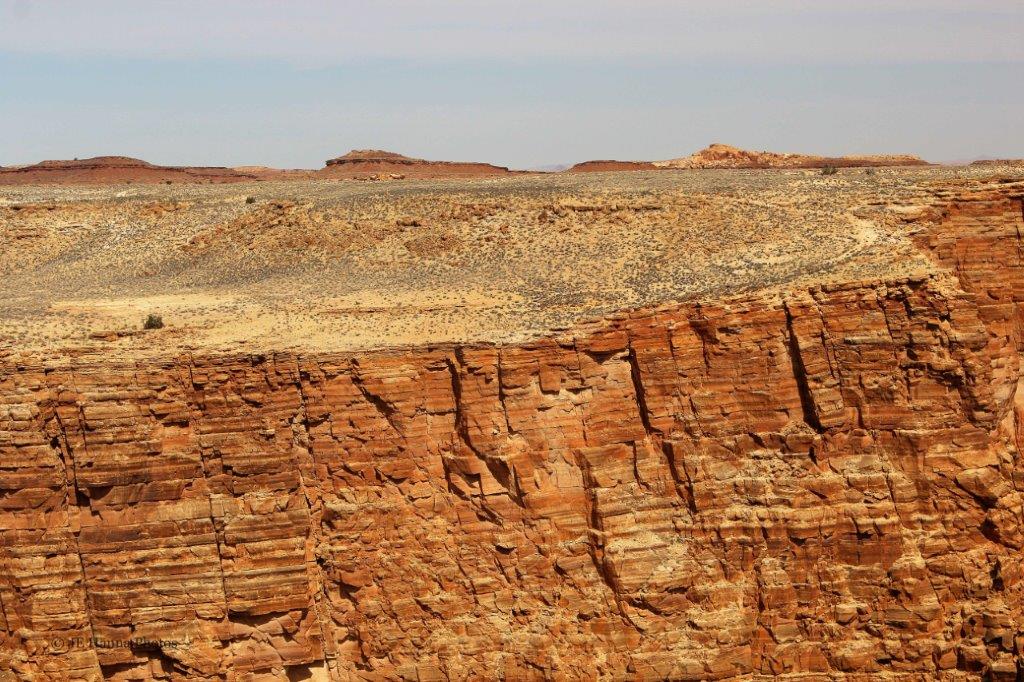
We left Grand Canyon through the East Entrance Station and headed up Highway 89 towards Kanab in Southwest Utah.  Not too far along the road we came to the Navajo Nation Gorge.  The band has a huge craft market in the parking lot during the summer, but since it was still early spring there were only a few vendors set up.  The walk along the gorge was hair-raising: a very uneven and rugged trail right along the edge of a VERY LONG drop. If you look closely at the photo above you can just make out the muddy water of the Colorado River cutting through the gorge.                Layers, and layers, and layers of cut-away rock. Whatever you do, do not go past the railings along the path.  It is a long, long way down.I wondered quite often during those days at the Grand Canyon, and again at the Navajo Gorge, “What on earth did the first scouts think when they encountered these massive slices in the earth?”  It must have been very daunting to try find a way around them in such a dry and barren land.
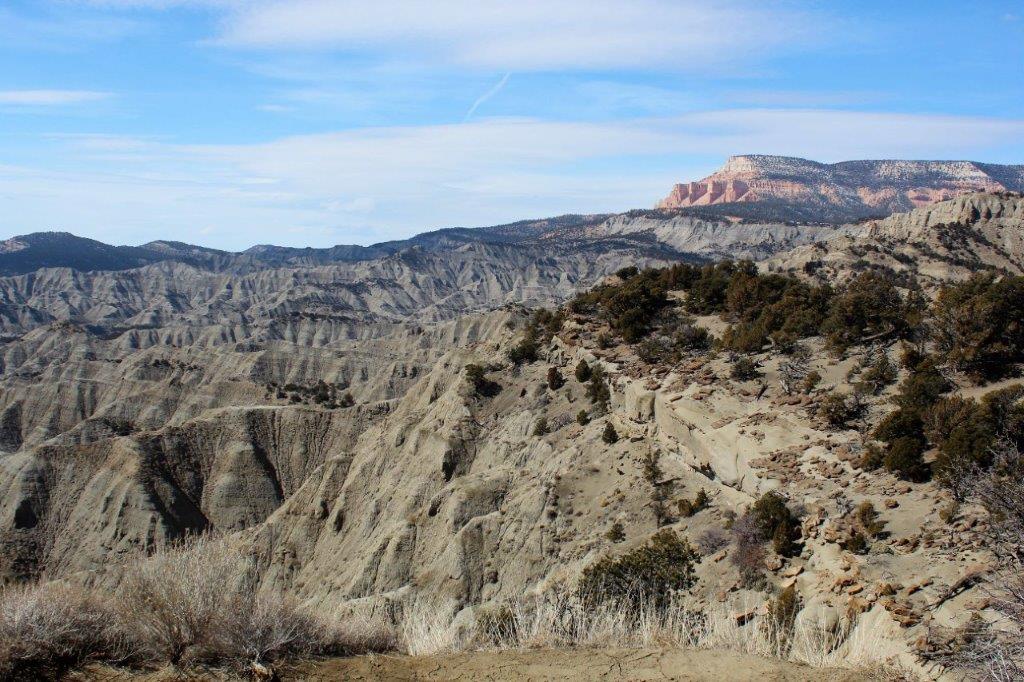
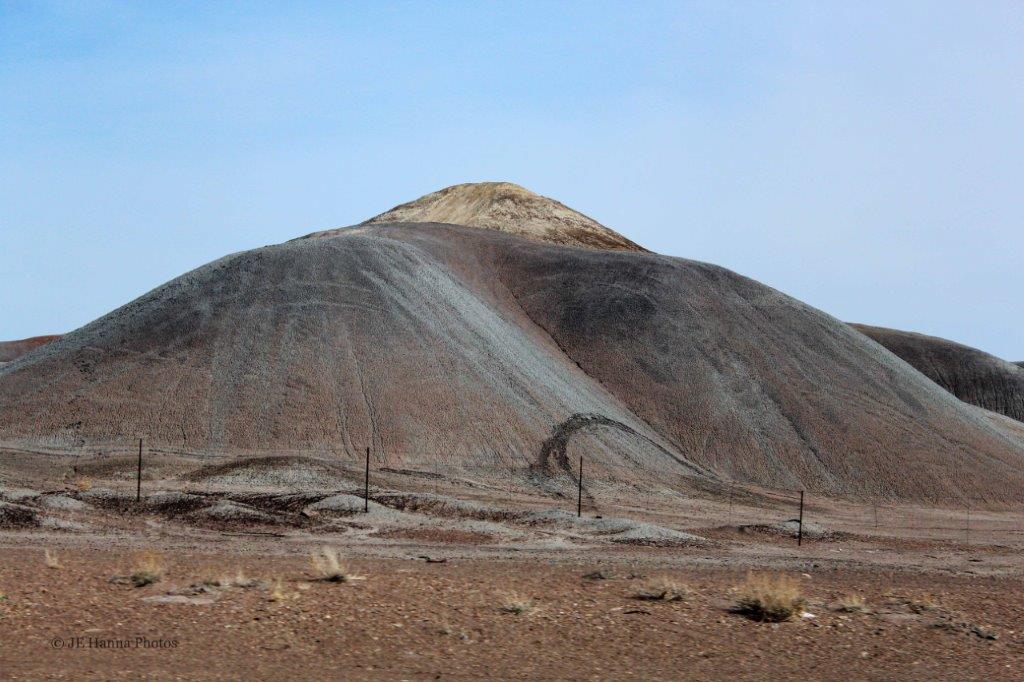
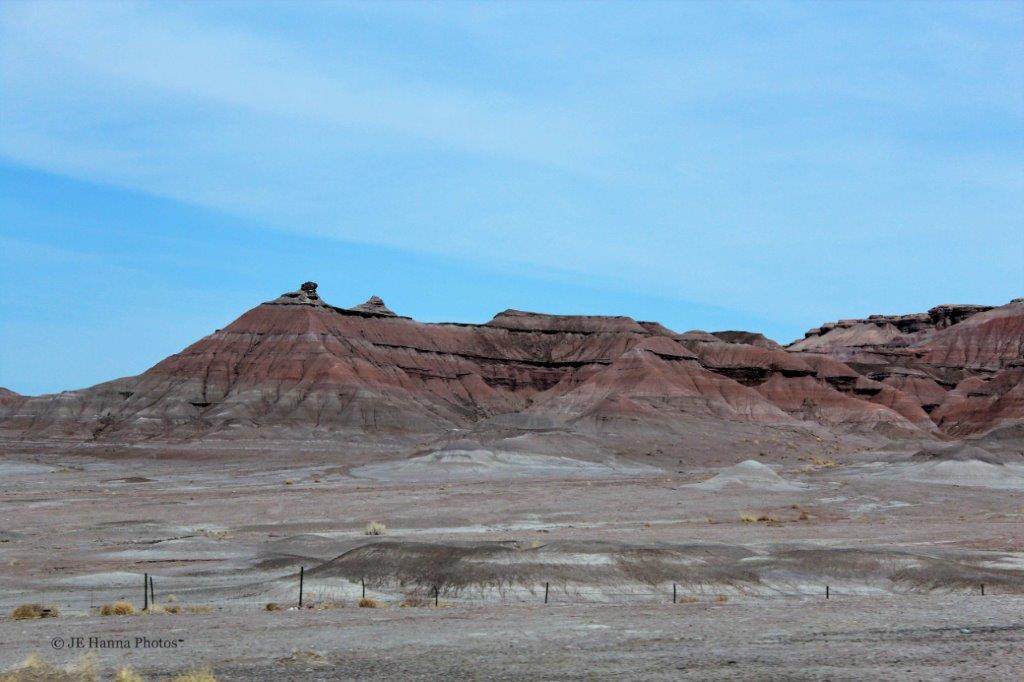
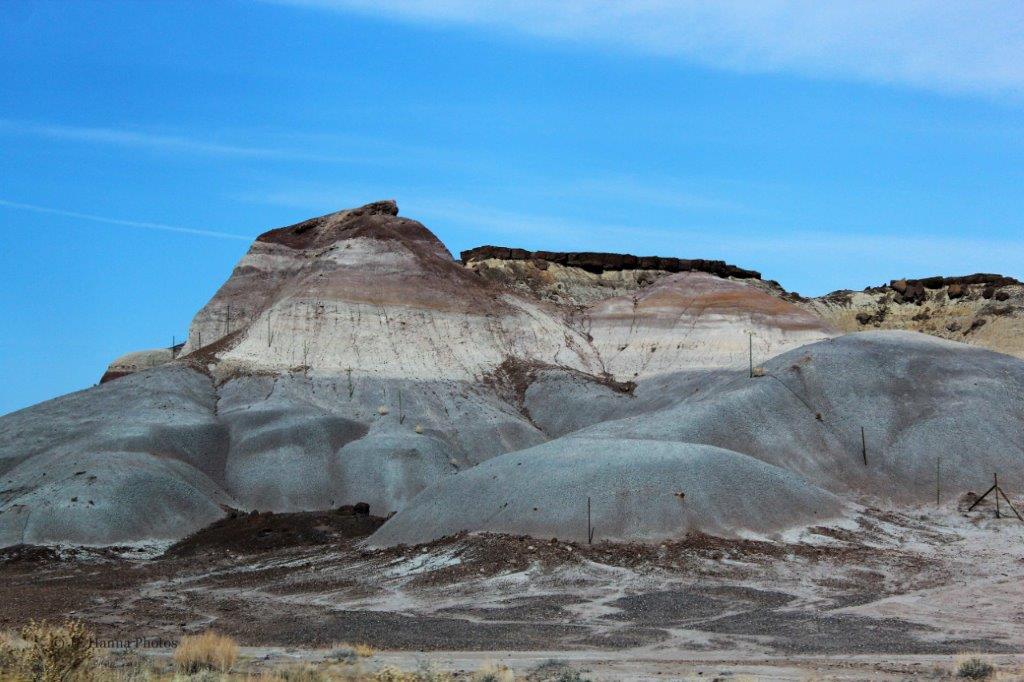
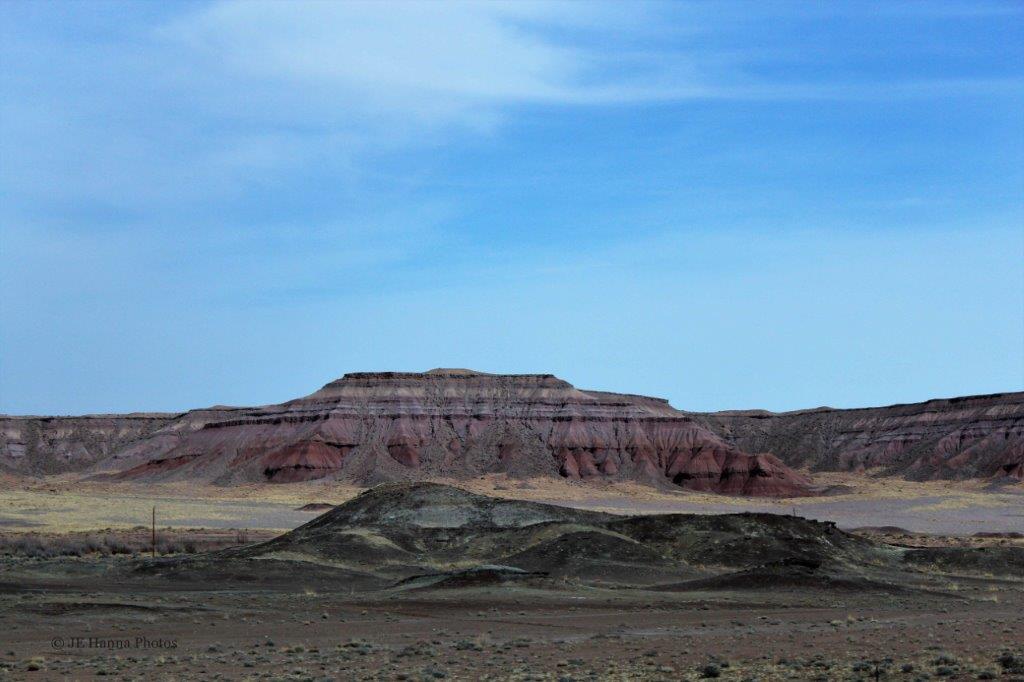
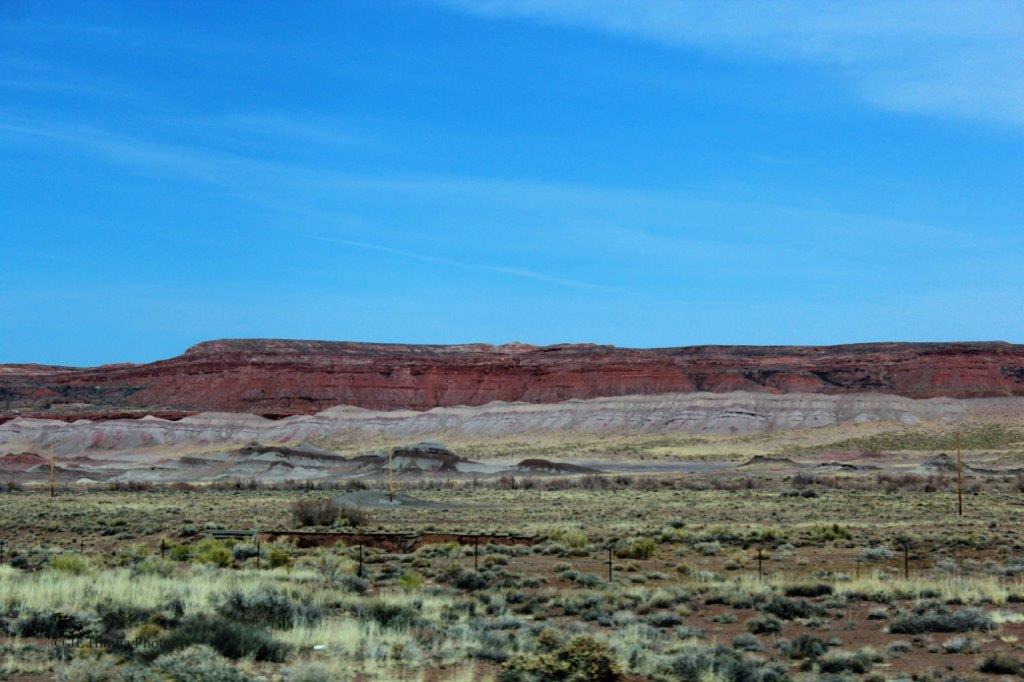
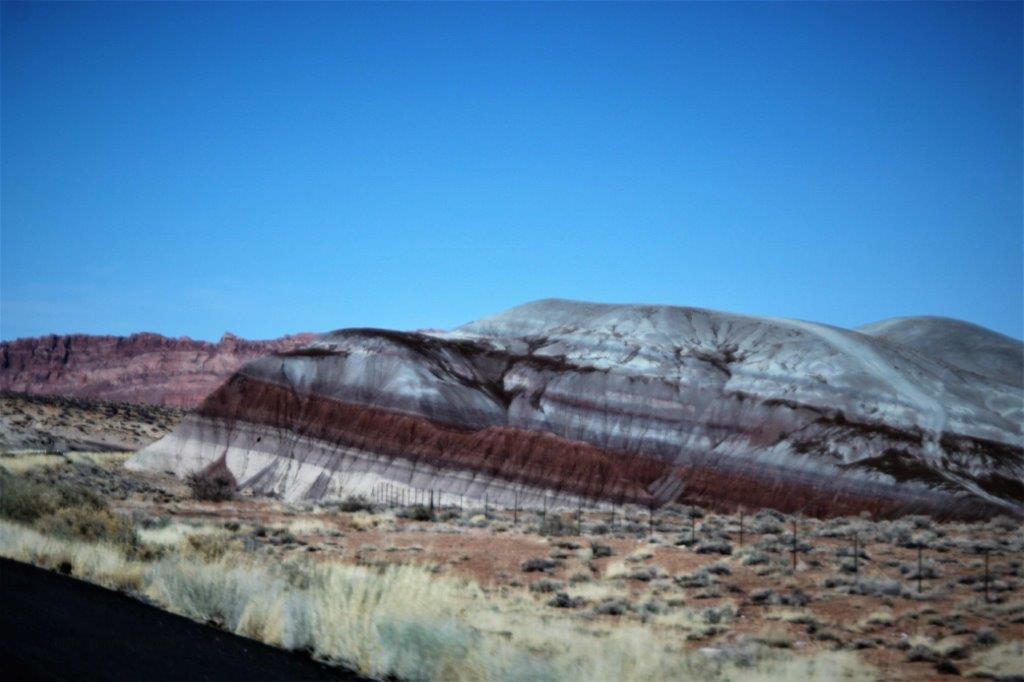
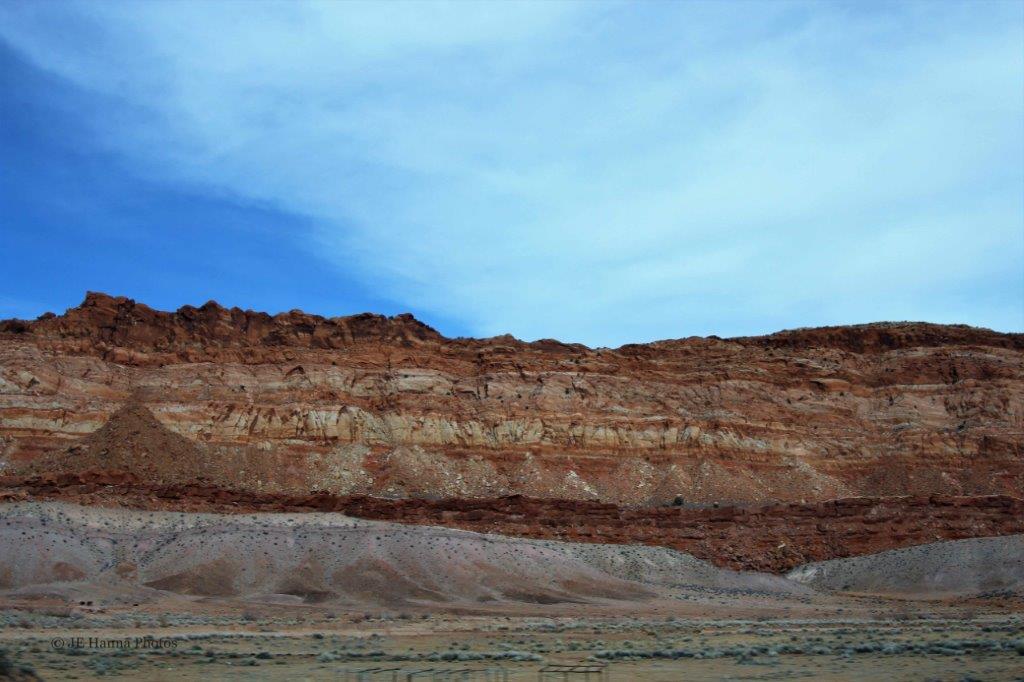
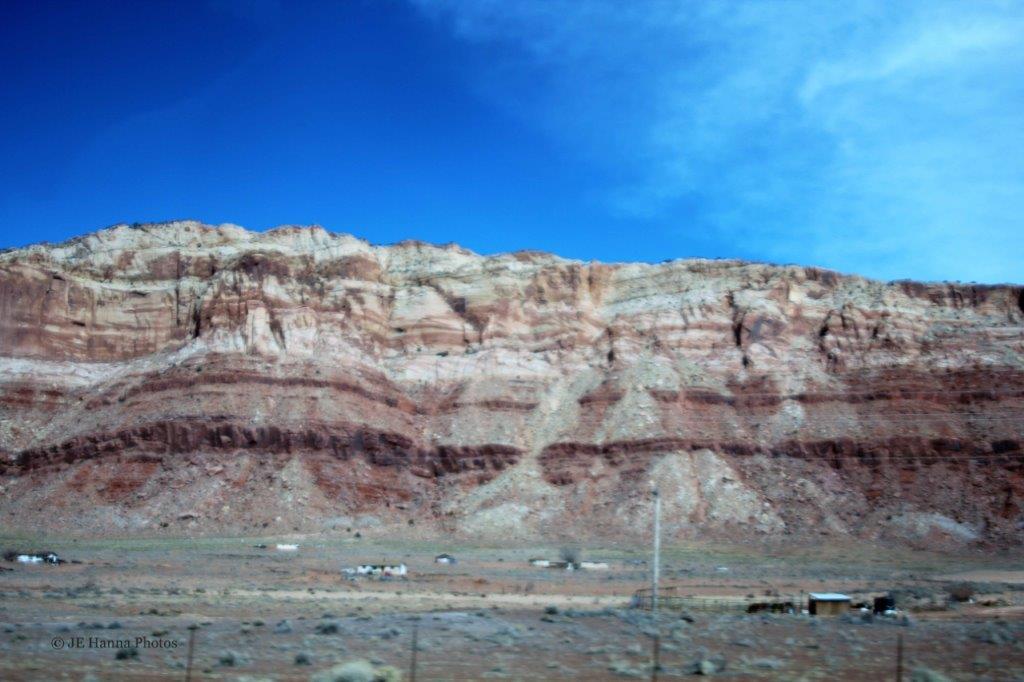
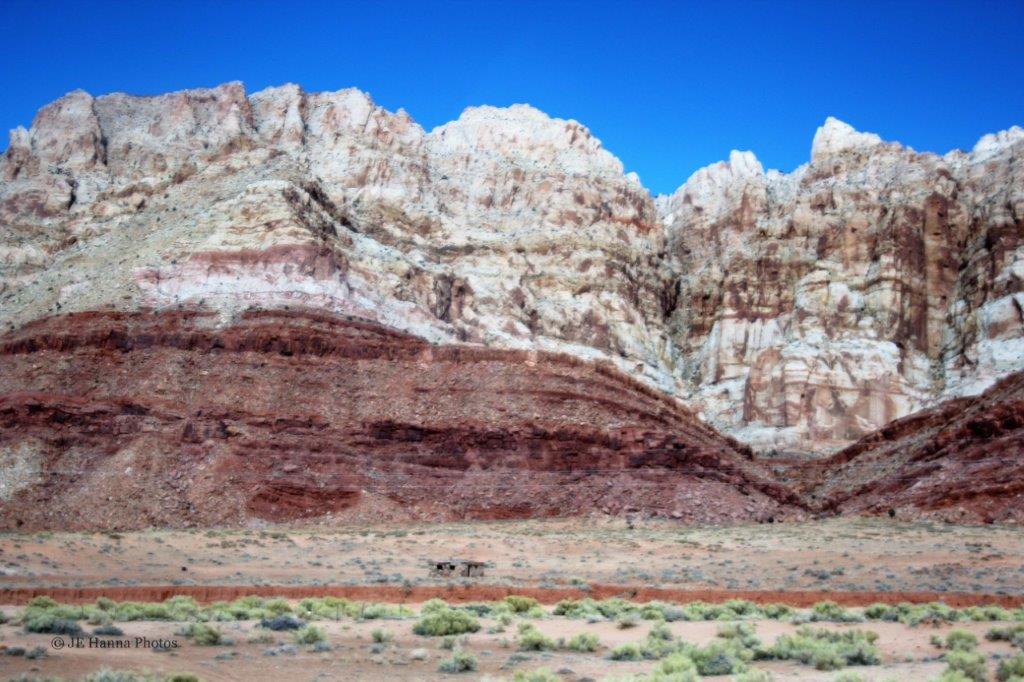
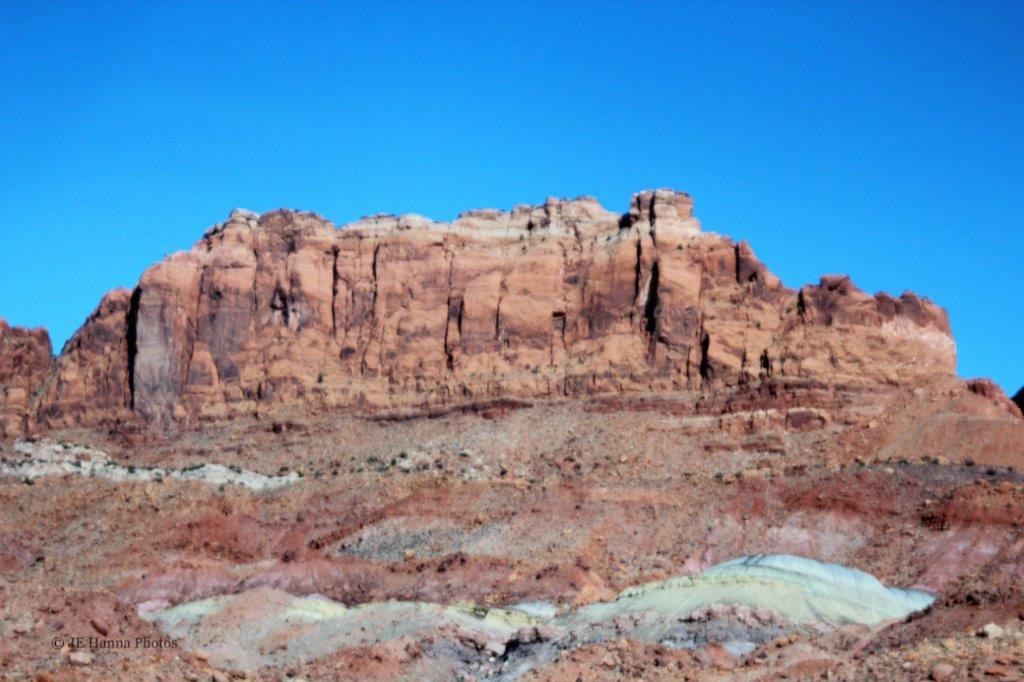
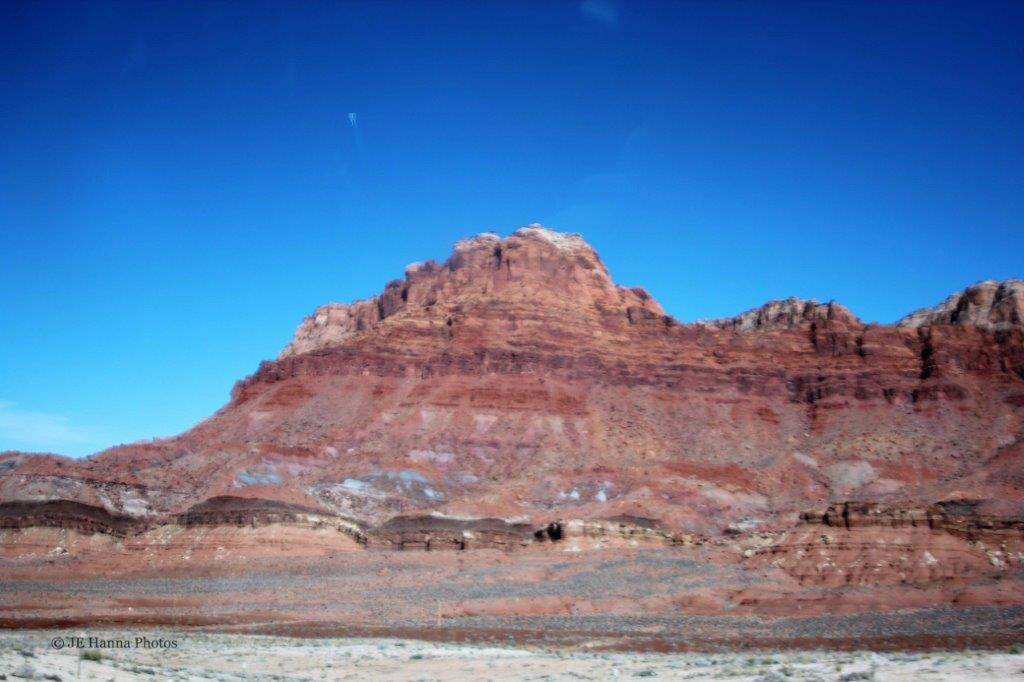
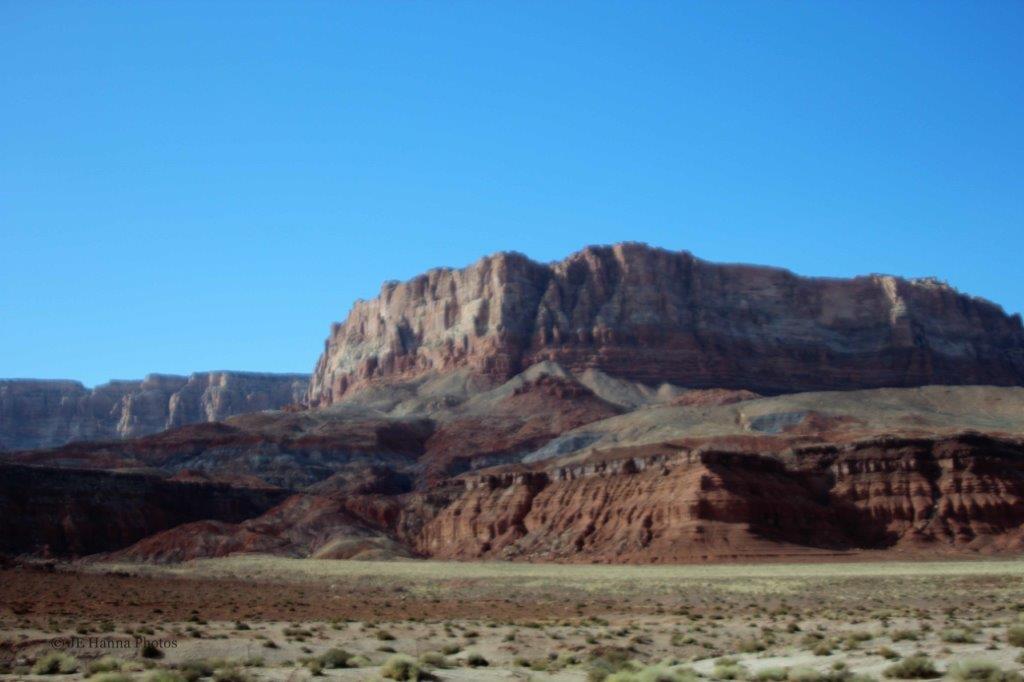
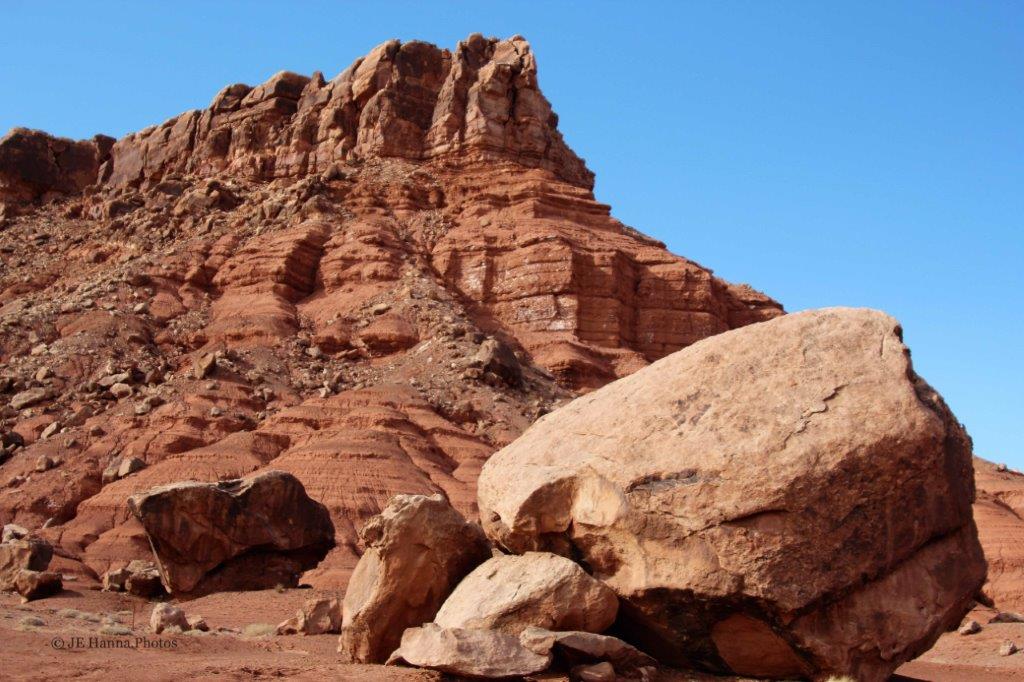
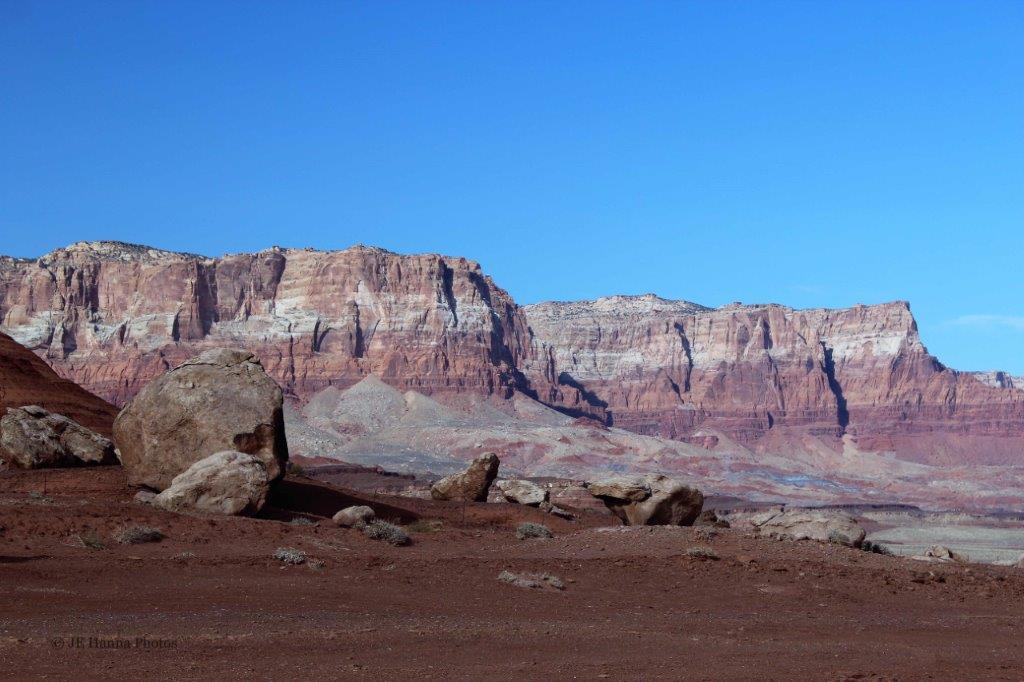
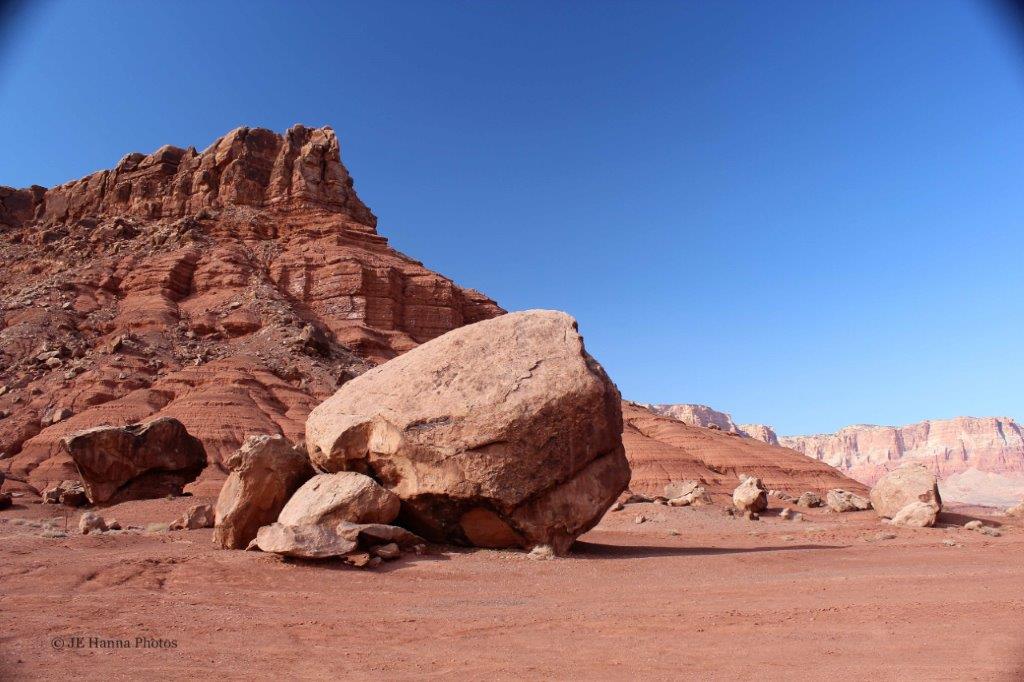
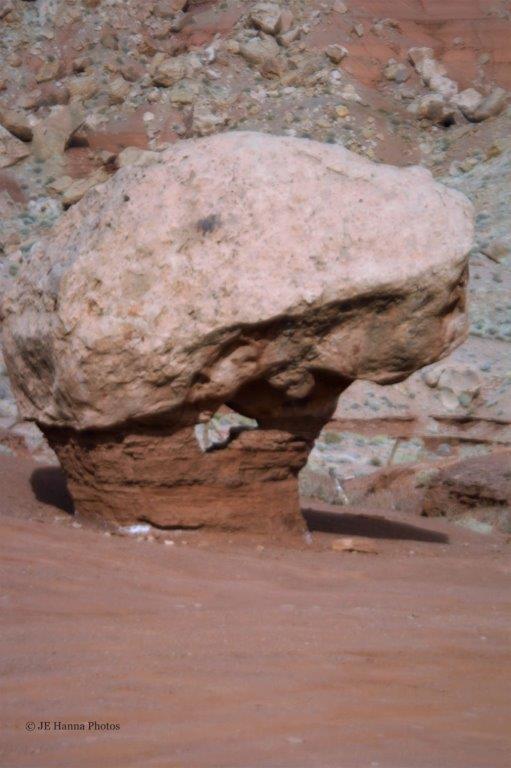
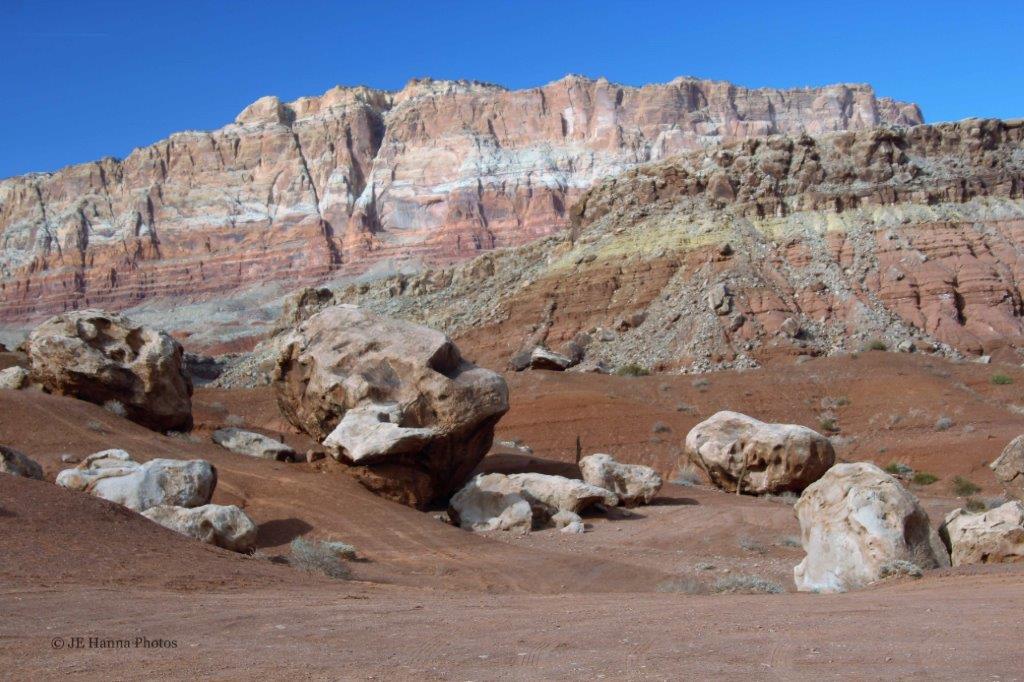
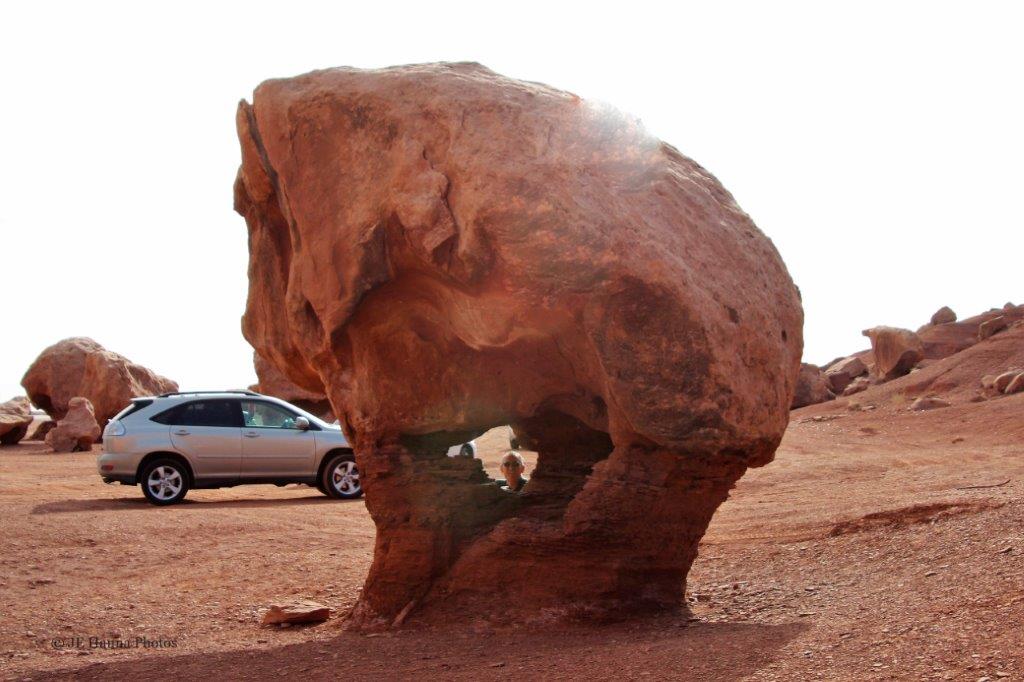
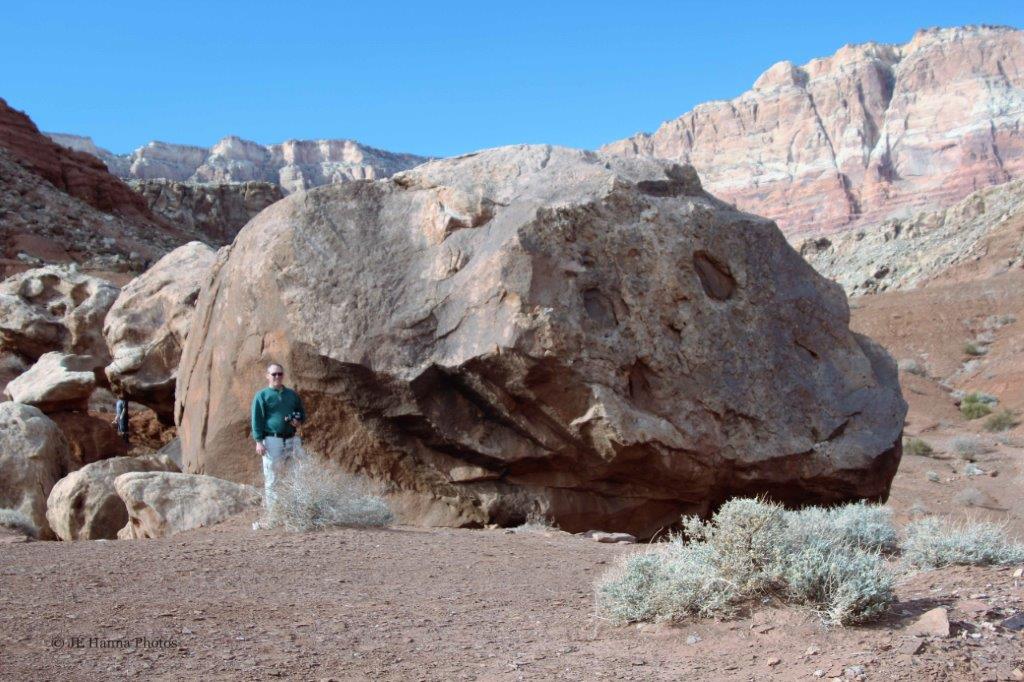
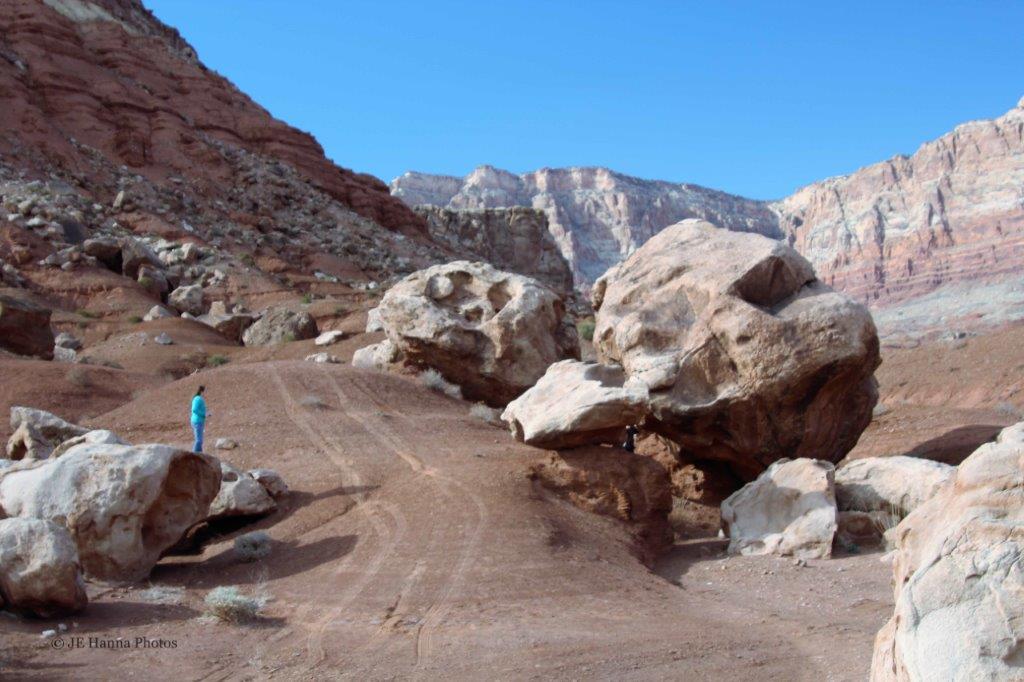
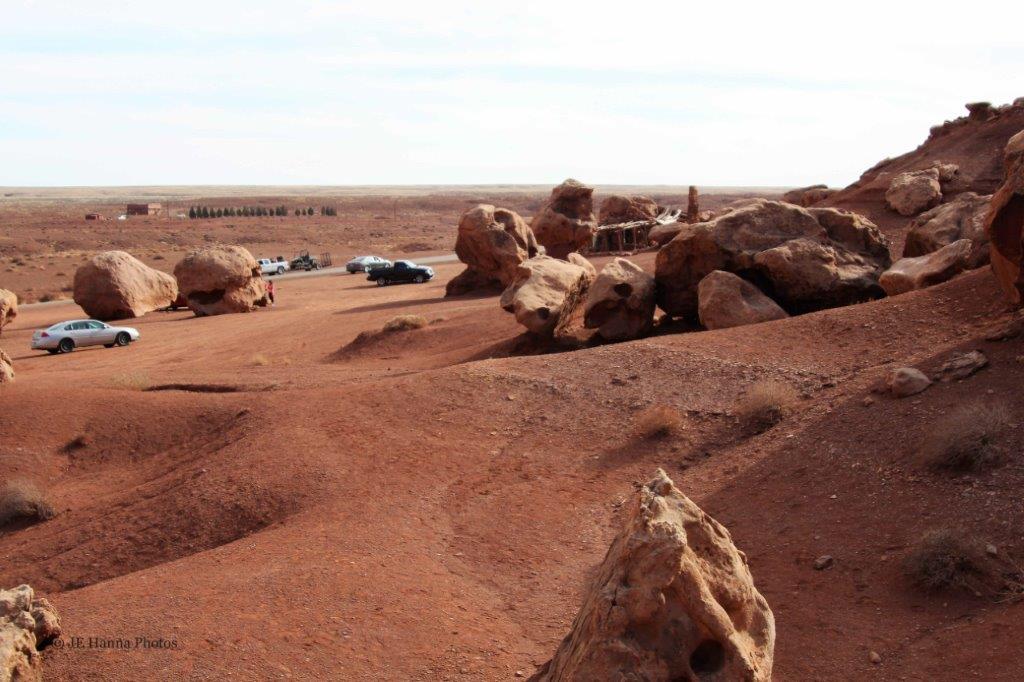
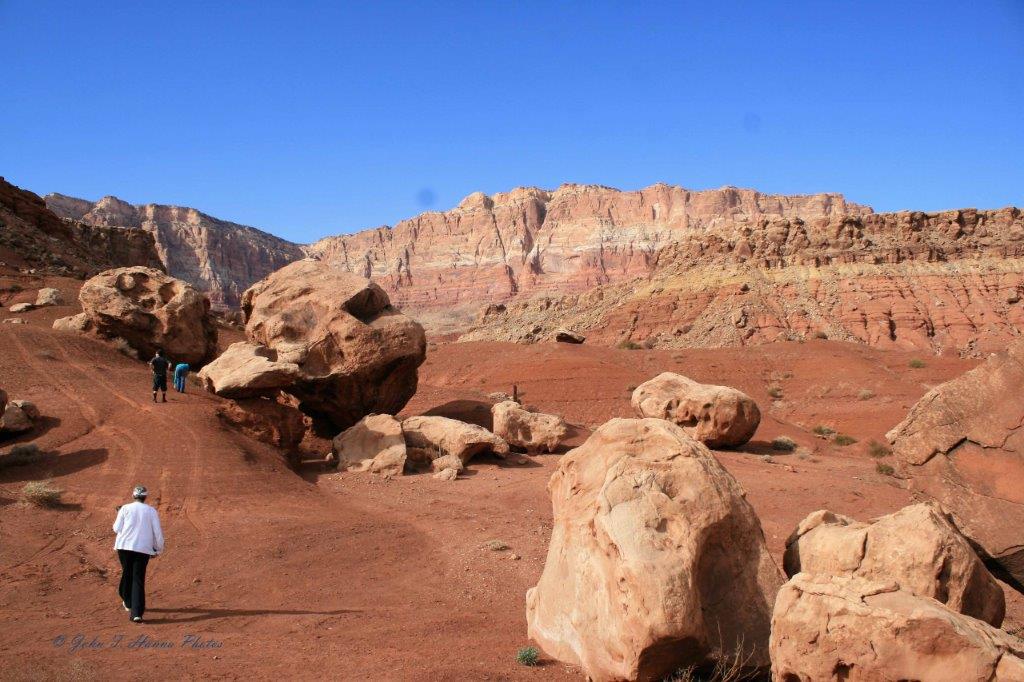
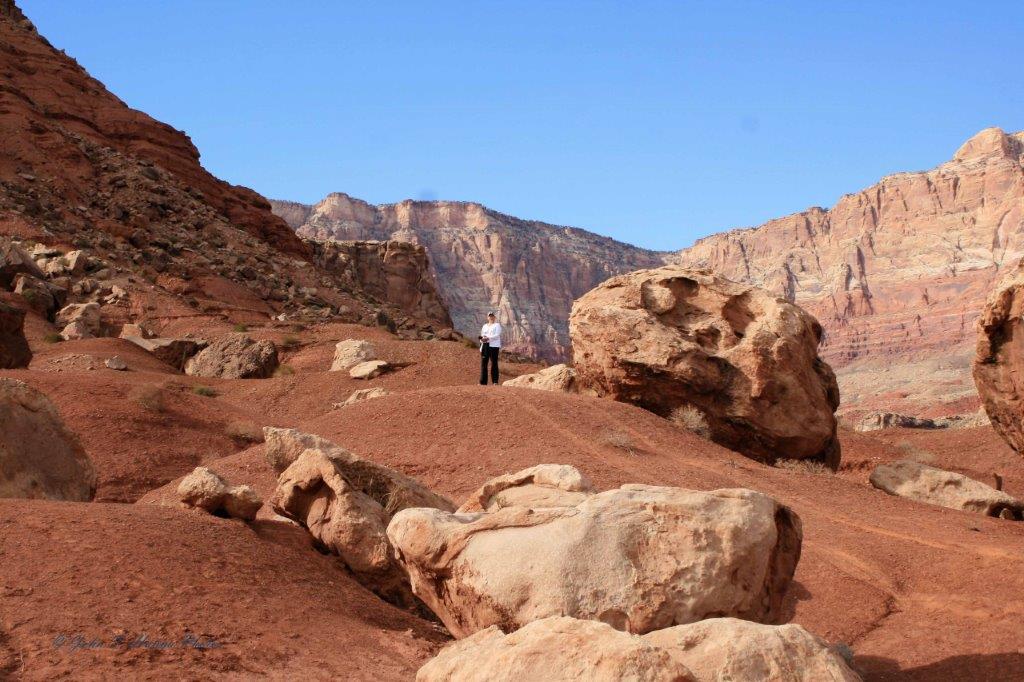
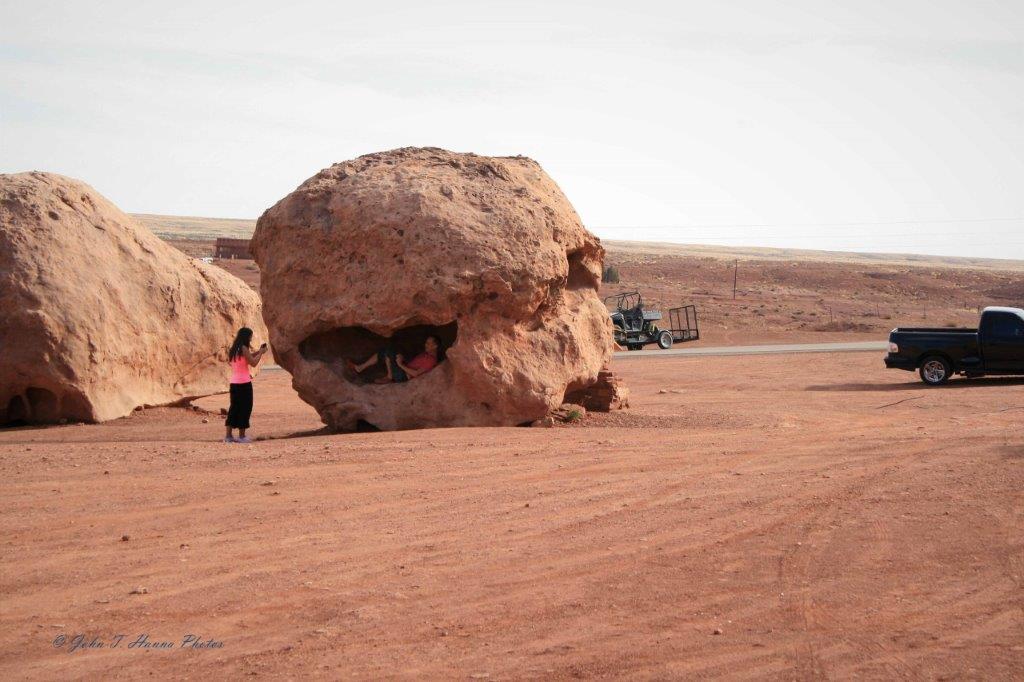
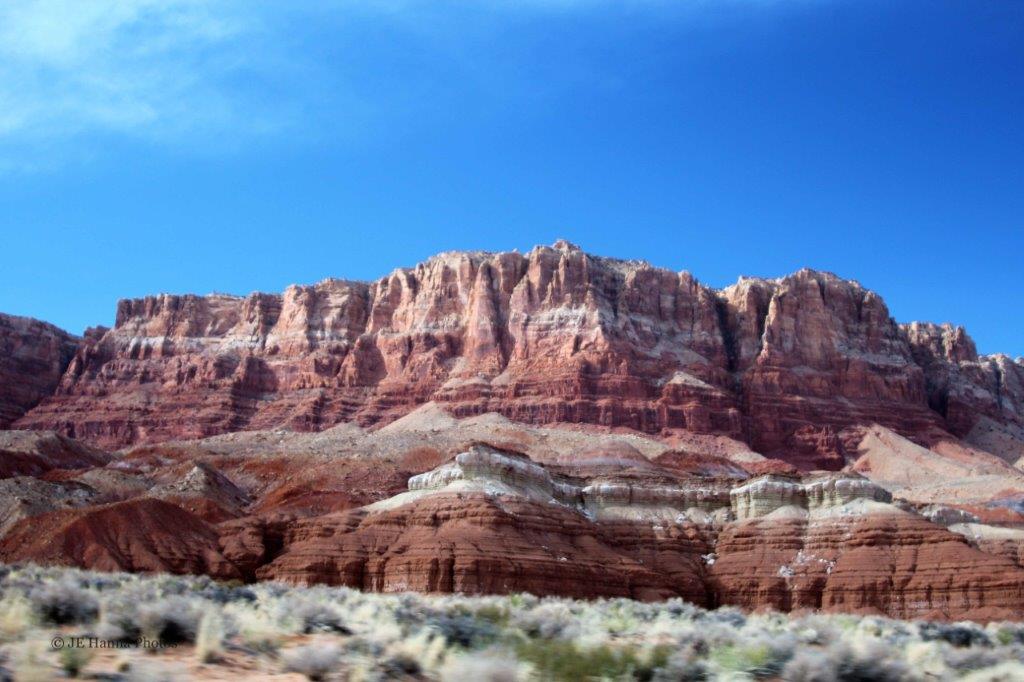
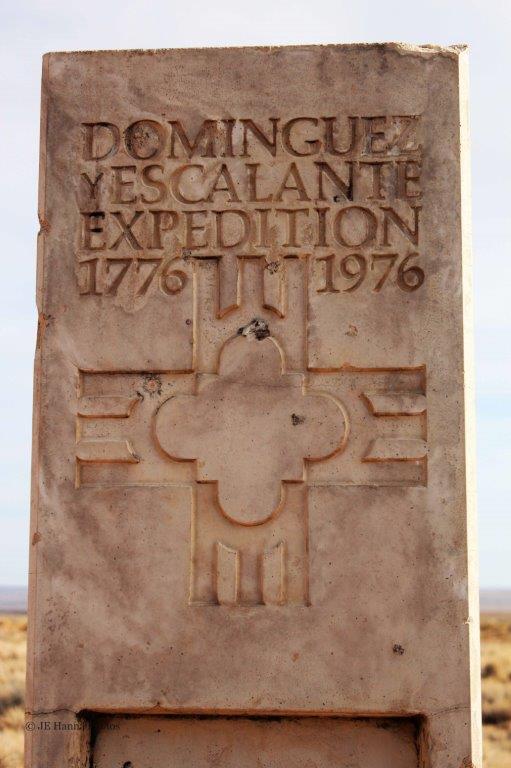
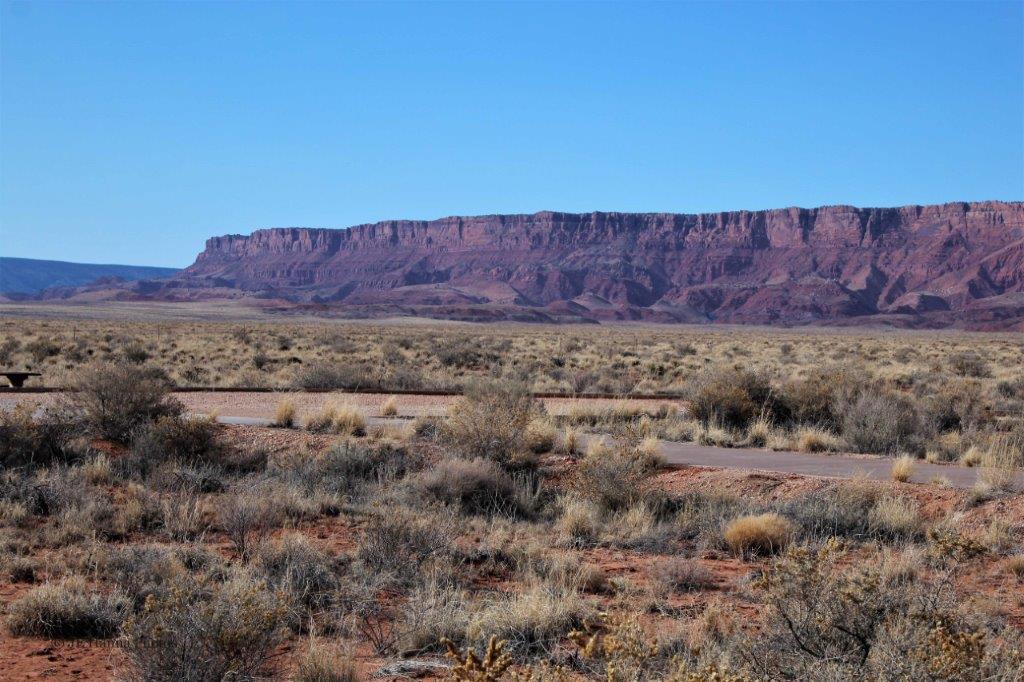
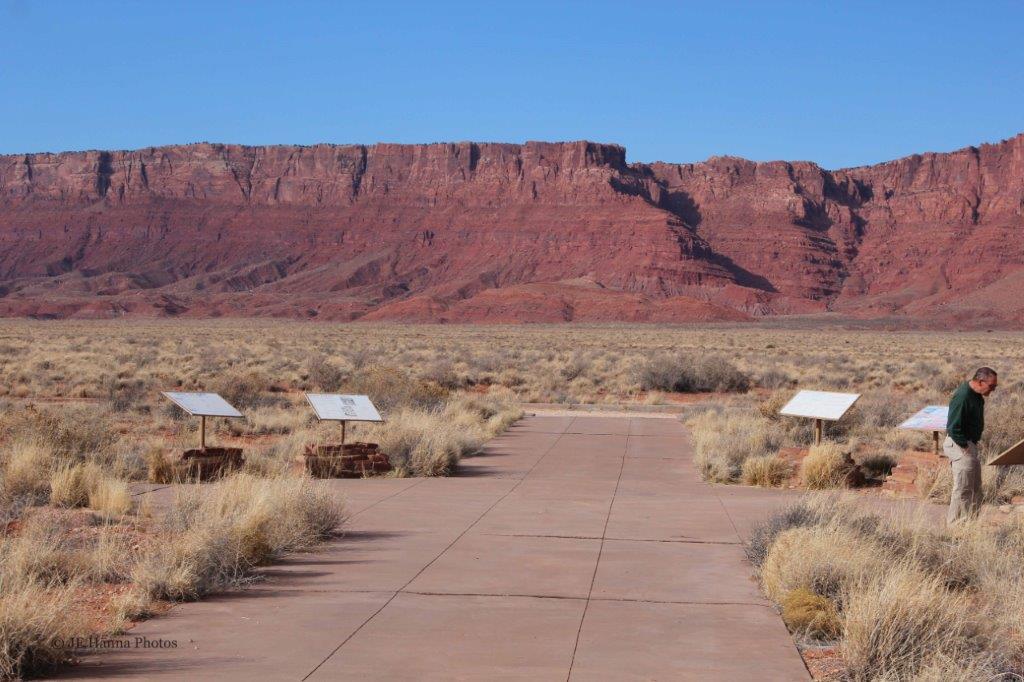
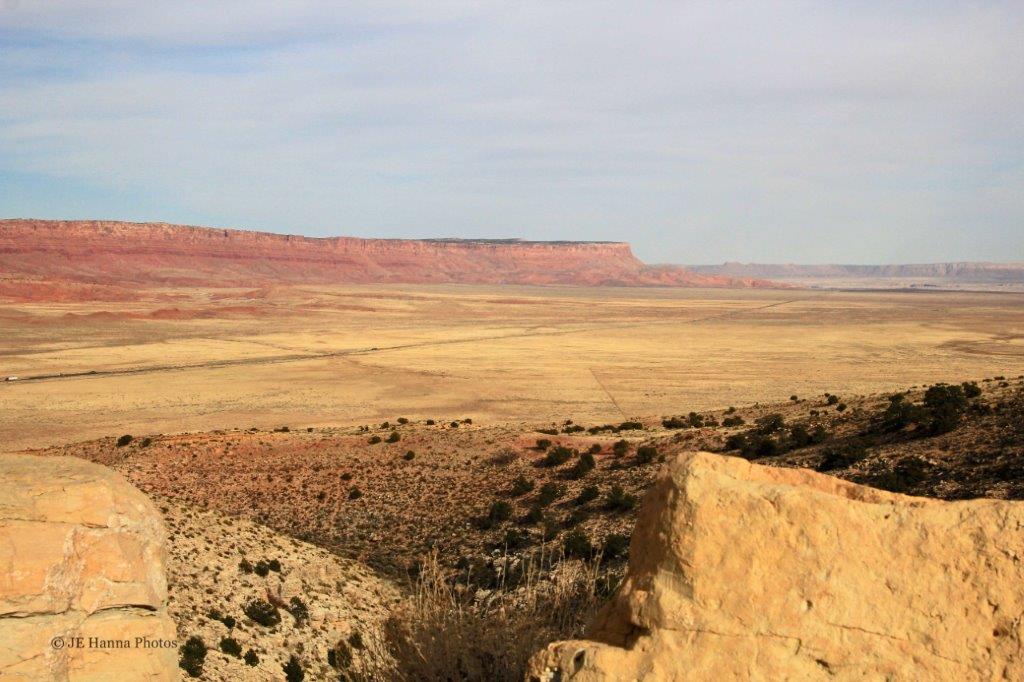
Highway 89 North takes you through the Painted Desert, a section of very aptly named hills and bluffs.              Multi-layer ribbons of colour in rock.  Totally cool! After crossing the Colorado, the road climbed the Vermilion Cliffs  We were driving along, and came around a corner and off to the side of the road was a huge wide space where lived “The Cliff Dwellers.”  Some of these massive boulders are the size of a tiny house. We pulled over at an historical marker commemorating the 200th anniversary of the Domínguez–Escalante expedition, which was a Spanish journey of exploration conducted by two Franciscan priests, Atanasio Domínguez and Silvestre Vélez de Escalante (for whom Grand Staircase-Escalante National Monument is named), to find an overland route from Santa Fe, New Mexico to their Roman Catholic mission in Monterey, on the coast of northern California. Domínguez, Vélez de Escalante, and Bernardo de Miera y Pacheco, acting as the expedition’s cartographer, traveled with ten men from Santa Fe through many unexplored portions of the American West, including present-day western Colorado, Utah, and northern Arizona.
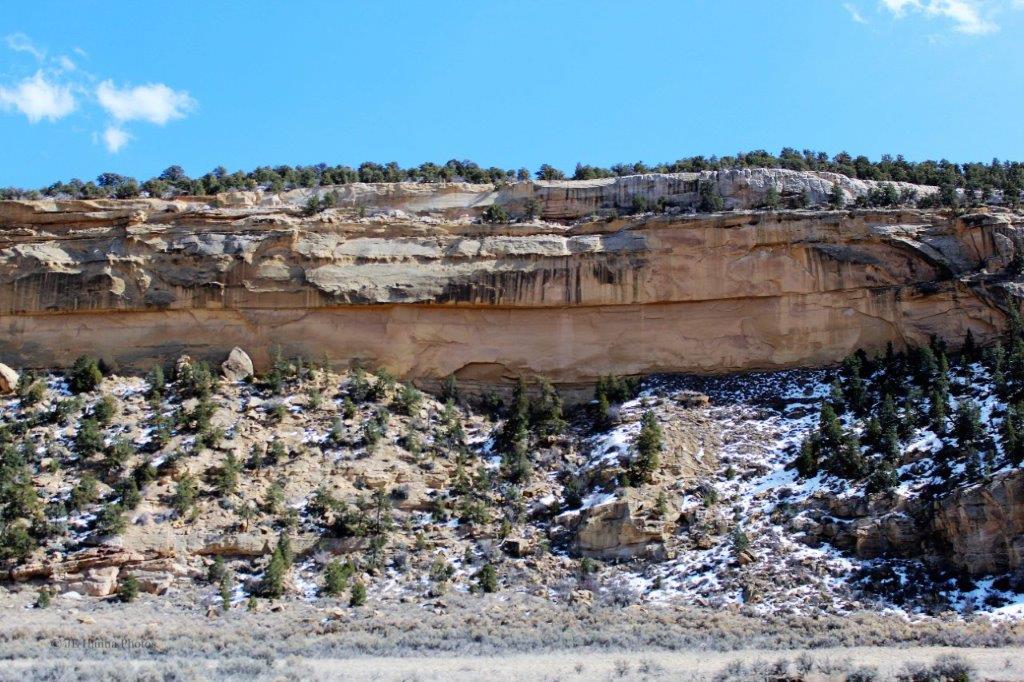
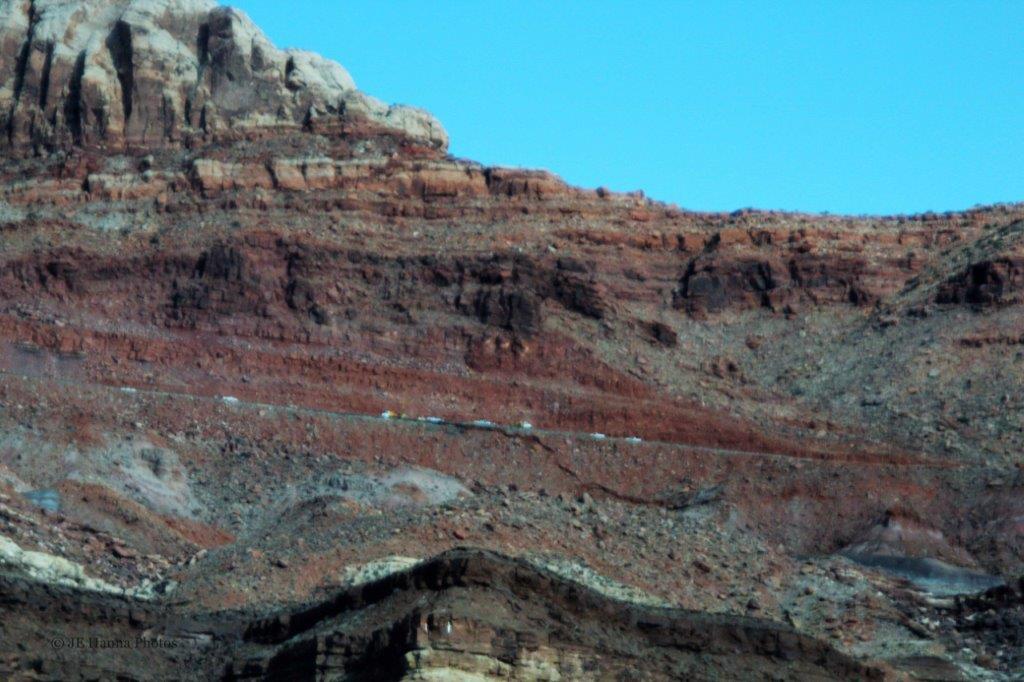
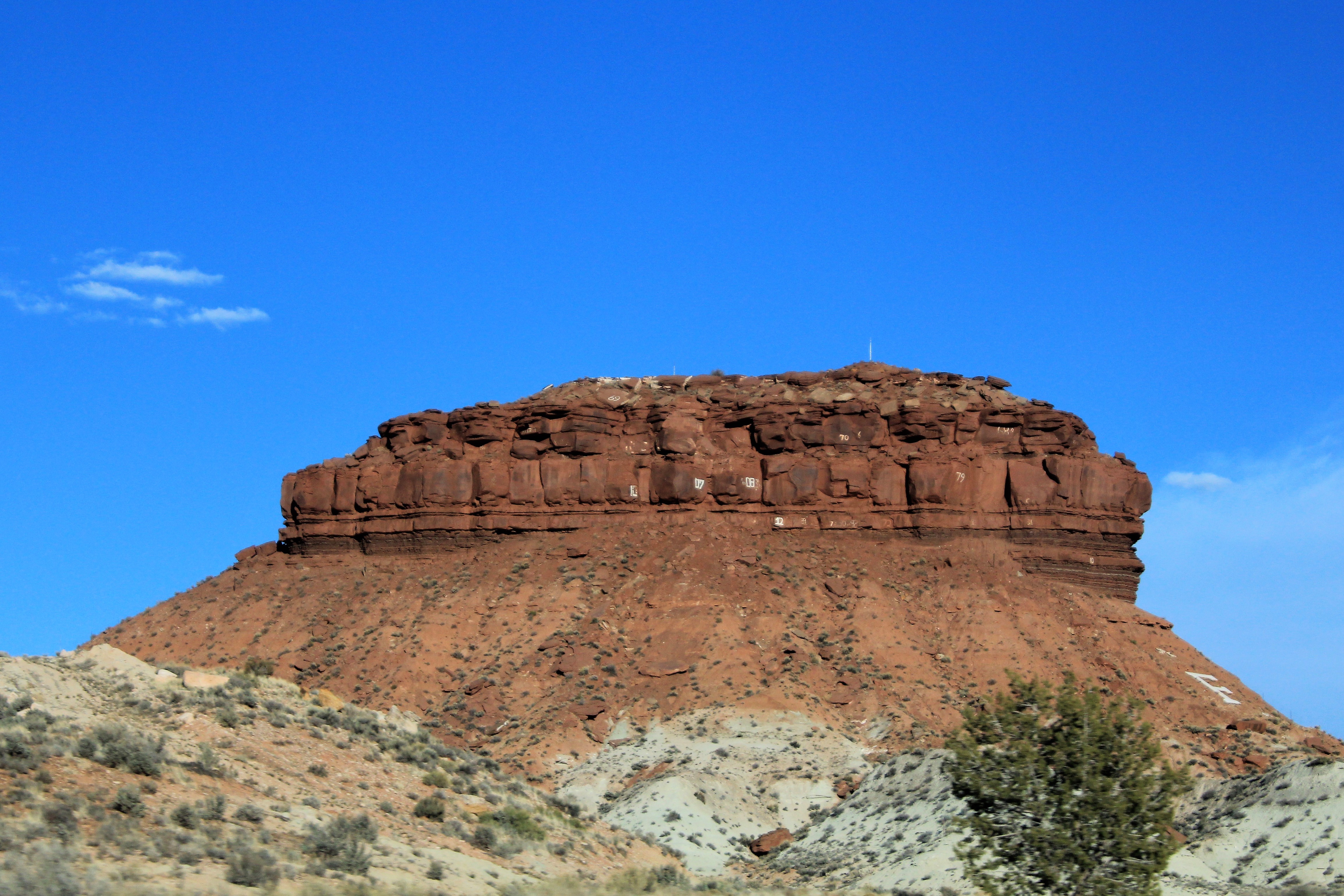
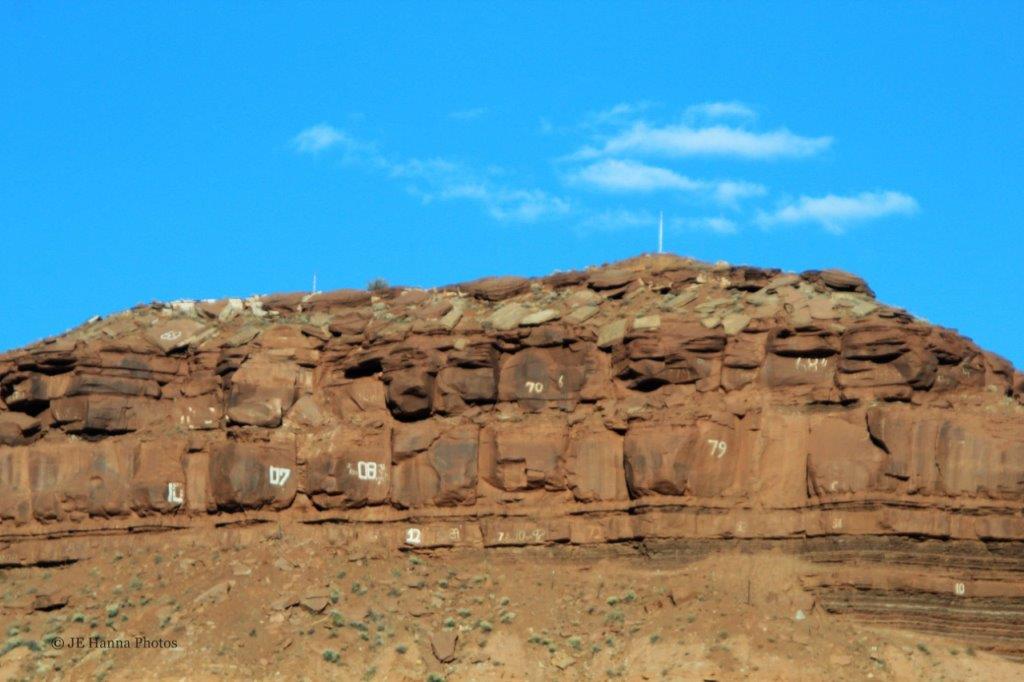
I have no idea what all the numbers on this bluff refer to.  Might be interesting to check it out.

We spent the night in Kanab, just outside the boundary of Zion National Park.

2013 March 5 – Grand Canyon to Kanab, Utah (Part 1)

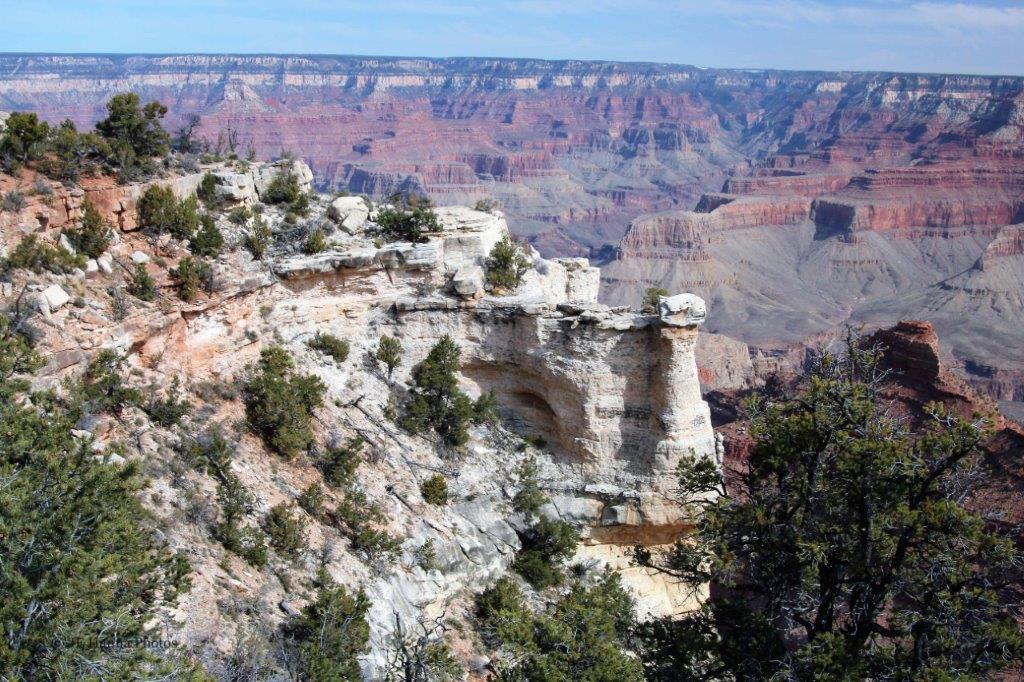
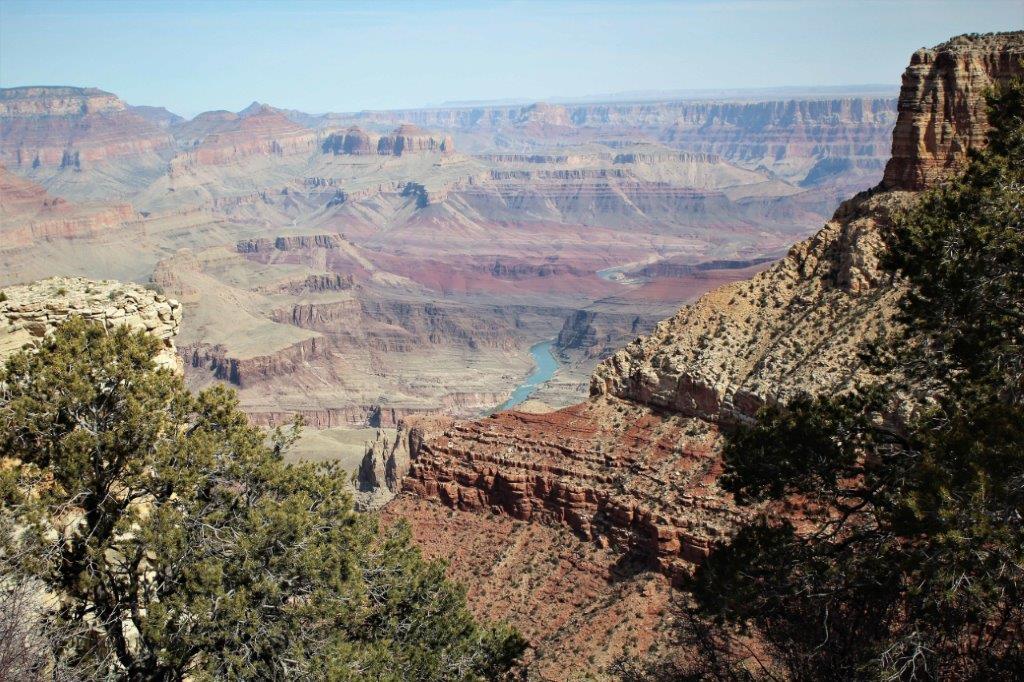
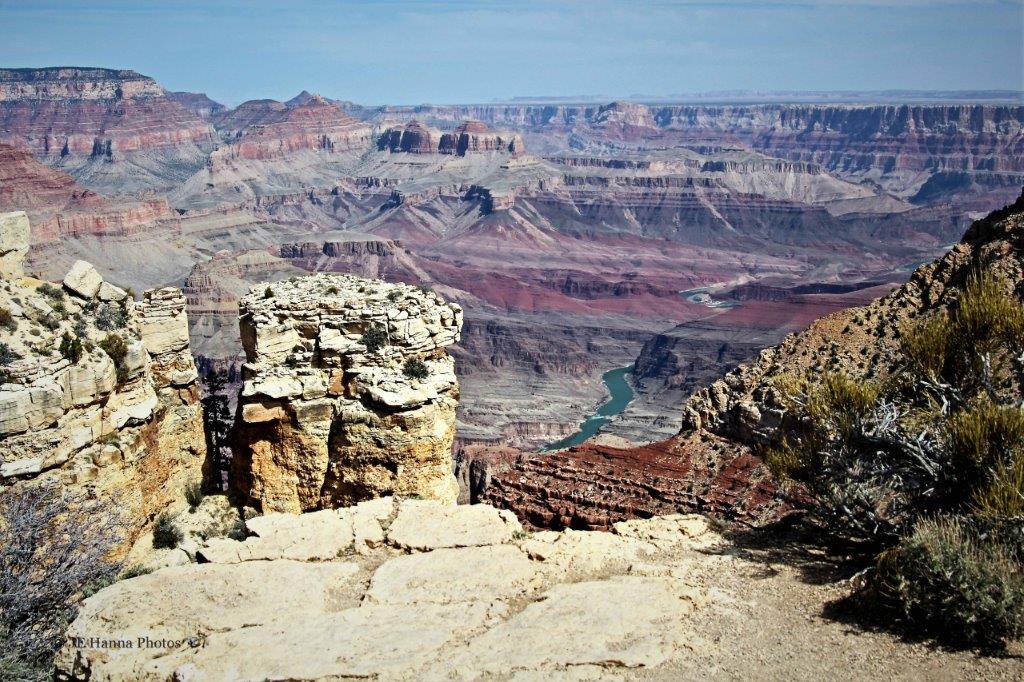
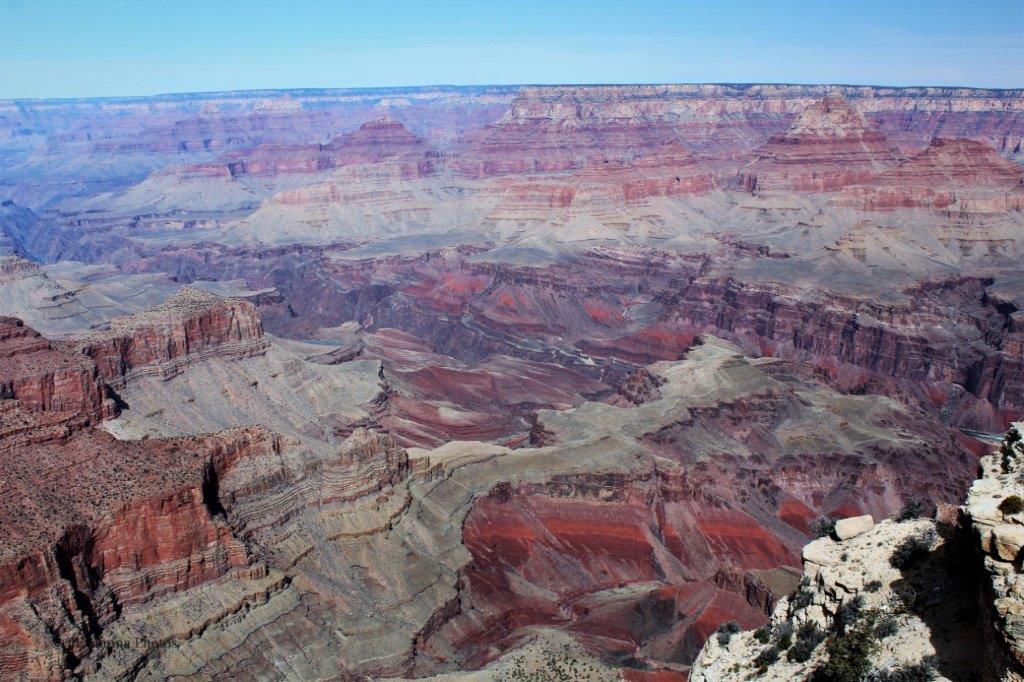
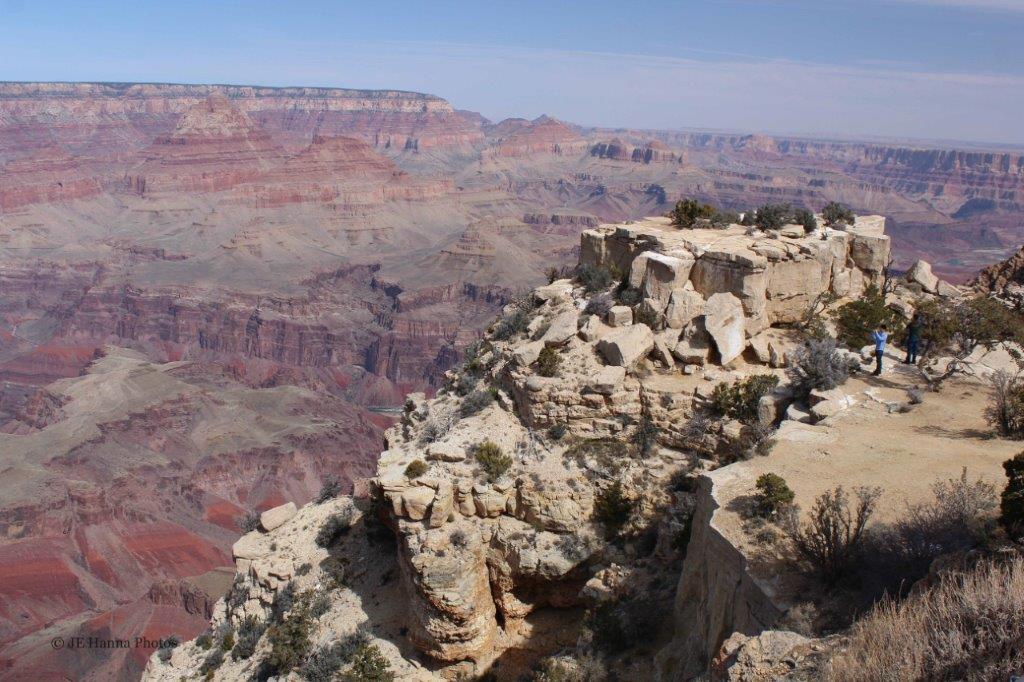
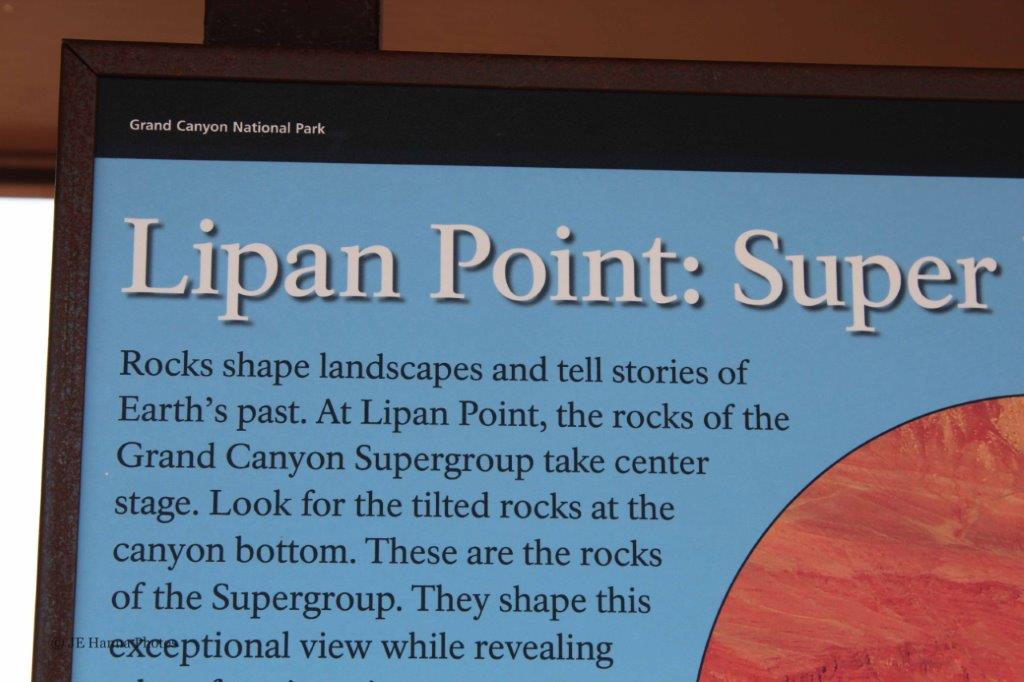
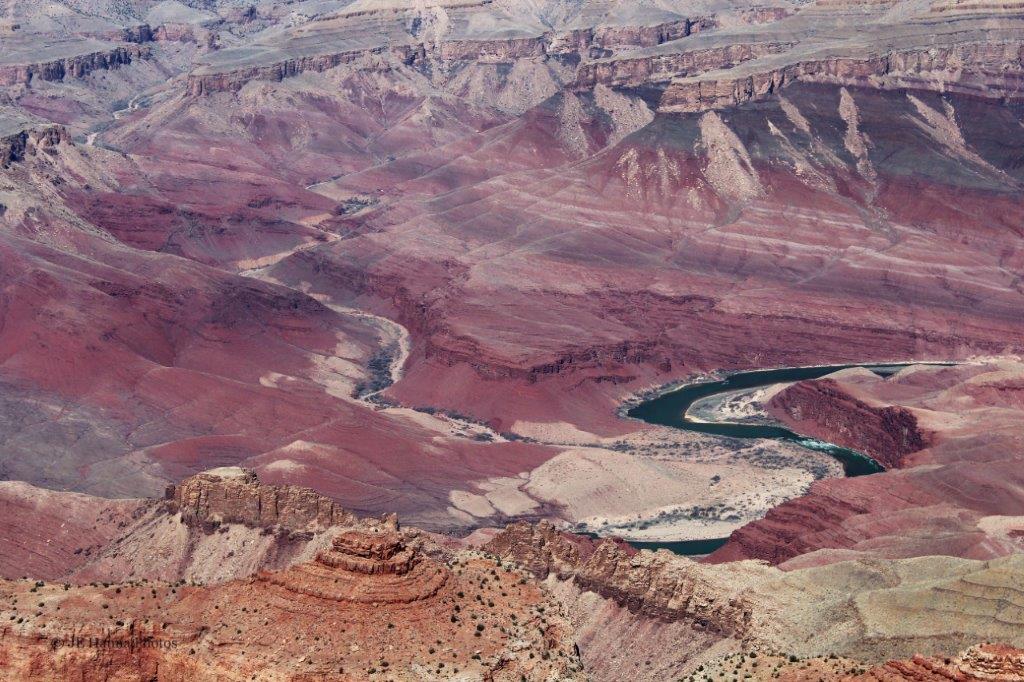
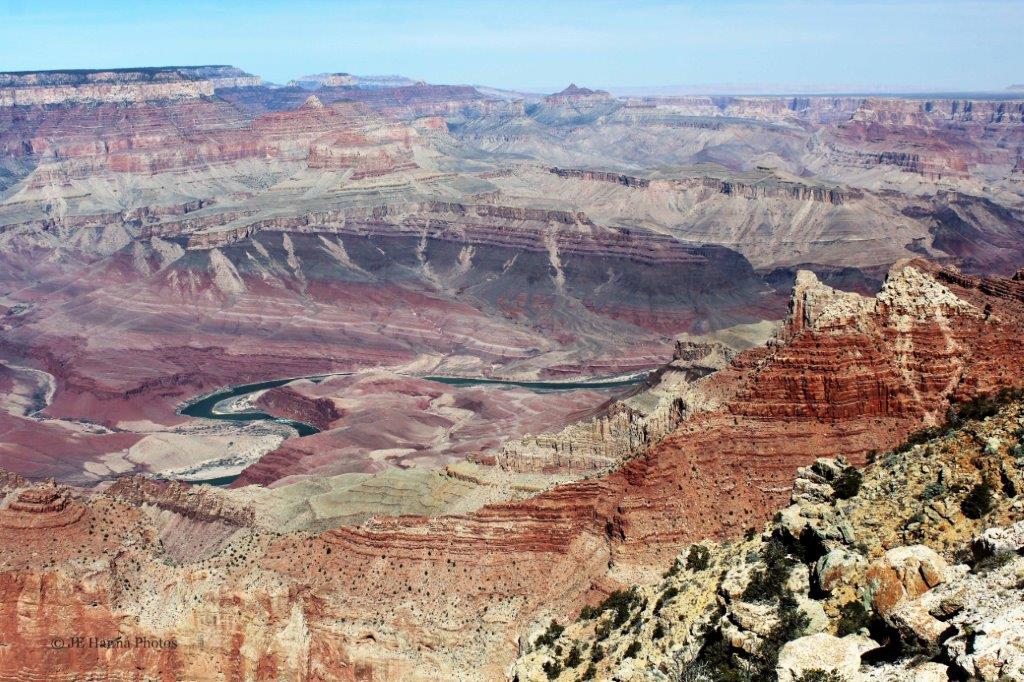
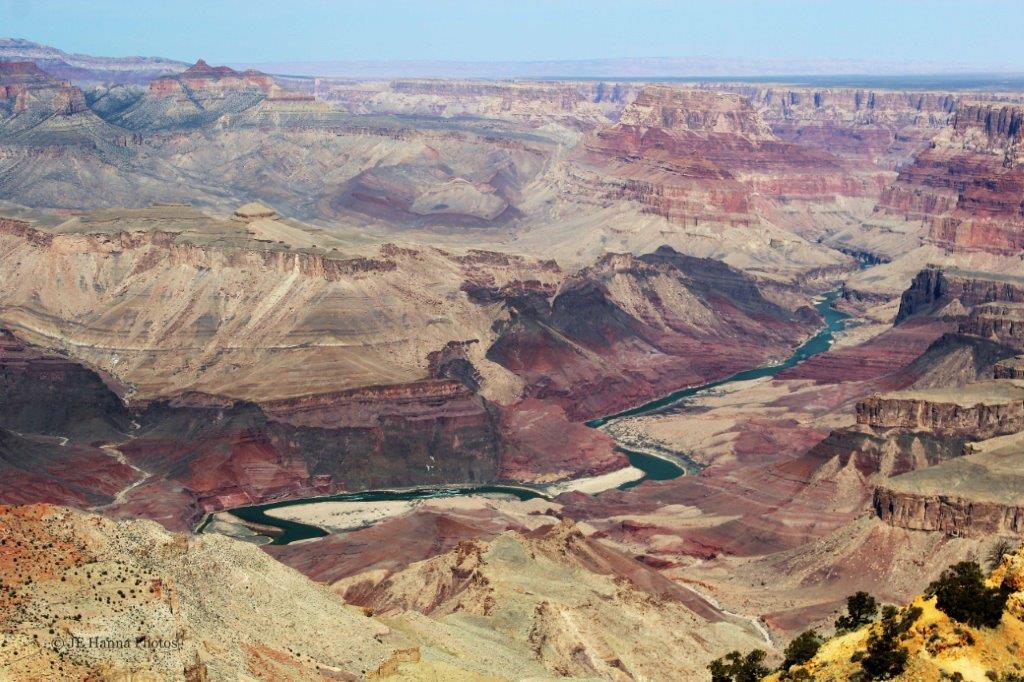
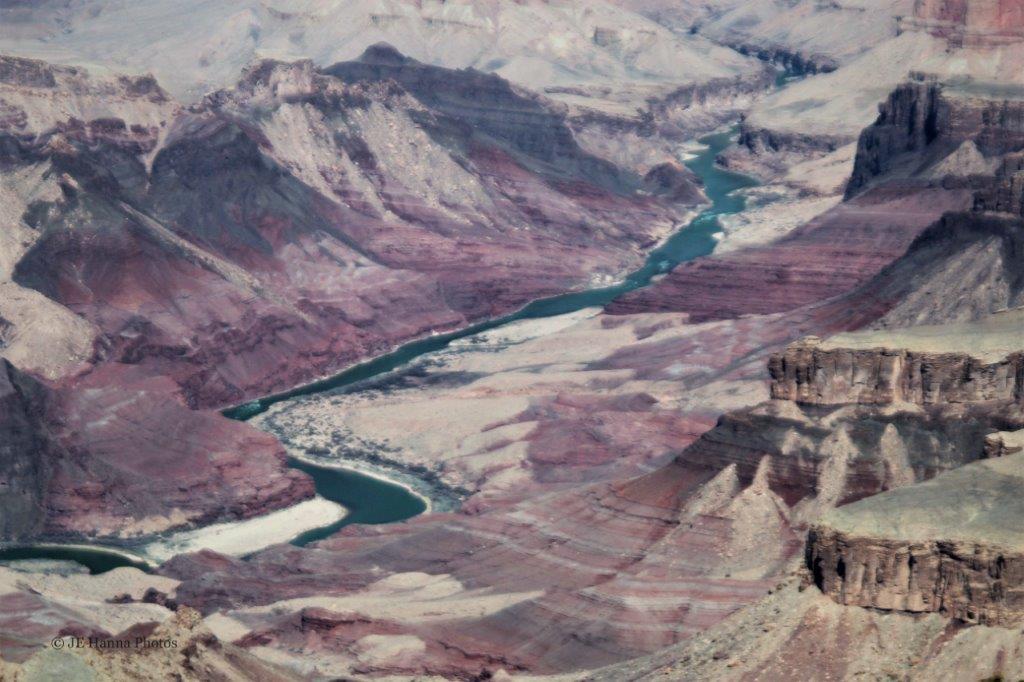
We spent our second day at the Grand Canyon touring the eastern part of the South Rim.  We took the Park Shuttle to Yaki Point and worked our way back to the Visitor’s Center where we had parked our car after checking out of the hotel. The shuttle picked us up and took us to Pipecreek Vista. From Pipecreek Vista we walked the Rim Trail back to the Visitor’s Center, collected our car and drove along Desert View Drive, with stops at Grandview Point, Moran Point, and Lipan Point.

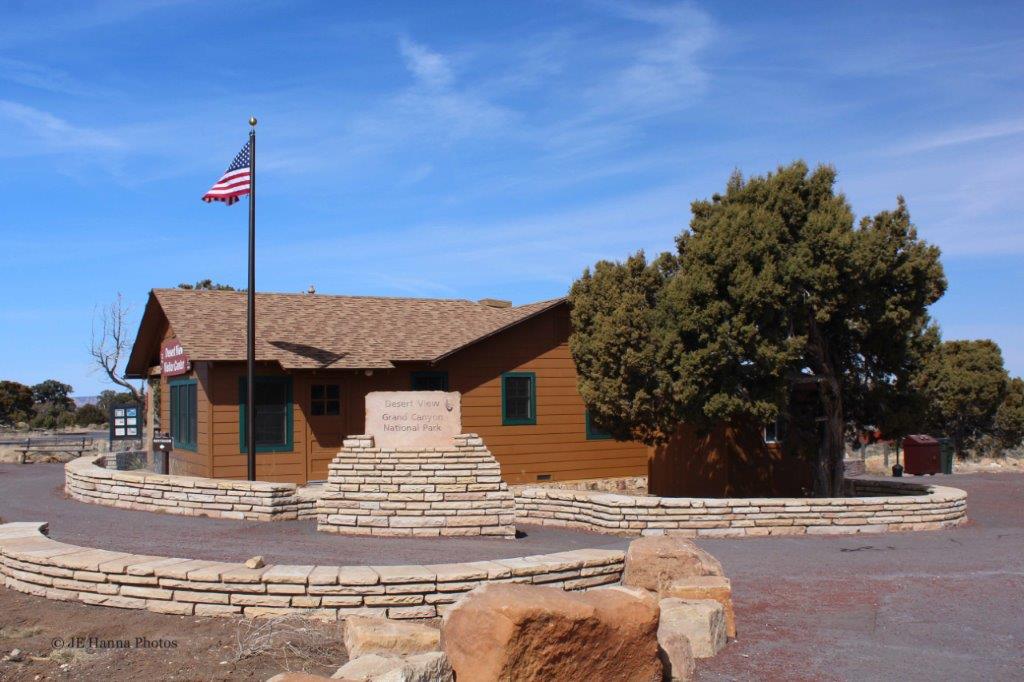
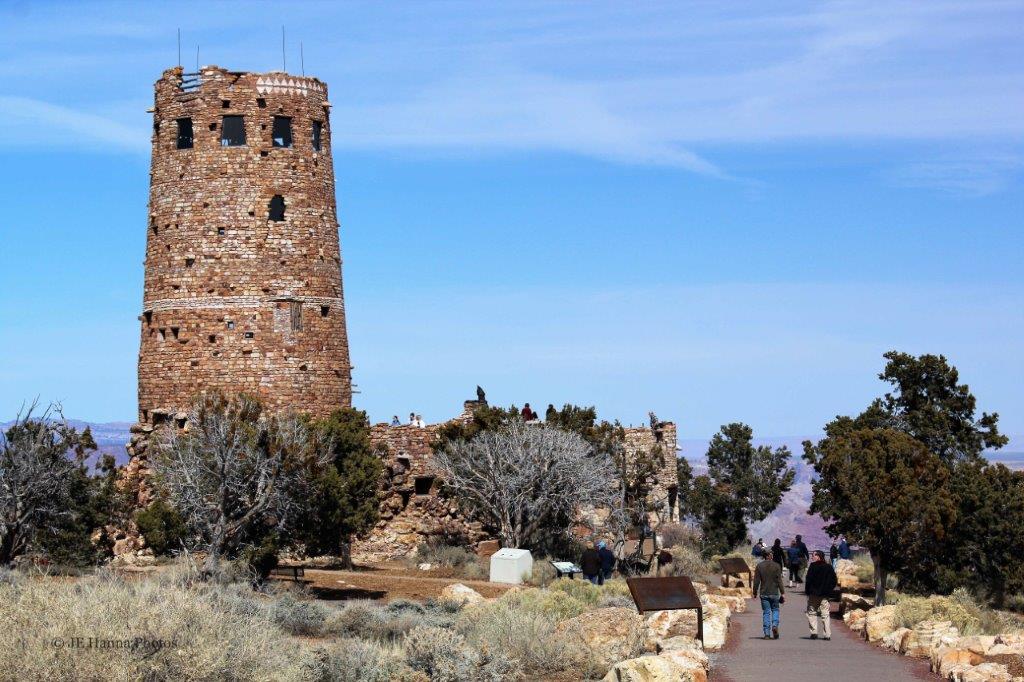
The Visitor’s Center and Watchtower at Desert View near the East Entrance to the Park.

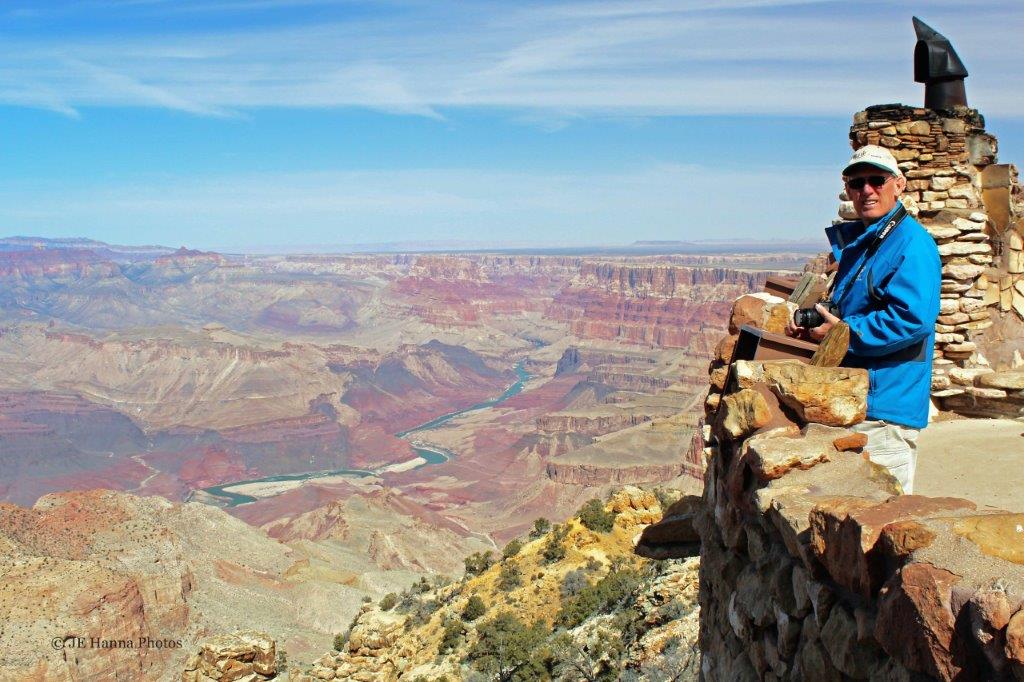
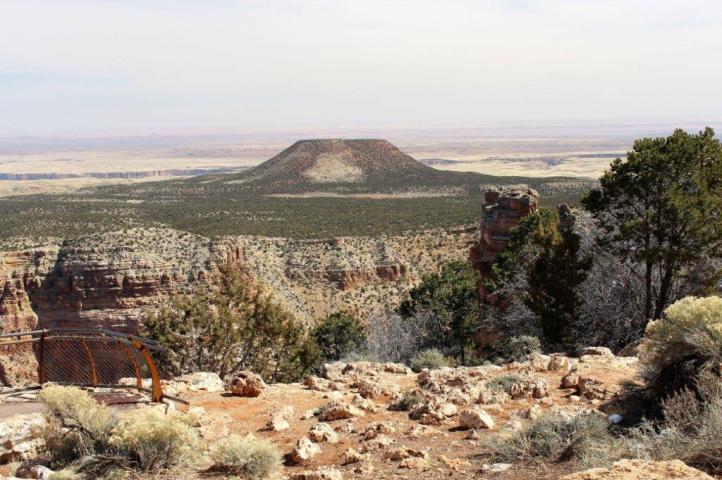
                In some ways the photos just look phony.

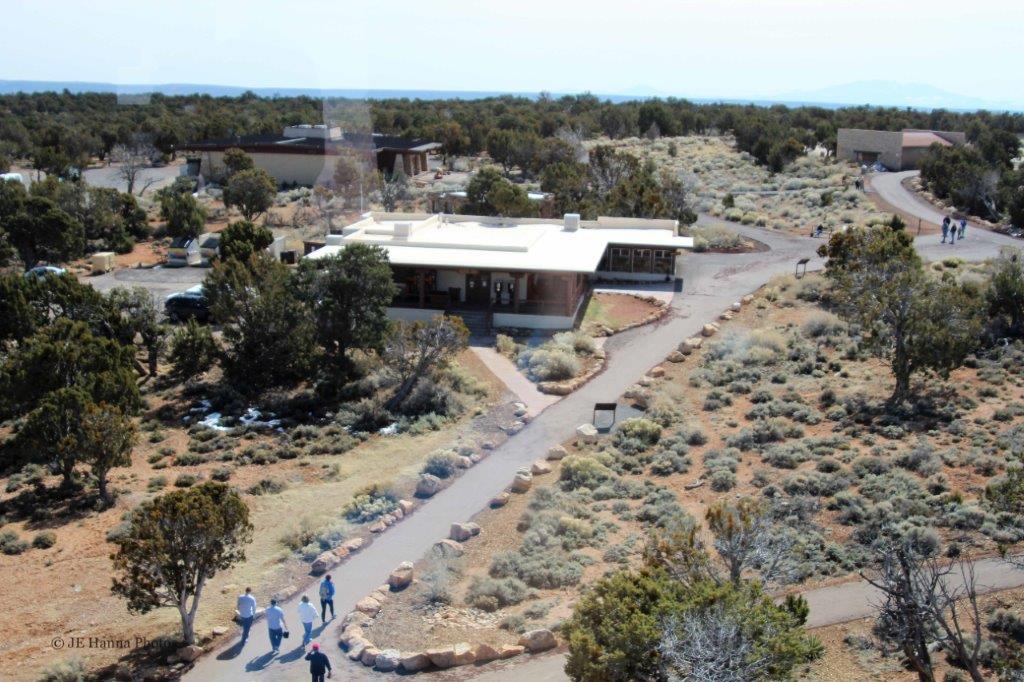
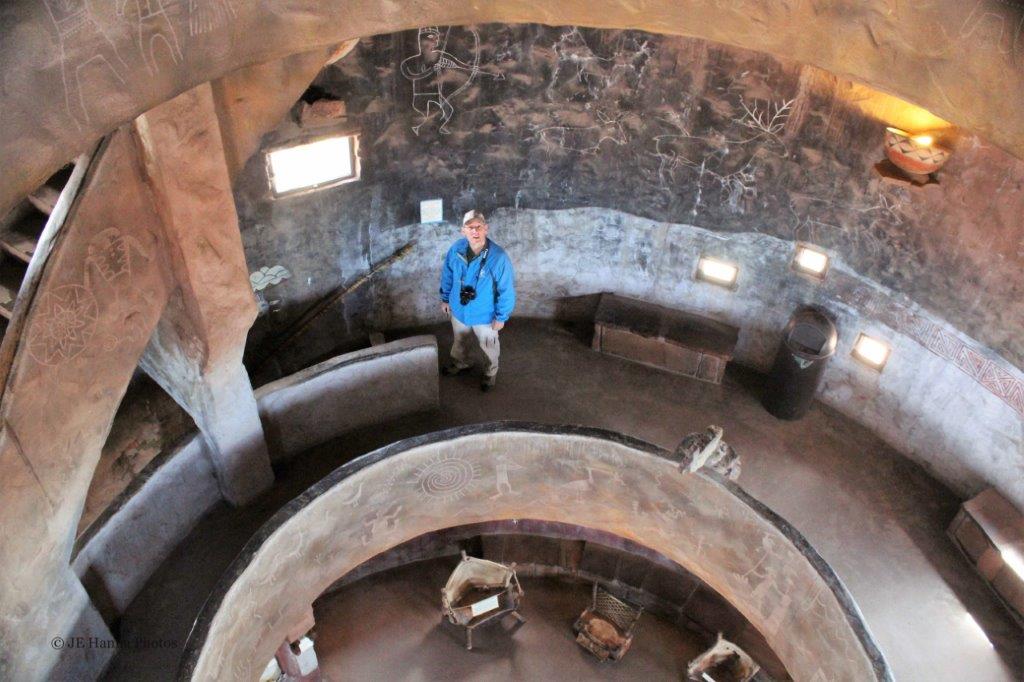
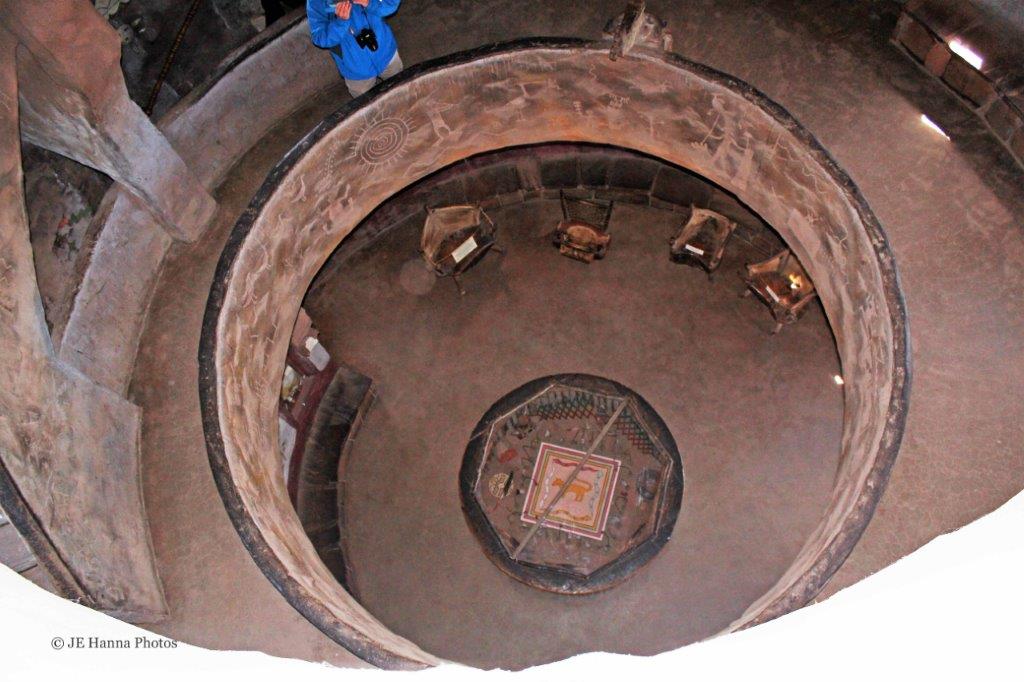
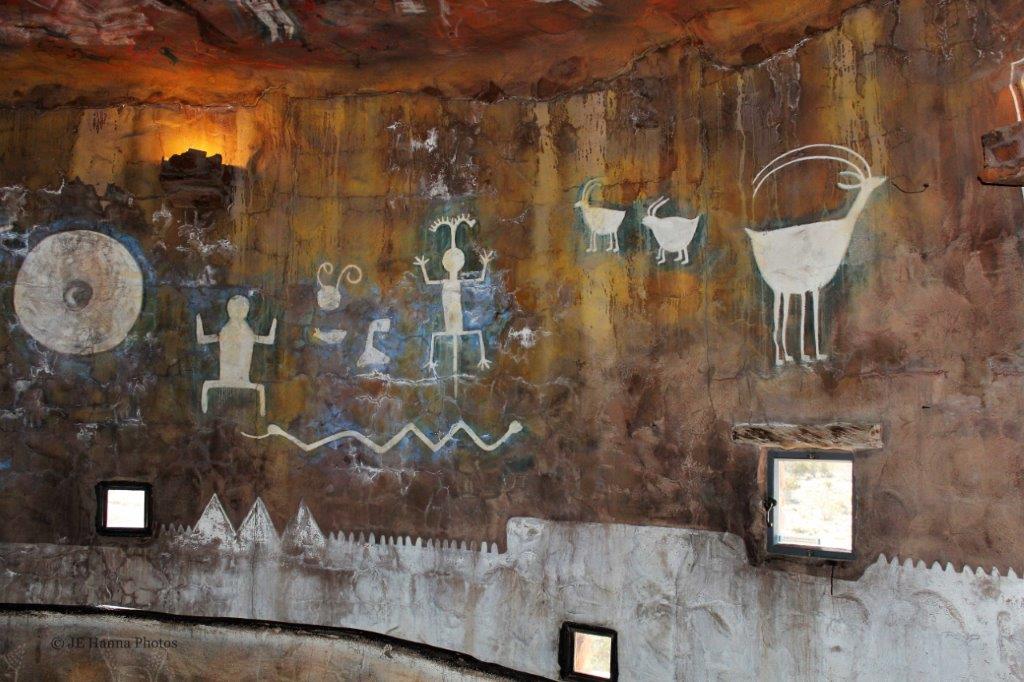
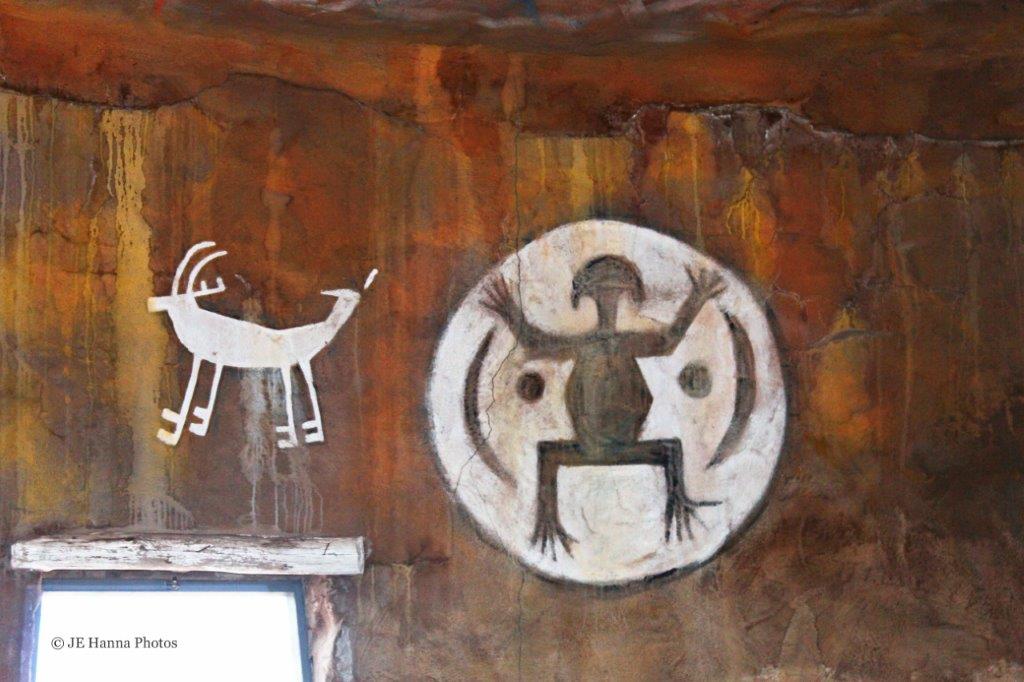
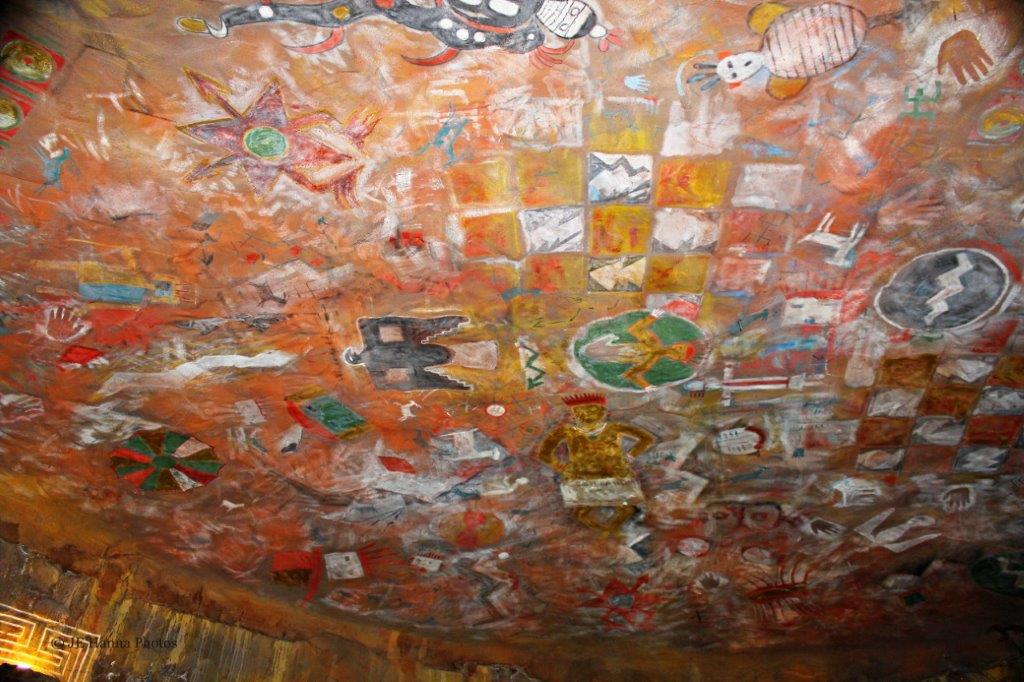
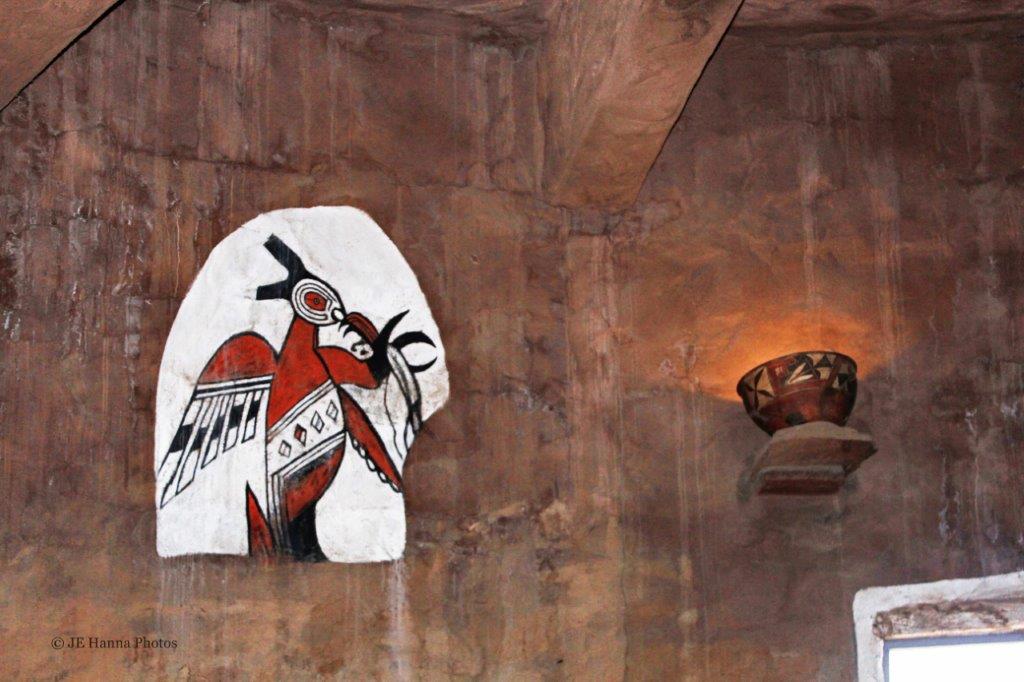
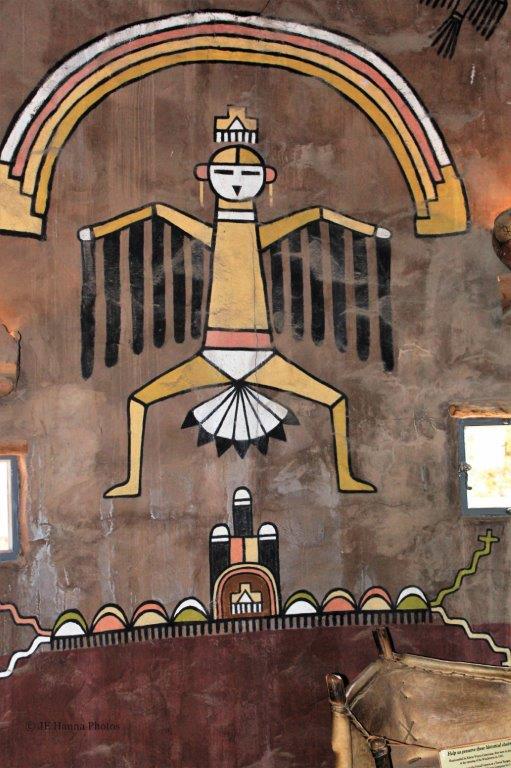
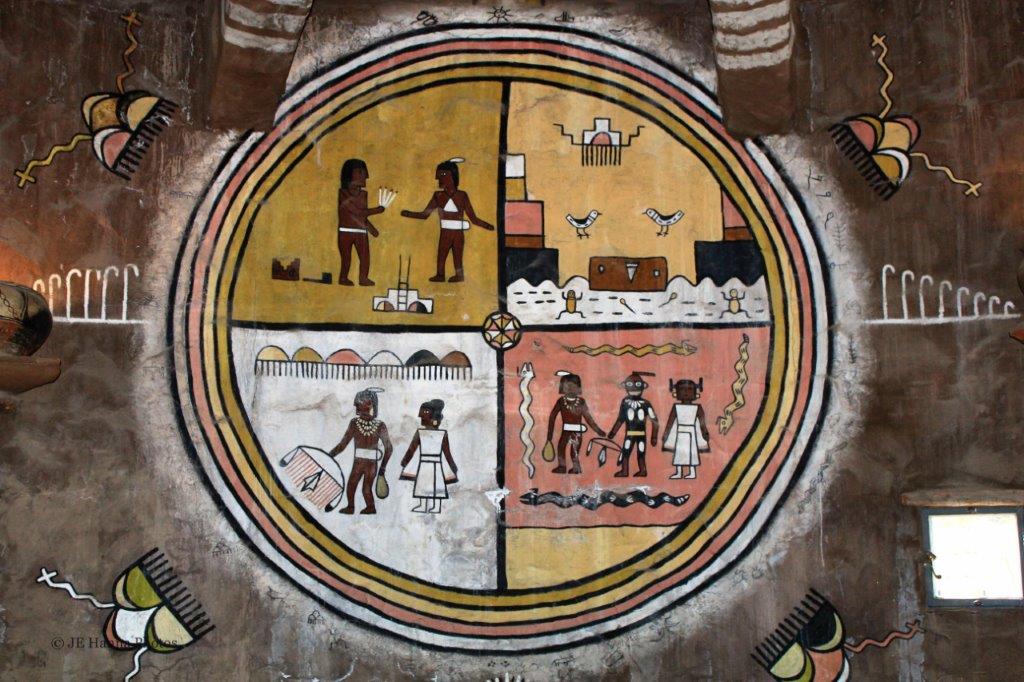
Looking down on the Visitor’s Center from the watchtower at Desert View.  The watchtower was a mini-museum featuring Navajo art. We exited Grand Canyon National Park at the East Entrance and headed north along Highway 89 toward Kanab, Utah where we were to spend the night before embarking on our journey through the five National Parks in southern Utah.

2013 March 3-5 – San Diego to Grand Canyon

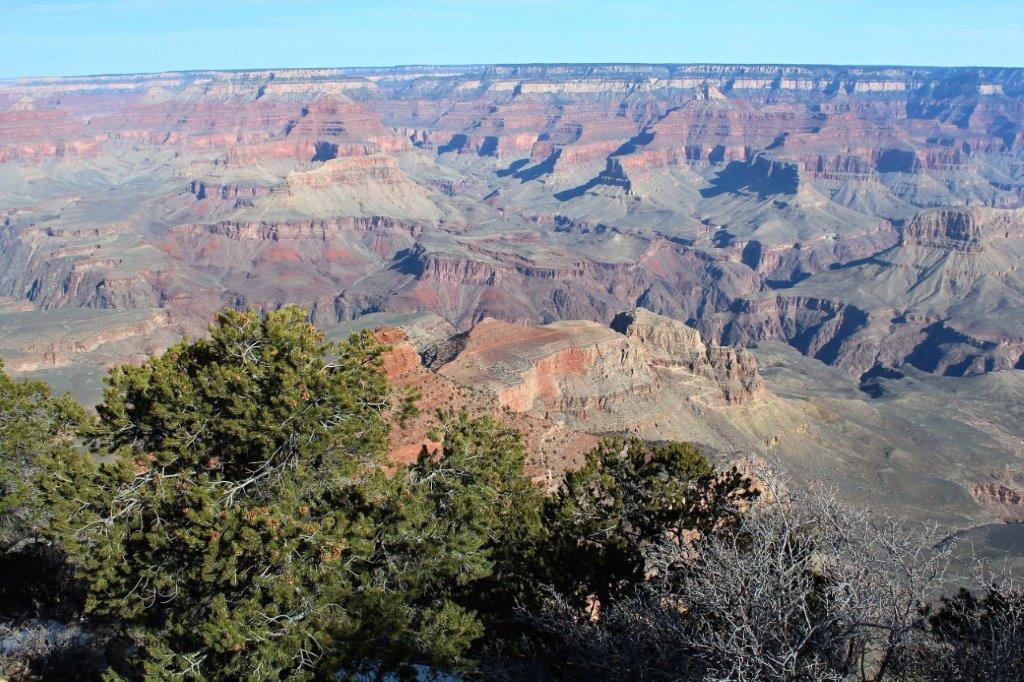
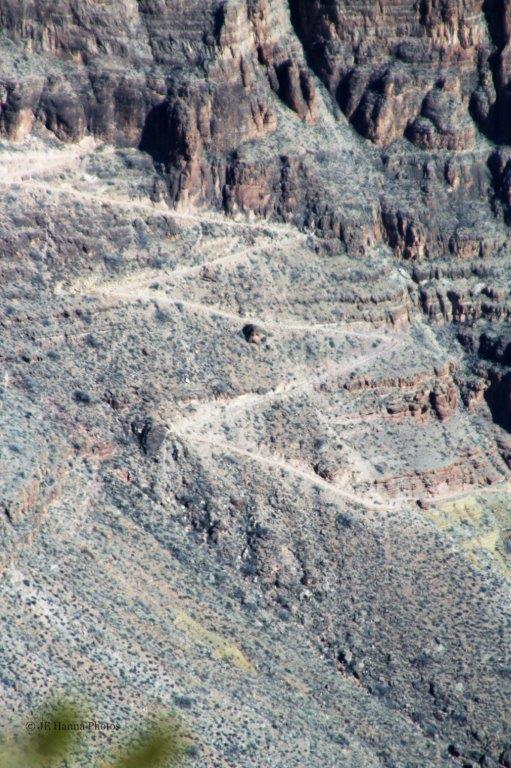
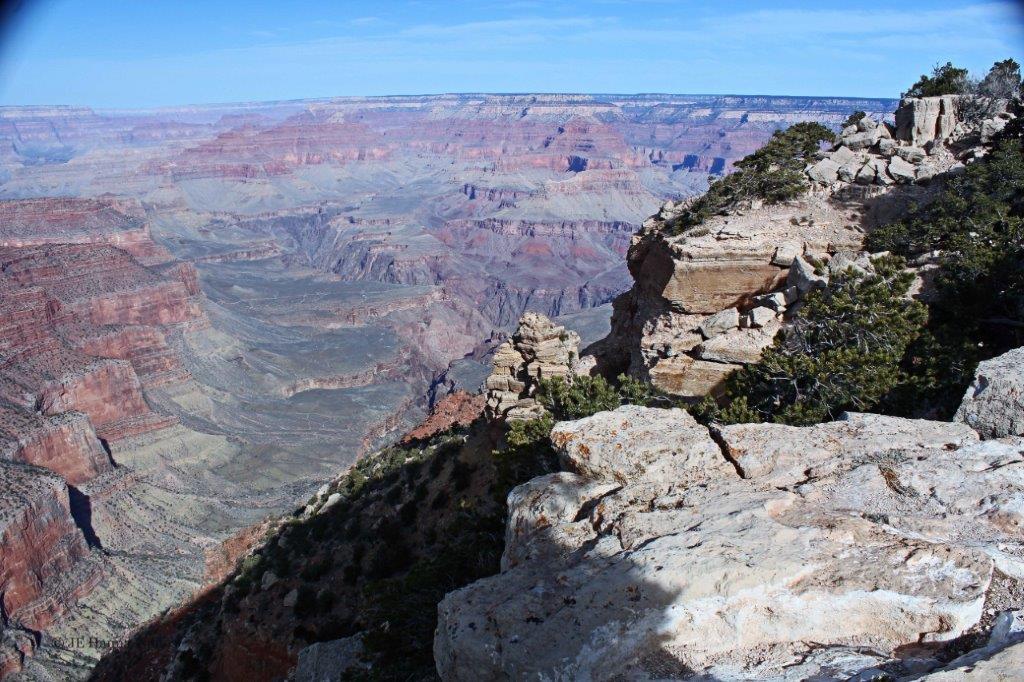
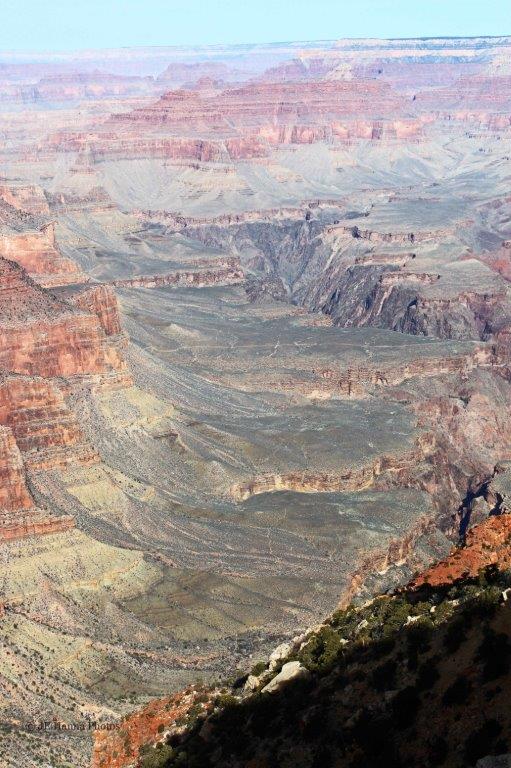
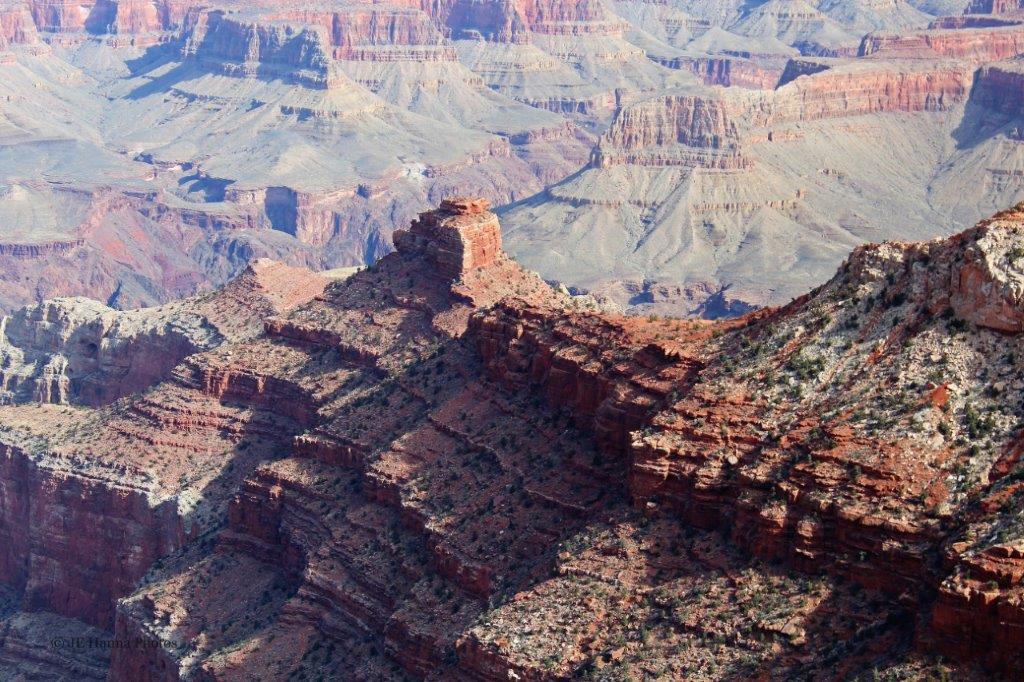
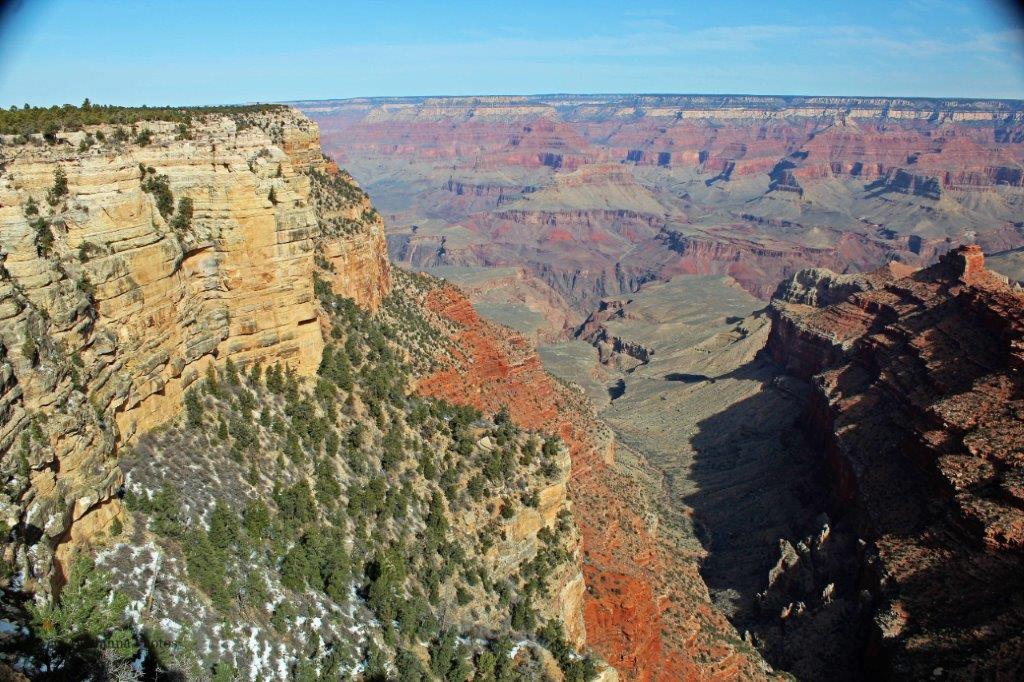
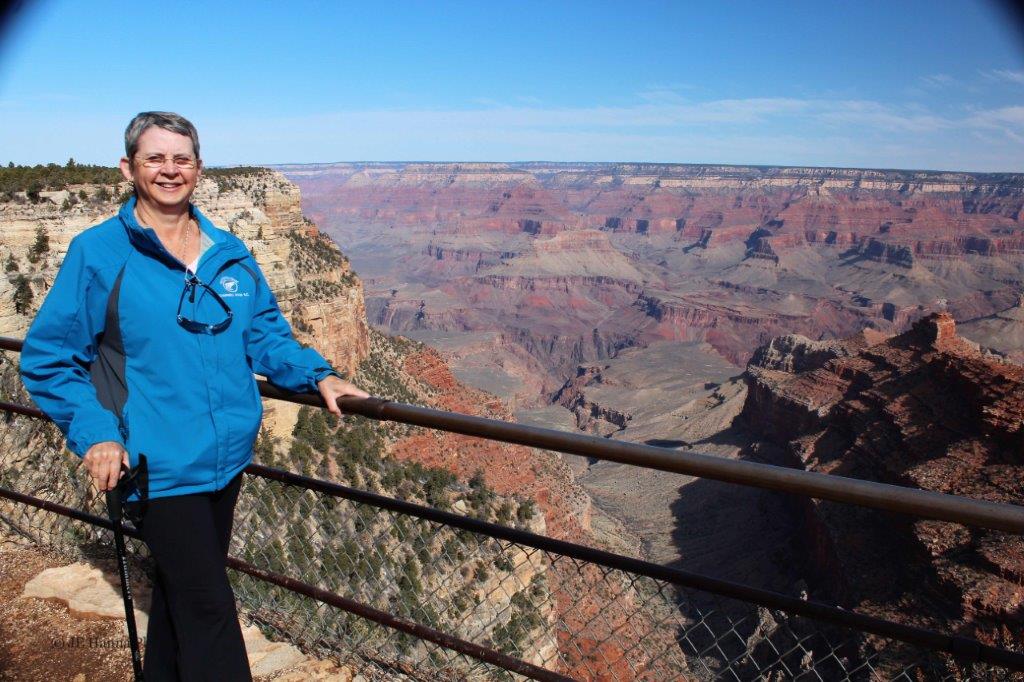
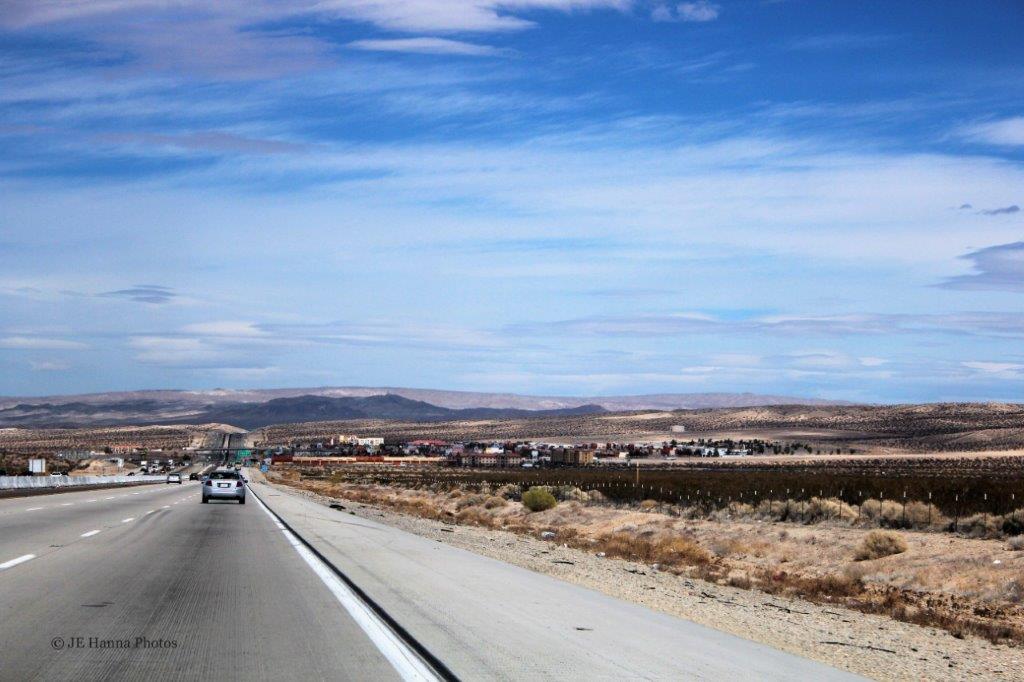
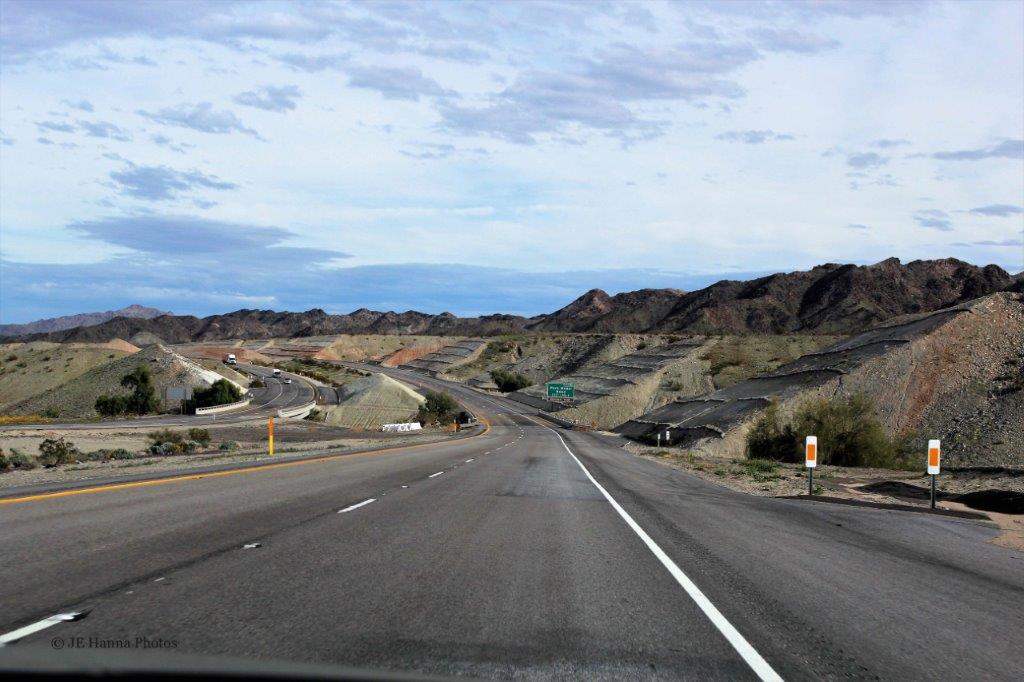
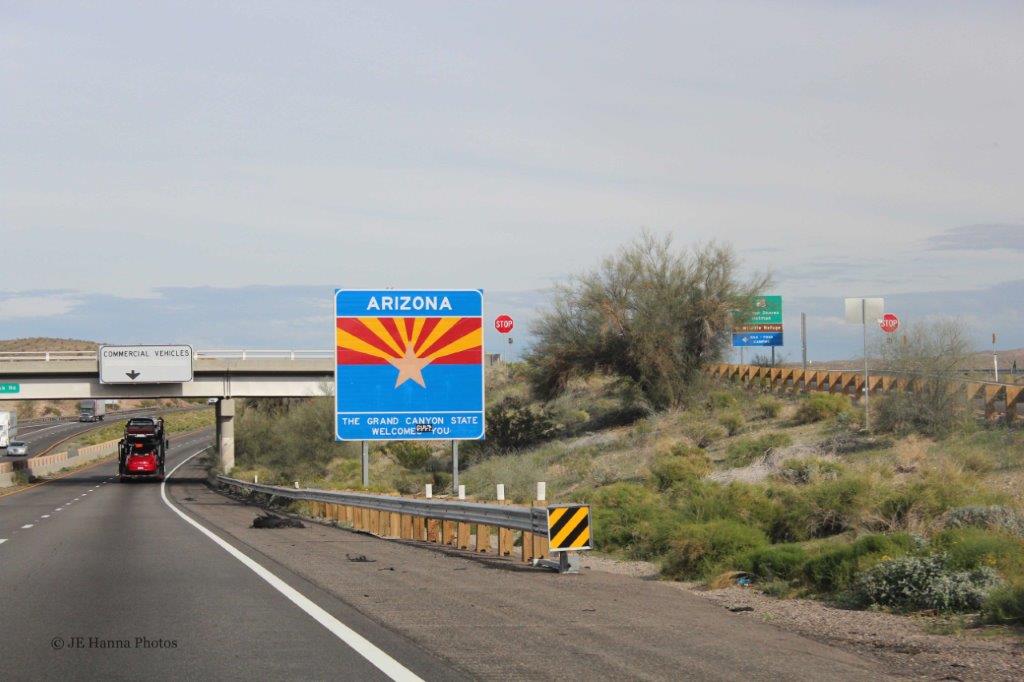
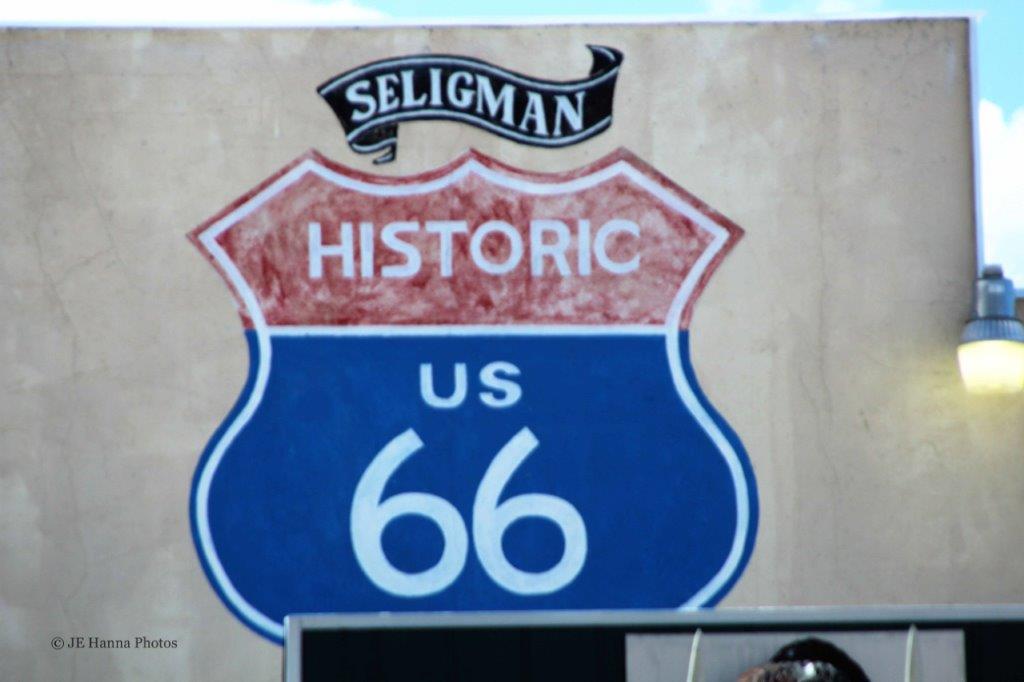
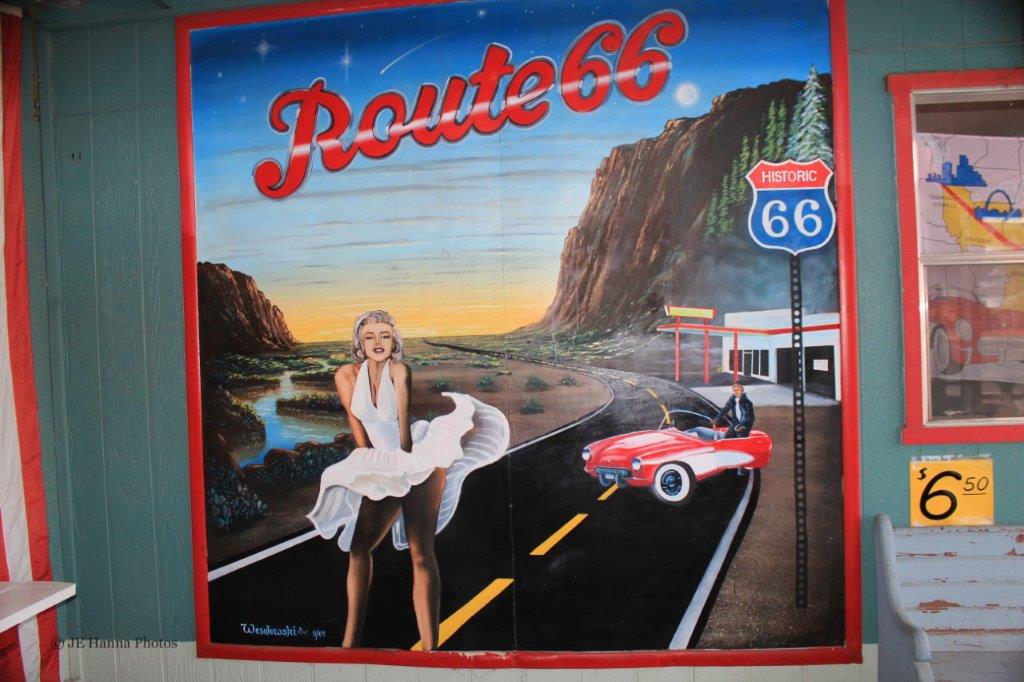
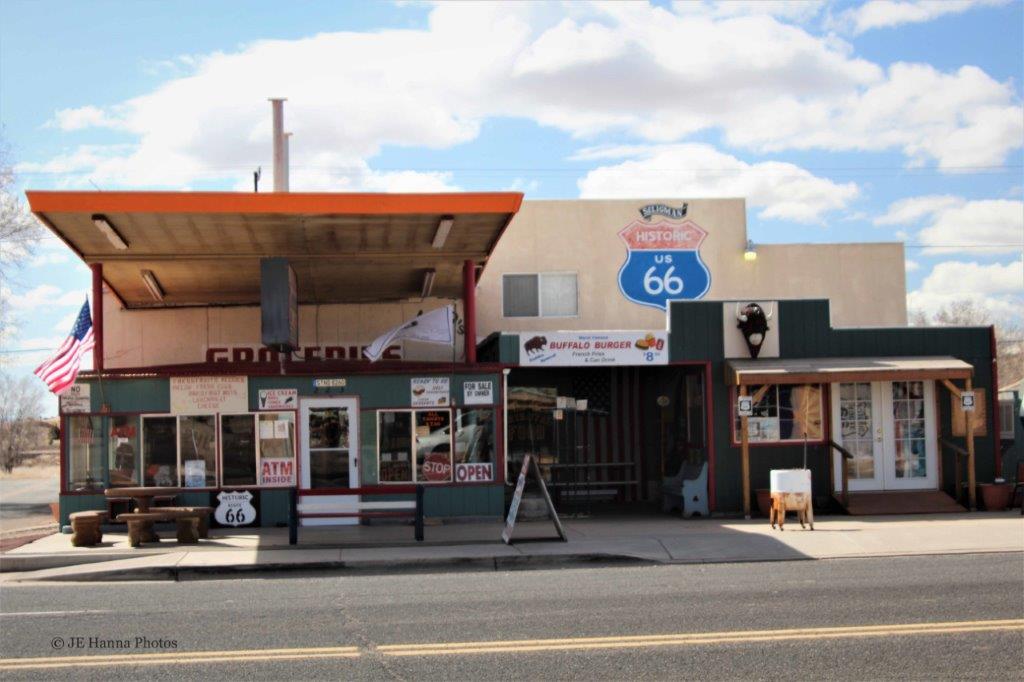
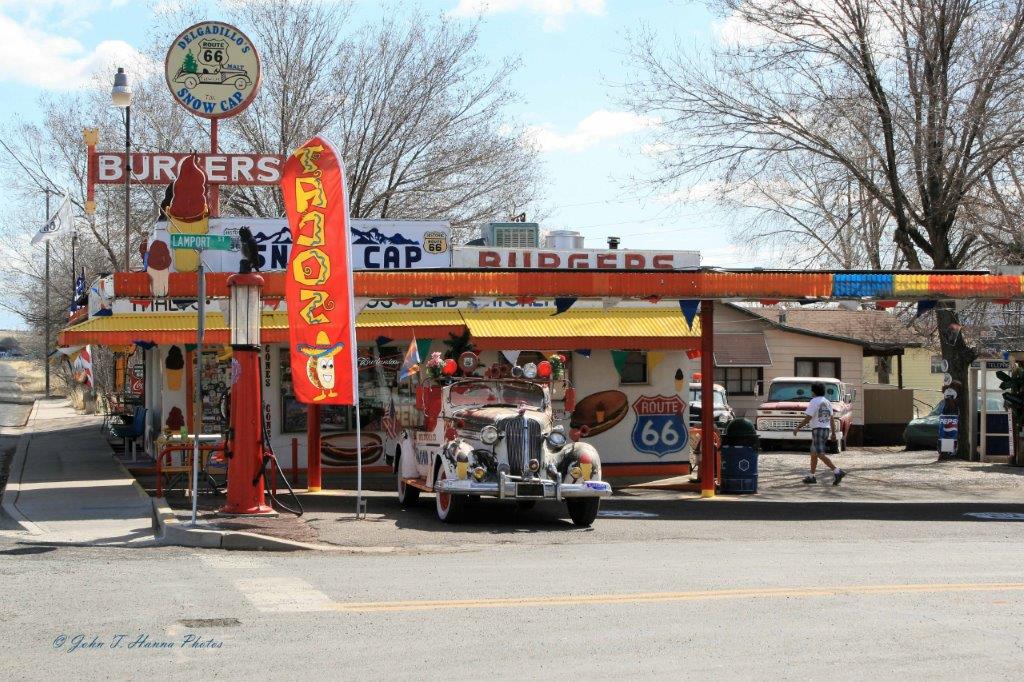
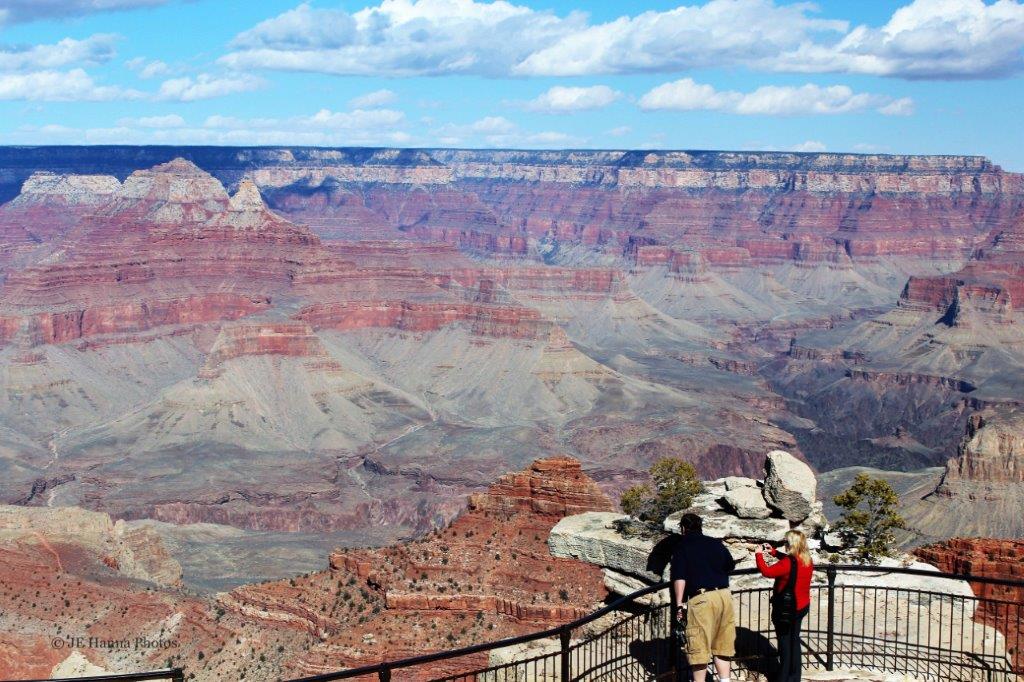
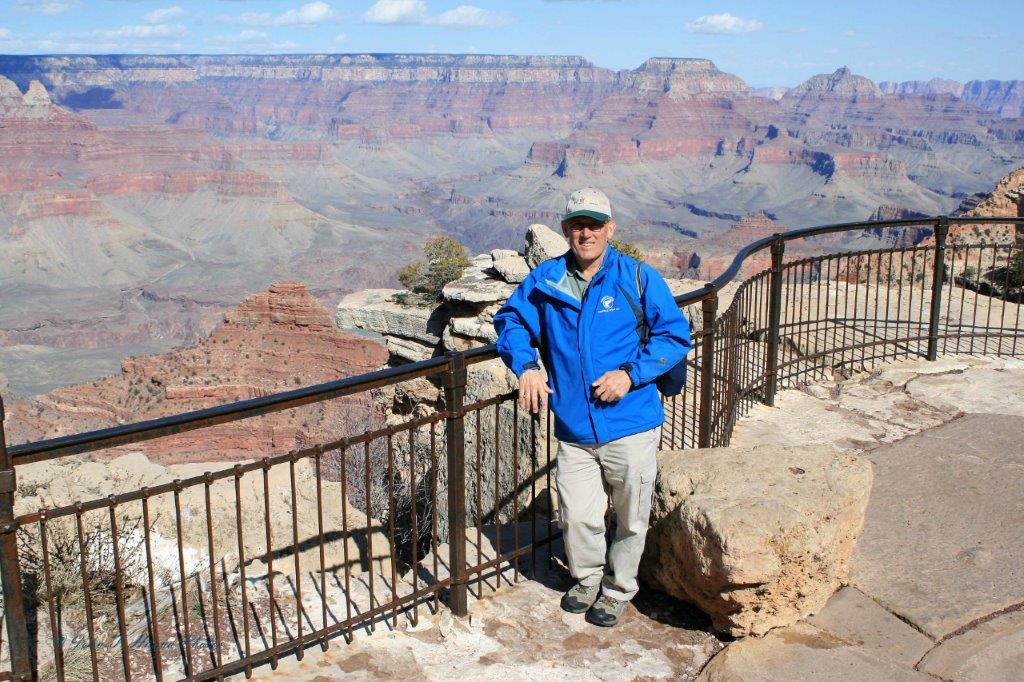
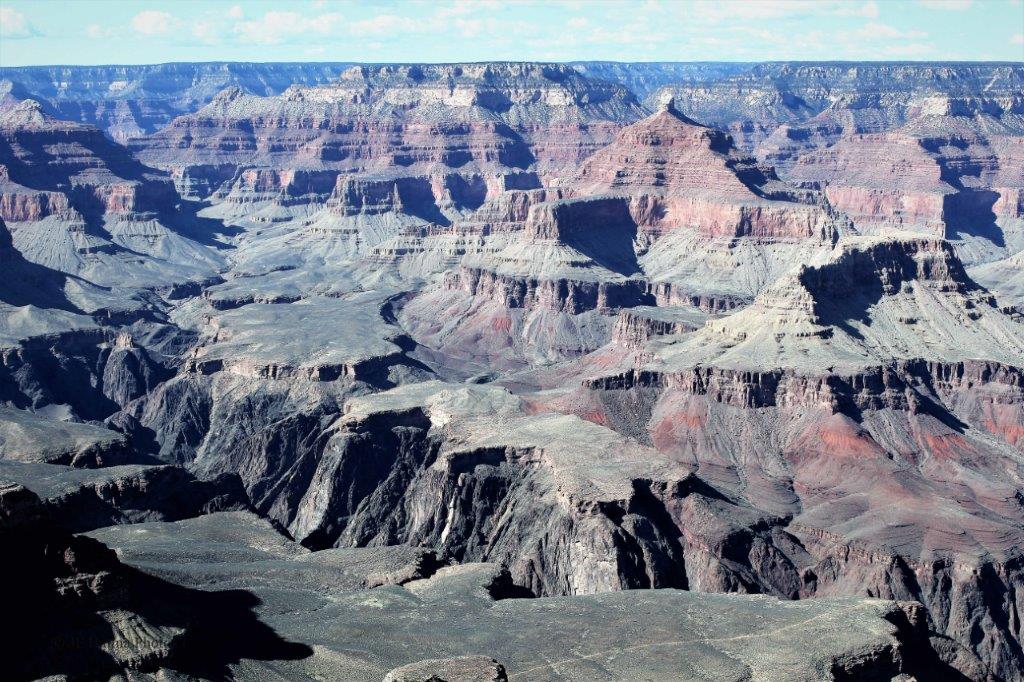
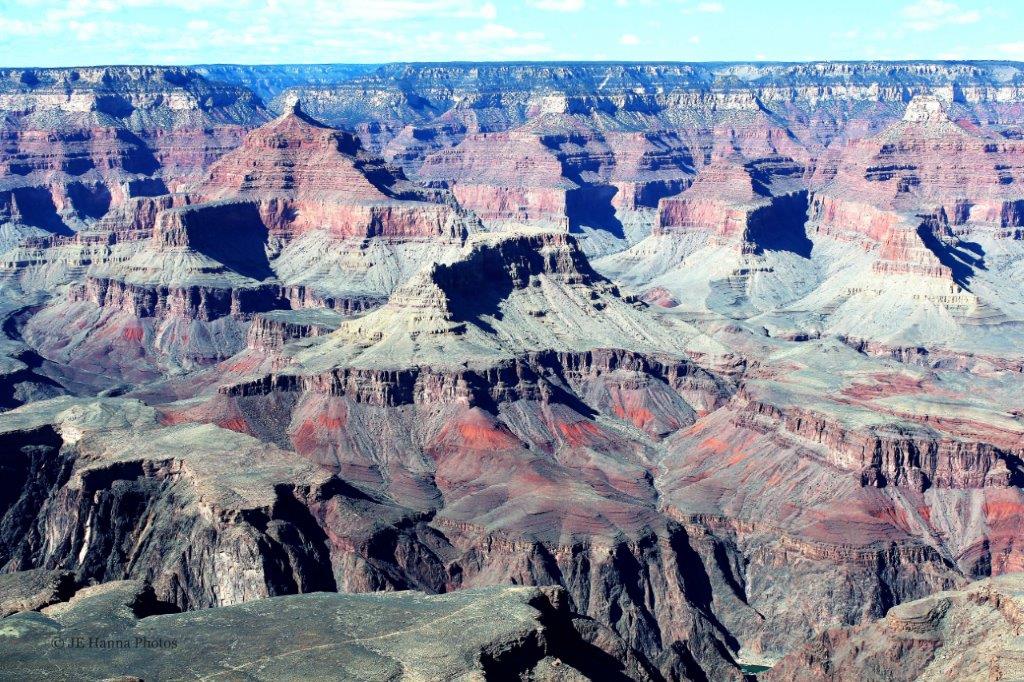
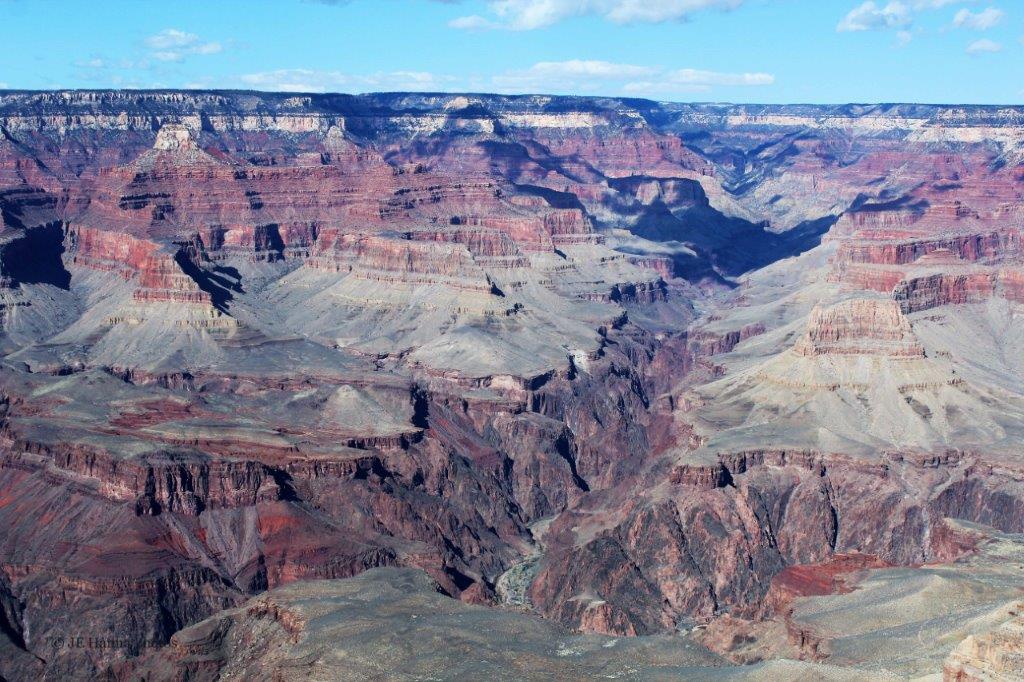
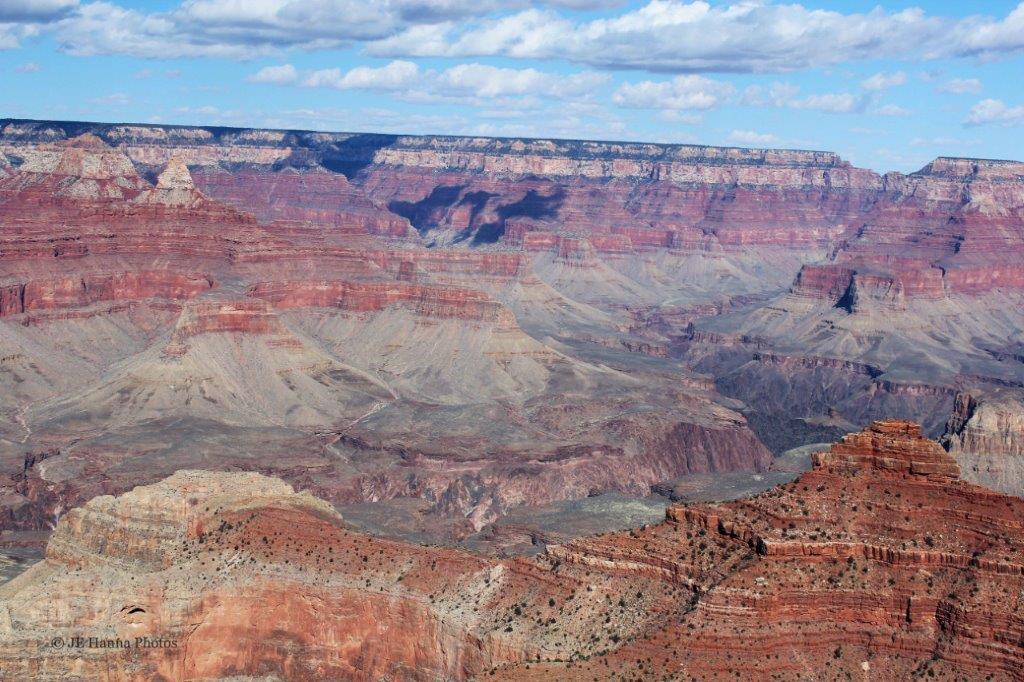
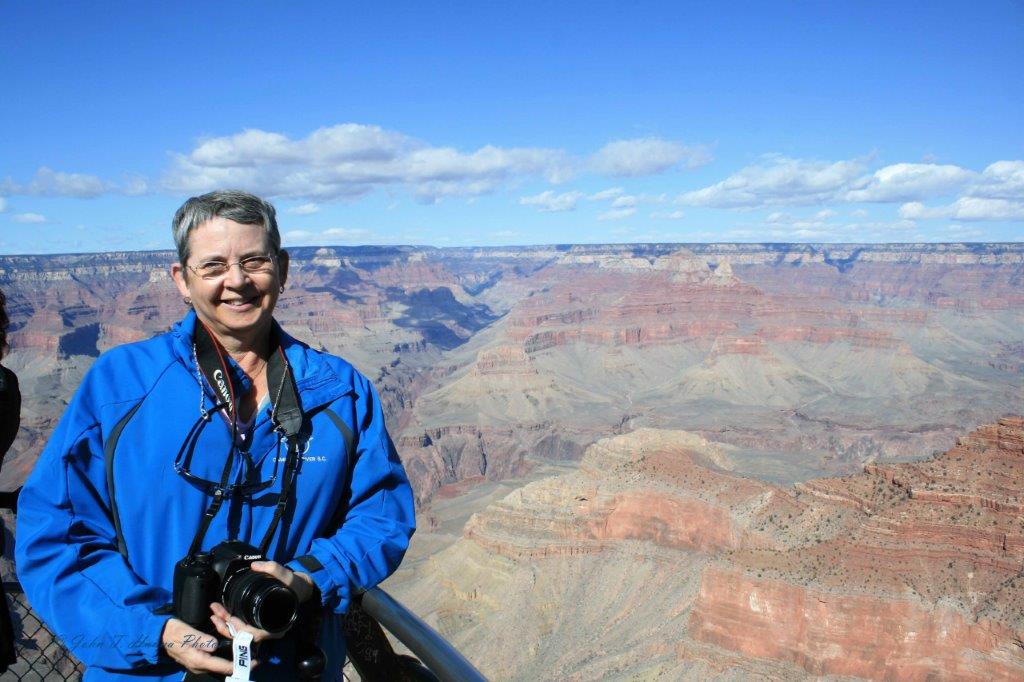
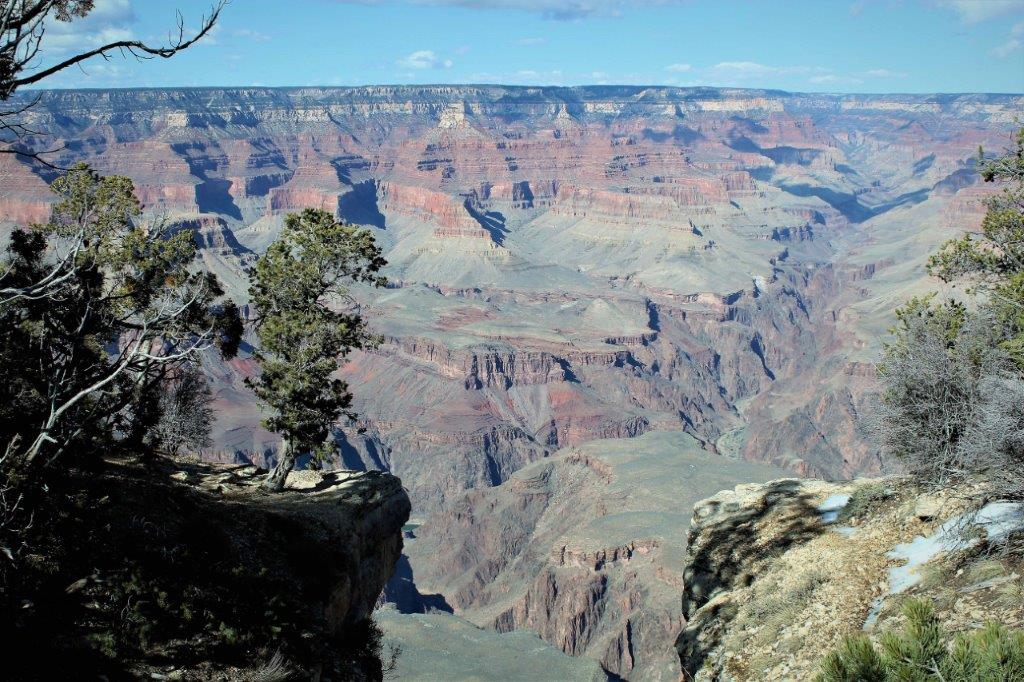
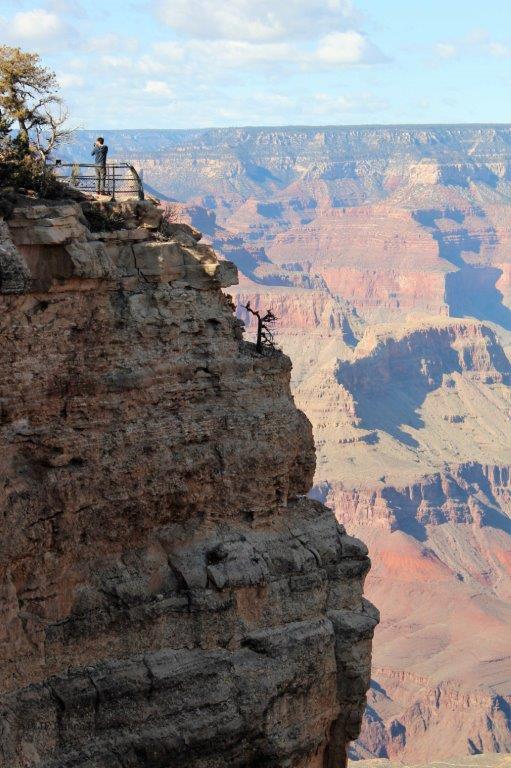
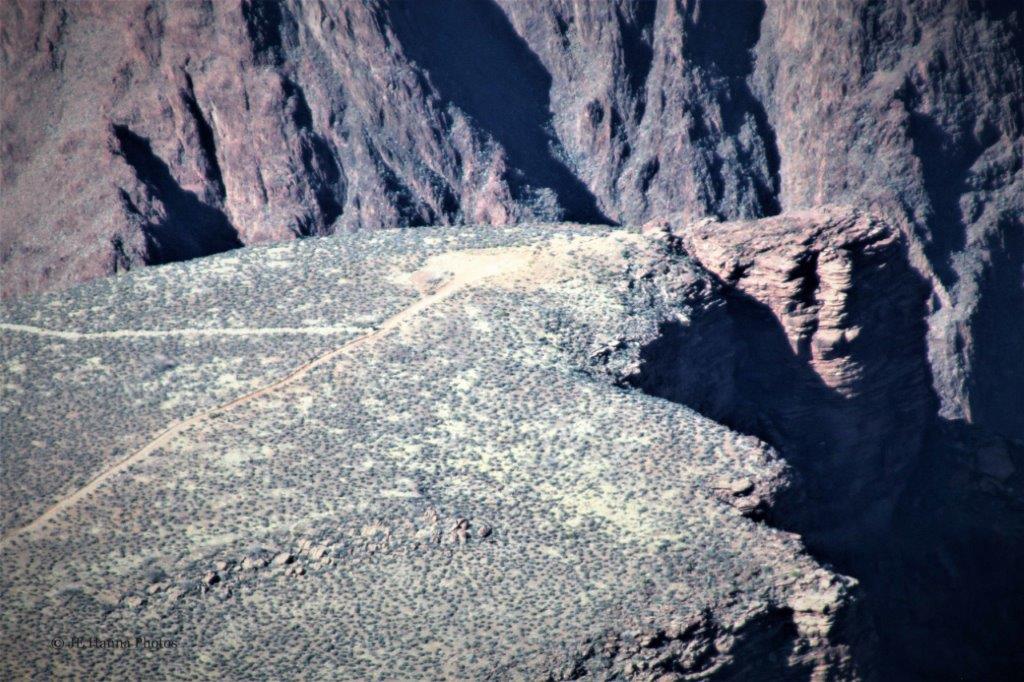
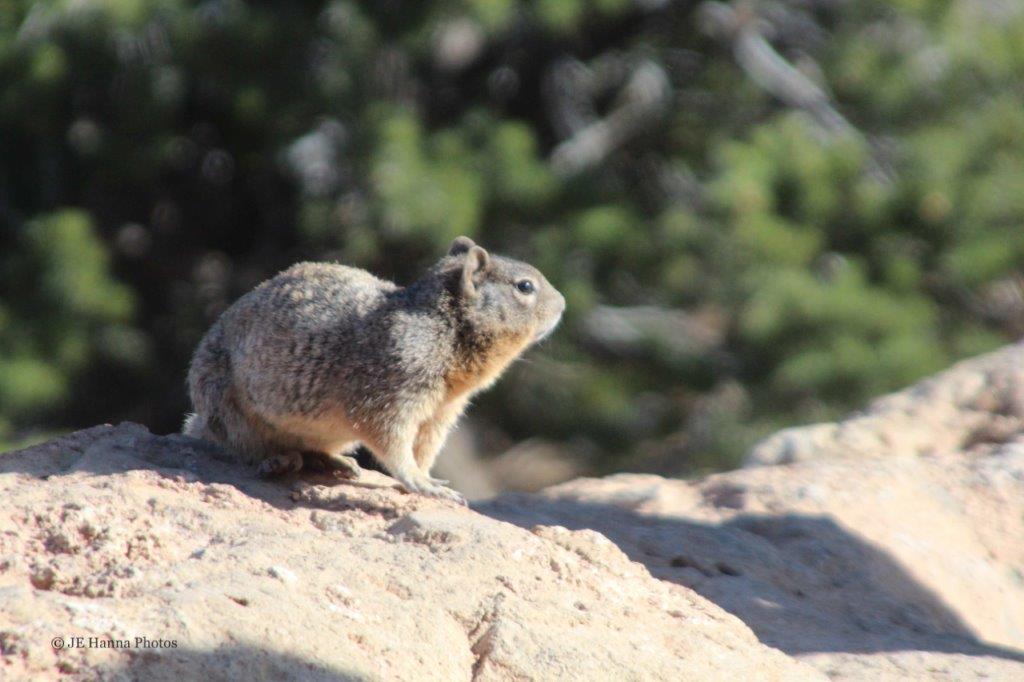
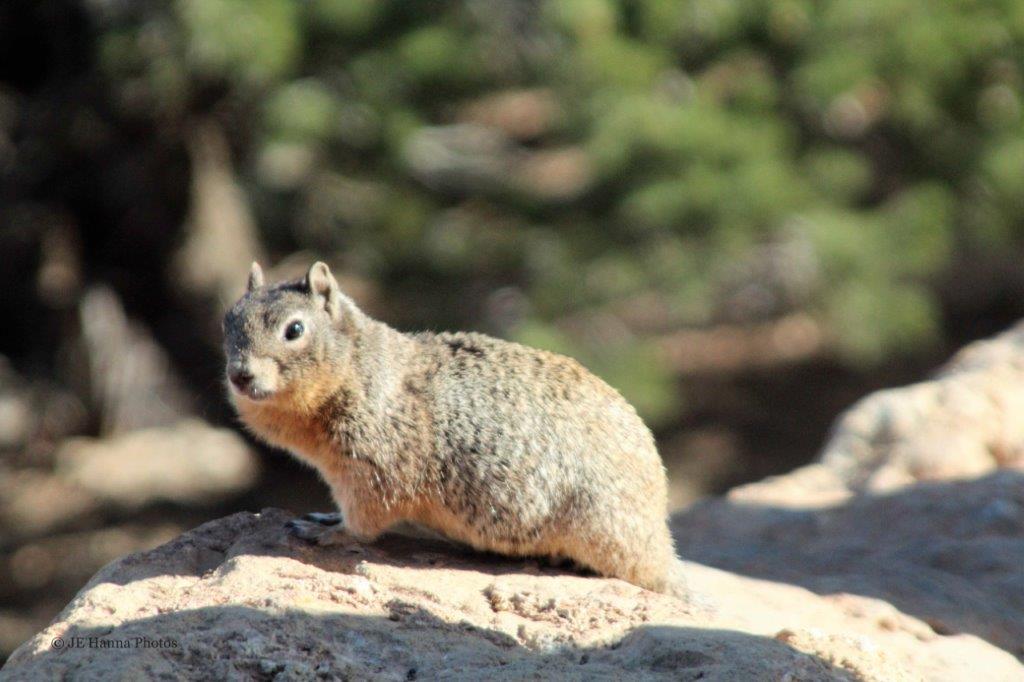
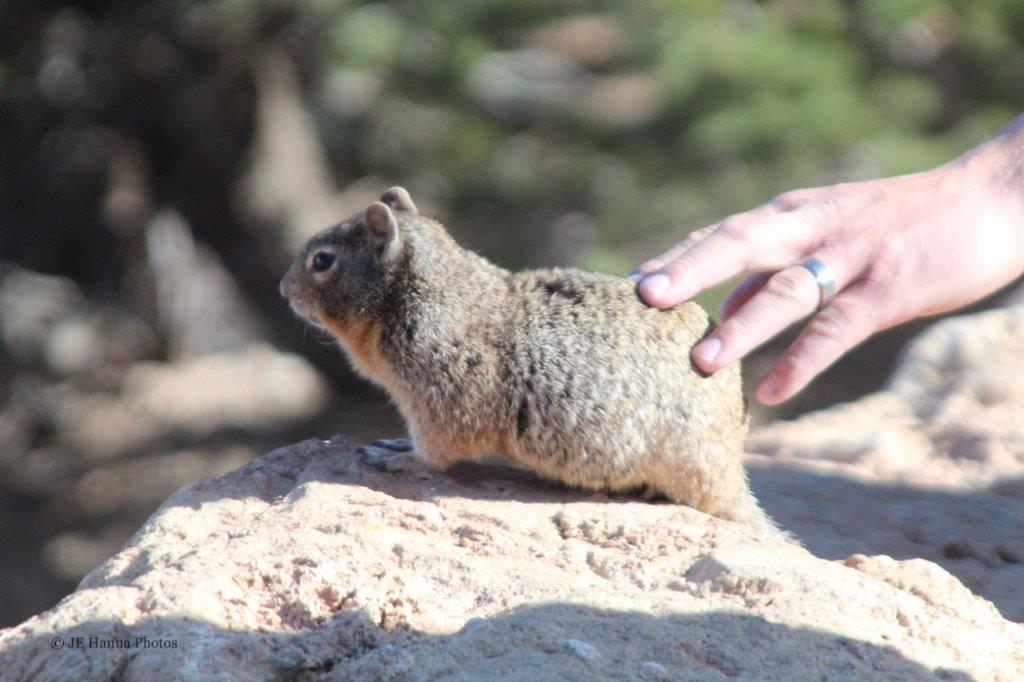
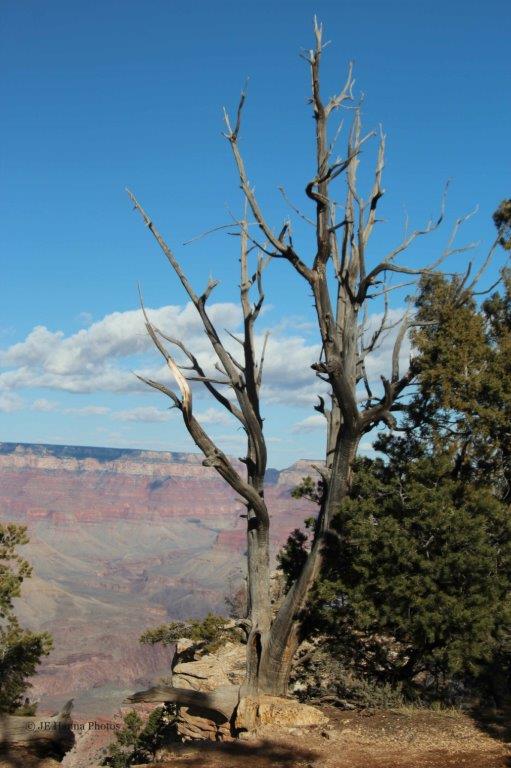
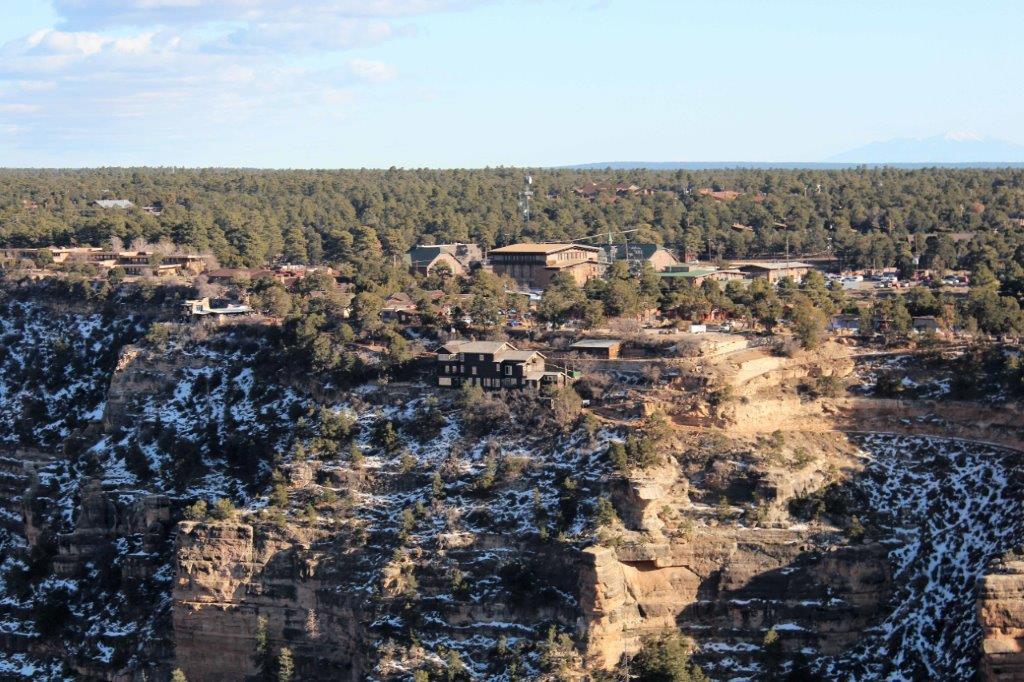
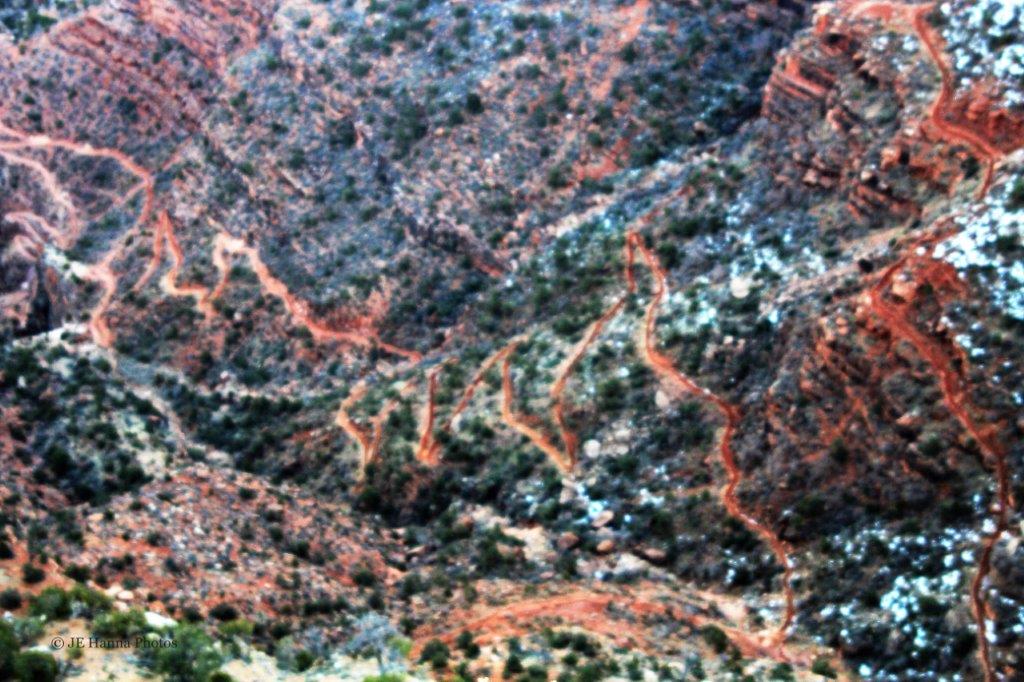
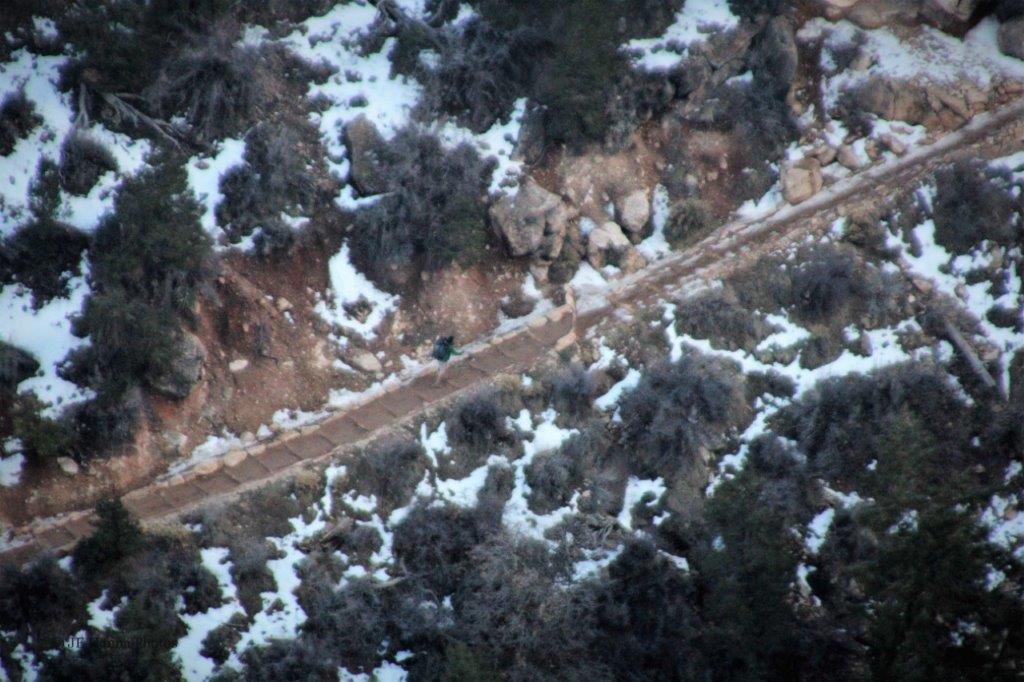
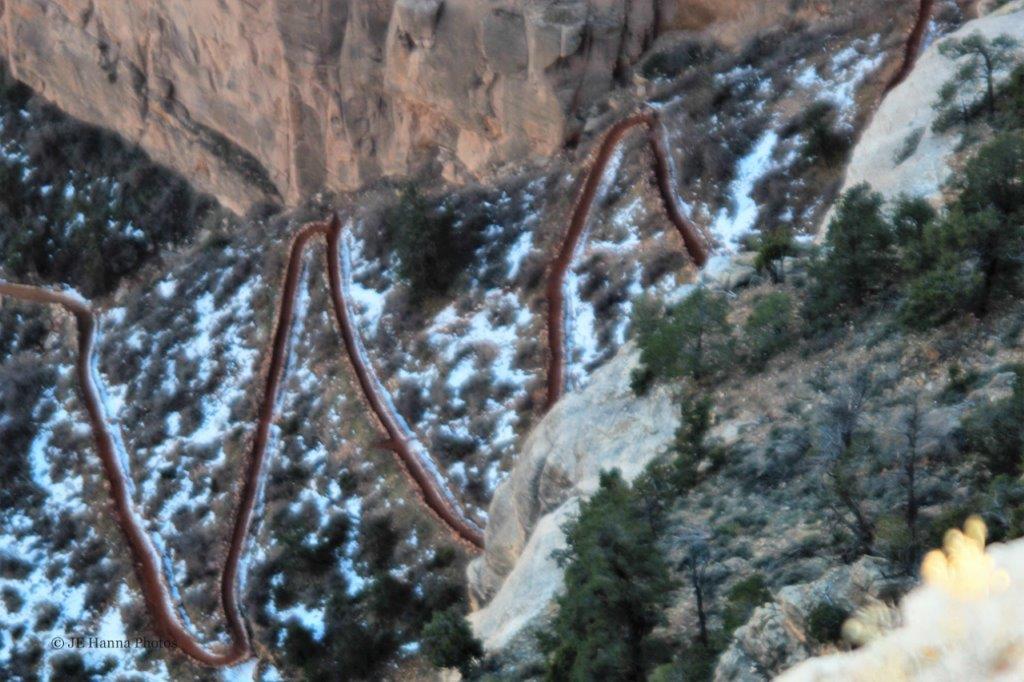
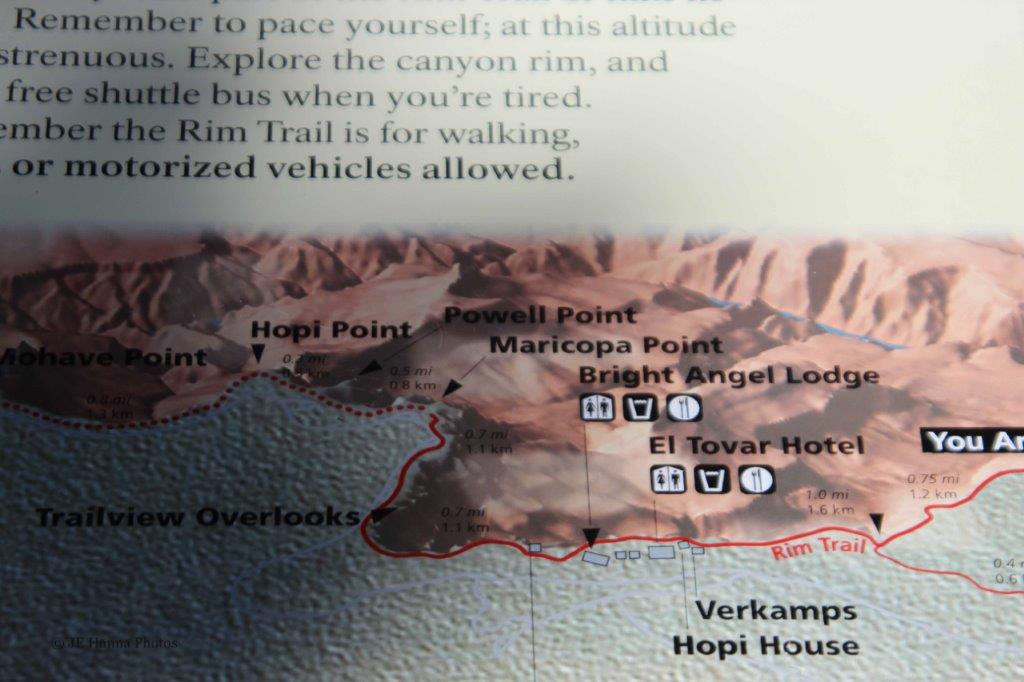
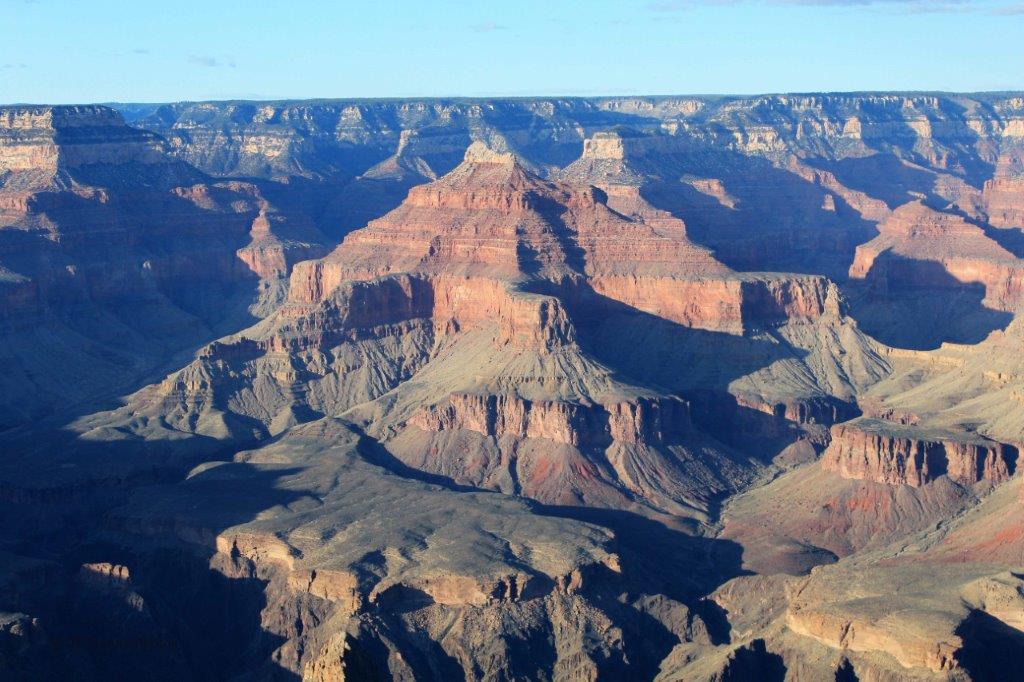
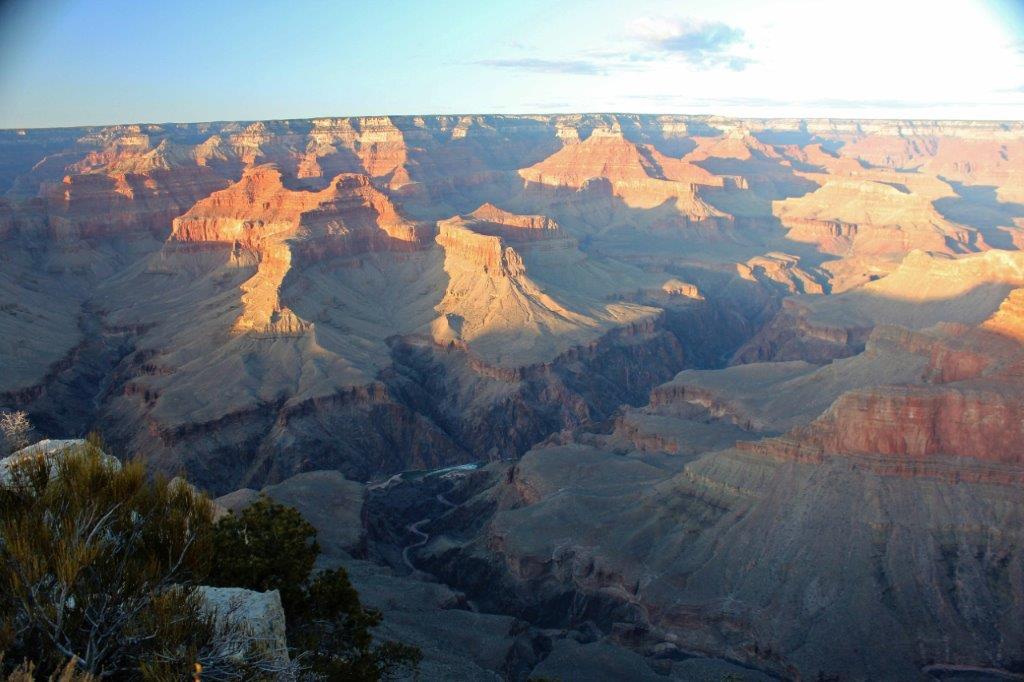
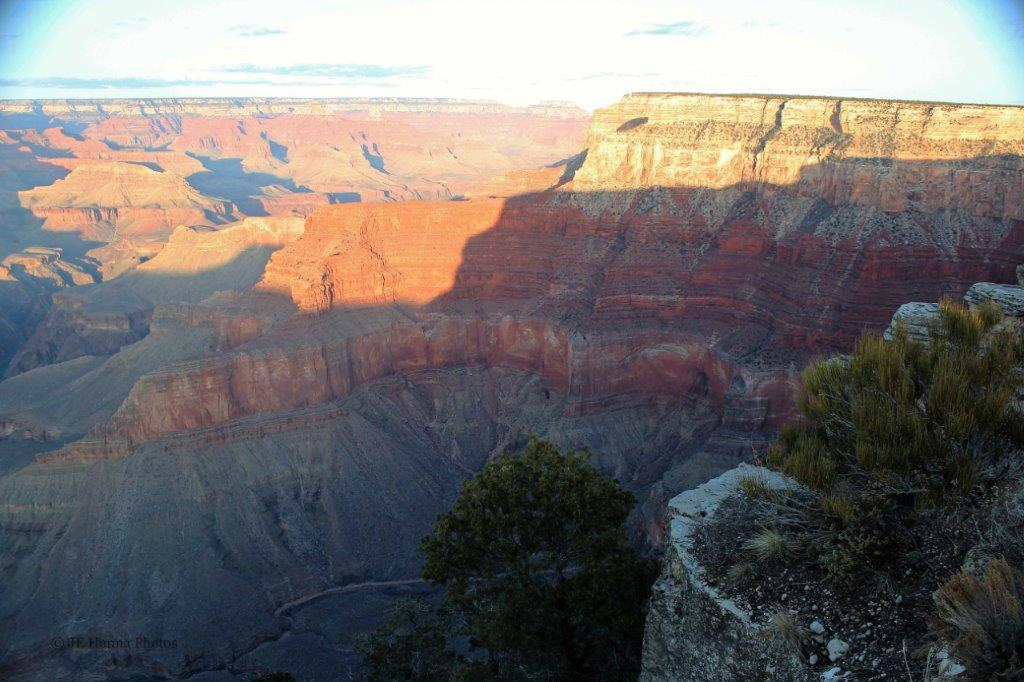
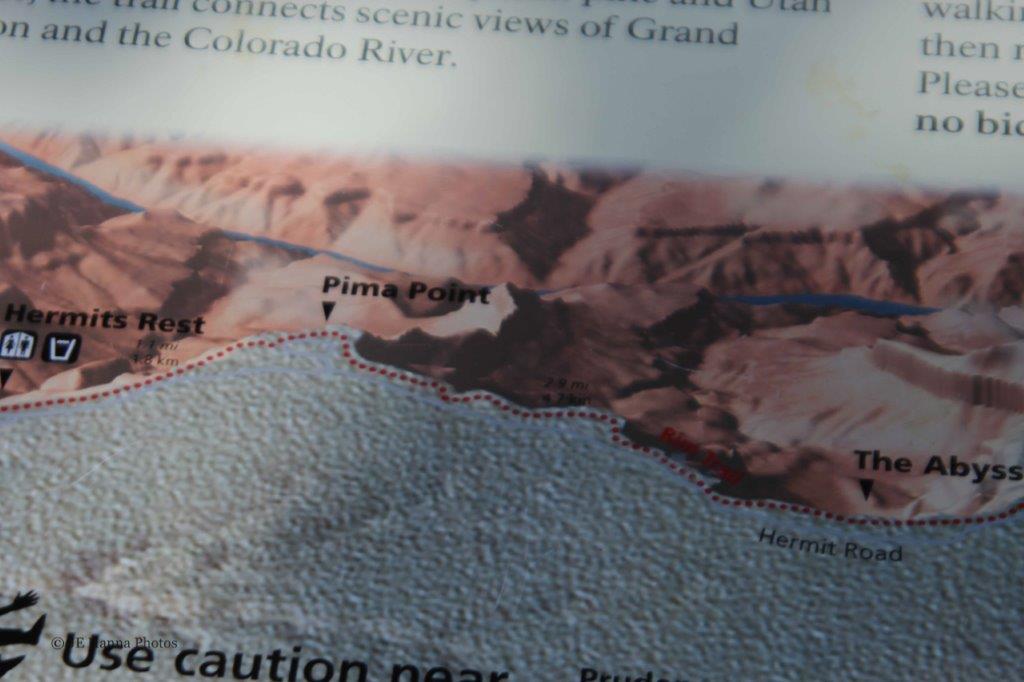
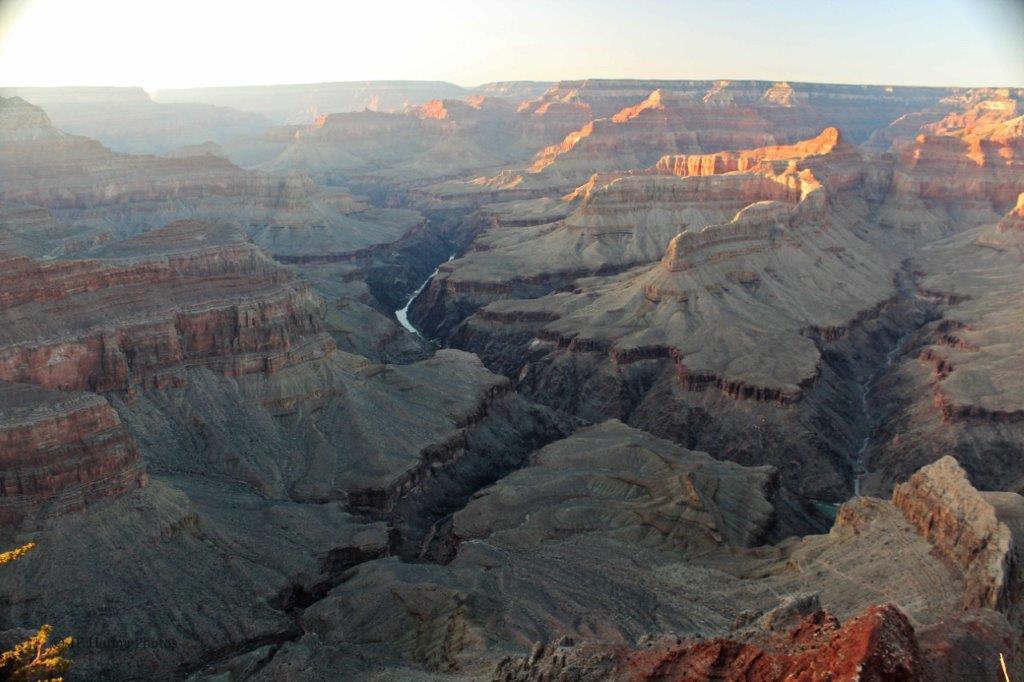
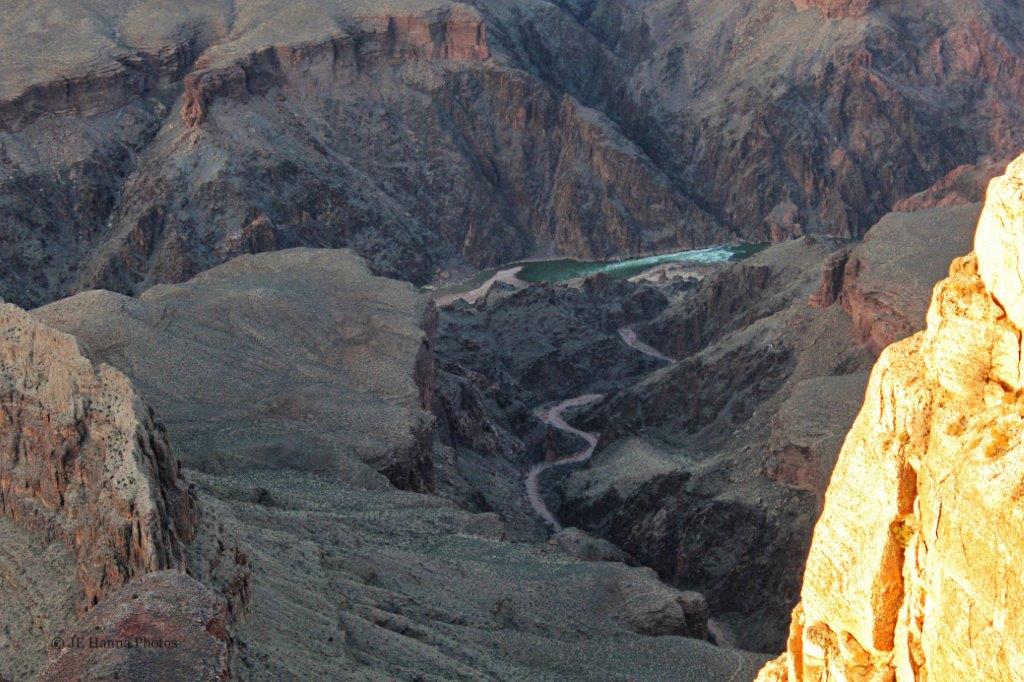
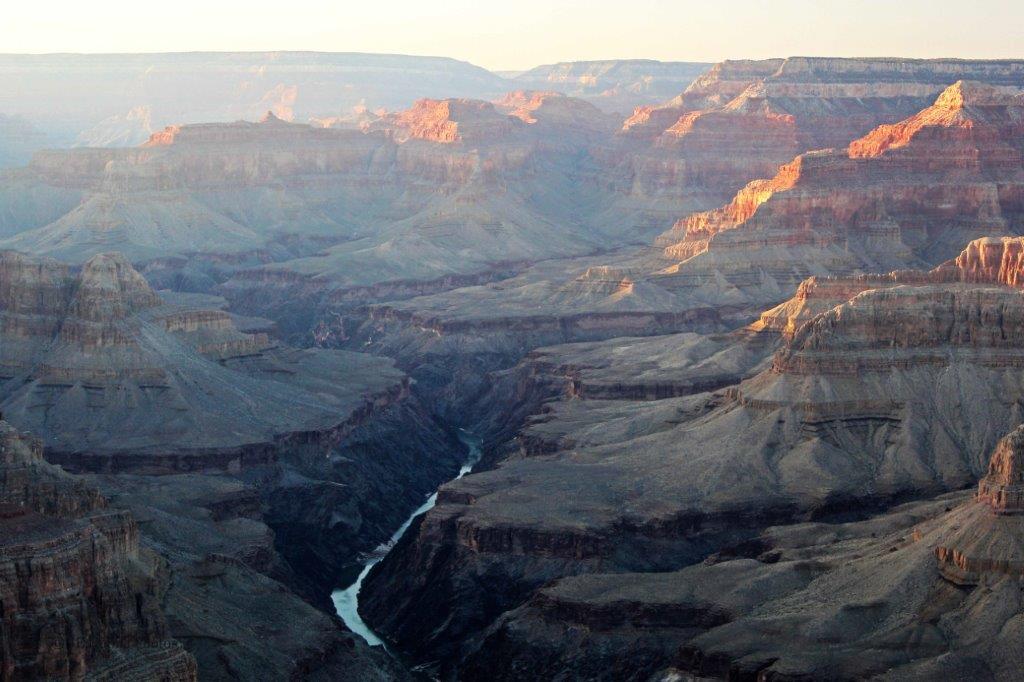
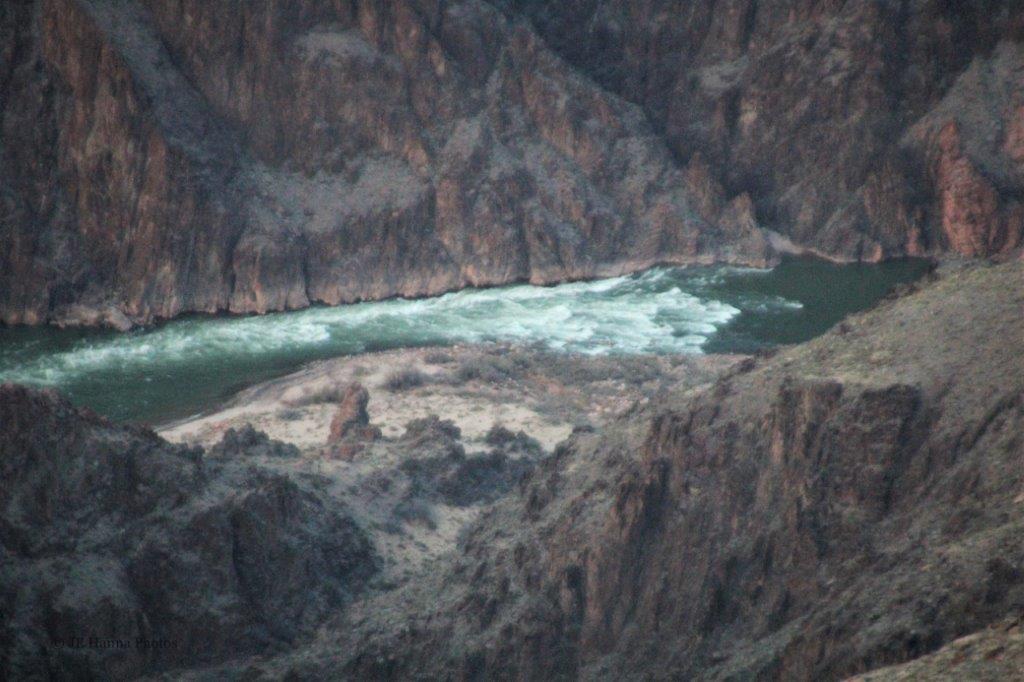
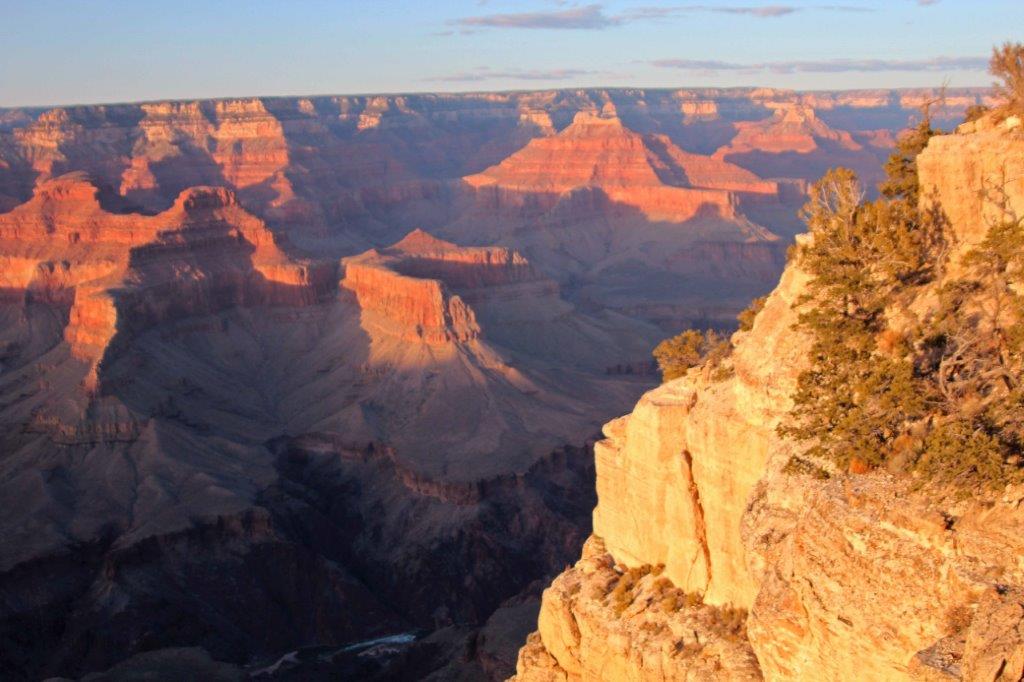
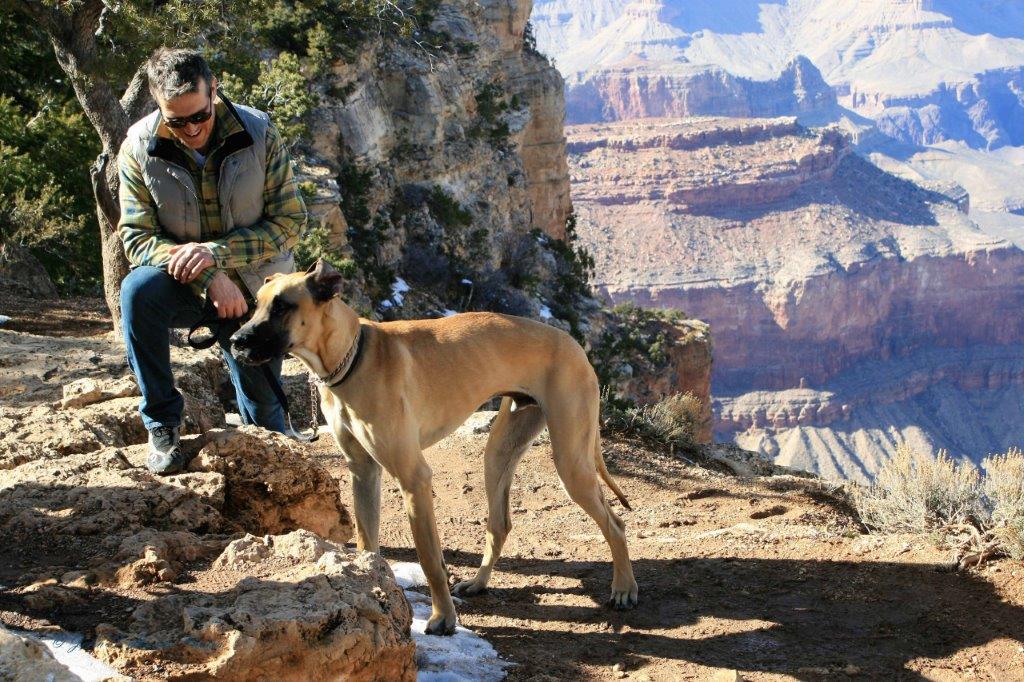
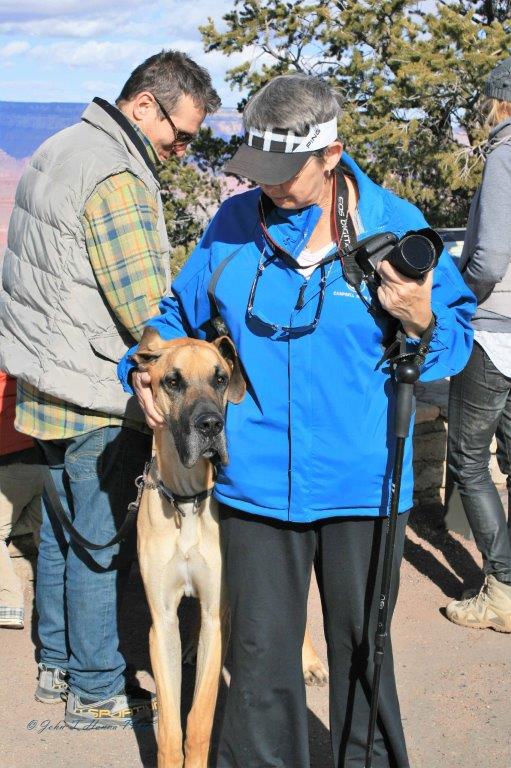
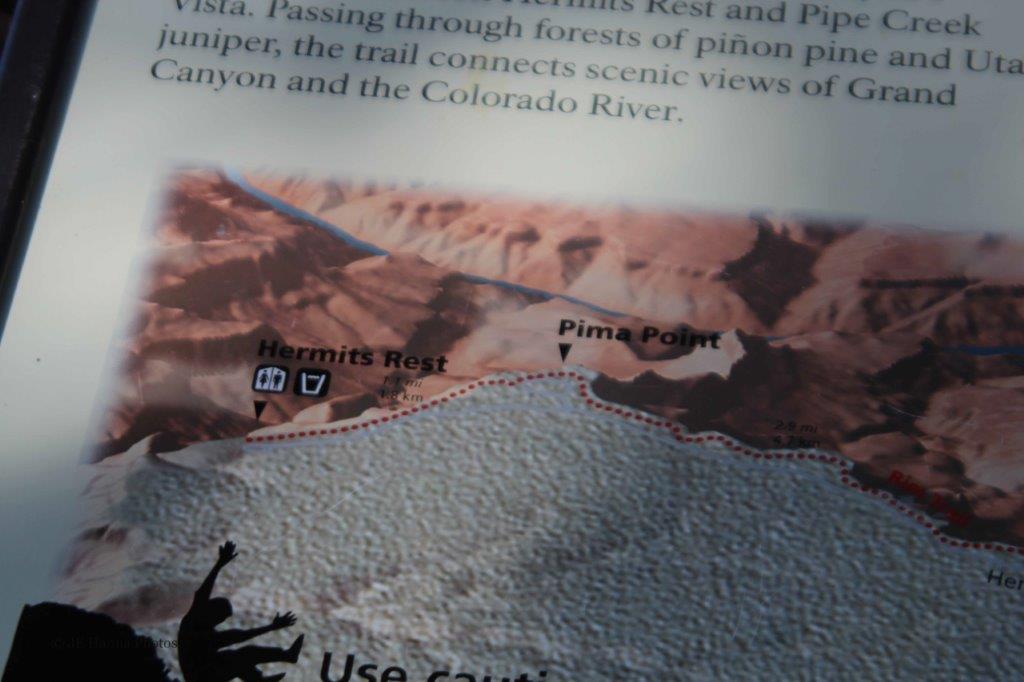
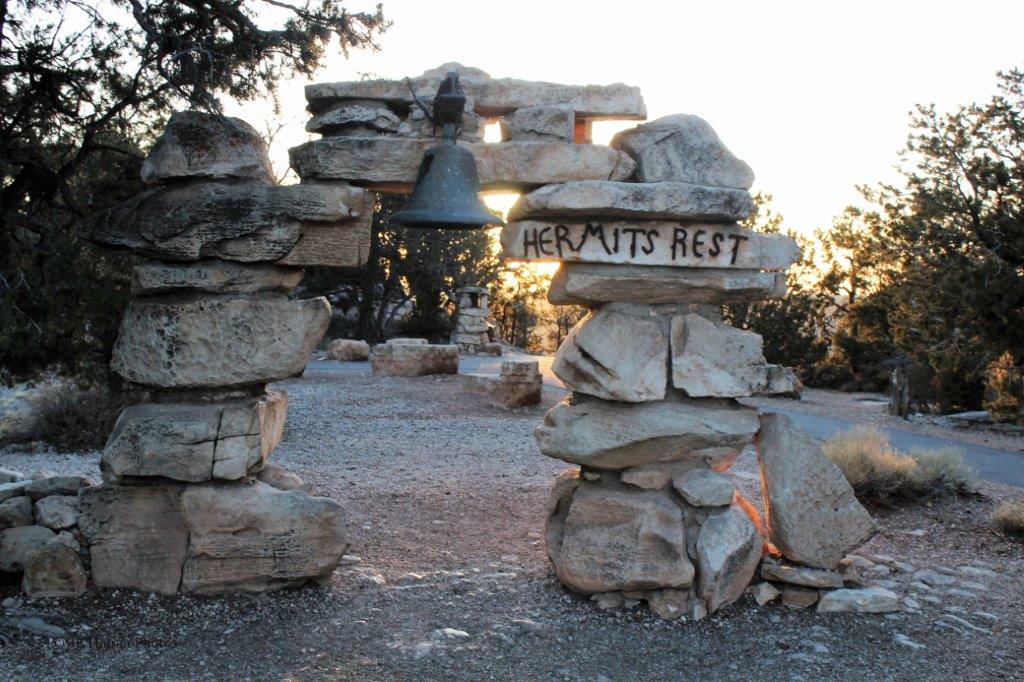
When we returned to San Diego after our cool and wet cruise to the Hawai’ian Islands we headed up the old coast road through all the little oceanfront towns, one blending into the next, and spent the night with our friends in LA that we were unable to visit on our way south.  The next day we drove across California to Kingman, Arizona. Then we headed east via a section of Route 66 through Seligman. We arrived at the Grand Canyon in plenty of time to spend most of the day seeing the sights.  We entered through the South Entrance Station, parked at the Visitor’s Center, and walked over to Mather Point. Yavapai Point was further down the same trail so we wandered over. It is quite amazing how different the canyon and the rock formations look from one spot to another.  I kept thinking, during the day; enough photos already, but I still never quit.  I guess I was just warming up for the parks in southern Utah.  This little guy was obviously used to people being close by.  We went back to the car and drove to the end of the road past the Village and then walked the canyon rim trail to the end at Hermit’s Rest.For the crazy and intrepid, there is a trail to the bottom of the canyon.  The sun was getting low by the time we reached Pima Point.One of many sets of white water on the Colorado River.We met a lovely tawny Great Dane at Pima Point.  He was a cuddler.

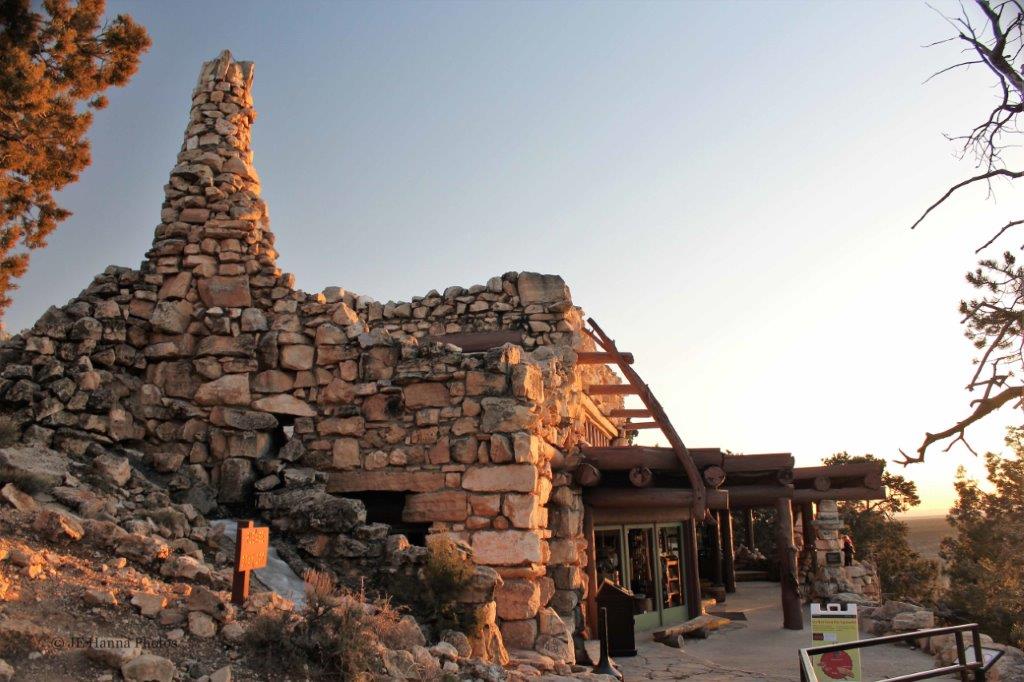
At Hermit’s Rest there is a small hut that, in the summer, hosts a snack bar. There is a shuttle bus, the only vehicle allowed on the Rim Trail, that will take you back to the parking lot.  We were happy to hop aboard.  We picked up the car, drove to our hotel and settled in for the night.
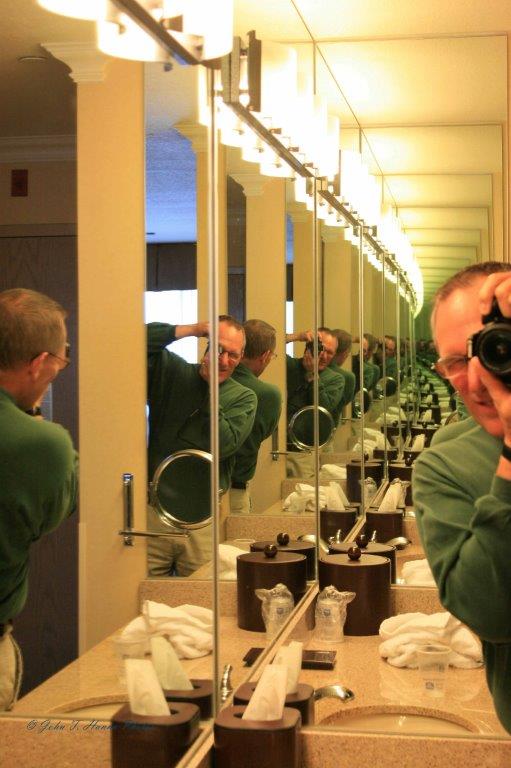
John, for some reason, felt the need to do an ‘infinity shot’ in the hotel bathroom….