Category Archives: Hanna Travels

2013 Summer (Baltic and Britain – Scotland – July 15 – Day 22 – Part 1)

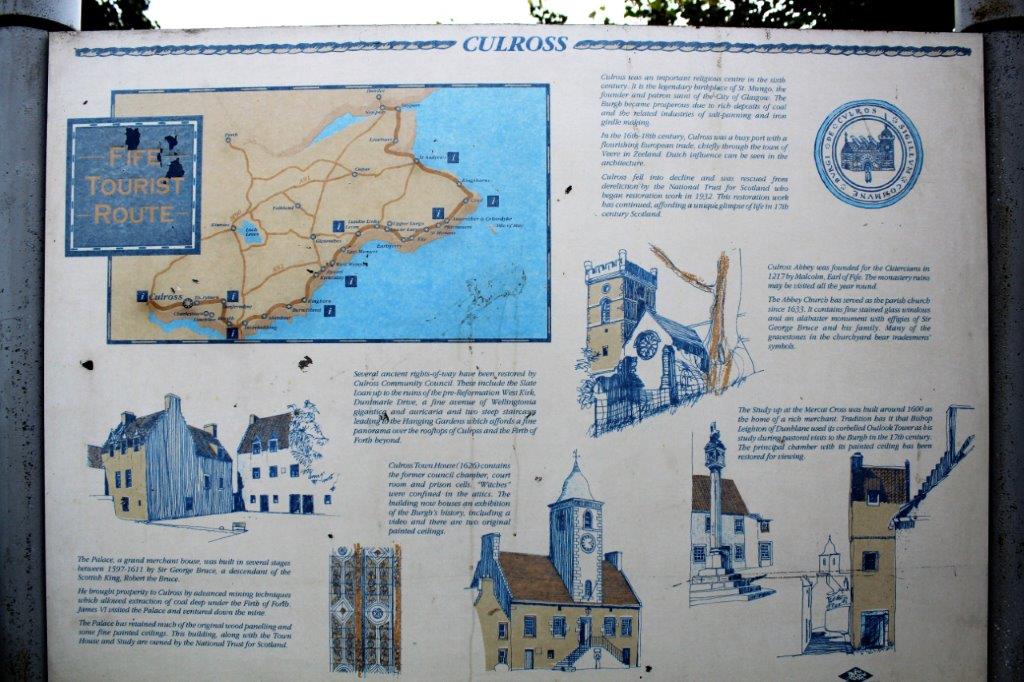
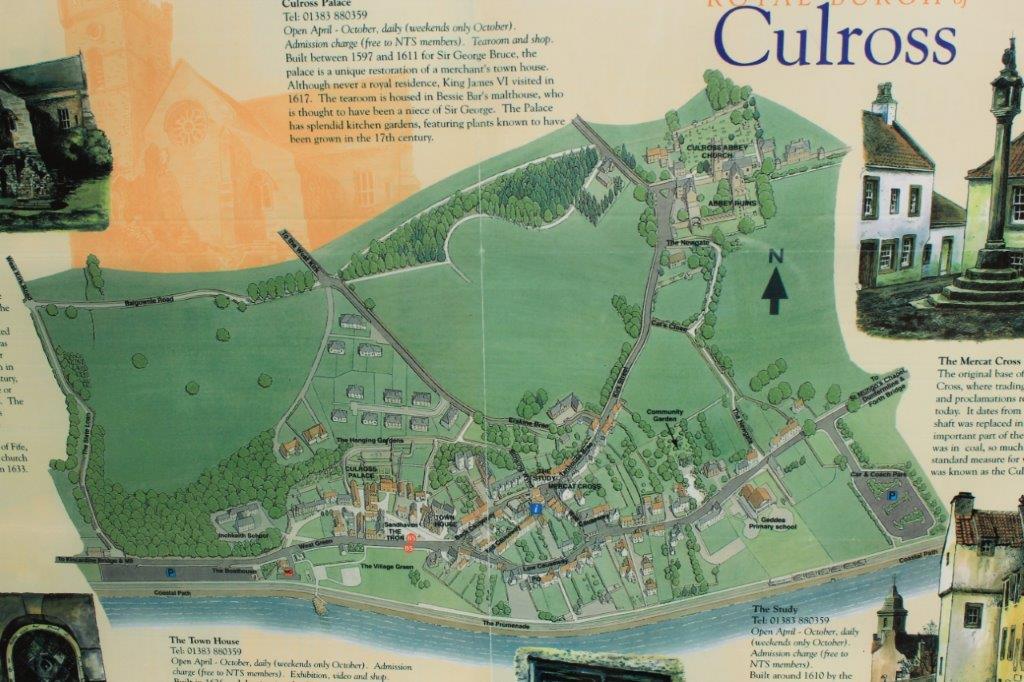
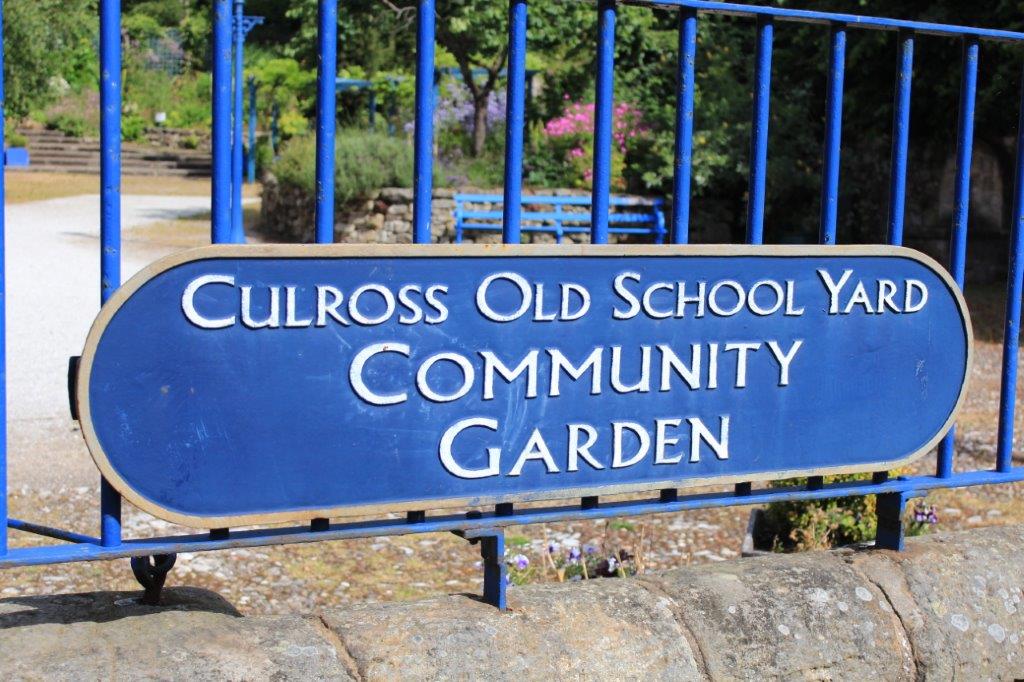
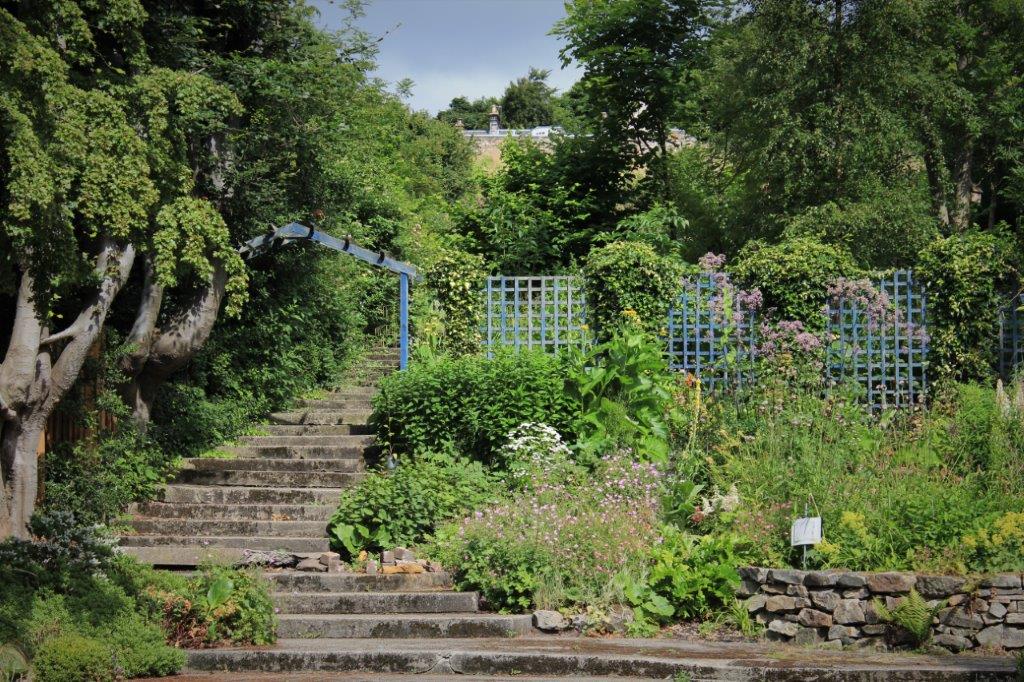
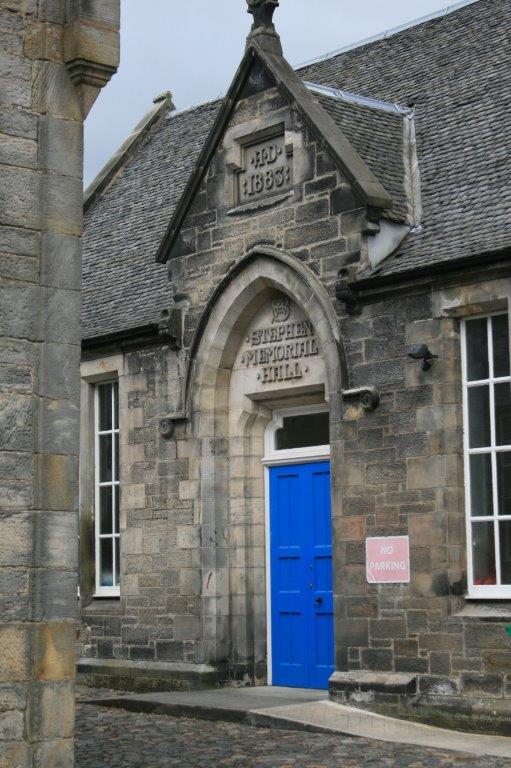
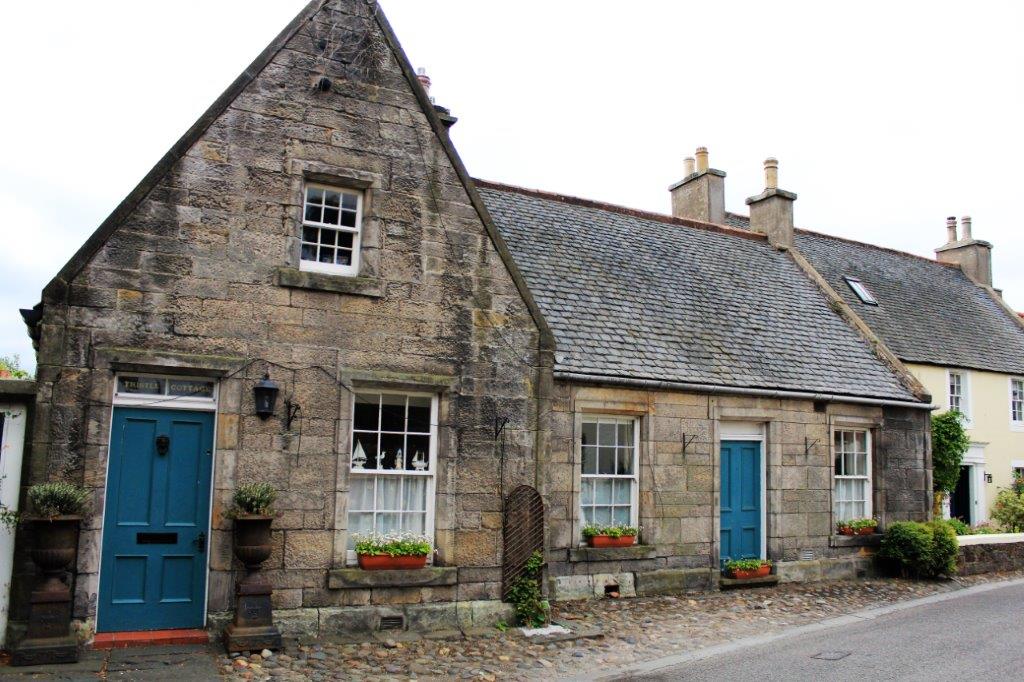
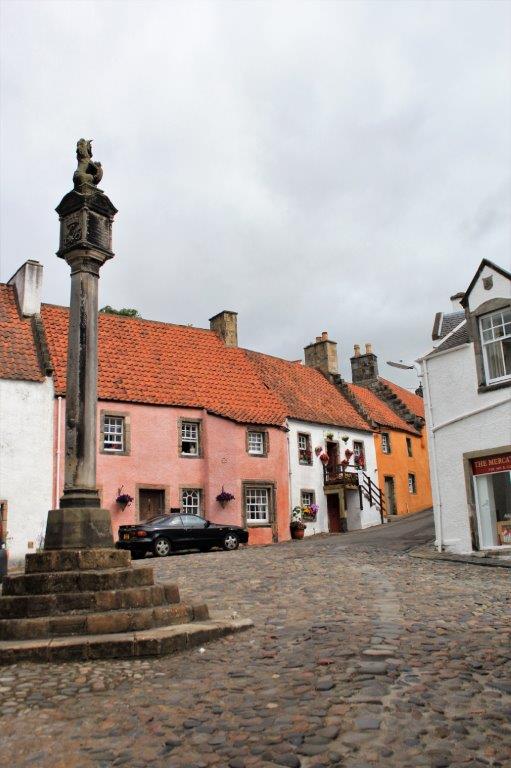
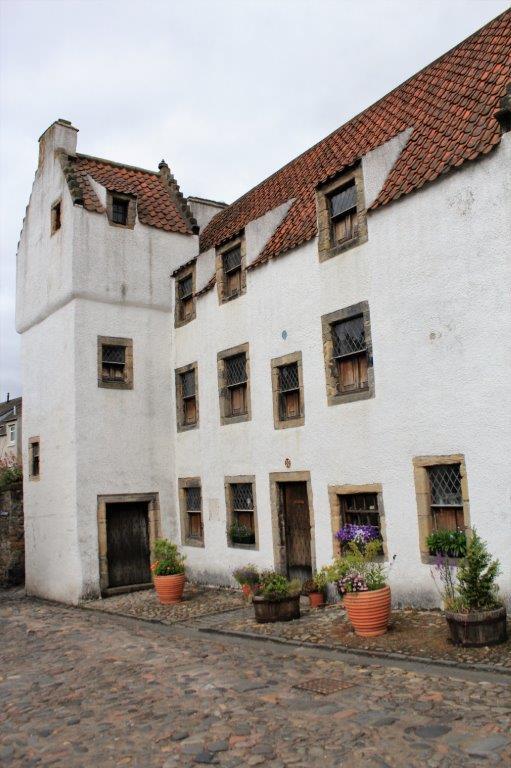
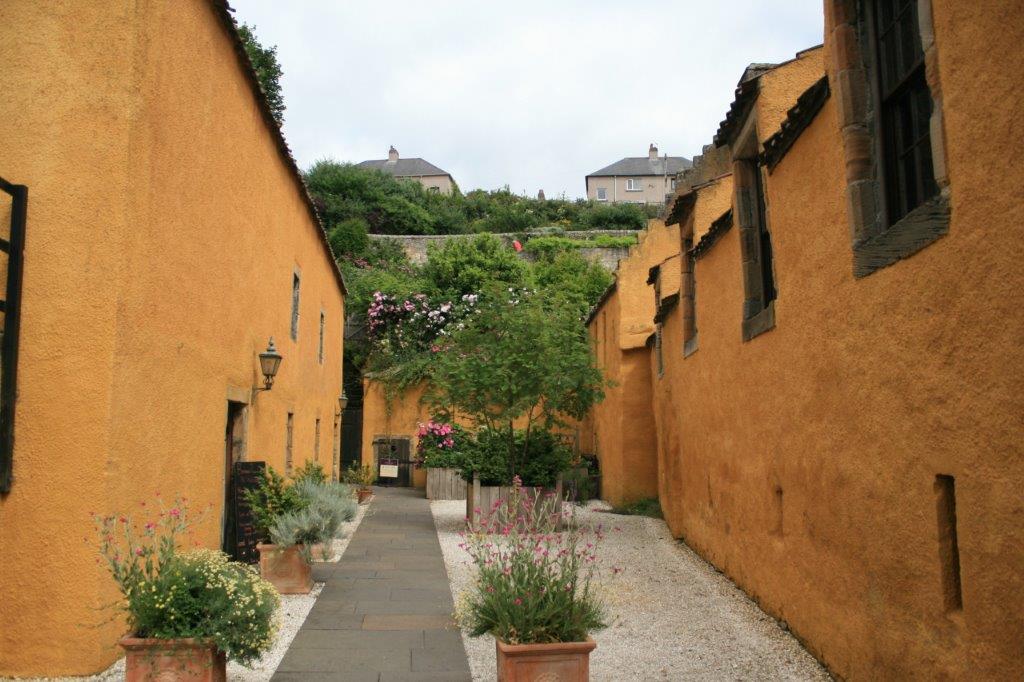
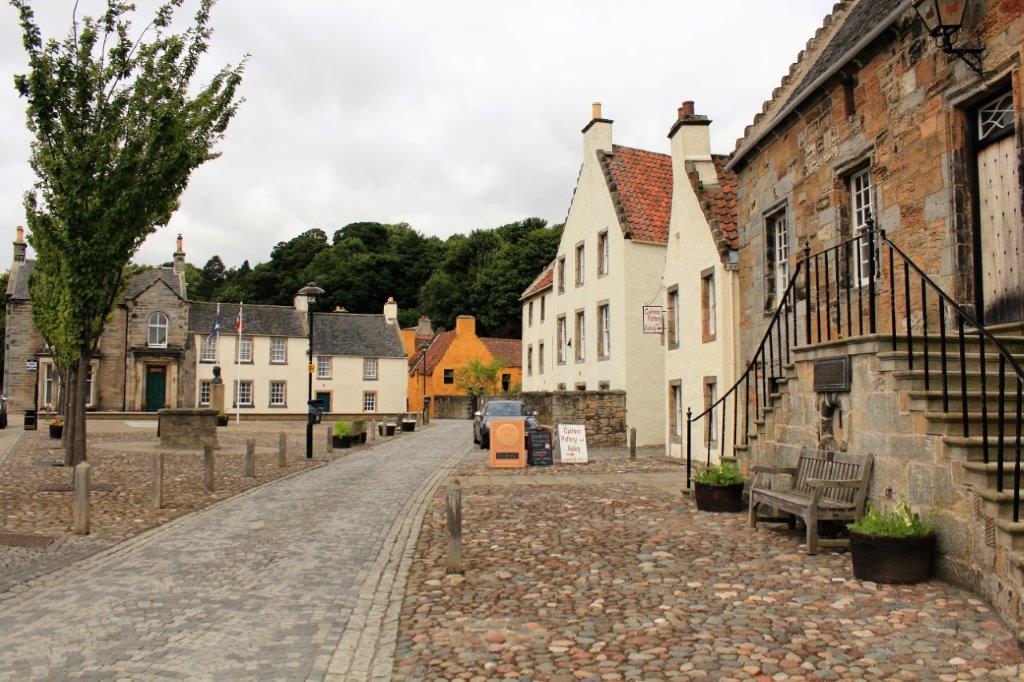
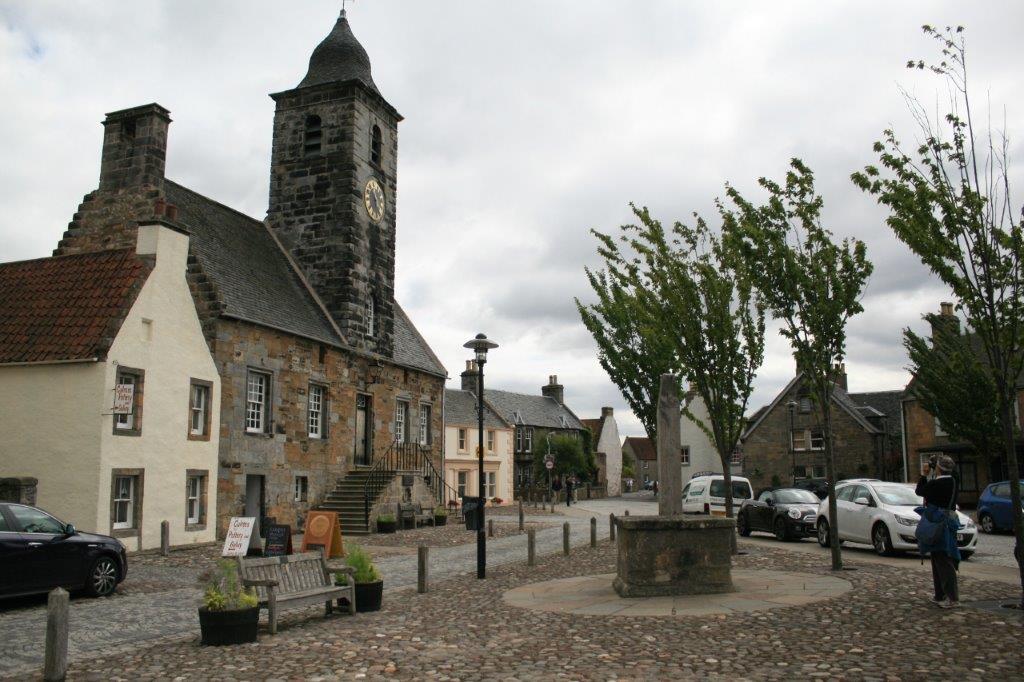
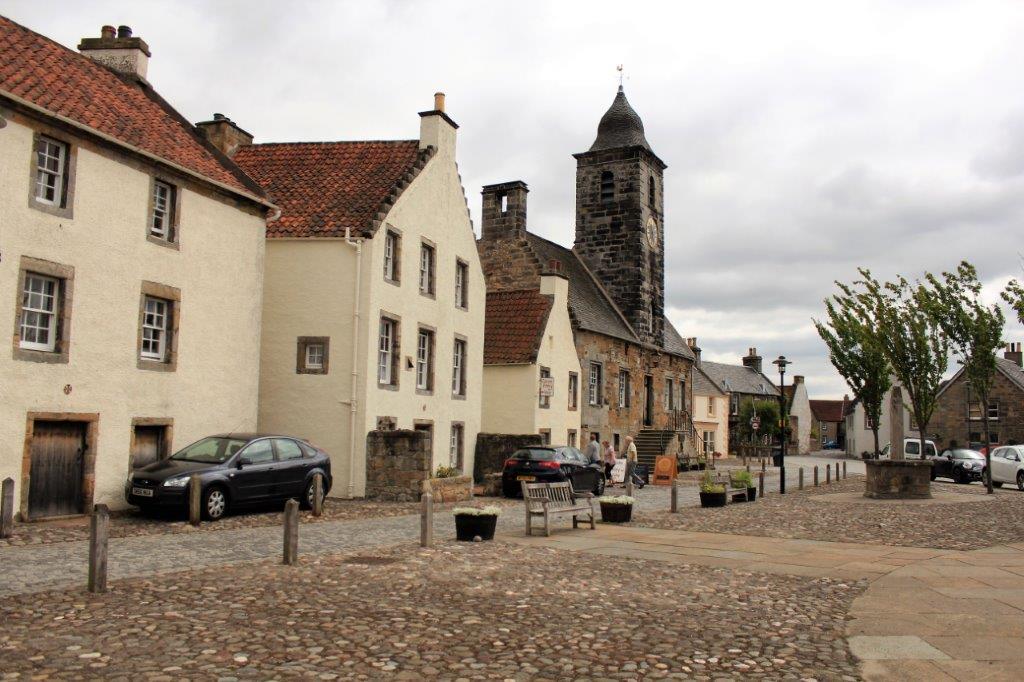
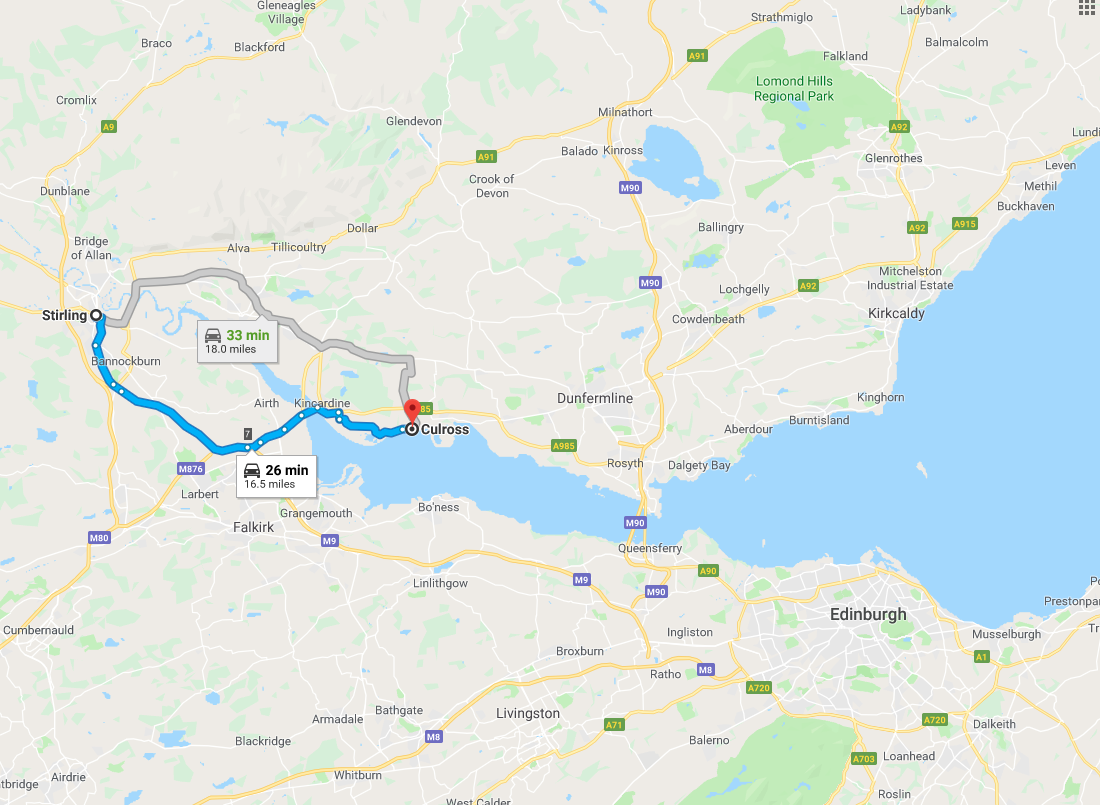
We had four days before we were scheduled to pick up our son and his financé at the Edinburgh airport.  They were flying in from Dubai, where they lived at the time, to get married on July 22.  Other family members and guests would be arriving over the couple of days preceding the wedding so we planned to be in Edinburgh on the 16th.  That only left us a couple of  days  to  explore.We headed east of Stirling up the north side of the Firth of Forth with the famous golf town of St. Andrew’s as our destination.  First we stopped at Culross, considered one of the best preserved 17th century towns in Britain.  This once thriving port town on the River Firth was a hive of activity due to the coal mining, salt panning, and now obsolete trade of iron girdle making.

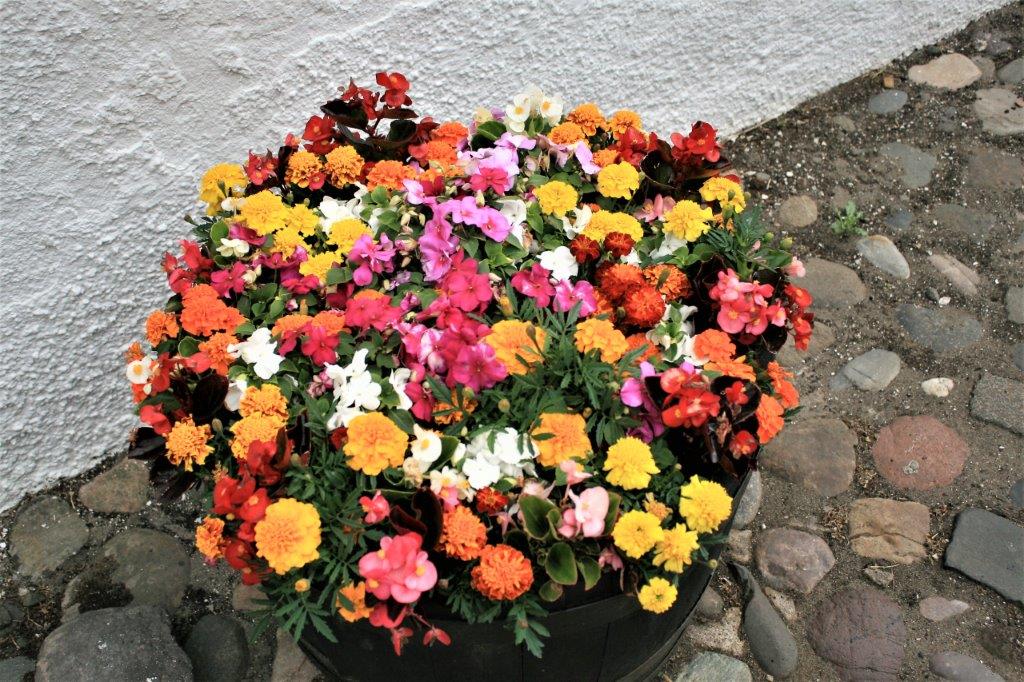
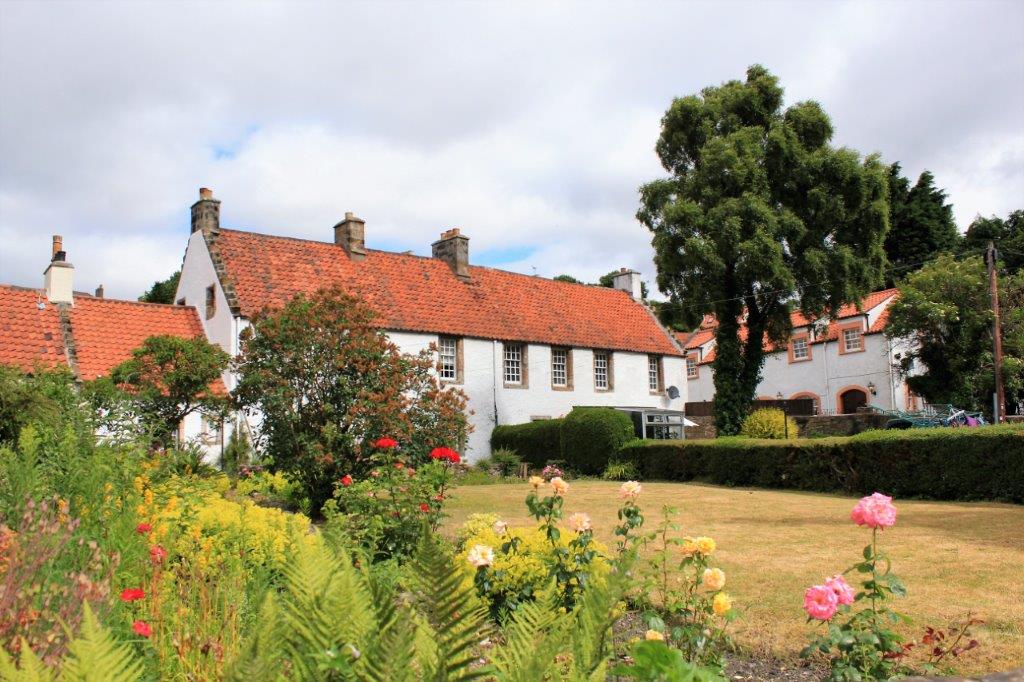
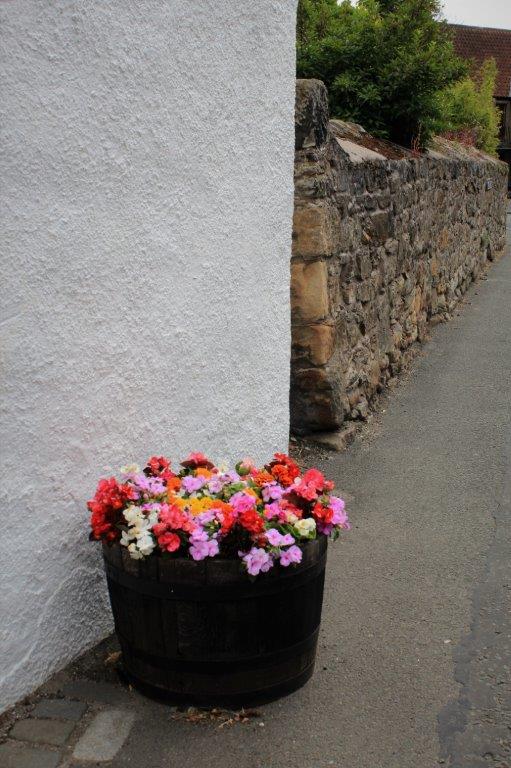
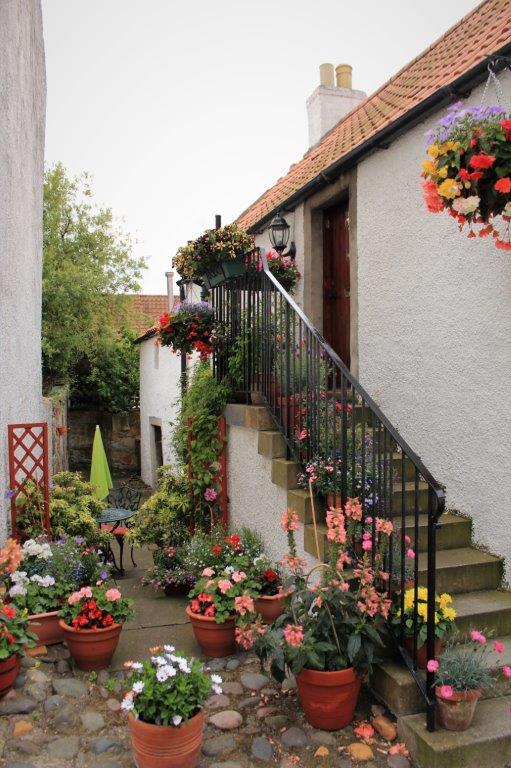
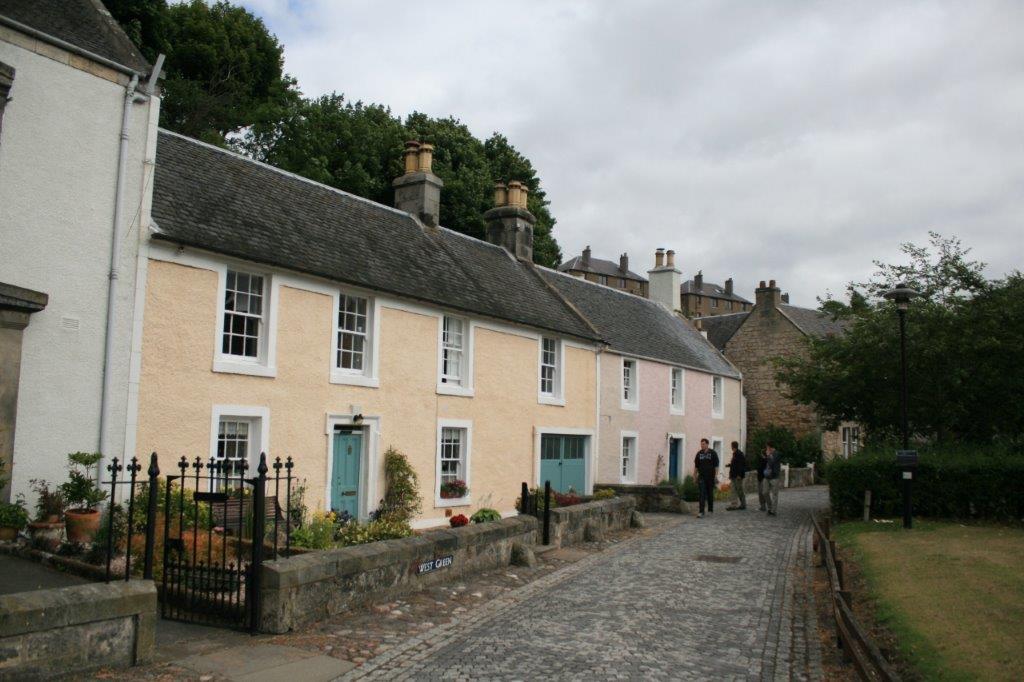
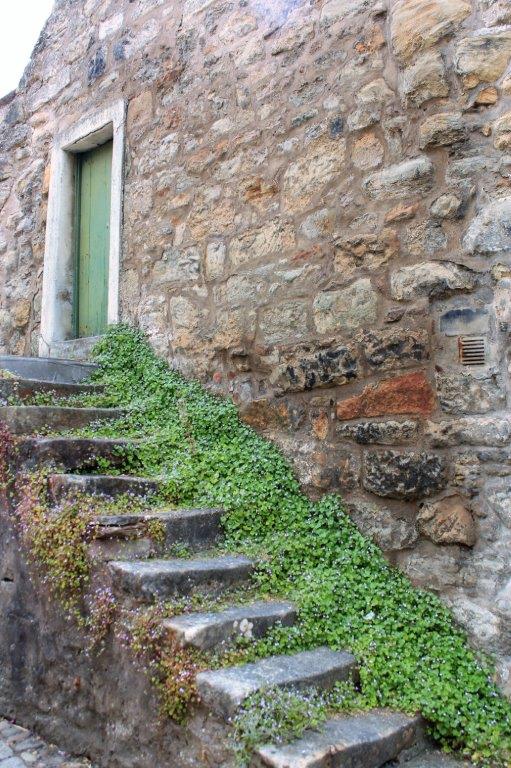
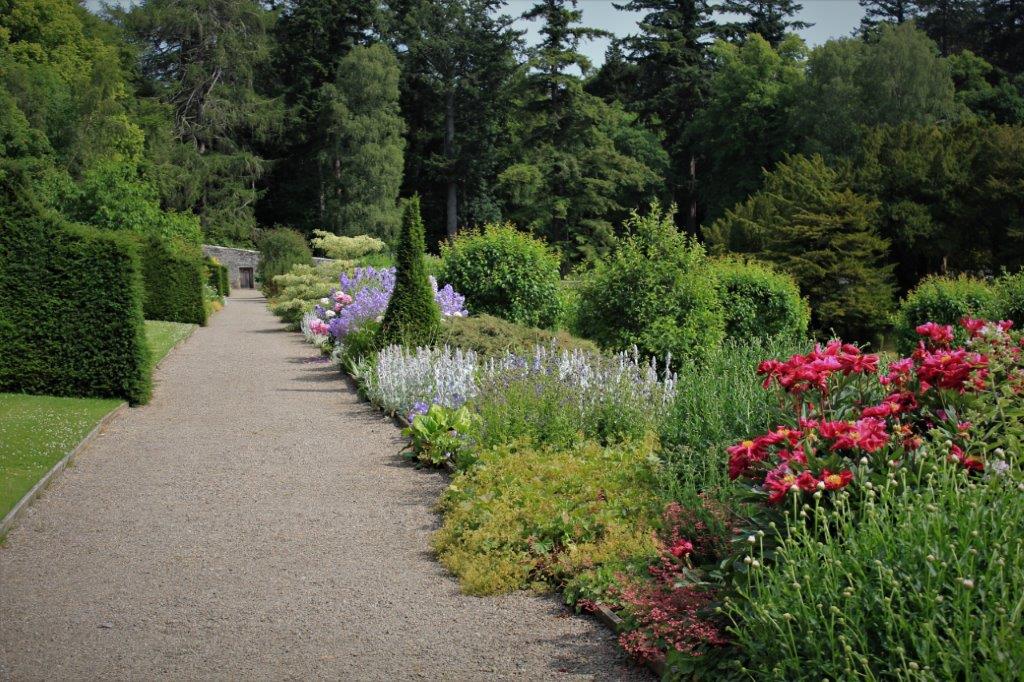
We spent two hours wandering the streets and gardens. There were beautiful pots of flowers all over the place, in front of doors, on stairways, by the roadside.  It was all very picturesque.

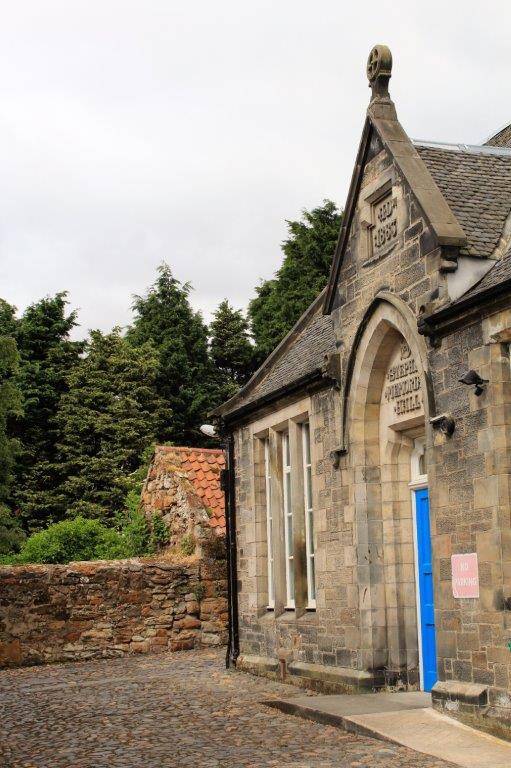
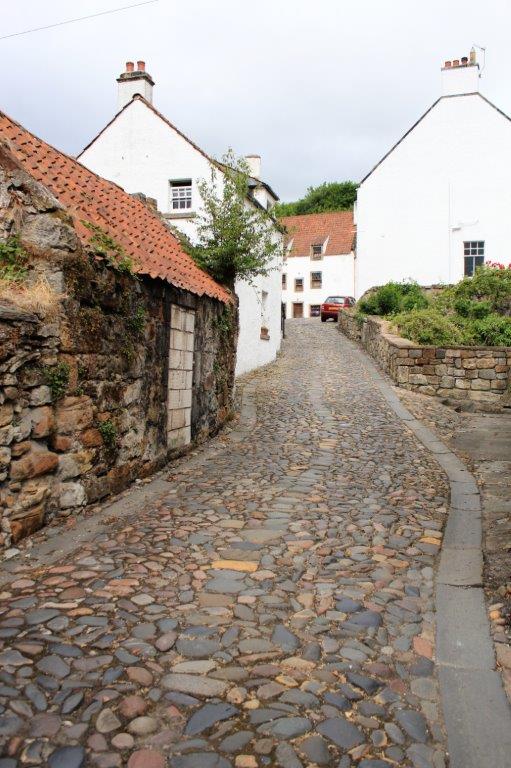
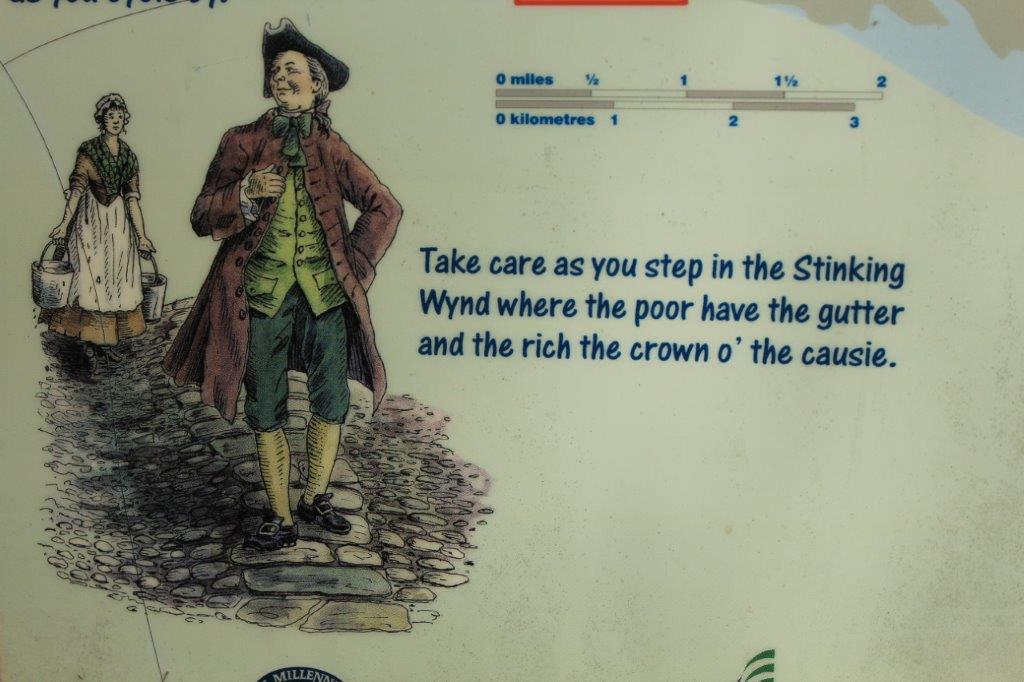
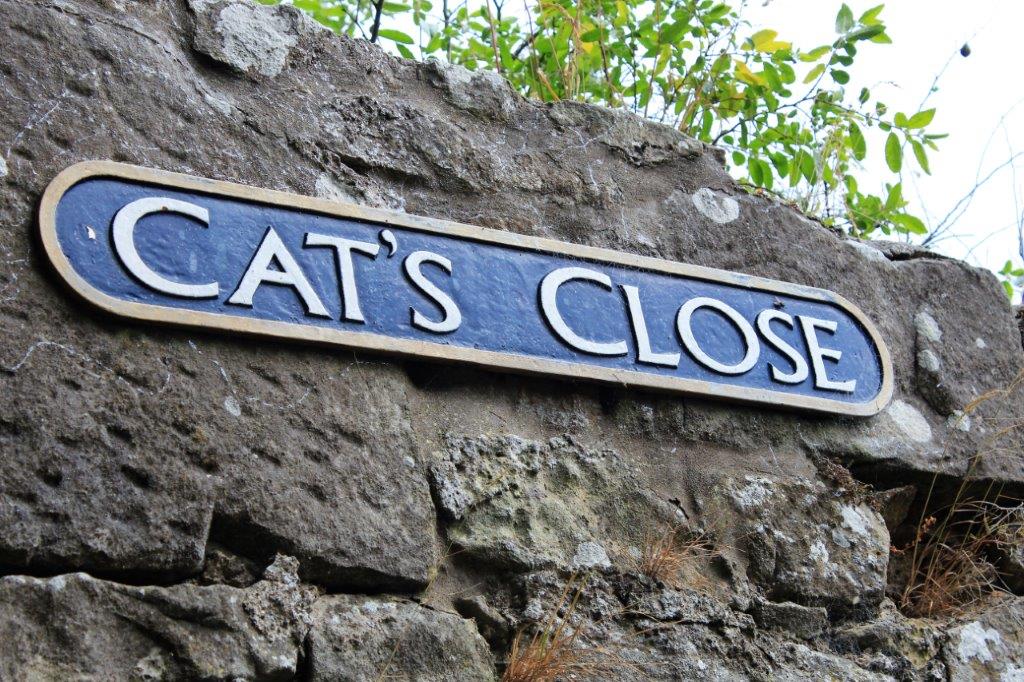
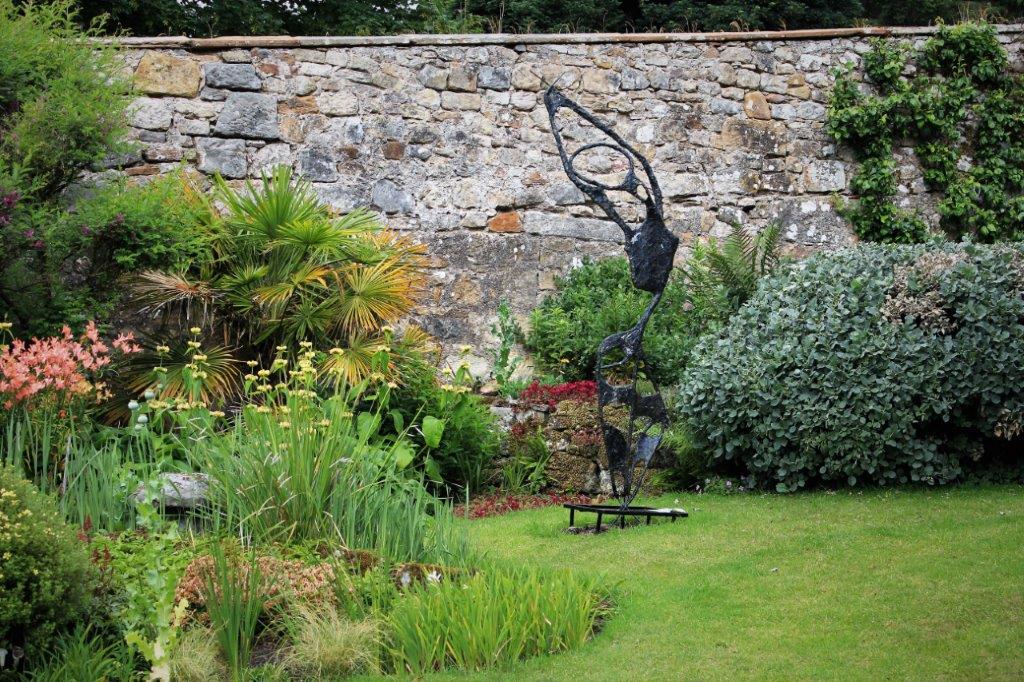
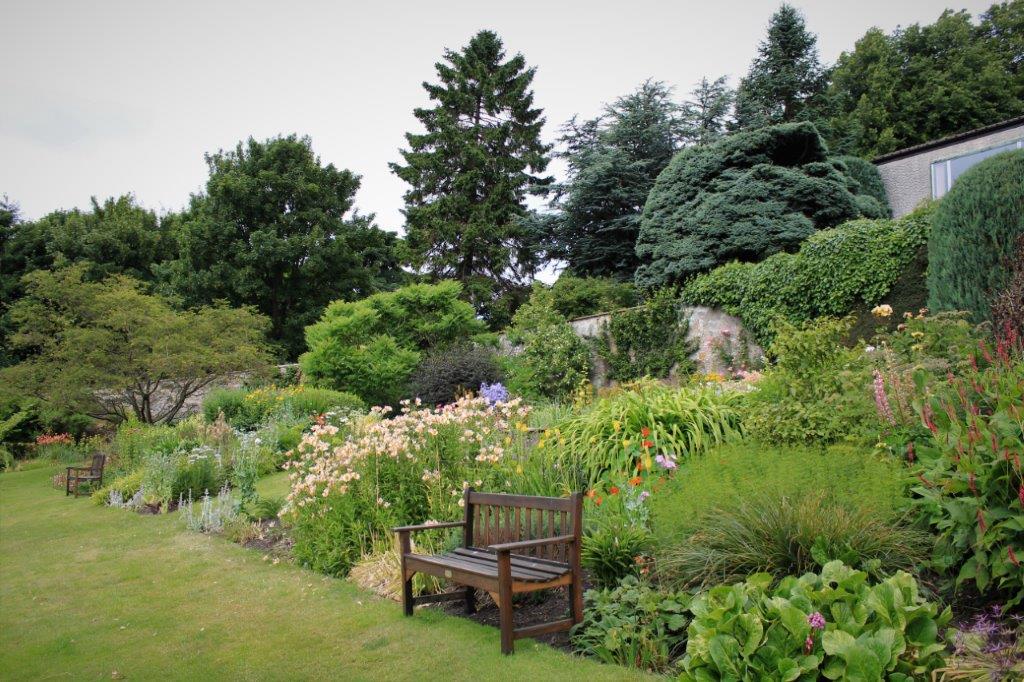
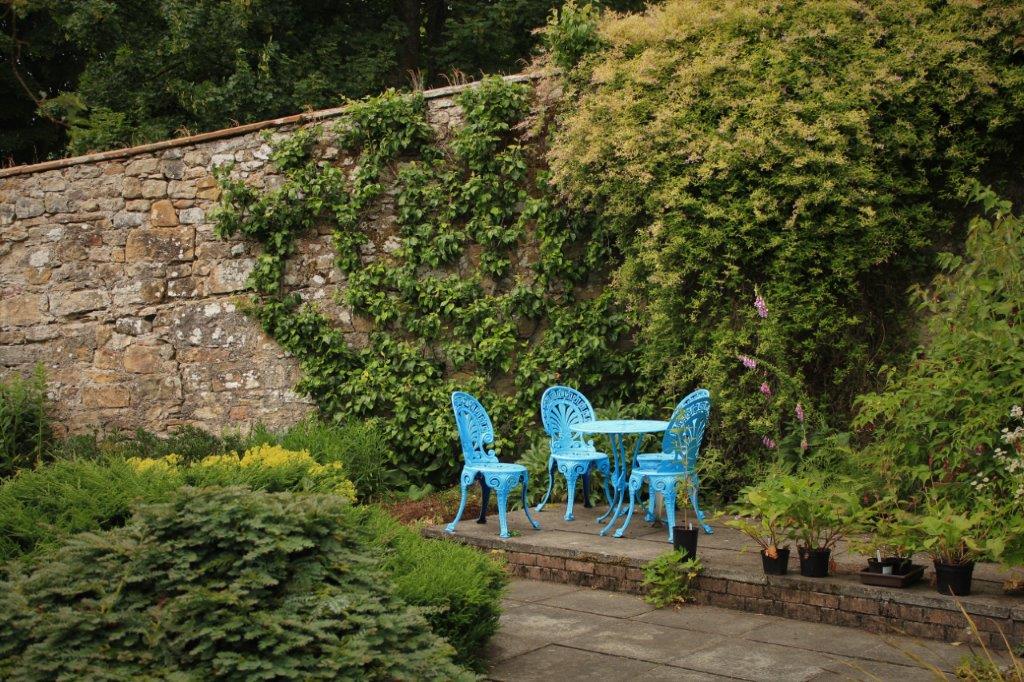
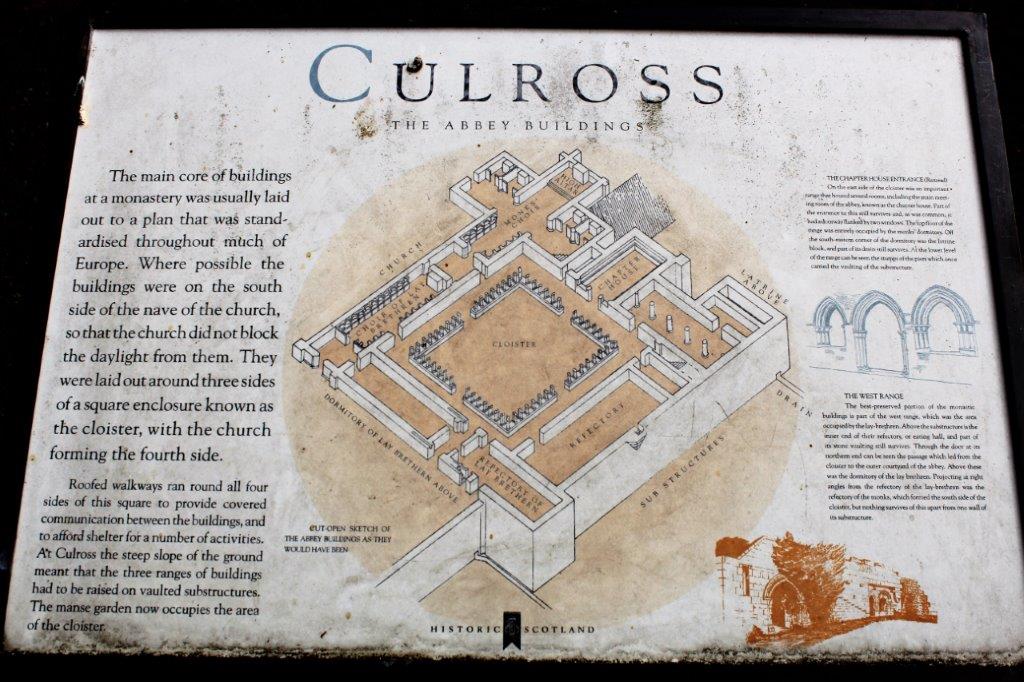
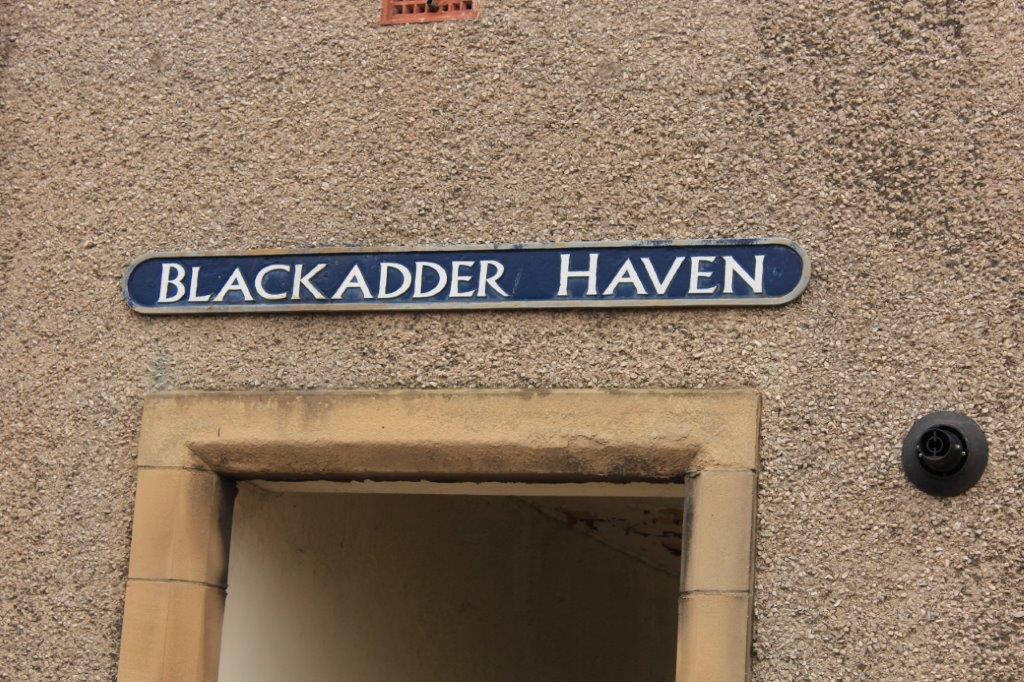
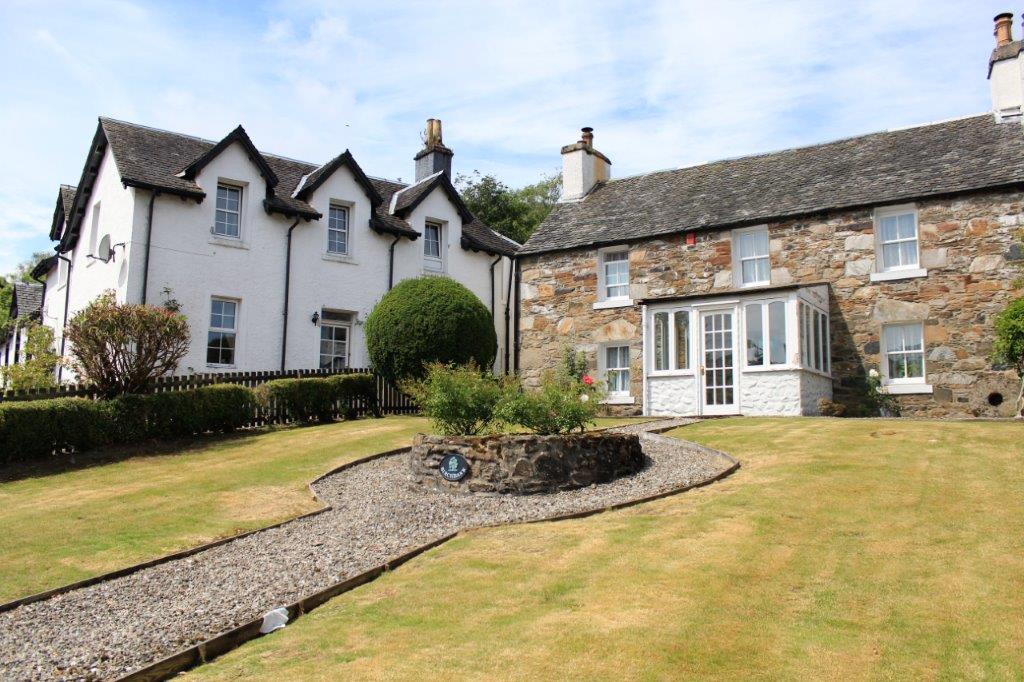
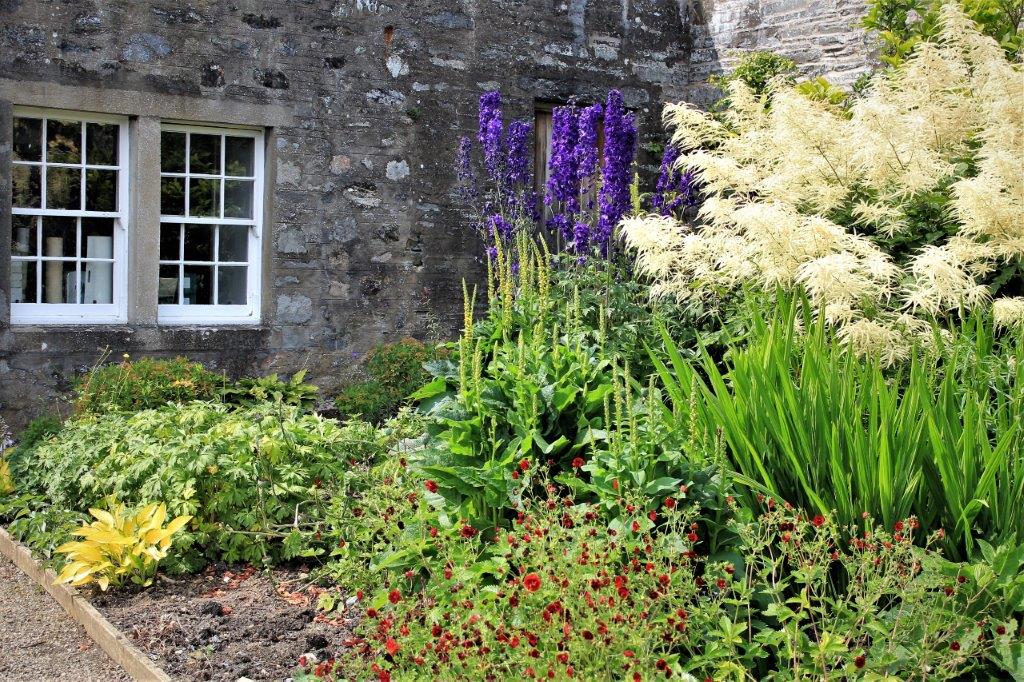
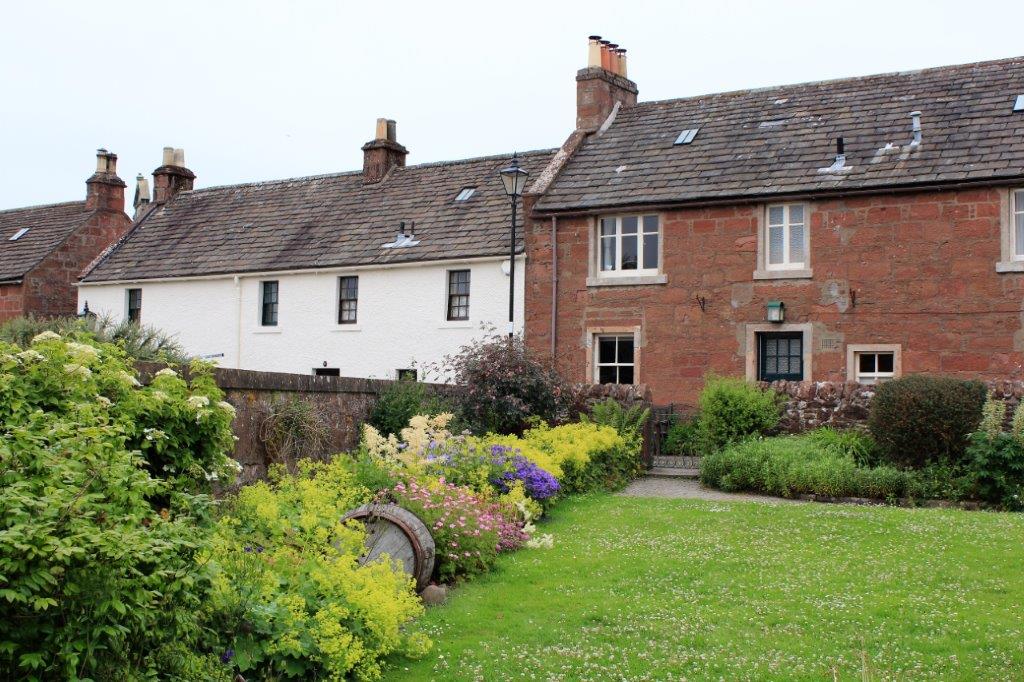
Many of the streets were the original cobblestone. This  lovely  garden  was  just  down  the  hill  from  Culross  Abbey.Much of the abbey is a ruin, but there are still regular worship services held in the West Kirk.There were some very unique names for the houses and cottages.

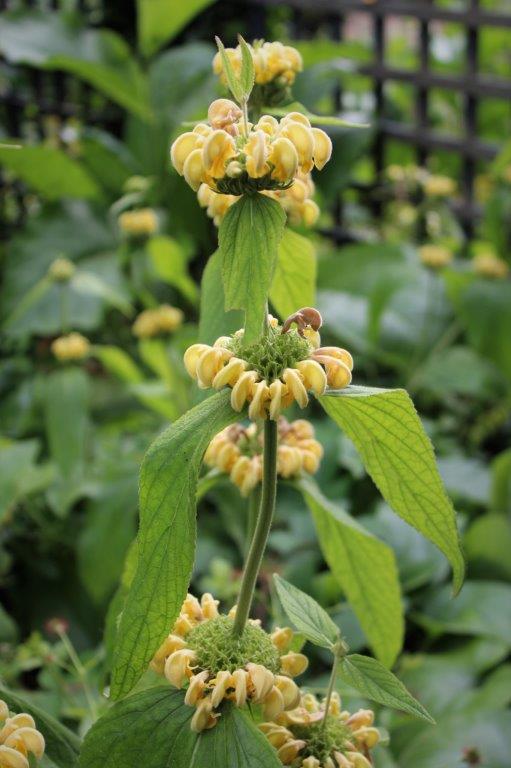
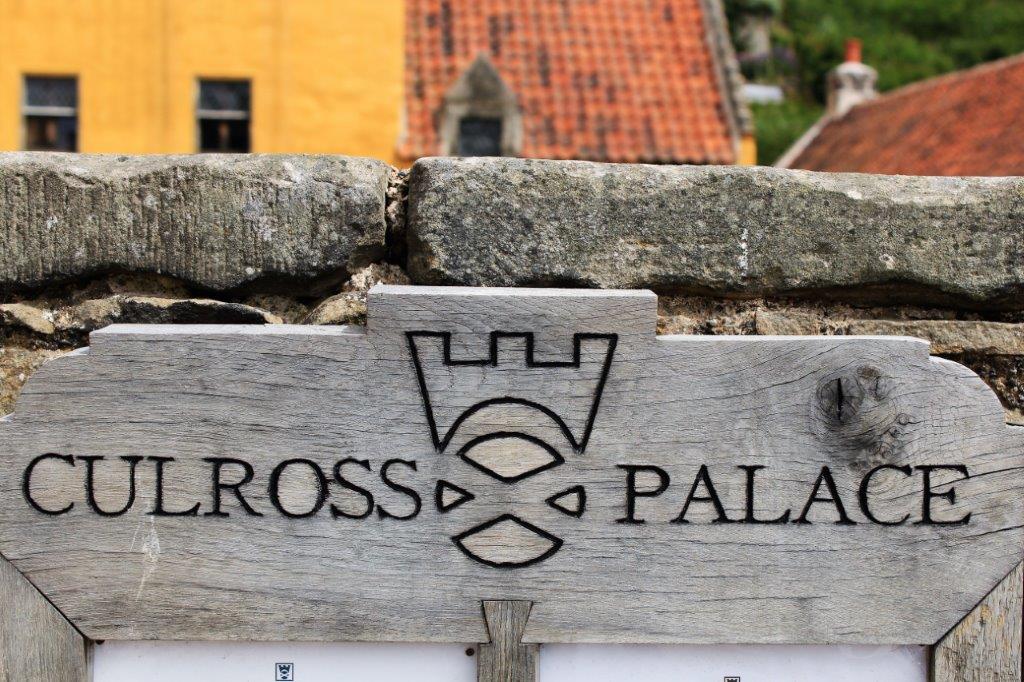
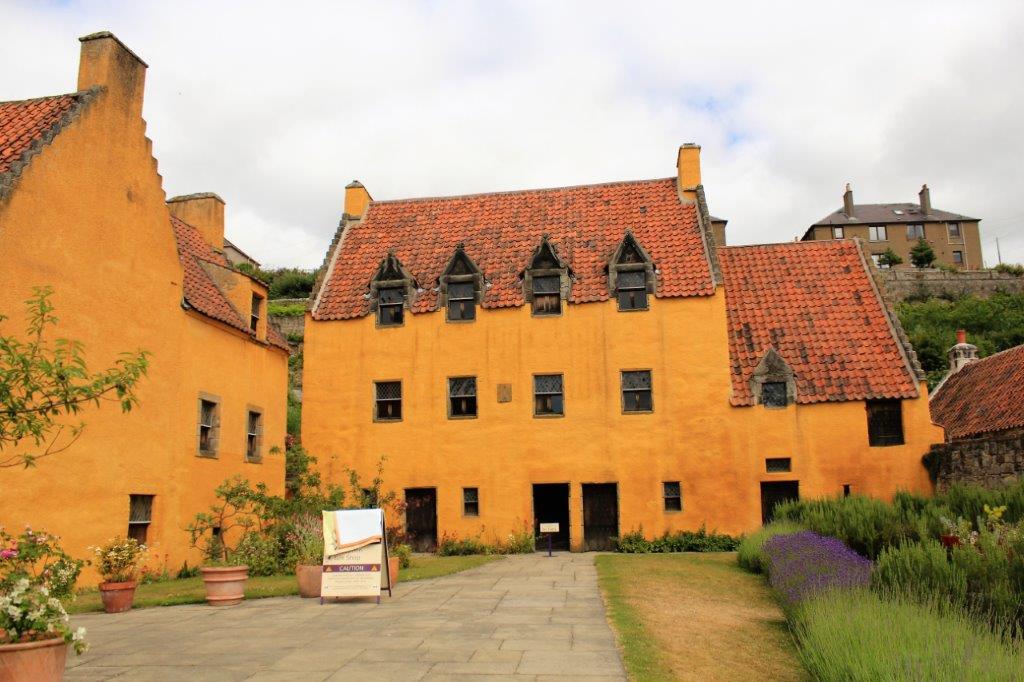
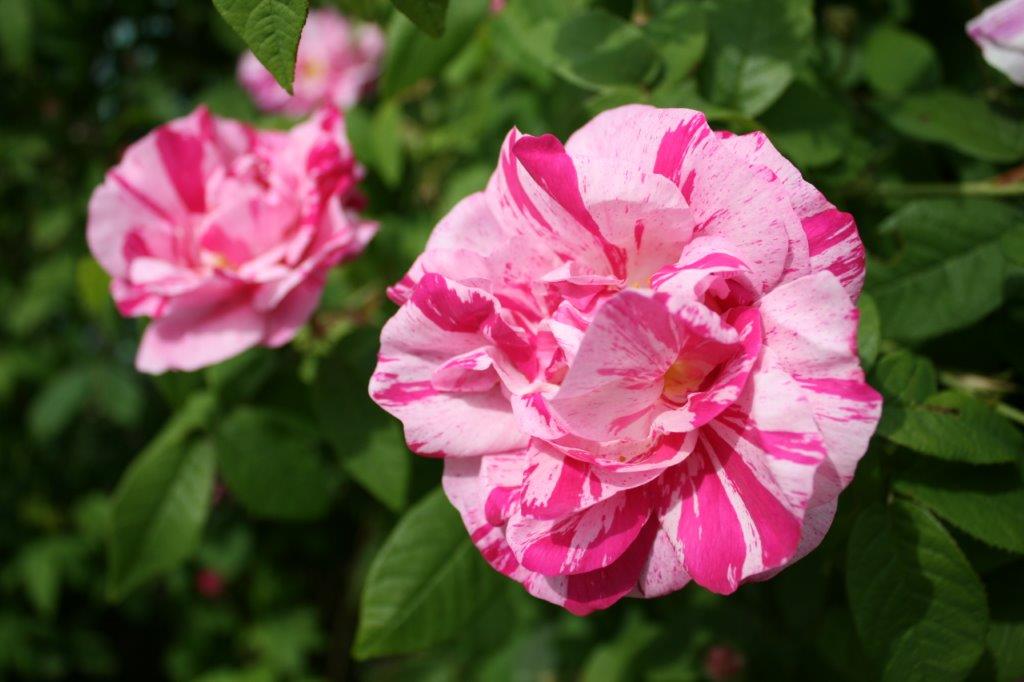
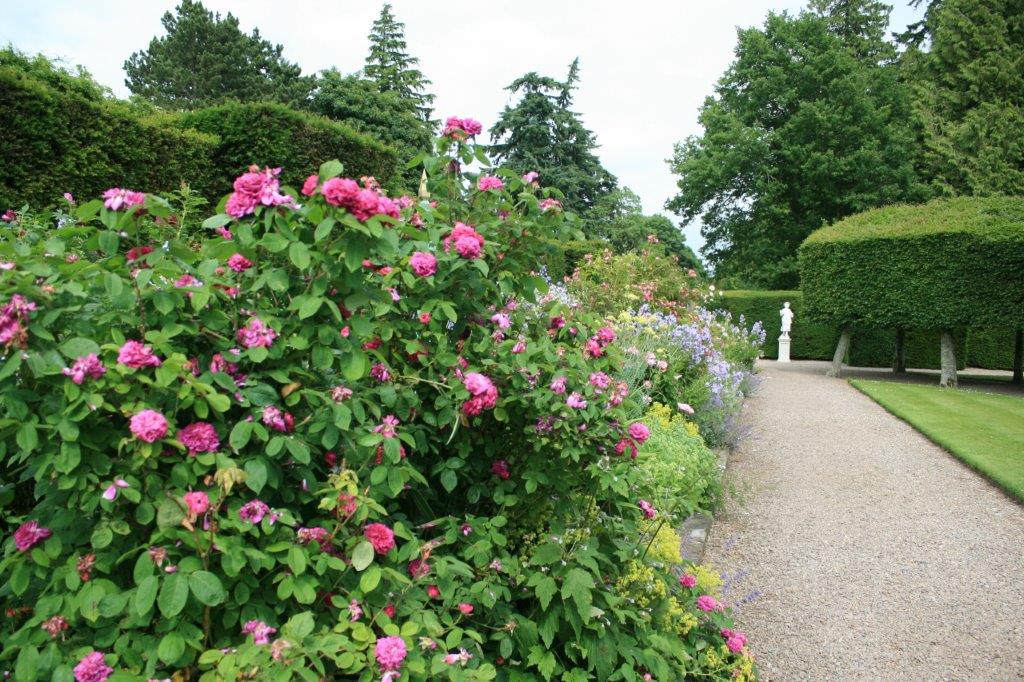
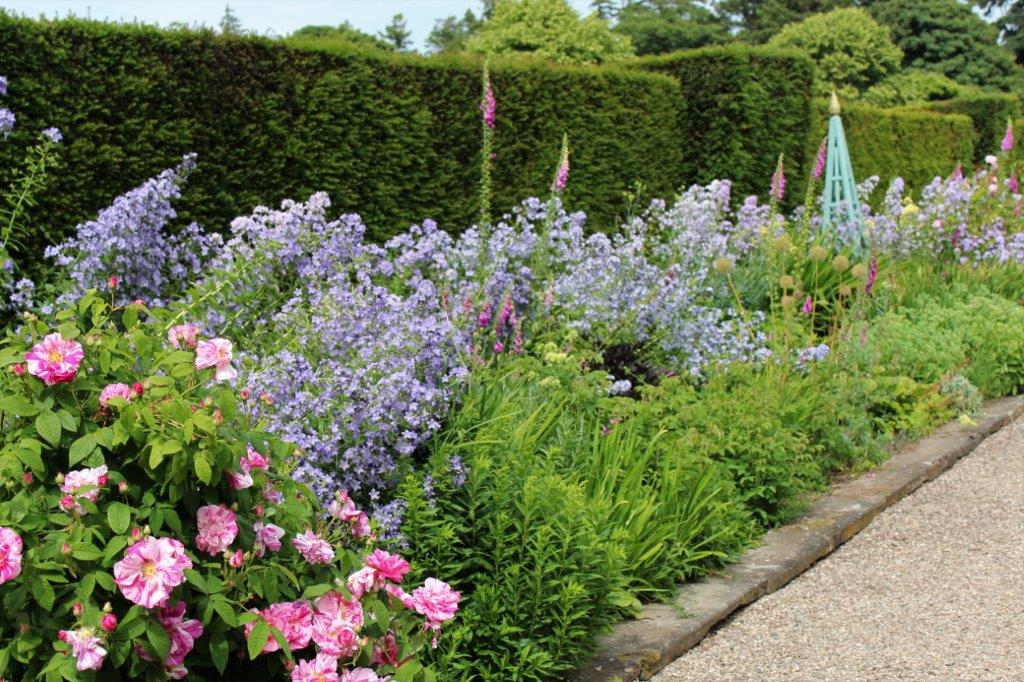
The palace was closed the day we were there, so we didn’t have a chance to go inside.   A large garden is planted each year on the palace grounds and you can purchase herbs, fruit, and vegetables in season.It is certainly a striking colour.

2013 Summer (Baltic and Britain – Scotland – July 14 – Day 21 – Part 2)

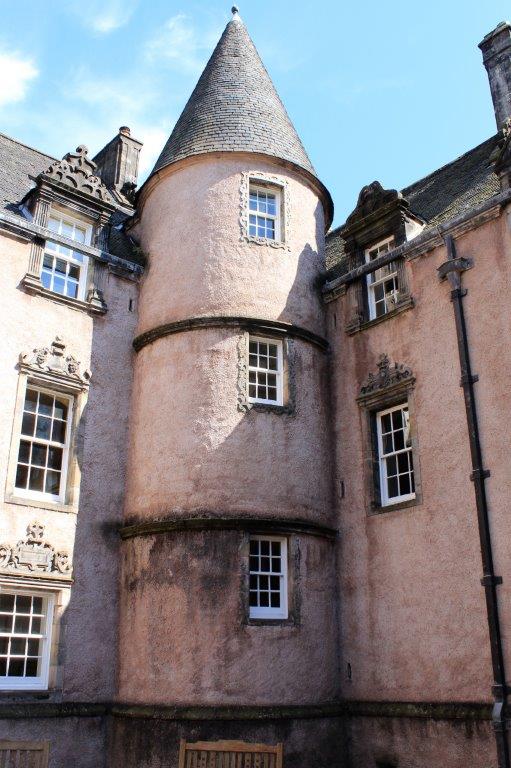
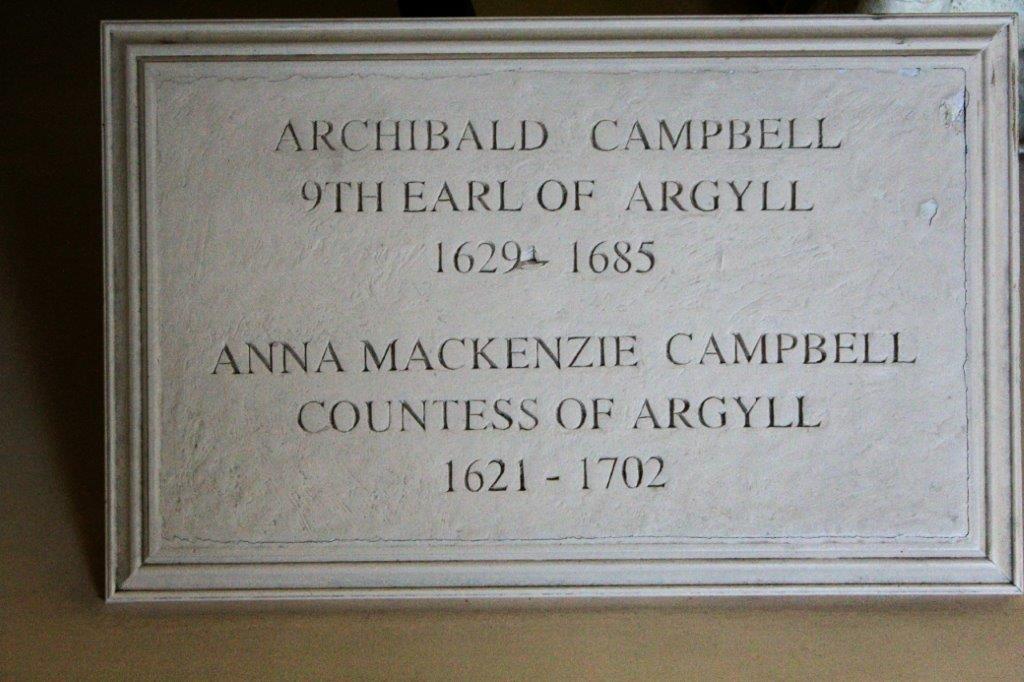
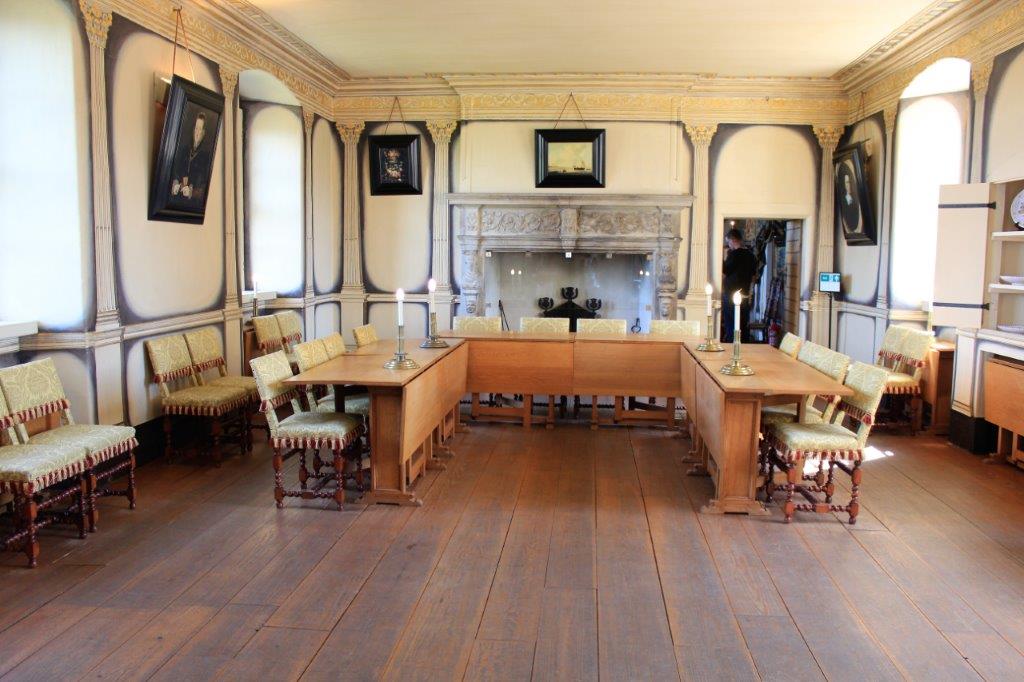
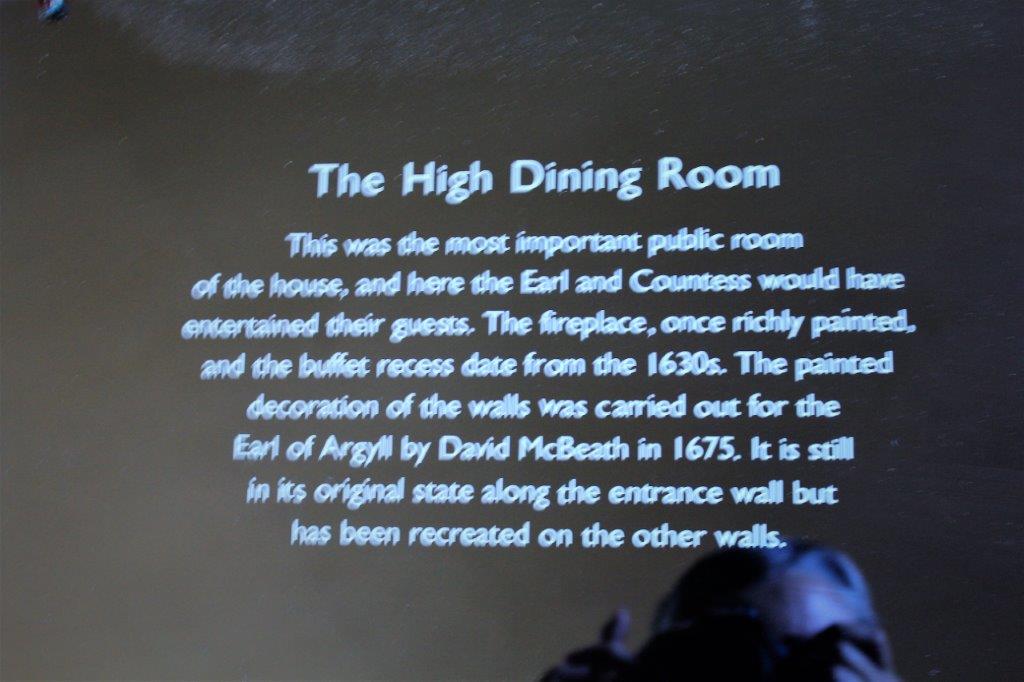
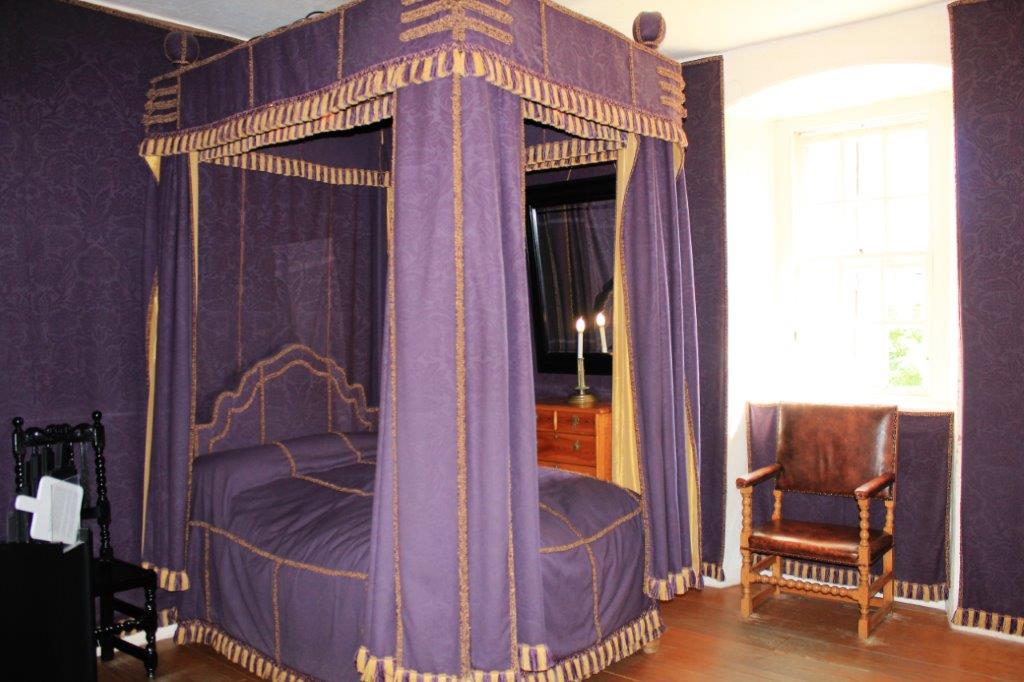
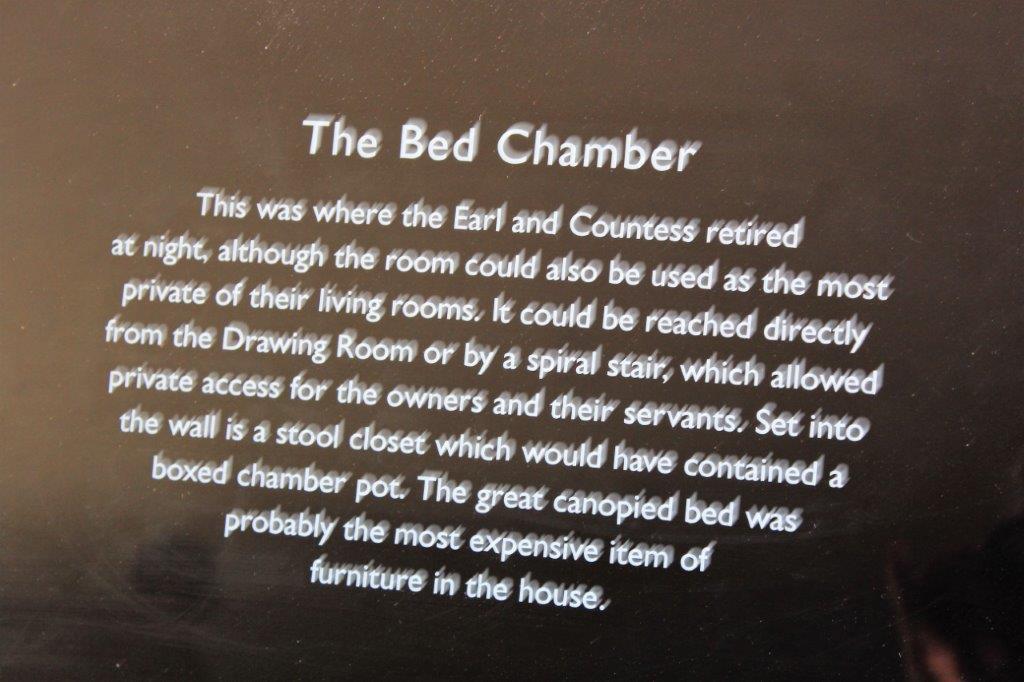
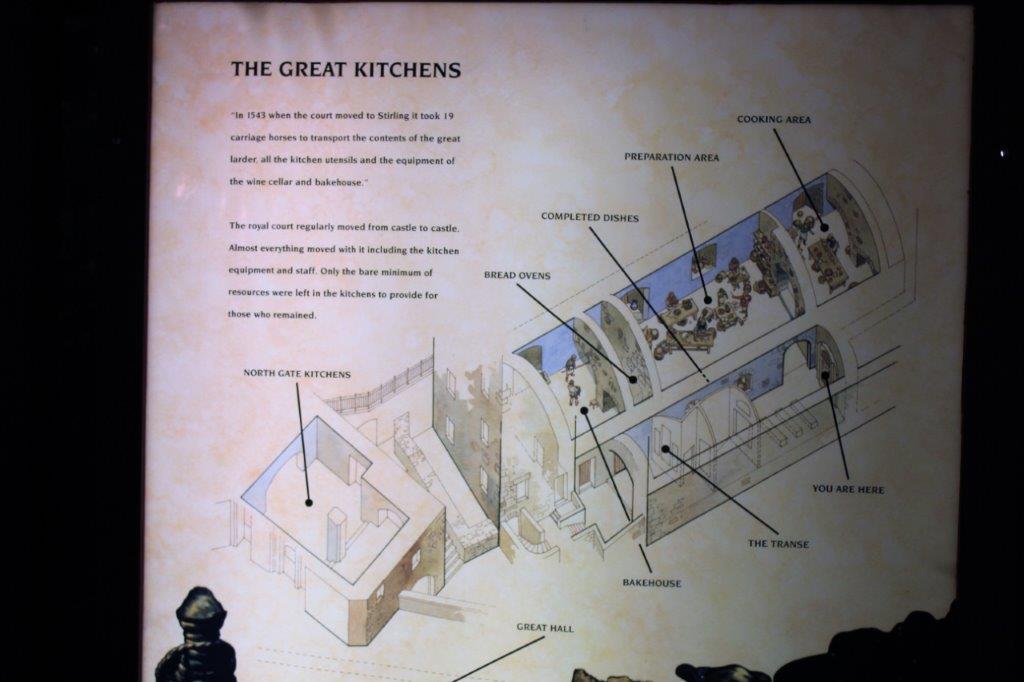
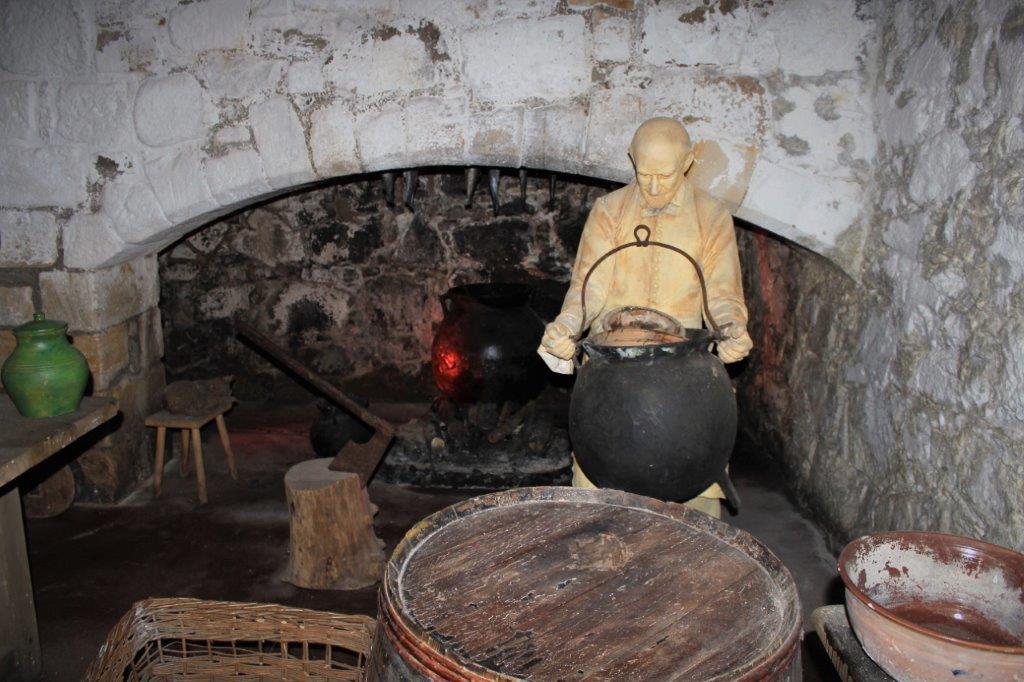
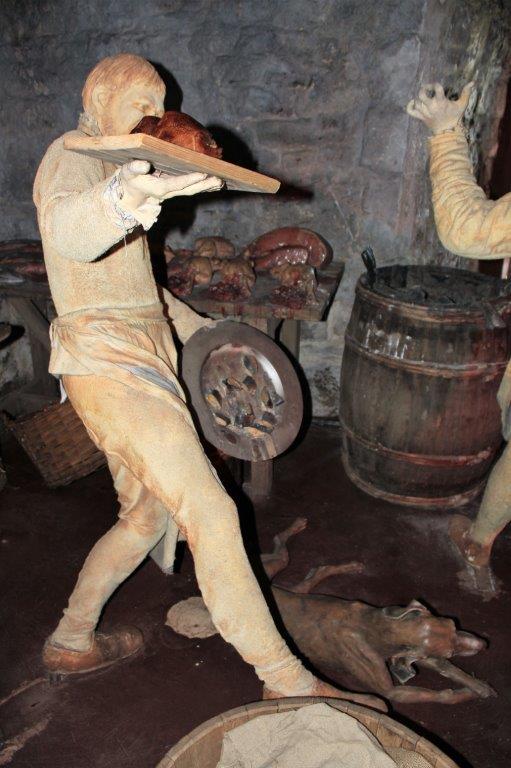
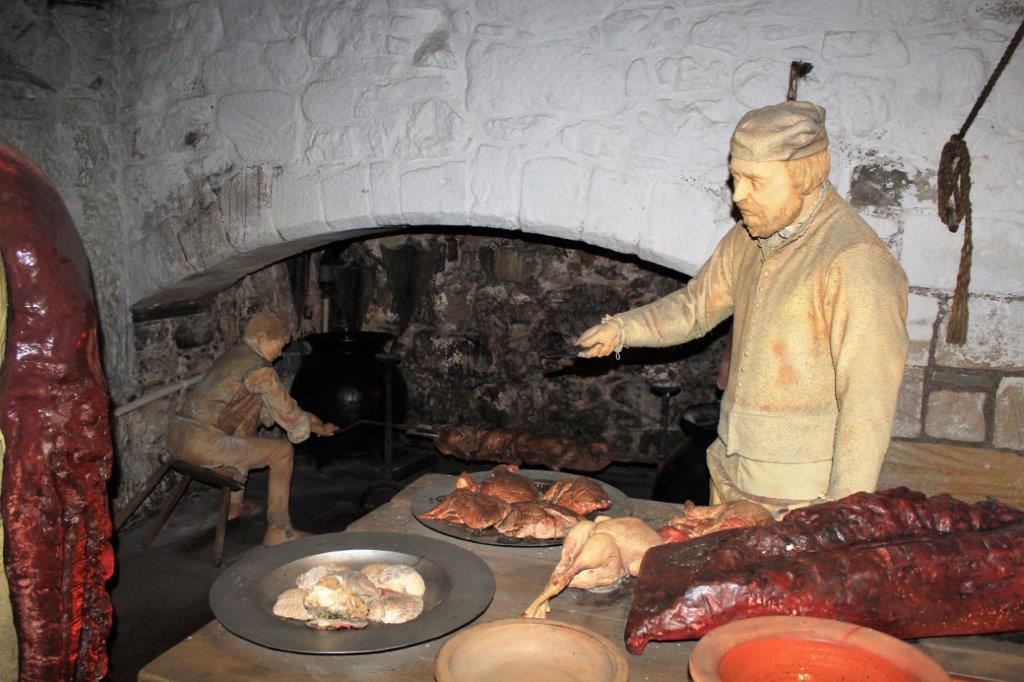
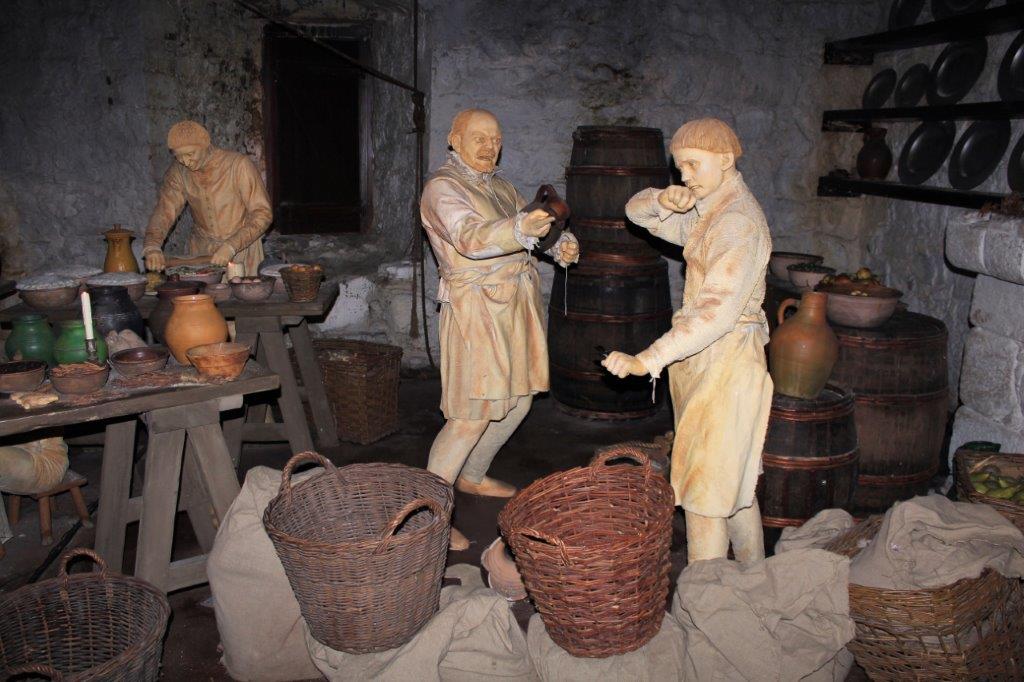
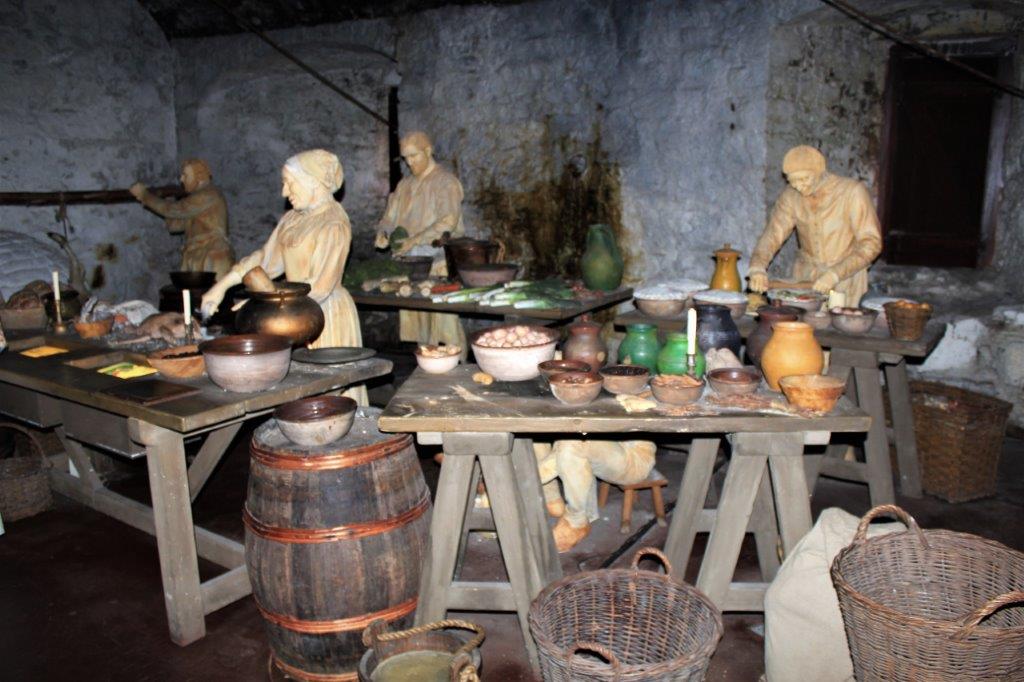
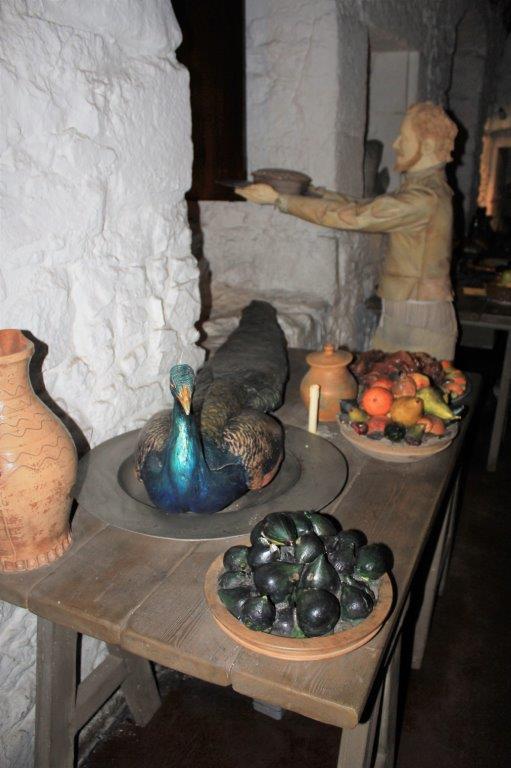
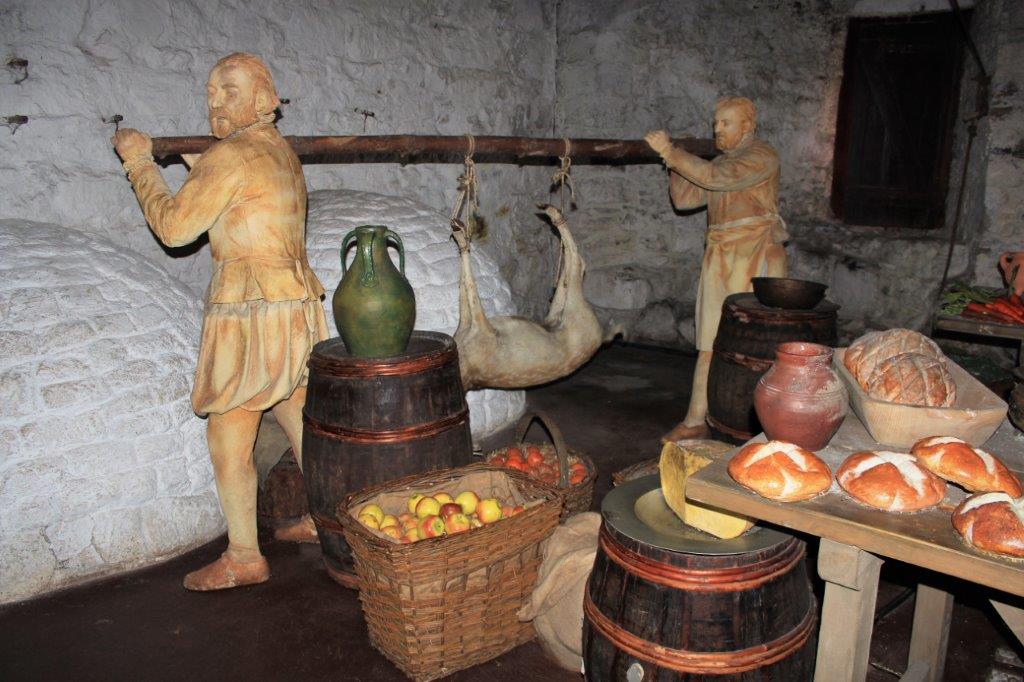
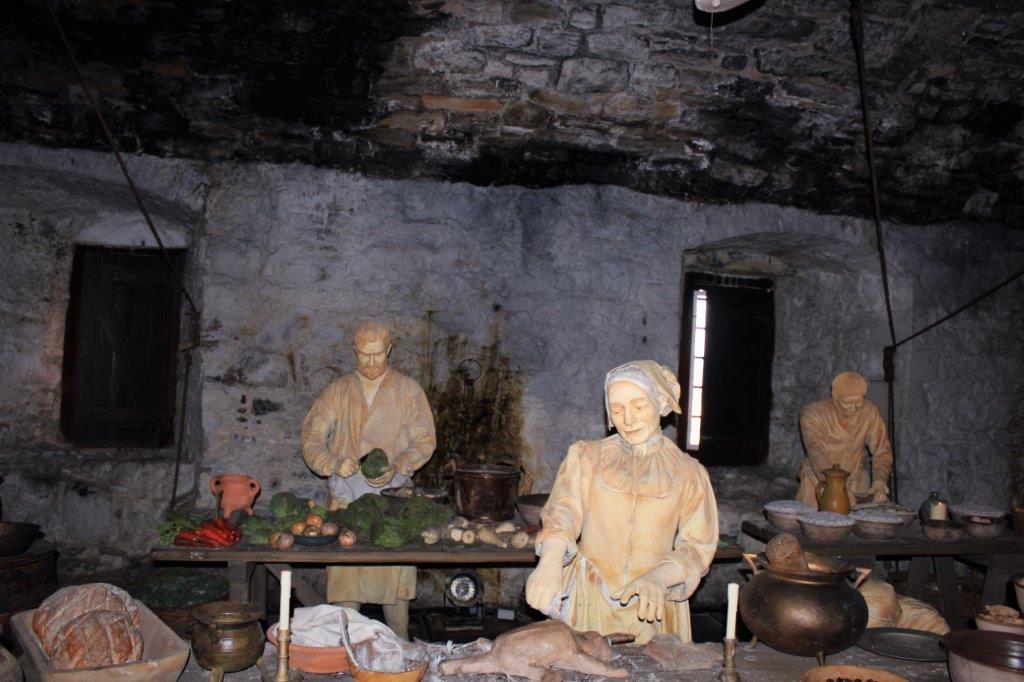
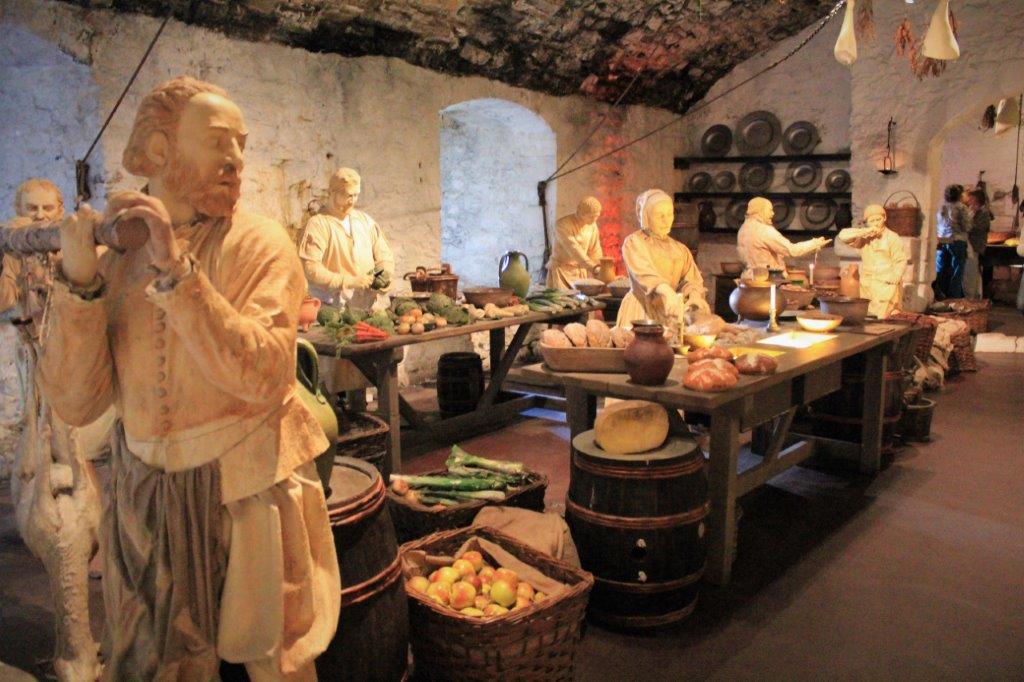
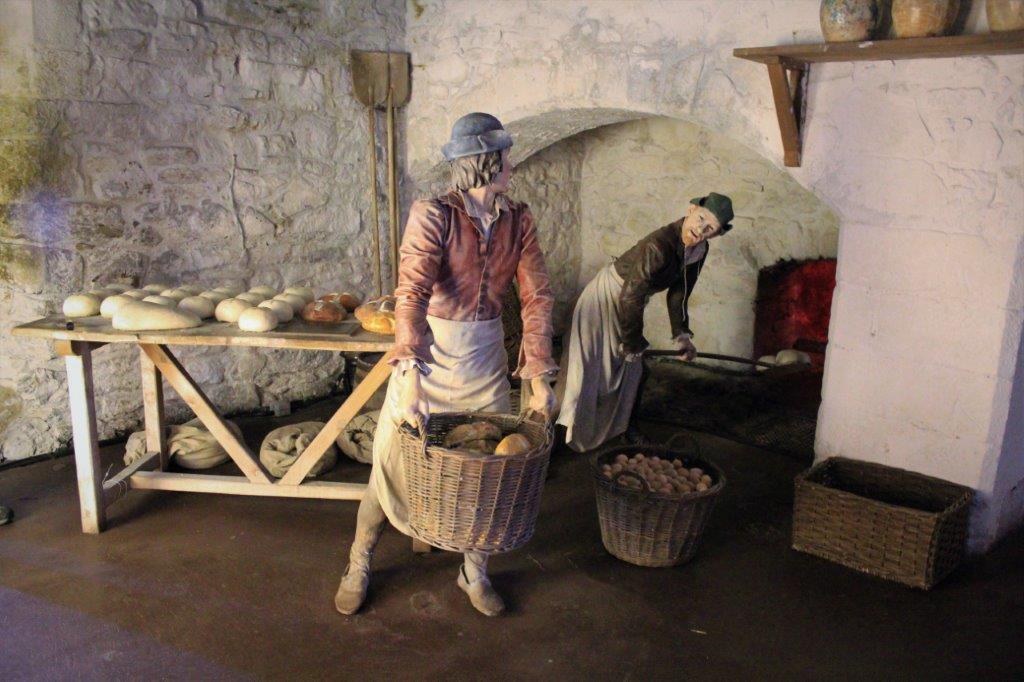
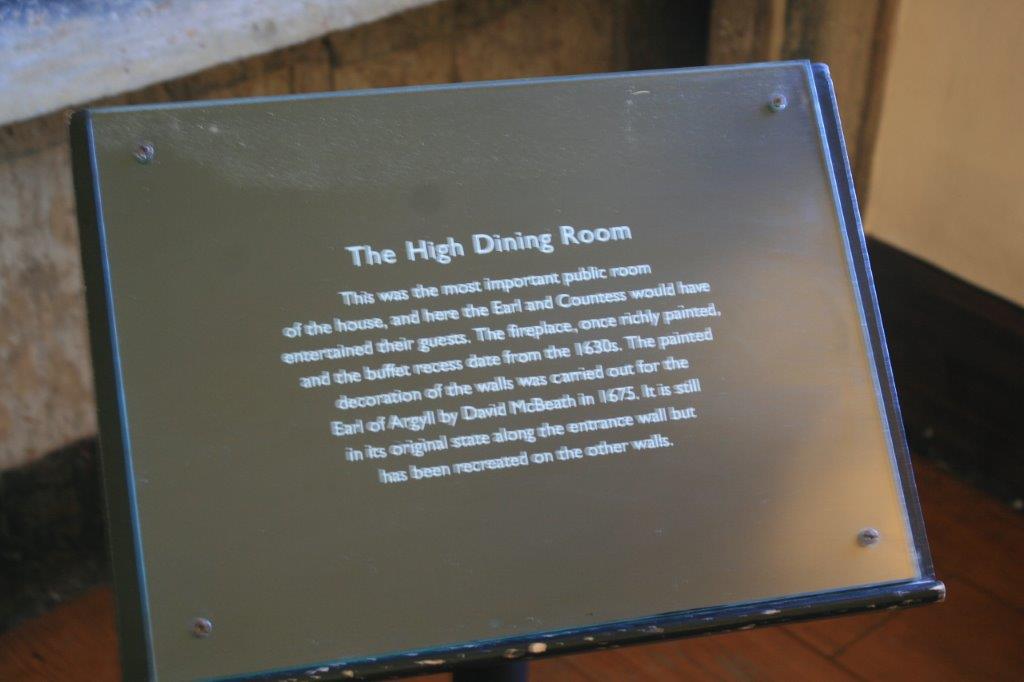
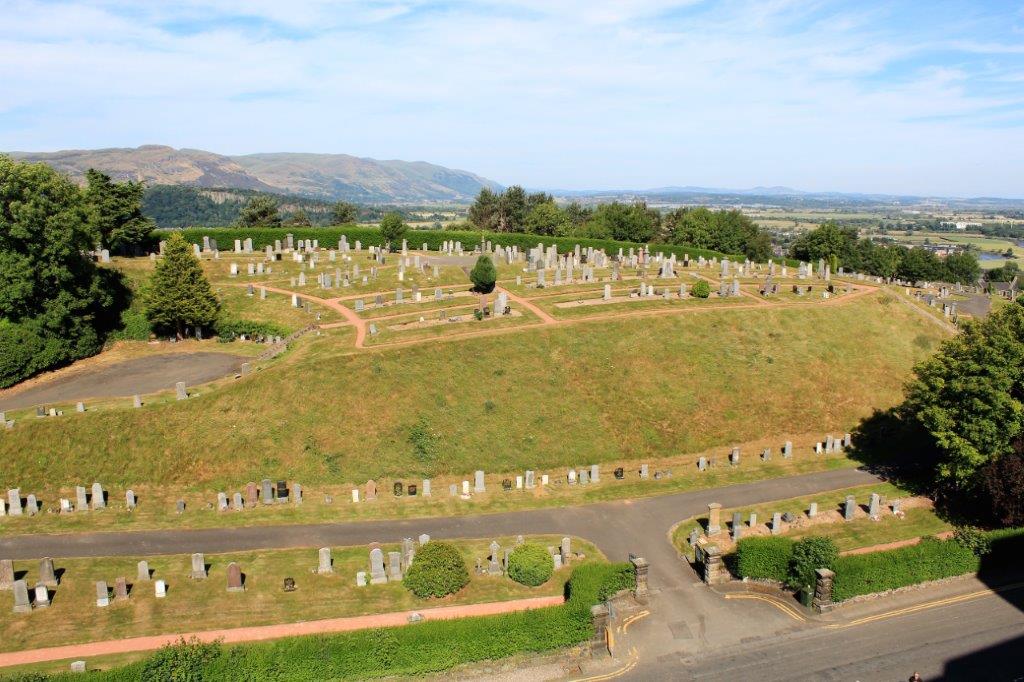
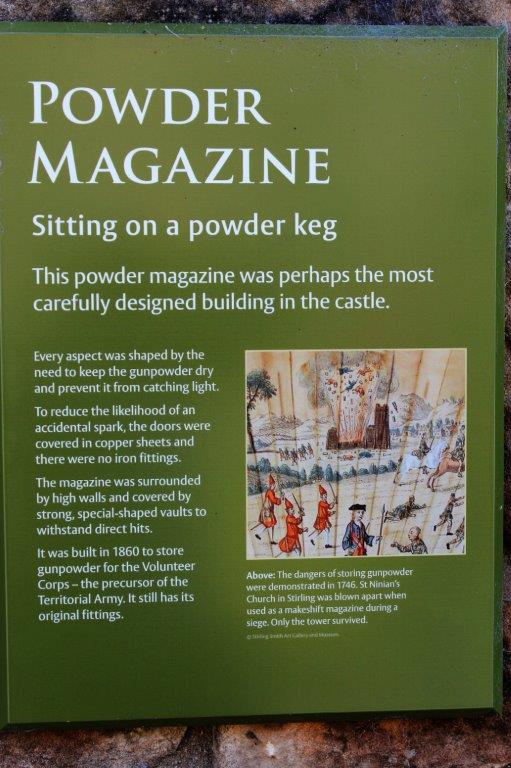
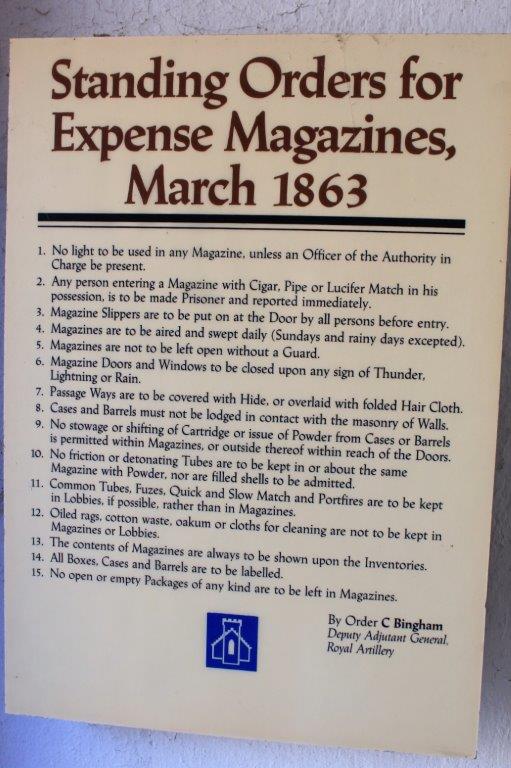
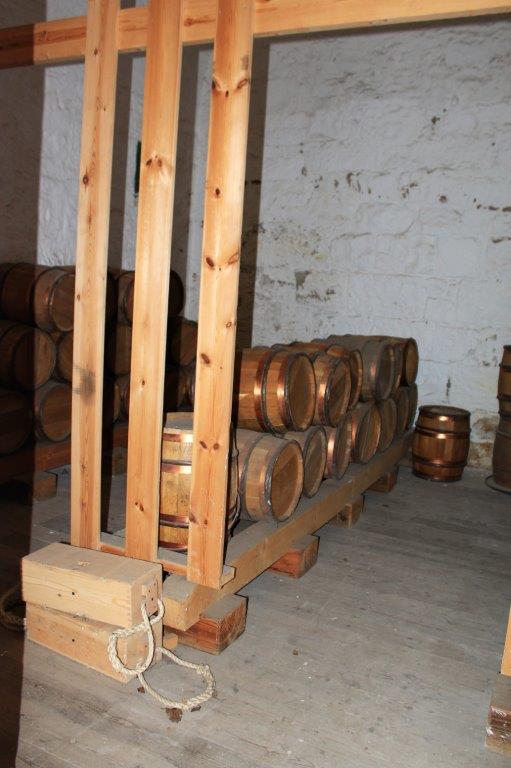
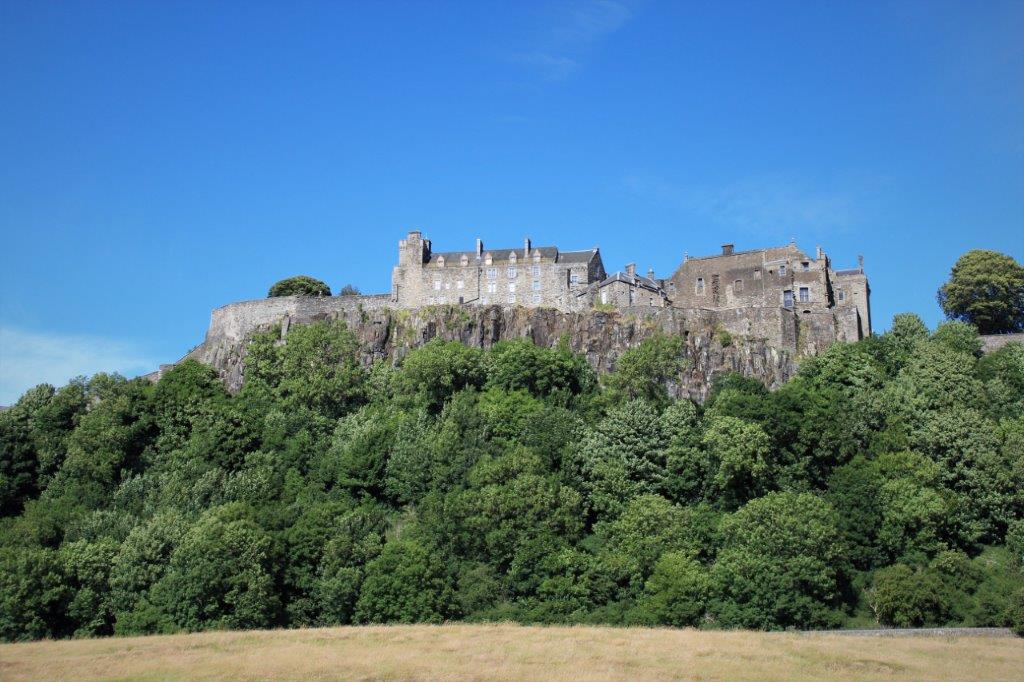
We had tried twice before, on our second and third days in Scotland on July 25 and 26 to tour Argyll’s Lodging, which is located down the hill and around the corner from Stirling Castle.  Both days it was closed.  But this day it was open.Argyll’s Lodging is under the care of Historic Scotland and guided tours are arranged through the ticket office at Stirling Castle.  The mansion was built in the 1670’s as the residence of a high ranking nobleman serving in the royal court.  It is named for the Campbells of Argyll and is considered to be the most complete aristocratic townhouse of its period in Scotland. Visitors get to witness the high-status domestic life of the 1600s. There are so many historic castles, abbeys and buildings in Scotland that it must be a challenge to  vary  the  displays  and  make  each  one  a unique  place  for  people  to  visit.  Argyll’s  Lodging  did  a great  job  portraying  life  in  the  kitchen  of  a great  house.All  of  the  photos  below  were  part  of  the goings-on  in  the  big  kitchen. We wandered onto the lower grounds of Stirling Castle and checked out the powder magazine where all the gunpowder used to be kept. The Castle  certainly  shows  a formidable  face  to  those  arriving  from  the  cliff side.

2013 Summer (Baltic and Britain – Scotland – July 14 – Day 21 – Part 1)

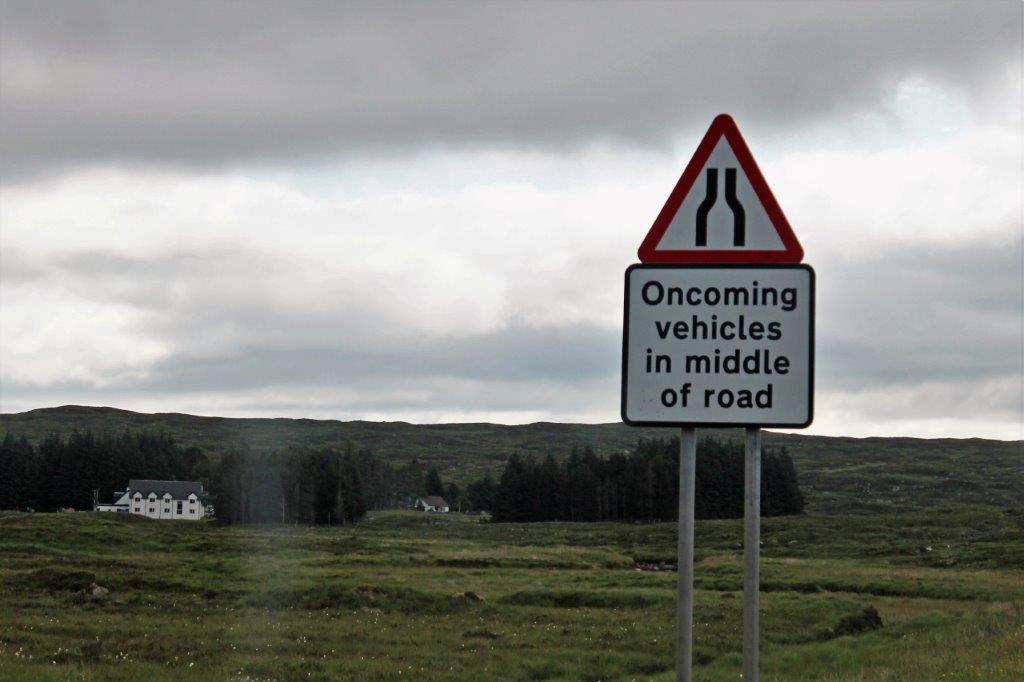
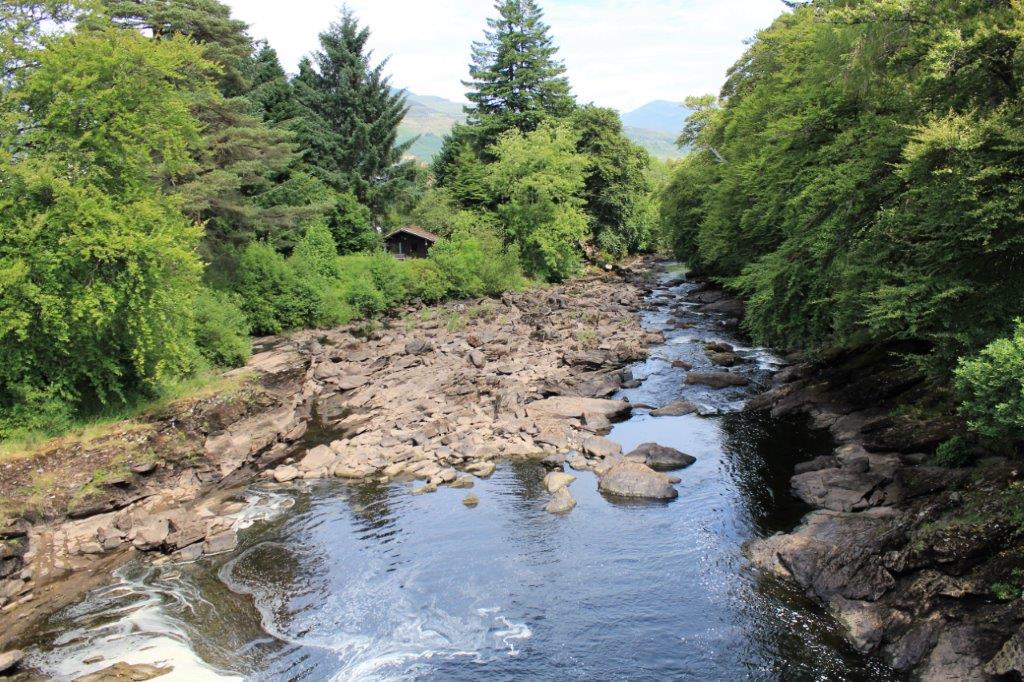
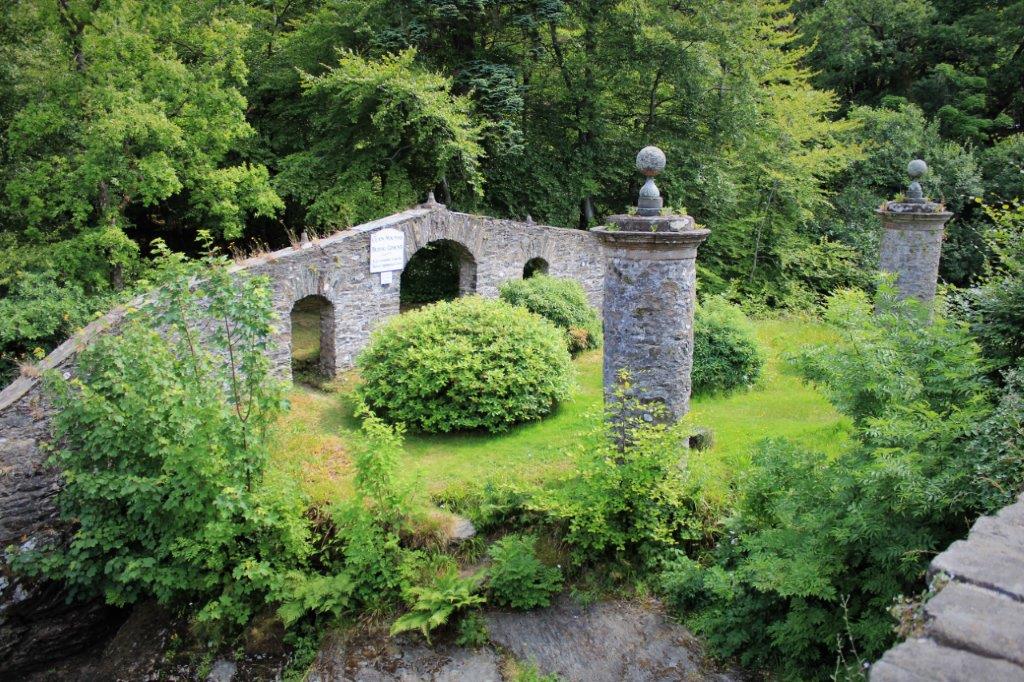
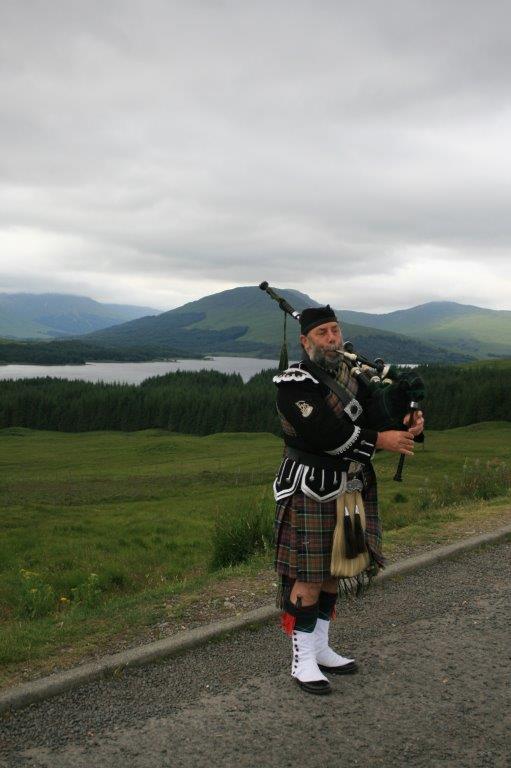
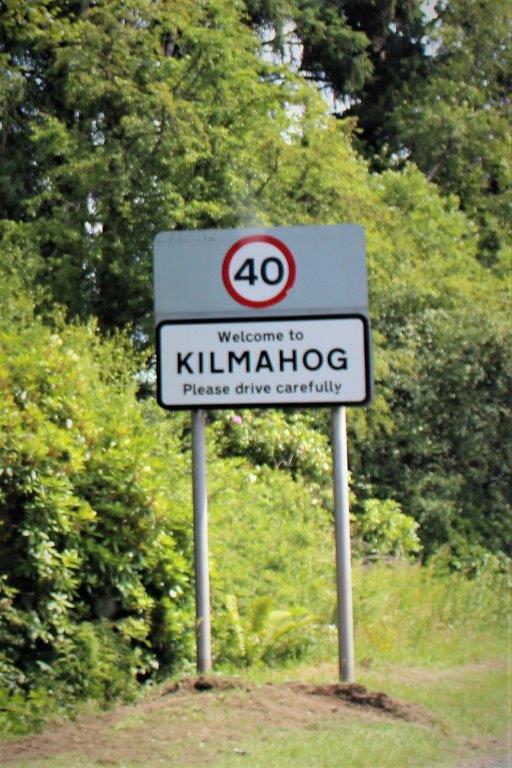
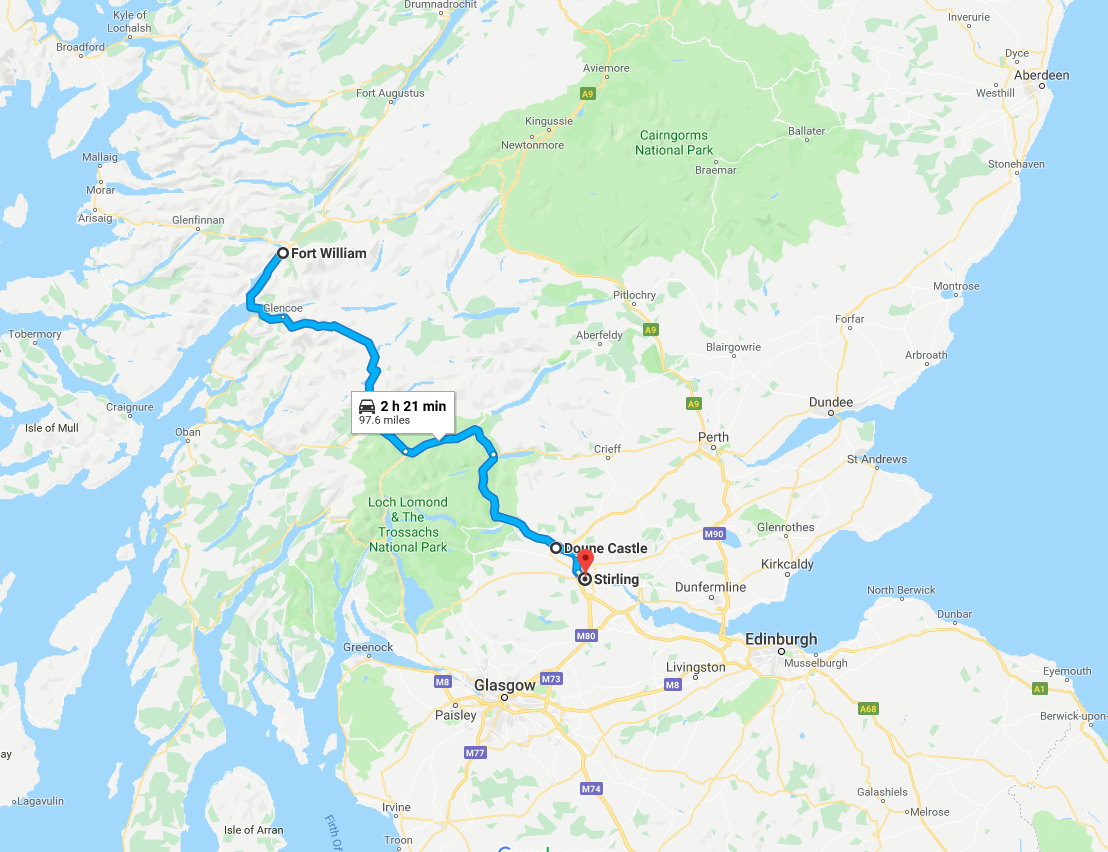
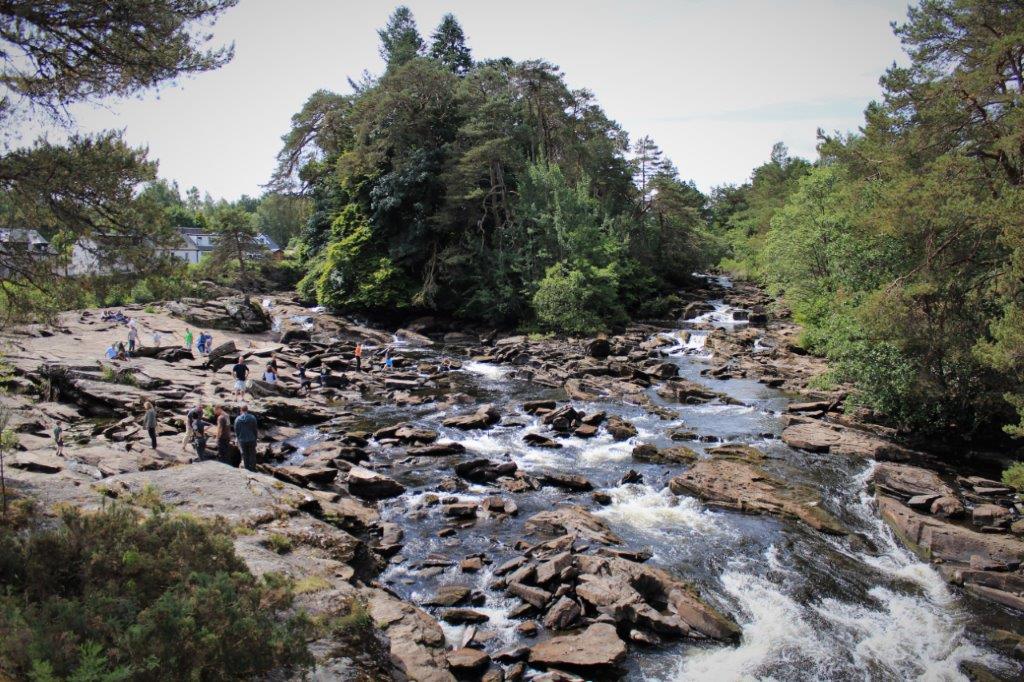
It took us a few hours to arrive at Doune Castle.  Google maps says the distance takes just over two hours, but as usual, we stopped to take photos.This was a comforting highway sign.  Where do you go?  Who  has  the  right  of  way? I  didn’t  write  down  the  name  of  this  town,  but the  rock-strewn river  was  a very  popular  spot.  We  walked  around for  awhile  before  heading  out  to Doune. The  archway  in  the  photo  below  was  the  entrance  to  a cemetery.  You are never far from the sound of bag pipes in Scotland. This fellow was just serenading passing motorists.  I often had a chuckle at some of the place names.

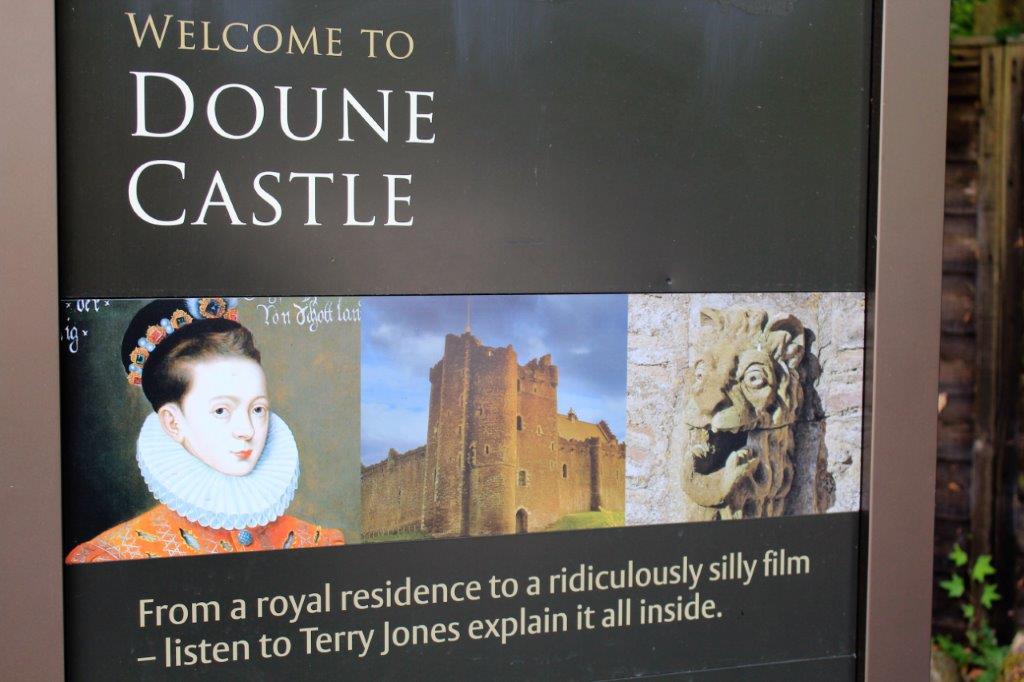
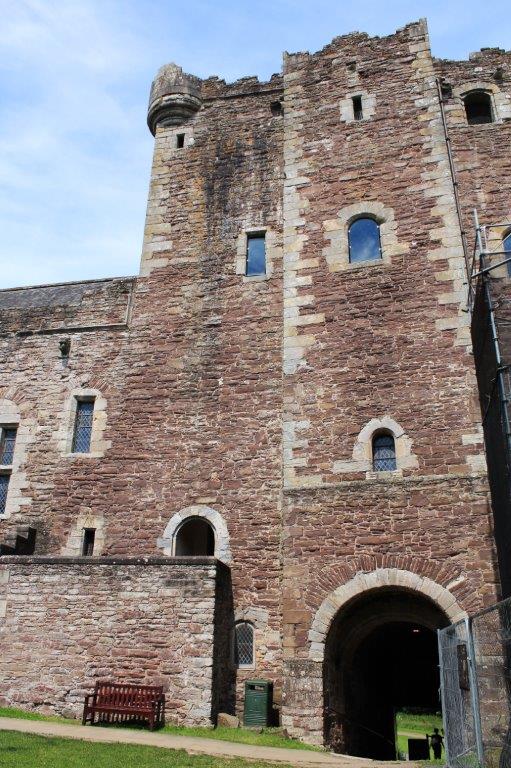
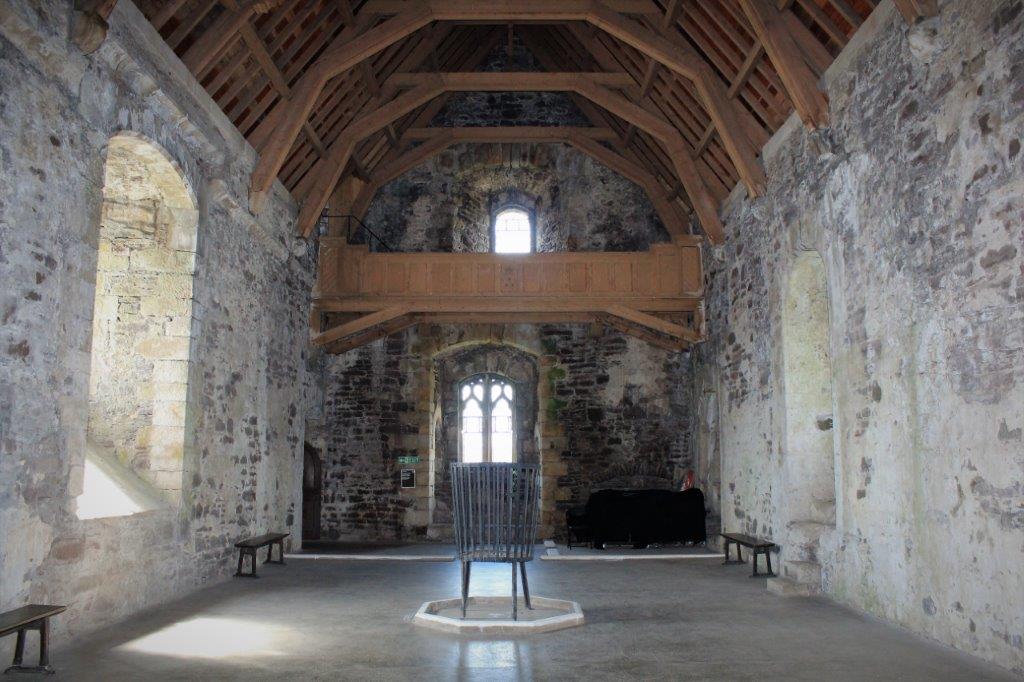
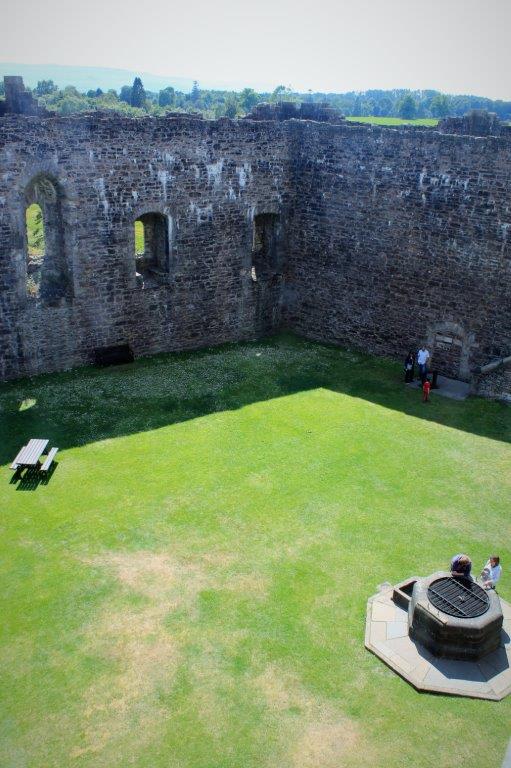
Doune Castle has been featured in the movies, Ivanhoe and Monty Python and the Holy Grail.  It also was used in Game of Thrones and Outlander TV series.  It is a 14-century courtyard castle built for the Regent Albany, Scotland’s ‘uncrowned king.’  Robert Stewart, Duke of Albany served as regent to three different Scottish monarchs.  He was a ruthless politician suspected of the murder of his nephew.  He died in 1420 and was succeeded by his son Murdoch Stewart, Duke of Albany who was executed for treason when the imprisoned King James returned to Scotland.  James had been held captive in England for eighteen years during which Robert Stewart served as regent in Scotland, making him king in all but name.

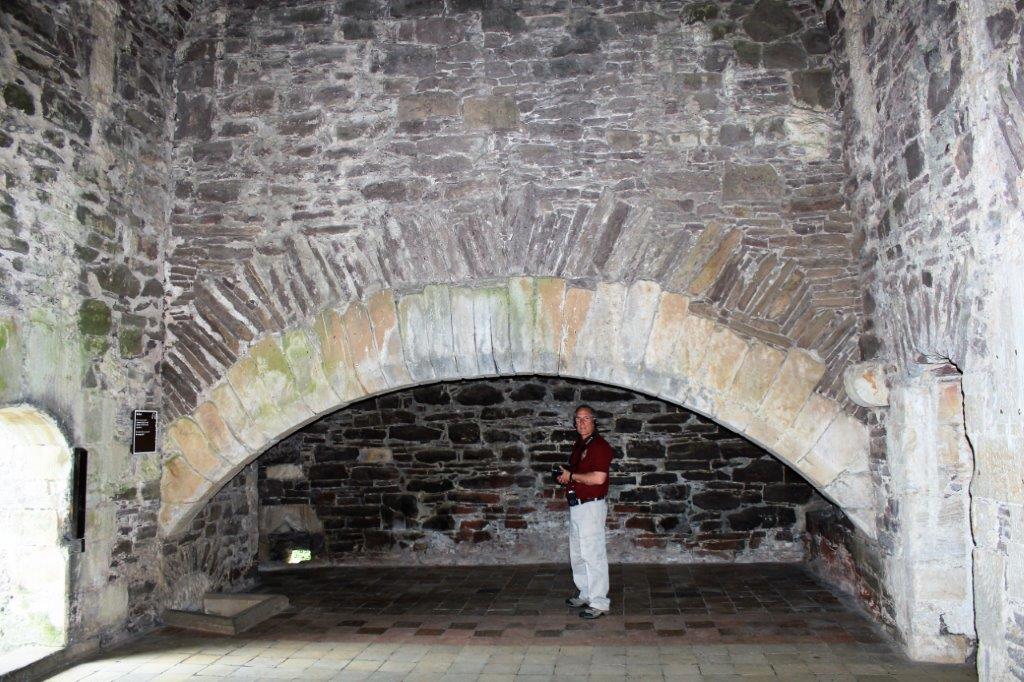
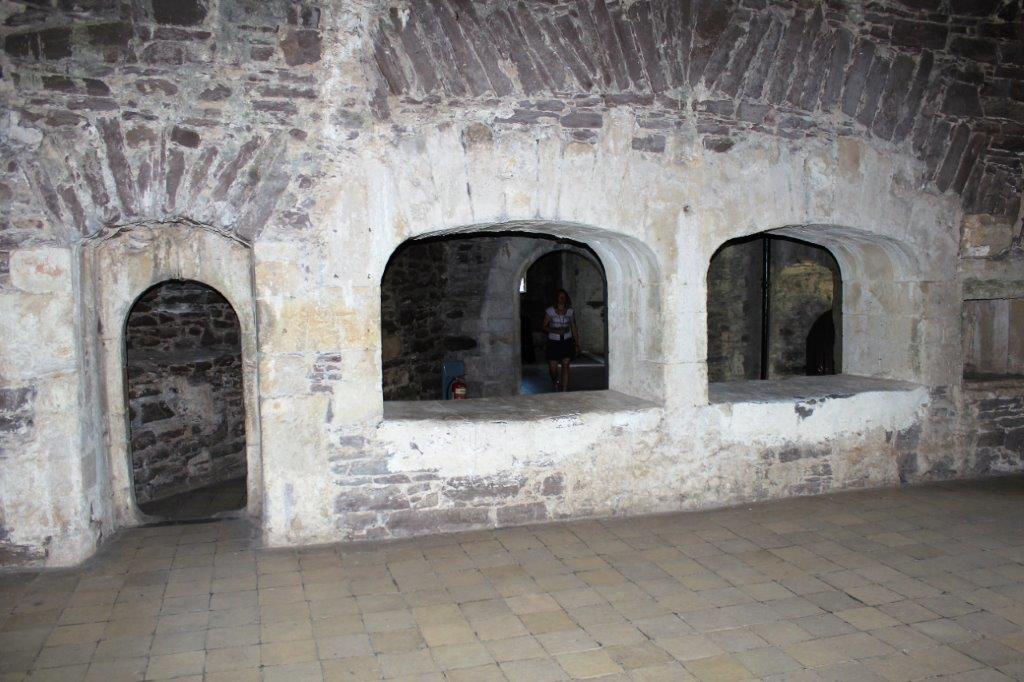
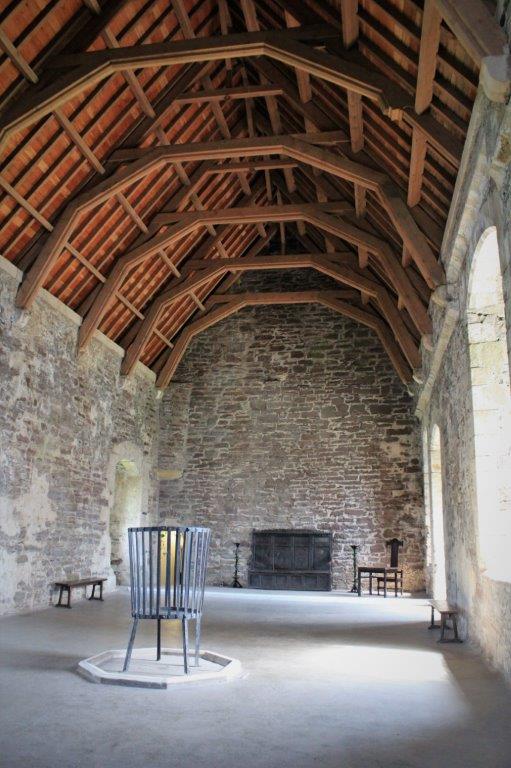
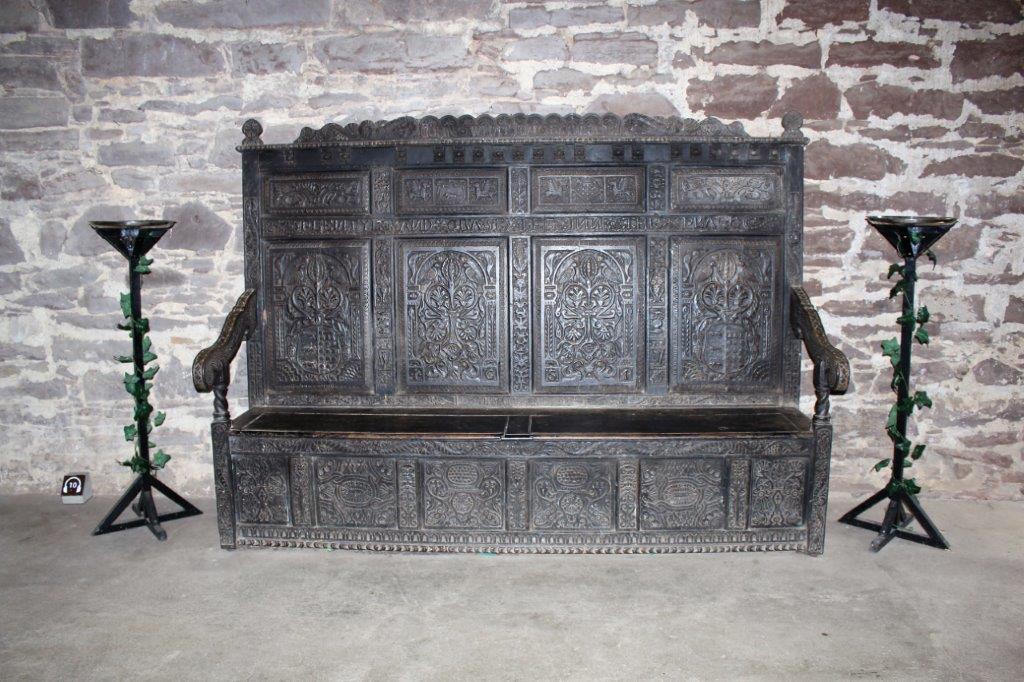
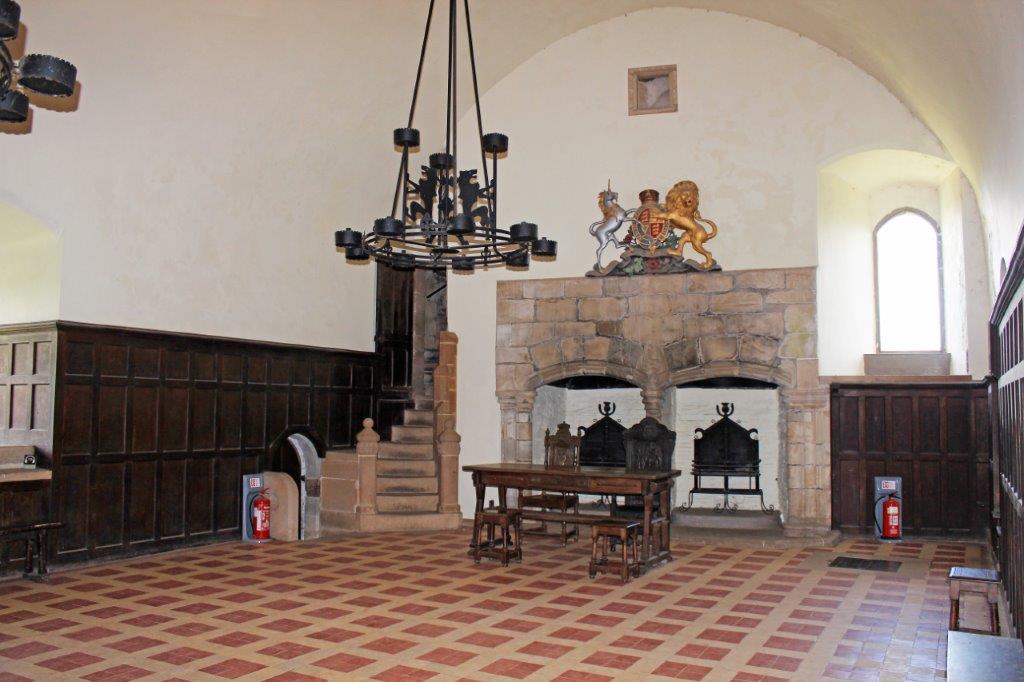
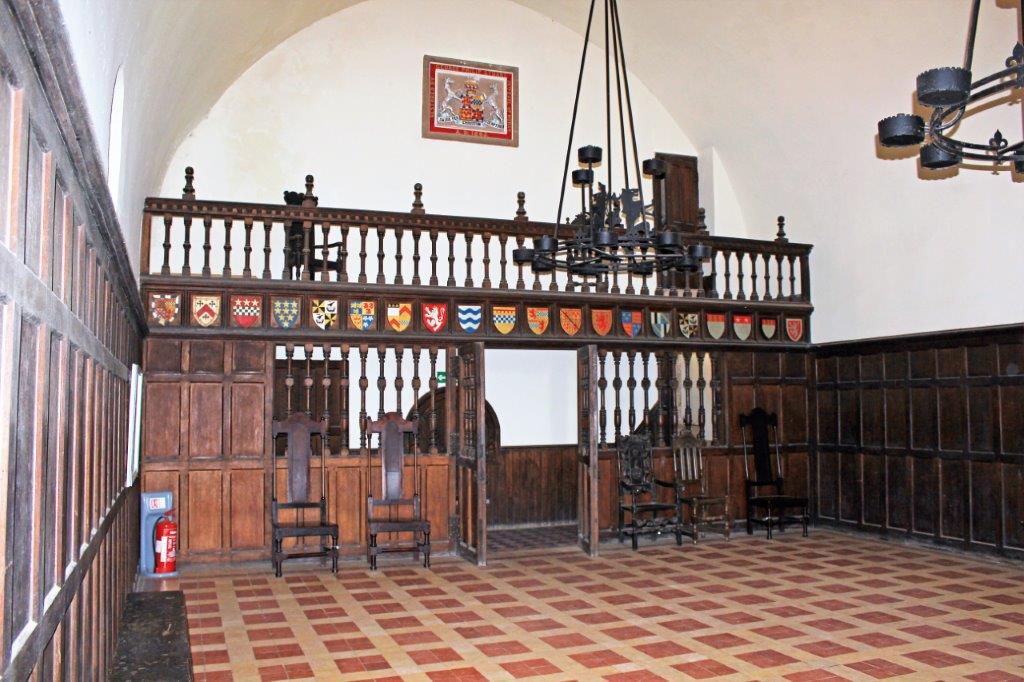
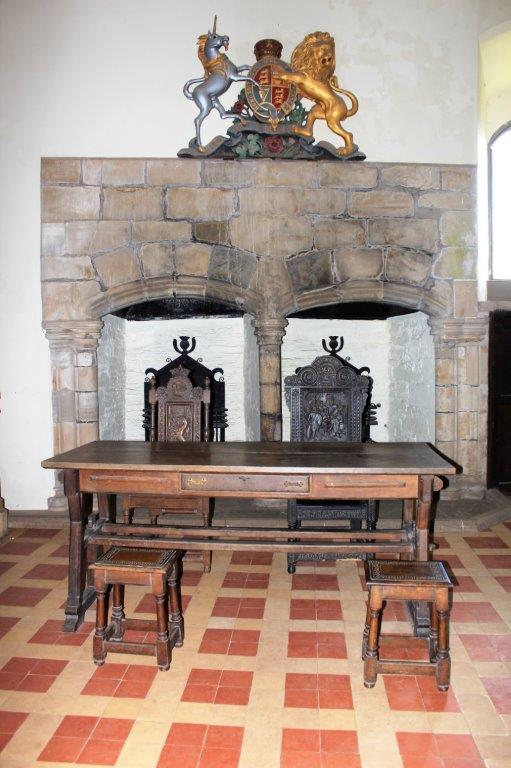
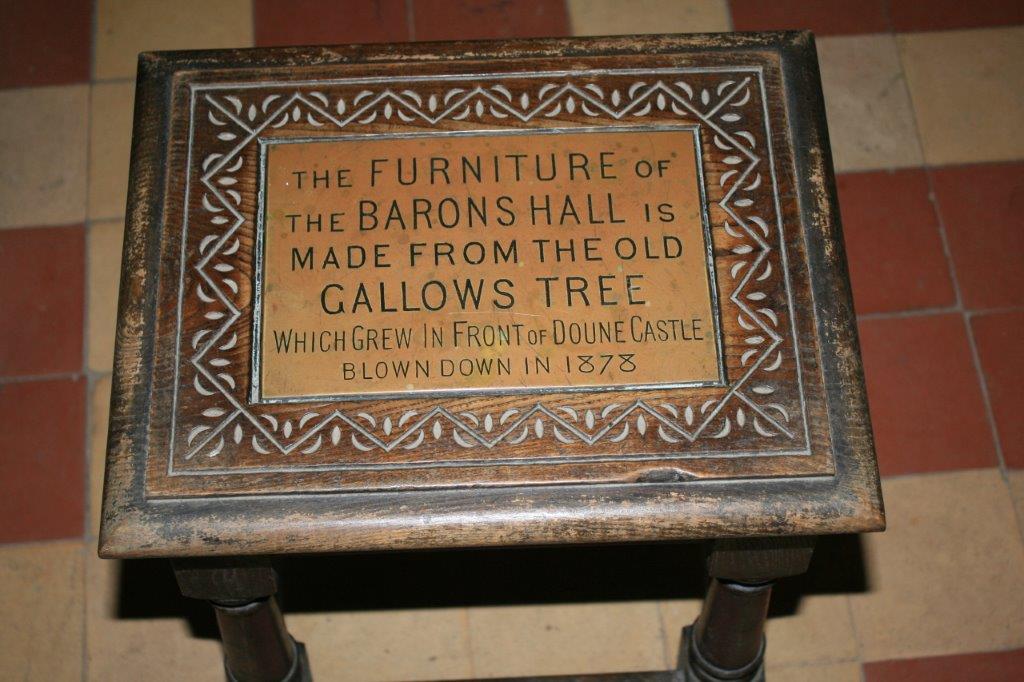
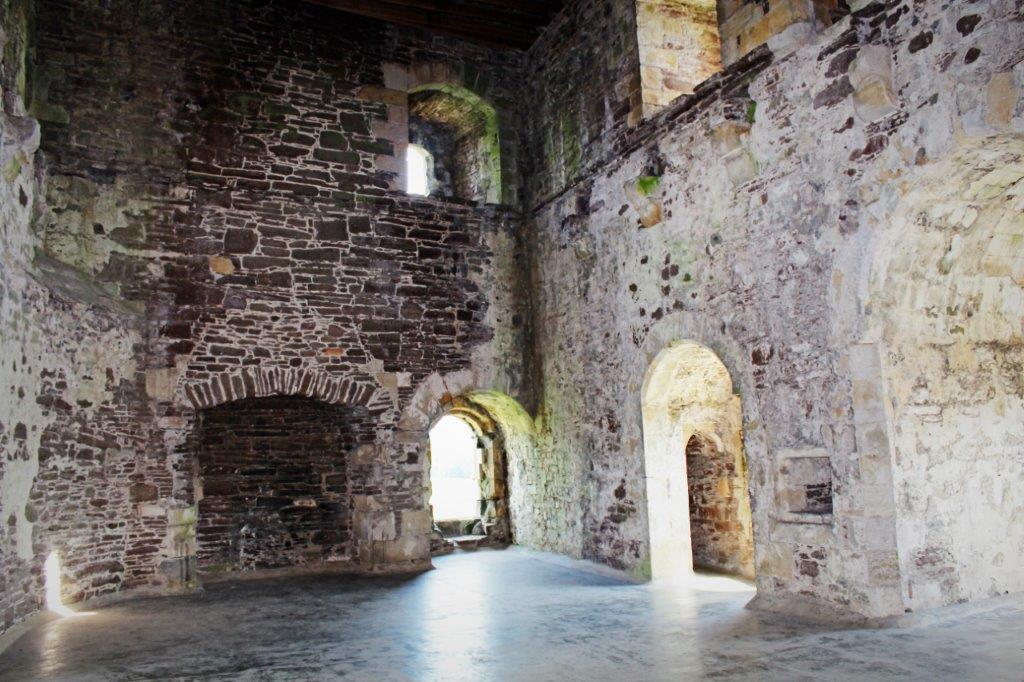
Doune Castle has a 100 foot high gatehouse and one of the best preserved great halls in Scotland.  The audio commentary for your self-guided tour around Doune was narrated by Terry Jones who co-directed Monty Python and the Holy Grail .  There were some very funny stories among the historical details.                                  You could certainly roast a whole ox in this fireplace!It is quite mind boggling to think of the elaborate and multi-course  banquet feasts for a hundred or more guests that were made in these simple kitchens.

When we completed our tour of Doune we drove to Stirling and, one more time, went to Argyll’s Lodging.  Third time’s the charm.  It was open and we were able to go inside.

2013 Summer (Baltic and Britain – Scotland – July 13 – Day 20)

As I mentioned in my last blog, I am a huge Harry Potter fan.  I didn’t begin to read the books until the fourth one was published; and then it was just a matter of curiosity to see what all the hype was about.  Needless to say, I was hooked very quickly.  I was not one of the devout who lined up at the bookstore at midnight to buy the next volume, but I did put my name on the list to have one saved for me at the store each time one was published.

I was equally as pleased with the films.  I understood that with all the sub-plots Rowling had going on in the books that a lot of cutting would need to be done in the movies.  The only thing that upset me a bit was in the last one where the director put in a huge flying scene between Voldemort and Harry Potter that did not take place in the novels – plus a few other shorter scenes.  But, I am big girl, so I didn’t get too bent out of shape over it.  The whole thing is, after all, a fantasy.  (Although, I was happy when I did the sorting quiz on Pottermore to learn that I would be put in Gryfinndor house!)

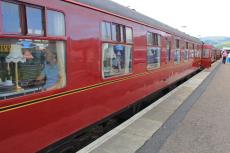
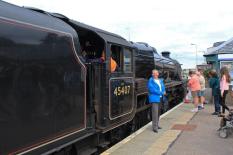
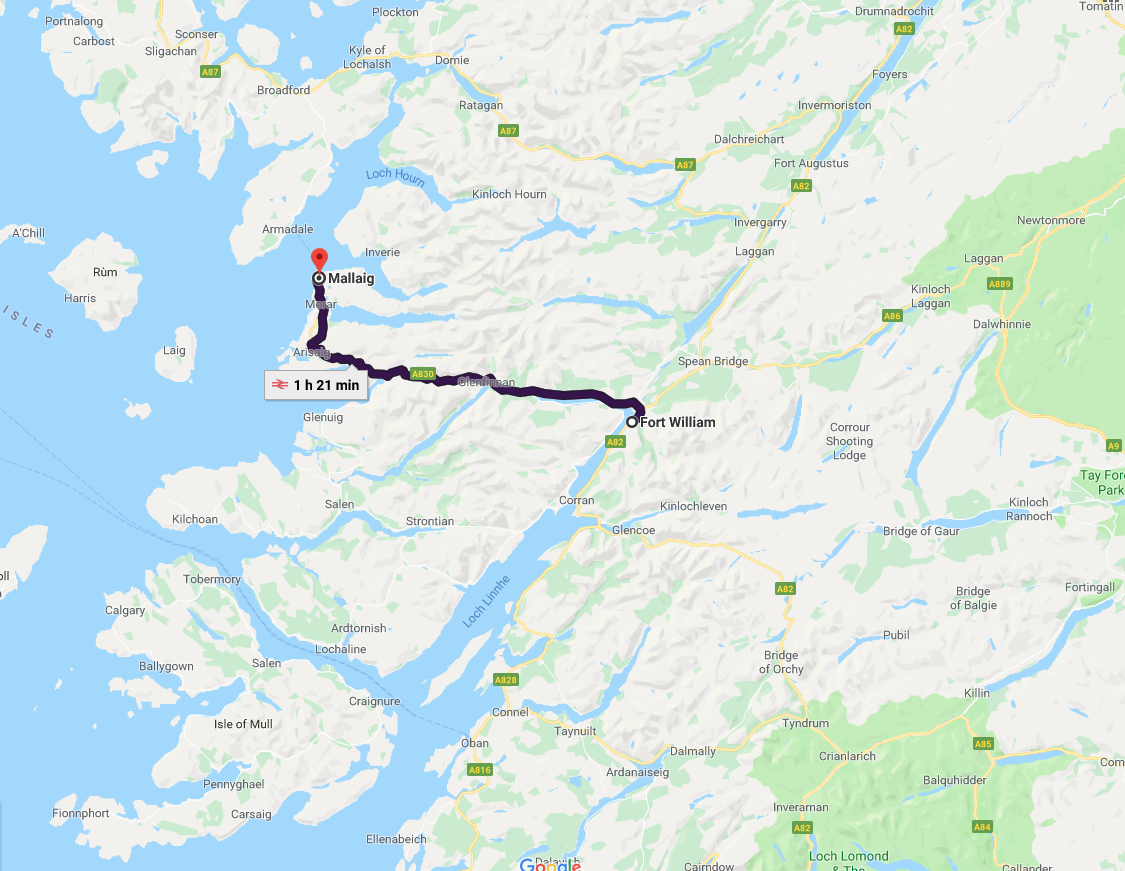
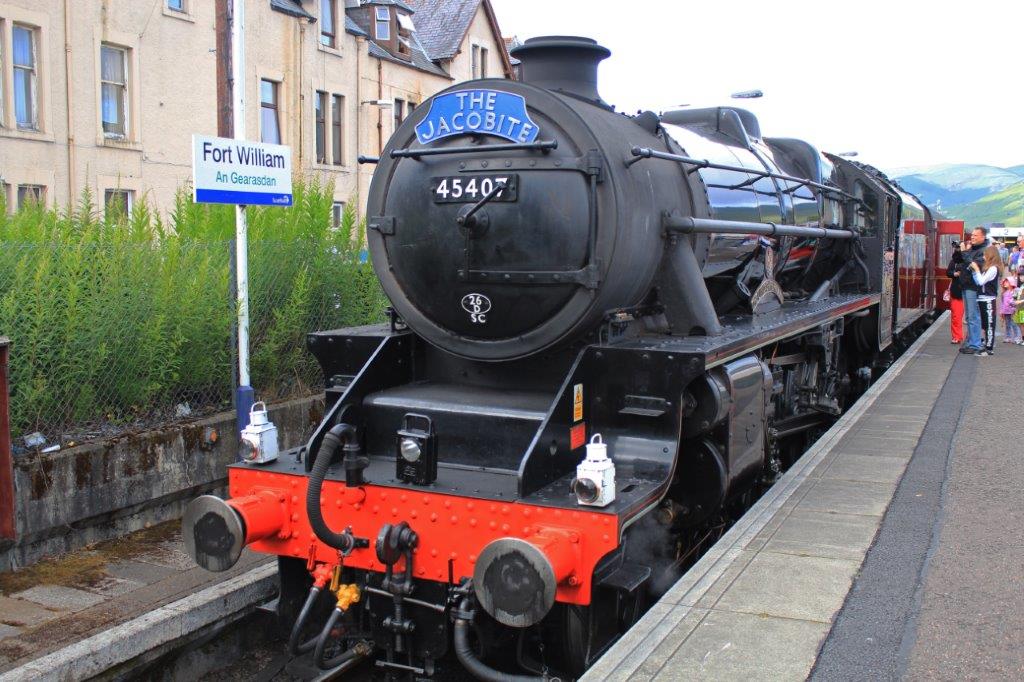
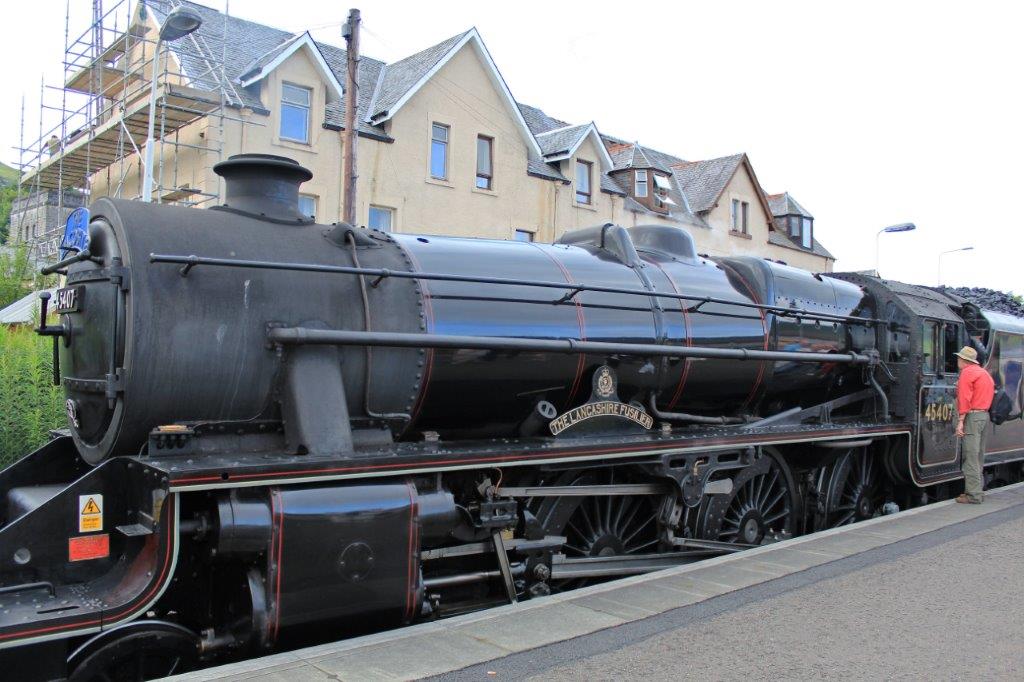
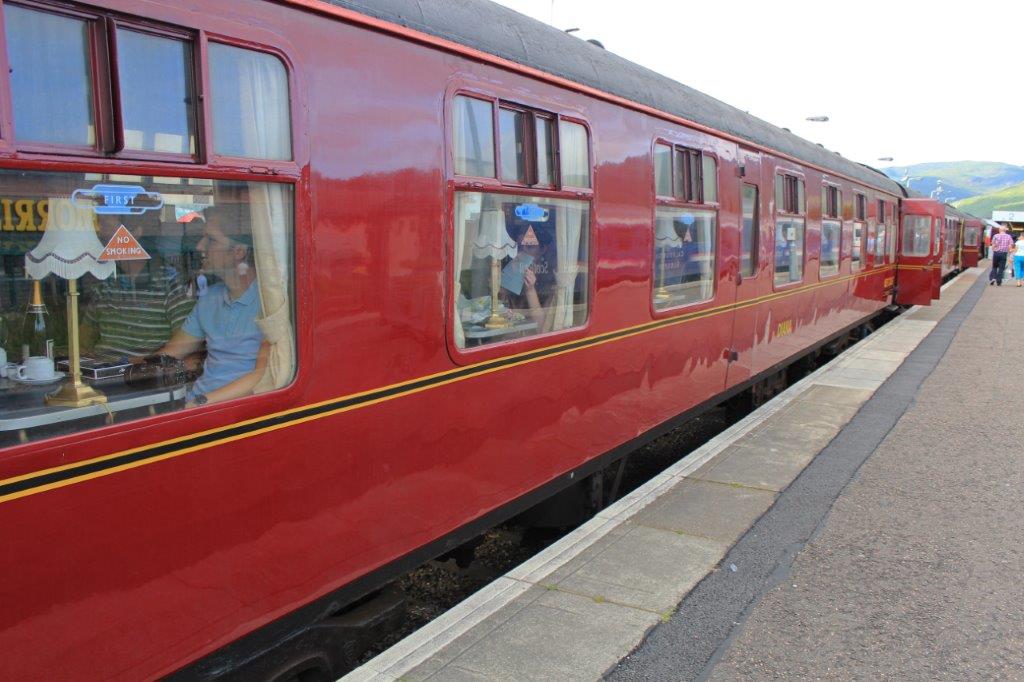
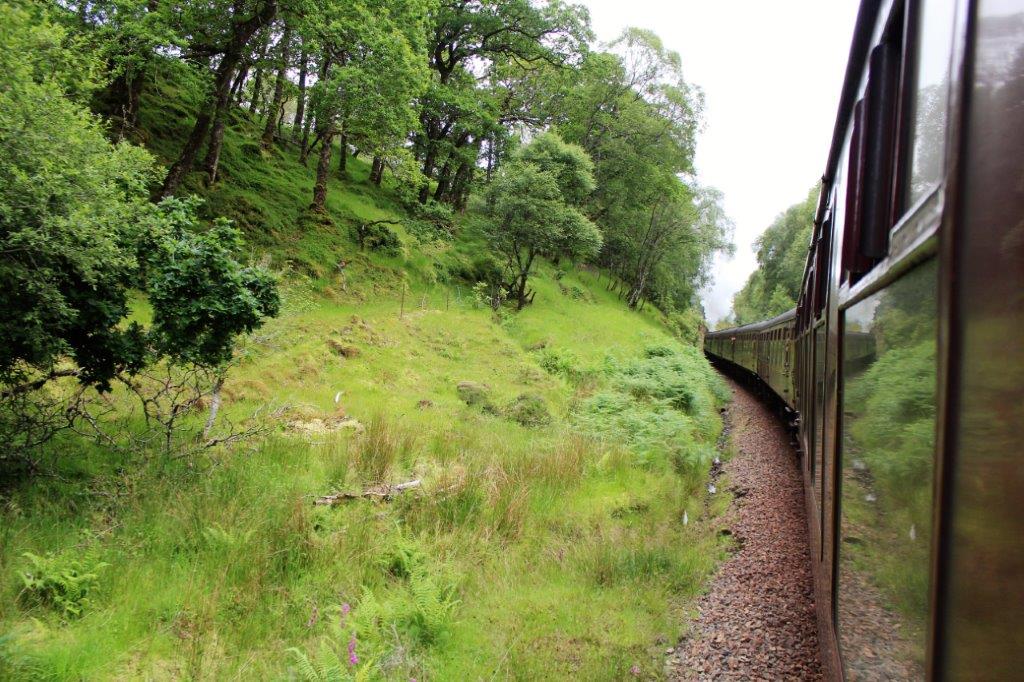
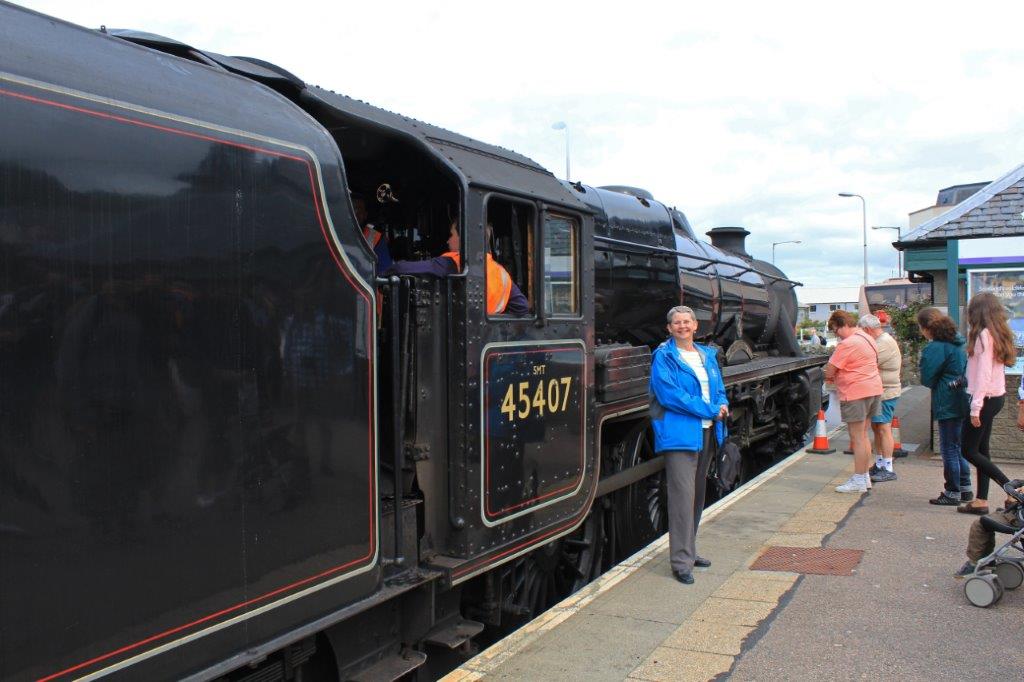
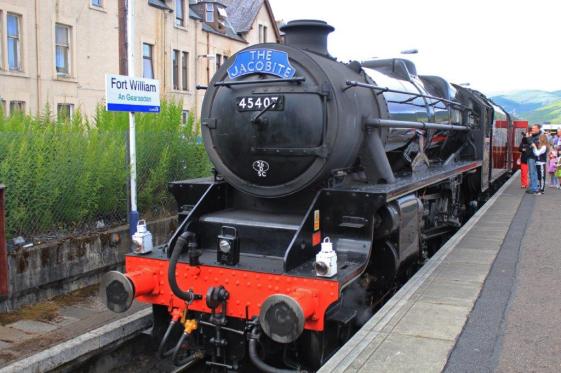
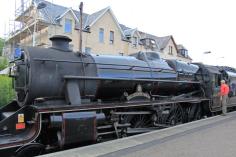
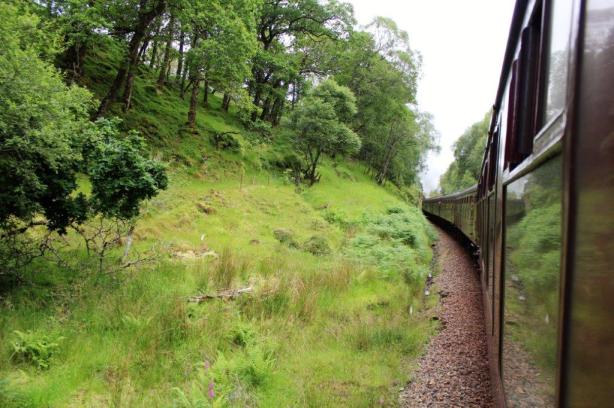
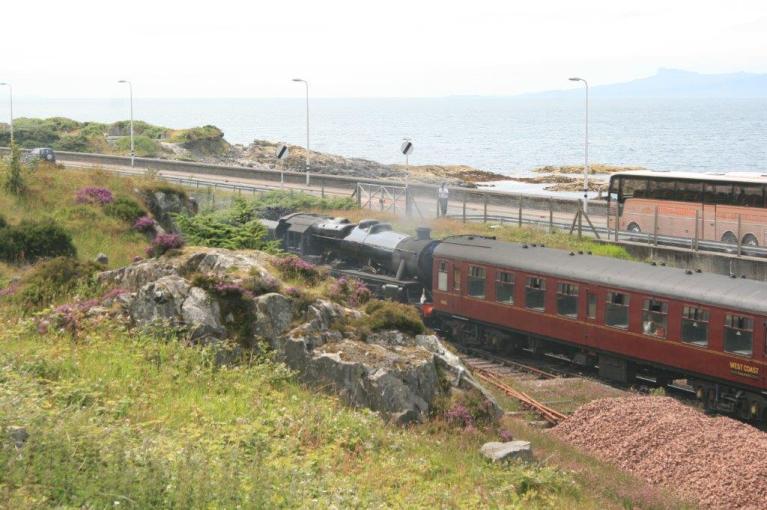
The Jacobite Steam Train was the Hogwart’s Express that took all the young wizards and witches to school at the start of every term.  The West Highland Railway allowed Warner Bros. to use one of their locomotives and the train’s route from Ft. William to Mallaig in the films.  The locomotive from the movies is now on the Warner Bros. Studio lot in London and can be seen if you take the ‘Making of Harry Potter’ tour.The black line on Google maps denotes a railway route rather than the usual blue line for a driving route.  They are so clever!
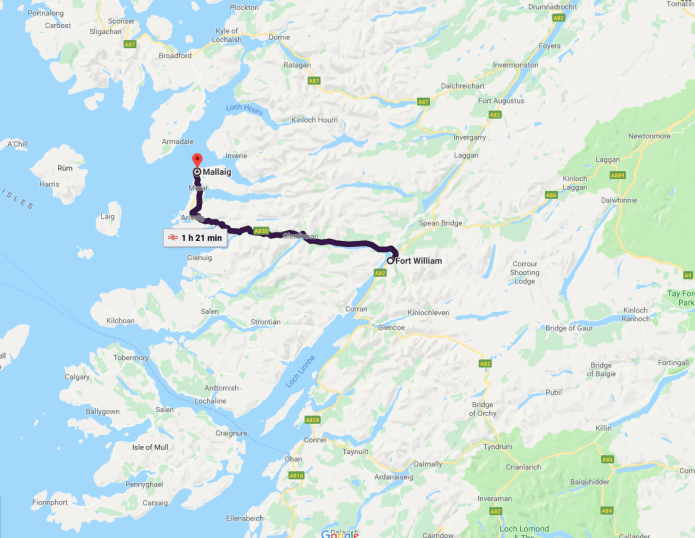
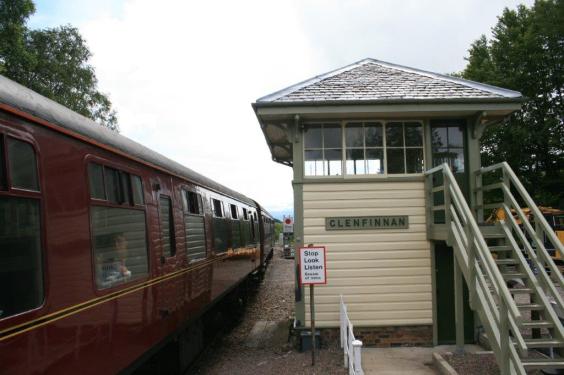
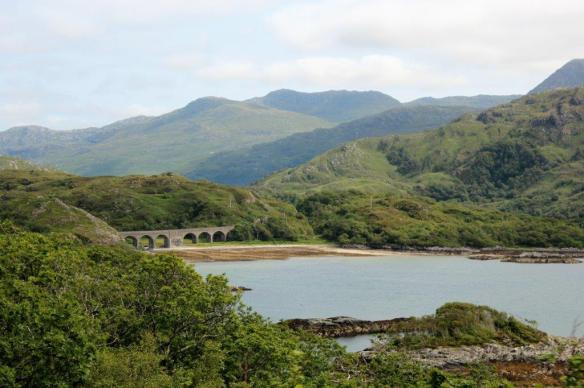
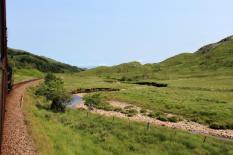
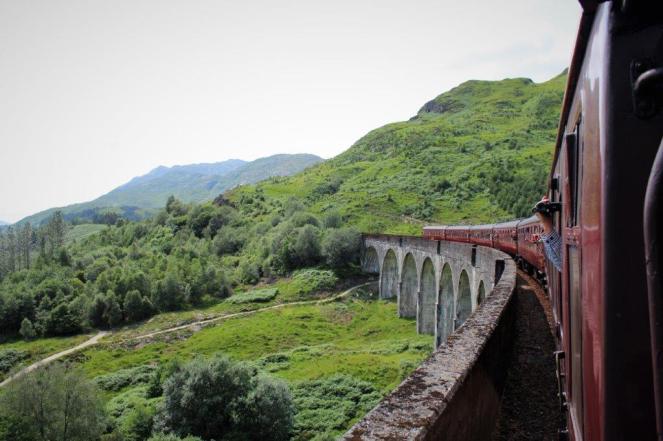
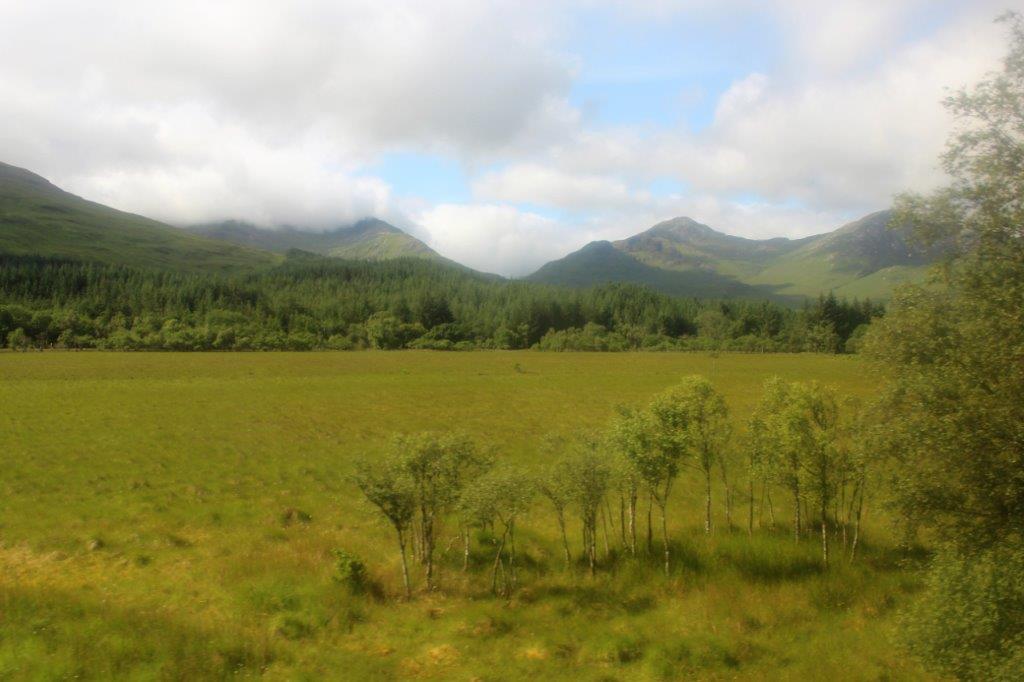
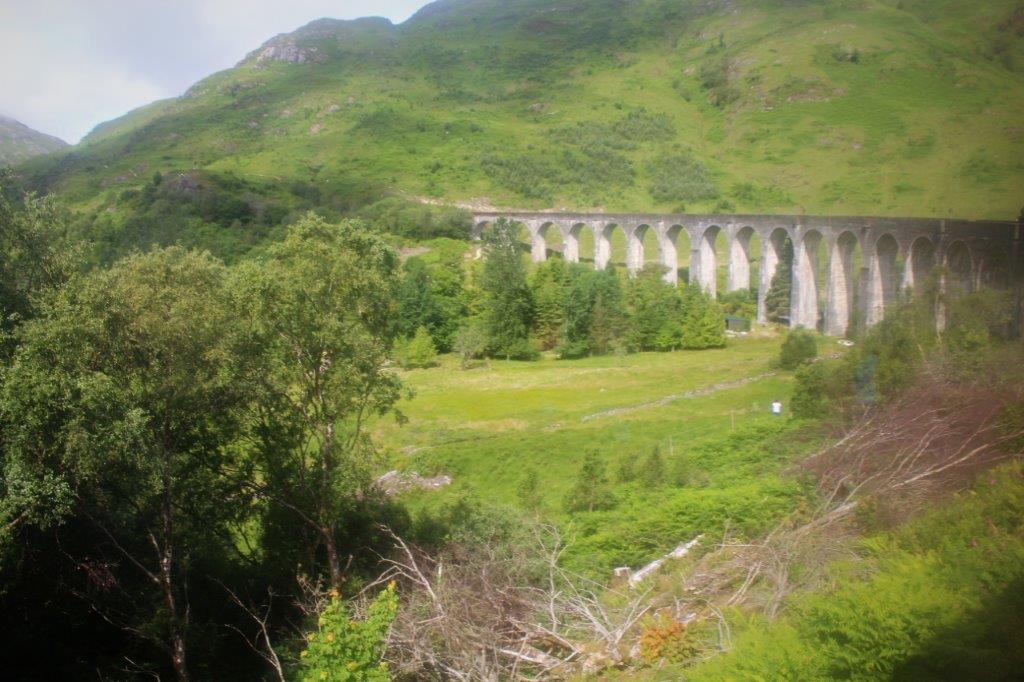
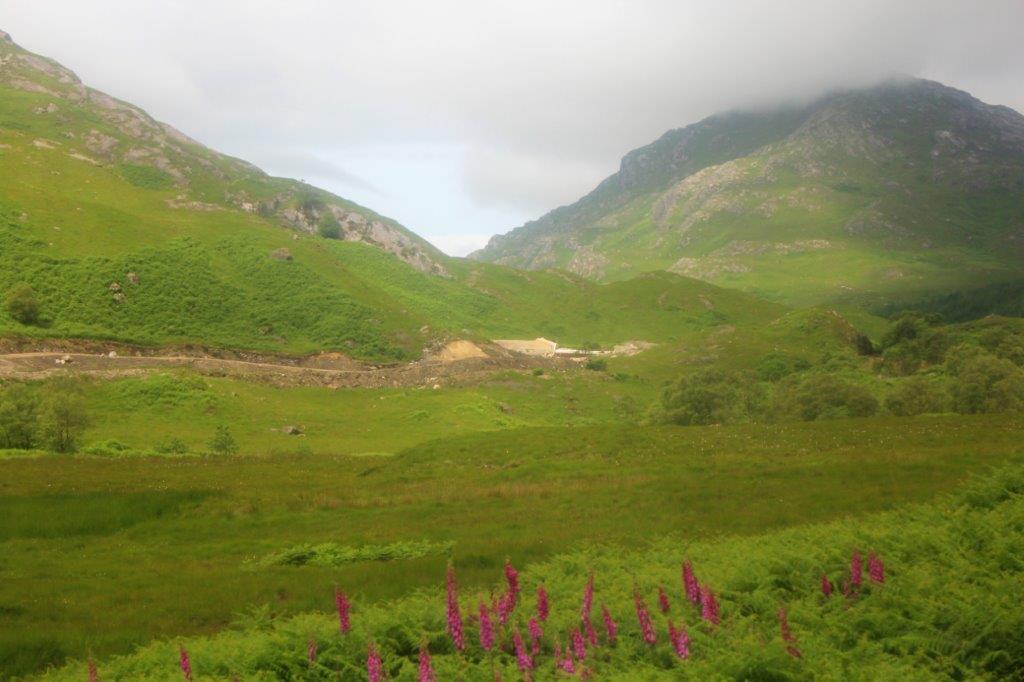
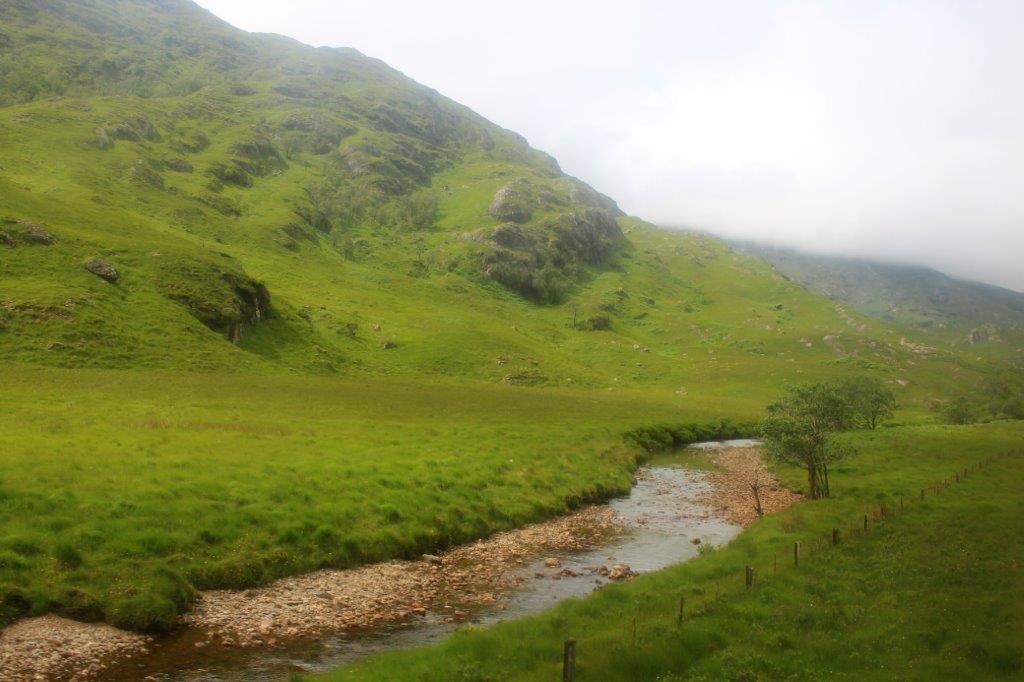
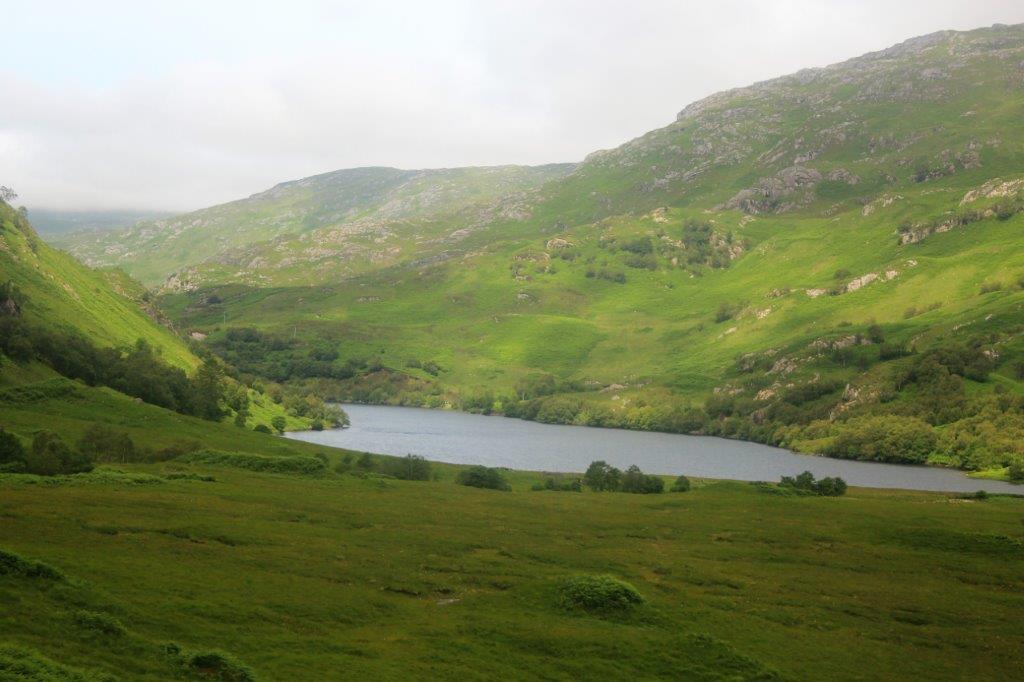
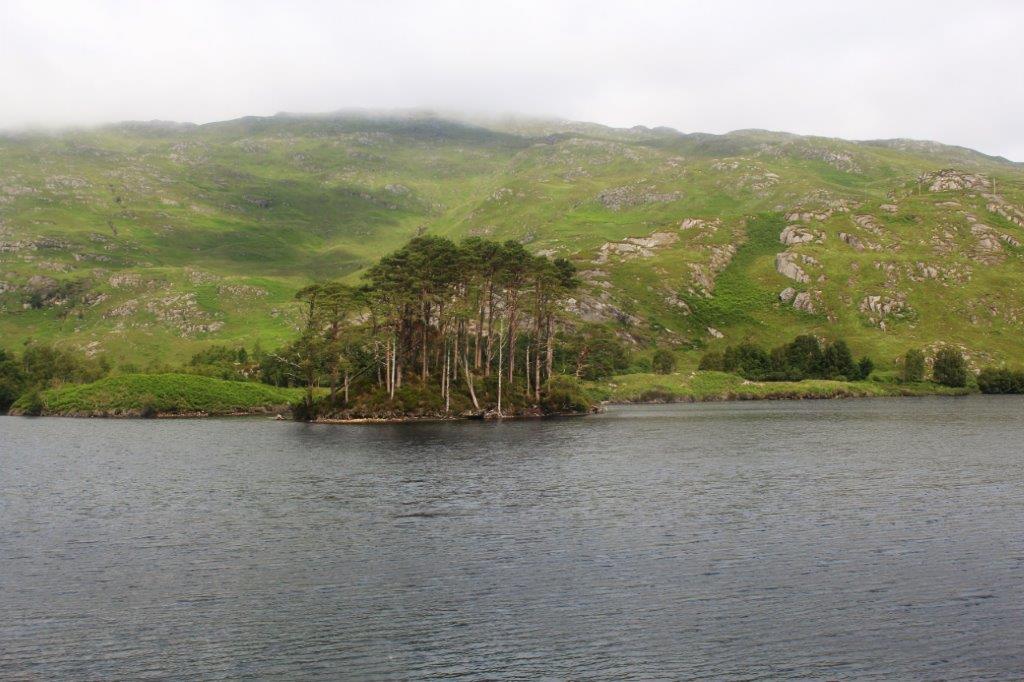
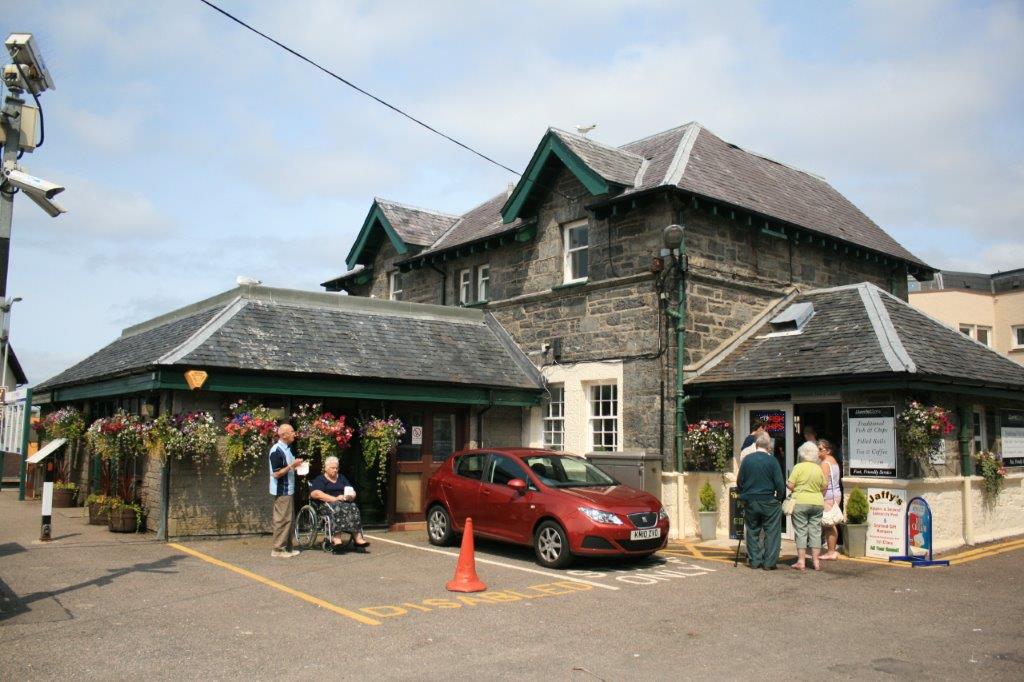
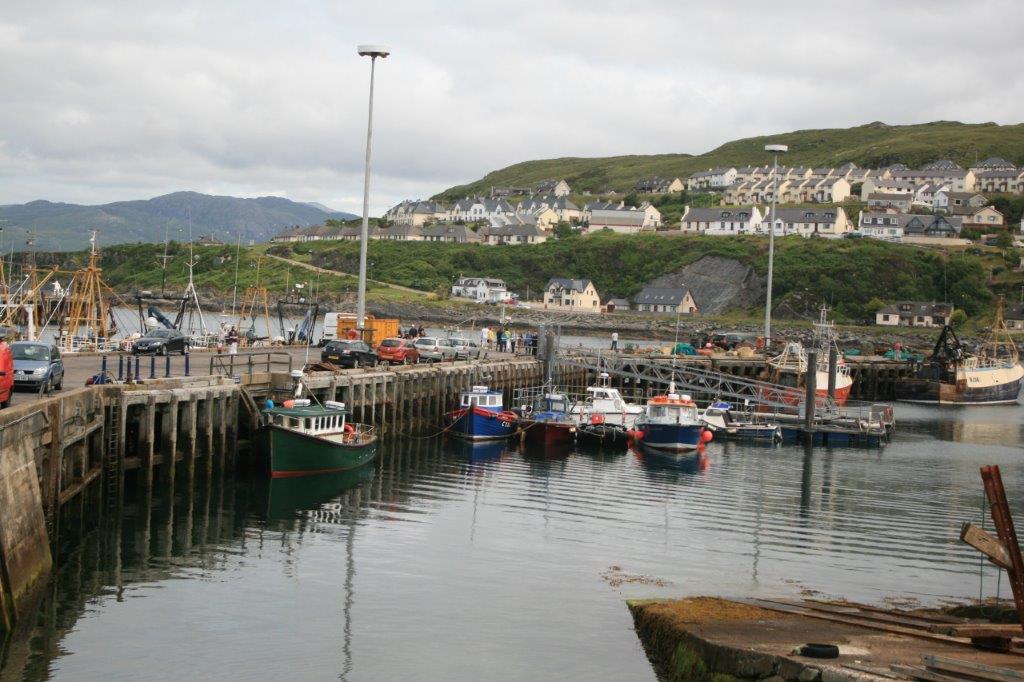
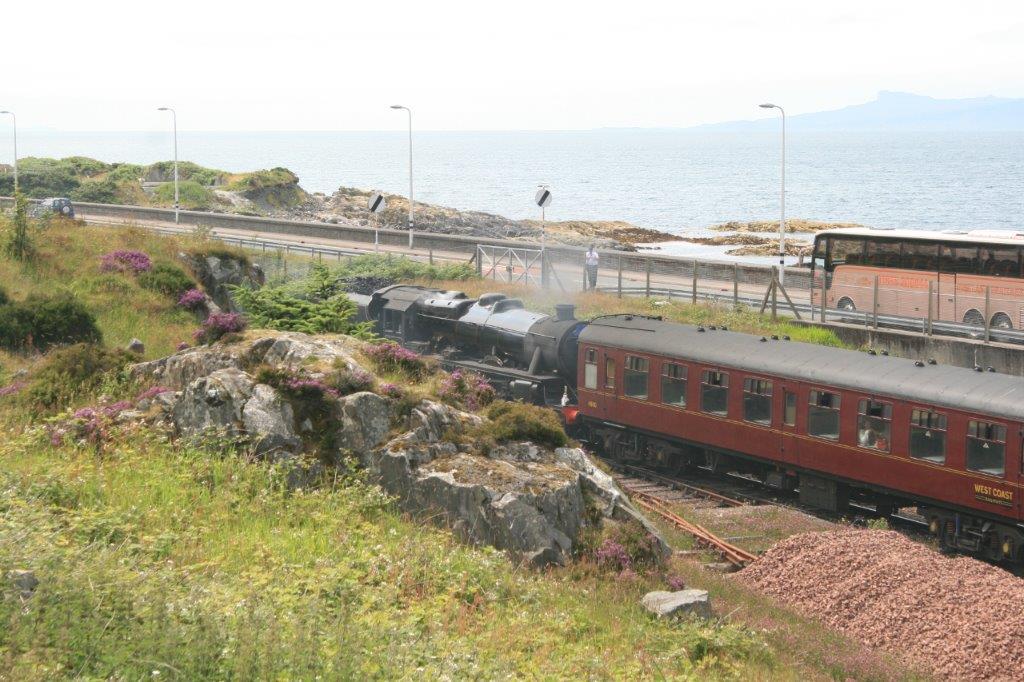
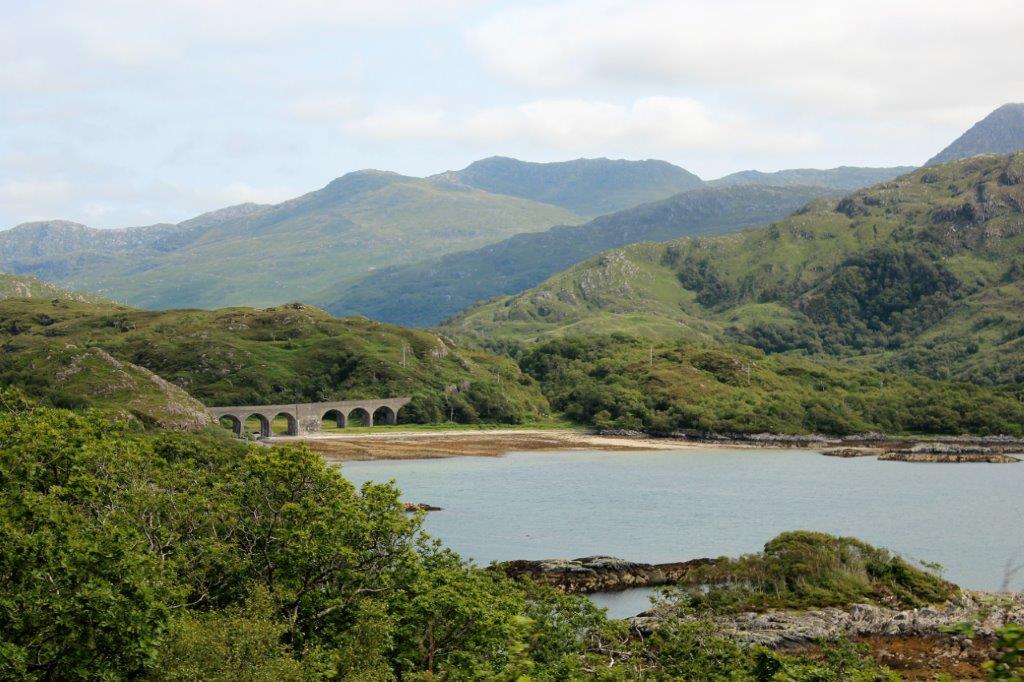
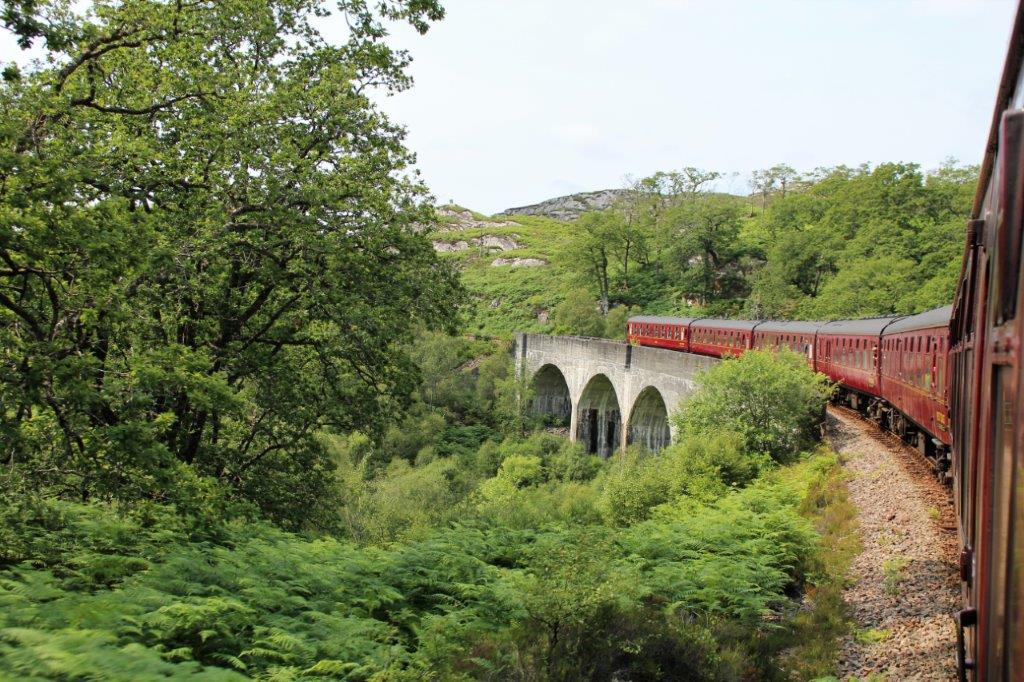
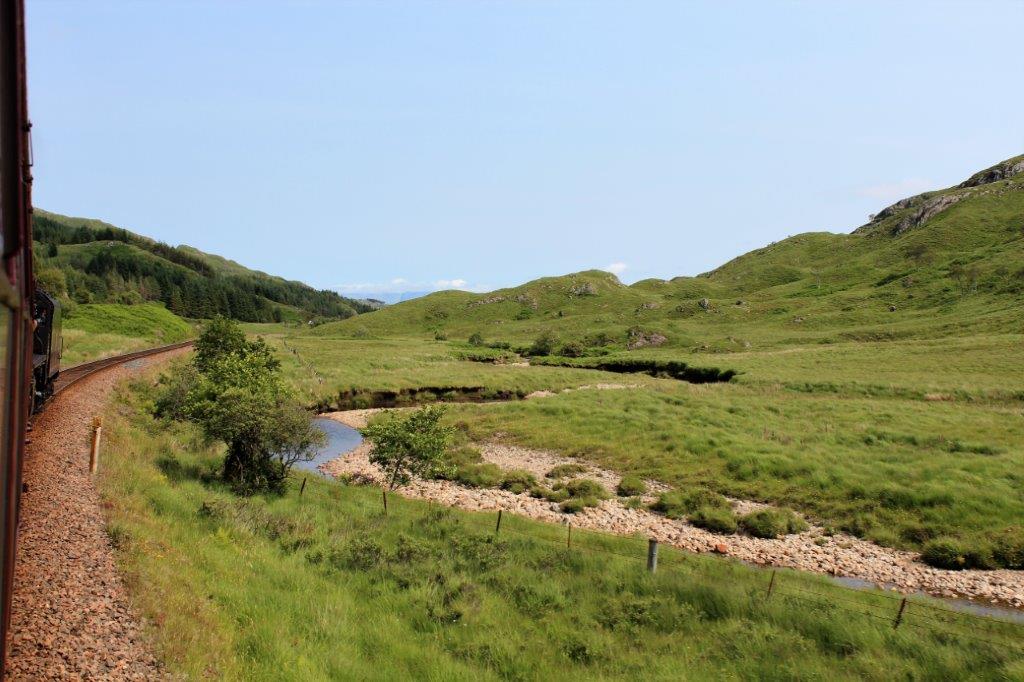
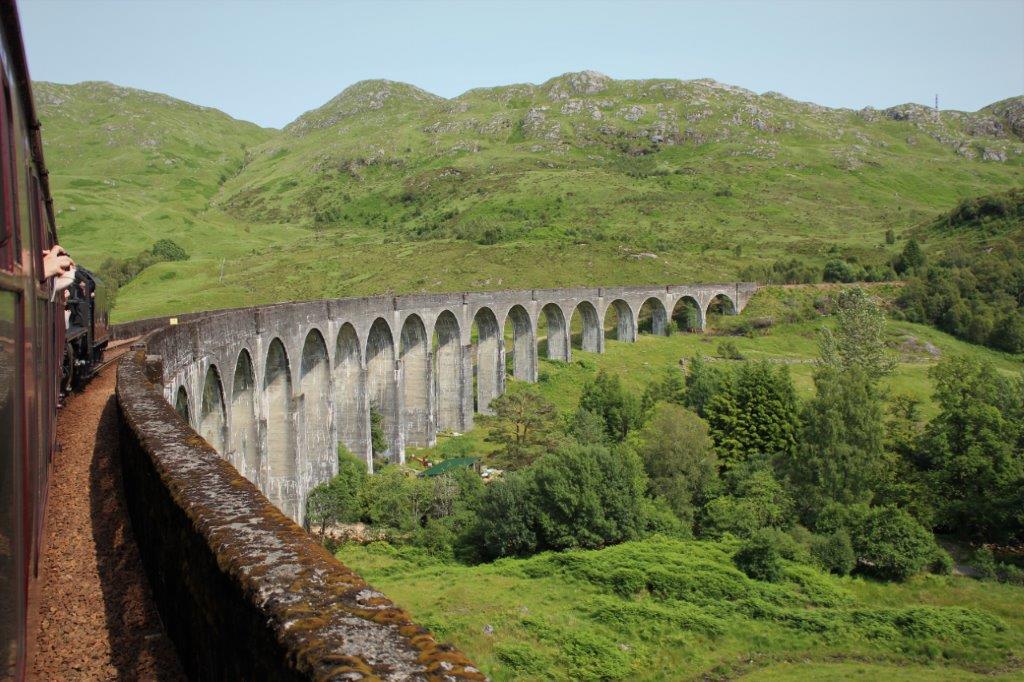
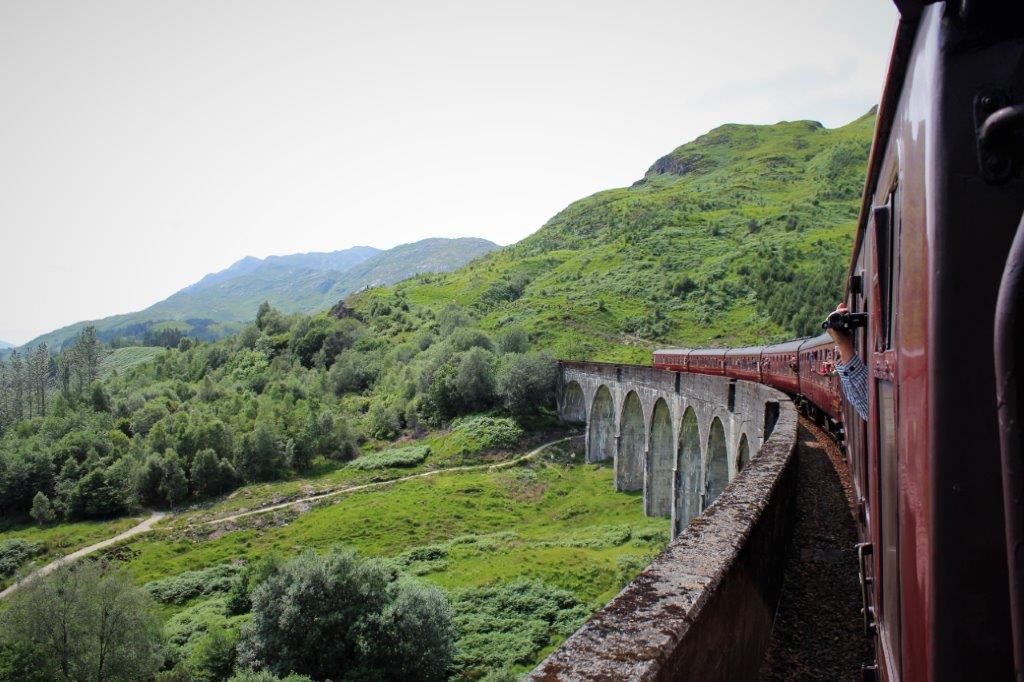
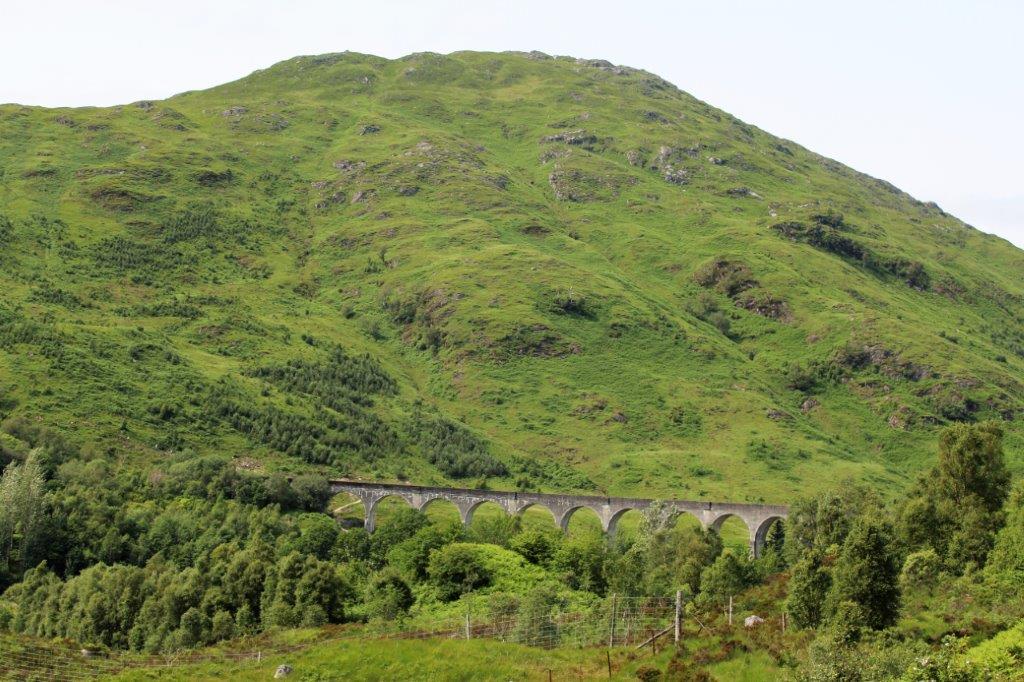
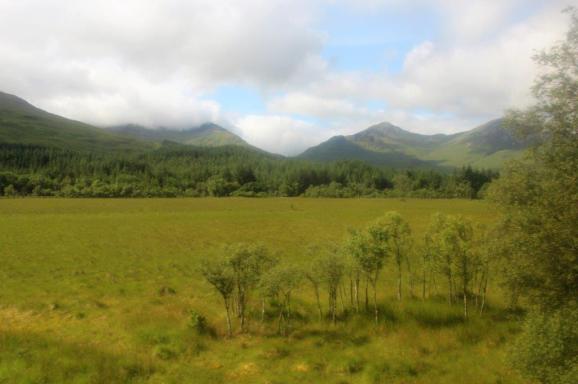
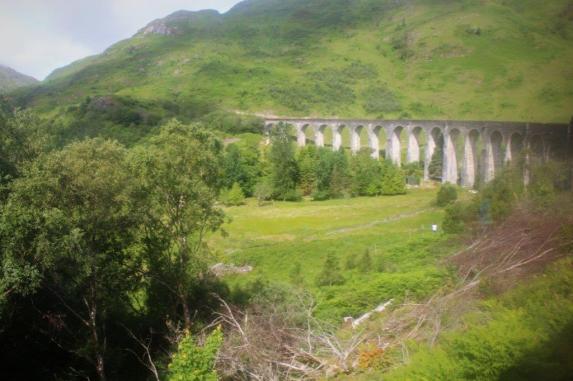
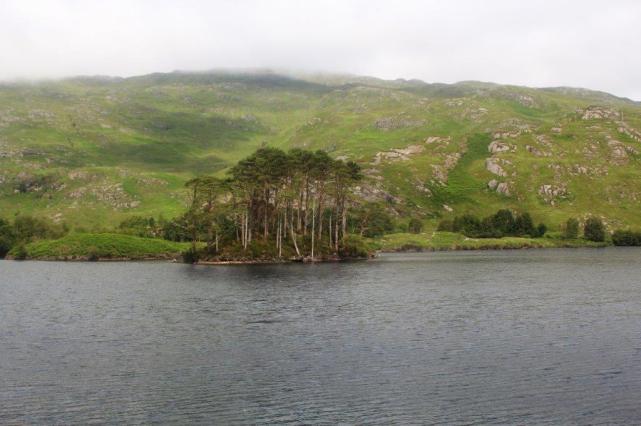
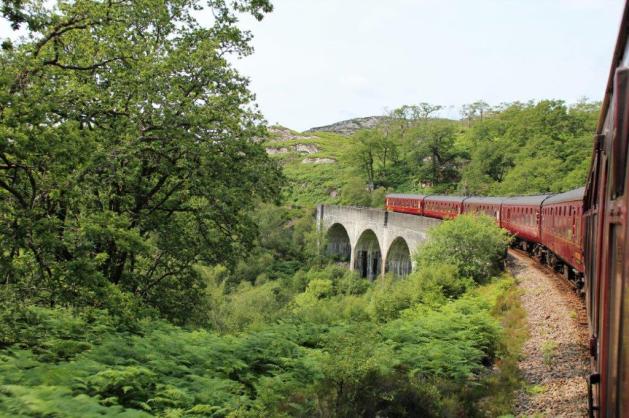
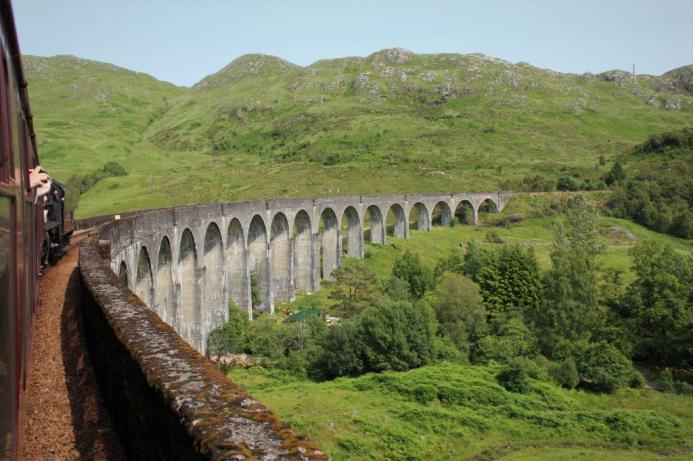
There is a four hour excursion that runs 41 miles from Ft. William to Mallaig and back.  It is billed as “The Greatest Railway Journey in the World.”  Now, it was a lovely ride, despite a bit of rain, but I would not call it the greatest in the world. I think the Rocky Mountaineer through the Rockies would be equally, or more scenic.  I also think the Orient Express would surpass it.  (That trip unfortunately, only goes from Paris to Venice now.  It originally went from Paris to Constantinople (now Istanbul); and is on my bucket list.) Ft. William is the largest town in the Highlands.  It is situated at the southern end of the Great Glen. The famous 21-arched  Glenfinnan viaduct,  which  overlooks  Loch  Shiel. The scenery truly was beautiful, even  with  the  imminent  rain.Loch  Morar  is the  deepest  freshwater loch  in  Britain,  and  is  connected to  the  open  waters  of  the  Atlantic  by  River Morar,  the  shortest  river  in  Britain. The end of the line is Mallaig, which sits at the ocean end of Loch Nevis, the deepest seawater loch in Europe. We had a couple of hours to wander around Mallaig while the locomotive was moved to the end of the train for the journey back to Fort William. The  train  crossed  several shorter  viaducts  along  the  route.It was pretty hard to get a photo without the hand and camera of someone else in the shot.  For some strange reason, everyone was doing exactly what you were doing.
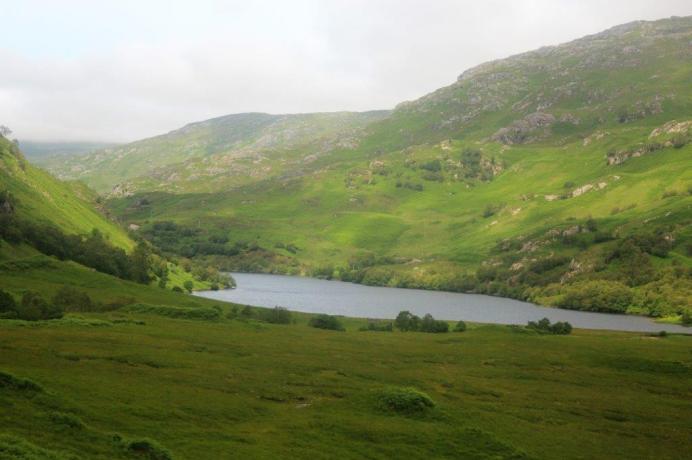
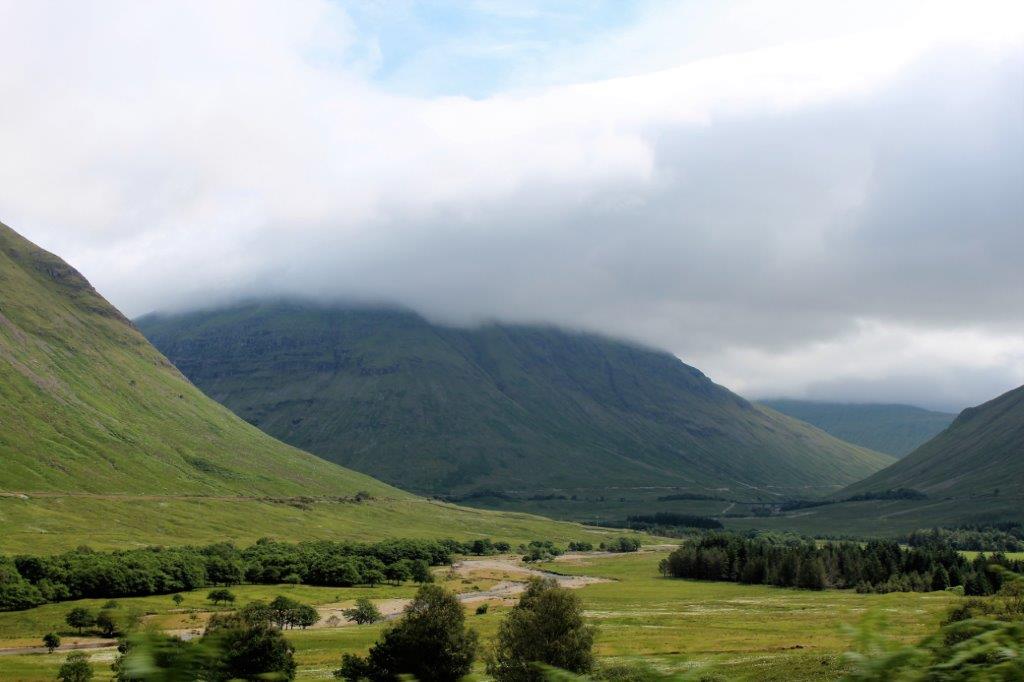
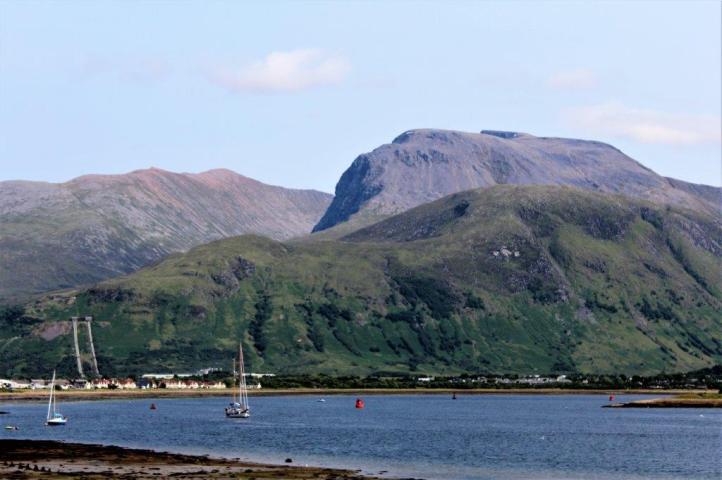
As we approached Fort William we had a good view of Ben Nevis, the highest mountain in Britain. We spent the night at the Premier Inn at Fort William and the next day we drove south before connecting to the A85 east and A84 south to Stirling, with a stop at Doune Castle, one of the most famous filming locations in Scotland.
 

2013 Summer (Baltic and Britain – Scotland – July 12 – Day 19 – Part 3)

After a lovely walk in the extensive gardens at Blair Castle we had lunch at the Atholl Arms Hotel before continuing on our way westward.

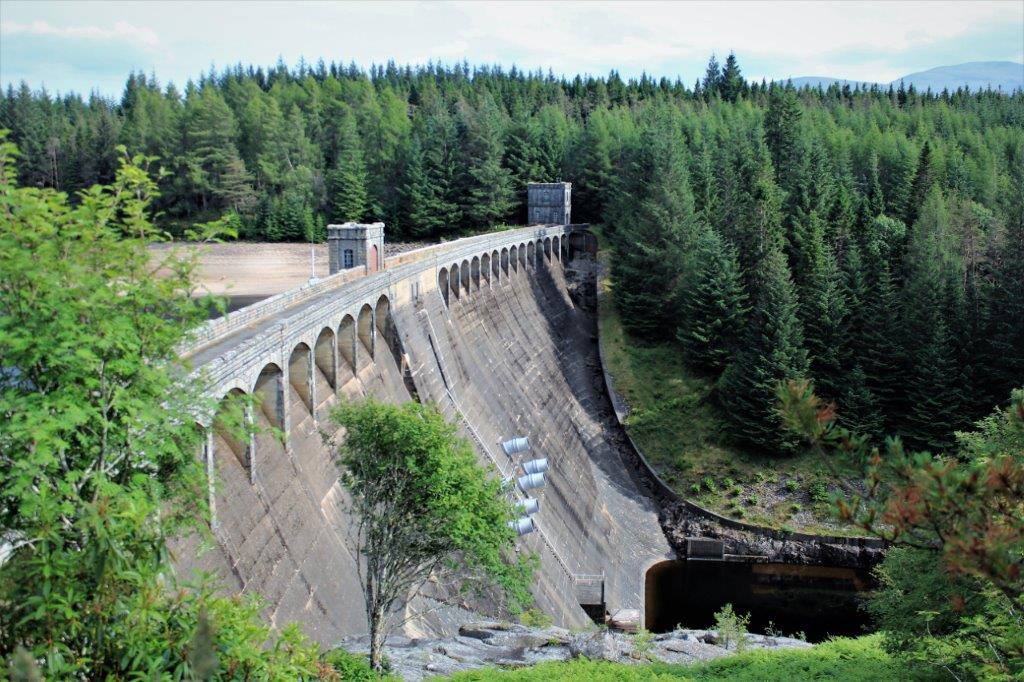
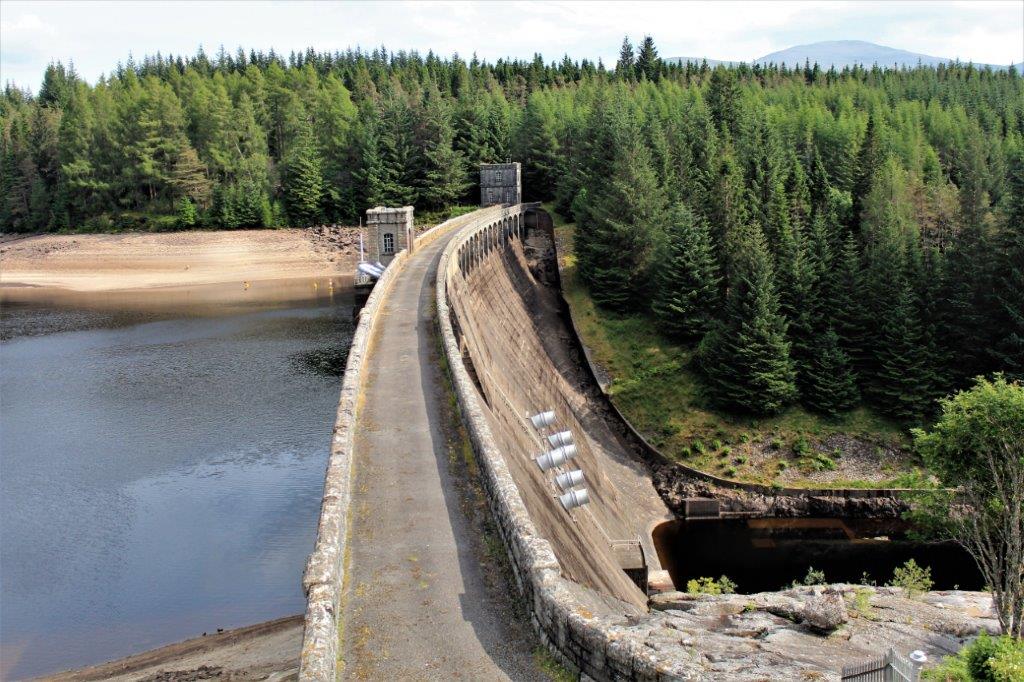
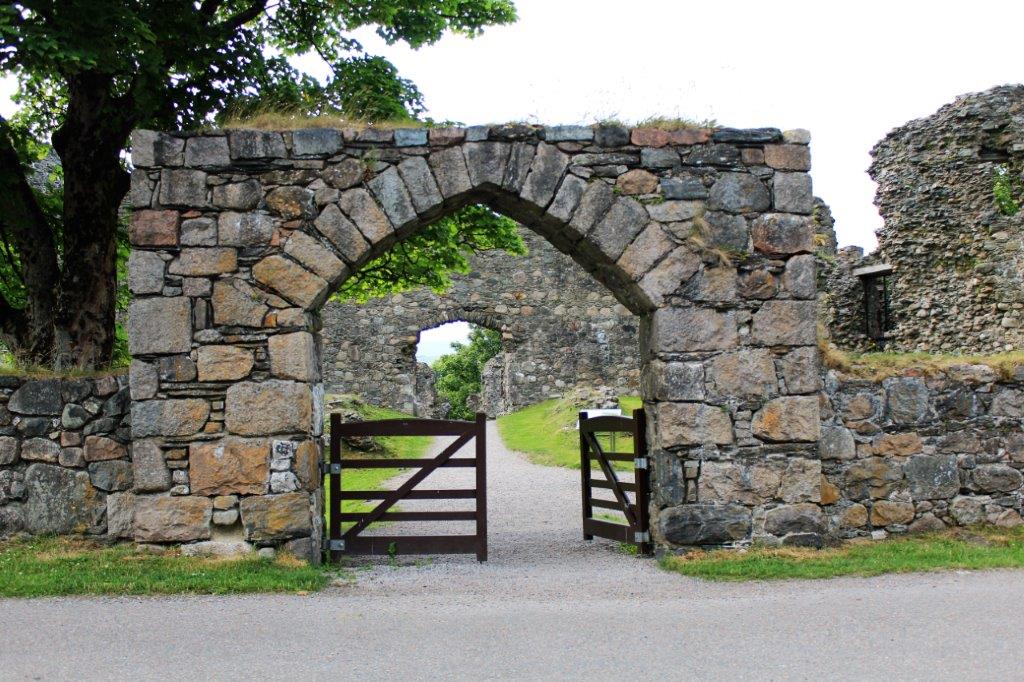
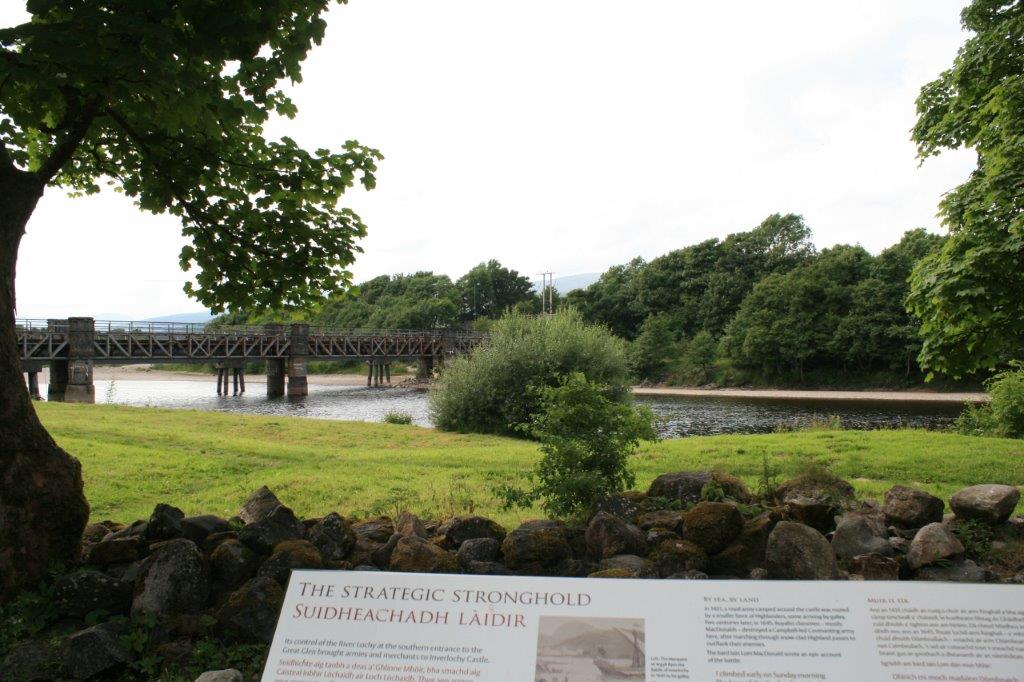
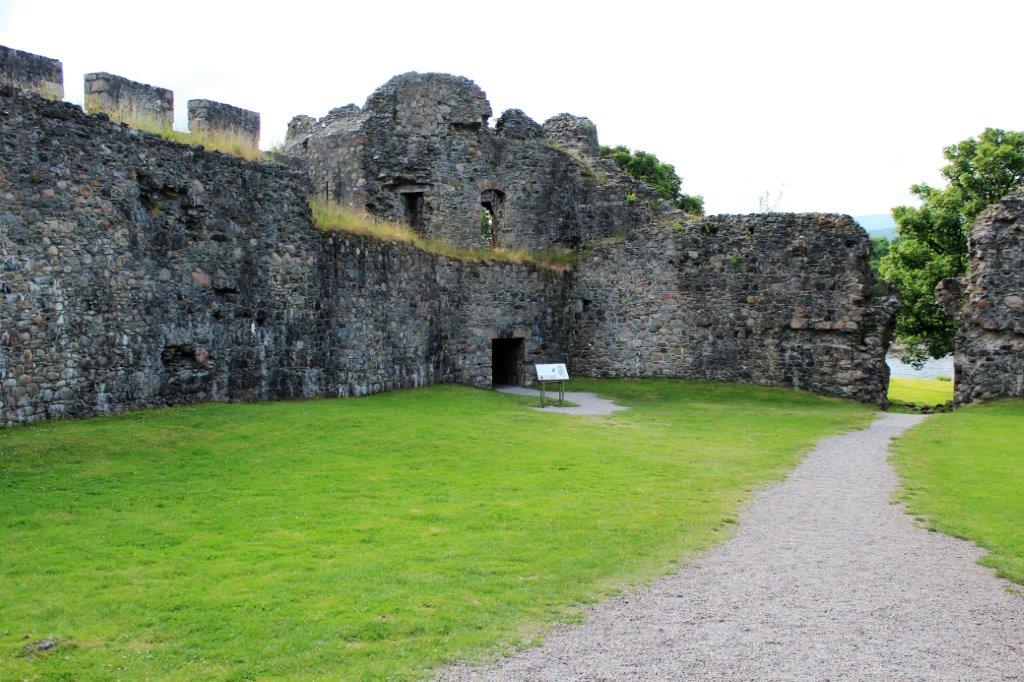
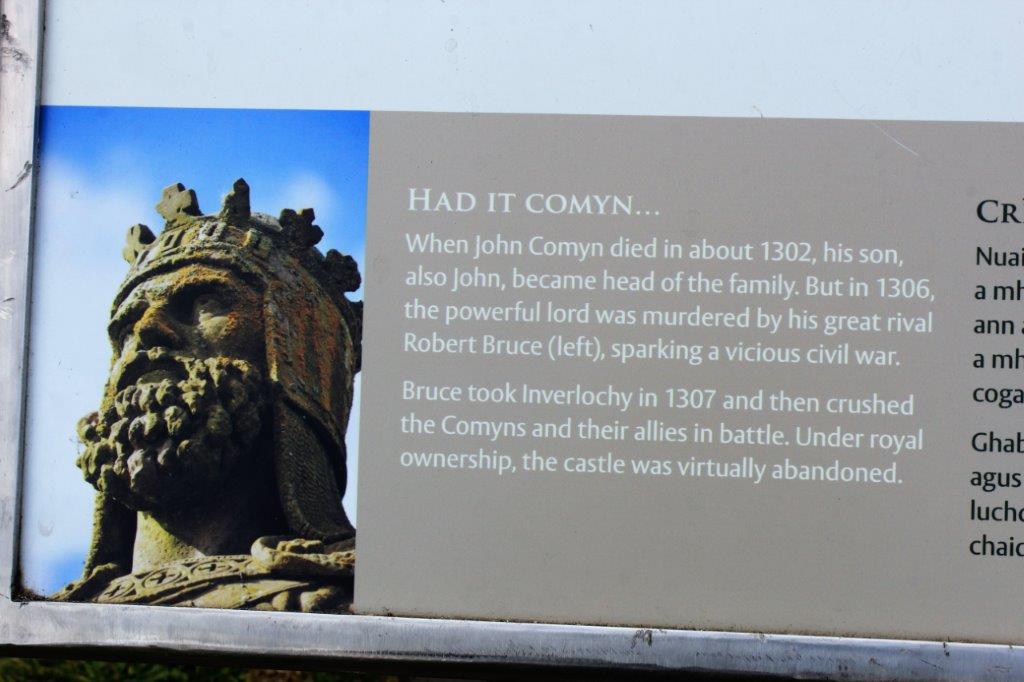
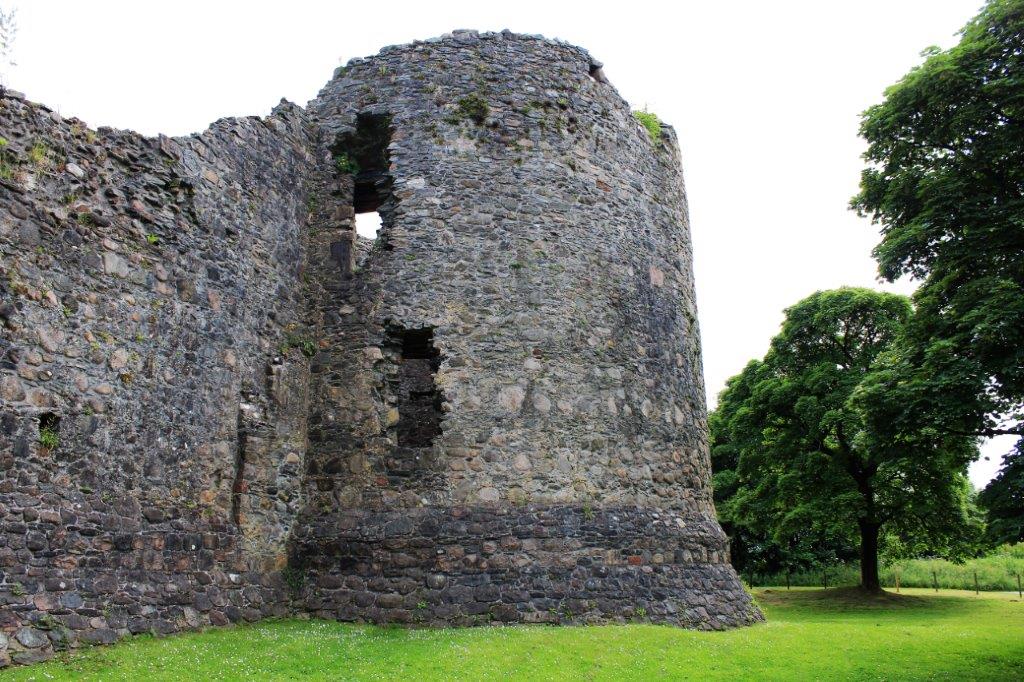
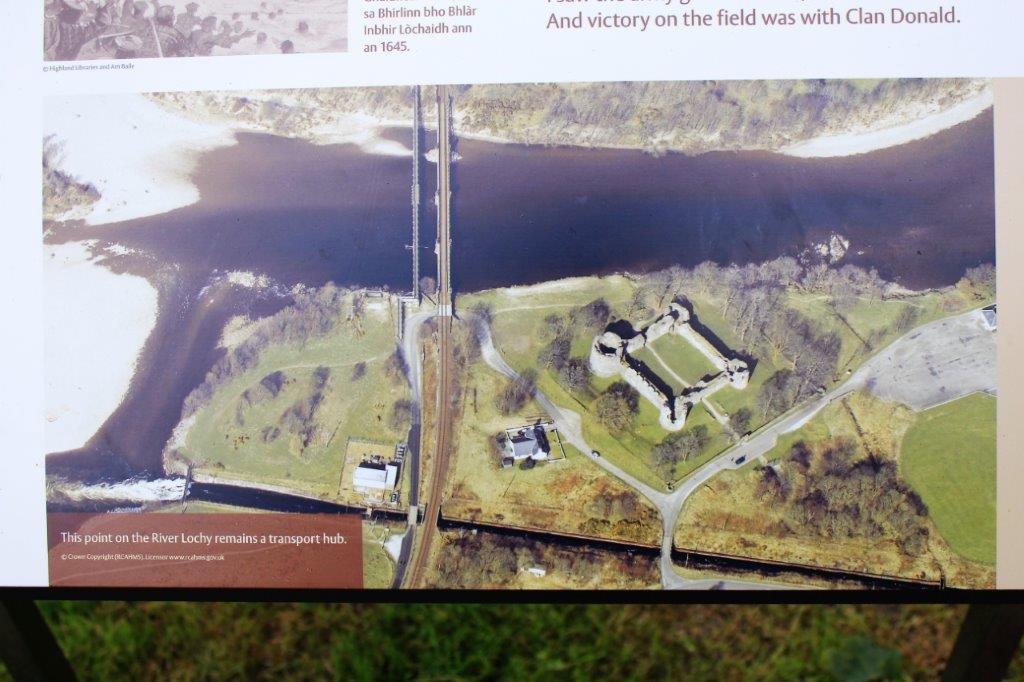
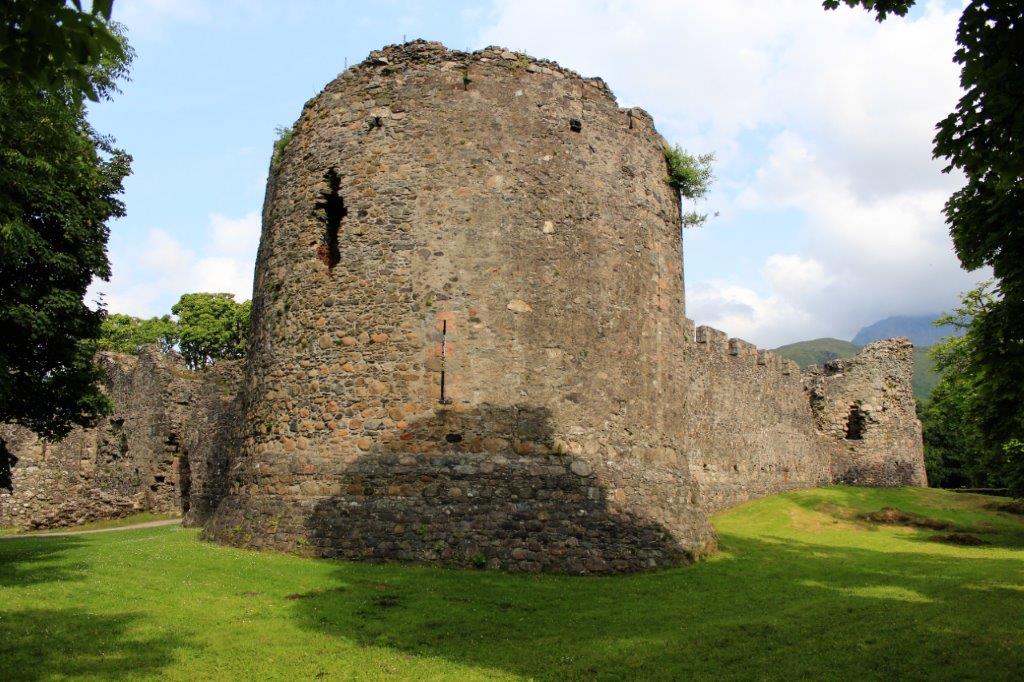
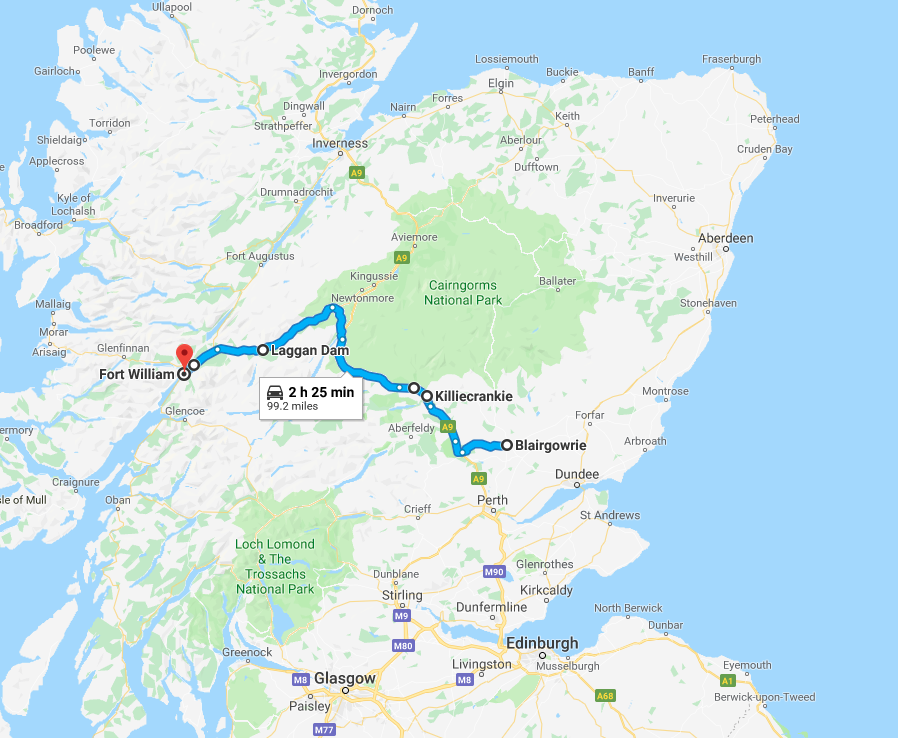
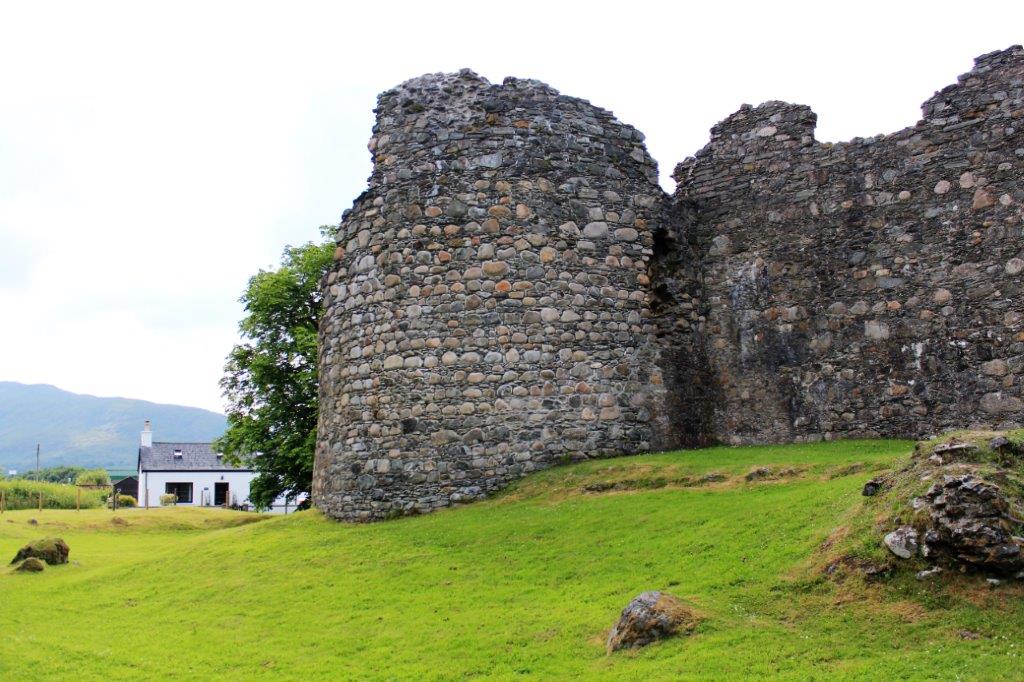
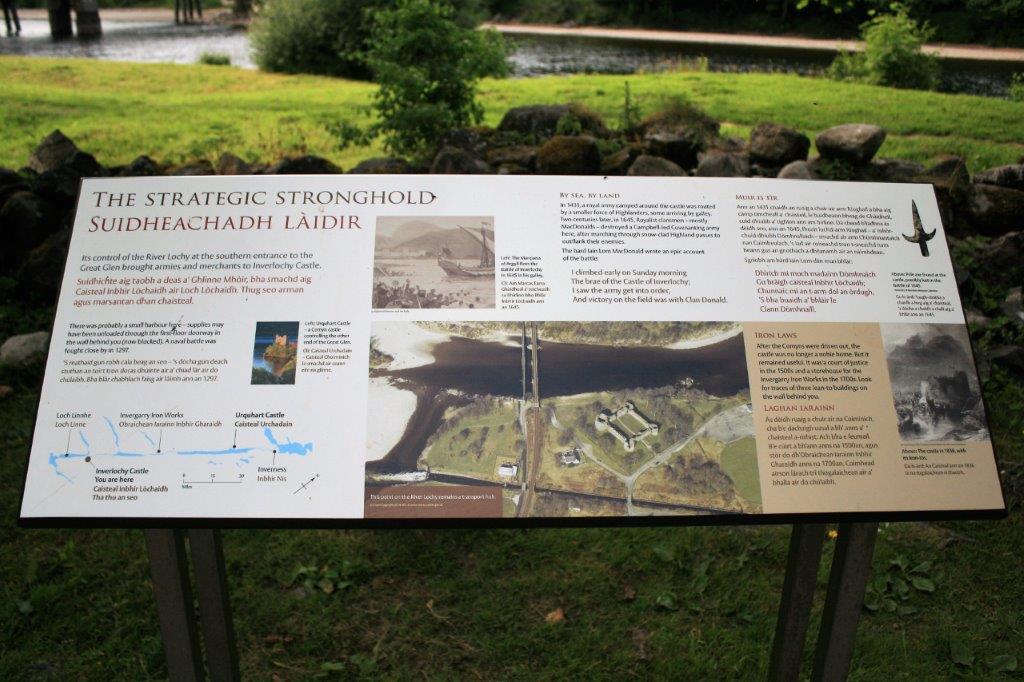
We stopped briefly at Laggan Dam,  and  reached the  ruins  of  Inverlochy  Castle  as  the  rain  began  to  fall. Inverlochy  is a well-preserved 13th century castle of the Comyn Family.  It is comprised of a square courtyard, with round towers at the corners.  It is one of Scotland’s earliest stone castles. During our travels in Scotland we criss-crossed the country a few times.  There are some pretty short distances from one side to the other due to all the deep inlets.  Mainland Scotland has 9,910 km (6,160 miles) of coastline.  This doesn’t include the shores of the many islands which would increase the distance by about 7,000 km (4,000 miles).  The west coast particularly, is indented with long promontories separated by fjord-like sea lochs.Our destination for the end of this, our 19th day touring around, was Fort William, situated at the end of one of these sea lochs,  Loch Linnhe.  We had tickets for the next day’s trip of the Jacobite Steam Train from Ft. William to Mallaig and back.  This is the bright red steam engine used in the Harry Potter movies and the route takes you over the long, curving viaduct that you see in the films.  I was really stoked about this excursion as I am a huge Harry Potter fan.  I have read all the books several times and watched all the movies almost as often.

2013 Summer (Baltic and Britain – Scotland – July 12 – Day 19 – Part 2)

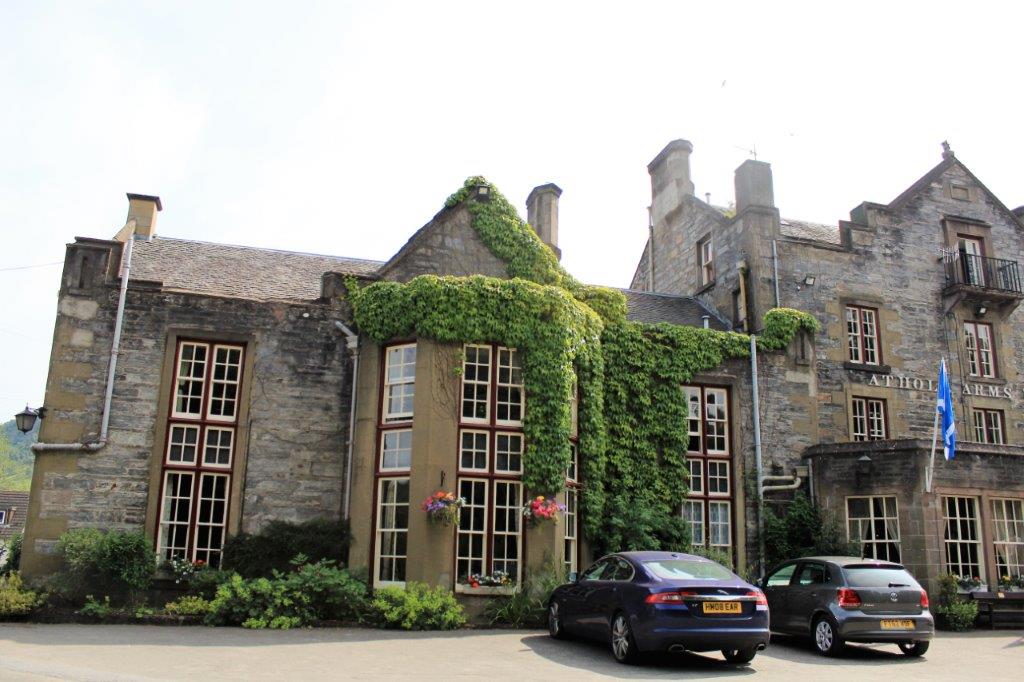
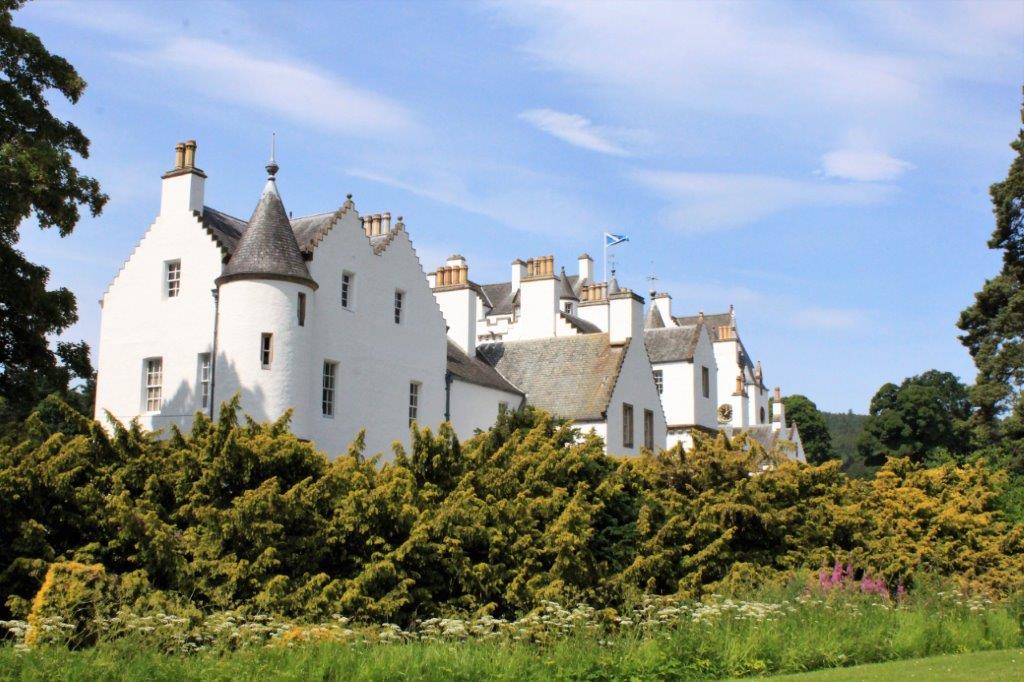
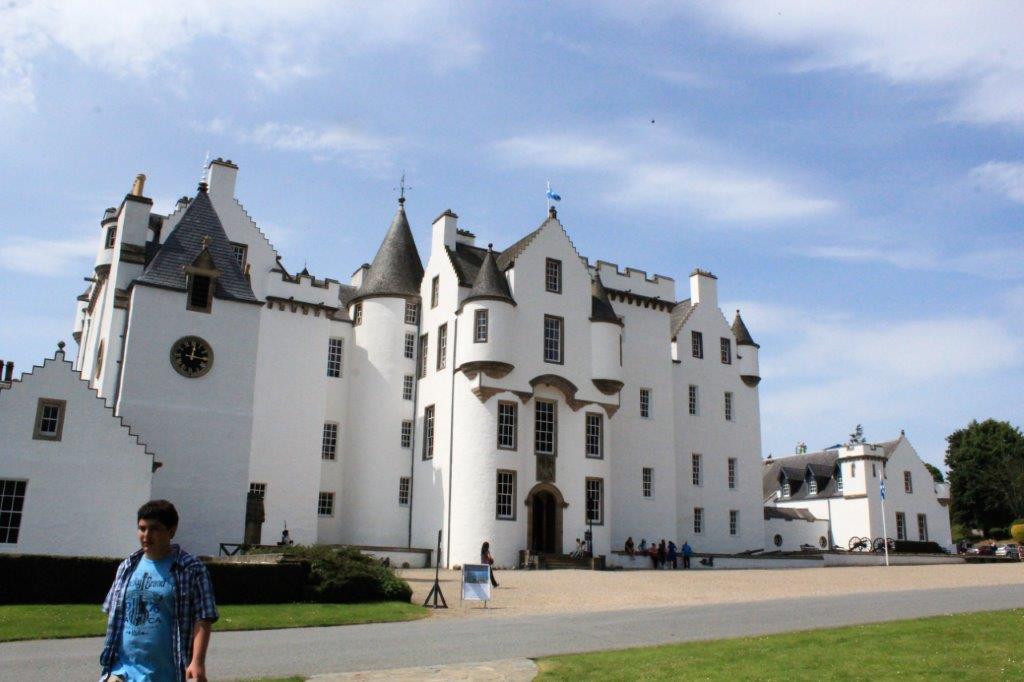
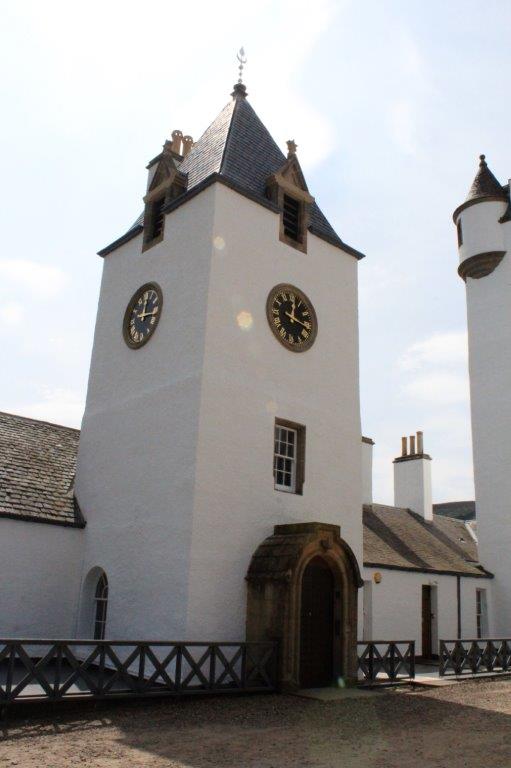
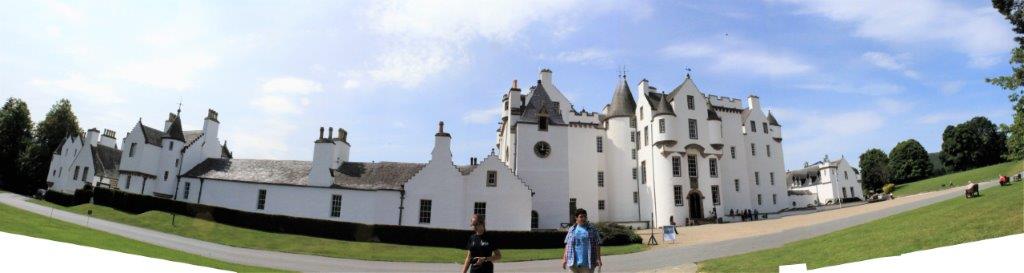
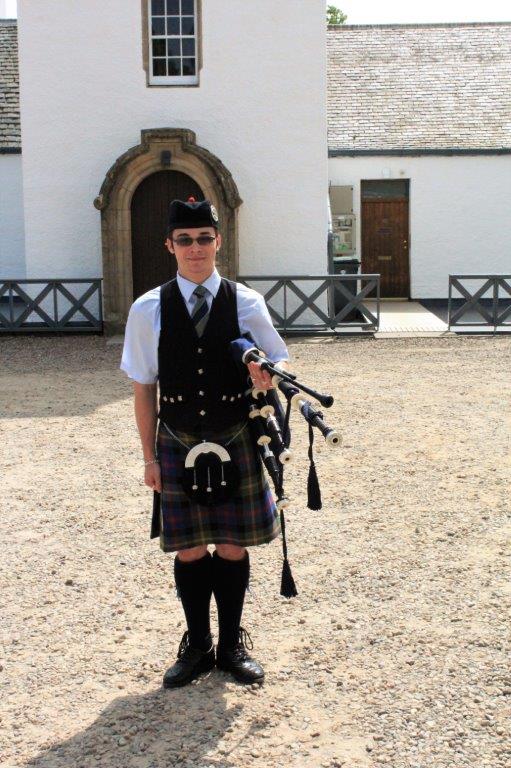
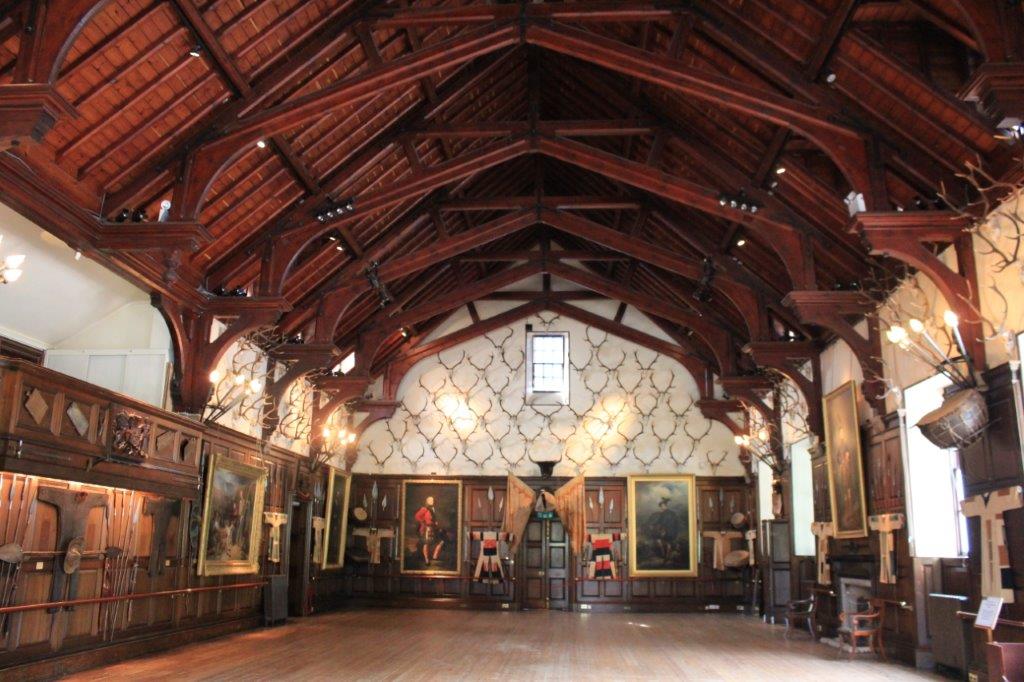
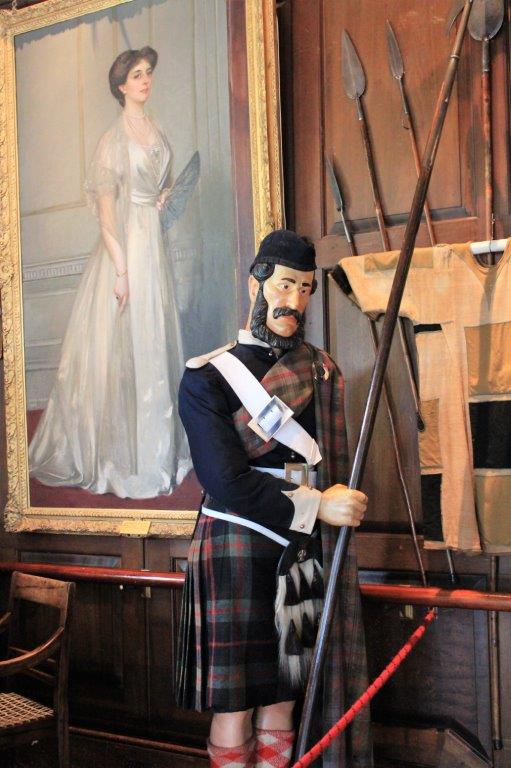
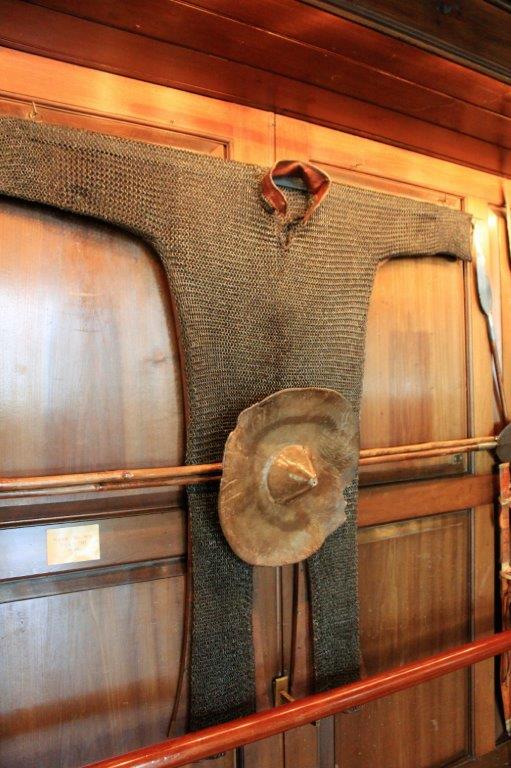
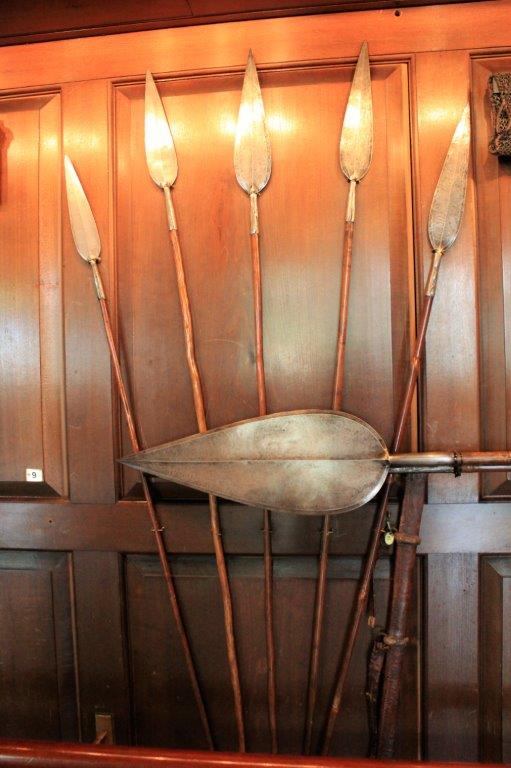
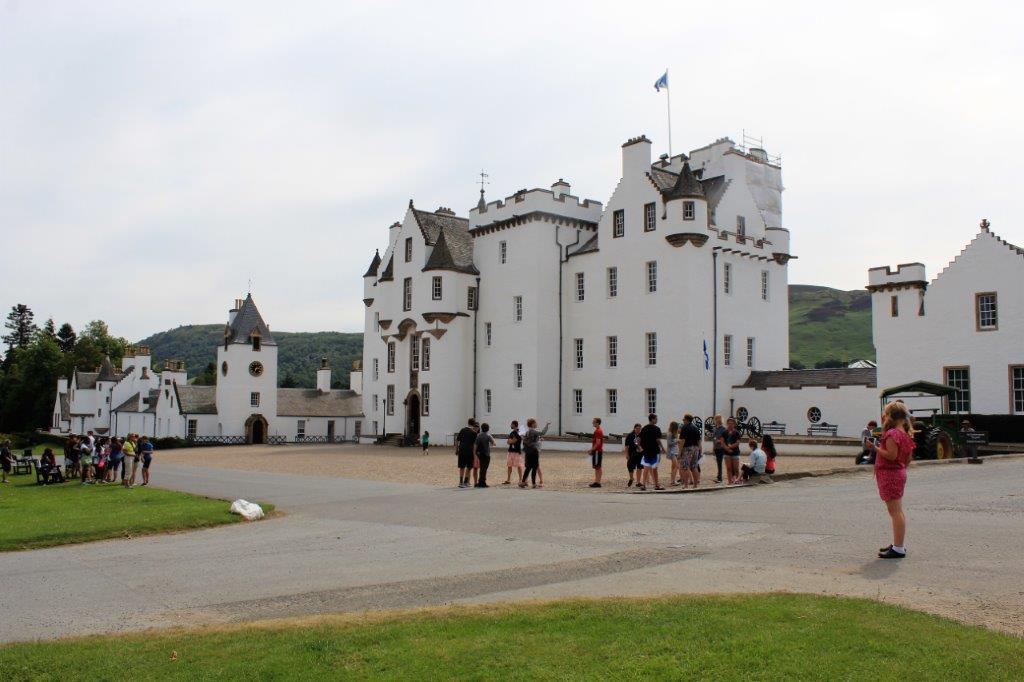
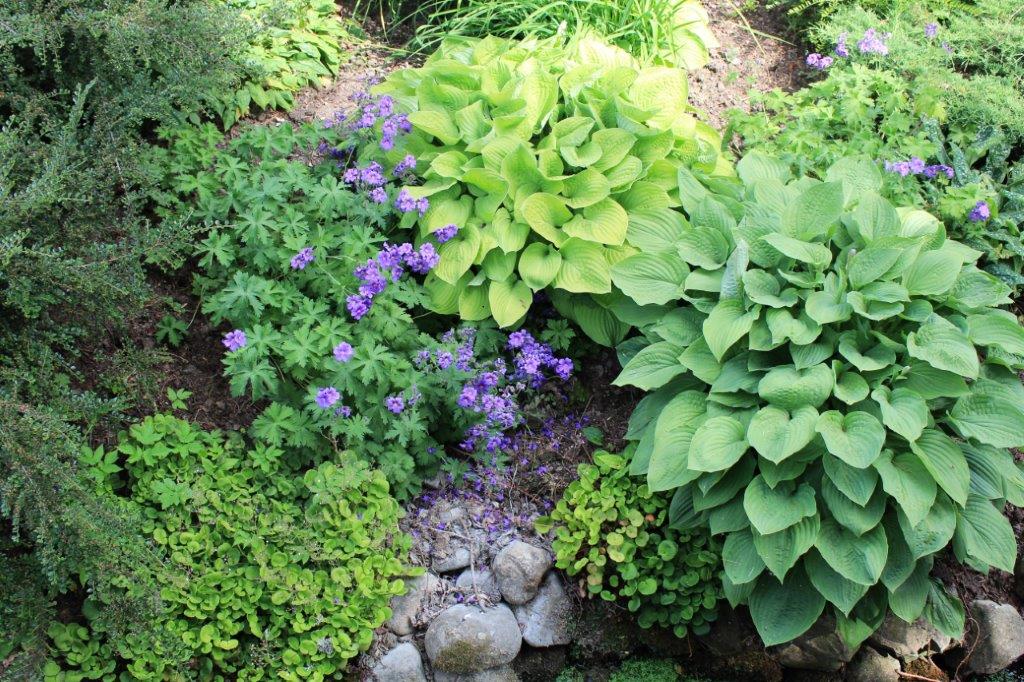
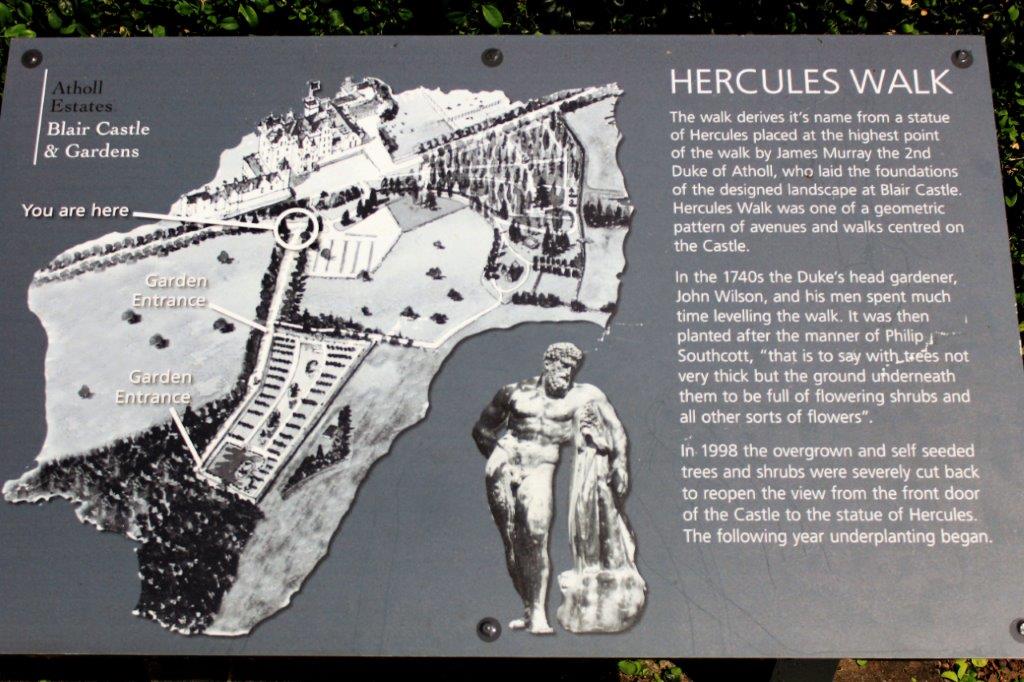
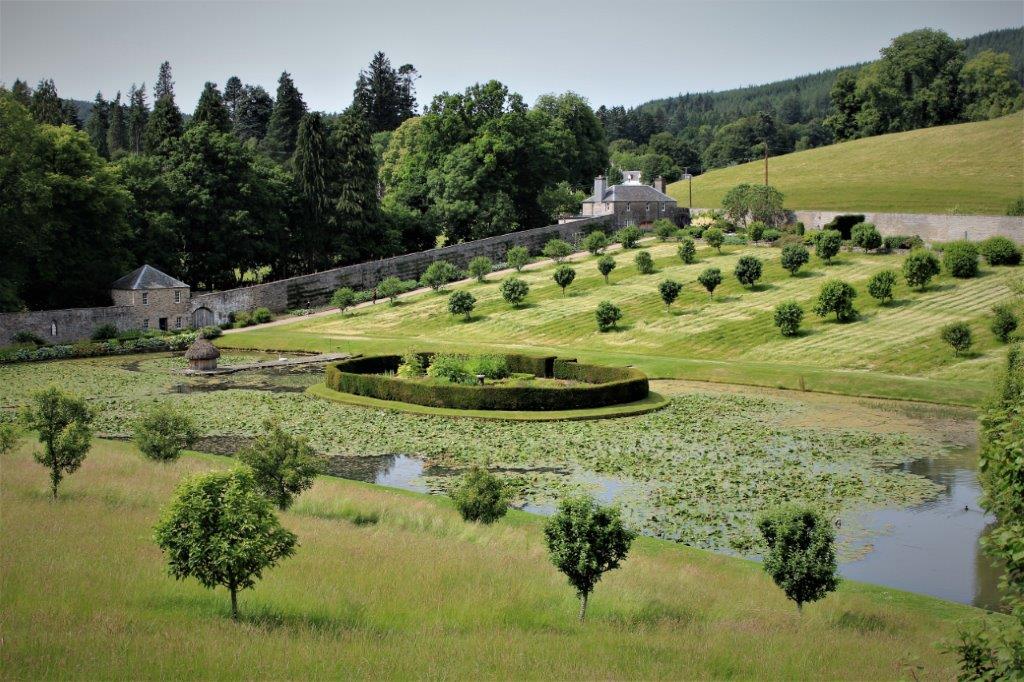
We left Killiecrankie and Soldier’s Leap at noon and drove a short distance to Blair Castle, home of the Dukes of Atholl for 700 years. We were greeted at Blair Castle by this young fellow playing the pipes.  He was doing a great job too. The walls of the Great Hall were awash with a large collection of ancient weapons.                                                 As with most castles, the gardens are open to the public to wander around and have a picnic if you choose. They  really  liked  cupid  figures. This  is  a great  piece  of  art  – and  a great  message too. The Atholl  Arms  Hotel  – our  lunch  stop.

2013 Summer (Baltic and Britain – Scotland – July 12 – Day 19 – Part 1)

It is not our custom to get up at the crack of dawn and rush off.  We generally leave our hotel or B & B about 10 am and are settled or checking in to the new place between 5-6:30.  We know some people who have to fill every minute of every day on their holidays.  Frankly, the thought of that just makes me tired.  I don’t like coming home from  a holiday needing a rest.  That’s just me.  You holiday anyway you choose.  I am too lazy for a frenetic pace.  Besides, I am old and retired now.  There is no need to rush around.

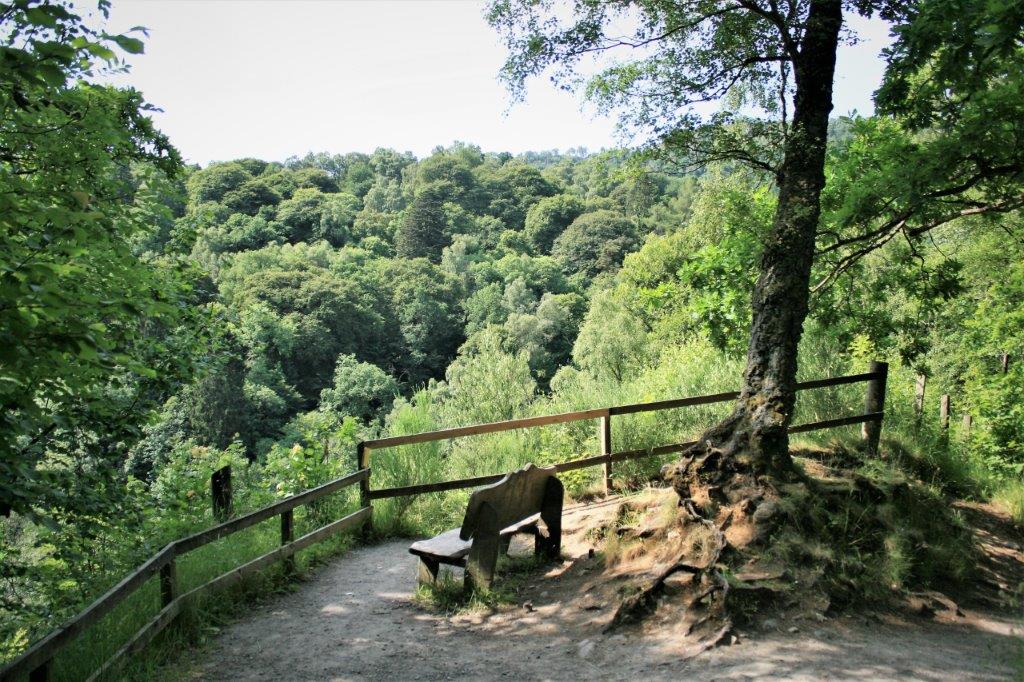
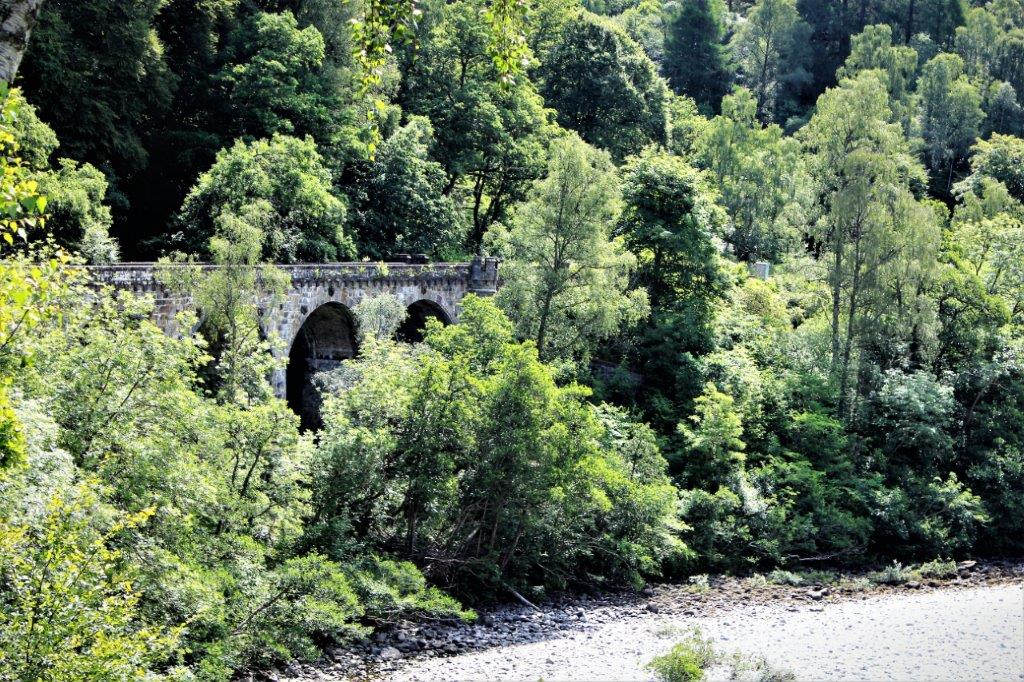
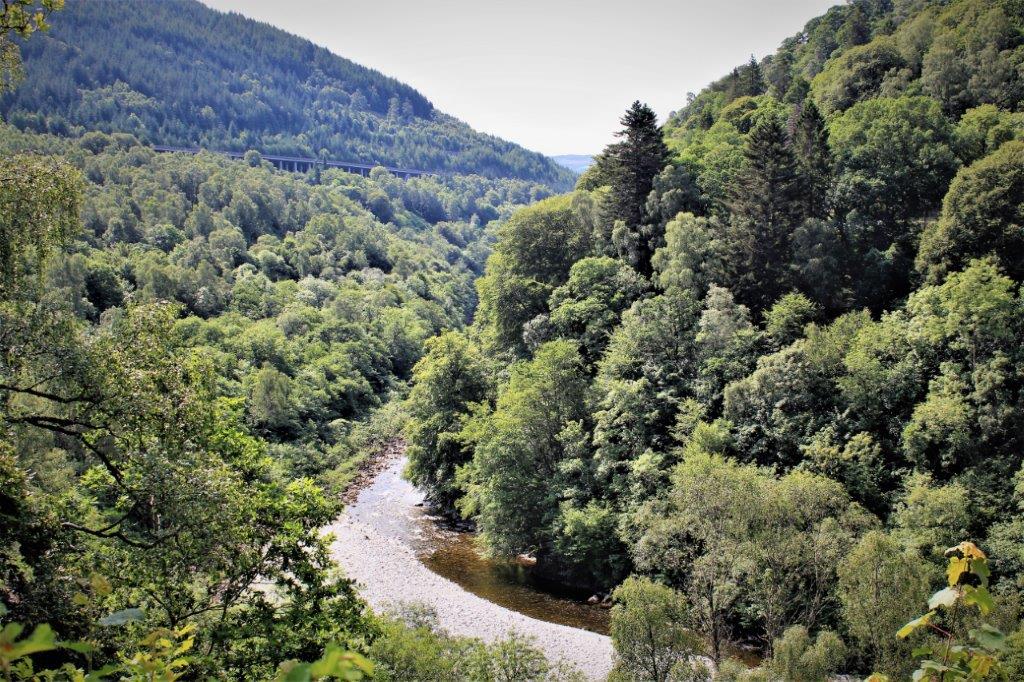
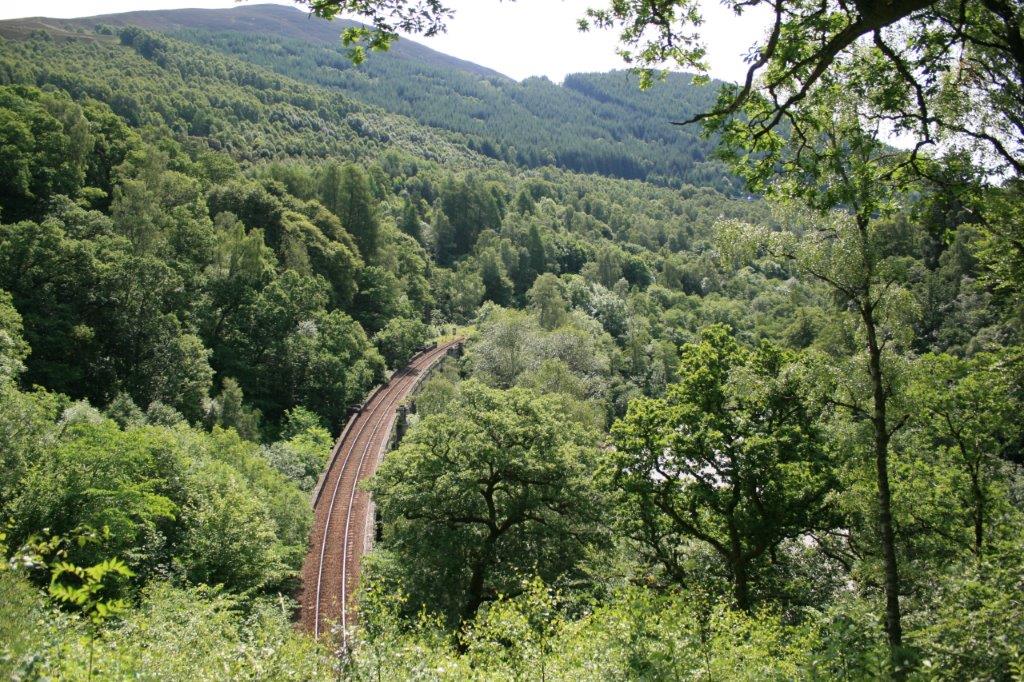
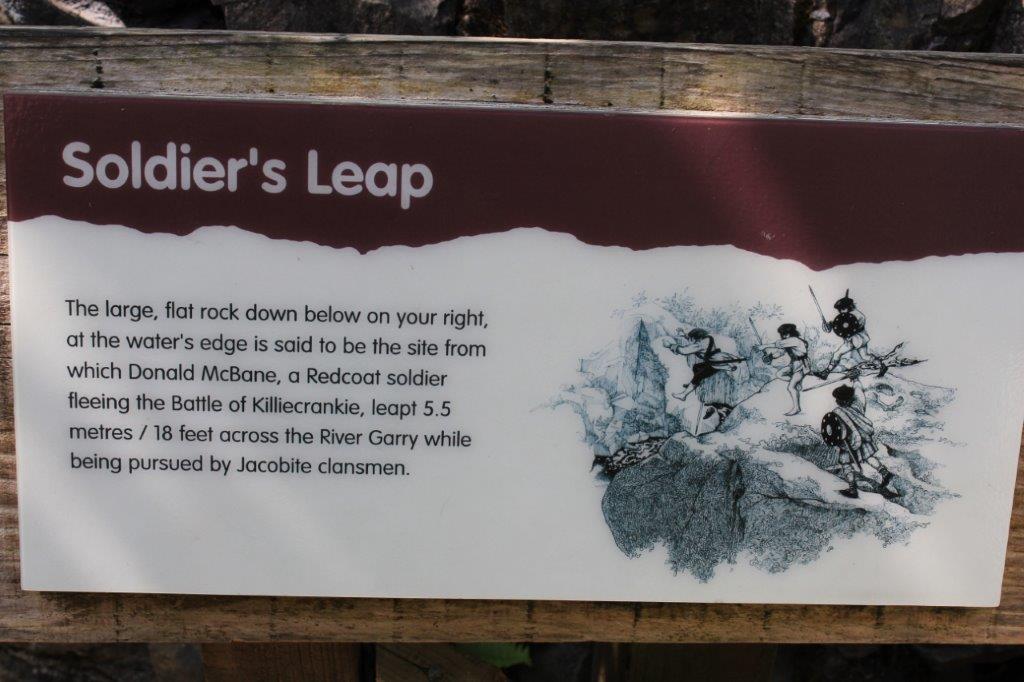
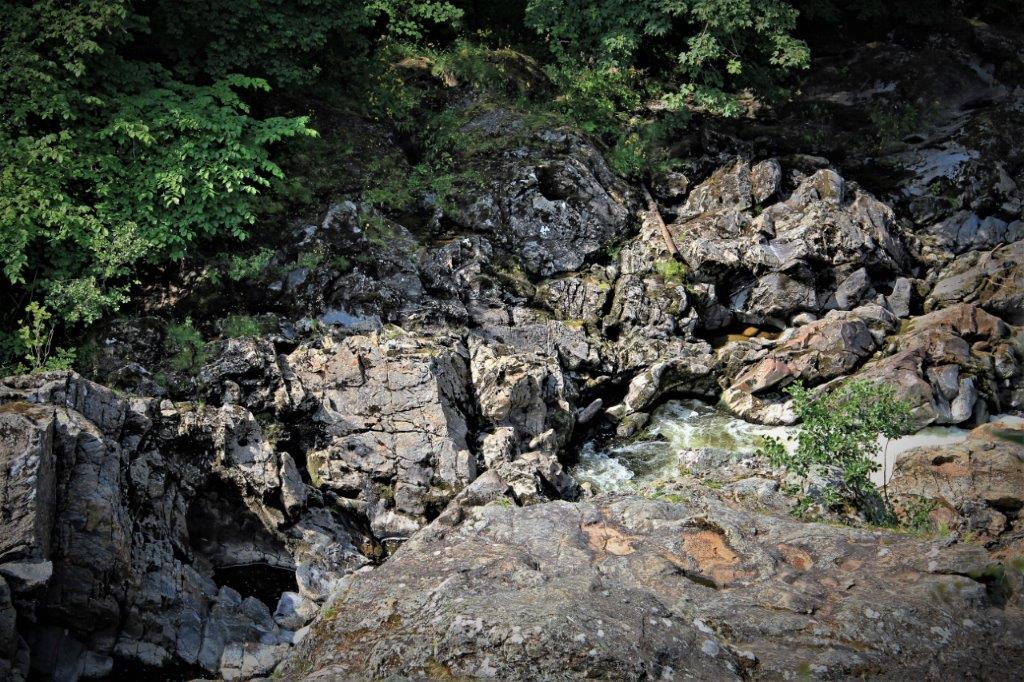
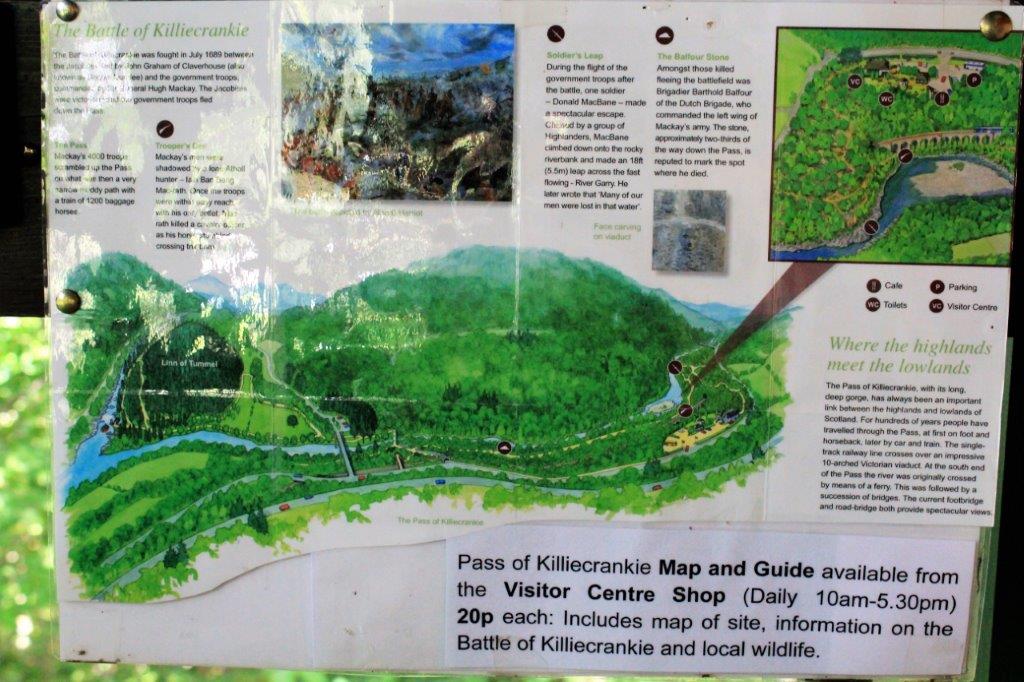
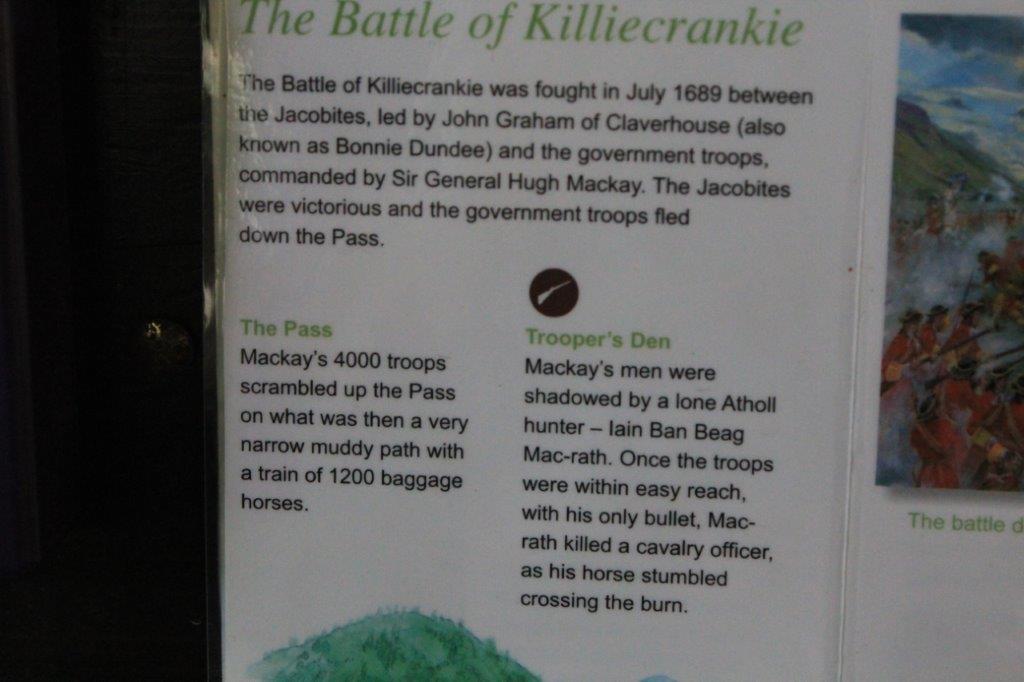
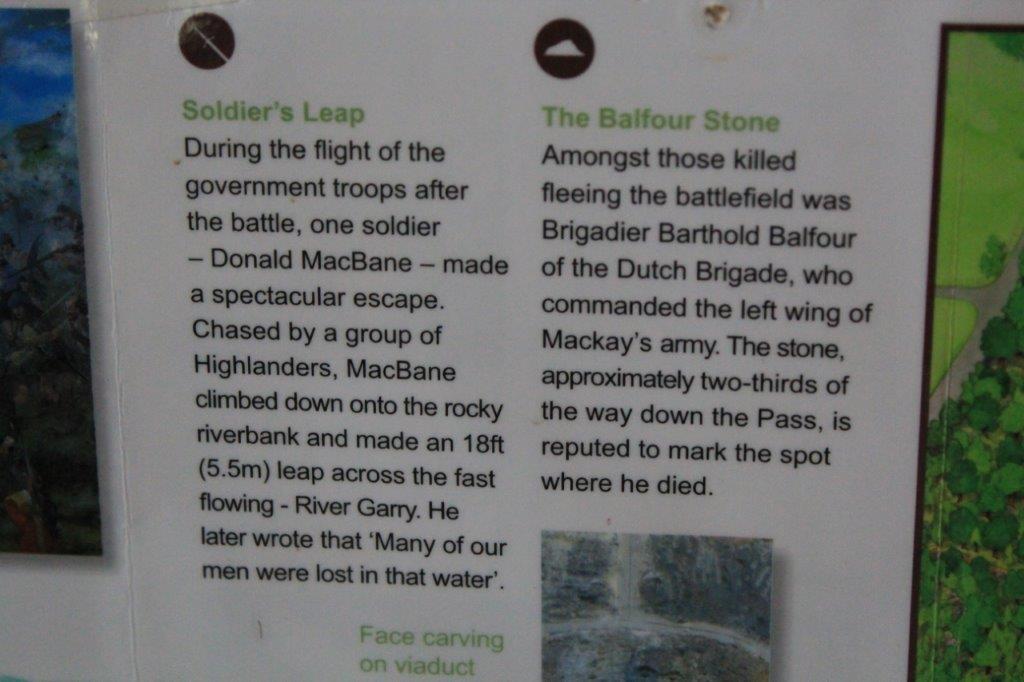
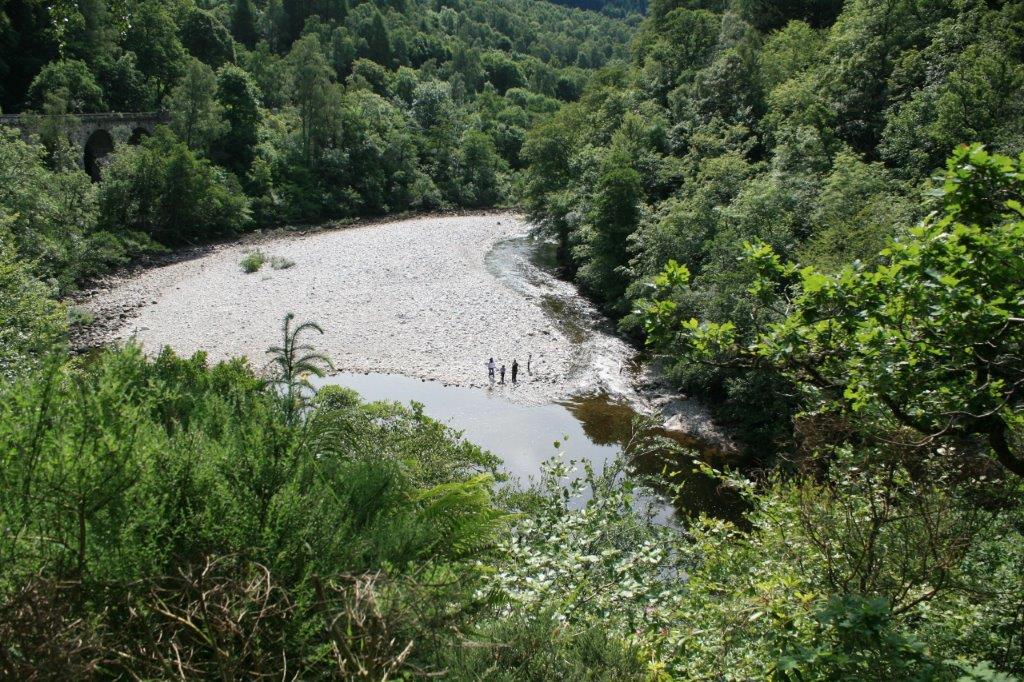
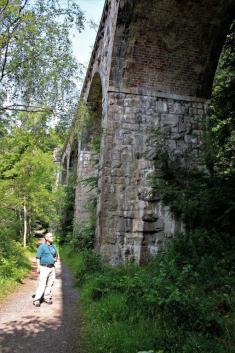
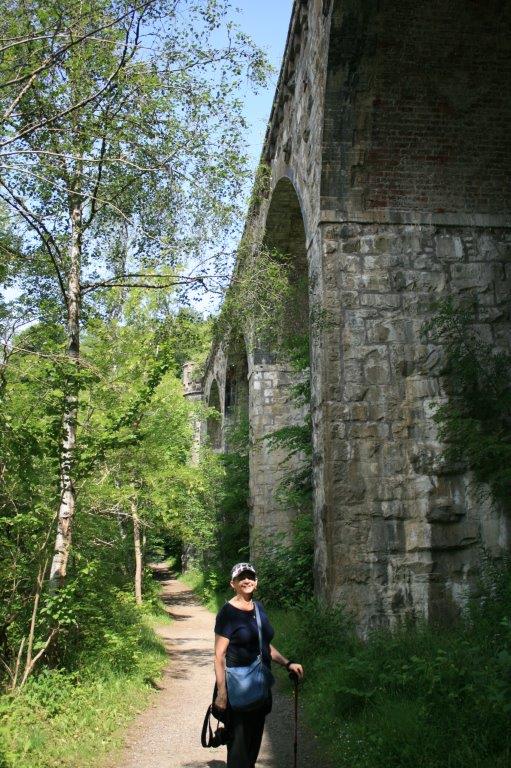
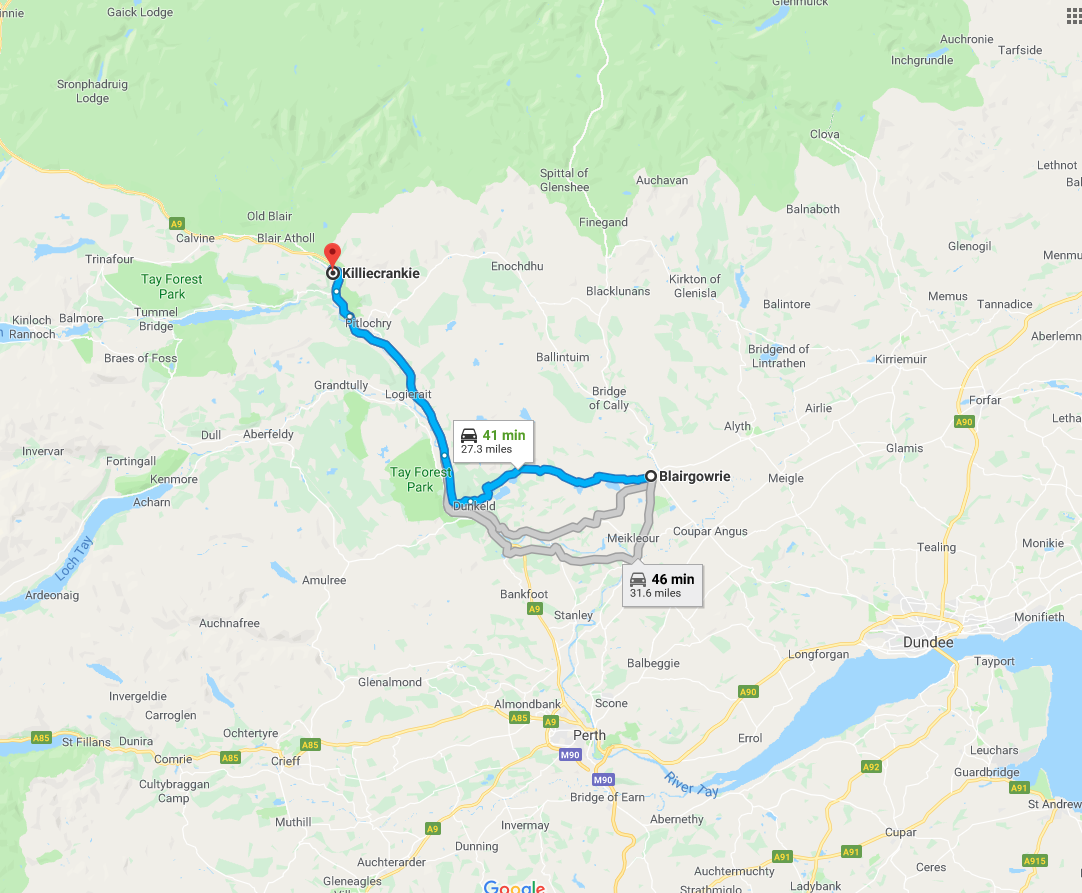
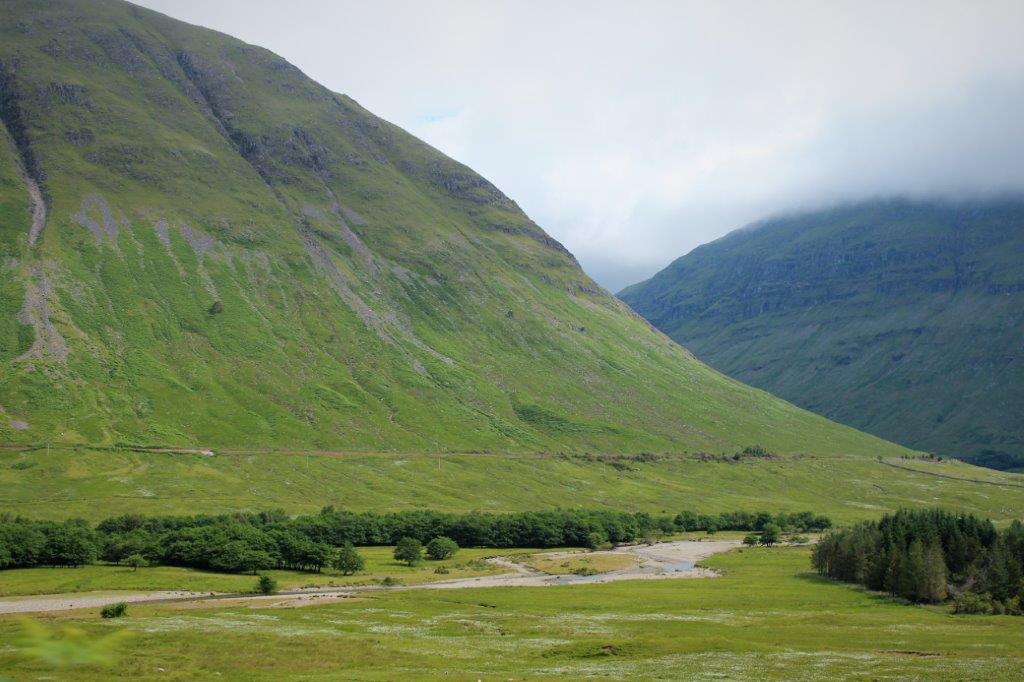
And so, in our normal fashion, we left our hotel at 10 and drove northwest on Route A9 through the countryside for about a half hour before we reached Killicrankie.The pass between high mountains at Killicrankie is extremely narrow, with the Garry River running far beneath in a deep, dark, rocky channel.  This wooded gorge is a Site of Special Scientific Interest and lies within the Tummel National Scenic Area.  On July 27, 1689 there was a fierce battle between a Jacobite army led by “Bonnie Dundee,” and the government forces.  The Scottish supporters of exiled Bonnie Prince Charlie were the victors.  One soldier escaped by making a spectacular jump across the River Garry at the spot now known as Soldier’s Leap.I don’t think it is a leap I would wish to make.  That is a long way down onto an awful lot of rocks.  Well  done  Mr.  Soldier  for leaping across such a span successfully.We walked the trail down to the bottom and for a short distance under the railway.
2013 Summer (Baltic and Britain – Scotland – July 11 – Day 18 – Part 3)

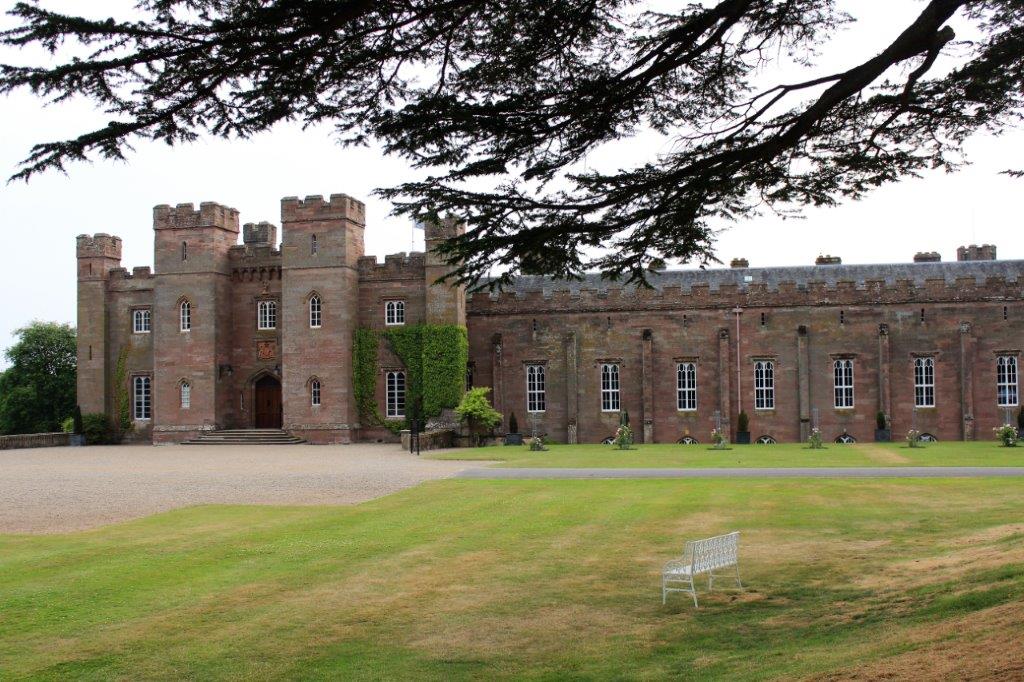
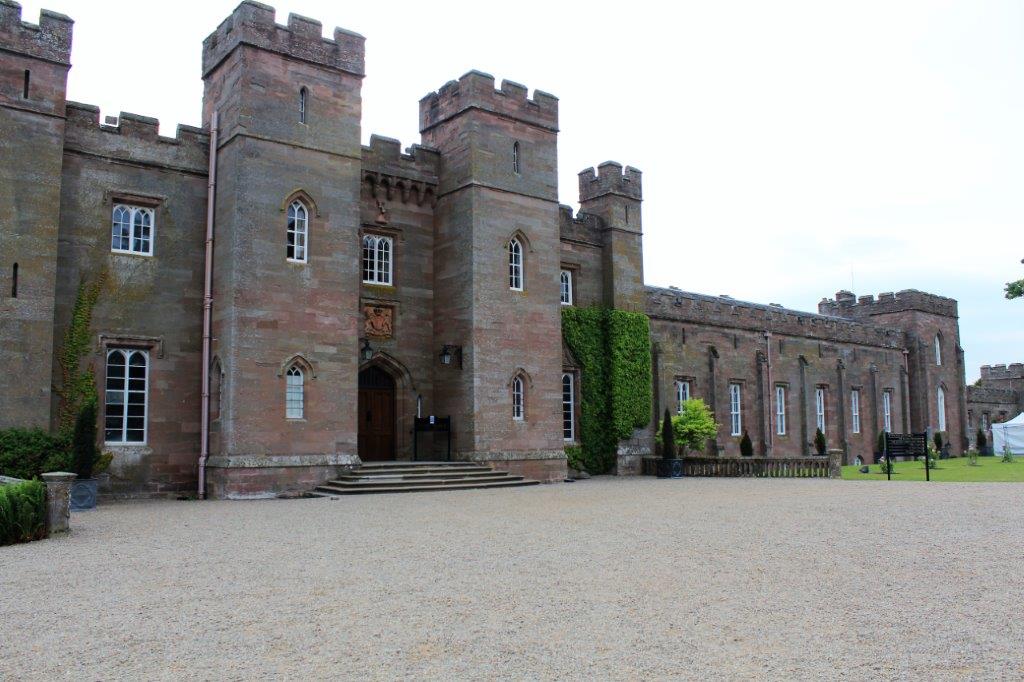
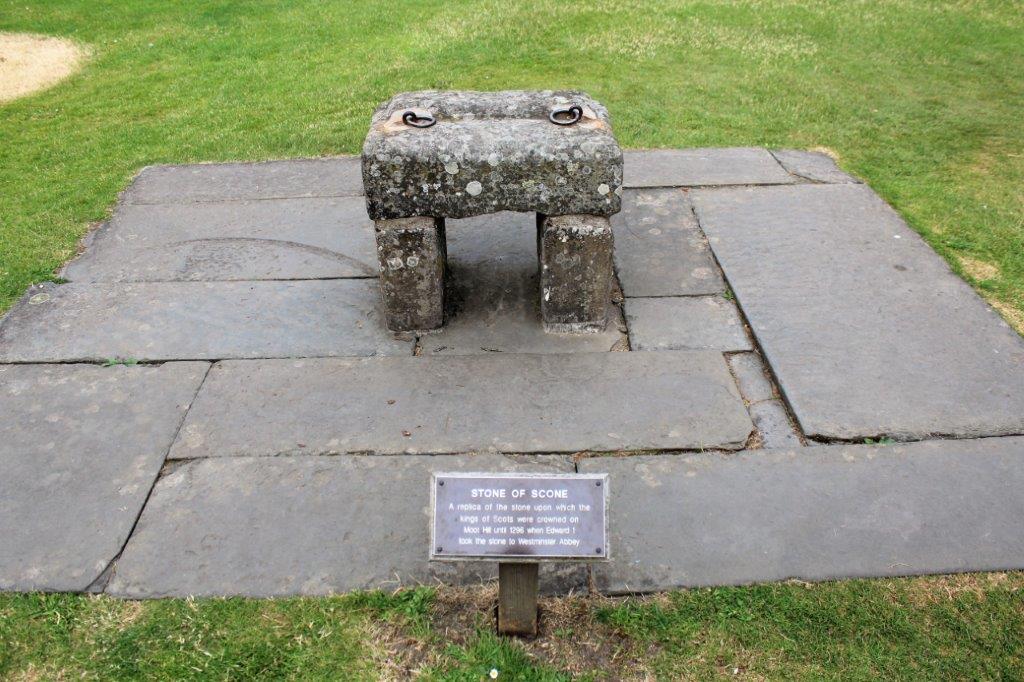
It was almost 4:30 in the afternoon before we arrived at Scone Palace (pronounced Skoon), which is located about 2 miles north of the city of Perth.For centuries Scone Palace has been the home of the Murray family, the Earl of Mansfield.  The original palace of 1580 was rebuilt in the early 19th century and is one of the finest examples of late Georgian Gothic style in Great Britain. Scone was the ancient crowning place of Scottish kings on the Stone of Scone, also known as the Stone of Destiny.   MacBeth, Robert the Bruce and Charles II were all crowned here.  The stone was taken to Westminster Abbey in London by Edward II in 1296 and only returned to Scotland in 1997.  It now resides in Edinburgh Castle.

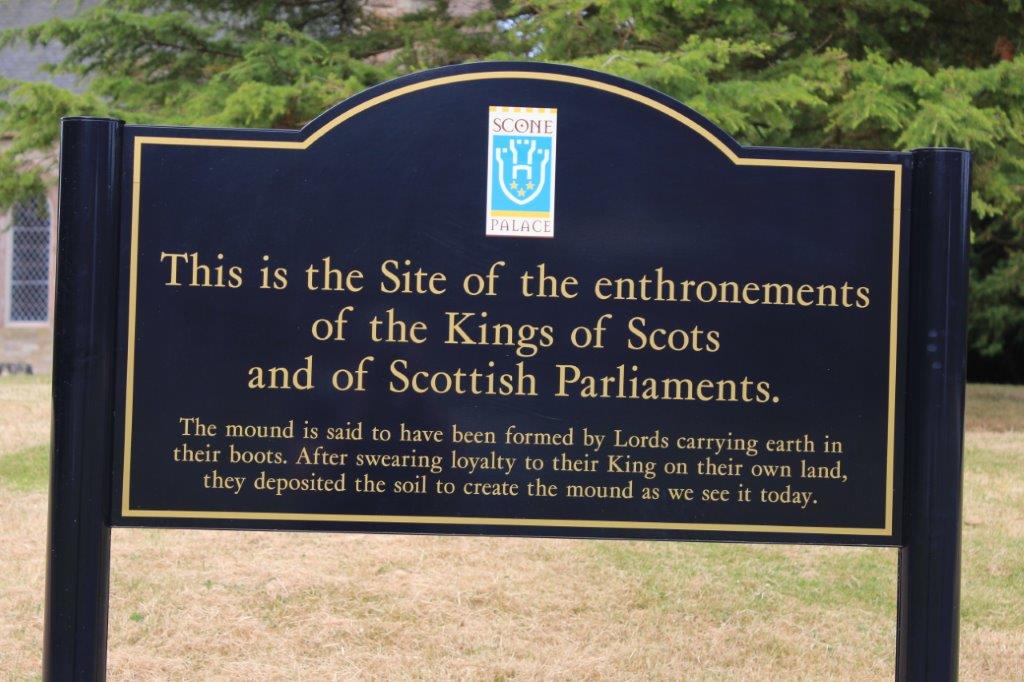
Scone was an ancient gathering place of the Picts, and was probably the site of an early Christian church. The place of coronation was called Caislean Credi, ‘Hill of Credulity’, which survives as the present Moot Hill.   In the Middle Ages the mound was marked with a stone cross, but this disappeared, probably during the Scottish Reformation in 1559, when the Abbey buildings were sacked by a mob from Dundee that was led by John Knox.

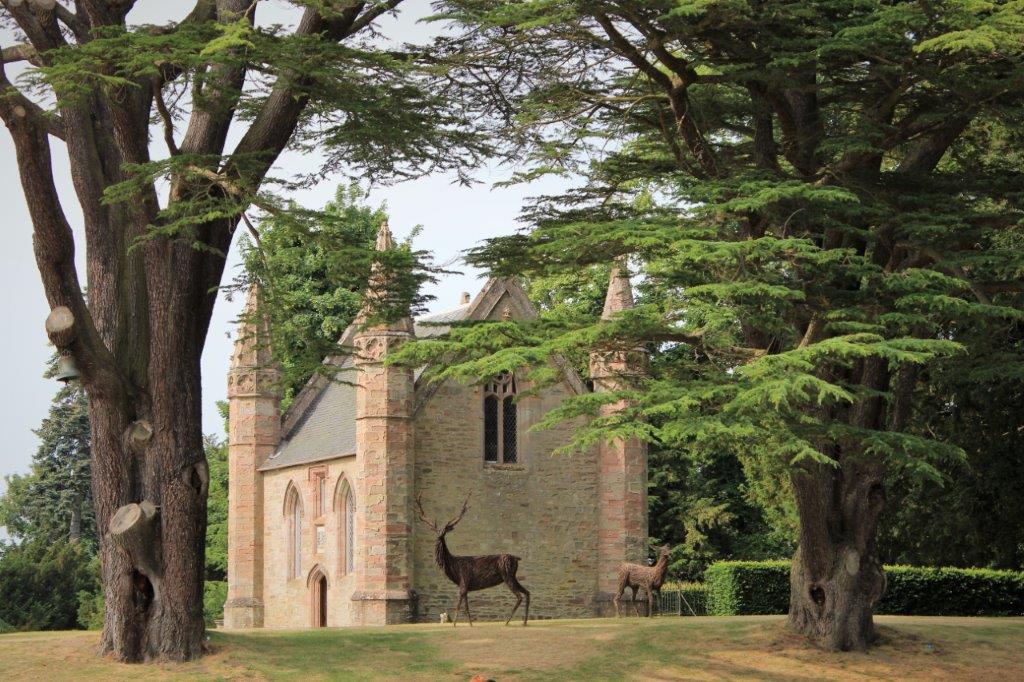
From 1114 to 1559, Scone was one of Scotland’s major monasteries and later abbeys.  All that remains today is the small Presbyterian chapel atop Moot Hill, which in reality is just a slightly higher piece of land across from the main palace grounds

The  deer  are  statues.A replica of the Stone of Destiny is near the chapel.
The village of Scone at one time was situated within the grounds of the palace.  The medieval house was rebuilt as a Gothic mansion in 1803 and when the grounds were landscaped two years later, the entire village was moved two miles away and became known as ‘New Scone.’

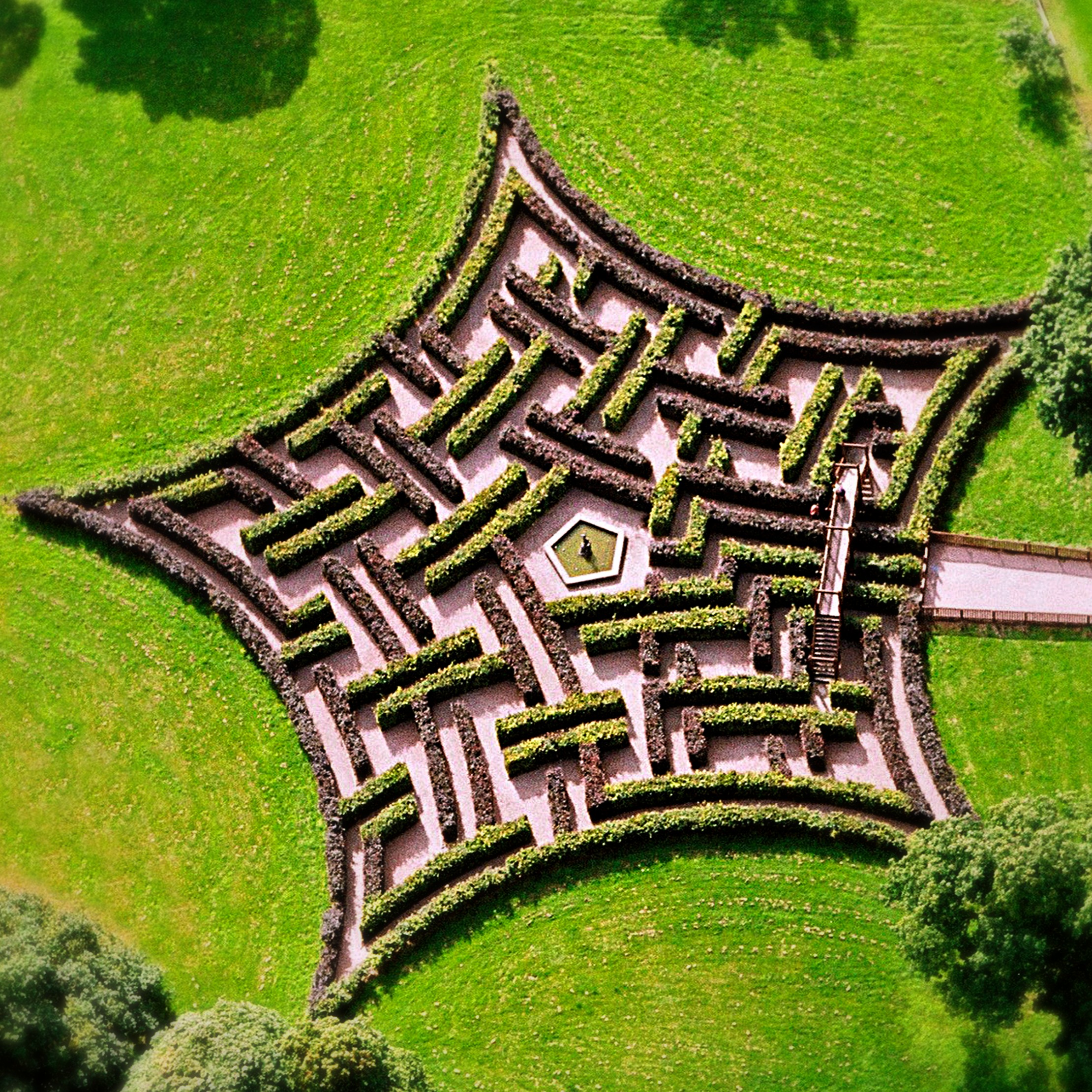
One of the things that the gardens at Scone Palace is famous for is the Star Maze.  This gorgeous maze was designed by international maze designer Adrian Fisher. (Who knew that could be a career?)  The large maze is made of 2,000 copper and green beech trees to reflect the Earl of Mansfield’s family tartan.  The five-point star is part of the family emblem.  I copied the photo below from an internet site to show the size of the thing.  There is a nice viewing platform where you stand above the maze and watch people try find their way to the center.
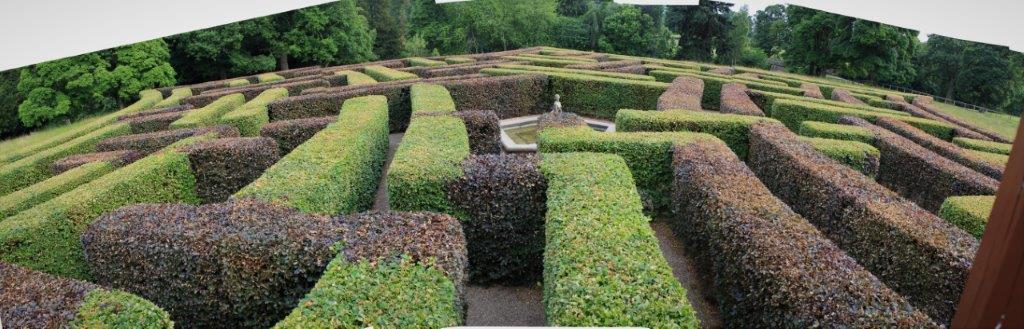
I  did  a photo-stitch  of  what  we  could  see  from  the  viewing  platform.We arrived back in our hotel in Blairgowrie at 6:15, had dinner and settled in for the night after another wonderful day in Scotland.

2013 Summer (Baltic and Britain – Scotland – July 11 – Day 18 – Part 2)

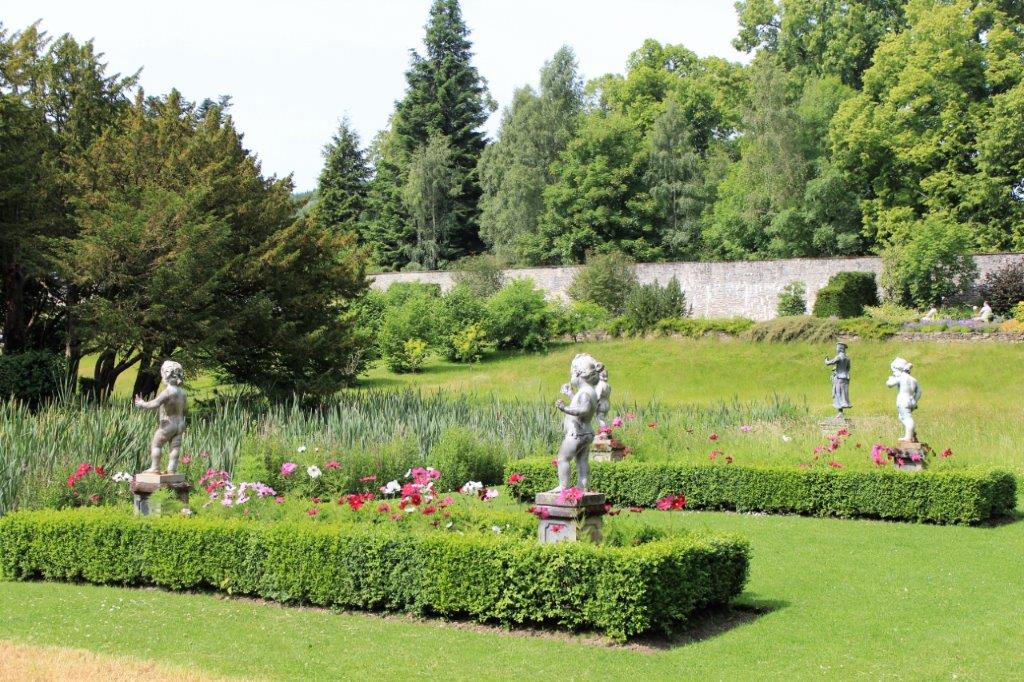
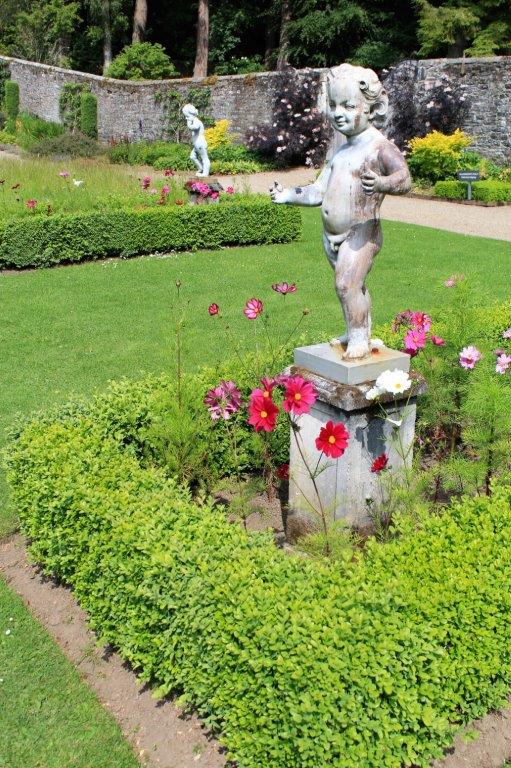
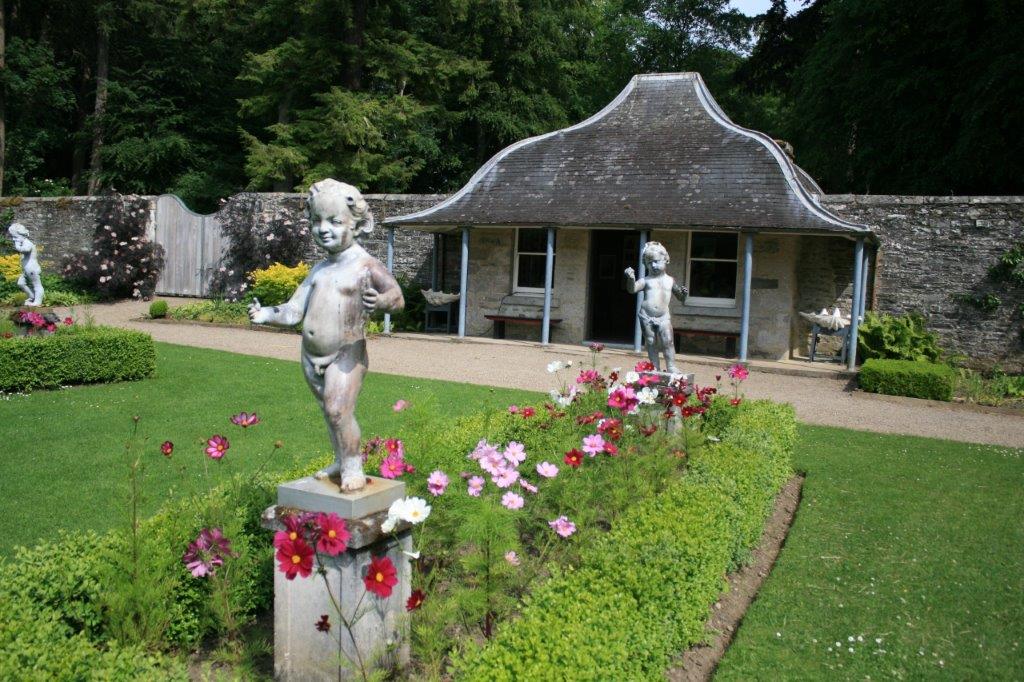
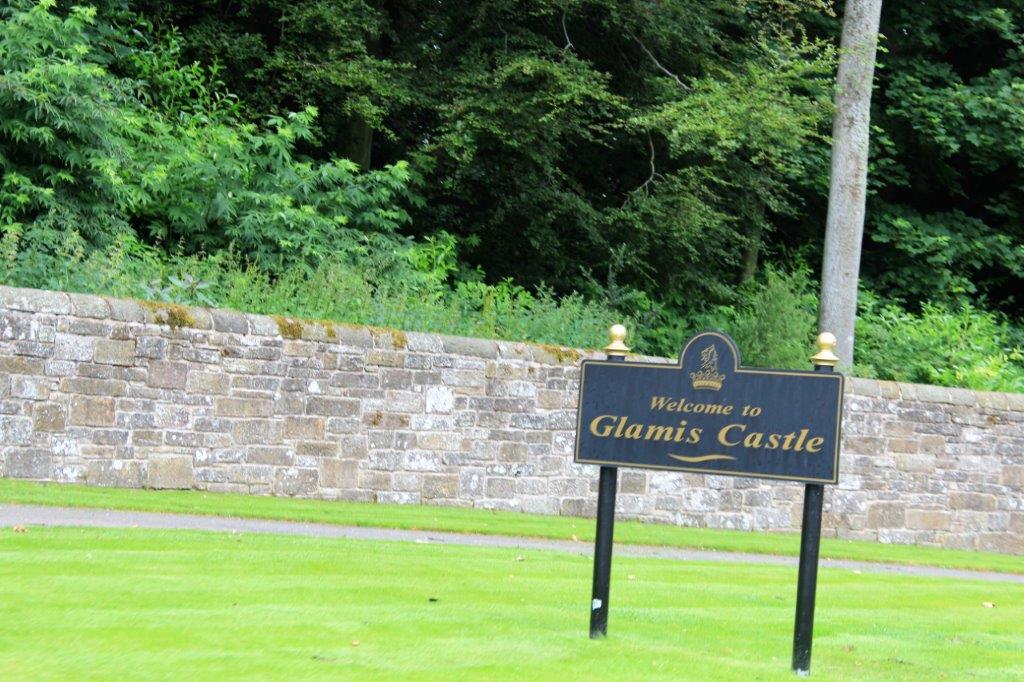
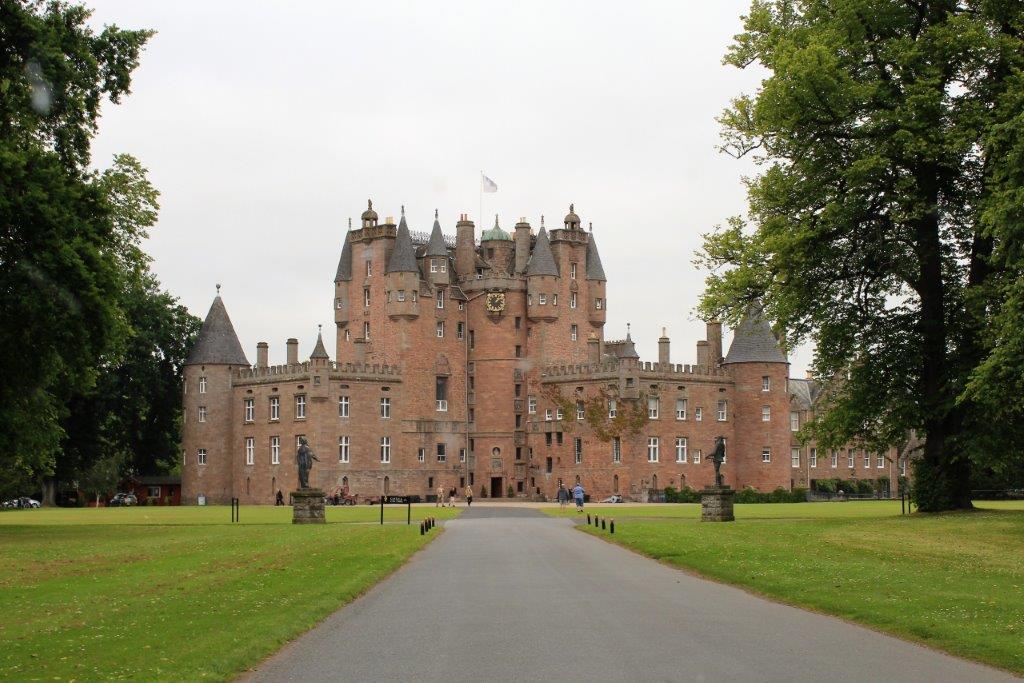
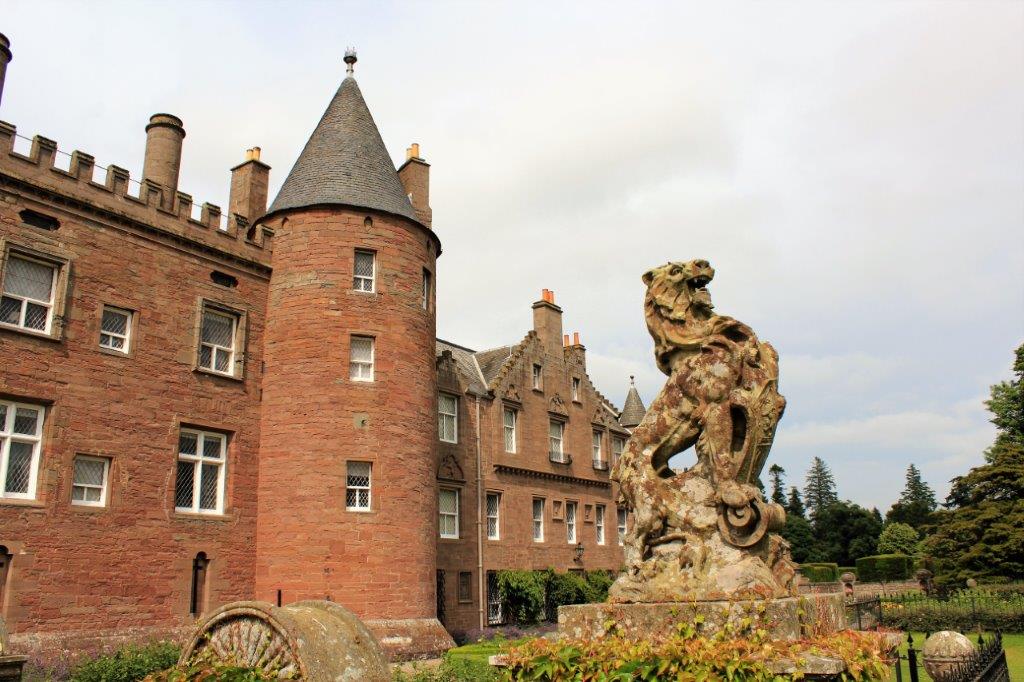
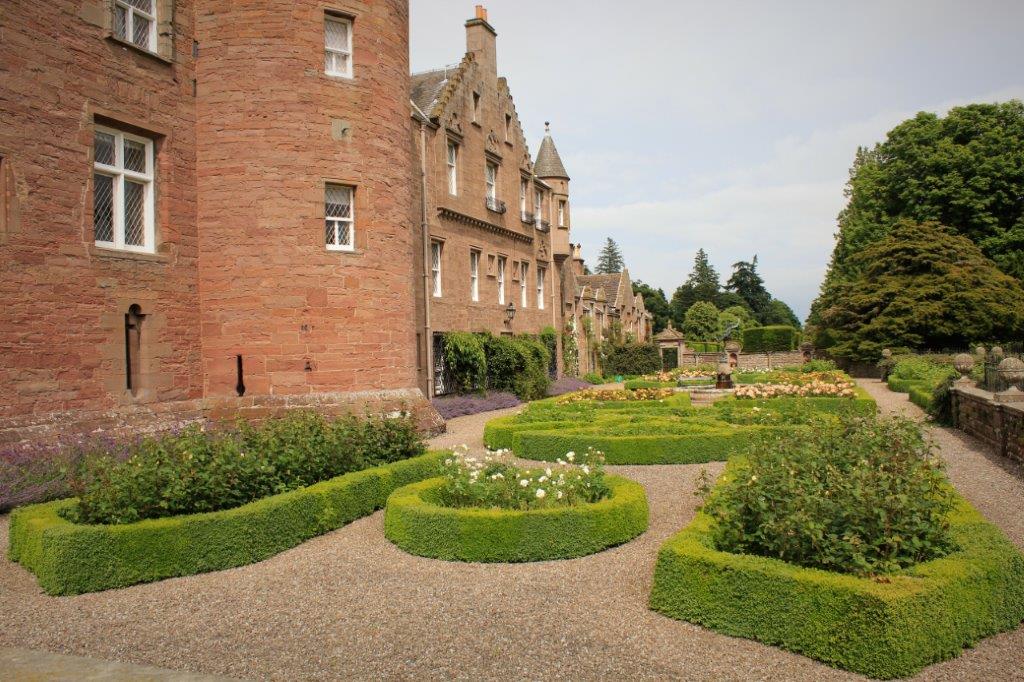
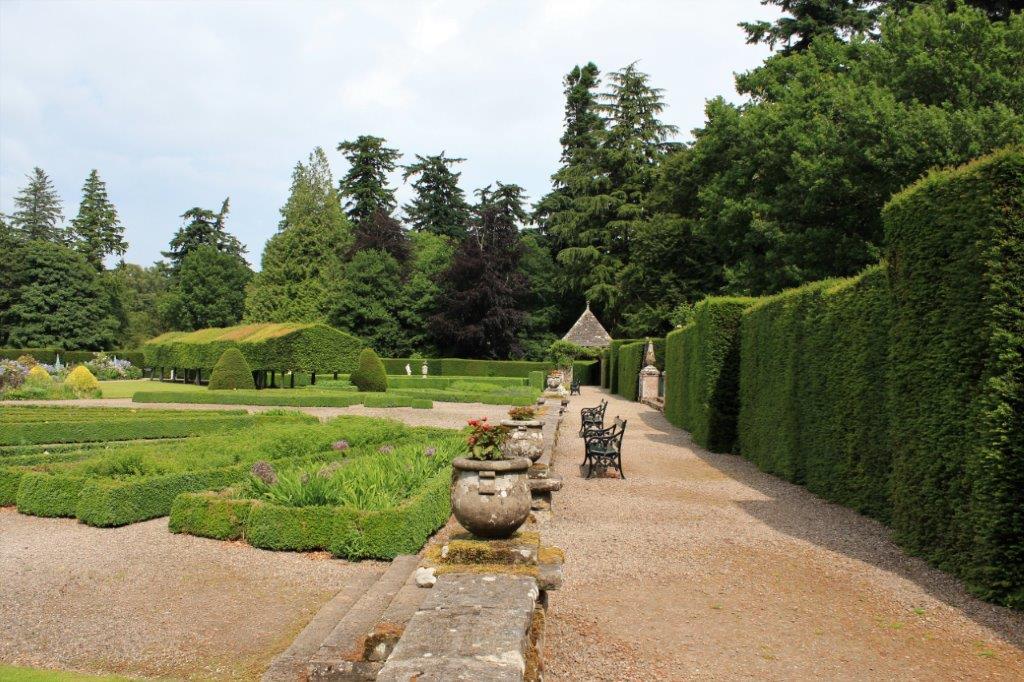
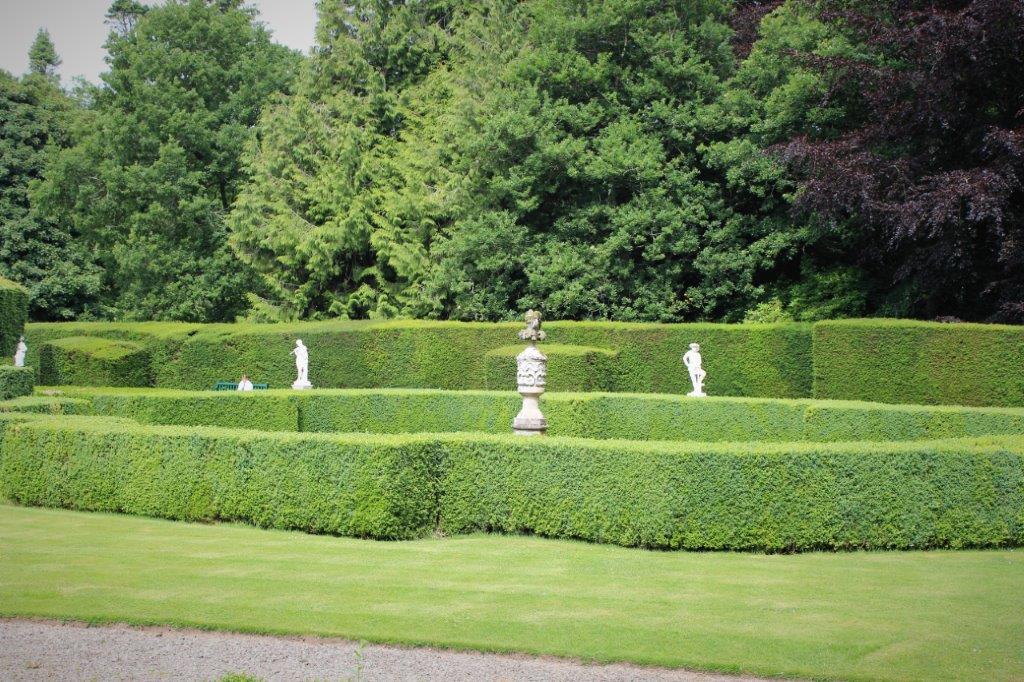
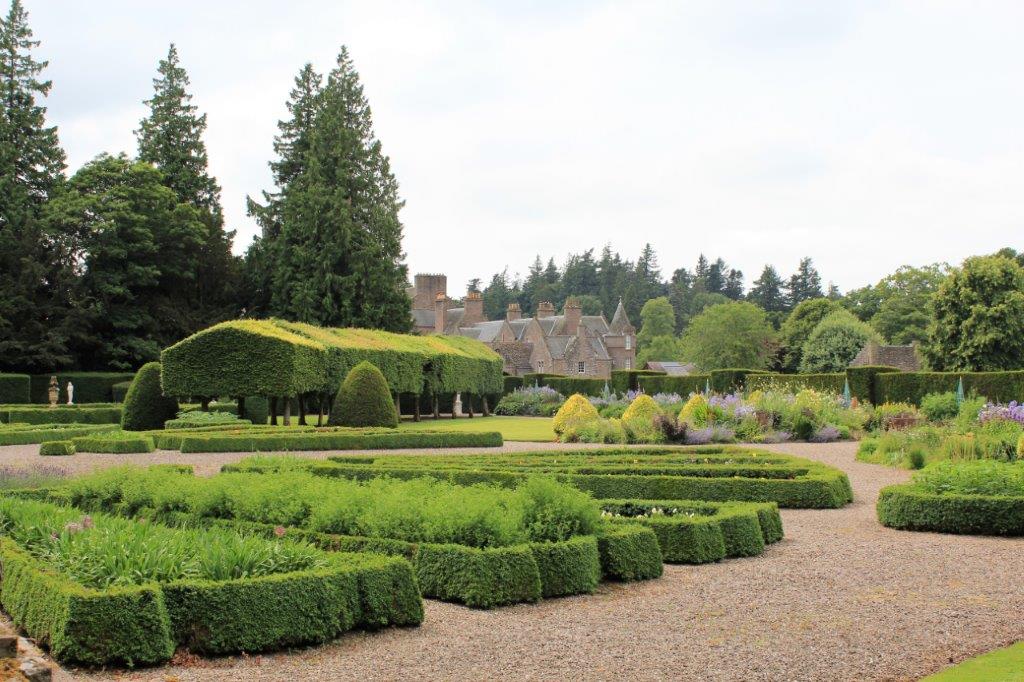
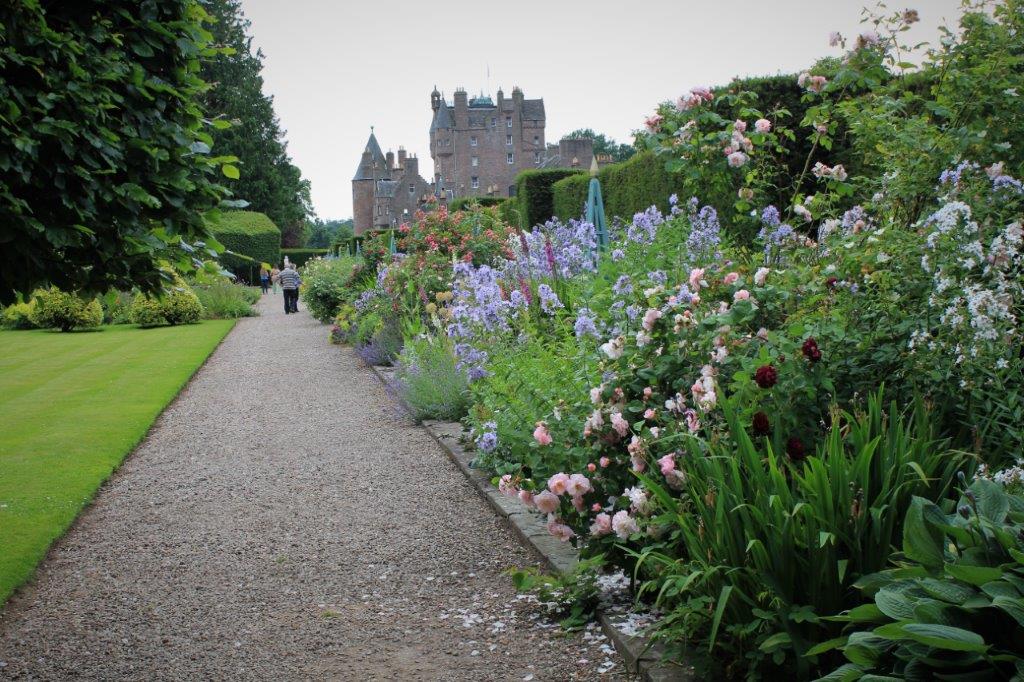
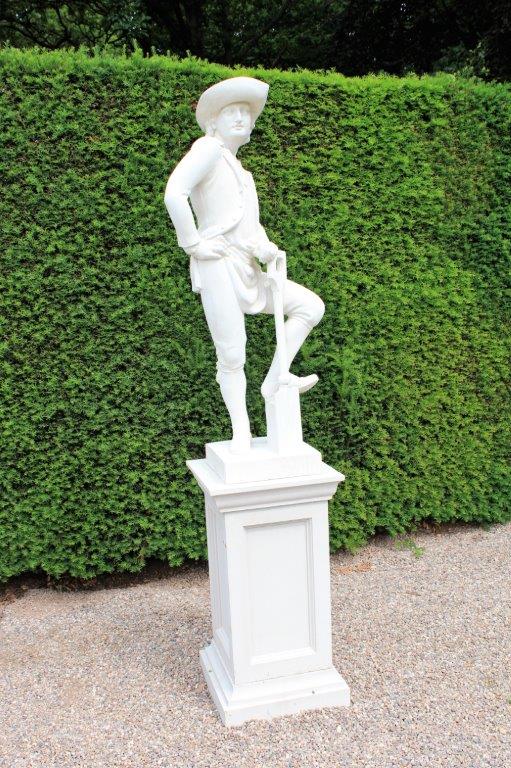
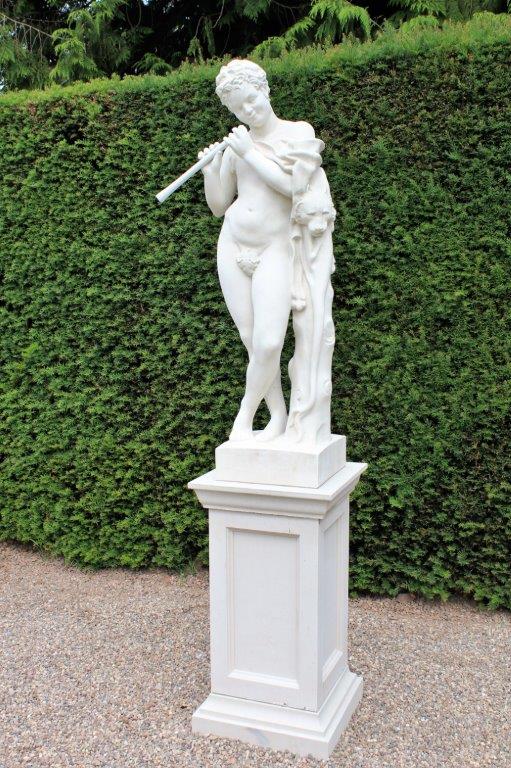
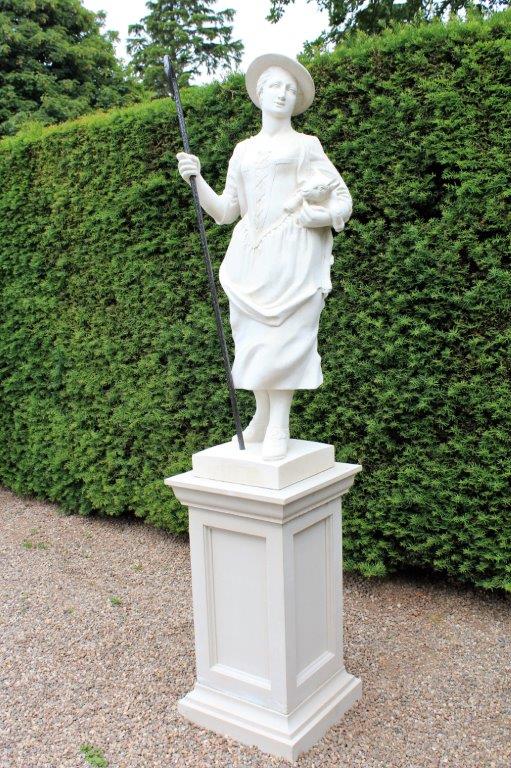
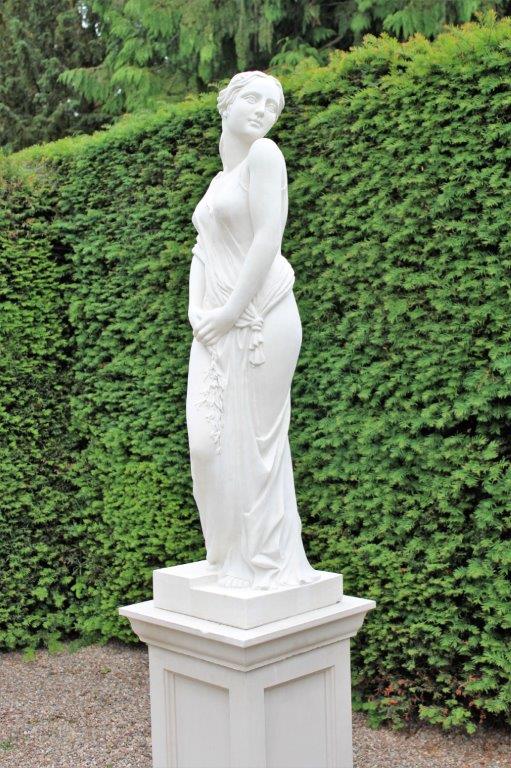
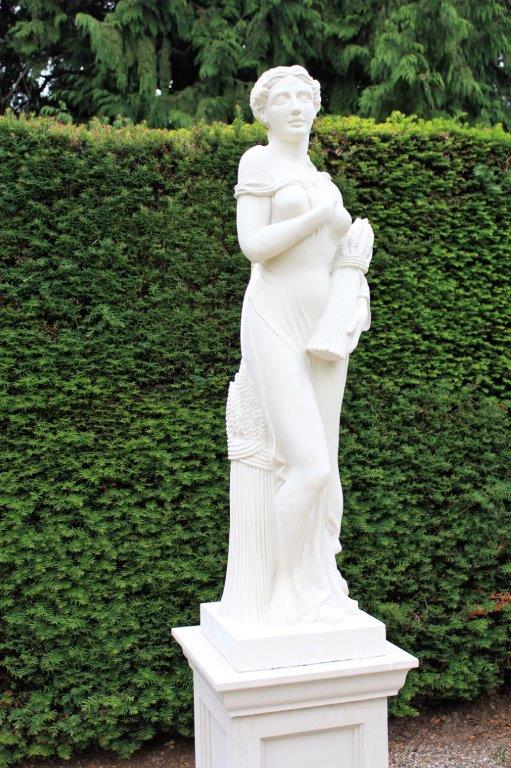
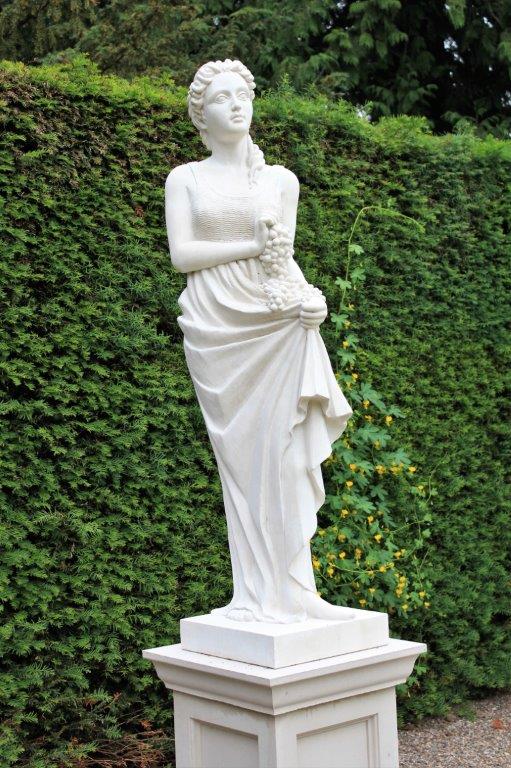
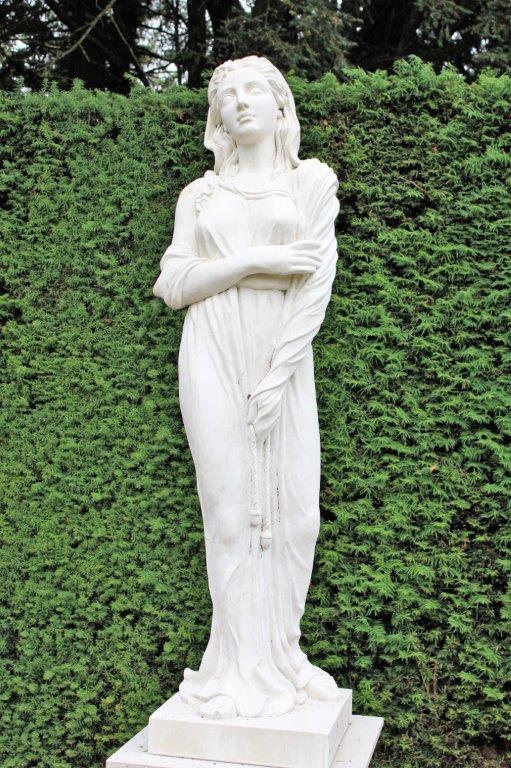
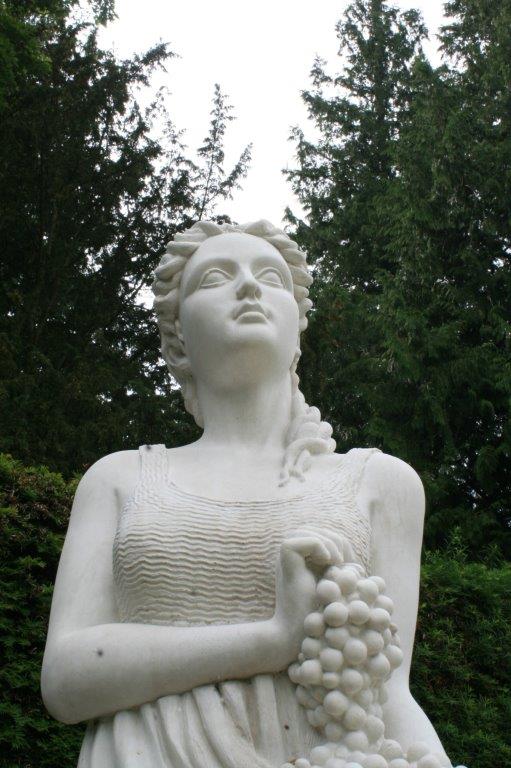
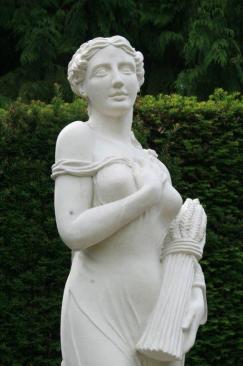
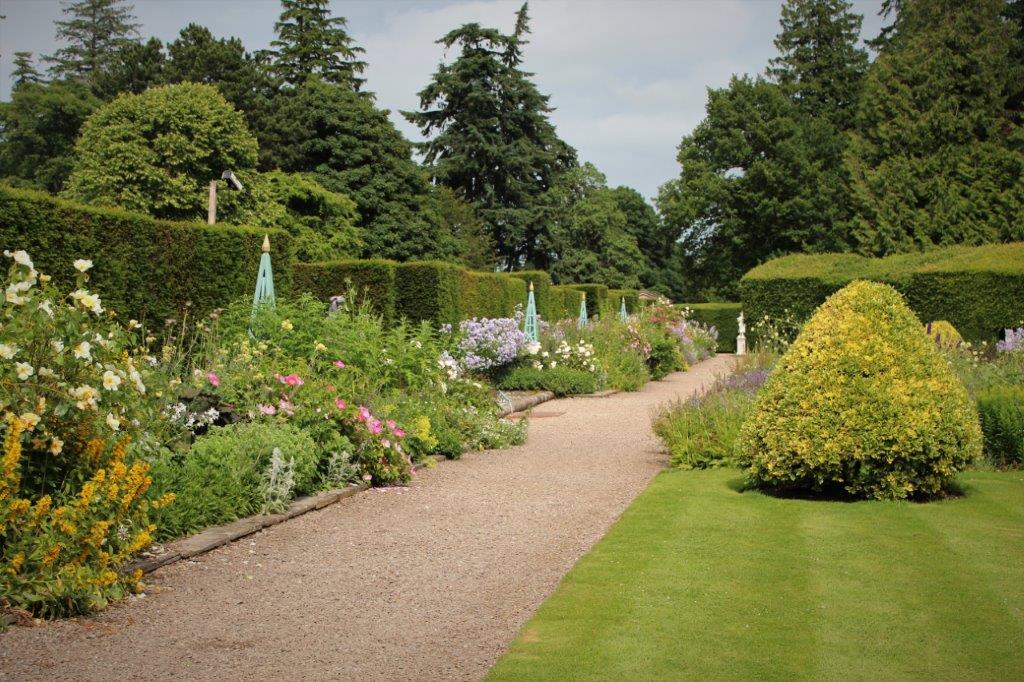
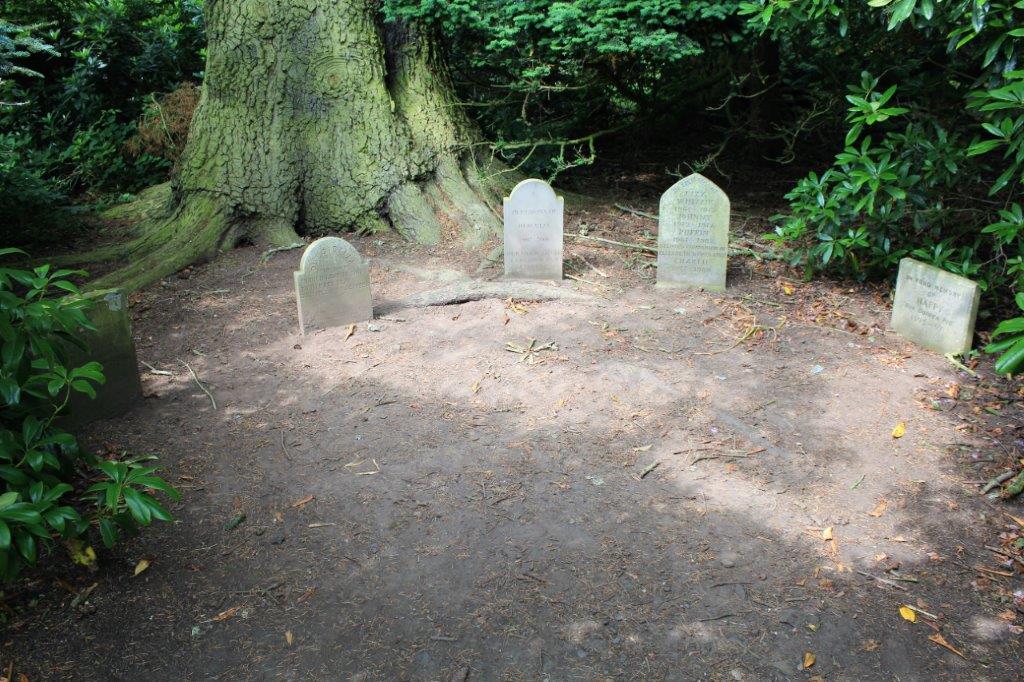
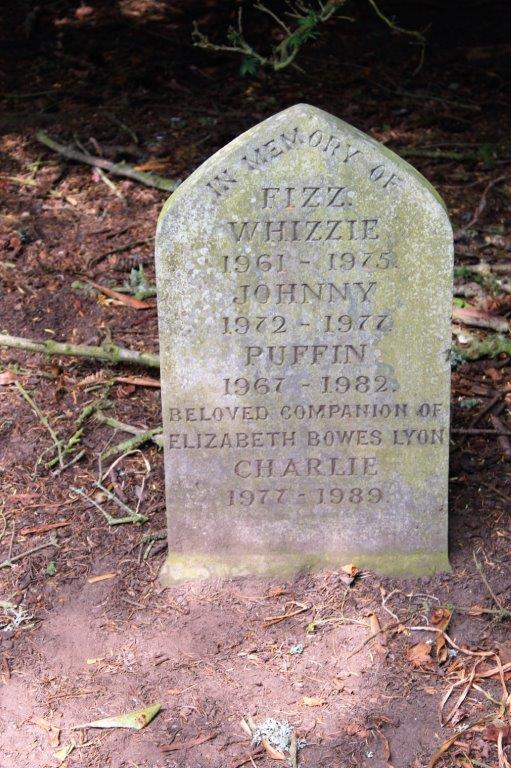
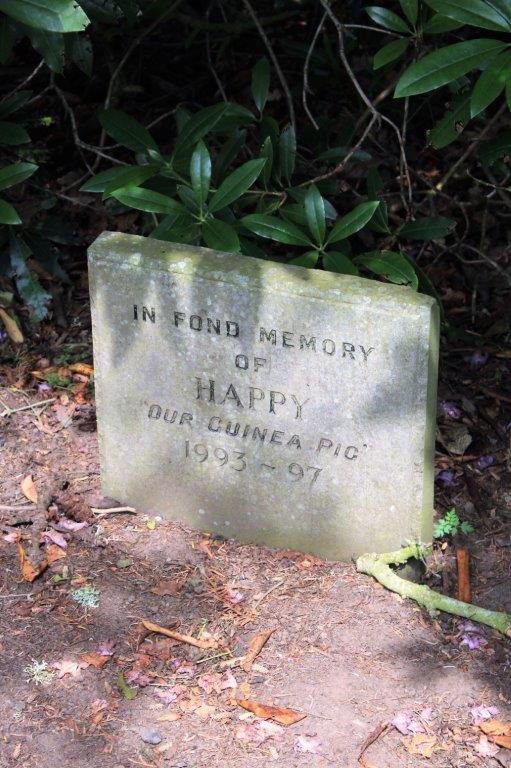
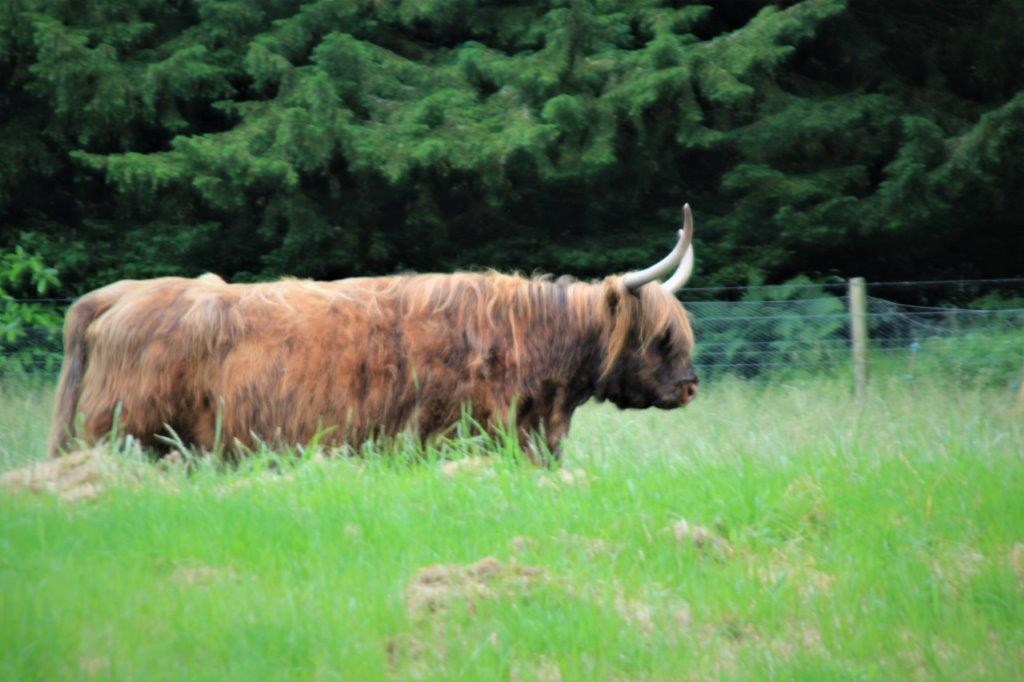
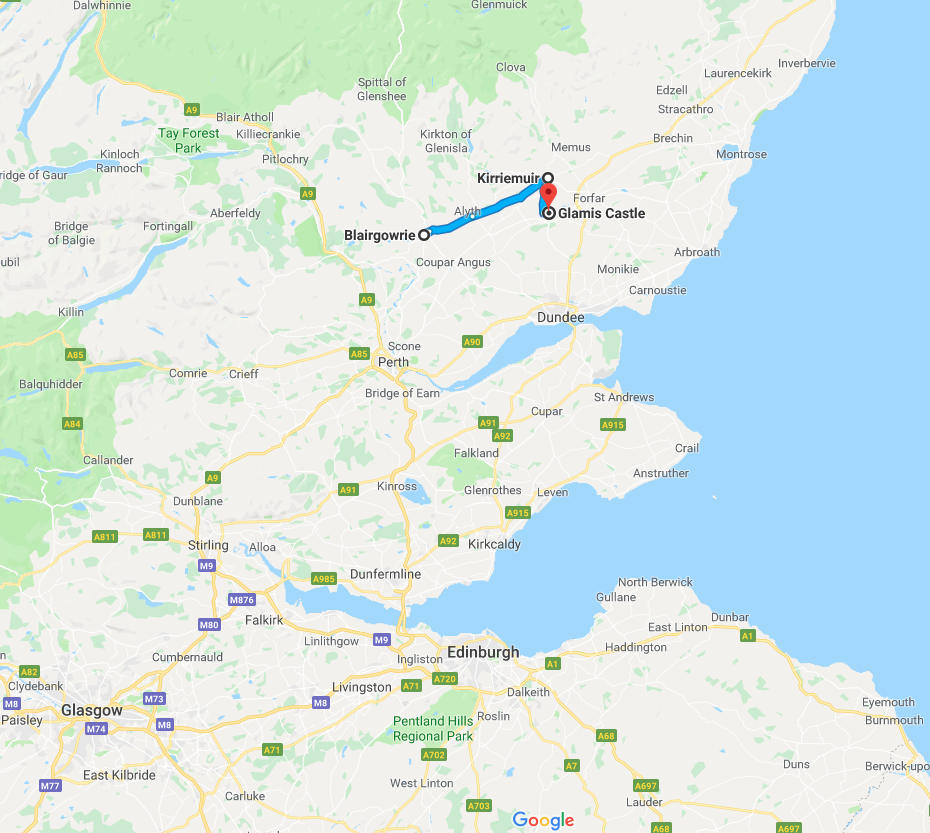
We arrived at Glamis Castle, childhood home of the late Queen Mother, just after 1 pm.  The inside of the castle is not open to the public, but the gardens and surrounding park are.  We had a lovely wander around for a couple of hours. The gardens at Glamis were beautiful with many pristine white sculptures. The family of  young Elizabeth Bowes-Lyon, future wife of King George VI and mother of Queen Elizabeth II, also had a special resting place for their pets. We were sent on our way by another of the long haired, long horned Highland Cattle.

2013 Summer (Baltic and Britain – Scotland – July 11 – Day 18 – Part 1)

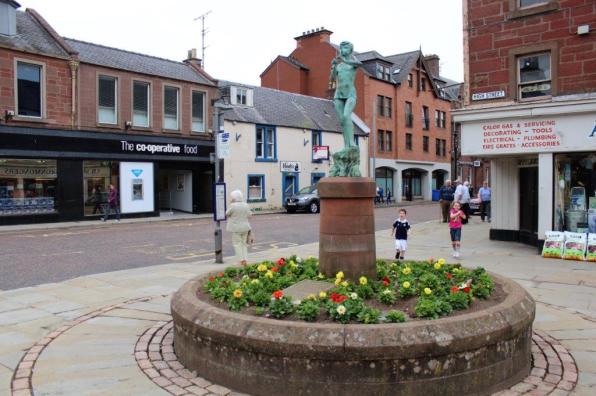
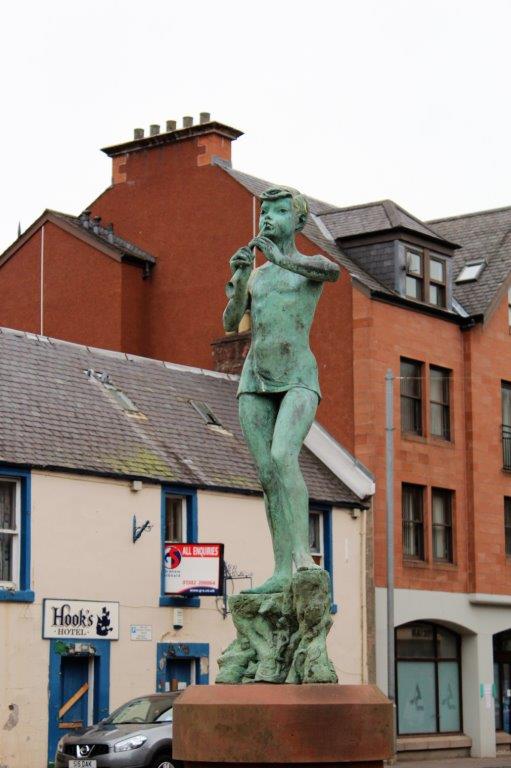
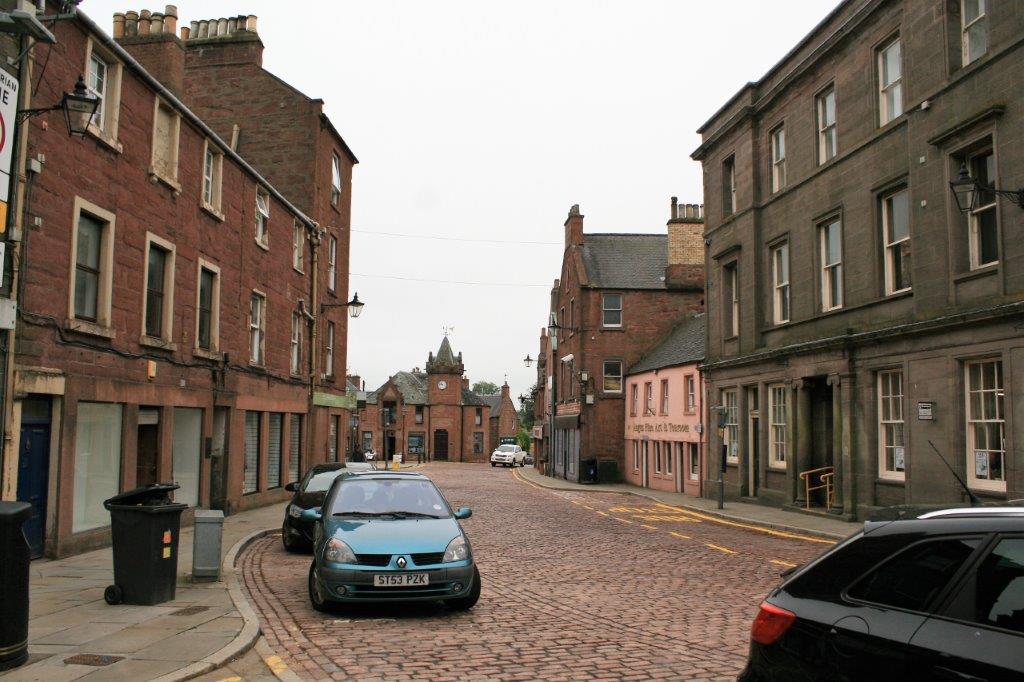
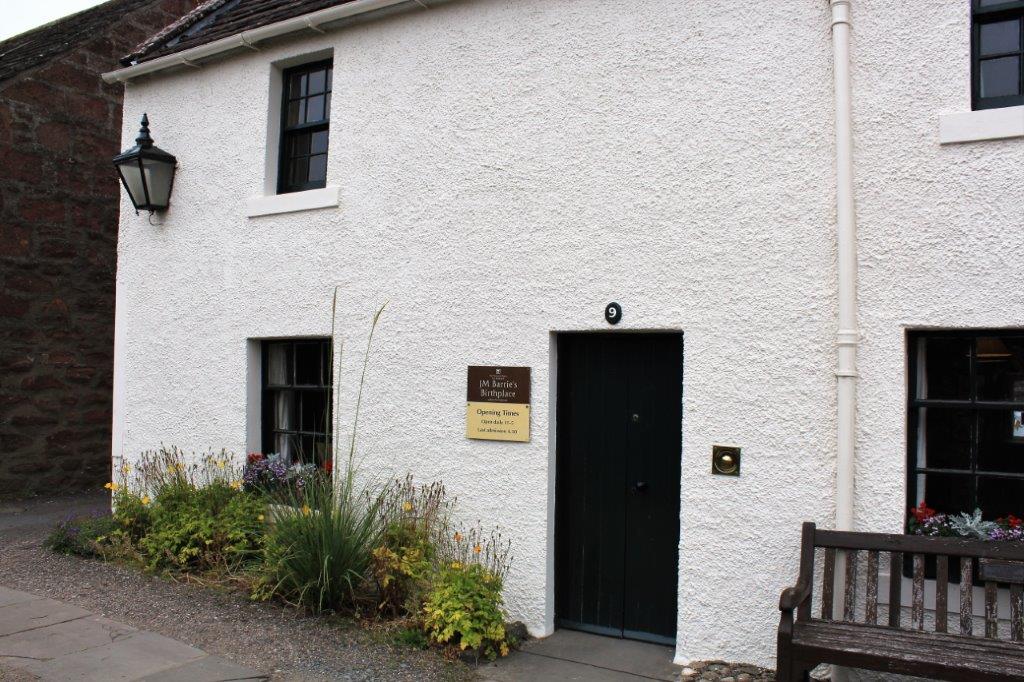
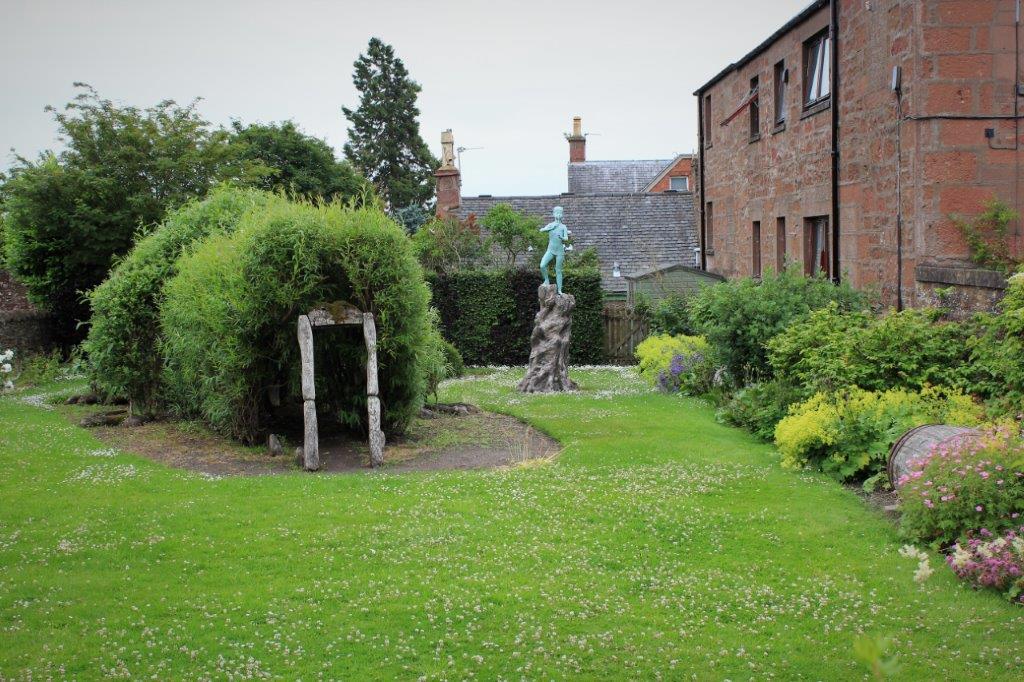
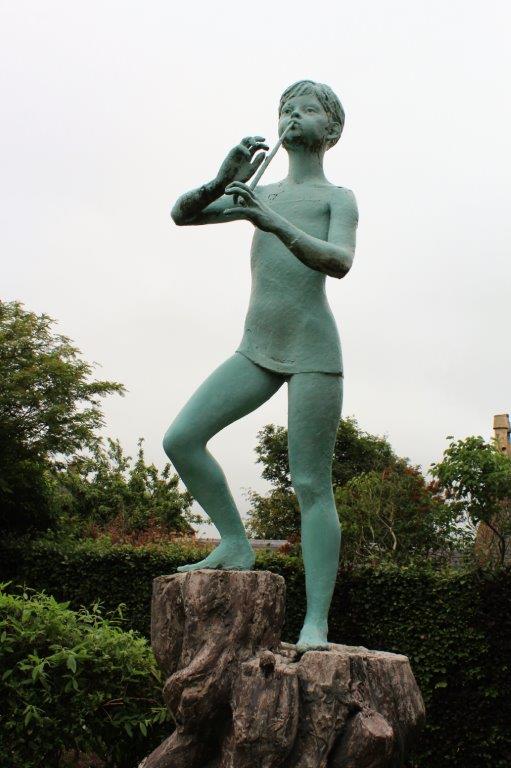
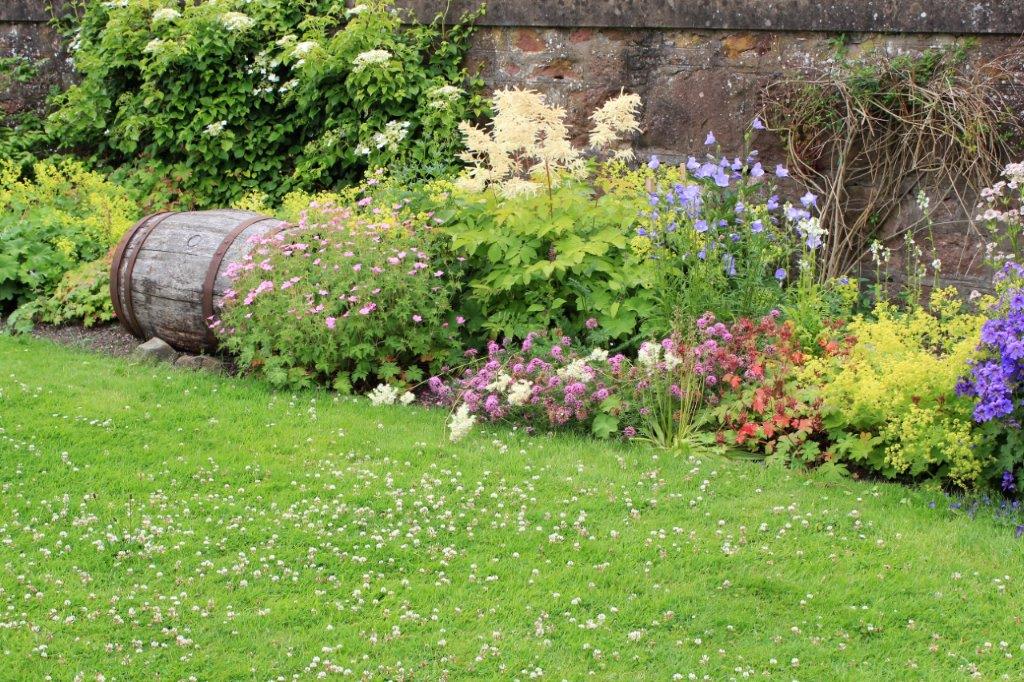
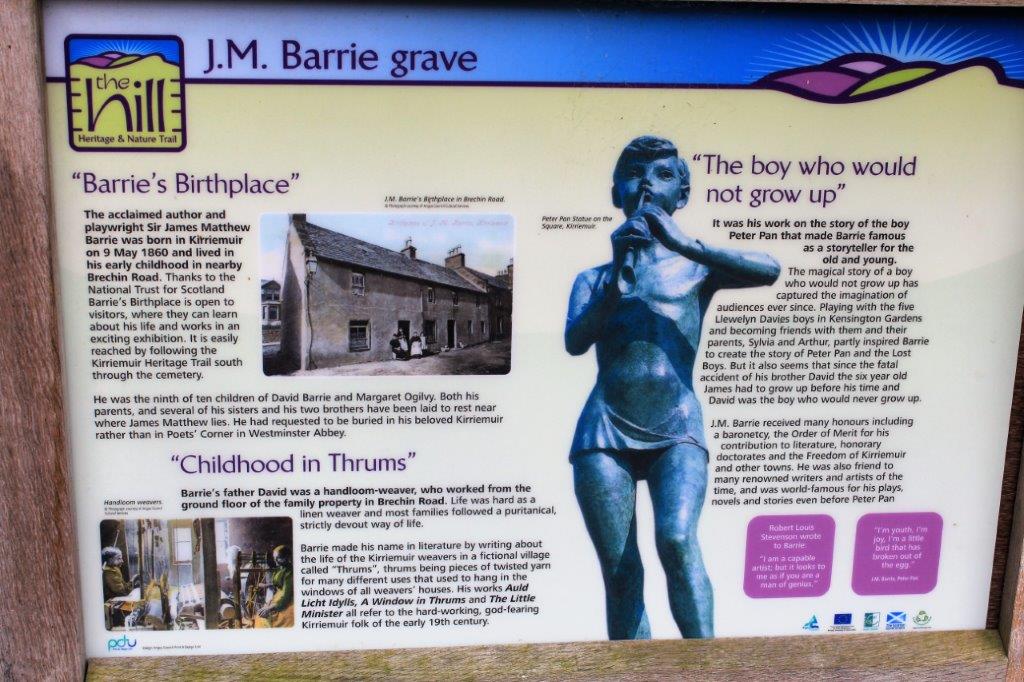
We left our hotel in Blairgowrie at 10 am  and arrived in the town of Kirriemuir half an hour later.  The first thing we saw as we drove into town was a lovely little statue of Peter Pan.Sir James M. Barrie was born here in 1860, one of ten children.  The small house is a museum and the property next door holds an exhibition about Barrie’s life and literary and theatrical works – including an original manuscript of Peter Pan with Barrie’s own notations.  The wash house across the street from his home was his first theater, and his early life with all his brothers and sisters inspired the characters and story lines in his work.Across the lane there is a lovely little garden with another statue of Peter Pan. After Barrie was honoured with the ‘Freedom of the Town’ in 1930 he gifted Kirriemuir with a Camera Obscura.  These fascinating devices give a rotating bird’s eye view of the surrounding landscape on a tabletop surface within the building. There are only three of them left in Scotland and not very many in other parts of the world either.  Unfortunately, it is one of those things you can’t really take photos of but if you ever get the chance to visit one, I encourage you to do so.

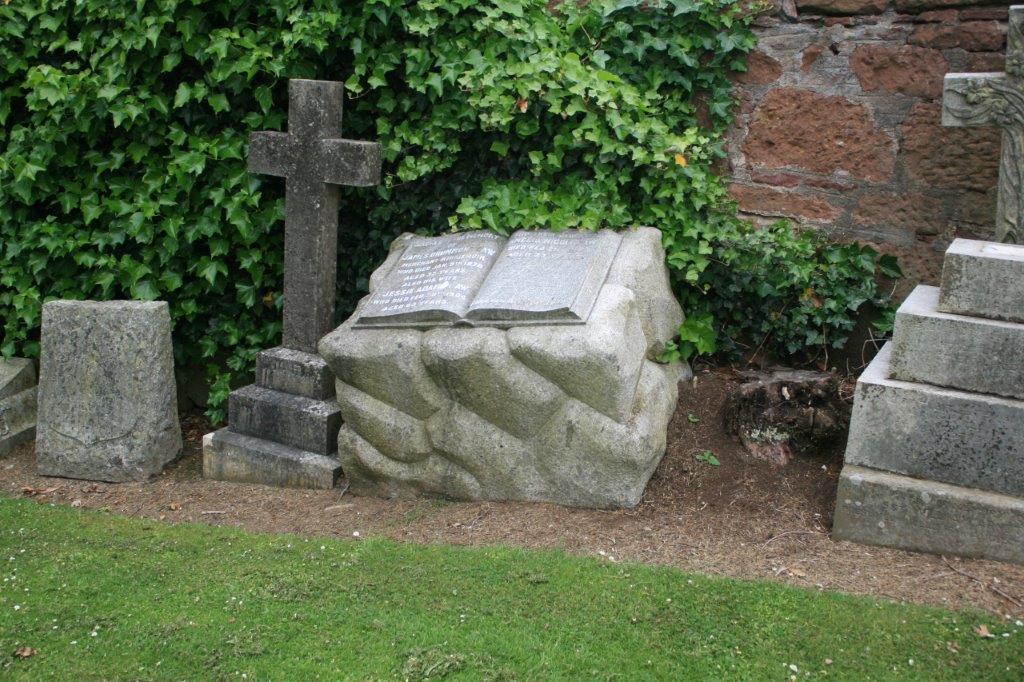
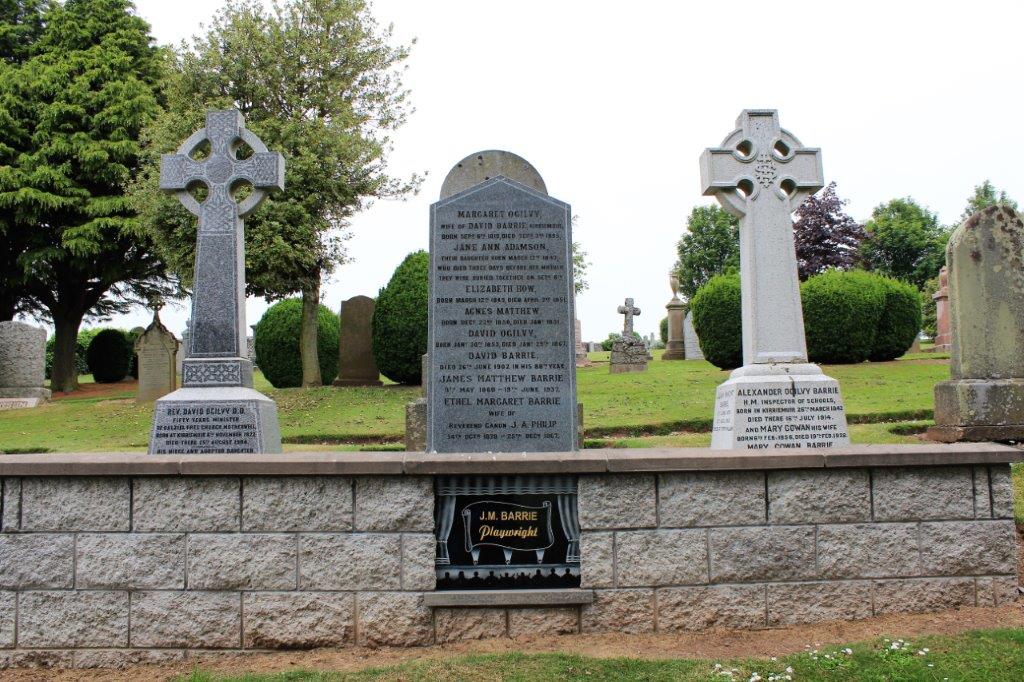
Before we left Kirriemuir we drove to the cemetery where Barrie,  his wife, and several of their children are buried.