Category Archives: 2011 Australia

2011 March 4 – Day 58 – Sale to Cowes, Phillip Island, Australia

March 2 when we left Eden and before we did the Drummer Rainforest Walk we crossed the state border from New South Wales into Victoria, the most southerly state in the country.  We were still travelling the Princes Highway, more or less, with diversions here and there.  The Princes Highway goes from Sydney to Melbourne and cuts across the bottom bump of east Australia.  Our destination this day was Cowes, a small town on Phillip Island which is accessible to the mainland via a short bridge.  Before we left on our trip John had booked a time share week there in a holiday cabin.  To get to Phillip Island we had to leave the Princes Highway and go south from Traralgon as far as Albertson, then go west again on Highway B440.

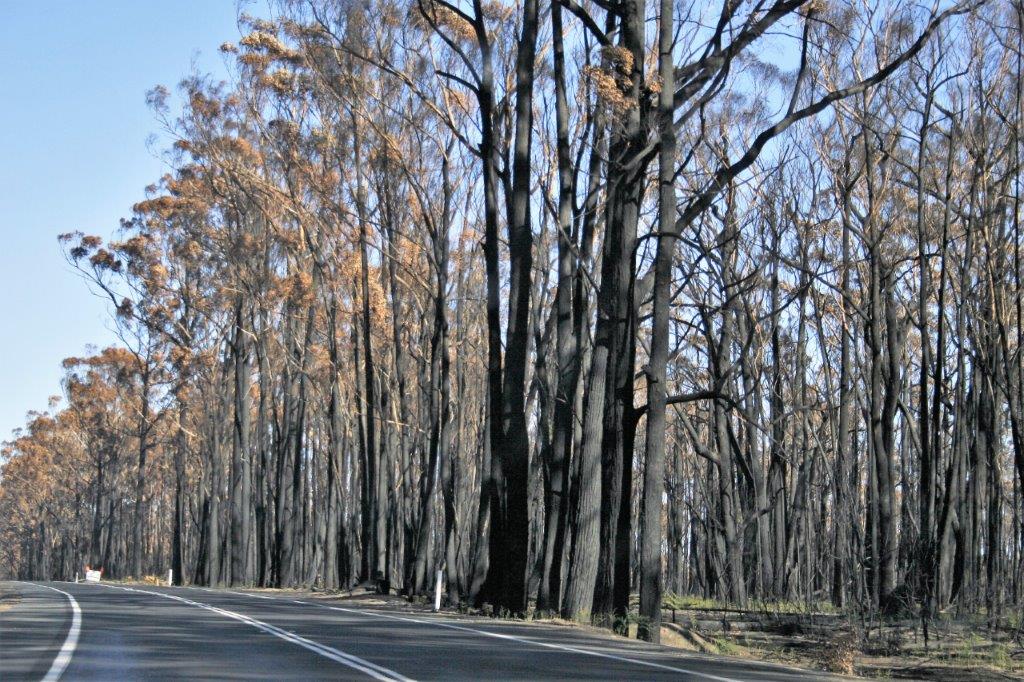
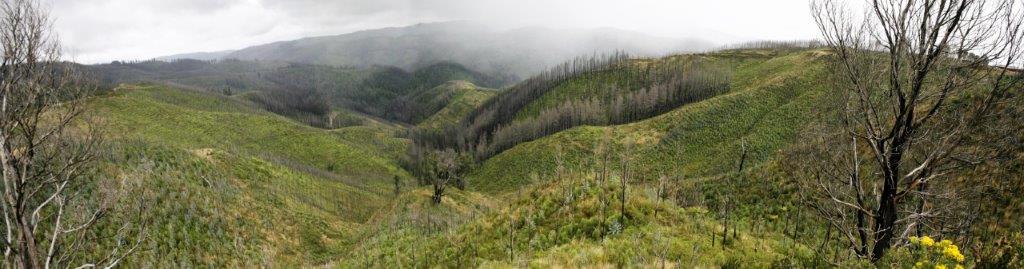
The driving distance from Sale to Cowes is just over 200 km (125 miles) so we did not have to hurry.  We did have to check in before 5 though so there was a bit of a time limit on our wanderings.                     More of the burned forest from a few years before.

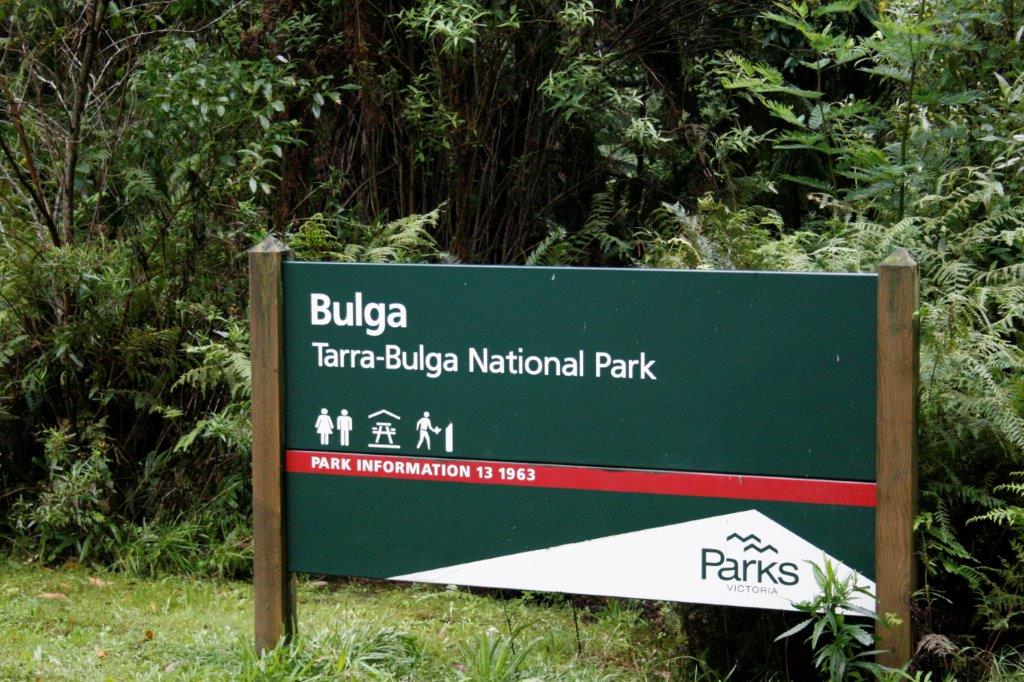
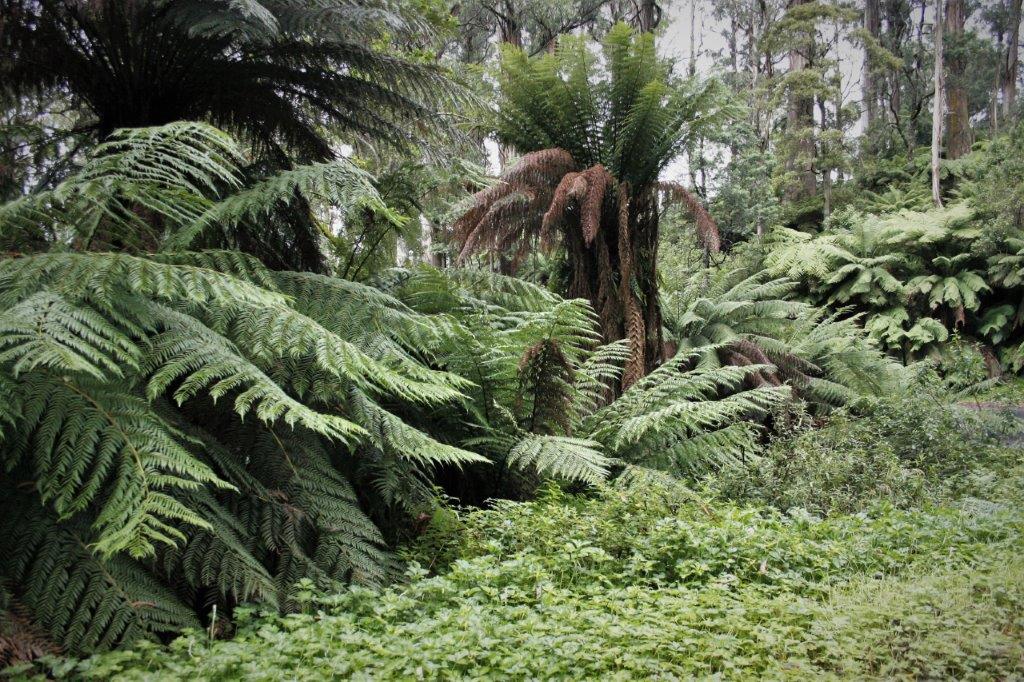
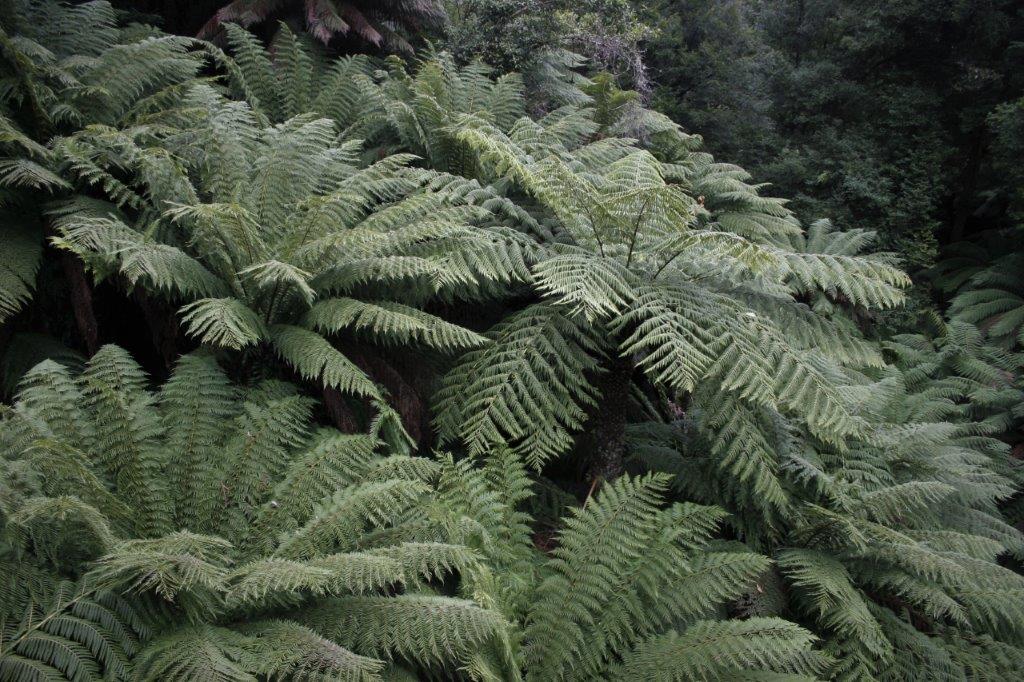
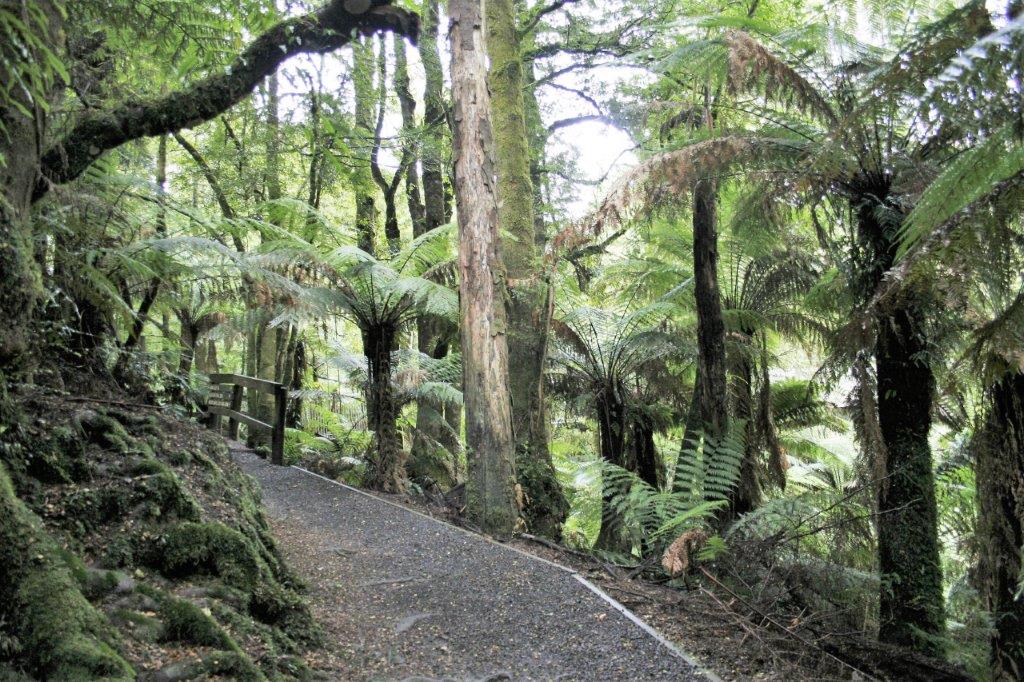
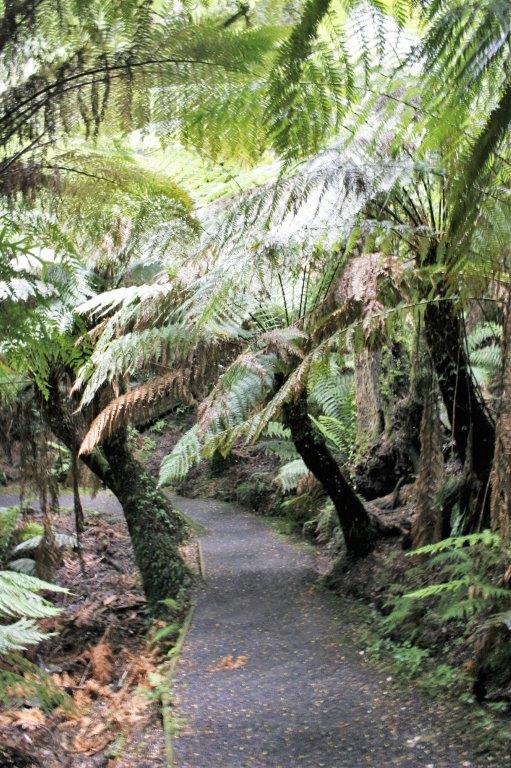
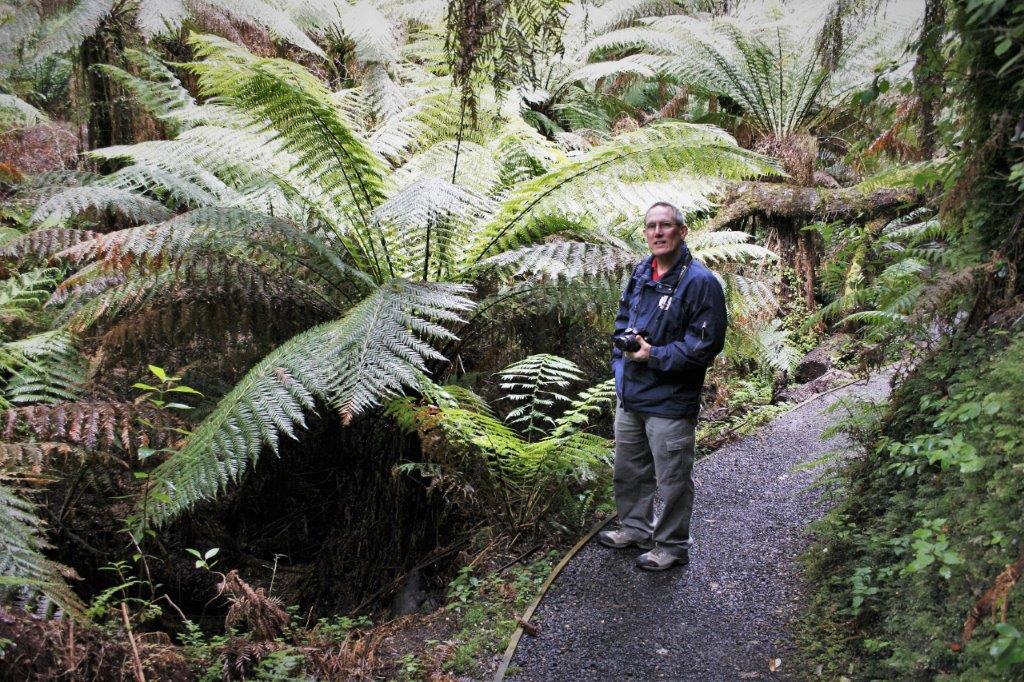
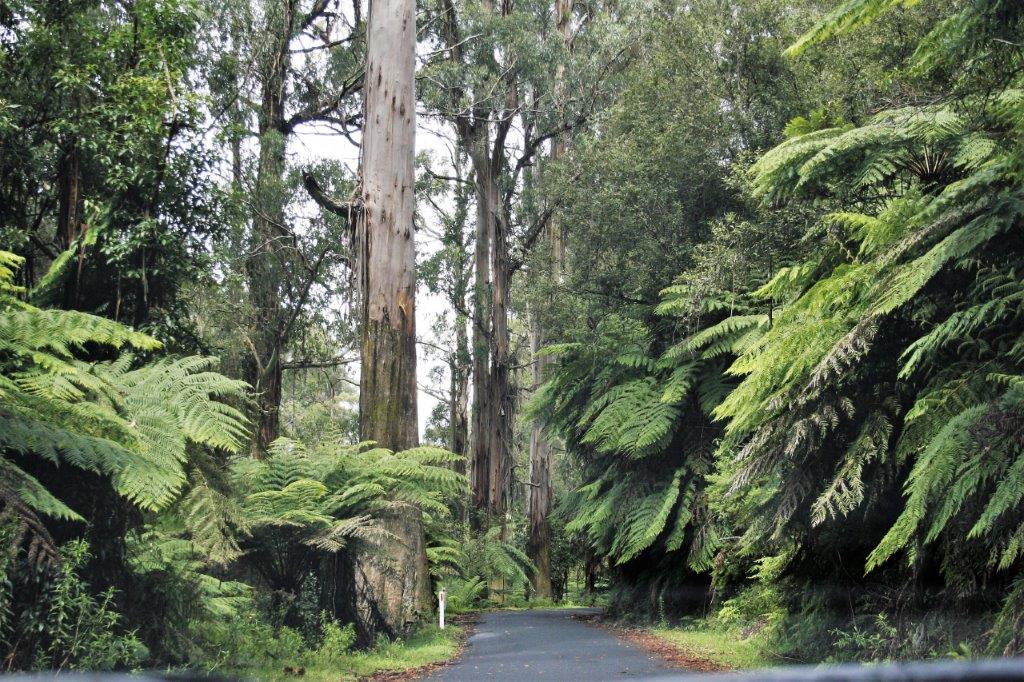
We drove through the Tarra-Bulga National Park as we went south and did the Tree Fern Gully Walk.  It had rained overnight so all the vegetation was a lovely green.  I love tree ferns. They are awesome.
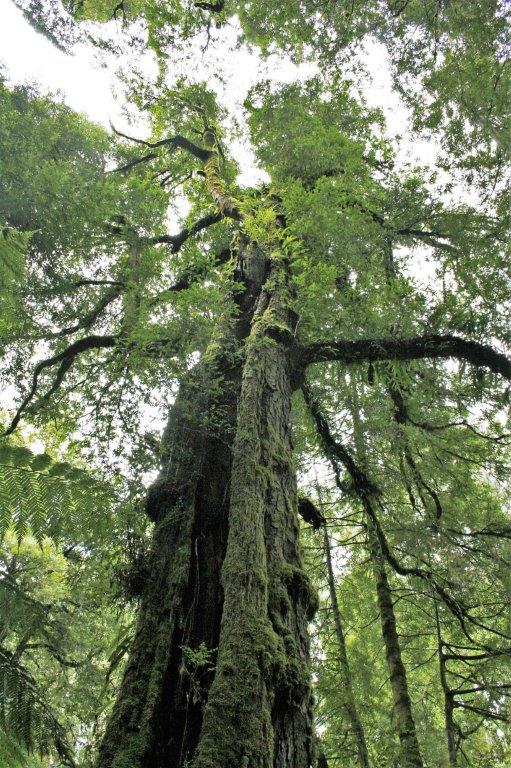
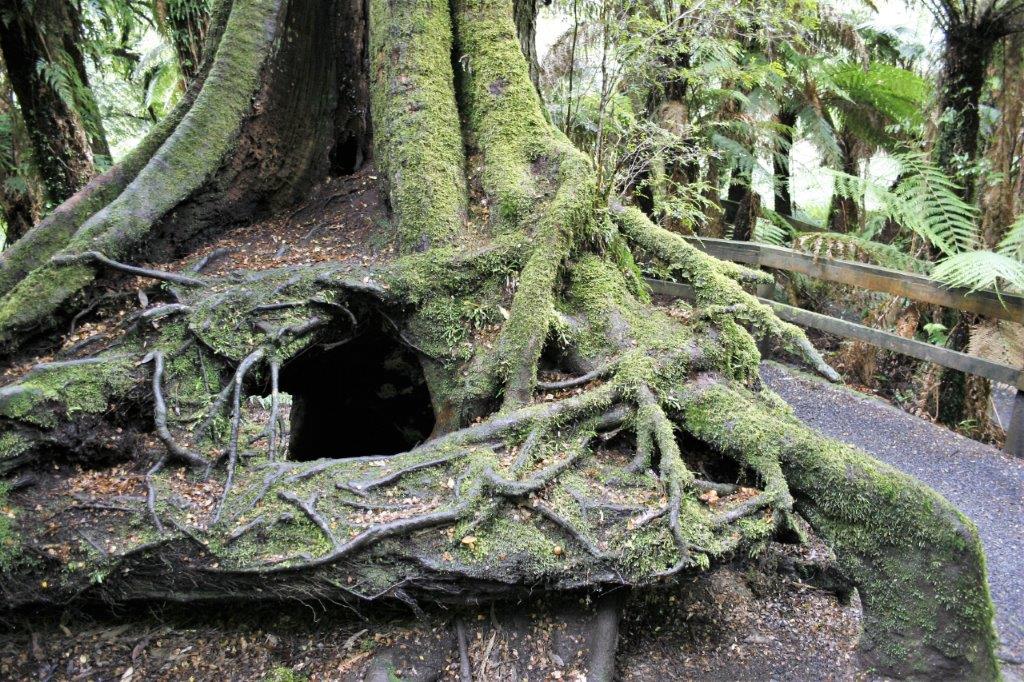
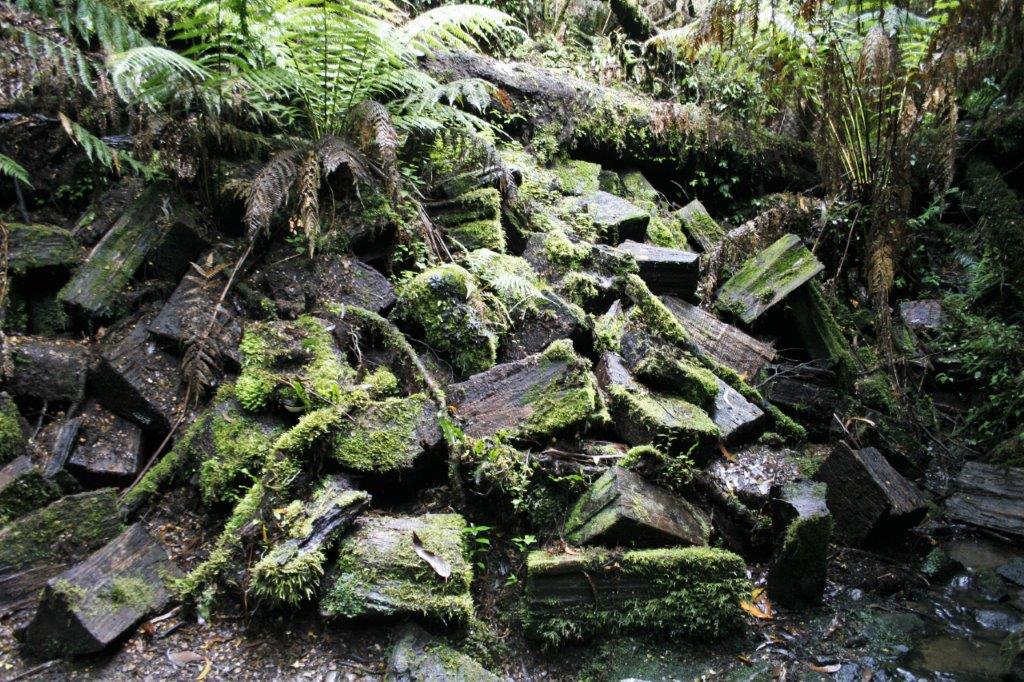
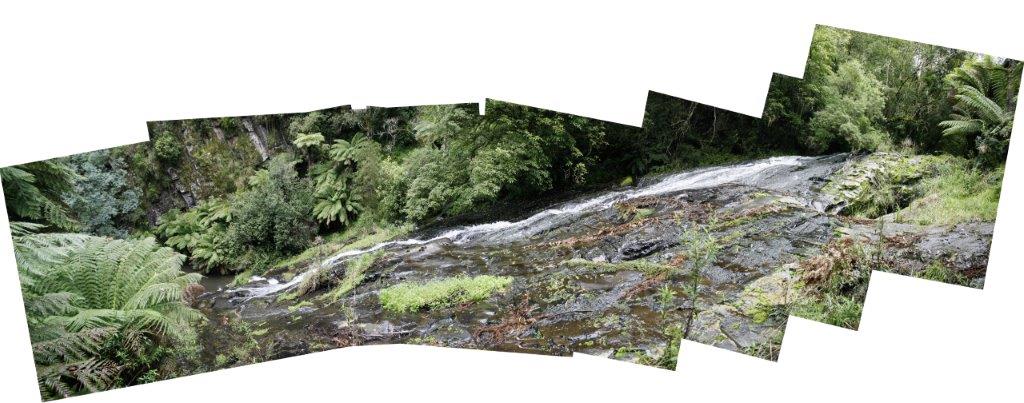
                                Tree Ferns are awesome.                       Green moss, and plants and trees and roots.  The Tarra Falls are like a long slide down a rock face.  Almost impossible to photograph with the downward/crossways slope so I have done an awkward zigzag stitch.

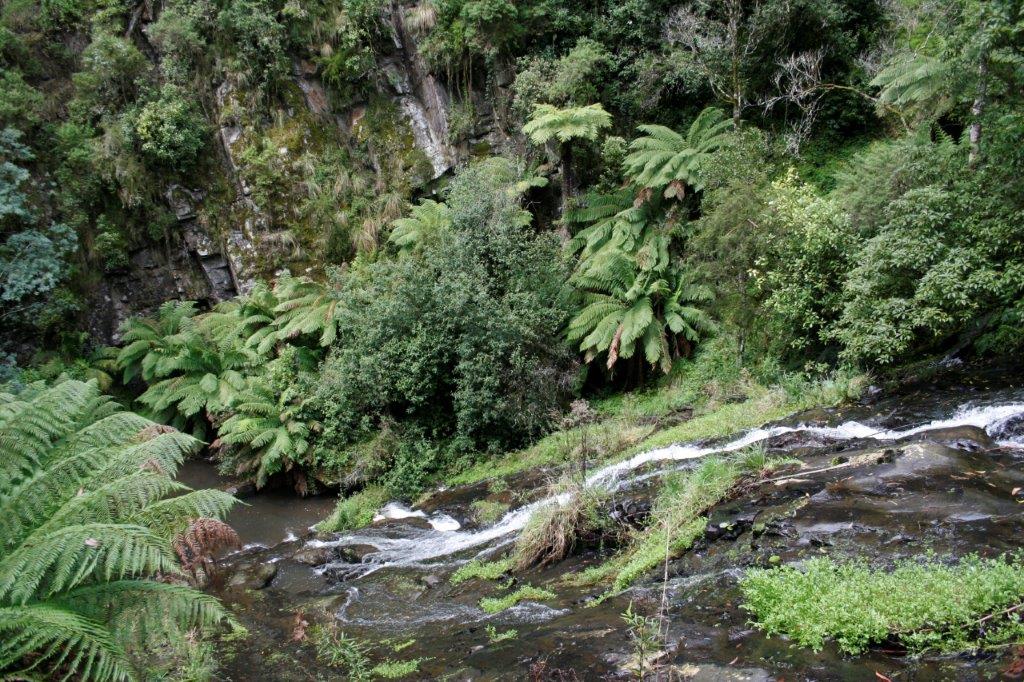
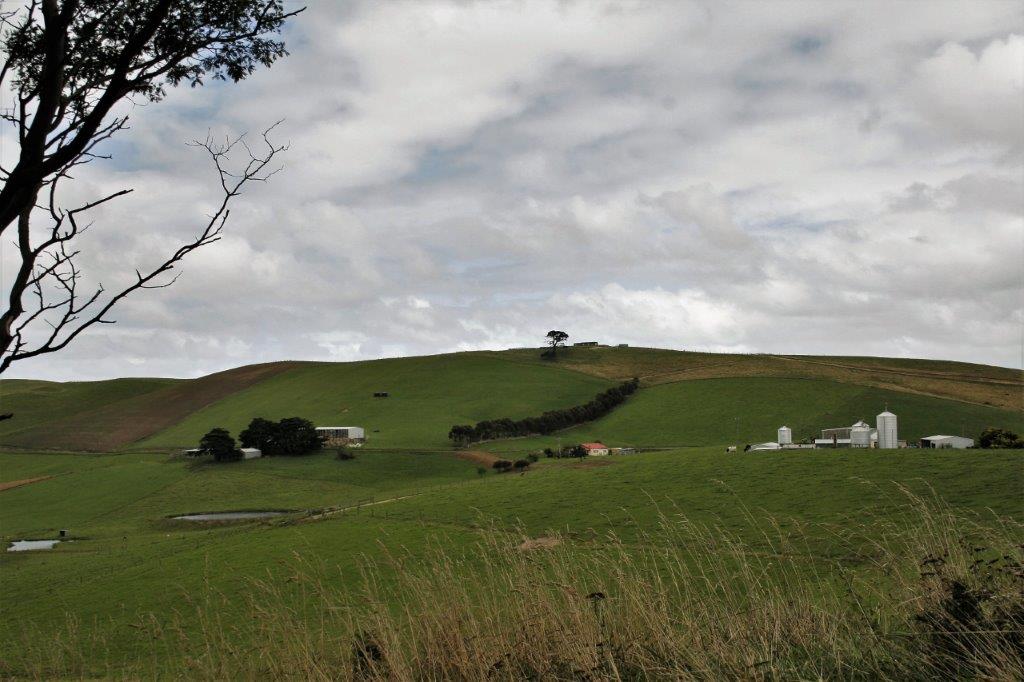
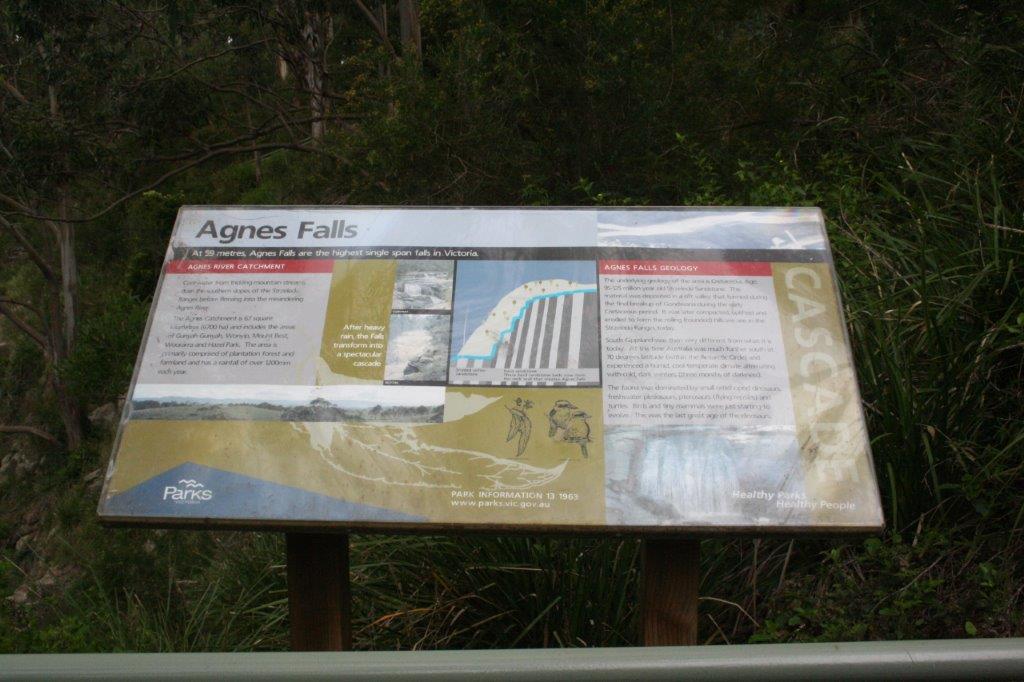
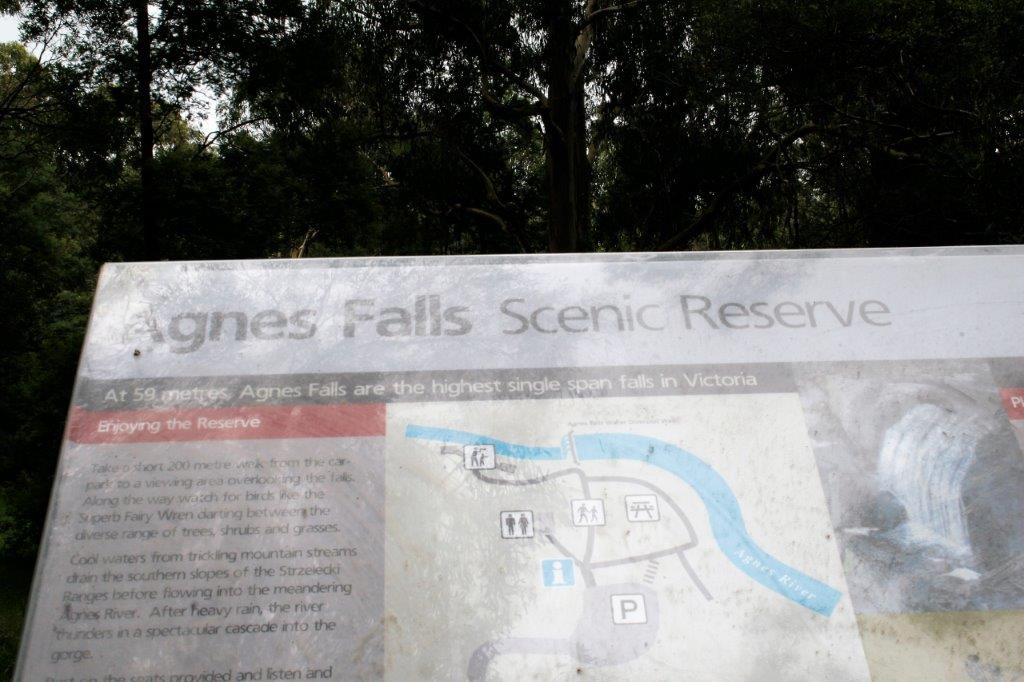
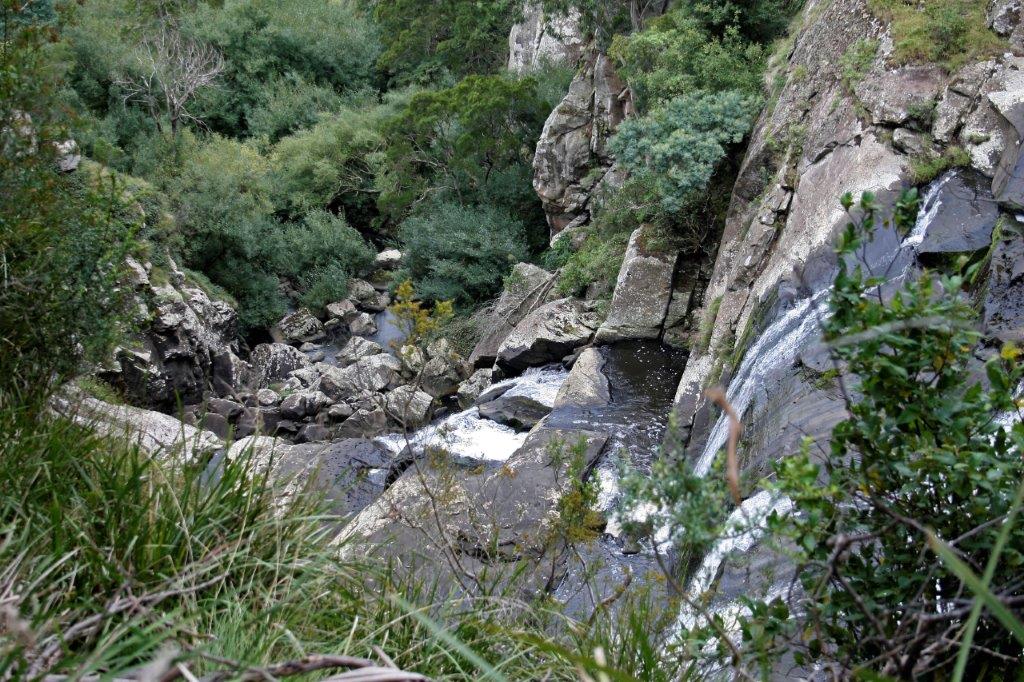
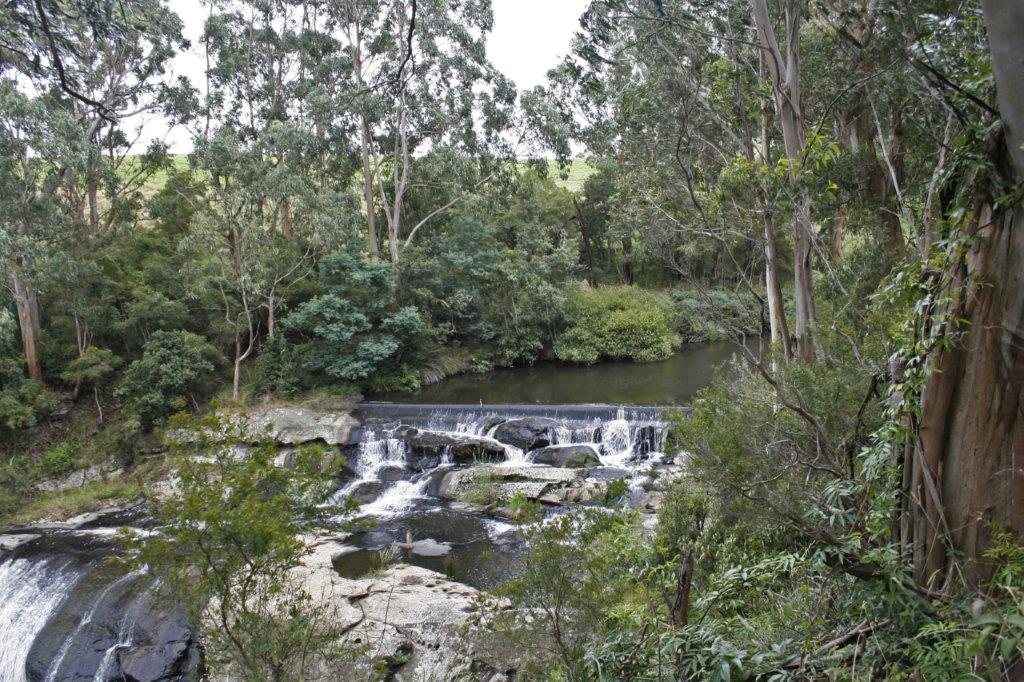
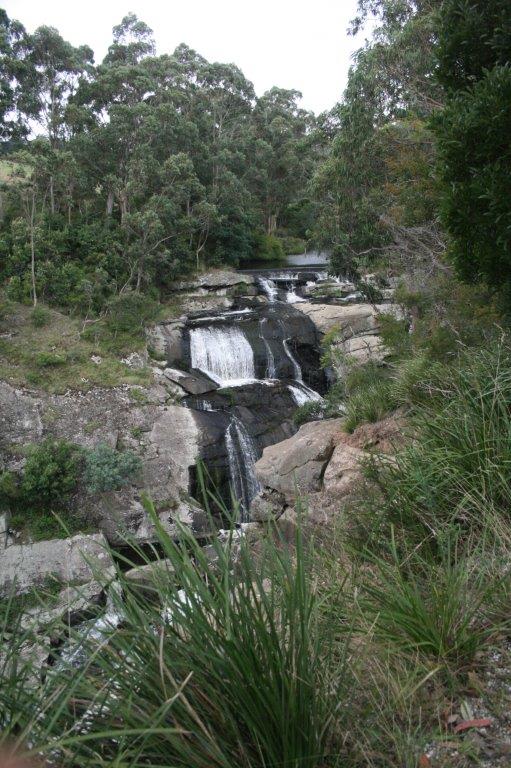
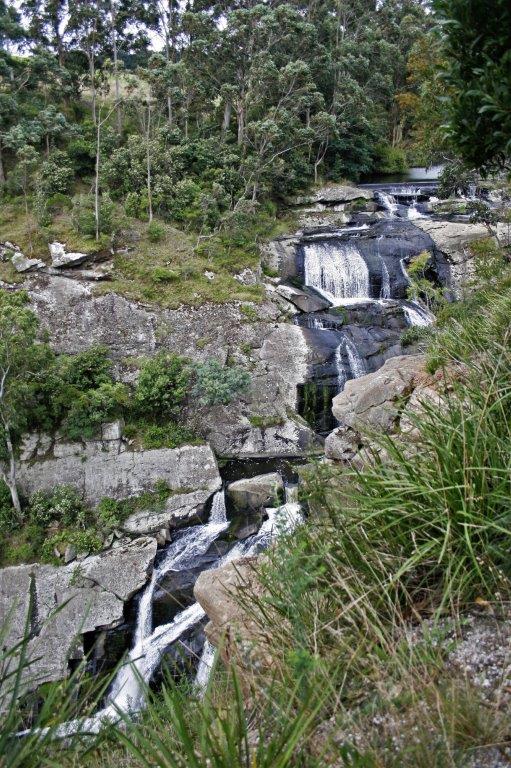
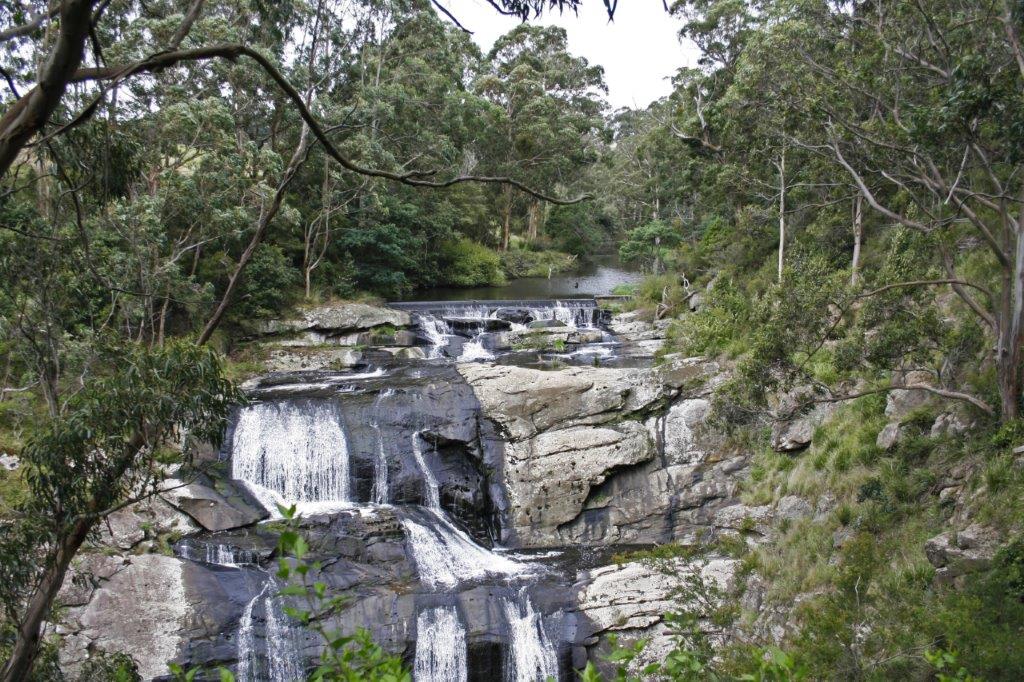
At Albertson we turned west and drove along  the South Gippsland Highway (B440) to Welshpool where we decided to do the Agnes Falls loop road to see the tallest single drop falls in Victoria at 59 meters (194′). We were driving through beautiful green, rolling farmland with many dairy herds.  There was nothing to indicate a tall waterfall could be in the vicinity.  Then, all of sudden there was a deep, deep rock cliff gorge with a mulit-stream waterfall plunging down from a shallow pool.  About a 1/2 mile from the waterfall the gorge evens out to join the rolling hills again.  Very cool! You couldn’t see the entire drop due to the vegetation along the sides of the gorge, but it was a very pretty waterfall nonetheless.

A photo stop at Silcock’s Hill Lookout completed our touristing for the day. We arrived at the Bayview Apartments at 4:30 and checked in to our cabin.  There were only seven units and it was an older complex but it was quiet, very clean, and our place had just been reno’d with new paint, flooring, and furniture. We were the first occupants since the upgrades.

For the first time since January 3 we had to buy groceries for our dinner, cook and do the dishes!  That was a shock.

2011 March 3 – Day 57 – Orbost to Sale, Australia

When we are on road trips it is our habit to stop at Visitor Information Centers to pick up brochures and maps so I can get ideas for what things and places we want to see.  We intended to visit the little slab hut at Orbost before we left town but it was closed.  Since the seasons in Australia are opposite to ours in Canada, February is the beginning of the school year so it is ‘off season’ for tourists and the center was closed.  It was a cute building though.

We had woken early (well, early for us  – 7:30) so we could get on the road as we had a 50-60 km drive inland to Buchan Caves.

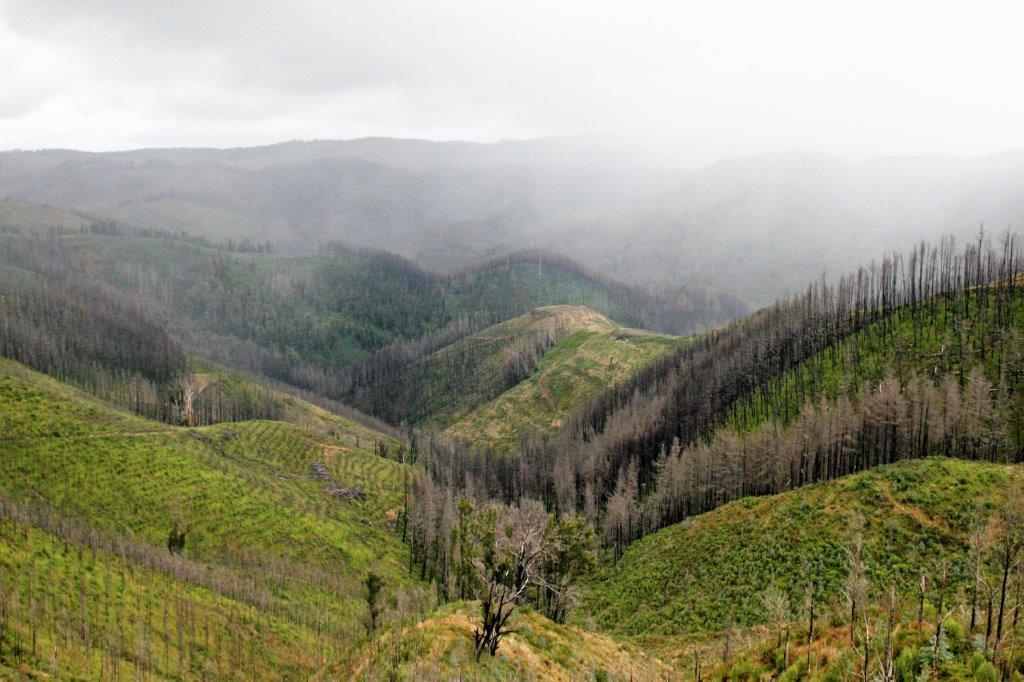
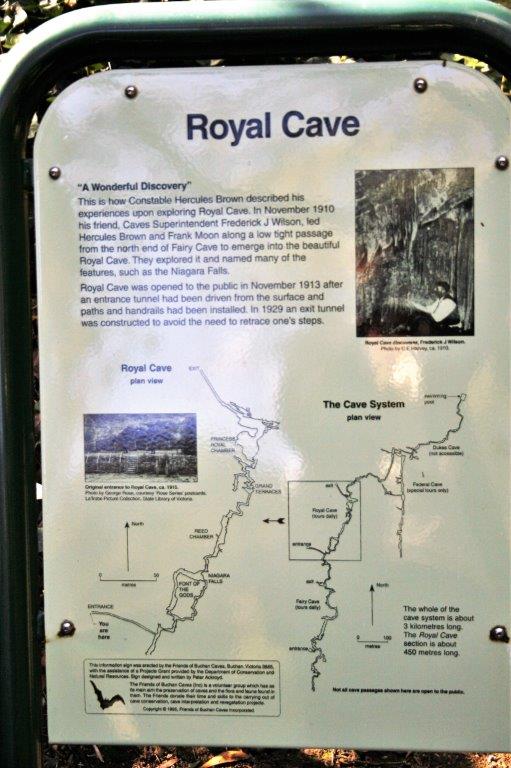
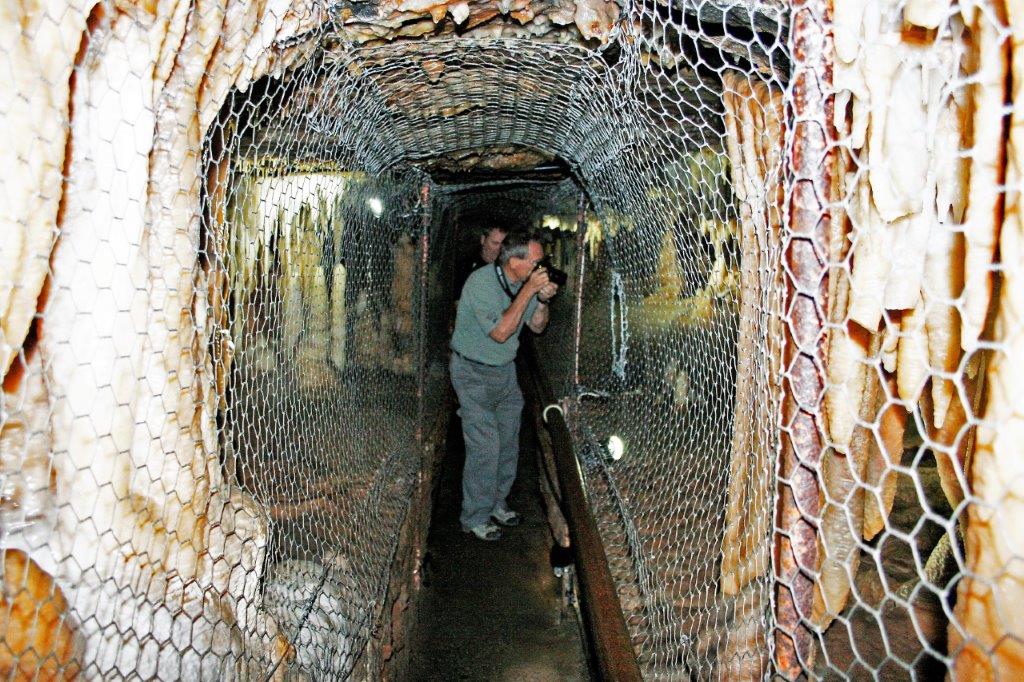
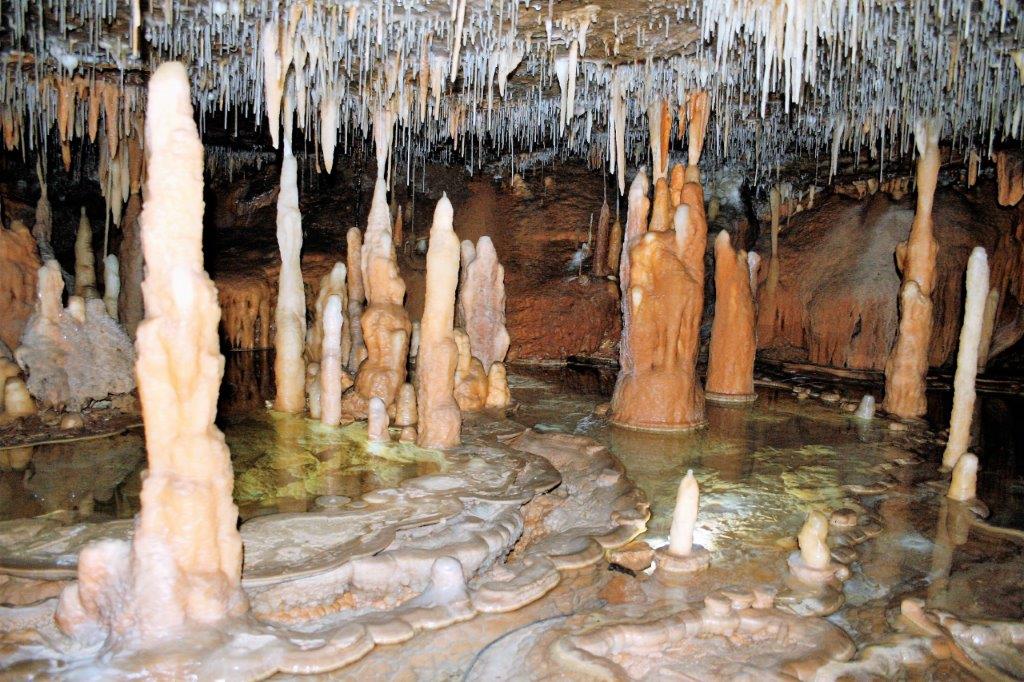
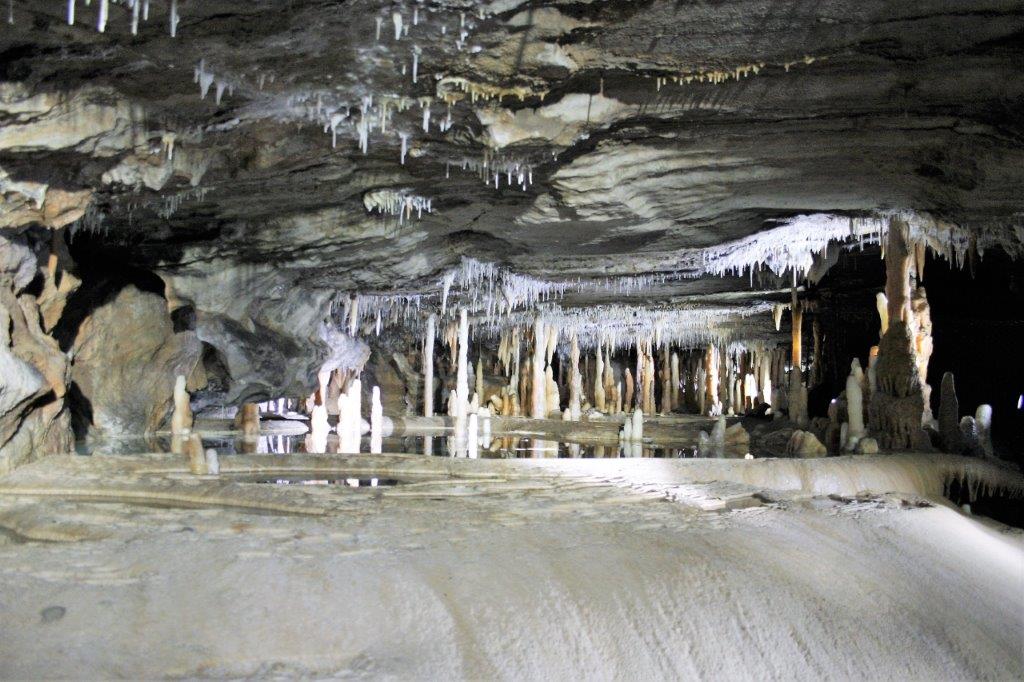
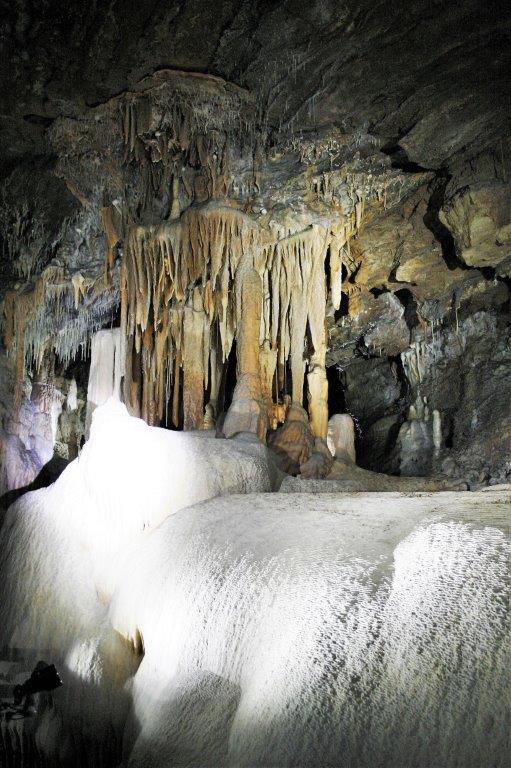
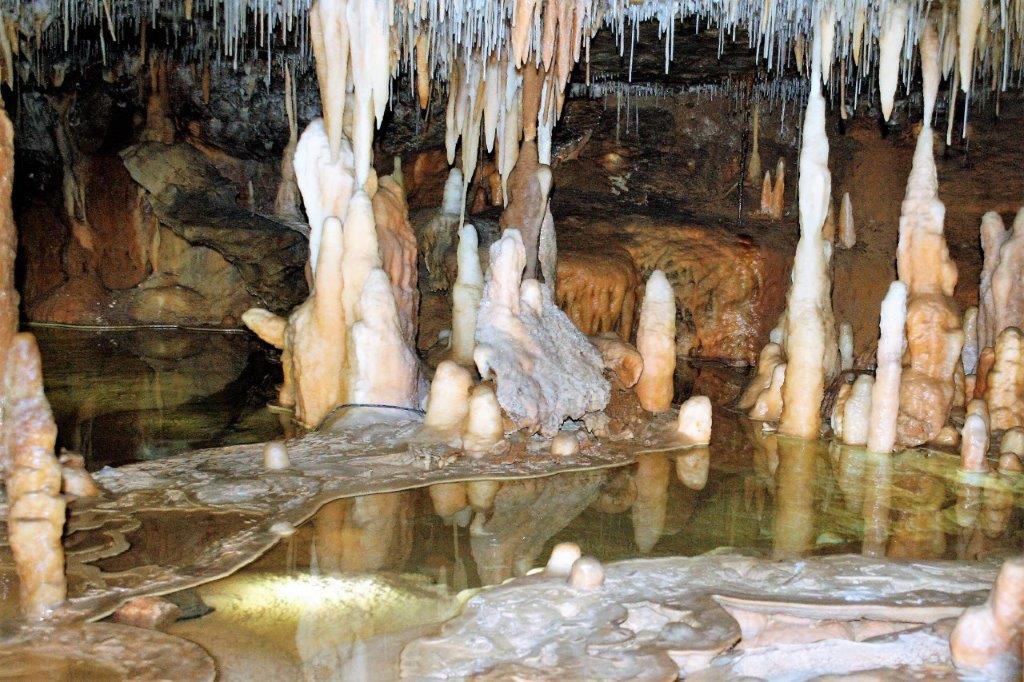
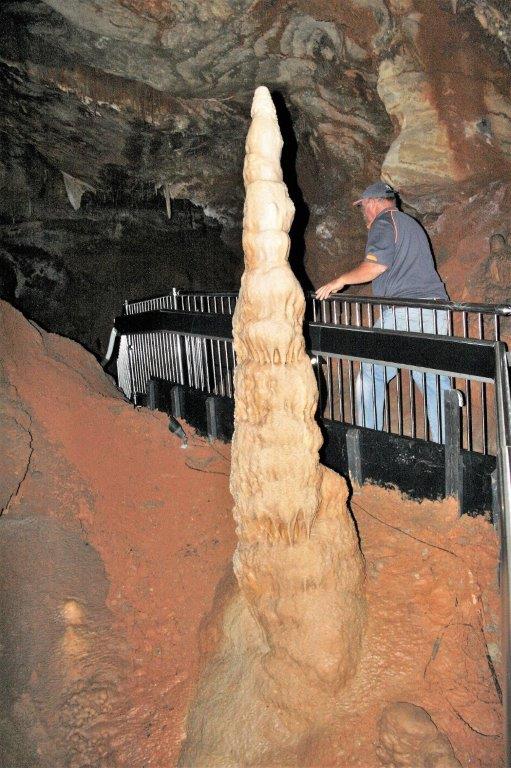
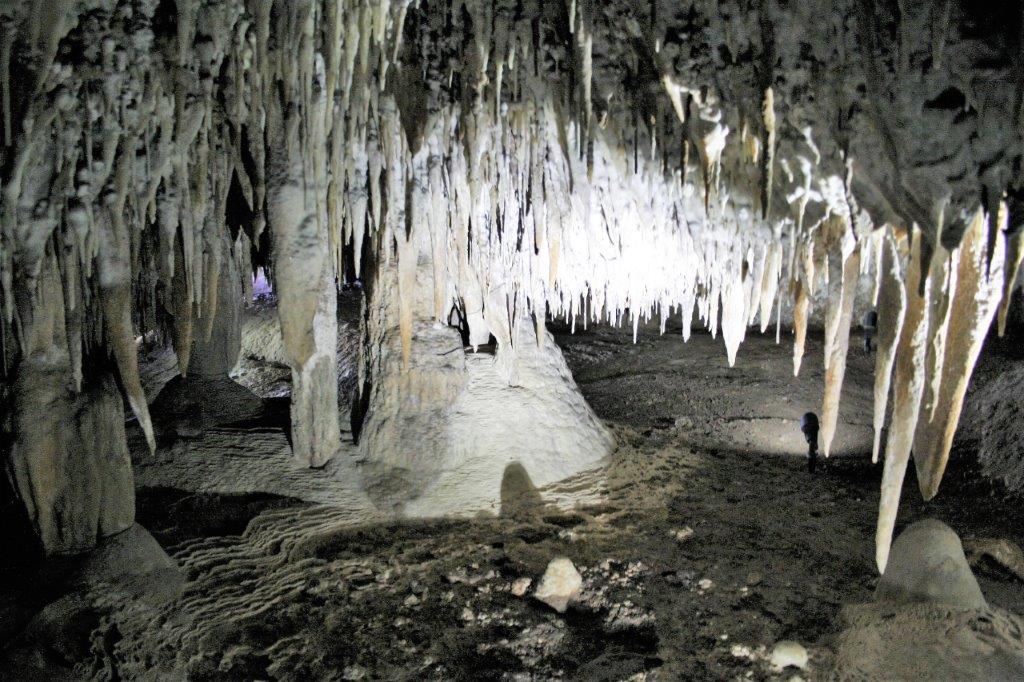
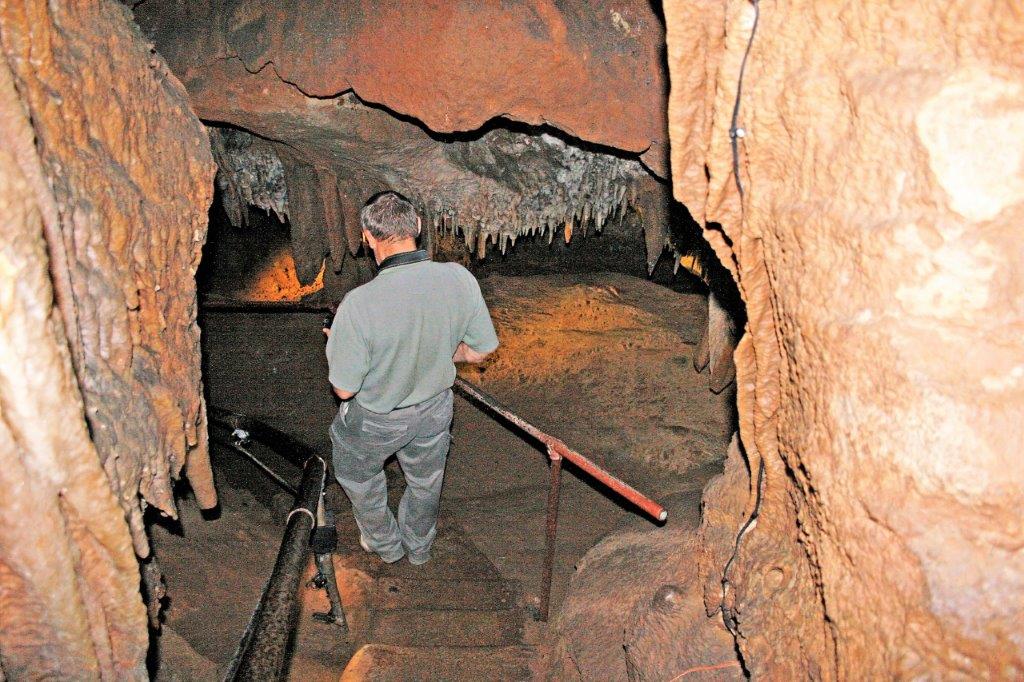
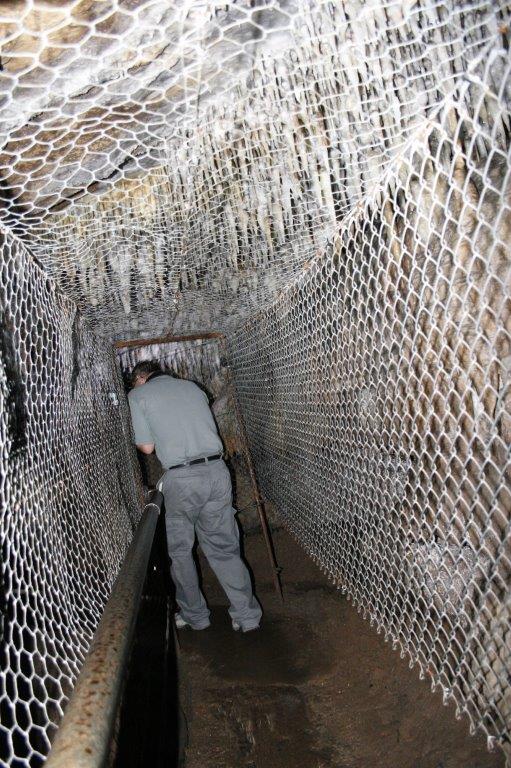
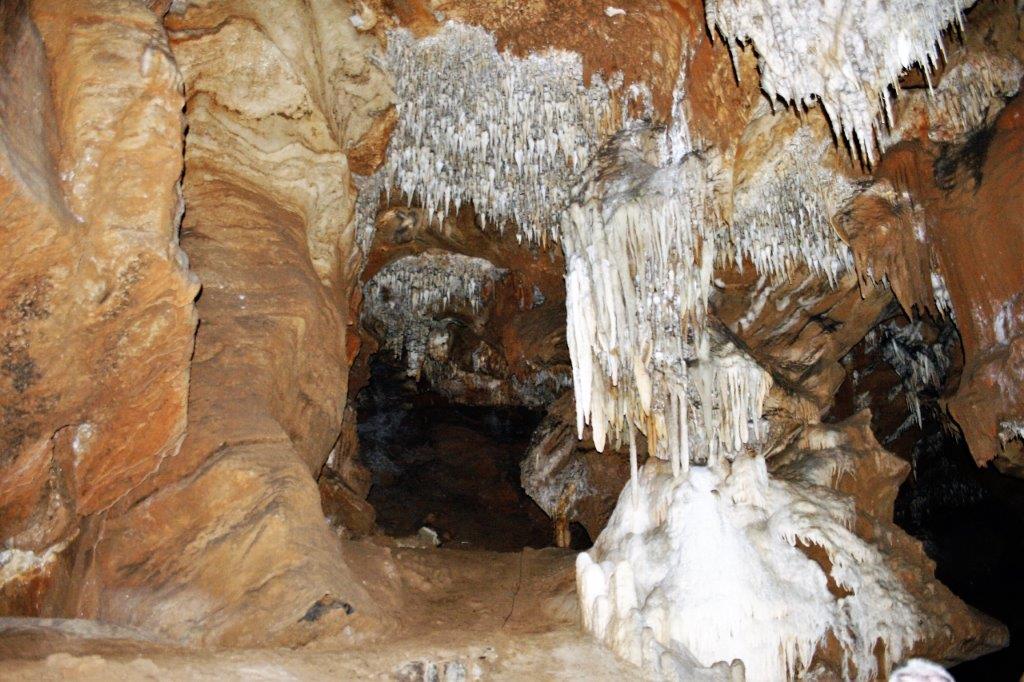
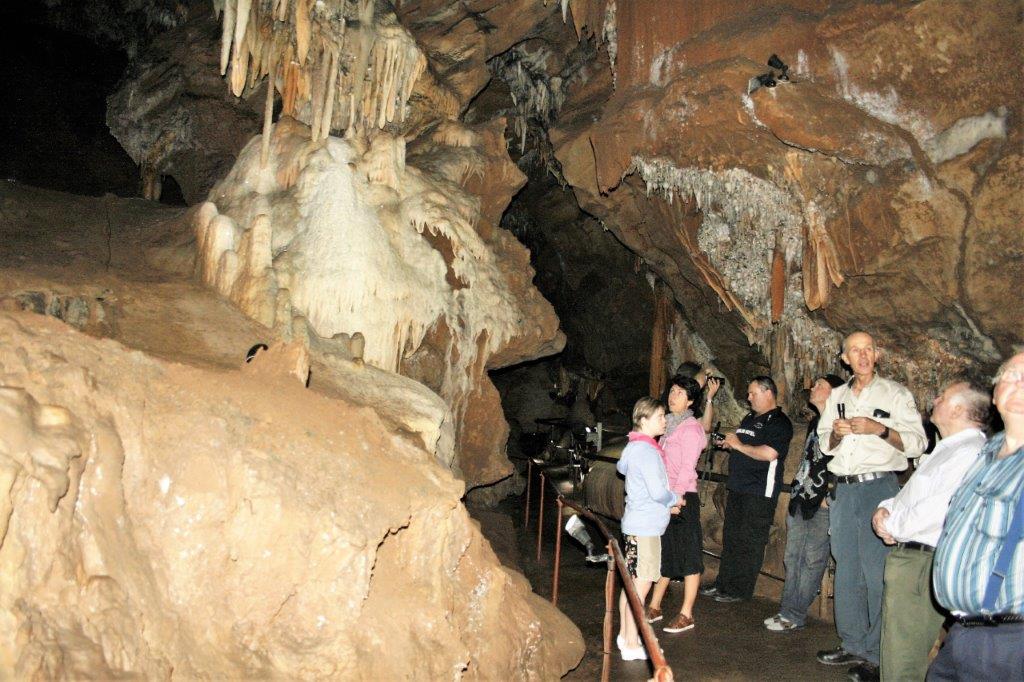
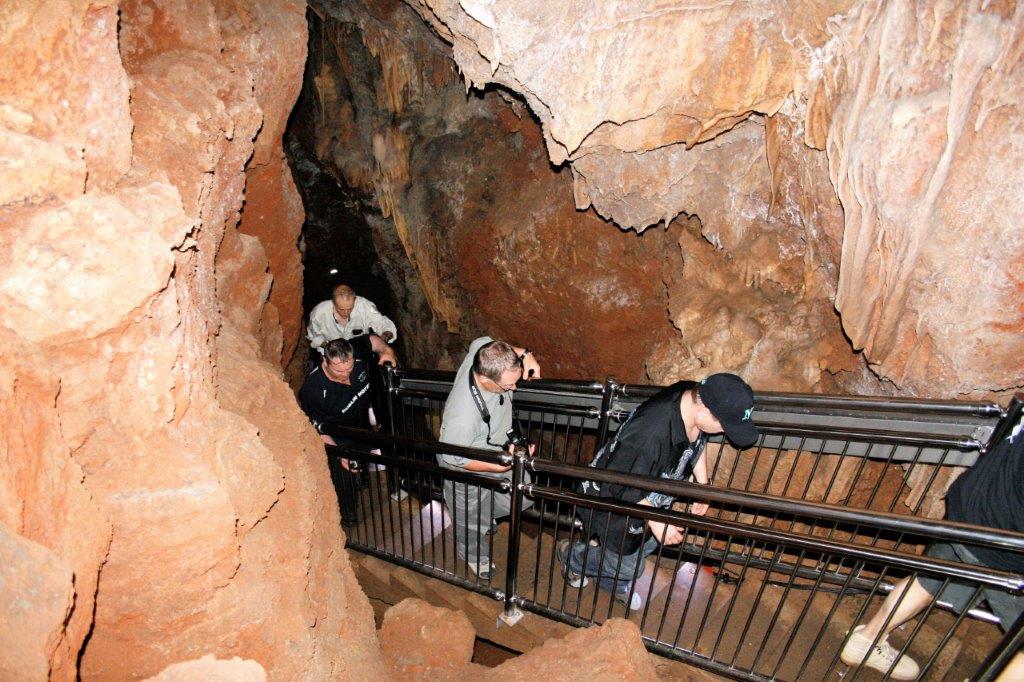
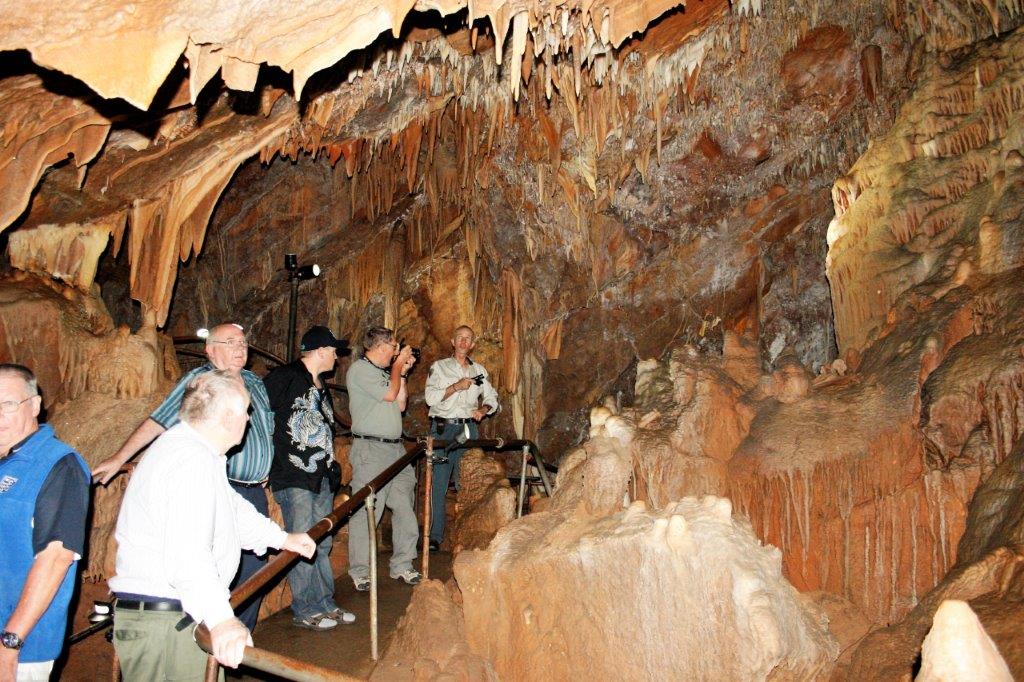
There had been some major fires in this area the previous year so we saw lots of burned forests as we drove along.The first tour for Royal Cave started at 10 and we arrived at 9:30 so we were able to book the tours for both Royal and Fairy Cave.  There were only nine of us in the group so it gave us a little more time to see things.

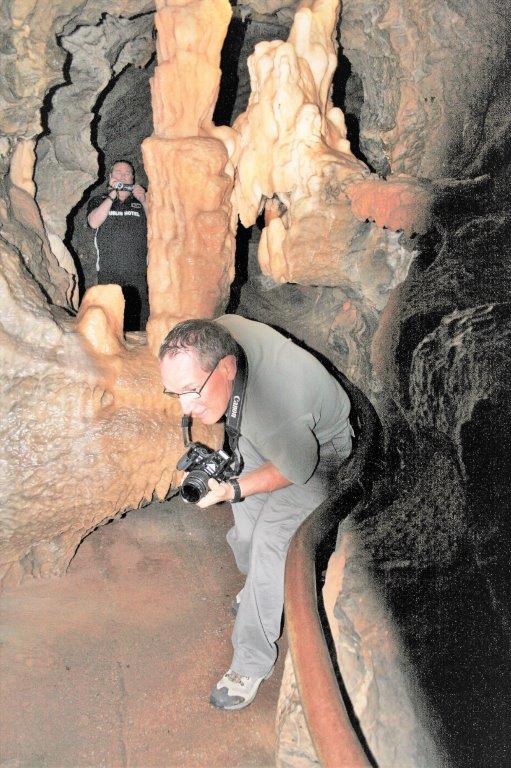
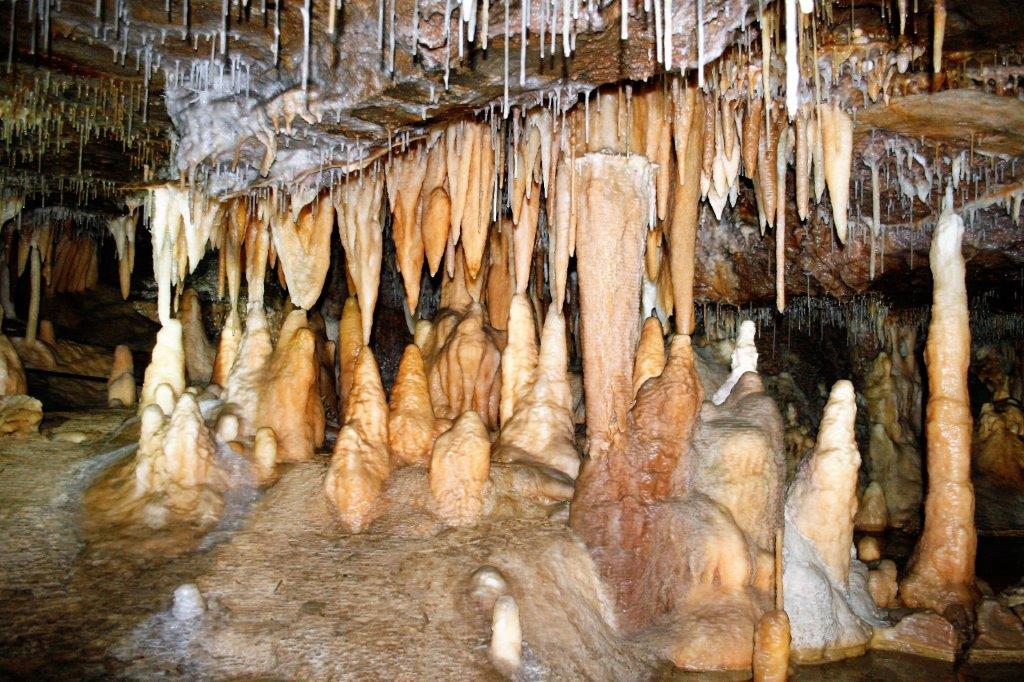
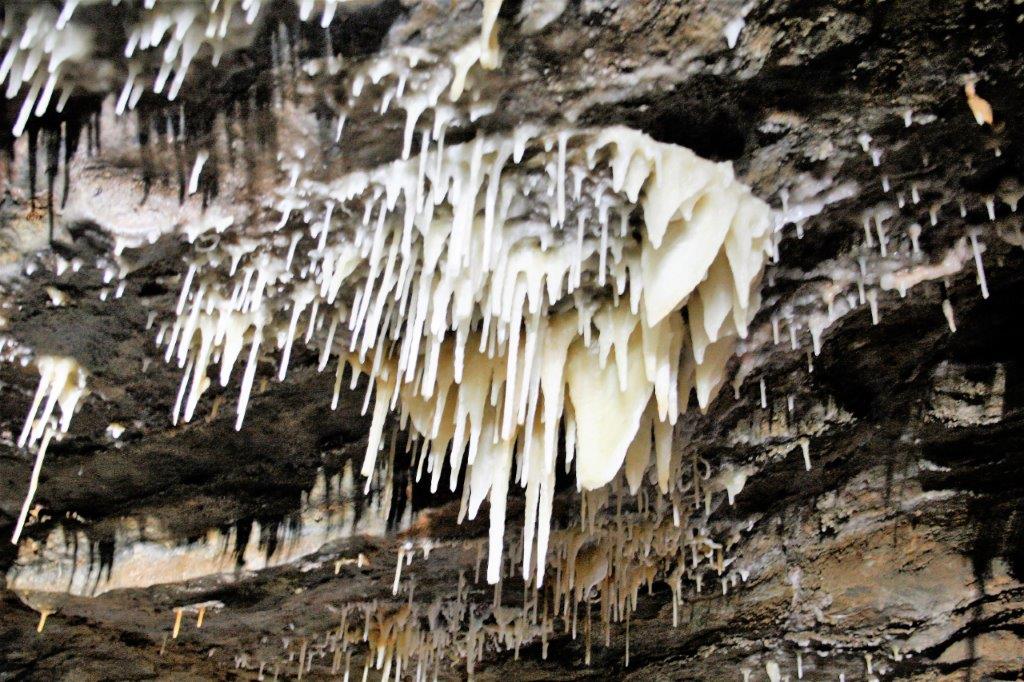
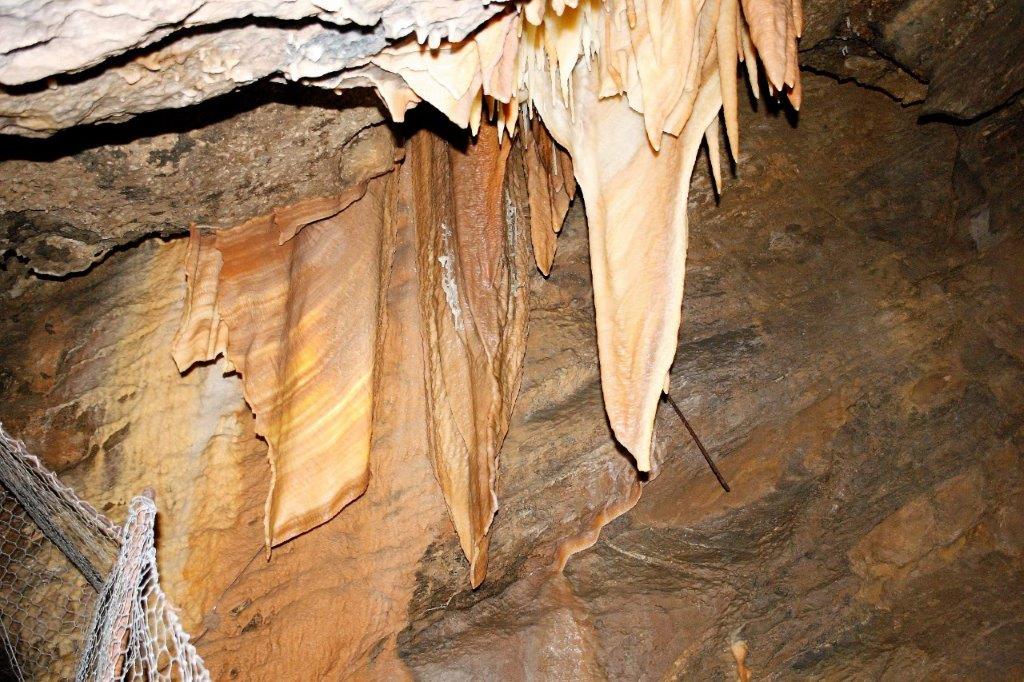
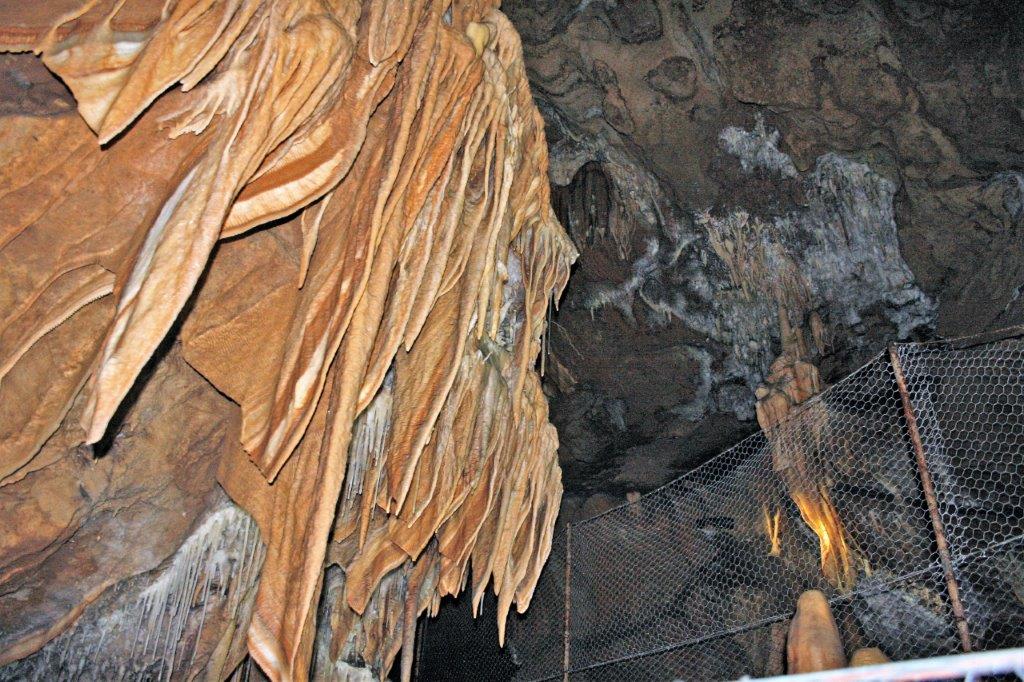
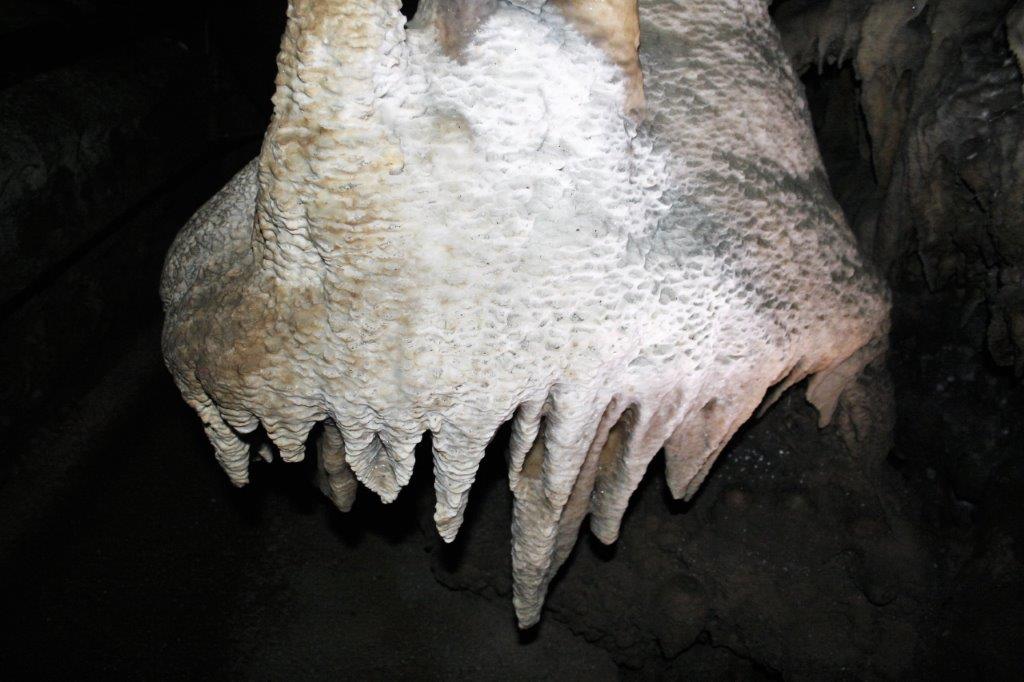
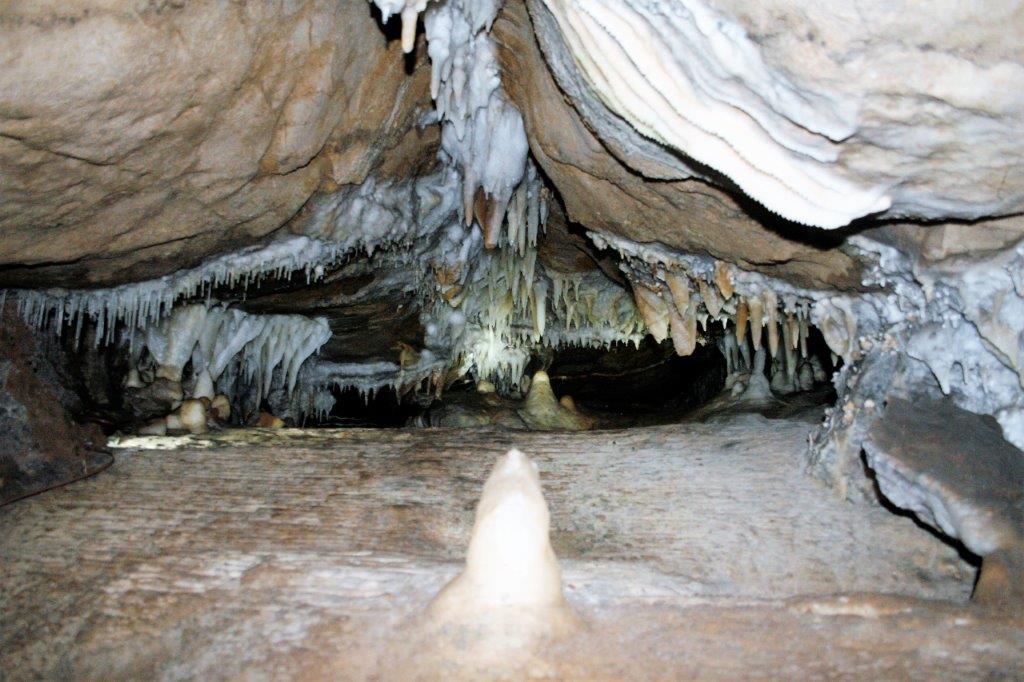
In many places there was no room to spare on the paths.  This was the first cave we had toured that allowed photographs so we were happy to click away.  It is the flash they don’t like since it can damage the micro-organisms in living caves.  Our digital SLR cameras have a high enough ISO that we can take pics without flash but the colour isn’t very true.  Being allowed to use flash inside a cave was a unique experience. The temperature was a constant 17°C (almost 63°F) with 90% humidity so we were very comfortable in our shirtsleeves. This was our first encounter with ‘bacon,’ the formation that very closely resembles a piece of bacon hanging from the ceiling. After 45 minutes walking through Royal Cave we entered Fairy Cave for another 45 minute tour.                                       More bacon

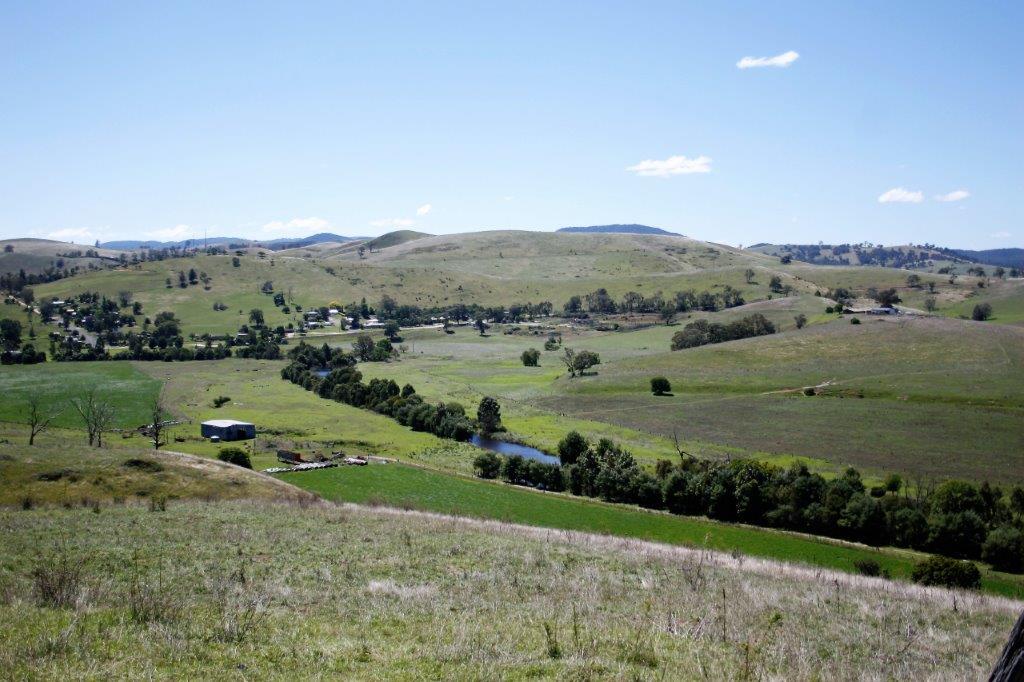
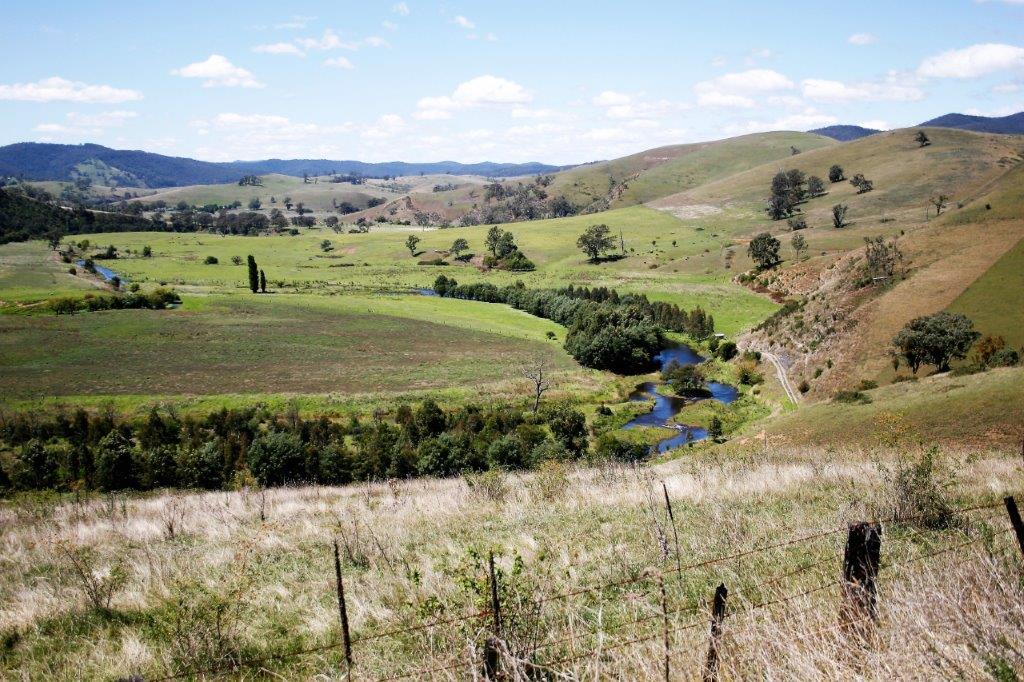
 As is normal for a lot of cave systems, the landscape outside would never have you thinking that there was a cave hiding in the hillside.

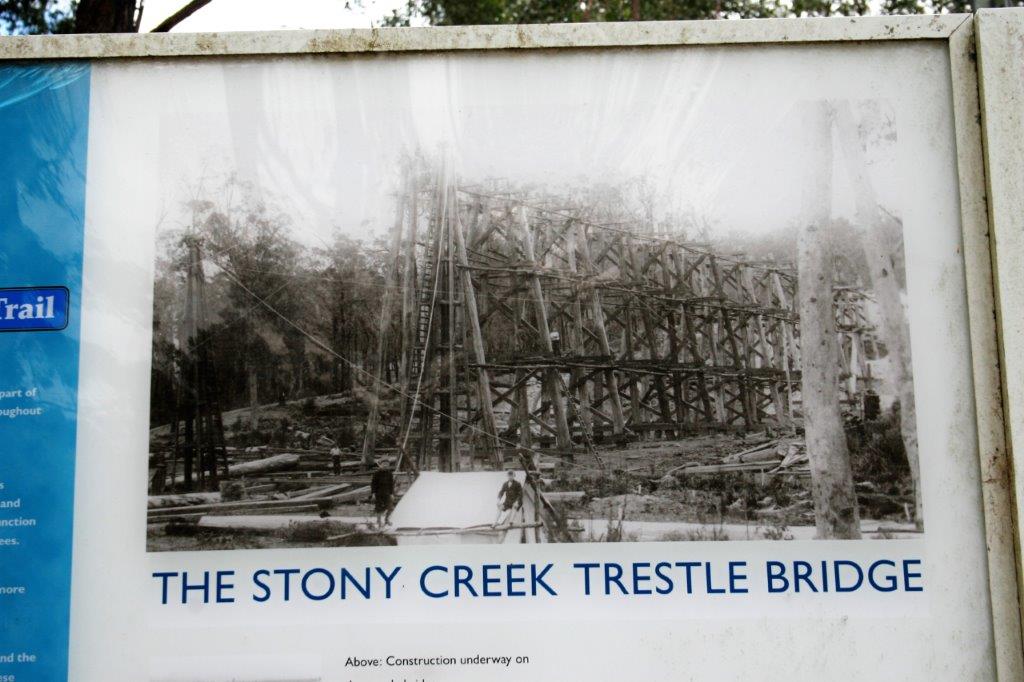
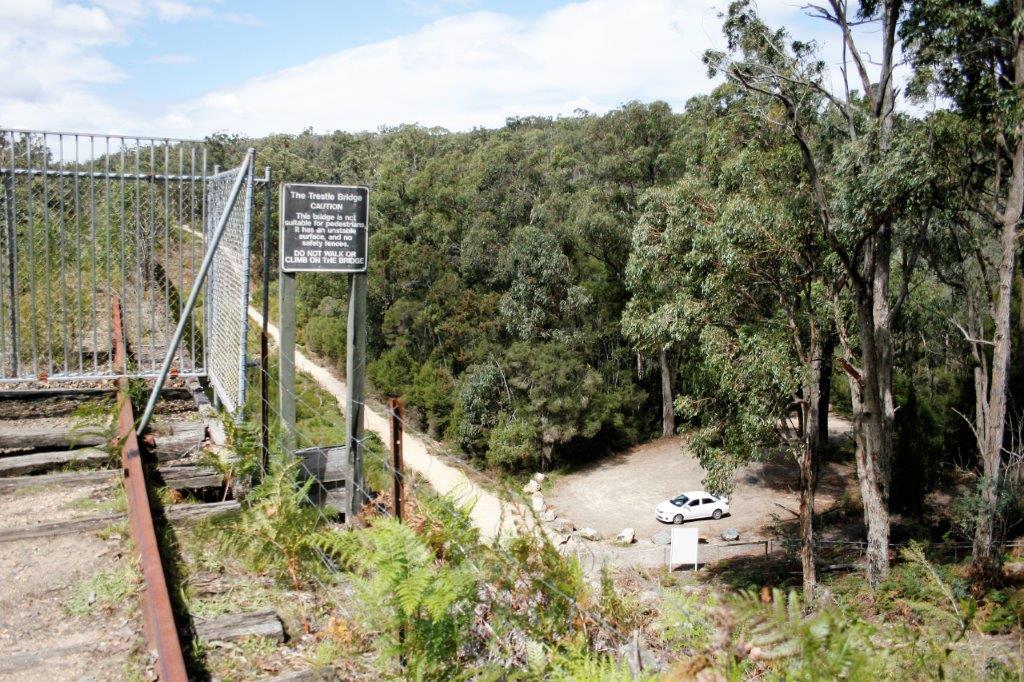
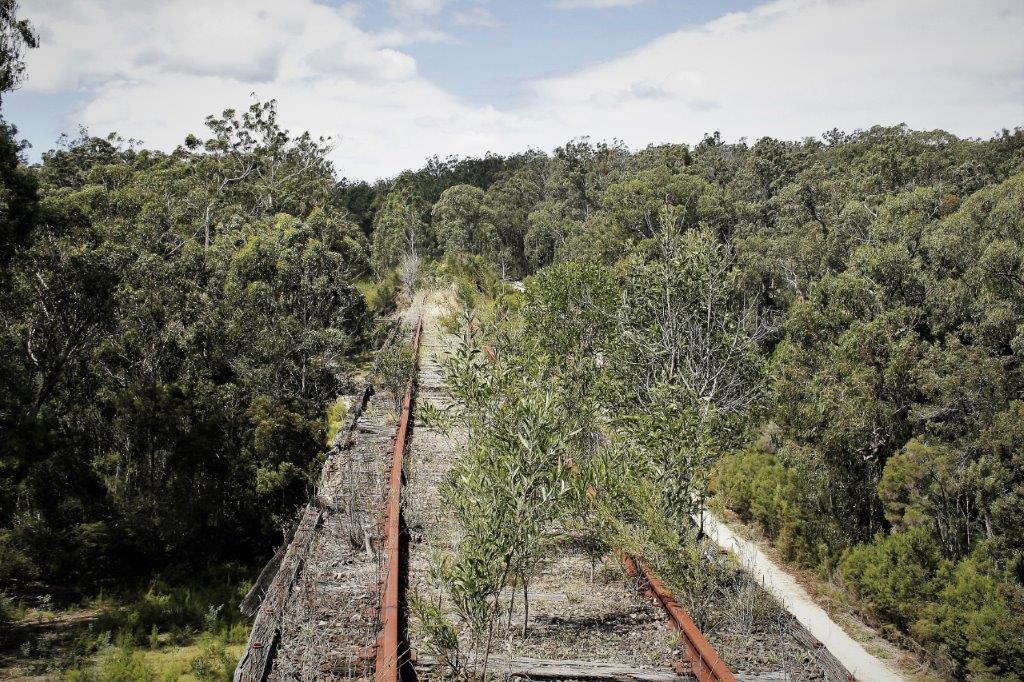
 We had driven up to the caves through a town called Nowra Nowra (I love the Australian place names) and just before we got there again on our way back to the Princes Highway we took a 3 km detour to see the 1916 Stony Creek Trestle bridge.  It was damaged in a fire in the 1940s and is no longer used, but it is 35-40′ high; which, of course, one must climb.


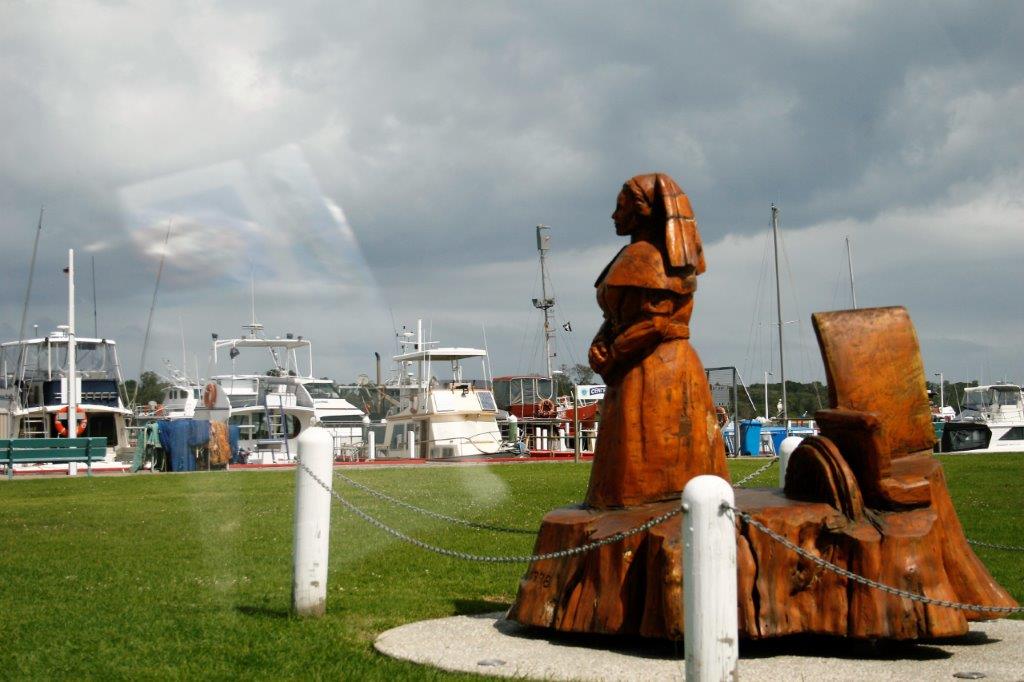
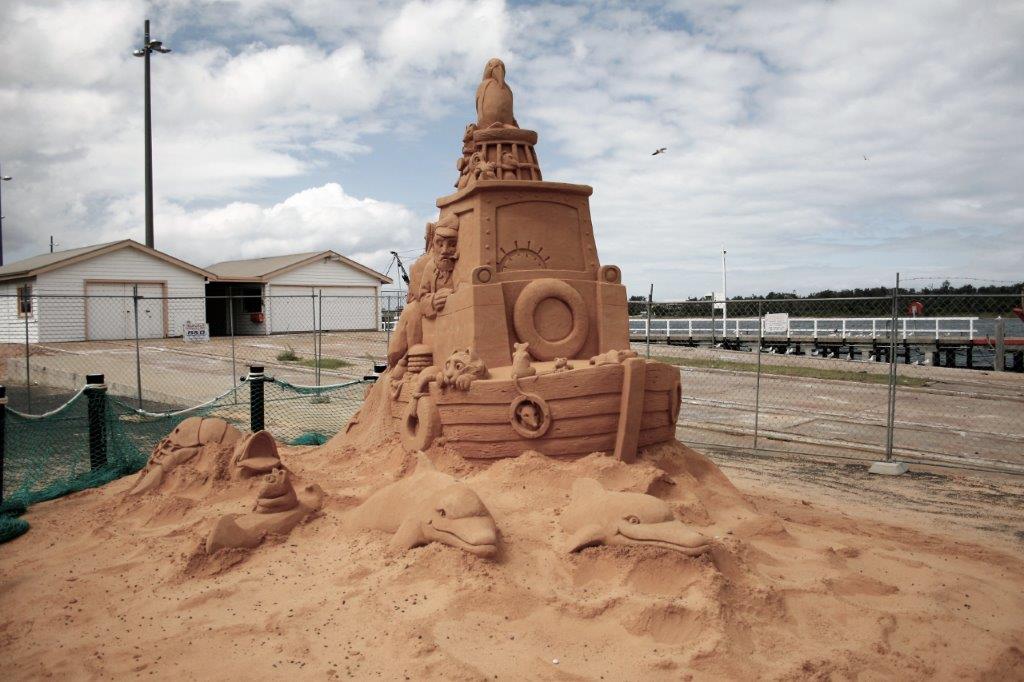
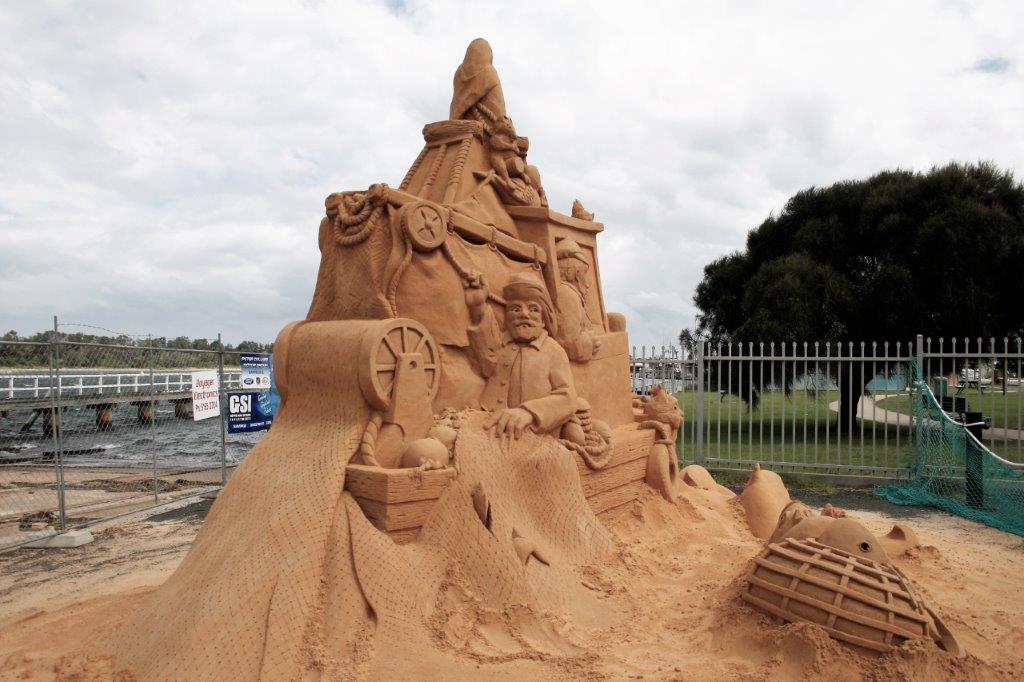
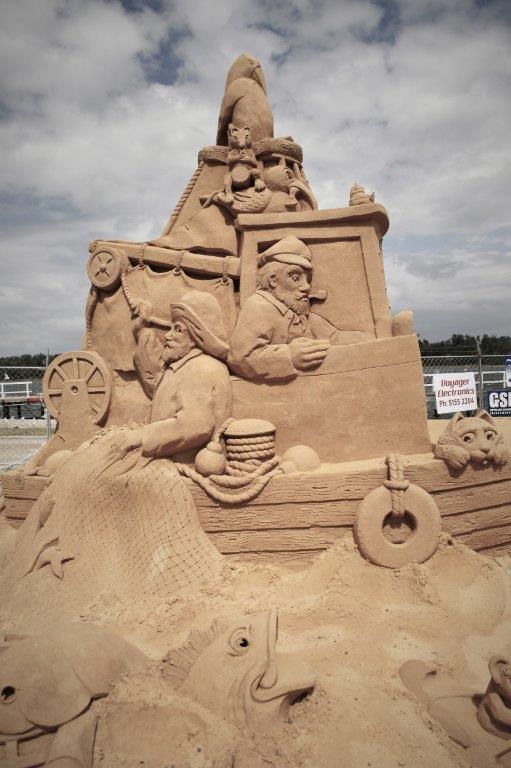
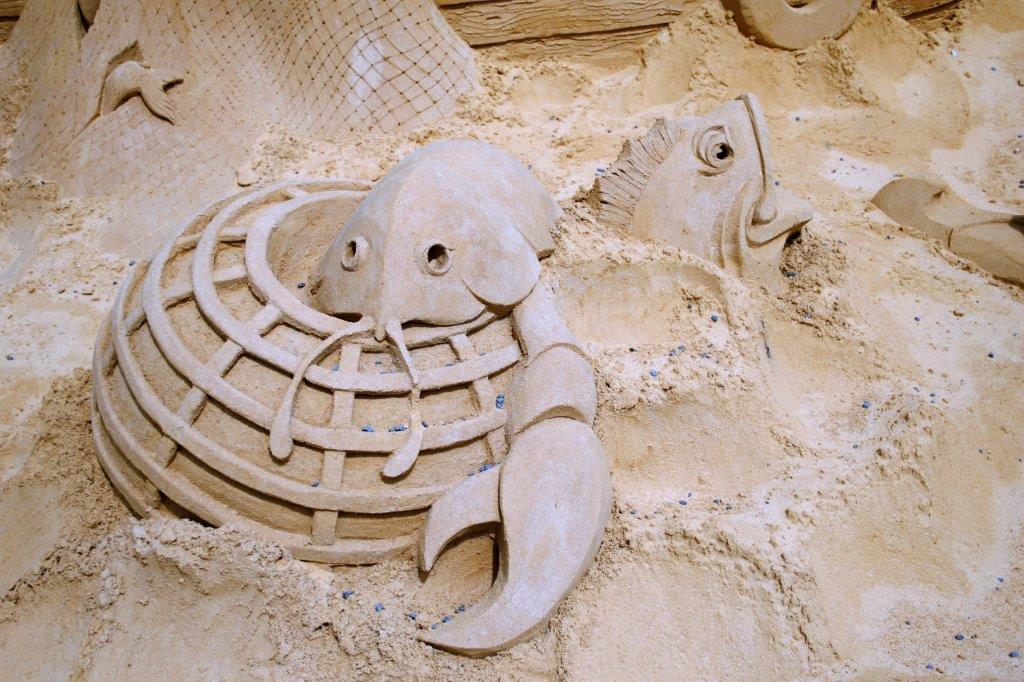
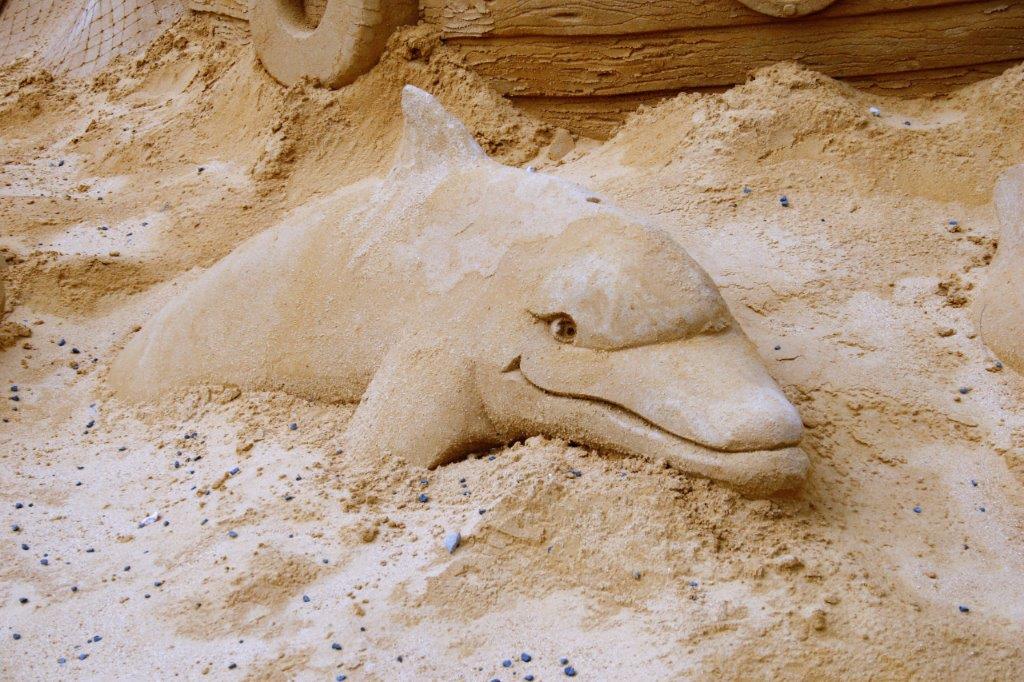
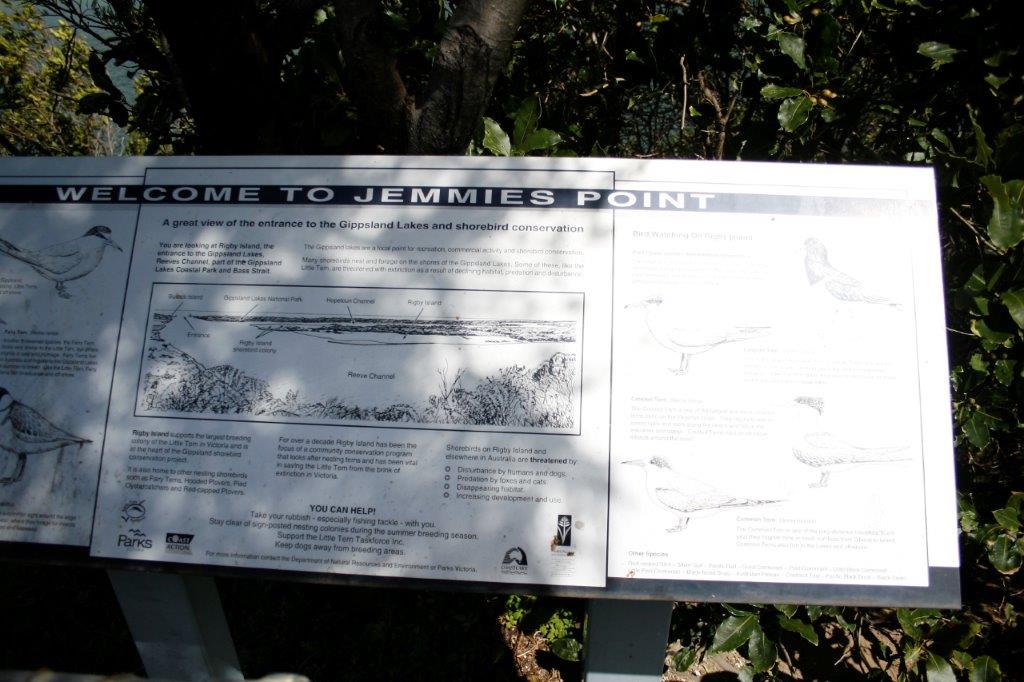
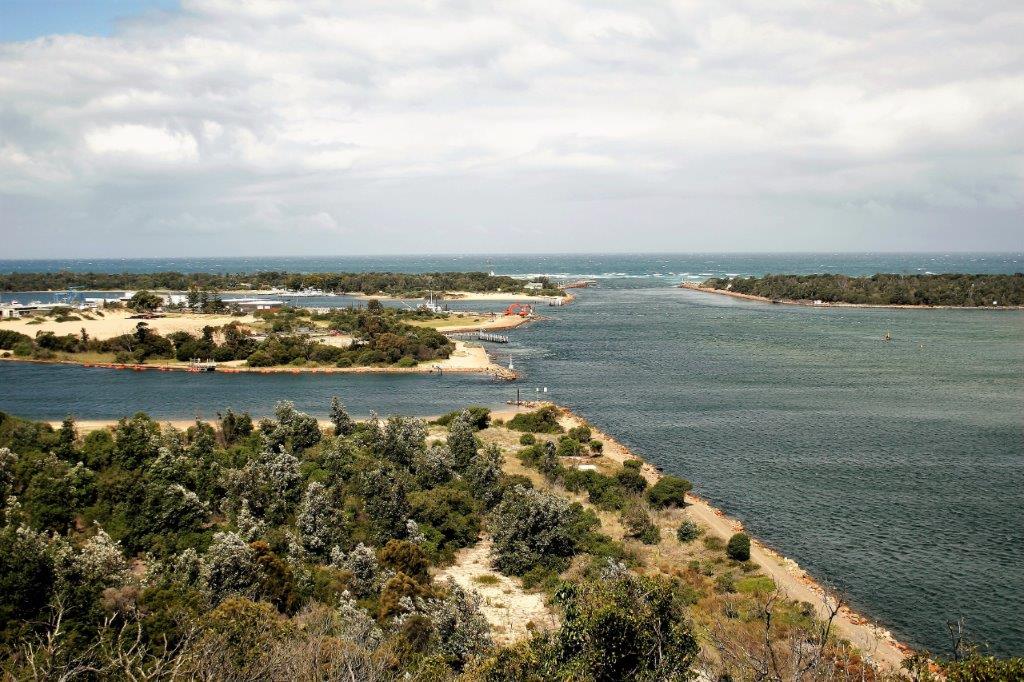
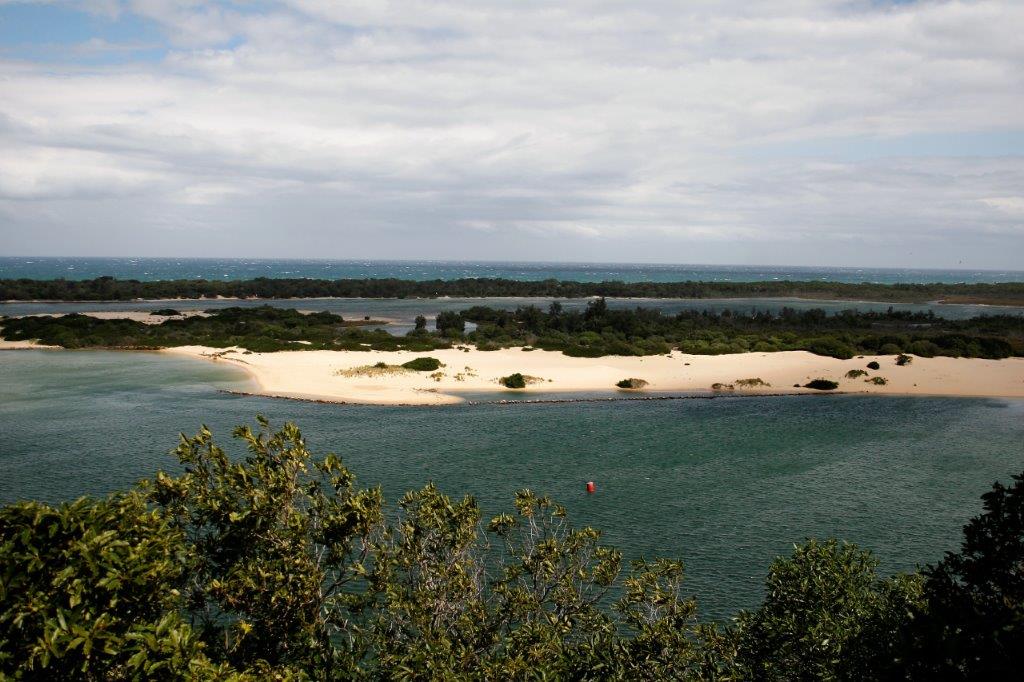
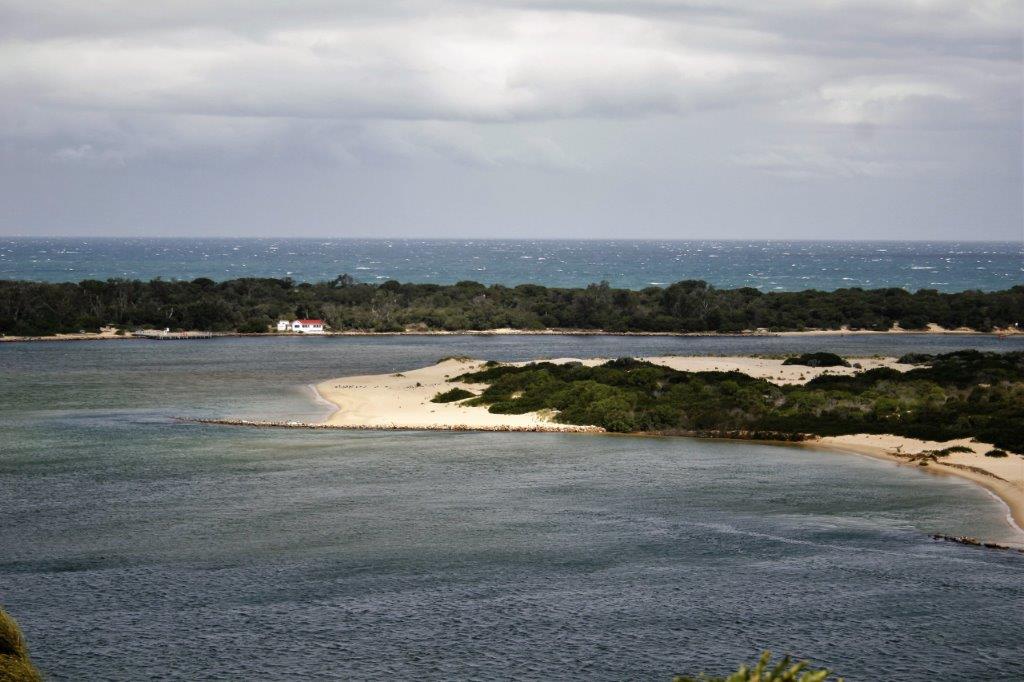
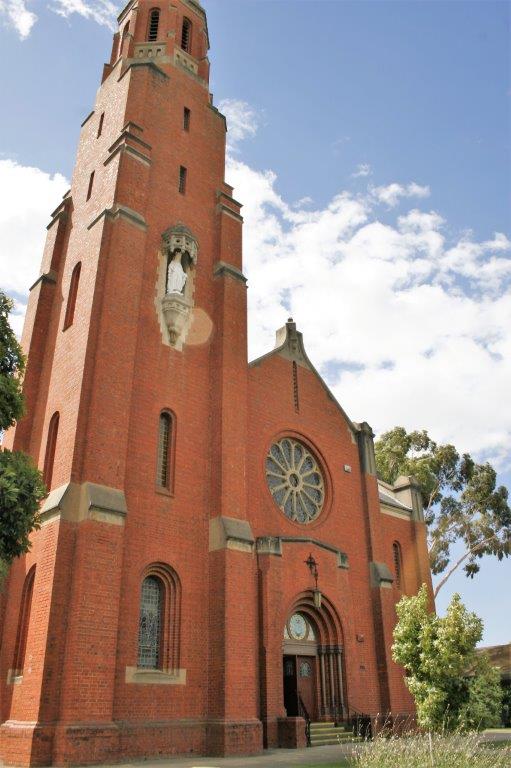
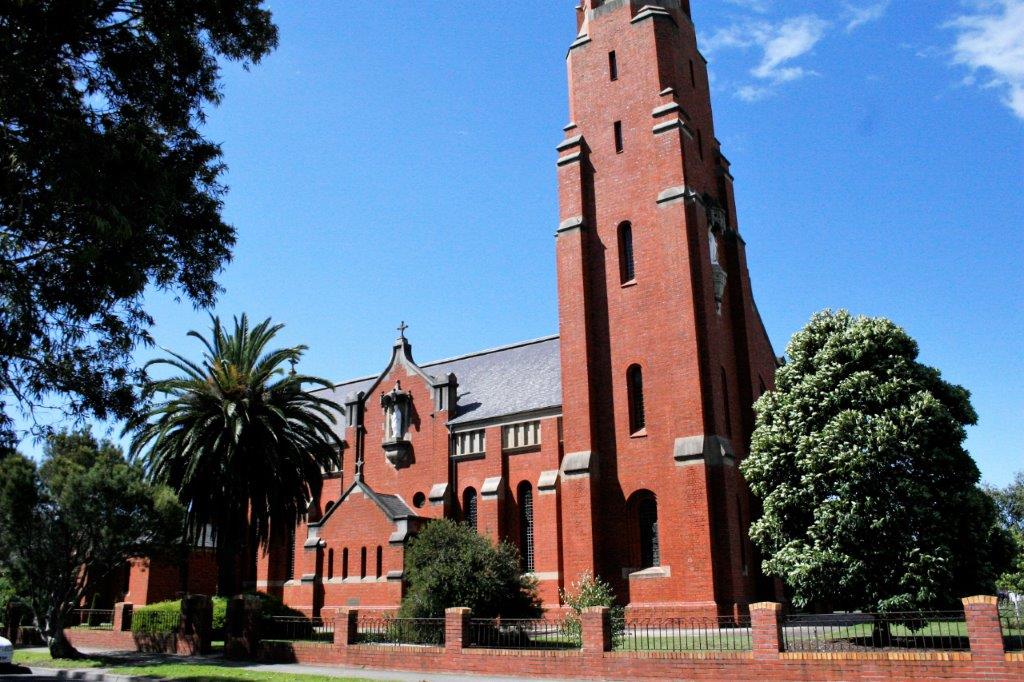
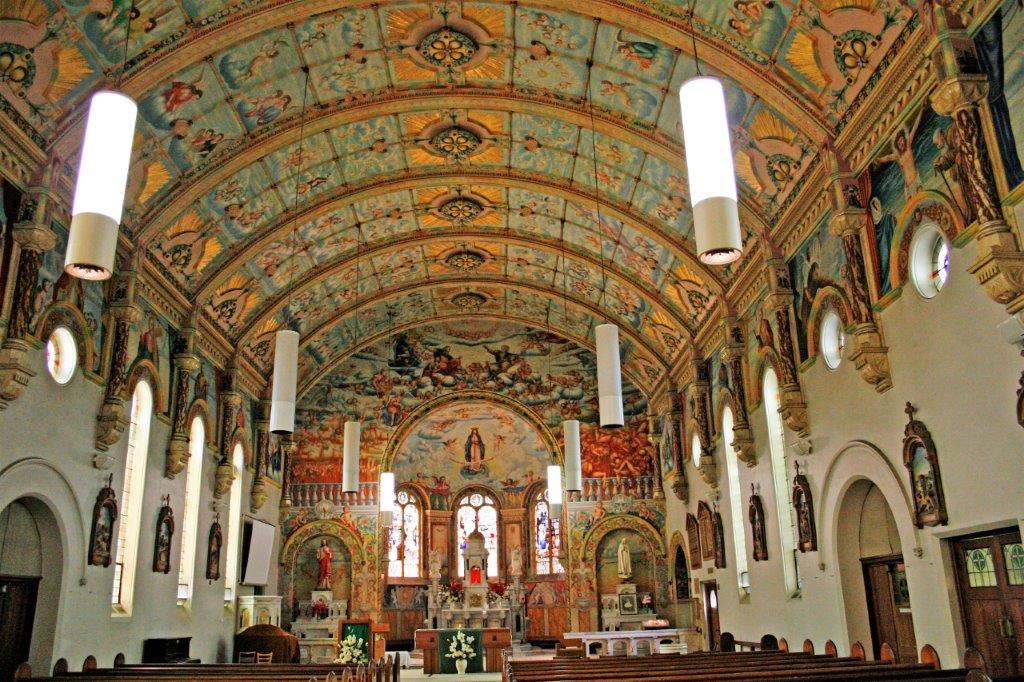
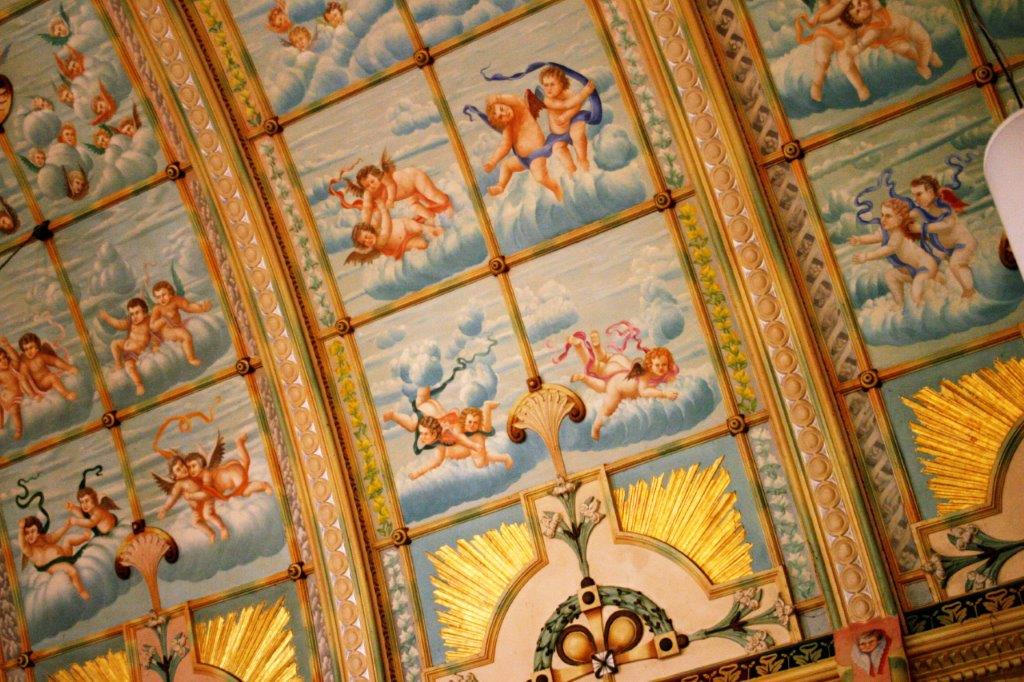
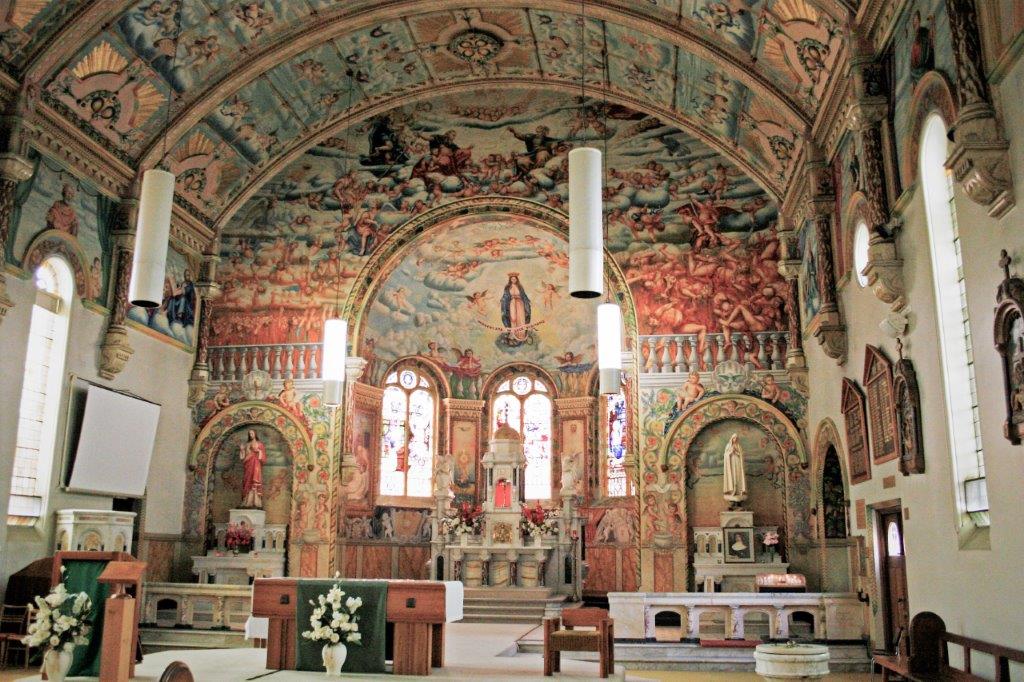
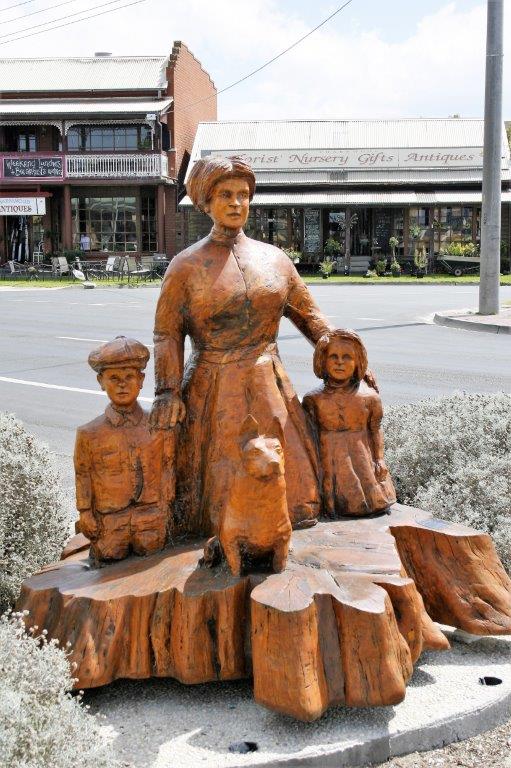
Back on the highway it wasn’t too far to the community of Lakes Entrance.  We took a walk to see some of the chainsaw carvings that commemorate WWI soldiers and services. There was also a really nice sand sculpture with amazing details. At Jemmies Point we stopped to photograph the view. Our stop in Bairnsdale was a successful map and brochure collection place.  We also took some time to look at St. Mary’s Catholic Church which has gorgeous hand-painted walls and ceiling.  Absolutely stunning!

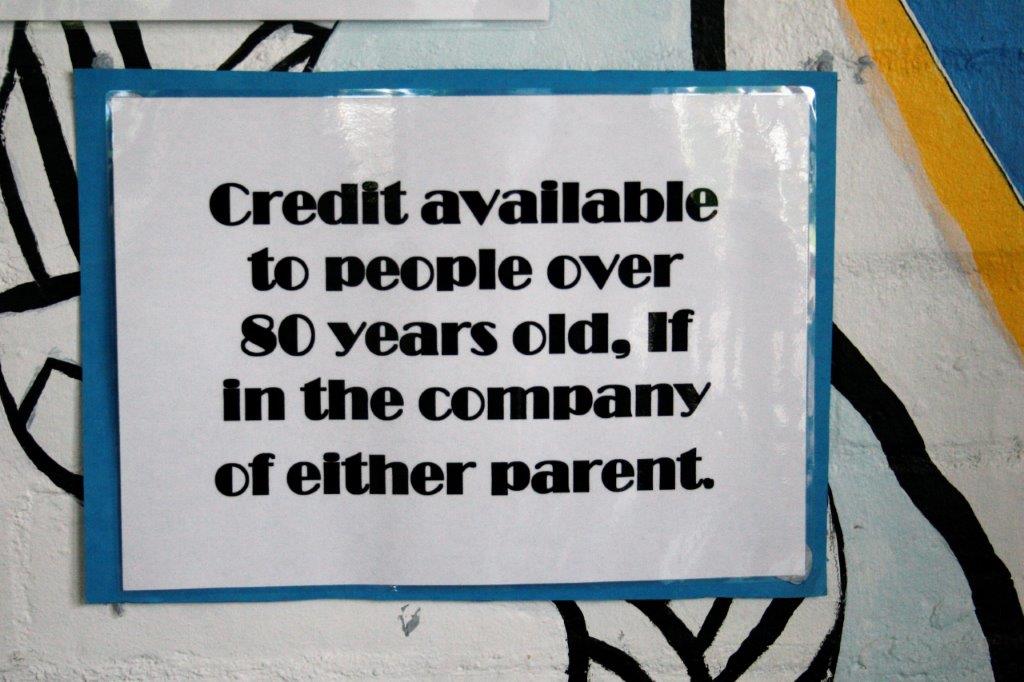
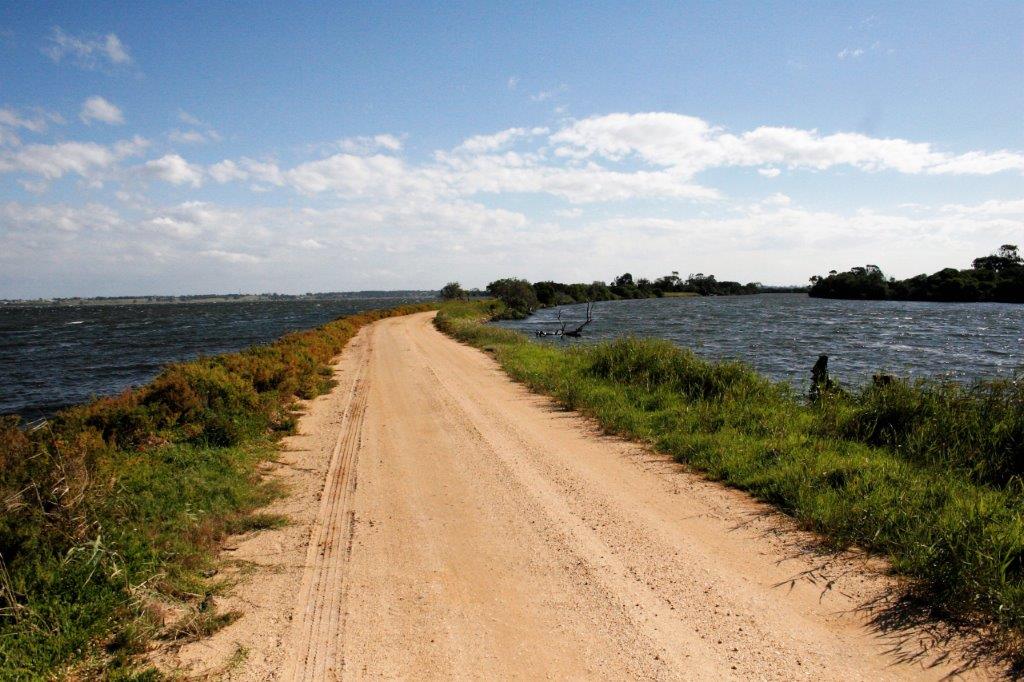
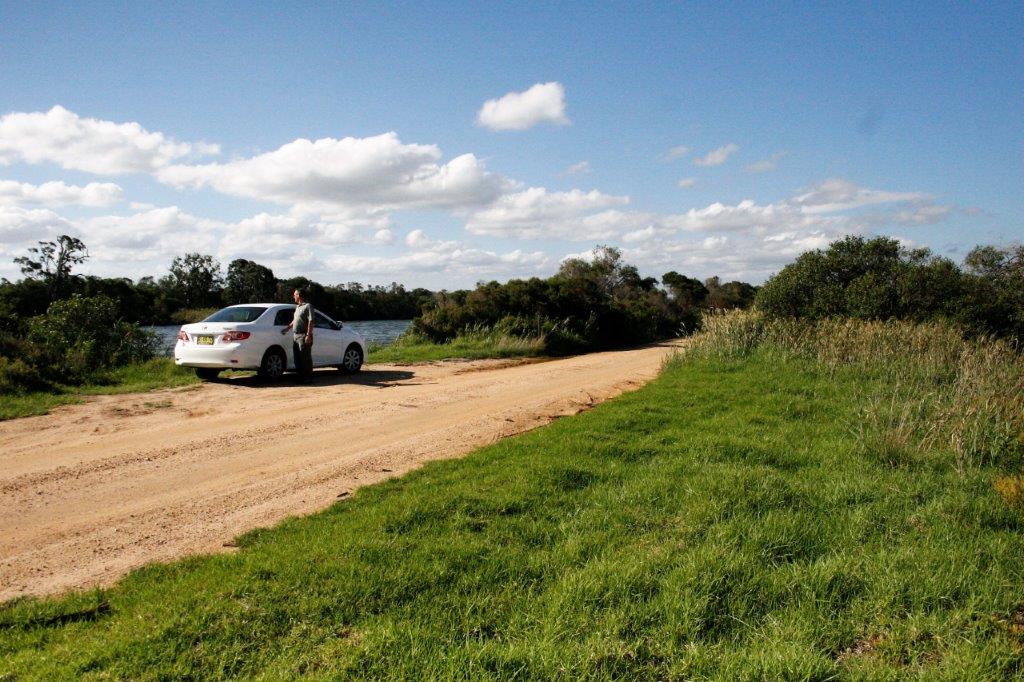
There was a clock museum in town but it was also a retail store so no photos.  Really cool clocks though.  They had a great sign:After a few miss turns we found the road to the silt jetties at Eagle Point.  They have been created by the ocean waves leaving silt behind.  We drove straight down the middle of one of the jetties which was just a bit wider than our car.   On the way back John drove over a Brown Snake sunning itself on the road; which happens to a lot of brown snakes we later learned. He wanted to miss it but there was no where to go on such a narrow road.  He felt bad as he doesn’t like to hit animals, but the Eastern Brown snake is the second most venomous snake in the world and over 60% of Australia’s snake bite deaths are caused by them, which meant the local folks wouldn’t have been very upset. Back on the highway once again we completed the final 62 km to Sale where we spent the night.

2011 March 2 – Day 56 – Eden to Orbost, Australia

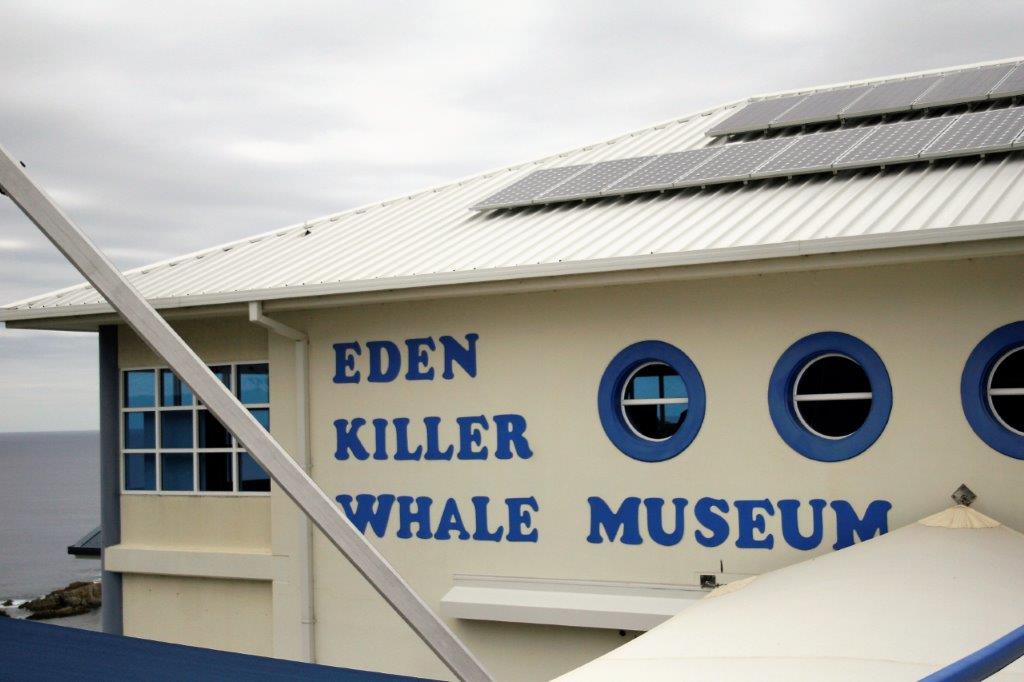
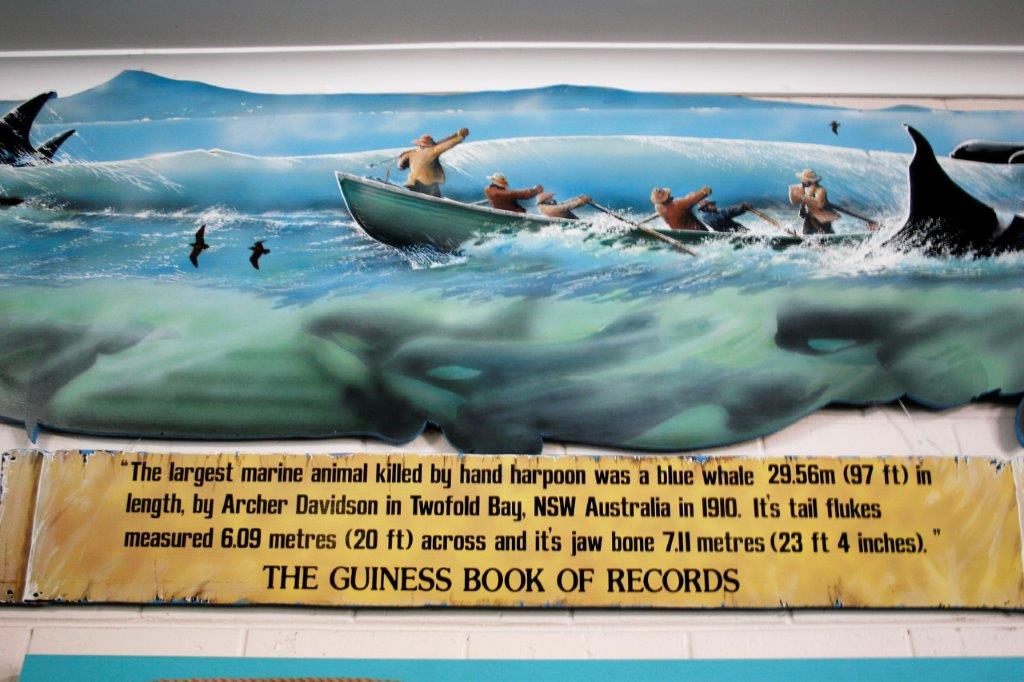
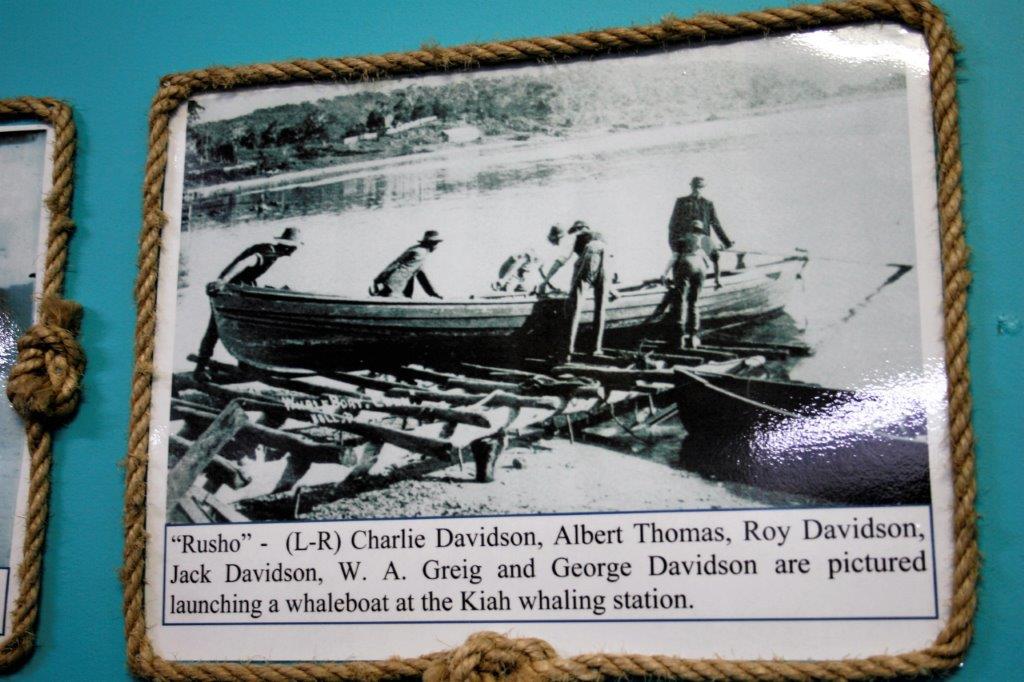
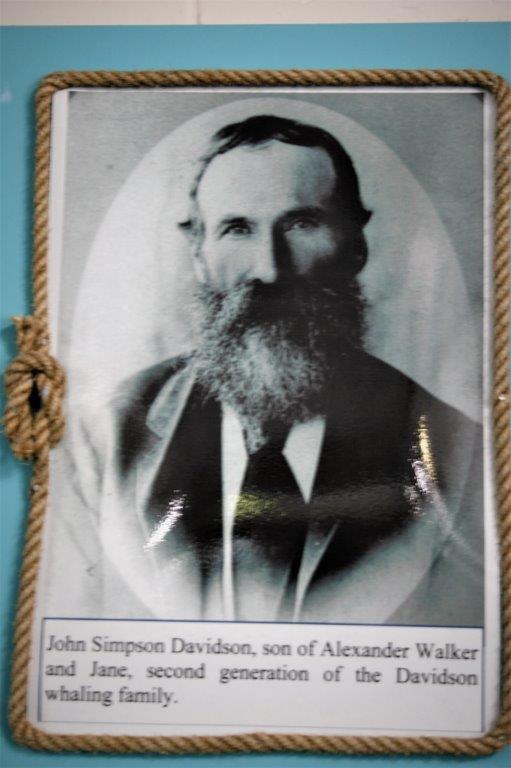
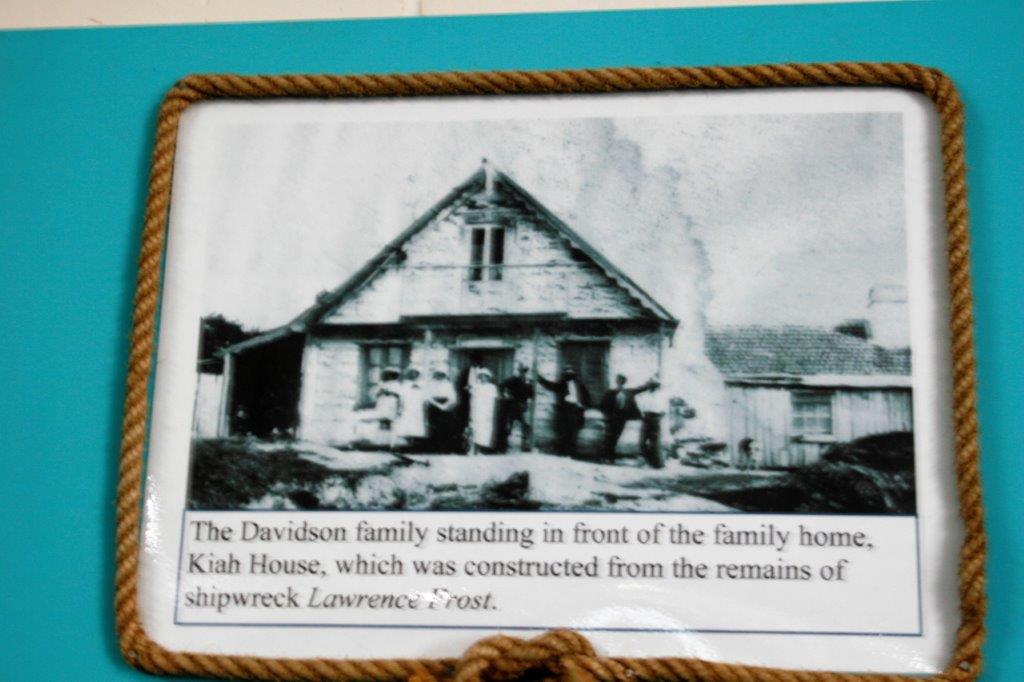
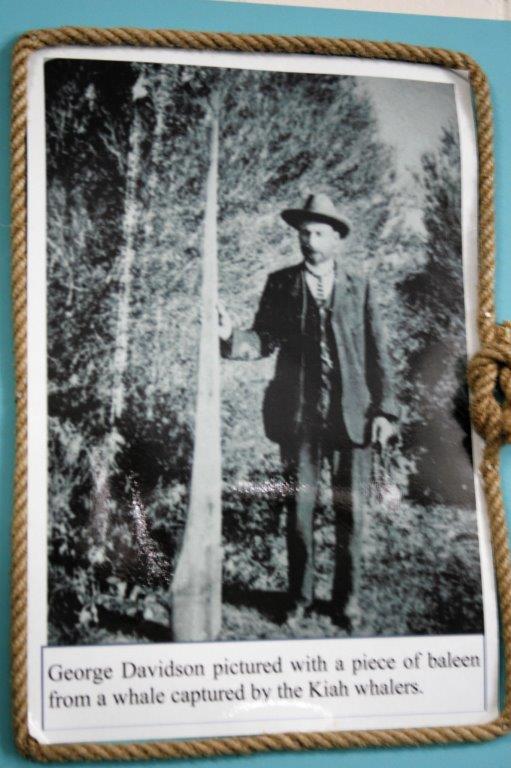
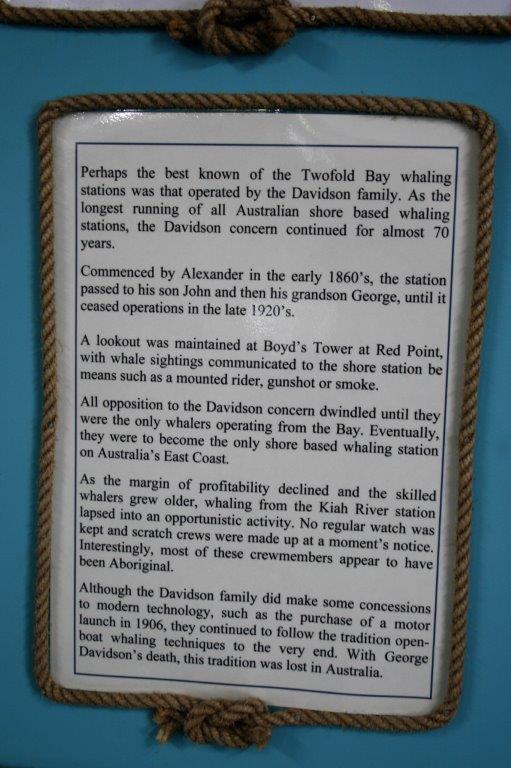
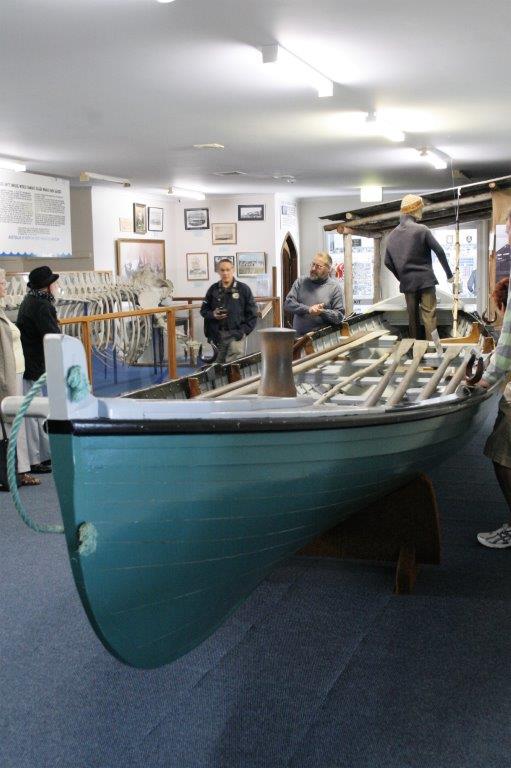
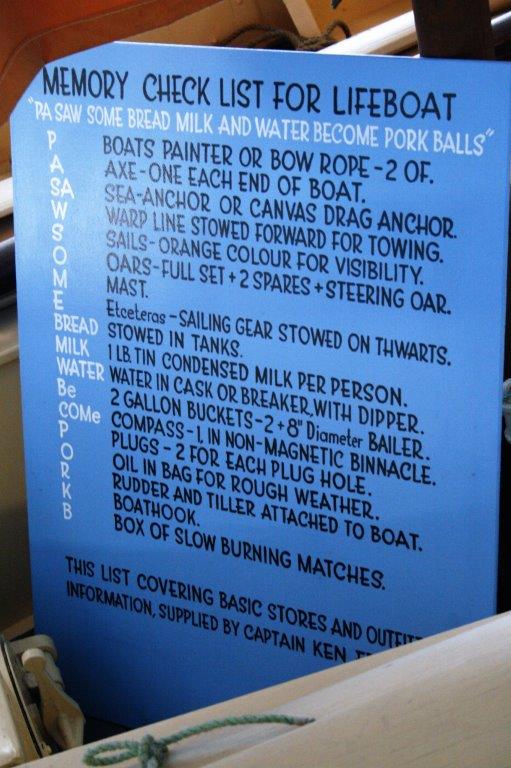
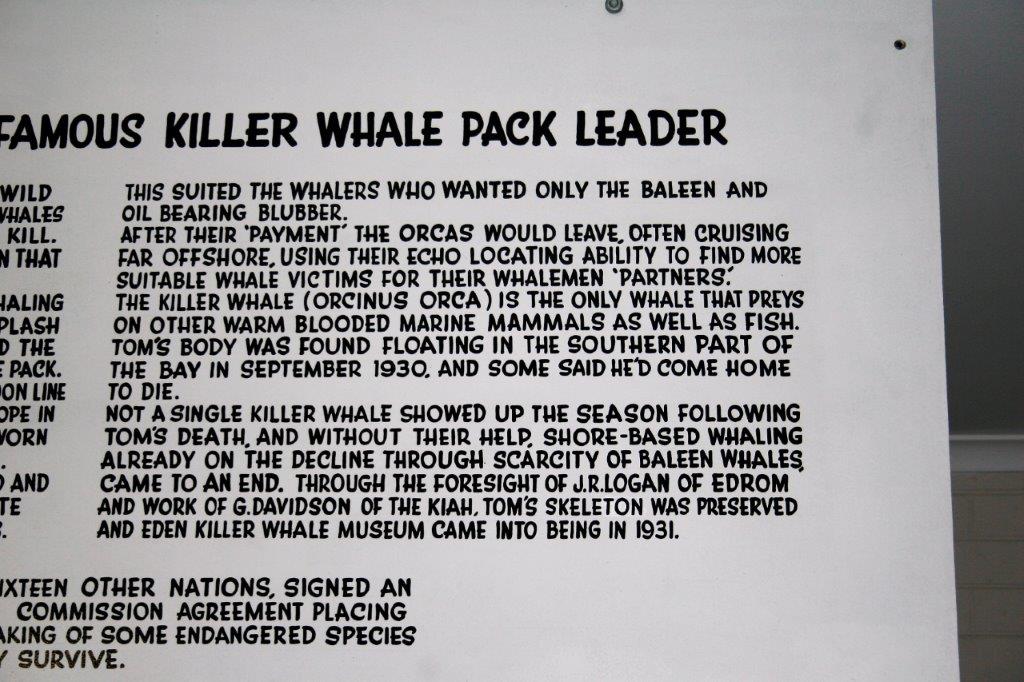
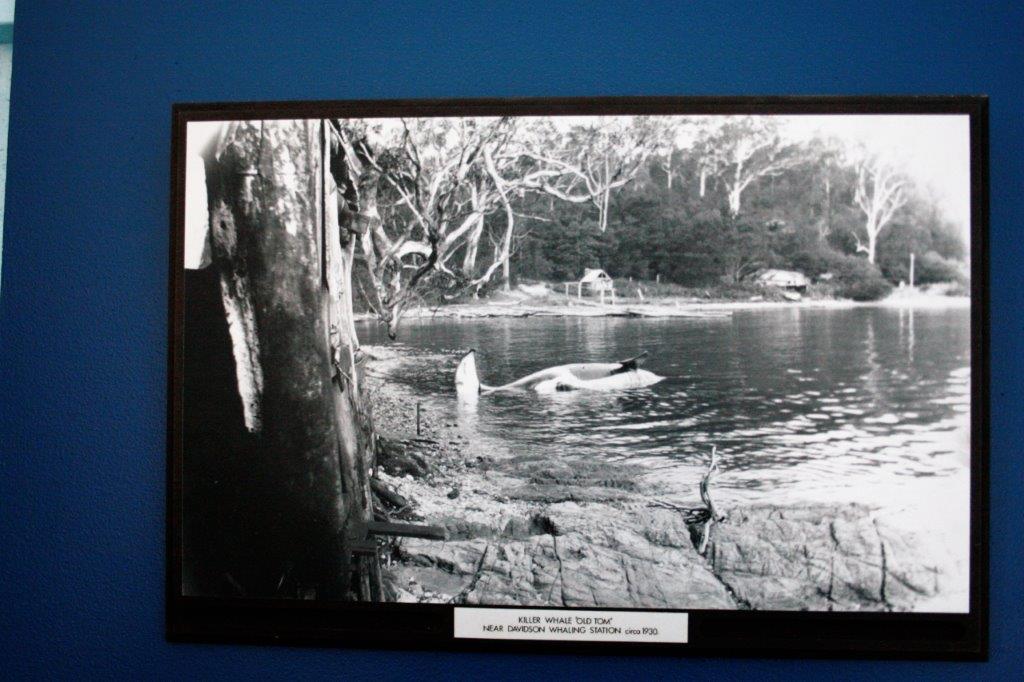
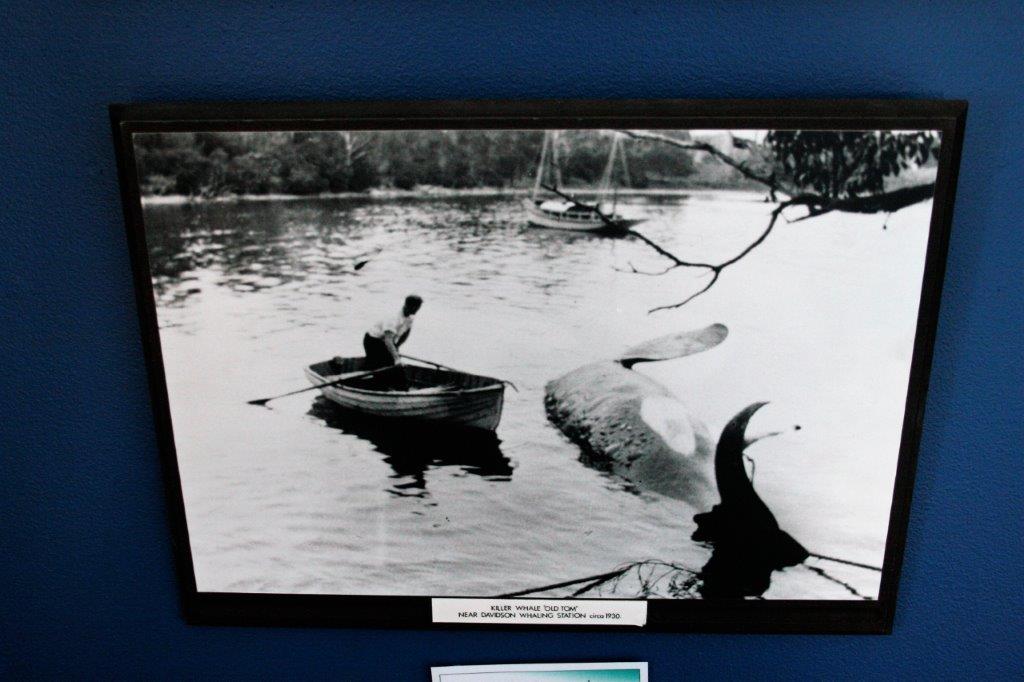
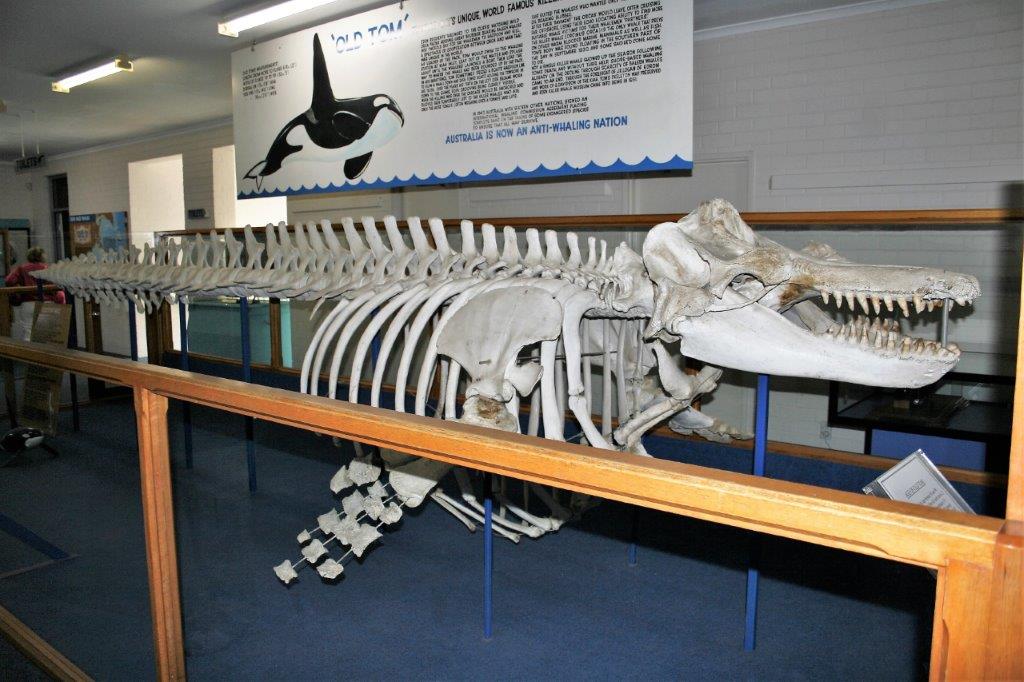
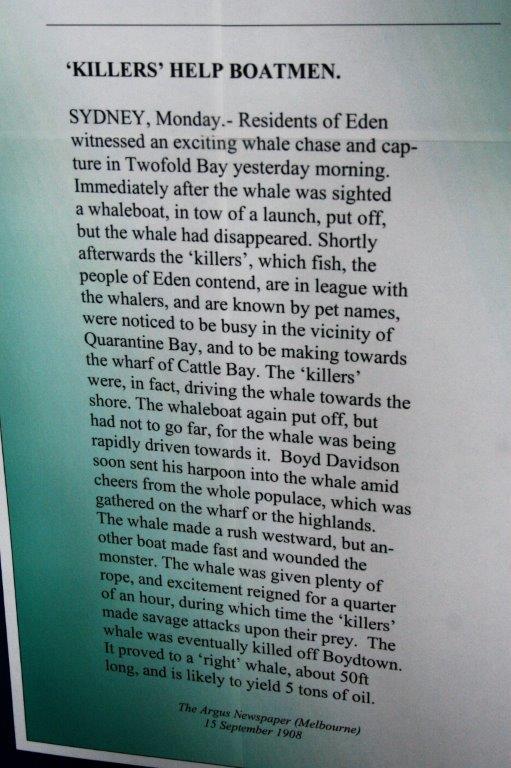
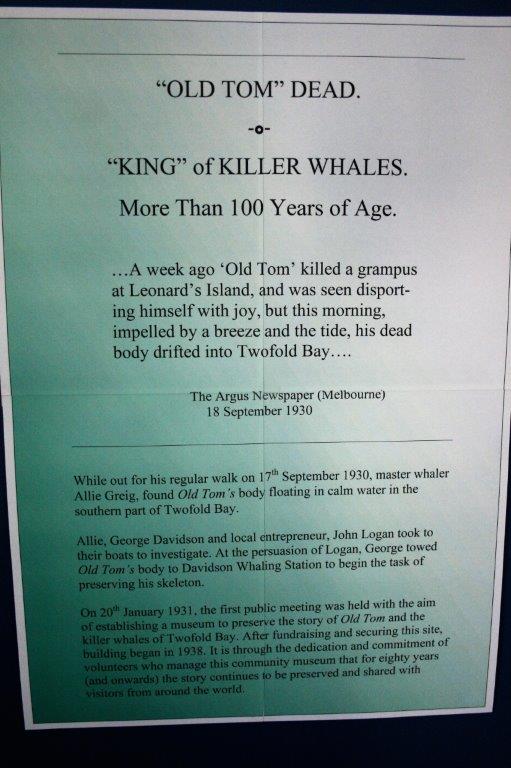
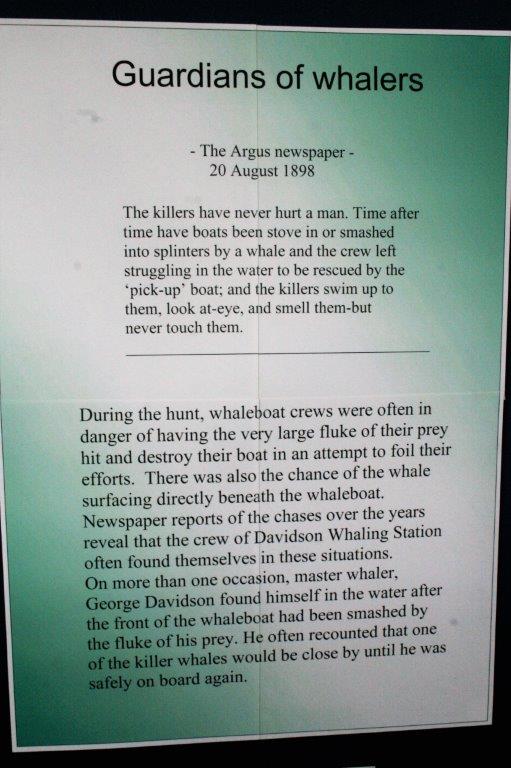
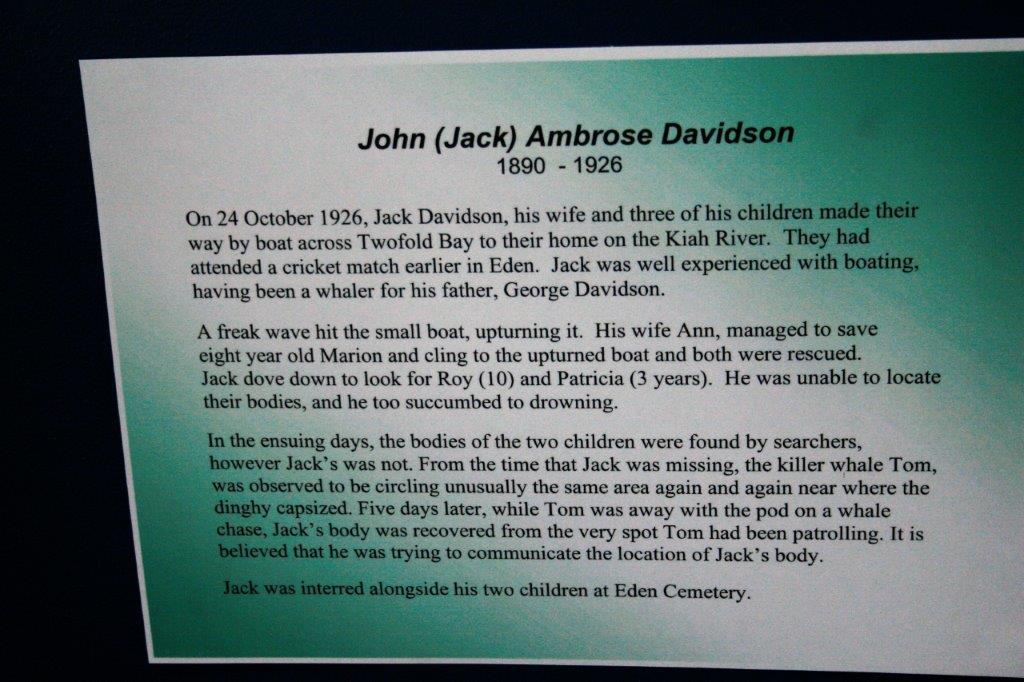
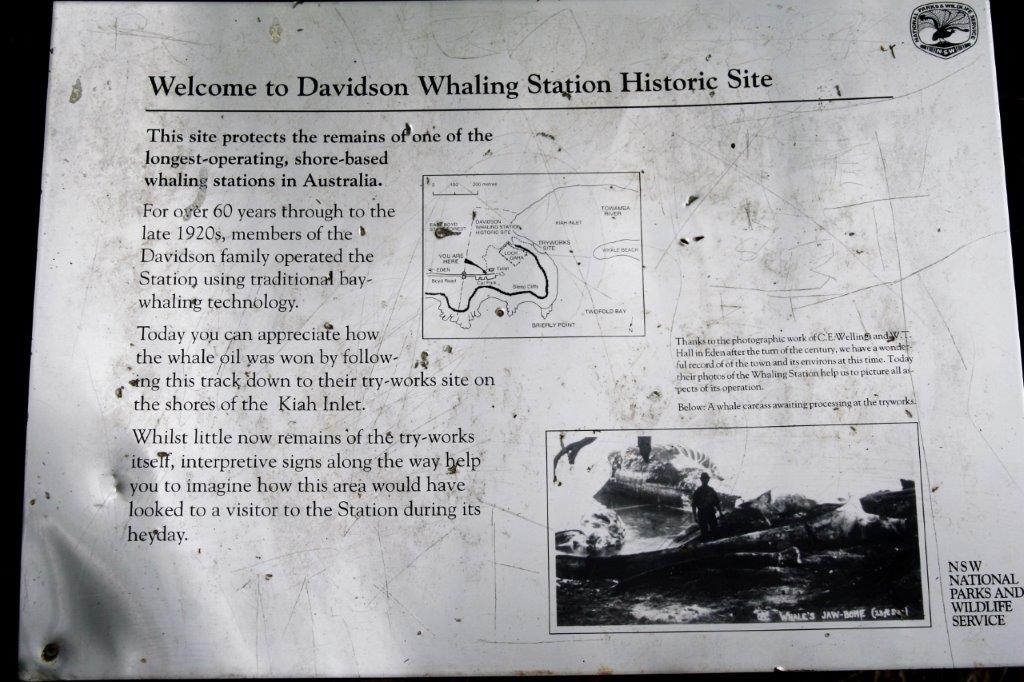
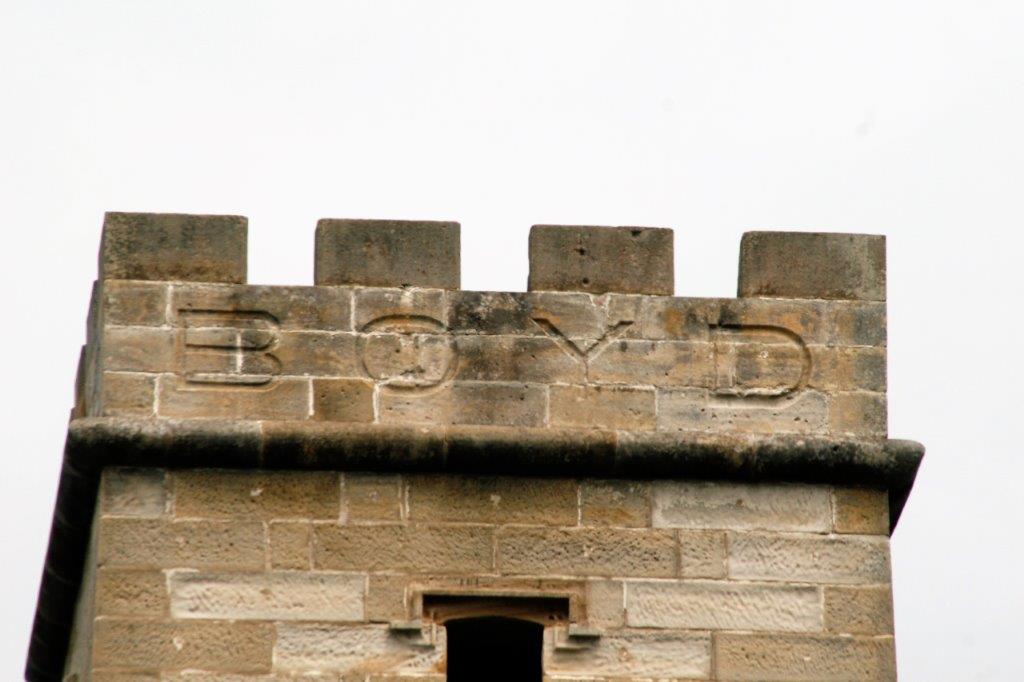
We were up and on the road by 9 am, although we didn’t go very far.  Eden is home to the Killer Whale Museum, much of which tells the story of John’s mother’s cousin Robyn’s family (the Davidson’s) during the mid-1900s.  After the Great Depression Robyn’s uncles and father were whalers out of Twofold Bay in Eden and the remains of their old whaling station is now a national park. A lookout in Boyd Tower would spot a whale in the Bay, holler “Rusho,” and everyone would scramble for their boats.  The men would go out in 32′ rowboats oared by five guys.  There were two or three whaling crews working in the bay and the rule was that the first boat to harpoon the whale claimed the whale even if other boat crews helped to finish it off.  It only became the property of a second boat crew if the first boat’s harpoon came loose from the whale.

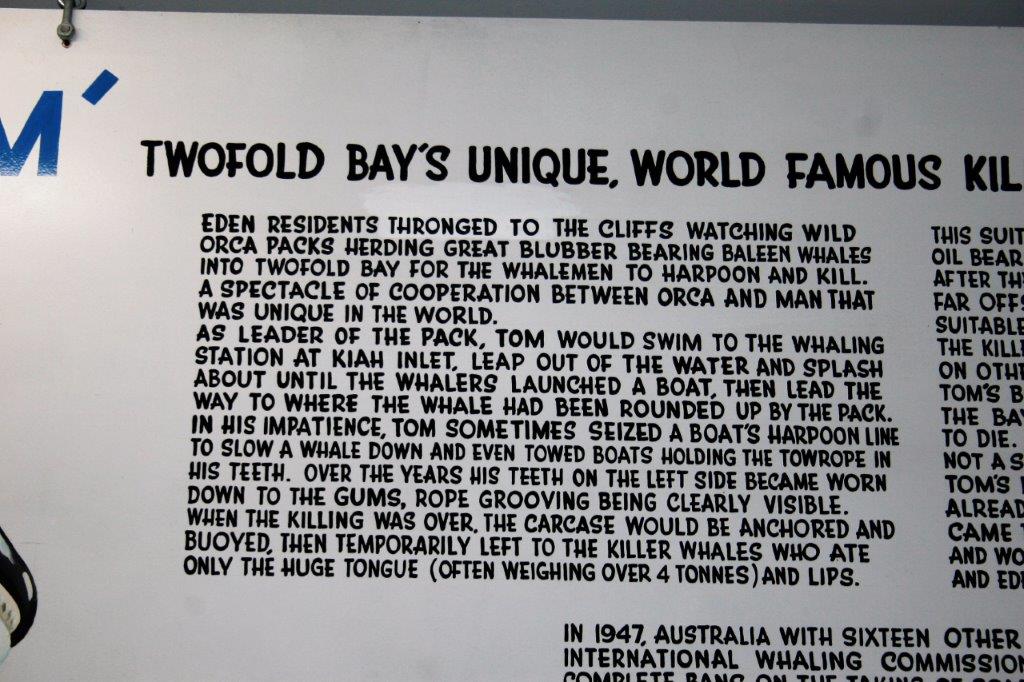
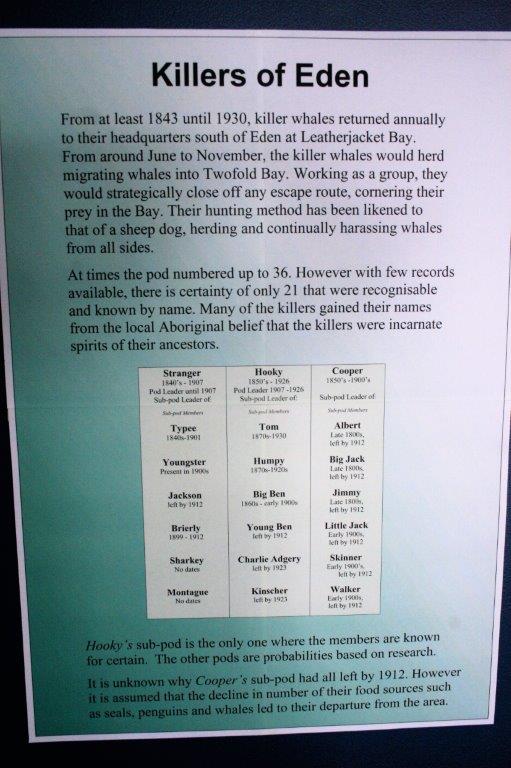
They would kill about 5-6 whales per year, usually Humpback or Right whales. And they had assistance from an unlikely source; a pod of Killer whales.  The Killers would work together to keep the Humpback in the bay and prevent it from diving into the water by biting it and harassing it until it was to tired to flee and the boat crew harpooned it. If the Davidson men were out whaling Old Tom and his whales would work for no other boat. The whalers would leave the dead whale to sink in the bay for the Killer Whales who only eat the soft tissue of the tongue (four tonnes), lips and soft throat tissue.  After the Killers had eaten what they wanted the dead whale would fill with gas and float to the surface where the men would haul it by rowboat to shore,

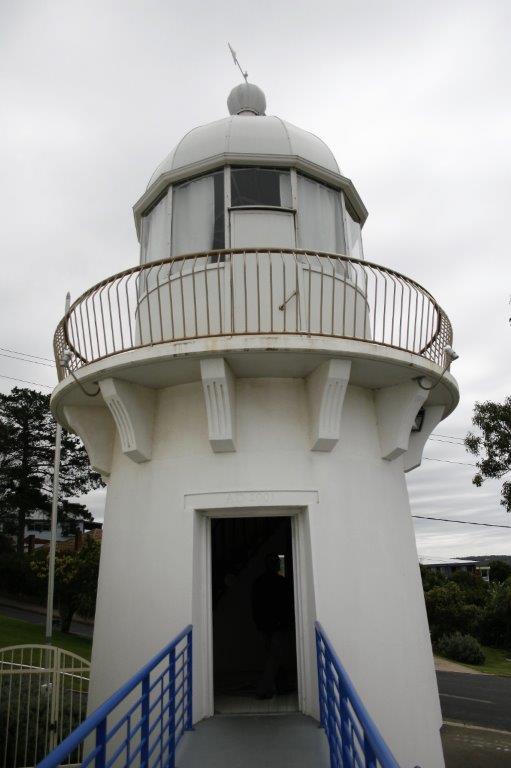
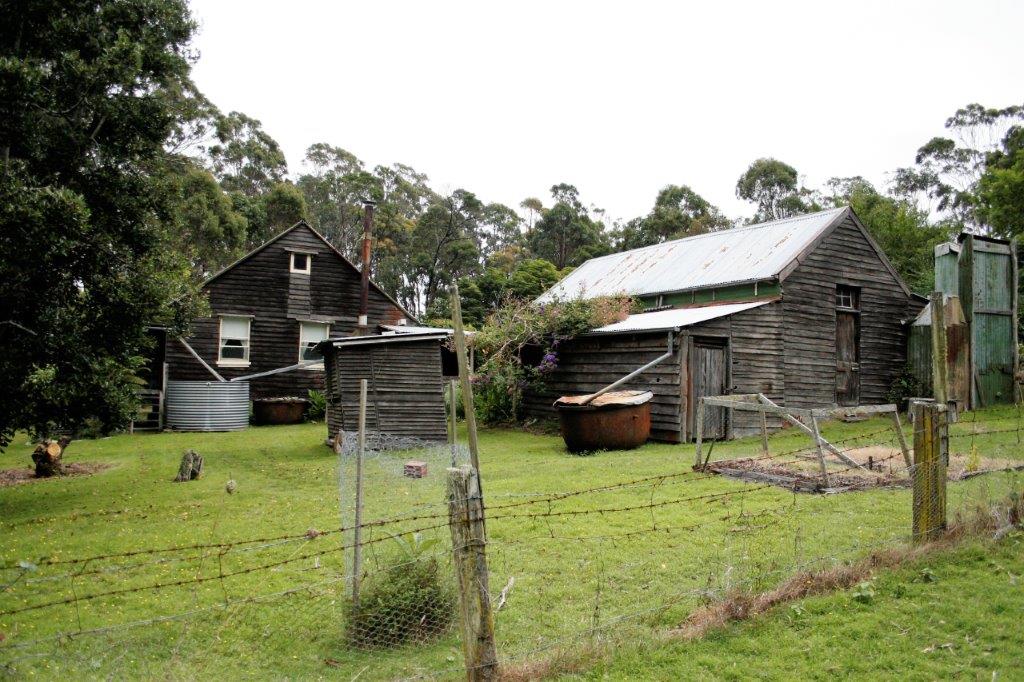
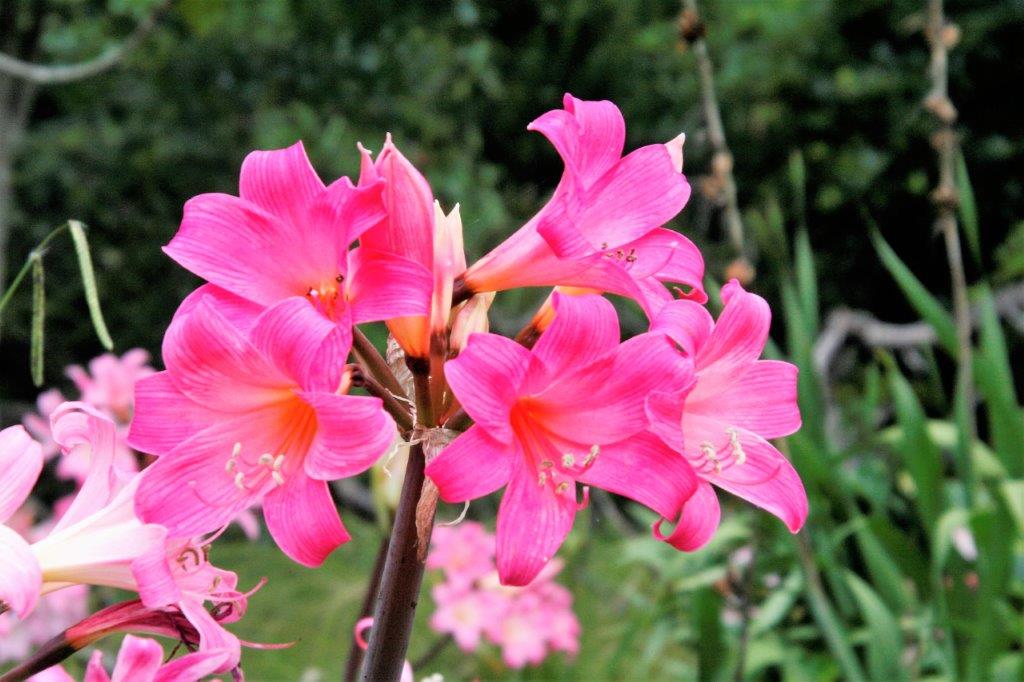
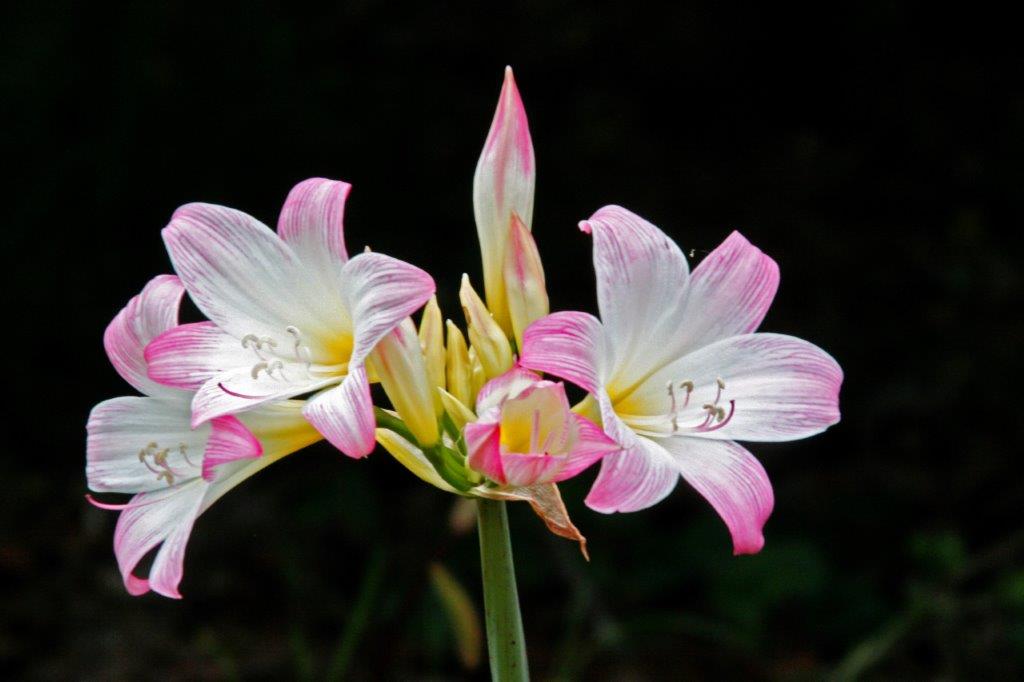
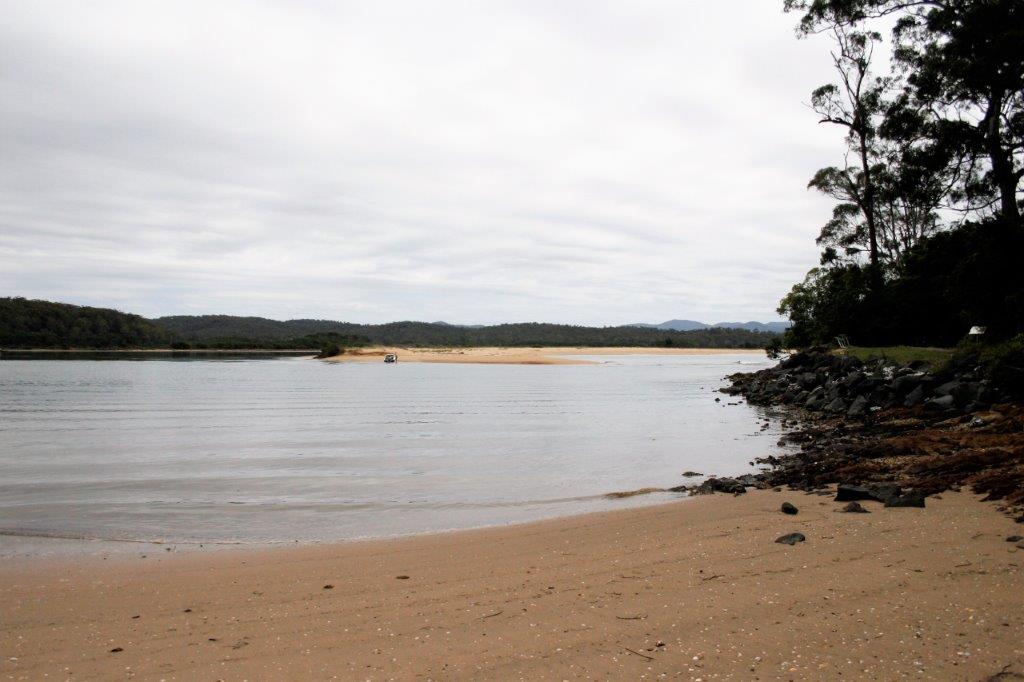
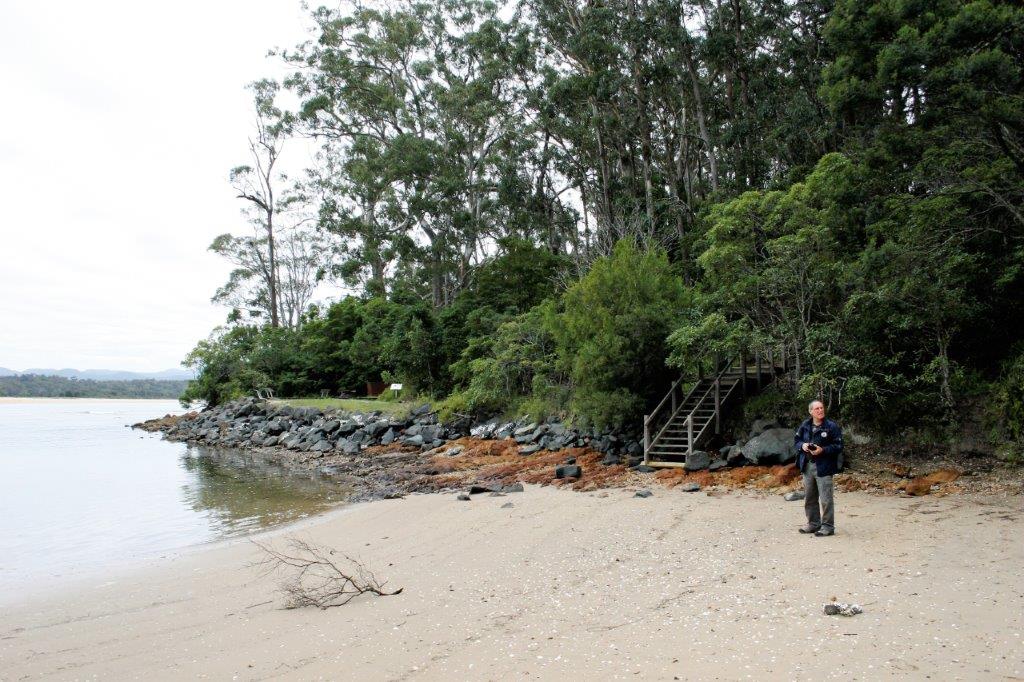
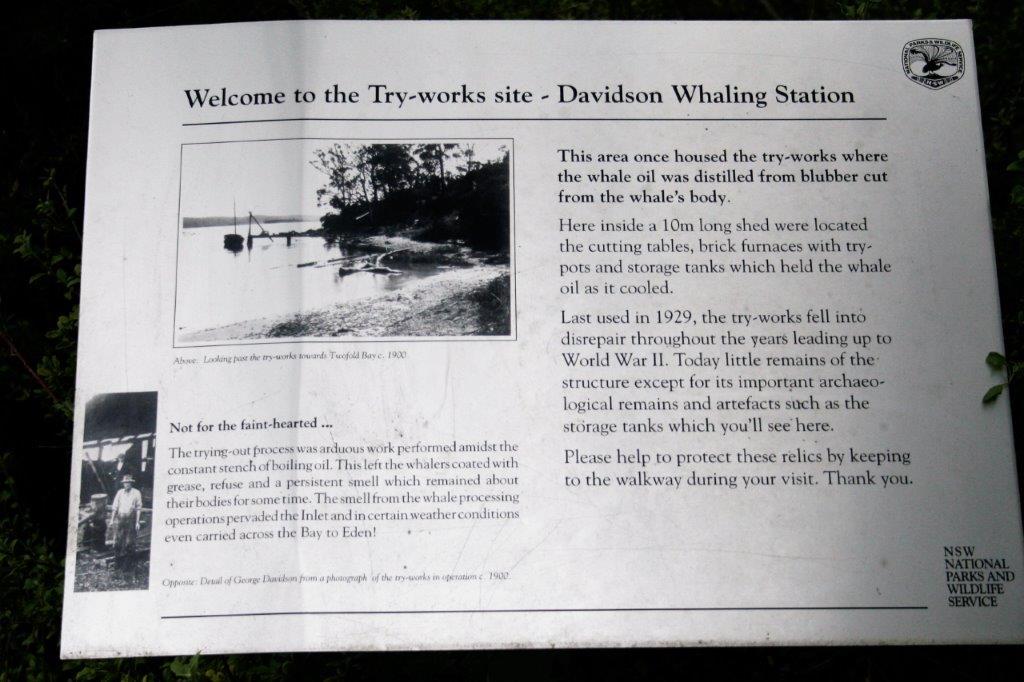
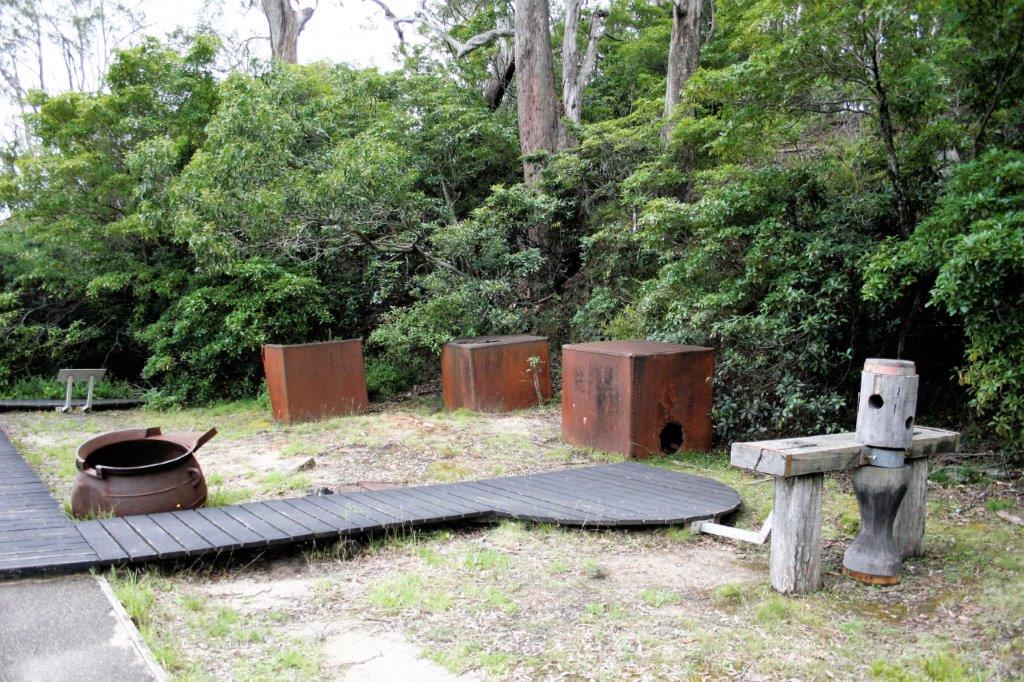
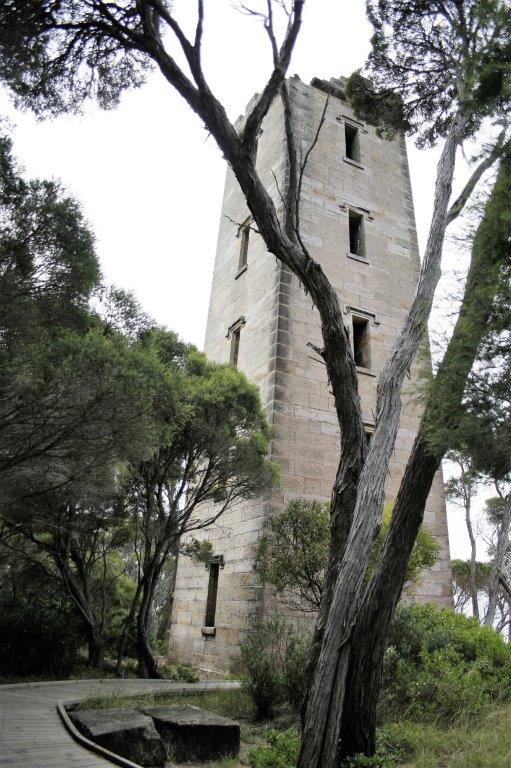
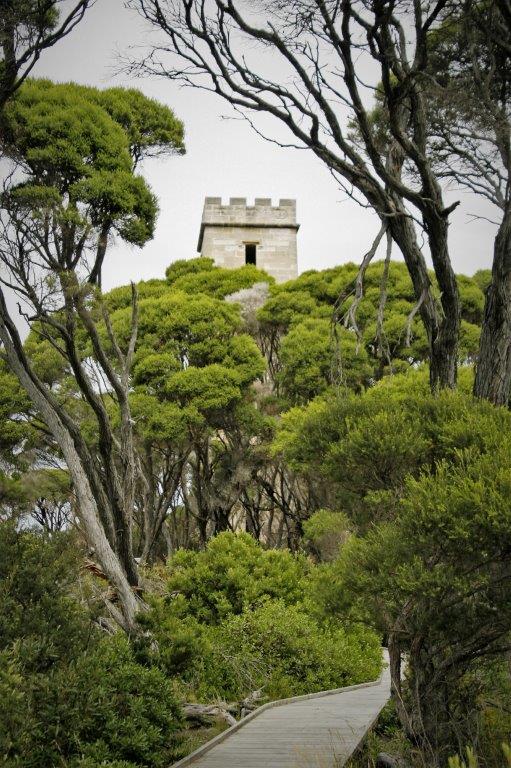
After we left the museum we drove to the site of the Davidson Whaling Station Park at Twofold Bay to see the restored old house and the Try Works where they boiled down the blubber to make oil to sell.  One whale would net about 500 pounds of oil.  Lovely Amaryllis blooming in the yard. A short distance up another fork in the road brought us to the path to Boyd Tower. Boyd was another of the Eden area whalers.  He had come from England to Australian with the intention of building an empire.  He became the largest land owner and business owner in the area within two or three years.  He designed and built an elaborate house (now a hotel), a town called Boydtown which was never finished but still exists (although we must have missed the turn-off or something because we didn’t find it), and Boyd Tower.The tower was built of sandstone brought at great expense from Sydney.  Boyd intended the tower to be a lighthouse to prevent the loss of any of his ships,  however the government did not approve the tower as a suitable lighthouse so it was only lit three times as a temporary light while awaiting the official approval that did not come.  The tower became a lookout post for the whalers.  It was never completed inside.

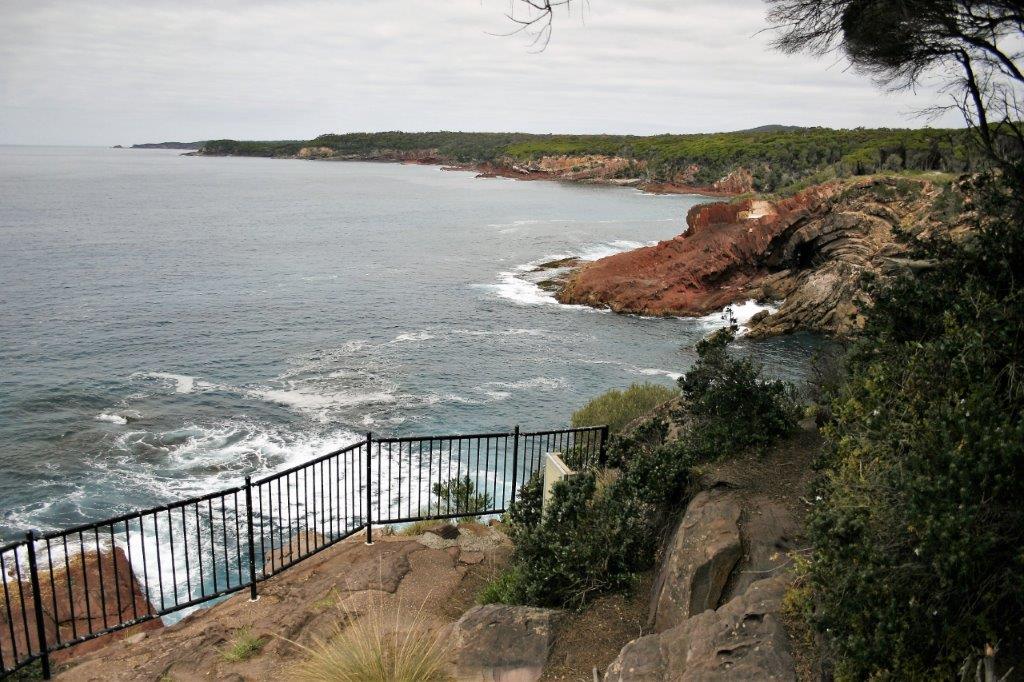
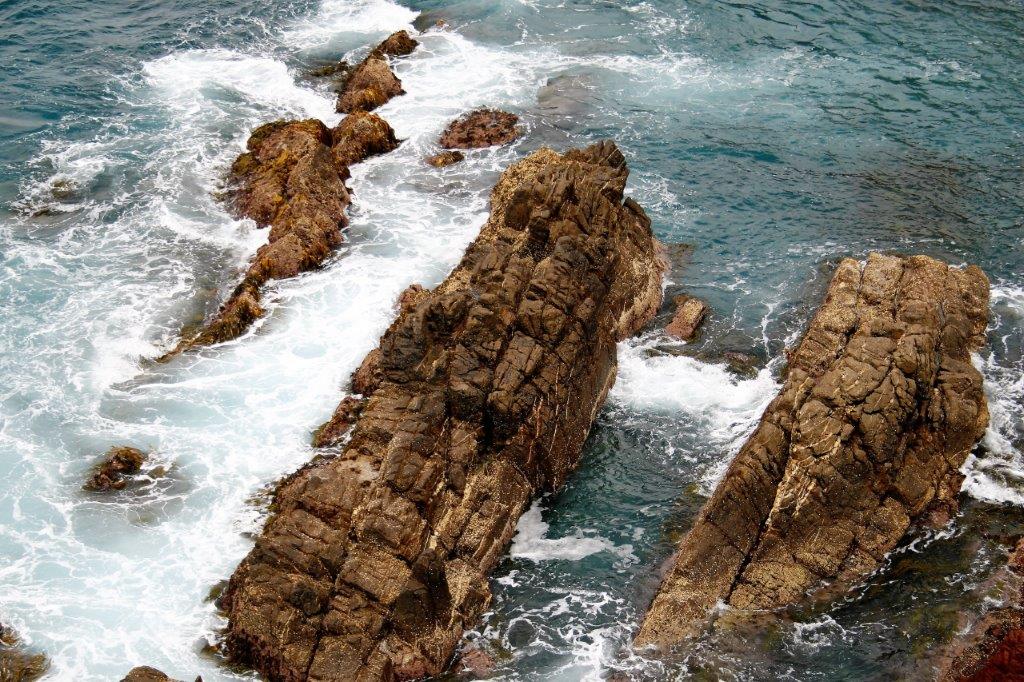
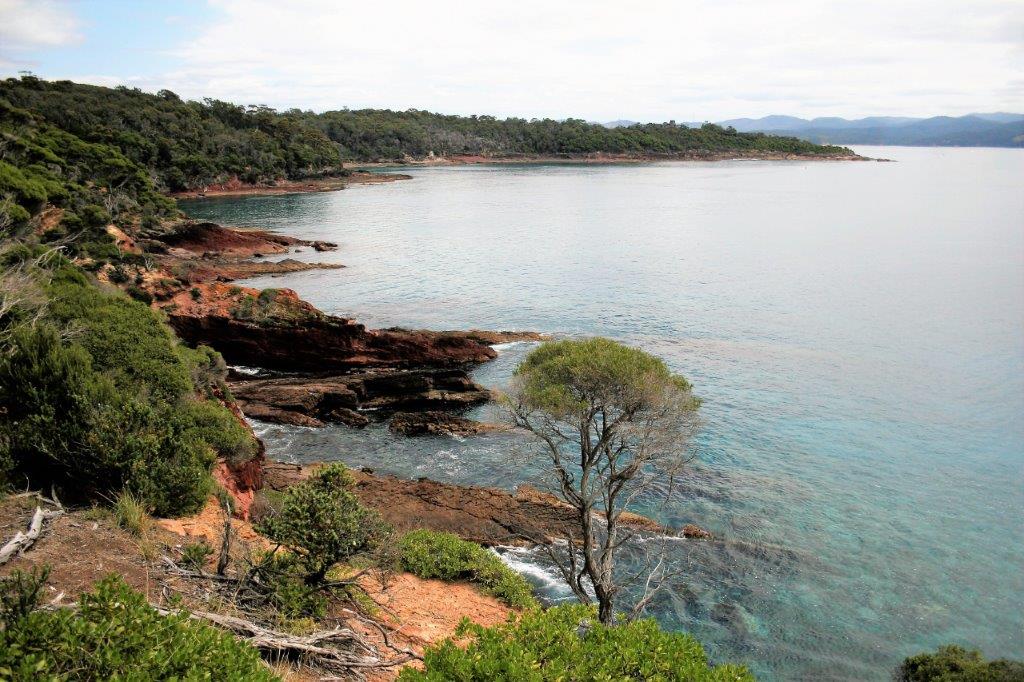
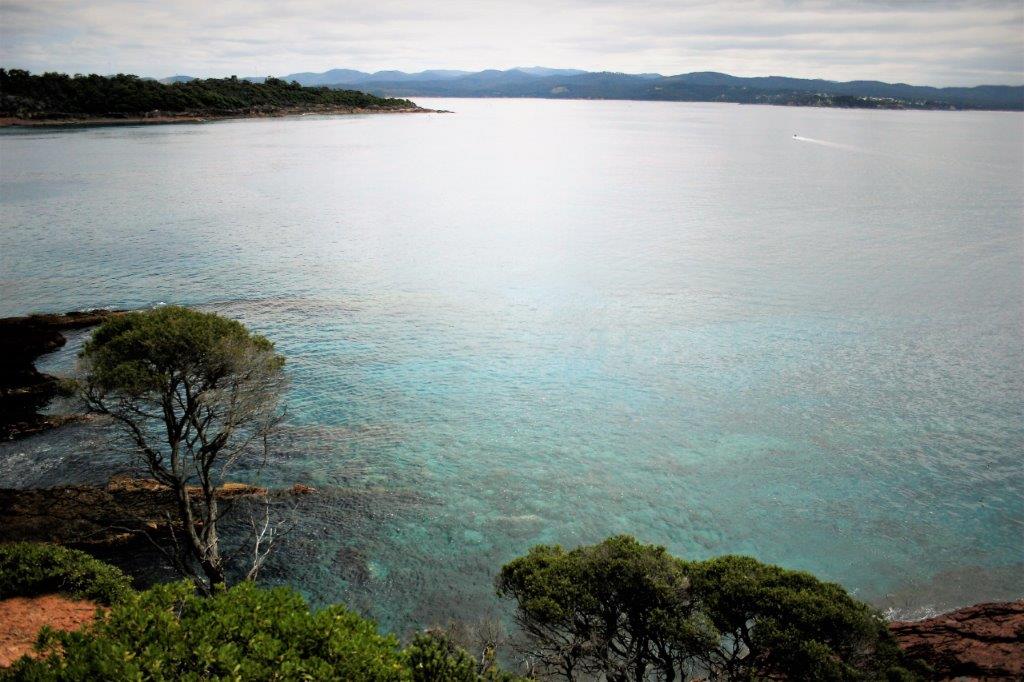
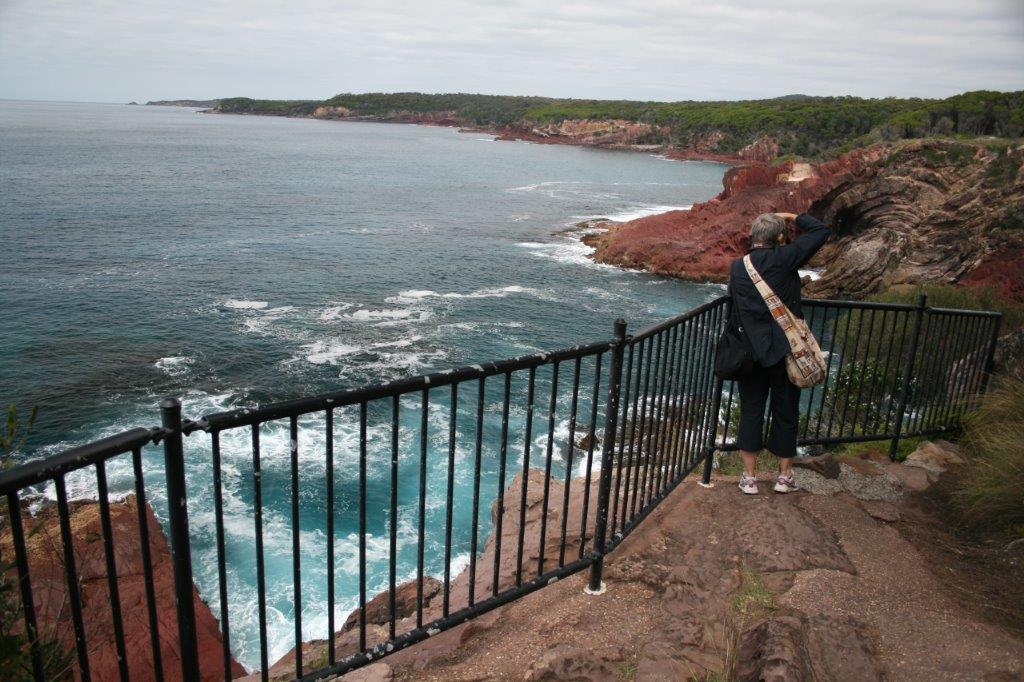
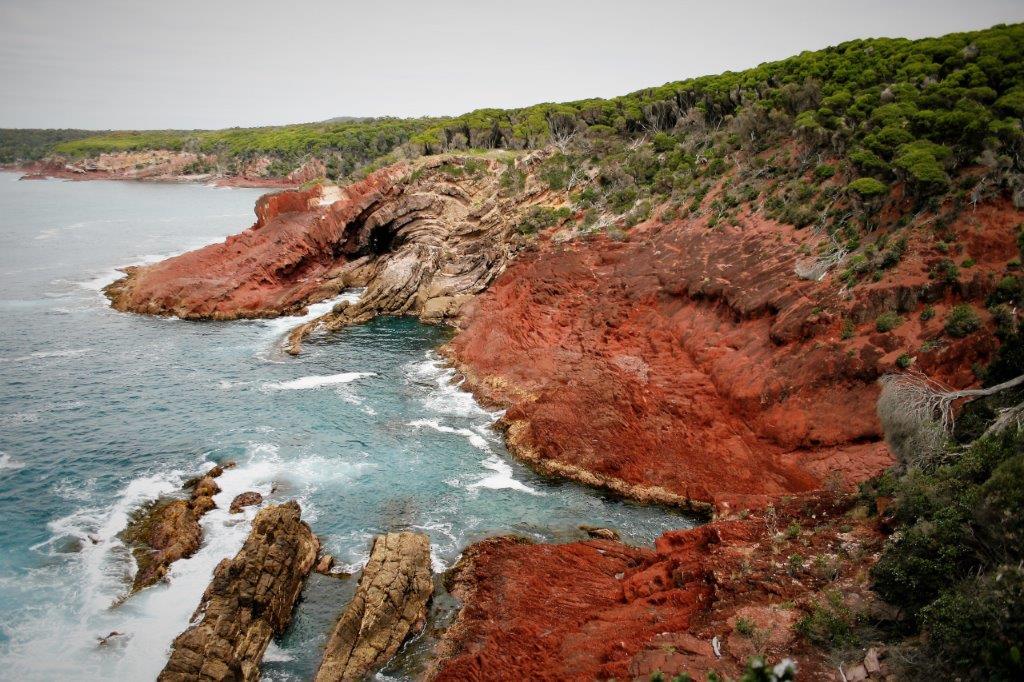
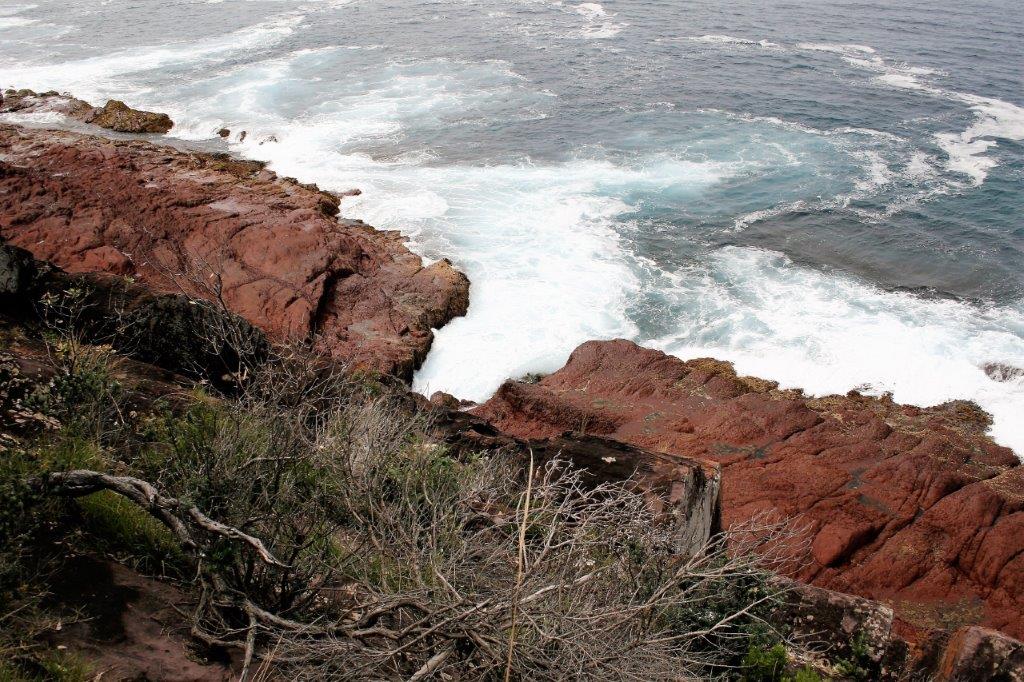
The shore at Boyd Tower had some spectacular red rocks being constantly crashed by big waves. Twofold Bay

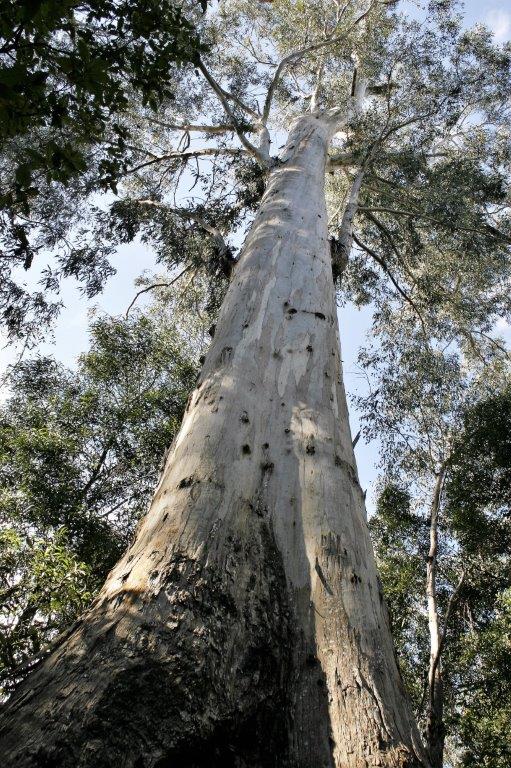
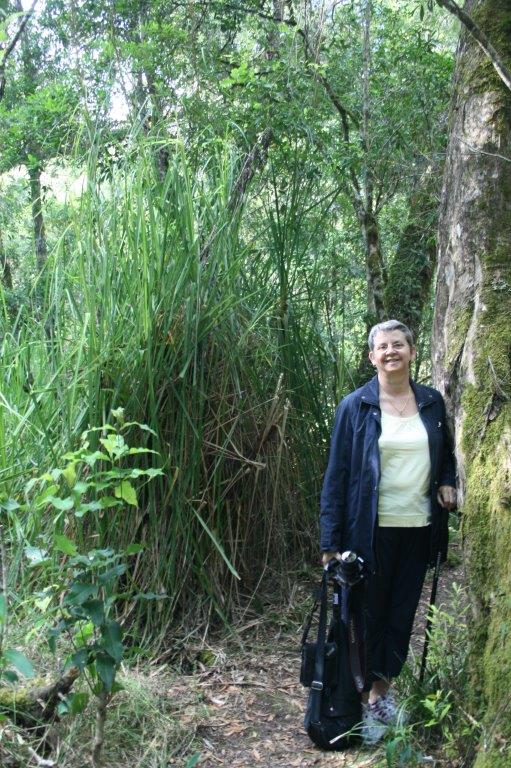
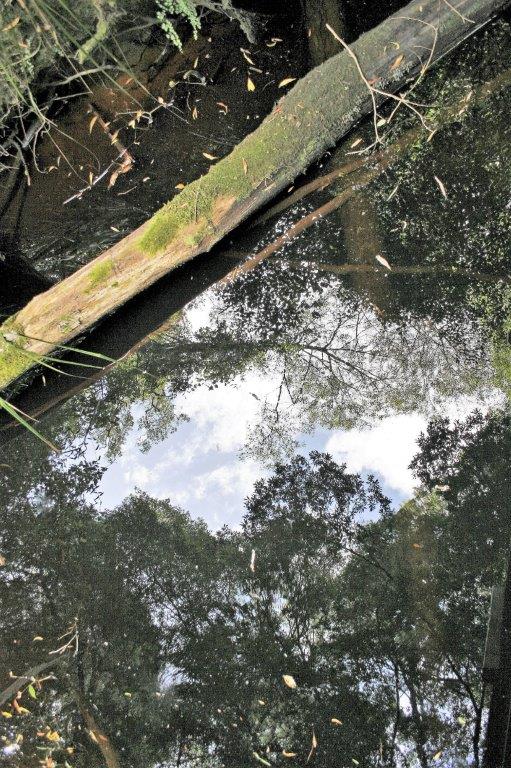
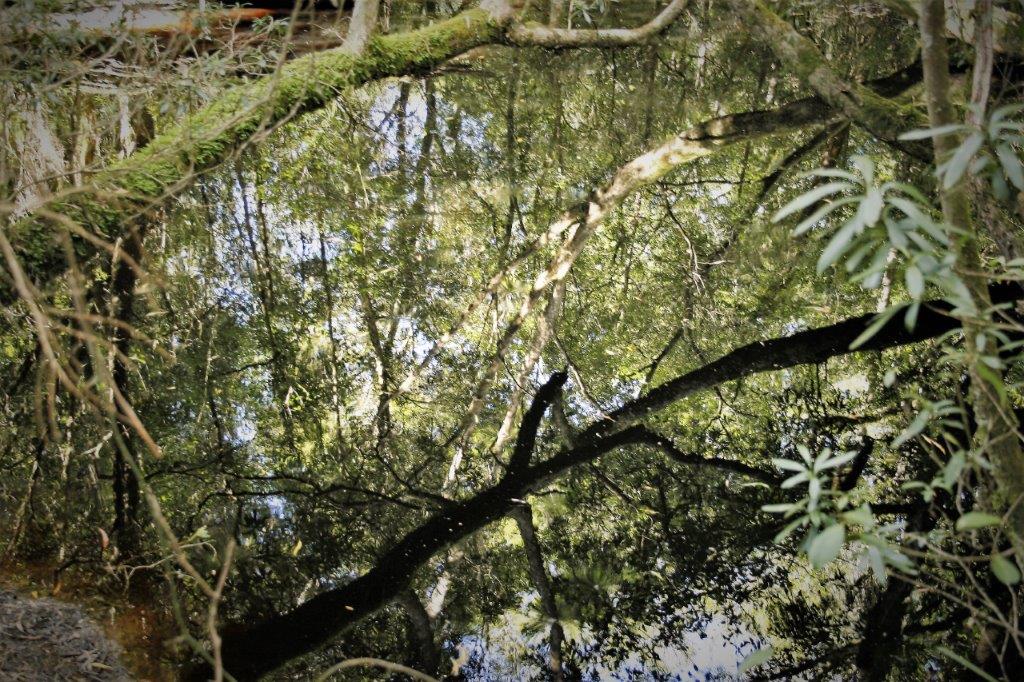
As we continued down the coast we stopped to do the Drummer Rainforest Walk through a eucalyptus grove.  In Australia eucalyptus are called Gum Trees and they are huge!  Eucalyptus are the tallest flowering trees in the world: only the California Redwood, which is a conifer, is a larger tree. Very mossy, lush vegetation reflecting in the pool.

We stopped at Orbost for the night after travelling about 200 km.  Chalk up another great day down under.

2011 March 1 – Day 55 – Queanbeyan to Eden, Australia

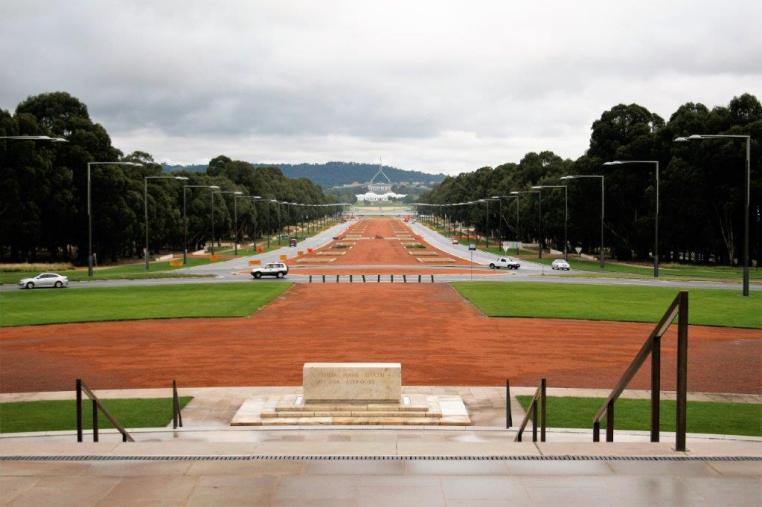
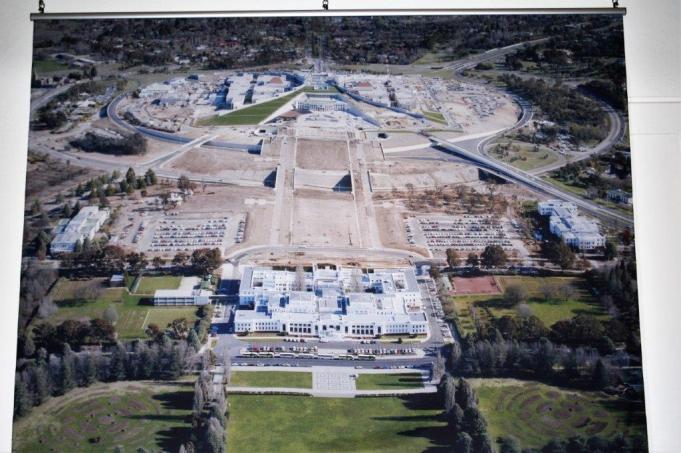
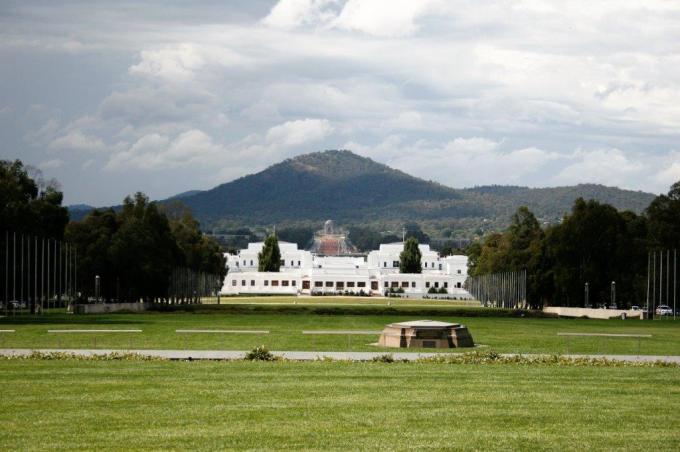
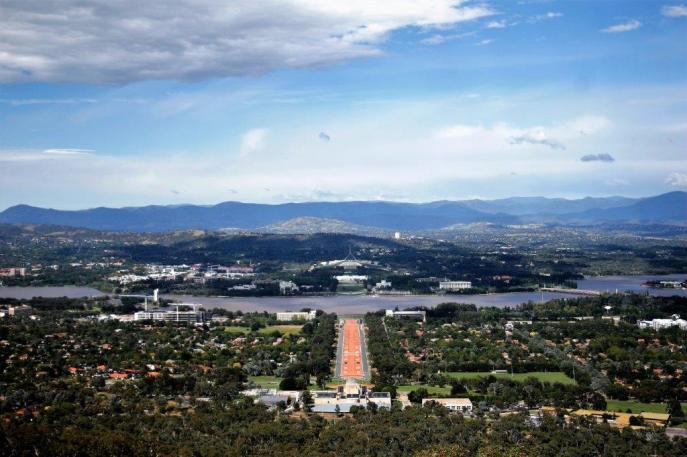
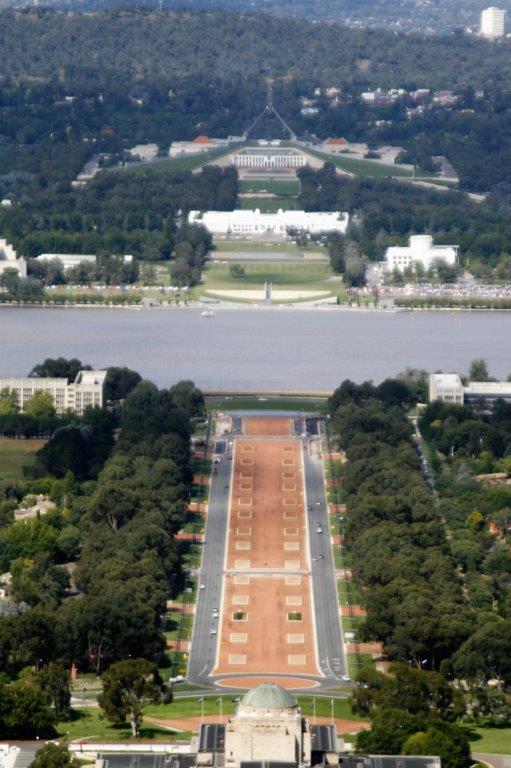
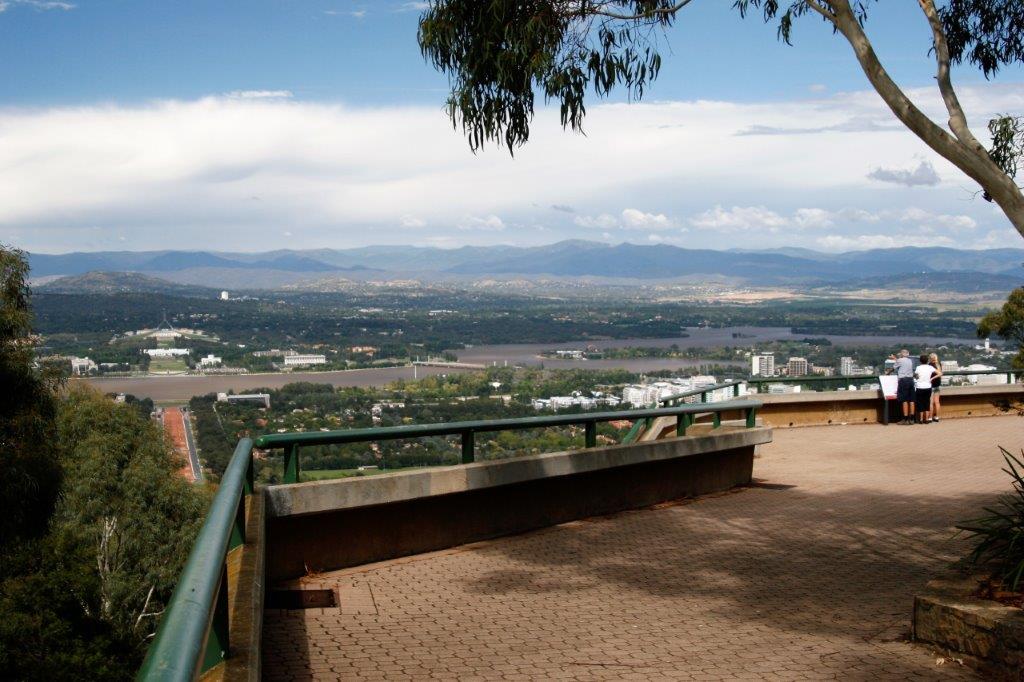
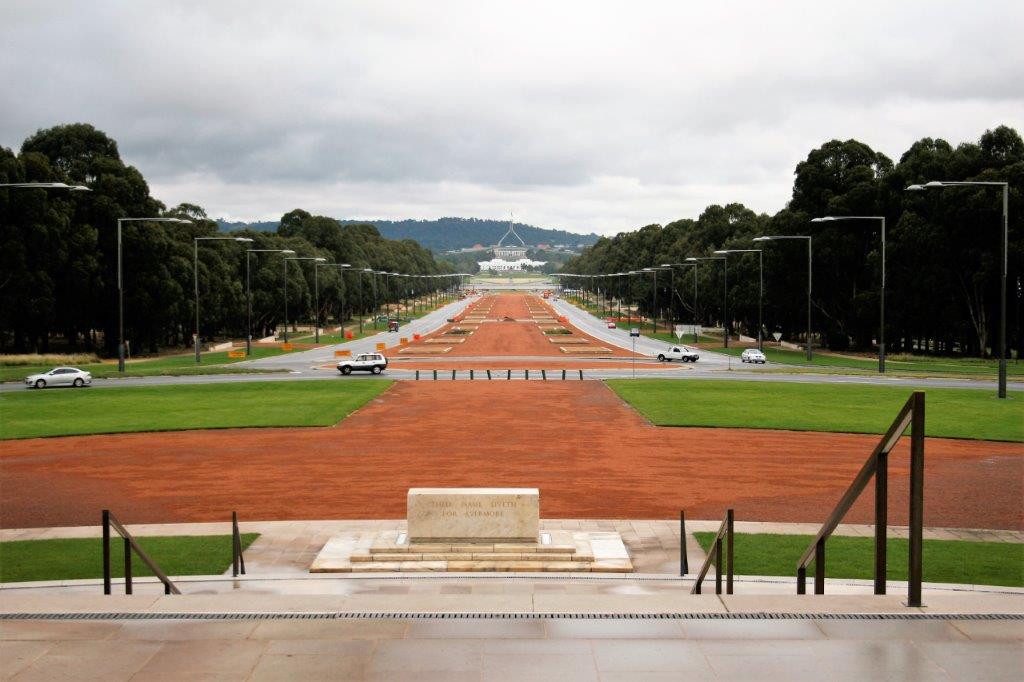
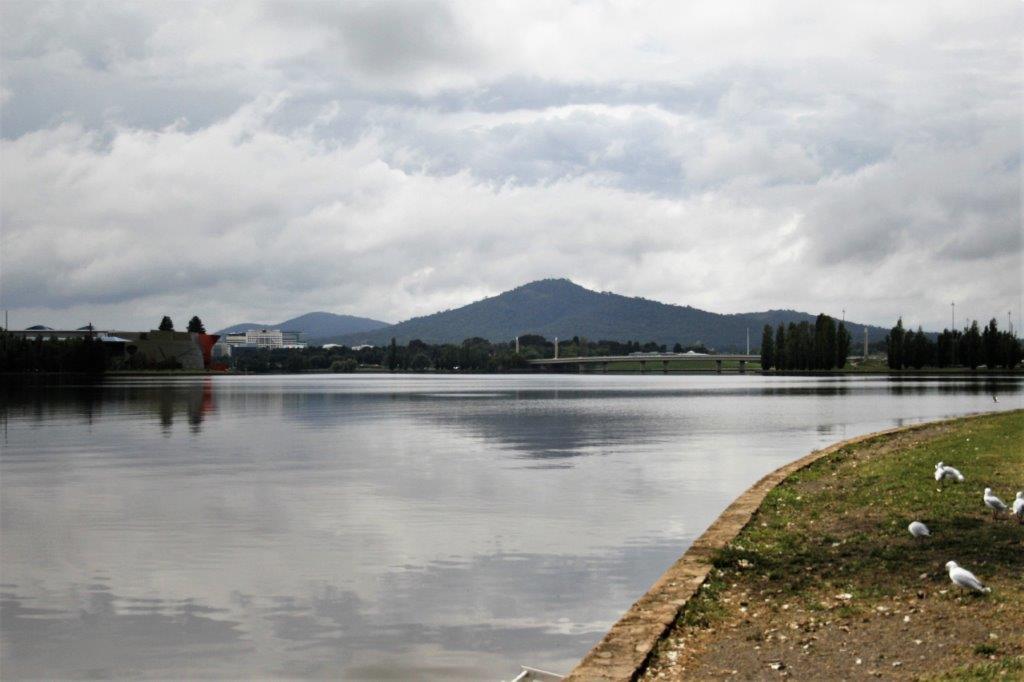
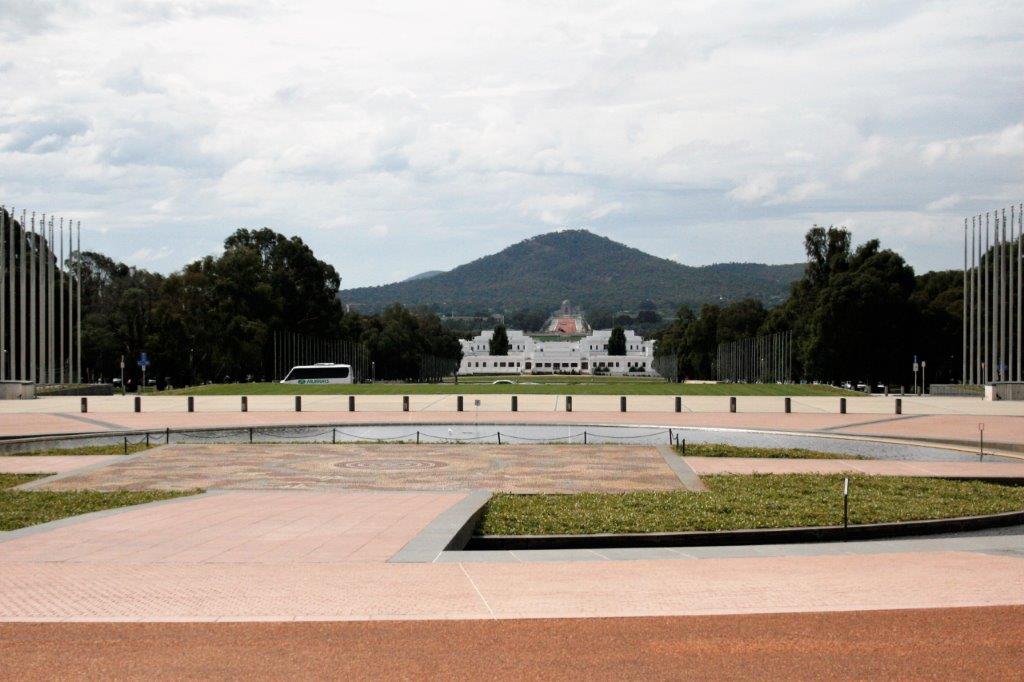
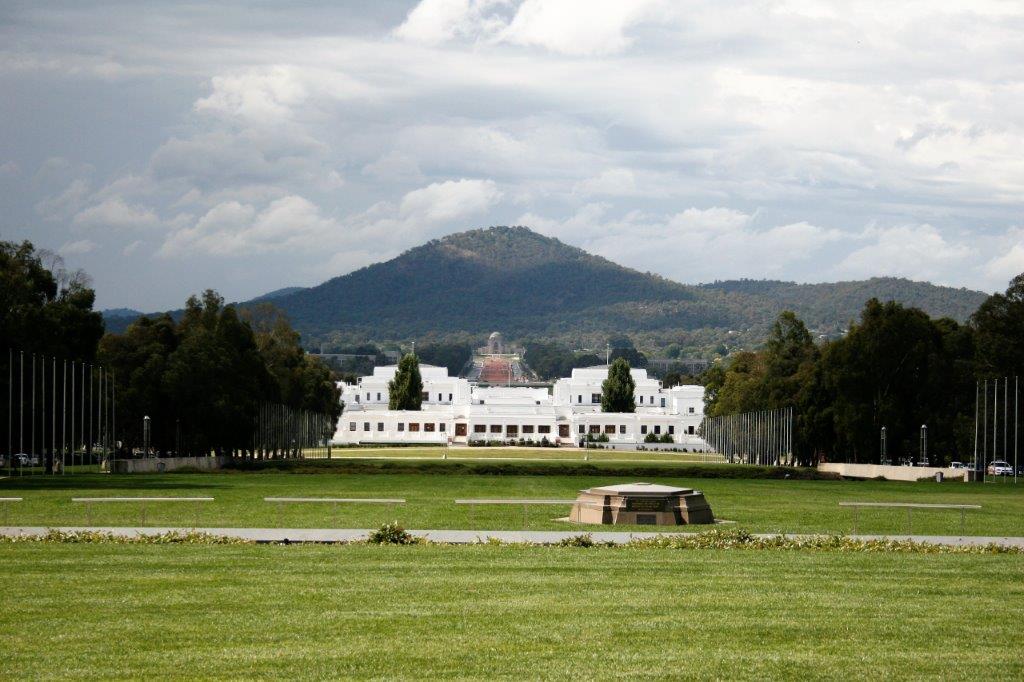
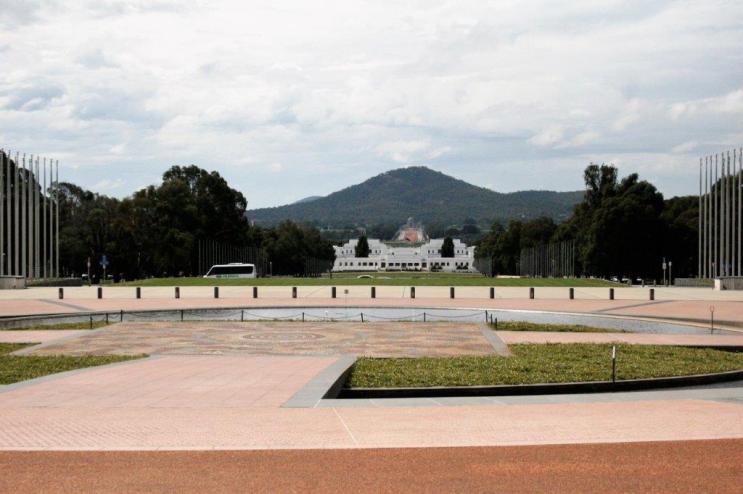
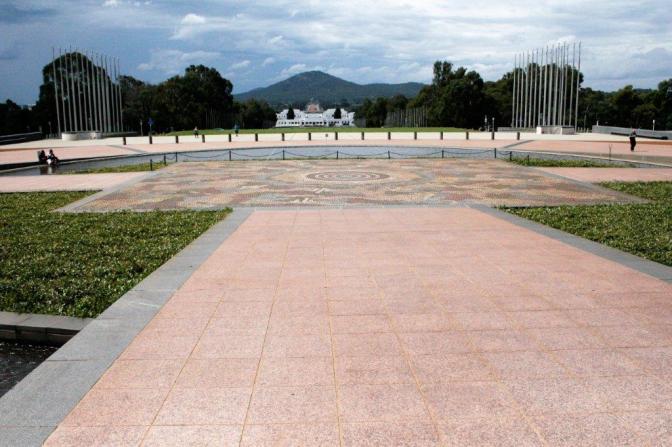
We woke to a beautiful sunny day so after we had breakfast and checked out of our hotel we drove back up to Mt. Ainslie to see the view we were denied the day before.  And it was definitely worth the trip, with a lovely sight line straight down the Anzac Parade route from the War Memorial to both Houses of Parliament.

We left Queanbeyan at 11:15, stopped for a picnic lunch along the way down the mountain and arrived at Batemans Bay at 1:15. The road to Canberra may only be 130 km but it is certainly not a fast road; steep and winding.  There is a direct route west out of Sydney that will take you to Canberra in about an hour, but we used the southern route inland from the coast.

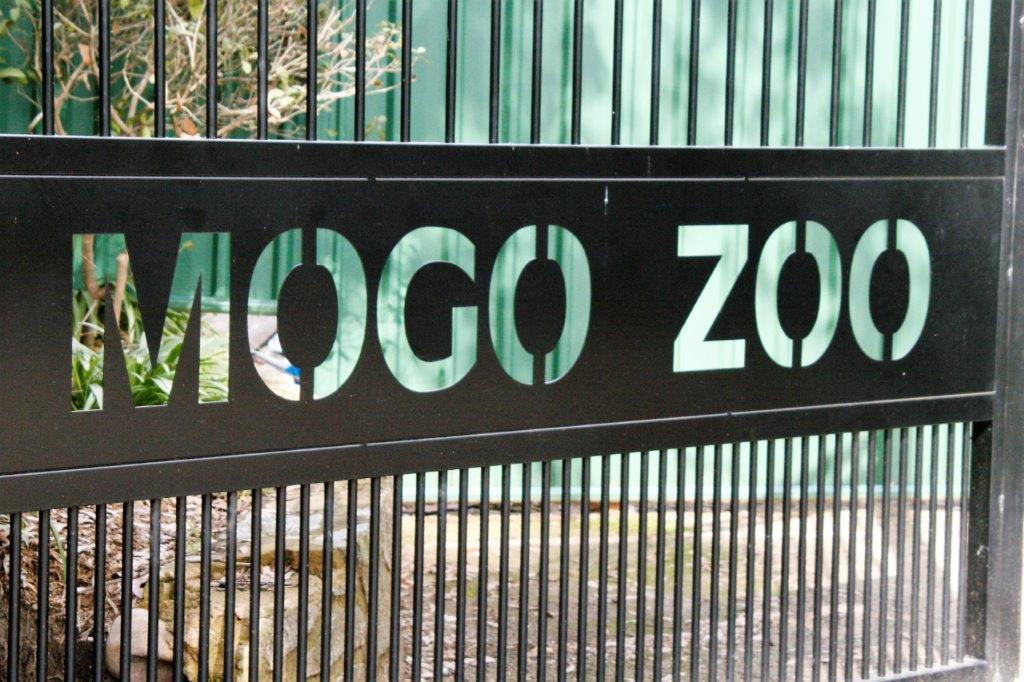
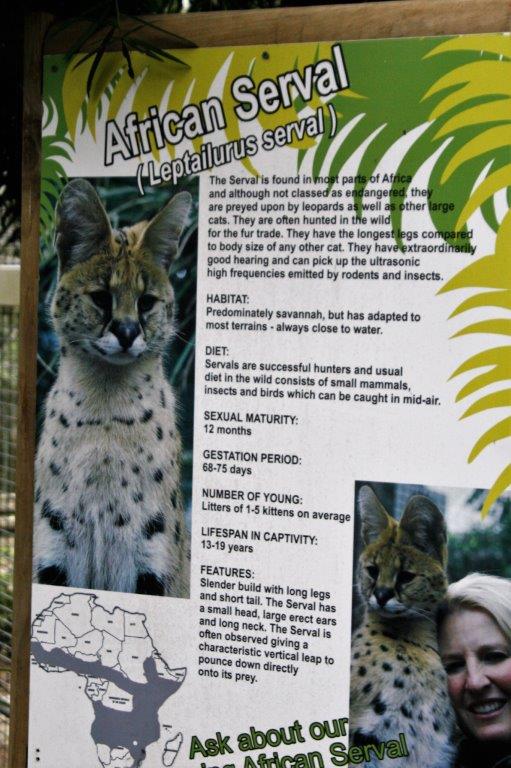
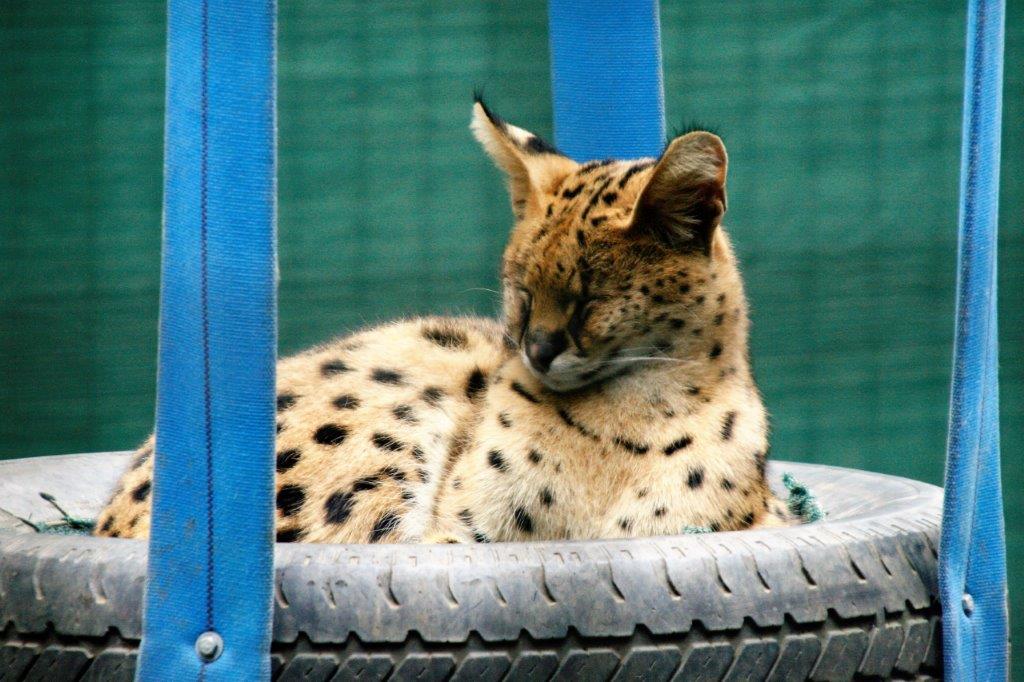
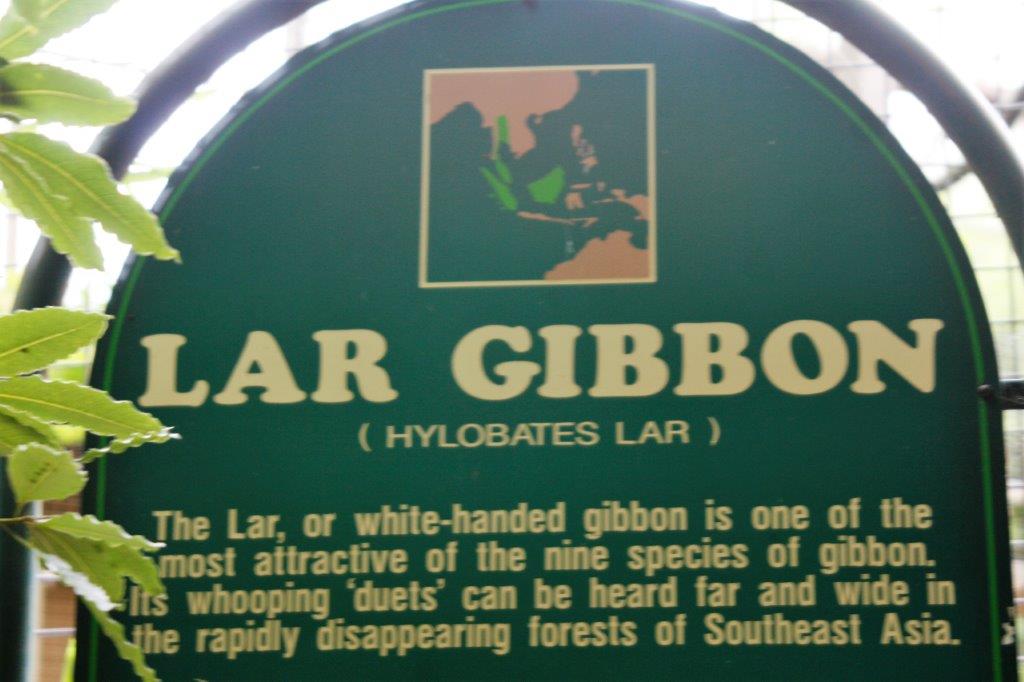
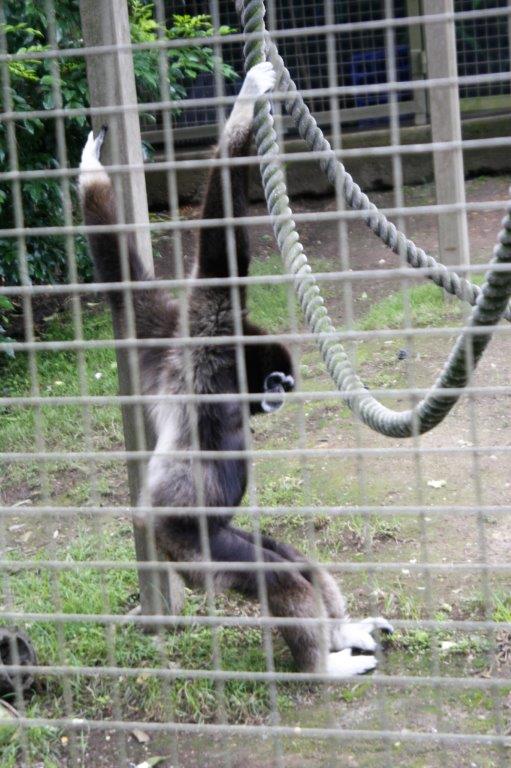
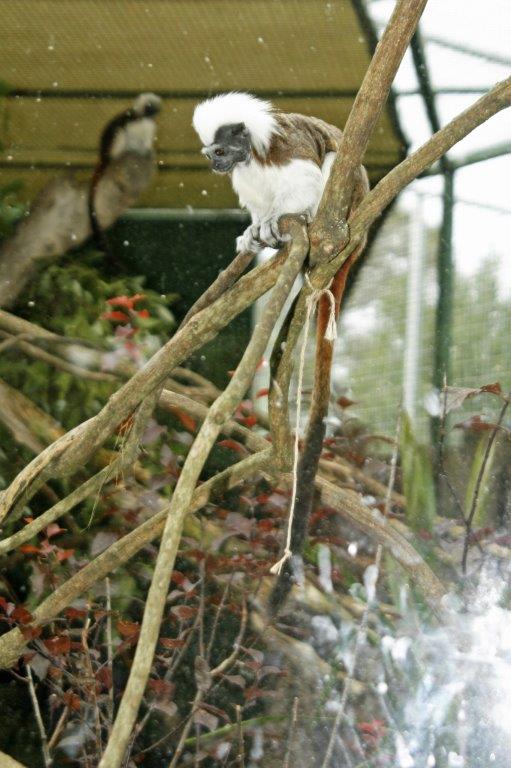
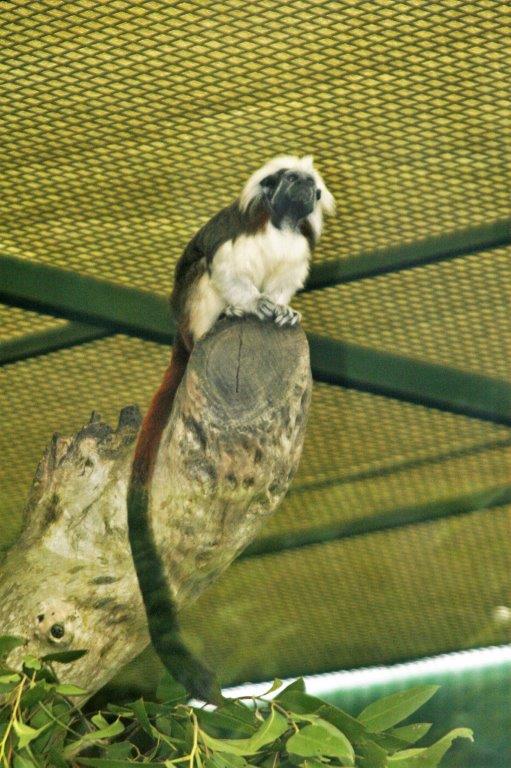
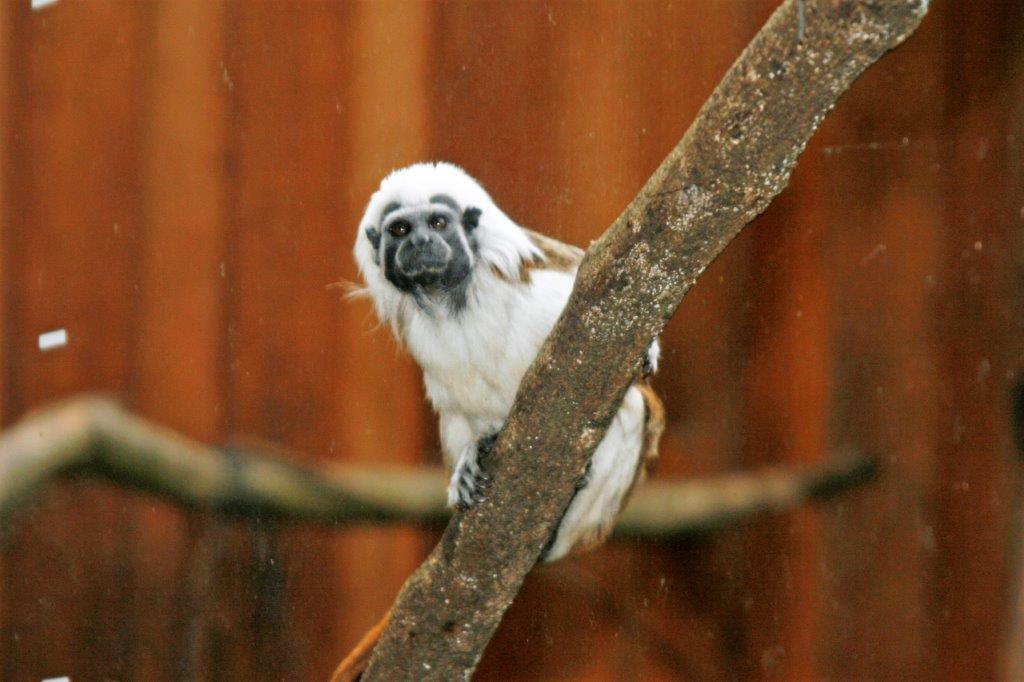
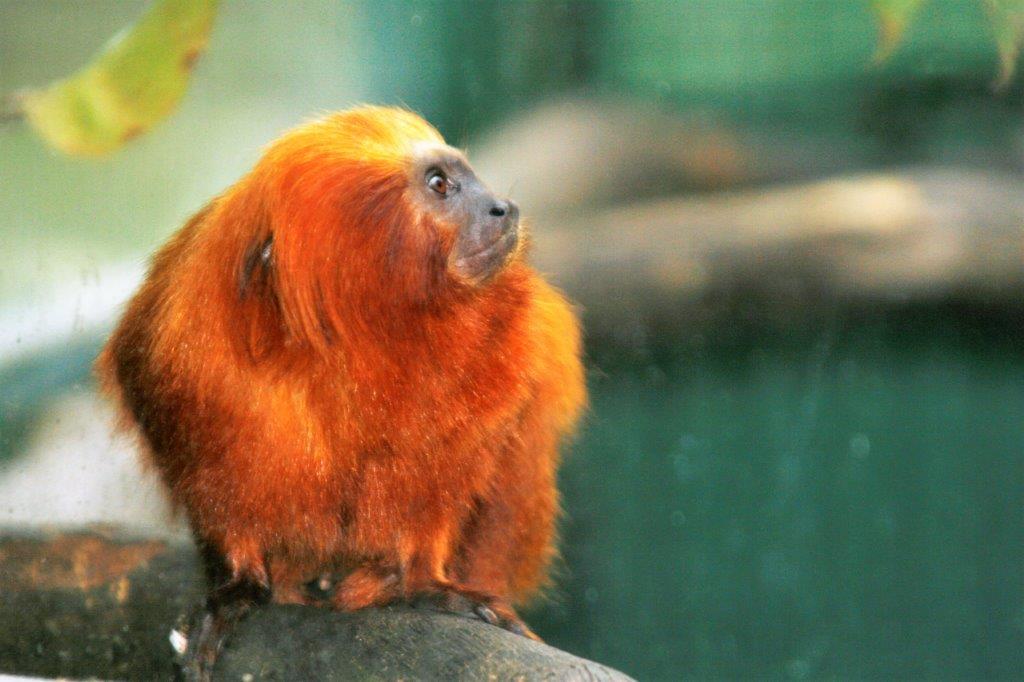
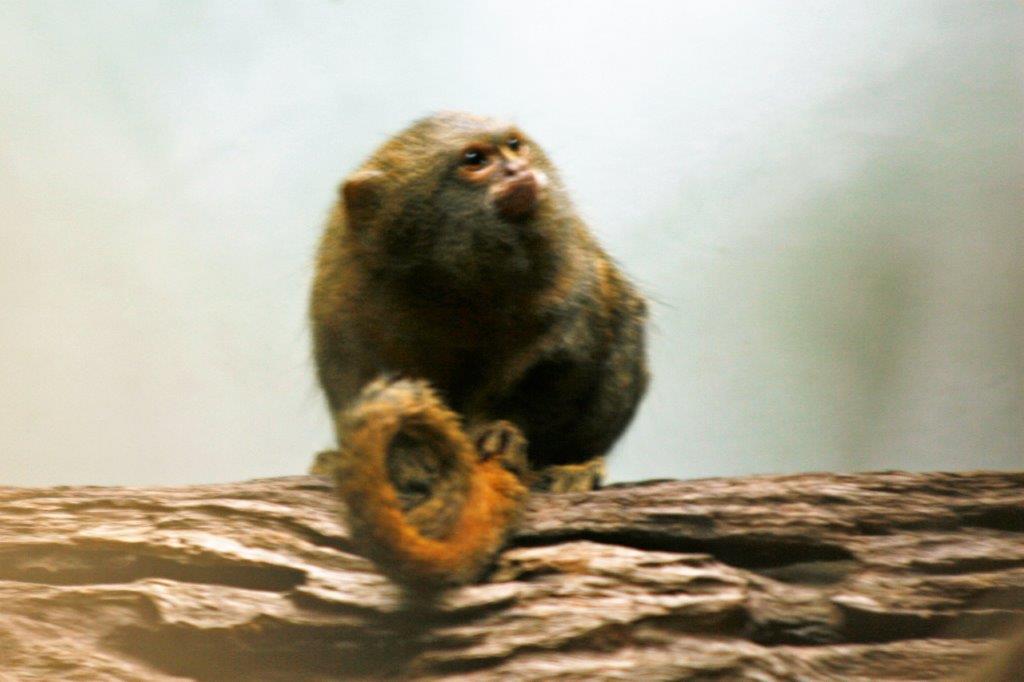
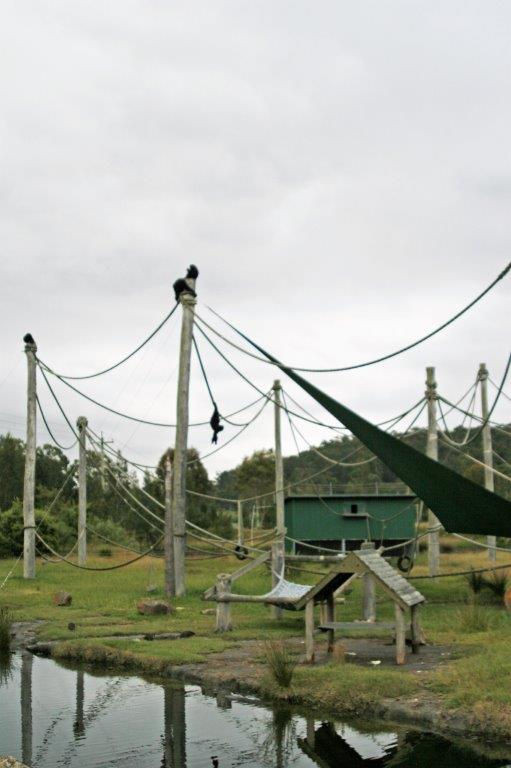
From Batemans Bay we continued on our way west along the coast road and stopped at Mogo where there is a zoo for endangered animals and primates.We spent most of the afternoon there.  It was an awesome place; the animals all had large, natural enclosures, there were ropes and nets for the primates to climb, and lots of space for the critters.  Cottontop Tamarin

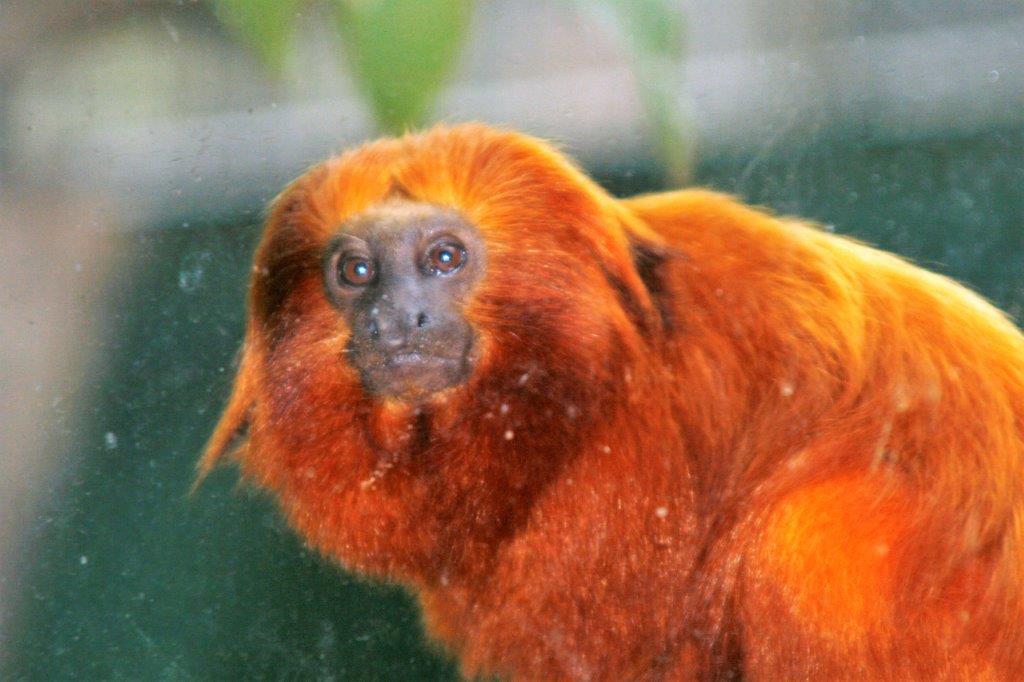
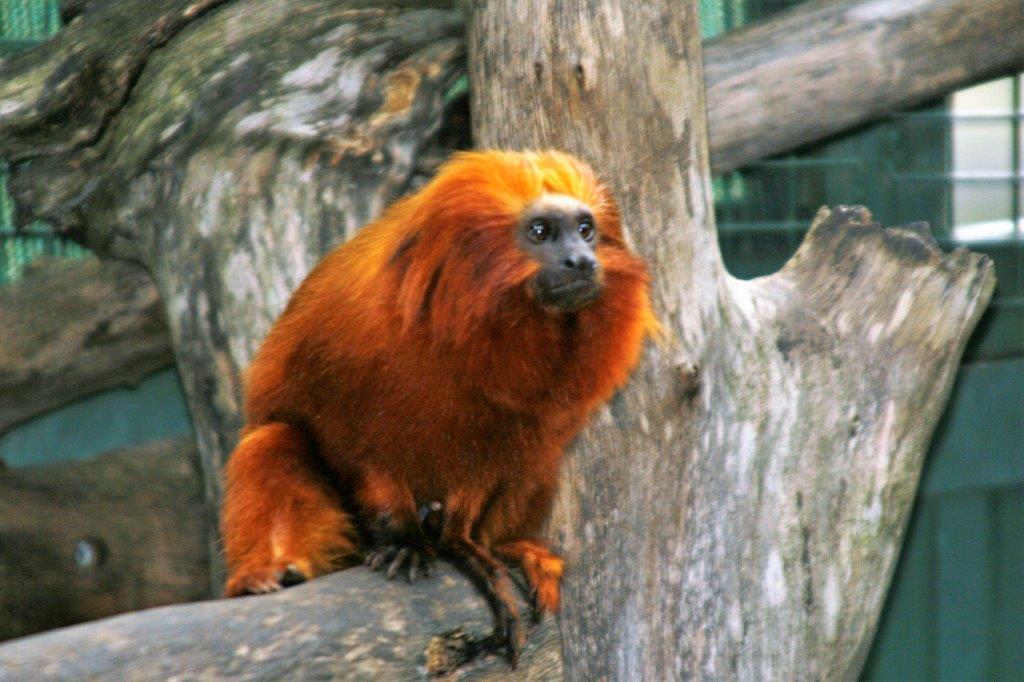
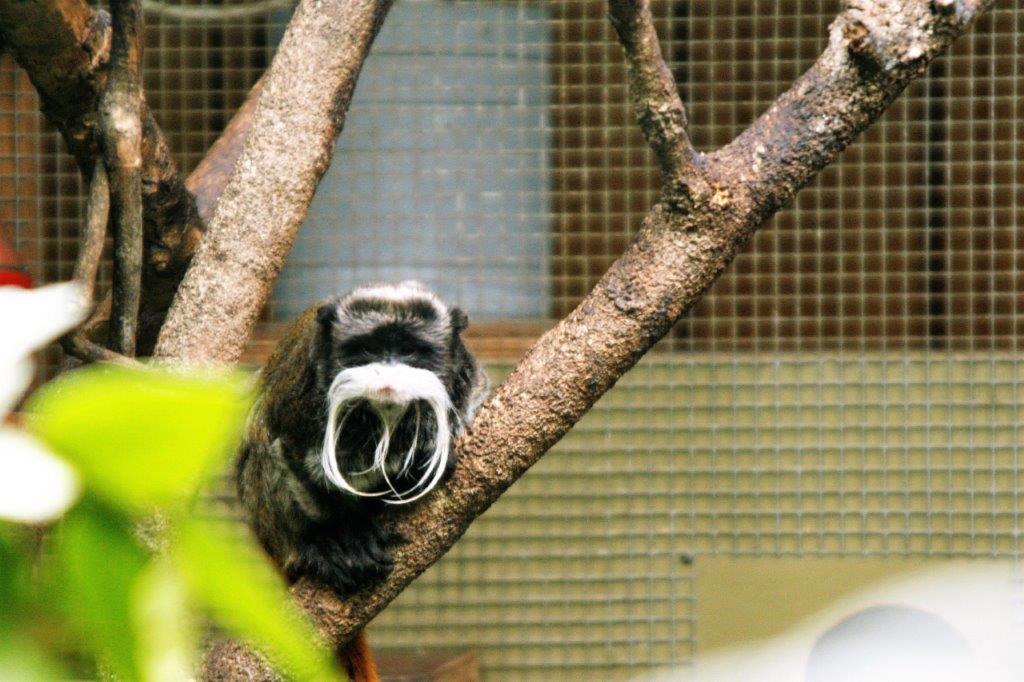
Golden Lion TamarinEmperor Tamarin

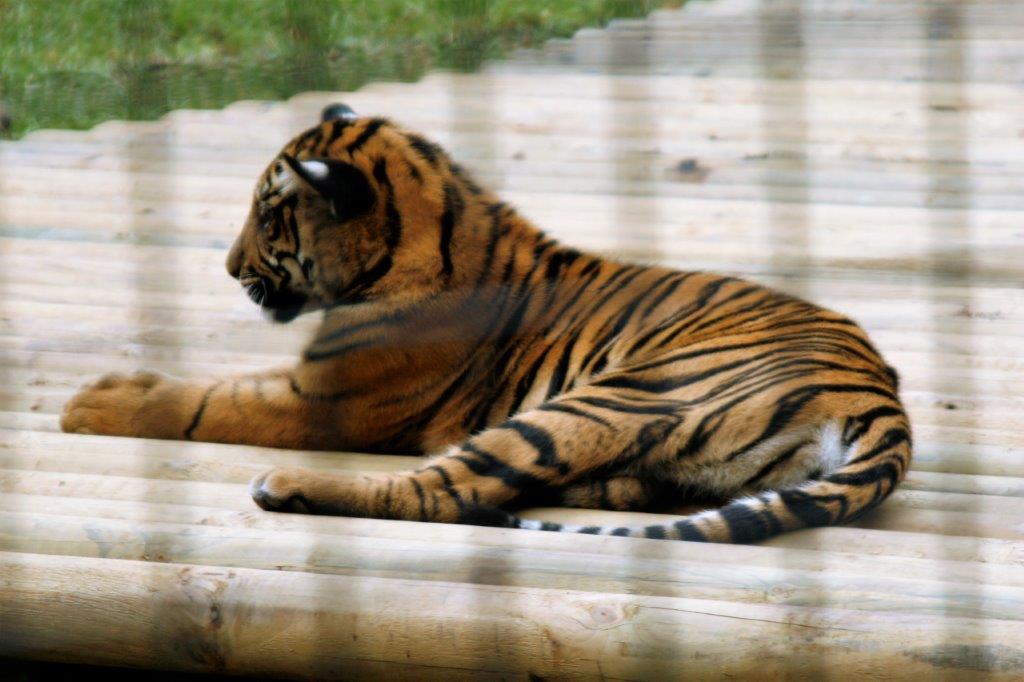
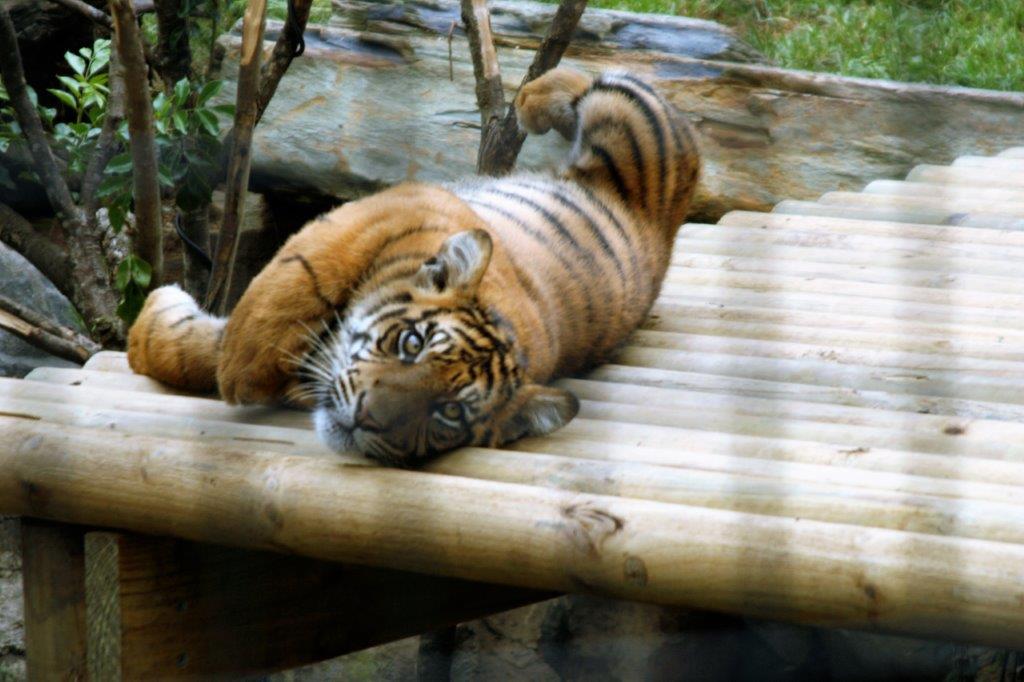
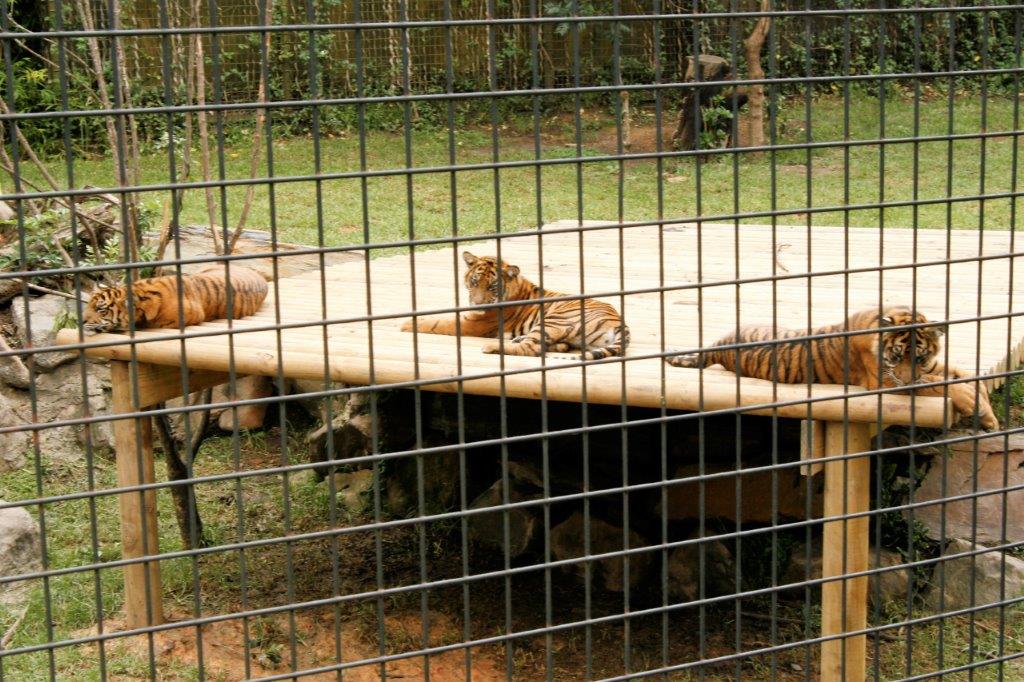
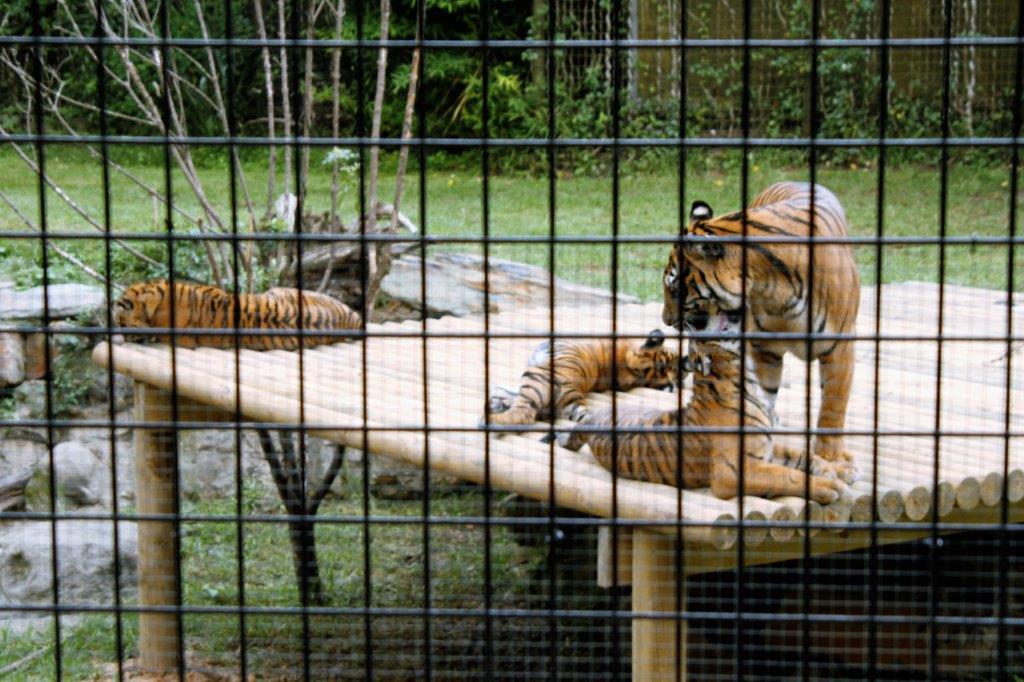
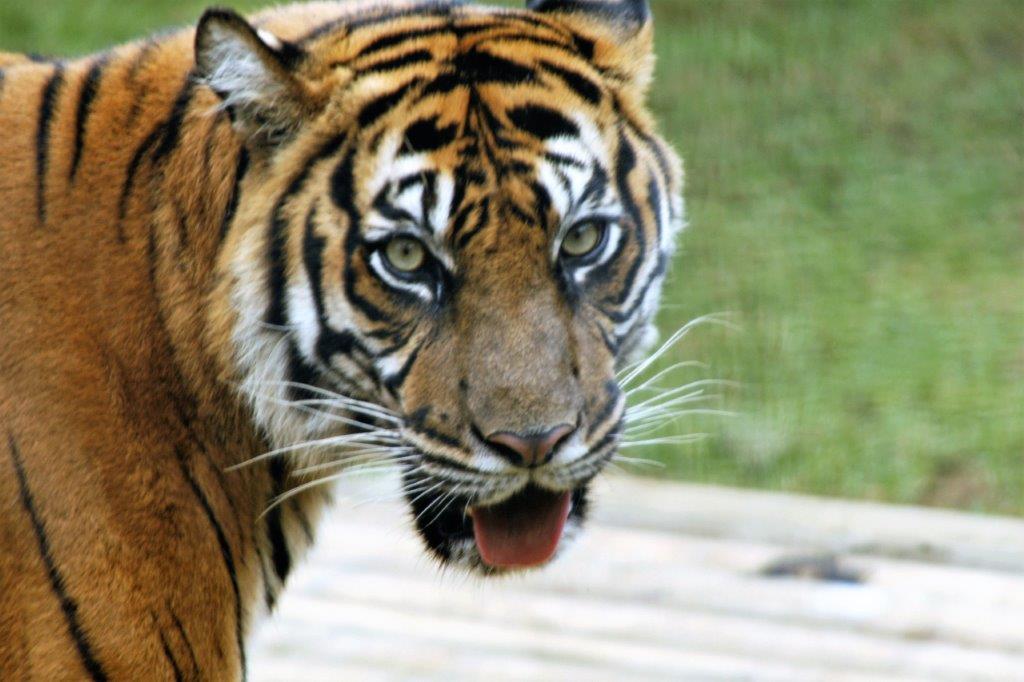
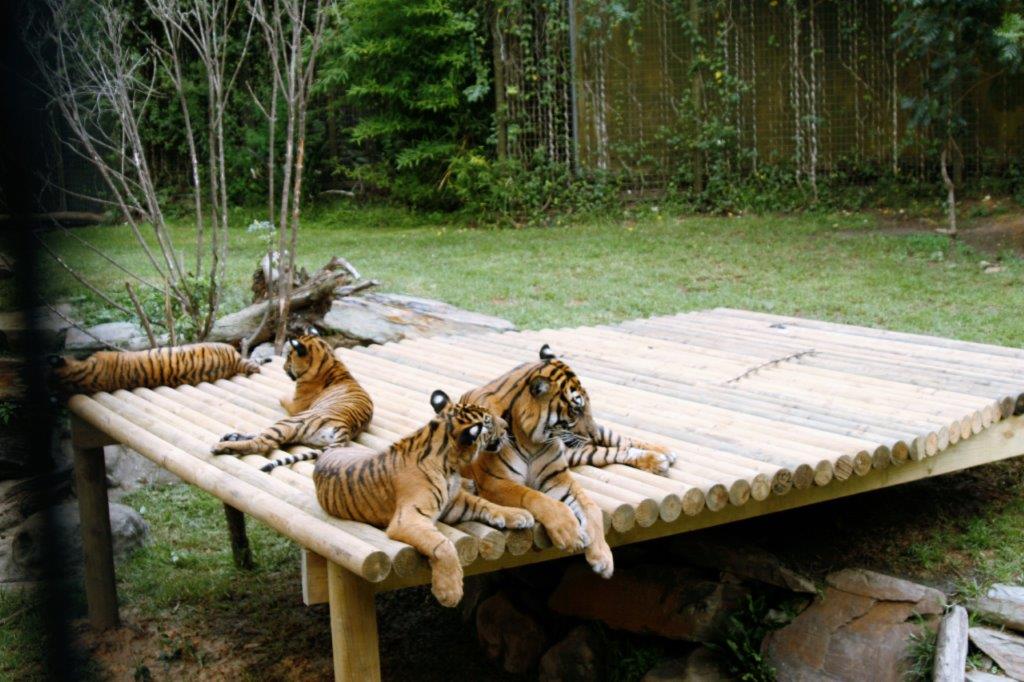
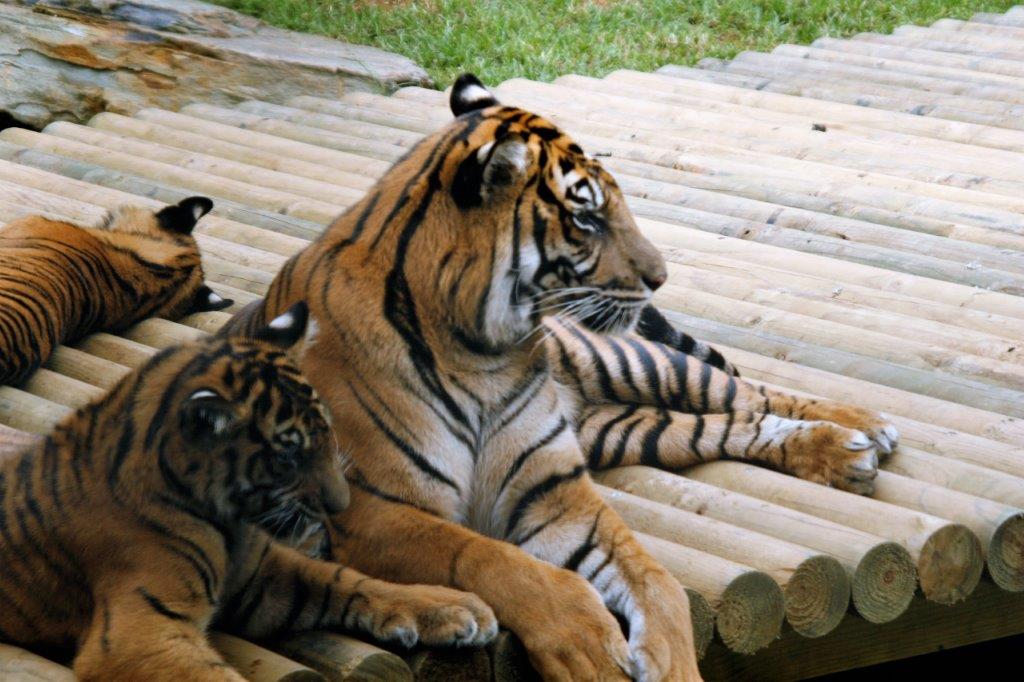
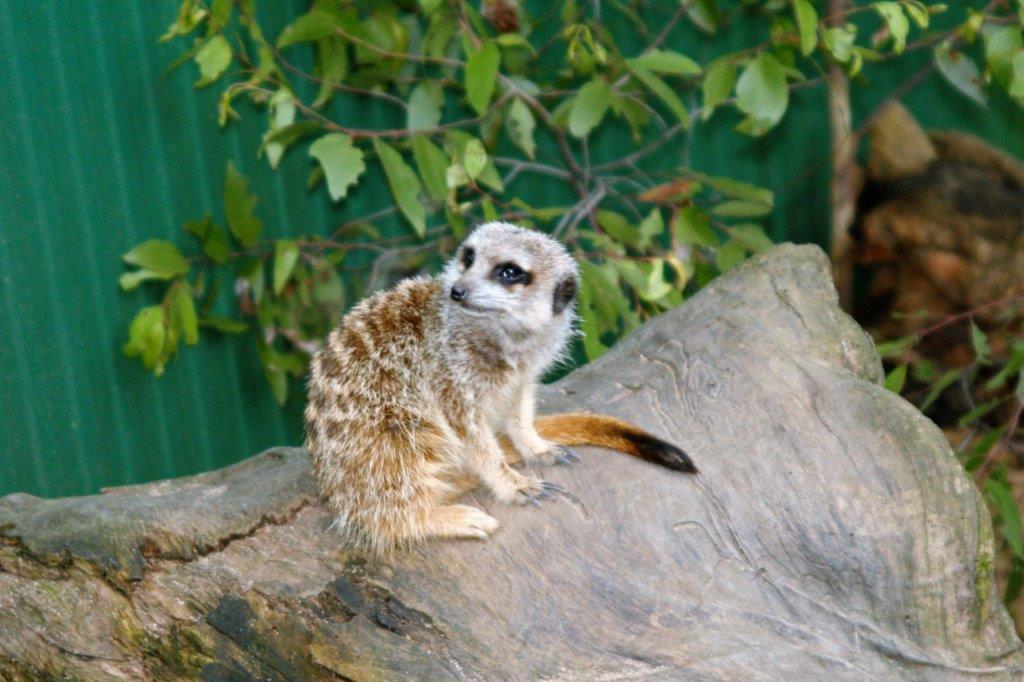
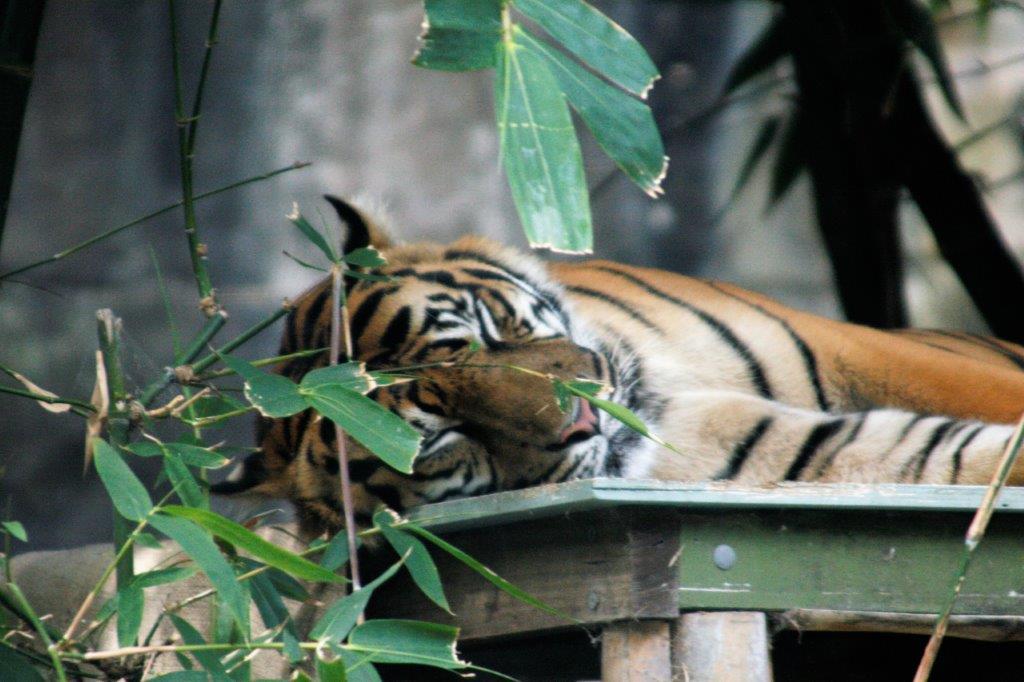
The Sumatran Tiger gave birth to triplet cubs in August 2010 so they were not even a year old when we saw them. Meerkat

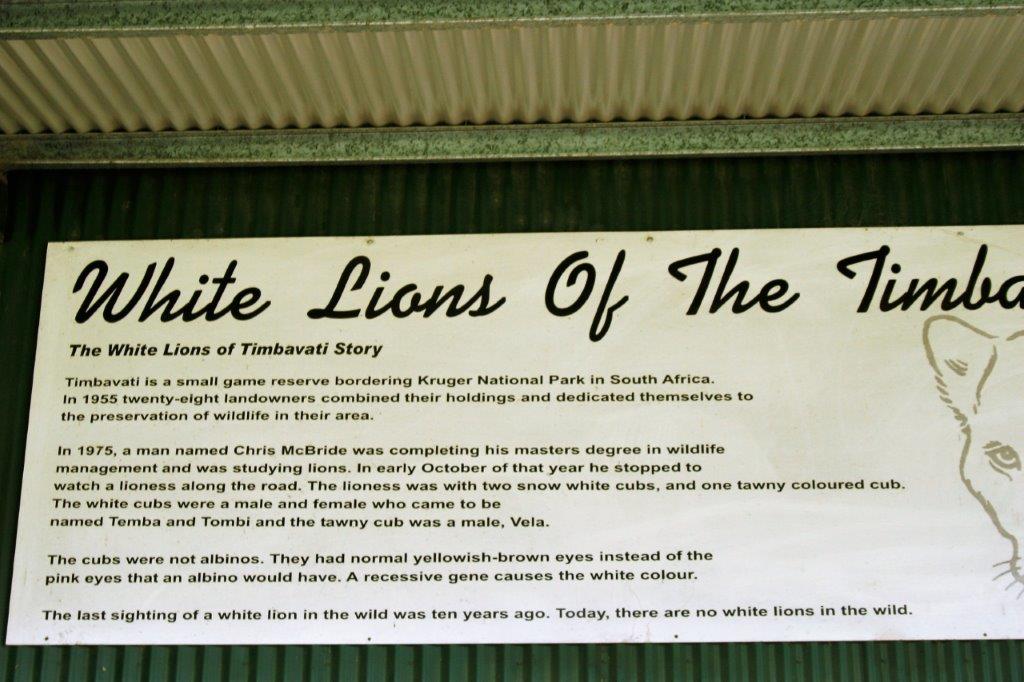
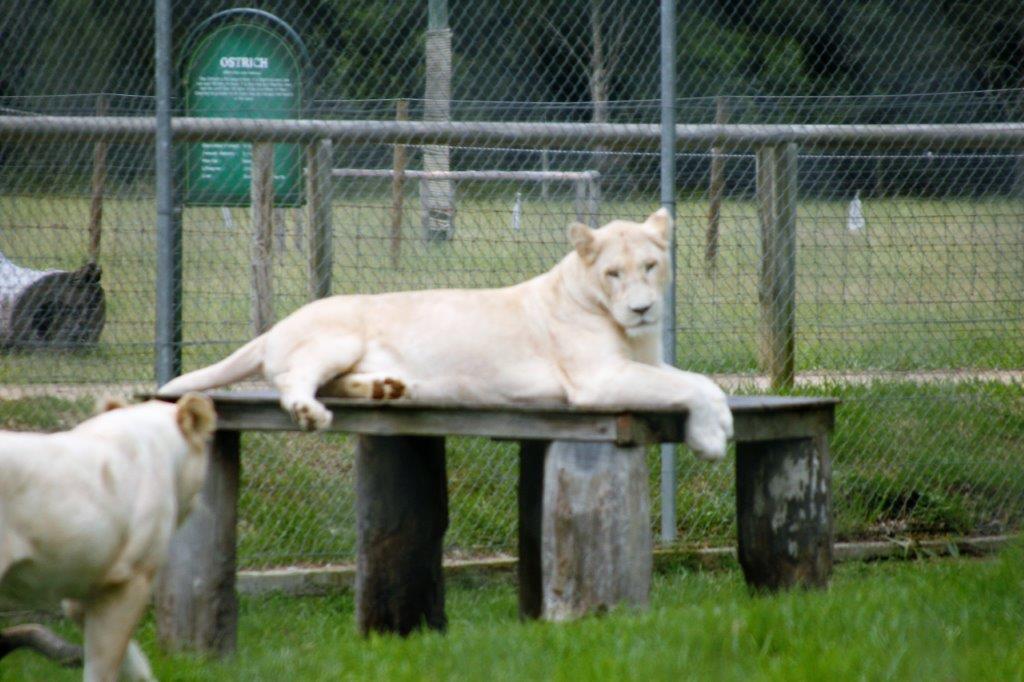
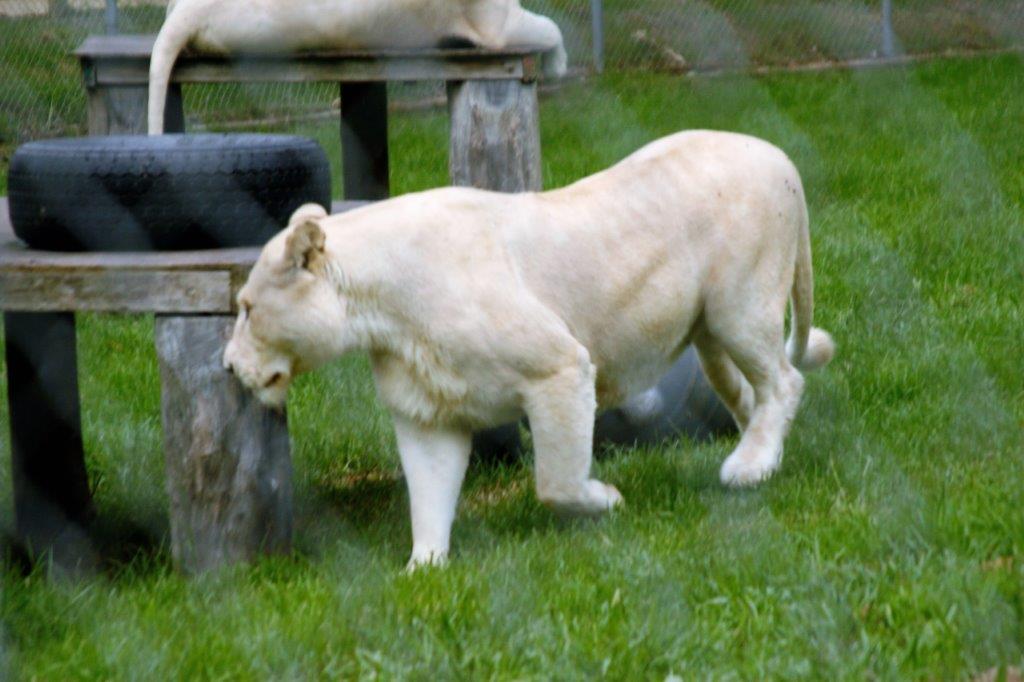
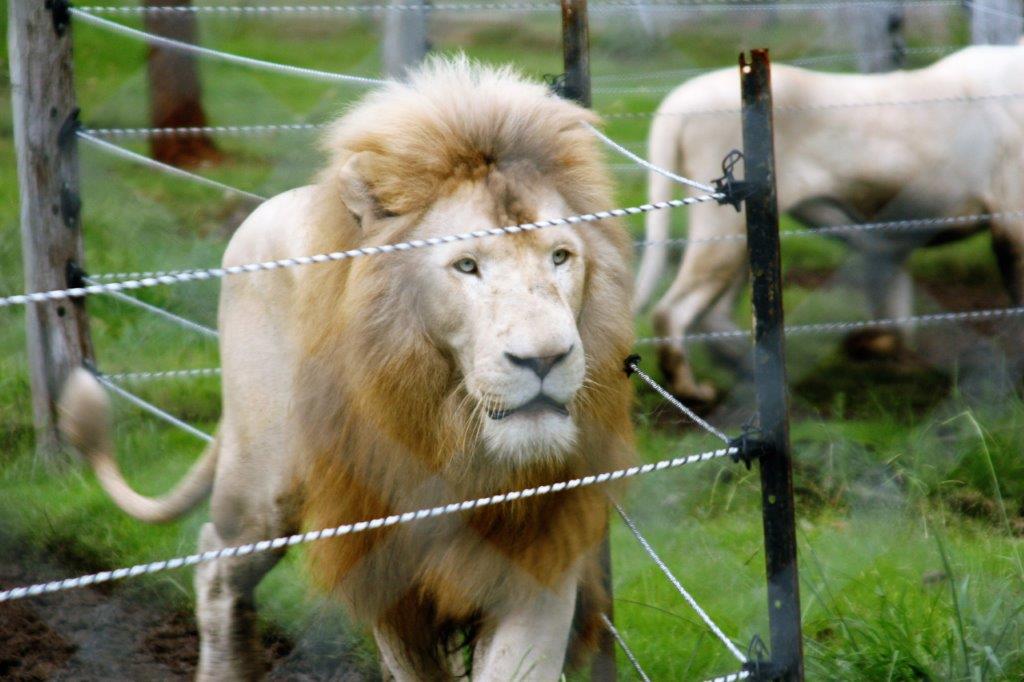
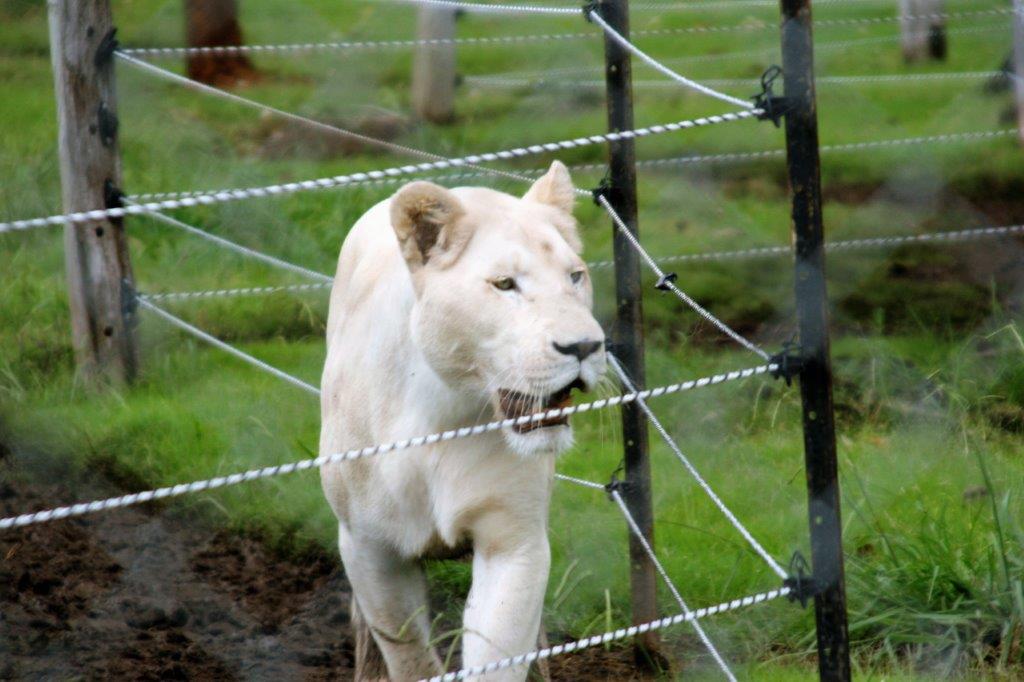
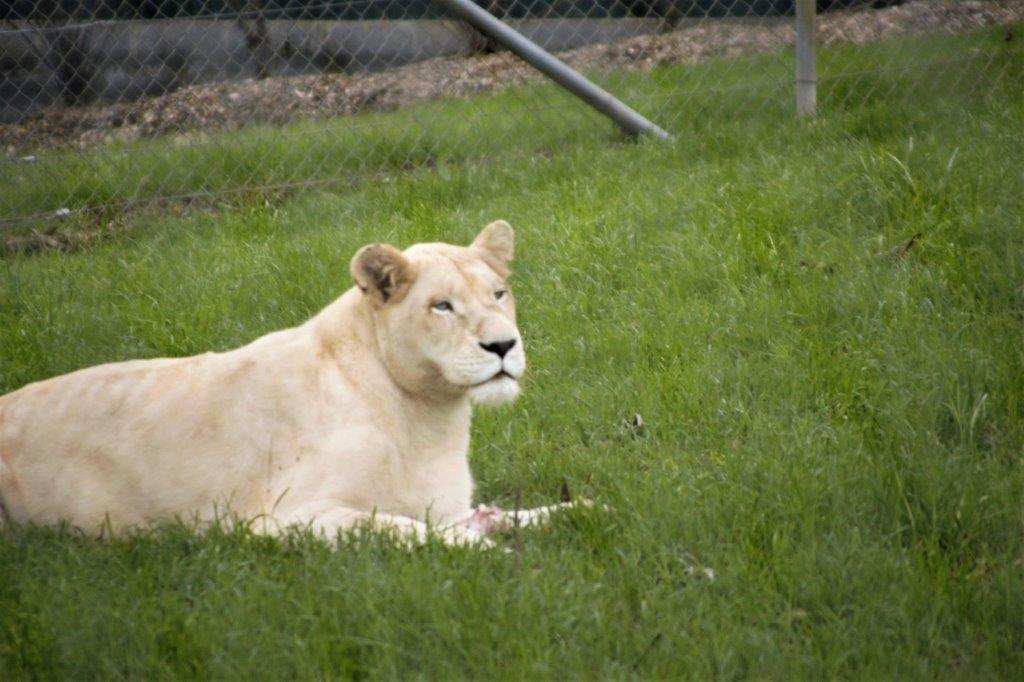
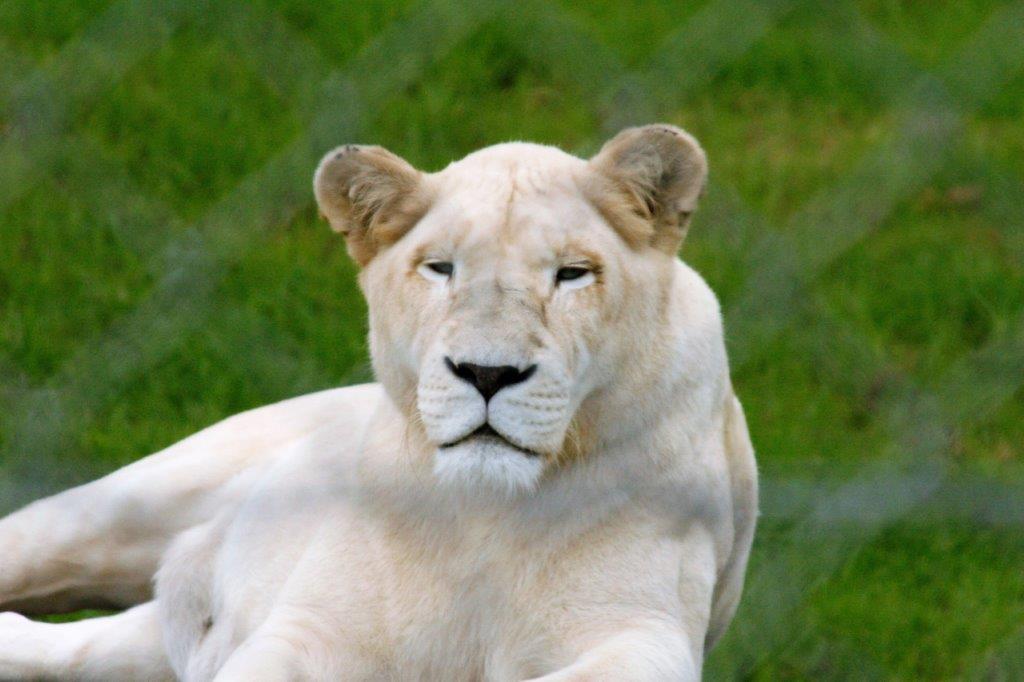
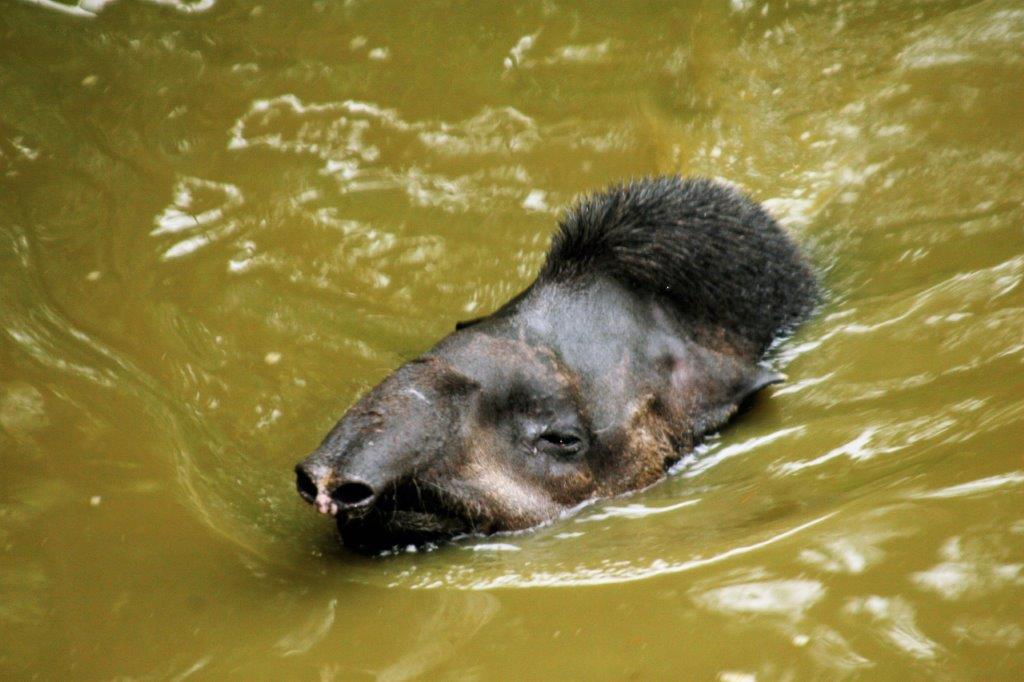
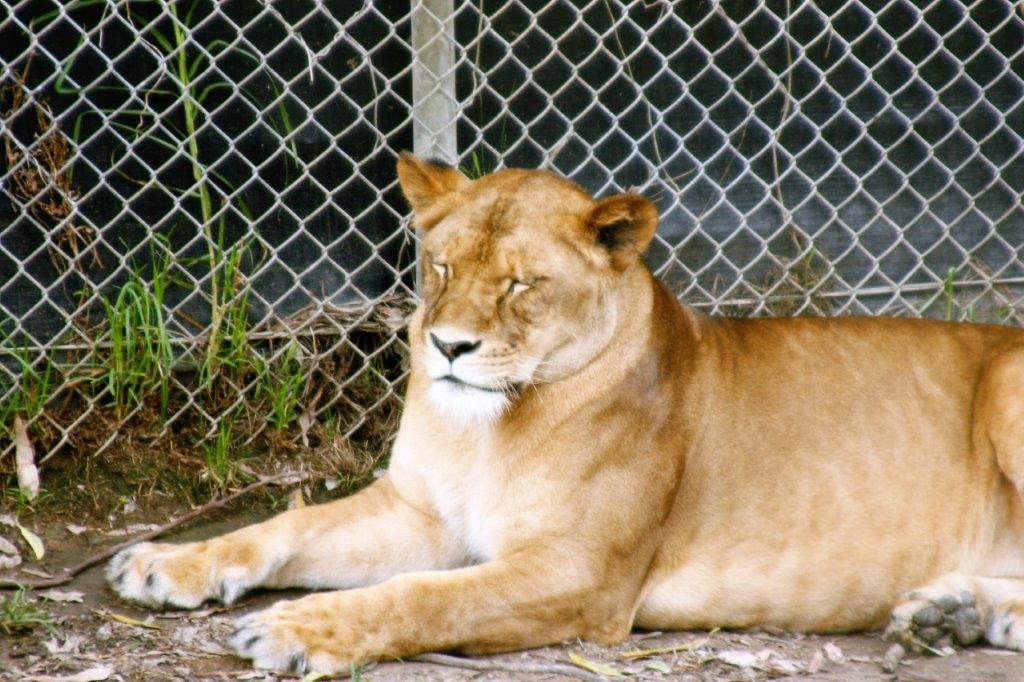
The zoo is home to six white lions which are no longer found in the wild.                                Tapir

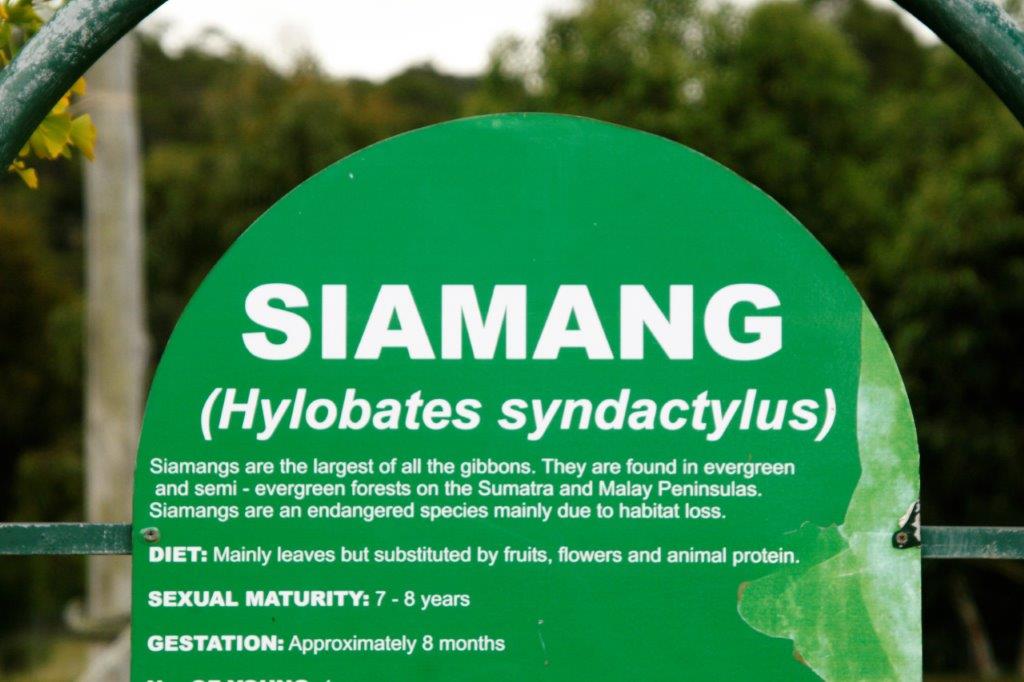
                                                                                                                Siamang After we left the zoo we made a brief stop at Tuross Head to see the view.Stopped also at Bega Valley Lookout and then drove directly to Eden where we planned to spend the night.  It was lovely countryside with lots of dairies and farms.  Everything was very lush and green with all the rain they had that year.  After 10 years of drought Australia was suffering with floods in many places, especially the east and north coasts  but I am sure the farmers and ranchers in the south were happy to get the rain.

We drove over 300 km that day, which is a lot further than we have driven some of our other days.  We had reservations for Cowes, Philip Island just south of Melbourne three days away and had only 500-600 km to get there so we still had some meandering time.  Which was a good thing as we like to meander, and divert, and detour.

2011 February 27 & 28 – Days 53 & 54 – Batemans Bay to Queanbeyan/Canberra, Australia

From Batemans Bay we turned inland onto the Kings Highway (Highway 52) and drove 130 km up a winding mountain road (great for motorcycles) to Queanbeyan, a town 13 km from Canberra, ACT (Australian Capital Territory – like the USA the national capital city is its own place; not located in any of the Australian states).

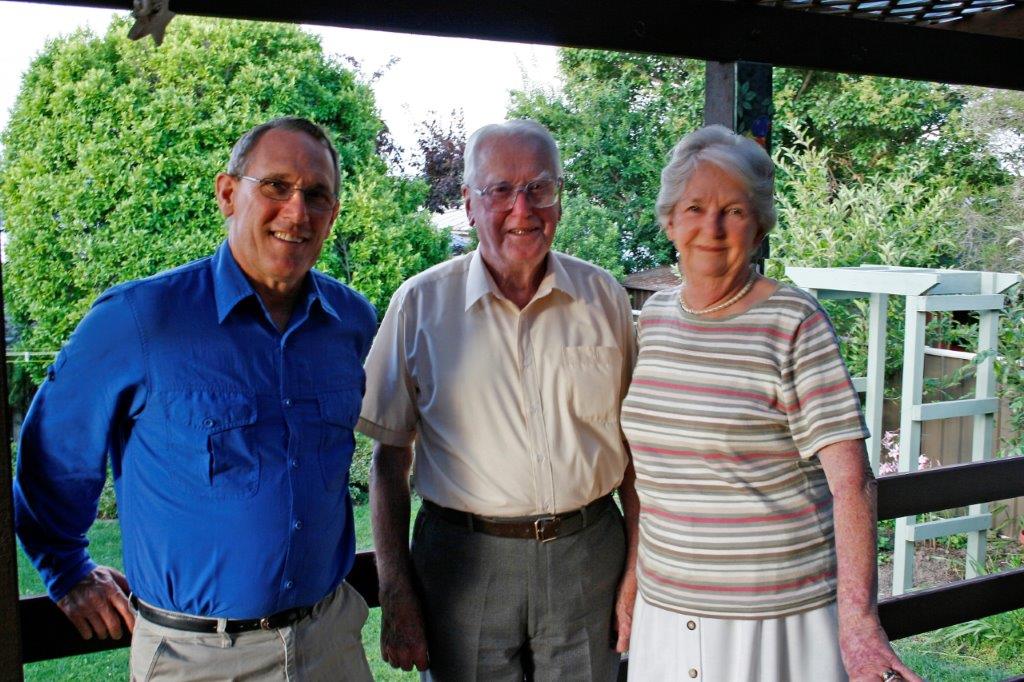
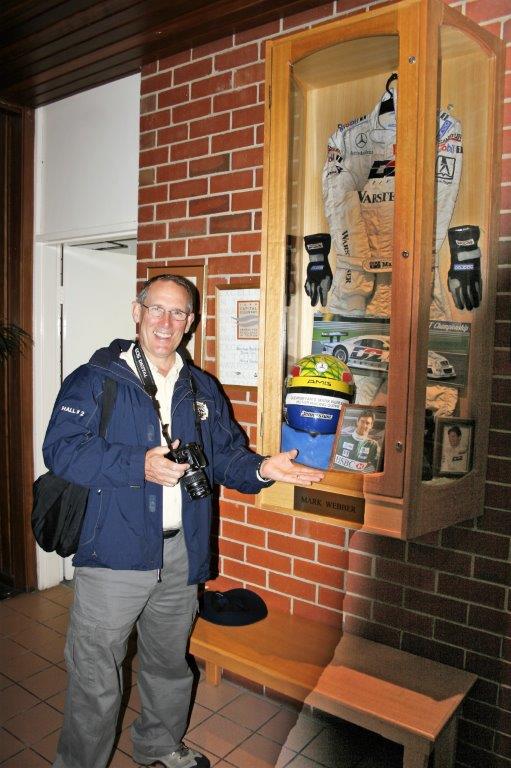
After we checked into our hotel in Queanbeyan John called his mother’s cousins and we arranged to get together at 5 o’clock.  Since it was already after two that left little time to go exploring in Canberra so we took the afternoon off and did some walking around and grocery shopping.Robyn and Charles were lovely people who gave John a bad time for not letting them know we were going to be in the area, but nonetheless graciously insisted on taking us into Canberra the next day to see the sights.  The very pleasant surprise for John was discovering that his mom’s cousins lived in the family home of Formula 1 race car driver Mark Webber.  John is an F1 fan and never misses watching a race so he was stoked to learn that Queanbeyan was Webber’s home town.
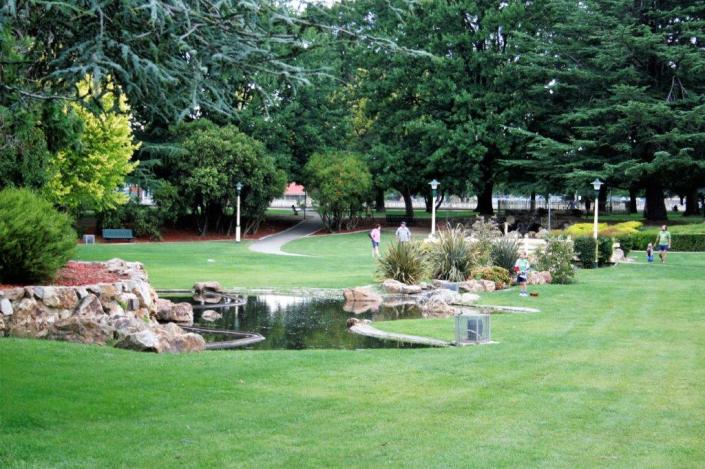
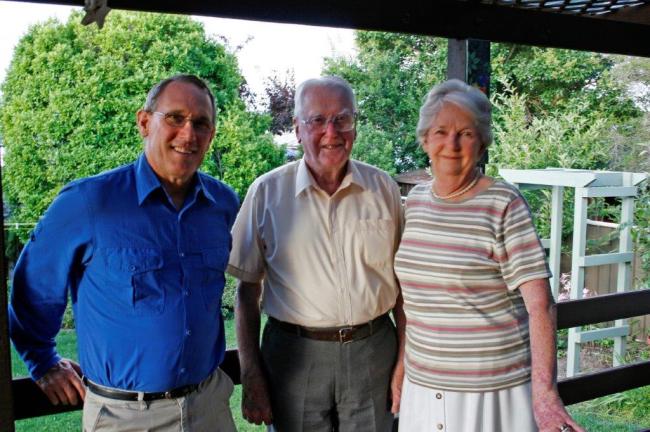
The next day we were picked up at our hotel at 9:15 am and before we left for Canberra Robyn took us over to City Hall and showed John one of Mark’s early driving suits that is on display.
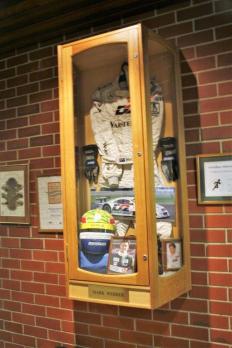
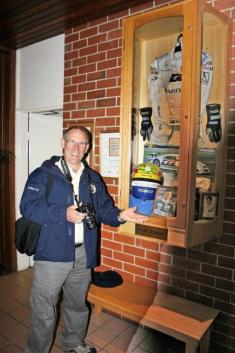
Our second stop was the top of Mt. Ainslie to see the panoramic view of Canberra but the clouds were so low we only saw white so we headed back down and into the city.  We had told Robyn the places that were on our ‘must-see’ list and she chauffered us to every one of them.

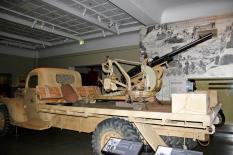
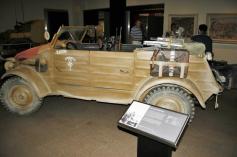
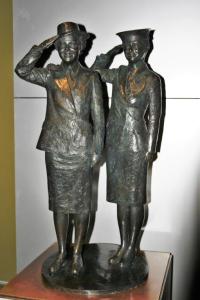
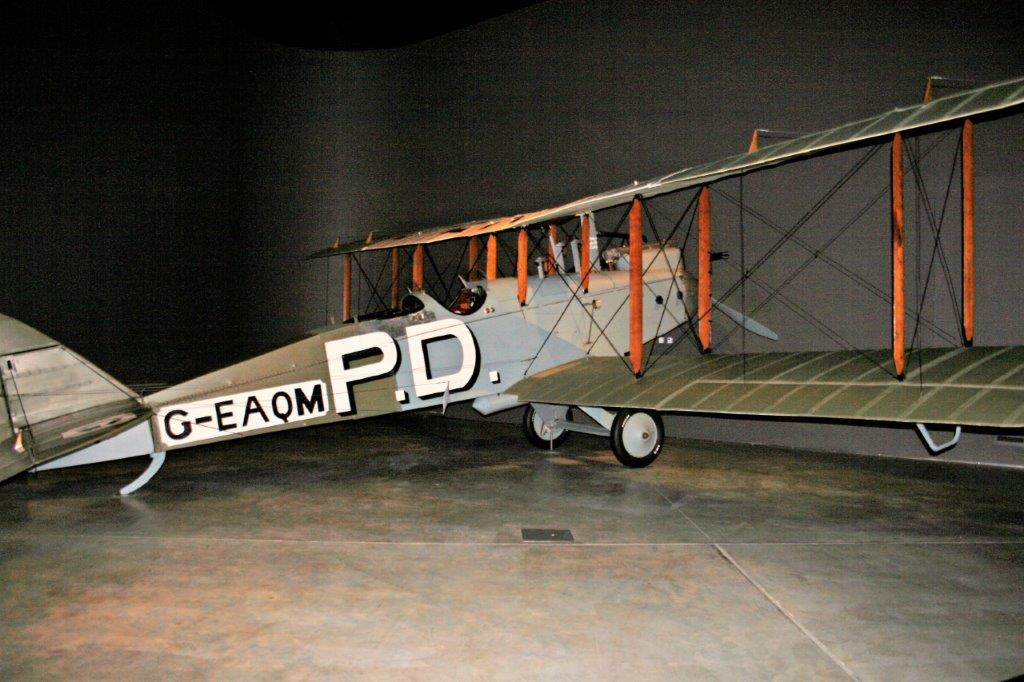
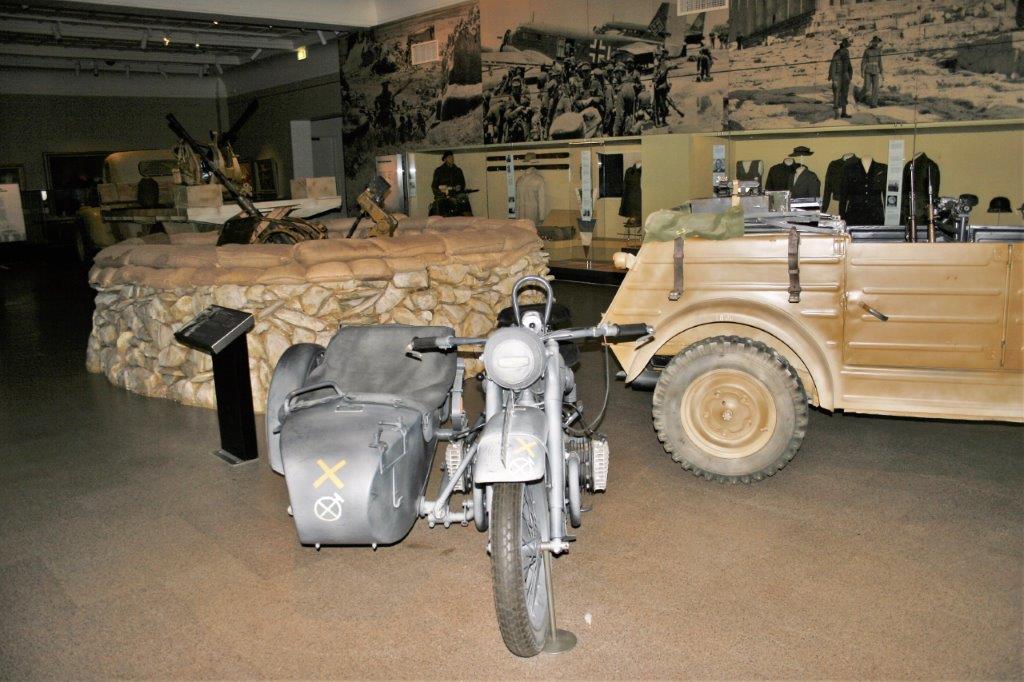
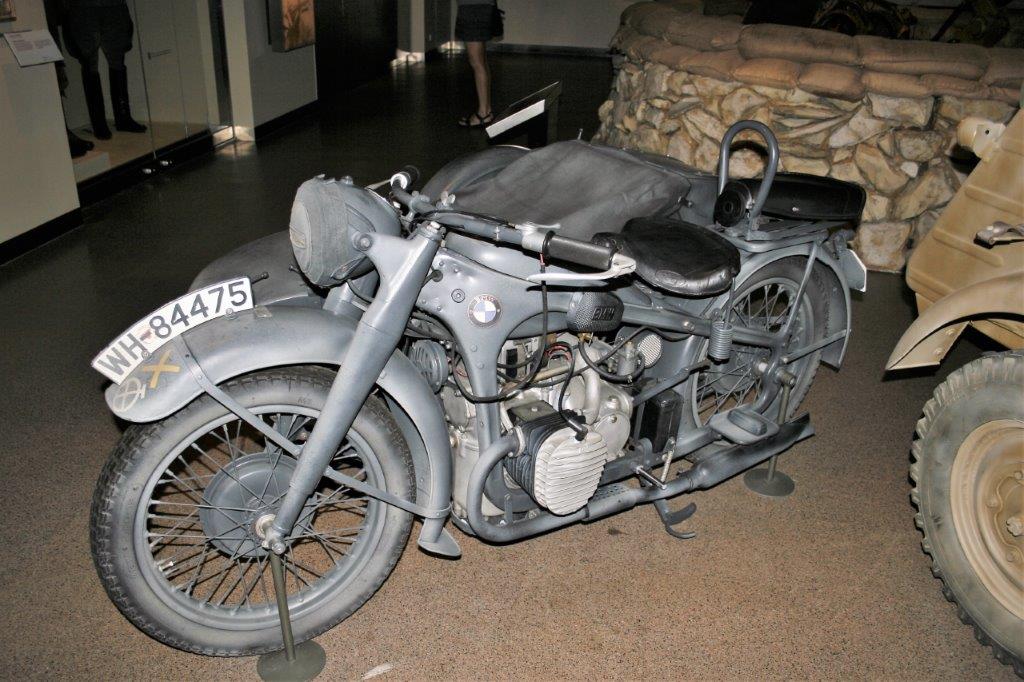
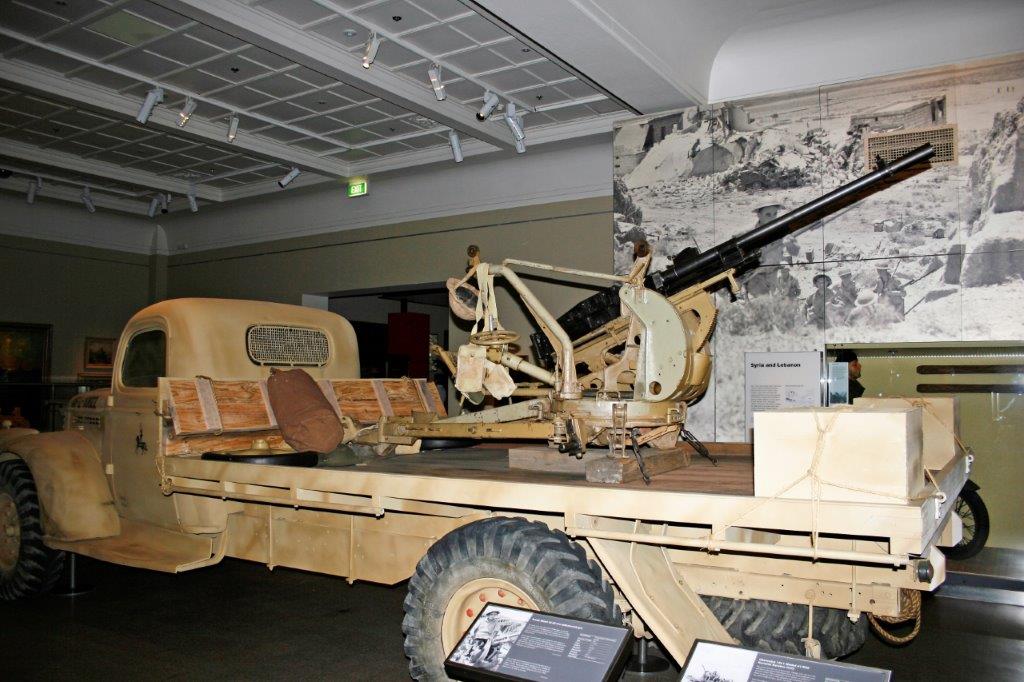
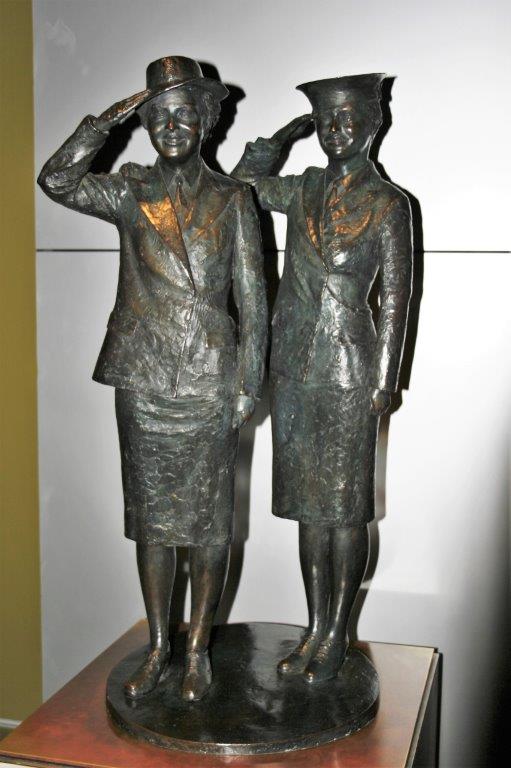
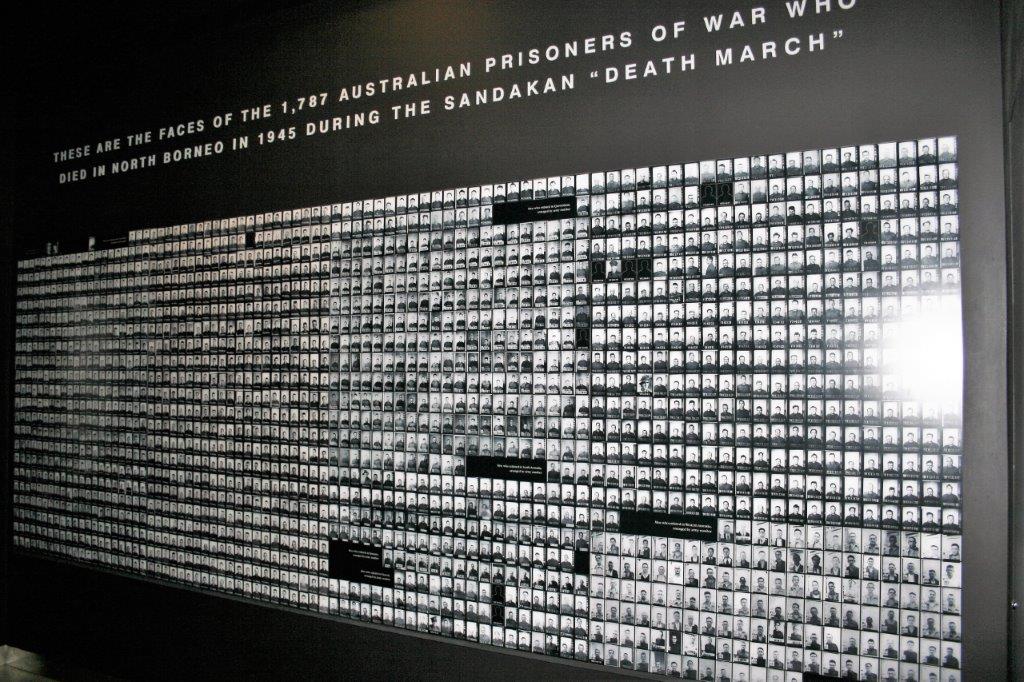
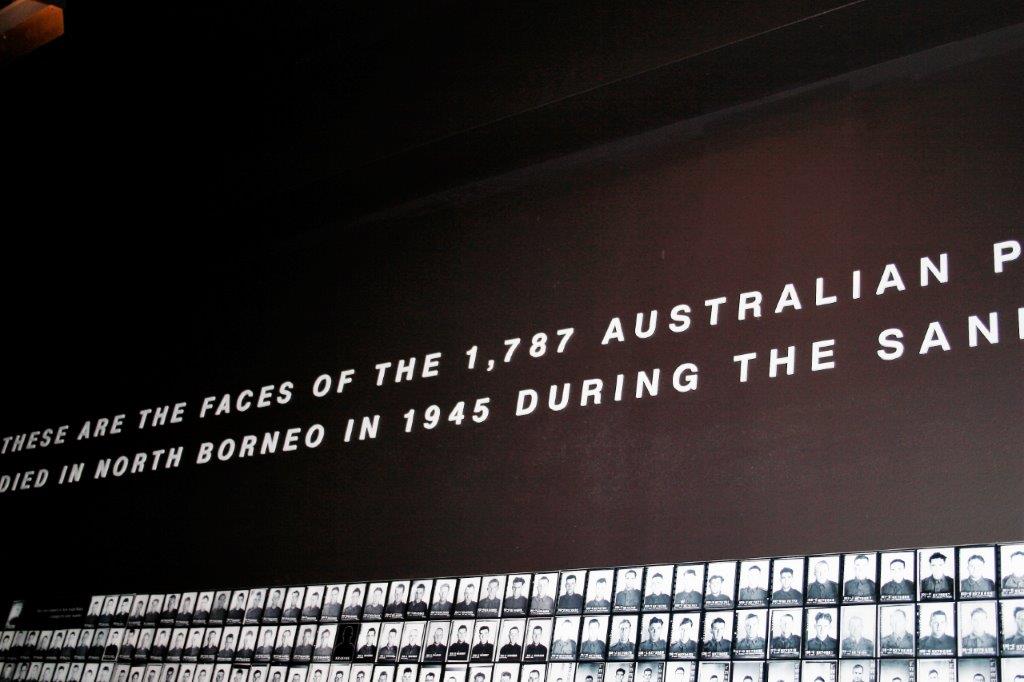
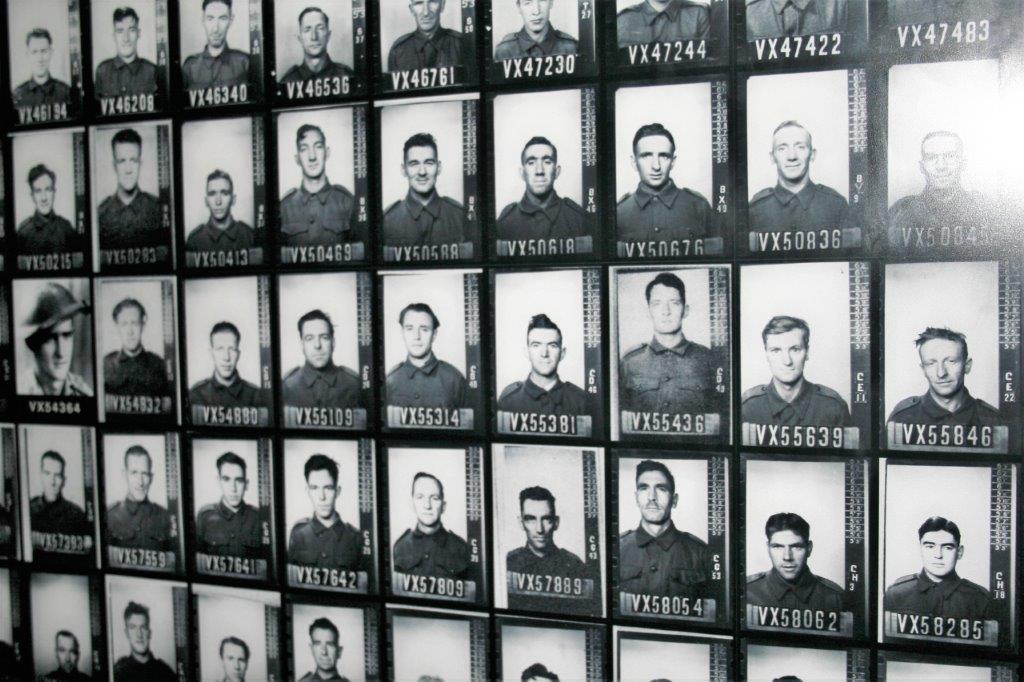
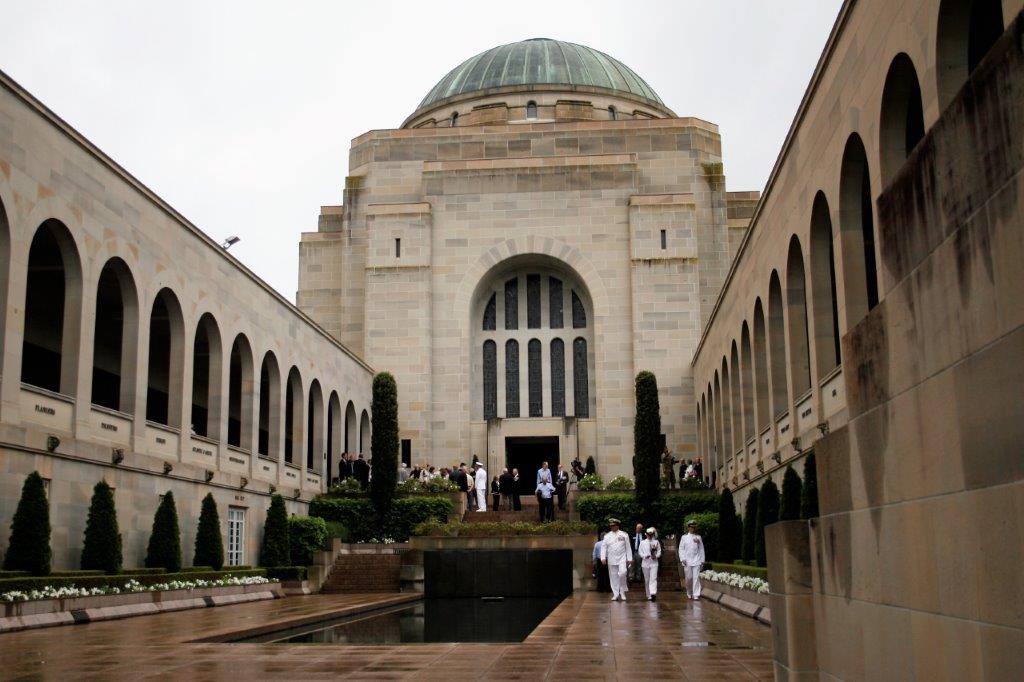
First was the Australian War Memorial.  This huge multi-museum complex is dedicated to those who have fought for Australia and the world’s freedom.
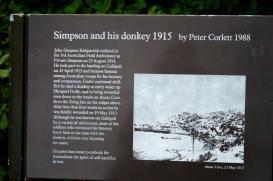
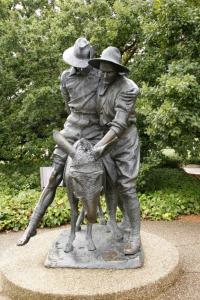
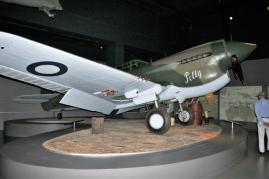
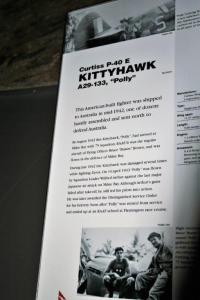
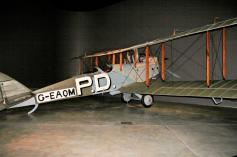
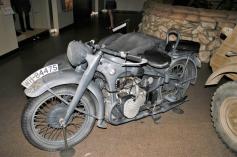
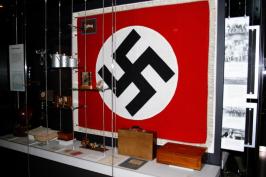
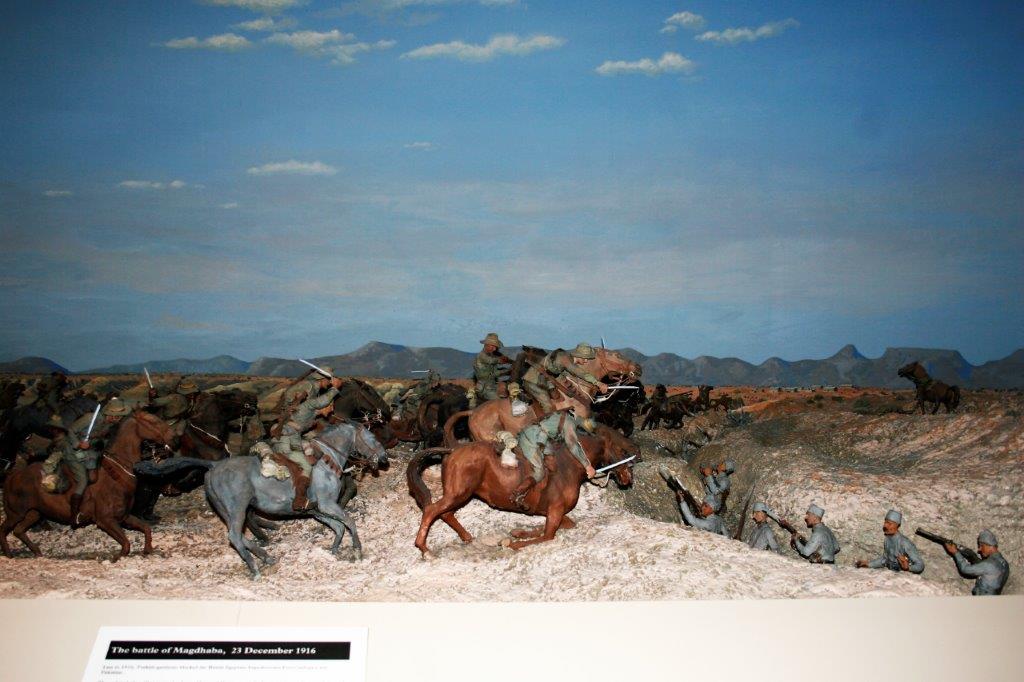
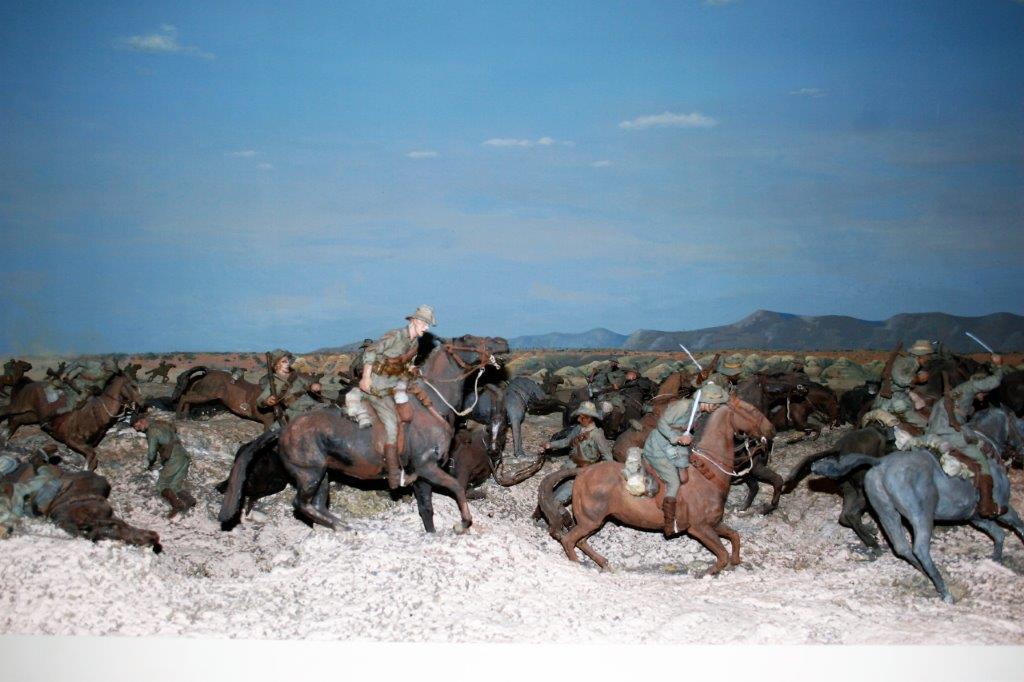
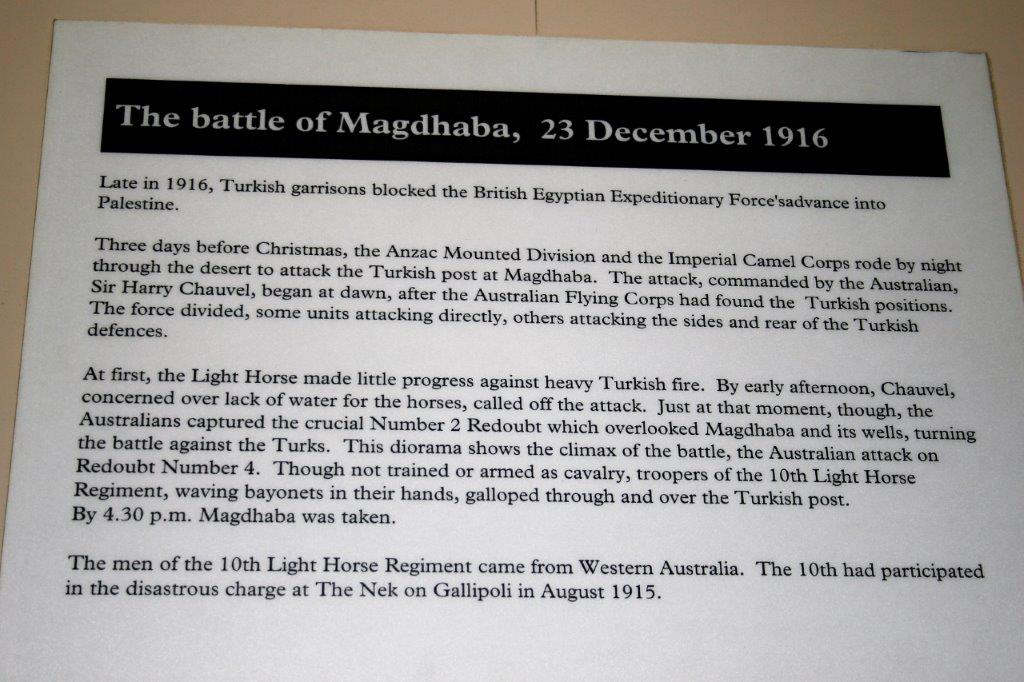
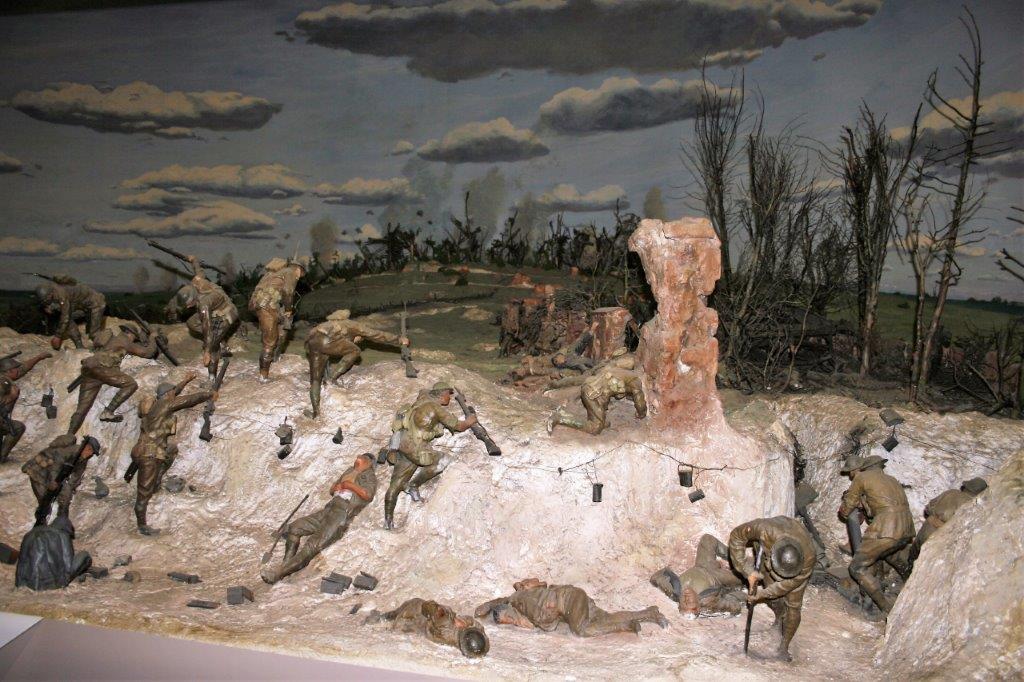
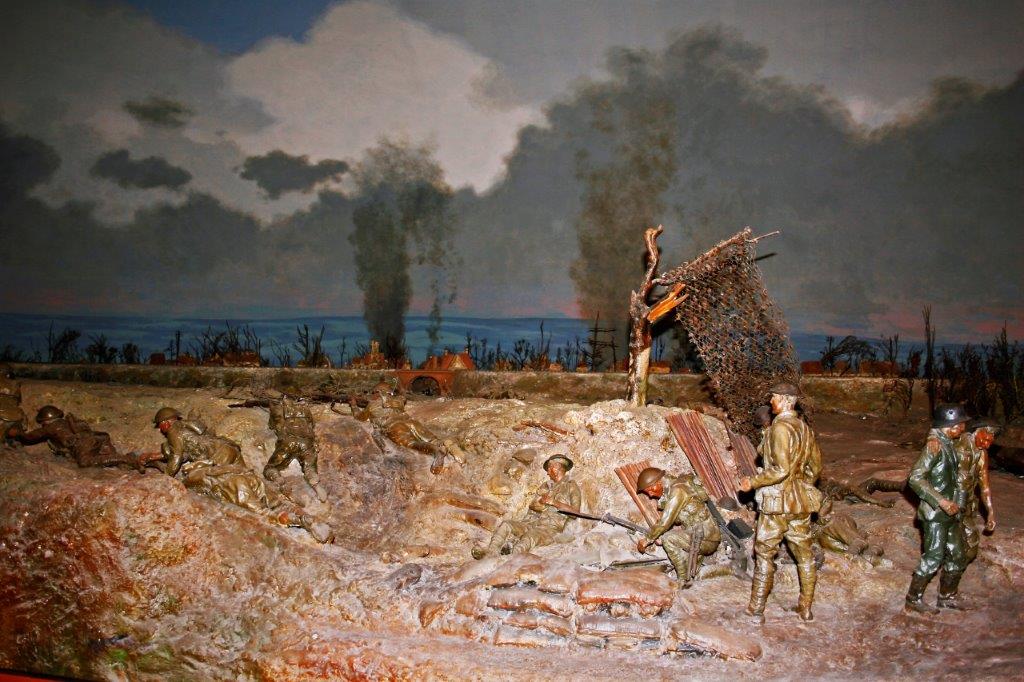
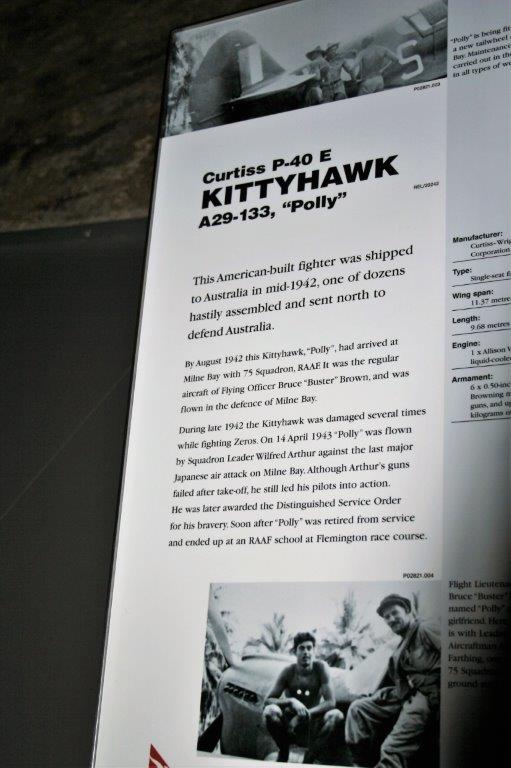
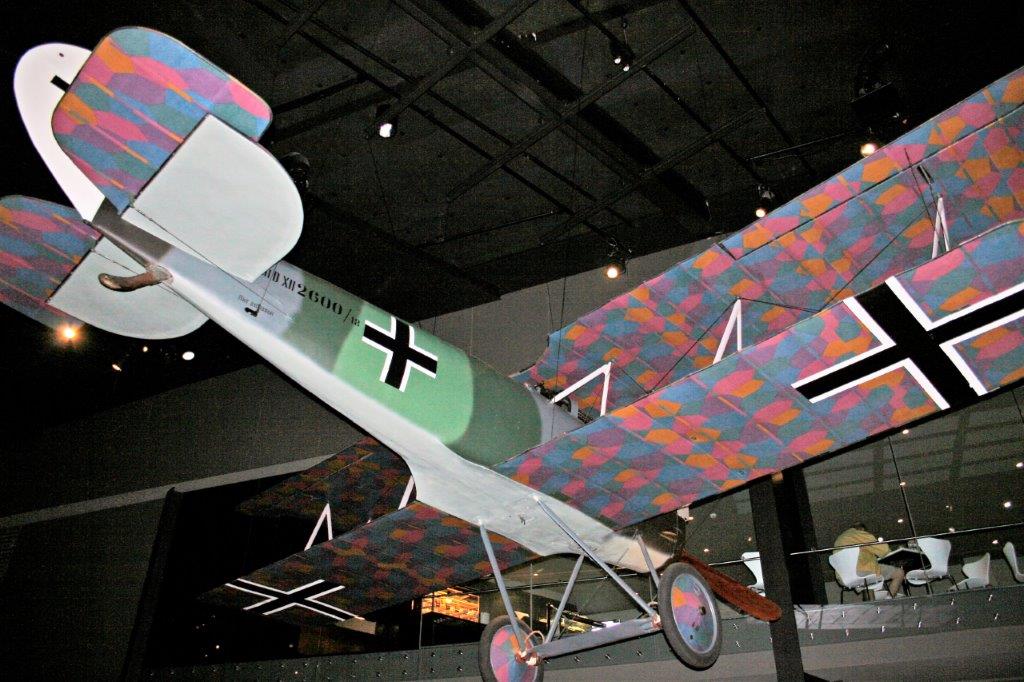
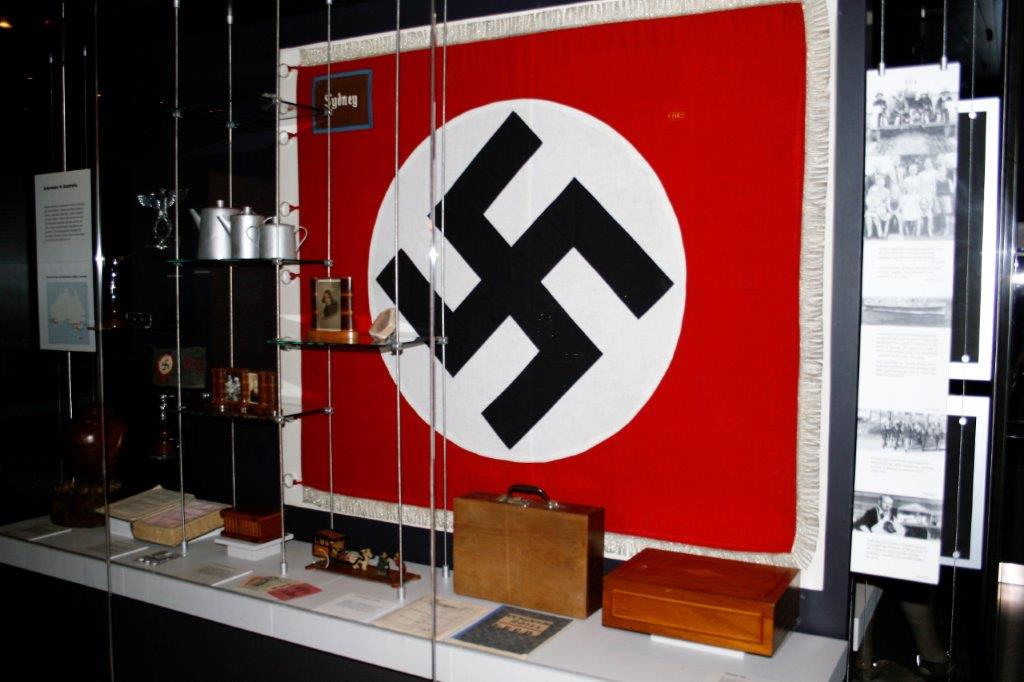
Robyn picked us up after two and a half hours and even with all that time we only saw the WWI museum, had a semi-quick look at the WWII museum, and a walk through the airplane museum.  I think if we ever get back to Australia I will plan to spend the entire day there.  The museums and memorials were beautifully done and contained many interesting dioramas, exhibits, and stories.

Like Canada, WWI was a major ‘coming-of-age’ as an independent nation for Australia (and New Zealand).  All three nations were still considered by many to be colonies of Great Britain at the time of the Great War, and as members of the Commonwealth, when Great Britain declared war on Germany, they were automatically at war as well.

Canadian troops saw action and were victorious in some very key battles during the First World War and the Anzac troops from ‘down under’ displayed their mettle heroically in many as well.  All three nations were recognized for their bravery and courage during the war, not as British soldiers, which, technically they were; but as Canadians and Australians and New Zealanders.  The world looked at all of these countries with different eyes after the war.
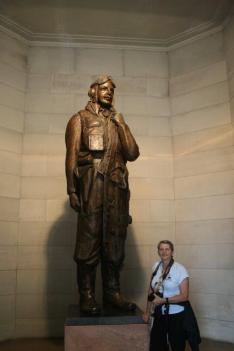
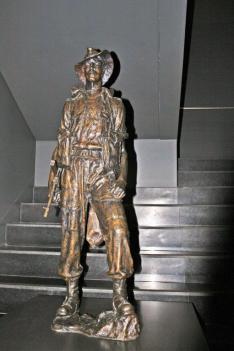
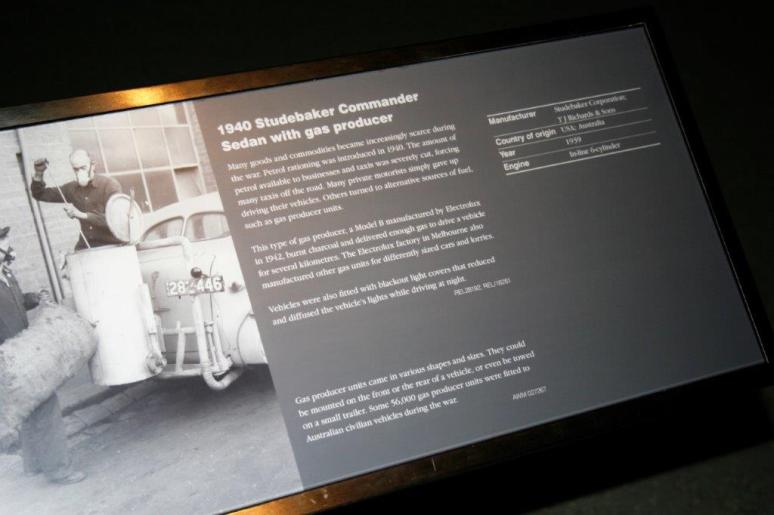
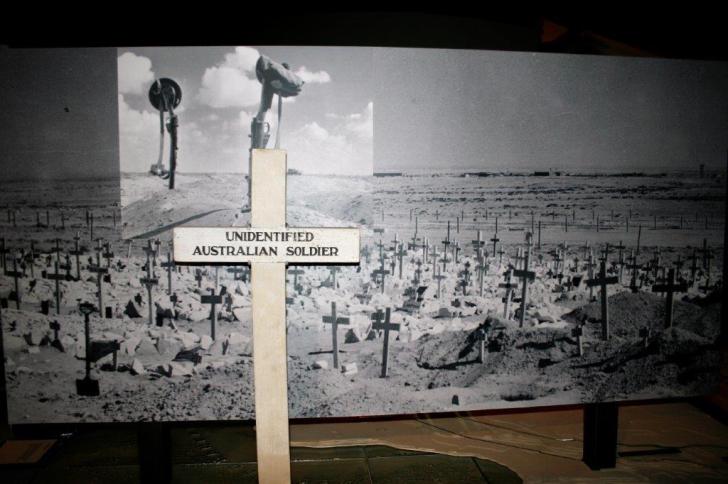
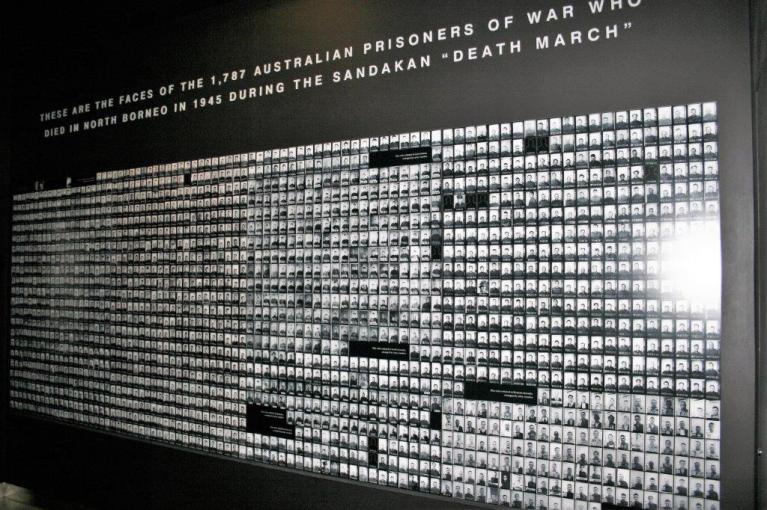
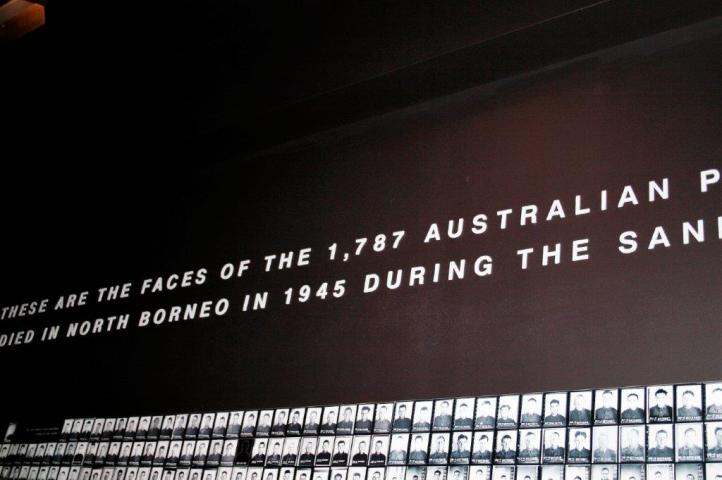
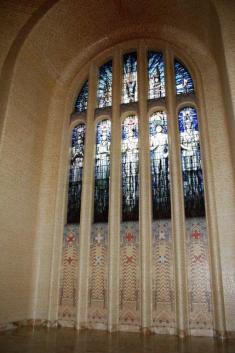
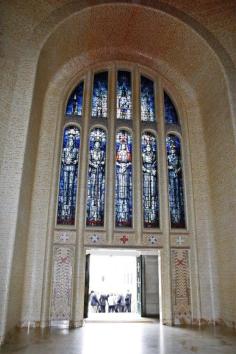
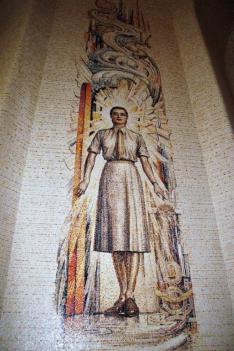
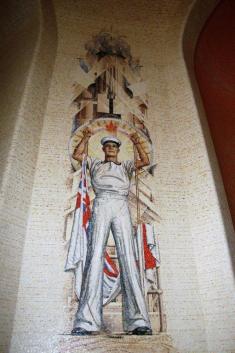
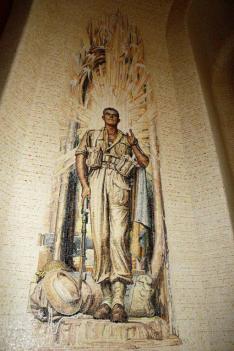
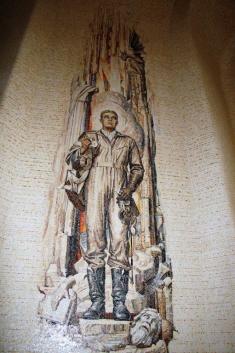
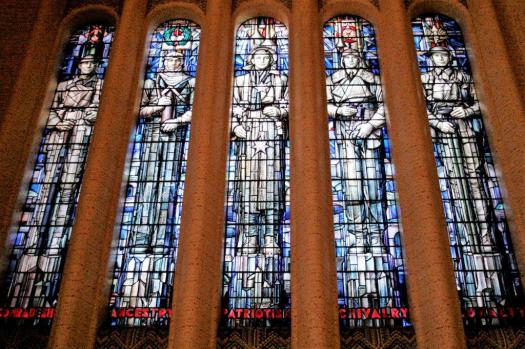
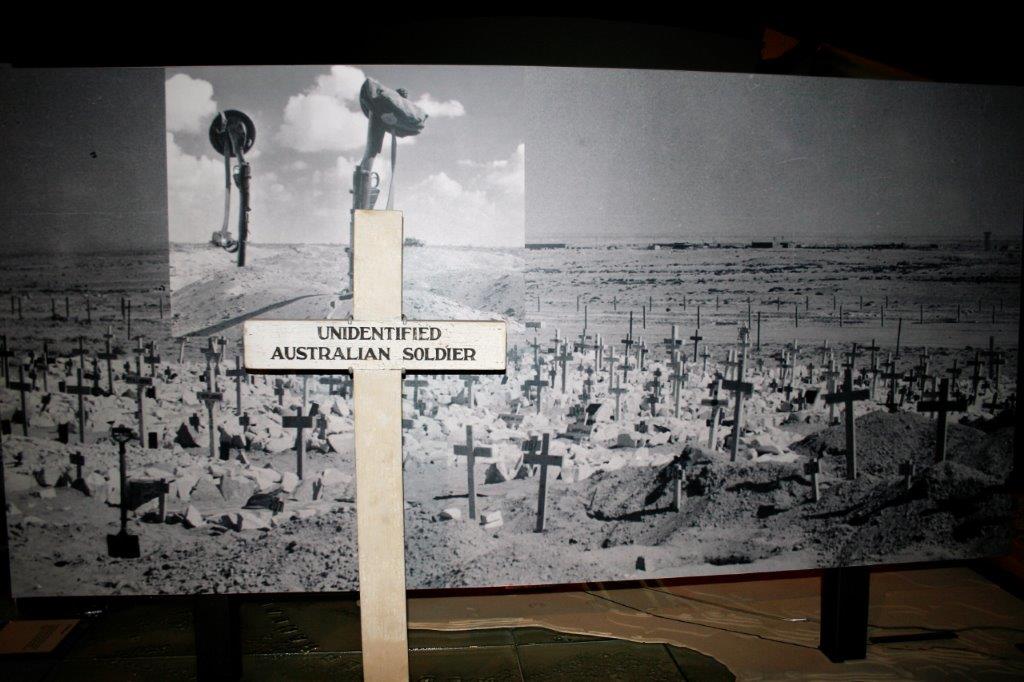
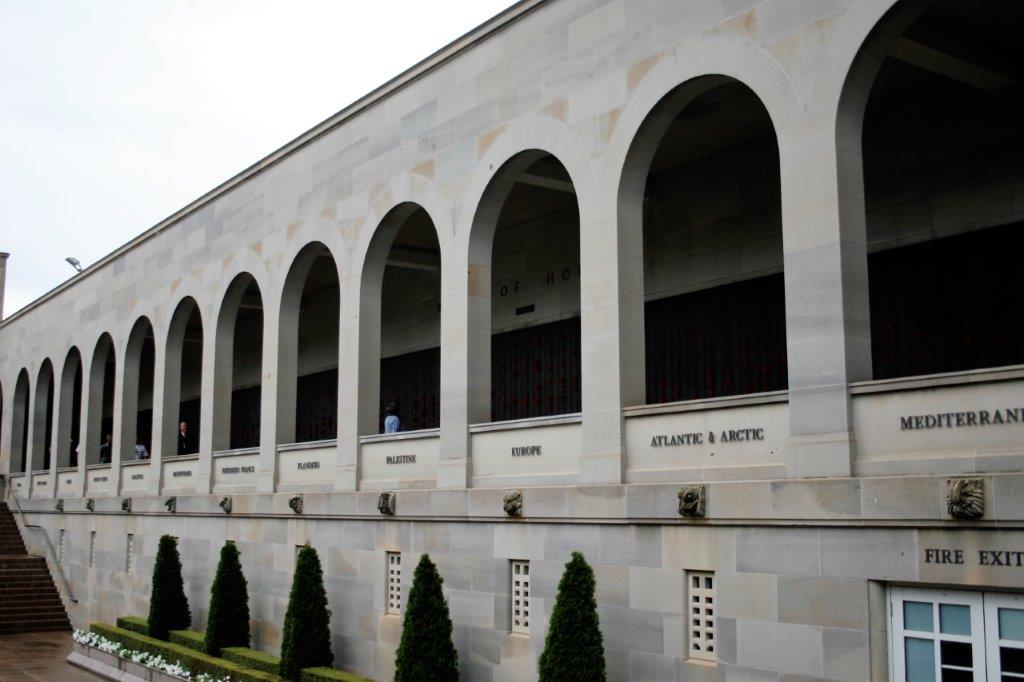
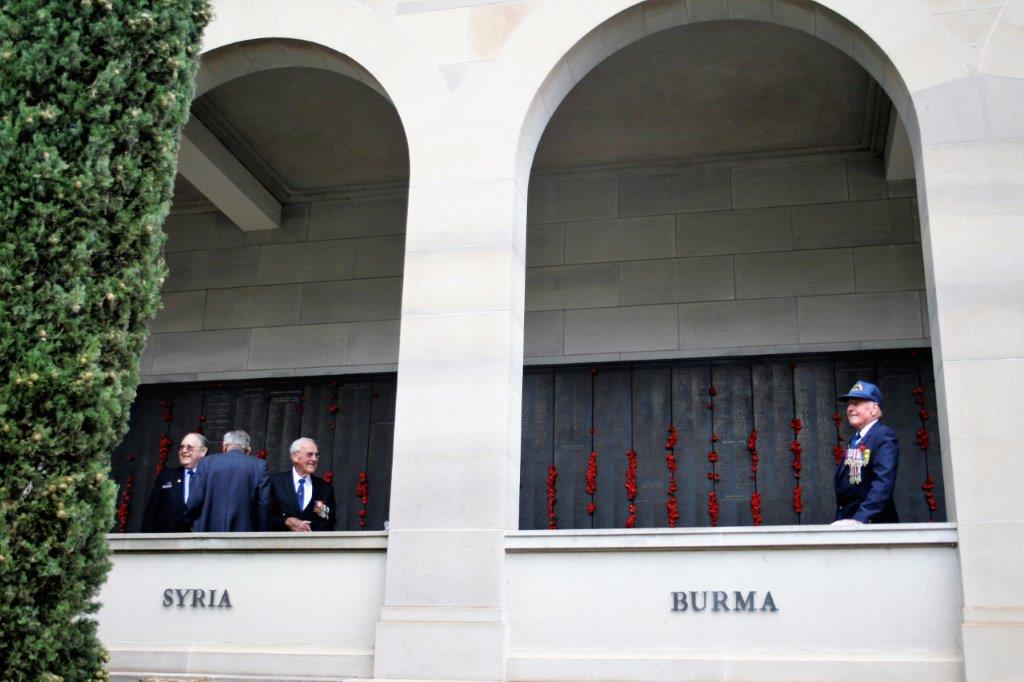
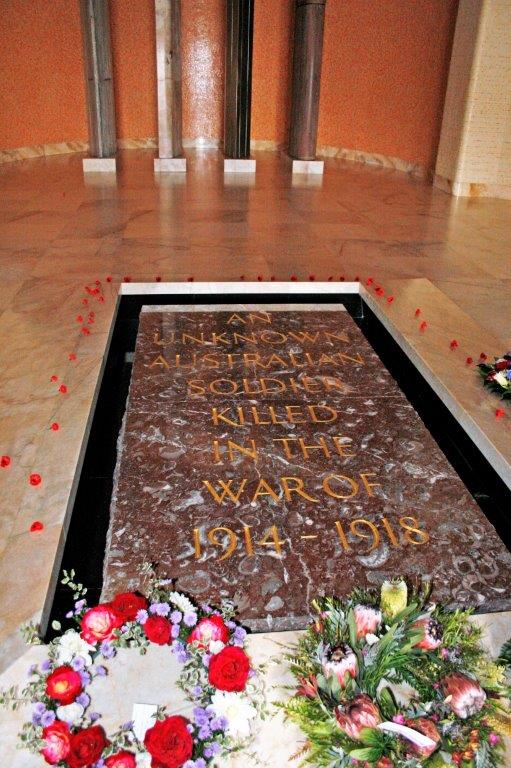
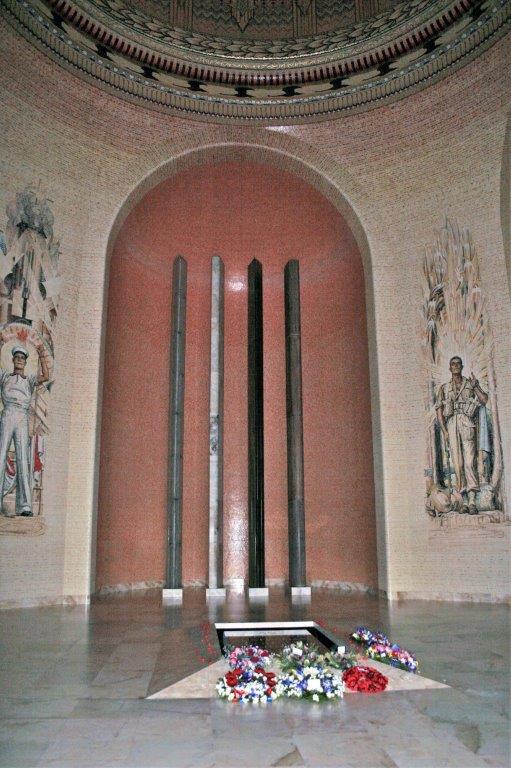
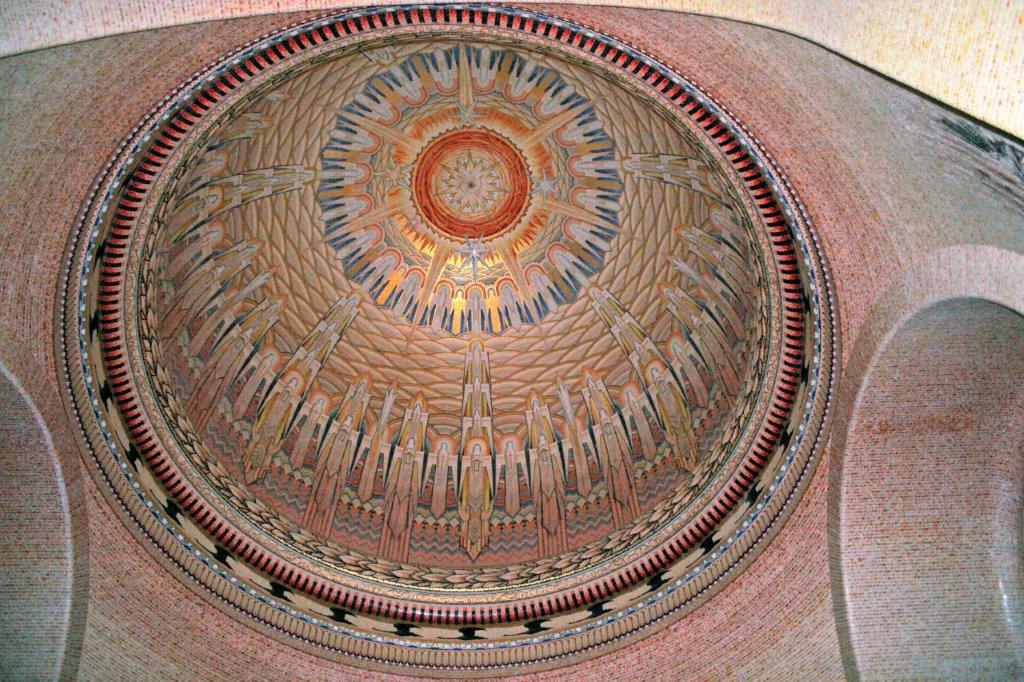
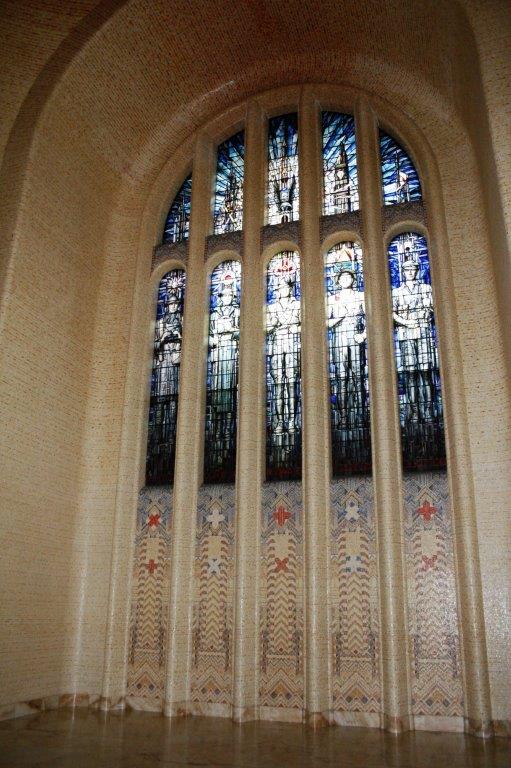
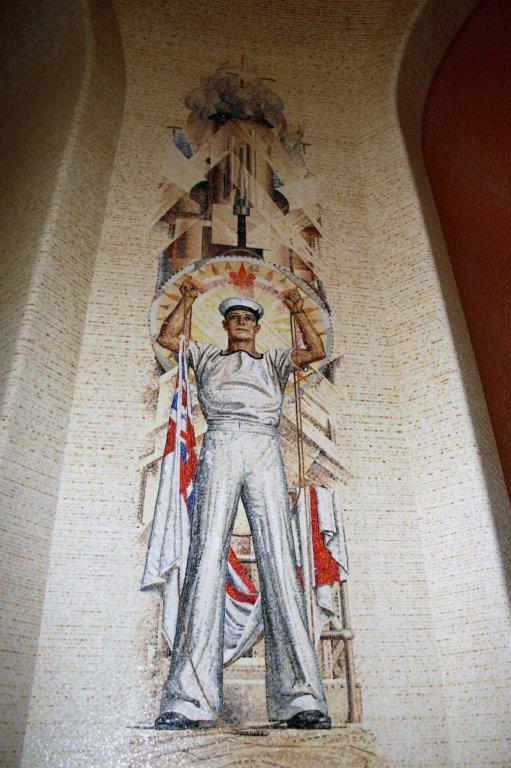
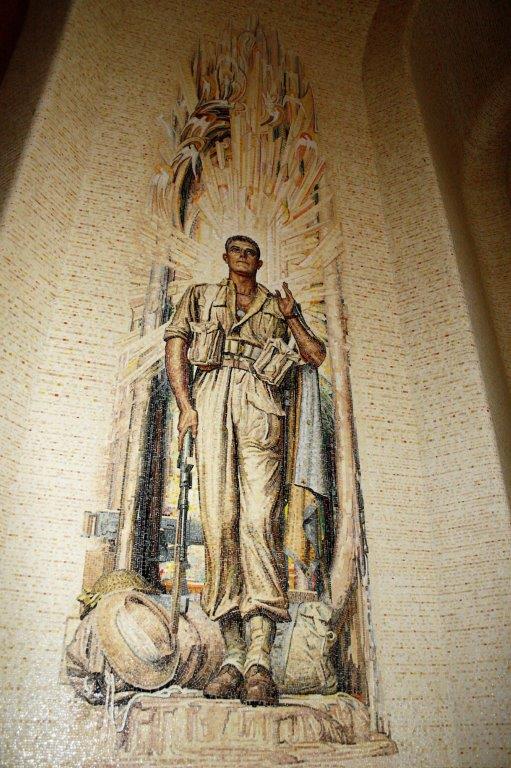
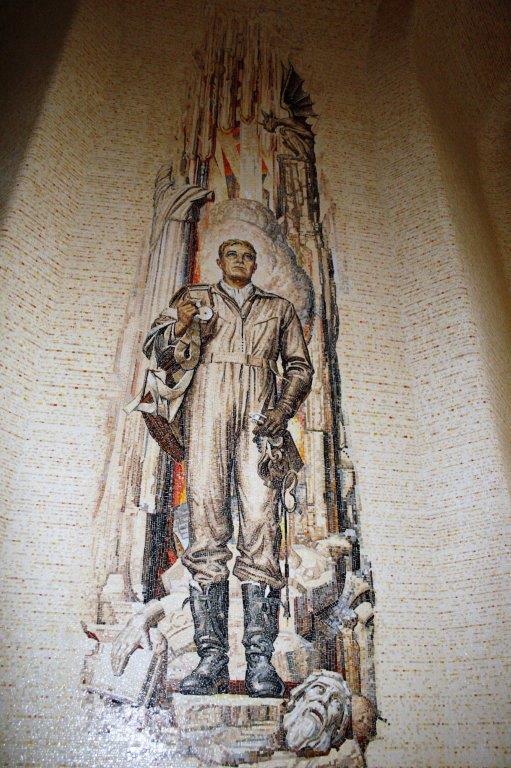
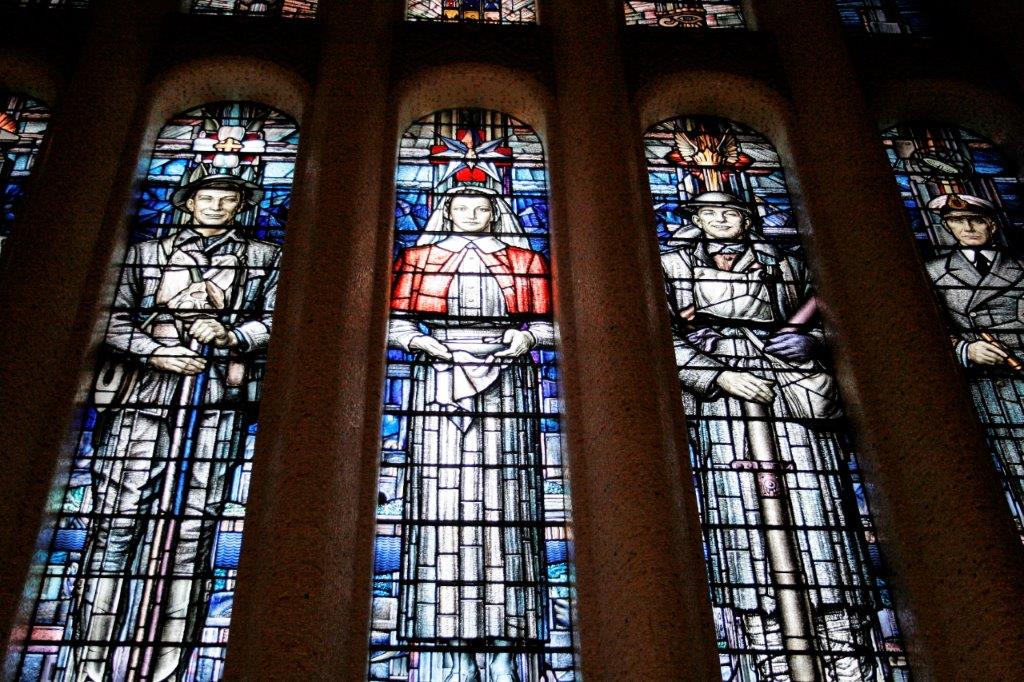
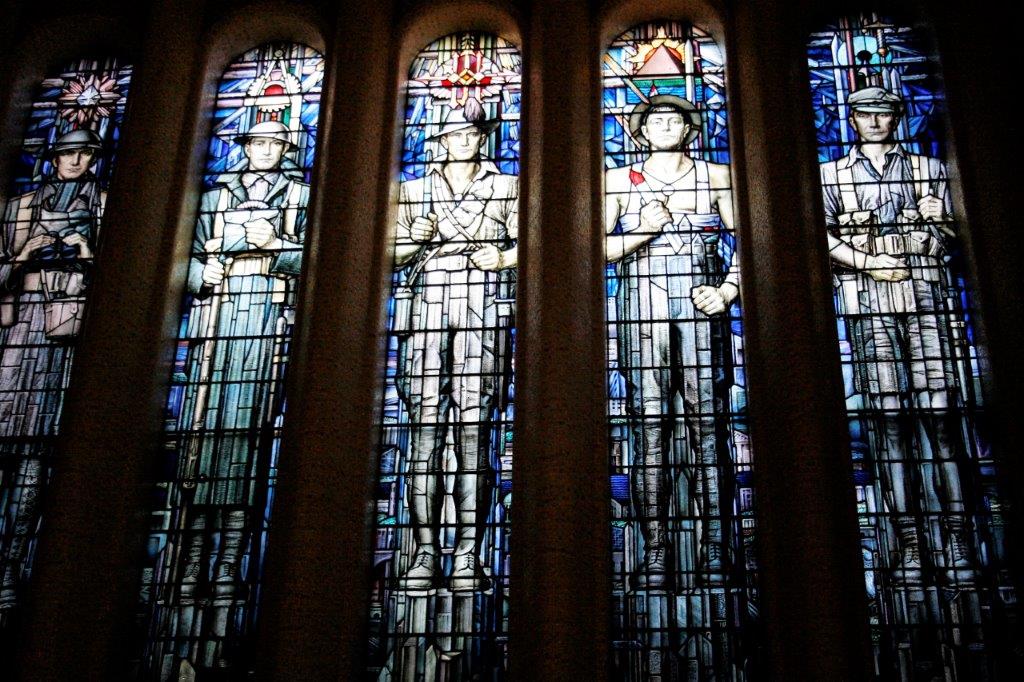
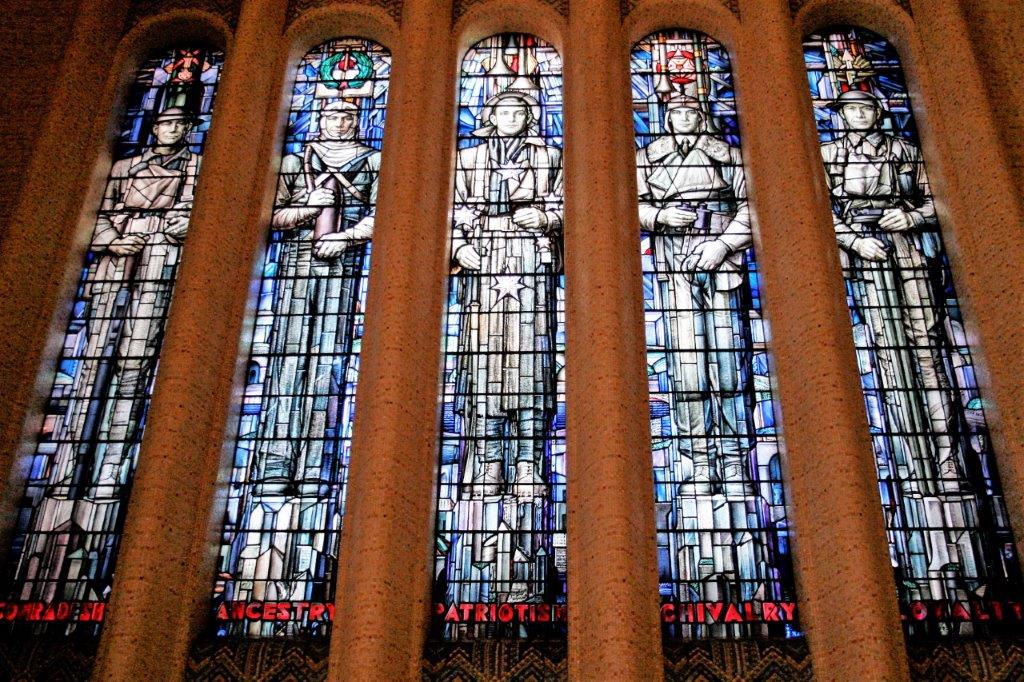
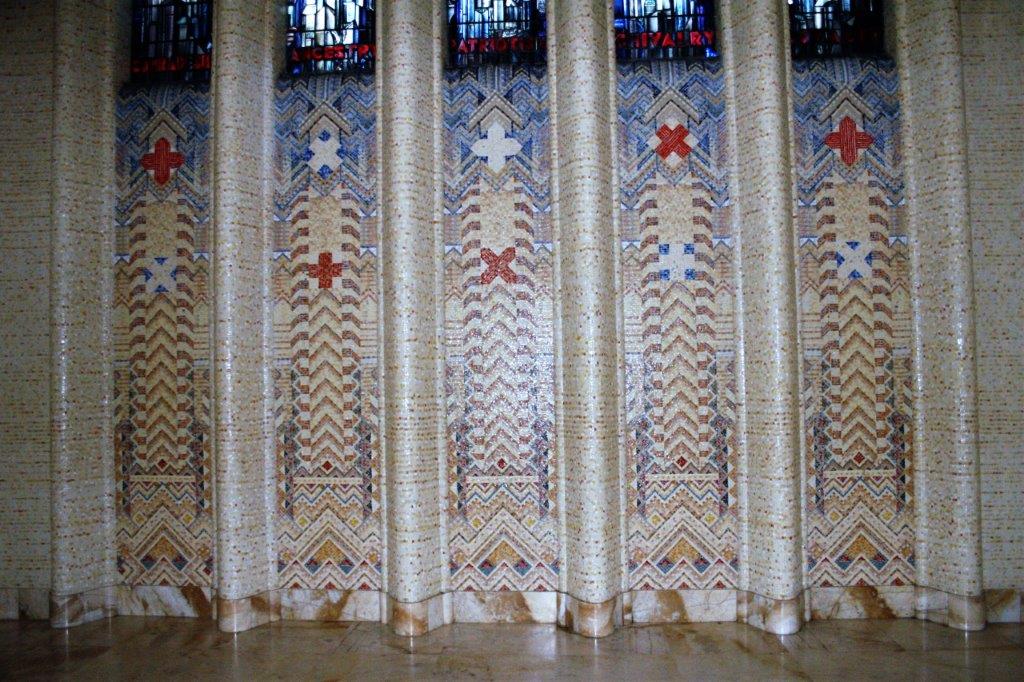
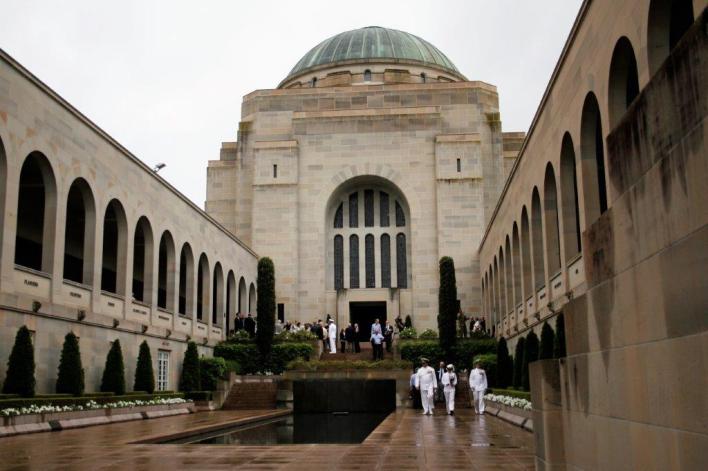
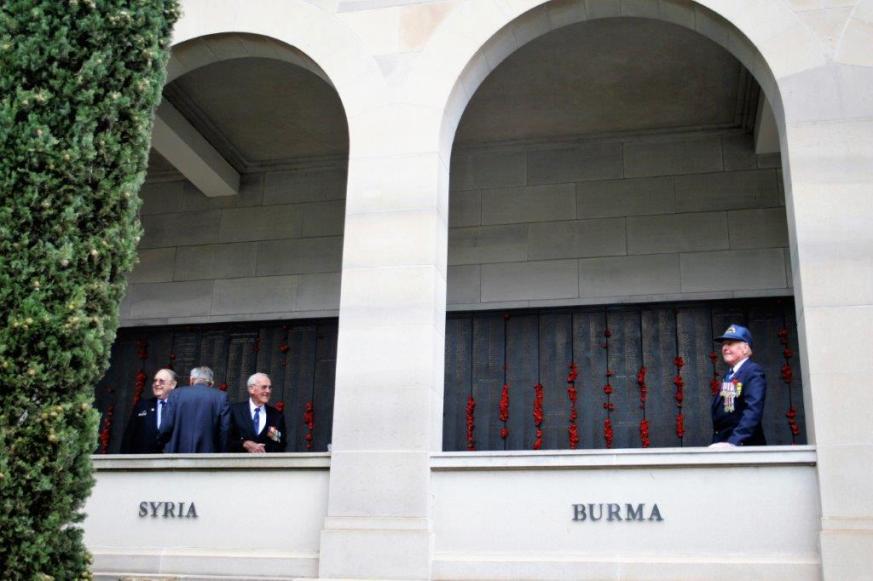
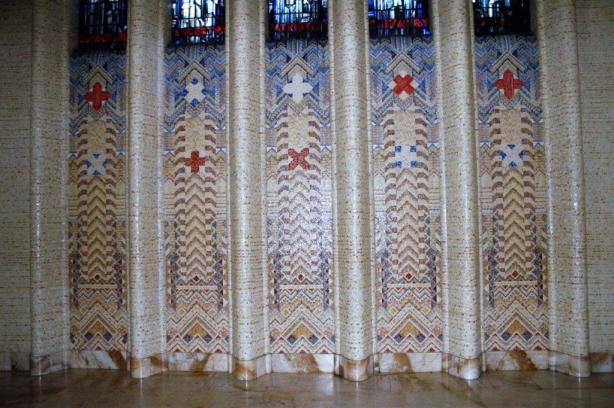
As we were going to see the Tomb of the Unknown Soldier we noticed a lot of uniformed people from different branches of military service, several people in suits and a film crew.  We found out that a survivor from the sinking of the HMAS Perth in Burma 69 years before was being interviewed at the Memorial for a TV special to be broadcast on Anzac Day April 25.  Inside these colonades are engraved the names of every Australian lost in the fights of every war, battle and engagement undertaken by the country, up to and including, the present day.I found this brief synopsis on  the internet: “On 25 April 1915, the armies of Australia and New Zealand had their first battle of the First World War at Gallipoli, Turkey.  Australia had only been recognised as a federal commonwealth for thirteen years, and many Australians were sympathetic to the United Kingdom – they saw it as the motherland.  The volunteer armies were therefore keen to fight so they could secure a safe passage for allied navies.  Upon arriving, the Anzacs were met with immediate gunfire, and fought for eight months until a stalemate was forced. Eight thousand soldiers lost their lives before the Allies ordered an evacuation. Although the operation itself wasn’t a success, the courage and determination shown by the Anzacs was immediately celebrated in Australia, London and even the Allies’ camp in Egypt in 1916, with parades and ceremonies held in their honour. By the 1920s, the date had become a way to remember the sixty thousand Australian soldiers who lost their lives in the war.  A decade later, all Australian states were marking Anzac Day with celebrations.”  All these figures are mosaics created with small tiles.  They were huge and beautifully done.  All the designs in the domed ceiling were mosaic tiles as well. The stained-glass windows depicted all the branches of military and support services. As we were leaving the Tomb of the Unknown Soldier a man who was standing talking to another fellow asked us where we were from.  We told him and chatted a bit about the museums and memorial.  He then invited us to join him and his friend for lunch.  How nice was that?  Aussies are a friendly hospitable people.  Unfortunately Robyn was picking us up in a while so we had to decline.  I still remember his friendly kindness 6 years later.
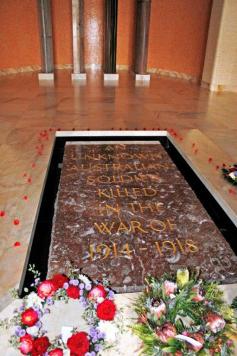
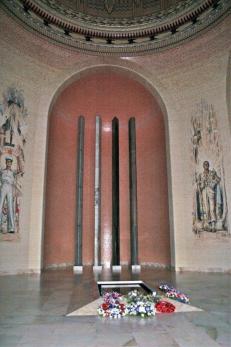
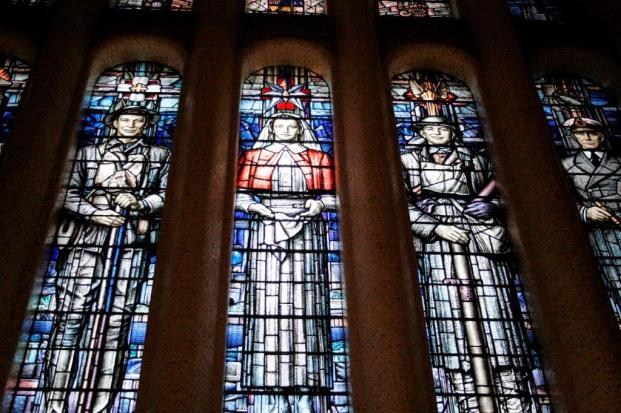
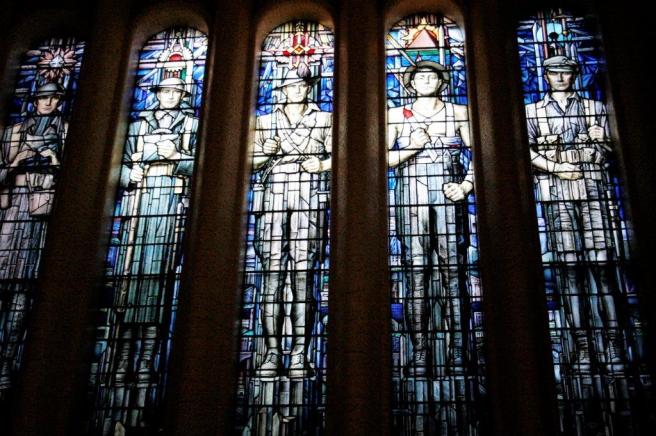
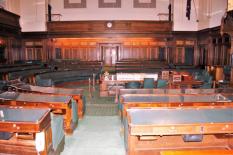
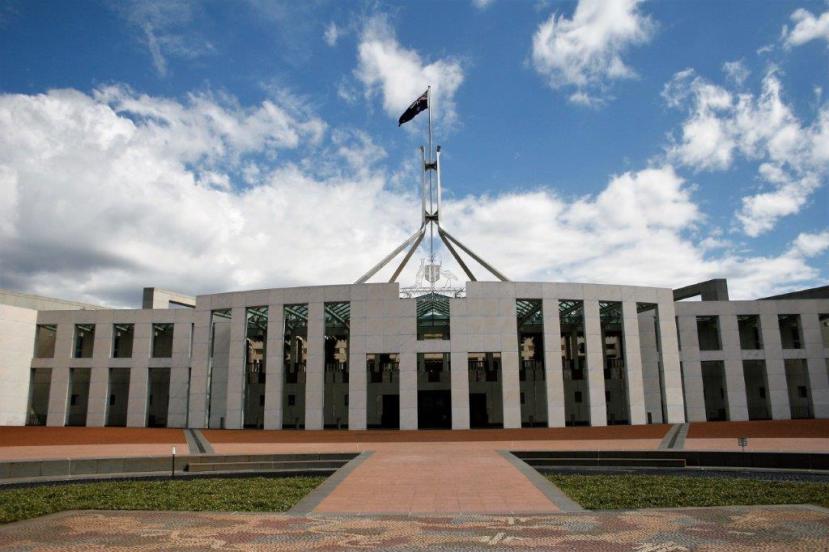
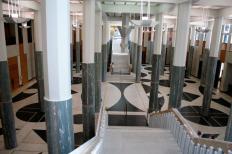
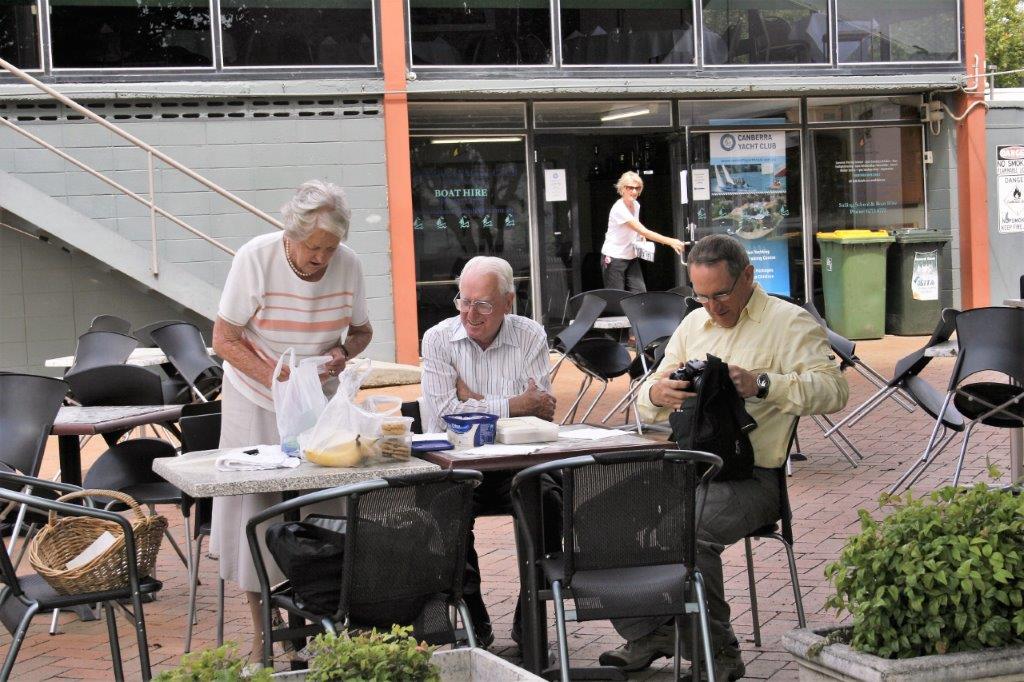
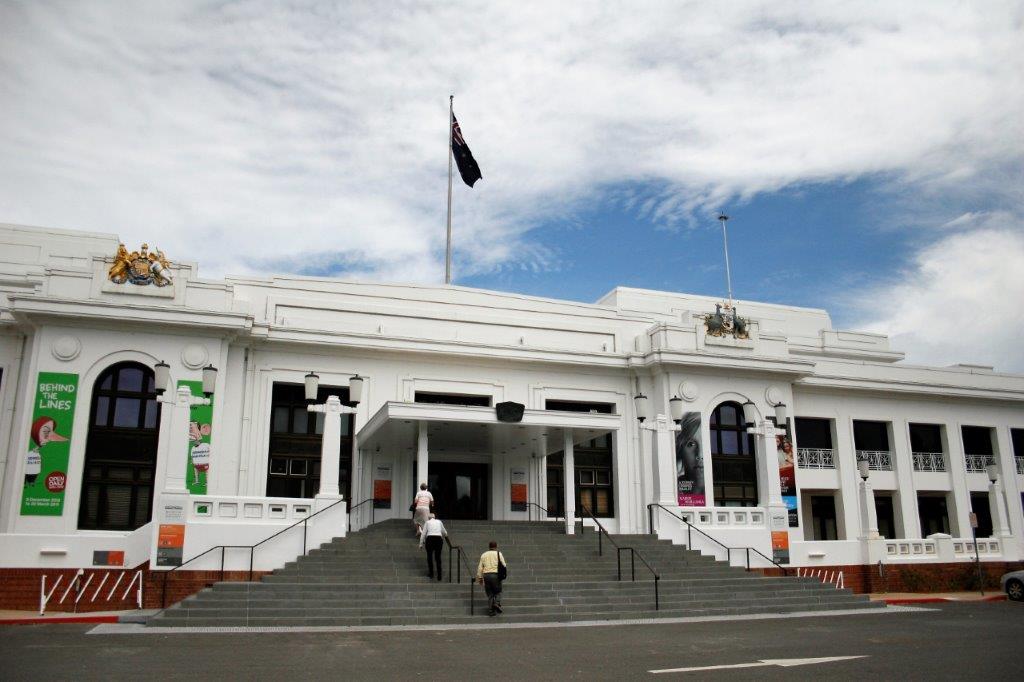
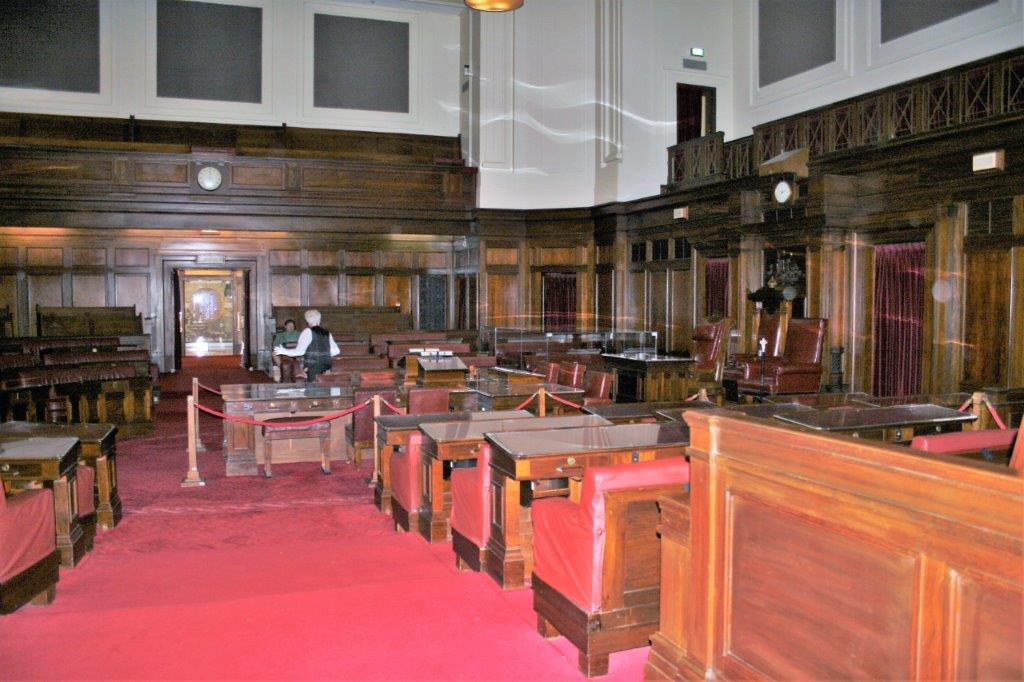
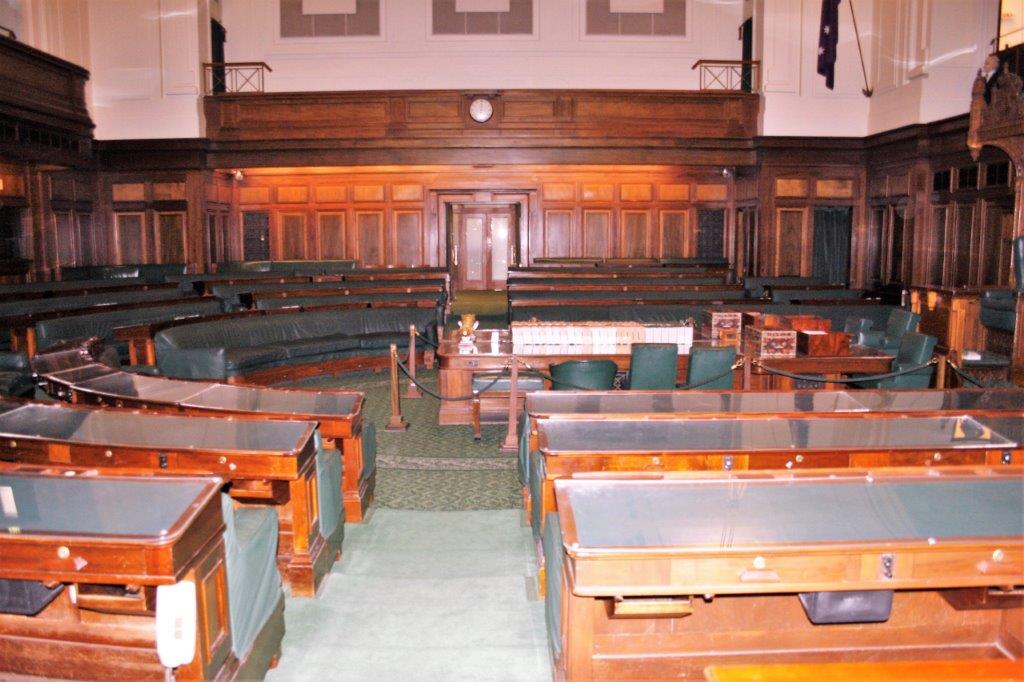
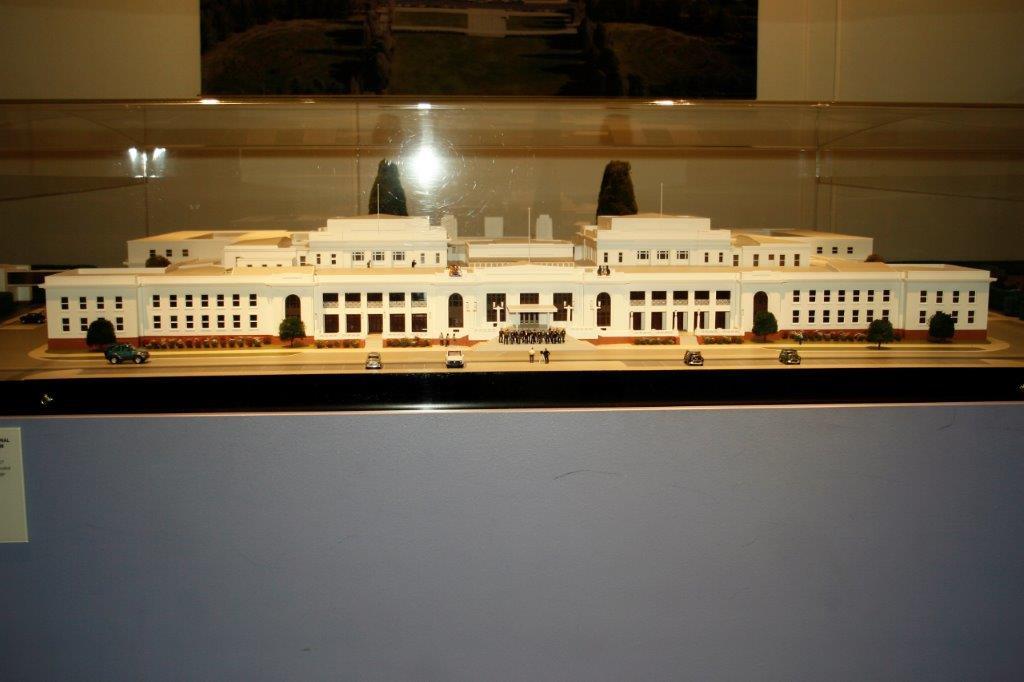
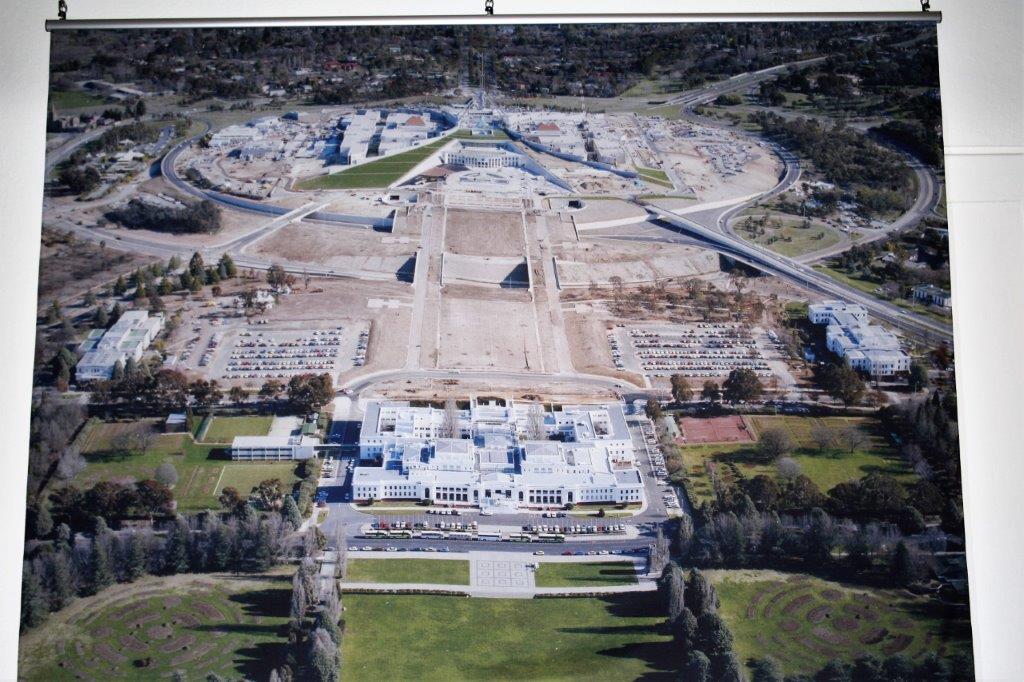
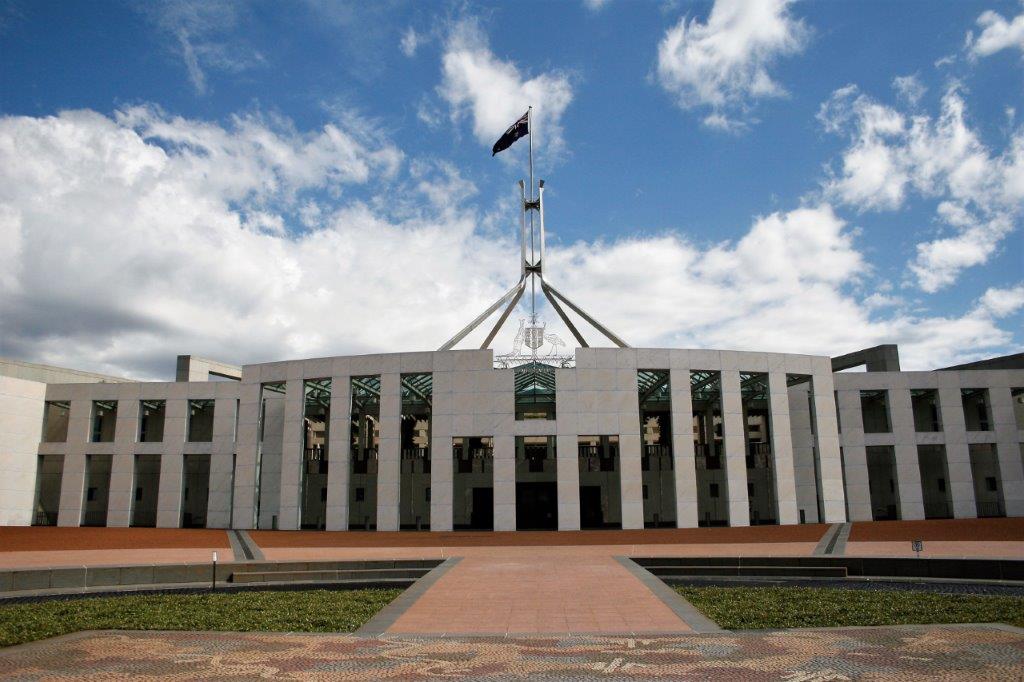
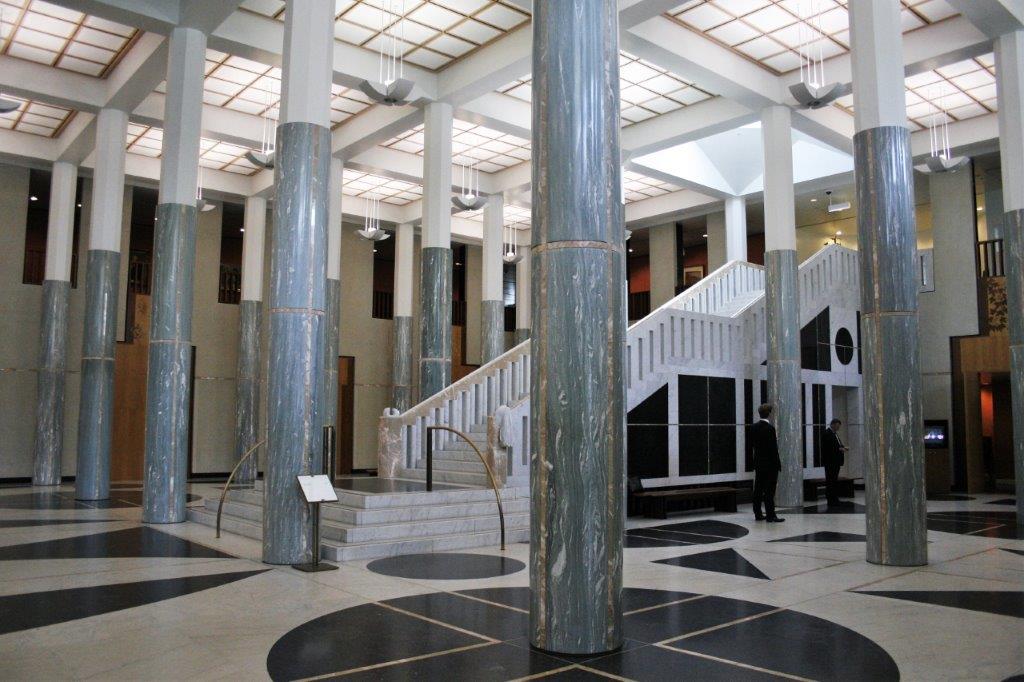
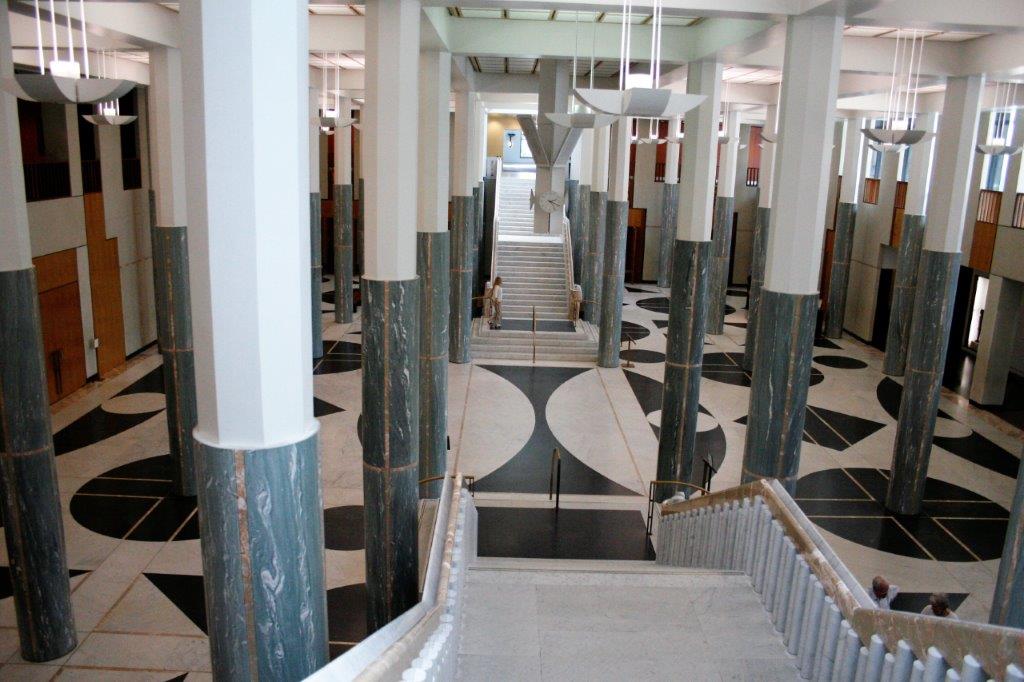
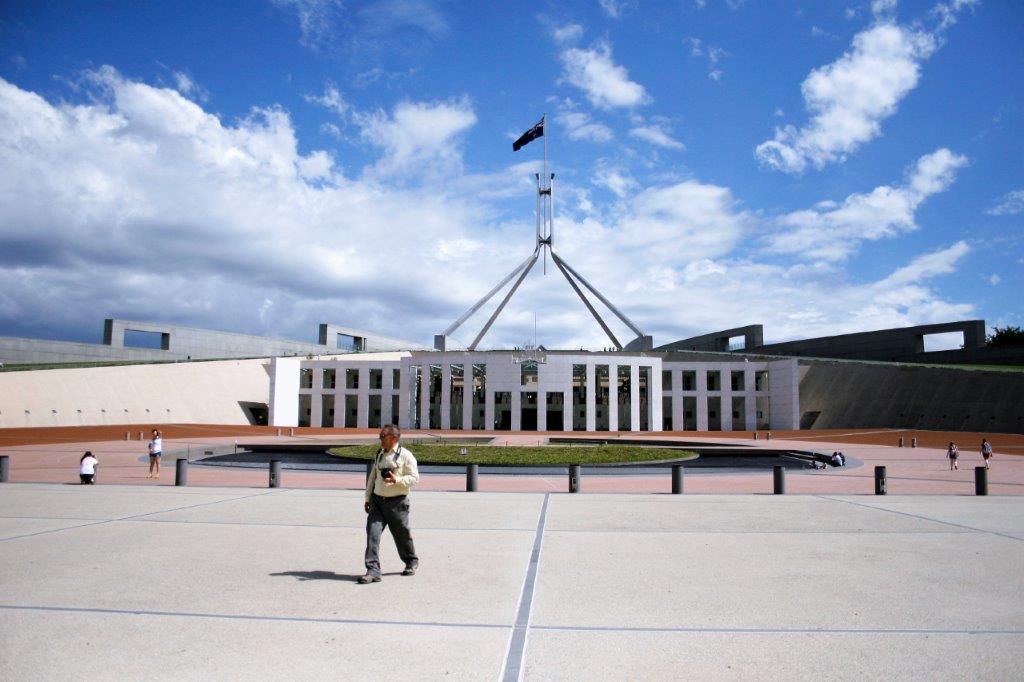
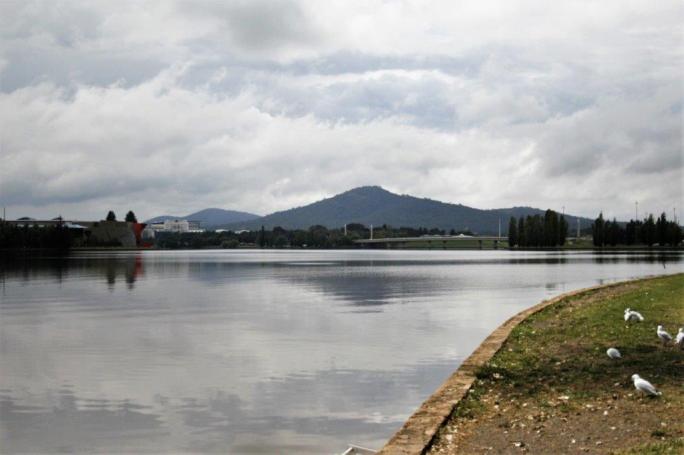
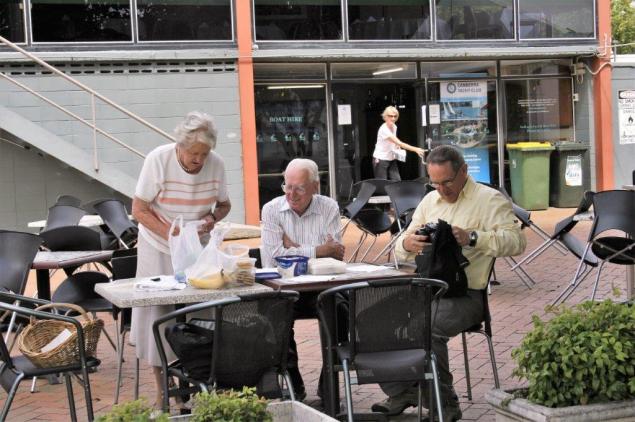
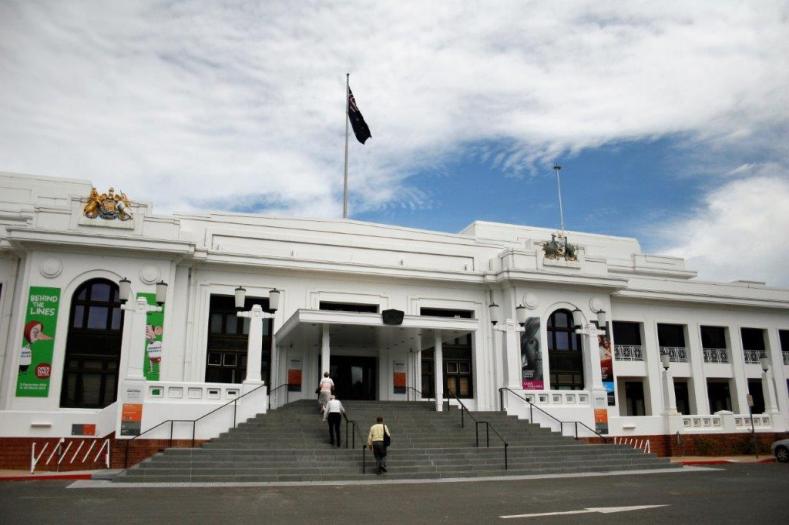
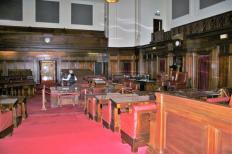
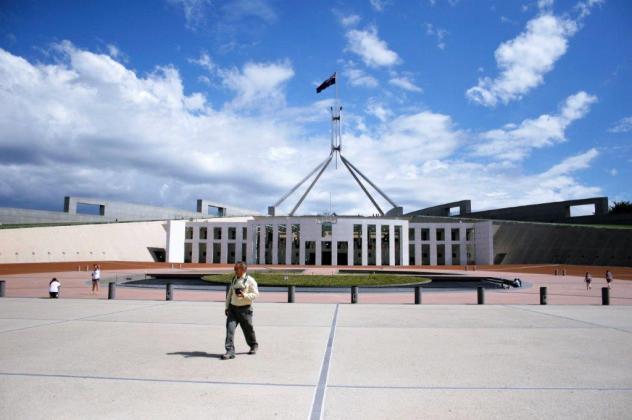
Robyn and Charles took us to the Yacht Club where we ate the picnic lunch she had brought along. After lunch we went to the Old Parliament House and the New Parliament complex. Canberra is a planned city and there is a straight line of sight from the Australia War Memorial to the Old and New Parliament buildings.   The pillars in the New Parliament entrance are made to look like the bark of eucalyptus trees.  It was a beautiful building.  We sat in on Question Period in the House (just as much silliness and posturing as goes on in Parliament in Canada) and also listened to a Senate meeting.  The big topic for discussion was a proposed carbon tax .(Now where have we heard that before?) Our final stop of the day was the Australian Mint where they print the country’s stamps and coins and, for obvious reasons, no photos were allowed.  Then it was back to the hotel and a rest before bed.  We had an awesome day in Canberra and really enjoyed meeting John’s ‘rellies.’    (Australians shorten just about everything.  Relatives are rellies.  Firemen are firies.  Politicians are pollies.  Universities are unies.  Pedestrians are peddies. A ice cooler is an Eskie (short for Eskimo box).  Mosquitoes are mossies.  Sunglasses are sunnies.  An SUV is a ute for utilitiy vehicle.  Food is tucker.  Bushtucker is food found in nature or cooked in open fires.  They speak English, but it is a whole new language.)


2011 February 26 – Day 52 – Wollongong to Bateman’s Bay, Australia

By the time we checked out of our hotel, found breakfast, and walked to a nearby mall to buy a new card reader suitable for both of my cameras and bought an Australian cell phone that we loaded with minutes to call home it was 11:30 and time to hit the road.

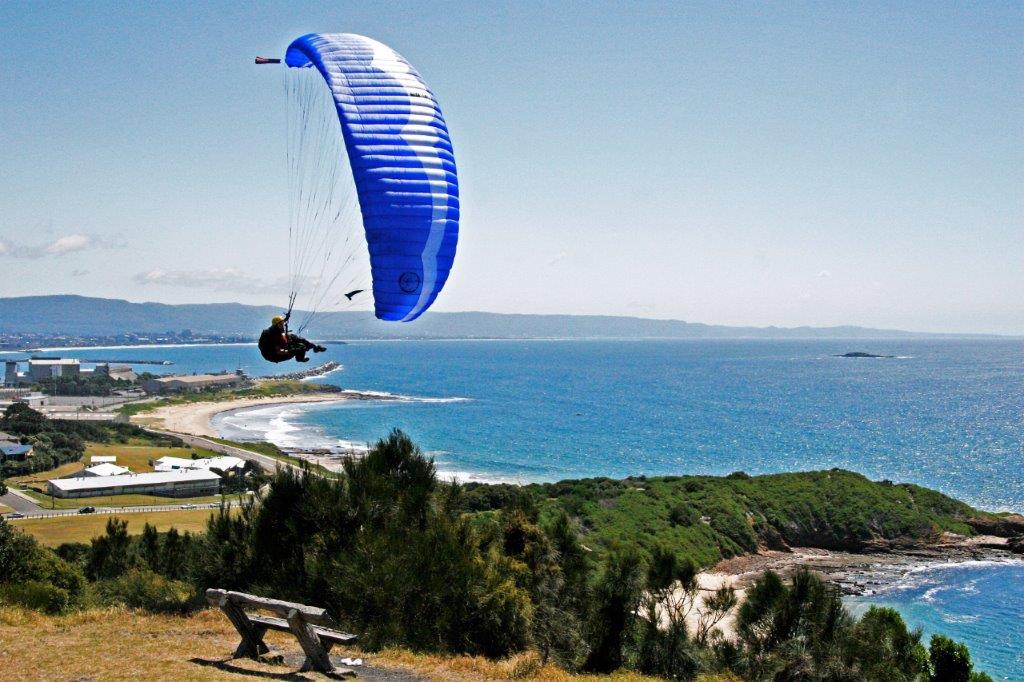
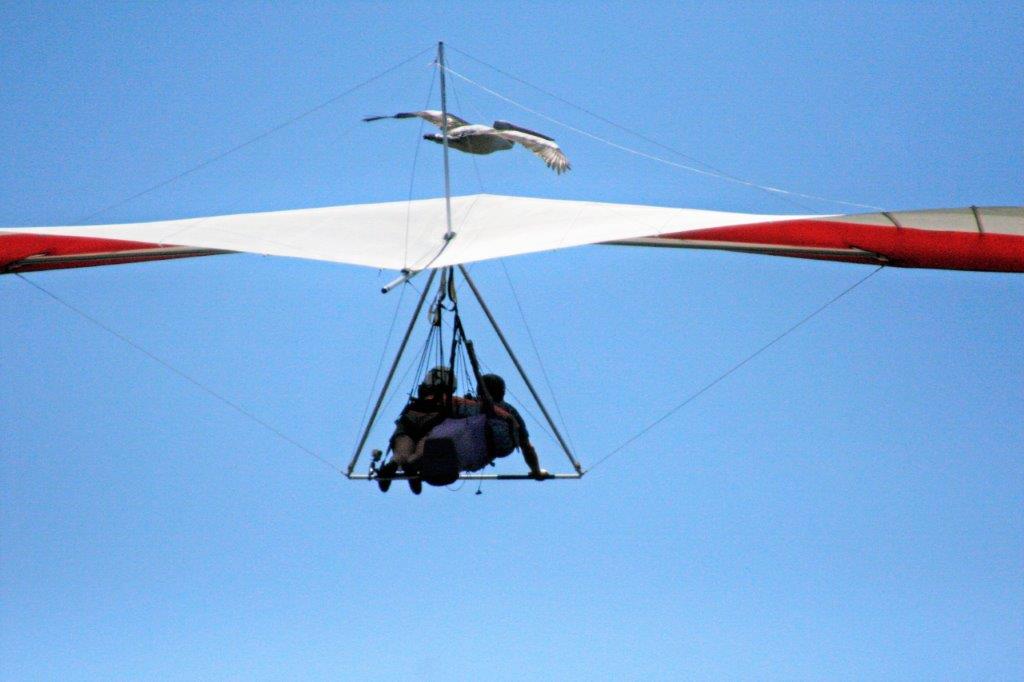
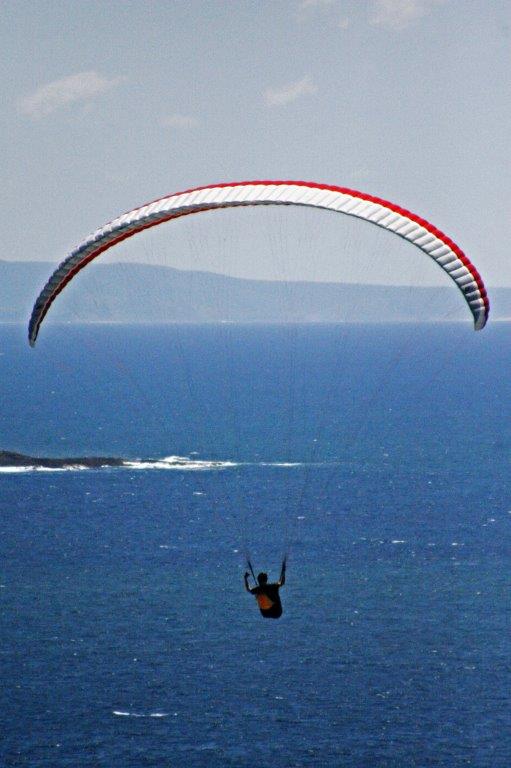
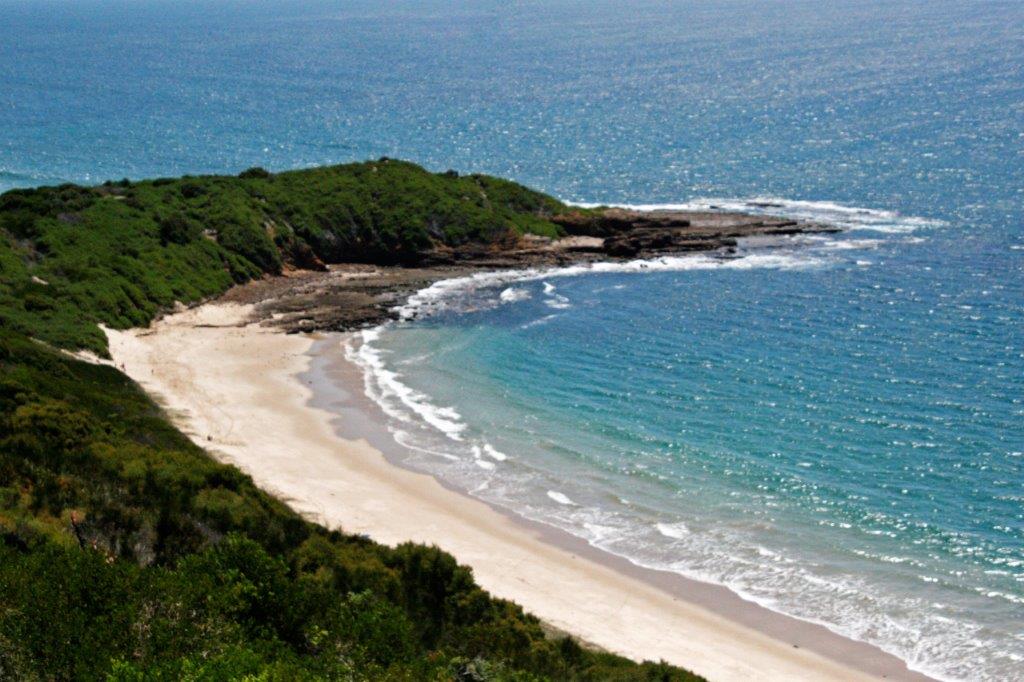
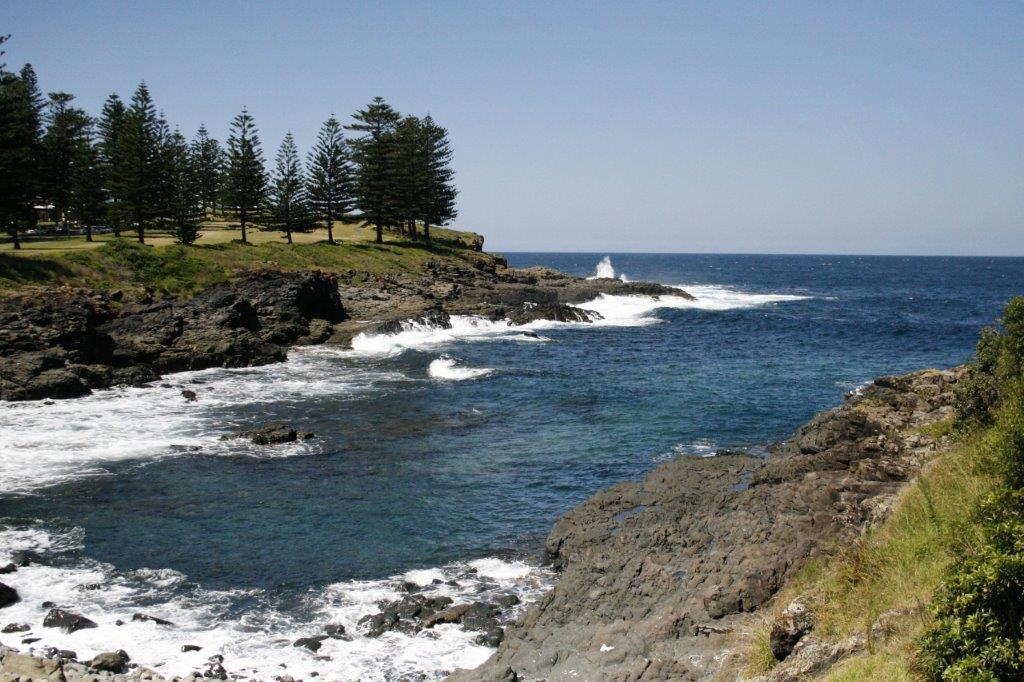
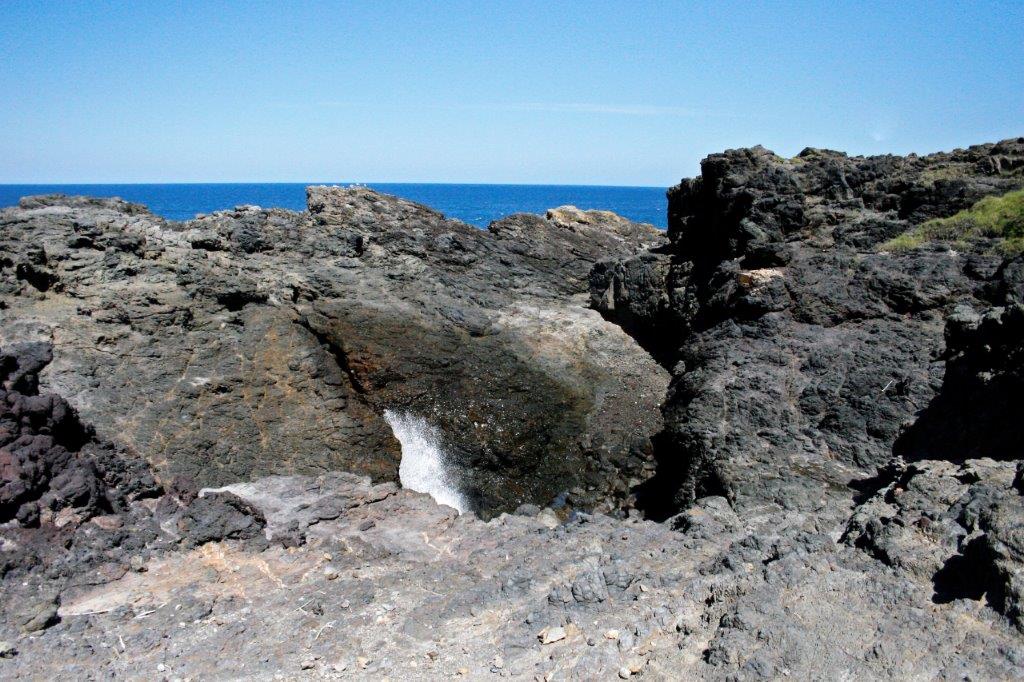
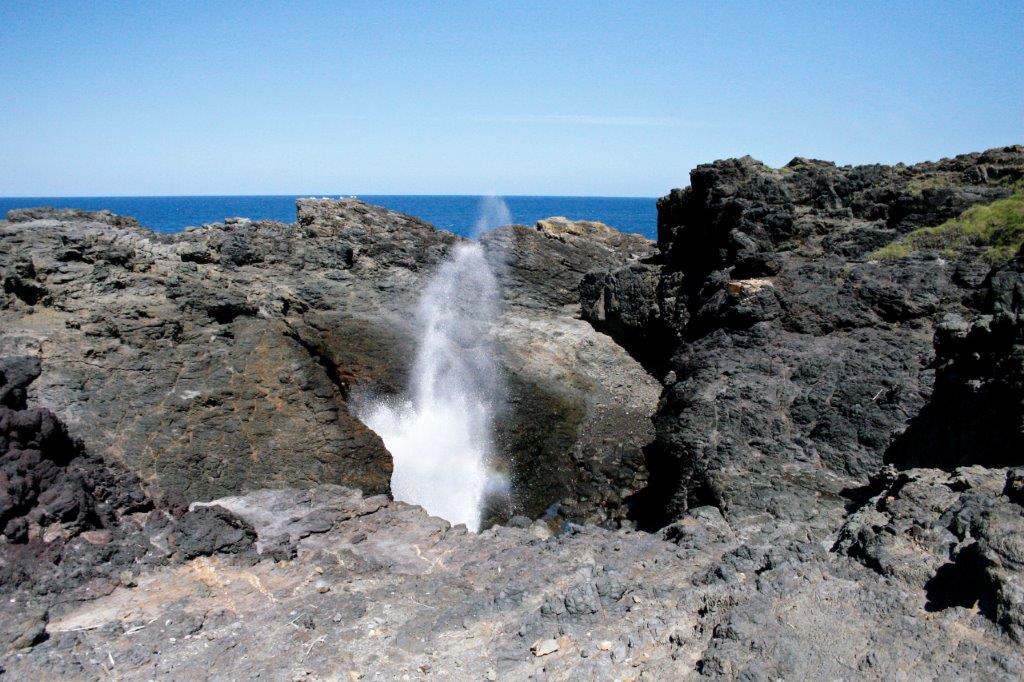
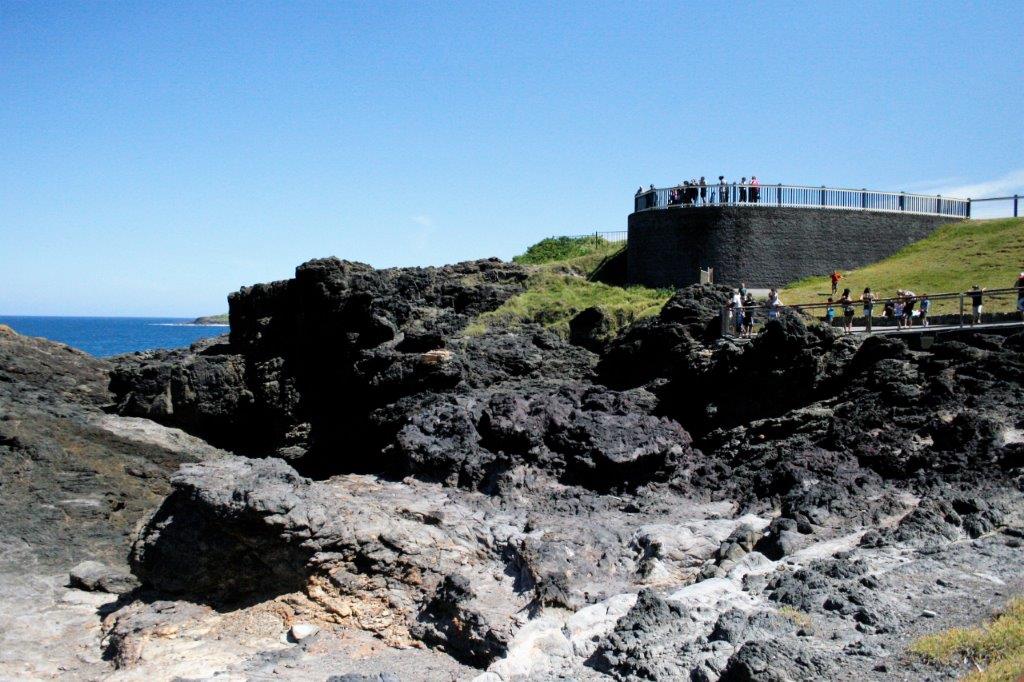
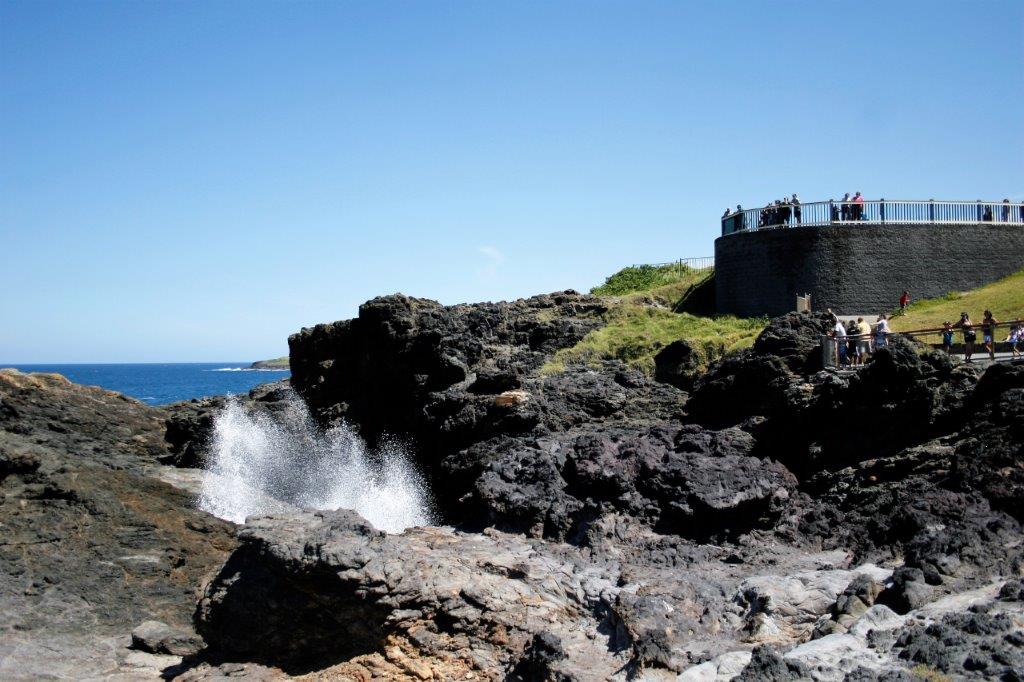
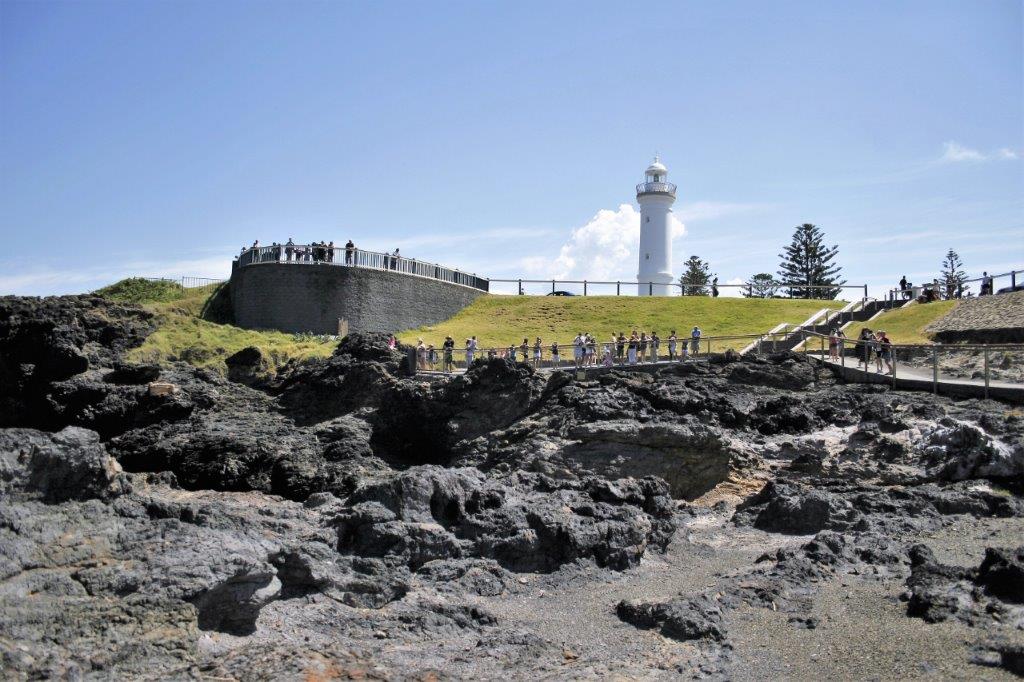
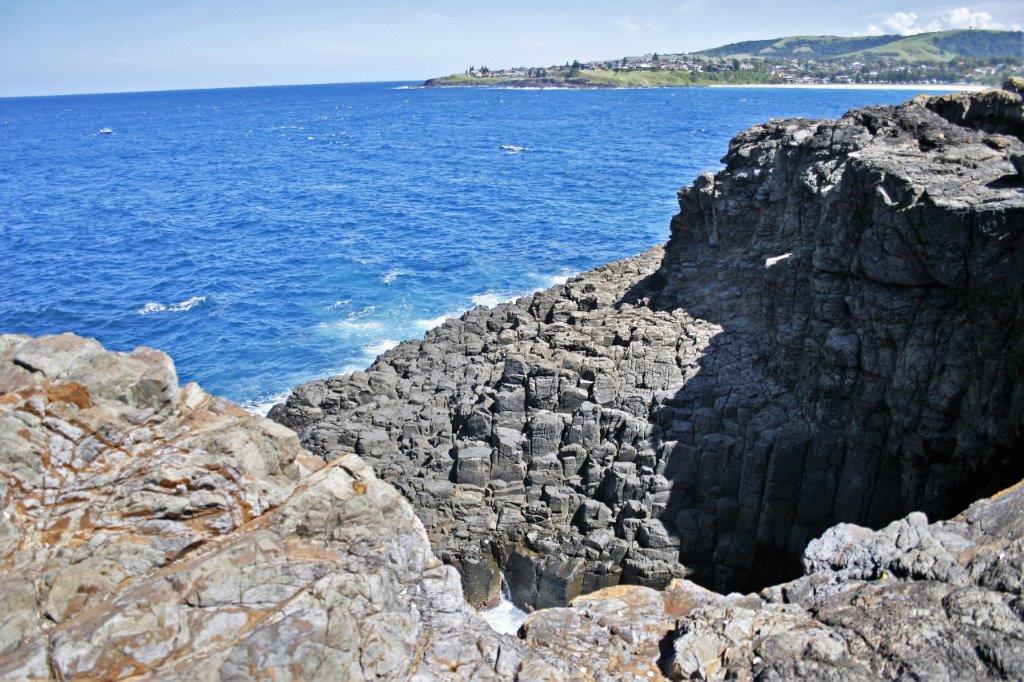
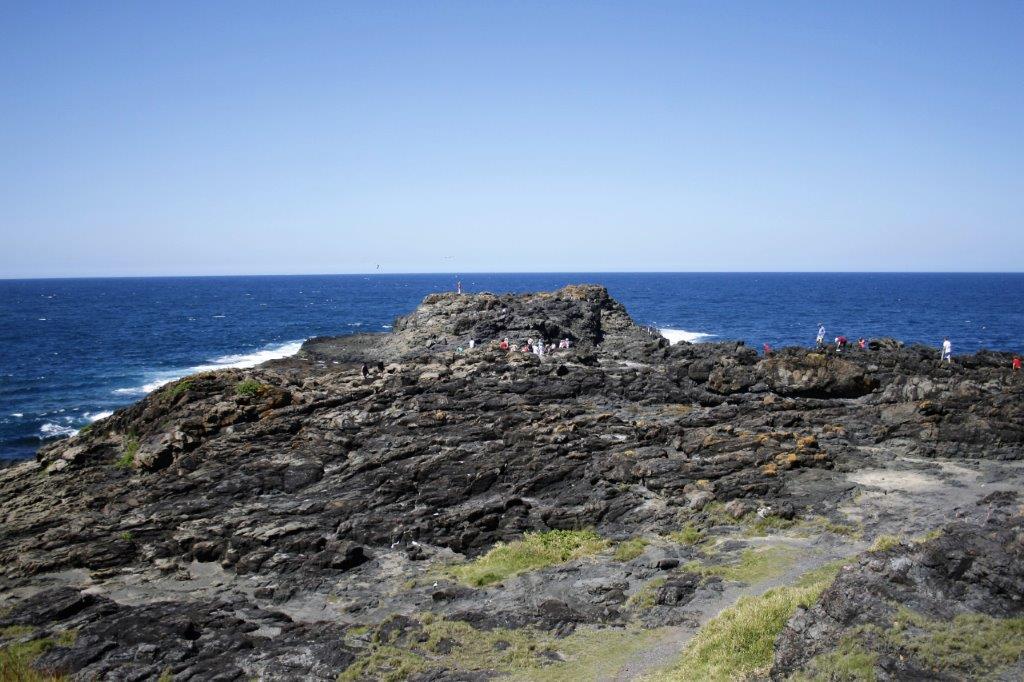
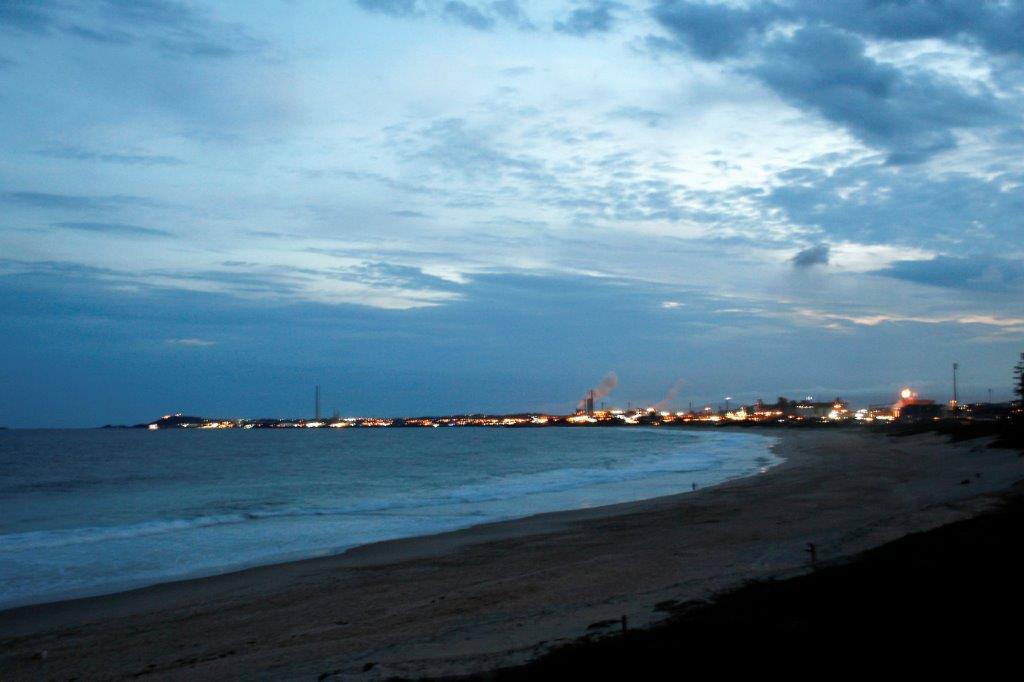
Not too far out of Wollongong we drove up Hill 60 to see the view.  The hill is a very popular hang gliding jump point and there were quite a few people enjoying the currents. There was a beautiful view of Wollongong beach.  Australia certainly has some gorgeous sandy beaches.We re-joined the highway south of Shell Harbour and drove to Kiama to see Blowhole Park.

After lunch at the park we decided to drive directly to Bateman’s Bay as it was getting late in the afternoon.

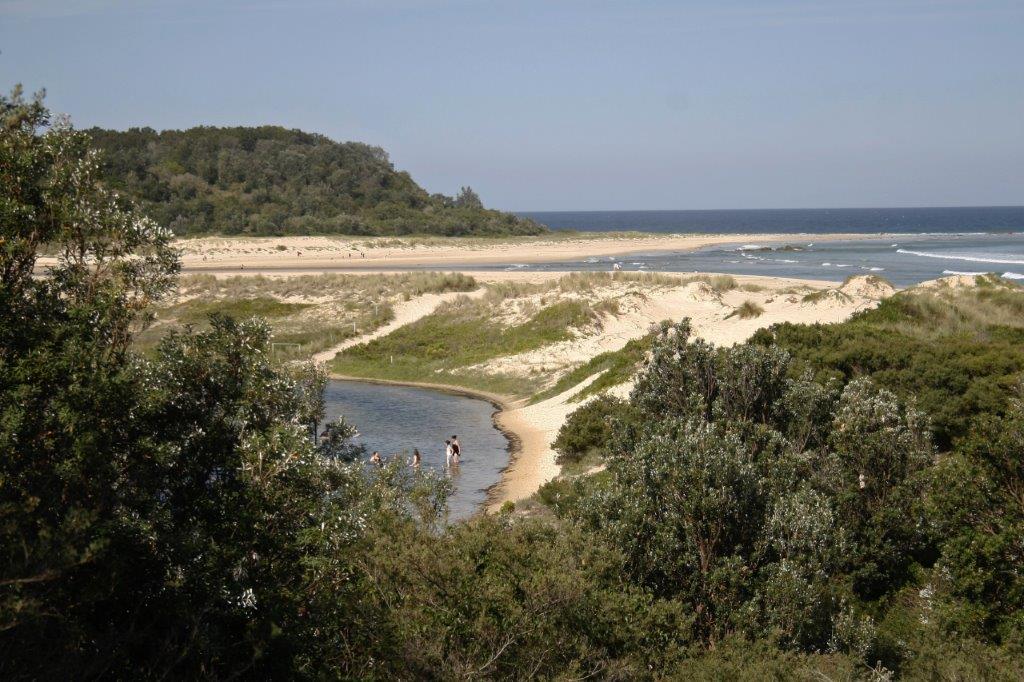
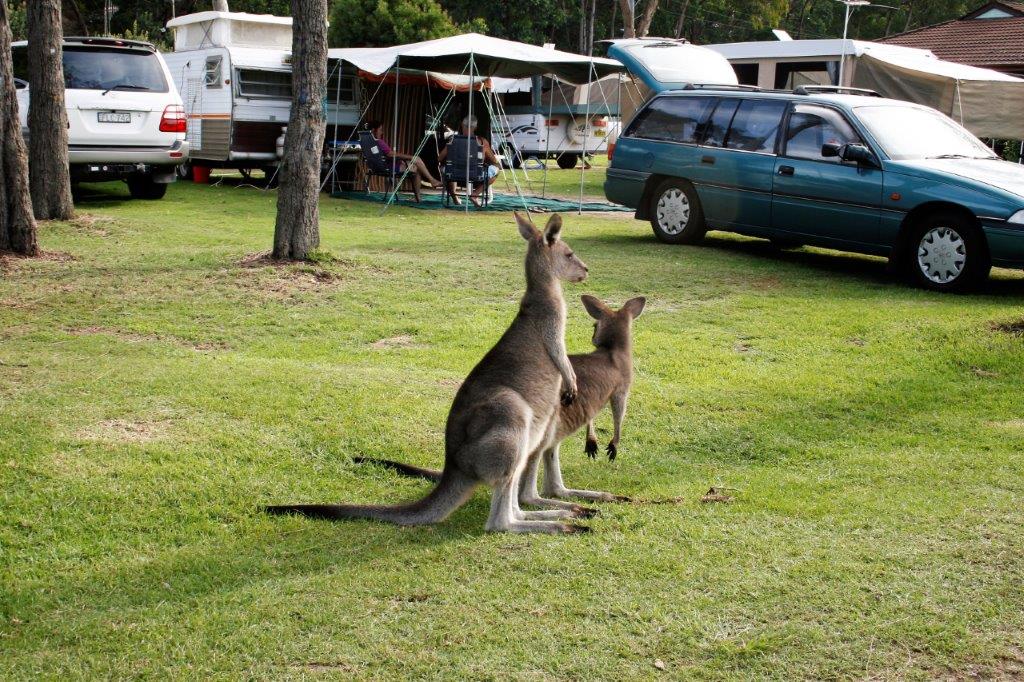
We did however make one detour seven kilometers toward the ocean to Lake Conjola; a salt water lake. There was a campground at Lake Conjola and some kangaroos were hopping about feeding on the grass. It was after 6 pm by the time we got to our hotel so we checked in, had dinner and spent the evening getting the phone and the card reader working before reading emails and sorting photographs.  We had a lovely sunny, warm, and interesting day.  The distance from Wollongong to Batemans Bay is 191 km (118 miles) and you can drive it in two and a half hours.  We did well.  It only took us 6 1/2.

2011 February 25 – Day 51 – Sydney to Wollongong, Australia

By 9:30 am we were checked out of our hotel and dragging our luggage a half mile down the sidewalk to the rental car agency.  We picked up an almost new white Toyota with 7,800 km on the odometer and headed out of Sydney.  The rental car people gave John good directions for a quick and easy way out of the city and we were soon driving down coastal Princes Highway on the Grand Pacific Drive.

John adjusted quickly to driving on the left side of the road.  He had driven in Britain before so the experience was not totally new.  His biggest problem was the windshield wipers which were located on the right side of the steering column and he kept turning them on whenever he wanted to indicate a turn.

We had made a tentative time line for our trip and had a couple of reservations pre-made that we needed to meet but for the most part we could meander at will; within reason.

There were several stops during the day.

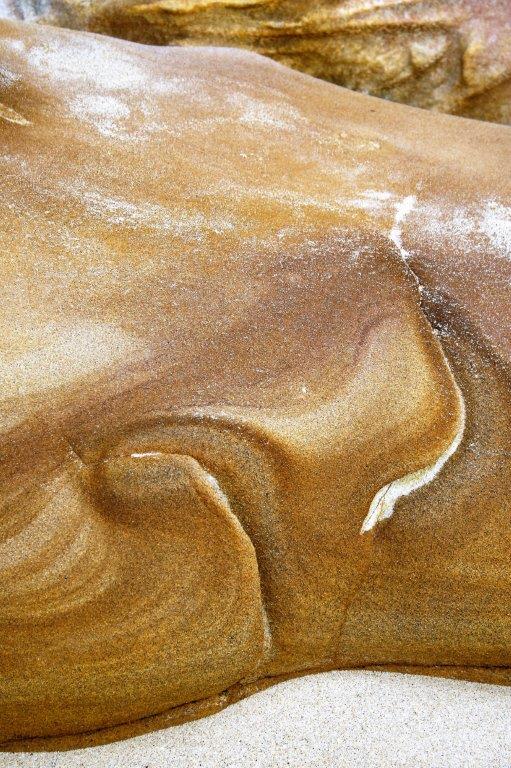
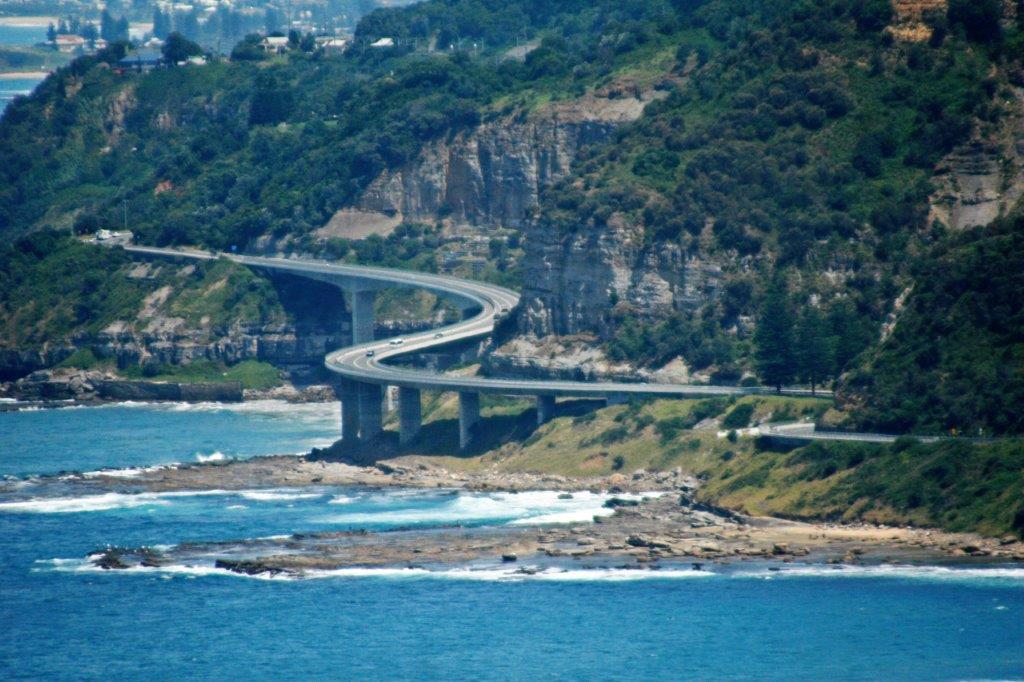
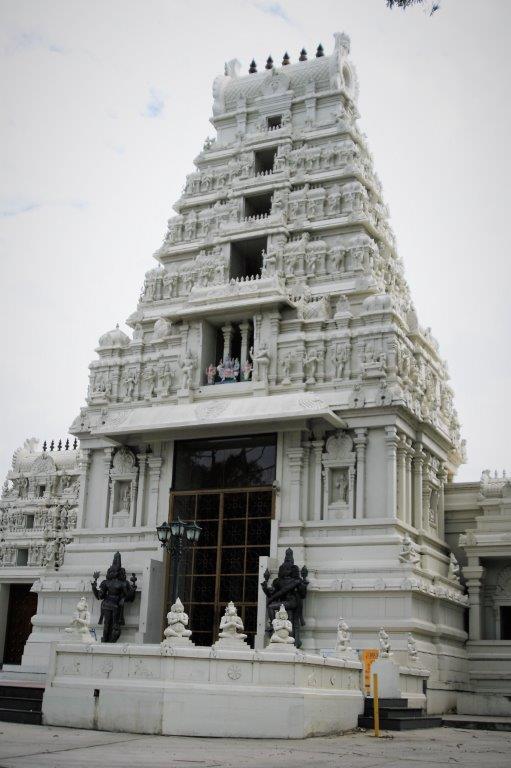
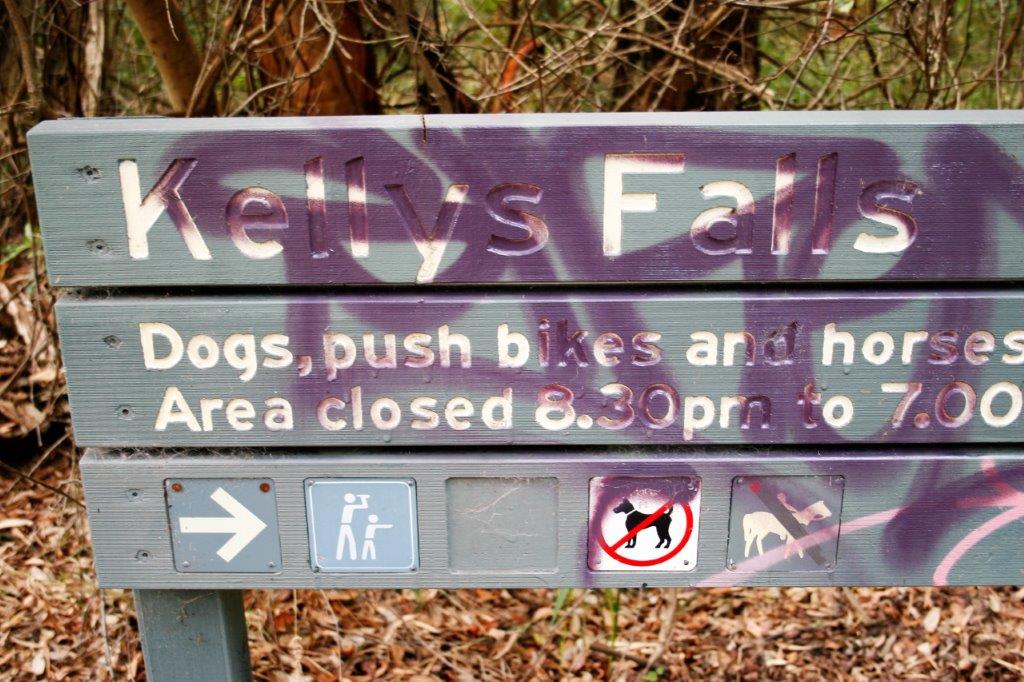
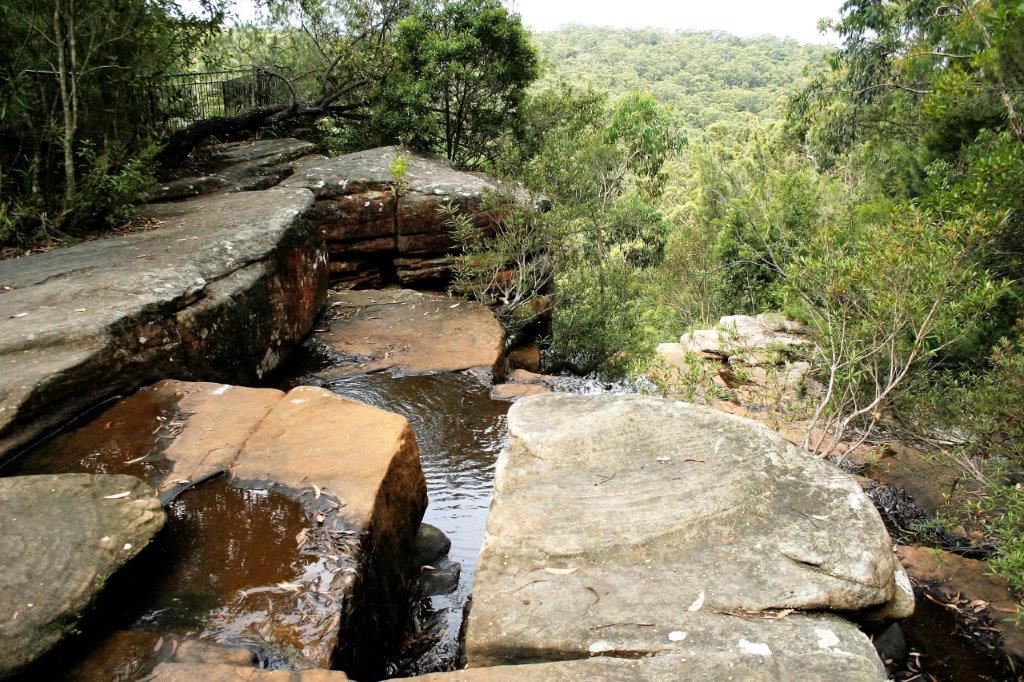
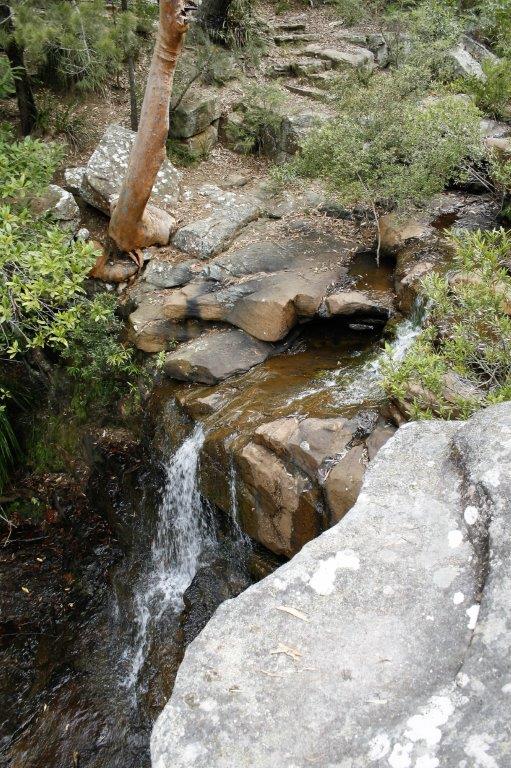
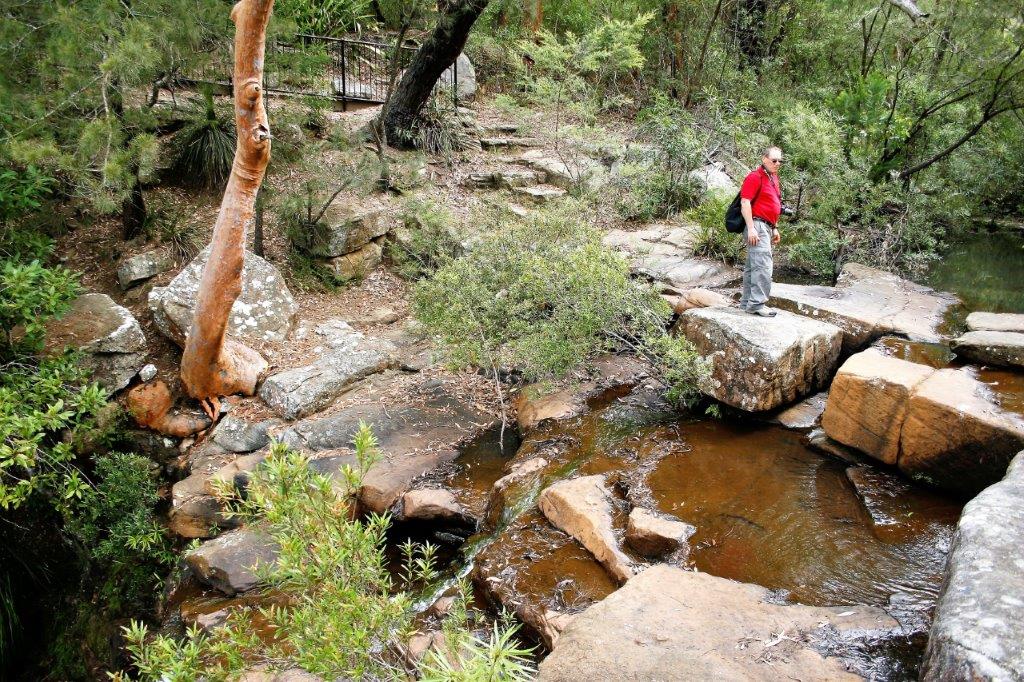
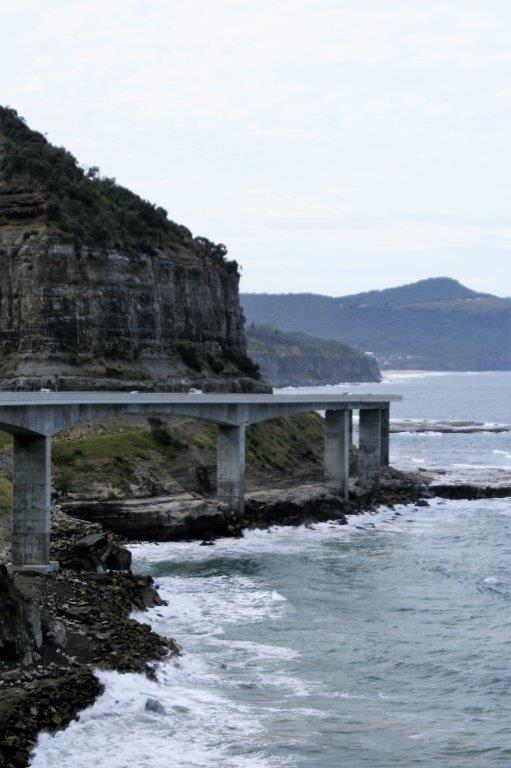
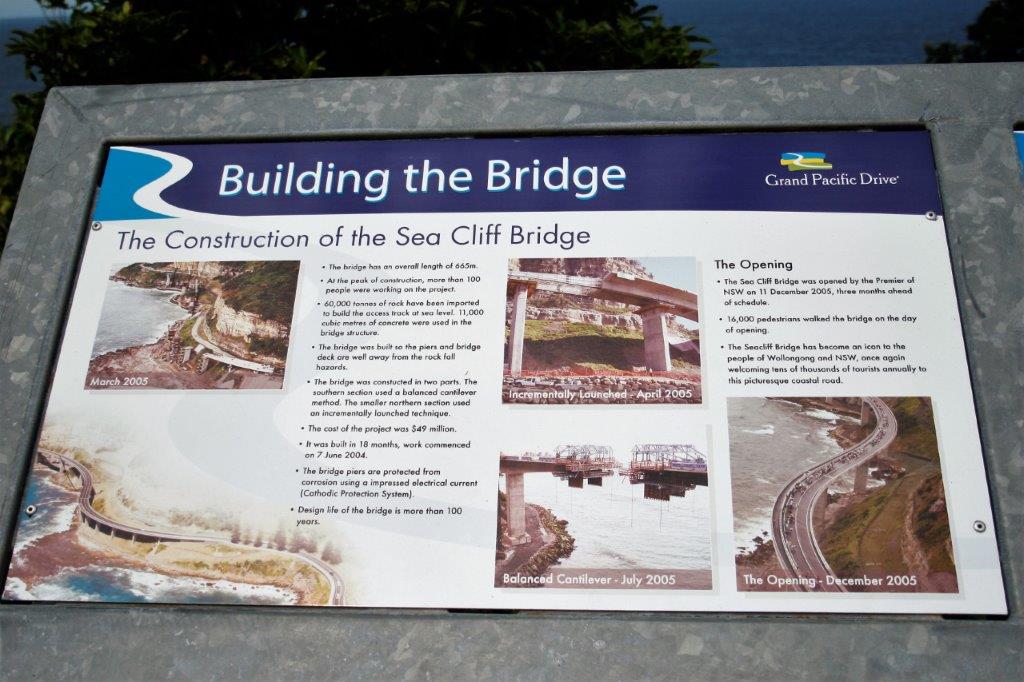
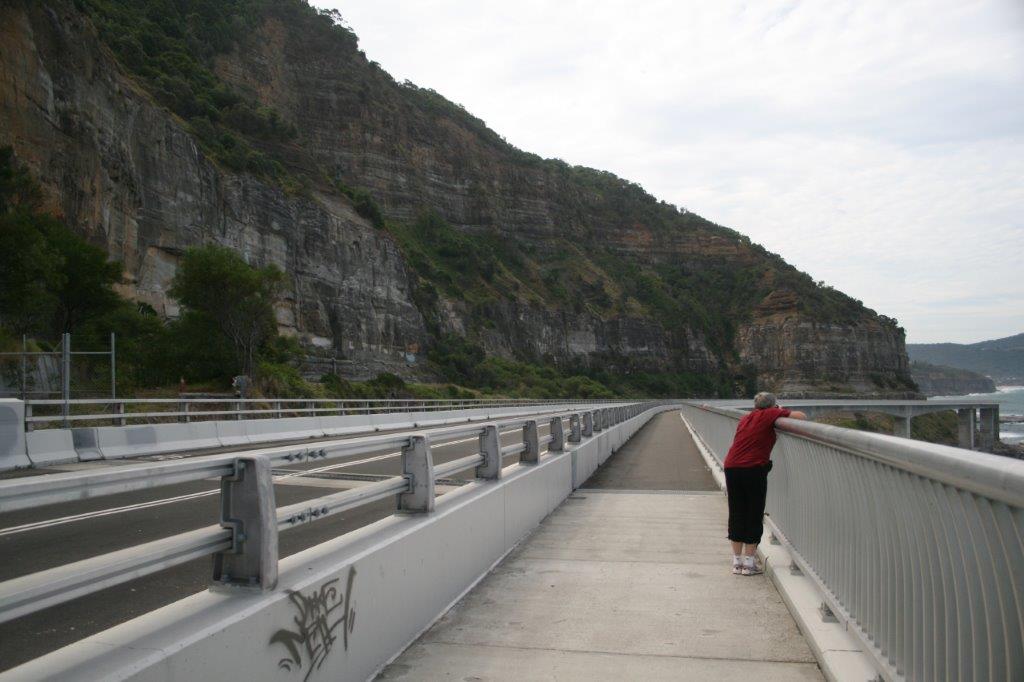
First was a walk into a nice cove with a rock cliff that was a popular jumping spot for the local young people.  The rocks were carved into interesting shapes by the tidal waters and were a gorgeous gold.   There was a lovely ocean view from Otford Lookout.  And we got our first – albeit distant – look at the Sea Cliff Bridge that we would cross awhile later. There was a short stop in Helensburgh to see the Hindu Temple. The small Kellys Falls necessitated a little hike.  And the way the rocks and pathway were positioned you could hardly see it anyway – sort of similar to the sign.The Sea Cliff Bridge is a balanced cantilever bridge that joins two coastal villages, Coalcliff and Clifton.  It was completed in 2005 at a cost of $52 million.  The bridge was named by an 11-year-old school girl in a “Name the Bridge” competition in the area primary schools.  It is one of only seven off-shore parallel to coast bridges in the world.

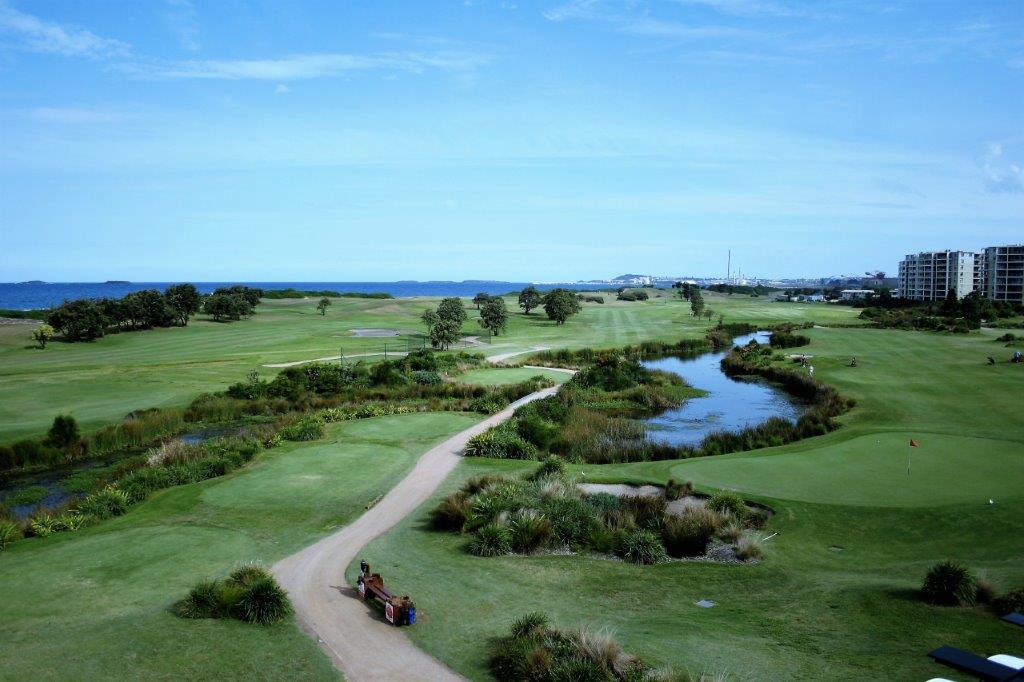
We arrived in Woolongong and checked in to the Best Western Wollongong Golf Club Hotel.The view from our room.

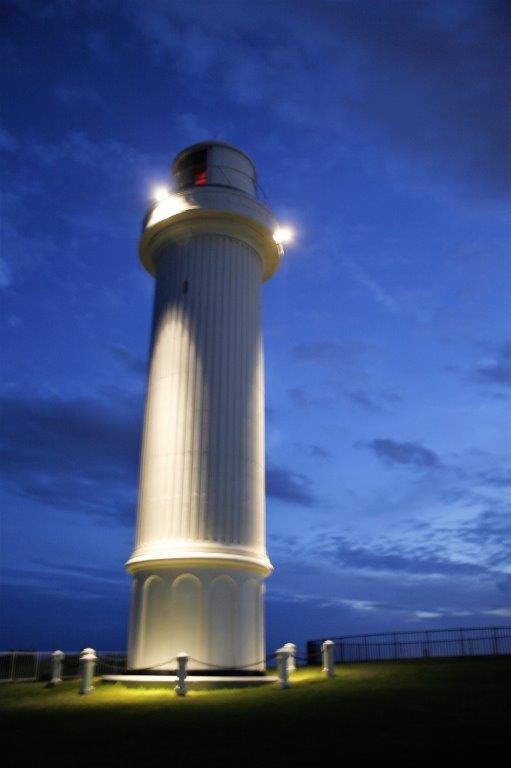
After dinner we walked out to the Flagstaff Point lighthouse before returning to the hotel for the night. We had a wonderful first day for the beginning of our south coast drive.  And travelled almost 100 km (62 miles) in the process.

2011 February 24 – Day 50 – Sydney, Australia (Day 4)

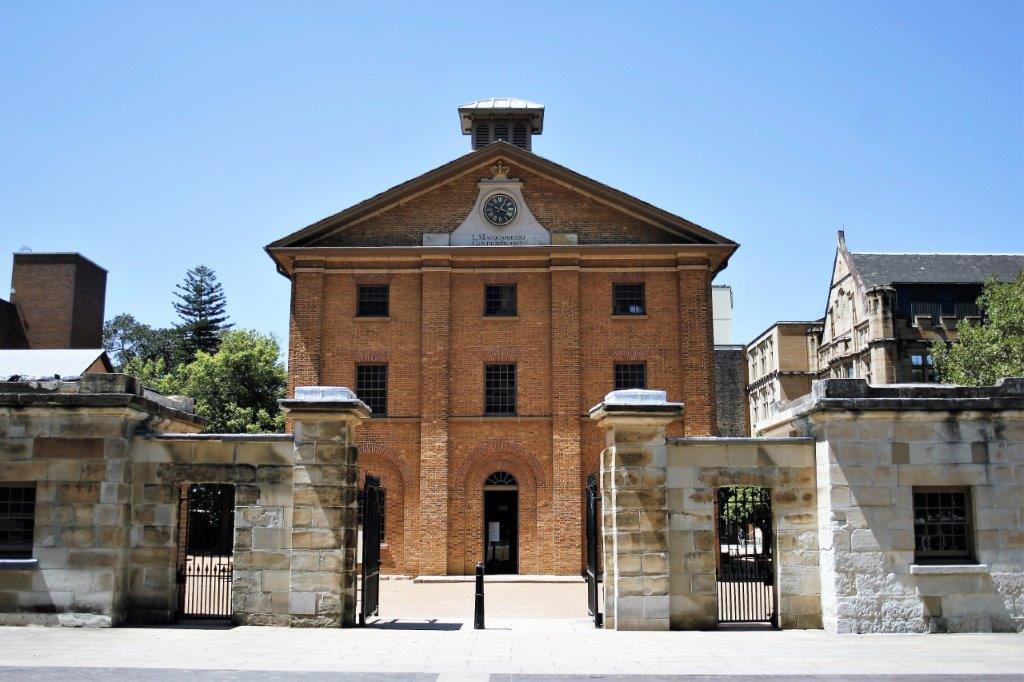
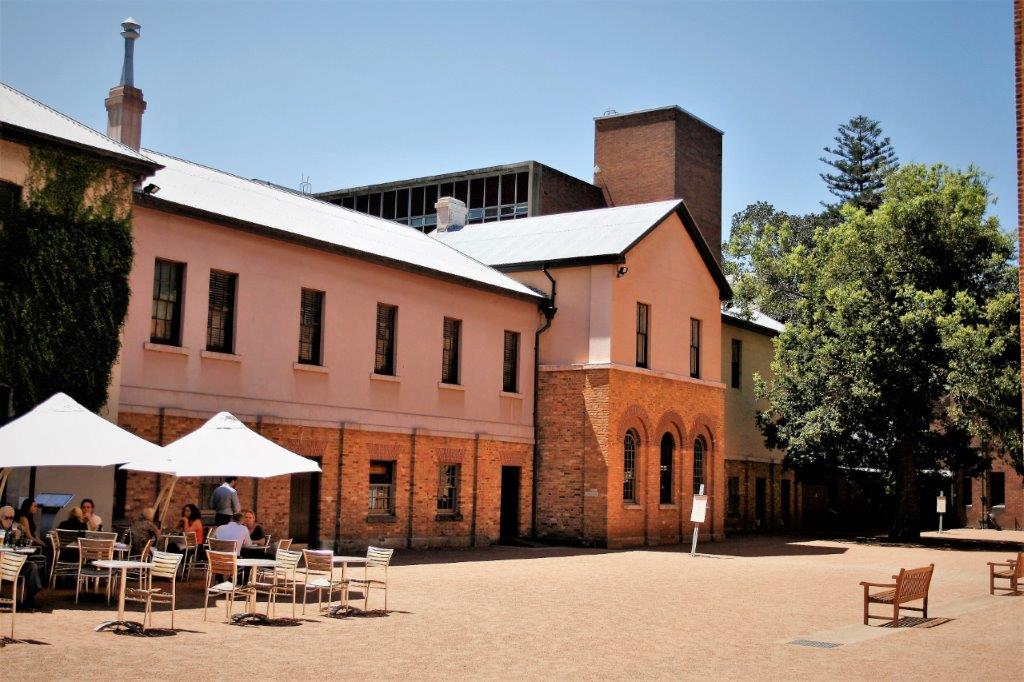
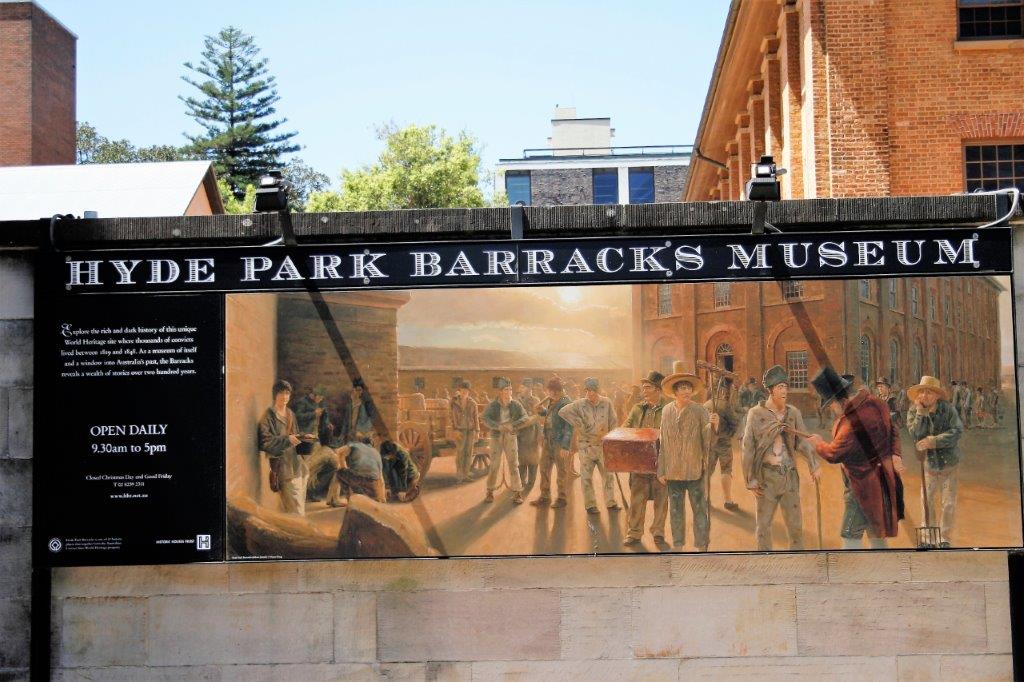
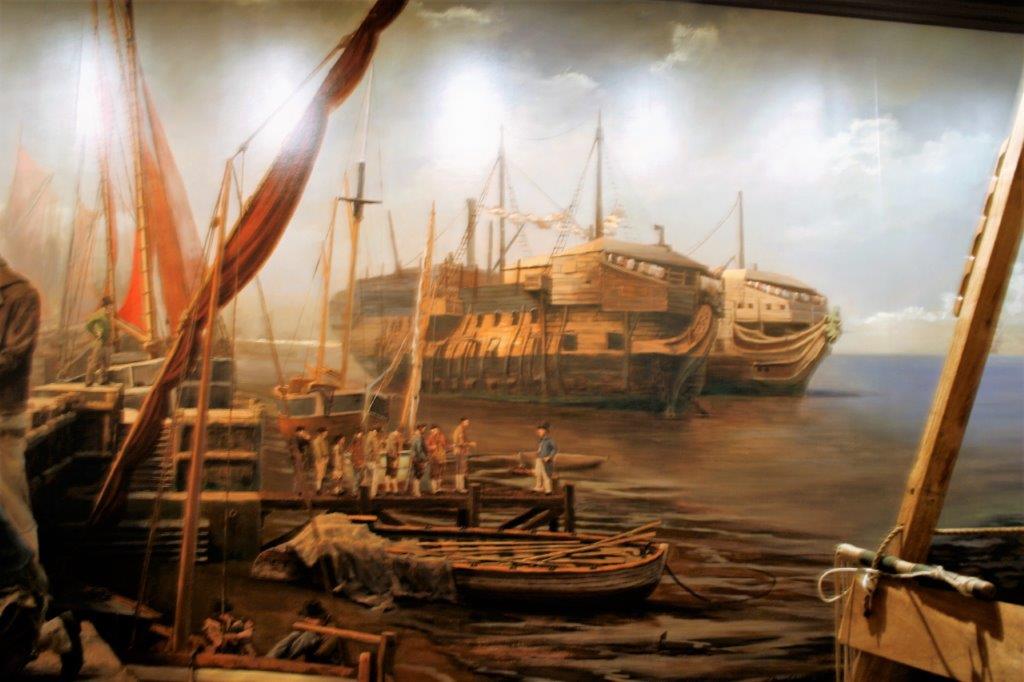
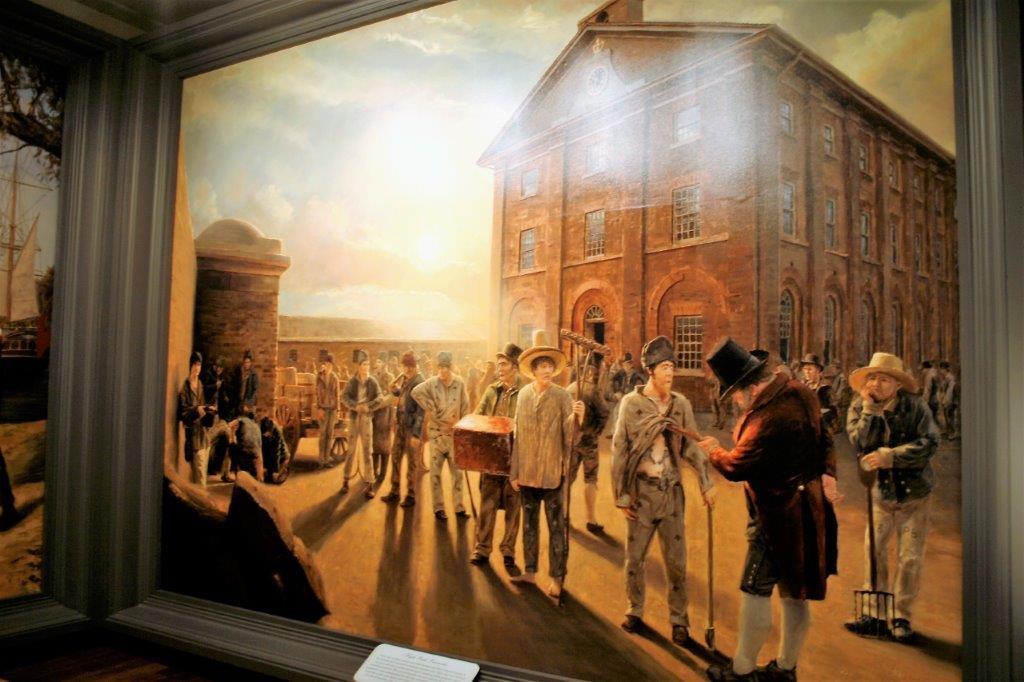
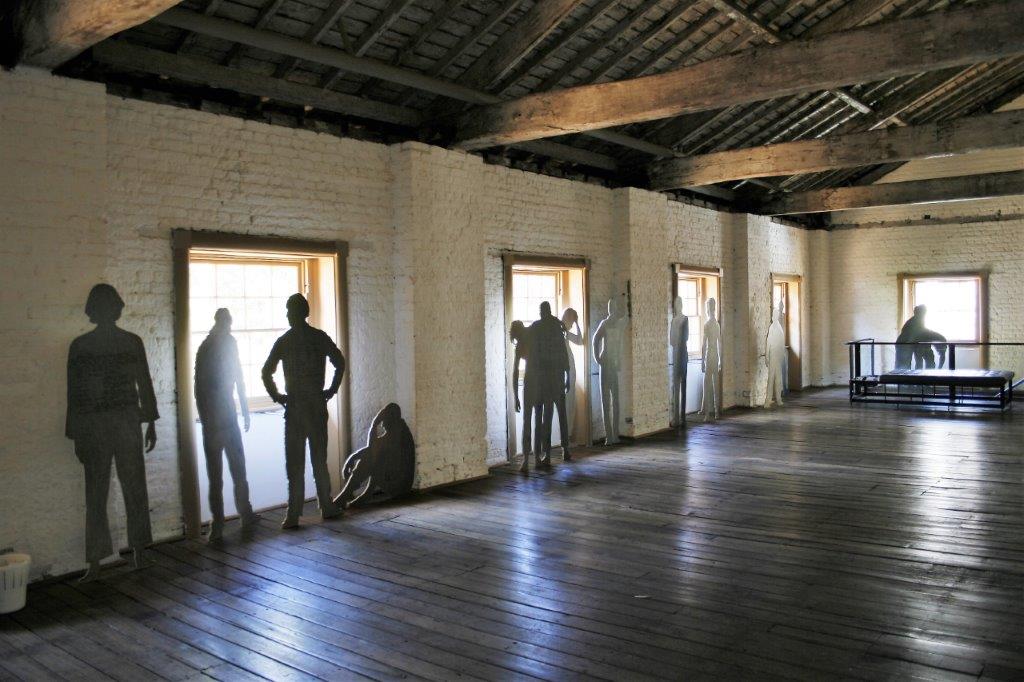
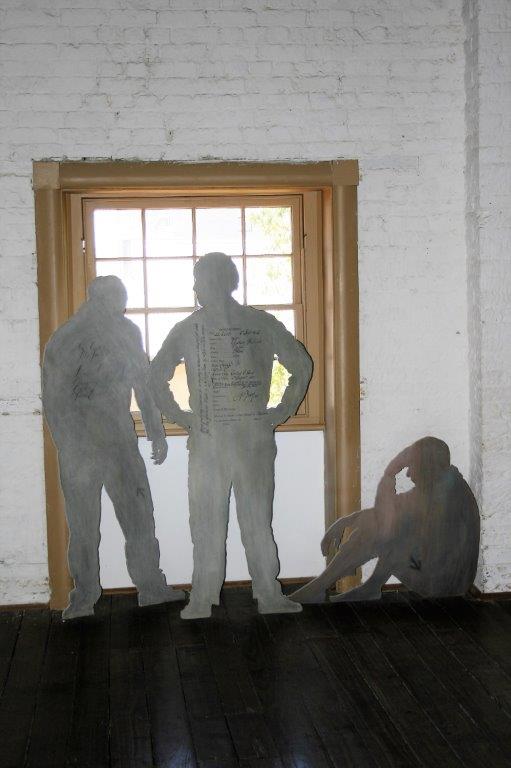
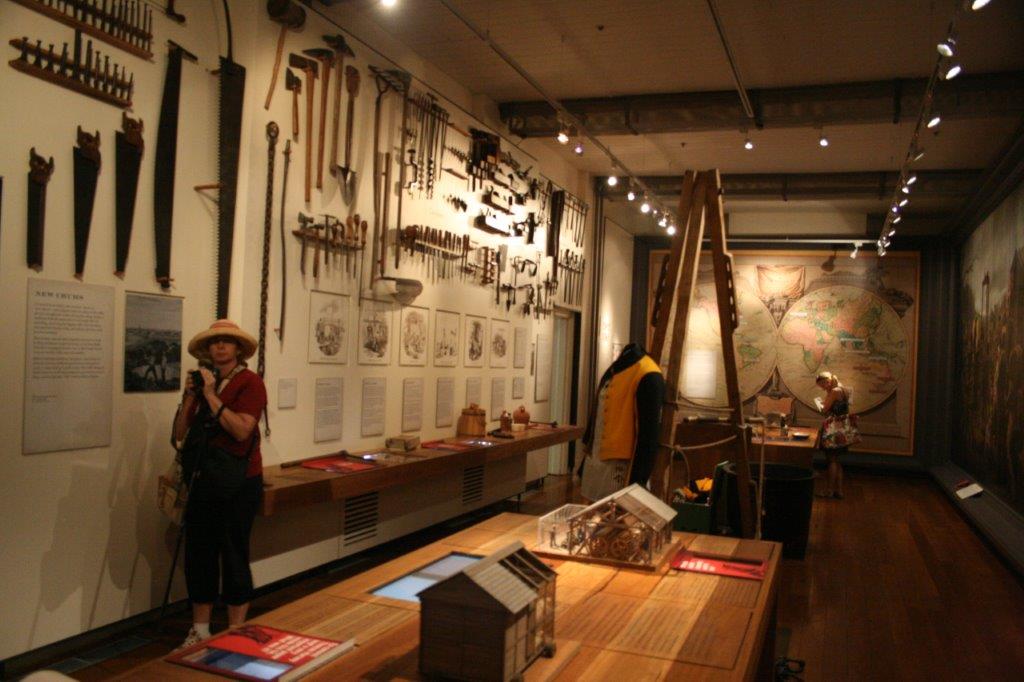
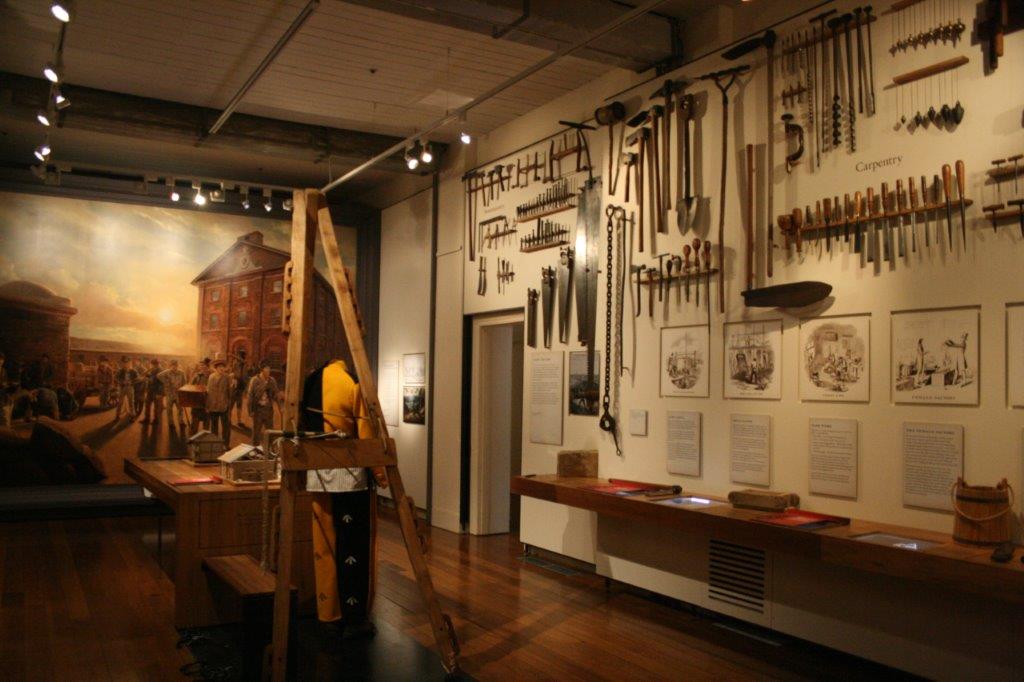
Our last day in Sydney was semi-lazy.  After breakfast we spent most of the morning in our room sorting photos.  About 11:30 we walked through Hyde Park again and went to the Barracks Museum, where we spent the majority of the afternoon. Hyde Park Barracks Museum covers the history of the buildings themselves.  The complex was built between 1817 and 1819 to provide secure lodging for government assigned male convicts.  From 1819-1848 there was an average of 600 men sleeping in hammocks in 12 rooms.   During the day the convicts would go out to various places around Sydney and work on roads, bridges, and buildings.  The Barracks contained a bakehouse, kitchen, mess-rooms where the men ate their meals, storerooms, cells and some apartments for the Deputy Superintendent and his assistants.

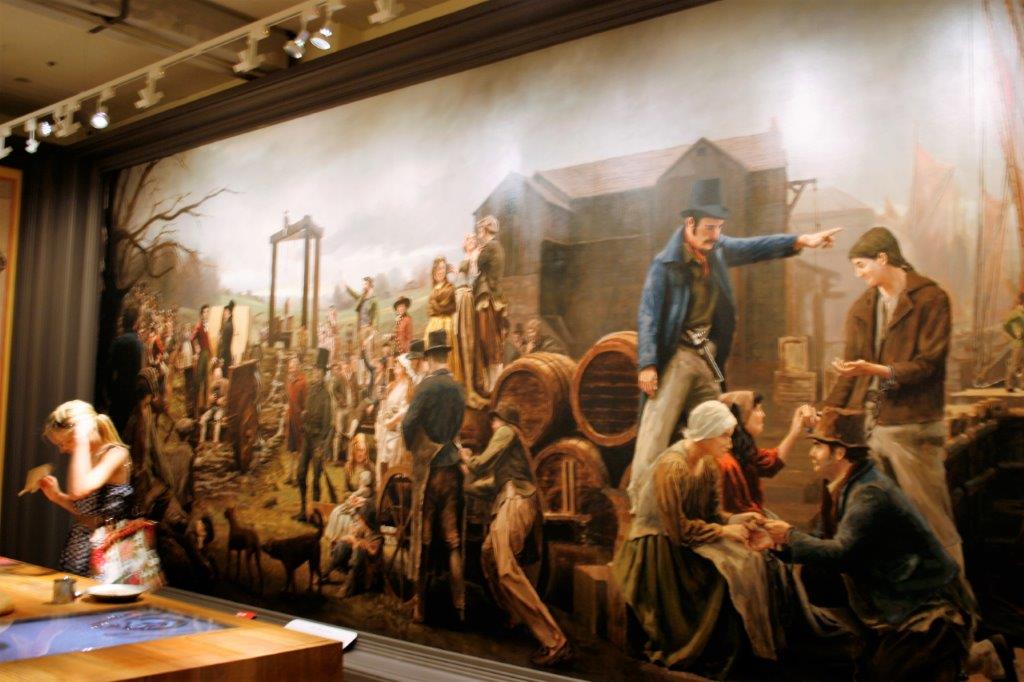
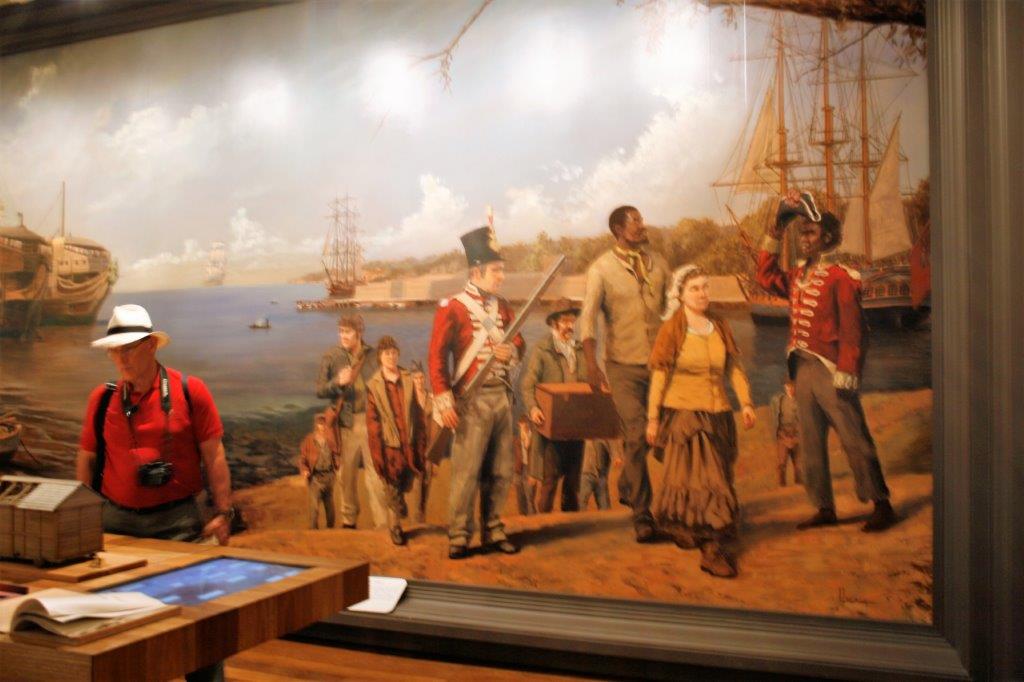
The murals in the entrance hall were well done. Betwen 1848 and 1886 the Barracks was the immigration depot for single females – mostly Irish girls orphaned during the great famine.  In a country like Australia that was very short on females it was a way to get servants as well as brides.  They altered the central dormitory and iron beds replaced the hammocks.  During these years there were also offices on the grounds such as the Government Printing Offices, the Vaccine Institute, District Court and the NSW (New South Wales) Volunteer Rifle Corps; plus more.

From 1862-1886 the top two floors of the complex was a new Government Asylum for aged, infirm and destitue women.  They had access via an outside staircase to the courtyard for laundry, kitchens and a bathouse.  About 399 women were cared for. The Government set up offices and law courts from 1887-1979 after a major overhaul of the buildings was completed.  Two large courtrooms were attached to the eastern end of the main building and others were remodeled for smaller courts or other legal entities such as the Patents, Coroners, and Weights and Measures departments.  Over time other government bodies used the space as well; such as the Industrial Courts, the Public Trustee, the Master of Lunacy, Legal Aid and the Parole Board.

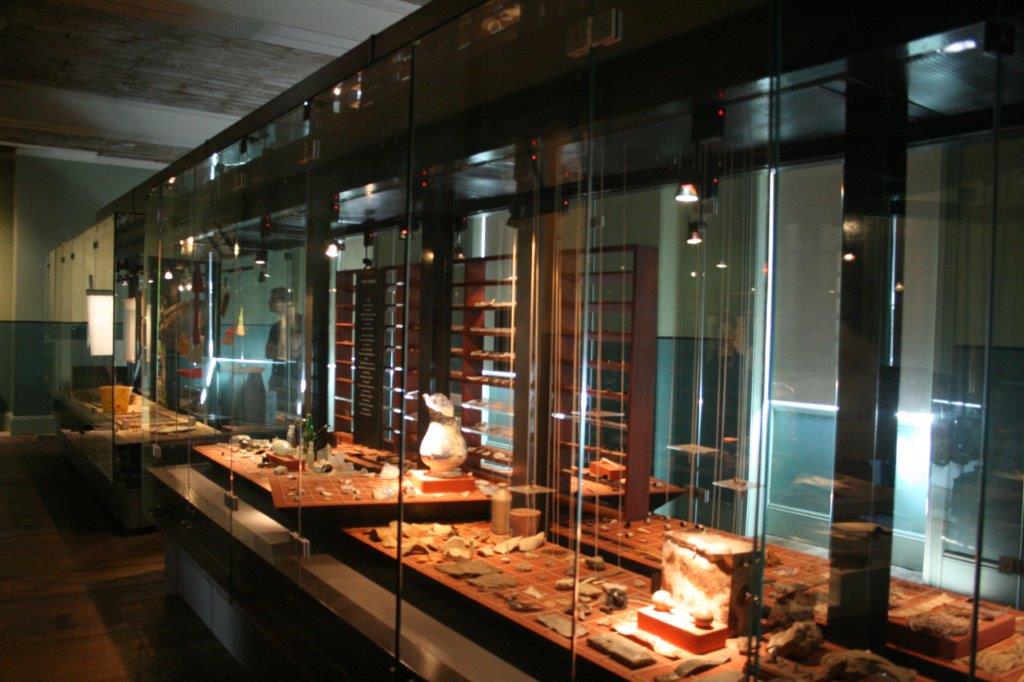
For more than 185 years the Barracks has had 50 different user groups, 28 of them legal or government departments.  By 1904 there were plans to demolish the Hyde Park Barracks but no action was undertaken and in 1935 the suggestion that the complex become a museum was first broached.  It took until 1975 for a decision to be made to keep the Barracks site and a team of architects, histrorians, archaeologists and museologists began working on the plans for a museum.  The work began in 1980 and by 1984 the new museum of social history opened its doors.  Six years later the Barracks were put under the control of the Historic Houses Trust and refurbished as a museum that presents the history of the site itself.  The stories of the buildings and the experiences of its inhabitants are told through changing exhibits.

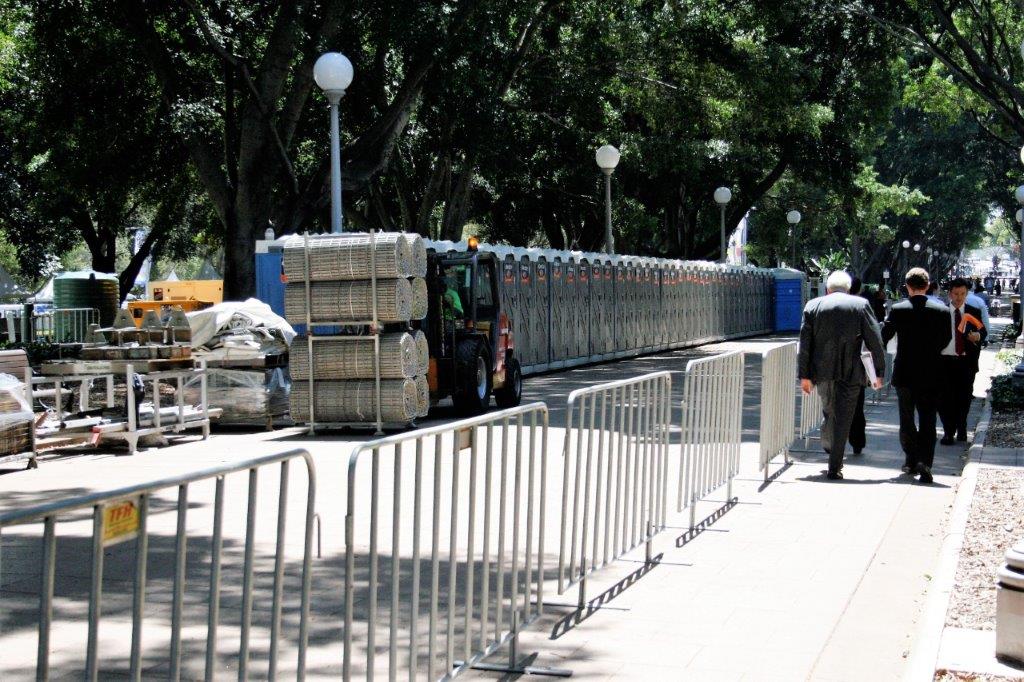
After three hours we wander across the street to Hyde Park and watched people while we ate some lunch. The Wine Festival was starting soon and workers were getting things ready; including a really long line of port-a-potties.While I did some work at the internet cafe to get more photos uploaded to my photosharing site John scoped out nearby restaurants for somewhere to eat dinner.

After dinner we returned to the internet cafe to use up the remainder of our purchased time and then headed for our hotel and bed.  The next day we began our Australian Adventure in earnest.

February 23 – Day 49 – Sydney, Australia (Day 3)

We decided to take our extra bags to the storage unit so that would be done as we only had two more days in Sydney before we headed out to see what we could see of Australia.  It was over a mile walk which isn’t bad unless you are pulling a full, large suitcase on hilly sidewalks through thick crowds.  But we made it and the gal at the unit gave us a deal on our two month’s storage costs so it was all good.

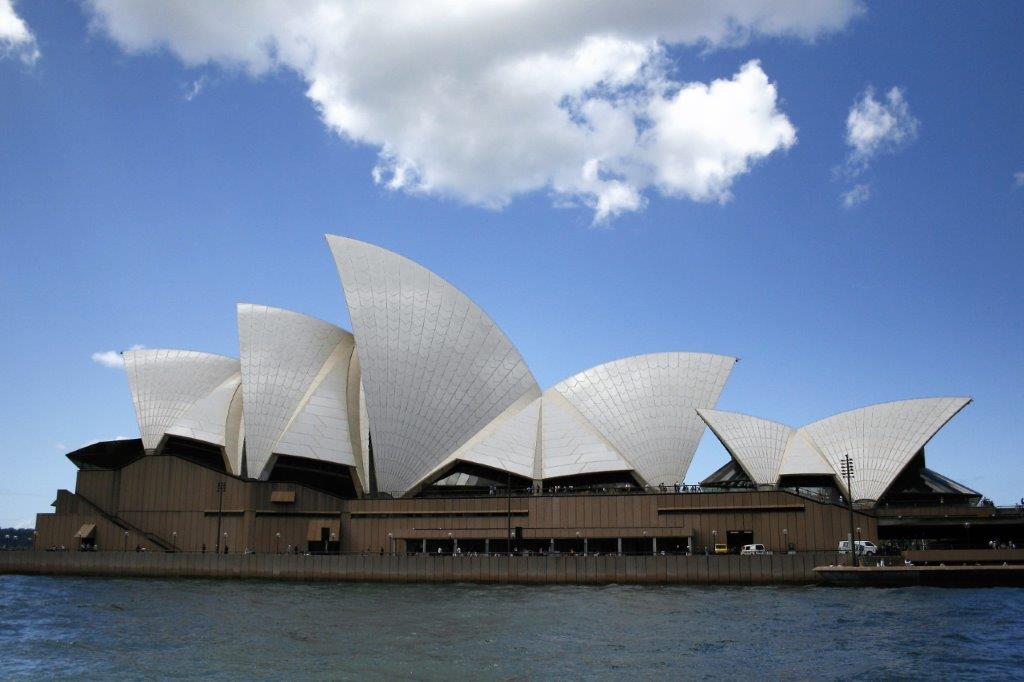
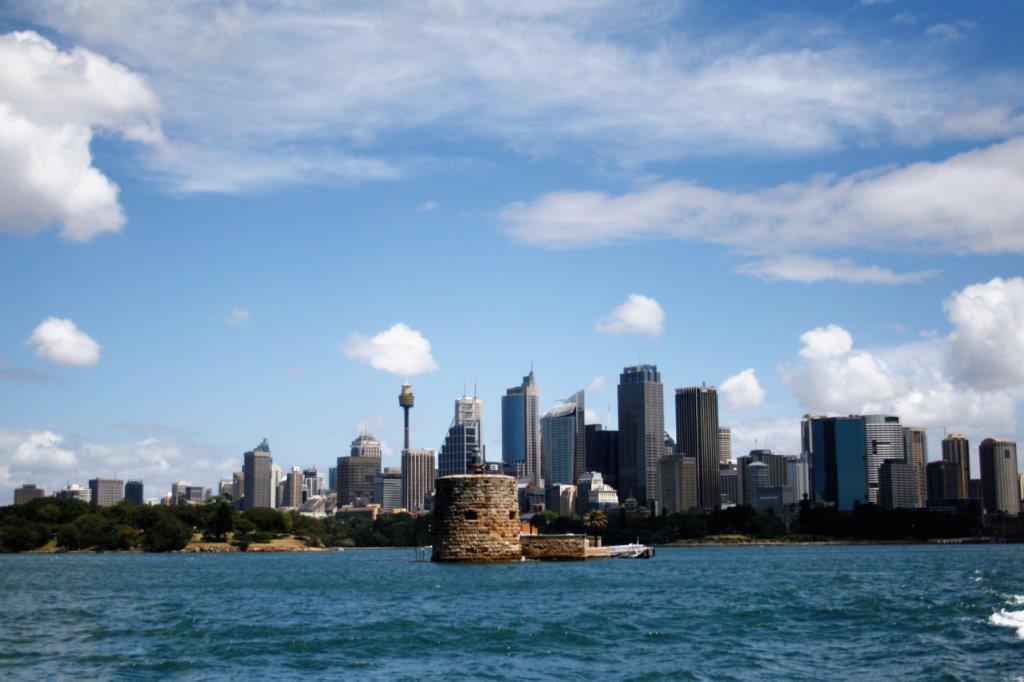
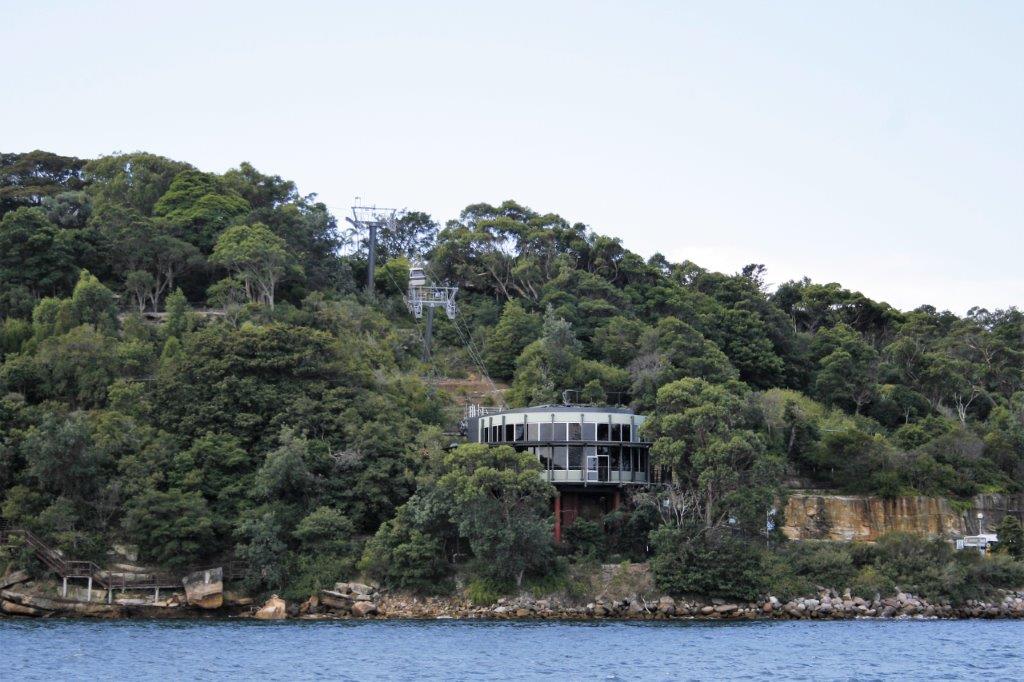
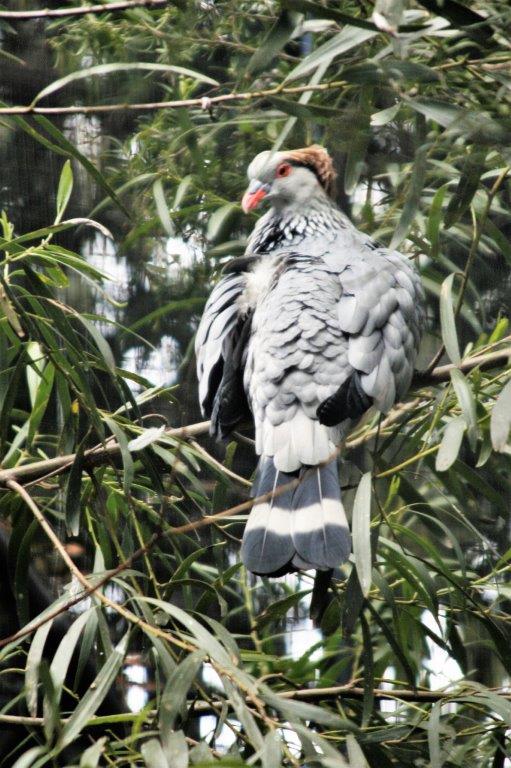
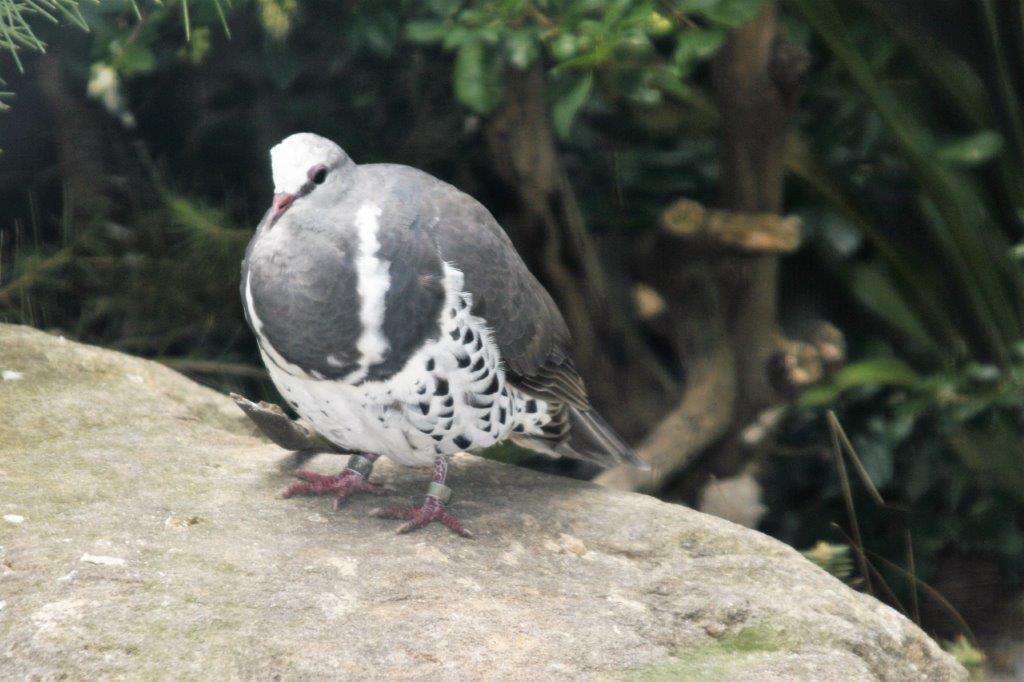
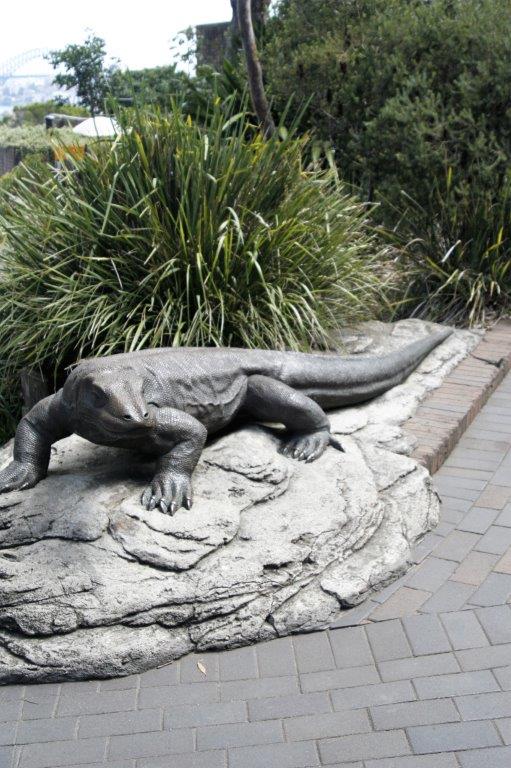
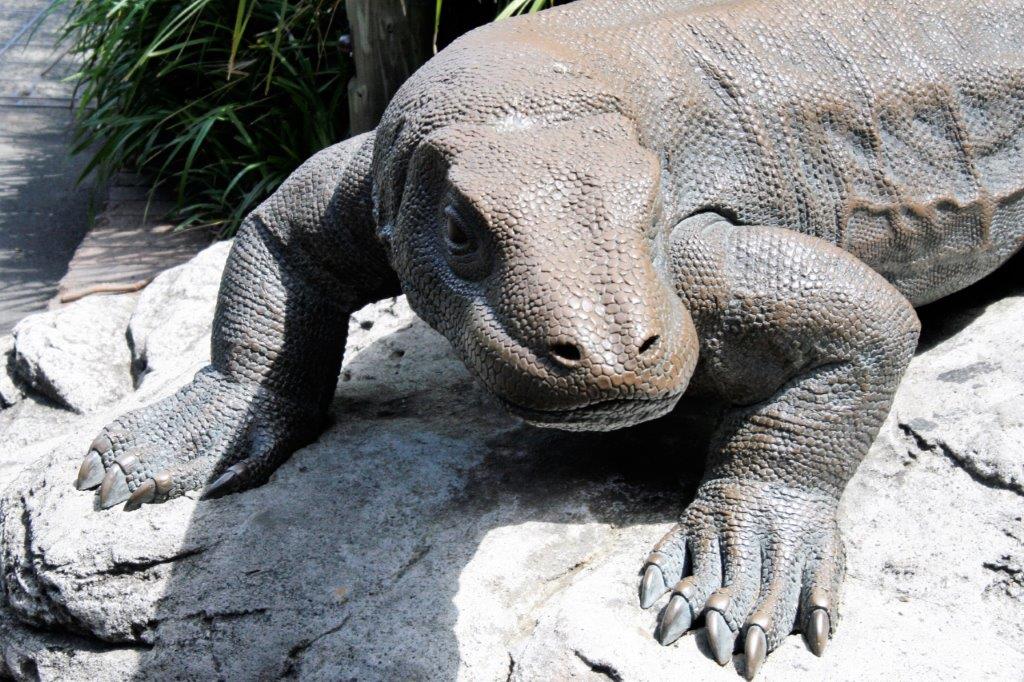
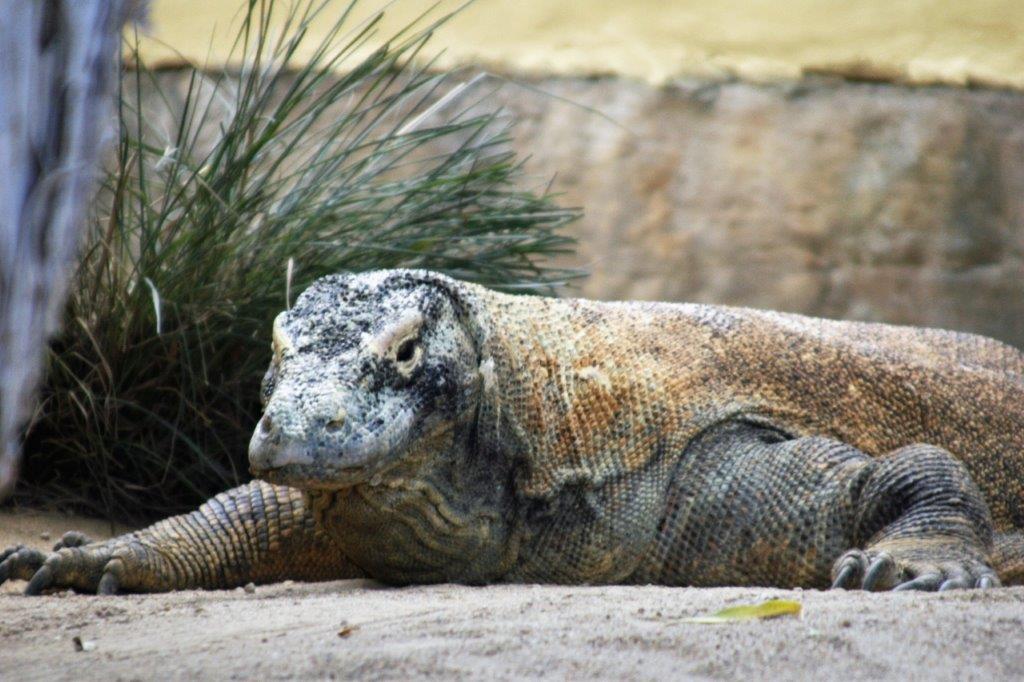
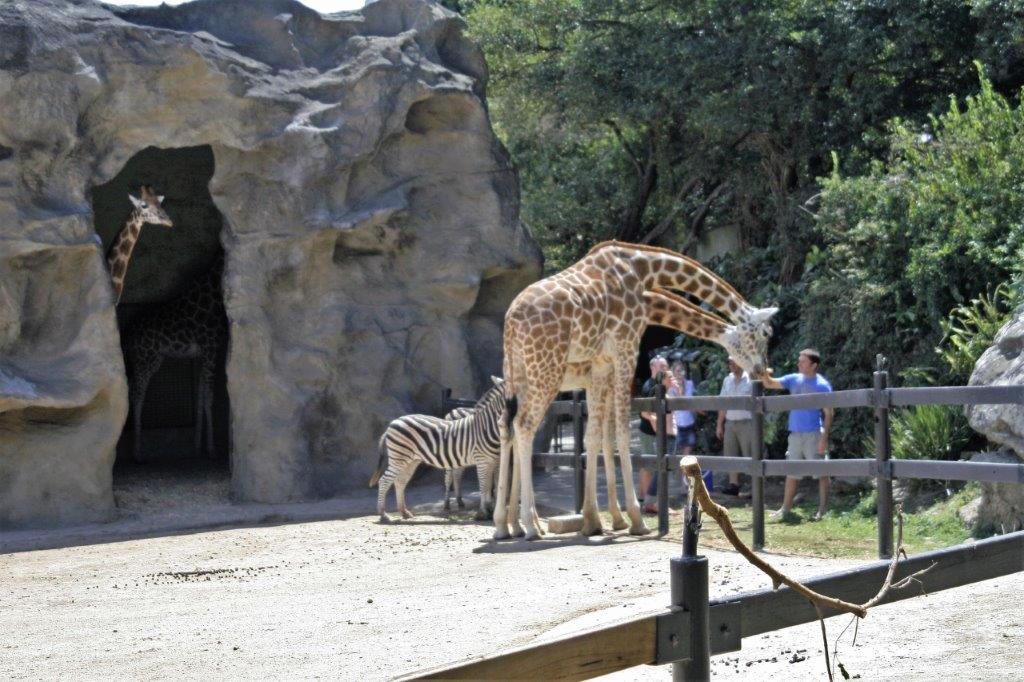
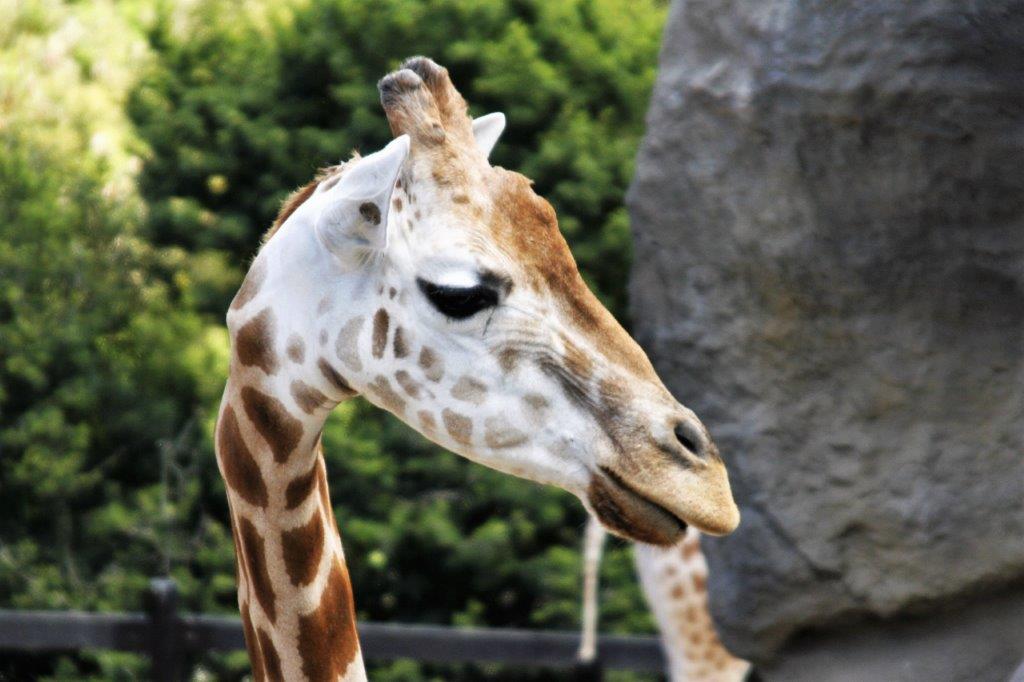
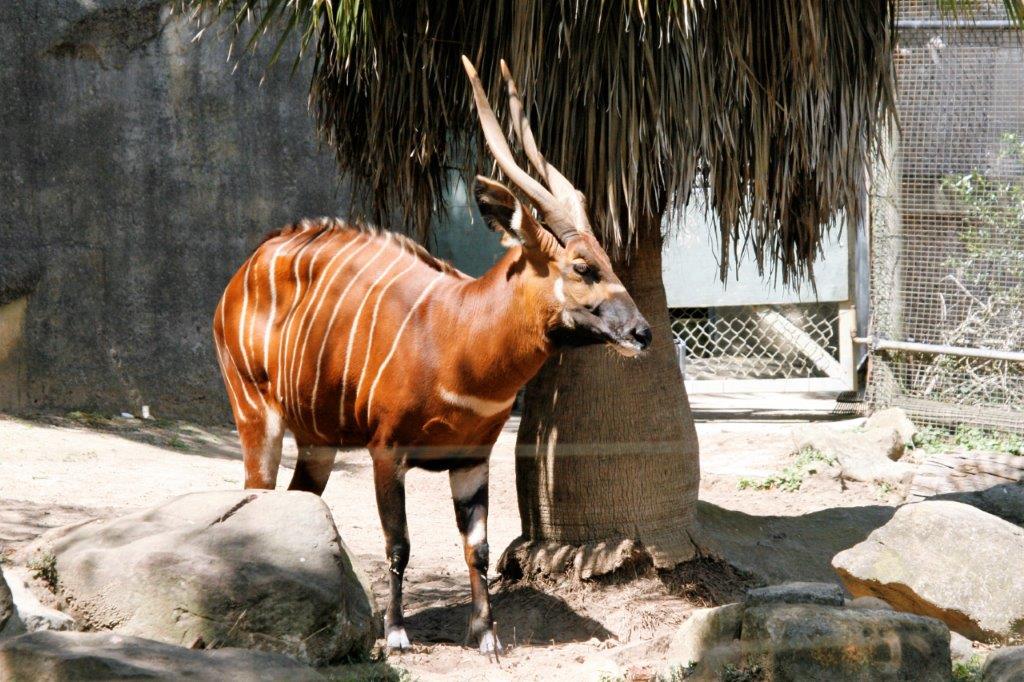
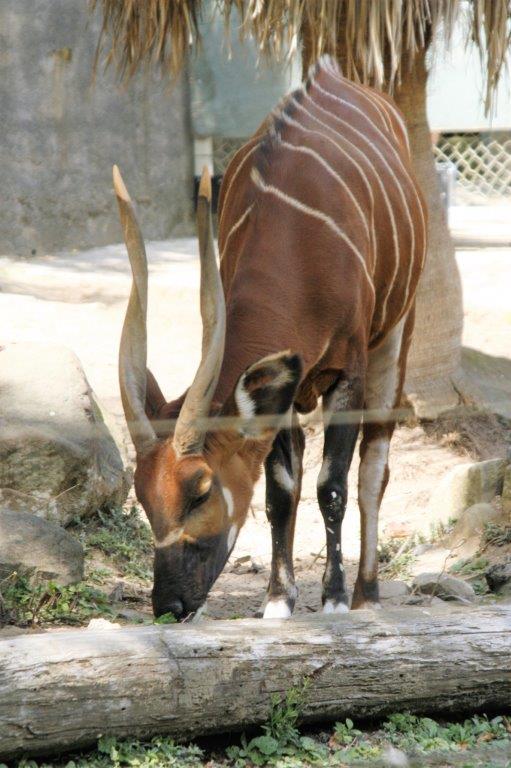
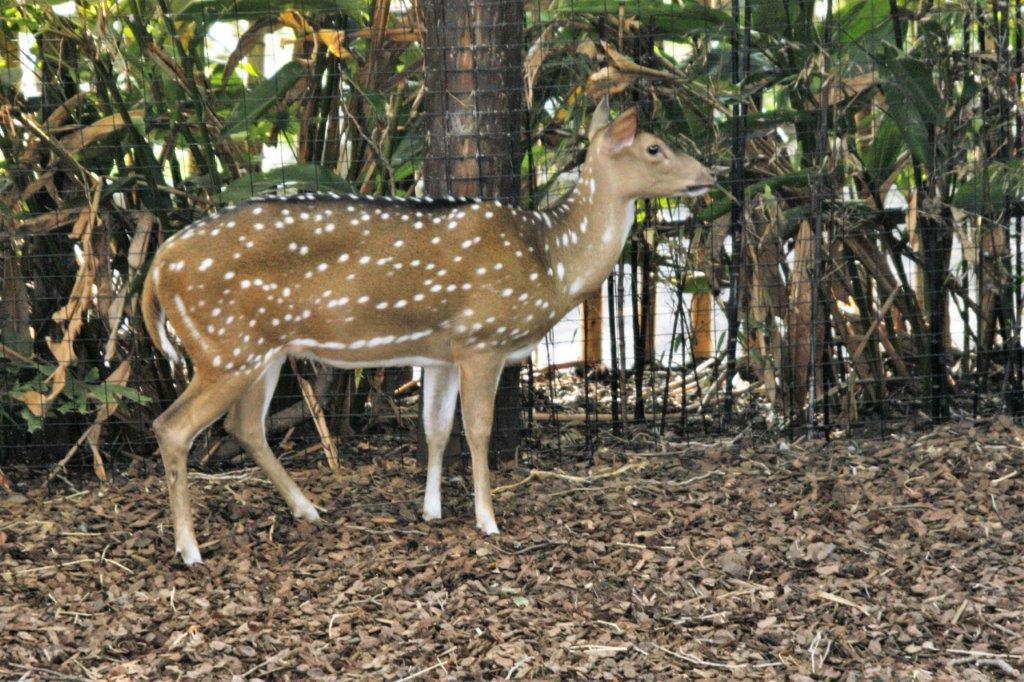
We decided to walk over to Circular Quay (the cruise port) and catch the ferry across the bay to North Sydney and visit Taranga Zoo.  We spent the entire afternoon at the zoo.            The beautiful and iconic Sydney Opera House.                                                    I think this is the fattest bird I have ever seen.  Komodo Dragon from Indonesia.  This one (above) is not real; it’s a sculpture.  This one (below) is alive and well. A female Nyala antelope from Africa. The males have longer hair and are greyish brown with less defined white stripes.

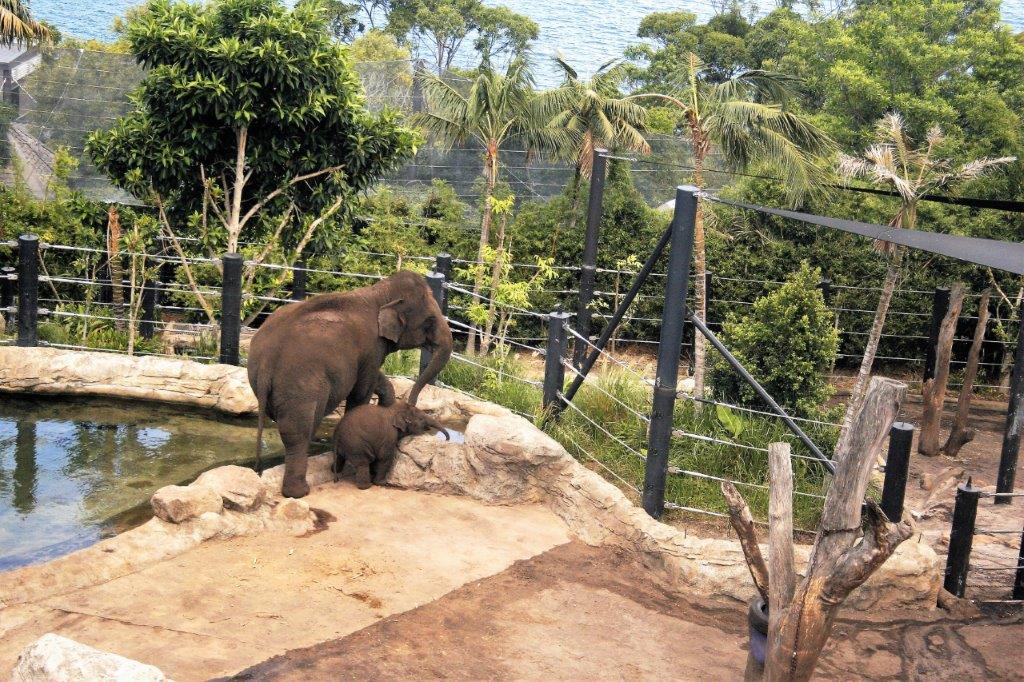
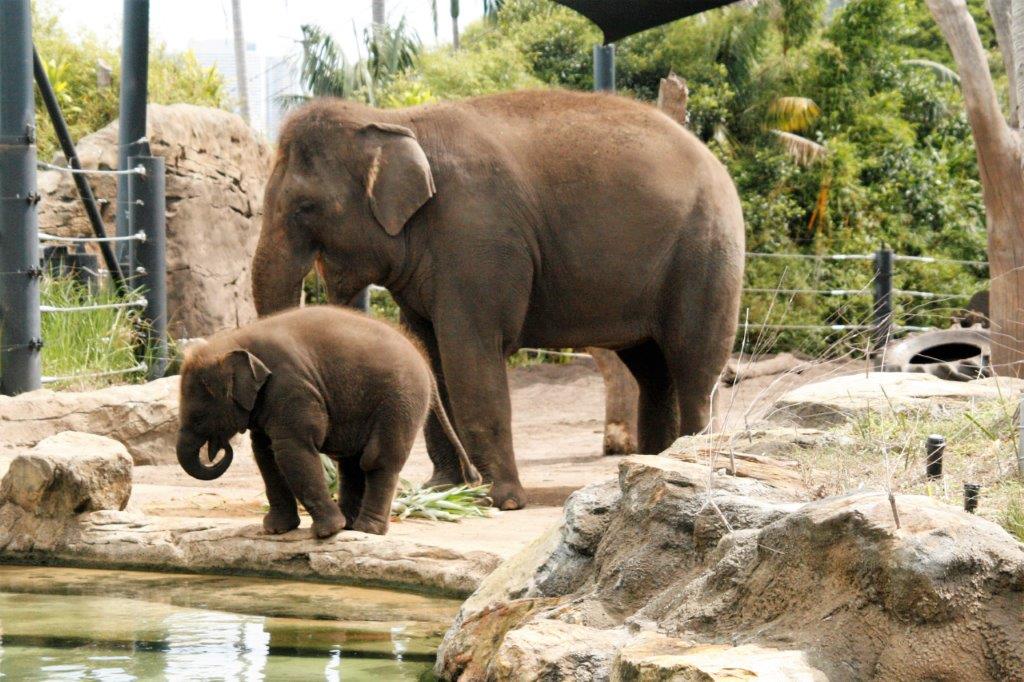
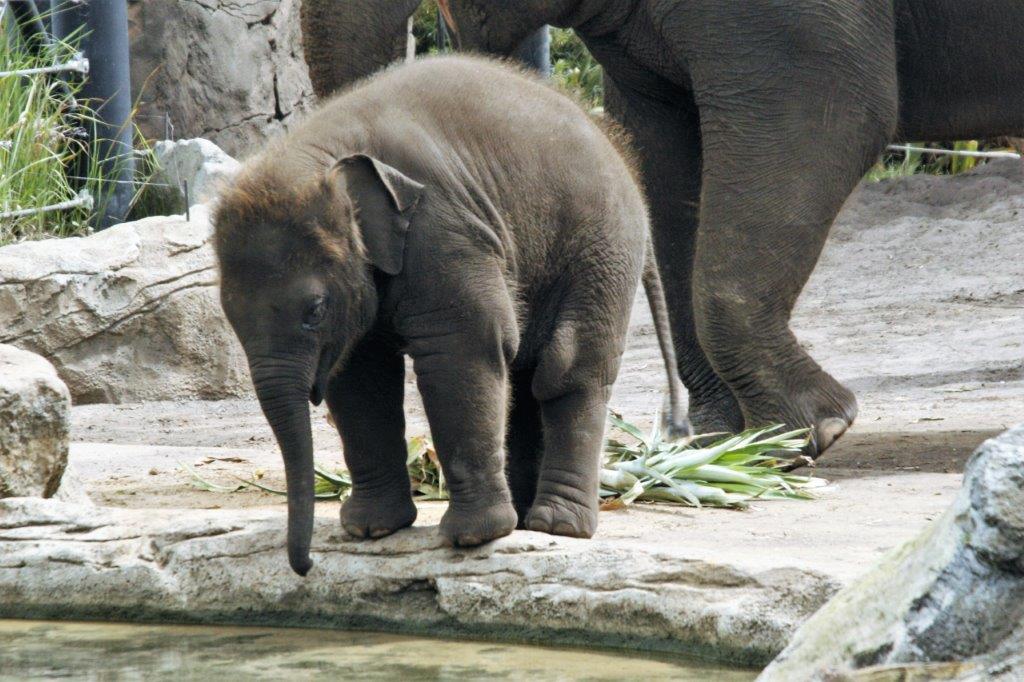
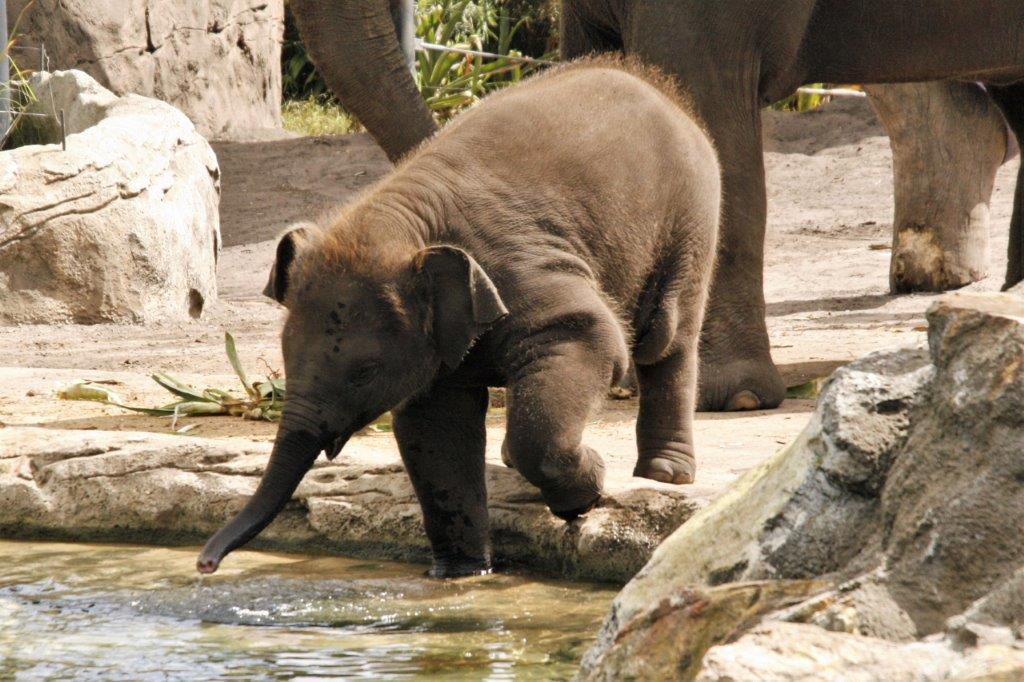
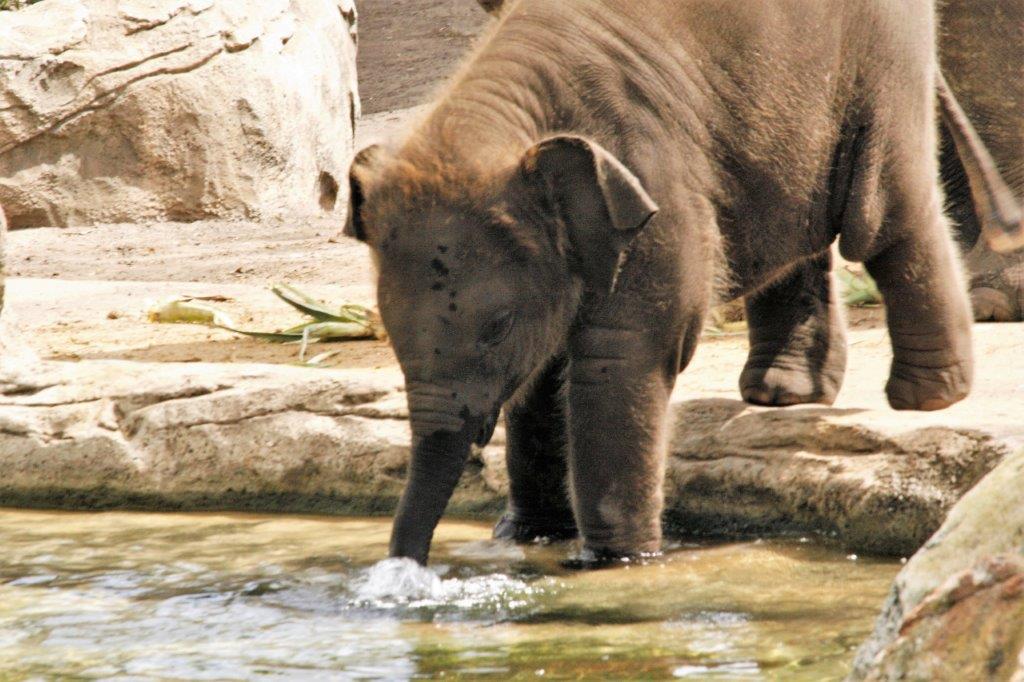
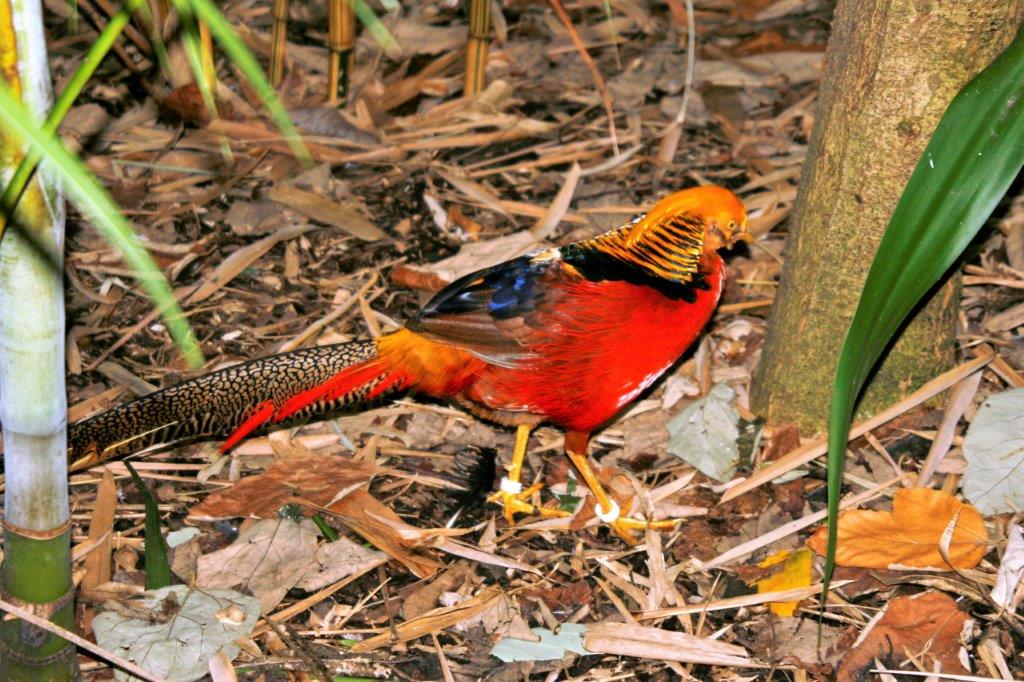
We spotted this baby elephant from the gondola on our way into the zoo and it was fun, later on our walk around to watch it investigate the water pond.It wasn’t sure about the water at first but once it discovered bubble blowing it had a great time.                                                           Golden Pheasant

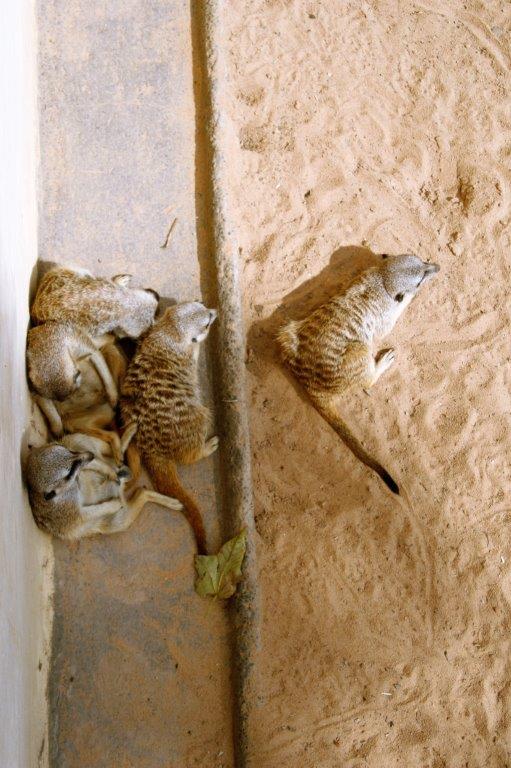
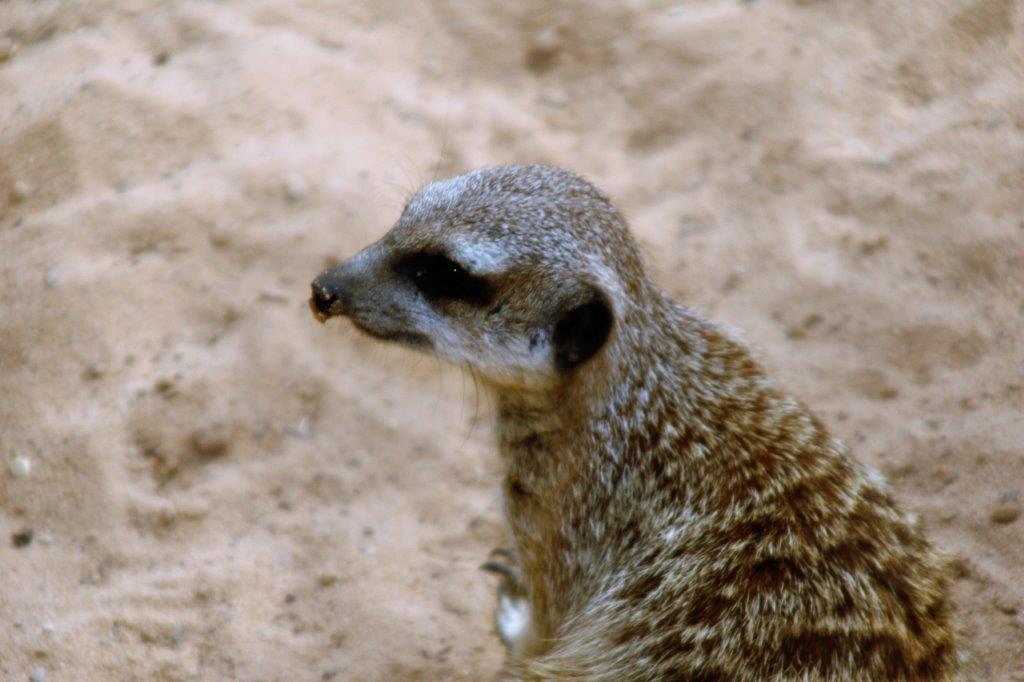
                          Meerkats

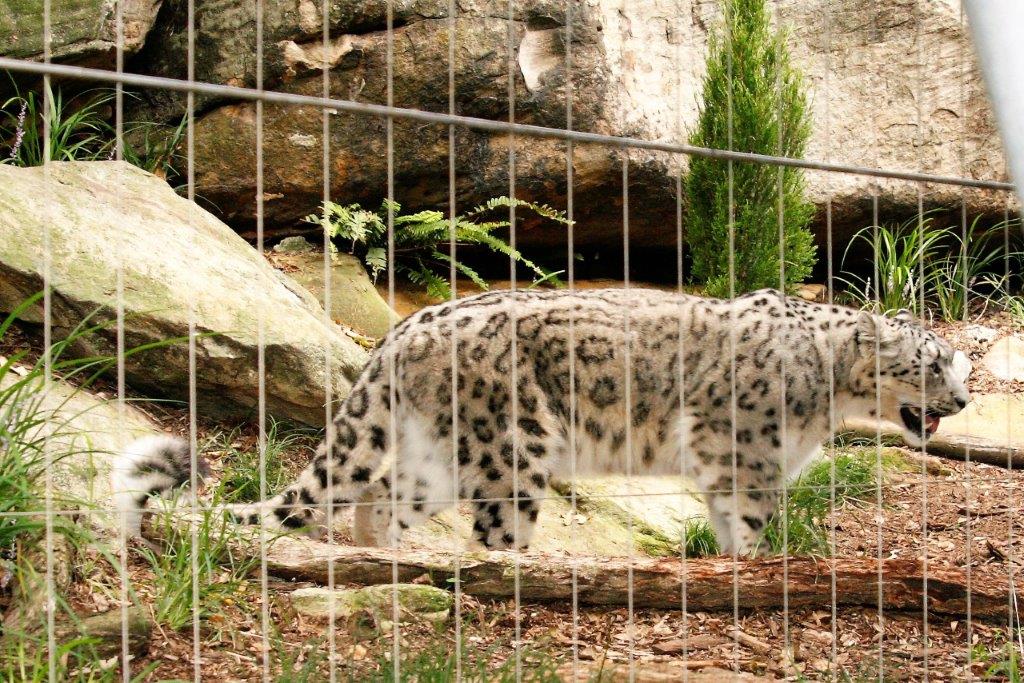
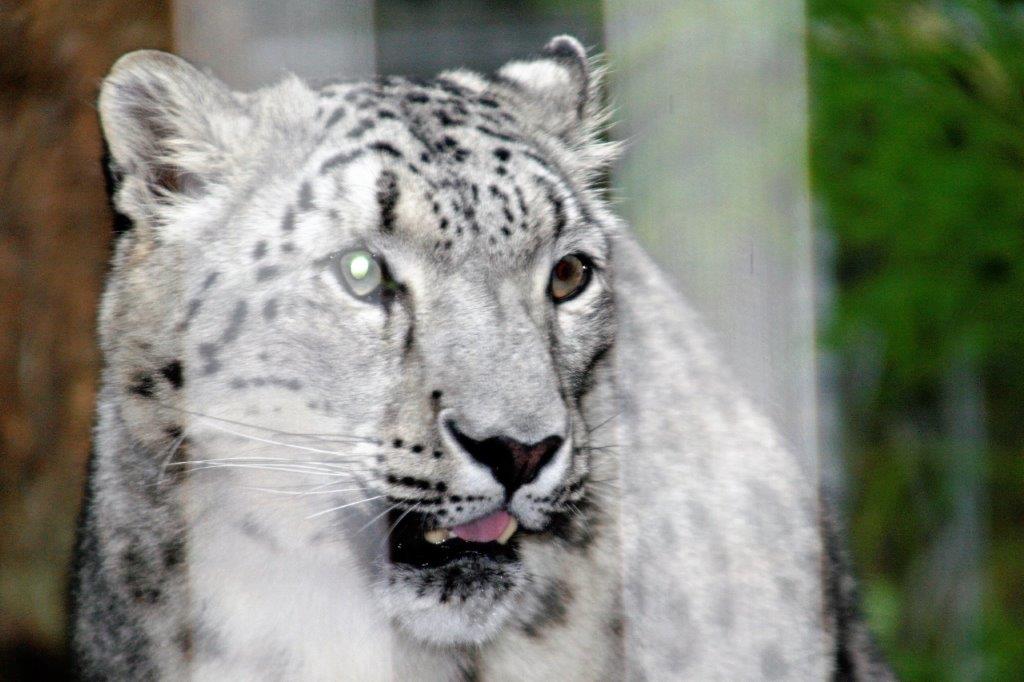
                                               Snow Leopard                                         Tapir

A stop at the Jackson Sports Bar on George Street for some dinner and a rest for our feet gave us the energy to walk back to the hotel; with a brief internet cafe stop along the way.  The news on the TV was all about the earthquake that had struck at Lytlleton, New Zealand the day before.  There were 75 deaths, 300 missing and over $12 billion in damages.  Our ship had been docked right at the epicenter less than two weeks earlier.  By the time we got back to our hotel is was 8:30 and time for a reading break before bed.
2011 February 22 – Day 48 – Sydney, Australia (Day 2)

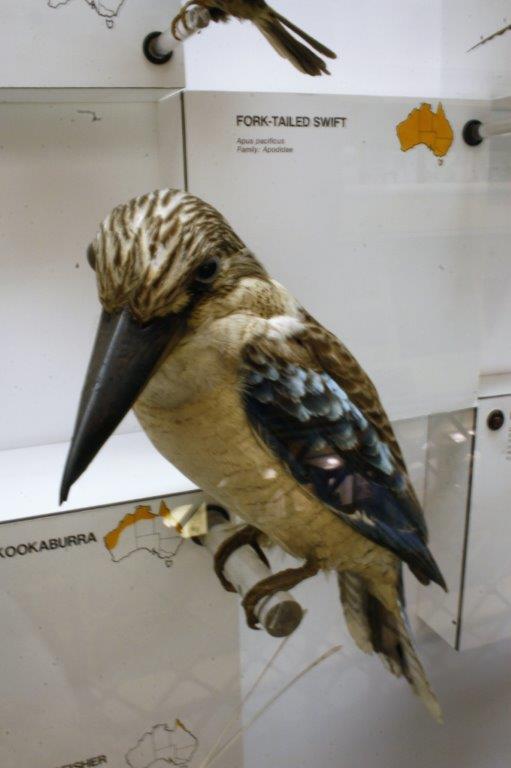
Other than spend a bunch of time in the evening at an internet cafe uploading photos and sorting images, the only other activity this day was to wander through the Australia Natural History Museum.

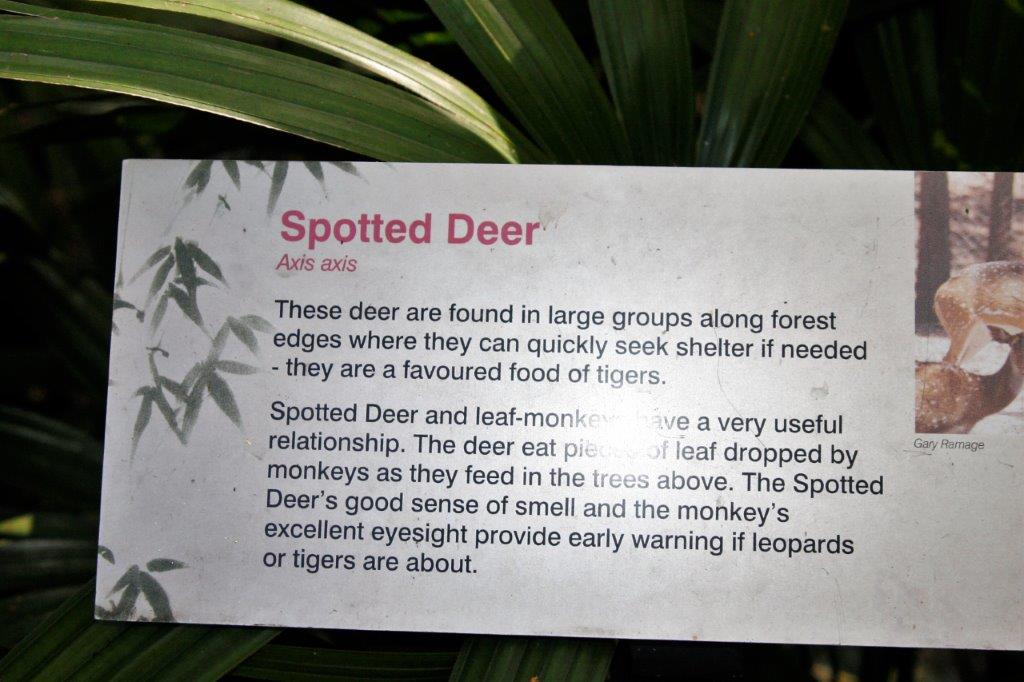
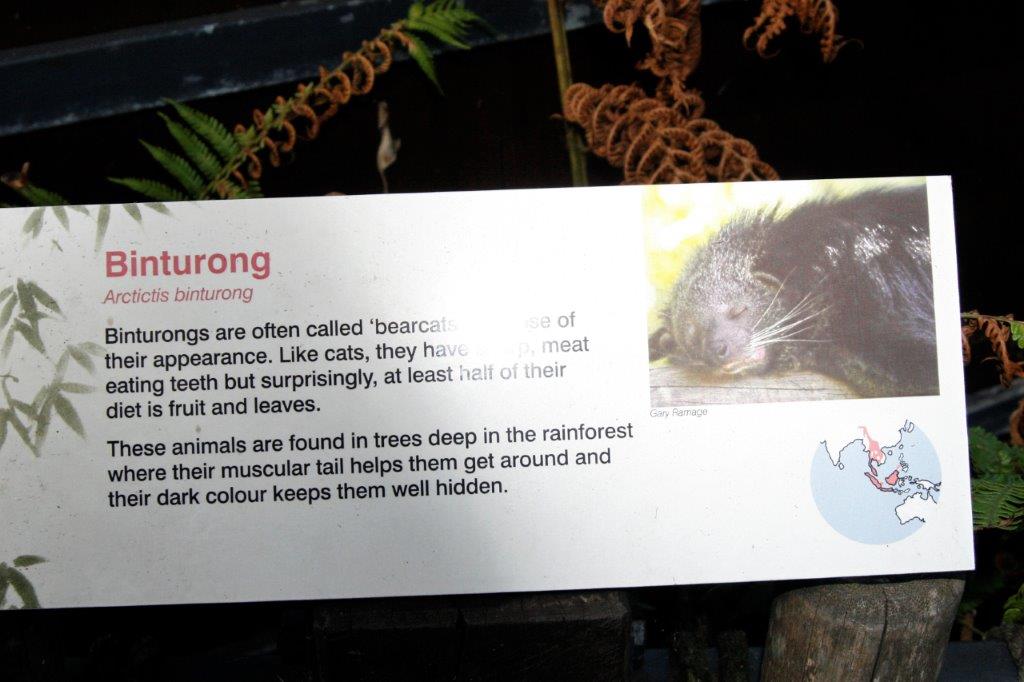
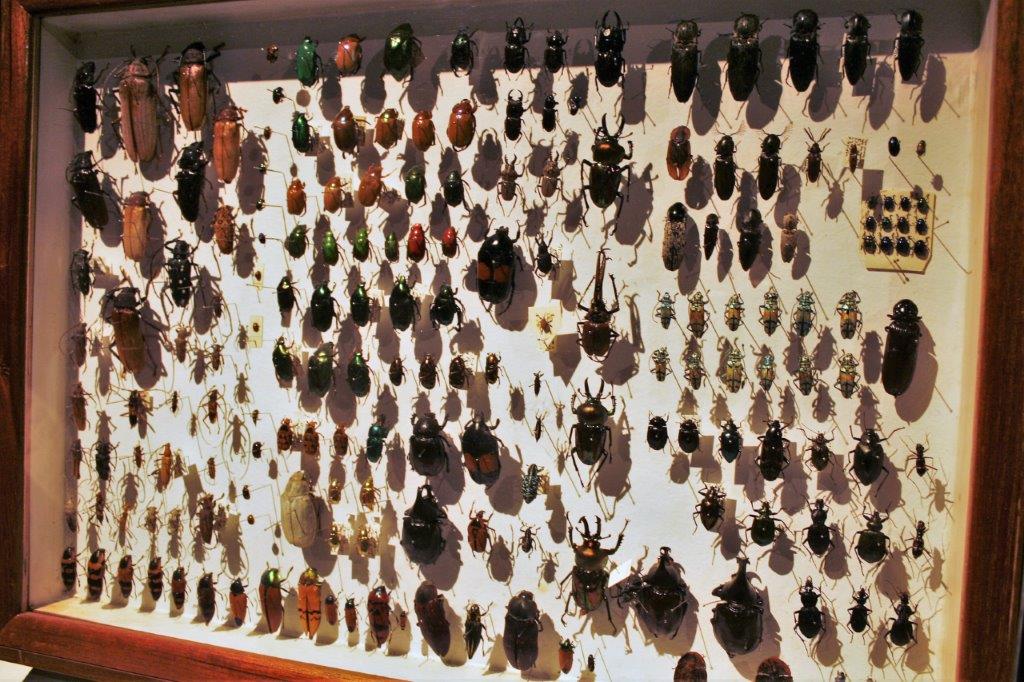
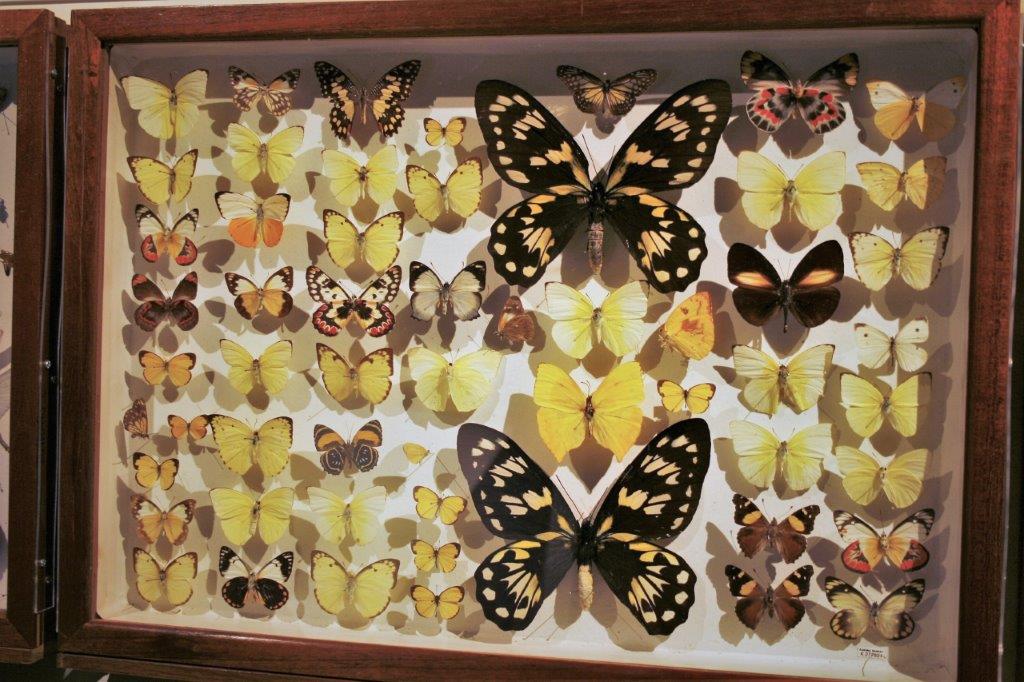
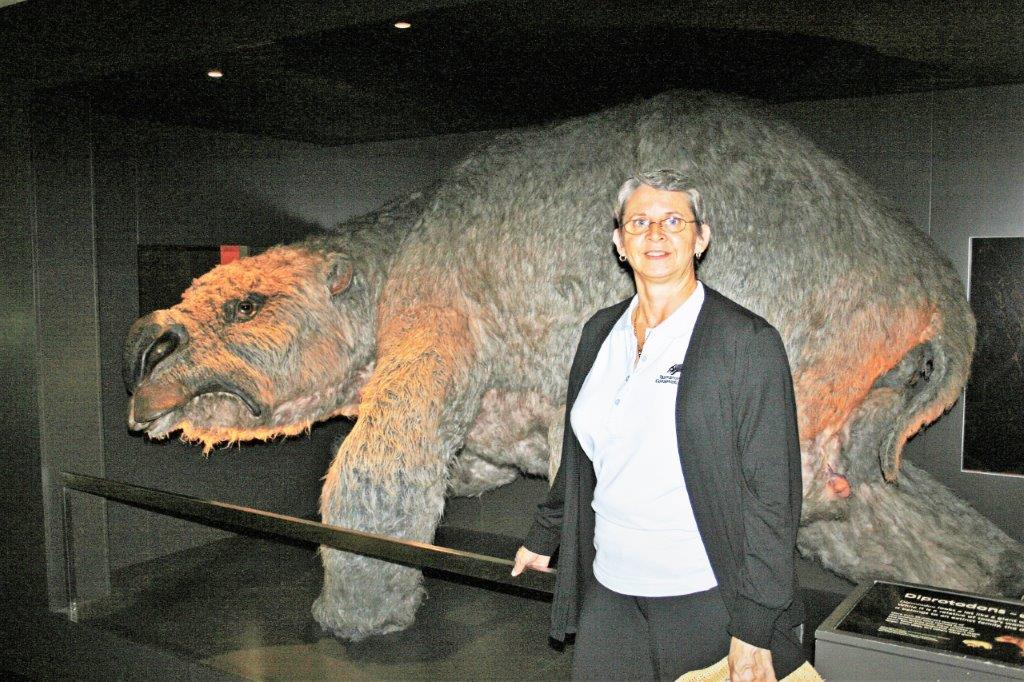
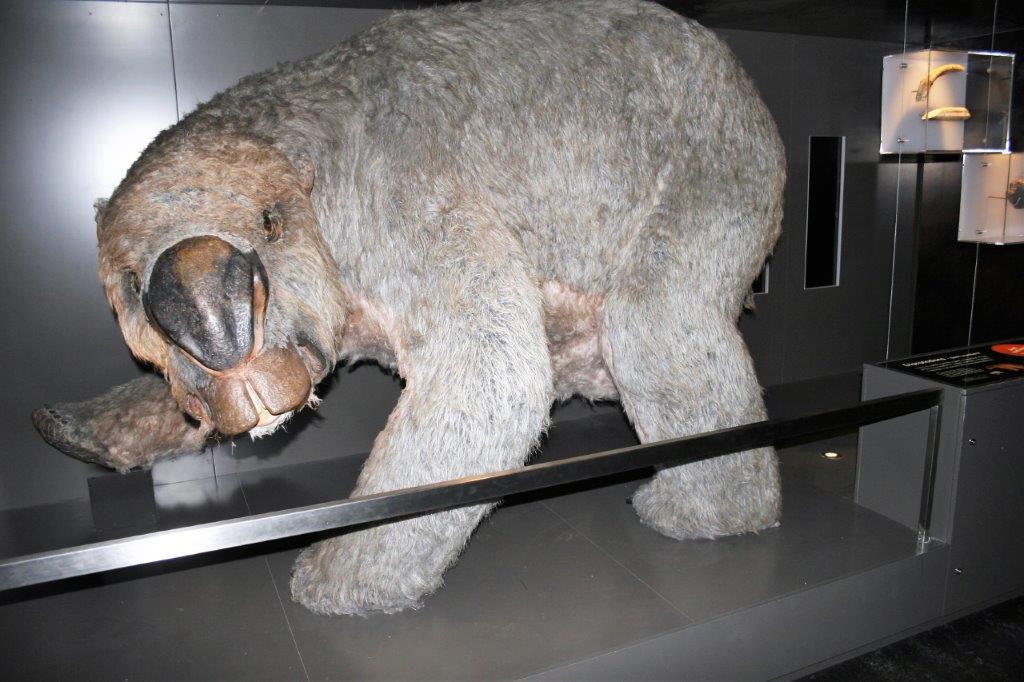
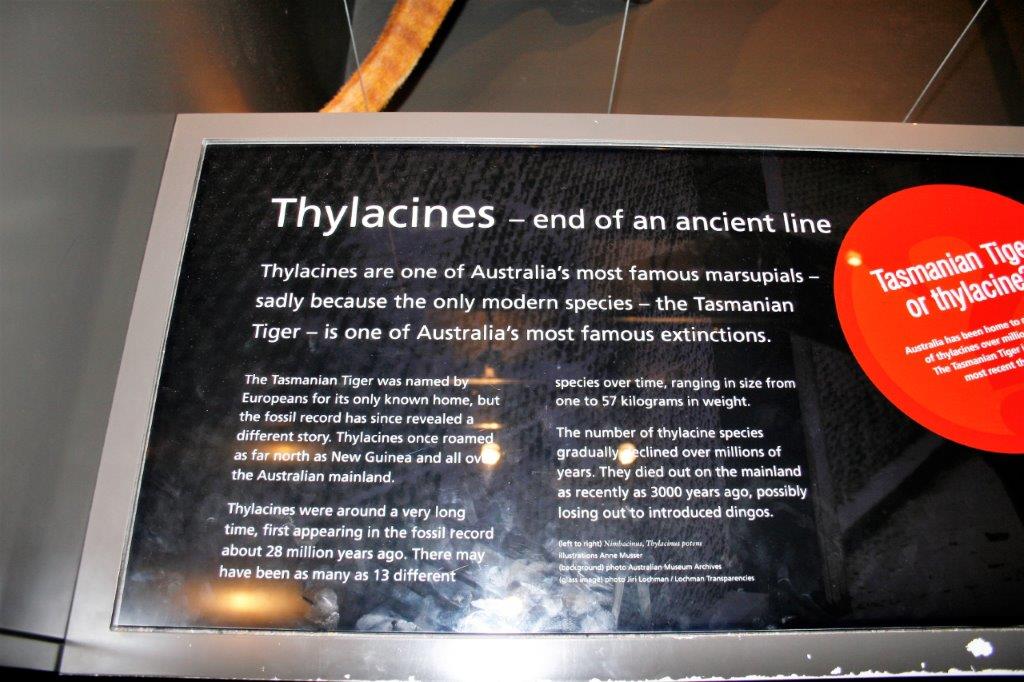
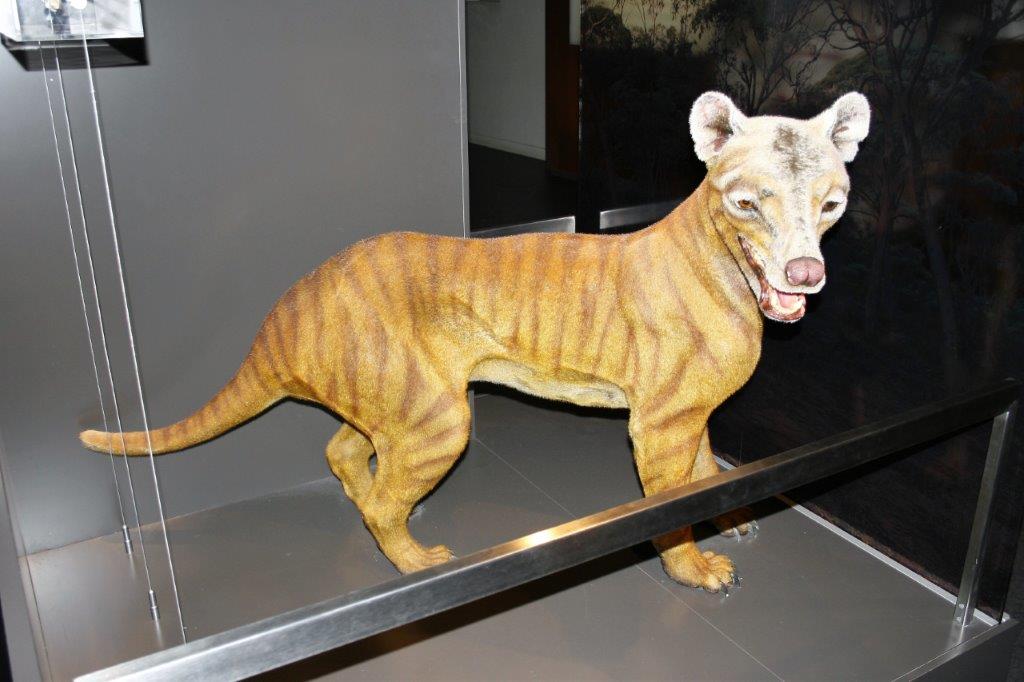
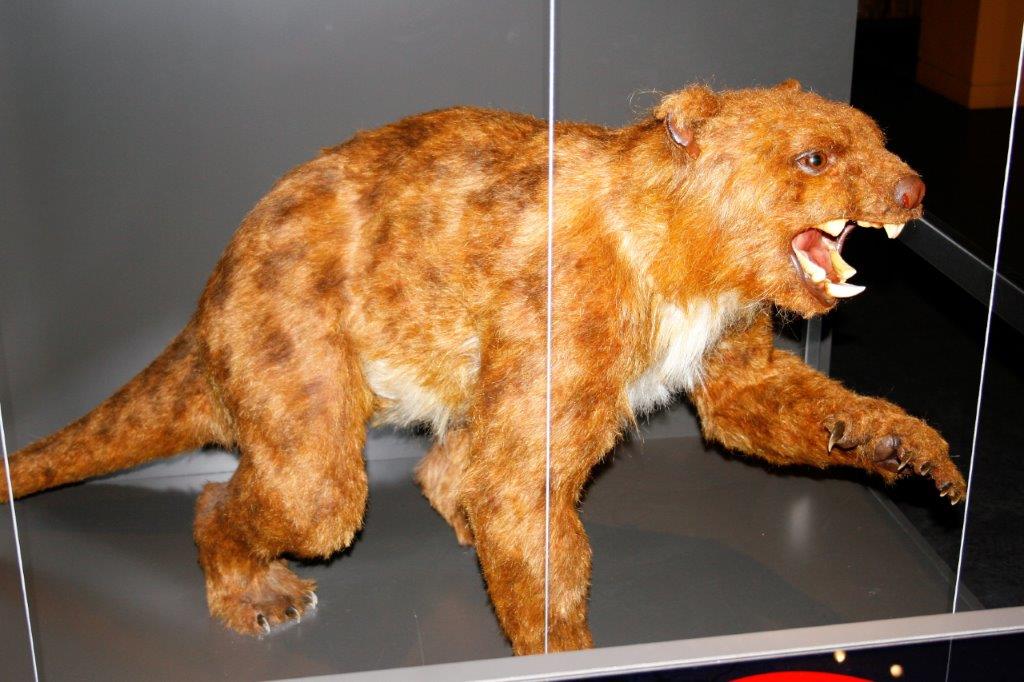
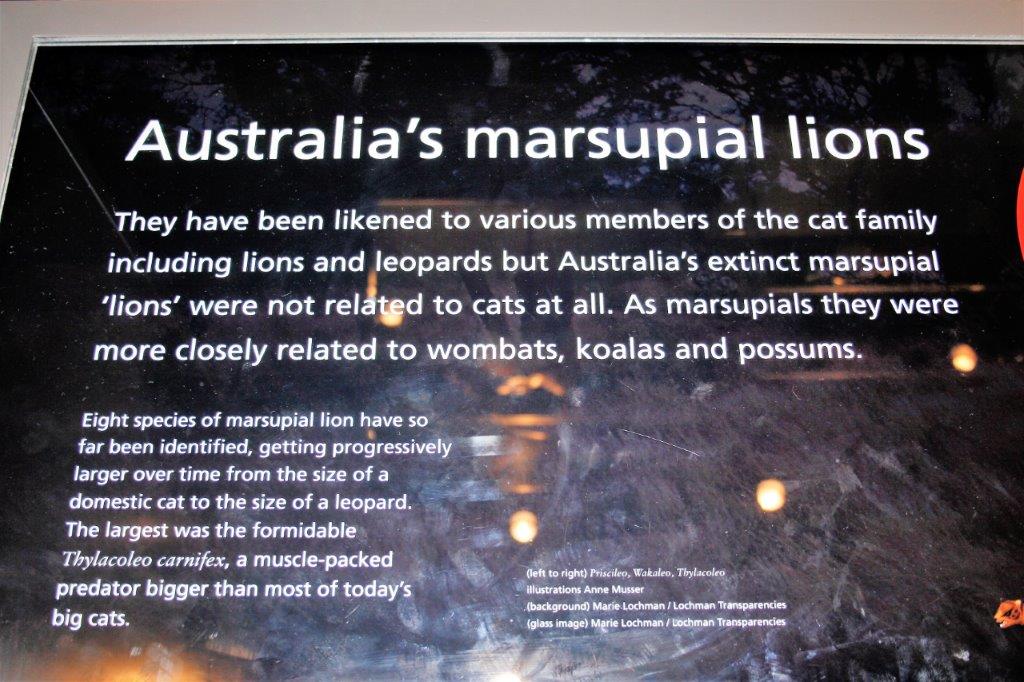
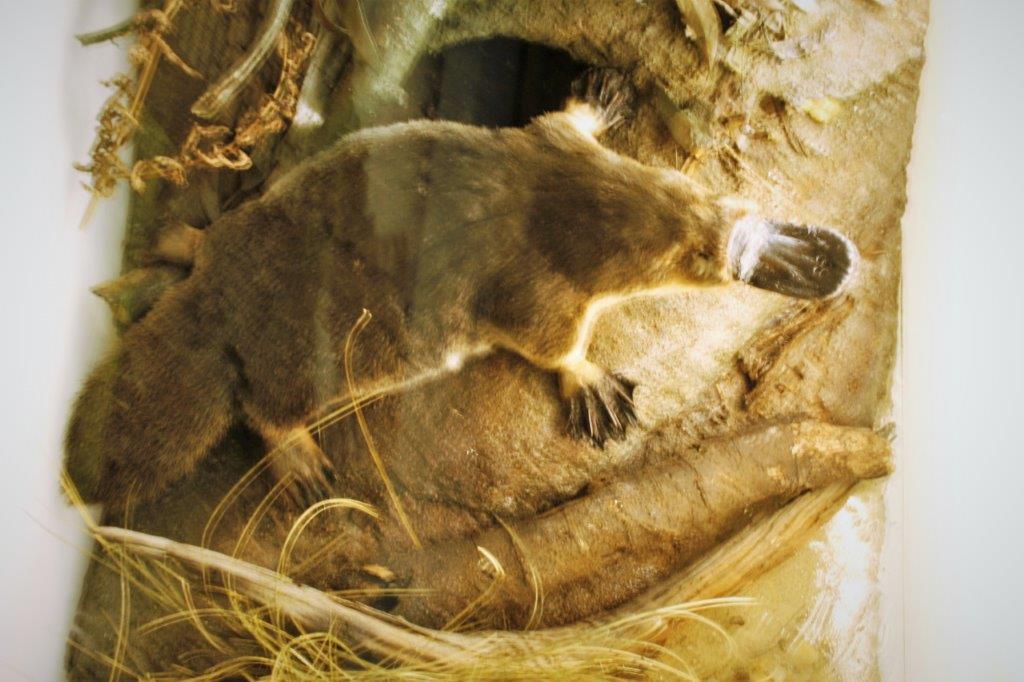
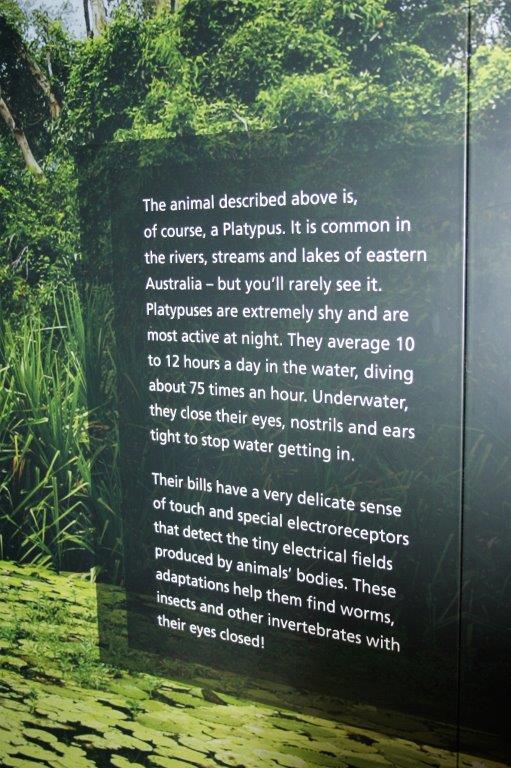
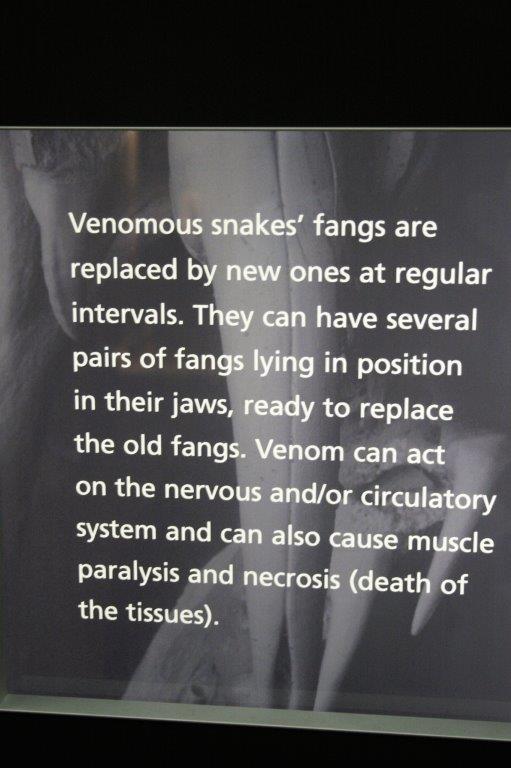
There was a large exhibit of a national photography contest showcasing all the winners and runners up in the various categories. That took awhile to go through before we checked out Surviving Australia – about animals past and present, harmless and venemous.    As a courtesy to those who do not like snakes – even pictures of snakes – I will post the two placards of information without the snakes that accompanied them.
It was a pretty slow day compared to some we have had lately and a nice change.