All posts by jj1951

My husband and I retired in 2007 and decided to spend the kid's inheritance by travelling as much as we could until either the money or our health runs out. So far so good.

2016 Jan 16 – Day 6 – California and Beyond

Jan. 16 – Day 6 – Lone Pine to Carlsbad, CA

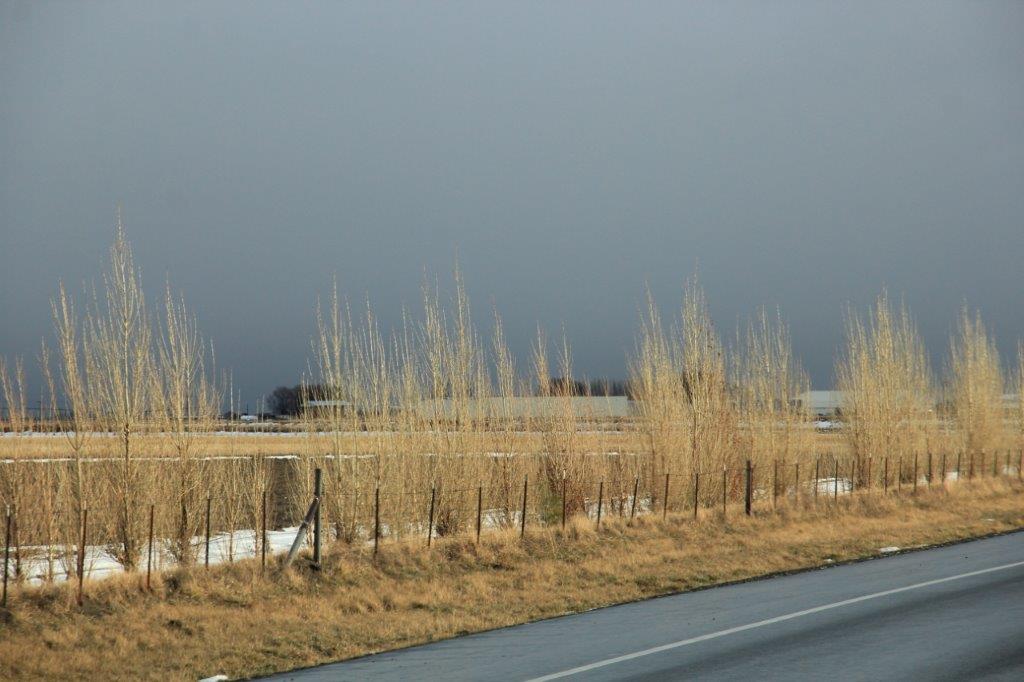
Today was strictly a destination day.  We had no sightseeing plans and, besides there isn’t much to see but desert scrub.

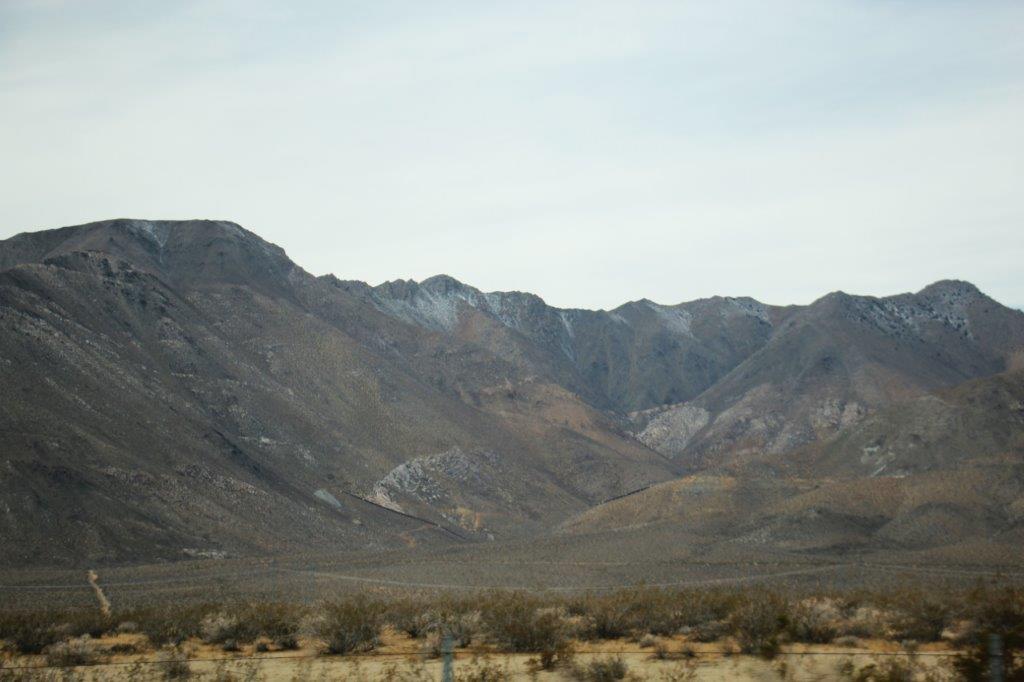
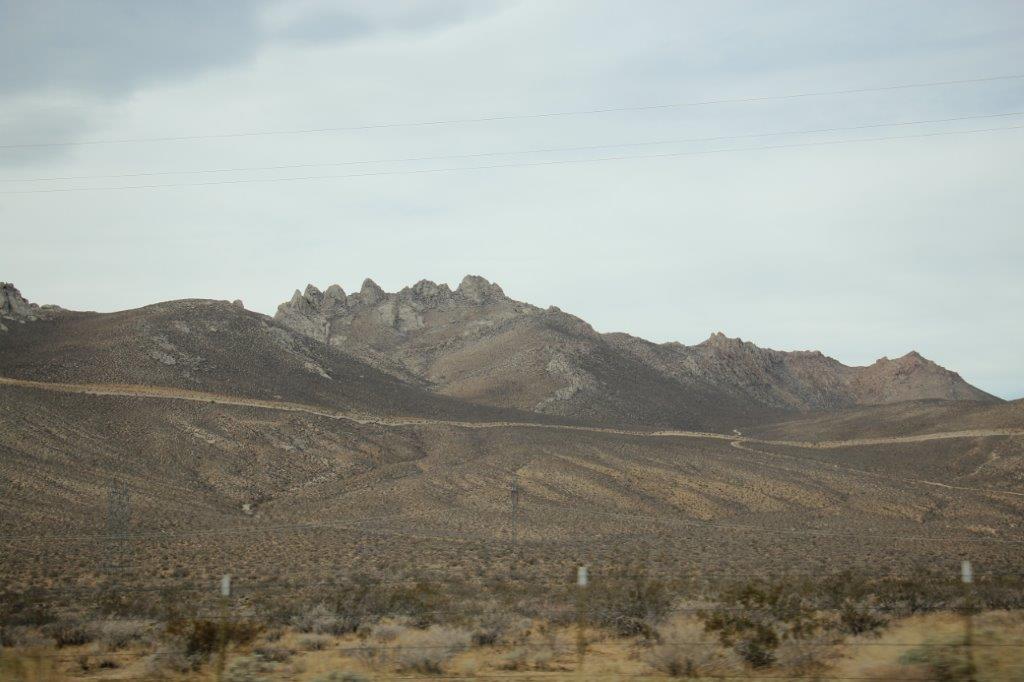
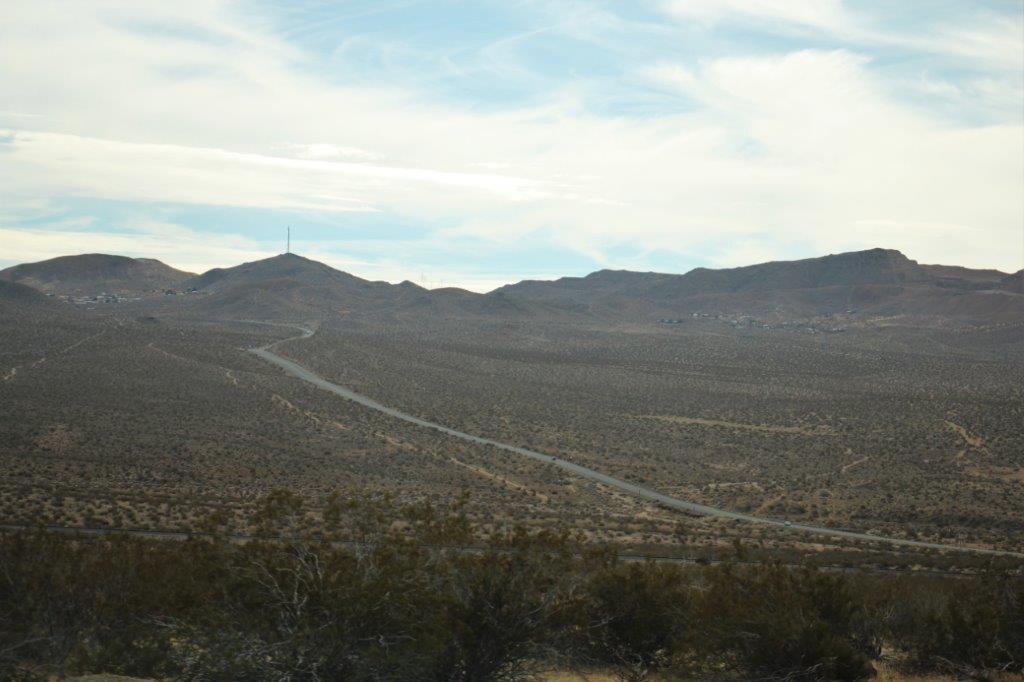
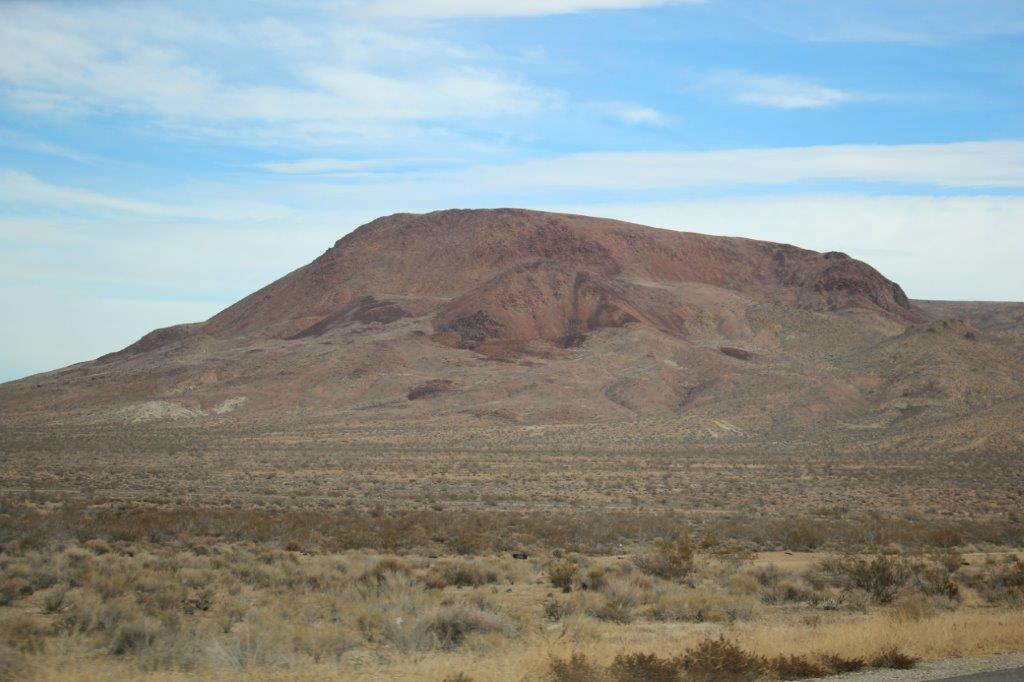
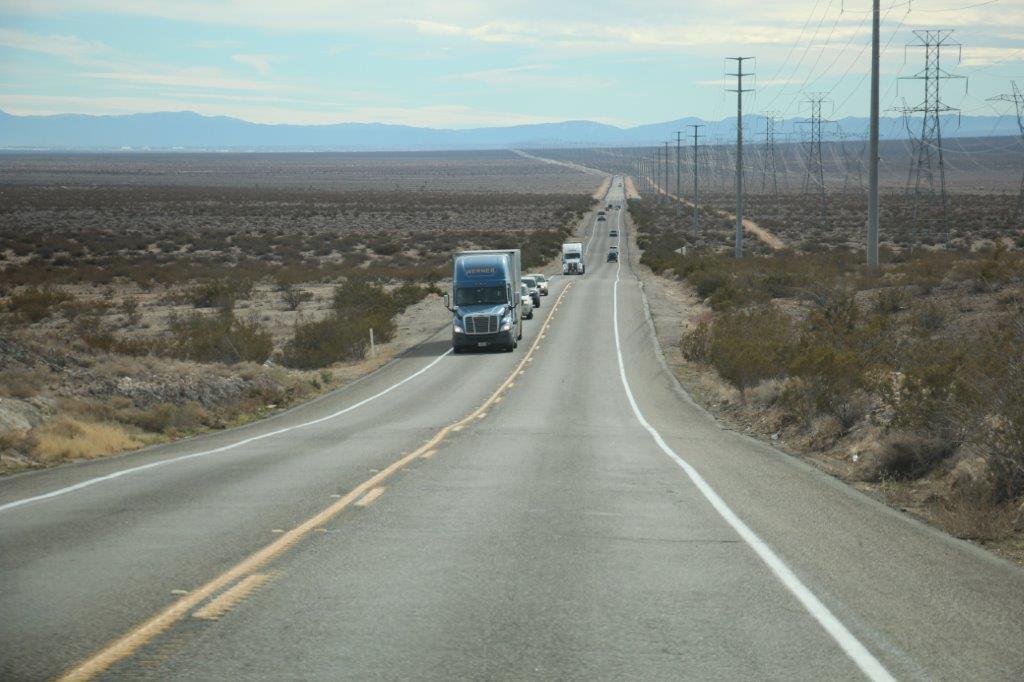
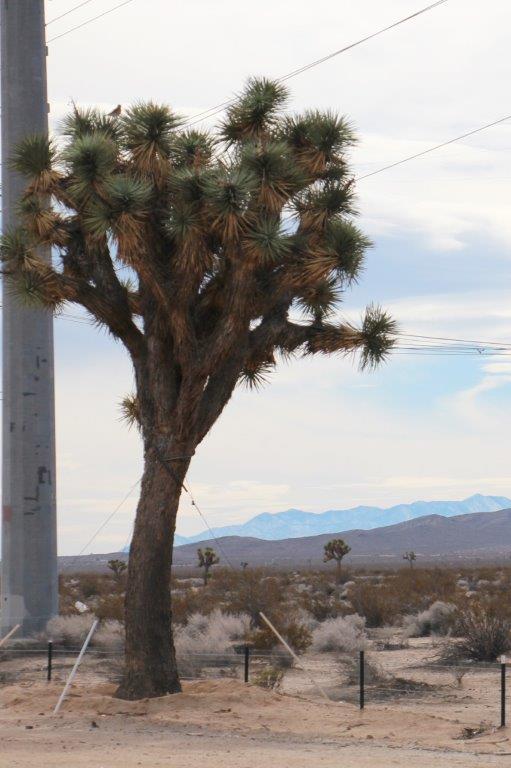
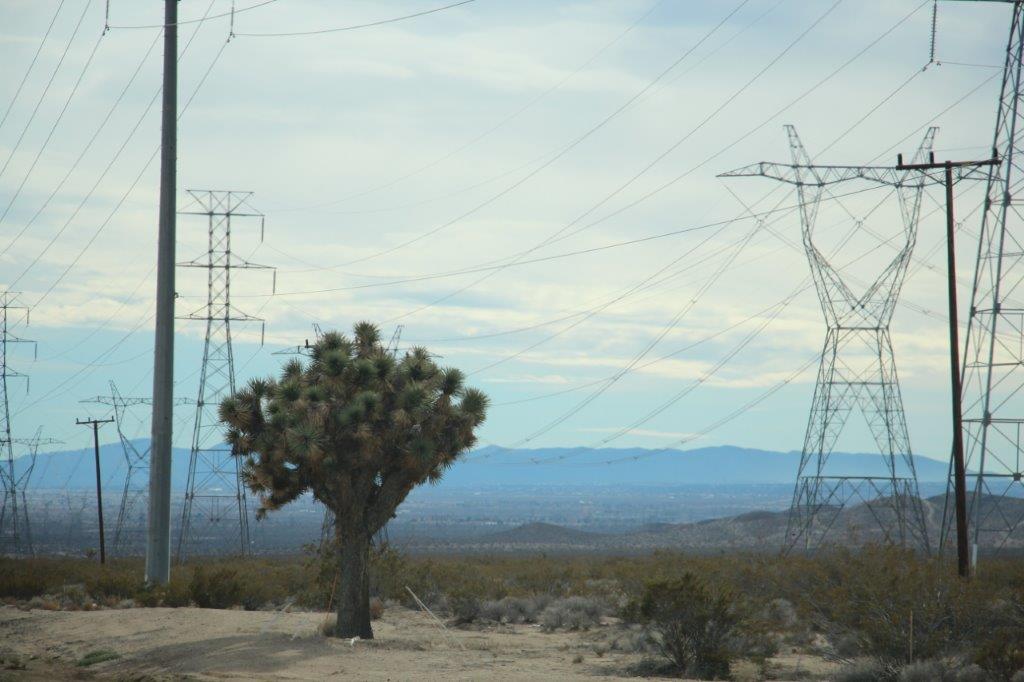
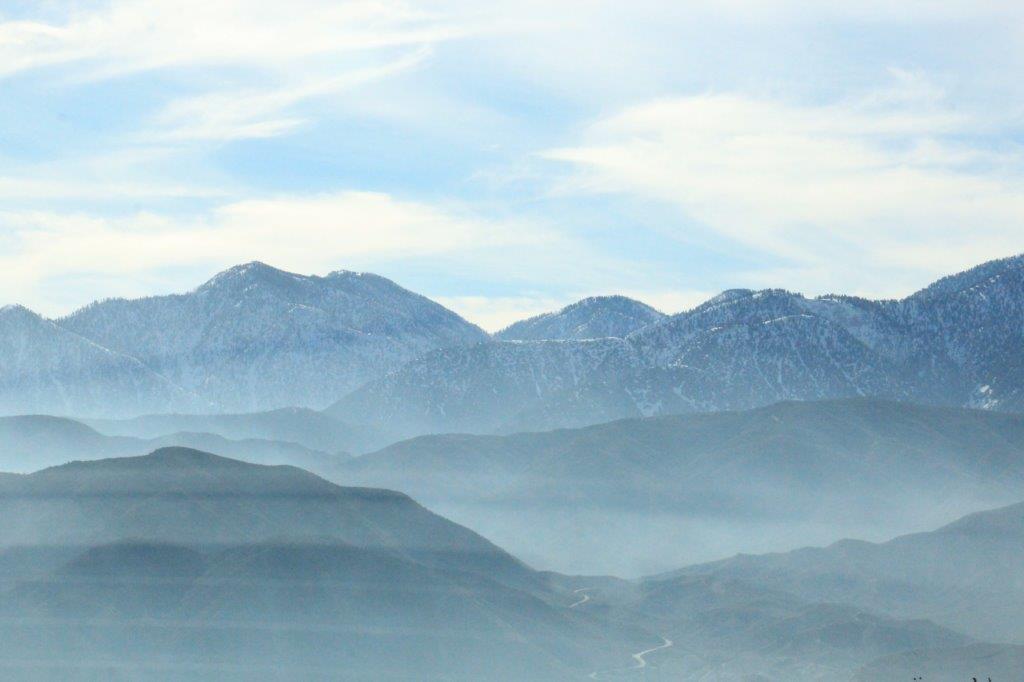
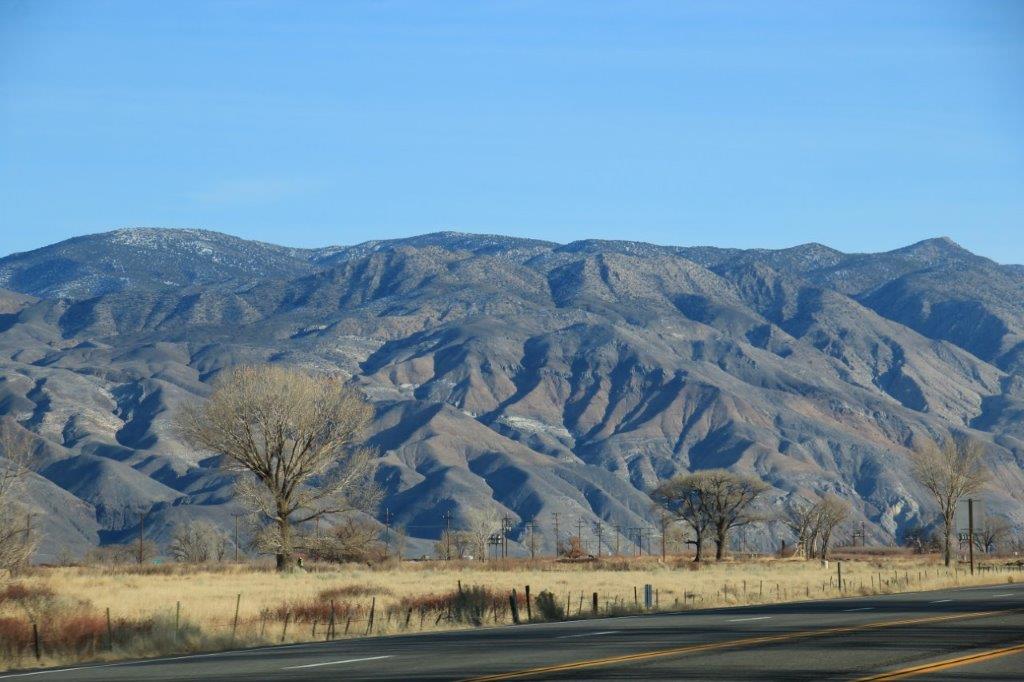
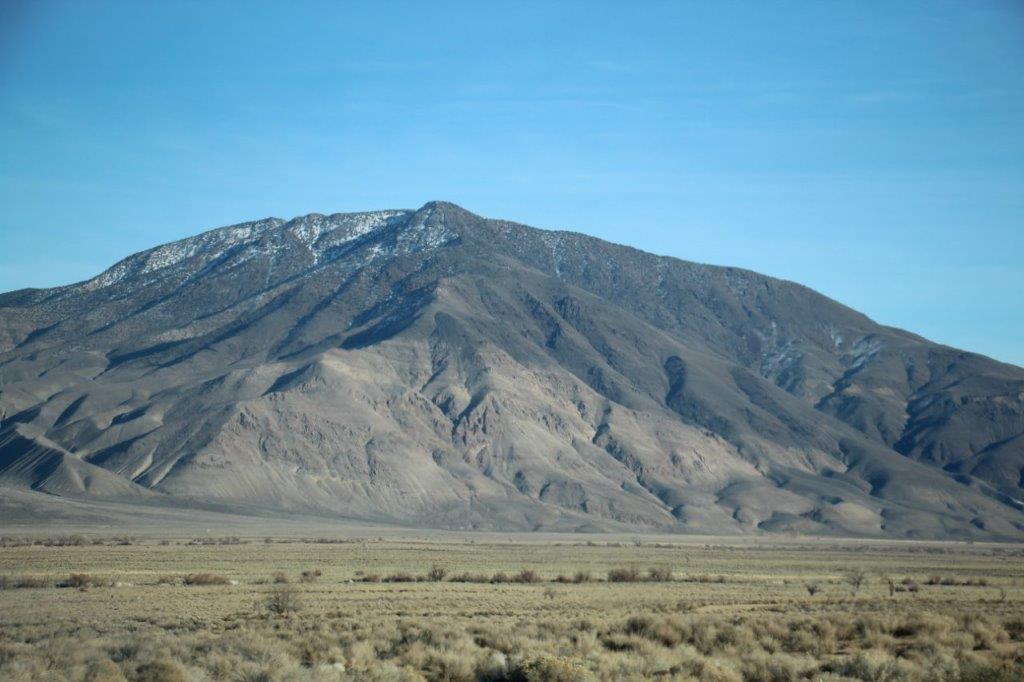
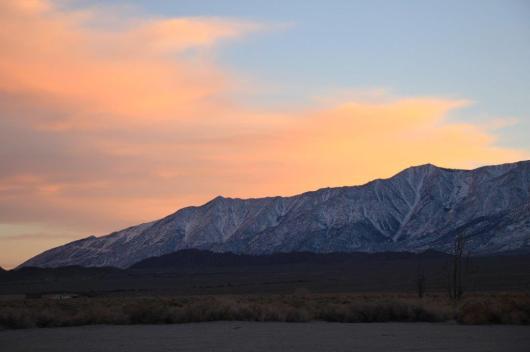
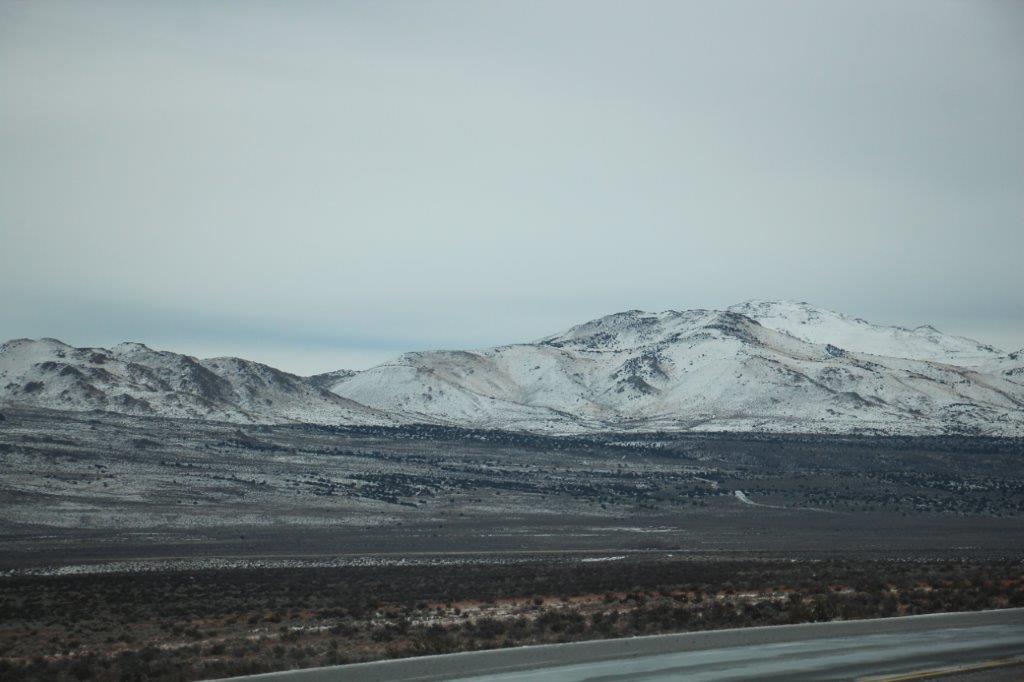
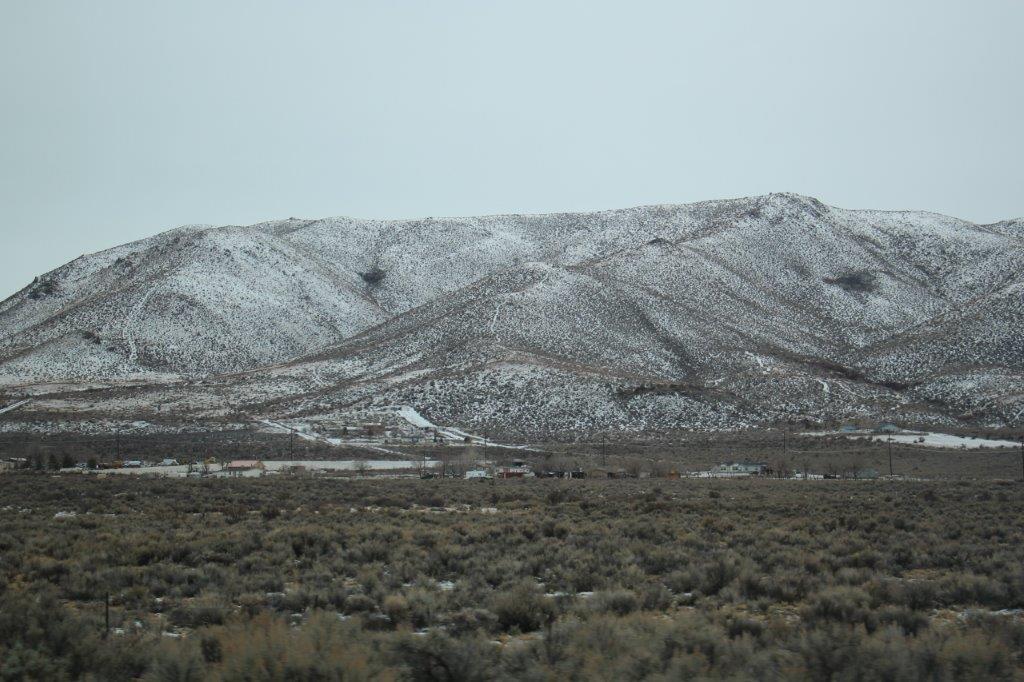
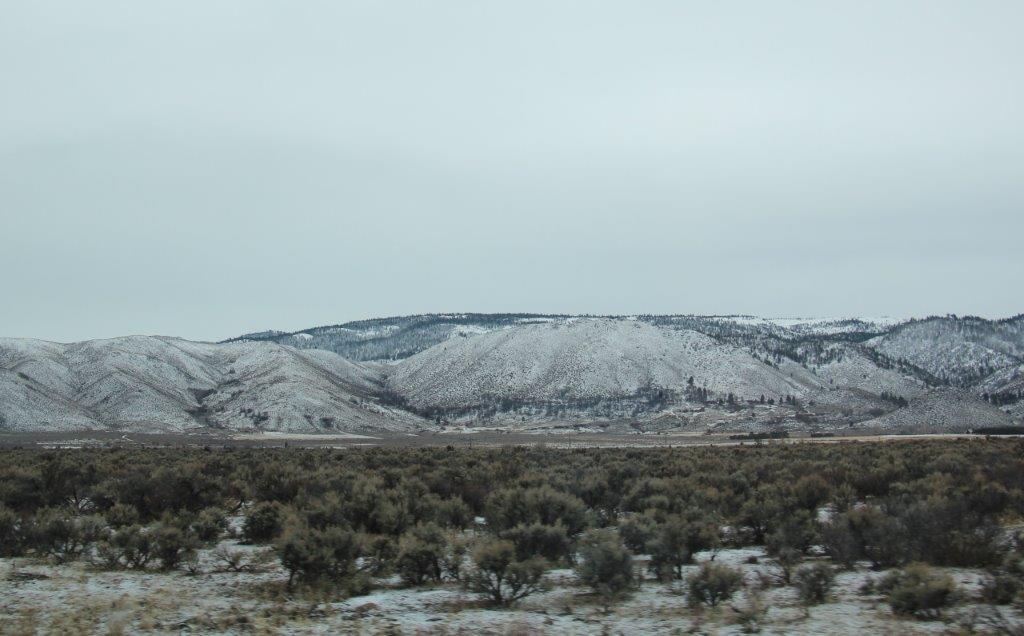
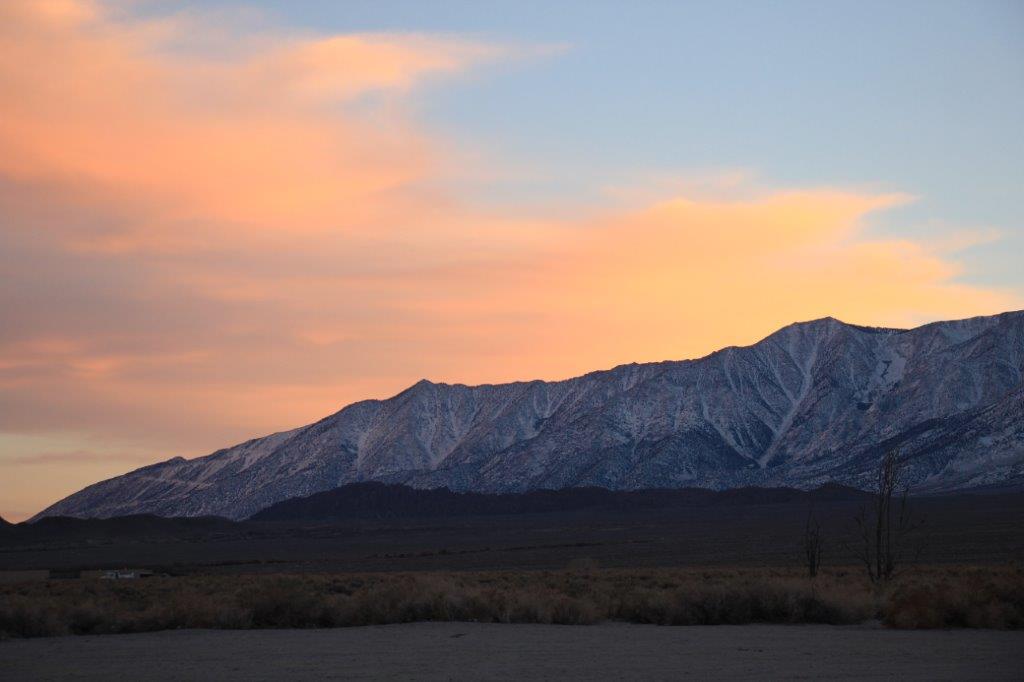
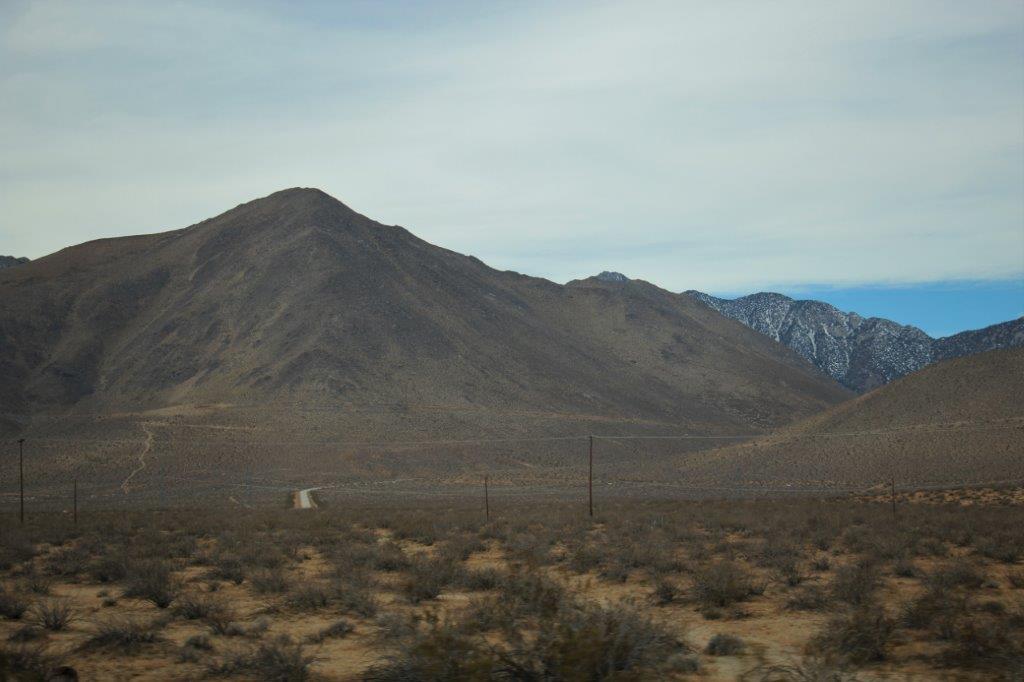
It was cloudy most of the day but as we progressed on our south-westerly course it got warmer.  We were now driving through the upper edge of the Mojave Desert and you can certainly see why so many people and animals perished trying to cross it.  As far as the eye can see for miles and miles is sage scrub and sand.IMG_4362IMG_4363IMG_4365IMG_4371IMG_4372A few miles south of Lone Pine is one of the turn-offs to Death Valley National Park and the western boundary Visitor’s Center.  We had driven down the road a mile or so and I was telling John about our proposed route to enter Death Valley, which isn’t near any of the entrance Visitor’s Centers but at the western edge of the Park coming in from the south.  He very wisely said, “Well, why don’t we go into the Visitor’s Center now and get a map and talk to the rangers about what to see and where to go when we get there later?”  Smart man.  We found a place to U-turn and went back.  We had a nice chat with a friendly park ranger who gave us tips on what to see and how long the hikes or off-road drives may take and the special places to see at dusk or sunset.  Then we turned back southward and continued on our way.

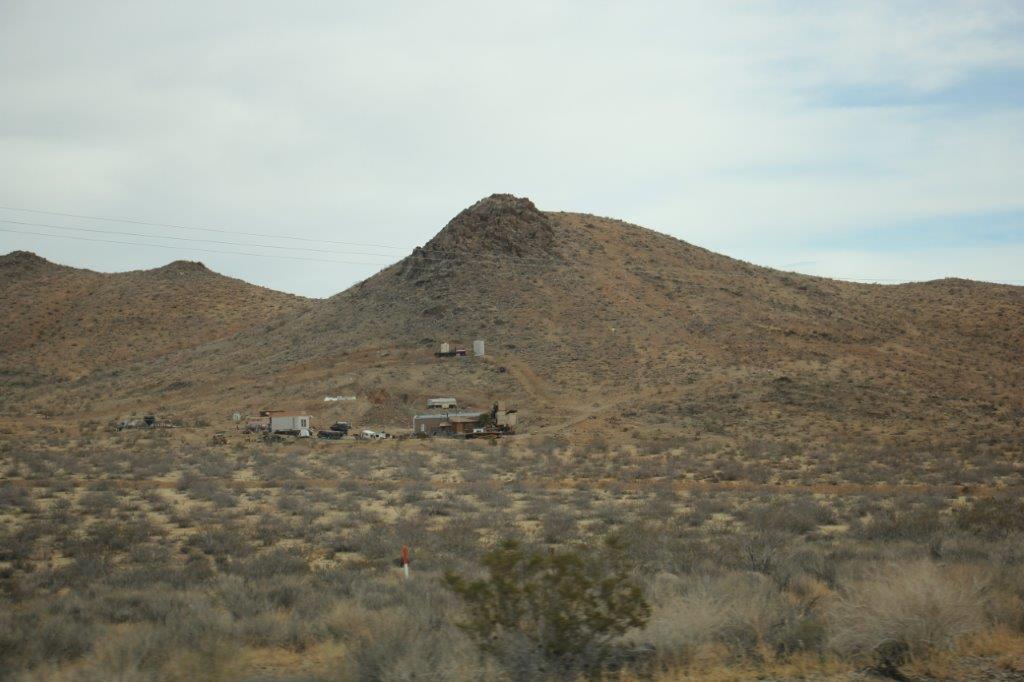
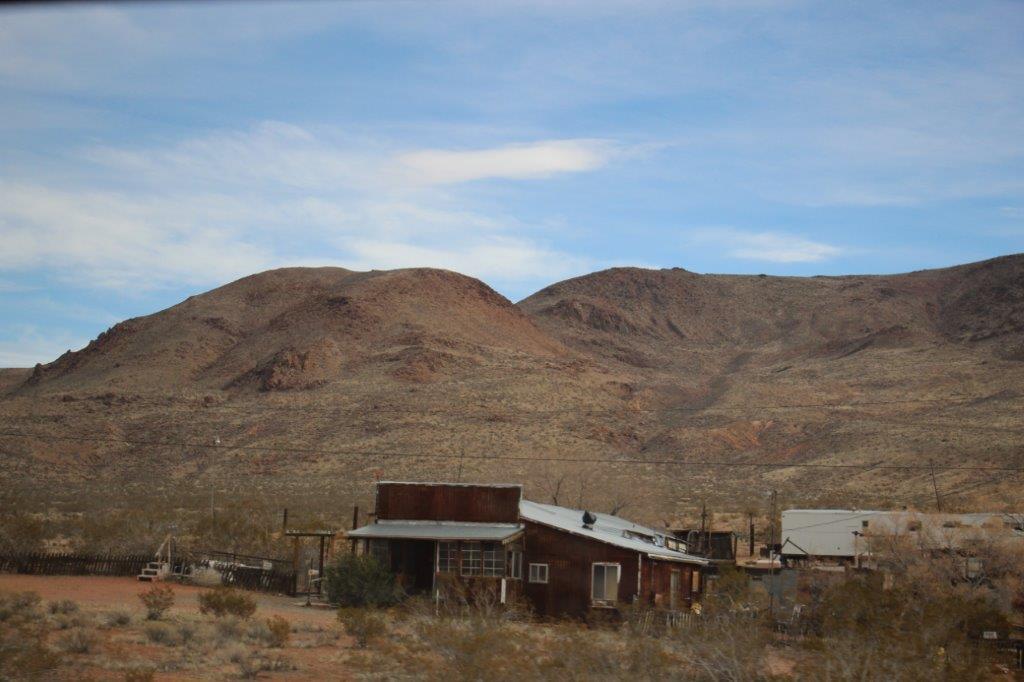
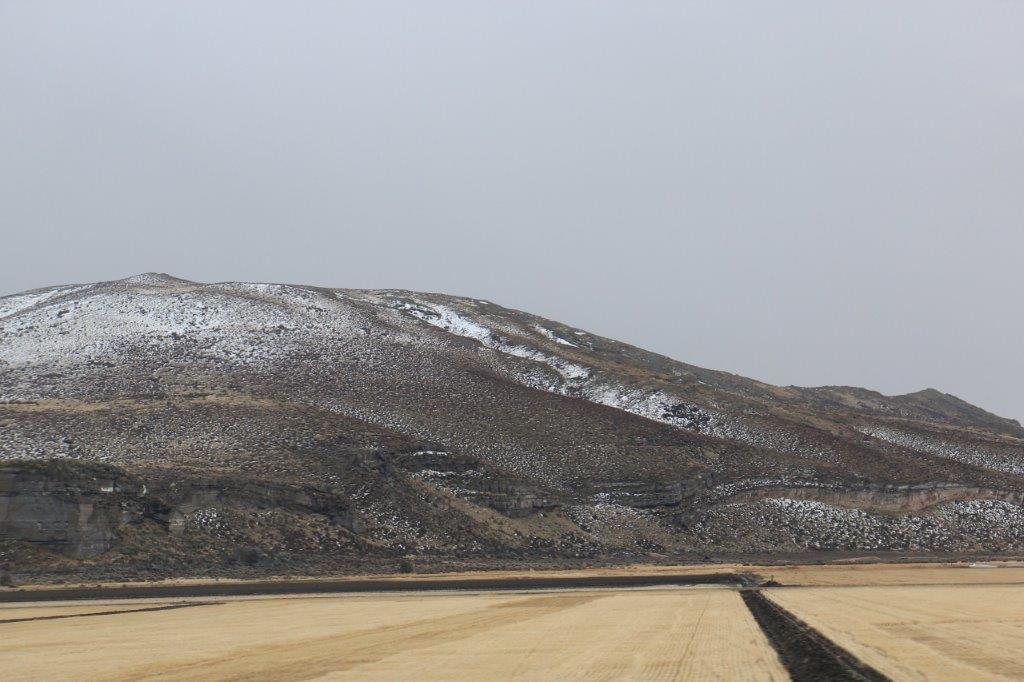
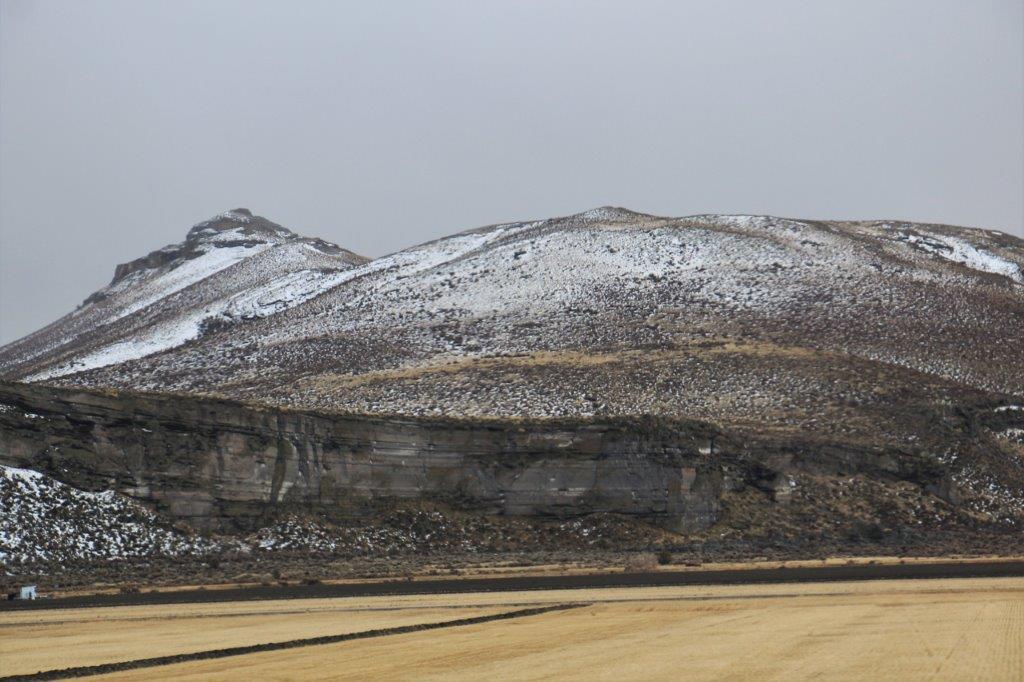
There are a couple of  close-together-communities south of Ridgecrest on Highway 395.  They are called Johannesburg and Red Mountain.  The area and hillsides around Johannesburg do look similar to Johannesburg, South Afrrica (we stopped there for three days on our World Cruise in 2009), and it was very easy to see how Red Mountain got it’s name.

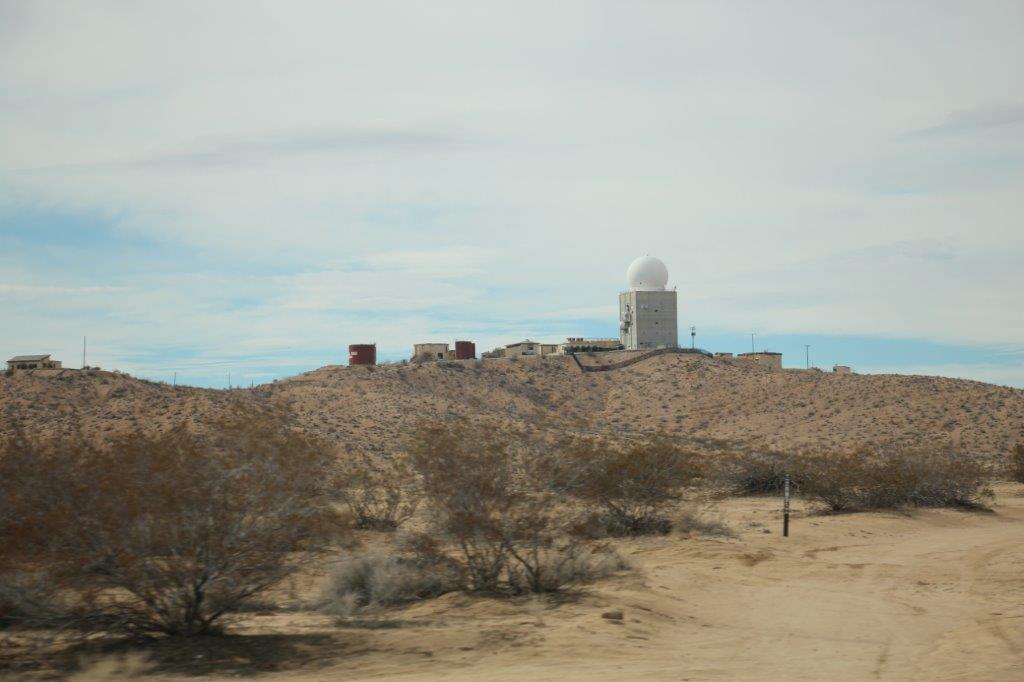
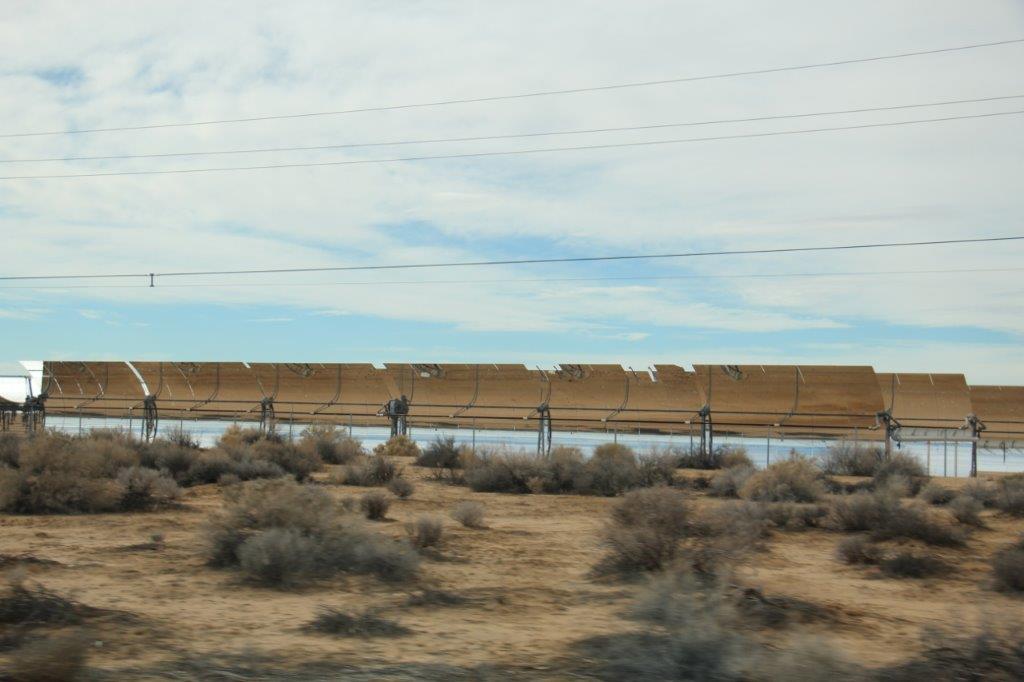
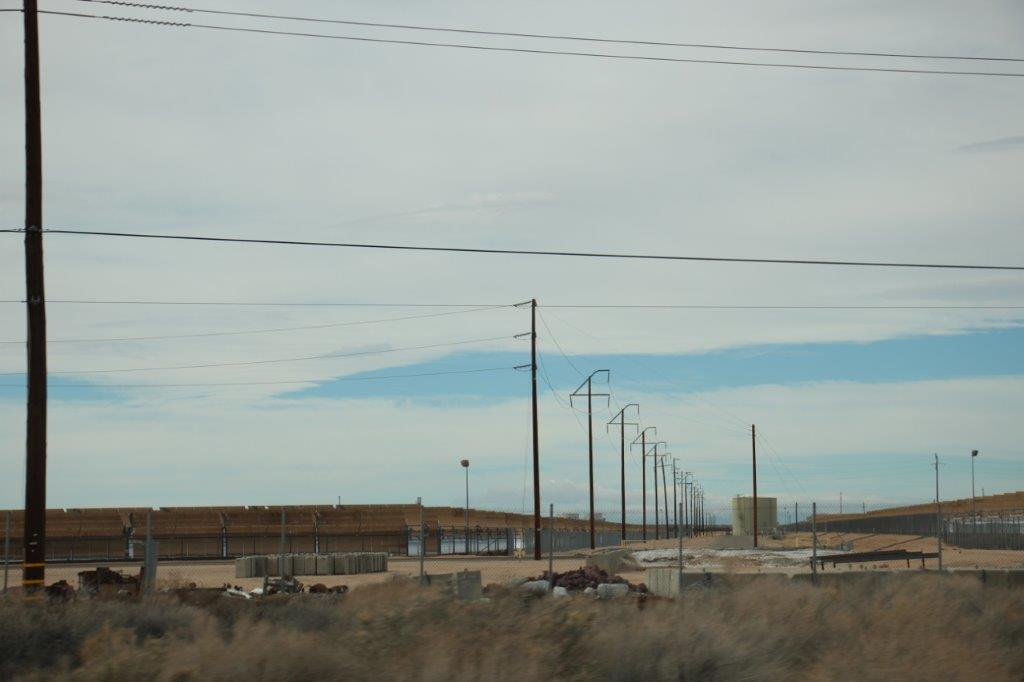
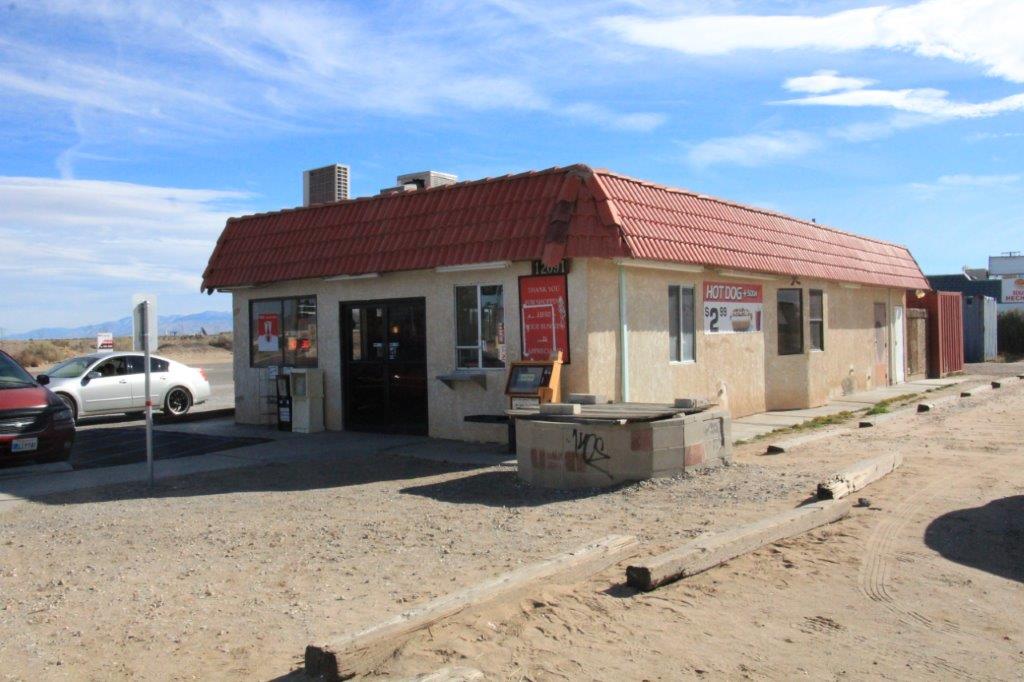
IMG_4377 IMG_4378We passed a couple of observatories on hillsides and a huge solar energy plant north of Adelanto where we stopped for lunch at a tiny one lady diner that didn’t even have a name.  Good burgers though.

IMG_4391IMG_4392IMG_4394

IMG_4395

The solar collection rows covered acres and acres of the desert.

IMG_4400

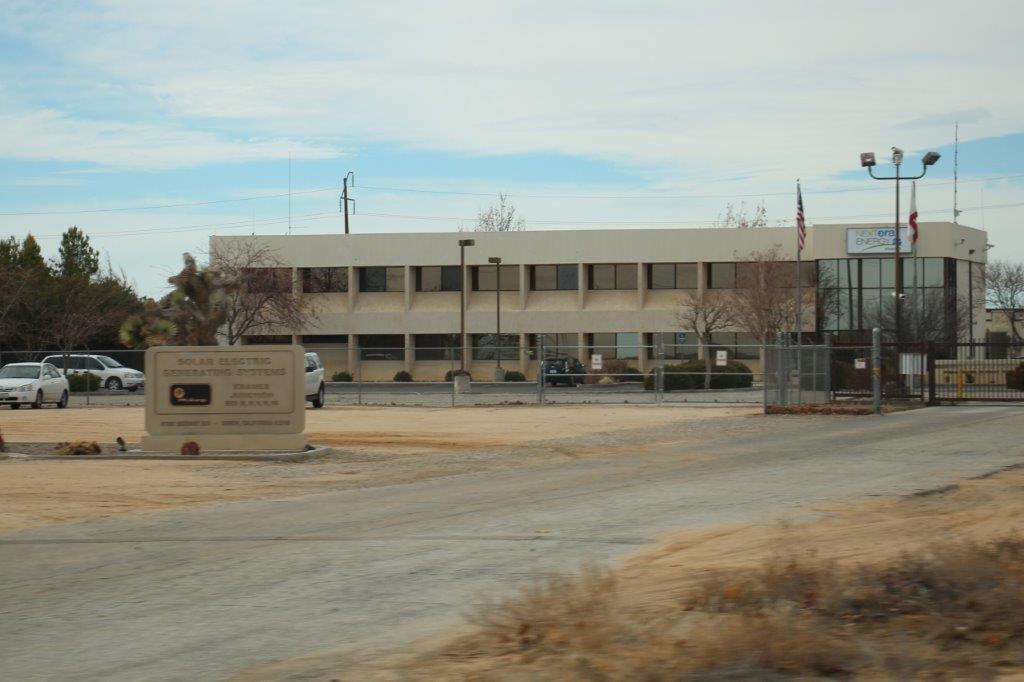
The company is called Nextera and by the look of things they have invested a huge amount of money into this project.IMG_4407

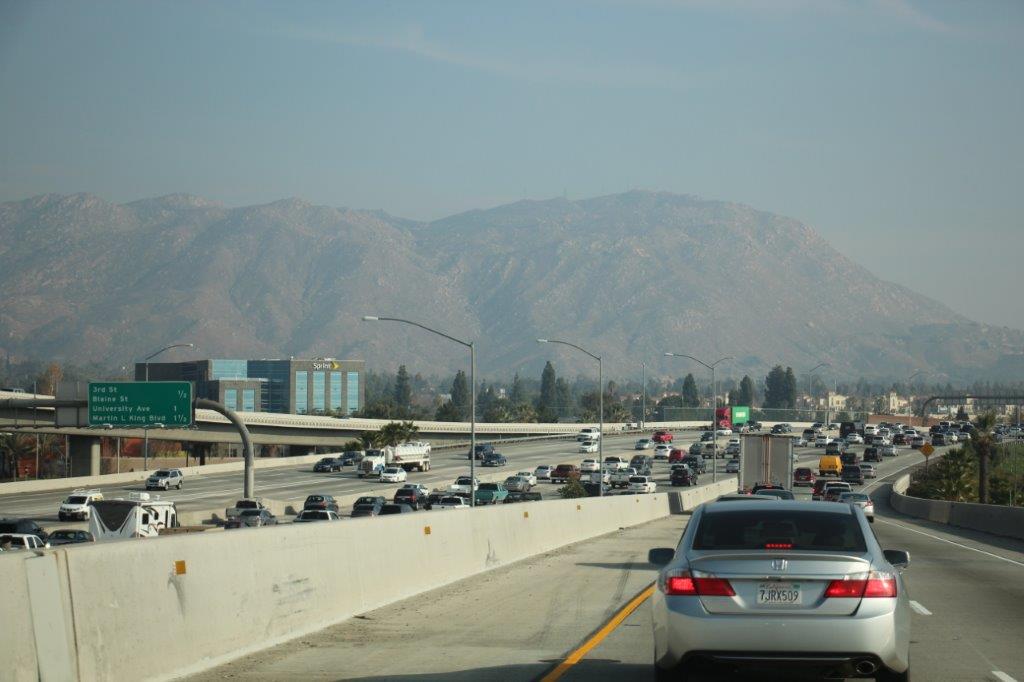
IMG_4411 IMG_4415IMG_4416IMG_4417Fifteen or so miles south of Adelanto Highway 395 joined the number 15 freeway.  This was not my favorite section of travel. We drove this same road when we came down to Escondido a few years ago and there is almost no other way to get down to the San Diego area without doing a lot of zig zags.  I just kept my head down and read my book.  John exited 15 and drove for a few miles down the slightly less traveled Route 215 between Ridgeway and Temecula so that helped a bit.  We went from five or six lanes down to three.

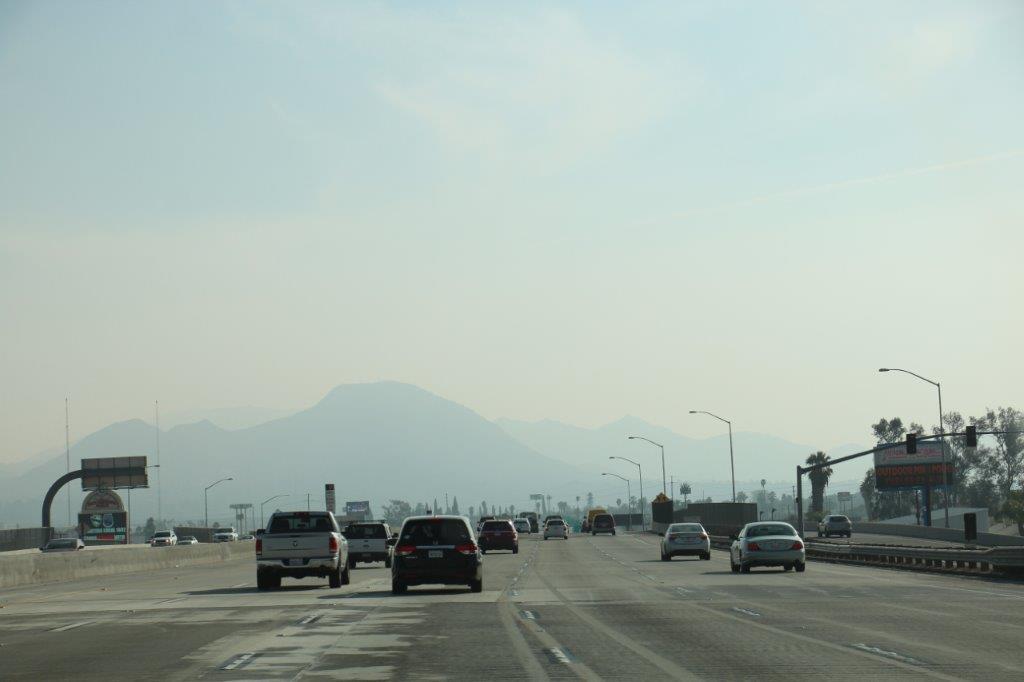
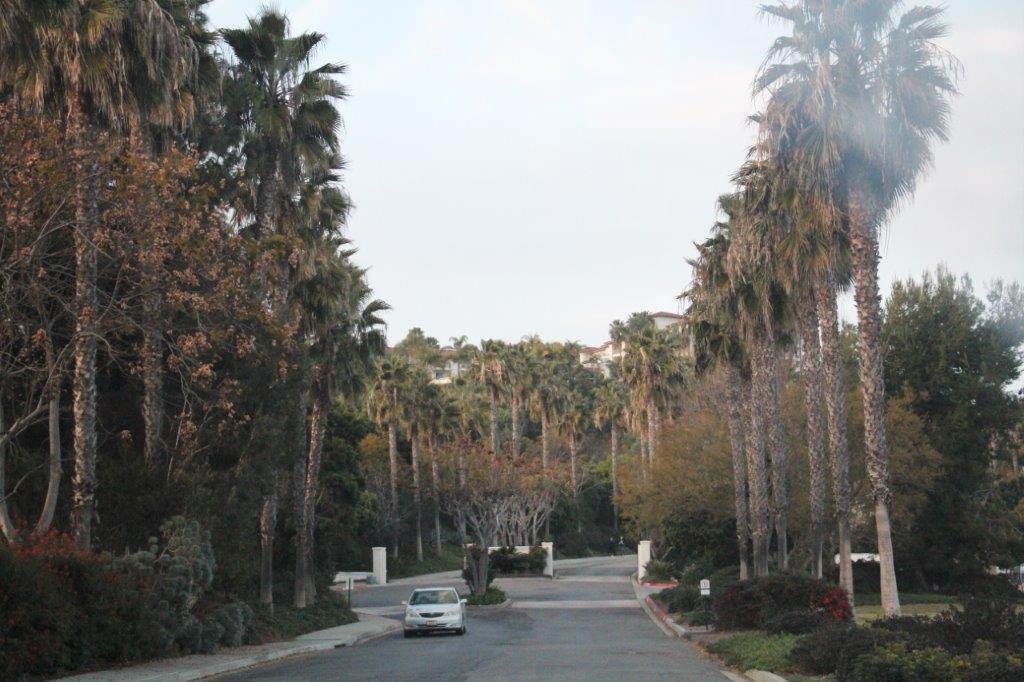
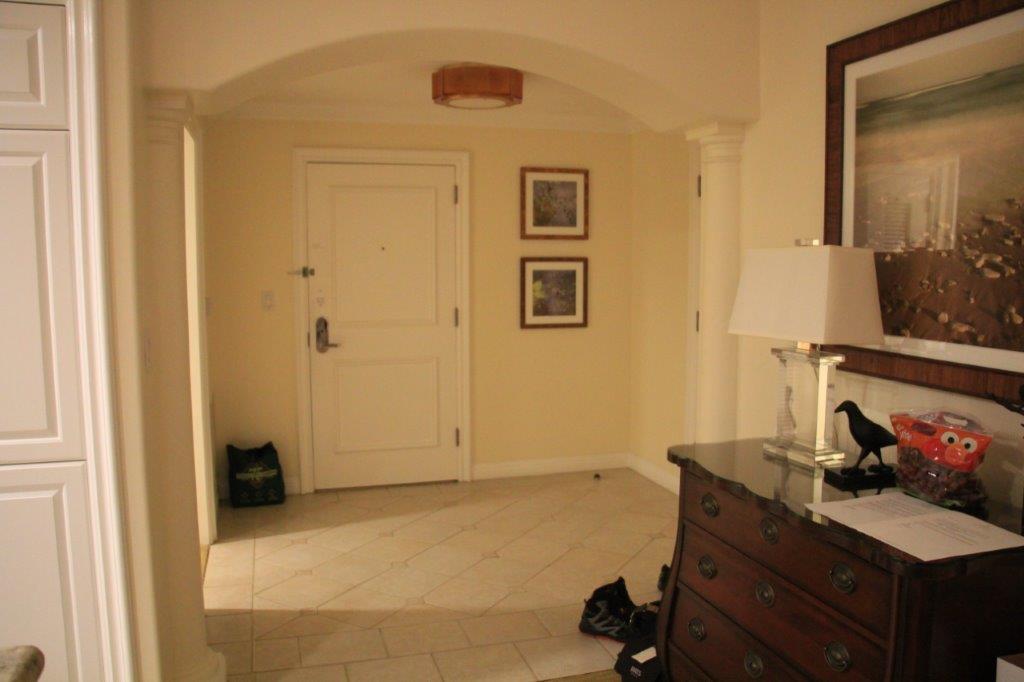
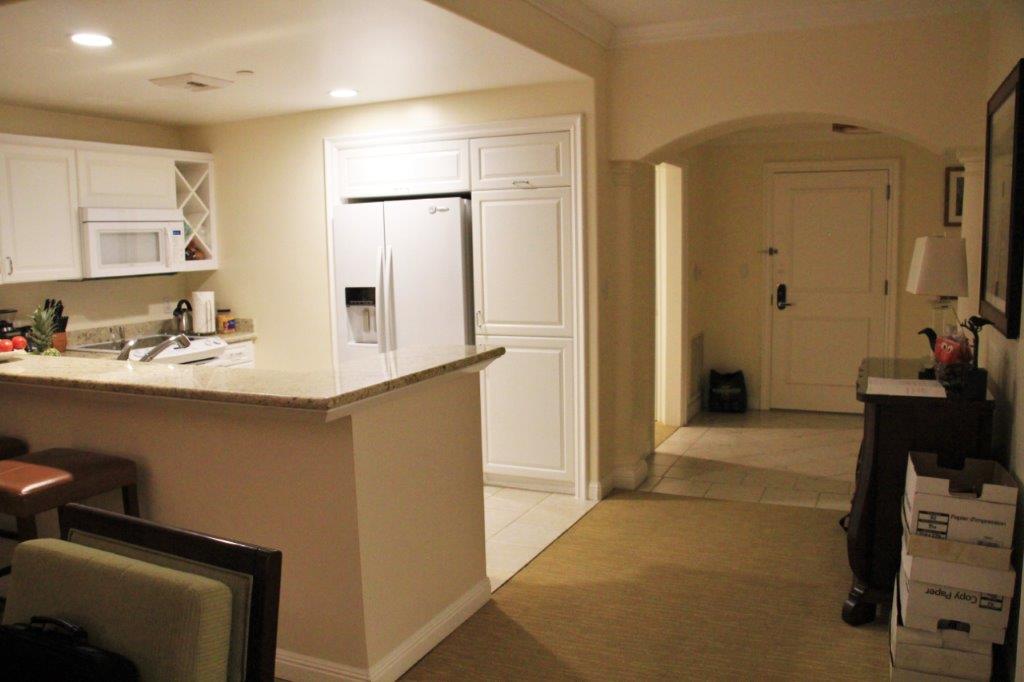
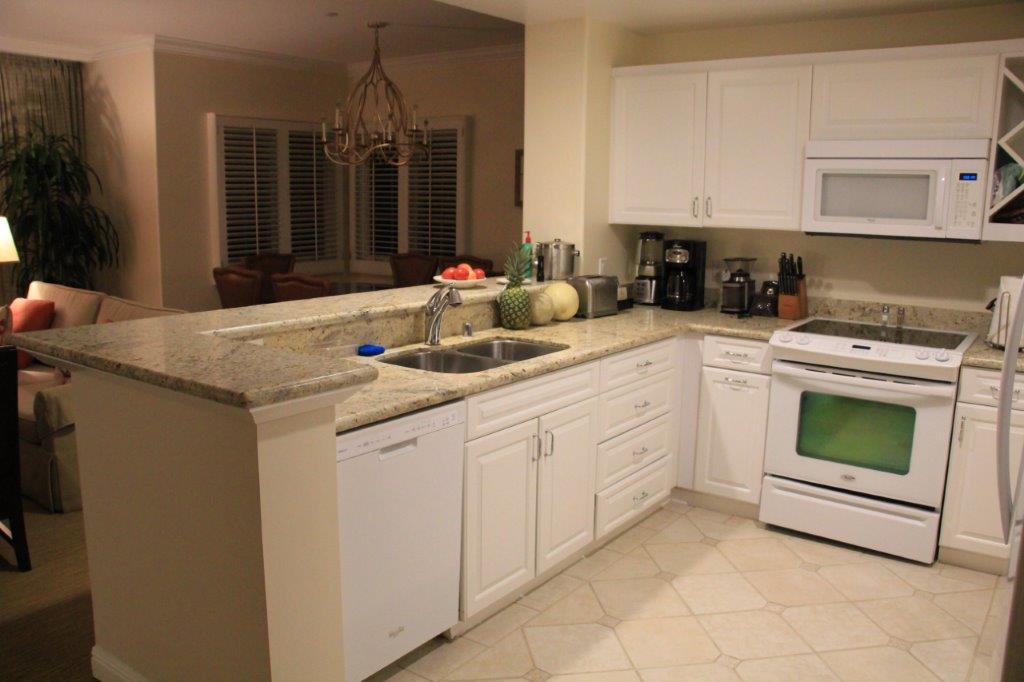
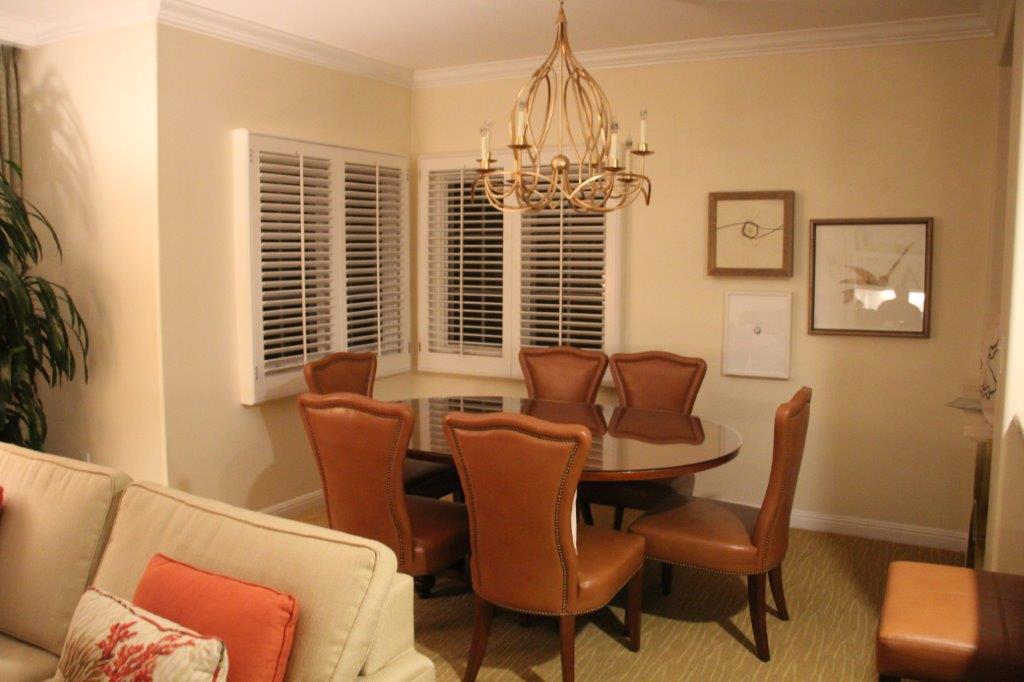
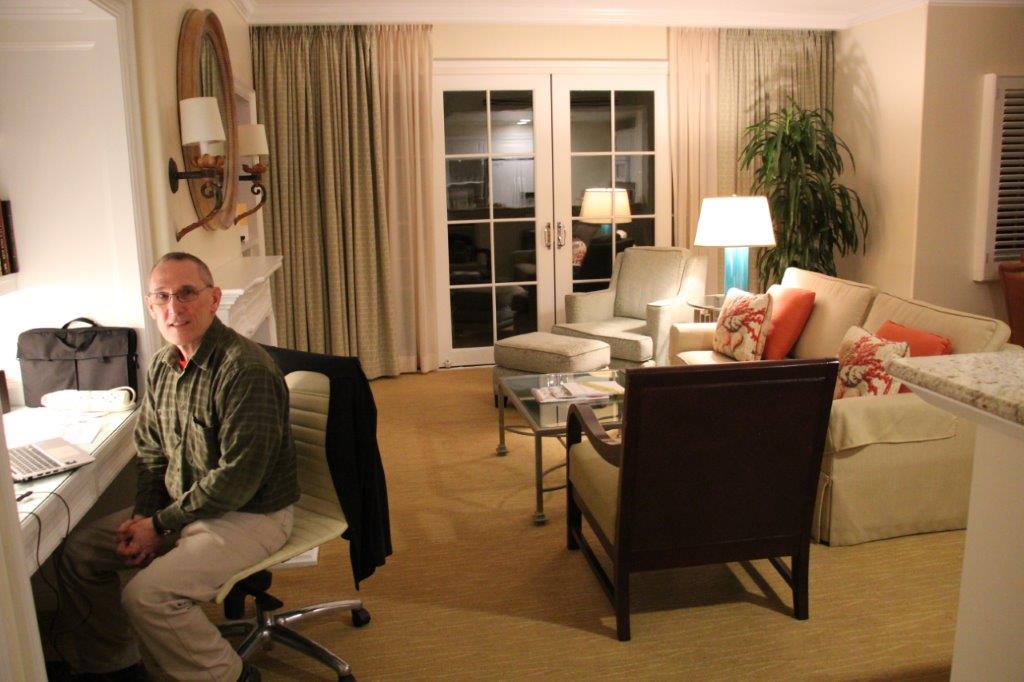
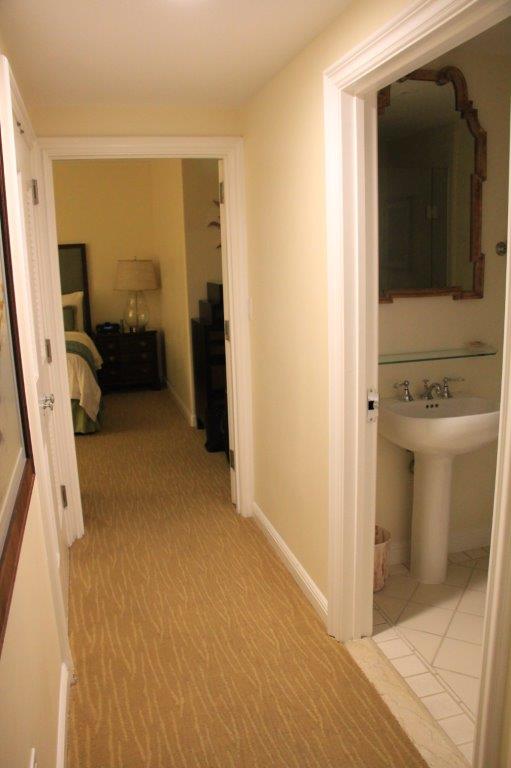
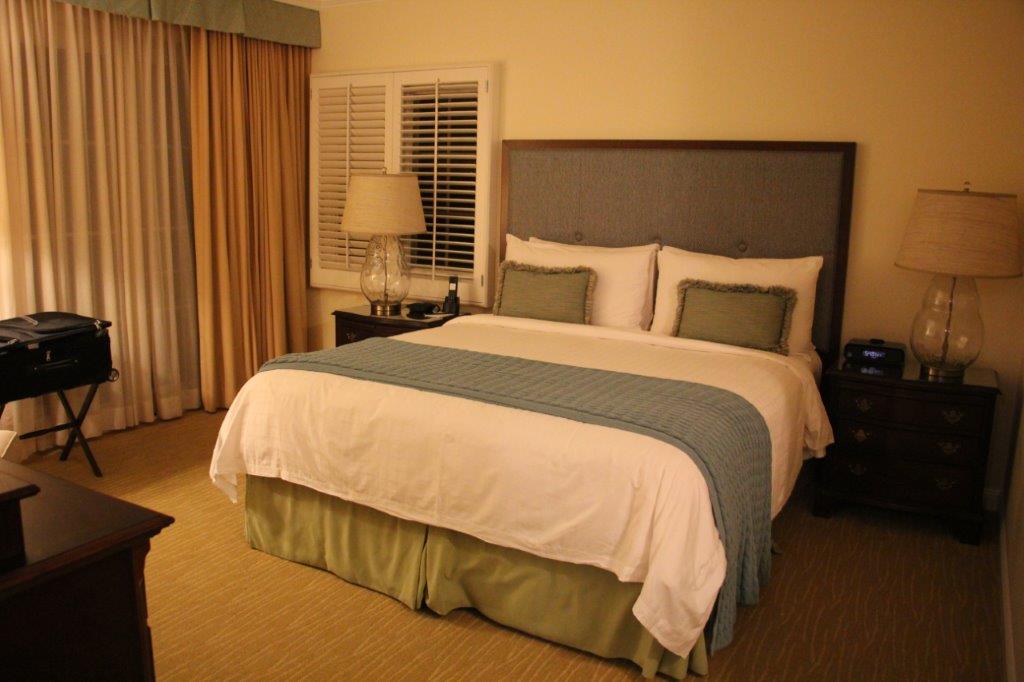
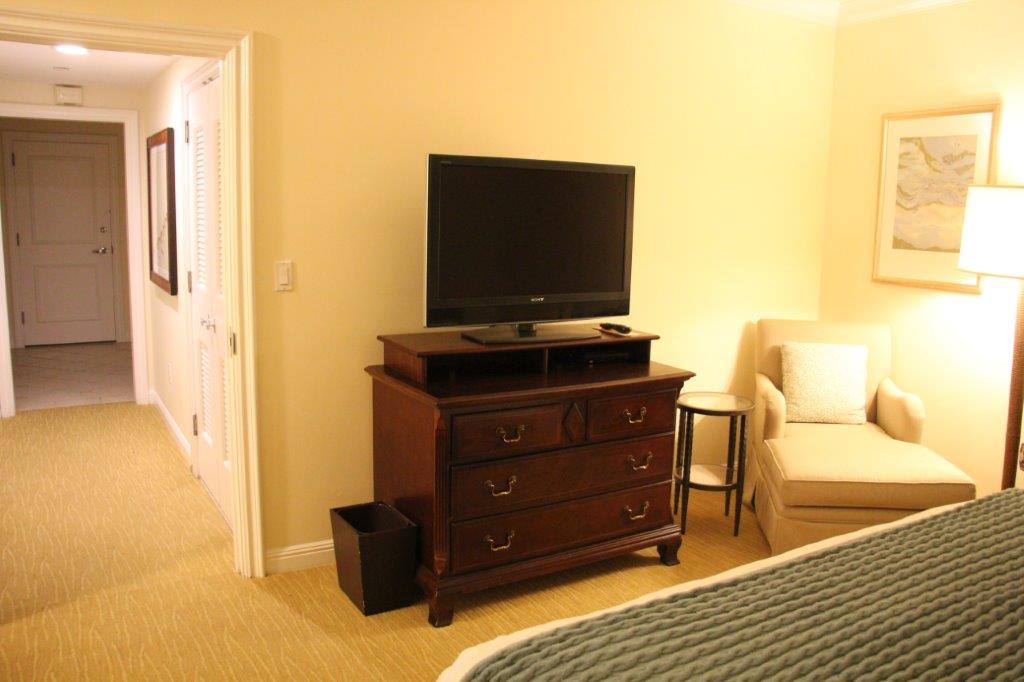
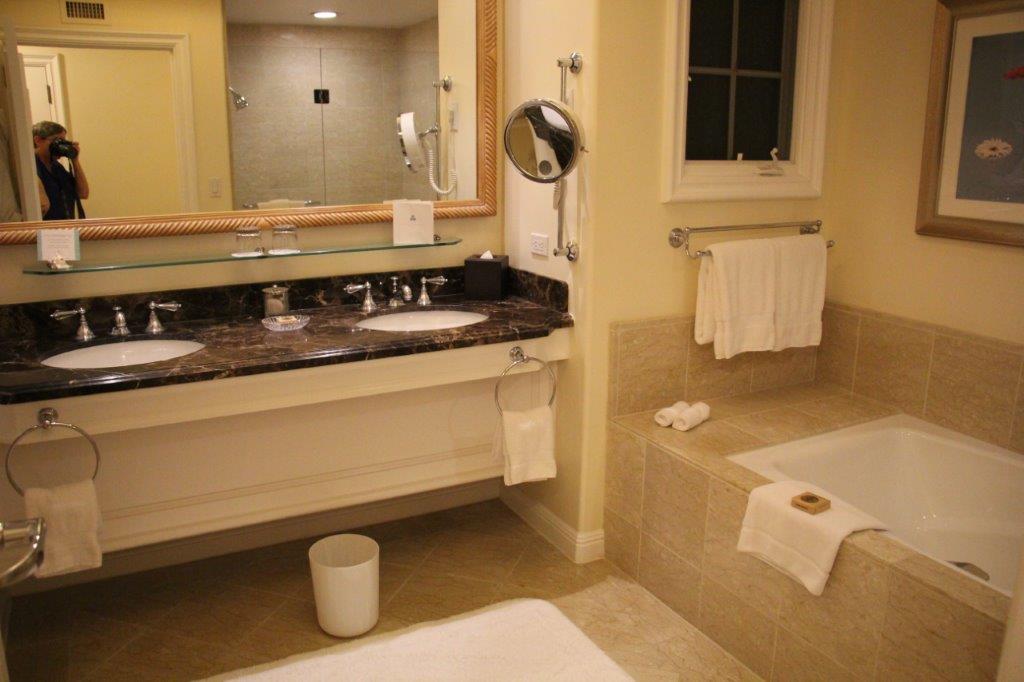
IMG_4418 Ya’ gotta love the LA smog. IMG_4422IMG_4424We arrived at San Marcos about five o’clock and found a grocery store where we stocked up for our three weeks at the Aviara Four Seasons Residence Club.  As you can see by the photos we will be suffering in our accomodations….

IMG_4429 IMG_4430 IMG_4442 IMG_4441 IMG_4440 IMG_4439 IMG_4438 IMG_4437 IMG_4443IMG_4432IMG_4433IMG_4435 IMG_4434 As is normal when we use one of our  time shares we laze around the condo a lot, play games, and go for walks so there will probably be some days where I will not post a blog.  If we go anywhere or do anything I will let you know.

2016 Jan 15 – Day 5 – California and Beyond

Day 5 – Jan 15 – South Lake Tahoe, CA to Lone Pine, CA

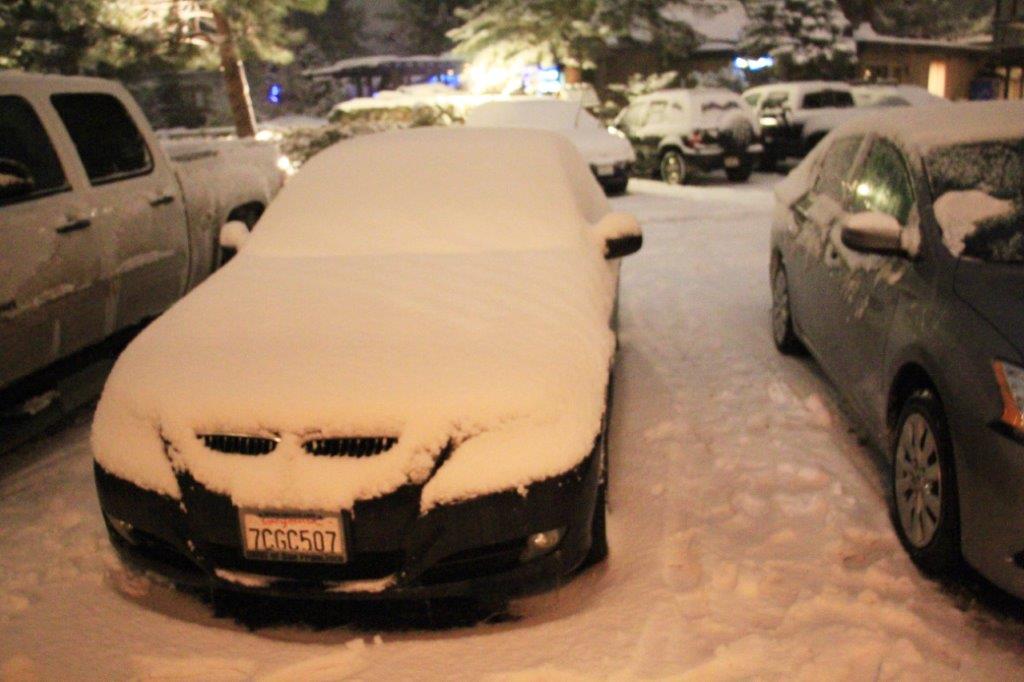
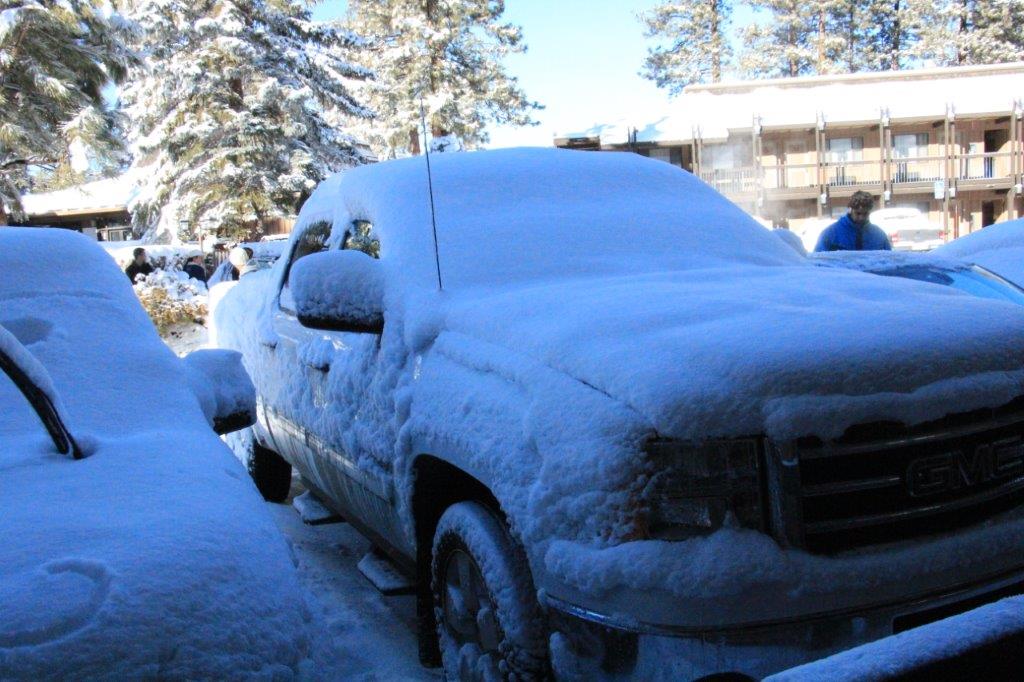
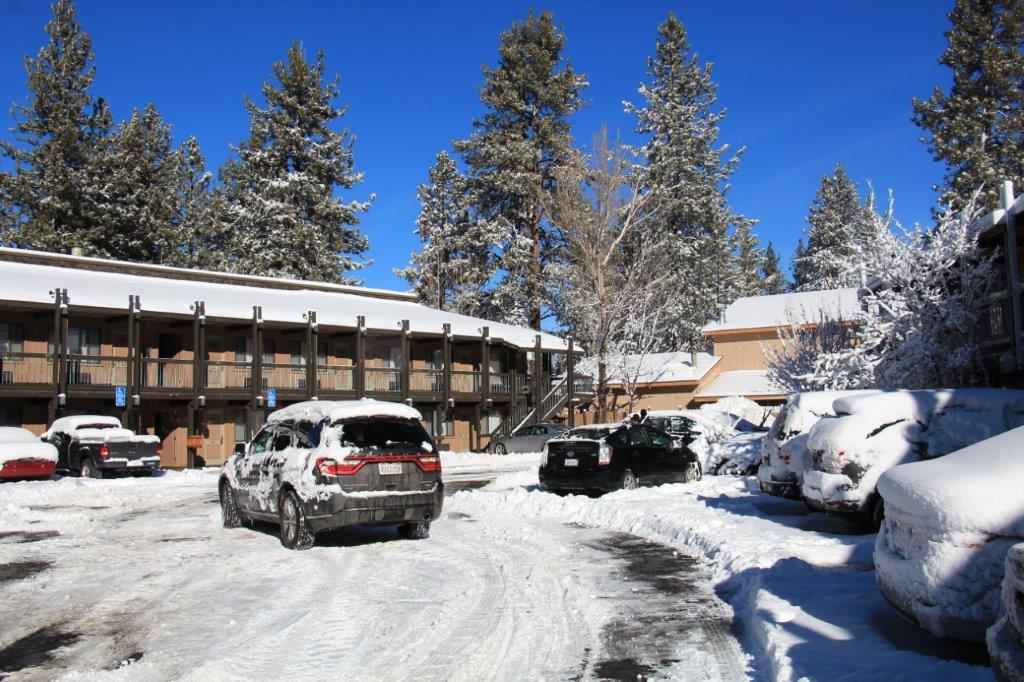
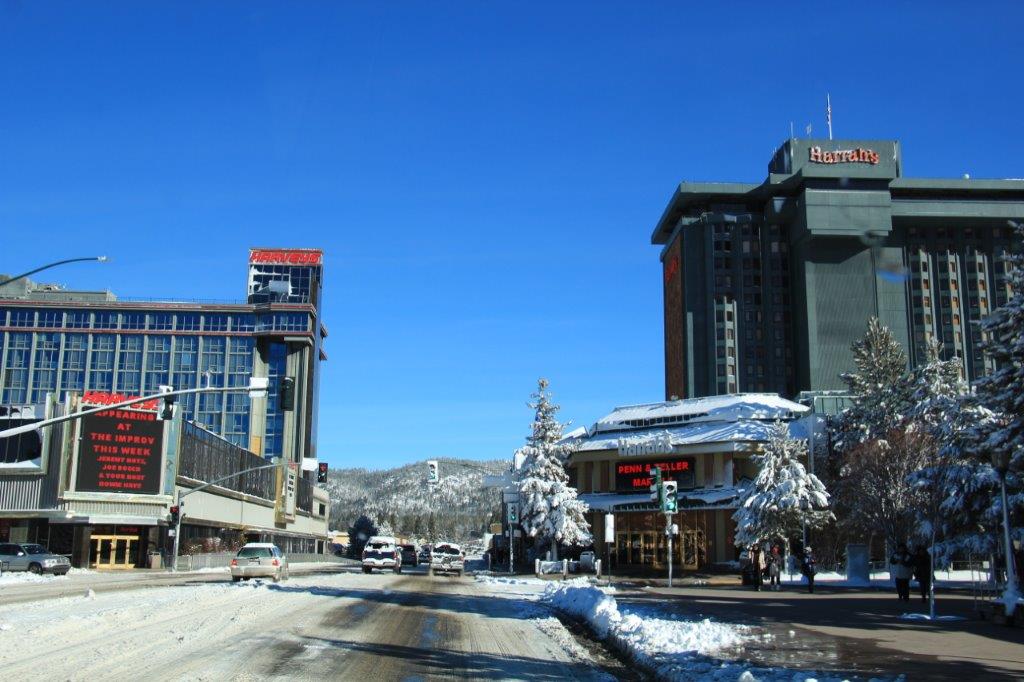
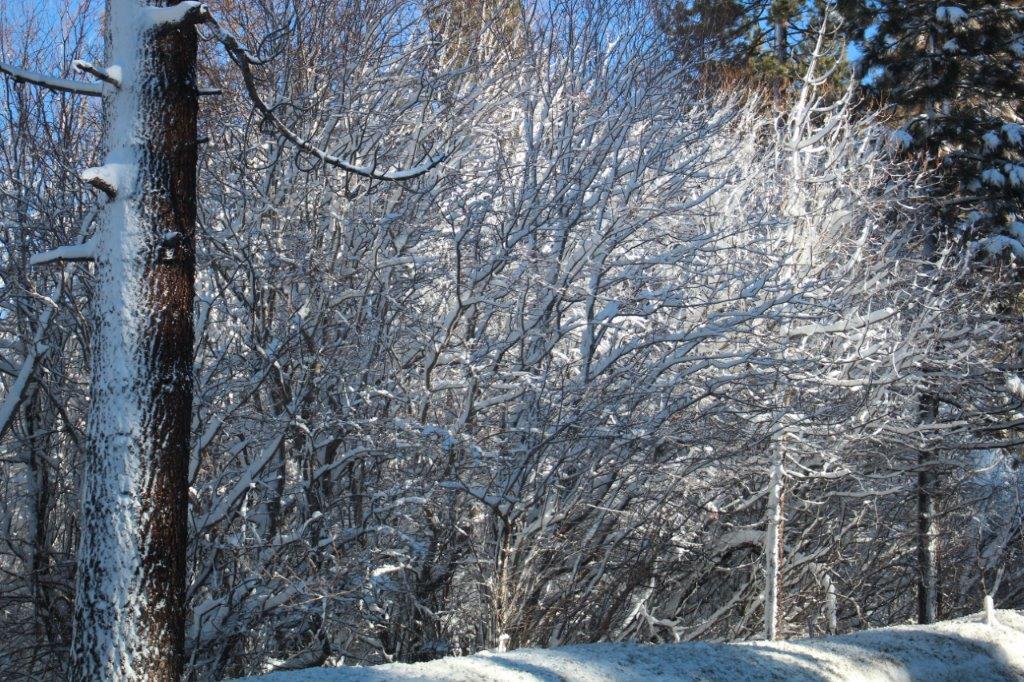
We stopped in South Lake Tahoe last night during blowing snow and spent a bit of time in our hotel room before going out to find dinner.  In that short amount of time the truck had accumulated about 5 inches of snow.  It stopped while we were at dinner but we woke this morning to an absolutely gorgeous winter wonderland and another 6 inches of snow on the truck.

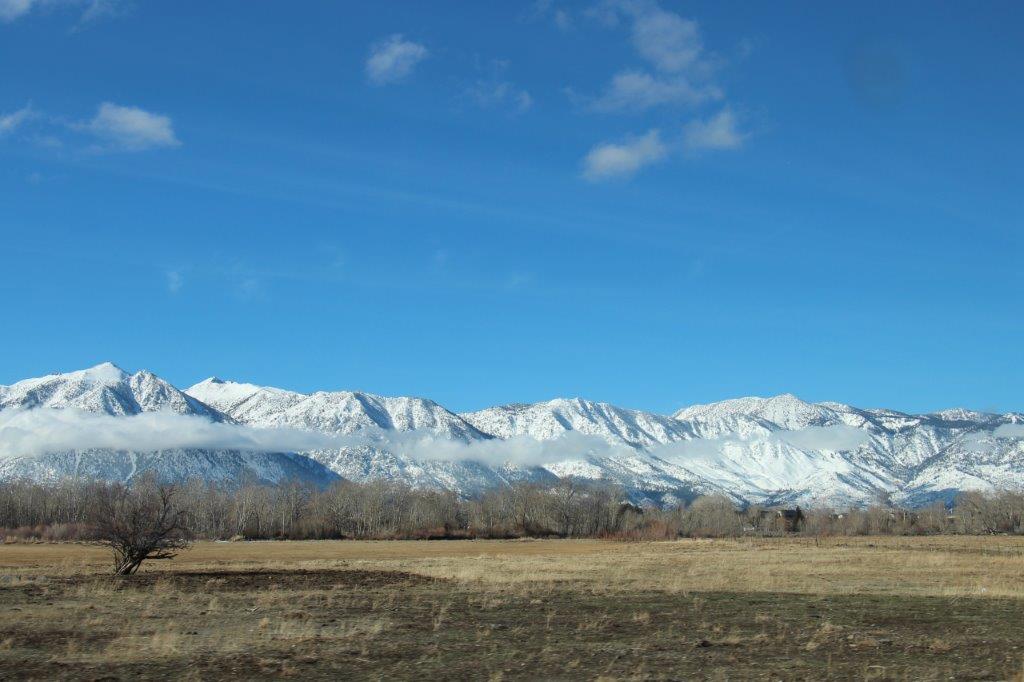
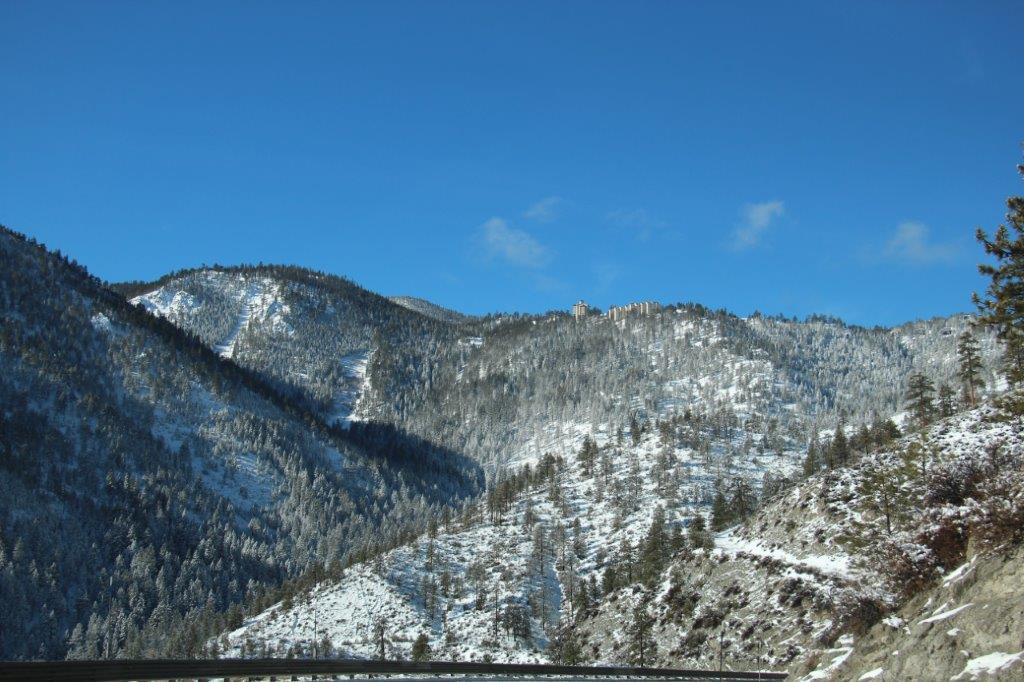
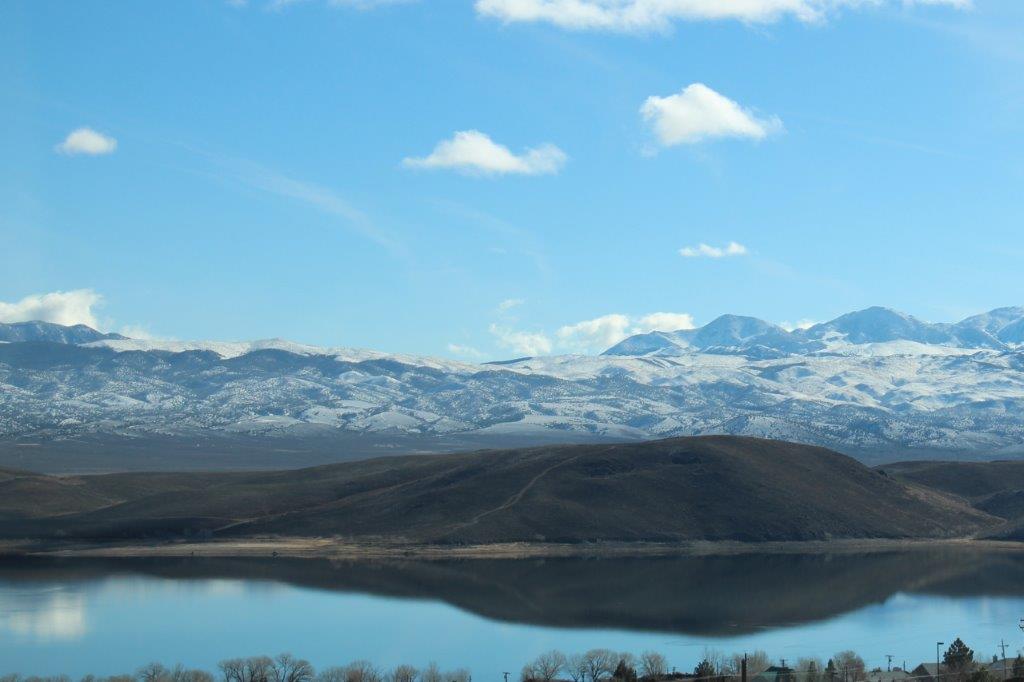
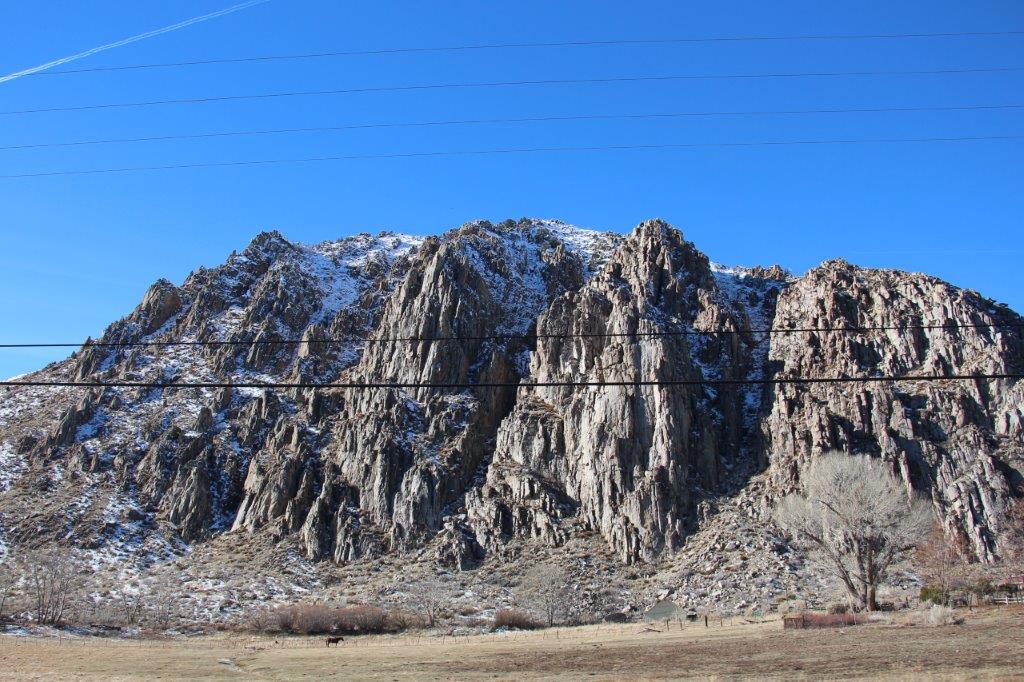
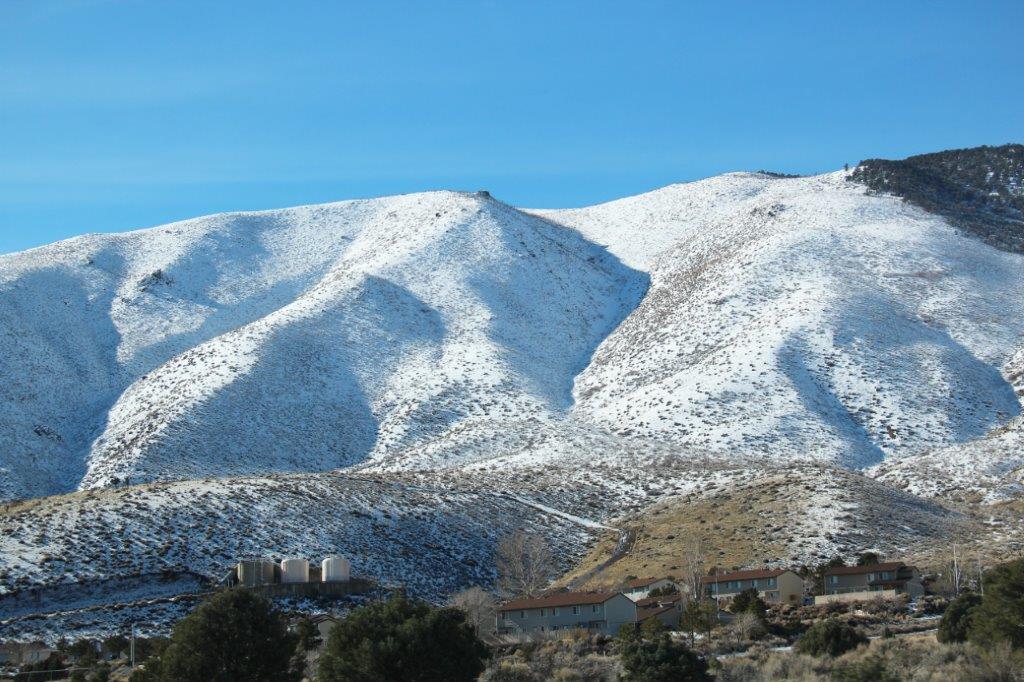
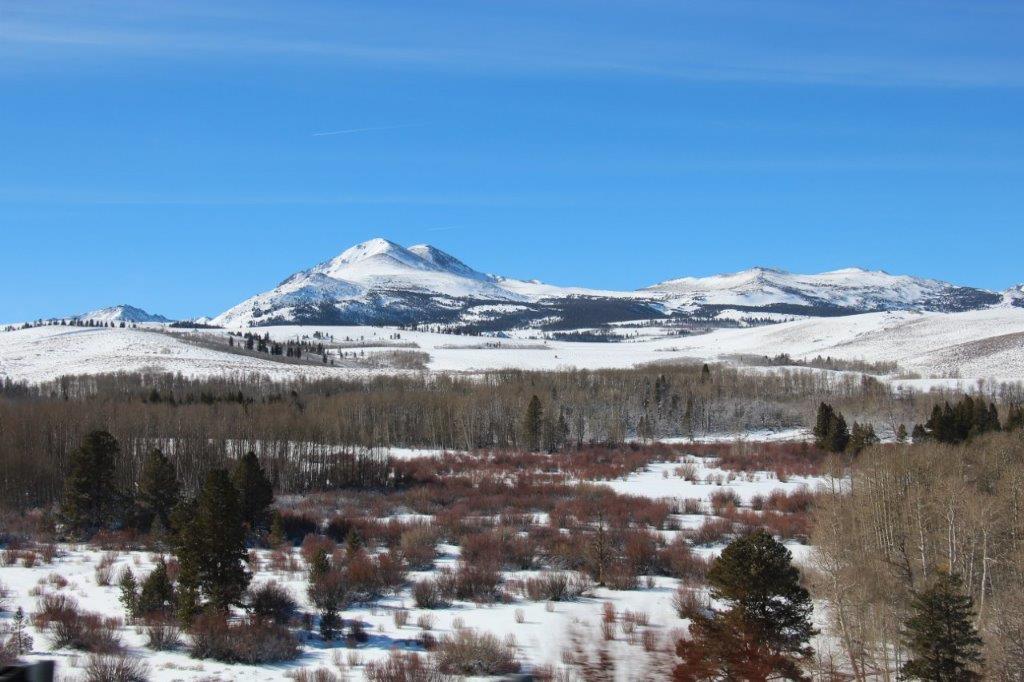
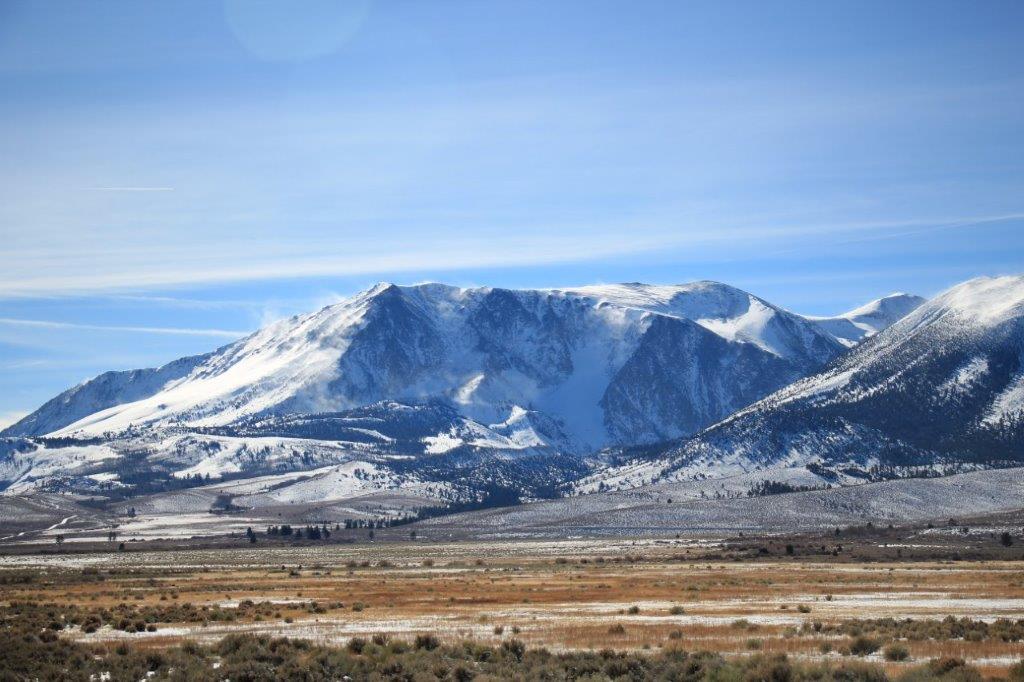
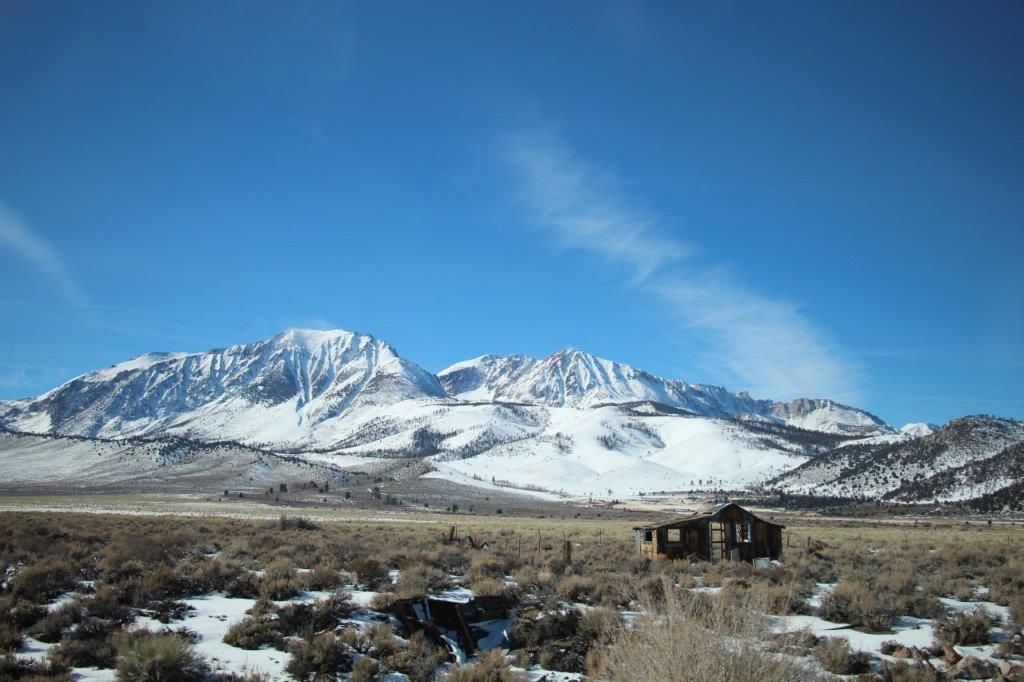
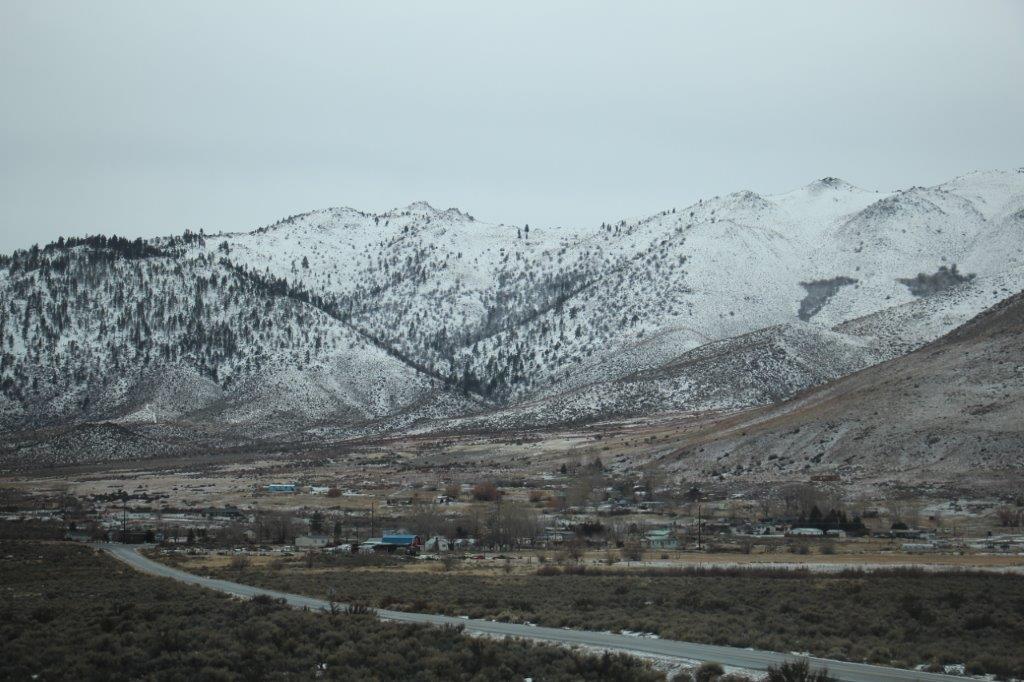
The highway pass on Route 207  out of Lake Tahoe was bare and wet all the way over the mountain and back to Highway 395.  I clicked photos of blue sky and snow covered mountains and sage brush for most of the morning.

IMG_4186

This car was parked beside our truck when we came back from dinner – just to show the amount of snow, since we had cleaned the truck off already.

IMG_4187

This is the truck in the morning with another layer of snow on it.  Really nice powder too.  This is a long weekend in the US so the ski resorts will be very busy.

IMG_4188

IMG_4191IMG_4204 IMG_4196

Can you see the buildings right up on top of the mountain? IMG_4192


A winter wonderland indeed.


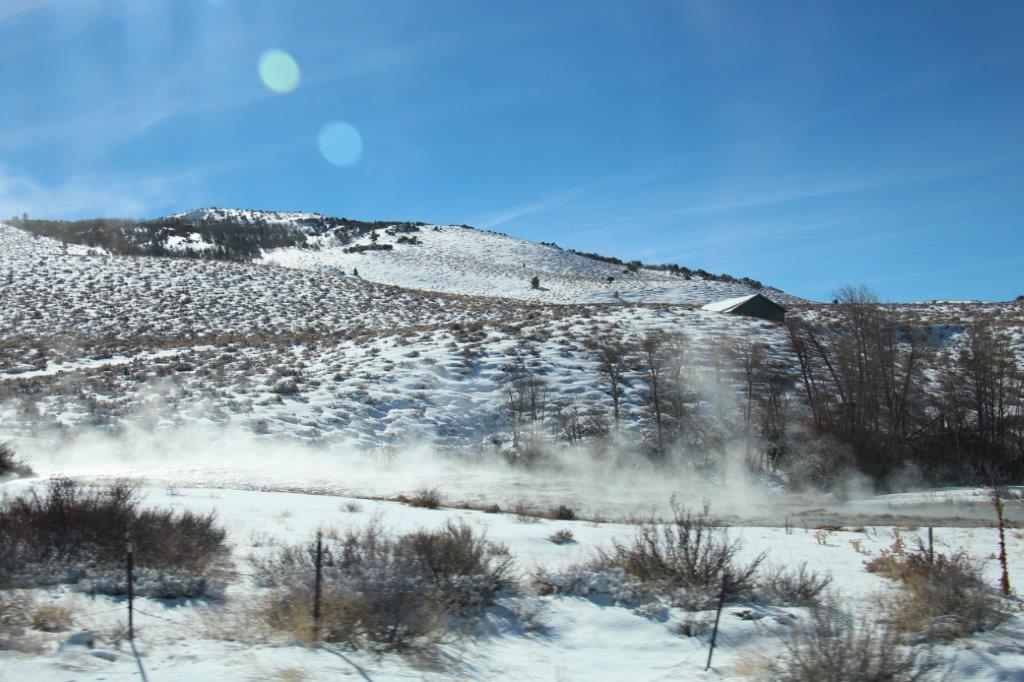
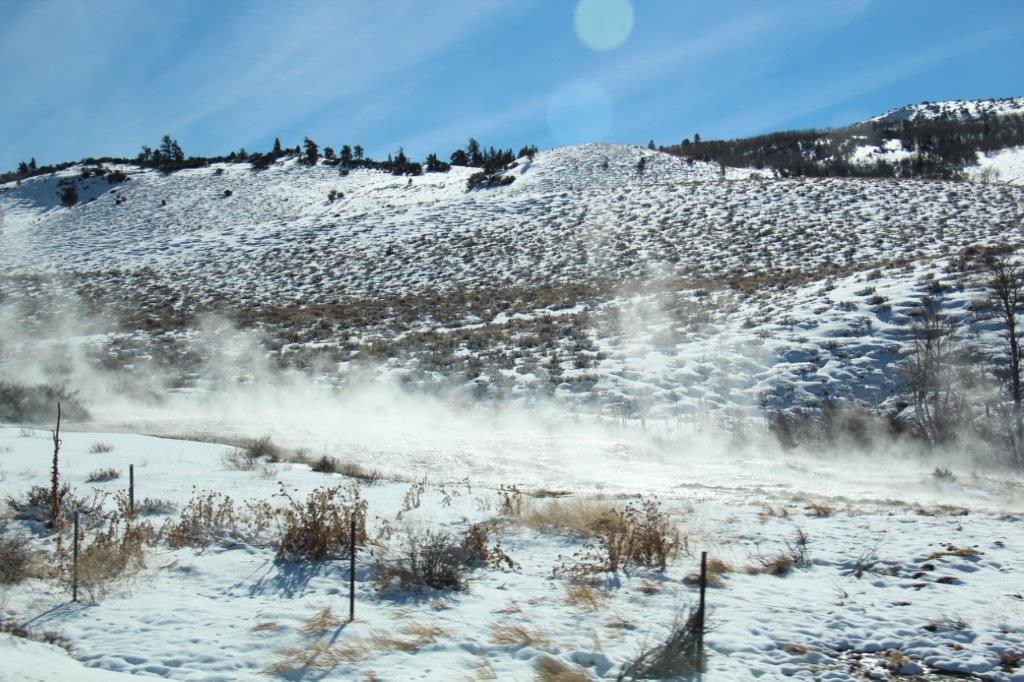
We passed Topaz Lake and, just north of Bridgeport, there was steam rising from a natural hot spring.

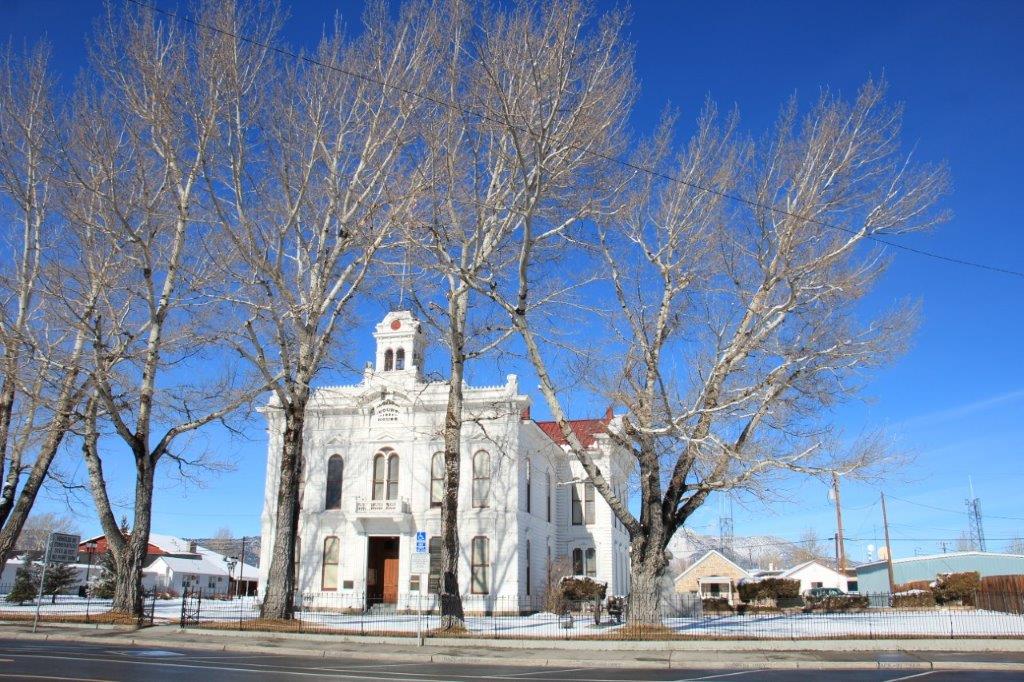
IMG_4208 IMG_4217 IMG_4216 IMG_4214 IMG_4210John stopped the truck and took this nice shot of the Bridgeport Court House for me.

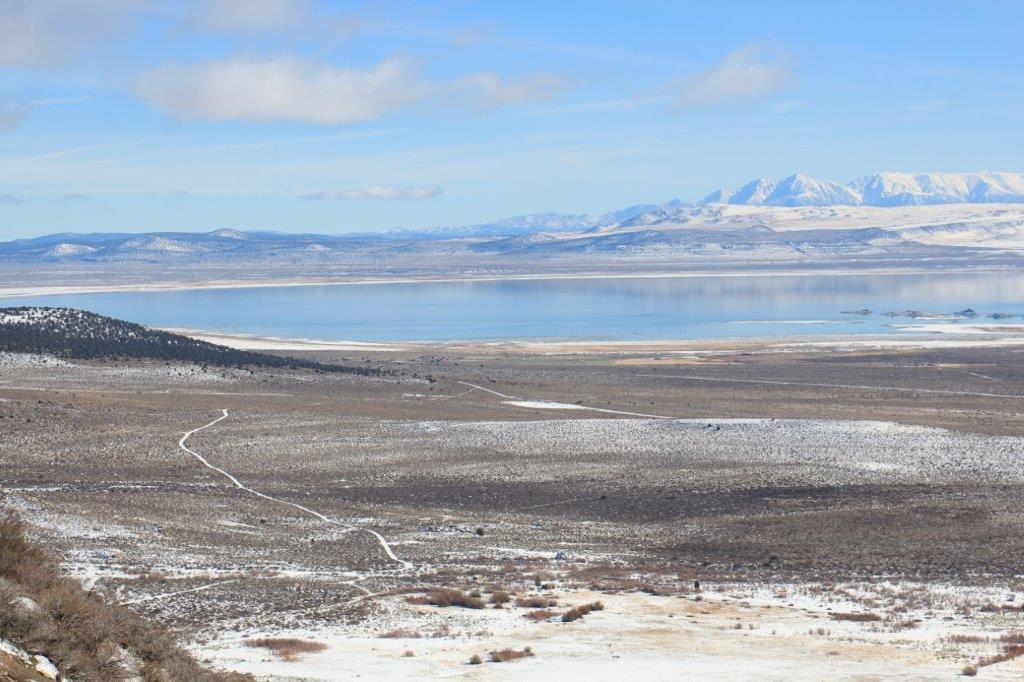
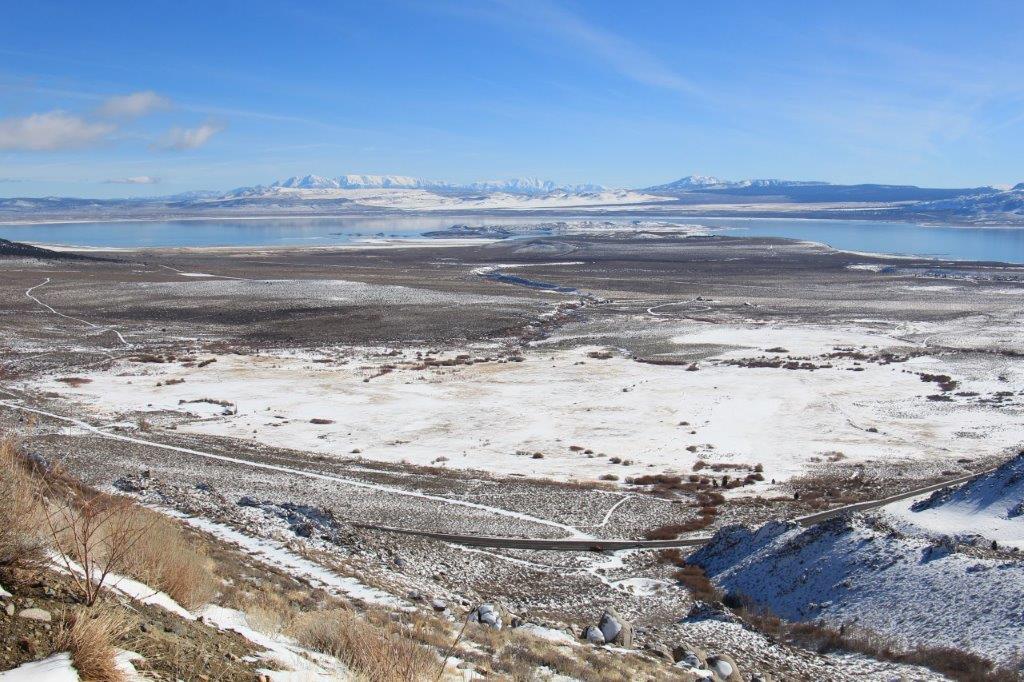
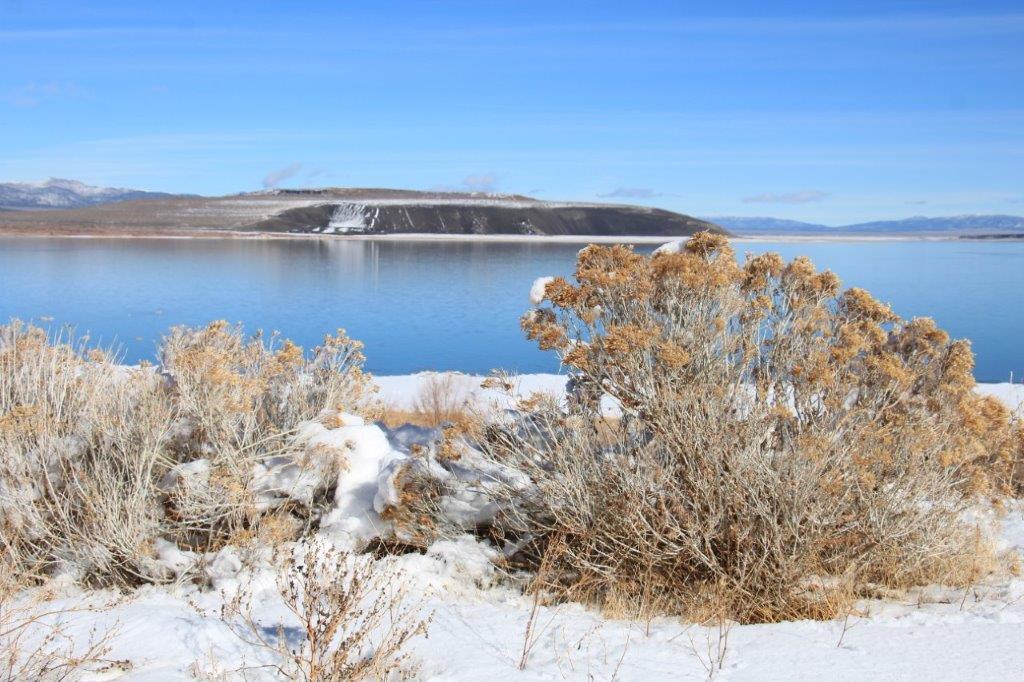
IMG_4223 (2) IMG_4231 (2)North of another very popular ski resort, Mammoth Lakes, we stopped at the  Mono Lake Basin Overlook and got out and stretched our legs for a bit. The water was a pretty baby blue and on such a beautiful day it was quite lovely.

IMG_4233 (2)IMG_4234 (2)IMG_4247 (2)IMG_4250 (2)IMG_4258 (2)Here are some more pretty mountain photos.

IMG_4263 (2)

The road elevation at this point was 7000′.IMG_4275 (2)IMG_4269 (2)IMG_4278 (2)

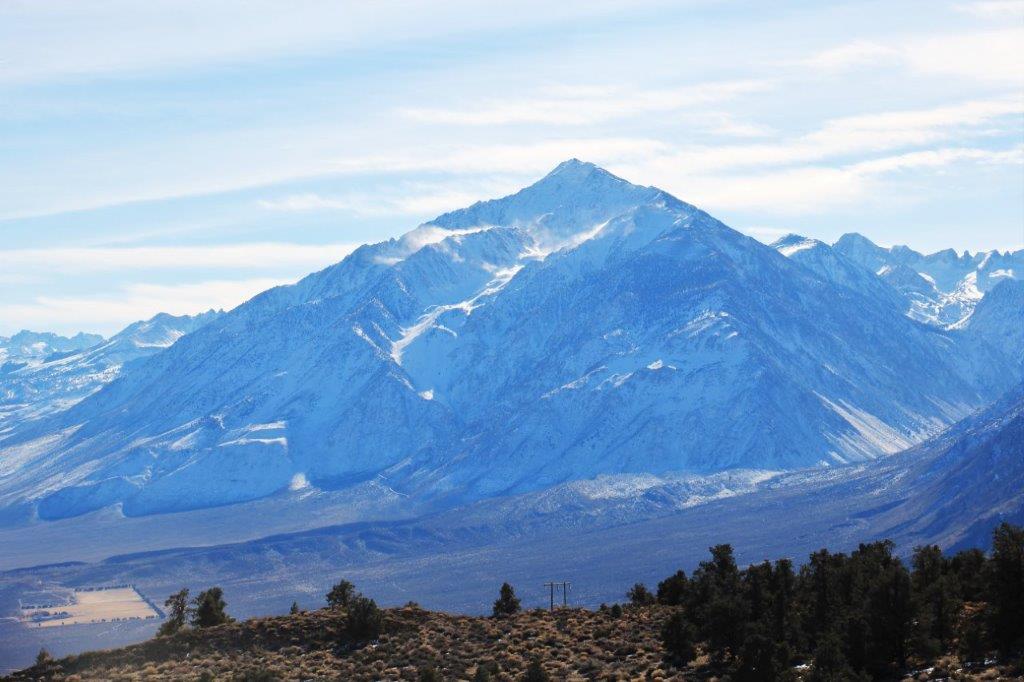
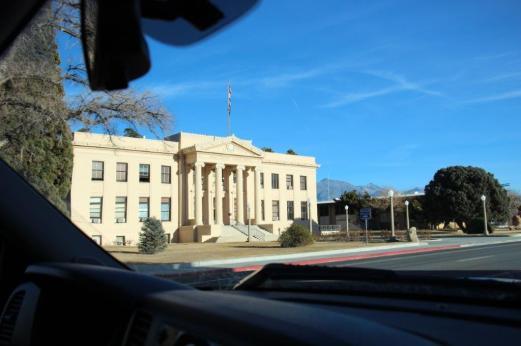
This is Mt. Tom.  Elevation 13,652′ IMG_4292 (2) IMG_4283 (2) The court house at the little town of Lake Vining was another nice building.  We weren’t able to stop but I snapped a quick shot through the front window. Lake Vining is the eastern gateway to Yosemite National Park.  The summit of the pass through the mountains from here is 9,945′ high so the road is closed in the winter.

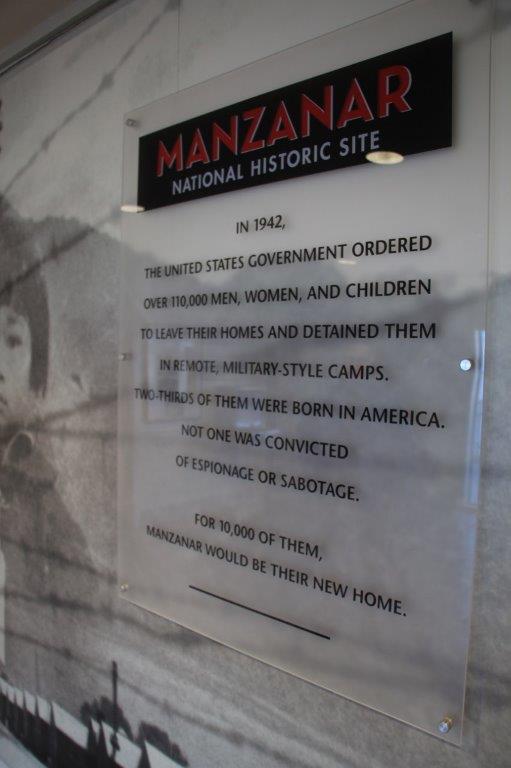
IMG_4293 (2)We stopped in Bishop for lunch at 2 o’clock then went about 50 miles further down Highway 395 to Manzanar National Historic Site.  This one-mile square section of desert was the location of a Japanese Relocation Camp after the bombing of Pearl Harbour.  By September of 1942 over 120,000 Japanese-Americans were relocated to ten remote camps inland in the US.  All three west coast states were off-limits for anyone of Japanese descent, even if born in the US and an American citizen.

We only had time to take a quick look at the museum exhibits and see the 20 minute film about the camp before closing time at the Visitor’s Center.  We were able to drive the 3 mile auto route through the camp to see several points of interest.  There is ongoing archeaological work being done here as most of it was buried under several feet of sand over the years.

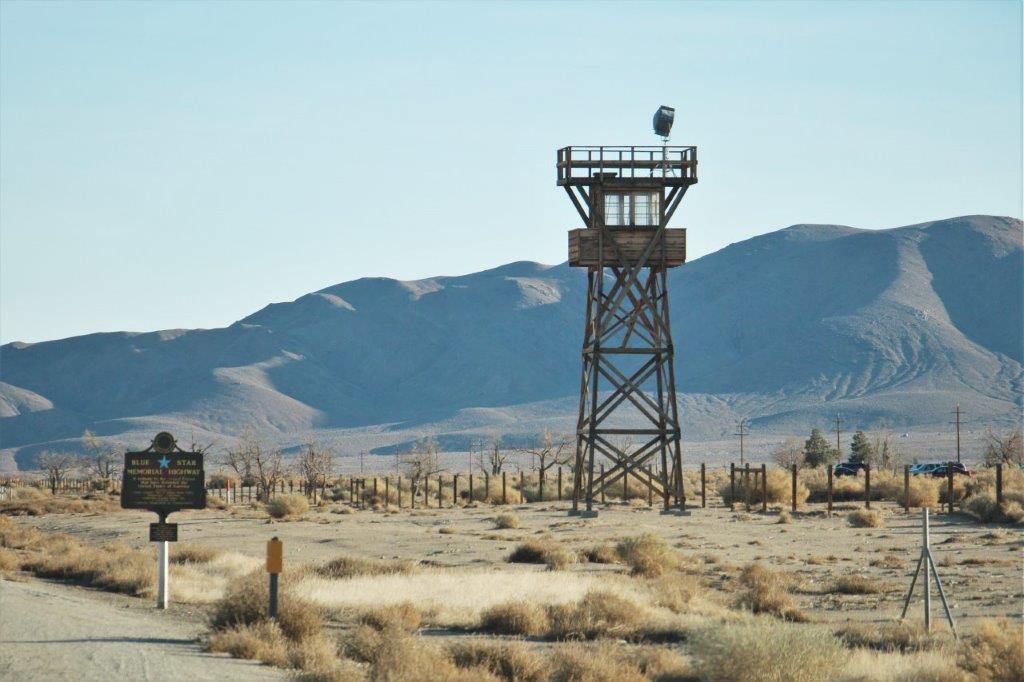
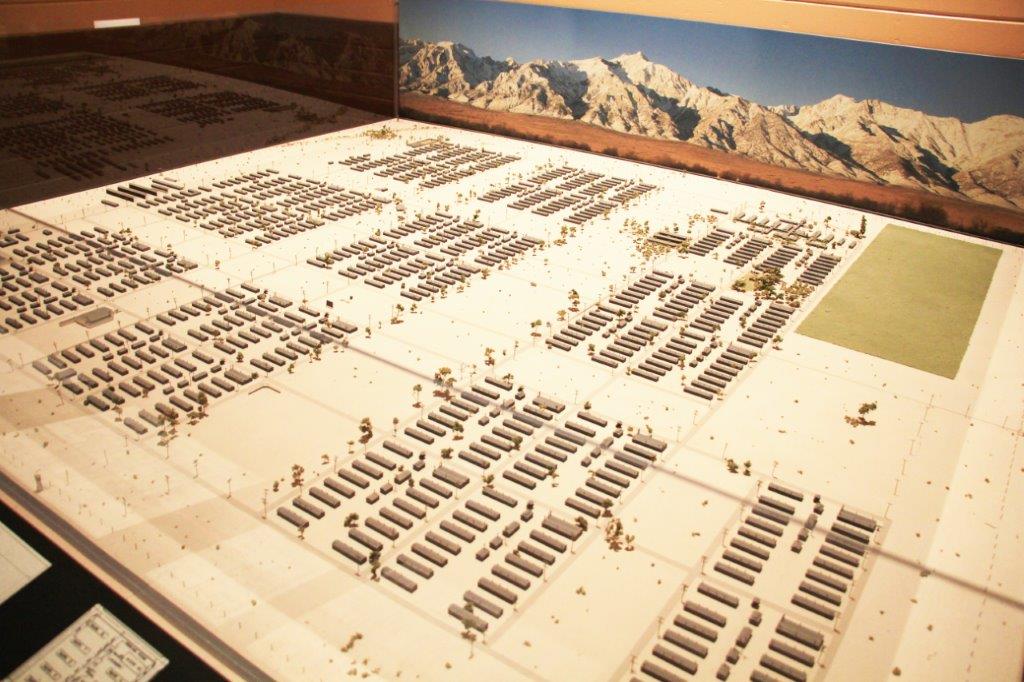
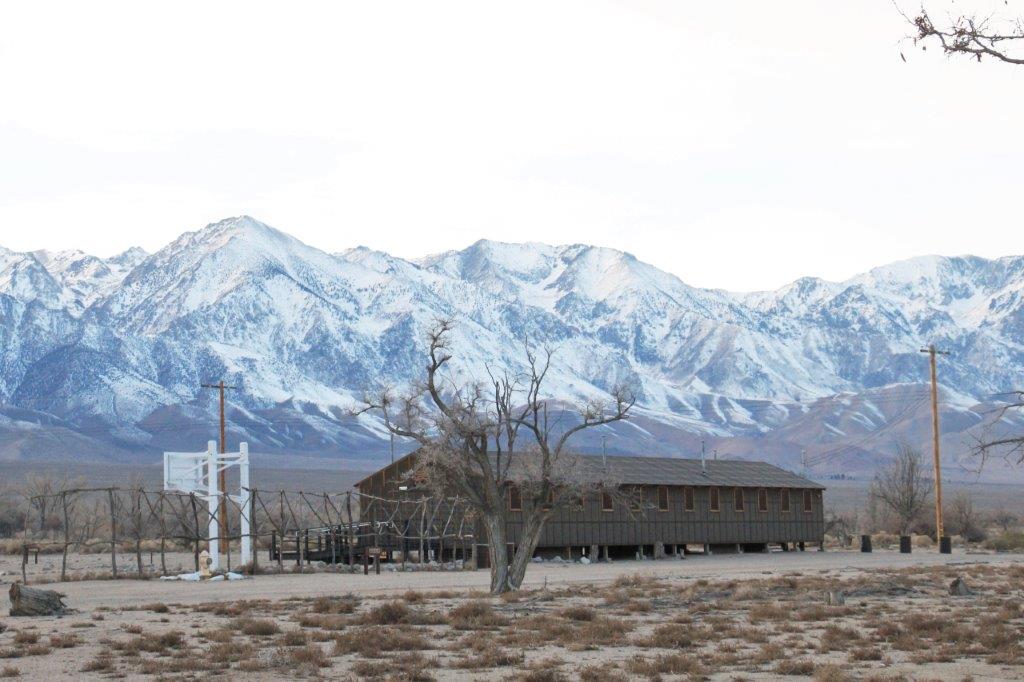
Manzanar was home to over 10,000 people, two thirds of whom were American citizens by birth. They were crowded into 504 barracks organized in 36 blocks of 14 barracks, with 200-400 people per block.  Each barracks was divided into four rooms, shared men’s and women’s toilets, a laundry and a mess hall.  Any combination of eight individuals was alloted a 20-by-25 foot room with an oil stove, a single hanging light bulb, cots, blankests and mattresses filled with straw.  There was little or no privacy inside or out. The entire camp was enclosed by barbed wire with guard towers and armed sentries.IMG_4296 (2)

IMG_4294 (2) IMG_4302

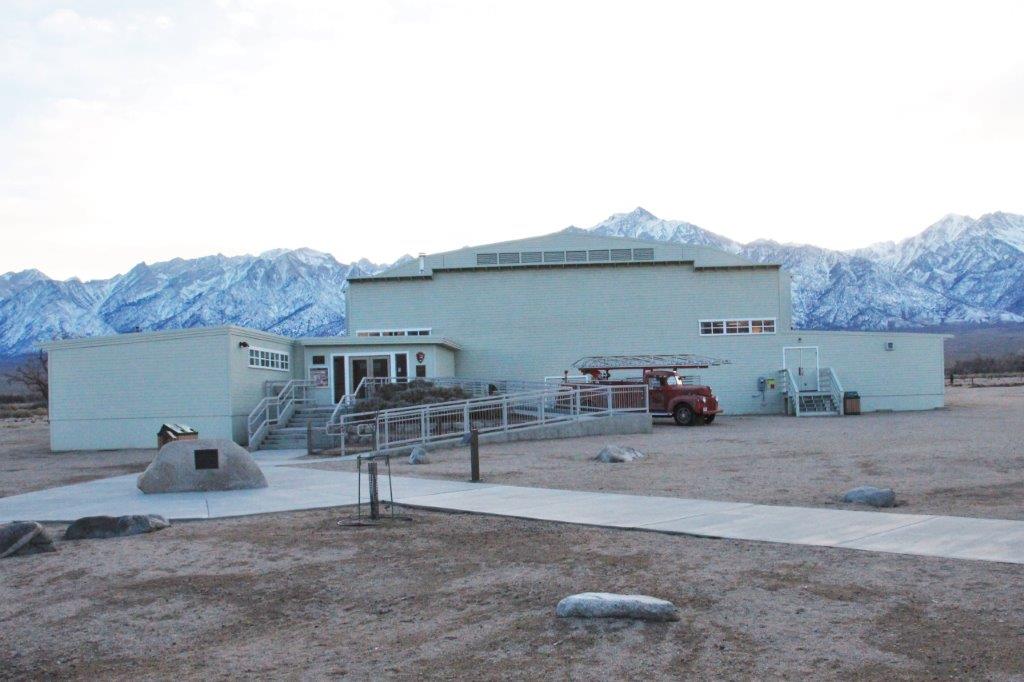
The auditorium is now the museum and visitors center.IMG_4300


This is a map of the camp.


IMG_4298 (2)

IMG_4303


A replica of one of the barracks.


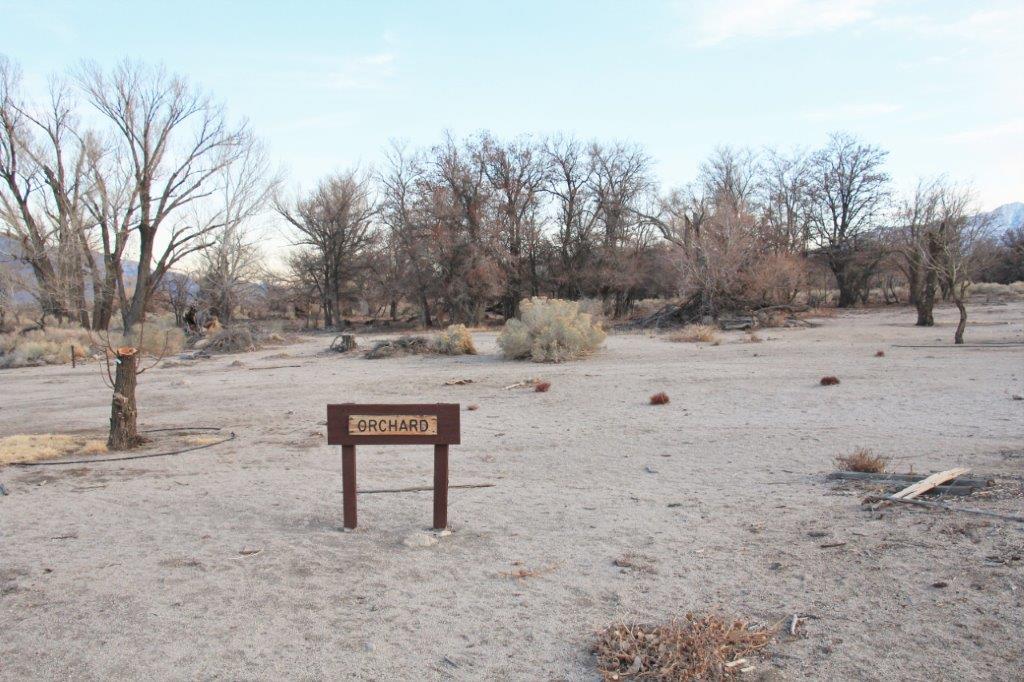
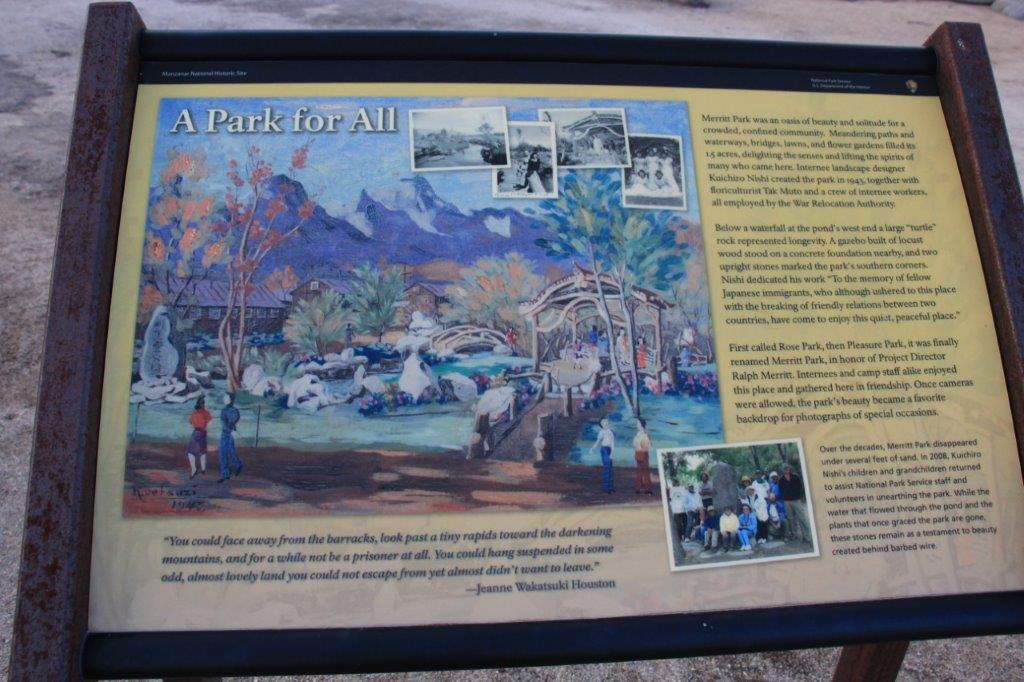
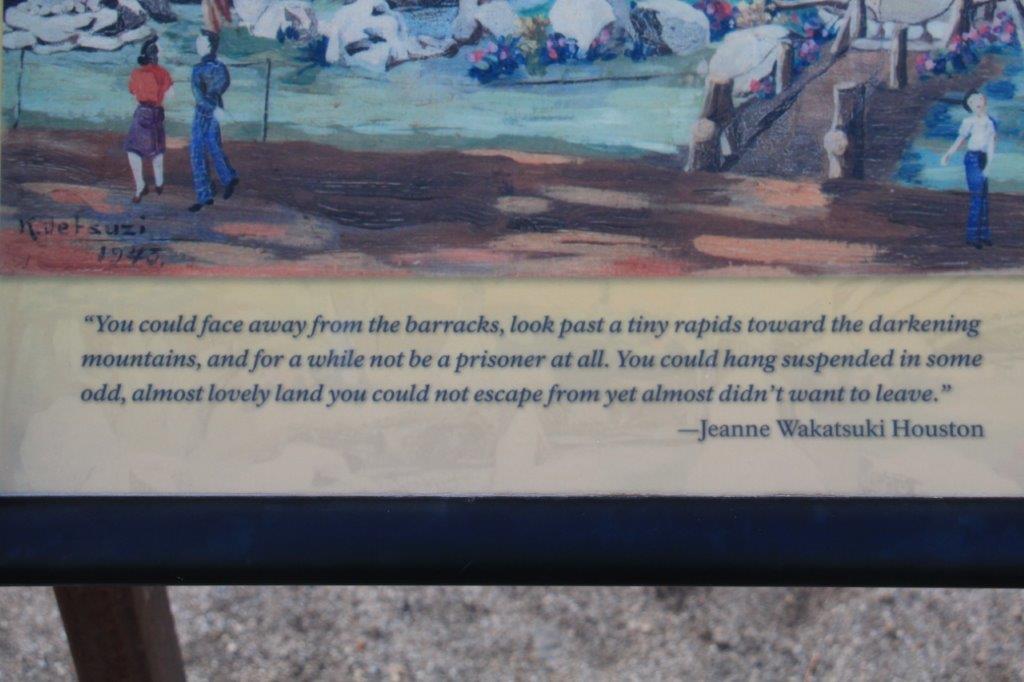
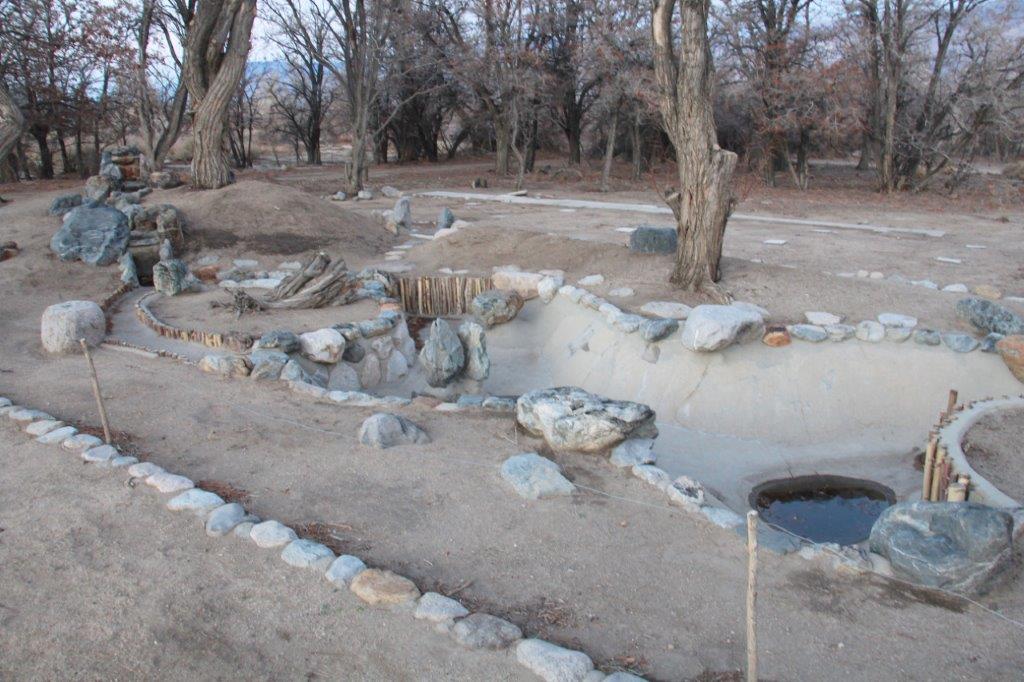
Over time the camp became an almost self sufficient town with a newspaper, hospital, chicken farm, orchards,  weaving factory (they made camouflage nets for the war), a mattress factory, general store, a high school, auditorium, fire department, city hall, etc.  Many of the men interred here had been landscape designers or gardeners or owned nurseries at the coast and over time about 7 or 8 gardens were created at various places  in the camp.

IMG_4307 IMG_4323

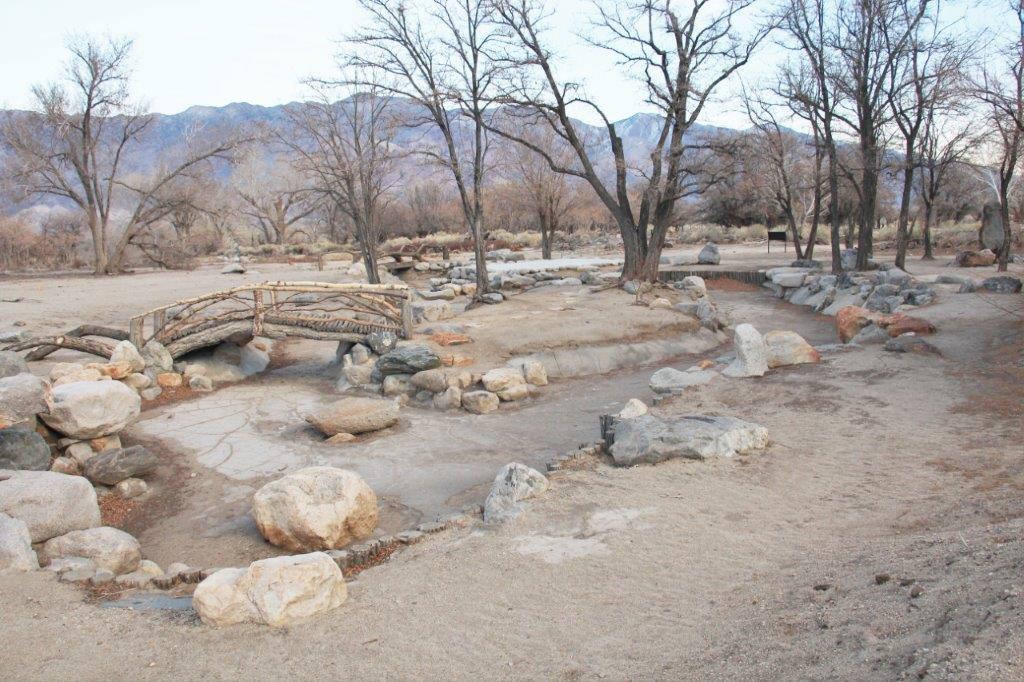
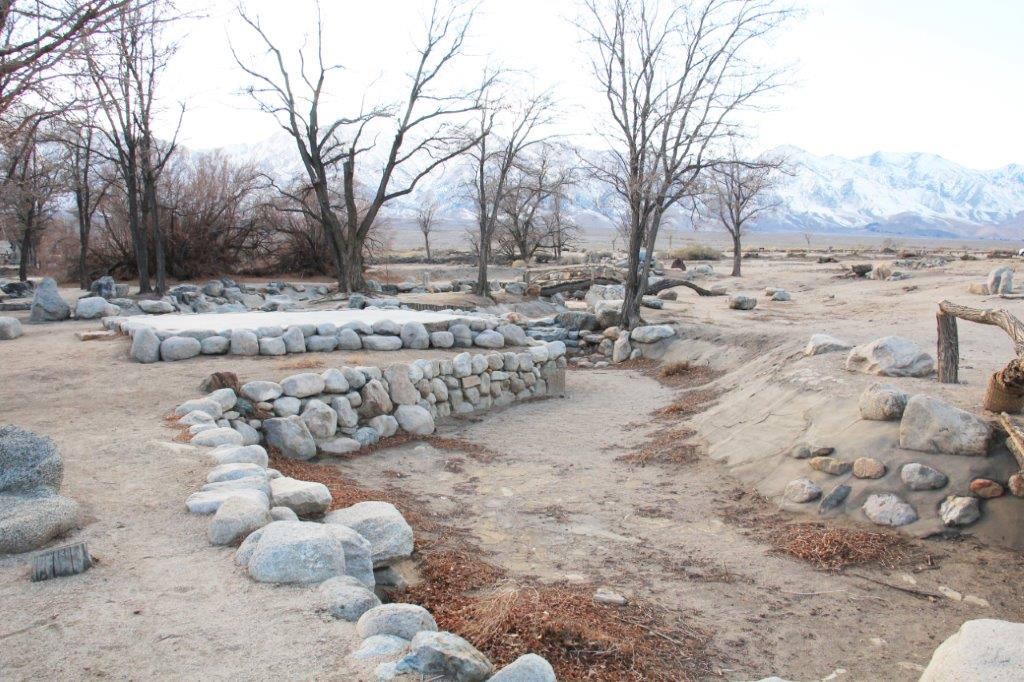
The Merritt Garden after excavation.


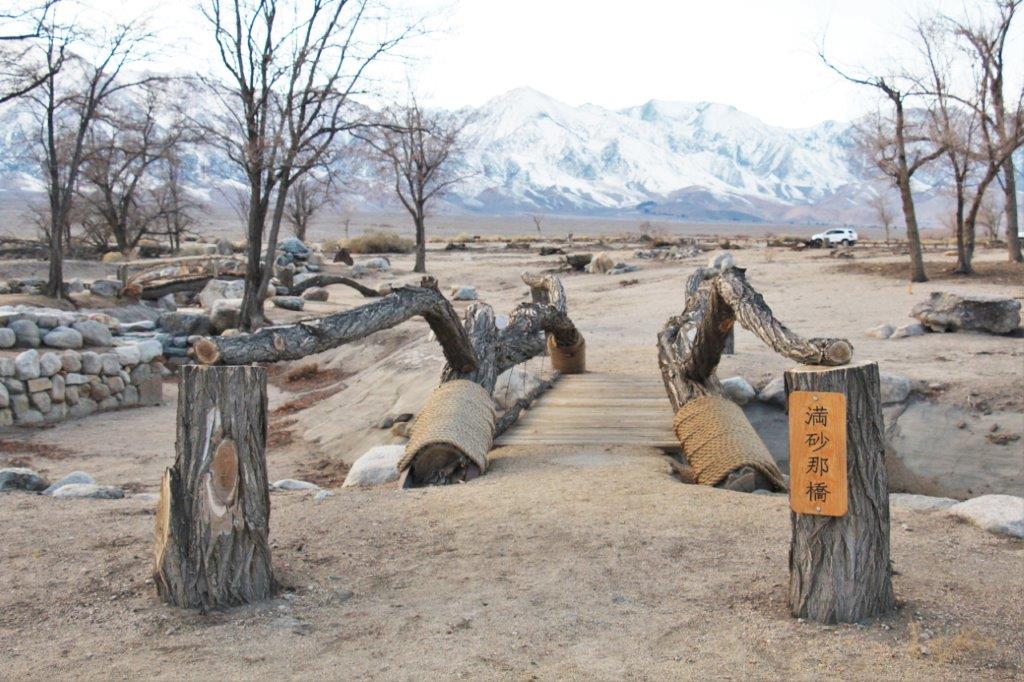
The two bridges are reconstructions. Everything else is original – minus the water and plants.

IMG_4314IMG_4313IMG_4317

A painting of the garden during camp days.IMG_4318

IMG_4345


One of the other, smaller gardens.


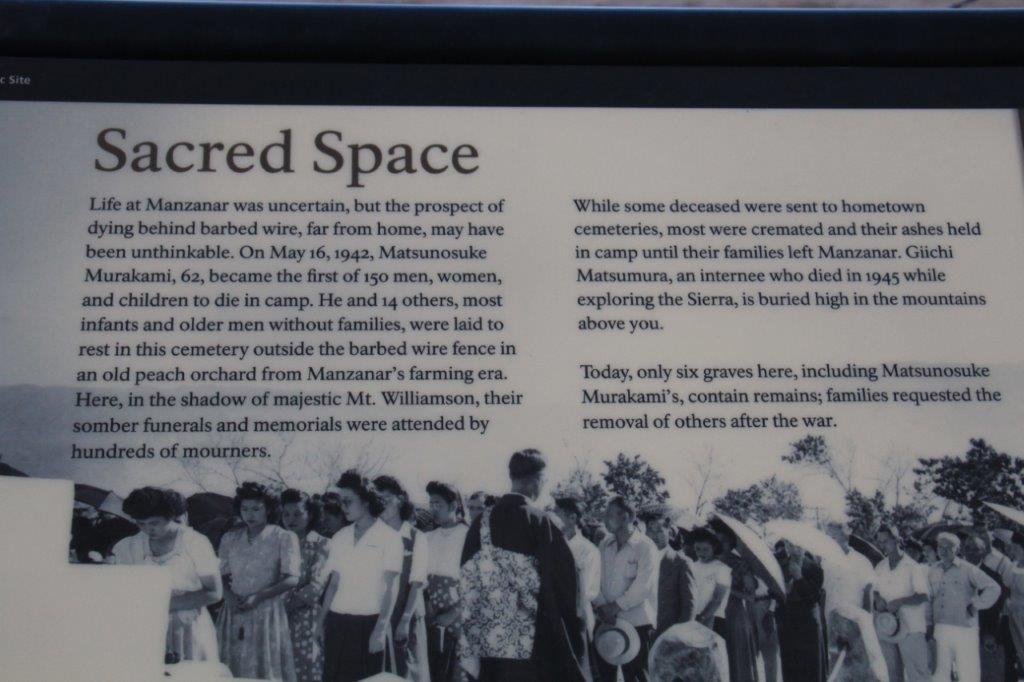
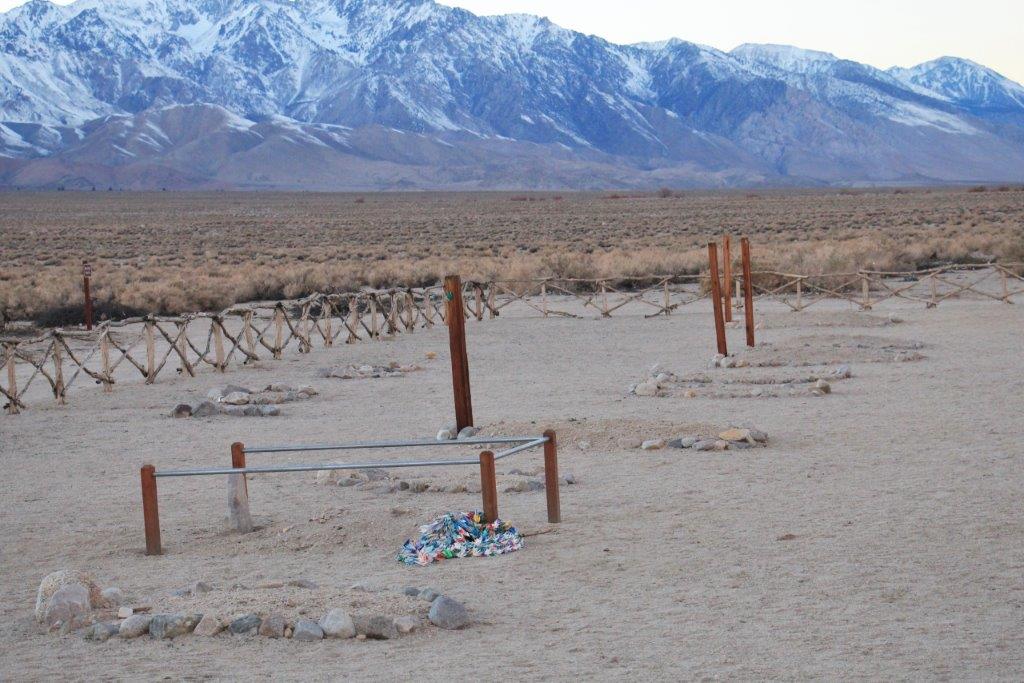
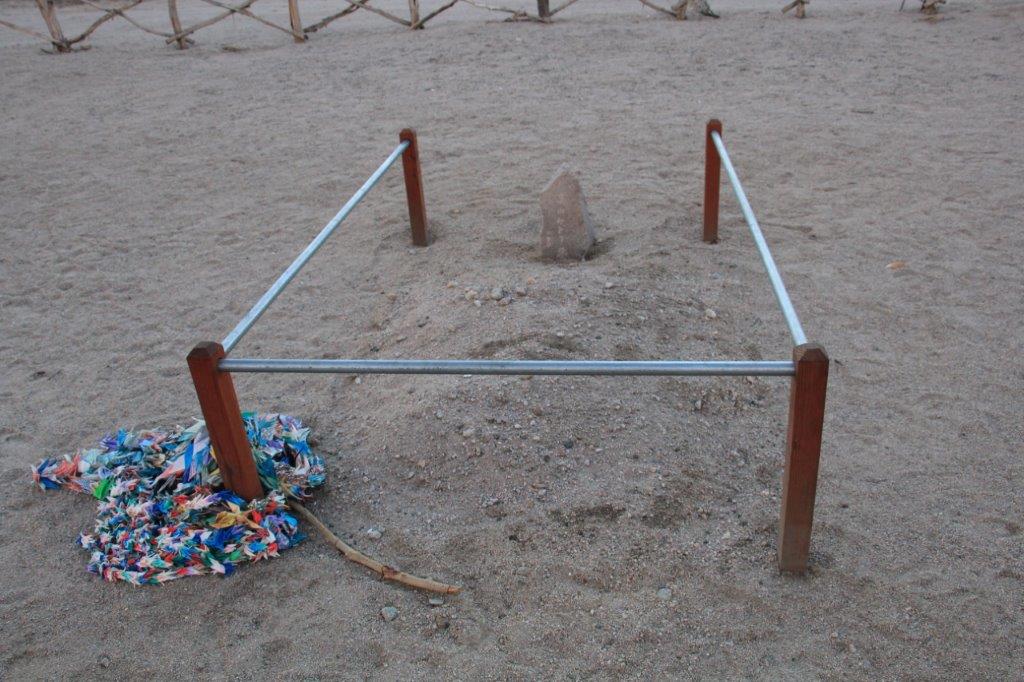
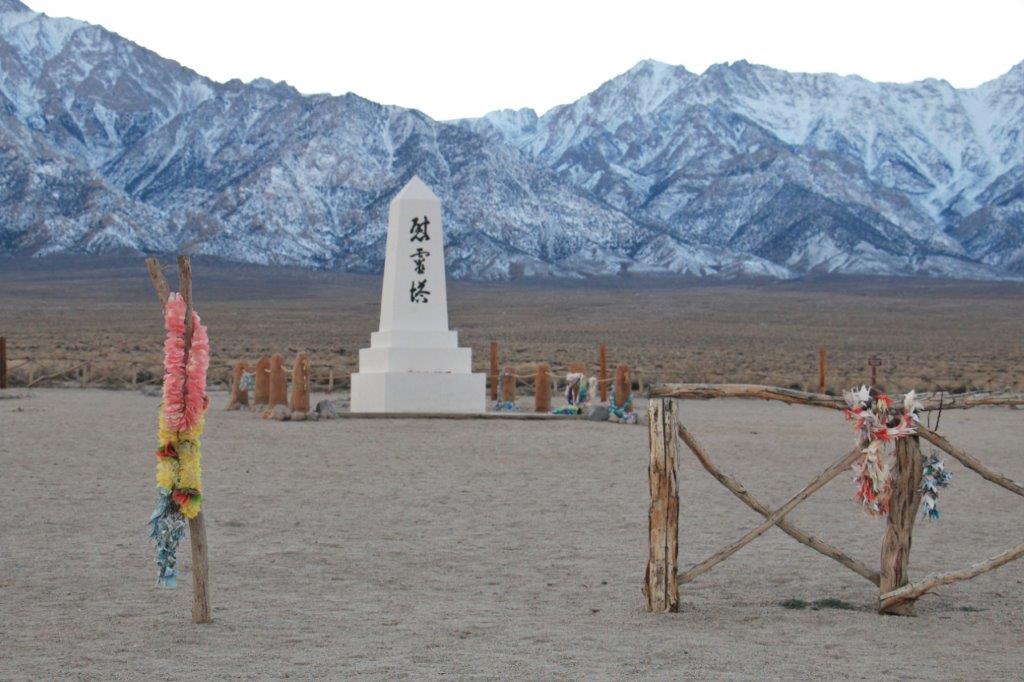
150 people died during the years of the camp and were buried in a cemetery outside the grounds – today only six graves contain remains.  Family members requested the removal of the others.  An obelisk was created there by a stone mason and the site is now a place of annual prilgimage for descendents of the people from the camp.

IMG_4325IMG_4337 IMG_4334IMG_4330IMG_4329 IMG_4340


Someone created a lei of oragami cranes and hung it on the fence in remembrance and honour.


It was a very moving place to visit and such a sad decision on the part of the government at the time. It was President Ronald Reagan who expressed an apology to the people so it took quite a long time for them to get recognition and recompense for losing their homes, businesses and livelihoods and kept like prisoners for the duration of the war.  When they were ‘released’ each person was given $25 and bus ticket to anywhere they wanted to go – except the three west coast states, which were still off-limits..

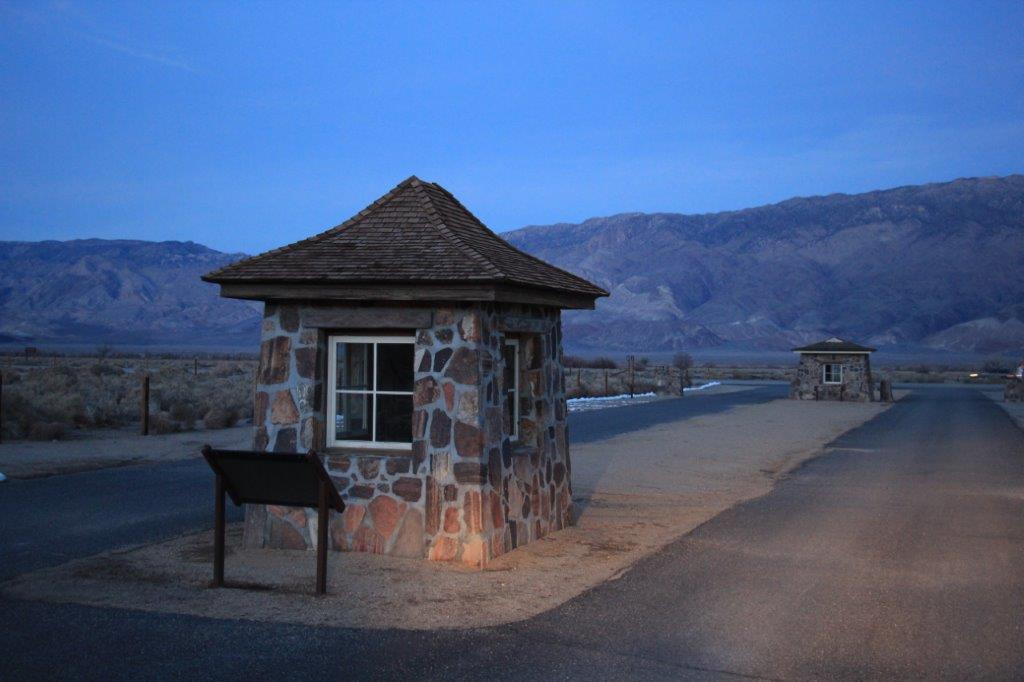
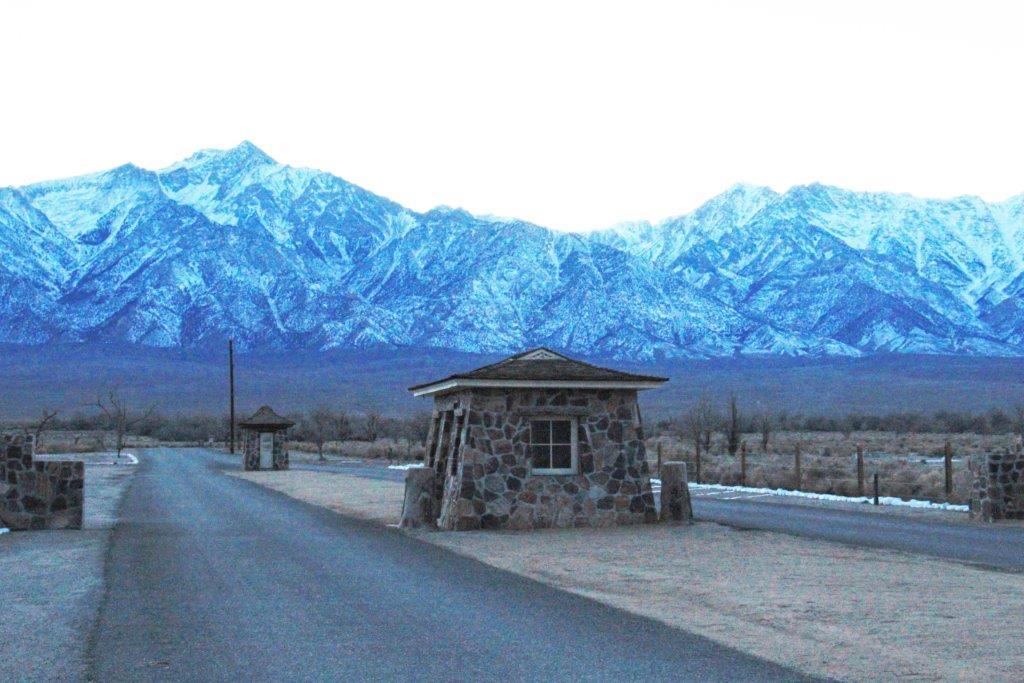
This is the original sign and original gate posts at the camp entrance that were designed and built by the Japanese.

IMG_4358

IMG_4350 IMG_4360

IMG_4341We checked into our hotel at Lone Pine at 6 o’clock, had dinner at a very popular restaurant in town – it was inundated with families  with young kids on their way to Mammoth Lakes for the long weekend – and came back to our room where I am diligently writing my blog; which, at long last, I have finished.


2016 Jan 14 – Day 4 – California and Beyond

Day 4 – Jan 14 – Susanville, CA to South Lake Tahoe, CA.

When we arrived in Susanville last night the entire parking lot was a sheet of thin ice. I was talking to a young fellow this morning and he said they had slushy snow during the day and suddenly a cold wind blew in and froze everything.  We took the long way around on the sidewalk under the upper exterior room access to get to the restaurant to avoid walking on the ice.

John told me later that when he had checked in he was chatting to the lady at the desk and told her we had come down via highway 139.  She was shocked, “I thought that road was closed for the winter,” she said.  So much for the local knowledge of the gas station attendant at Klamath Falls!

Everything was still icy this morning but it was above freezing so things were thawing and the road was bare.  As we drove south the sun even tried to break through the clouds.

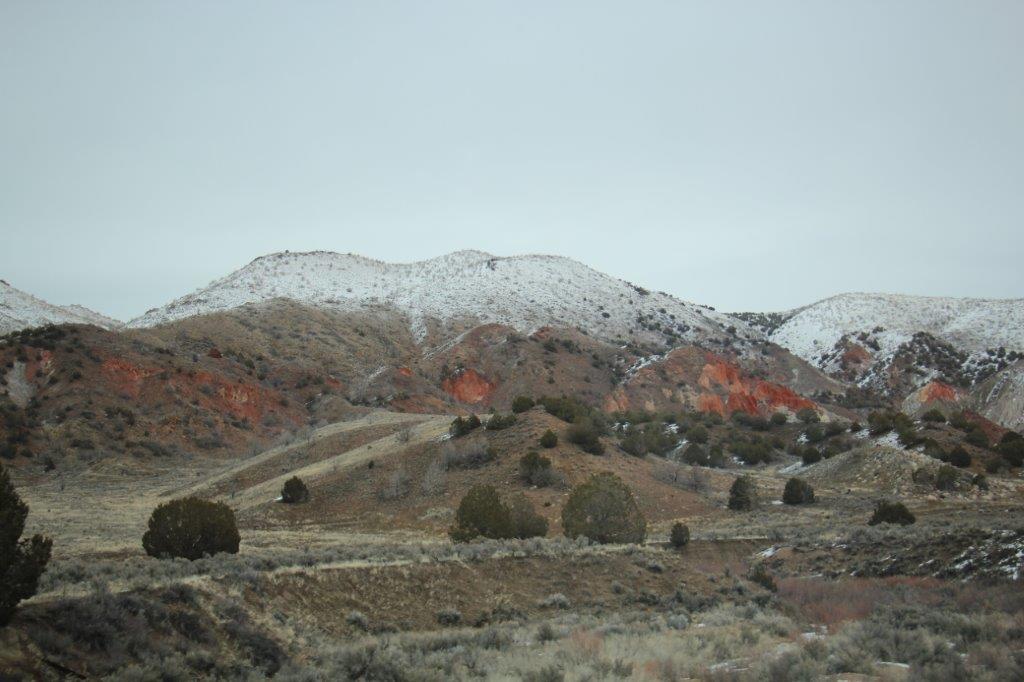
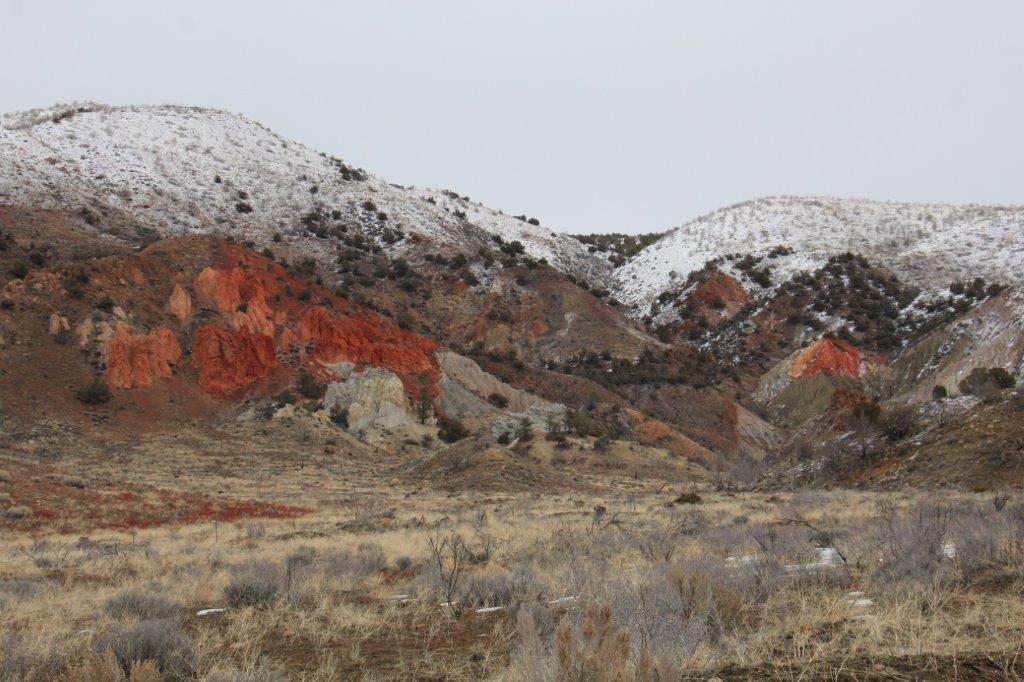
IMG_4128 IMG_4139 IMG_4136 IMG_4132About an hour out of Susanville we turned a corner and off in the hills was this bright red and orange rock face.  John drove up the road aways and turned around so we could get a better look.

Red Rock Road went somewhere past the rock face but there was a rutted dirt turn-off so John decides to take it to see if we could get closer to the rocks.  I tell him it is just a turn-around place but he drives around a bit before conceding defeat and going back to the road.  I say, “Really, you won’t drive up a snow covered road that has obviously been used recently by other vehicles  (this happened  in Newberry Park when we were looking for a caldera), but you will off -road in the middle of the Sierra Nevada Desert?”  I don’t understand men.

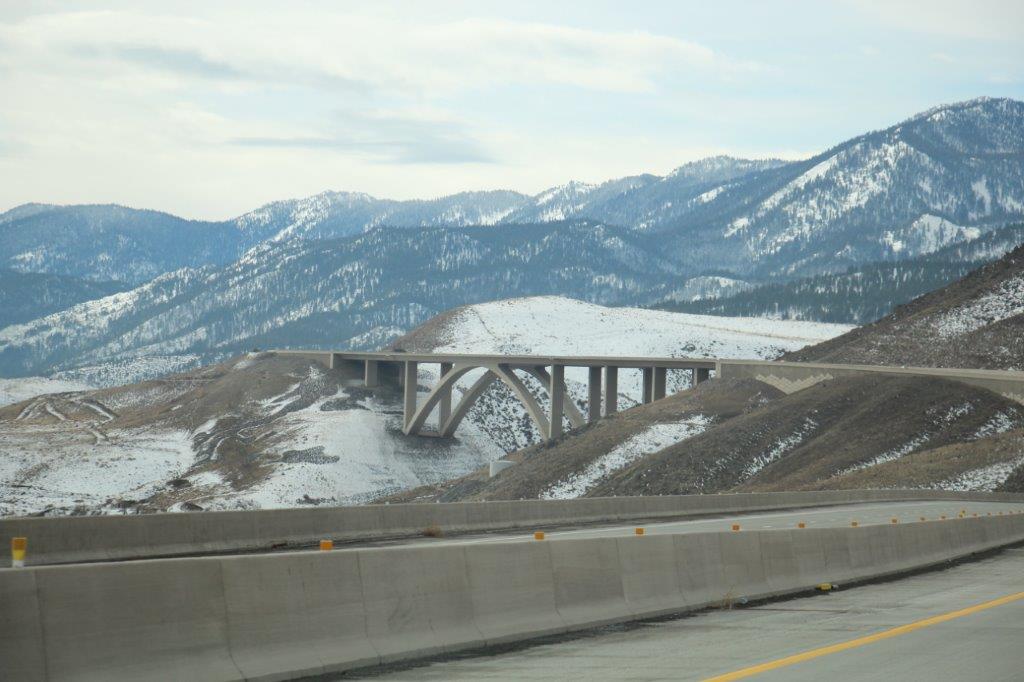
IMG_4143IMG_4142 IMG_4148Apparently when Nevada Highways completed the freeway linking Reno to Carson City they changed the name of Route 431 to Route 580.  This we did not know so we missed our exit that would have taken us directly down to Incline Village at the north end of Lake Tahoe.  Instead we drove through Carson City and went across to Lake Tahoe, coming in about half way down the east side.

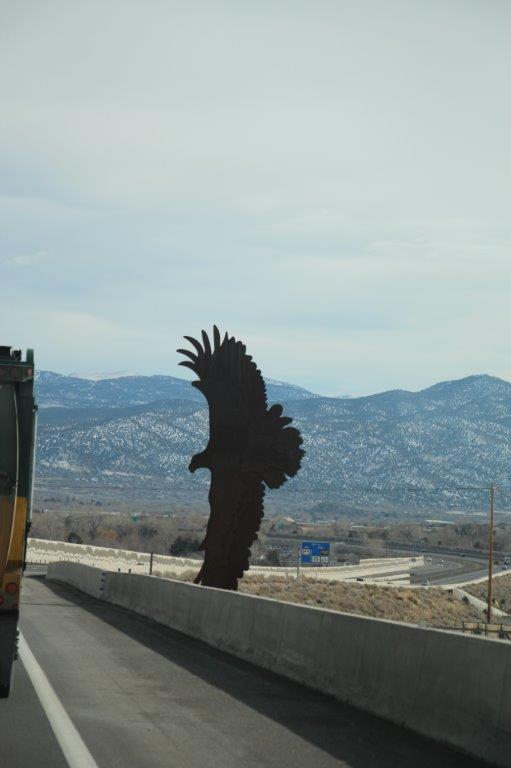
IMG_4152 IMG_4154 IMG_4166(This huge eagle scupture was attached to the edge of the freeway at Carson City)

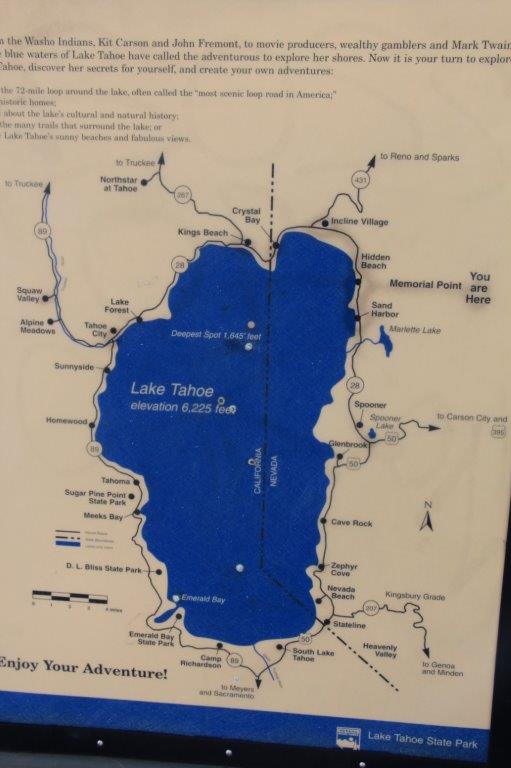
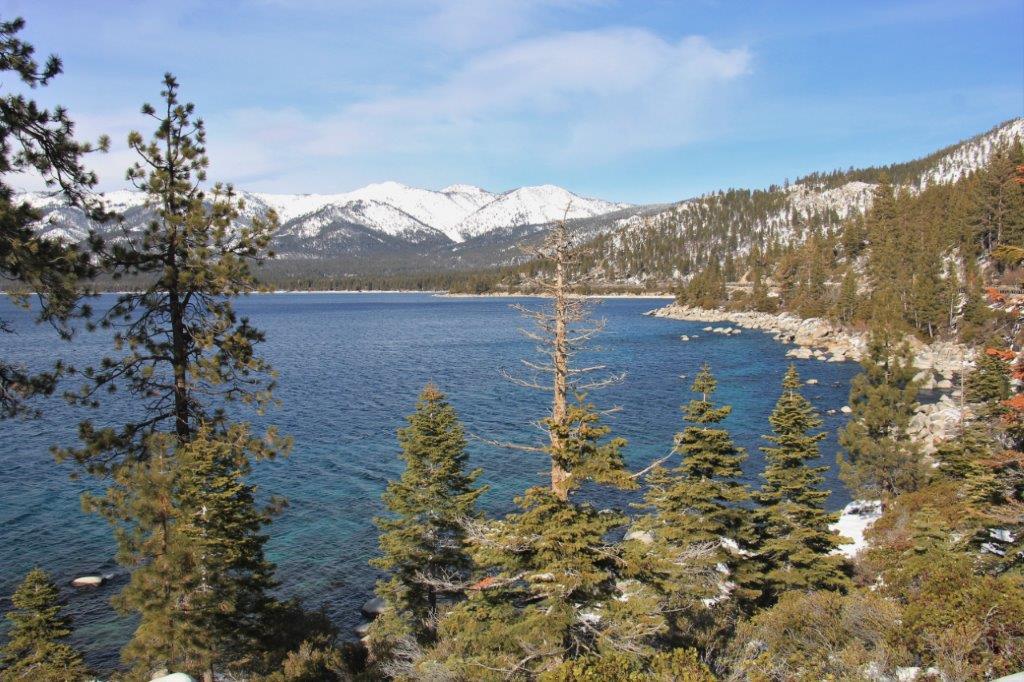
Lake Tahoe is the second deepest lake in the USA (Oregon’s Crater Lake is deeper) at 1645′ deep.  It is 22 miles long and 12 miles wide and never freezes over due to the amount of water moving from the depths to the surface.  A map I picked up in the Visitors Center said that 1.4 million tons of water evaporates from the surface of the lake every 24 hours, but that only lowers the level of the lake by one-tenth-of-an-inch.  More water evaporates from the lake surface each day than is released from the nearby Truckee River Dam outlet.

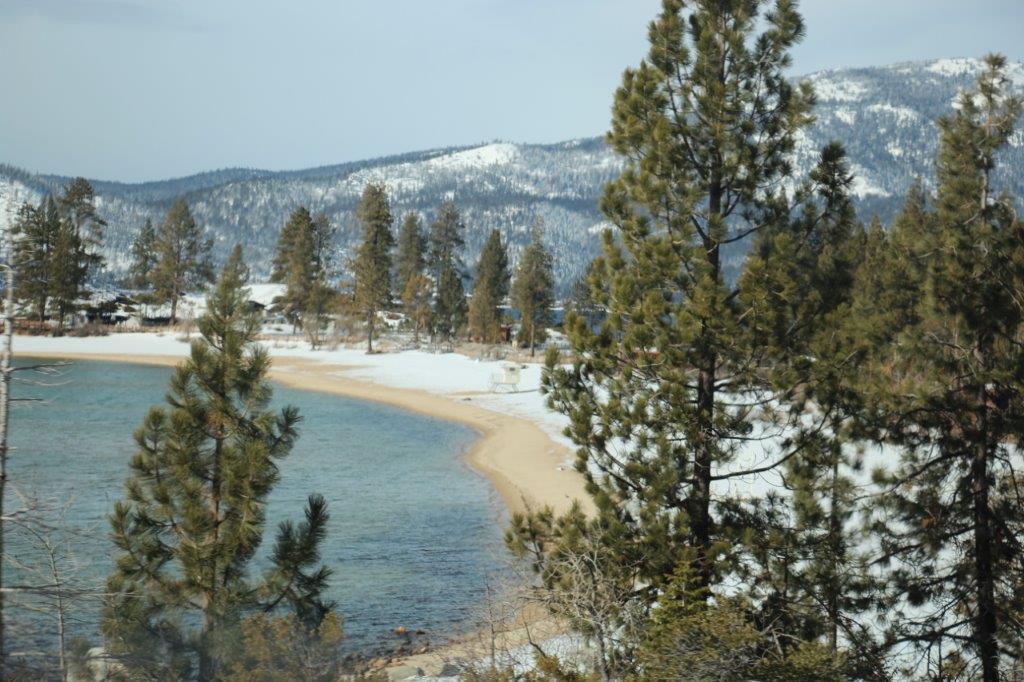
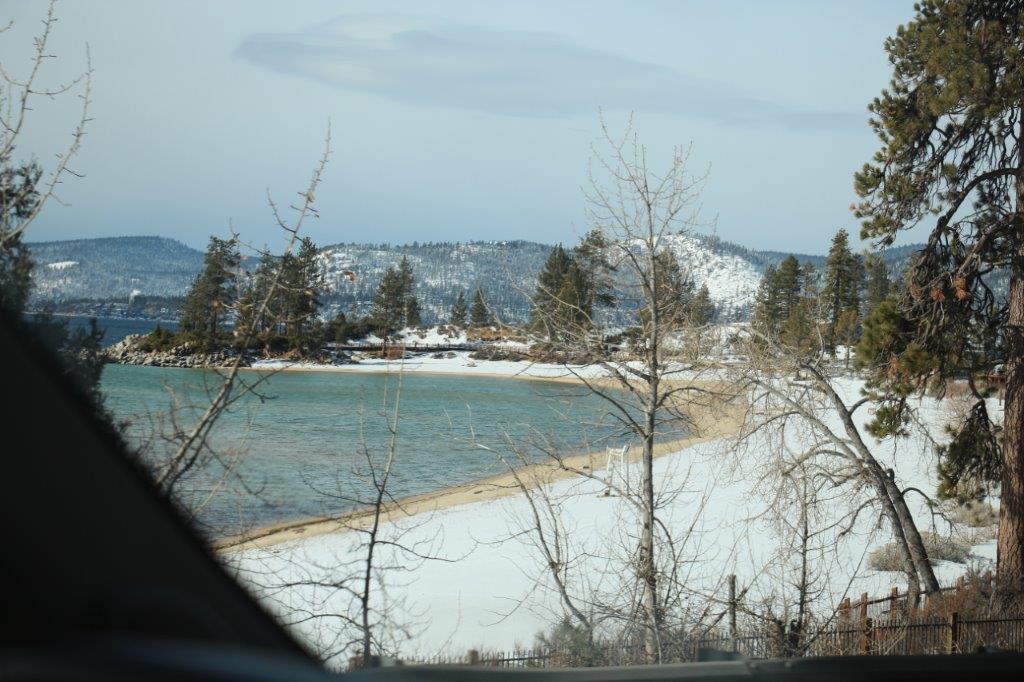
The sun had come out so the lake flashing through all the pines trees looked pretty nice. We drove northward along the east side of the lake, past the best sandy beach – Sand Harbor State Park – and the site of the Ponderosa Ranch of Bonanza fame – it is only open a couple of times a year for tours and a security gaurd protected access.  The old film buildings were up high on the hillside among the pines and I could only make out a more modern building among the trees.  With the help of a nice lady at the Visitor’s Center we found the correct road to take us up to the Mt. Rose Overlook.  (Which, surprise, surprise was 2 miles up Highwayt 431!  Helps to have the same road numbers at each end people!)

IMG_4157 IMG_4159IMG_4163 IMG_4167

Site of the Bonanza TV show Ponderosa Ranch.


After taking some photos we drove back down the way we came up and made our way to Tunnel Creek Station Cafe for lunch where two sandwiches and two root beers cost $28 US.  While we were eating our late lunch the weather changed dramatically and we exited the cafe into blowing snow.  We had planned to stay the night at South Lake Tahoe just down the road but had been considering driving a little further since it was still quite early in the day.  However the snow made the decision for us and we found a hotel and at 4:30 we checked for the night.

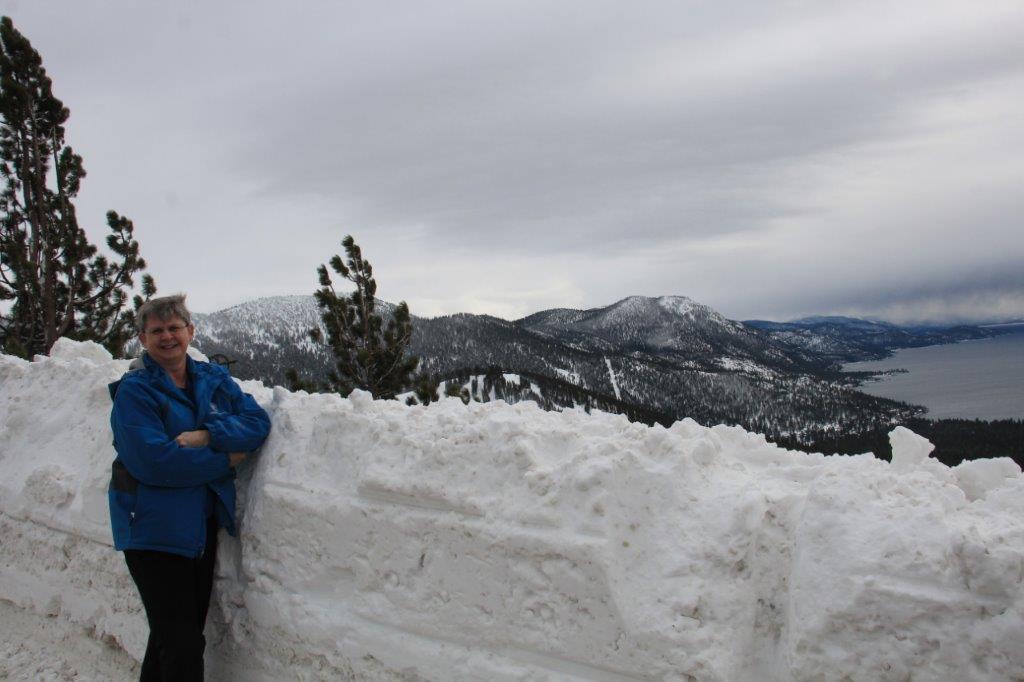
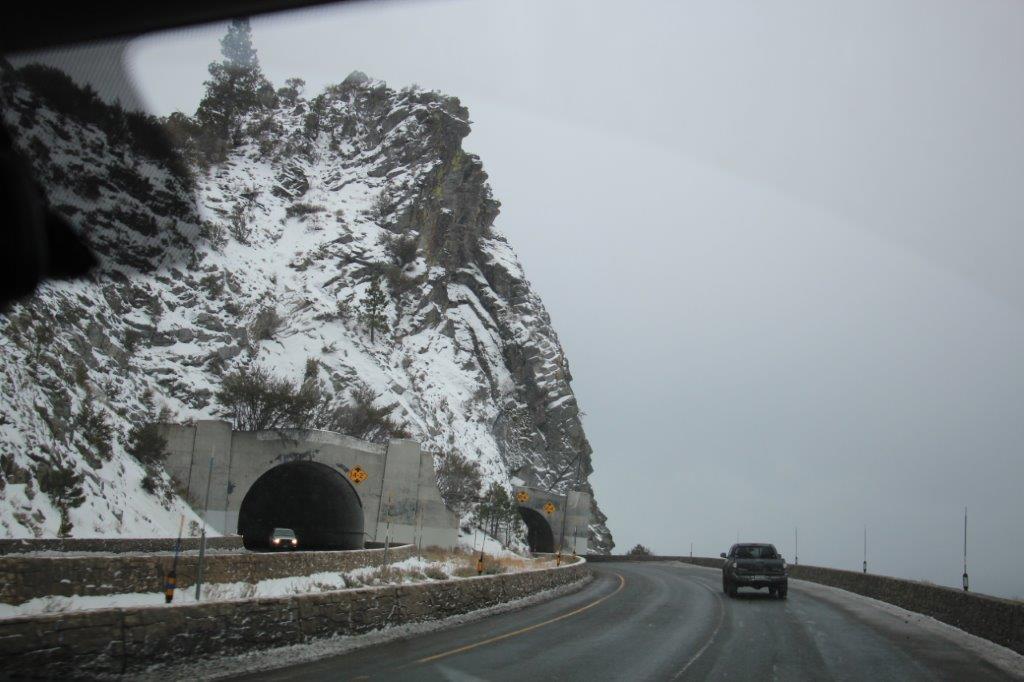
4169a IMG_4178 IMG_4179The Mt Rose Overlook is located at 7595′ above sealevel.  There was quite a bit of snow plowed up at the loookout.IMG_4180                                Cave Rock Tunnels on the way to South Lake Tahoe City.


Hopefully the weather will be a bit better tomorrow.  Of course we are in the high mountains so until we head westward we can expect winter conditions.  We knew that when we planned our route, but being used to winter driving we figured we would come and see this area since we had time to meander.

2016 Jan 13 – Day 3 – California and Beyond

Day 3 – January 13 – Madras, OR to Susanville, CA

We were quite excited to see some sunshine this morning.  However it didn’t last and before long we were driving under cloudy skies and rain.

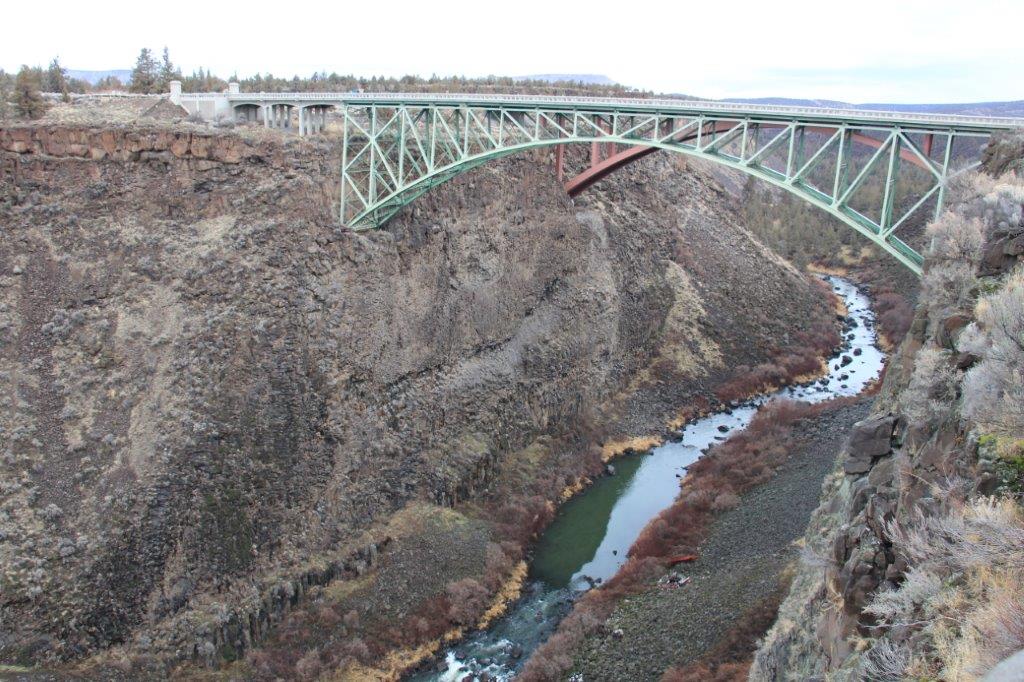
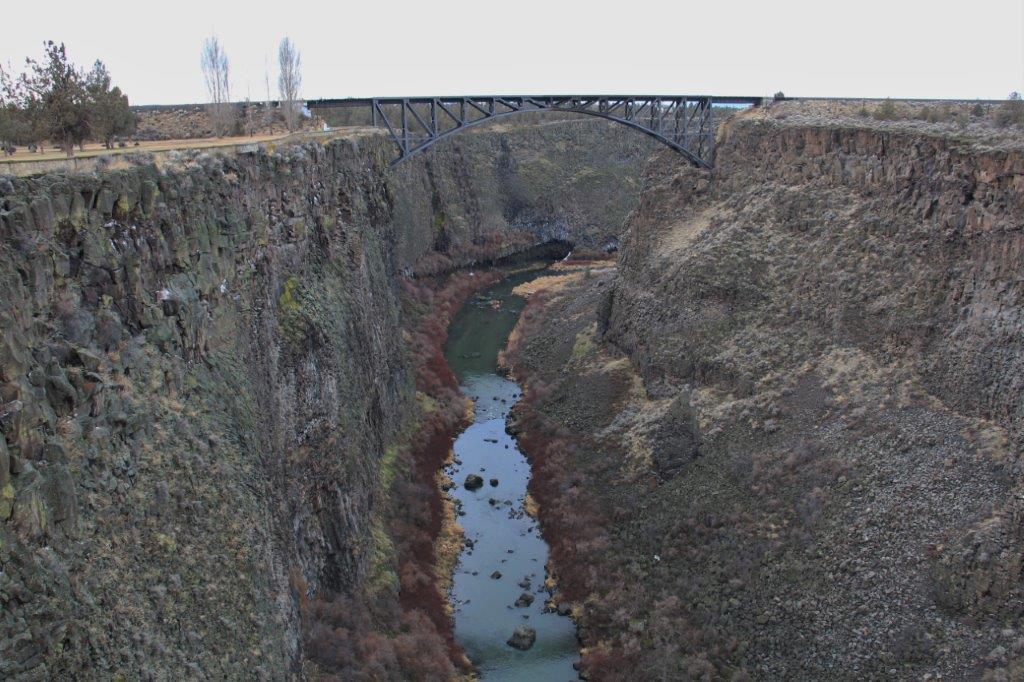
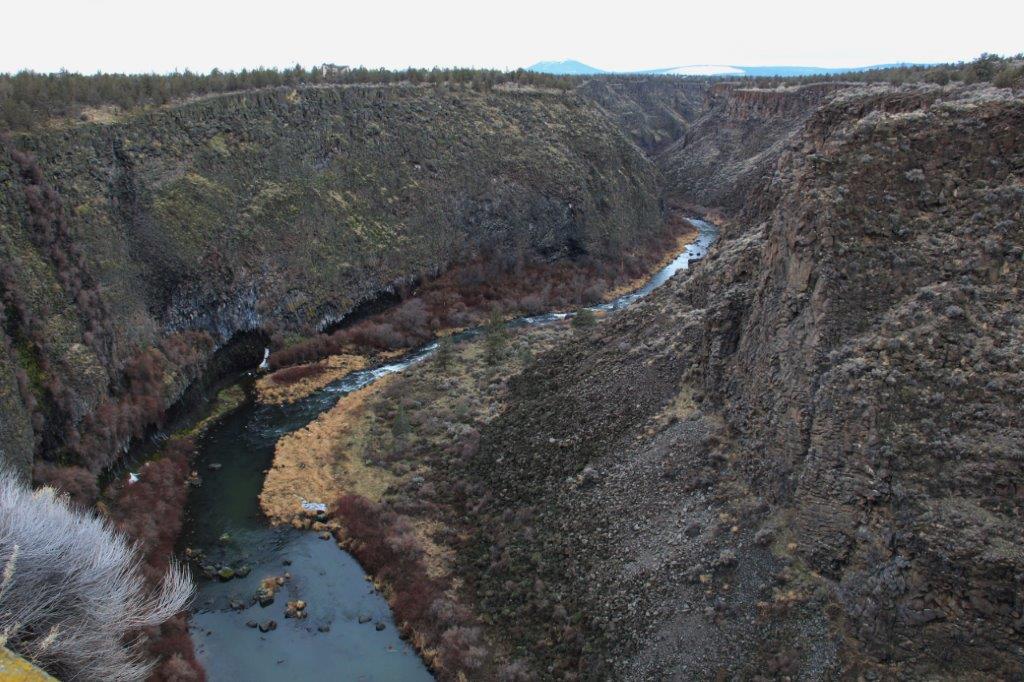
IMG_4064Our first stop of the day was at Crooked River Bridge and Gorge.  The first bridge across this chasm wasn’t  built until 1911 even though the area was explored in 1825.  It is a 300′ sheer drop on both sides.  There are three bridges across the chasm; one railroad bridge, the original bridge and a new bridge that opened in 2001 to accomodate the greater amount of traffic.

IMG_4075

IMG_4071 IMG_4083

IMG_4080

IMG_4081


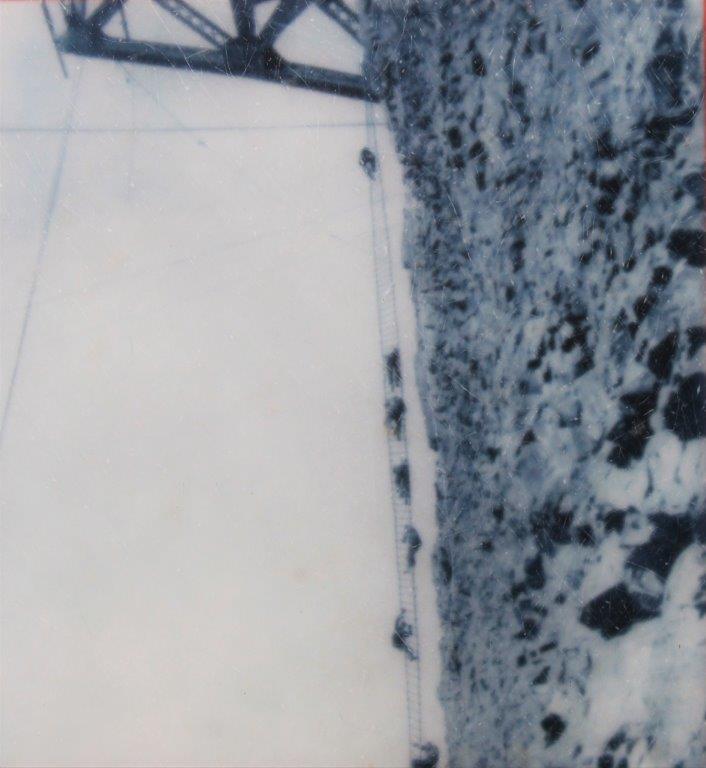
 When they were constructing the first bridge the workers had to climb down 300′ hanging ladders on one side and up the other side.


You can just see tiny workers on the top gantry as the bridge is approaching the center.


We planned to see several ice caves and craters in Newberry National Volcanic Monument south of Bend but everything was closed for the season.  We took several exits off the highway to check out the different things and even drove several miles up a snow-covered narrow road in the woods before giving up and heading down Highway 97.  Our plan was to branch off onto Highway 31 at La Pine but we had taken so much time going in and out of Newberry that John decided to stay on the more direct Highway 97 as far as Klamath Falls to make up some time.

We stopped for lunch at Chemalt;where there is LOTS of snow.  This is normal for the area.  As a matter of fact they have sled dog races there this weekend.

IMG_4085At Klamath Falls we stopped to fill the gas tank and asked the young fellow if he knew the conditions along Highway 139 to Susanville, CA.  We were uncertain whether to stick to 97 or branch off onto the shorter but more untraveled 139.  He said he hadn’t been on the road for a month or so but at this time of year we would encounter rain rather than snow, the elevation would drop, there would be very few big trucks and we would reach Susanville in about 3 hours.

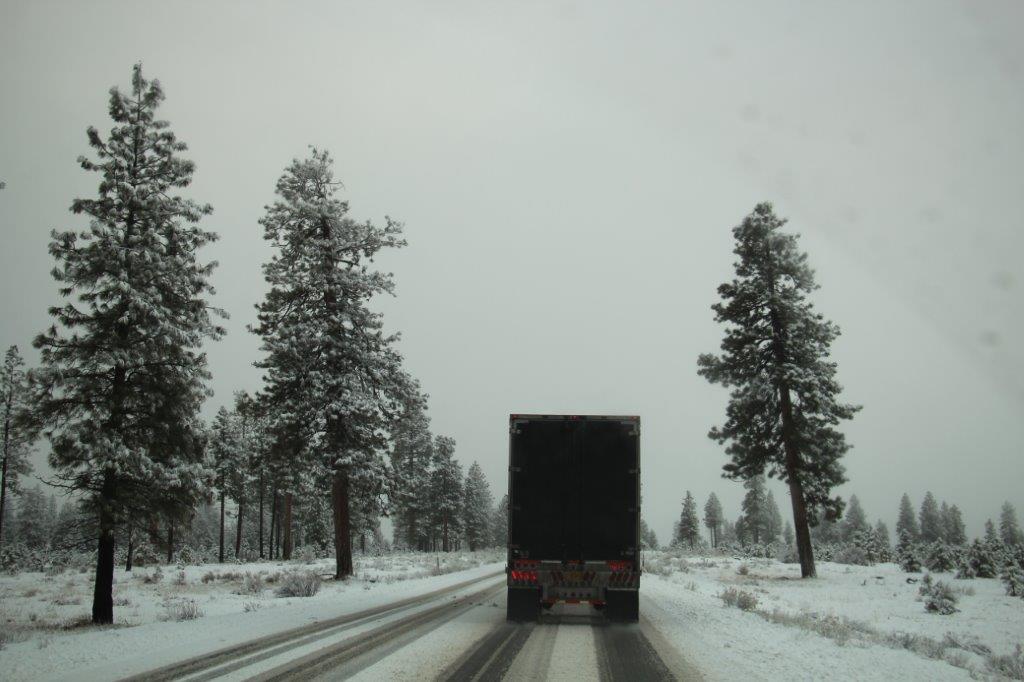
The fellow was WRONG on all counts!  Three times we reached elevations of over 5000′,  we drove through blowing snow on and off almost the entire way, and semi-trucks were almost the only vehicles we saw.  He was closest on the arrival time – we arrived in Susanville in just over 3 1/2 hours.

IMG_4092 IMG_4096IMG_4100IMG_4102
IMG_4113IMG_4116IMG_4115

IMG_4117

IMG_4119

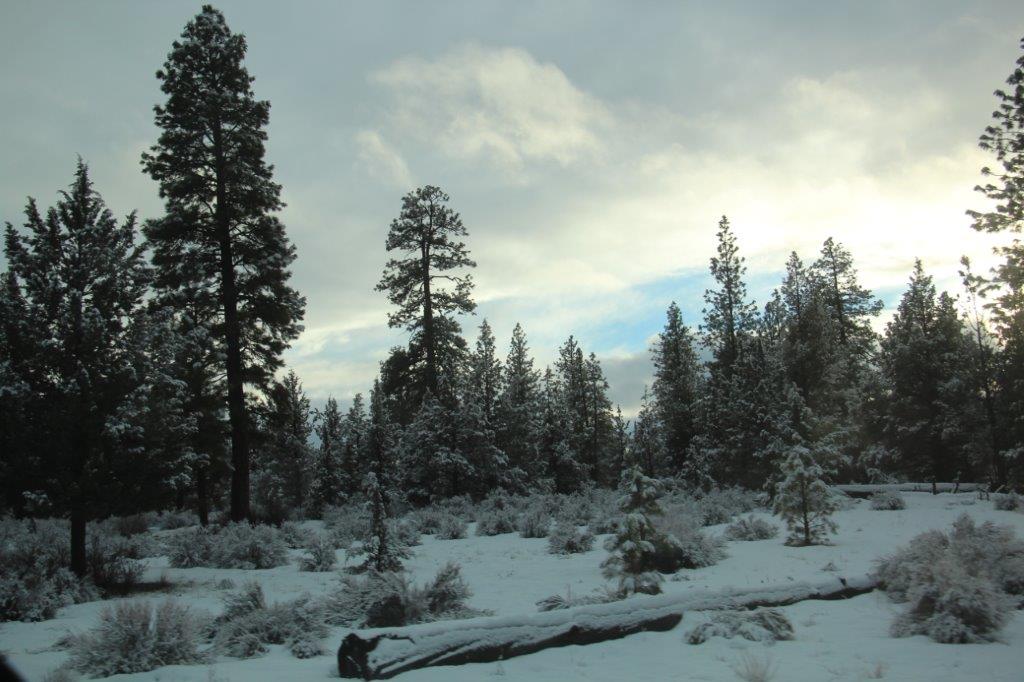
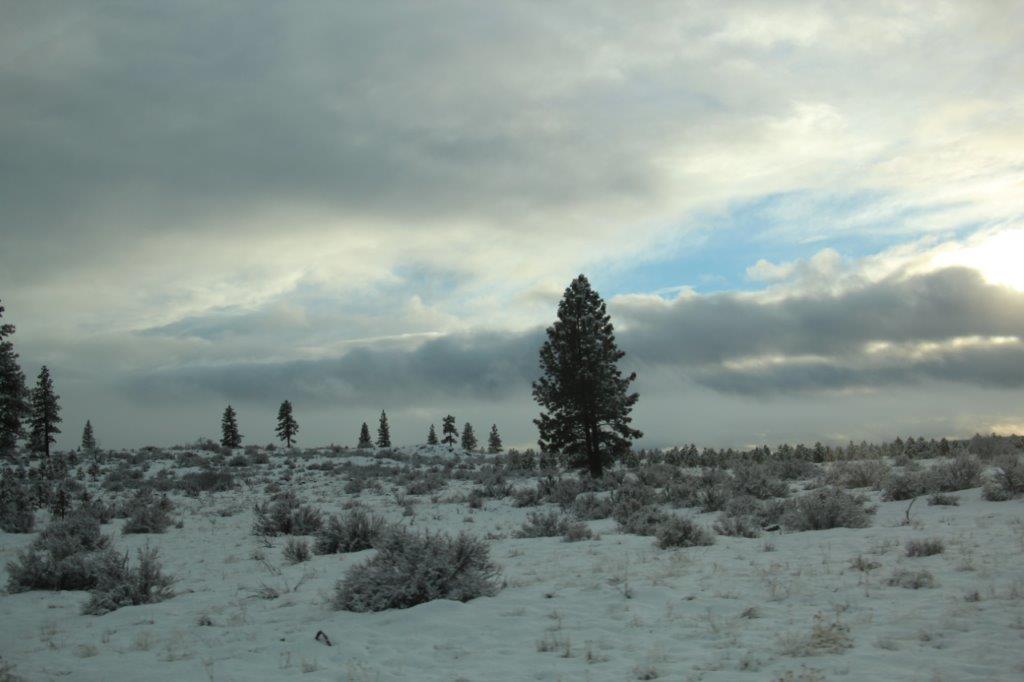
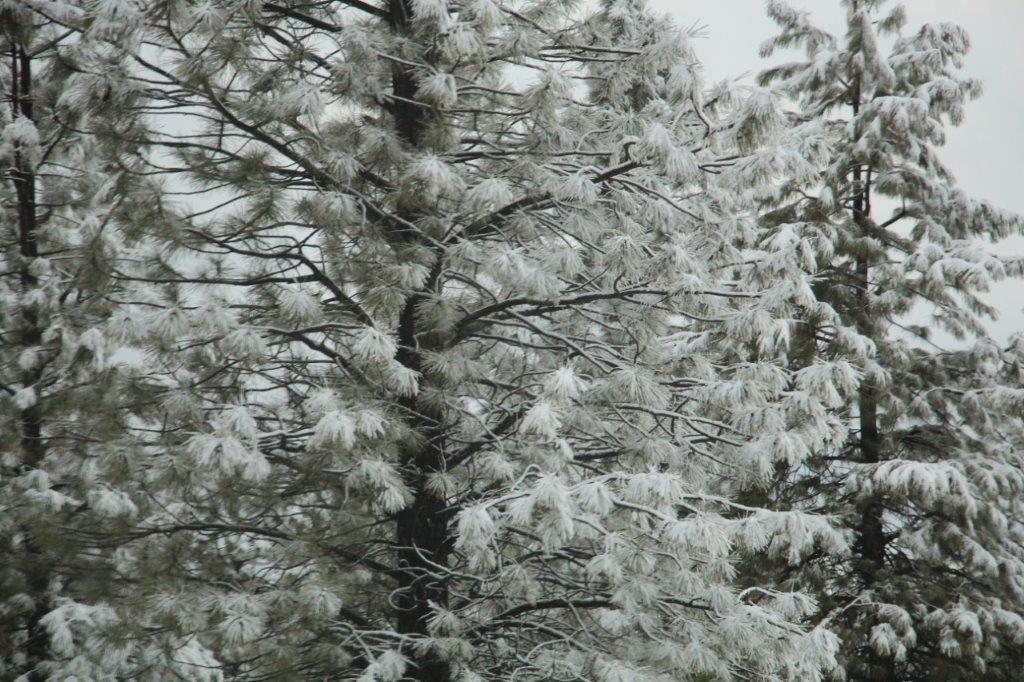
The snow had dusted all the pines making them look like a fairy-land.IMG_4122Our last couple of hours driving to Susanville were in the dark. We drove around the huge Goose Lake, a very popular holiday and fishing spot.  I suspect the views would have been gorgeous in daylight.  The descent into Susanville would also have been great in daytime. There appeared to be some pretty sheer drops off the road side; first on one side then on the other.  The twists and turns near the bottom had mileage speeds of 25 and 30 mph.  I think we will have to come back another time and drive that road during the day.

Even though we didn’t get to see any of the things I had planned to see and we drove through a lot of snow, it never accumlated significantly, the roads were well plowed or bare and the sun did peak through the clouds every hour or so.  All in all, I think it was a pretty good day.


2016 Jan 12 – Day 2 – California and Beyond

Day 2 – Jan 12 – Omak, Wa to Madras, OR

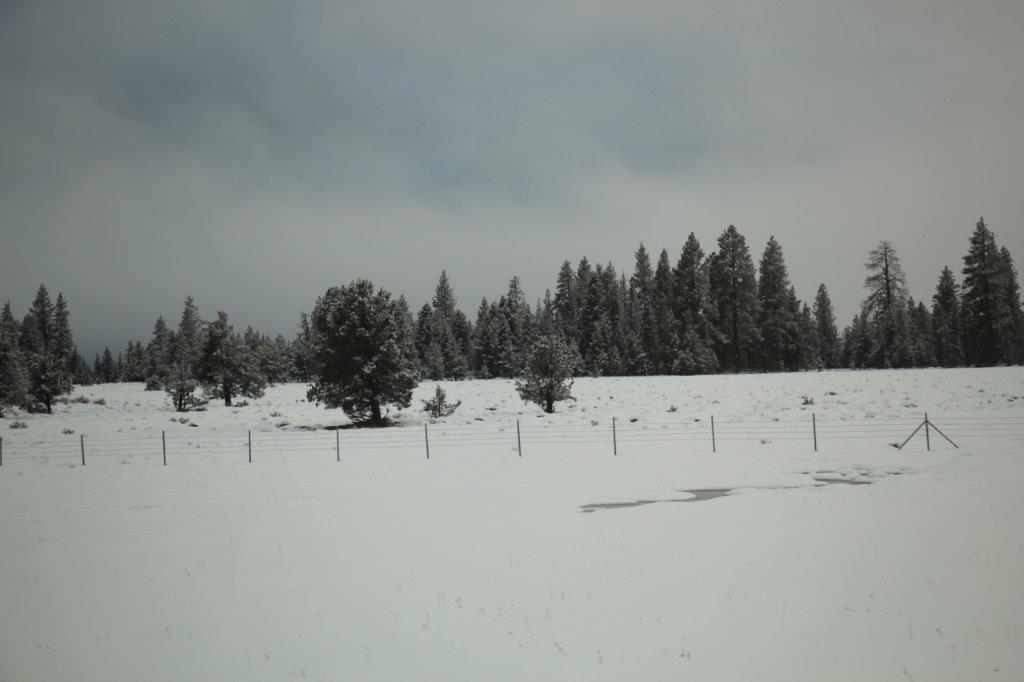
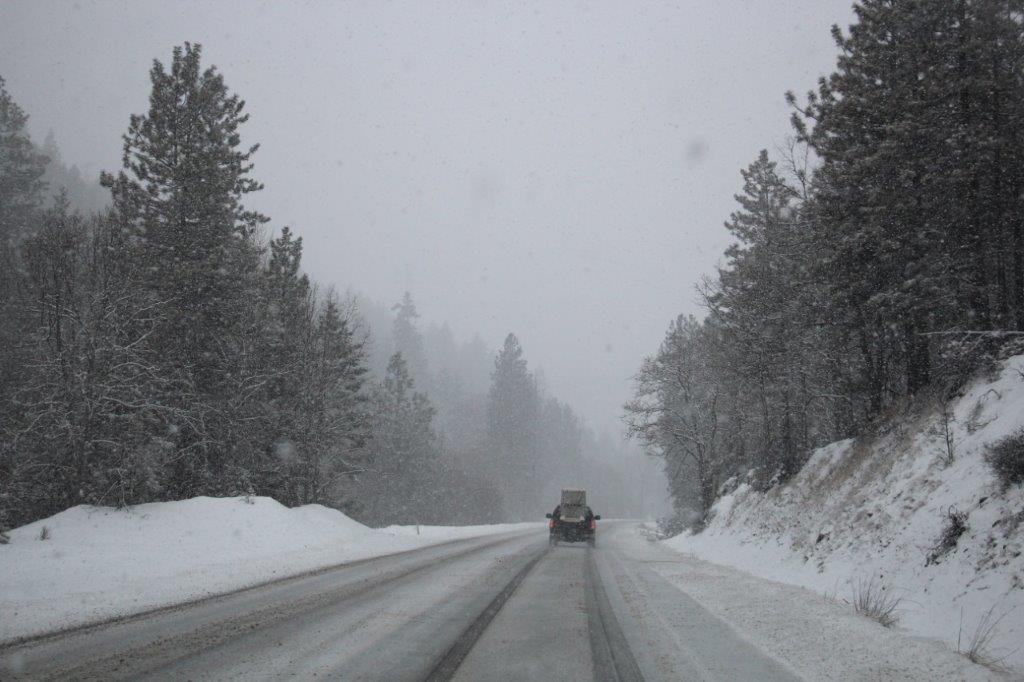
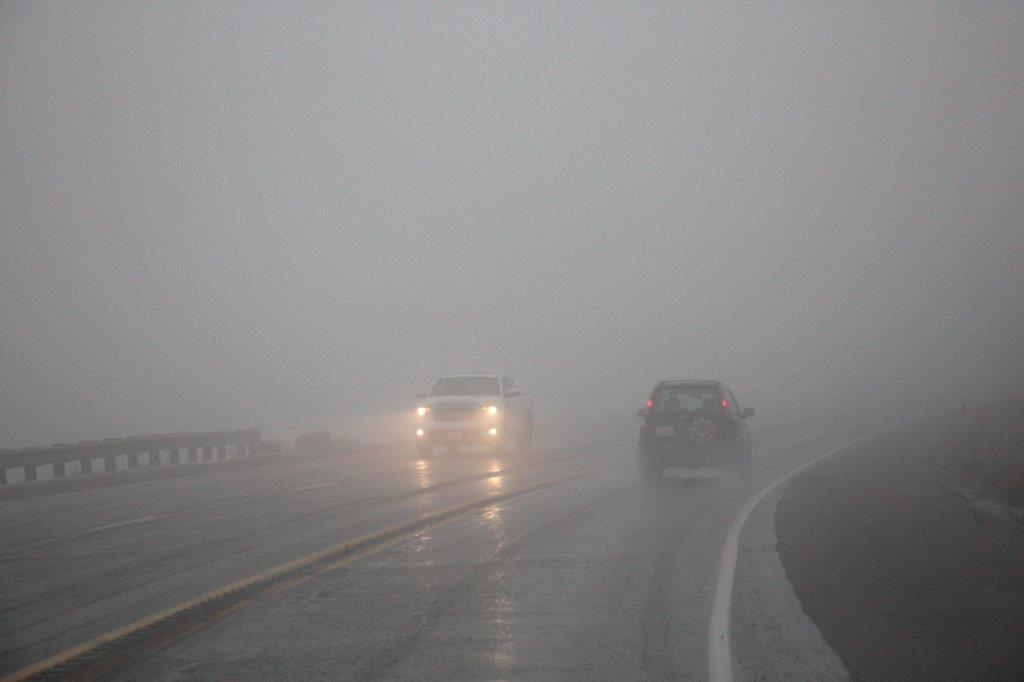
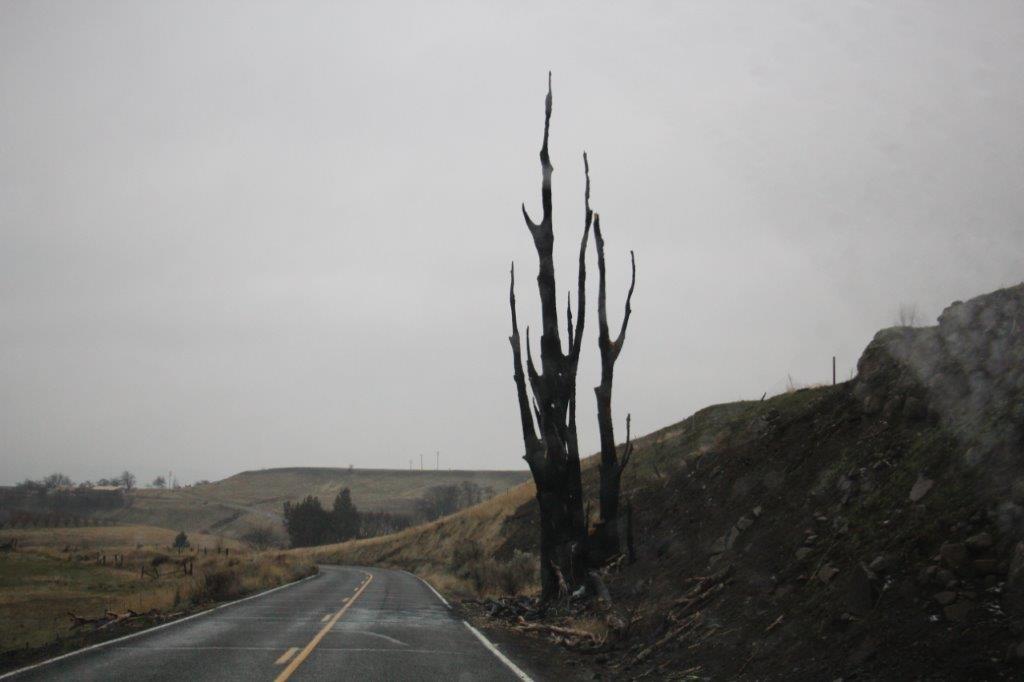
We did quite well and were on the road by 9:30 this morning.  It was definitely a weather day. We had cloud, rain, fog and snow – repeated several times.  But all in all the road was pretty good.  The worst section was going over Toppenish Ridge through Satus Pass.

Unfortunately several of the things I had marked down to go see were closed, but that wasn’t really surprising since it is the middle of winter.

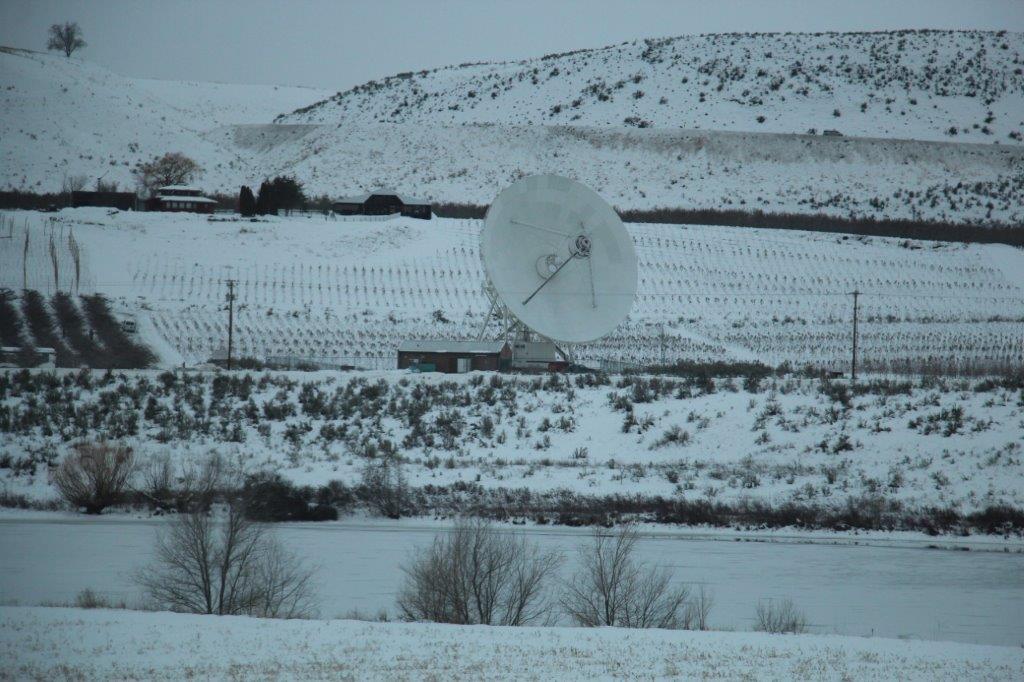
Just outside of Monce, south of Omak we came across this cluster of huge radio/satellite dishes on the top of a ridge.  They were located at the end of the largest orchard I have ever seen.  The hillside above the river for  over  a mile was covered with apple trees.  We drove through orchards for quite a long time between Omak and Yakima.   The Yakima valley is also wine country so we passed lots of vineyards.

IMG_3918 IMG_3921IMG_3924

Not too far down the road from there was the Chief Joseph Dam.  We had stopped here on a previous trip and the view point was closed anyway – and there was a very biting wind blowing –  so I just snapped a couple of shots as we went by.

IMG_3932 IMG_3934IMG_3936

I love this shot.  It looks like a mono-chrome.


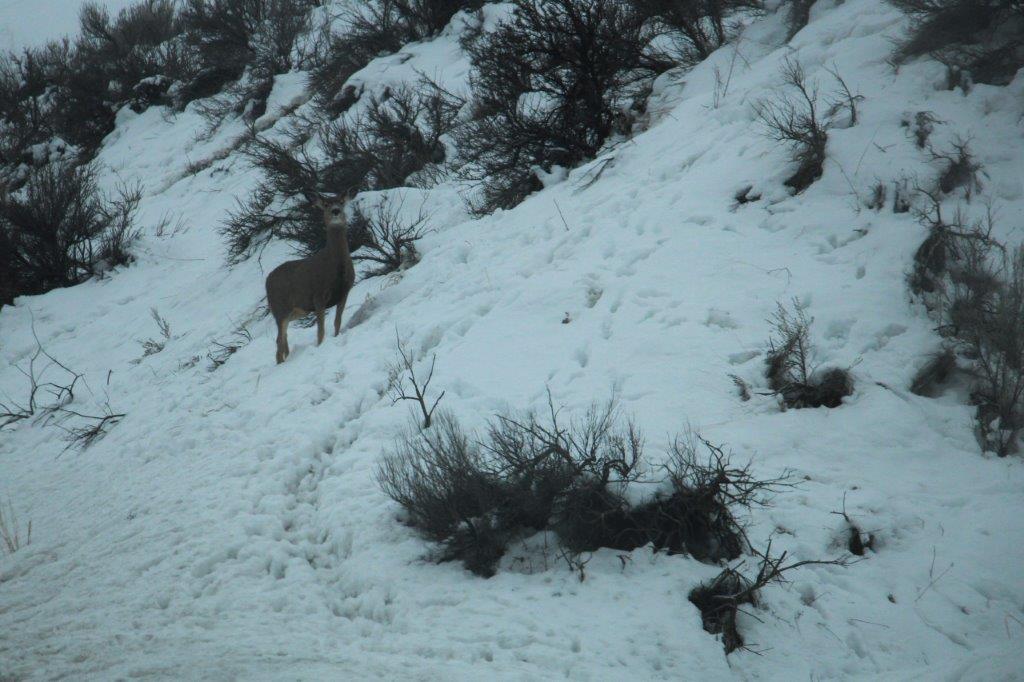
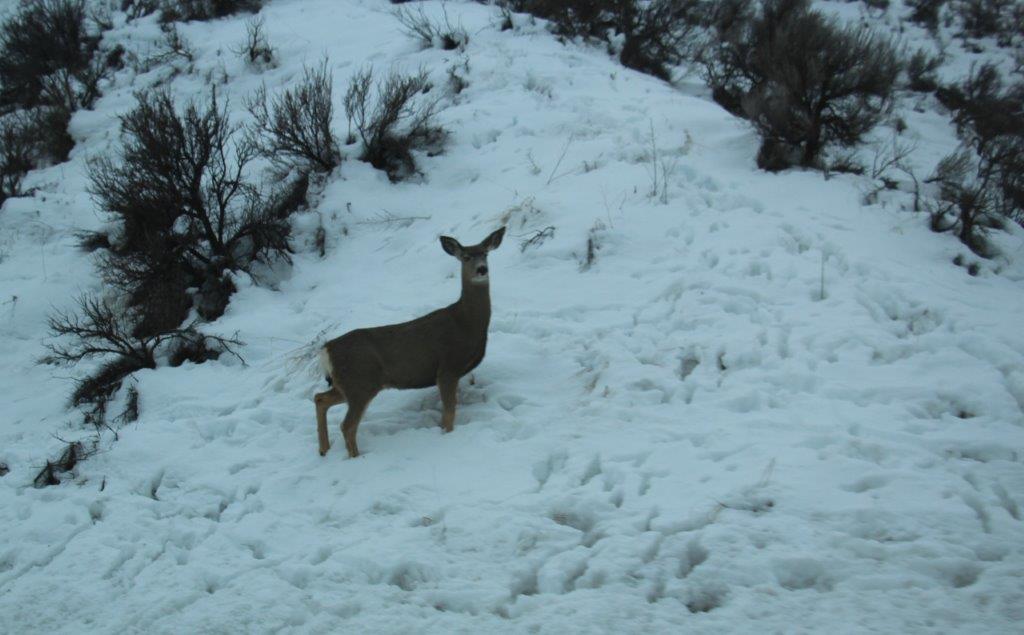
We hadn’t driven too far down the road and John spotted a small group of deer beside the road.  I was able to get my camera up quick enough to catch part of this one running up the hill.  A quarter mile further along there were two more deer watching us go by.

IMG_3942

IMG_3947IMG_3948

And then everything around us became very white….IMG_3954IMG_3952

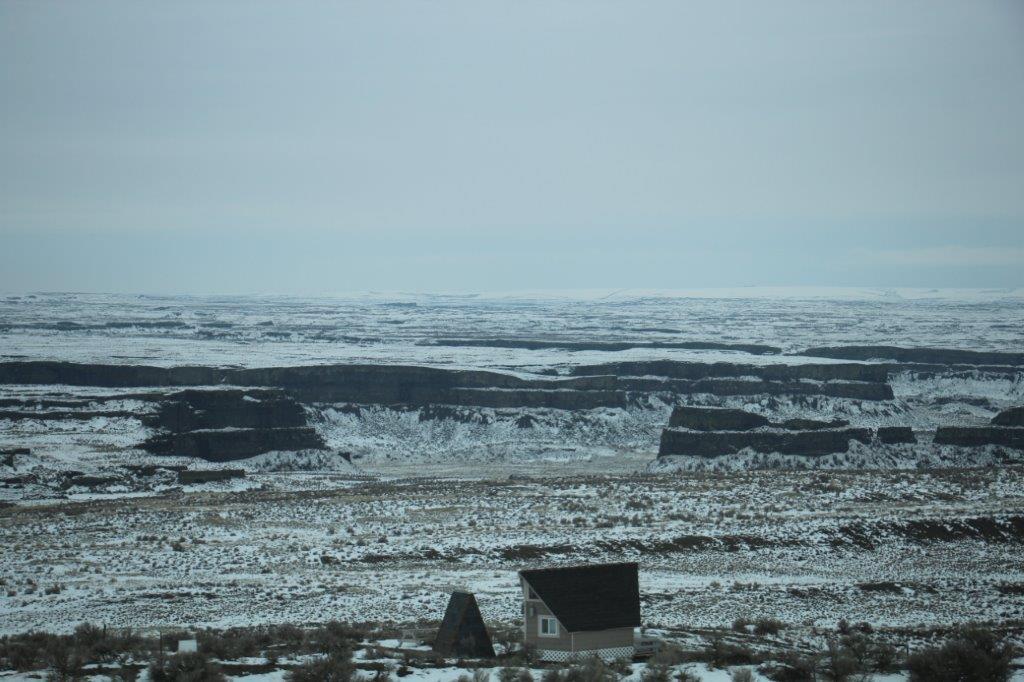
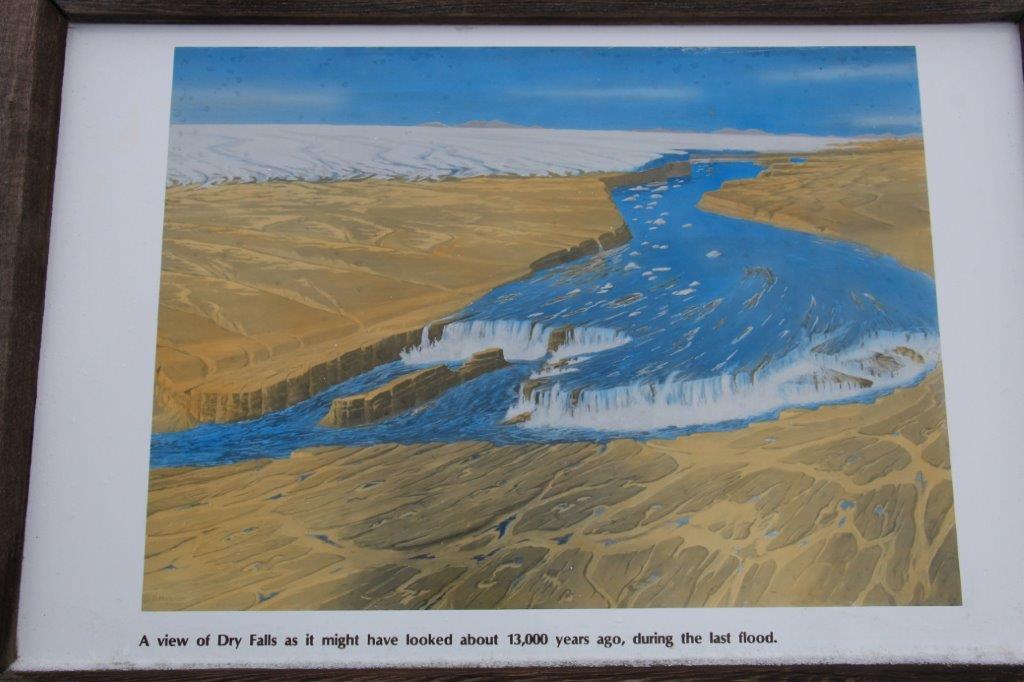
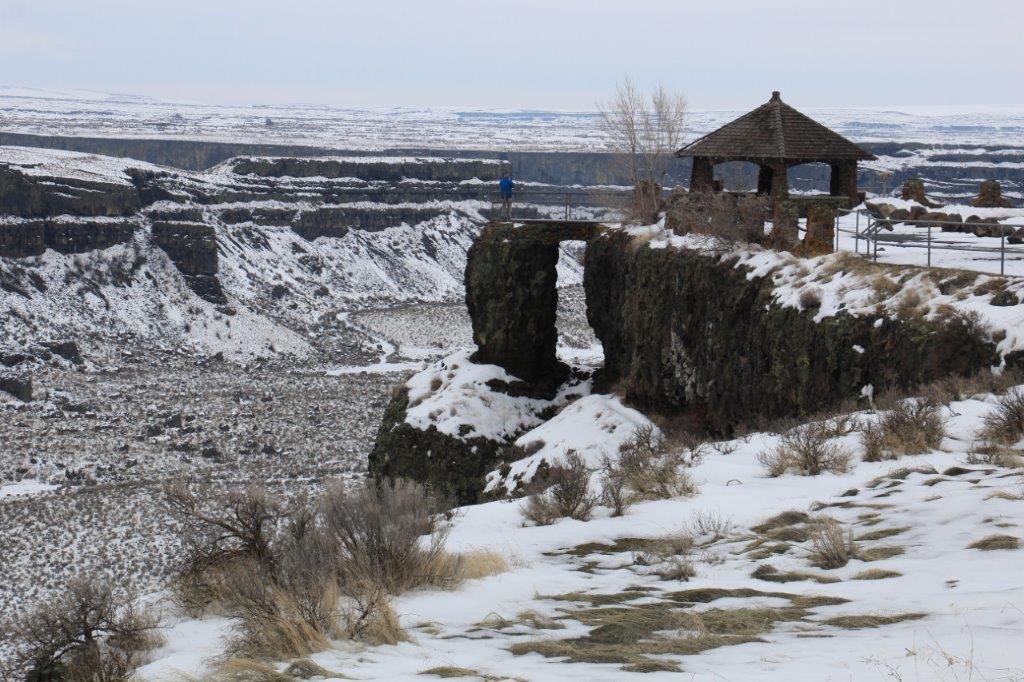
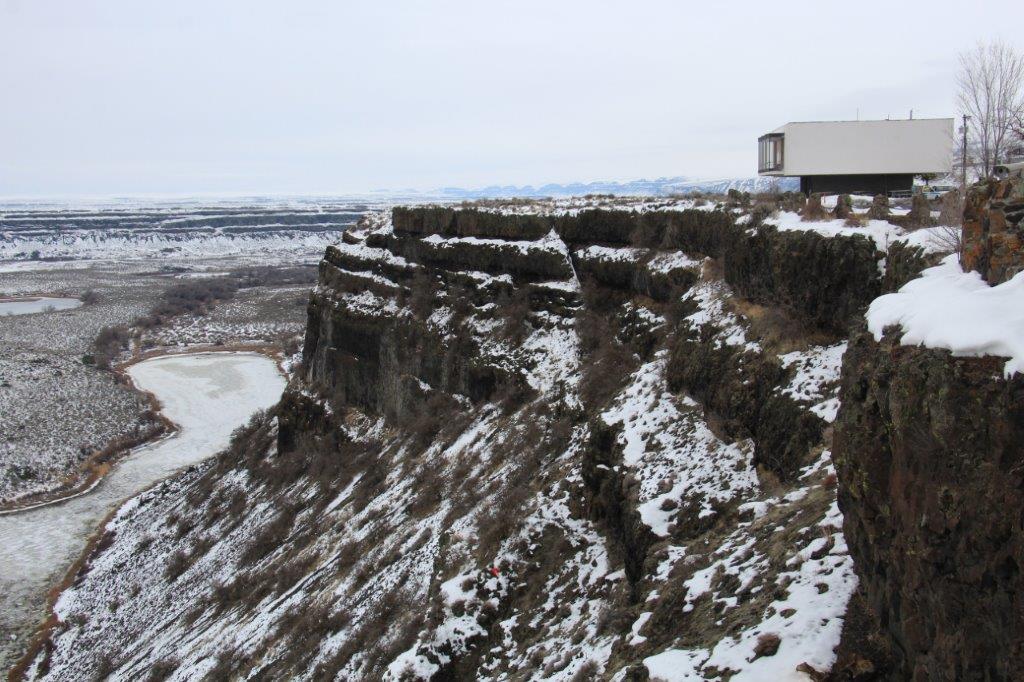
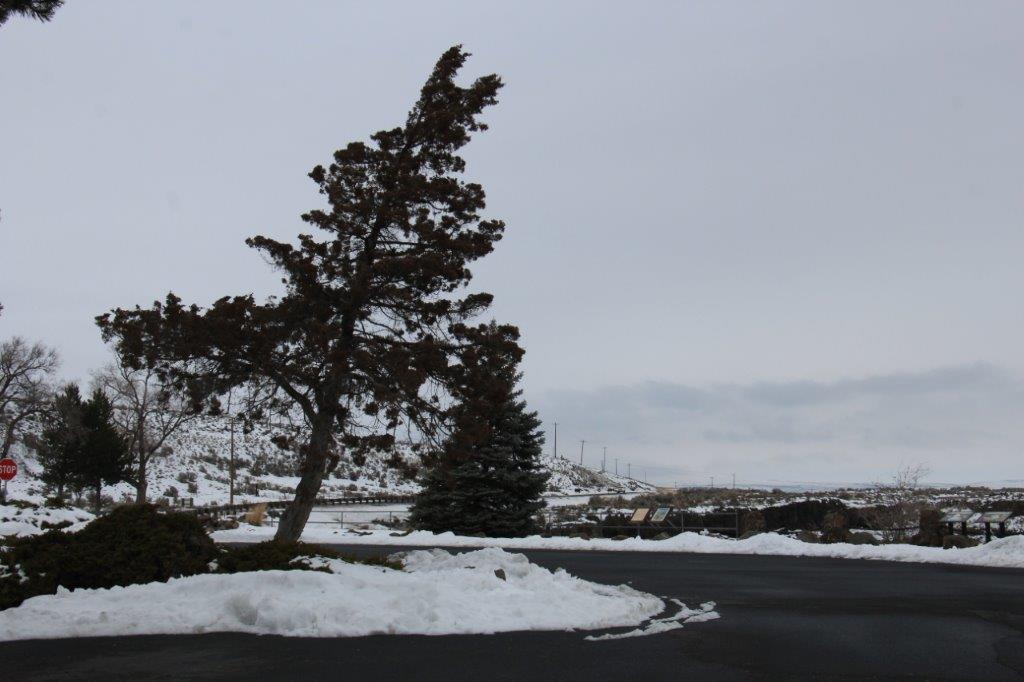
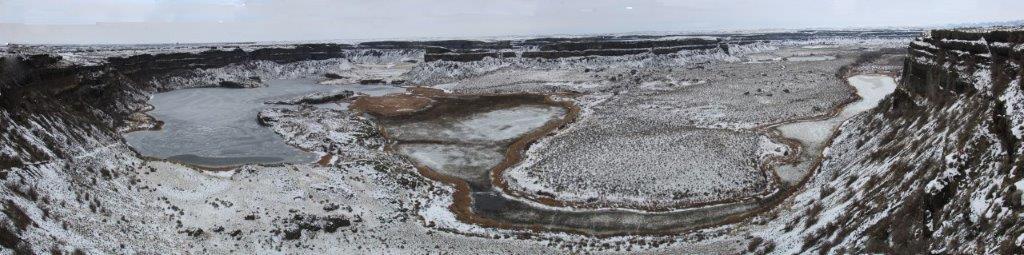
We stopped at Dry Falls and braved the cold wind long enough to get some photos. The falls were the largest falls on earth in the last ice age.

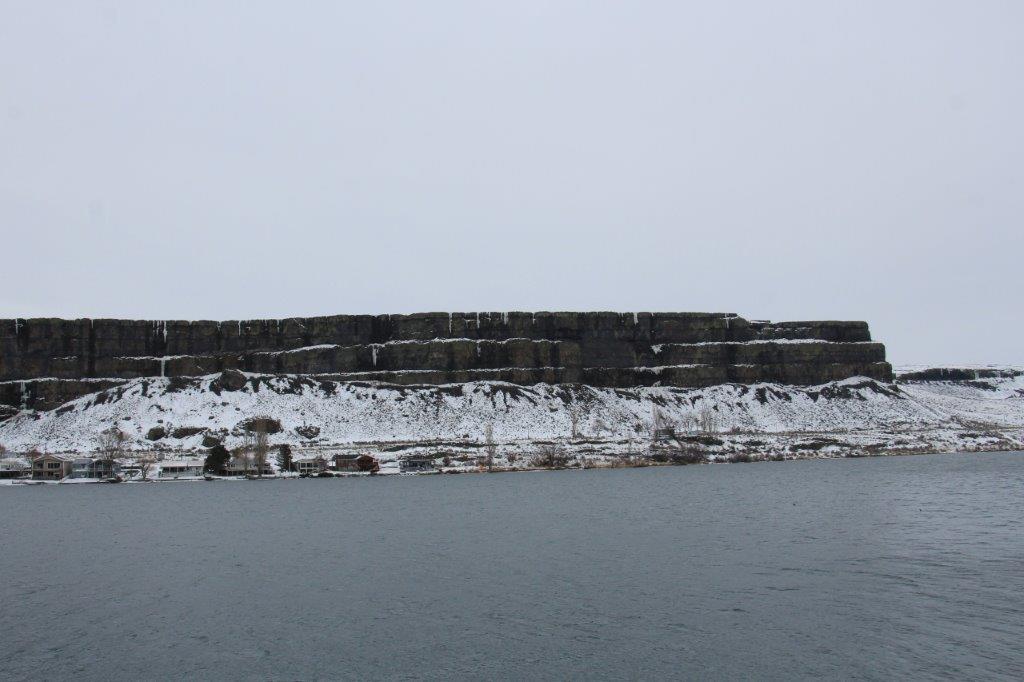
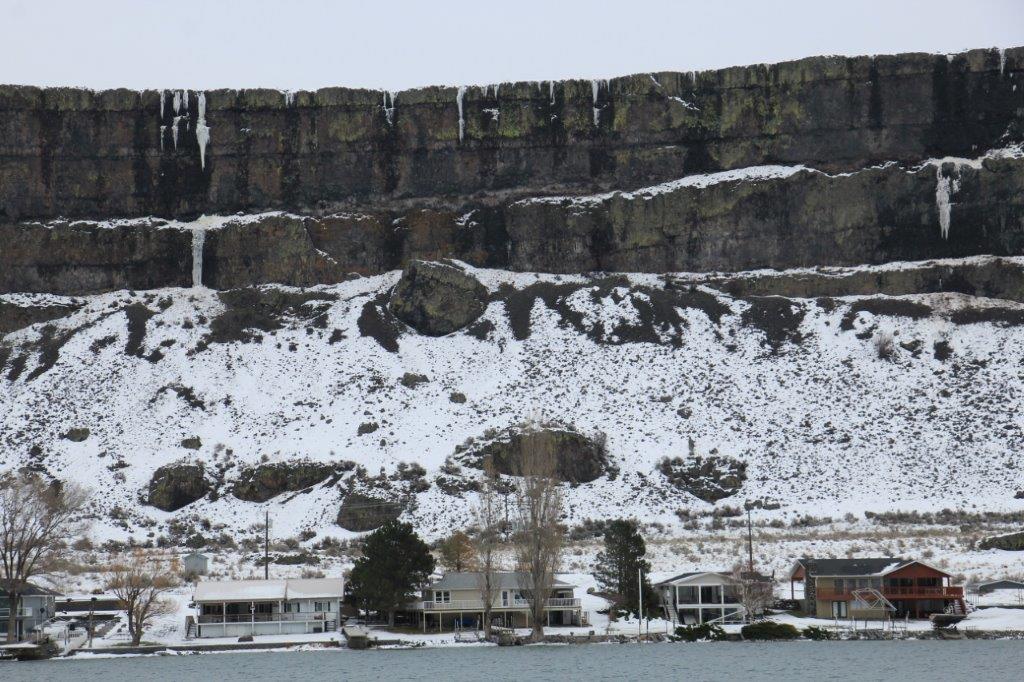
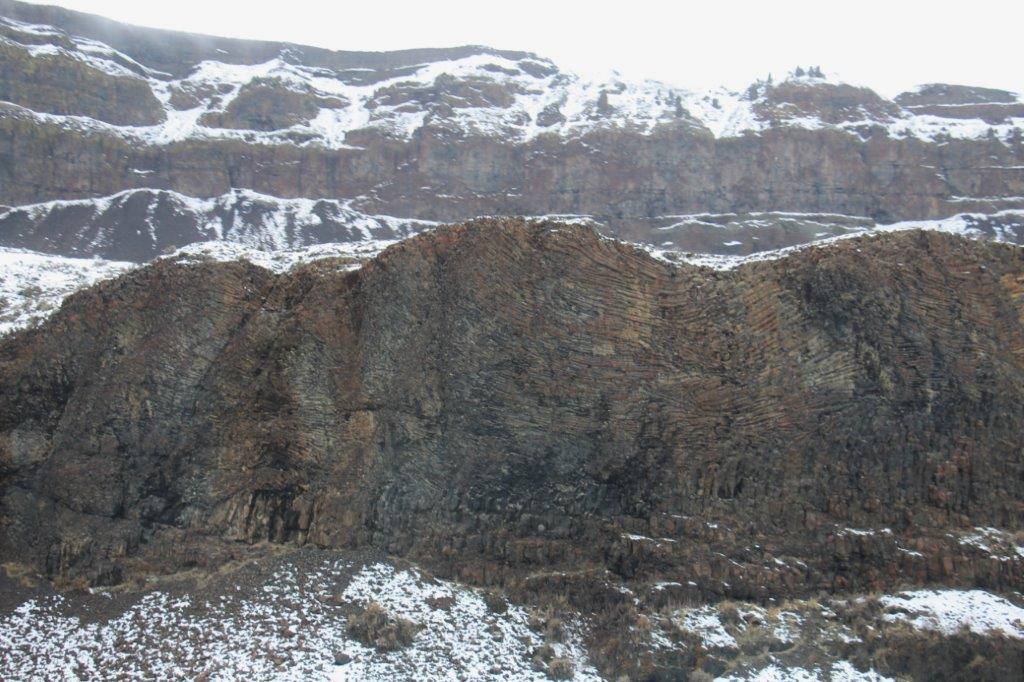
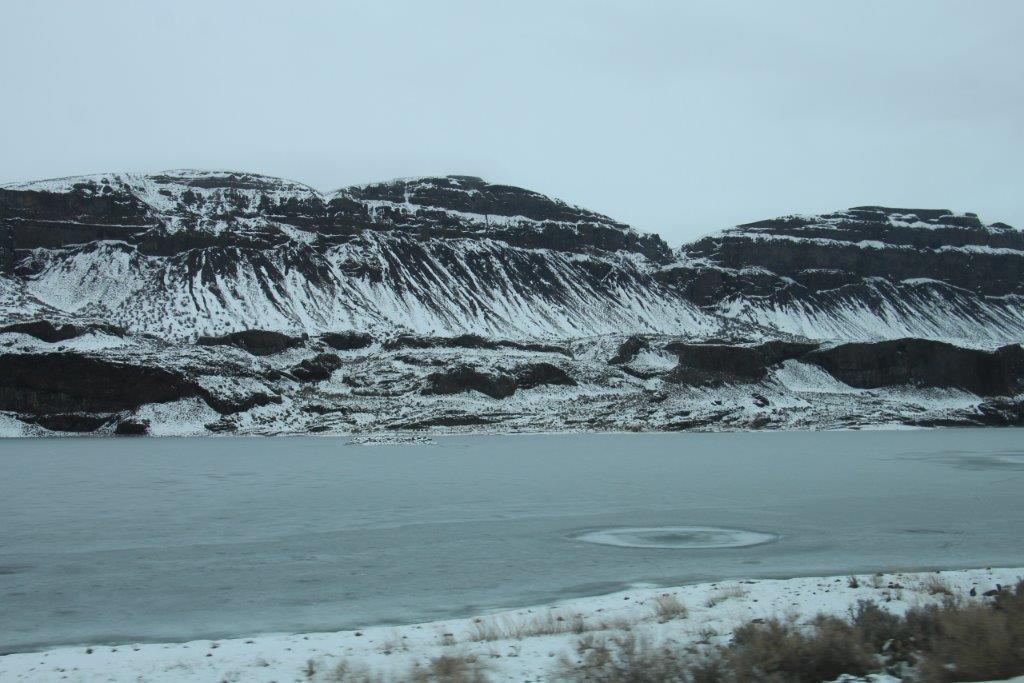
IMG_3960 IMG_3974 IMG_3975 IMG_3961 IMG_3999 IMG_4002 3987We traveled along the coast of Lenore Lake.  We had actually come this way in hopes of  seeing the Lava Caves in this area but no luck.  They were closed for the season.  There are lava tube caves you can walk through for about a mile.  That would have been pretty cool – in both senses of the word.  John pulled off the road and took a couple of photos of the gigantic icicles clinging to the cliff above these houses.

IMG_4003 IMG_4005IMG_4007

IMG_4009

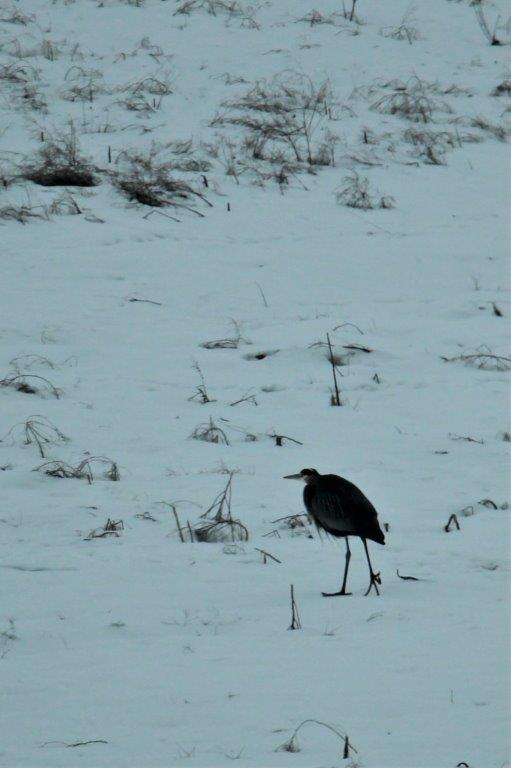
IMG_4011 IMG_4013As we approached the junction of the I90 near Ellensburg we passed through an area that was obviously a favorite lunch spot for hawks.  I think we saw about 20 hawks in 15 miles.  I wasn’t able to get a good photo of one but I caught this heron standing in a field.

IMG_4014 IMG_4024 IMG_4021 IMG_4019

We have a game at home called The Farming Game.  It was created by a farmer in Washington and today we drove through the places on the game. – The Yakima Valley, Toppenish Ridge, Wapato Ridge, Umtanum Ridge, and Rattlesnake Ridge.  We found it quite amusing to recognize places from a board game.

We spent some time going in and out of fog banks, entered a section of rain and, as we climbed up Toppenish Ridge we were in snow.  We followed a semi all the way to the summit where he kindly pulled over to let the lineup of traffic go by for the descent.  All the trucks were pulled over and the drivers were putting chains on the tires.  It wasn’t the fastest section of driving we did today; but, hey, we are Canadians.  A little bit of snow on a mountain pass won’t stop us from heading toward warmer temperatures and sunshine!

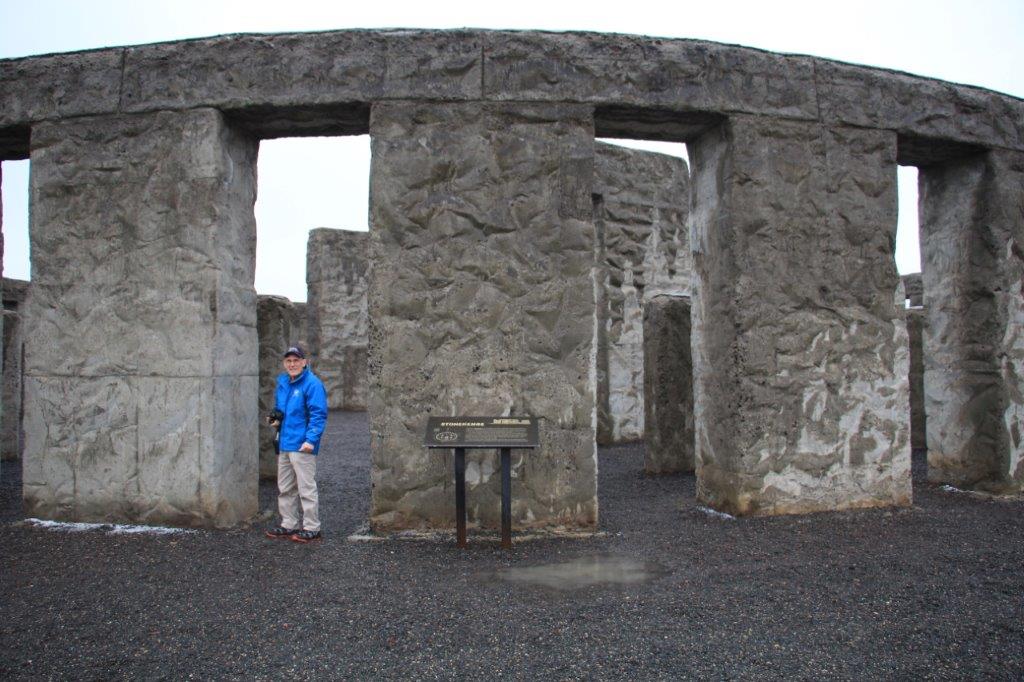
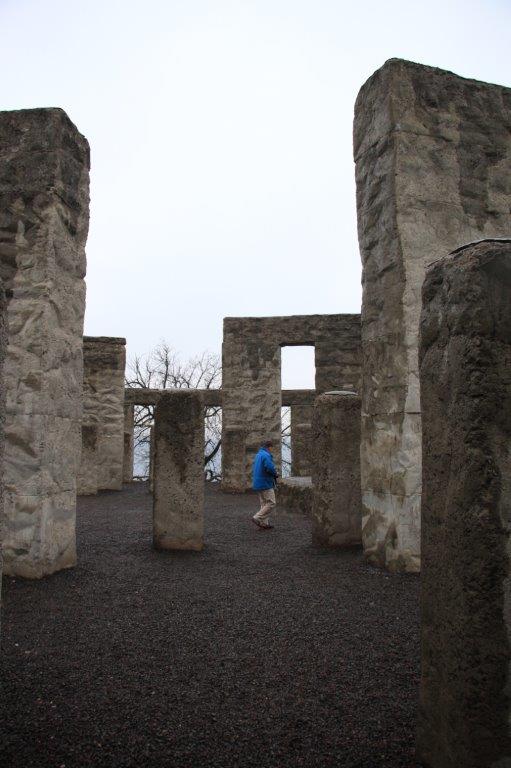
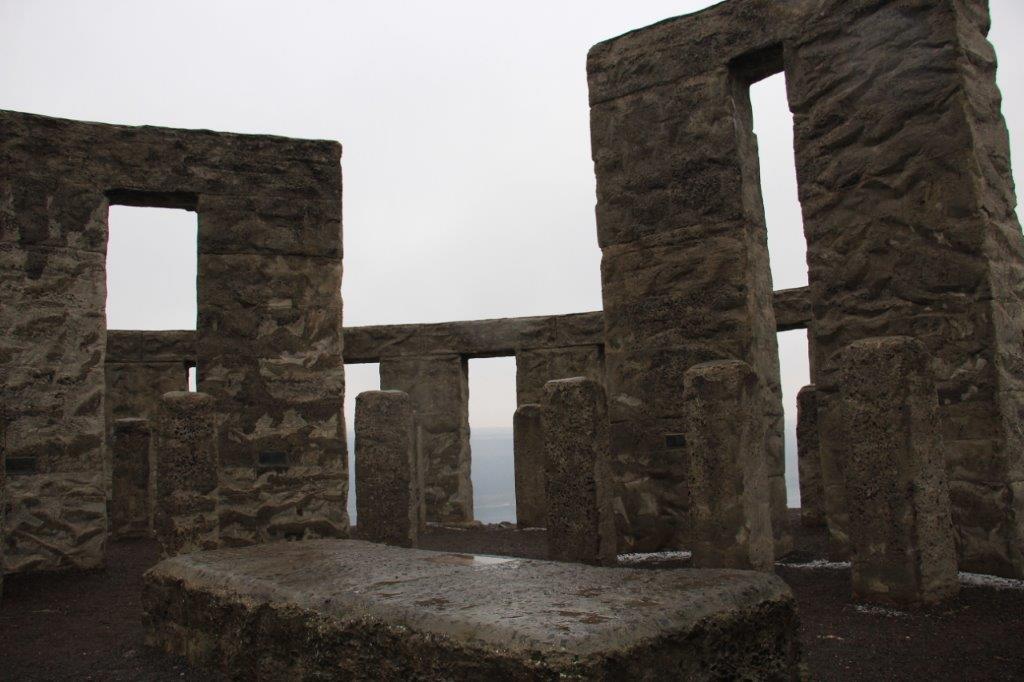
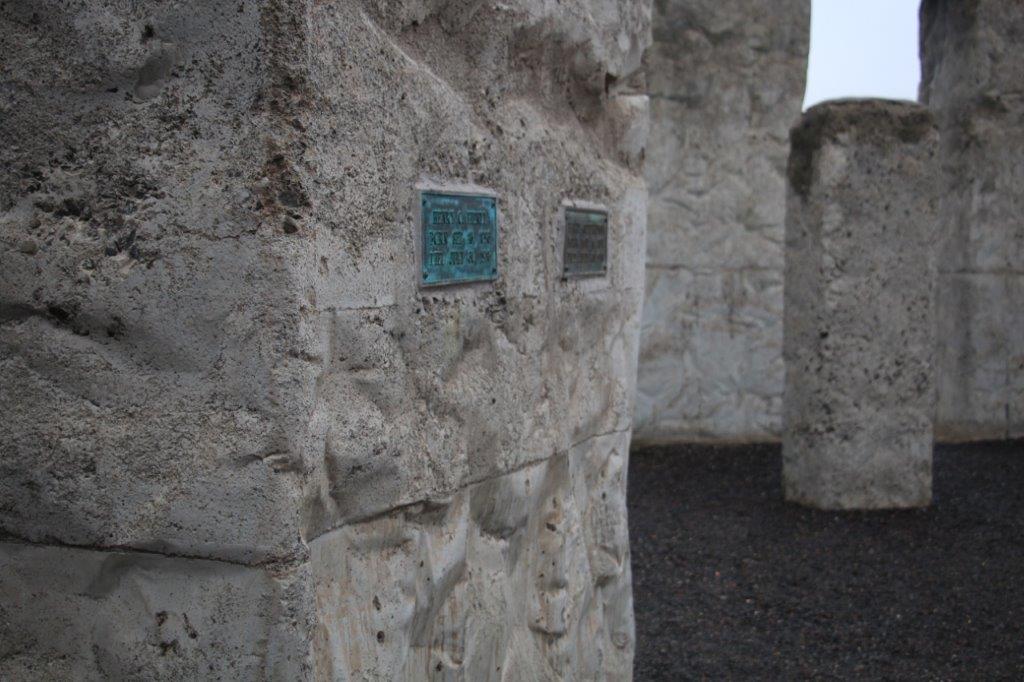
IMG_4031 IMG_4032Our only other stop today was at Stonehenge, located at Maryhill on the Washington/Oregon border.  This exact replica of the famous standing stones in Englad was created as a WWI war memorial for the 13 men of Maryhill who perished.  Nearby was another memorial to the casualties of WWII from the surrounding towns  with rememberances also of Korea, Vietnam and Afghanistan soldiers lost

IMG_4034IMG_4035IMG_4038IMG_4046 IMG_4050IMG_4048IMG_4051IMG_4052IMG_4053IMG_4060We pulled into Madras about 6:30, found a hotel, checked in, went for dinner and are now settled in our room for the night..


2016 Jan 11 – Day 1 – California and Beyond

JANUARY 11, 2016 – DAY 1 – Home to Omak, WA

Here we are again; on the road once more.  We are heading down to southern California where we will spend three weeks in a time share at Carlsbad, just north of San Diego.  Because we don’t drive the Interstate (unless completely unavoidable), and we don’t drive 10-12 hours a day it will take us five days to get there.  We prefer to take our time along the route and see some sights.

We left home this morning a little later than planned but…who cares?  Not us.  It was almost 11:30 by the time we got on the road.  We drove south on BC Highway 97 which is a very familiar road to us so I had to remind myself to take some photos to put in this blog.

We did try find a couple of geo-caches but the wind was blowing and cold, there was quite a bit of traffic near the sites we stopped and we had no luck.  It was about 3:30 and we were not across the border yet so we quit stopping and concentrated on driving.  Well, John concentrated on driving.  I read my book and did my word puzzles.

IMG_3875IMG_3878IMG_3880IMG_3876

IMG_3882IMG_3883IMG_3885IMG_3888IMG_3893IMG_3897

IMG_3899
I just managed to snap a picture of this vine hanging on a power line in an orchard.  It created a huge Sasquatch-like shape.

IMG_3900IMG_3901

IMG_3905
Bye, bye Canada – for awhile.

IMG_3910

We entered the city of Omak at 4:30. We had planned to make our first stop at Ephrata, which is about 100 miles further down the road, but John felt like stopping so we pulled into the Best Western and checked in for the night.

Therefore, nothing very exciting happened on Day 1.  Except we are heading south!  Away from the winter.  Our entire trip will be about 6-7 weeks because after we leave Carlsbad on Feb. 6 we are driving across California (with stops at Joshua Tree National Park and Death Valley), across Arizona (stopping at Petrified Forest National Park) and into New Mexico to look around (I am working on John to drive to SE New Mexico so I can tour the Carlsbad Caverns – no commitment as yet).  We have never been to NM, nor have we been in Colorado.  We will be heading north through that state and into South and North Dakota to cross back into Canada in Saskatchewan where we will head west toward home; stopping a few times along the way to visit various family members.

That’s the plan folks.  Always subject to change of course, but we have managed to stay on course for Day 1.

2015 Sep 4 – Day 42 – Boston Day 7

This is it folks.  Last day.  Last blog.  Last item on my To Do & See in Boston list.

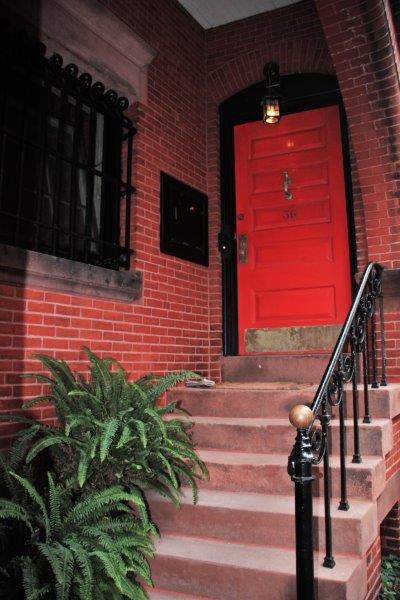
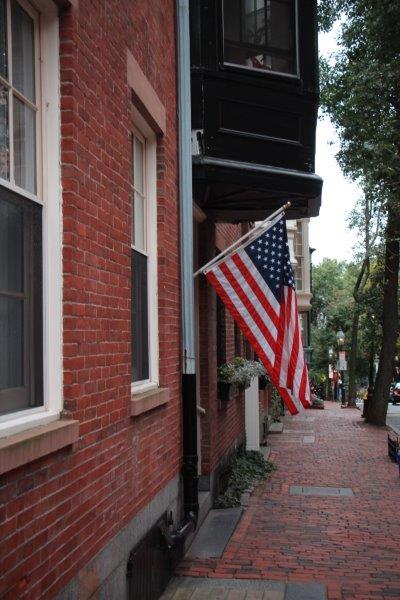
Today we walked the 1.4 mile Black Heritage Trail.  It actually winds around the blocks here in Beacon Hill because between 1800 and 1900 most African Americans in Boston lived in the West End, a neighbourhood now called the North Slope of Beacon Hill.  The South Slope was, and still is,  home to upscale white residents.

After the American Revolution, in 1783 the Supreme Judicial Court of Massachusetts declared slavery unconstitutional.  When the first federal census was taken in 1790, Massachusetts was the only state in the Union to record no slaves.  The Black Heritage Trail is a stroll past the homes, Meeting Houses (churches) and schools that are buildings of significance in the struggle for equality and freedom.   All of the homes are private residences or offices so you can’t enter them but it was a nice cool day and a pleasant walk.  I had the brochure that gives a brief history of each building and  it’s owners’ role in the abolition movement and the lives of the black community.

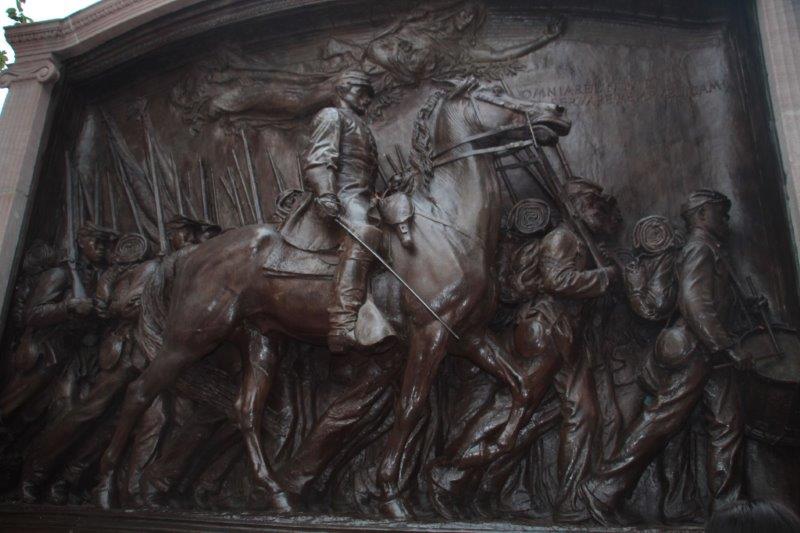
The Trail begins at the Shaw Memorial in the upper corner of Boston Common, across from the State House.

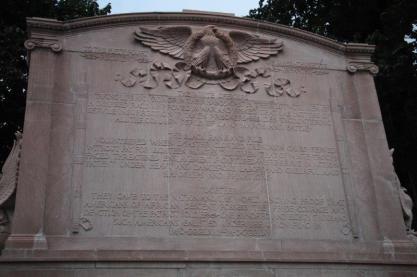
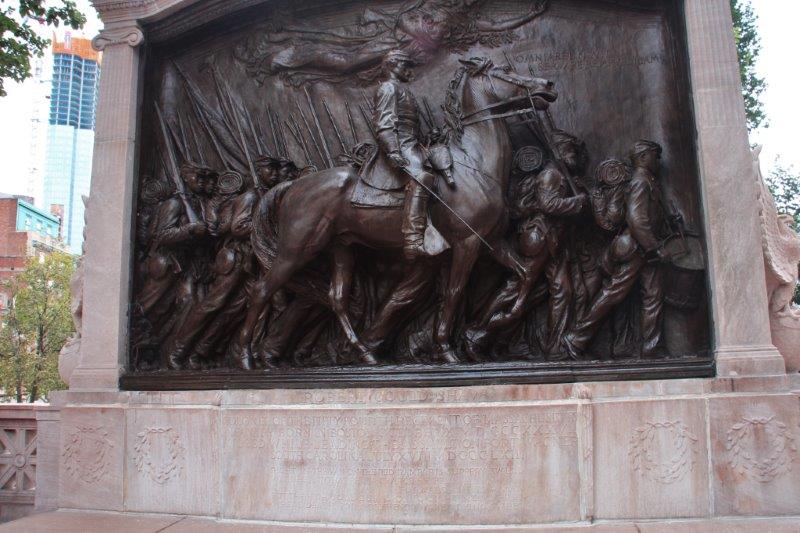
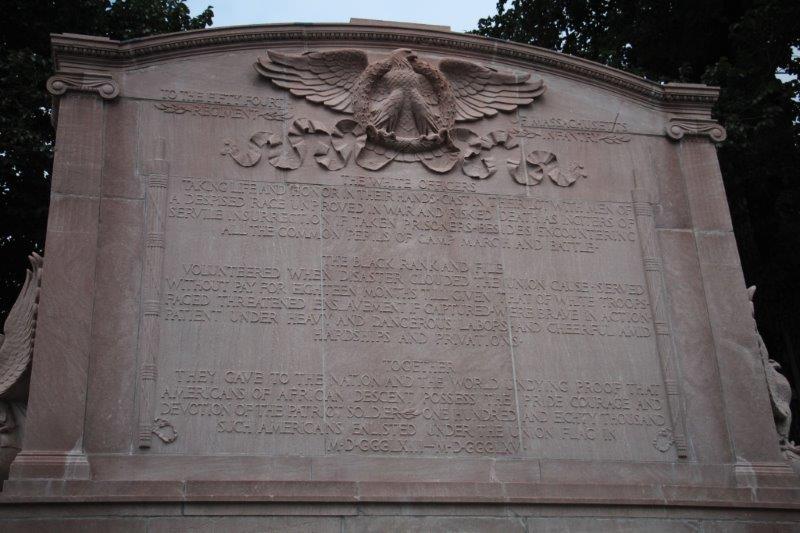
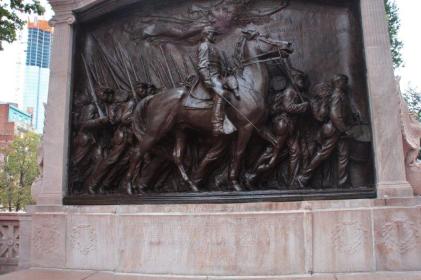
  1. The Shaw Memorial commemorates the 54th Regiment of Massachusetts Volunteer Infantry; the first black regiment recruited in the north after Lincoln admitted African American soldiers into the Union forces in 1863.  They were almost wiped out in their first battle attempting to capture Confederate-held Charleston, SC.  Sgt. William Carney of New Bedford was awarded the Medal of Honor for his bravery, the first black soldier to receive this honor.  The memorial was dedicated May 31, 1897.
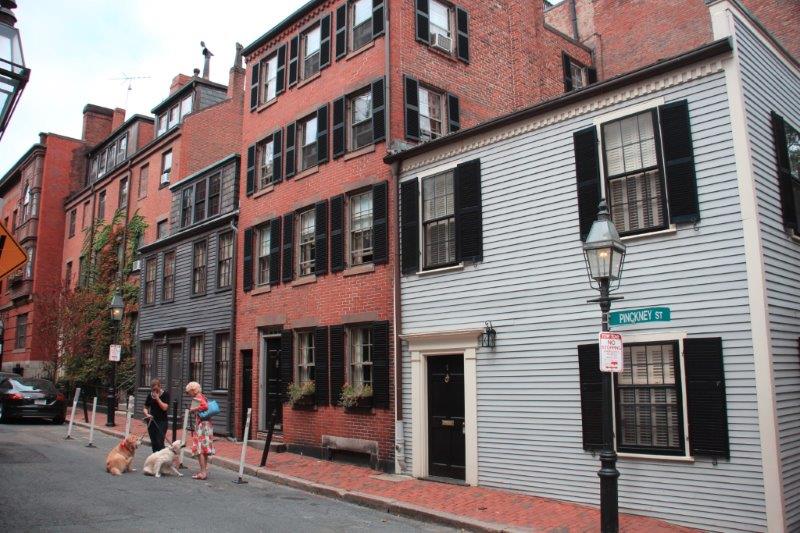
IMG_3002 IMG_3004 IMG_30072.  George Middleton House.  5-7 Pinckney Street. Built in 1787 it is one of the oldest standing homes in Beacon Hill.  Middleton was a Revolutionary War veteran.  He led the Bucks of America, one of three black militias that fought against the British.  After the war he was an activist and community leader.
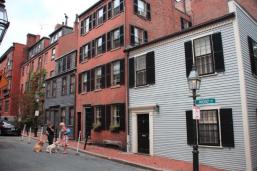
IMG_3013 IMG_30143. Phillips School.  Corner of Anderson and Pinckney Streets. Built in 1824 this was a white-only school until 1855.   When the Massachusetts Legislature abolished segregated schools that year this became one of Boston’s first integrated schools.
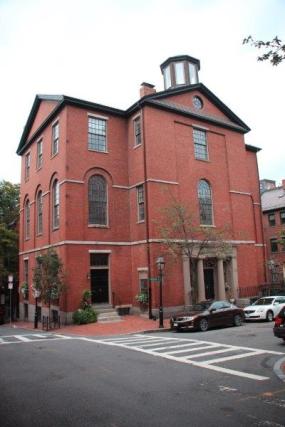
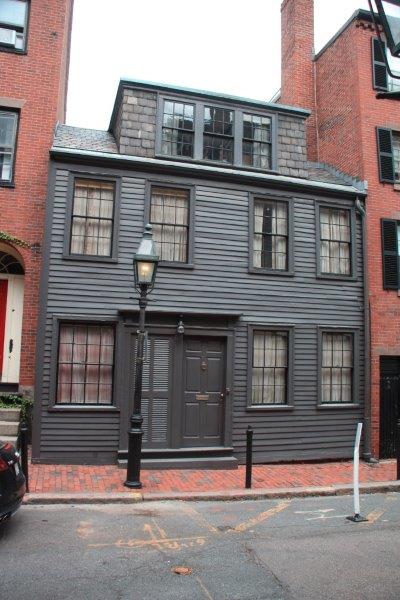
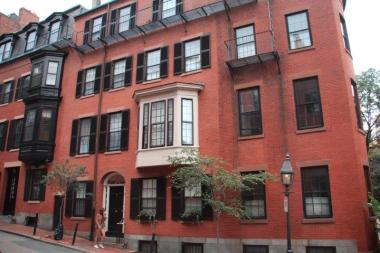
IMG_30224.  John J. Smith House. 86 Pinckney Street.  Smith was born free in Richmond, VA and moved to Boston in the late 1840s.  He opened a barbershop that became a center for abolitionist activity and a rendezvous point for people escaping on the Underground Railway.  Smith was later elected to the Massachusetts House of Representatives for three terms.
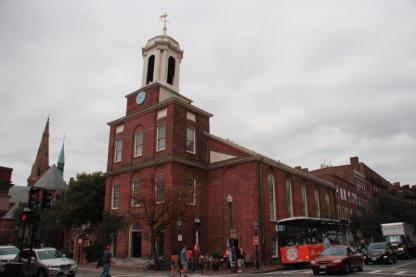
IMG_30285.  Charles Street Meeting House. Mt. Vernon and Charles  Streets. This meeting house was built by the white Third Baptist Church of Boston.  The segregationist tradition of seating prevailed.  After Timothy Gilbert, one of the members tested this by inviting black friends to his pew (he was expelled)  he joined other white abolitionists Baptists and founded the First Baptist Free Church – considered to be one of the first integrated churches in America.
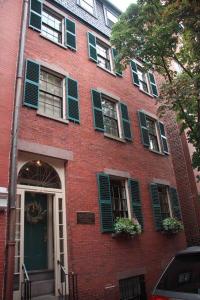
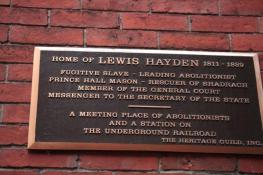
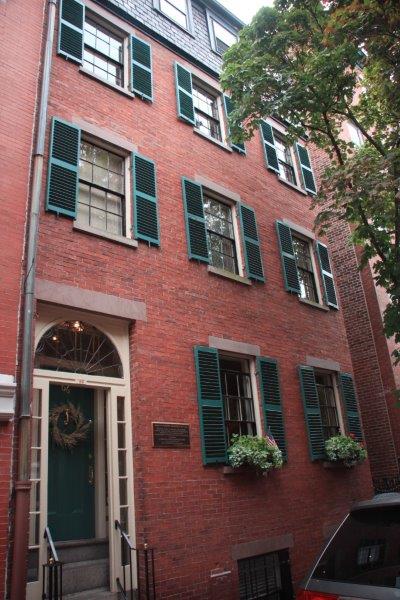
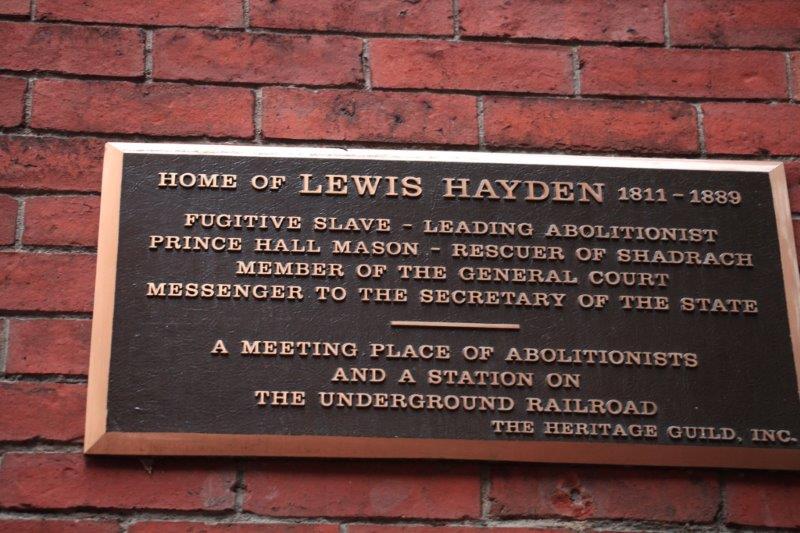
IMG_30416.  Lewis and Harriet Hayden House 66 Phillips Street.  Lewis Hayden was born enslaved in Lexington, KY.  He escaped with his wife Harriet and settled in Boston.  Lewis became a leader in the abolishonist movement and Hayden House became an integral stop on the Underground Railroad.  It is said he helped over 100 slaves to freedom.

In 1850, in an effort to appease the South and prevent a Civil War the federal government strengthened the Fugitive Slave Law and granted the right to search and capture escaped slaves in previously ‘safe’ northern states. Boston earned its reputation as a strong center of abolition during antislavery protests in the wake of this legislation.

To protect any escaped slaves who may be residing in his house should slave catchers come Lewis Hayden put kegs of gunpowder at his front door.  When catchers arrived one day he met them at the door with a lighted flare in hand and said if they tried to enter he would light the kegs.  They left.

Hayden was recruited for the 54th Regiment, was a Grand Master of the Prince Hall Masons and was late elected to the Massachusetts House of Representatives.
IMG_3047 IMG_30467.  John Coburn House. 2 Phillip Street.  He was a clothing retailer and community activist.  He served as treasurer of the New England Freedom Association which was dedicated to helping people escape from slavery.  He was arrested in 1851, tried and acquitted for the courthouse rescue of Shadrach Minkins, a freedom seeker who was caught in Boston by federal slave catchers.

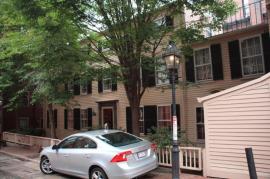
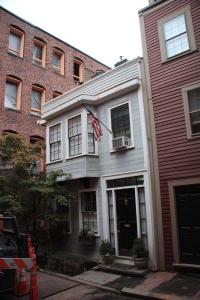
IMG_30548.  Smith Court Residences. 3,5,7, 7A and 2 Smith Court. Five homes that typify those of black Bostonians in the 1800s.  All of the various owners were active in the Underground Railroad and the abolitionist movement and the struggle to integrate Boston’s schools.
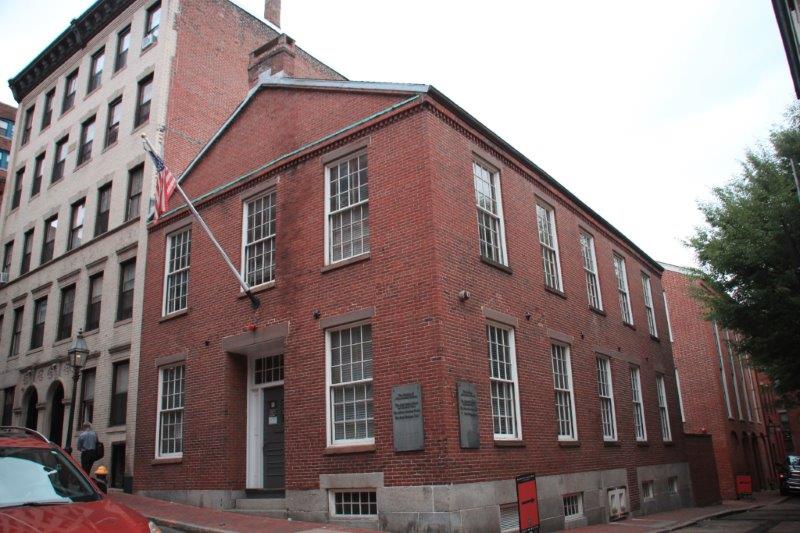
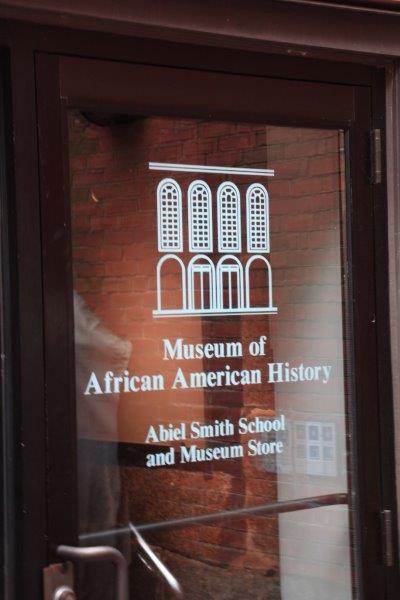
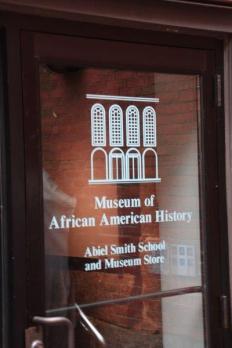
IMG_3061 IMG_30629.  Abiel Smith School.  46 Joy Street.   White philanthropist Abiel Smith willed money to the city of Boston for educating African American children. The city built this school with her legacy.  Prior to this school being built Boston’s black children attended classes in the African Meeting house; which is next door.  The Abiel Smith School is home to the African America Museum and is the end of the trail.
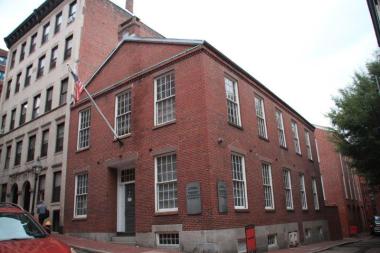
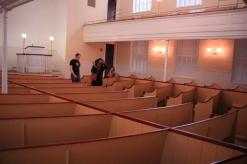
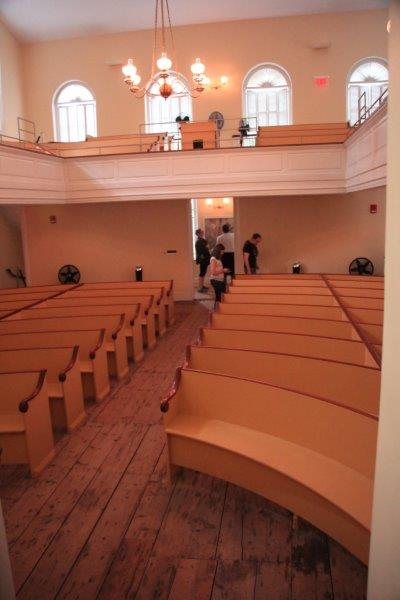
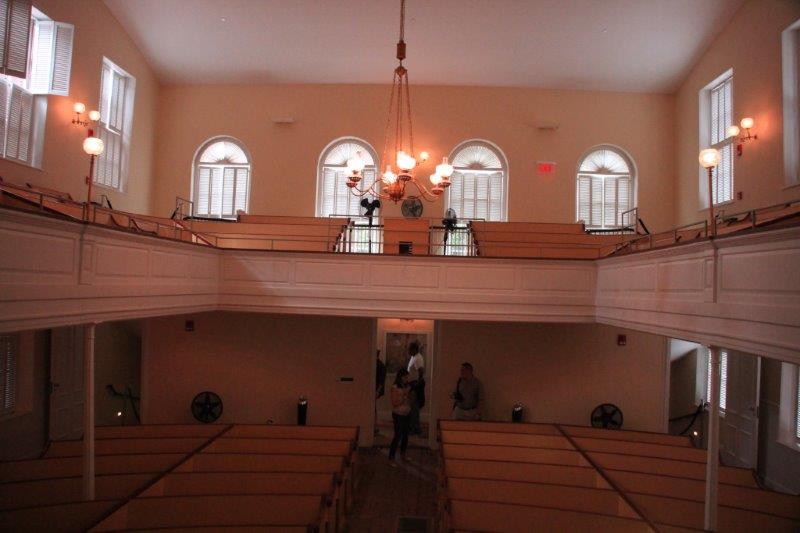
IMG_3060We could not take photos in the museum which contained information about African American authors and newspaper writers and copies of their works but we were on hand when a park ranger opened the African Meeting House and took us inside to tell us about the building and it’s importance to the African American community as a church, school and meeting room. Many important speeches and speakers of the abolishist movement were given within its walls.

The Meeting House was built by free black labourers in 1806 and is considered the oldest surviving black church building in the USA.
IMG_3066 IMG_3070 IMG_3071 IMG_3073 IMG_3074

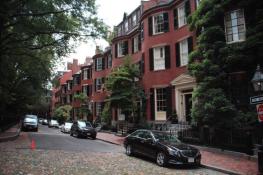
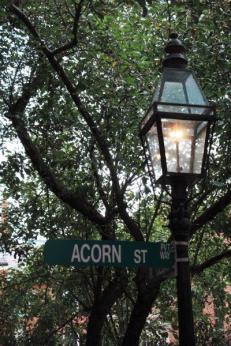
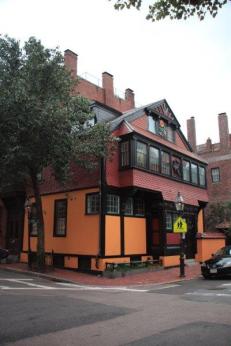
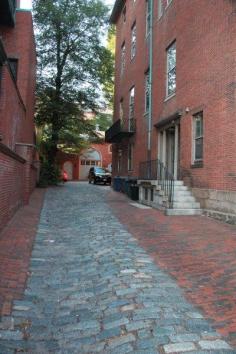
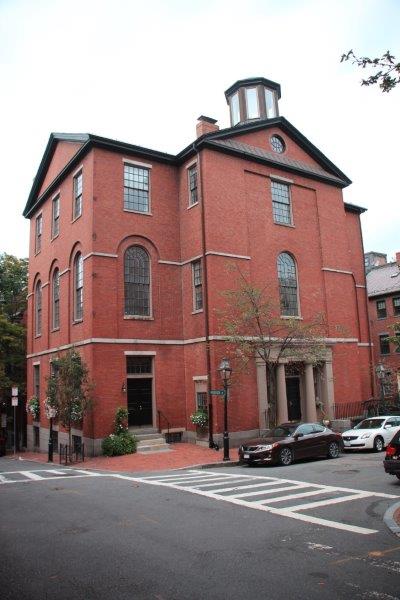
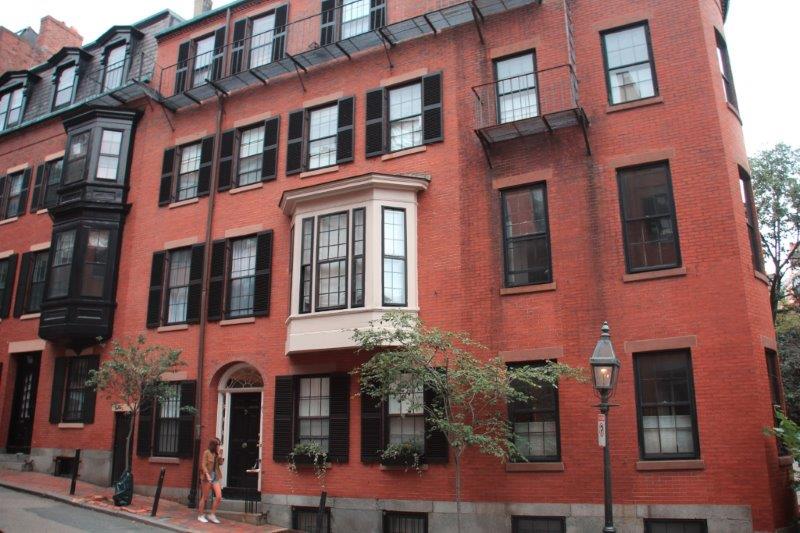
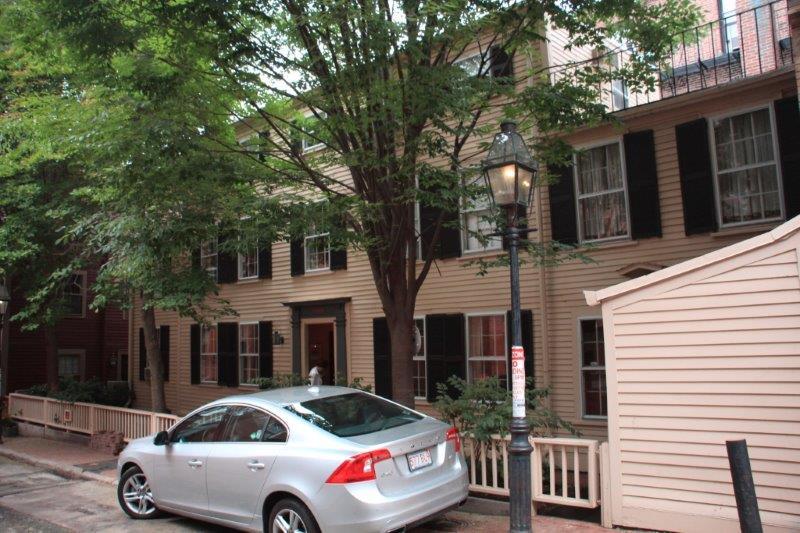
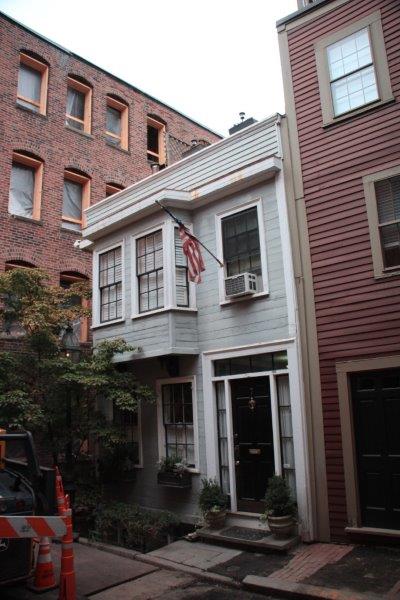
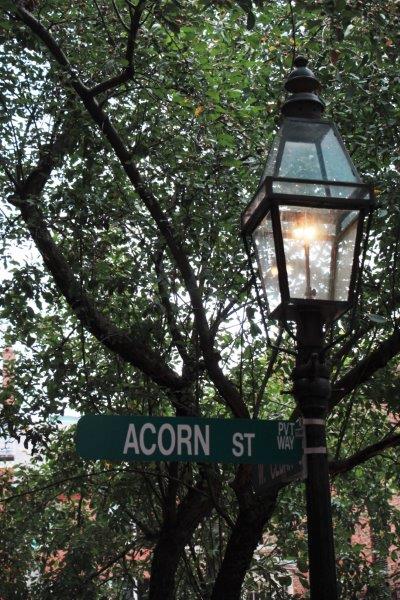
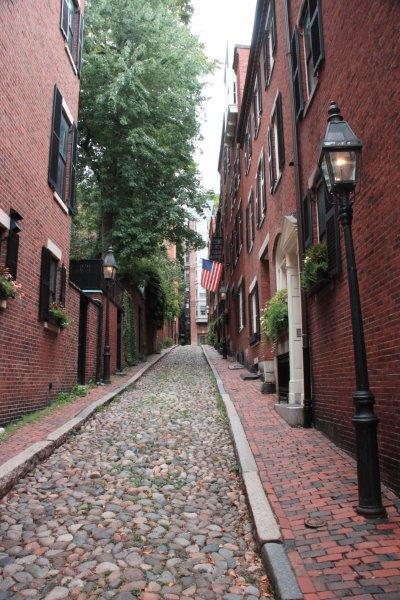
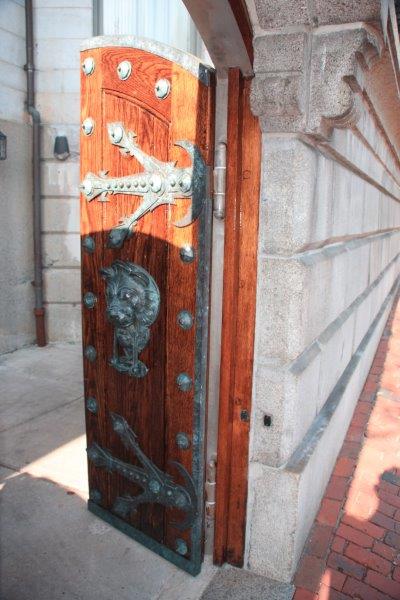
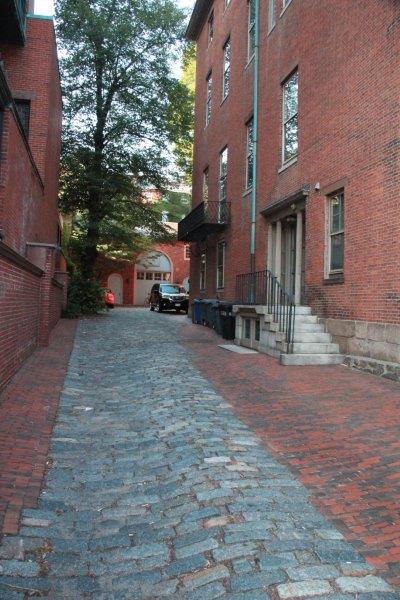
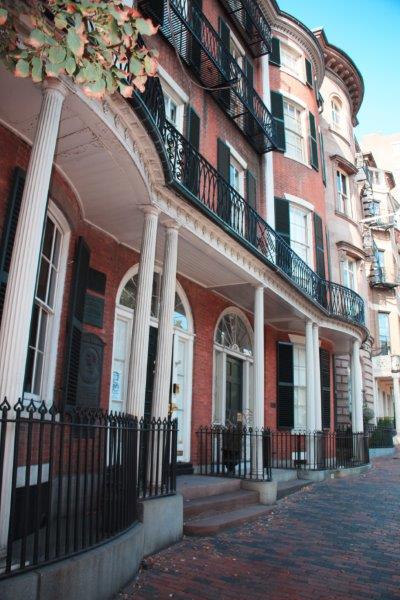
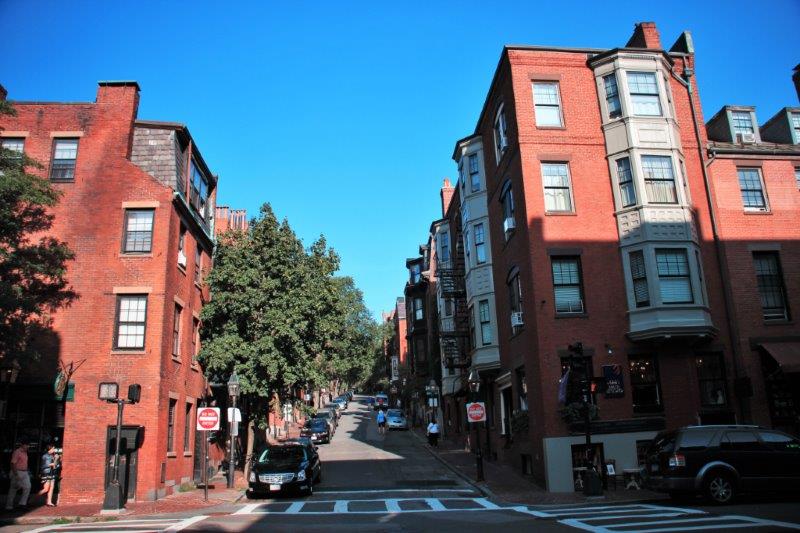
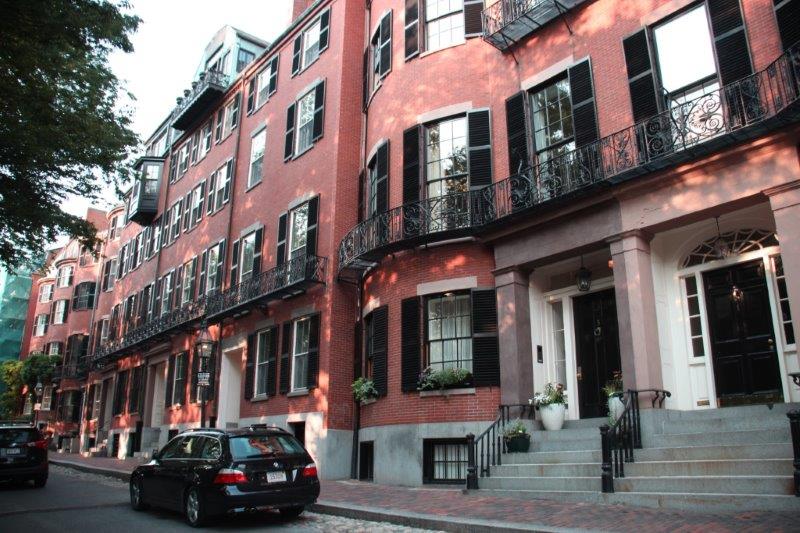
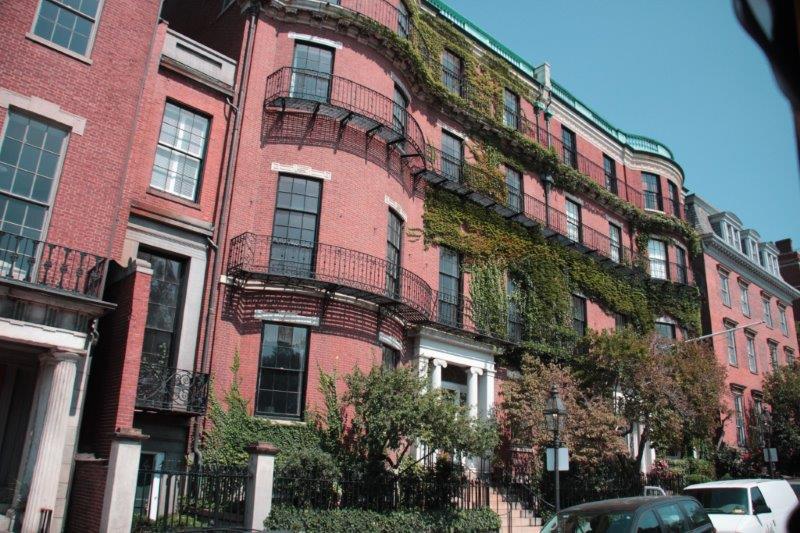
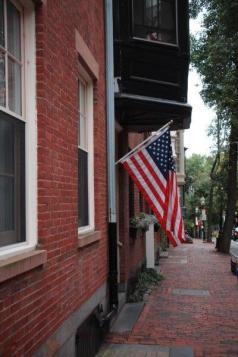
As we walked the Black Heritage Trail we saw other buildings we liked, passed the ritzy Louisburg Square again, and went to Acorn Street. reputed to be the most photographed street in Boston
IMG_3011 IMG_3088

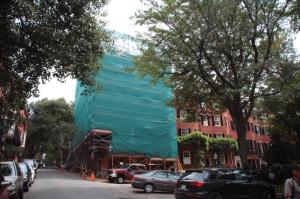
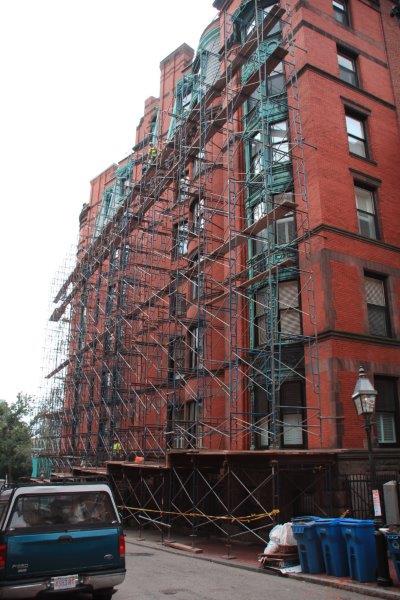
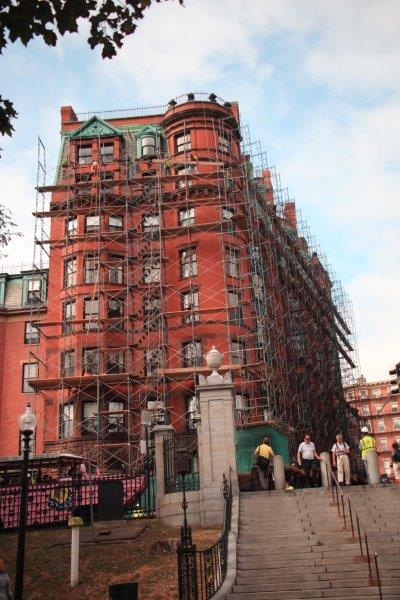
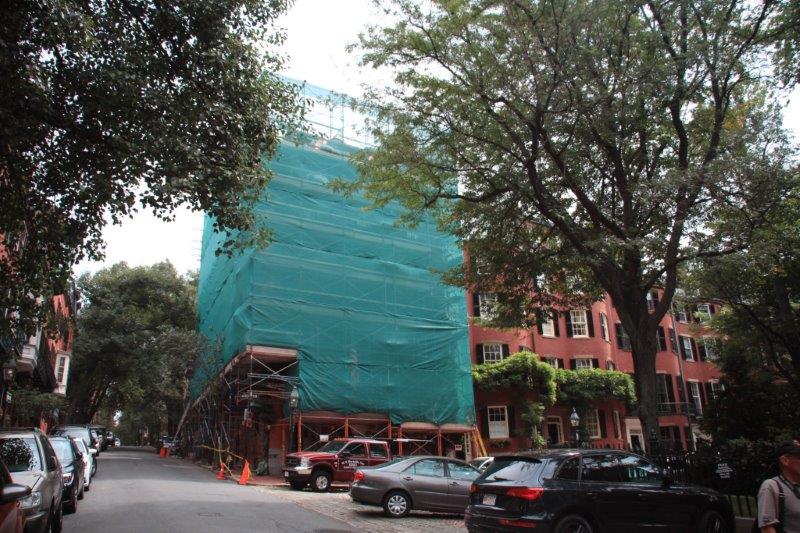
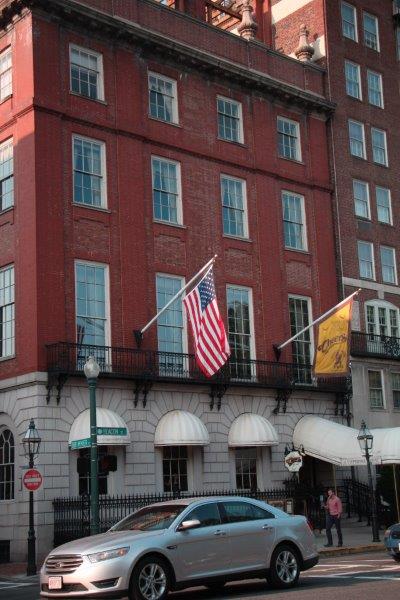
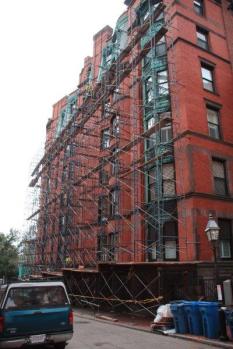
This building is across the street from Boston Common and is getting enfolded in scaffolding.  I spoke to one of the workers and he said it will be a six month job to work on the brick and the windows.

IMG_3017 IMG_3018 IMG_3023 IMG_3024 IMG_3026

Secretary of State John Kerry’s house in Louisburg Square is undergoing a reno.IMG_3029 IMG_3031 IMG_3037 IMG_3038 IMG_3032 IMG_3033 IMG_3040 IMG_3044 IMG_3045 IMG_3050 IMG_3052

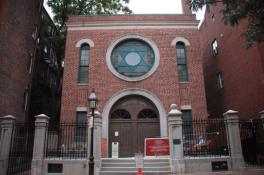
Vilna Shul, the building on the right, is the oldest synagogue in Boston.  Completed in 1919 by Jews from Vilna (now Lithuania), it was abandoned in 1985 when the congregationd dropped to a single member but was bought by the Boston Center for Jewish Heritage and is undergoing extensive renovations.

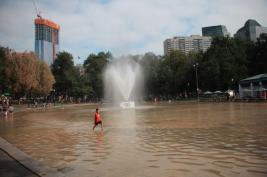
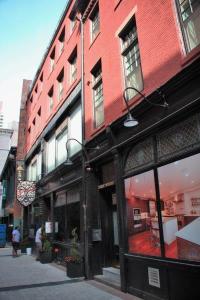
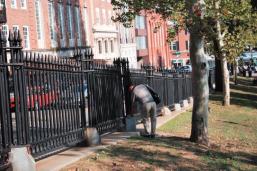
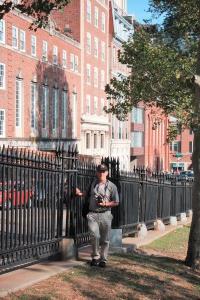
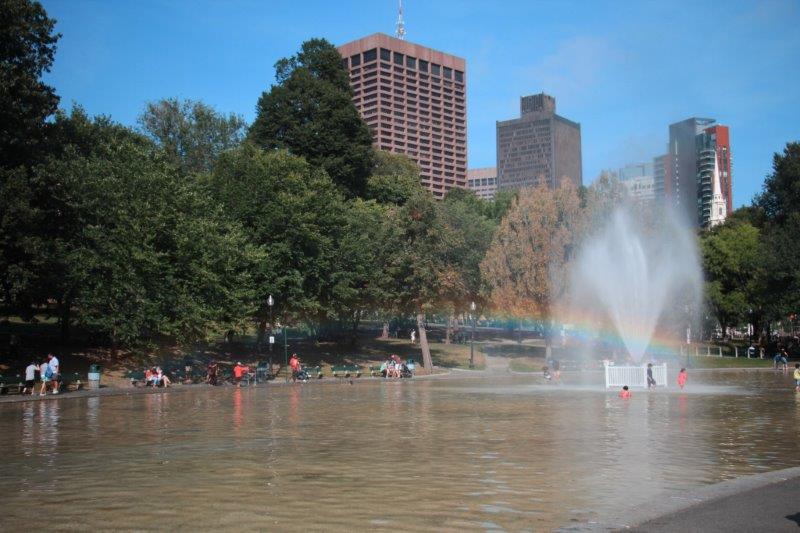
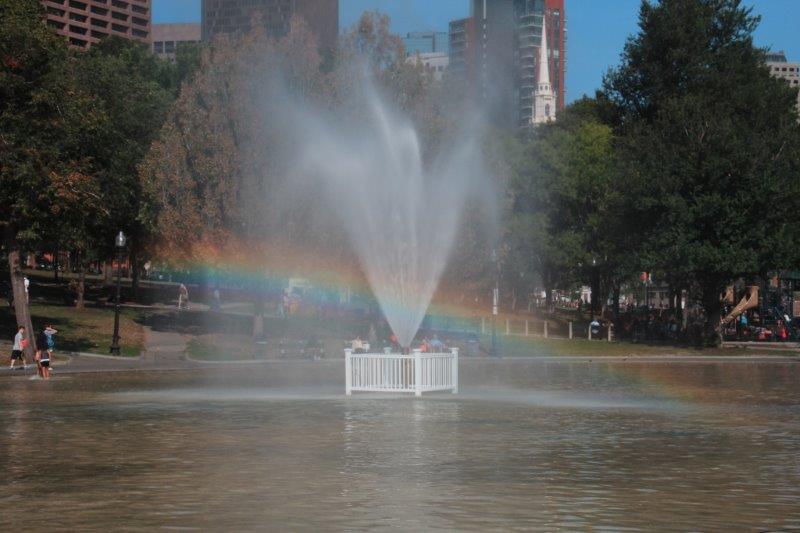
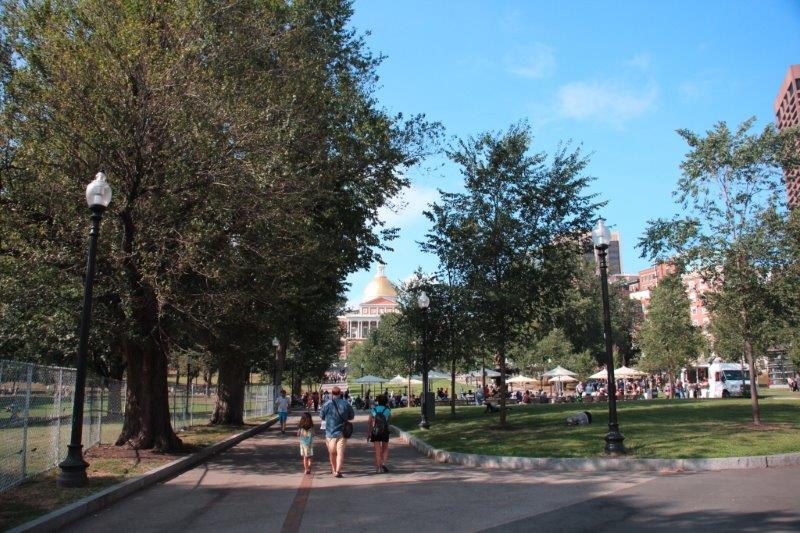
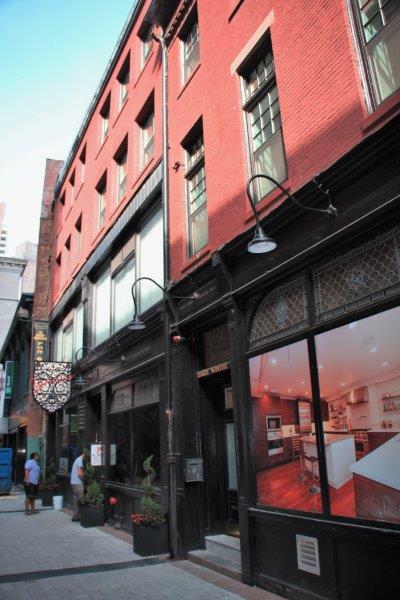
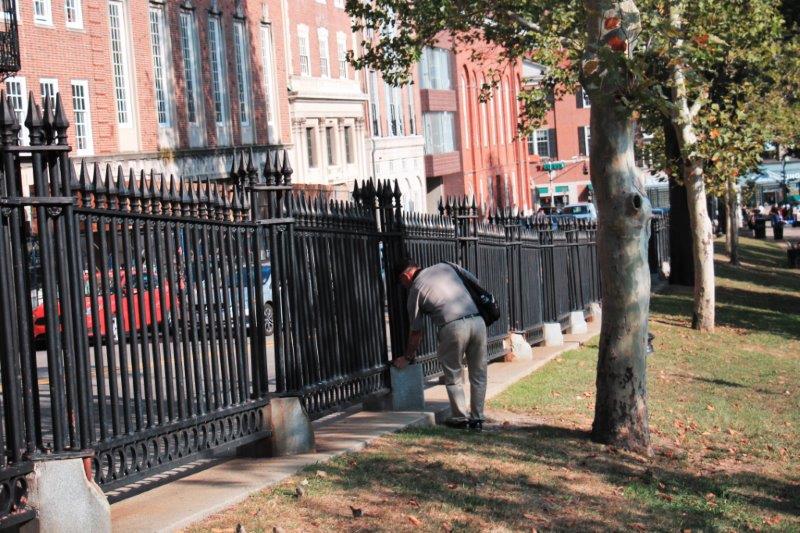
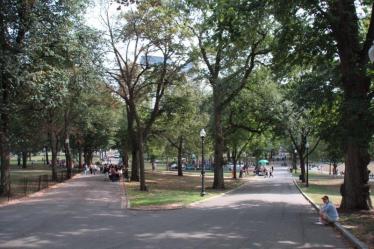
When we left the museum we made our way back to Boston Common and to the back side of the Frog Pond to locate a geo-cache.  We also found a cache down a small semi-hidden street off the very busy pedestrian shopping streets of Summer and Washington.  And a third cache in the fence on Park Street not far from the Shaw Memorial where our day began.
IMG_3090 IMG_3097 IMG_3092 IMG_3101 IMG_3104 IMG_3105 IMG_3108 IMG_3114 IMG_3116 IMG_3119 IMG_3121 IMG_3122


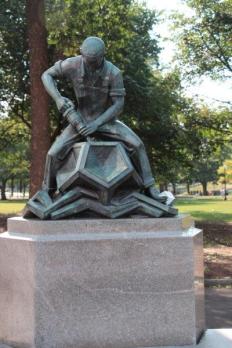
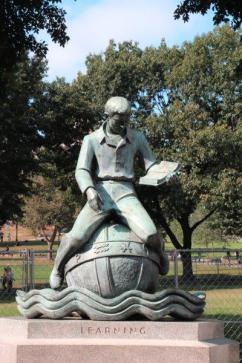
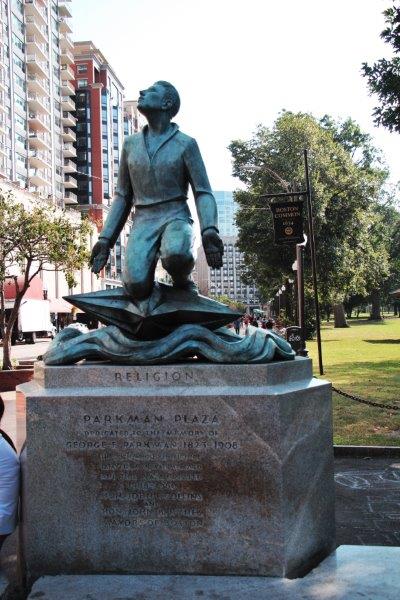
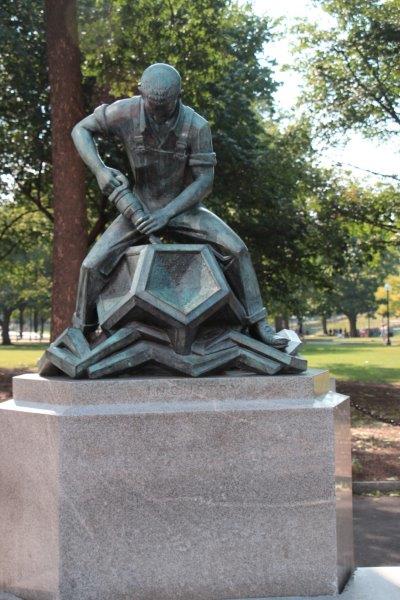
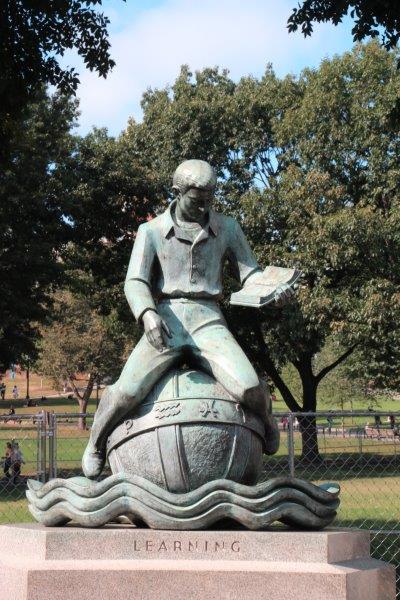
The Puritan ethic – Religion, Industry and Learning.
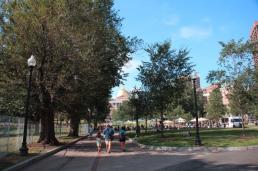
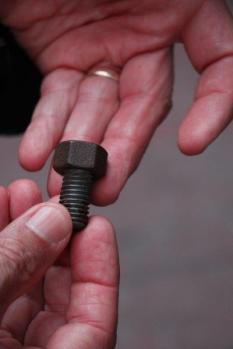
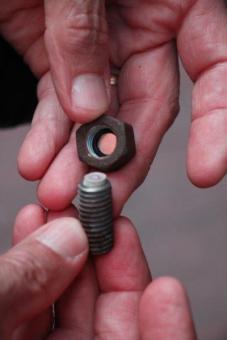
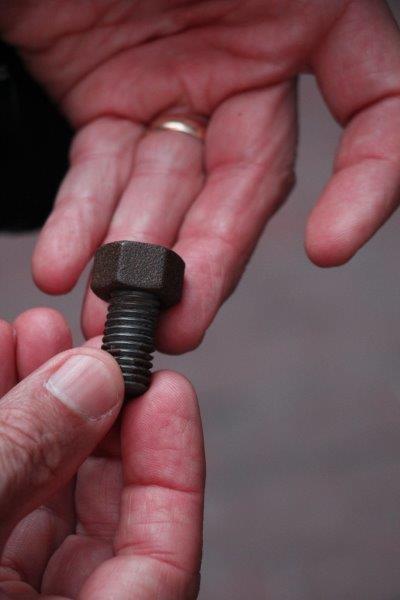
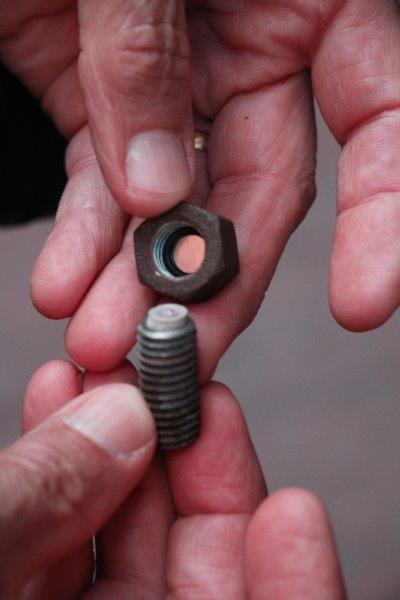
IMG_3125 IMG_3128 IMG_3130 IMG_3131 Now this is a clever container for a geo-cache! IMG_3142 IMG_3155 IMG_3156
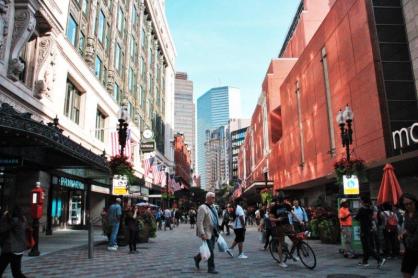
Sometimes you have to have photo ops to disguise your geo-caching.IMG_3158 IMG_3162 IMG_3164 IMG_3168 IMG_3170IMG_3133 IMG_3171
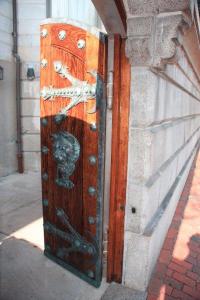
It was a good last day in Boston.  I hate to see it end.  We had a great time here and there is still lots we could see and do.  But I am pleased that we made it through my list successfully.  Early to bed tonight.  We have an 8 am flight to Seattle and need to be at the airport not long after 6, which means a 4:45 wake up.  Yuck.

Thanks for following along on our latest journey.  I appreciate your comments and ‘likes.’  I have fun.  I am glad you do as well.


2015 Sep 3 – Day 41 – Boston Day 6

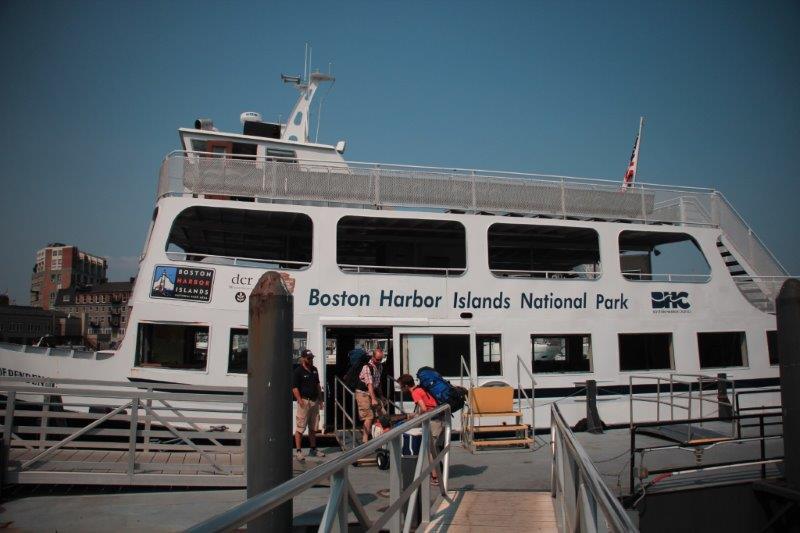
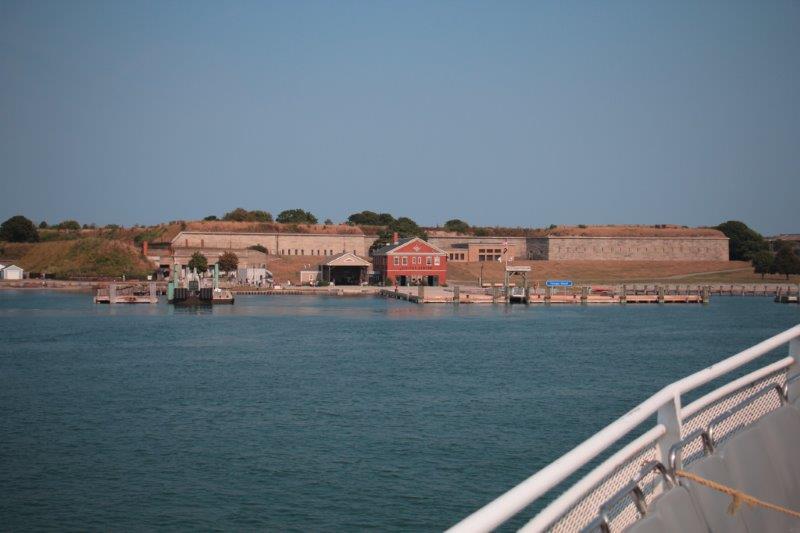
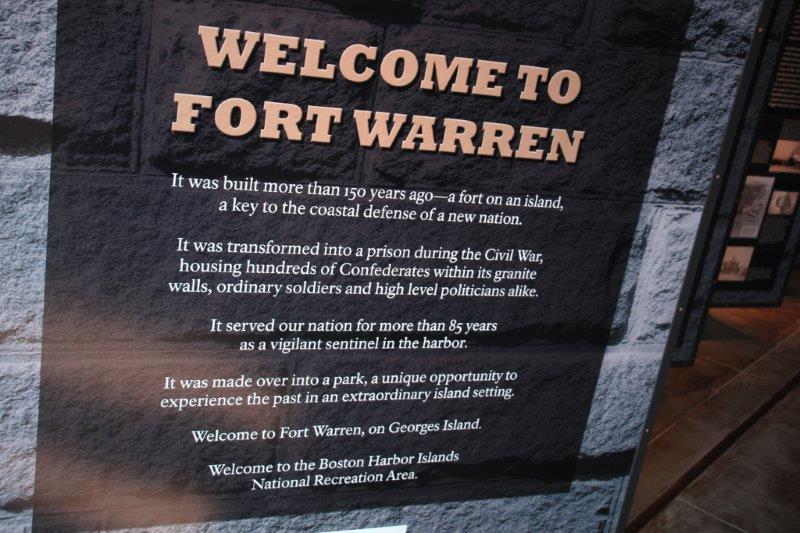
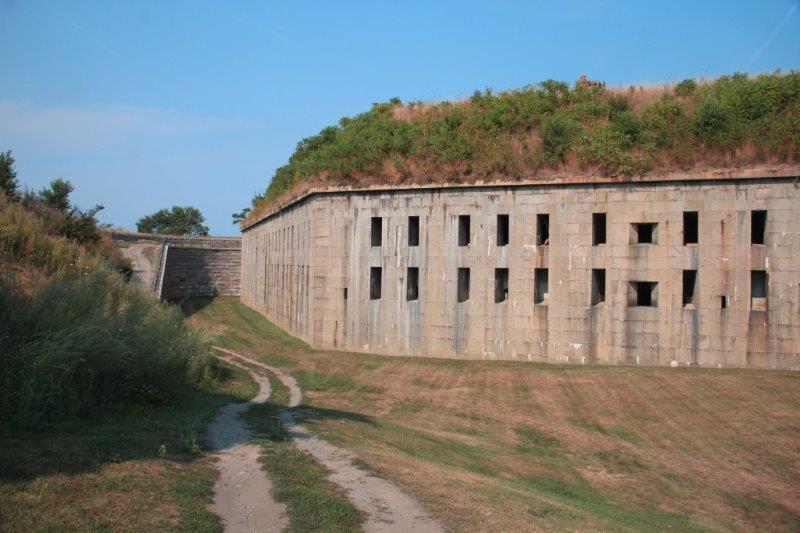
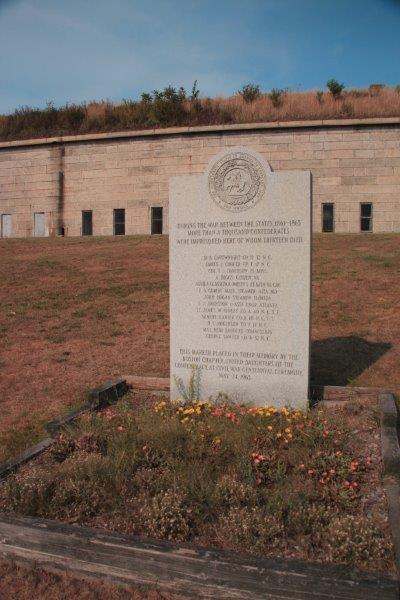
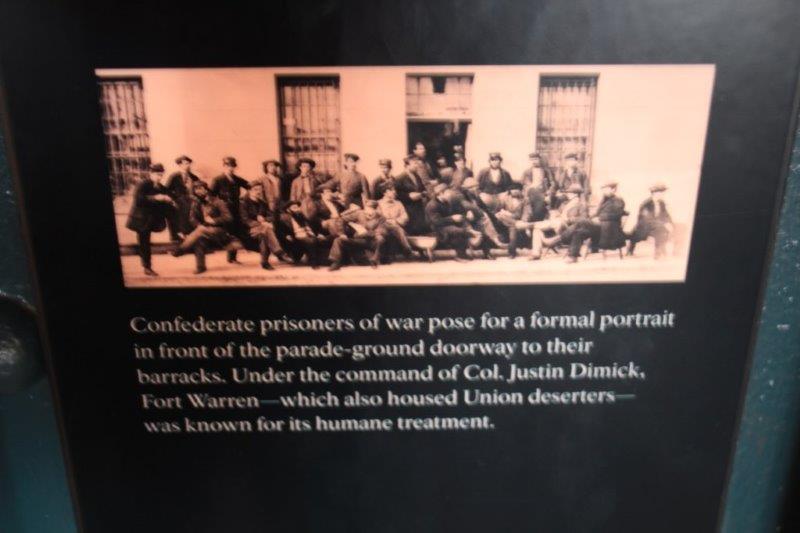
We took it a bit easy today.  We didn’t leave the apartment until 12:30 in order to take the T out to Aquarium station and Long Wharf.  We purchased round trip tickets to Georges Island so we could explore Fort Warren; which was built as a defensive fort for the Boston Harbor but was used during the Civil War for Union prisoners (deserters and dissidents), political prisoners and Confederate POWs..

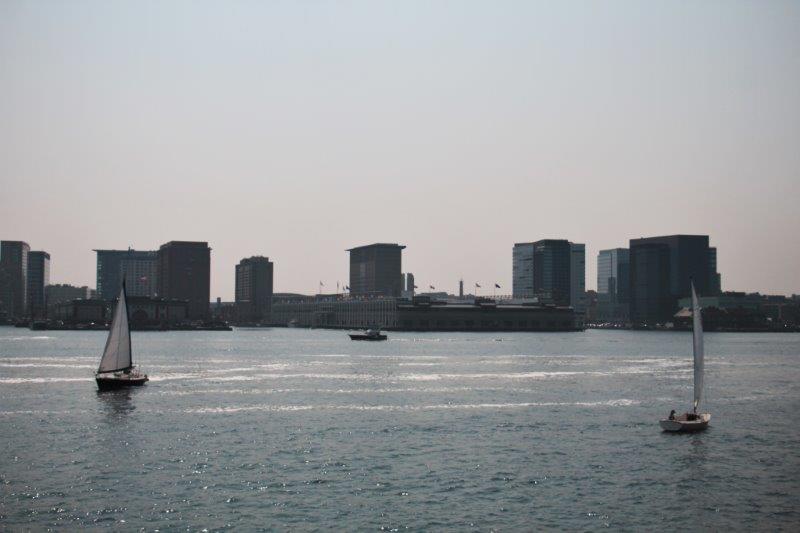
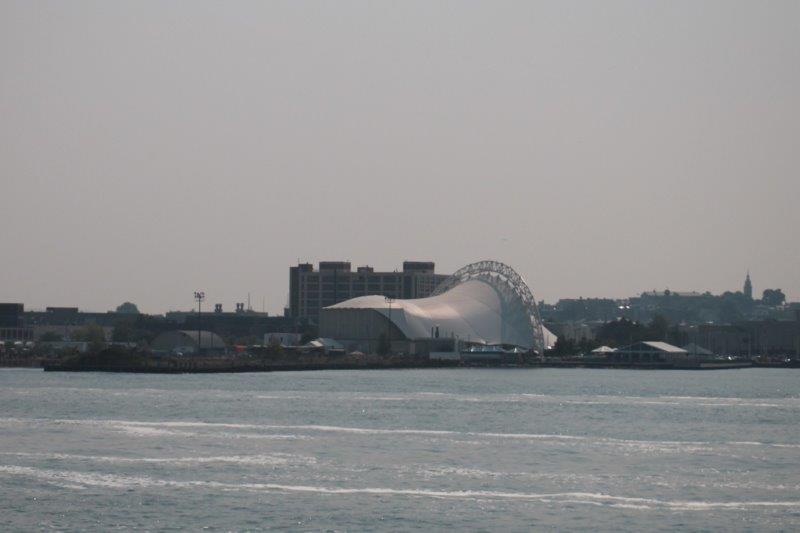
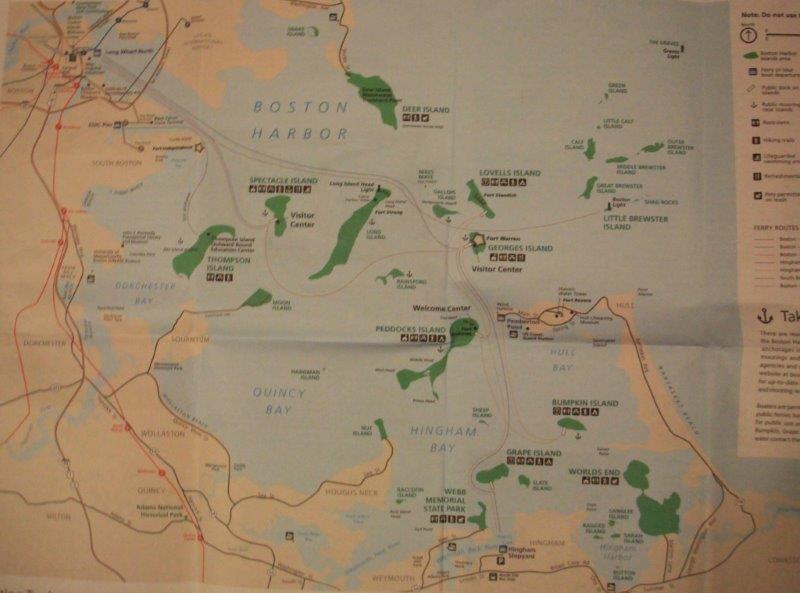
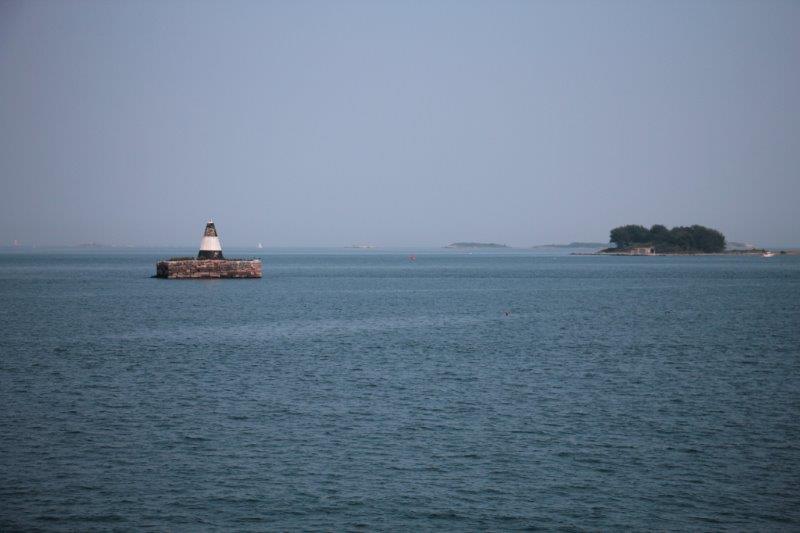
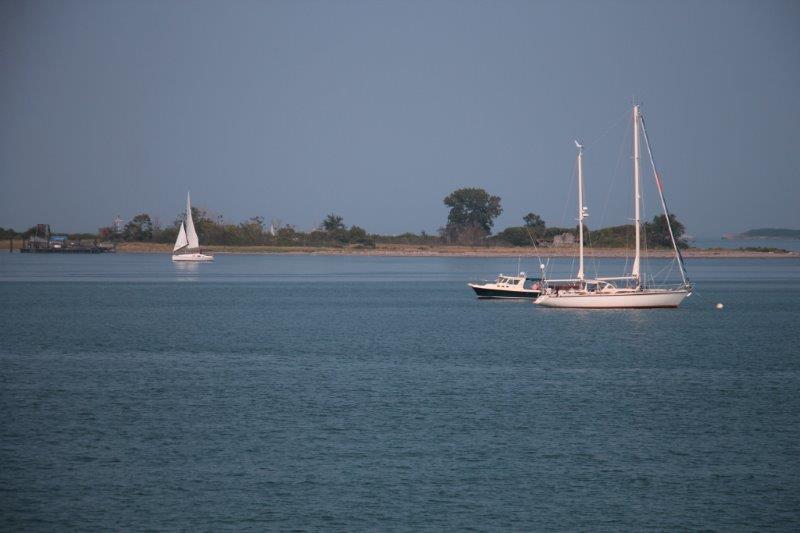
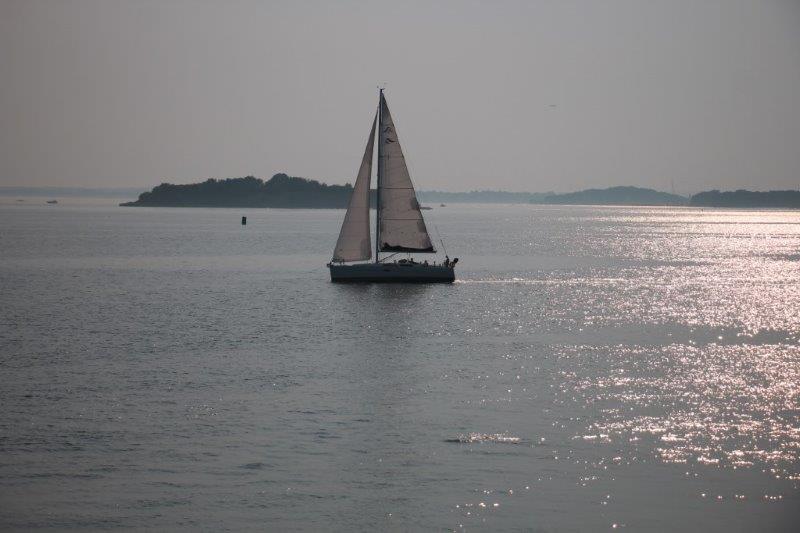
All 34 of the Harbor Islands are part of a joint Commonwealth of Massachuesetts and National Parks initiative.  Six of the islands are not open to the public, but the rest are (access only by boat or ferry) and Boston Harbor Cruises makes regular daily runs from three terminal to the many of the  islands – they have 51 boats of various sizes.  You can even travel inter-island between two or three islands on each route.  We just bought direct to Georges and back to Boston tickets.  The ferry left Long Wharf at 2 and arrived at Georges at quarter to 3.  The boat only goes 10 knots top speed so it was a pleasant, leisurely ride;  another lovely day, although the air was distinctly more hazy today.

IMG_2885 IMG_2886 IMG_2888 IMG_2889 IMG_2890 IMG_2892On board was a Park ranger who gave us a commentary on all of the islands we were passing.  Along the way she gave a lot of interesting Boston information some of which I am going to relate first.

When the Puritans arrived the area of Boston was a small penninsula.  In order to make room for the many immigrants expected to arrive to settle the new land they carved the tops of Boston’s three hills-Copps, Breed and Beacon. The dirt was used as fill at the shoreline between long wharfs to make more land; thus creating the term wharving.  This eventually  quadrupled the size of Boston and today 75% if the city is on man-made land.

Boston’s number one export is scrap metal.

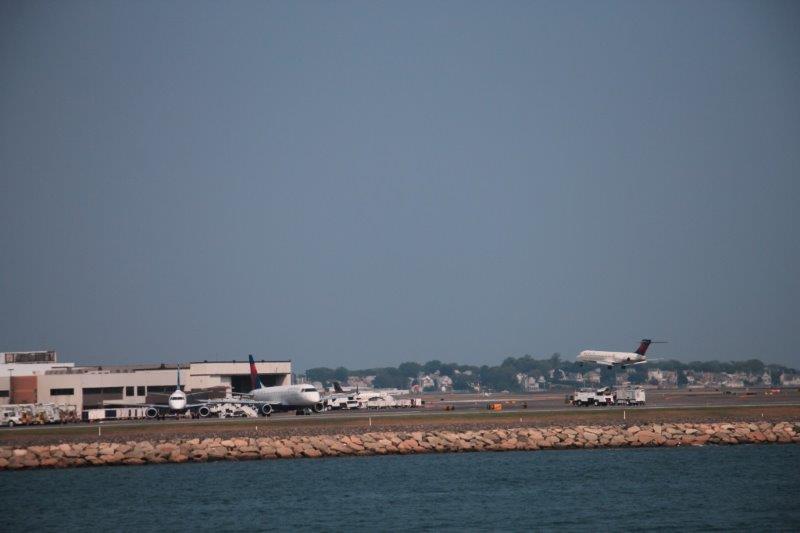
Logan Airport is located on 2400 acres of man-made land incorporating three small islands that used to be out in the bay: Governor, Bird, and Apple (Johnny Appleseed was from Boston),

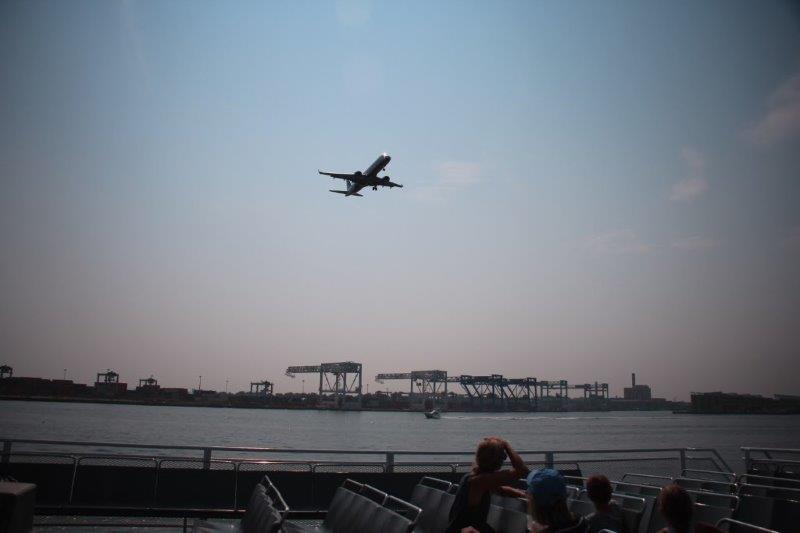
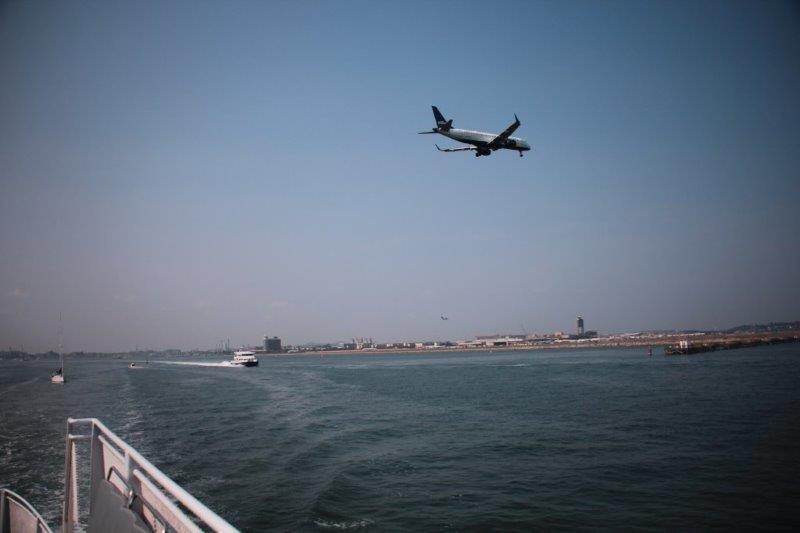
IMG_2895The harbor is on the direct landing flight path at Logan and about 10 planes landed – descending directly over the ferry – in the time it took to putt-putt past the airport area.

IMG_2897 IMG_2899 IMG_2903Boston was divided by Interstate 93 and in 1982 plans were drawn up to move the highway underground and make a tunnel under the shallow Inner Harbor directly out to Logan Airport – the Central Artery/Tunnel Project known as The Big Dig – 5.6 km or 3.5 miles long.  It is the most expensive highway project in US history and was (according to Wikipedia) “plagued by escalating costs, scheduling overruns, leaks, design flaws, charges of poor execution and use of substandard materials, criminal arrests and one death.”  The project was begun in 1982 and scheduled to be completed in 1991 at a cost of $2.8 billion dollars.  However, with all of the above, it was not finished until 2007 and cost $14,6 billion a 190% overrun which with interest added will top out at $22 billion by the time it is paid off in 2038.

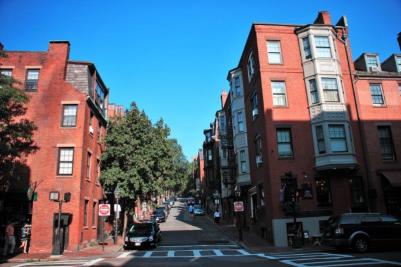
Plus an observation of my own.  Boston has a traffic/pedestrian crossing system different than that of everywhere else we have been.  Both directions of traffic at a intersection alternately get green lights to go while pedestrians are stopped on all four sides.  Then the cars are all stopped and all four pedestrian crossings have walk signals.  I guess too many people were getting hit by right turning cars or something.  It works well though.  And off course you can always cross when the oncoming lane has a red if there is no one coming or you can at least get to the middle divide and then wait for the walk.   That works too.

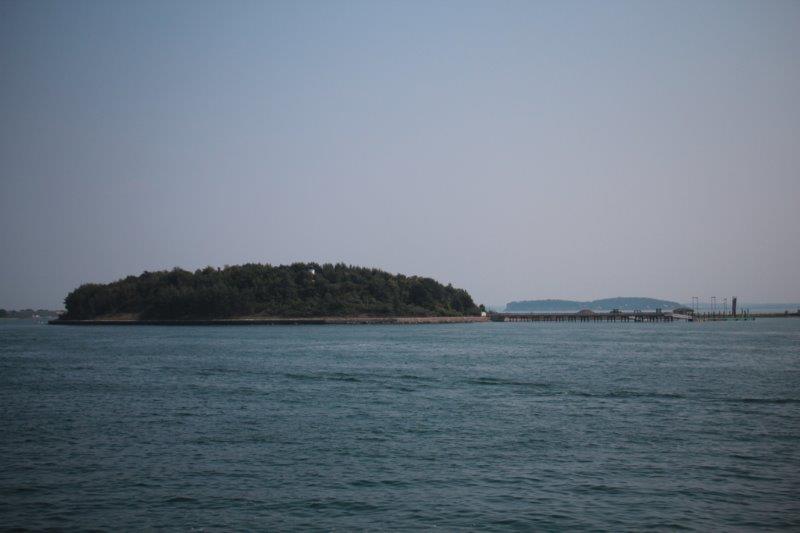
IMG_2999Harbor Islands:  The first we passed was Spectacle Island.  It was a smallpox quarantine island.  Also had three illegal hotels on it at one point.  Later it had a soap rendering business using the carcasses of 45,000 horses annually (they offered a pick-up service if your horse died). In the 1920’s it became the city garbage dump and continued as such for 50 years.  There were firefighters stationed on the island to deal with the frequent fires from the methane gas produced by all the trash.  They used the dirt from the Big Dig to cover the trash, extinquish the fires and build up the island so it has hills on it today. It is a favorite for camping and has a lovely beach.

IMG_2901

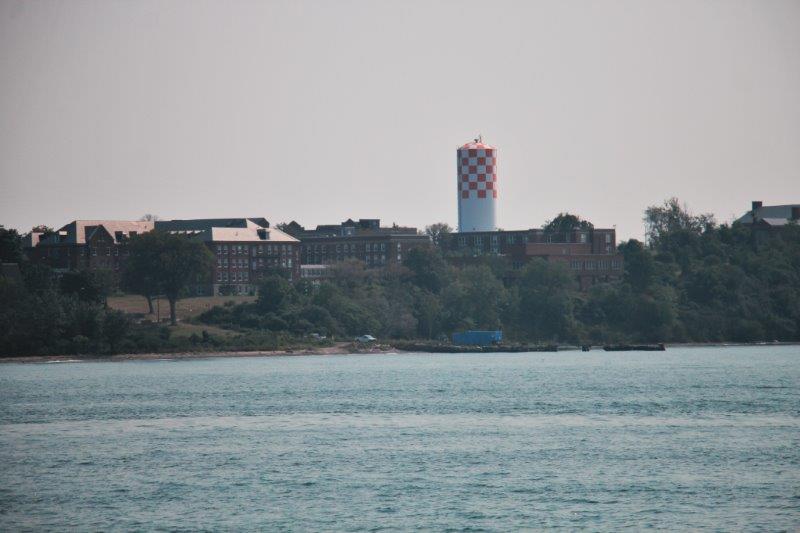
Long Island was next.  Most recently the brick buildings were homeless shelters and a rehab center  but the bridge connecting the island to the mainland was so unsafe it was dismantled this past winter – making 300+ homeless people find somewhere else to shelter.  Quite a controversial decision.

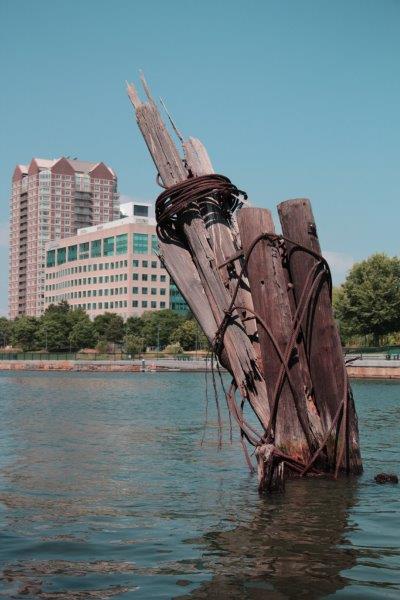
IMG_2907As we passed we could just make out the pilings on the right where the bridge used to be but it was too hazy and far away for a photo.

She told us things about some of  the other islands as well but I didn’t make notes of it all so you are spared.
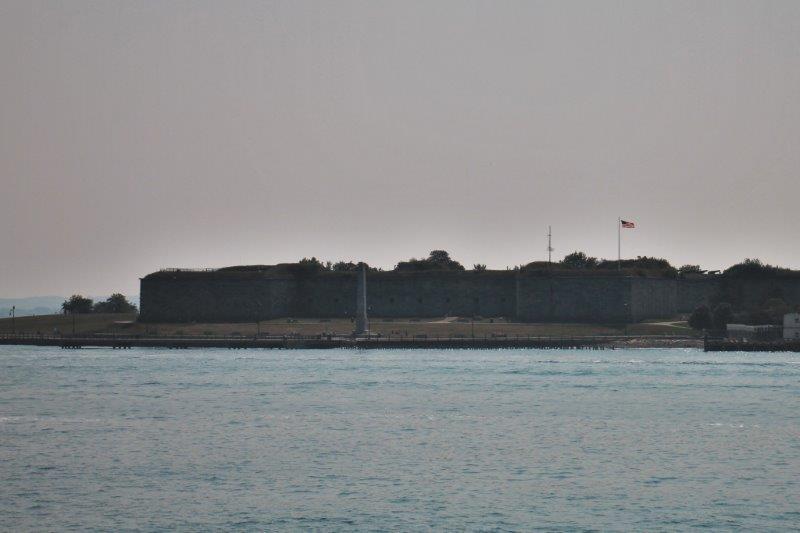
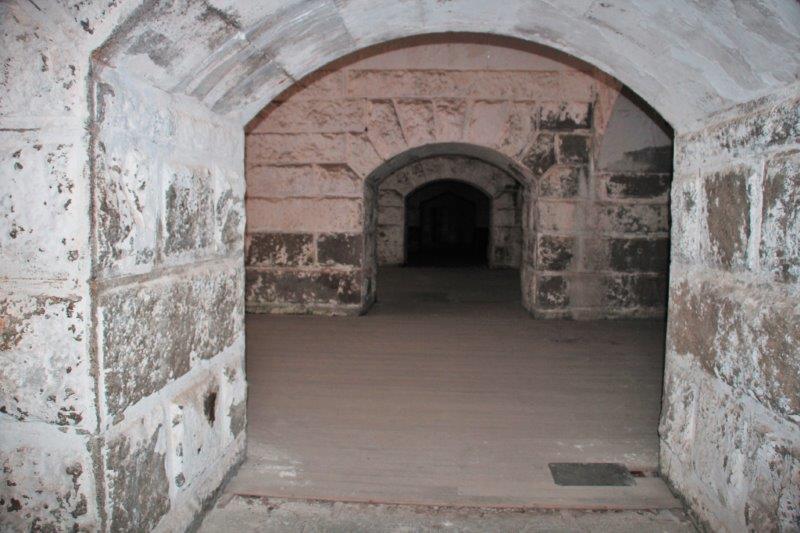
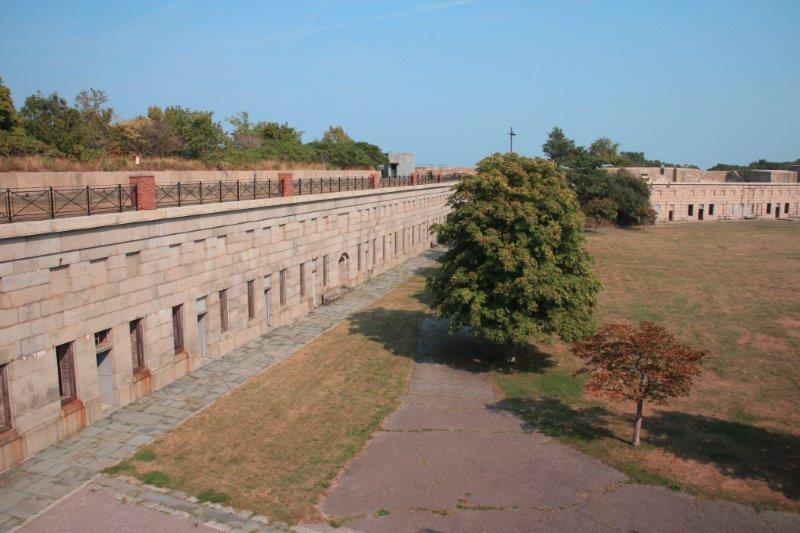
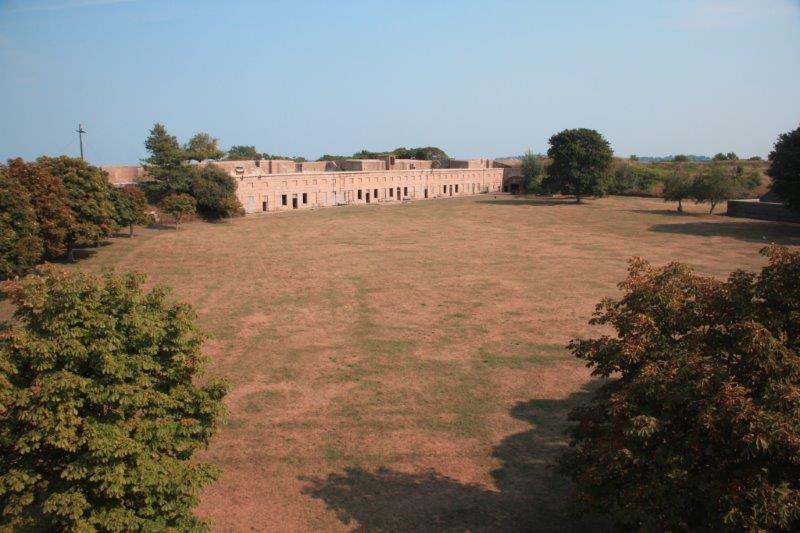
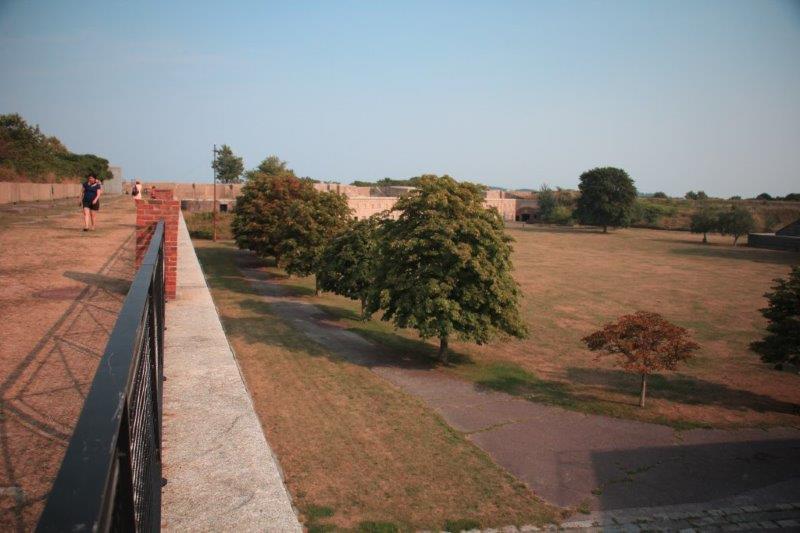
IMG_2910 IMG_2912 IMG_2914 IMG_2915 IMG_2918When we arrived at Georges we were just in time for a Park guide to give a 45 minute tour of the fort.  It was built after the war of 1812 when the British invaded and got as far as burning down the White House.  Clearly some stonger shoreline defenses were needed.

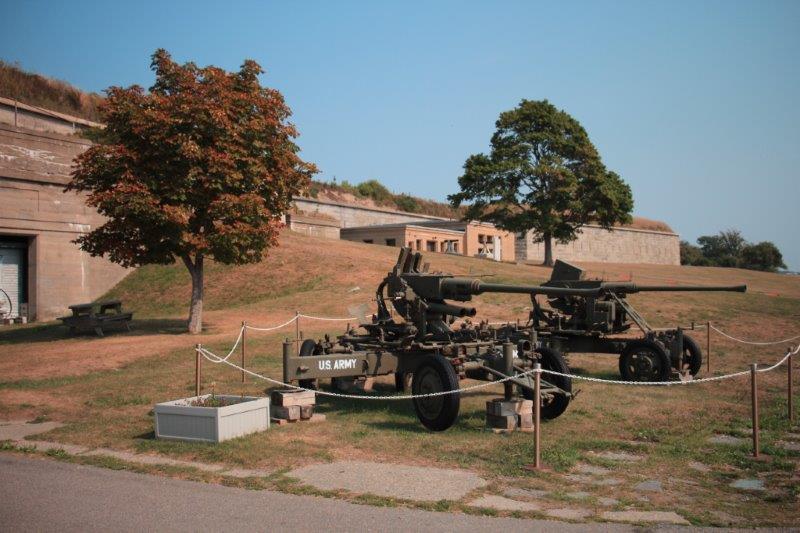
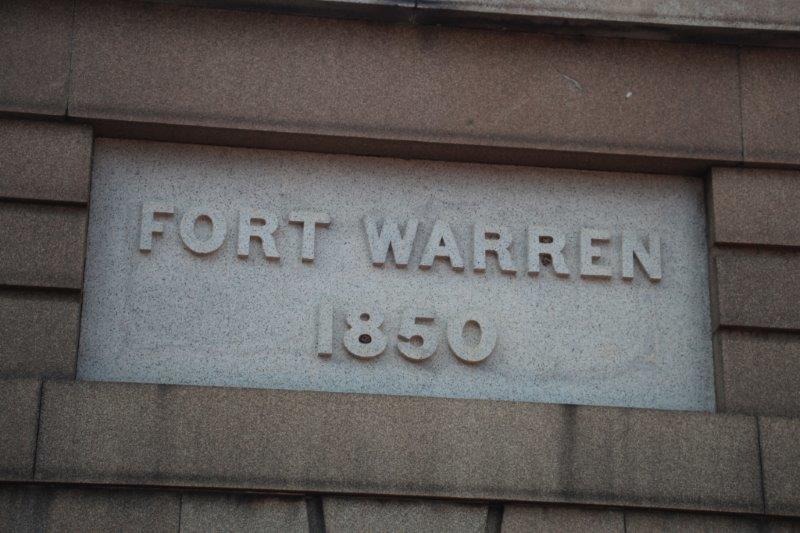
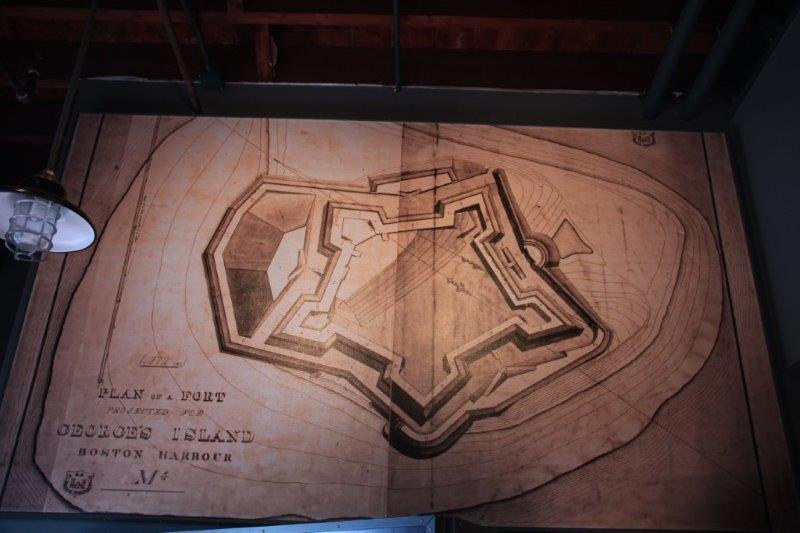
The fort was started in 1832 and the keystone was laid in 1850.  However the fort was not actually completed for another 10 years.  It’s weaponry was periodically updated as new innovations in firepower were available and the fort was used as a training ground during the Spanish-American War, WWI and WWII.  It was de-commissioned in 1950 and purchased by the Commonwealth of Massachusetts for $5,400 in 1958.  It is listed on the US Heritage Properties list and is now run and maintained by a joint Massachusetts  and National Parks co-operative.

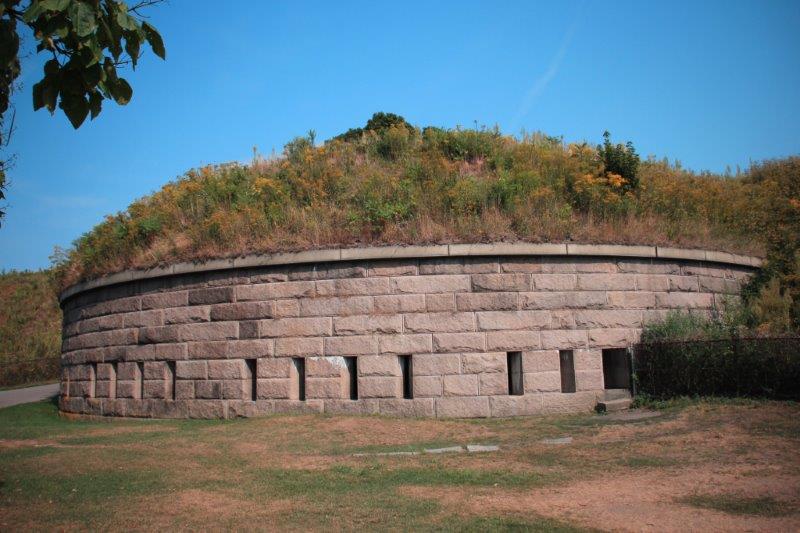
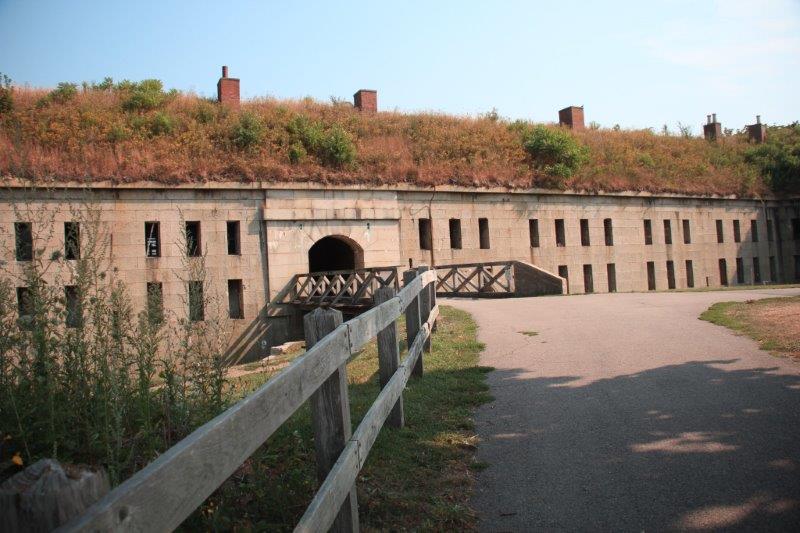
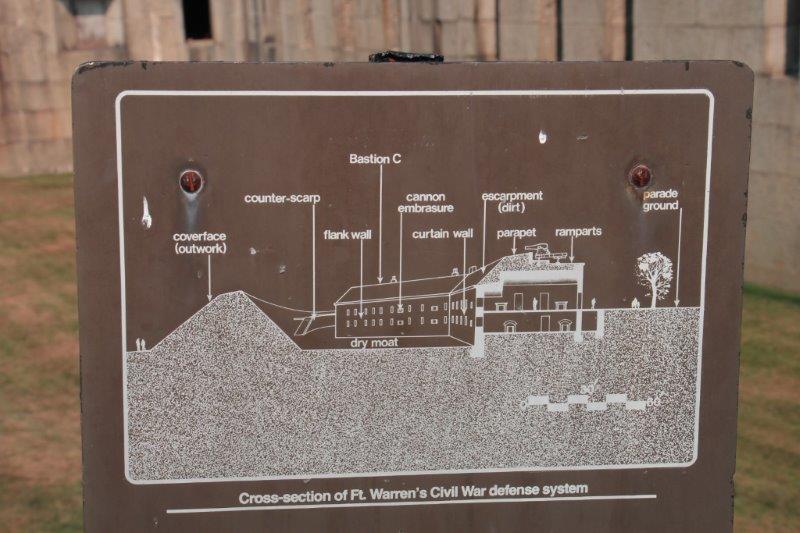
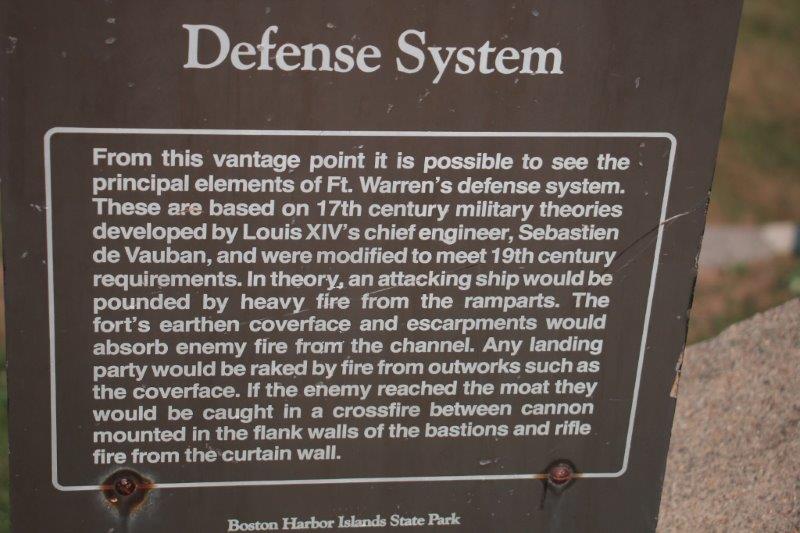
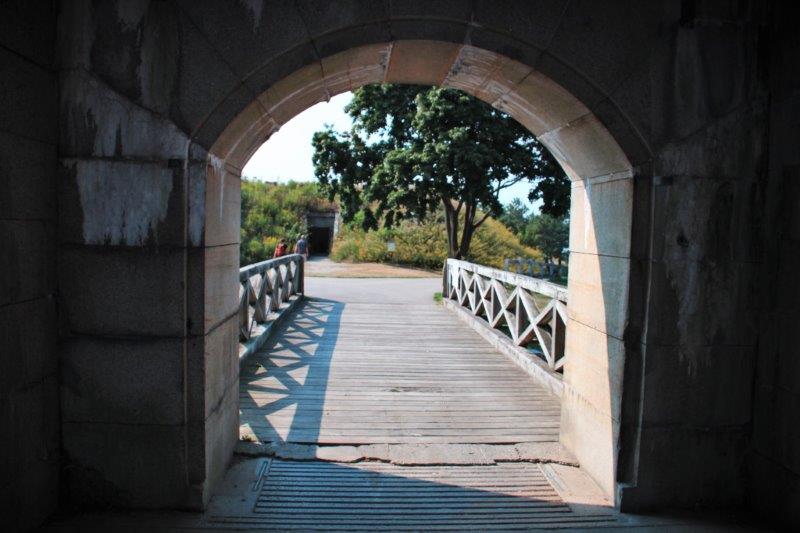
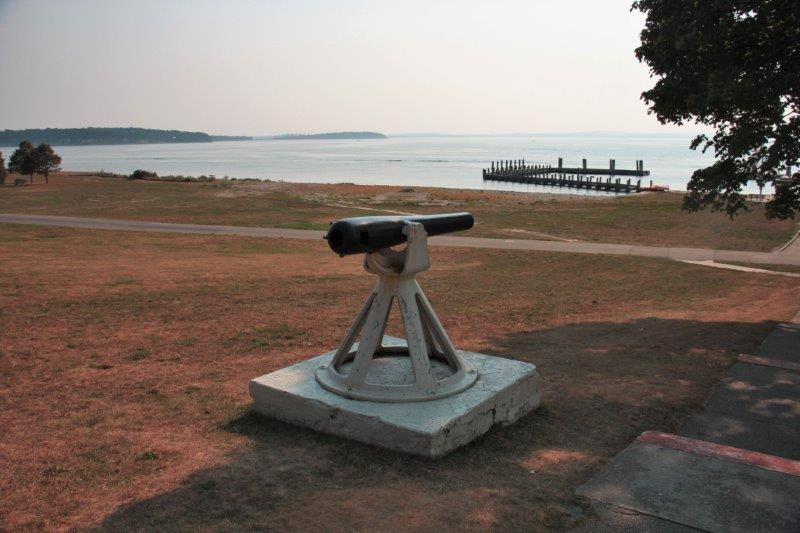
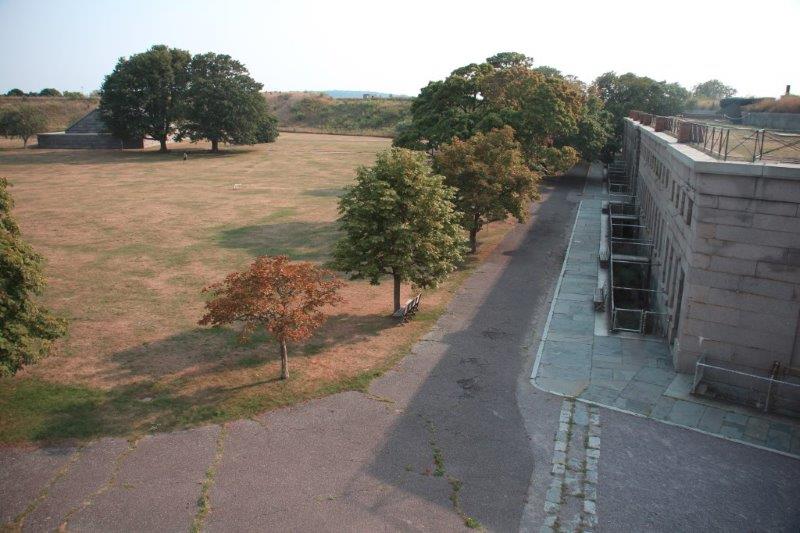
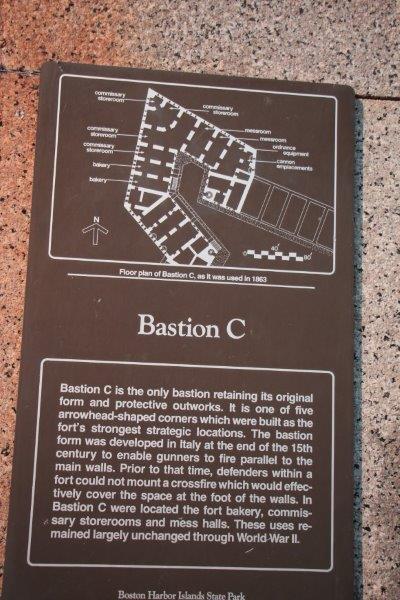
IMG_2920 IMG_2925 IMG_2926Back in the day, before the harbor was dredged the only access to Boston was through a narrow 1500′ wide channel between Georges Island and Lovells Island.  This made Georges an important defensive property and it is big enough to have a fort.  All the granite, stone and other materials were brought by barge from nearby quarries and factories.  All the ancient defense mechanism developed over the centuries for this type of structure were employed; drawbridge, porticullus, earthworks hiding the structure and covering the roof to absorb cannon fire, arrow slits (muskets), etc.  The fort never saw action in defense or offense and eventually the armaments outpaced the fort’s ability to adapt and it was de-commissioned.
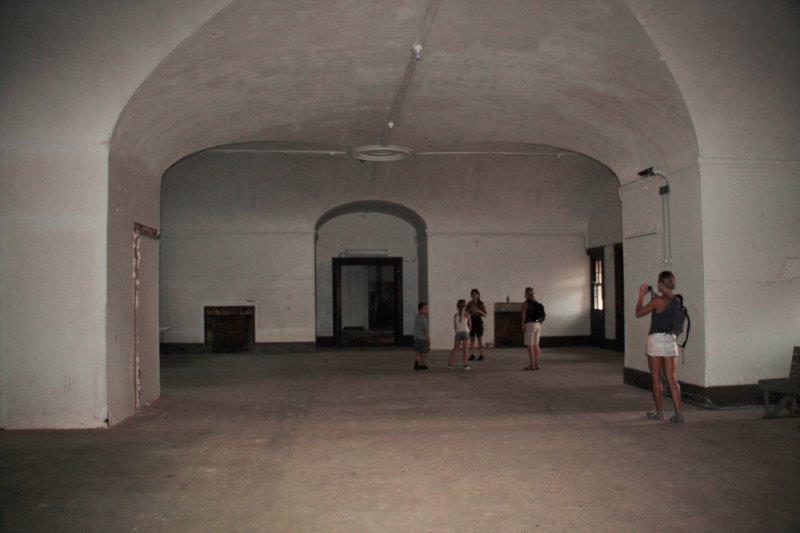
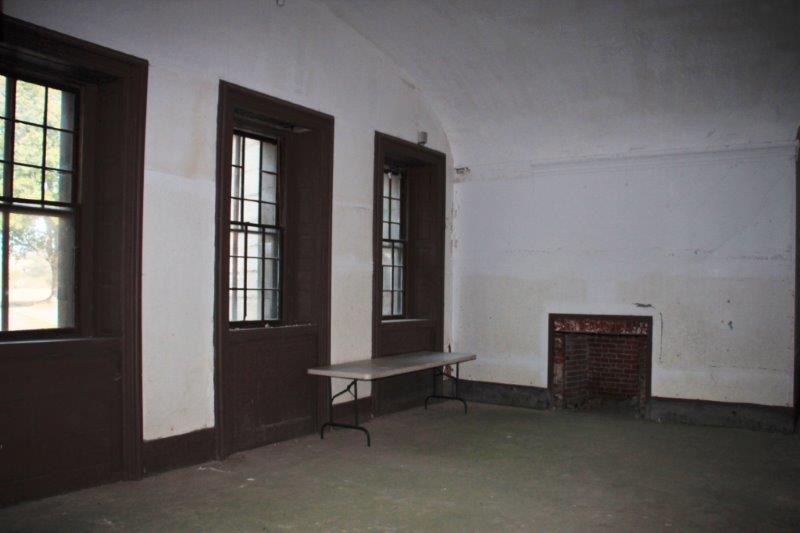
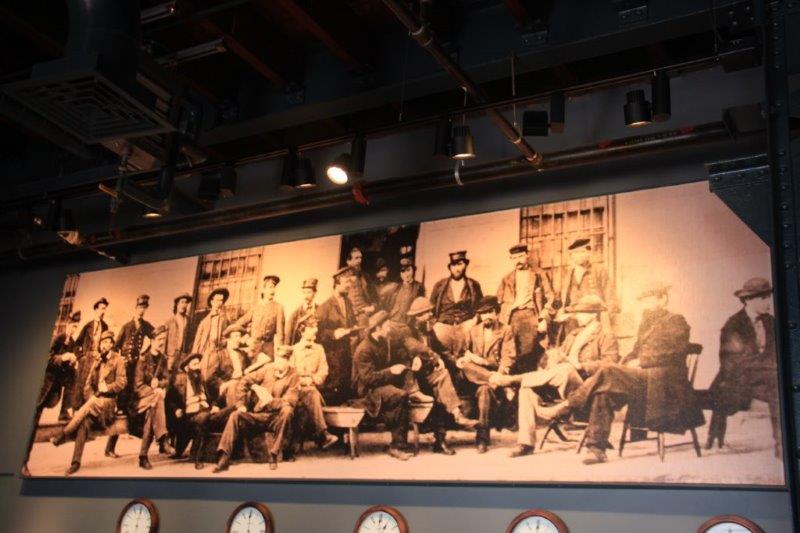
IMG_2982When the fort became a POW camp during the Civil War the prisoners were treated very well by the camp officer.  He had gone to West Point so many of the captured Confederate officers were former friends of his.  He treated them well with good food, medical care and recreation.  And since the fort had not been built as a prison and had to be adapted to be one many of the ‘cells’ were quite spacious and comfortable.  He  also hoped that if any Union men were caught by the Confderates they would likewise be treated well.

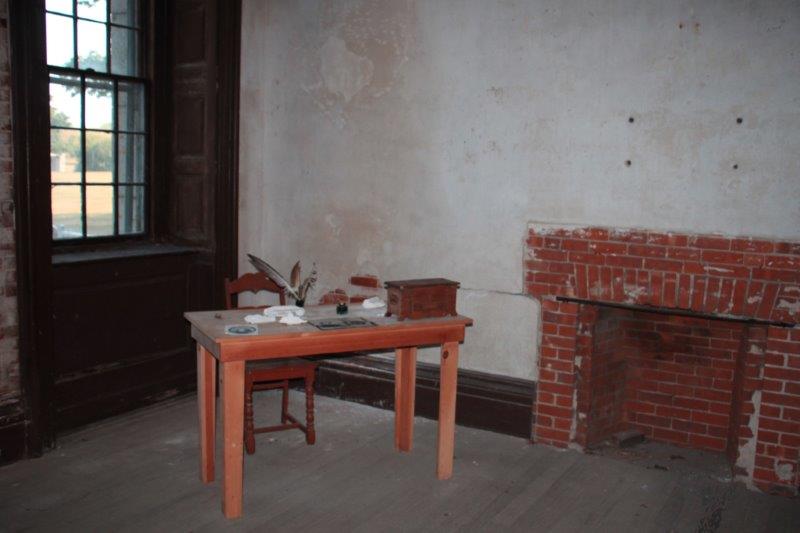
IMG_2928 IMG_2930 IMG_2931 IMG_2932 IMG_2933 IMG_2934 IMG_2935 IMG_2938 IMG_2939 IMG_2941Former officers quarters used to house two Confederate prisoners. They had another room that was divided to get each a private sleeping area.IMG_2950

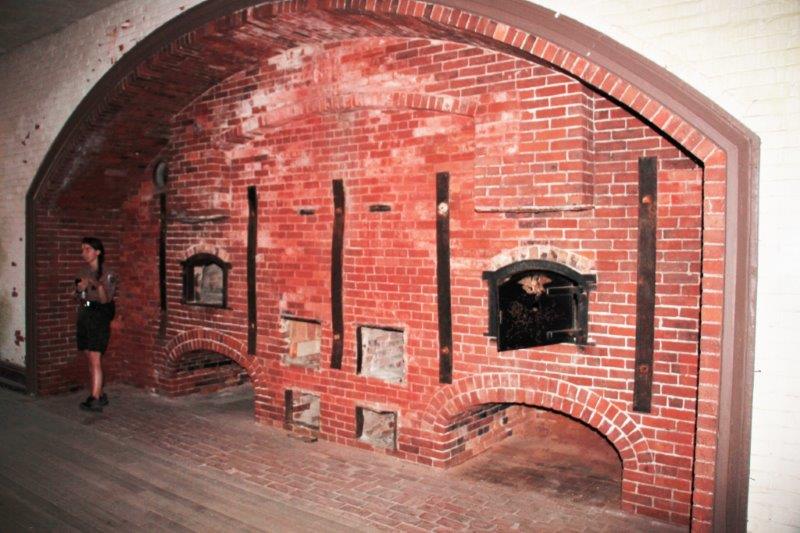
The bakery.  They baked 1300 loaves of bread each day while it was a prison.IMG_2951 IMG_2953 IMG_2955 IMG_2956 IMG_2957IMG_2959

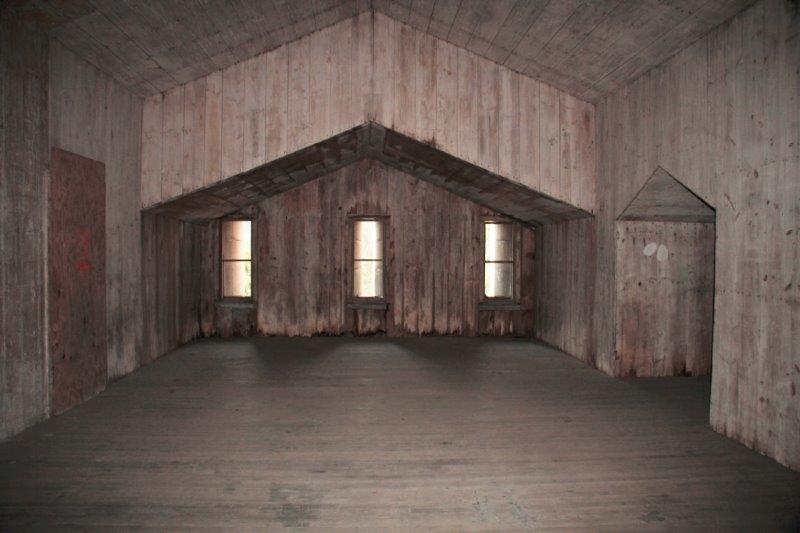
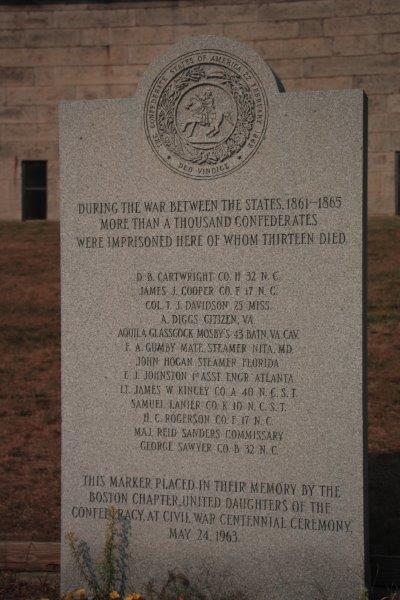
IMG_2961 The hospital wing.  They had beds for 30 patients and two doctors who were prisoners (one Union, one Confderate) helped care for the sick or injured.IMG_2962 IMG_2963 IMG_2964IMG_2965There were only 13 deaths during the years Fort Warren was a prison and all of the men had arrived  sick and succumbed to their illnesses after being sent to the fort.IMG_2969 IMG_2973

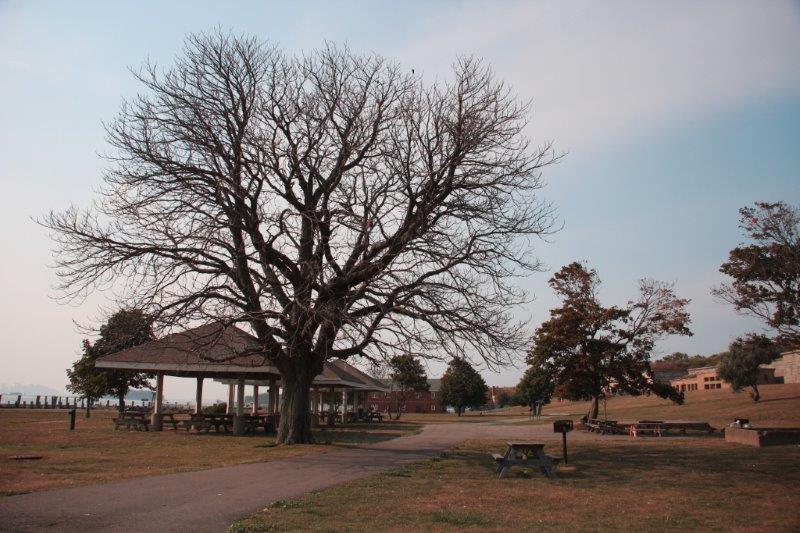
You would never know there is a fort and parade ground on the other side of the bank.IMG_2974 IMG_2975 IMG_2977 IMG_2979 IMG_2993 IMG_2995 IMG_2996

The last ferry left the island at 5 and we were back at Beacon Hill by 6:30.  We had dinner at a restaurant down the street and then returned to the apartment. Tomorrow is our last day and I have only one thing left on my To Do list.

IMG_2997


2015 Sep 2 – Day 40 – Boston Day 5

According to the data generated at the Human Life exhibit at the Museum of Science yesterday my normal walk burns 95 calories per mile.  John’s walk is better – he burns 122 calories per mile.  (We also learned he has a high foot arch, I have a normal one, neither of us chooses more food just because the selection is larger, my hands drop 3 degrees in a minute when cold; John’s only drops .7 of a degree.)

Today we must have walked off the calories consumed in our Dunkin Donut lunch.  We walked almost continuously from 10:30 am until we got back to the apartment at 6:30.  Once again, my feet hurt – but not as bad as the other day thank goodness.

My ‘to do’ list of sites in Boston included several things in Back Bay. Boston is made up of smaller districts: Charlestown across the river (USS Constitution and Navy Yard), North End (Italian section, Paul Revere’s House, Faneuil Hall, etc), Government Center (Mass. State House), Financial District (self explanatory), Chinatown (ditto), Boston Common, West End,  Beacon Hill, Back Bay and Fenway.   Back Bay is the new money area. Beacon Hill is the old money.

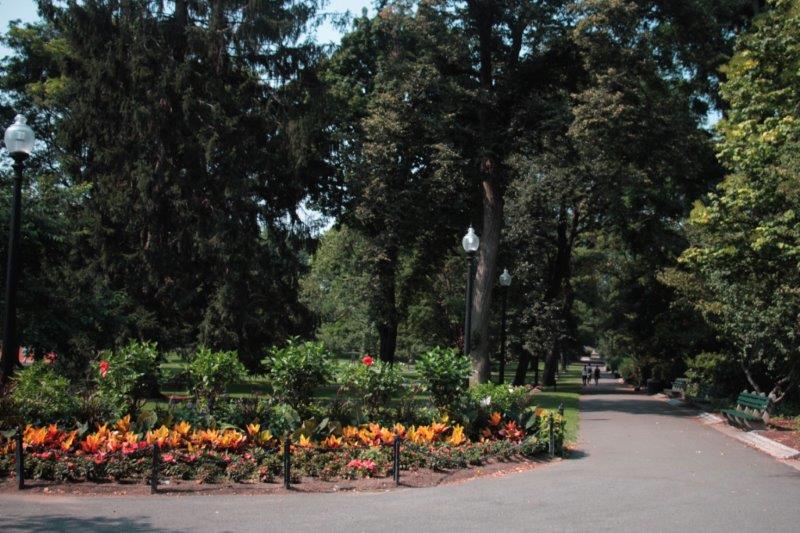
We decided to walk over to Back Bay and go through the Boston Public Garden on the way rather than take the T.   That enabled us to meander and make a few detours.  The Public Garden is beside Boston Common but is much newer; having been established in 1837; 203 years later than the Common (1634).

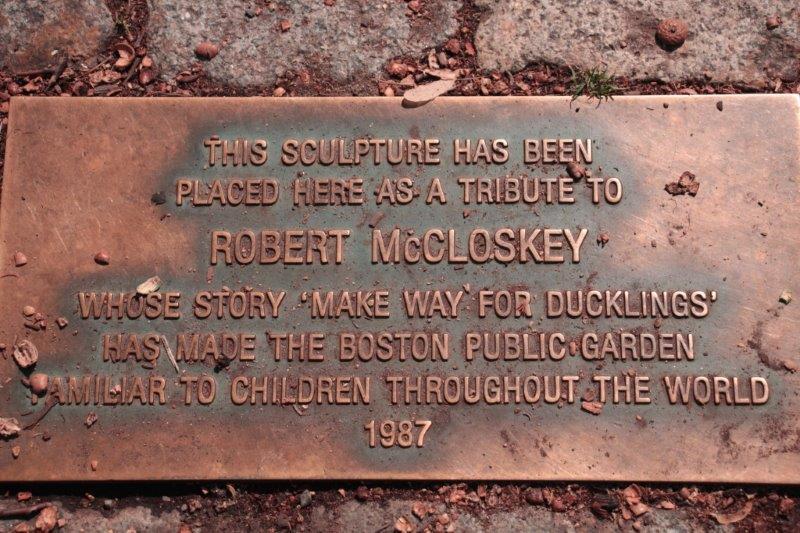
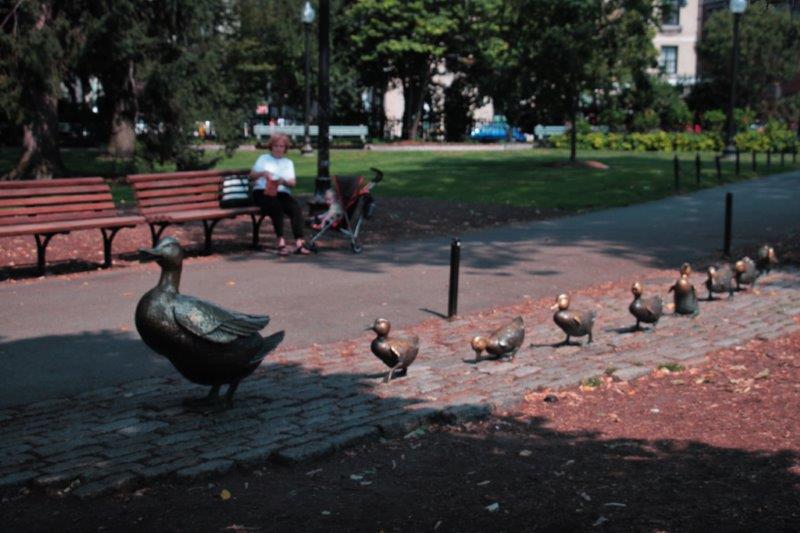
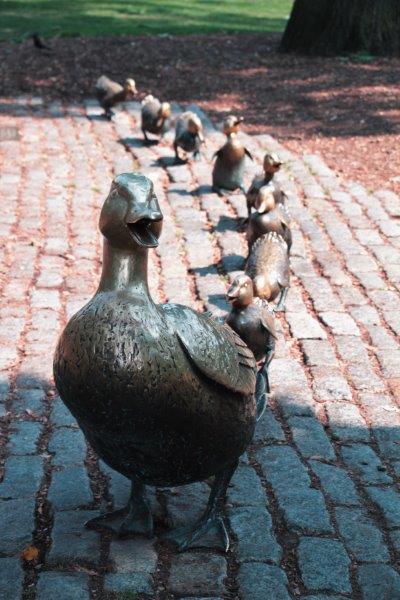
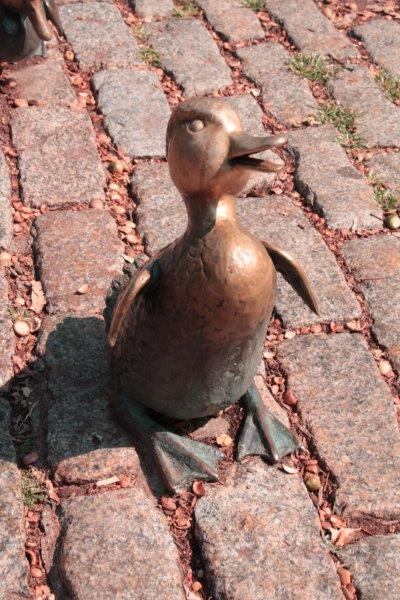
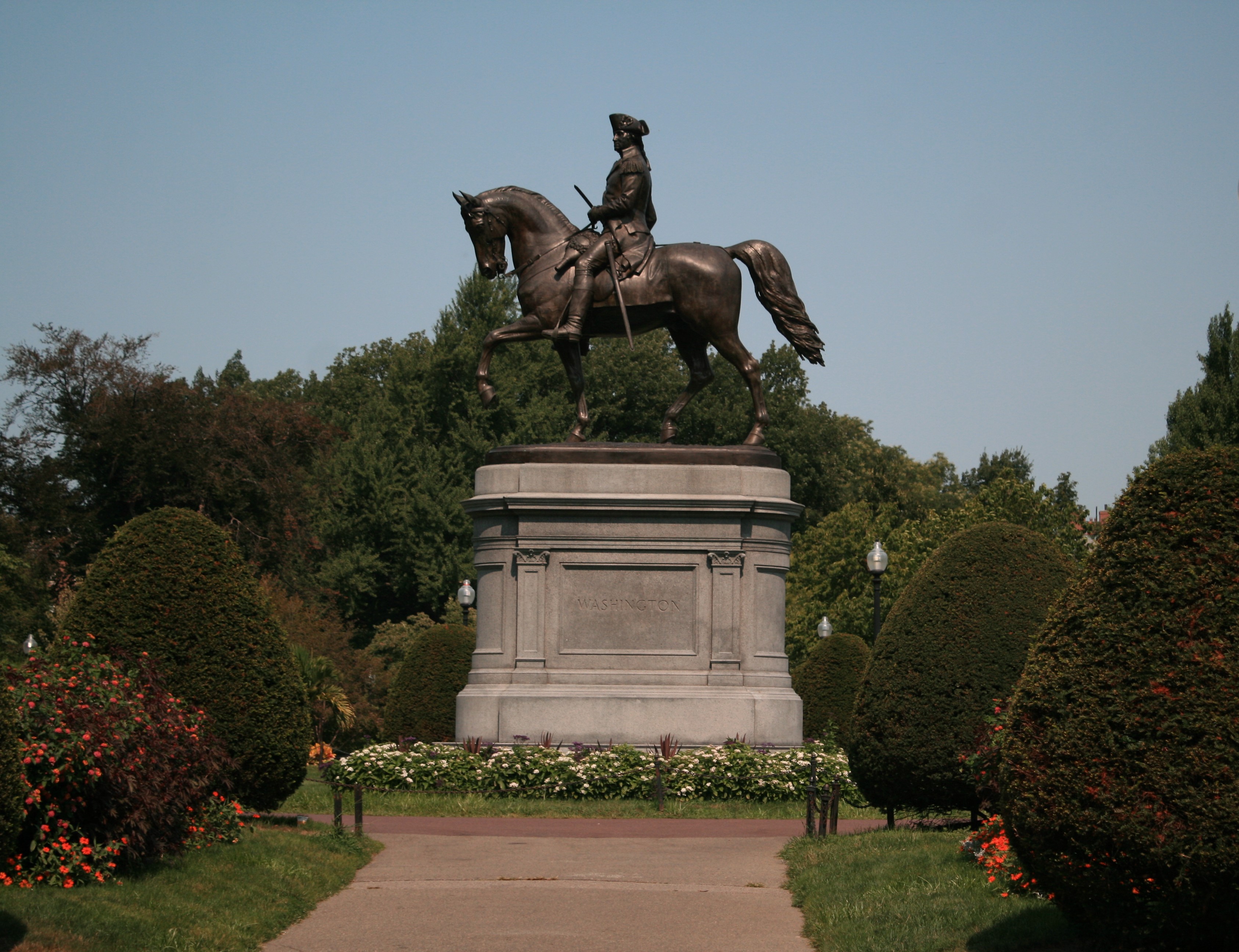
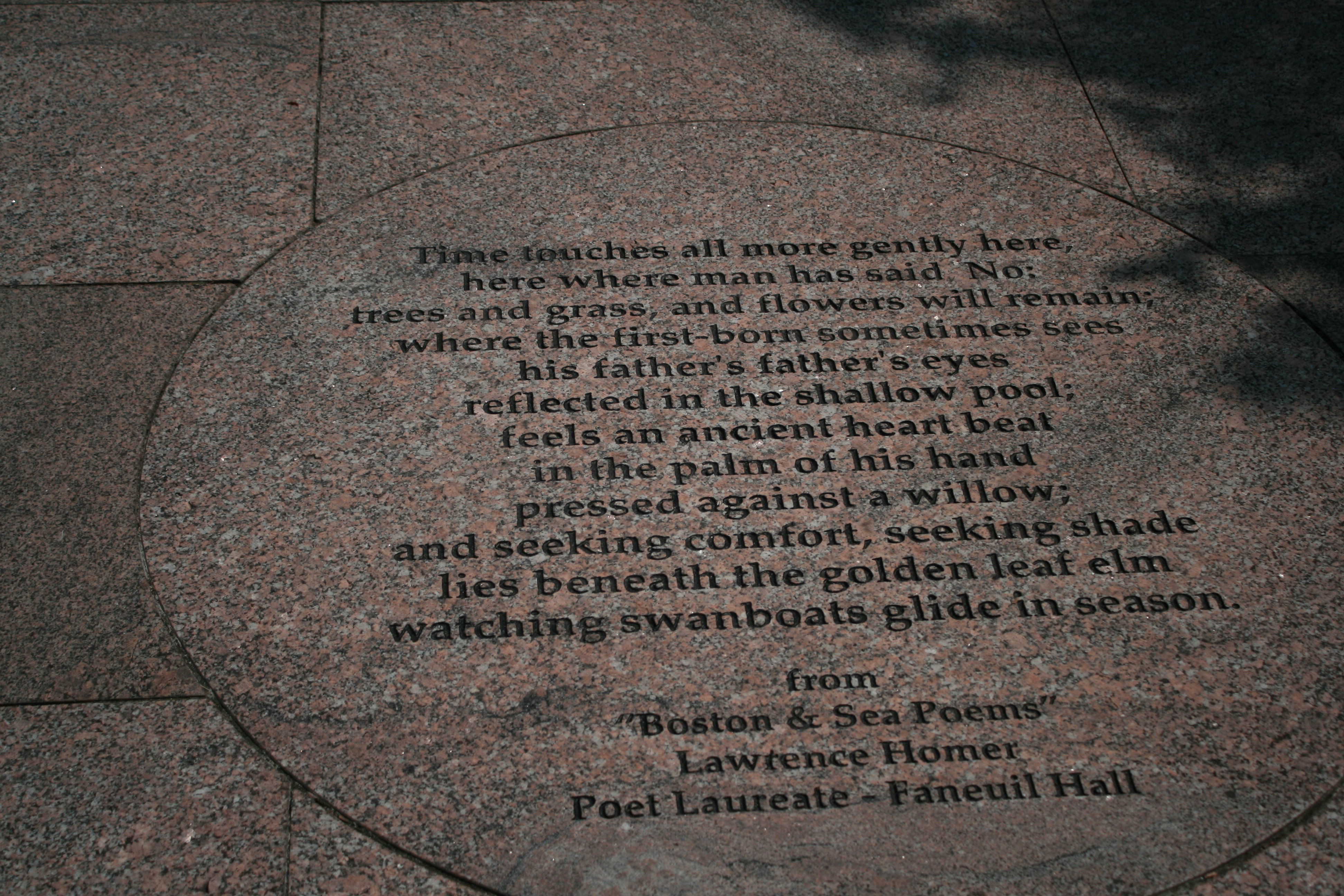
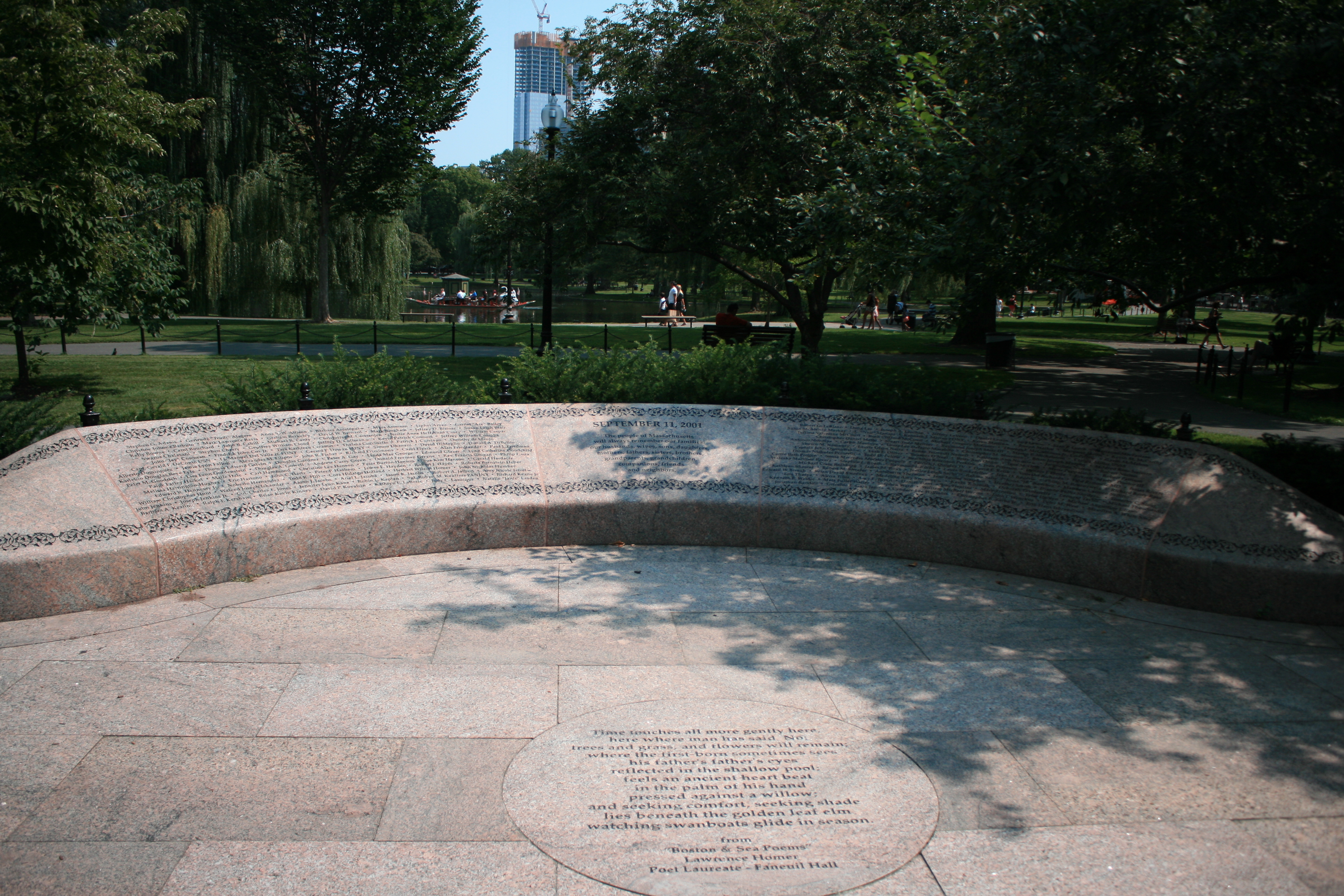
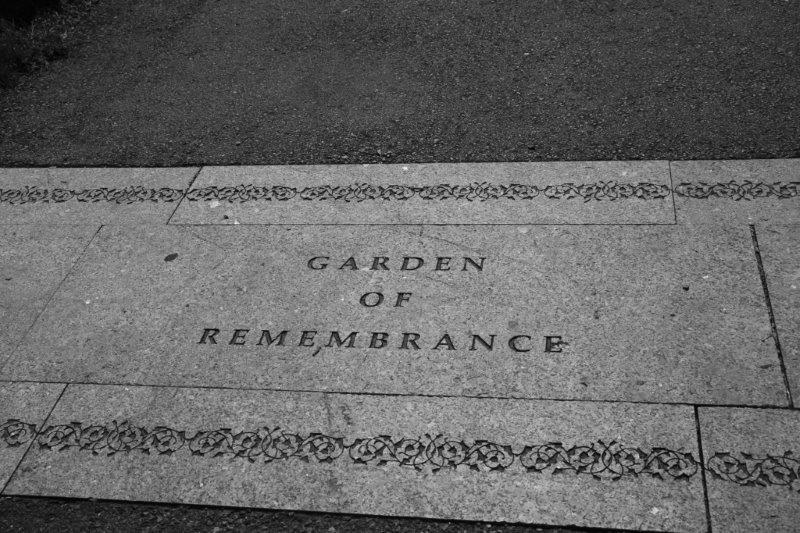
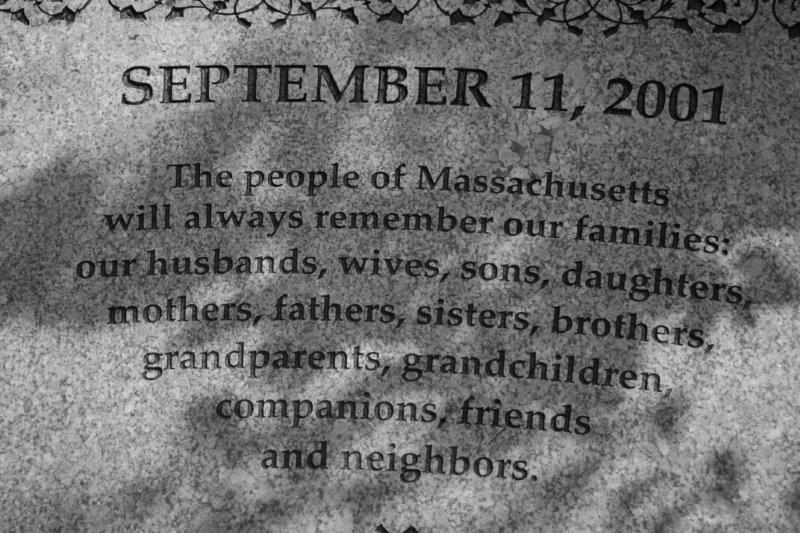
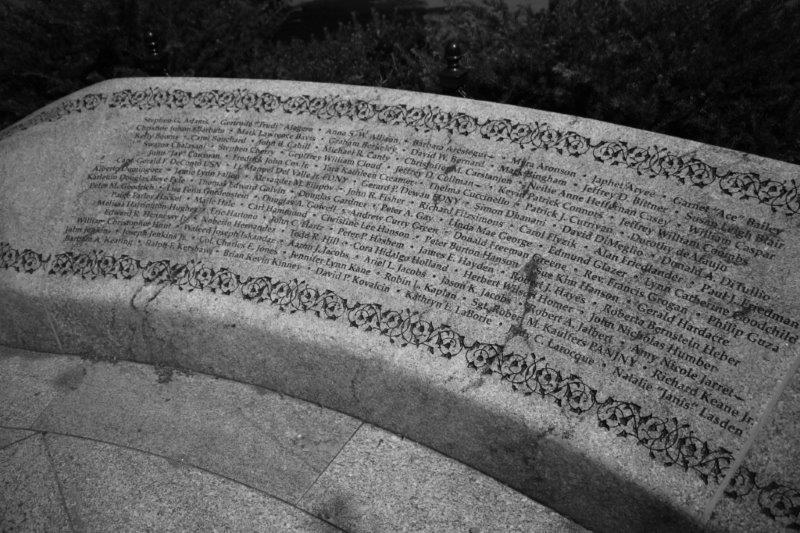
Boston is chock-a-block full of statues. They are everywhere commemorating important personages from history, politics, literature and the arts, philanthropy and religious service, and who knows what else.  Not too far from where we entered the garden we came across Mrs. Mallard and her children, Jack, Kack, Lack, Mack, Nack, Ouack, Pack and Quack, the family of ducks that made the Boston Public Garden known to millions of children through the book: Make Way for the Ducklings.  At the other end of the Garden is a Sept. 11 memorial remembering the people from Boston who perished that awful day. (We even found a geo-cache at the gate we exited the garden.)

IMG_2572 IMG_2573 IMG_2574 IMG_2575 IMG_2588 IMG_2590 IMG_2602 IMG_2579 IMG_2577 IMG_2578 IMG_2580

IMG_2433
IMG_2435 IMG_2438 IMG_2445 IMG_2446

Somehow I unknowingly changed my camera setting to monochrome so some of my pics are black and white. (I included a few of John’s that were the same as mine to have colour ones)

IMG_2609 IMG_2613 IMG_2614

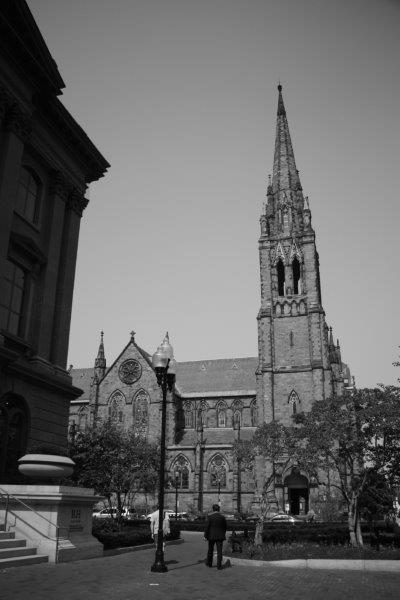
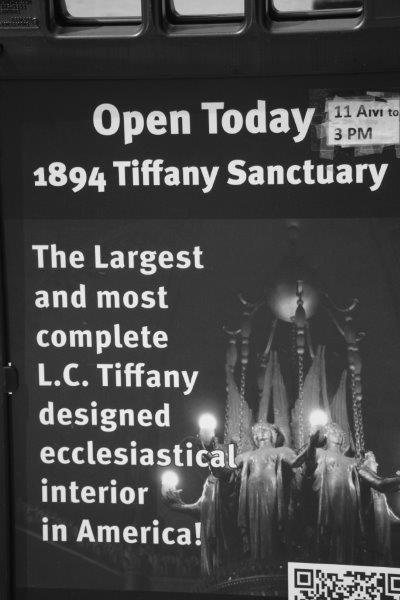
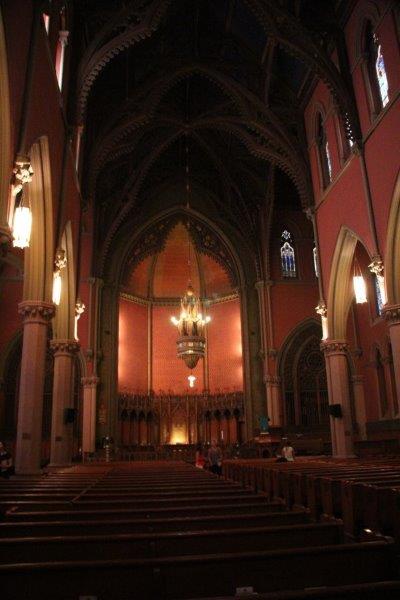
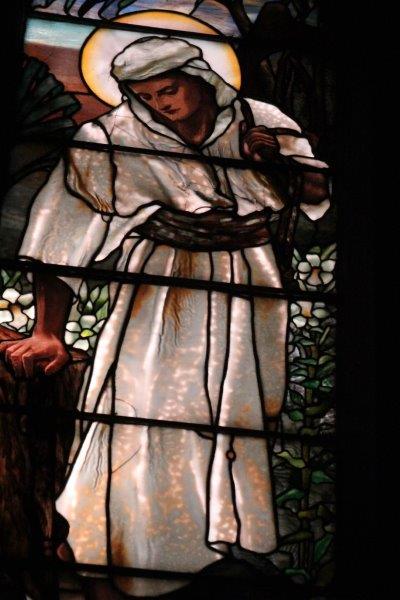
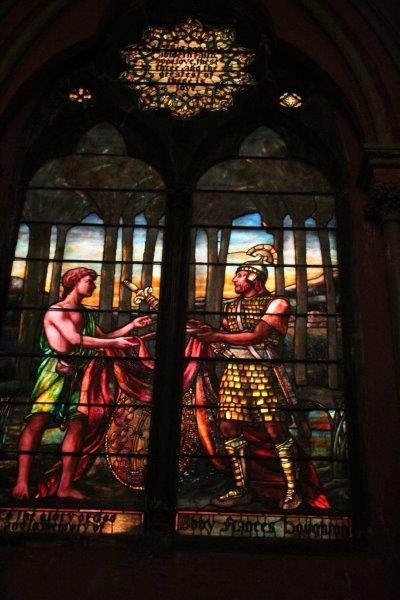
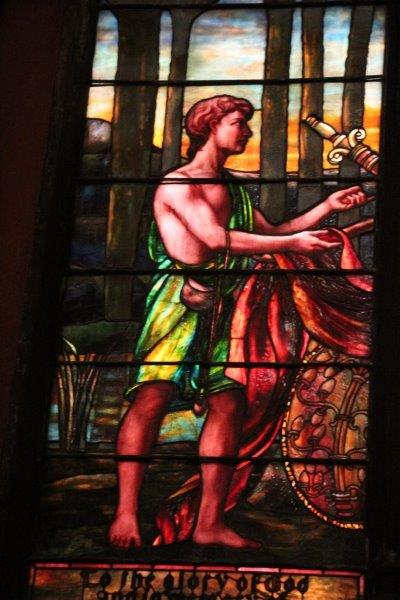
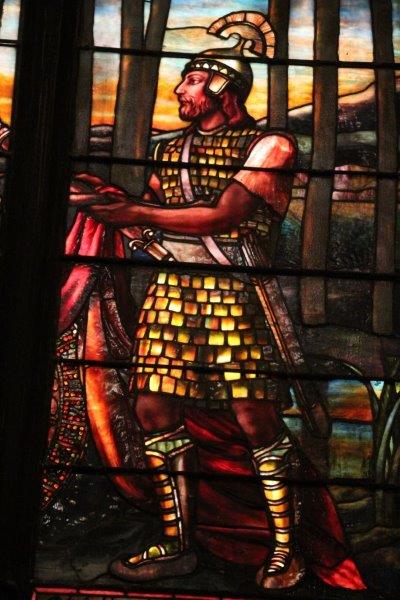
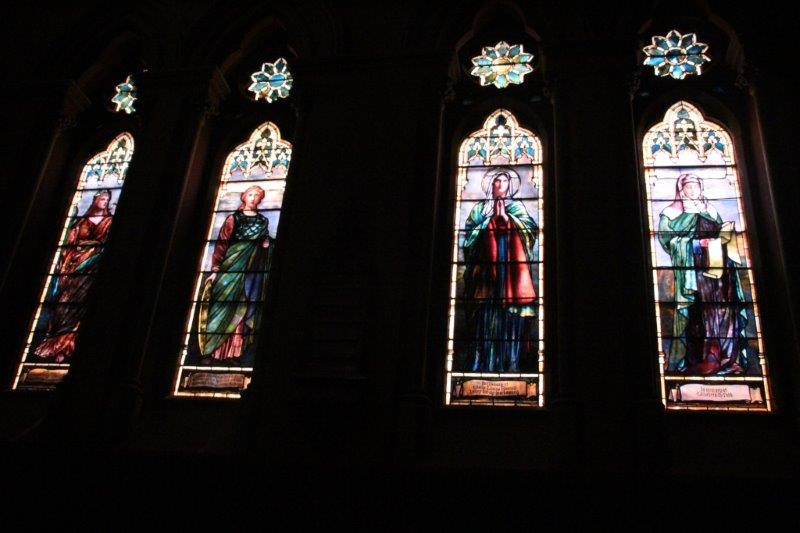
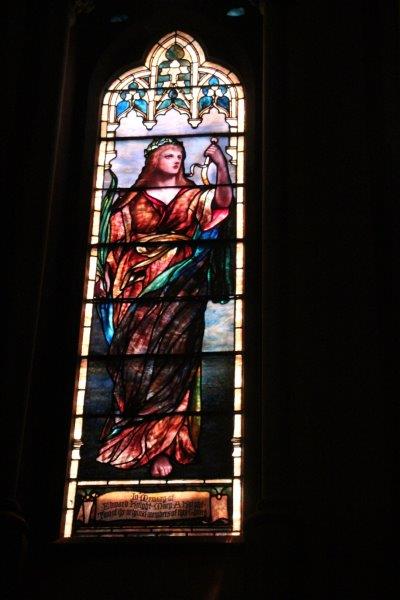
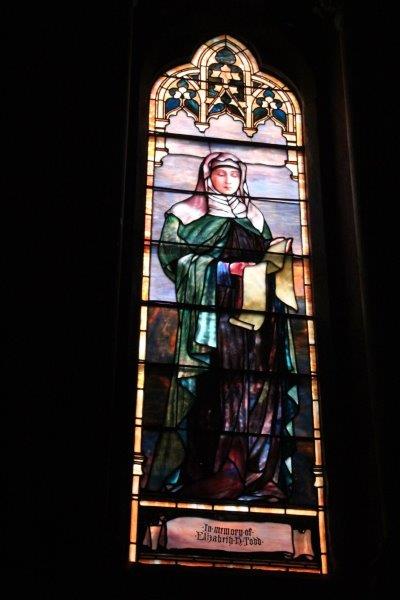
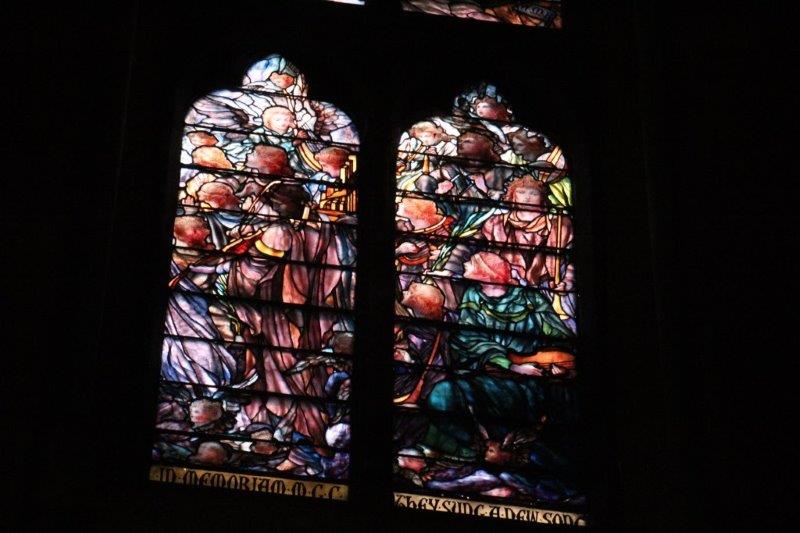
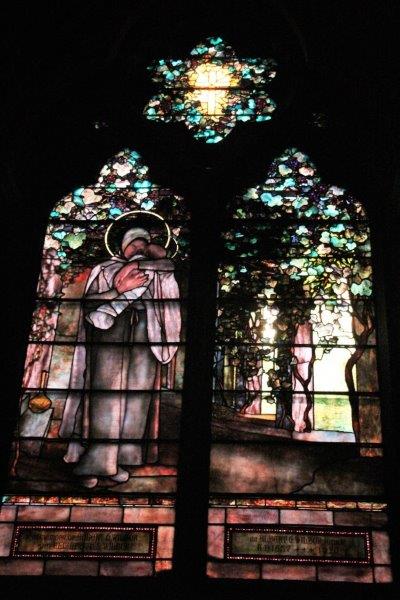
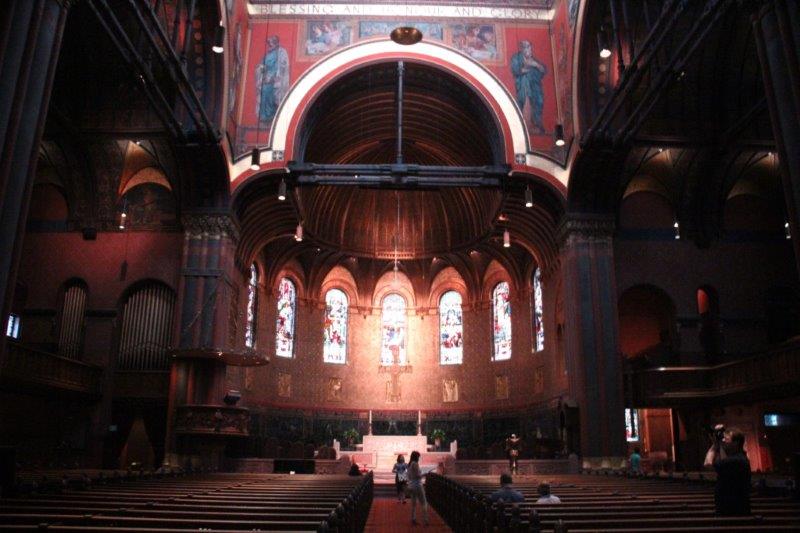
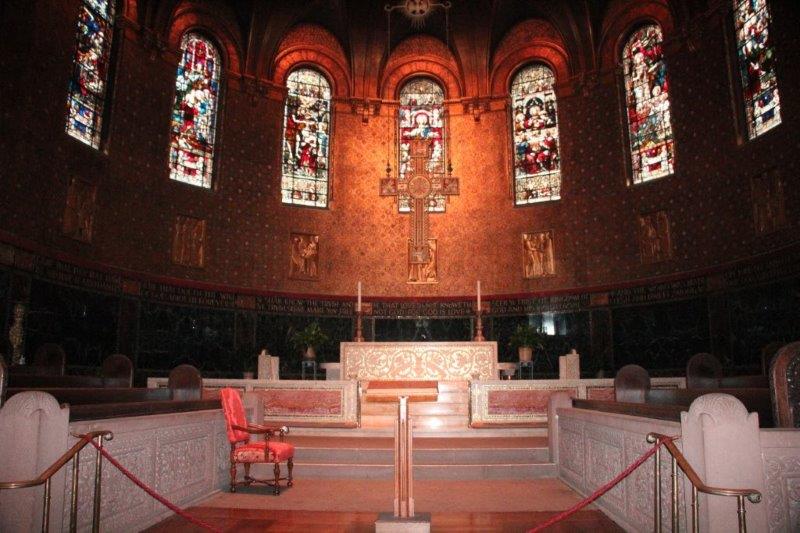
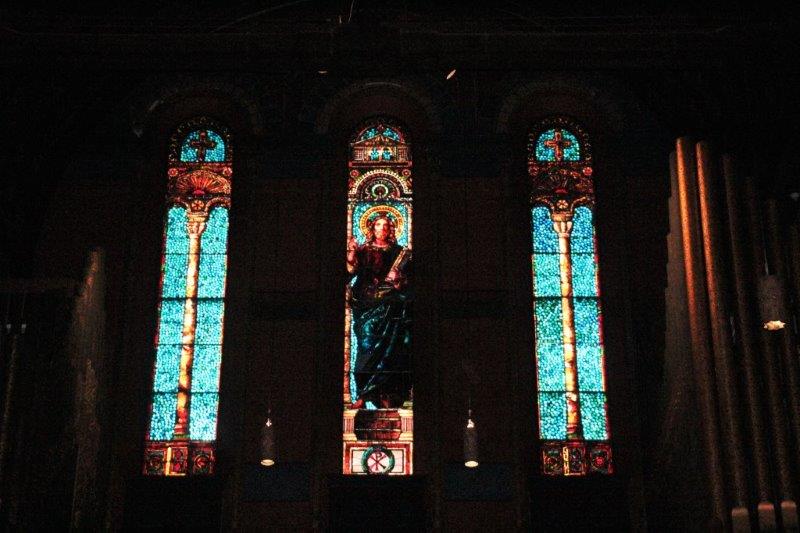
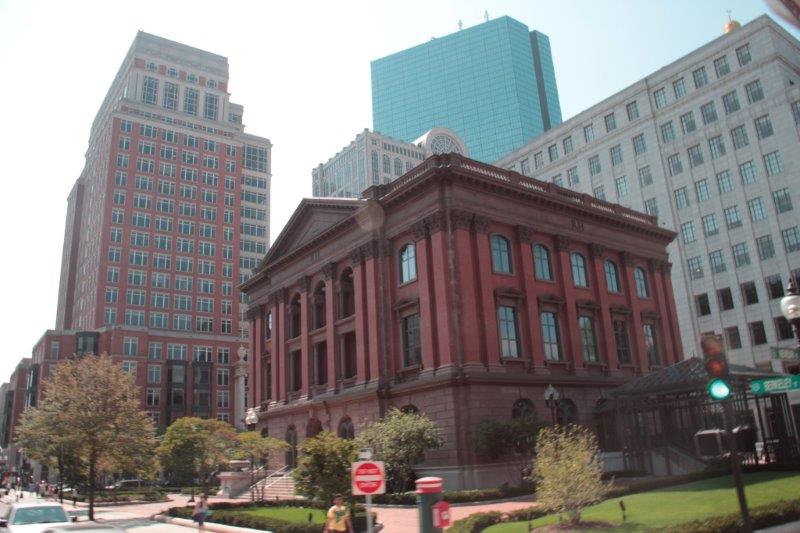
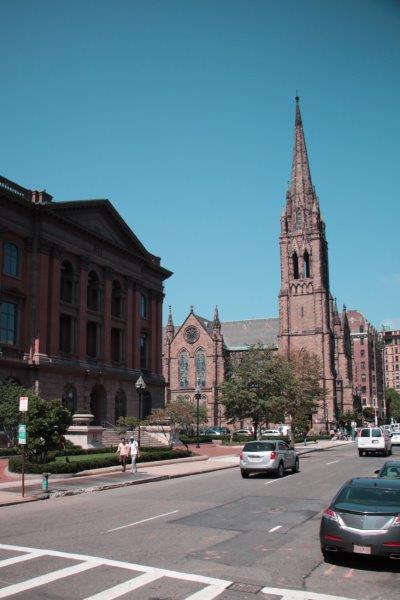
Today was also a day for churches. We toured the Church of the Covenant, Trinity and Old South..  We have been in churches all around the world – they are favourite buildings on tourist excursions – but I think Central Congregational is my favourite.  There was just something about the simplicity of the lower levels rising to the decoration and gorgeous Tiffany windows and lantern to the 100 foot high ceiling that lifted my soul.  I loved it. It was built in 1867  in the Gothic Revival style and sits at the corner of Newbury and Berkeley Streets.

IMG_2626 IMG_2629 IMG_2632 IMG_2637 IMG_2641 IMG_2644 IMG_2645 IMG_2651 IMG_2653 IMG_2656 IMG_2661 IMG_2662 IMG_2665 IMG_2668

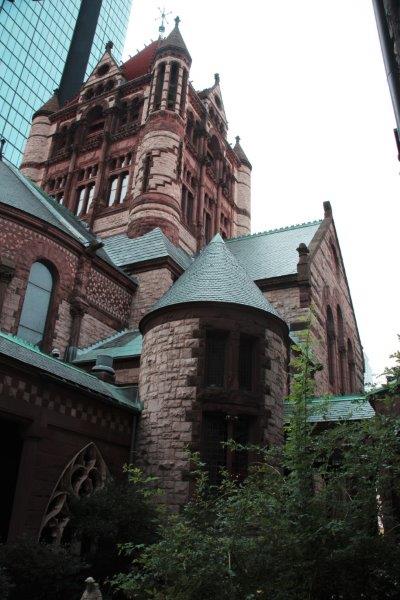
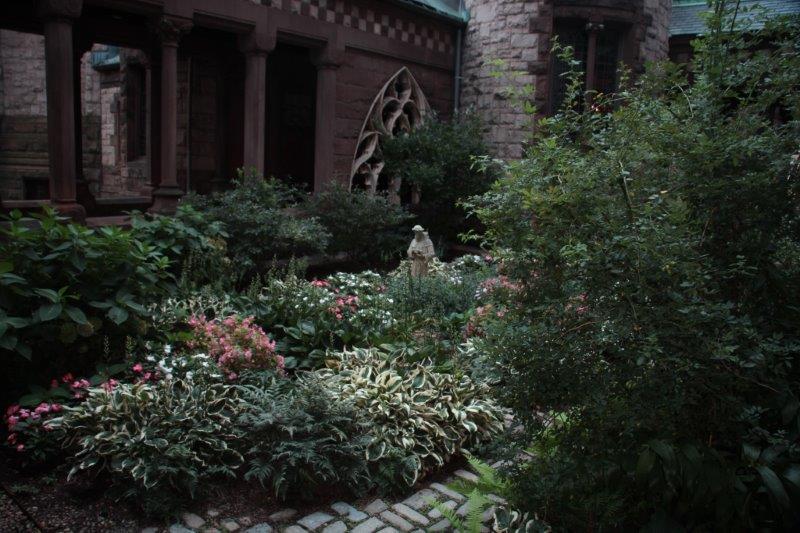
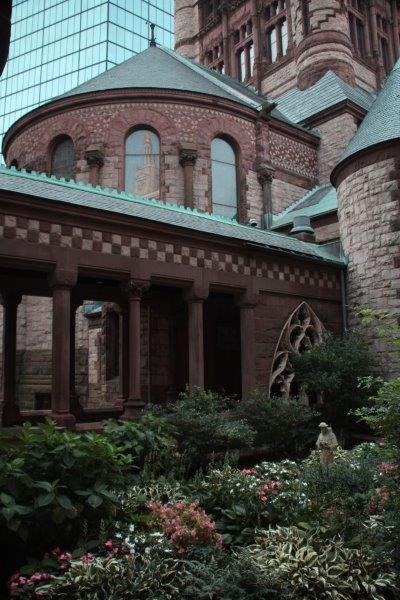
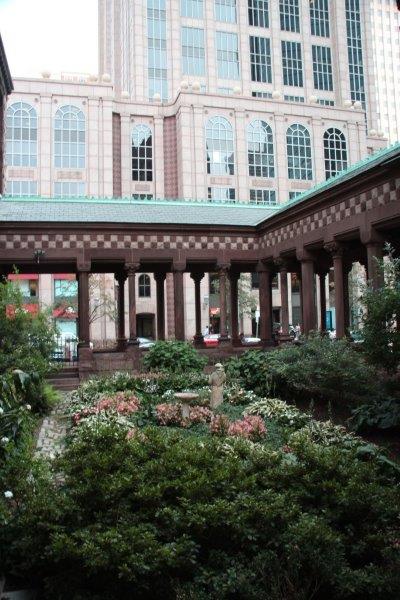
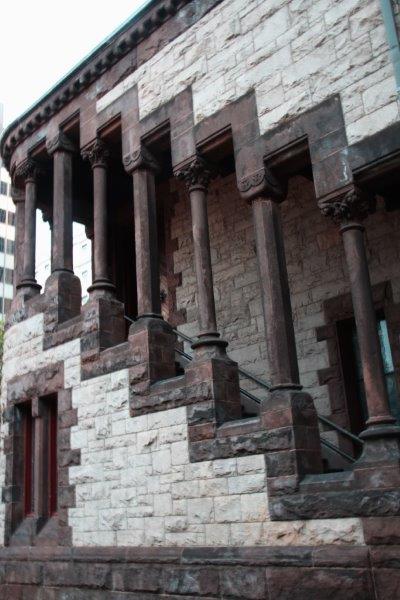
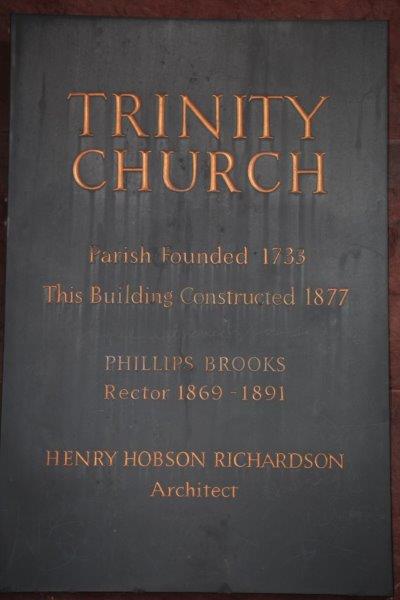
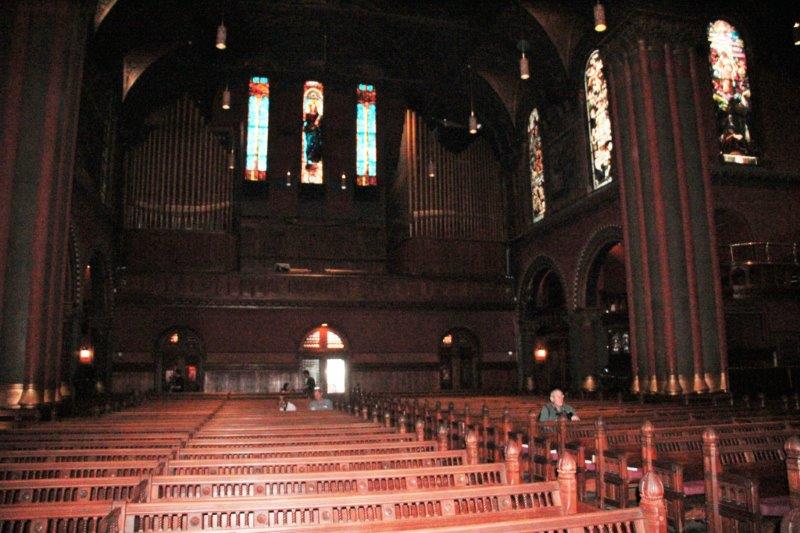
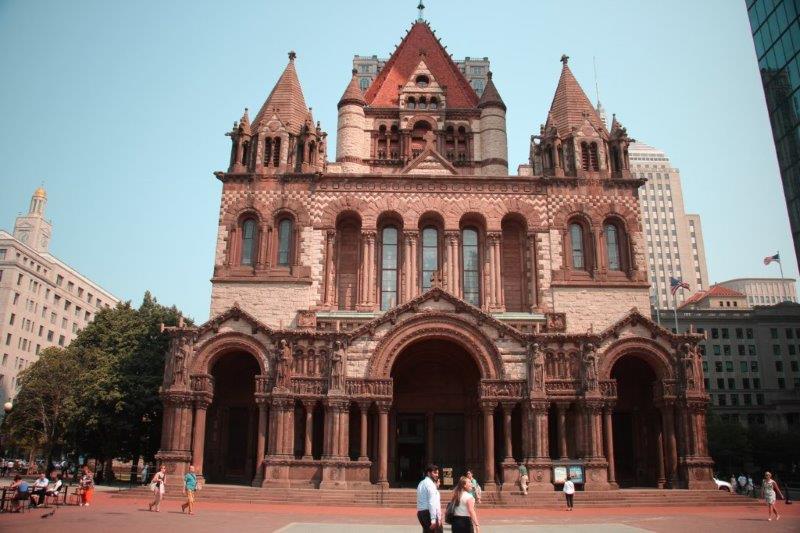
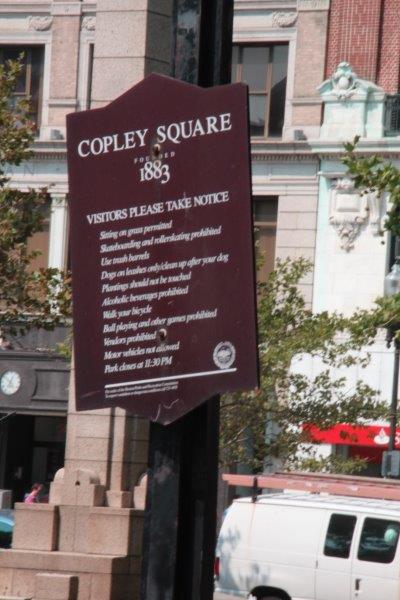
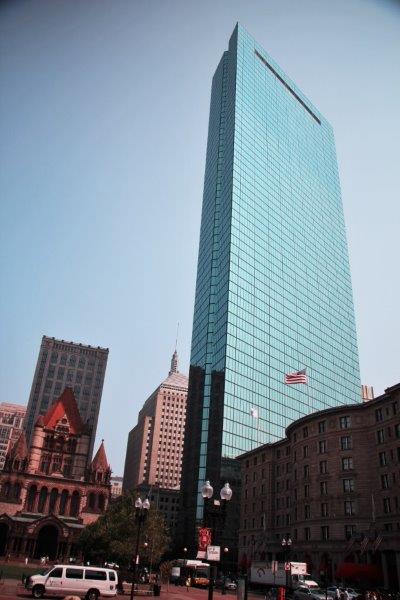
IMG_2673 Almost immediately after leaving Church of the Covenantl we went into Trinity.   They have a meeting rooms in the Parish House and a lovely enclosed garden – where we tried to locate a cache but came up empty-handed.  Trinity Church is the only church on the American Architect list of top 10 buildings in the country.  It sits on one side of Copley Square, a very popular lunch spot for people working in the area.
IMG_2692 IMG_2694 IMG_2695 IMG_2698 IMG_2700 IMG_2702 IMG_2709

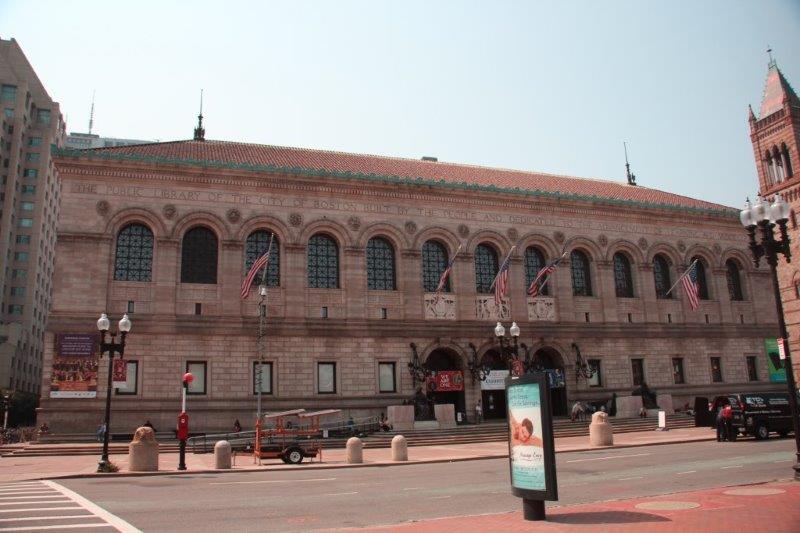
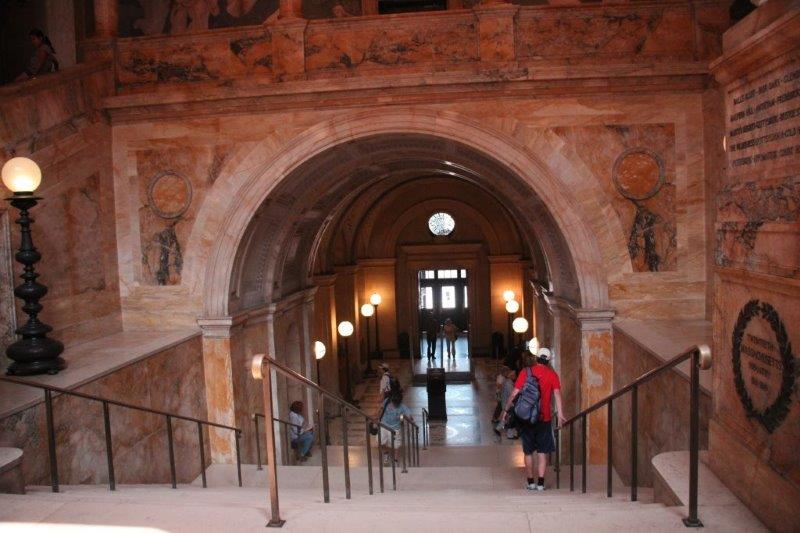
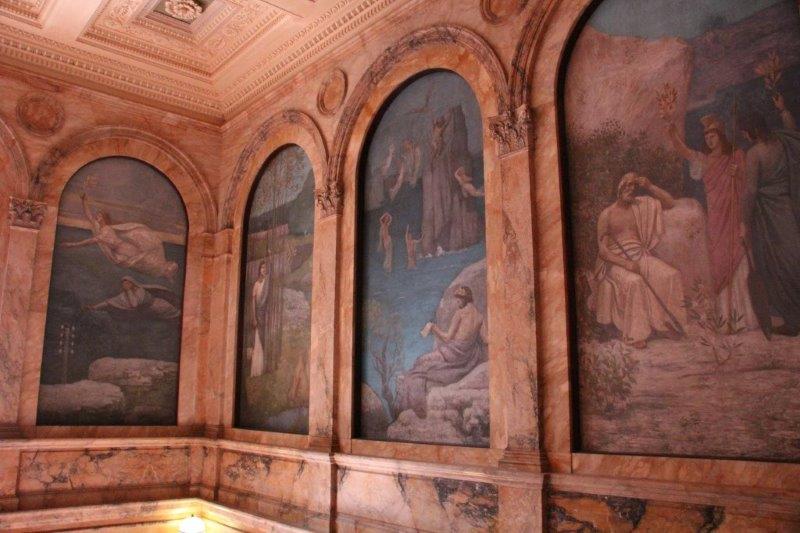
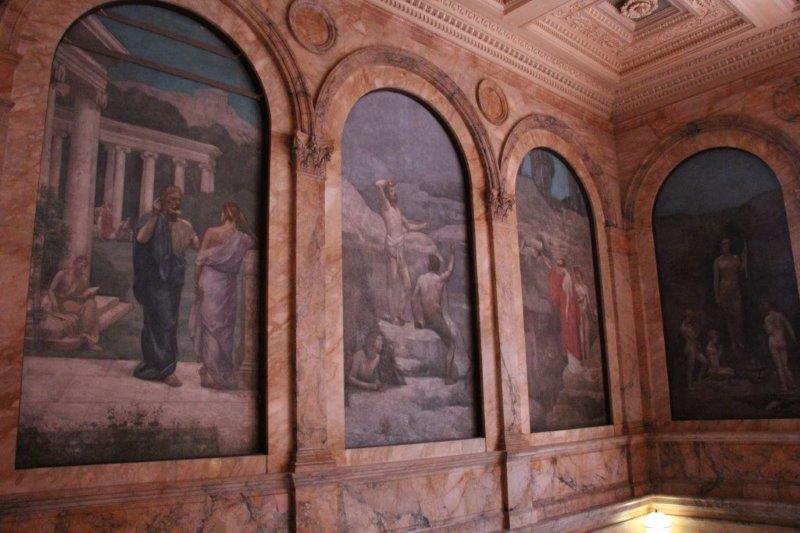
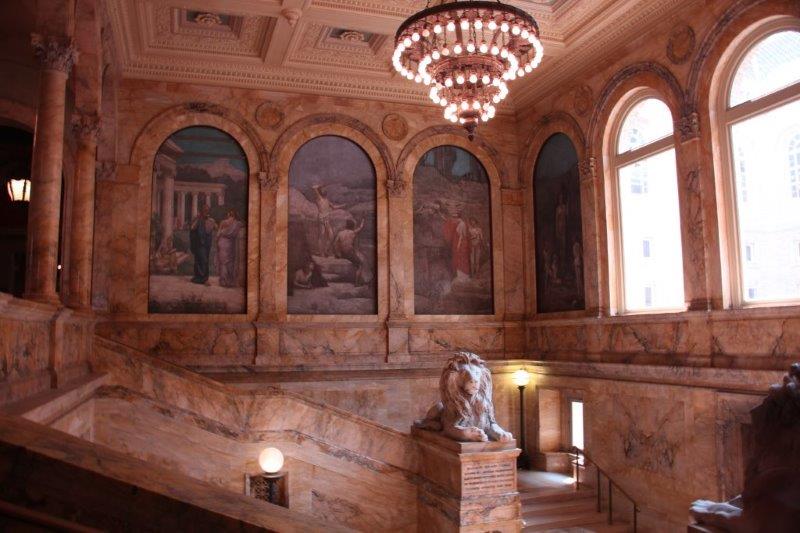
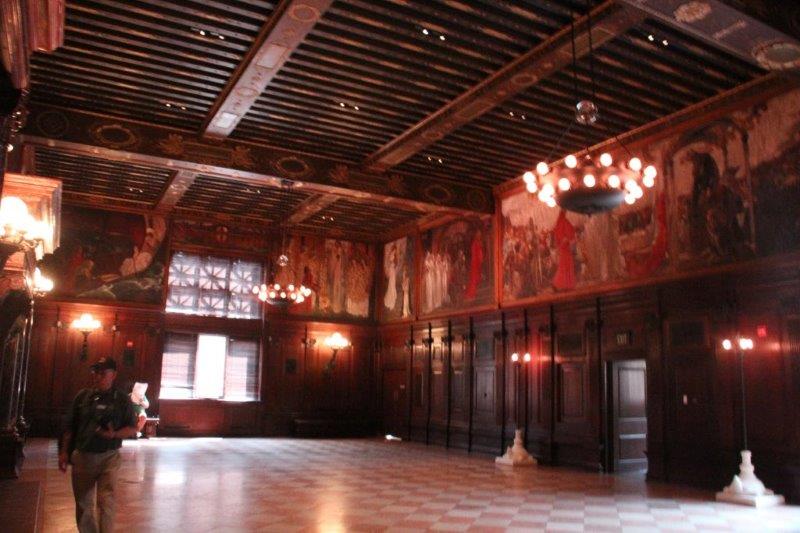
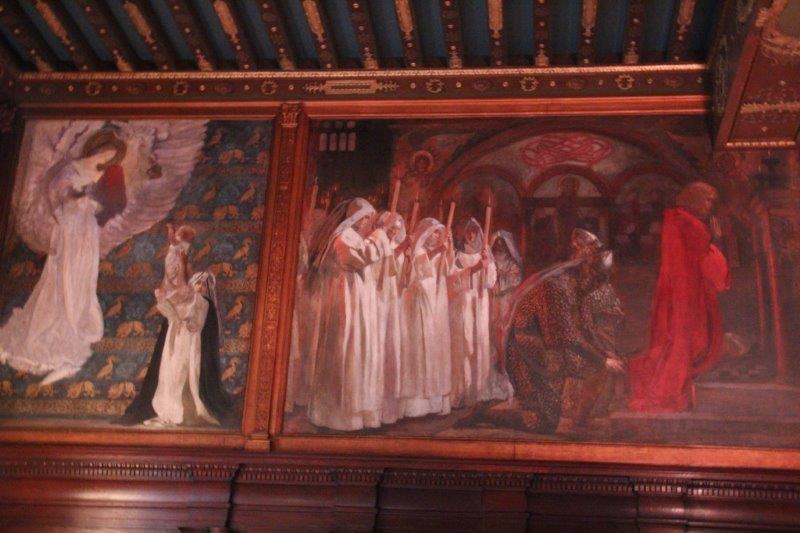
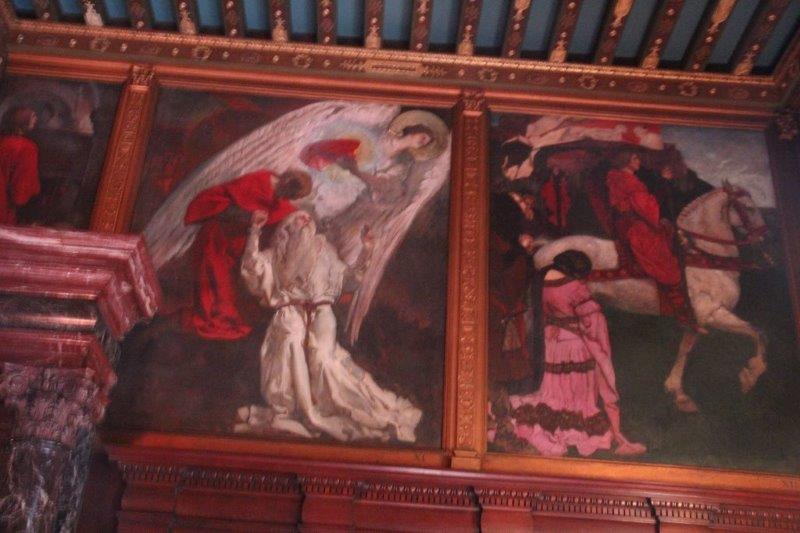
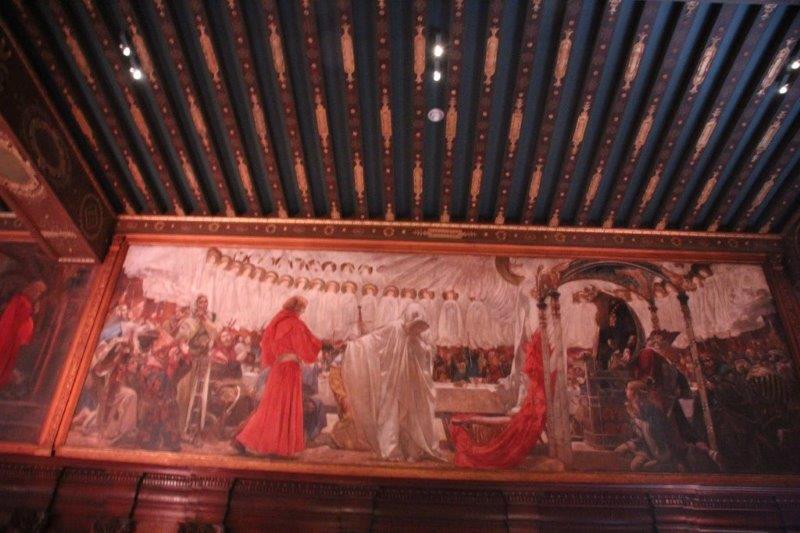
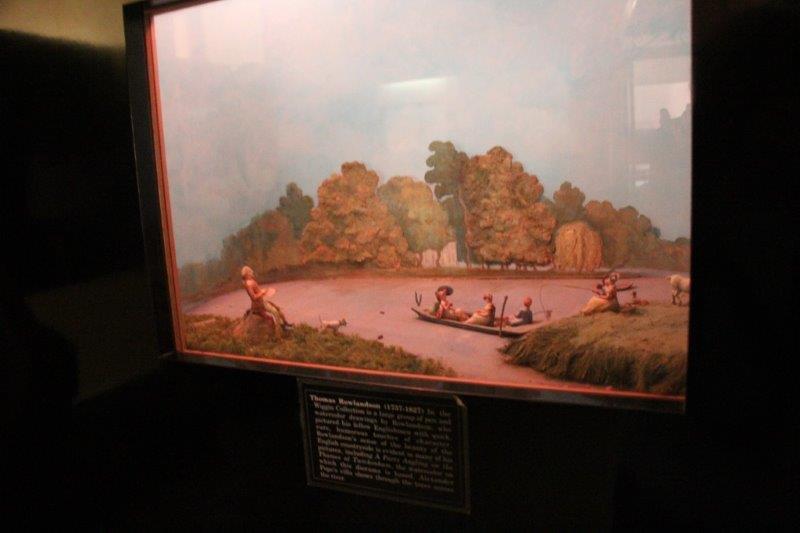
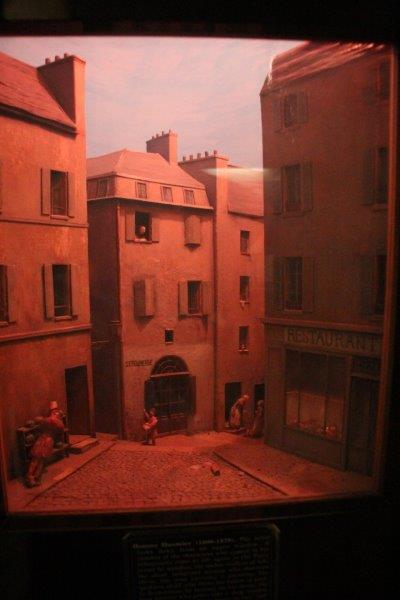
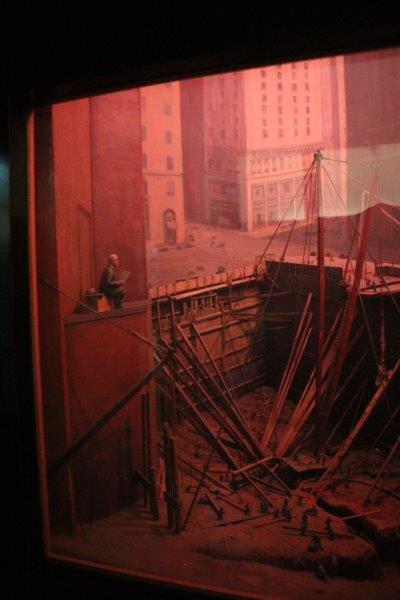
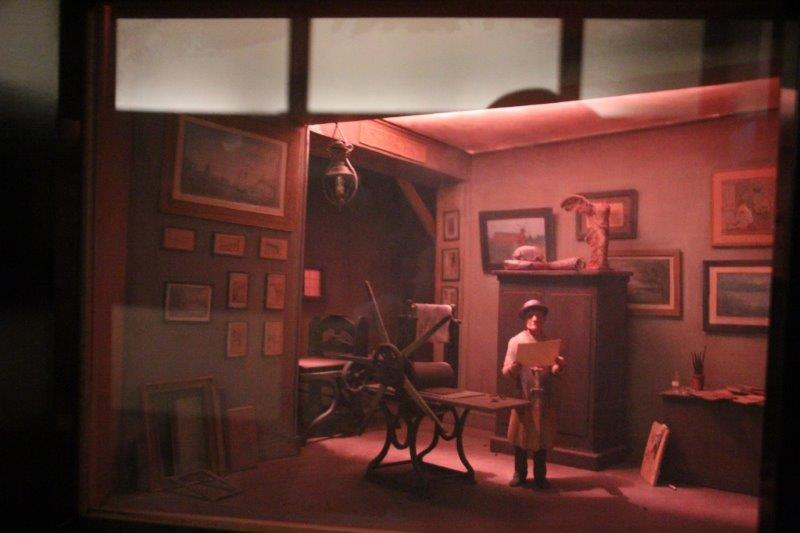
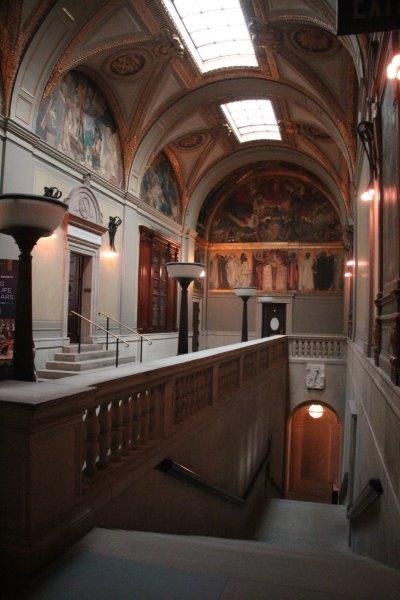
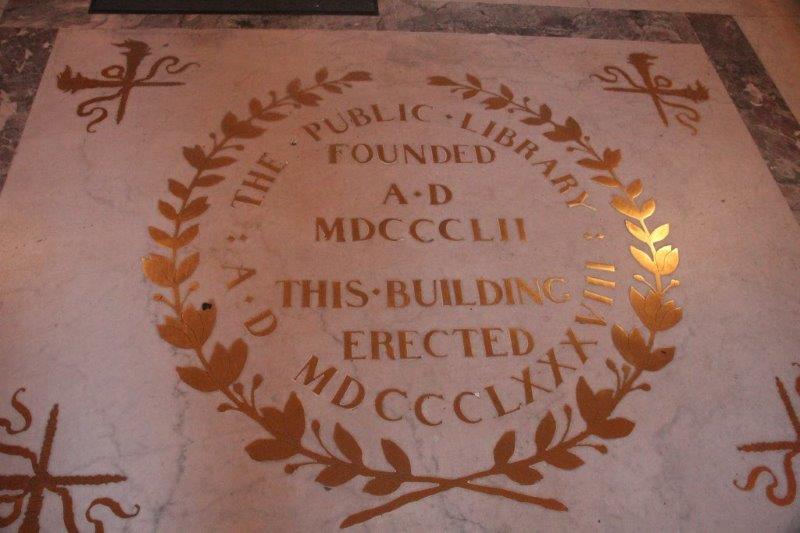
Their minister Phillips Brooks wrote “O Little Town of Bethlehem”IMG_2711 IMG_2712 IMG_2714 IMG_2718 IMG_2719 IMG_2720 IMG_2723 IMG_2705  IMG_2706Across the square and across the street is the Boston Public Library. I wanted to see the murals I had read graced the walls of the building.  I wasn’t expecting all the gorgeous marble, the exhibit on 100 years of Boston’s Haydn and Handel Orchestra, the paintings of the story by Alfred, Lord Tennyson of Sir Galahad and the Holy Grail that encircle the Abbey Room, the dioramas of famous artists ‘working’ in scenes depicted in their art and the beautiful courtyard we spied out a back window.   Justifiably a  Boston treasure.

IMG_2725 IMG_2730 IMG_2728 IMG_2732 IMG_2751 IMG_2752 IMG_2769 IMG_2748 IMG_2743 IMG_2744

IMG_2747

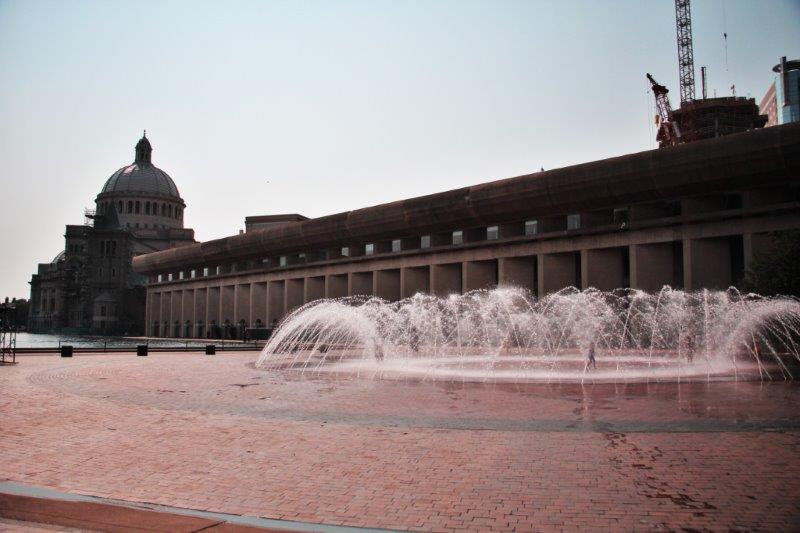
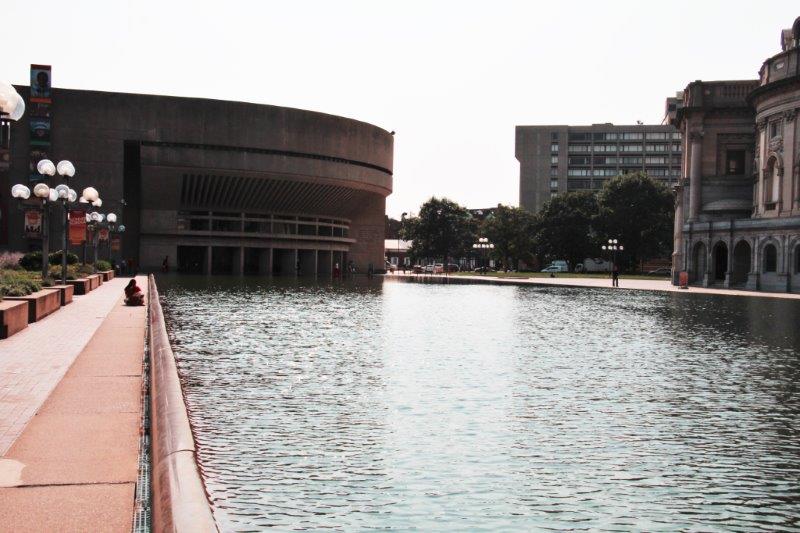
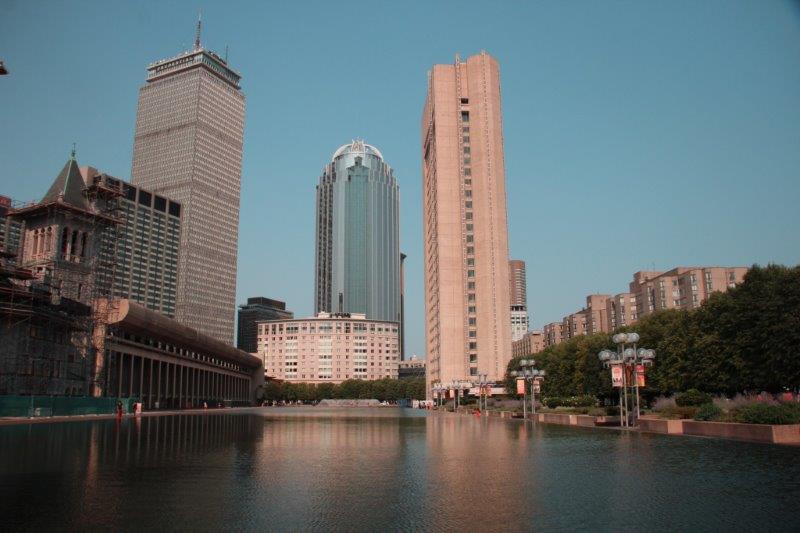
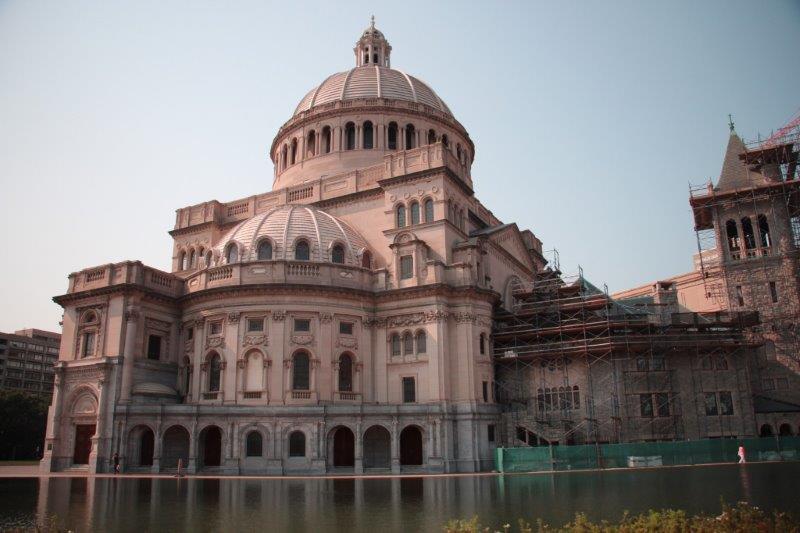
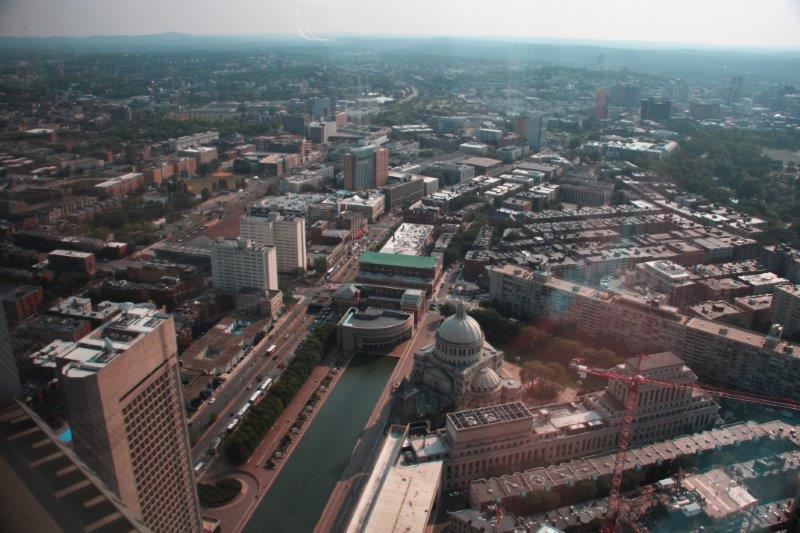
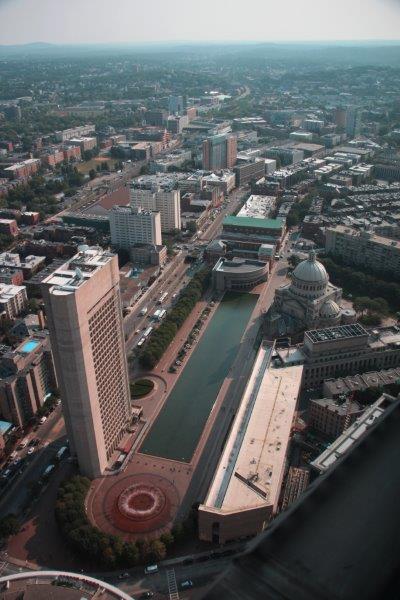
IMG_2759IMG_2760IMG_2764IMG_2766IMG_2768 IMG_2740IMG_2774 I had picked up a brochure on the Mapparium, a 30 ft glass globe you could stand inside.  The address was on Massachusetts Ave. so we headed that way when we left the Library.  Along the way we passed a huge reflecting pool and fountain with a towering building beside it.  Along the length of the reflecting pool were trees and gardens with seating.  Two buildings flanked the ends of the pool, one modern looking that matched the architecture of the tower at the other end and the other a huge domed Renaissance revival basilica.  This is the headquarters of the First Church of Christ, Scientist (aka Christian Science).

Across the courtyard of Christian Science Plaza is the Mary Baker Eddy library and museum (founder in 1908 of the Christian Science Monitor), one of the largest single collections by and about an American woman and home of the Mapparium.  You could not take photos inside unfortunately but if you Google it you can see a couple of photos.  The Mapparium is a 3 story stained-glass globe of the world (to scale) that can be traversed on a glass bridge through the middle.  It was built between 1932-35 and reflects the geography of the world at that time.  While standing on the glass bridge you are treated to short sound and light show about our changing world.  (The thing that struck me the most was the amount of downtown real estate the Christian Scientists own – the plaza is a huge complex.  They bought up a few square blocks back then for sure.

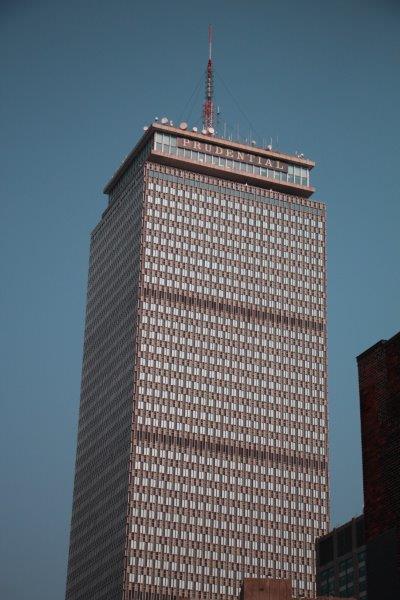
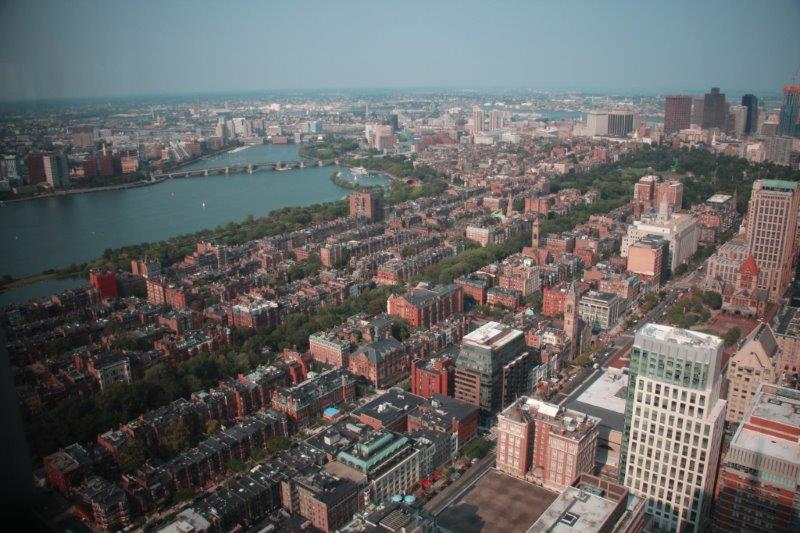
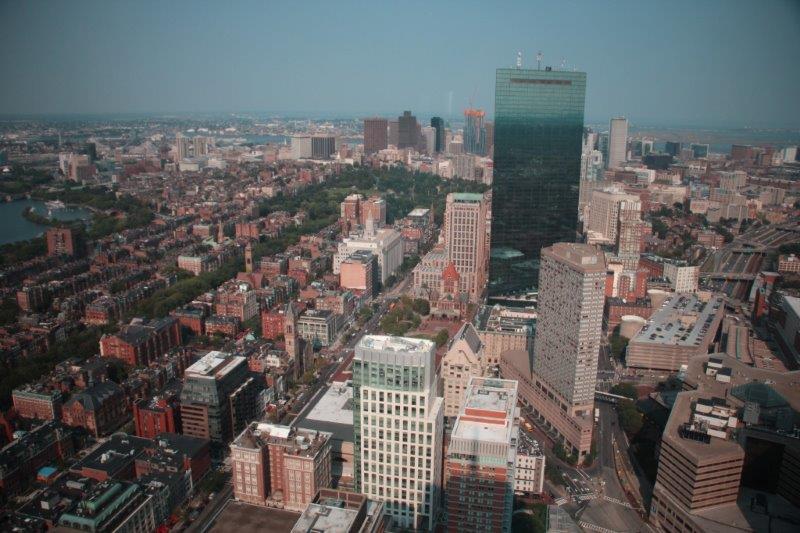
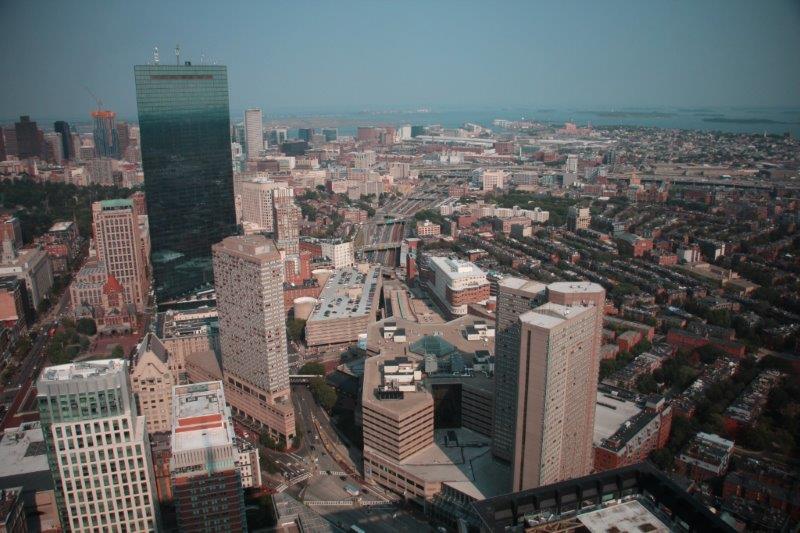
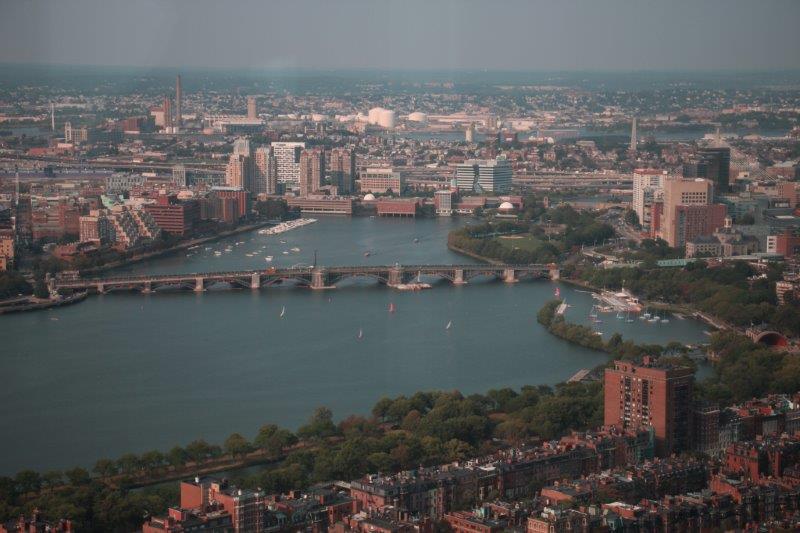
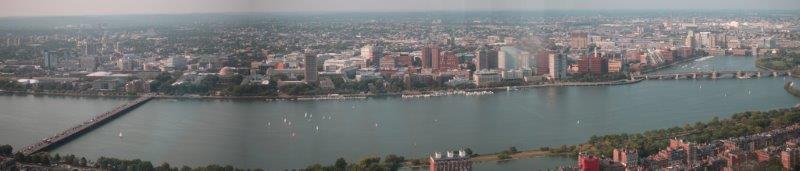
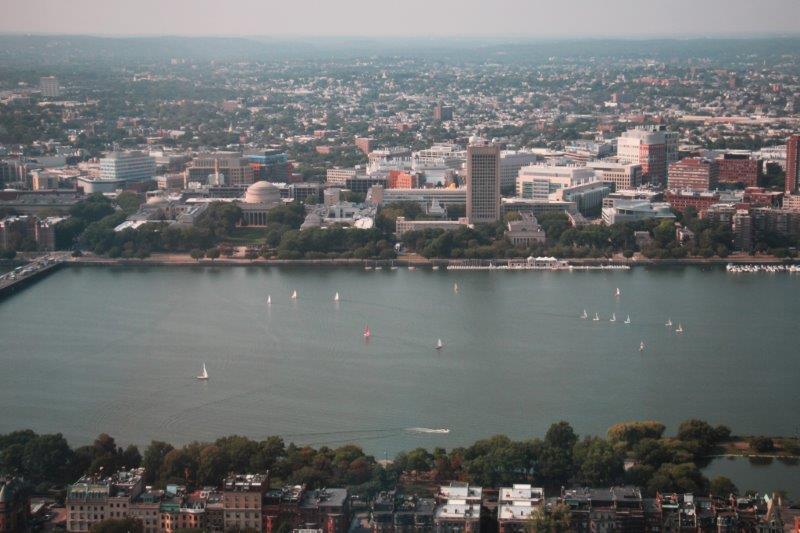
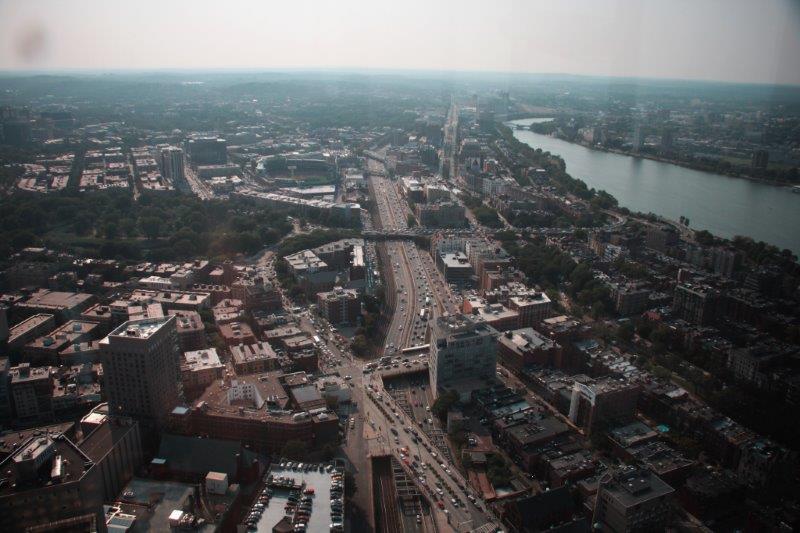
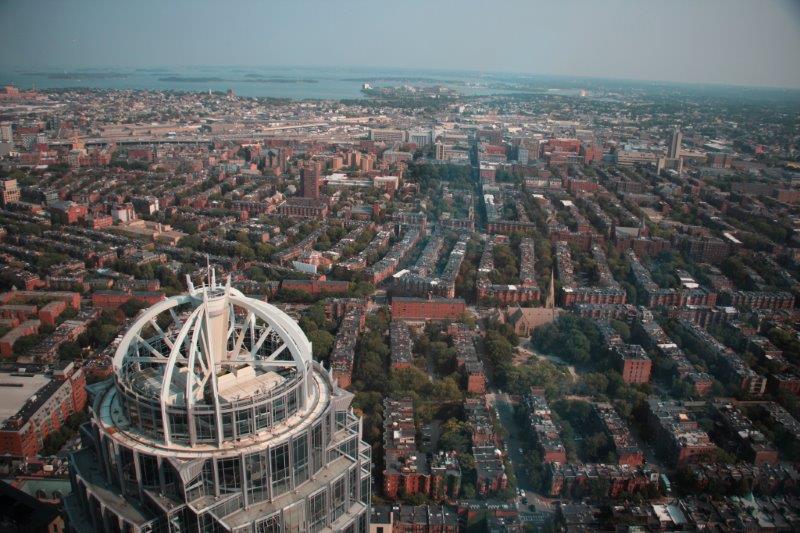
IMG_2776 IMG_2781 IMG_2783 IMG_2782 IMG_2785A few blocks down Massachusetts Ave and we turned right onto Boylston where entered the Prudential Center and bought tickets for the Skywalk Obeservatory on the 50th floor of the tower.  Gorgeous 360 degree view of Boston.

IMG_2787 IMG_2786 IMG_2788 IMG_2789 IMG_2792 IMG_2796 IMG_2798 IMG_2809 IMG_2812 IMG_2813 IMG_2816 IMG_2822


Everything you see in the center of this photo, plus a long extension of the building on the right that didn’t fit in the image belongs to the Christian Science Church.  A beautiful space.


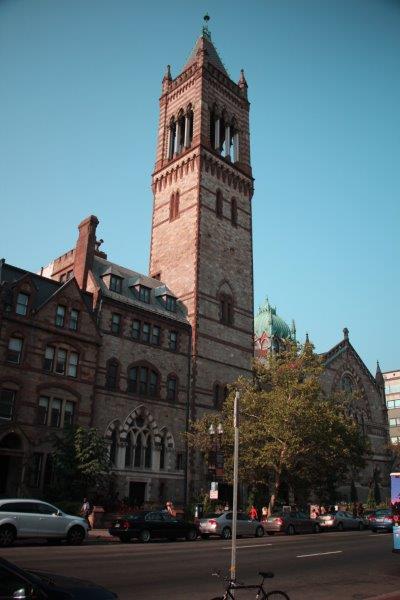
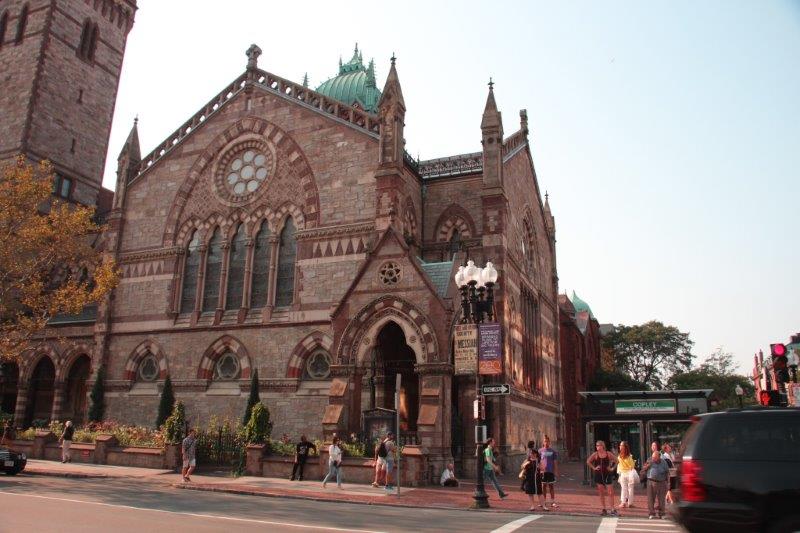
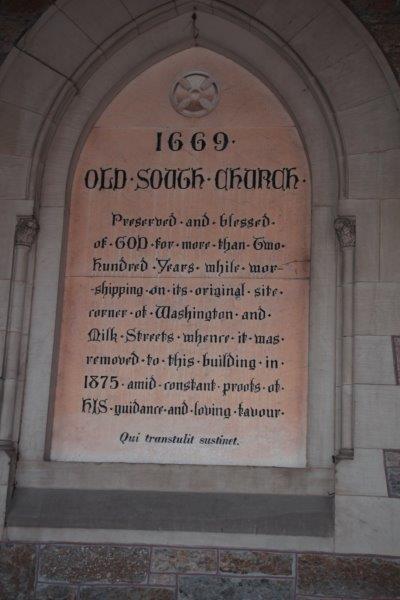
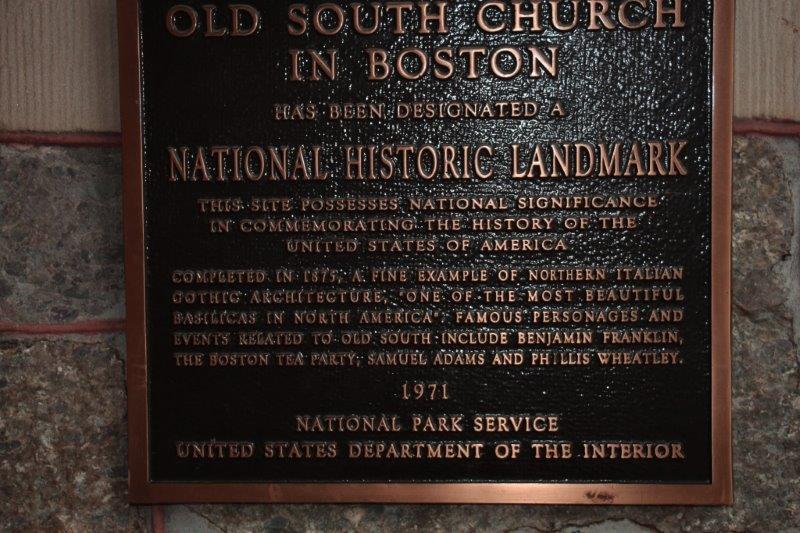
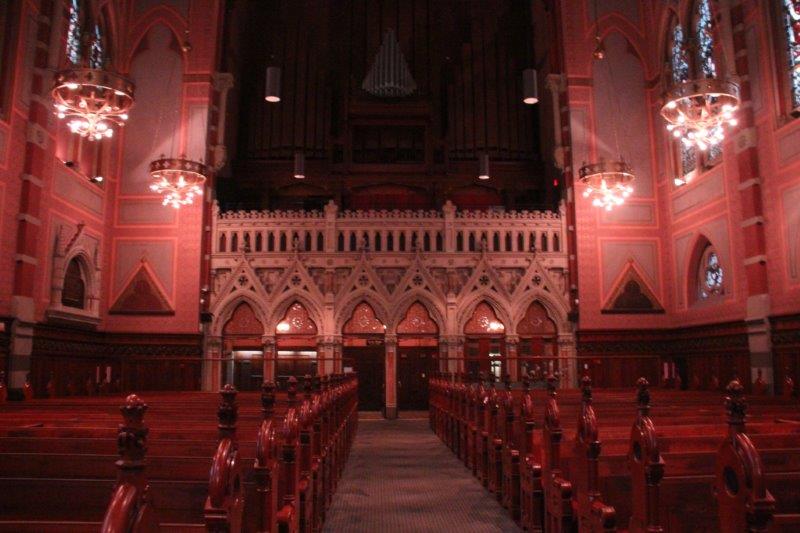
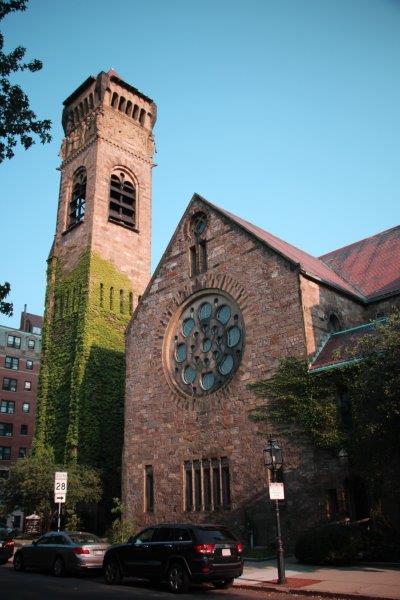
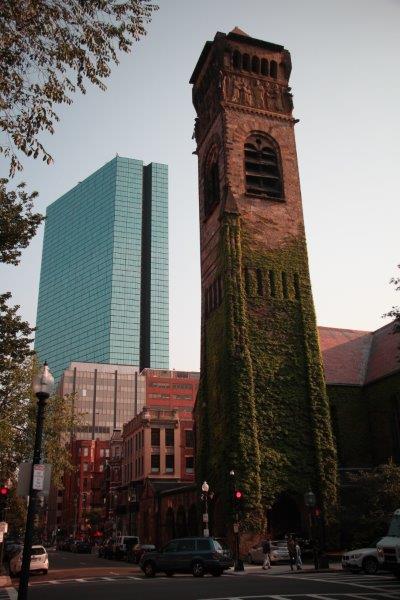
We were now walking back toward the Public Garden but we needed to stop in at the Old South Church on the way.  Members of the Old South Meeting House, of Tea Party fame, decamped to this new parish in 1875 – quite a controvery at the time.  The Italian Gothic style of the church is very different than the plain meetinghouse they previously attended.

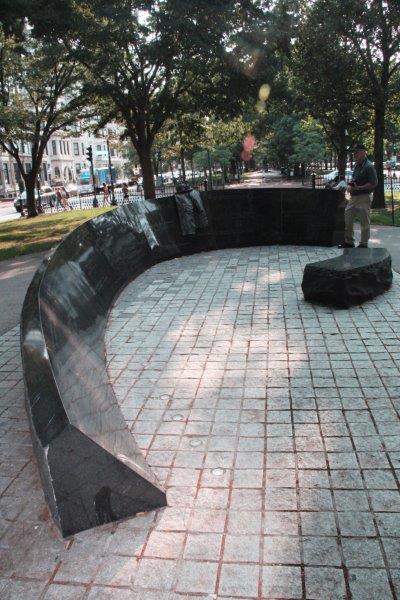
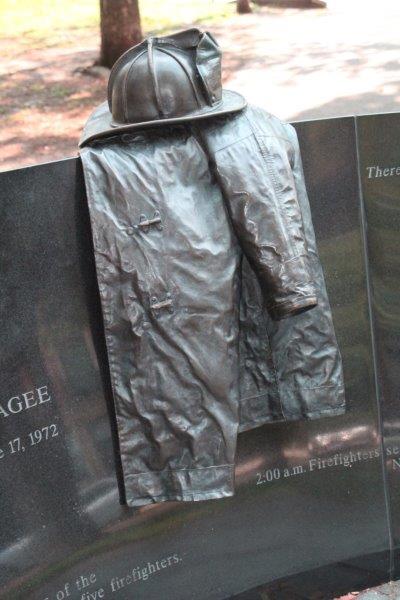
IMG_2824 IMG_2827 IMG_2830 IMG_2831 IMG_2833 IMG_2845IMG_2838  We decided to go up  Commonwealth Avenue Mall and see some of the many statues that have been placed among the trees. We entered the Mall about half way along its length so we didn’t see all of the statues but we did see the Vendome Monument, a memorial  to firefighters who lost their lives in 1972 after fighting a fire in the Vendome Hotel of Back Bay only to have the building collapse without warning minutes after they were wrapping up from fire (stuctural weakness was determined as the cause, not the fire). 16 men were trapped for 9 hours, nine died.

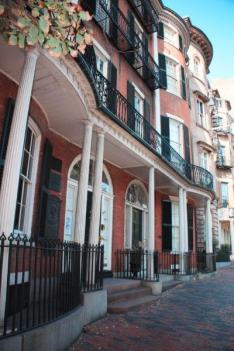
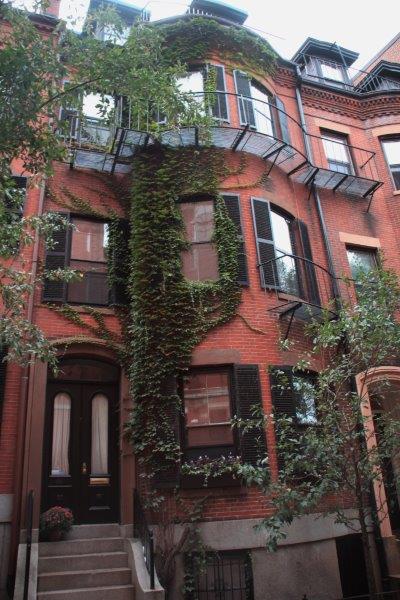
IMG_2848 IMG_2852 IMG_2851 IMG_2860 IMG_2862 IMG_2871 IMG_2872We completed the long and winding circuit and emerged at the Public Garden.  As we made our way back to the apartment on Garden Street in Beacon Hill we made a stop at Louisburg  Square (Bostonian’s pronouce the S, so it is Lewisburg), home of the costliest private residences (with recognizable names of film, art and politics as owners) in the country.  $6-$20 million per.  The buildings were the model for future townhouse development. The little park in the center is private to the property owners but we found a geo-cache that was hidden in one of the signs.

IMG_2879 IMG_2880 IMG_2881 IMG_2877

And now you know why my feet hurt!  I knew there was too much to see and do in this city!  Good thing we decided to stay a week and not the original two or three days.  Even with our jam-packed week there are places and things I would like to see that I won’t be able to. But I know we can’t do it all.  Oh well.  We are doing quite well; narrowing down the list nicely.


2015 Sep 1 – Day 39 – Boston Day 4

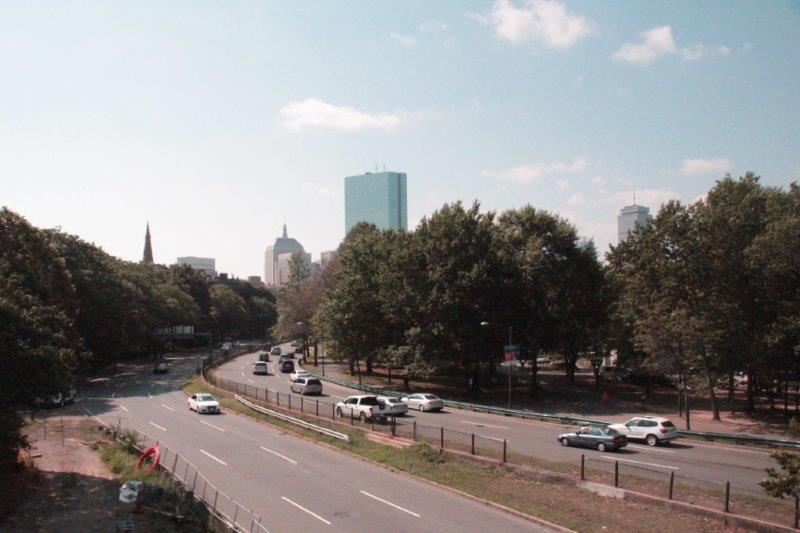
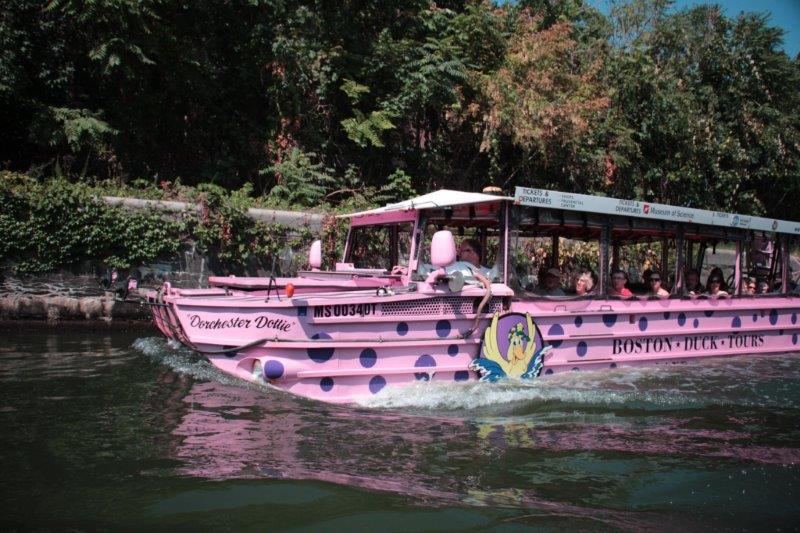
After breakfast we walked back across the highway overpass and down the Esplande to the Museum of Science.  Last night John had booked seats on an 11:30  Duck tour.   It is only a 25 minute walk  to the museum (Duck tour starting point) so we still had time for a leisurely breakfast.

IMG_2414


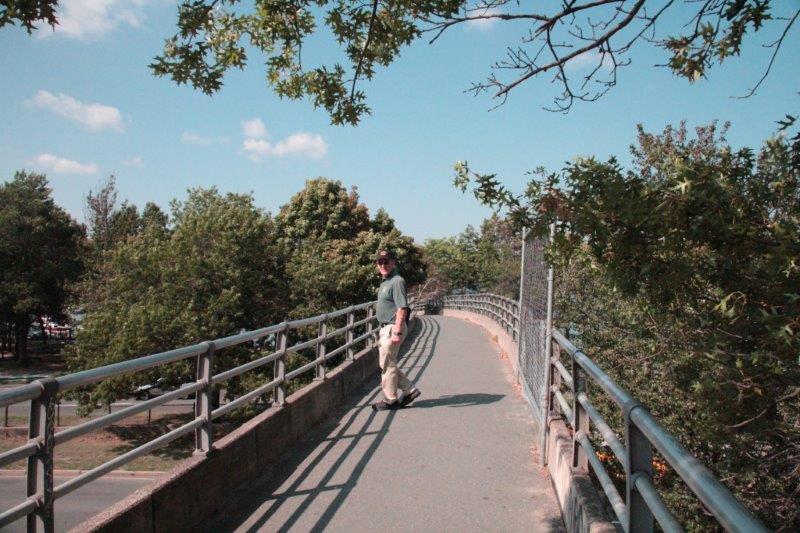
The walkway over the four-lane highway.IMG_2415 IMG_2416

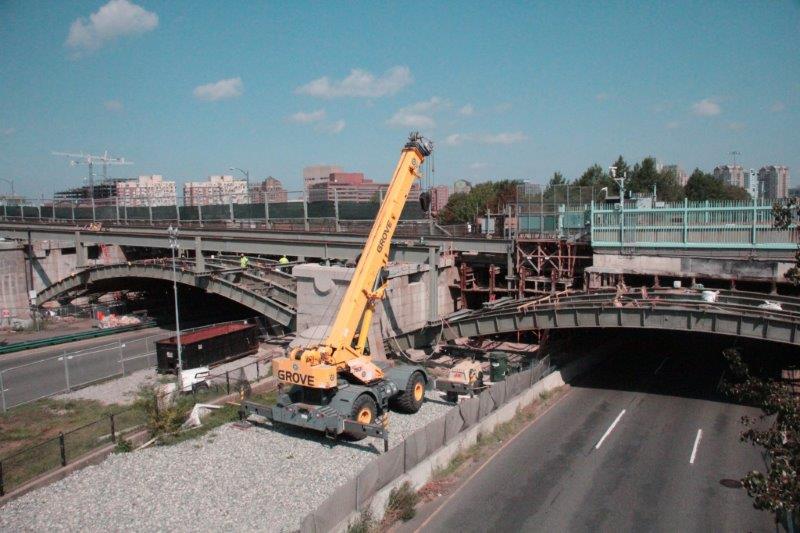
They are renovating the bridge. It looks like a very large project. Should take a few years to complete.IMG_2417


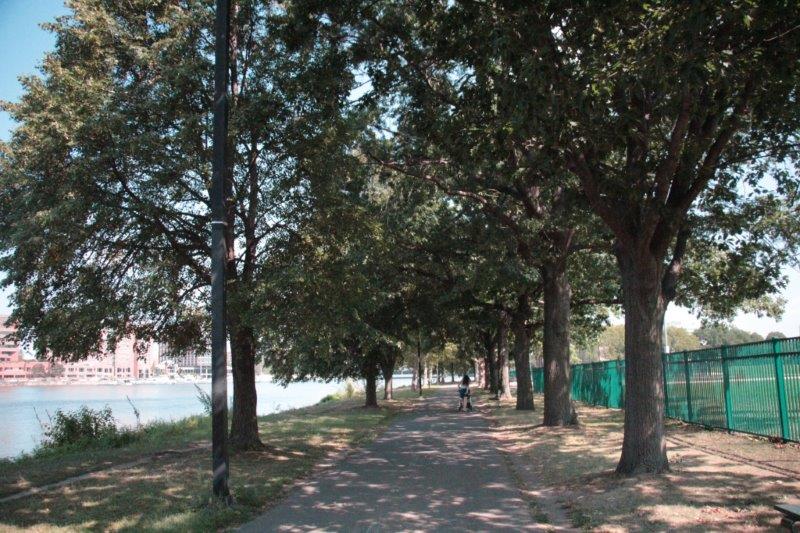
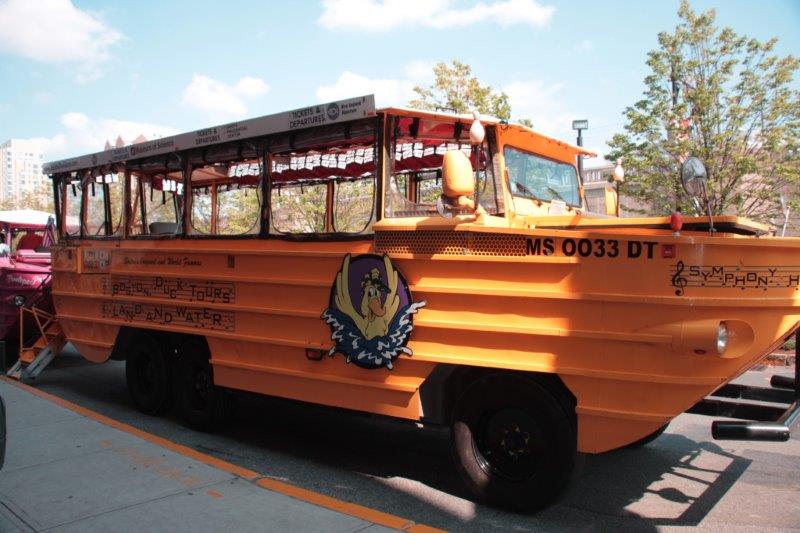
The Esplanade – a very popular walking, jogging and biking path.IMG_2418   Our Duck

The Duck tour took us past many of the historic sites we have toured but also to other parts of the city.  Our driver was very funny, especially if another vehicle got in her way or was parked in the way.  Since she has a microphone and sound system in an open vehicle the other drivers had no problem understanding her displeasure.  Quite funny.  She related many silly, unimportant type things along with a history snapshot and running commentary of all the buildings we passed; many interspersed with her personal thoughts regarding it.  A nice, fun thing to do for 80-90 minutes.

IMG_2422 IMG_2423 IMG_2427 IMG_2429 IMG_2430 IMG_2432 IMG_2434 IMG_2438

Some of the very, very espensive homes in Beacon Hill. Some of these buildings sell for $16 million. IMG_2439 IMG_2440 IMG_2441 IMG_2446 IMG_2447 This is a prison – built on prime river-front property. The windows are inverted so the prisoners don’t have a nice view.IMG_2449 IMG_2451 IMG_2450We were back at the front of the Museum of Science at 1 pm, just in time for lunch.  We went to the Riverview Cafe in the museum and had  not-very-good fish and chips.  The chips were okay, but I don’t know what fish they used.  Neither John nor I were impressed.

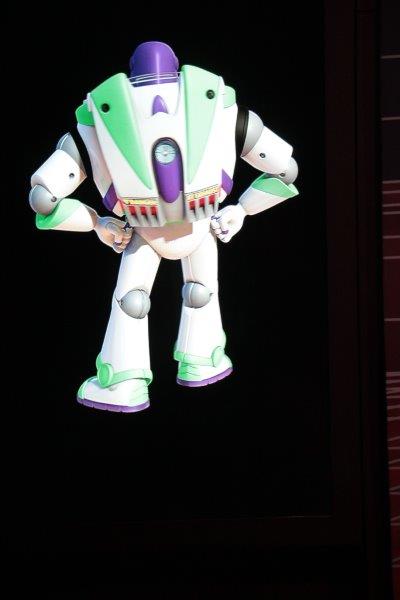
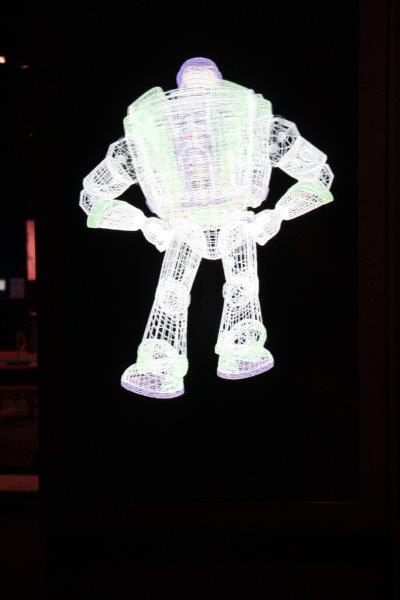
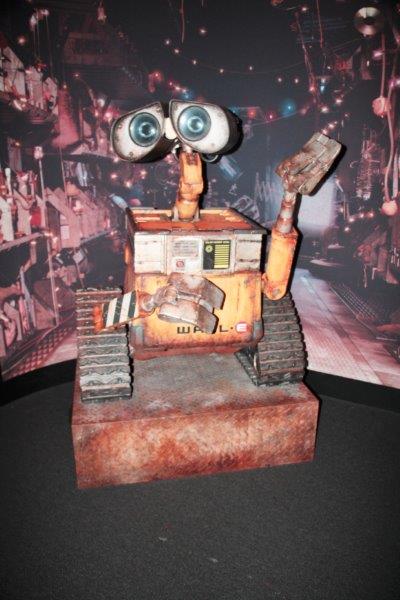
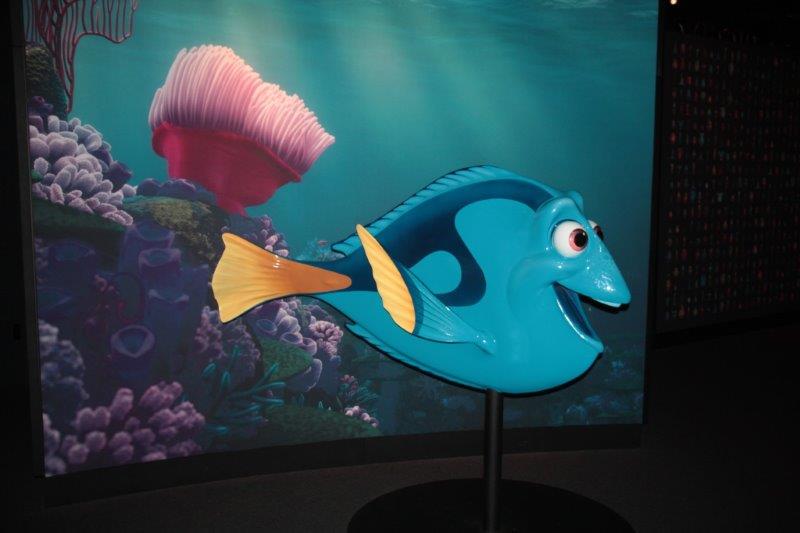
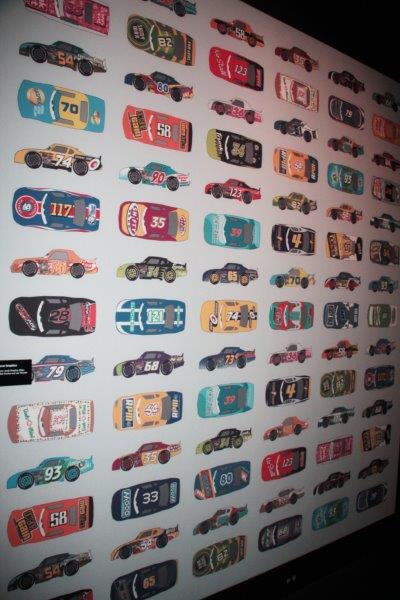
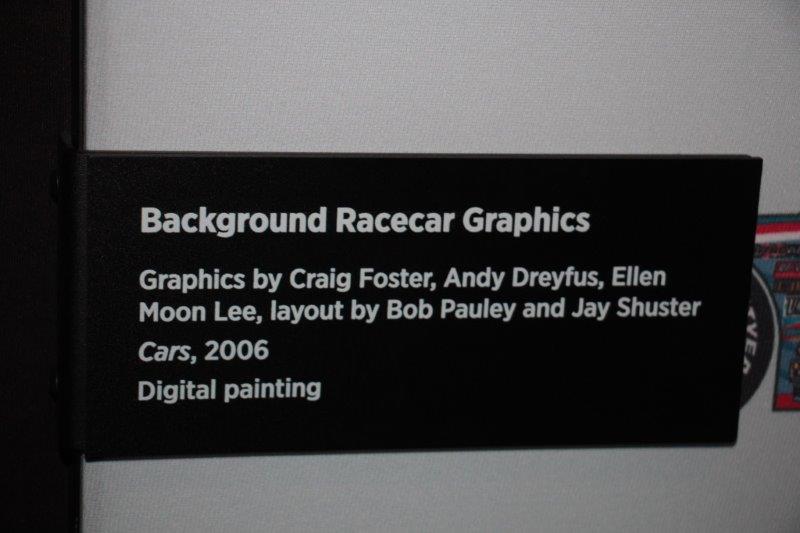
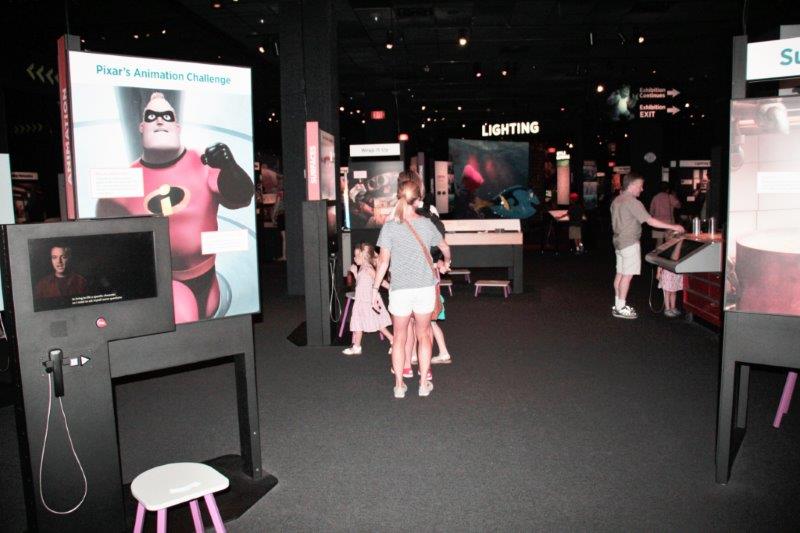
The main attraction for me at the Museum of Science is a special exhibit called the Science of Pixar.  I love Disney/Pixar films so getting to see how they are made holds a lot of appeal.  During the weekends you need to make a reservation for a specific time to go in but since it was a weekday and close to school starting we were able to get a ticket for the next available entry – 10 minutes wait.

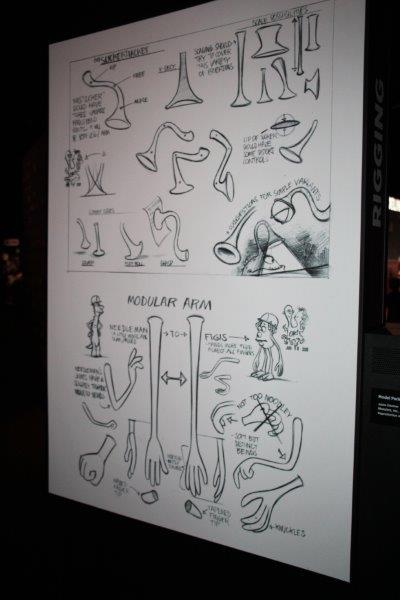
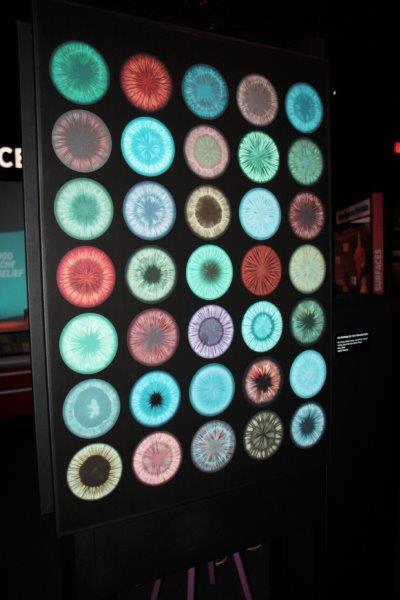
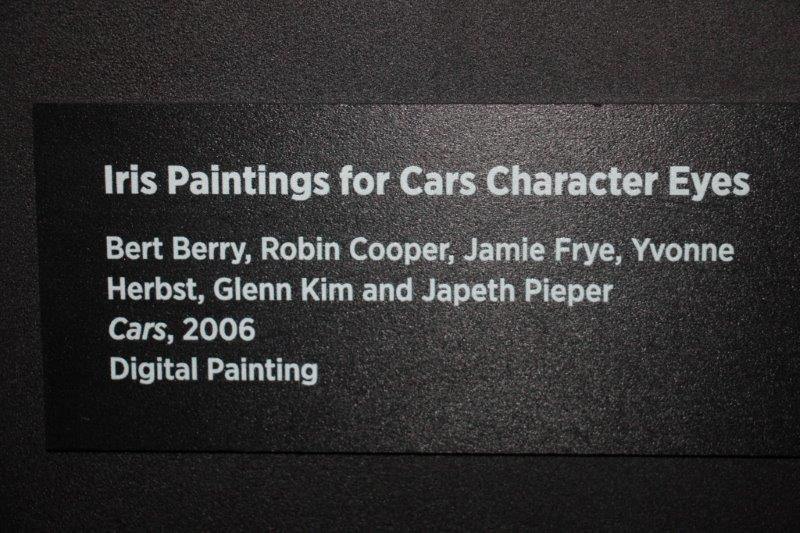
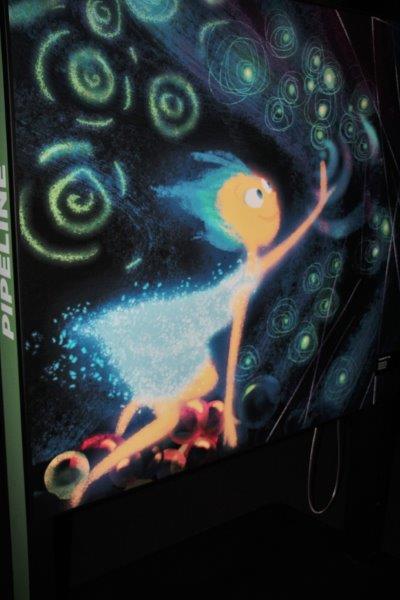
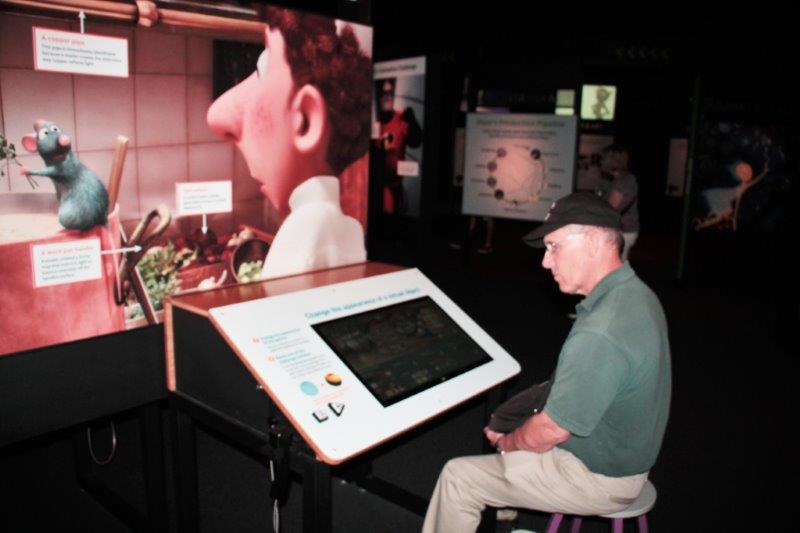
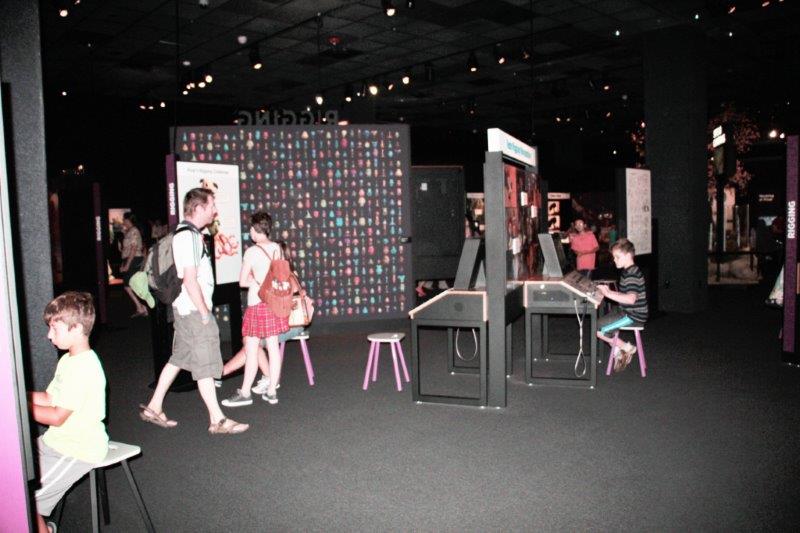
The exhibit was fabulous.  Really well done.  It took you through every stage of the creation of a computer animated film with filmed explanations of each task given by the actual employees that work in each department.  There were also hands-on  interactive centers where you could work on the skills yourself.

IMG_2454 IMG_2457 IMG_2461 IMG_2462 IMG_2464

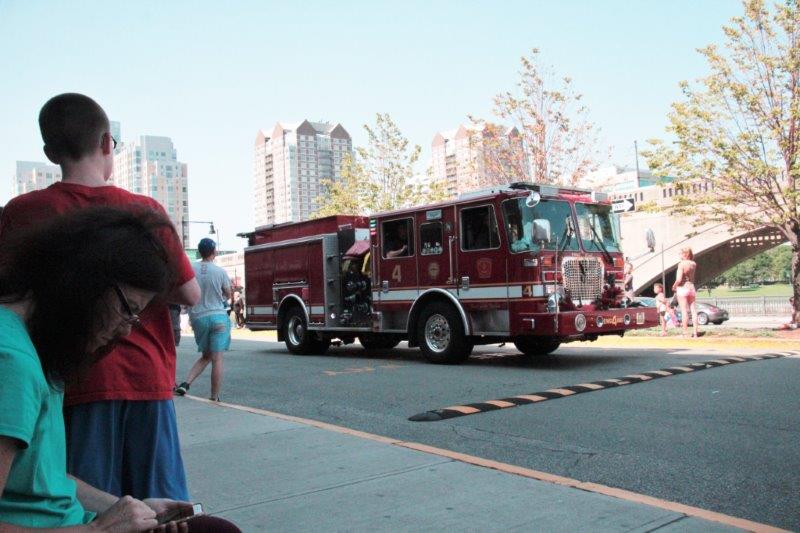
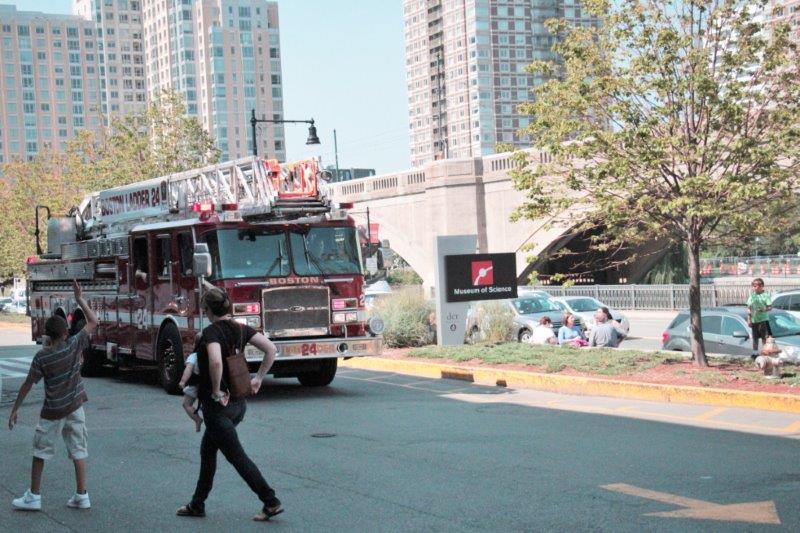
About a half hour after we started looking around were interrupted by a fire alarm and the entire museum was evacuated.  Boston’s finest showed up in a few minutes, checked everything out, reset the alarms and we were allowed back in to pick up where we had left off.

IMG_2470 IMG_2471We spent at least a couple of hours reading, checking out the activities and listening to all the staff stories.  There were great examples of art work made by Pixar people and many of the characters around the displays.  If you are ever somewhere that has the exhibit, I highly recommend it.

IMG_2473 IMG_2476 IMG_2478

You could adjust the colours of lights and features of the water around Dory.IMG_2482 IMG_2483 IMG_2484 IMG_2485 IMG_2486 IMG_2487 IMG_2477 IMG_2490When we had exhausted all the Pixar information we used our general admission ticket to explore the rest of the museum.  We managed to work our way through two of the three floors before we left the building at 6:45 – 15 minutes before closing.  What a great place.  So many very different exhibits with many inter-active centers.  A great place to take your kids.  I loved this museum.  And you all know what I am like in a museum so that says someting.

IMG_2495 IMG_2500 IMG_2498

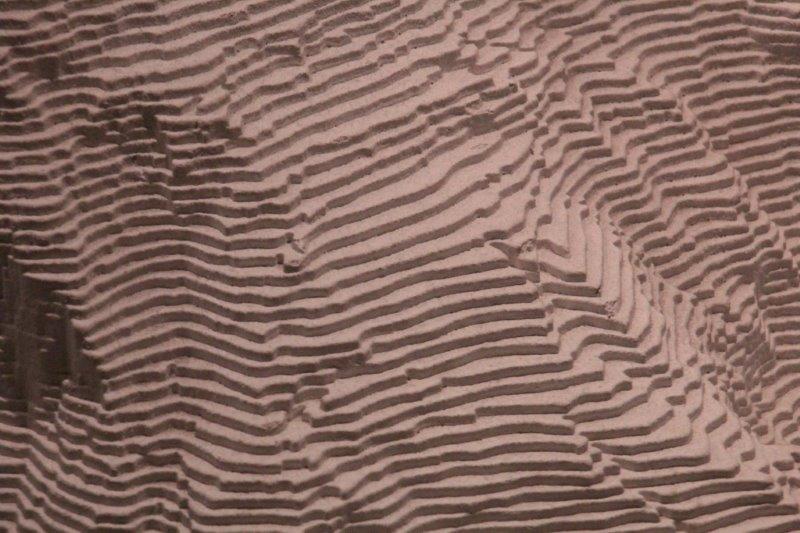
A topographical scale map of Mt. Everest showing the climbing route.

IMG_2503


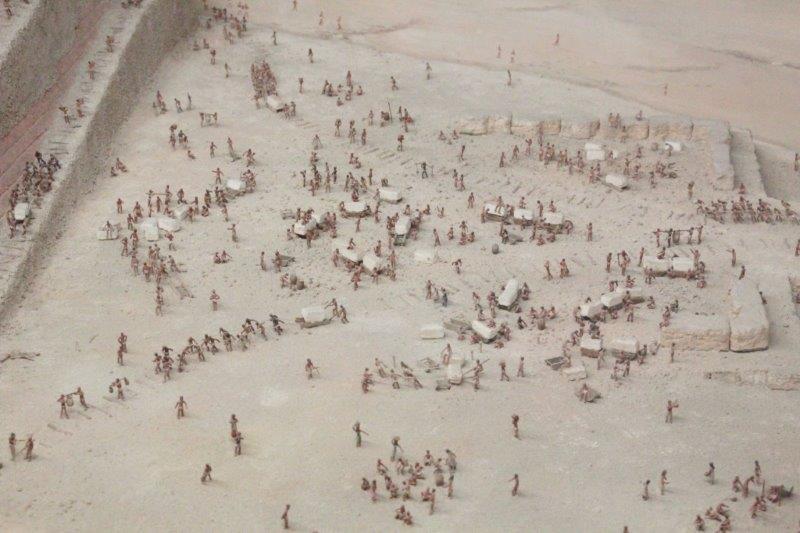
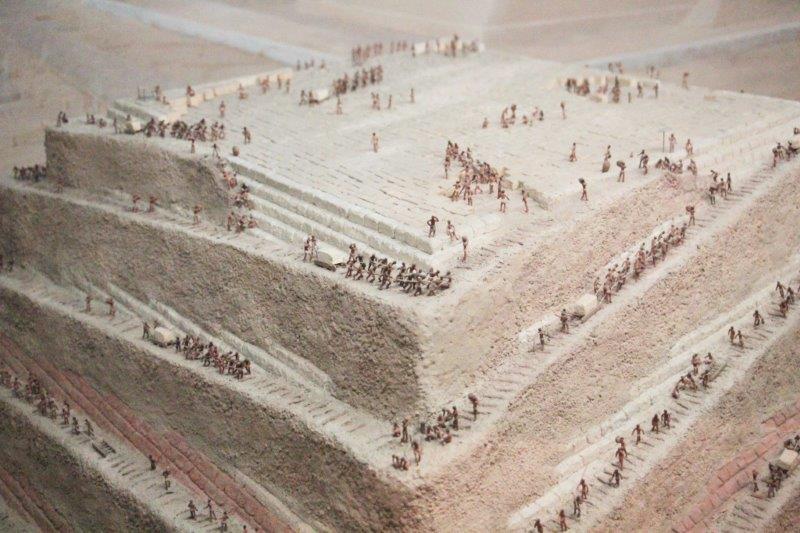
A diorama of the construction of the pyramids.


IMG_2505 IMG_2506 IMG_2508

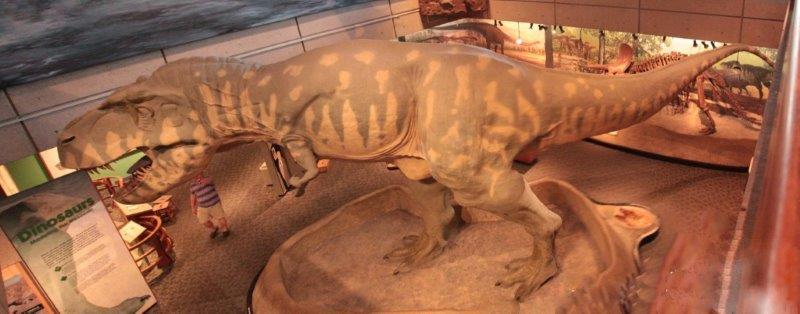
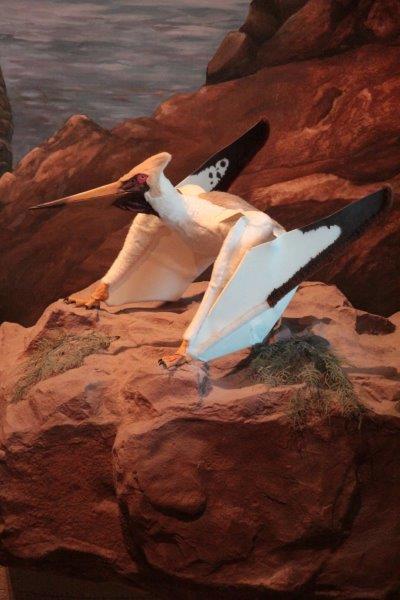
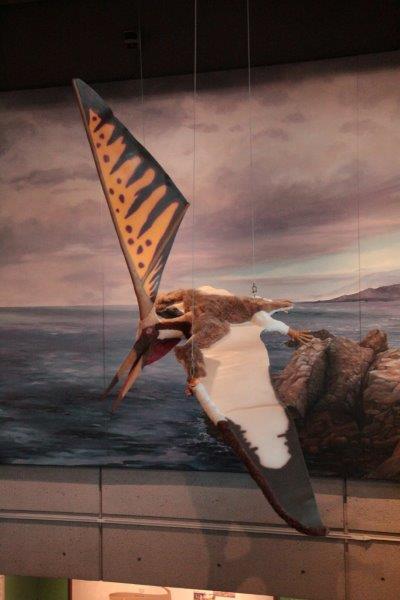
Life-size dinosaurs

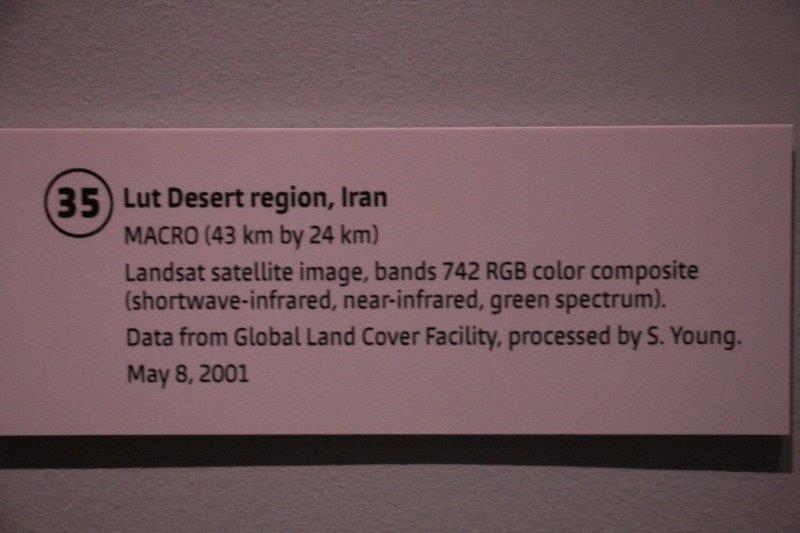
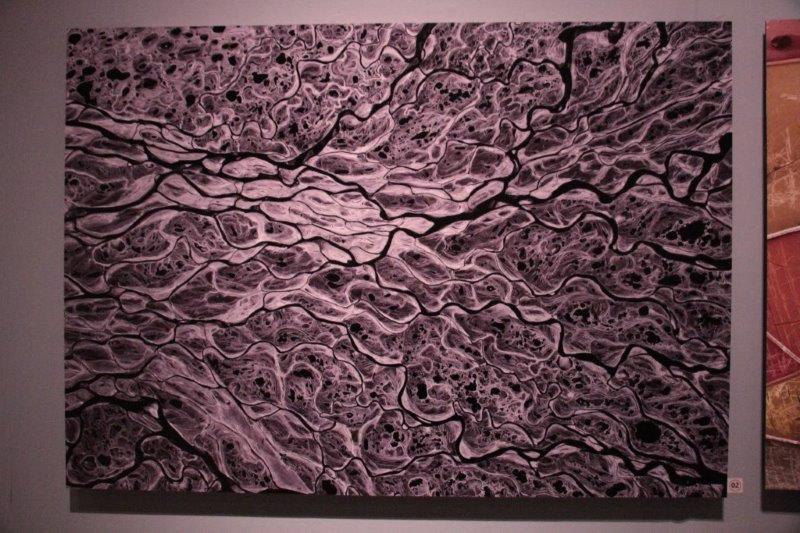
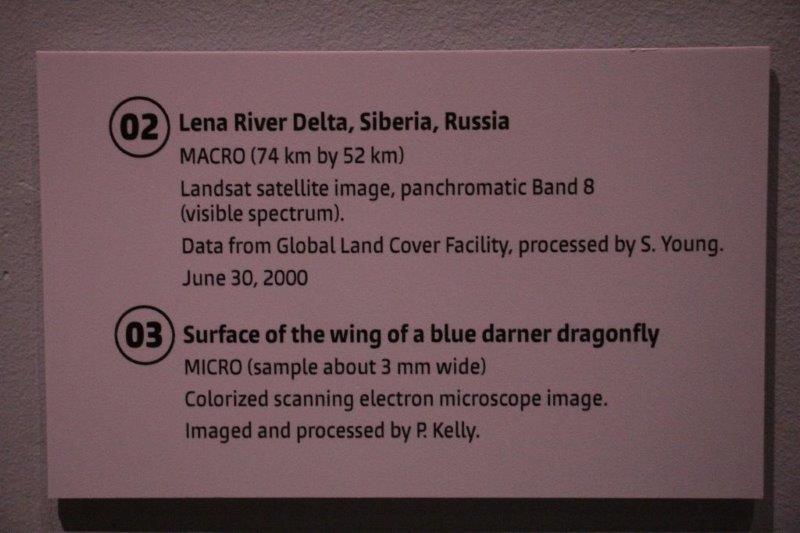
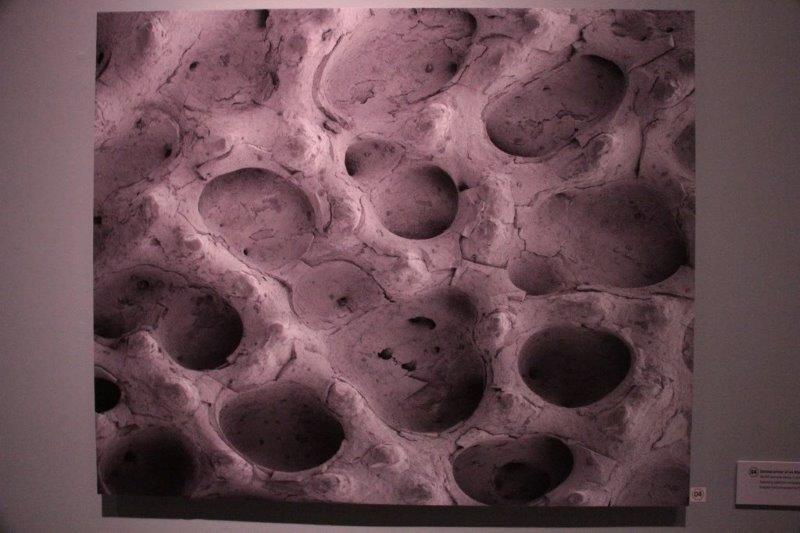
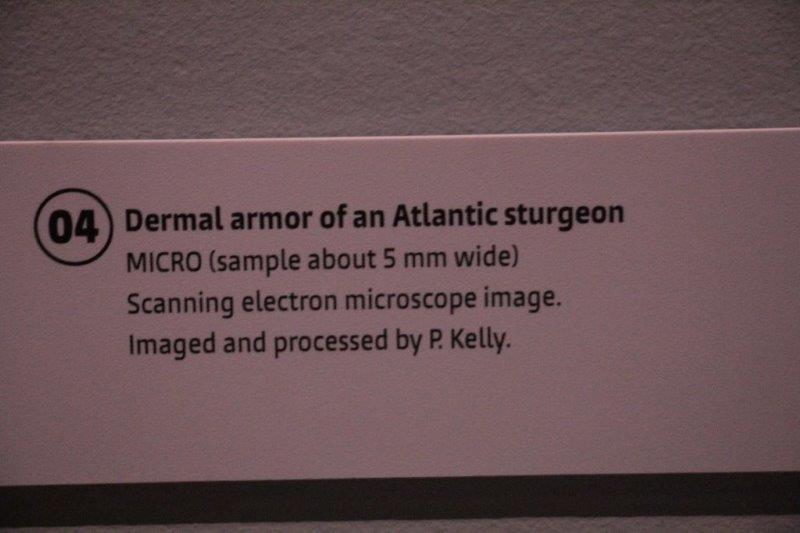
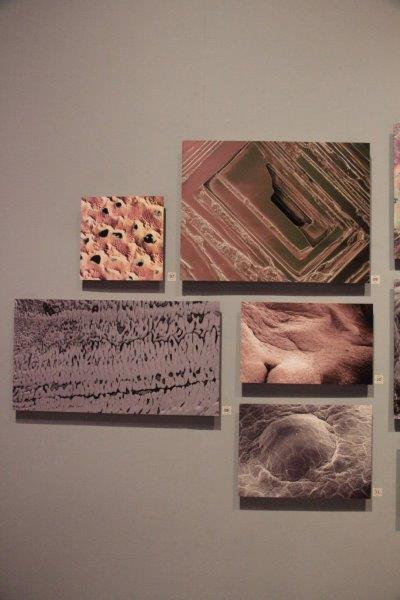
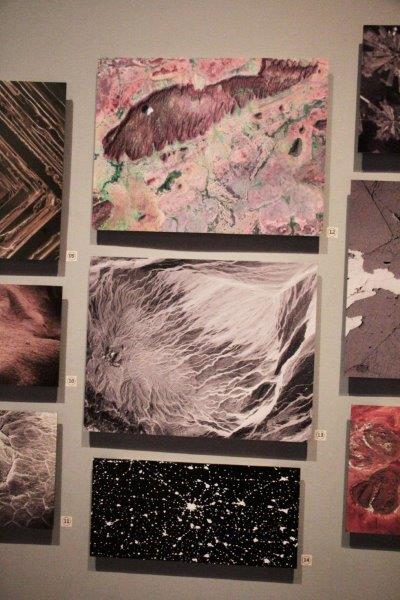
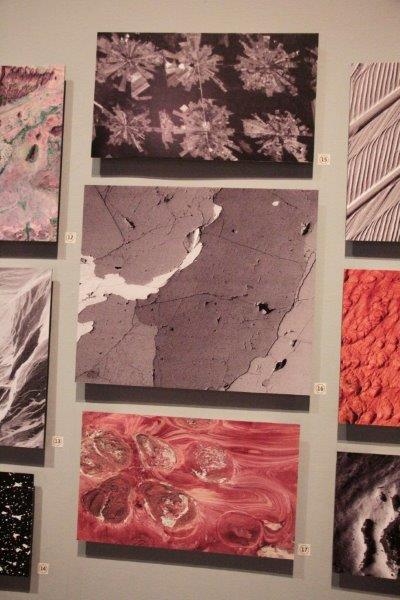
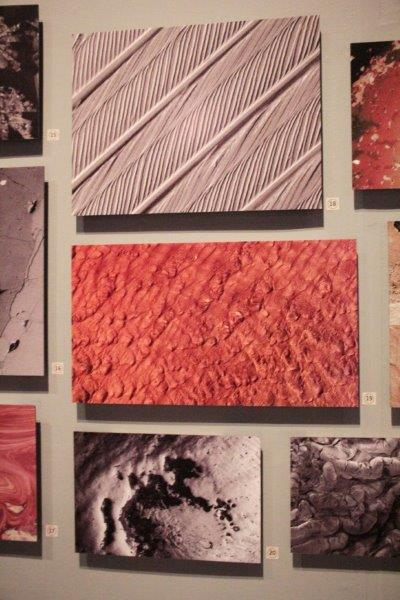
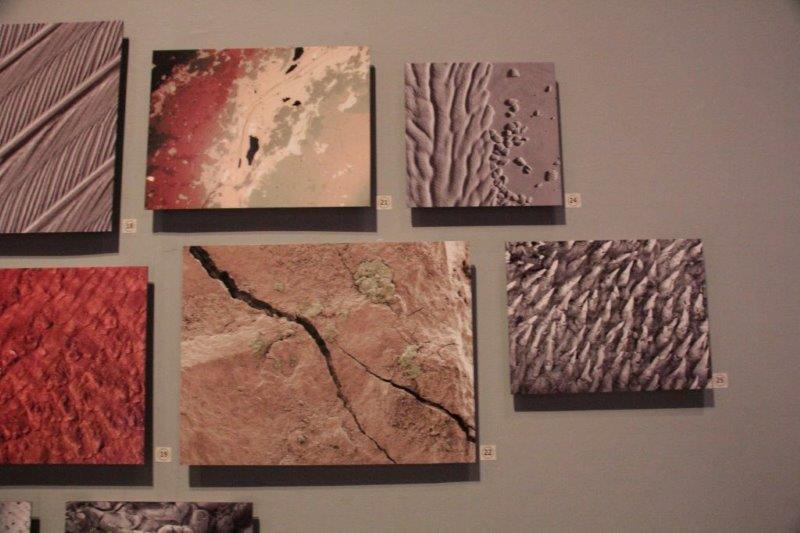
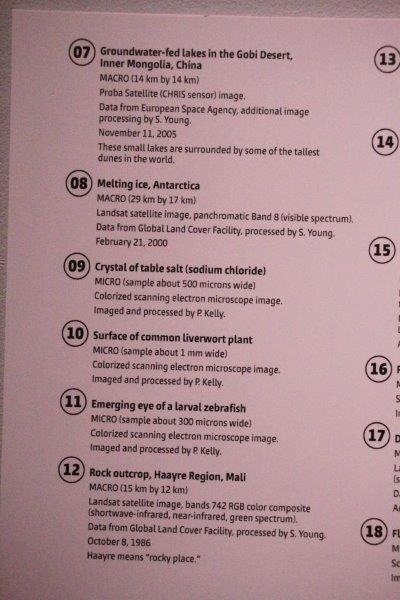
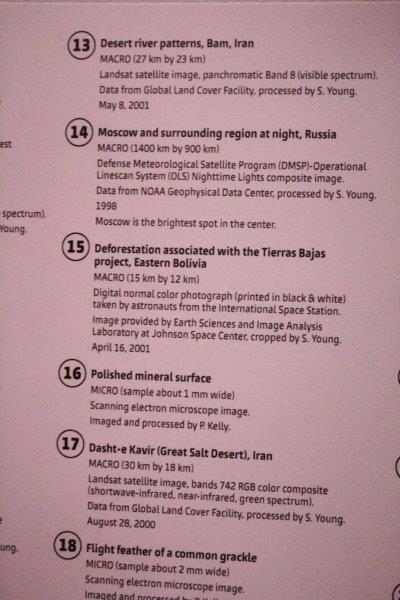
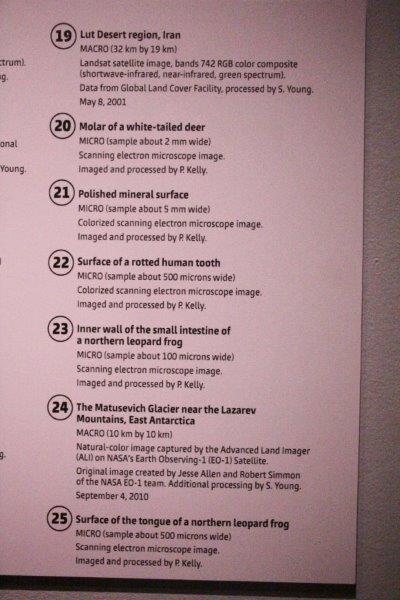
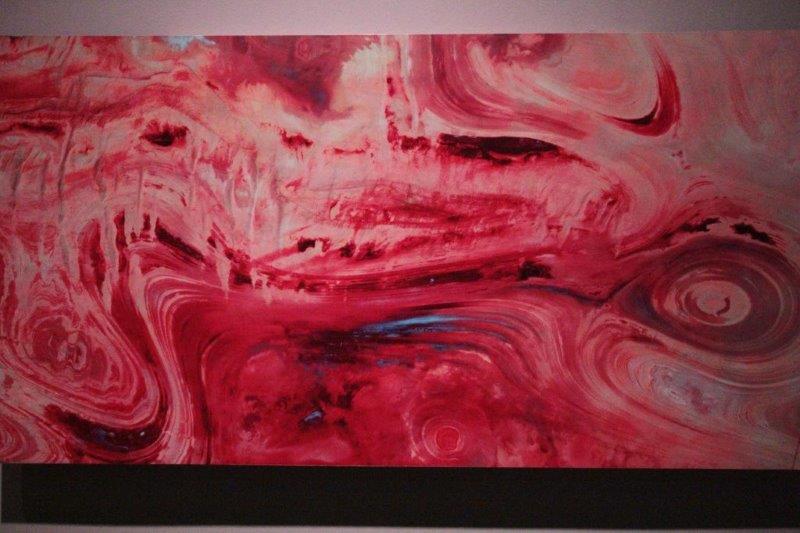
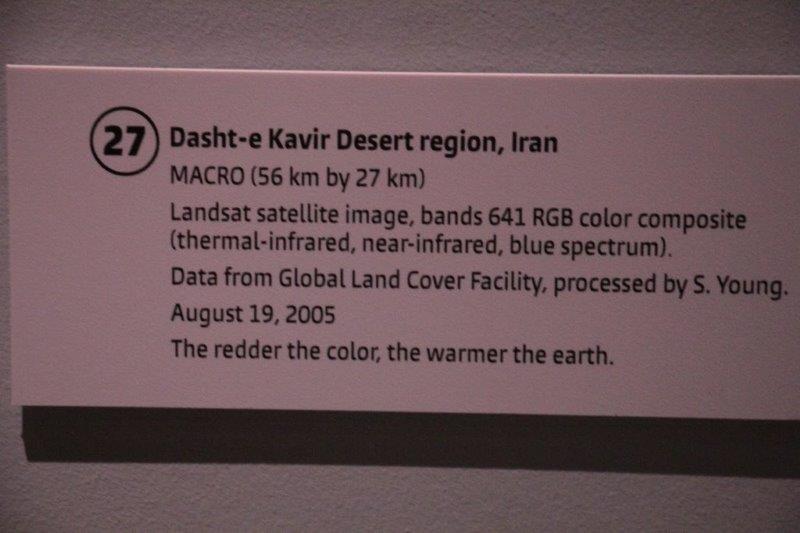
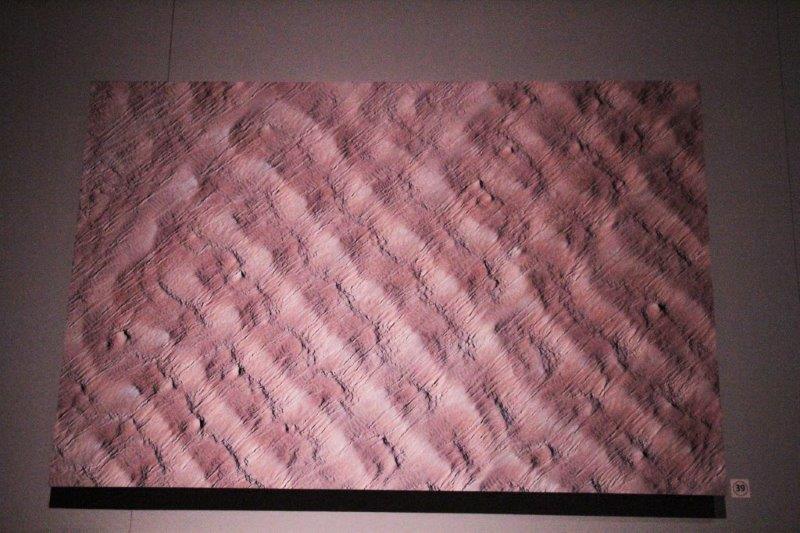
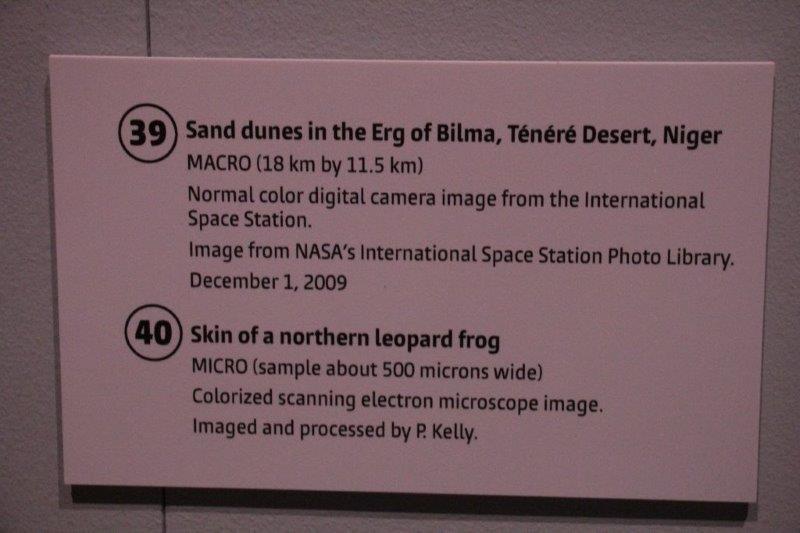
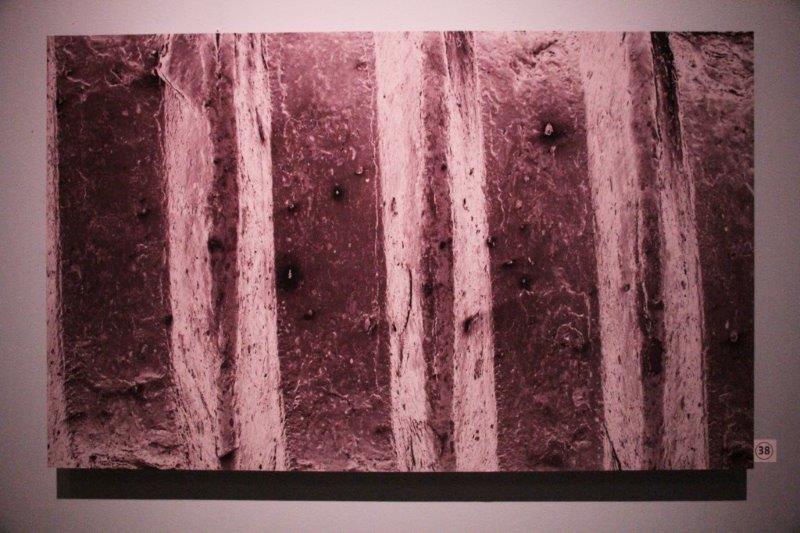
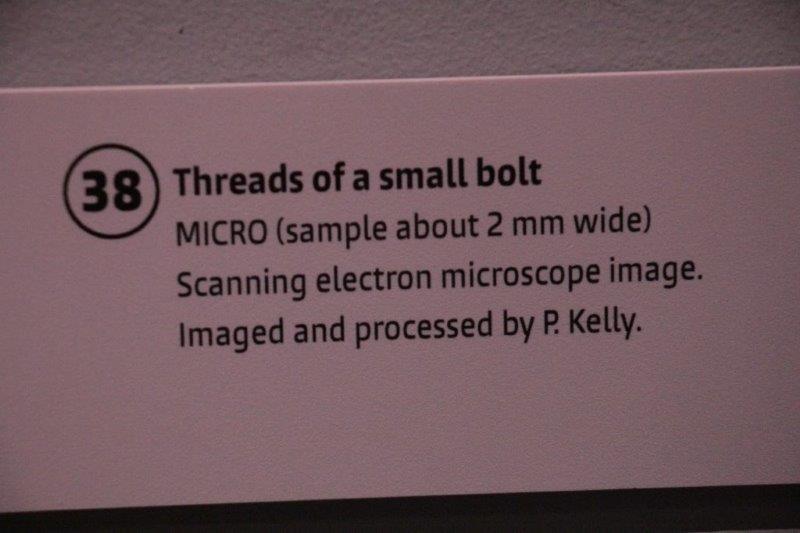
IMG_2517 IMG_2518This section is for our daughter-in-law Carrie who is an artist.  All of the artwork is either macro or micro photography. Very very cool.

IMG_2520 IMG_2521 IMG_2522 IMG_2523 IMG_2524 IMG_2525 IMG_2526 IMG_2531IMG_2527 IMG_2528 IMG_2529 IMG_2530

IMG_2531 I don’t know how well you can pick out the numbers beside the artwork above that corresponds to the description below.
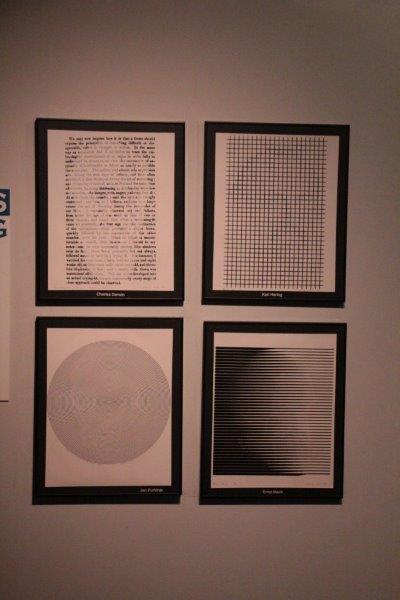
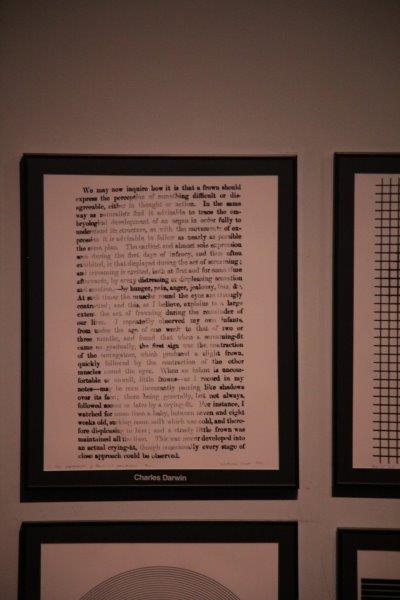
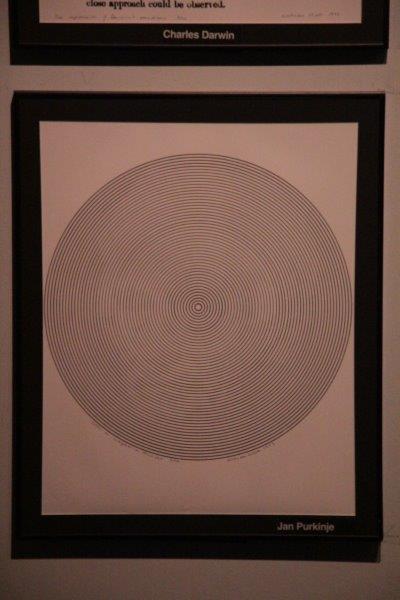
IMG_2532 IMG_2533 IMG_2534 IMG_2535 IMG_2536 IMG_2537 IMG_2538 IMG_2539 IMG_2540 IMG_2541There was an entire exhibit on optical illusions (M.C. Escher engravings included) and how the eye gets tricked.   The last display was a set of four famous faces that could be seen in geometric black and white images.   Close up they were just lines and shading but when you stand back the faces appeared

IMG_2550 IMG_2543 IMG_2547 IMG_2549


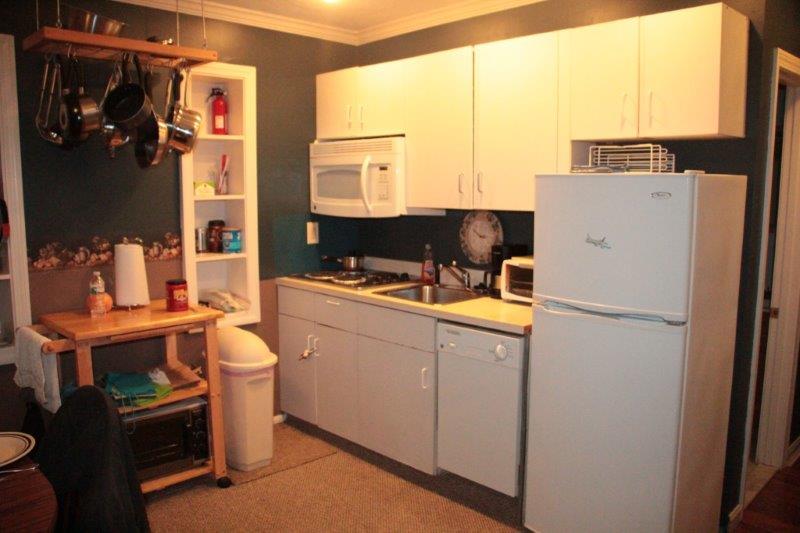
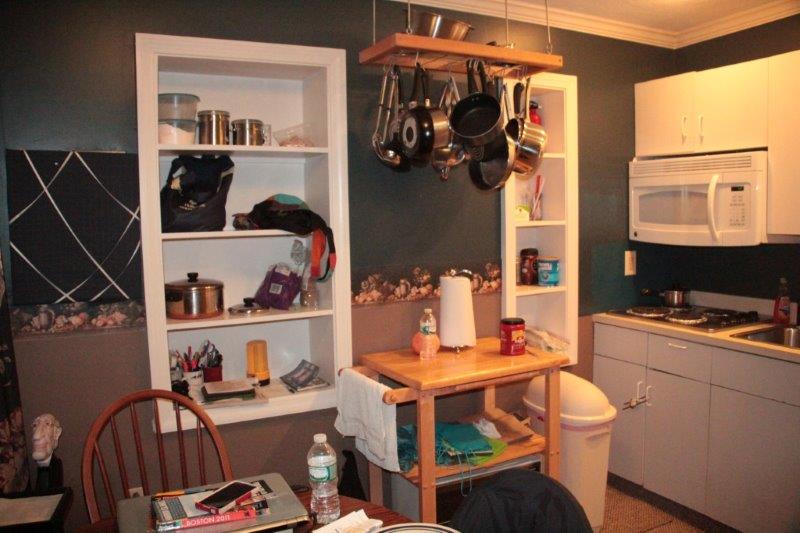
IMG_2551 IMG_2552 IMG_2554 IMG_2557We made a quick stop at the grocery store for dinner supplies and headed back to the apartment to eat and have a  quite evening.  The apartment is very small with several things (like leaking taps and shower) needing  maintenance and it was very expensive by our standards, but the location is really great, with access to groceries, restaurants, the subway and near-by attractions.  Sometimes you just bite the bullet and go for it. Hotels and accomodations in Boston are VERY expensive. Even a small place like this (four story walk-up) would rent for $2500 per month or more.

IMG_2559 IMG_2560 IMG_2561 IMG_2564

IMG_2562 IMG_2563
IMG_2569 IMG_2566

IMG_2558

And now it is time for me to climb into this bed and rest.  Tomorrow is going to be another enjoyable day.