Category Archives: Hanna Travels

2009 World Cruise – April 20 & 21 – Days 105 & 106 – Cape Town, South Africa

The day at sea was pretty rocky as we navigated the Mozambique Plateau; two currents flowing in a southerly direction along the coast – the Mozambique and the Agulhas.  The information from the navigator had warned us about abnormal high waves preceded by a deep trough that may be encountered between Durban and Cape Town.  It was even too windy to walk on the rolling deck.

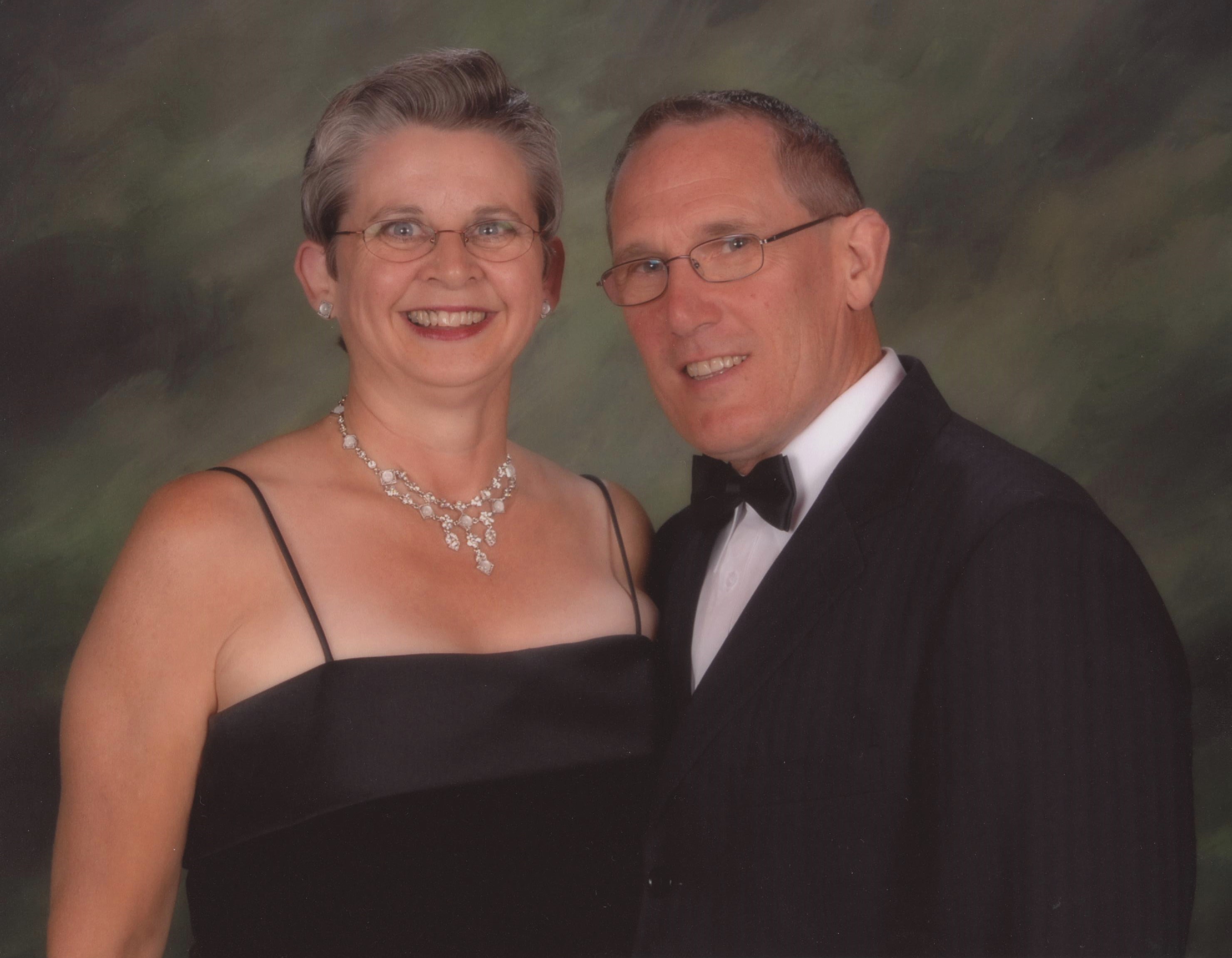
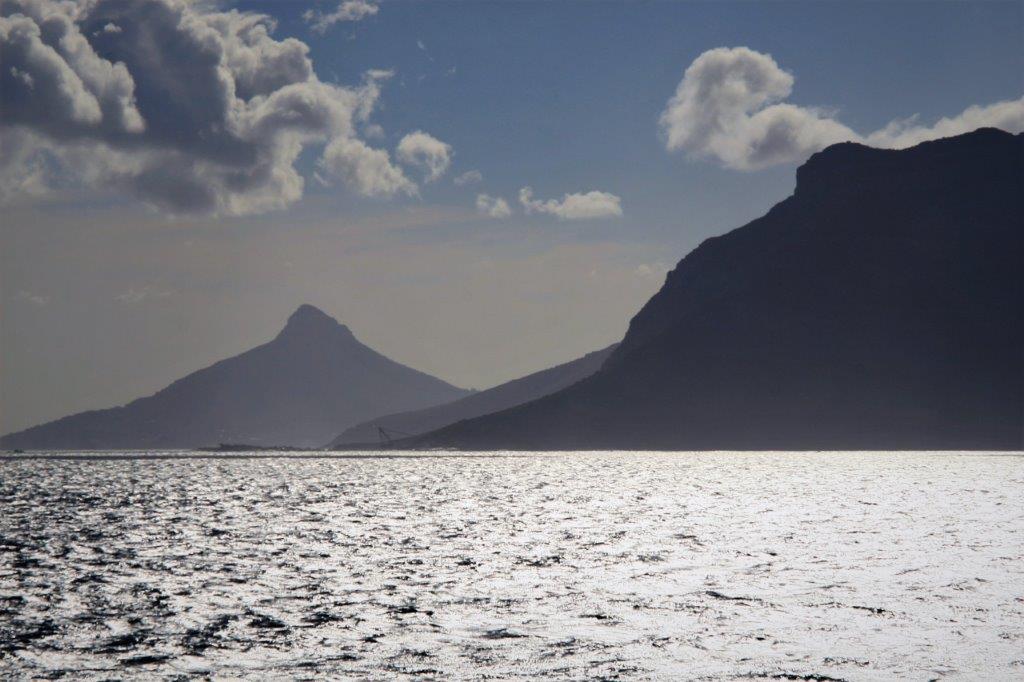
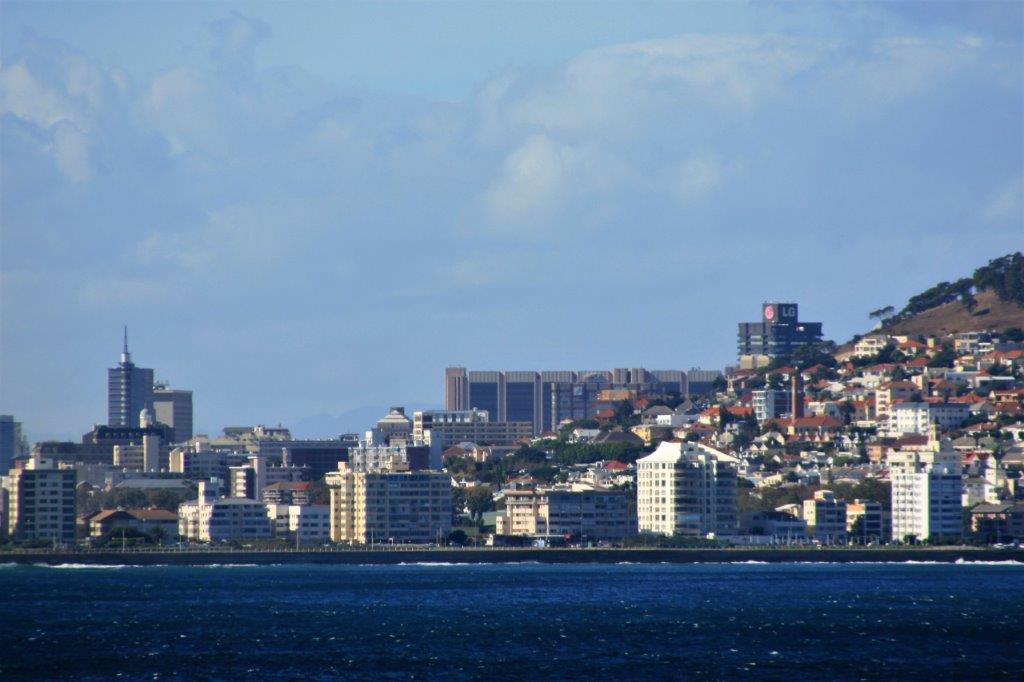
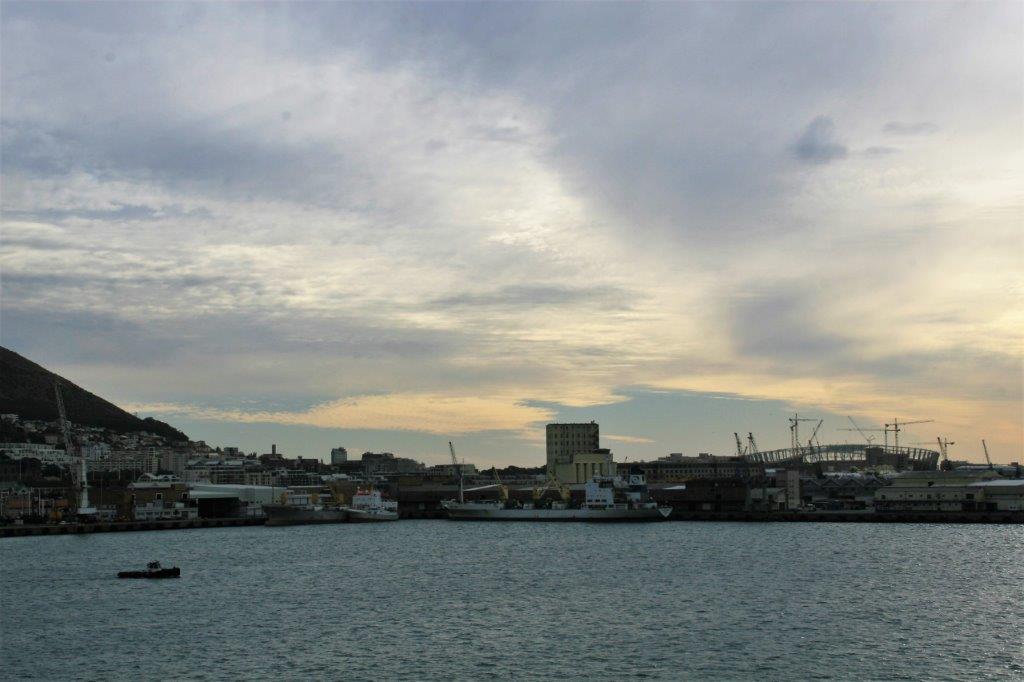
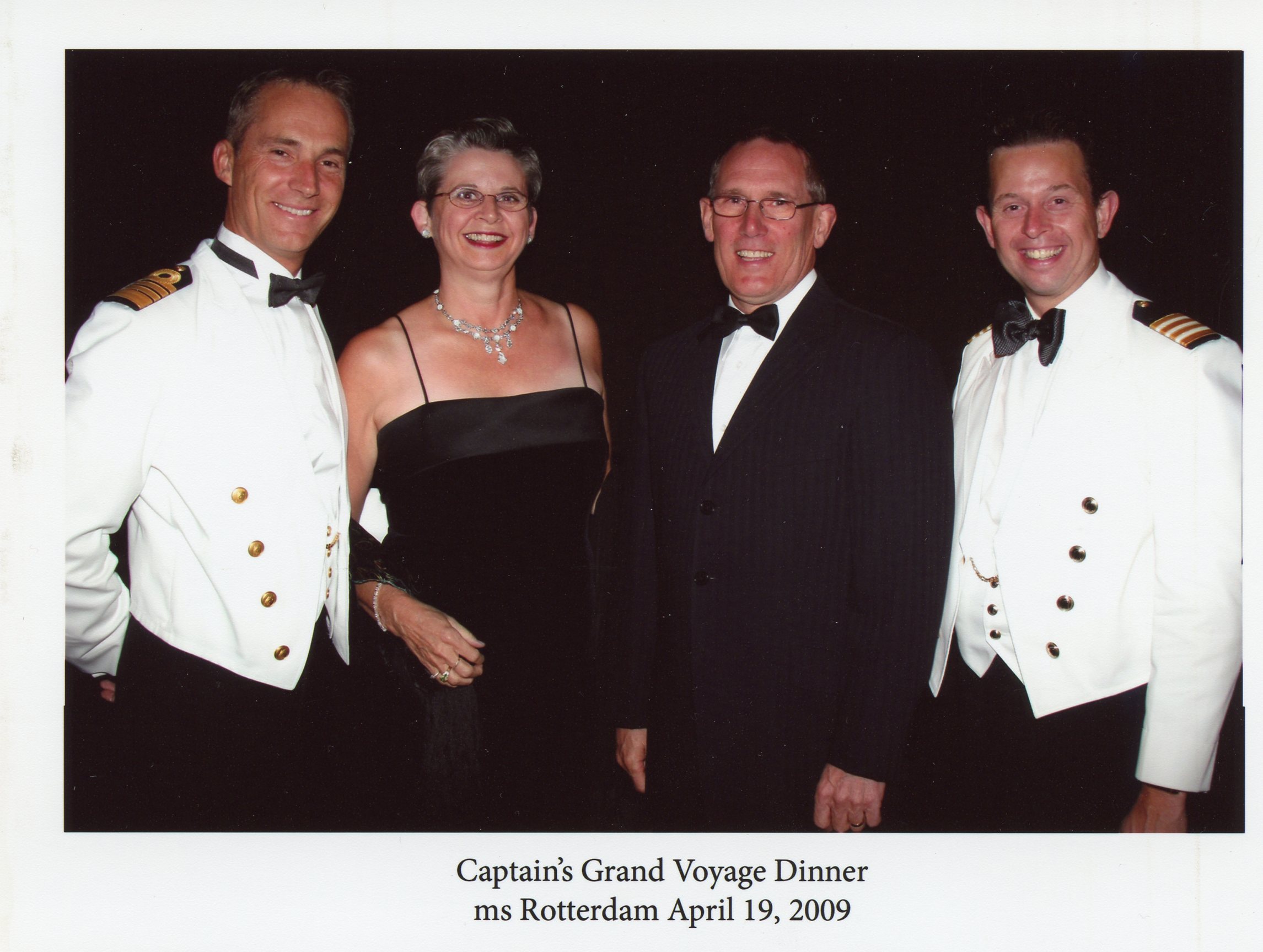
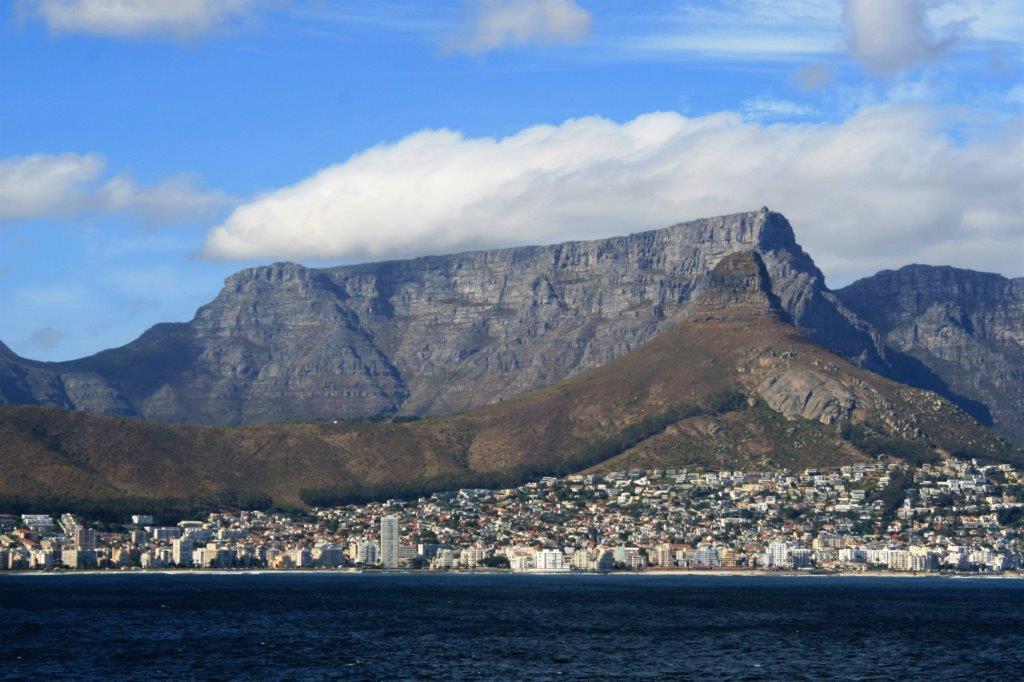
We were invited to dinner with the Captain that night – well us and about 20 other people.  We sat with the Comptroller who was from The Hague, Netherlands and three  other couples from our deck.  We got all gussied up and had our photo taken by the ship’s photographer.2009-apr-16 2009-apr-19-world-cruise-captains-dinnerThe coast at Cape Town was a multi-layered hazy silhouette as we approached the harbour the next day. 2009-04-20_7317 2009-04-20_7320We were due to dock at Cape Town at 1 o’clock but the high seas and gale force winds closed the port.  We had been scheduled to go on tour at 2 PM but the excursions were cancelled (I really wanted to go on that one too.  It was a trip to the Gold Museum where they collect, design and make gold jewelry followed by a trip to the diamond showroom.)  We dropped anchor at three and the pilot came onboard, but the wind rose again and he left.  We were able to walk the deck for our ten laps.  It was a struggle on the starboard side but the port side was alee so it was much better.
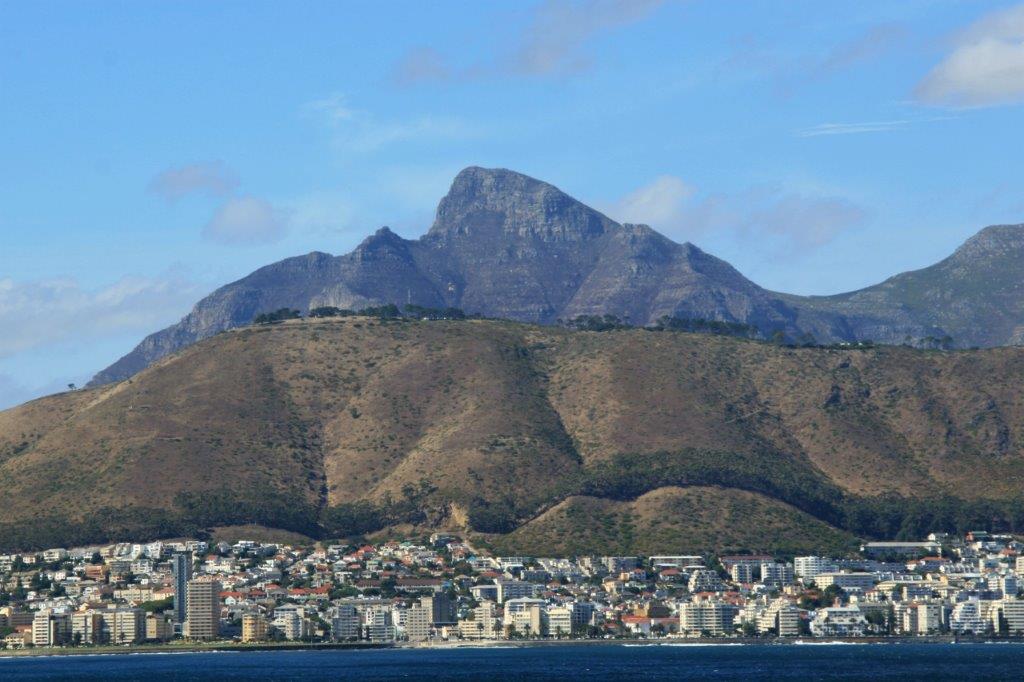
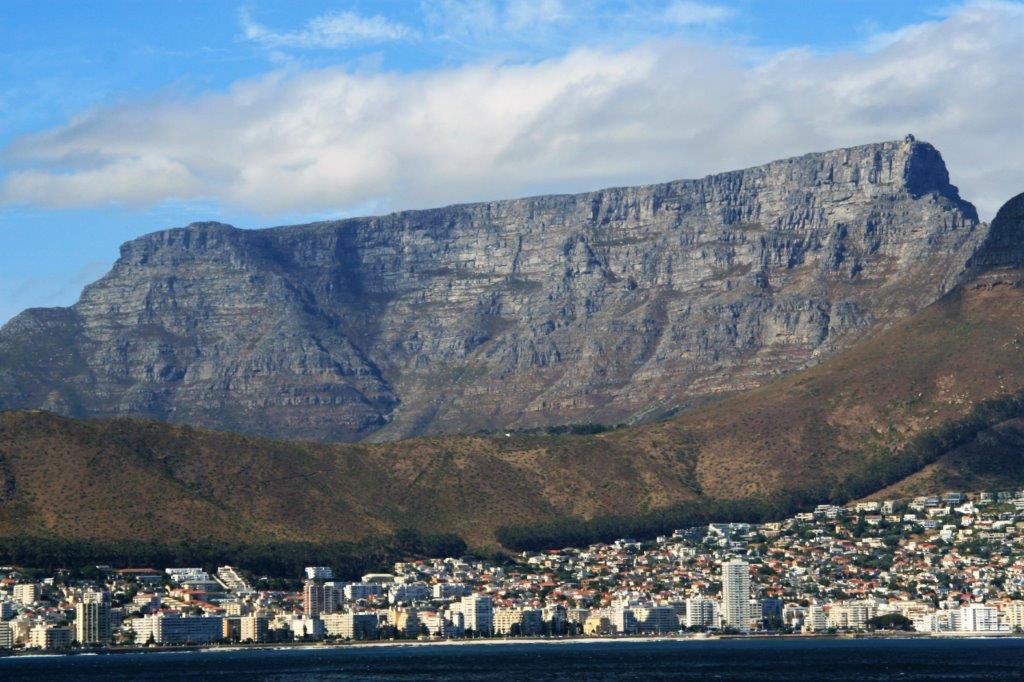
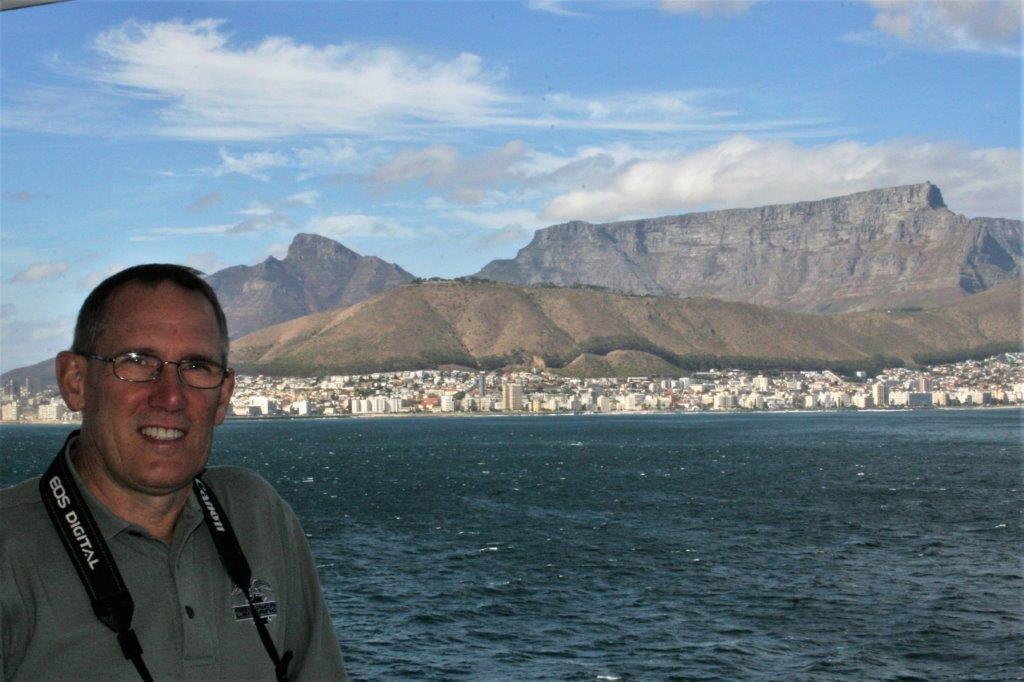
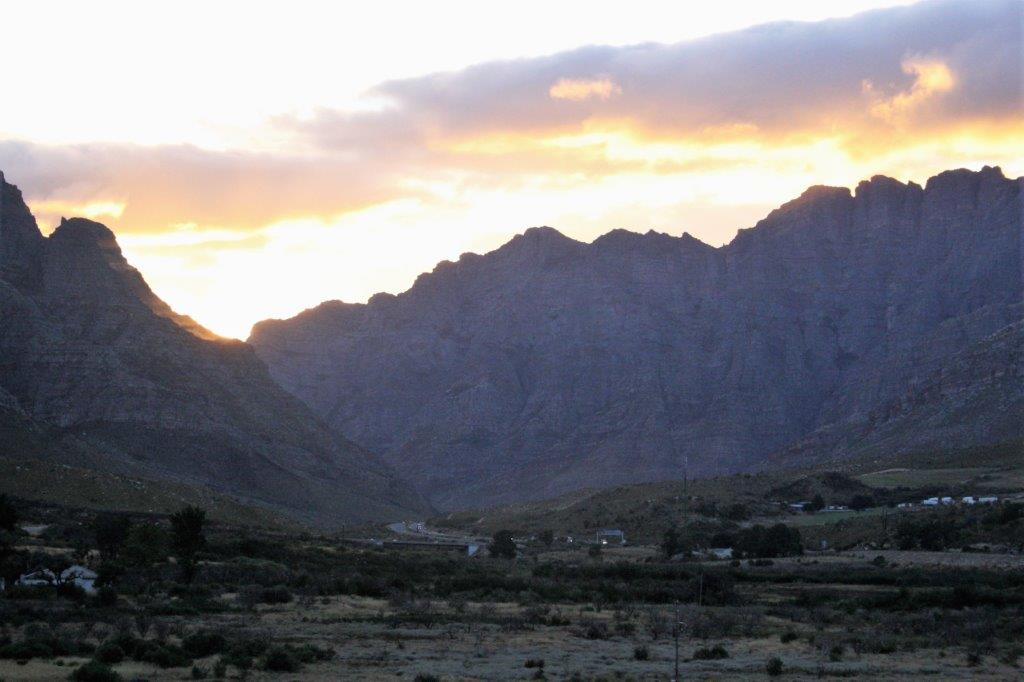
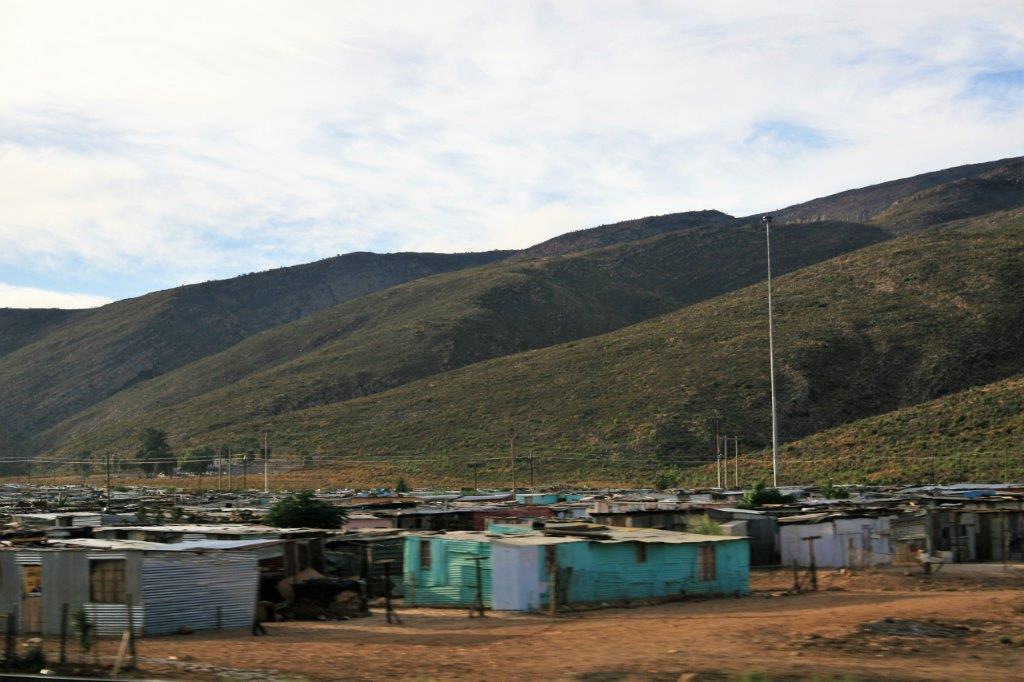
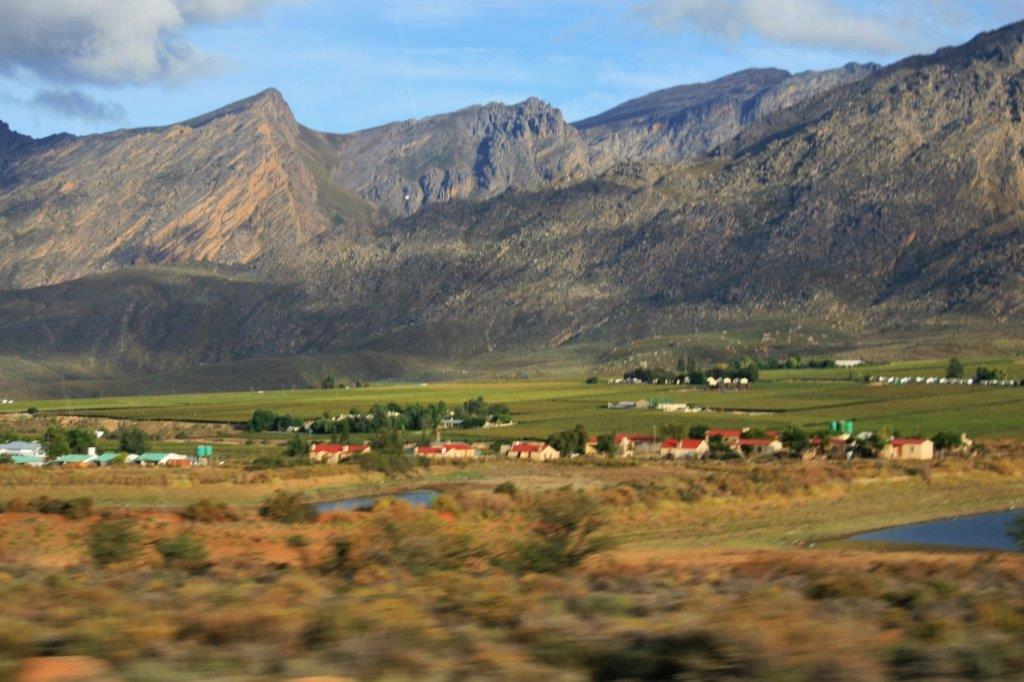
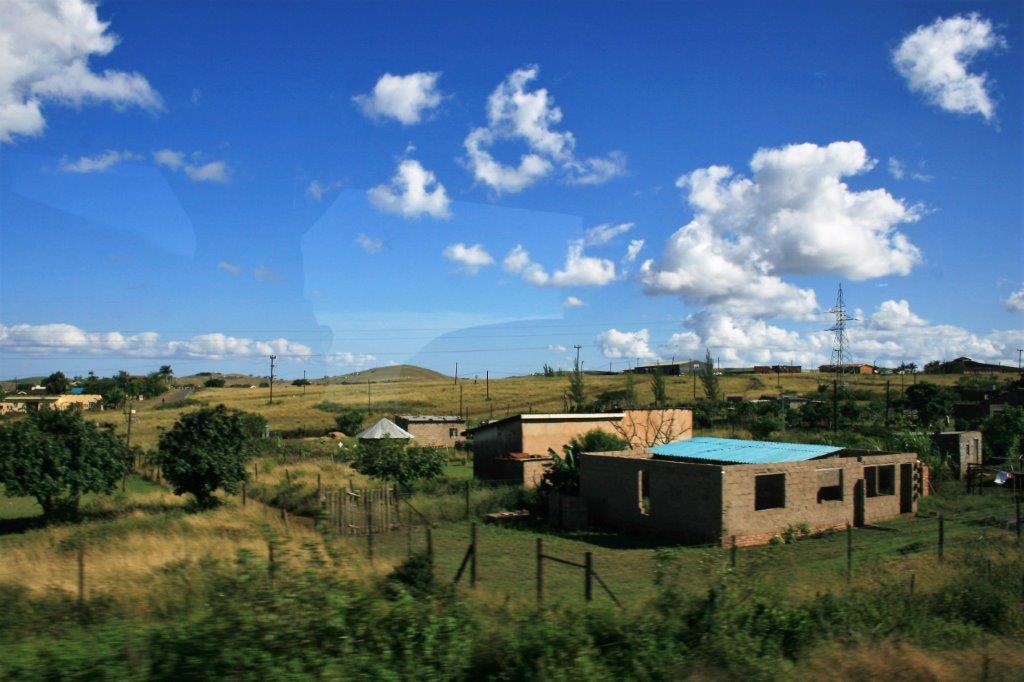
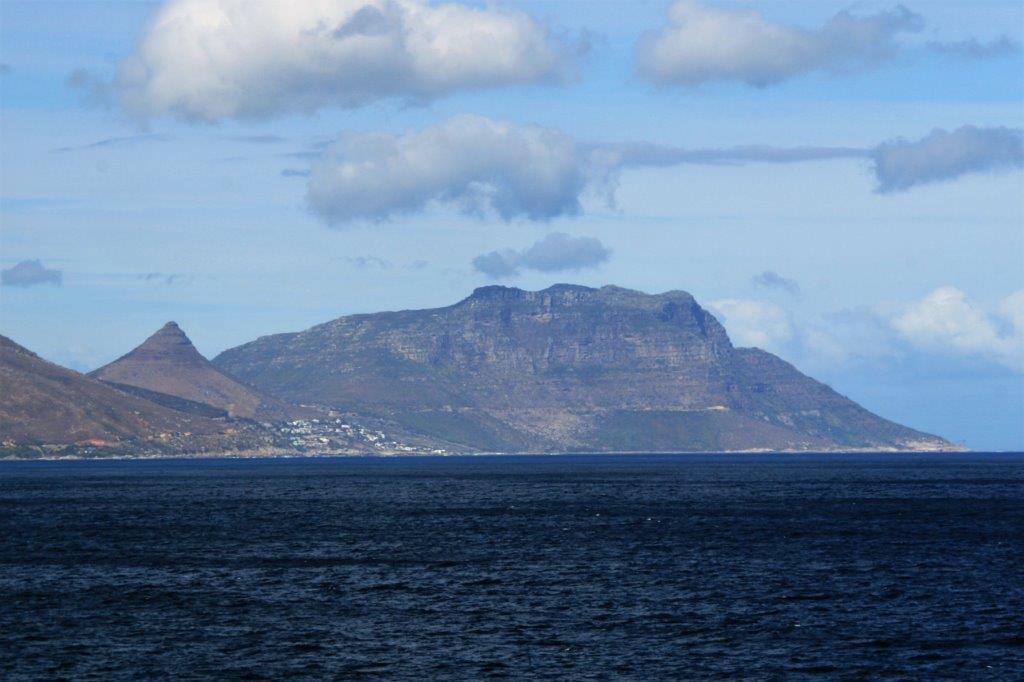
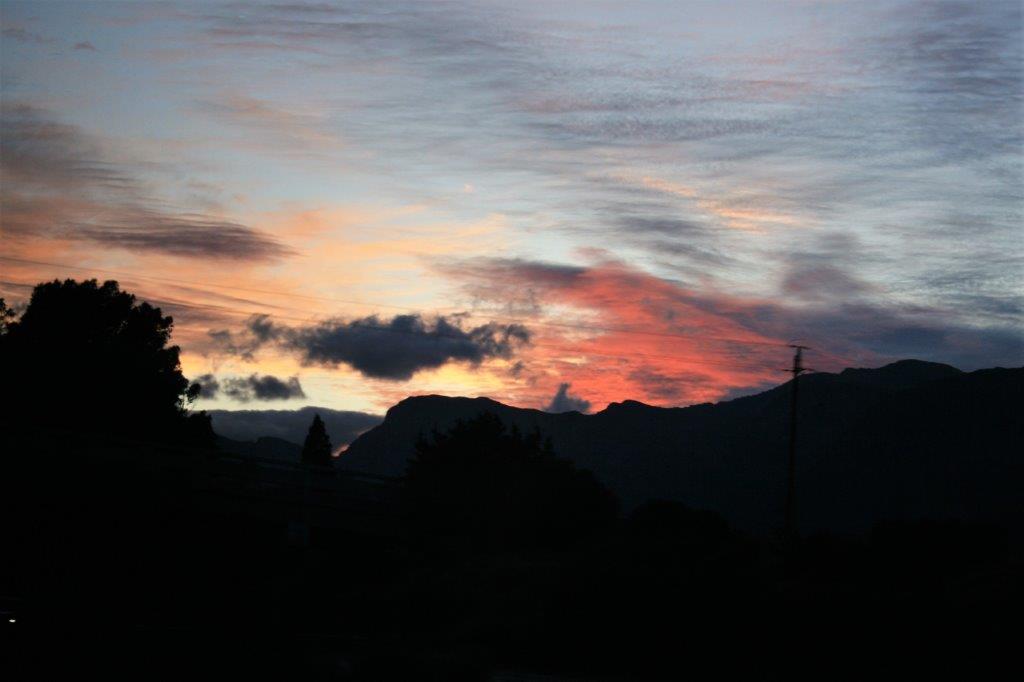
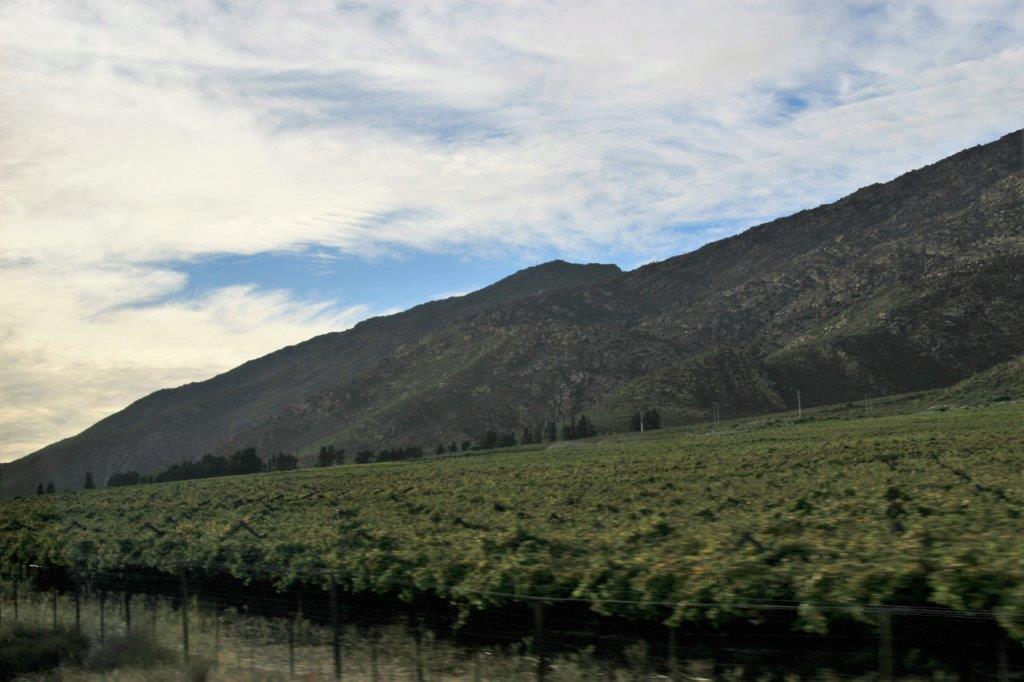
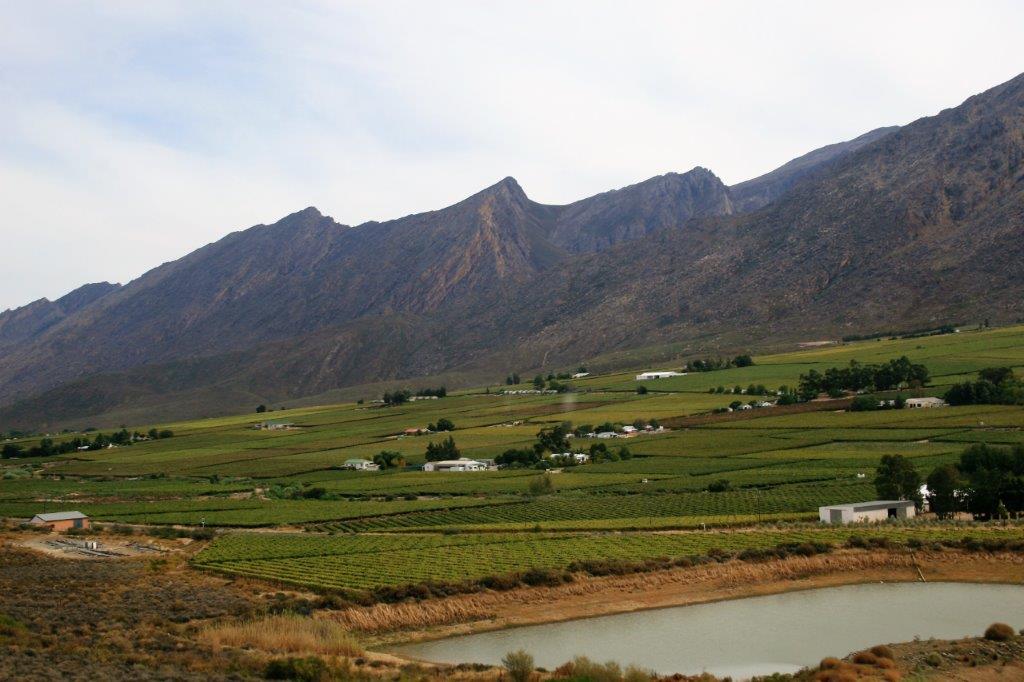
The motion calmed enough to take some photos of Table Mountain from the deck.  All excursions were cancelled at 4:30 and we spent the night anchored off shore.2009-04-20_7329 2009-04-20_7322 2009-04-20_73312009-04-20_7330 2009-04-20_7325 2009-04-20_7333 2009-04-20_7336When  a cloud settles on the top of Table Mountain they call it a table cloth.2009-04-20_7321The next morning we were able to dock and we set off for our last game drive.  Once again we had a long drive – almost 2 1/2 hours – and we left the ship at 6:30 am.  The sun wasn’t even up.2009-04-21_7127 2009-04-21_7144We headed north and east out of the city, past rocky terrain with sagebrush scrub, but once we passed through the 4.5 km Huegonott Tunnel we were in grape and citrus country.  It was beautiful countryside.  There were vineyards in all directions as far as you could see; something like driving through California’s Napa Valley – but with the occasional shanty town.
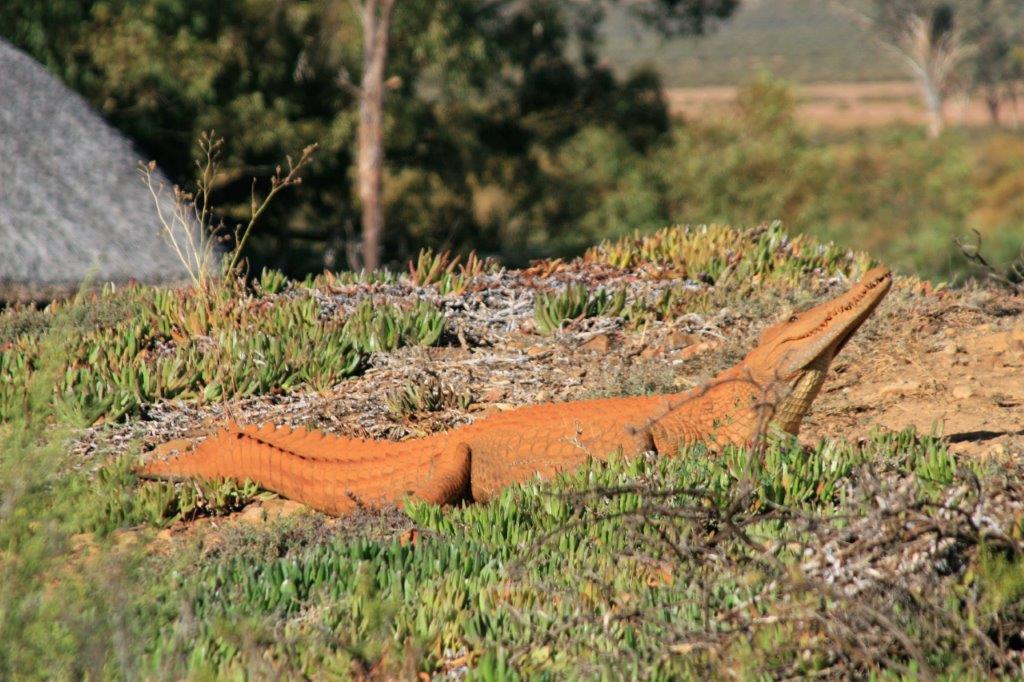
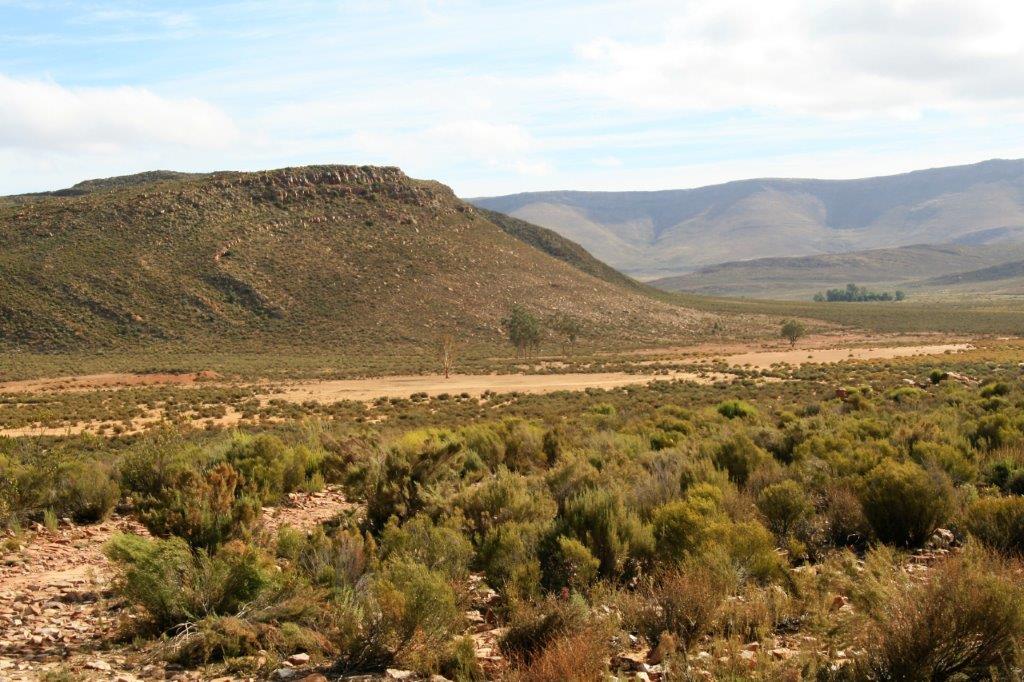
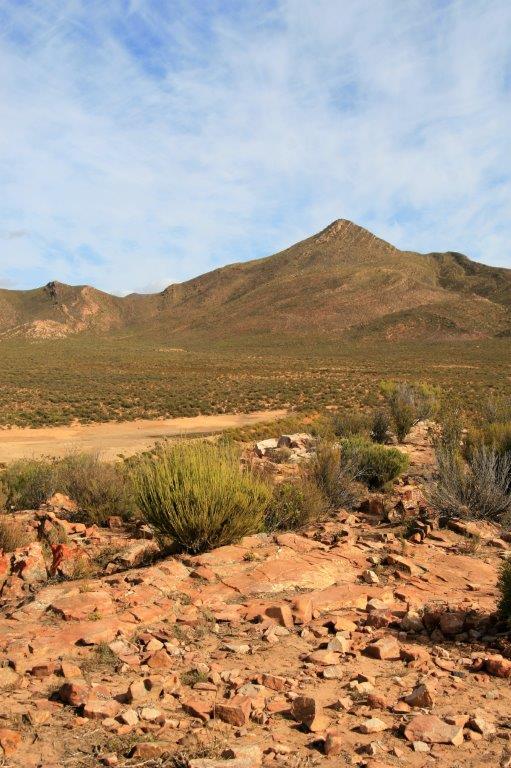
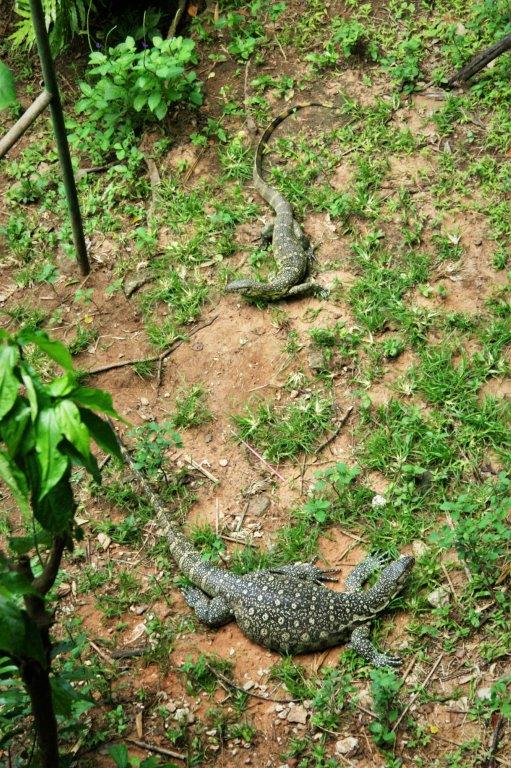
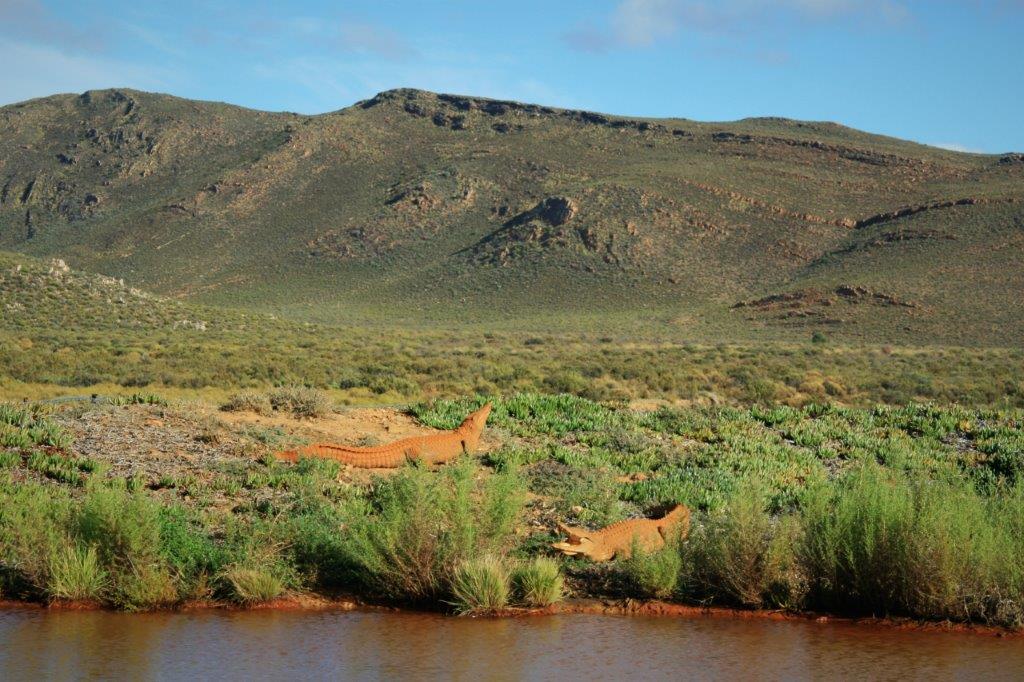
There were two types of grape trellises; those growing on vines up and down rows like we see at home or in California, and others that were like overhead carpets where the vines grew up the trellises and accross the top to form a huge green blanket.  The grapes on the vines were for wine, the grapes hanging from the ‘blankets’ were table grapes.2009-04-21_7121 2009-04-21_7122 2009-04-21_7124 2009-04-21_7125 2009-04-21_7126We were given breakfast upon our arrival at the Aquila Private Nature Reserve.  As we departed for our game drive the wind was still blowing and it was quite cold.  We were out for 2 1/2 hours and we were somewhat disappointed as Aquila was not so much a Game Reserve as a Game Farm/Rescue Facility.  If we had been told this from the beginning it would not have been an issue because people would have had the choice to go or not.  As it was many people were displeased to learn the animals are partially fed because the land is quite barren and could not provide the required nutrional levels and that they were ‘rescues’ that, it was hoped, could be released to the wild again.  This was not in any way a bad thing and the animals had plenty of space and looked well cared for, it just was not what people had been told to expect.2009-04-21_7139 2009-04-21_7135 2009-04-21_7134                  These crocs have spent too much time in the red mud.
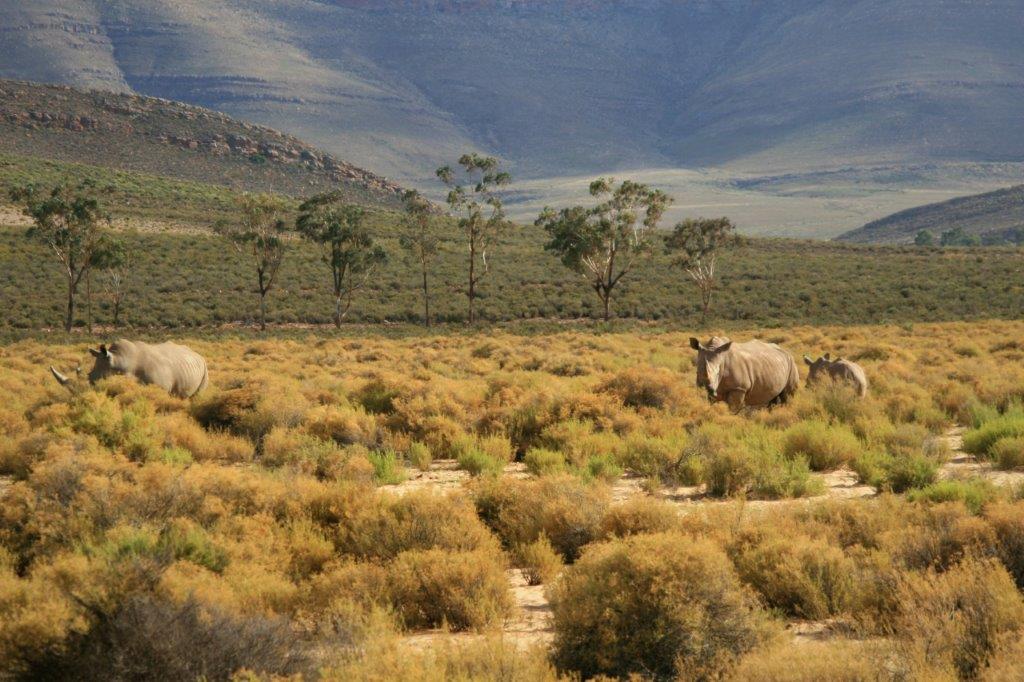
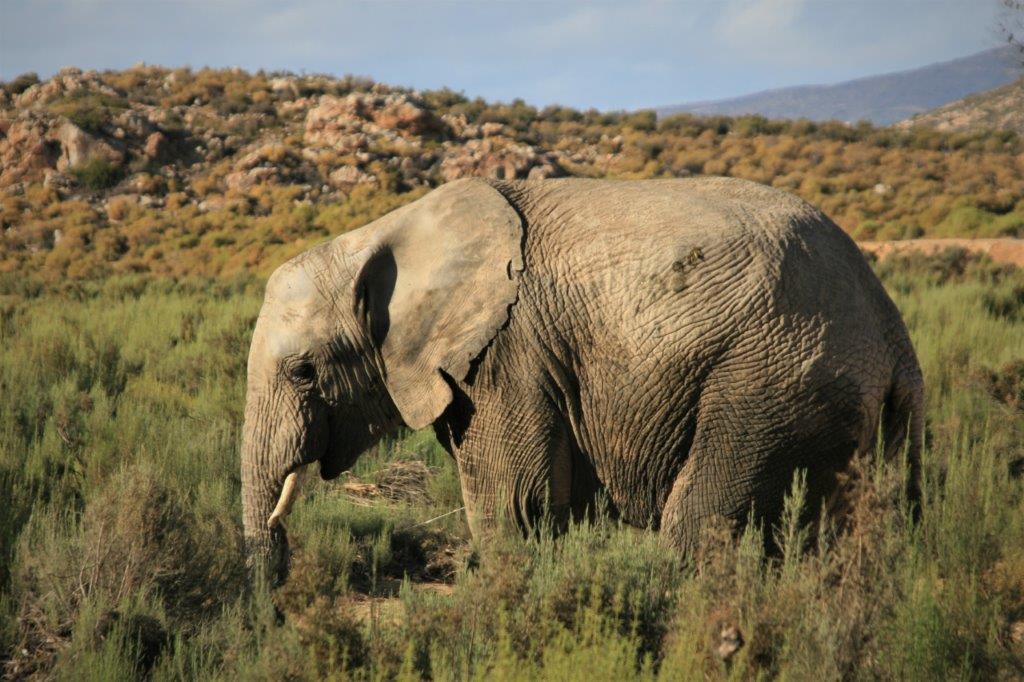
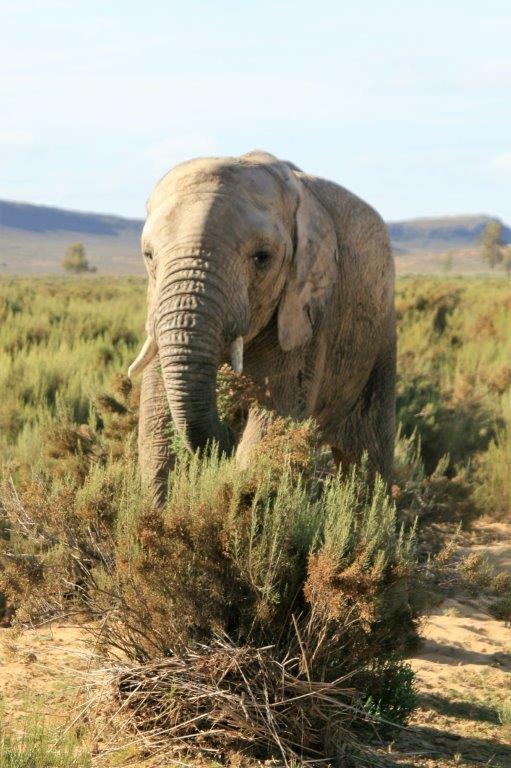
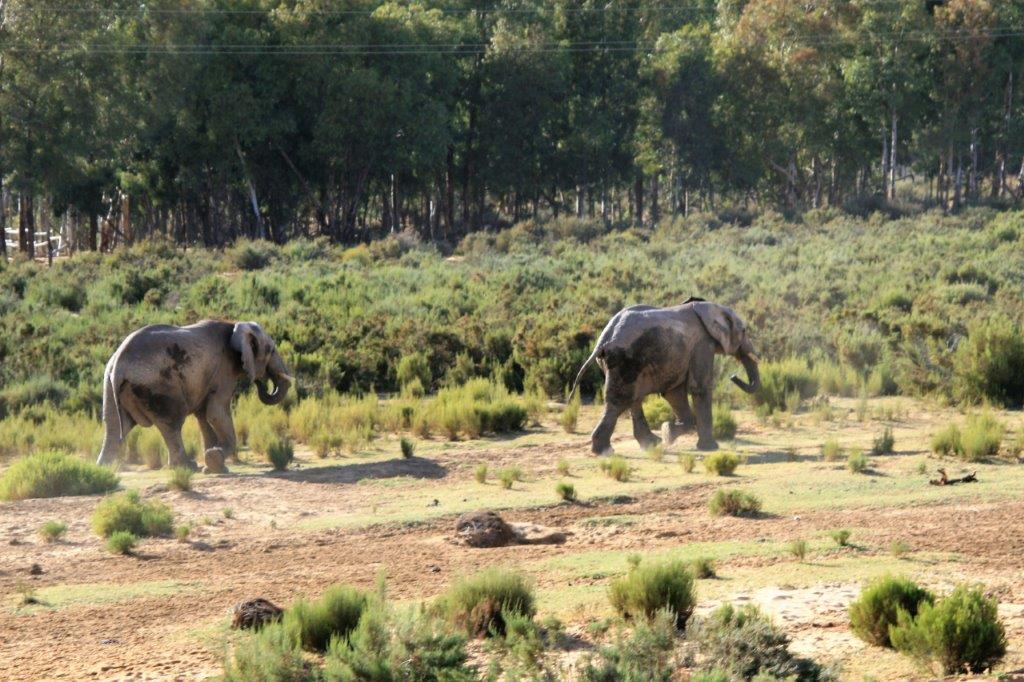
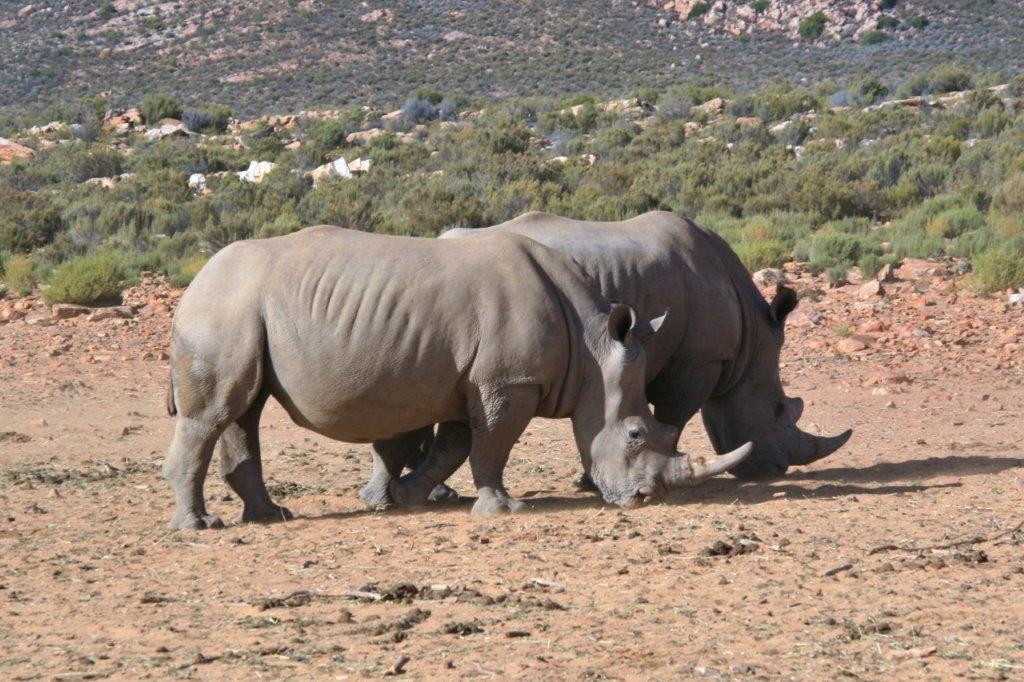
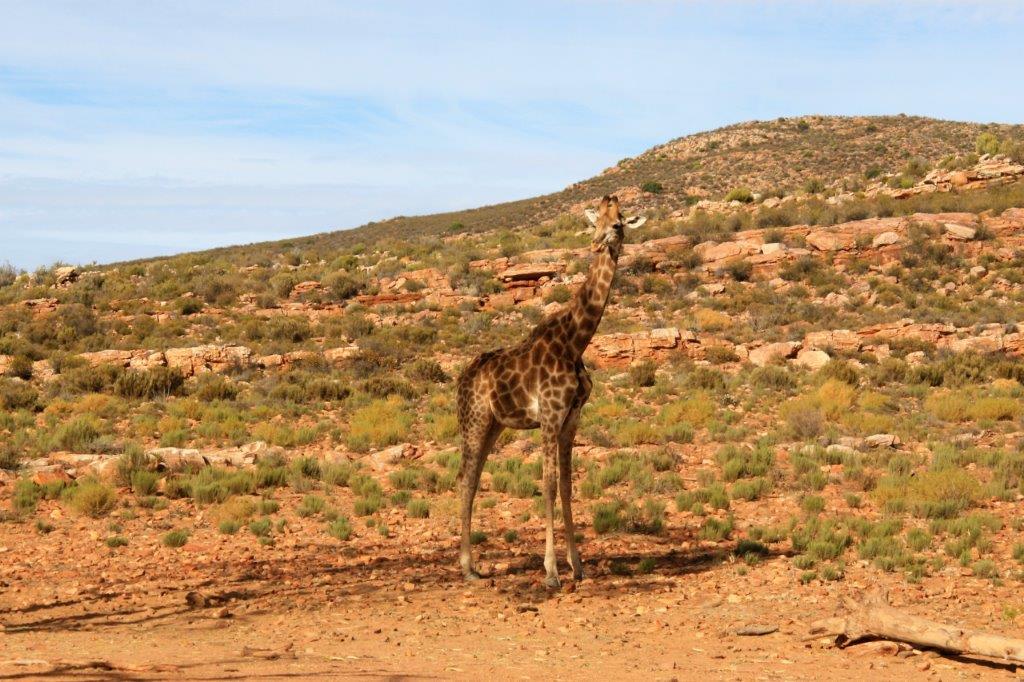
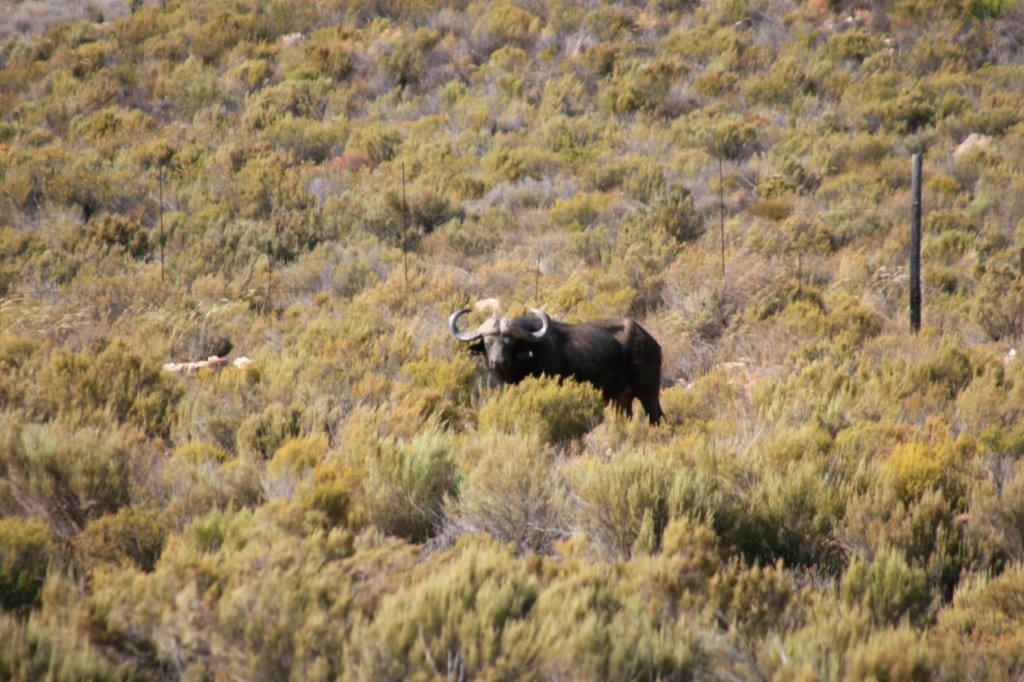
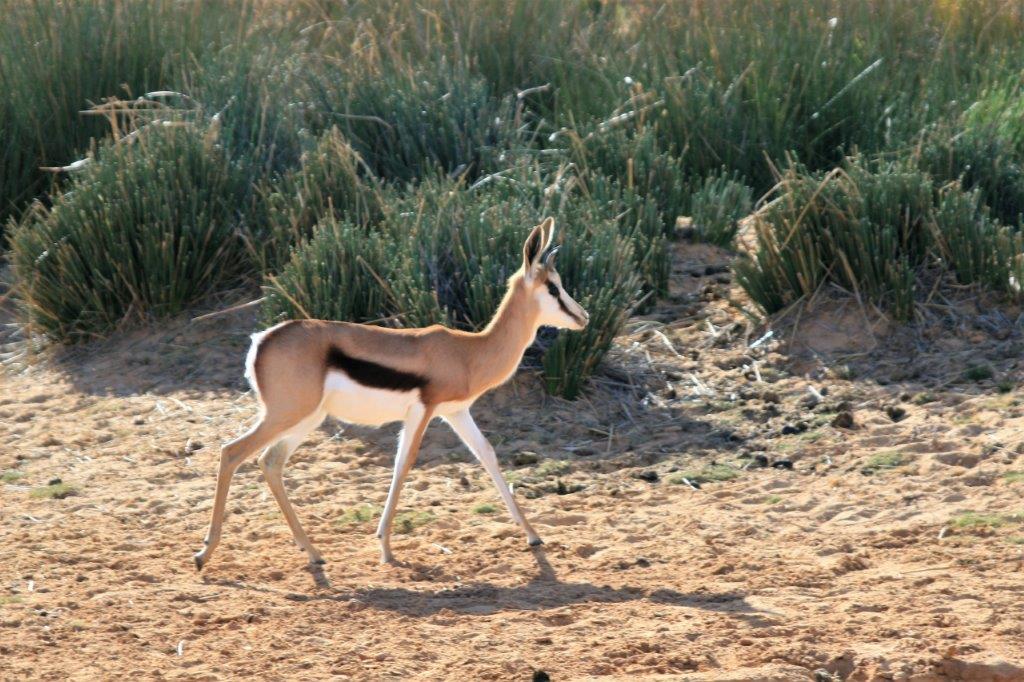
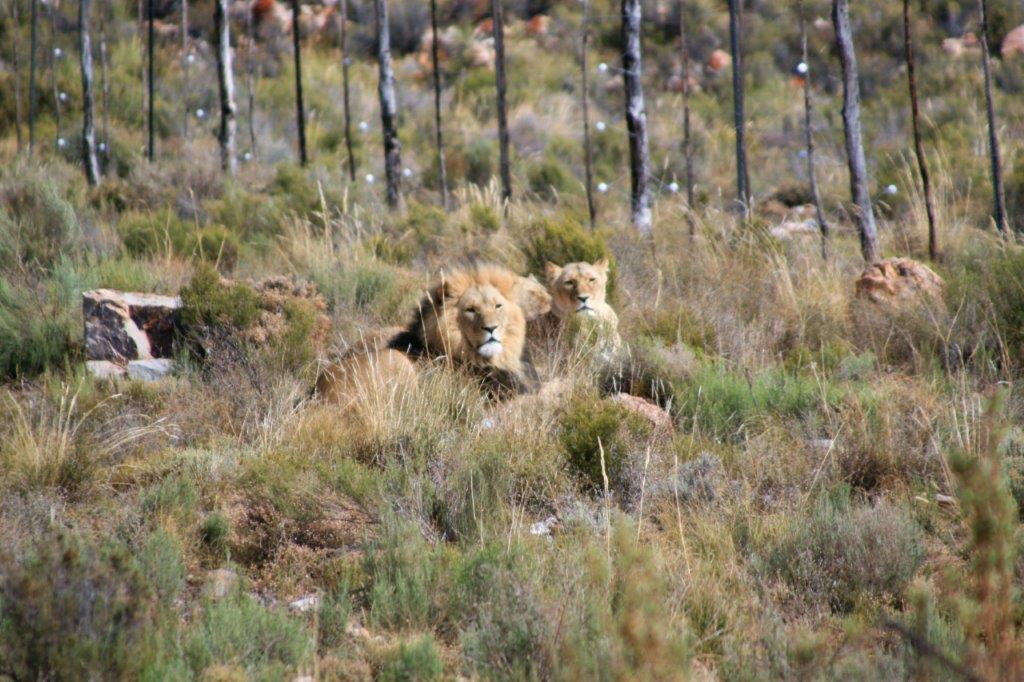
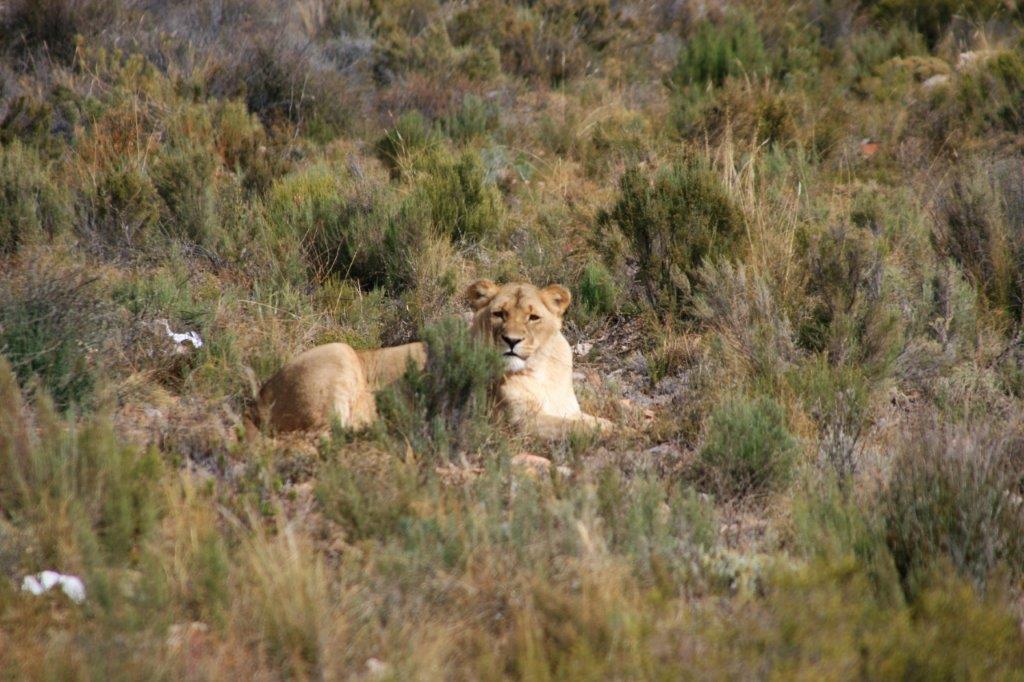
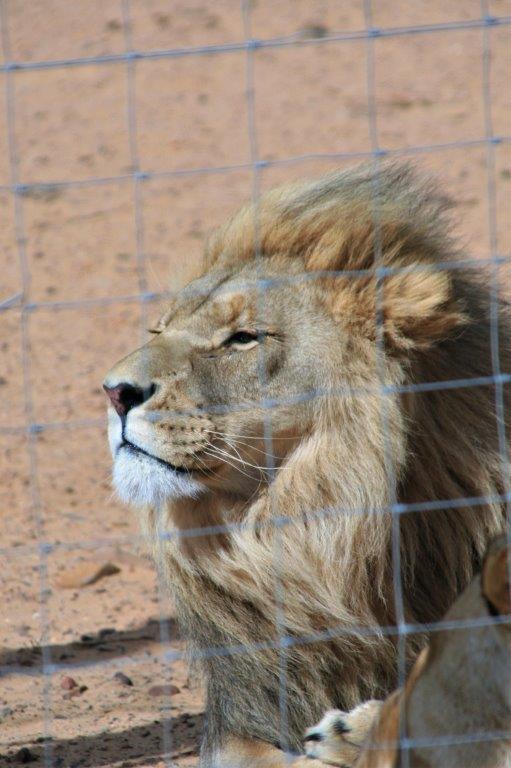
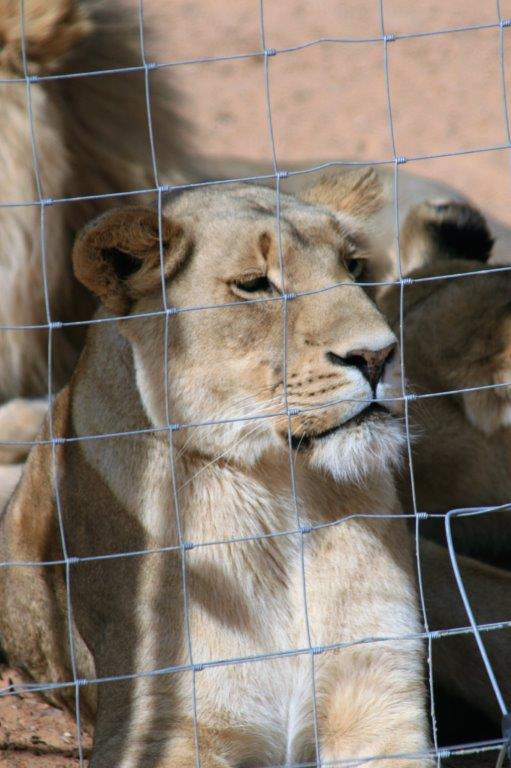
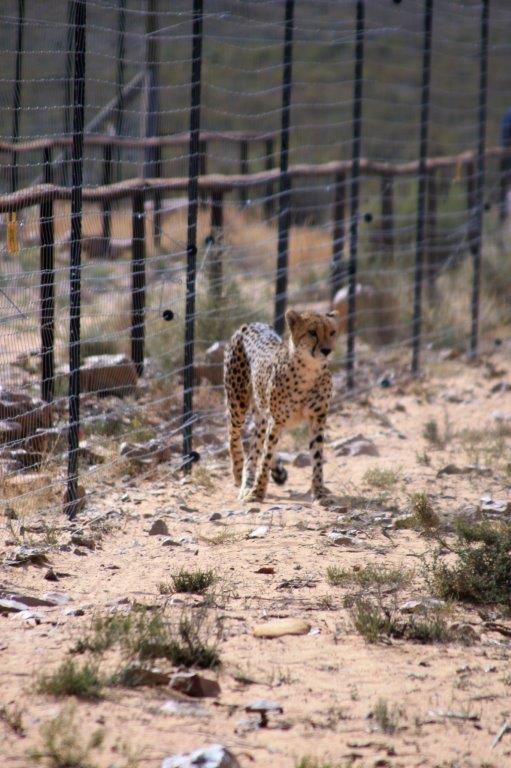
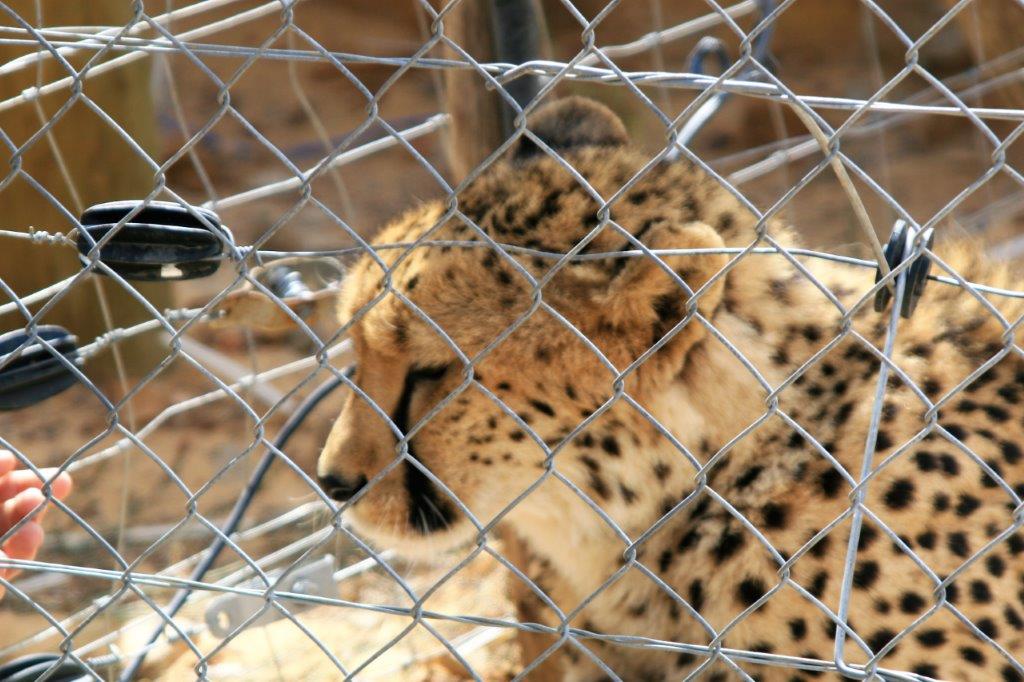
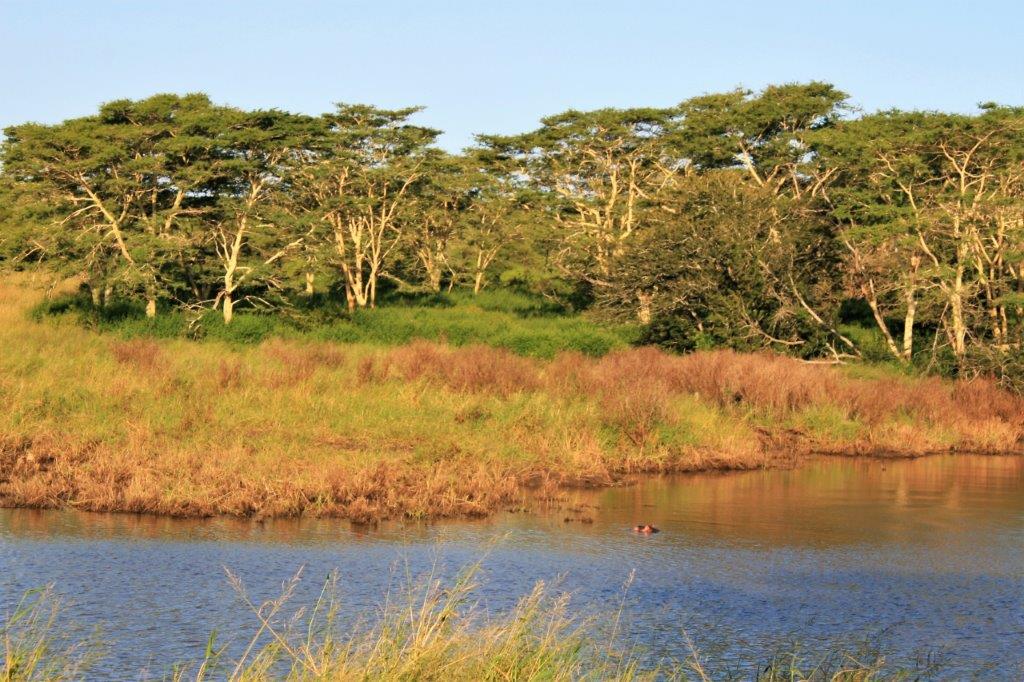
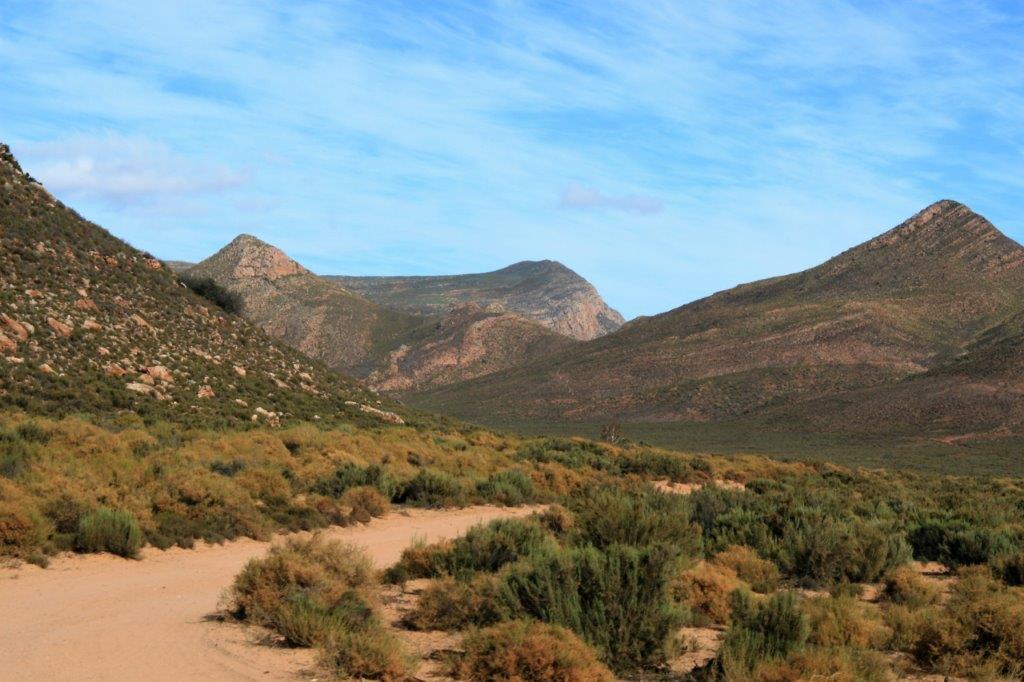
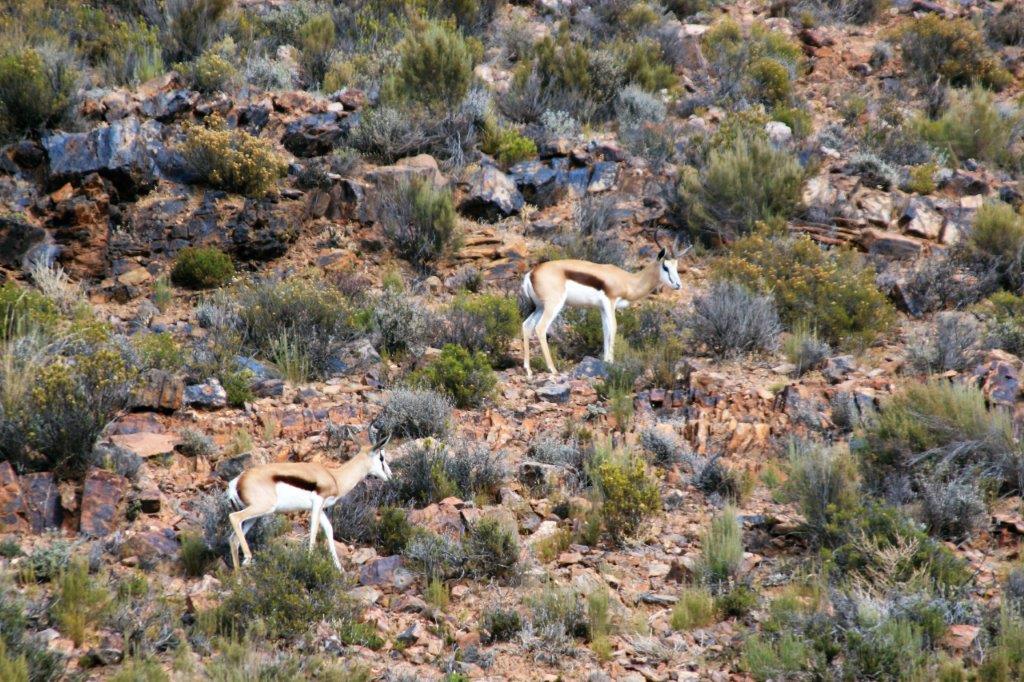
There was a lot of semi-arid land for the hoofed animals, but we only saw 2 young elephants, 1 giraffe, 5 rhinos and 6 hippos, a distant Cape Bufallo and a couple of ostrich.  2009-04-21_7187 2009-04-21_7189 2009-04-21_7150 2009-04-21_7159 2009-04-21_7166 2009-04-21_7176 2009-04-21_7178 2009-04-21_7194 2009-04-21_7170 2009-04-21_7195 2009-04-21_71962009-04-21_7264We did see several types of antelope, both blue and black wildebeest, and springbok which we had not seen before, but none of the ‘free roaming herds’ as advertised.  2009-04-21_7201 2009-04-21_7174And all the big cats were kept in enclosures.  I will admit it was nice to see lions and a cheetah up close and it would have been unlikely we would ever have seen them in an open setting, but again, not quite as advertised.  They were lovely animals though, and were relaxed.  None of them exhibited the stress pacing we had seen before in zoos or parks.2009-04-21_7226 2009-04-21_7207 2009-04-21_7206 2009-04-21_7281 2009-04-21_7275 2009-04-21_7278 2009-04-21_7290 2009-04-21_7285 2009-04-21_7268 For the first we returned early from a tour.  Many of the people on the bus were not very happy and I think the shore excursions people would be getting some negative feedback on the day.  People were not upset with the animals they saw or the setting, guides or vehicles, it was more that the reality did not live up to the information we were given in the brochure.  So many of the people on a world cruise are regular travellers (some people do the World Cruise every year!  Or, at least, every other year.), so they are very aware of ‘advertising hype’ in tour write-ups.  It wasn’t at all a bad day, just a somewhat disappointing one in a general sense.  And I was very happy to see the cats.  My strategy of booking lots of animal tours worked out and we did see all of the Big Five except the very elusive leopard, plus many, many more of Africa’s amazing animals.    ( And I like cheetahs better than leopards anyway.)2009-04-21_7300 2009-04-21_7310We have one more day in Cape Town before we Round the Horn and sail up the west coast of Africa.
2009 World Cruise – April 17 – Day 102 – Richards Bay, South Africa

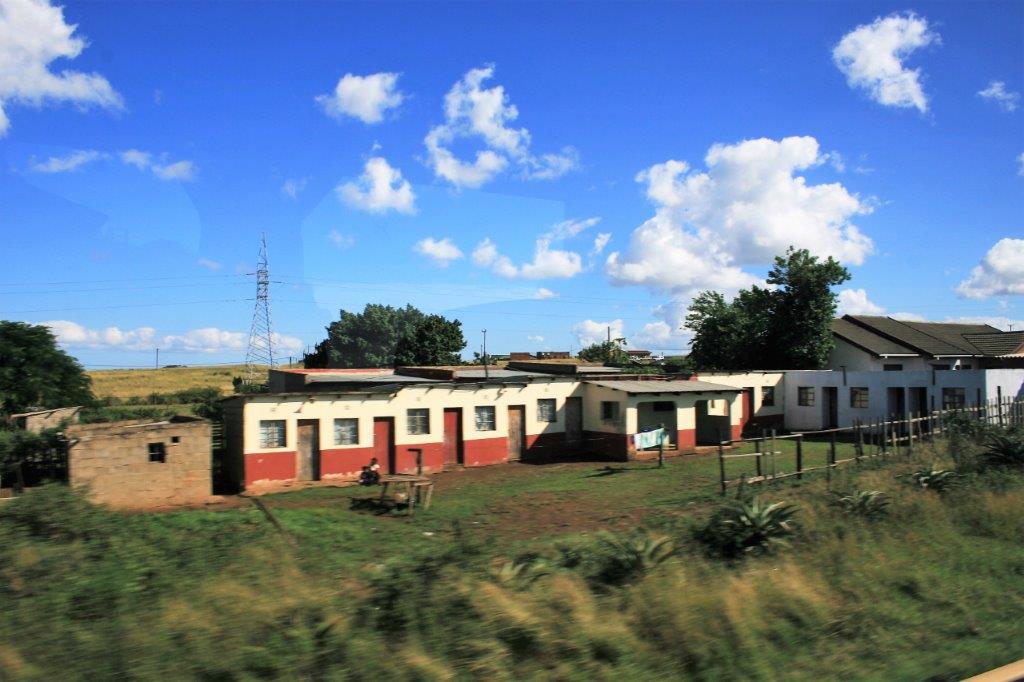
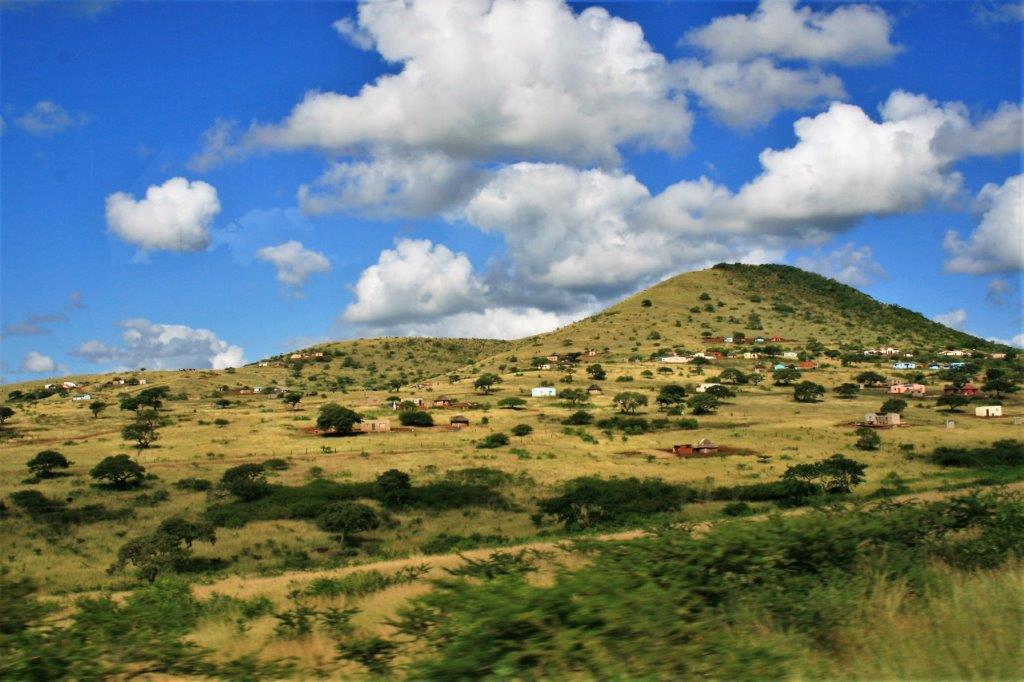
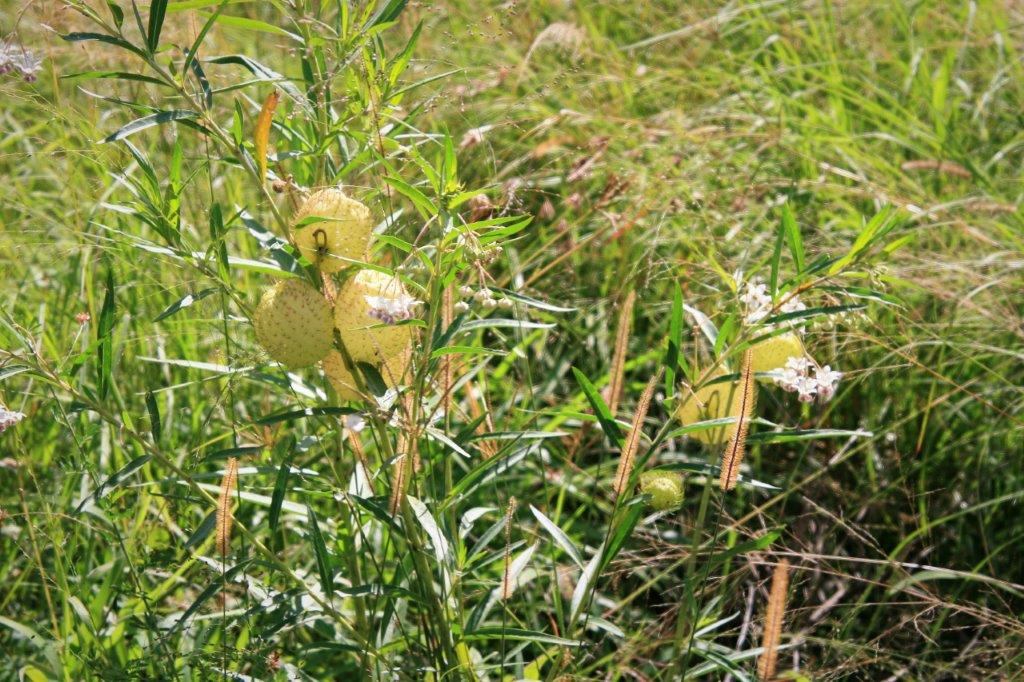
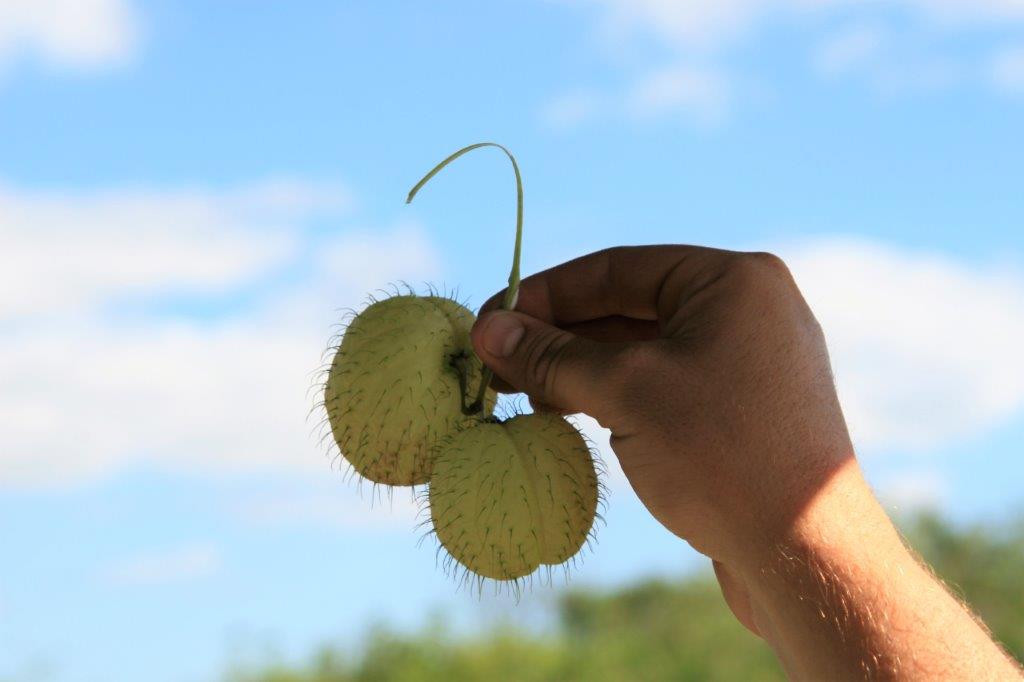
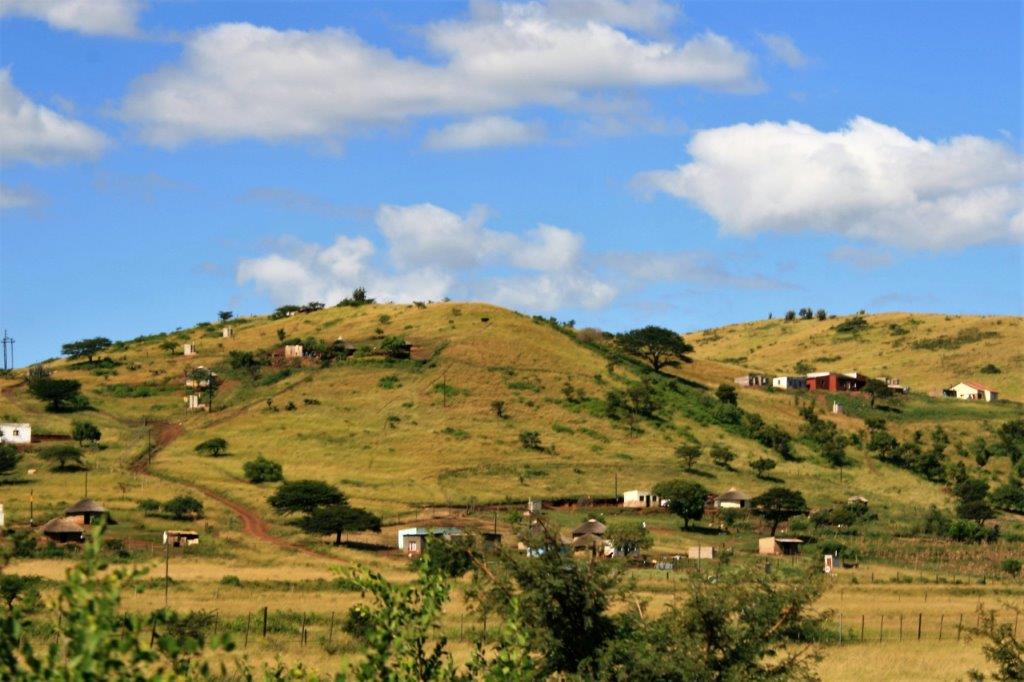
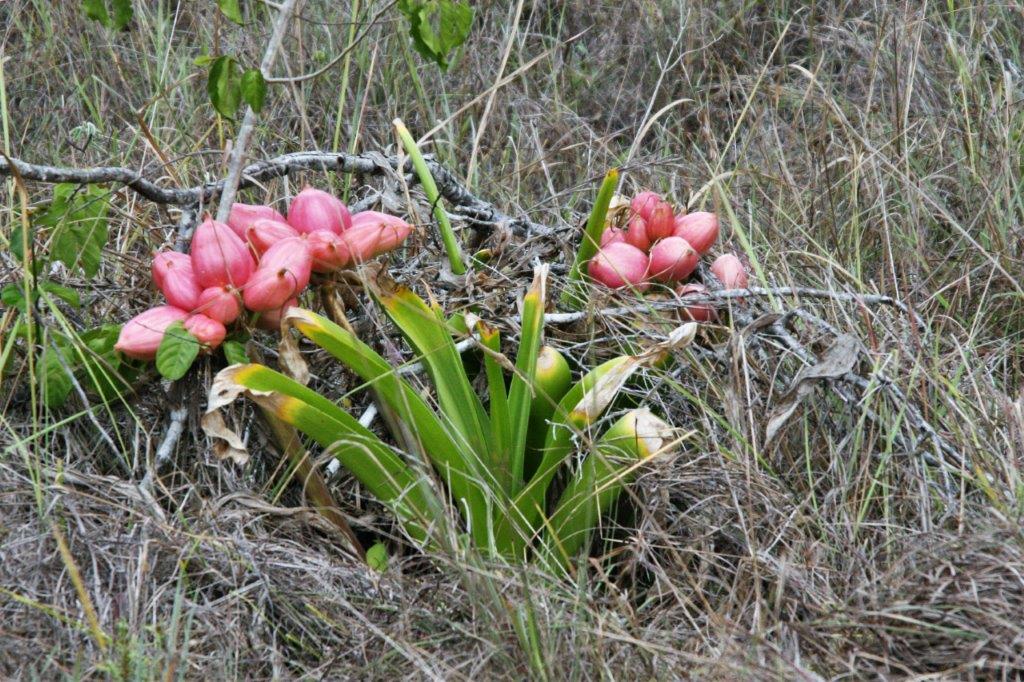
On our second day at Richards Bay we visited the Hluhluwe-Umfolozi Game Reserve.  The park name is pronounced nothing like the letter combinations look.  It is Shoo sloo wee-Um fō lō zee.  I can only remember this because it was so unusual I made a point of learning it.  At one time there were too different parks with a corridor in between.  Hluhluwe was mostly for game and Umfolozi, since it was on the wetlands, had mostly birds.  The corridor lands were acquired and the parks joined together.  It is government owned and managed.  2009-04-17_6067 2009-04-17_6071 2009-04-17_6072 2009-04-17_6073 2009-04-17_6076Once again we had a lengthy (90 minute) drive to the Reserve.  Our guide, Helmut, was a one-man South Africa bashing team.  For the entire trip (there and back) he regalled us with all the reasons people should not come to South Africa;  the crime rate, unemployment, lack of education, issues with tribal areas, AIDs, big factories, brain drain (skilled doctors, engineers, etc, leaving for work overseas), currency de-valuation, inferior housing, power black-outs and illegal users.  I think he covered just about every aspect of the economy and life-style.  A really cheerful fellow.  Not really a good spokesman for his country.  He also spoke insensitively about the black population even though our driver was black.2009-04-17_6097 2009-04-17_6098The common name for the fruit of this plant is “Old Man’s Testicles.”

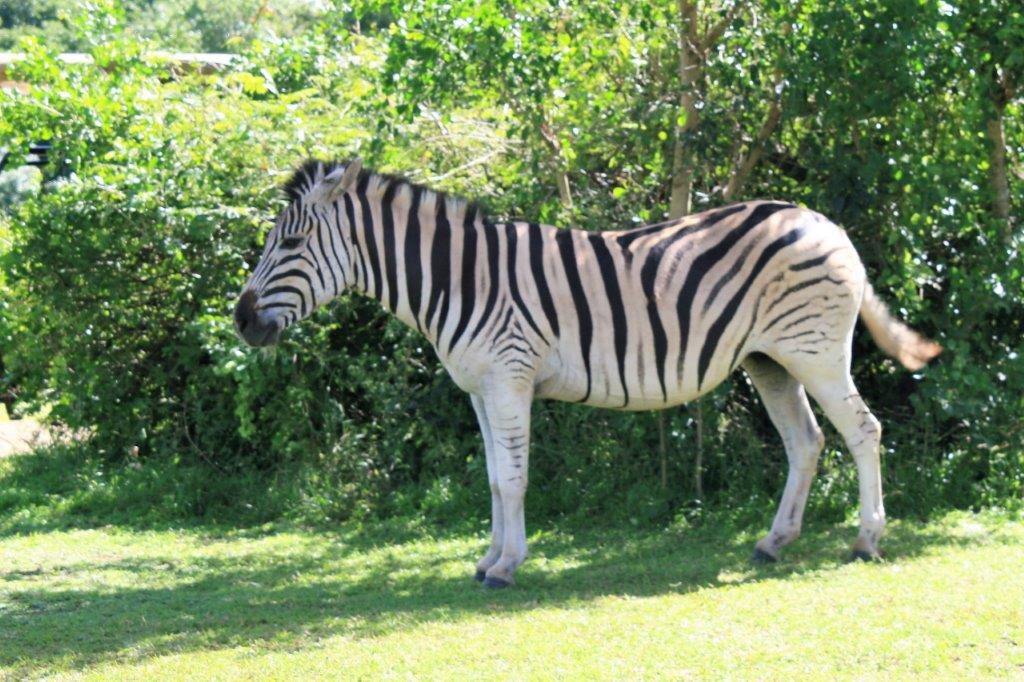
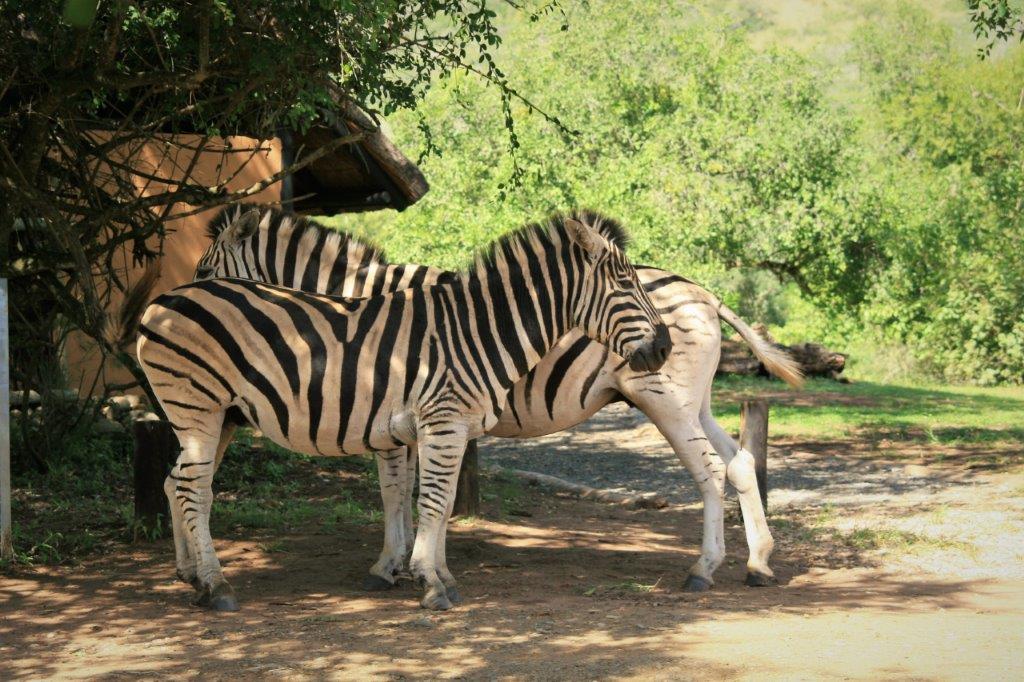
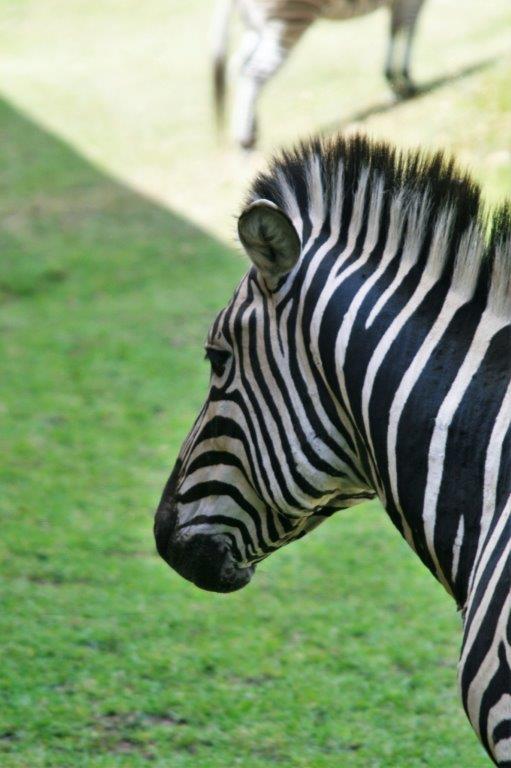
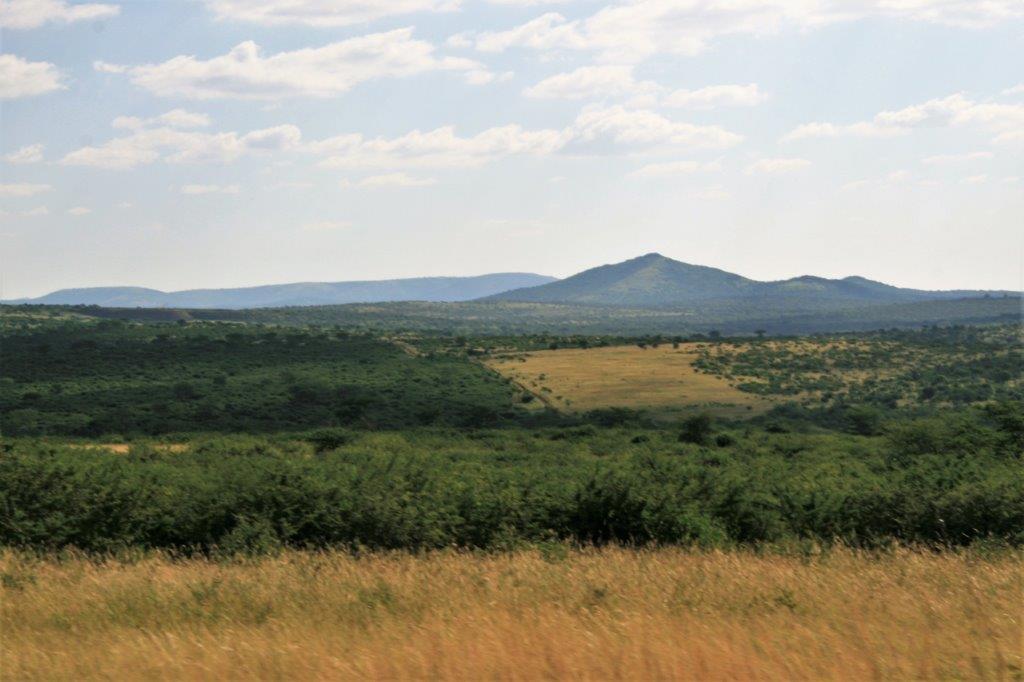
The driver of our truck at the reserve did not seem too motived to locate any animals and for the first part of our game drive he stuck to the paved roads – but we still saw animals.  When he moved off onto the dirt roads, though, we saw more.2009-04-17_6084 2009-04-17_6086 2009-04-17_6093_edited-1 2009-04-17_6101 2009-04-17_6107_edited-1 2009-04-17_6117These zebras were enjoying the shade at one of our pit stops.  I noticed that they usually stand like this, one facing one way and the other right alongside facing the other.  I am sure it is a survival instinct so there are eyes and ears on the lookout in all directions.

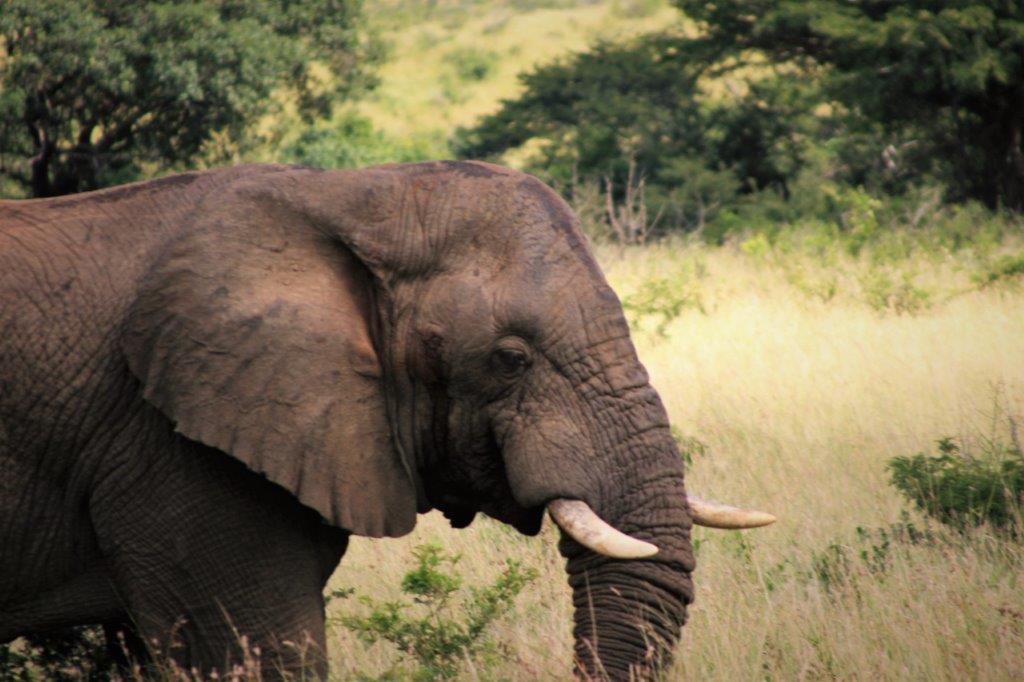
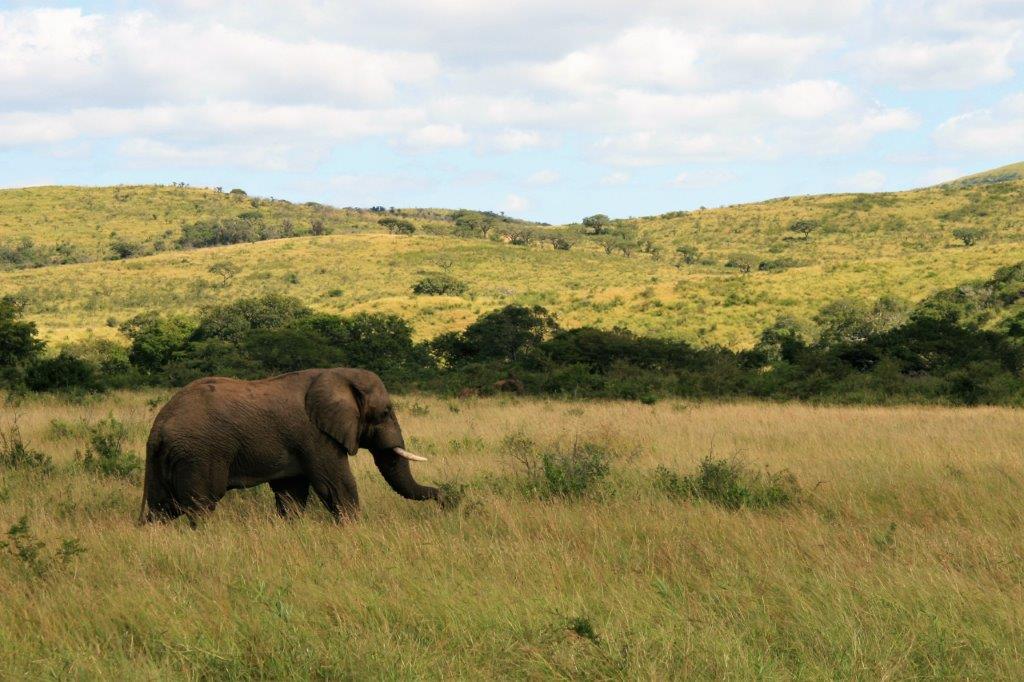
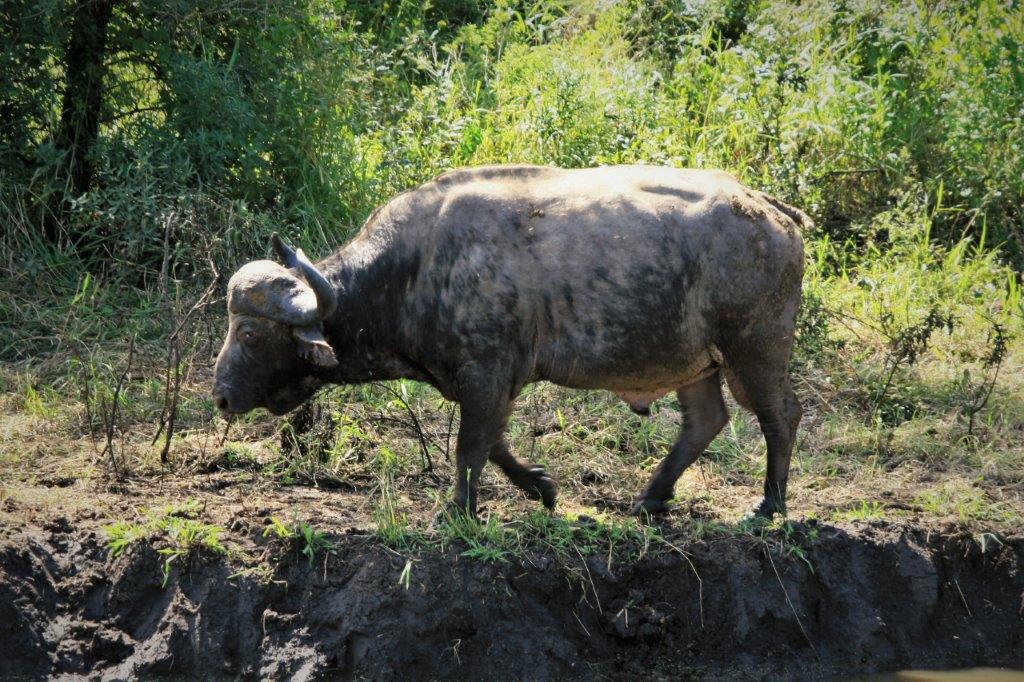
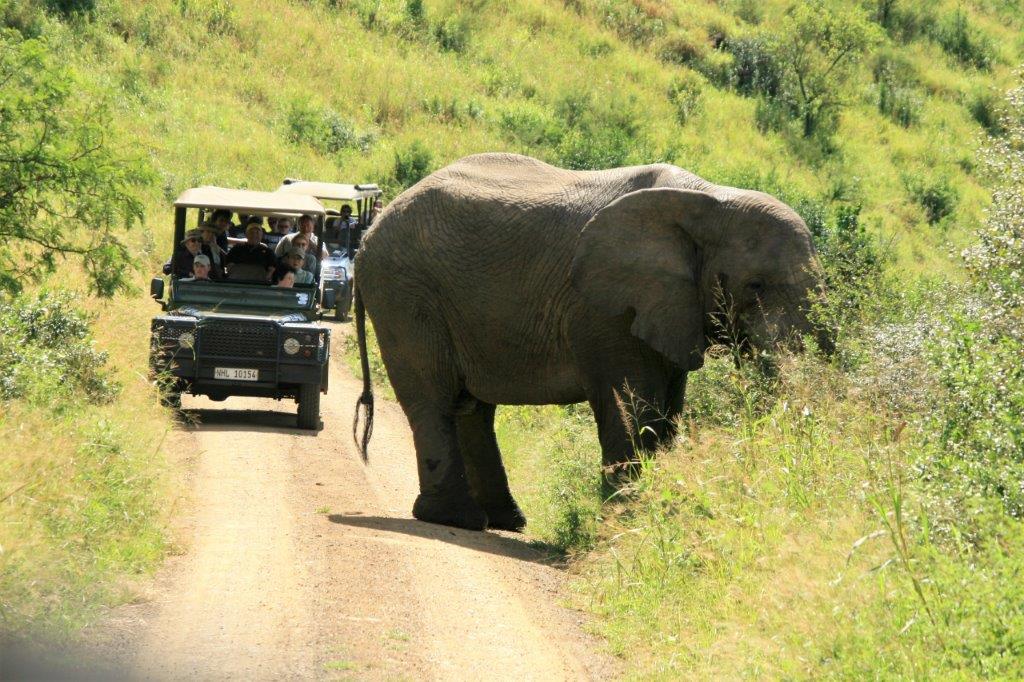
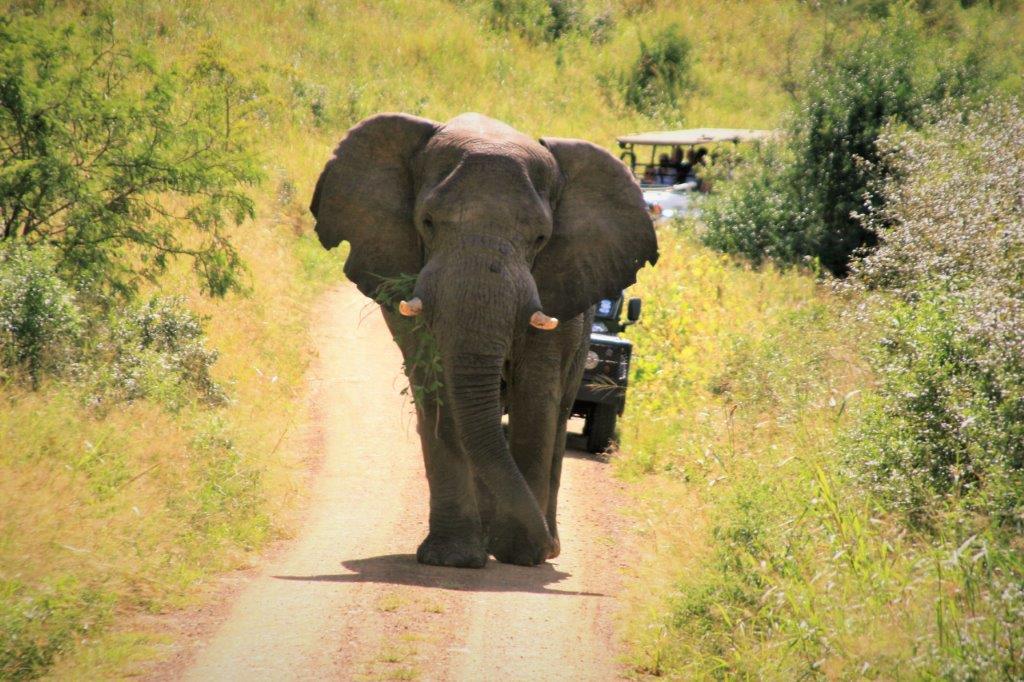
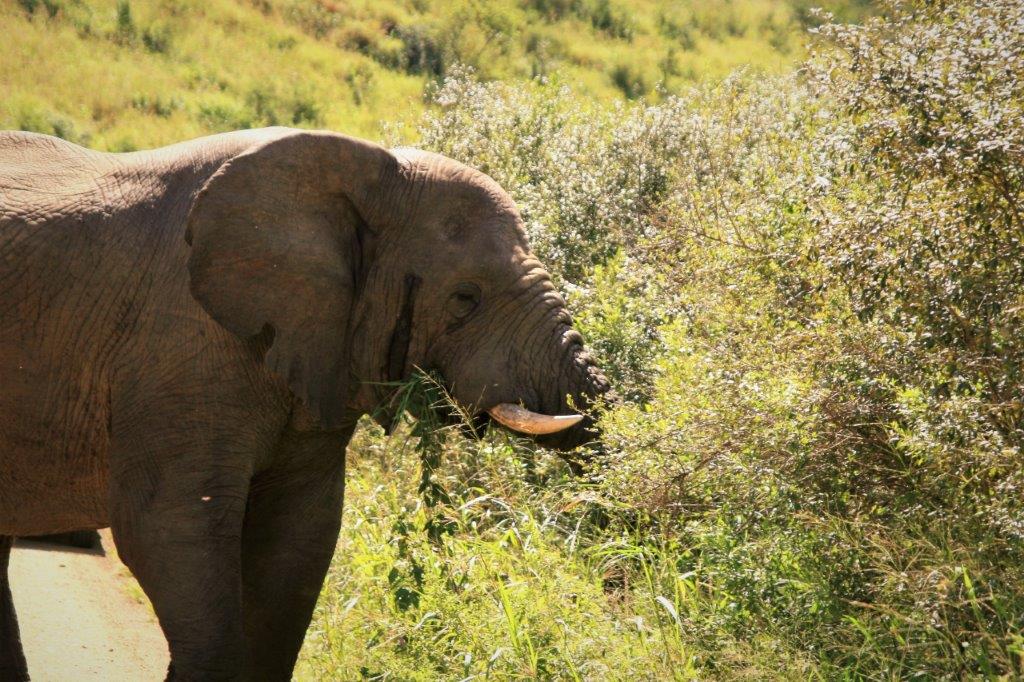
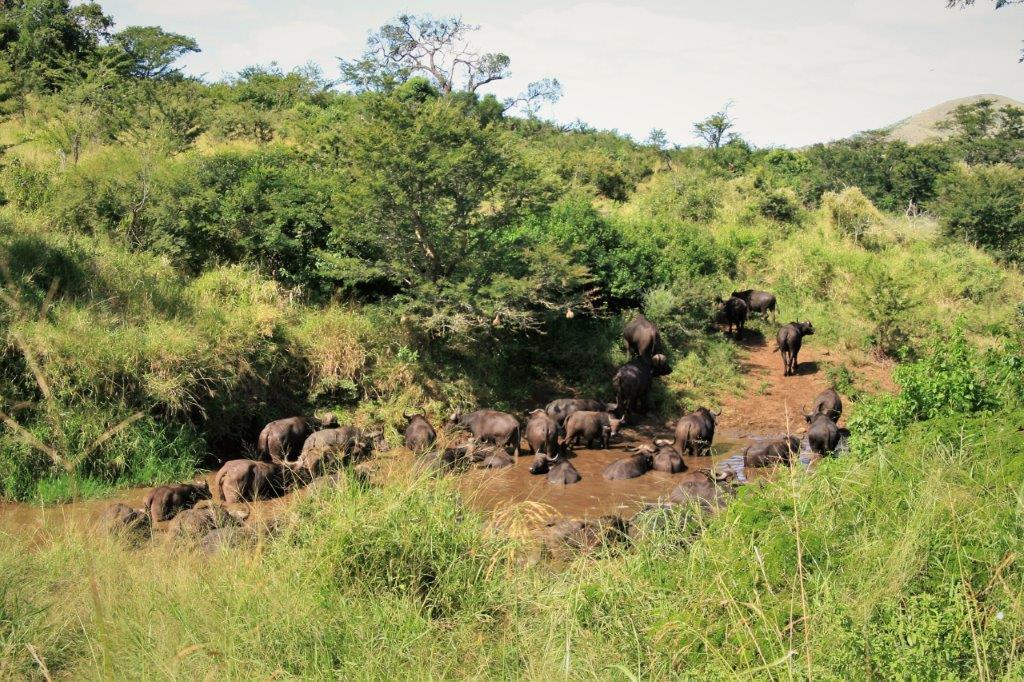
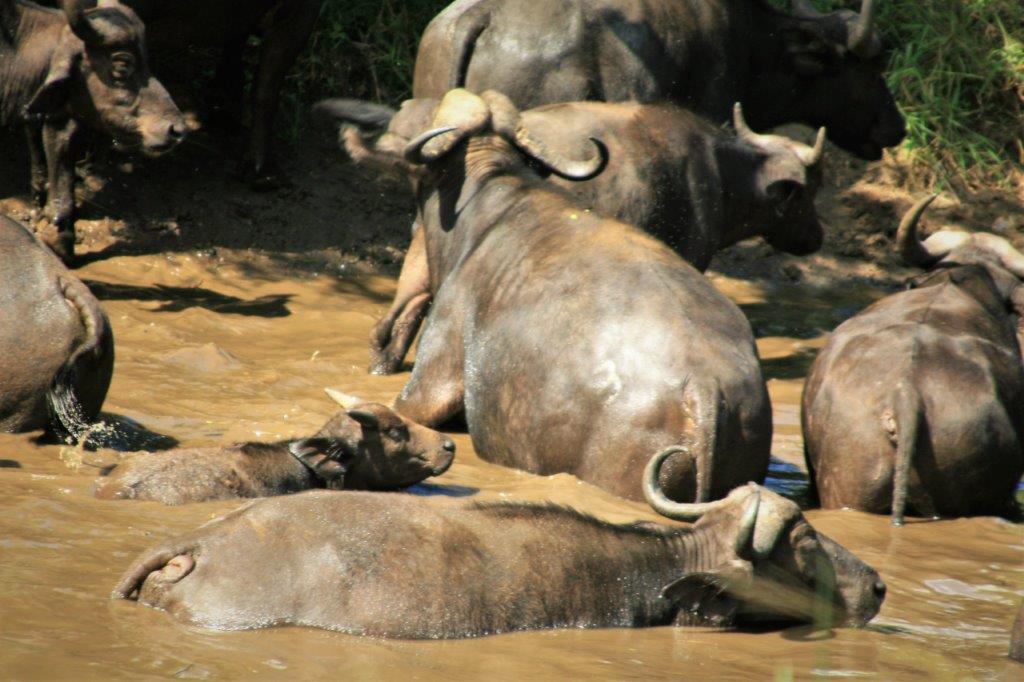
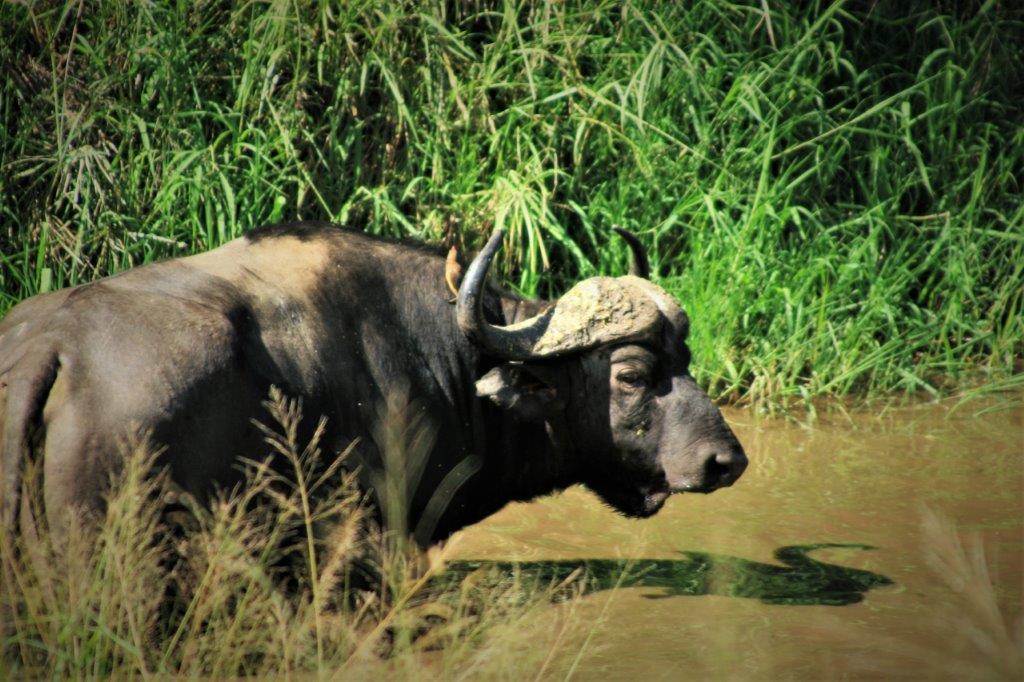
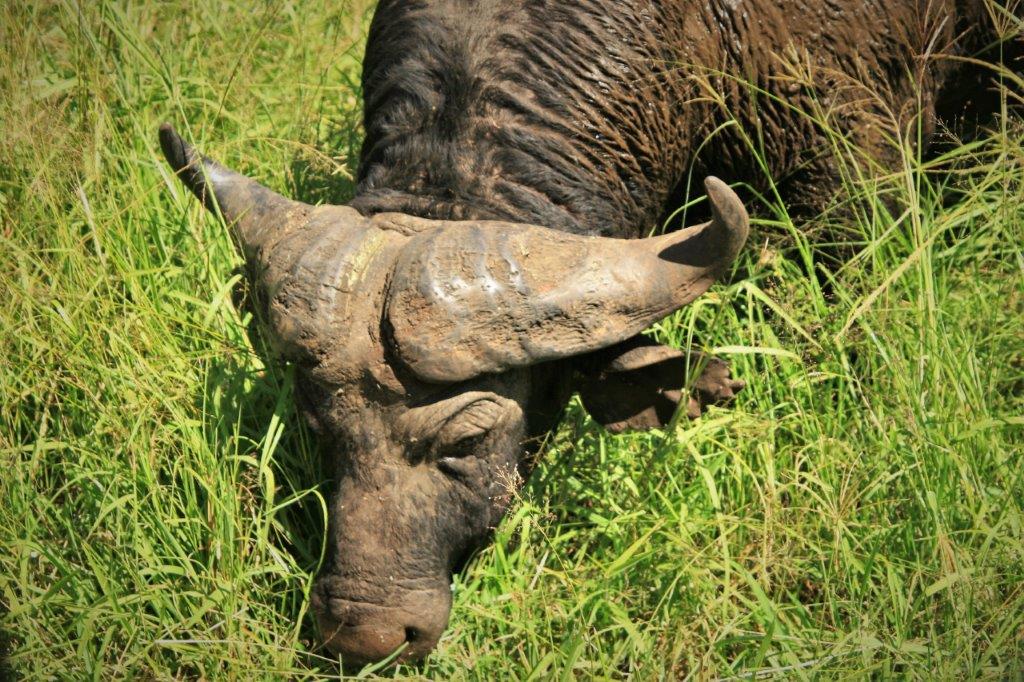
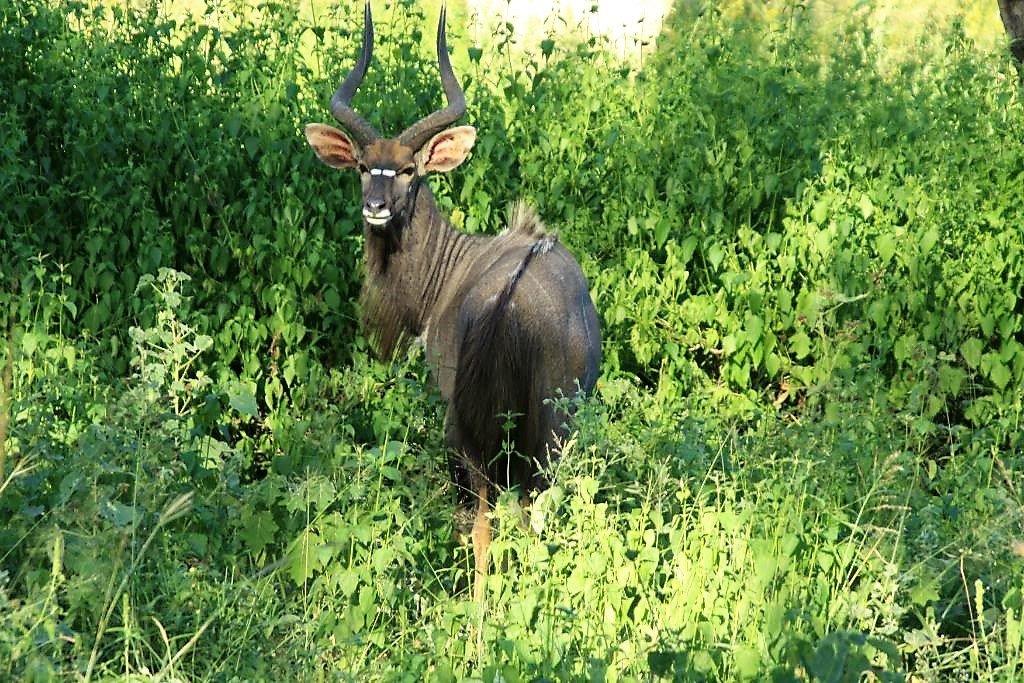
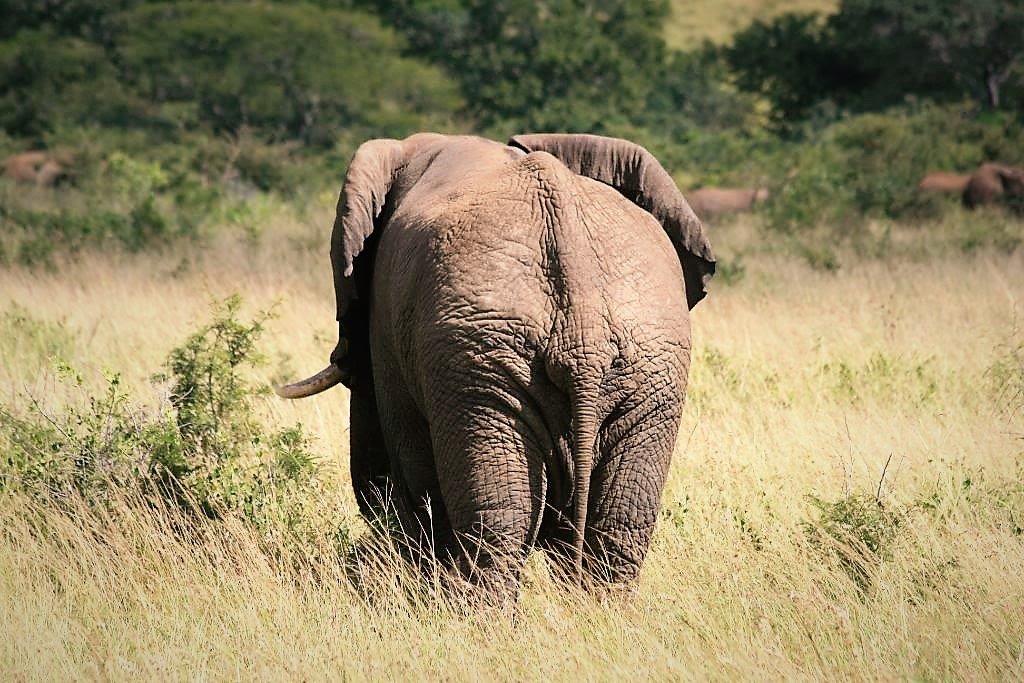
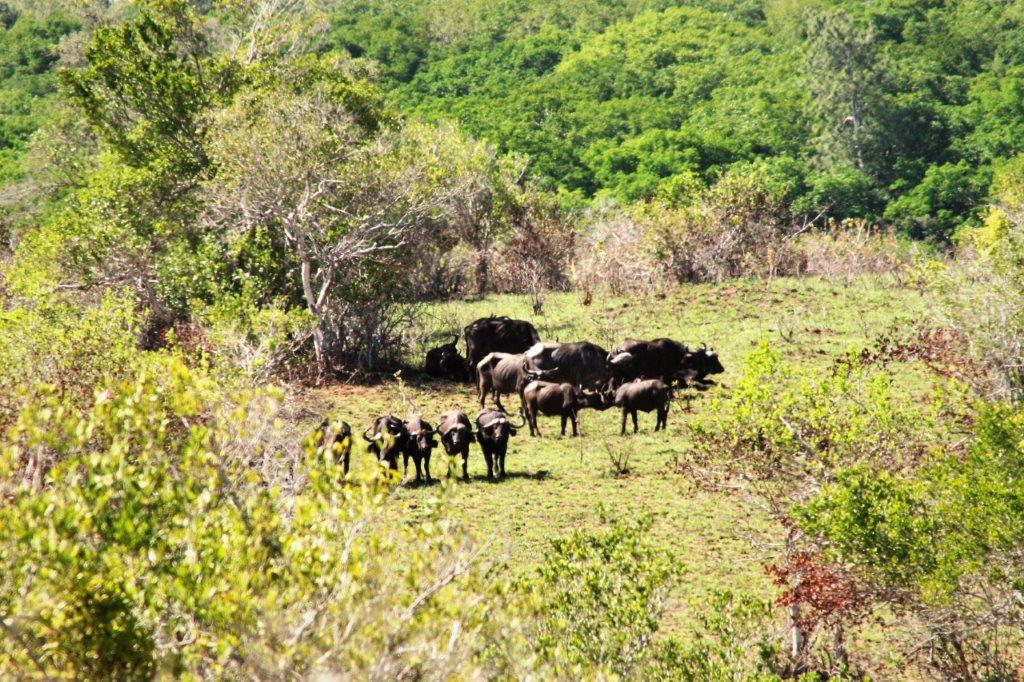
This old Cape Buffalo moved along very slowly.  I don’t think its remaining lifetime was very long.2009-04-17_6121We had been warned that all animals have the right-of-way in the reserves and when we encountered an elephant snoozing in the middle of the road all the vehicles just stopped and waited to see where he wanted to go.  By the time he moved there were five tour trucks, a dump truck and two private cars sitting at a standstill. 2009-04-17_6132 2009-04-17_6136There was another bull elephant off in the brush somewhere that was calling out and the fellow in front of us did not like what he was saying.  Eventually he wandered down the road and then off into the bush to investigate and we were all able to resume our drives.2009-04-17_6137 2009-04-17_6140 2009-04-17_6141There was quite a large herd of Cape Buffalo crossing the river.  2009-04-17_6151 2009-04-17_61582009-04-17_61542009-04-17_6146We saw a herd of Gazelle wandering down the road,  another Nyala Antelope, and some more giraffes and elephants before we left the park and headed back to the ship.

2009-04-17_61682009-04-17_6170

20090416_592520090416_6384 2009-04-17_616420090417_6537                 All in all it ended up being a pretty decent critter day.2009-04-17_6177


2009 World Cruise – April 16 – Day 101 – Richards Bay, South Africa

Richards Bay is South Africa’s largest harbour.  It is situated on a large lagoon off the Mhlatuze River on the northern coast of KwaZulu-Natal.  Originally it was a make-shift harbour during the Boer War of 1879 (used by Commodore of the Cape, Sir Frederick Richards).  The first sanctuary was created here in 1935 to protect the ecology around the lagoon but by 1943 it was expanded into the Richards Bay Park.  In 1954 a plan for a community was laid out and a formally recognized town was proclaimed in 1969.

The harbour is linked to Johannesburg by railway and an oil/gas pipeline. Both an aluminum smelter and a fertilizer plant were constructed at the lagoon and titanium is mined from the nearby sand dunes. Diamonds and gold were discovered in South Africa in the 19th century and mining became the foundation for rapid economic development.  By the 1990s services contributed almost 60% of the GDP, with industry providing 35% and the final 5% comes from agriculture.

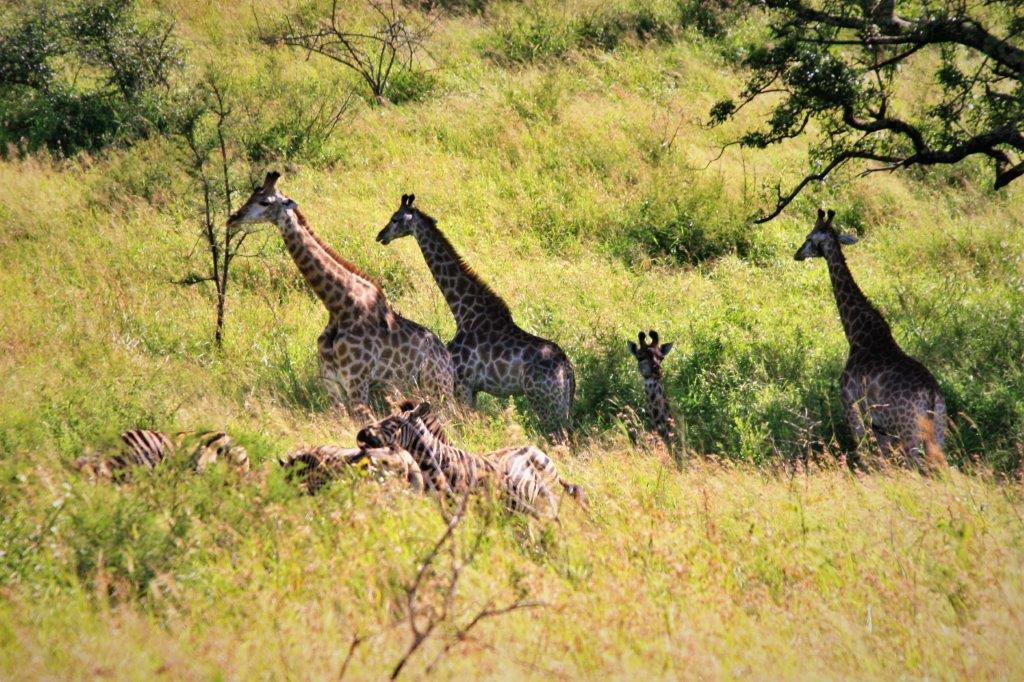
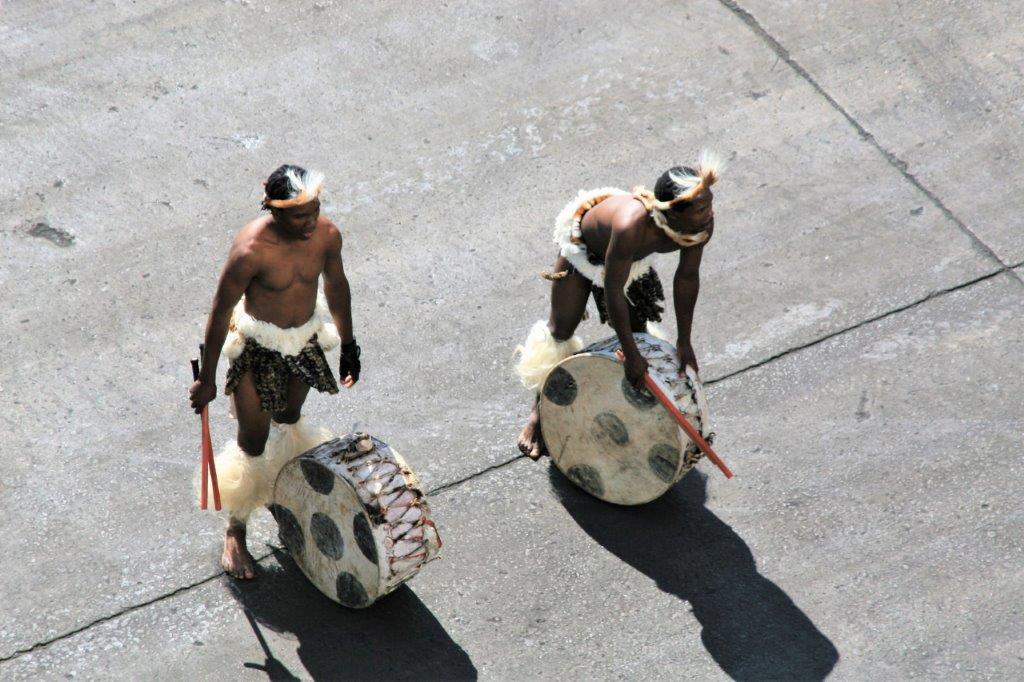
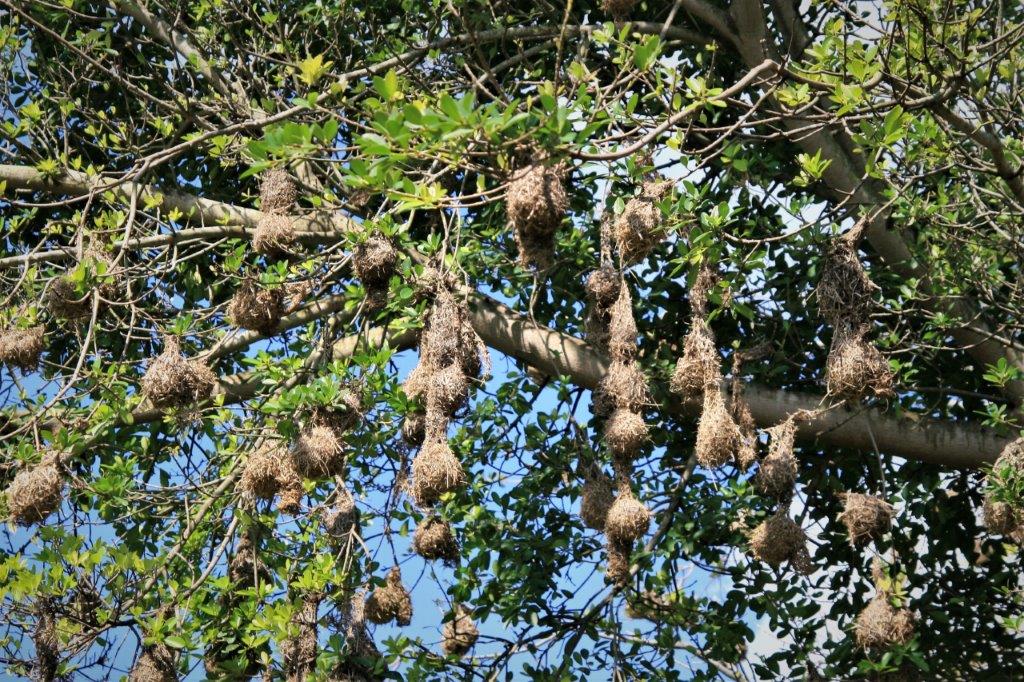
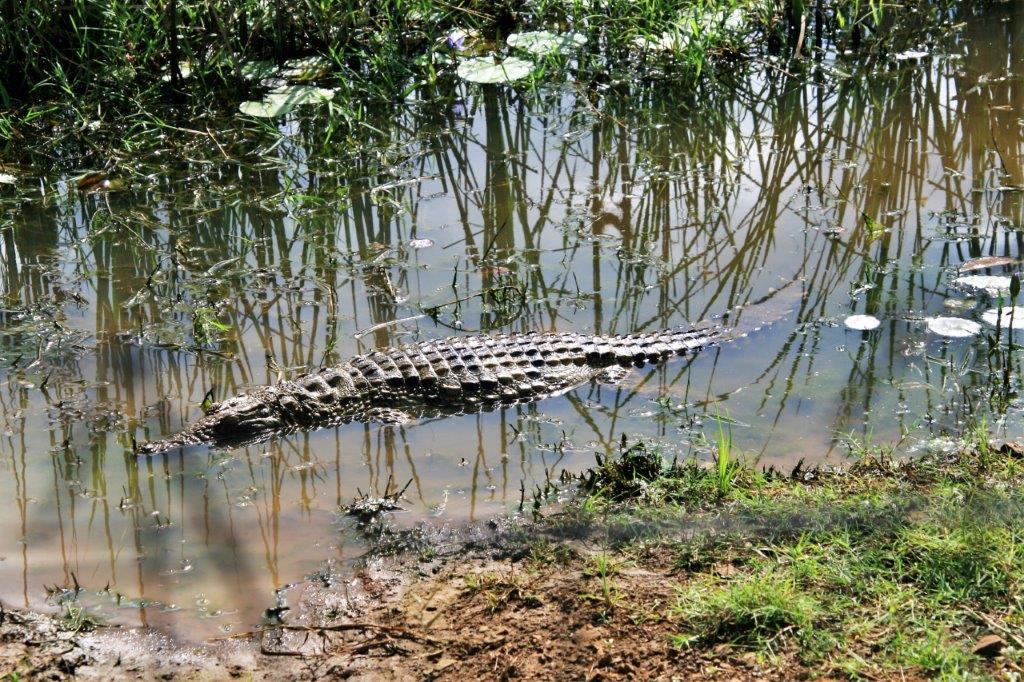
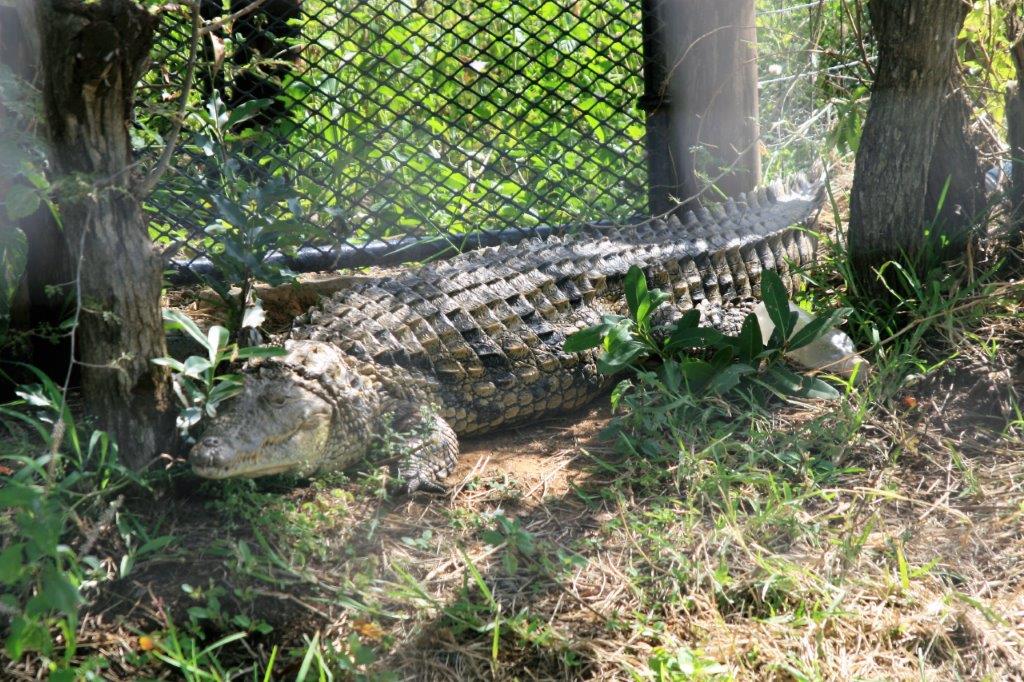
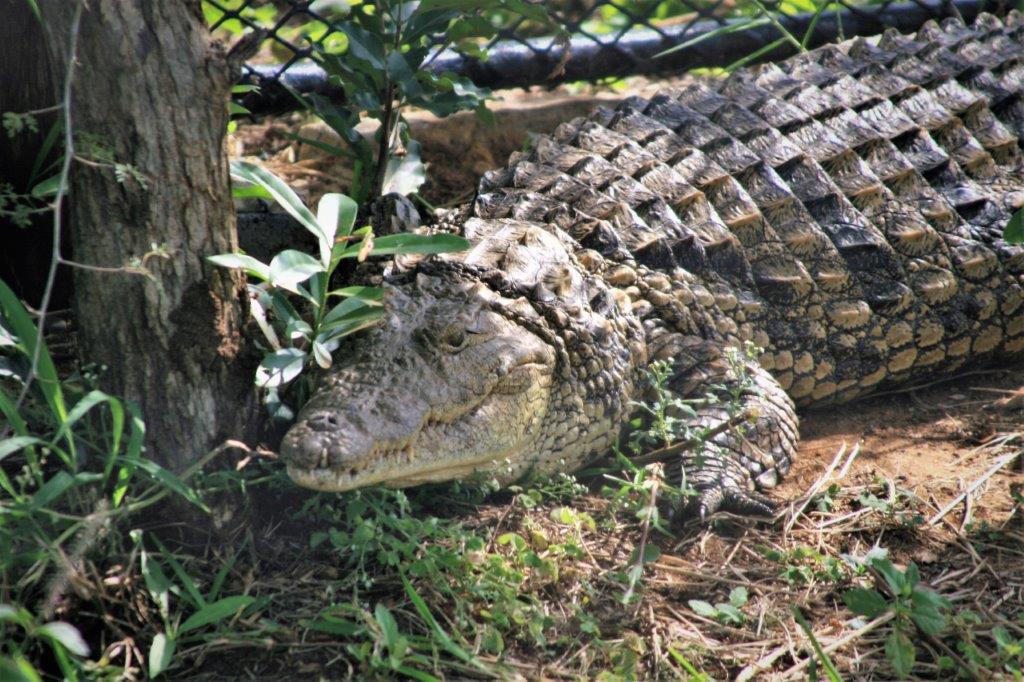
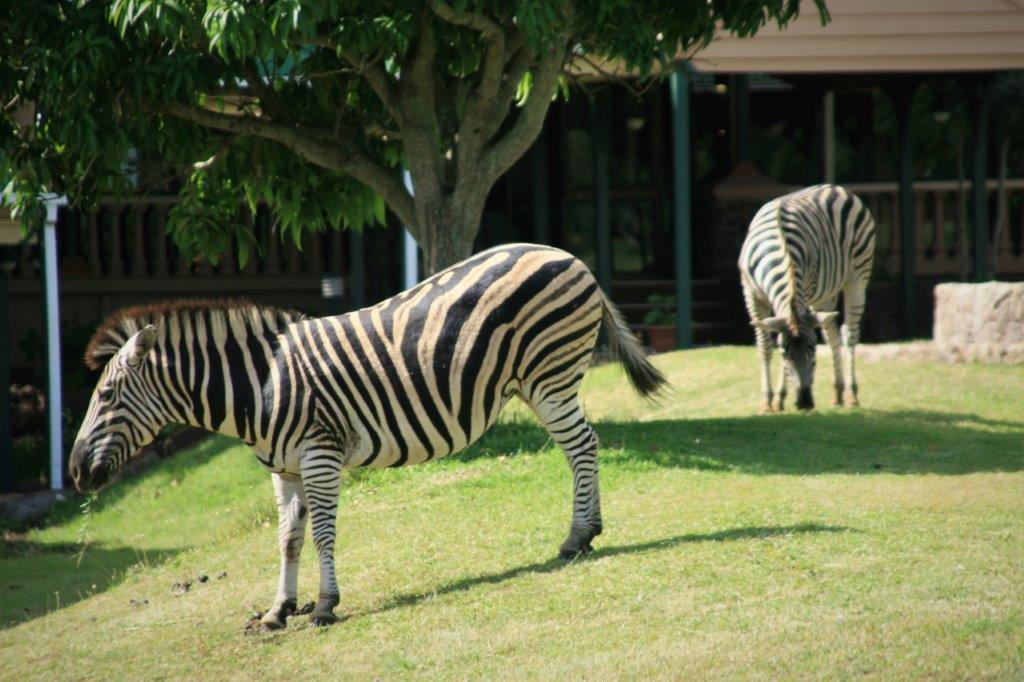
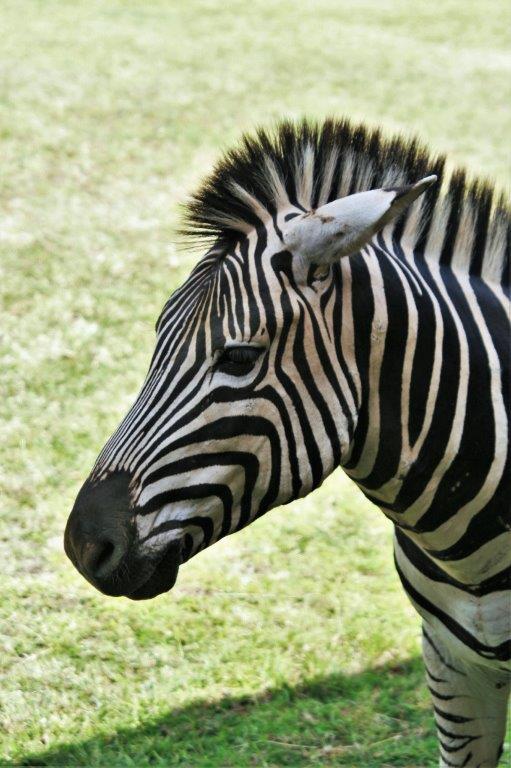
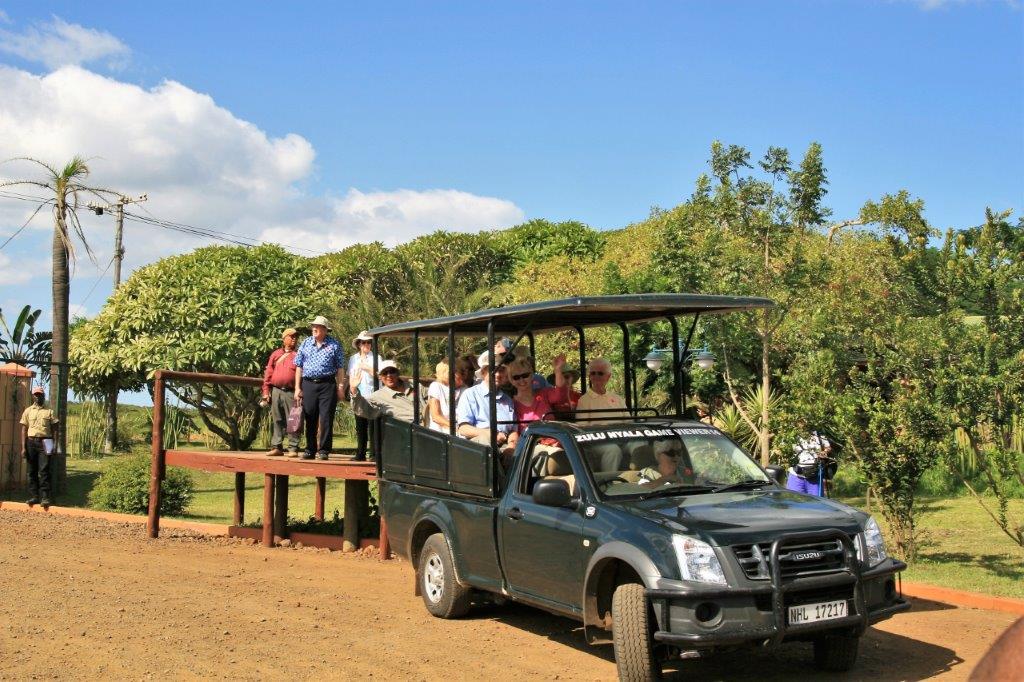
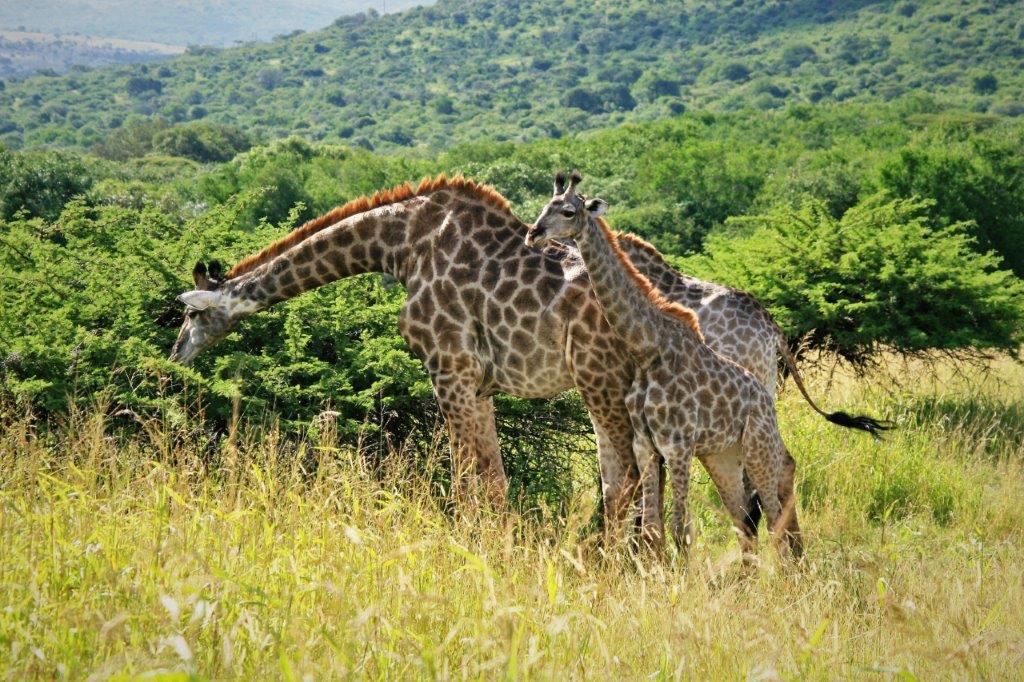
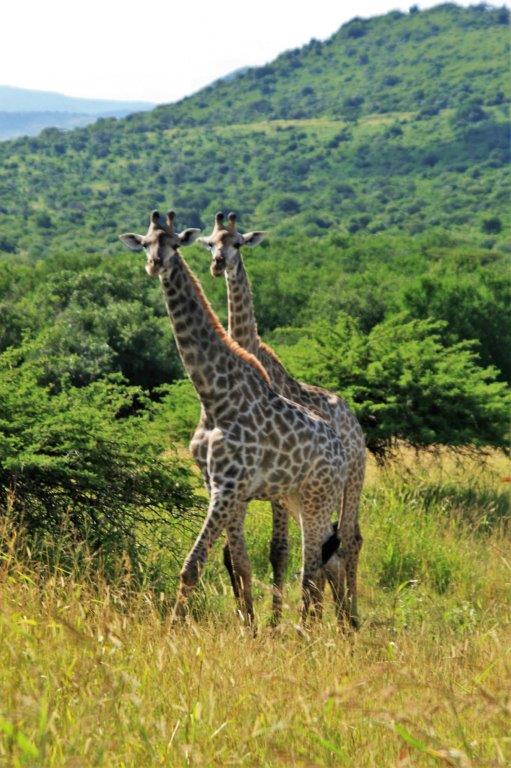
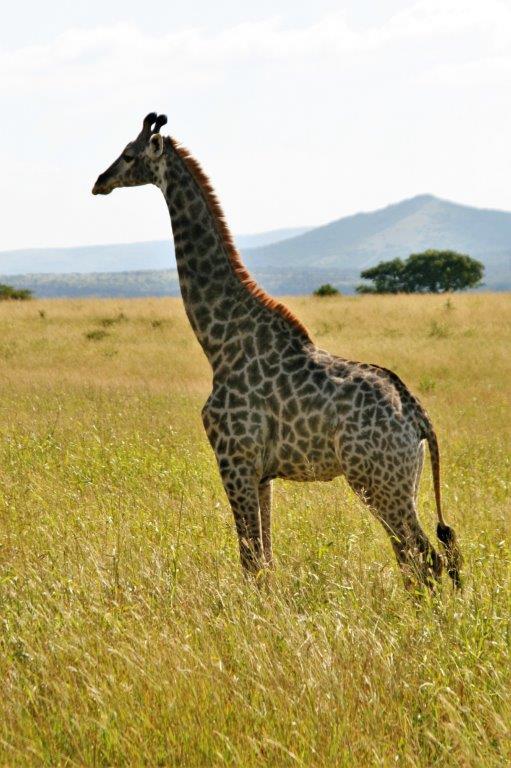
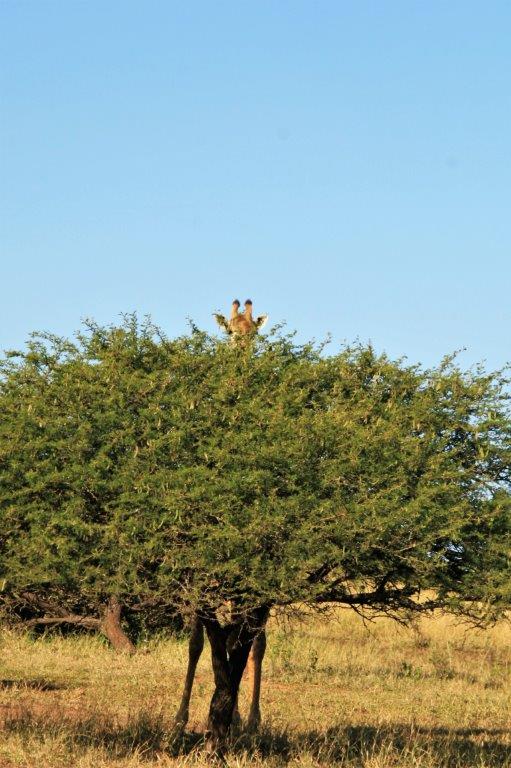
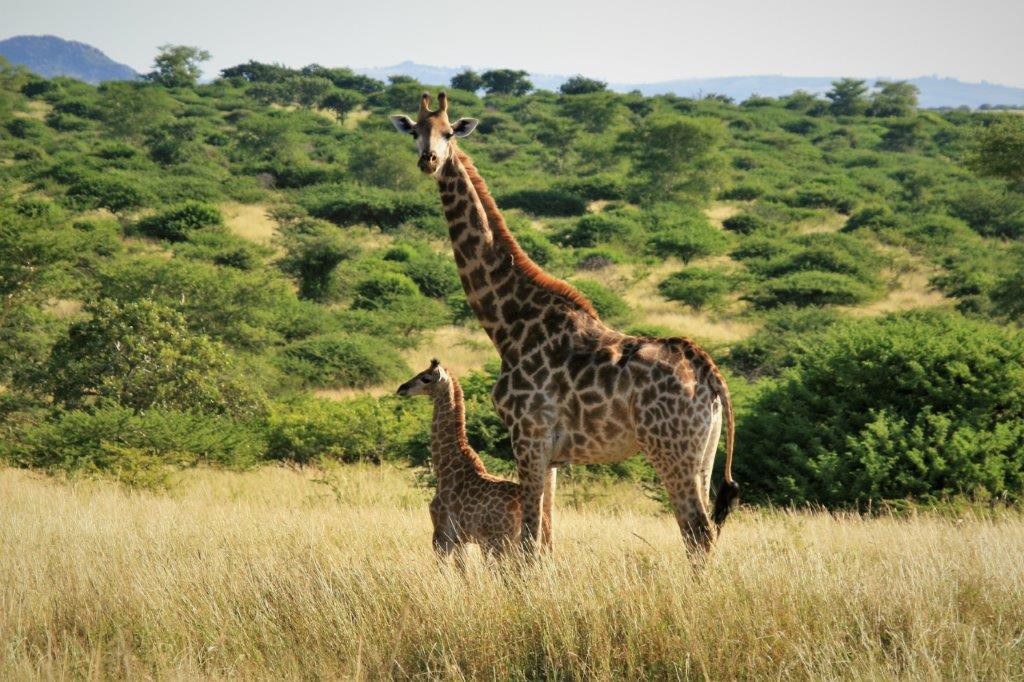
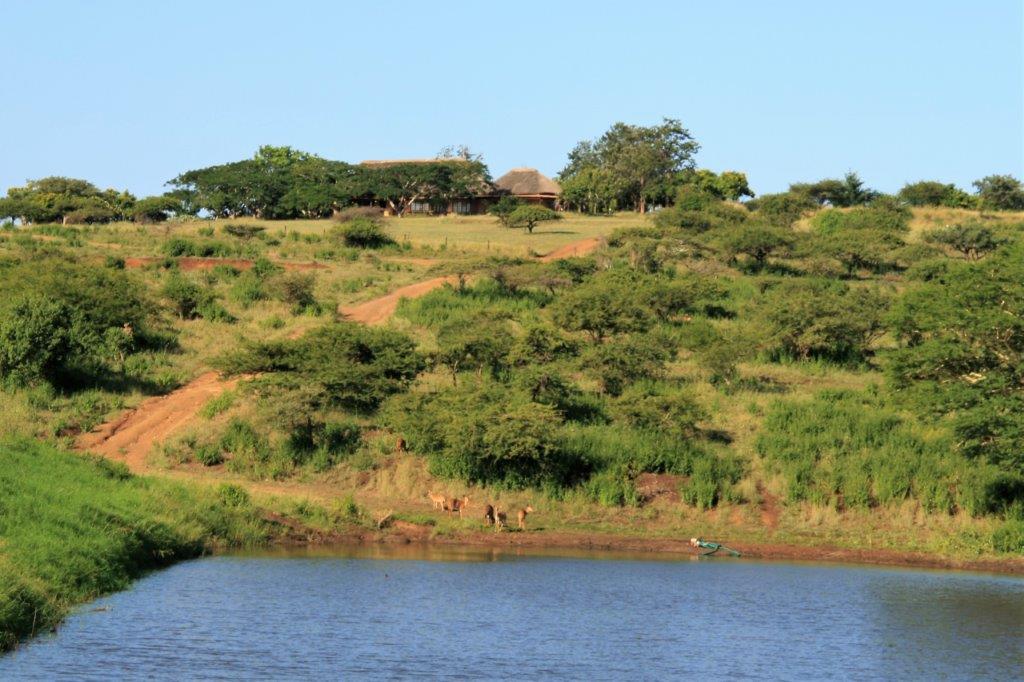
Despite the hot temperatures we were welcomed by Zulu Dancers – with bare feet. They were extremely agile and did not appear to be bothered by the hot pavement or temperatures.2009-04-16_6190 2009-04-16_6195_edited-1 2009-04-16_6196The April 16th day in Richards Bay was an add-on due to itinerary changes with the cancellation of another port-of-call, French Comoros – so we were able to schedule another game drive to Zulu Nyala, a private reserve 90-minutes drive from the port. Upon our arrival we were served a delicious lunch (HAL definitely makes sure you are fed, and fed well, on these shore excursions) before climbing into the back of open-sided trucks.  2009-04-16_6203 2009-04-16_6204 2009-04-16_6206At the lunch stop we saw the nests of Weaver Birds in the trees.  These clever birds build numerous hanging nests to disguise which nest holds the eggs as a way to trick predators.2009-04-16_6207 2009-04-16_6209 2009-04-16_6210_edited-1Also on the grounds were a couple of  nice, gentle crocodiles.  Probably not.2009-04-16_6211 2009-04-16_6215 2009-04-16_6216A few Plains Zebra (pronounced like the British zed, not the American zee) roamed freely on the grounds.  I guess they liked the lawn grass.2009-04-16_6217 2009-04-16_6221 2009-04-16_6225 2009-04-16_6227Each of the open sided trucks could carry 10 passengers.  We were on the last one be to loaded (a good strategy for avoiding full buses or vehicles) so there were only 6 of us.  Friends James and Cherie and I had the upper front seat and John was on his own in the seat behind. We were on different sides of the truck so any animal photos I might miss, John could get.2009-04-16_6231zulu-nyala-027 2009-04-16_6232Our driver was named William and he, like Patrick in Kenya, asked us which animals we most wanted to see and did his best to locate them within the park grounds.  He did well too.  We saw giraffes, hippos, rhinos, wildebeest, antelope, and many other animals and birds.2009-04-16_6233 2009-04-16_6236 2009-04-16_6239 2009-04-16_6242_edited-1 2009-04-16_6247 2009-04-16_6255I don’t think there is another animal more stately than a giraffe.  They just have such great posture and presence.  Even when they walk they look regal.

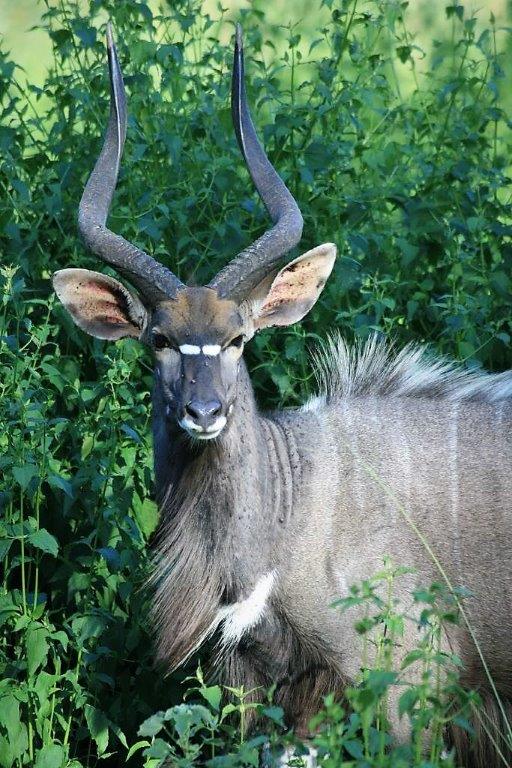
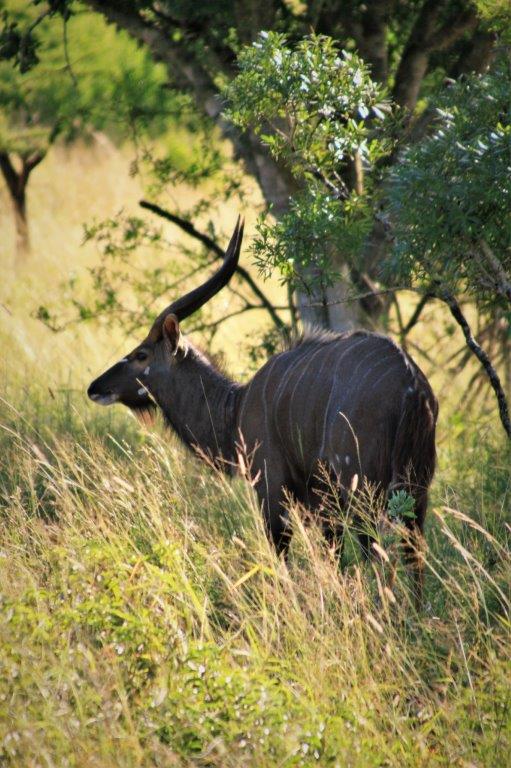
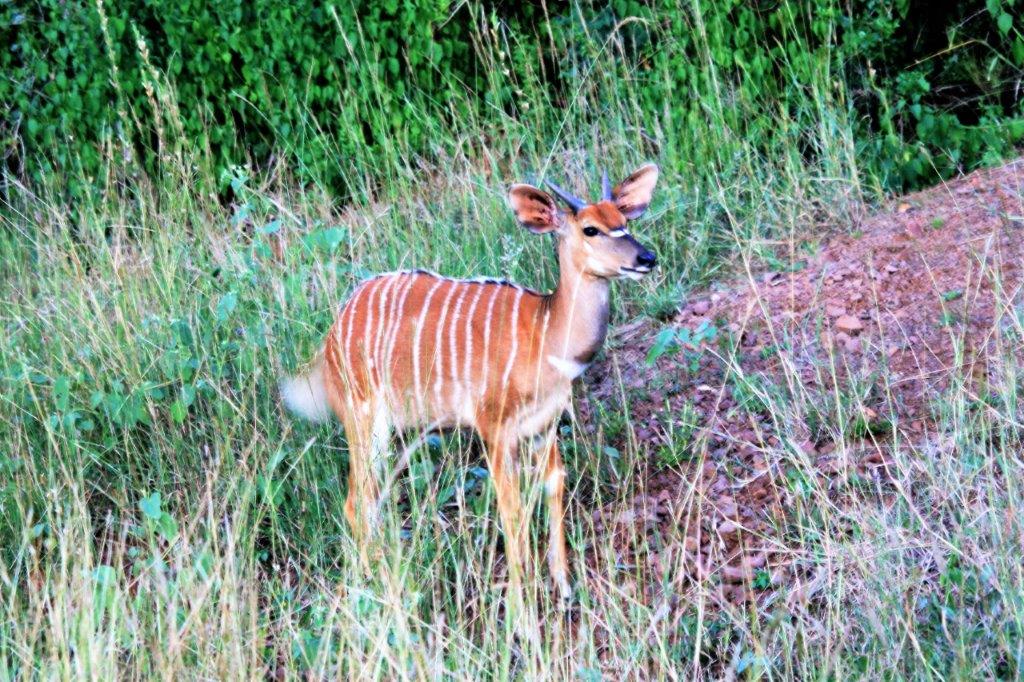
2009-04-16_62762009-04-16_6384  2009-04-16_6484                                         These are Nyala antelope.

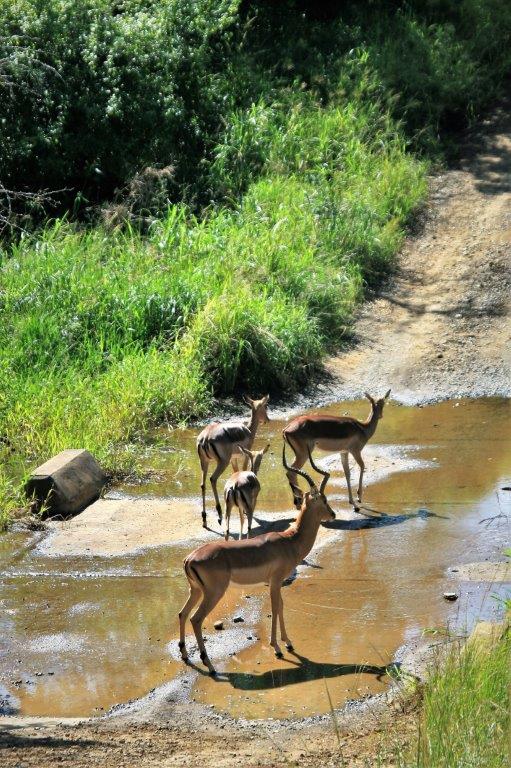
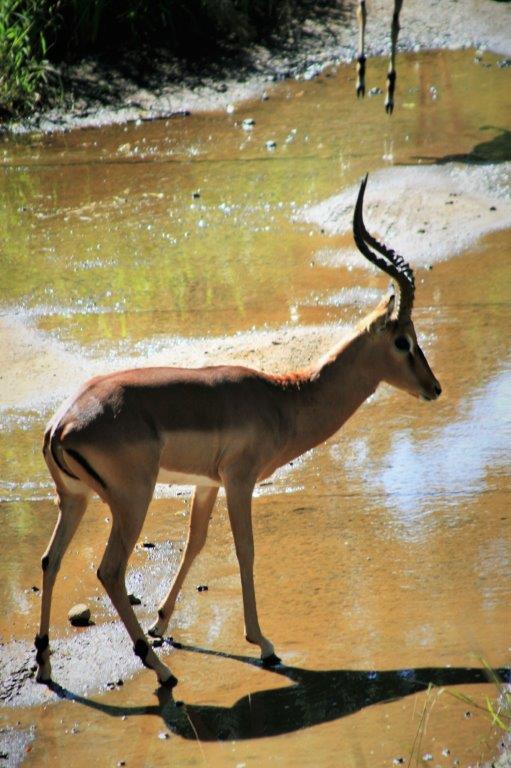
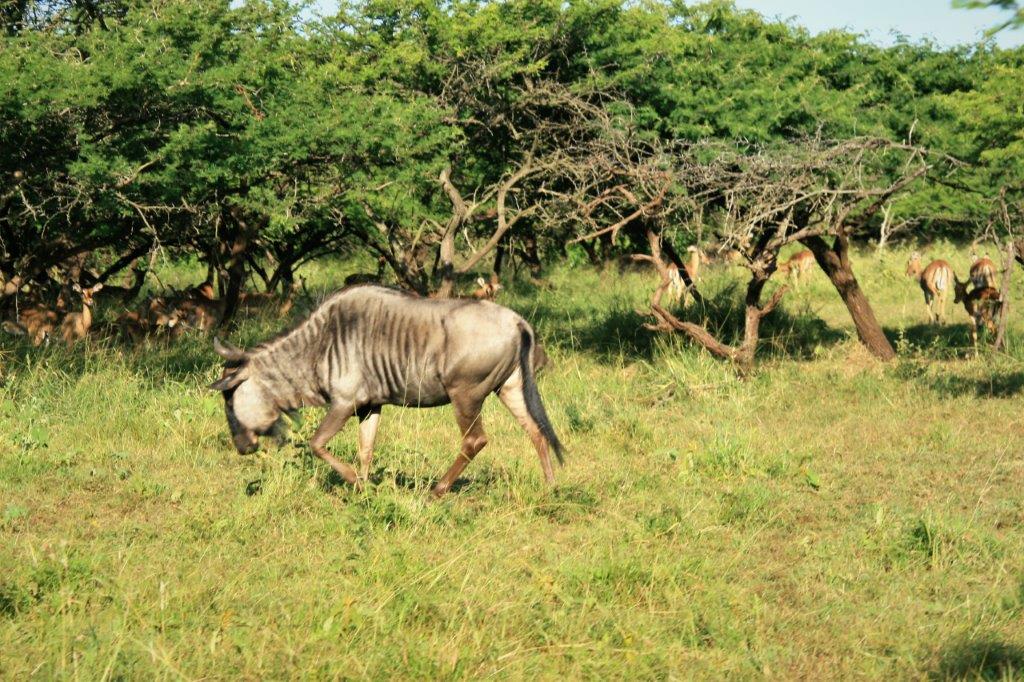
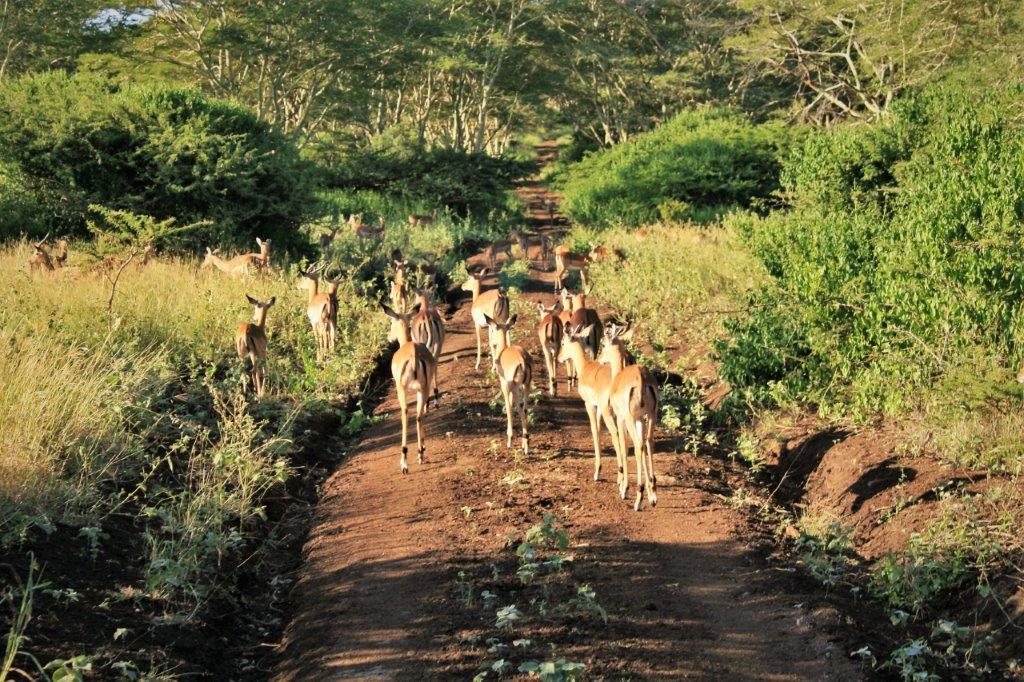
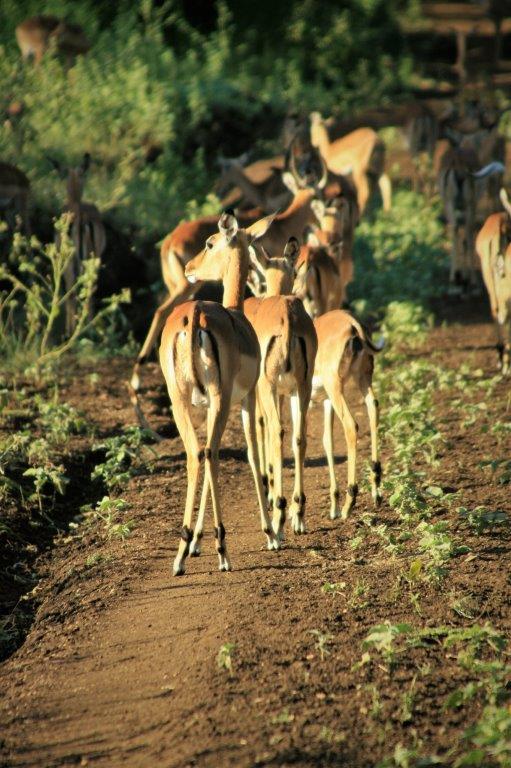
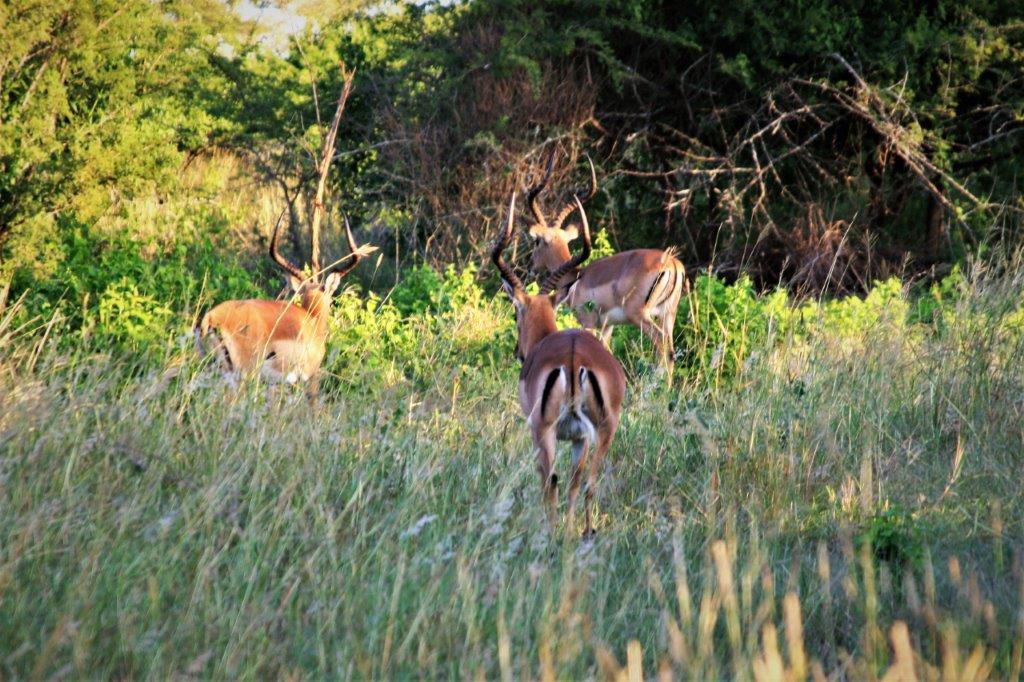
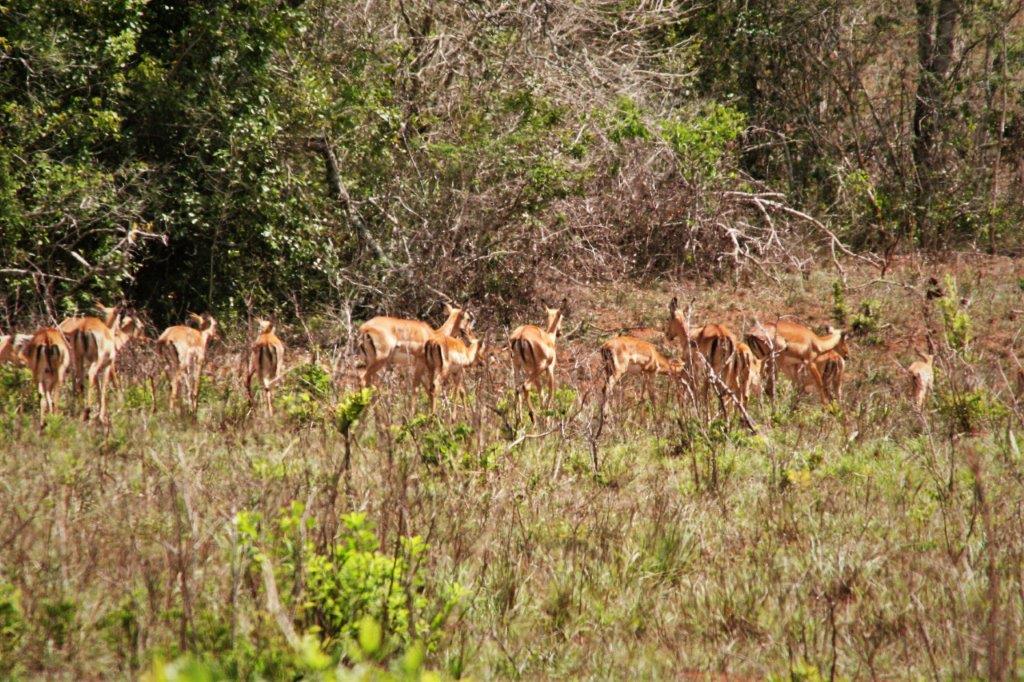
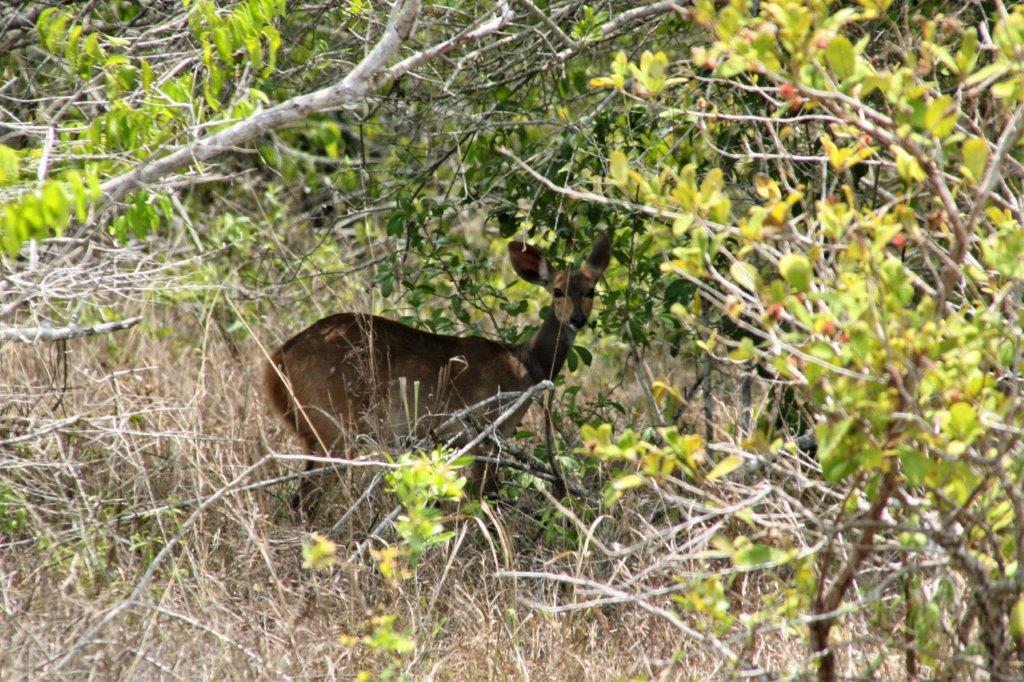
Of course, giraffe are also quite comical and very ungainly when they bend down to eat grass or drink water.  Personally, I think this injures their pride so they try to stick to eating leaves from the trees.2009-04-16_6287 2009-04-16_63272009-04-16_62972009-04-16_62992009-04-16_63052009-04-16_63092009-04-16_63402009-04-16_63472009-04-16_63482009-04-16_63502009-04-16_6354_edited-12009-04-16_6366                                                          Blue Wildebeest2009-04-16_6373 2009-04-16_6376 2009-04-16_6381_edited-1 2009-04-16_6454Impala – the McDonalds of the Savannah – notice the M symbol.

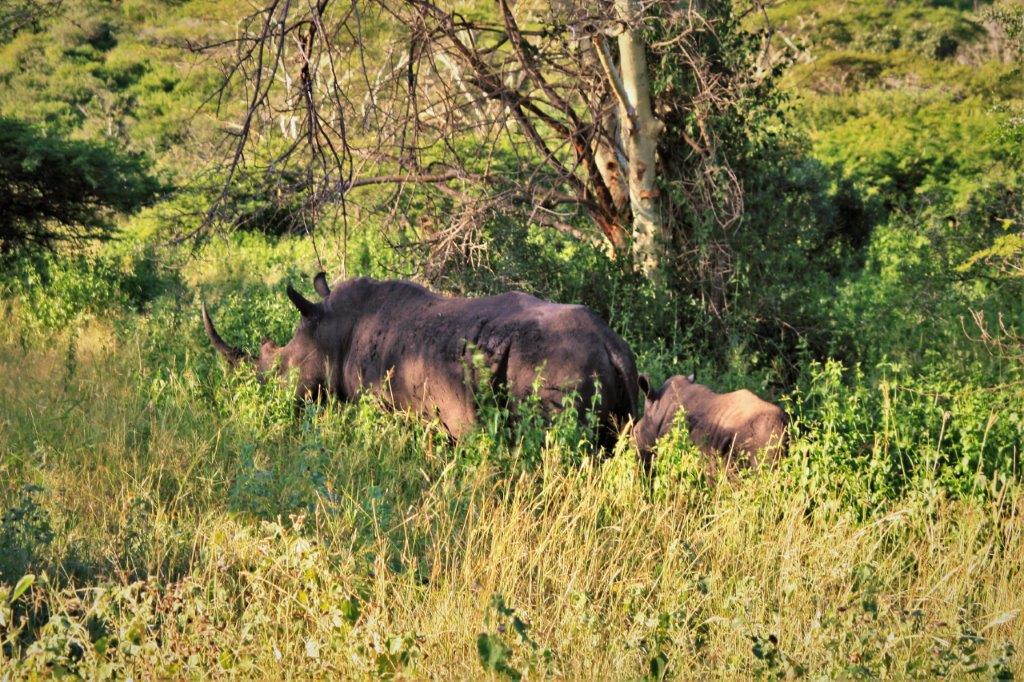
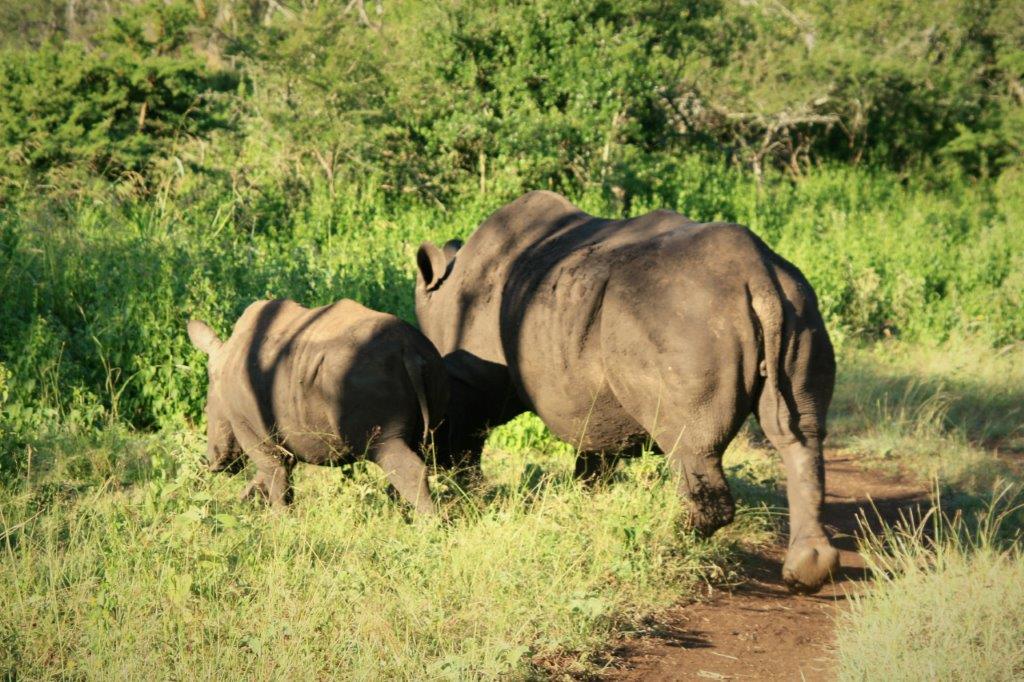
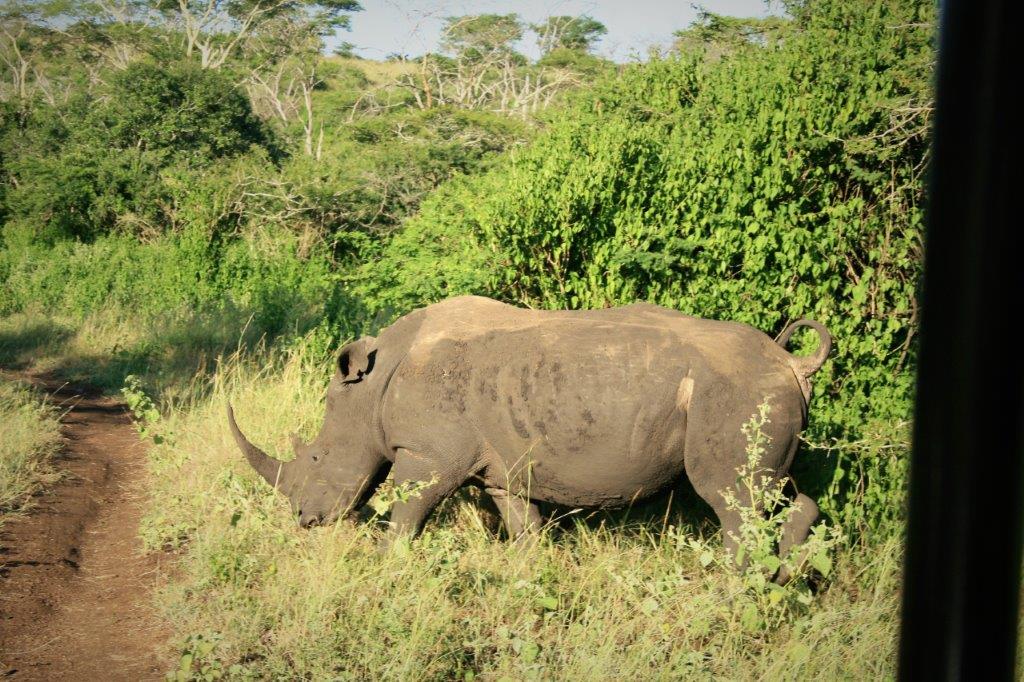
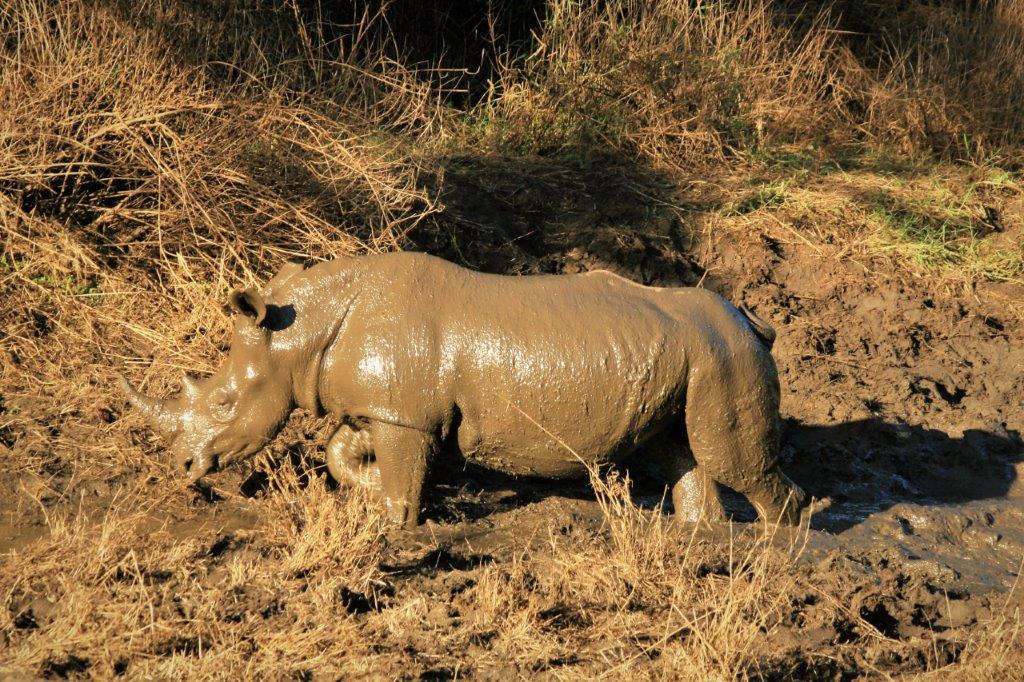
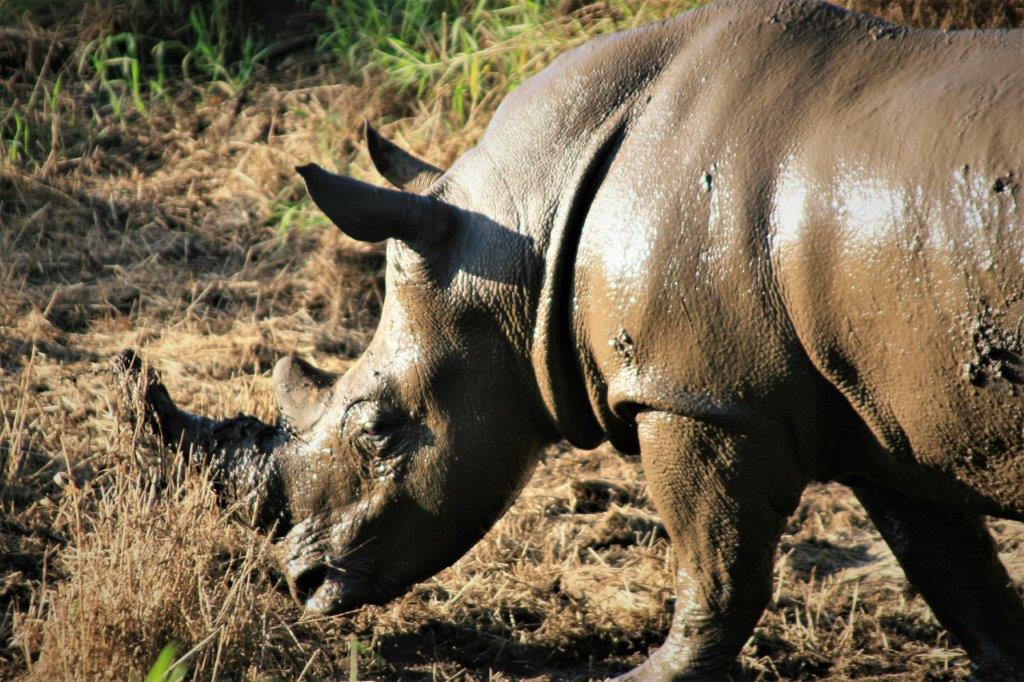
There are six white rhinos and one black rhino at Zulu-Nyala.  We did not see the black but we did see all six of the white.  The name difference has nothing to do with the animals colour; they are all pretty much the same, from grey to brown.  White Rhinos have a wide, square upper lip, which the Afrikaans (Dutch origin) people called Wyd – anglicized to White.  The Black Rhino has a narrow, hooked lip.  Black Rhinos are extremely endangered and several of the sub-species are already extinct.  The Northern White Rhino is also severly threatened.

Poachers are very sophisticated these days and use social media to read the geo-tags on photos that people post.  This gives them the date, time and location in various parks and open plains where they know rhinos have been and makes it easy for the poachers to locate and kill them.2009-04-16_6397_edited-1 2009-04-16_6399 2009-04-16_6405 2009-04-16_6408 2009-04-16_6429 2009-04-16_6436                               Rhinos like to wallow in mud to keep cool.2009-04-16_6441Much of the movie “Out of Africa” starring Kate Bassinger was filmed at Zulu-Nyala.  Part of the agreement was that the house ‘set’ that was built for the film was to be left standing after shooting was completed.

2009-04-16_6456 2009-04-16_6460 2009-04-16_6461 2009-04-16_646920090416_6032 2009-04-16_6463 2009-04-16_6462 2009-04-16_6467_edited-1 2009-04-16_6468William tried very hard to find the elephants for us without success, but that was okay as we had seen them in Kenya. It was 6 pm by the time we returned to the parking lot.  All of the buses were loaded and waiting since one person from each bus was on our truck.  Oops. 2009-04-16_65012009-04-16_6475                                       That was a great, great day!

2009 World Cruise – April 15 – Day 100 – Maputo, Mozambique

2009-04-17_6178The day after we left Mombasa was Easter Sunday and we received a nice large chocolate rabbit.

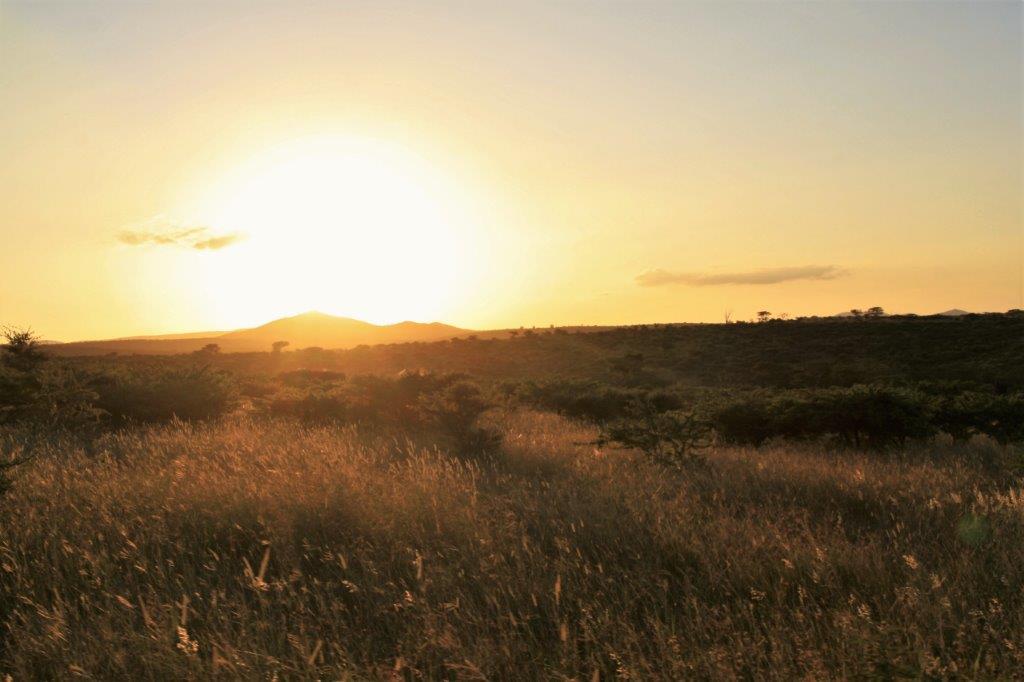
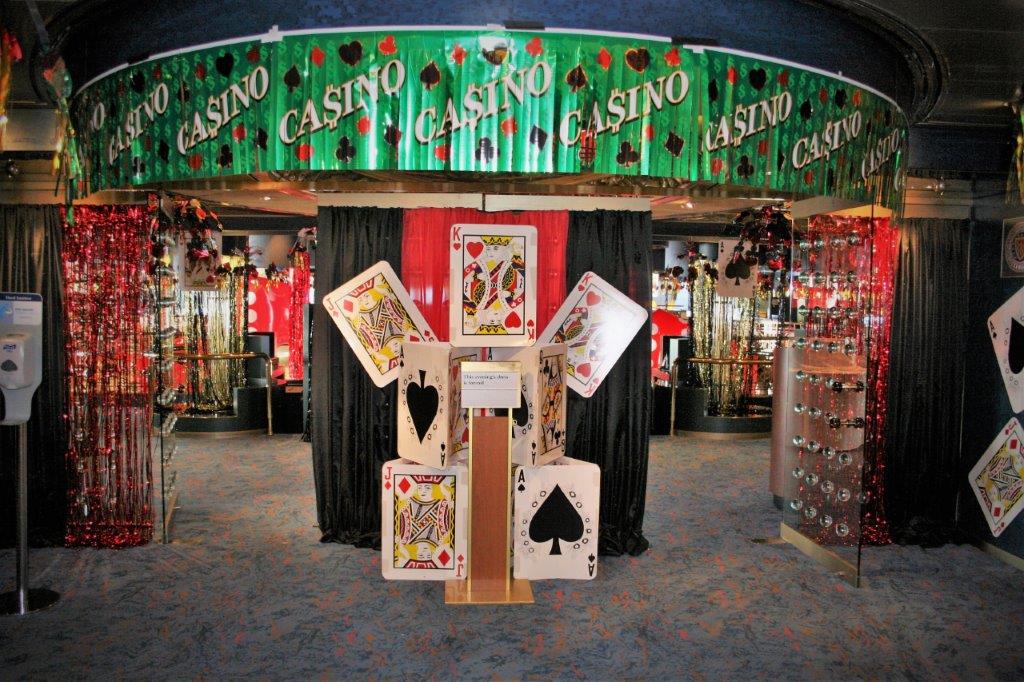
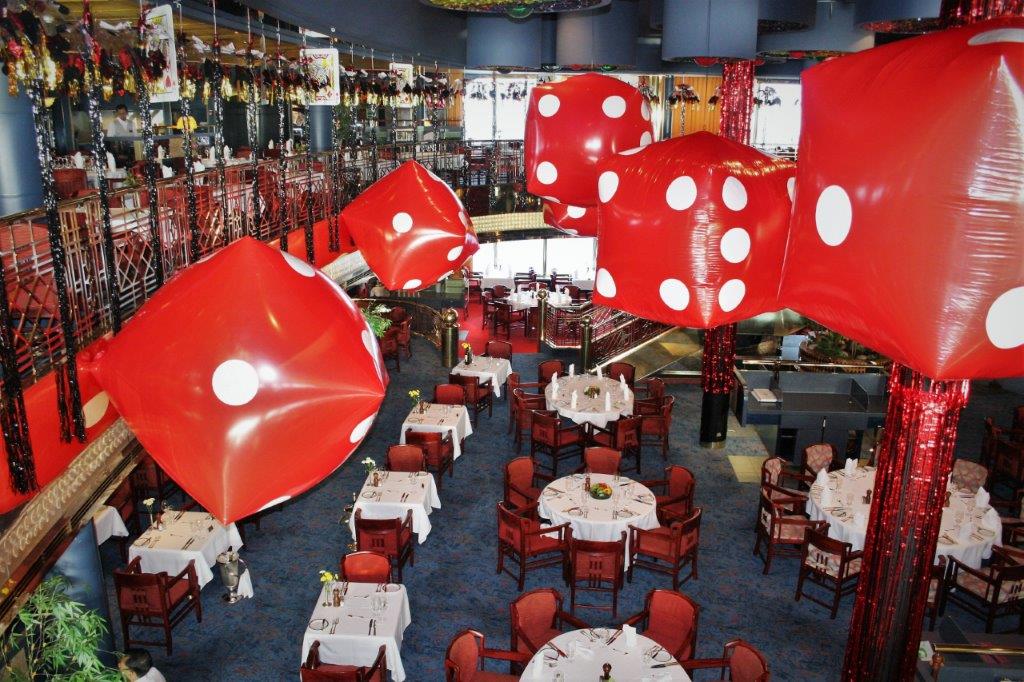
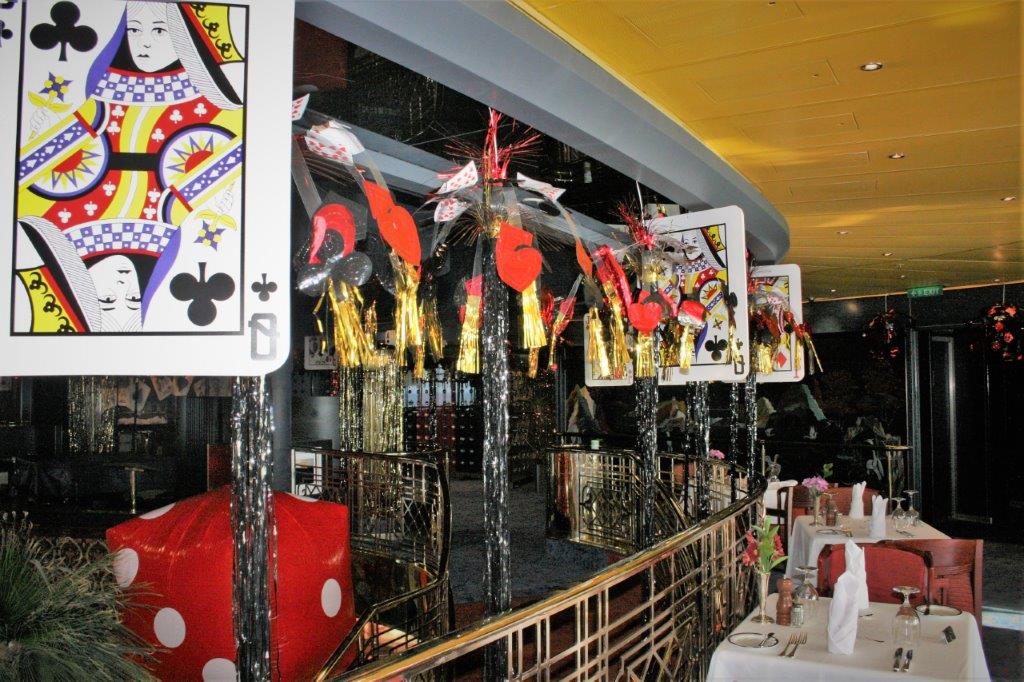
Two days later it was another formal night and the theme was Casino Royale.  There were large playing cards, dice, and black and red streamers all over the ship.  I was always impressed by the effort they made to decorate for special nights.  They only did it every few weeks so it was always a treat.2009-04-13_5650 2009-04-13_5653 2009-04-13_5654 2009-04-13_5660 2009-04-14_56252009-04-14_5641                       The sunset that night was pretty nice as well.

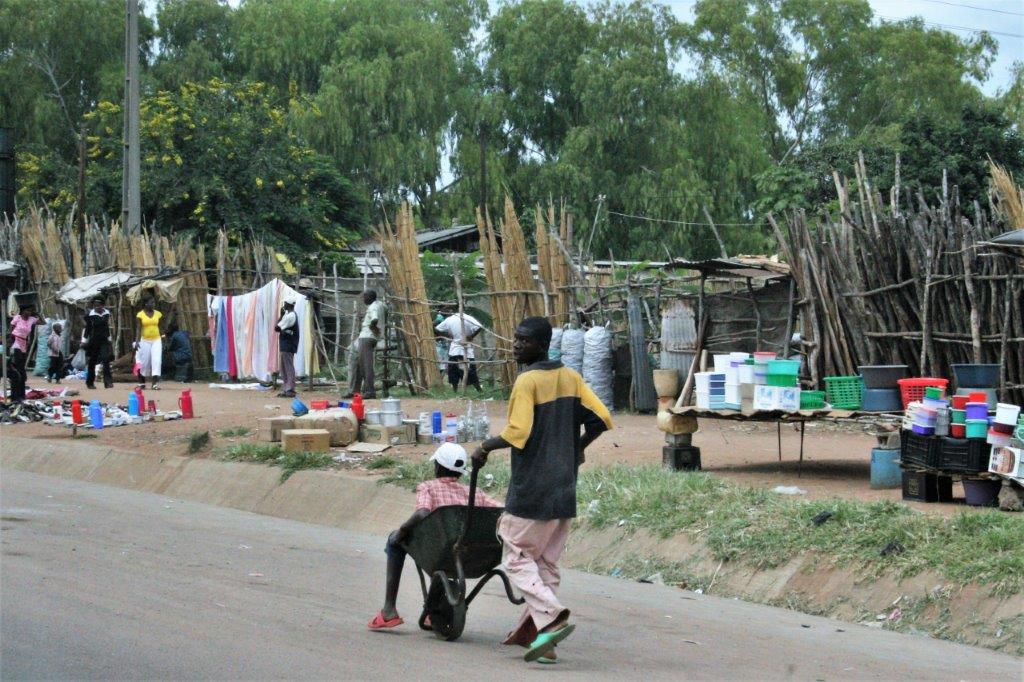
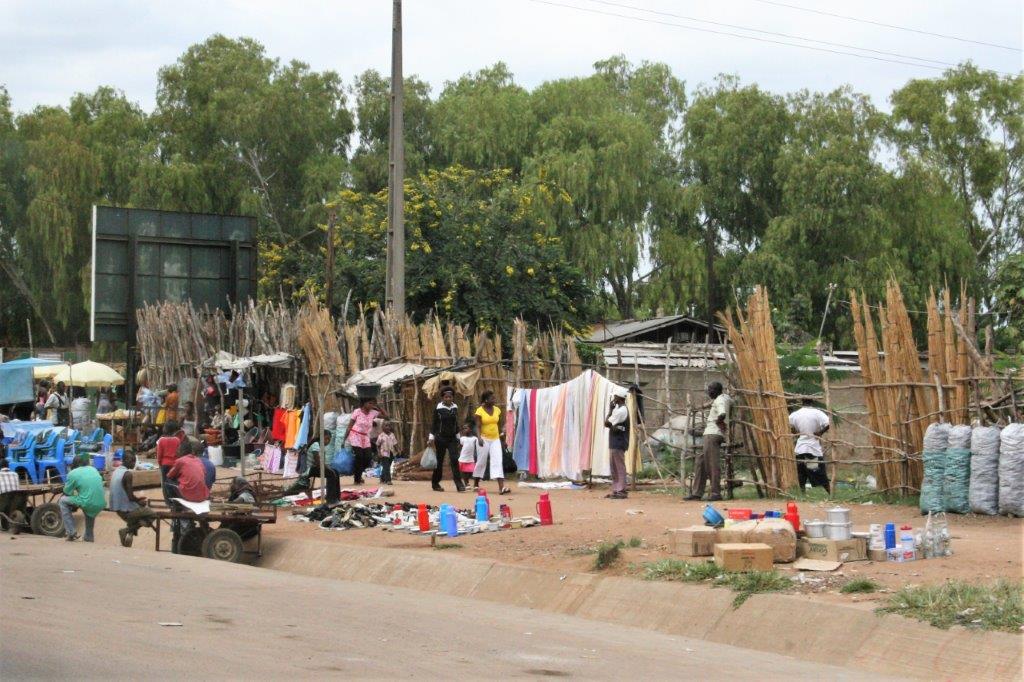
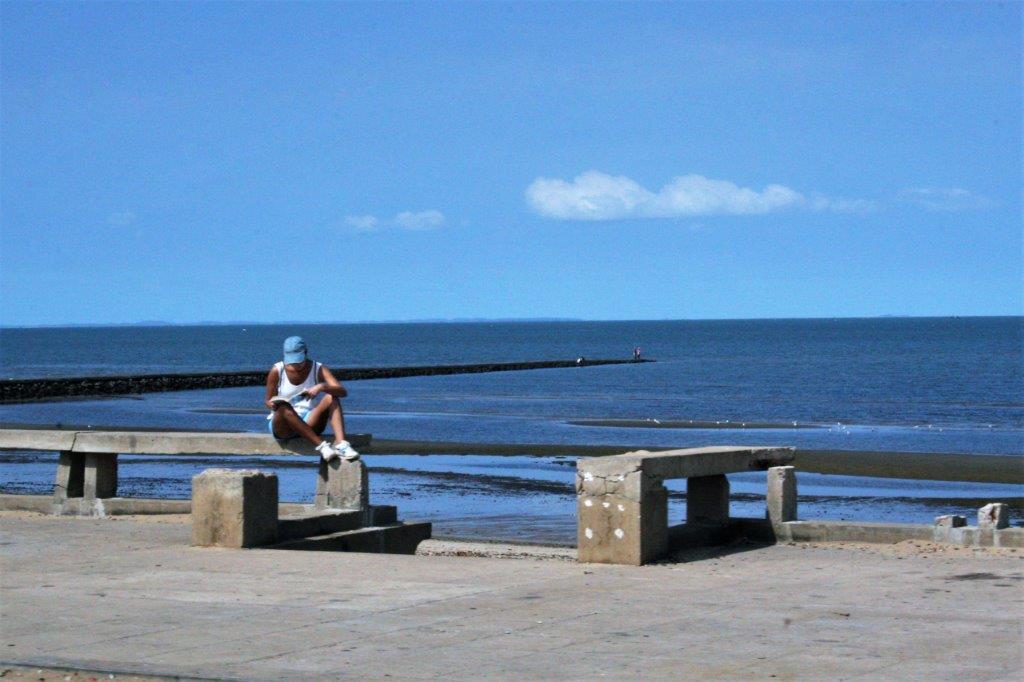
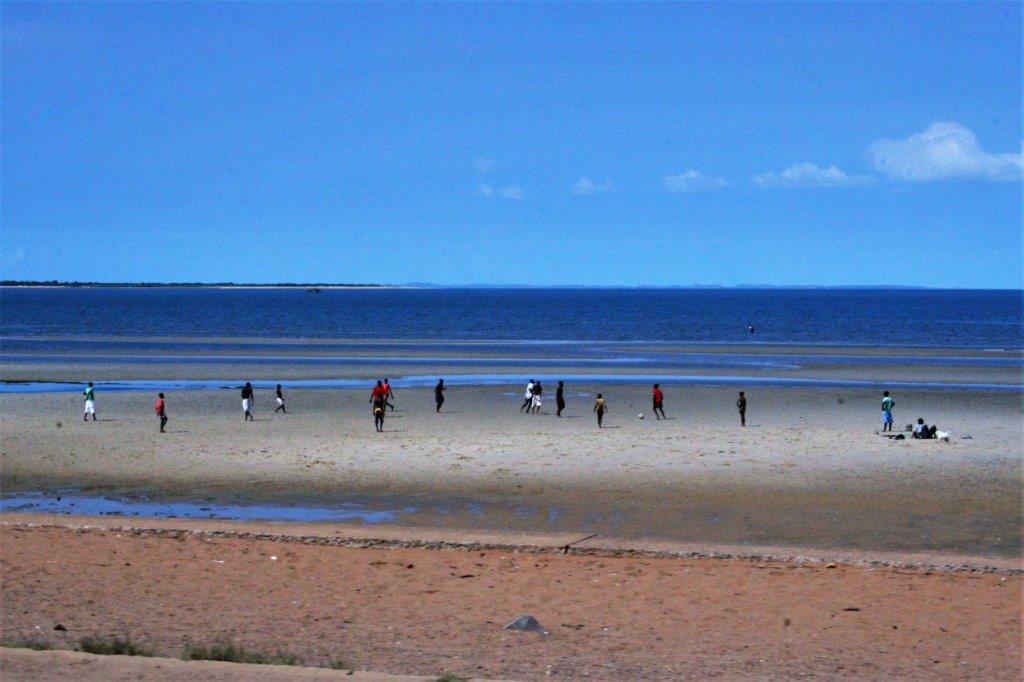
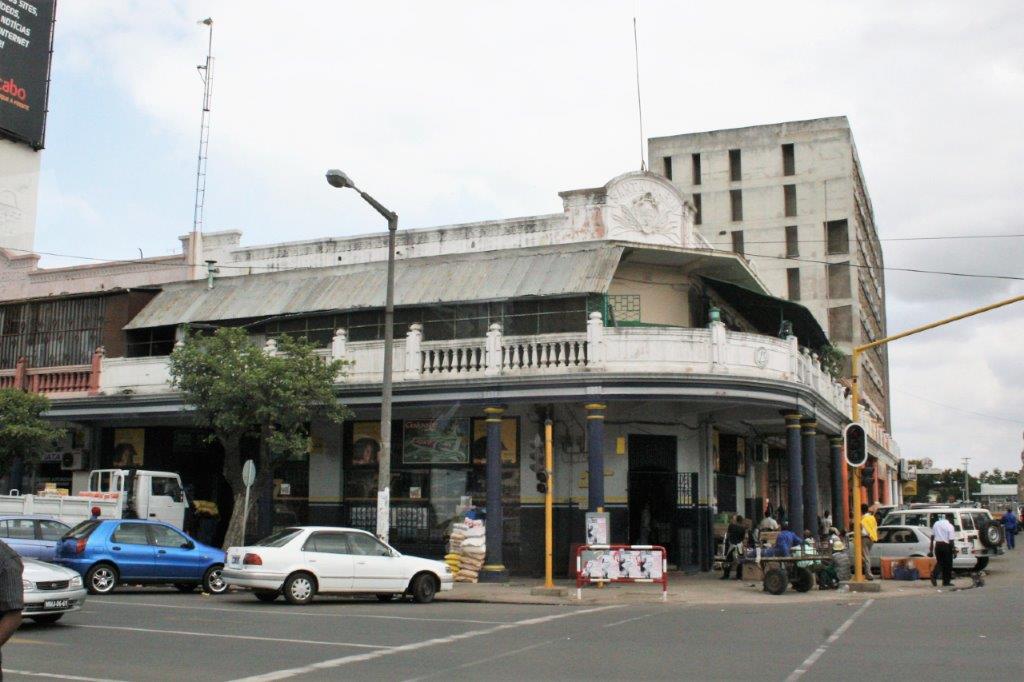
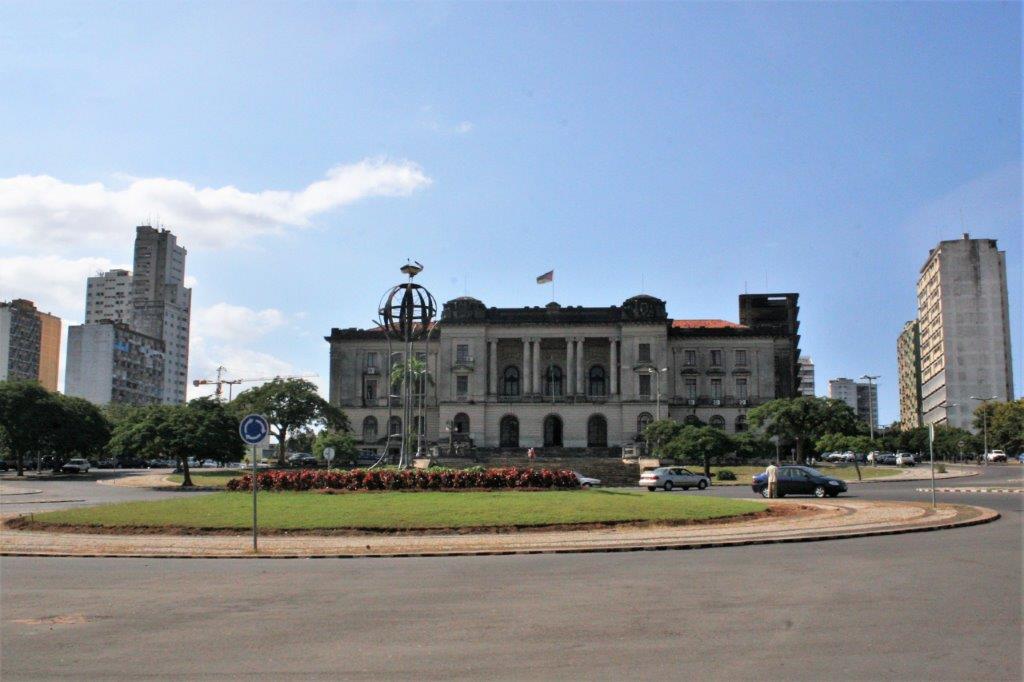
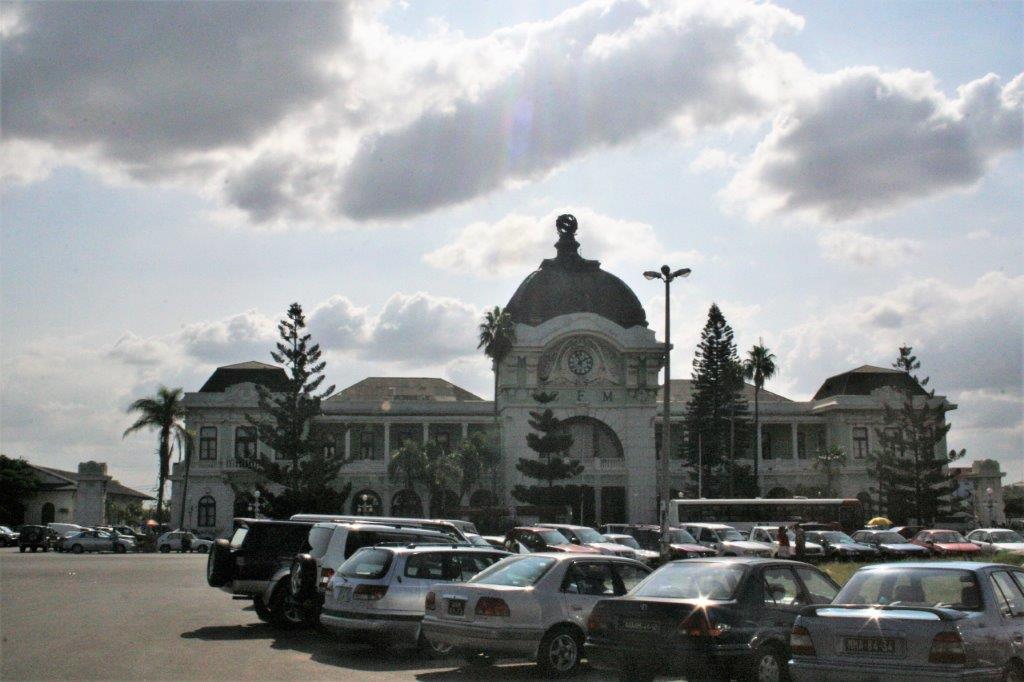
Maputo, Mozambique was the first of four consecutive days in port. We arrived in Maputo, the largest city and capital of Mozambique at 8 AM.  Mozambique was a Portuguese colony for many years until independence was granted in 1974.  Over 250,000 ethnic Portuguese left the country virtually overnight leaving no skilled professionals to maintain  the infrastructure.  The economy plummeted as a result.  The governing party turned to the Soviet Union and East Germany for help, but by the early 1980s the country was bankrupt.  The Civil War, which lasted until 1992, further weakened the economy, but with the war ended growth and stability are returning.  Tourism is playing a large role in the country’s recovery.

Obviously, with such recent political and economical storms there were not a vast selection of tours available.  We did a five-hour excursion that was basically an overview of the area in and around Maputo.

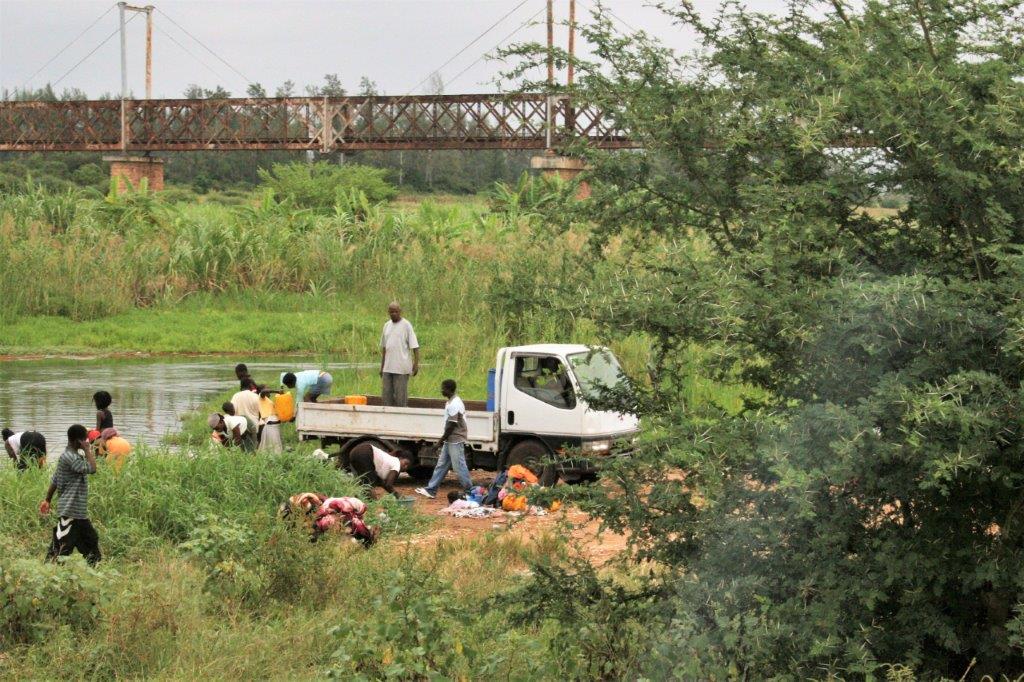
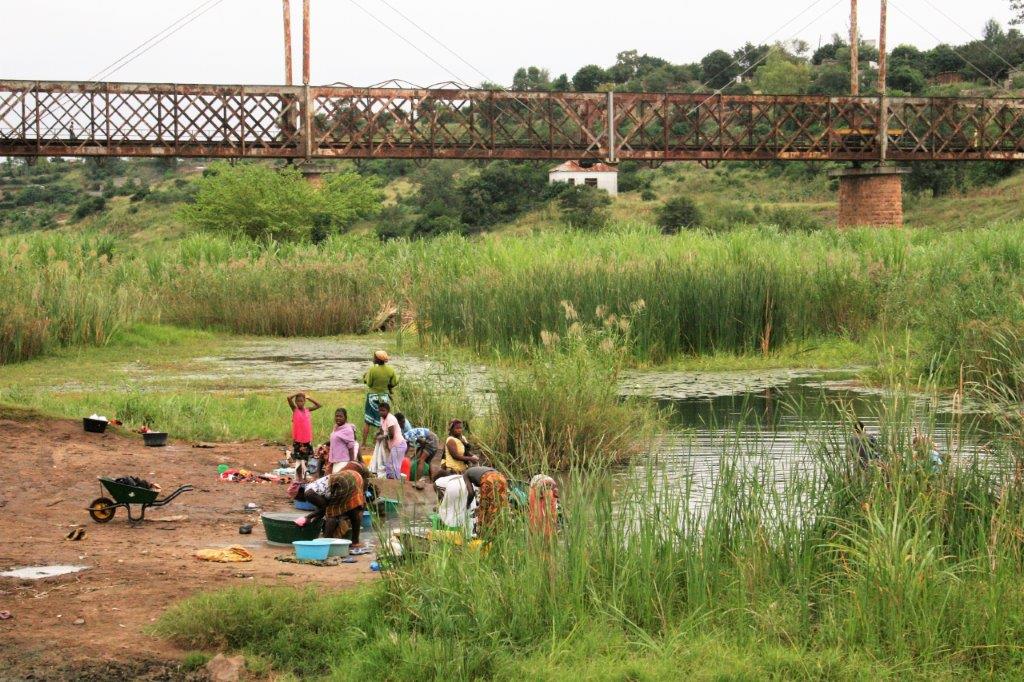
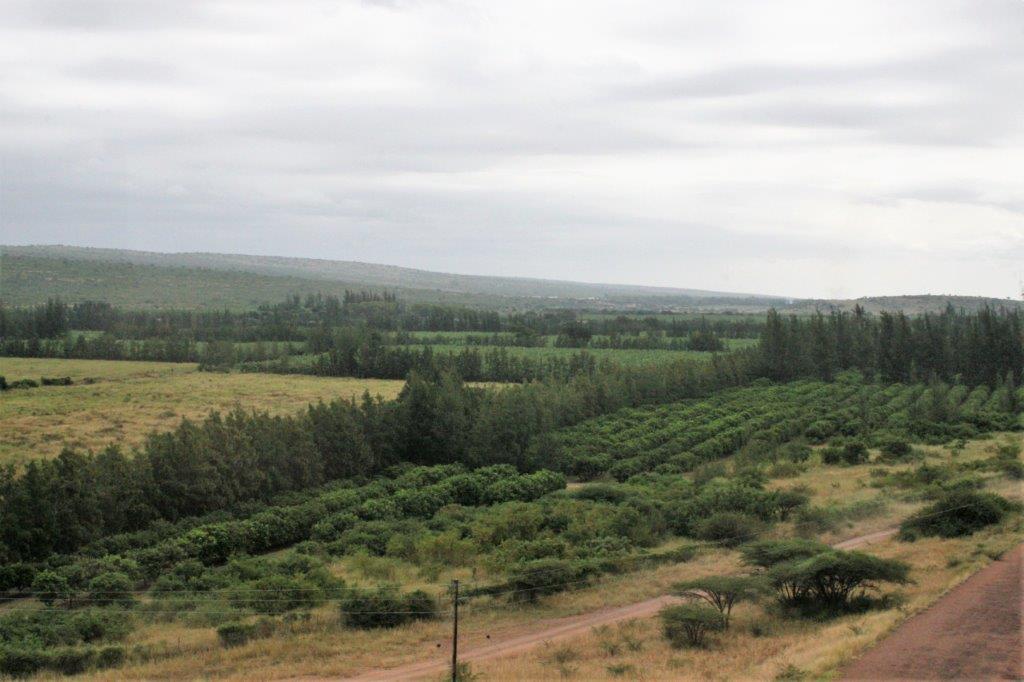
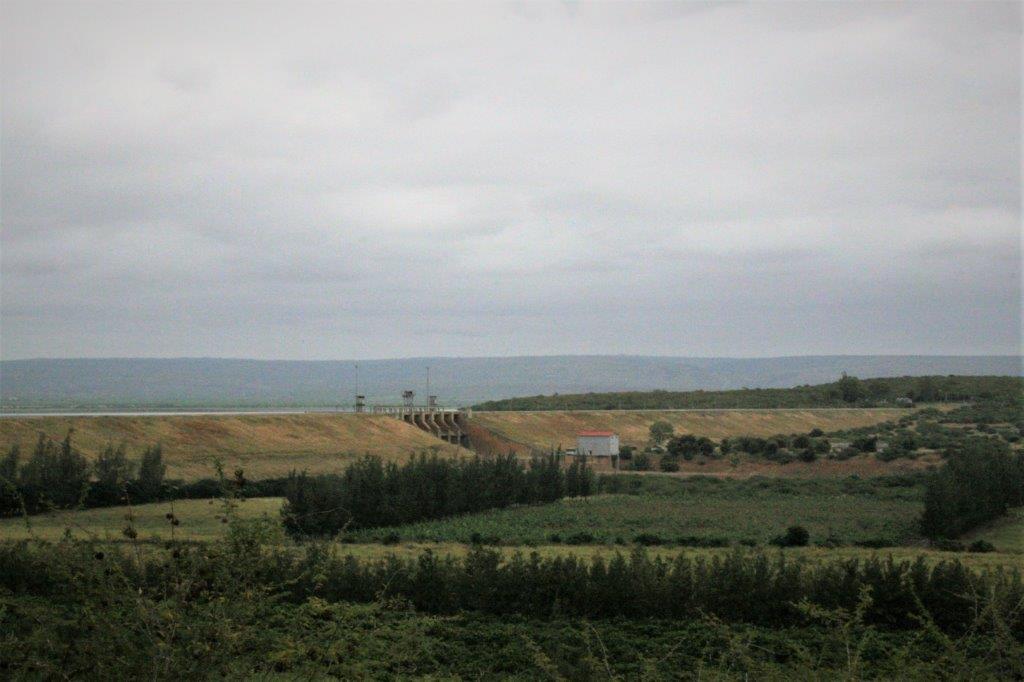
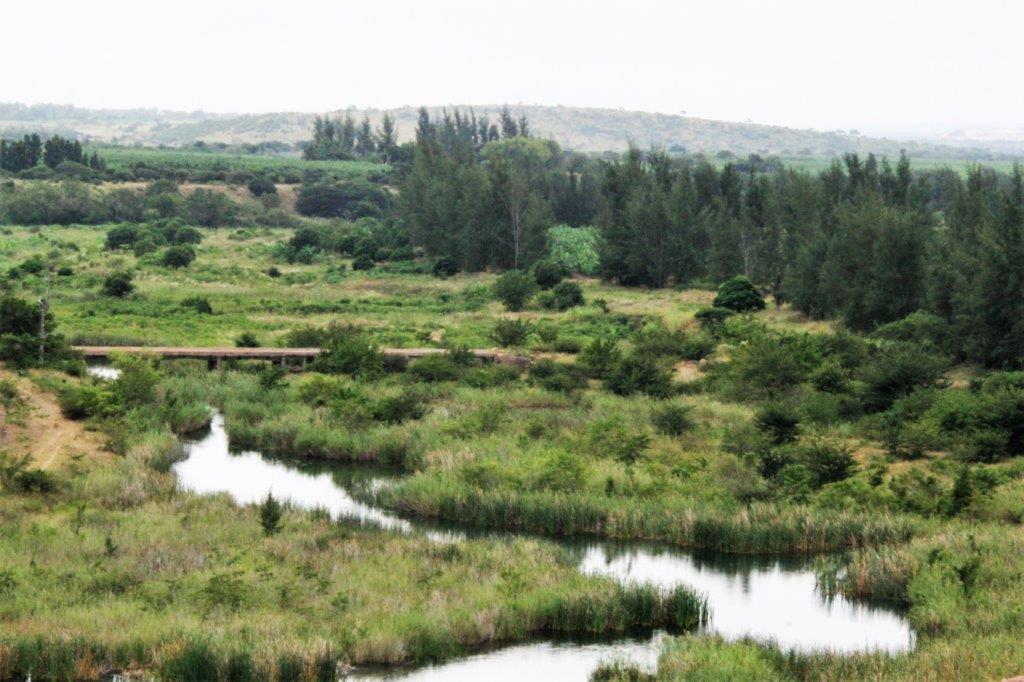
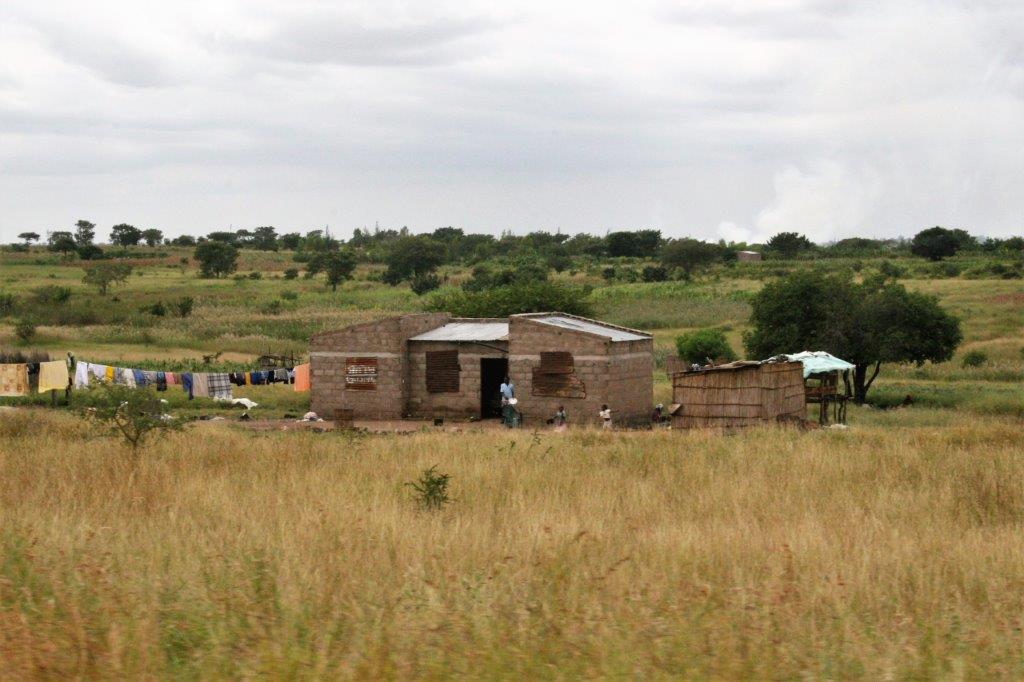
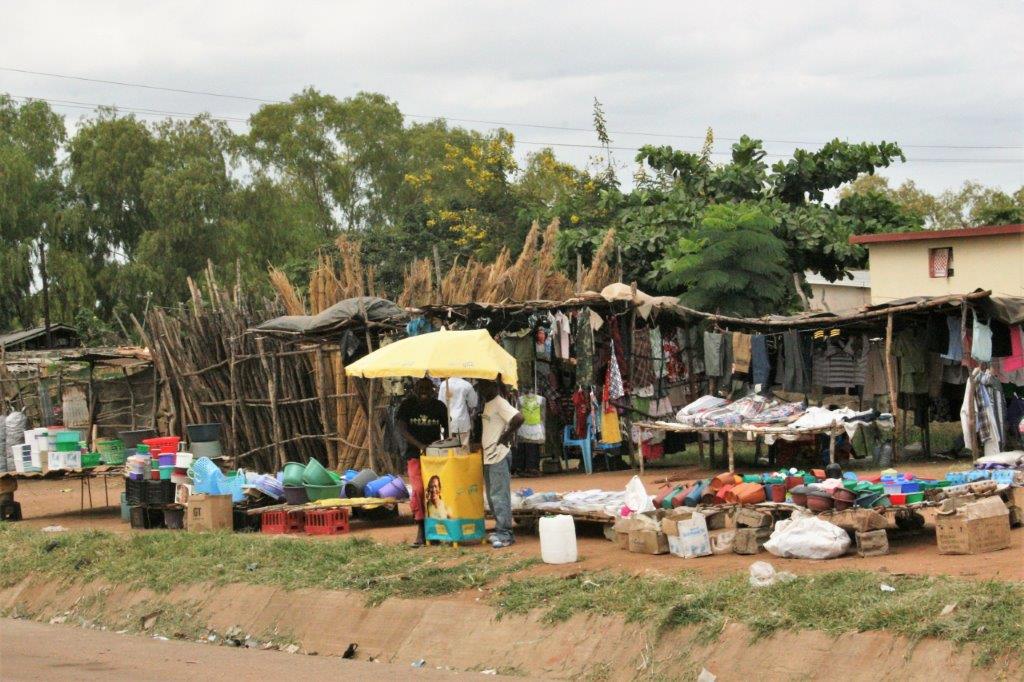
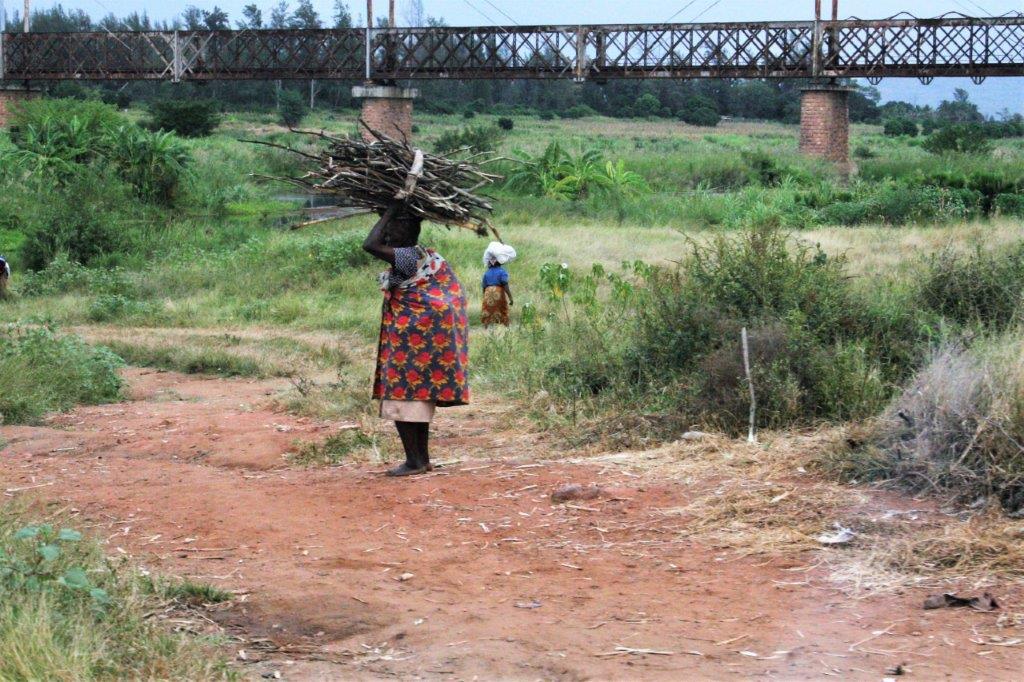
We were first driven out to the countryside, past the river where ladies do the laundry and to the Pequenos Libombos Dam.2009-04-15_5550 2009-04-15_5552 2009-04-15_5563 2009-04-15_55622009-04-15_5571 2009-04-15_5574 2009-04-15_5584 2009-04-15_5585 2009-04-15_5586 2009-04-15_5587 2009-04-15_5549 2009-04-15_5588 2009-04-15_55892009-04-15_5599Upon our return to Maputo we had a walk around the Jardim dos Namorados (the Public Garden) and a drive past the Costa Del Sol (beach front).

2009-04-15_5592 2009-04-15_55962009-04-15_5594 2009-04-15_5595 2009-04-15_5600 2009-04-15_5604  We were pleasantly surprised at the modern high-rise buildings in the city and the clean streets.

2009-04-15_5544 2009-04-15_5591 2009-04-15_5607 2009-04-15_5608 2009-04-15_5612 2009-04-15_5614 2009-04-15_5618 It was a nice overview of an area that, unfortunately, is still riddled with unrest, so we were blessed to be there during a time of welcome and peace.

2009 World Cruise – April 10 – Day 95 – Mombasa, Kenya

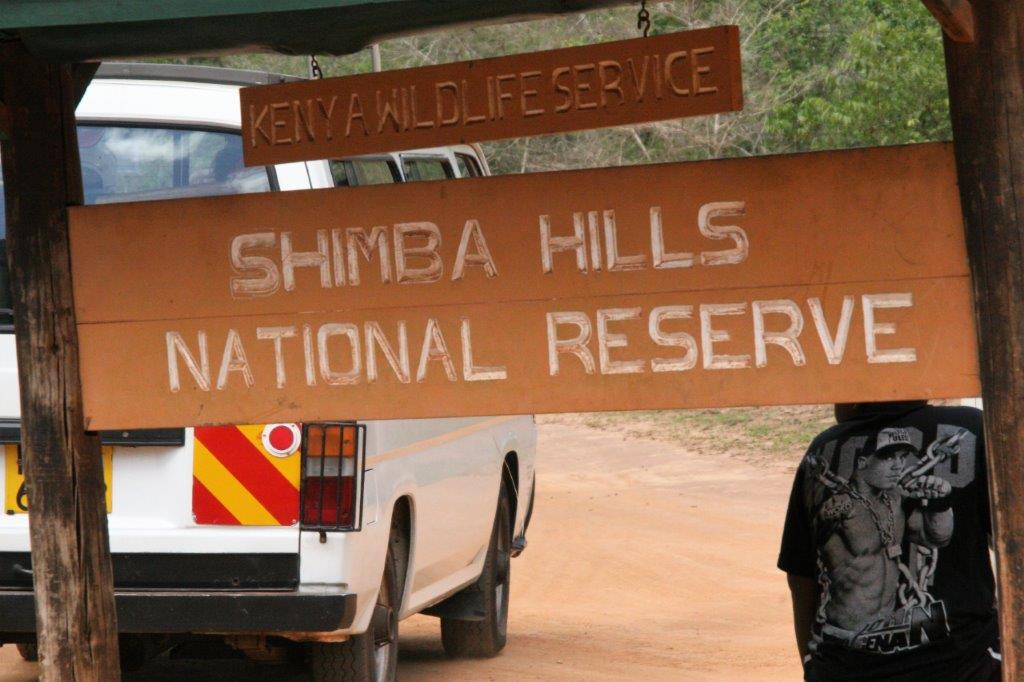
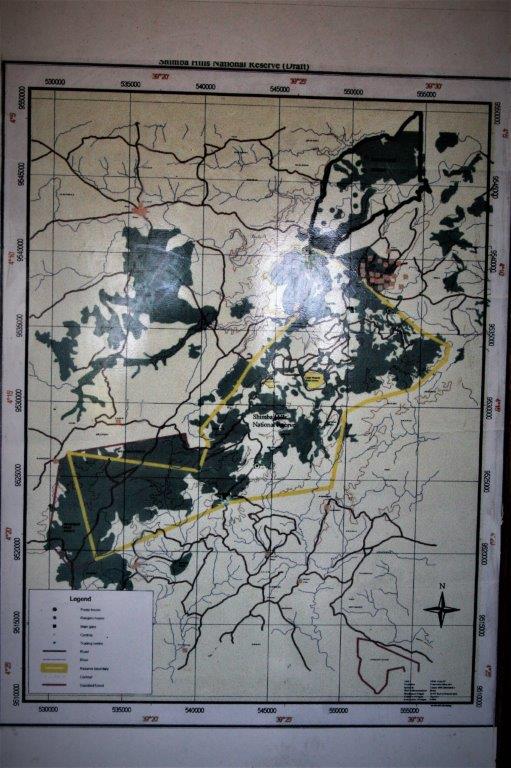
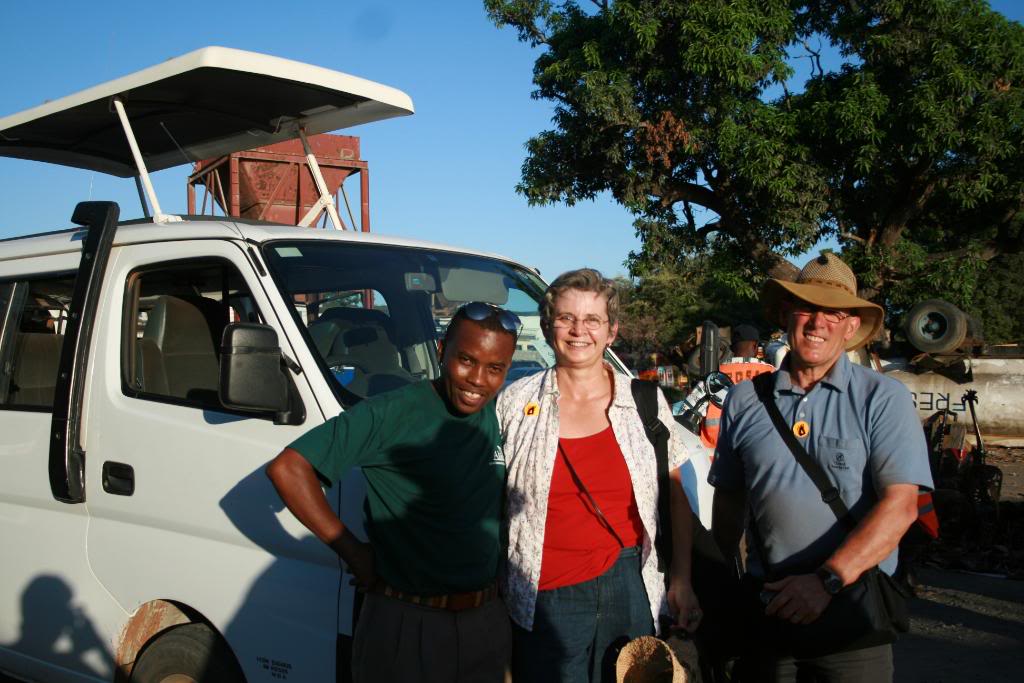
The second day in Mombasa was slightly cooler than the previous day.  We drove 90 minutes to Shimba Hills National Reserve.  Our driver, Patrick, was a Christian with a heart for mission.  He partners with an organization in Spokane to provide medical clinics, school uniforms & tuition, and sponsorship for 126  chuildren in Kenya.

We saw different scenes and scenery on our drive to the reserve than the day before, yet they are located in the same area.  We actually passed the entrance to Shimba Hills on our way to Mwaluganje Elephant Sanctuary the day before.

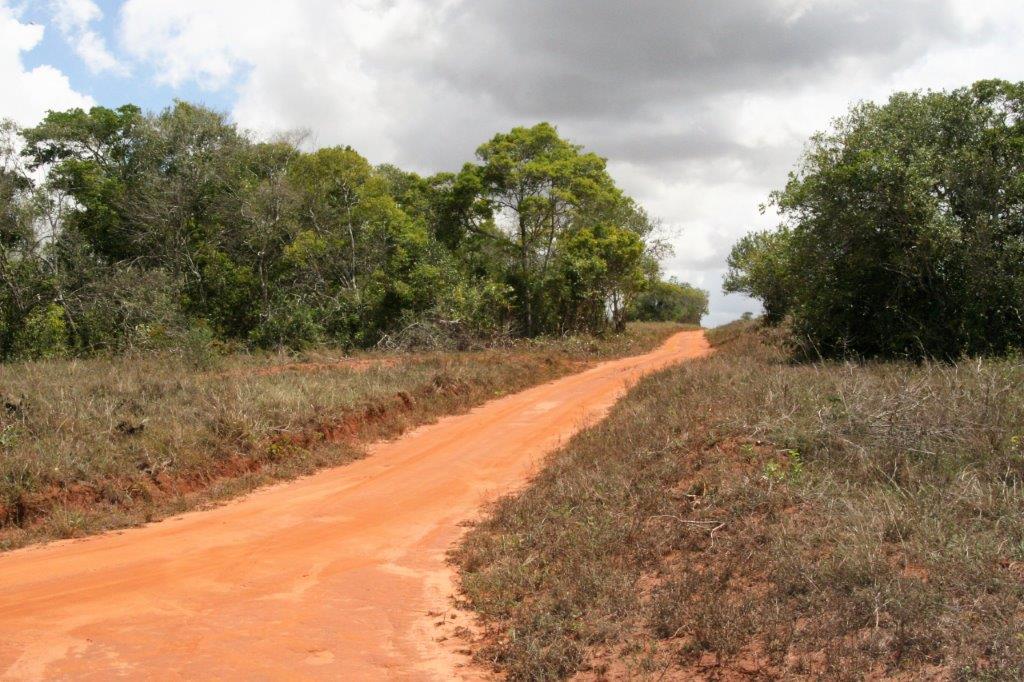
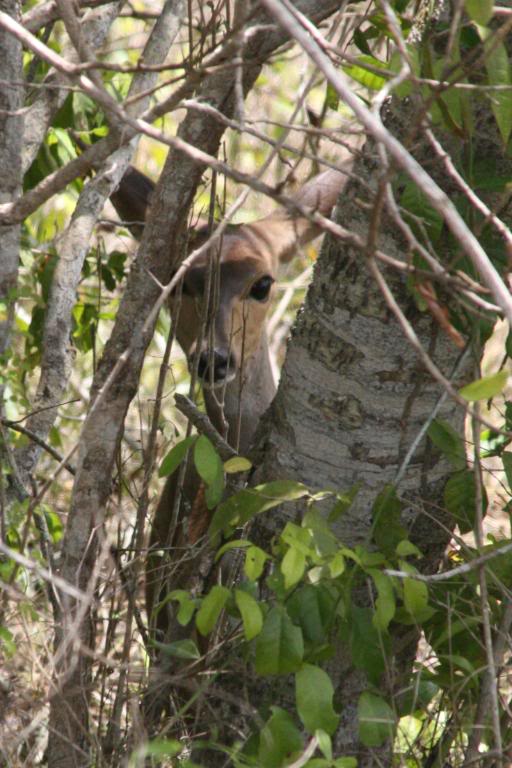
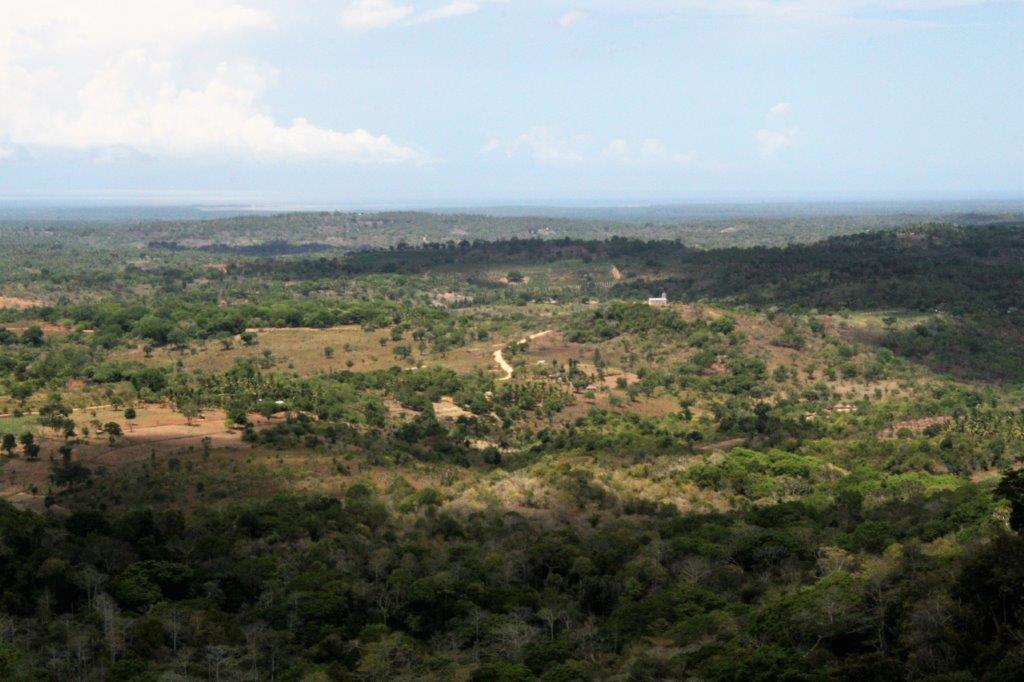
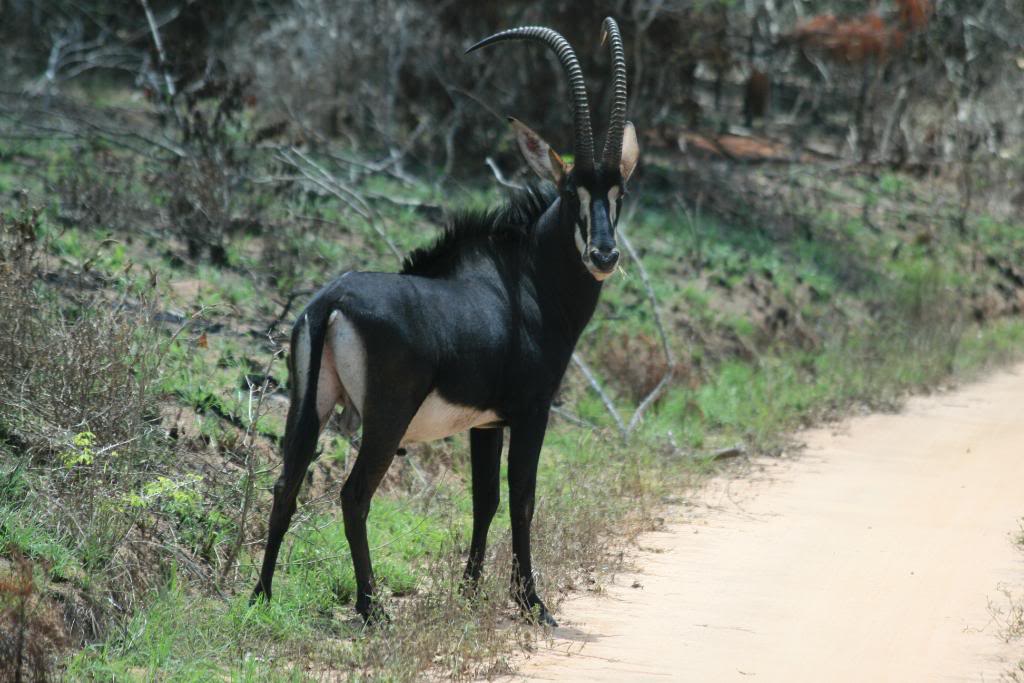
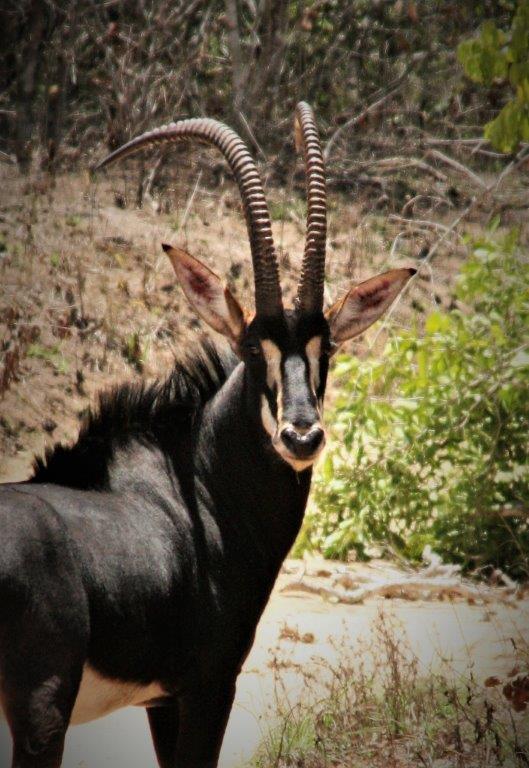
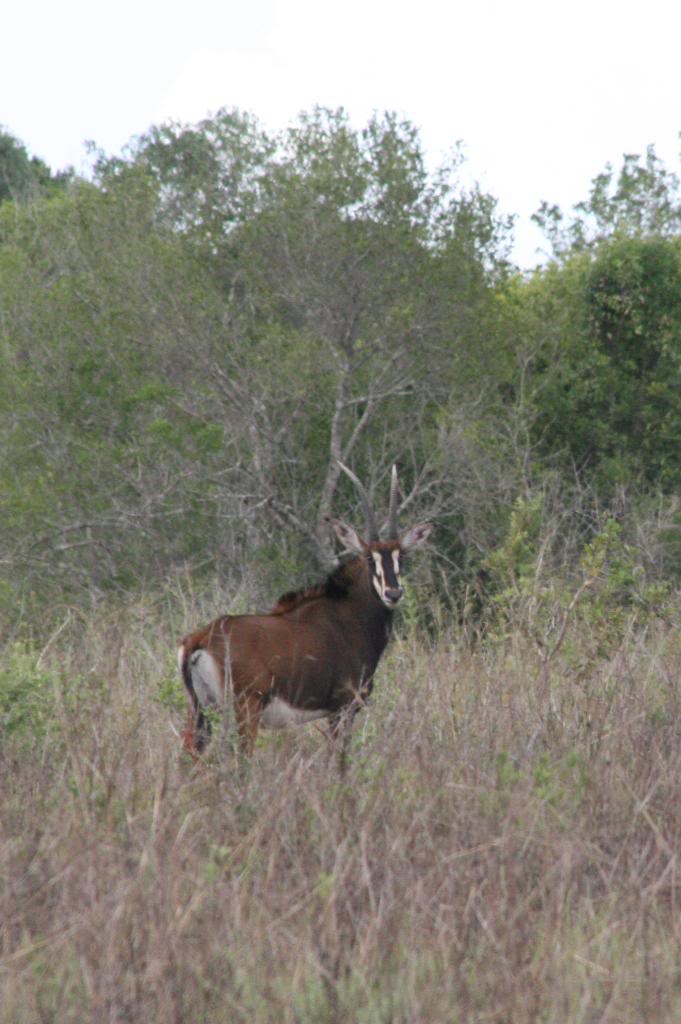
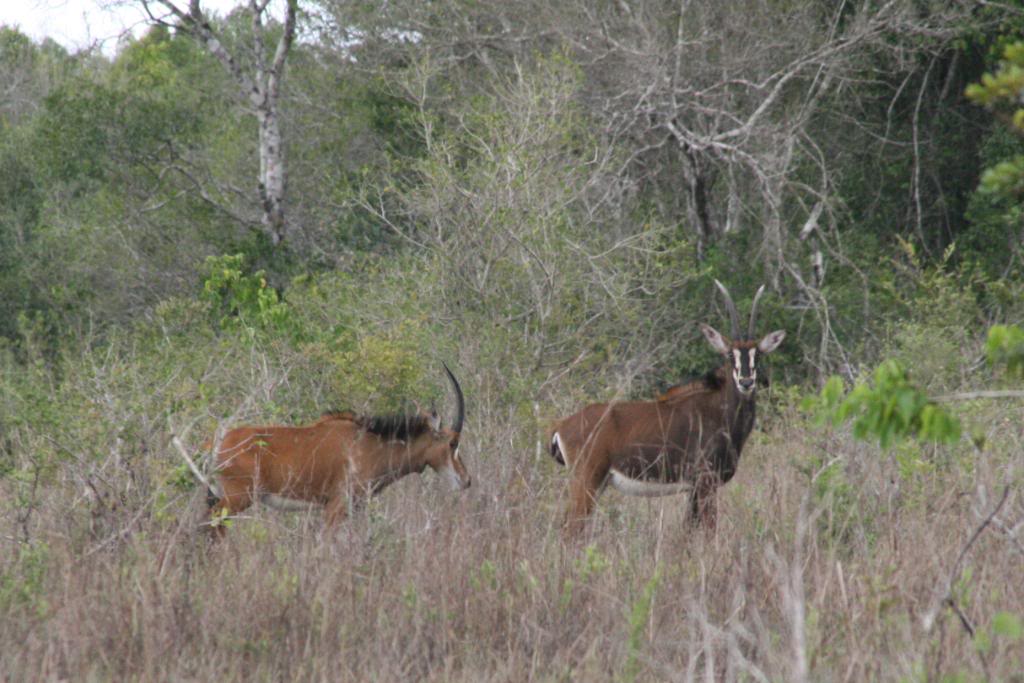
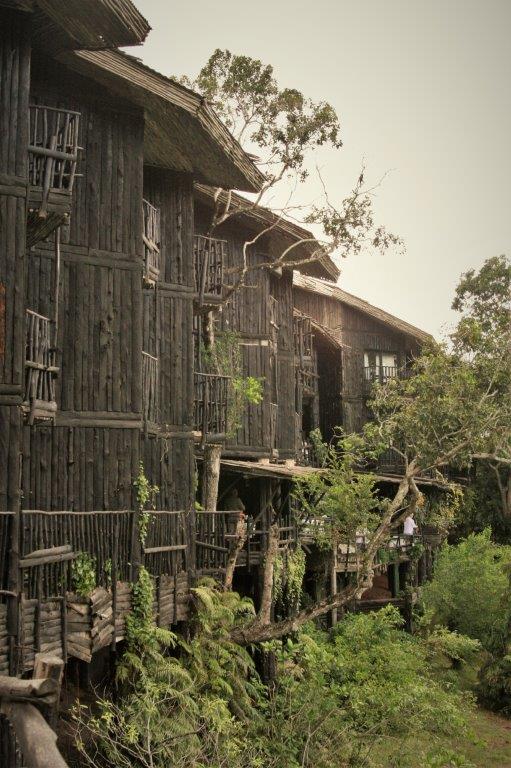
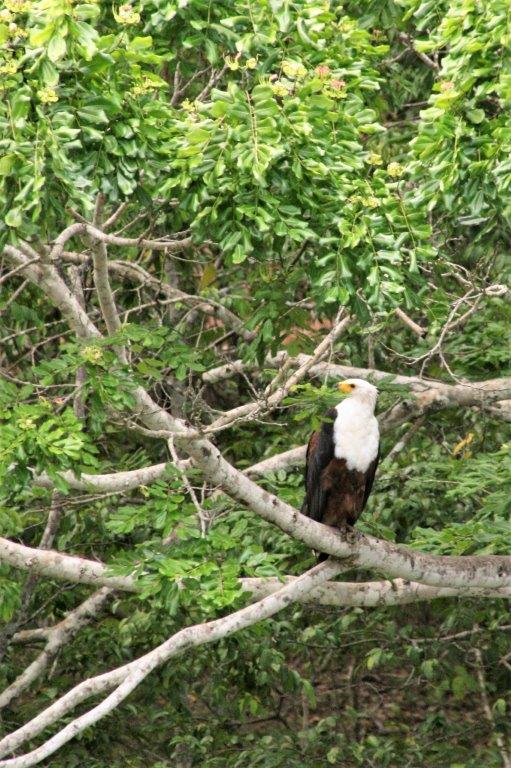
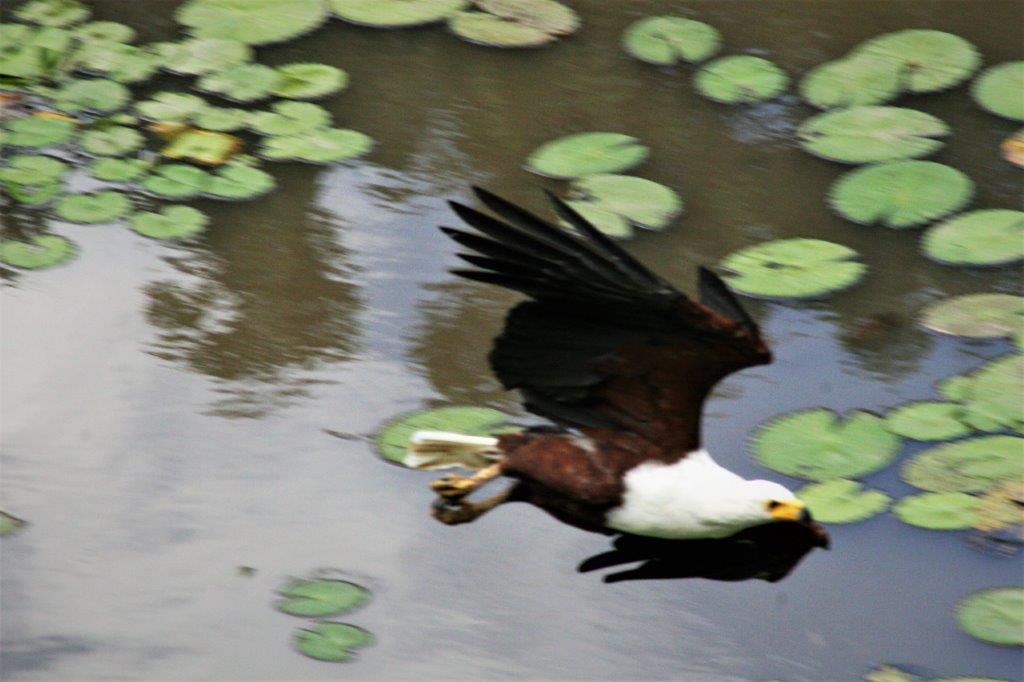
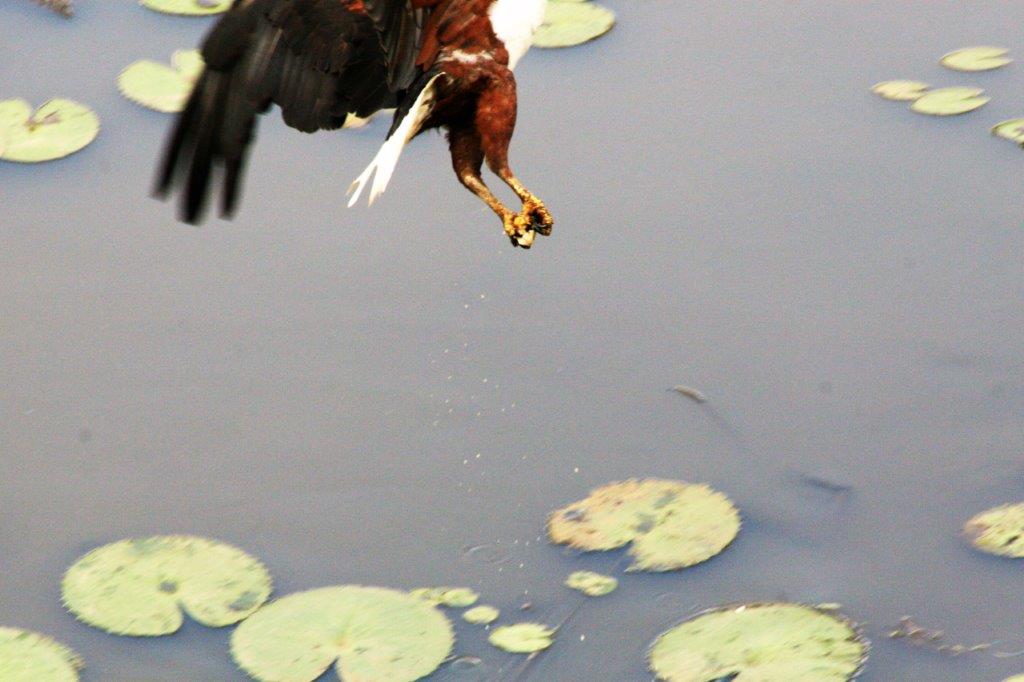
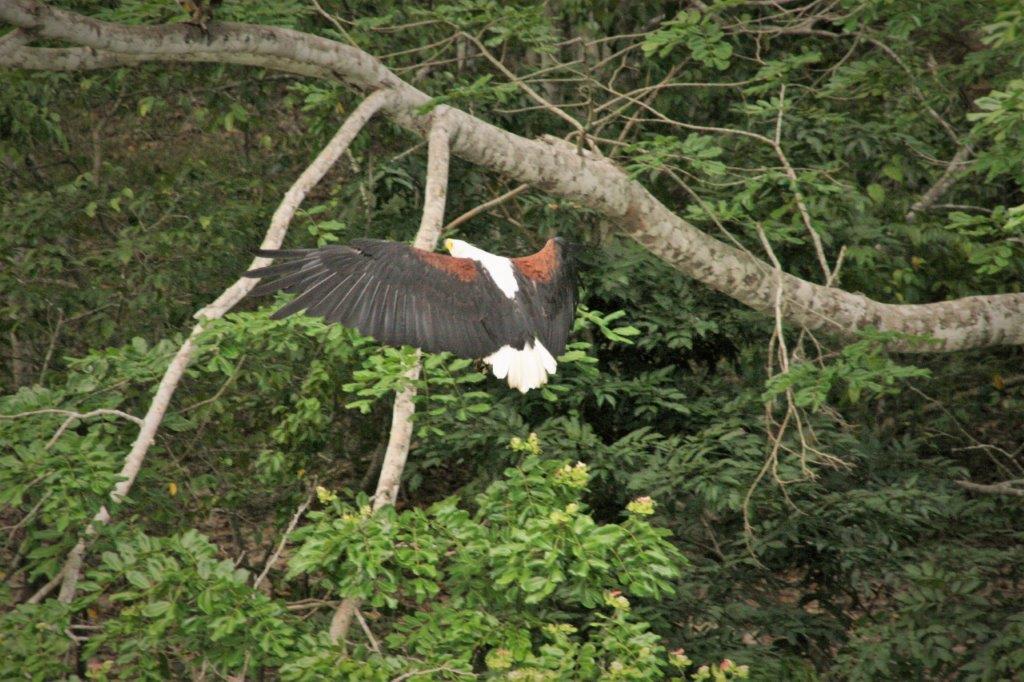
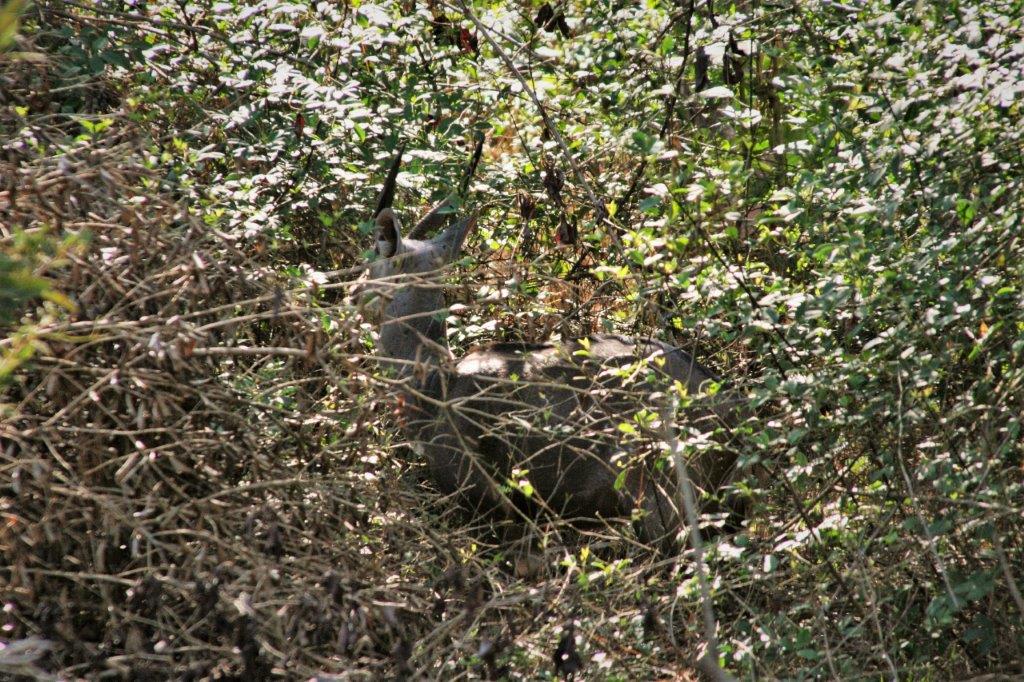
2009-04-10_3964 2009-04-10_3965 2009-04-10_3966 2009-04-10_3967 2009-04-10_3968 2009-04-10_3969 2009-04-10_3972 2009-04-10_3974 2009-04-10_3980Patrick asked the five of us in his van which animals we most wanted to see, and since he knows the park well, he did his best to find them. 2009-04-10_3982 2009-04-10_4051 2009-04-10_4024 2009-04-10_4029 2009-04-10_3988 2009-04-10_3993 2009-04-10_406420090410_4058_edited-1 2009-04-10_4036 2009-04-10_4041Shimba Hills is the only reserve in the country where one may see the rare sable and roan antelopes, one of the most handsome species of antelope.  We were fortunate to see both the black and the roan.  Loved their big pointy ears.20090410_4189 2009-04-10_4071_edited-1 20090410_4008_edited-1 20090410_4012_edited-1At our lunch stop at the hotel restaurant we enjoyed watching the fish eagles and walking the boardwalks.

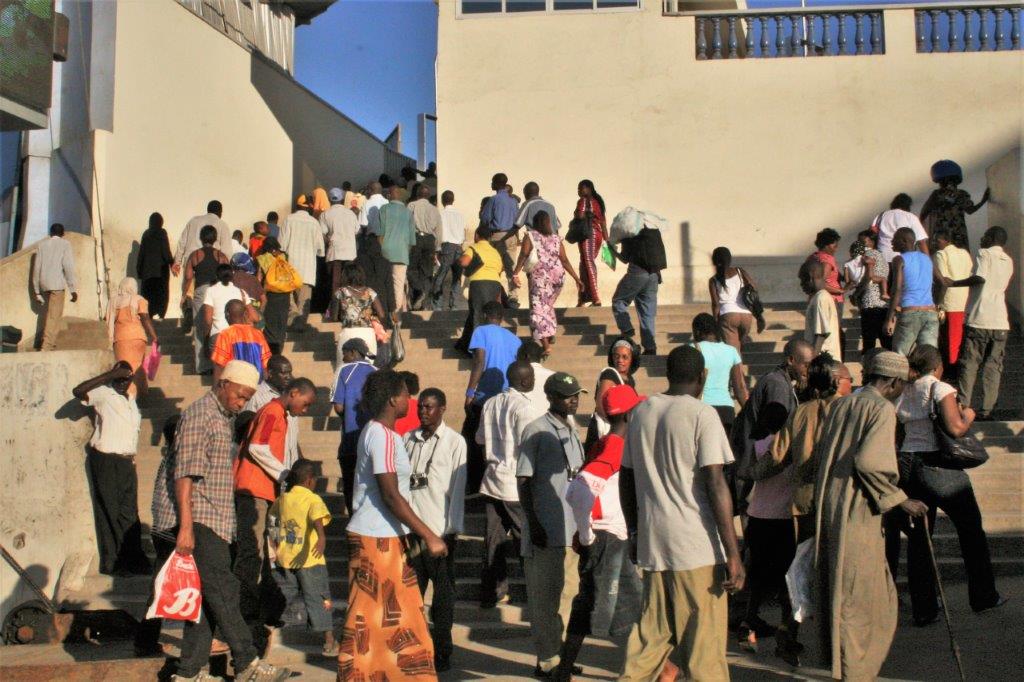
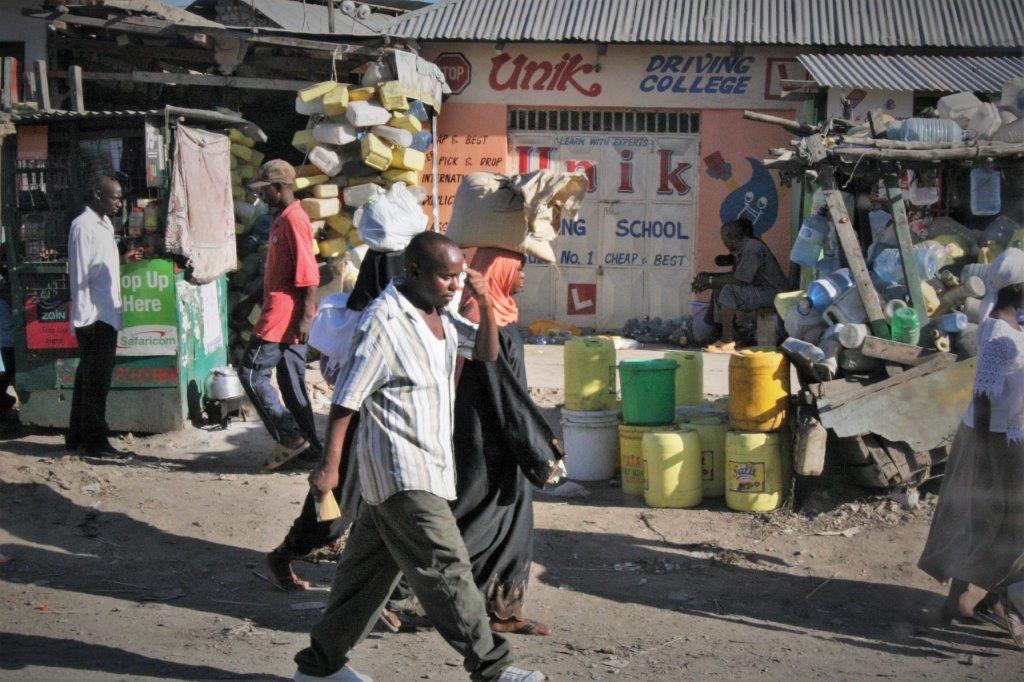
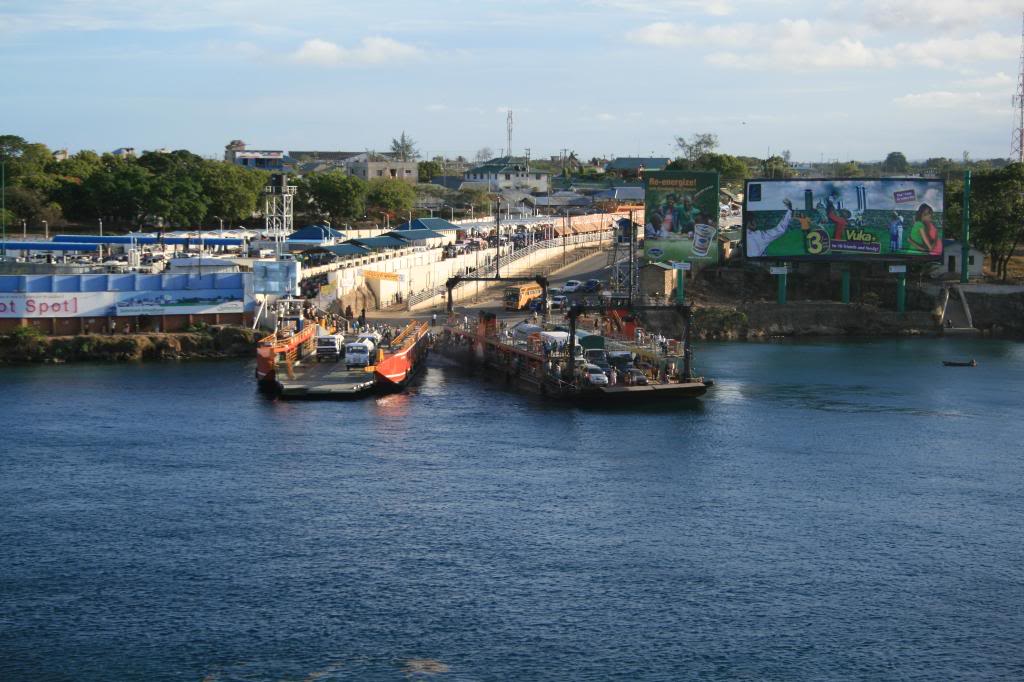
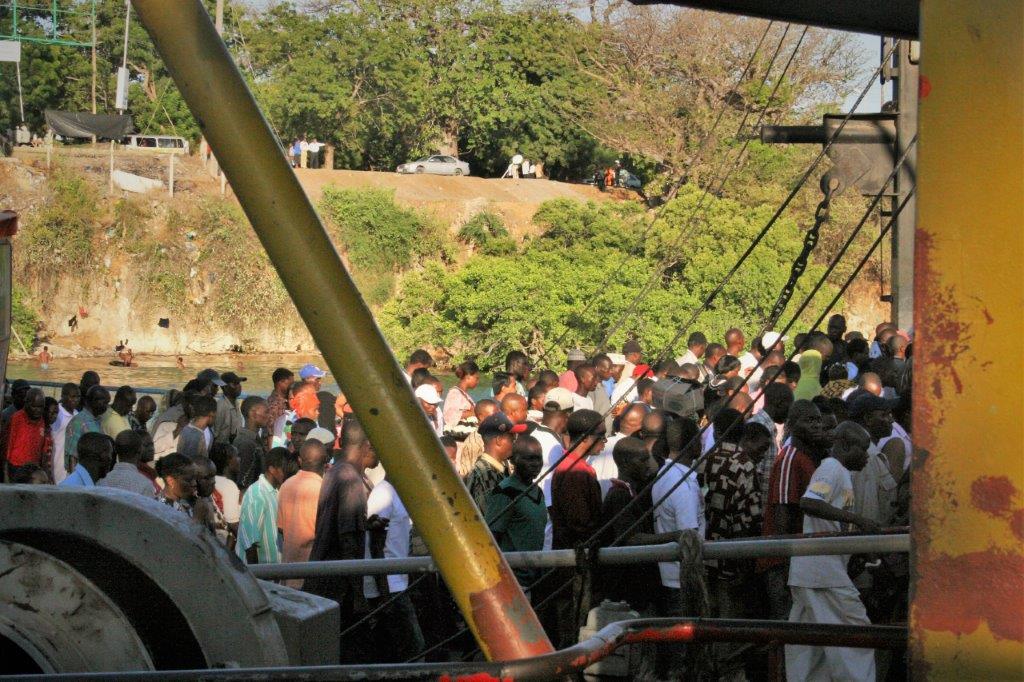
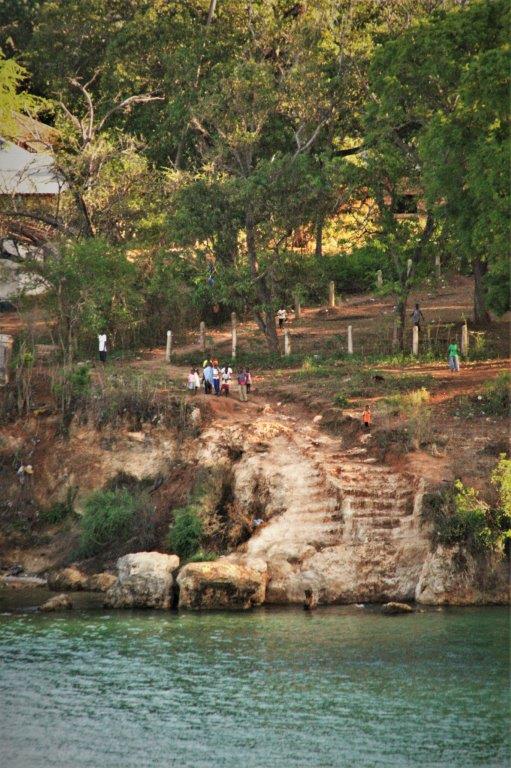
2009-04-10_4095 2009-04-10_4099 2009-04-10_4108 2009-04-10_4104 2009-04-10_4079 2009-04-10_4082 2009-04-10_4084 2009-04-10_4087 2009-04-10_40932009-04-10_4089 2009-04-10_40902009-04-10_4091 2009-04-10_4101We were scheduled to be returning to the ship after lunch, but Patrick took us on a second game drive to try find the elusive giraffe – with no luck unfortunately.2009-04-10_4117 2009-04-10_4129 2009-04-10_4135 2009-04-10_4137We were due to return on board at 2:30 and we didn’t get back until 6 pm.  We had a wonderful day with new friends Hanson and Janice and her 93-year old father John; who was a real trooper and great fun.20090410_4265 2009-04-10_4140 2009-04-10_4142 2009-04-10_4148 2009-04-10_4150We had a short wait while the ferry unloaded before we could drive on and go across to the port.  It was interesting to see all the different people and their burdens getting off.2009-04-10_41622009-04-10_41532009-04-10_4156 2009-04-10_4157_edited-1 2009-04-10_4161This fellow is talking on his cell phone while he pulled that load of fuel tanks up the ramp!20090411_43542009-04-10_4163         And another group is waiting at the other side to get on.

We had a third day in Mombasa due to itinerary changes but the two tours we had done were the ones offered for the third day as well.  This gave us the opportunity to have a lazy morning, do some laundry while so many people were off the ship, write emails, and read our books.  About three o’clock we wandered down the gangway to the huge market that was set up on the pier; and even bought a few things.

2009-04-11_5666 2009-04-11_5668 2009-04-11_5669 2009-04-11_5670 The ship sailed away in the late afternoon and had four sea days before our next stop at Maputo, Mozambique.

2009 World Cruise – April 9 – Day 94 – Mombasa, Kenya

Let the critters begin!!

As per the new schedule arranged before we went to the Seychelle Islands, we were three days at sea before reaching Mombasa, Kenya.  The Captain sailed quite far south and then came north along the coast of Tanzania to avoid pirate activity.  The day before we docked in Mombasa we heard that pirates had commandeered five ships in the previous 48 hours, one of which had re-taken the vessel; one pirate was in custody and three others had fled in their boat.  They were getting braver and going after ships much further offshore than had been the case for quite a long time.  I am sure our Captain and crew were very happy to be safely out of those waters.

There was an overland excursion offered when we arrived in Kenya; a three-day trip to Maaisa Mara National Reserve.  I seriously considered booking it but decided not to since we had taken two expensive tours (overland in China and the flight to the Taj Mahal) already.  My rationalization was that if I booked a safari tour at every one of our African ports of call the chances were very good that we would see all of the Big Five (lion, cheetah, elephant, rhinocerous, and water buffalo), plus many other of the continent’s animals for less cost than the overland.  I worried that this might not be the best decision but as I say, “You can only do the best you can do with what you know at the time.”  That’s my story and I’ll stick too it (for now).

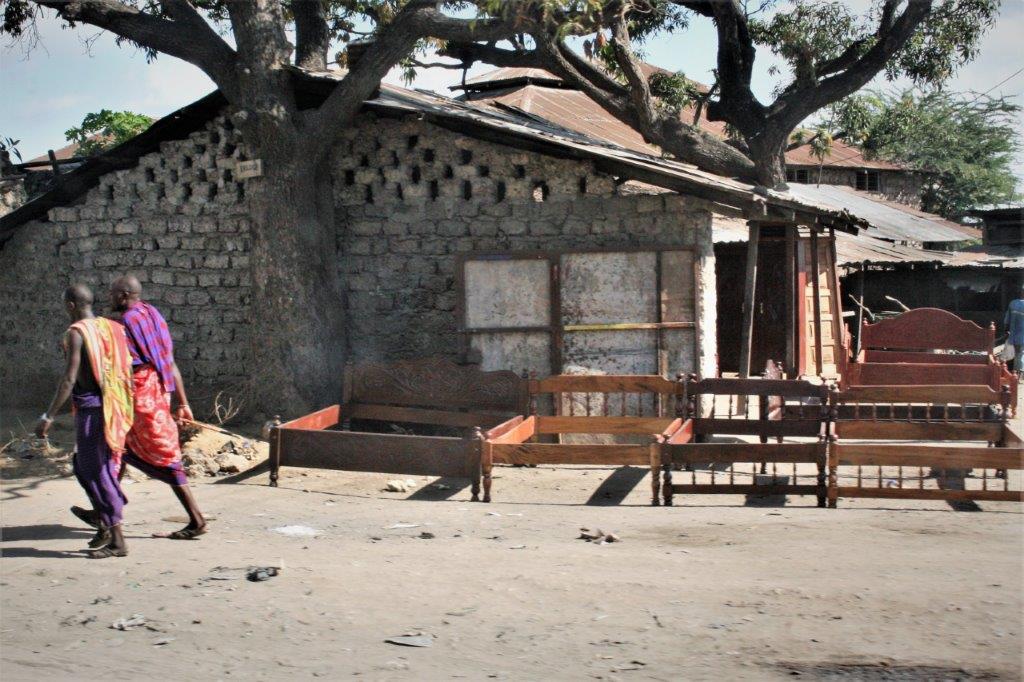
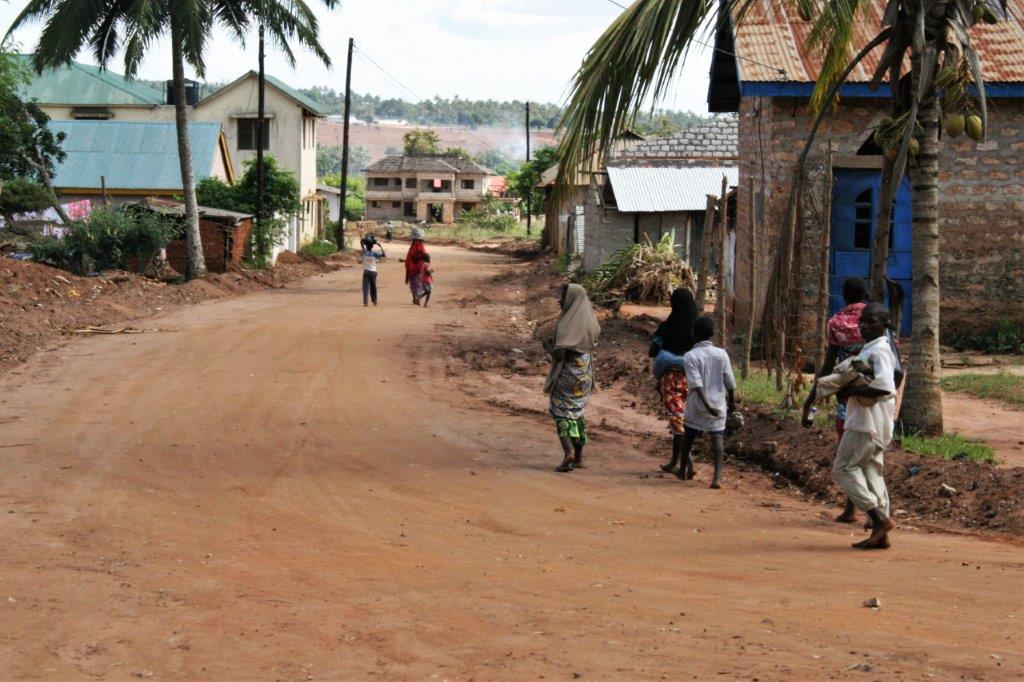
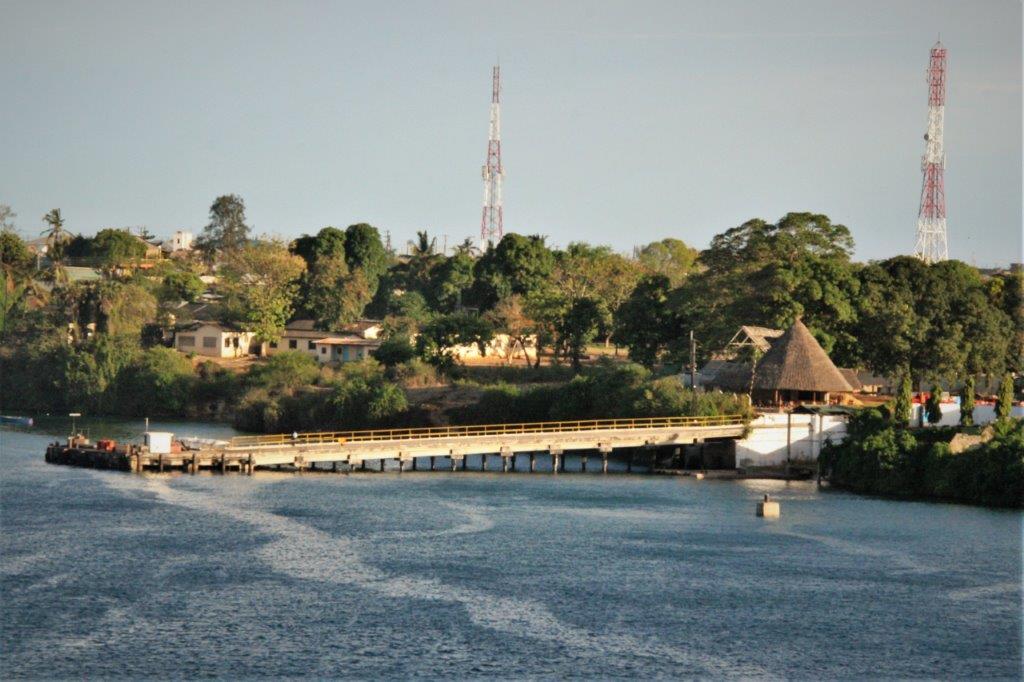
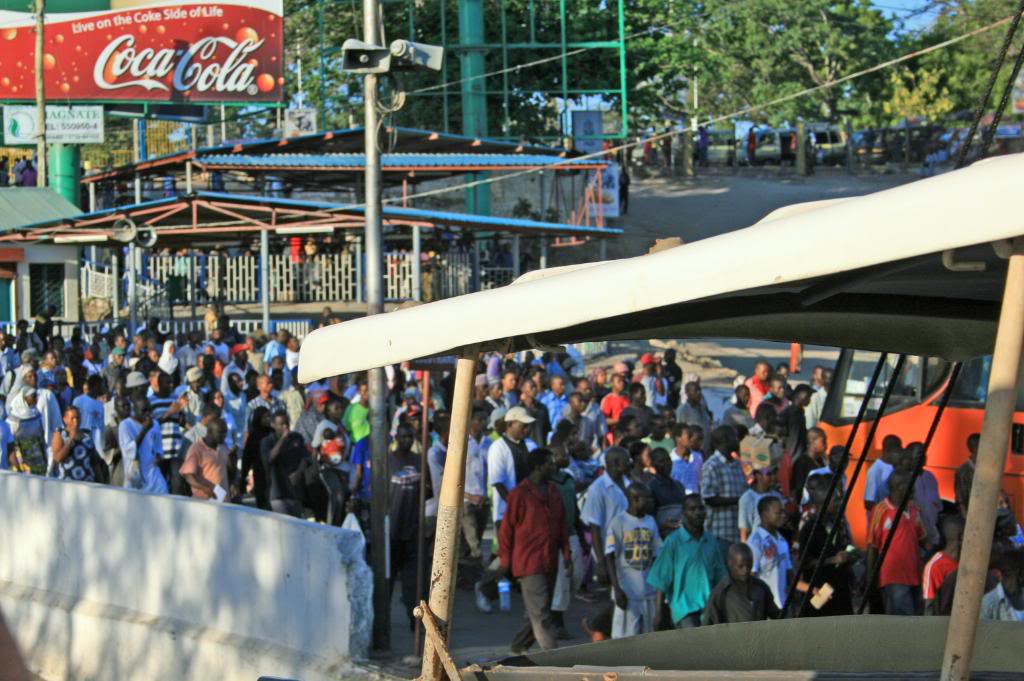
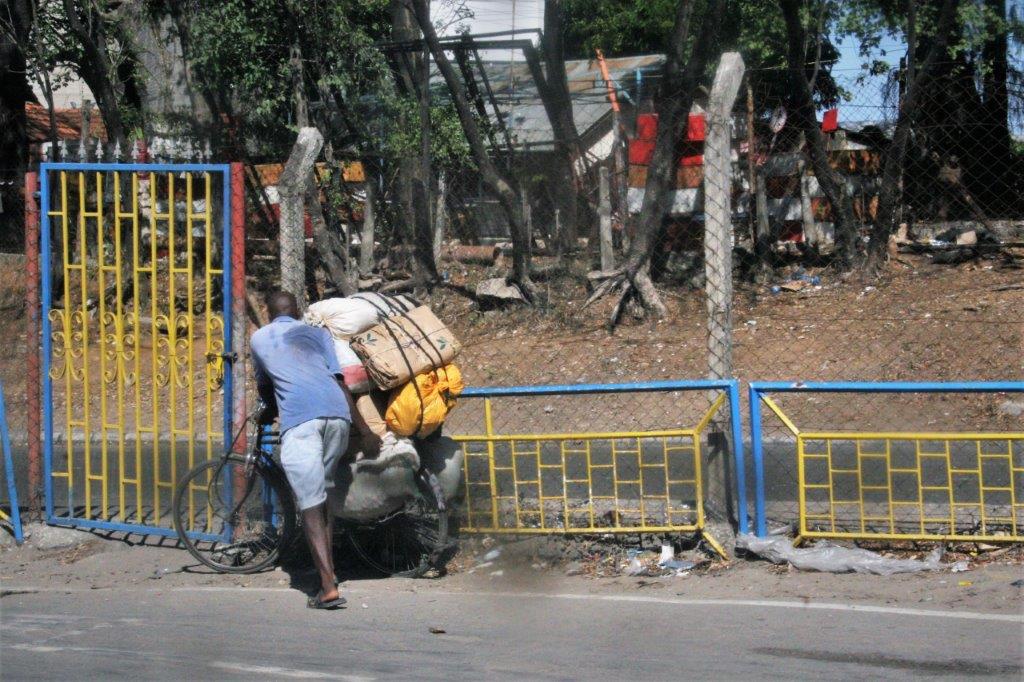
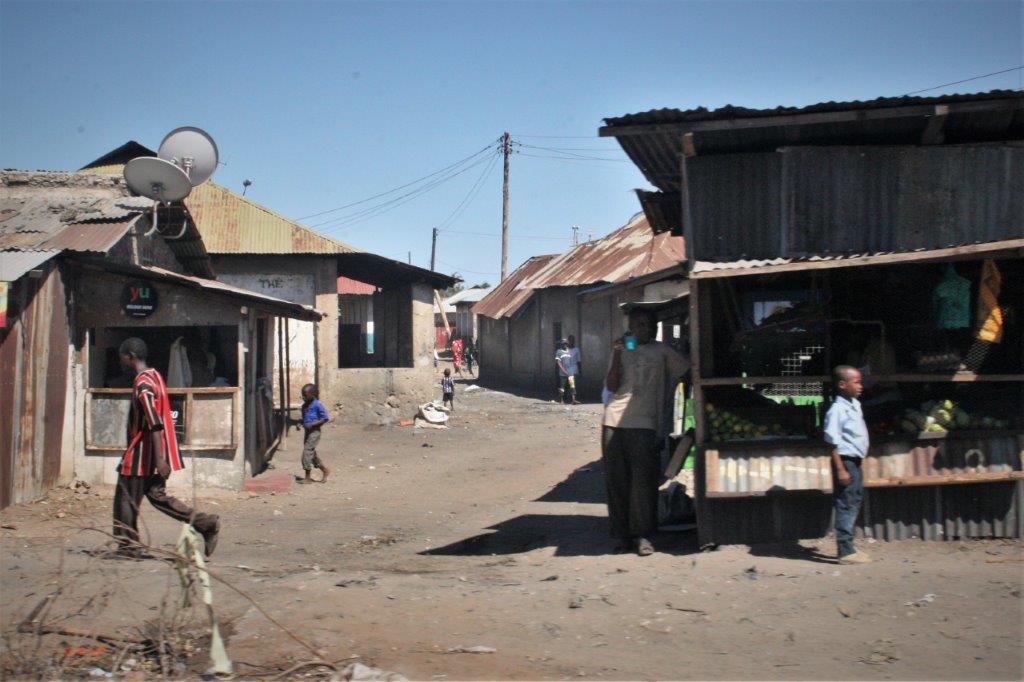
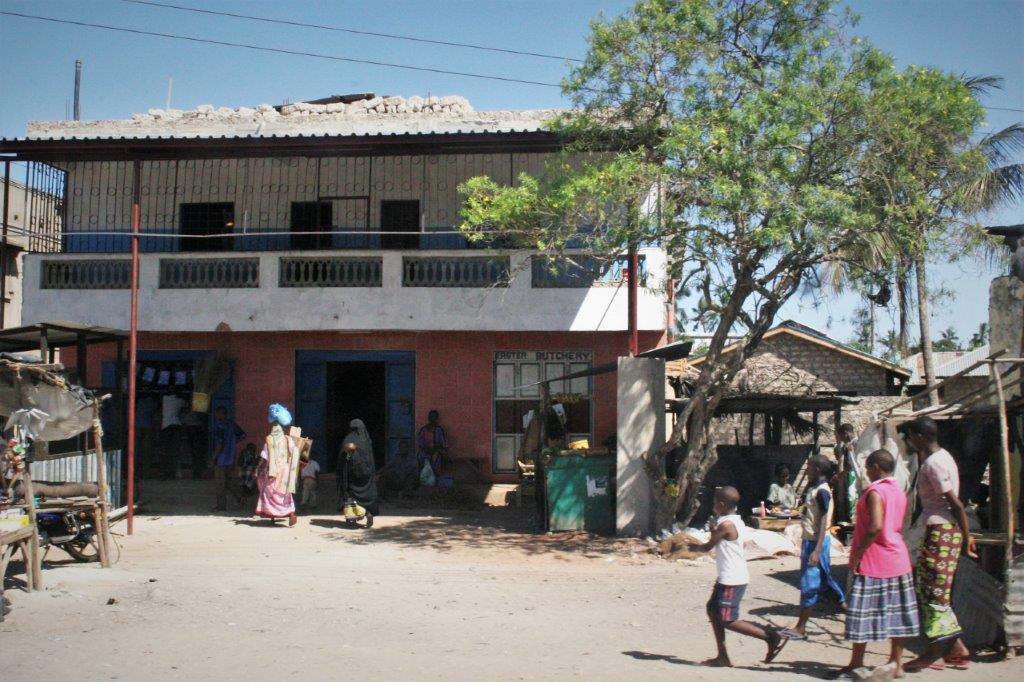
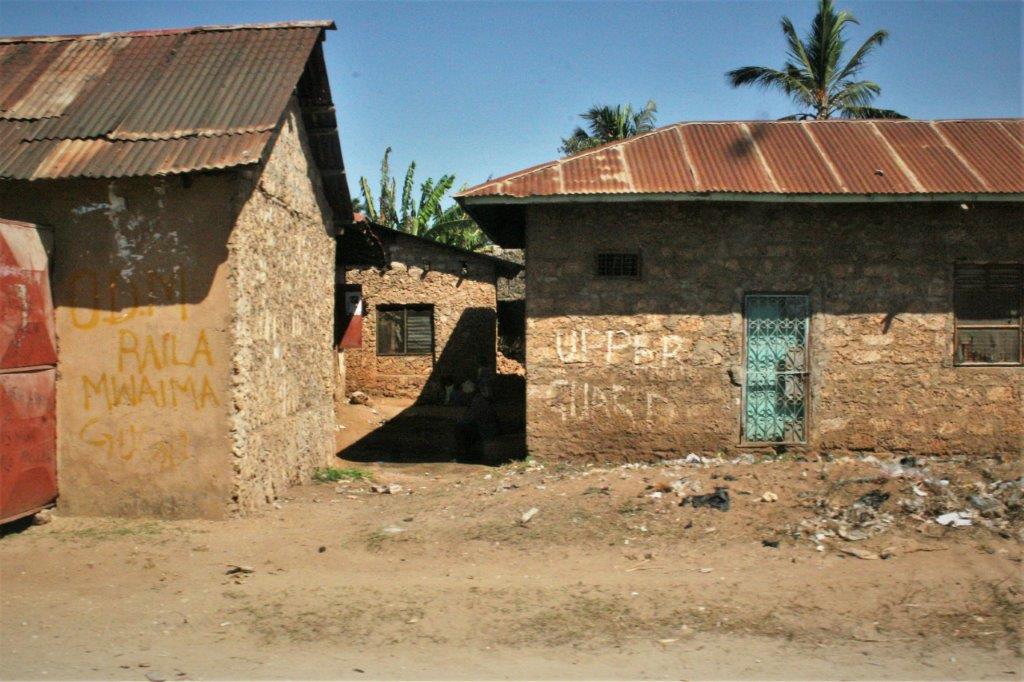
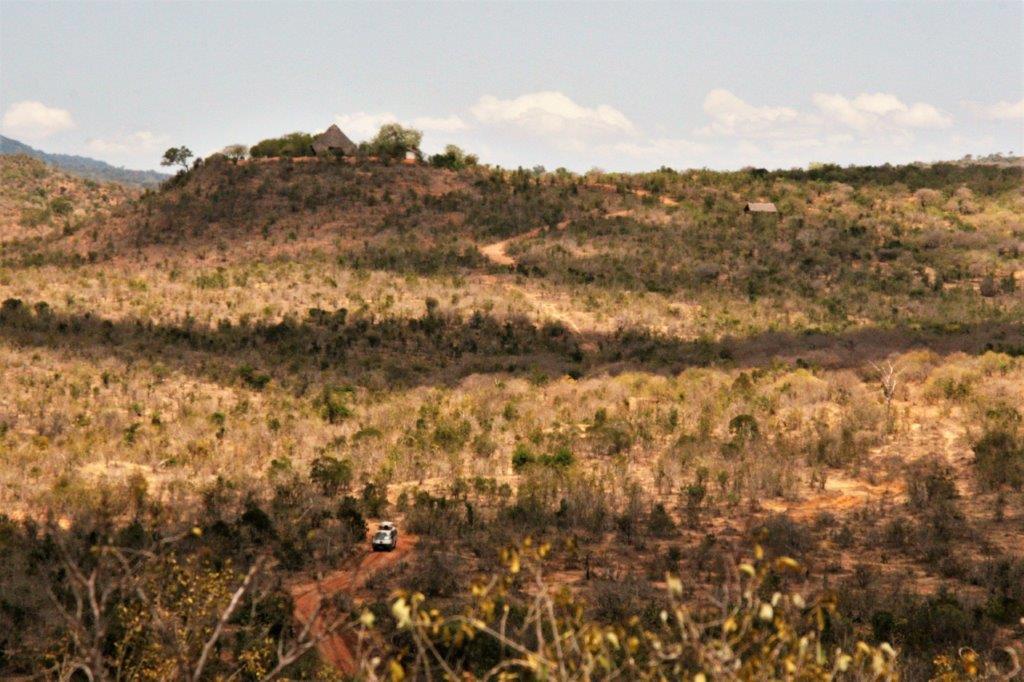
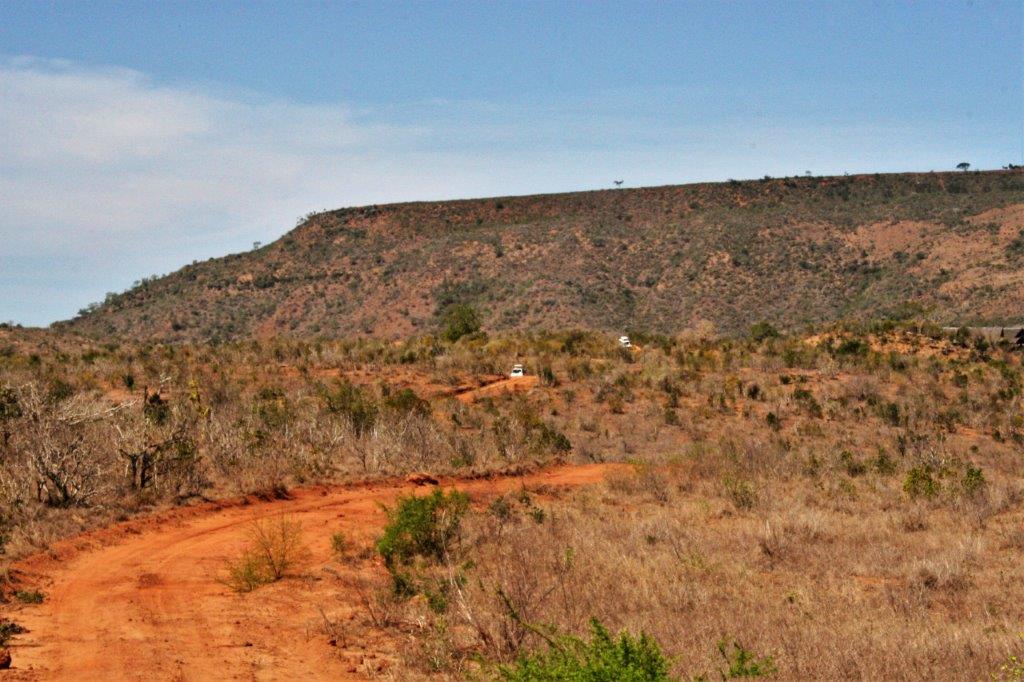
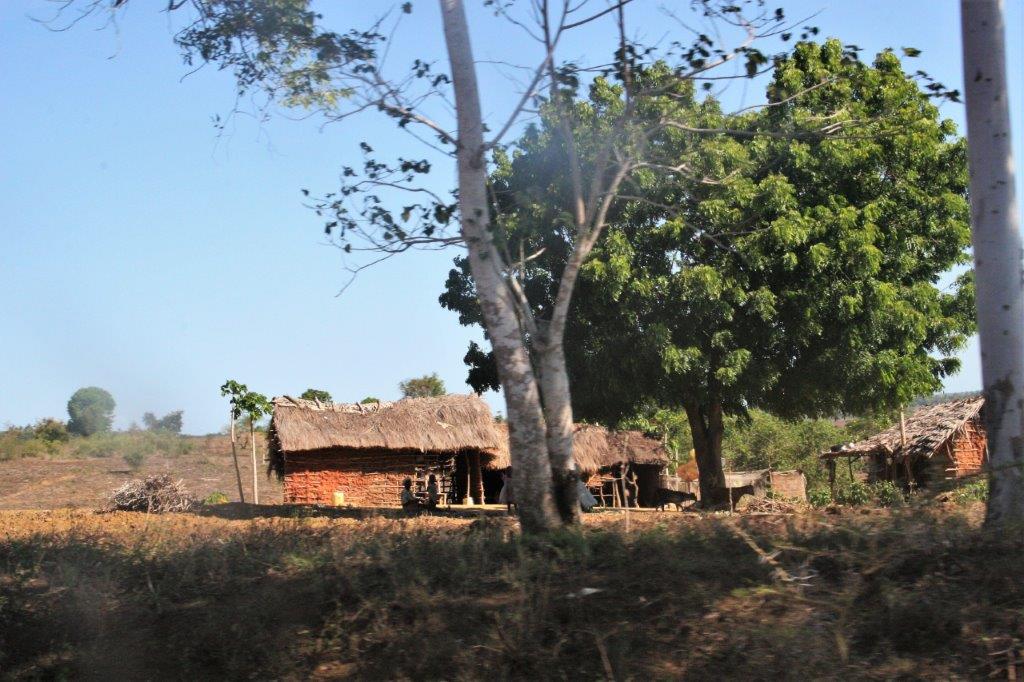
From the port we had to take a very short ride on the Likoni Ferry to the mainland; a couple of hundred meters, but it was packed with people and vehicles. There were as many waiting on the other side to board for the return trip.  The vehicles drive on first and there is literally a ‘holding yard’ – covered enclosure – where the pedestrians wait until the cars and buses are on board, then as many people as fit in the space are allowed on.  Rush hour every ten minutes!20090410_4256_edited-1The nine-hour tour to Mwaluganje Elephant Sanctuary included almost 5 hours of driving on bumpy, dusty roads to get there and back.  As I have said before, the long drives to go inland on some of these excursions don’t bother us because we get to see so much of the countryside, local people and communities. During the drive John was transported back to 2008 when he and our daughter went on a mission trip to build a medical clinic at an HIV/AIDs orphanage in Zambia.  So much of the landscape, buildings and the activities of the people were the same.

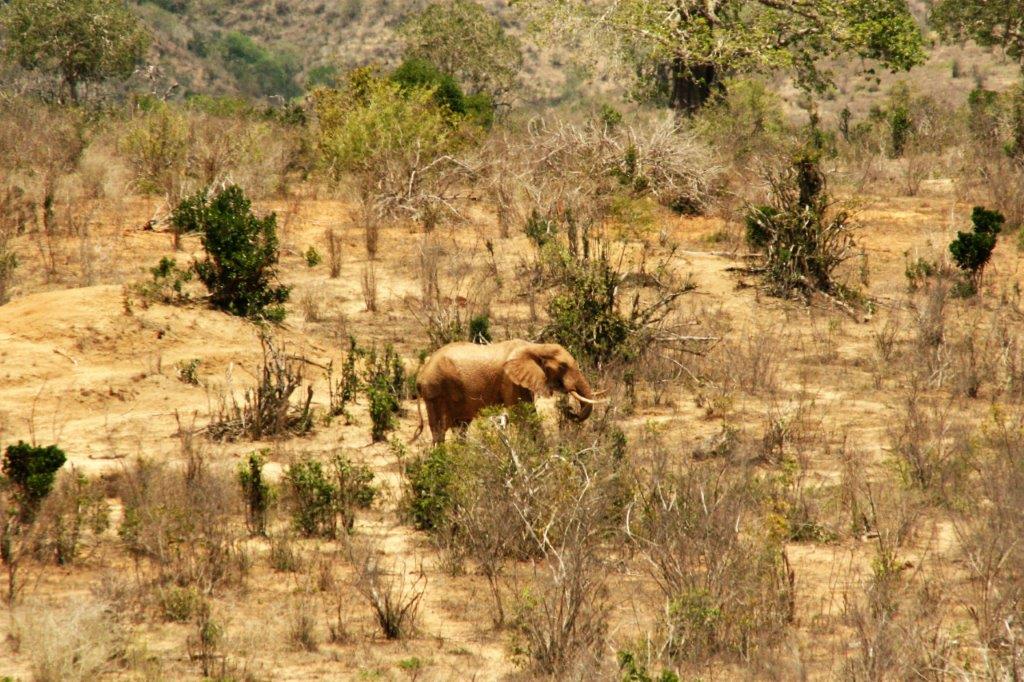
2009-04-09_3761 2009-04-09_376220090409_4279_edited-1 2009-04-09_3763 2009-04-09_3765 2009-04-09_3766 2009-04-09_37682009-04-09_3769Within the sanctuary we only saw elephants from a distance half-hidden by brush.                                                2009-04-09_3784

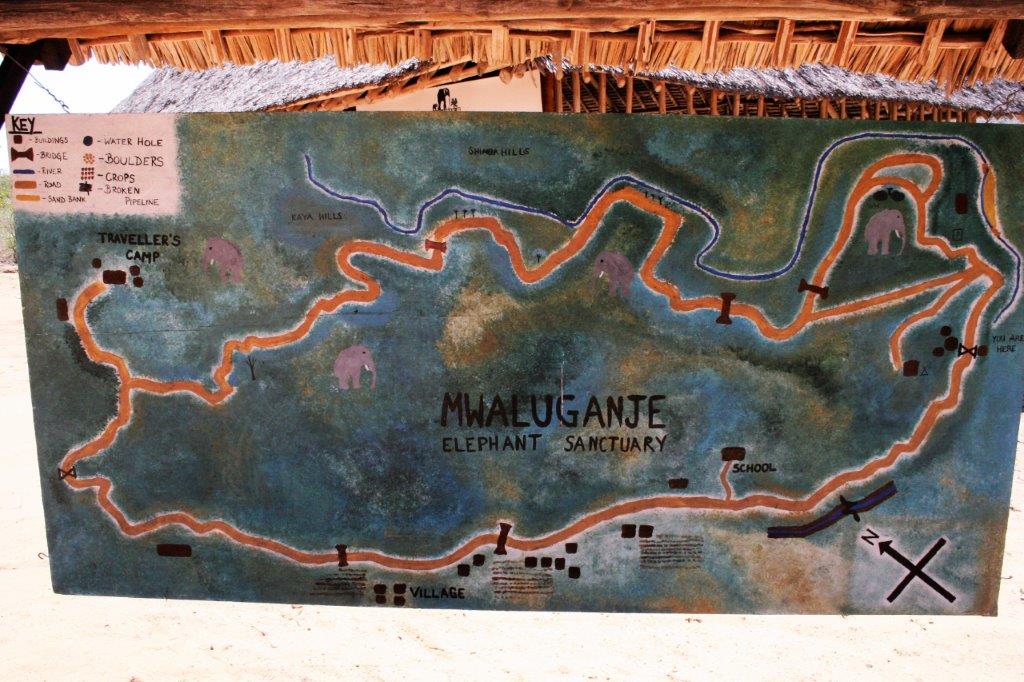
2009-04-09_38022009-04-09_3838 2009-04-09_3805_edited-1The Mwaluganje Elephant Sanctuary was created to provide a safe corridor from Shimba Hills Reserve (where we were going the next day) to the forest.  It is ‘historically’ a bull’s area although you can see the occasional female and her calf.  The sanctuary is a community-based project that supports 200 families who voluntarily contributed the communal land for the preserve; agreeing not to farm this important elephant habitat.  The people live nearby and manage the sanctuary, earning more from tourism than from farming.  It has enabled them to build school classrooms and enjoy a steady water supply.

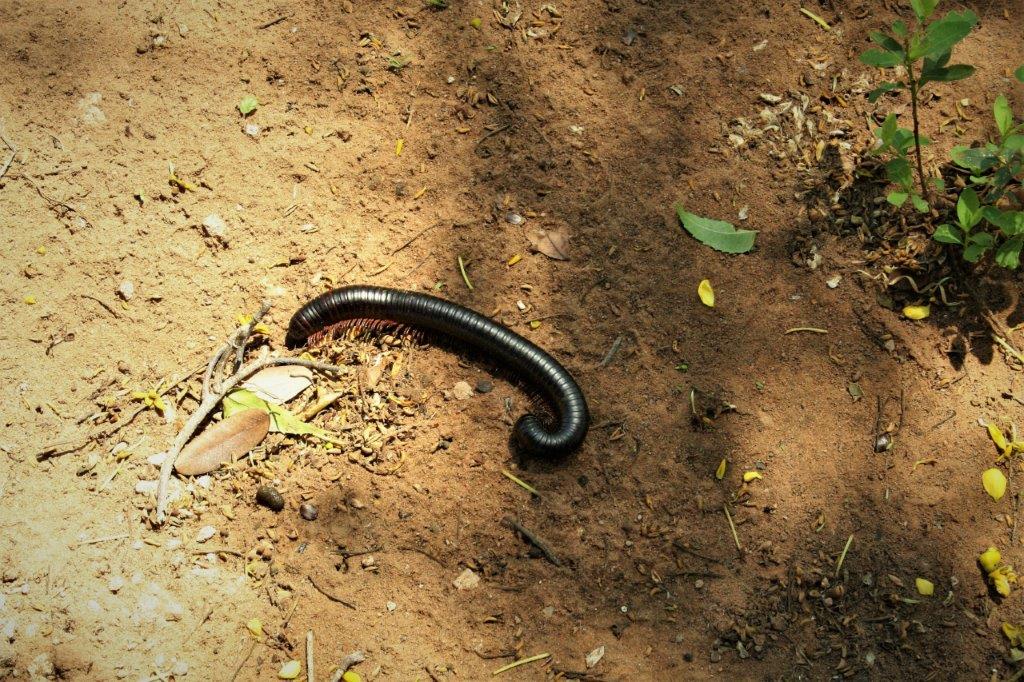
20090409_36552009-04-09_38392009-04-09_37852009-04-09_39152009-04-09_3792 2009-04-09_3786      This is a very large millipede that you do not want to bite you.

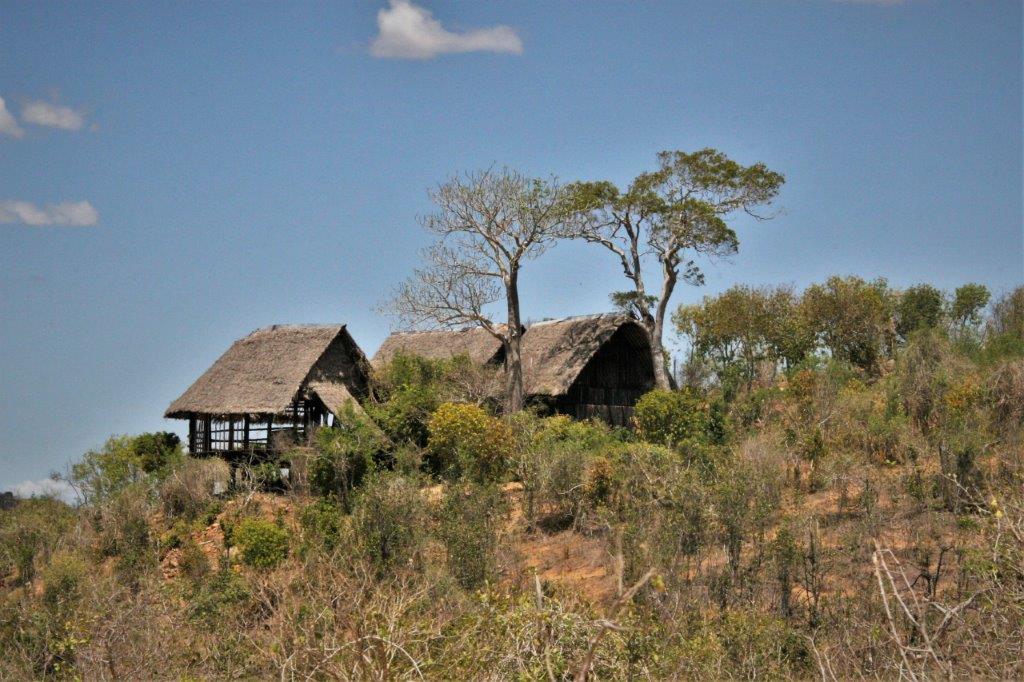
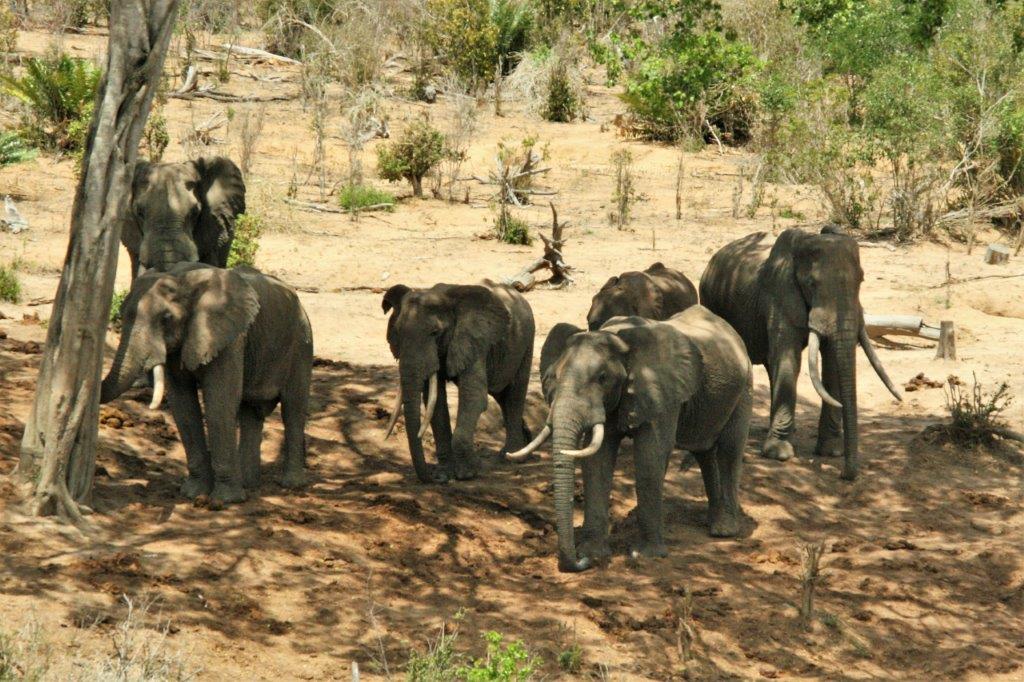
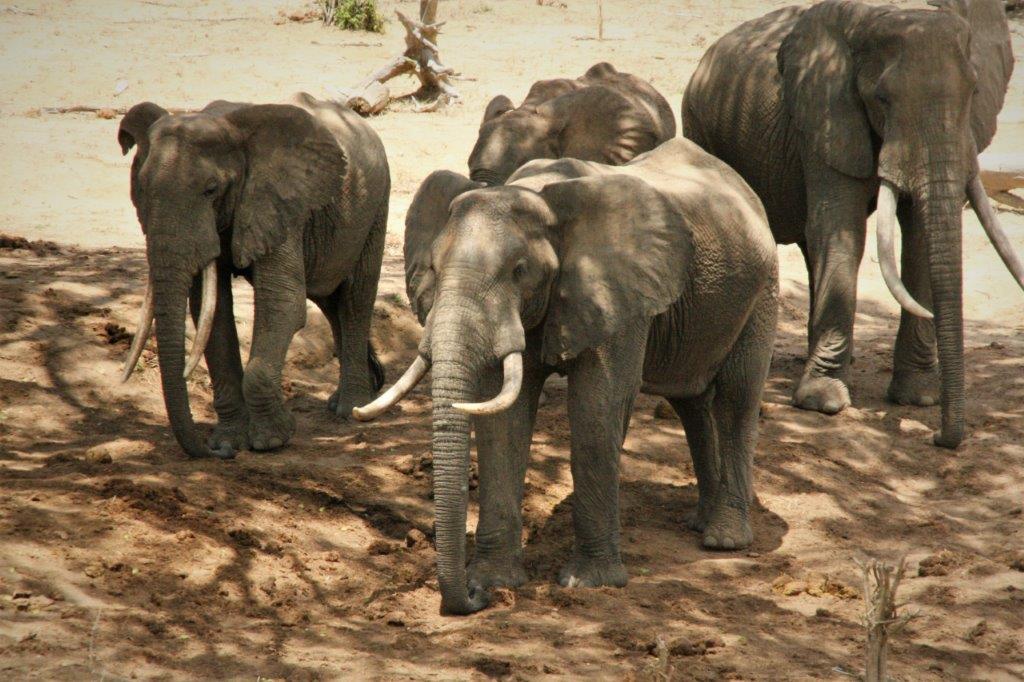
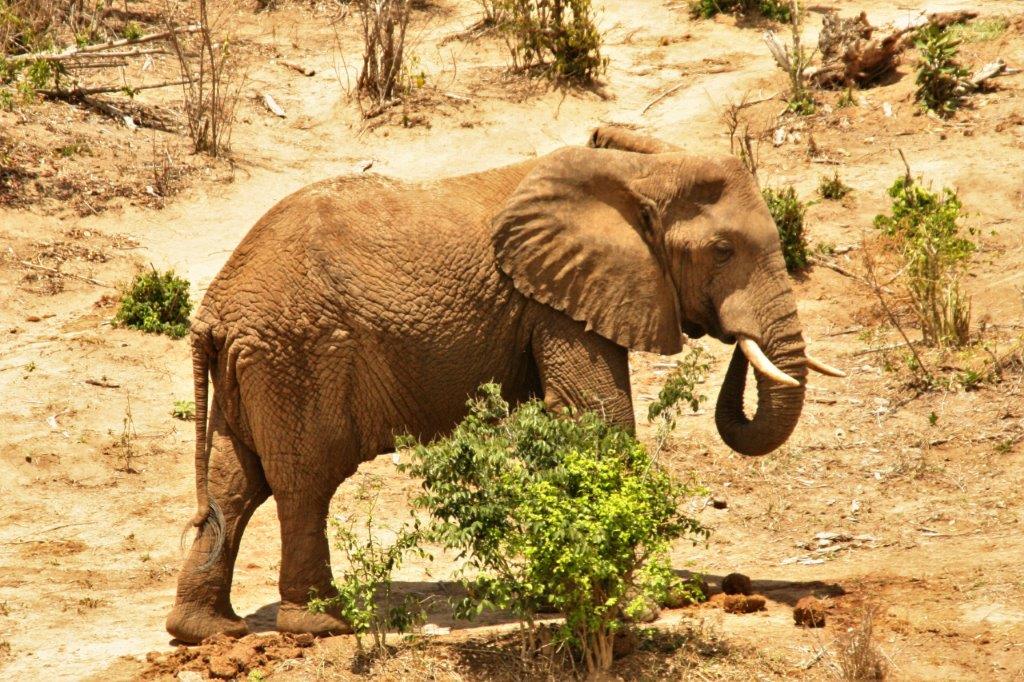
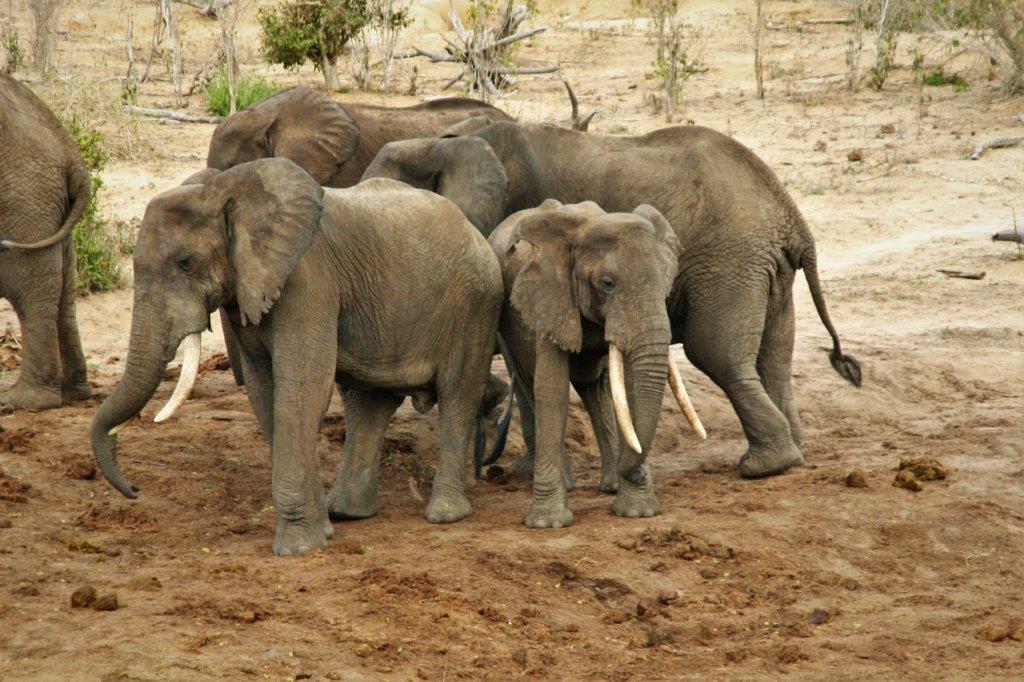
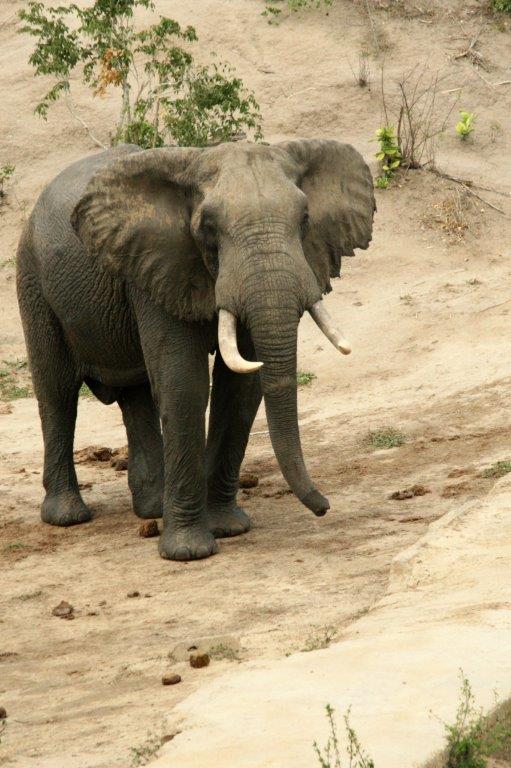
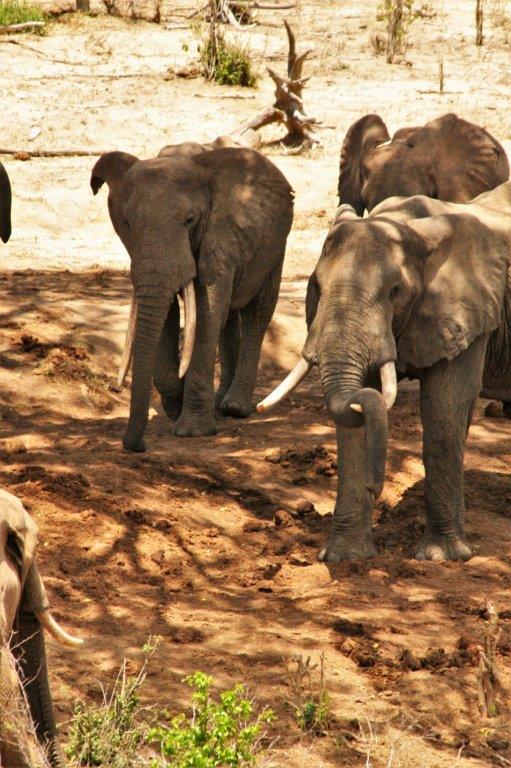
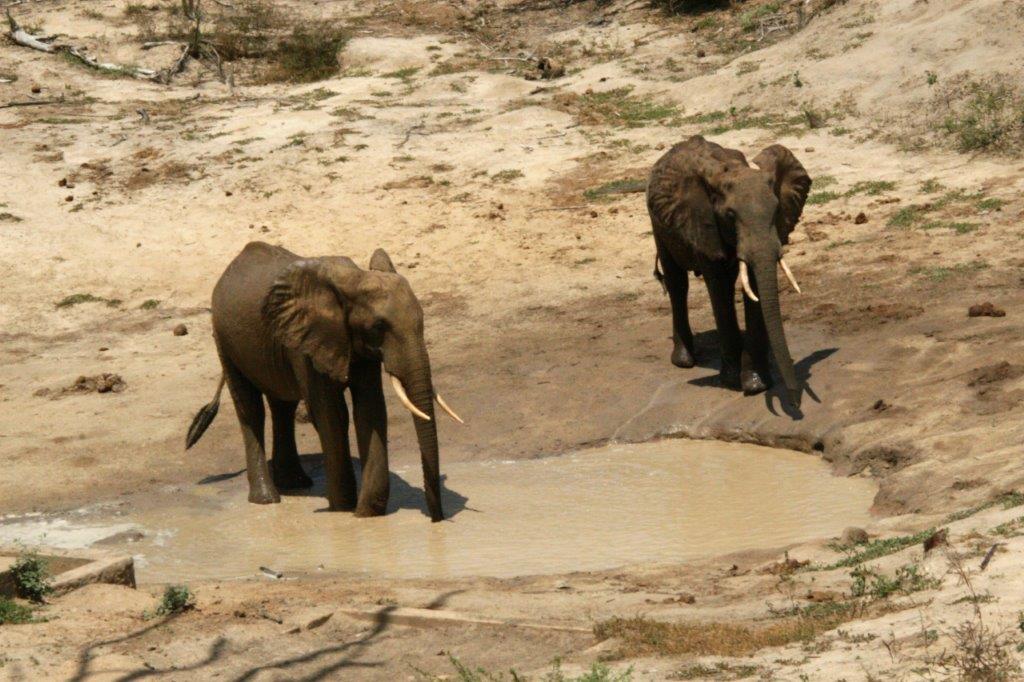
At the Hotel/Camp where we had lunch we had a great view of a watering hole where a small herd of elephants congregate.2009-04-09_3841 2009-04-09_3842 2009-04-09_3843 2009-04-09_3865 2009-04-09_3864 2009-04-09_3849Elephant trunks apparently are heavy and a tusk is a good place to take the weight off.

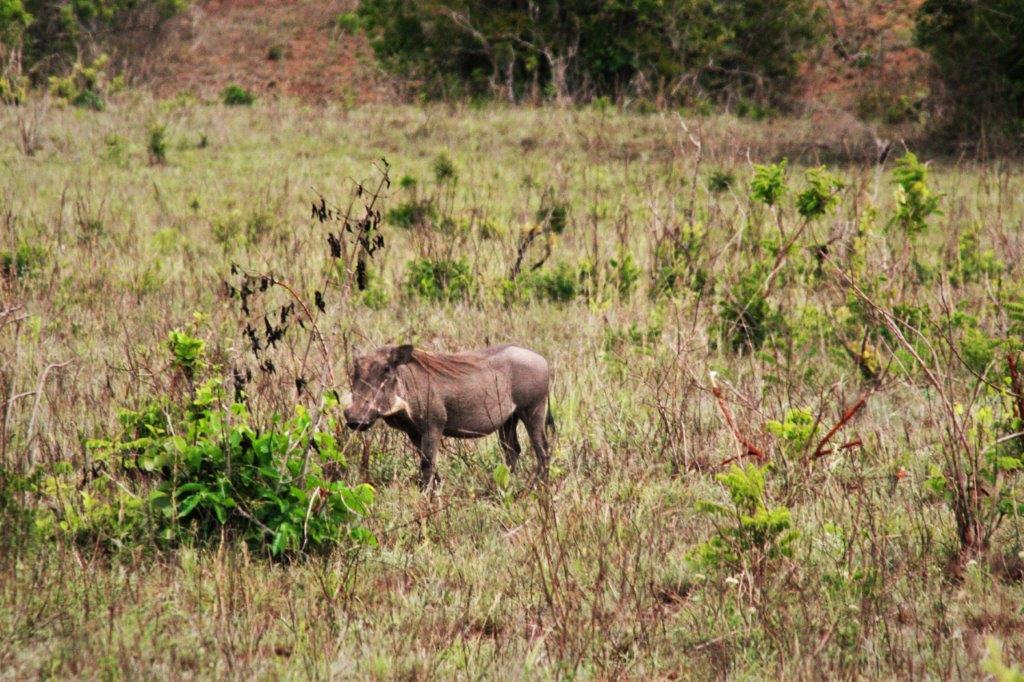
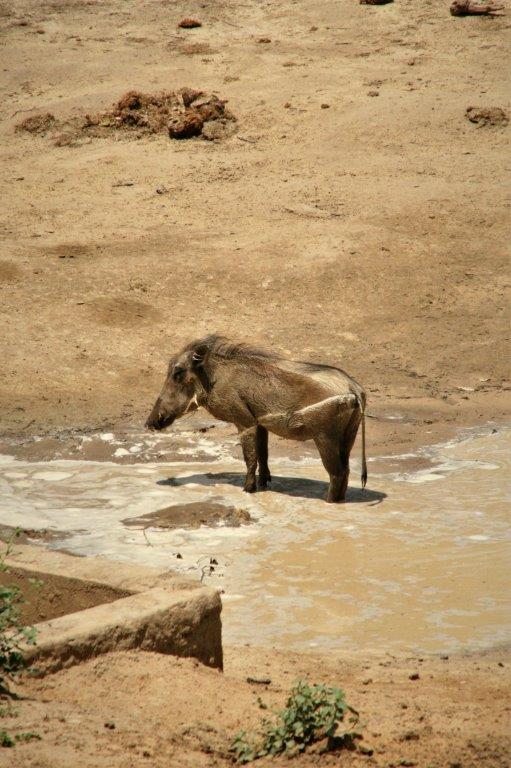
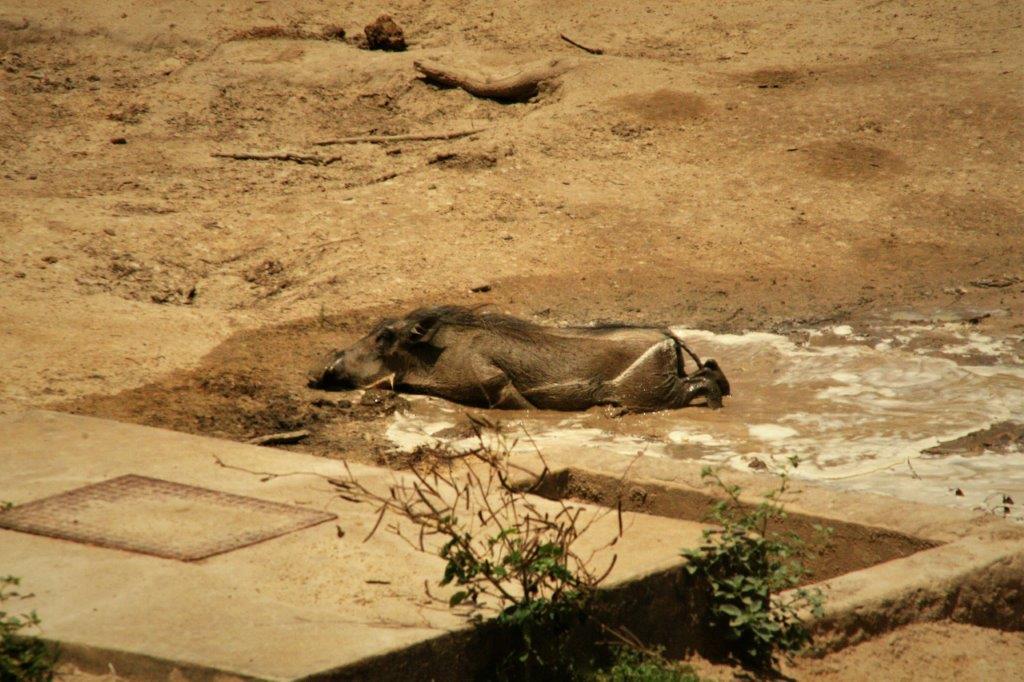
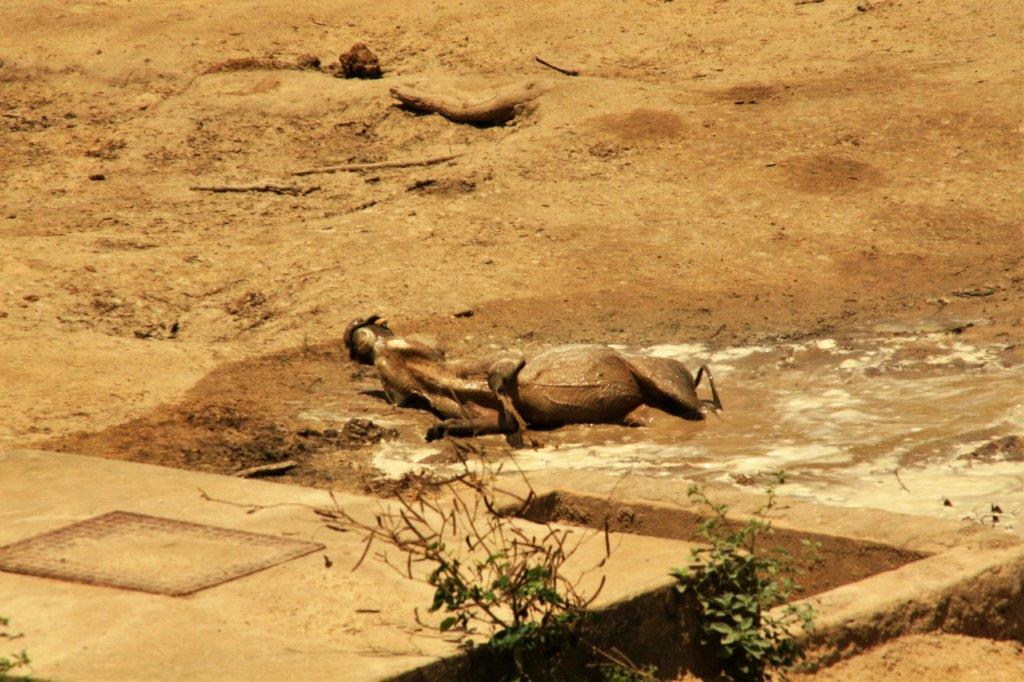
There was also a big warthog that like to wallow in the mud at the edge of the waterhole.

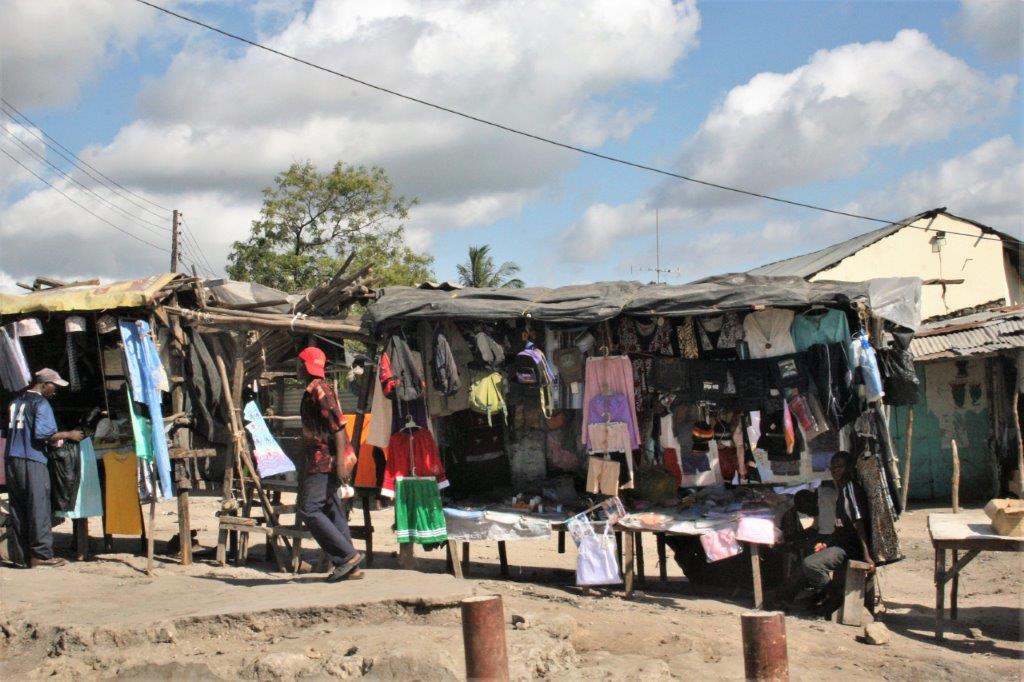
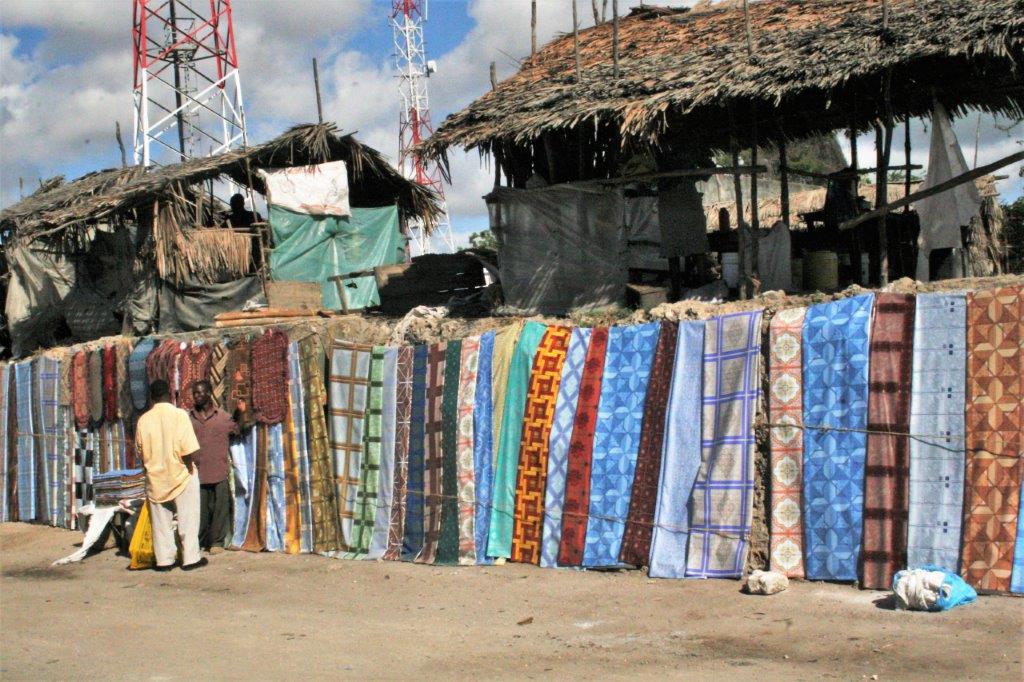
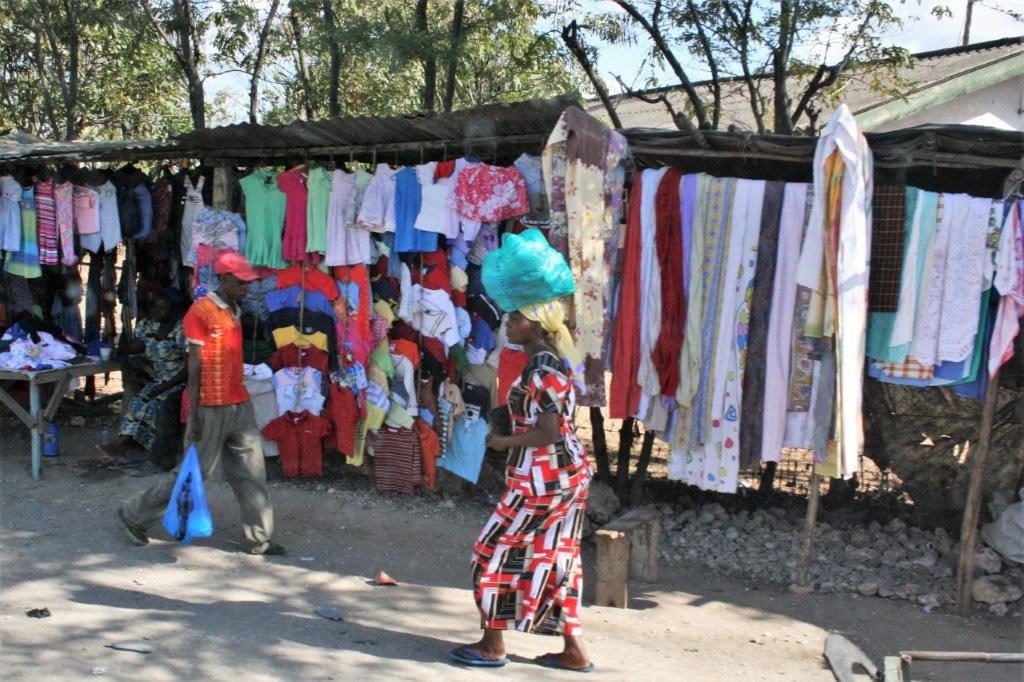
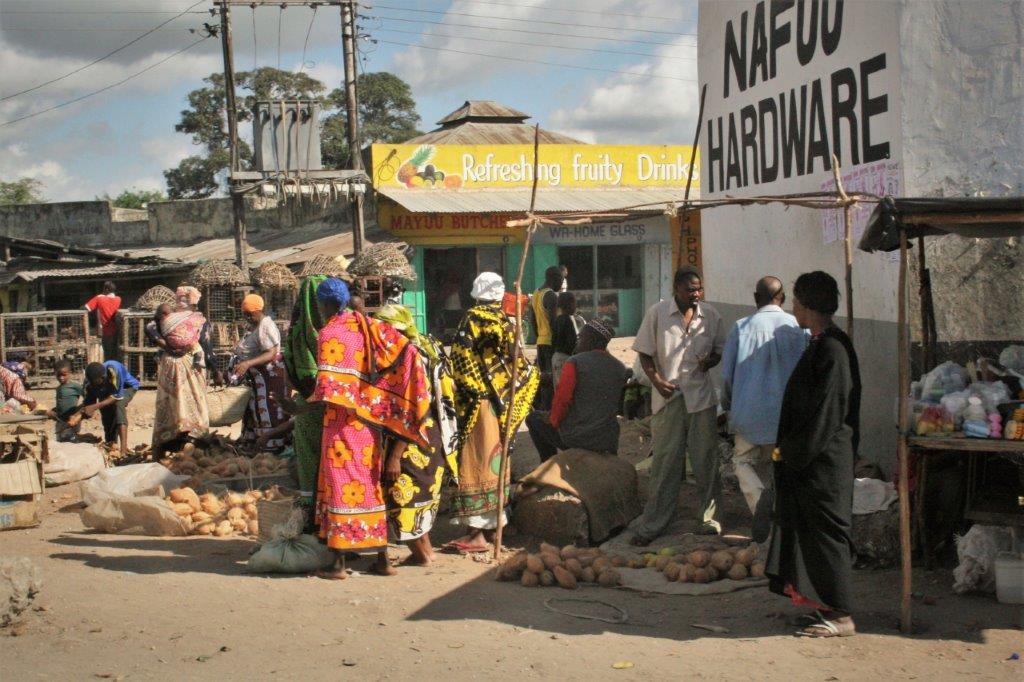
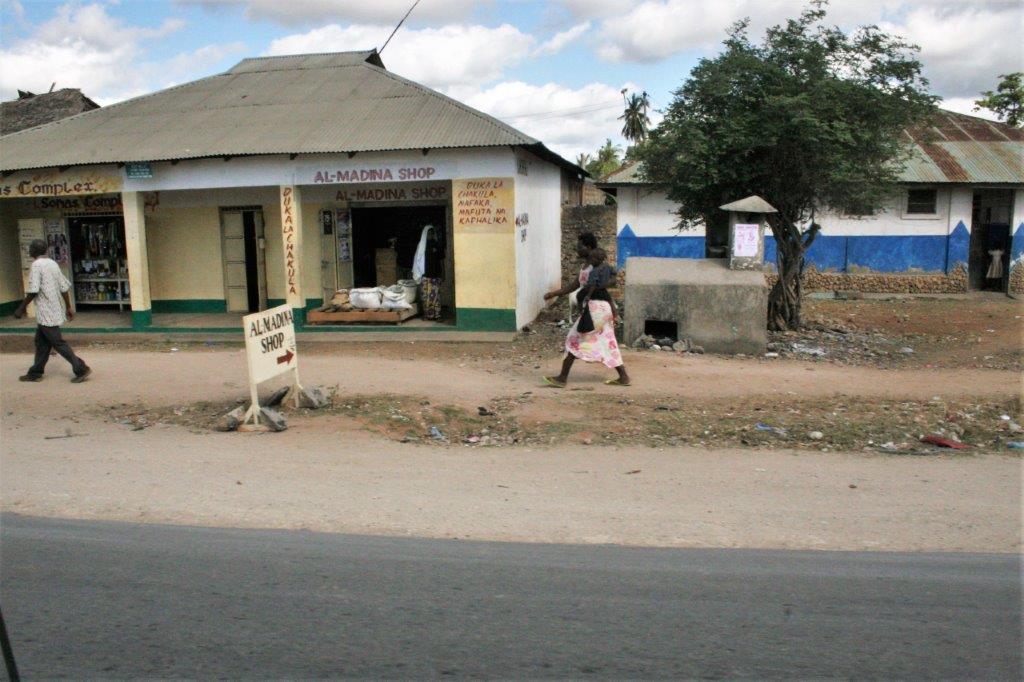
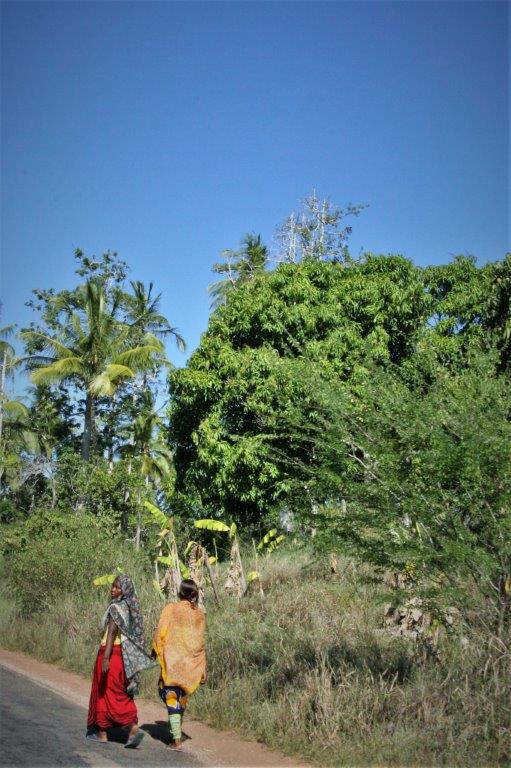
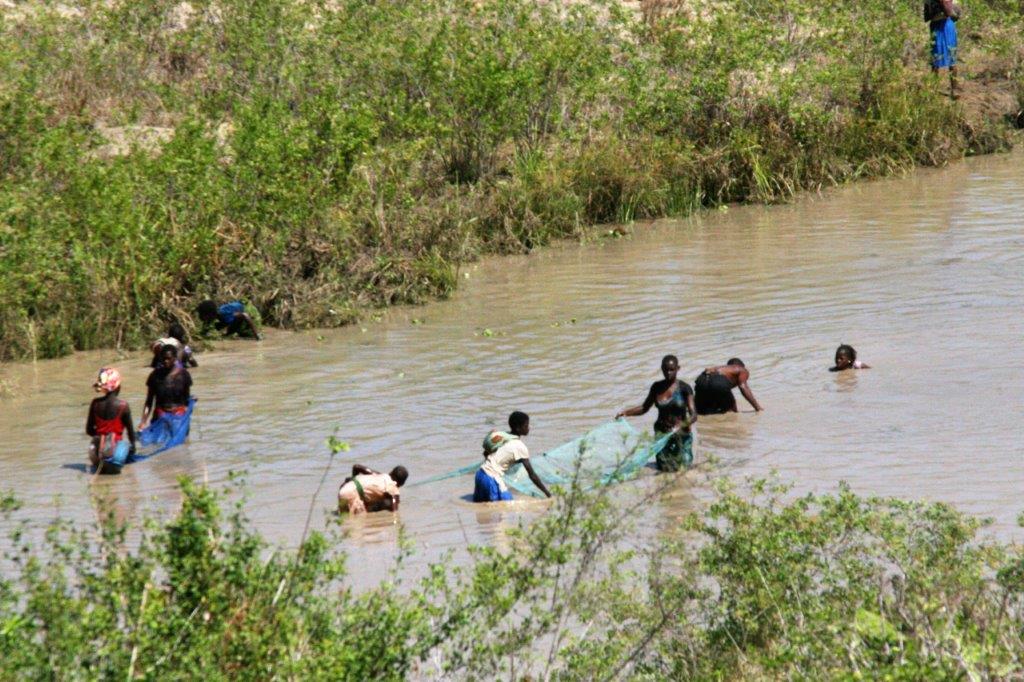
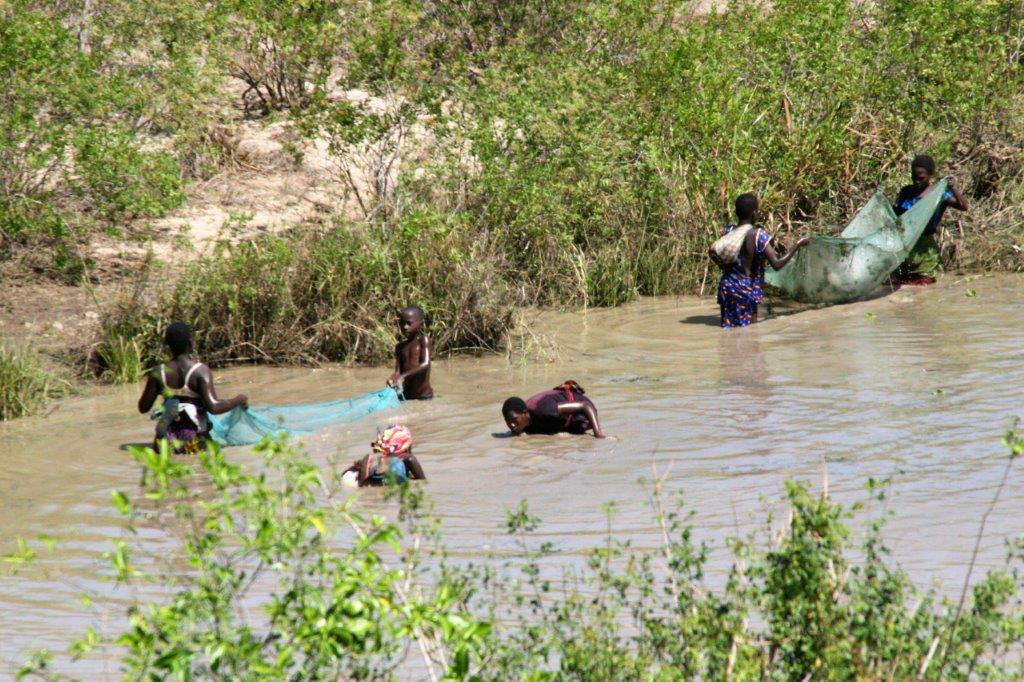
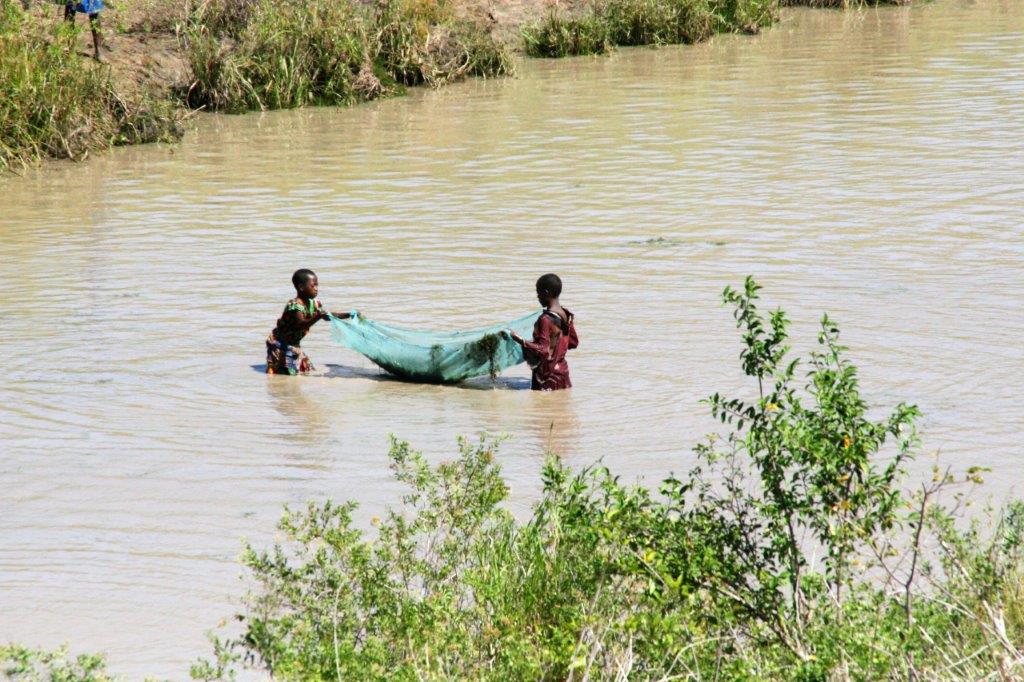
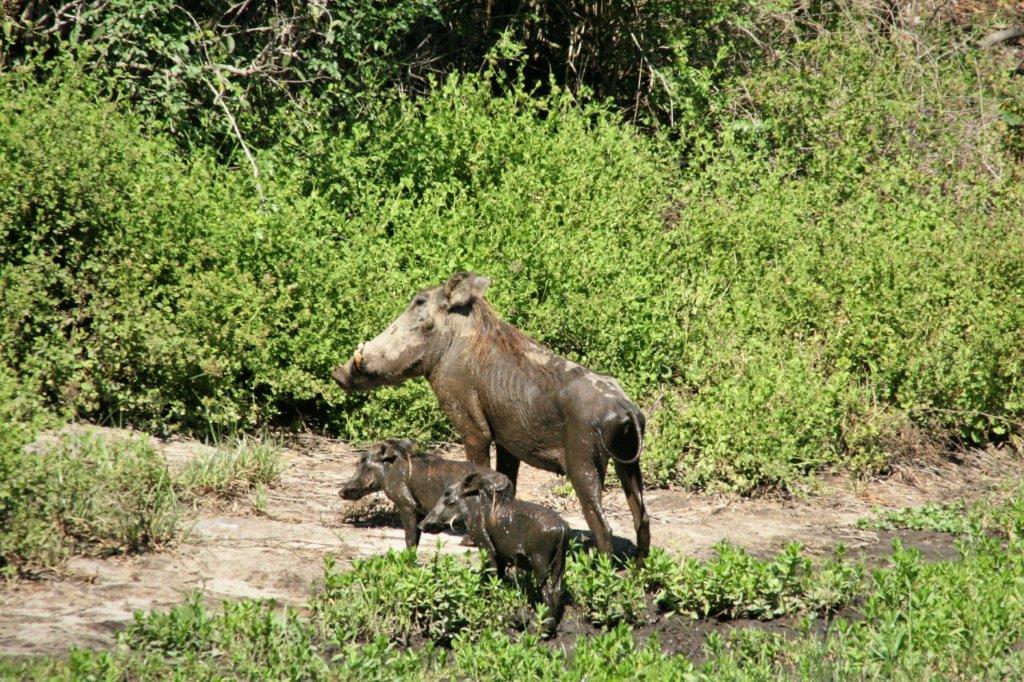
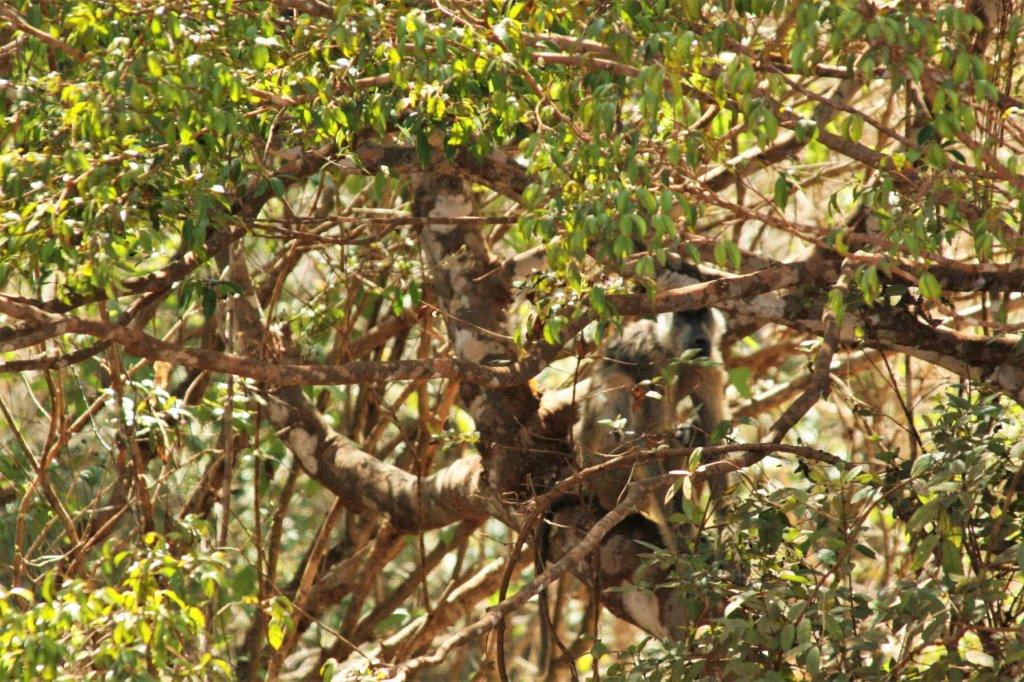
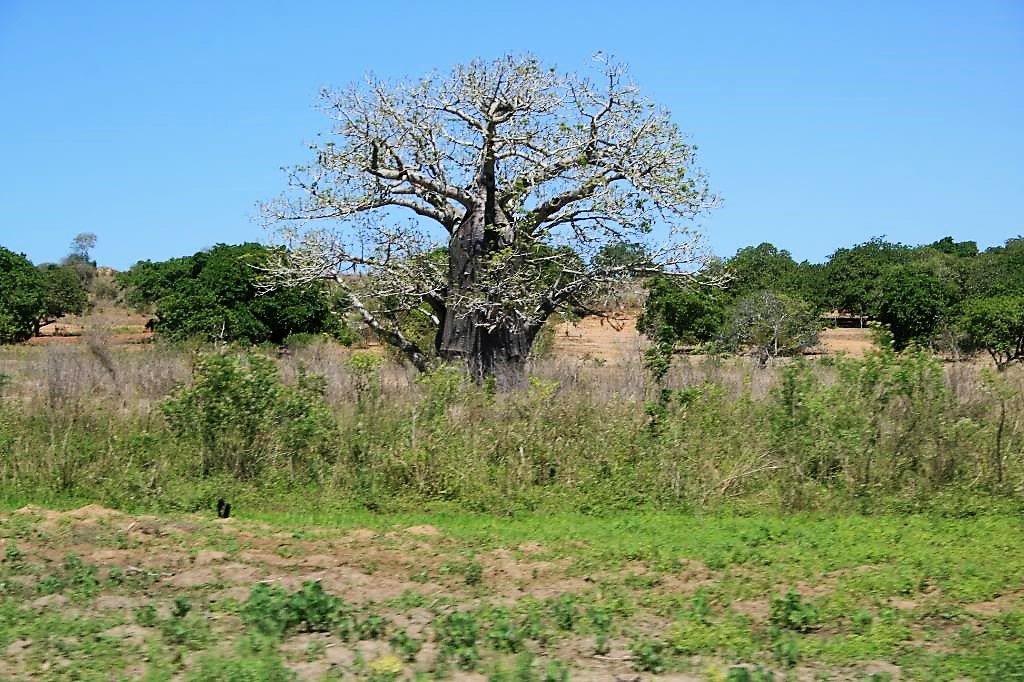
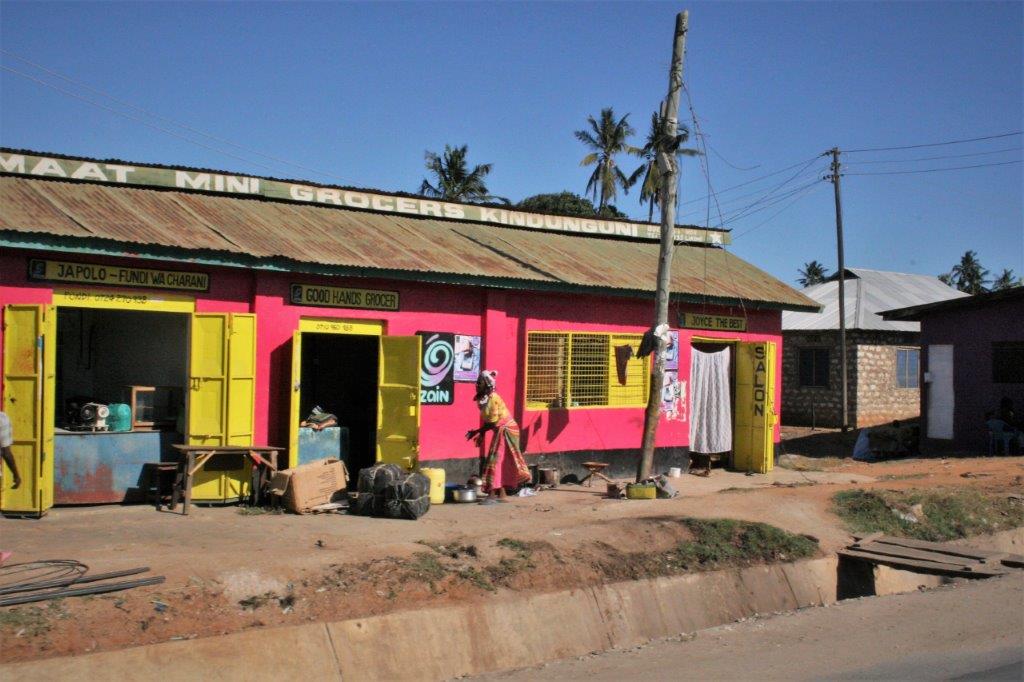
2009-04-09_3871 2009-04-09_3874 2009-04-09_3875One of the elephants took exception to the presence of a couple of other elephants in the water and would come stalking over to chase them away.2009-04-09_3894 2009-04-09_3884 On the drive back to the port we saw all these people with nets standing in the river.  It looked more like they were collecting the weeds or grass than fishing.2009-04-09_3916 2009-04-09_3917 2009-04-09_3918 2009-04-09_3920We had a short game drive at the end of the tour and saw this warthog and her three babies scurry into the brush as the vans drove by.  2009-04-09_3932 2009-04-09_3935And this colobus monkey was making sure she wasn’t too visible.2009-04-09_3937 20090409_3546            I really like the thick-trunked Baobab Trees.2009-04-09_3944 2009-04-09_3946 2009-04-09_3948The dry season allows much of a store’s merchandise to be displayed outside.

We returned to the ship in time to clean-up and attend the Maundy Thursday service provided by Pastor Jack.  The next day was Good Friday and we would be off to Shimba Hills for most of the day.  Holland America has a Protestant Pastor, Catholic Priest, and Jewish Rabbi on all of their long Grand Voyages.  They provide worship services for guests and crew, and there are also prayer and instruction times available for the predominantly Muslim Indonesian crew members.

We had an enjoyable first day in Africa.  We had two more days in Mombasa, then a stop in Mozambique, before Richards Bay, Durban and Cape Town, South Africa – animals every day until we reach Namibia on the west coast.


2009 World Cruise – Mar 31 – Day 85 – Muscat, Oman

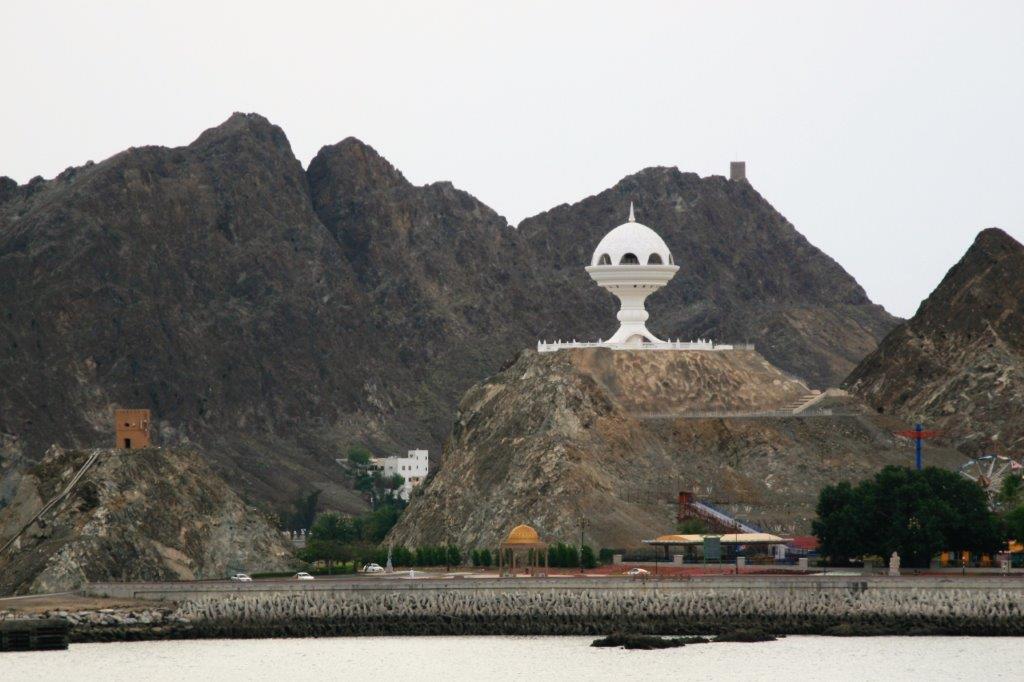
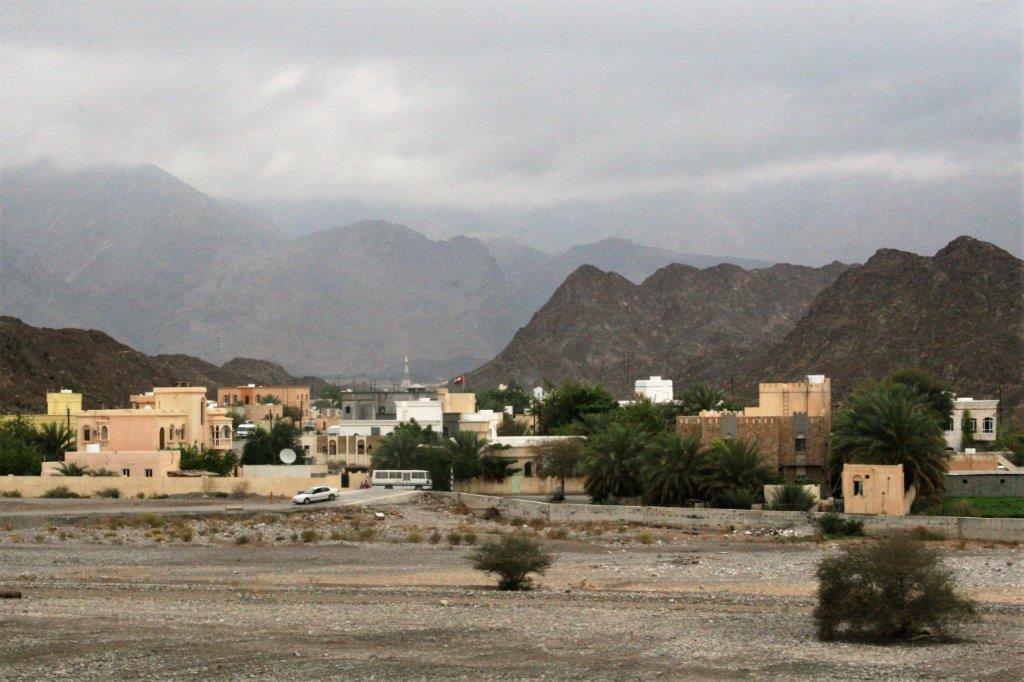
The night we were at sea between Dubai, UAE and Muscat, Oman there was a severe lightning storm.  I slept through it all while John sat up and video’d the storm.  While we walked the deck for our usual two miles we had to battle wind and a rolling deck from the churning sea.2009-03-31_2811 2009-03-31_2802 2009-03-31_2804 The captain announced there was good chance of rain the next day for our stop in Oman, which will be interesting since it is a desert country located along the south coast of the Arabian peninsula.

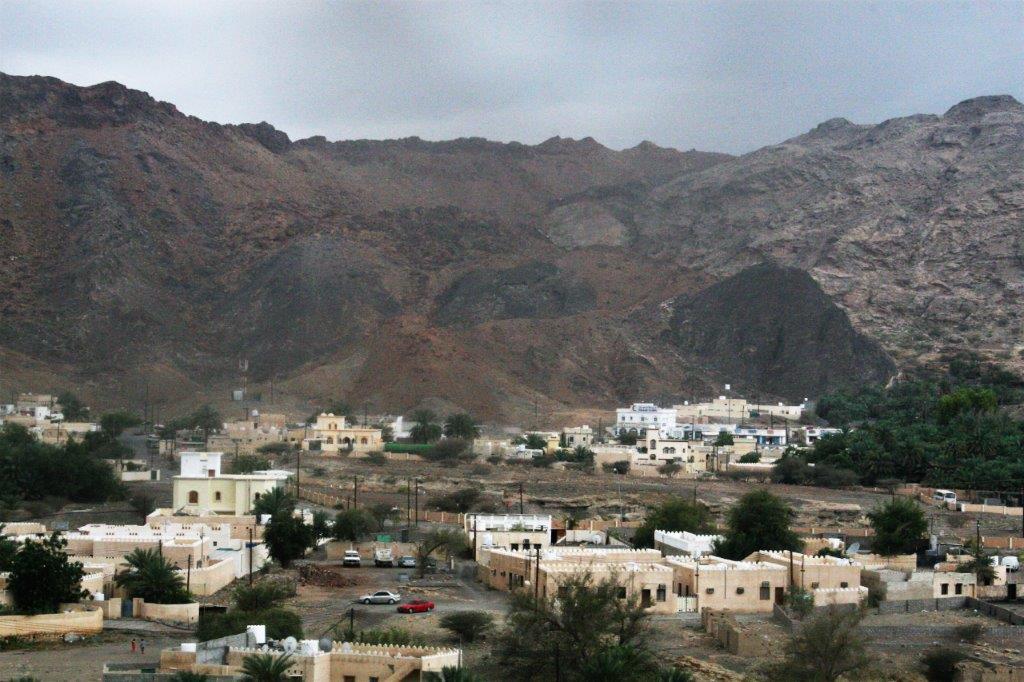
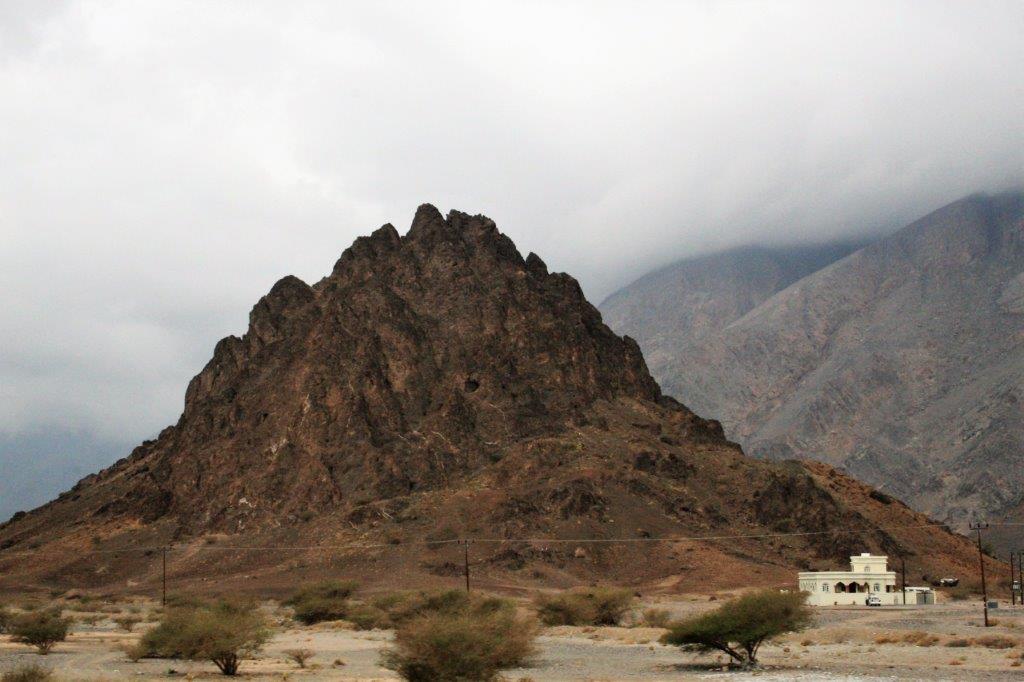
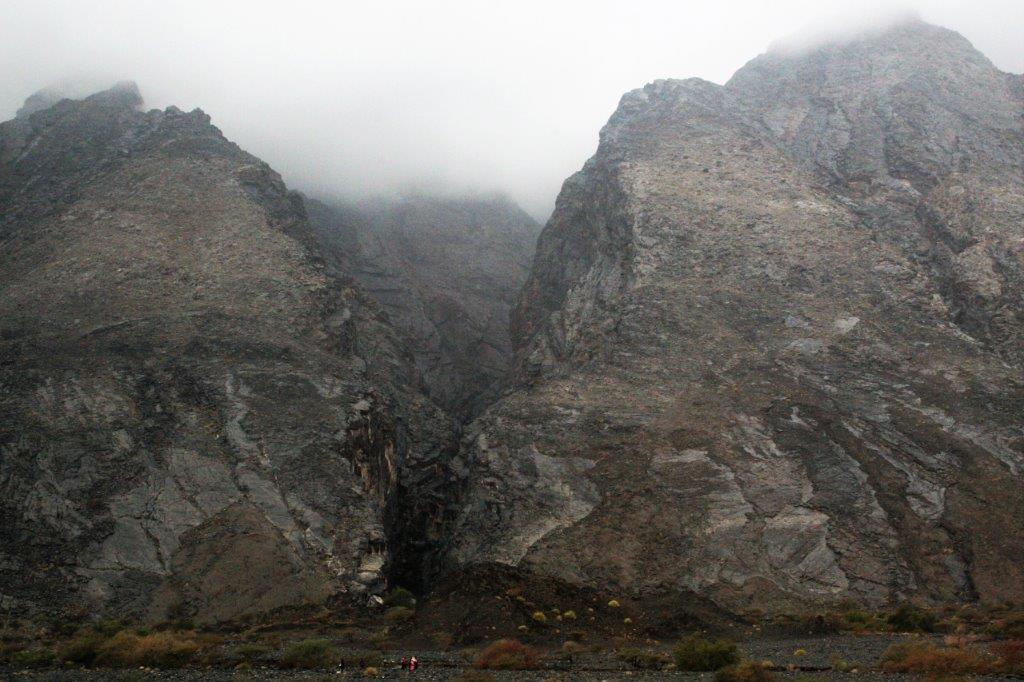
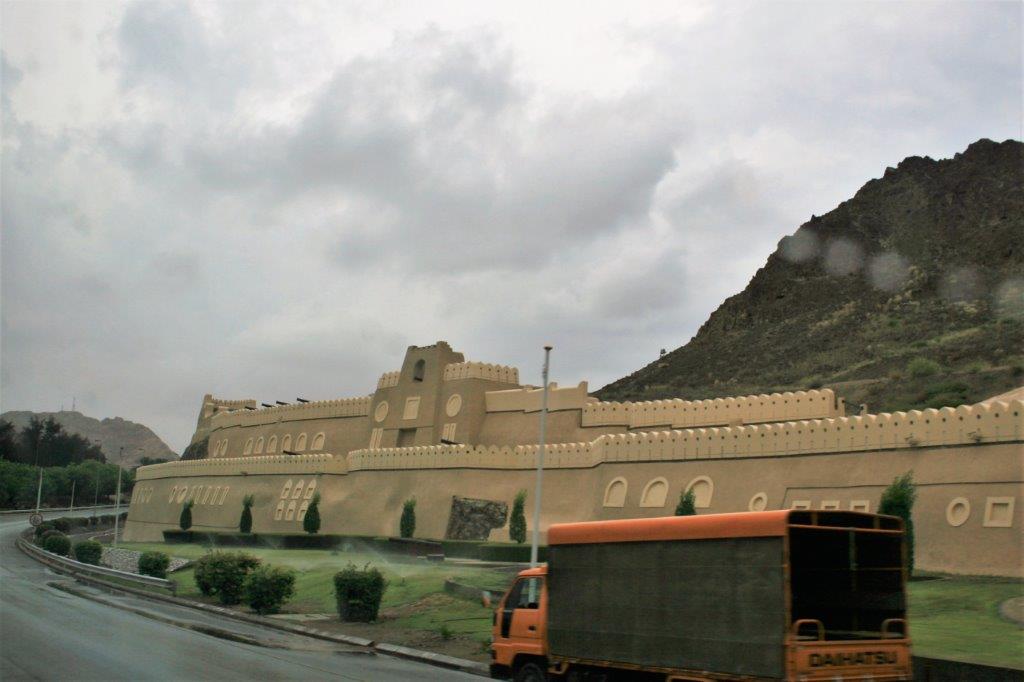
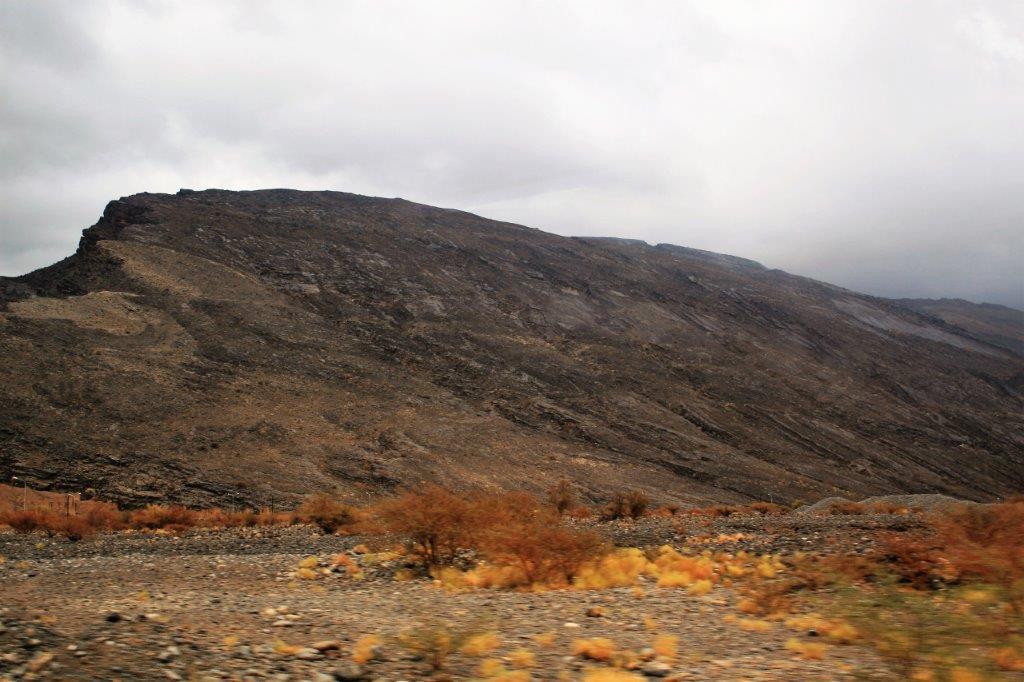
Our tour was an all-day (9 1/2 hours) trip to see the Forts of Nizwa (the former cultural and political capital of Oman).  Nizwa was 1 1/2 hour drive from Muscat through the Western Al Jajar Mountains.2009-03-31_2806 2009-03-31_2809 2009-03-31_2808               Note the tiny people in the lower center of this photo.

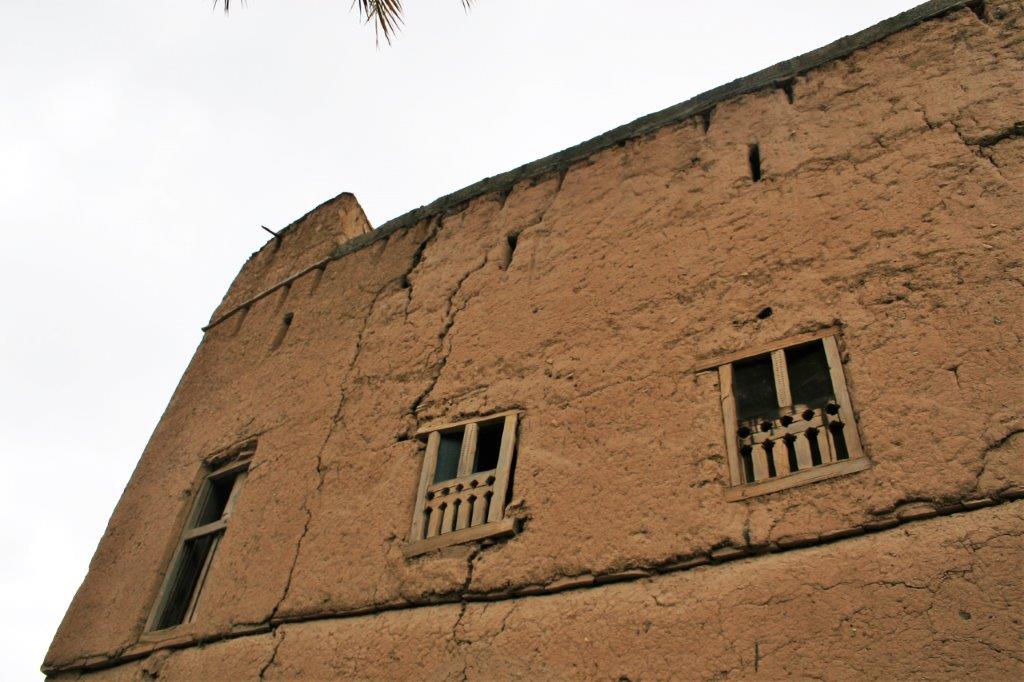
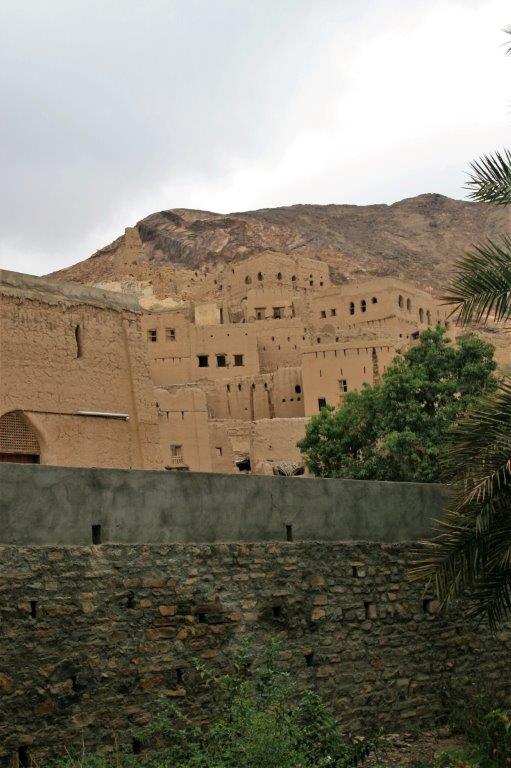
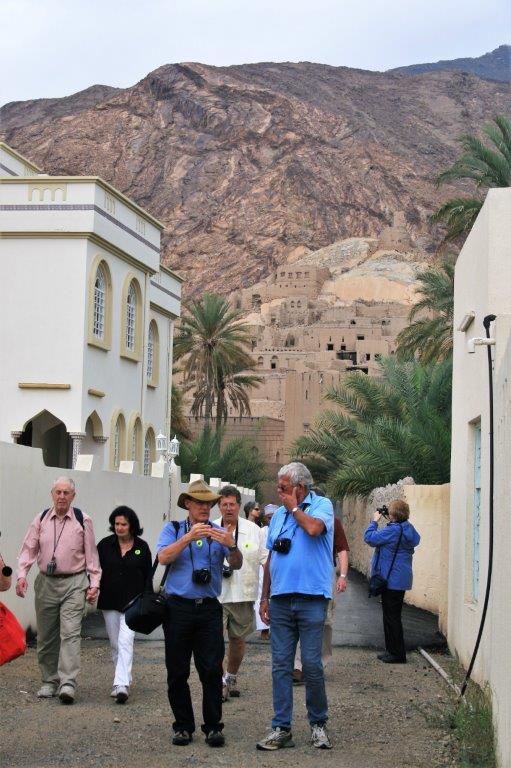
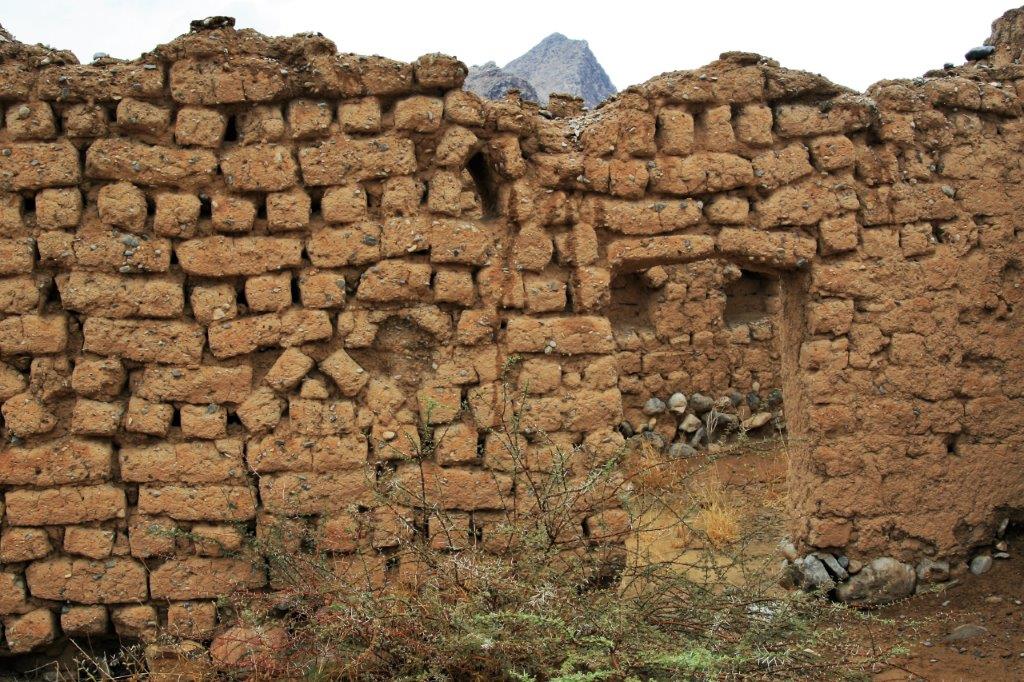
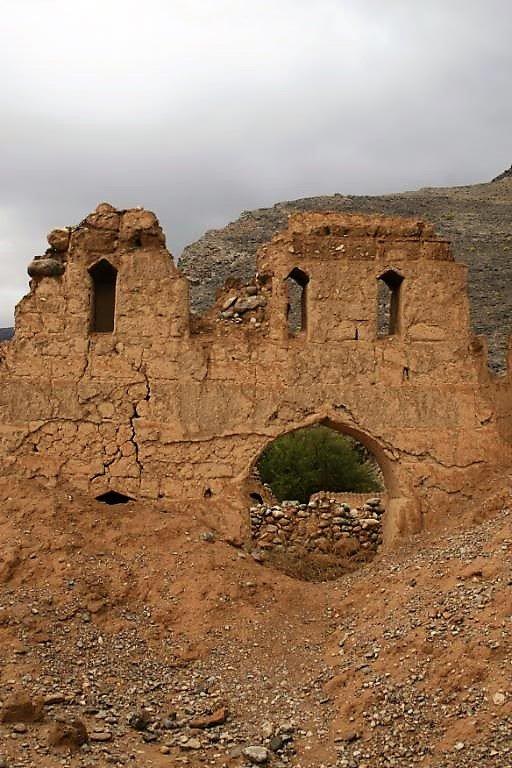
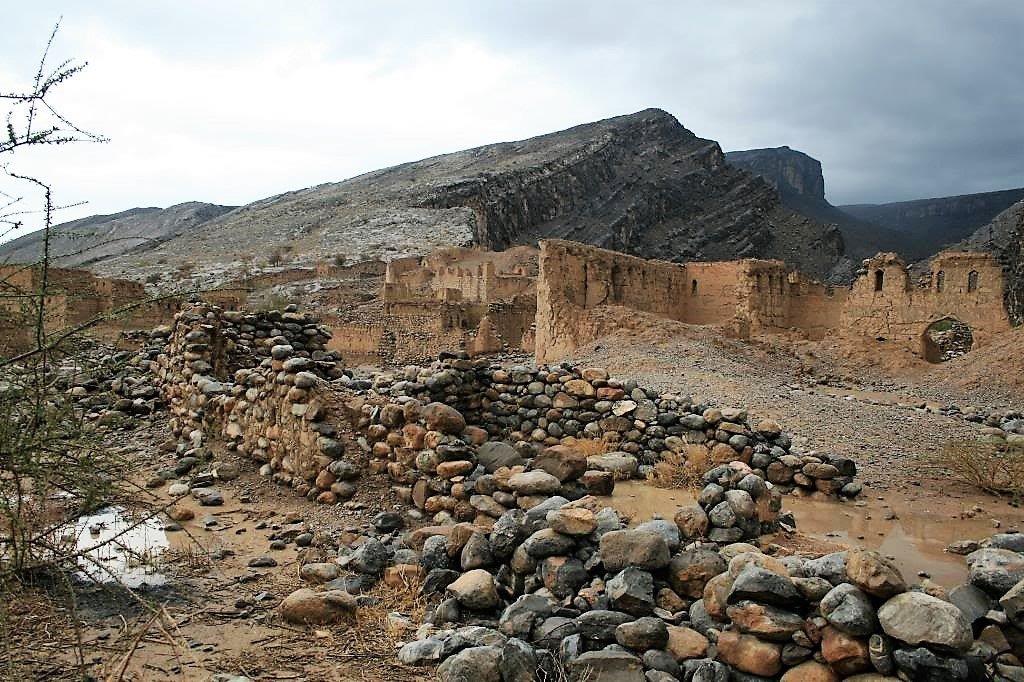
There was only one stop on the way to Nizwa; the ruins at Bilkat Moz; which was built into a steep hillside. 2009-03-31_2814_edited-1 2009-03-31_2818 2009-03-31_28172009-03-31_2826 John and our friend Harold from Melbourne, Australia had an in depth conversation as we walked back to the bus.

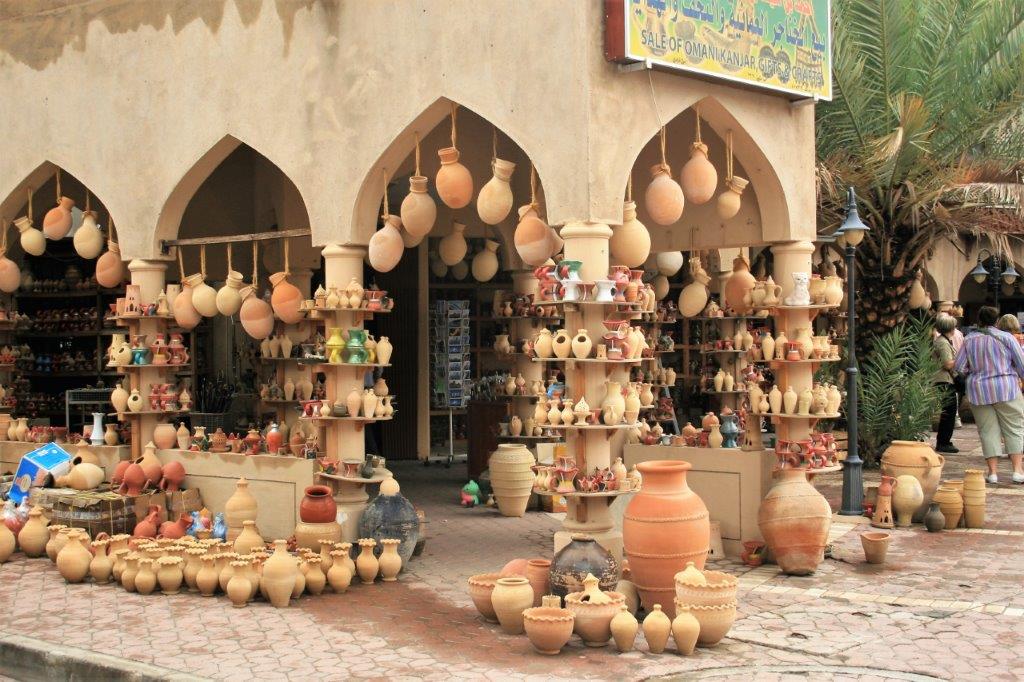
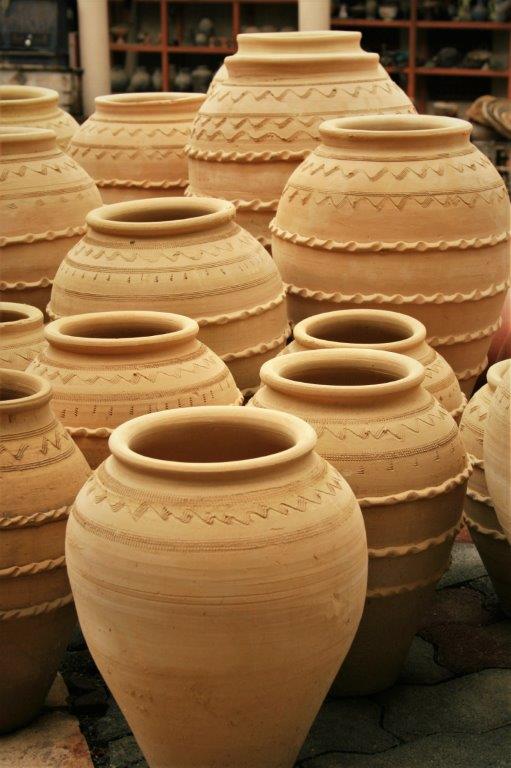
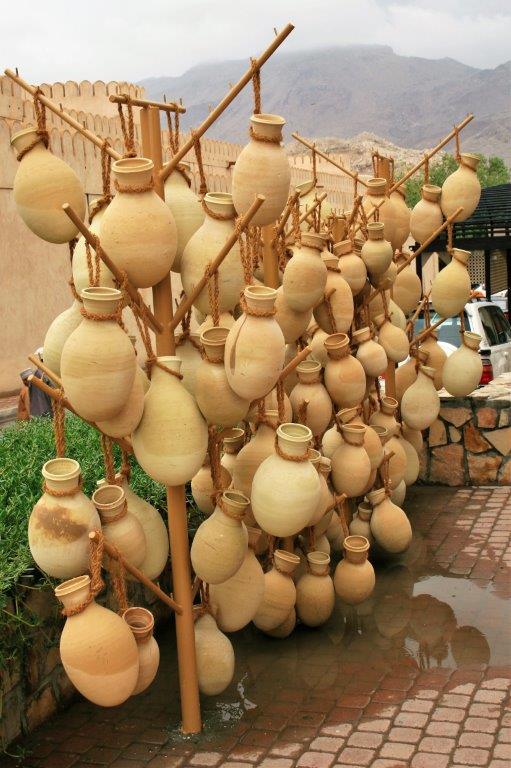
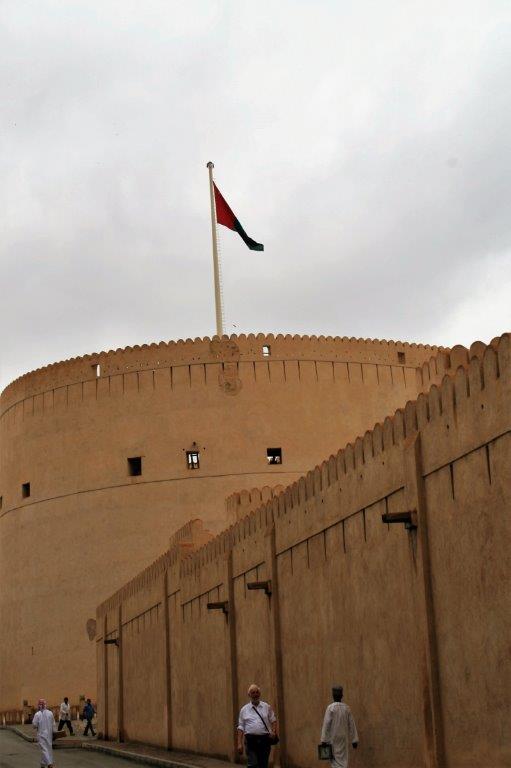
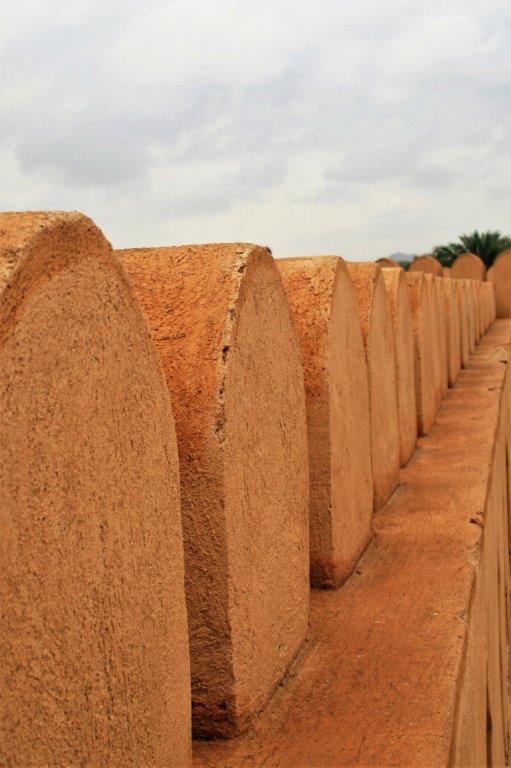
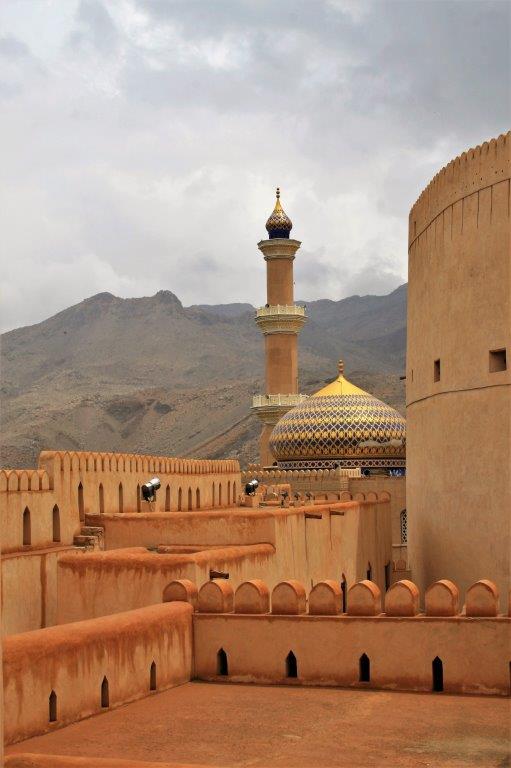
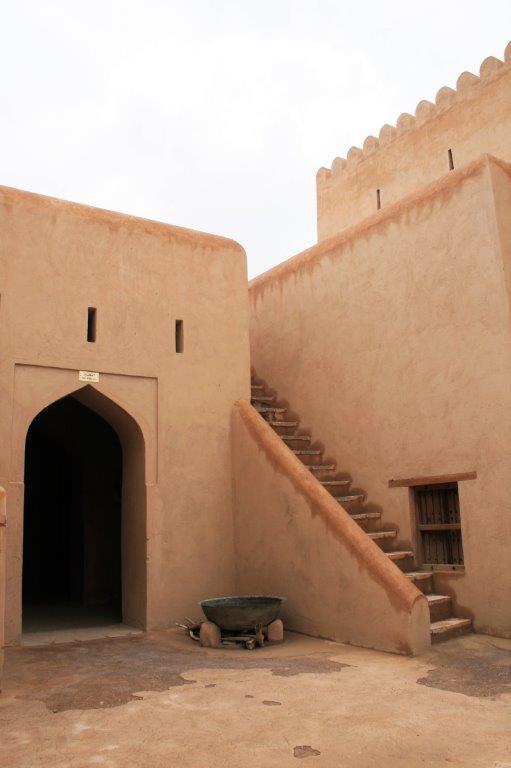
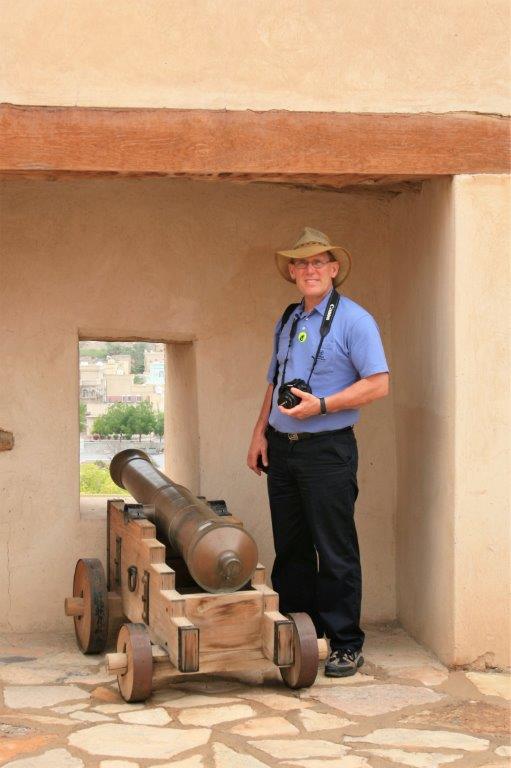
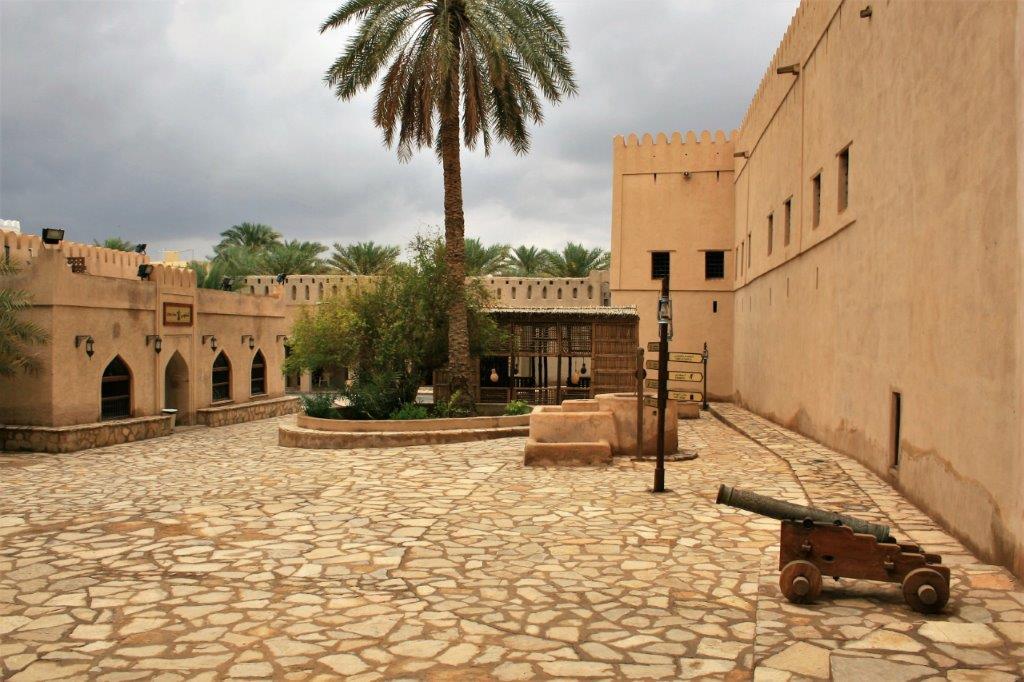
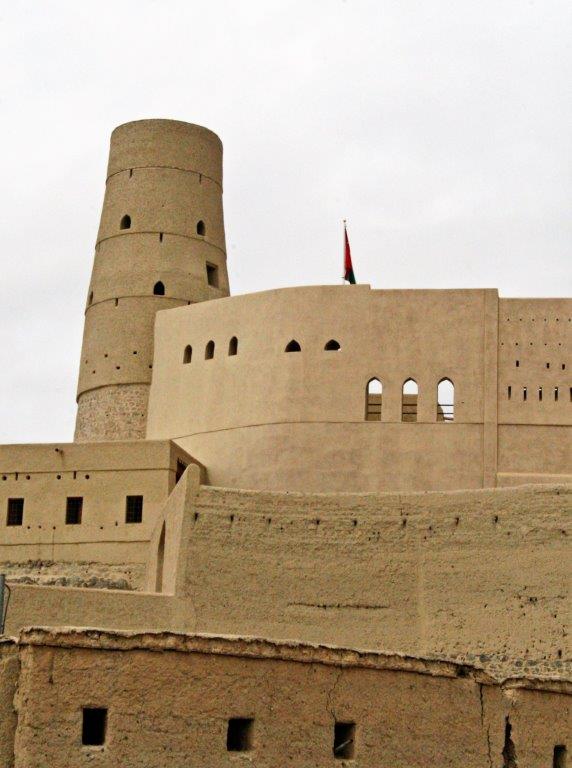
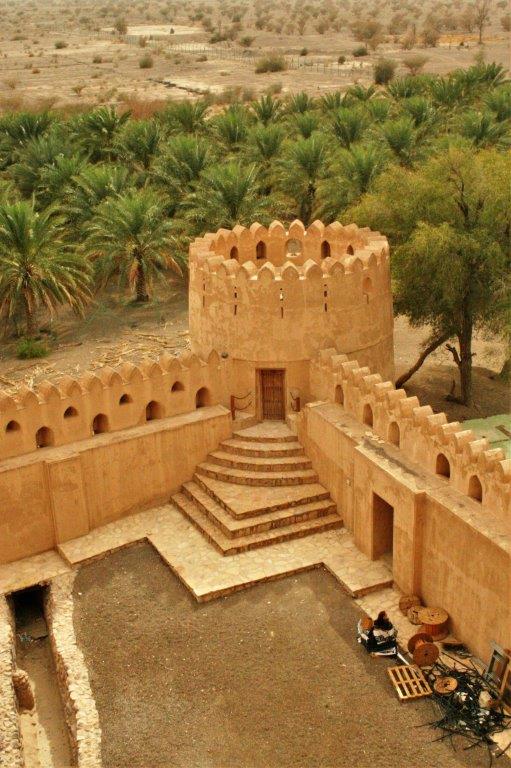
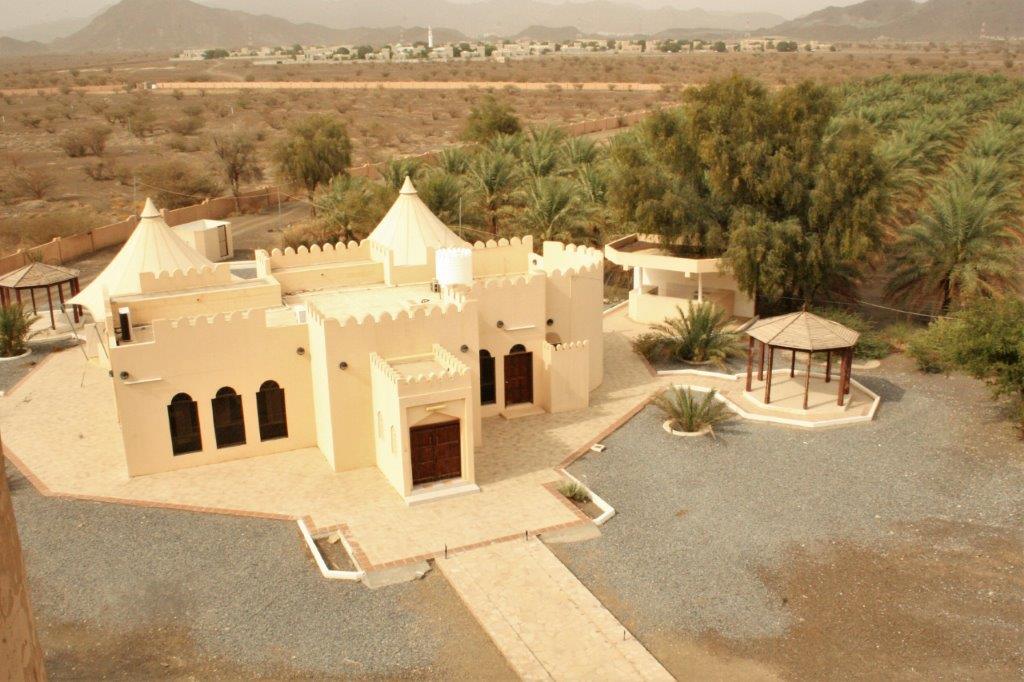
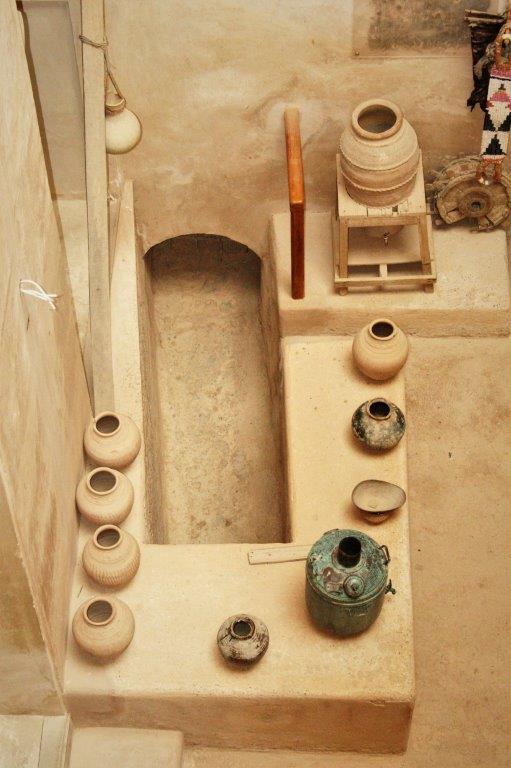
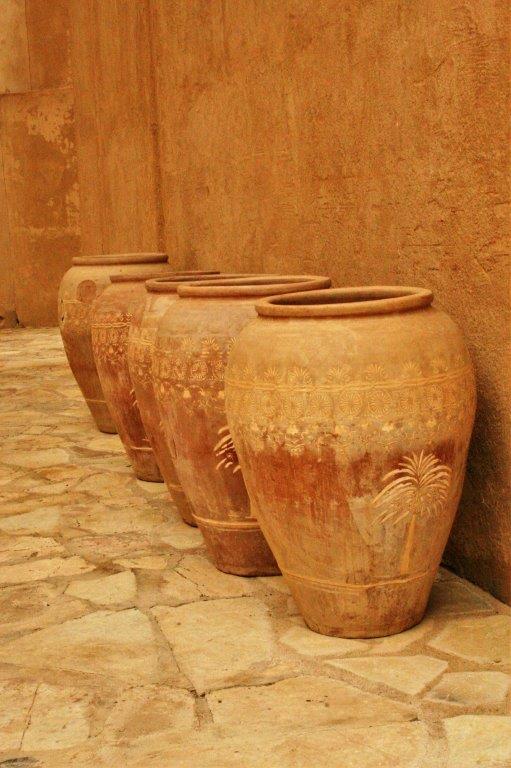
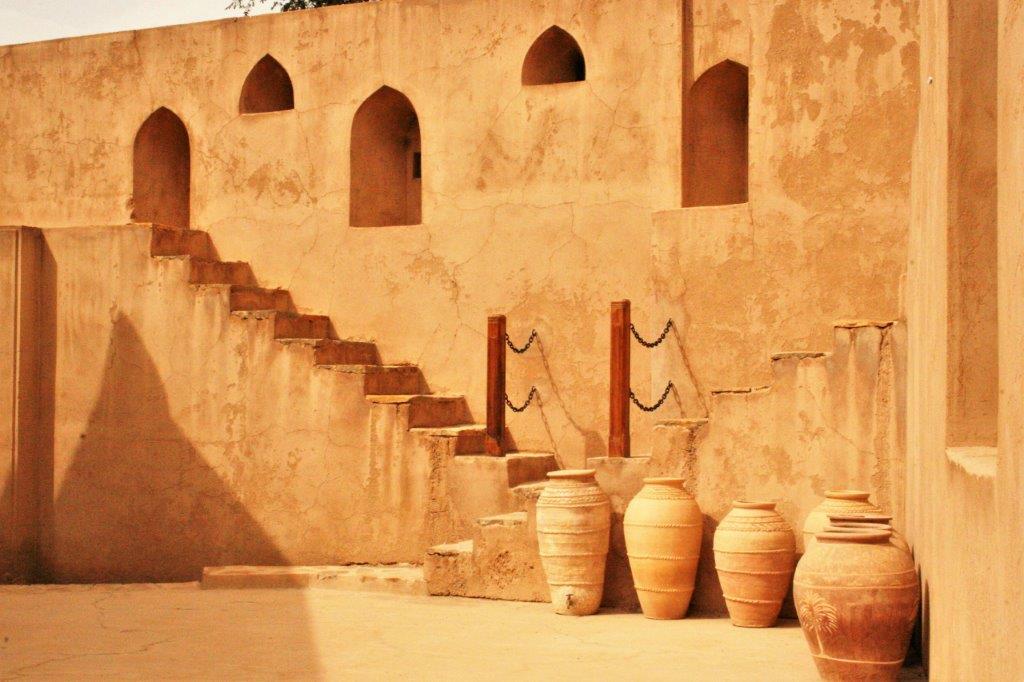
We spent over an hour at the 17th century Nizwa Fort before lunch.  The fort had access to freshwater even during a siege due to an irrigation system developed by the Queen of Sheba in 550 BC.  Underground channels brought the water from nearby wells into the fort.2009-03-31_2831I loved all the pots and urns on display in the shops on the way to the fort.2009-03-31_2834 2009-03-31_2835 2009-03-31_2836 2009-03-31_28402009-03-31_28412009-03-31_28682009-03-31_28392009-03-31_28472009-03-31_28492009-03-31_28552009-03-31_28562009-03-31_28572009-03-31_2865How could you not love all the angles, shapes and arches in an Arabian Fort?  So much fun to photograph.

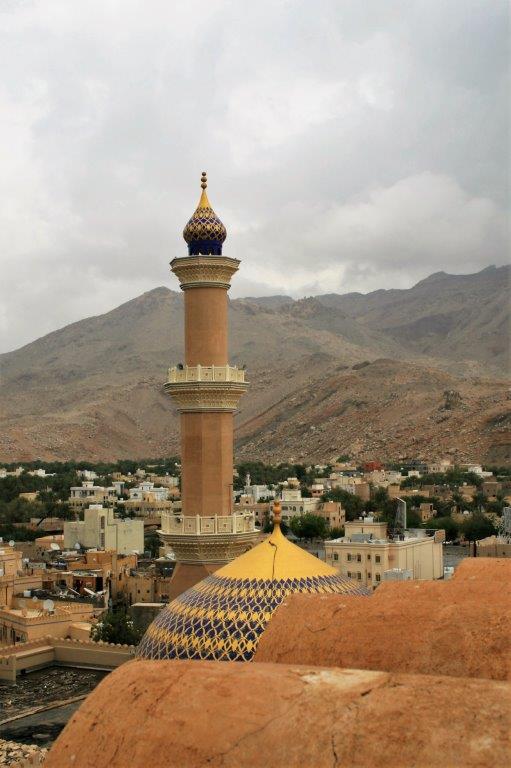
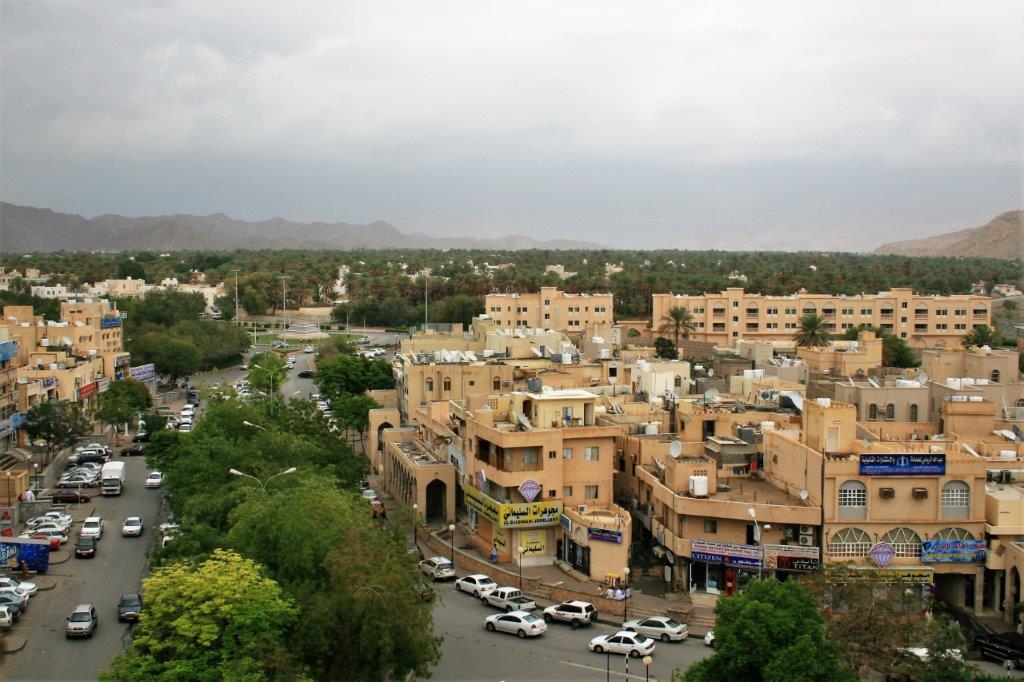
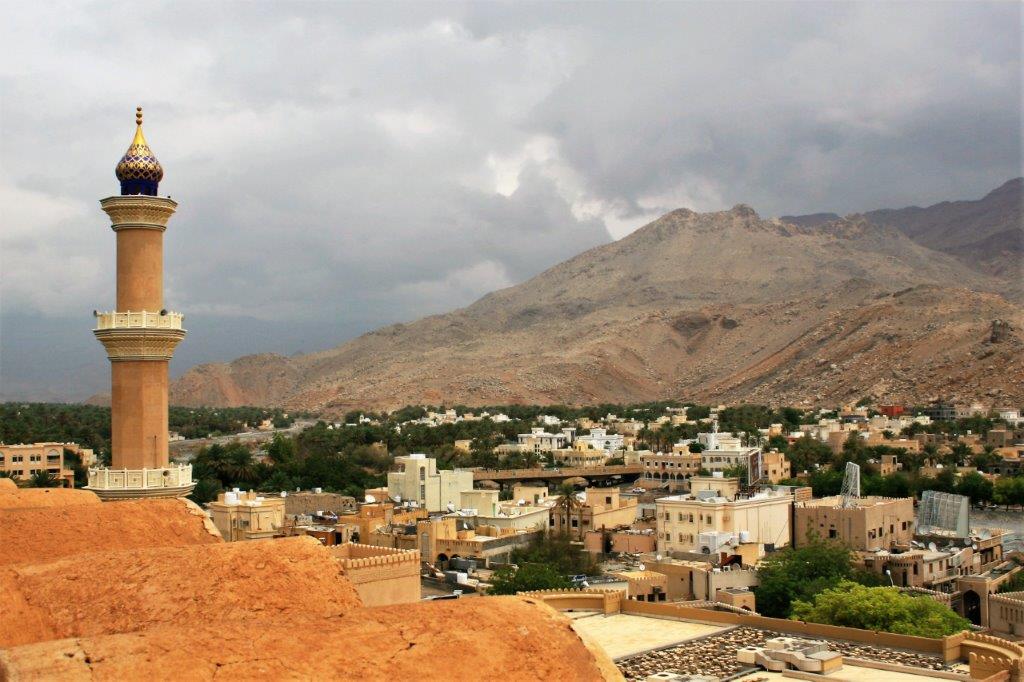
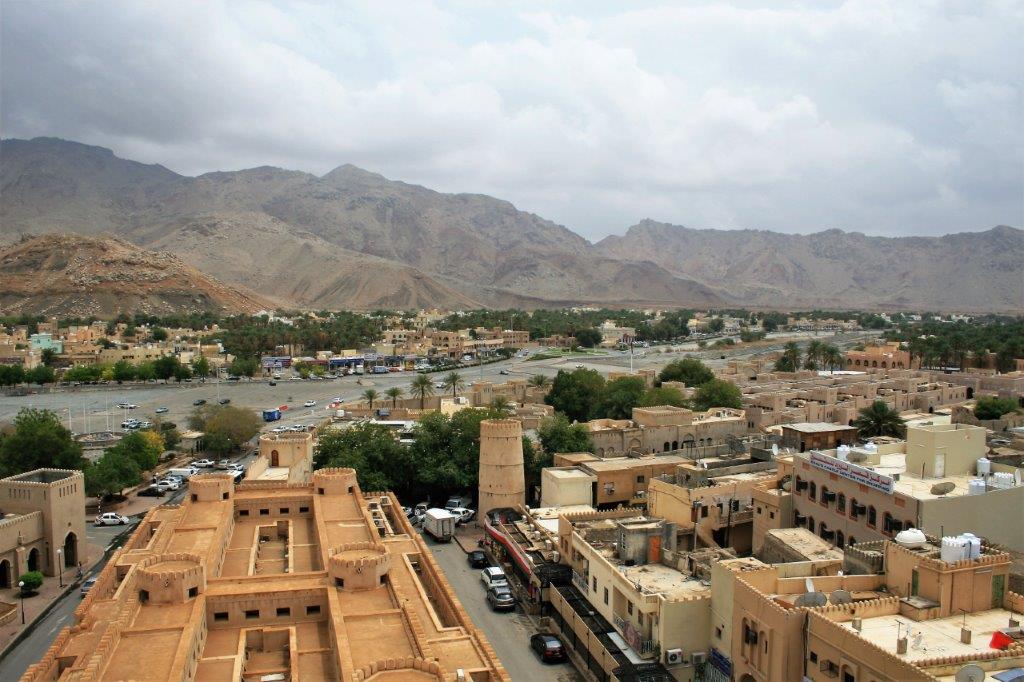
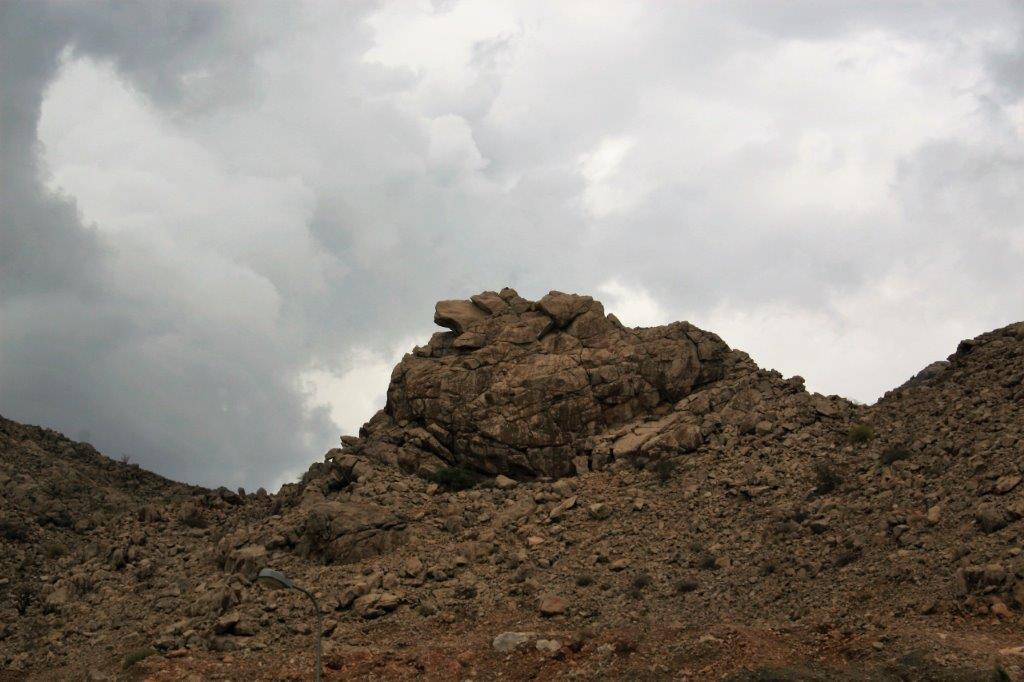
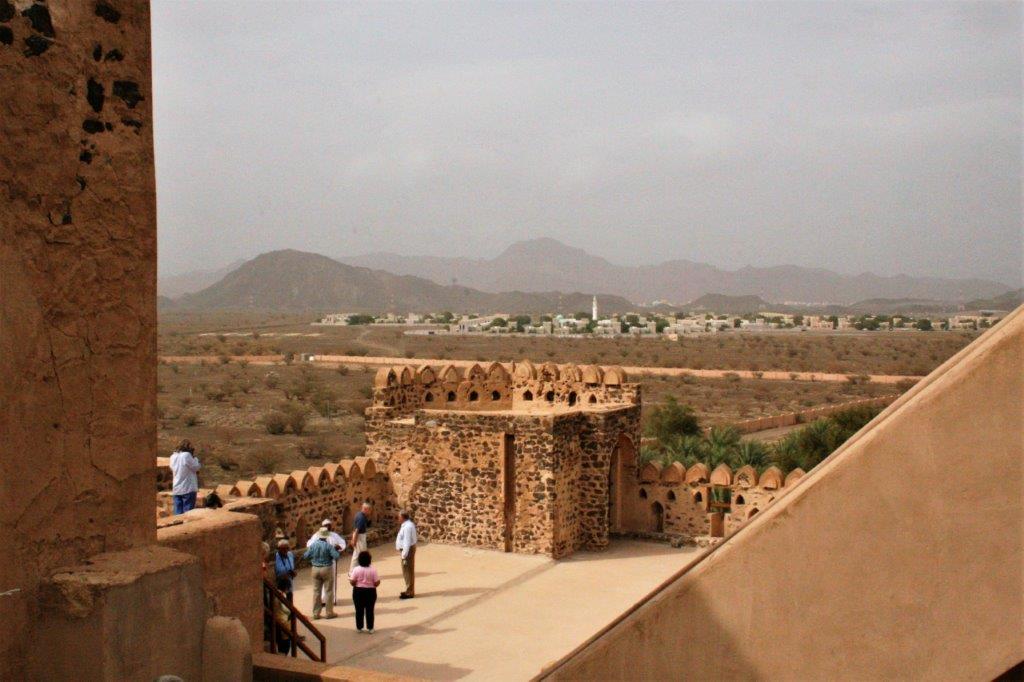
From the top of the walls we had a nice view of part of Nizwa. 2009-03-31_2858 2009-03-31_2862 2009-03-31_28632009-03-31_28812009-03-31_2873                             This rock looks just like a crouching lion.

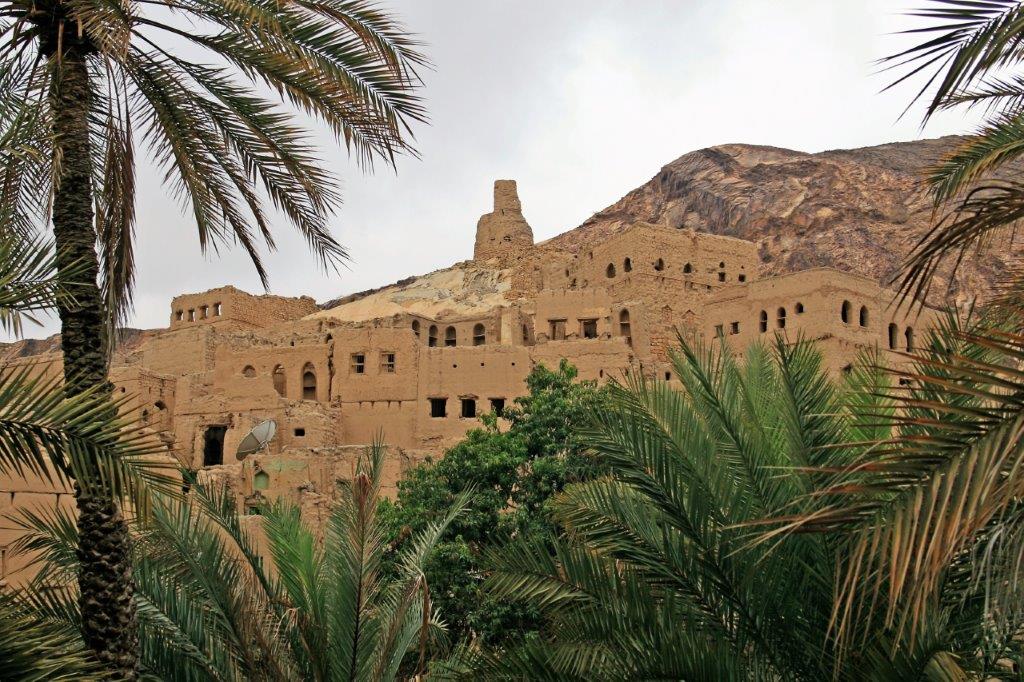
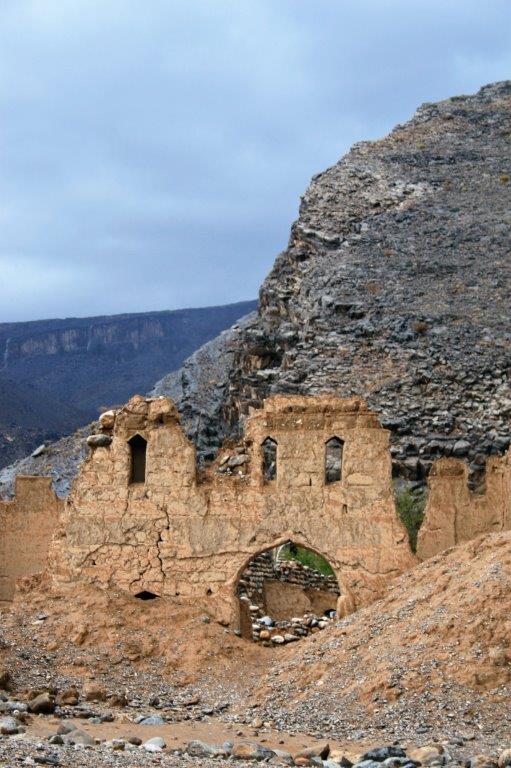
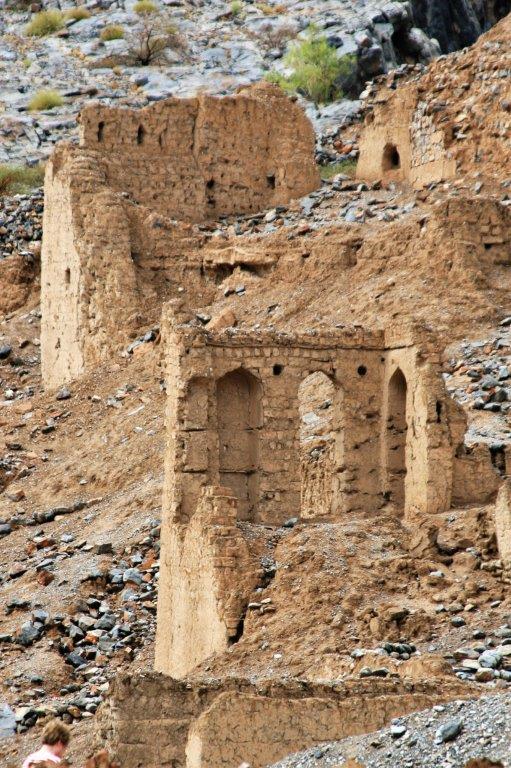
The abandoned ruins at Tanuf, home of Oman’s last Imam (religious leader), had an interesting tale.  The current Sultan’s father united the tribes of the country of Oman, but the Iman (who controlled 90% of the land) was not on board.  The Imam’s dissent brought the wrath of the Sultan down upon his dwellings in the form of air-raid bombing by the Sultan’s allies – the British Royal Air Force.

There were very few complete sections of walls to show the size or former granduer of the fort.

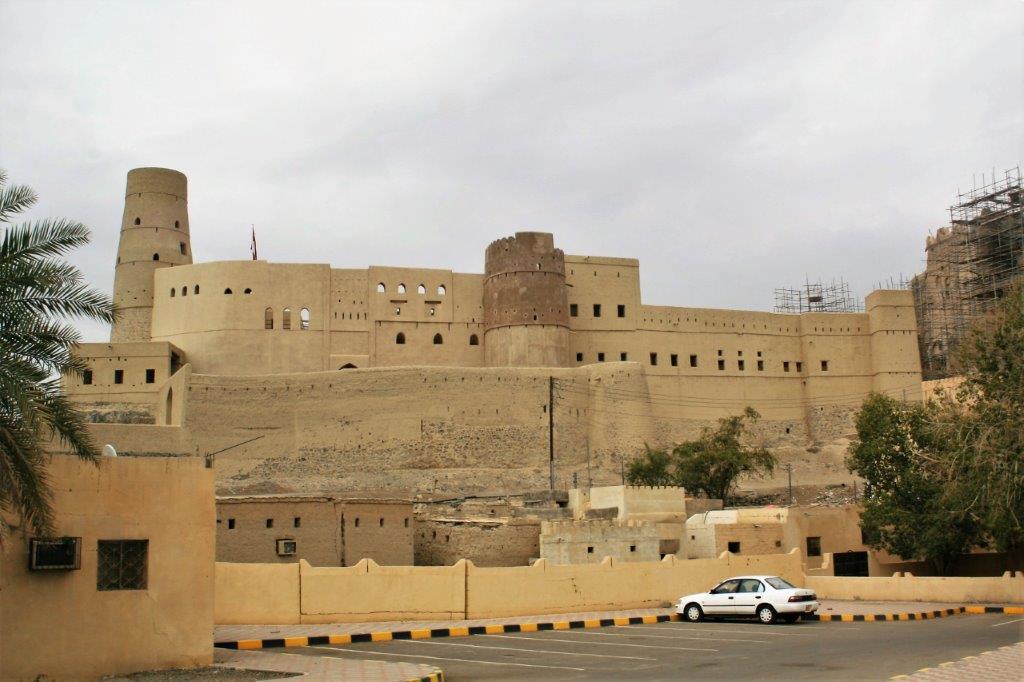
2009-03-31_2882 2009-03-31_2883 2009-03-31_2886 2009-03-31_2887 2009-03-31_2888 20090331_2884 20090331_298720090331_2977 2009-03-31_28942009-03-31_2900We only had a photo stop at Bahla, the UNESCO World Heritage Site 15th century fort that predates the spread of Islam in the region.

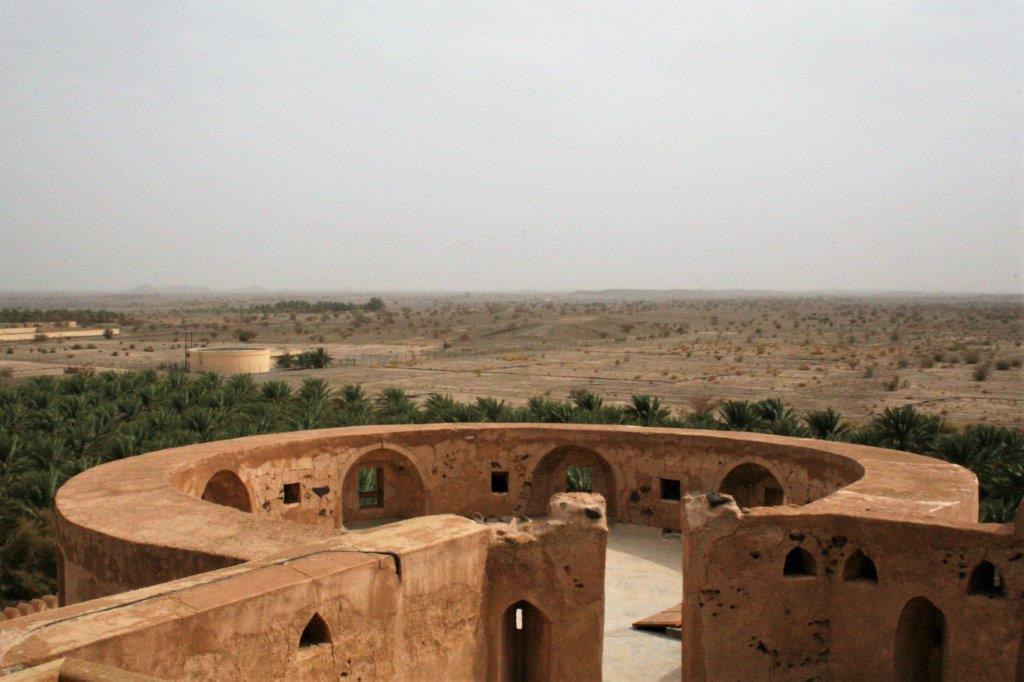
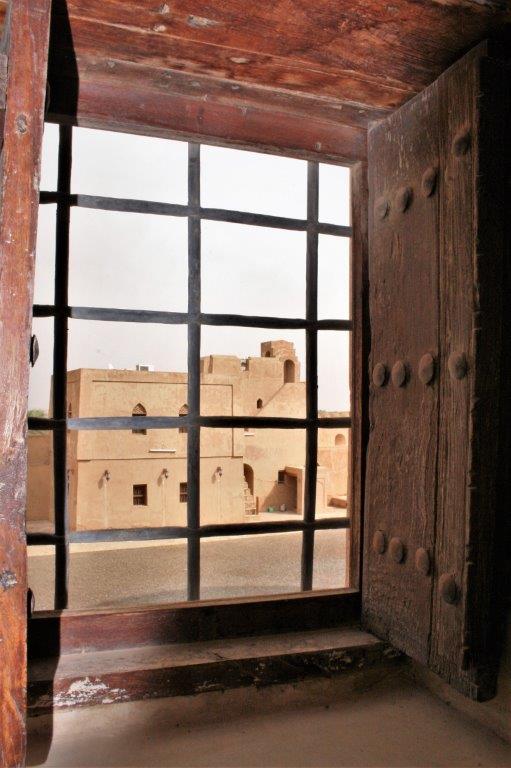
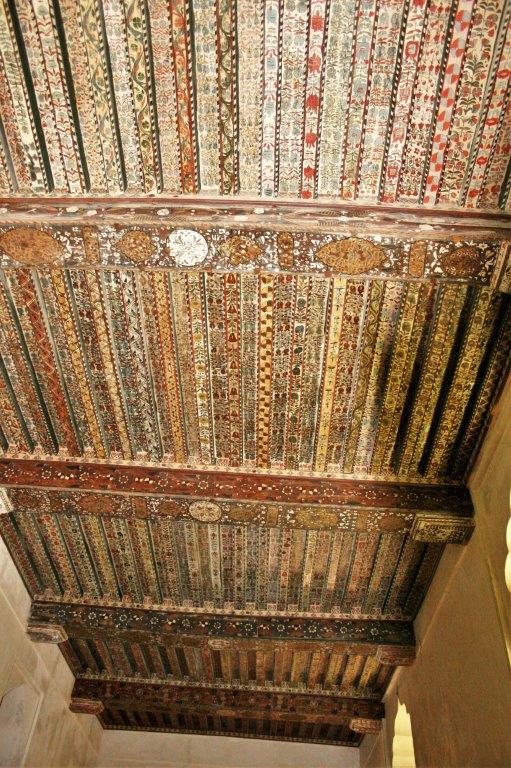
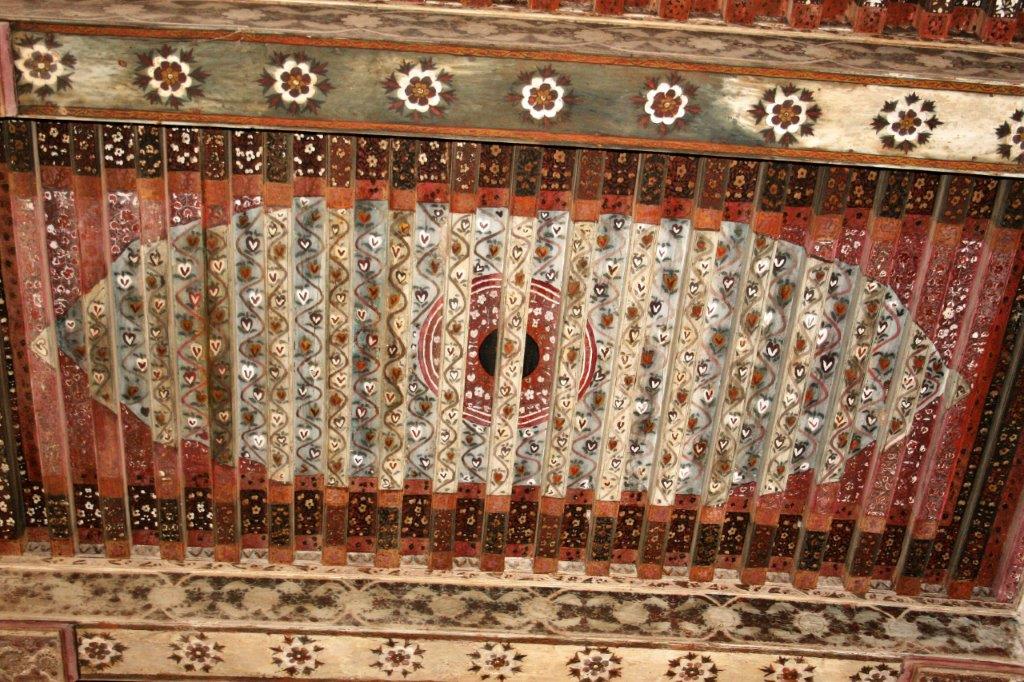
2009-03-31_2902 2009-03-31_2906_edited-2Our last fort on the tour was Jabrin Castle, called Palace of Gilyaroub.  It is famous for the beautiful ceiling decorations, wall murals and impressive architecture.  It is considered one of Oman’s most beautiful forts.

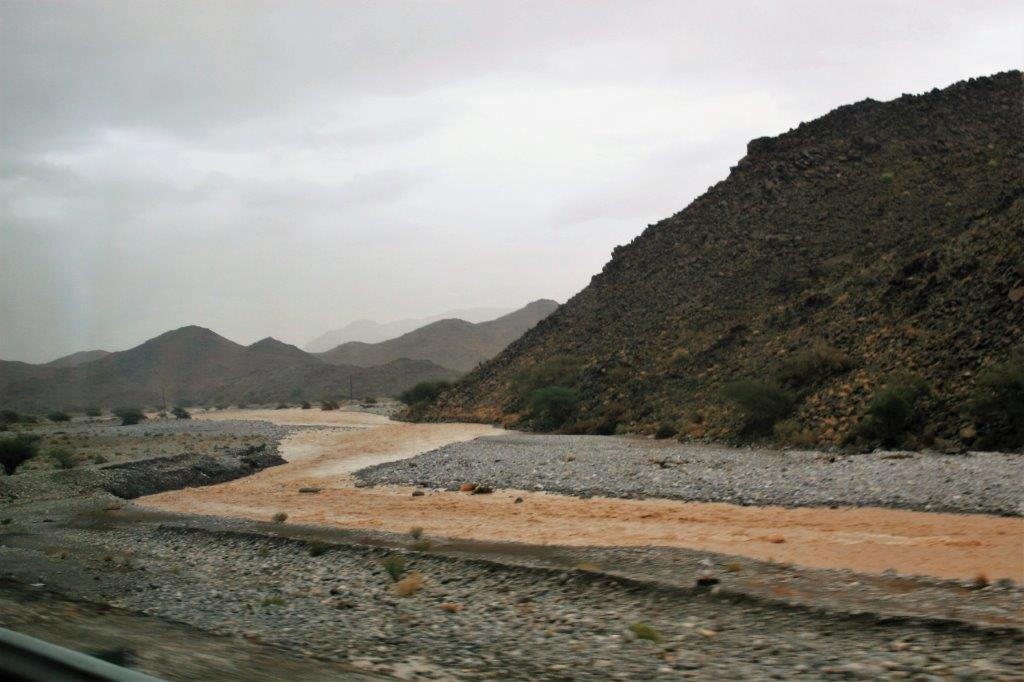
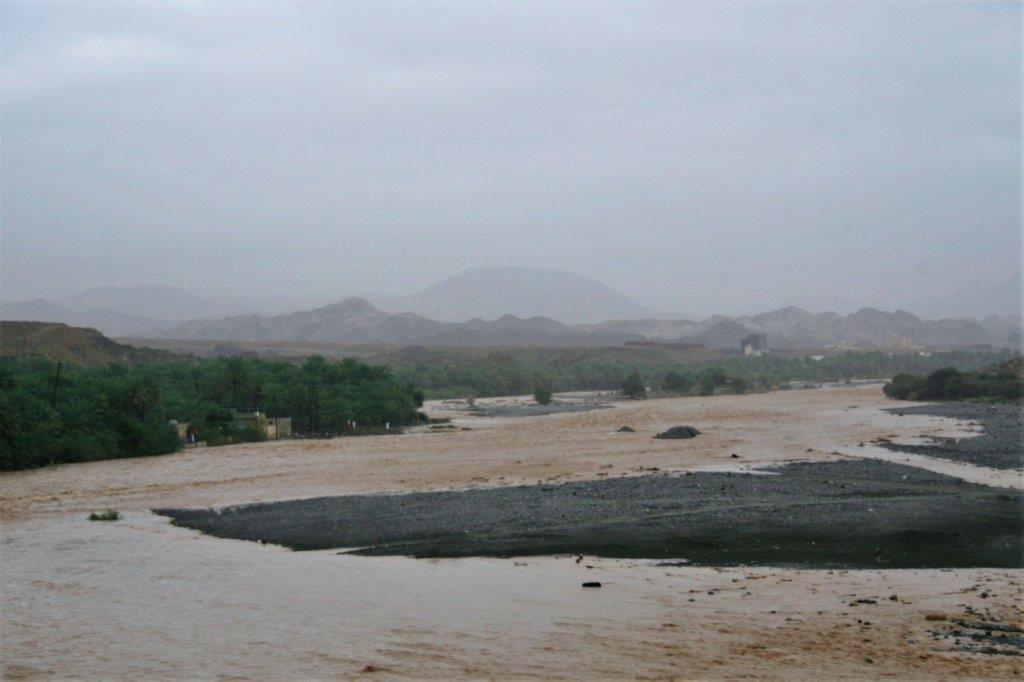
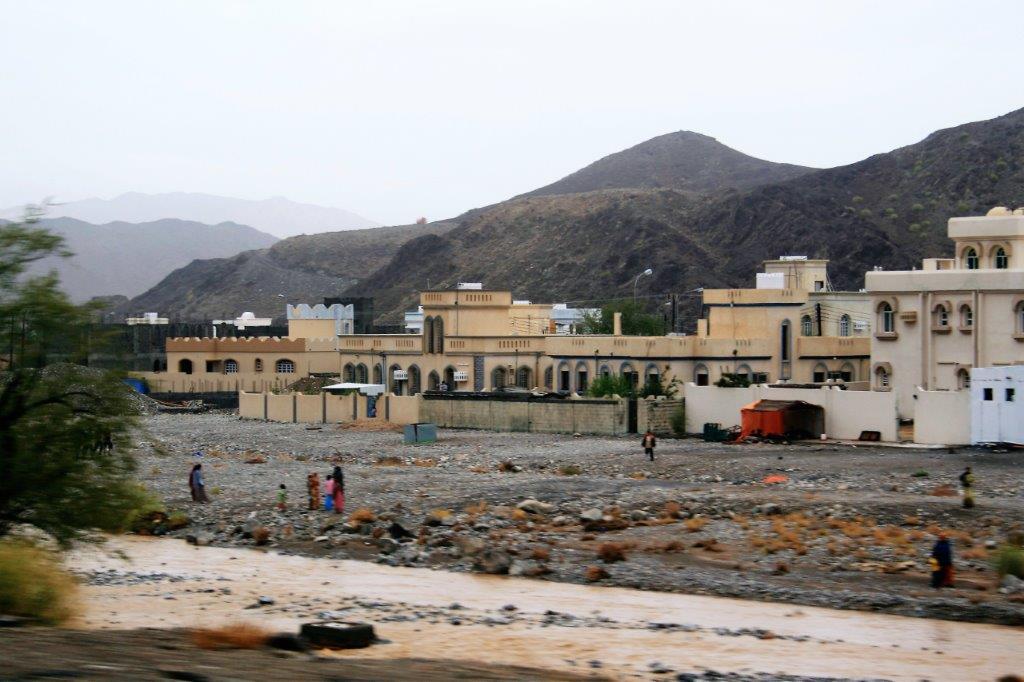
2009-03-31_2930 2009-03-31_2931 2009-03-31_2932 2009-03-31_2936 2009-03-31_2937 2009-03-31_2939 2009-03-31_29202009-03-31_2919 2009-03-31_2923 2009-03-31_2924 2009-03-31_2928 2009-03-31_2913 2009-03-31_2916While we were on our tour inland the rain came down in buckets in Muscat.  When we were driving back into the city the wadi’s (many of which had been dry for five years or more) were rivers of muddy water.  Our guide was very excited and told us we brought good luck to Oman by bringing the rain so we were welcome back anytime.2009-03-31_2945 2009-03-31_2948 2009-03-31_2951 2009-03-31_2952 2009-03-31_2953The Sultanate of Oman is a mountainous, dry desert country.  There are no lakes, rivers, or streams – although there are several oases with fresh water pools.  All the water for the 3.5 million population is supplied by de-salination and wells. It does rain in Oman several times a year but the rain we got that day was much longer in duration and a heavier downpour than they have had in many, many years.2009-03-31_2946 2009-03-31_2955There were traffic jams in the streets where people had just stopped their cars and gotten out to stand in the rain.  School had been cancelled by the Sultan and many of the children were seeing running water in the wadi’s for the first time in their lives.  It was a pretty neat end to a good day.

2009 World Cruise – April 4 & 5 – Days 89 & 90 – Victoria, Seychelles

The first day at sea after leaving Muscat, Oman, during the captain’s daily noonhour annoucements, he told us of some itinerary changes he had made to keep the ship out of range of the pirate activity that was active on the northeast coast of Africa at the time.  (The Maersk ‘Alabama’ was pirated while we were in these waters – re: Tom Hanks movie “Captain Philllips.” )  Our two-day port of call in the Seychelles was moved up a day earlier and we would be three days at sea instead of the originally planned four (which meant we needed to travel at full speed of 22 knots) and we would take three days instead of two to reach Mombasa, Kenya so that the captain can sail further out at sea and further south down the African coast before turning north and hugging the coast up to Mombasa.  These changes would allow the ship to get to Kenya without sailing in the vicinity of known pirate activity.

In order to ensure the ship and passengers were protected the entire time we sailed in the waters near Somalian pirates there was crew members with night vision binoculars and flak vests doing 4-hour shifts on watch on the promenade deck 24- hours a day.  All of the promenade deck  fire hoses had been charged and lashed to the railing and a sonic cannon was set up at each end of the deck and ready to break eardrums if necessary.  There was never a dull moment on the open sea.

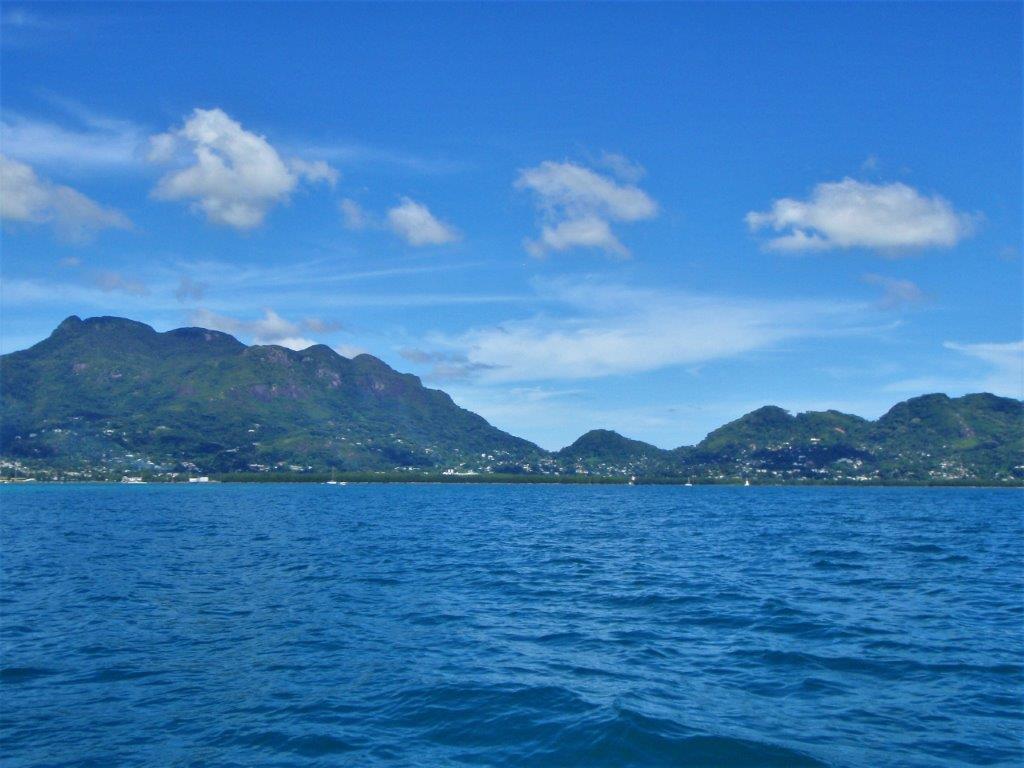
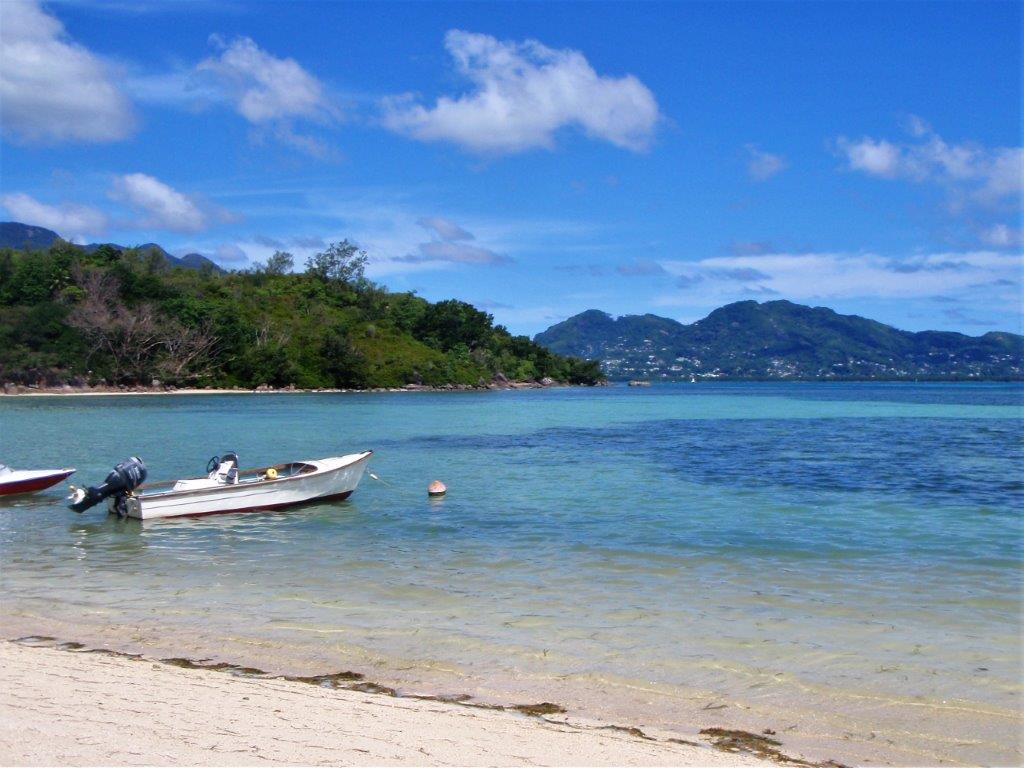
The Seychelles are a group of about 115 islands that lie 1600 kilometers (990 miles) off the coast of east Africa.  The three central islands – Mahe, Praslin and La Digue – are granite, while the outlying islands are coral atolls.  The capital, Victoria, Mahe is one of the smallest capital cities in the world and the only major port in the Seychelles.  It is also the only town in the country; all the other communities are villages.

When the islands were discovered by a British East India ship in 1609 they quickly became a haven for pirates.  They were claimed for France in 1754 and the first settlers and slaves arrived in 1770.  Britain took charge of the Seychelle Islands after the Napoleonic Wars but the French language and customs remained.  Today, most locals will conduct business in French, speak English to the tourists and talk Creole (a French dialect) at home.
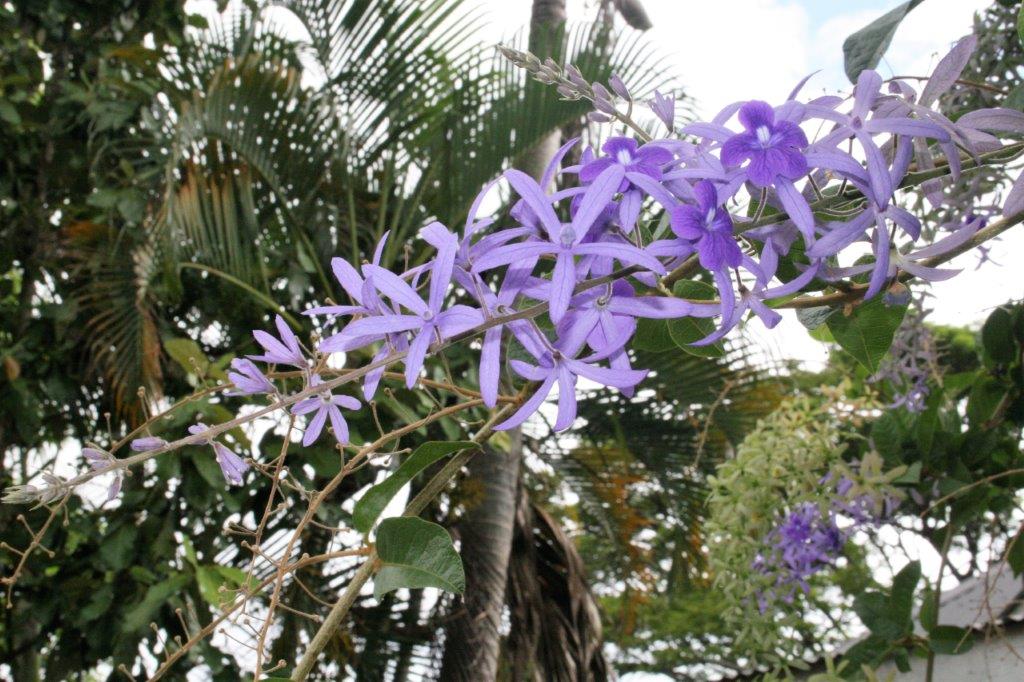
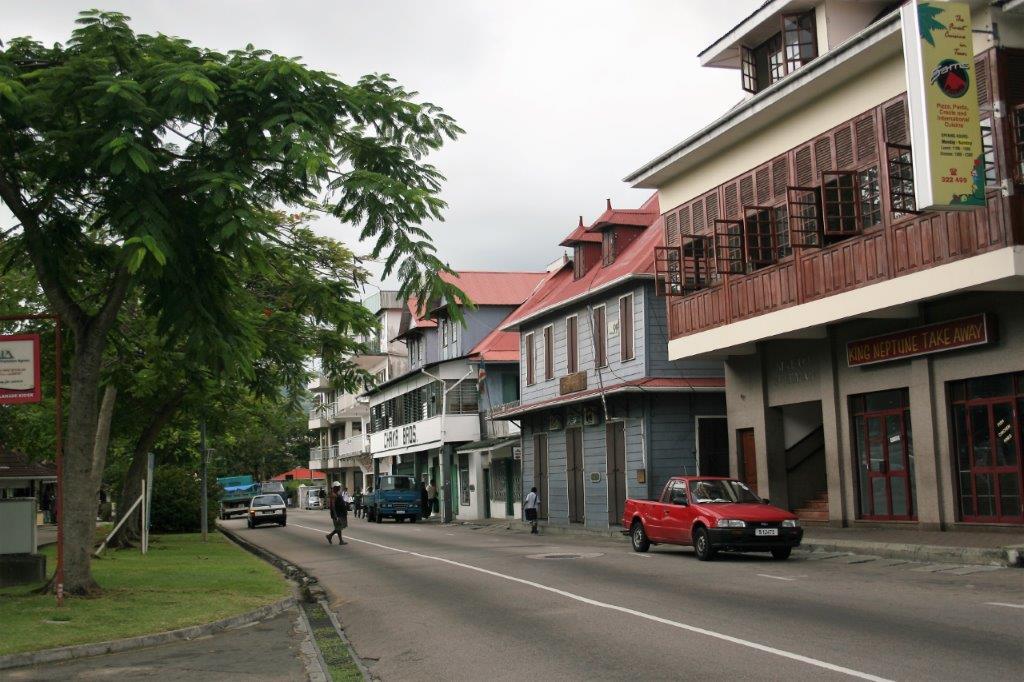
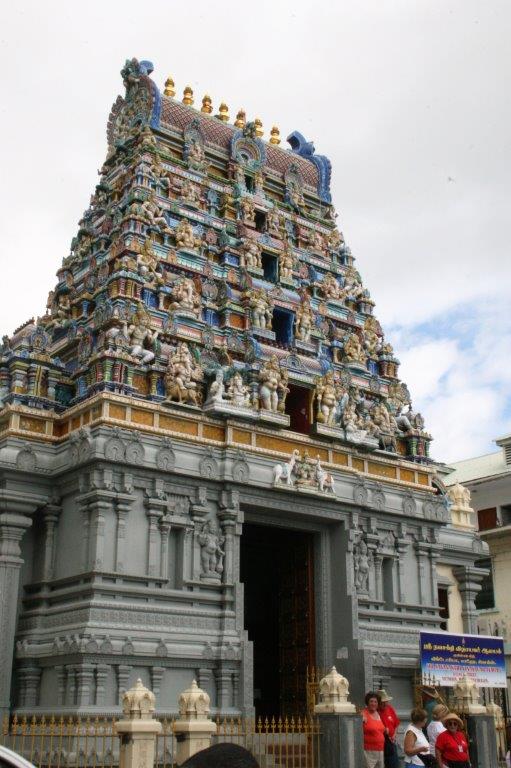
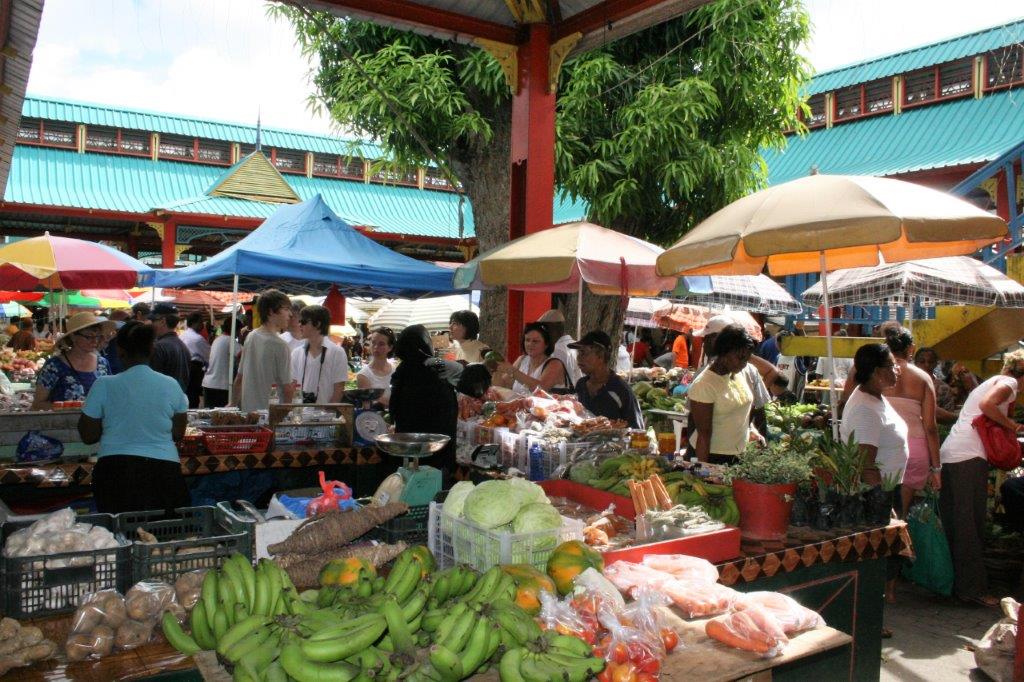
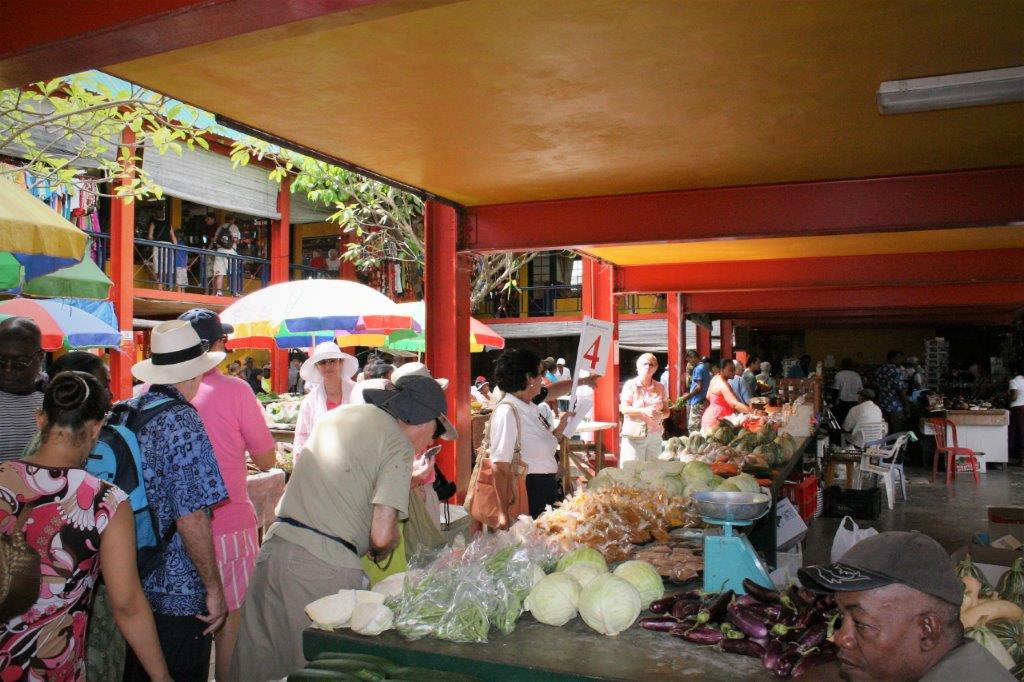
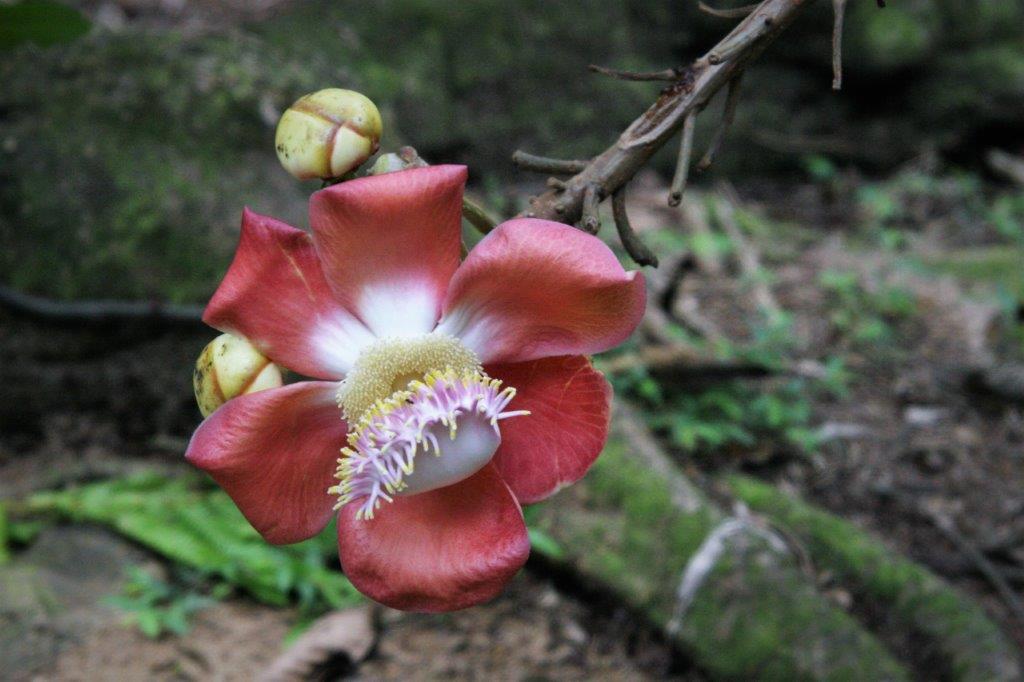
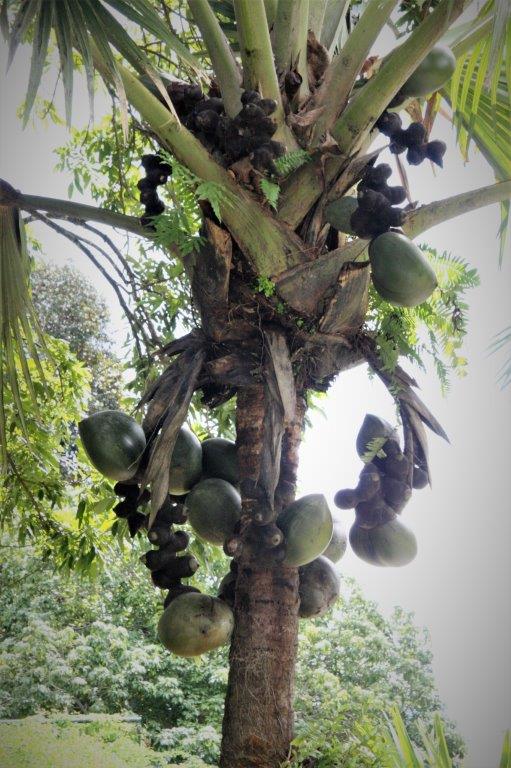
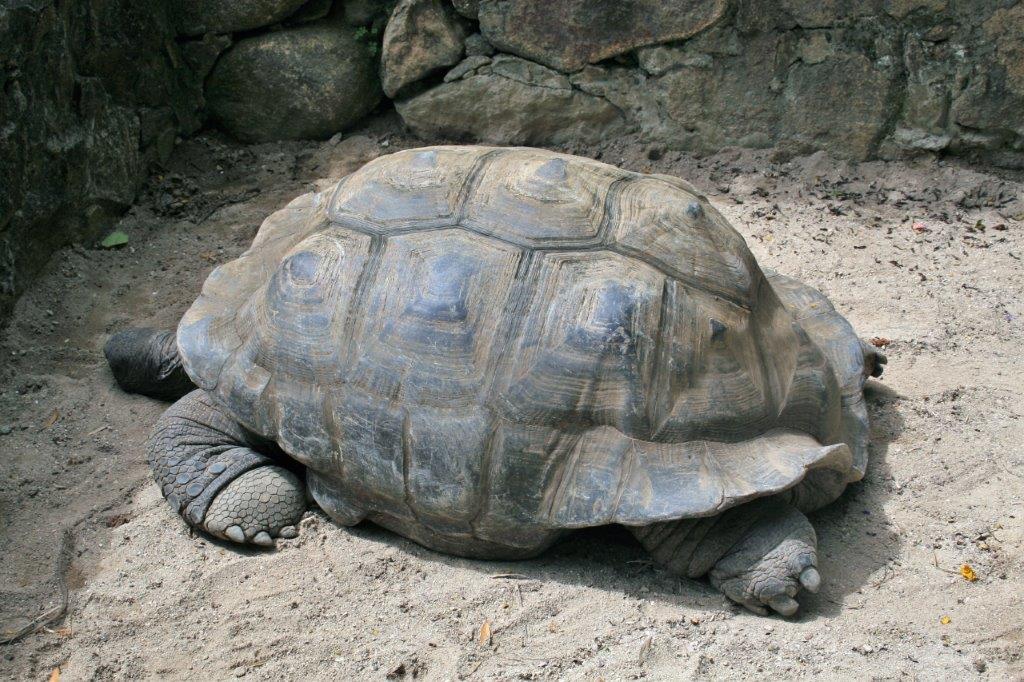
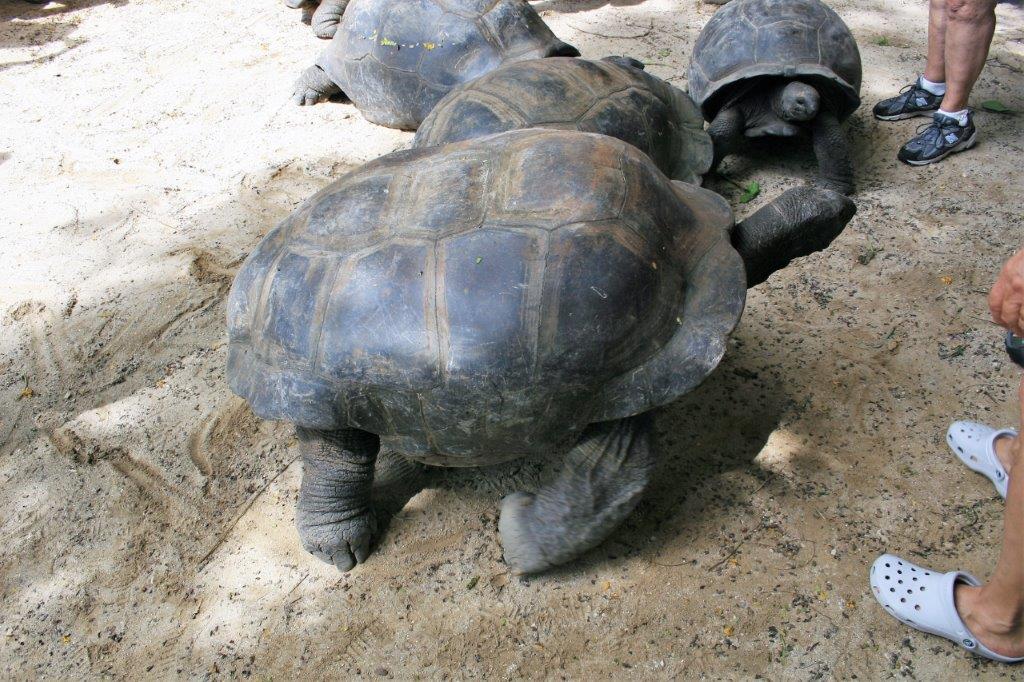
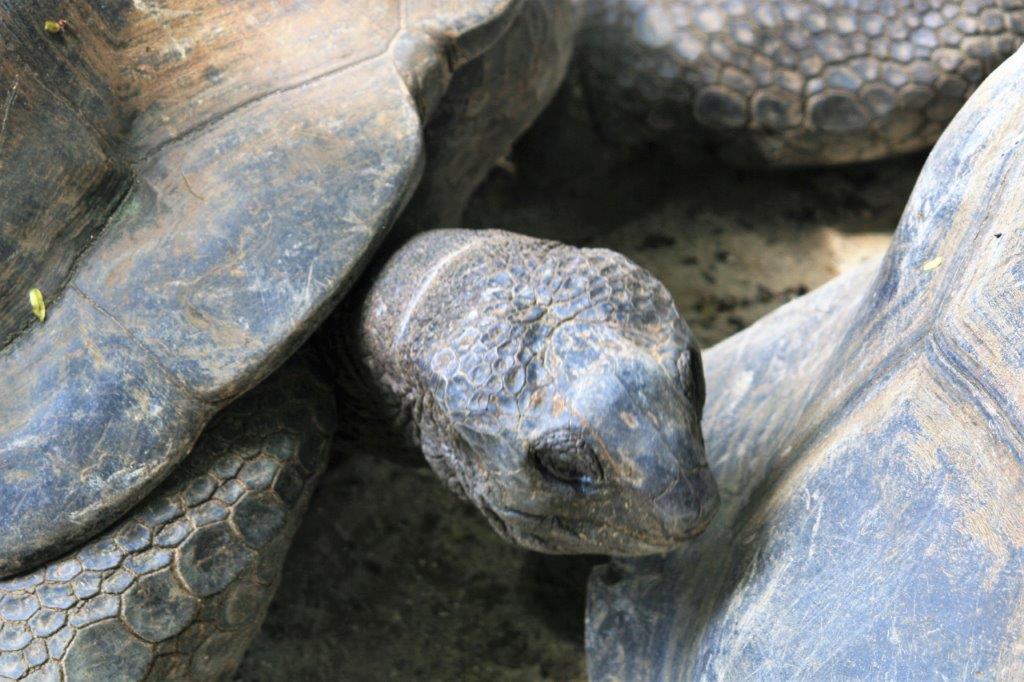
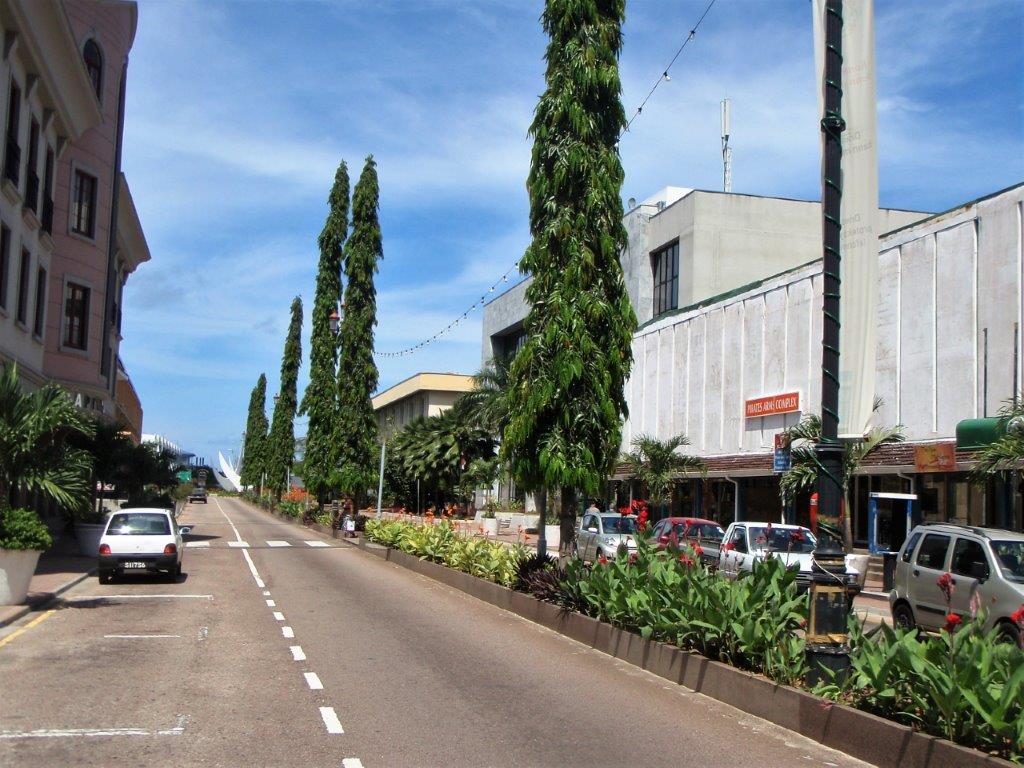
2009-04-04_3298 2009-04-05_3493Our tour the first day in the Seychelles – which was Palm Sunday –  took us into Victoria to see the famous clock tower, the post office, several churches, the market, and a Hindu temple before we visited the Botanical Gardens.  At the garden we saw the giant land tortoises and the coco de mer (double coconut), unique to the Seychelles.

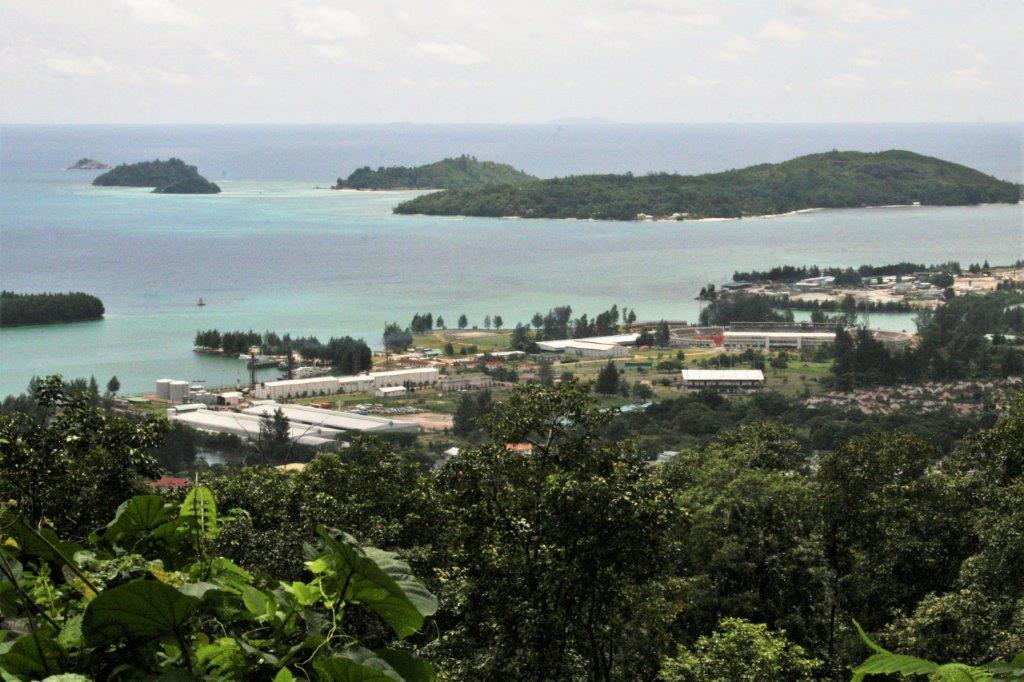
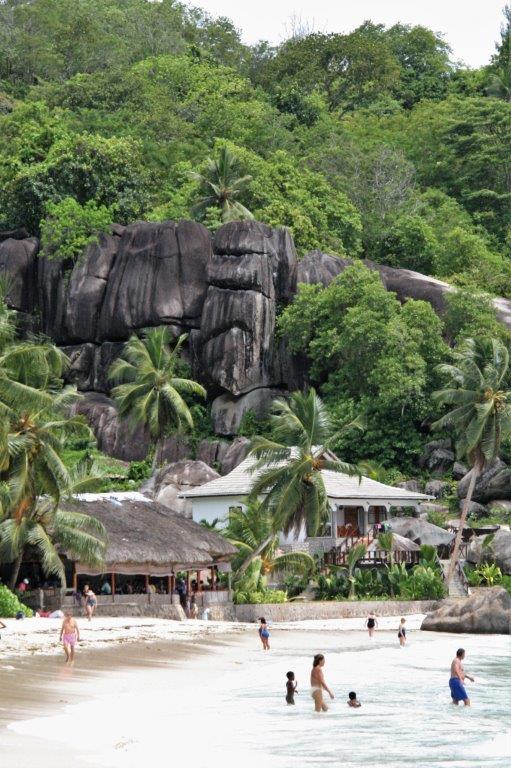
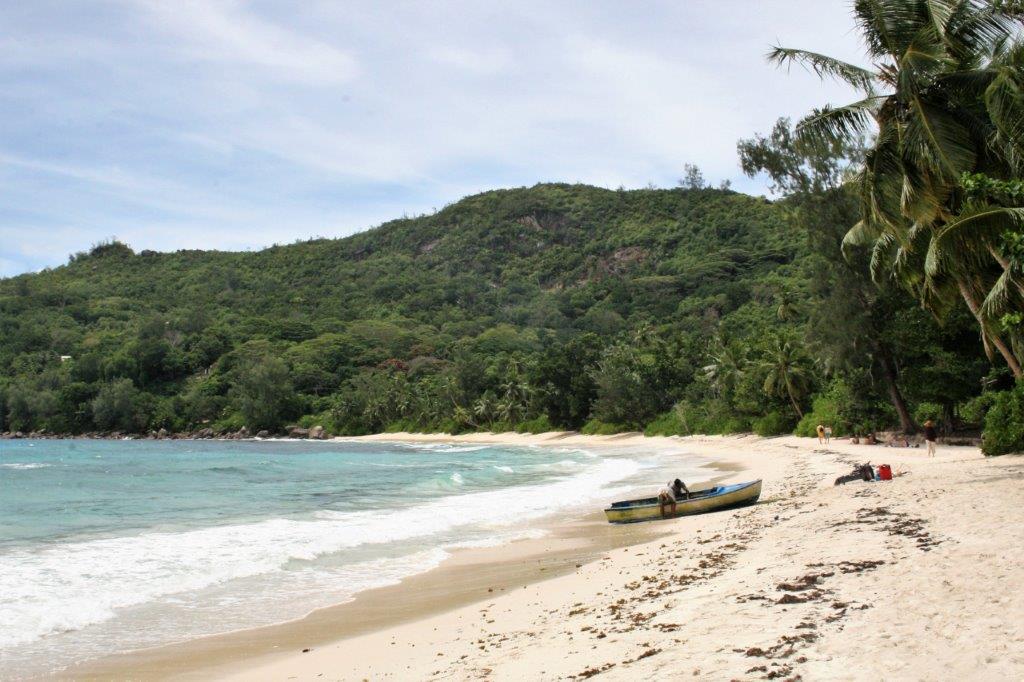
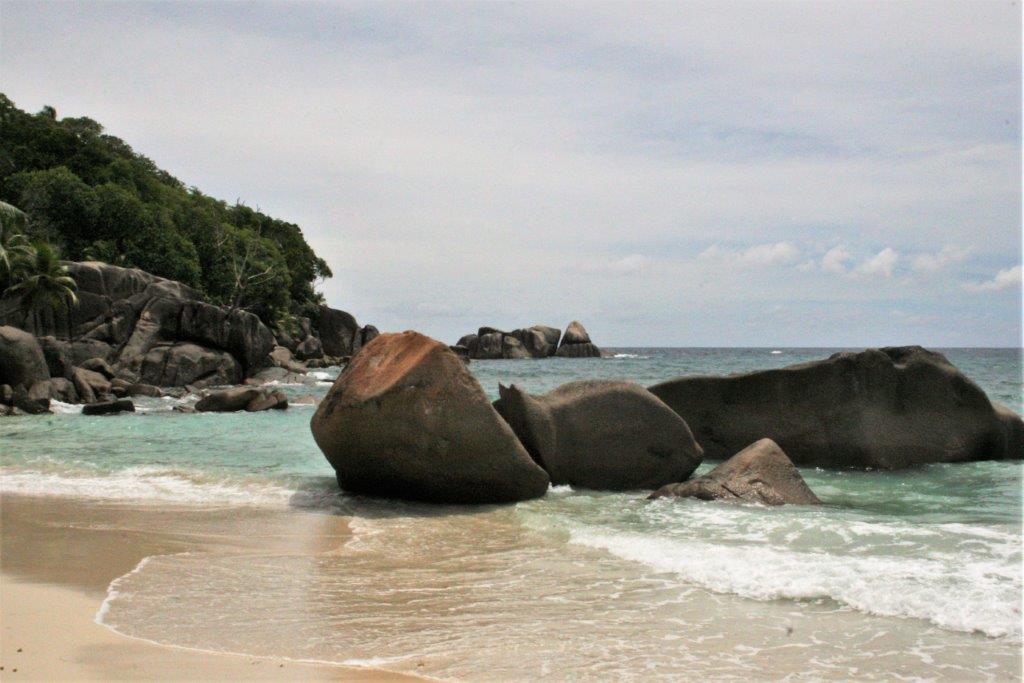
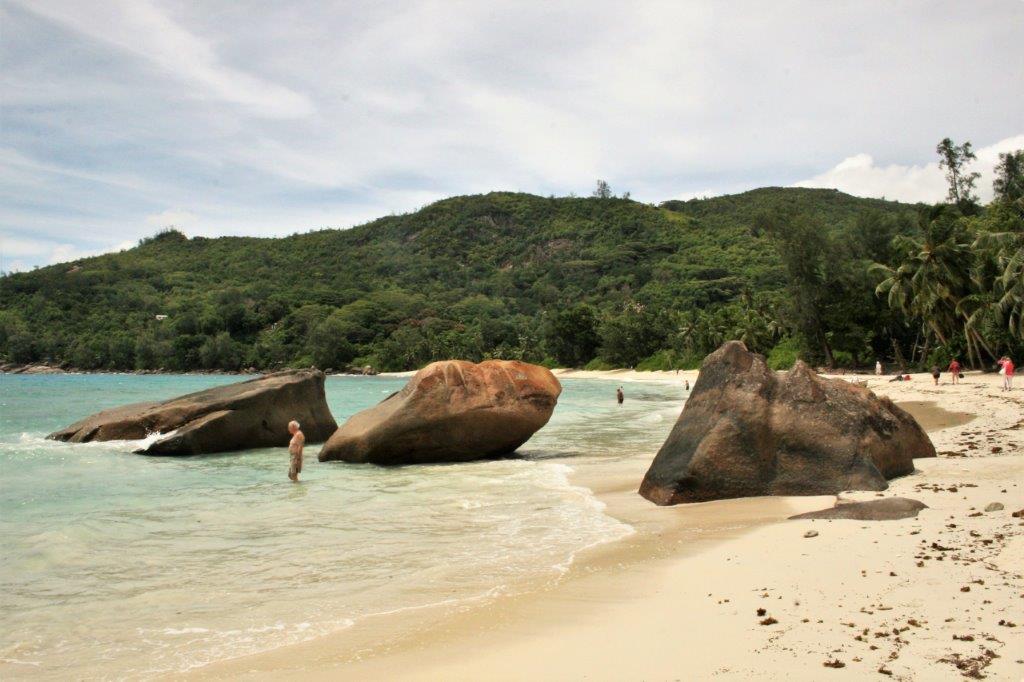
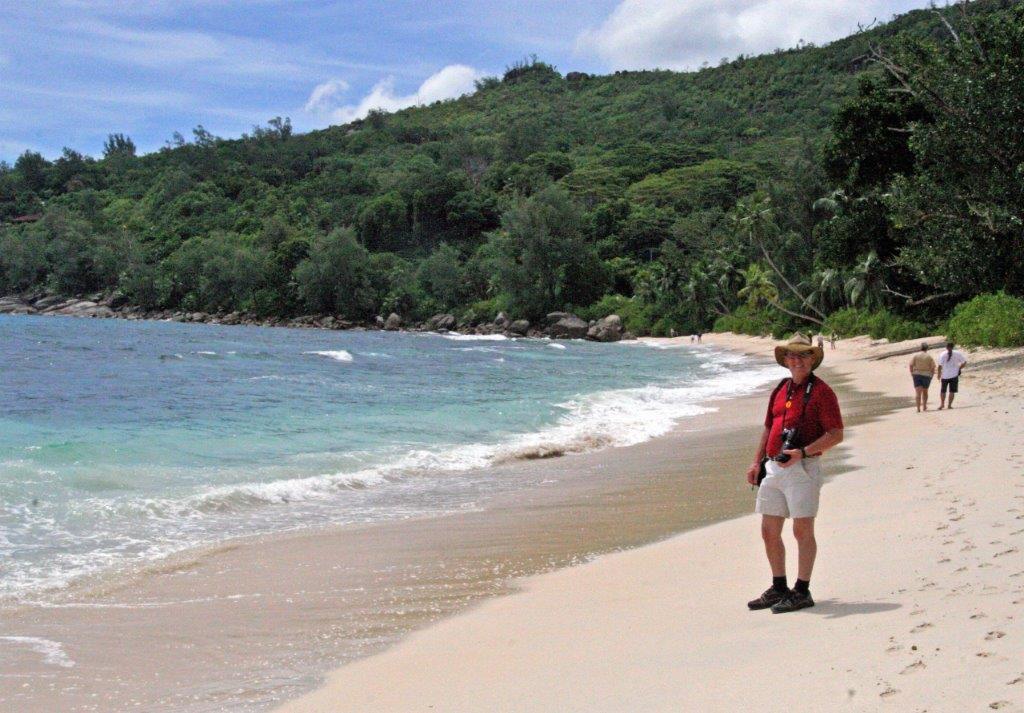
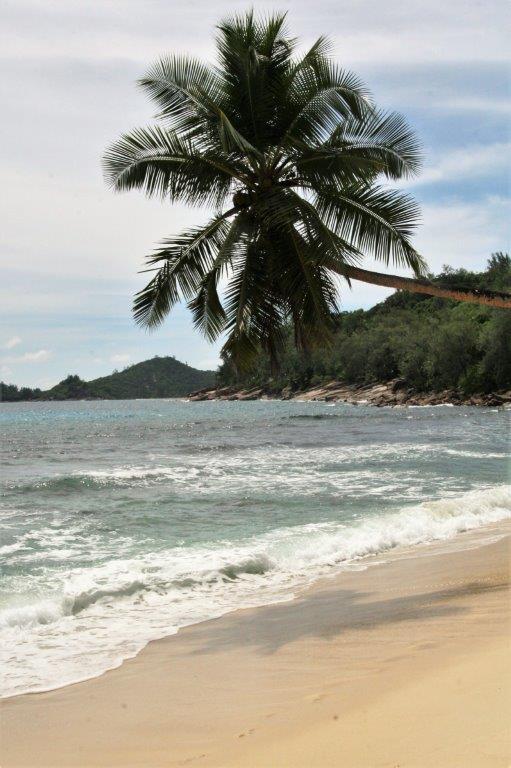
2009-04-04_3301 2009-04-04_3302 2009-04-04_3304 2009-04-04_3306 2009-04-04_3307 2009-04-04_33082009-04-04_33142009-04-04_33342009-04-04_33362009-04-04_33382009-04-04_33442009-04-04_33452009-04-04_33482009-04-04_33672009-04-04_33202009-04-04_33422009-04-04_33402009-04-04_33412009-04-04_3339We were driven to the highest point on the island for a photo stop before being taken to a restaurant at the south end of the island for lunch.  There was time alloted for a swim after lunch but the surf was pretty high and strong so we just enjoyed a walk on the lovely beach.2009-04-04_3366 2009-04-04_3376 2009-04-04_3381 2009-04-04_3404 2009-04-04_3387 2009-04-04_3388 2009-04-04_3391 2009-04-04_3403_edited-2 2009-04-04_3405 20090404_3169 2009-04-04_3400 2009-04-04_3399 2009-04-04_3398On the way back to the ship we stopped at a Craft Village where we saw demonstrations by traditional artisans; as we know one must ALWAYS have an opportunity to shop on each excursion.

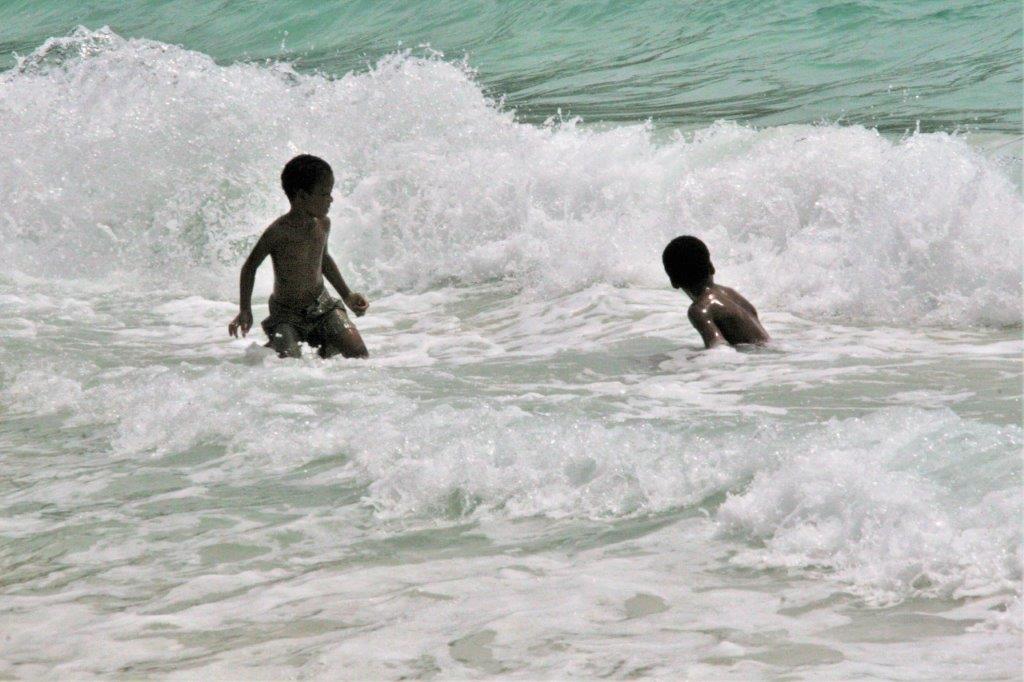
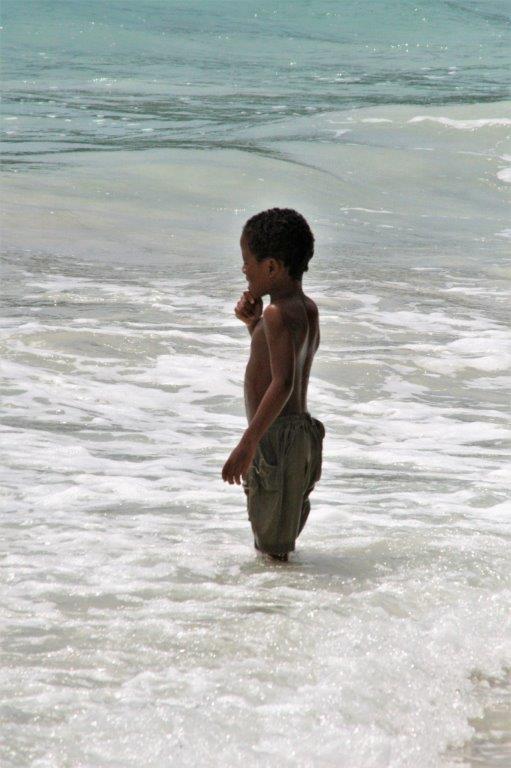
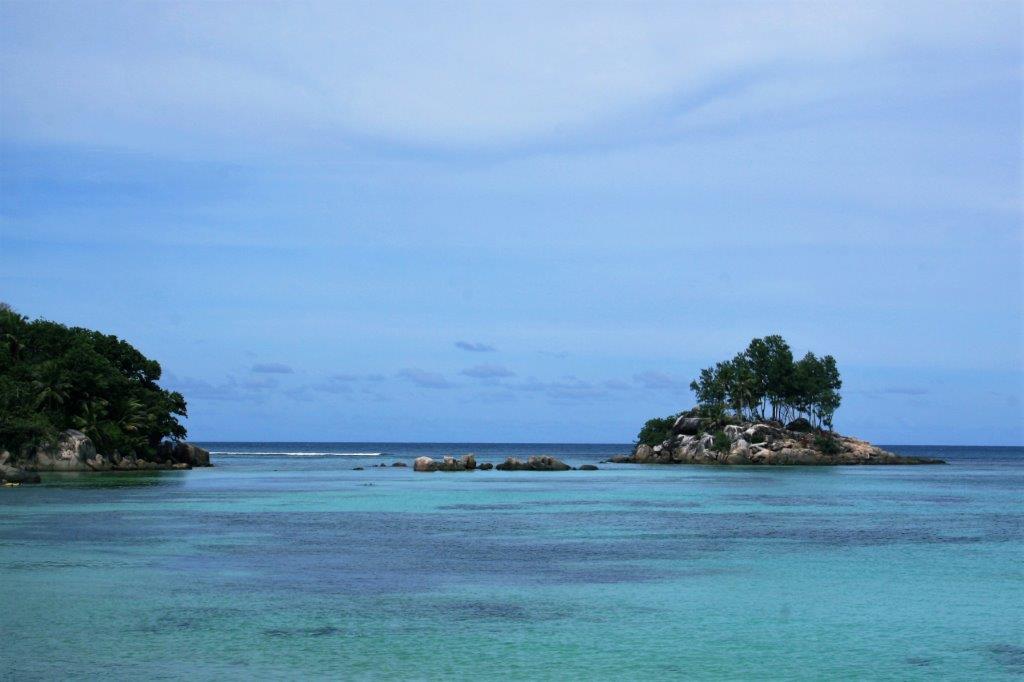
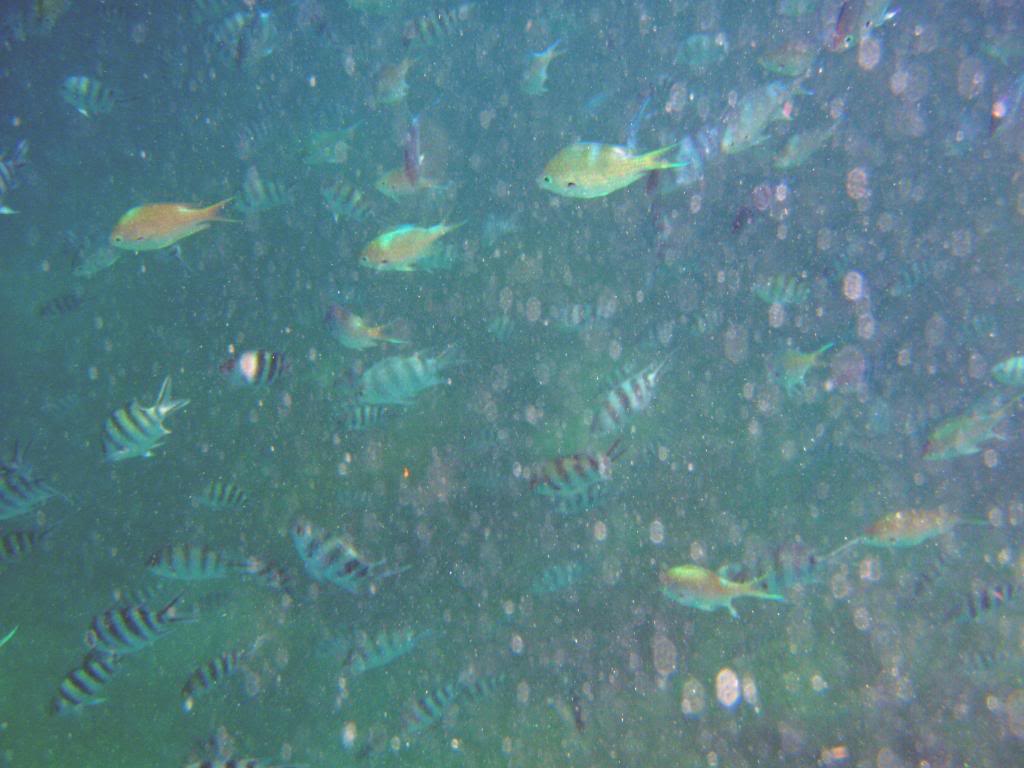
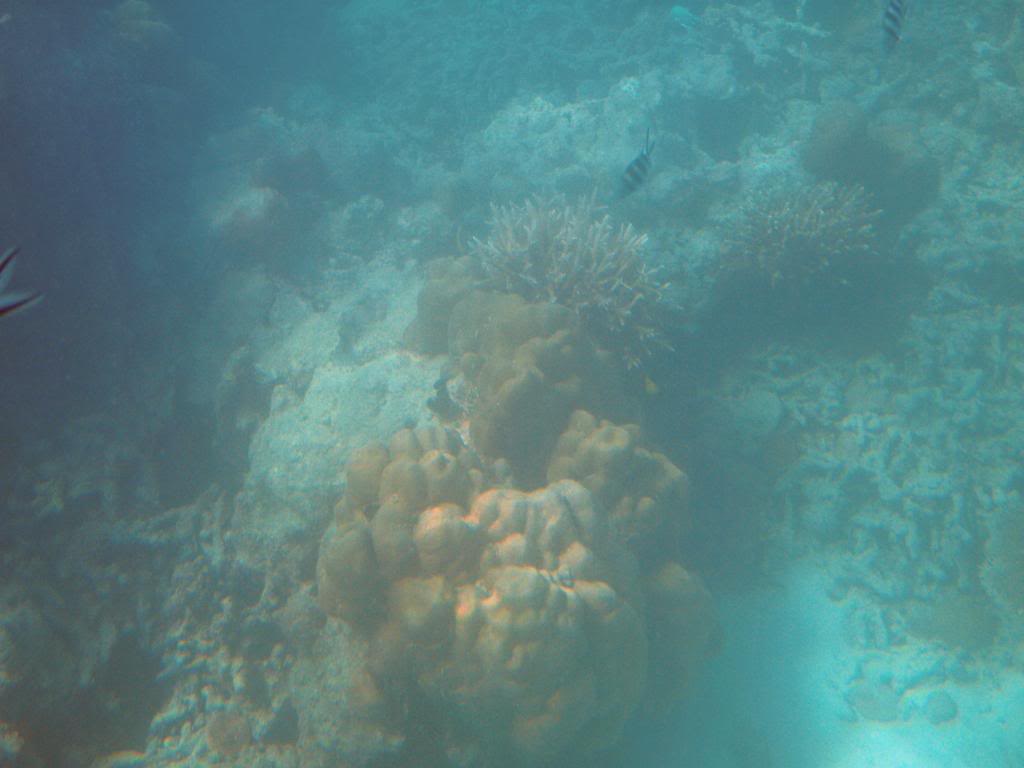
Day two was a lovely sunny day and the water returned to its normal hues of bright blue and green.  We went snorkeling near one of the small outer atolls, Cerf Island.2009-04-04_3412 2009-04-05_3469 2009-04-05_34722009-04-05_3513_edited-1It was fun to feed the fish.  My little waterproof camera managed a couple of almost clear shots and a short video of the feeding frenzy over the chunk of bread.  Despite the sun screen we both got burned when we were snorkeling.2009-04-05_3481

OLYMPUS DIGITAL CAMERA

OLYMPUS DIGITAL CAMERA

We returned to the ship at noon, had a light lunch and caught the shuttle back to shore to explore Victoria on foot.
2009-04-05_3487 20090405_3416 2009-04-05_3490 We really liked the Seychelles and, except for the horrendously long flight to get there, could see ourselves spending vacation time on one of the islands.

And just to end our visit at these lovely islands in the same vein as when we arrived, the Captain cancelled our stop in Madagascar due to political unrest; which now gives us a third day in Mombasa.


2017 Feb 21 – Day 50 – Wenatchee, WA to Penticton, BC

Today was just a travel day.  We are on the final stretch home.  Could have made it today if we wanted to drive a few more hours, but we (especially me) are not in a big hurry to get back and why drive a lot longer than you need to if you don’t need to?  That’s our story anyway.

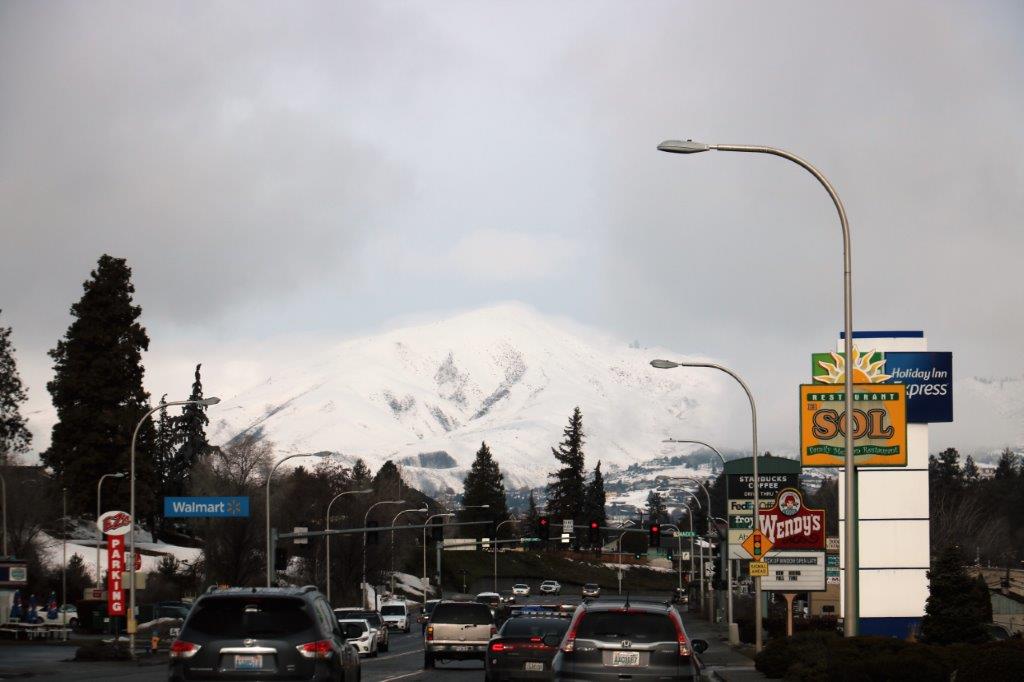
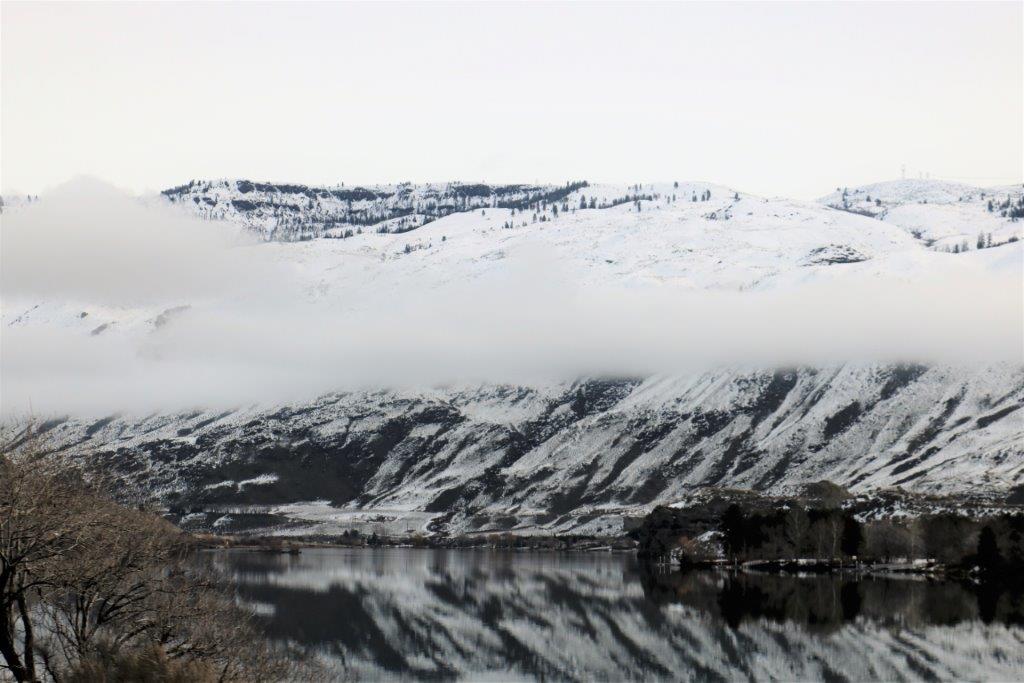
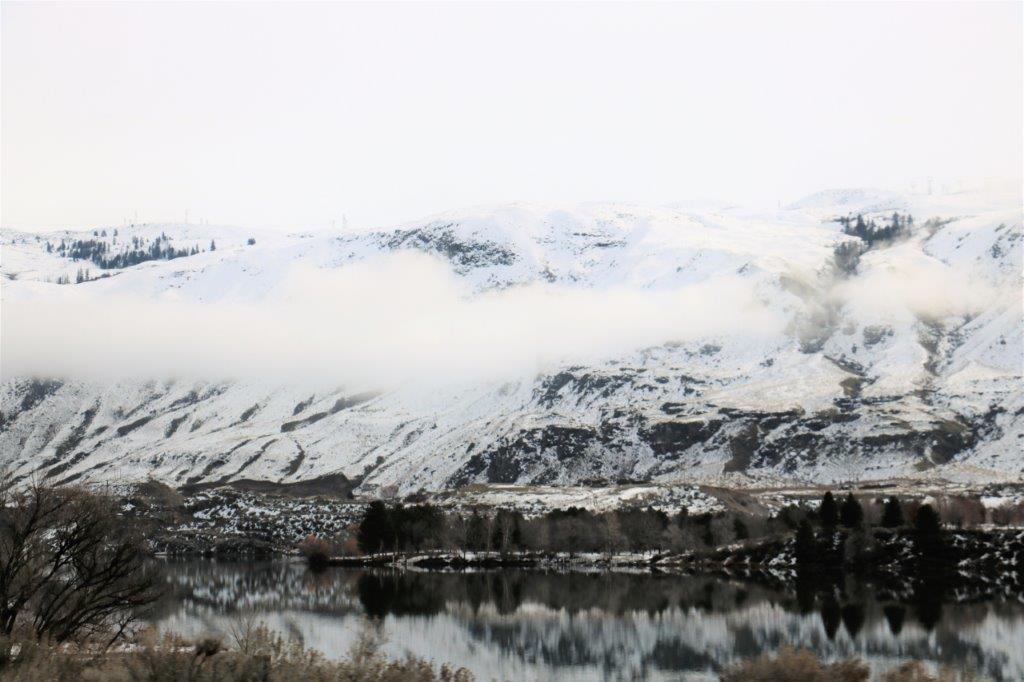
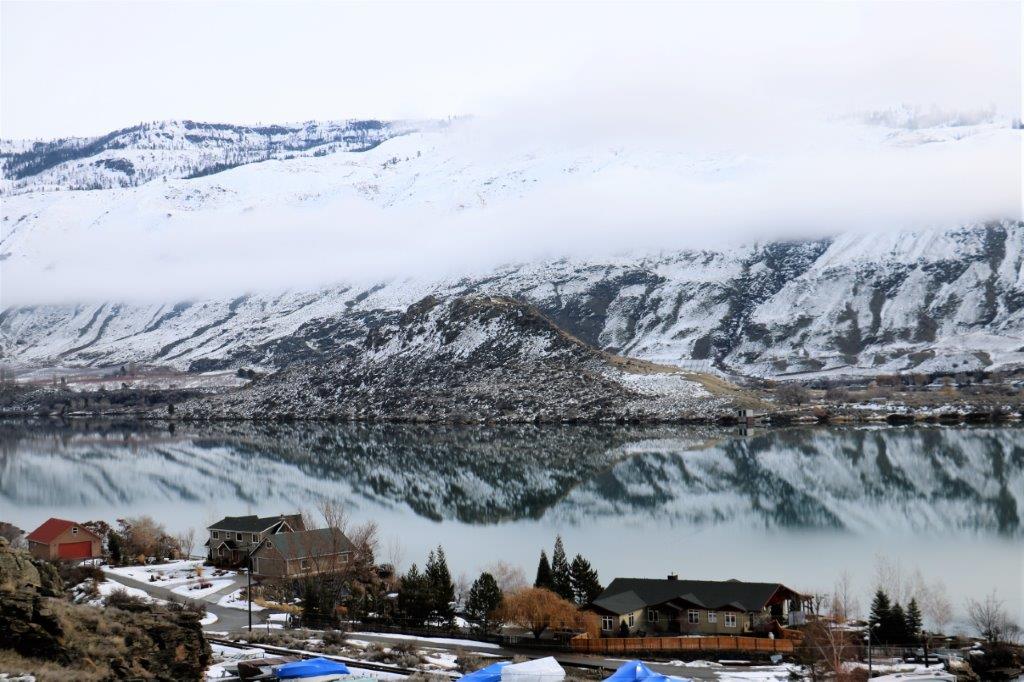
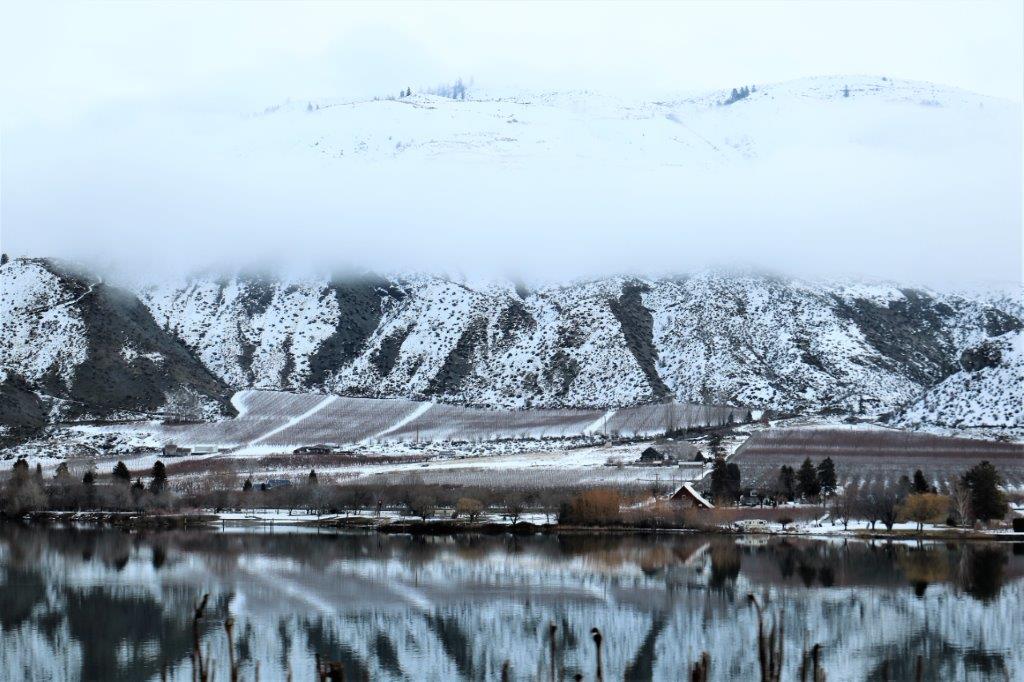
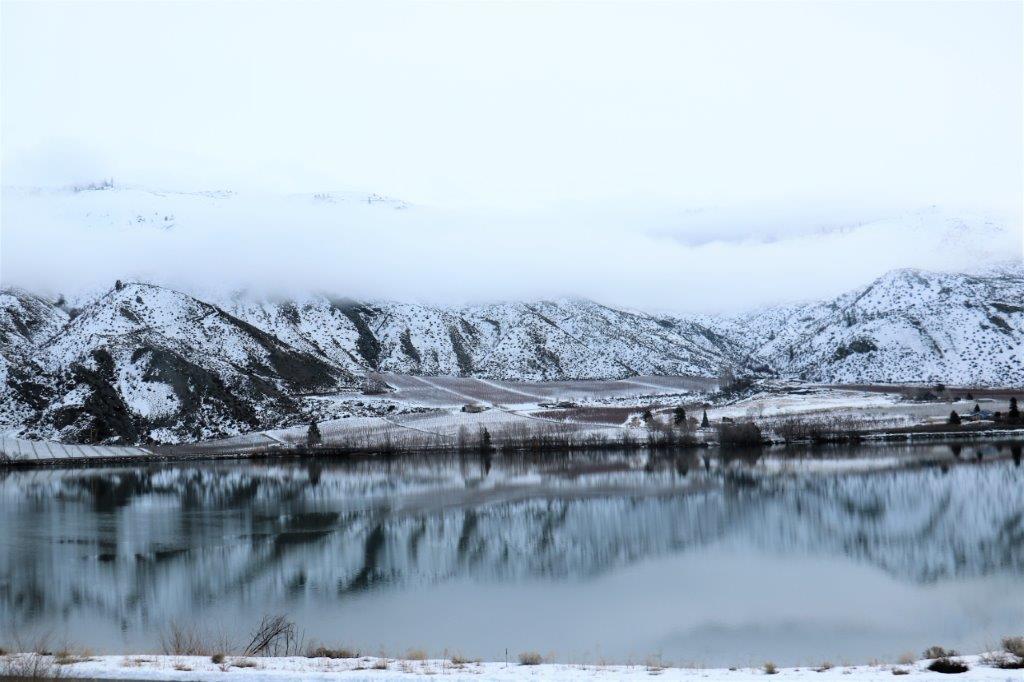
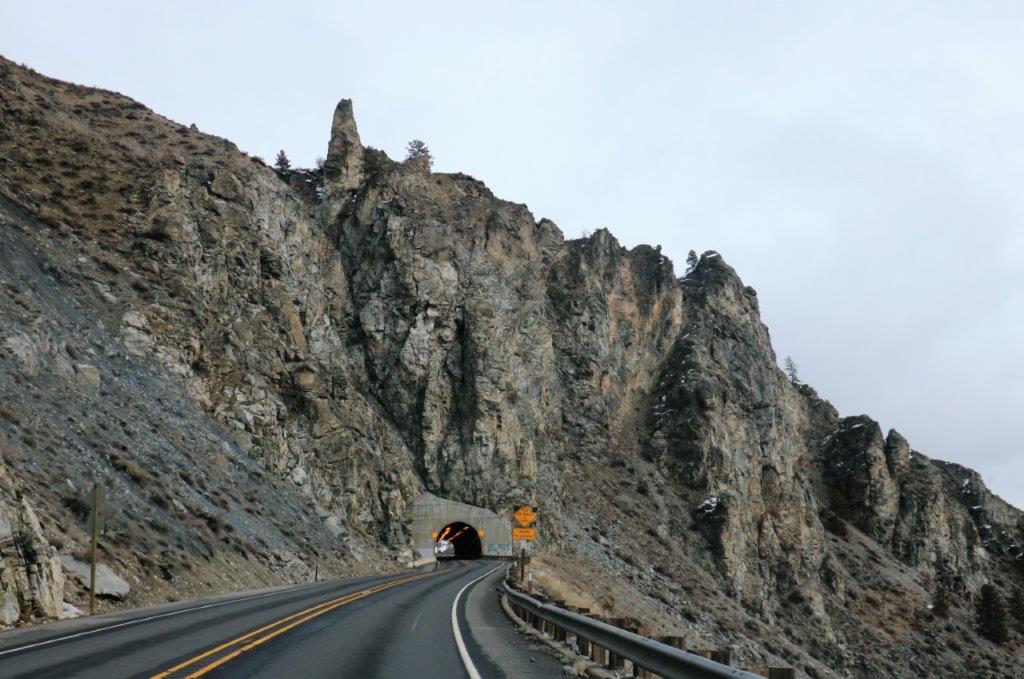
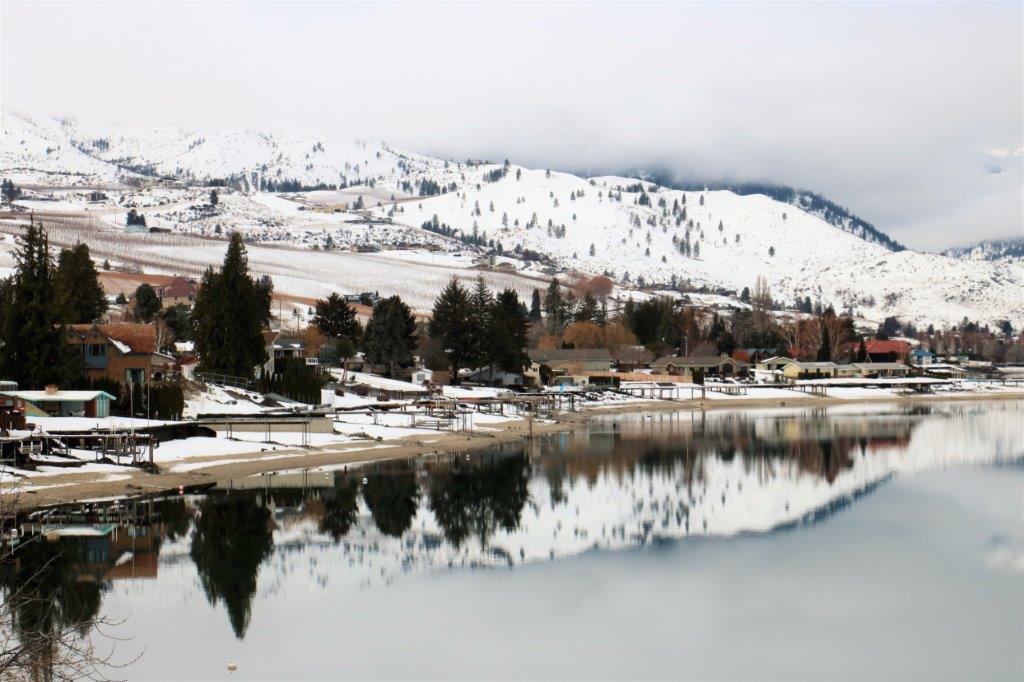
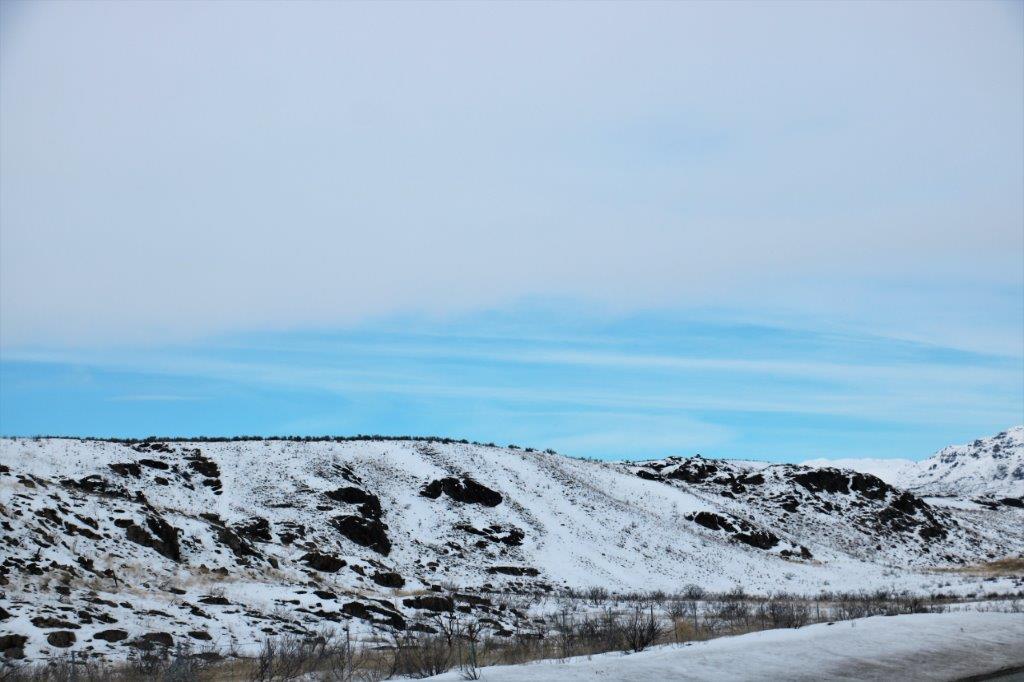
We left Wenatchee at 10:30 and arrived in Penticton around 5.  As we drove out of town the mountain in front of us was shrouded in cloud but the cloud had a wedge in it that made it look like the peak of the mountain.  Pretty nifty, I thought.img_9348The reflections and the cloud stripes on the hillsides were lovely this morning.  We drove along the side of the Columbia River for miles today and I just snapped a photo every now and again as the scenery went by.

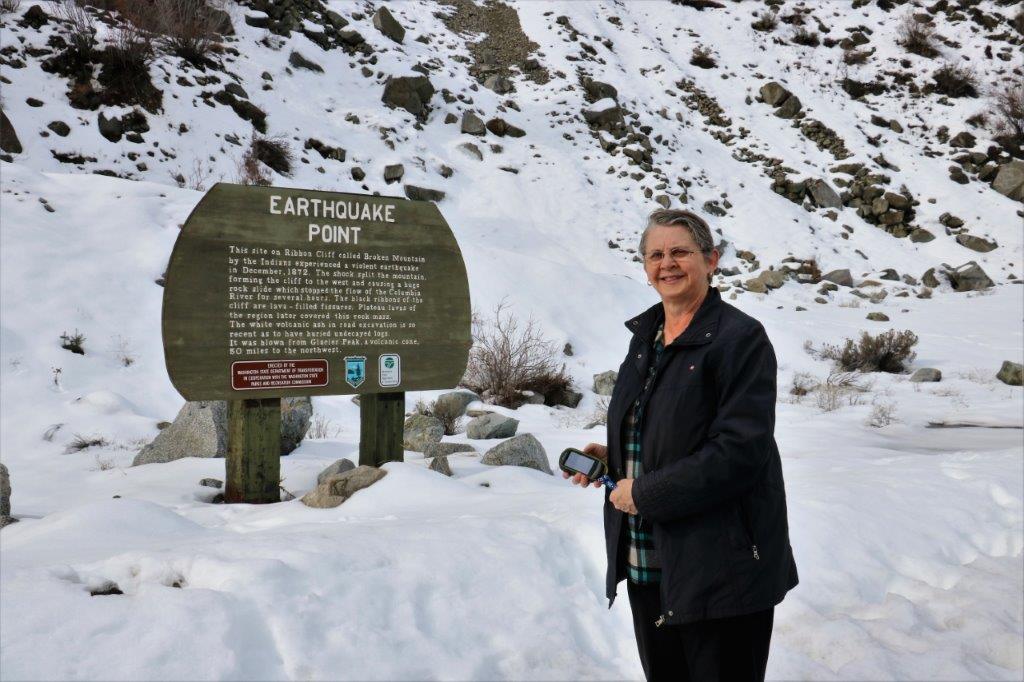
img_9351 img_9354 img_9357 img_9361 img_9365 img_9367We picked up three geocaches and an Earthcache today.  (An Earthcache is a place of geological or geographical significance.  There is no log book in a container to sign.  Instead there is information about the feature or place you are at and to ‘log’ the find you must submit the answers to questions posted by the cache owner.  Often they want a photo of you and/or your GPS at the site. When the cache owner confirms your answers are correct you can log the find).  I like Earthcaches because the information is always so interesting.

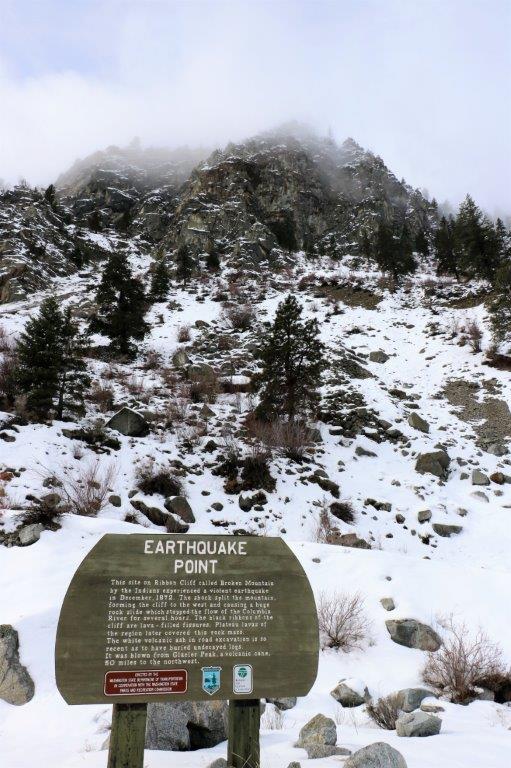
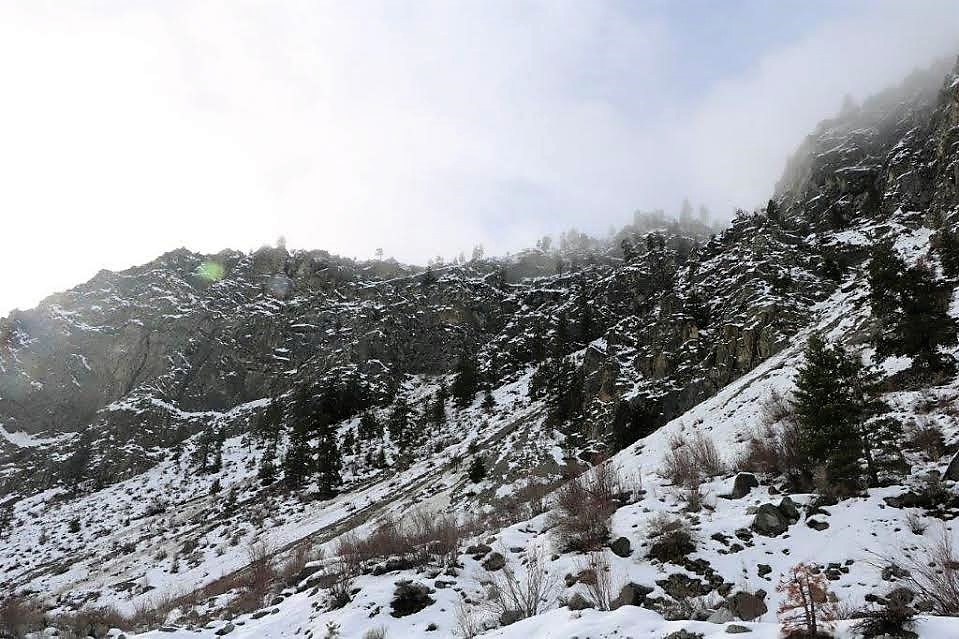
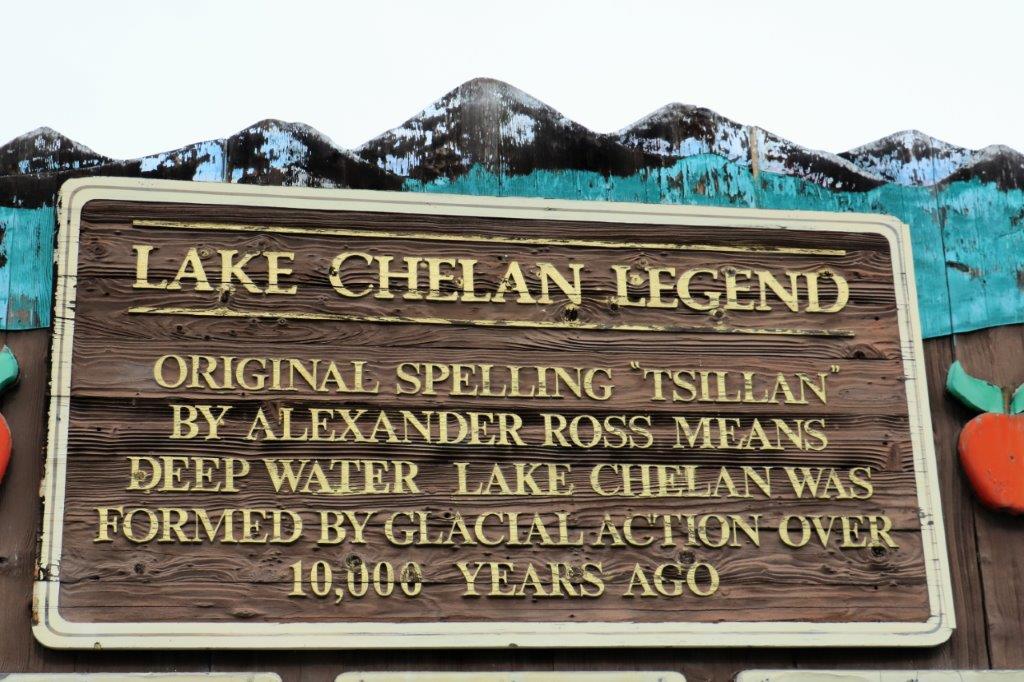
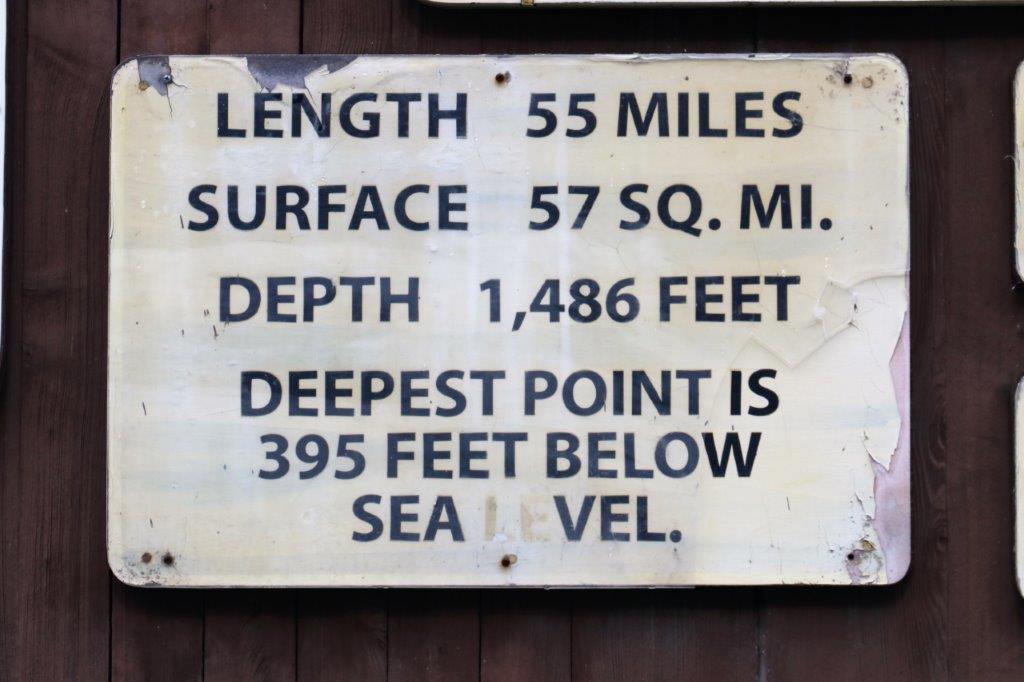
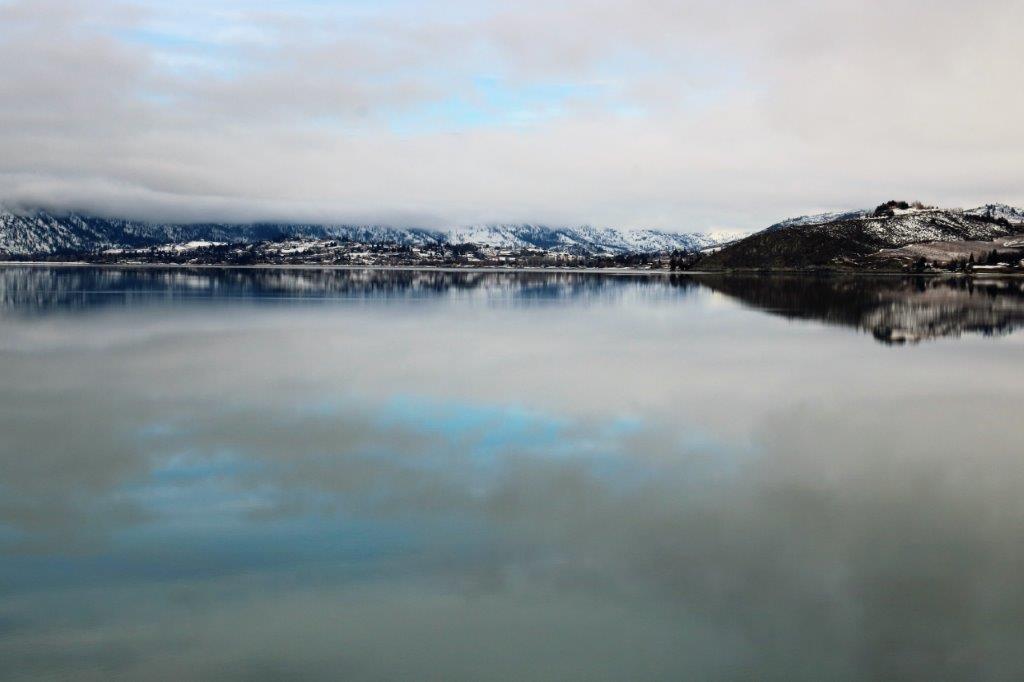
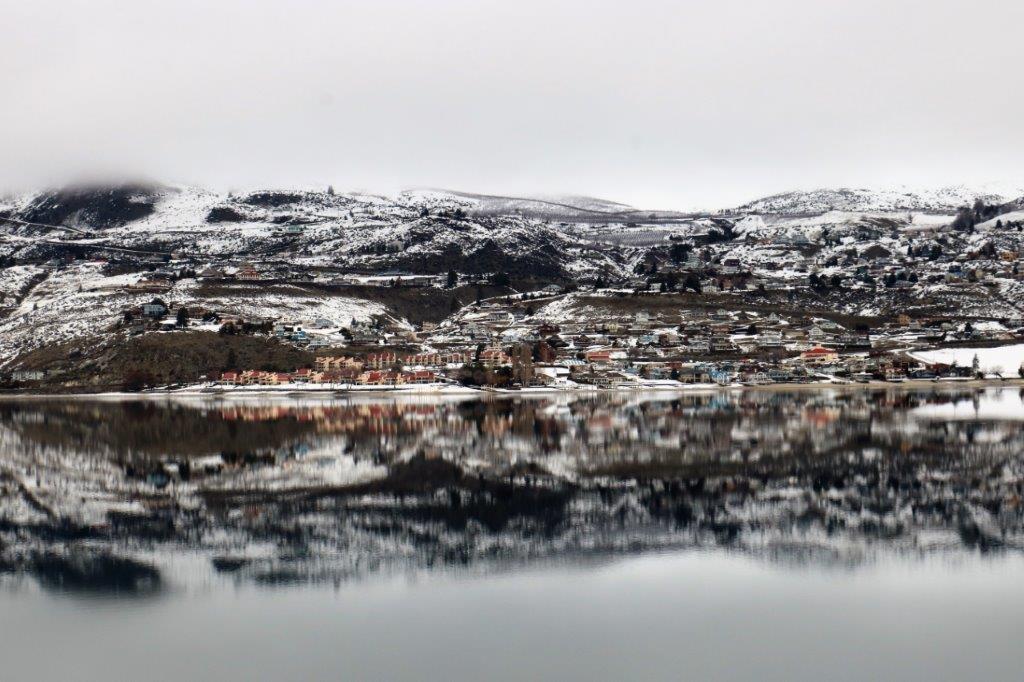
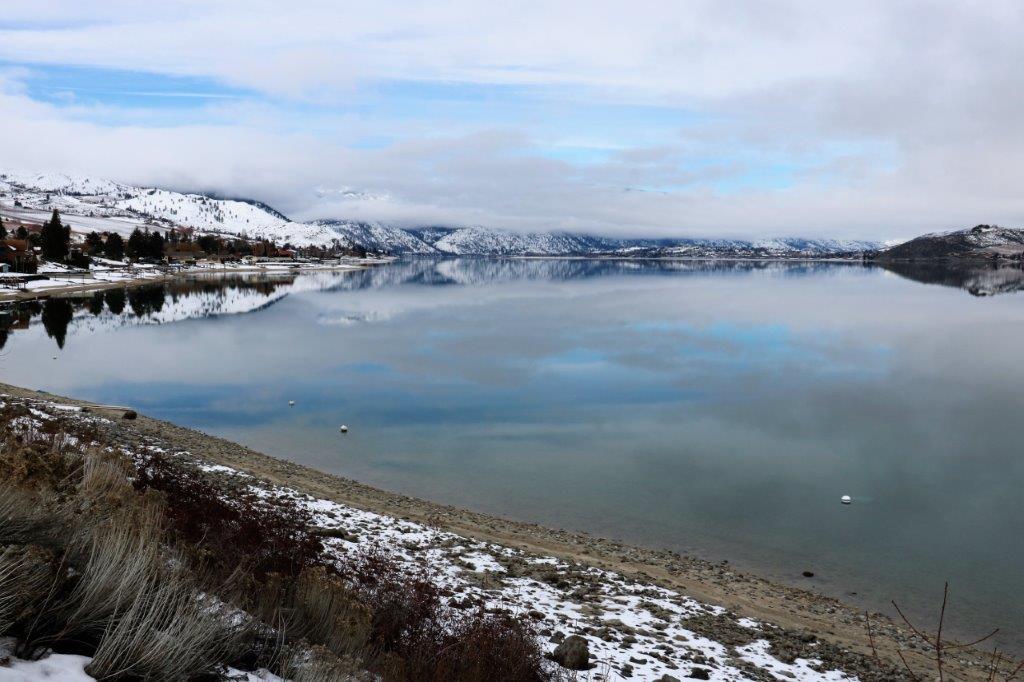
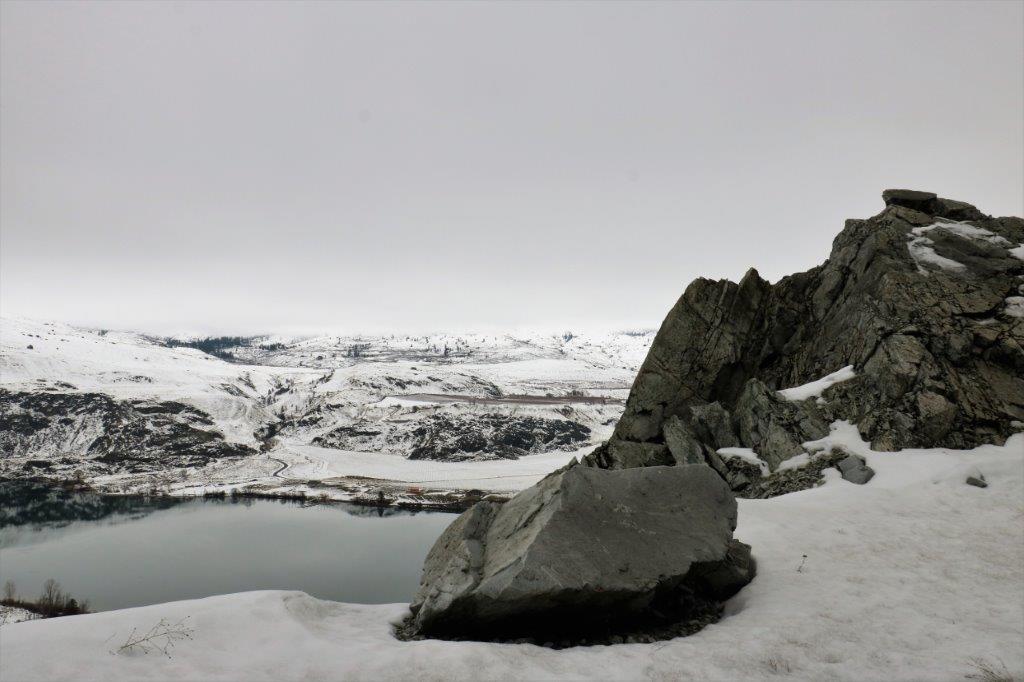
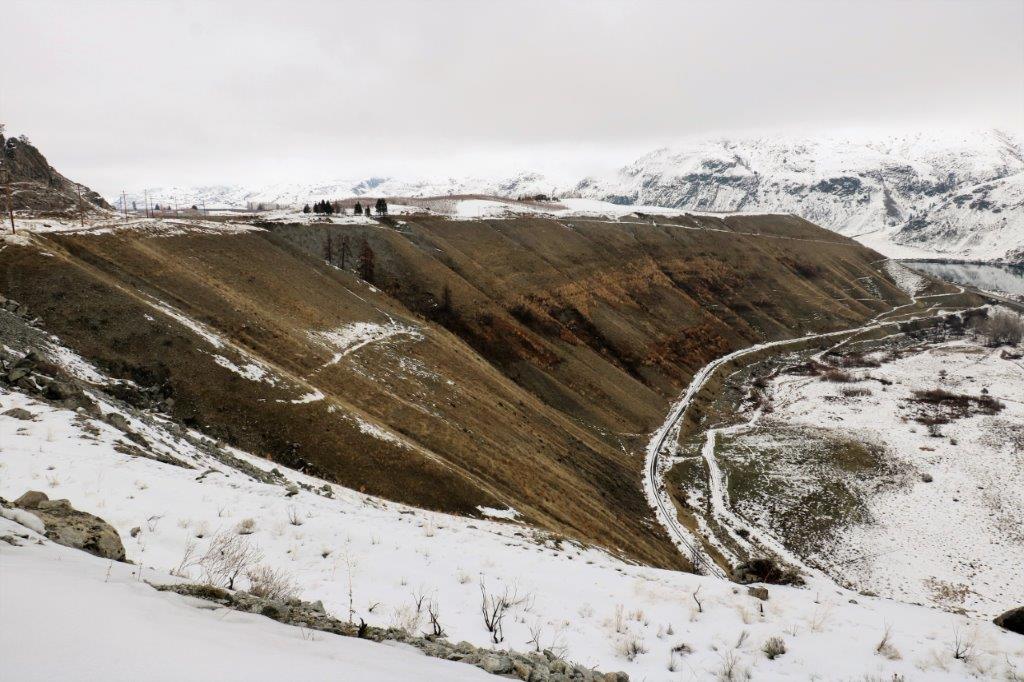
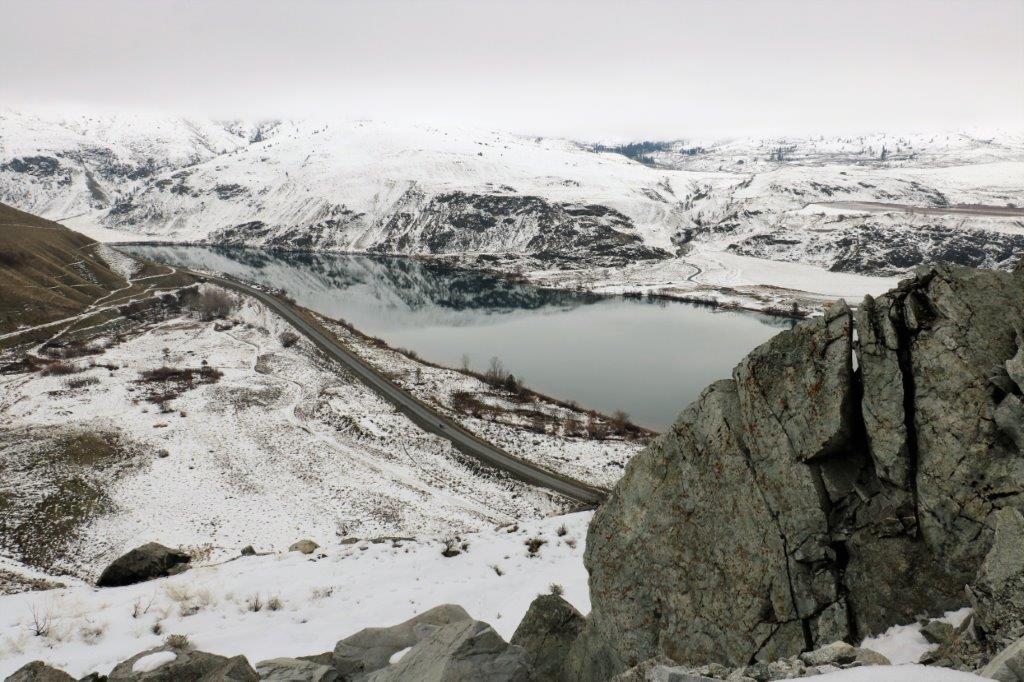
The Earthcache we found was the Ribbon Cliff Landslide and the information was about how the landslide occurred.  There is some debate about whether it was a massive earthquake that happened in 1842 or the collapse of the volcanic ash and mud buildup at the base of the mountain due to undercutting by the Columbia River until it didn’t have enough support and brought the mountainside down.img_9374 img_9372 unnamedimg_9382By the time we reached Chelan there was some lovely blue sky peeking here and there.  Lake Chelan is the third deepest lake in the US after Crater Lake in Oregon and Lake Tahoe in California, and ninth deepest in the world.img_9387 img_9388 img_9390img_9397img_9398 img_9394We pulled over in a lookout because there was a cache hidden there but my phone lost its signal so we couldn’t access the compass direction. I suspect the cache was hidden under all the snow tucked under one of the rocks.img_9401 img_9404img_9402 The most interesting part of our day was the US/Canada border crossing.  We have nine bottles of wine with us – 7 we bought at Hanna Winery in California and two were gifts from friends we visited, plus three bottles of beer that John had not yet consumed. We are only allowed to bring in two bottles each so we knew we would be going inside to pay duty.  All went as we expected.  We told the border control lady what we had on board, she directed us to park and go inside, the fellow inside confirmed our information and asked us to have a seat while we waited for some computer glitch to be resolved.  That is when things got interesting.

There was a 40ish-year old man standing by himself at the end of the waiting room when we sat down.  We had been there about 15 minutes when he walked over the counter and said, “How long is this going to take?  I have done nothing wrong and I just want to go home.  Why are the men not finished yet?  I want them to hurry up so I can just go home.”  Well, this is not a good strategy at border crossings.  He was getting quite argumentative with the two officers at the counter; who, I will say, did remarkably well at maintaining an even tone and demeanor.  As the fellow keeps on arguing with them a third office strolled over to the counter.  They are all armed and the man sees the gun and says, “What, are you going to pull your gun on me now?”  This guy is not smart!  The demands and responses went on for some minutes before another offficer walked in from the back with papers in his hand and told the angry fellow he needed to confirm some of his information and was having trouble getting it.  The man did not take this well and the arguing and demands continued.

After a few more minutes the border control office we had spoken to when we drove up beckoned us over to the counter and said, “I am making an executive decision and we are just going to let you go ahead.  You are not that far over your limits and our computers are still down so you folks just go on and have a nice day.”  Thanks very much belligerent fellow.  We realized it was not benevolence on behalf of Canada Customs, rather they did not want us sitting in the waiting room as possible collateral damage if things went further south with the angry man.  If that fellow thought he was being delayed unnecessarily before I bet he was regretting his outburst by the time he actually got to leave – if he did get to leave and didn’t get arrested instead.

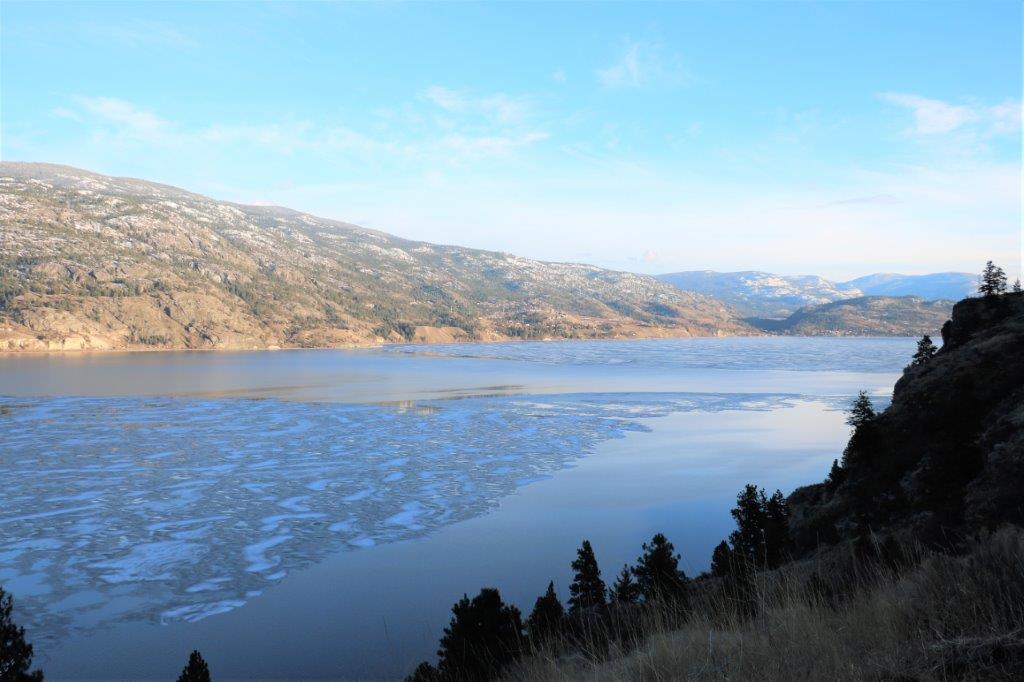
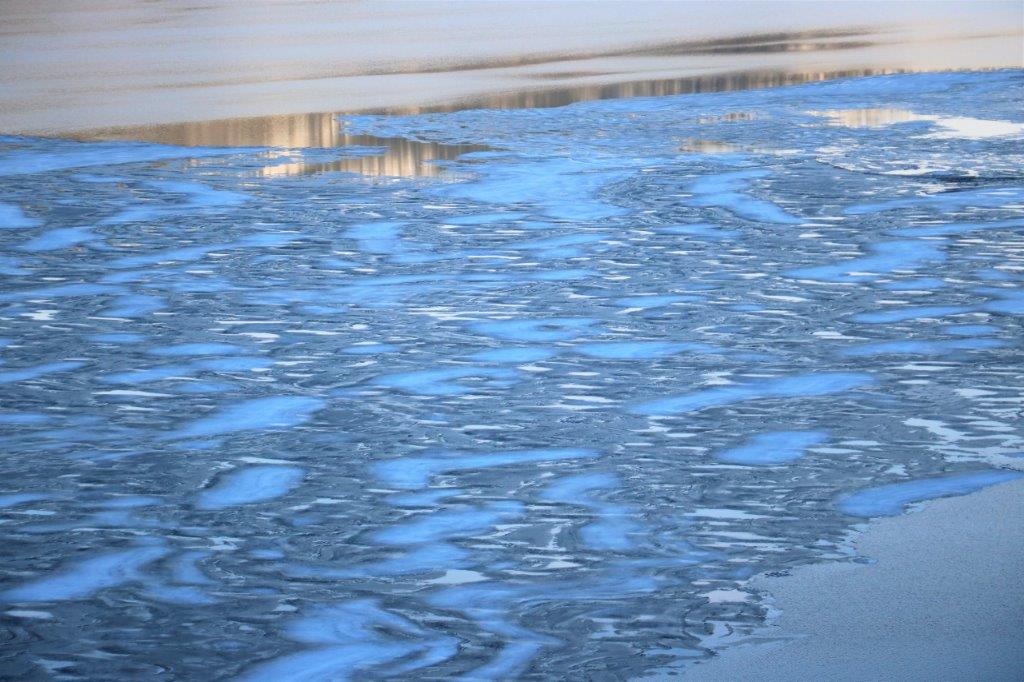
We pulled into a lookout not far south of Penticton to take a couple of pictures of Skaha Lake before checking into the hotel.img_9407 img_9408 img_9410 img_9412     The melting ice on the lake made some interesting patterns.

Well, that’s a wrap folks.  Tomorrow we get home and another travel adventure concludes.  I always get depressed when we have to start the journey home.  I am never ready to get there even though I love my home.  But….we will be on the road again soon.  I hope.  Thanks for coming along.


2017 Feb 20 – Day 49 – Auburn, WA to Wenatchee, WA

I woke up at 7:30 which was okay as I had a bit of extra time to talk with my cousin.  She and Roxy have home-based businesses and they start work at 10 so John and I wanted to be out of their hair before then.  Carol and I shared coffee and some more memories and debates until John got up and showered. We left about 9:30 and drove the short distance to Wenatchee.

Roxy is like me and dislikes having her photo taken, but she graciously allowed one quick one. (Well, I sort of grabbed her if I am being truthful.  But she didn’t hit me, so I guess it was sort of all right.)

img_9305img_9309Miss Mollie wasn’t too sure she wanted her photo taken this morning either.

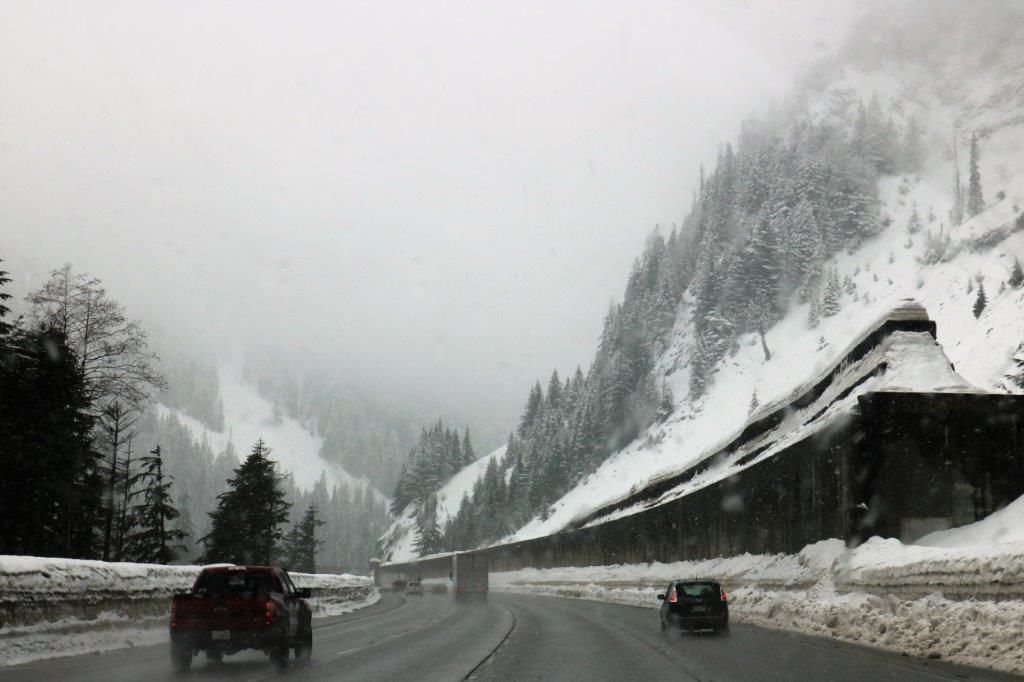
img_9298 img_9301We had to drive through the Snoqualmie and Blewett Passes to get over the Cascades to Wenatchee and were so very happy to be driving in snow.  NOT!

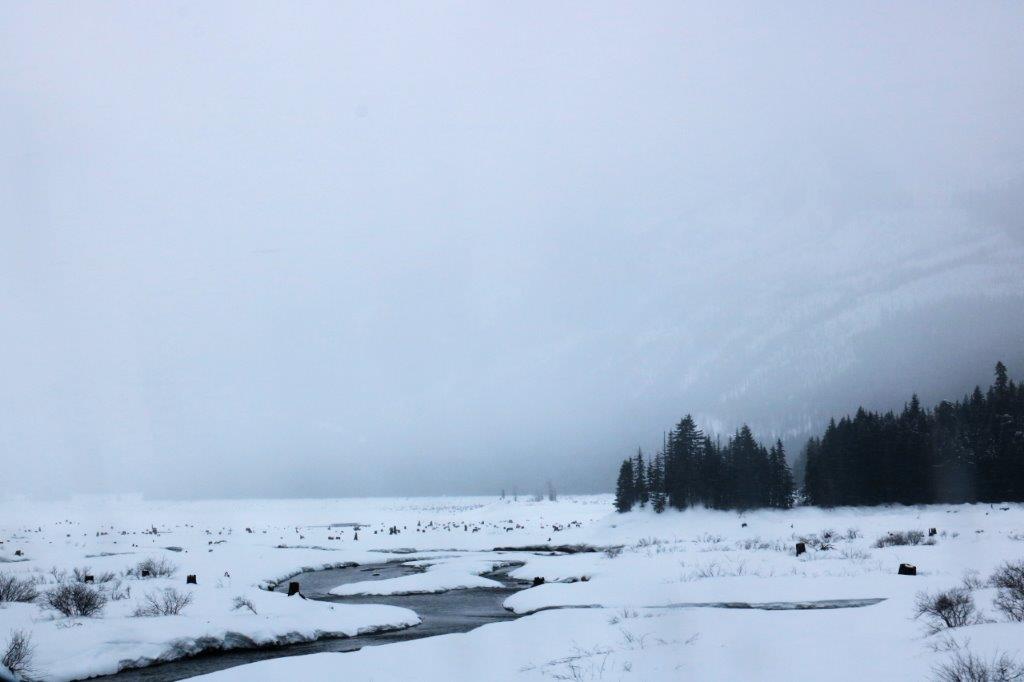
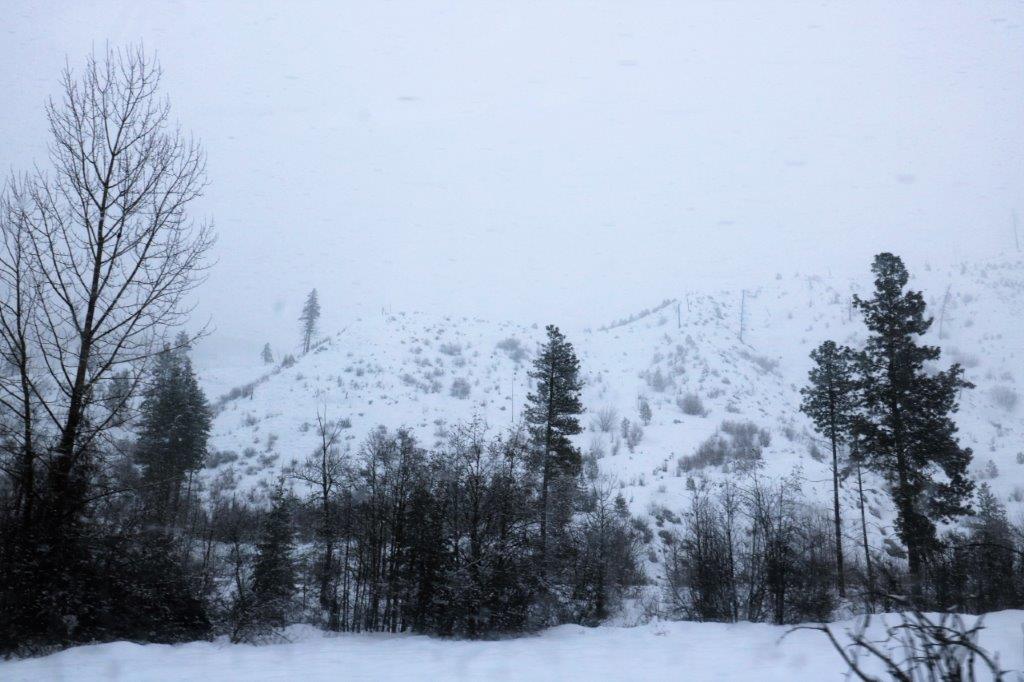
img_9310 img_9312 img_9315                                                  White on white on white.

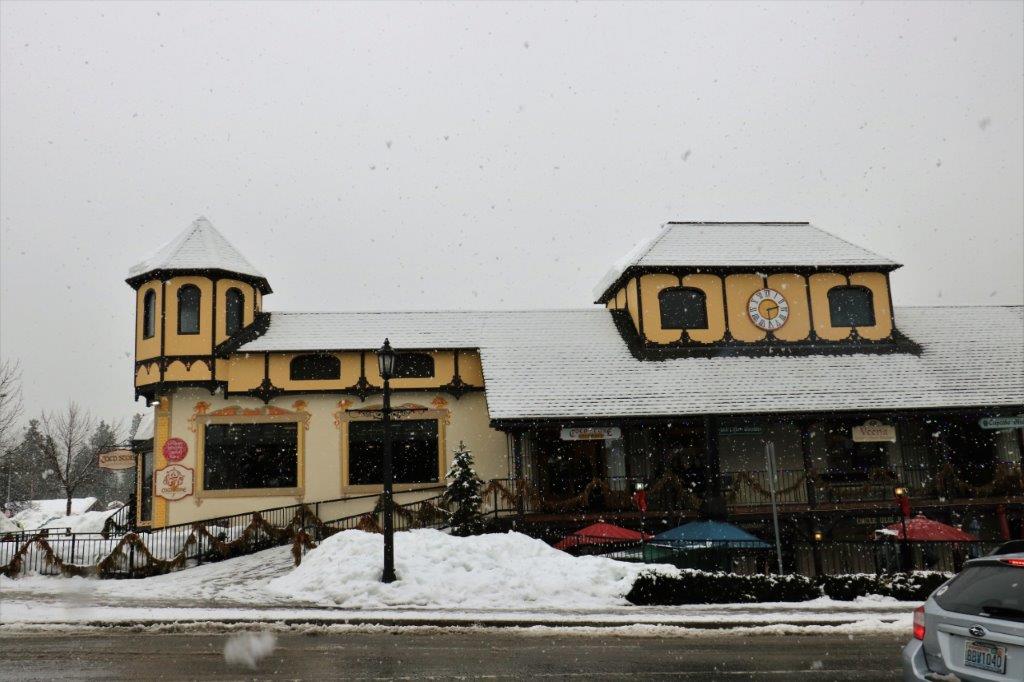
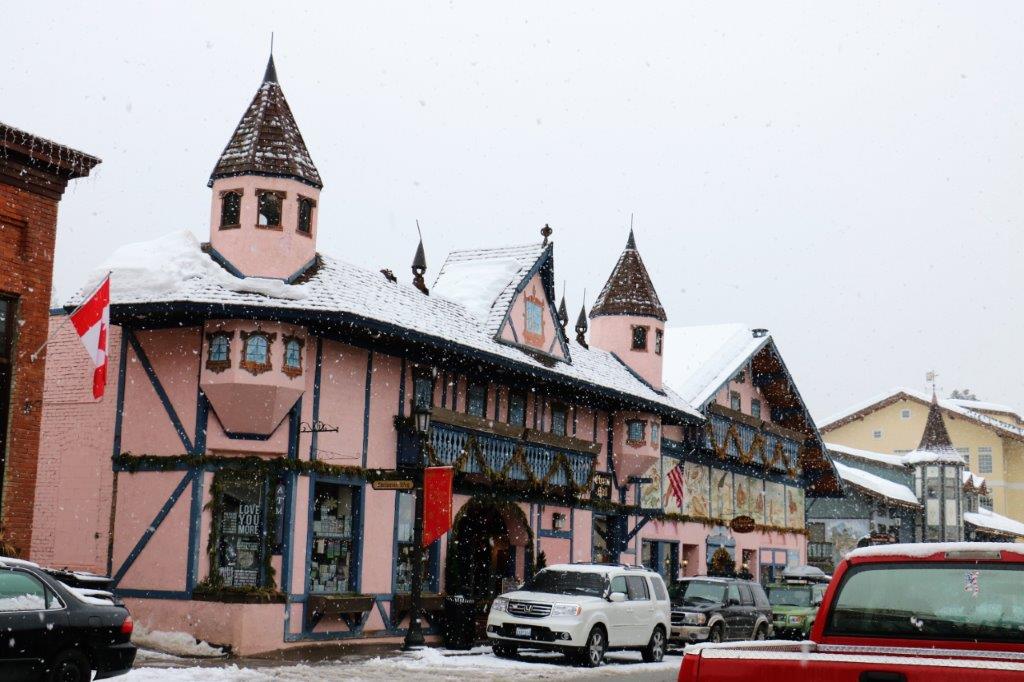
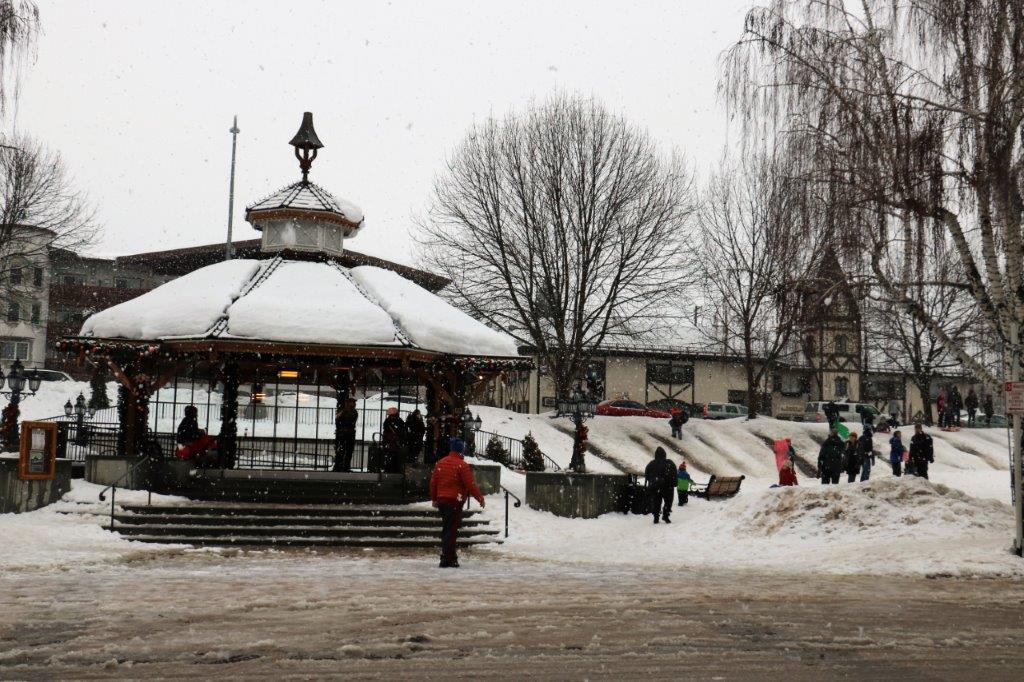
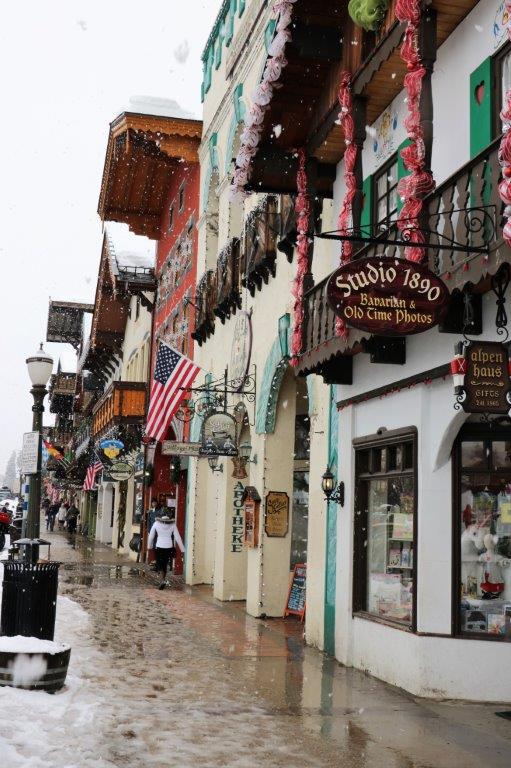
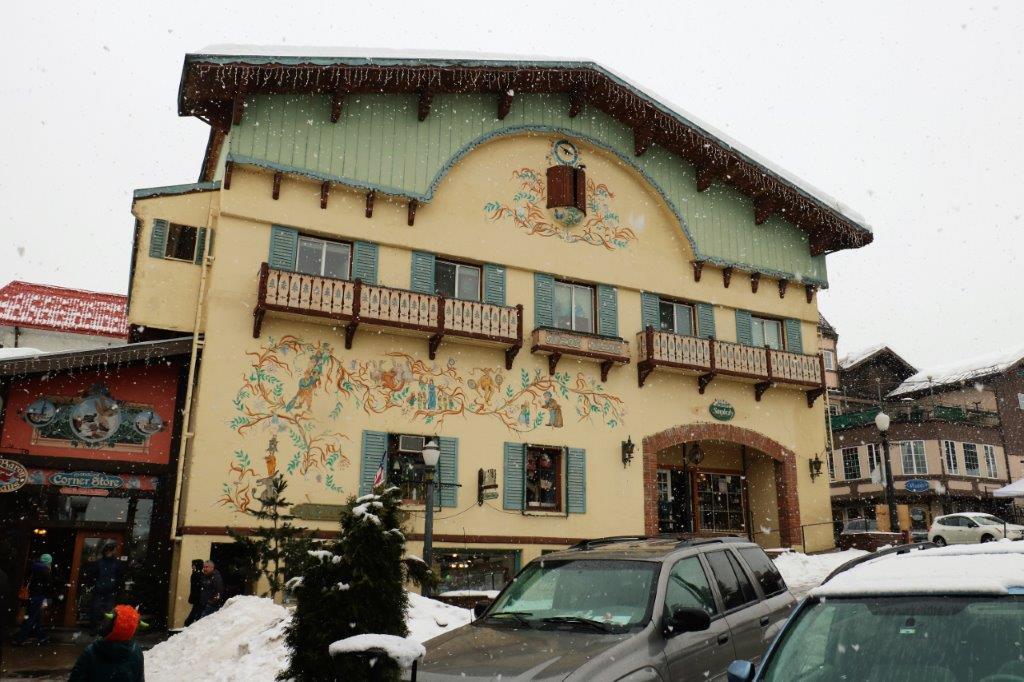
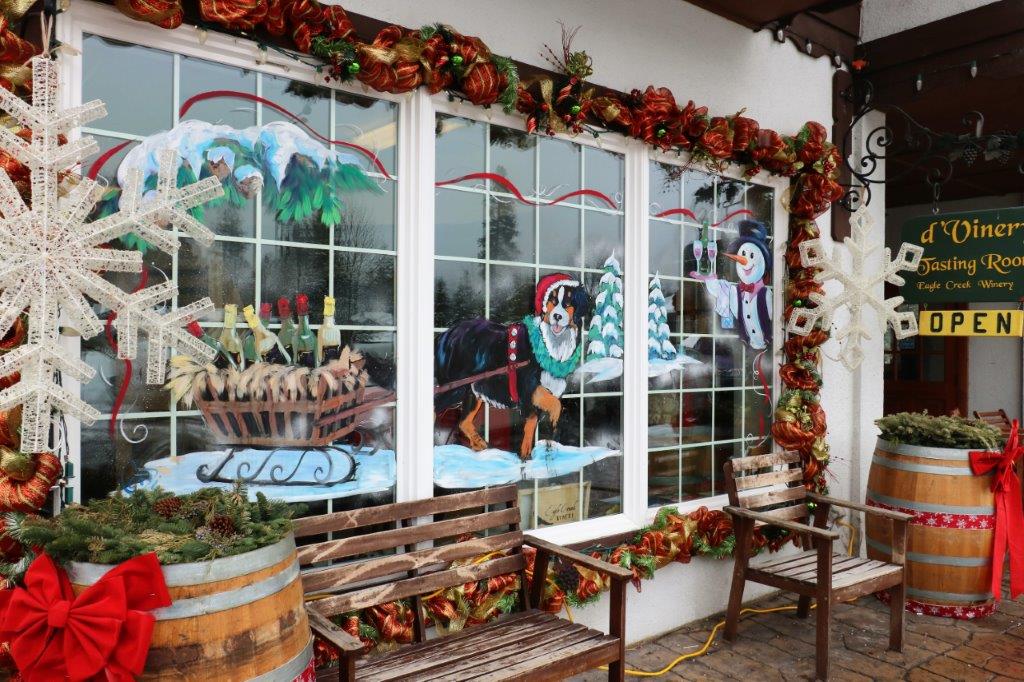
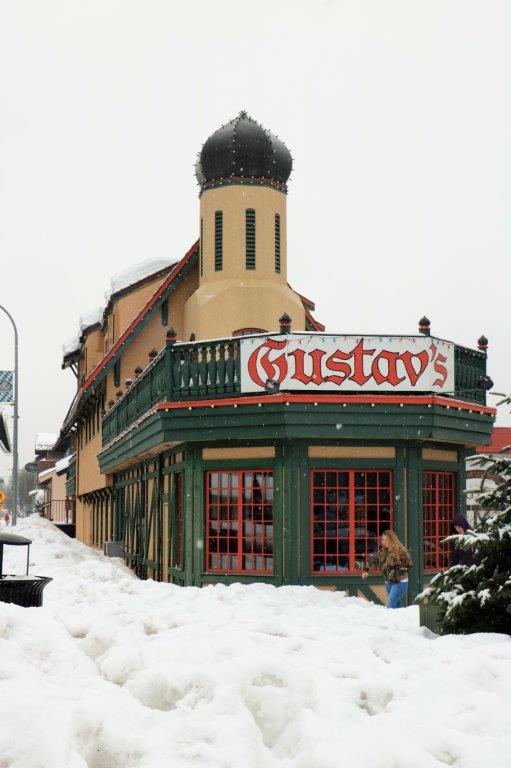
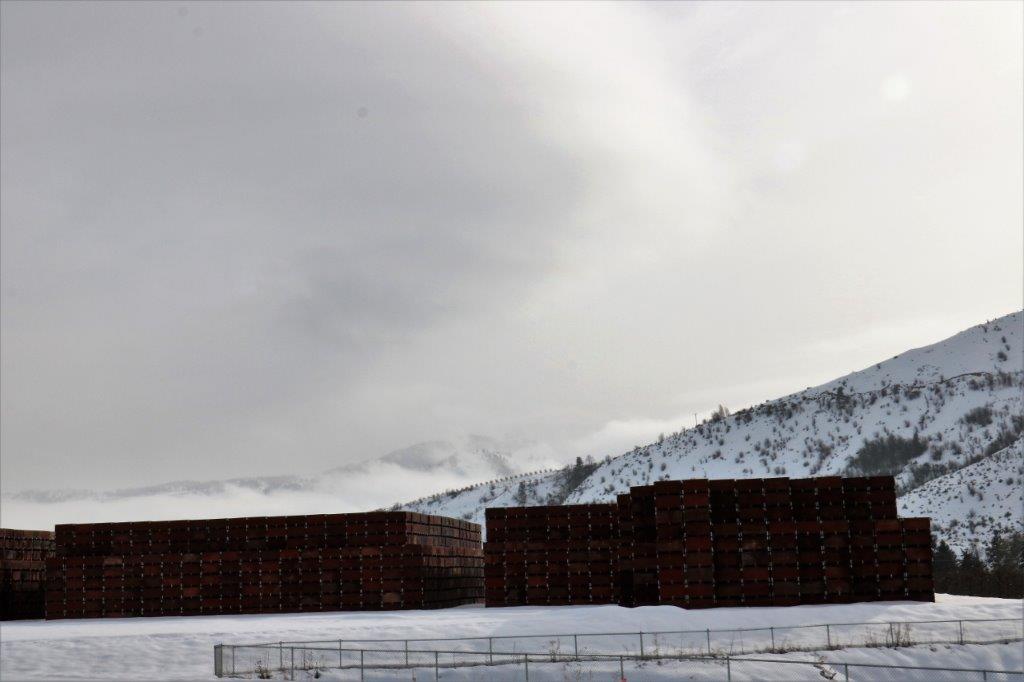
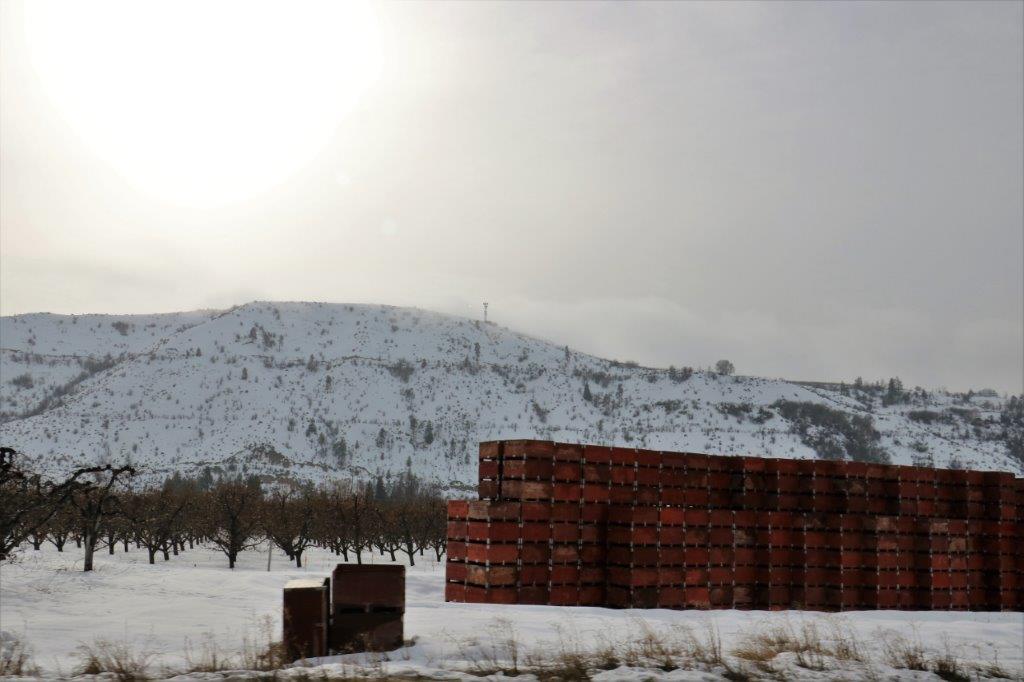
We took Highway 18 to 90 to 970 to 97 north which connects to Highway 2 a few miles east of the Bavarian Village of Leavenworth.  This is also a ski area and since there was lots of snow there were lots of people.  Leavenworth is famous for its Christmas lights.  Many people take bus tours down here to see them in December.img_9316After we had lunch we walked down the main street to check out the buildings and the window displays.  We even went into a store and bought a couple of things, which is highly unusual for us.img_9319 img_9320 img_9321 img_9323 img_9325 img_9326 img_9328 img_9329 img_9330 img_9332The Wenatchee Valley is an apple producing area.  The hillsides all around are covered in trees – apples, pears; and grapes for some local wineries as well.  There must have been thousands of bins stored in this lot.  I took five photos of the stacks of apple bins as we drove past.

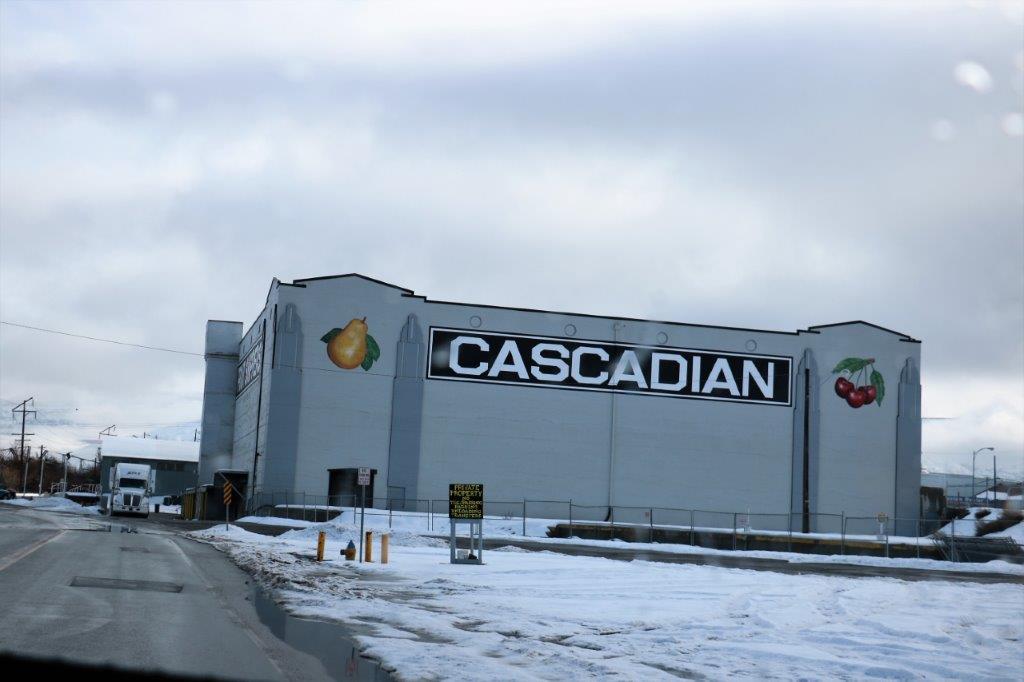
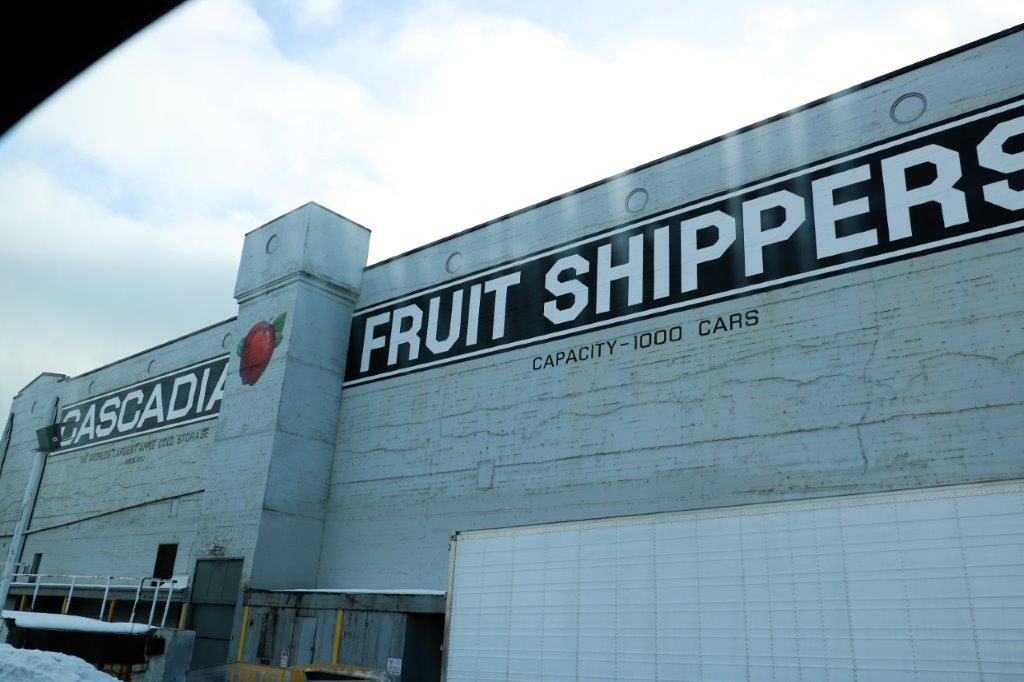
img_9337 img_9341This cold-storage house claims to be the world’s largest and the writing on the wall says it can store the equivalent of 1000 cars (train cars that would be) of apples.  That’s a lot of fruit folks.img_9343 img_9344 img_9346Tomorrow we cross the border back into Canada and our trip will almost be at an end.  Sigh.