From Batemans Bay we turned inland onto the Kings Highway (Highway 52) and drove 130 km up a winding mountain road (great for motorcycles) to Queanbeyan, a town 13 km from Canberra, ACT (Australian Capital Territory – like the USA the national capital city is its own place; not located in any of the Australian states).
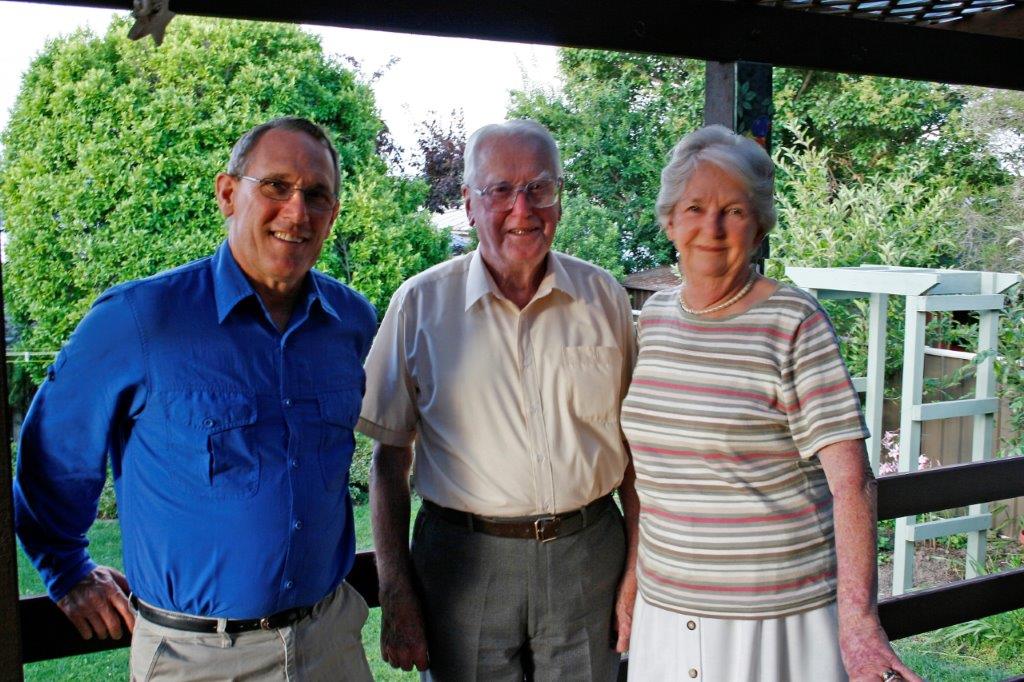
After we checked into our hotel in Queanbeyan John called his mother’s cousins and we arranged to get together at 5 o’clock. Since it was already after two that left little time to go exploring in Canberra so we took the afternoon off and did some walking around and grocery shopping.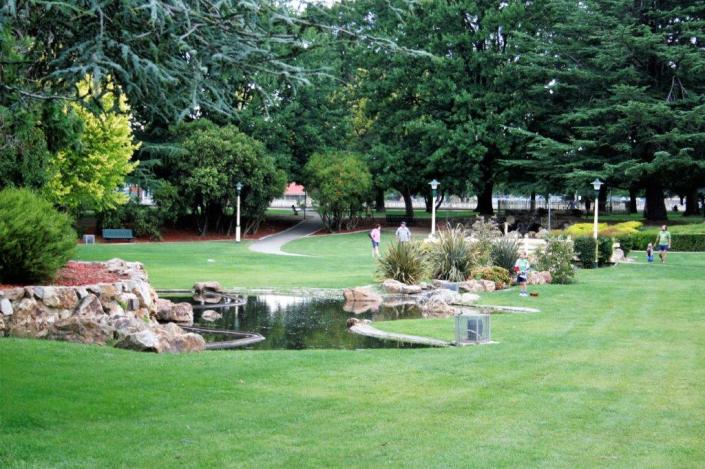 Robyn and Charles were lovely people who gave John a bad time for not letting them know we were going to be in the area, but nonetheless graciously insisted on taking us into Canberra the next day to see the sights.
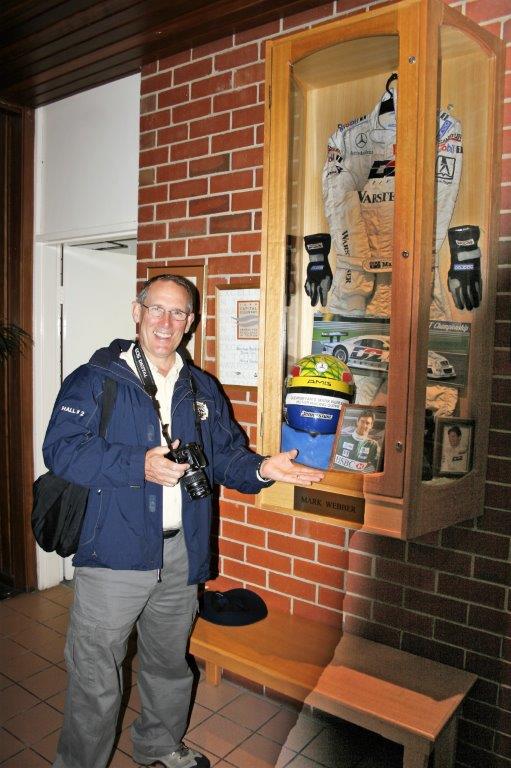
 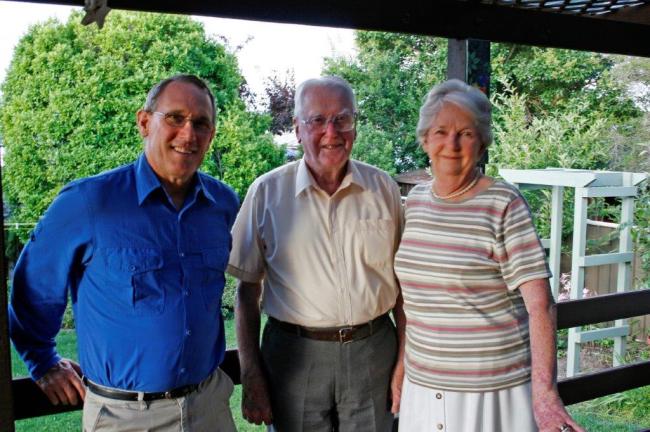 The very pleasant surprise for John was discovering that his mom’s cousins lived in the family home of Formula 1 race car driver Mark Webber. John is an F1 fan and never misses watching a race so he was stoked to learn that Queanbeyan was Webber’s home town.
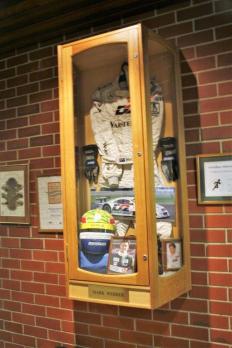
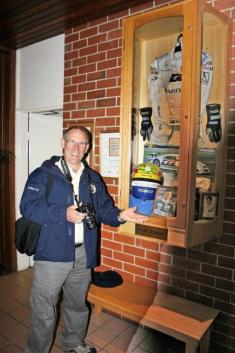
The next day we were picked up at our hotel at 9:15 am and before we left for Canberra Robyn took us over to City Hall and showed John one of Mark’s early driving suits that is on display.
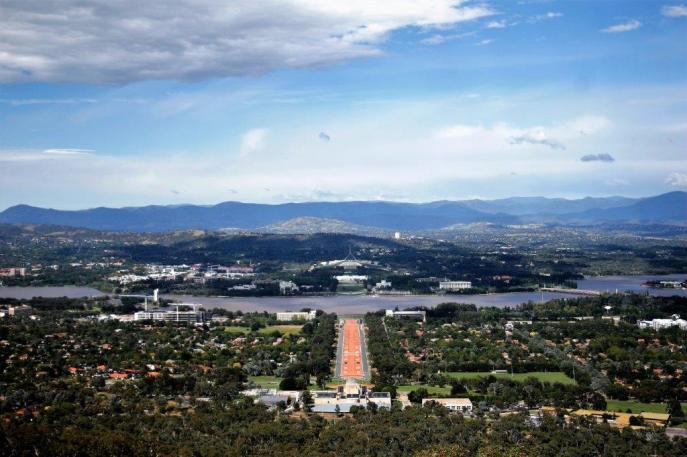
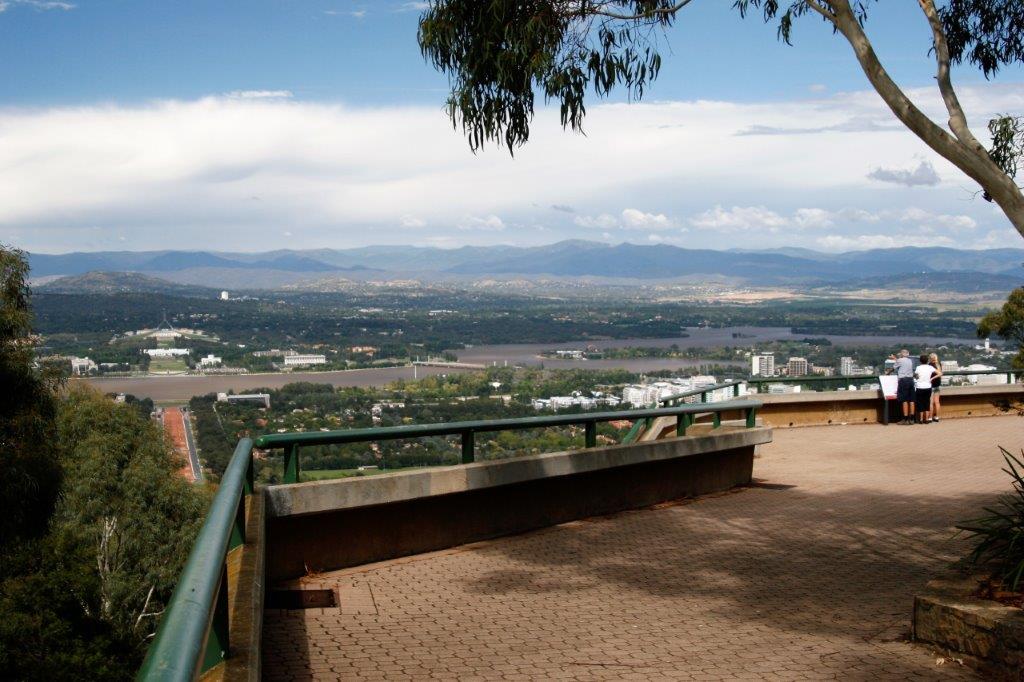
 Our second stop was the top of Mt. Ainslie to see the panoramic view of Canberra but the clouds were so low we only saw white so we headed back down and into the city. We had told Robyn the places that were on our ‘must-see’ list and she chauffered us to every one of them.
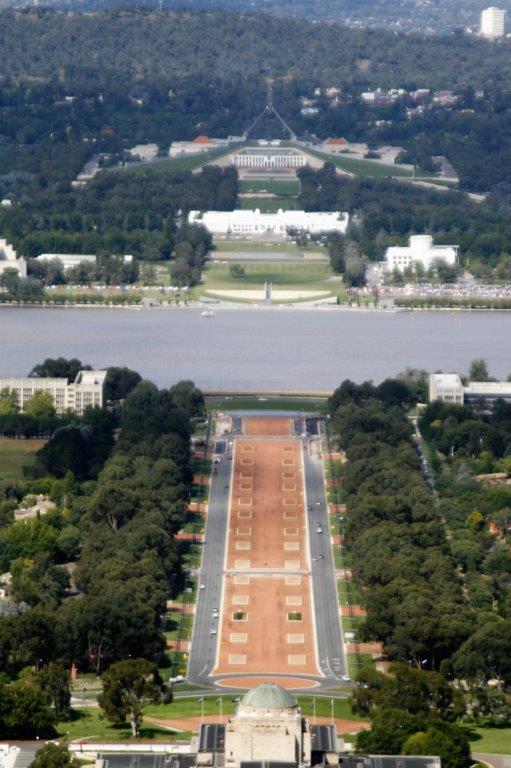
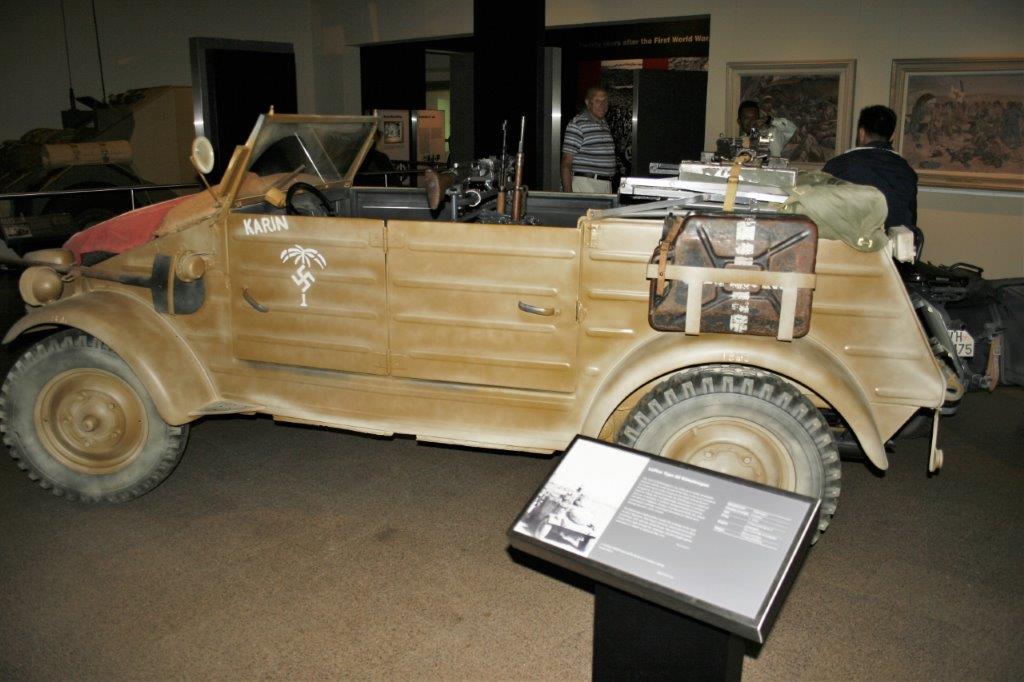
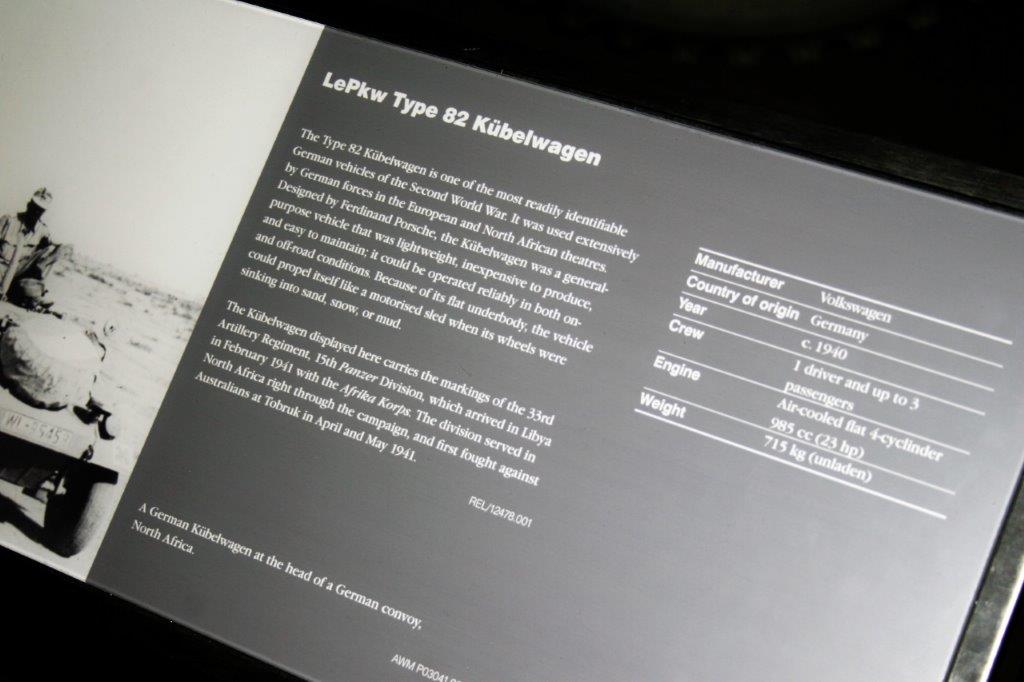
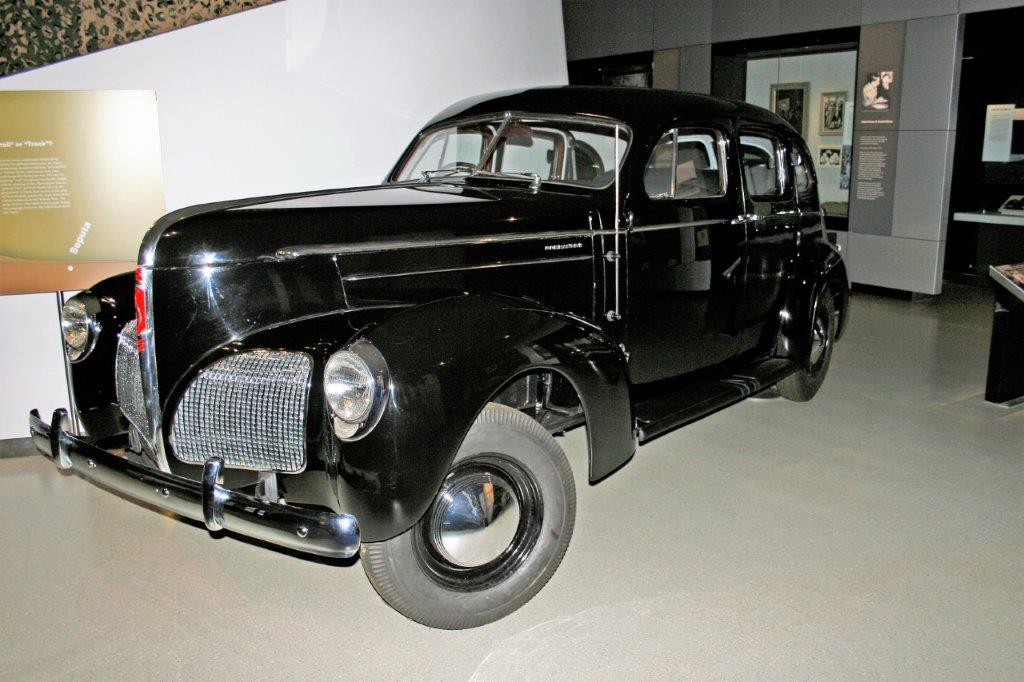
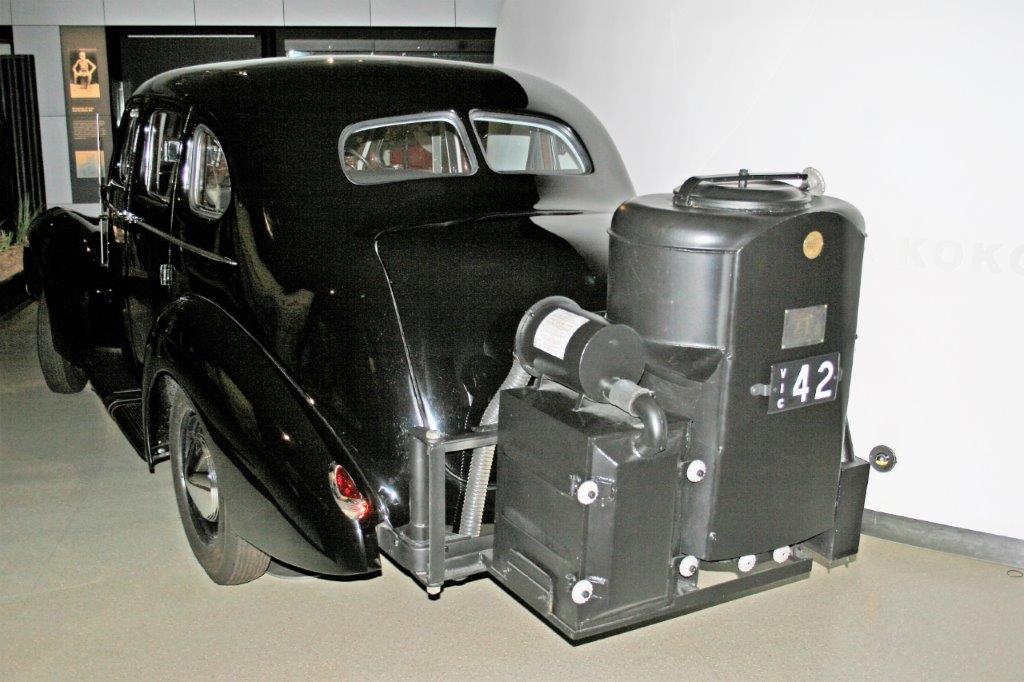
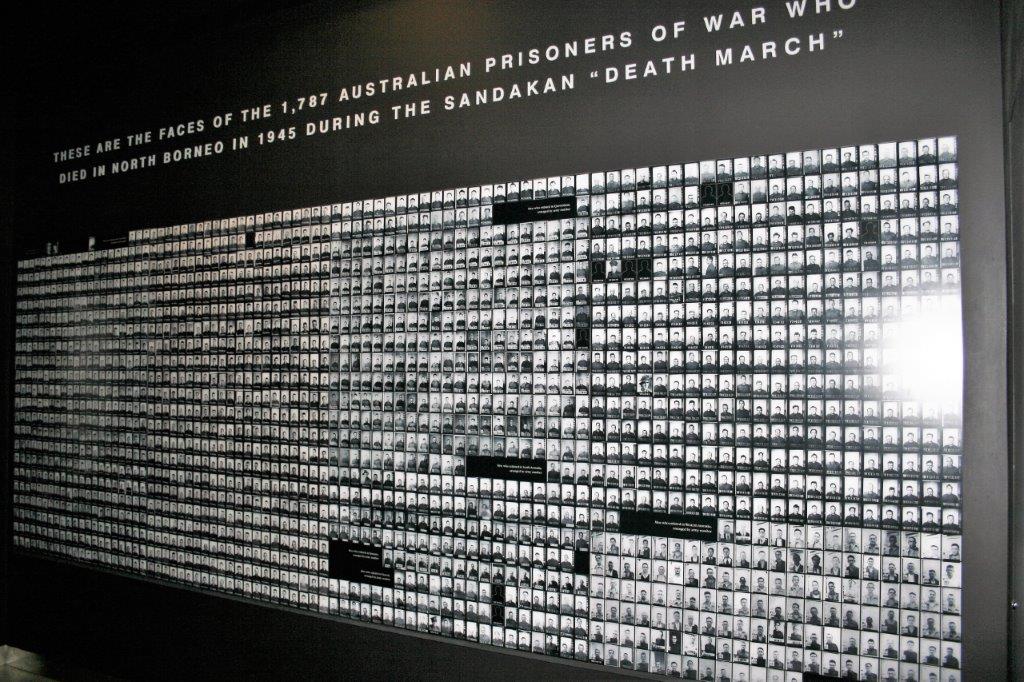
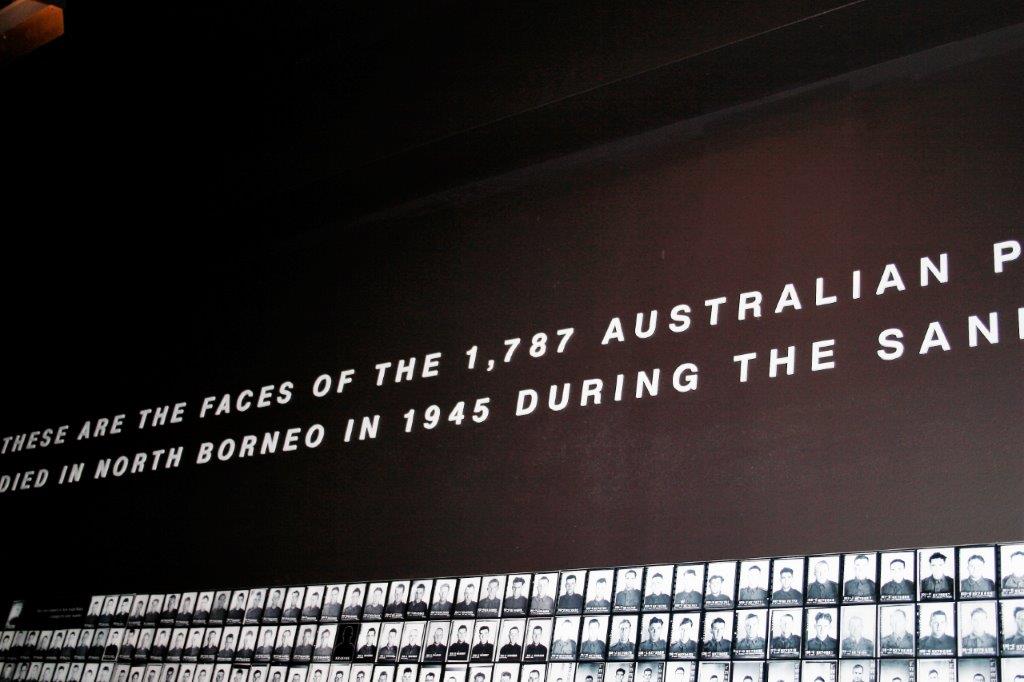
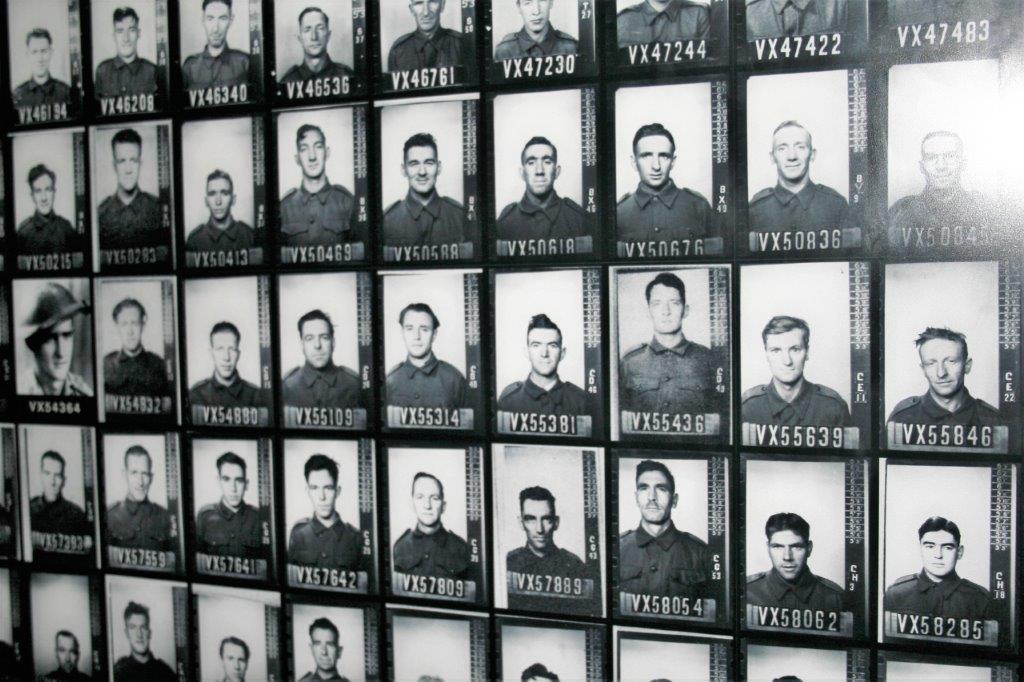
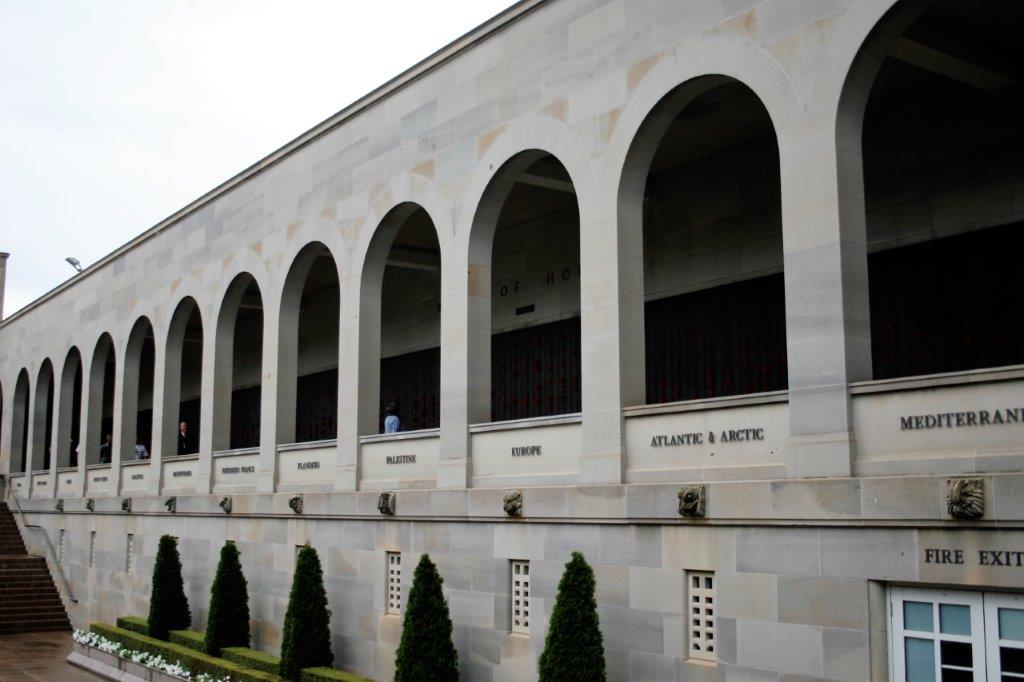
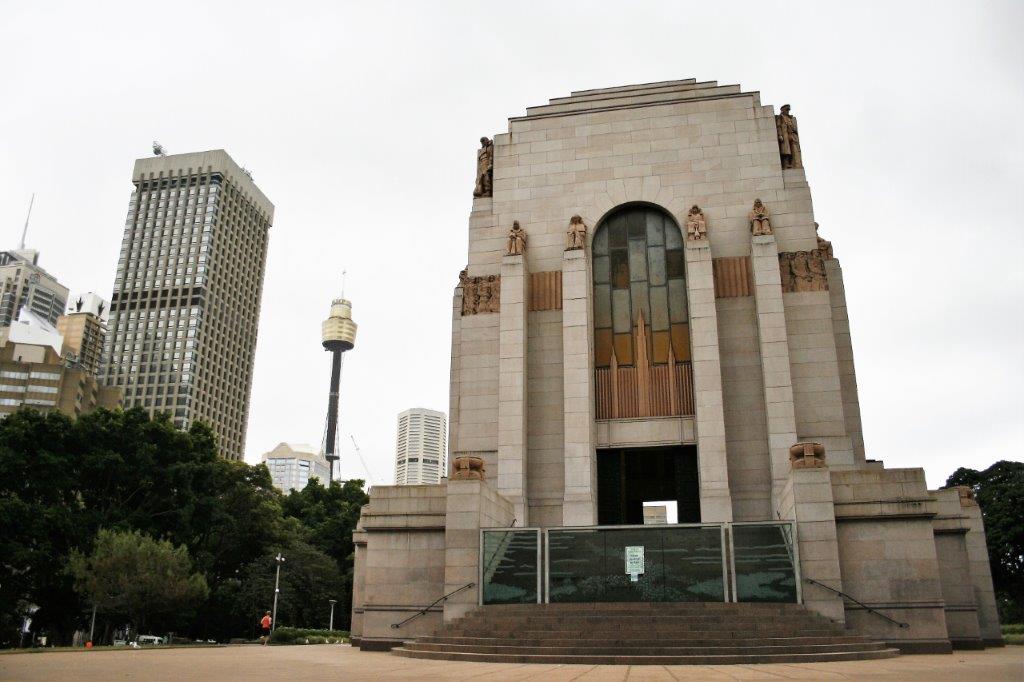
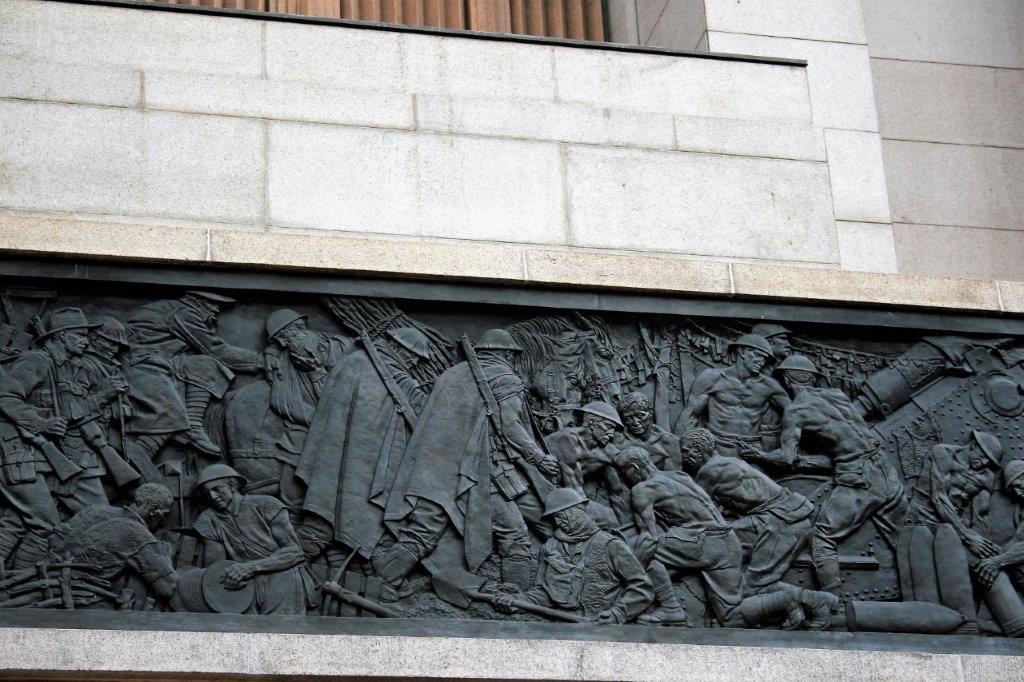
First was the Australian War Memorial. This huge multi-museum complex is dedicated to those who have fought for Australia and the world’s freedom.
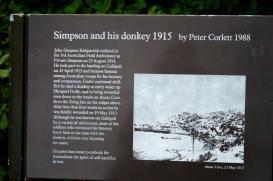
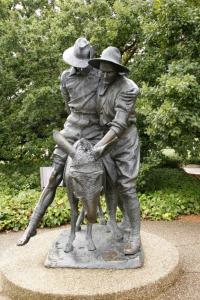
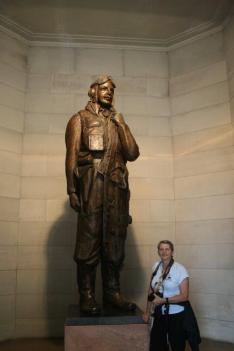
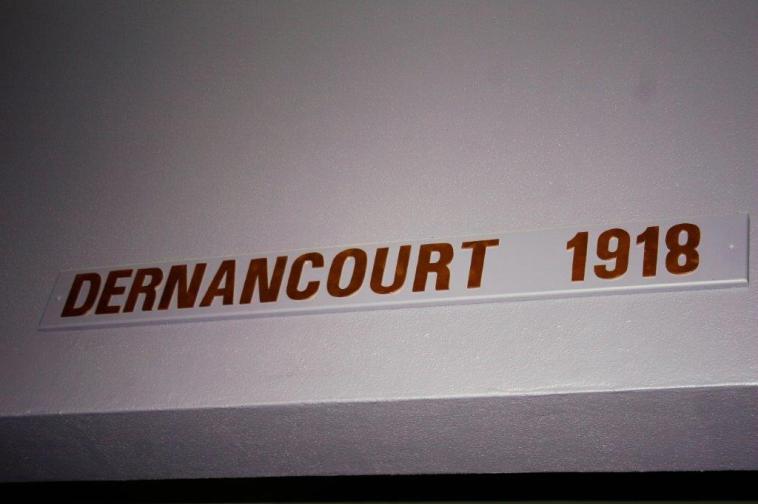
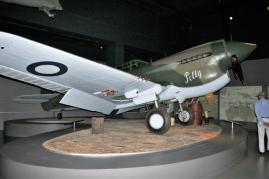
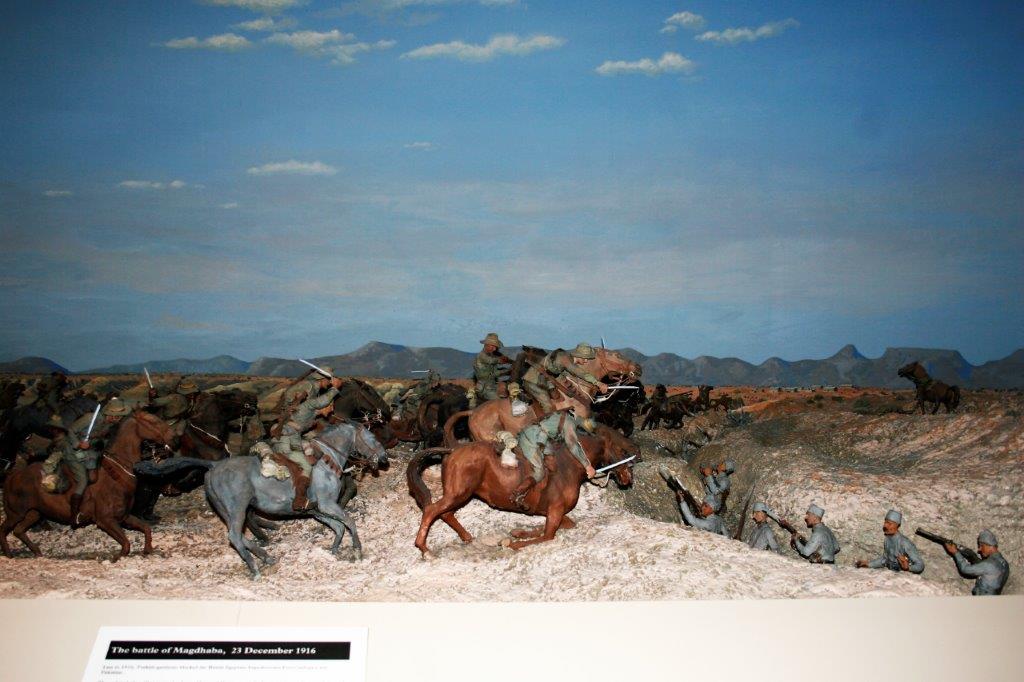
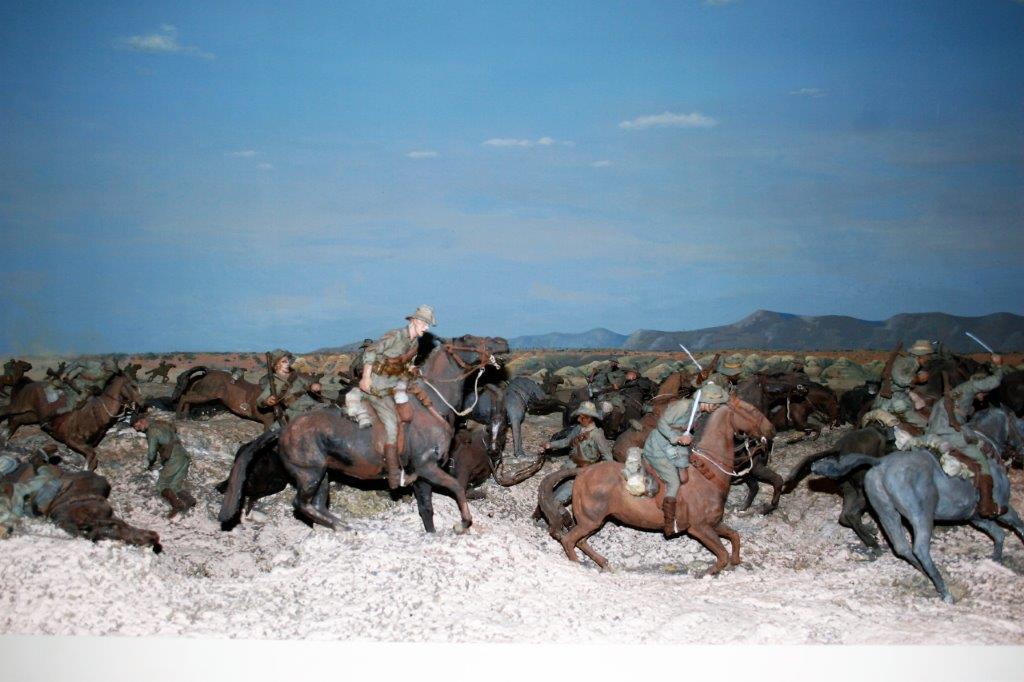
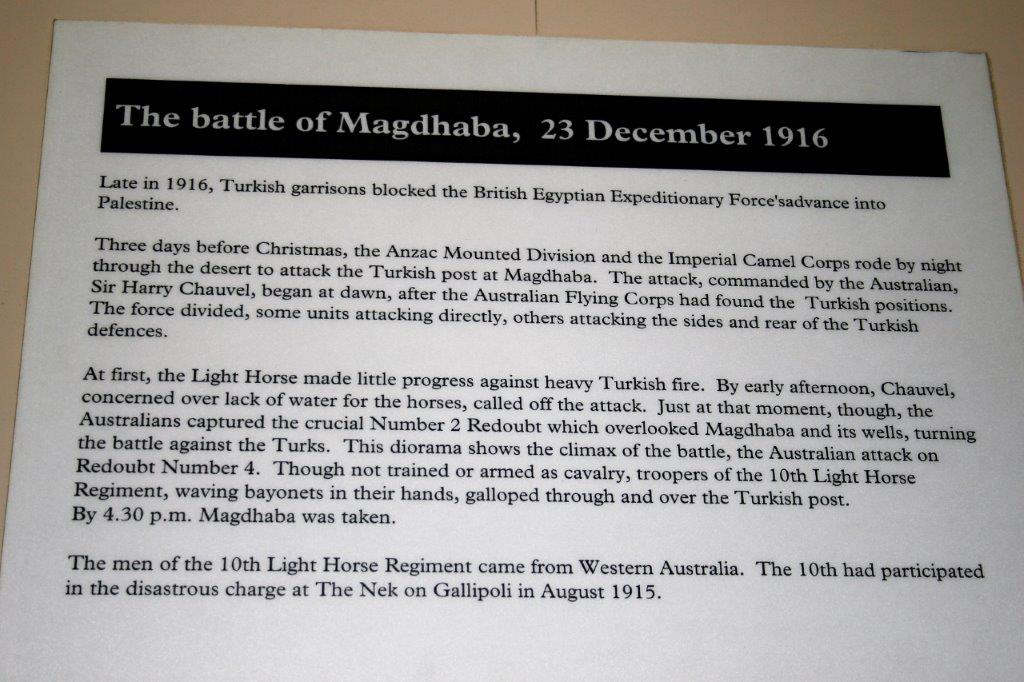
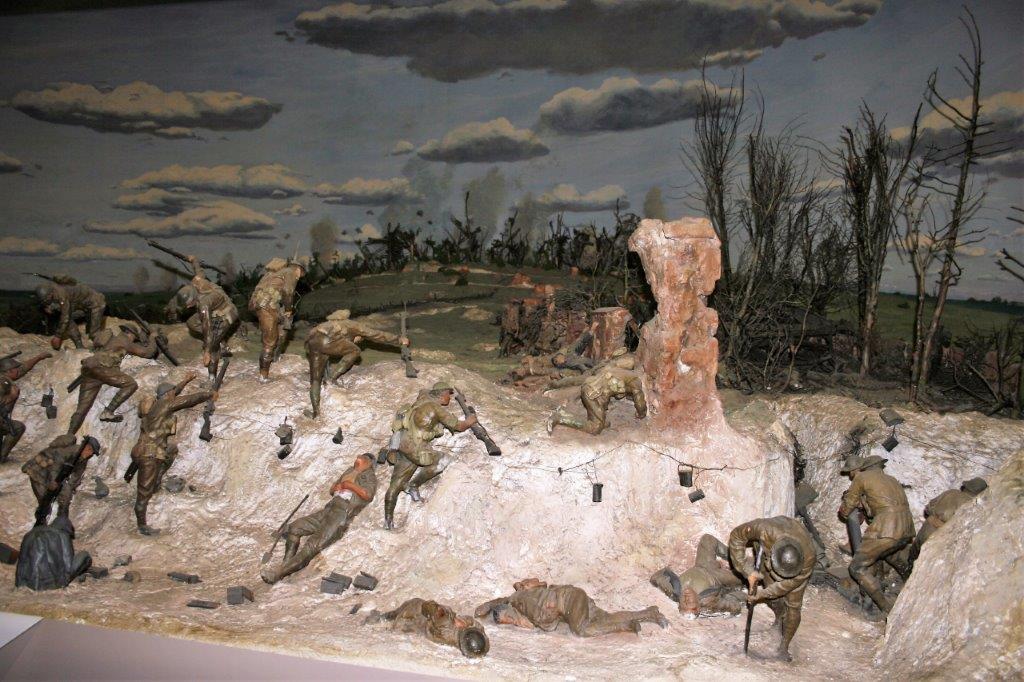
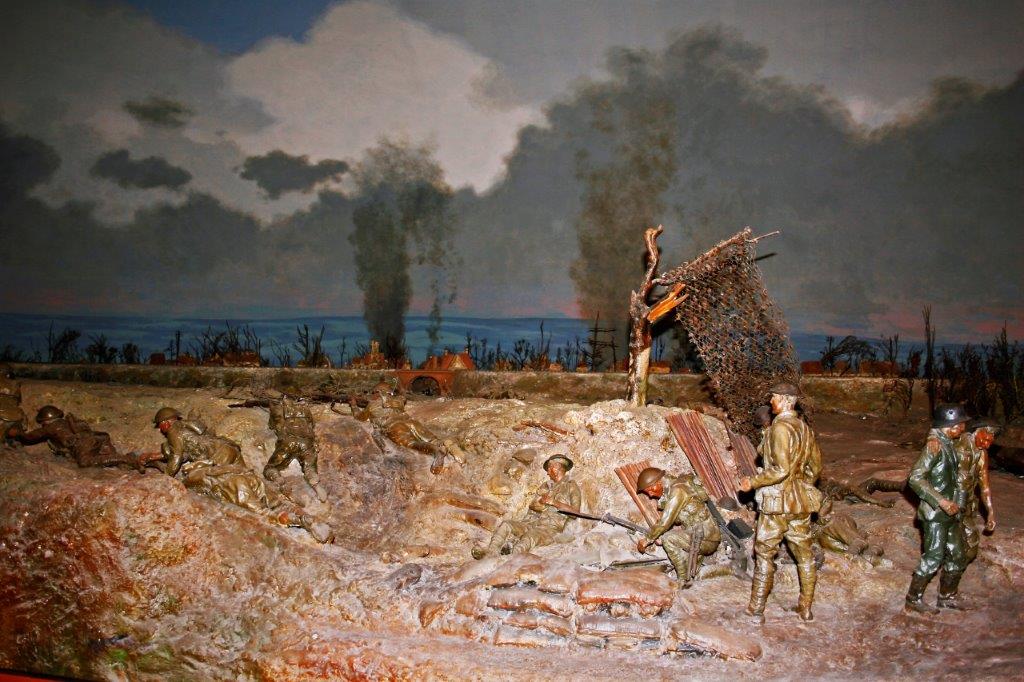
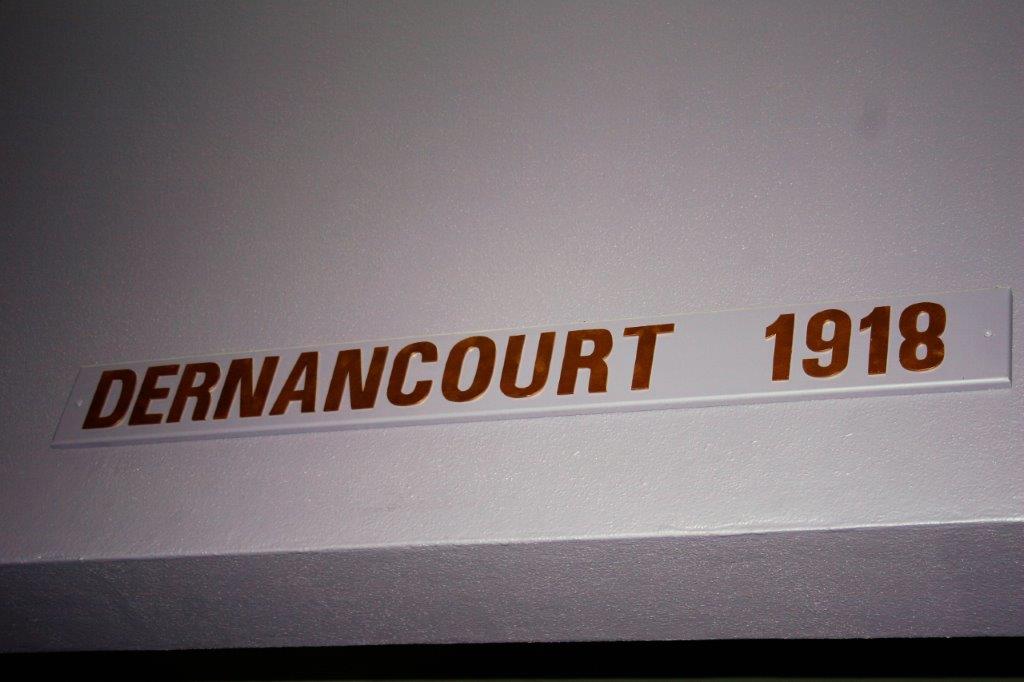
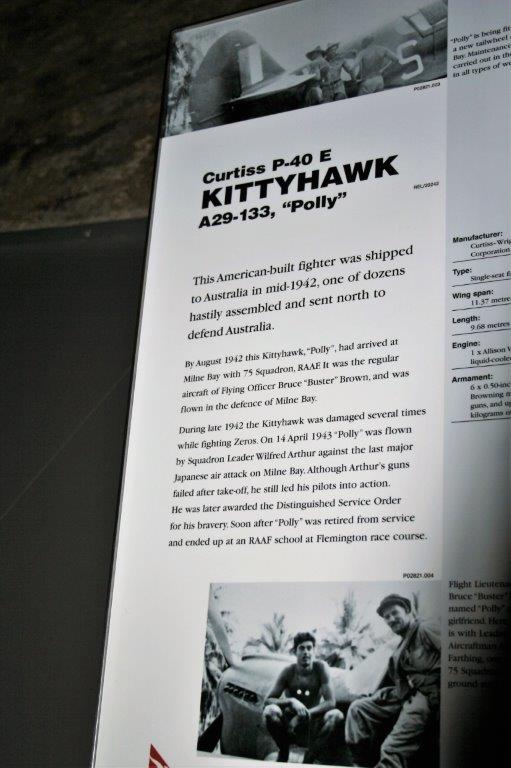
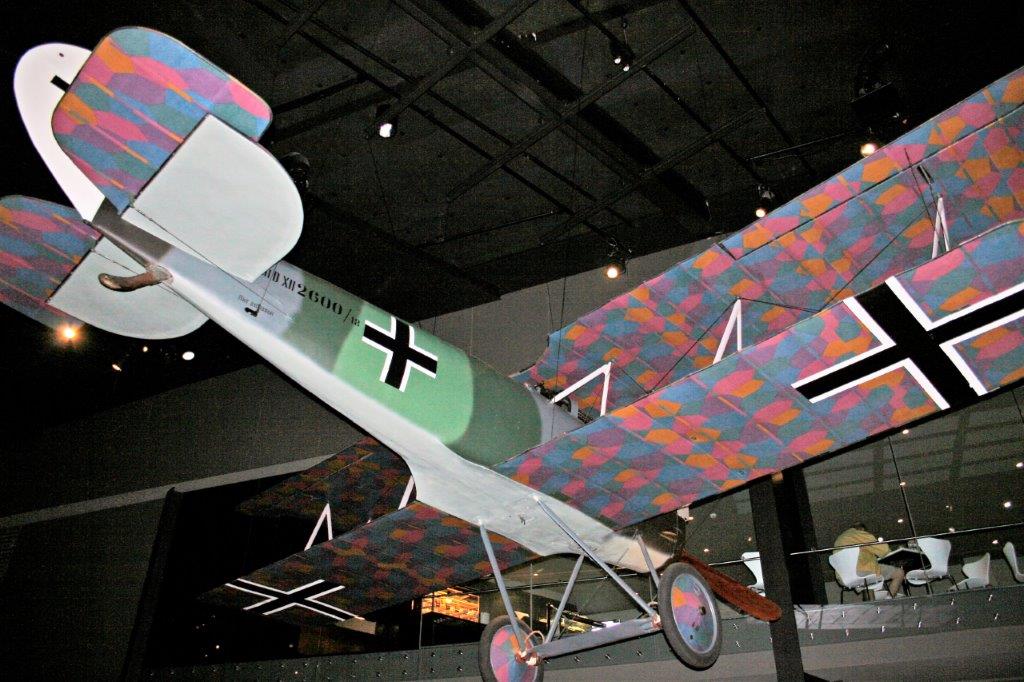
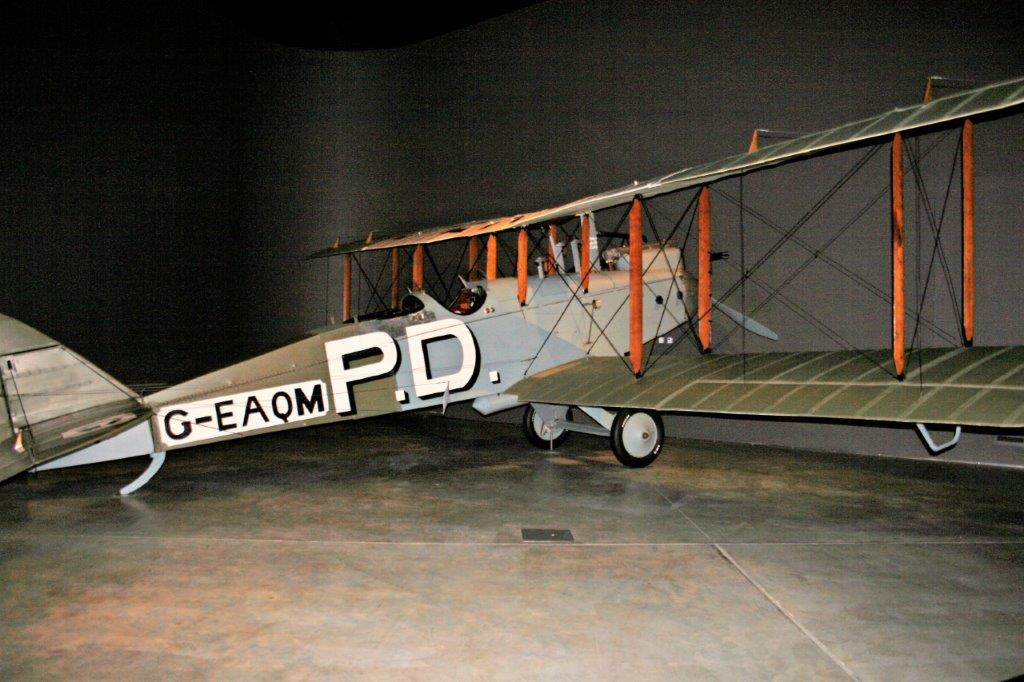
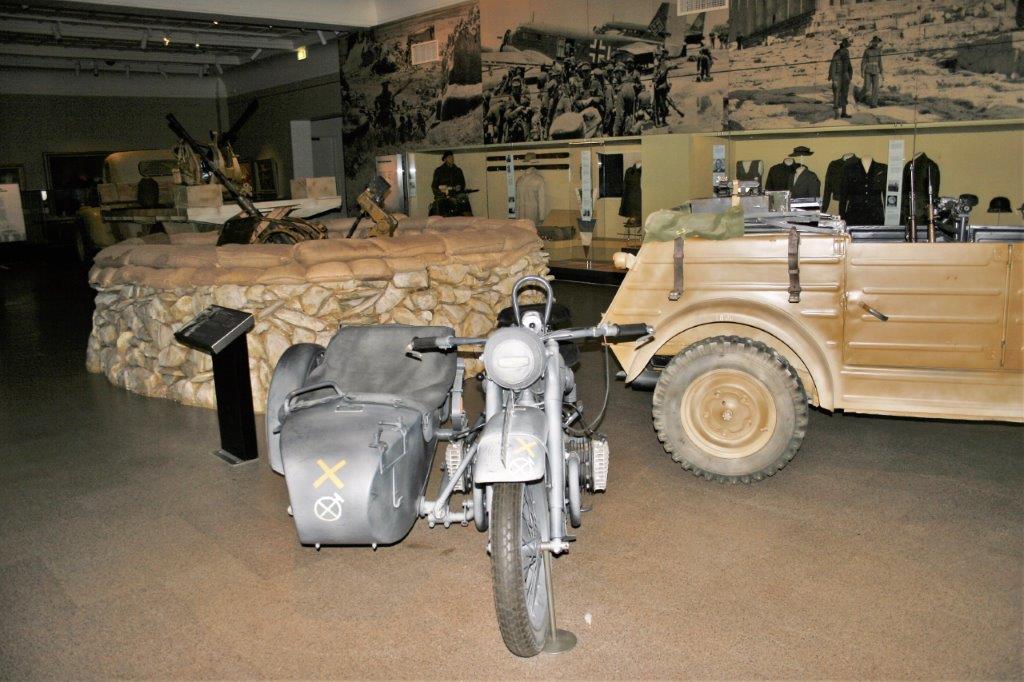
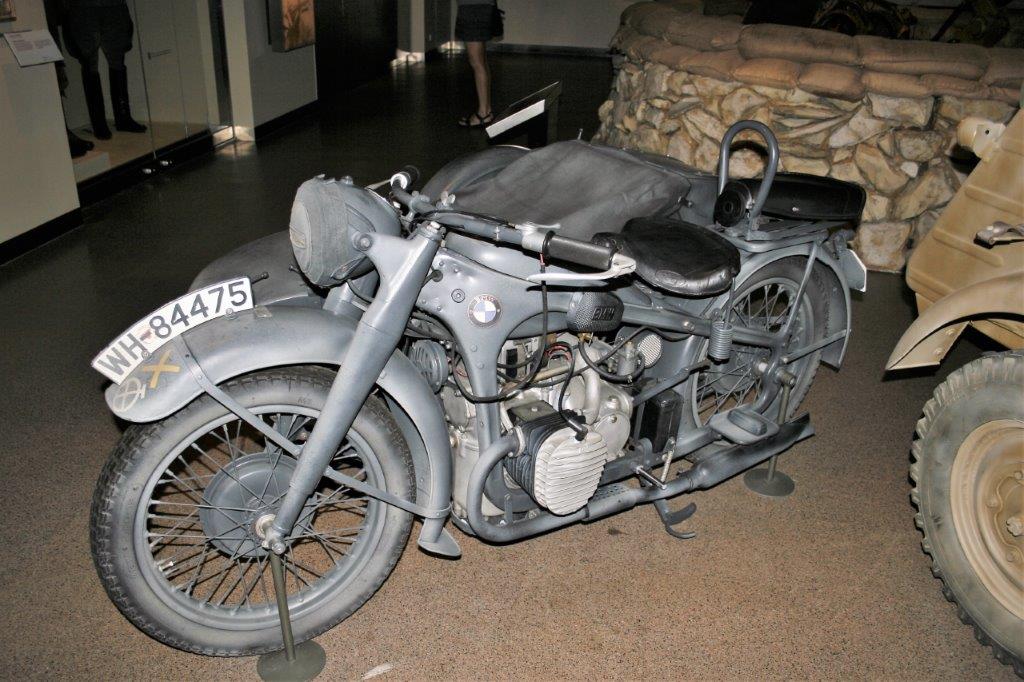
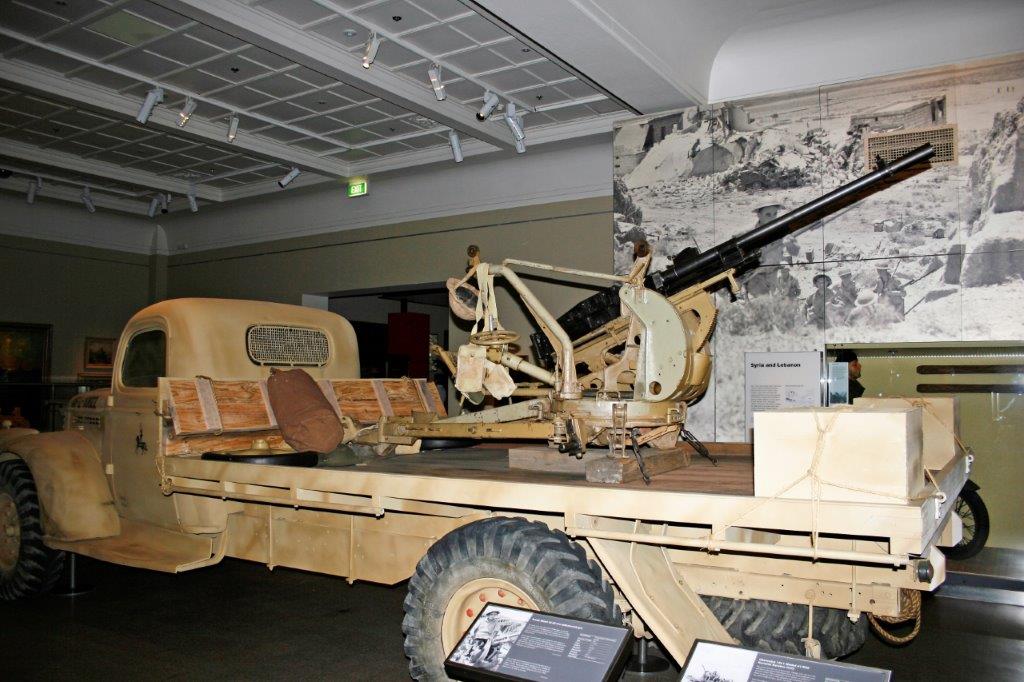
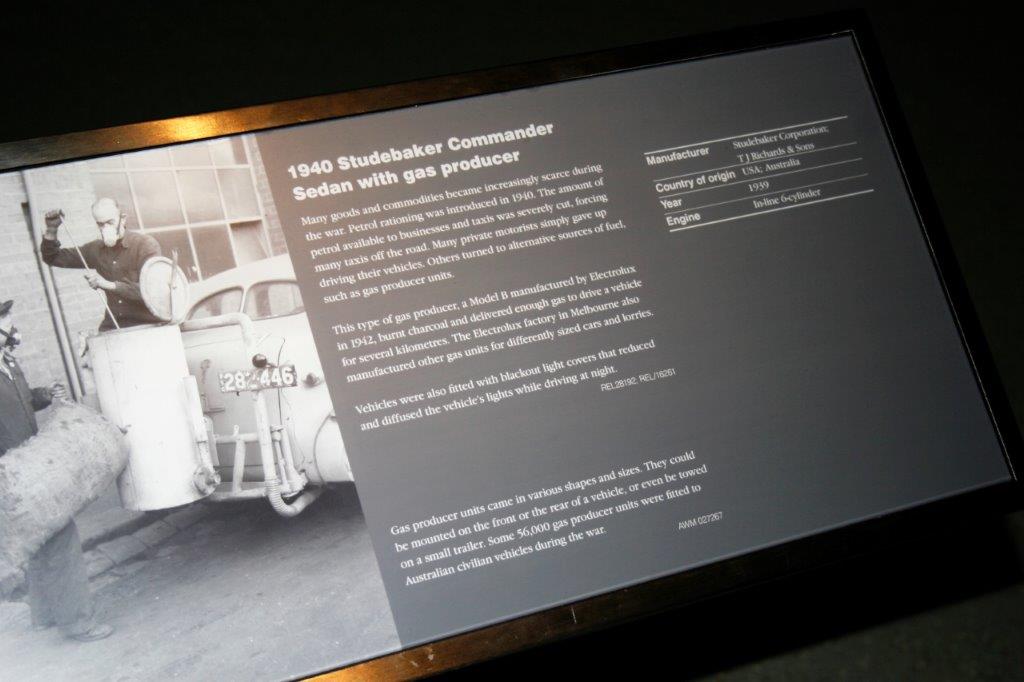
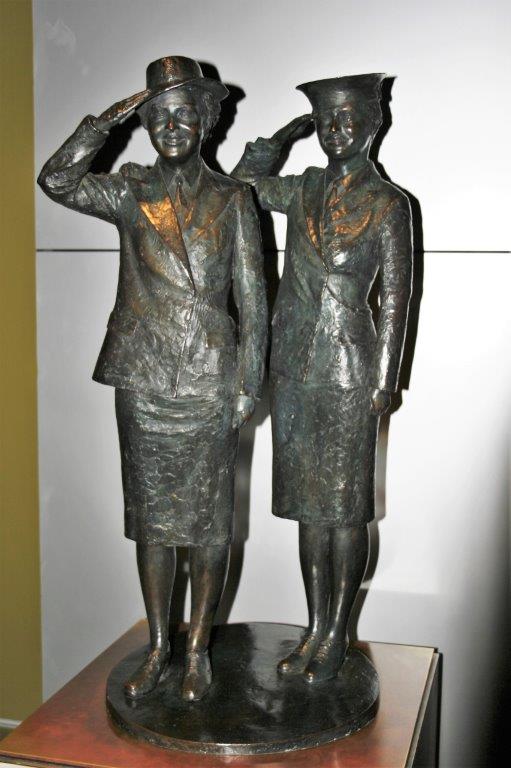
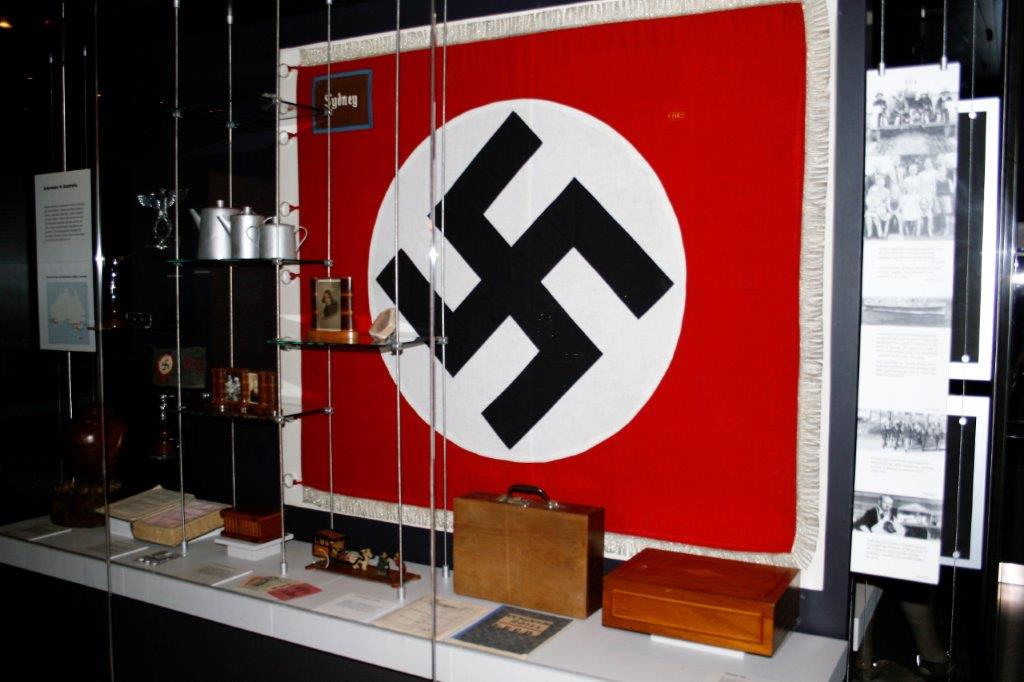
 Robyn picked us up after two and a half hours and even with all that time we only saw the WWI museum, had a semi-quick look at the WWII museum, and a walk through the airplane museum. I think if we ever get back to Australia I will plan to spend the entire day there. The museums and memorials were beautifully done and contained many interesting dioramas, exhibits, and stories.
Like Canada, WWI was a major ‘coming-of-age’ as an independent nation for Australia (and New Zealand). All three nations were still considered by many to be colonies of Great Britain at the time of the Great War, and as members of the Commonwealth, when Great Britain declared war on Germany, they were automatically at war as well.
Canadian troops saw action and were victorious in some very key battles during the First World War and the Anzac troops from ‘down under’ displayed their mettle heroically in many as well. All three nations were recognized for their bravery and courage during the war, not as British soldiers, which, technically they were; but as Canadians and Australians and New Zealanders. The world looked at all of these countries with different eyes after the war.
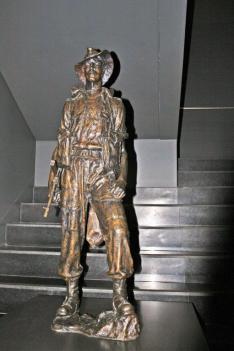
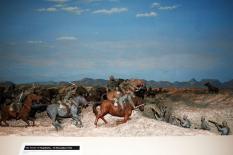
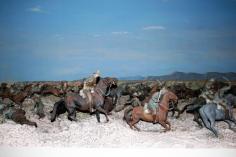


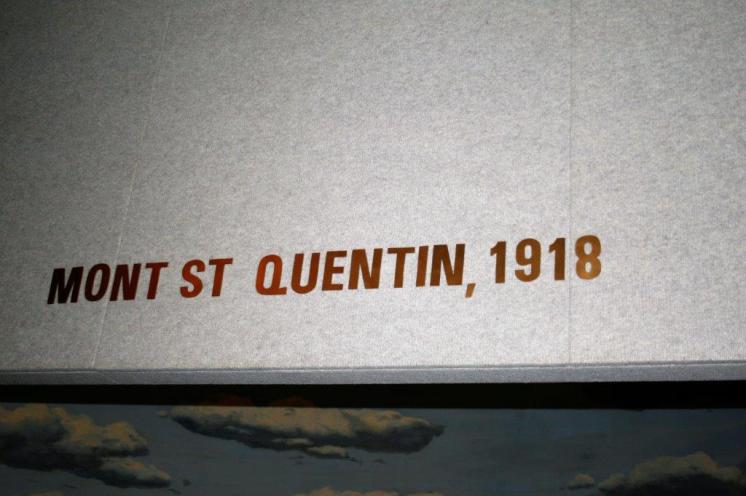
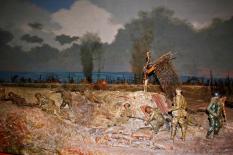
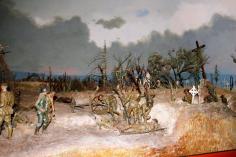
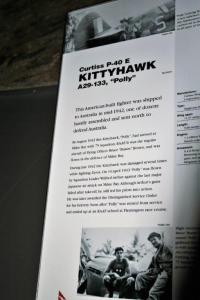

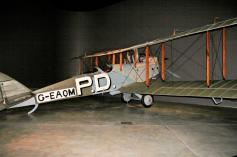

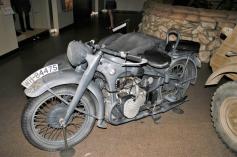
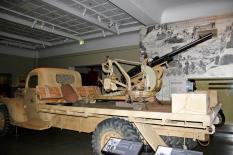
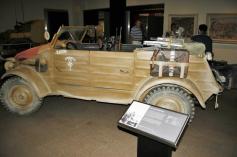

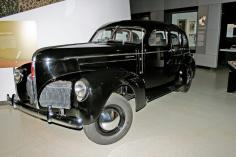
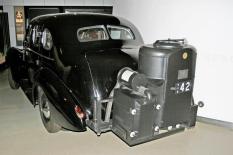
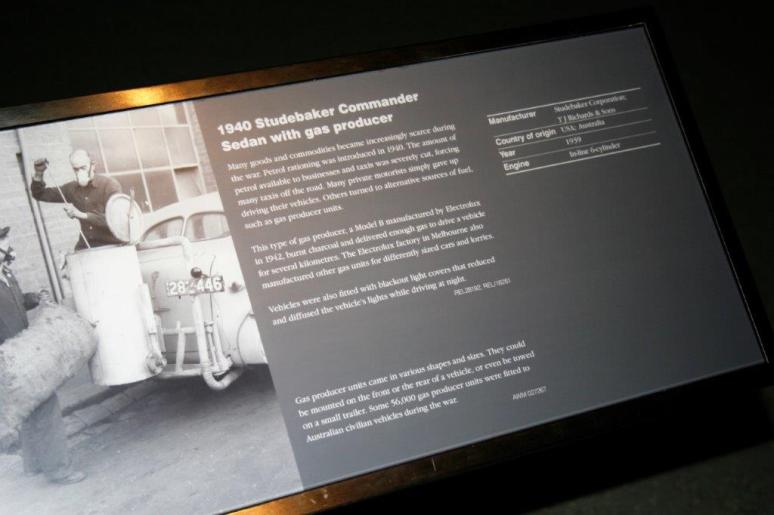
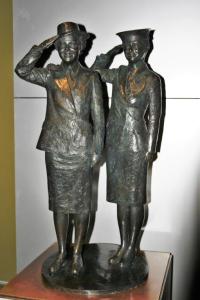
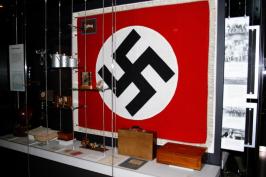
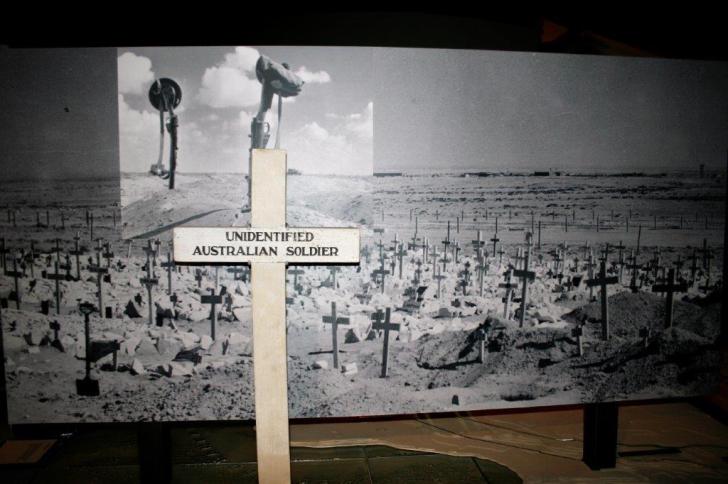
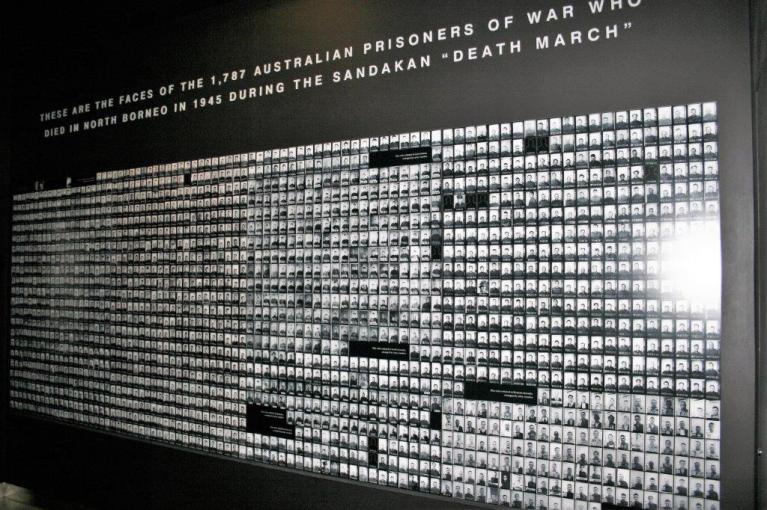
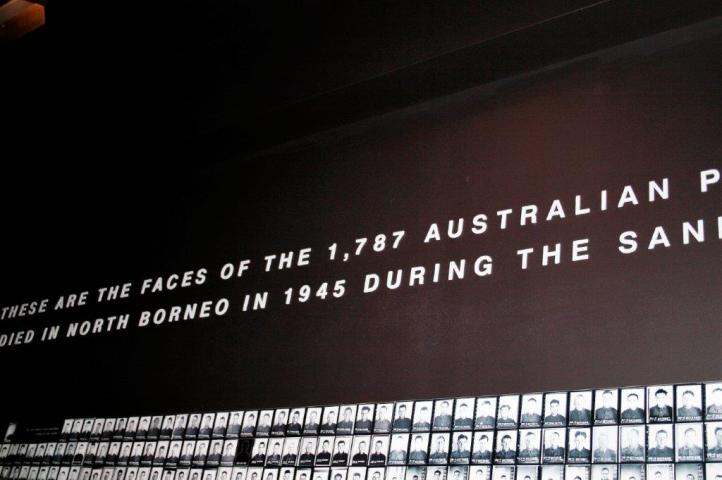
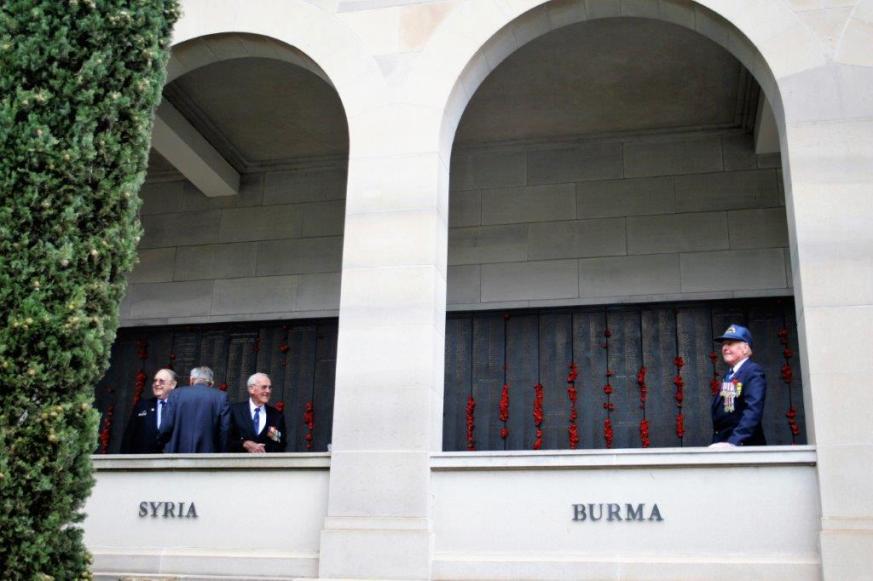
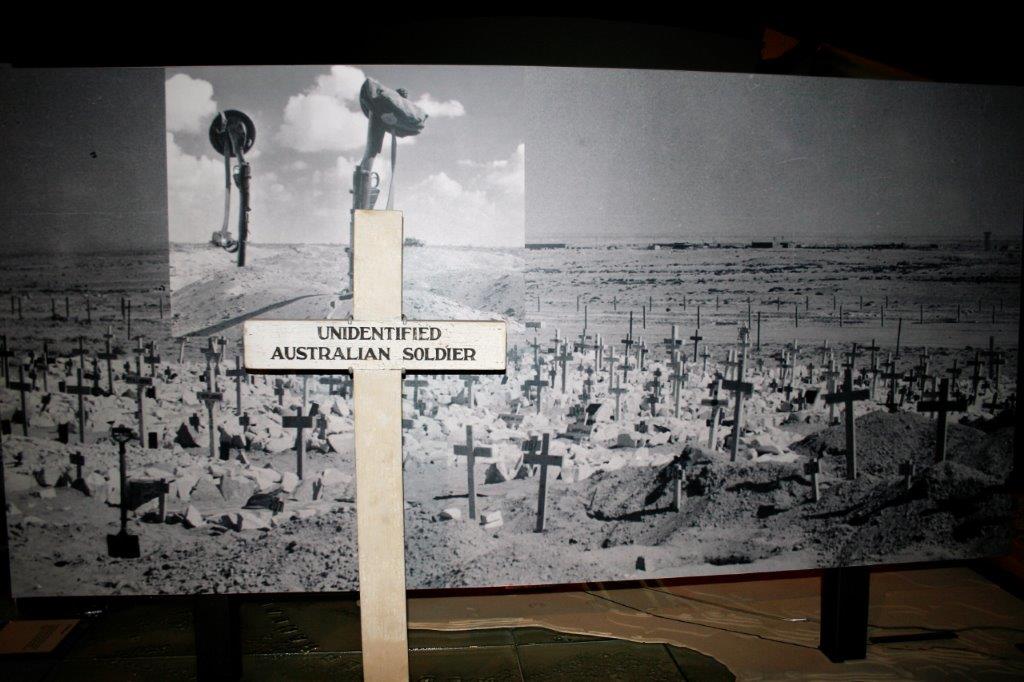
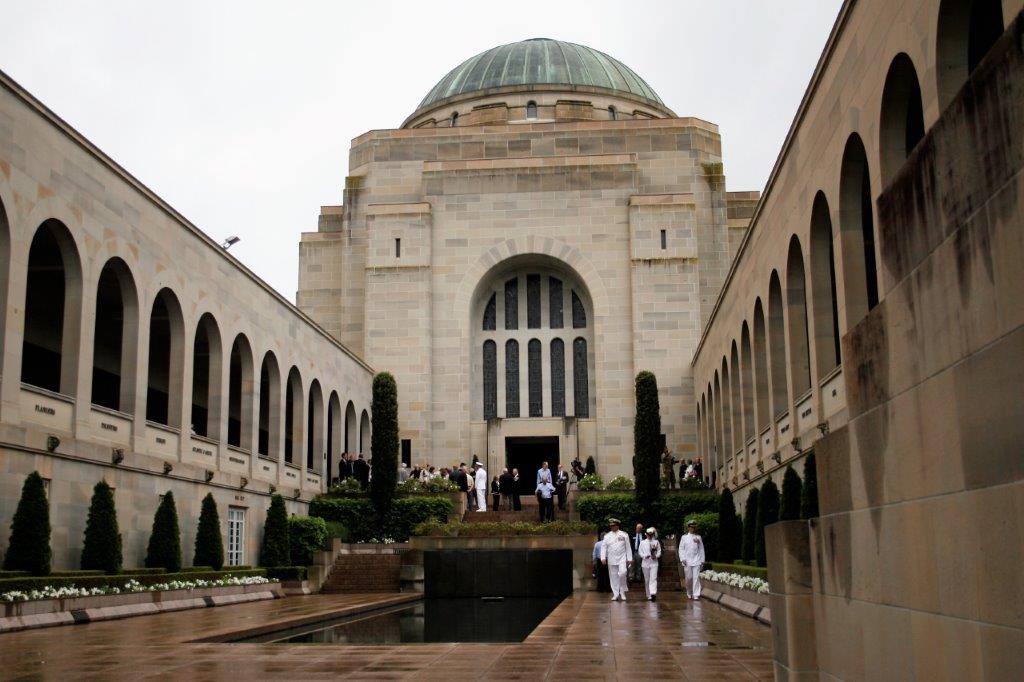
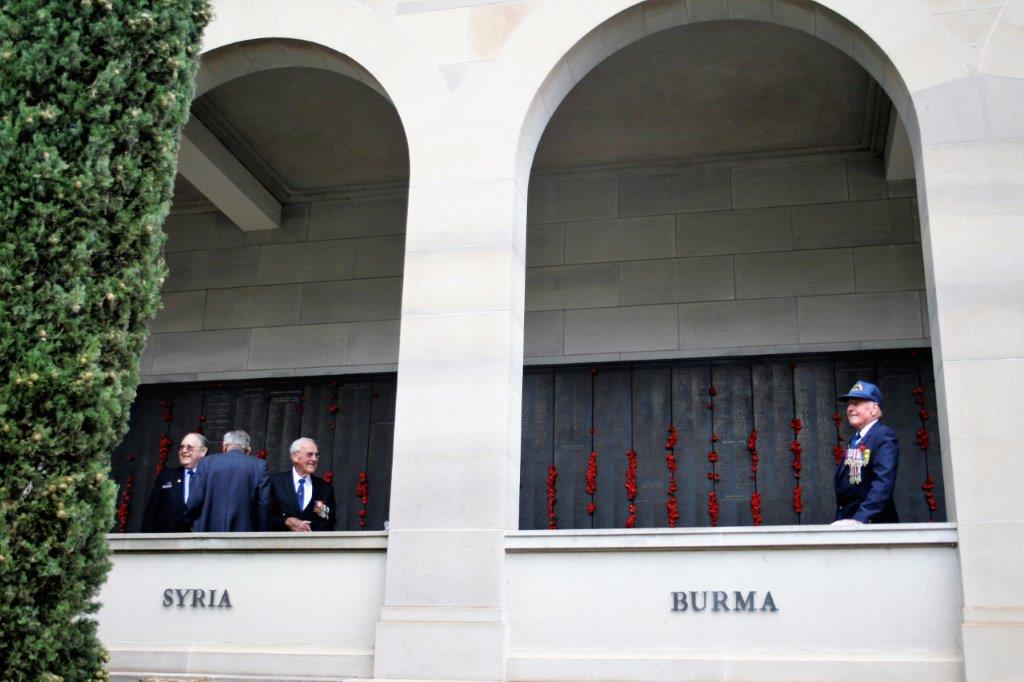
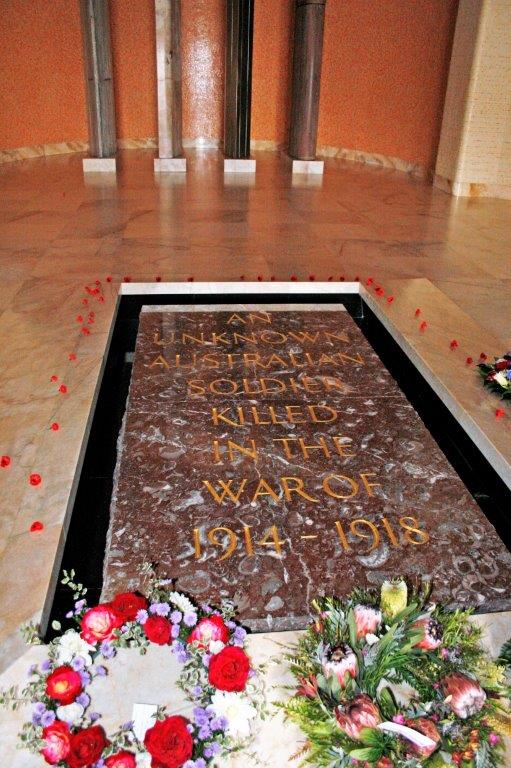
 As we were going to see the Tomb of the Unknown Soldier we noticed a lot of uniformed people from different branches of military service, several people in suits and a film crew. We found out that a survivor from the sinking of the HMAS Perth in Burma 69 years before was being interviewed at the Memorial for a TV special to be broadcast on Anzac Day April 25.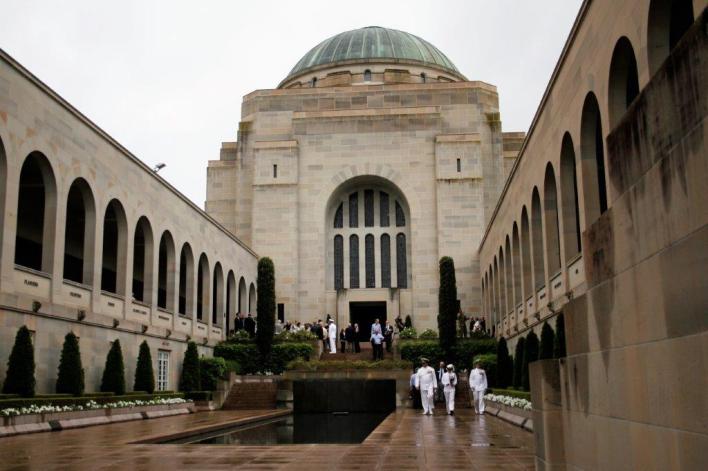
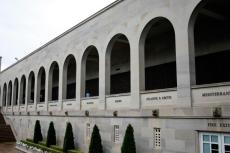
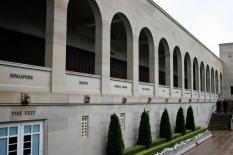 Inside these colonades are engraved the names of every Australian lost in the fights of every war, battle and engagement undertaken by the country, up to and including, the present day.
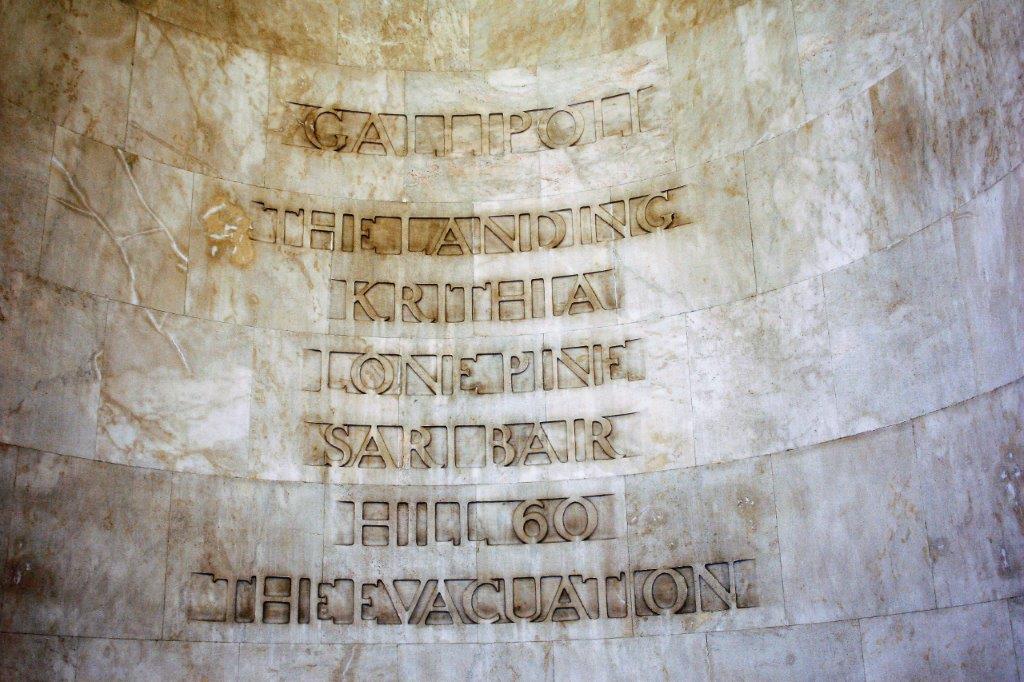
 I found this brief synopsis on the internet: “On 25 April 1915, the armies of Australia and New Zealand had their first battle of the First World War at Gallipoli, Turkey. Australia had only been recognised as a federal commonwealth for thirteen years, and many Australians were sympathetic to the United Kingdom – they saw it as the motherland. The volunteer armies were therefore keen to fight so they could secure a safe passage for allied navies. Upon arriving, the Anzacs were met with immediate gunfire, and fought for eight months until a stalemate was forced. Eight thousand soldiers lost their lives before the Allies ordered an evacuation. Although the operation itself wasn’t a success, the courage and determination shown by the Anzacs was immediately celebrated in Australia, London and even the Allies’ camp in Egypt in 1916, with parades and ceremonies held in their honour. By the 1920s, the date had become a way to remember the sixty thousand Australian soldiers who lost their lives in the war. A decade later, all Australian states were marking Anzac Day with celebrations.”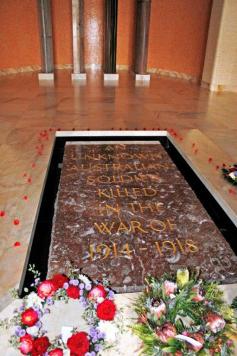
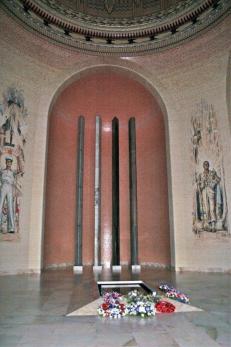

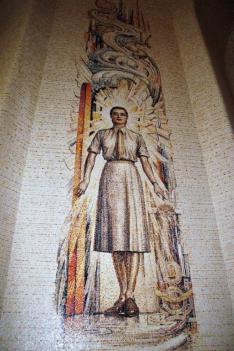
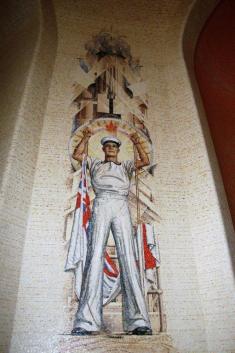
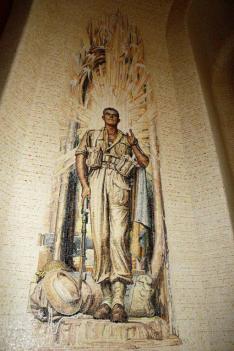
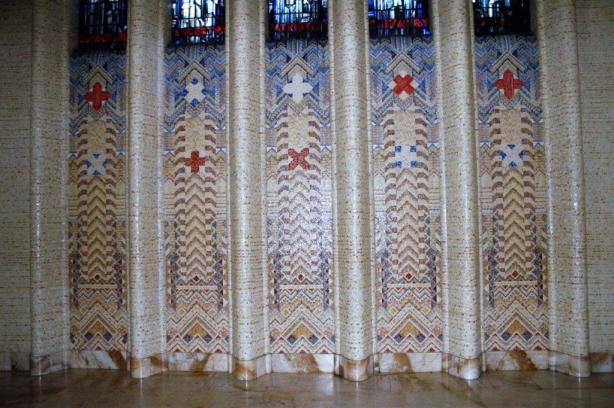
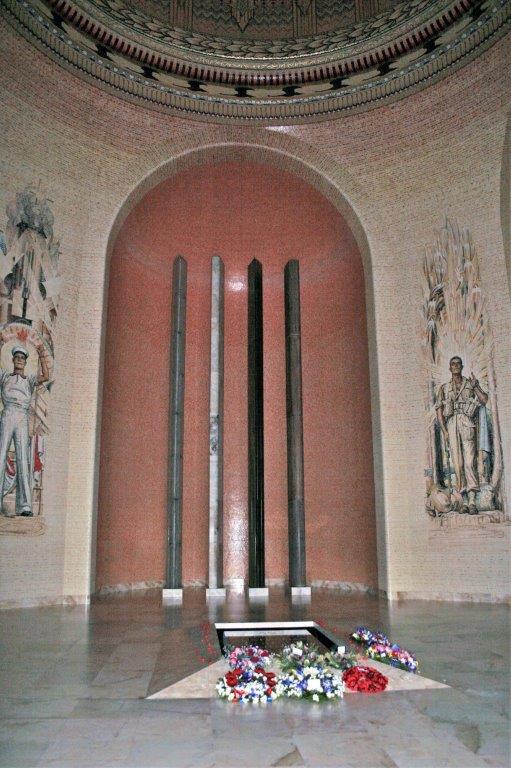
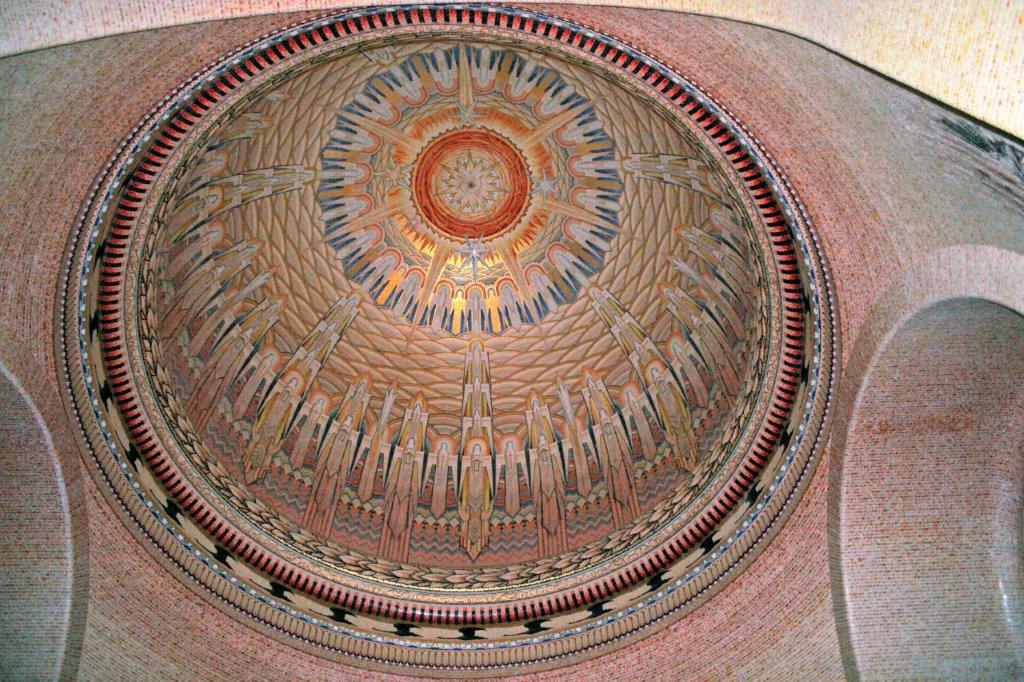
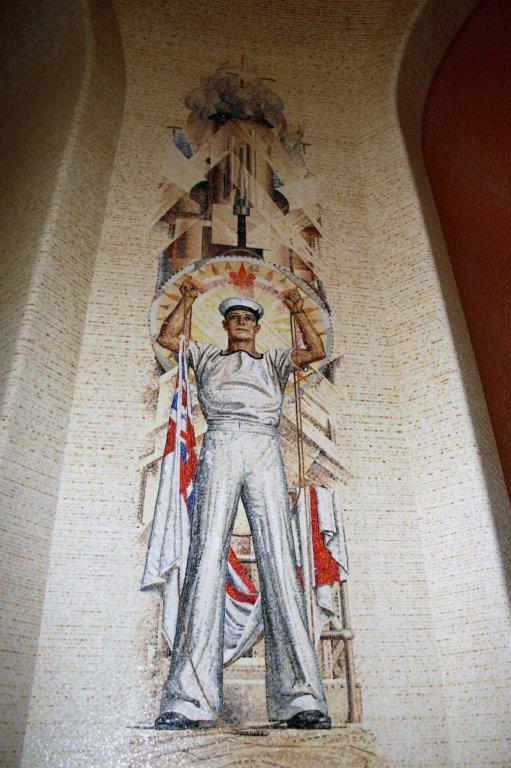
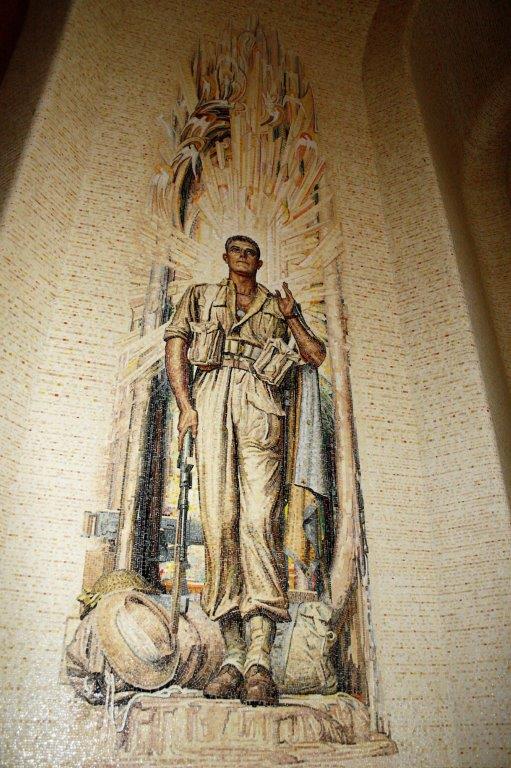
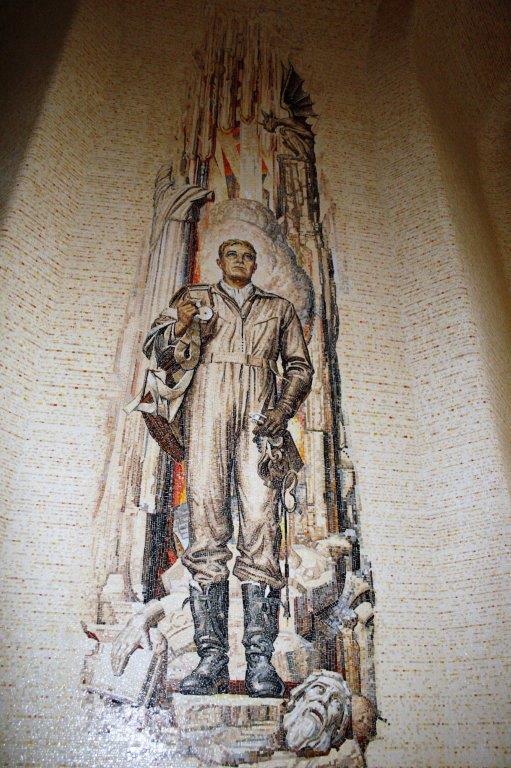
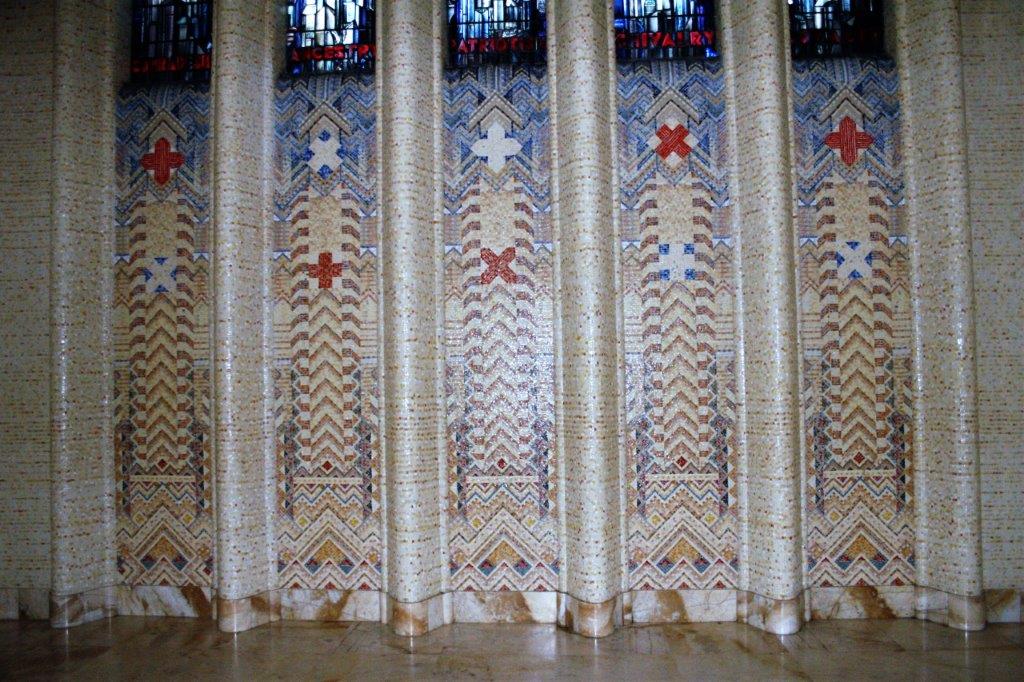
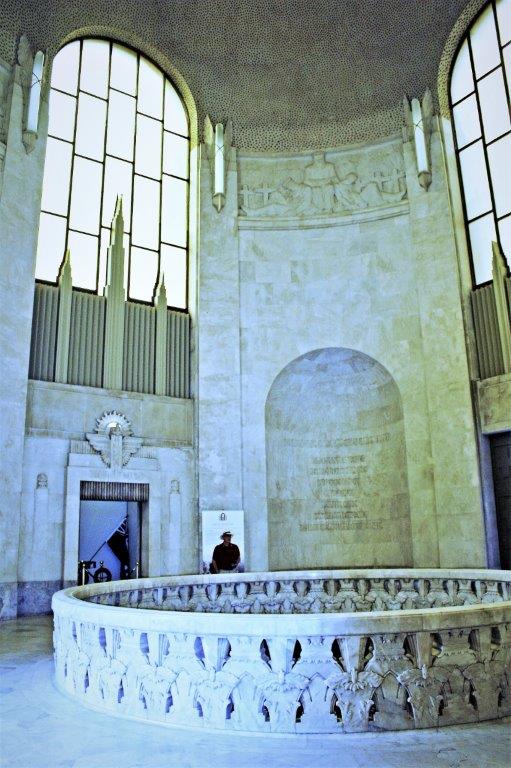
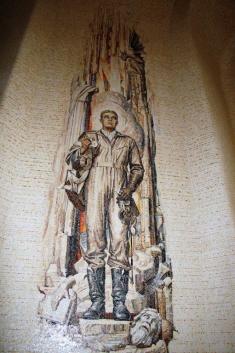 All these figures are mosaics created with small tiles. They were huge and beautifully done. All the designs in the domed ceiling were mosaic tiles as well.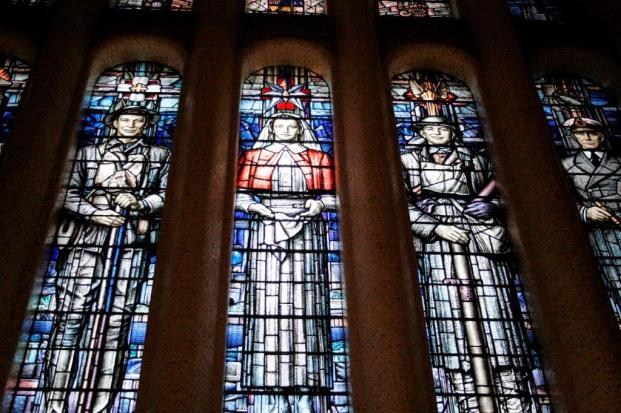
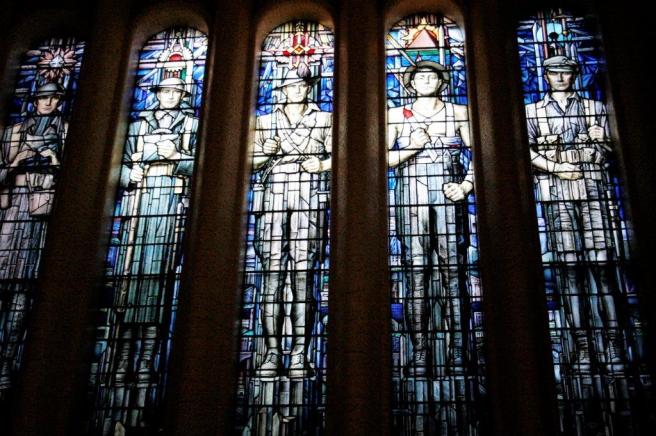
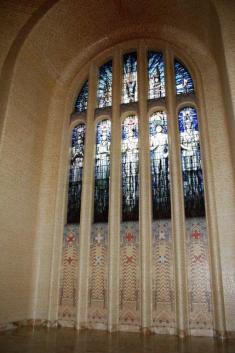
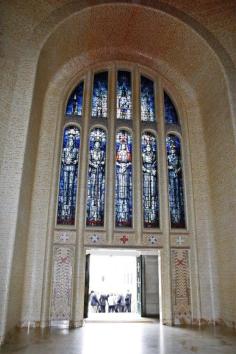
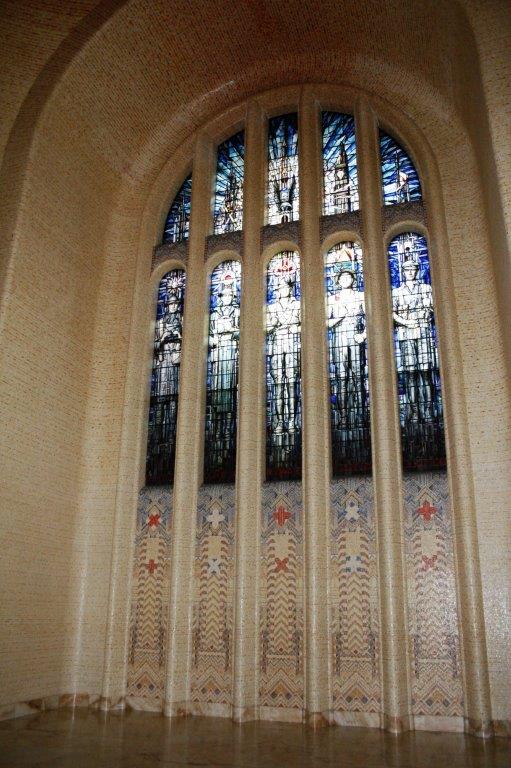
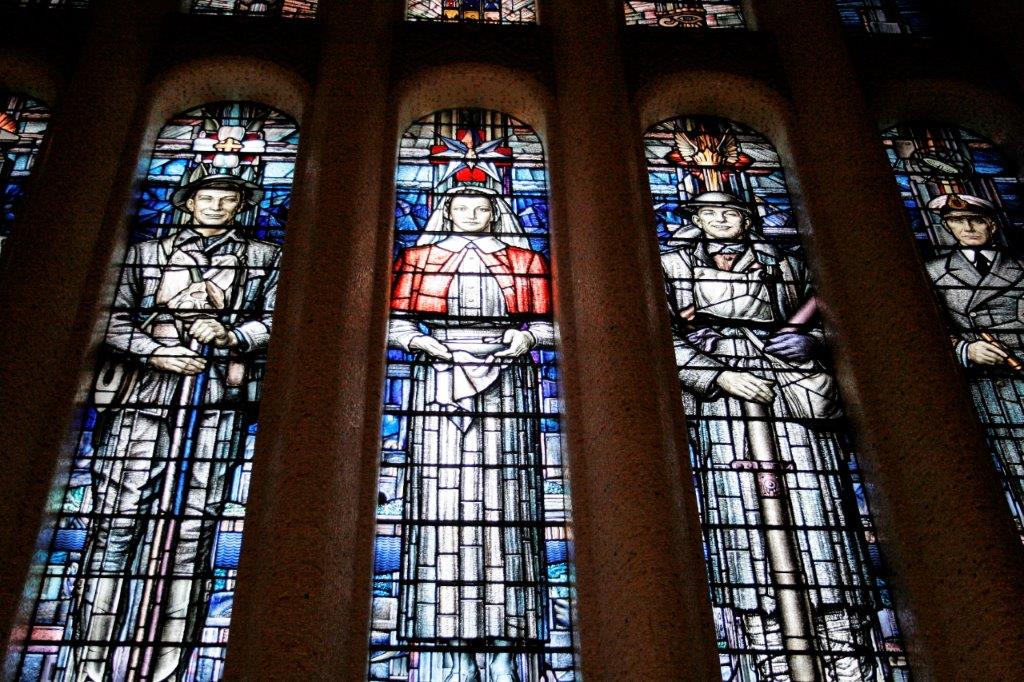
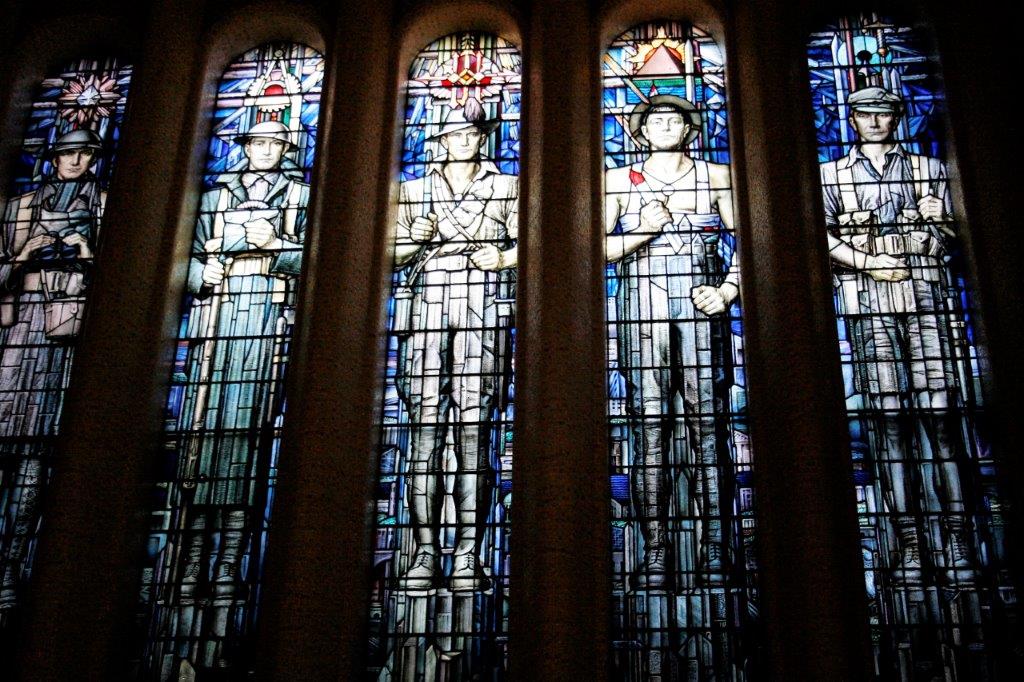
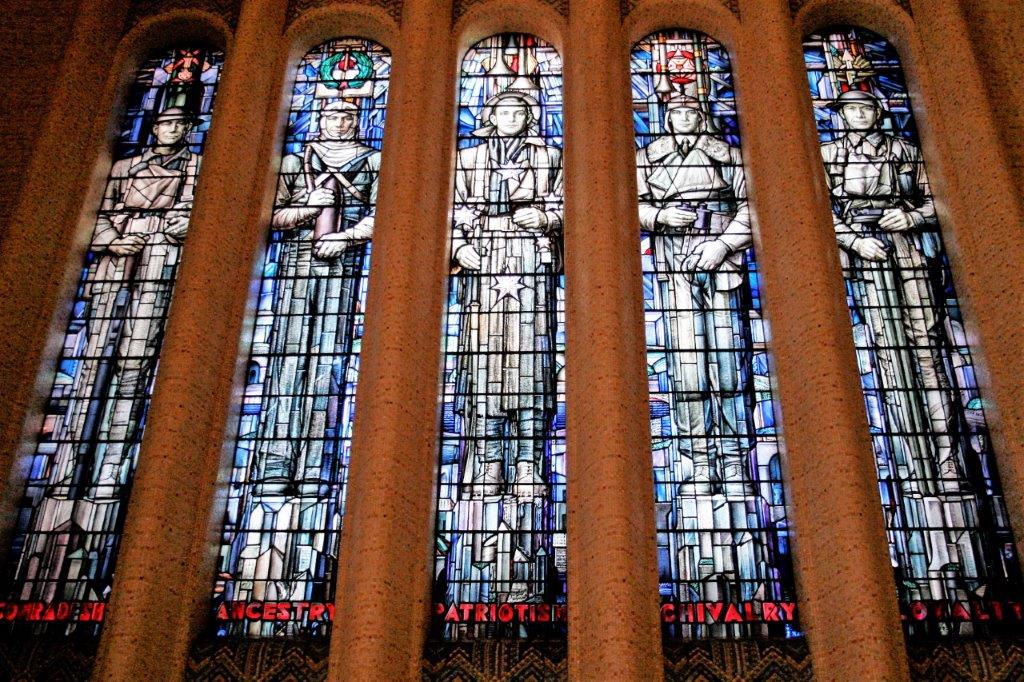
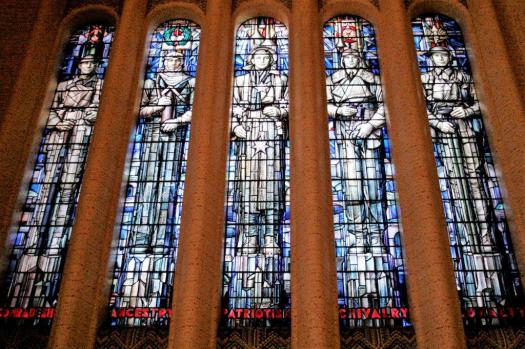 The stained-glass windows depicted all the branches of military and support services.
  As we were leaving the Tomb of the Unknown Soldier a man who was standing talking to another fellow asked us where we were from. We told him and chatted a bit about the museums and memorial. He then invited us to join him and his friend for lunch. How nice was that? Aussies are a friendly hospitable people. Unfortunately Robyn was picking us up in a while so we had to decline. I still remember his friendly kindness 6 years later.
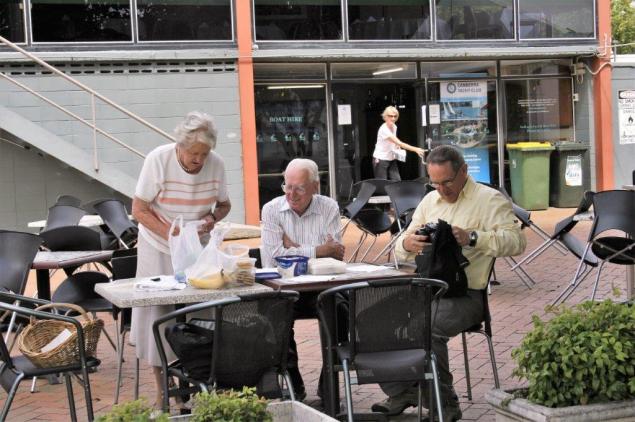
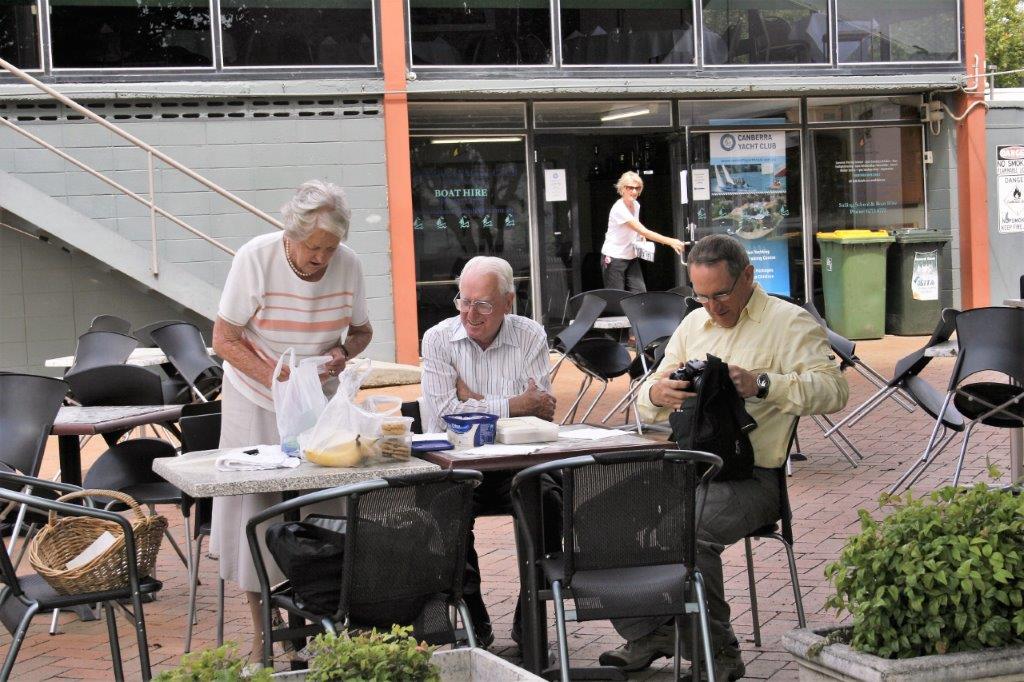
Robyn and Charles took us to the Yacht Club where we ate the picnic lunch she had brought along.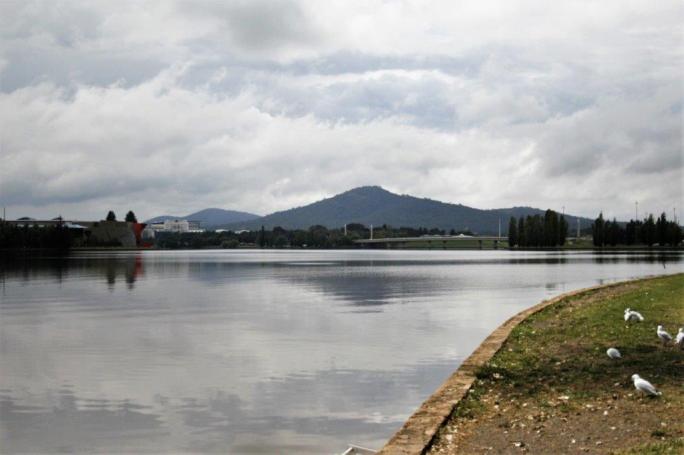
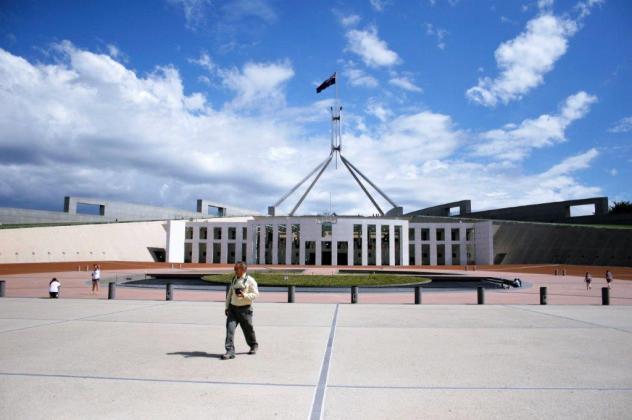
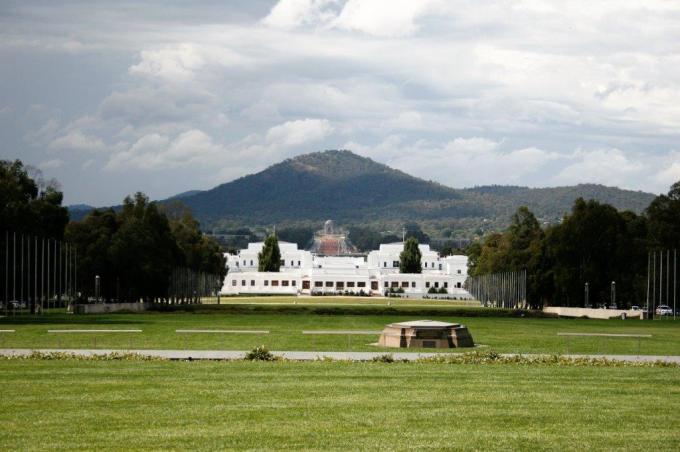
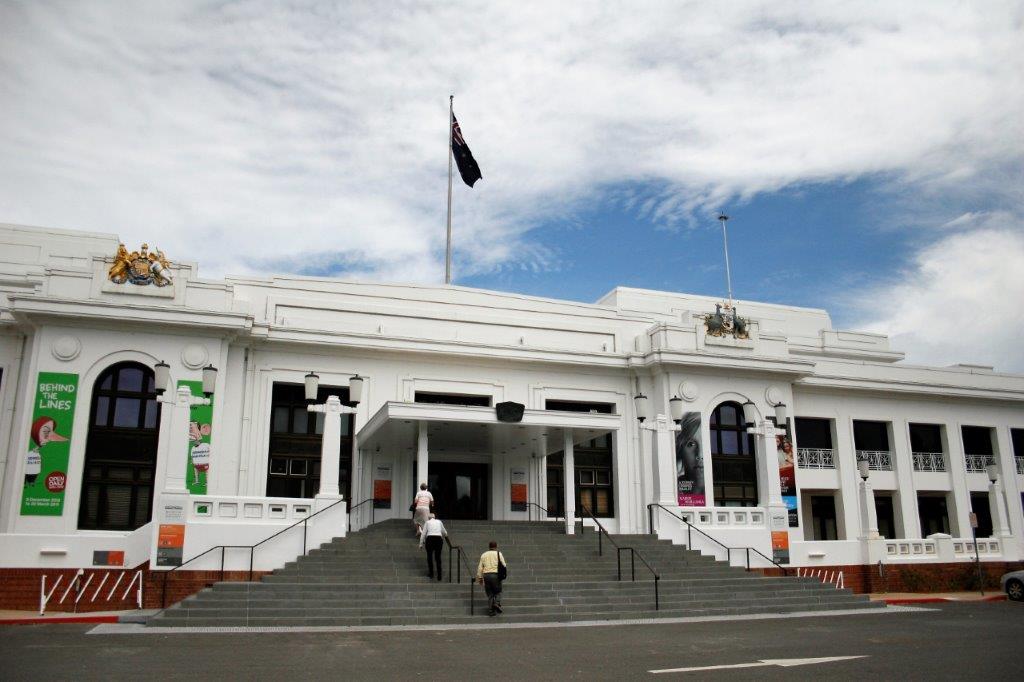
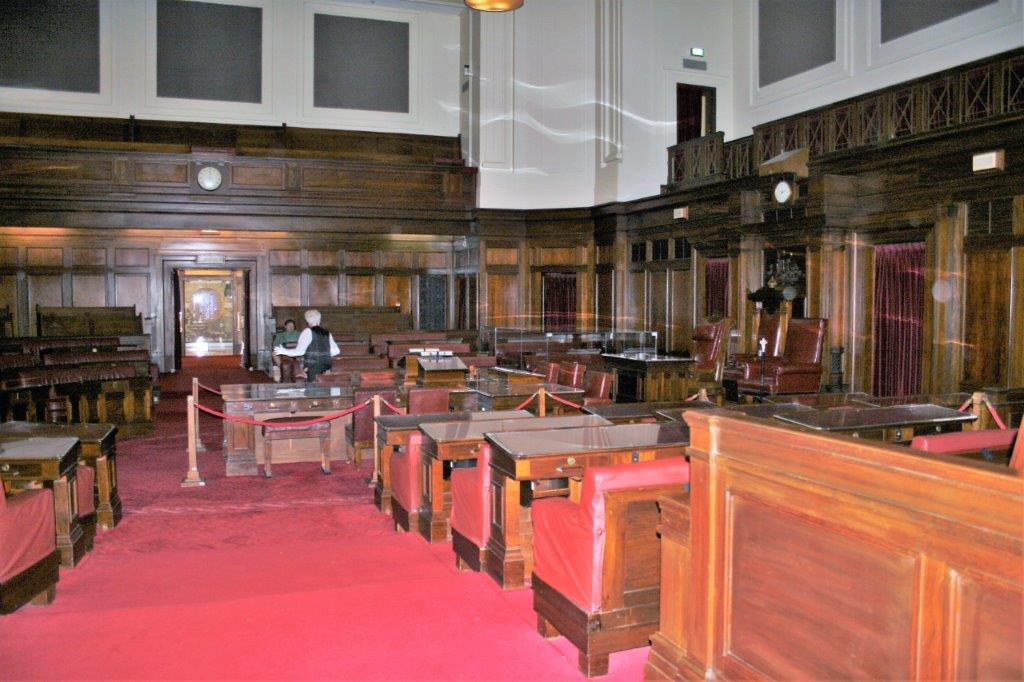
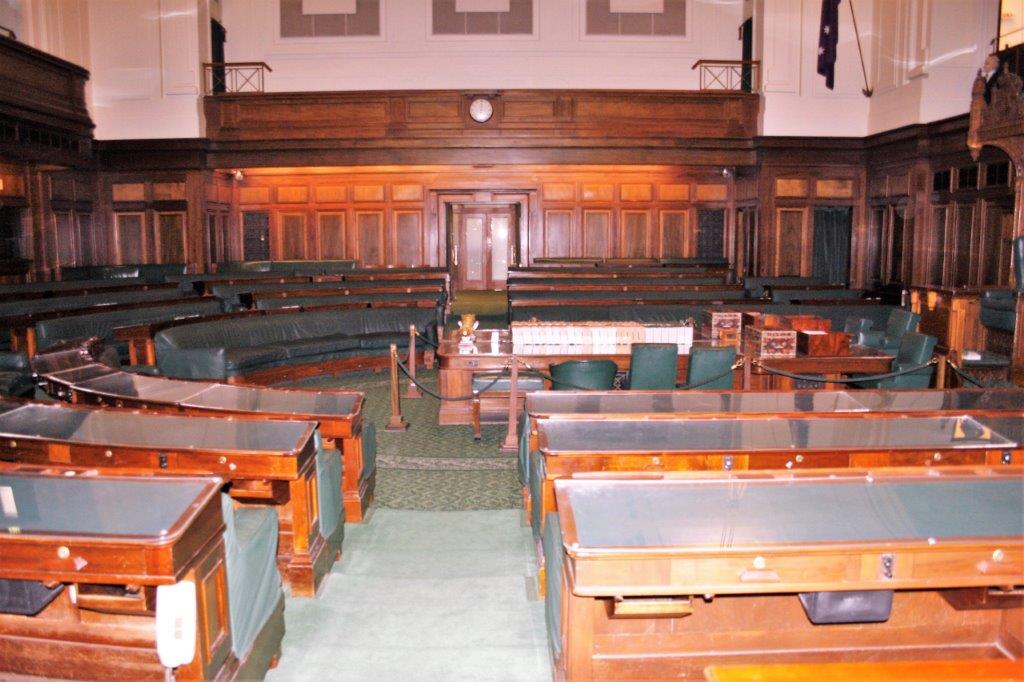
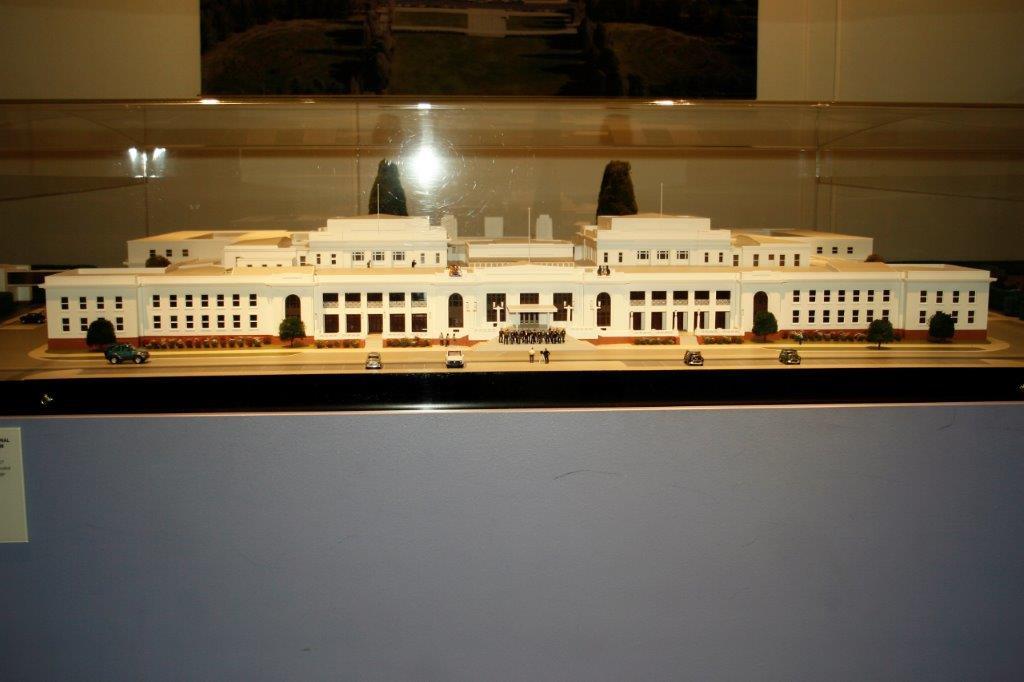
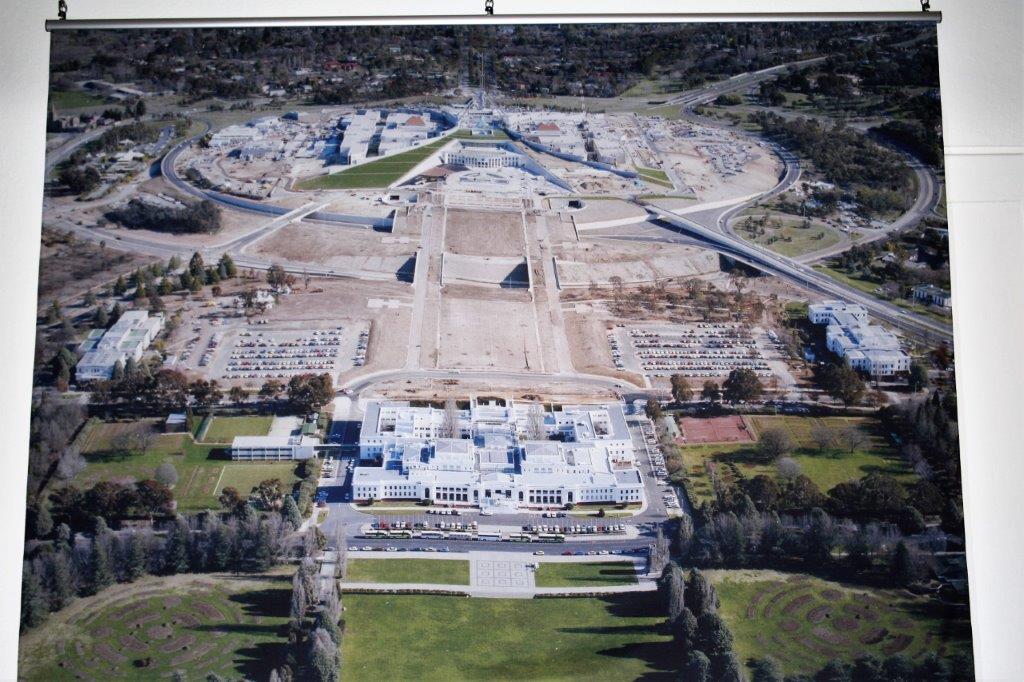
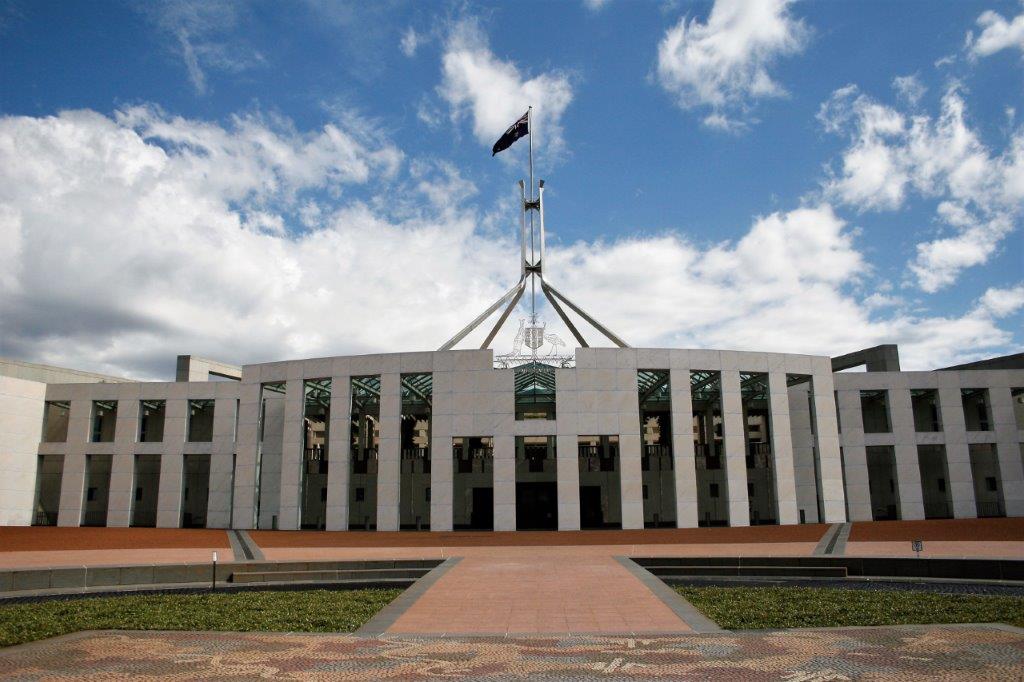
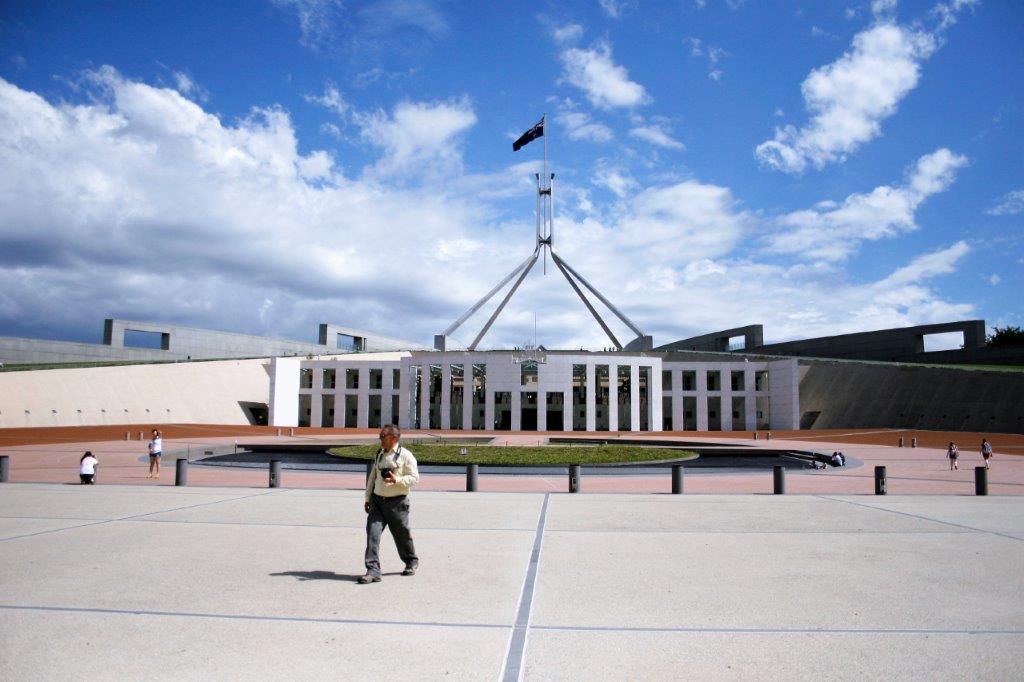
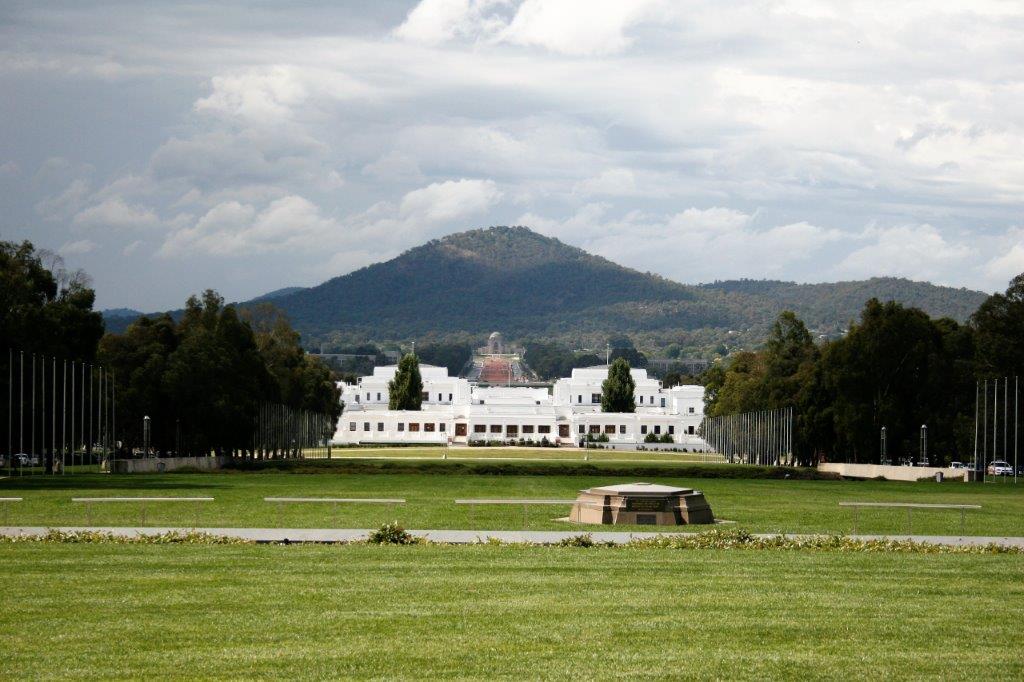
 After lunch we went to the Old Parliament House and the New Parliament complex.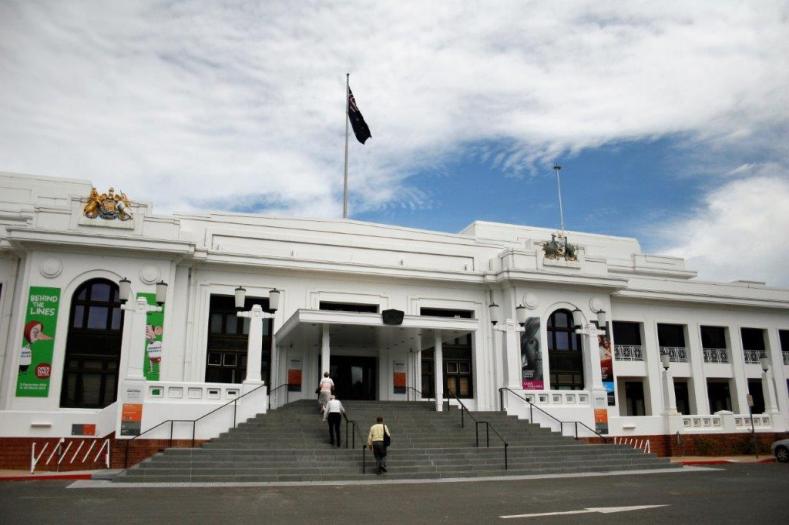
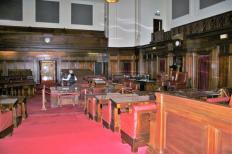
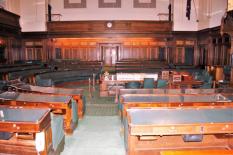

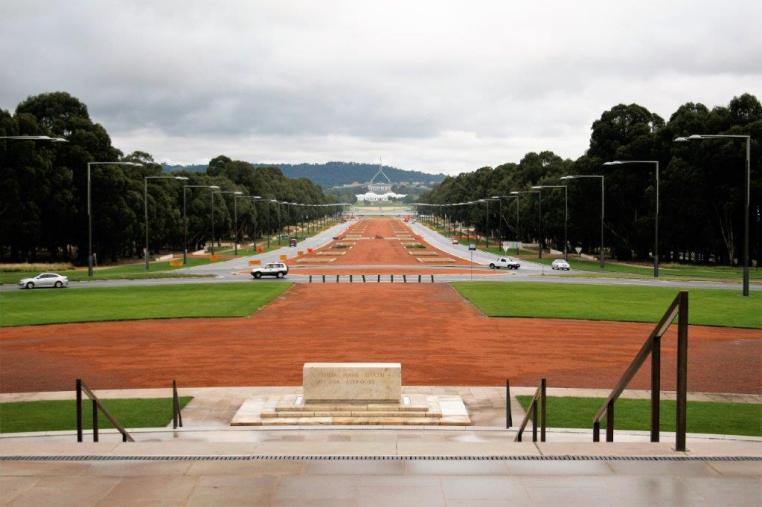
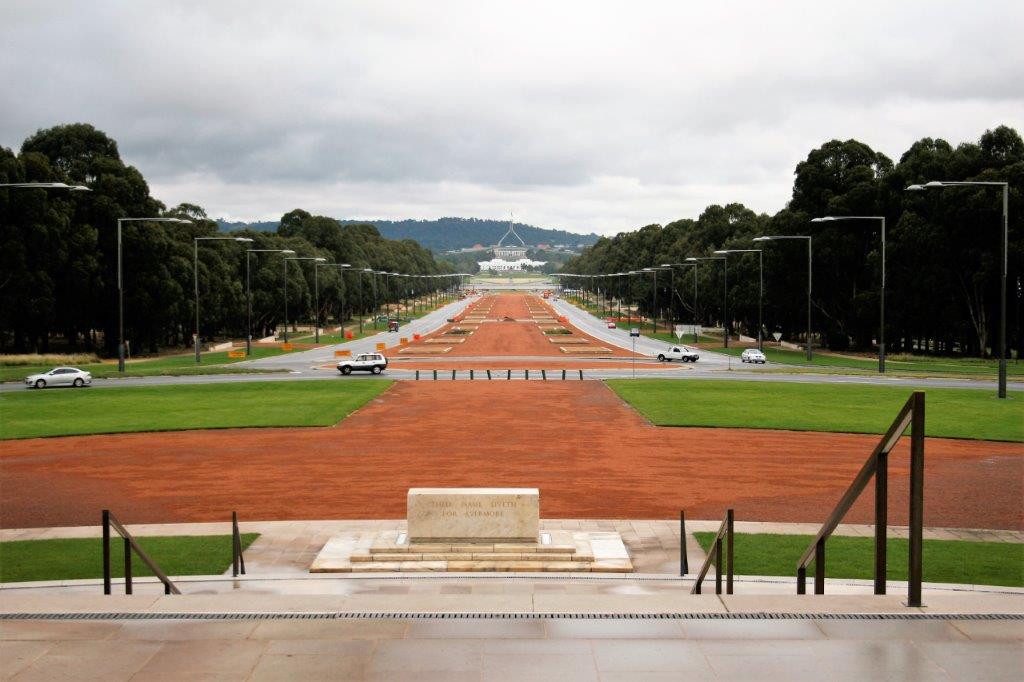
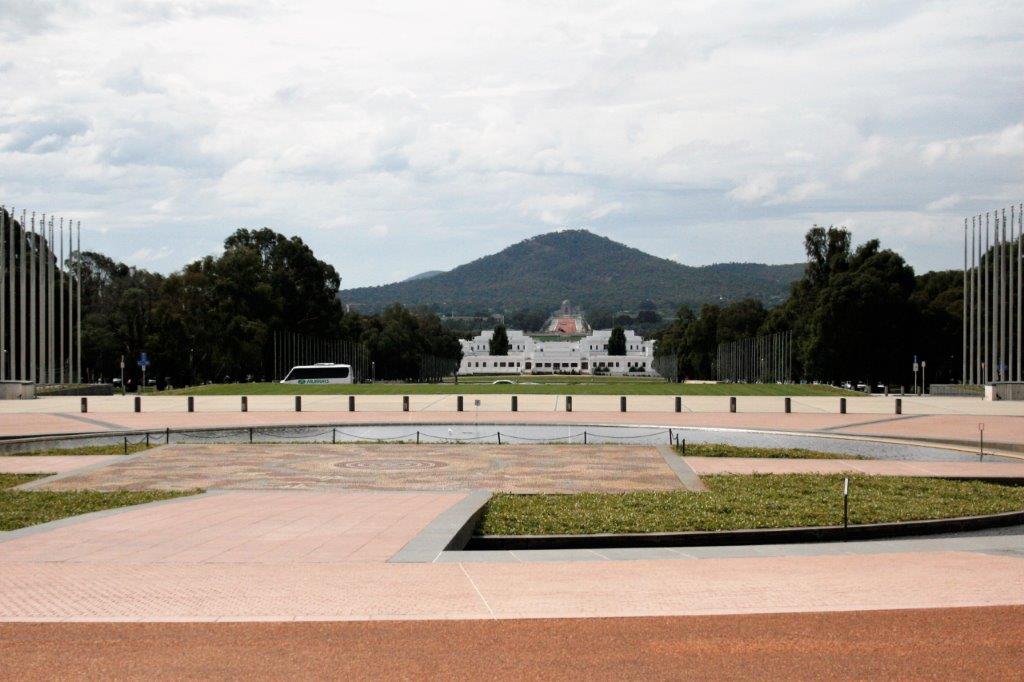
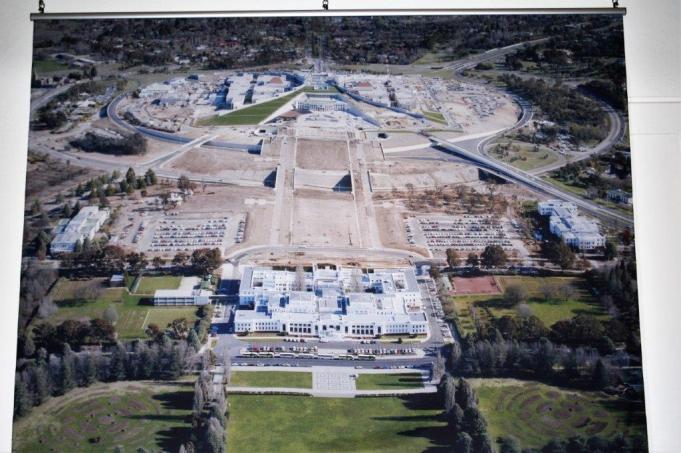 Canberra is a planned city and there is a straight line of sight from the Australia War Memorial to the Old and New Parliament buildings.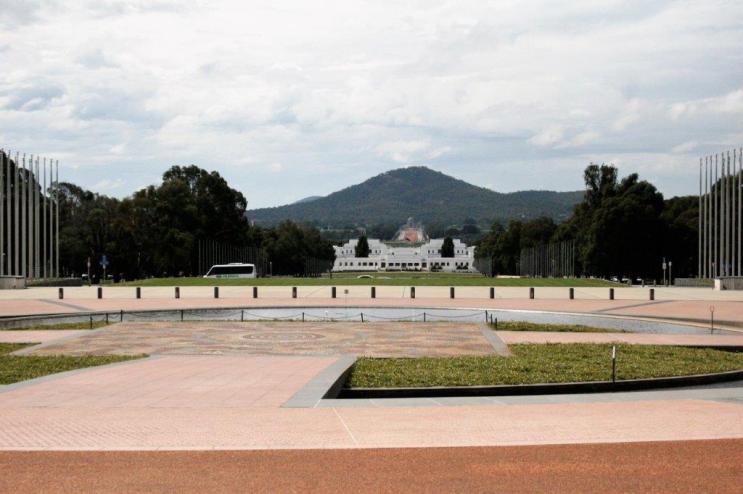
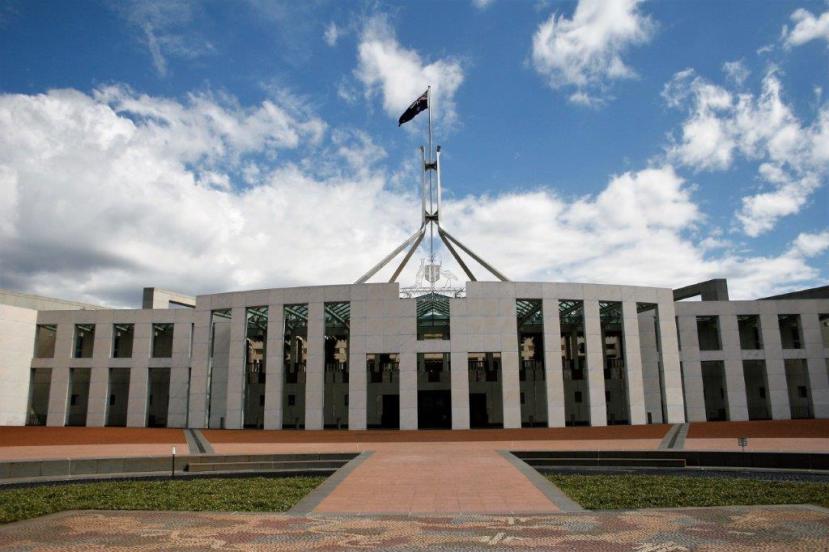

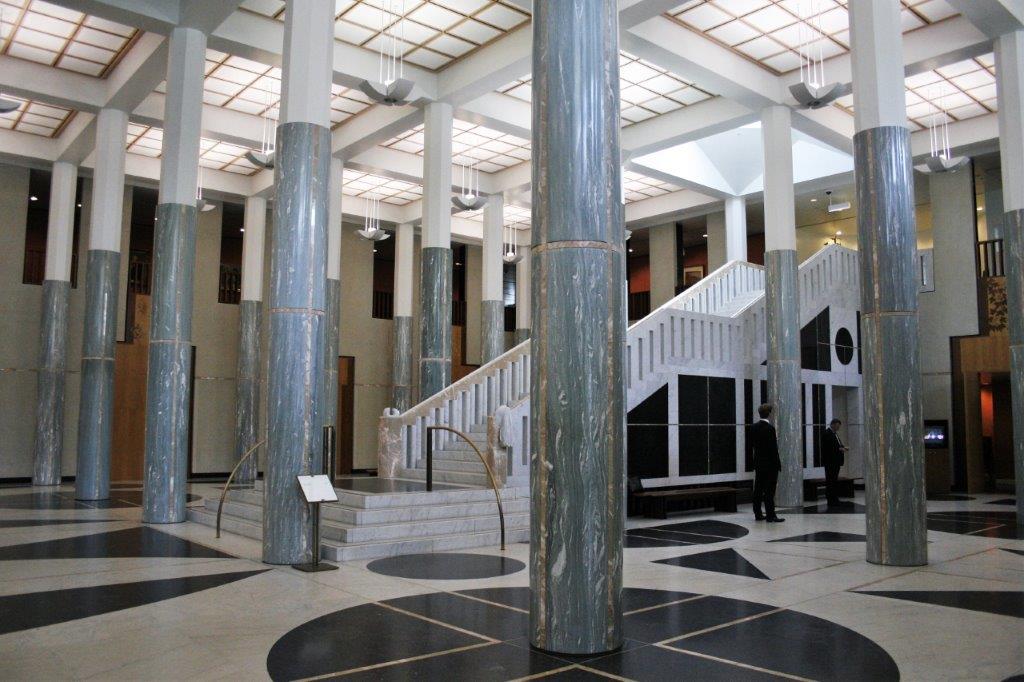
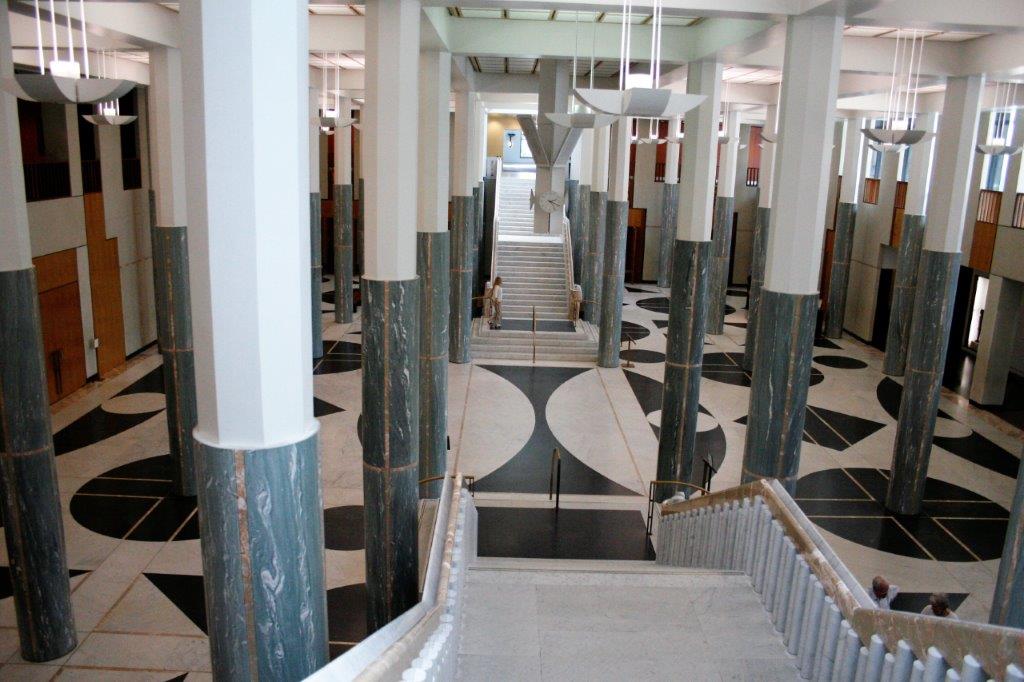
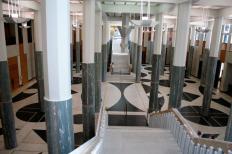 The pillars in the New Parliament entrance are made to look like the bark of eucalyptus trees. It was a beautiful building. We sat in on Question Period in the House (just as much silliness and posturing as goes on in Parliament in Canada) and also listened to a Senate meeting. The big topic for discussion was a proposed carbon tax .(Now where have we heard that before?)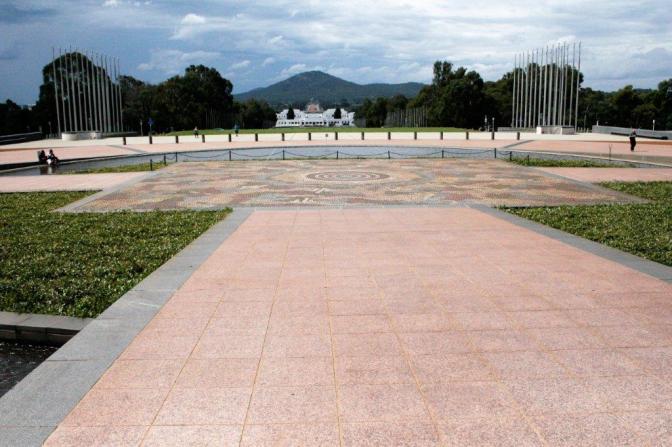
 Our final stop of the day was the Australian Mint where they print the country’s stamps and coins and, for obvious reasons, no photos were allowed. Then it was back to the hotel and a rest before bed. We had an awesome day in Canberra and really enjoyed meeting John’s ‘rellies.’ (Australians shorten just about everything. Relatives are rellies. Firemen are firies. Politicians are pollies. Universities are unies. Pedestrians are peddies. A ice cooler is an Eskie (short for Eskimo box). Mosquitoes are mossies. Sunglasses are sunnies. An SUV is a ute for utilitiy vehicle. Food is tucker. Bushtucker is food found in nature or cooked in open fires. They speak English, but it is a whole new language.)
 We left Queanbeyan at 11:15, stopped for a picnic lunch along the way down the mountain and arrived at Batemans Bay at 1:15. The road to Canberra may only be 130 km but it is certainly not a fast road; steep and winding. There is a direct route west out of Sydney that will take you to Canberra in about an hour, but we used the southern route inland from the coast.
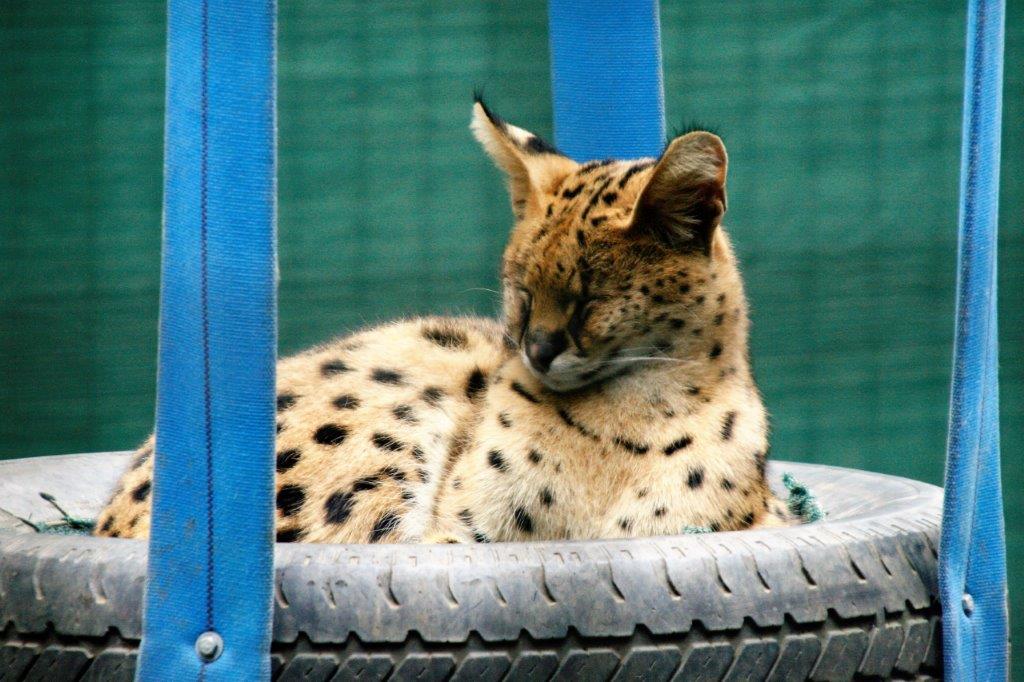
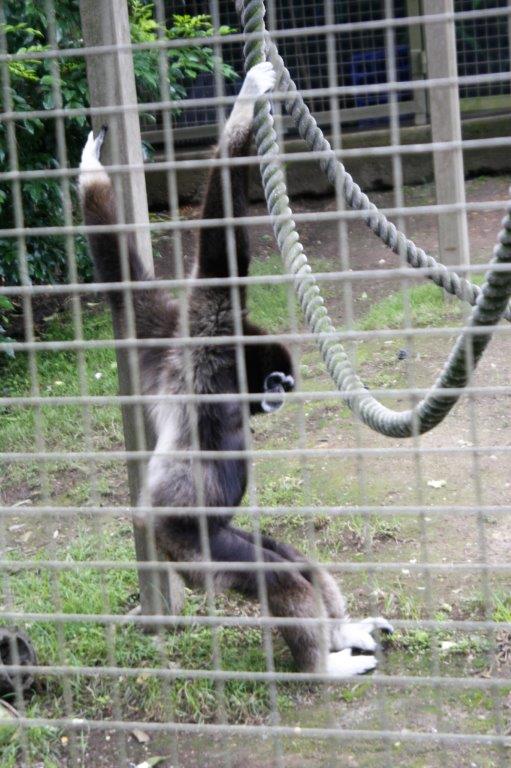
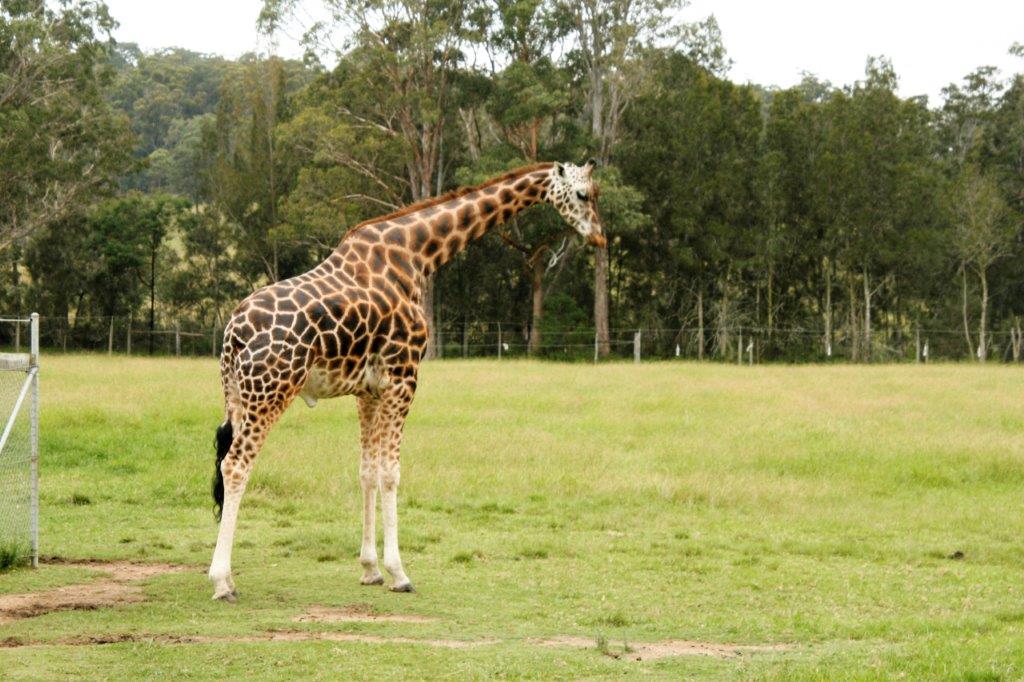
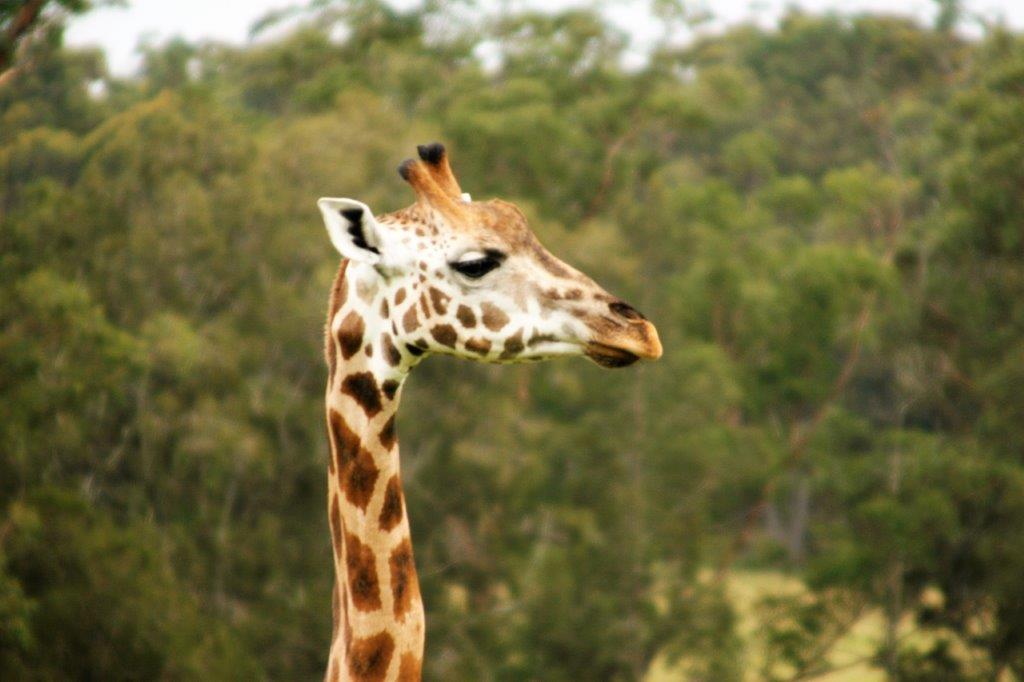
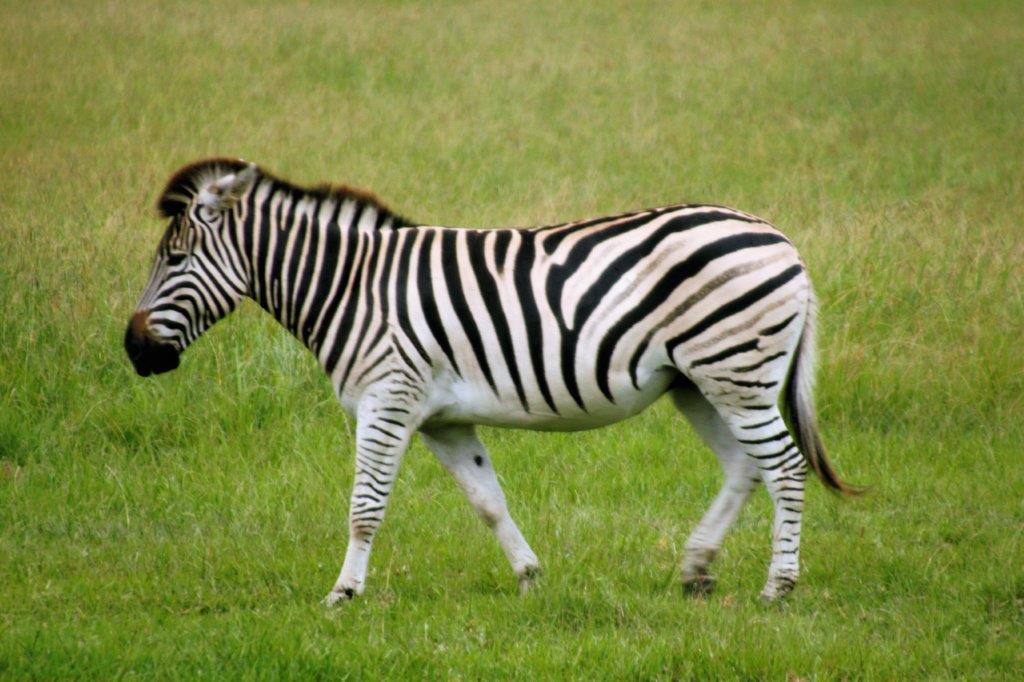
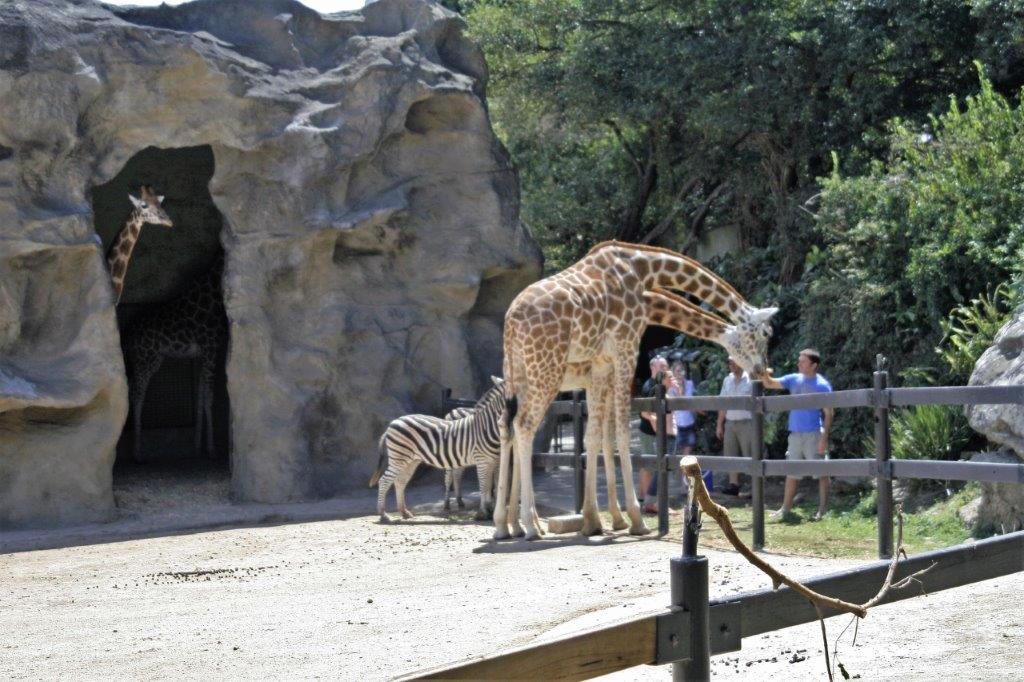
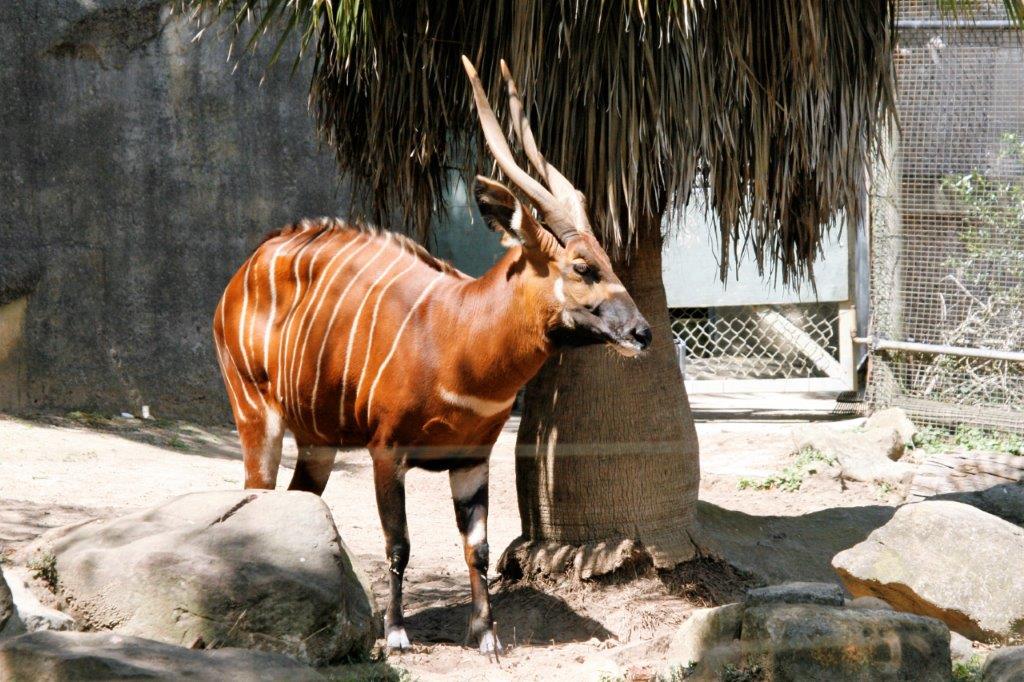
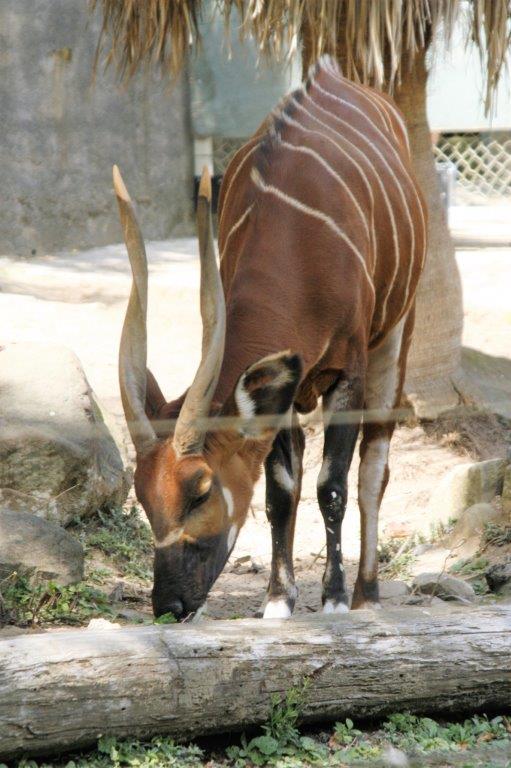
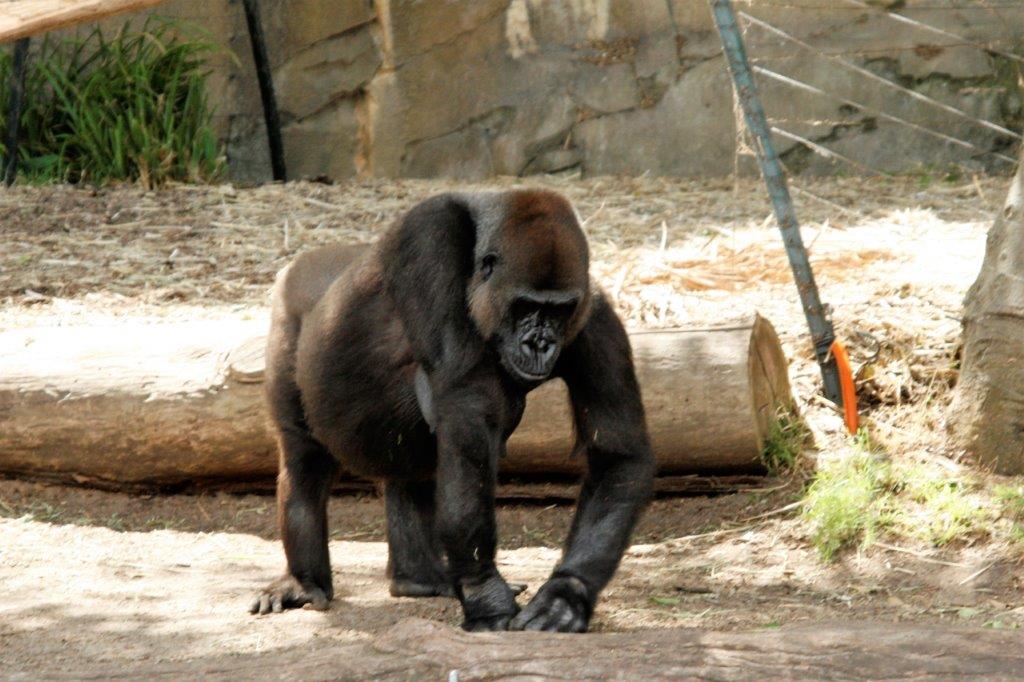
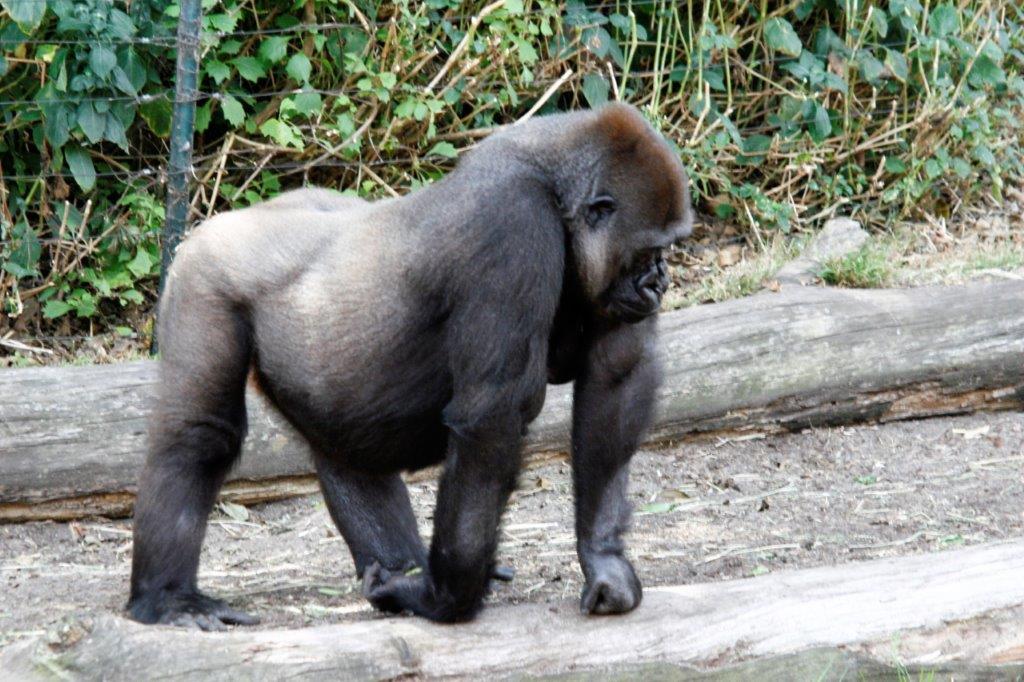
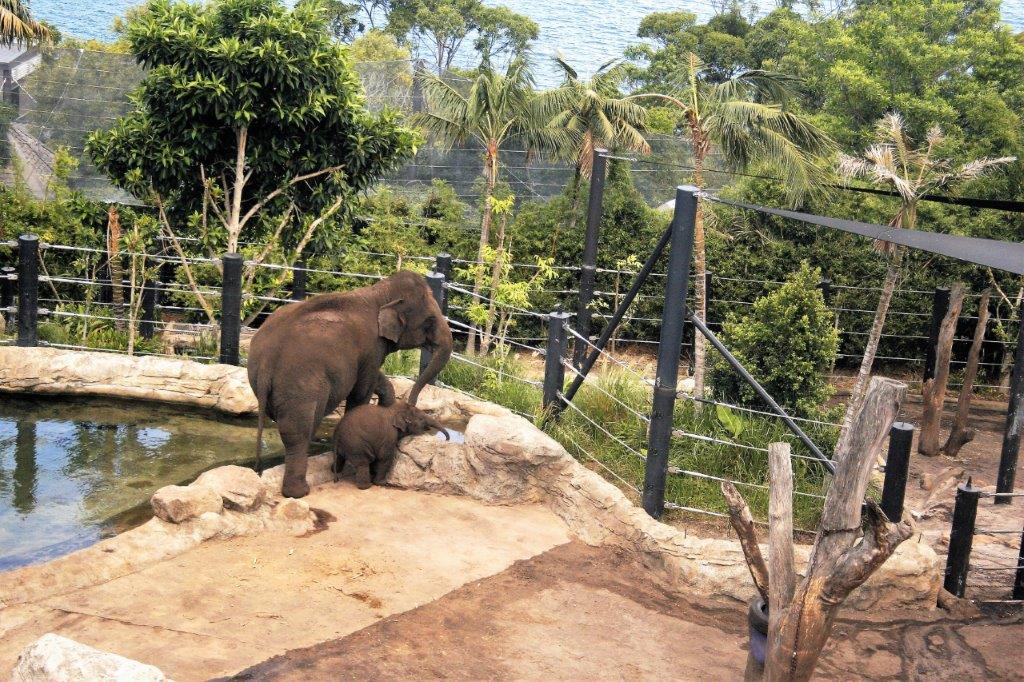
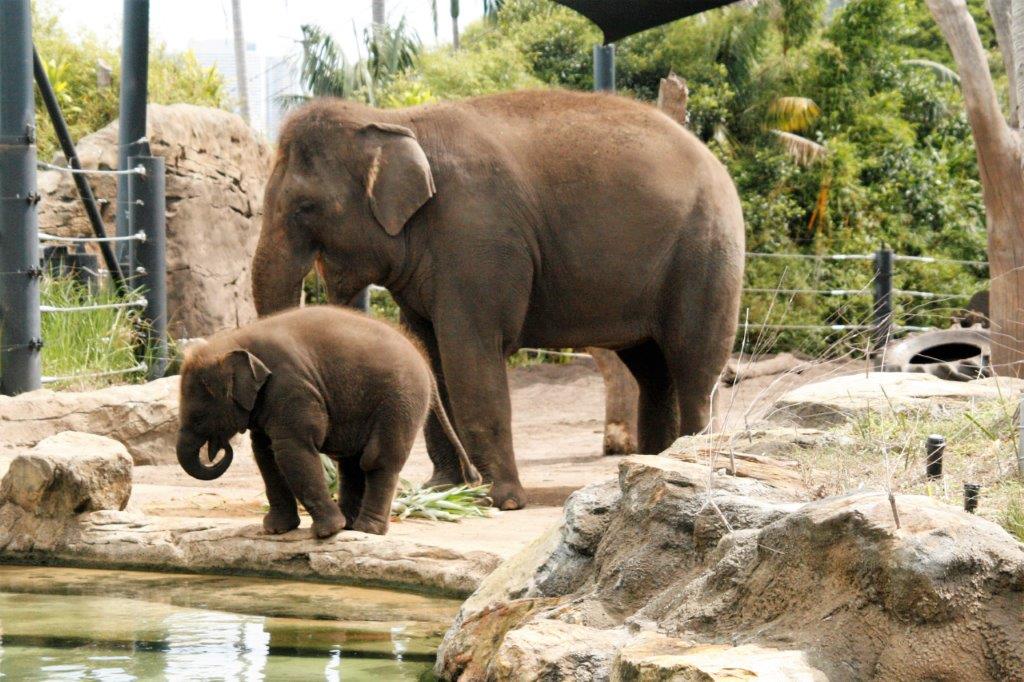
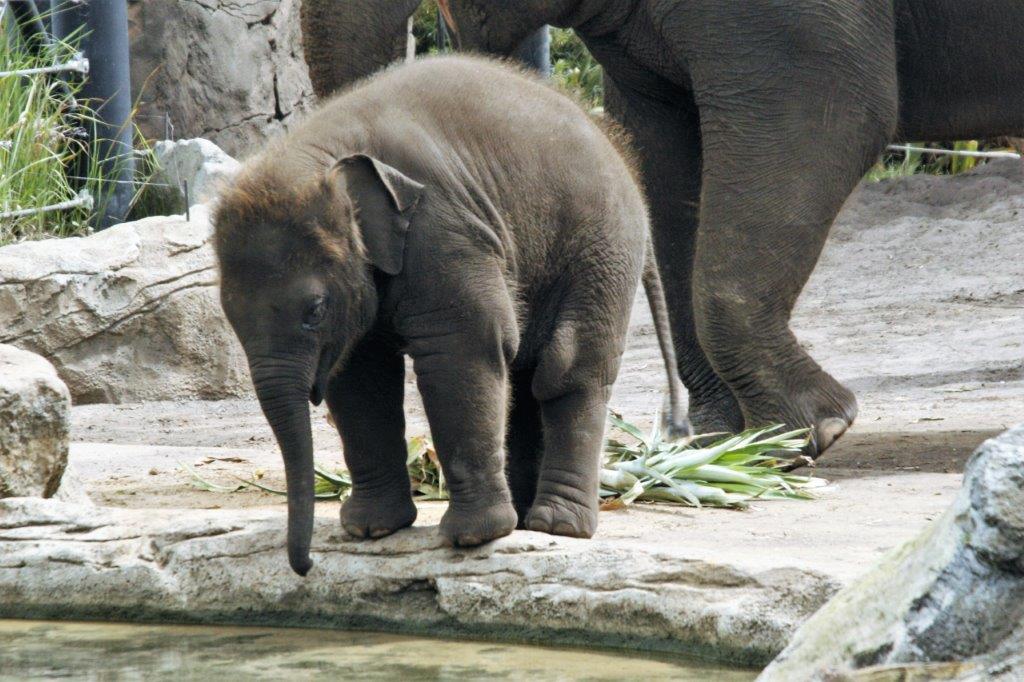
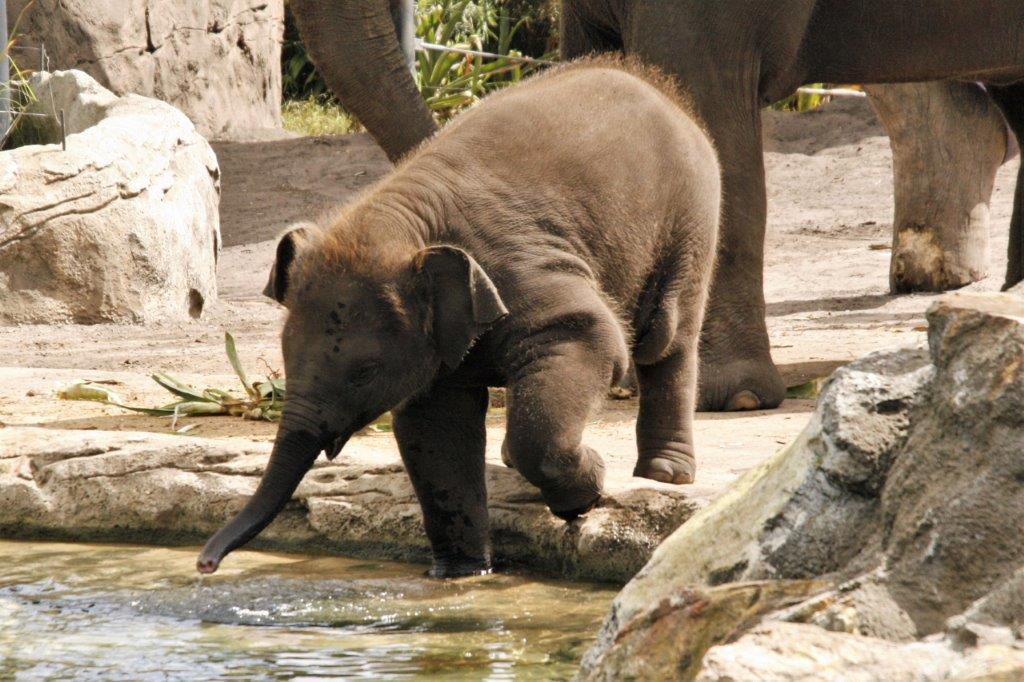
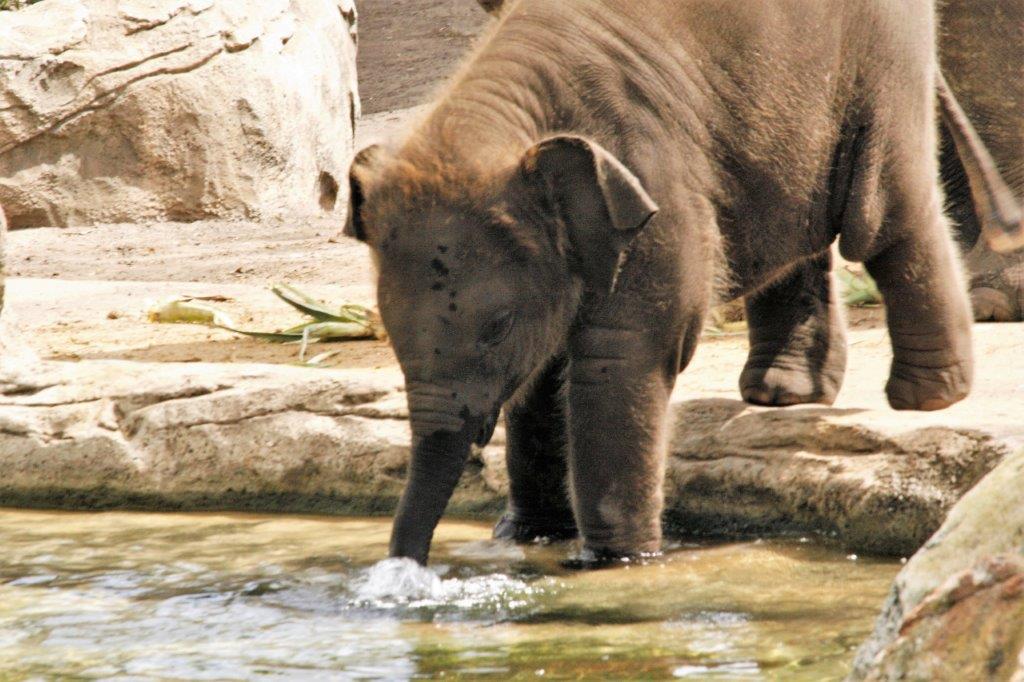
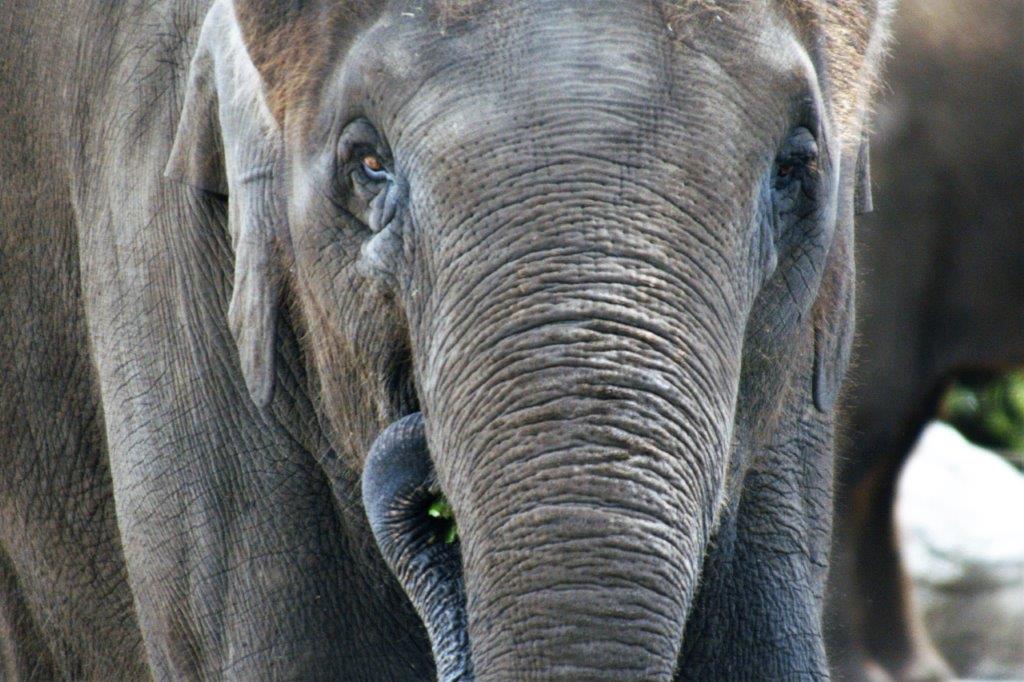
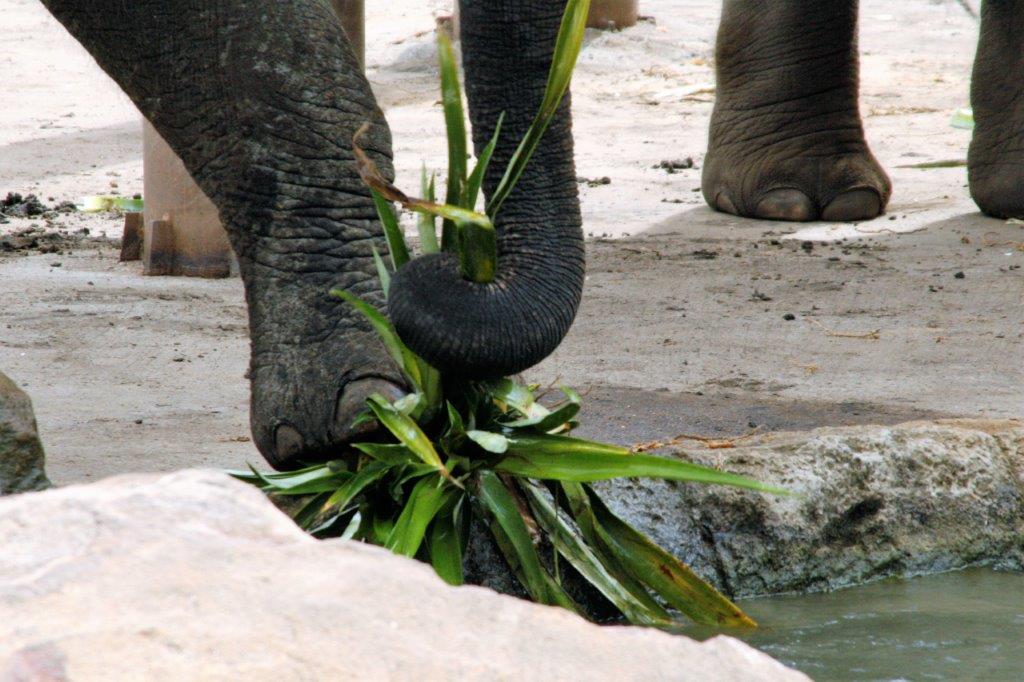
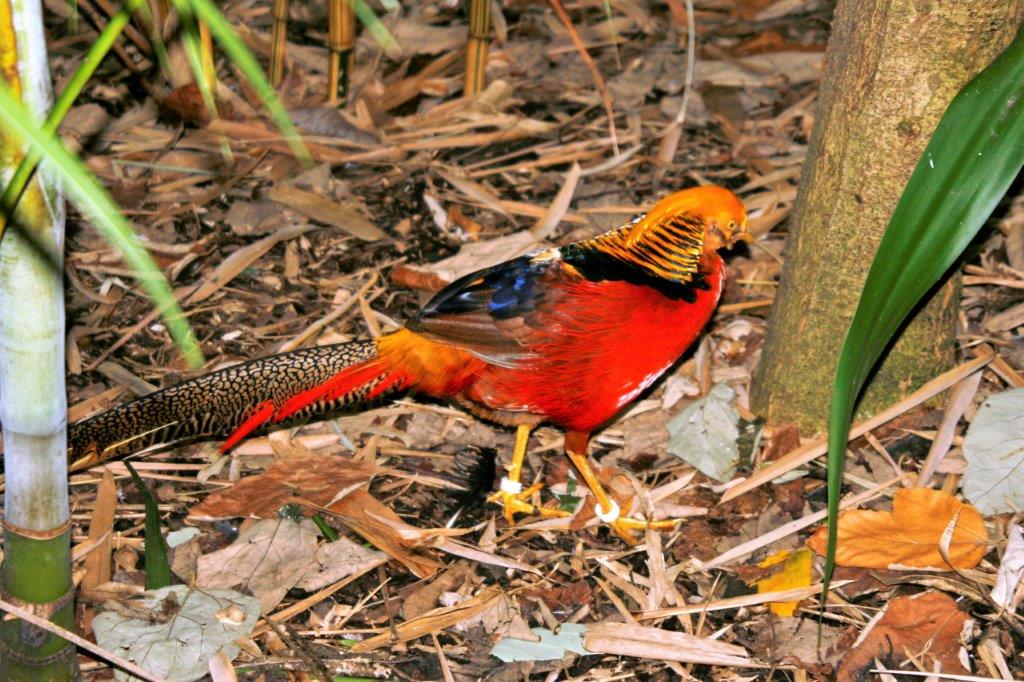
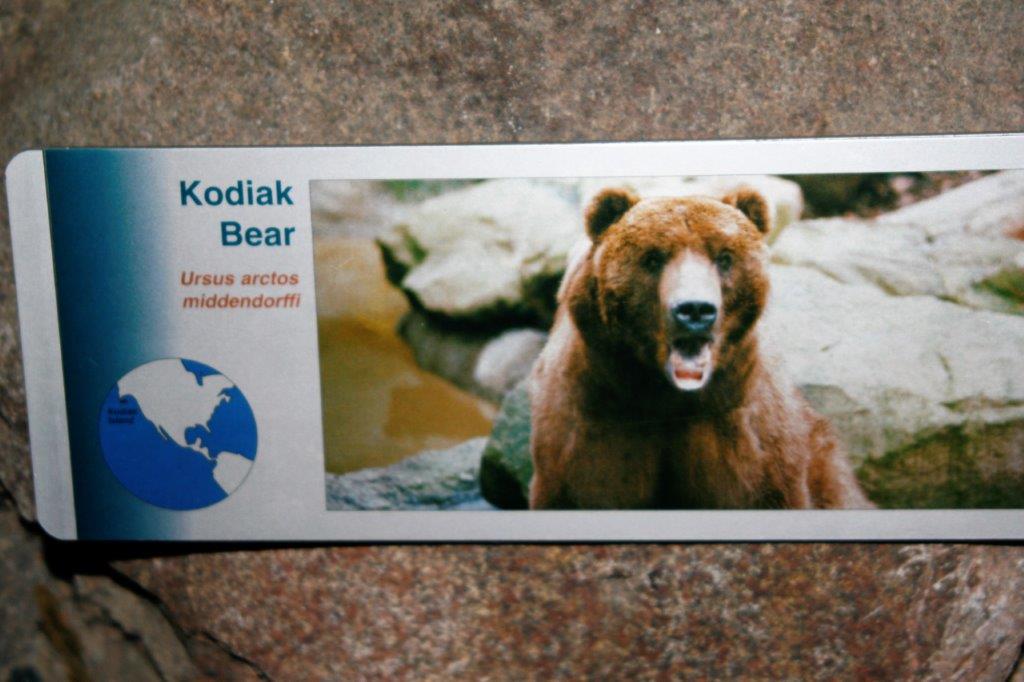
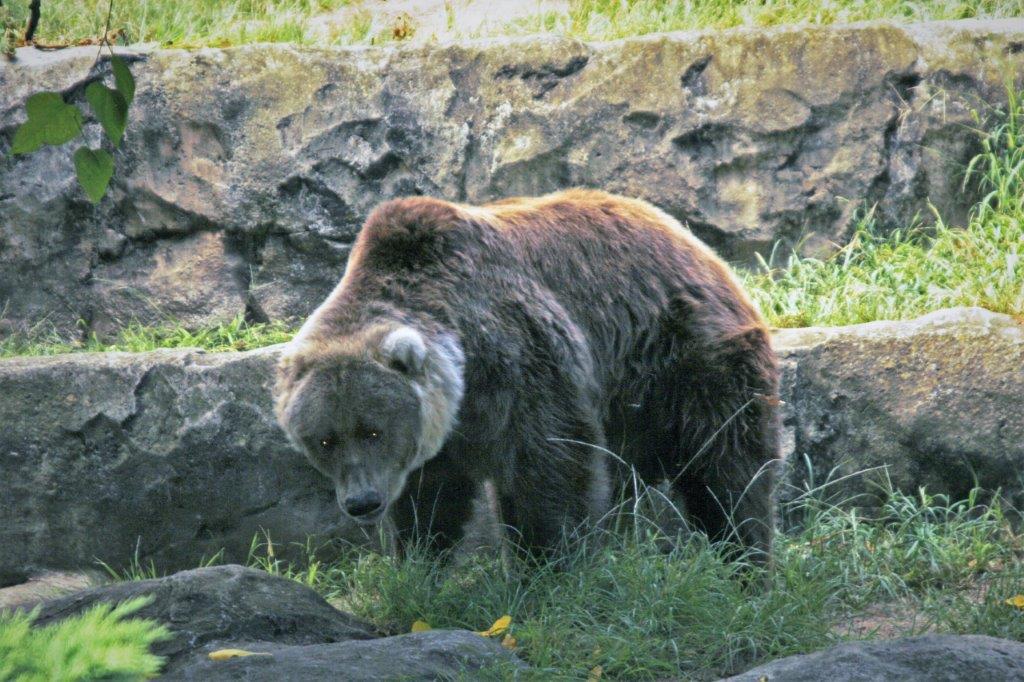
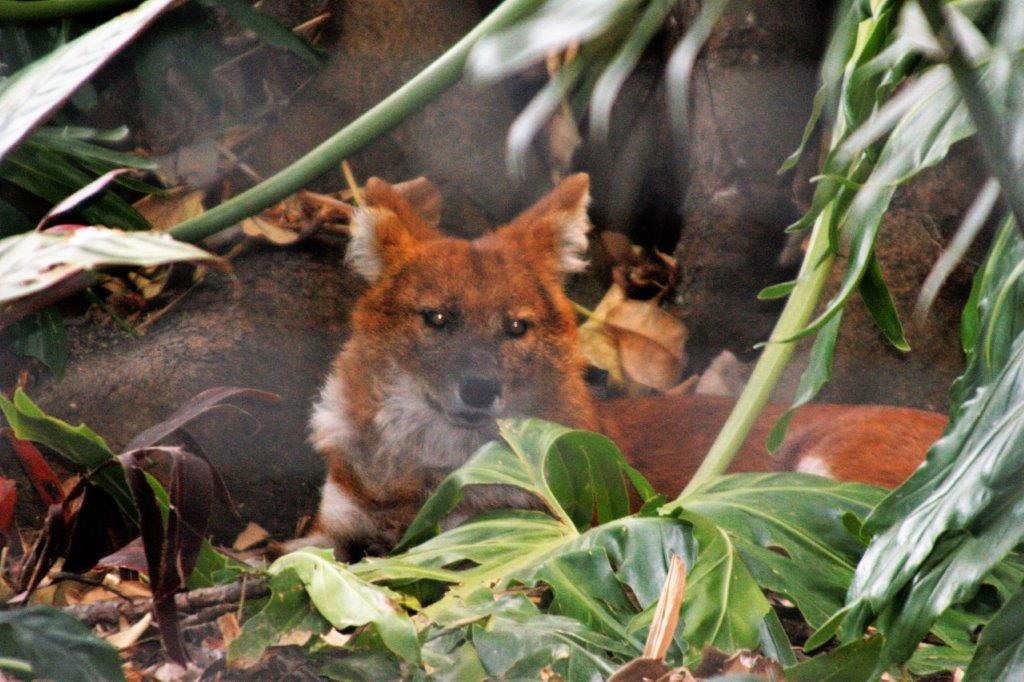
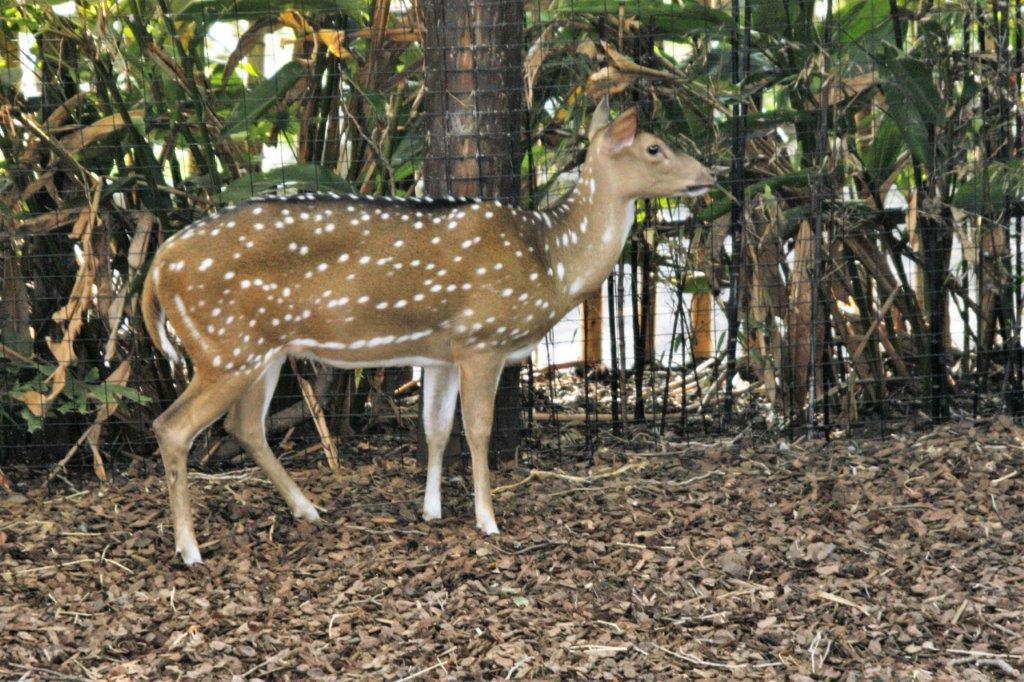
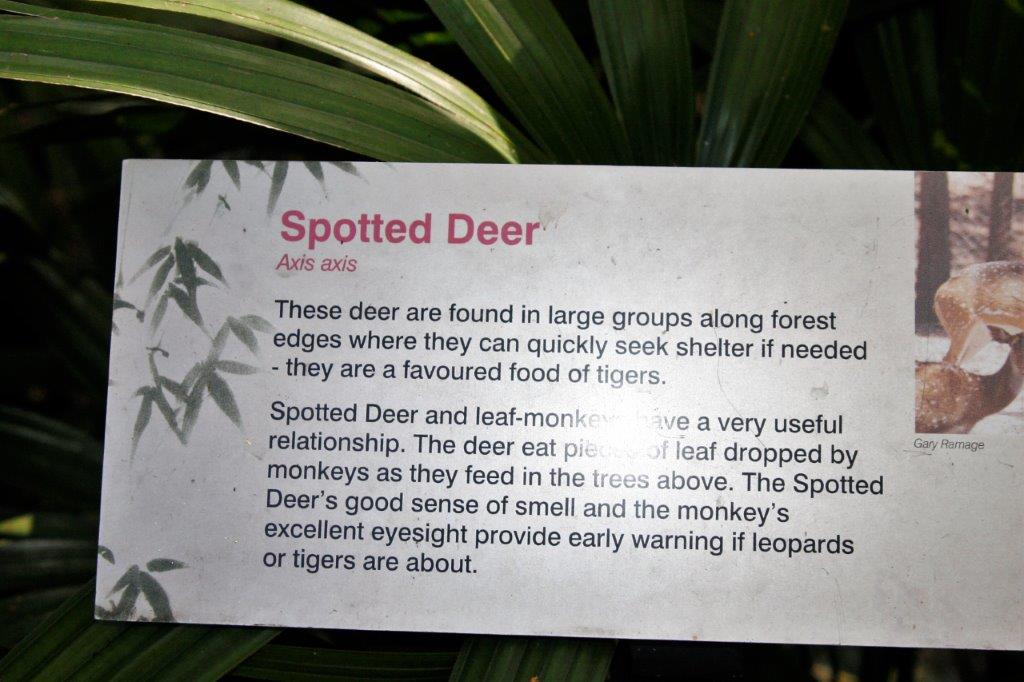
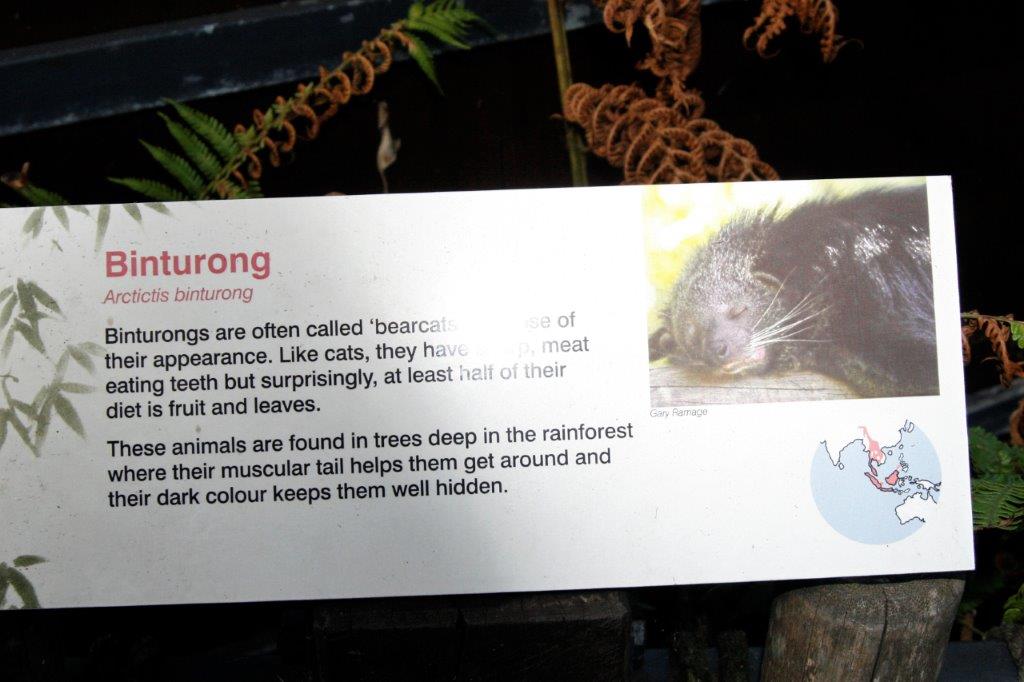
 We spent most of the afternoon there. It was an awesome place; the animals all had large, natural enclosures, there were ropes and nets for the primates to climb, and lots of space for the critters.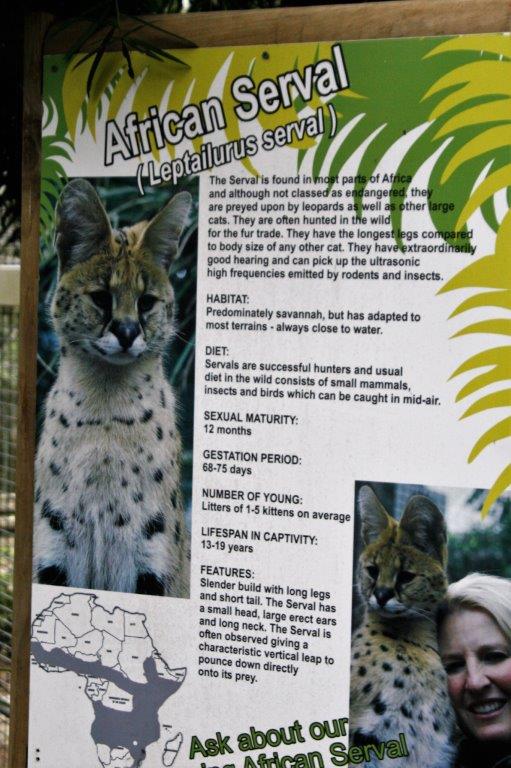

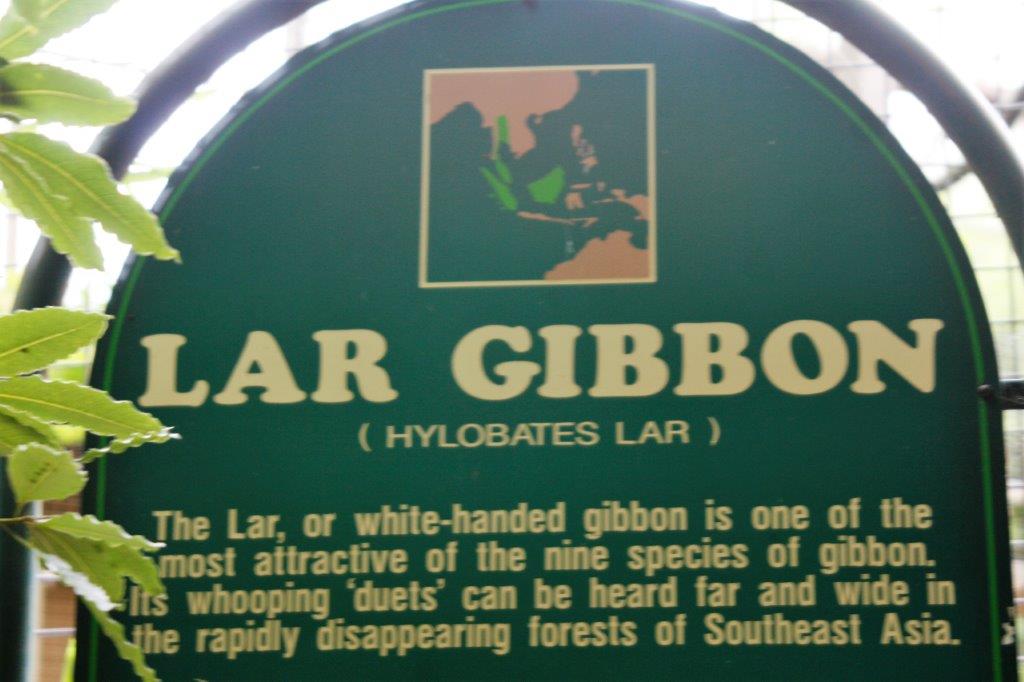
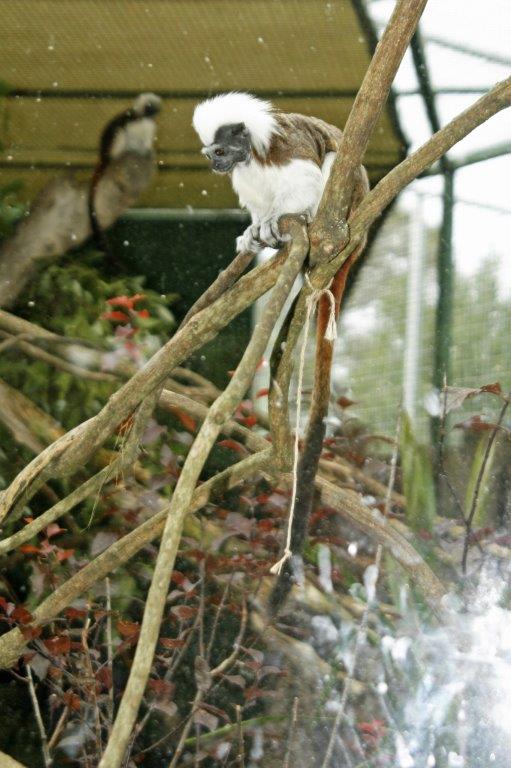
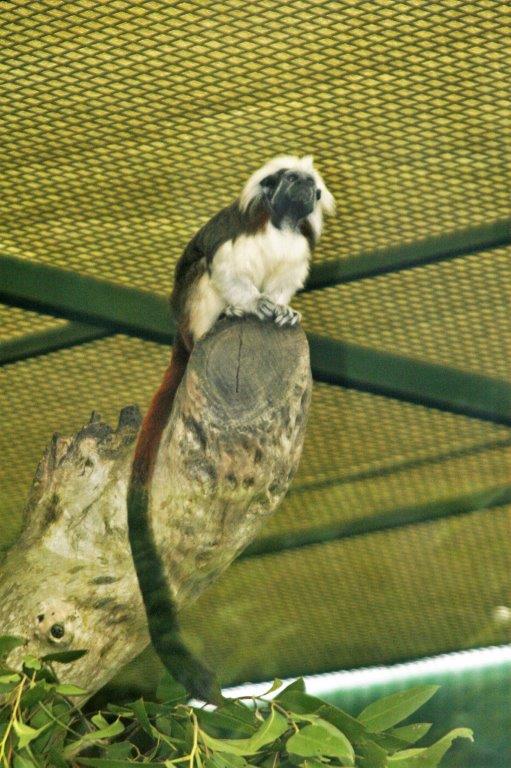
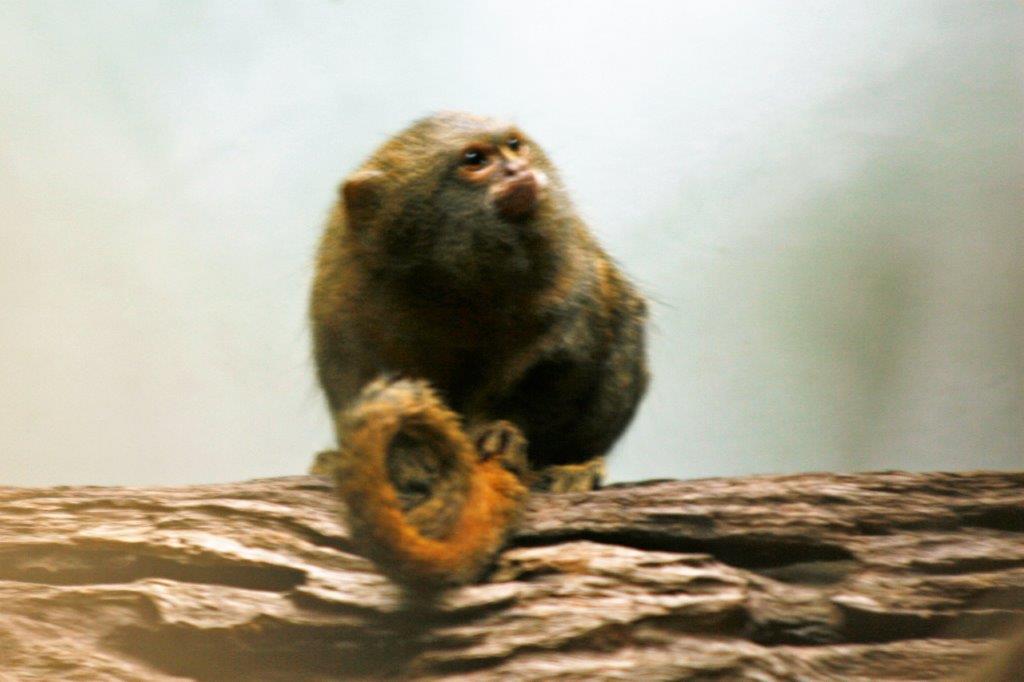
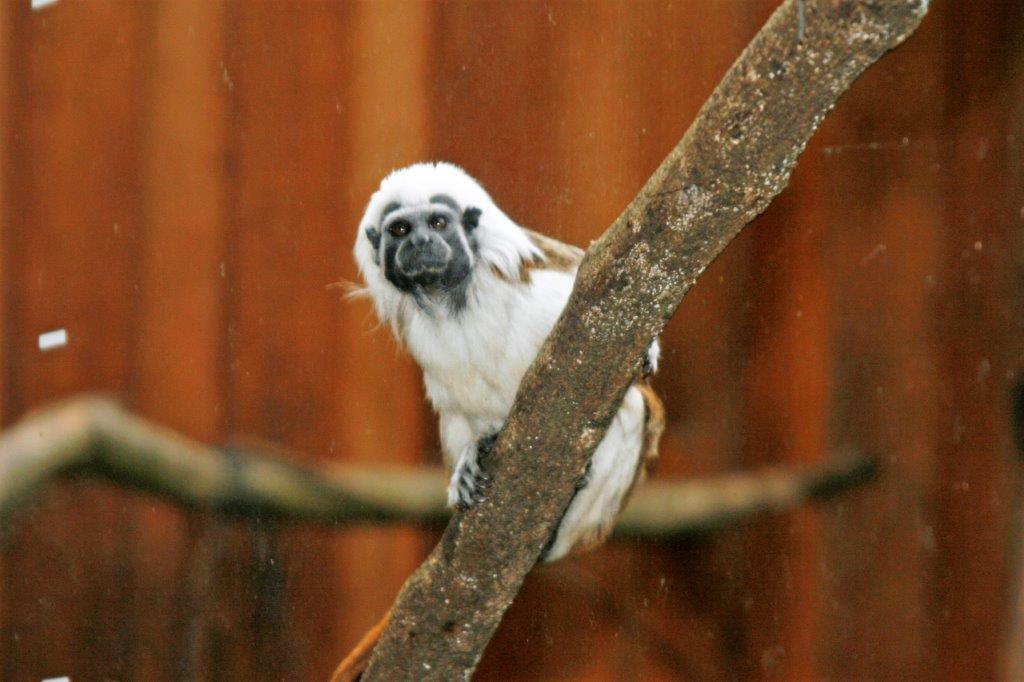 Cottontop Tamarin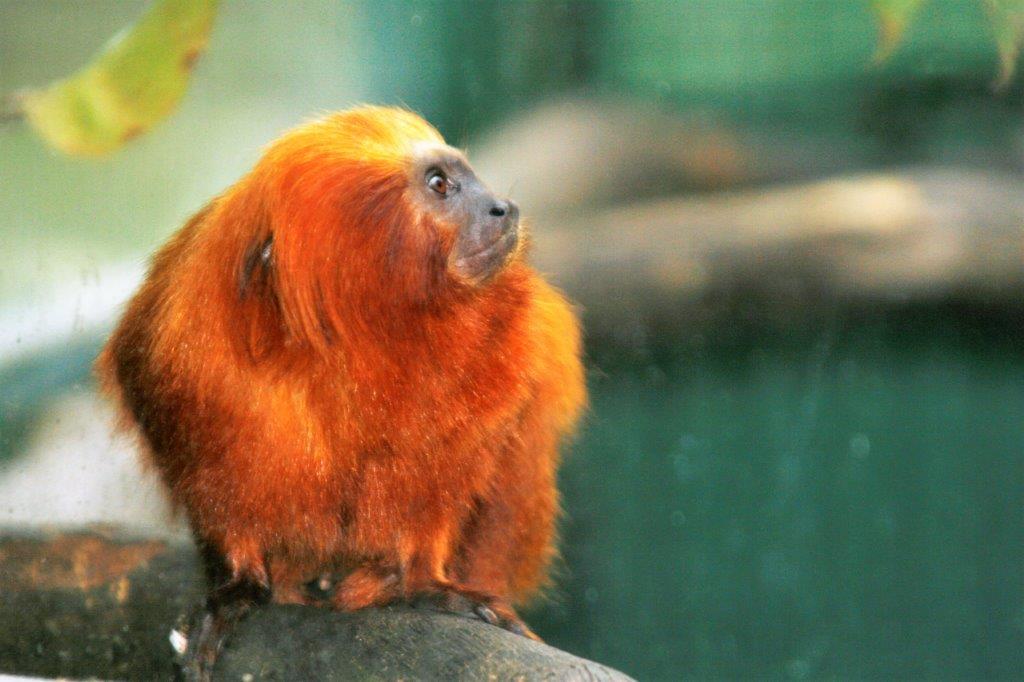
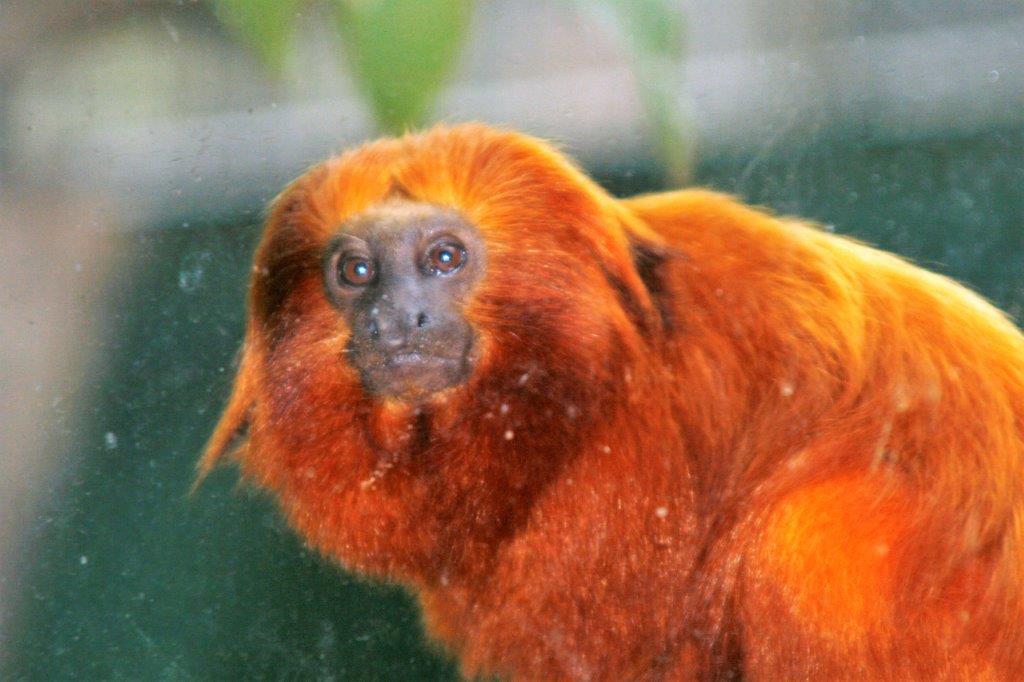
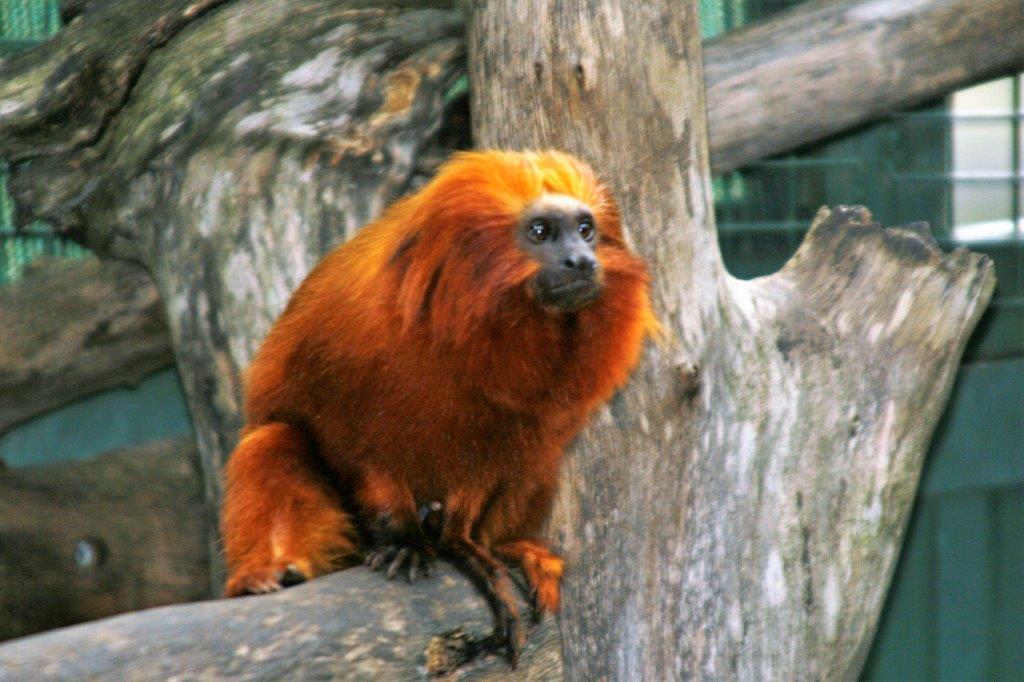 Golden Lion Tamarin
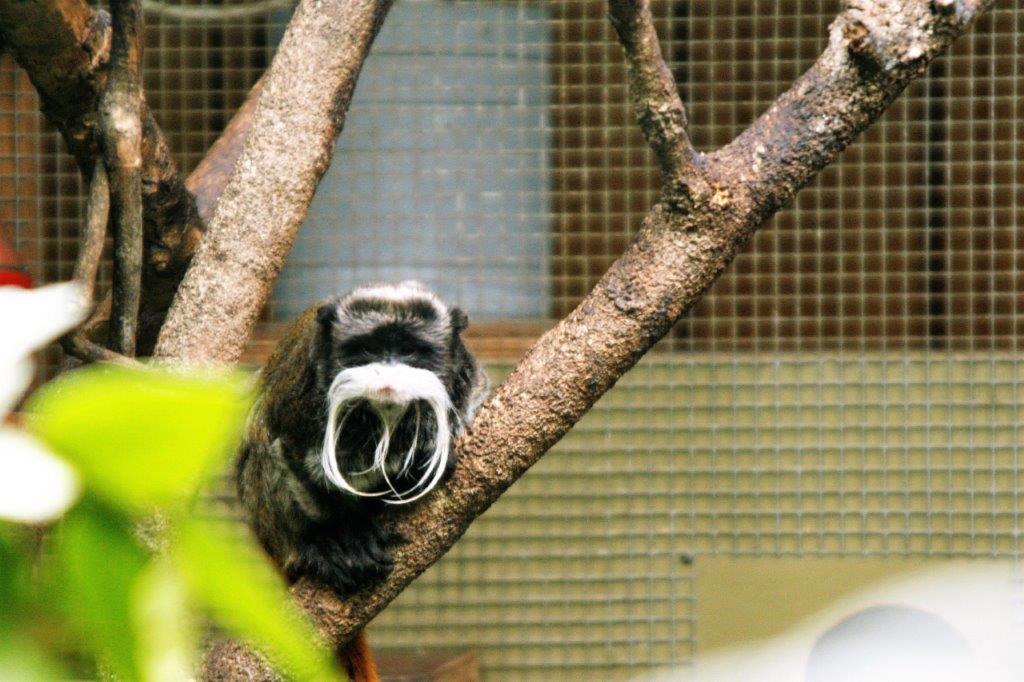 Emperor Tamarin
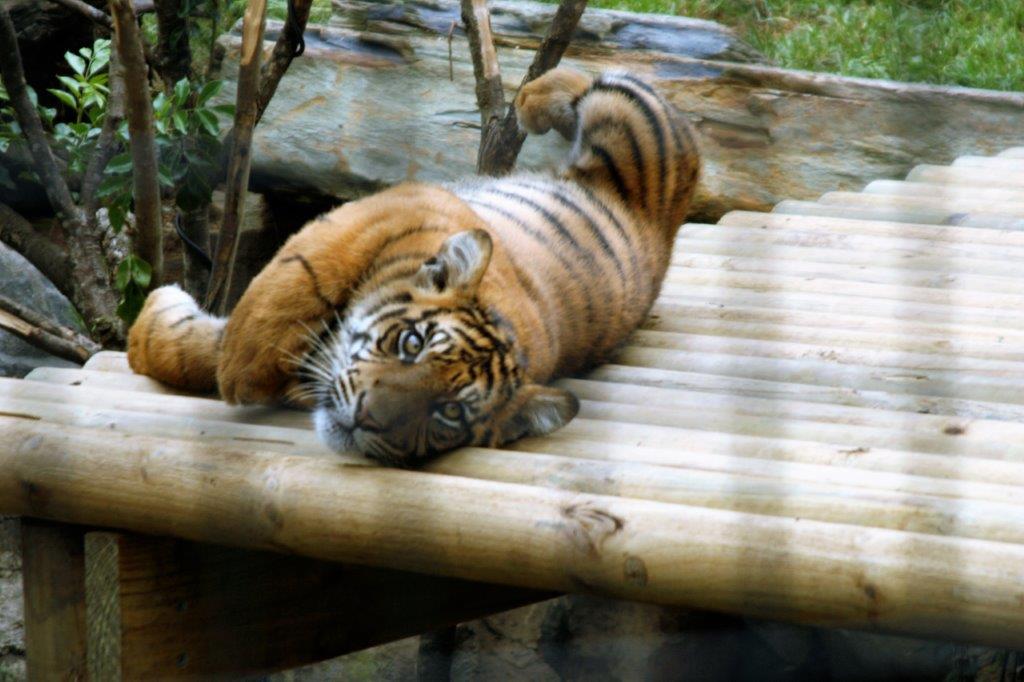
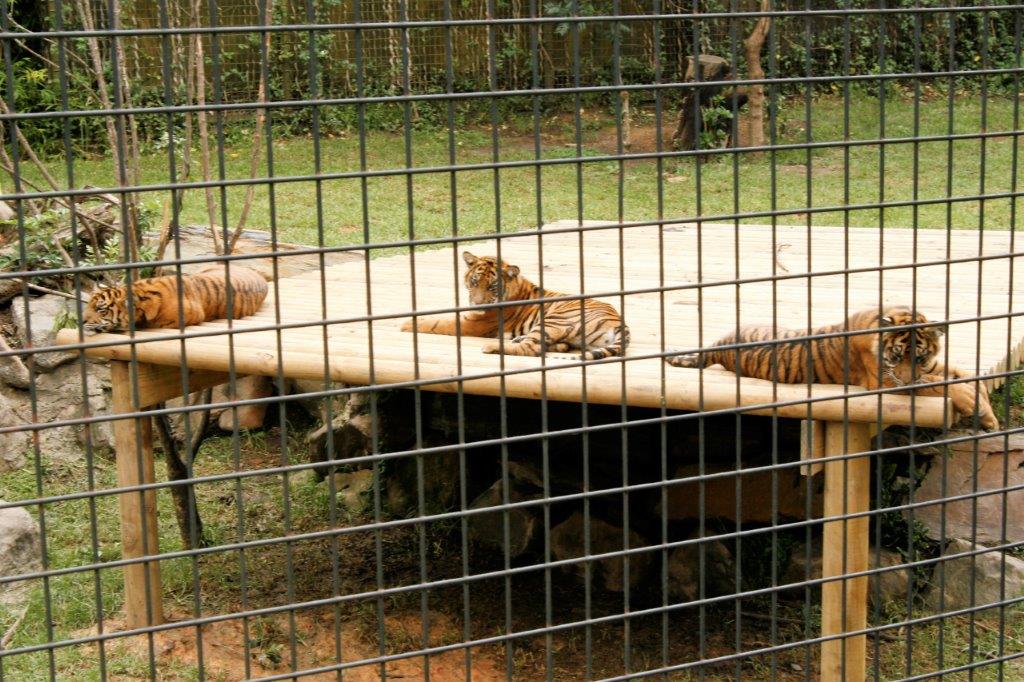
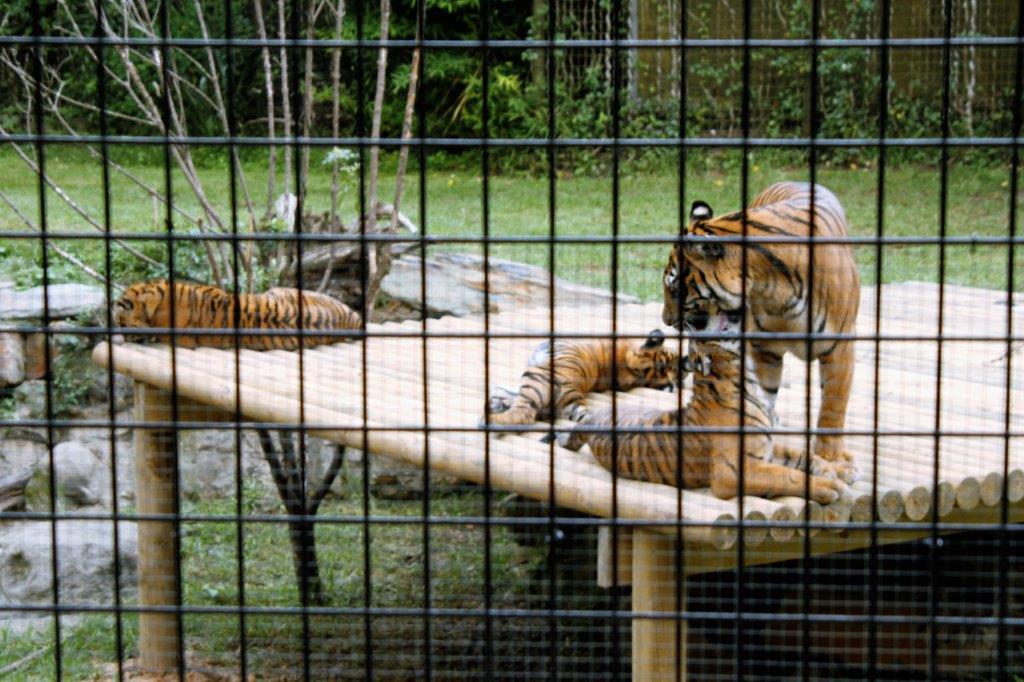
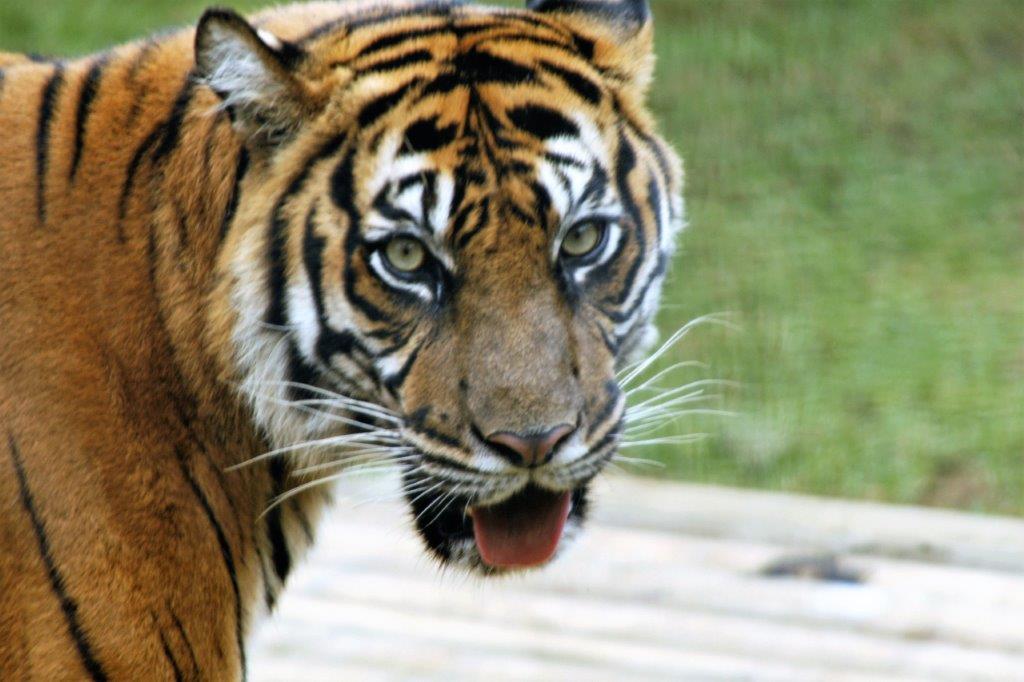
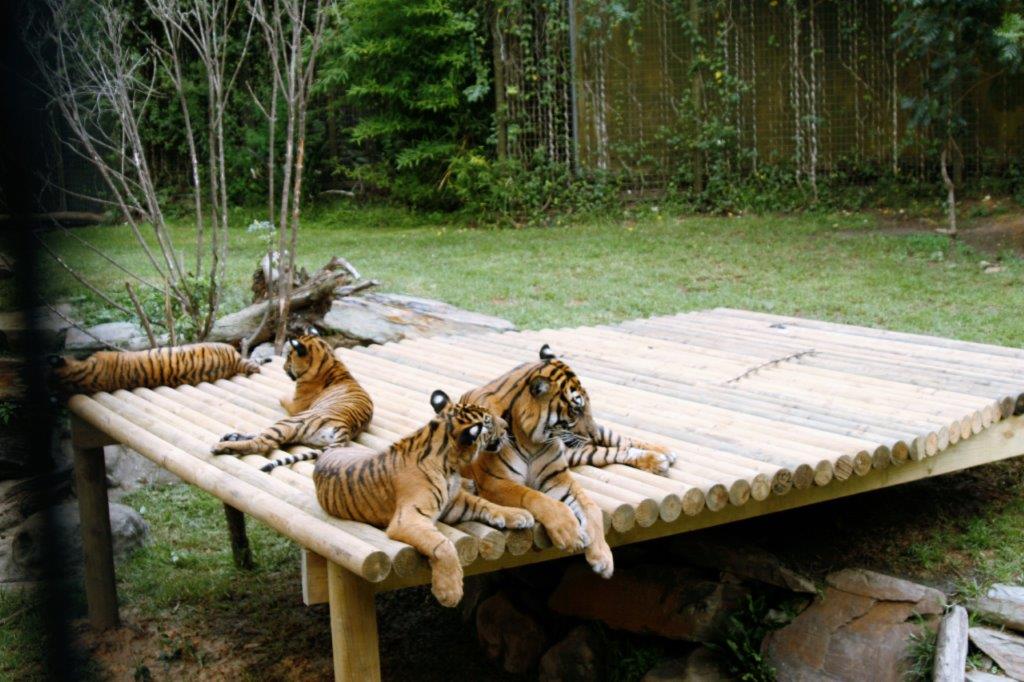
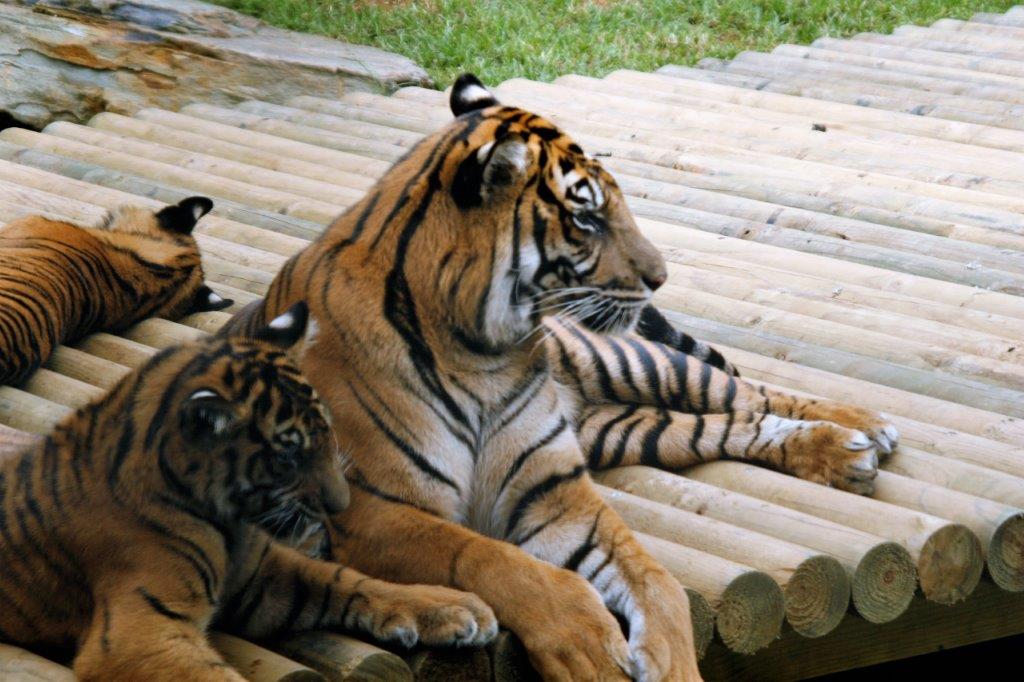
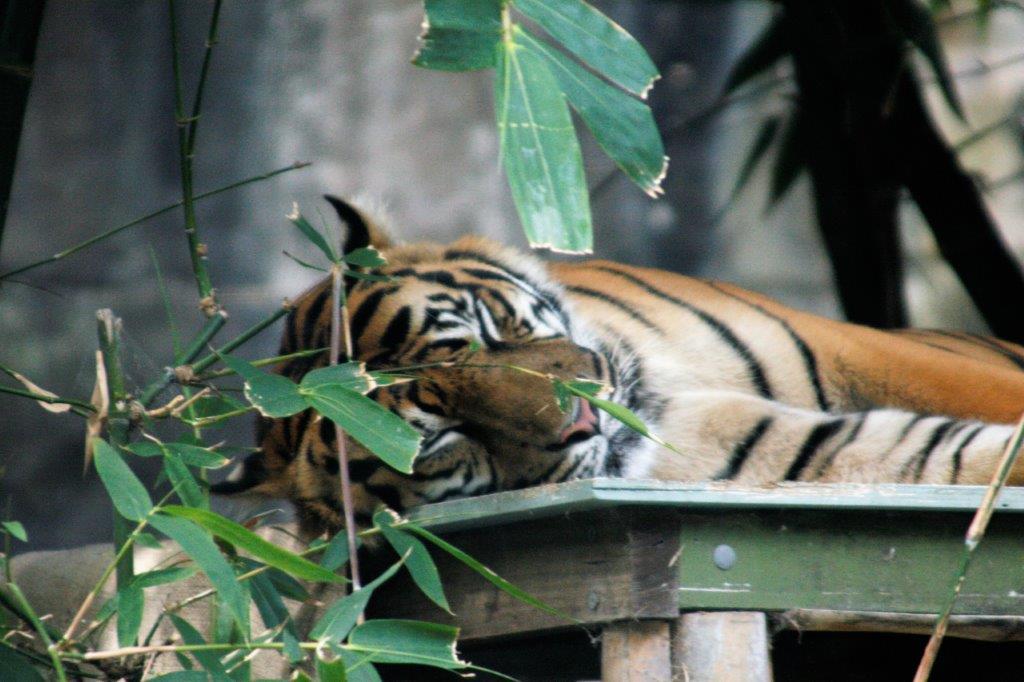
 The Sumatran Tiger gave birth to triplet cubs in August 2010 so they were not even a year old when we saw them.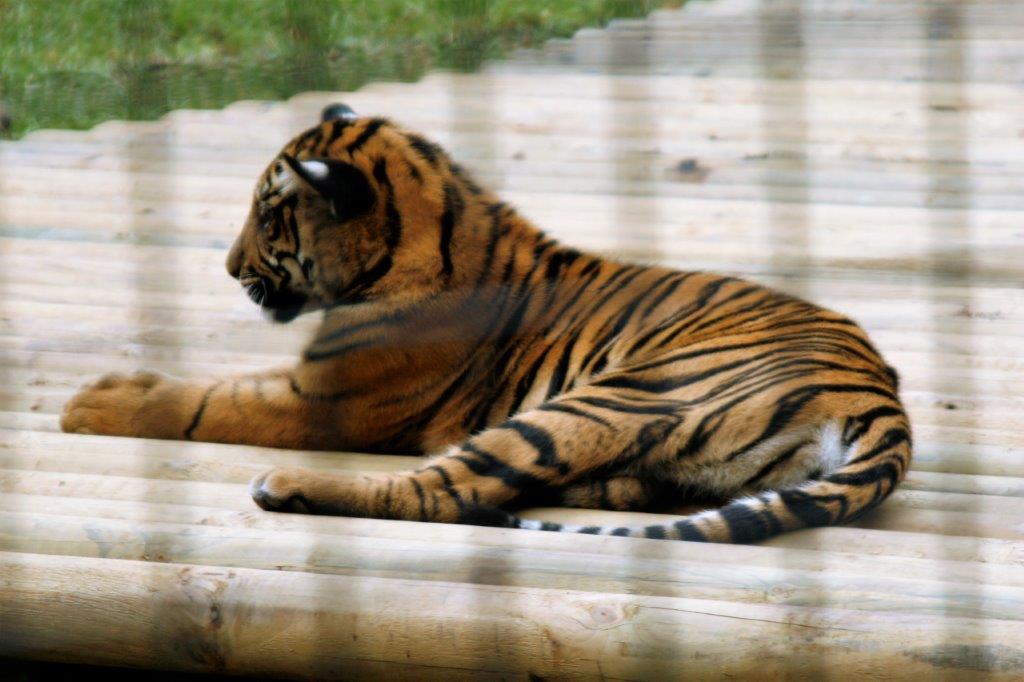
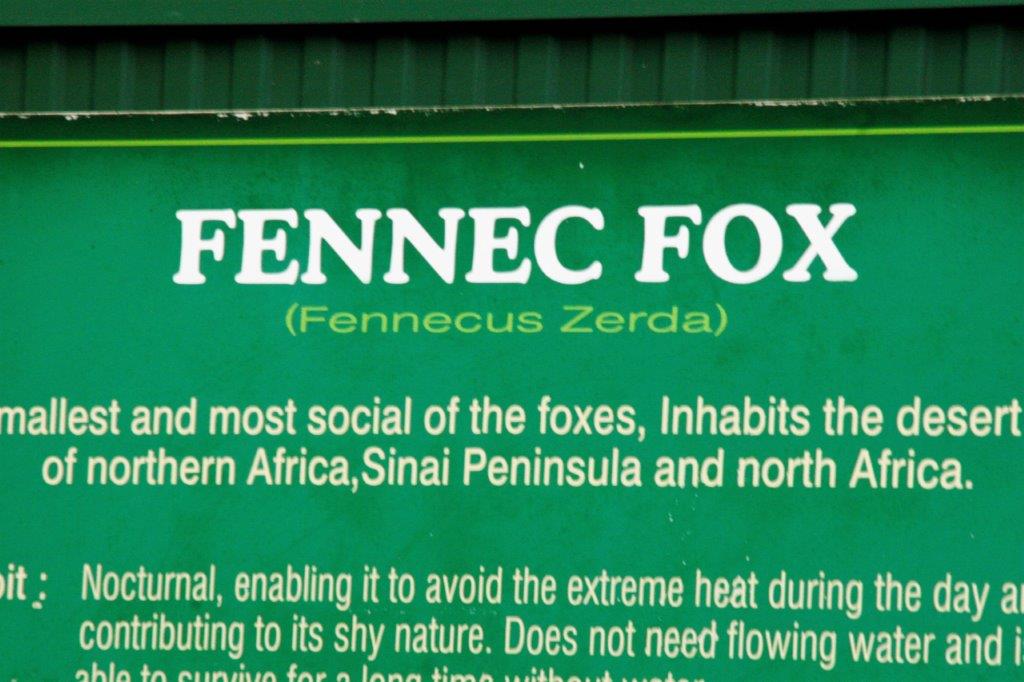
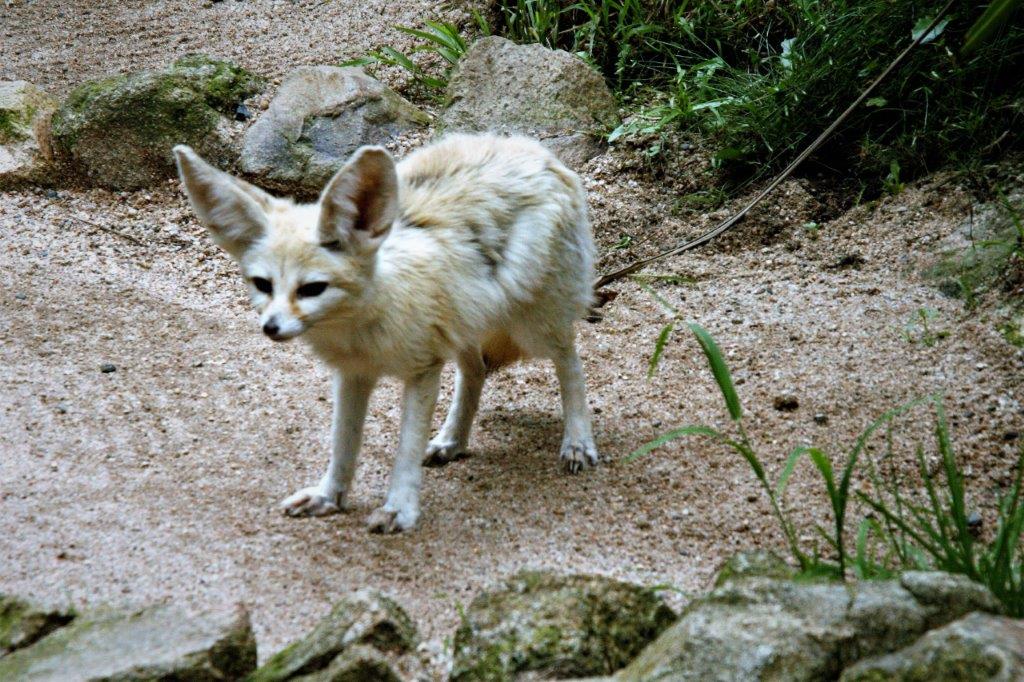
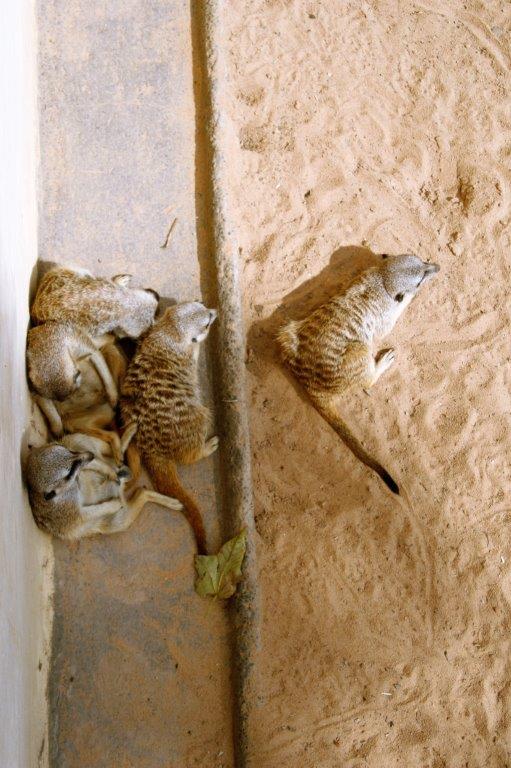
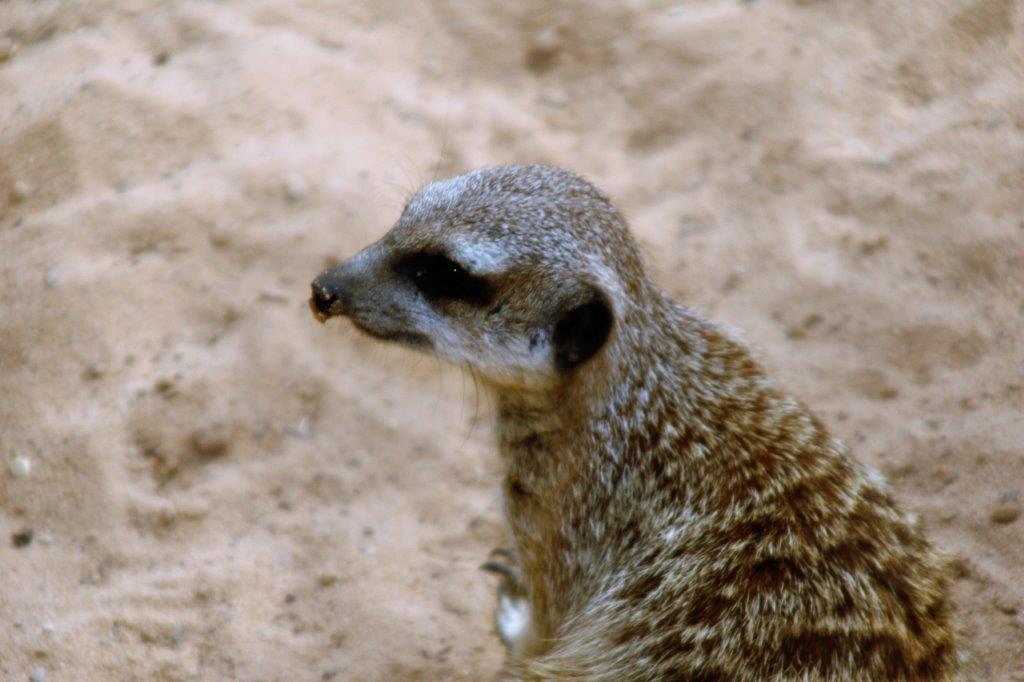
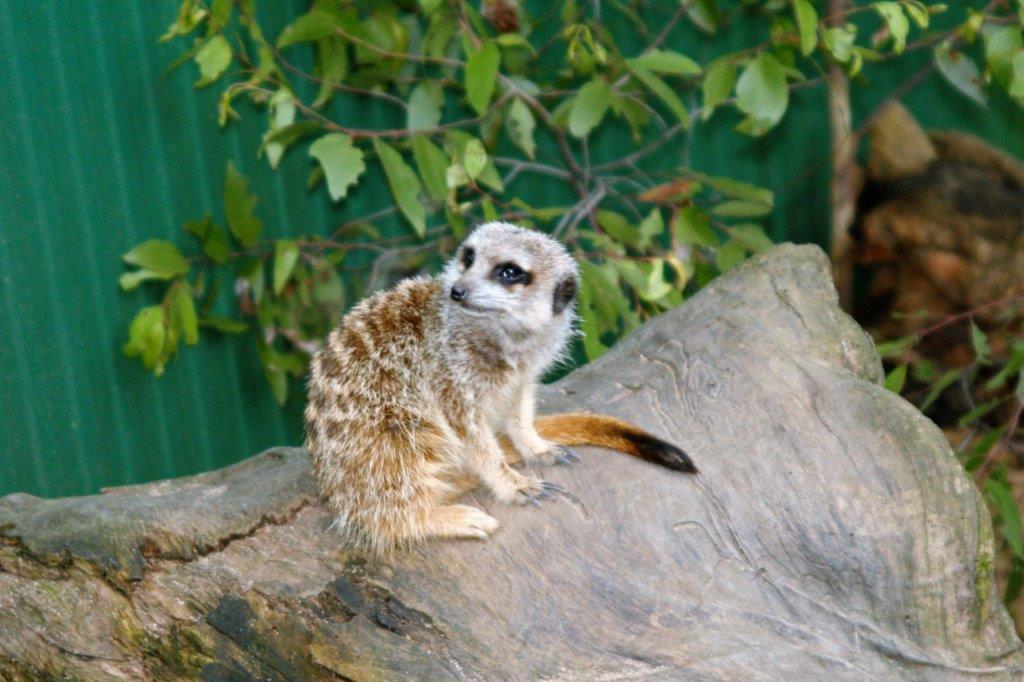 Meerkat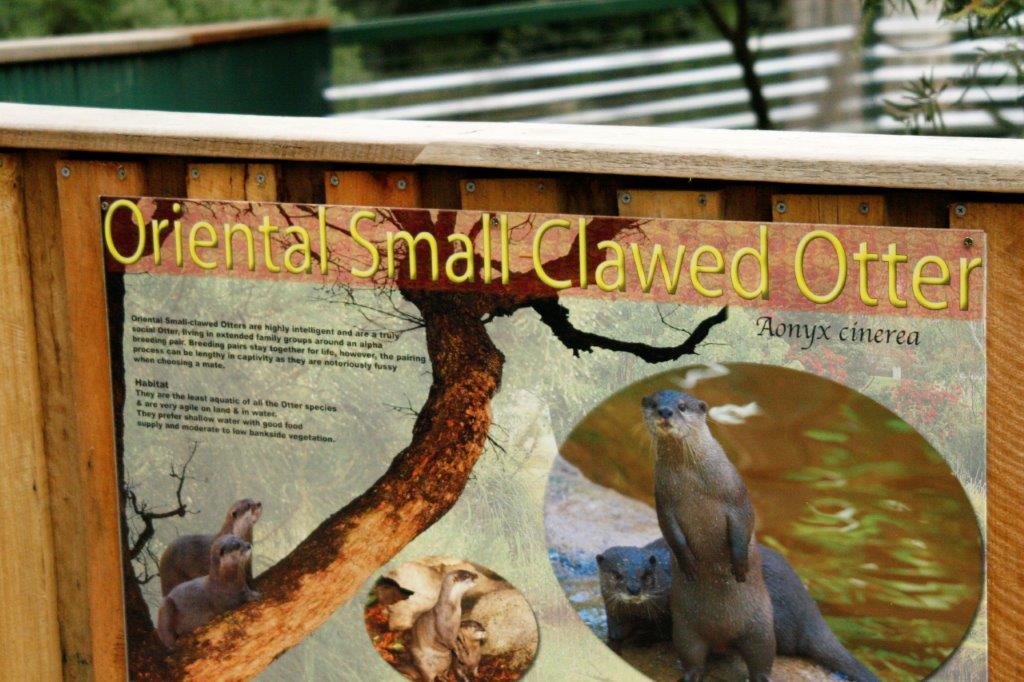
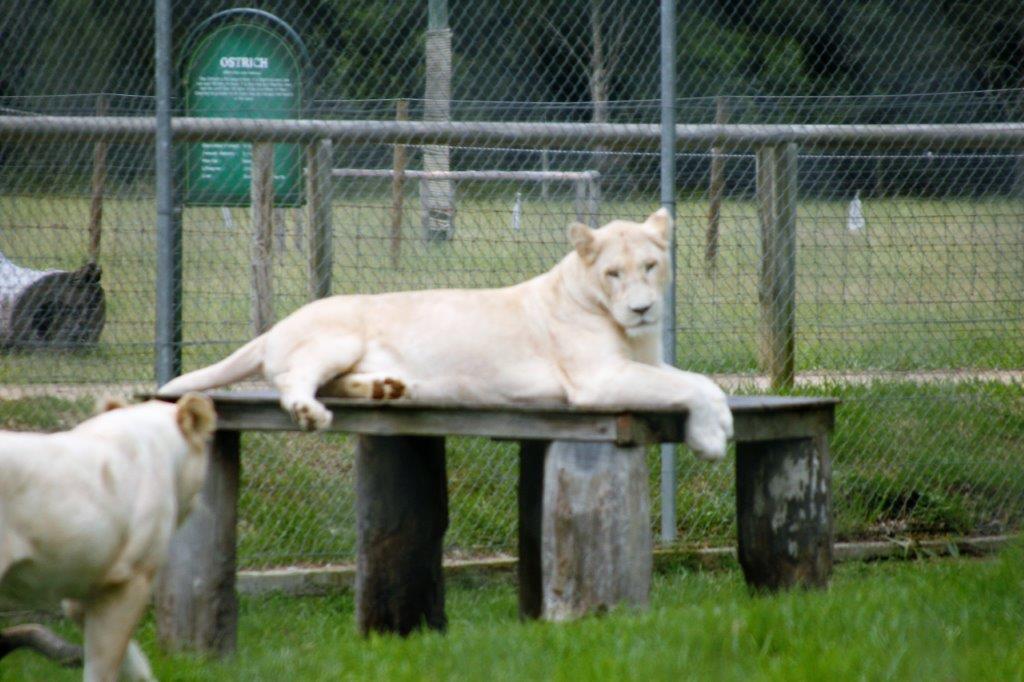
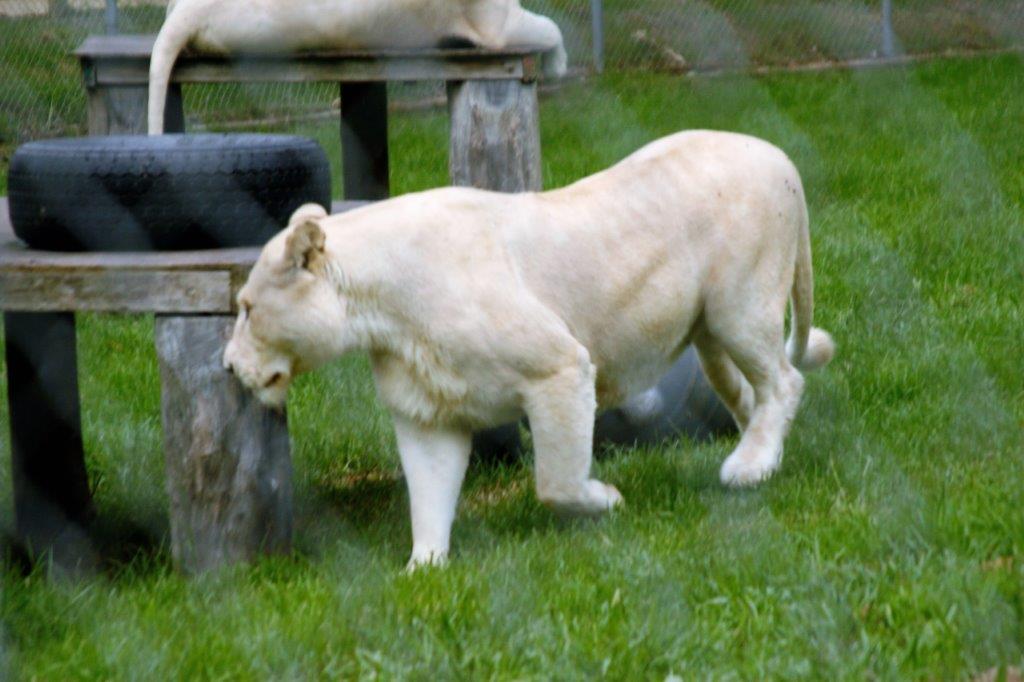
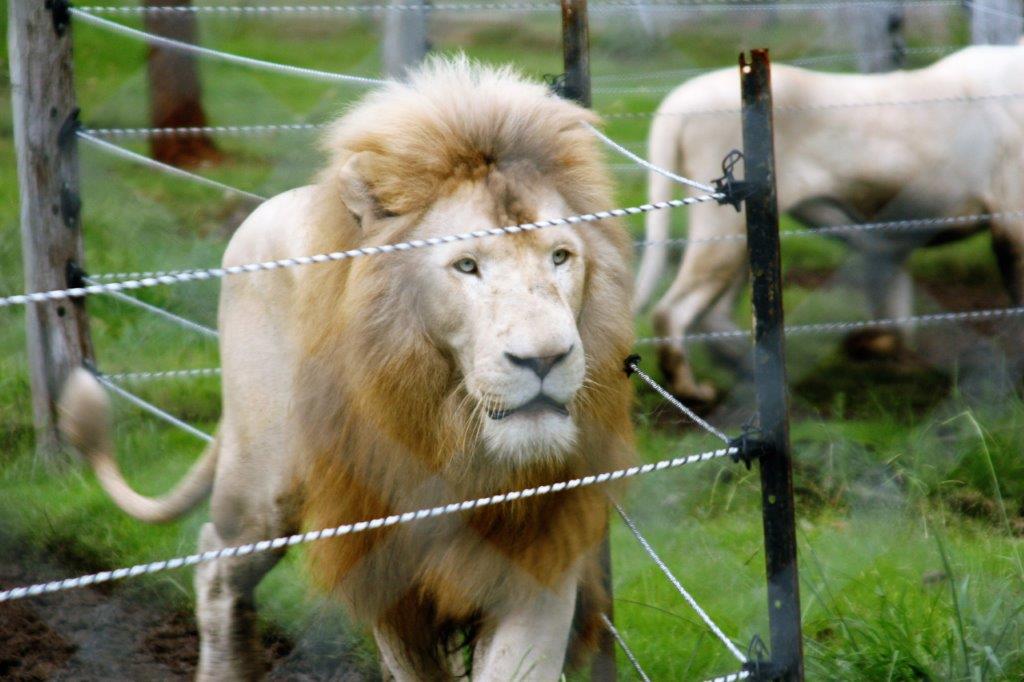
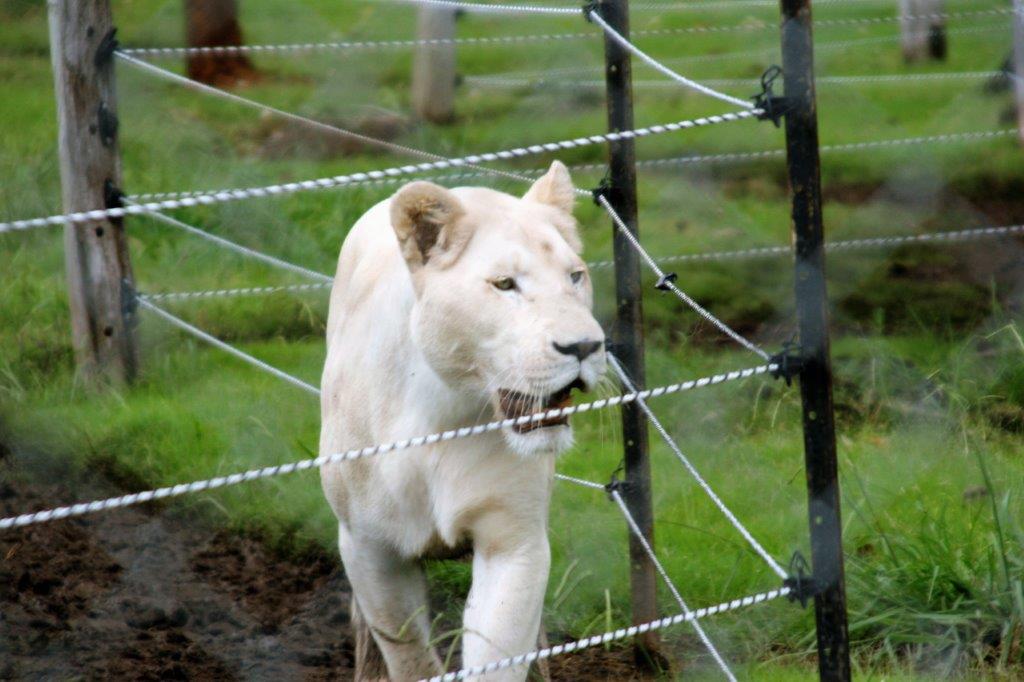
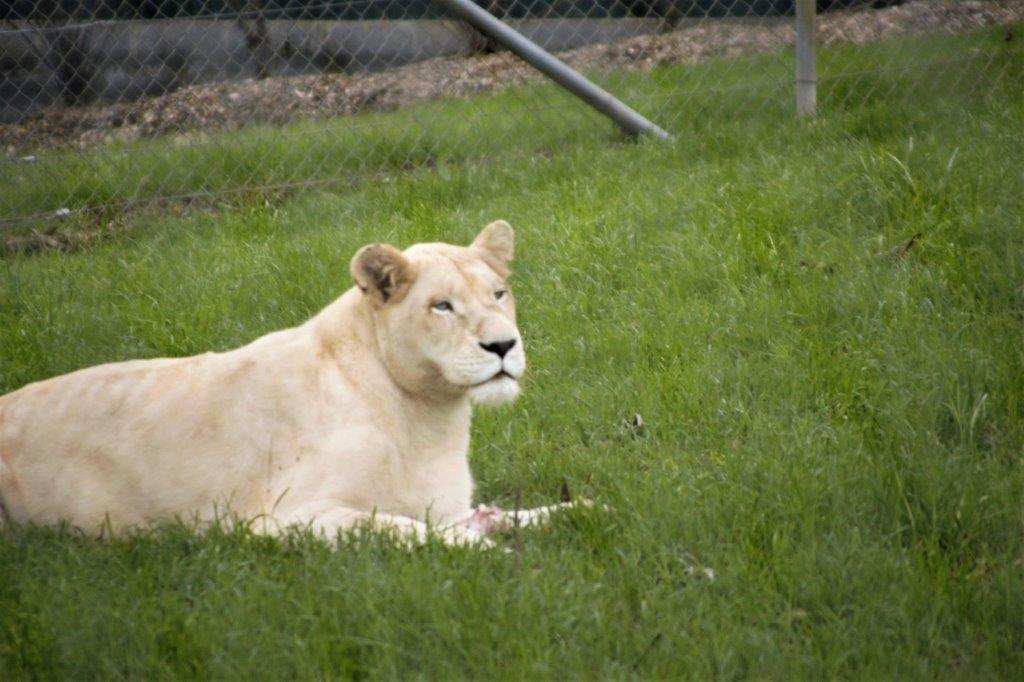
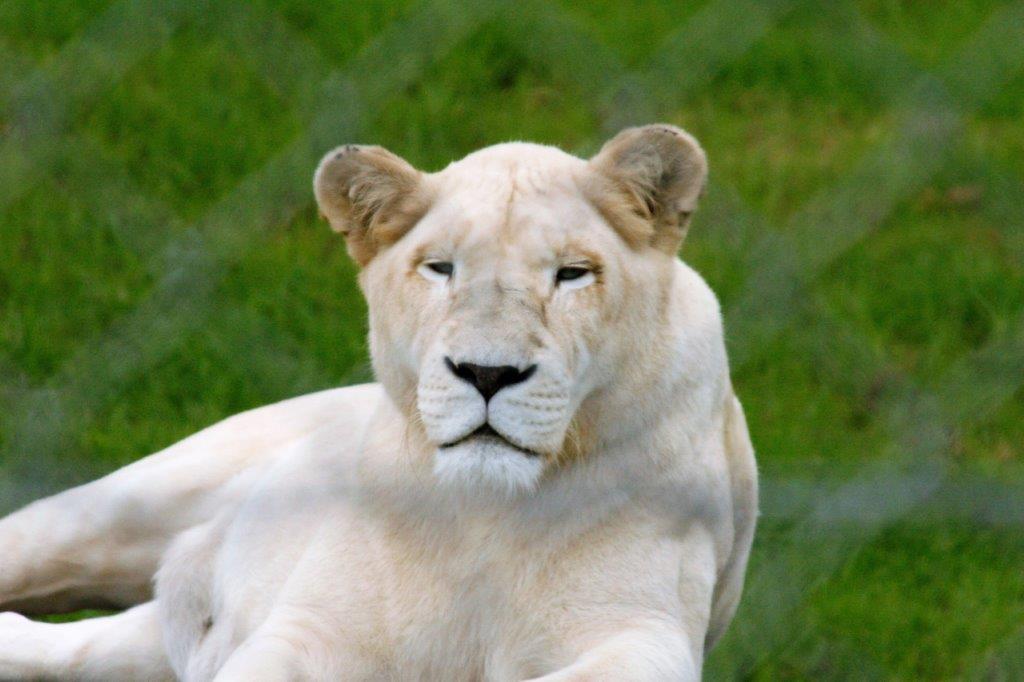
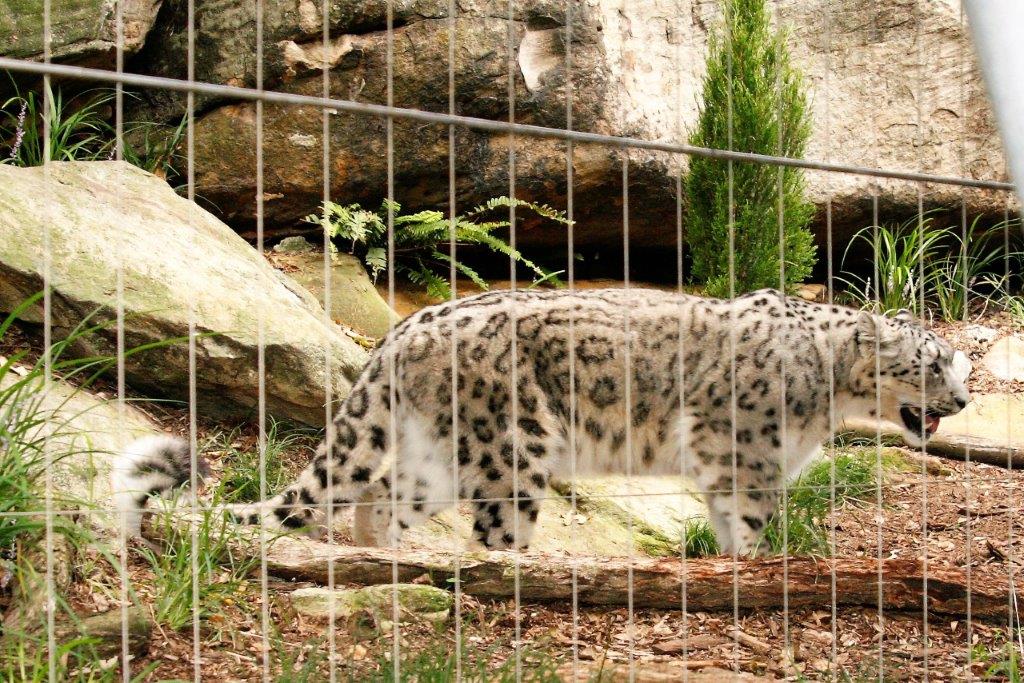
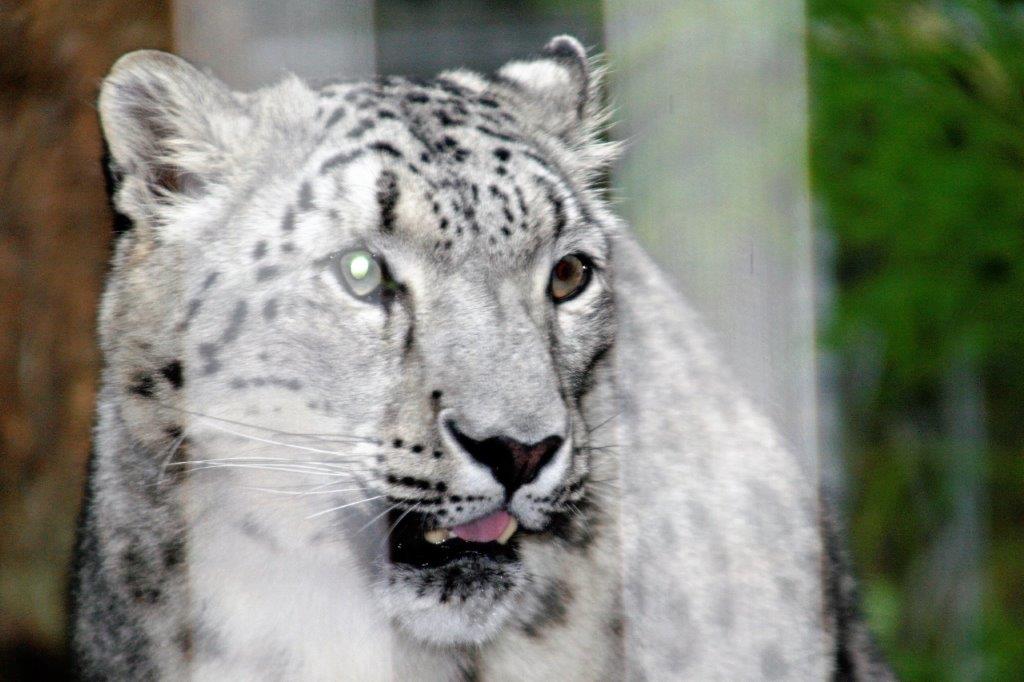
 The zoo is home to six white lions which are no longer found in the wild.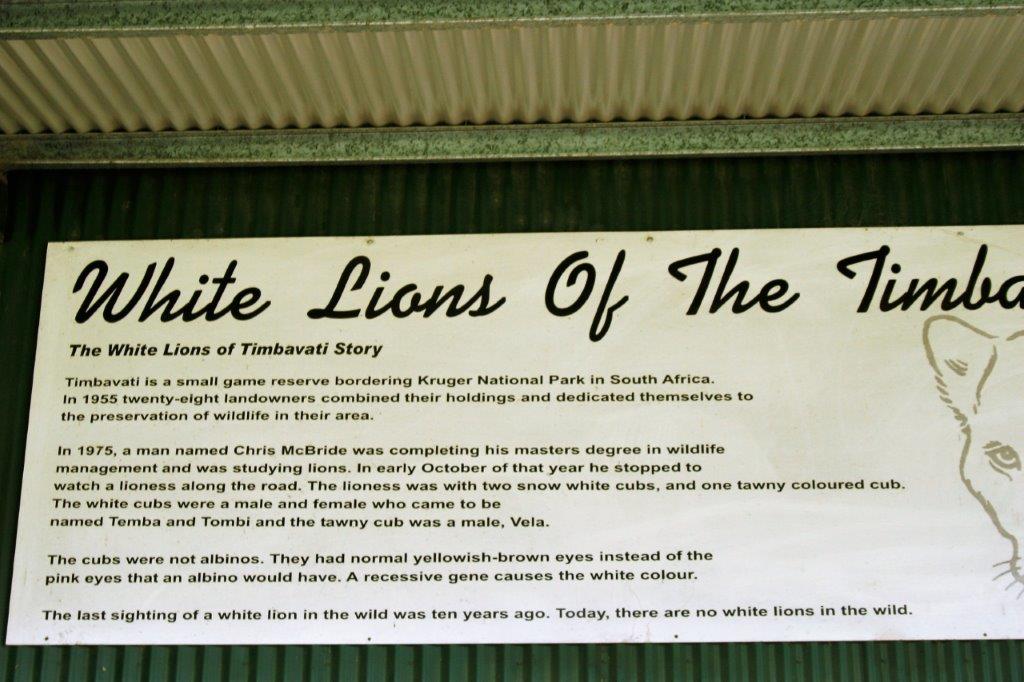

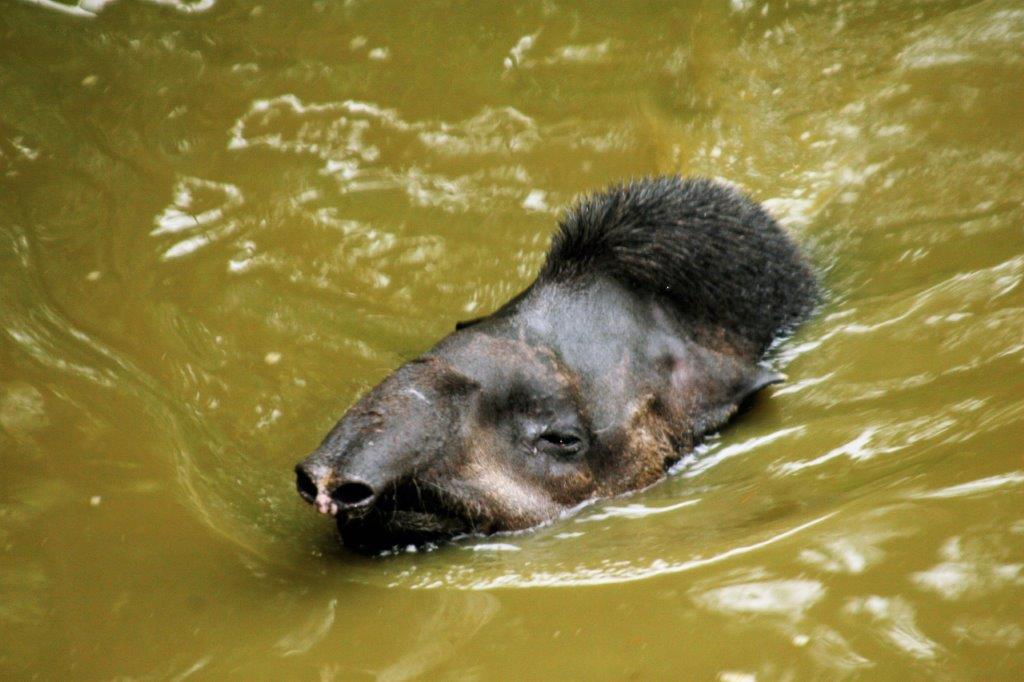
 Tapir
Tapir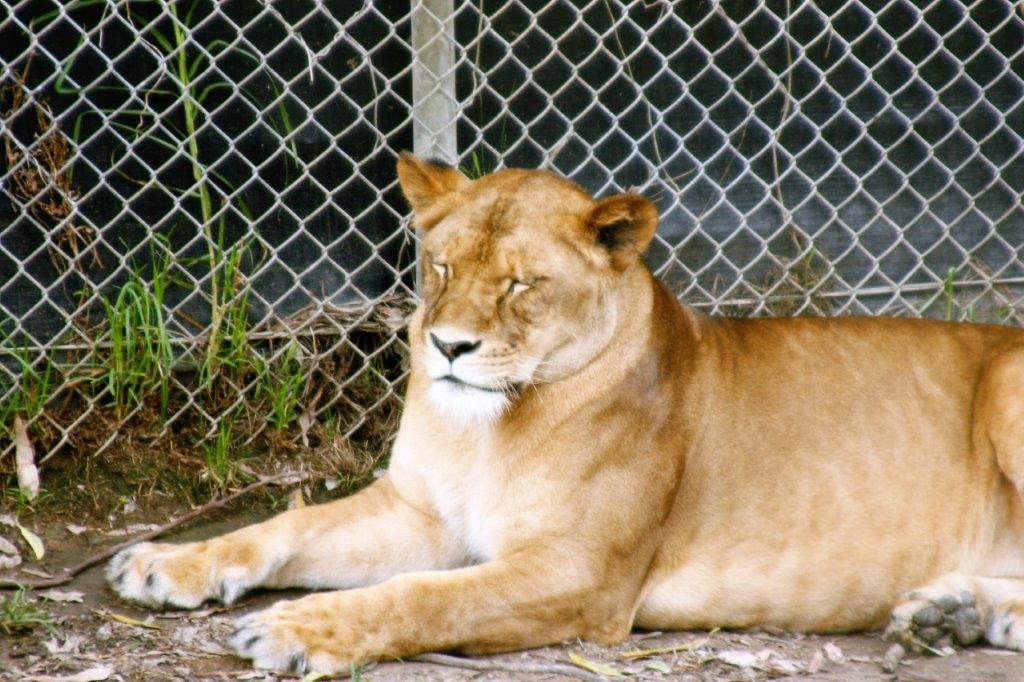

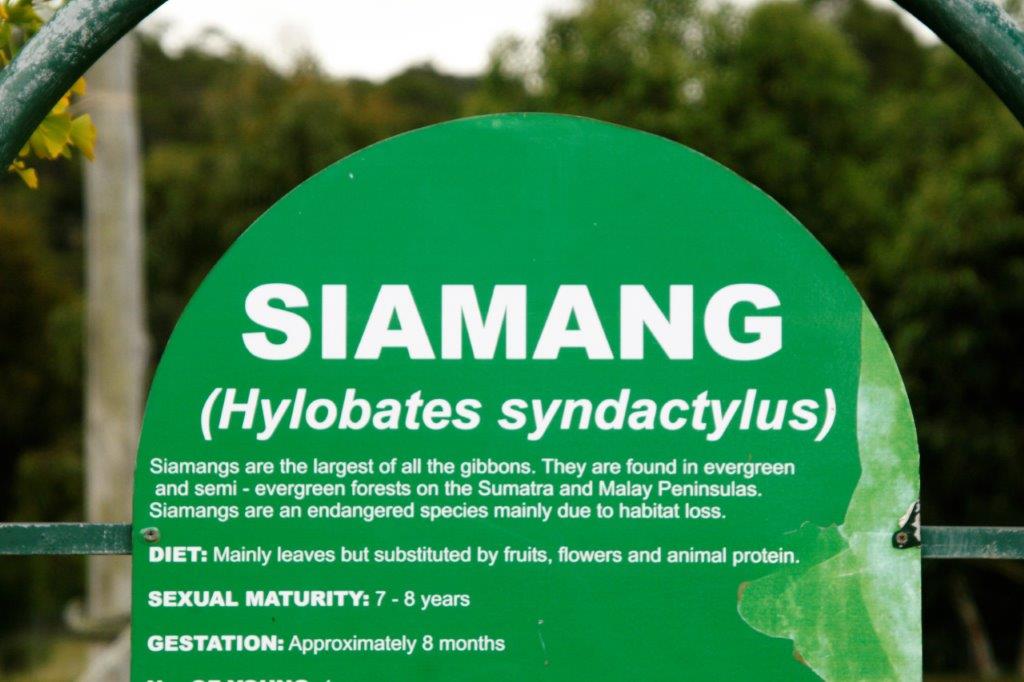
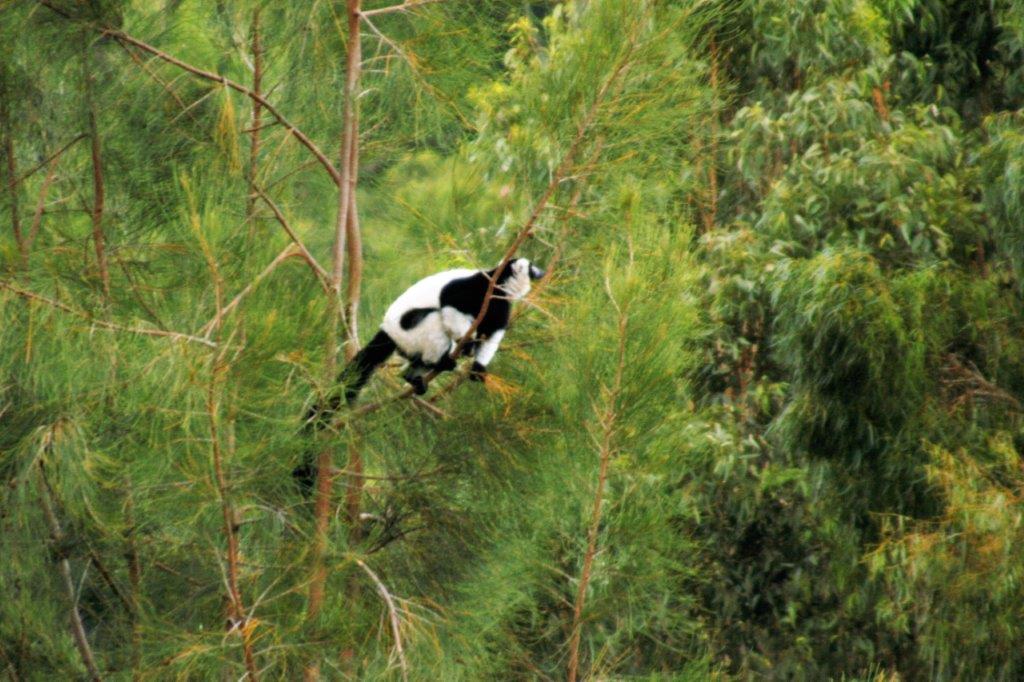
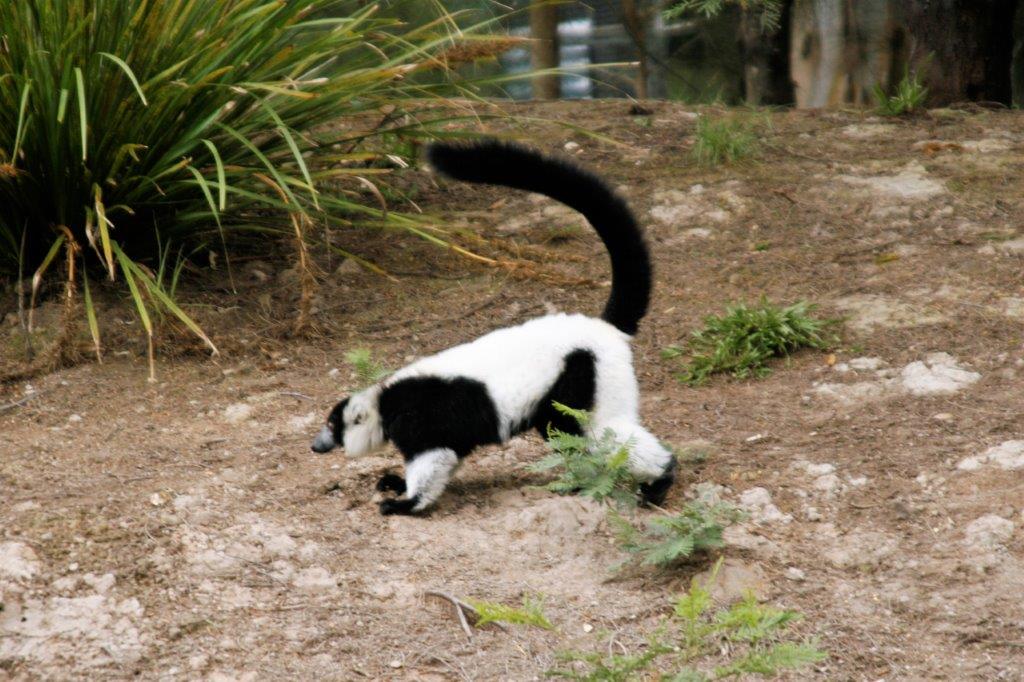
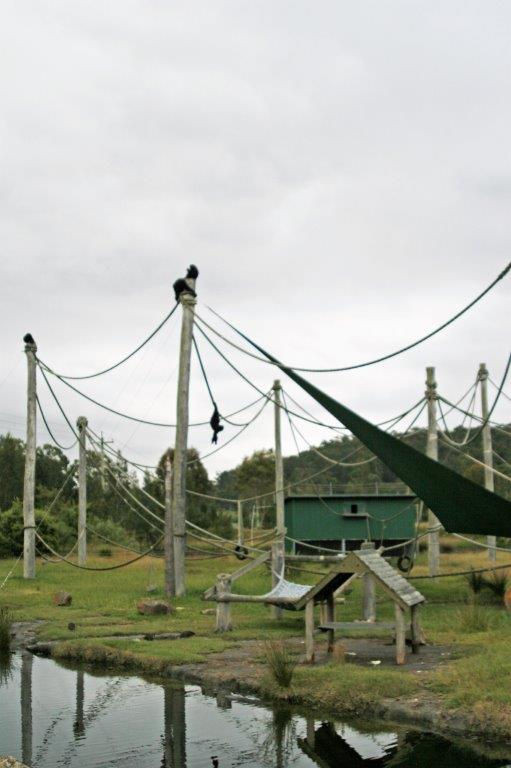
 Siamang
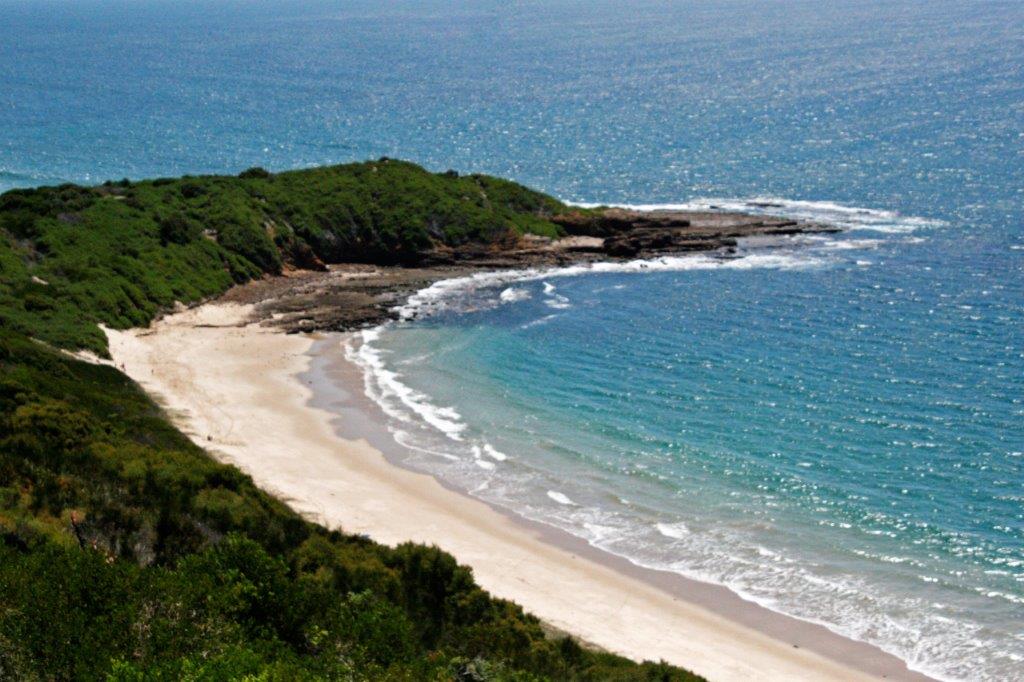
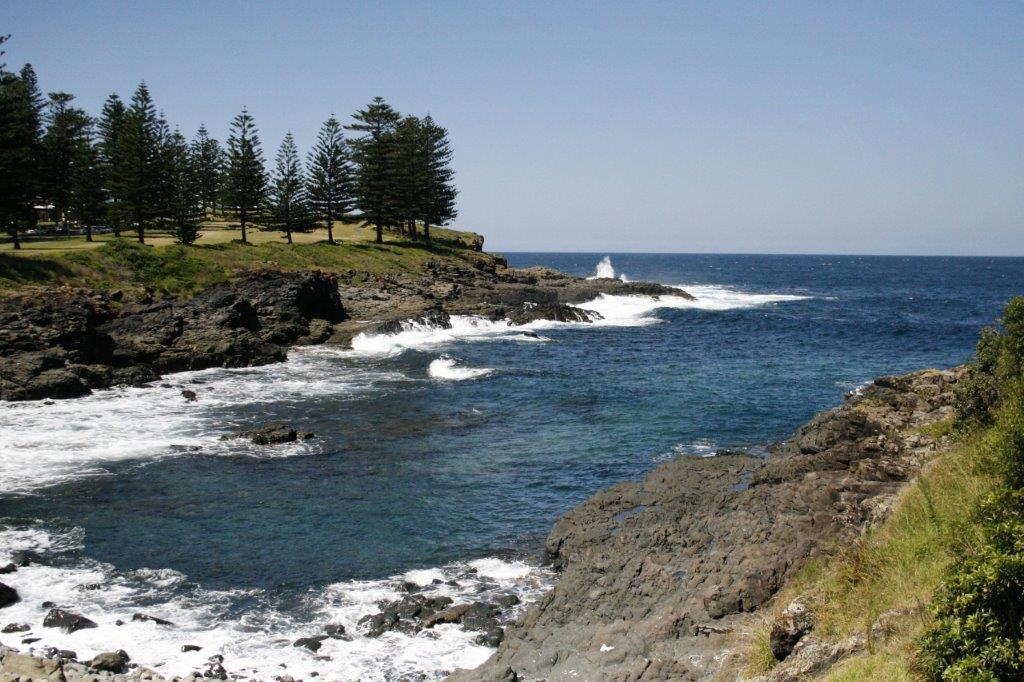
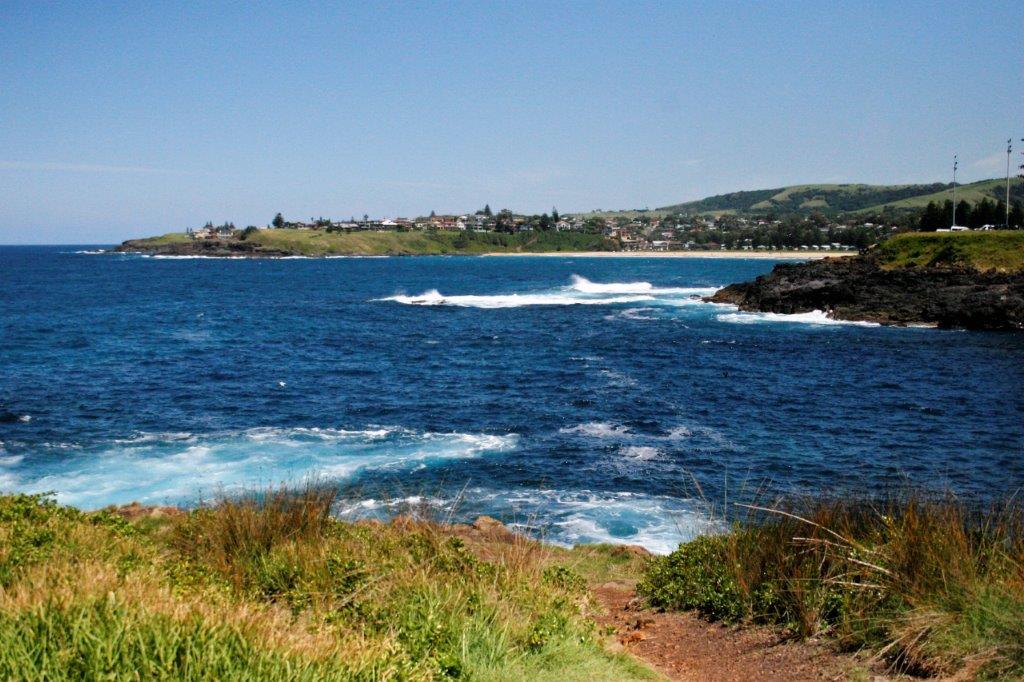
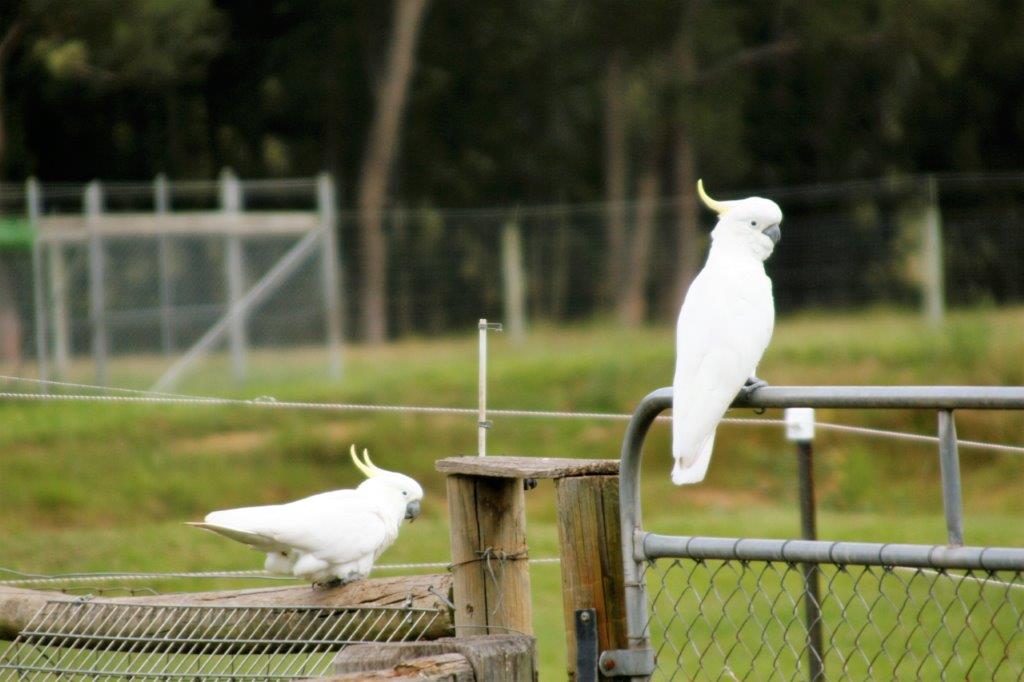 After we left the zoo we made a brief stop at Tuross Head to see the view.
 Stopped also at Bega Valley Lookout and then drove directly to Eden where we planned to spend the night.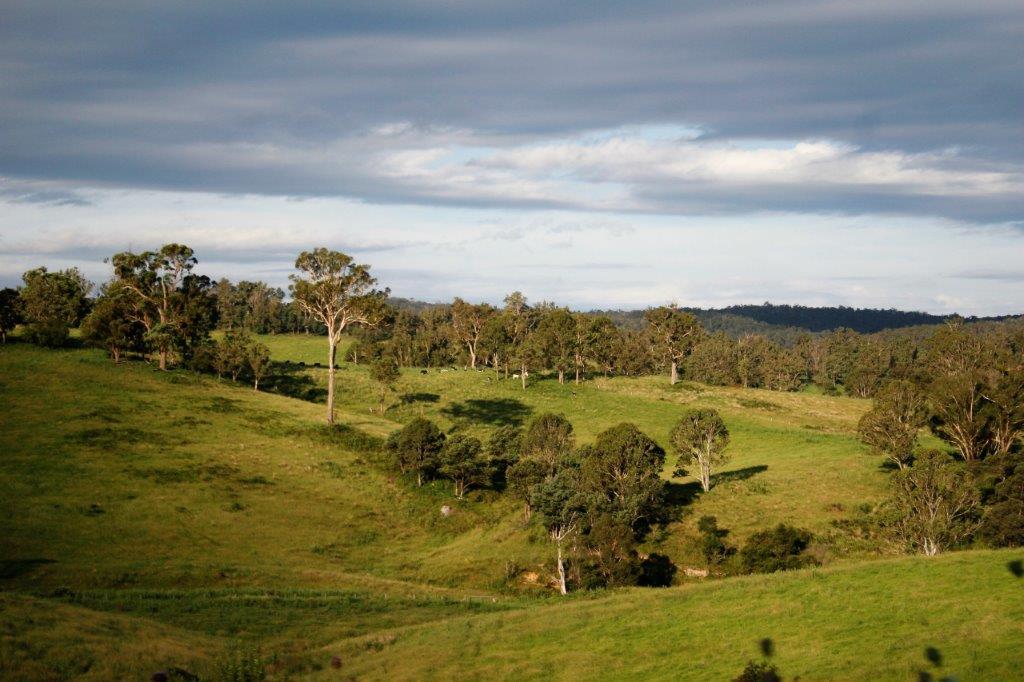
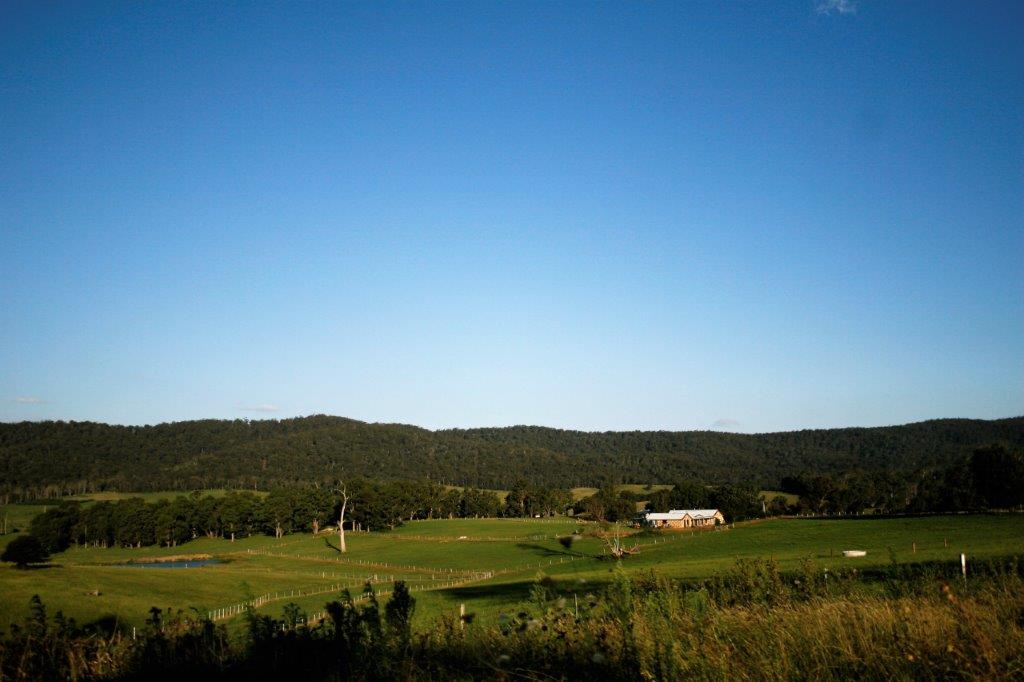
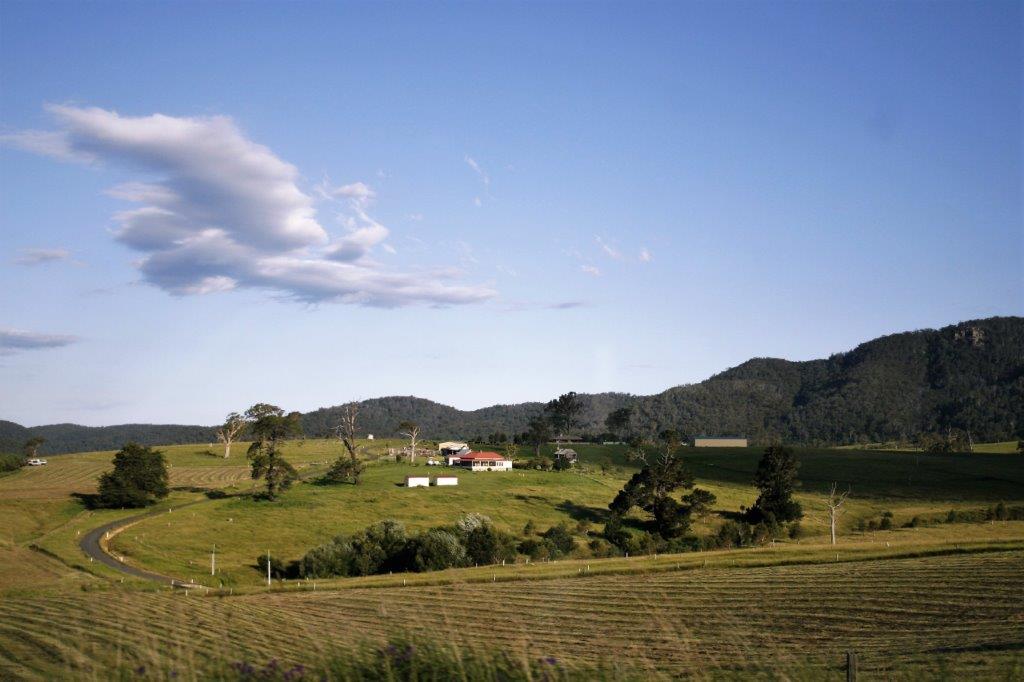 It was lovely countryside with lots of dairies and farms. Everything was very lush and green with all the rain they had that year. After 10 years of drought Australia was suffering with floods in many places, especially the east and north coasts but I am sure the farmers and ranchers in the south were happy to get the rain.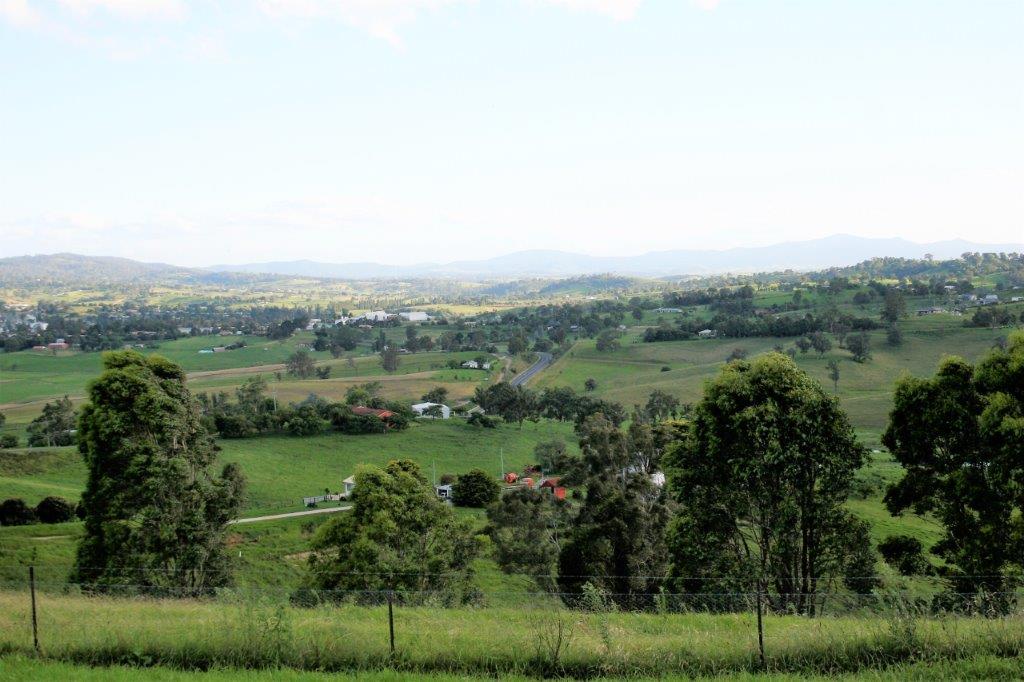

 We drove over 300 km that day, which is a lot further than we have driven some of our other days. We had reservations for Cowes, Philip Island just south of Melbourne three days away and had only 500-600 km to get there so we still had some meandering time. Which was a good thing as we like to meander, and divert, and detour.













































































 Hanna Travels