Category Archives: Hanna Travels

2013 Summer (Baltic and Britain – Scotland – June 27 – Day 4 – Part 2)

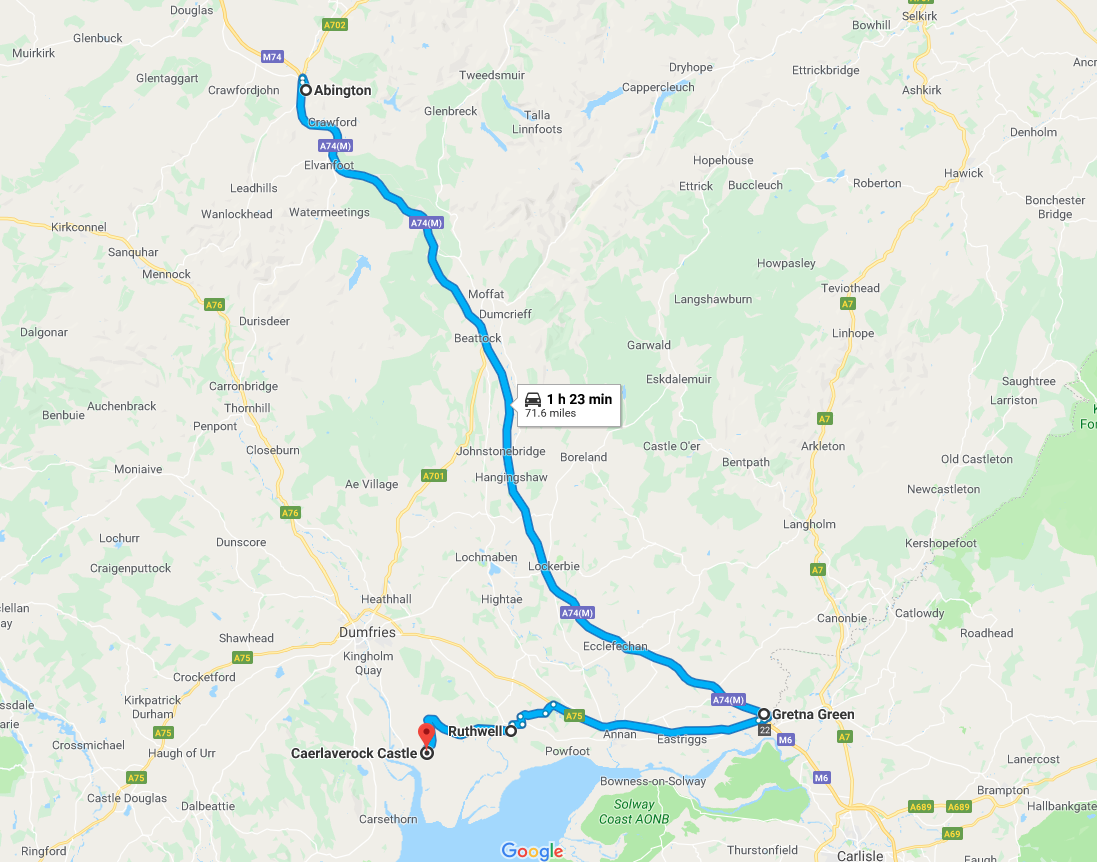
After we left Gretna Green on the English-Scottish border we took a small road near the coast of Solway Firth and made a few stops on our way to the night’s lodging in Kirkcudbright.

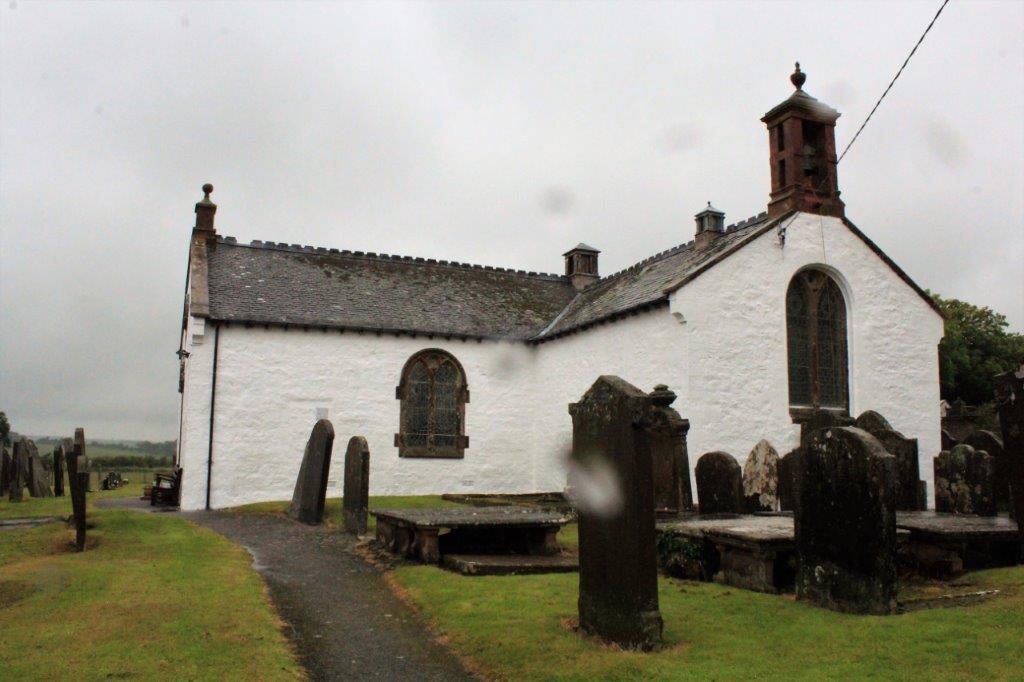
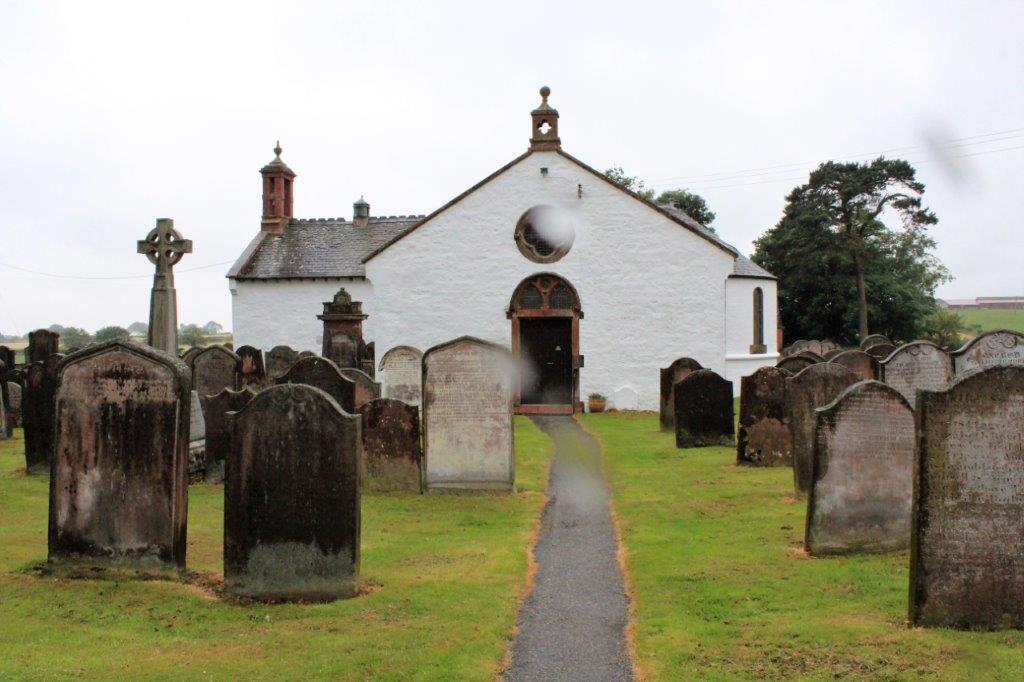
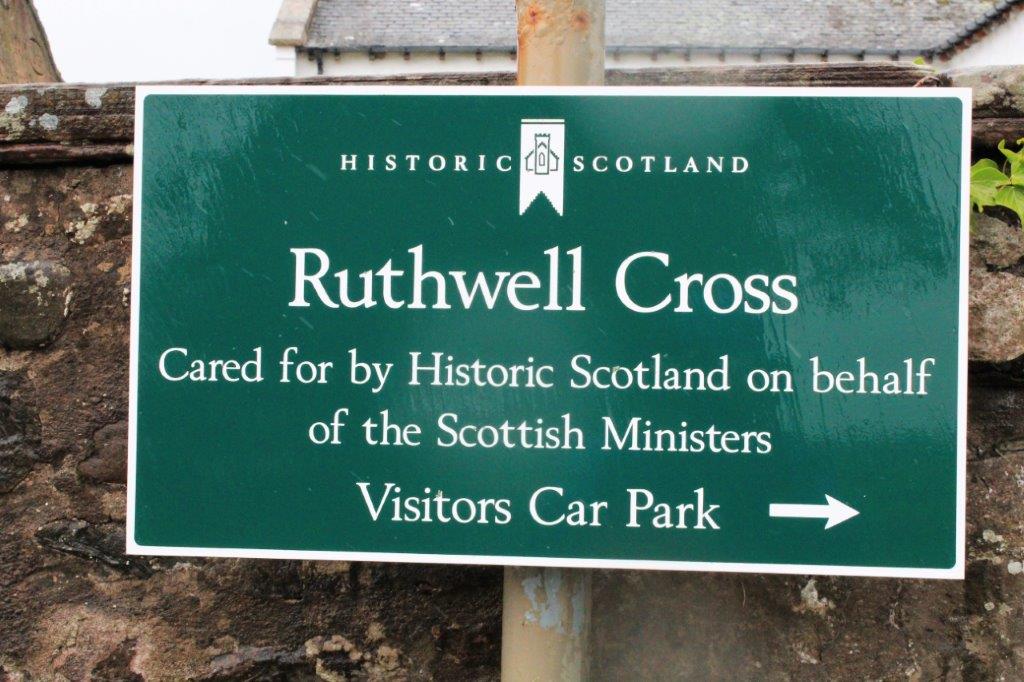
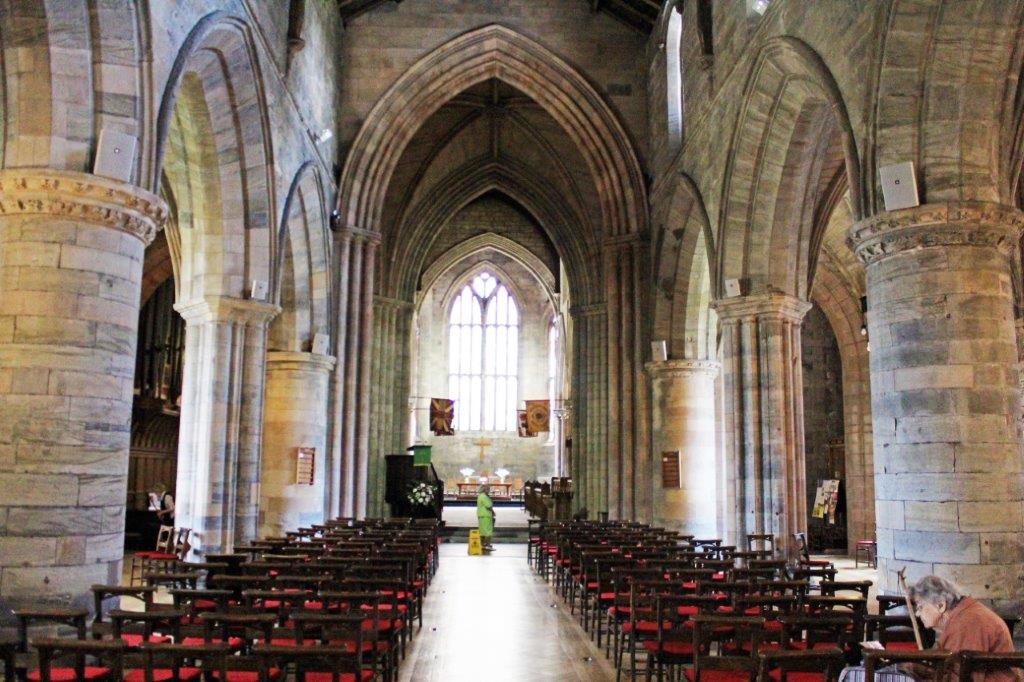
First stop was to see the Ruthwell Cross, however the church itself was locked.We purchased two annual passes when we got to Scotland.  One for all the places cared for by Historic Scotland and the other for those under the auspices of the National Trust for Scotland. With these we could walk into almost every historic location we wanted to see.  One or the other of these agencies cares for almost all of them.  They were a great money-saving and time-saving investment and well worth the cost.

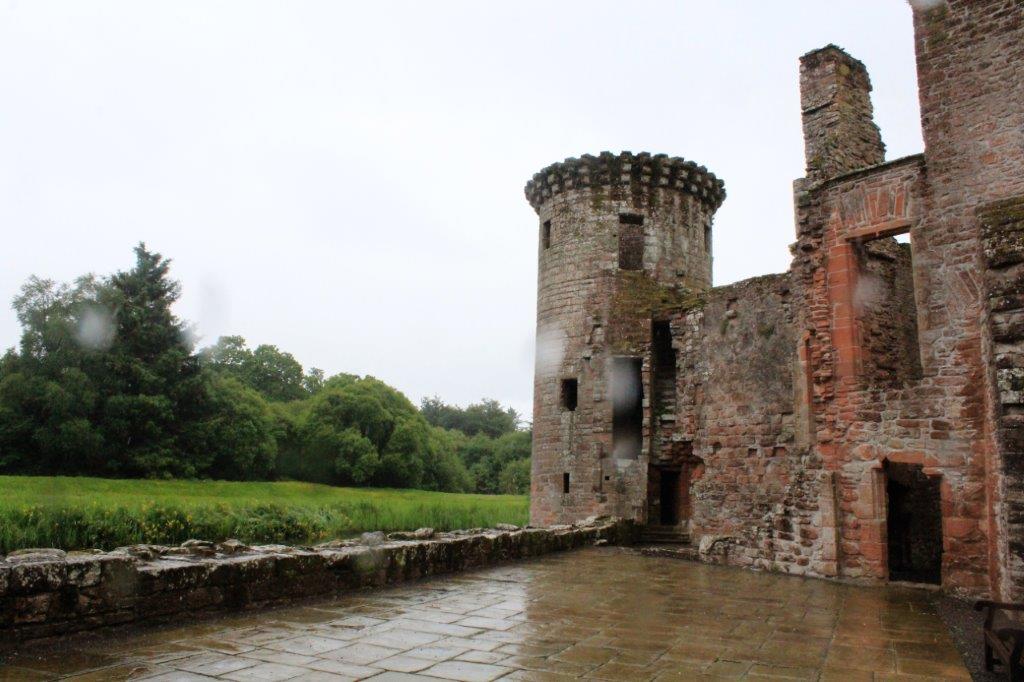
(As you can tell by the white dots on the images below; it was raining.)

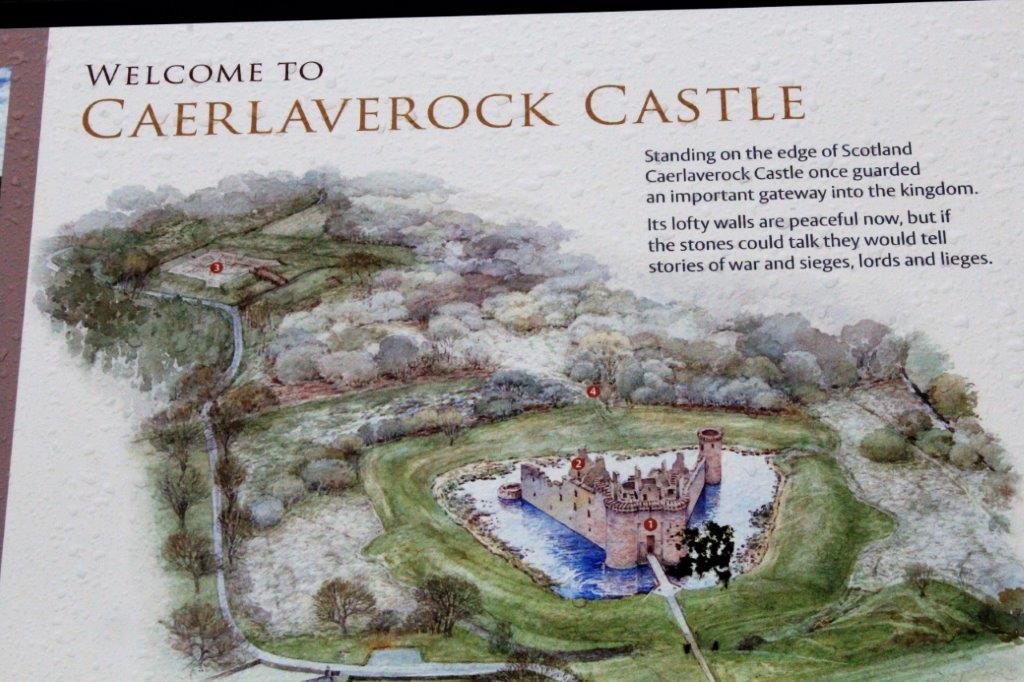
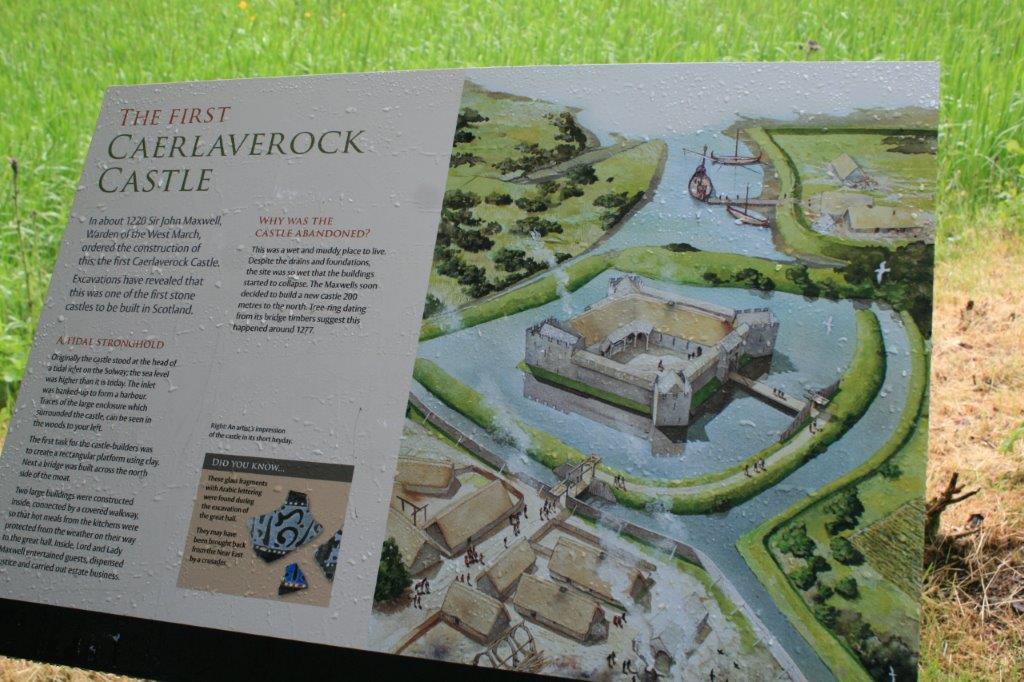
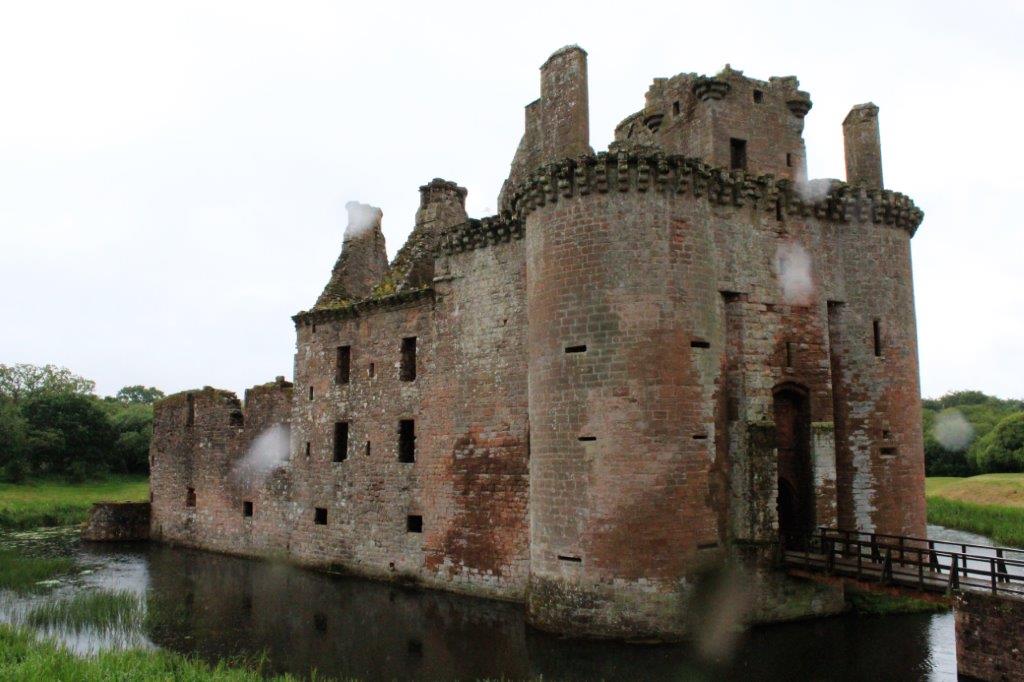
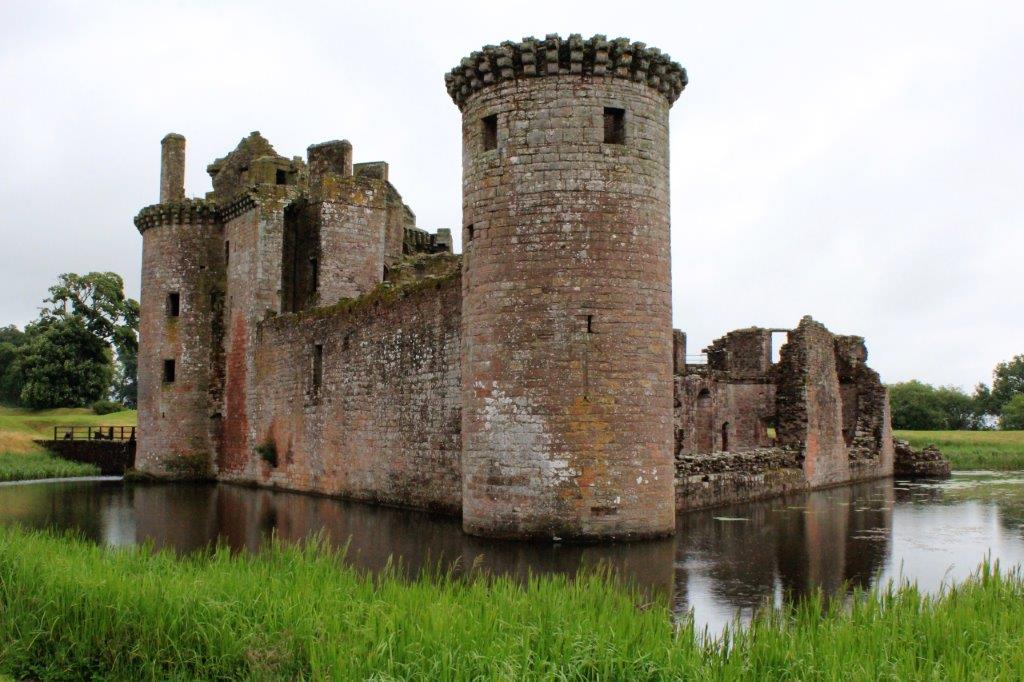
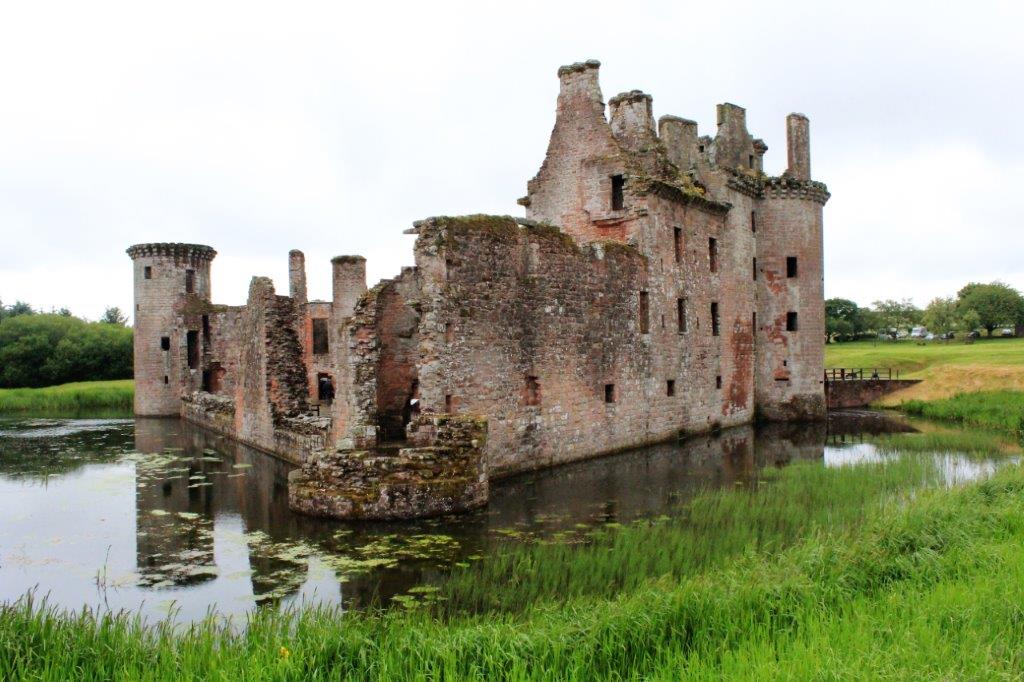
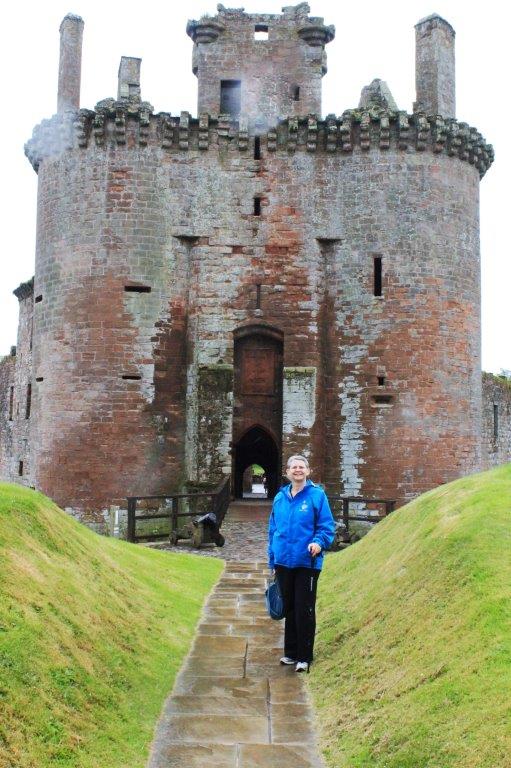
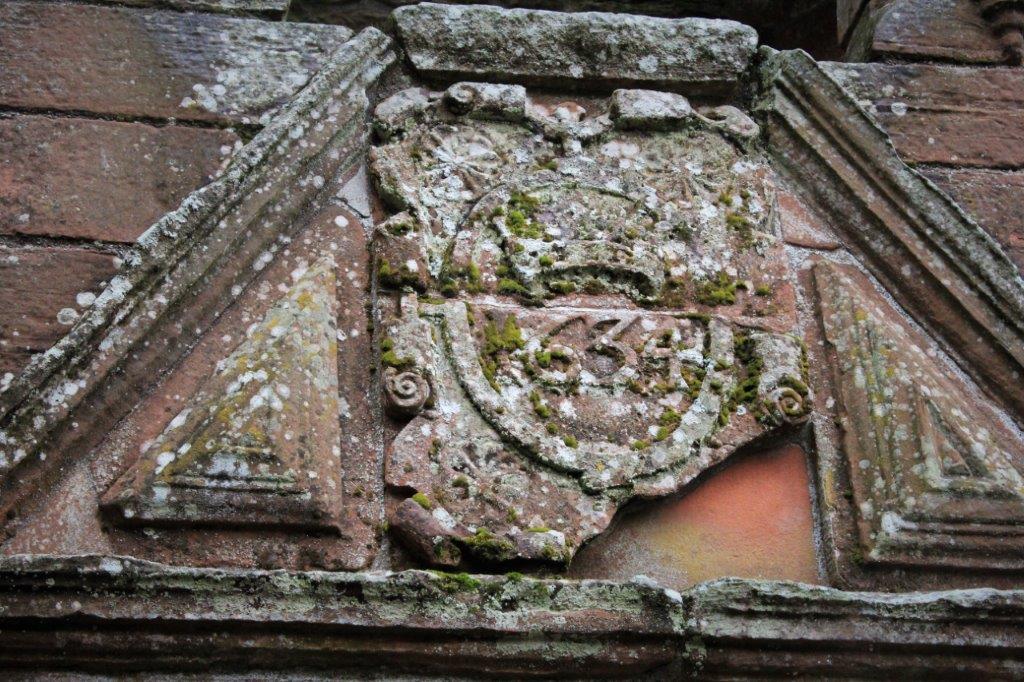
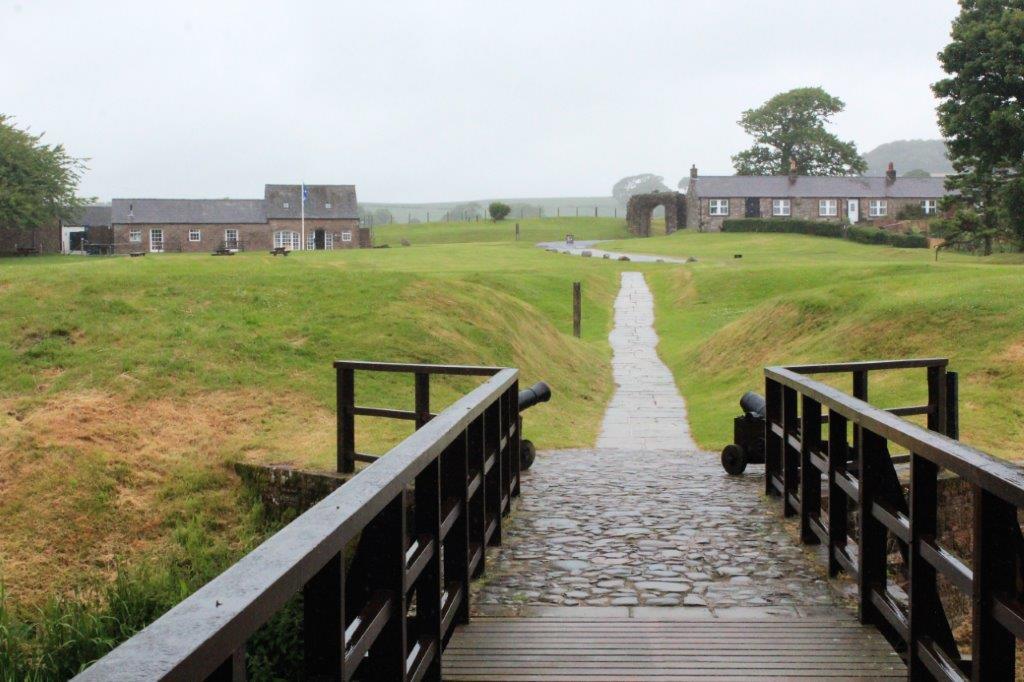
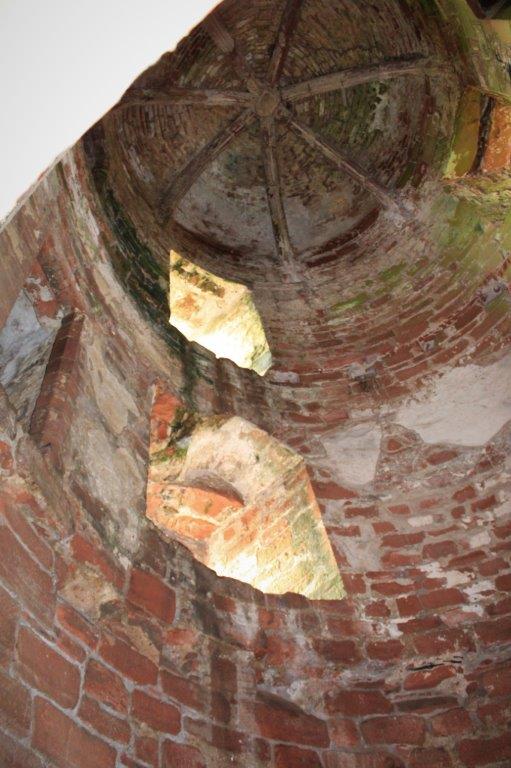
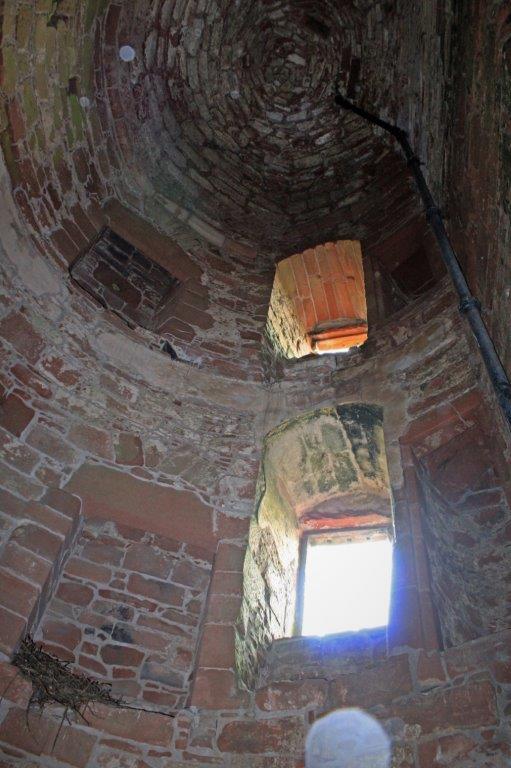
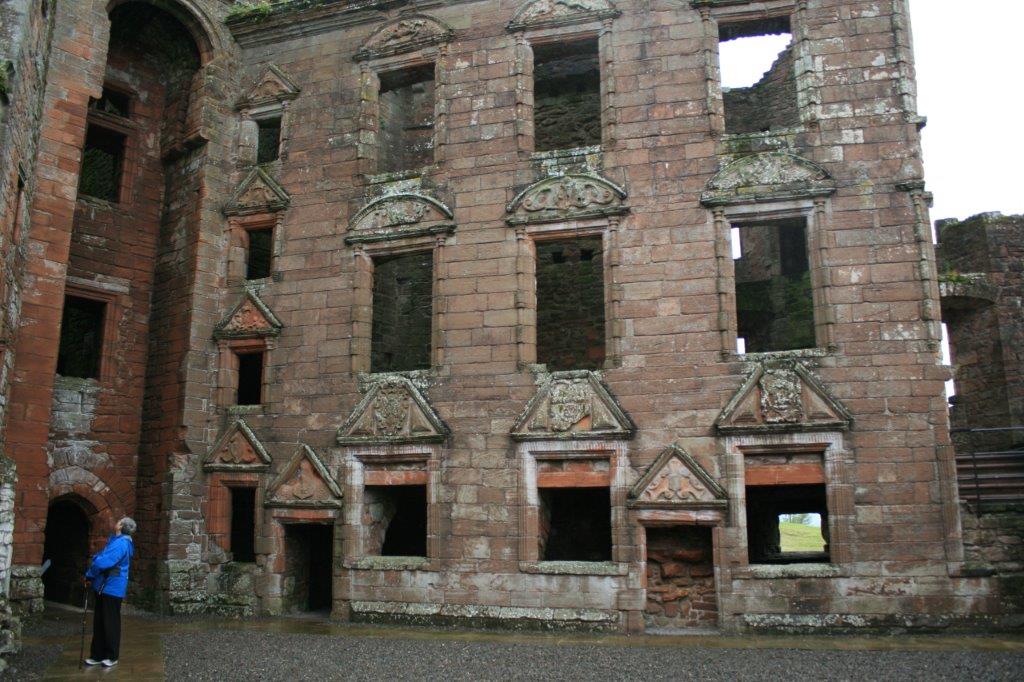
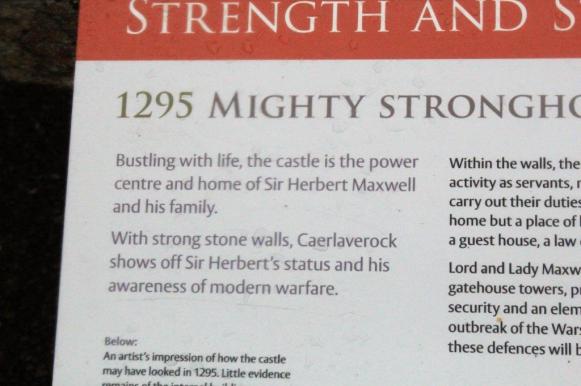
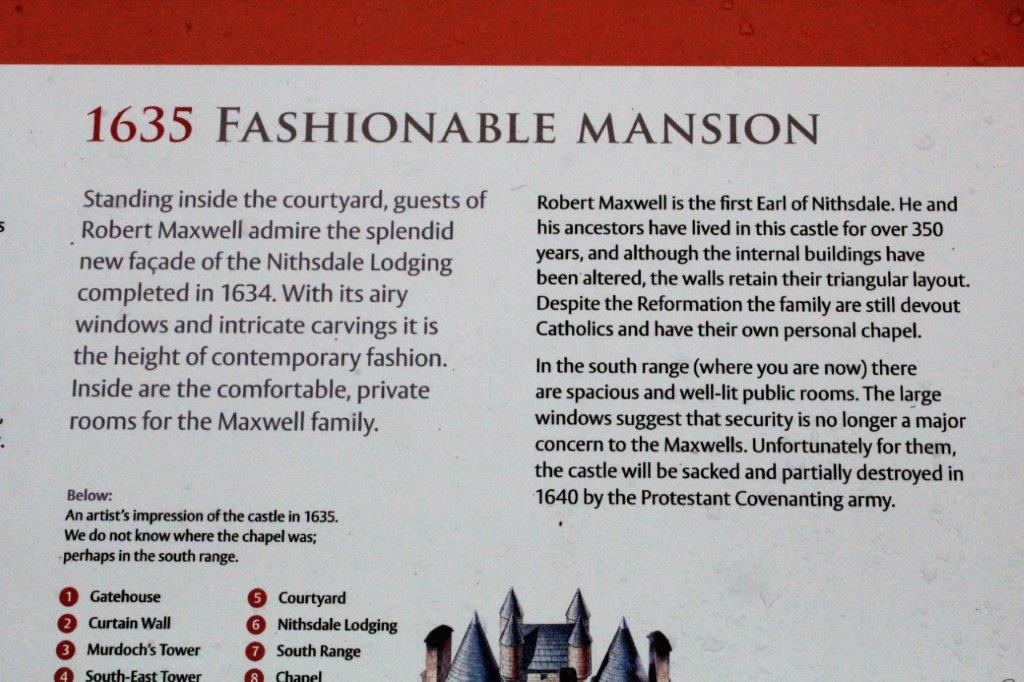
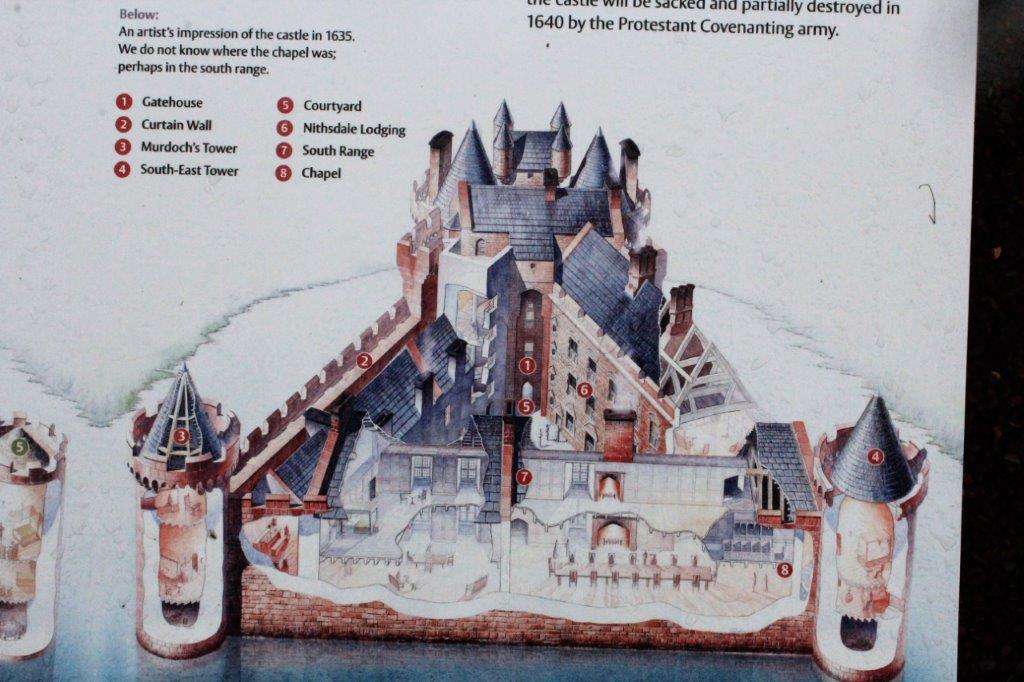
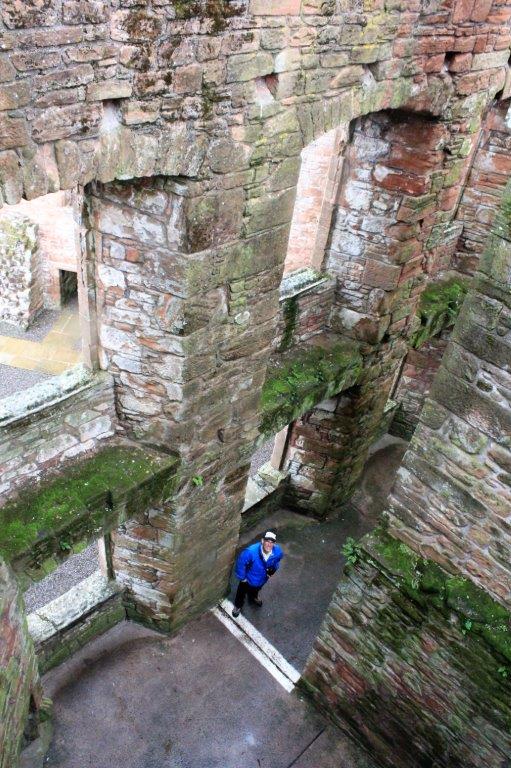
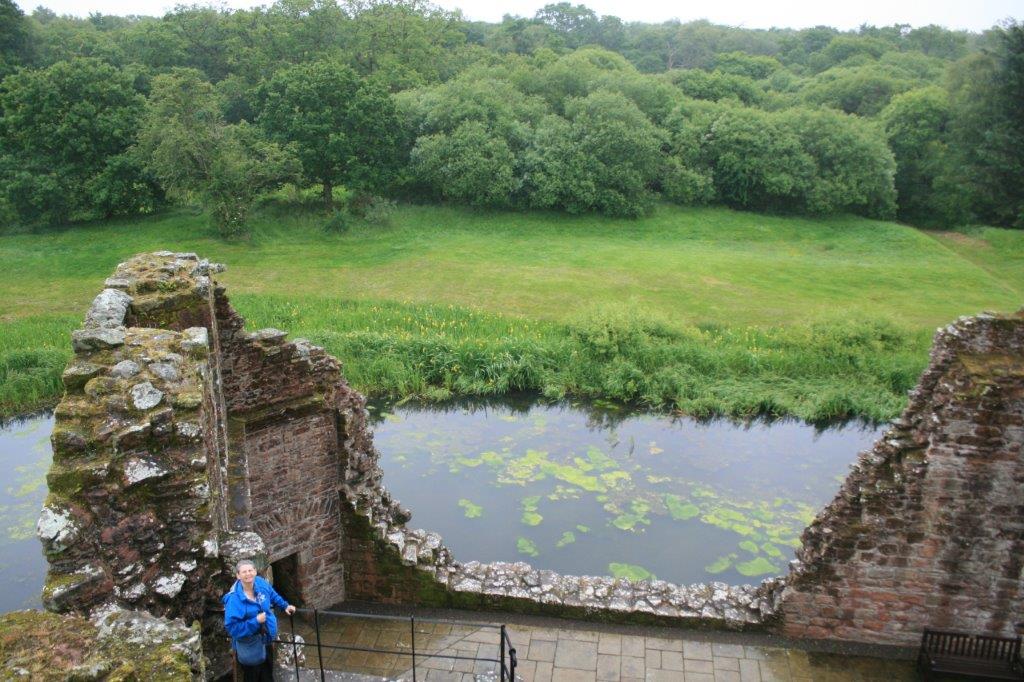
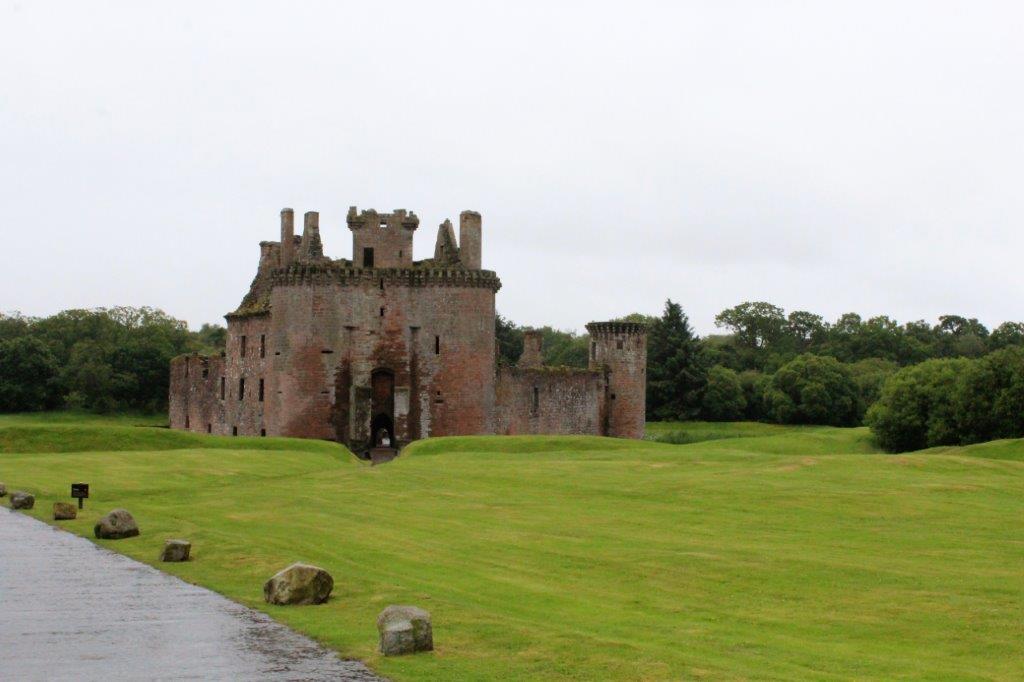
Just a bit west from Ruthwell Church, on the coast where the River Nith enters Solway Firth is Caerlaverock Castle (pronounced Cal a vé rick), one of most unique and smallest castles that we visited on our trip.  Caerlaverock Castle was built by Sir John Maxwell in 1220! It was one of the first stone castles built in Scotland. Continuing down the road we next visited Orchardton Tower.

2013 Summer (Baltic and Britain – Scotland – June 27 – Day 4 – Part 1)

Scotland is a small country.  In Canada our communities are usually 30 km (18 miles) or more apart.  In Scotland the average is about 4 or 6 km (2+ miles).  And several different intersections will have a signpost pointing to the same community at the same distance away.  You cannot, however, just zip quickly down the road and arrive in a few minutes.  The roads are winding and narrow and often have sheep wandering on them.

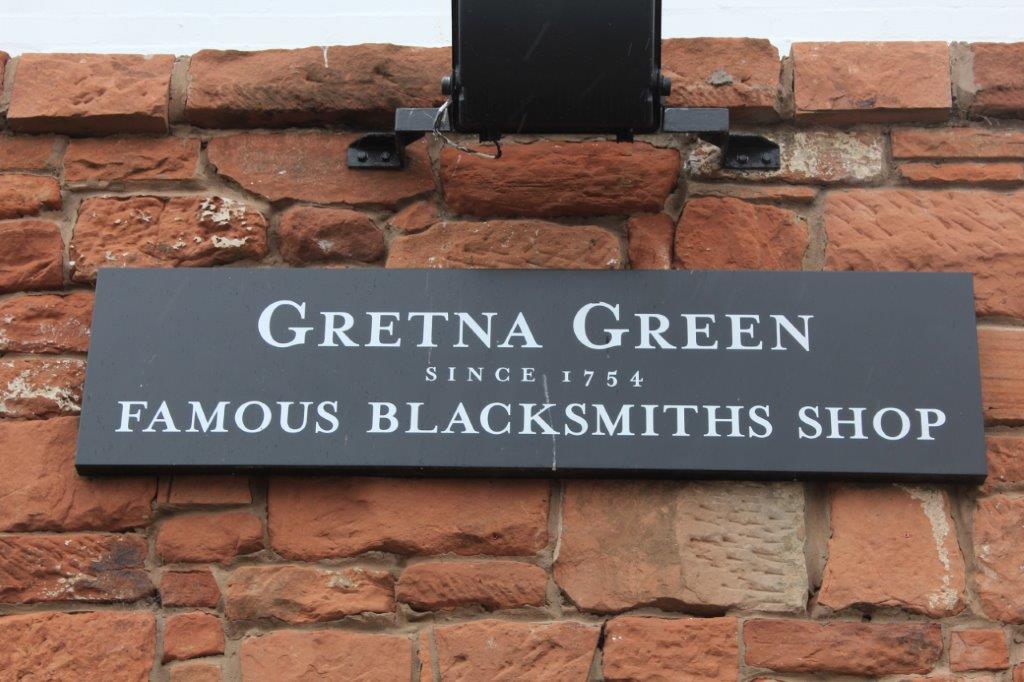
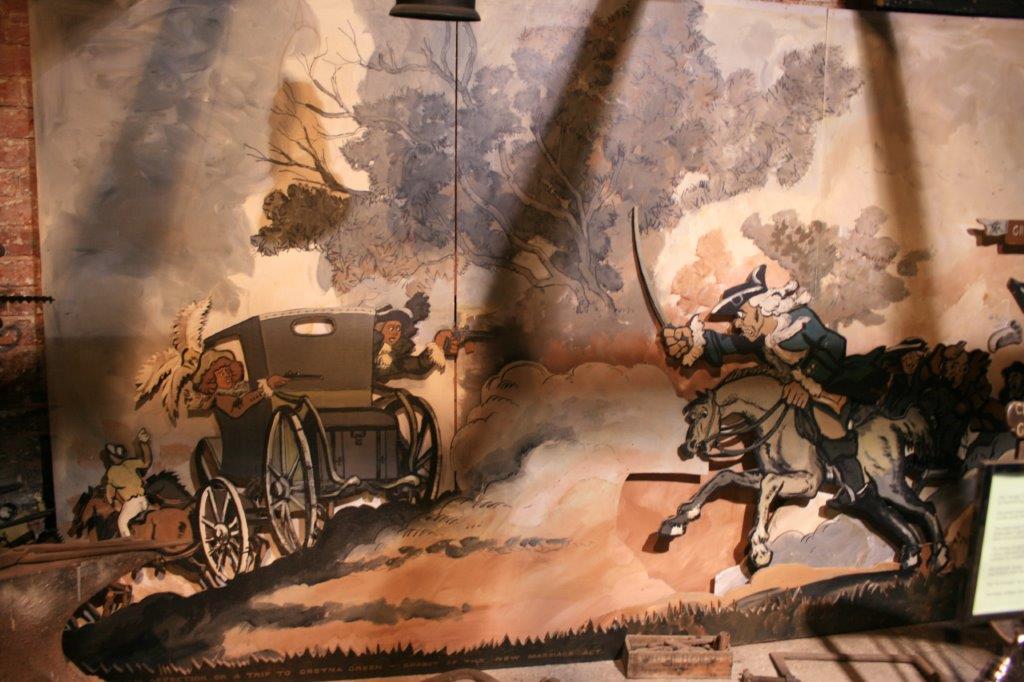
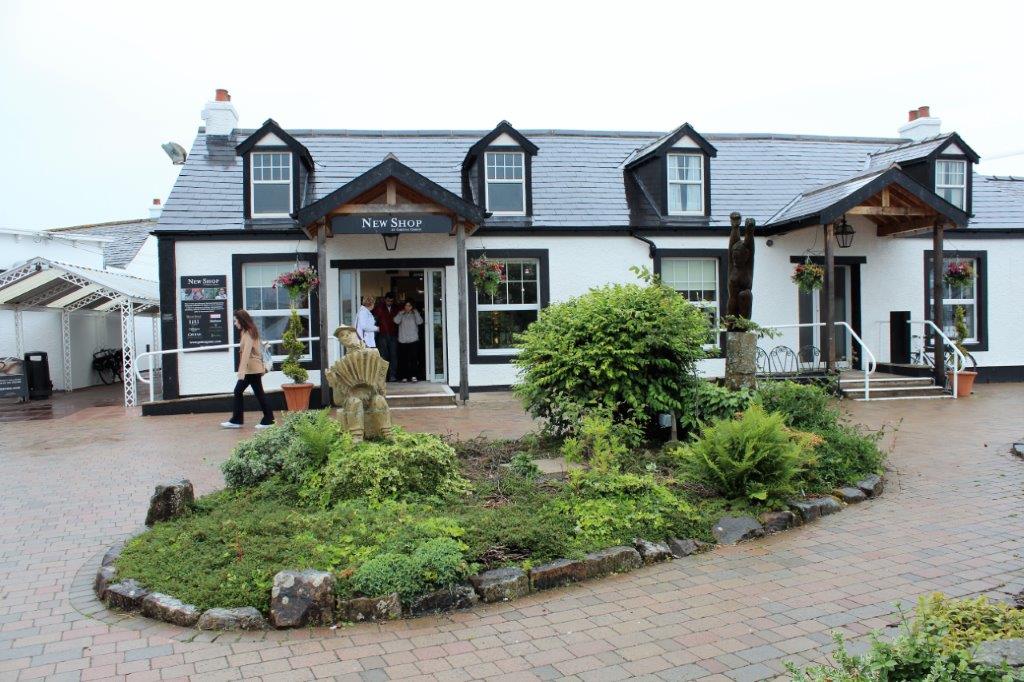
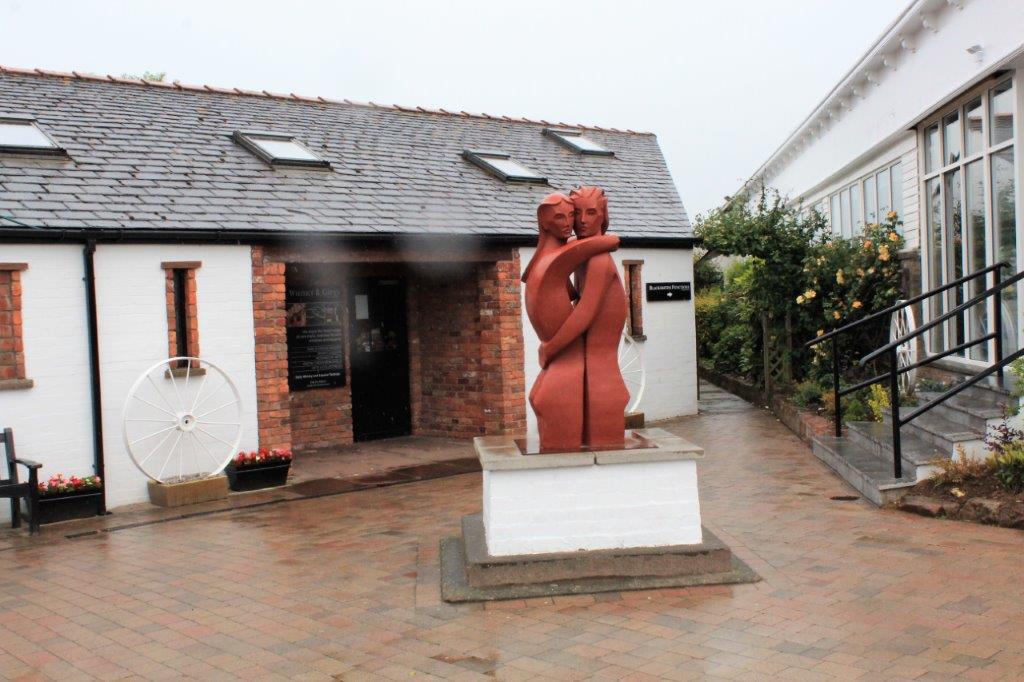
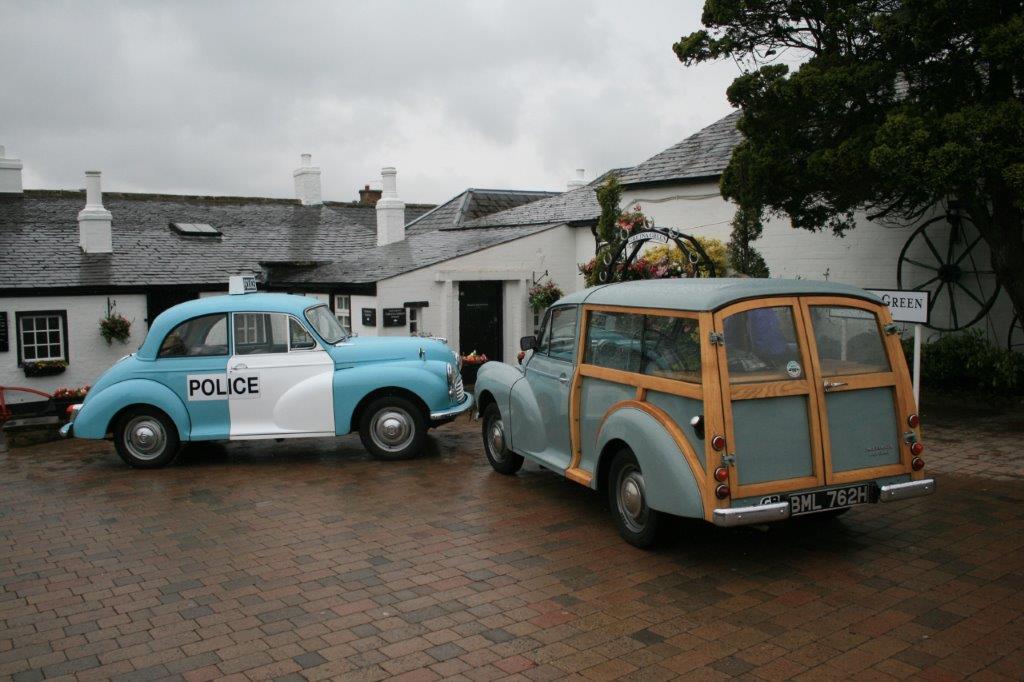
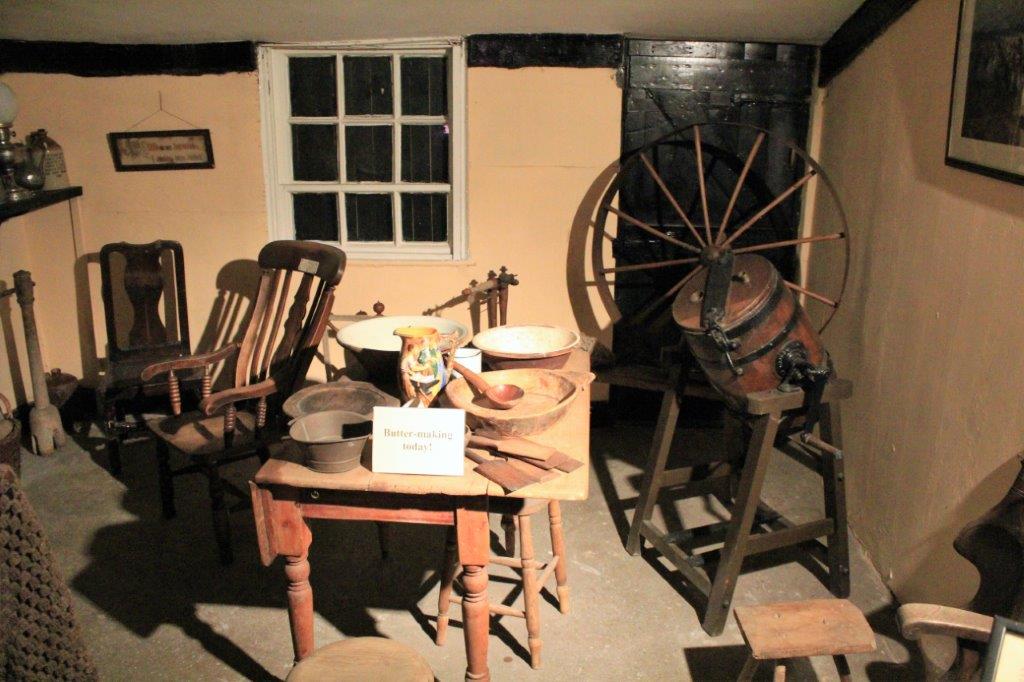
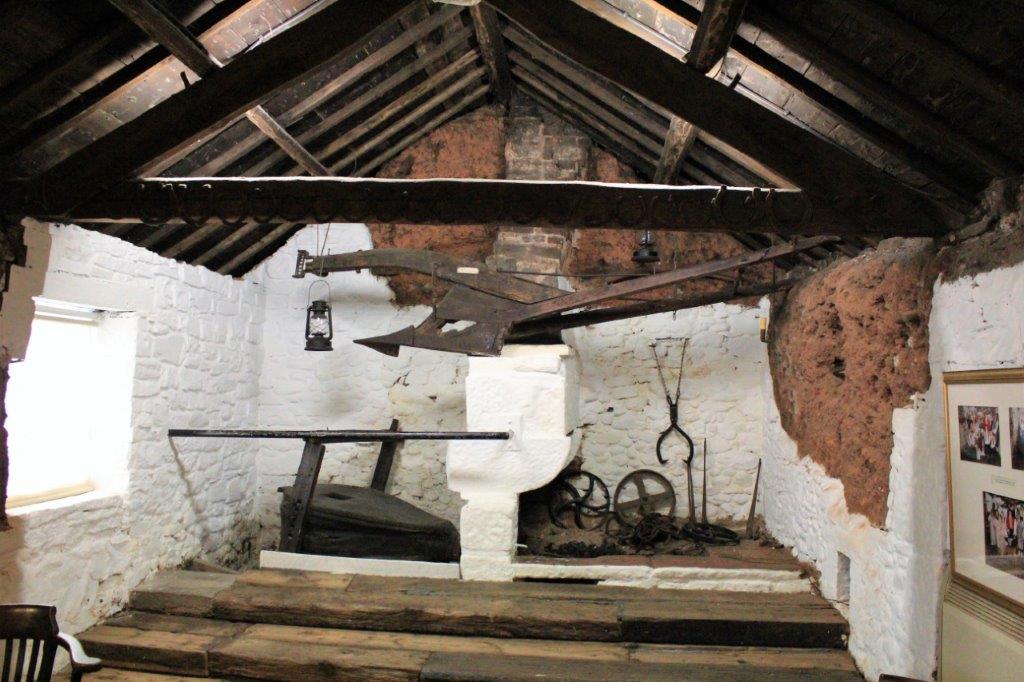
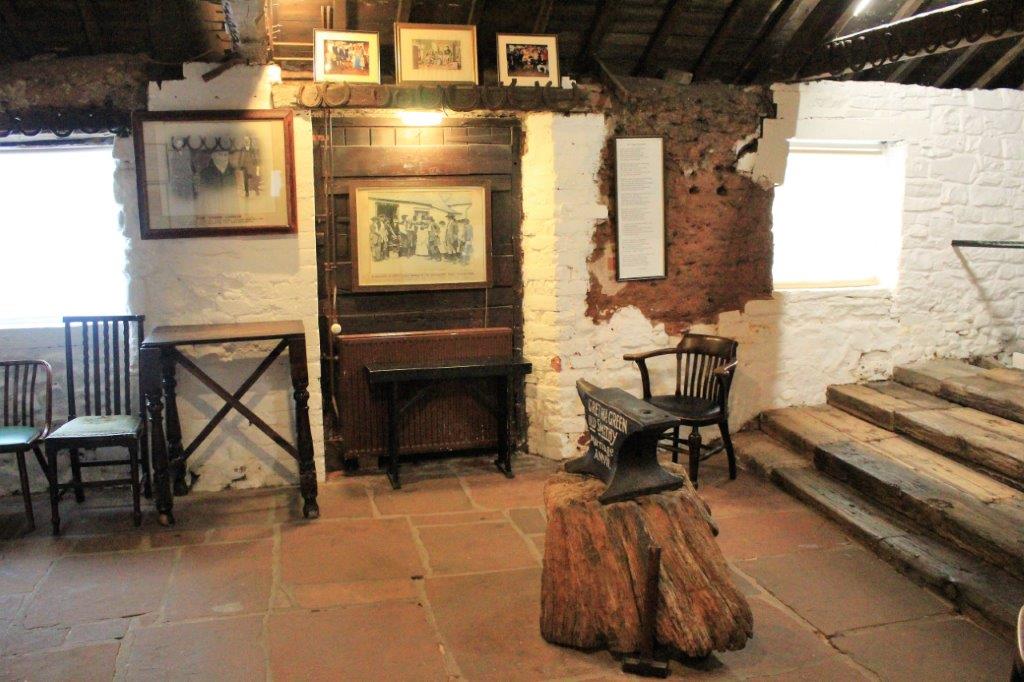
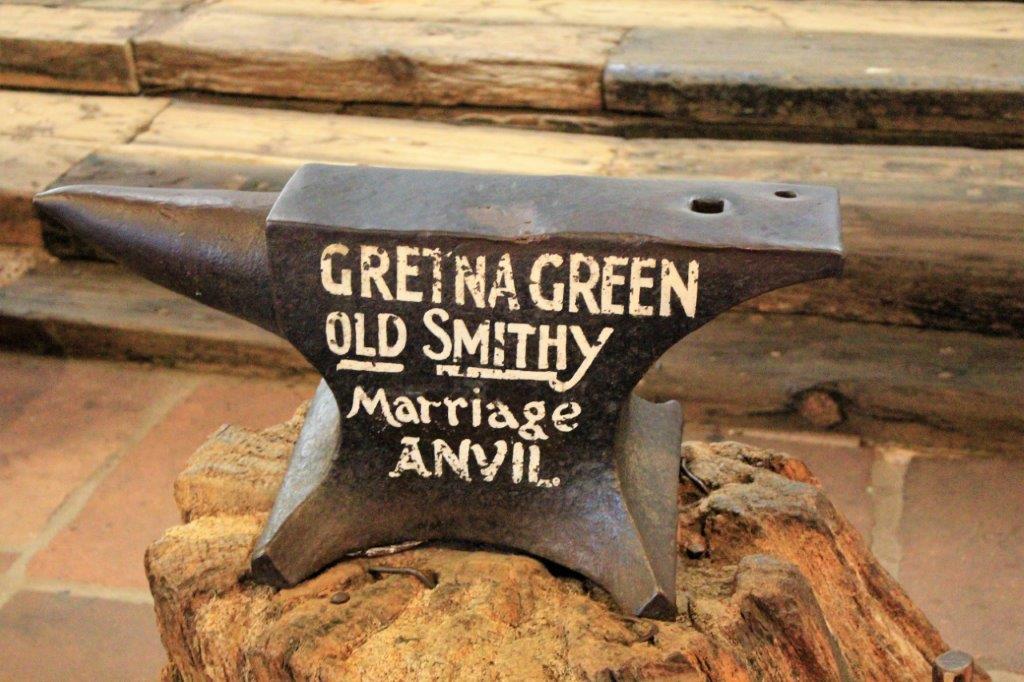
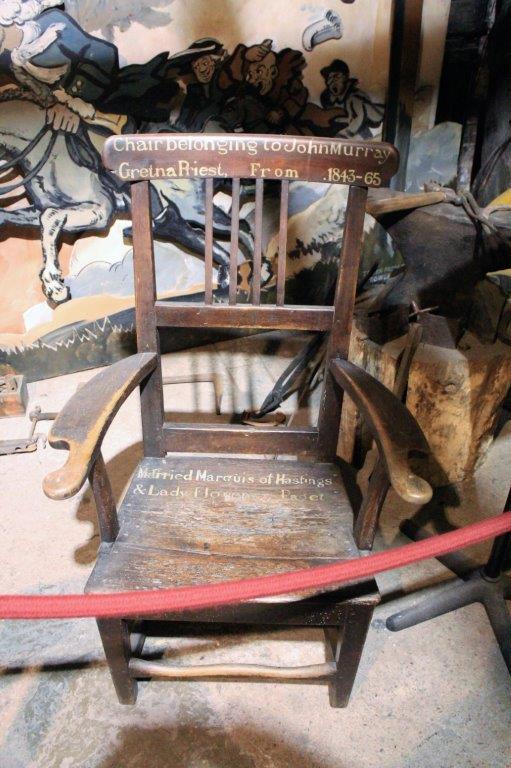
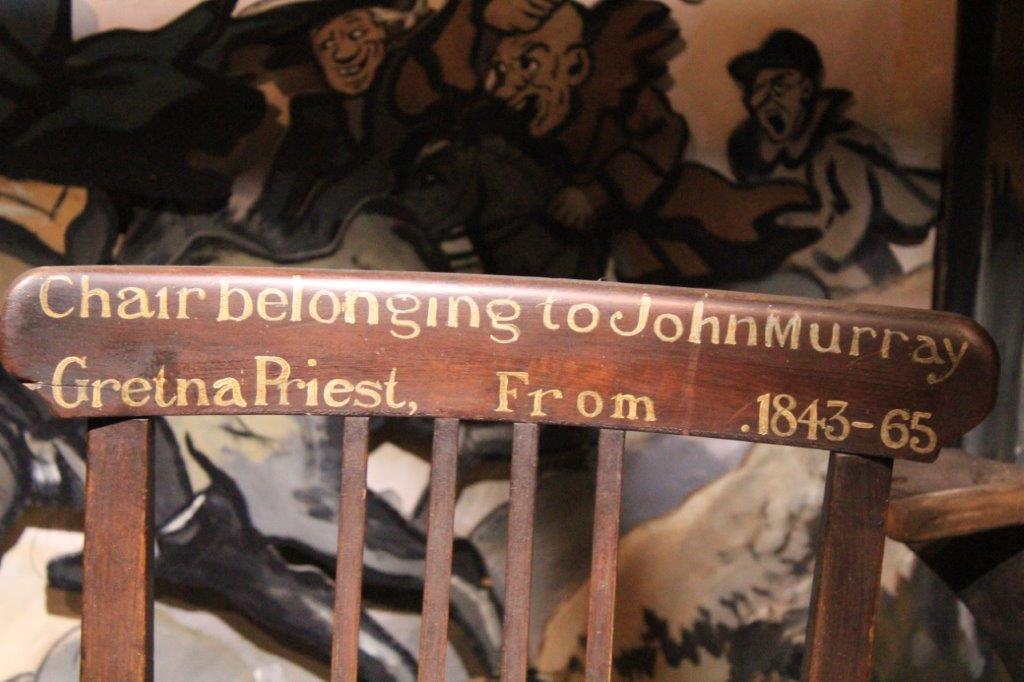
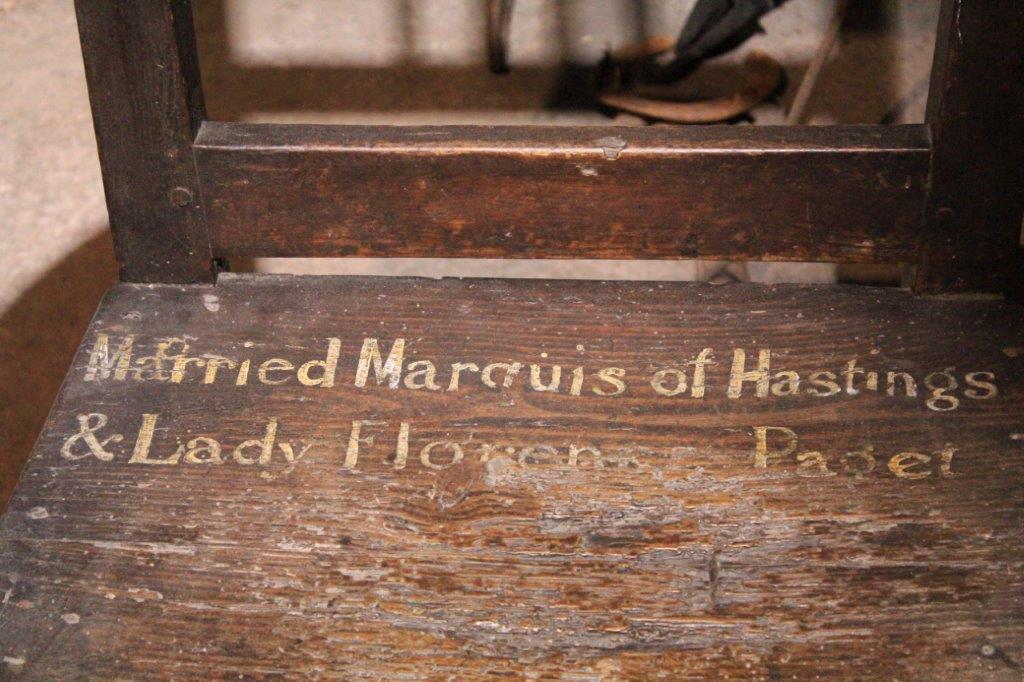
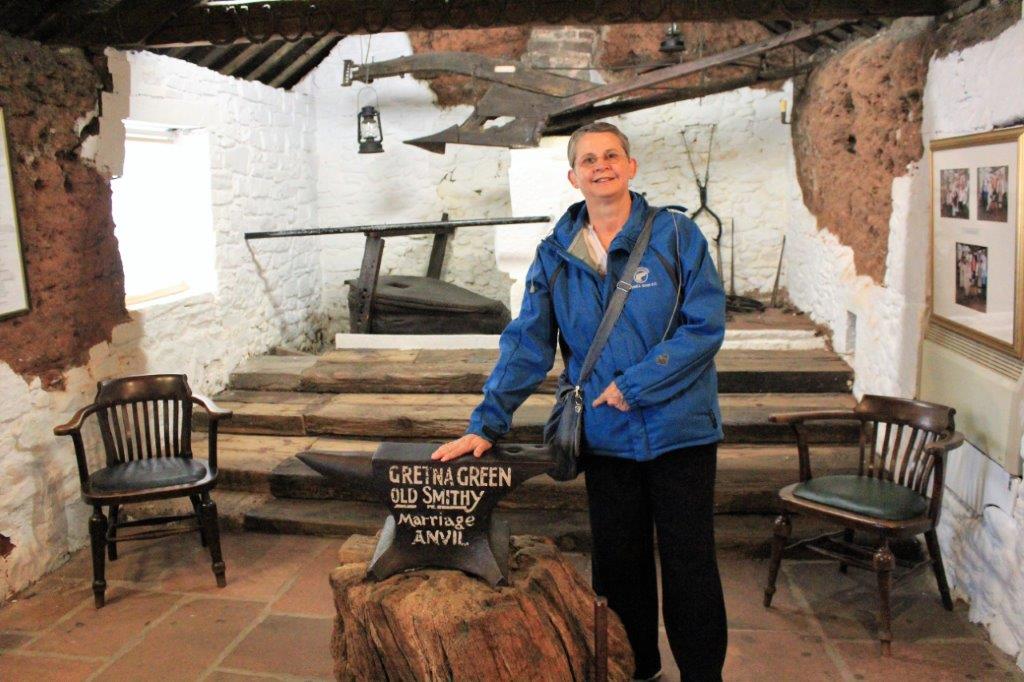
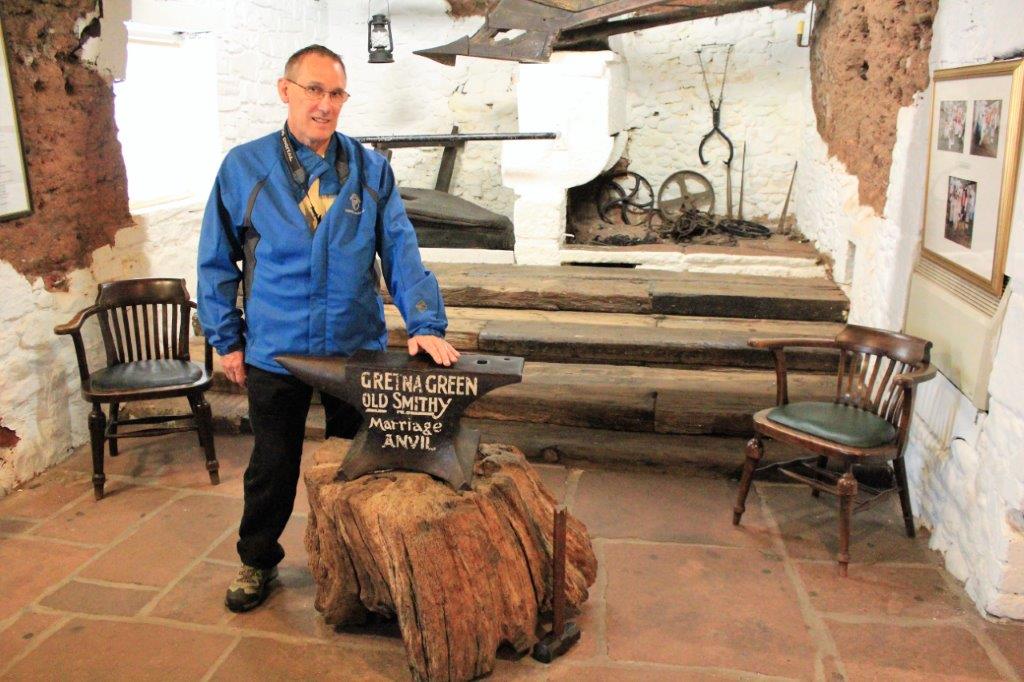
Gretna Green is famous as the 18th century English elopement town.  (Gretna was not the only border town that offered wedding services.  Almost any Scottish town near the border had its fair share of quick wedding services.)  If you wanted to marry without your parents consent you beetled it up to the little community on the border between England and Scotland and got married, “over the anvil.”  The place is a real ‘tourist trap’ but not completely hokie.  We had fun there.  They still do lots of weddings every year and have several different places on the grounds for the ceremony and several different photo op settings as well. They have a some nicely set up museum rooms of furnishings and artifacts from the early days of the shop.  It really was an active blacksmith shop.  Scottish  law  allowed  anyone  to  perform  a wedding ceremony  as  the  important,  and  binding,  part  was  the  declaration  of the  couple  rather  than  the  rites  of  a minister.  Most  ‘anvil  weddings’  were  performed  by  weavers,  horse  saddlers,  and  fishermen.  Often  the only   role  of  a blacksmith  was  to  make the  rings.  Regardless  who  the  officiant  was,  the  blacksmith  or  anvil  wedding was  the  ceremony  of  choice  for  any  English  couple  who  could  not  get official  signed  documents  from  their  parents  (as  required  by  law),  or  who  did  not  want  to  wait  for  the  weeks  needed  to  post  the  banns  in  church. In the marriage commissioner’s office you can legally get married ‘over an anvil.’

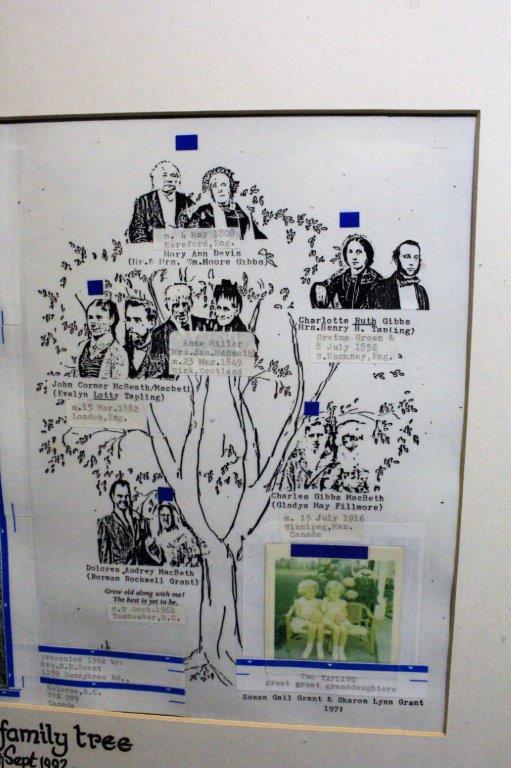
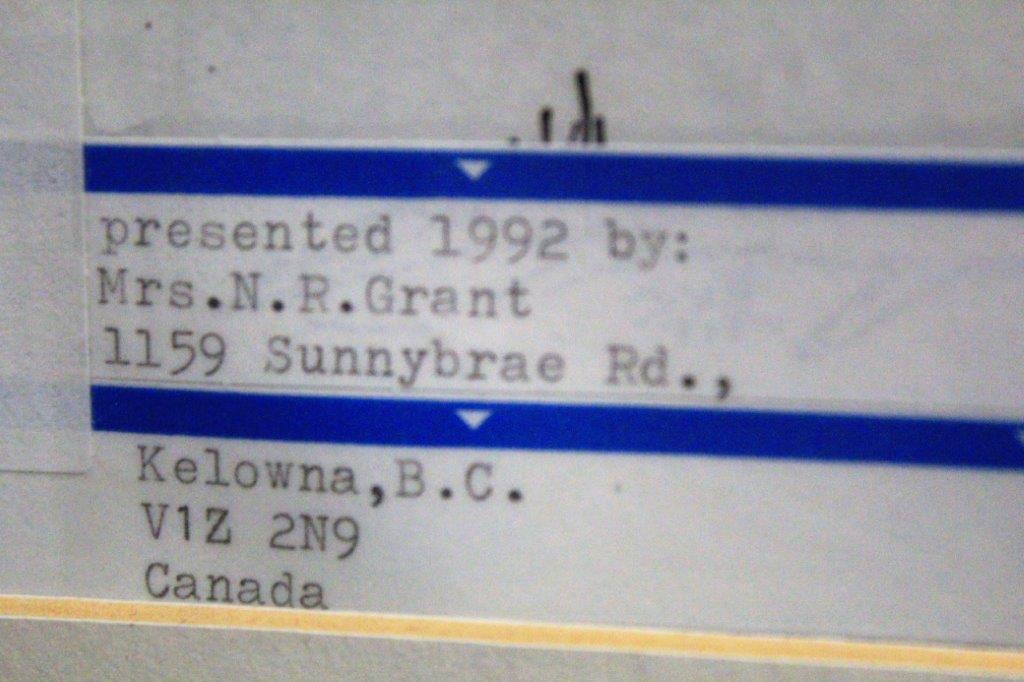
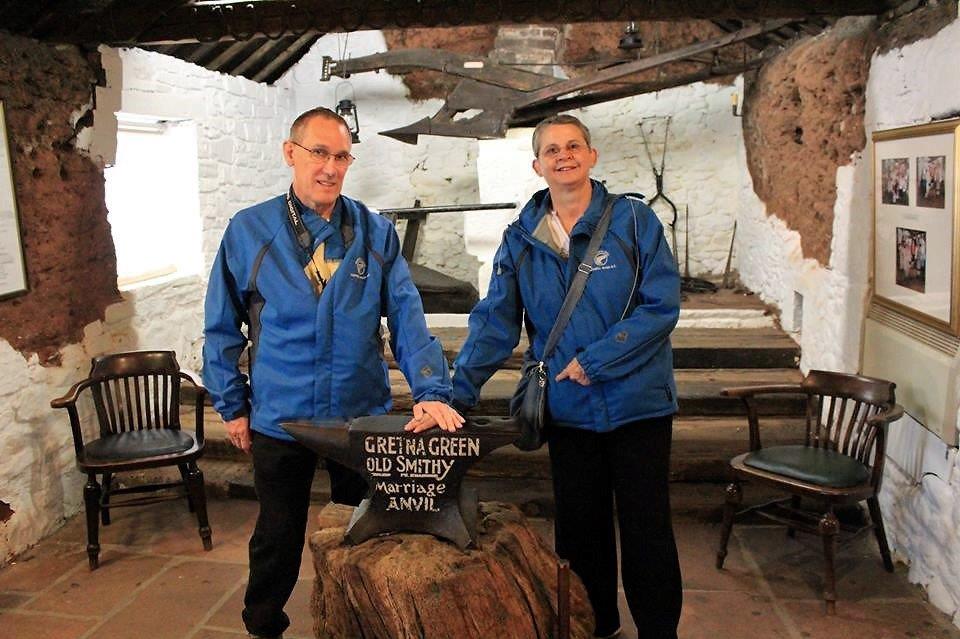
We were tickled to see this family tree that was sent to Gretna Green by someone from our area of BC. With all the digital photographs of trips, weddings, and gatherings I have taken since 2007 I have become quite good at some Photoshop techniques.  I decided that I would try blend a photo of each of us into one so we could be ‘married’ the Gretna Green way.

I had John take a photo of me with my hand on the anvil, then I took one of him standing on the other side with his hand just above the anvil.  Then I  did some Photoshop magic and Voila! From Gretna Green we went to see the Ruthwell Cross, and an abbey, and a castle, and a tower, before finishing our day in Kirkcudbright. (Continued in Part 2)Warning:  This blog series will have LOTS of photos of castles and ruins.  Scotland is brimming with about a thousand of them and we saw one or more ancient building every single day.  I loved every minute of if!  The next most prominent item will be gardens.  Lots and lots and lots of gardens.

2013 Summer (Baltic and Britain – Scotland – June 26 – Day 3)

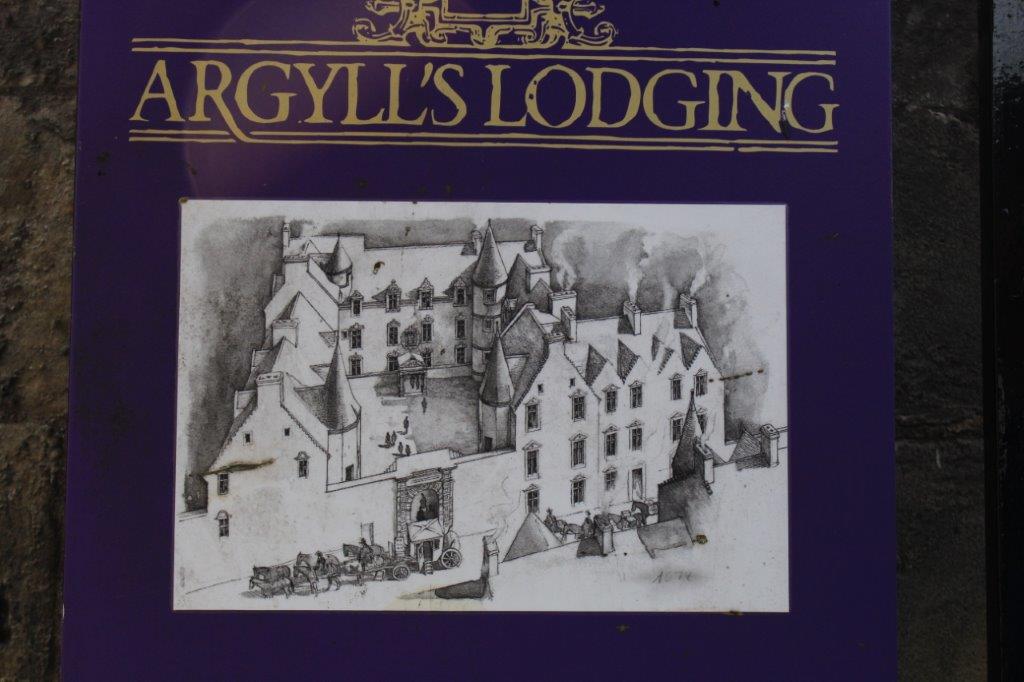
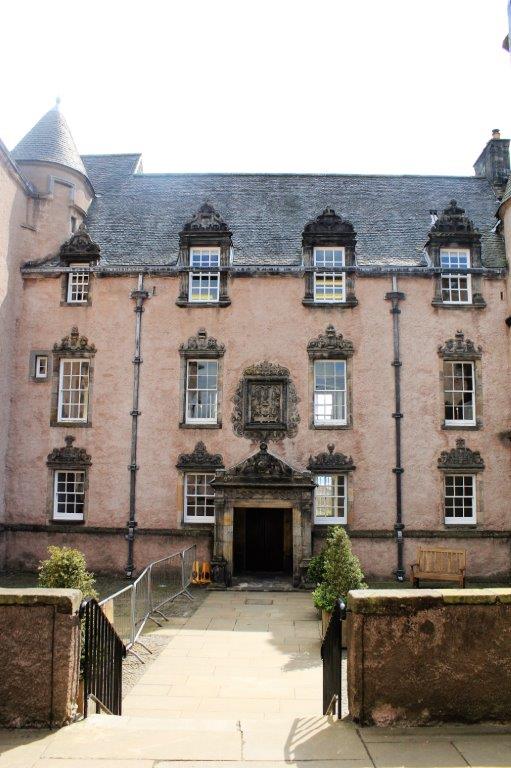
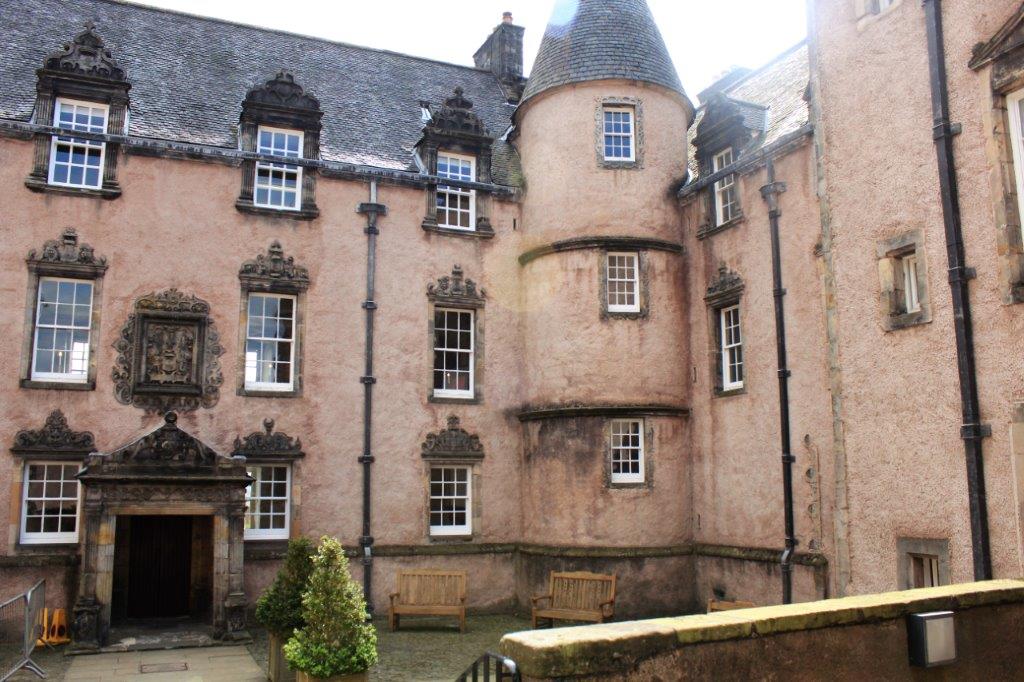
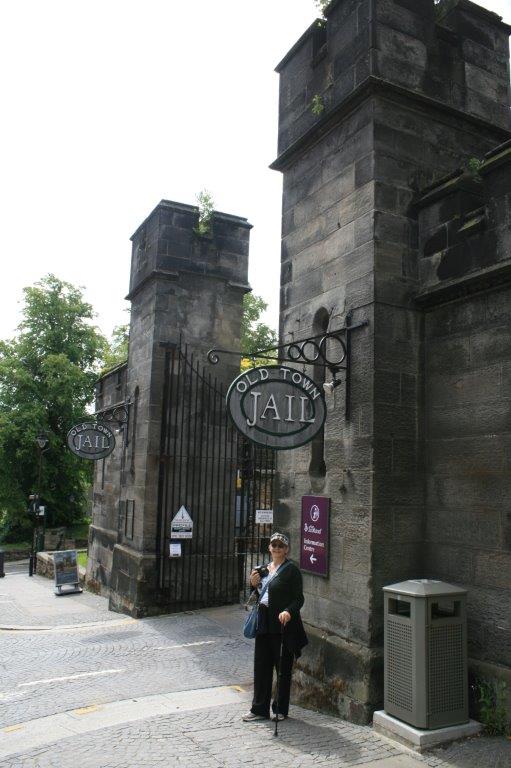
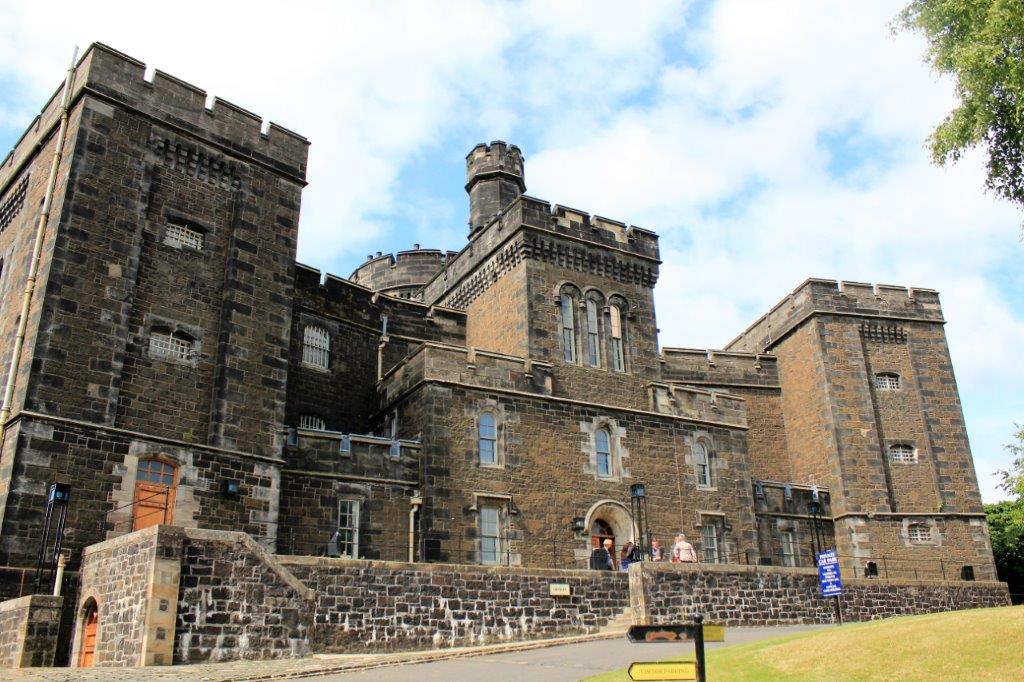
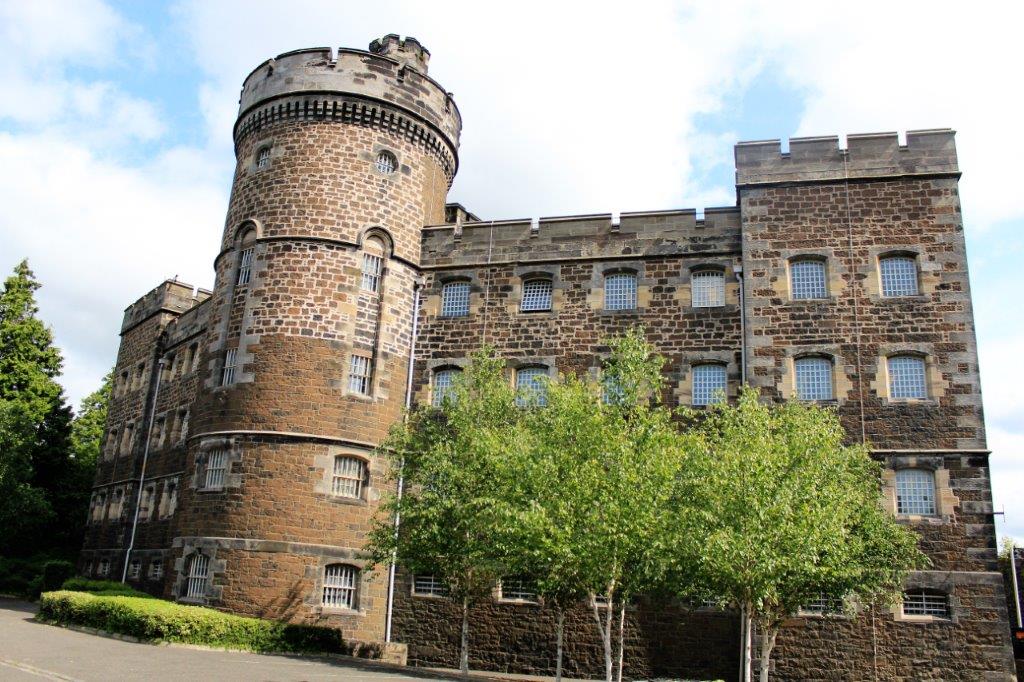
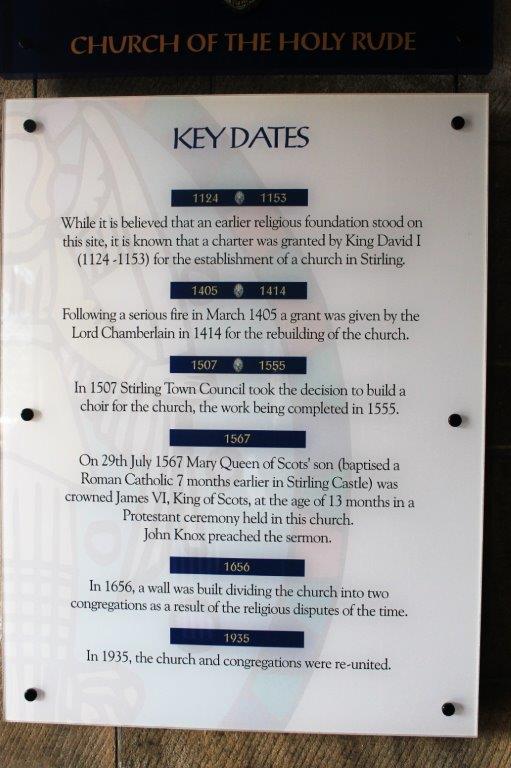
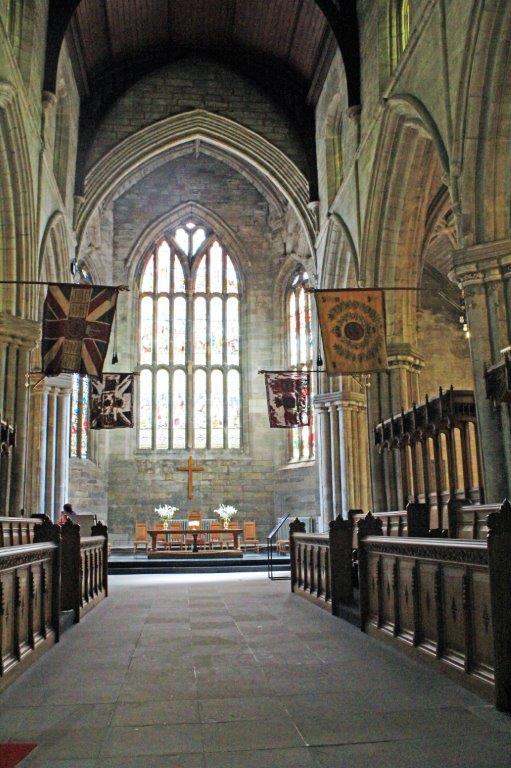
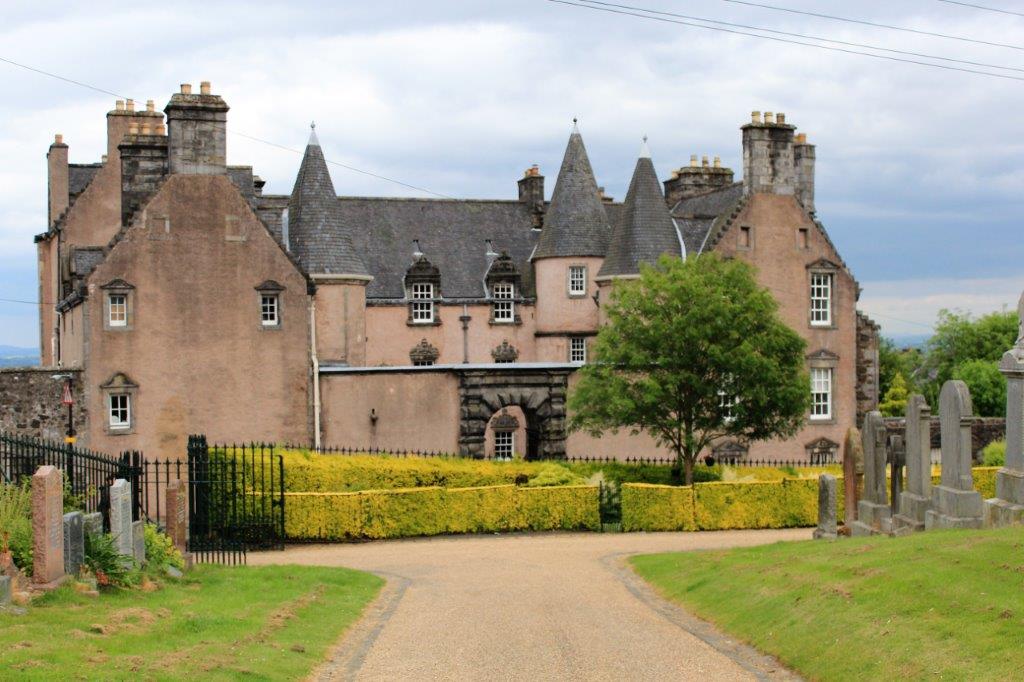
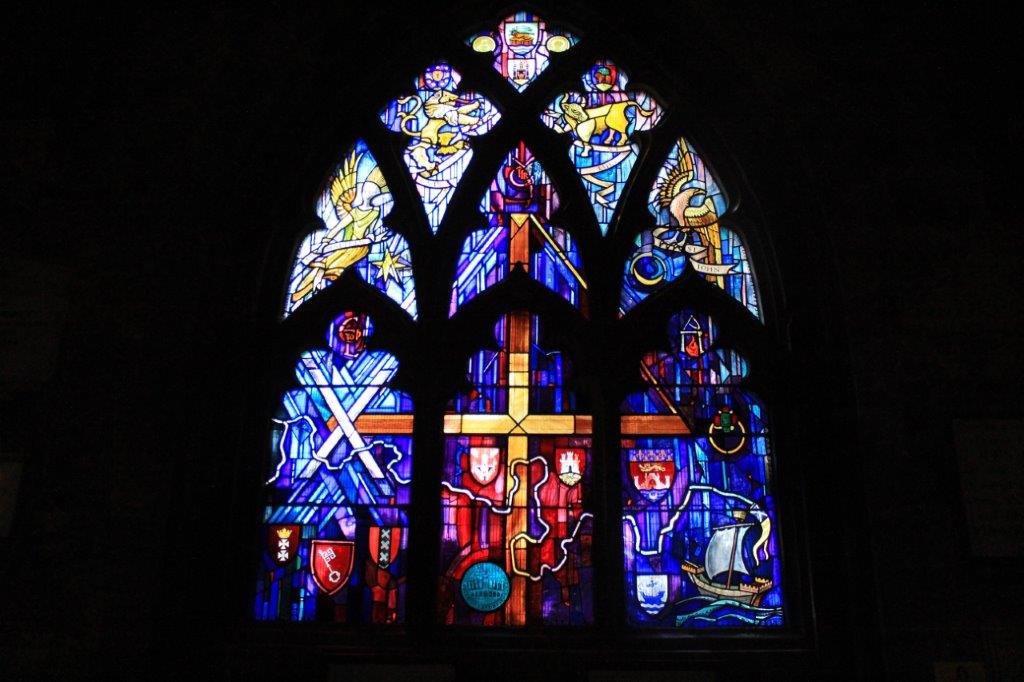
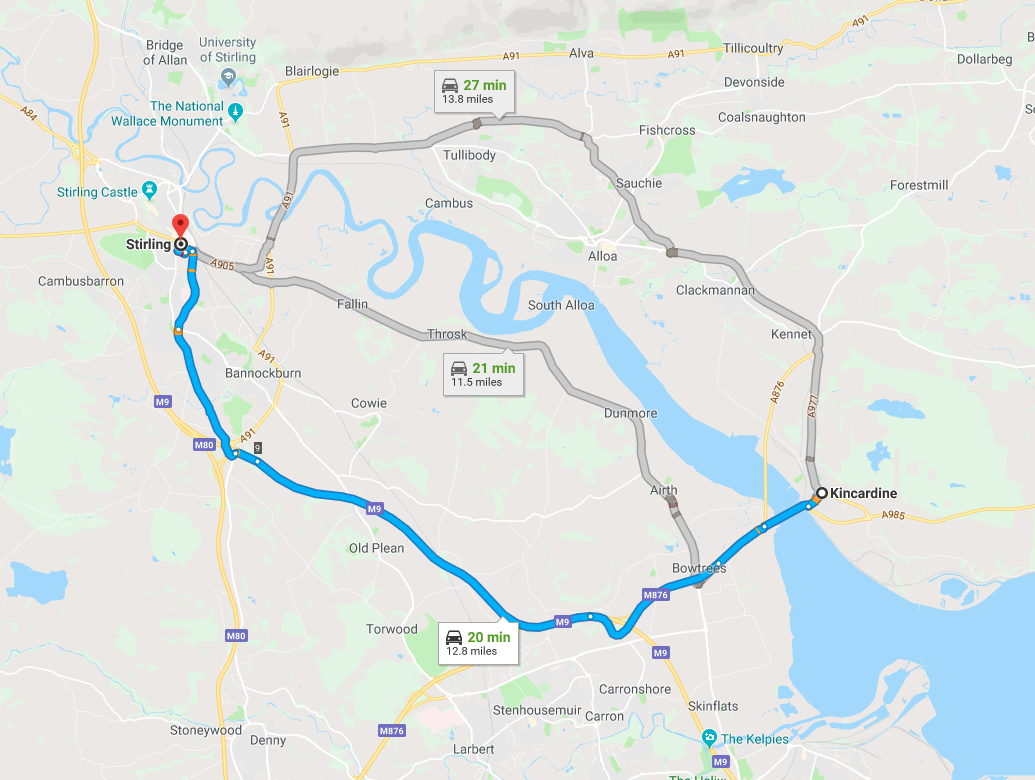
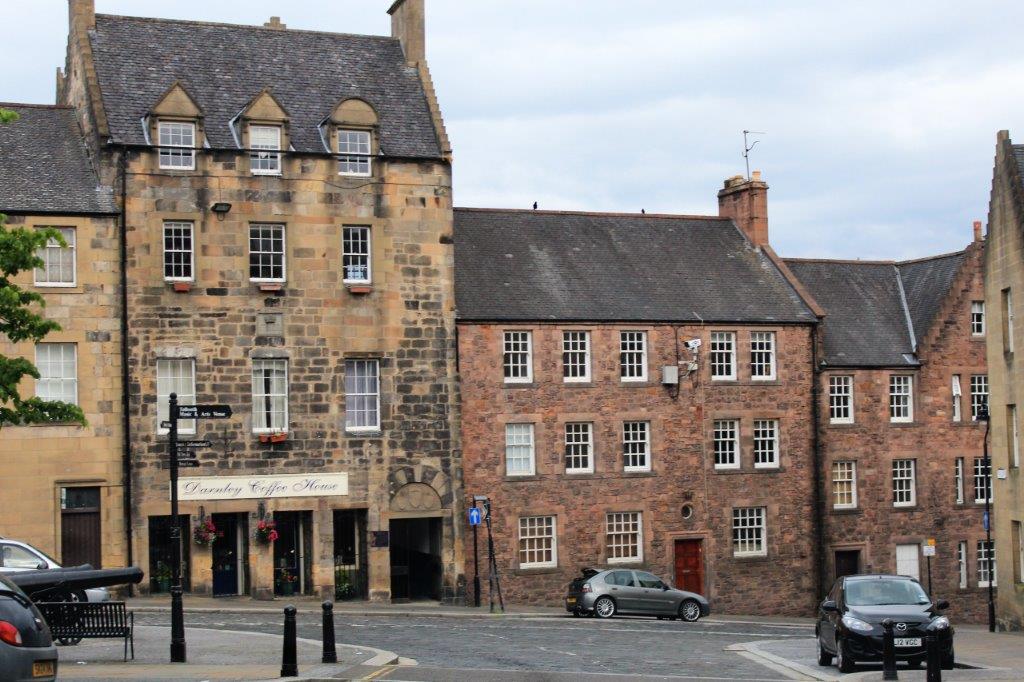
We checked out of our hotel in Kincardine and drove to Stirling to see if we could tour Argyll’s Lodging, which we were unable to do the day before as it was closed for a private function. We arrived to find it was still closed, this time with no explanation. We wandered down the street to see the Old Town Jail, only to discover it was no longer open to the public and had been converted into offices.By the time we had toured Stirling Castle the day before, visiting hours were over at the Church of the Holy Rude.  This day, however, we were able to go inside.

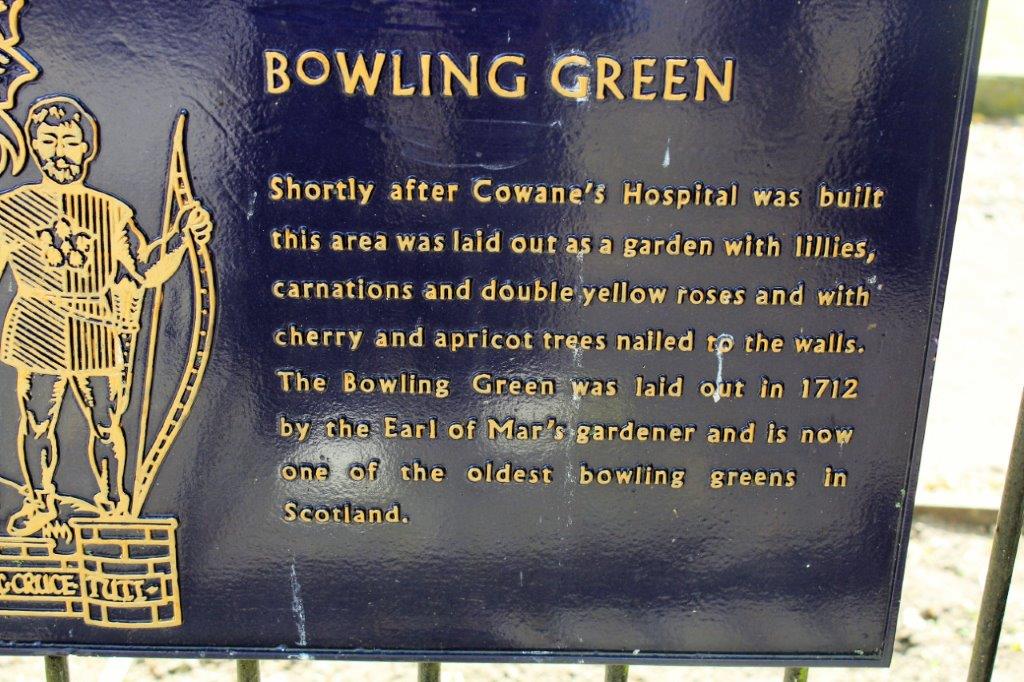
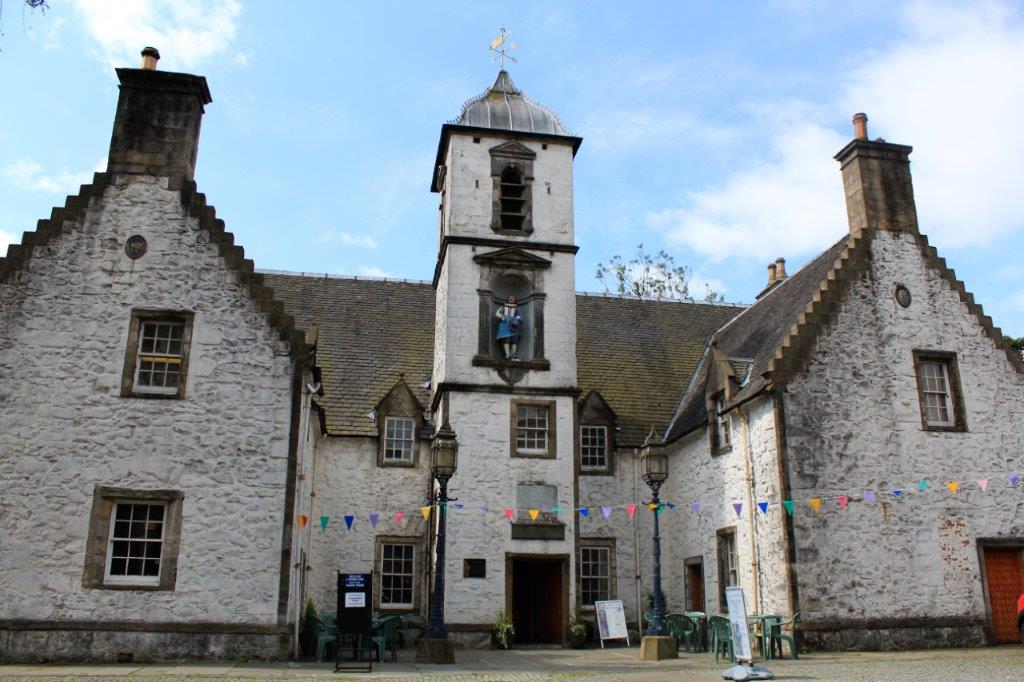
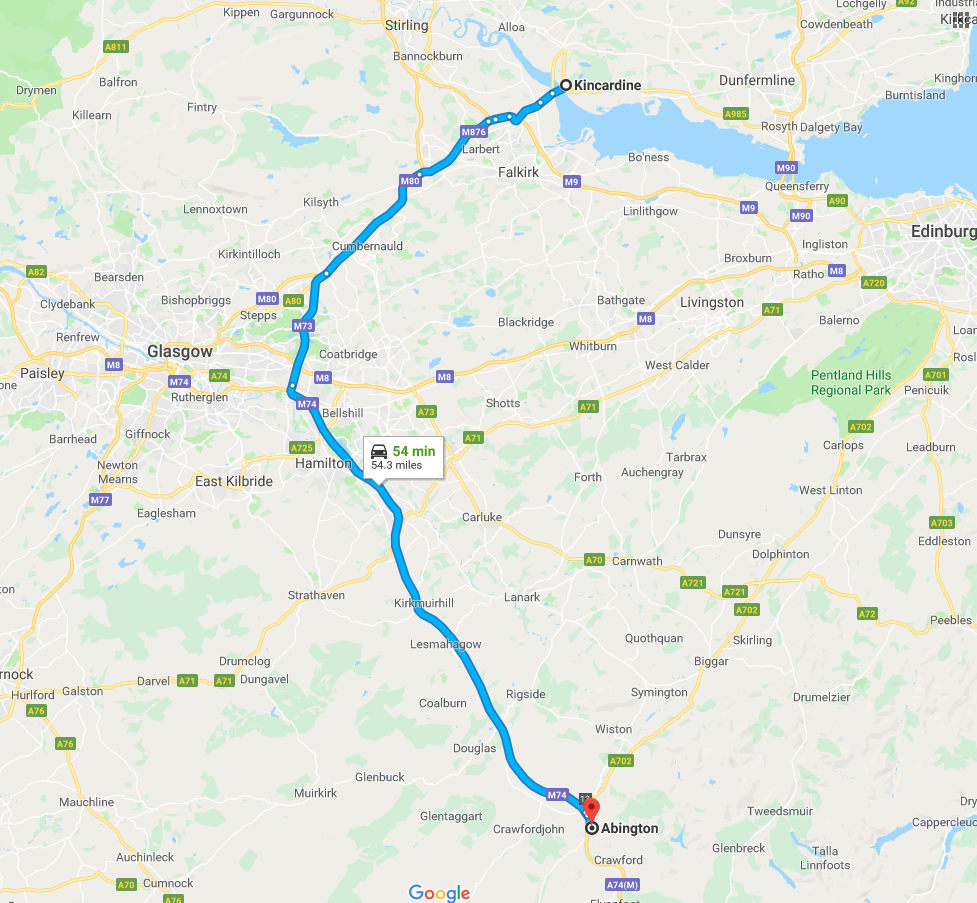
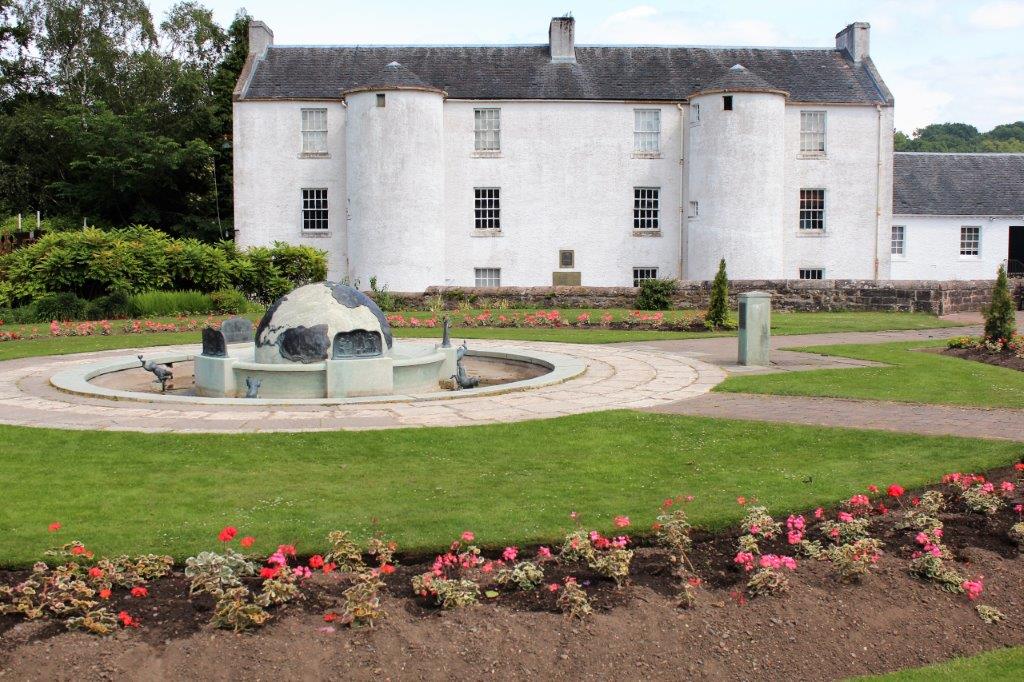
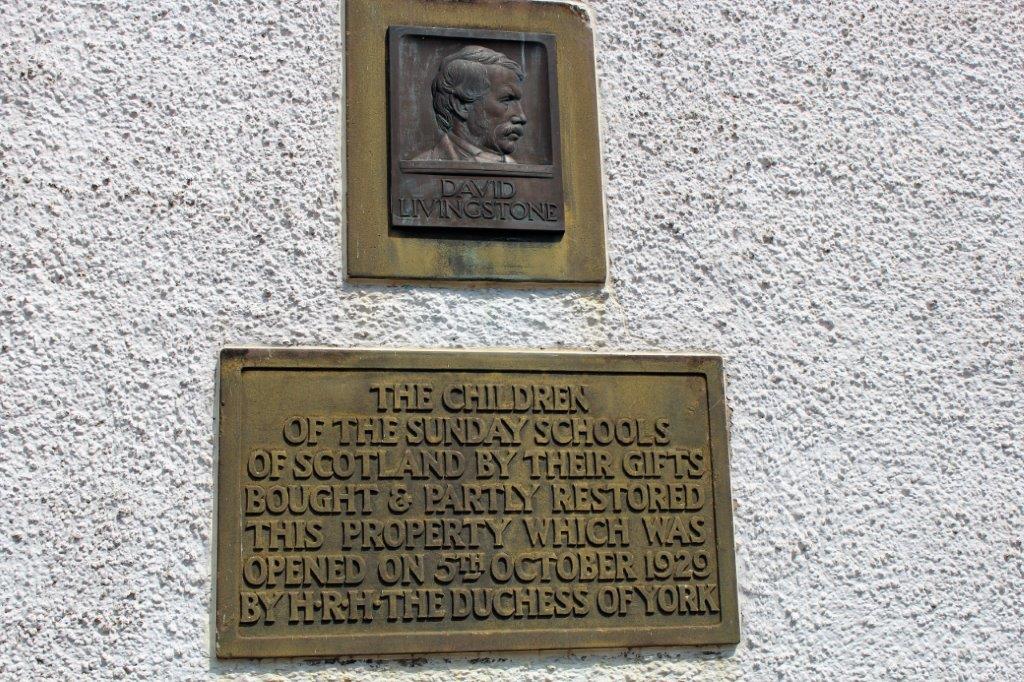
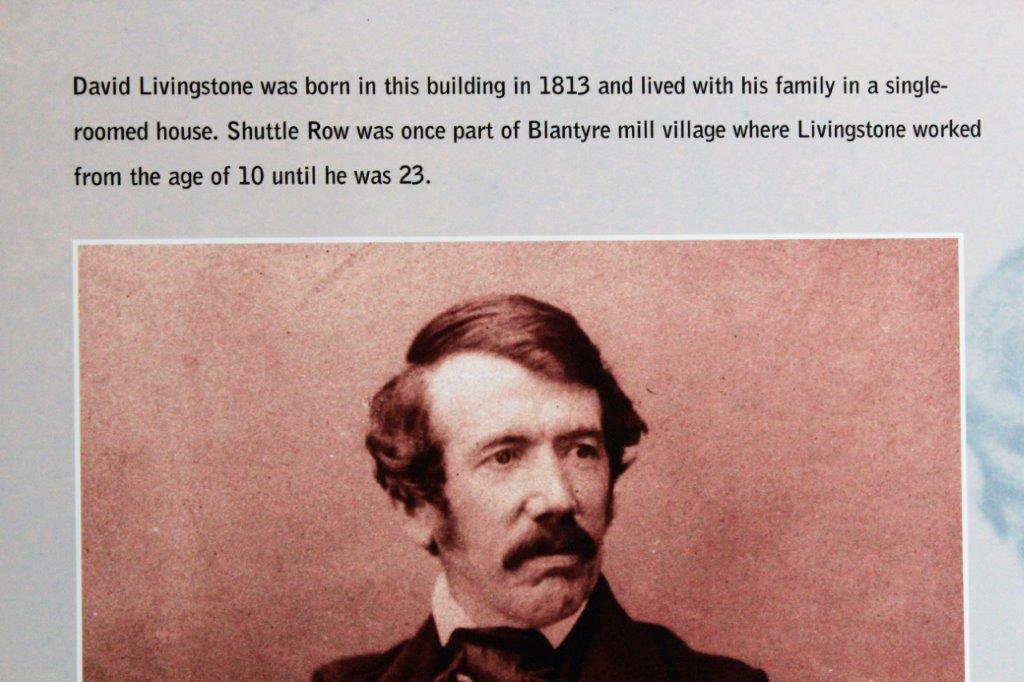
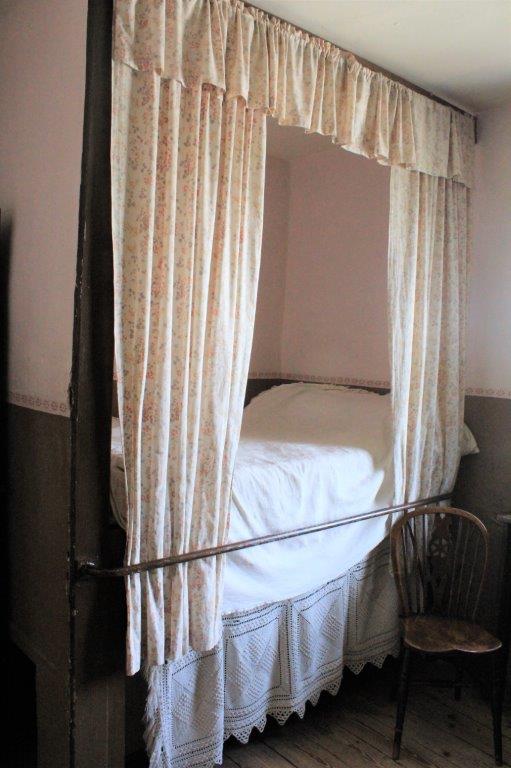
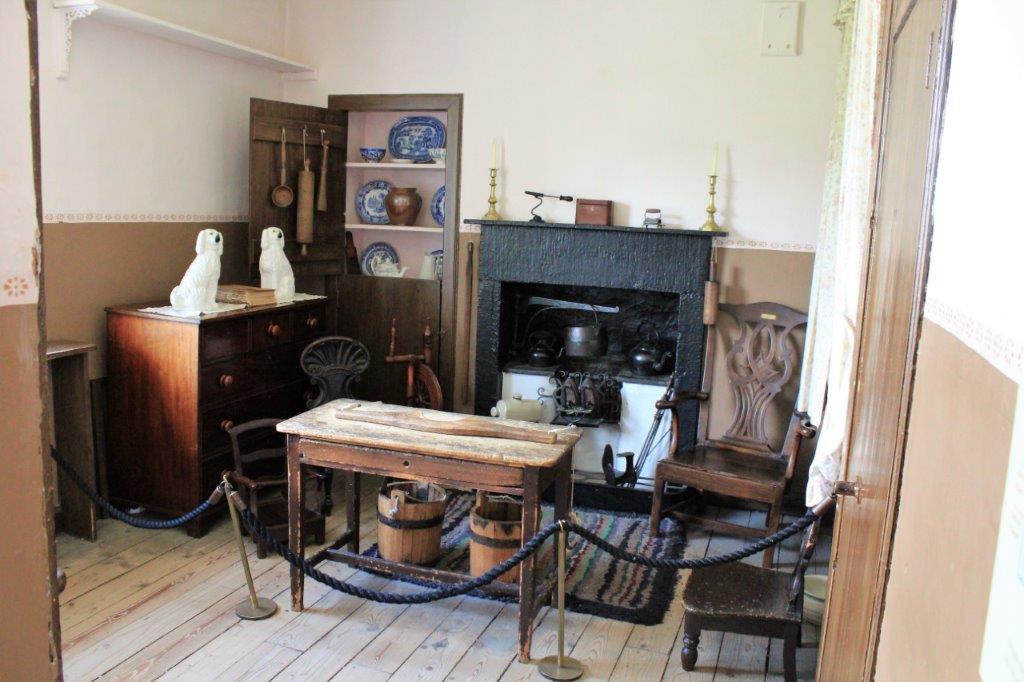
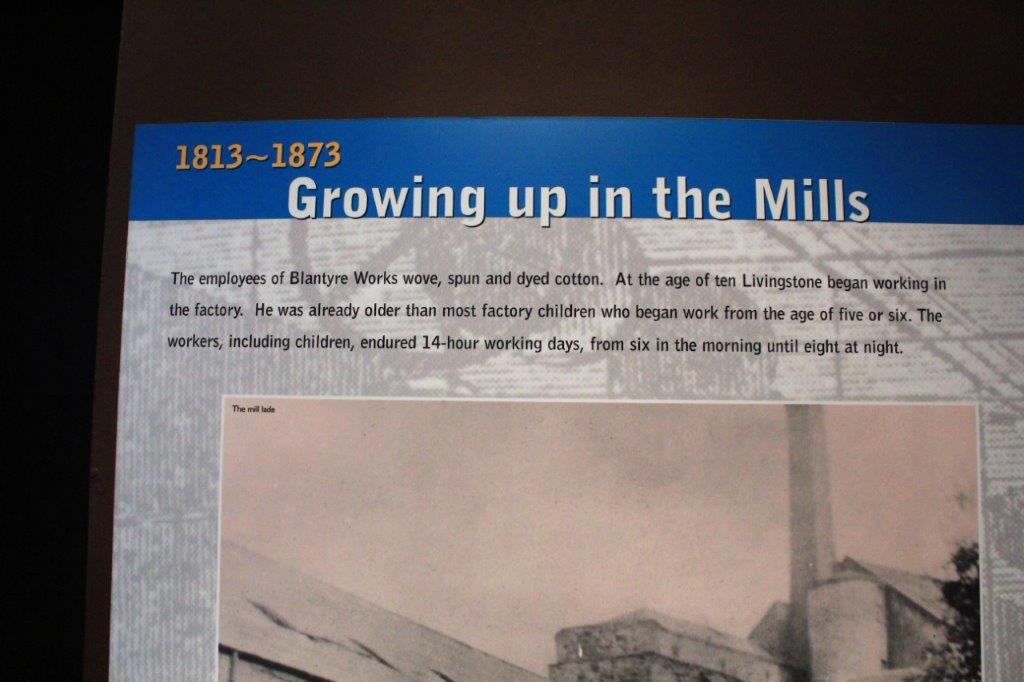
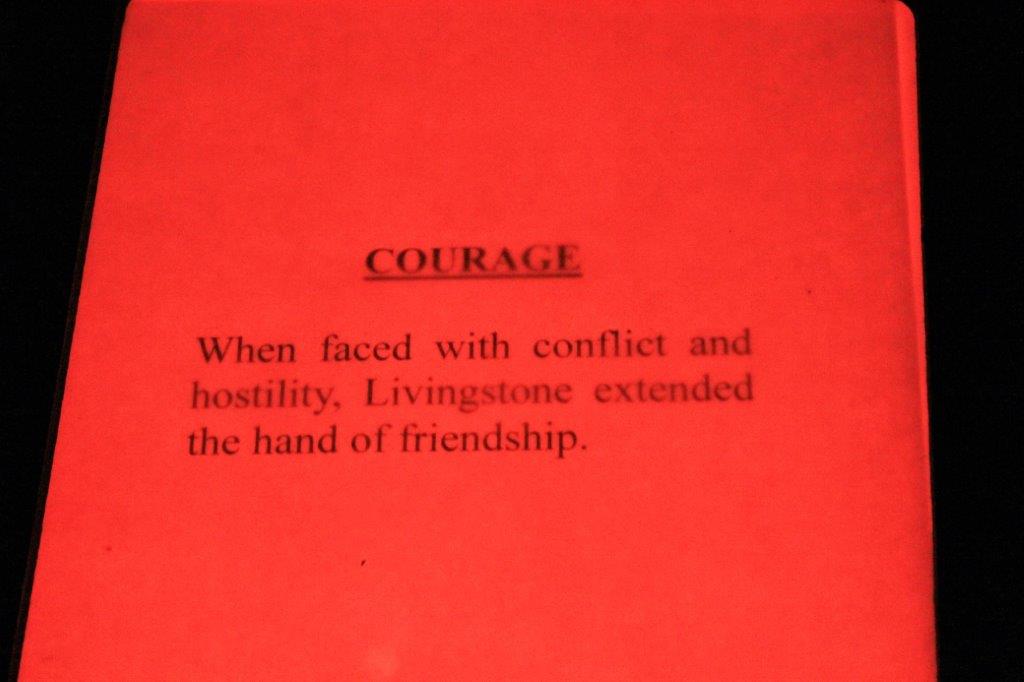
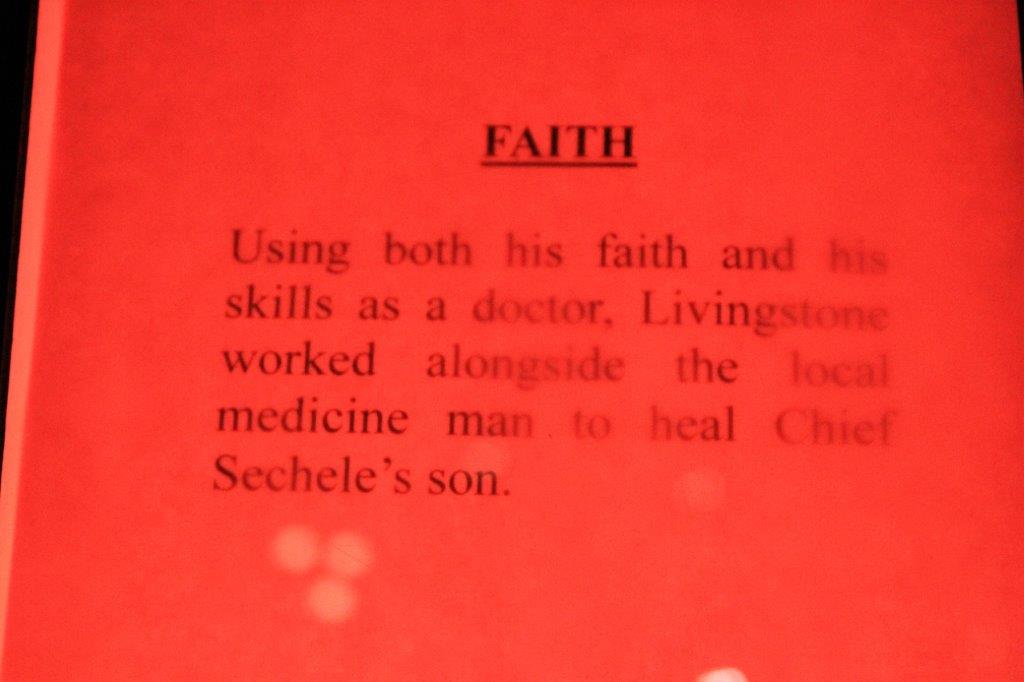
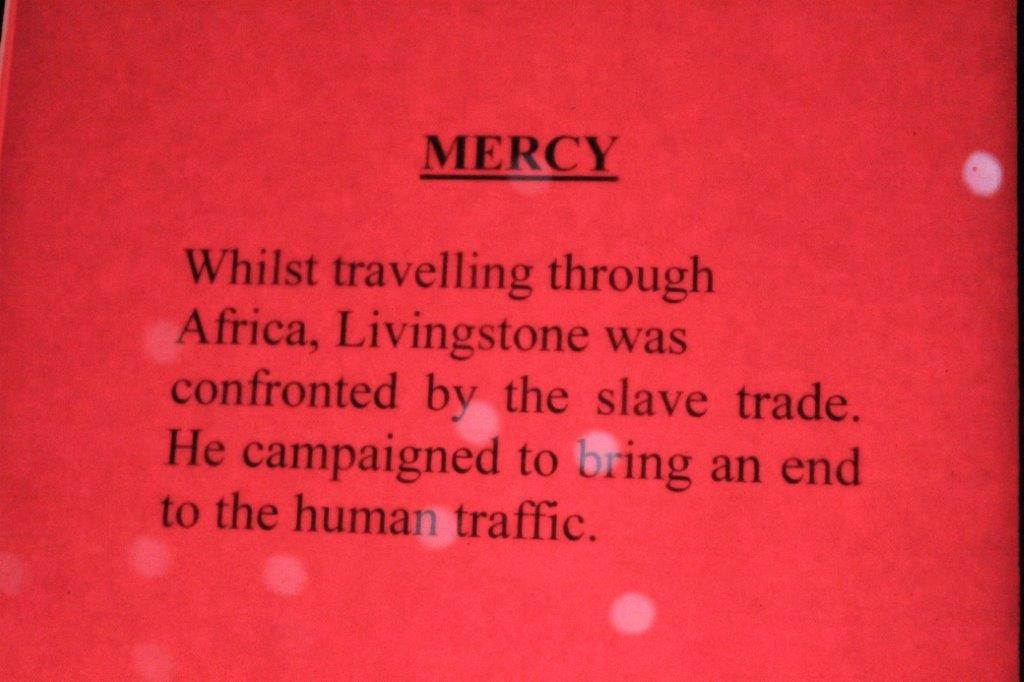
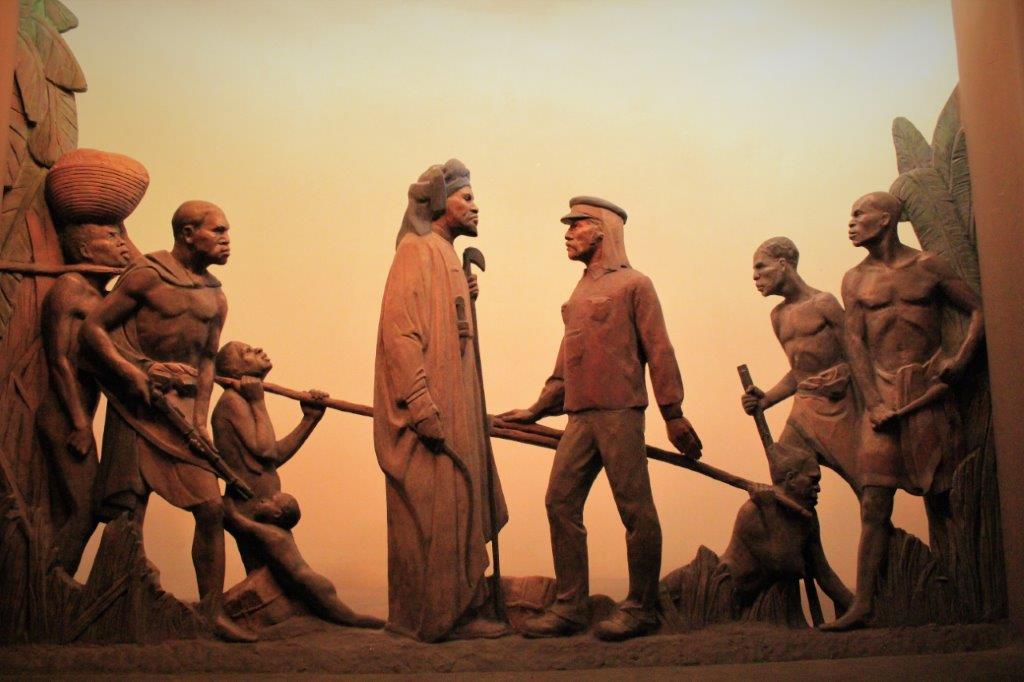
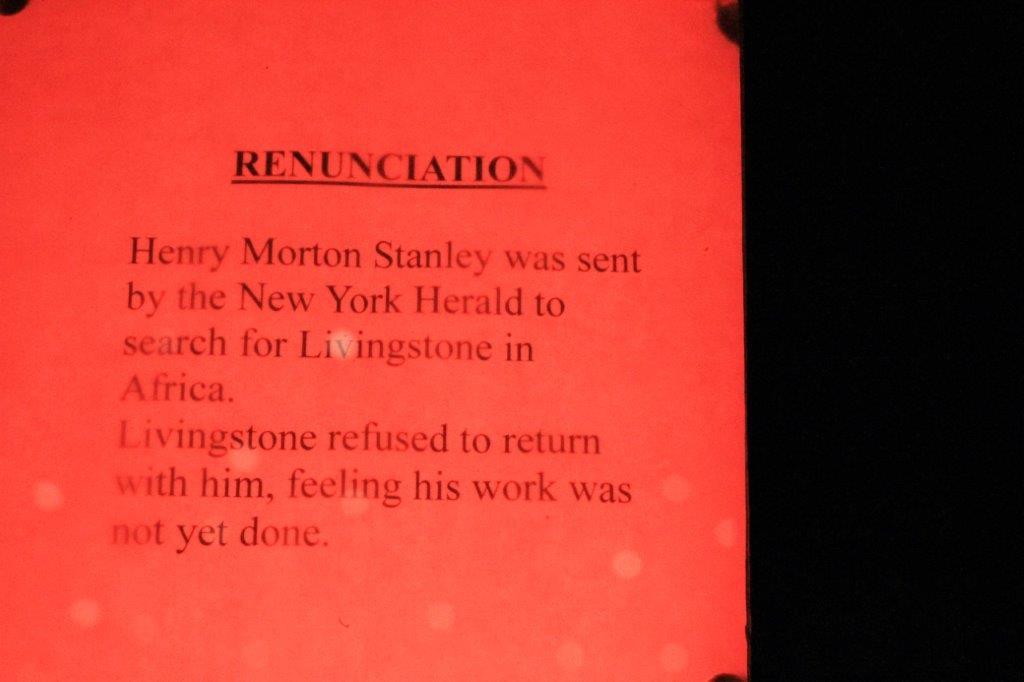
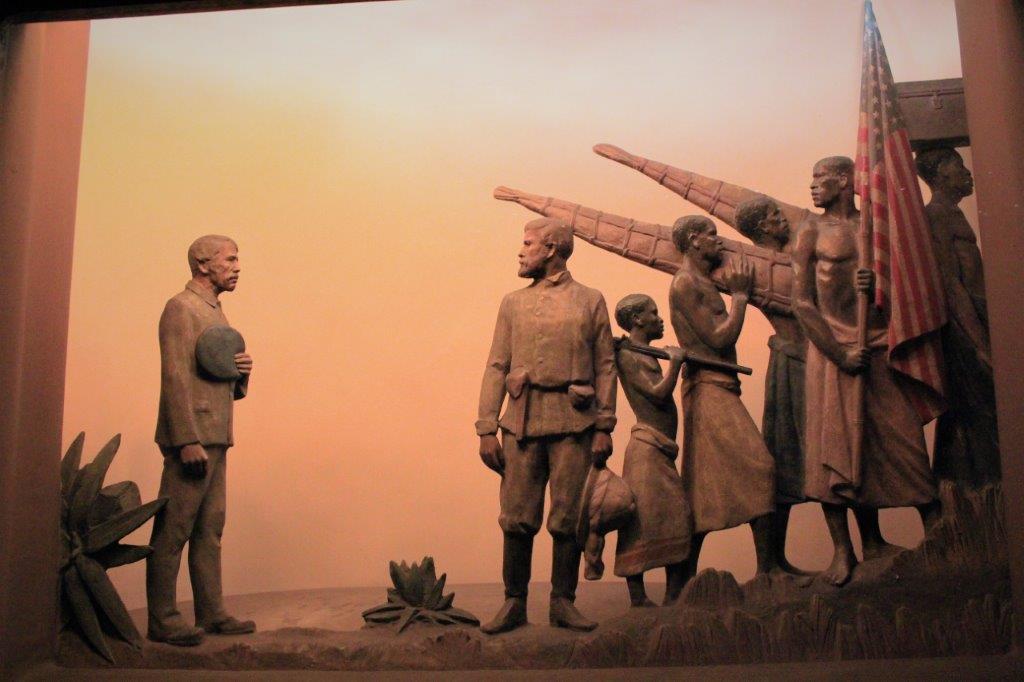
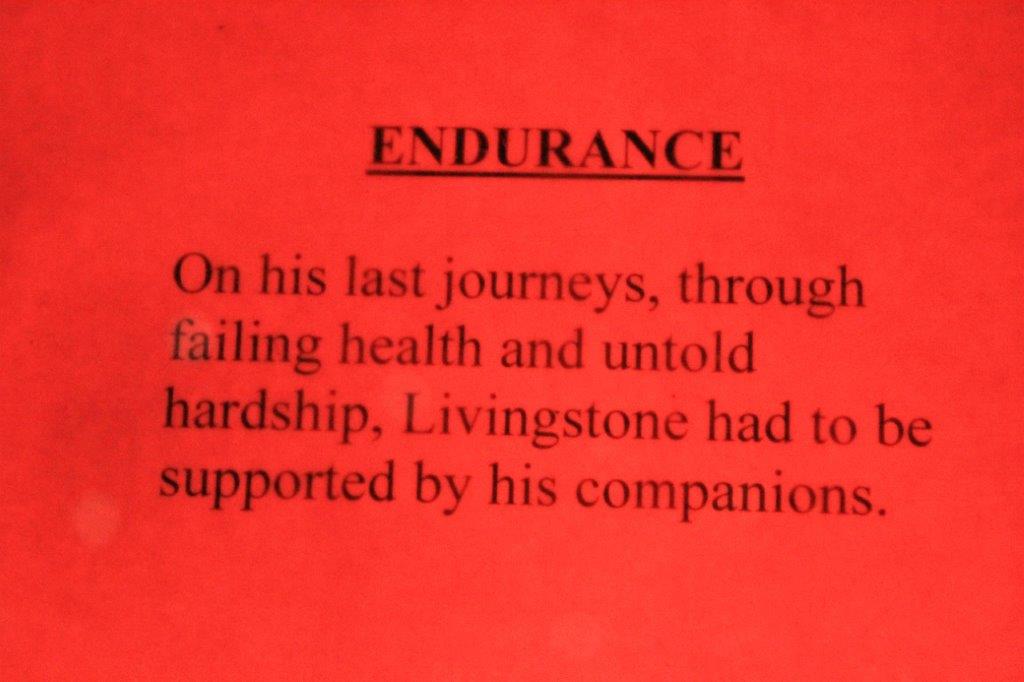
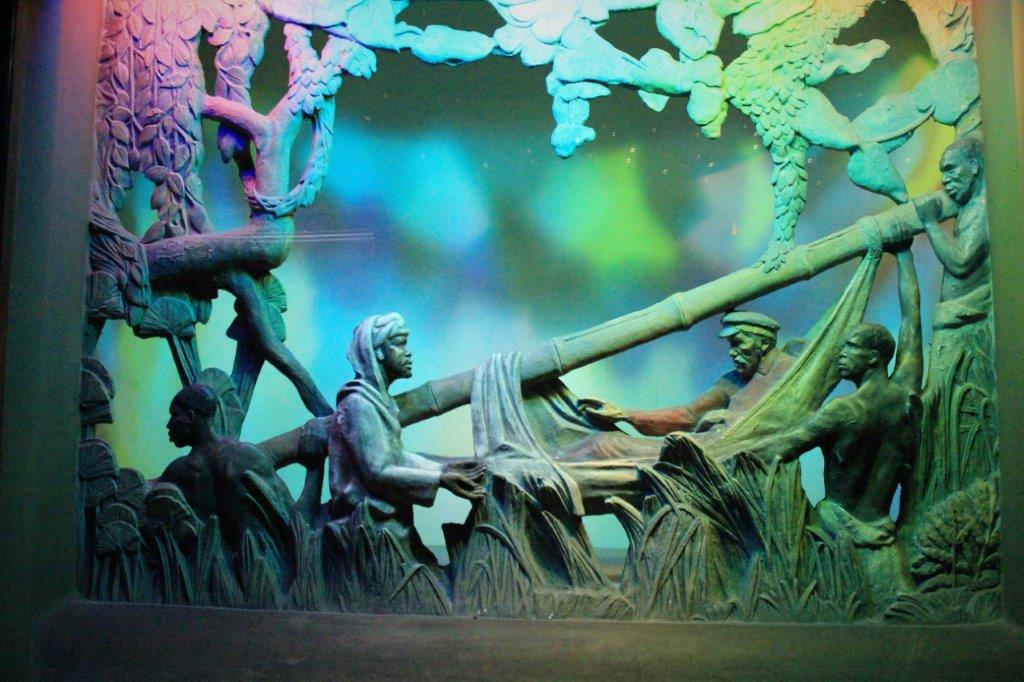
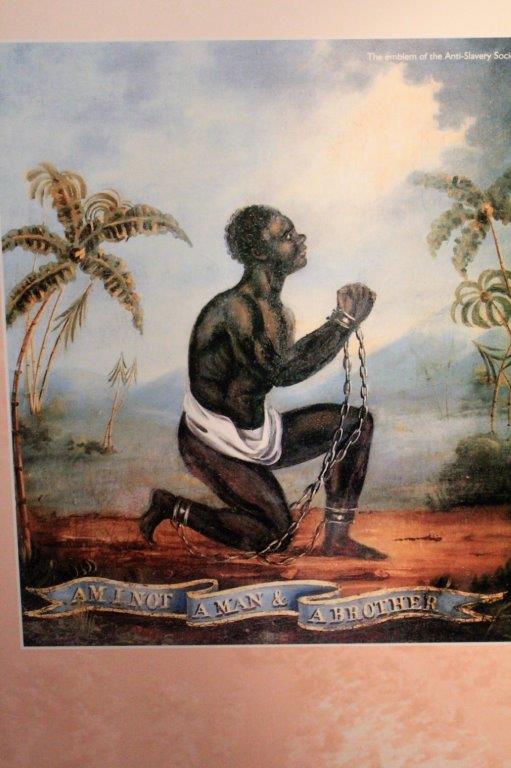
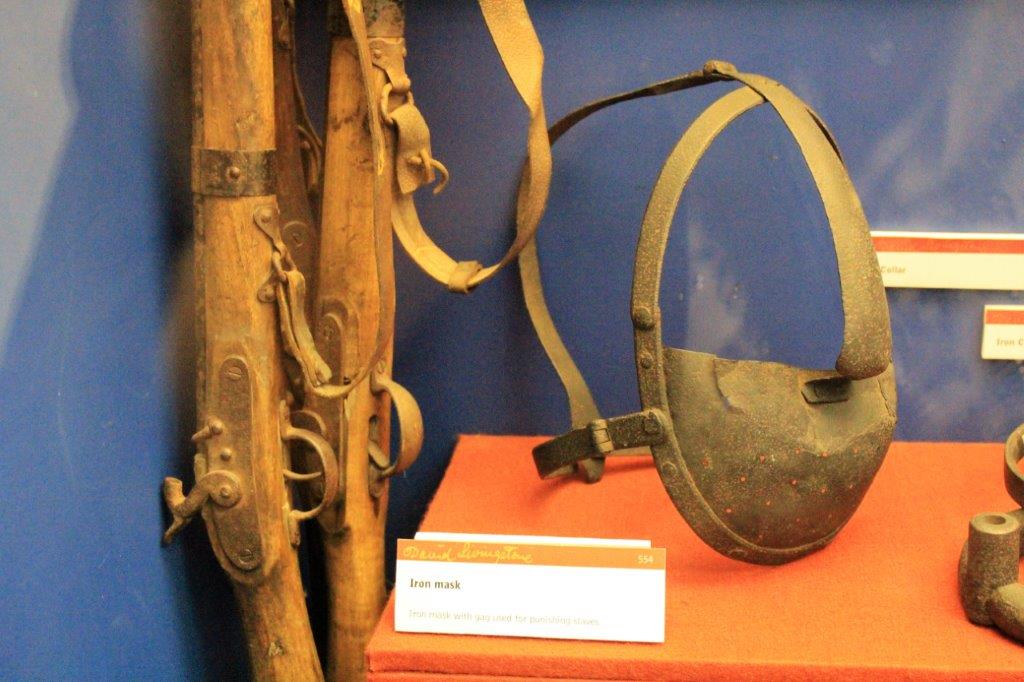
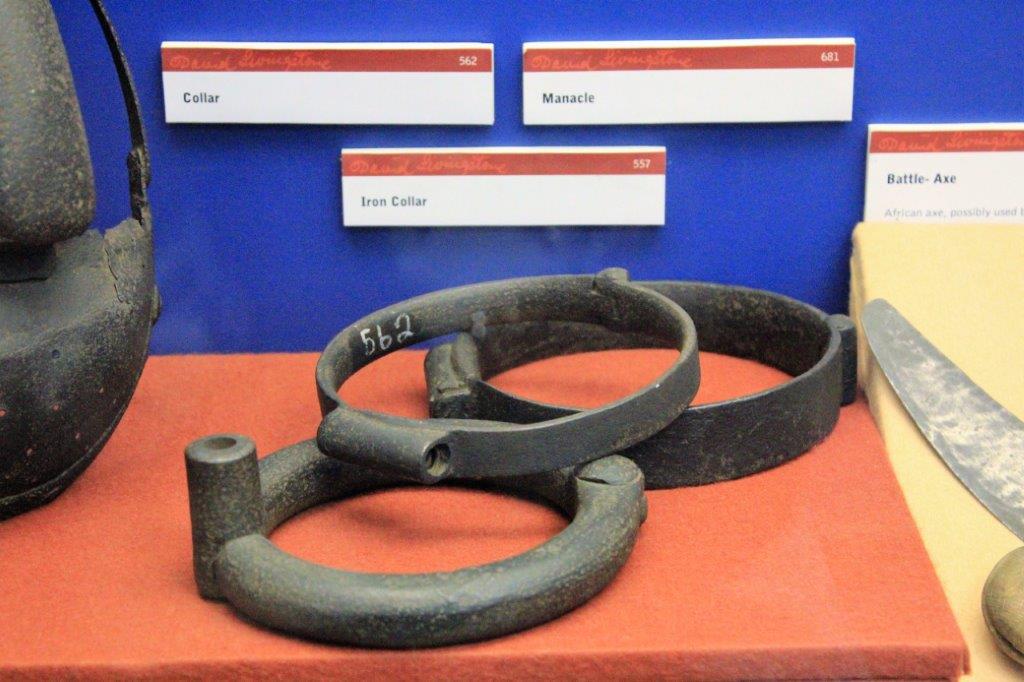
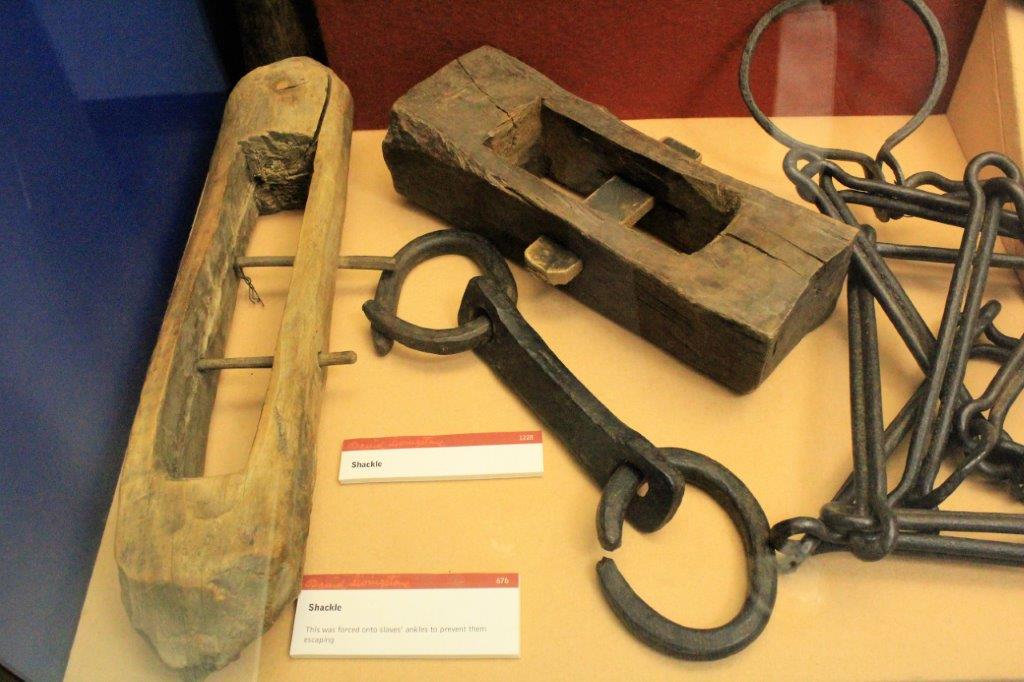
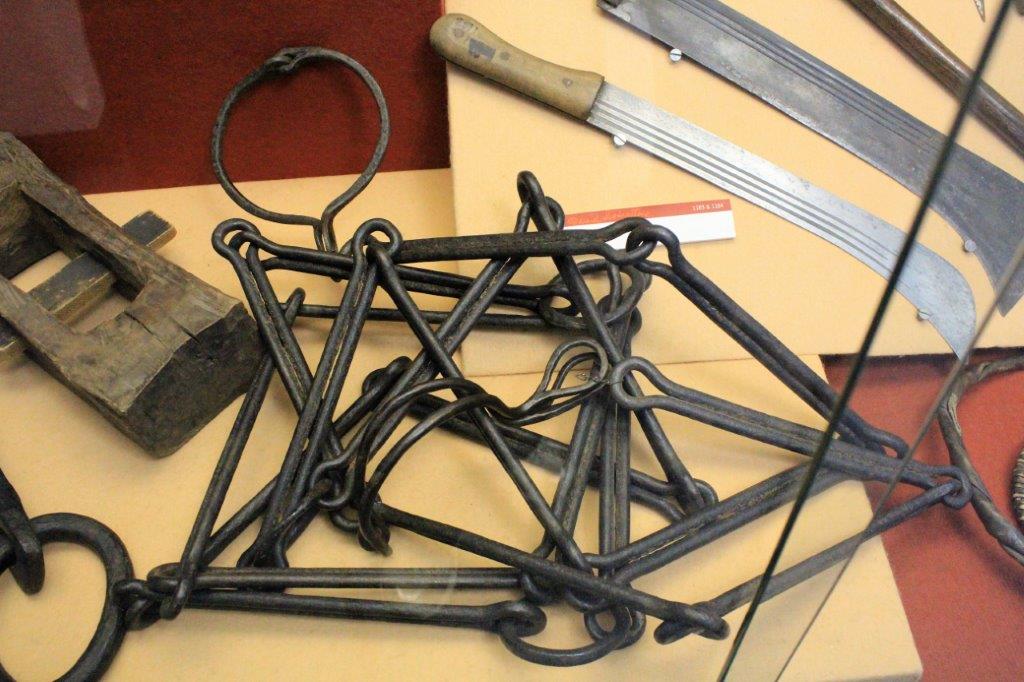
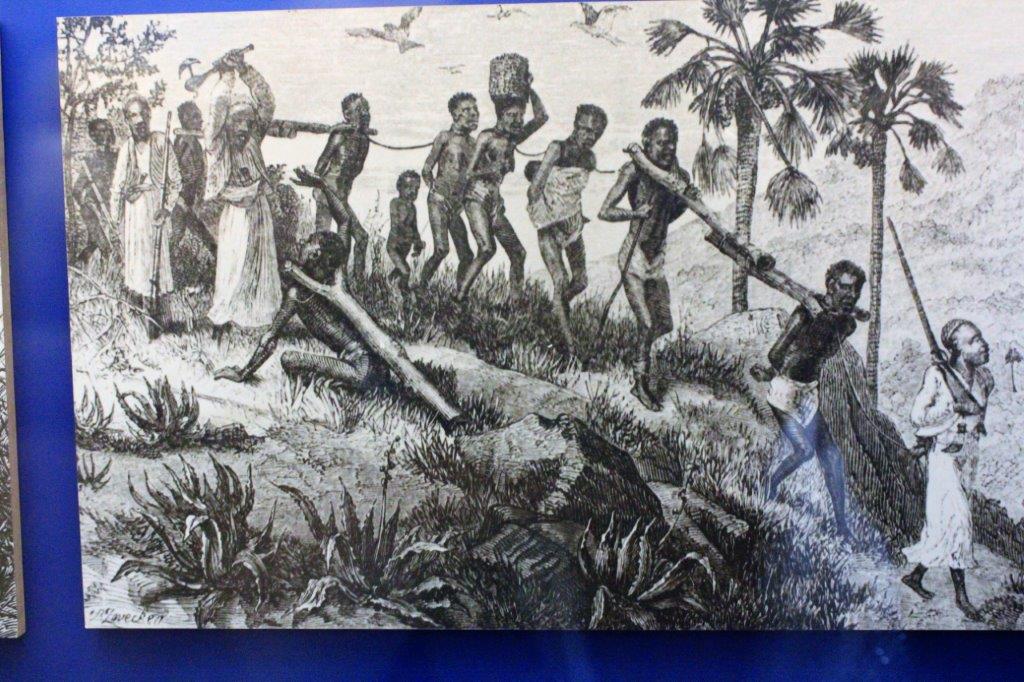
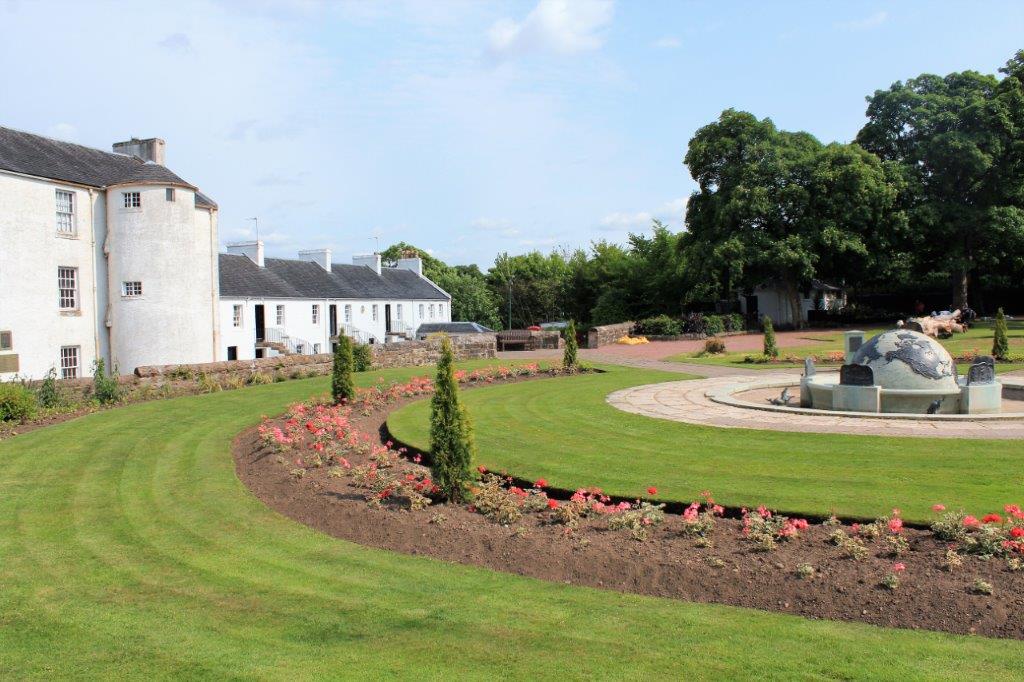
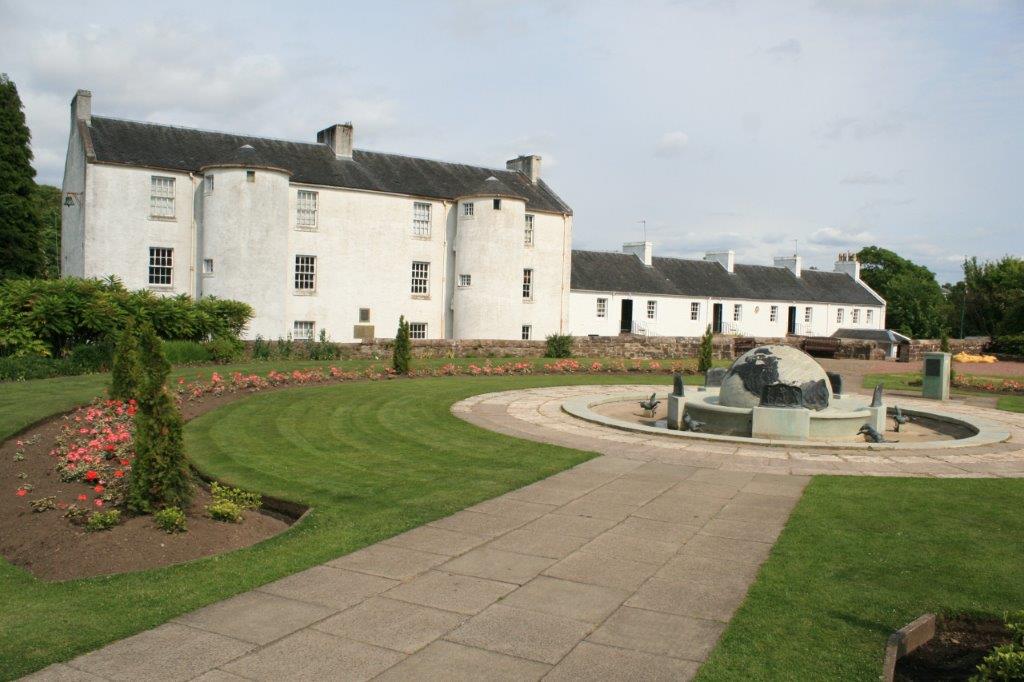
Next door to the church is Cowane’s Hospital; established in the mid-1600’s by a merchant guild for its poor members. The town of Abington is located about an hour slightly southeast of Stirling.  Located at Abington is Blantyre Station and the David Livingston Center.  Blantyre Works was a cotton mill and families lived in tenement buildings on the property.   The whole family lived in this one room.  David was the second of seven children and was employed at the age of ten in the cotton mill of Henry Monteith & Co.  He and his brother John worked twelve-hour days as piecers, tying broken cotton threads on the spinning machines.  At  ten  years of  age  he  was  actually  old  to  just  be  starting  to  work  in the  mill.   Children  usually started  at 5 or 6.He was a student at the Charing Cross Hospital Medical School in 1838–40, with his courses covering medical practice, midwifery, and botany.  He qualified as a doctor in 1840 and also took training as a missionary.  He hoped to go to China with the London Missionary Society, but the First Opium War had broken out in September 1839 and it was suggested he go to the West Indies instead.  As he was finishing his medical training he met a member of the London Missionary Society who had been to South Africa.  He was excited by the prospects to work for the gospel there and as an active  abolitionist, Livingstone sincerely felt that the slave trade could be halted if ‘legitimate’ trade was offered.  While on his various missionary assignments Livingstone believed that the gospel could best be spread to the people of the interior of Africa if there were adequate maps of the river systems.  He became obsessed with finding the mouth of the Nile.

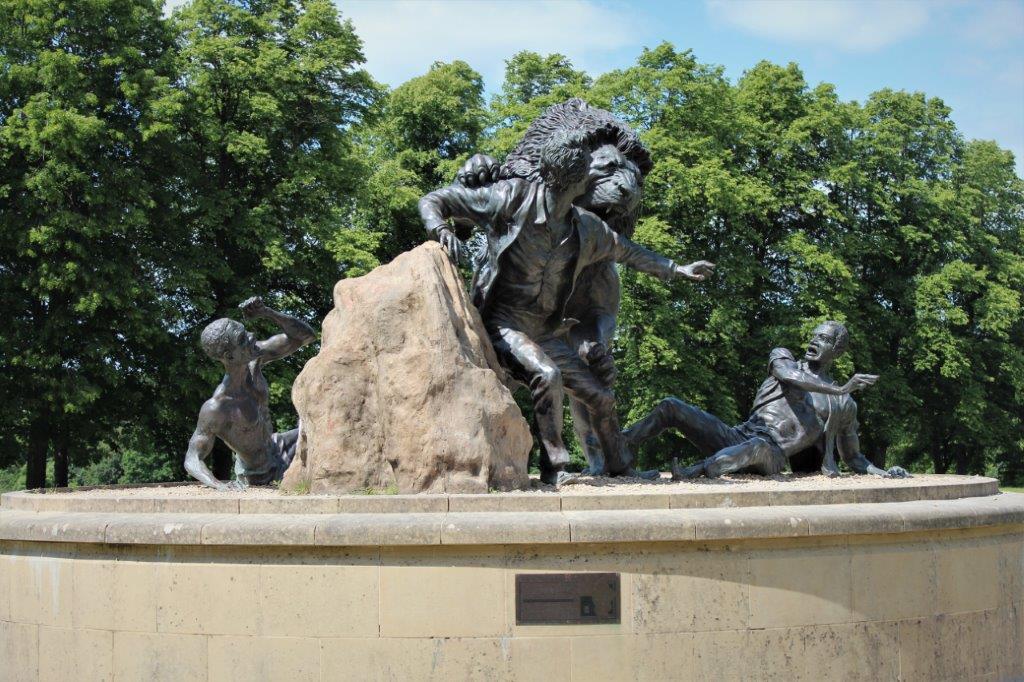
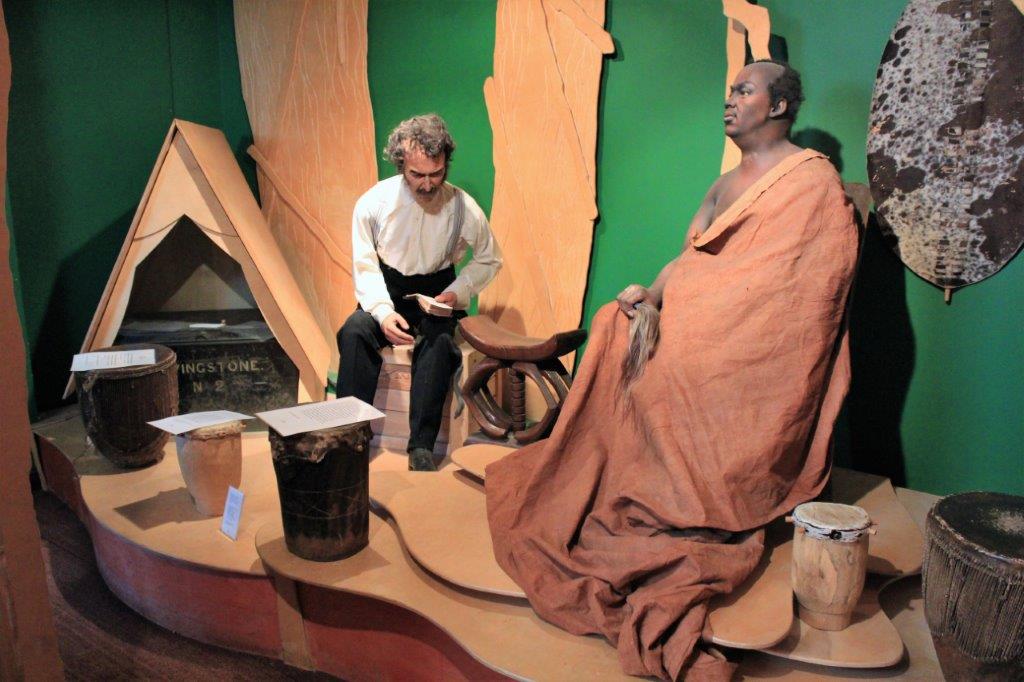
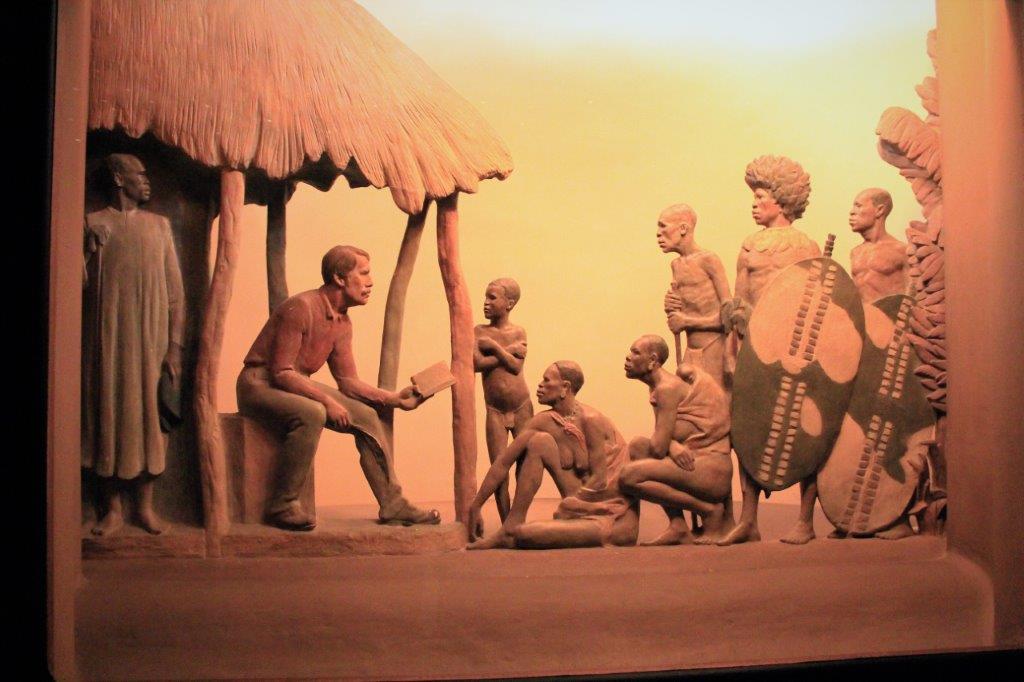
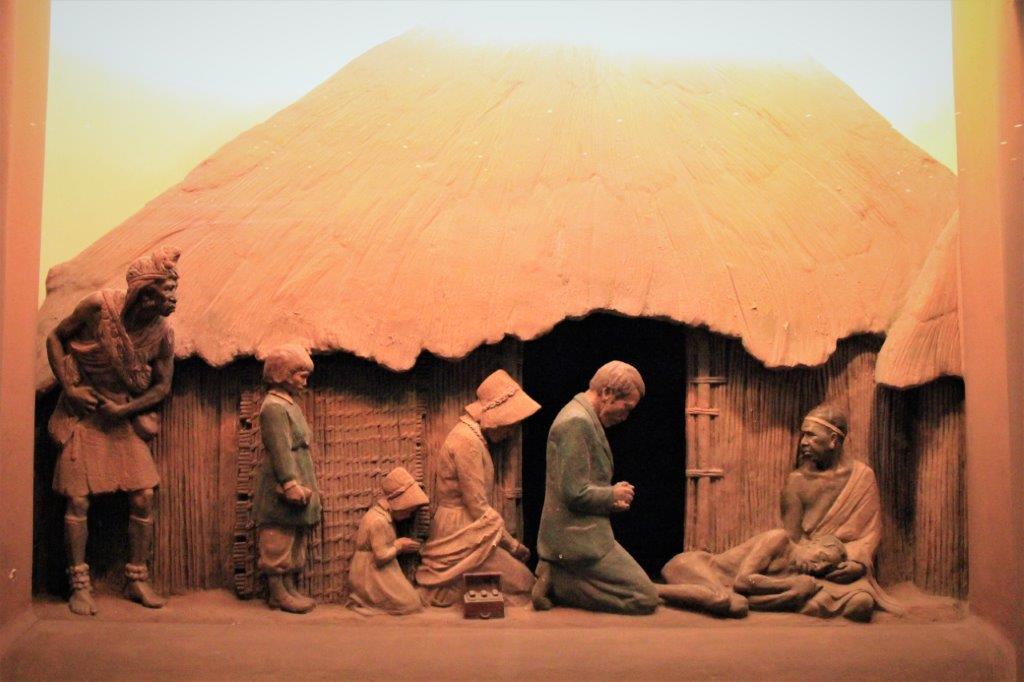
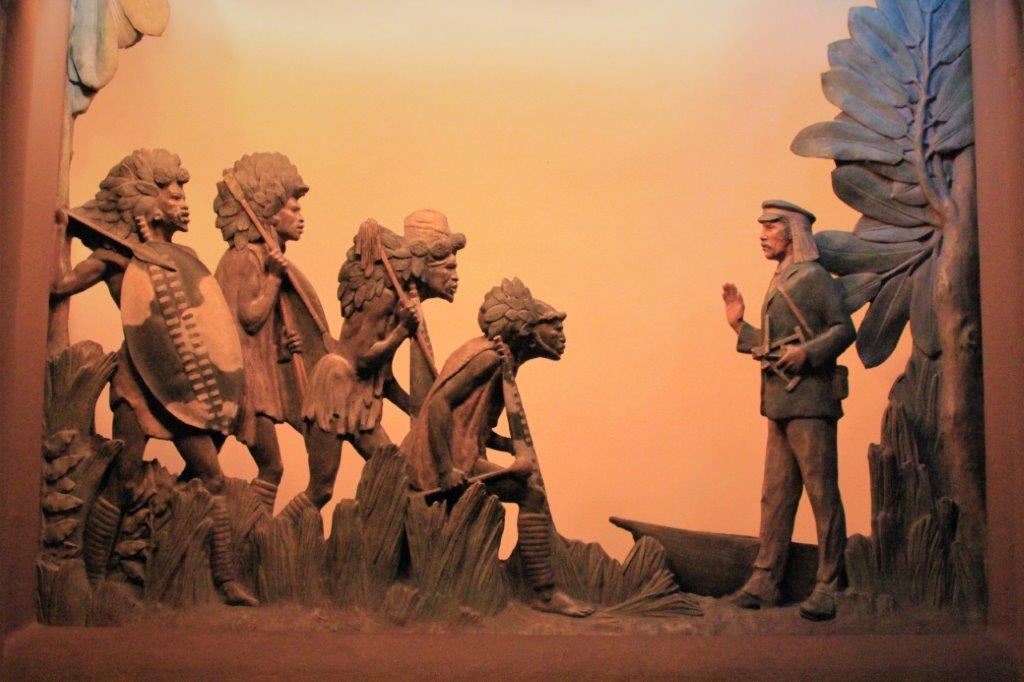
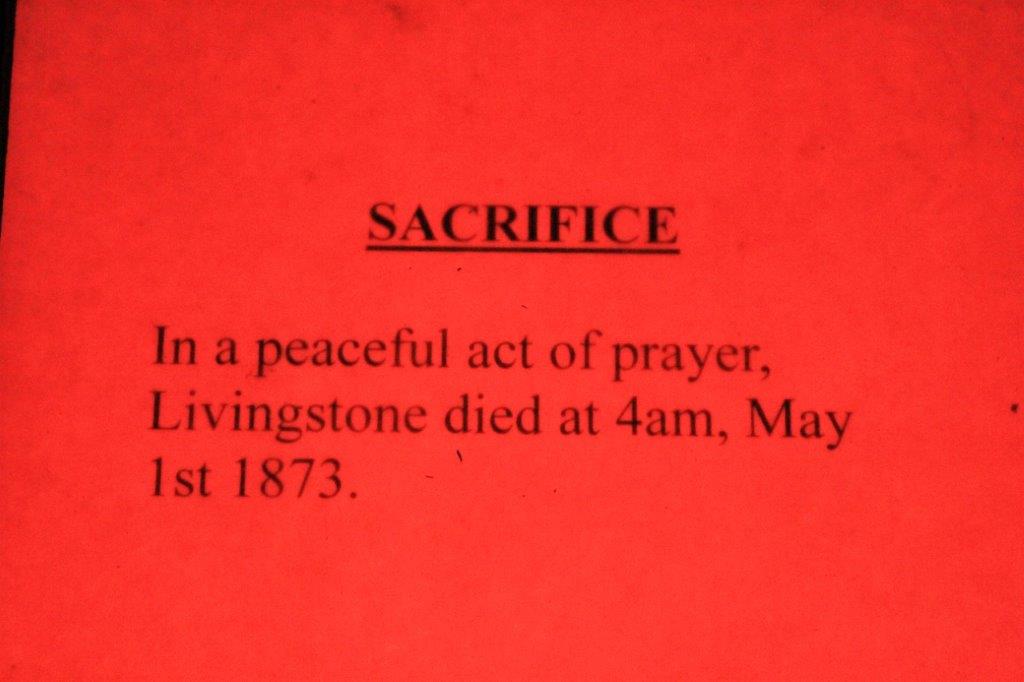
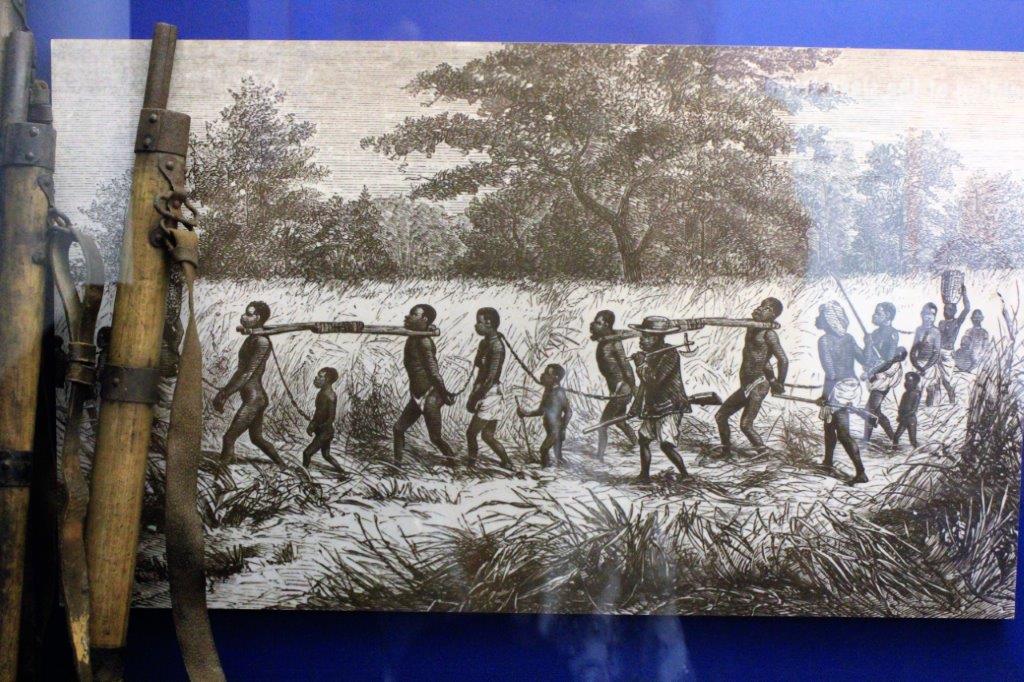
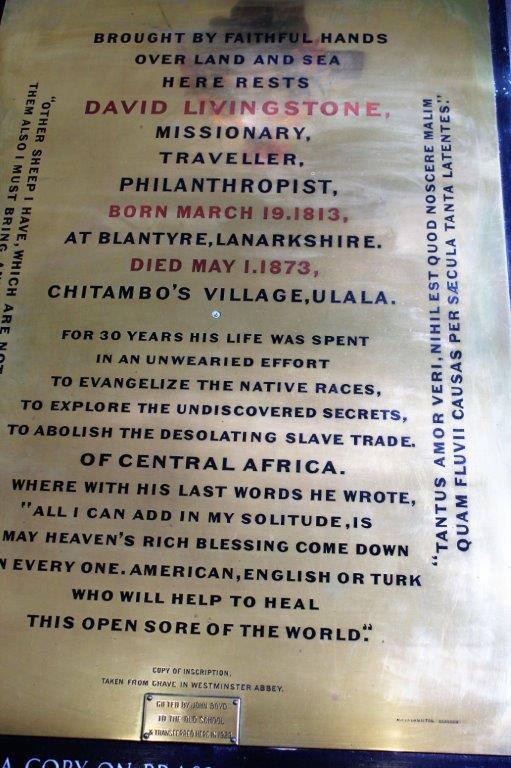
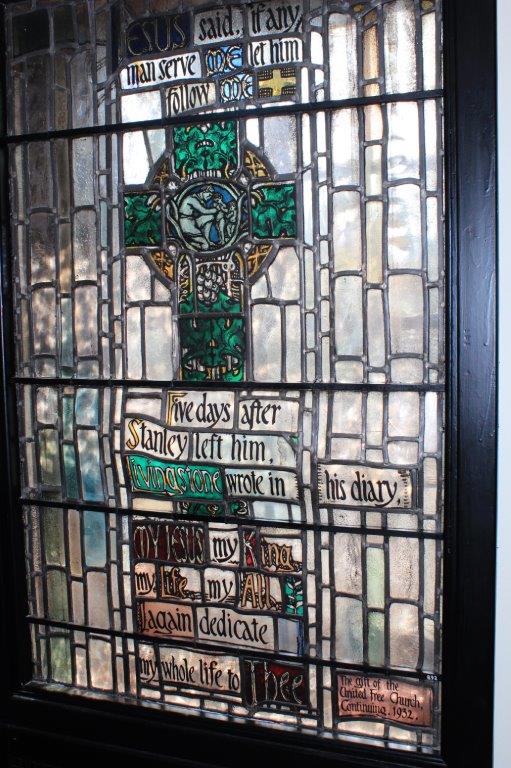
The Livingstone Center had carvings and plaques telling the story of his missionary travels and life up to his death in Africa in 1873. There were many pictures, drawings and articles on display that vividly demonstrated the horrors of the slave trade.   His loyal attendants Chuma and Susi removed his heart and buried it under a tree near the spot where he died. The rest of his remains were carried, together with his journal, over 1,000 miles (1,600 km) by Chuma and Susi to the coastal town of Bagamoyo, where they were returned by ship to Britain for burial. In London, his body lay in repose at No.1 Savile Row, then the headquarters of the Royal Geographical Society, prior to interment at Westminster Abbey.

We spent the night in Abington and the next day continued south to the Borders and Gretna Green.

2013 Summer (Baltic and Britain – Scotland – June 25 – Day 2 – Part 2)

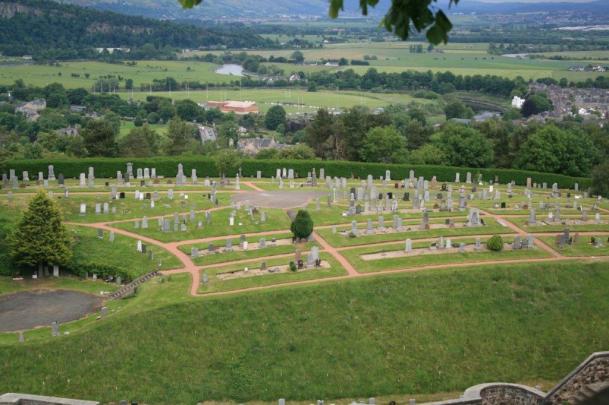
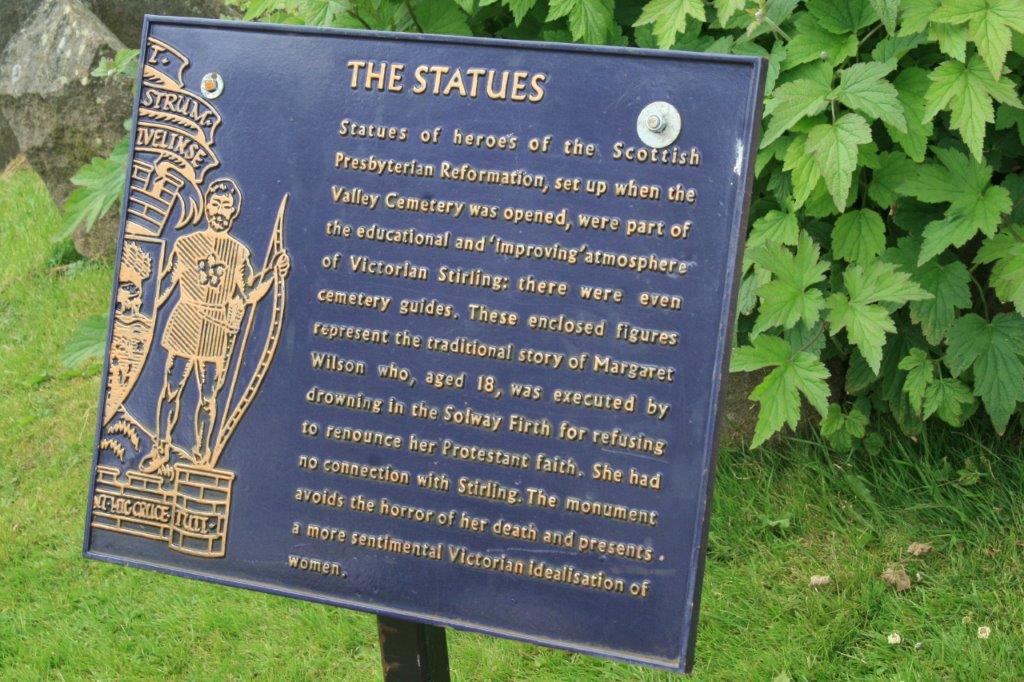
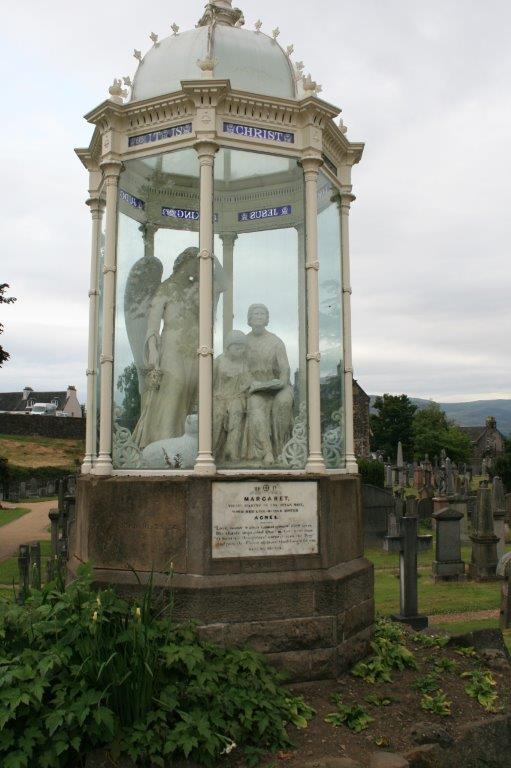
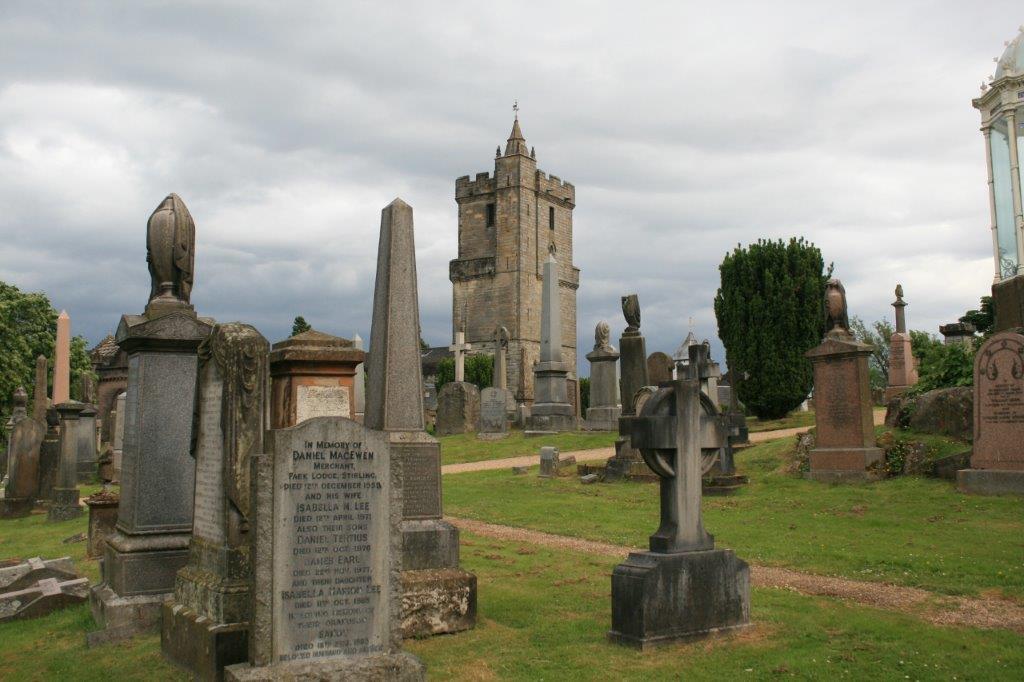
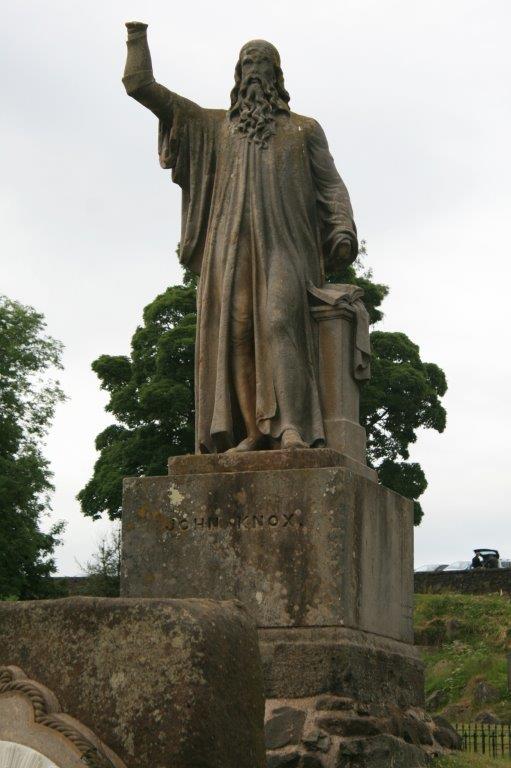
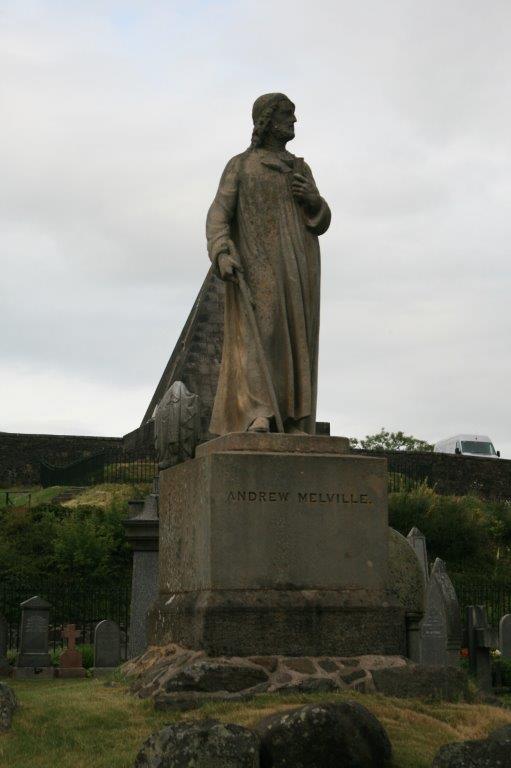
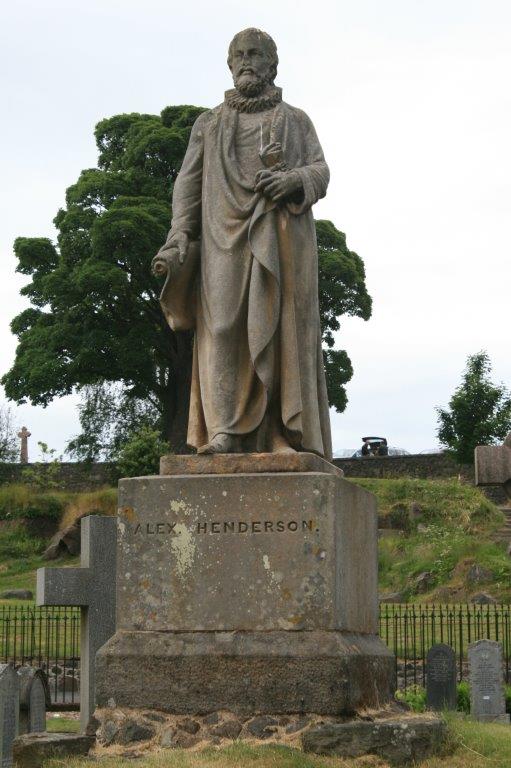
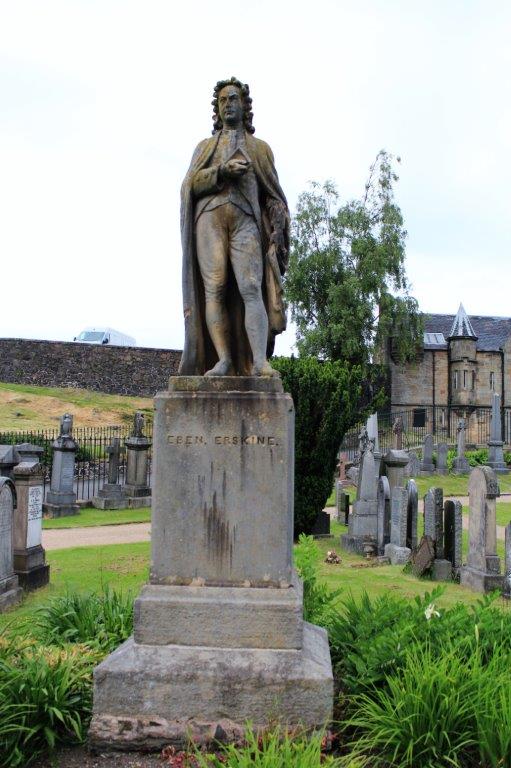
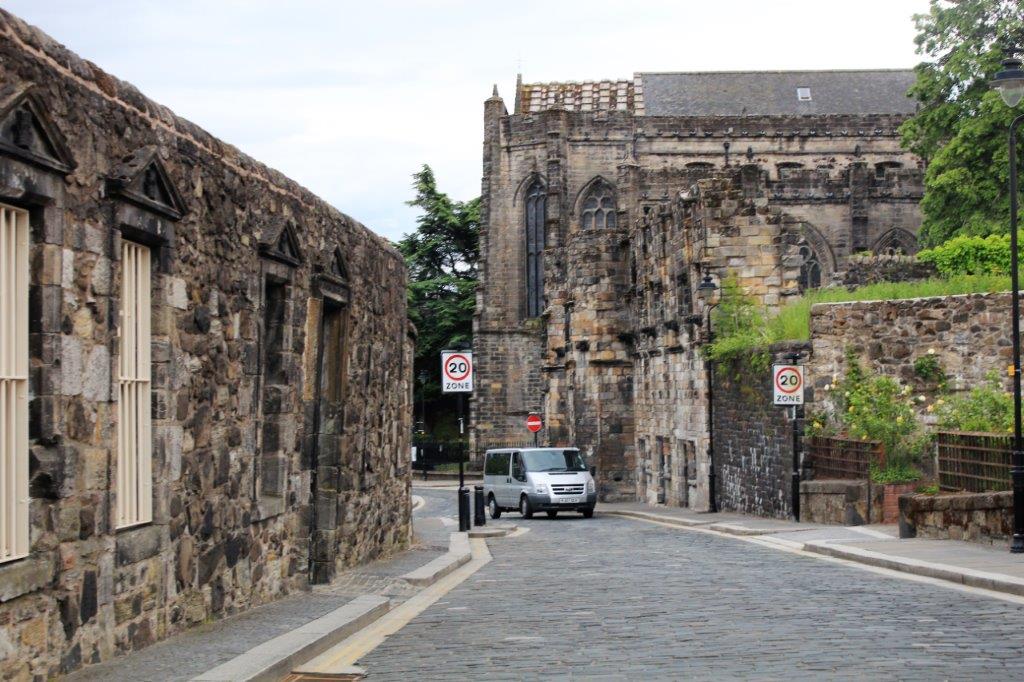
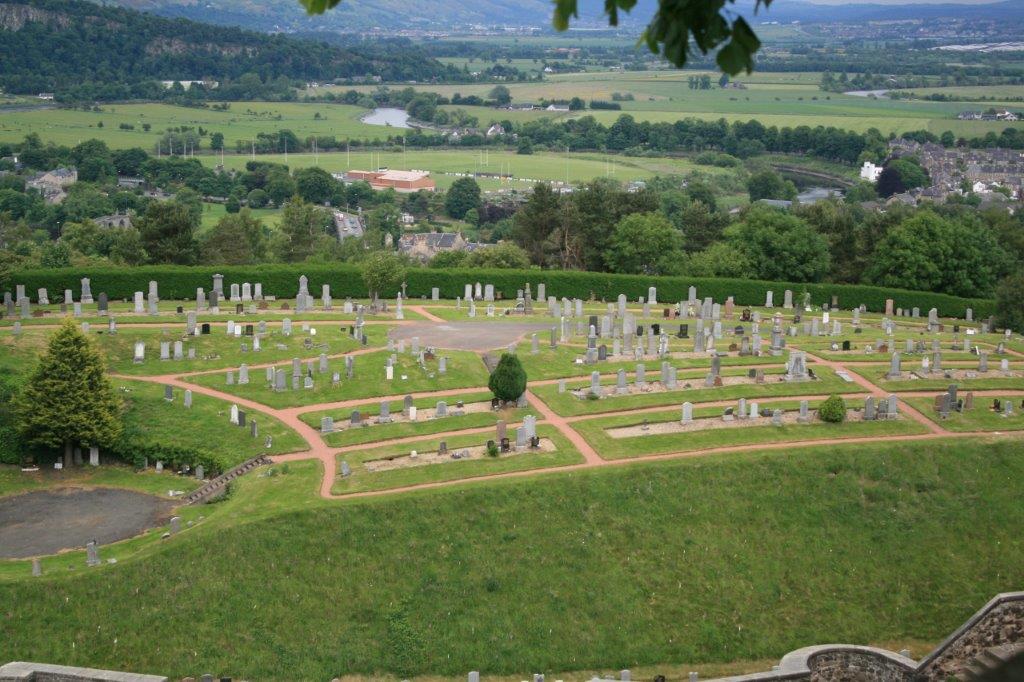
We wanted to tour Argyle’s Lodging after we saw Stirling Castle but it was closed for a private function. We walked down the hill and across the street to the Church of the Holy Rude Cemetery. The cemetery is very large and has some impressive statuary.  There is no such thing as a wide street in Scotland; which makes sense since so many of the buildings and streets are several hundred years old and were made long before the advent of the automobile and the rapid travel we are used to today.We were spending the night in nearby Kincardine so we decided to return to Stirling the next day and tour Argyll’s Lodging before heading out of town.

2013 Summer (Baltic and Britain – Scotland – June 25 – Day 2 – Part 1)

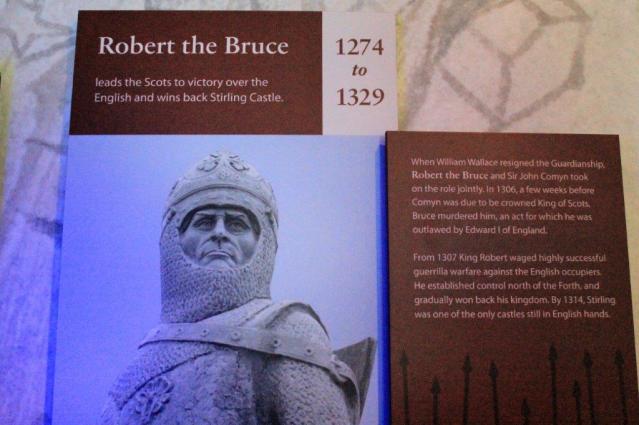
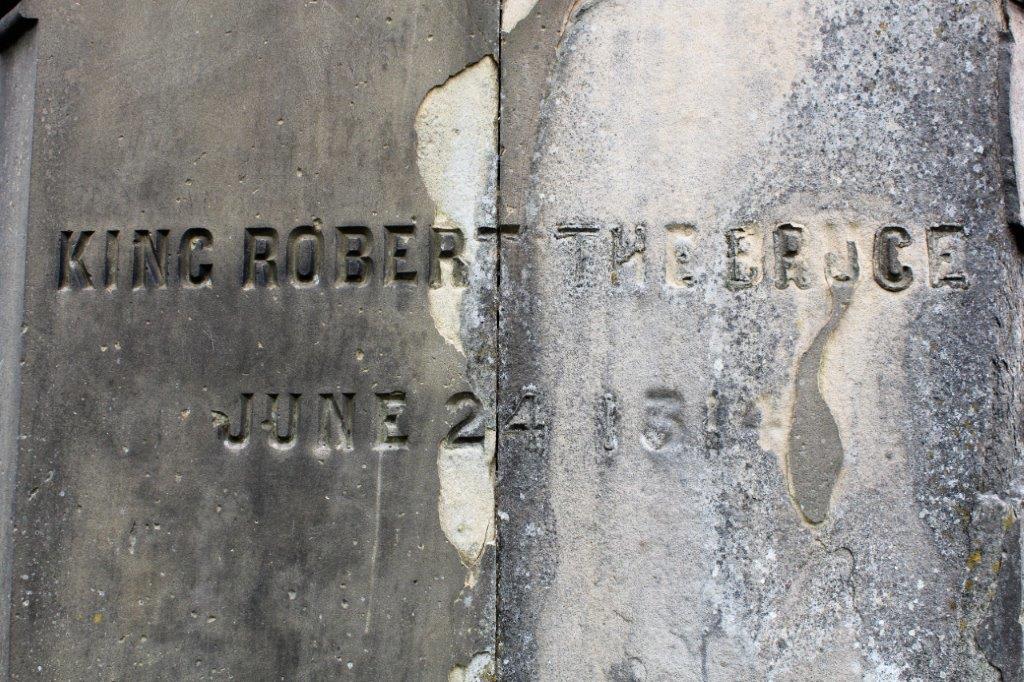
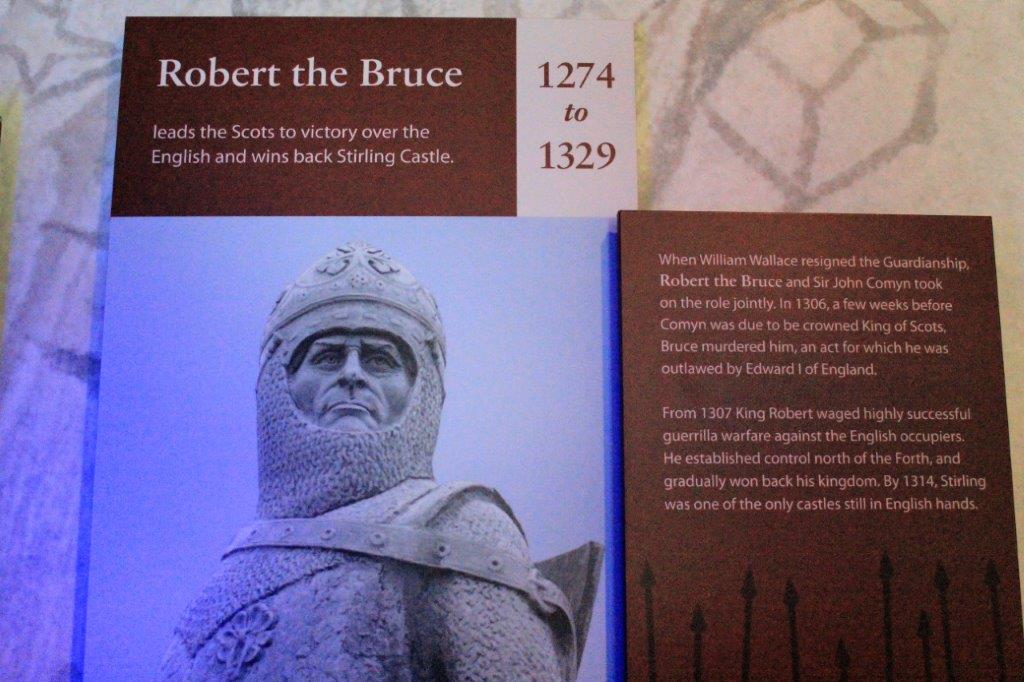
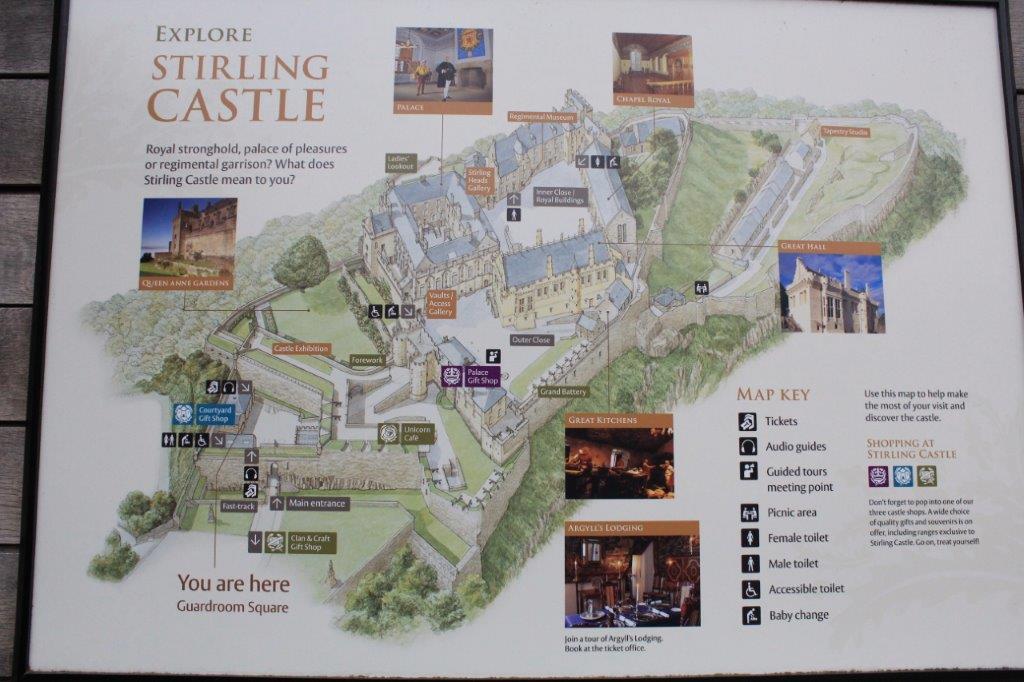
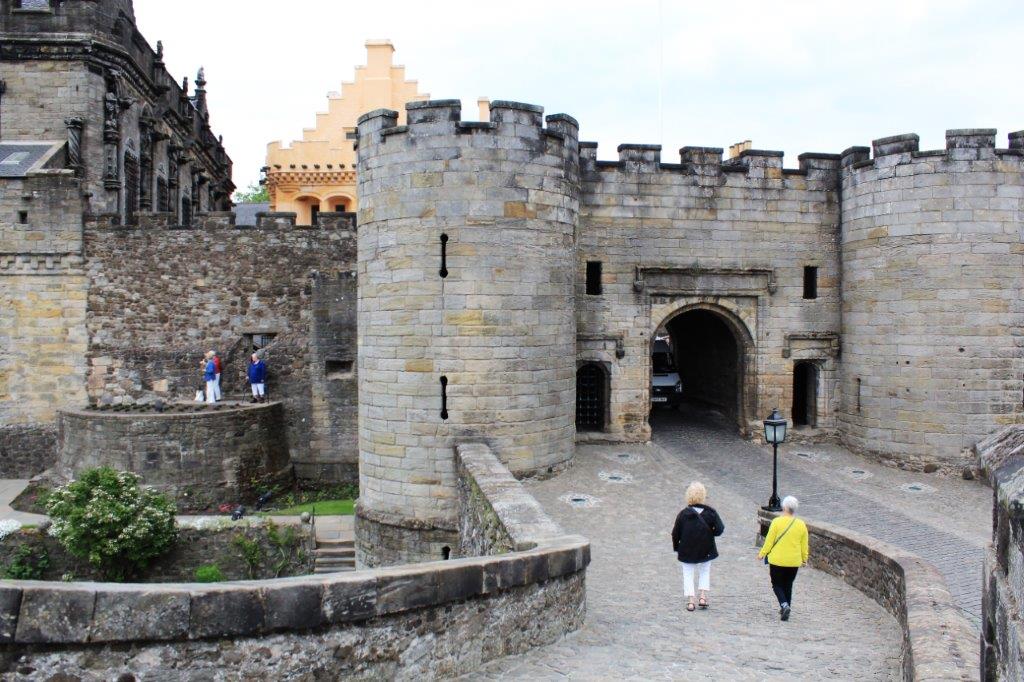
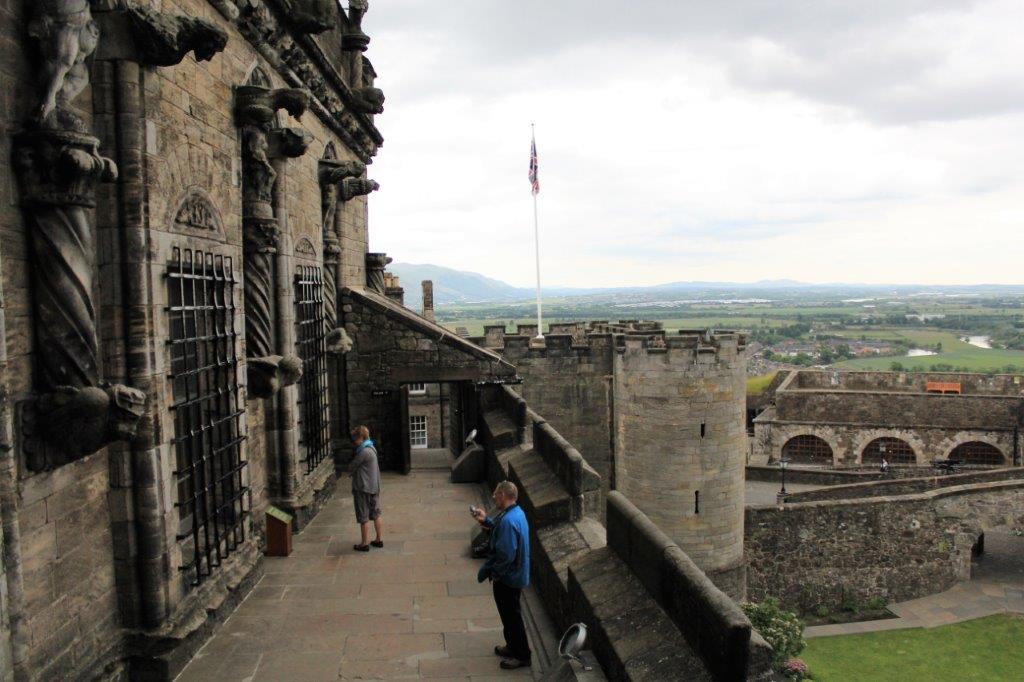
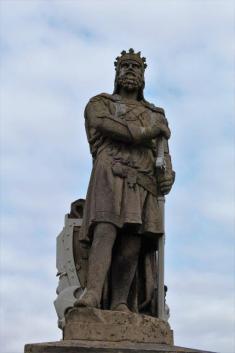
The castle at Stirling, not far from Glasgow was the final stronghold of the English back in 1314 when the first king of all Scotland, Robert the Bruce, and his armies managed to oust the English invaders from their lands.

After the death of King Alexander III in 1286, and the death of his granddaughter and heir Margaret, Maid of Norway in 1290, there were 14 rivals for succession to the Scottish throne. To avoid a civil war the Scottish magnates asked Edward I of England to arbitrate.  This Edward was willing to do, but in return he extracted legal recognition that the realm of Scotland was to be held as a feudal dependency to the throne of England.  This, obviously, was a contested and distasteful concession among many of the Scot’s lords;  William Wallace, John Comyn and Robert Bruce among them.

Edward named John Balliol, the man with the strongest claim to the throne as king in 1292.  Over the next few years Edward I systematically undermined the authority of the appointed King John and the independence of Scotland.  He would remove Scottish lords from their lands and place English favourites in their stead.   King John finally had enough and, making an alliance with France, he rebelled.  However, in 1296 Edward invaded Scotland, deposed King John, and claimed Scotland for the English throne.

William Wallace, hero of Braveheart,  was defeated at the Battle of Falkirk and subsequently executed after he staged an uprising in 1298.  John Comyn and Robert Bruce both had claims to the throne and were constant rivals.  Bruce tried to form an alliance with Comyn so they could join forces and defeat the English but the discussion ended in harsh words, tempers flared, and Bruce stabbed Comyn.

With the death of John Comyn, Robert Bruce, 5th Lord of Annandale, became king; although he was king of a realm ruled by English overlords.  He was defeated in several skirmishes before finally winning a battle.  And the more battles he won, the more Scottish Lords and their armies joined with him.  Finally only Stirling Castle was left to redeem.

Edward I son had succeeded him to the throne and Edward II marched on Stirling with a massed army of more than 25,000 foot soldiers and 2,000 mounted knights. Bruce, at best could gather 6,000 men and, maybe, 500 cavalry.  But, due to Bruce’s advantage because of his selection of the battleground, his strategic use of the men and arms available to him, the unexpected defection of some Scottish who had previously served the English and thus  brought Bruce crucial information, and the passionate and brave men of Scotland, the battle at Bannockburn was a resounding victory for Robert, the Bruce.  He united all the Scottish clans under one king and reigned with honor and wisdom for 23 years until his death from leprosy.

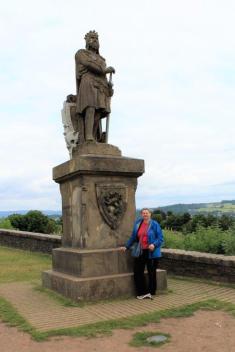
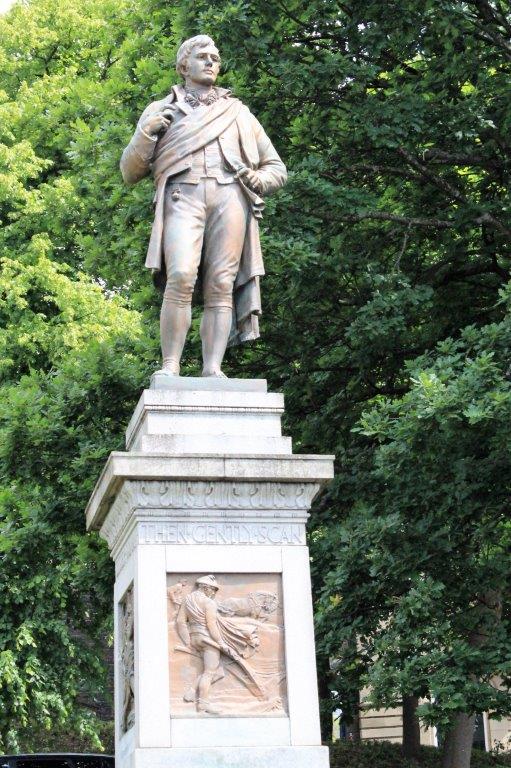
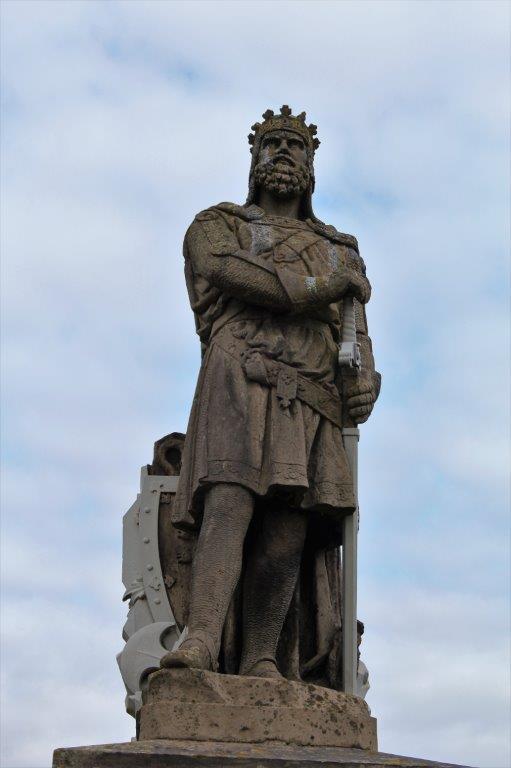
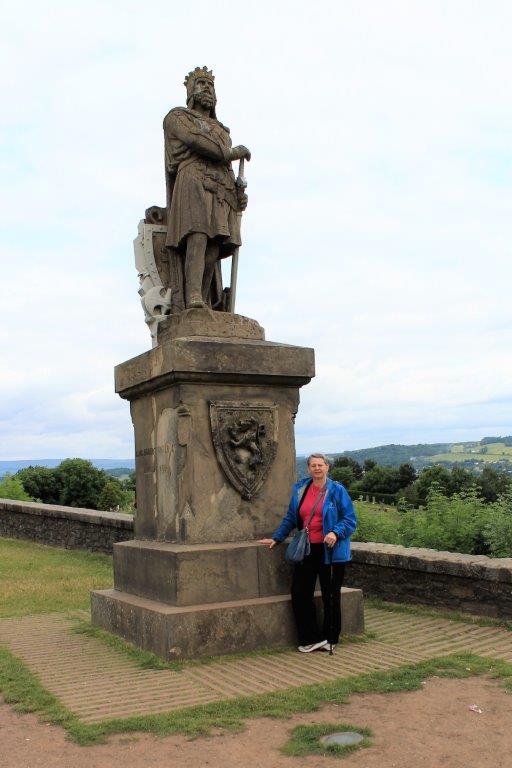
His statue stands outside the walls of Stirling Castle.   My mother’s middle name was Bruce and she often told us that her family was related to the great king. We have never tried to verify that fact but it is a nice story anyway.  The  Bruce  name  is  highly  regarded  in  Scotland,  so  it  is also  likely  that  Mom’s  parents  just  gave  her  the  patriotic  middle name.
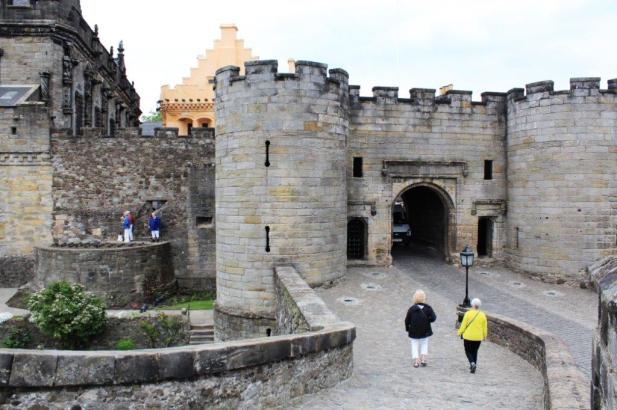
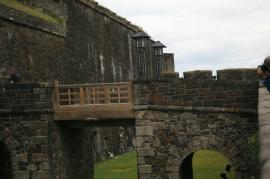
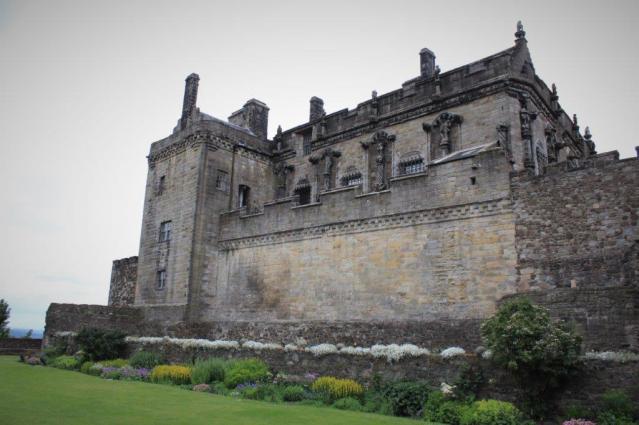
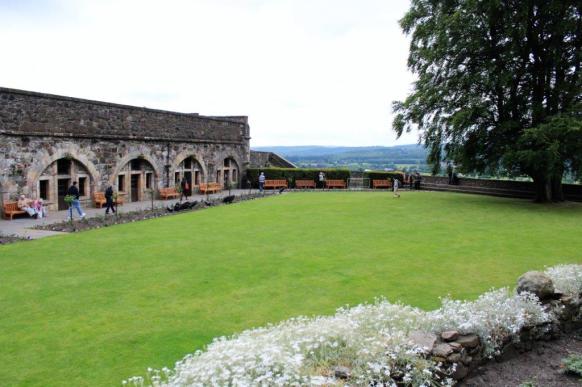
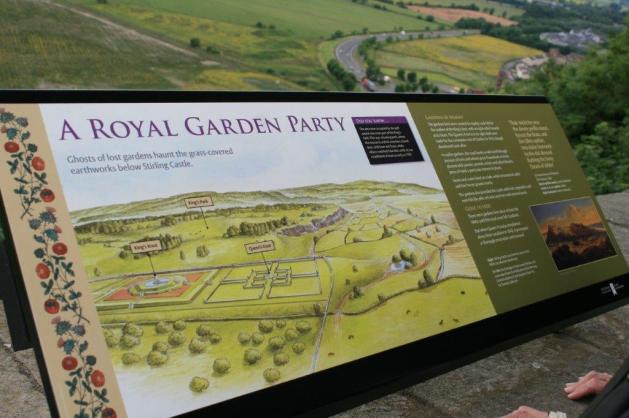
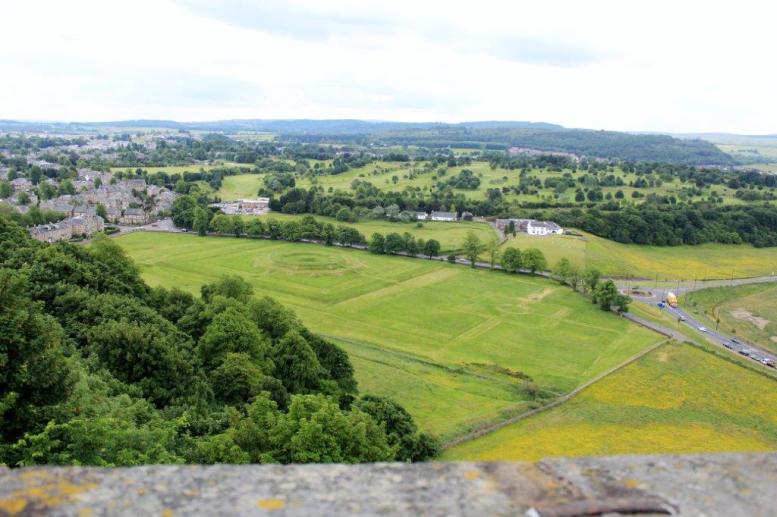
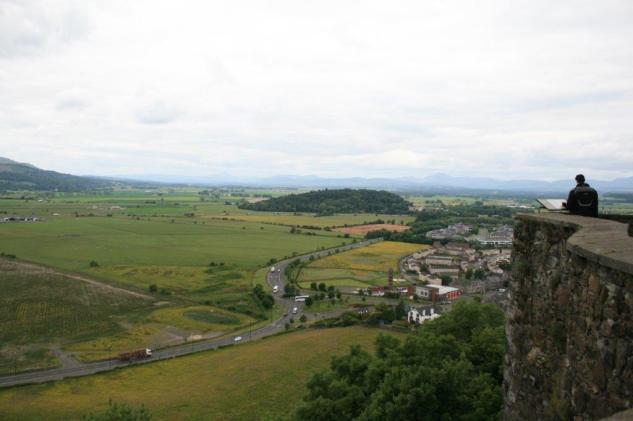
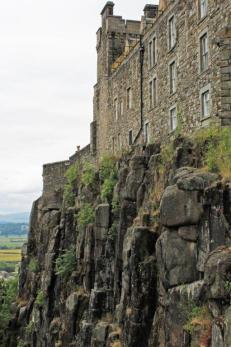
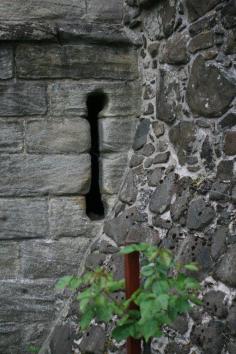
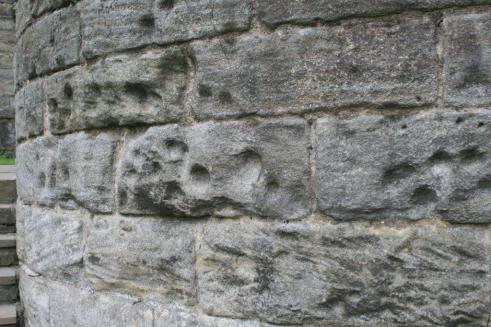
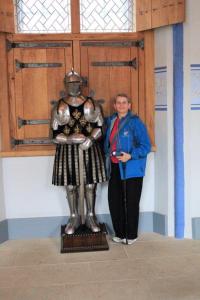
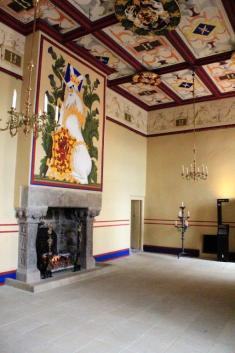
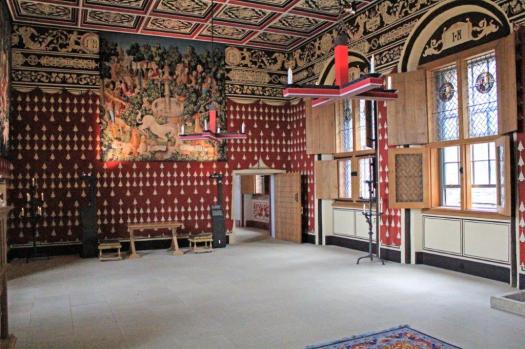
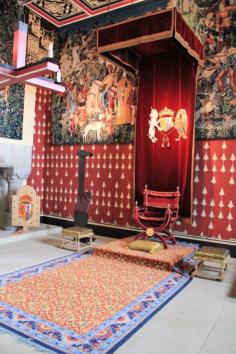
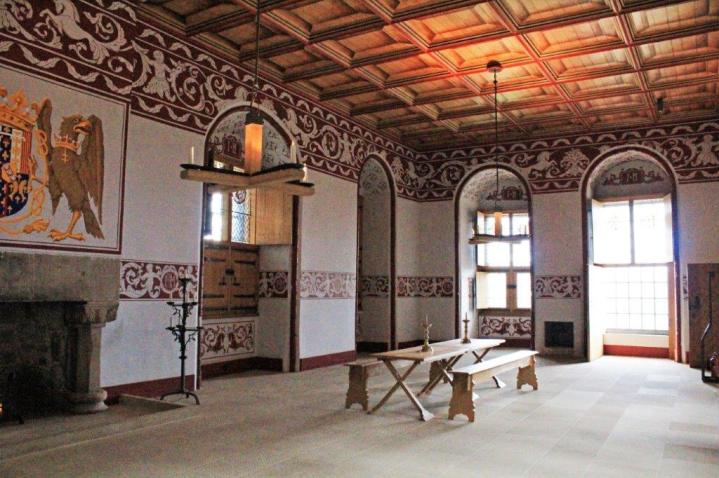
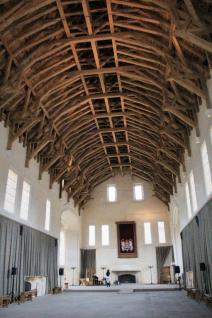
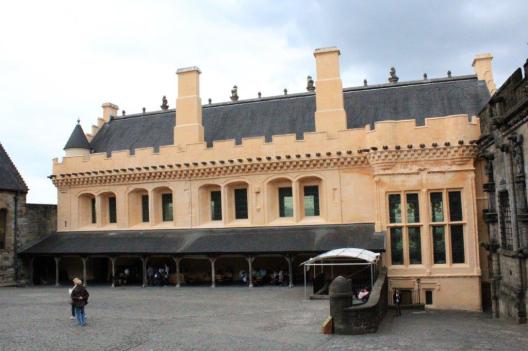
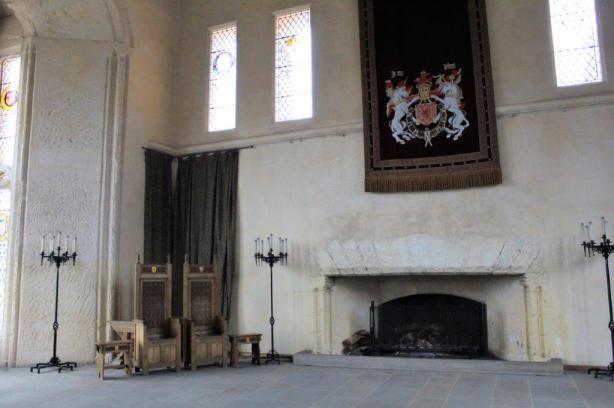
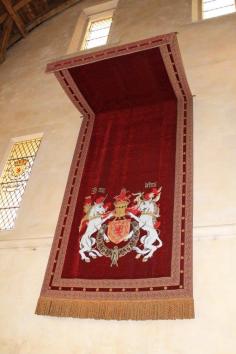
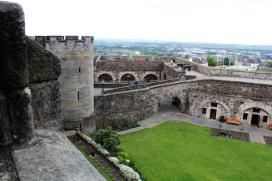
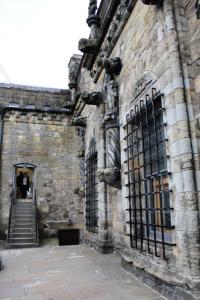
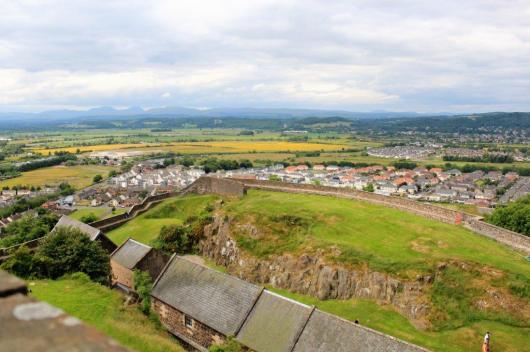
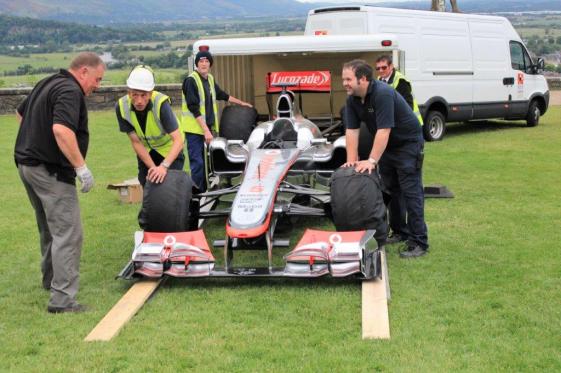
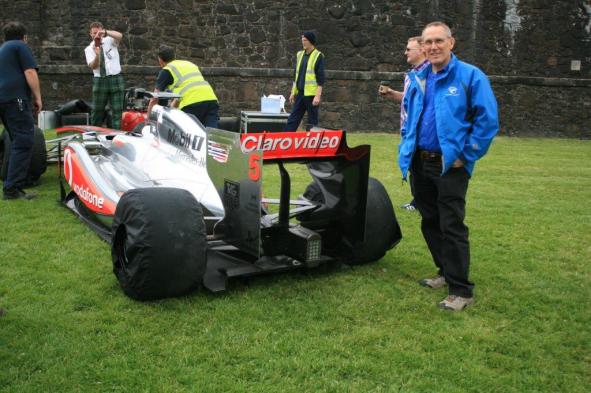
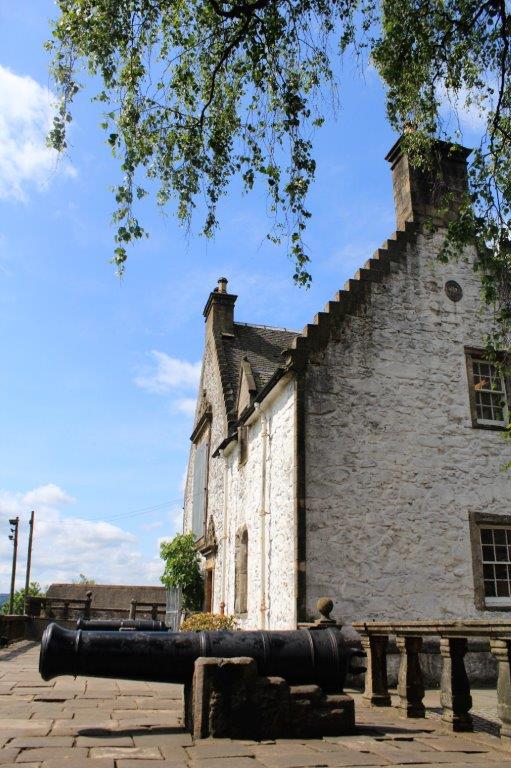
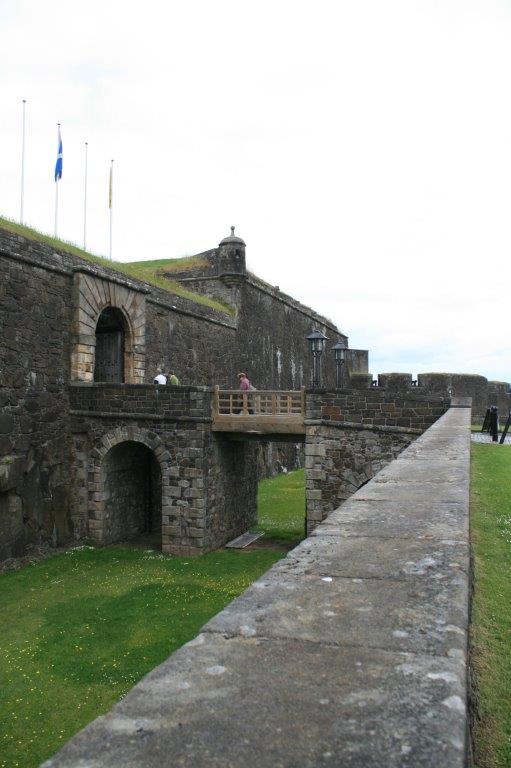
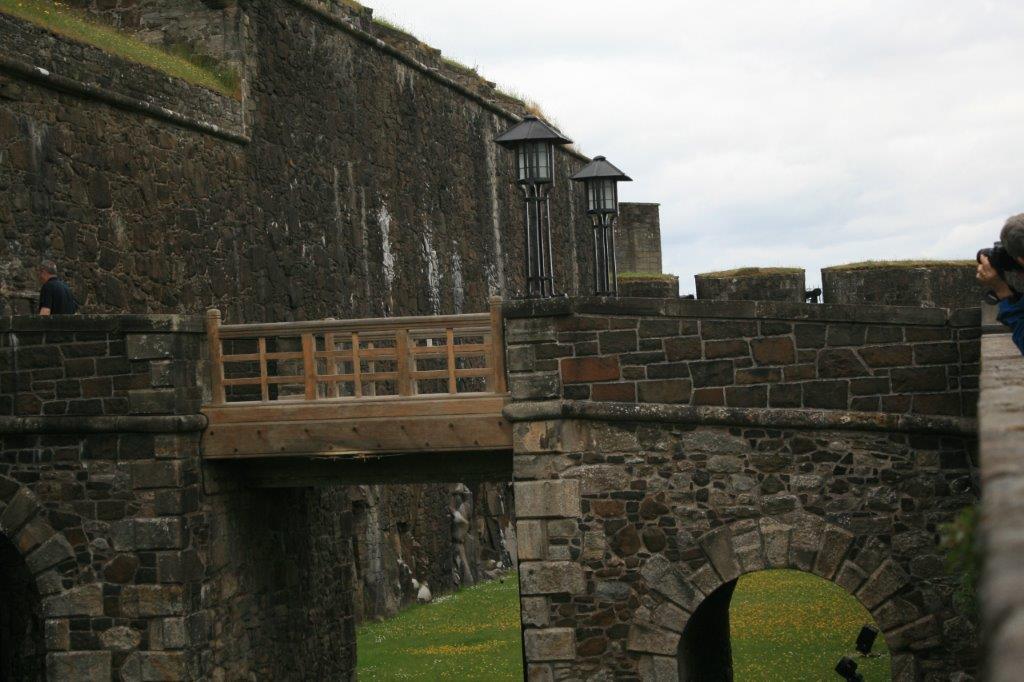
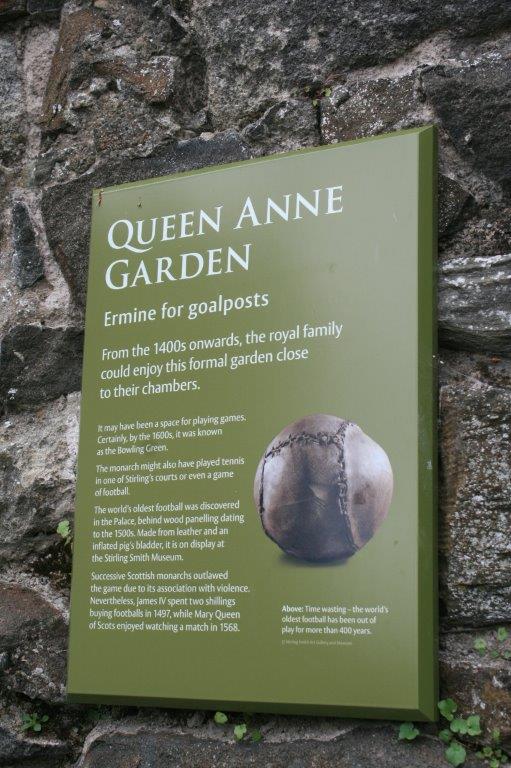
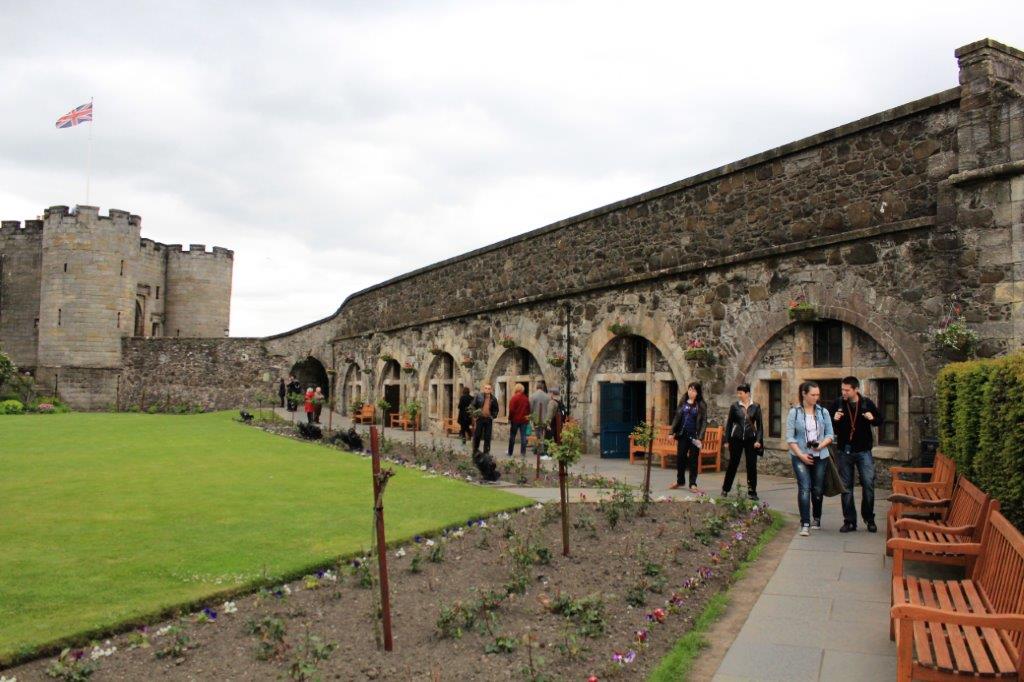
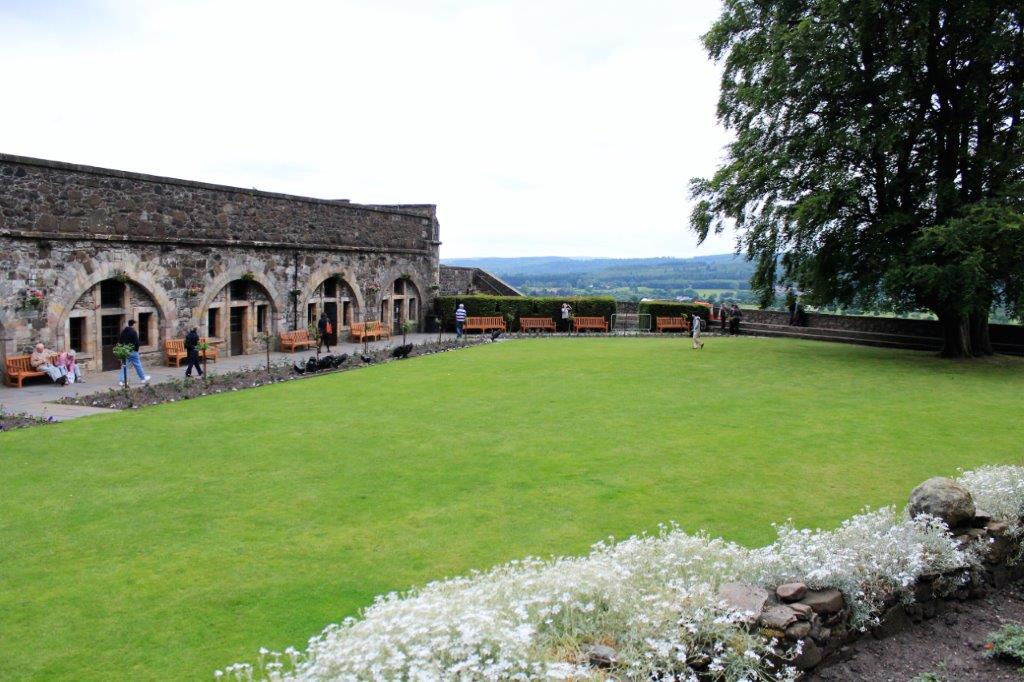
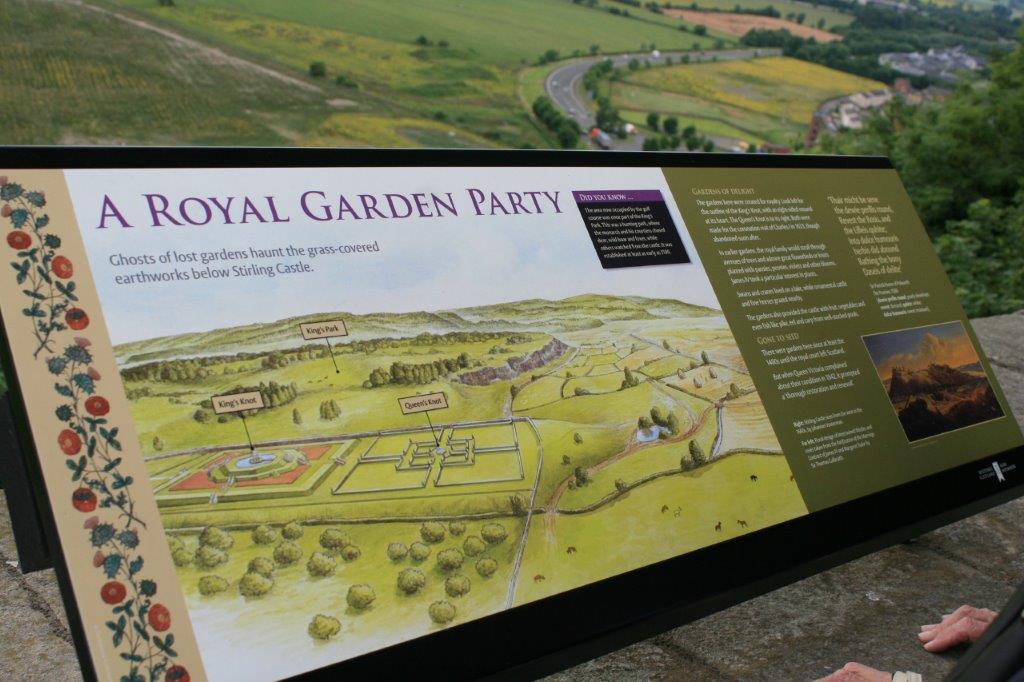
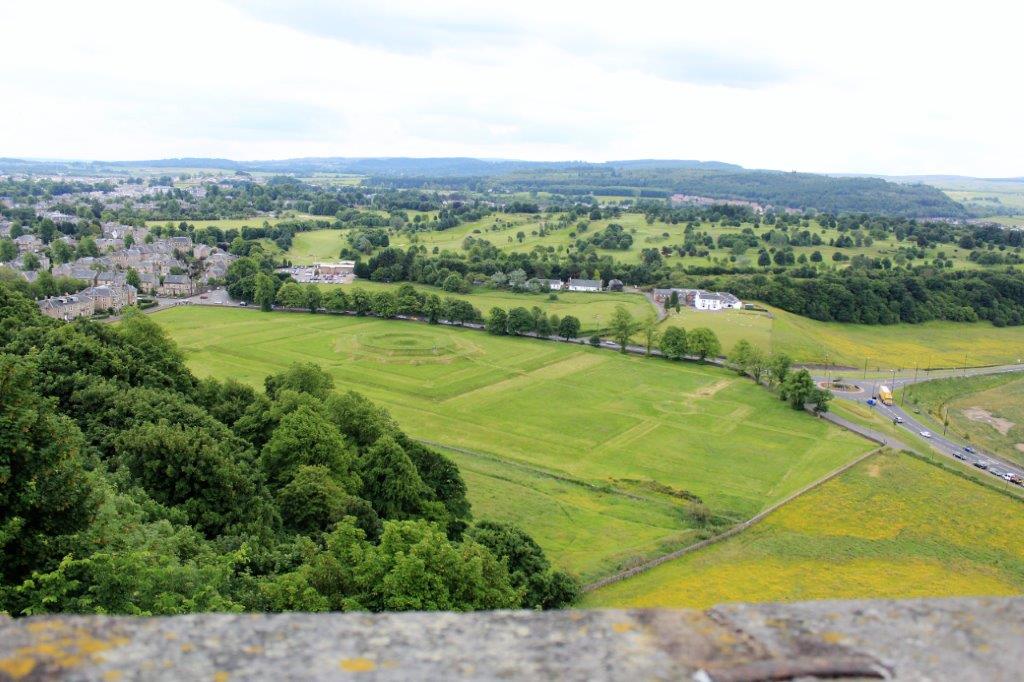
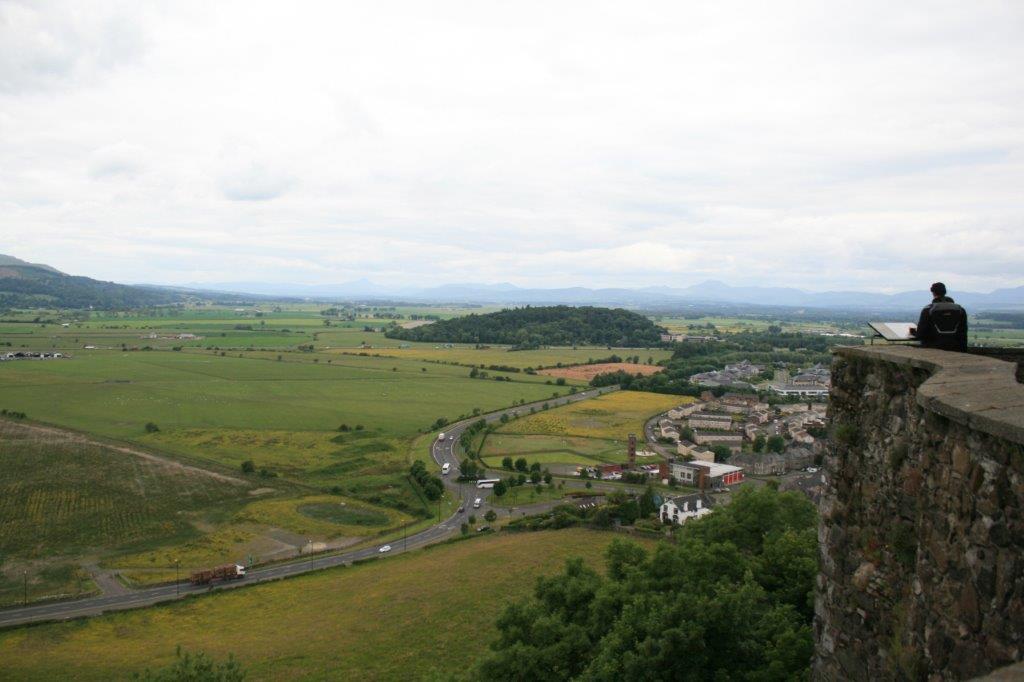
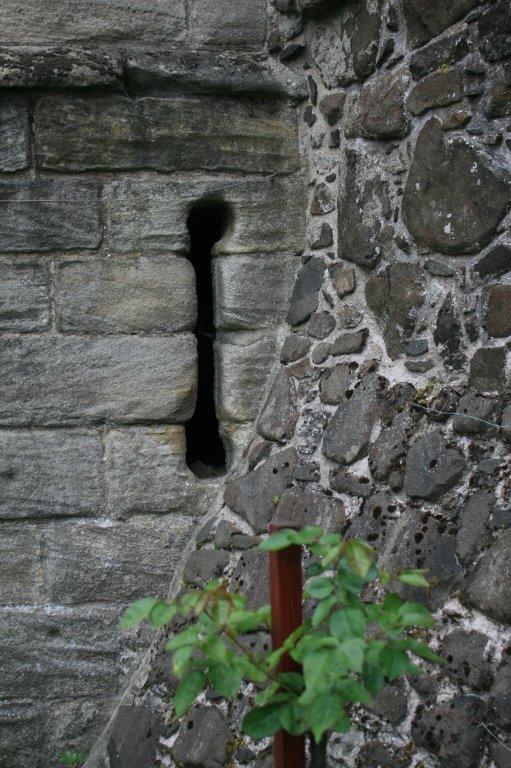
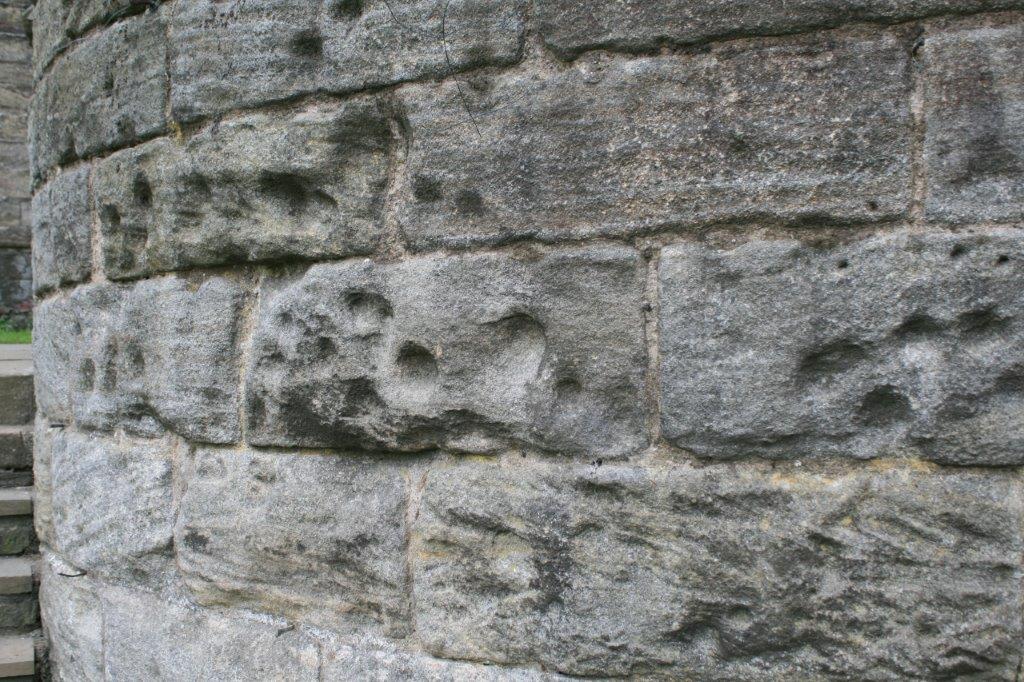
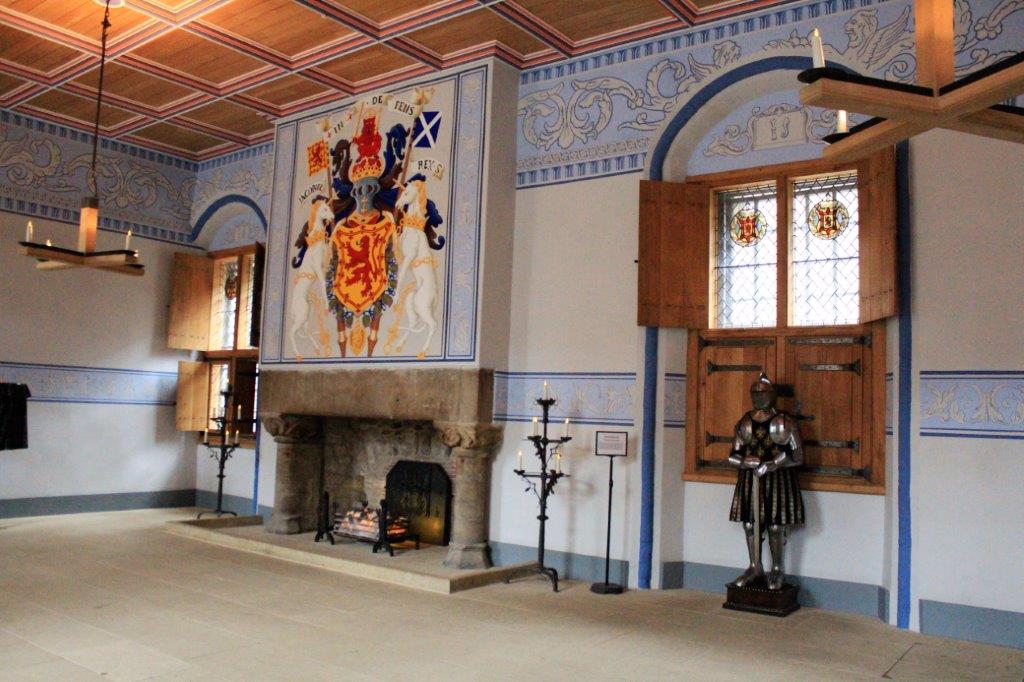
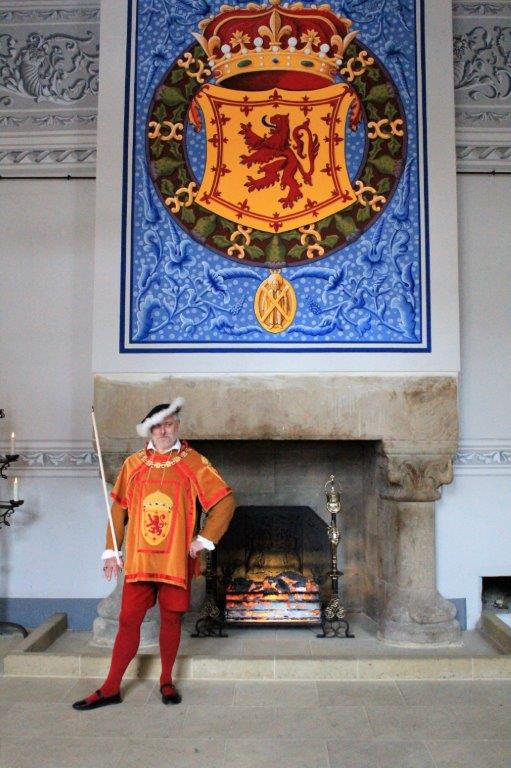
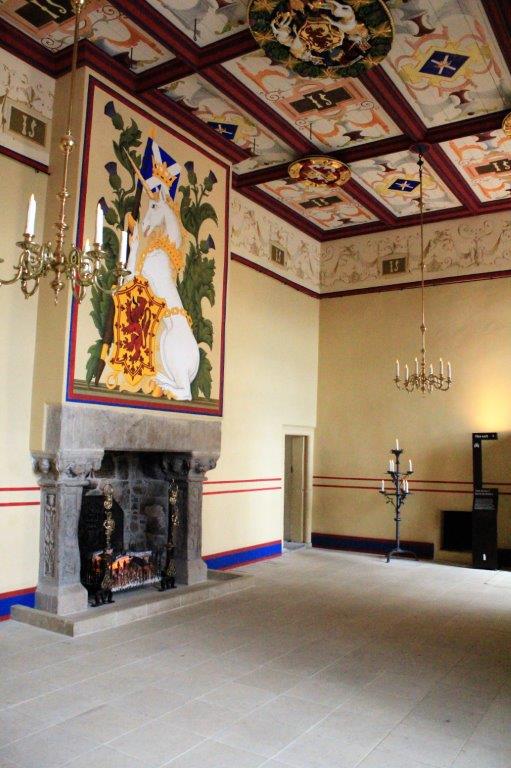
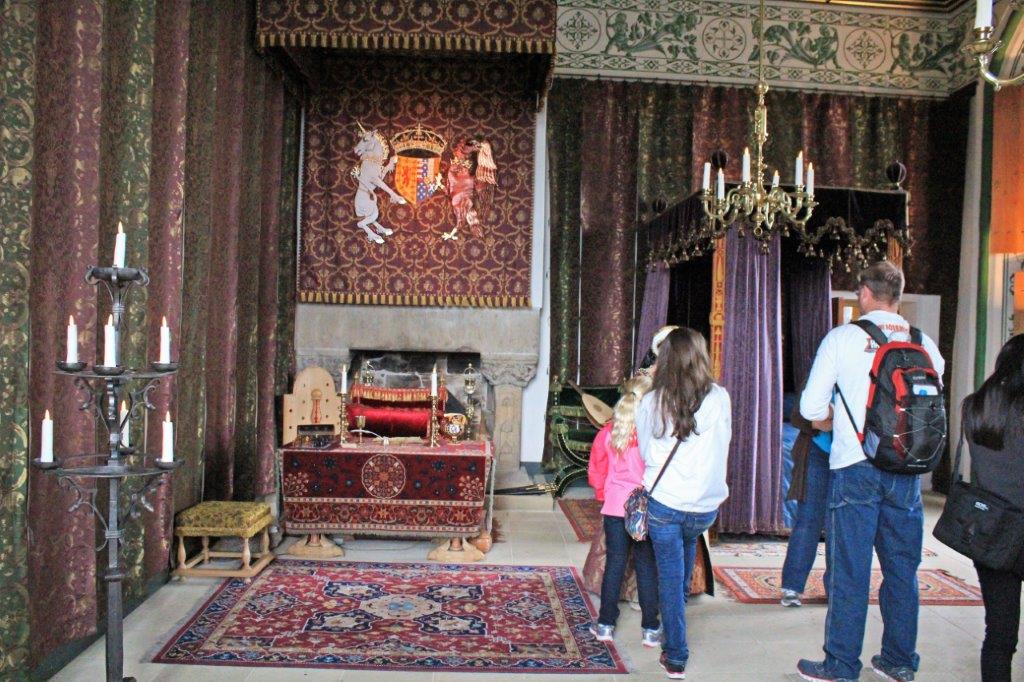
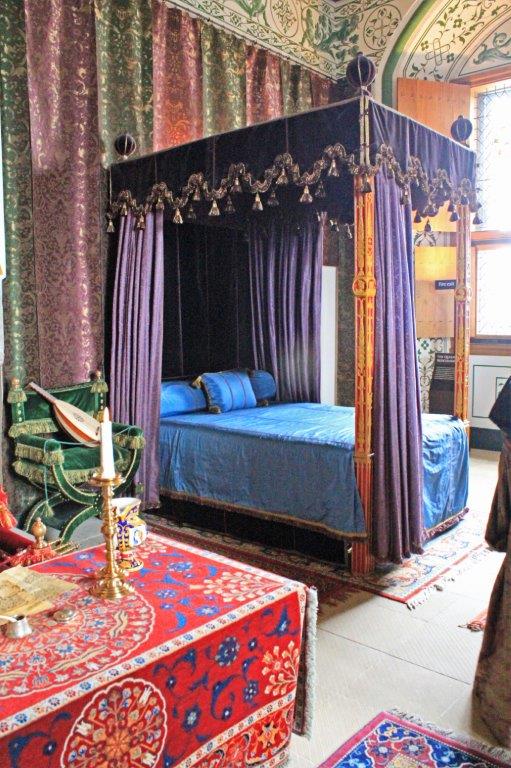
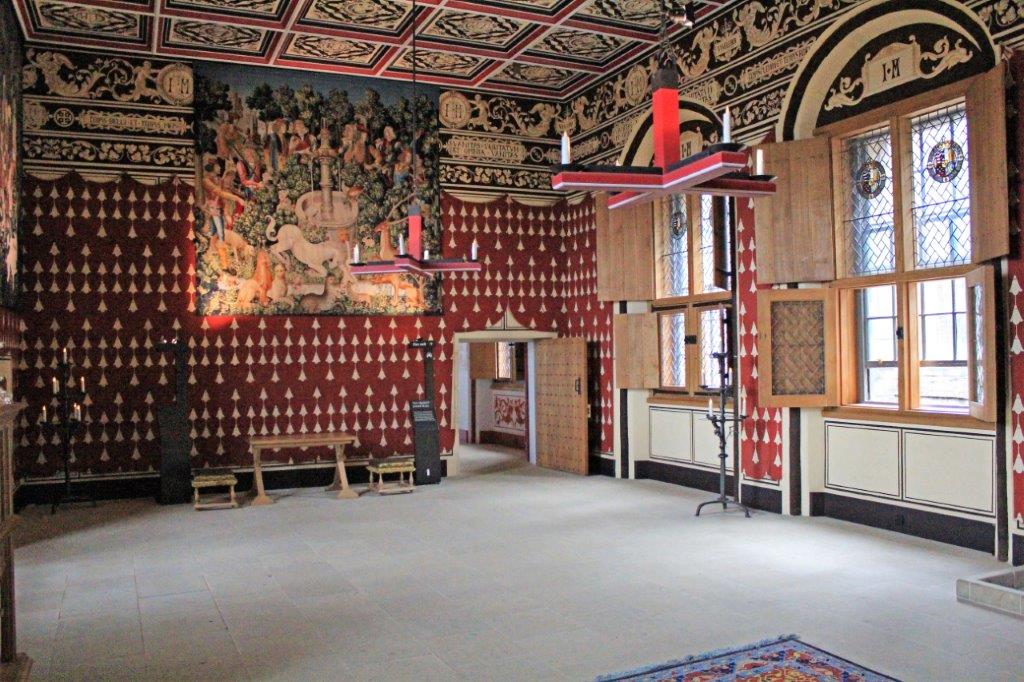
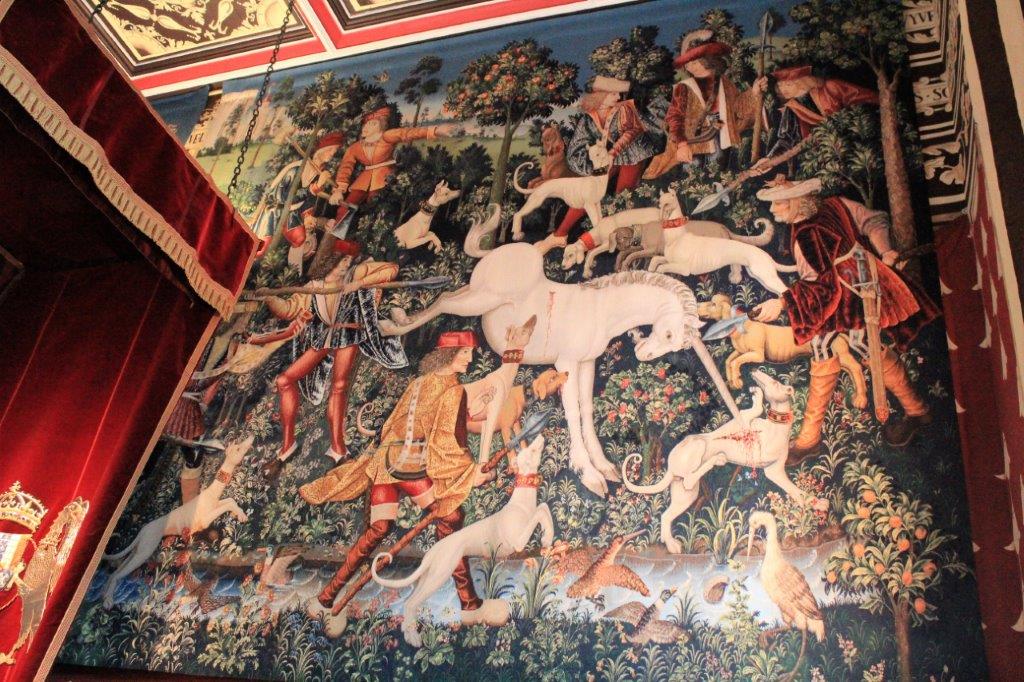
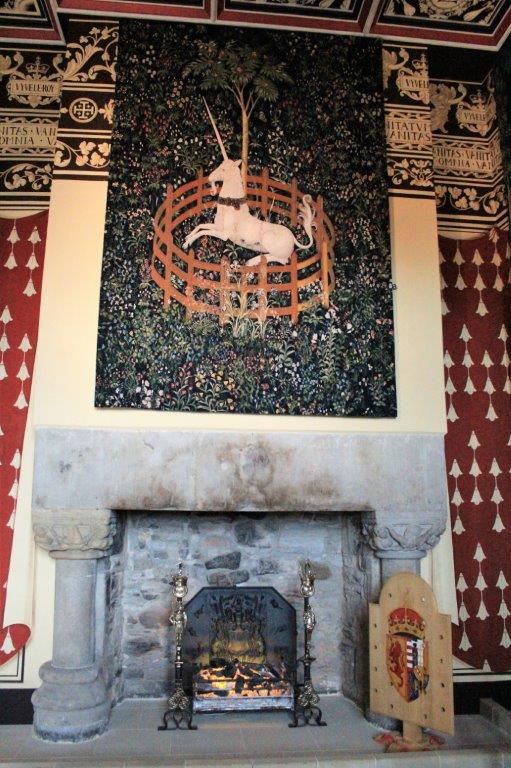
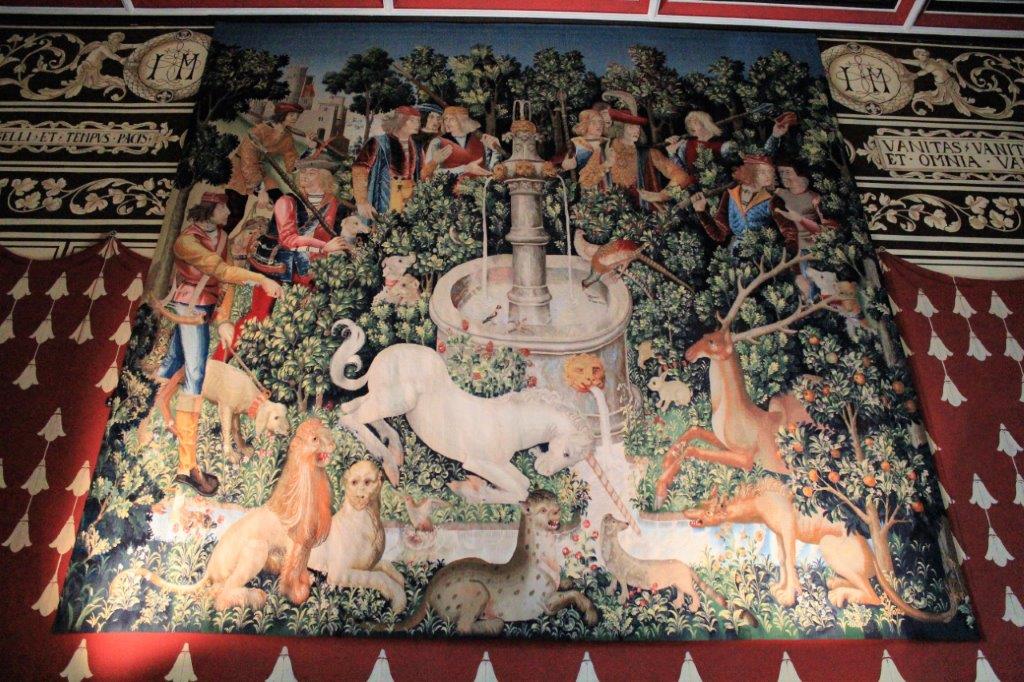
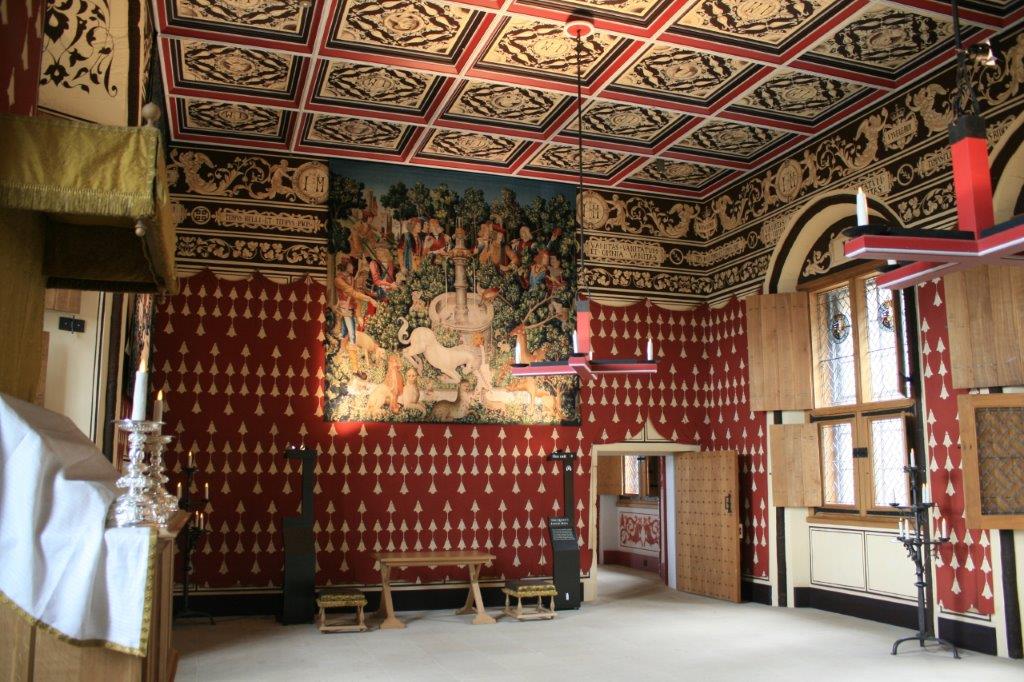
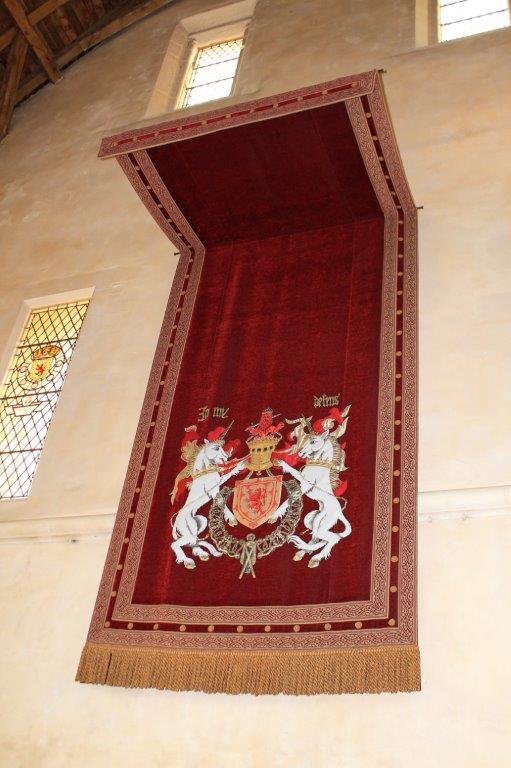
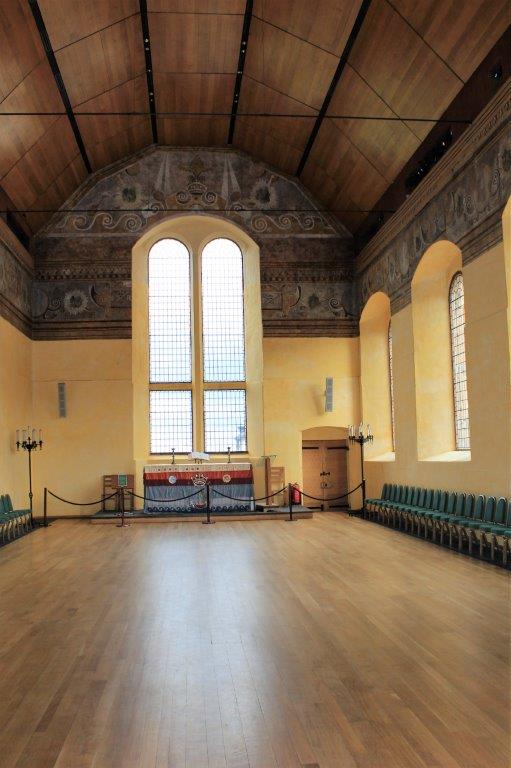
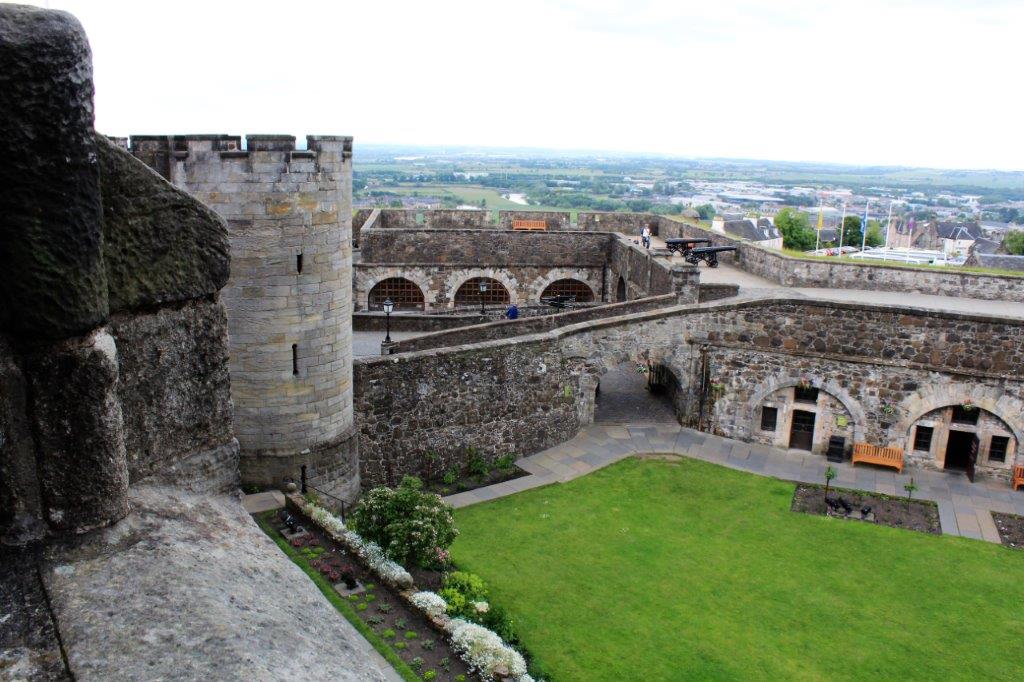
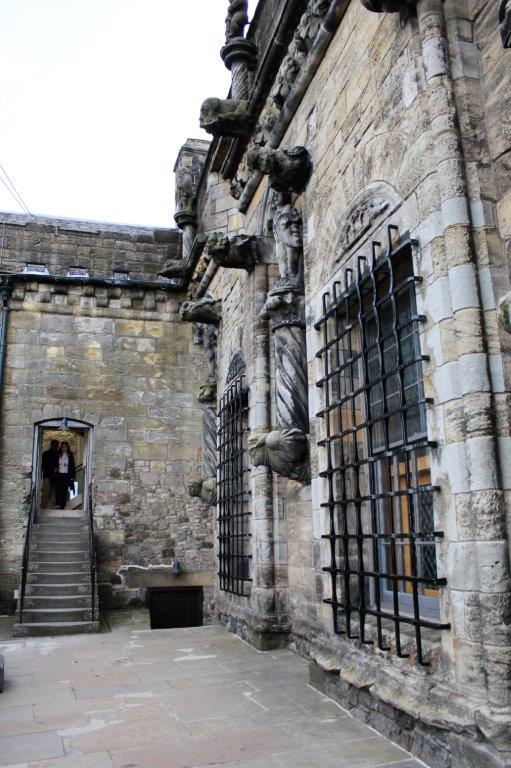
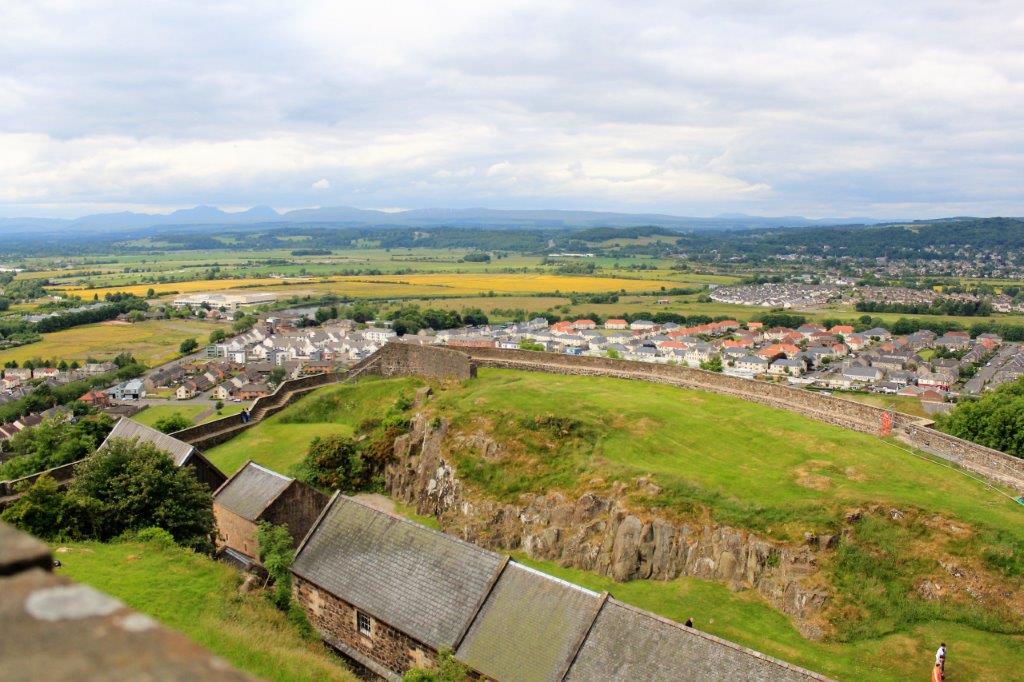
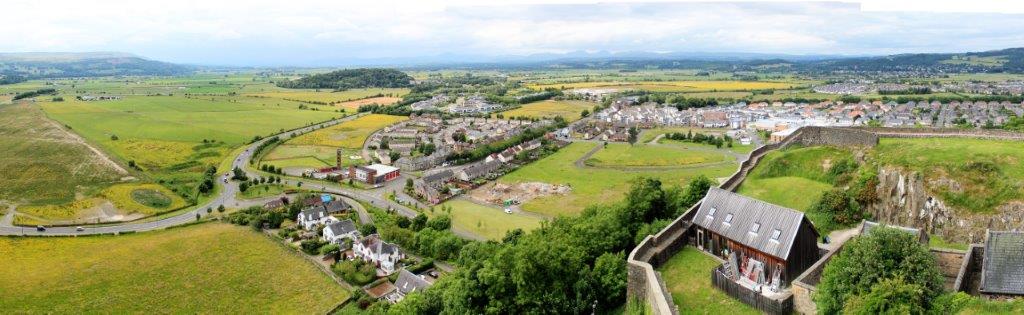
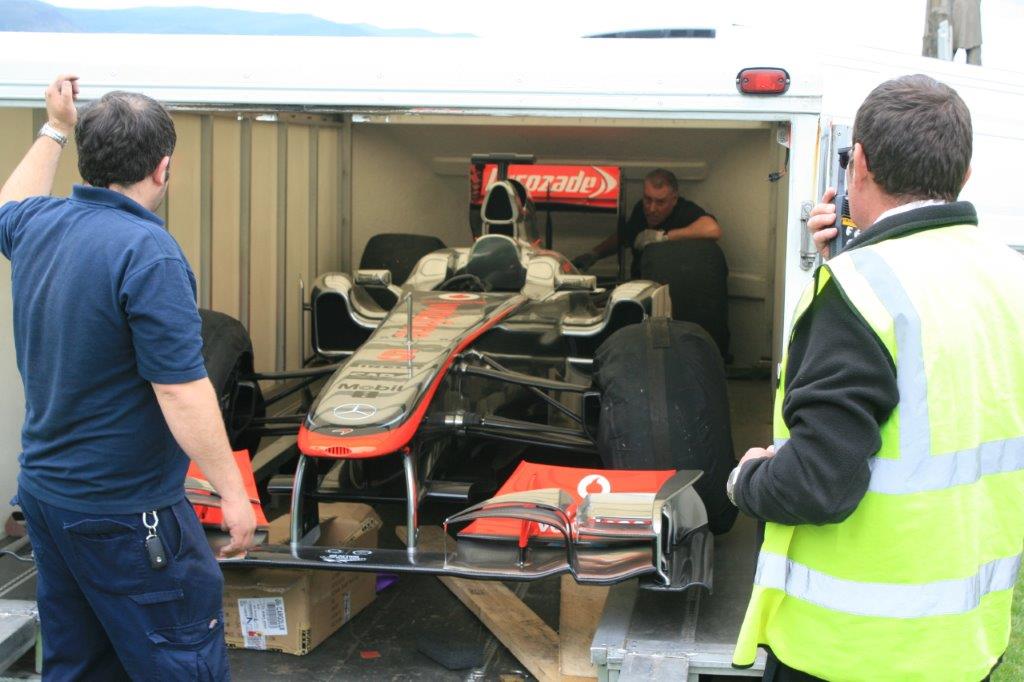
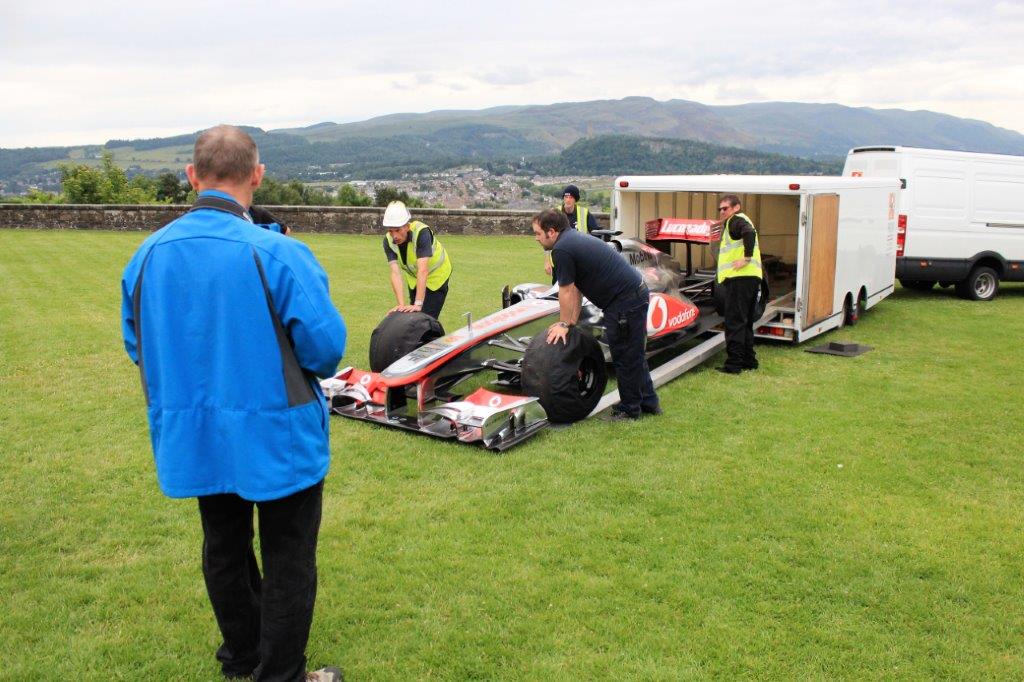
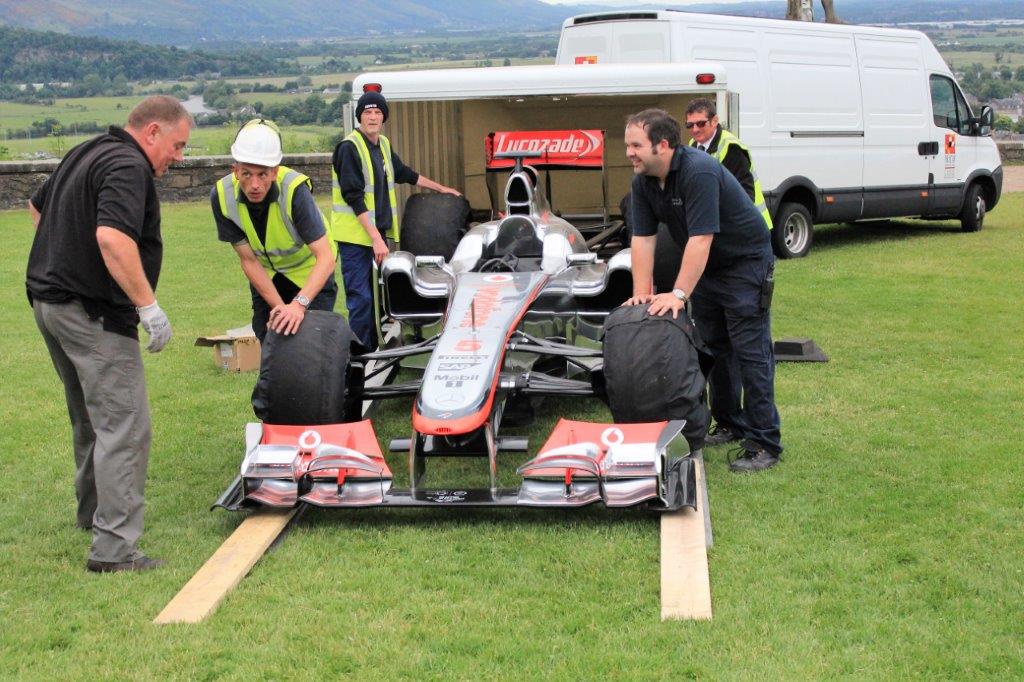
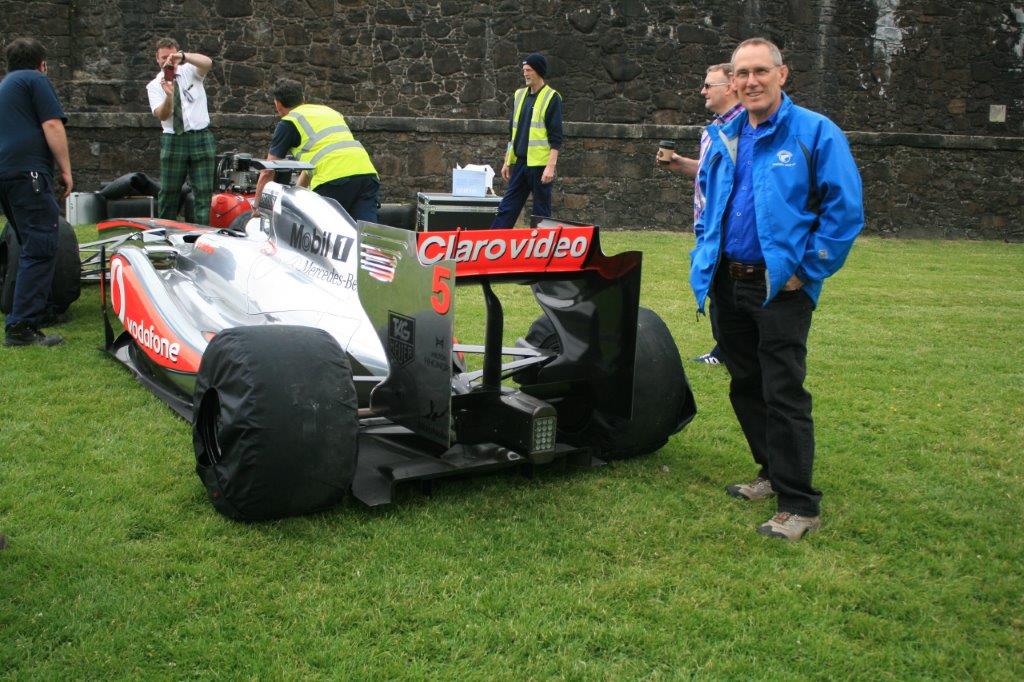
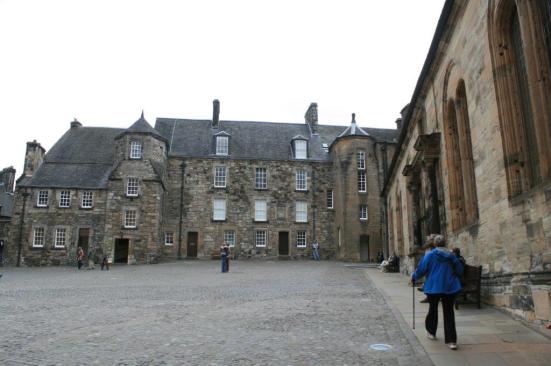
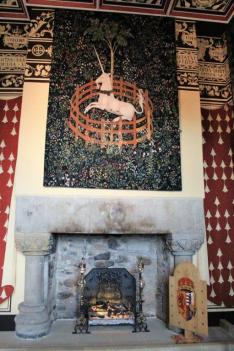
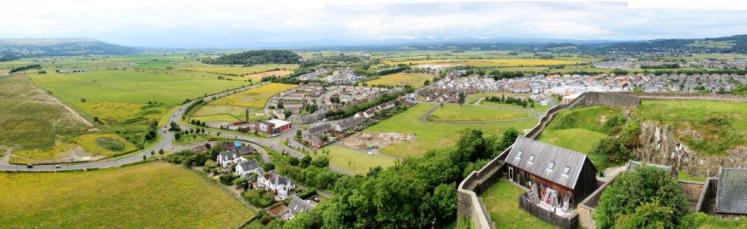
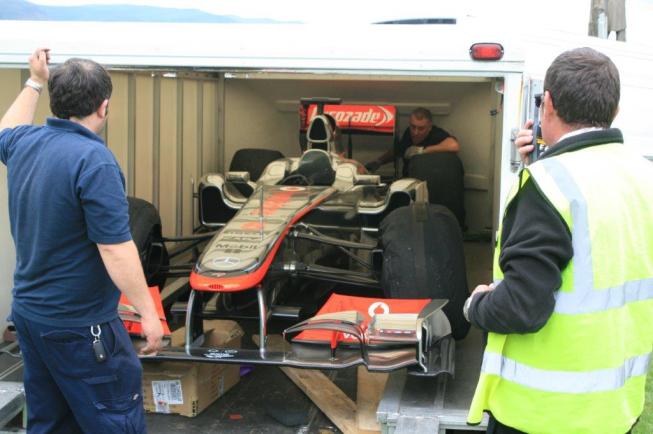
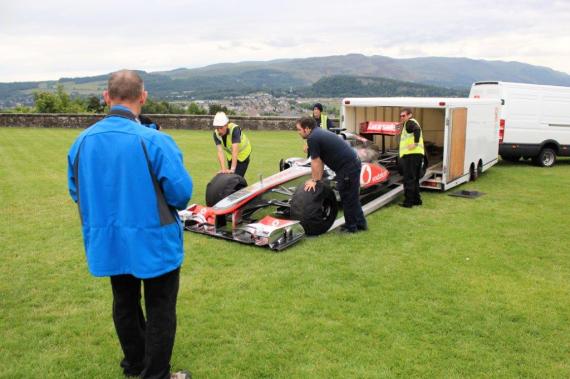
The  walls  have  been  hit  by  quite  a few  musket or cannon  balls.These beautiful tapestries tell the story of the Hunt of the Unicorn.  There are seven tapestries in the series and a group of 18 weavers took 14 years to complete these reproductions of the originals that used to hang in the hall.  The project was commissioned by Historic Scotland as part of their efforts to restore Stirling Castle to the era of King James V reign in 1540.  We did not see the completed series as the last tapestry was not finished until 2015. The castle sits atop a high rocky crag with the only entrance at the end of a steep winding hill through the town.  Subsequently, the view from all three sides is incredible. As we left the castle we passed a truck and a group of men unloading a Formula One Race Car just outside the gate.  This made John’s day as he is an avid F1 fan and he had an opportunity to check it out. From the castle we walked down the street to Argyle House, which was closed so we went across the street to the church and cemetery.
 

2013 Summer (Baltic and Britain – A week in London – Day 5)

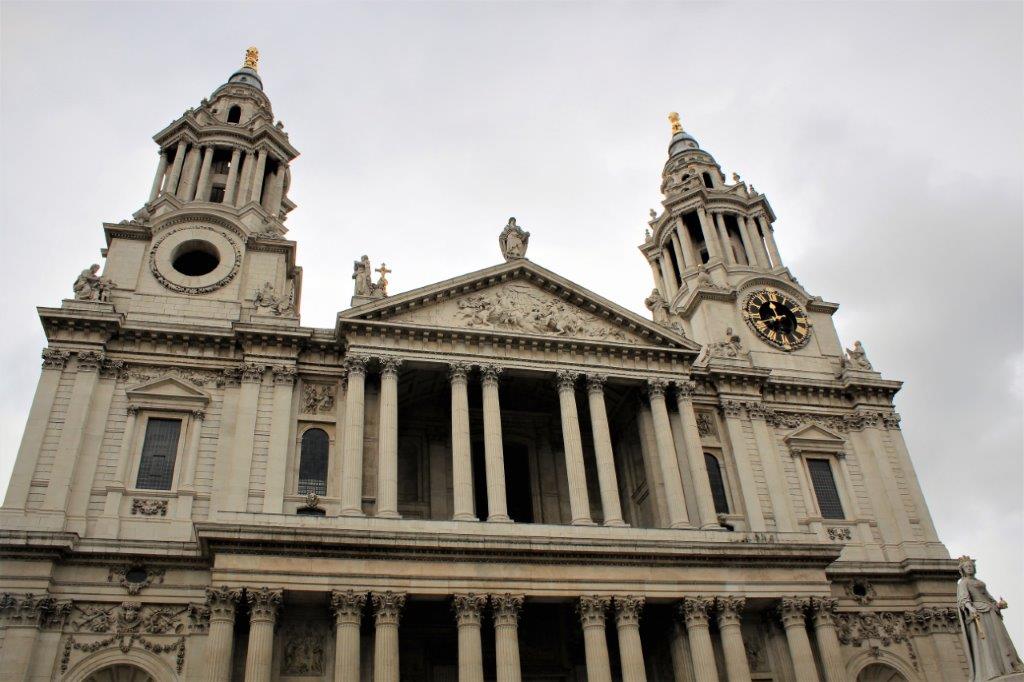
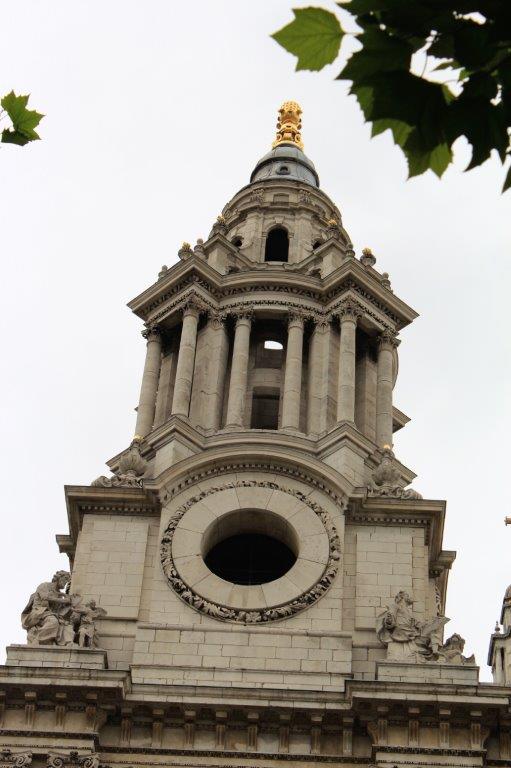
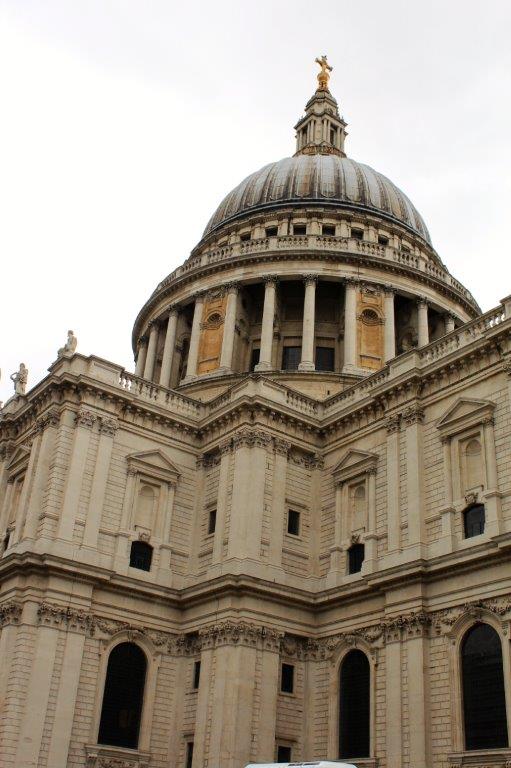
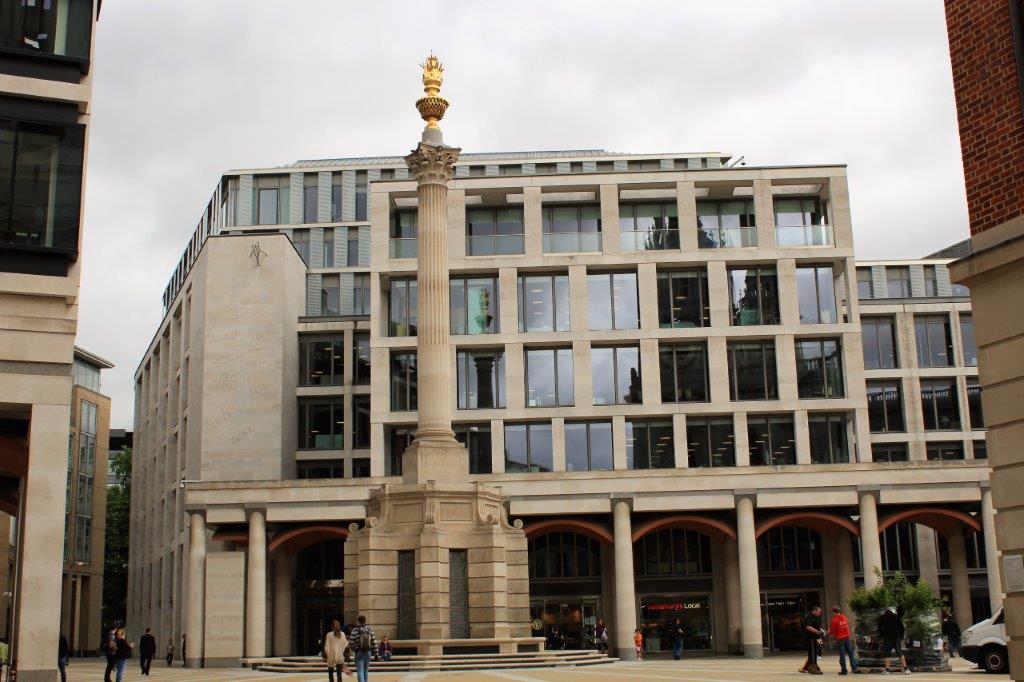
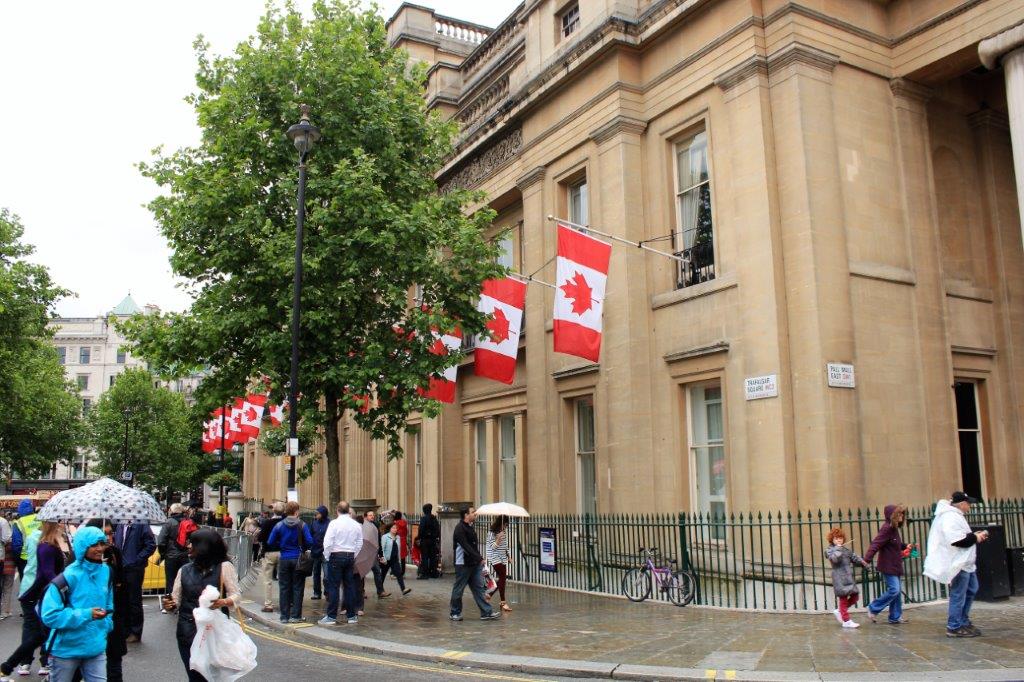
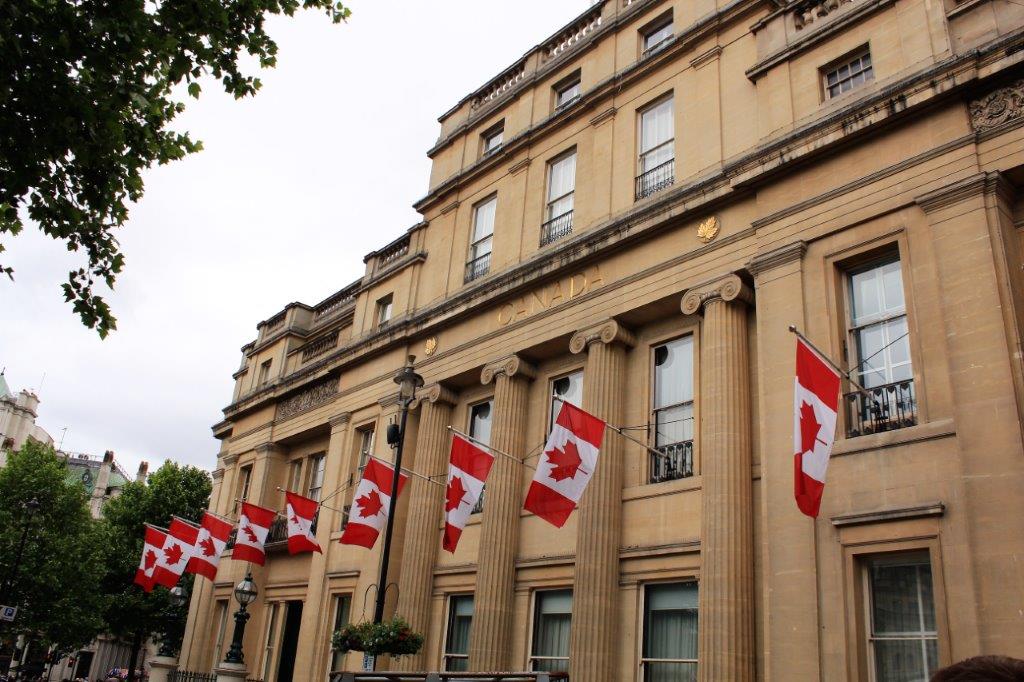
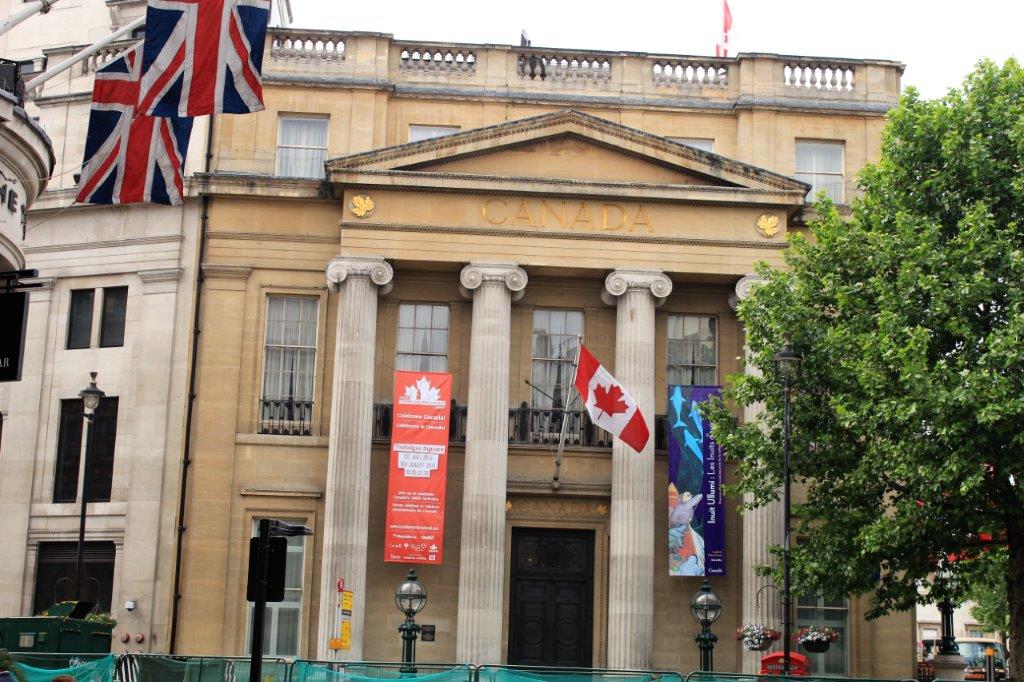
On our second to last day of touring around London before we flew to Edinburgh to begin our month-long trip around Scotland before our son’s wedding on the 22 of July was spent just wandering around near St. Paul’s Cathedral and the Canadian Embassy.  It was an overcast, semi-rainy day so we were a bit lazy. There was an outdoor music festival going on just across the square from the Canadian Embassy.

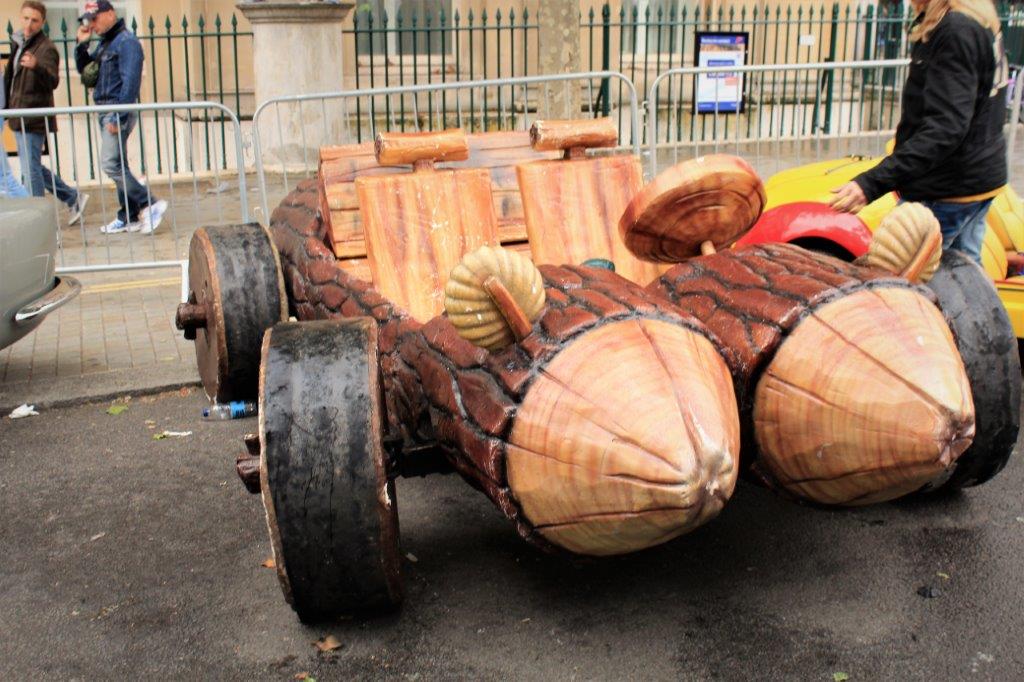
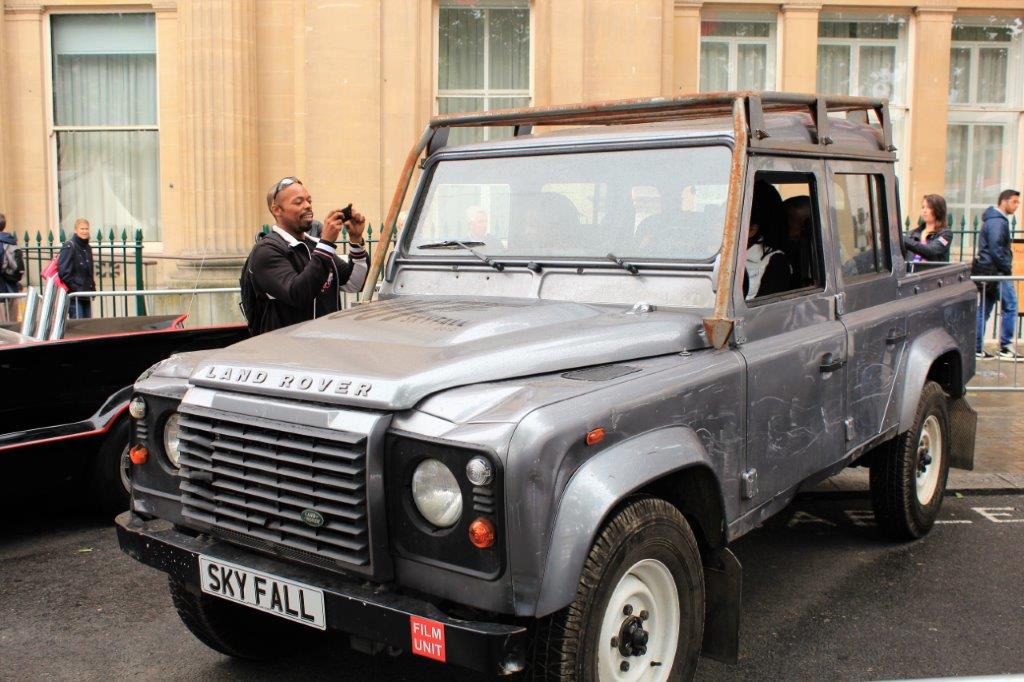
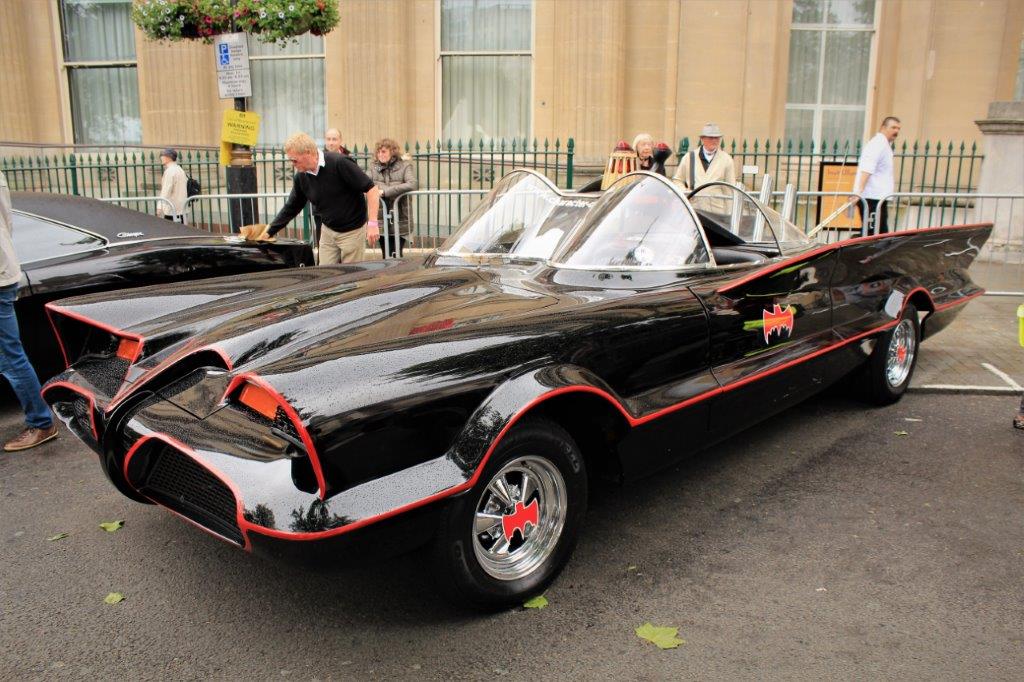
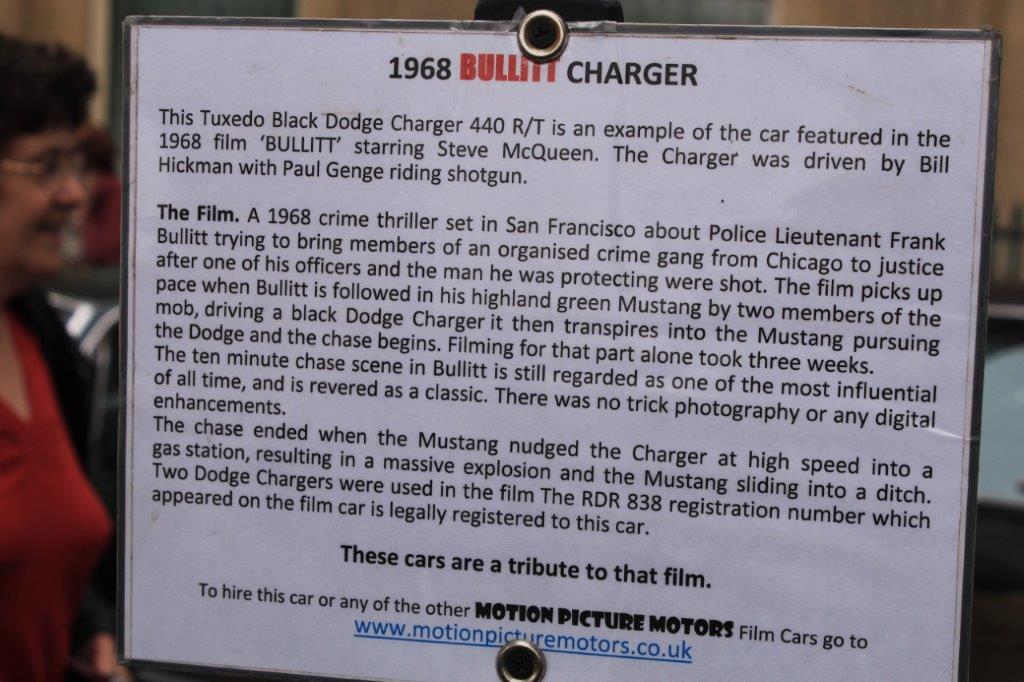
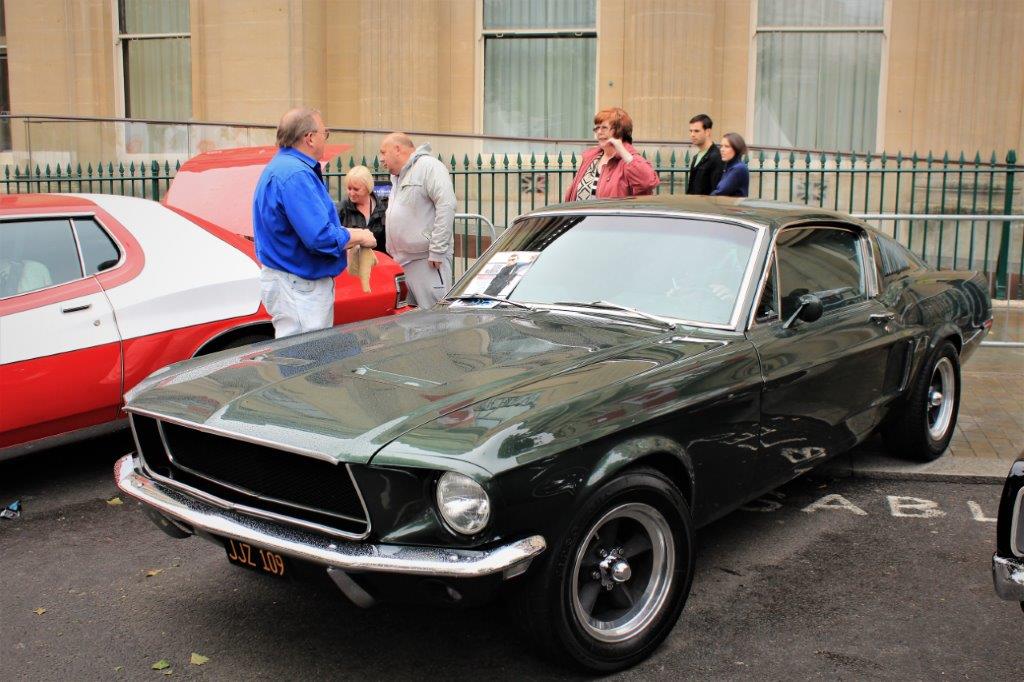
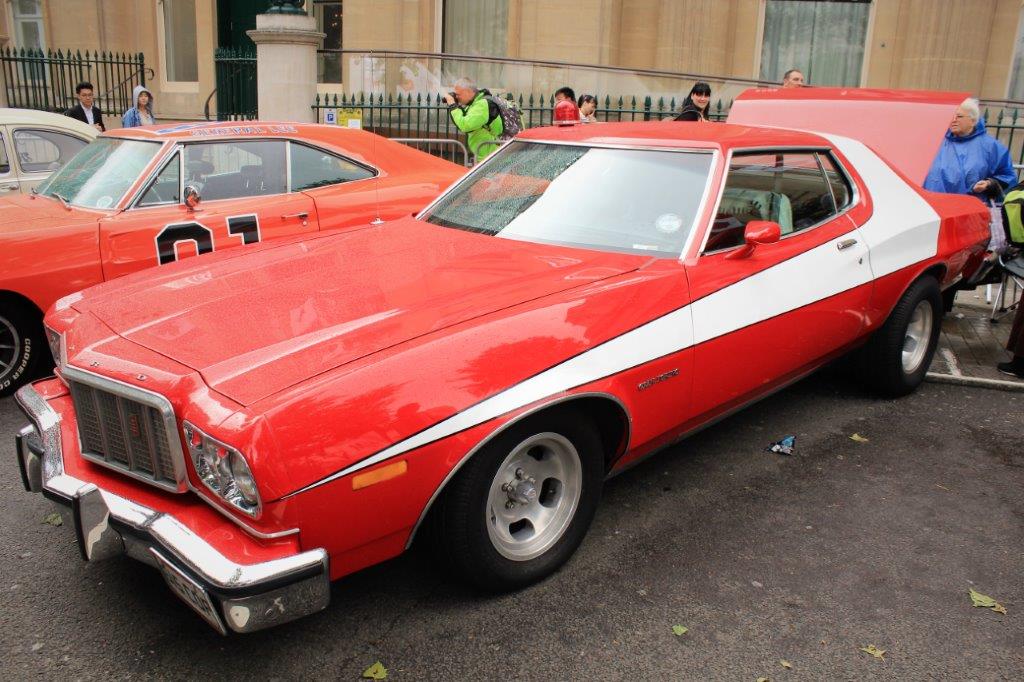
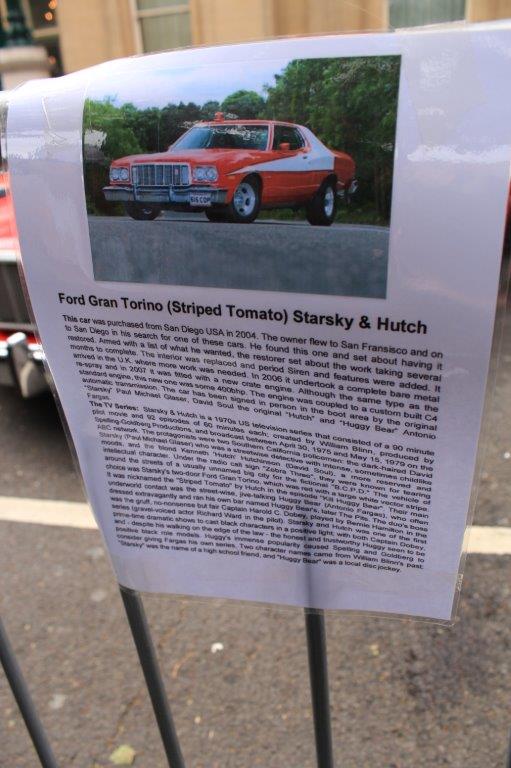
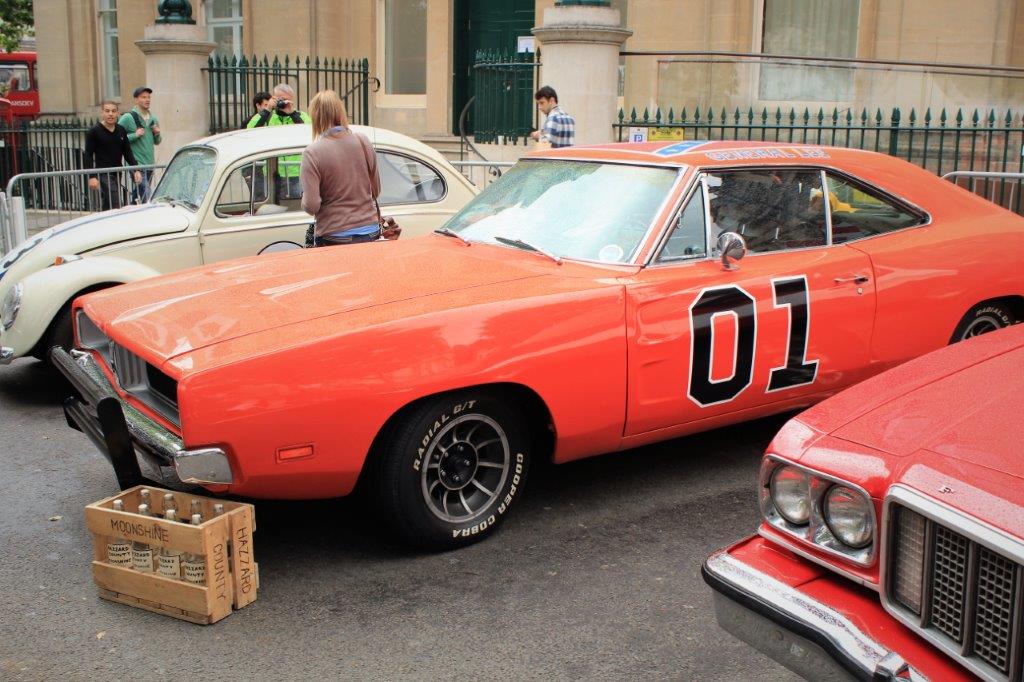
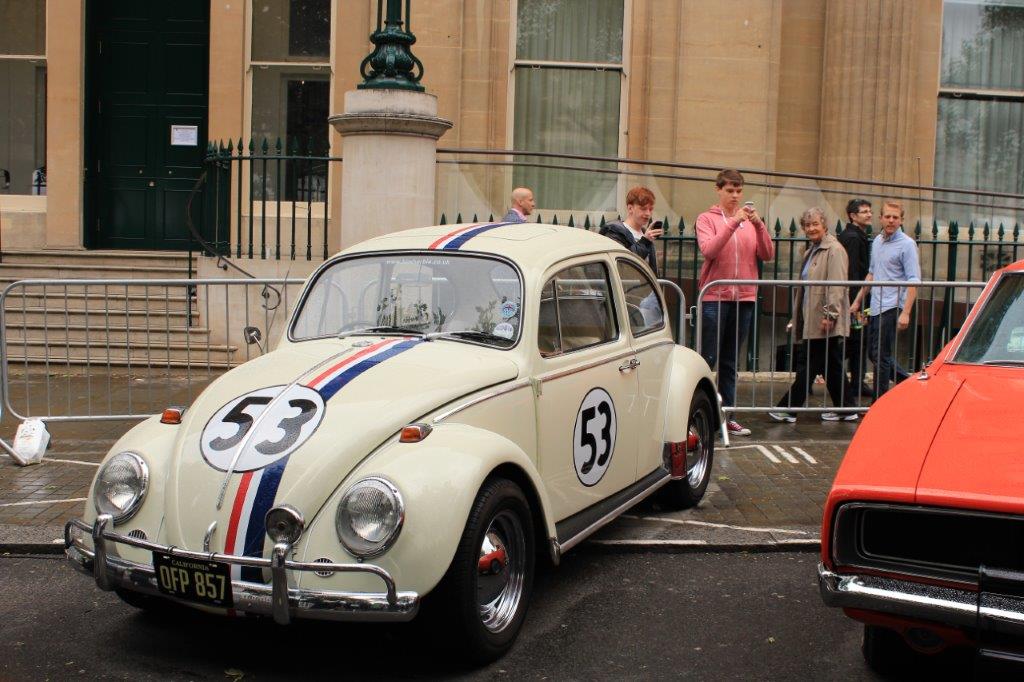
And, as well, there was a display of Made-For-TV and Film vehicles. Here is a hint about what we did on our last day of sightseeing  in London:

2013 Summer (Baltic and Britain – Scotland – June 24 – Day 1)

John and I went to Britain in 2013 because our son was getting married in a Scottish castle in late July.  We flew to London on May 31, did a 16-day cruise in the Baltic, then spent a week in London before flying to Edinburgh.  We then had almost a month to travel around Scotland before the wedding.

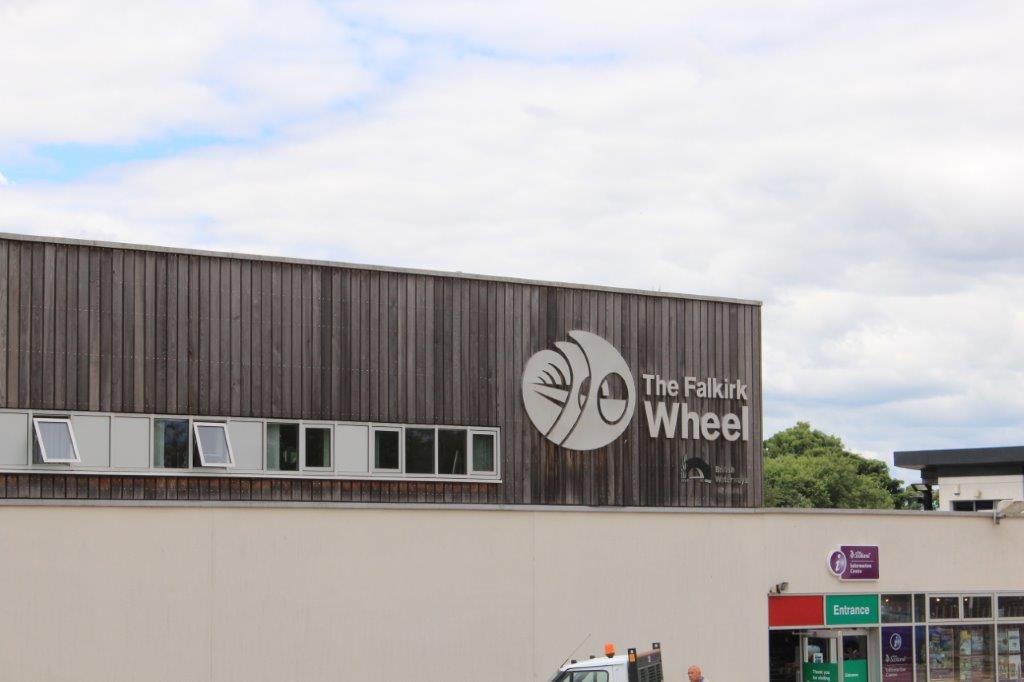
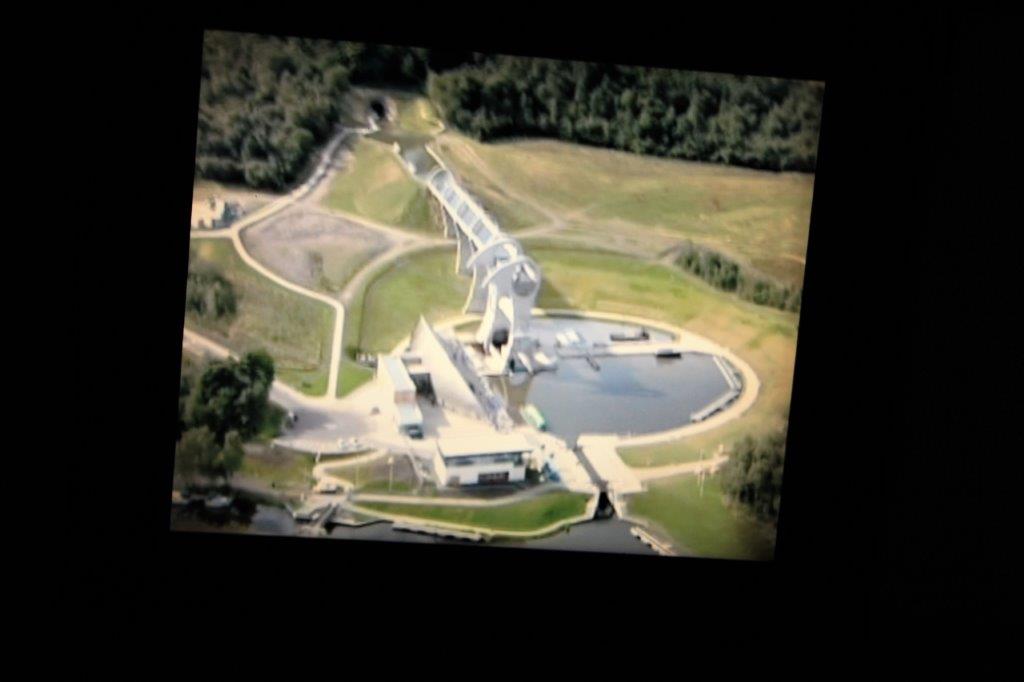
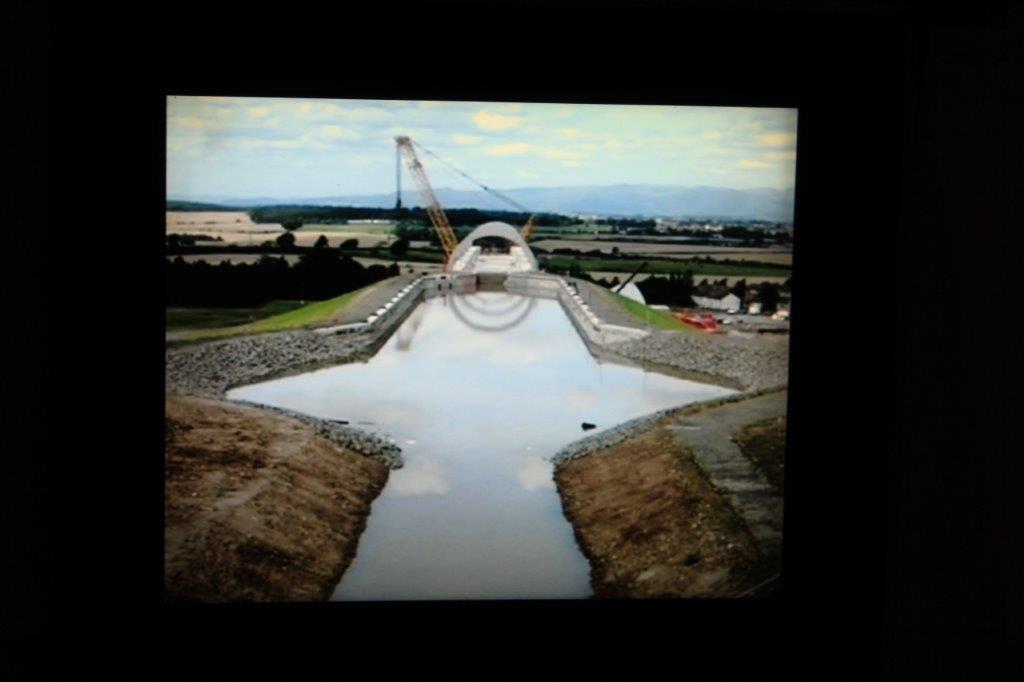
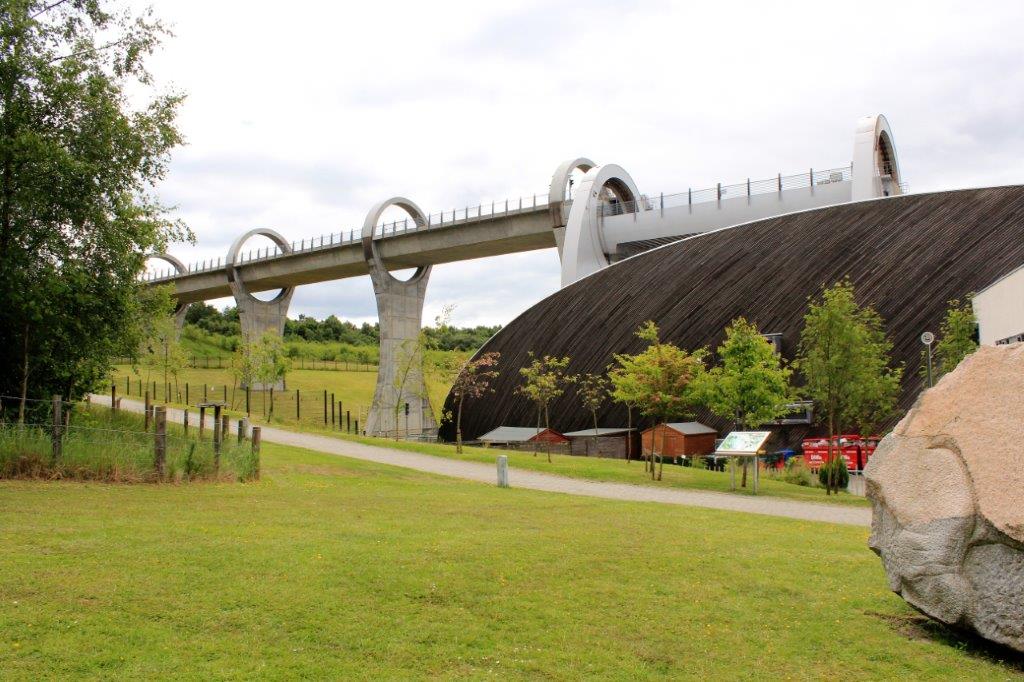
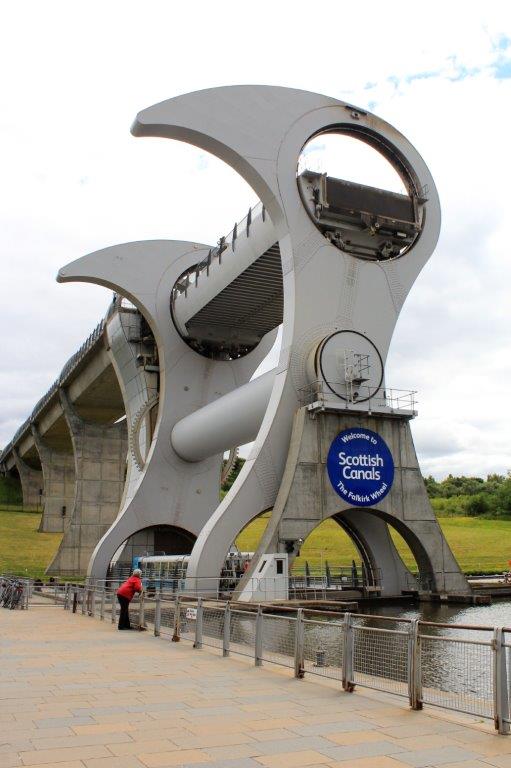
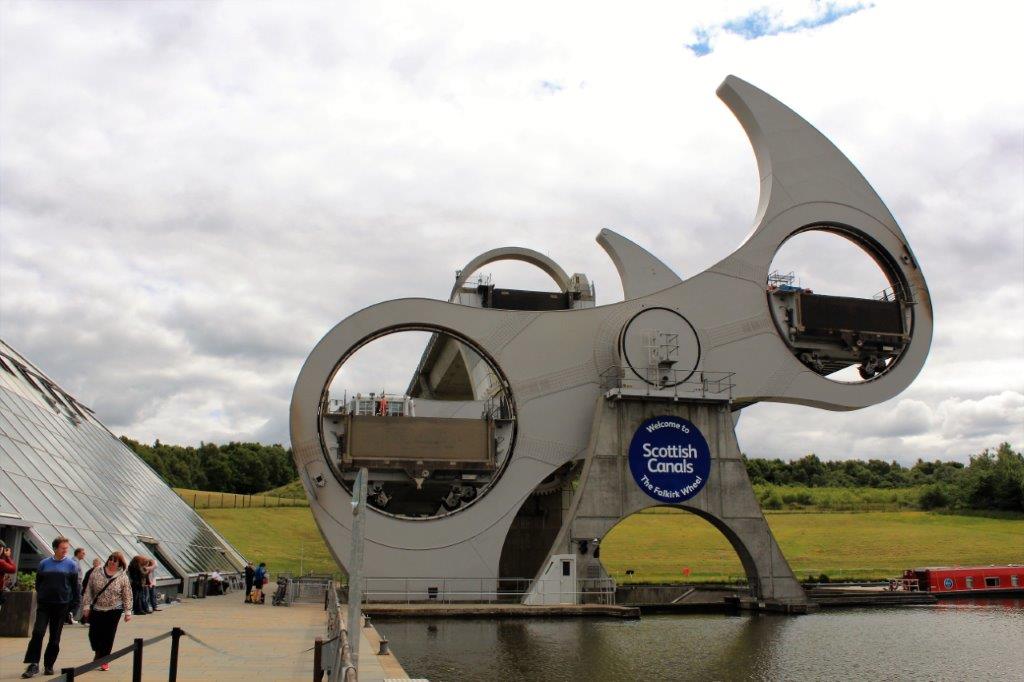
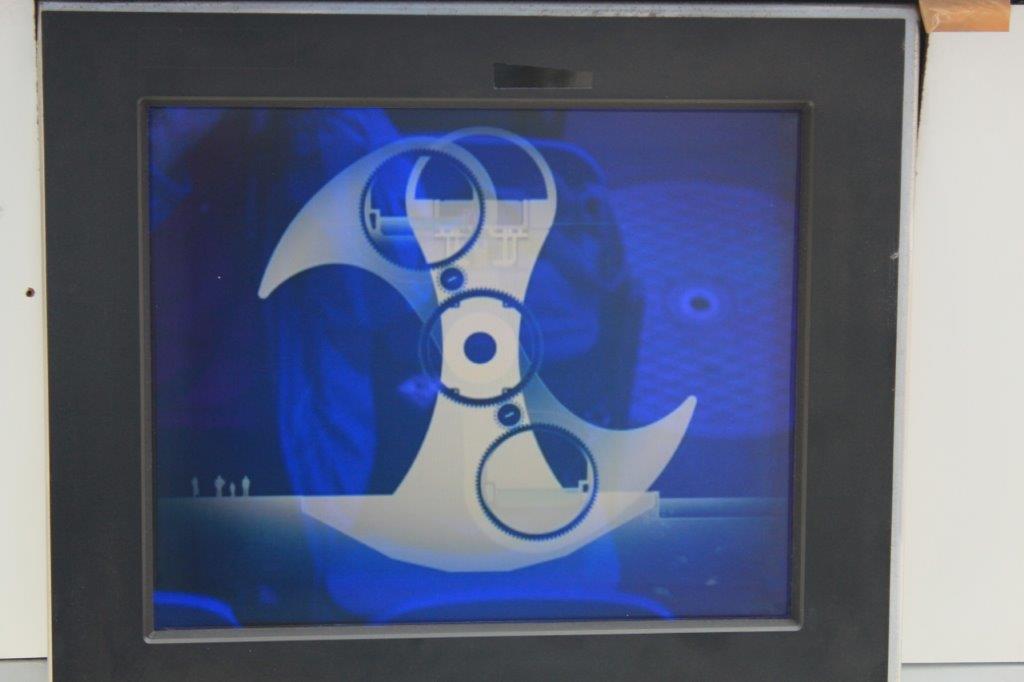
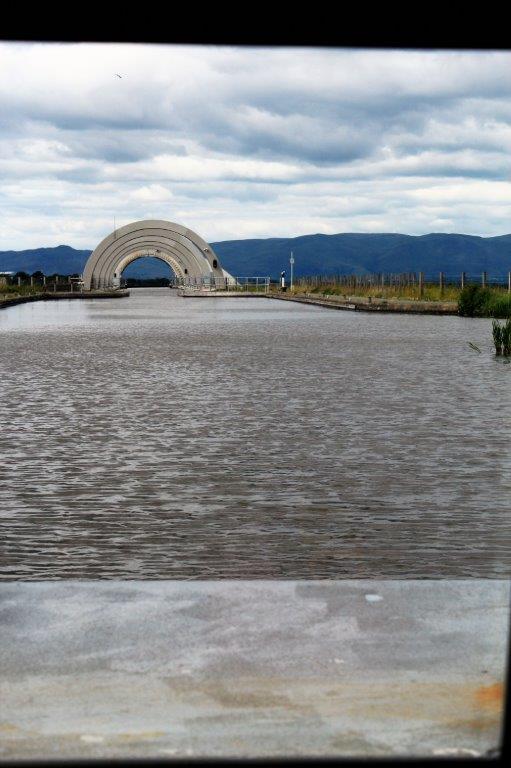
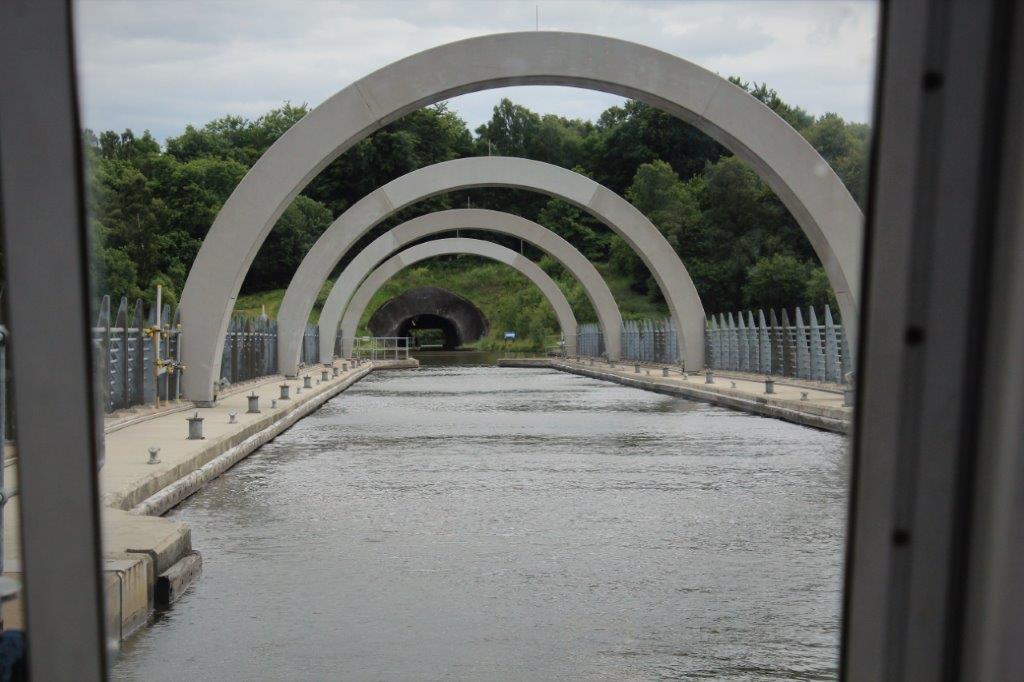
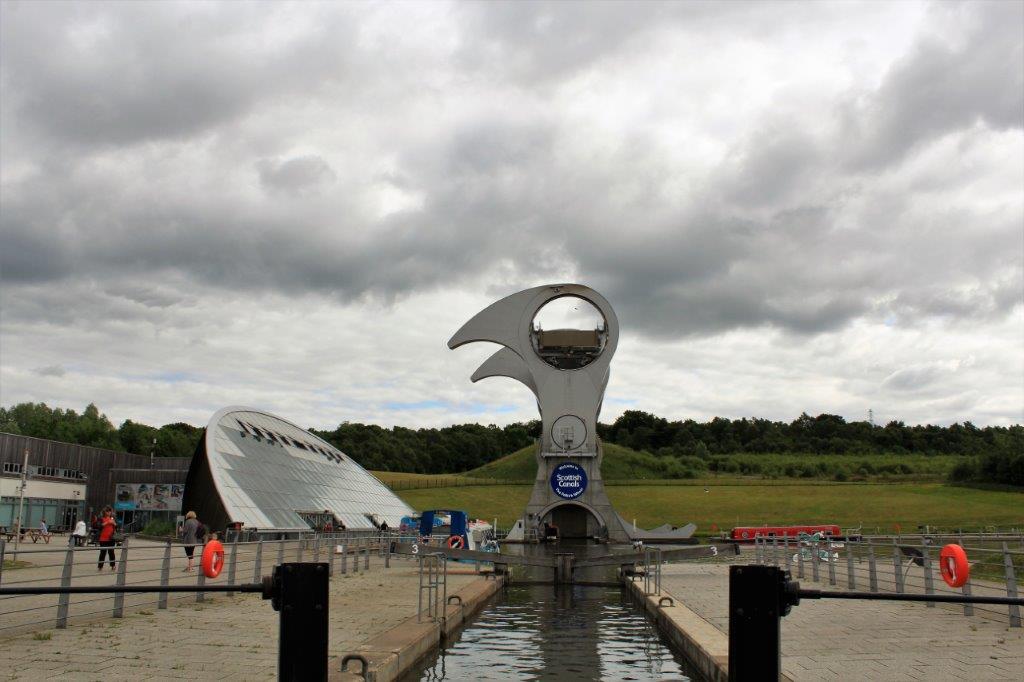
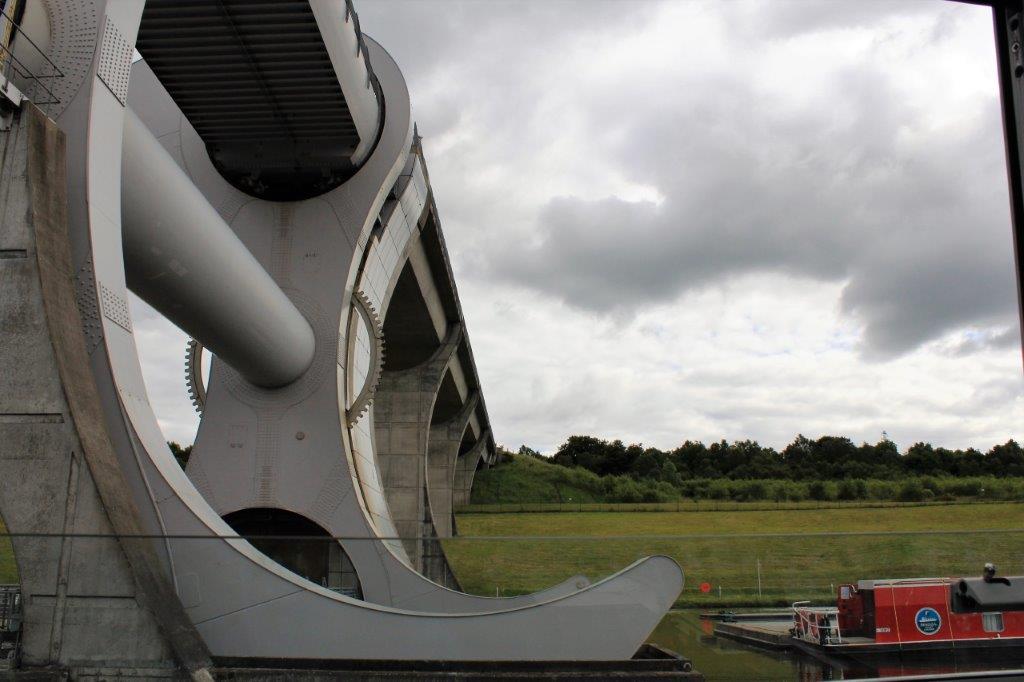
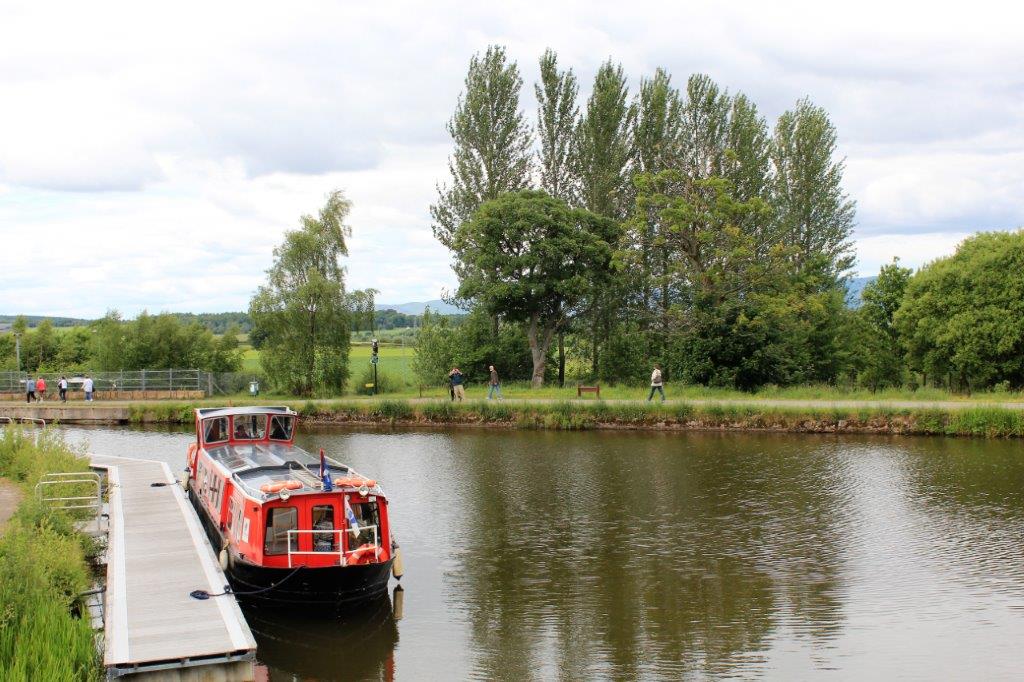
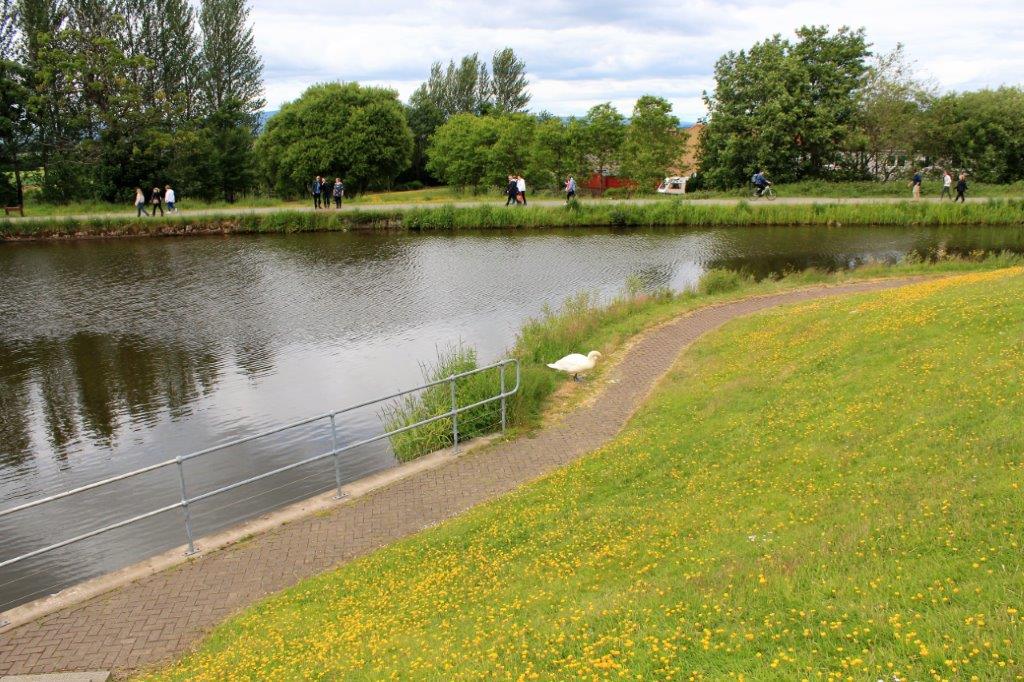
After picking up our rental car we drove toward Galsgow where we were going to have a visit with my three cousins.  But first we went to see the Falkirk Wheel; which is a very cool lift lock to move boats. One of the fun aspects of our visit was a ride in a boat that gets lifted up by the wheel, makes a short run to the end of the channel and then comes back down.

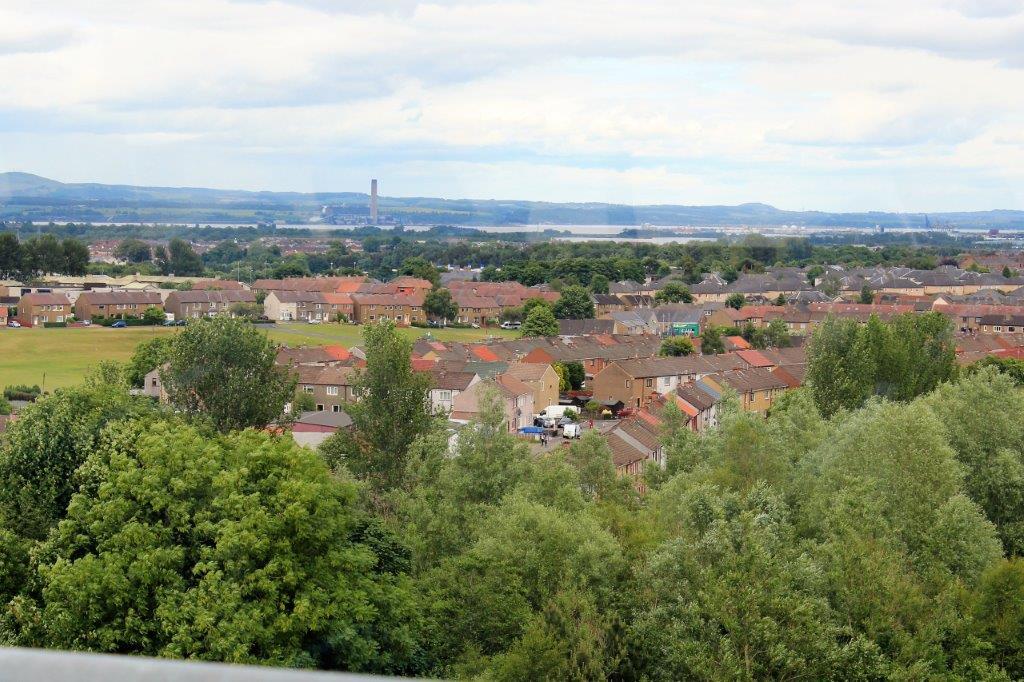
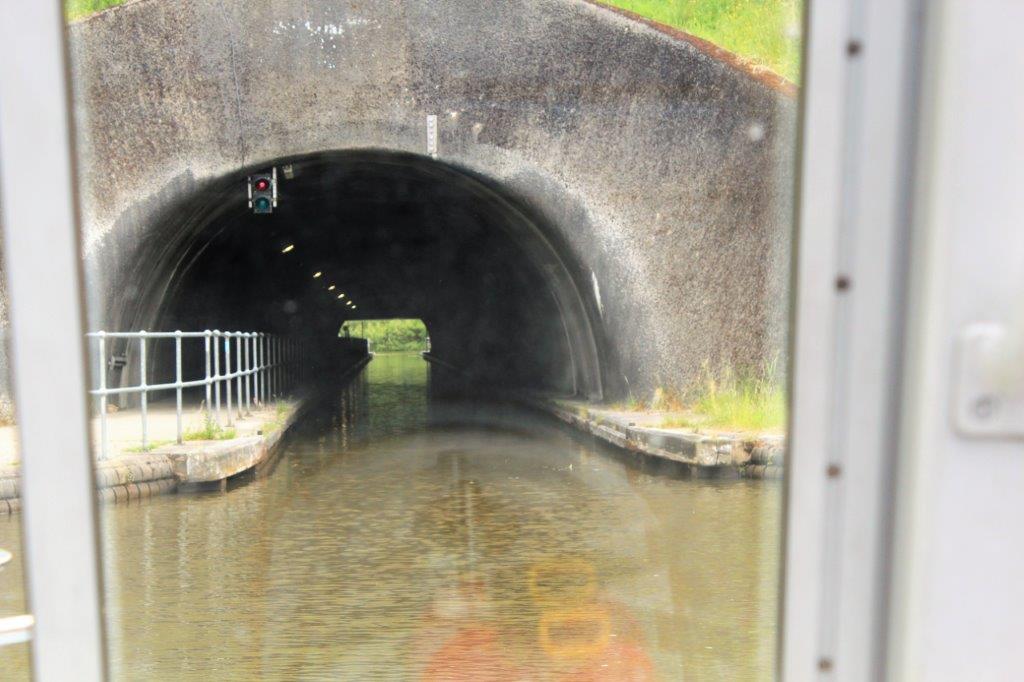
There was a nice view of the town as we rode to the top.   Once at the top, the boat went through this tunnel, turned around and came back to catch the wheel to the bottom again.  It is a very clever design.

My mother had three sisters.  The two eldest came to Canada as War Brides after they married a couple of fellows from BC who were stationed in Scotland during the war.  My mother met my father when she came to our town in British Columbia to visit her sisters who had settled there with their husbands after the war.

All of the girls were born in Scotland but the family had emigrated to Canada when my mom was just a baby.  The girls went back to Scotland in 1937 after their parents had died within 6 months of each other.  Mom returned to Canada about 1940 when Britain was under extreme threat from Germany and lived with the Winnipeg couple that had fostered her after the death of her parents and before she and her sisters returned to Scotland.  When two of her sisters ended up in British Columbia after the war she came from Manitoba to visit them when she was 17.  She met my father, they married, and she stayed in the same town as her two older sisters.
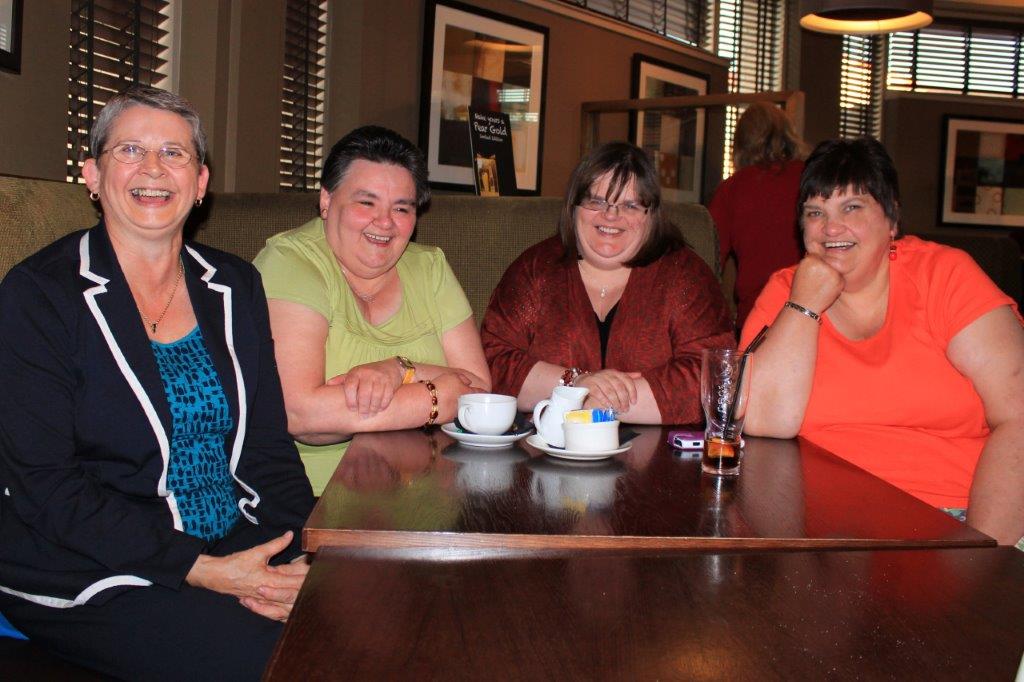
The sister next older to my mother never moved from Scotland.  She and her husband had three daughters and since we were in Scotland we made arrangements to visit them.  They all lived near Glasgow so after we had seen the Falkirk Wheel we drove to the restaurant where we had arranged to meet.Cost and distance has prevented many visits between the Canadian and Scottish cousins as we all grew.   We saw them in 1986 during our first trip to Britain, The youngest sister came to Canada every few years for quite awhile, and the eldest, who is my age, came over a few years ago, but the middle ‘girl’ had never been to Canada.  She has since passed away so I am very glad we had the opportunity to visit with them and other members of the family while we were in Scotland.

2013 Summer (Baltic and Britain – A week in London – Day 6 and final)

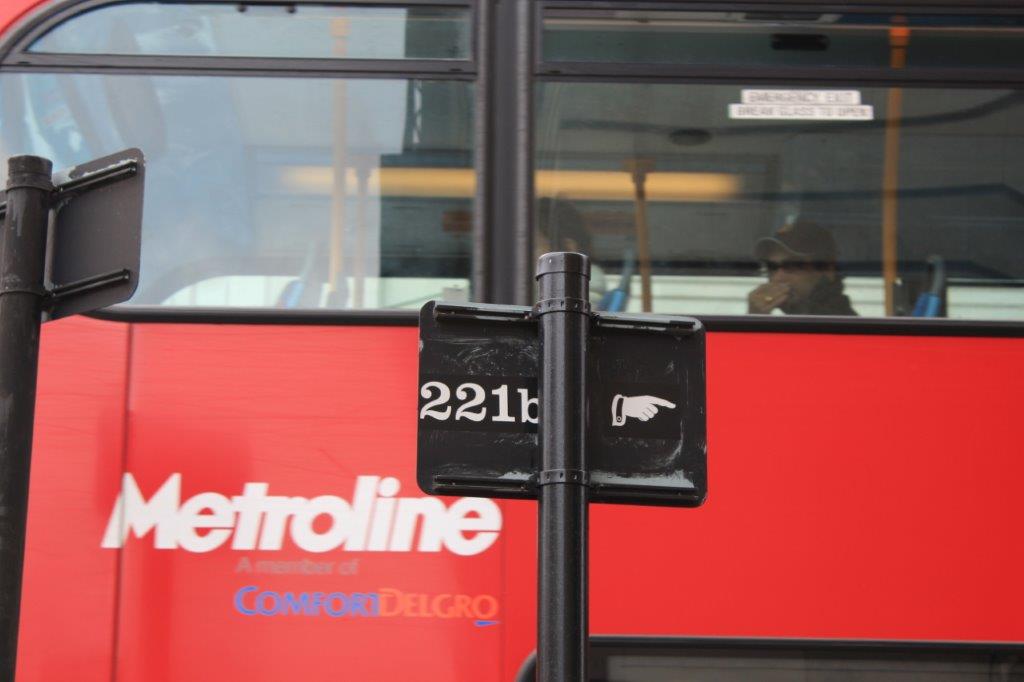
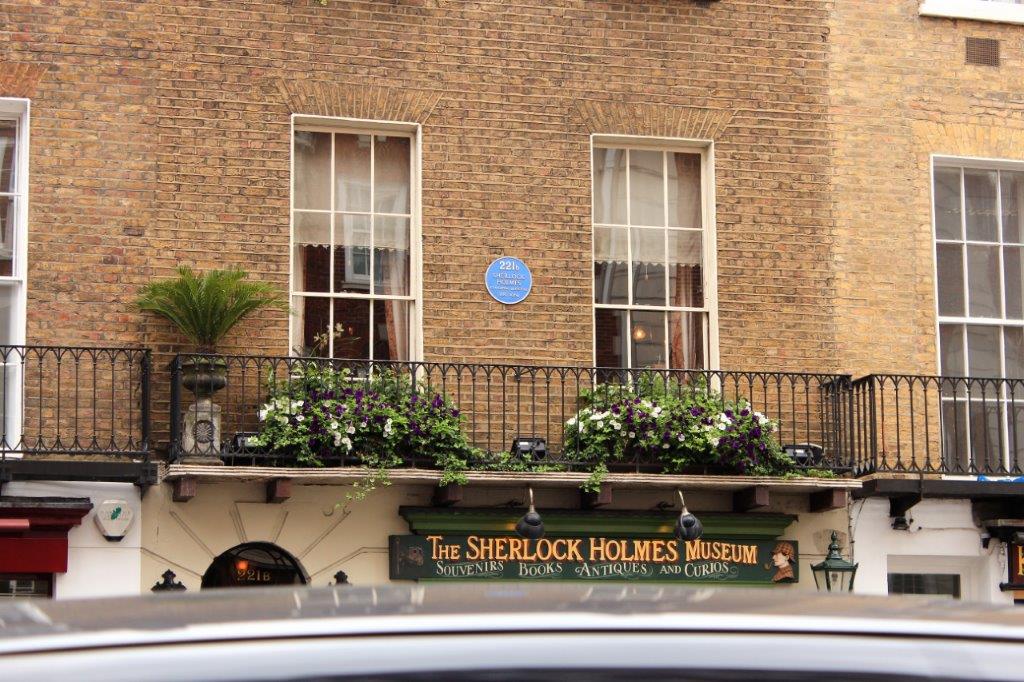
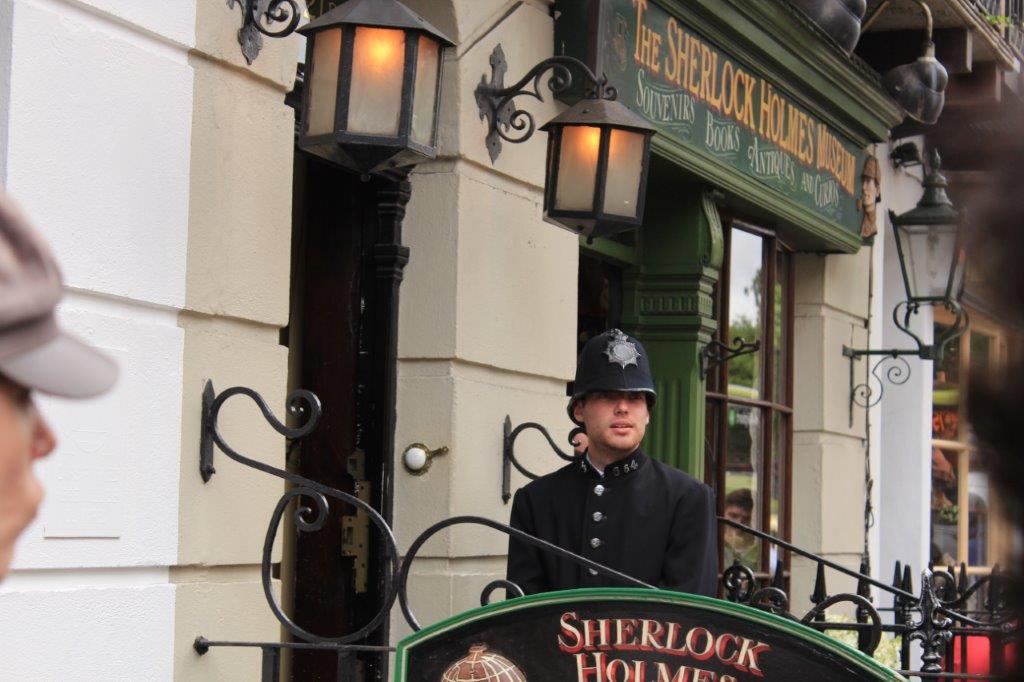
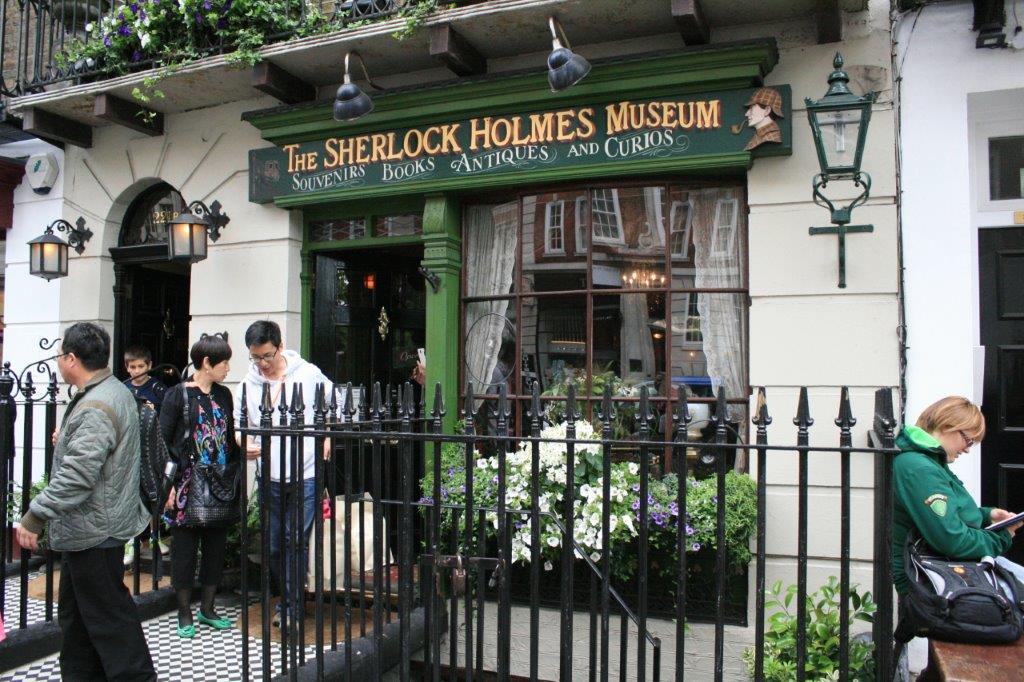
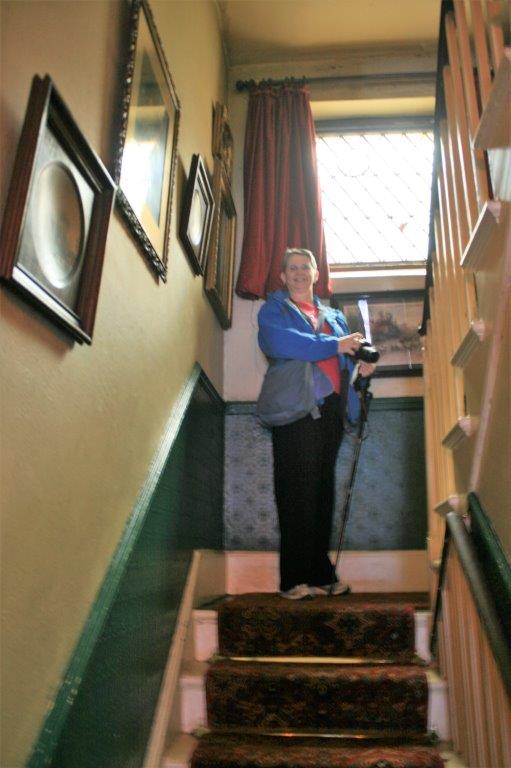
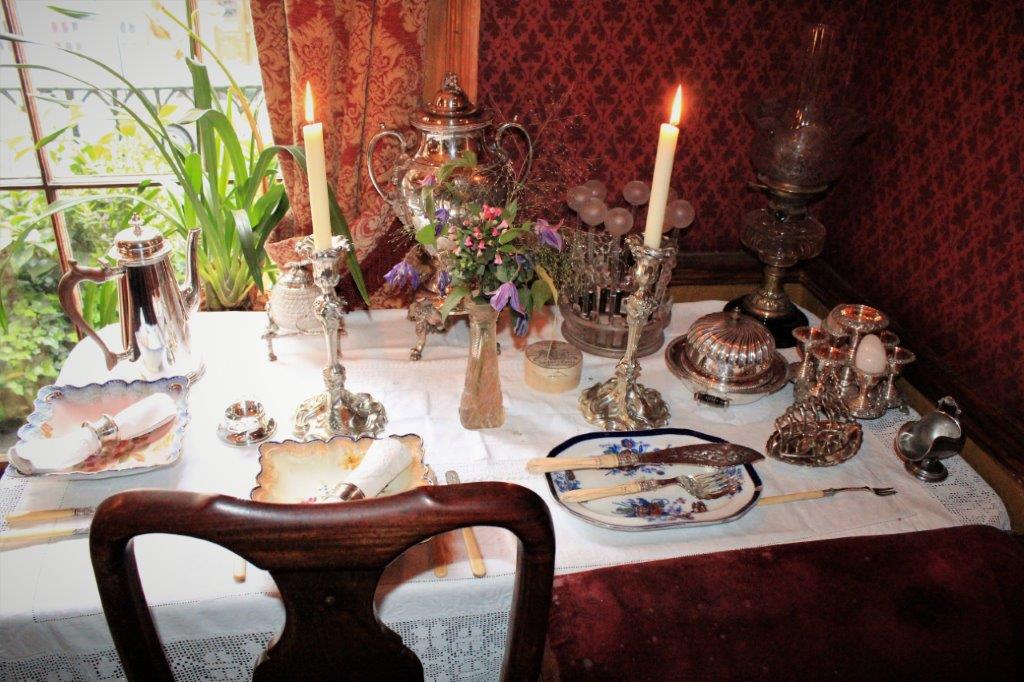
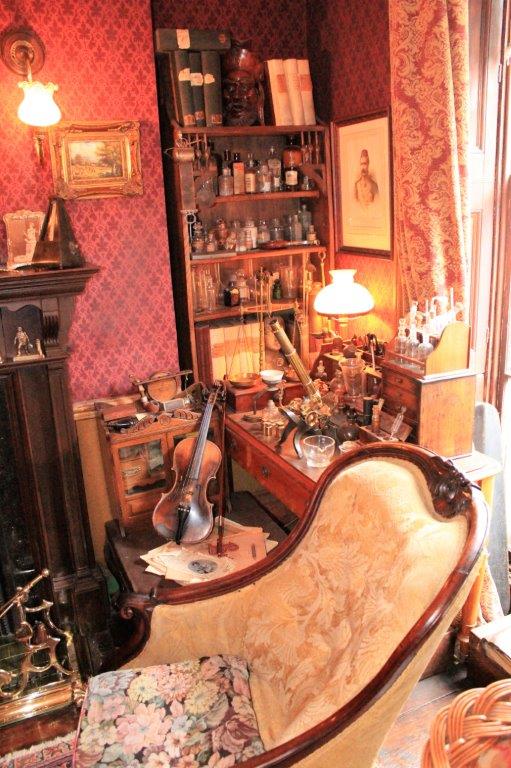
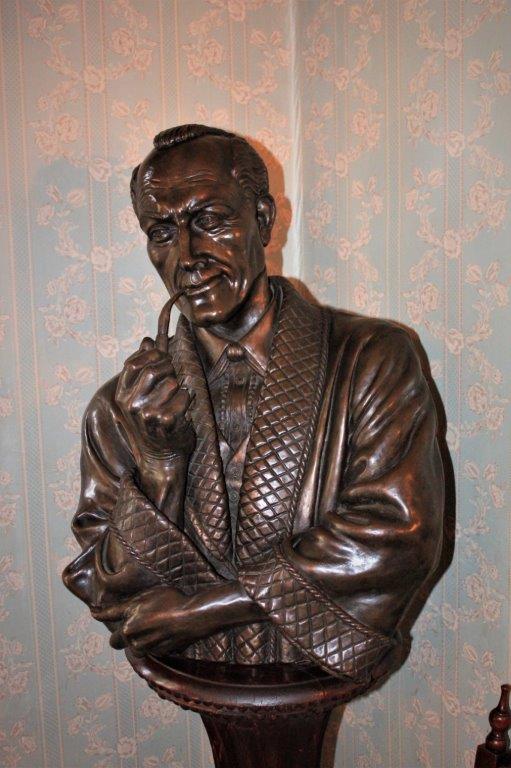
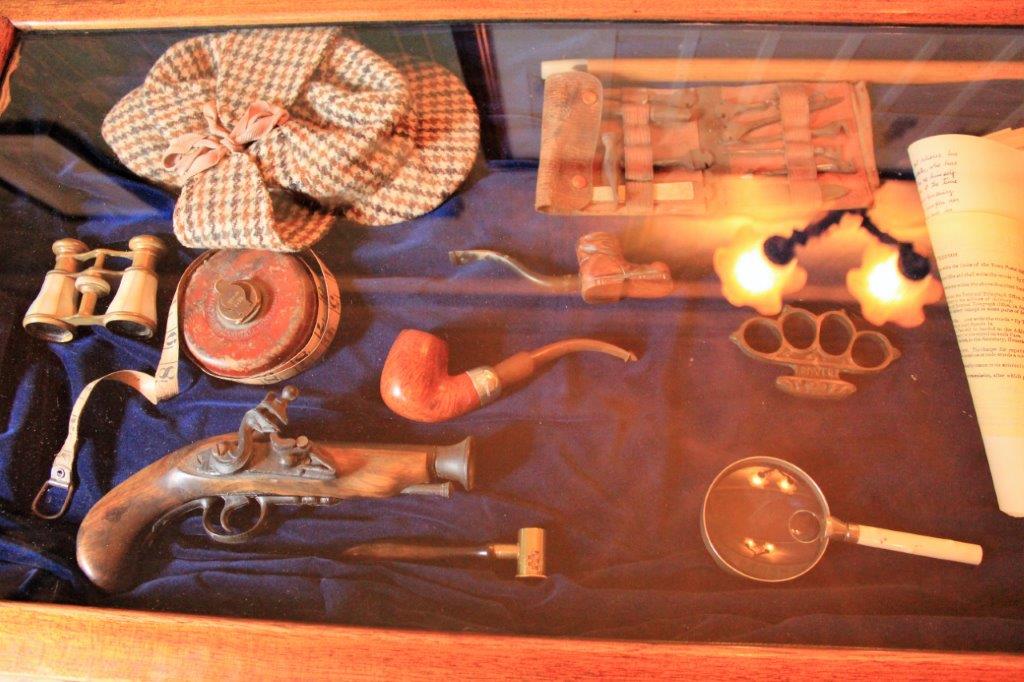
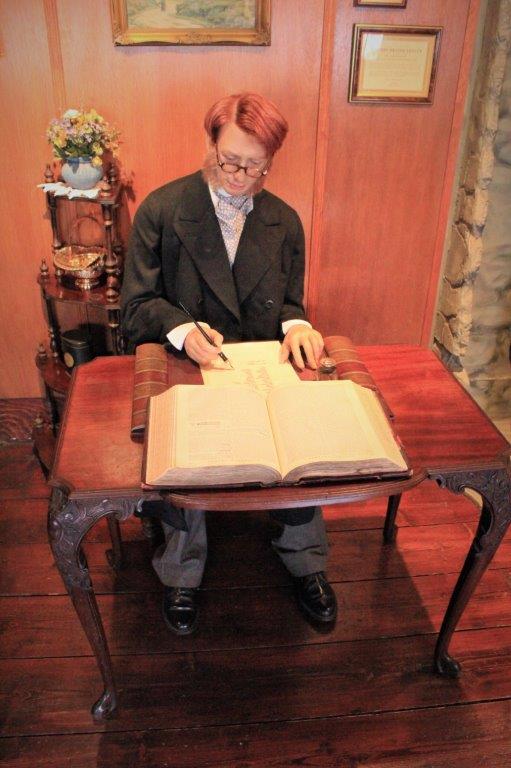
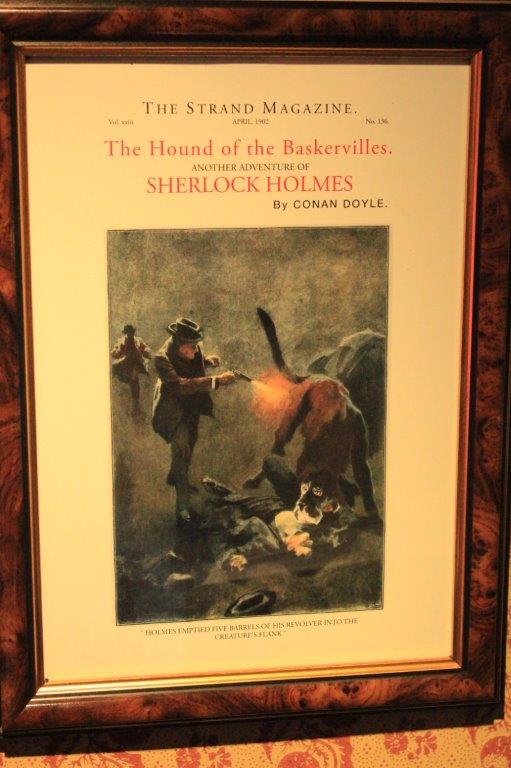
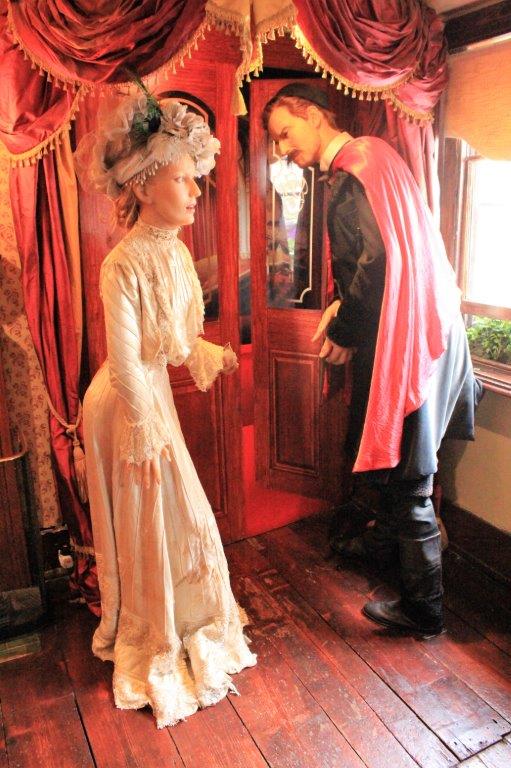
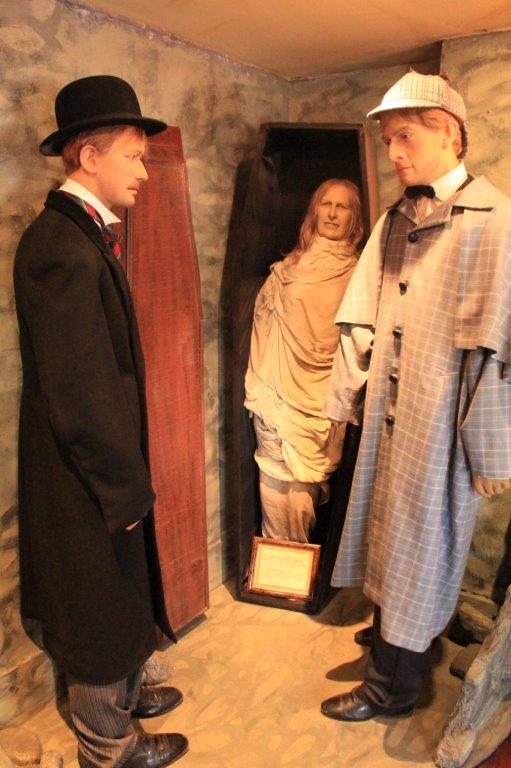
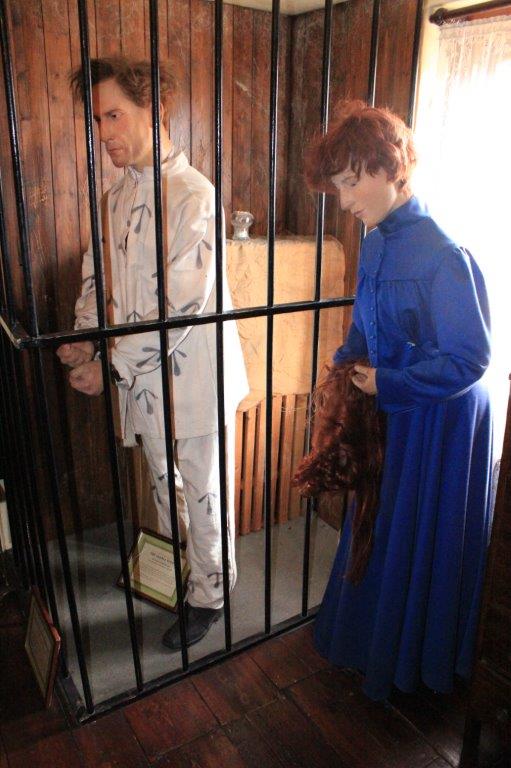
John and I are Sherlock Holmes fans.  We like the British series “Sherlock” with Benedict Cumberbach as well as the American “Elementary” starring Jonny Lee Miller.  We have also read all of the books, so, what better place to visit while in London than 221B Baker Street, home of the Sherlock Holmes Museum.
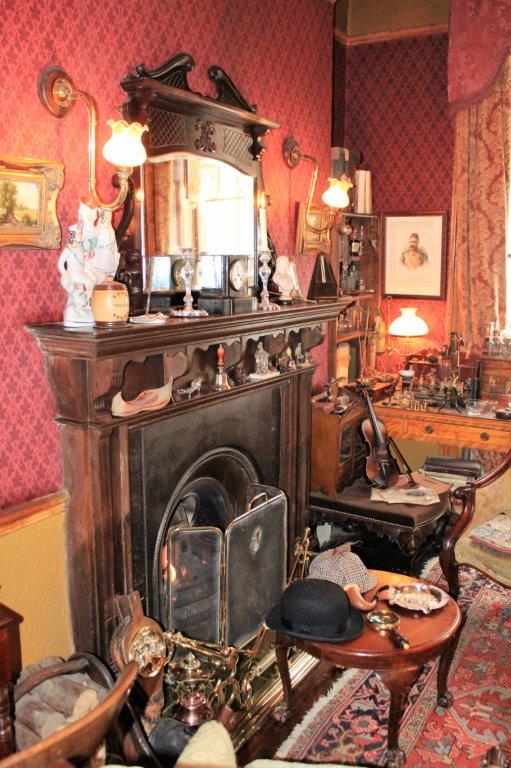
When Arthur Conan Doyle wrote the Holmes stories Baker Street addresses did not reach as a far number 221 so it was a good, fictitious, but ‘accurate’ London address.The Sherlock Holmes Museum is situated within an 1815 townhouse very similar to the 221B described in the stories and is located between 237 and 241 Baker Street. It displays exhibits in period rooms, wax figures and Holmes memorabilia, with the famous study overlooking Baker Street the highlight of the museum. The description of the house can be found throughout the stories: 

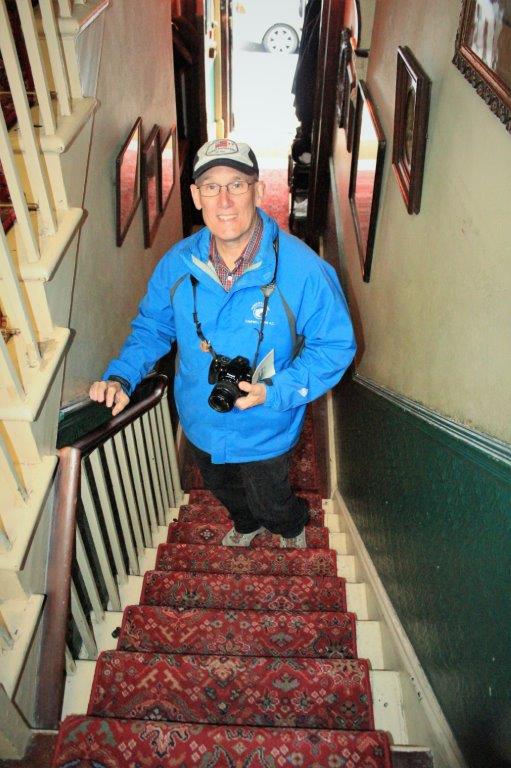
“According to the published stories, ‘221B Baker Street’ was a suite of rooms on the first floor of a lodging house above a flight of 17 steps. The main study overlooked Baker Street, and Holmes’ bedroom was adjacent to this room at the rear of the house, with Dr. Watson‘s bedroom being on the floor above, overlooking a rear yard that had a plane tree in it.”
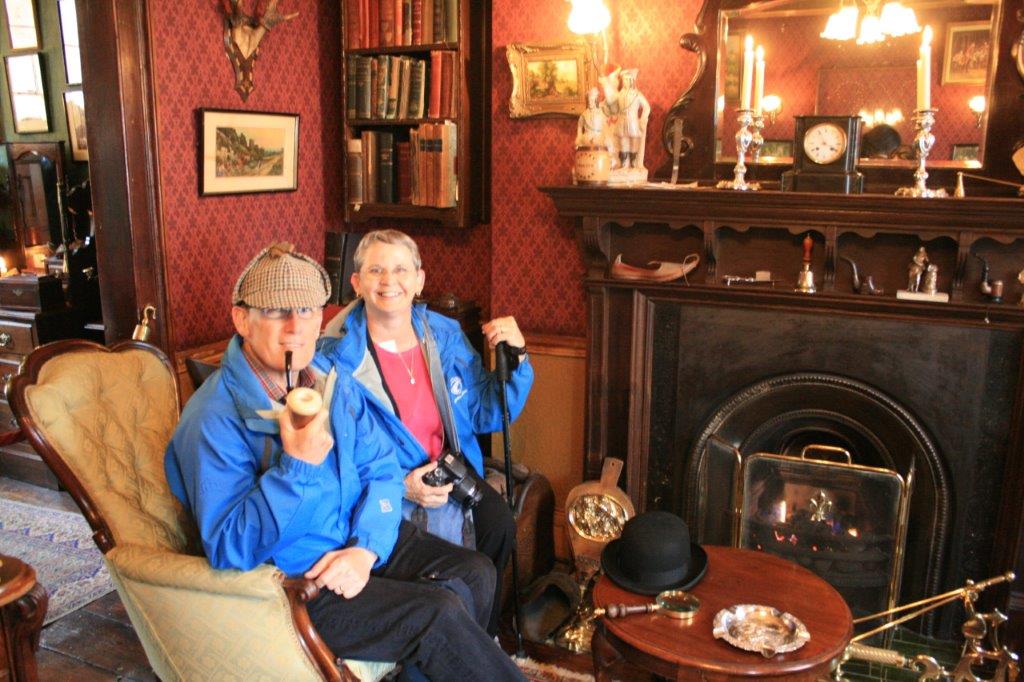
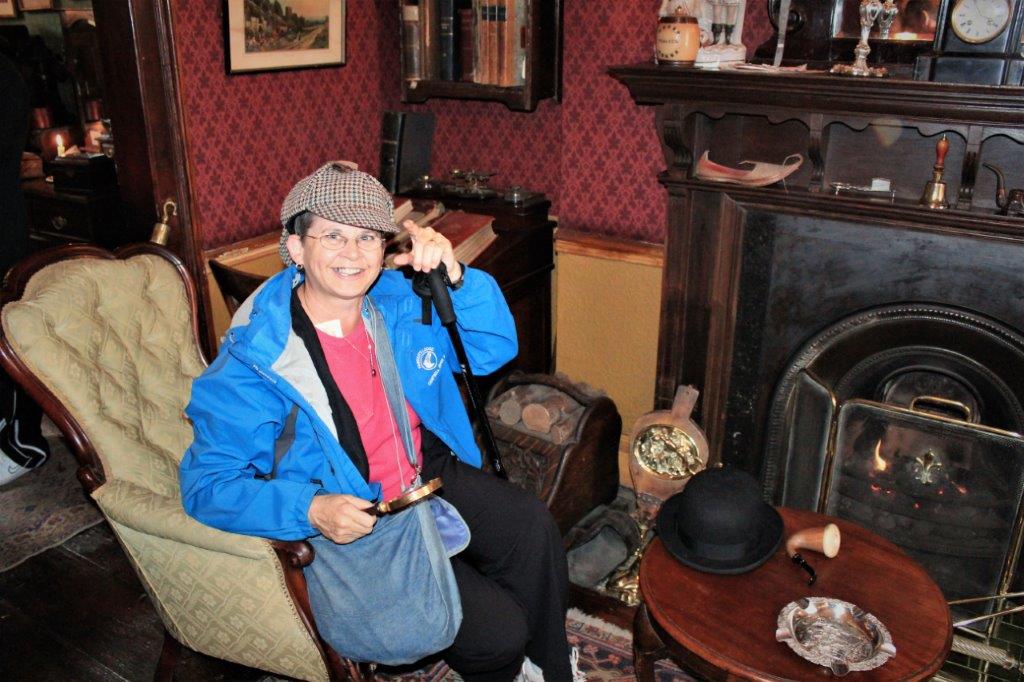
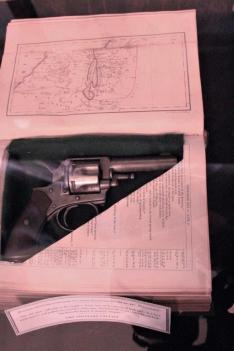
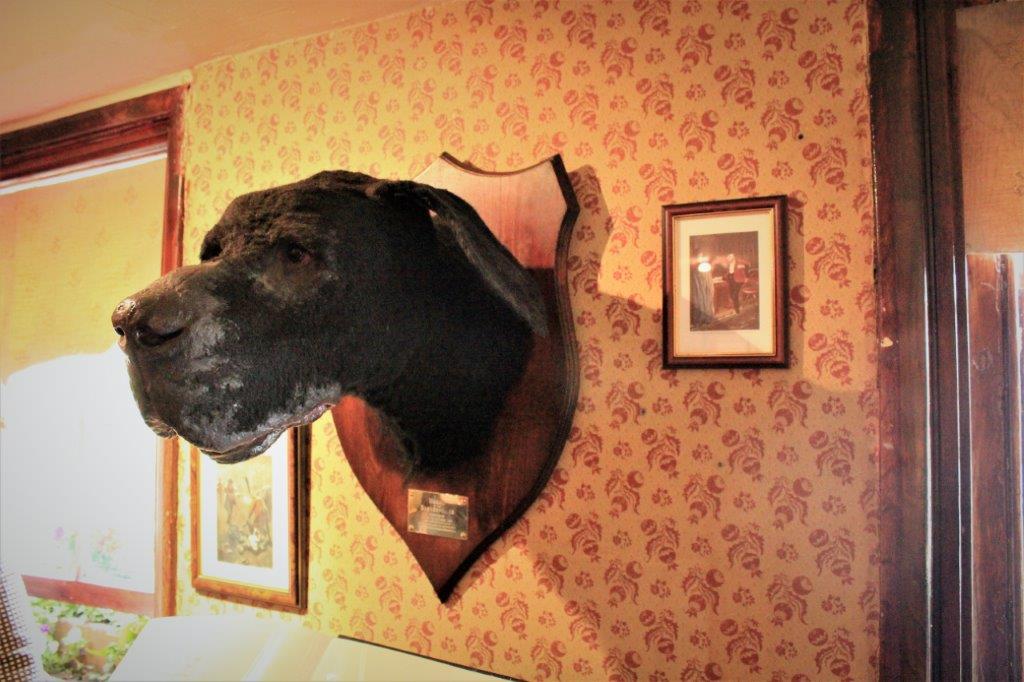
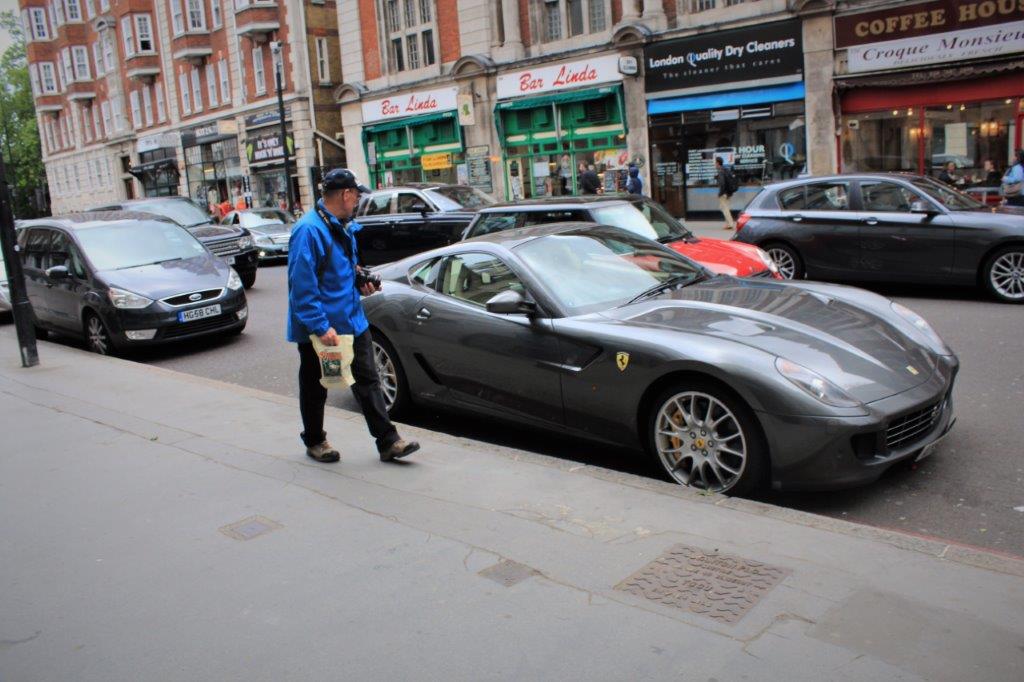
There were no trees in the backyard at the museum but there were lots of knick-knacks of items mention in the books, several rather morbid figures exhibiting some of the ‘crime’ scenes, and a nice big armchair where you could sit wearing a Deerstalker cap with pipe in hand.  We had fun. This board contains business cards of visitors to the museum.  They cover most parts of the world.  Sherlock Holmes is an internationally loved character.John liked this Ferrari that was parked not far from the museum.
The next day we flew to Edinburgh, picked up our rental car and drove to Kincardine to have lunch with my cousins.

2013 Summer (Baltic and Britain – A week in London – Day 4)

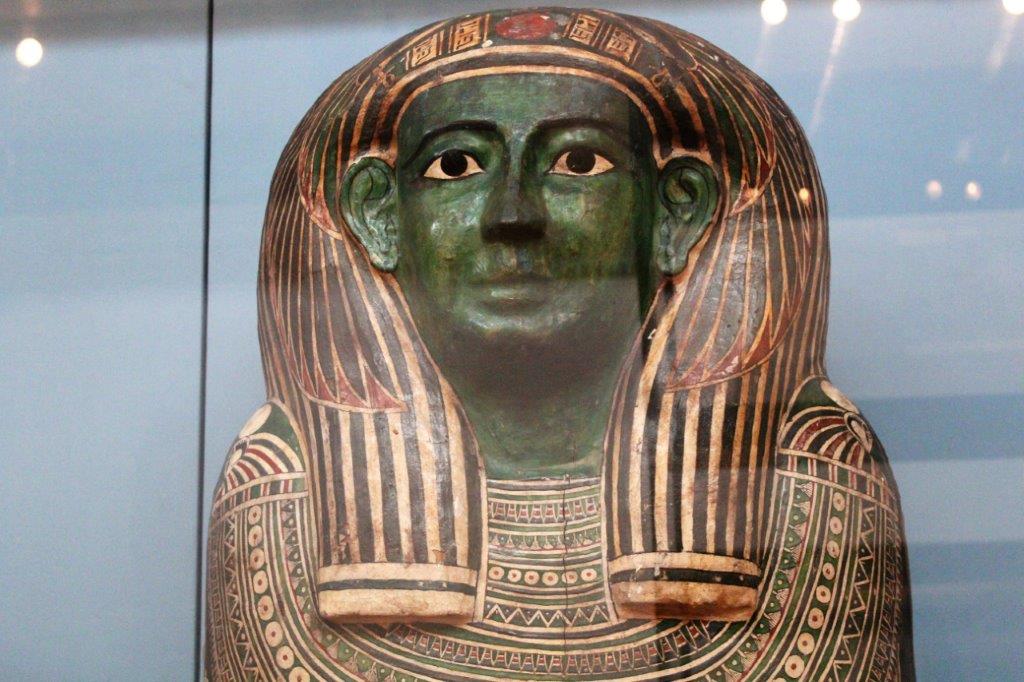
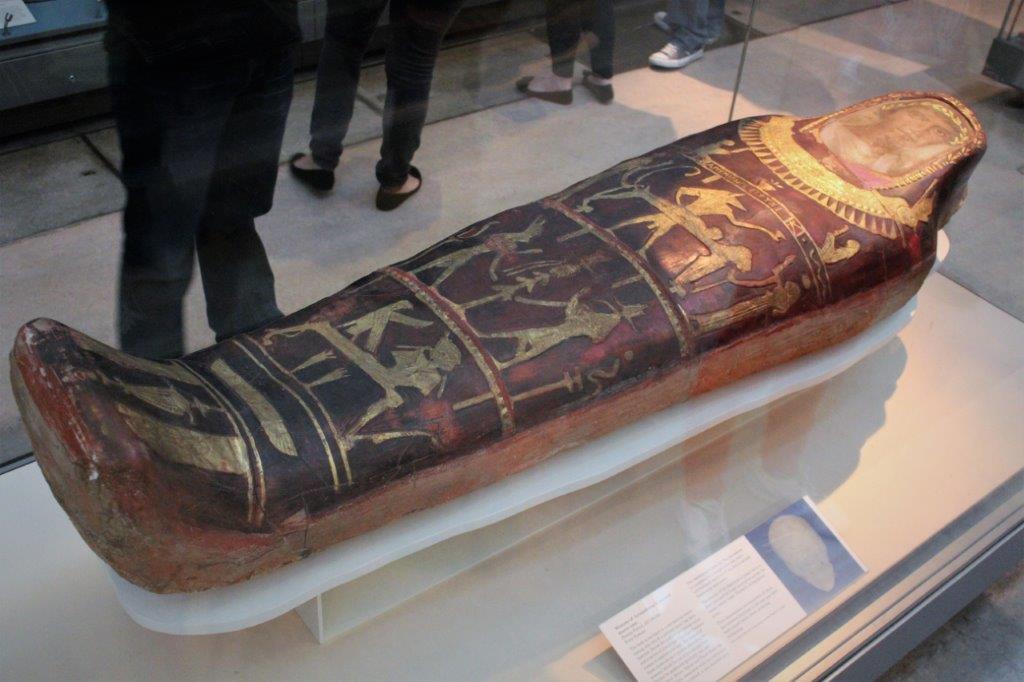
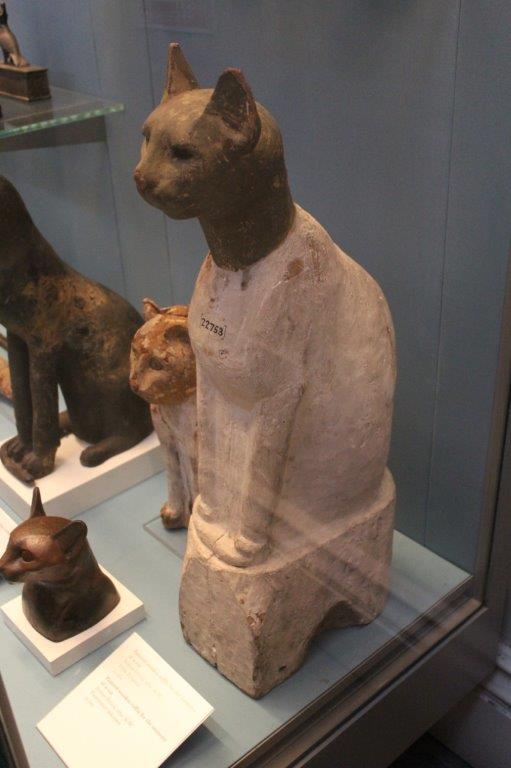
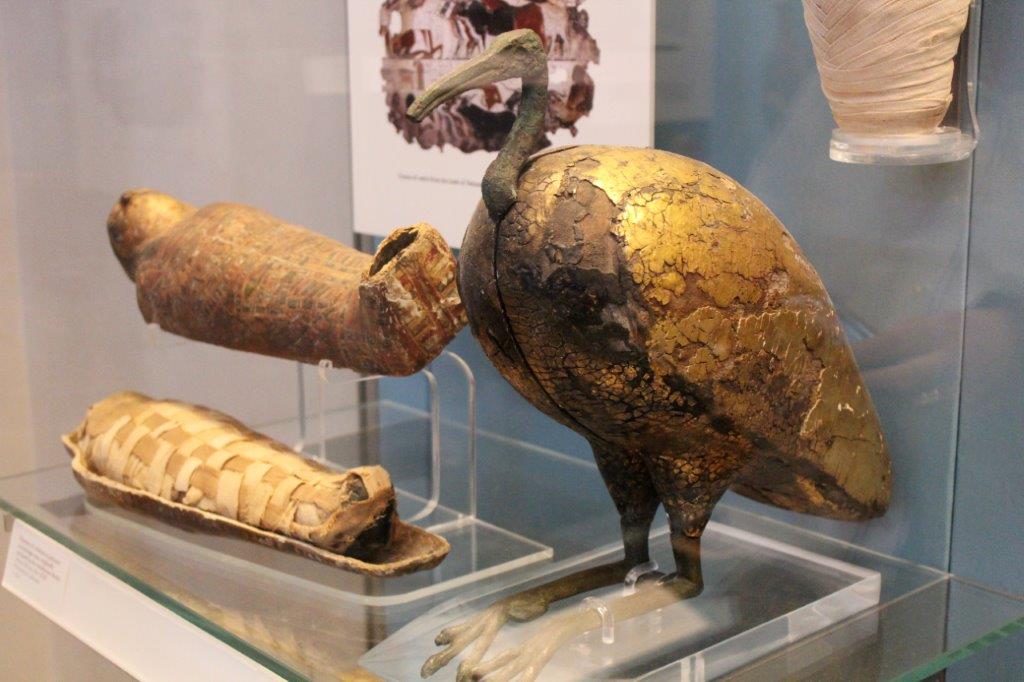
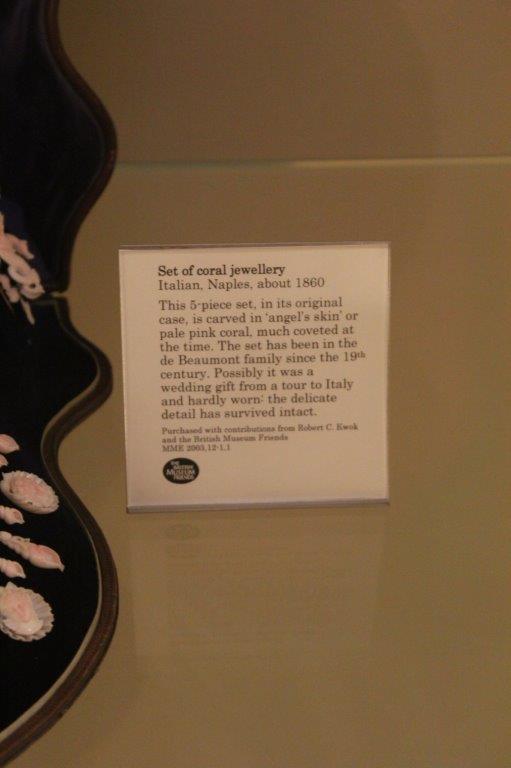
We were in Britain during the summer of 2013.  Our son was getting married in Scotland near the end of July so we flew over May 30, took a 16-day cruise of the Baltic and then spent a week in London.  On our fourth day in London we visited another of my favourite places: The British Museum.

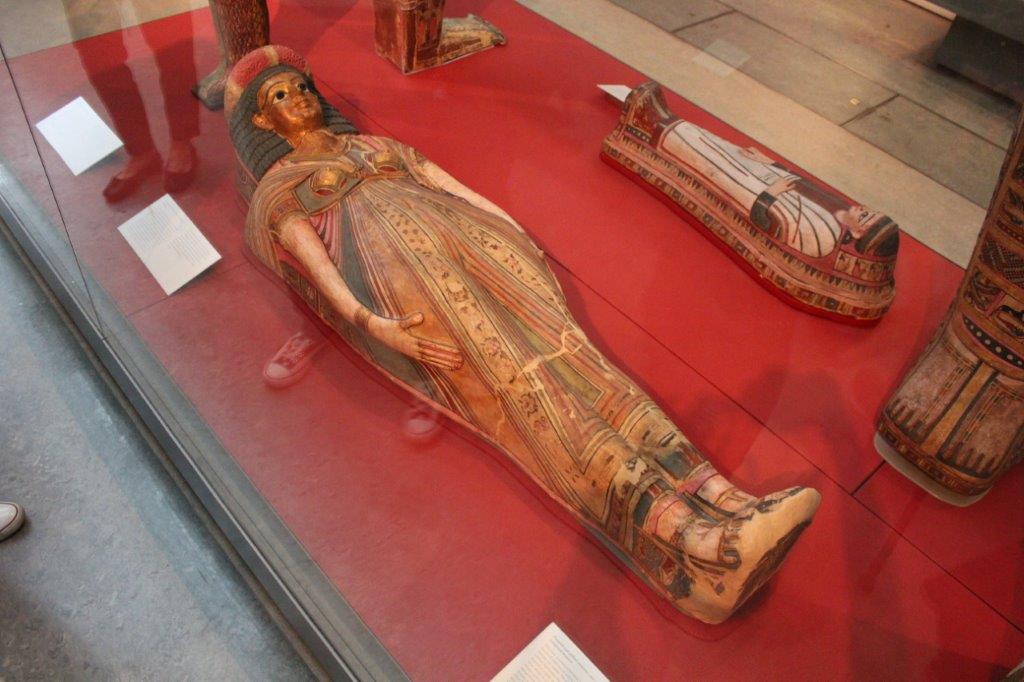
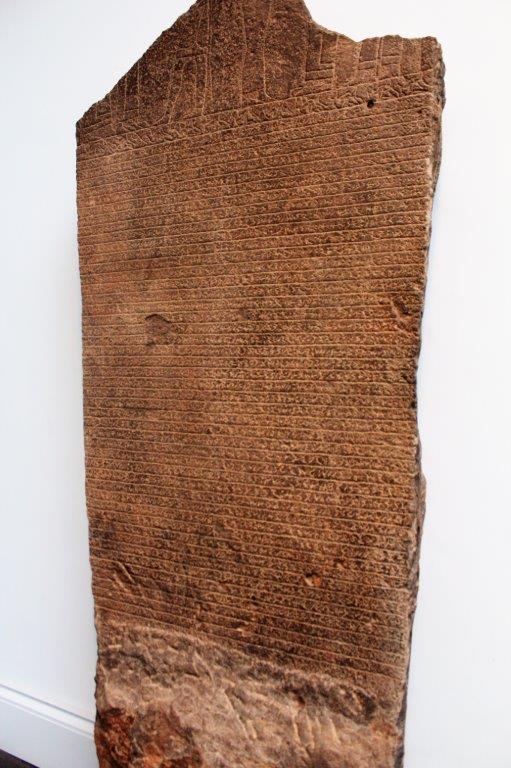
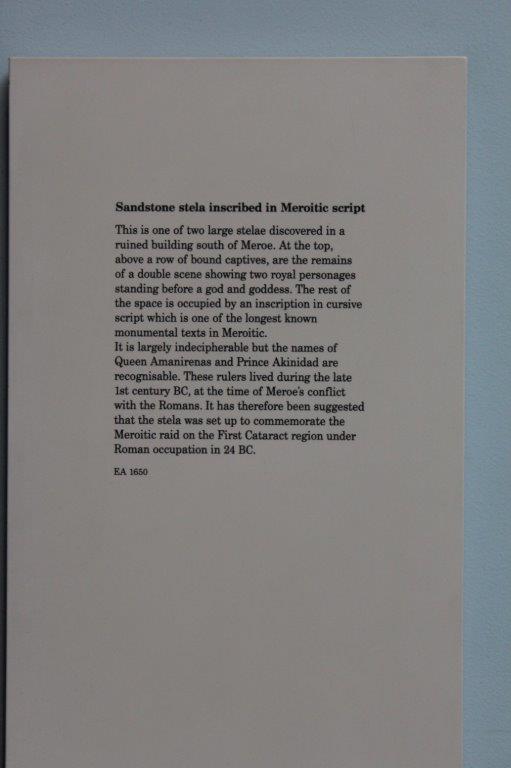
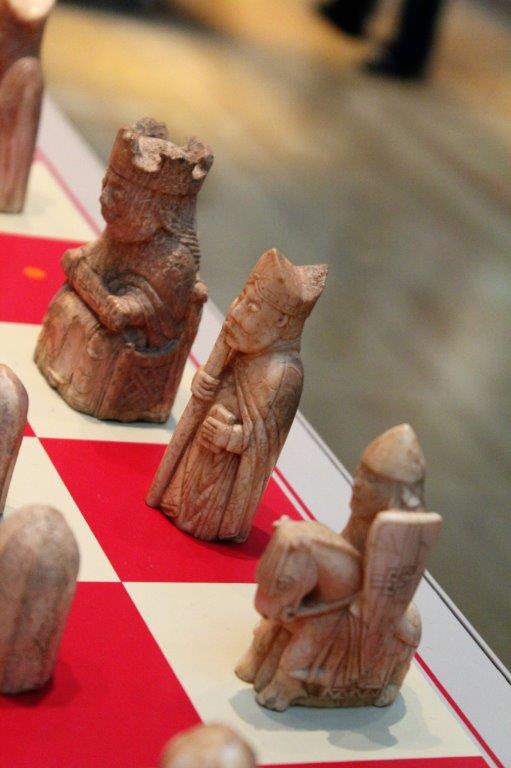
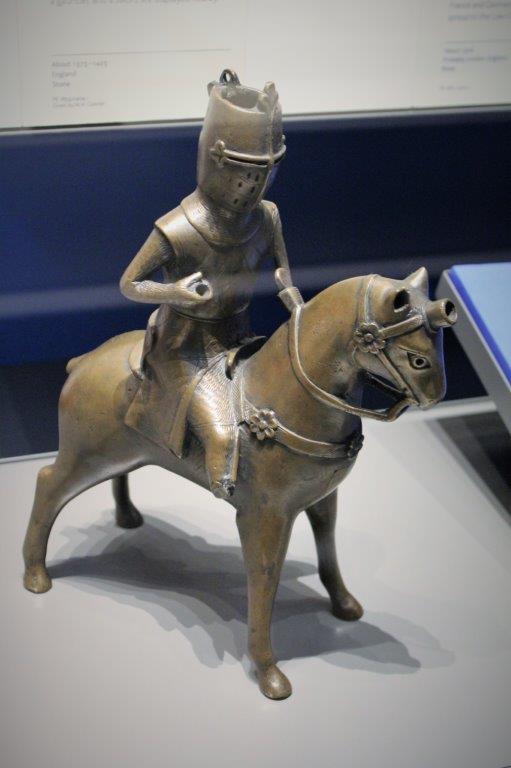
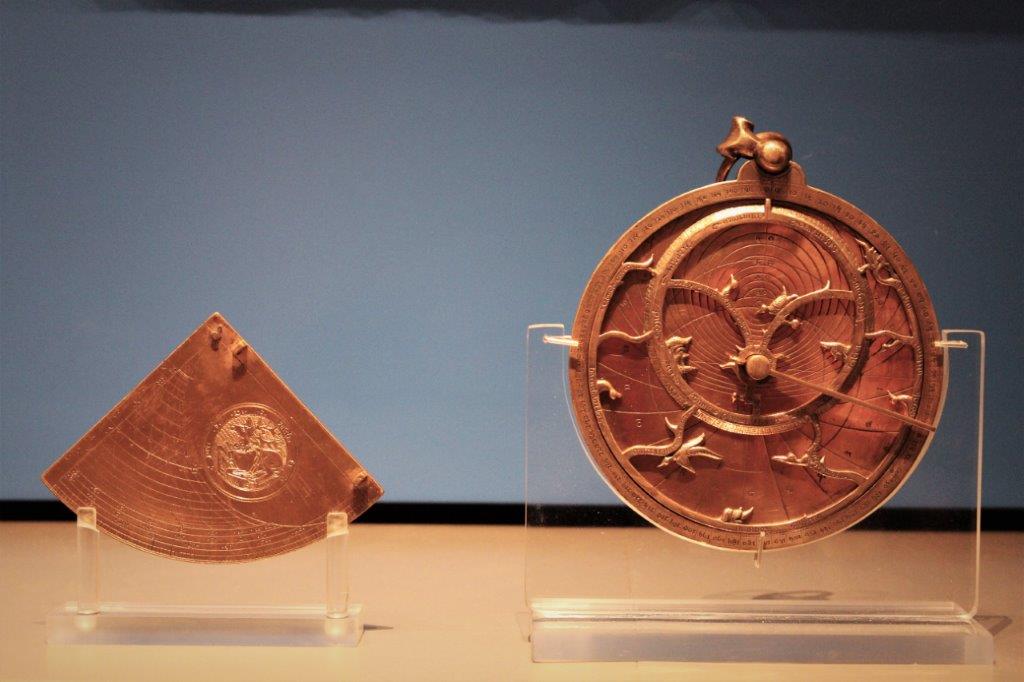
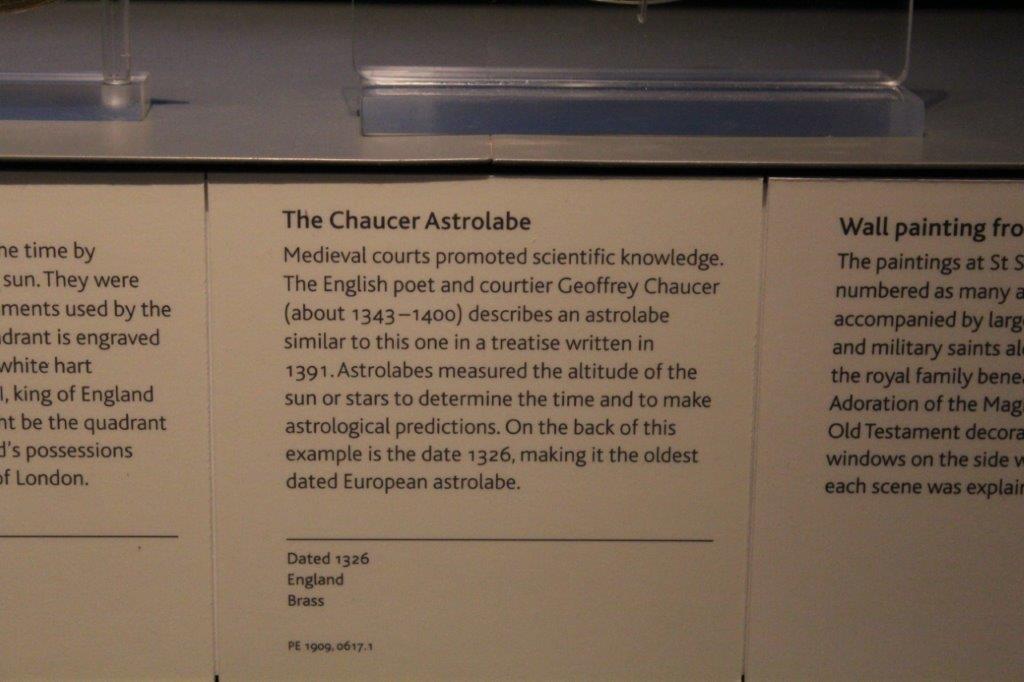
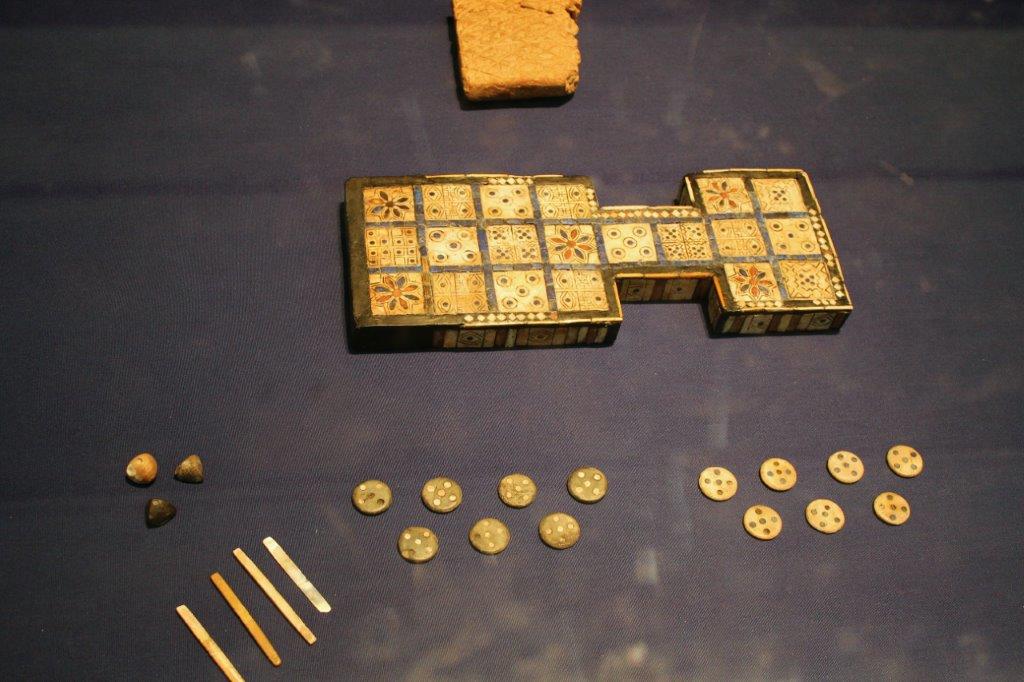
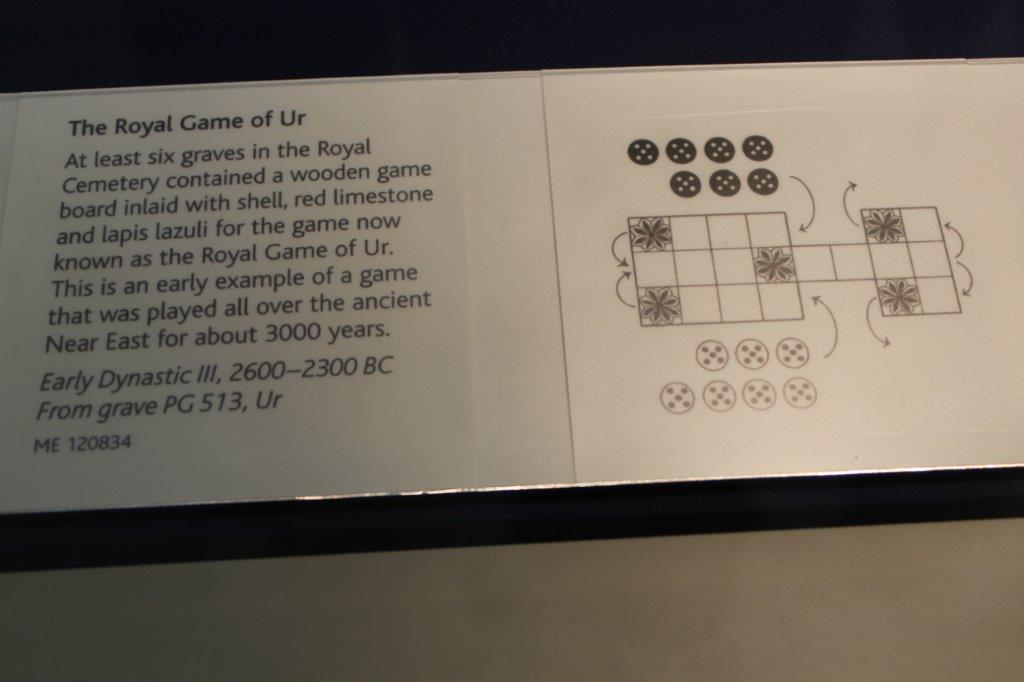
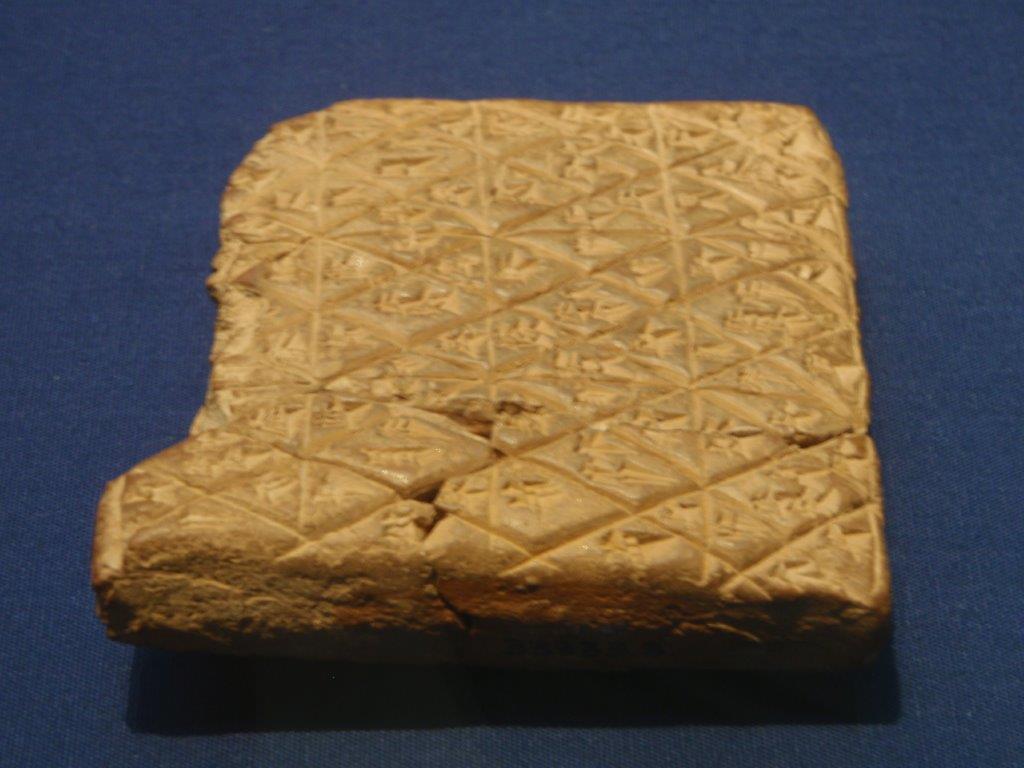
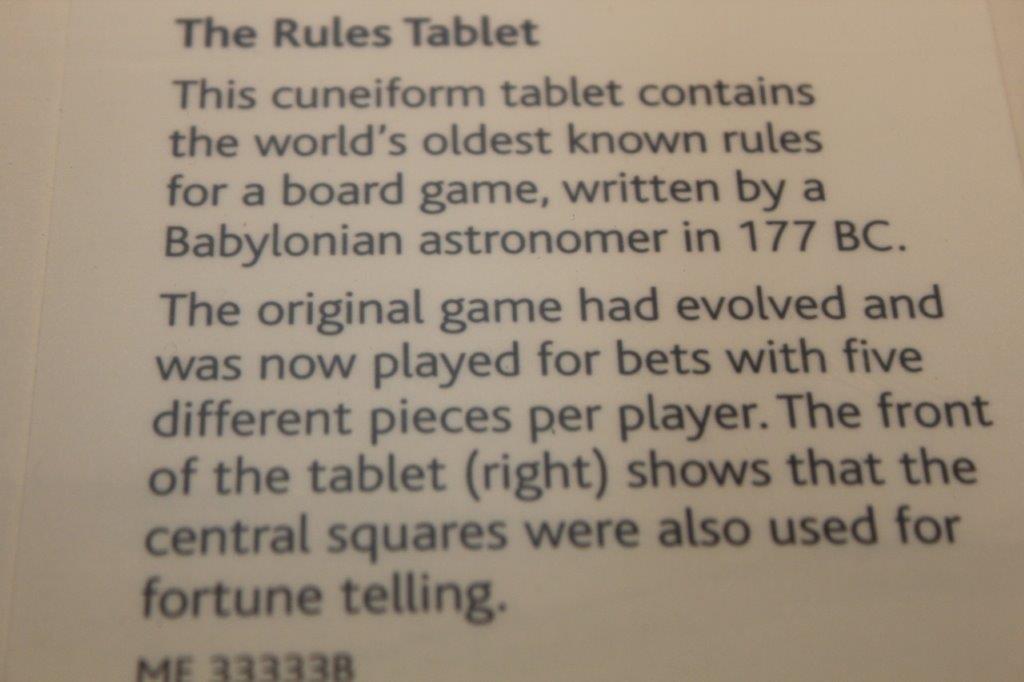
The British Museum is located in the Bloomsbury area of London in a lovely neo-classical building that was constructed in the mid-1820’s.  It is the first national public museum in the world and is HUGE.  There are 94 galleries on five levels that contain 8 million works; many of which were collected during the years of British Colonial expansion.  There is no charge to visit the museum and you can photograph anything you wish.

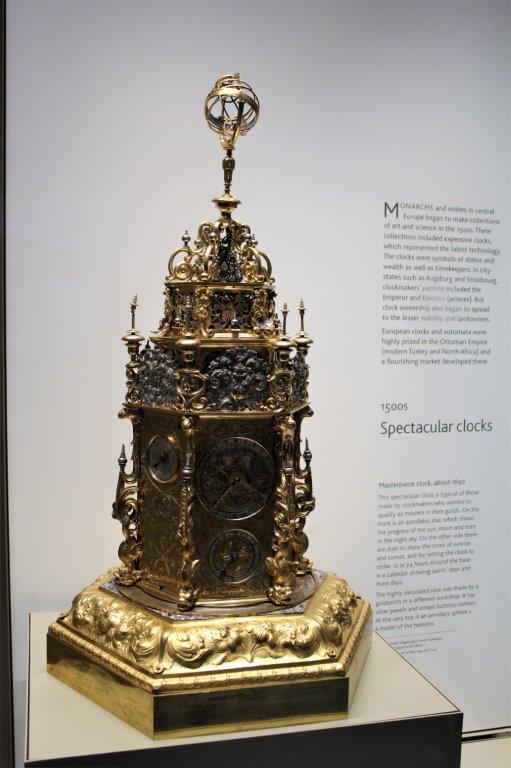
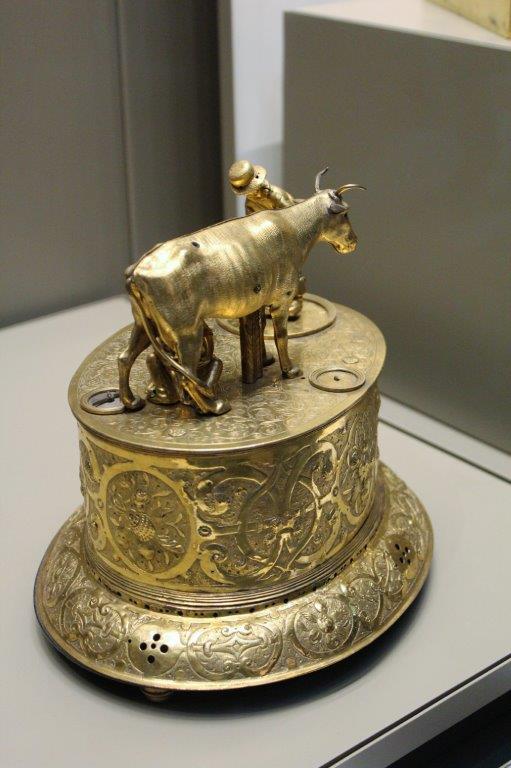
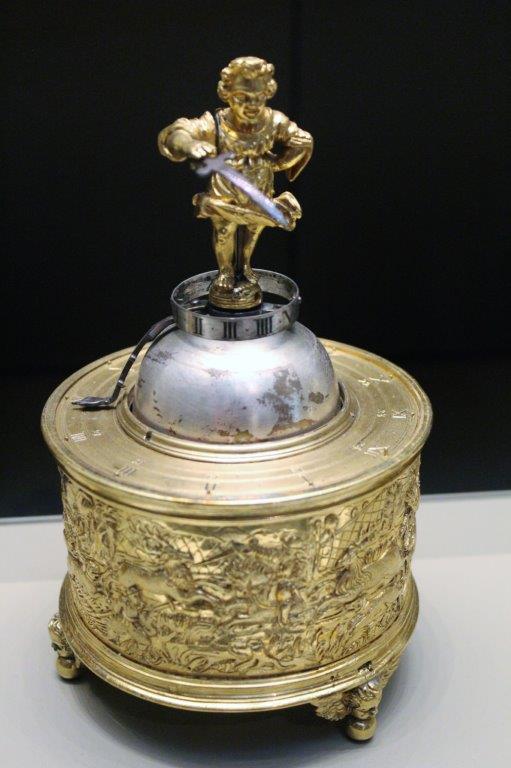
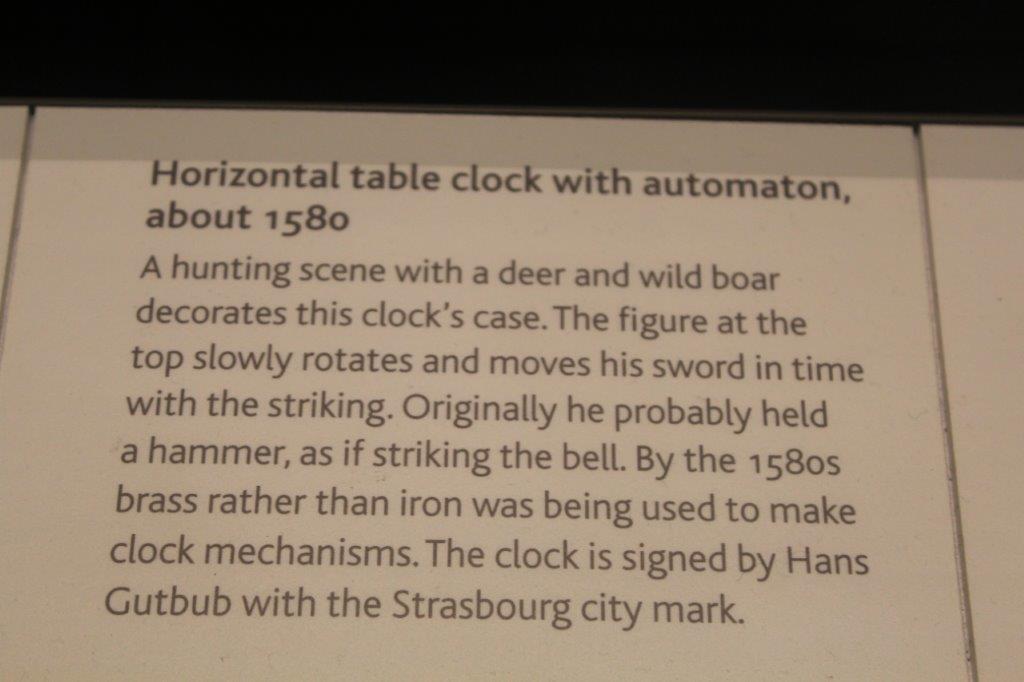
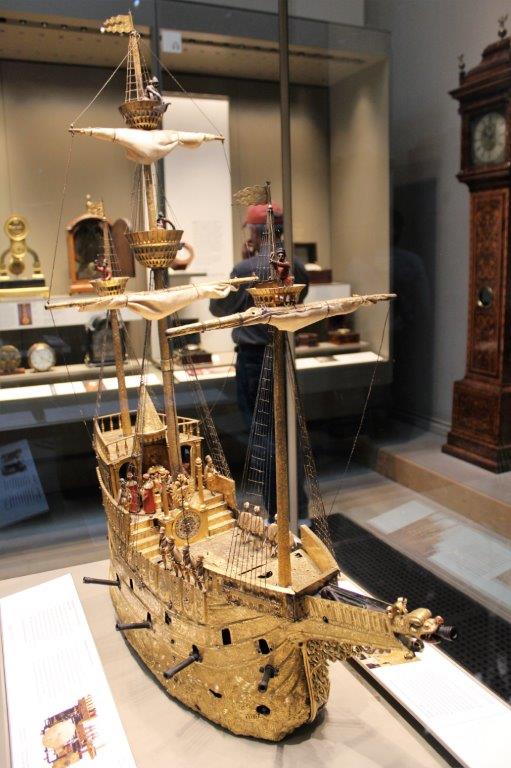
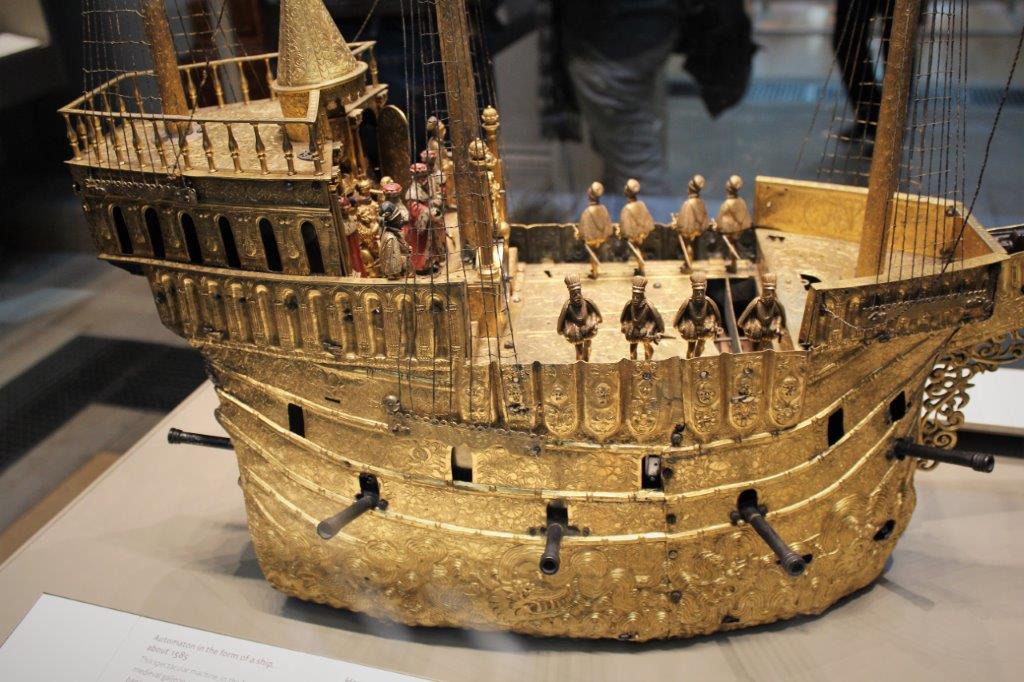
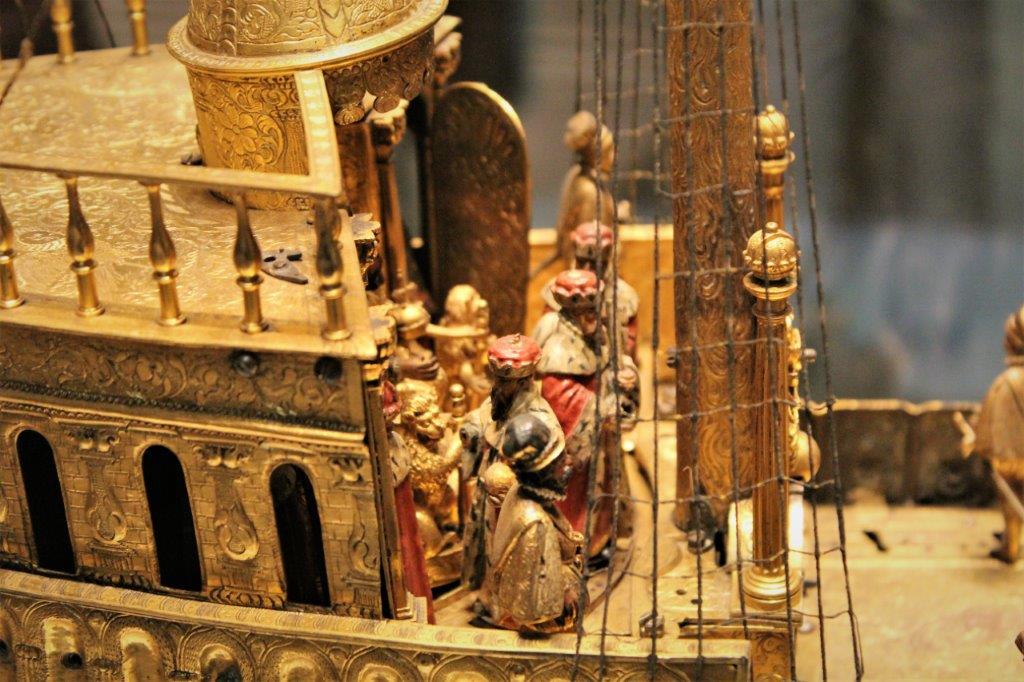
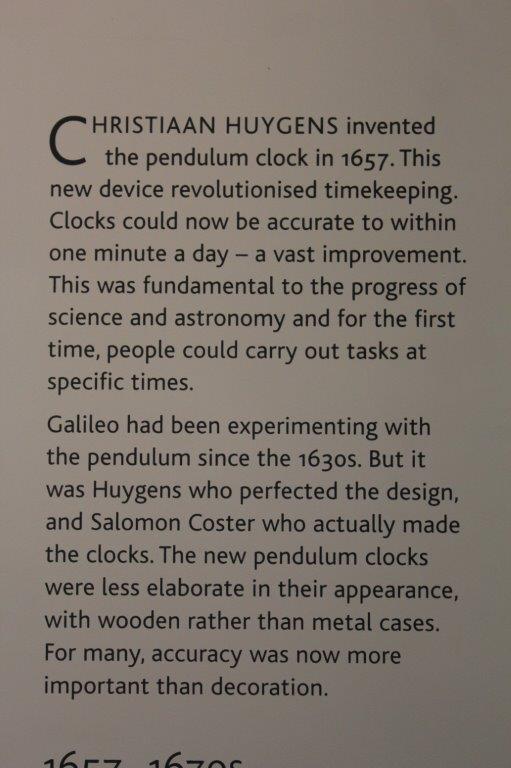
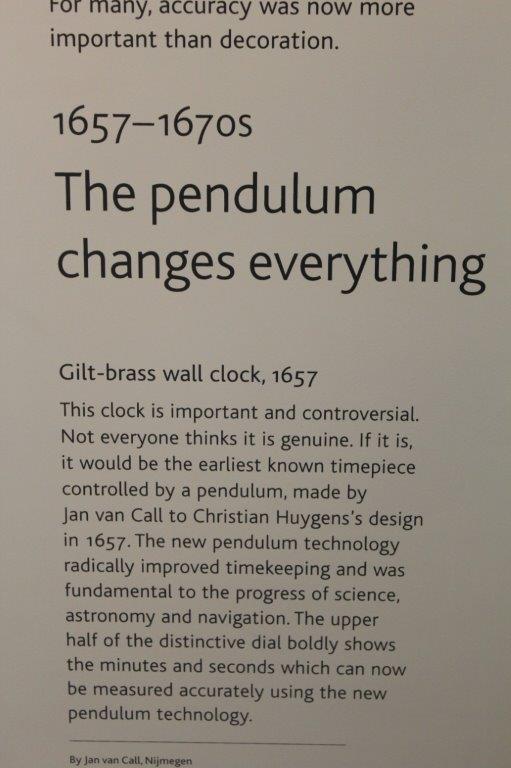
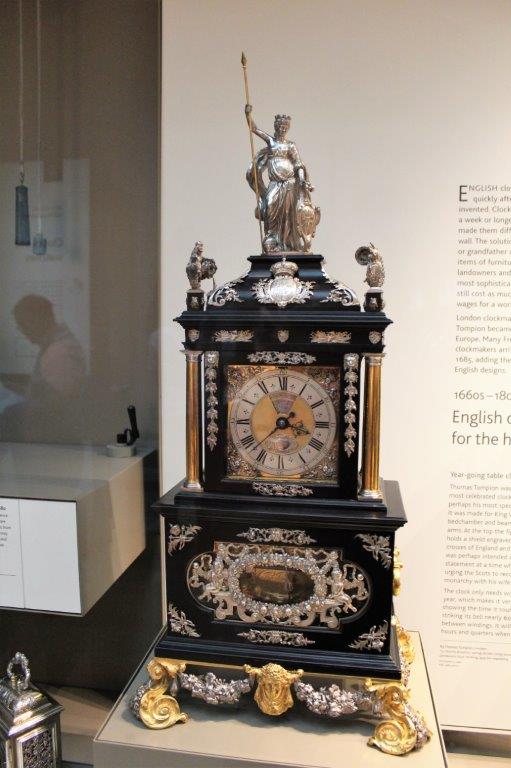
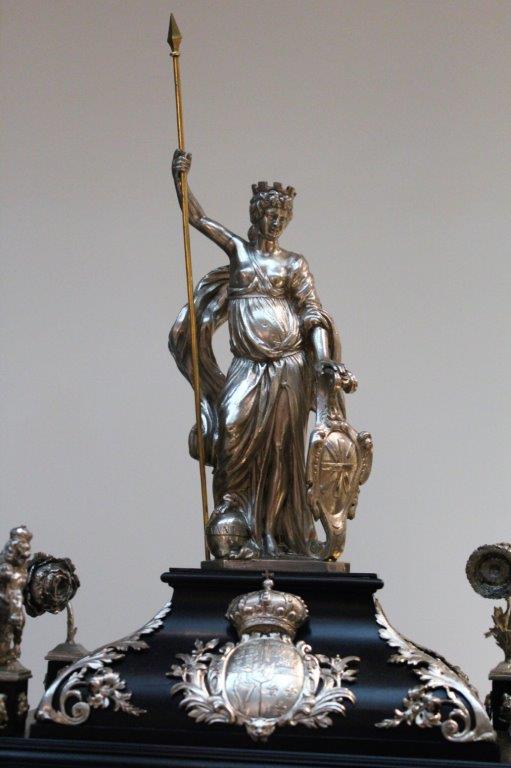
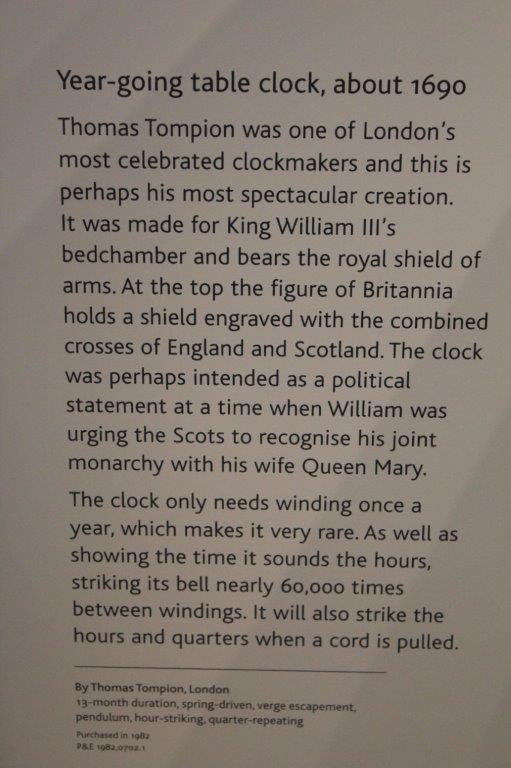
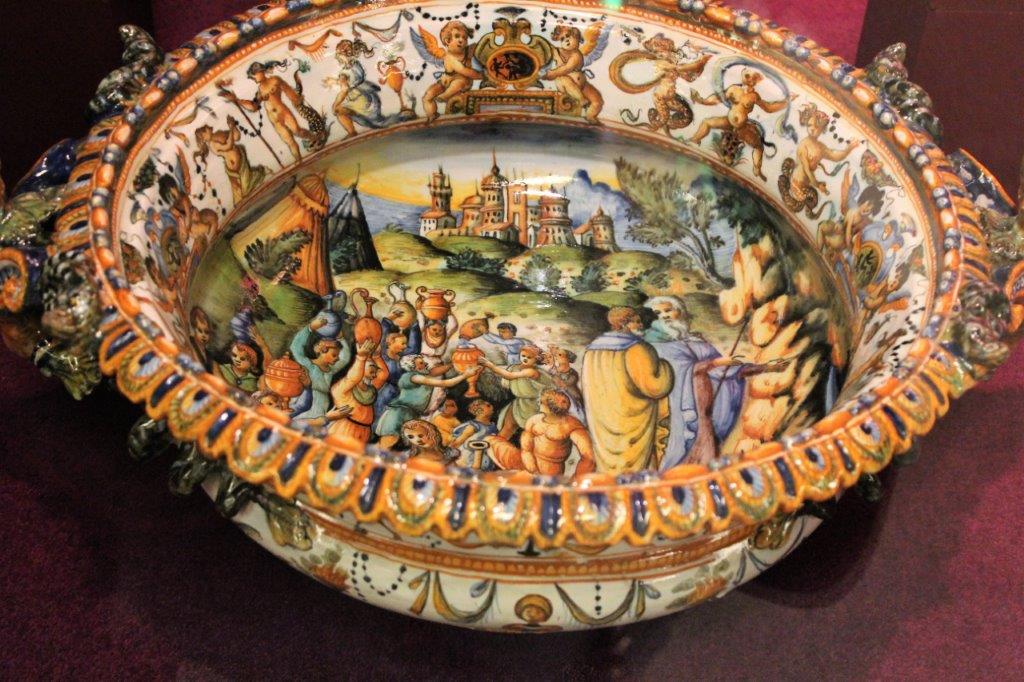
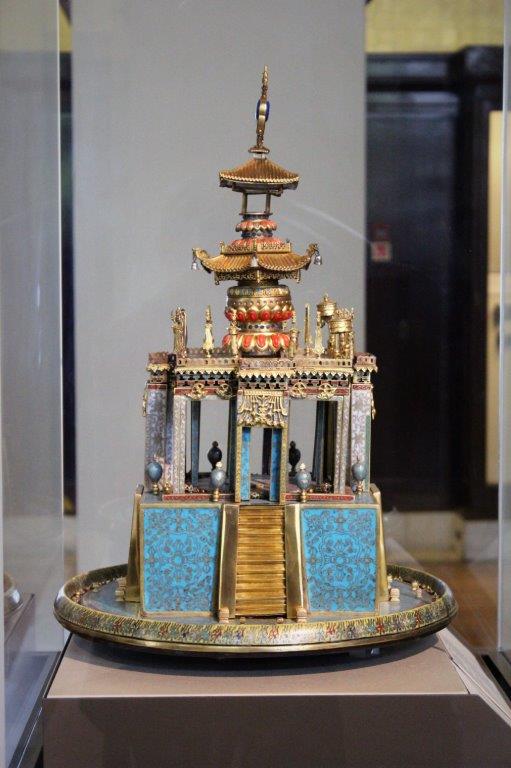
   We always spend several hours wandering the various galleries.   There was a really nice exhibit of early, and extremely decorative, clocks

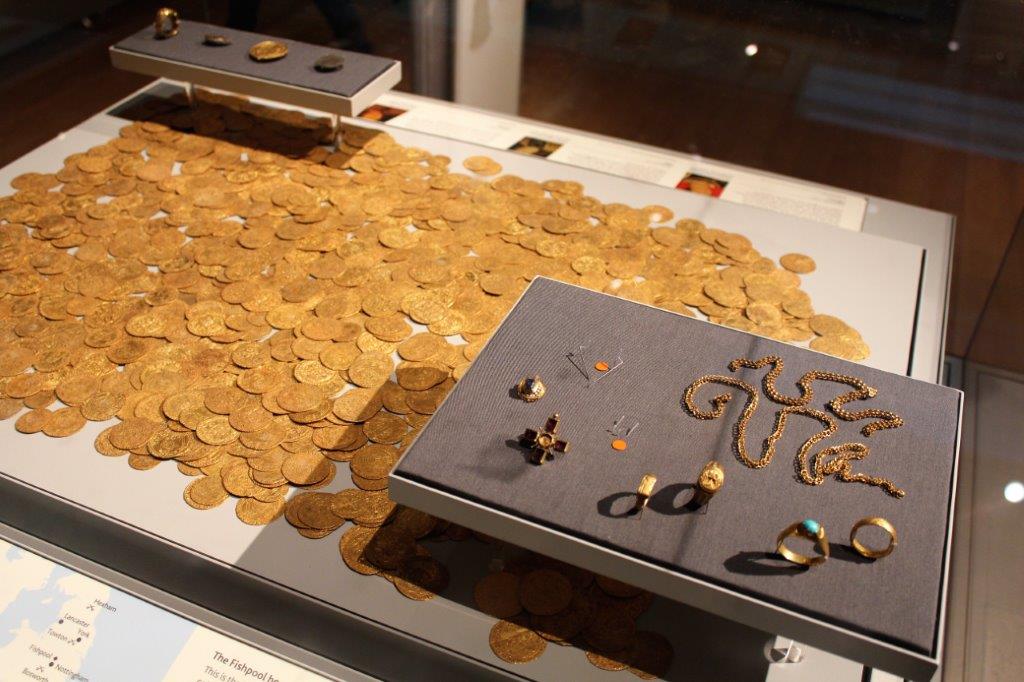
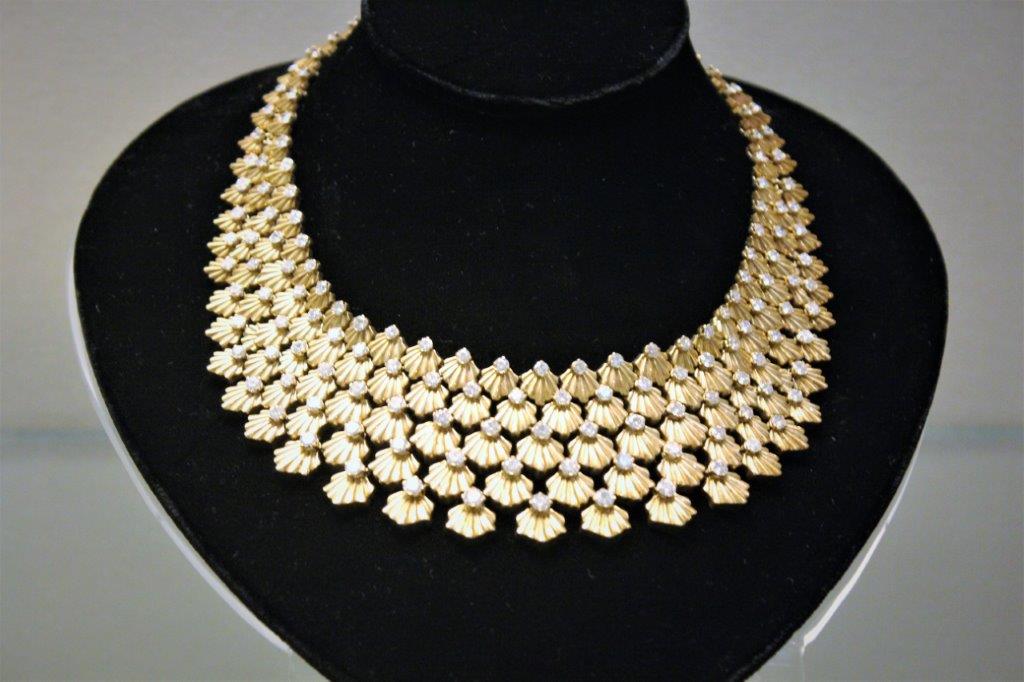
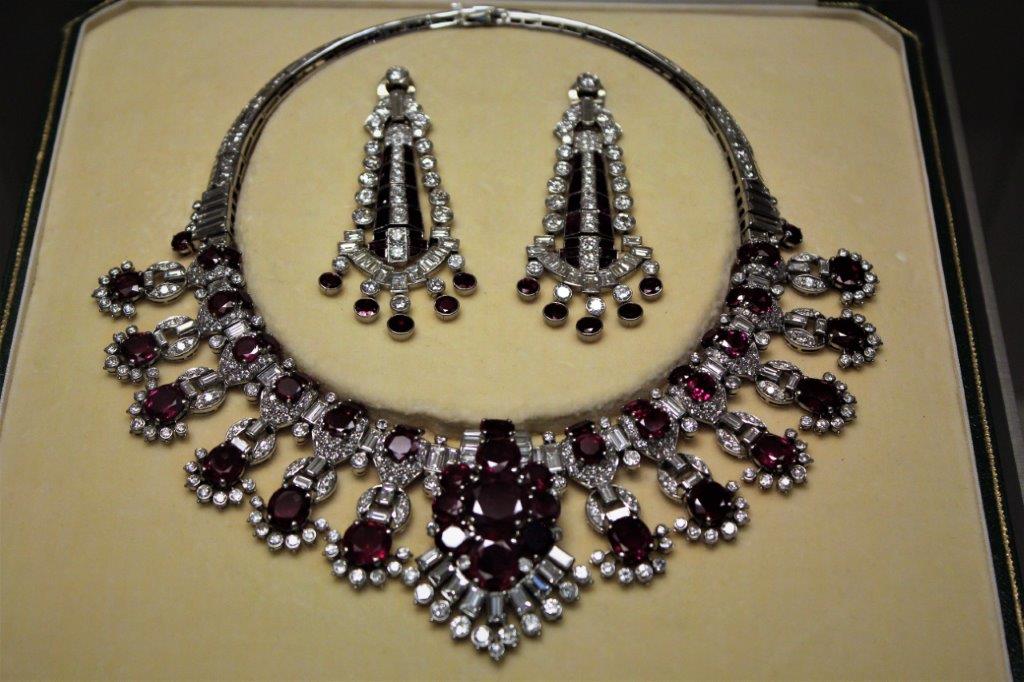
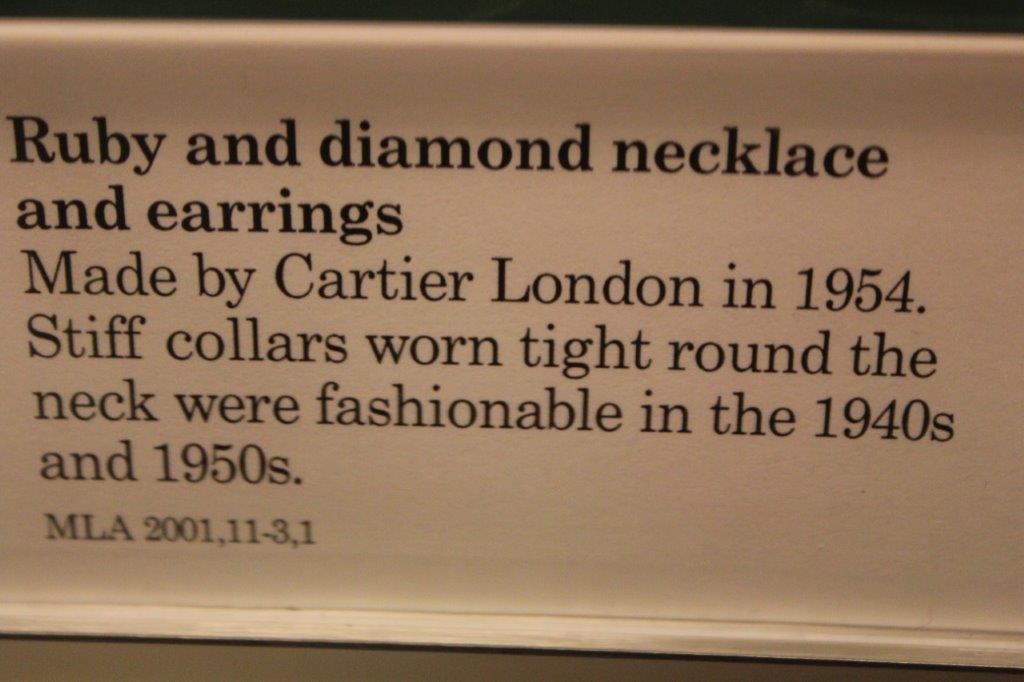
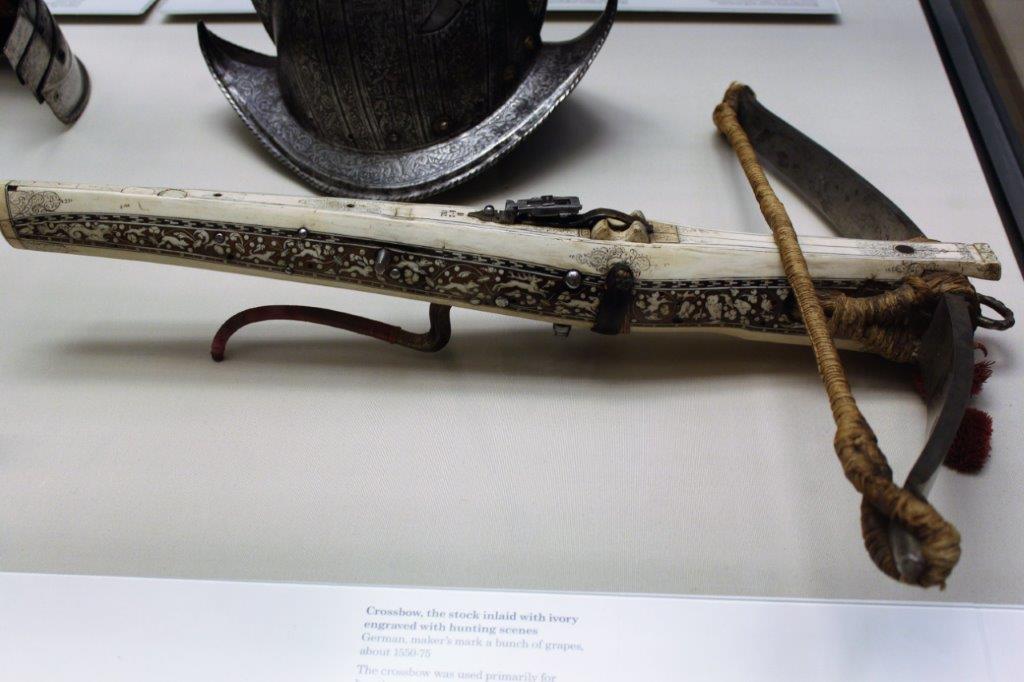
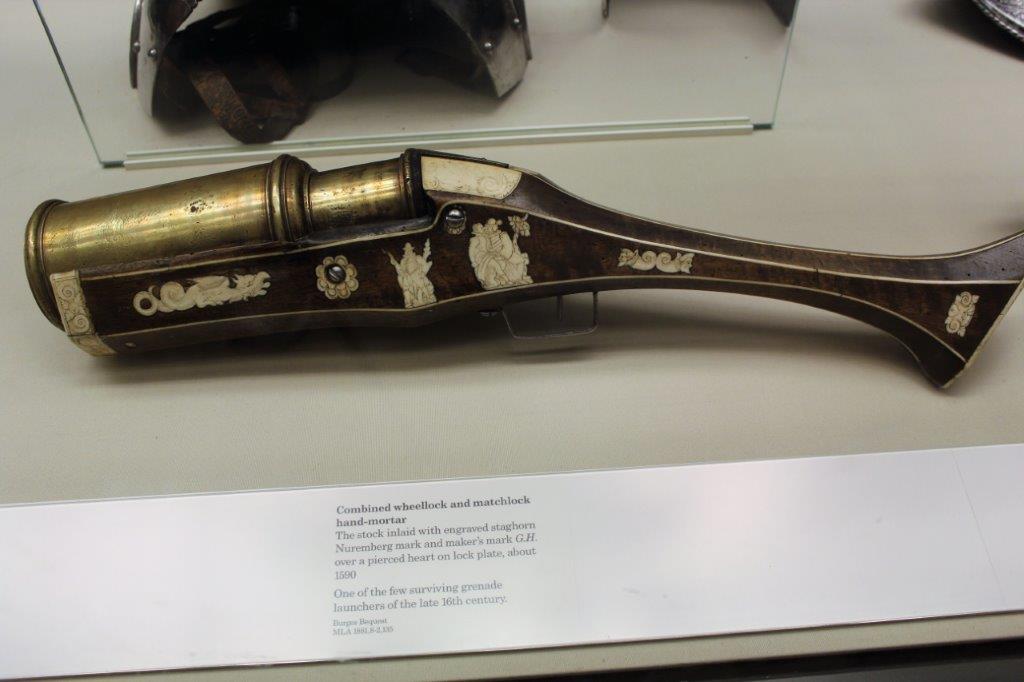
.One of my favourite displays is the many hordes of gold coins, jewelry, and other items that have been discovered in farmer’s fields all over the British Isles.  There would be some fascinating stories if the items could tell why they were buried and by whom. I  took photos of many of the collections but have just posted one here.

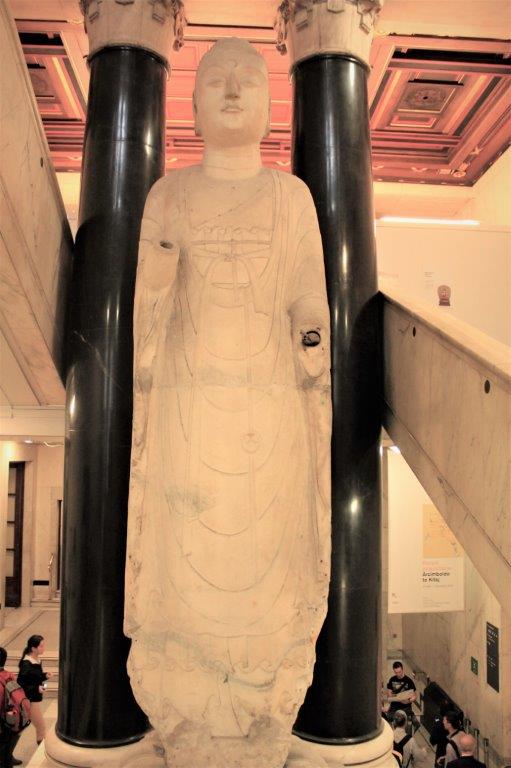
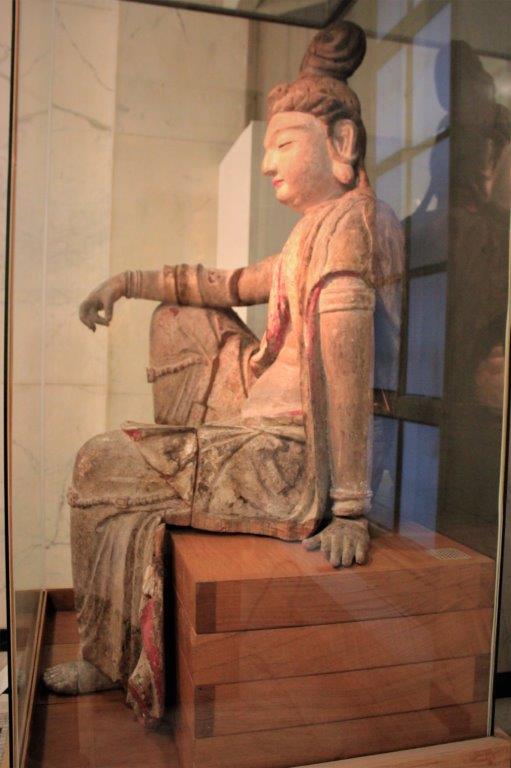
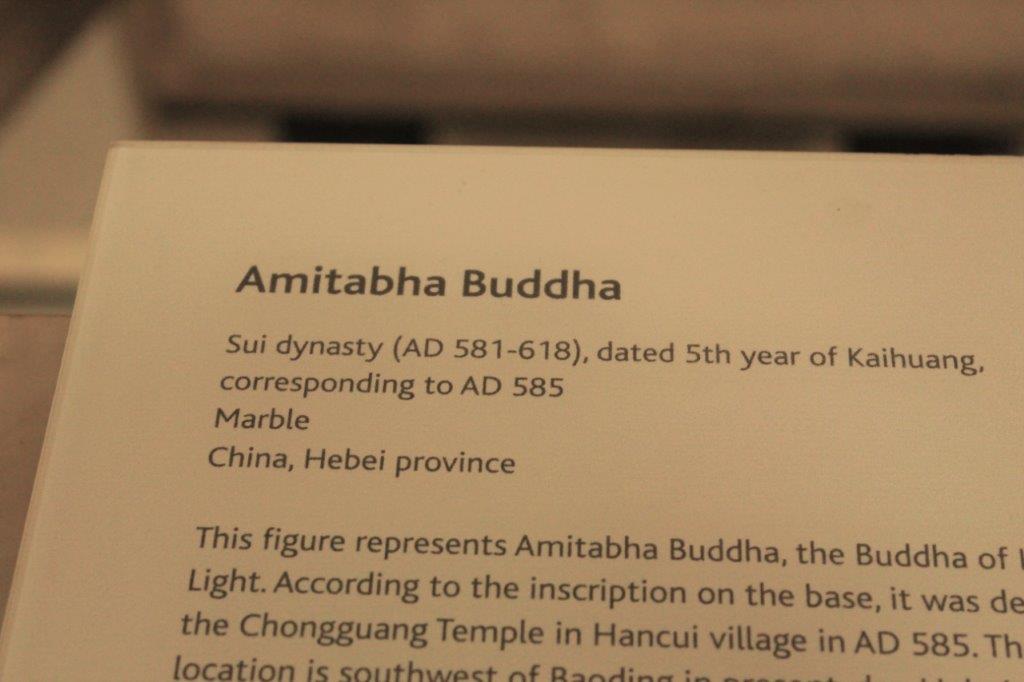
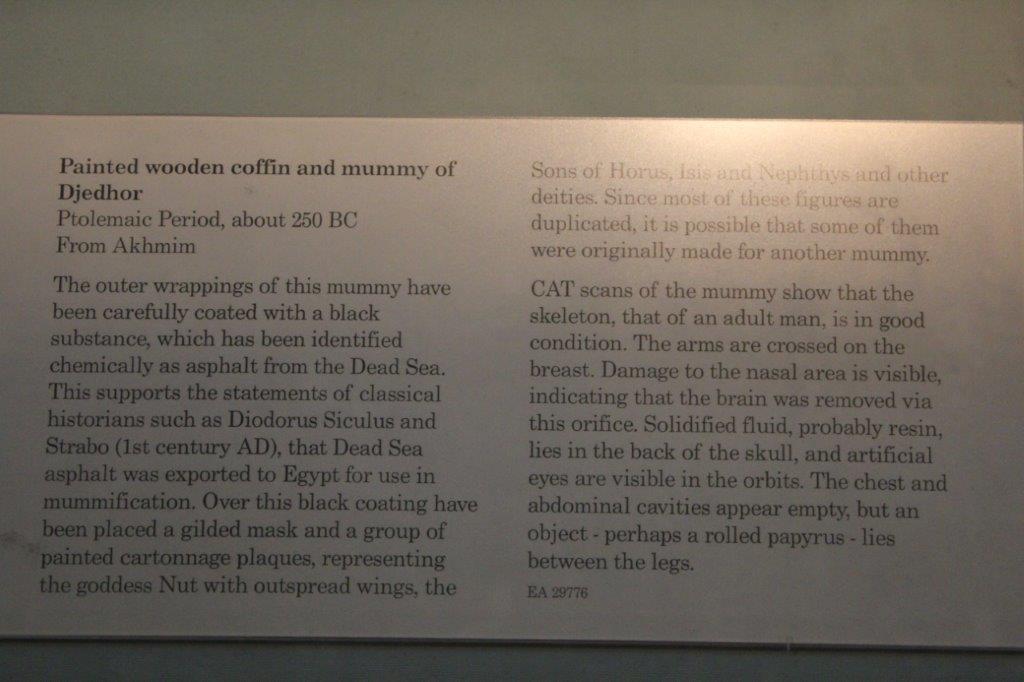
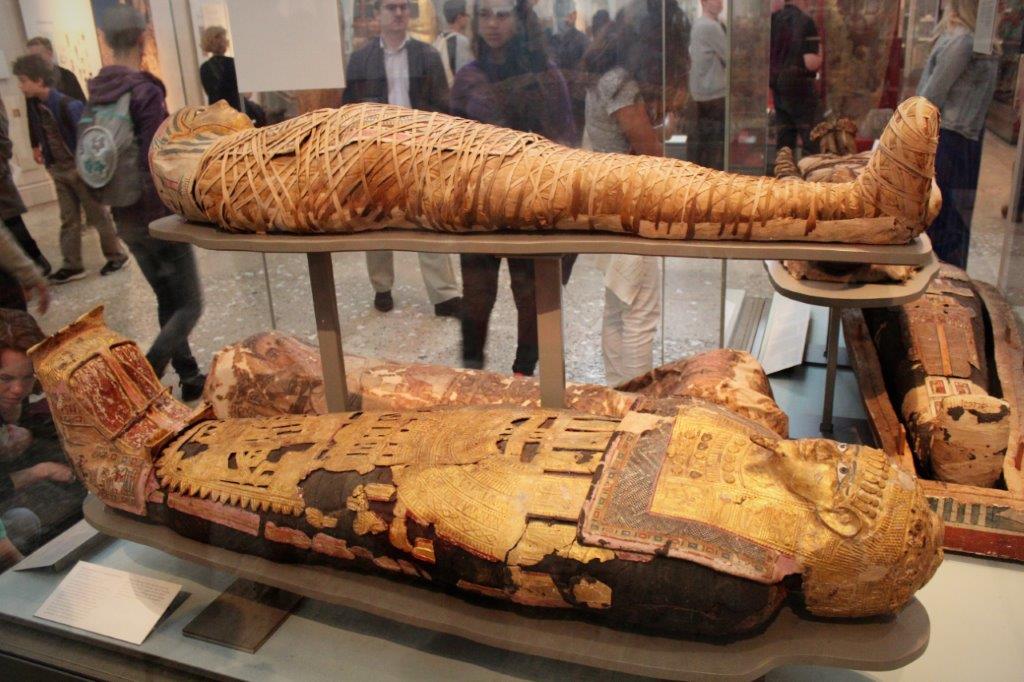
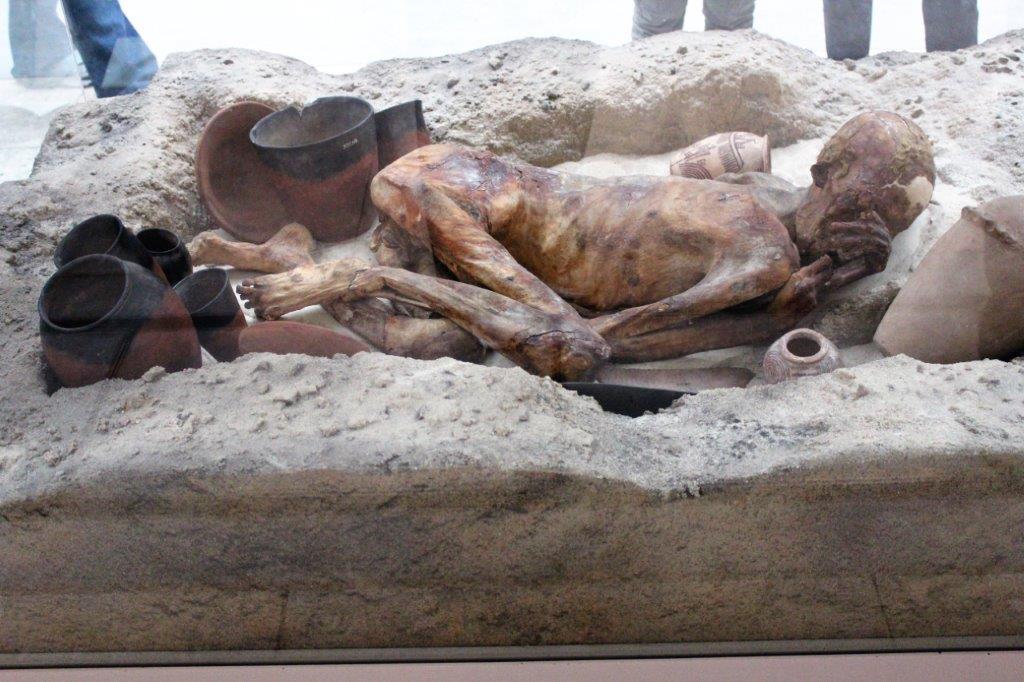
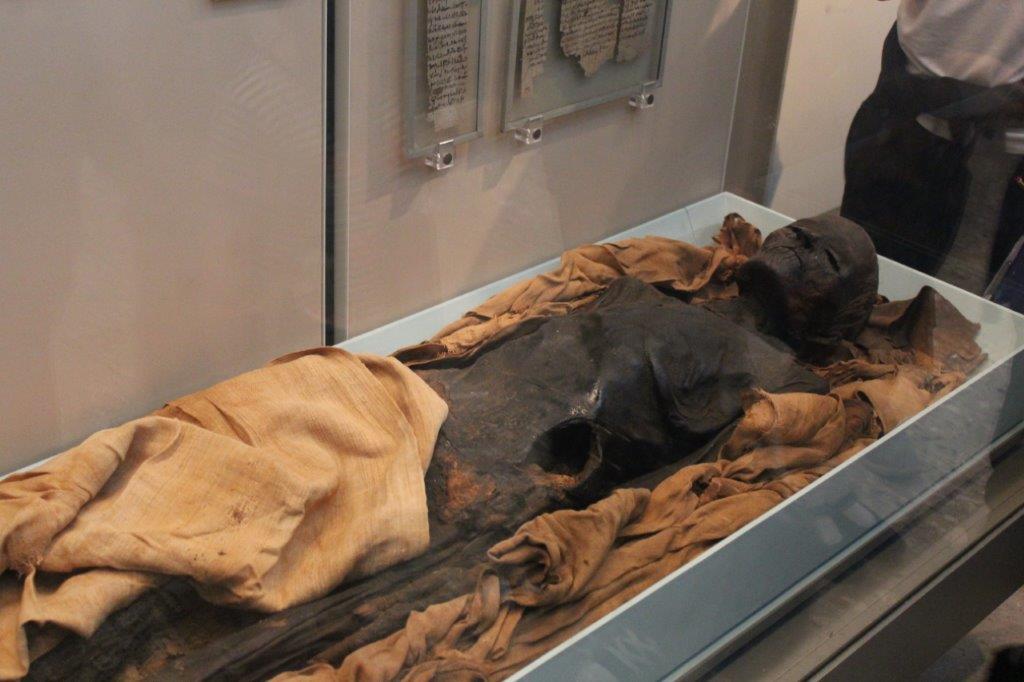
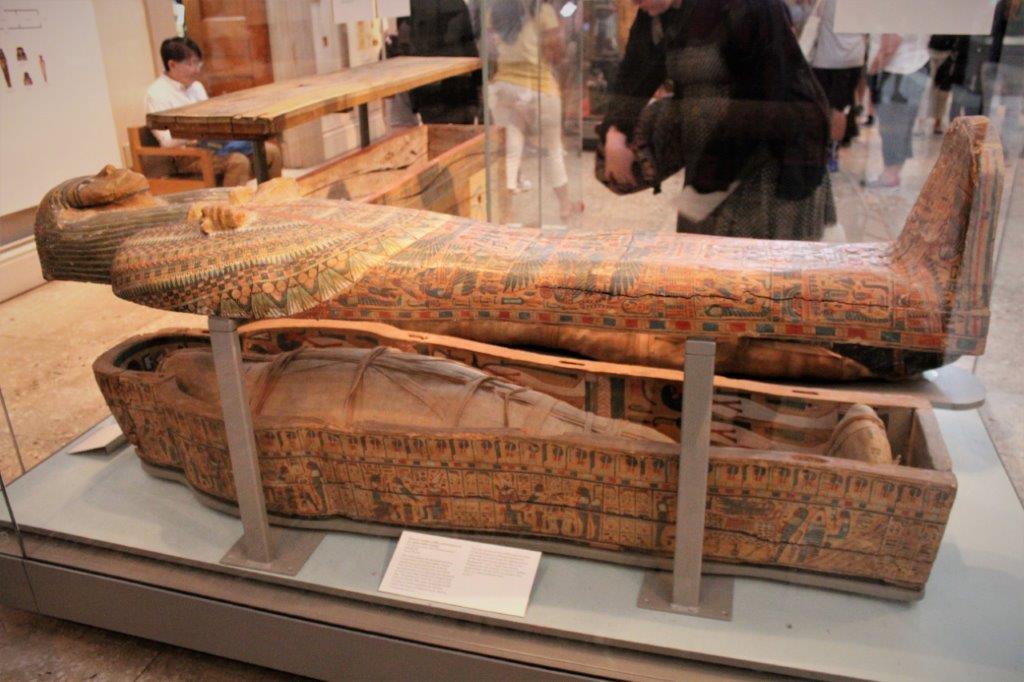
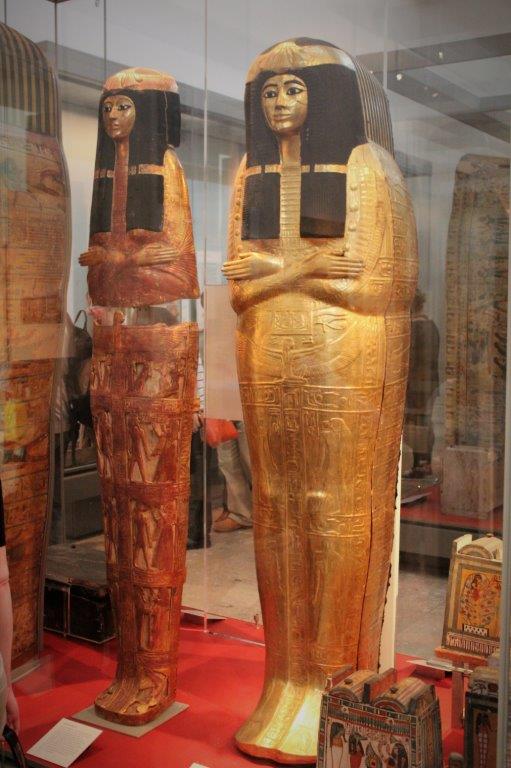
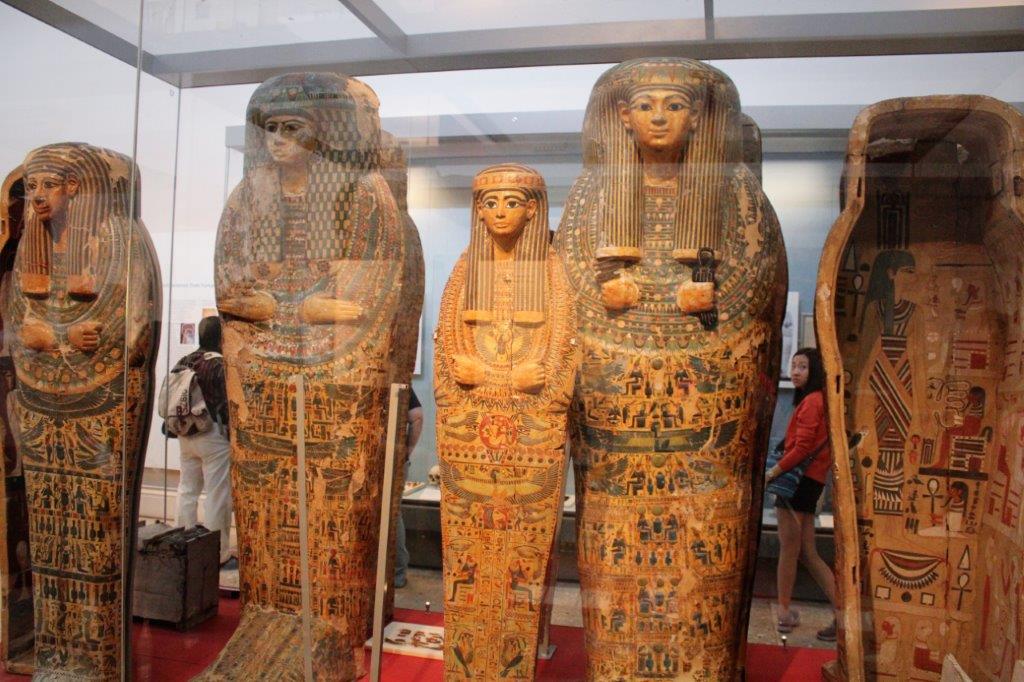
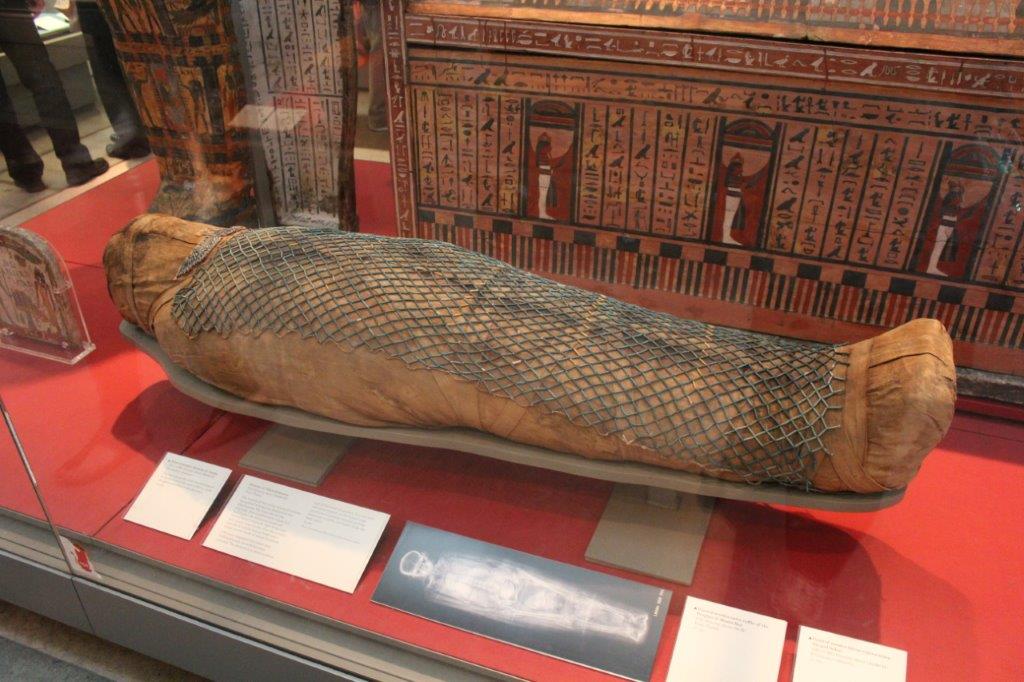
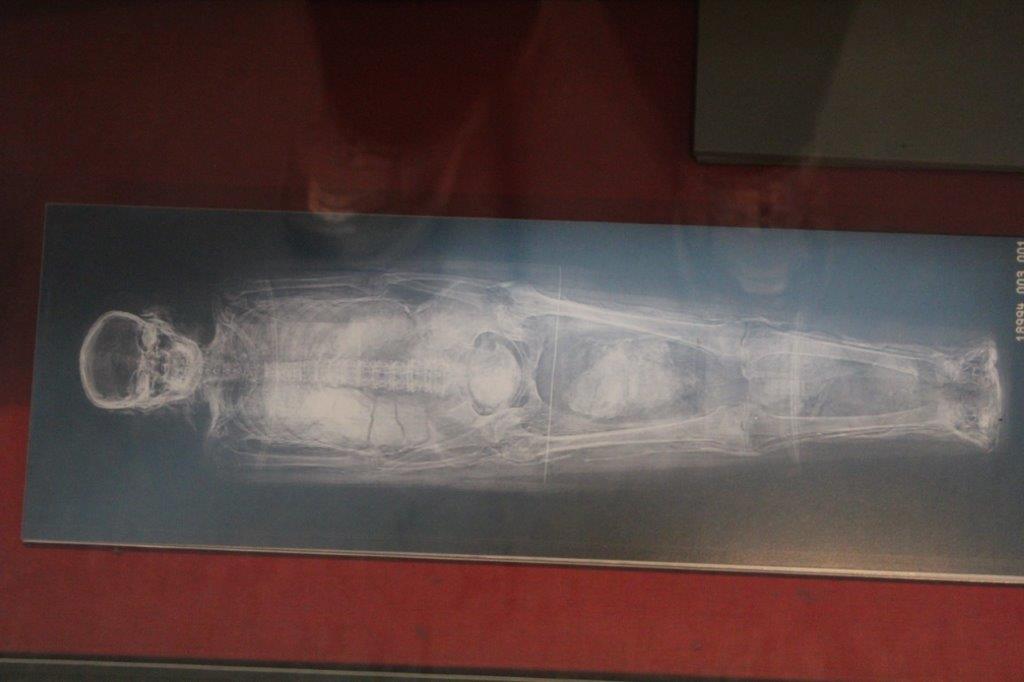
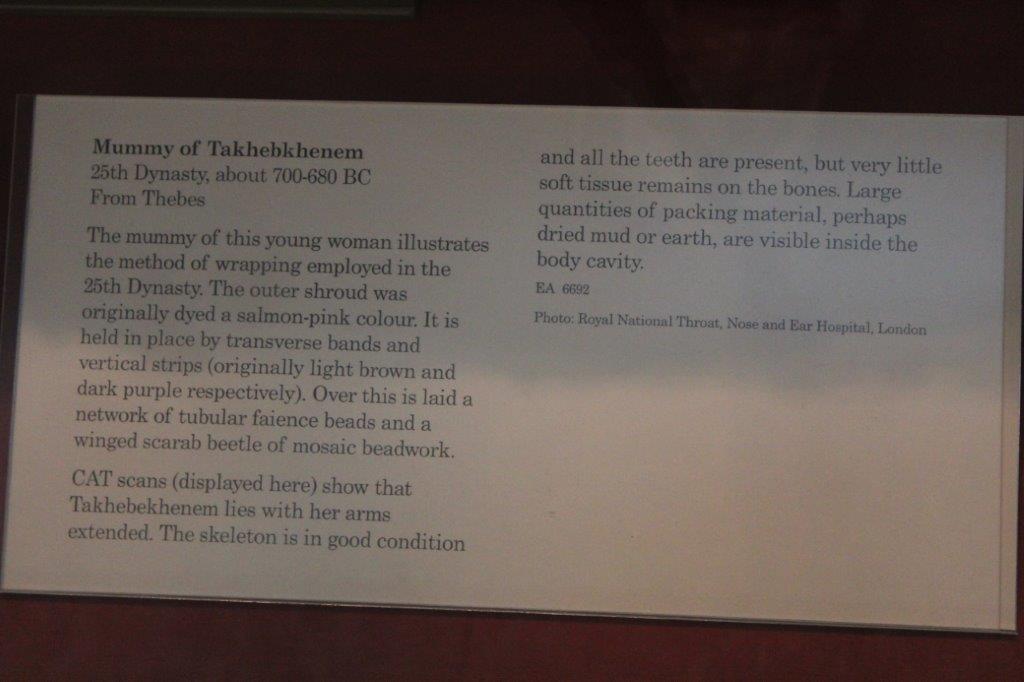
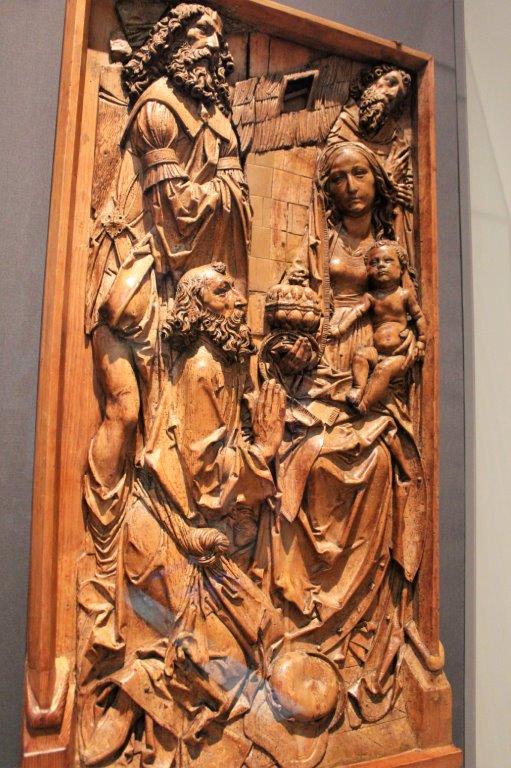
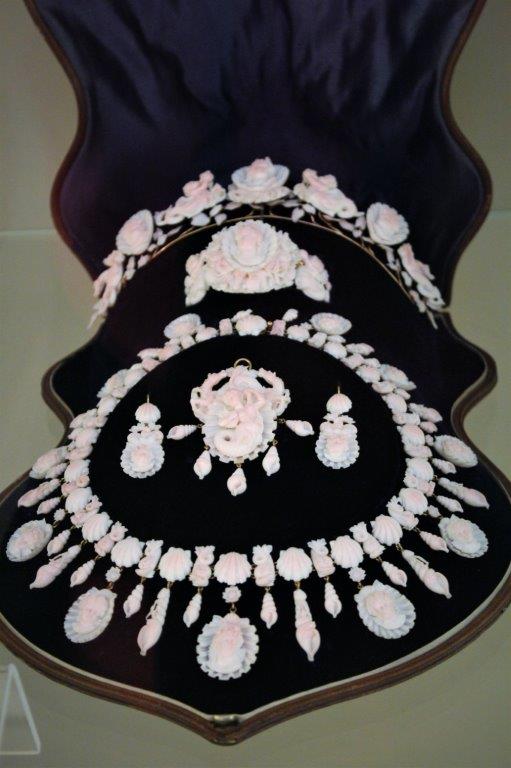
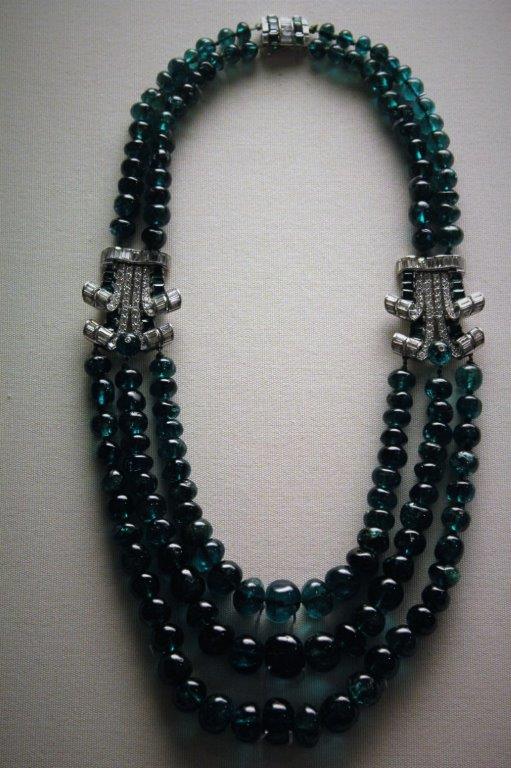
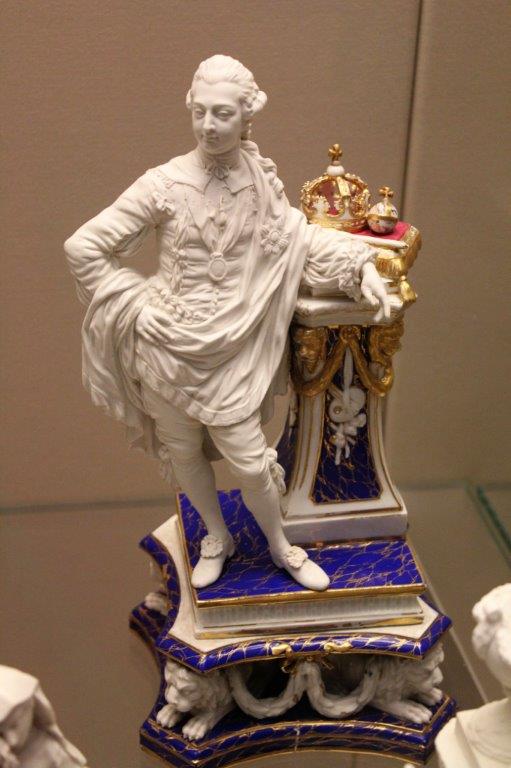
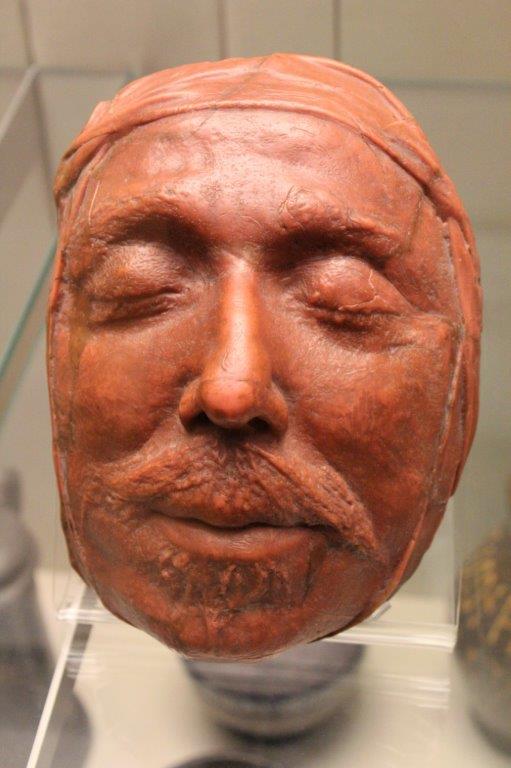
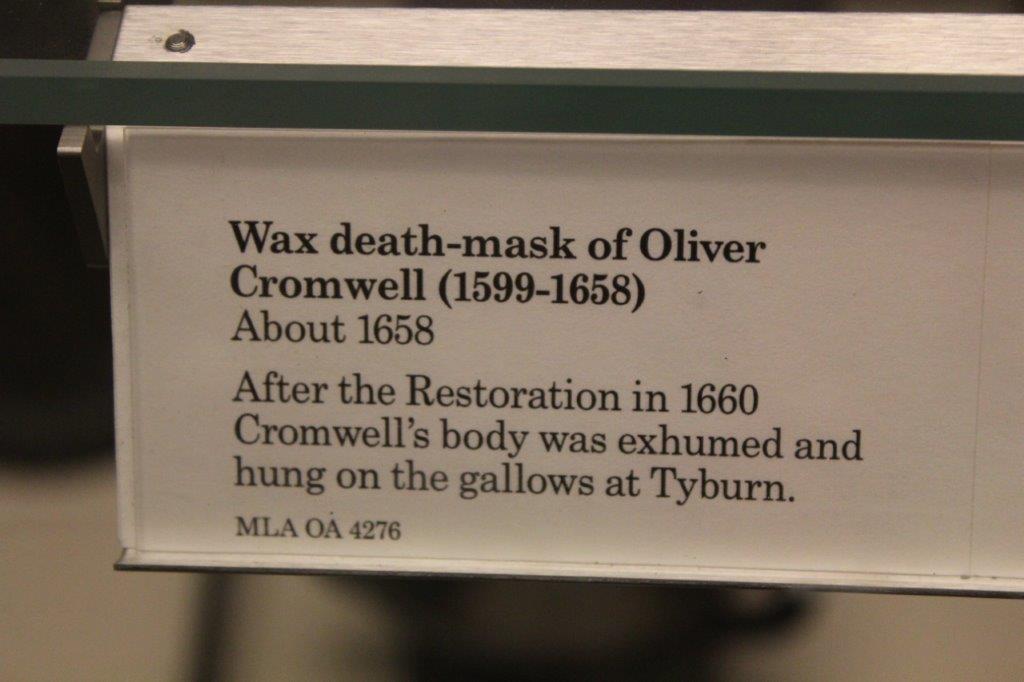
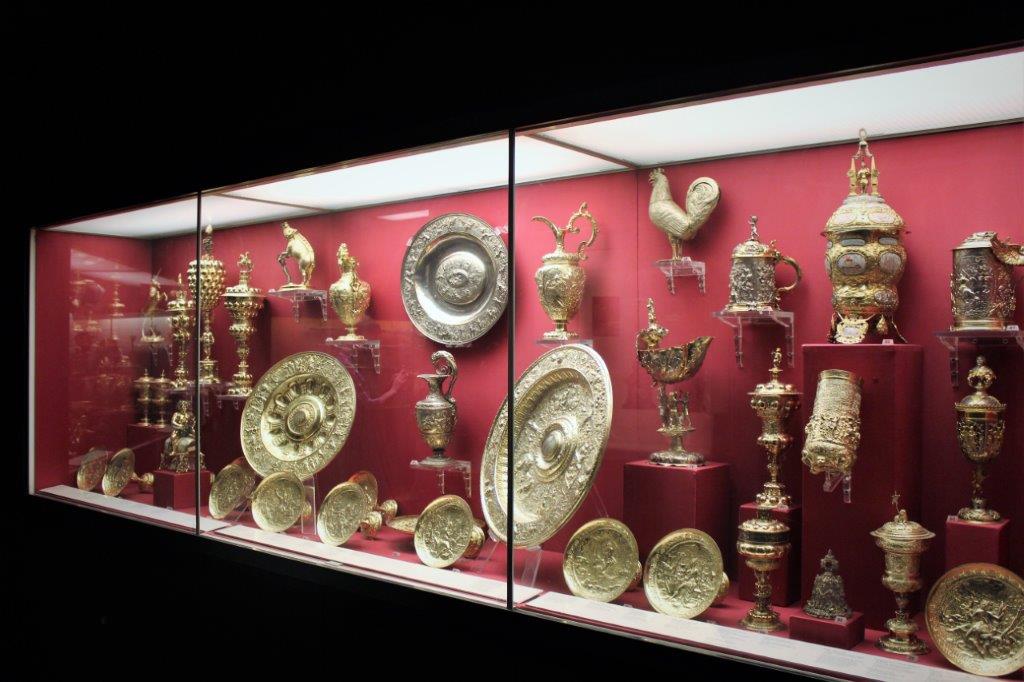
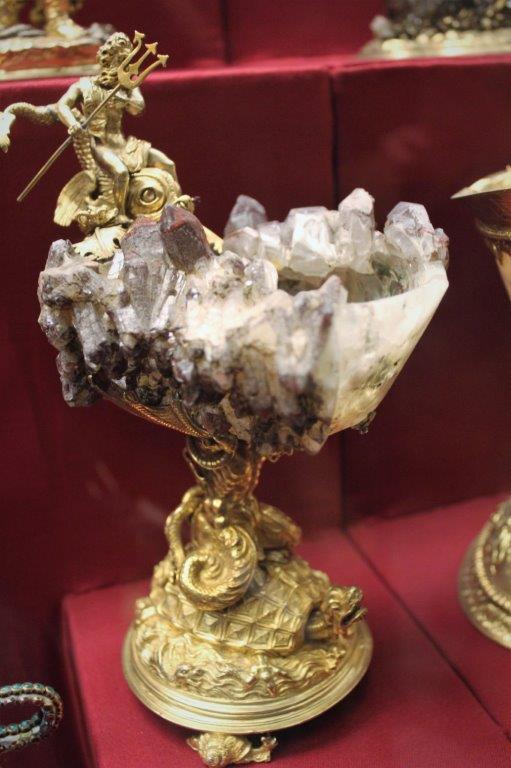
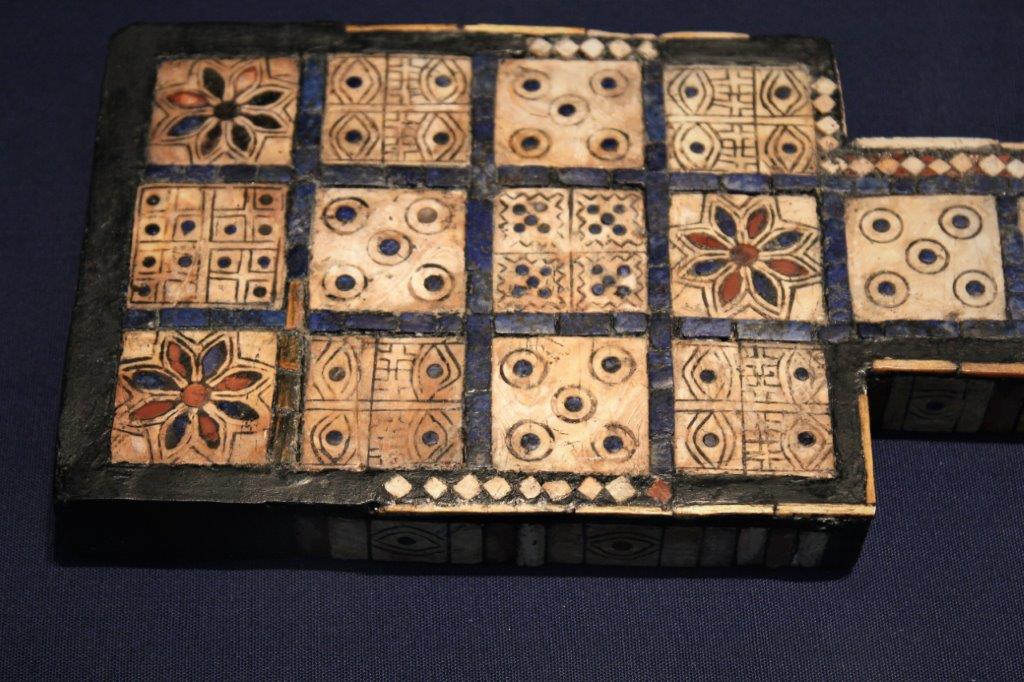
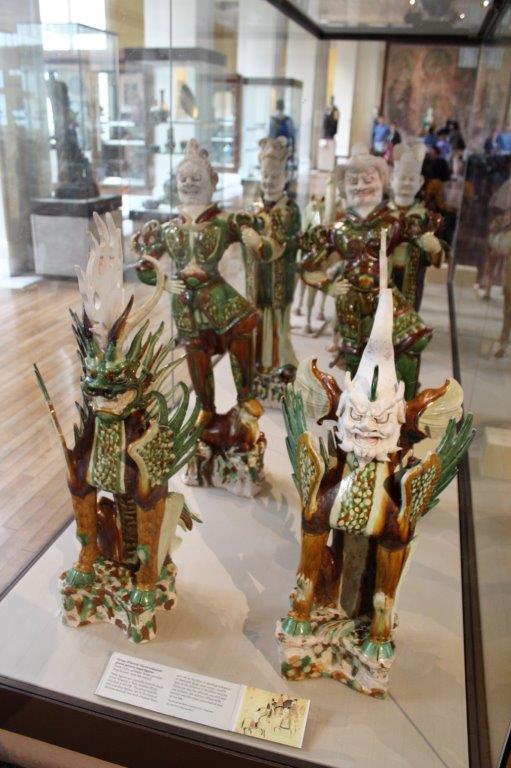
The museum has collections of just about everything.

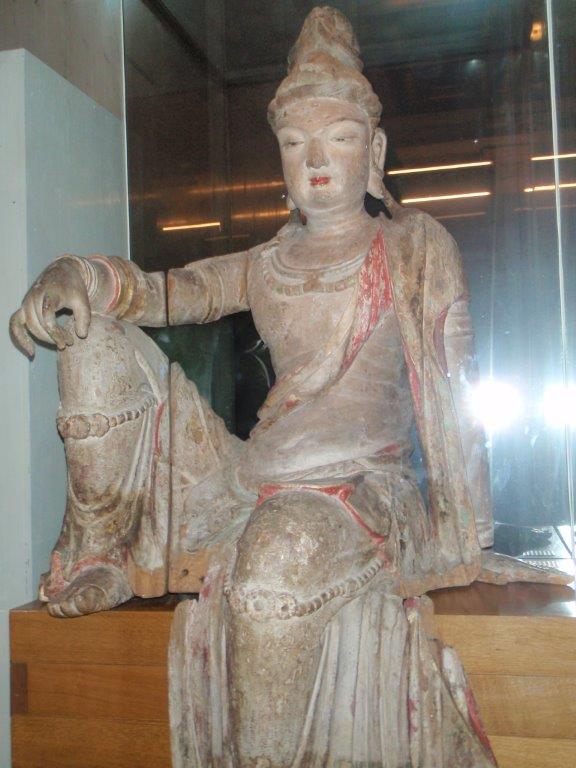
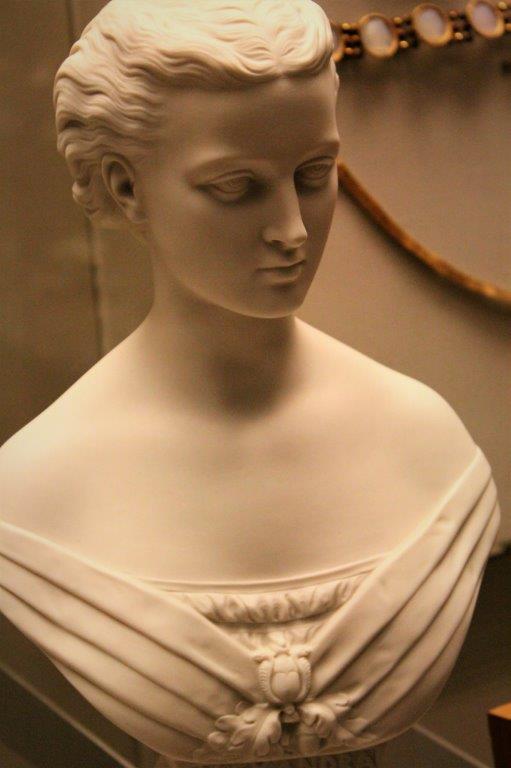
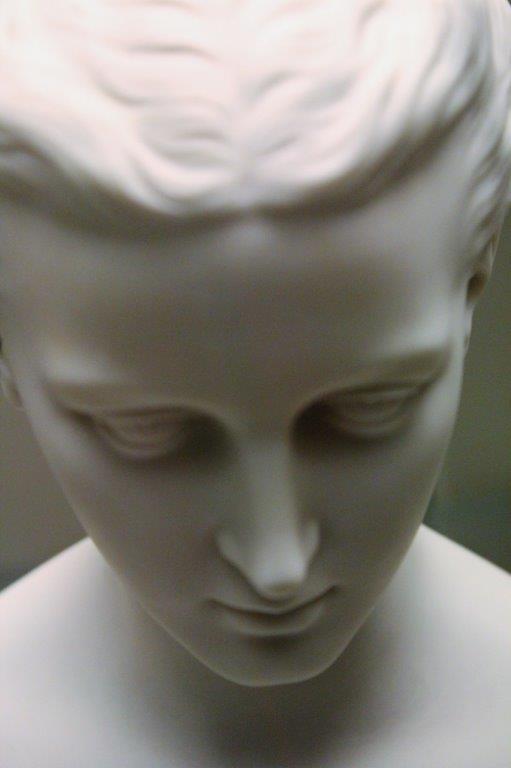
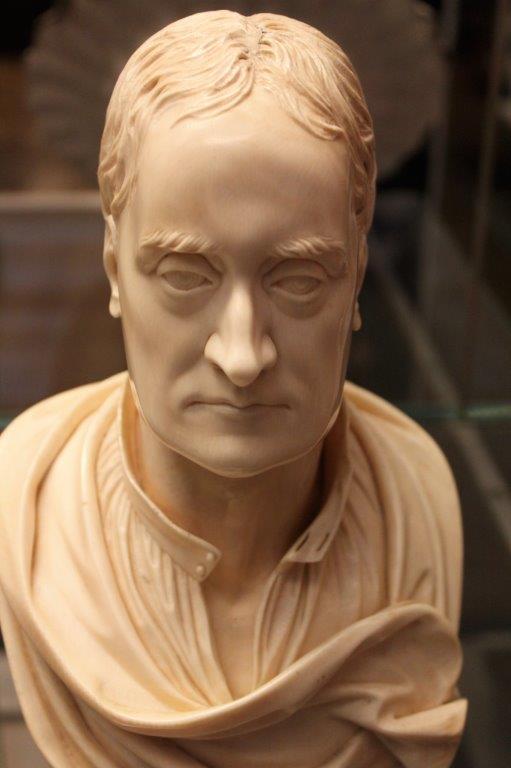
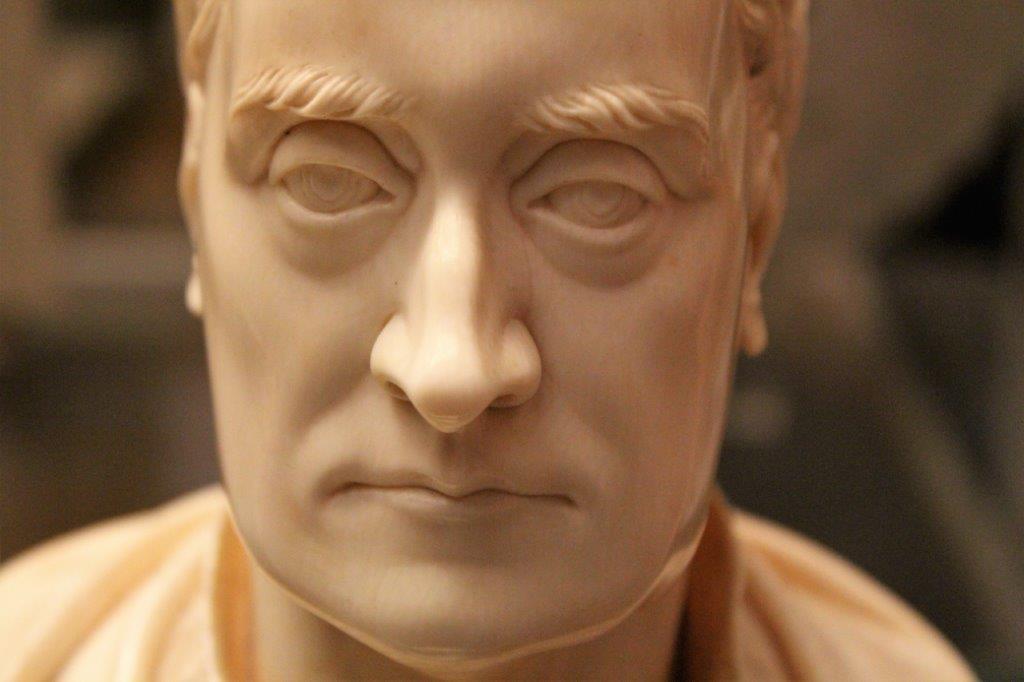
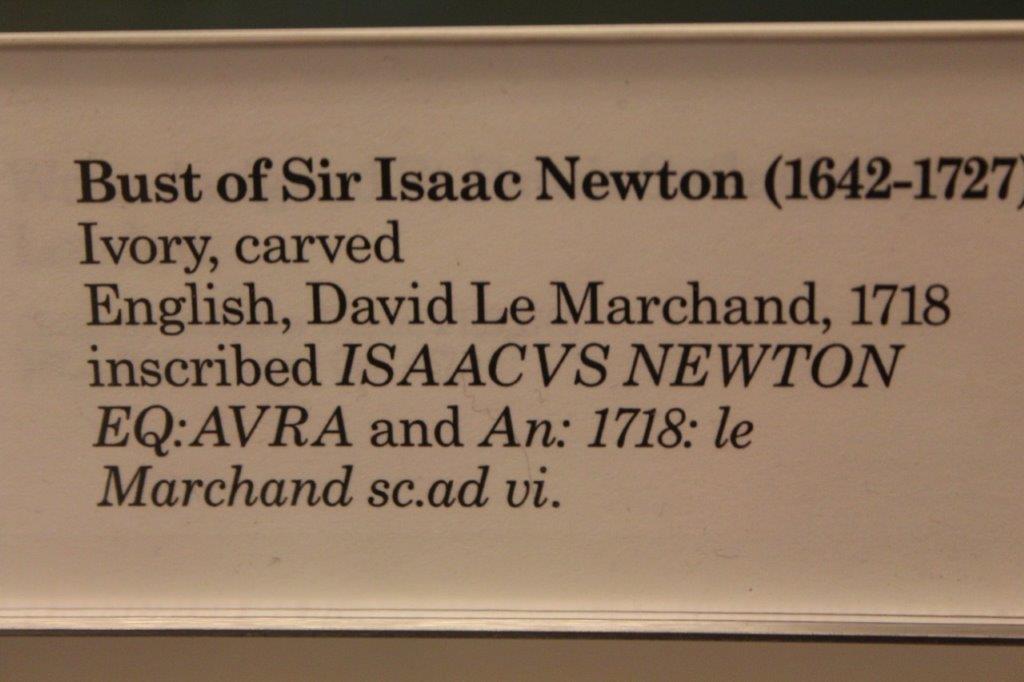
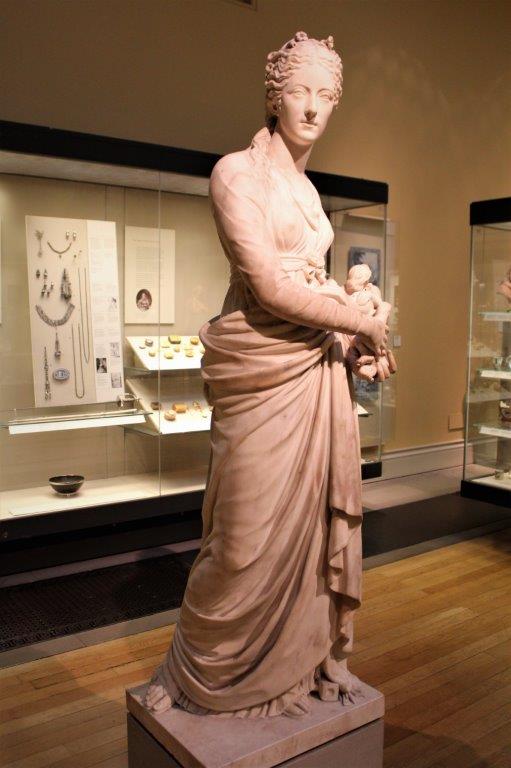
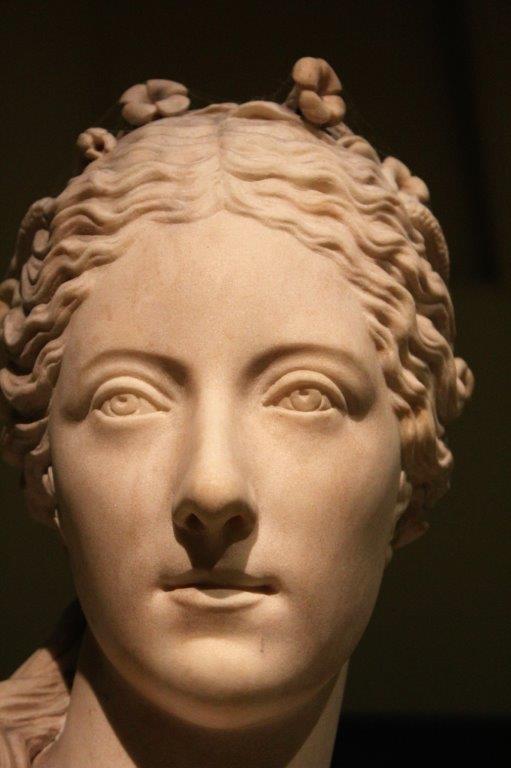
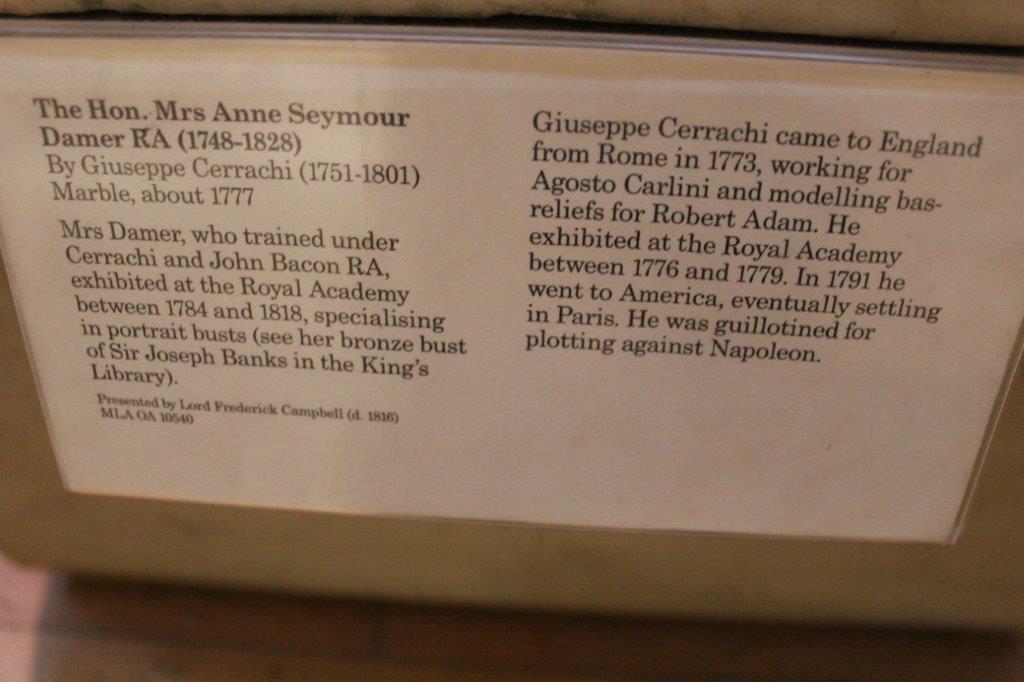
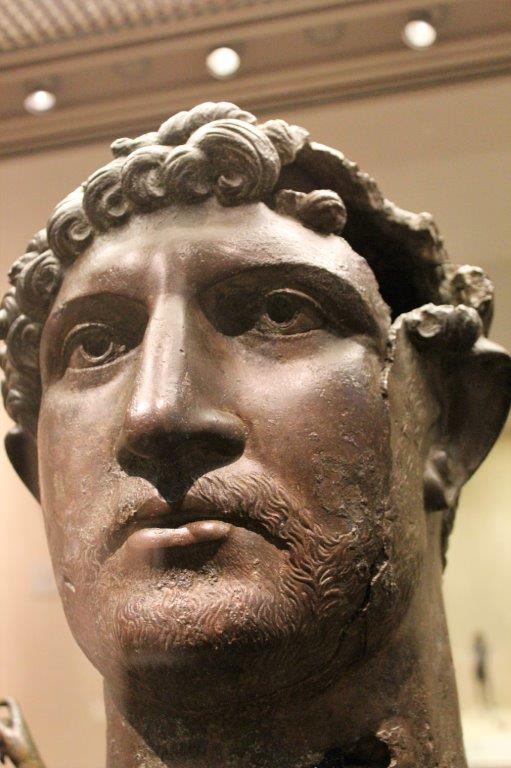
I never cease to be amazed at the skill of sculptures to make such realistic and beautiful creations out of marble – aka rock.  Many hours later we emerged from the museum and made our way to the nearest Underground Station for our ride back to the flat.

2013 Summer (Baltic and Britain – A week in London – Day 3)

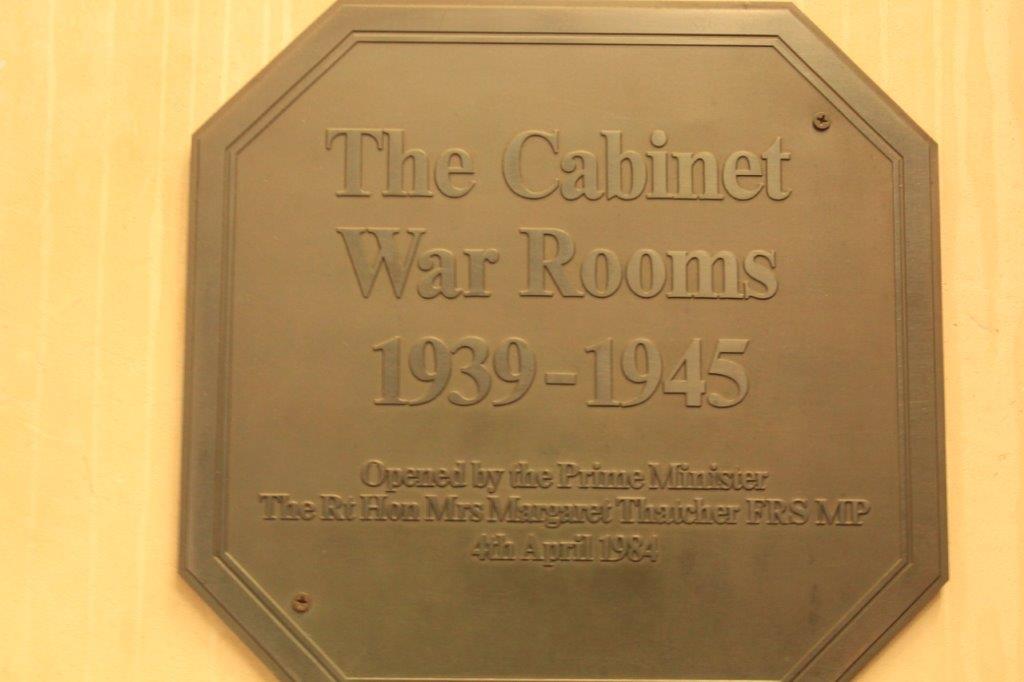
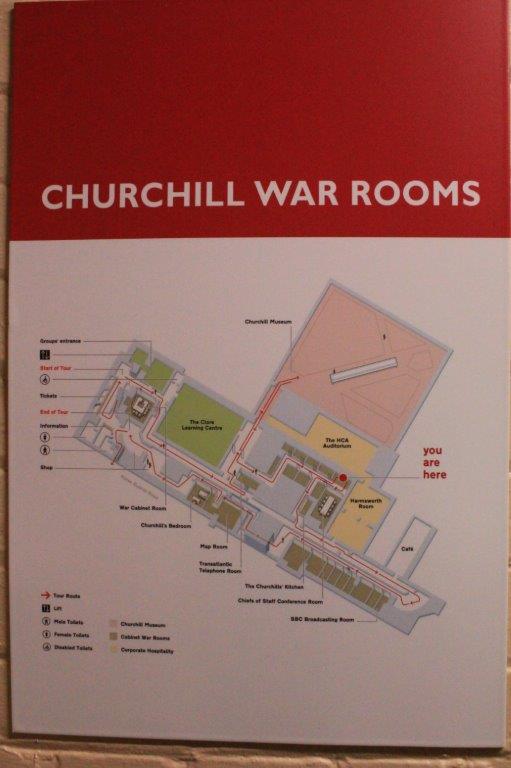
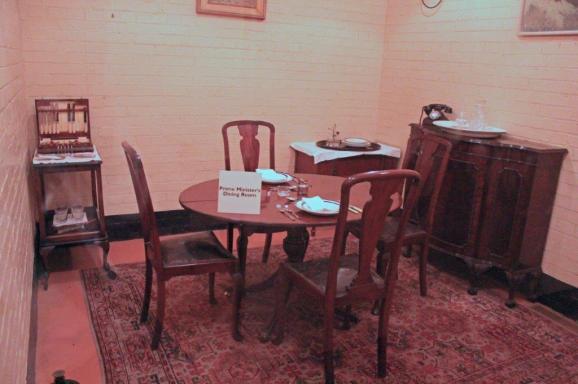
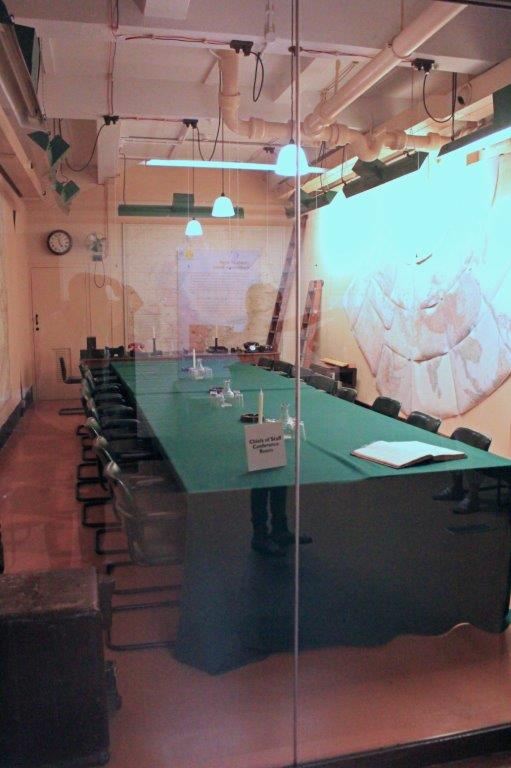
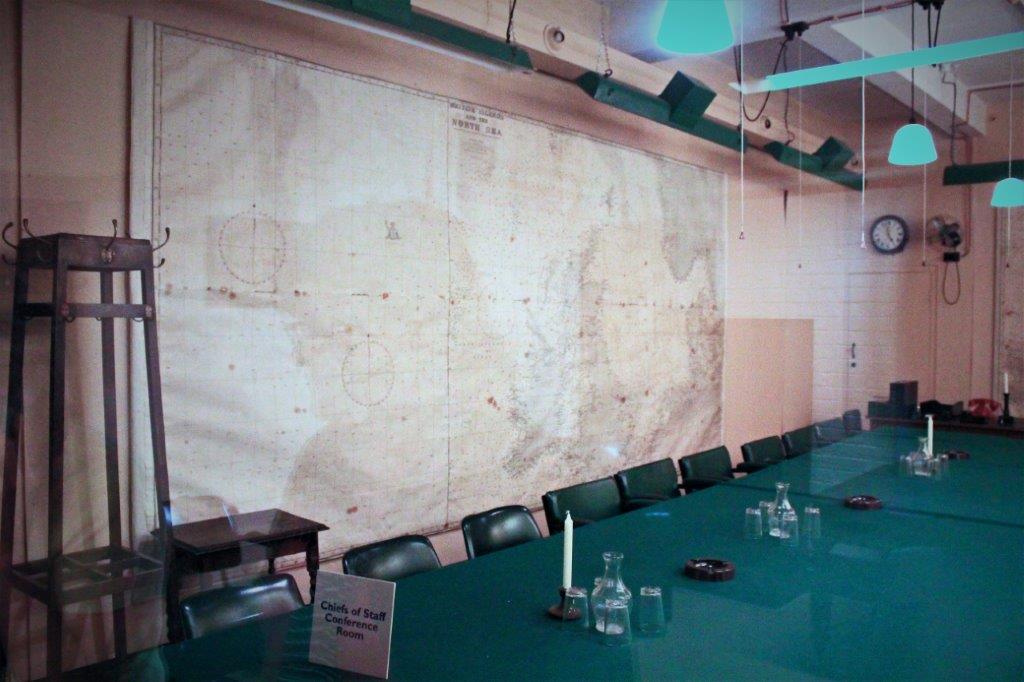
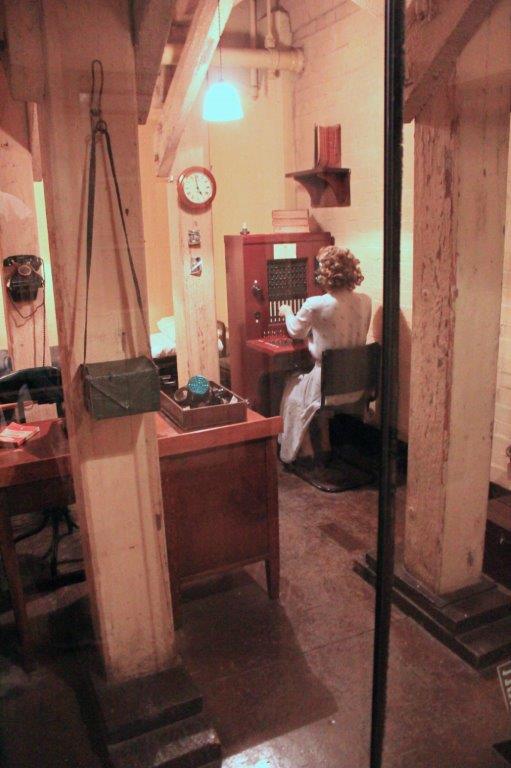
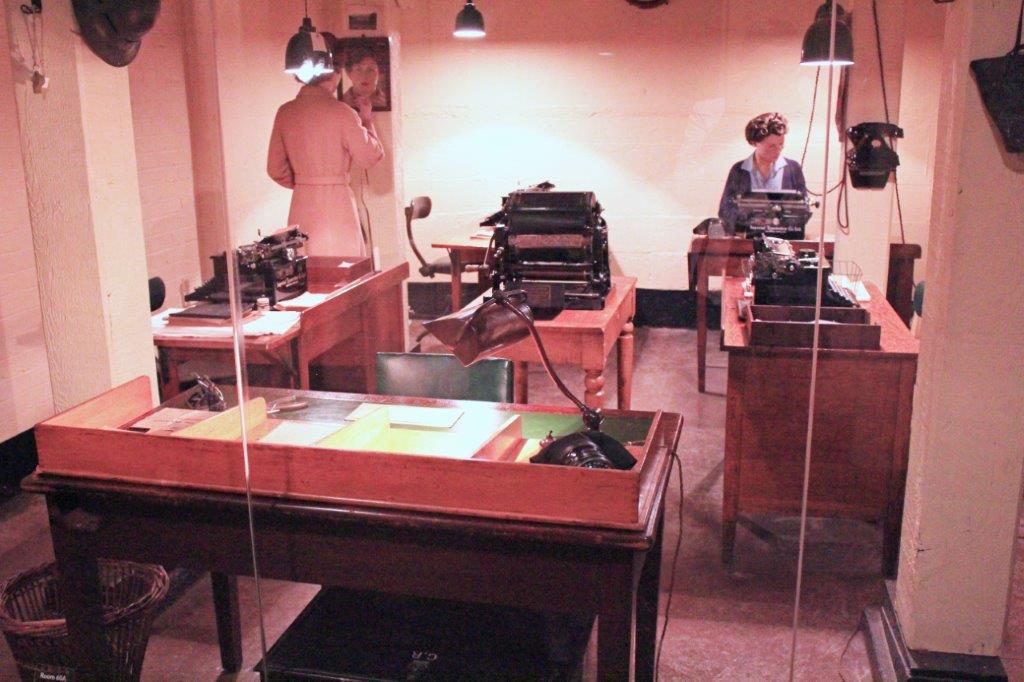
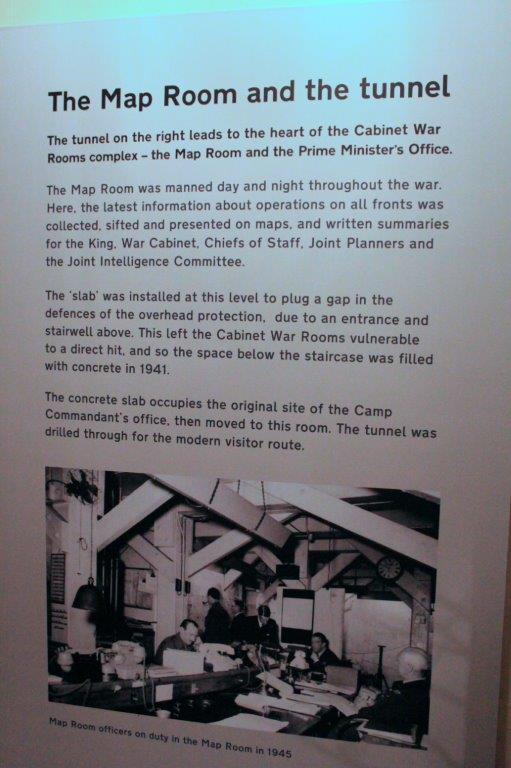
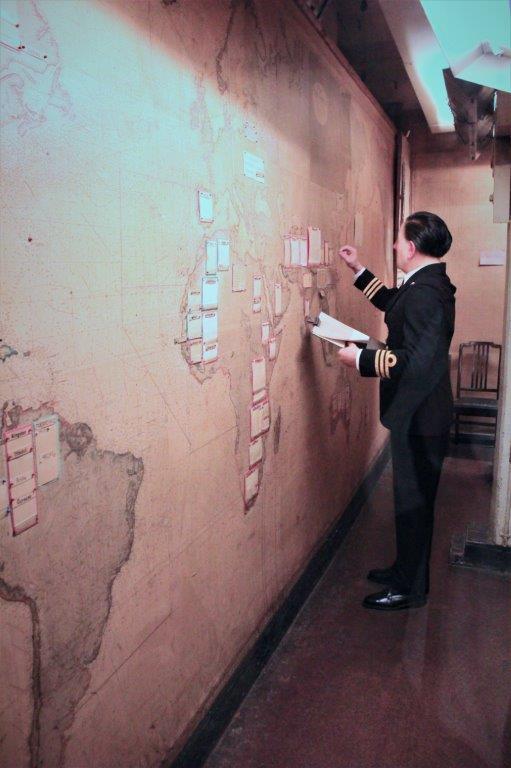
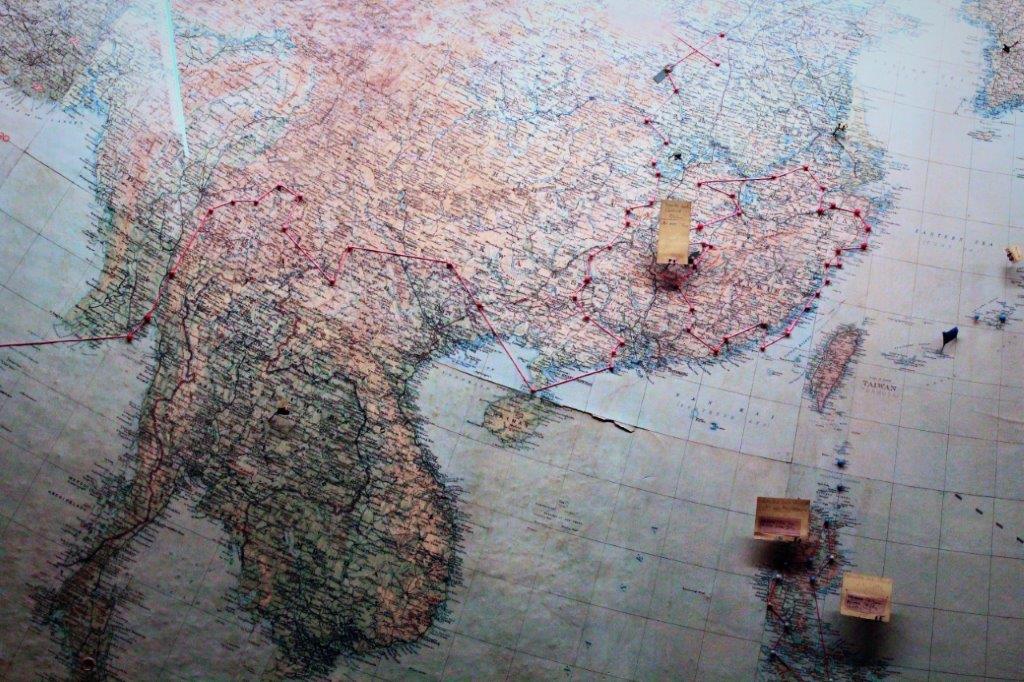
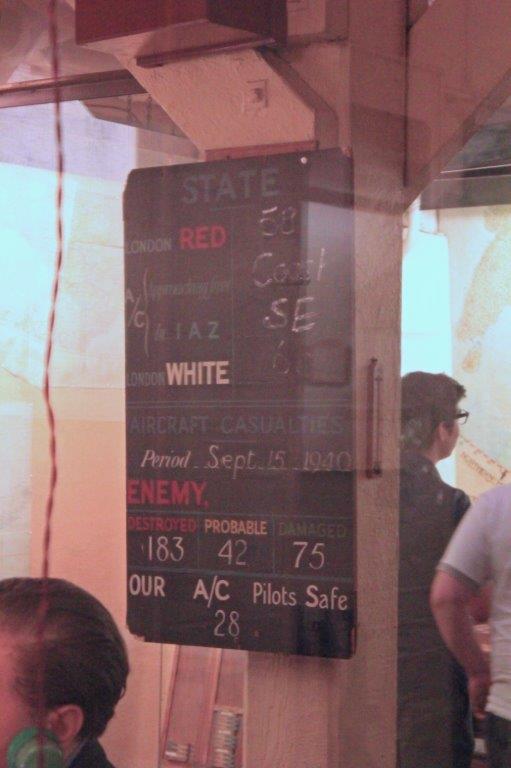
The construction of the Cabinet War Rooms underneath the Treasury Building in Whitehall near Westminster in central London began in 1938.  On August 27, 1939, one week before Britain declared war on Germany they became fully operational and remained in active use until the end of the war.  They were abandoned after the surrender of Japan in August 1945 but the historical significance of the space was quickly recognized and preservation efforts were turned over to the Ministry of Works, and some time later, the Department for the Environment.  Until 1984 when the War Rooms were opened to the public only limited numbers of people could tour the area by appointment.

We once again took the Underground.  I love the London Underground.  You can get anywhere in the city in no time at all.  The first section was opened in 1863 and now has eleven lines with 402 km (250 miles) of track.  Only about 45% is actually underground.  Many of the lines are above-ground, especially the ones that go out from the center of the city.  The longest distance between stations is less than 4 miles, so you can reach almost anywhere within walking distance of a tube station.  In downtown London the deepest tunnel is 41.4 meters (136′) but the Hampstead station on the North Line is 58.5 m (192′) deep.  One forgets as you walk the streets of London that there is a gigantic multi-level network of tracks and trains and thousands of people moving about below you.

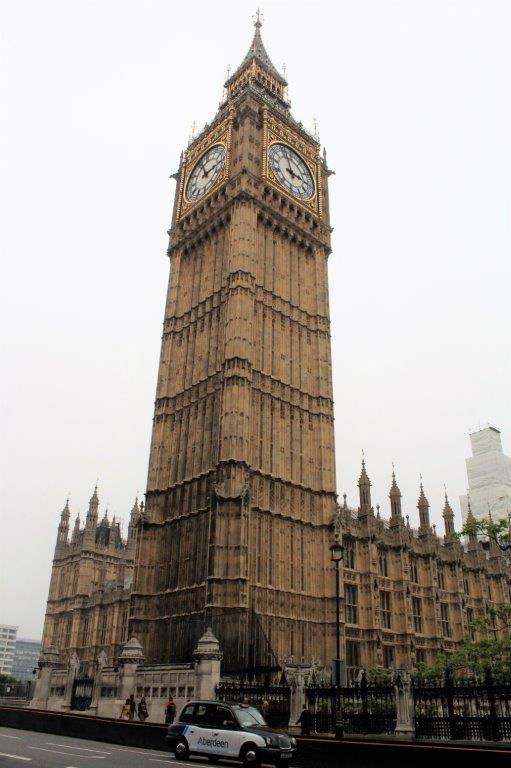
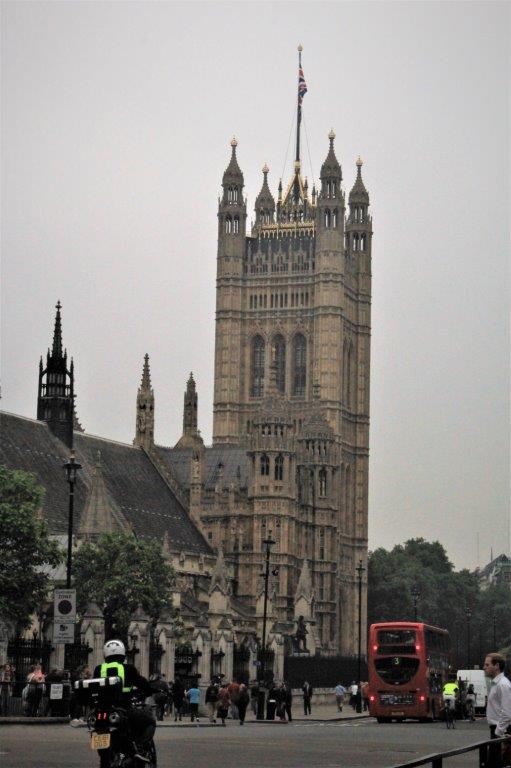
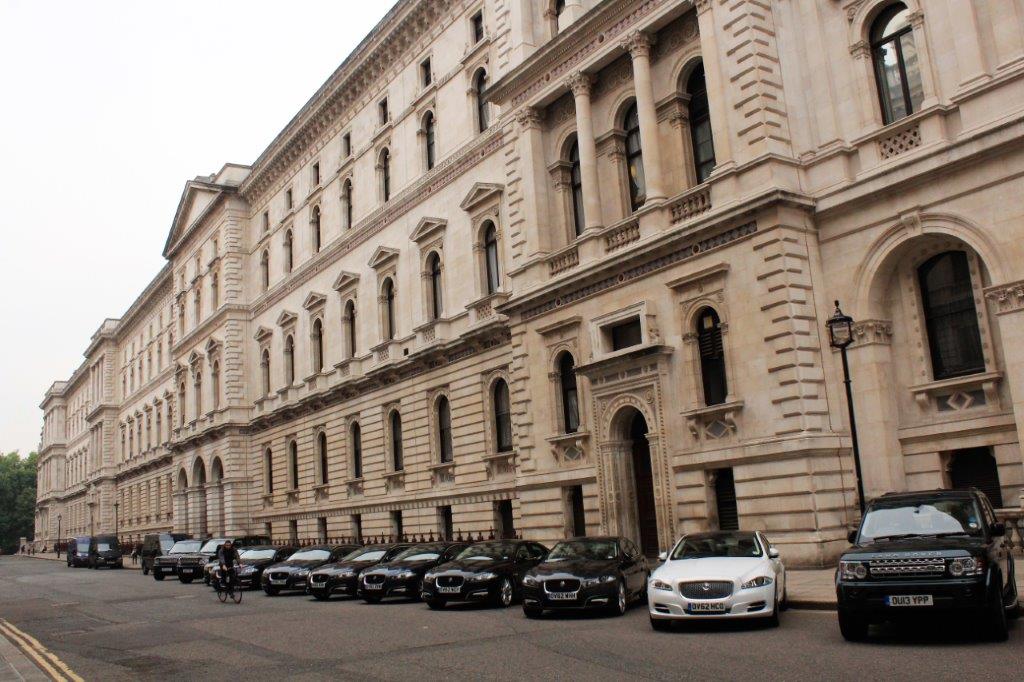
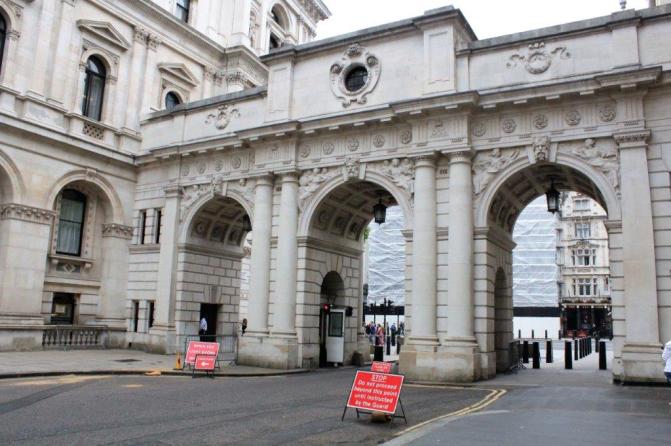
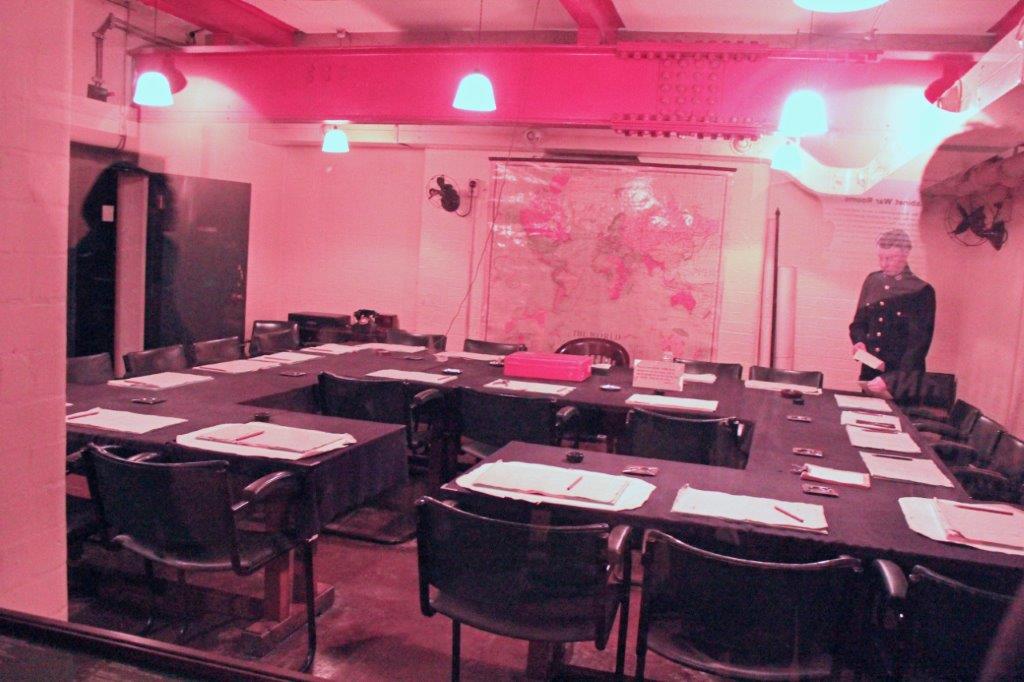
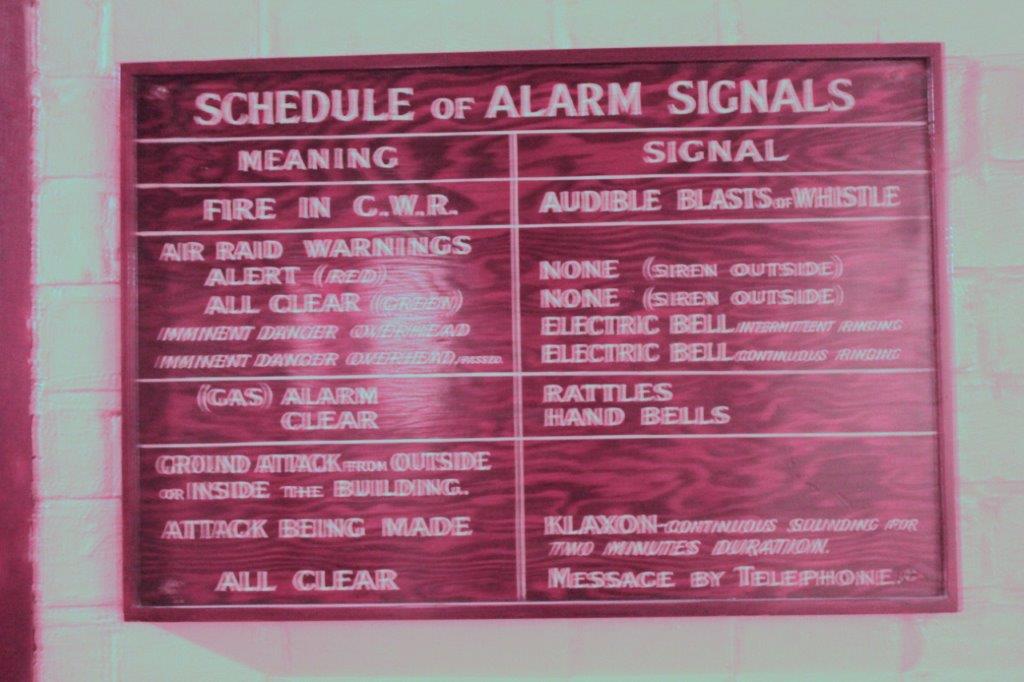
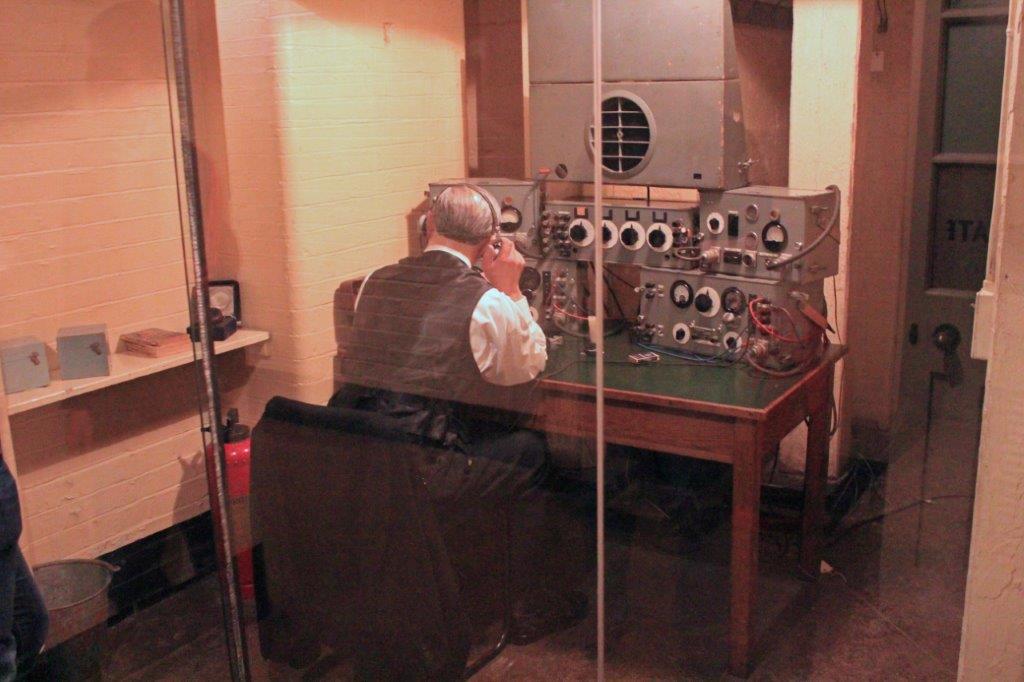
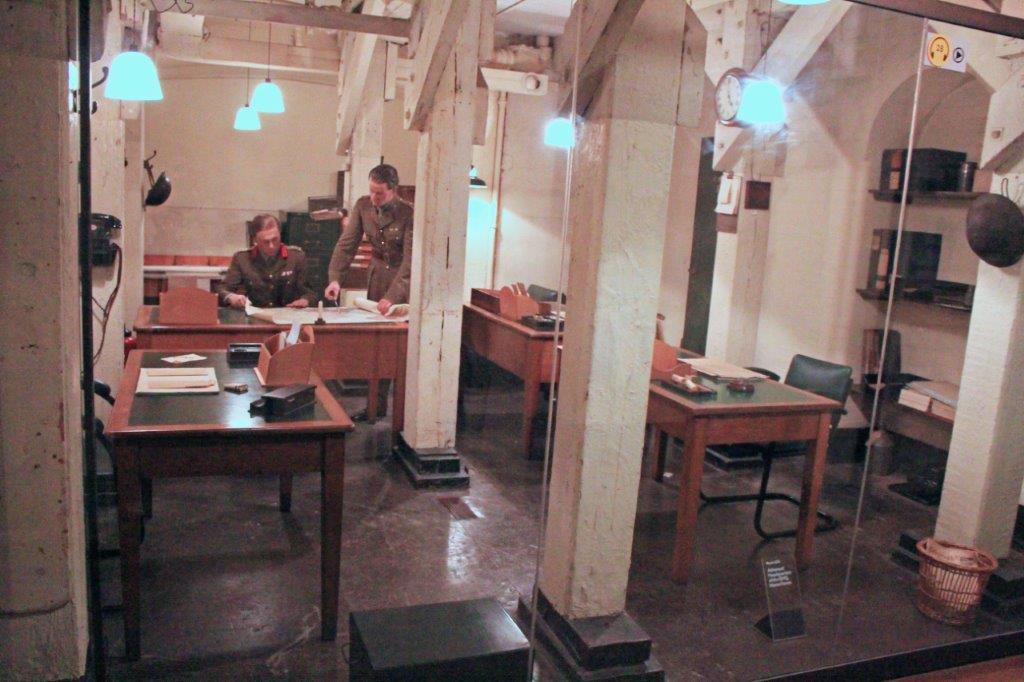
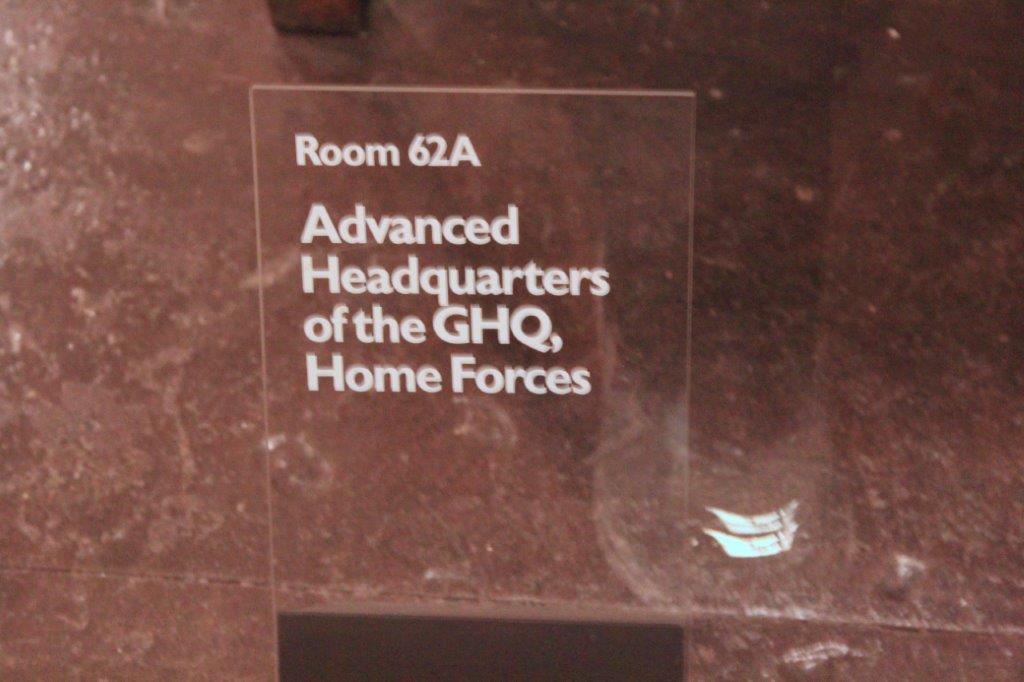
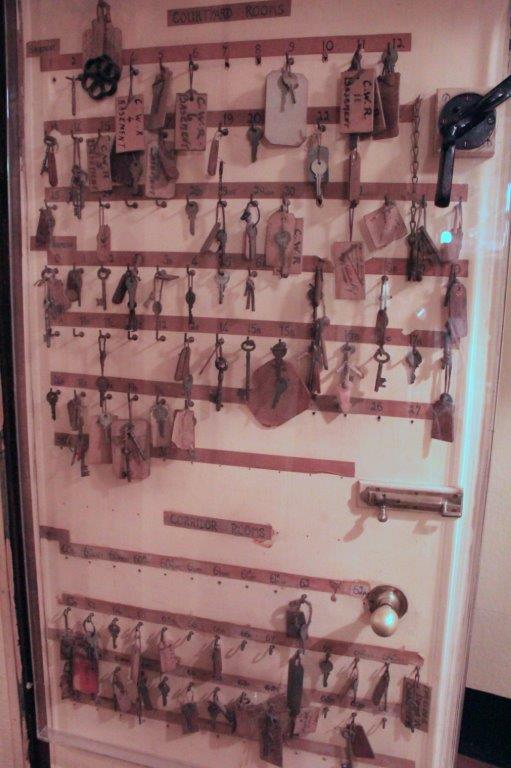
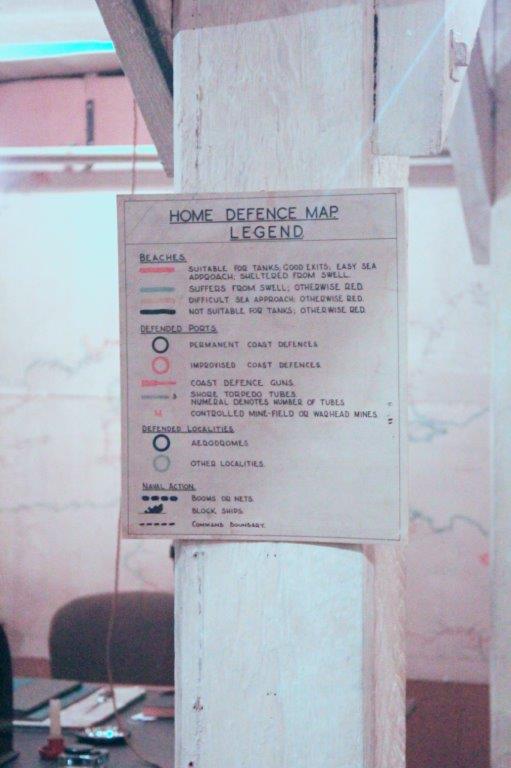
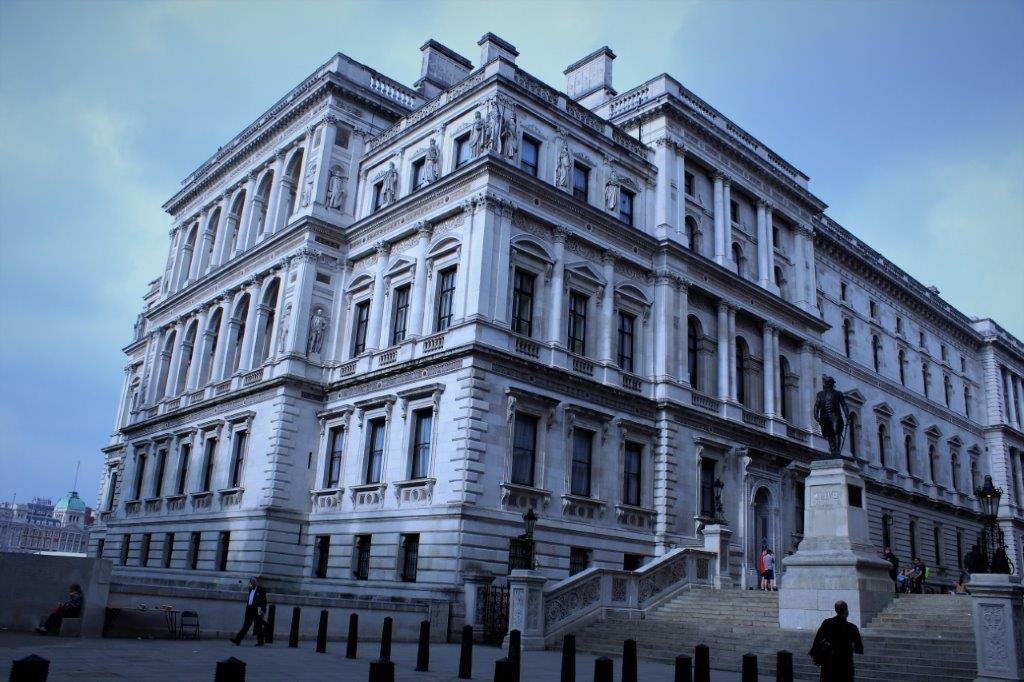
What could be more “London” than  Big Ben and Winchester Cathedral?Whitehall Palace gives its name to the street and main administrative district of the British Parliament.  The Palace was the main residence of English monarchs between 1530 and 1698 when most of the buildings were destroyed by fire.  At one time the palace complex covered 23 acres.  Today current buildings contain Number 10 Downing Street, residence of the Prime Minister and most of the various departments of the government. You enter the War Rooms through a nondescript stairway at the back of a building in Whitehall. At the end of the war everyone just left and the underground command center was locked up.  Much of the furnishings, communications equipment and maps were untouched.

You tour the War Rooms with an audio guide that gives you the background and use of each of the rooms.  It was extremely interesting.

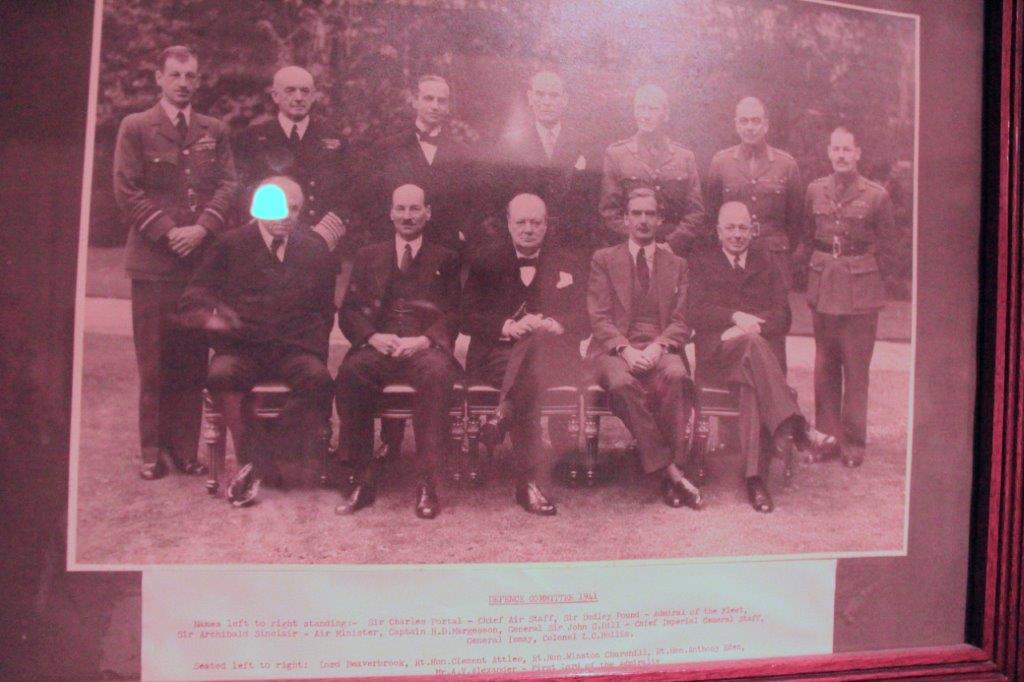
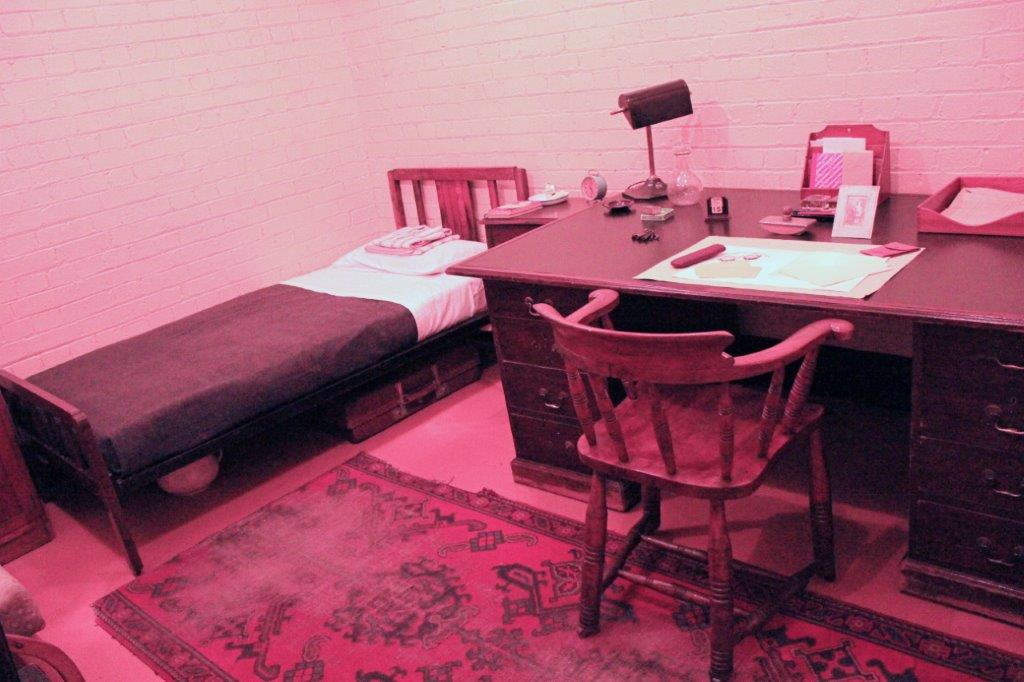
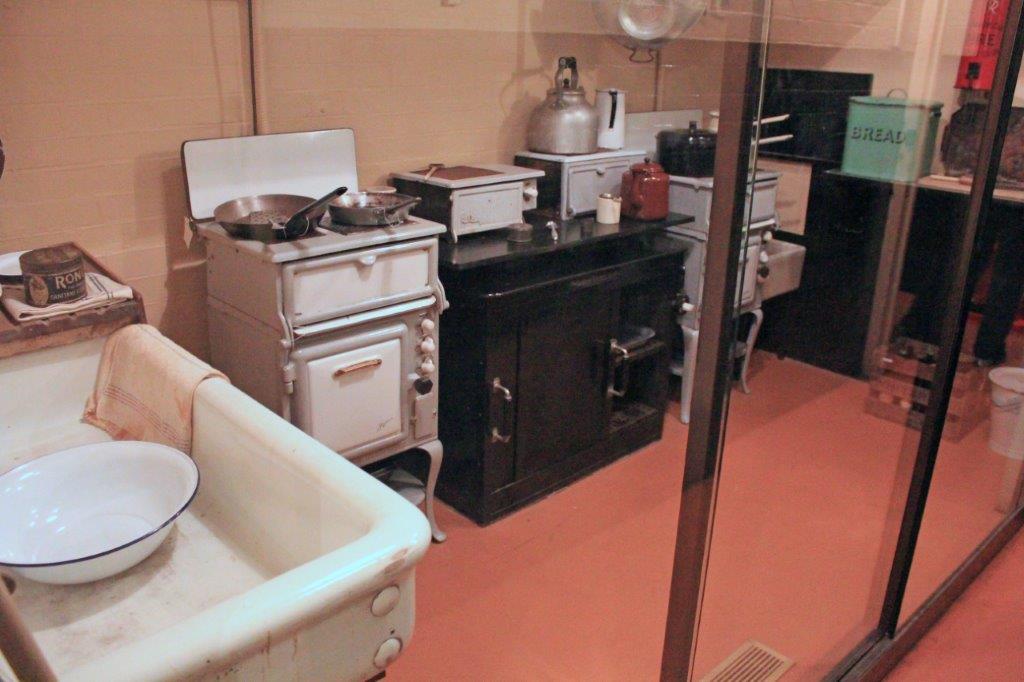
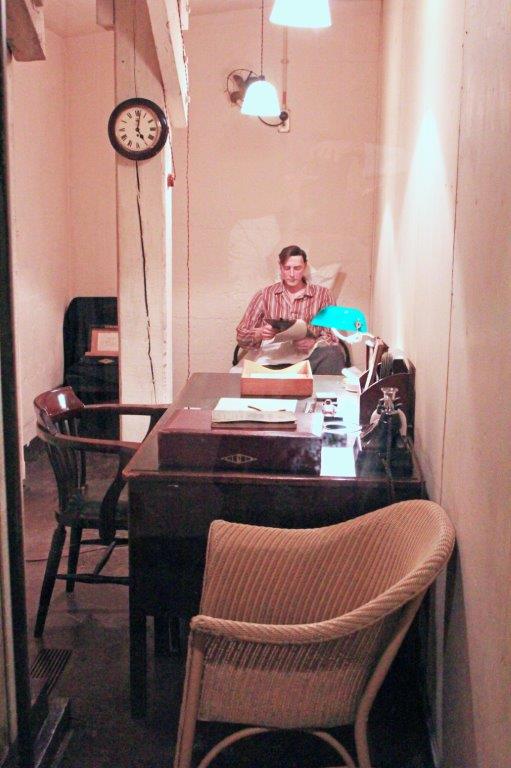
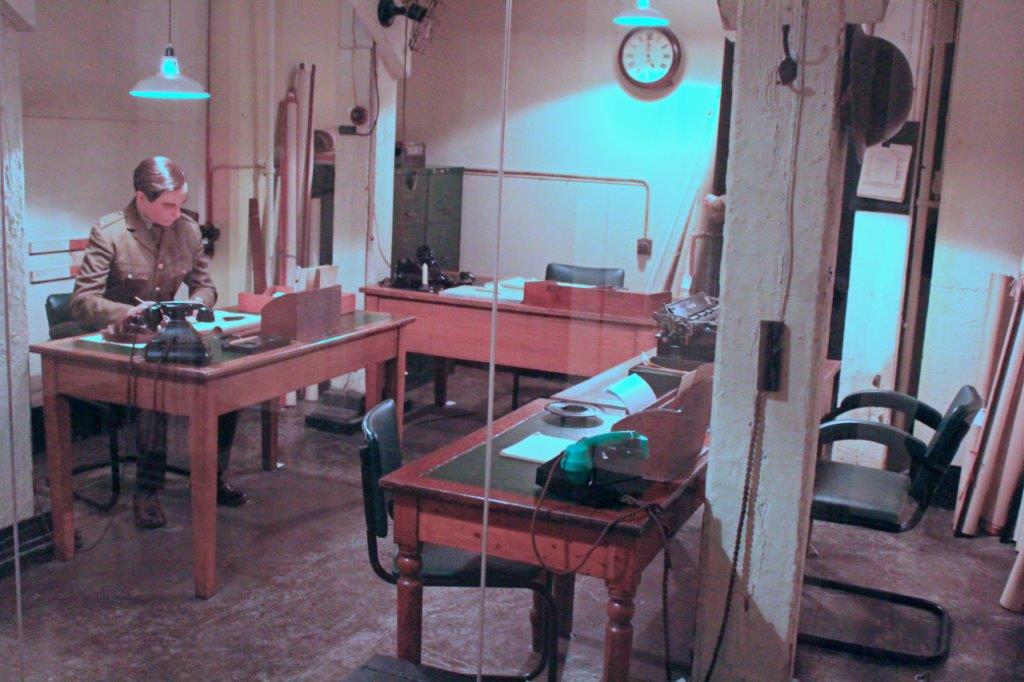
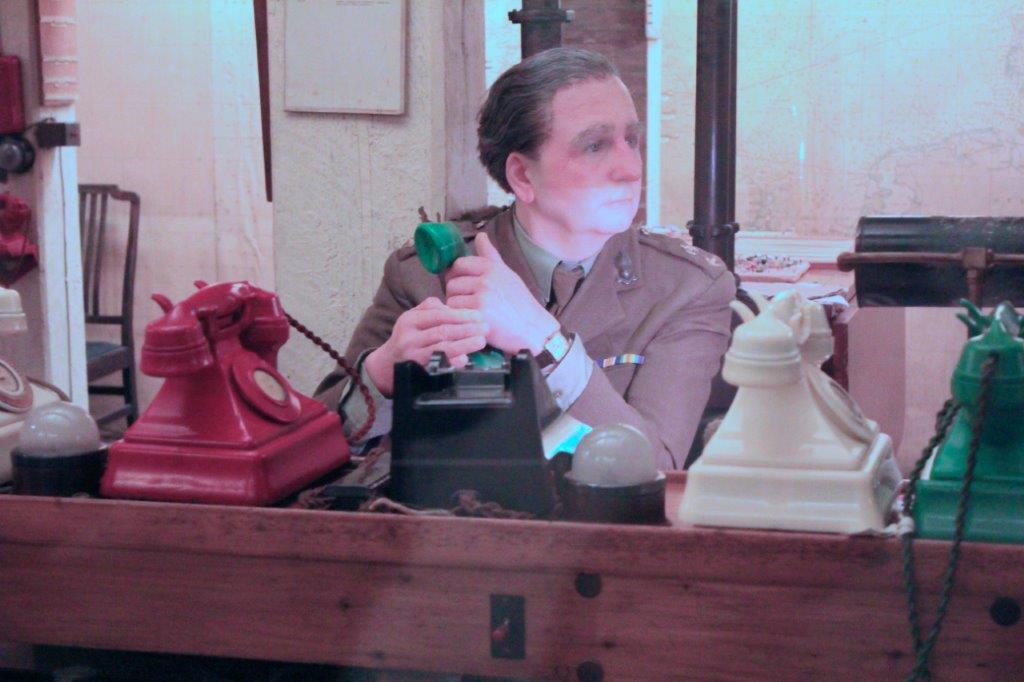
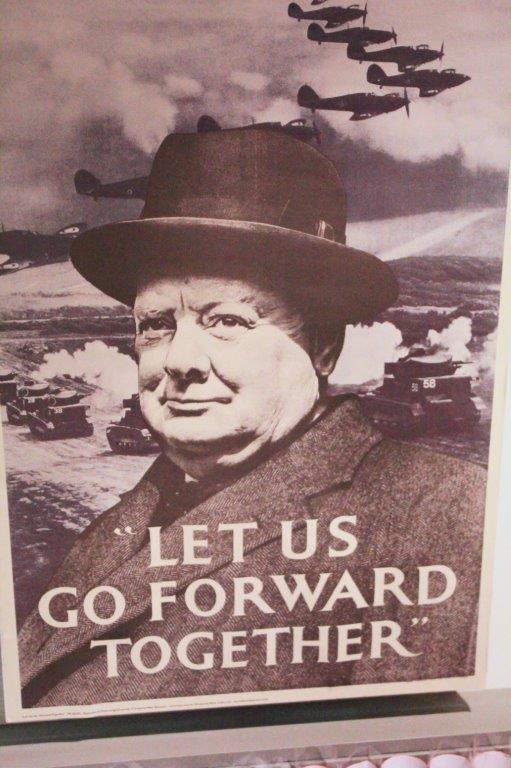
 The photos have a pink cast due to the lighting.Prime Minister Churchill and his wife had rooms.  There was also a kitchen to prepare their meals.

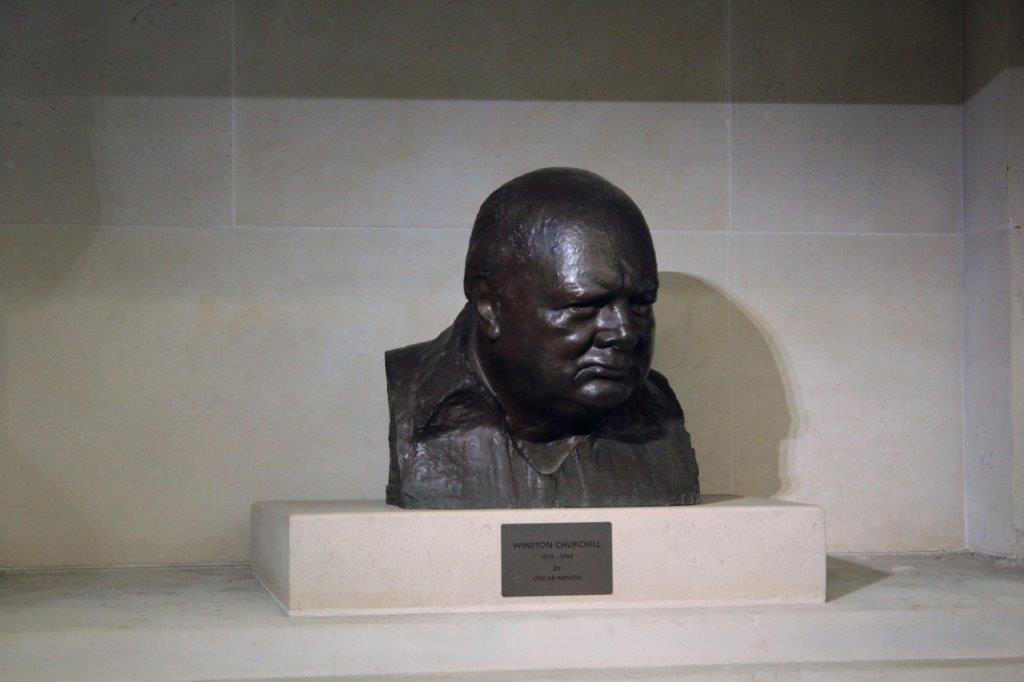
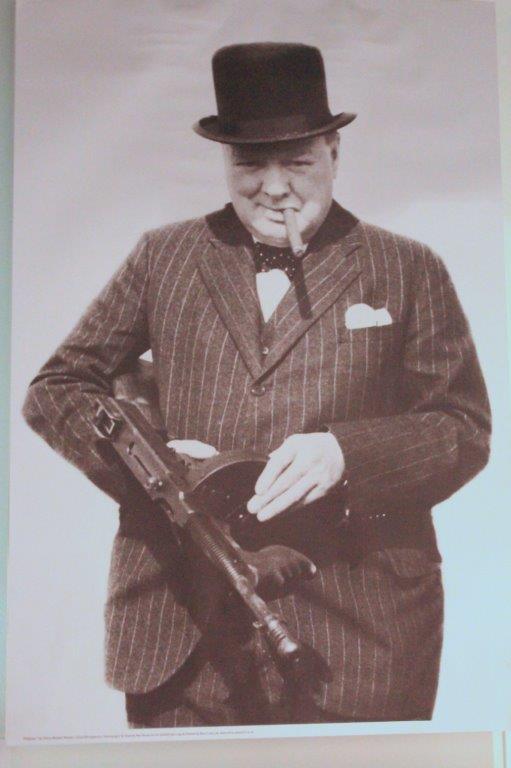
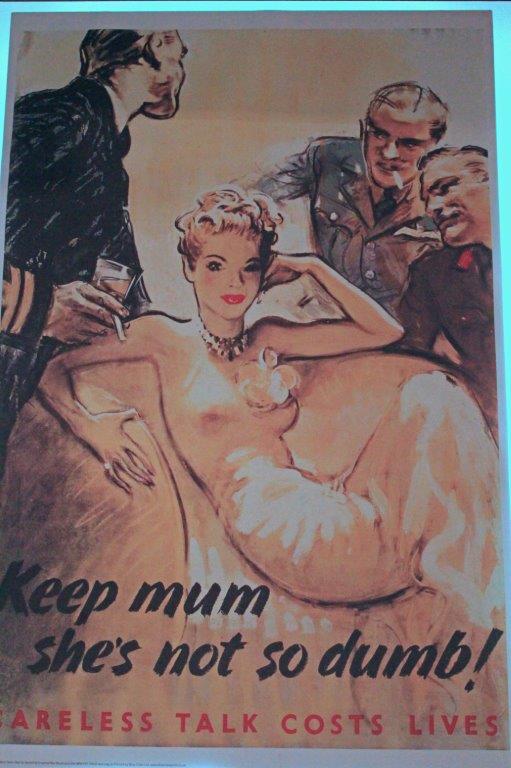
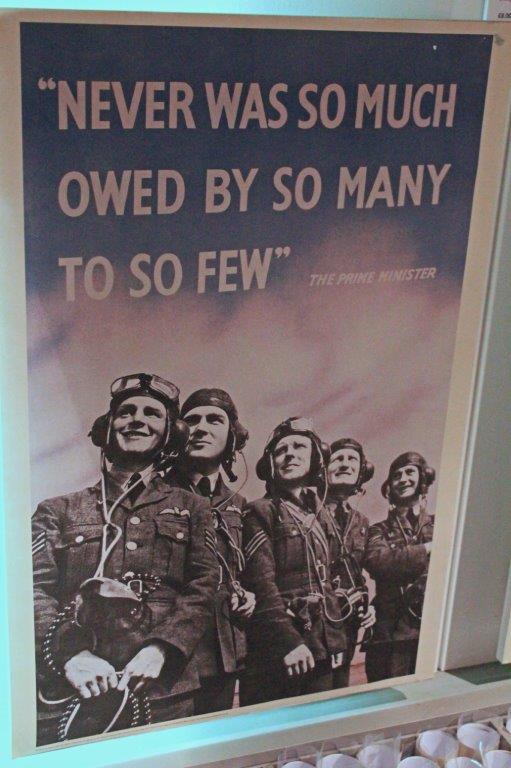
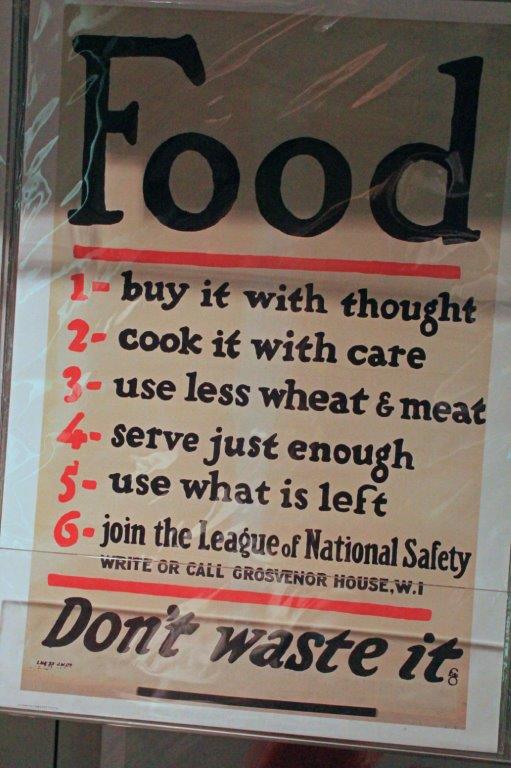
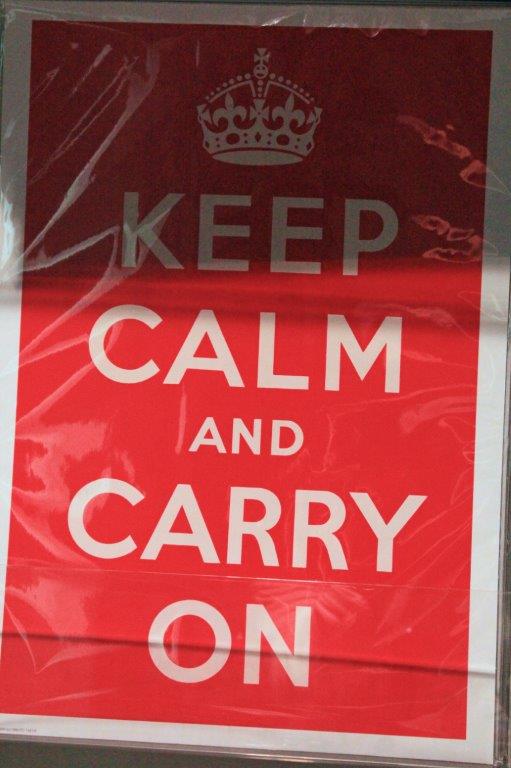
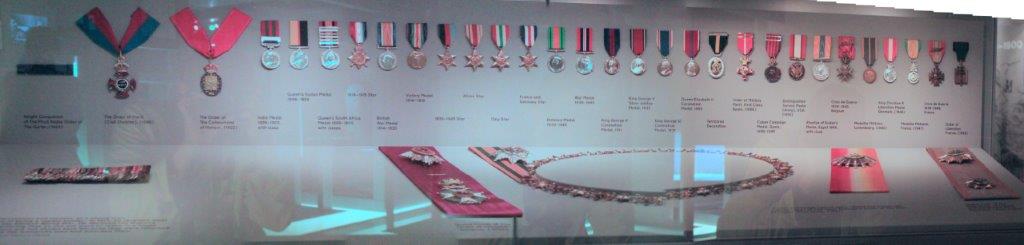
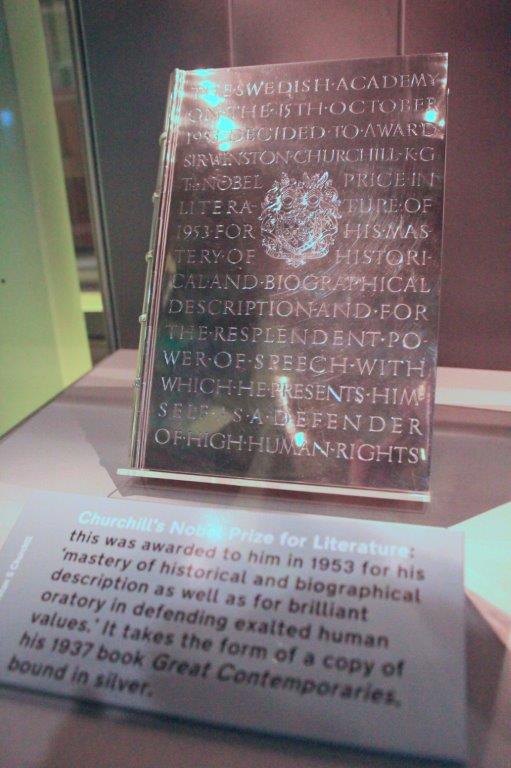
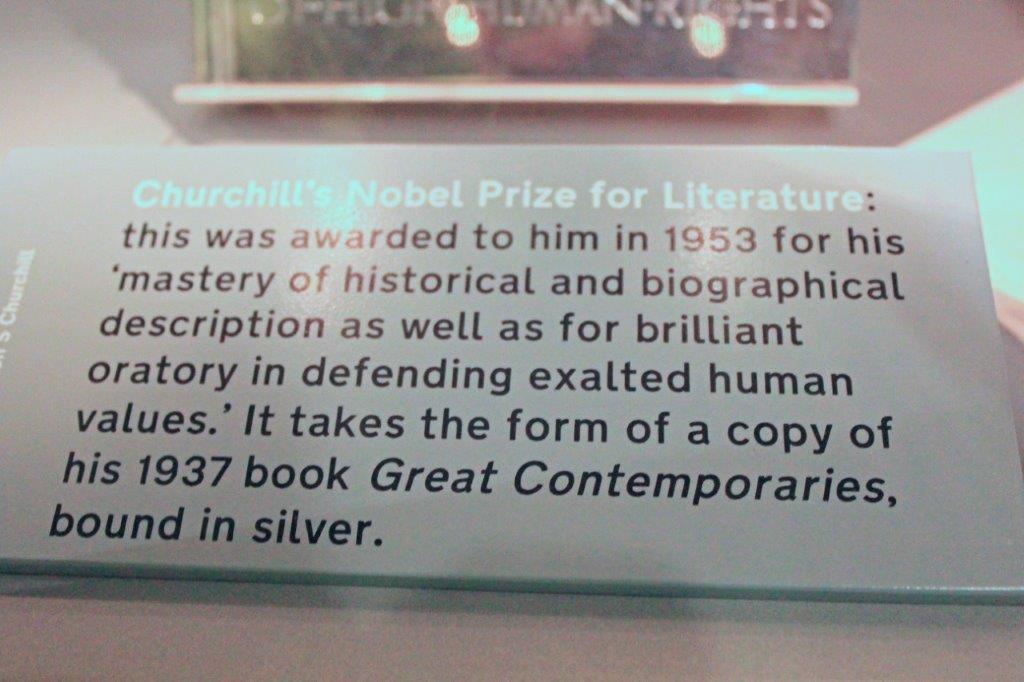
The women and men who worked down here during the war could not tell anyone where they worked or what they were doing. There were very realistic looking mannequins of the actual people that worked in the various departments.In 2005 a Museum documenting the life and accomplishments of Winston Churchill was opened as part of the War Rooms.This lengthy panel displays all of his service medals, medals and awards.

Being a history buff such as I am, and one who has always had an interest in WWI and WWII history, I found the place fascinating.

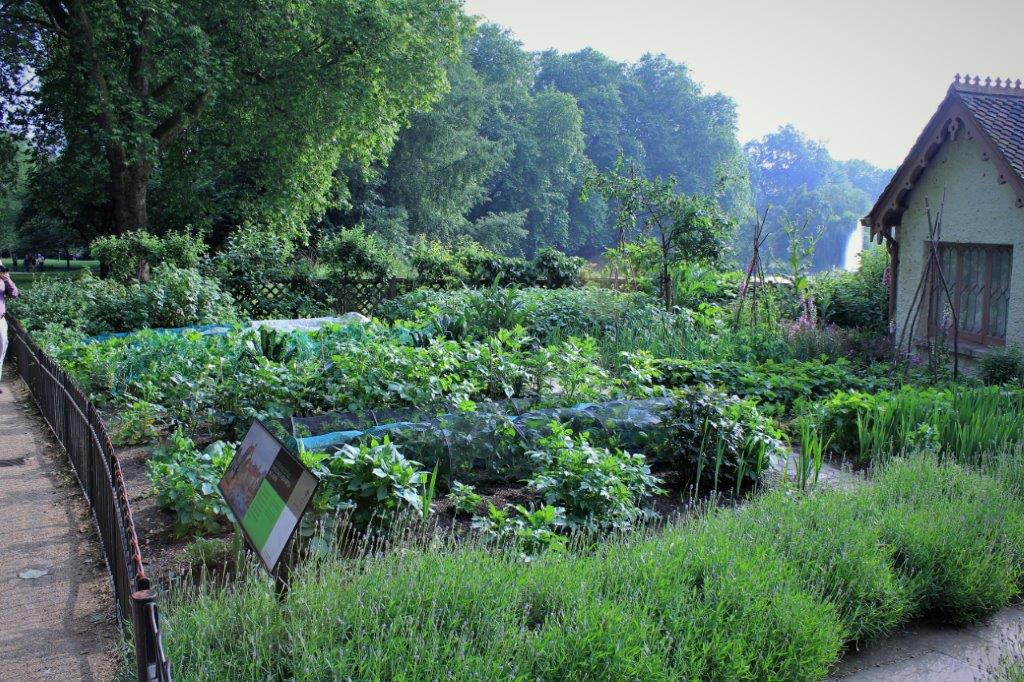
When we finished our tour we wandered around several blocks to see what we could see. You couldn’t get more English Country Garden-ish than this!         The Canadian Embassy – a piece of home in central London