All posts by jj1951

My husband and I retired in 2007 and decided to spend the kid's inheritance by travelling as much as we could until either the money or our health runs out. So far so good.

2013 January 17-February 8 – Escondido, California

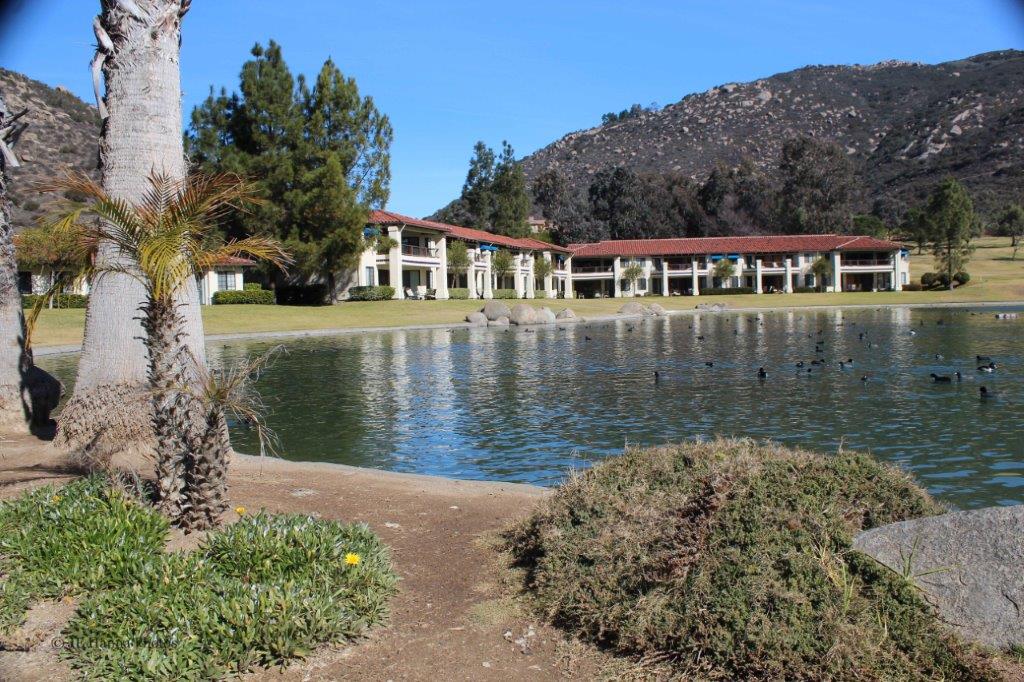
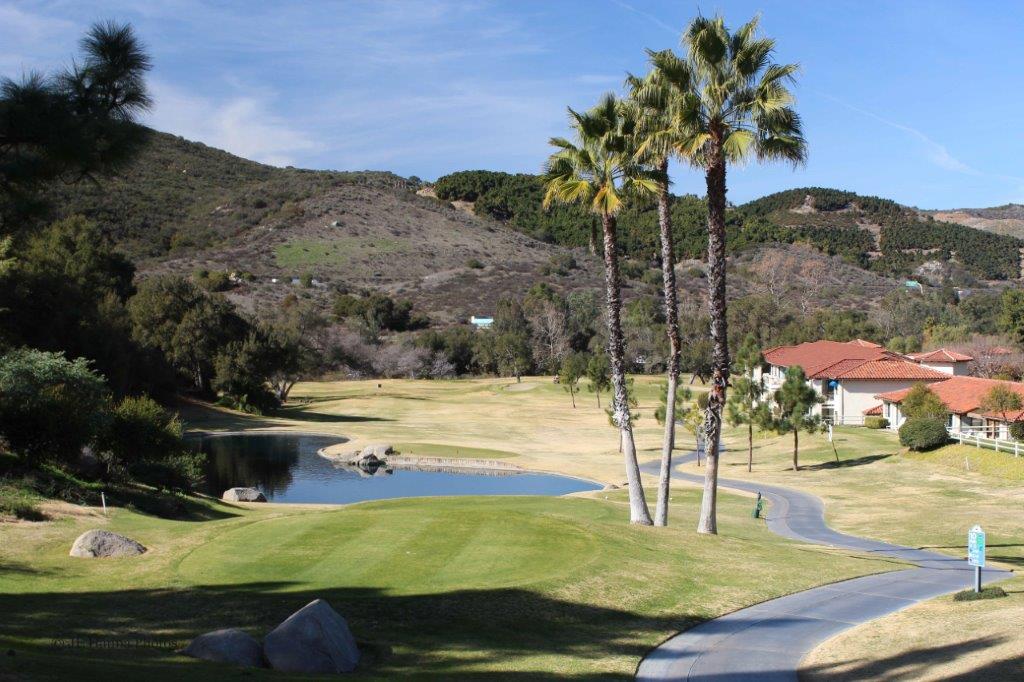
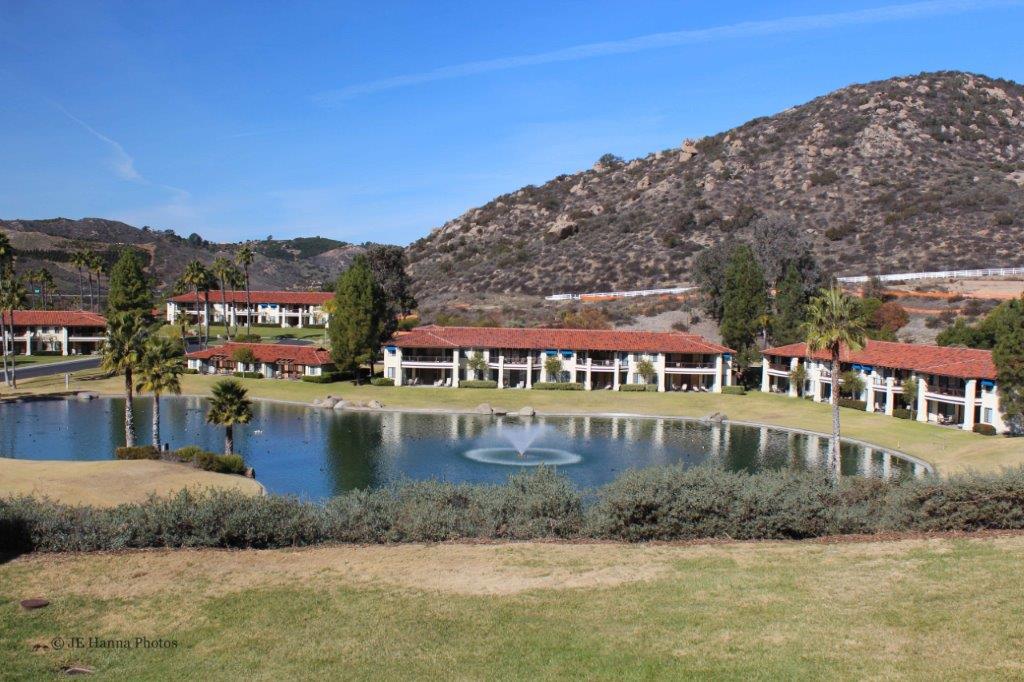
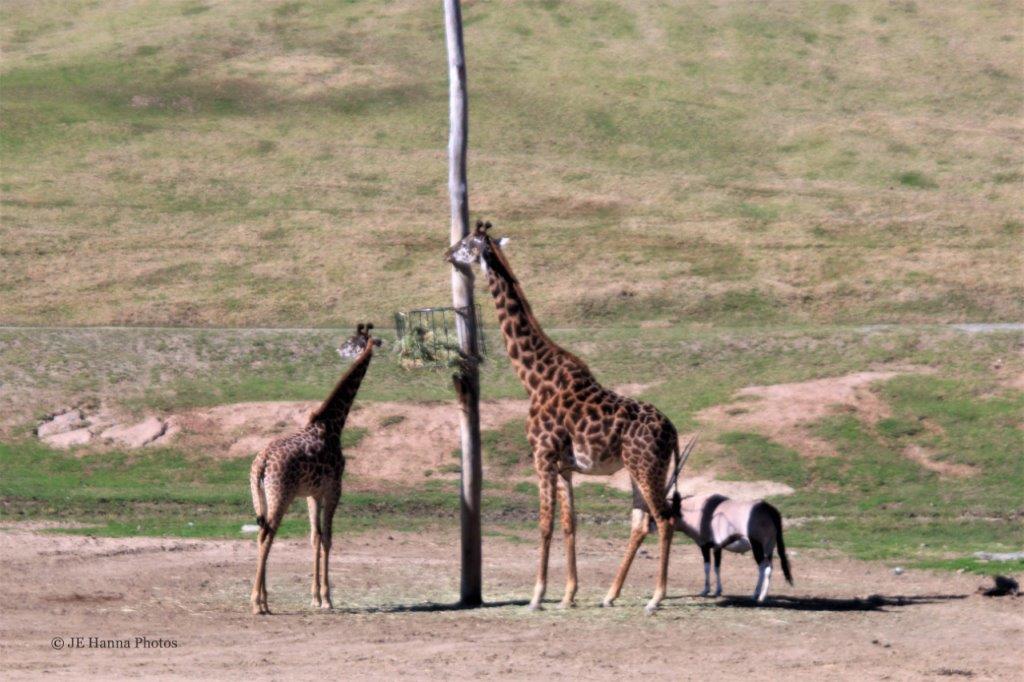
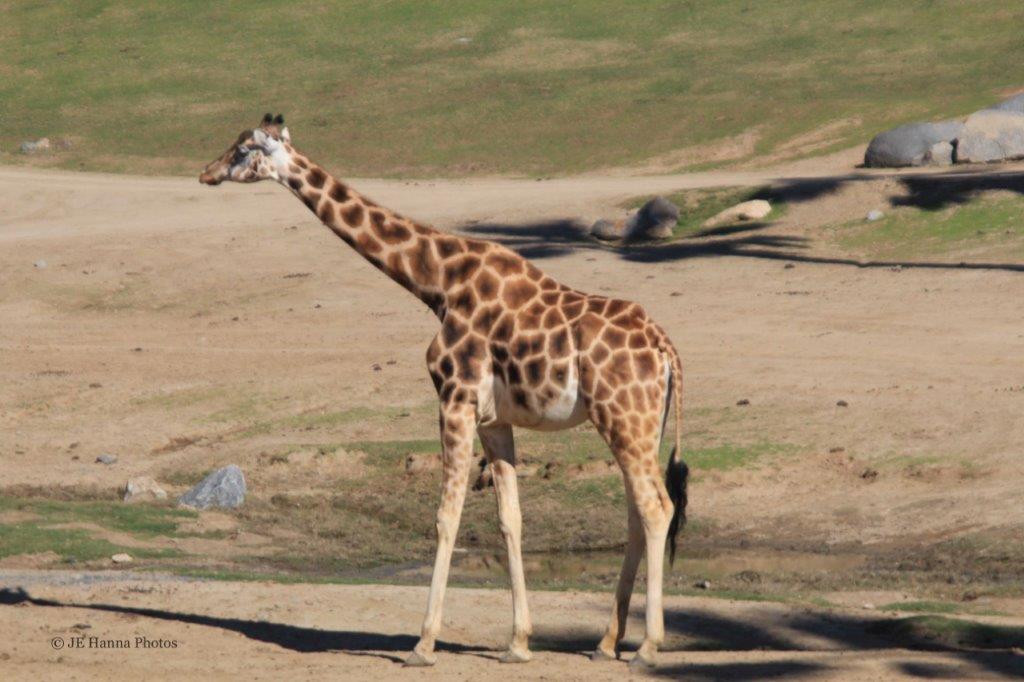
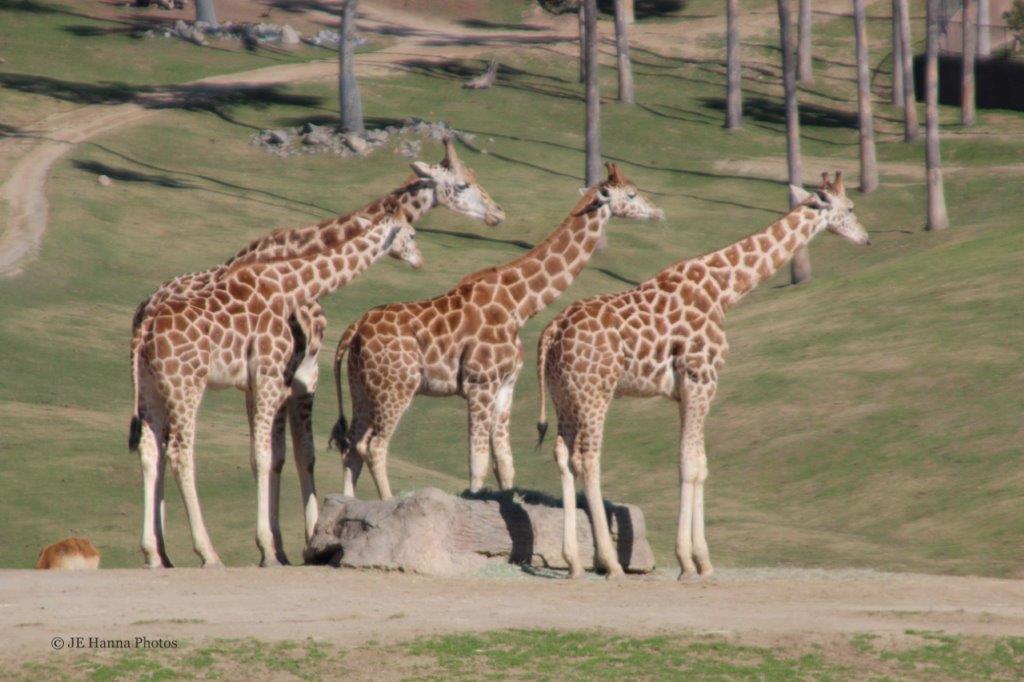
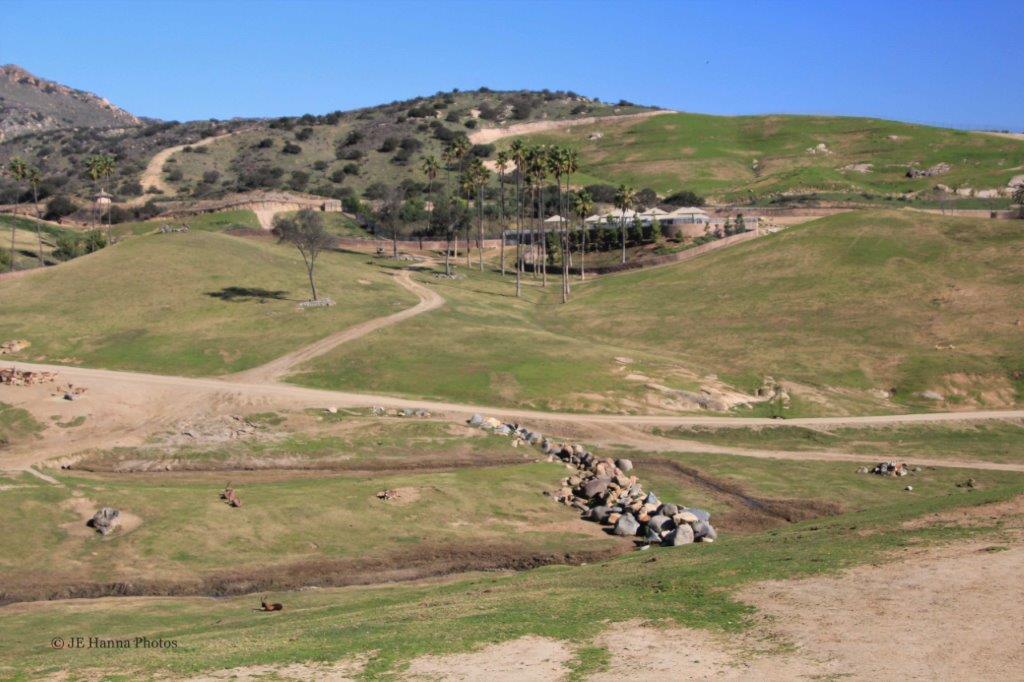
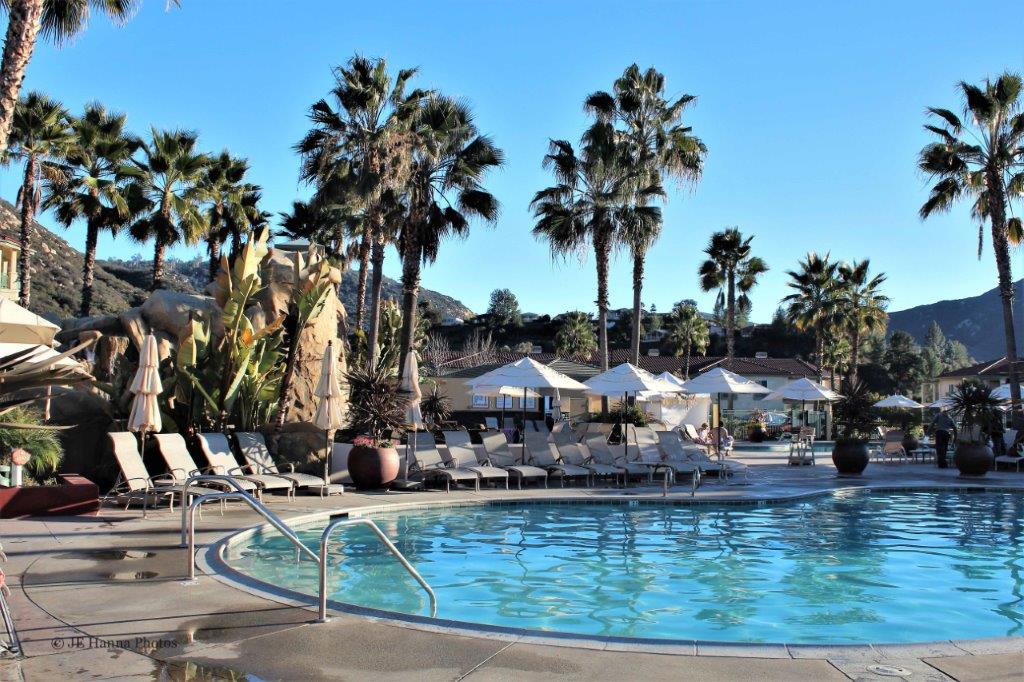
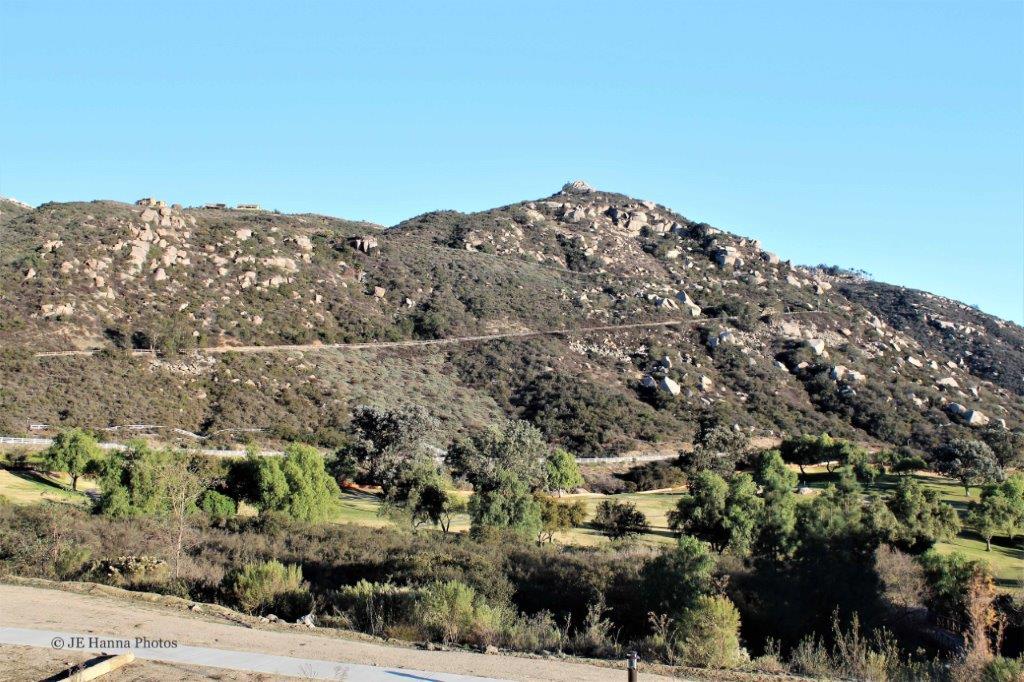
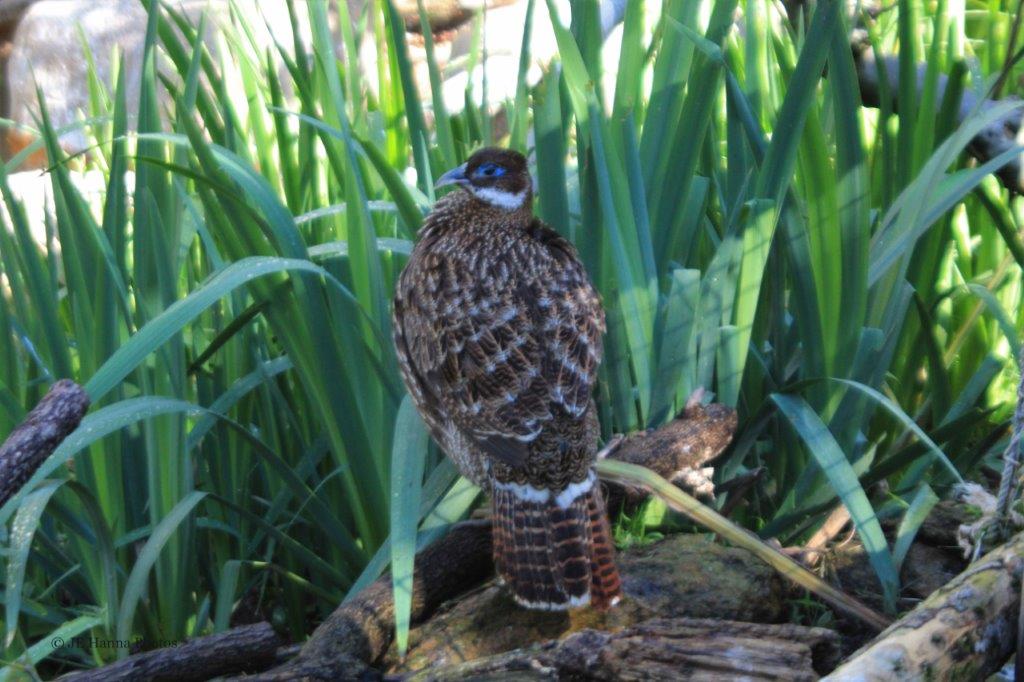
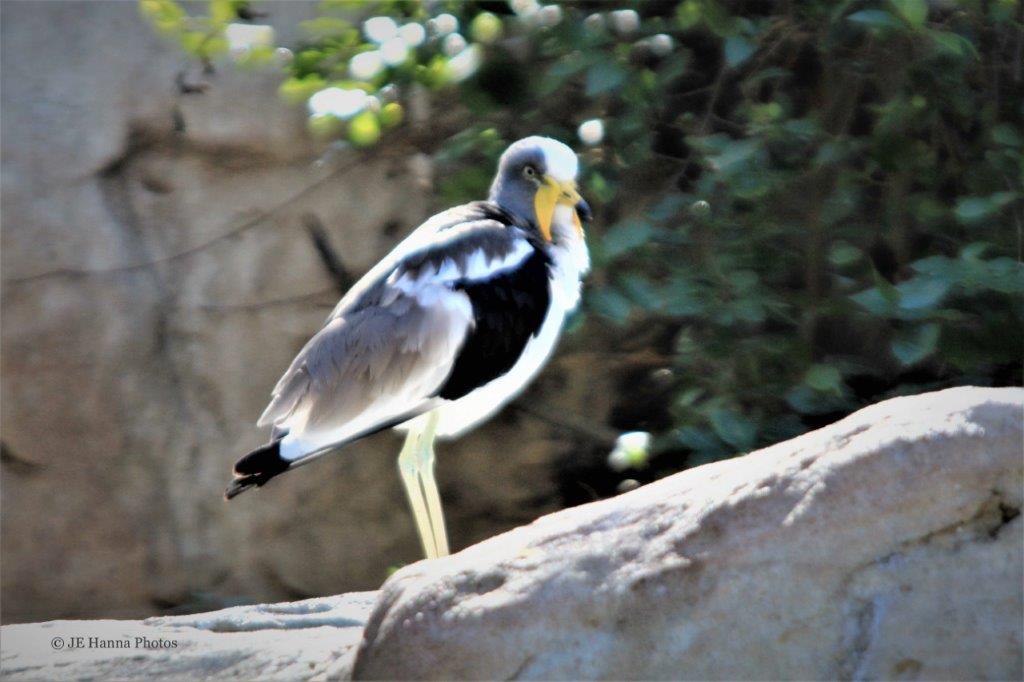
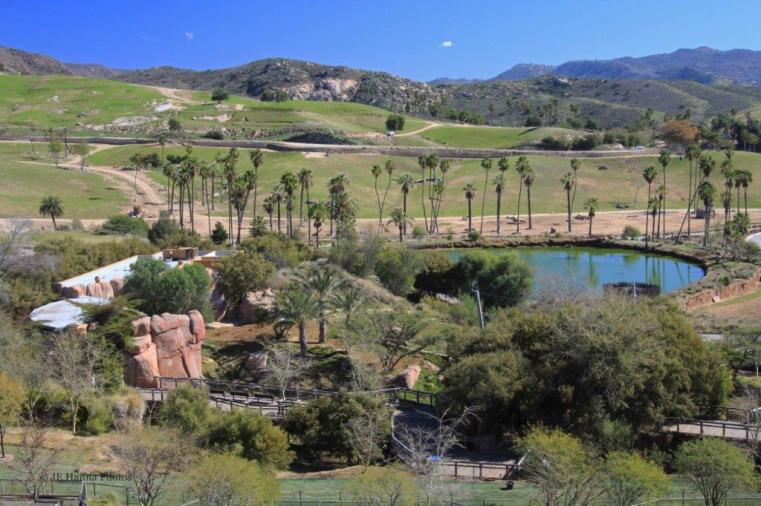
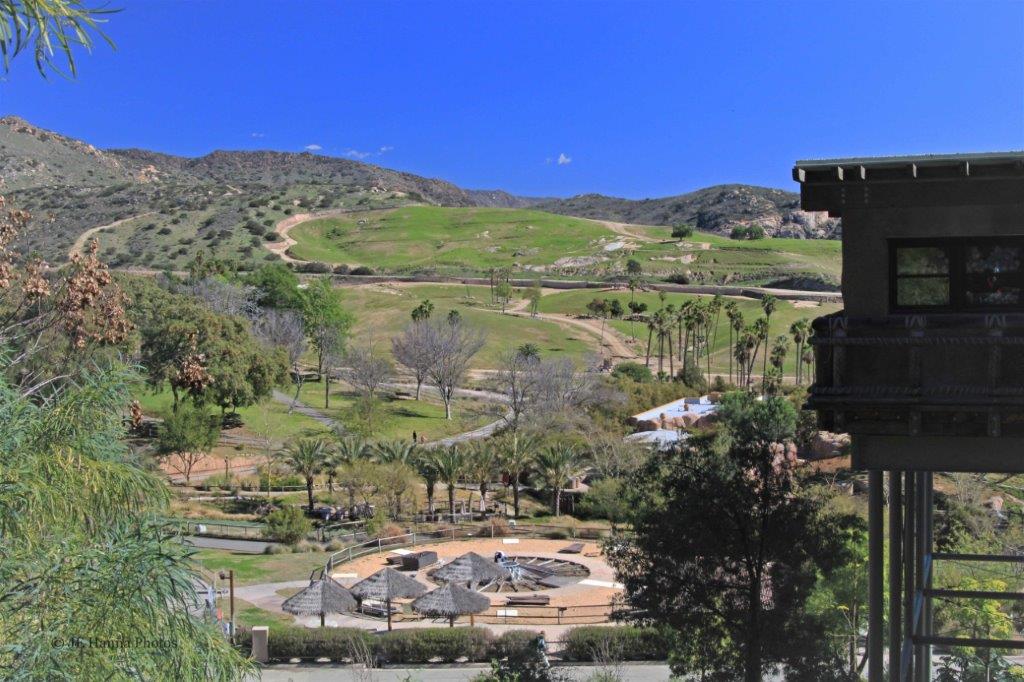
Escondido is only about an  hour’s drive from San Diego.  We settled into our condo, got our groceries unpacked, and took a walk around the resort. We have always tended to be lazy during our time share stays. We find a nice walking route in the area, or around whichever resort we are in, and go for a walk each day.  We do puzzles (me – word puzzles and John – sudoku), we read, we check out any interesting things in the area, and we take it easy.  On two separate afternoons we had lunch with friends we had met on the 2009 World Cruise, and one day we drove down to the San Diego Zoo Safari Park, which is located not too far south of Escondido. I am always happy when I can go see critters.  I didn’t get the name of the bird on the left.  The one on the right is a White-headed Lapwing.
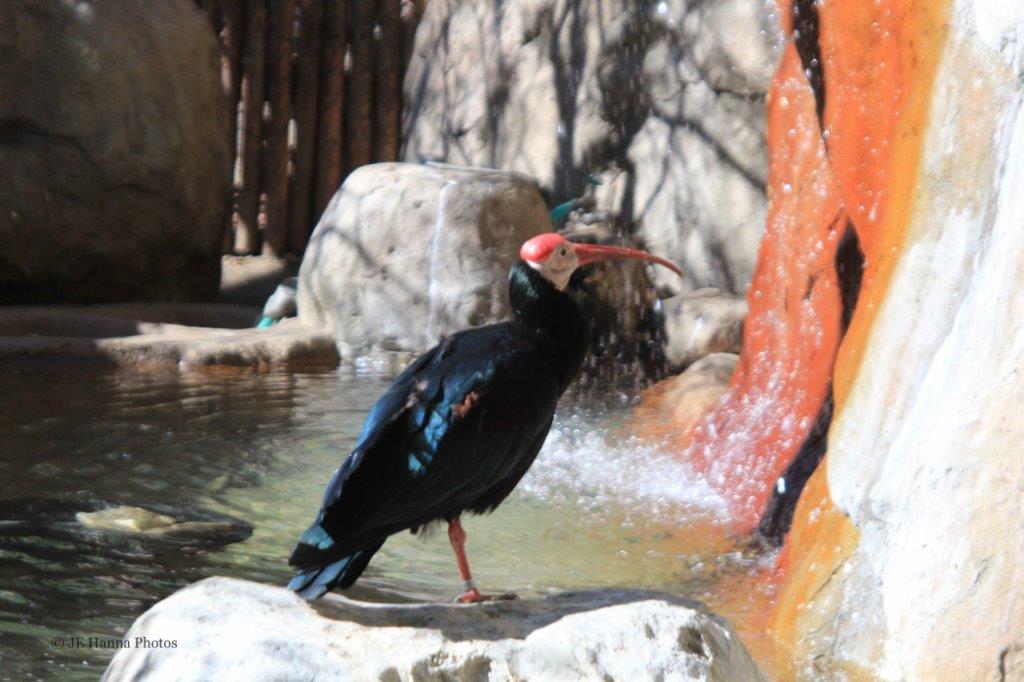
                                               Southern Bald Ibis

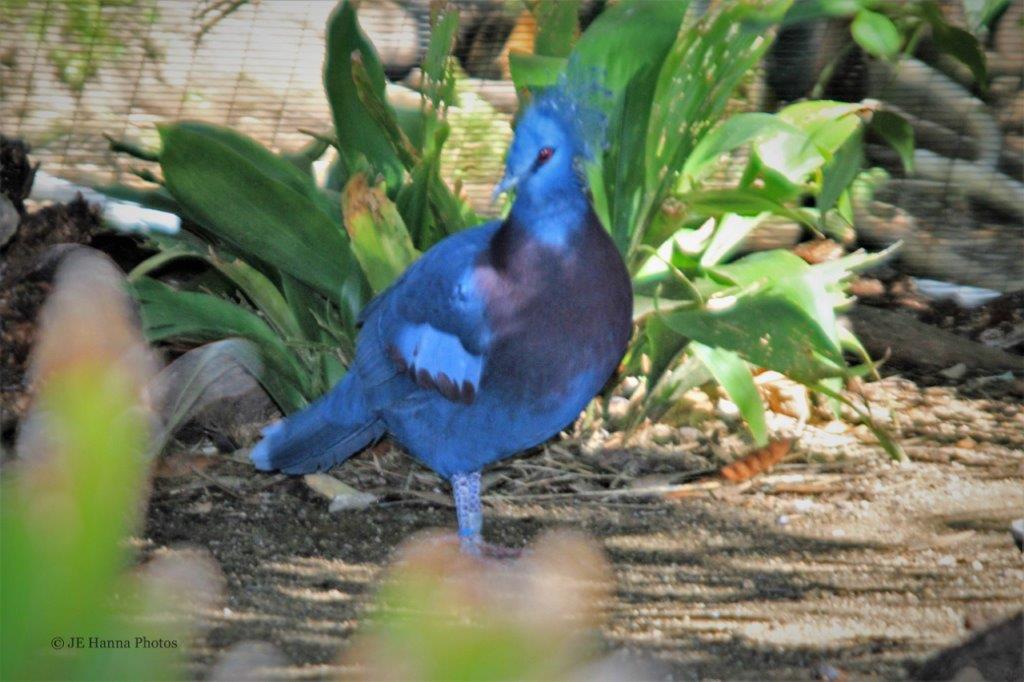
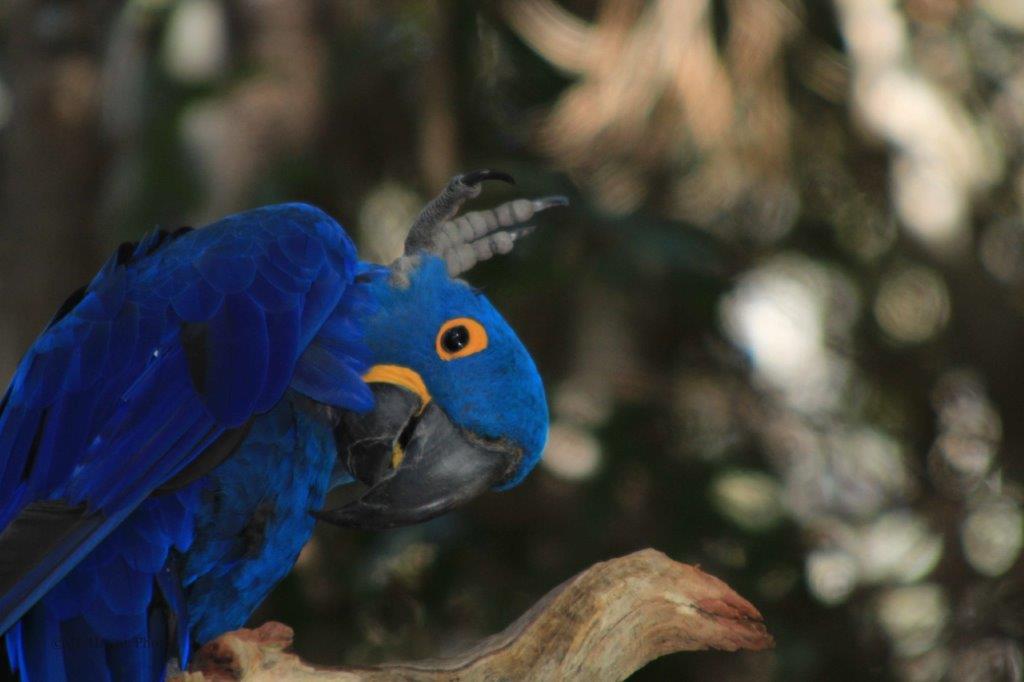
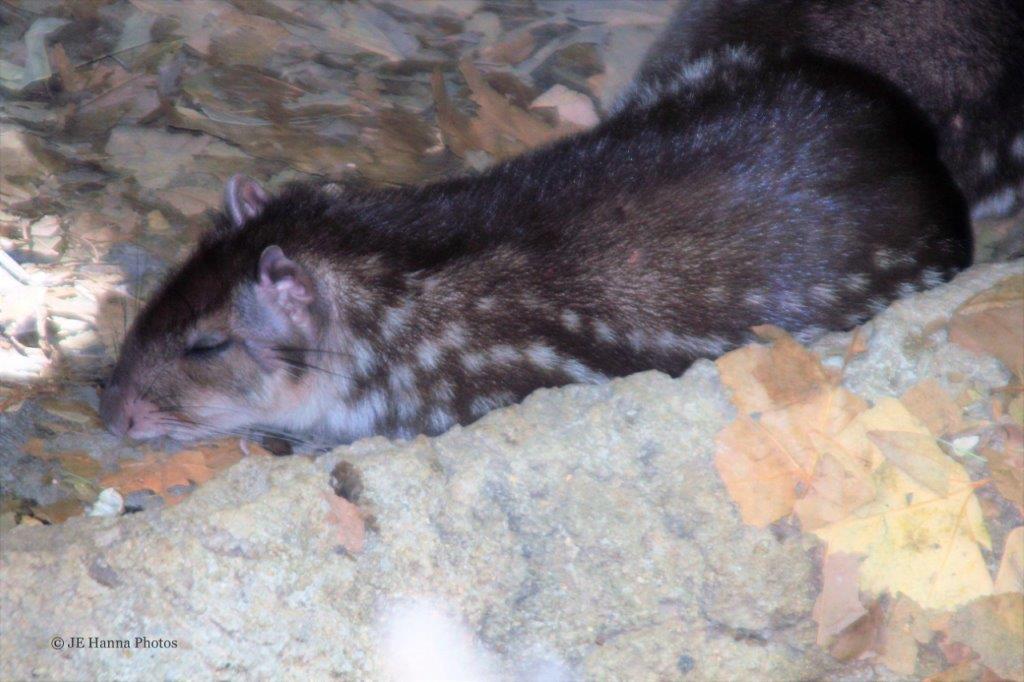
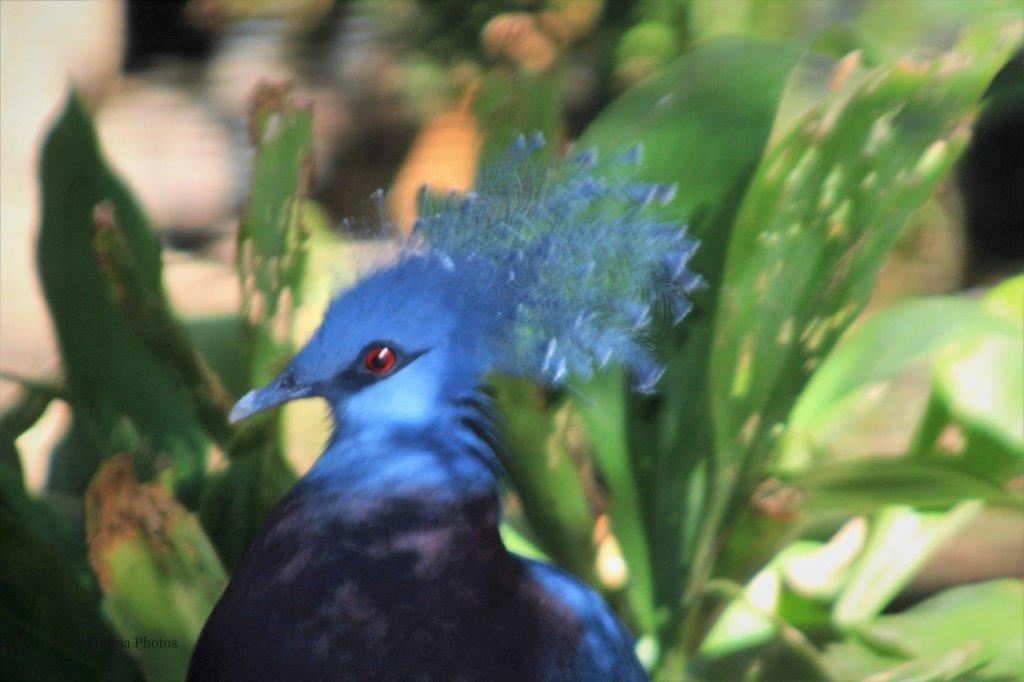
             This lovely blue bird is a Victoria Crowned Pigeon                                                   Hyacinth Macaw                                   Lowland Paca – large tropical rodent
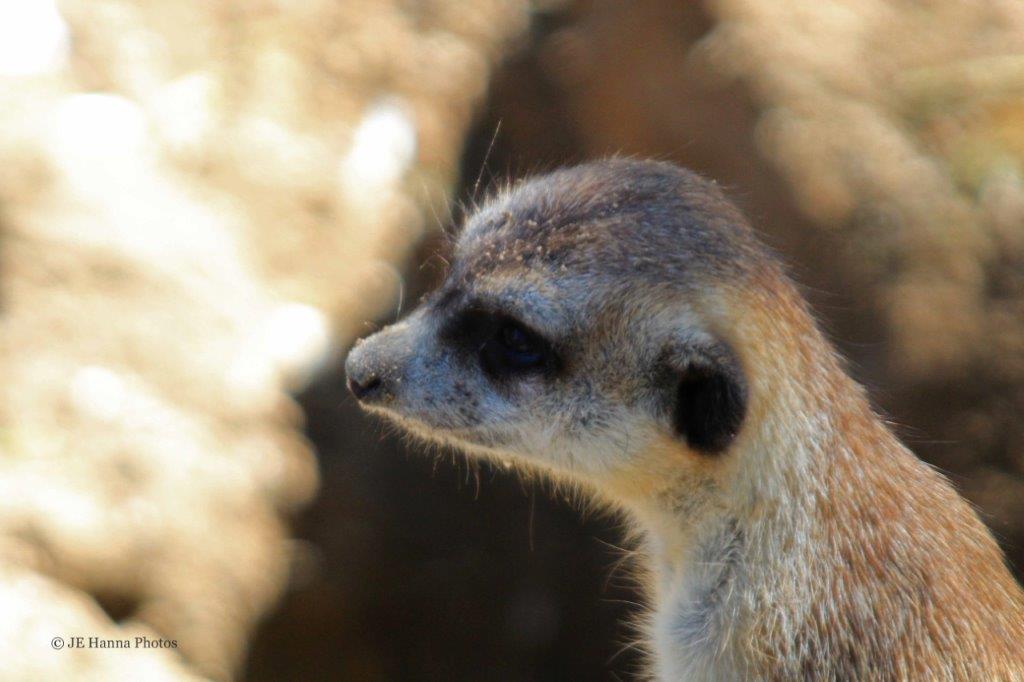
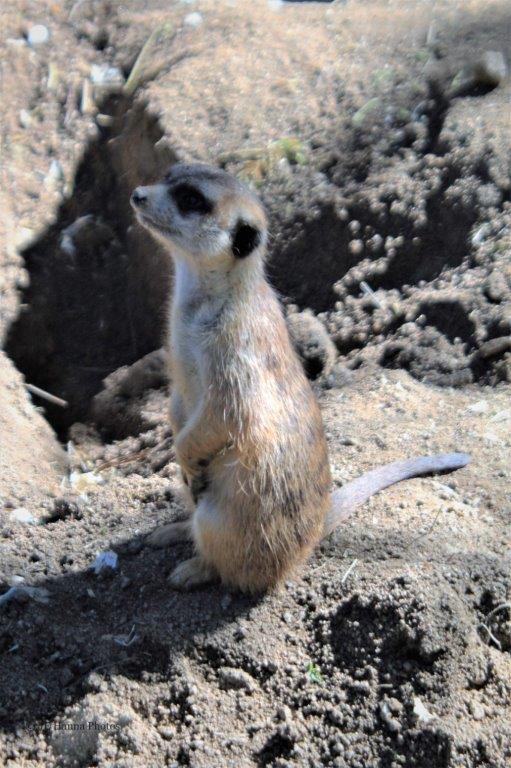
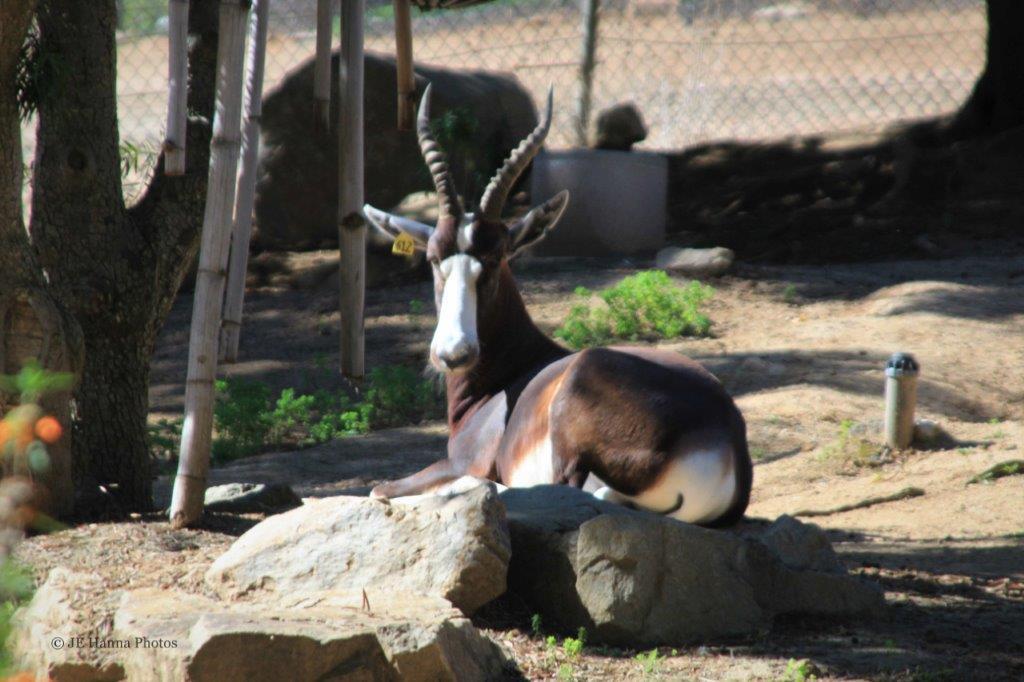
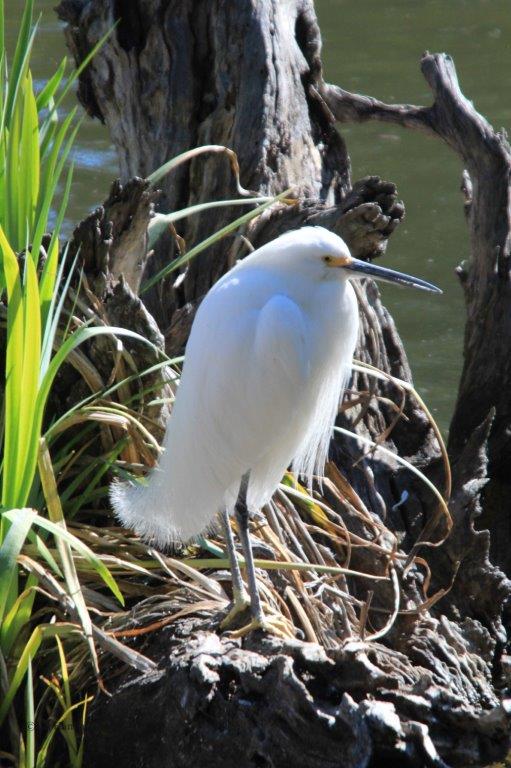
                                             The ever-curious Meerkat                           Hawai’ian Goose and a male Ringed Teal                                         A Snowy Egret and a Crowned Crane                                                        Bontebok
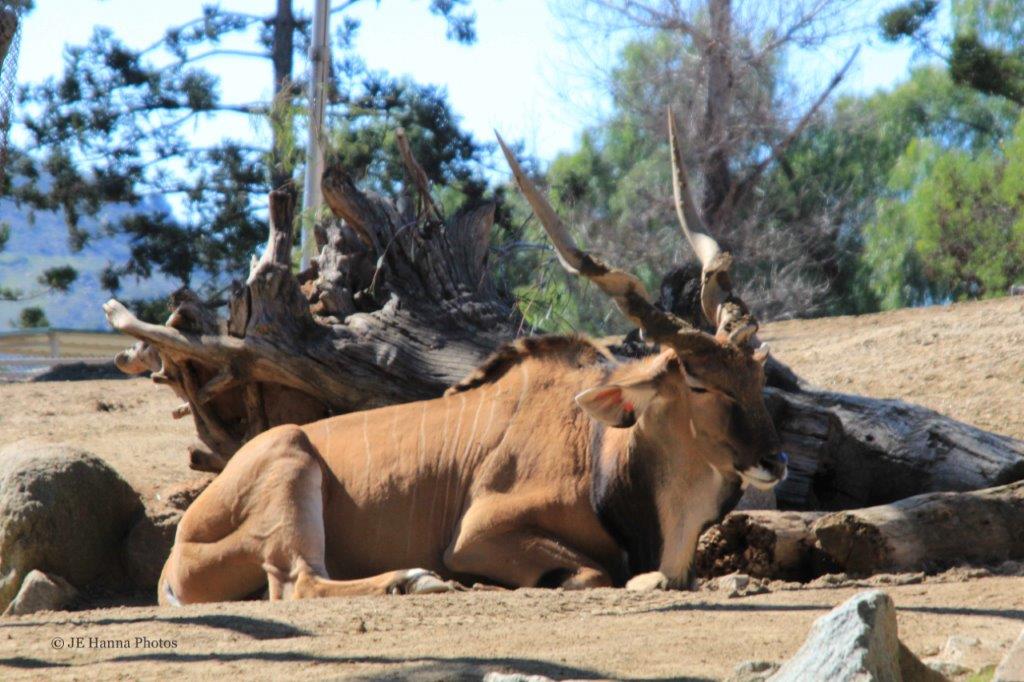
                                                  Western Giant Eland

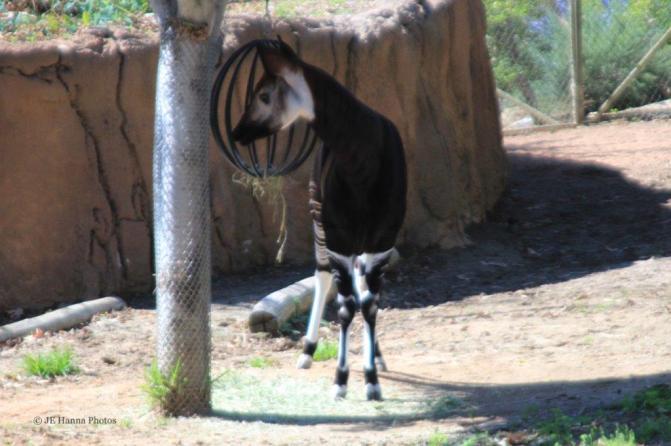
                                                          An Okapi

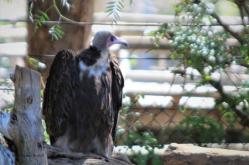
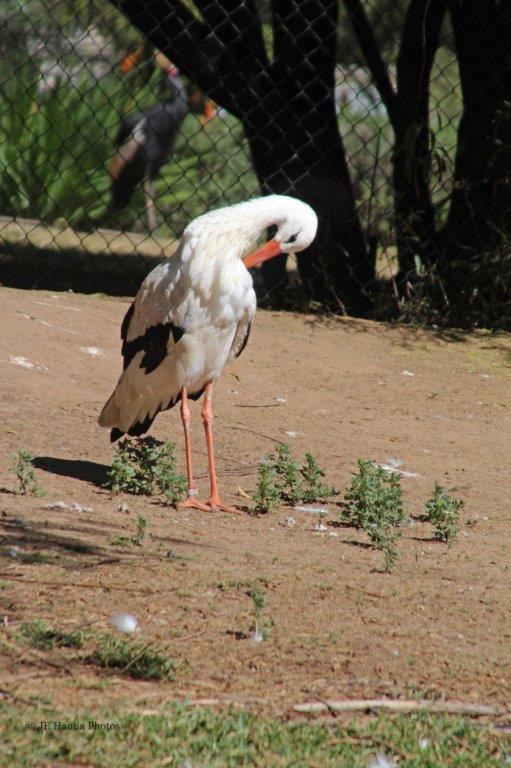
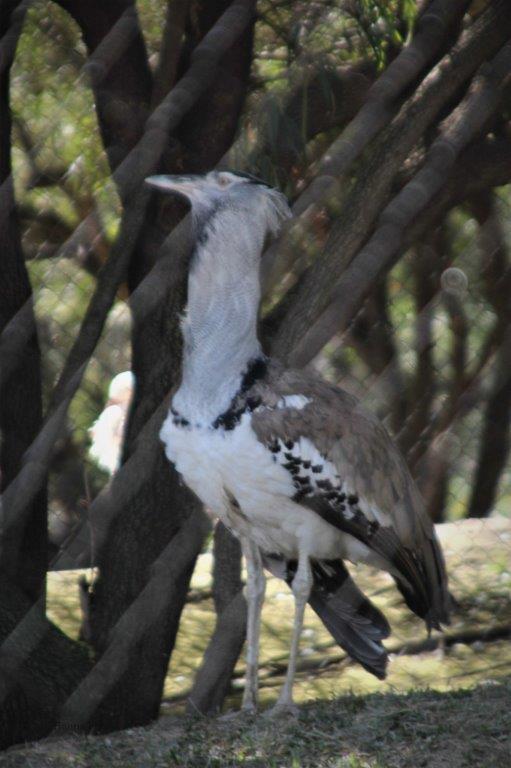
                 Western Egyptian Vulture and Hooded Vulture European White Stork and a Kori Bustard; the largest flying bird in Africa.
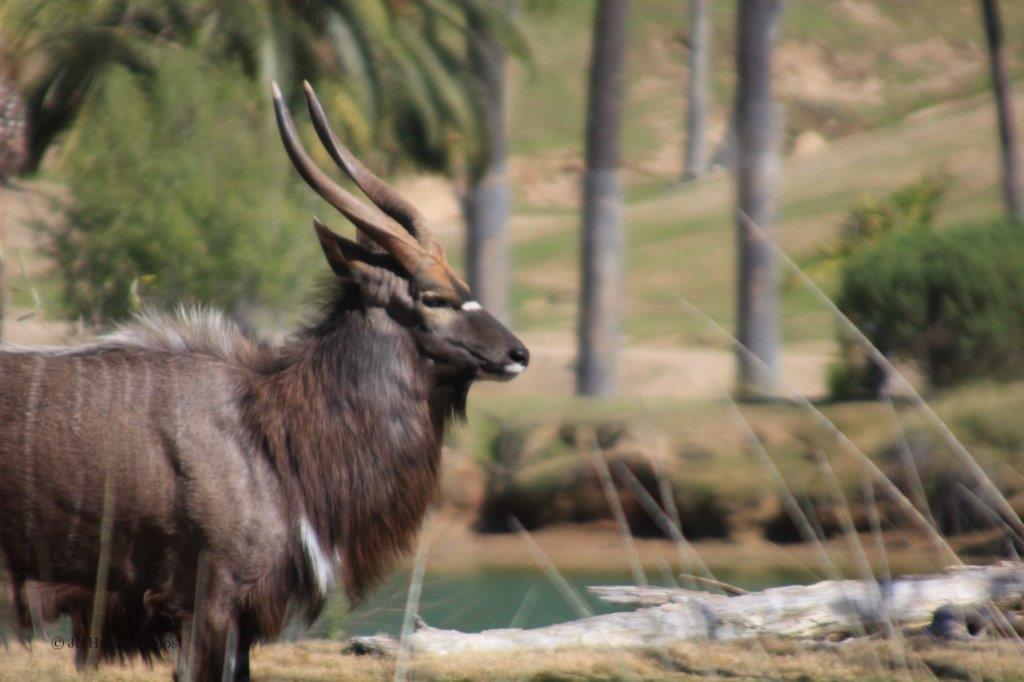
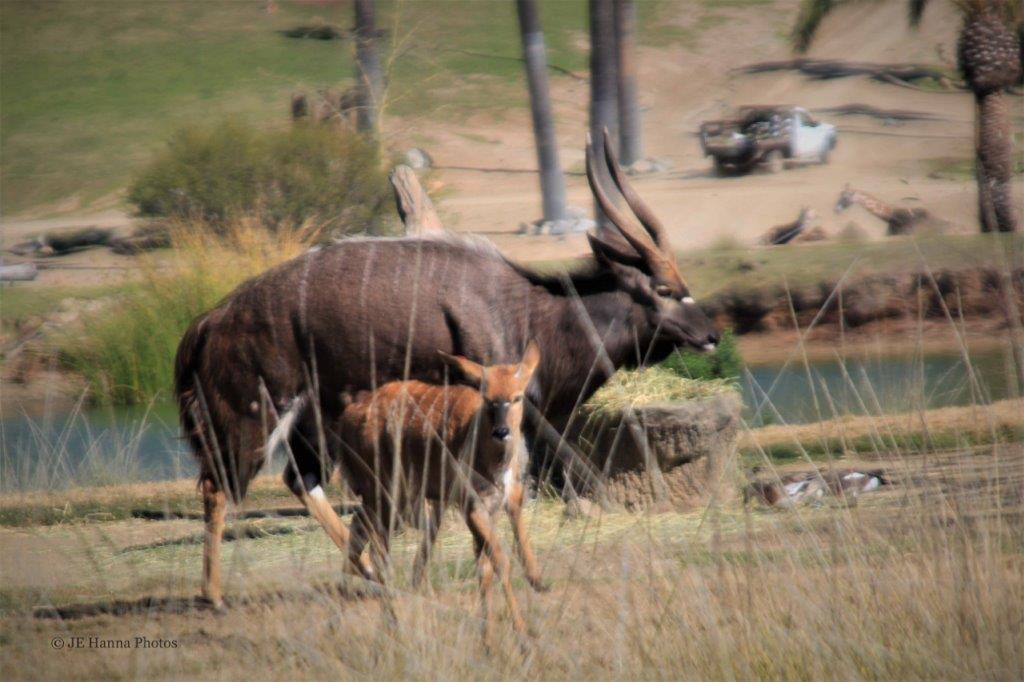
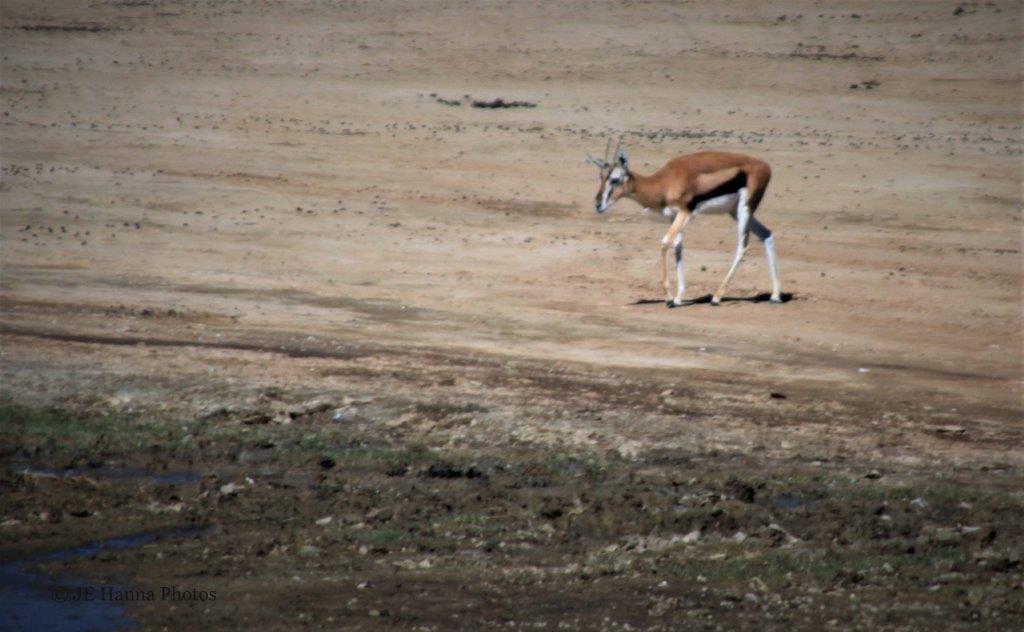
.  A male Abyssinian Ground Hornbill.  The females don’t have the red.  Nyala, one of my favourite antelope species.  They are so pretty.                            The little, but fleet, Thomson’s Gazelle.                                             Yellow-billed Stork
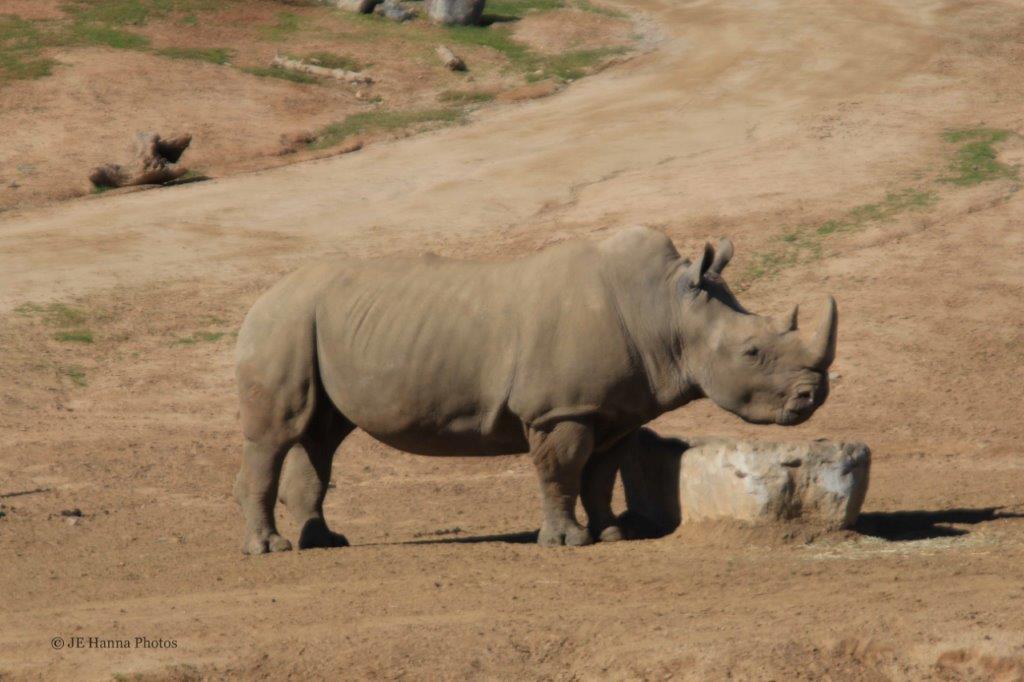
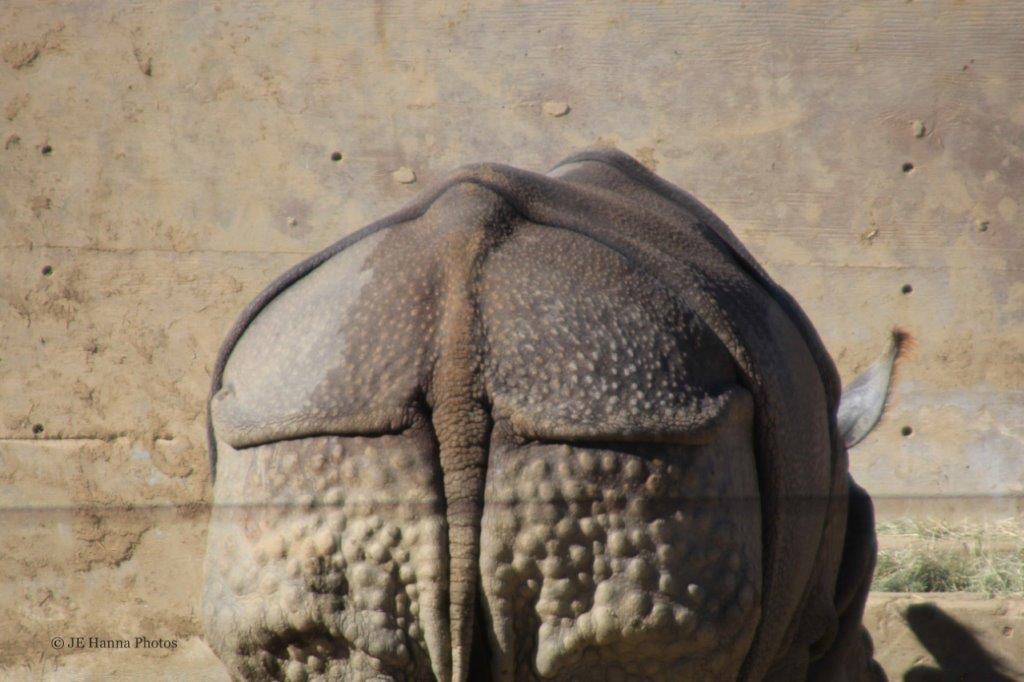
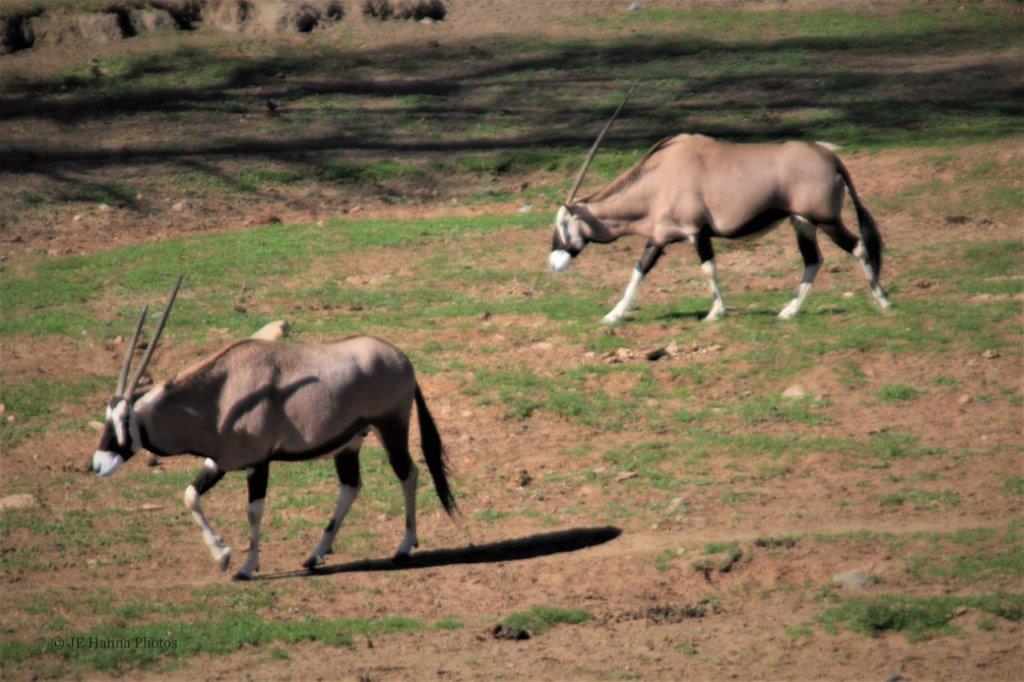
                                            Southern White RhinoIt is easy to see where inventors got the idea for armoured plates.  Rhinos have thick, hard hides.                                                              Wildebeest                                           Fringe-eared Oryx from the Arabian Peninsula – this antelope species lives wild in the deserts of Oman.Watusi Cows – they can survive on very limited amounts of grass and water; a very handy trait to have in Africa. And this was the most interesting thing we did in our time at Escondido.  When our three weeks was up we headed north to Las Vegas where John had secured another week of time share.
2013 January 13-17 – From Home to Escondido, CA (Part 2)

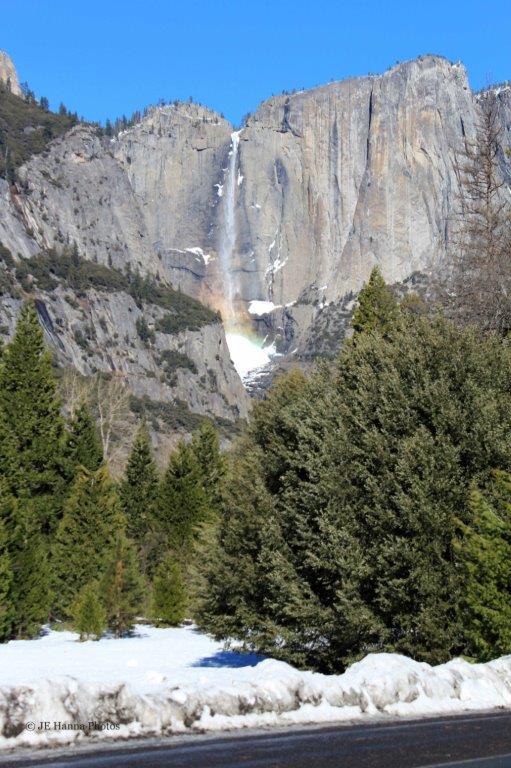
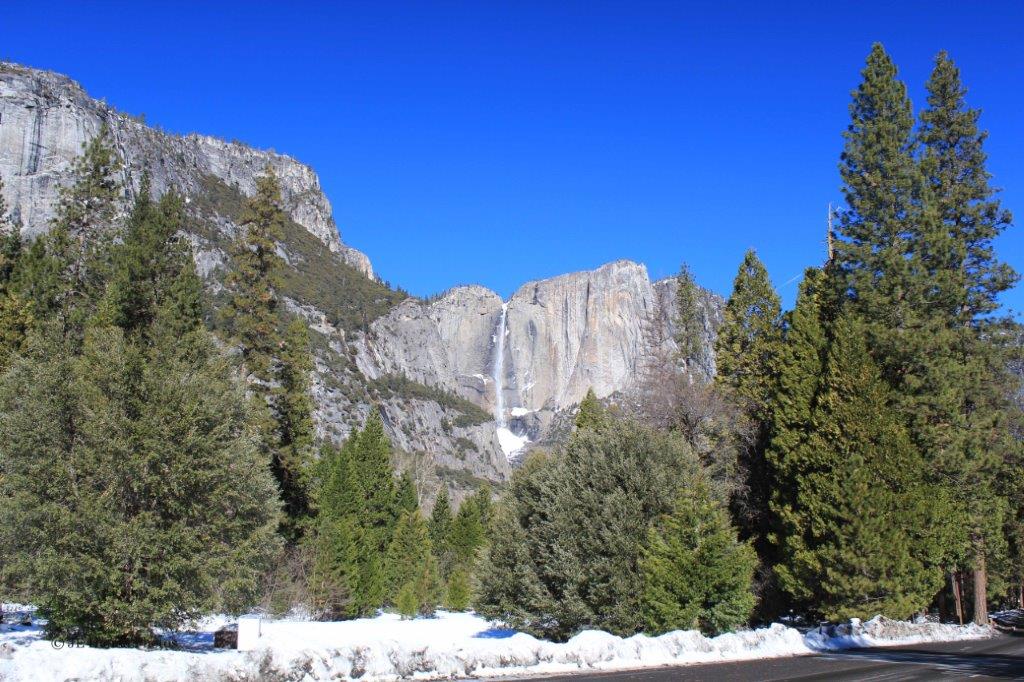
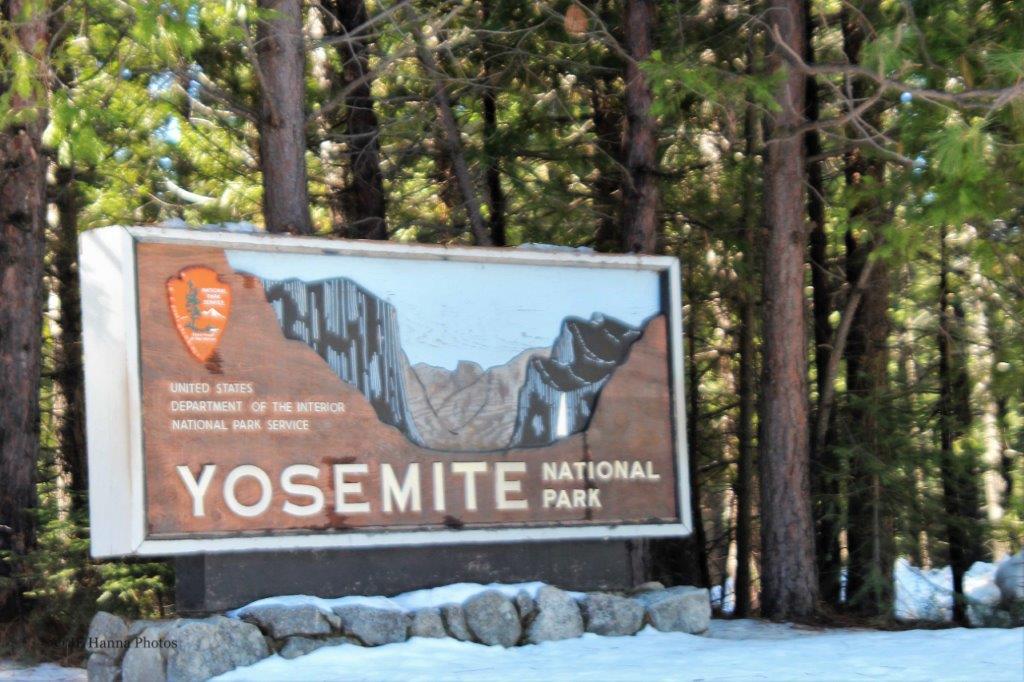
We were on our way to southern California to avoid some of the BC winter and friends we had planned to visit in LA had to cancel because they were sick with the flu.  This gave us an extra day before we were due to check into the Lawrence Welk Resort in Escondido, so we made a course change and headed to Yosemite.

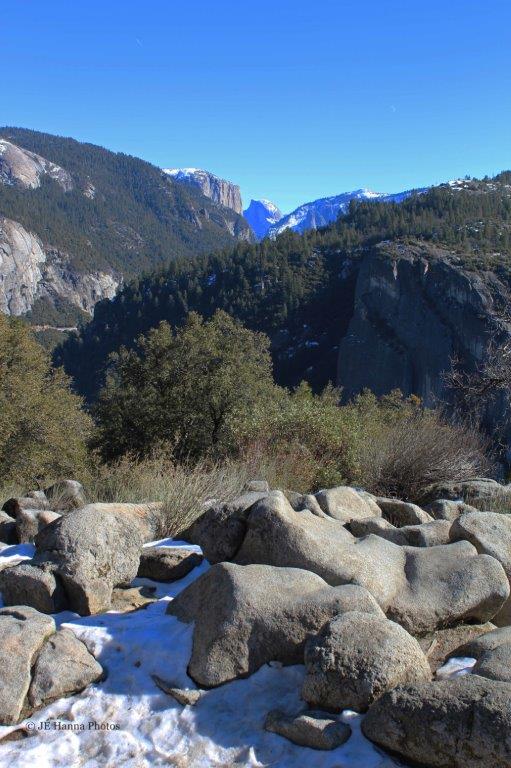
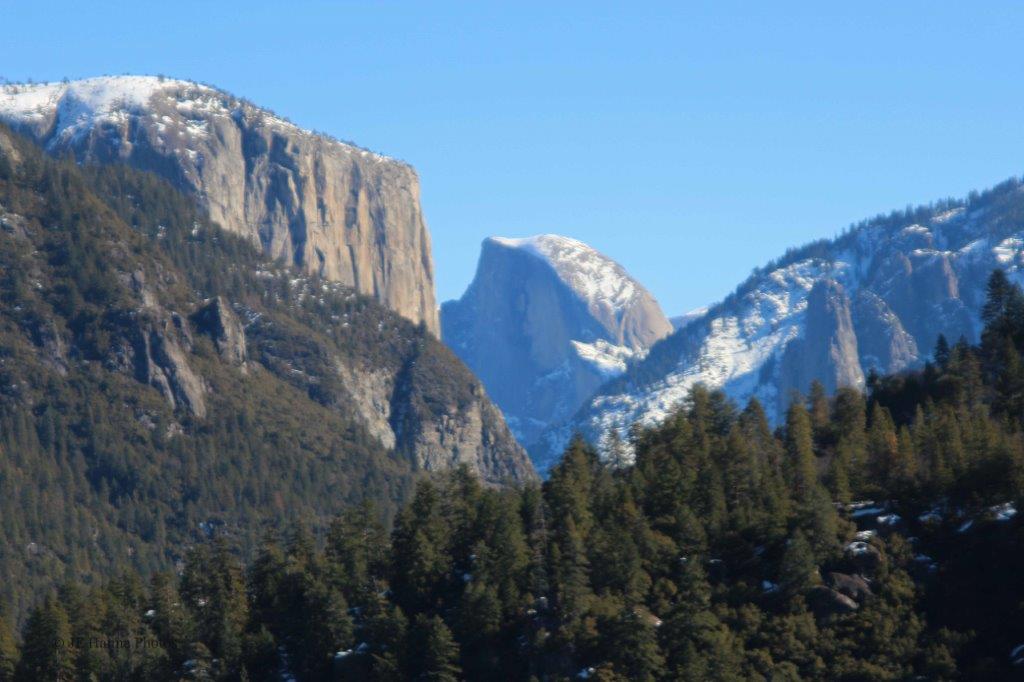
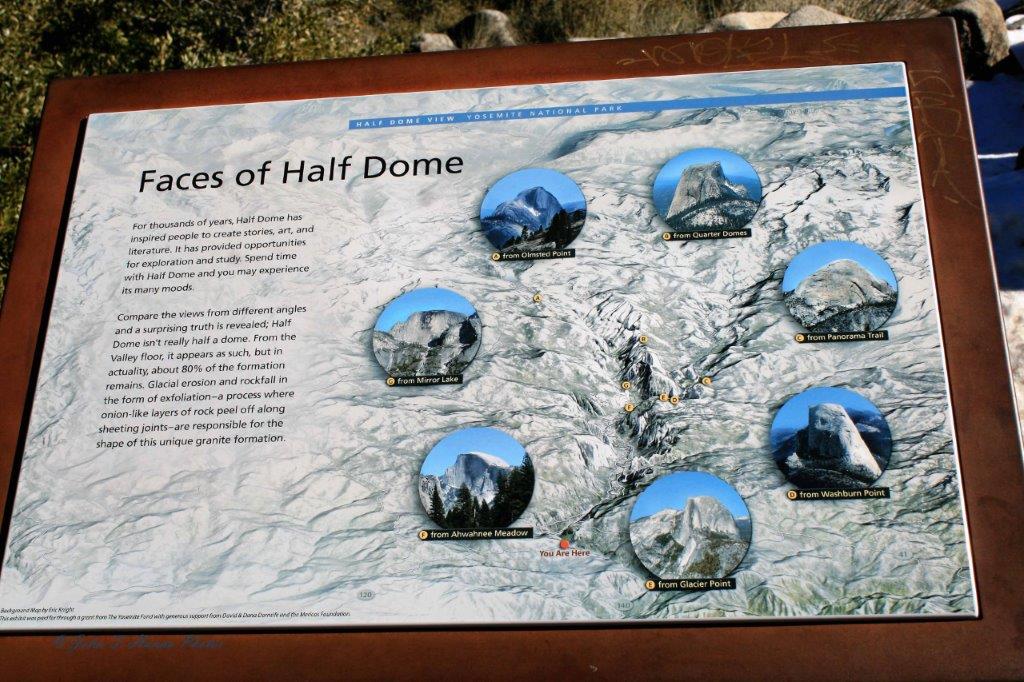
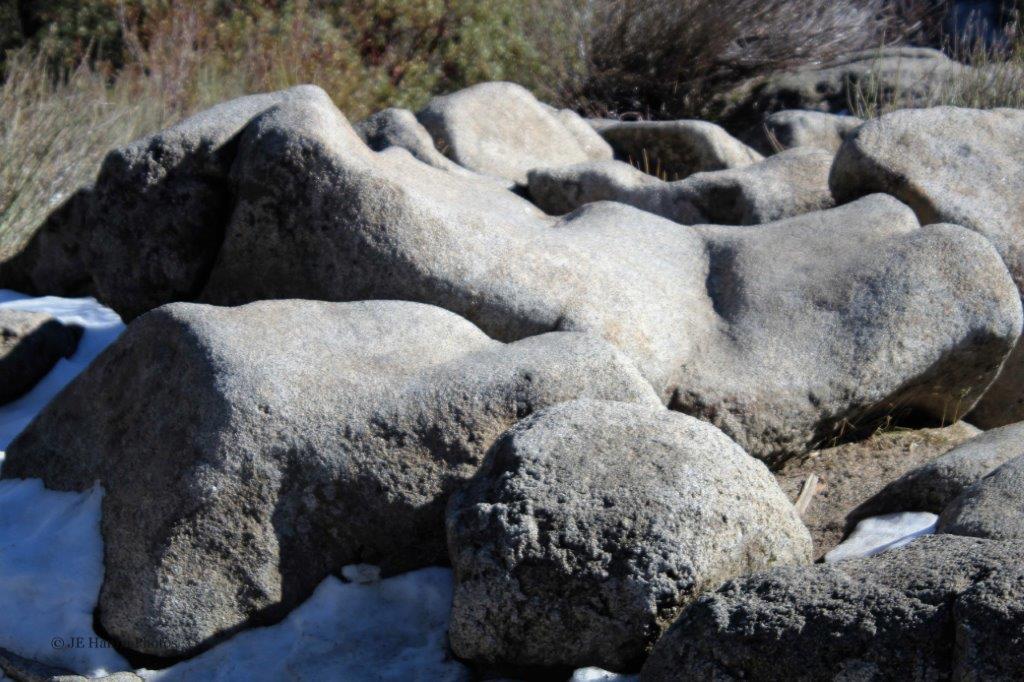
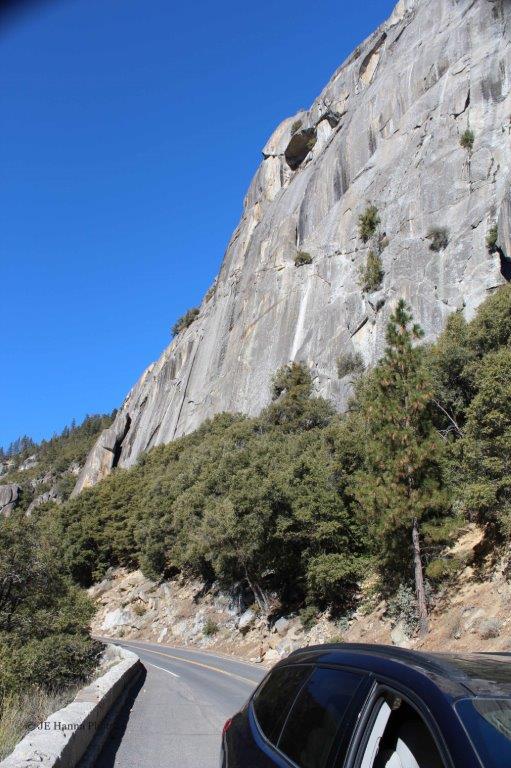
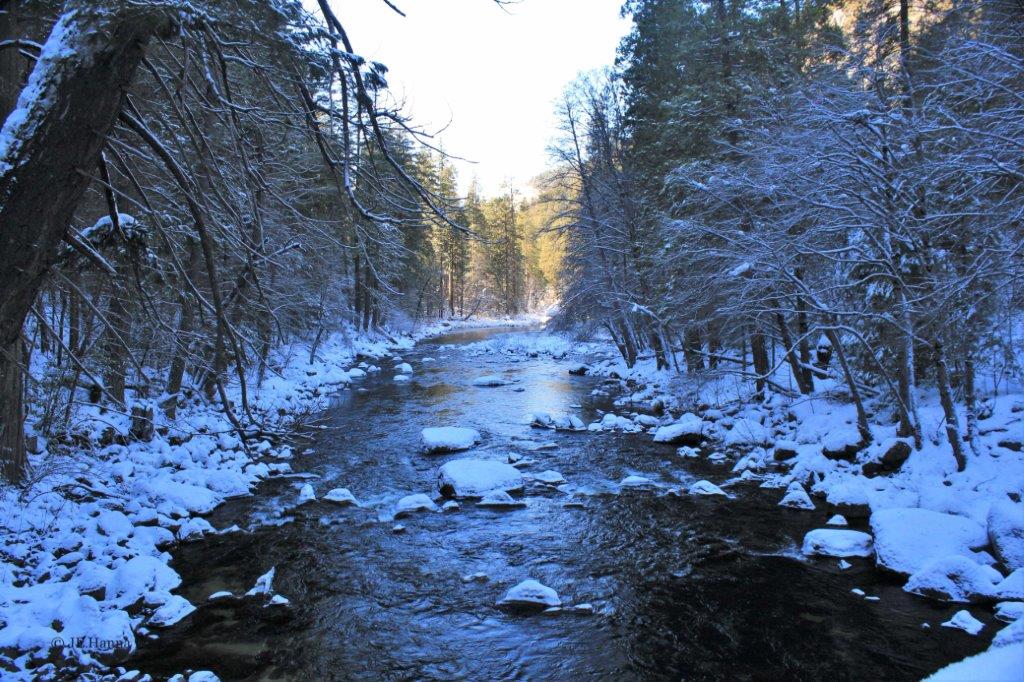
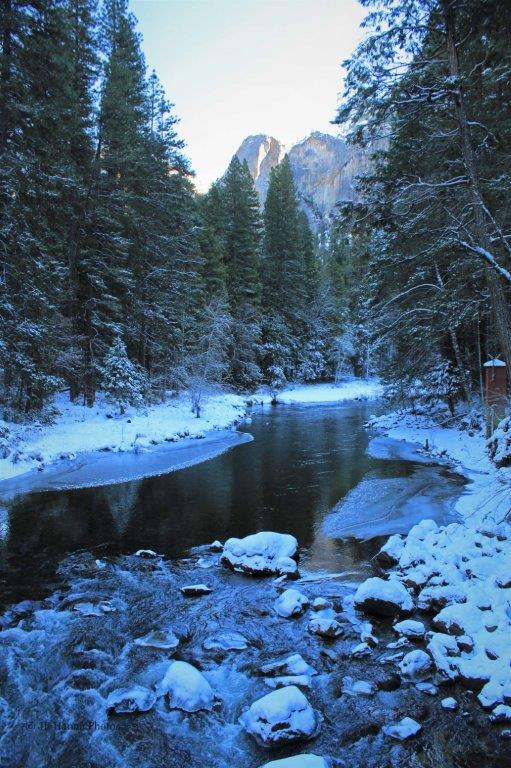
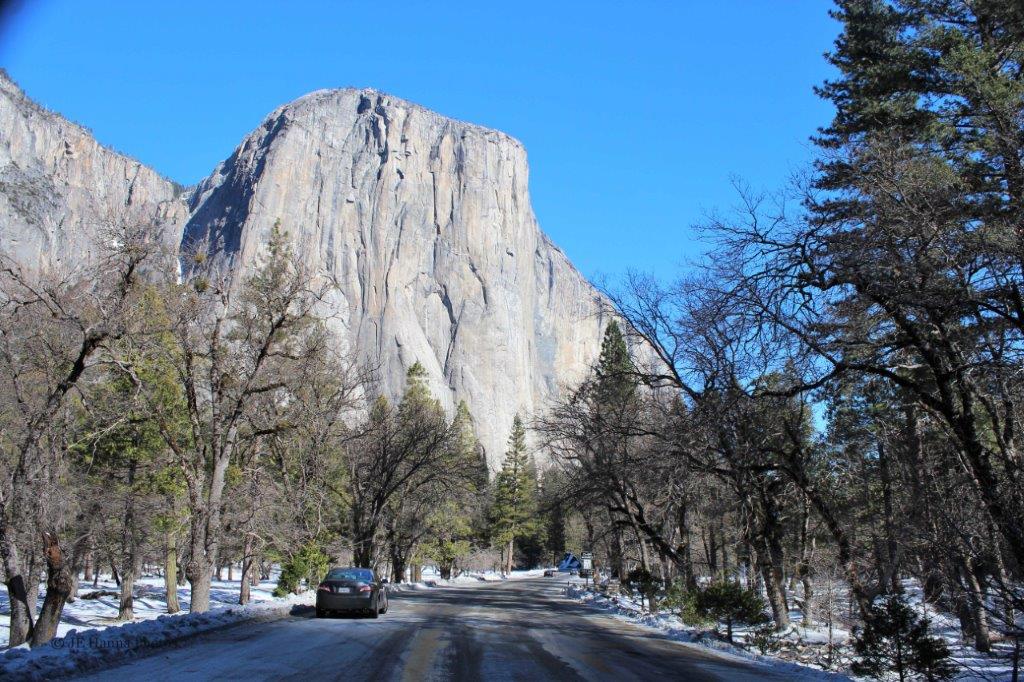
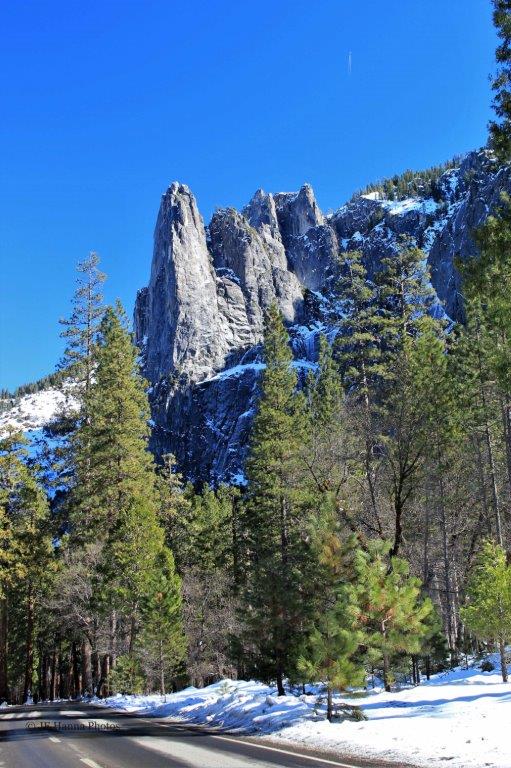
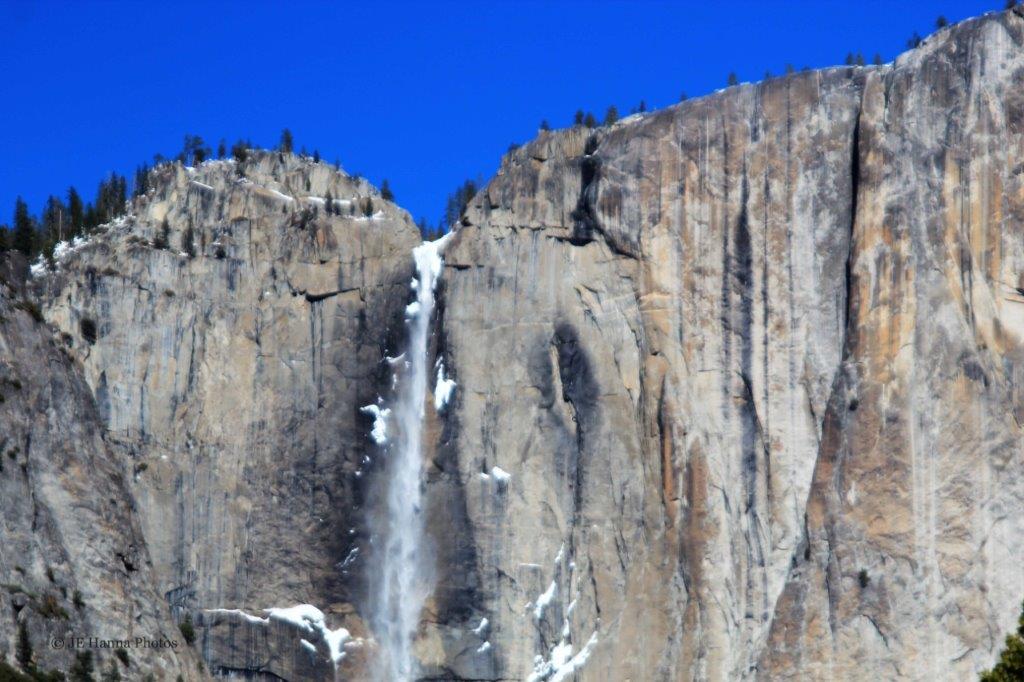
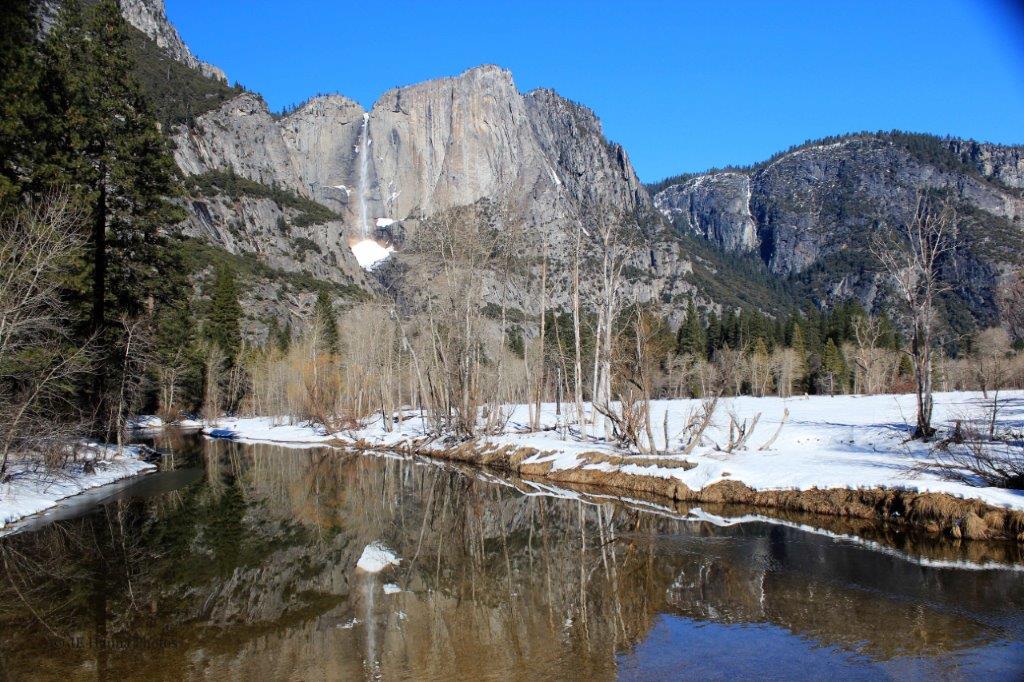
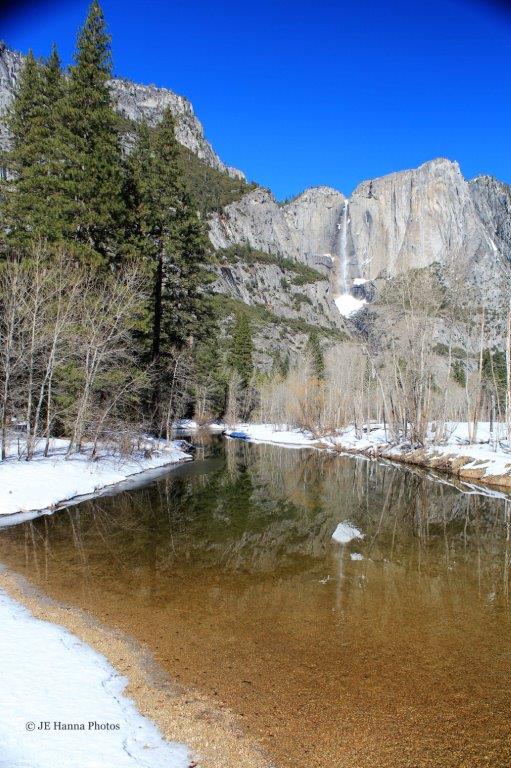
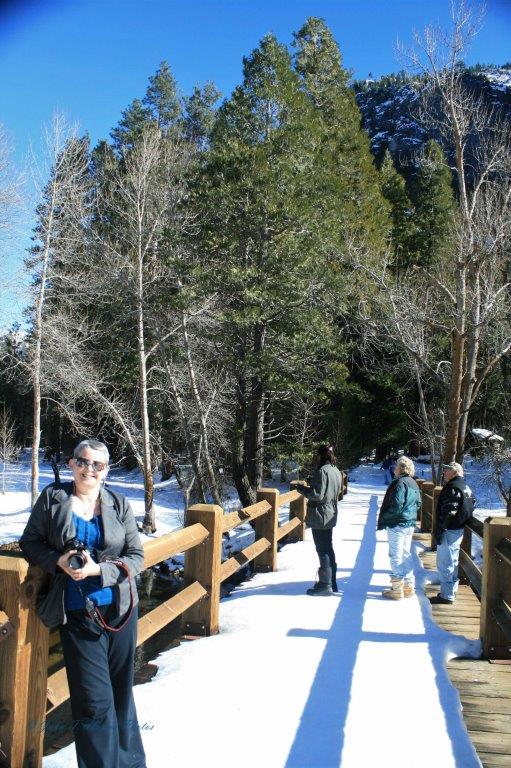
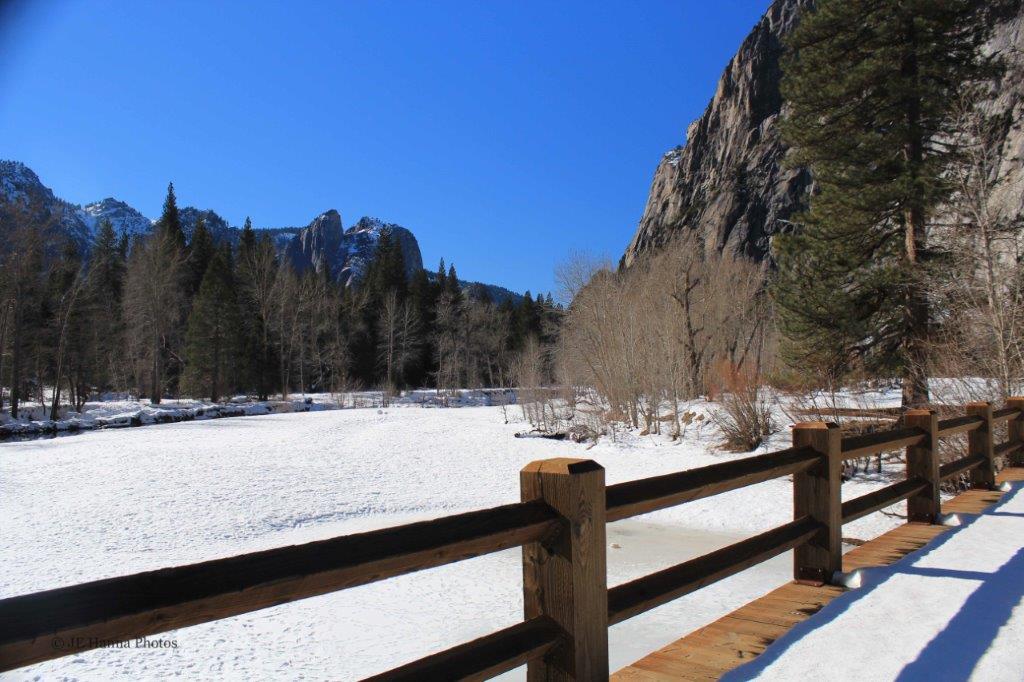
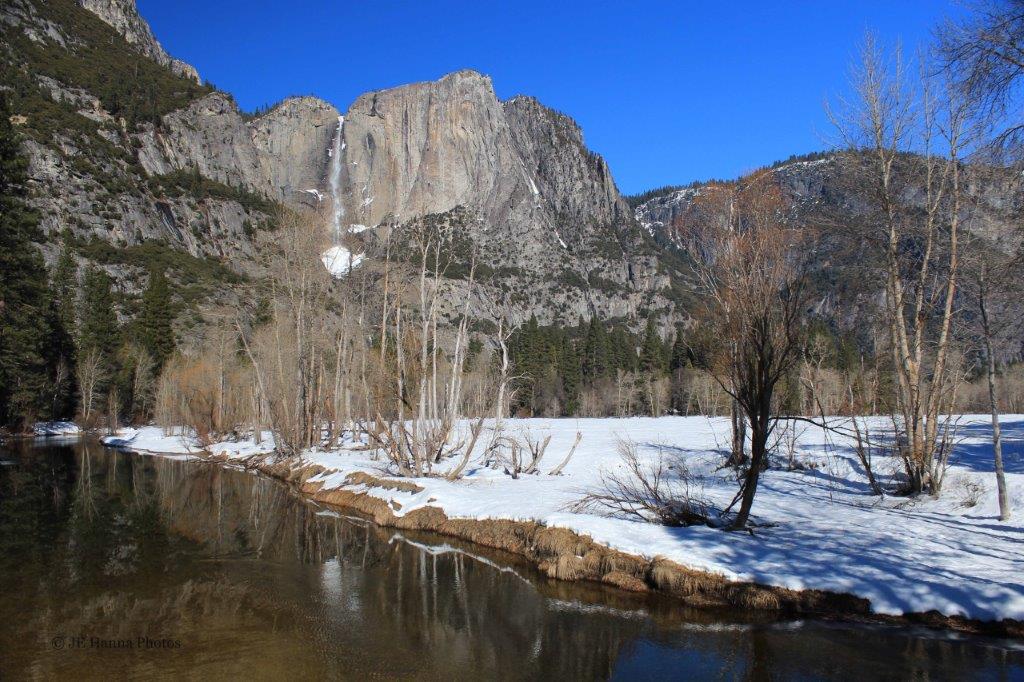
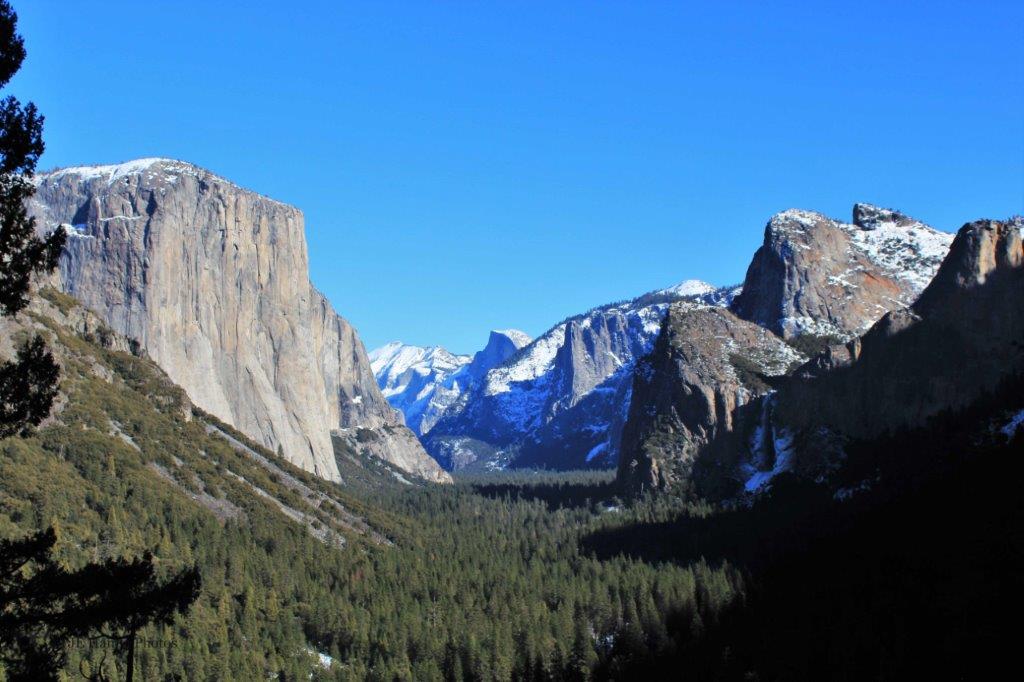
Most of the roads and trails are closed after November 1st but the main road into the village remains open all year.  It was a beautiful sunny day and Half Dome, El Capitan, and Yosemite Falls were spectacular.                                     Half Dome off in the distance.The rocks had been worn smooth by the flowing water.                          El Capitan, the Guardian of Yosemite.                    Ribbon Falls

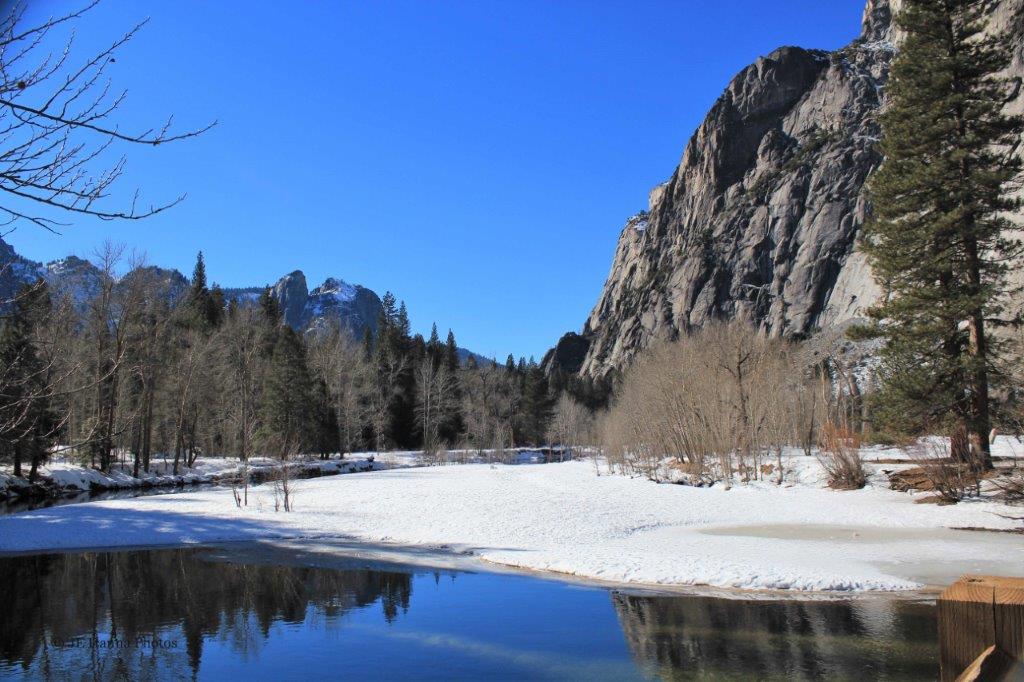
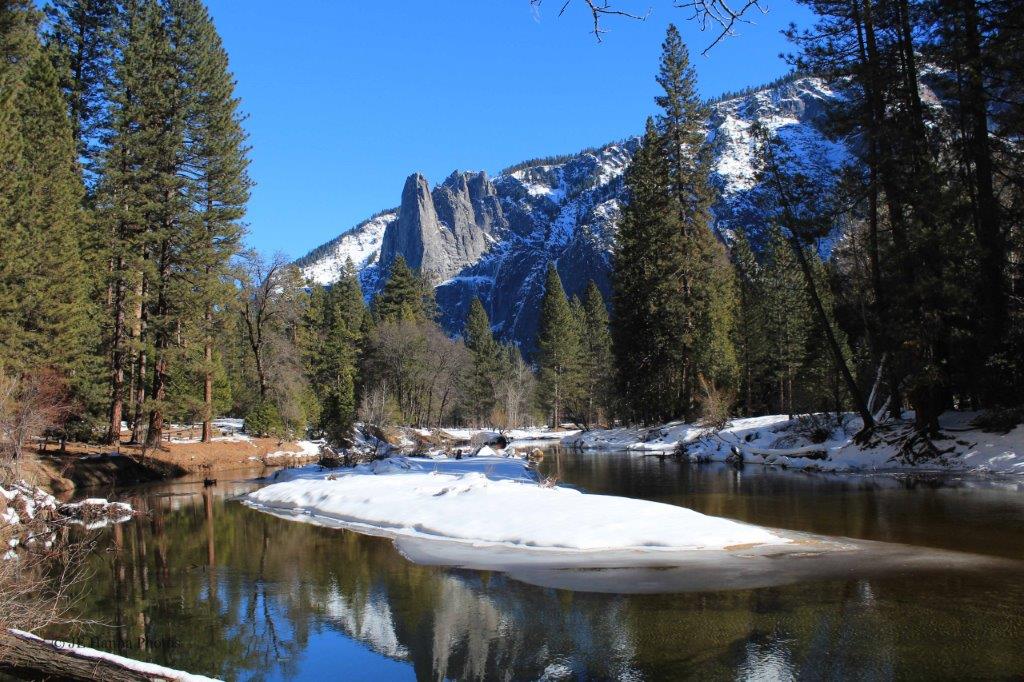
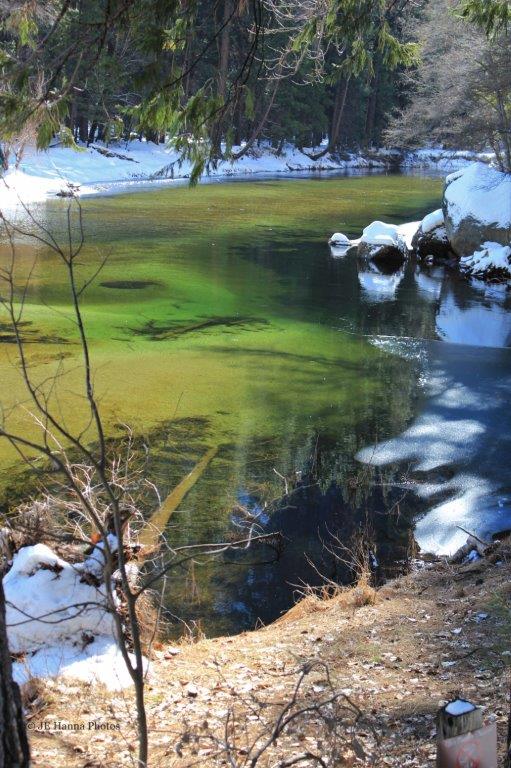
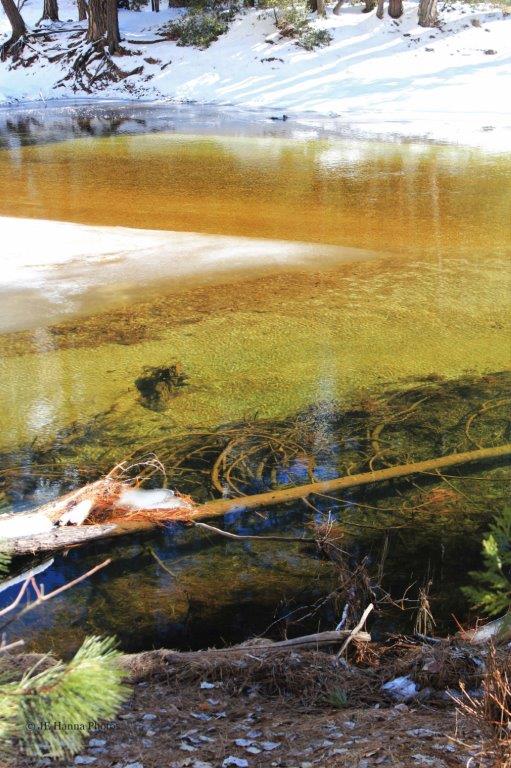
             Yosemite Falls                                          The reflections in the river were stunning. After our ‘photo stop’ tour of Yosemite we spent the night in Tulare and drove to Escondido the next day.

2013 January 13-17 – From Home to Escondido, CA (Part 1)

In keeping with my plan to write blogs about the trips and travels we enjoyed before I began writing my blog for our 2014 Cross Canada Trip, I have been working on what I call our “Eight States Trip.”

In January of 2013 we decided to go south to escape some of the BC winter.  We own two time-shares and John is very good at maximizing our one week’s worth of product into a much longer time.  He managed to book three weeks in the Lawrence Welk Resort in Escondido, California beginning January 17.  Now, most folks that we know that go south in the winter drive straight down via the fastest route possible and arrive in southern California or Arizona in about three days.  We, as you probably know well by now, do not do that.  Still, we didn’t do too badly as it only took us five days to get to the resort.

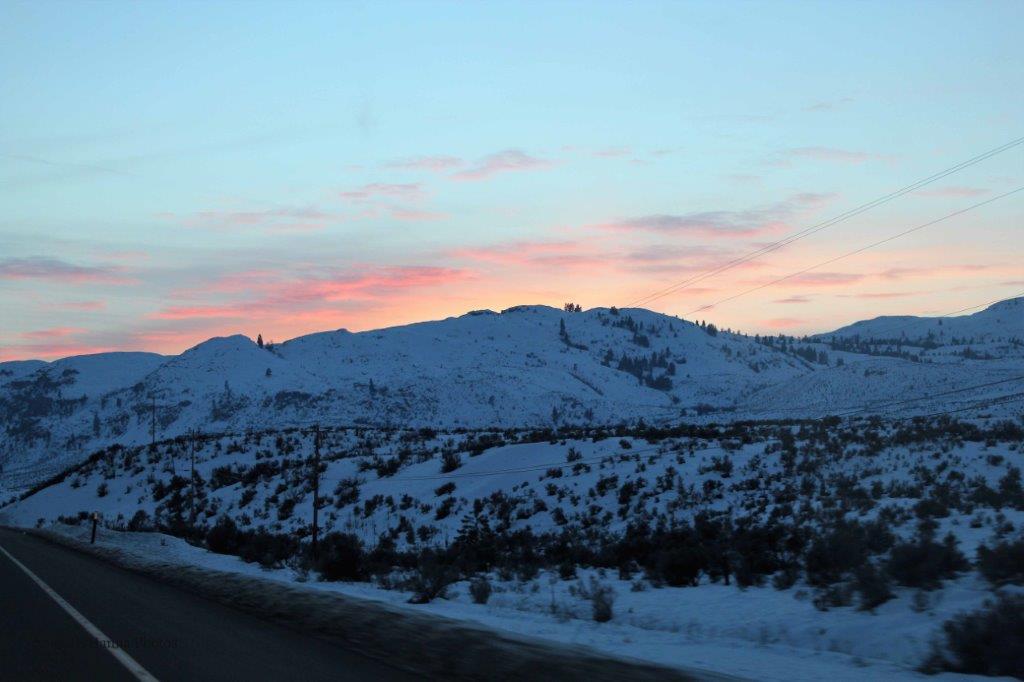
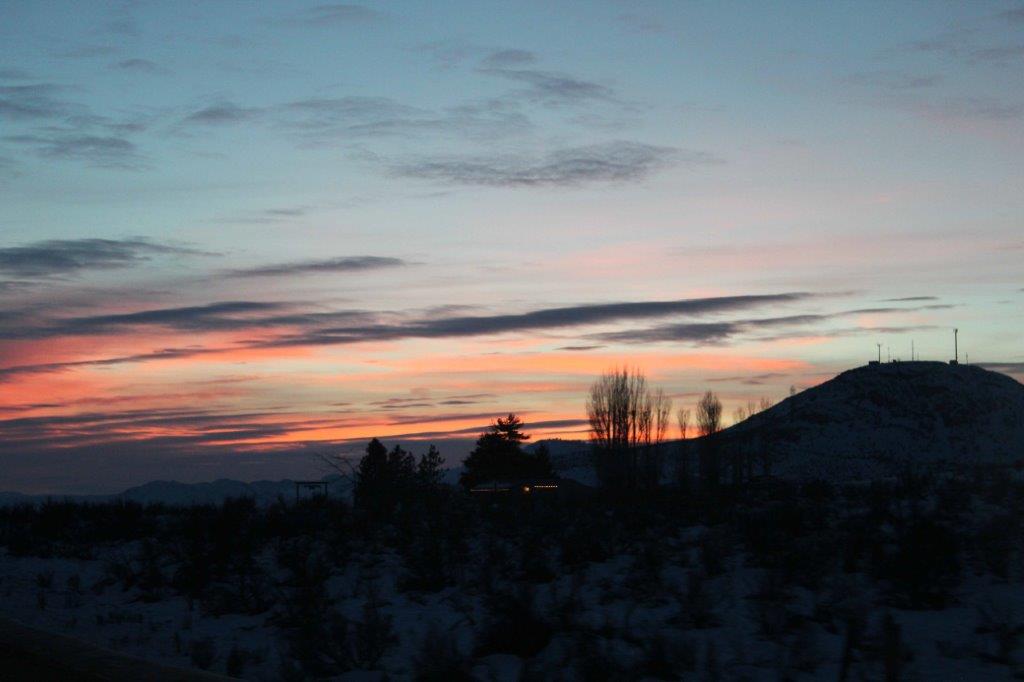
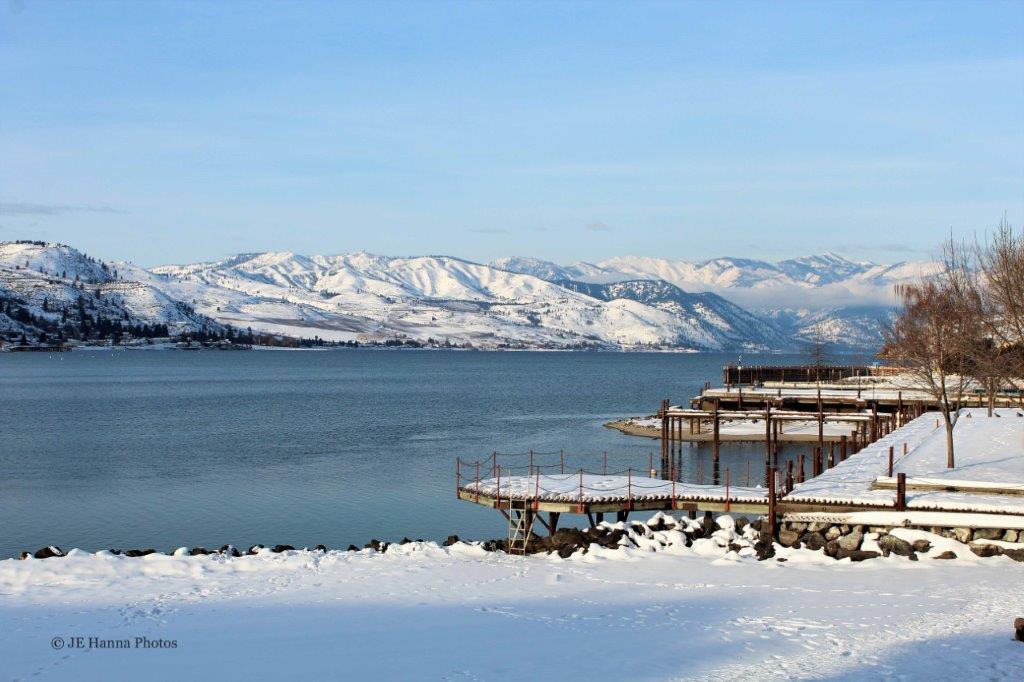
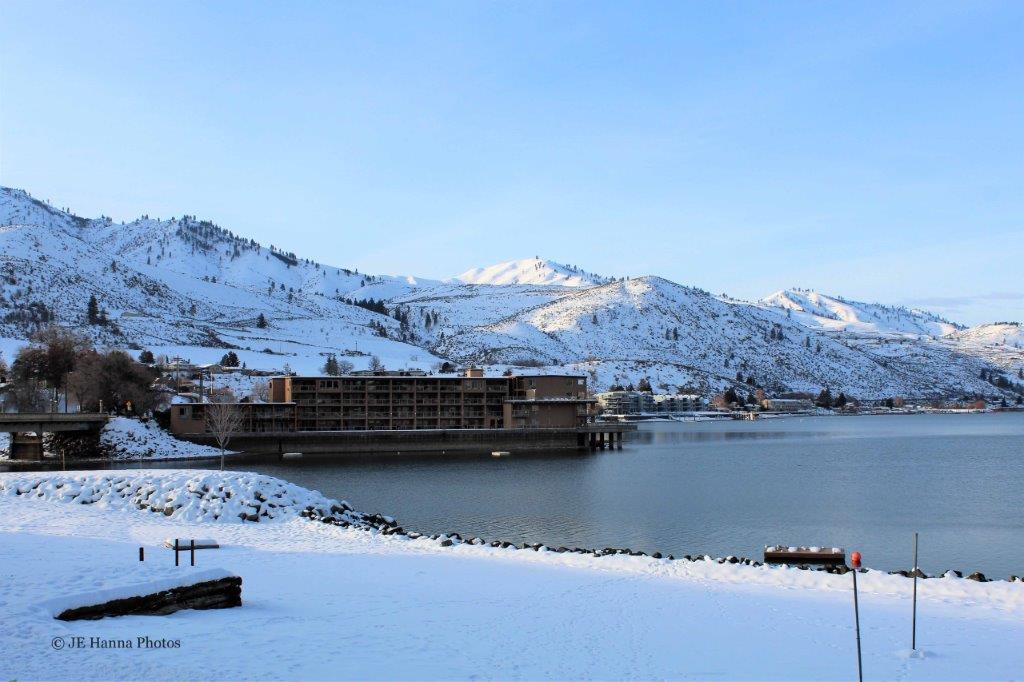
We spent the first night at Chelan Falls, Washington, arriving after the sun set, which was quite pretty even from the window of the car. We woke the next morning to a lovely day and headed southward once again.                                              Lake Chelan, Washington

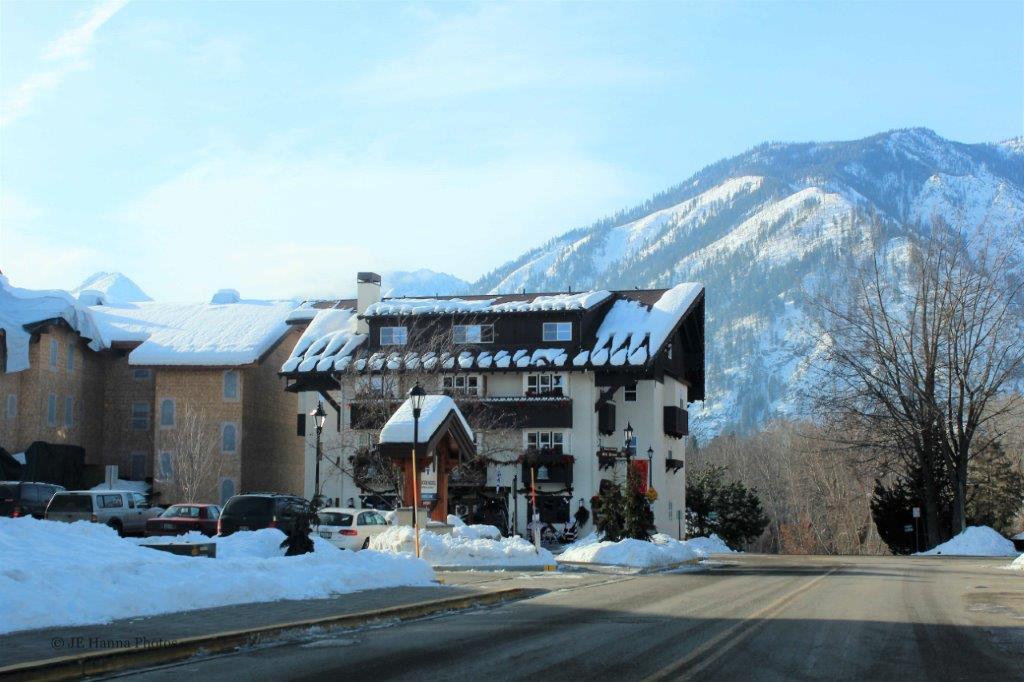
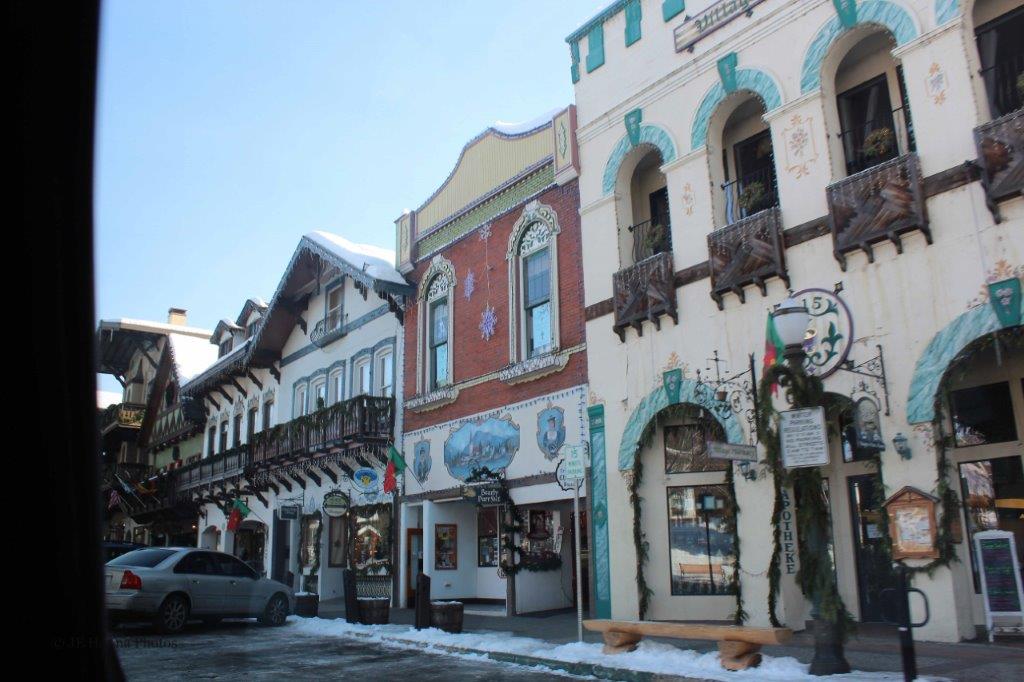
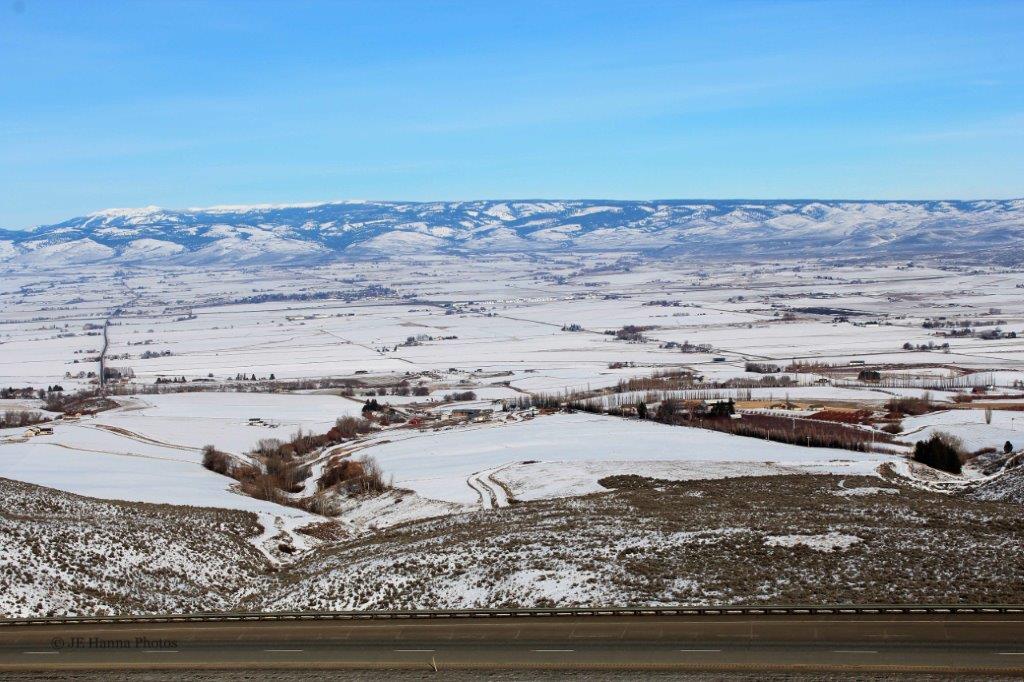
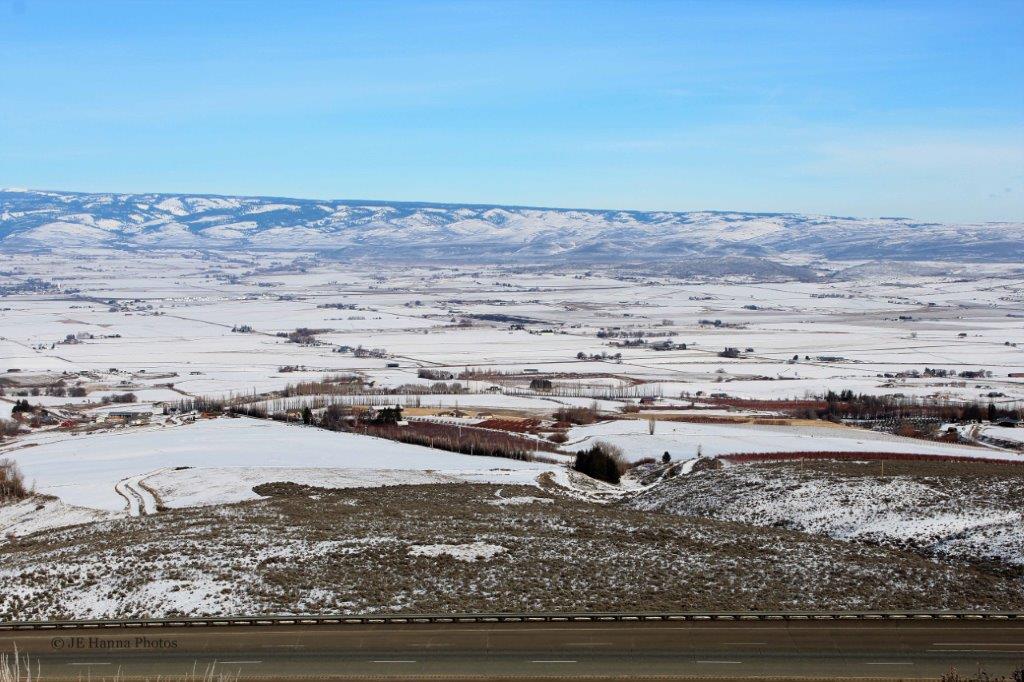
We had heard often about the quaint Bavarian-style village of Leavenworth in the Cascade Mountains of Washington.  We turned  westward north of Wenatchee and went to have a look-see.  The place is very popular over the Christmas holiday season because the entire village is decorated with garlands and lights.  It is popular to take a bus tour to go across the line to see it.  Since we were travelling through in mid-January we didn’t get the whole ‘seasonal feel’ but it looked like a cute place.  We just drove around a few blocks and then continued south toward Ellensburg. There is a viewpoint that overlooks the long Yakima Valley.  Even with the light snow layer it was pretty.  I think I took about six photos to capture the full length.  But when I stitch them all together the image is so skinny it loses all the power of scale.

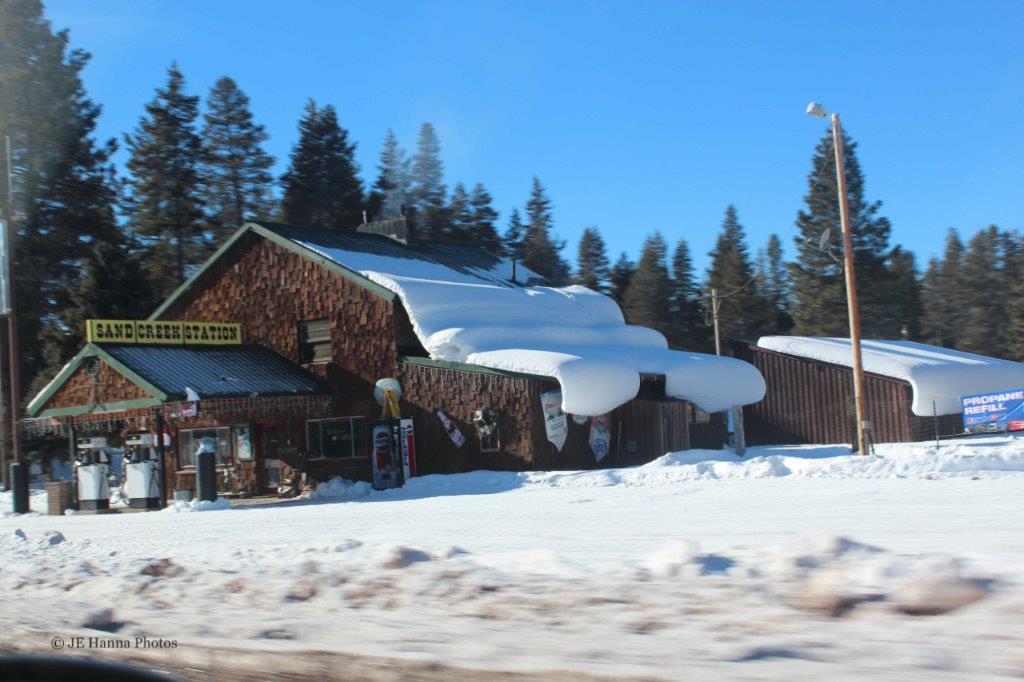
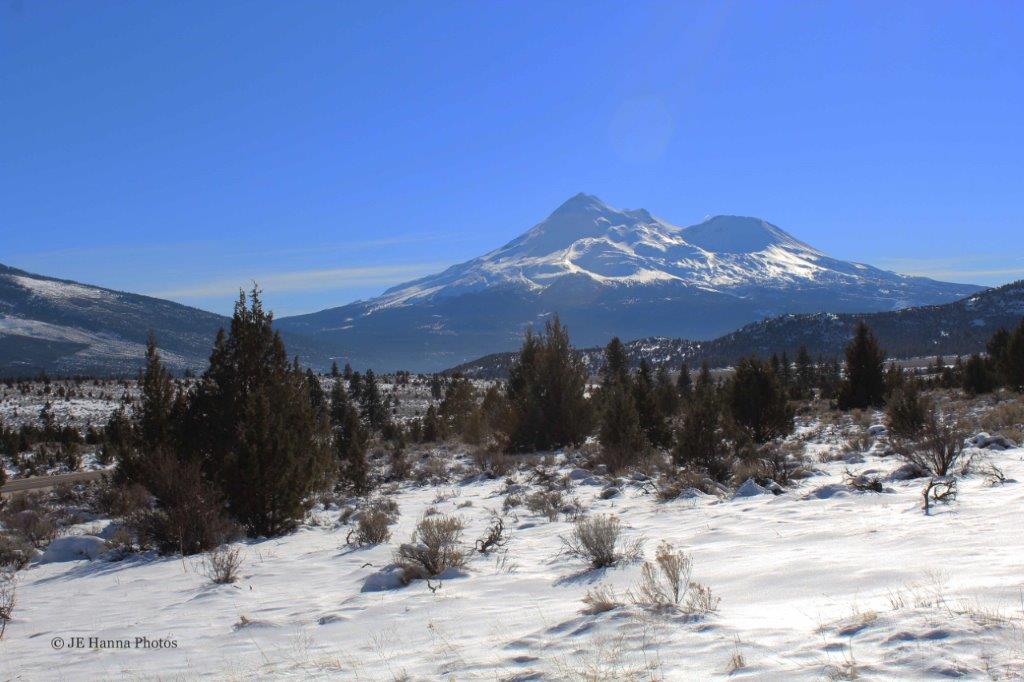
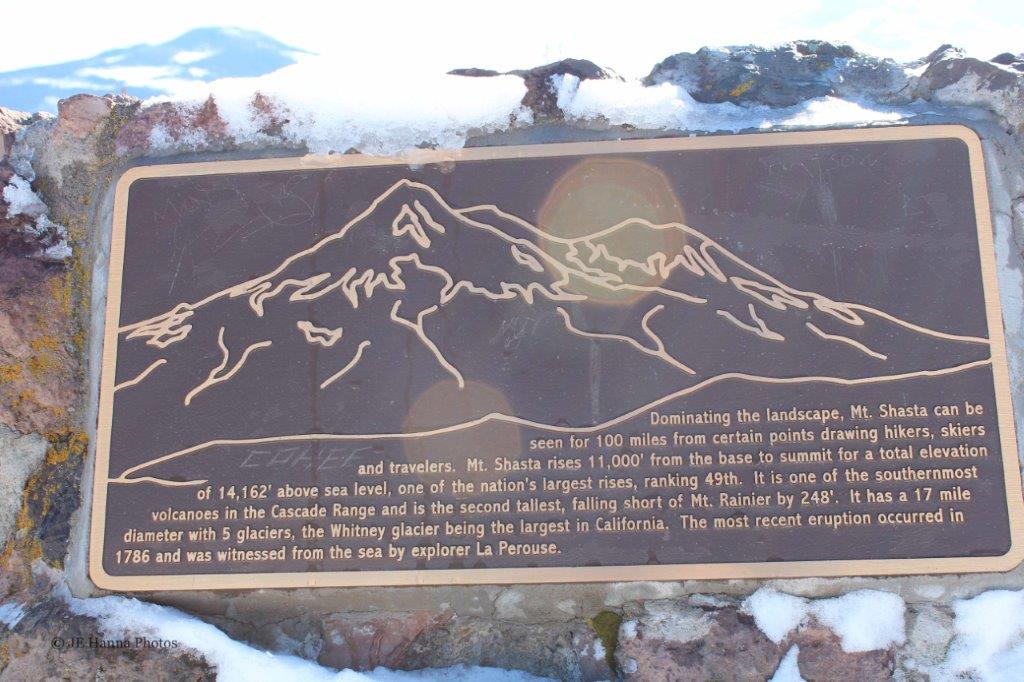
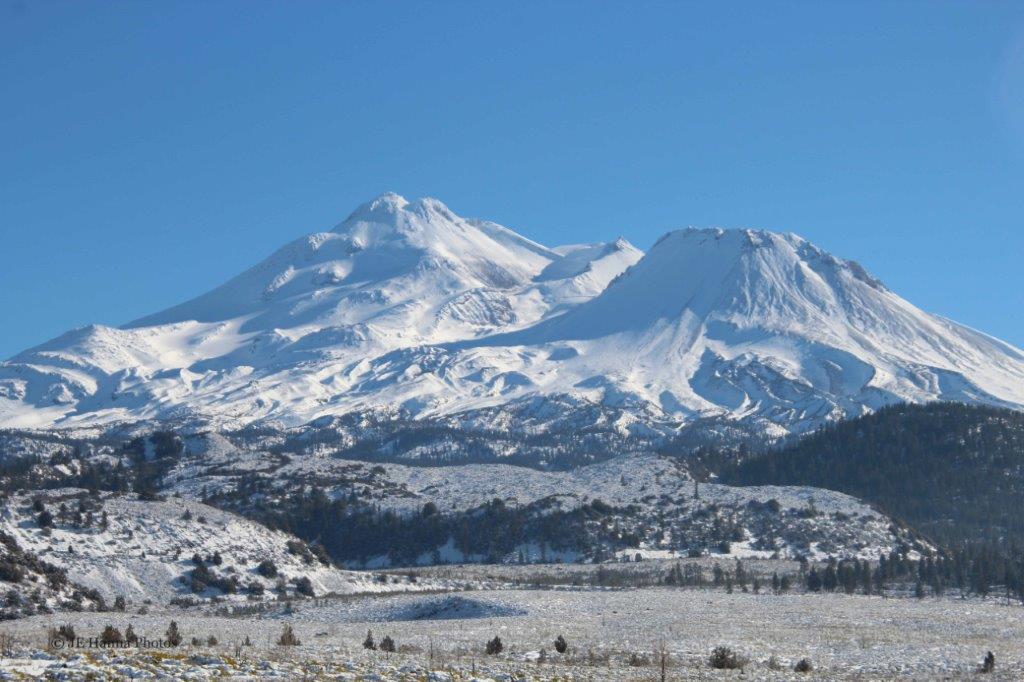
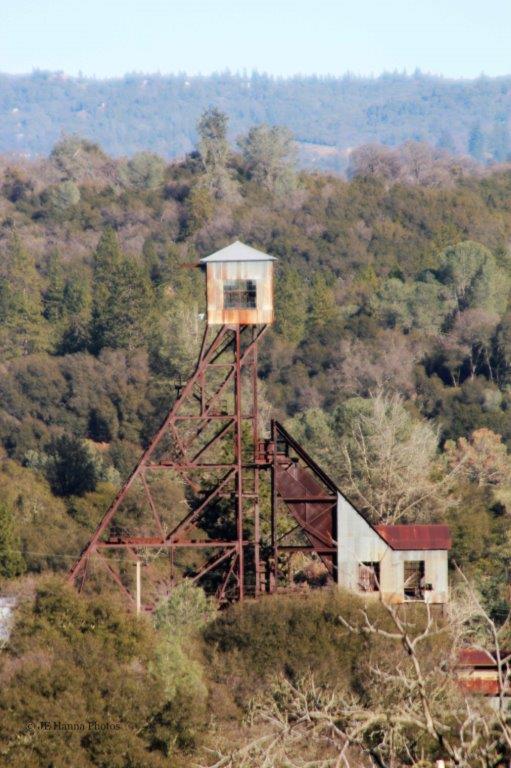
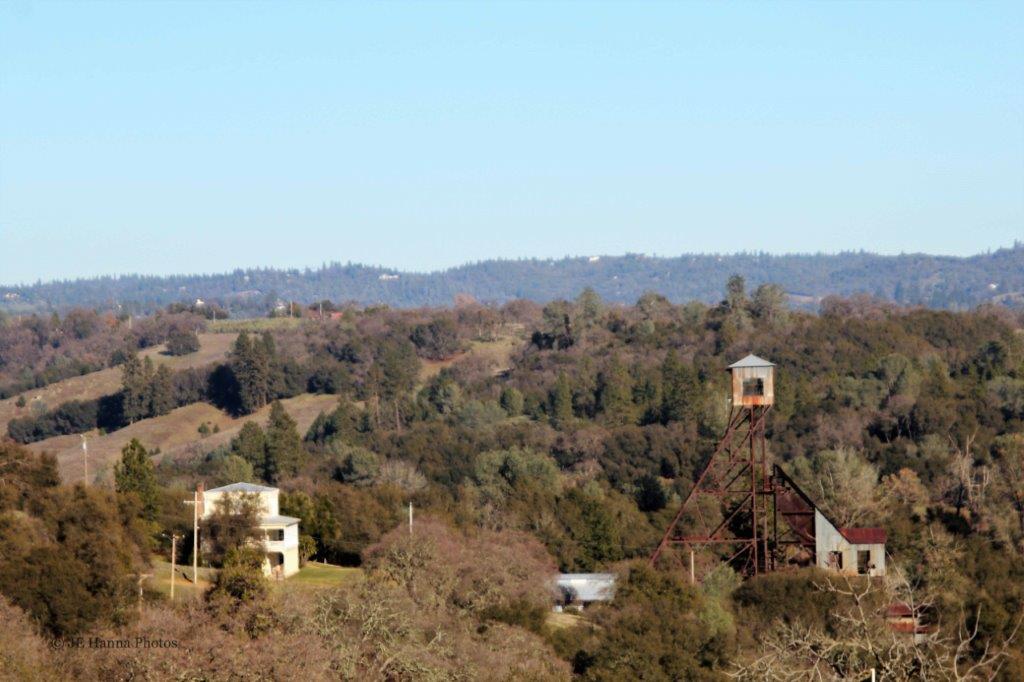
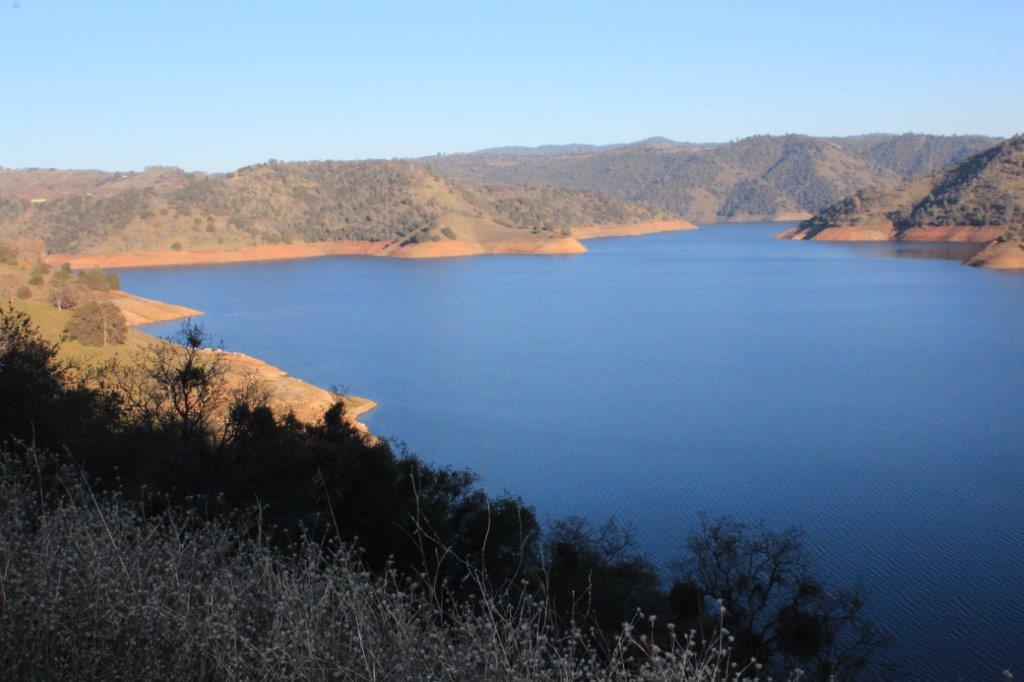
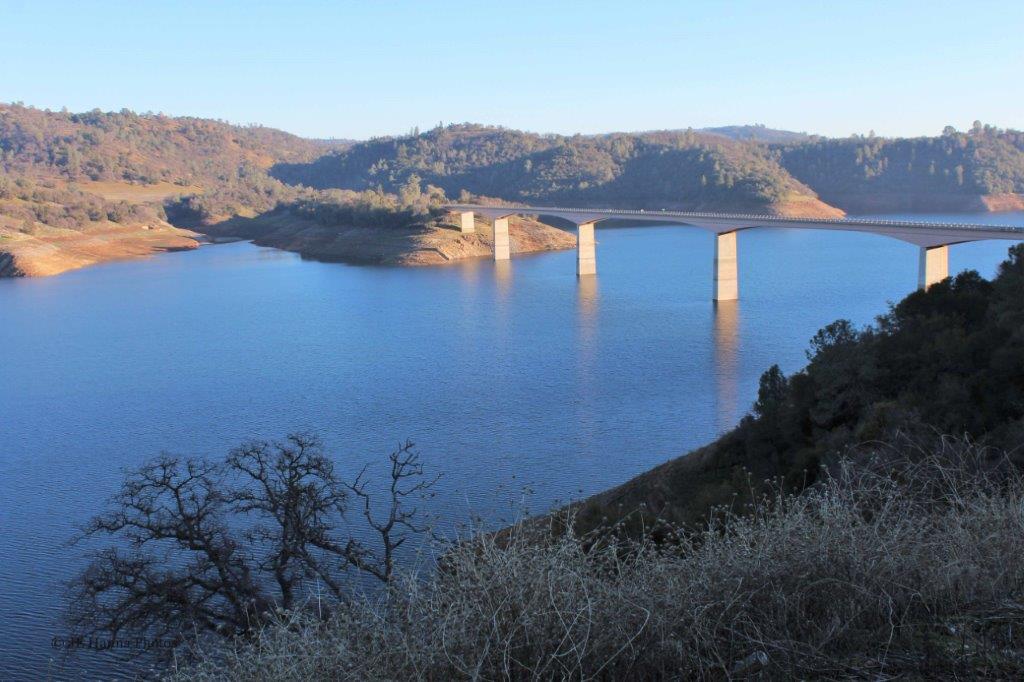
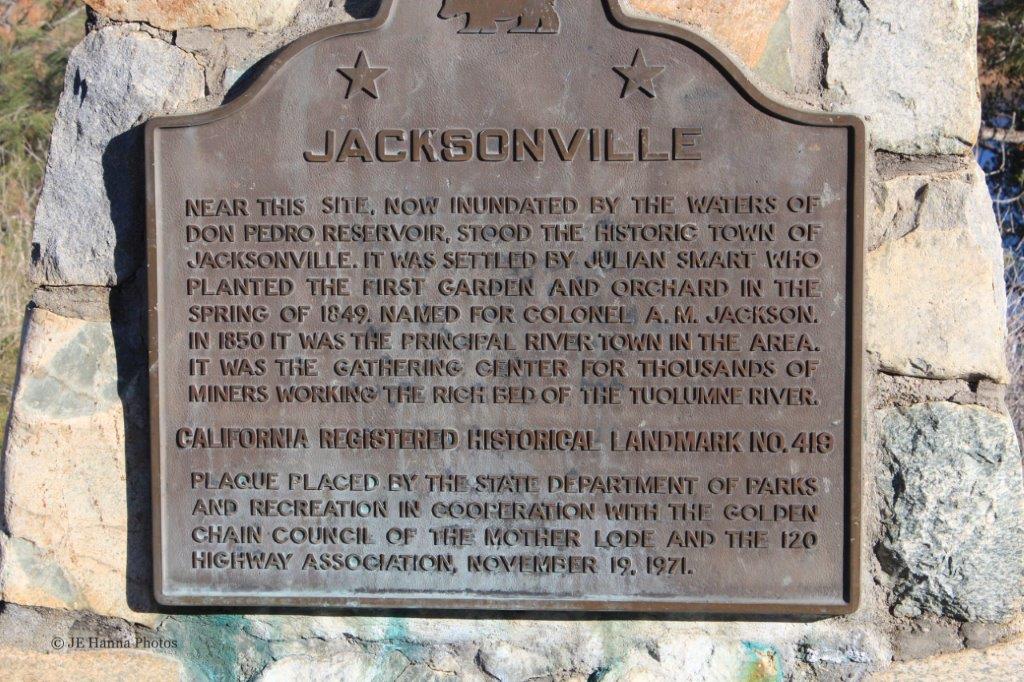
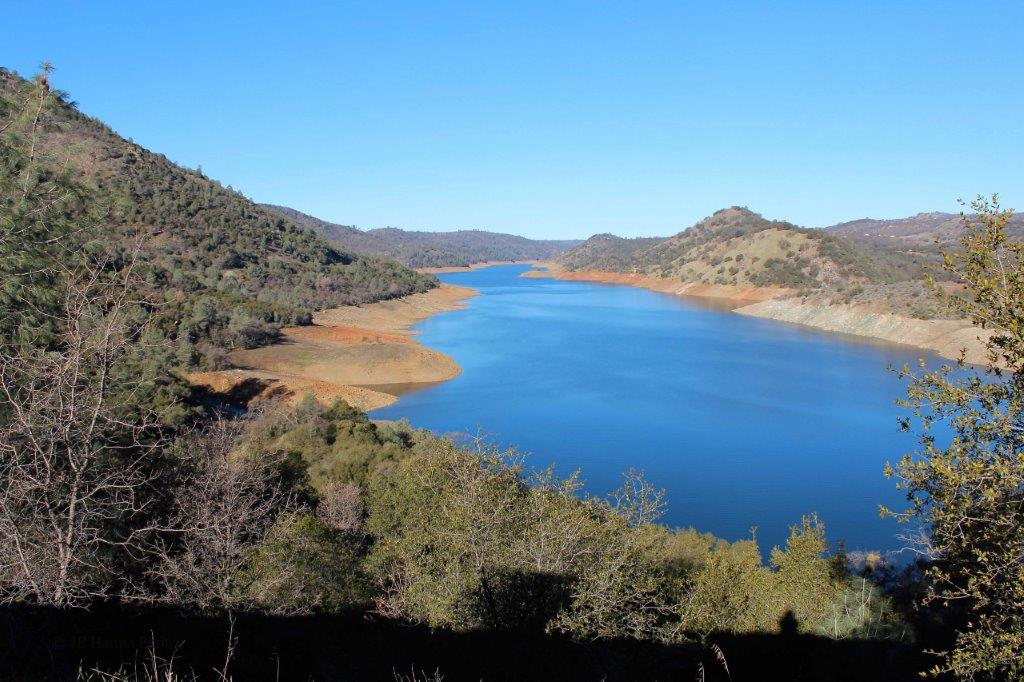
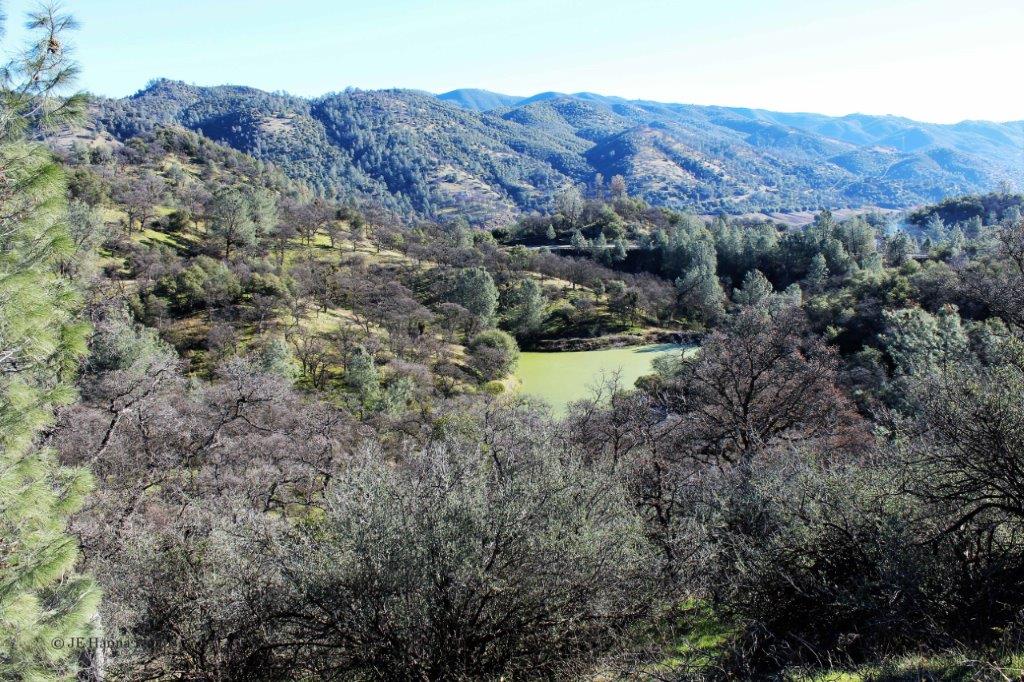
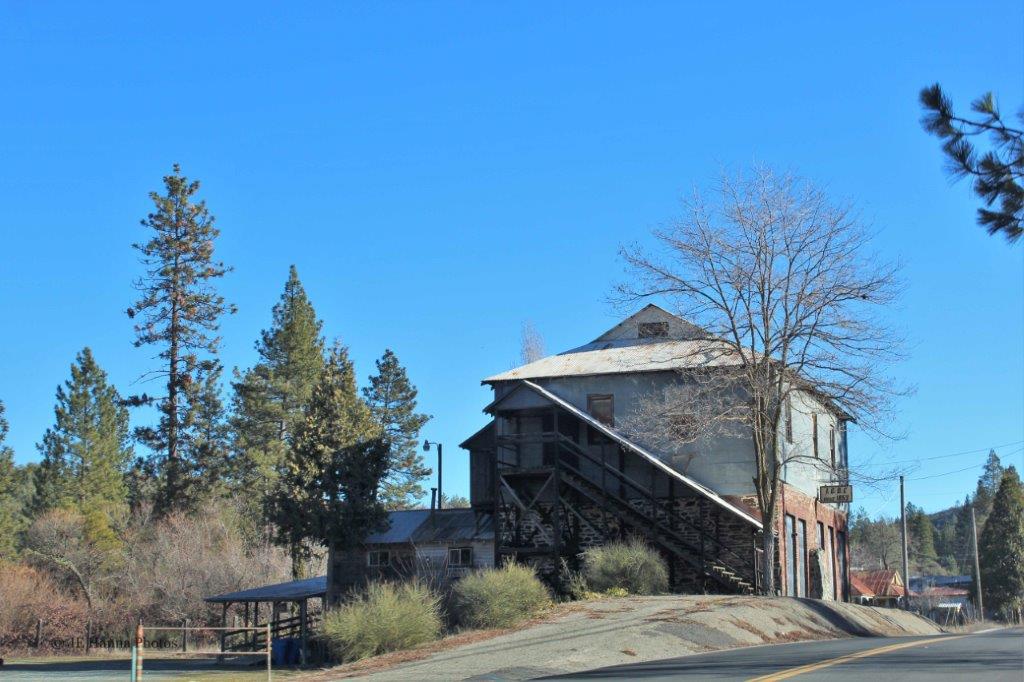
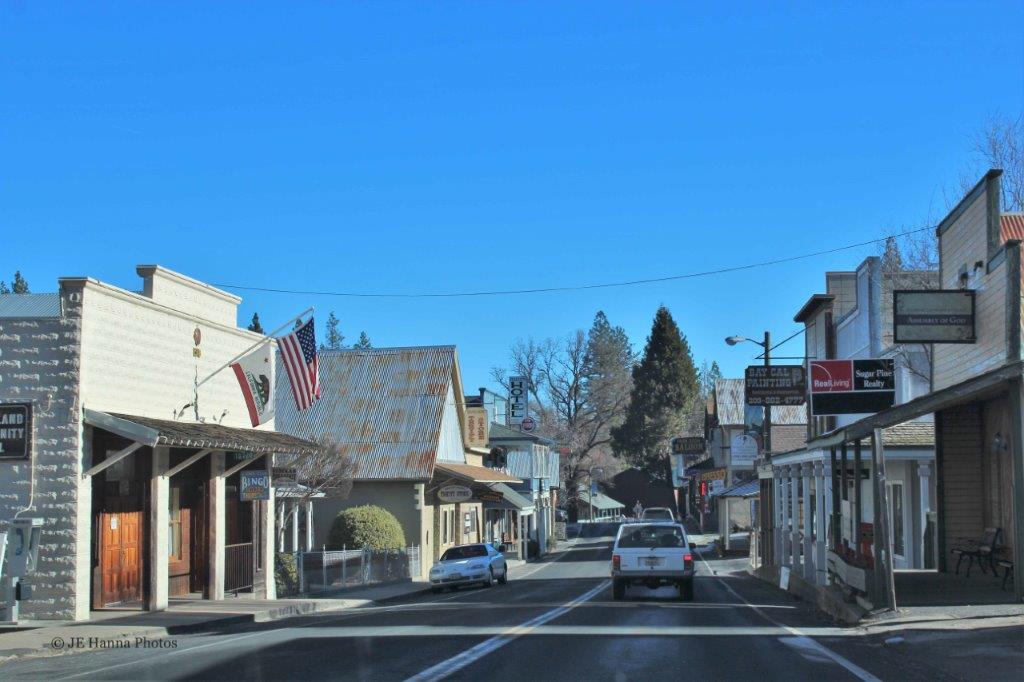
We were blessed with another lovely sunset as we drove into Bend, Oregon for the night.The third day took us from Bend, Oregon to Red Bluff, California. We stopped for lunch at Sand Creek Station, about half-way between Chemult and Chiloquin, north of Klamath Falls.  We were driving through the mountains and there was still plenty of snow around.It wasn’t long after we crossed the border into California that we saw the lovely Mt. Shasta. We had made plans to go into LA to visit with friends we had met on the World Cruise in 2009, but we received a message that they were sick with the flu.  This provided us with an extra day, so instead of heading west, we kept going southeast through some of the old California Gold Rush areas and made a stop at Yosemite National Park.                                                Don Pedro ReservoirTo be continued…

2018 August 3 – Quesnel, BC (Barkerville)

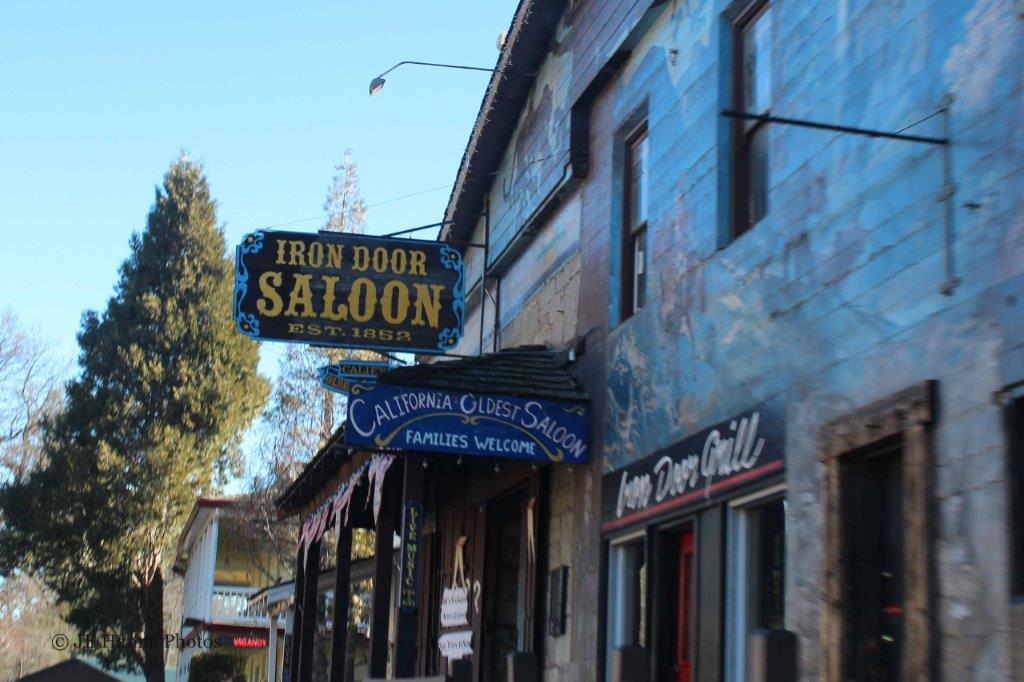
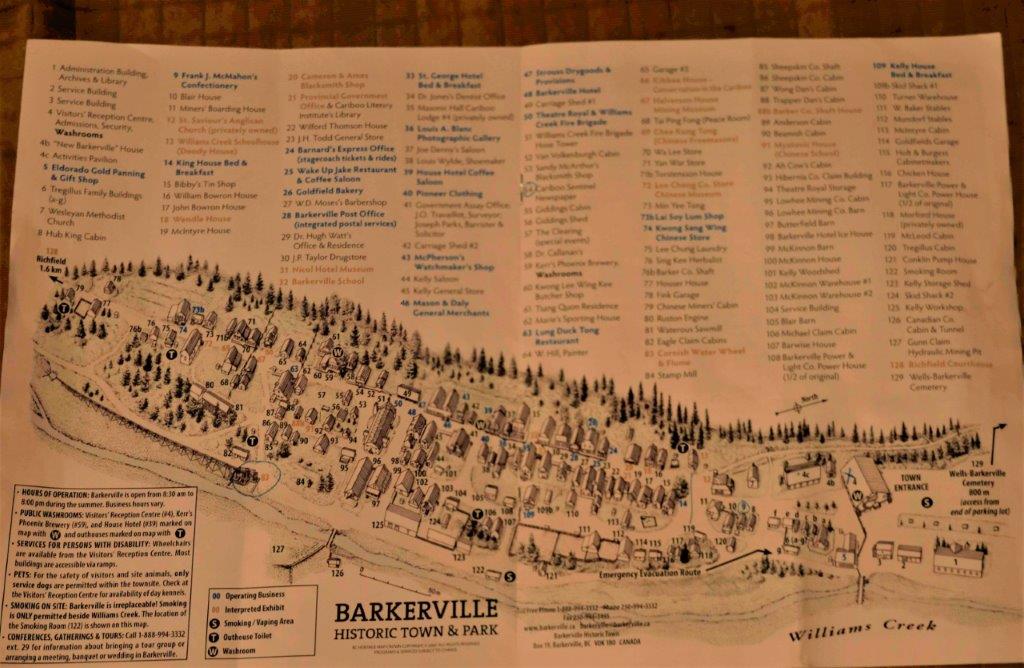
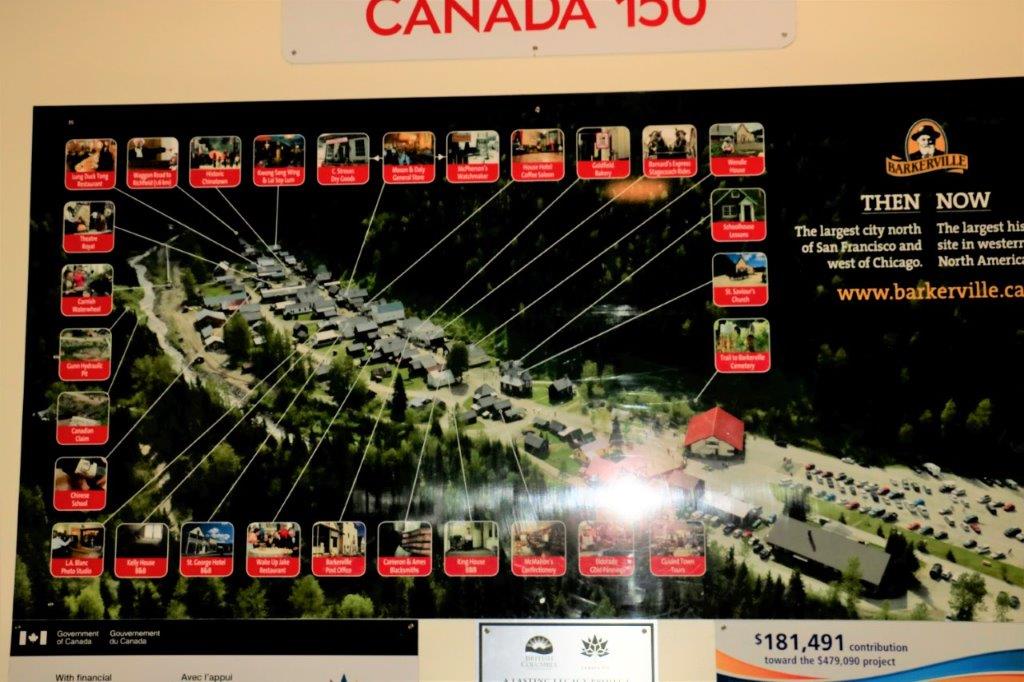
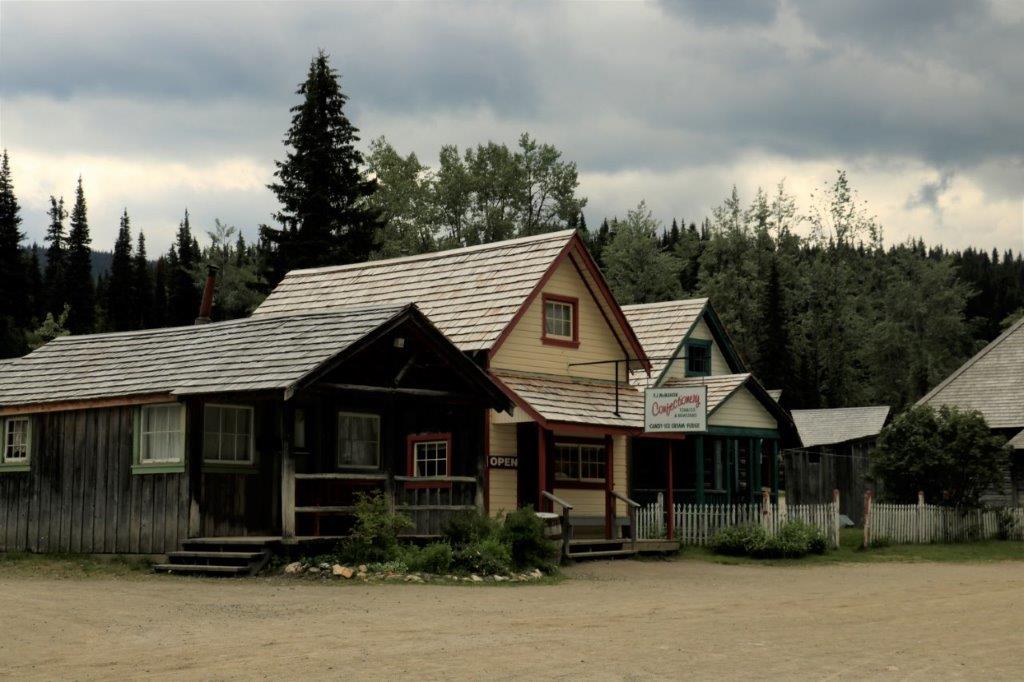
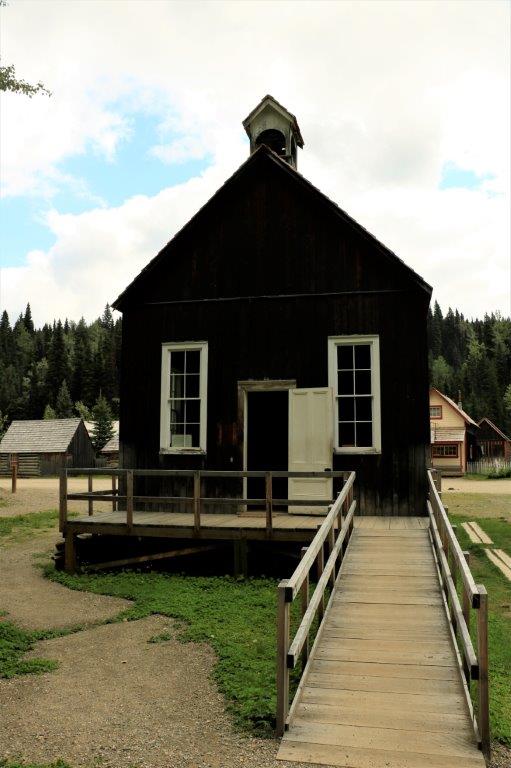
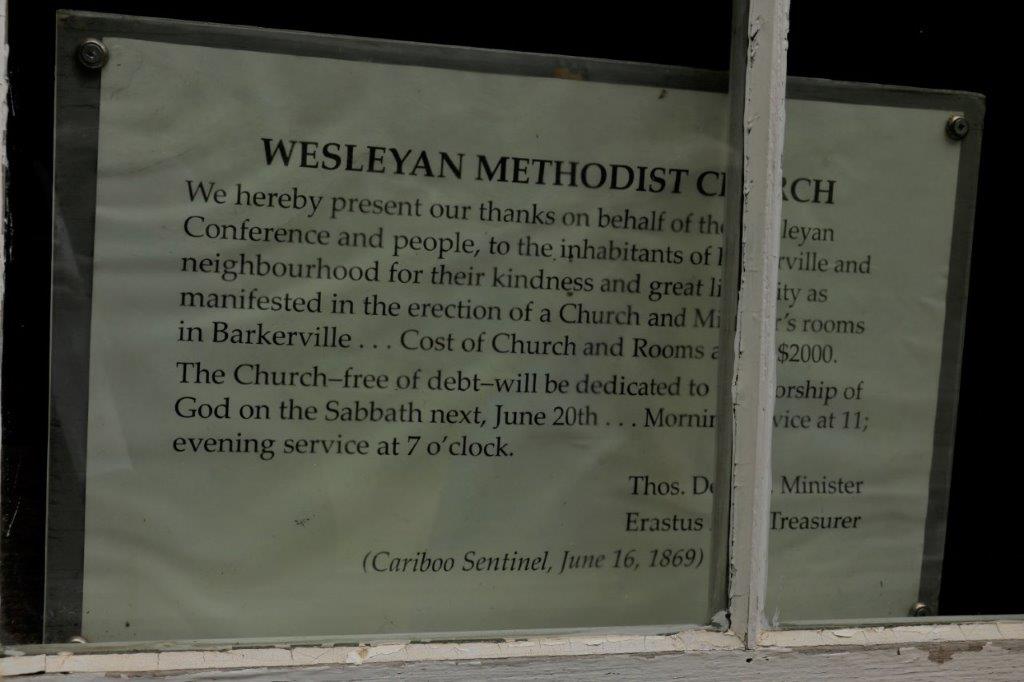
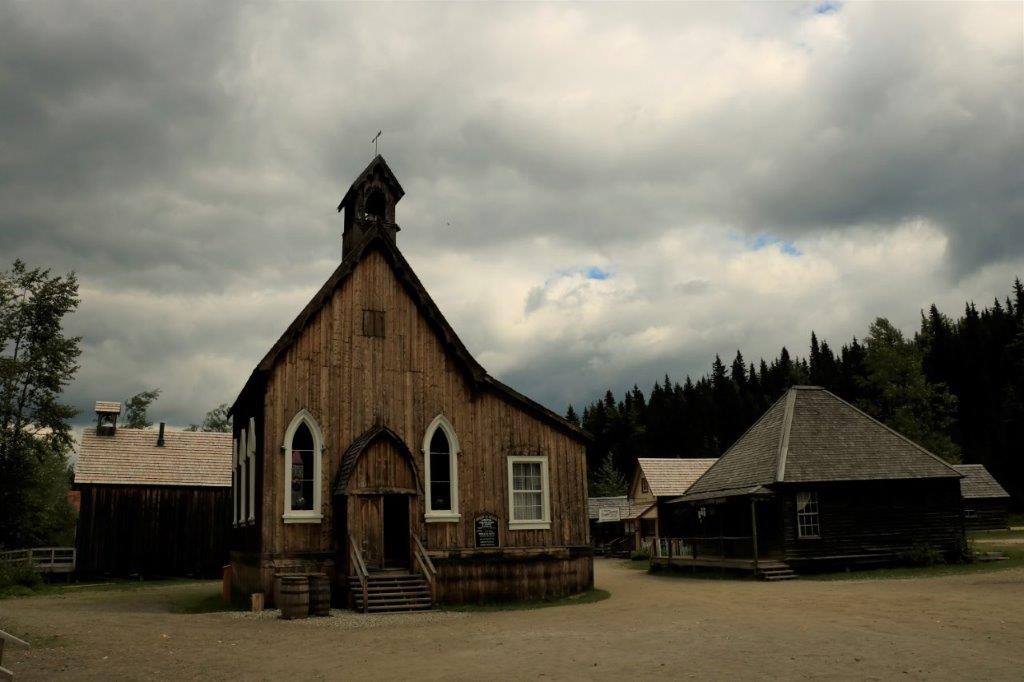
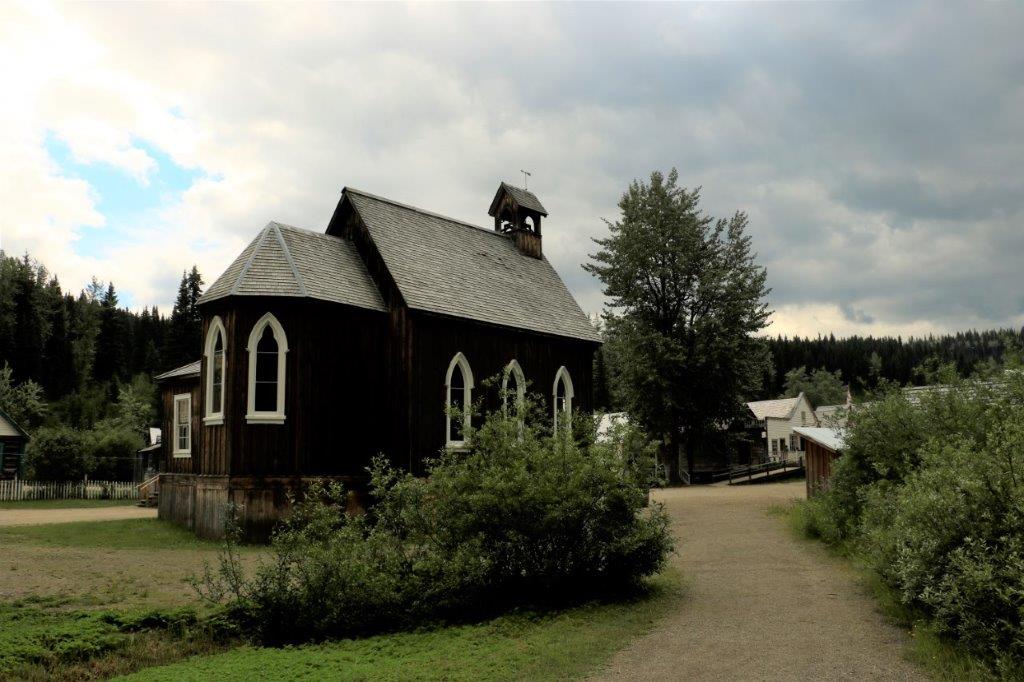
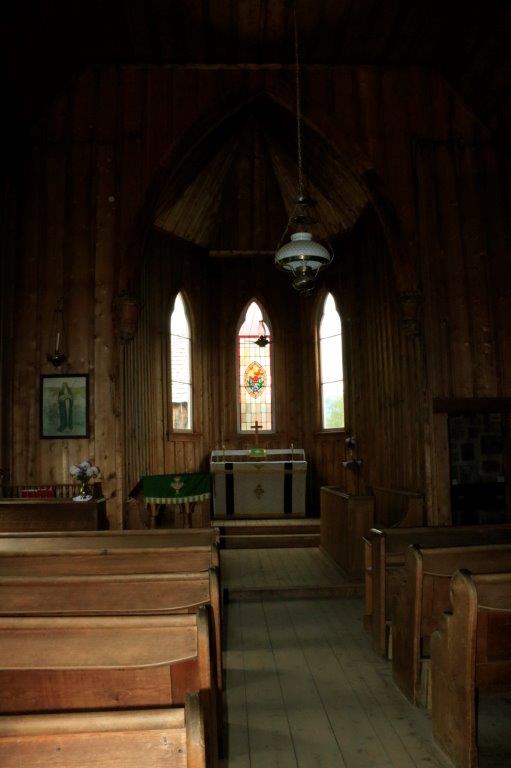
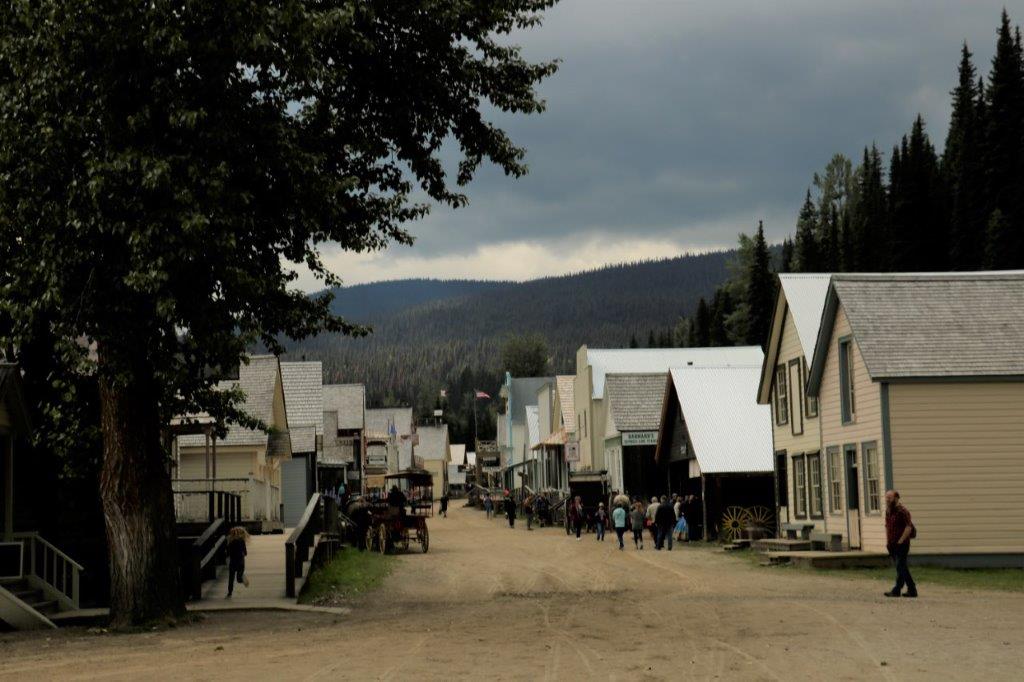
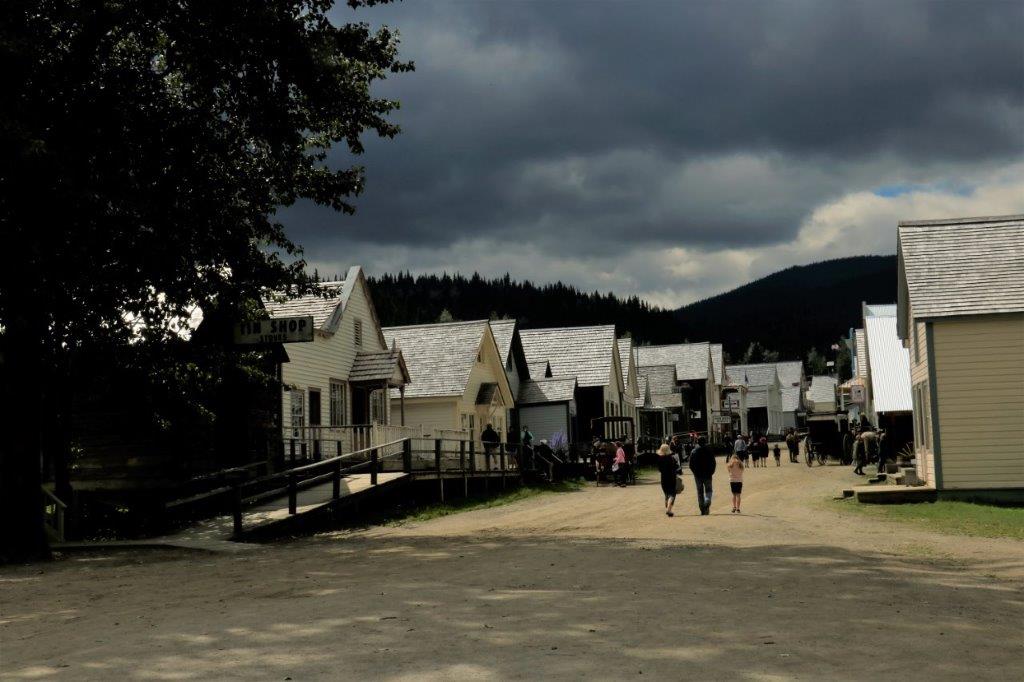
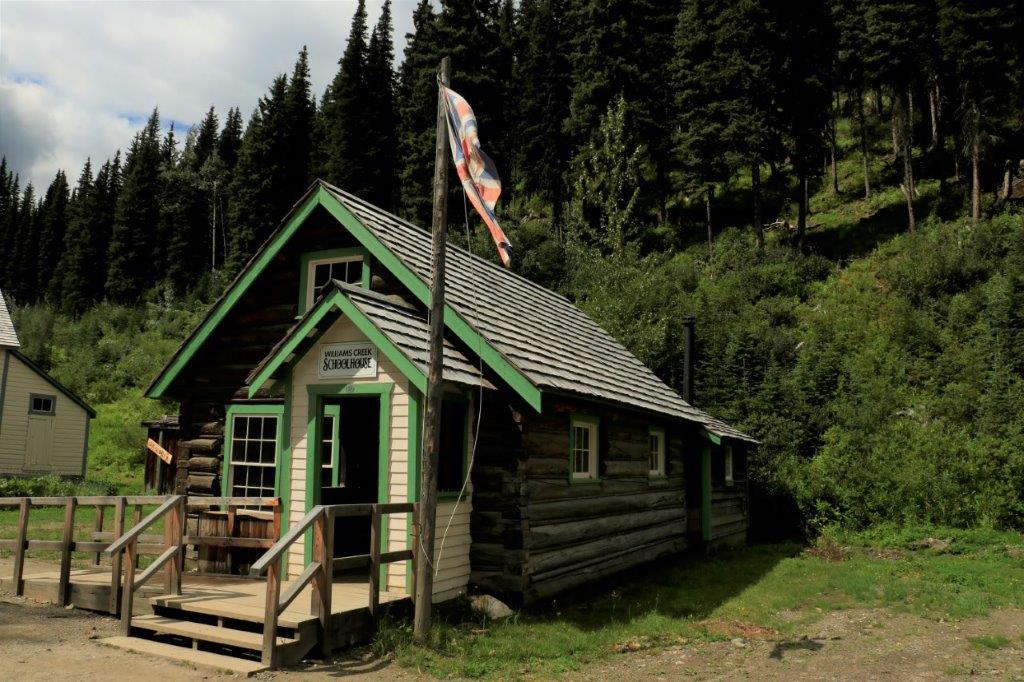
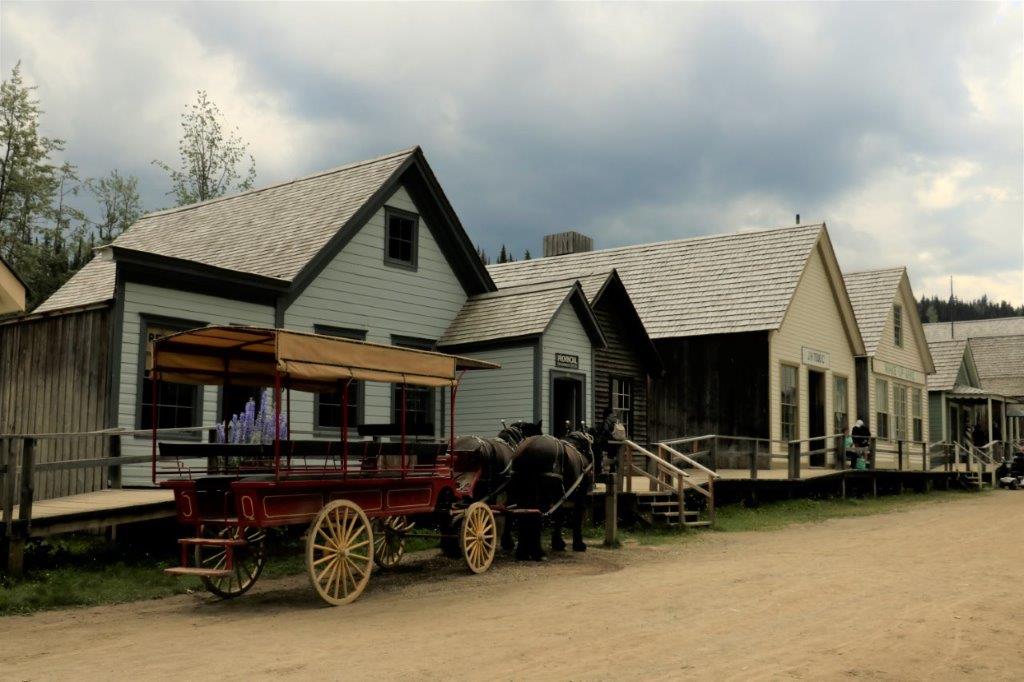
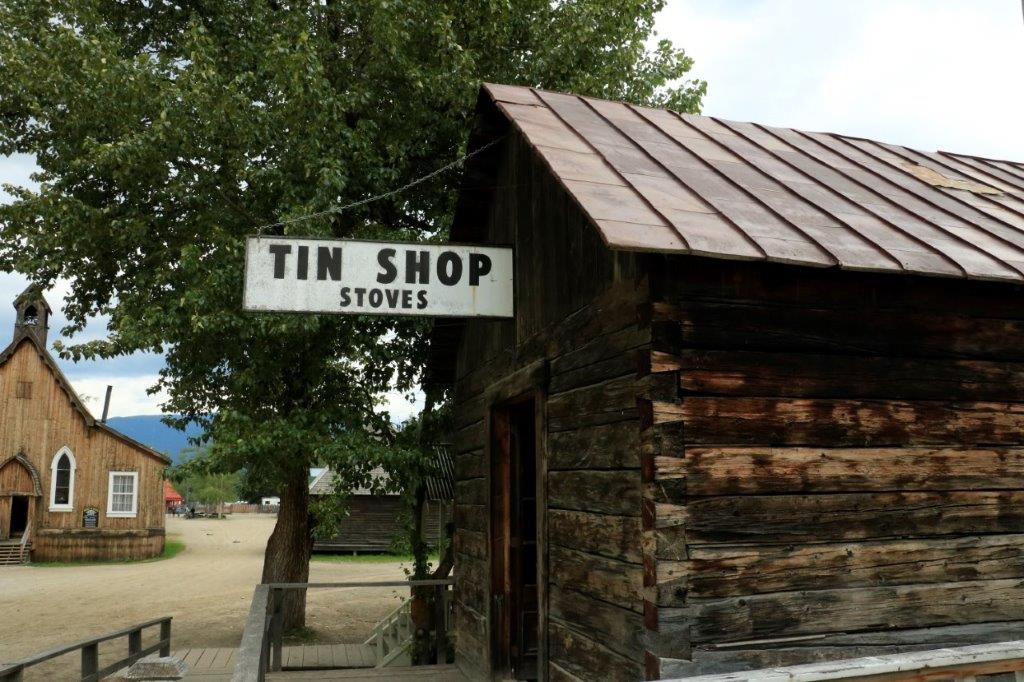
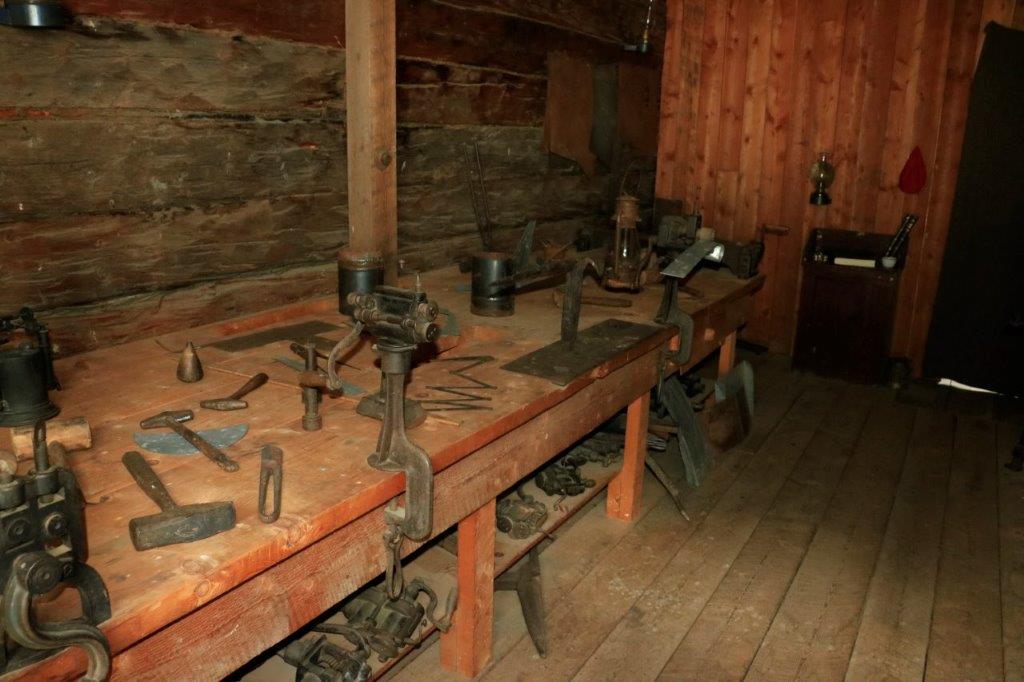
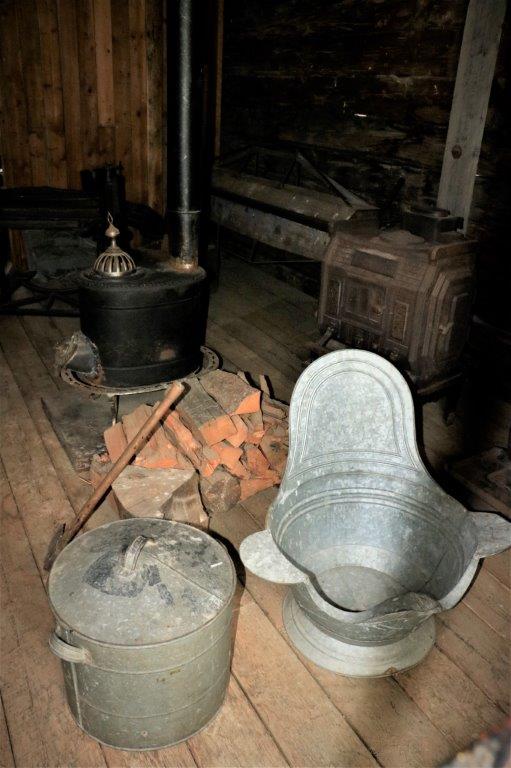
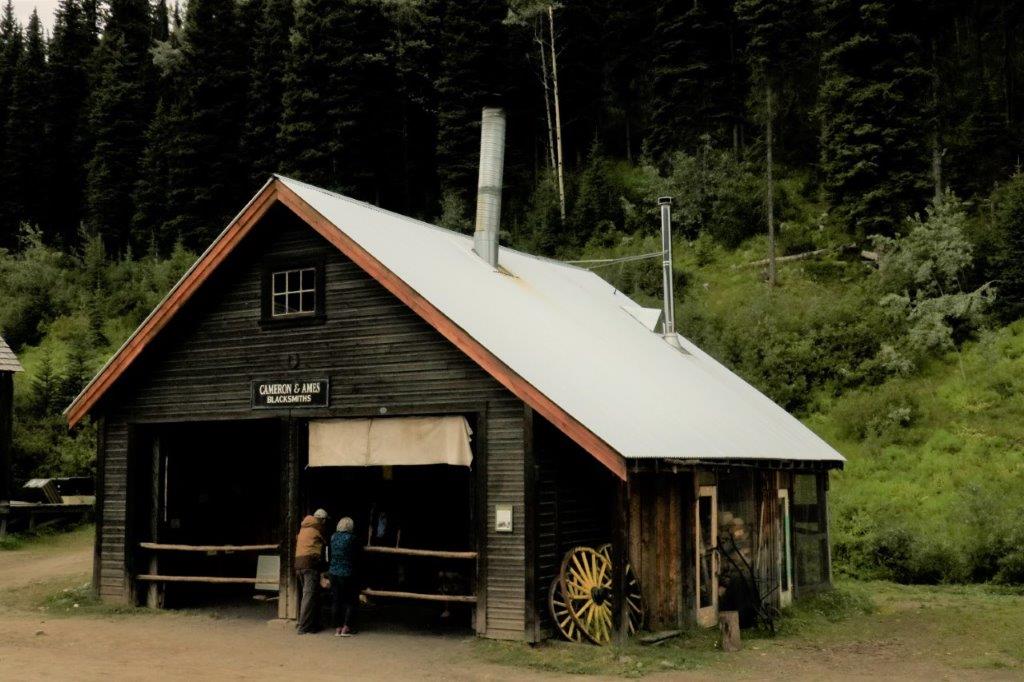
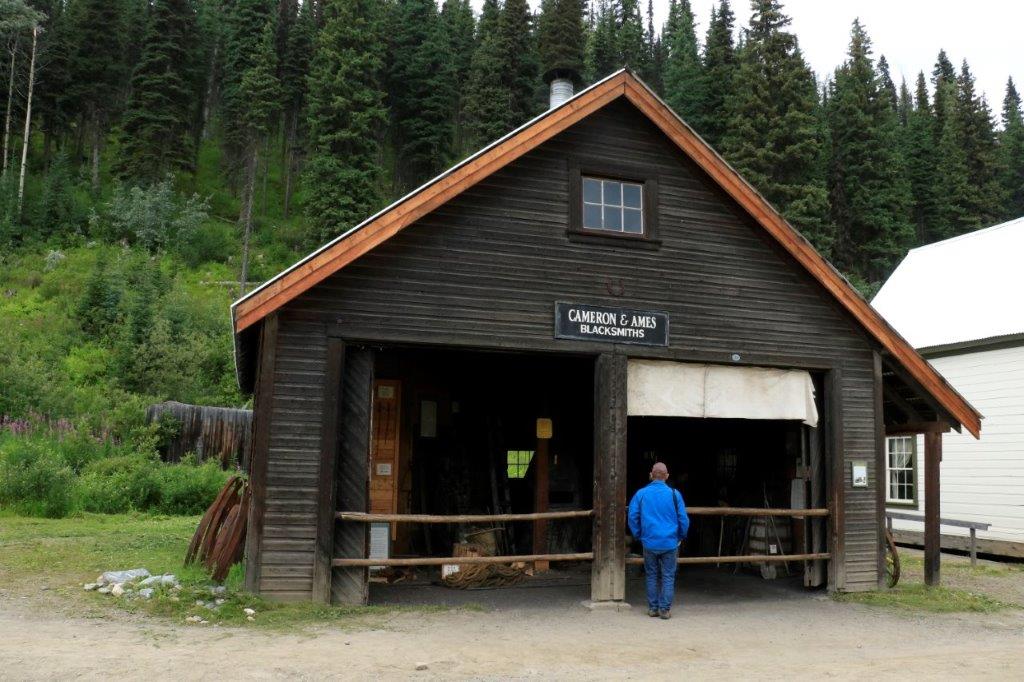
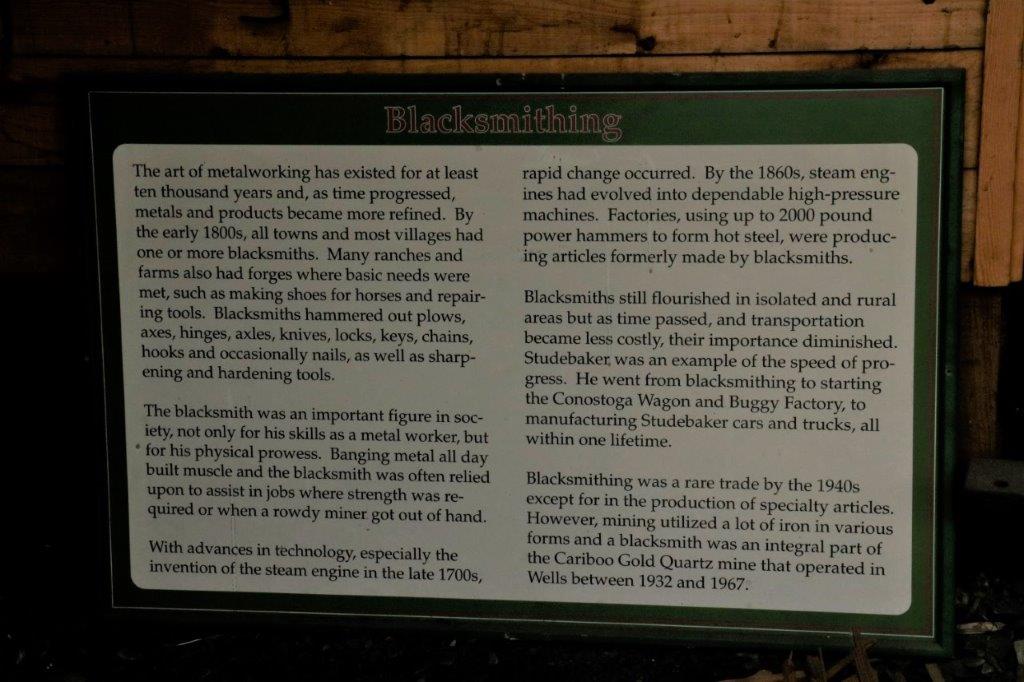
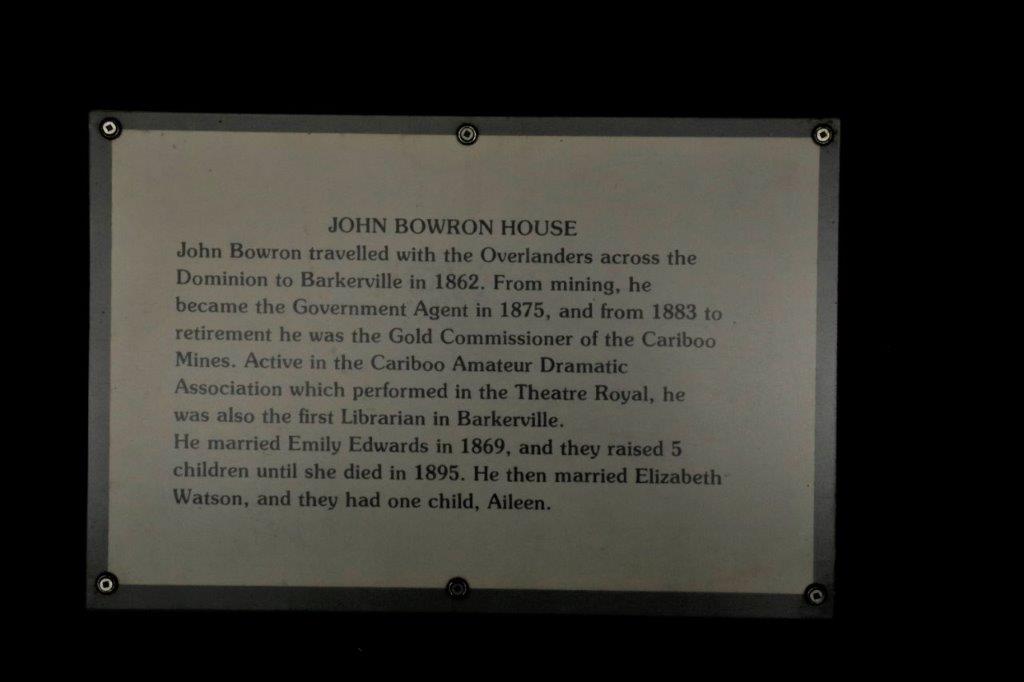
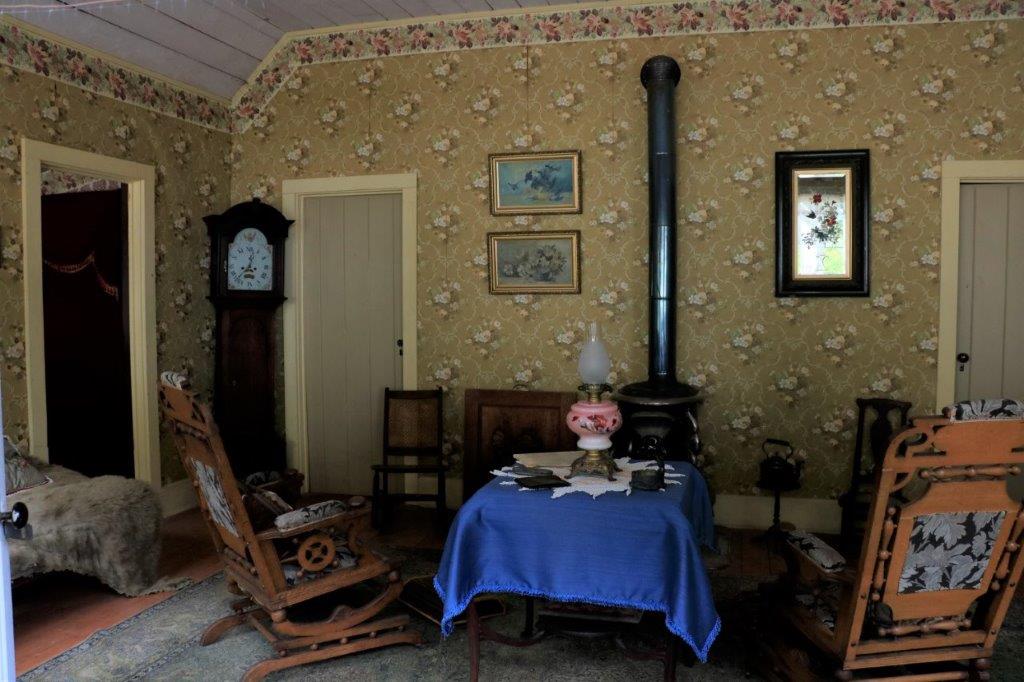
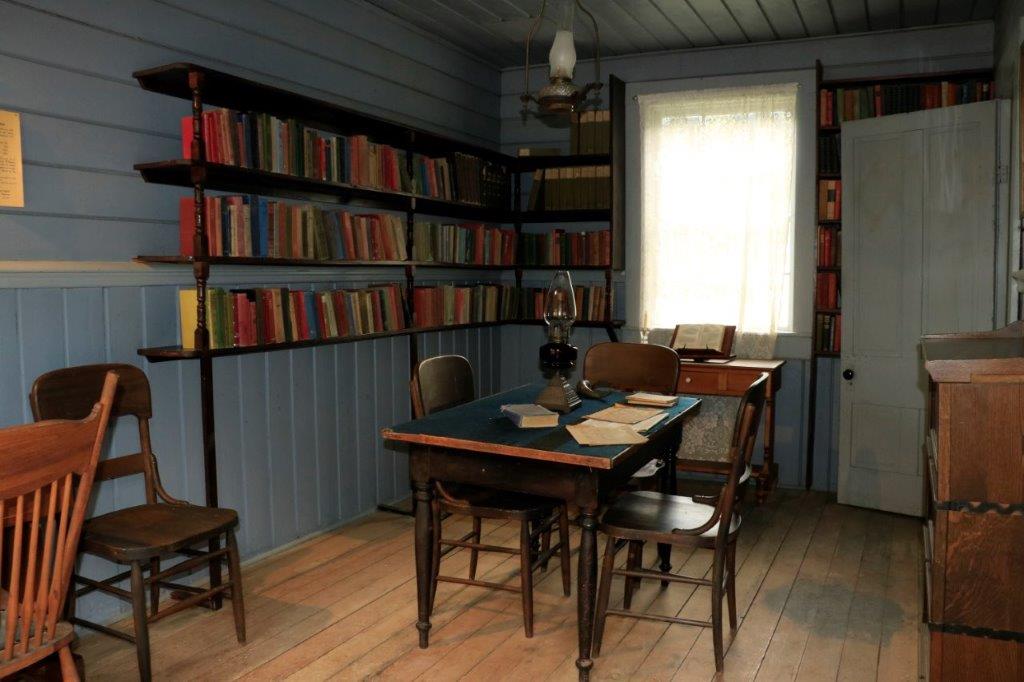
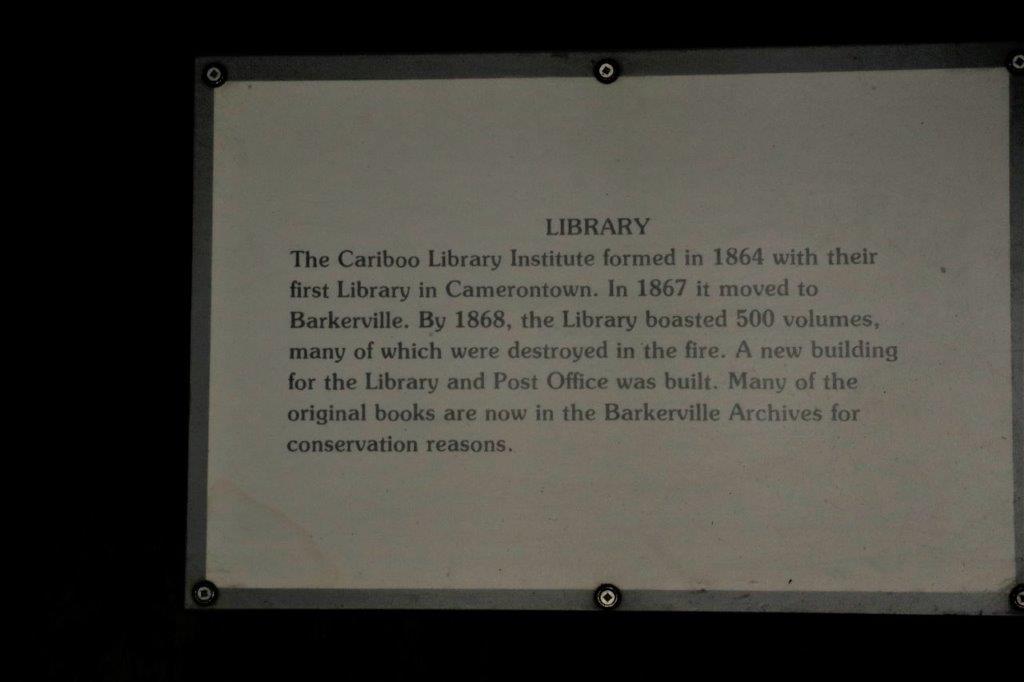
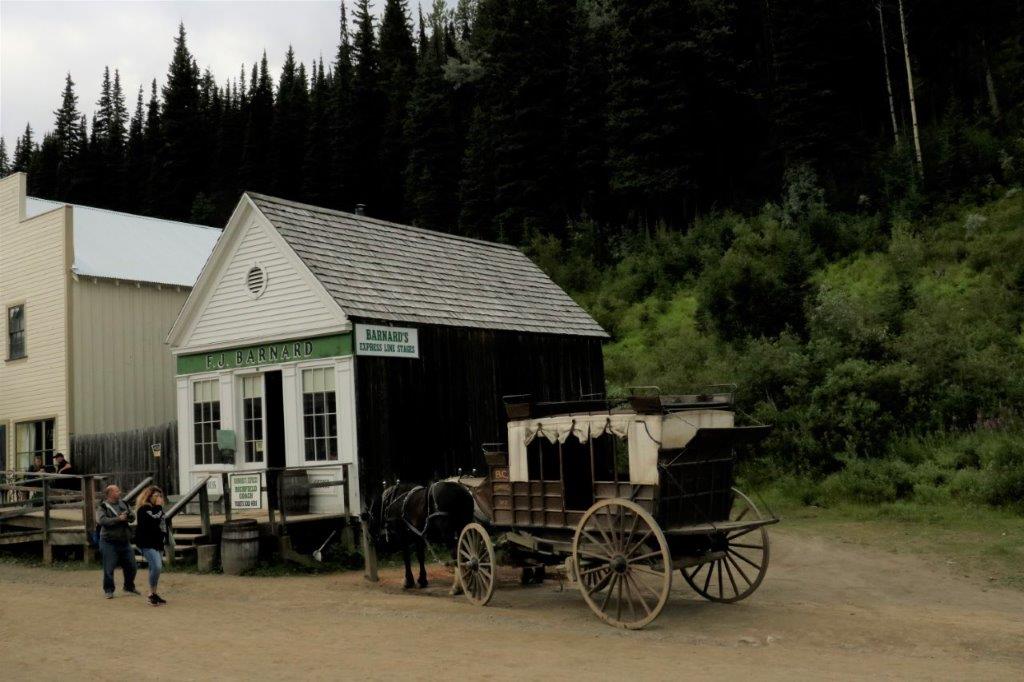
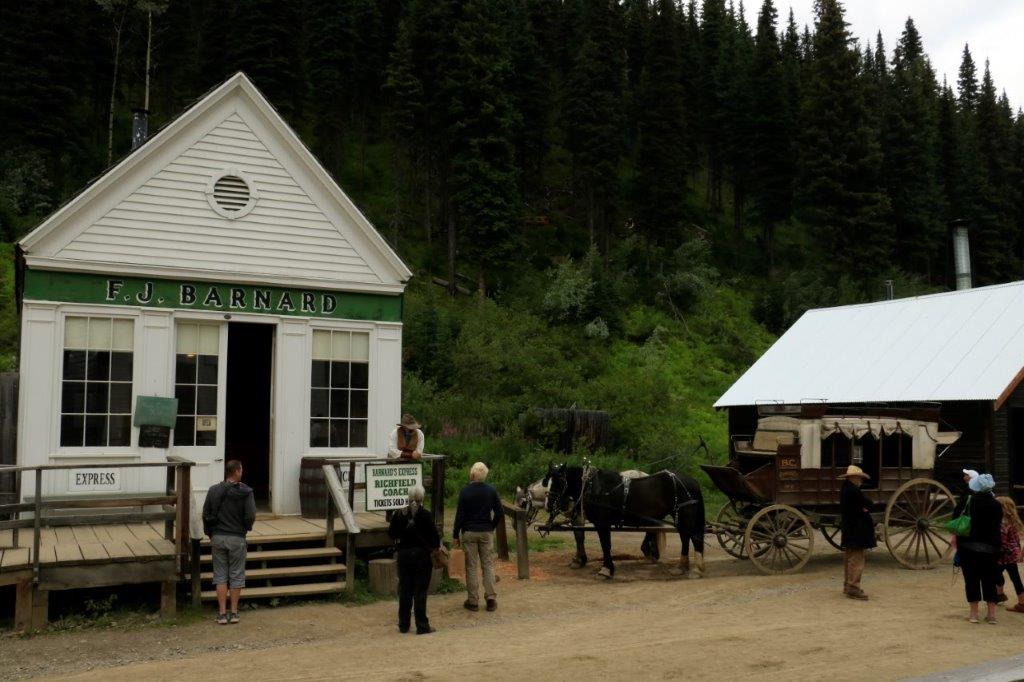
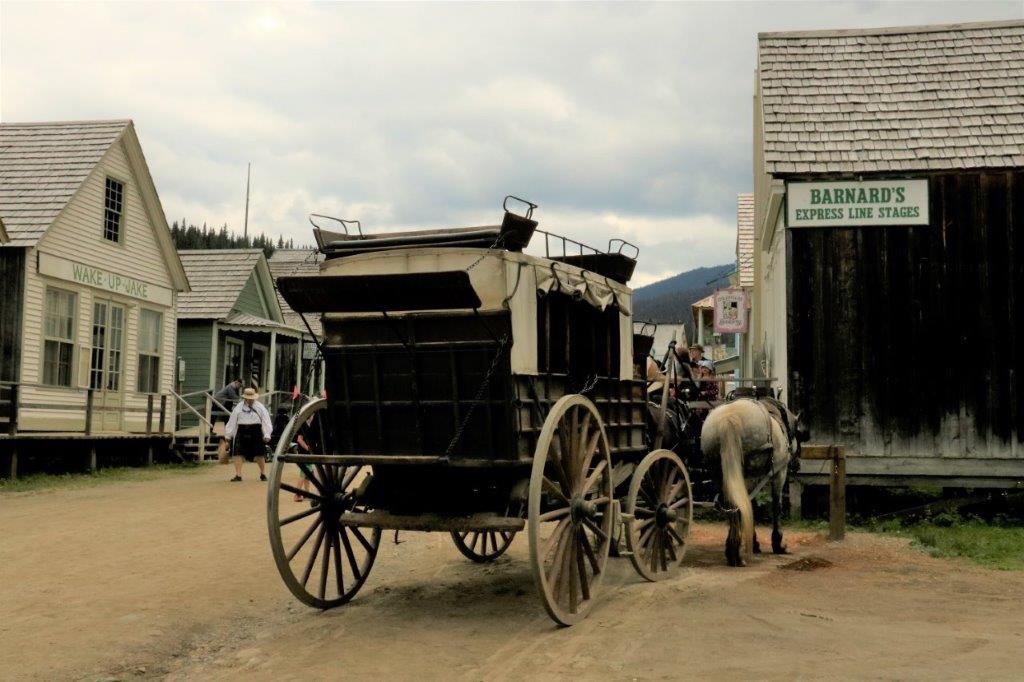
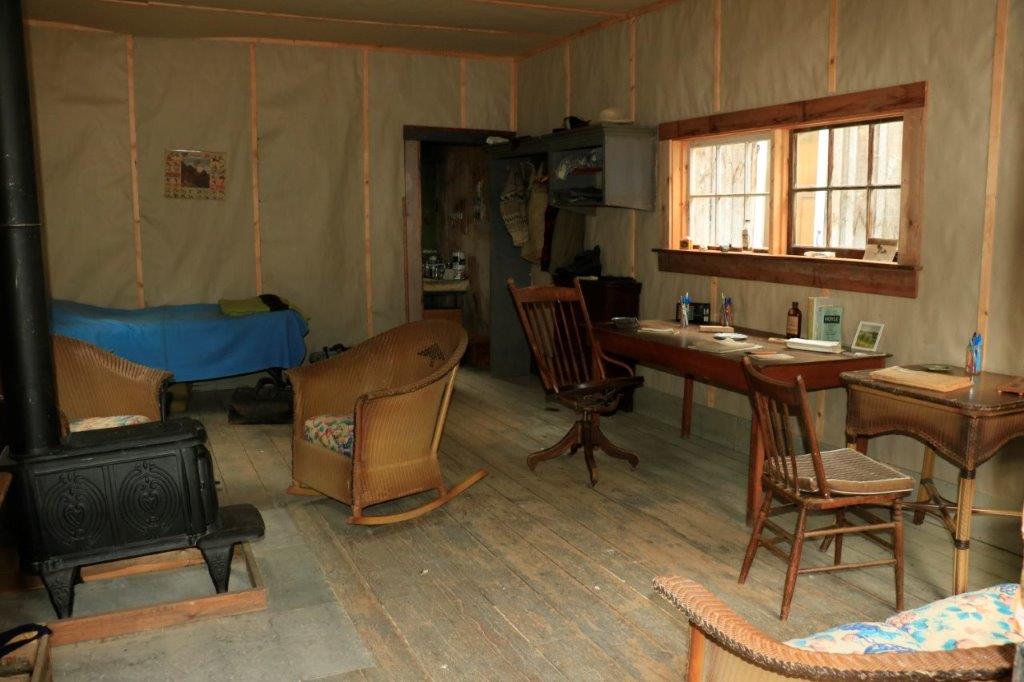
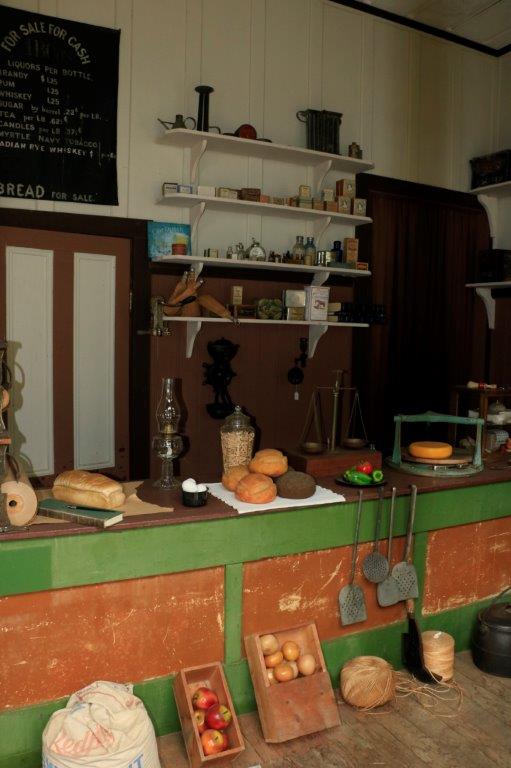
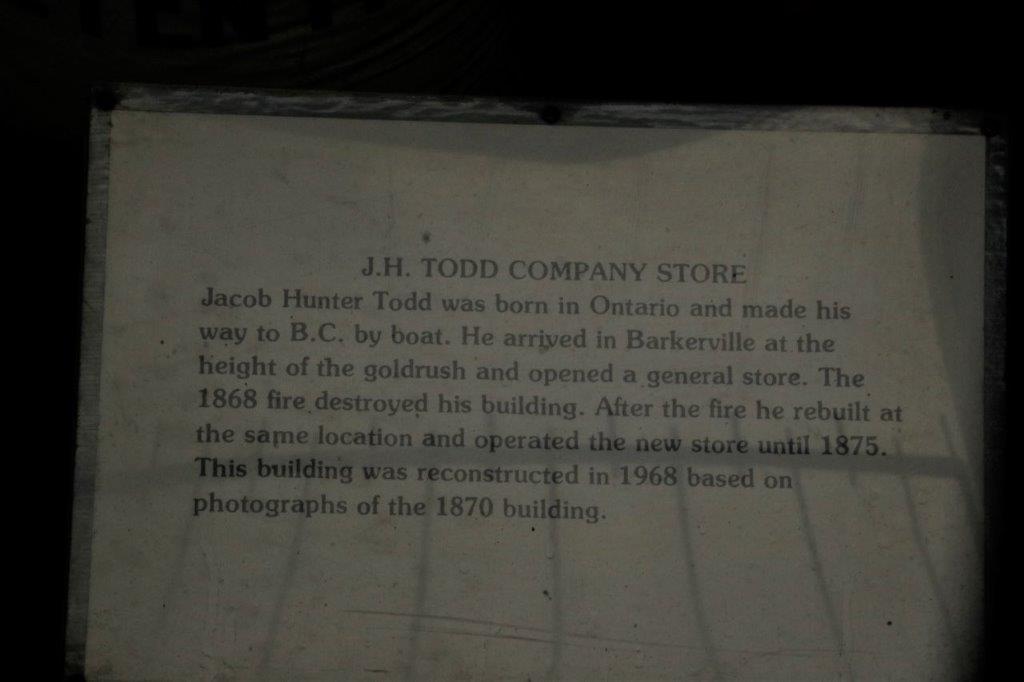
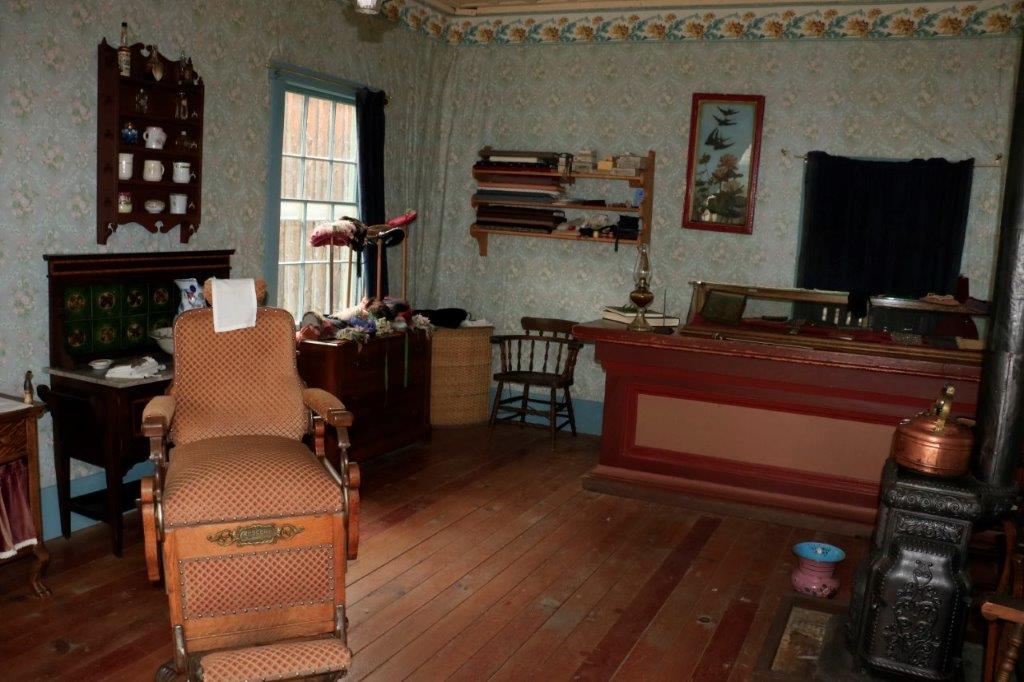
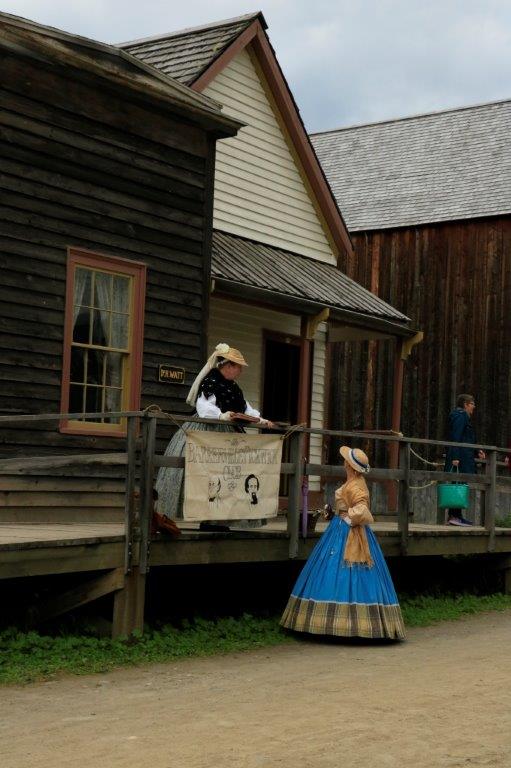
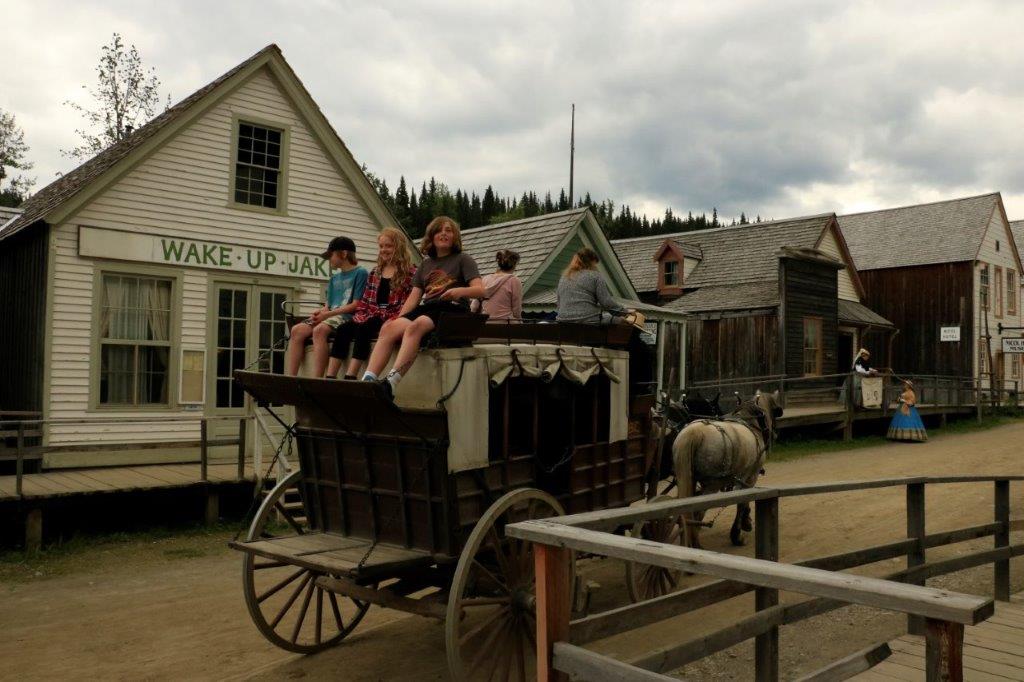
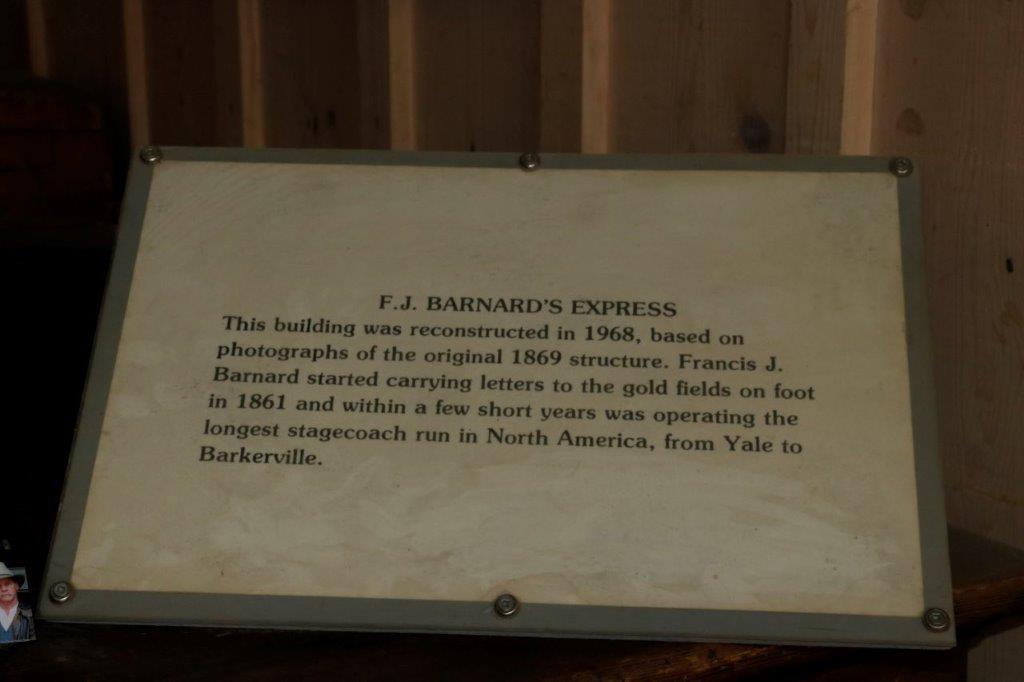
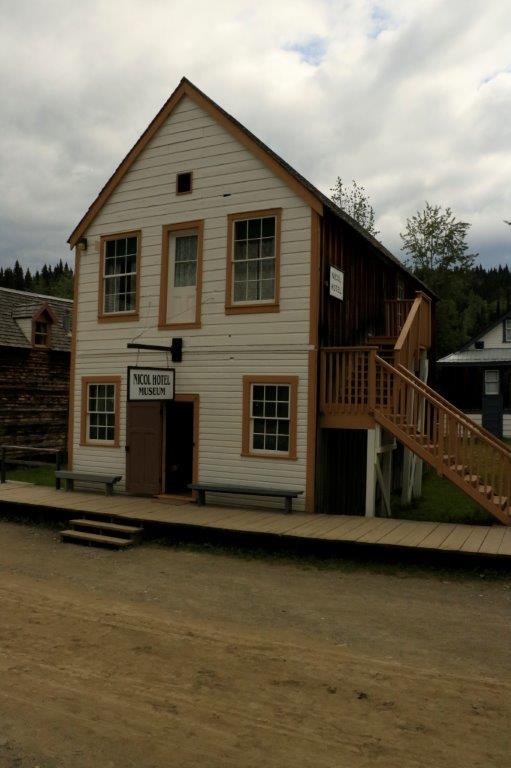
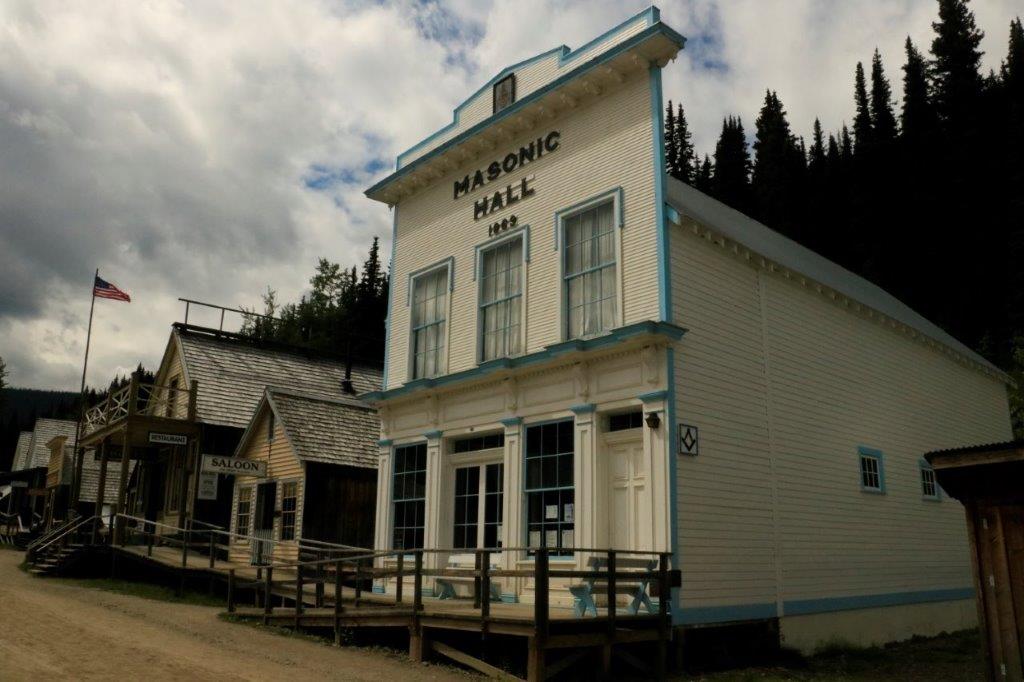
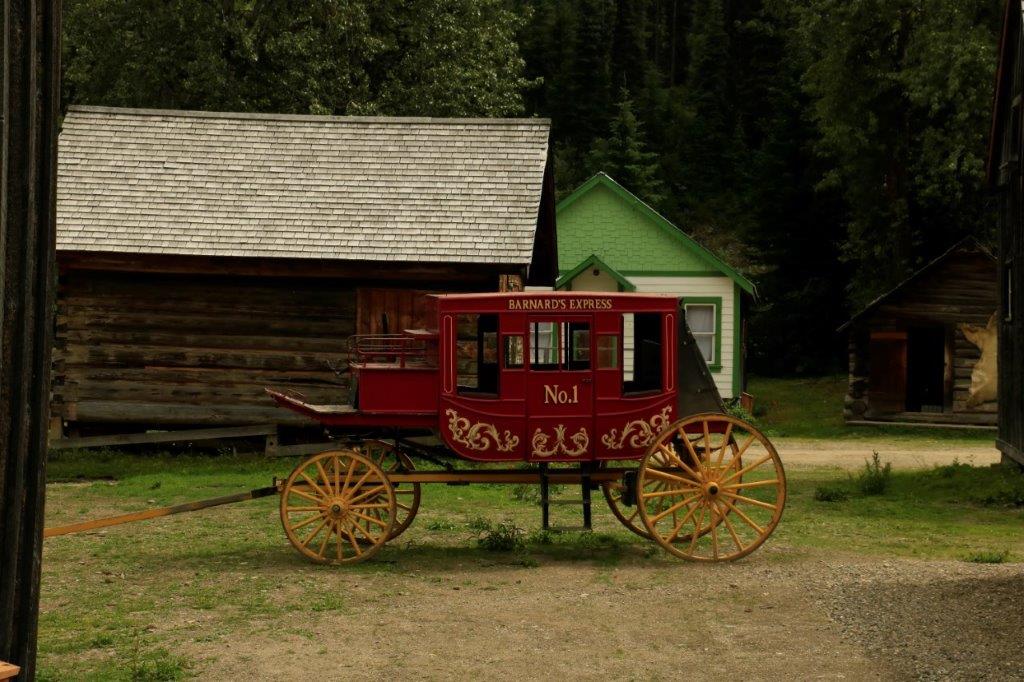
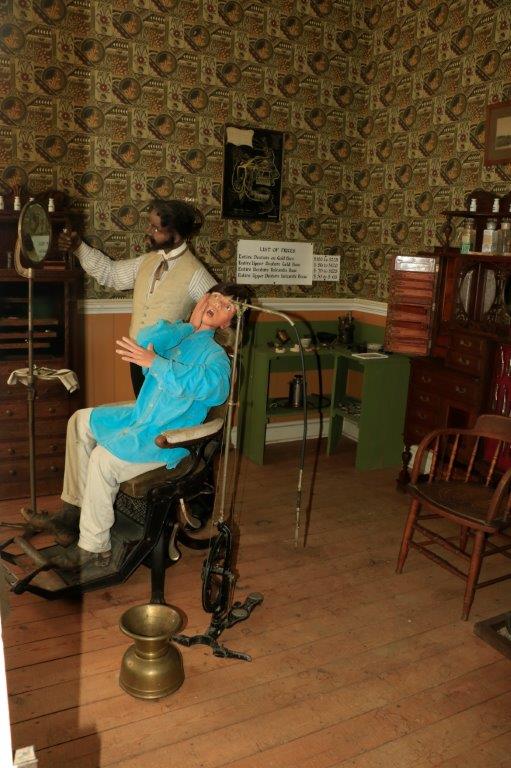
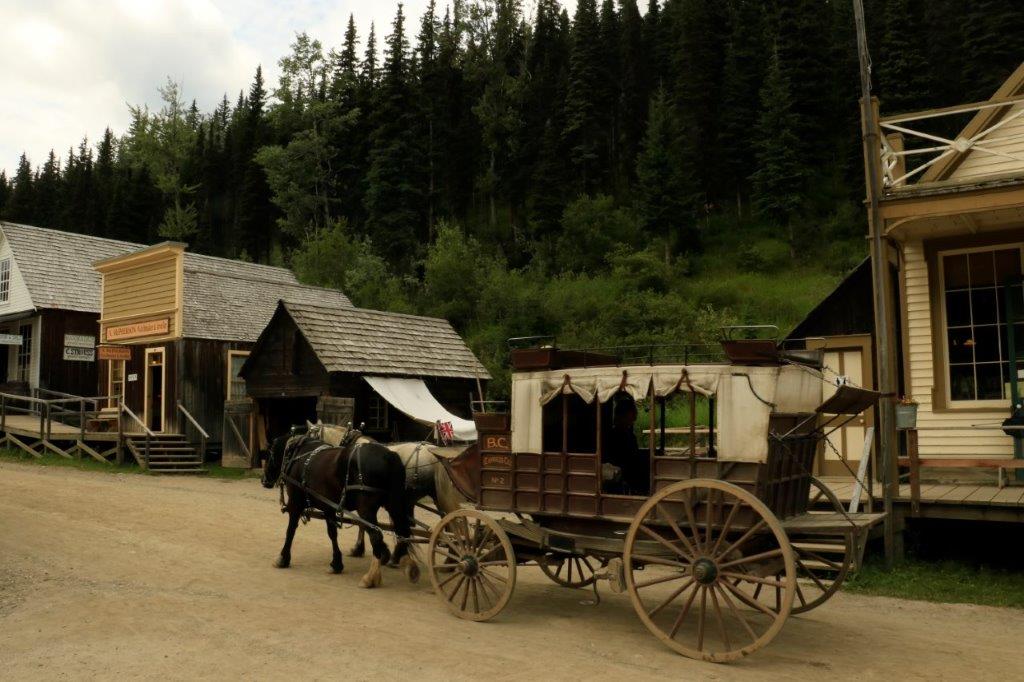
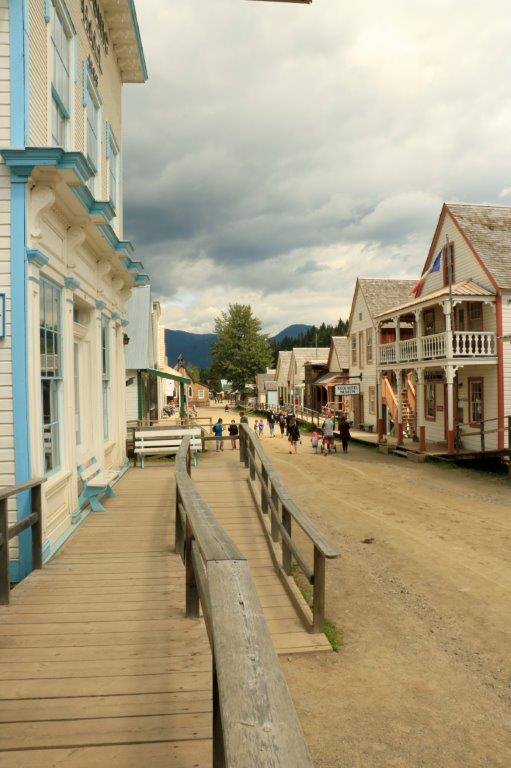
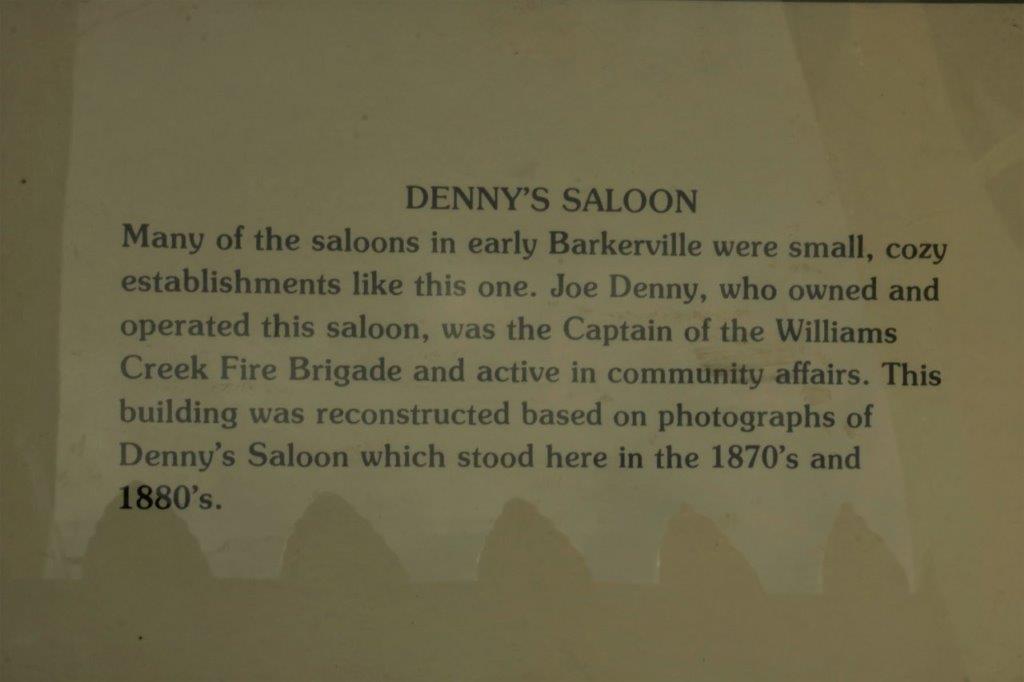
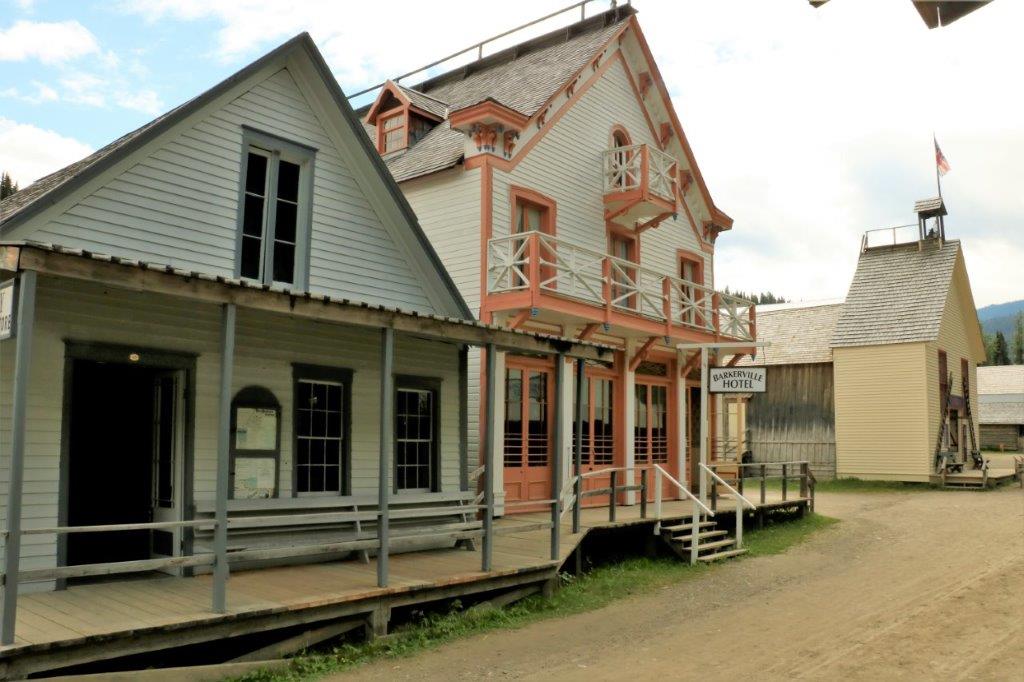
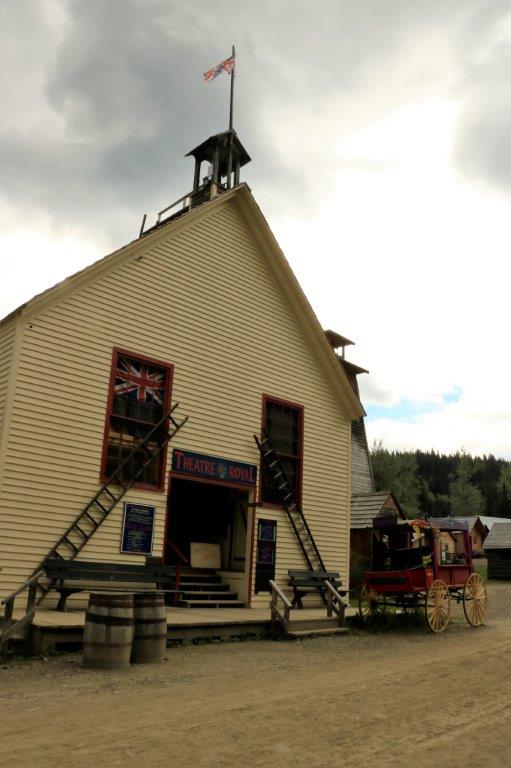
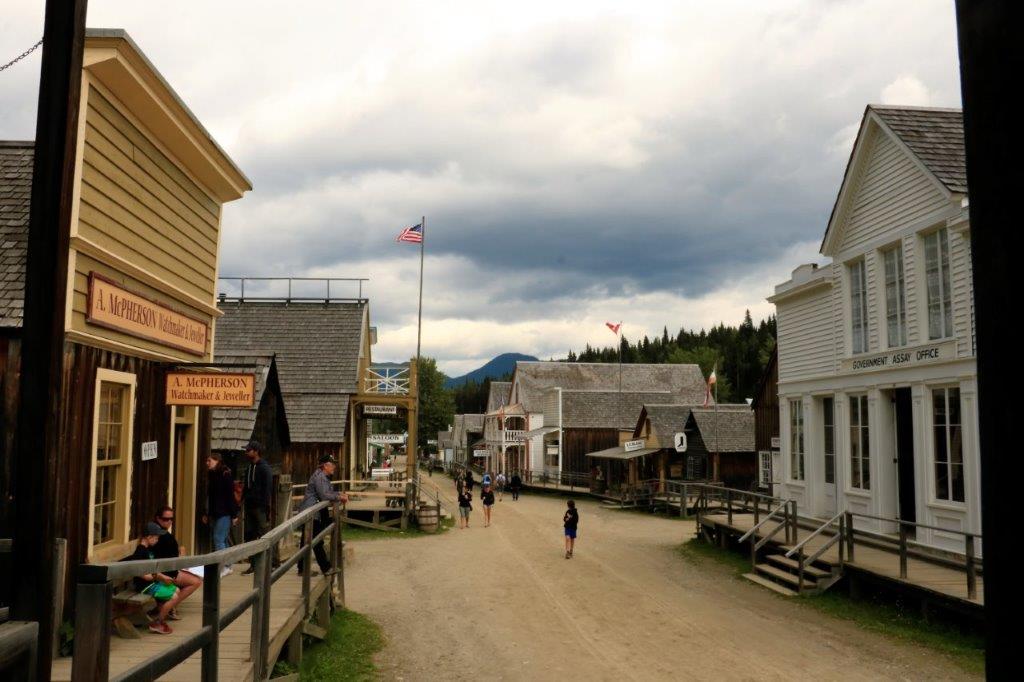
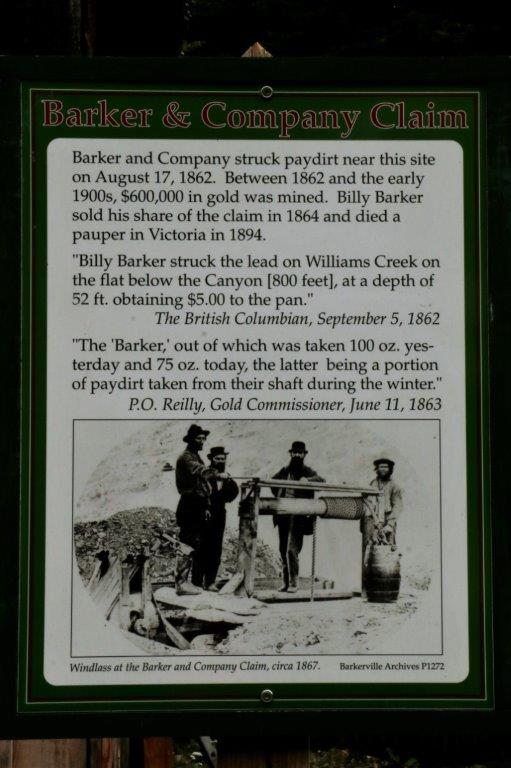
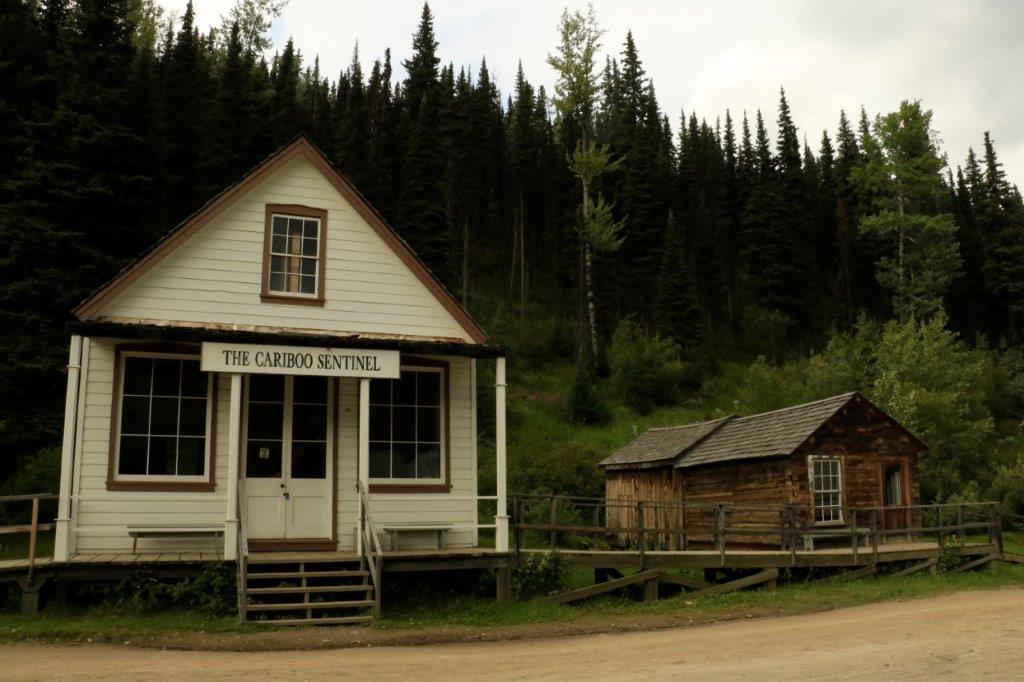
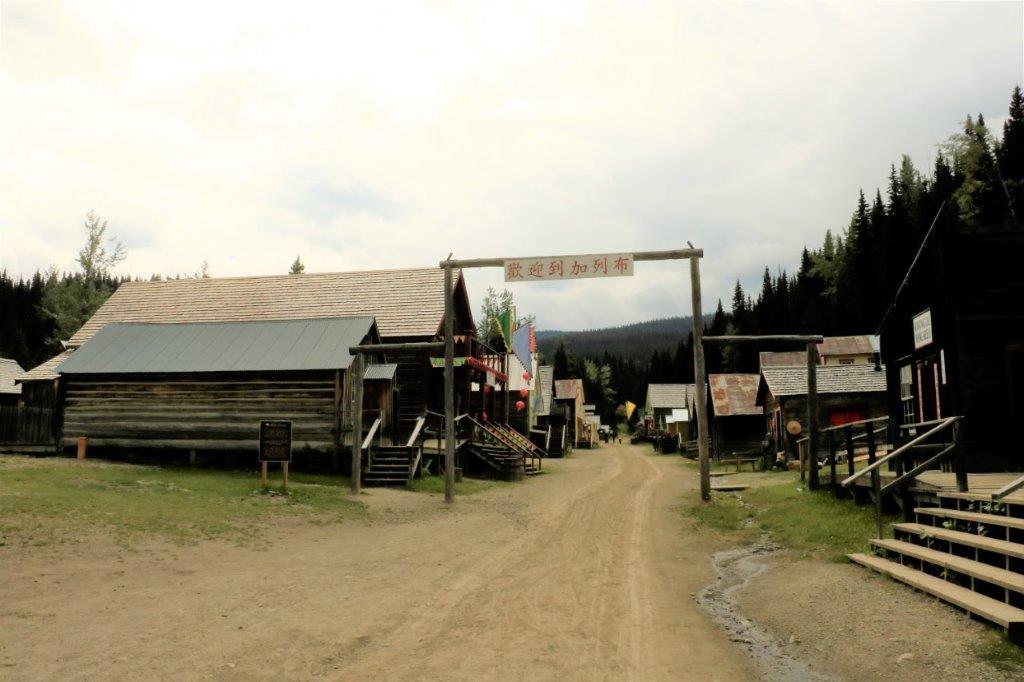
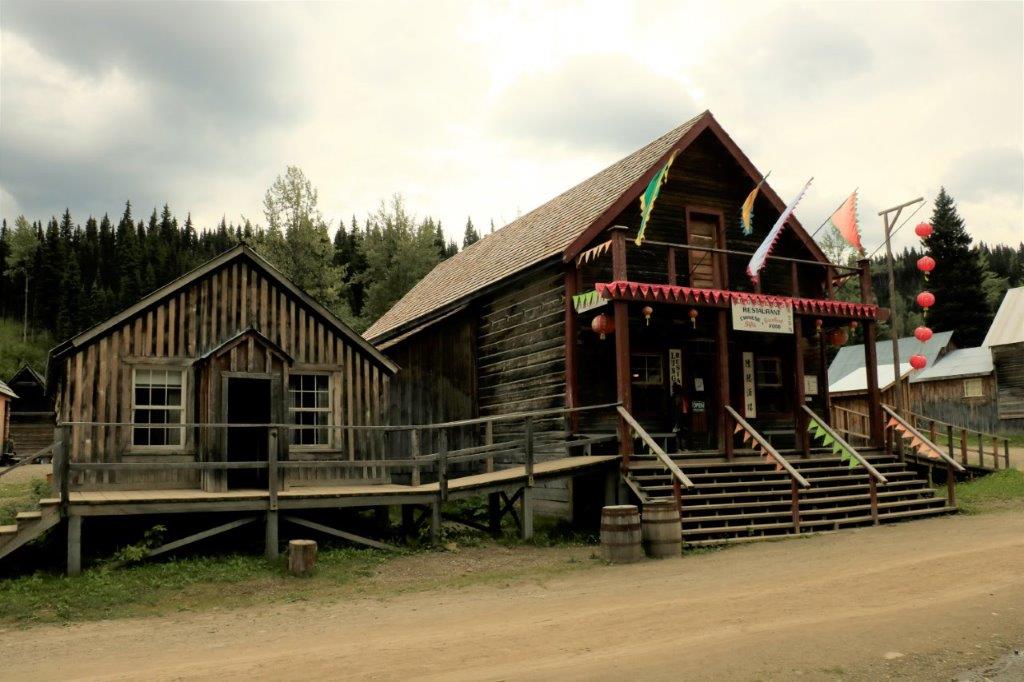
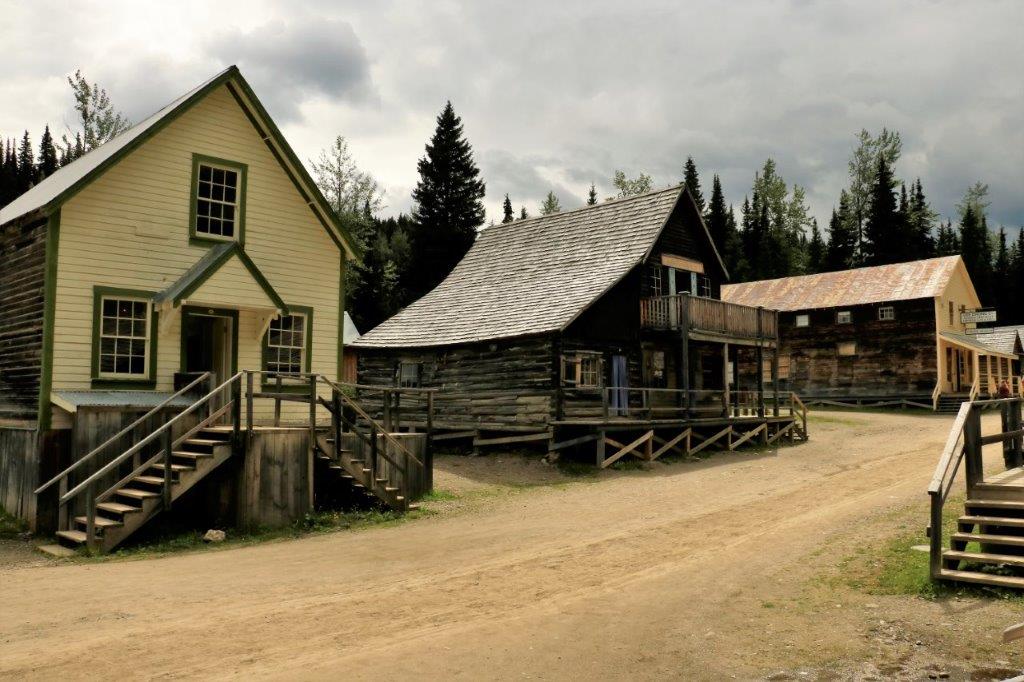
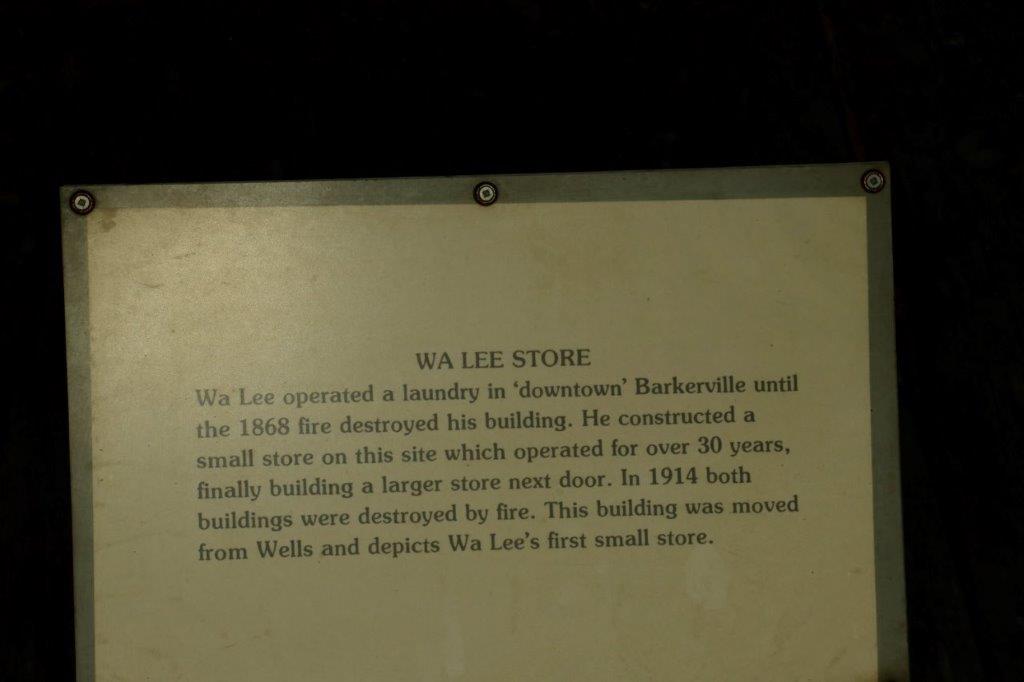
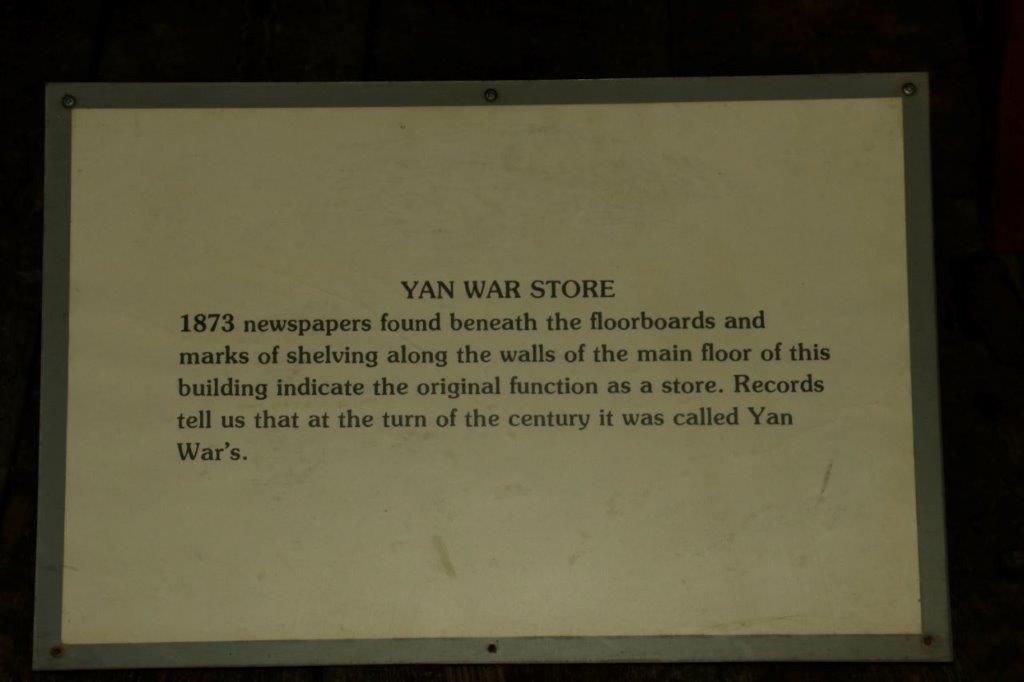
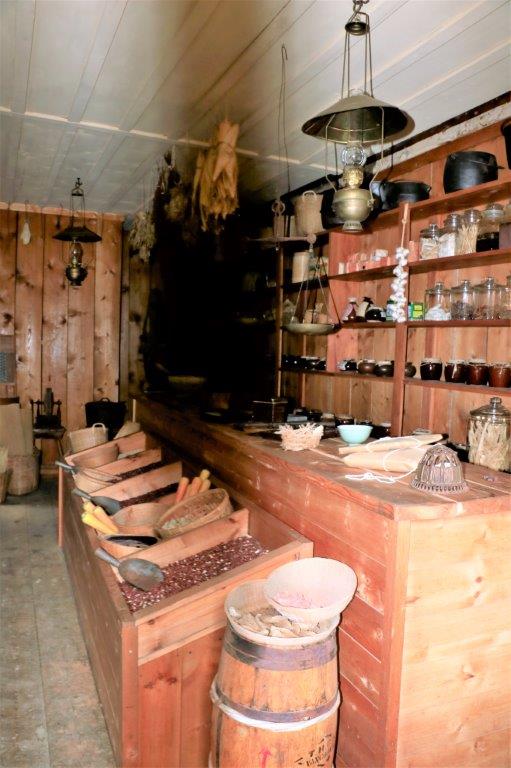
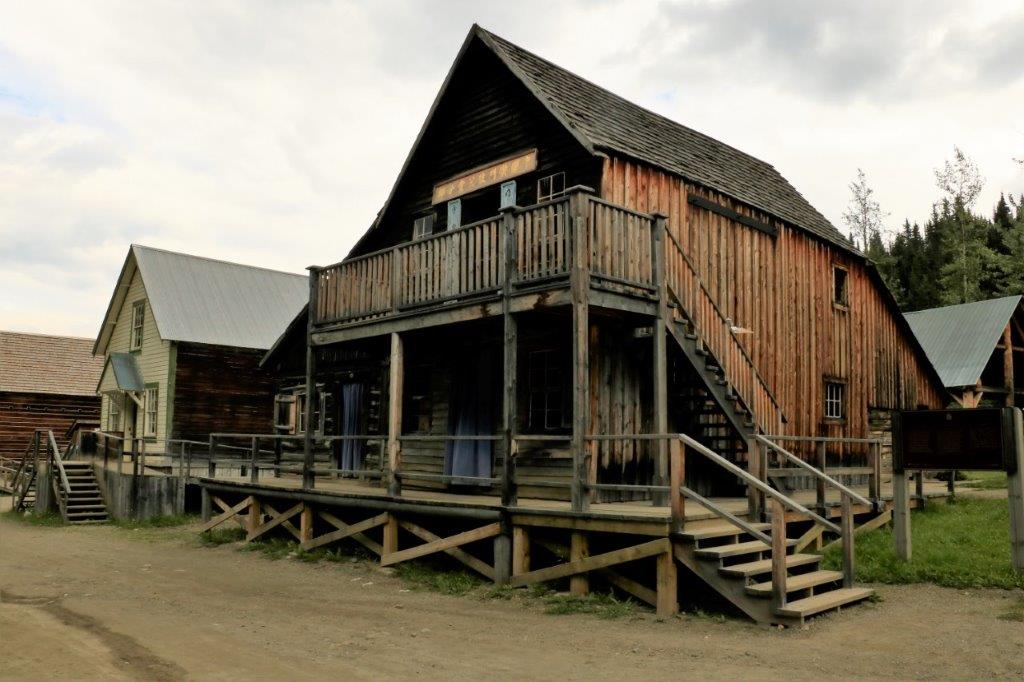
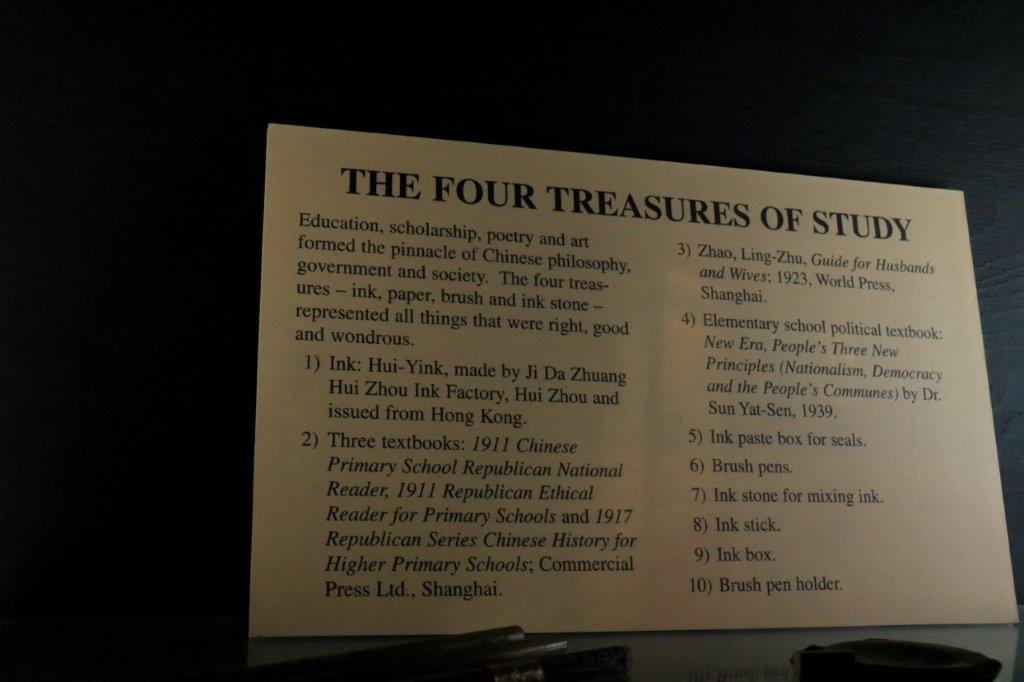
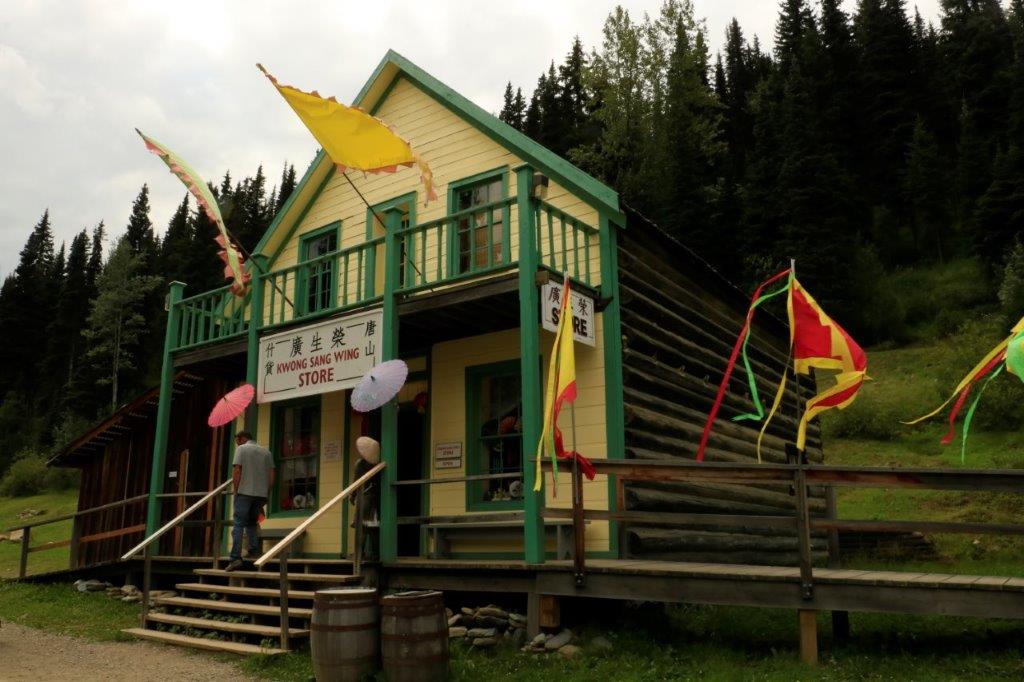
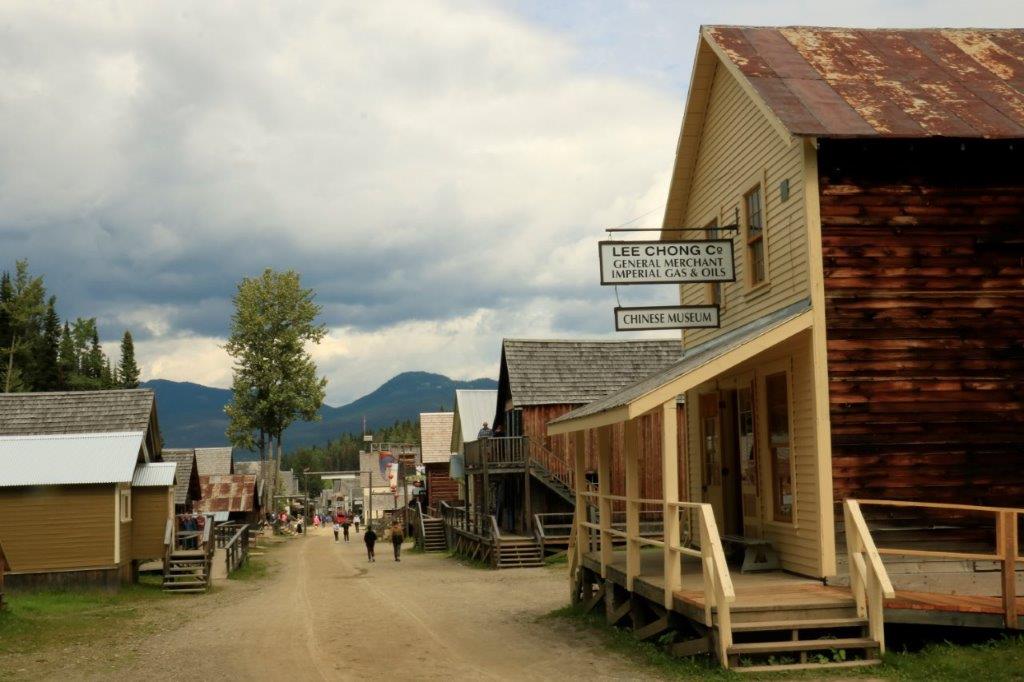
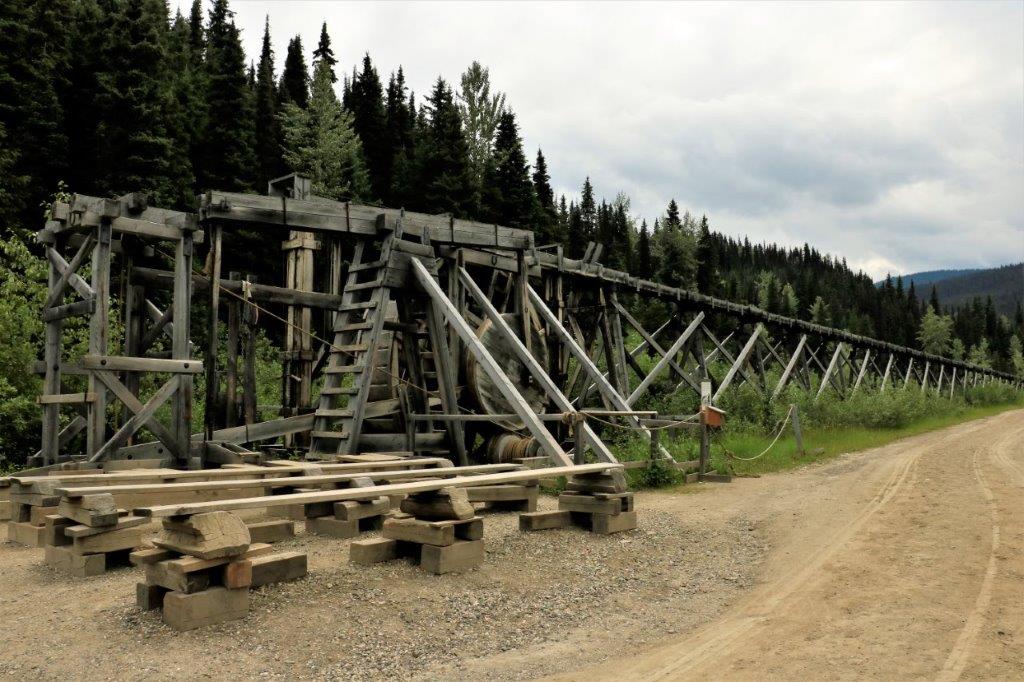
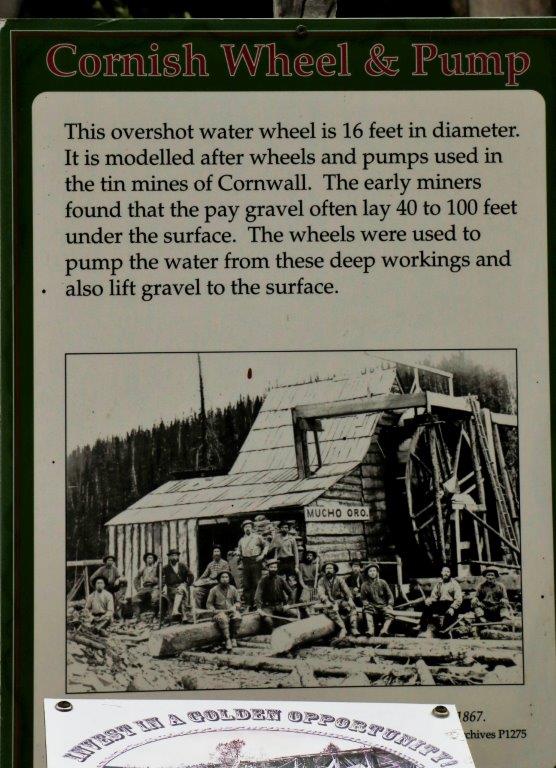
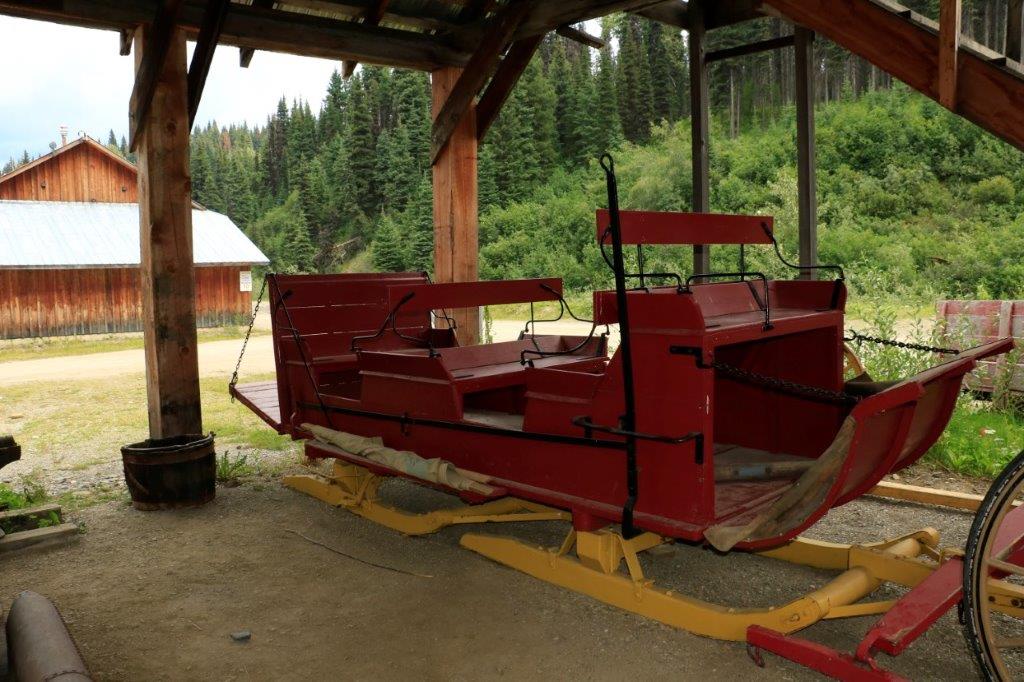
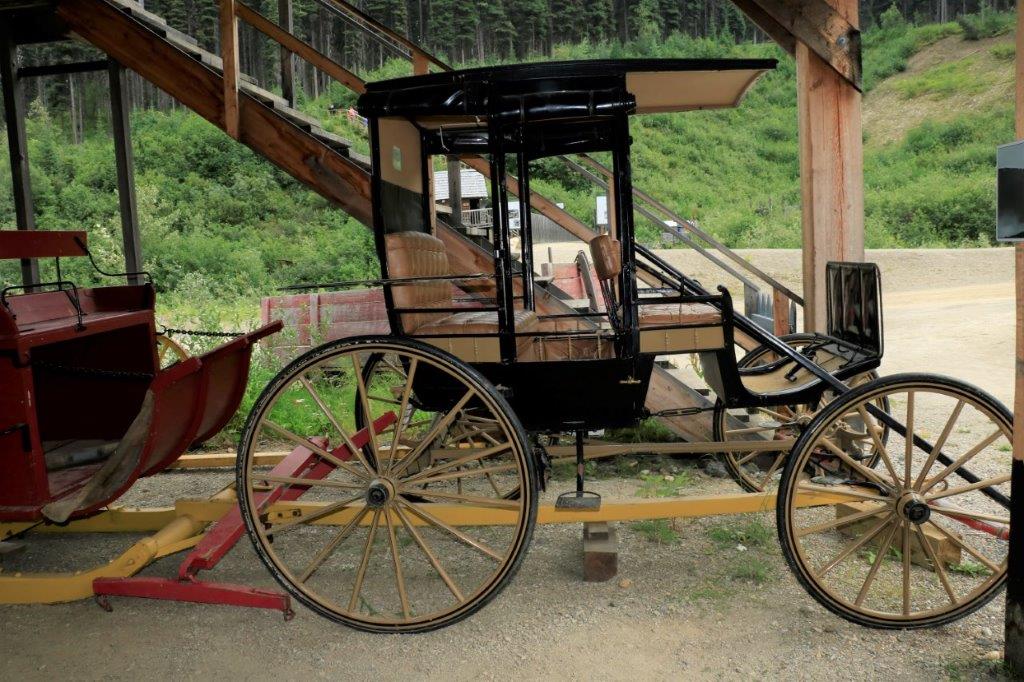
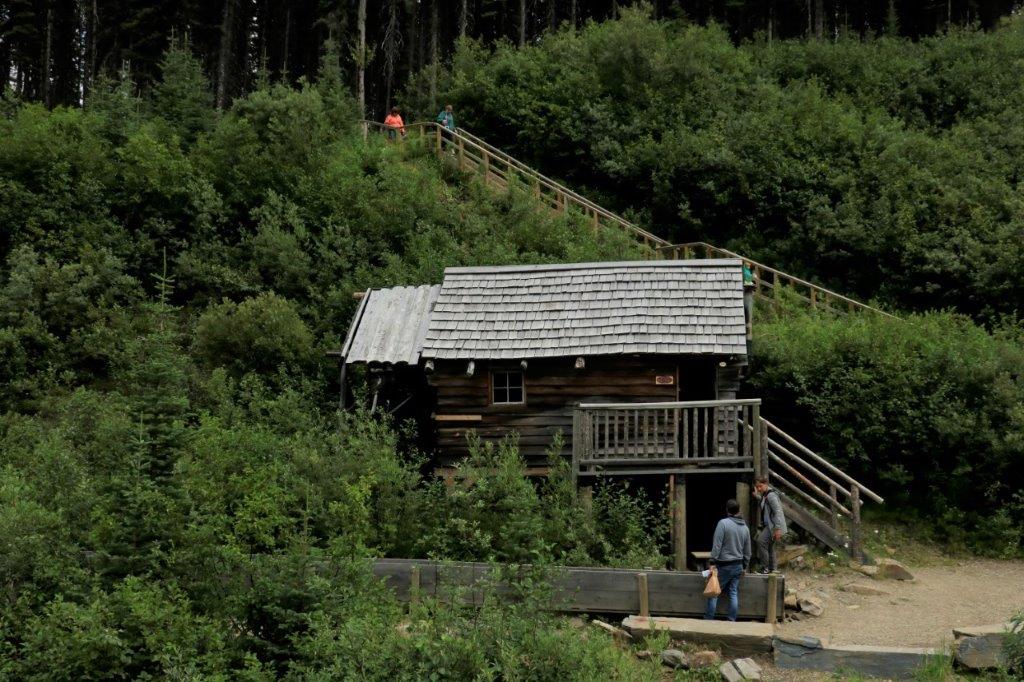
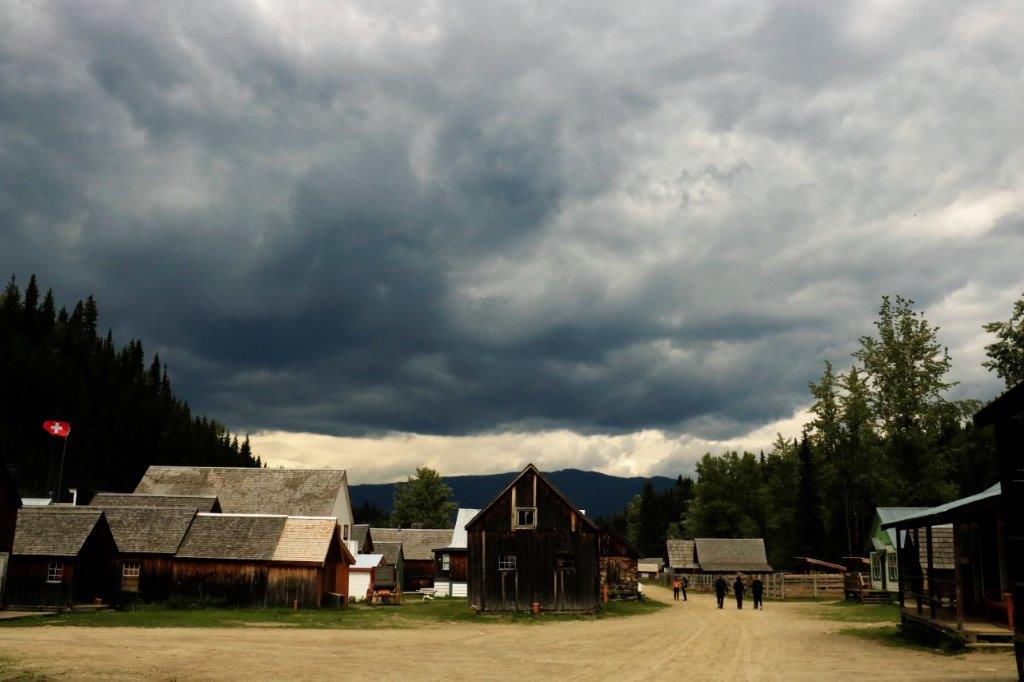
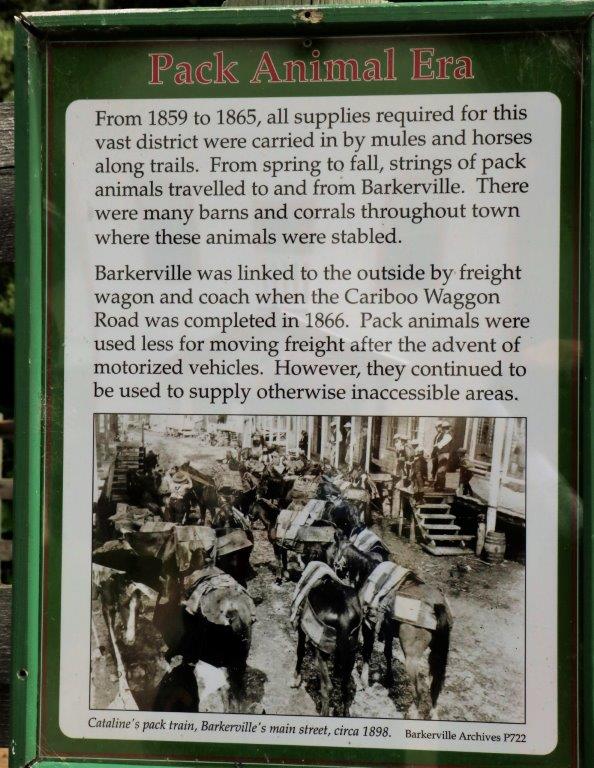
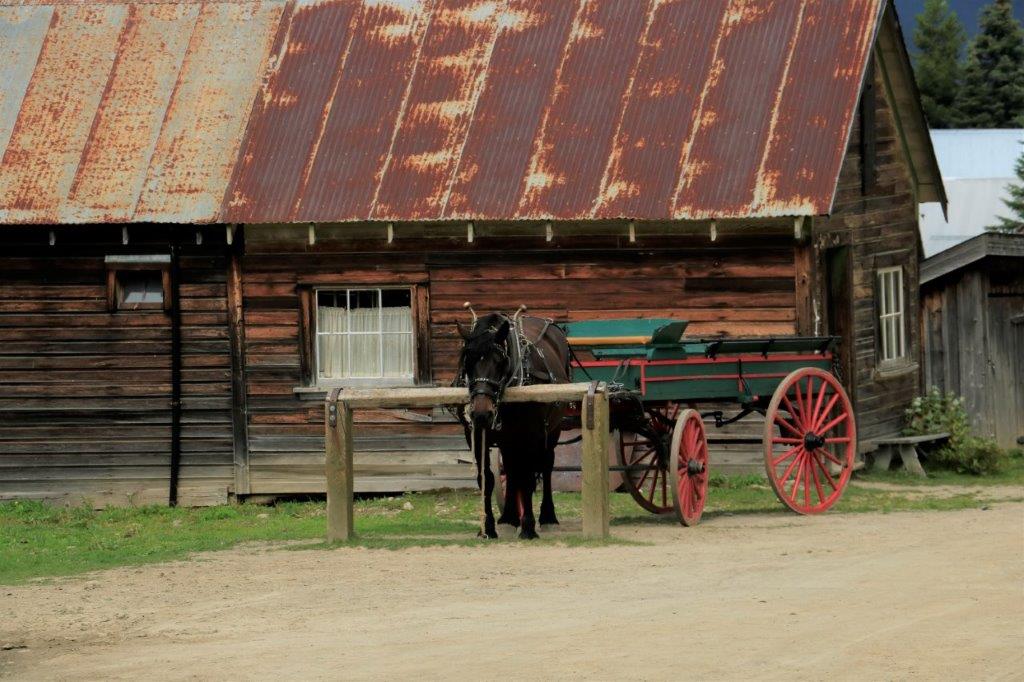
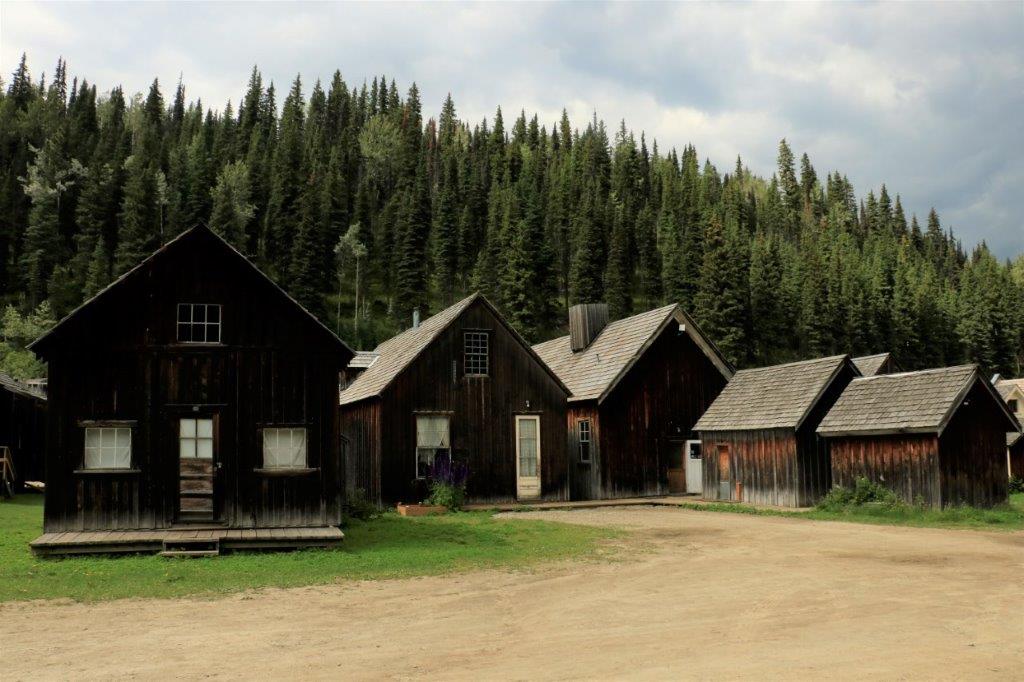
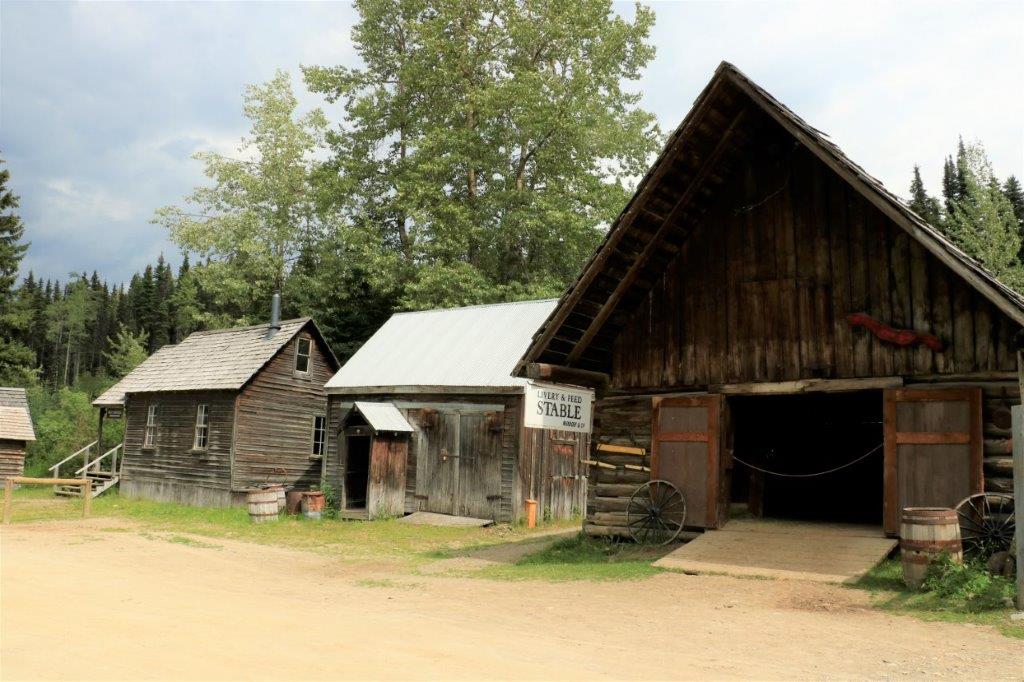
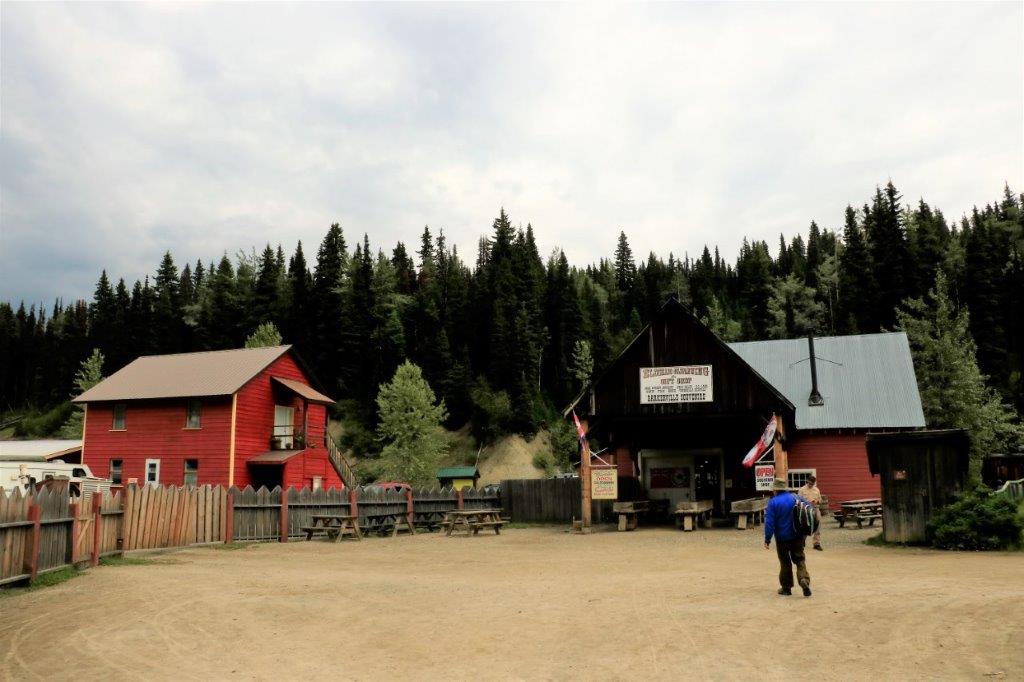
Barkerville is a restored gold rush town in the Cariboo district of  central British Columbia.  The National Historic Park has 129 buildings or points of interest to see.  There are stores, restaurants and Bed and Breakfast houses, as well as a working blacksmith shop and costumed actors portraying local business owners or residents.  The very first Dominion Day celebration was held in Barkerville in 1868 to celebrate the first anniversary of Canada’s Confederation – three years before BC joined in 1871.Barkerville was named after one of the miners, Billy Barker, who struck paydirt 52 feet down into the soggy gravel beside Williams Creek, and established the greatest creek-side gold nugget deposit the world has ever seen.  He helped spearhead a twenty-year, multi-billion dollar industrial revolution that literally built a province.  “Today (according to the brochure), the extrordinary historic town of Barkerville is an authentic, world-class heritage experience that provides travellers from across the globe with a unique opportunity to revisit the Cariboo gold rush.  Barkerville is now the largest living history museum in western North America.” It took just over an hour to get to Barkerville after we left our hotel in Quesnel at 10:30 and we left the park about 3.  We walked up the main street, crossing back and forth between buildings and then walked back down the ‘back’s street. Throughout the day there are a whole range of shows or activities you can participate in or watch – from prayer meetings at the church, to stagecoach rides, and a Variety Show in the Theatre Royal.  There are portrayals of “The Cariboo Goldfields Ltd. Annual General Meeting”, lessons in the schoolhouse, the Pickwick Club’s weekly meeting (an 1869 secret society), Chinese School lessons, walking tours, and on and on.

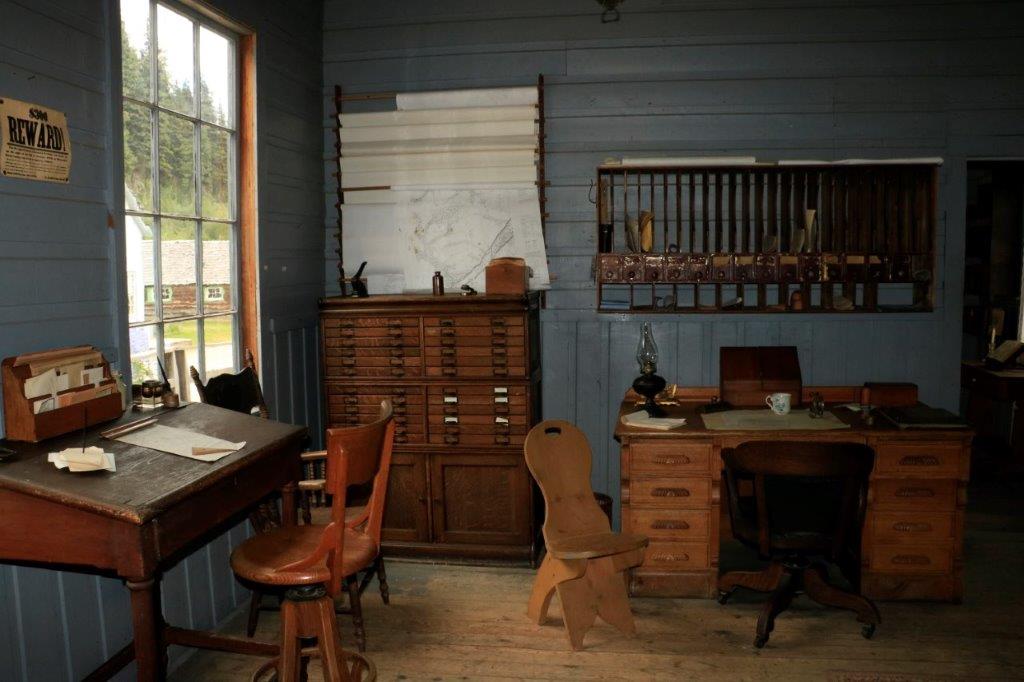
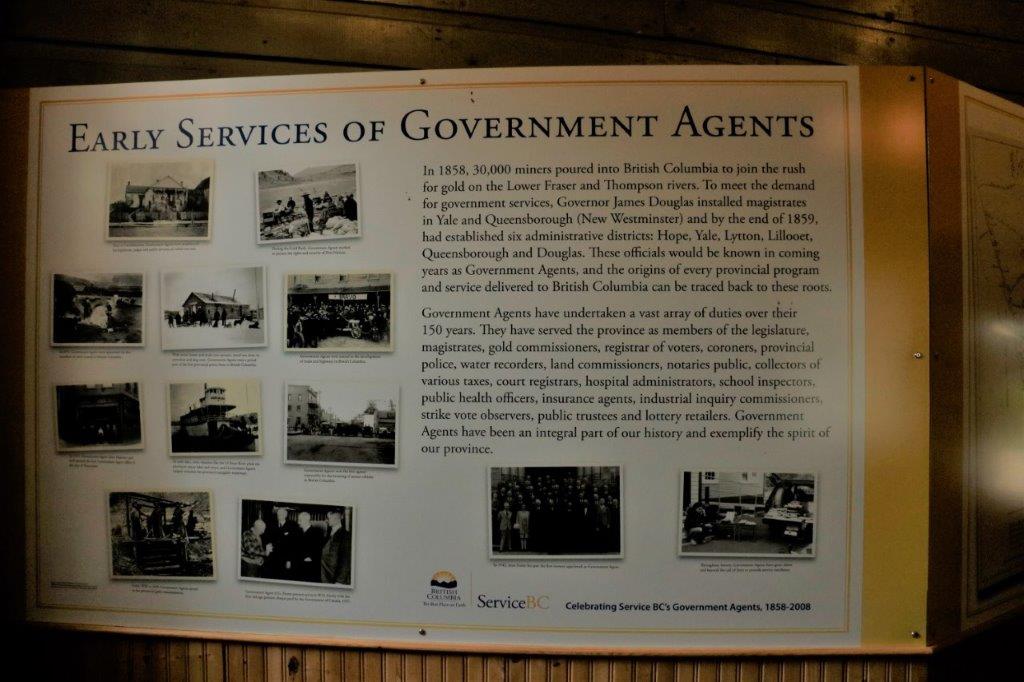
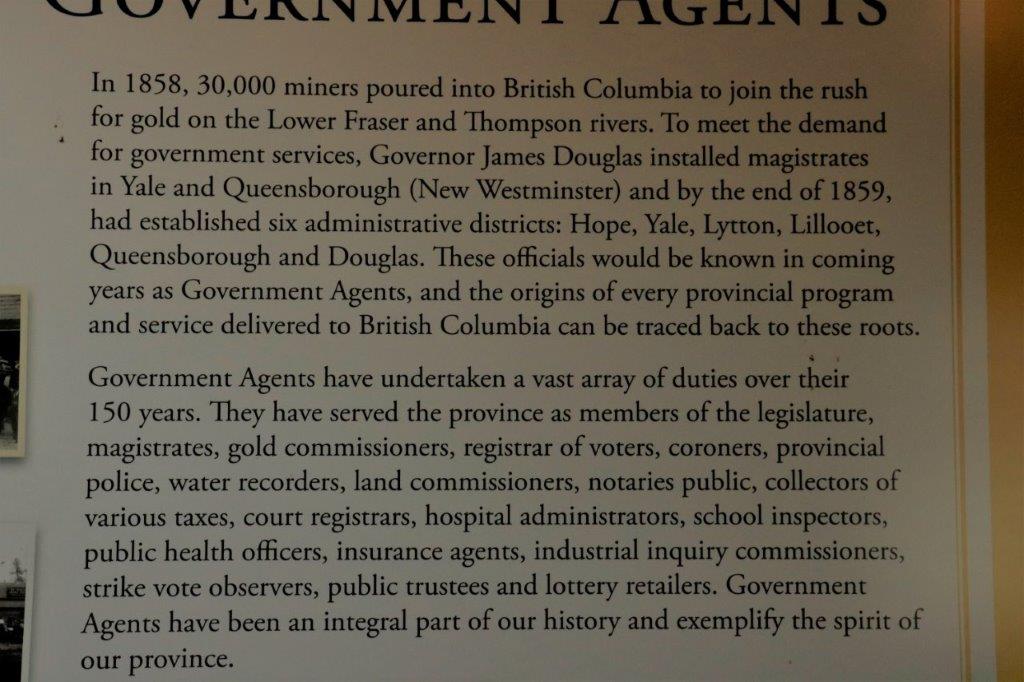
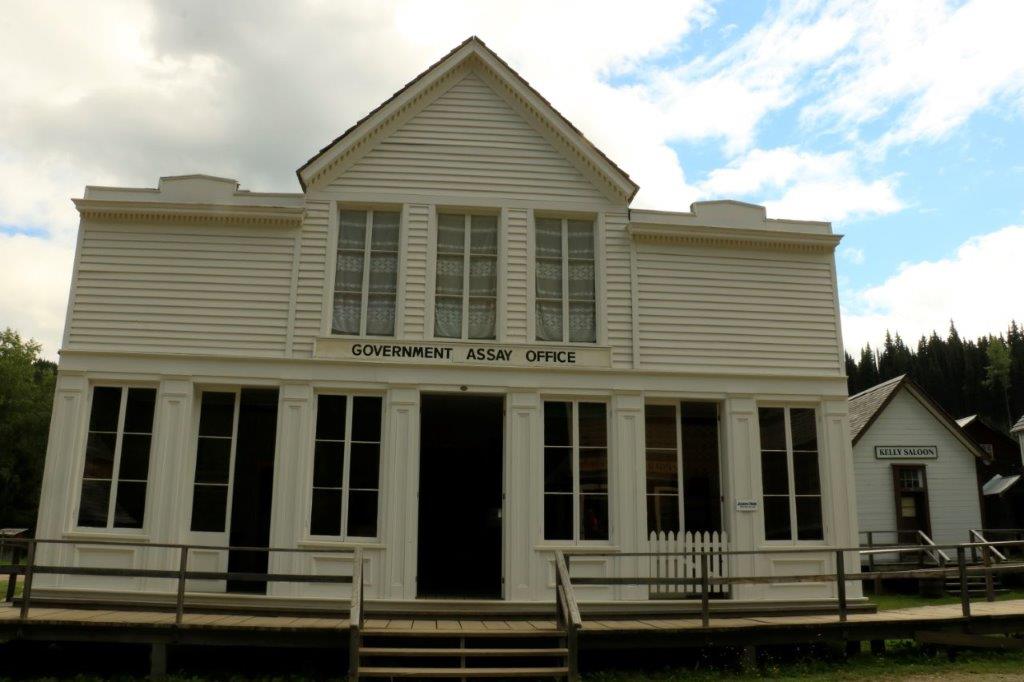
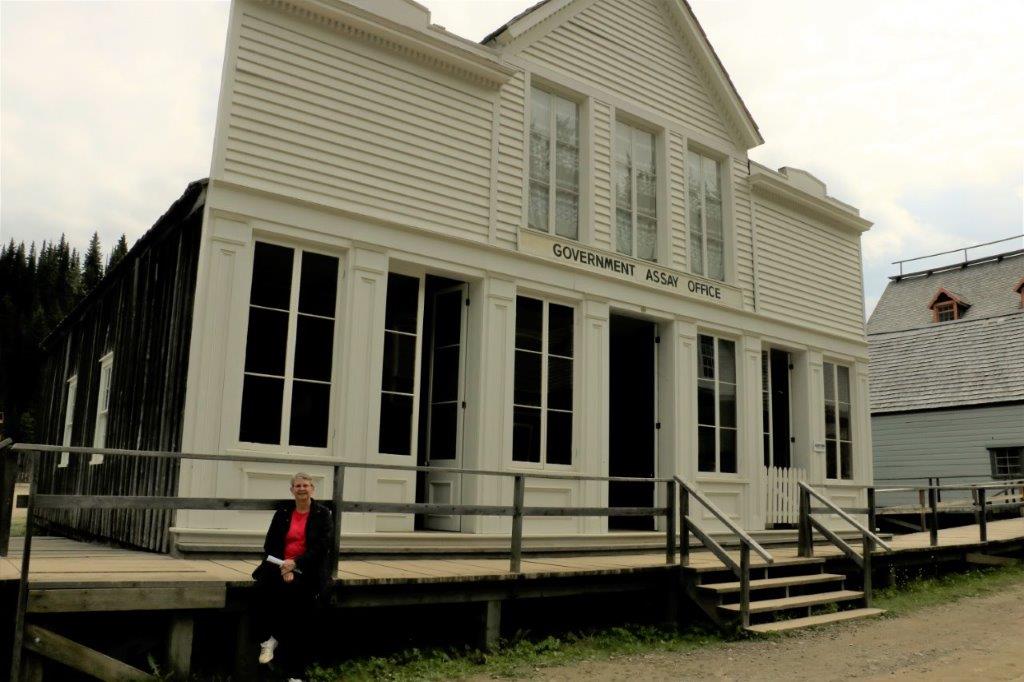
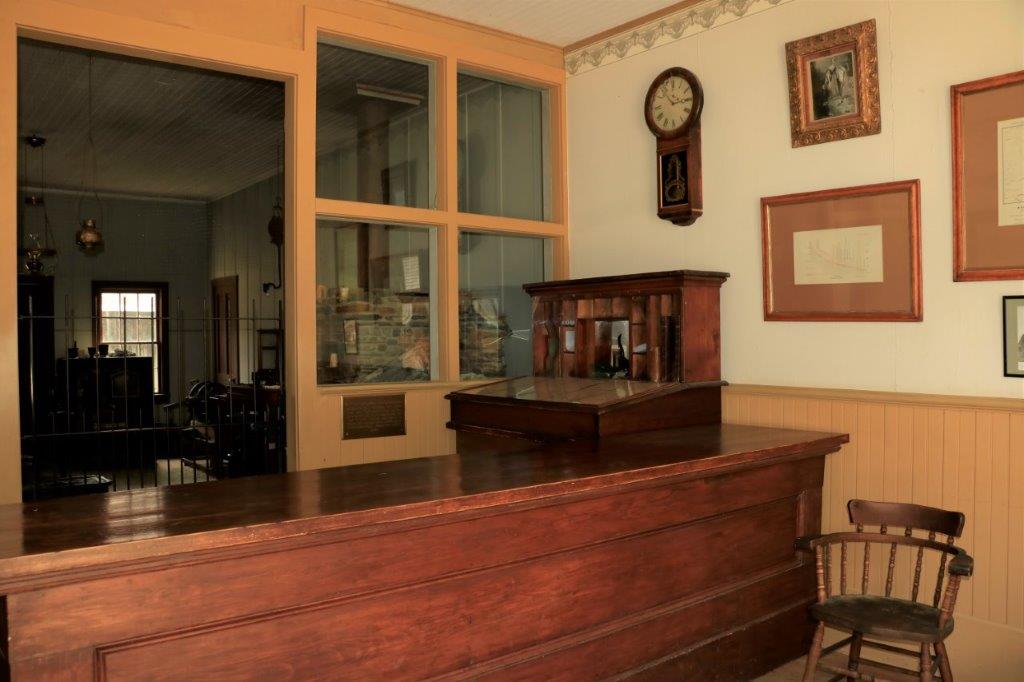
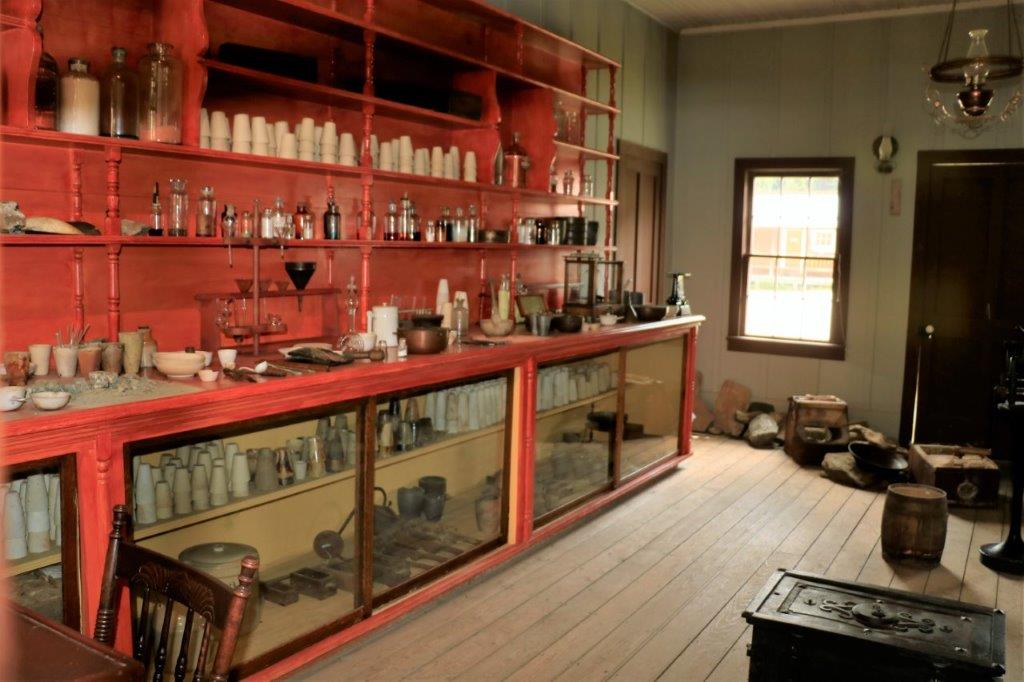
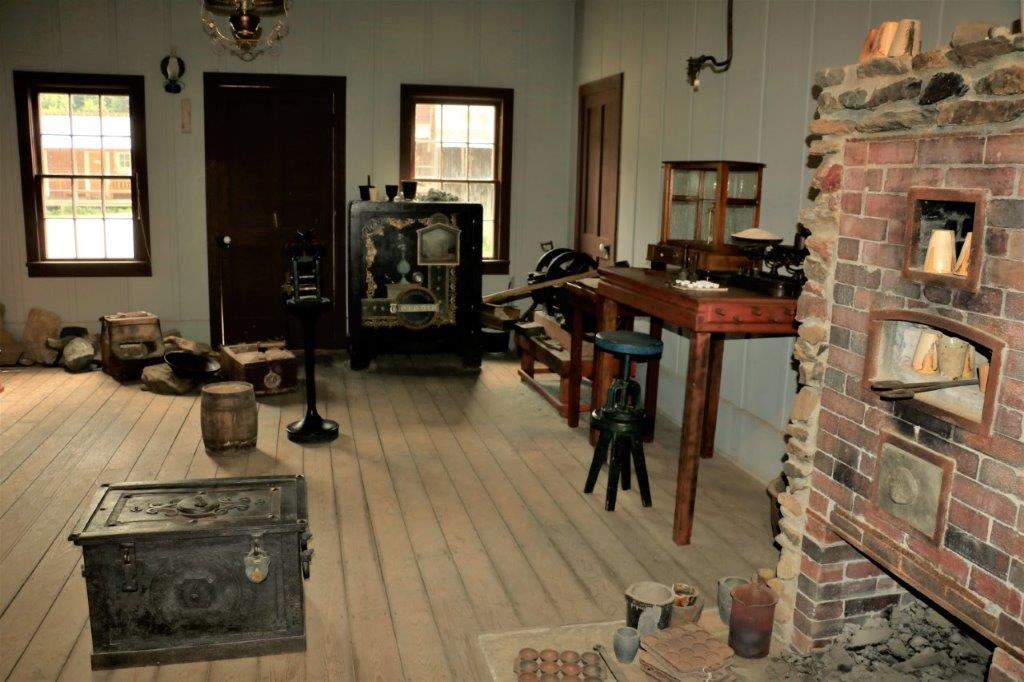
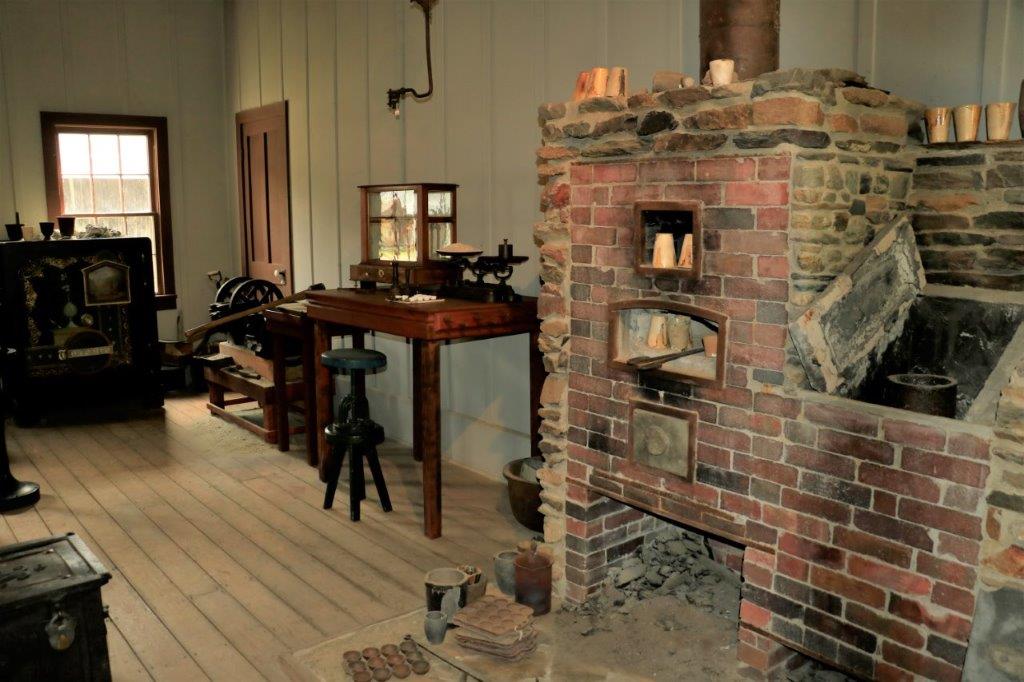
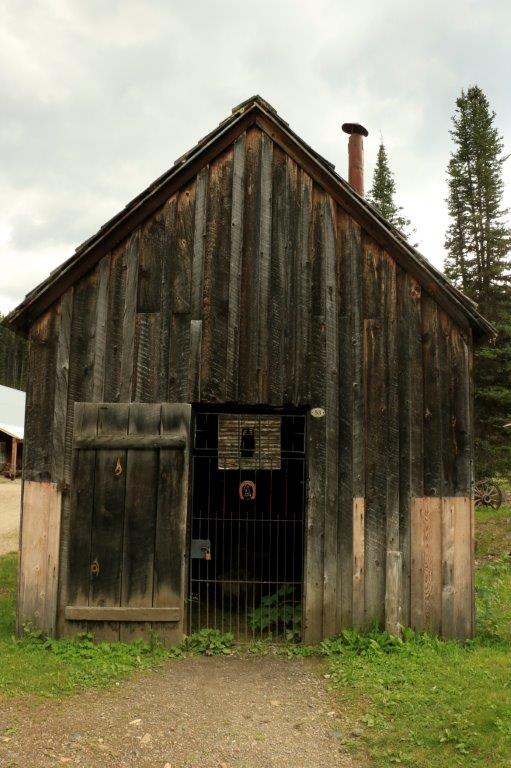
                                        The Government Agent’s Office.  I first came to Barkerville with my aunt and uncle in the summer of 1968 or 69.  I babysat my younger cousins quite often while their parents went to the Old Time Dances and they asked if I would come with them to Barkerville to help entertain the kids who were still very young.  I have a photo at home of me and Allan and Jane and Aunt Edna sitting on the wood sidewalk in front of the Assay Office so I decided to get a 50-years-later version.This is where all the gold was weighed, melted and made into ingots for shipment to Vancouver.

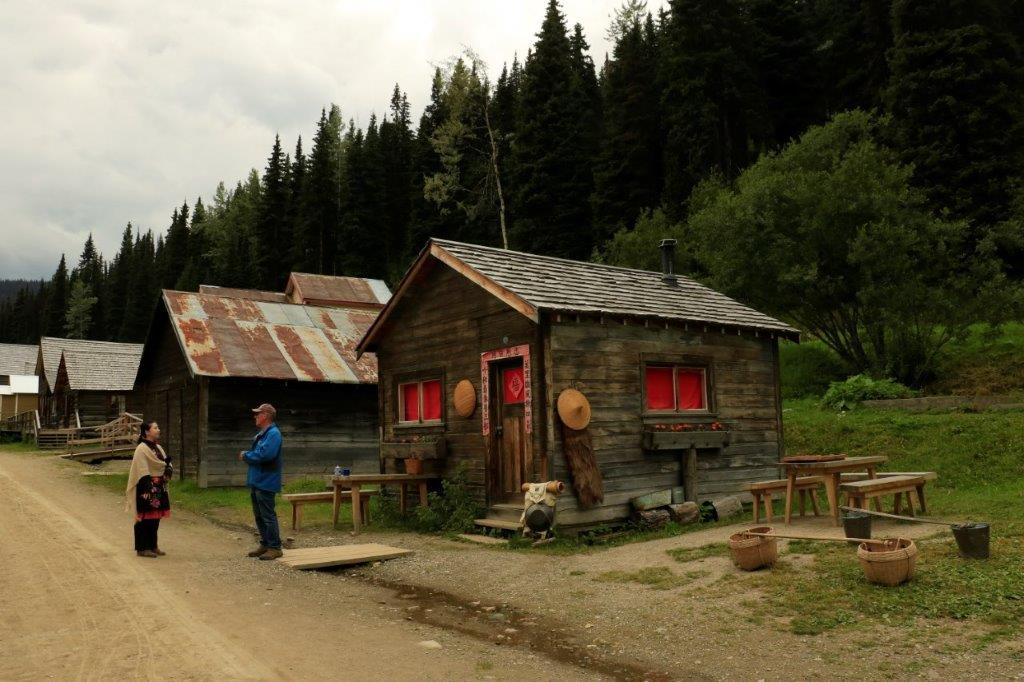
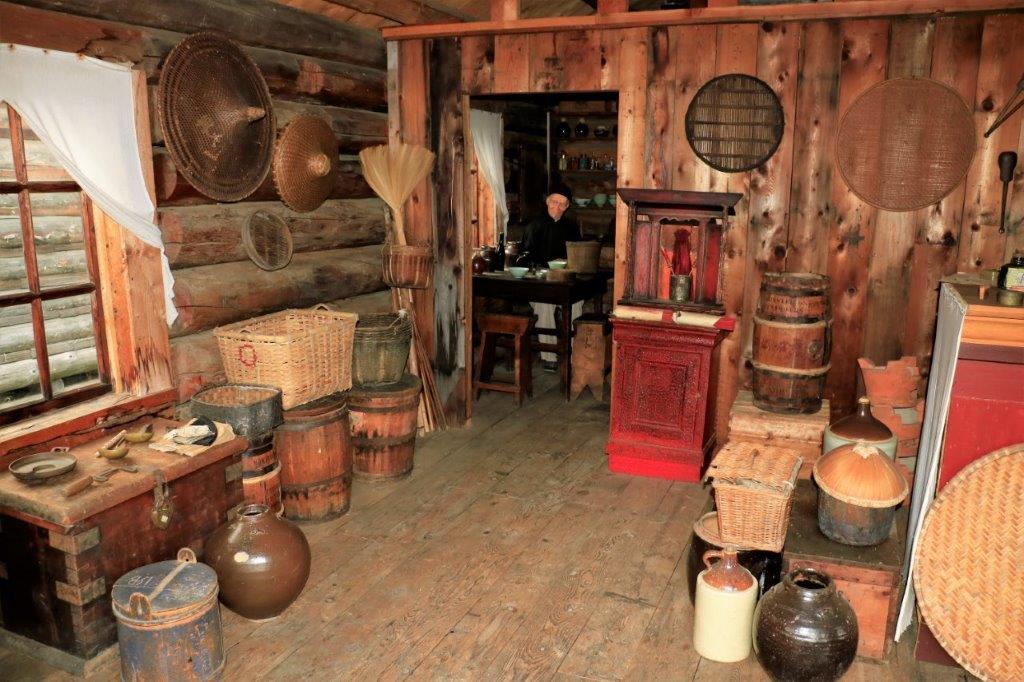
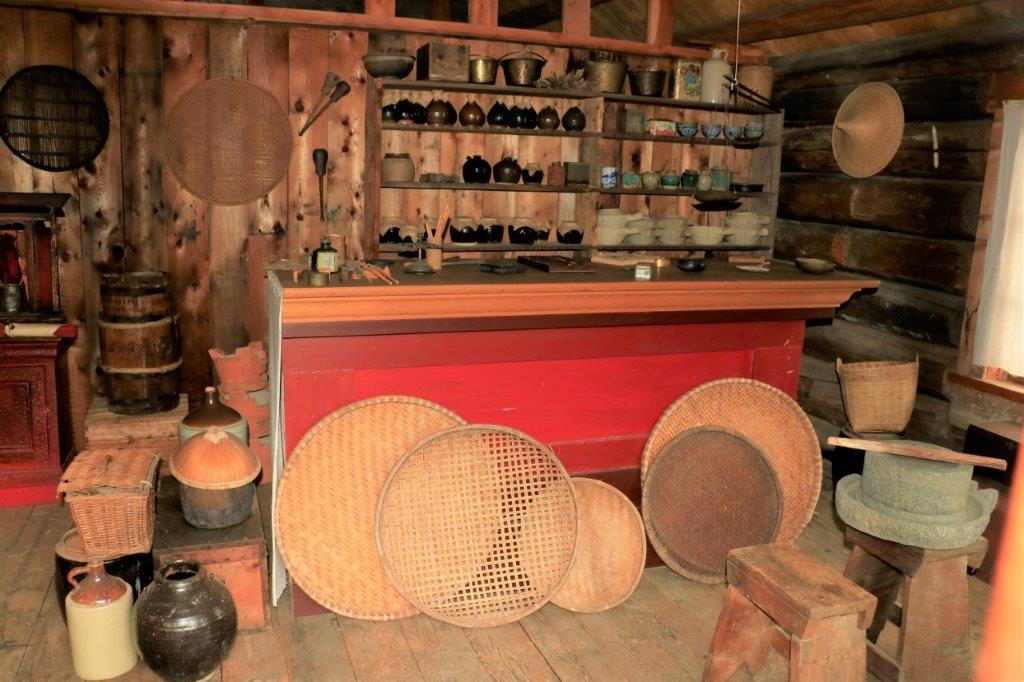
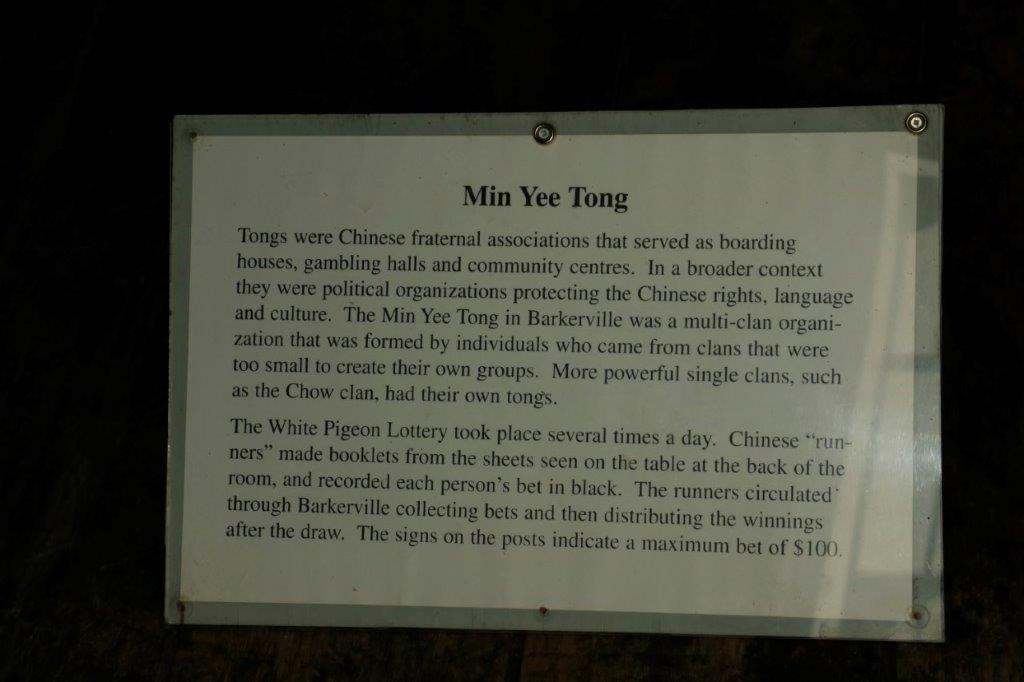
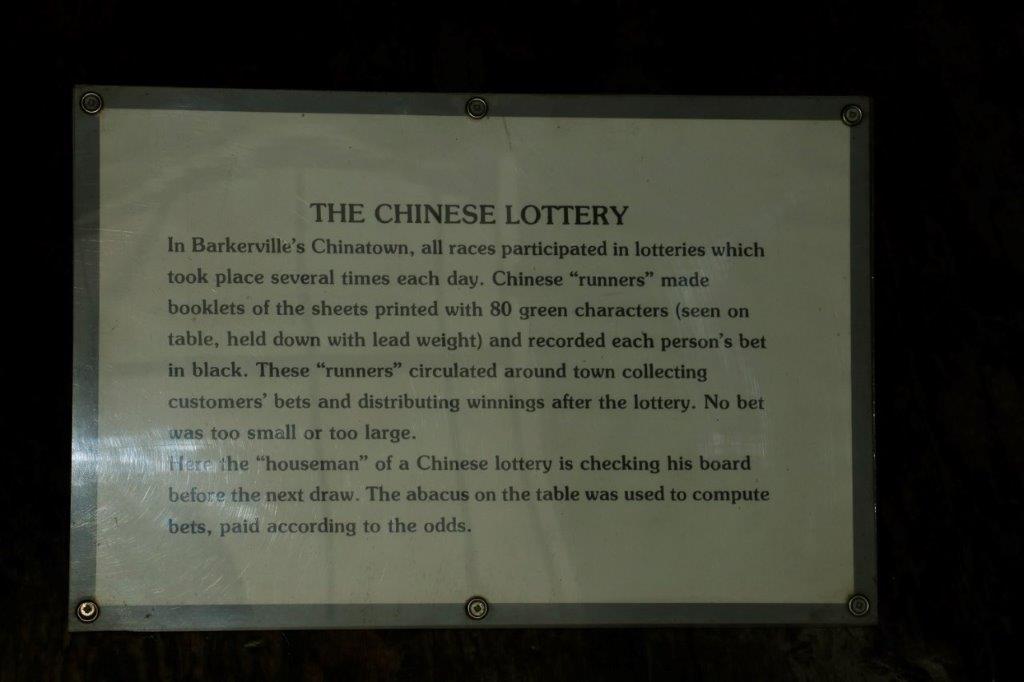
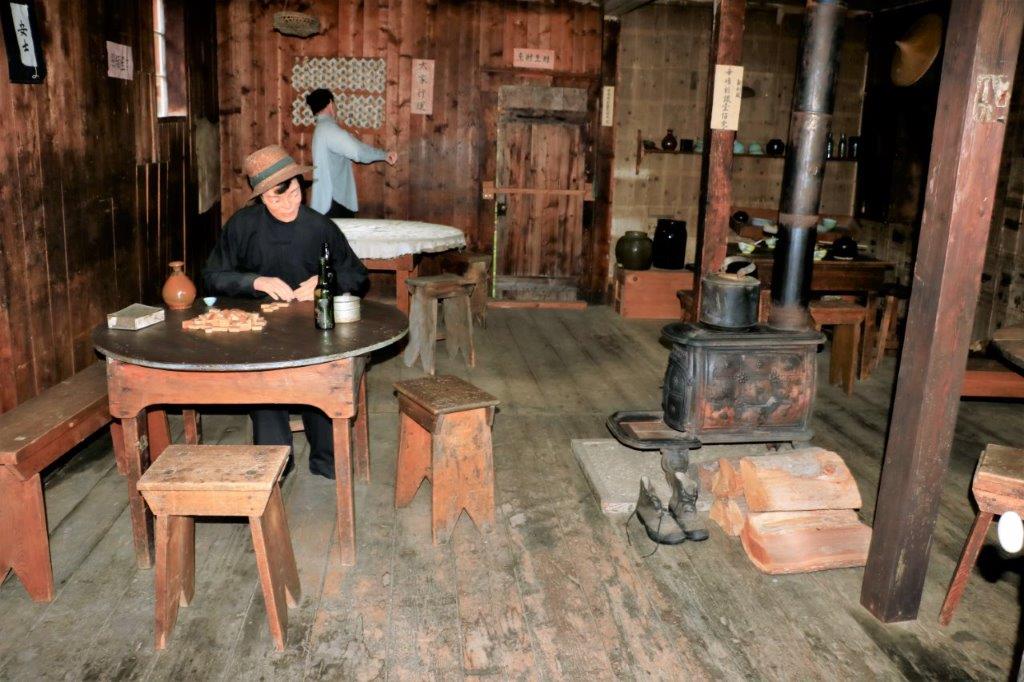
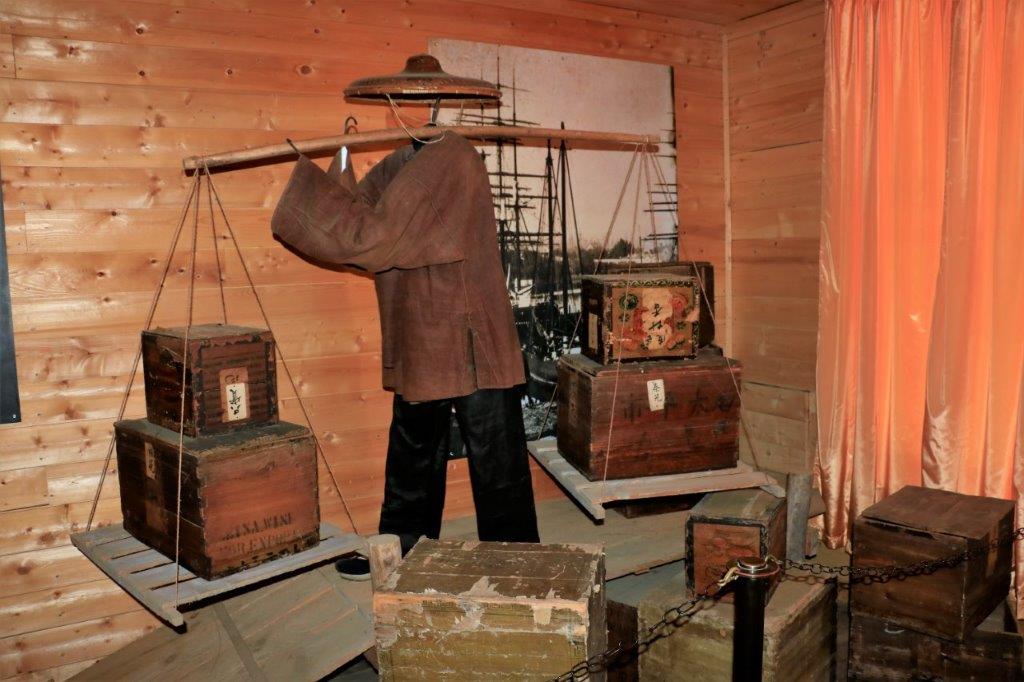
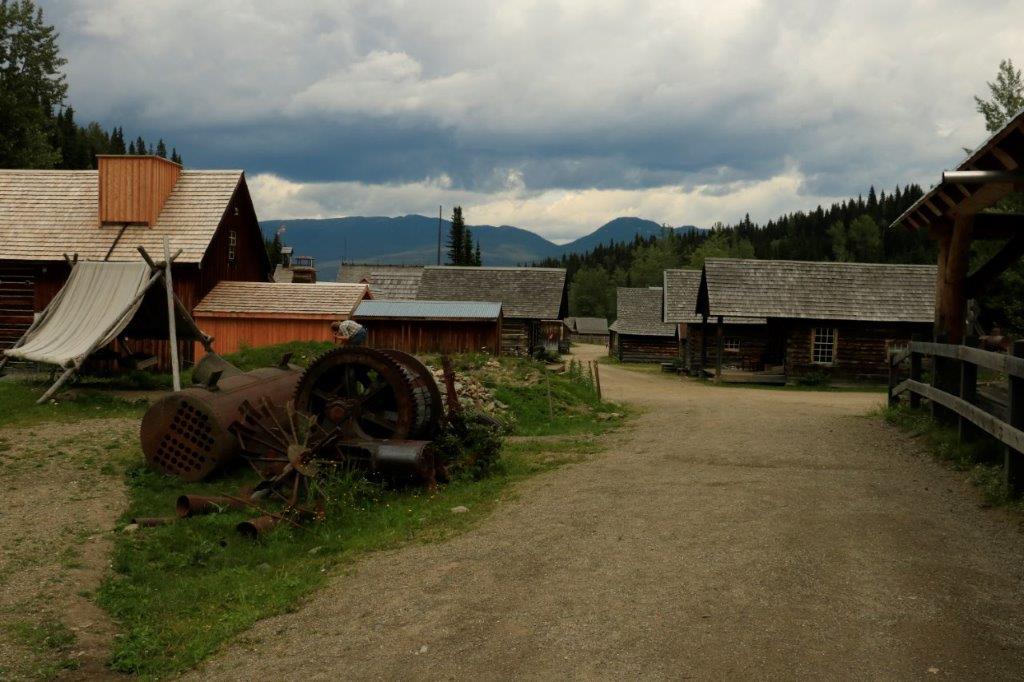
                                                    Here is where it all began.Every gold rush town also had it’s China town section.  Many men from China would come to the gold fields to find gold or work in a mine in order to send money home to their family.This young Chinese lady was telling us that during Barkerville’s heyday the hillside behind the buildings was all terraced for a huge vegetable garden to supply food for the Chinese as well as the mining populous.  When we had walked to the end of China town we crossed over to the next street which was primarily barns, stables, derelict mining equipment and private buildings, and walked all the way back to the church at the entrance. These big dark clouds kept the temperature on the cool side, but no rain developed during our day.

We left the park at 3 for the return drive to Quesnel.  There are quite a few geocaches hidden near the highway all the way back down so we found 15 of them and arrived back at the hotel at 6:30.

Tomorrow we drive to 100 Mile House.  The highway is currently closed  near 70 Mile House due to a mud slide.  We will see if it is cleared for traffic by the day after tomorrow.  Otherwise we will be doing a detour route to get home.

Unless something truly inspiring happens in the next two days that will produce something of interest for a blog this is the last one for our “North of 60” road trip.  We have driven, so far, 14,000 km (8,700 miles), been away from home for 47 days with two more to go, and stayed in 30 different hotels.  I have written and posted 49 blogs, read nine books and almost completed an issue of Variety Word Puzzles.  We have seen some incredible scenery and some special wildlife, met lots of friendly people from several different parts of the world and enjoyed every minute of our journey.

2018 August 2 – Fort St. James to Quesnel, BC

Unless something remarkable happens tomorrow’s blog on our trip to Barkerville will be my last one for this journey.  After we leave Quesnel on Saturday we drive to 100 Mile House and the next day we arrive home again.  These are familiar roads without unseen tourist attractions and scenery.  But, you never know.  We may take off on some Forest Service Road to find some geocaches and be surprised by some critters or countryside or waterfall.Where have all the mountains gone?  Unfortunately the smoke from the forest fires was not gone.

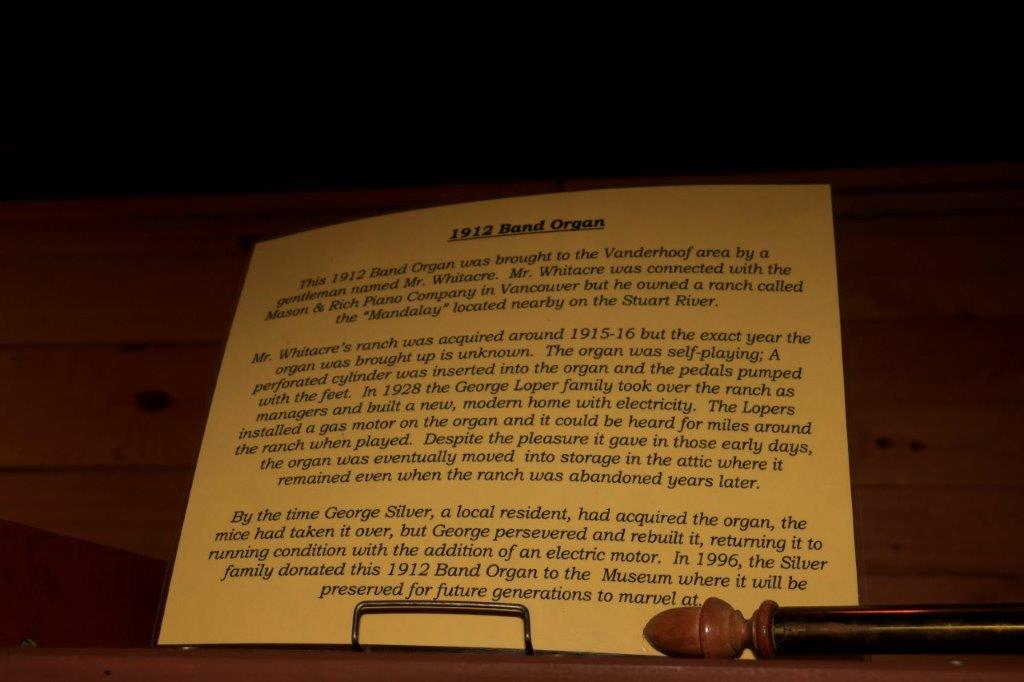
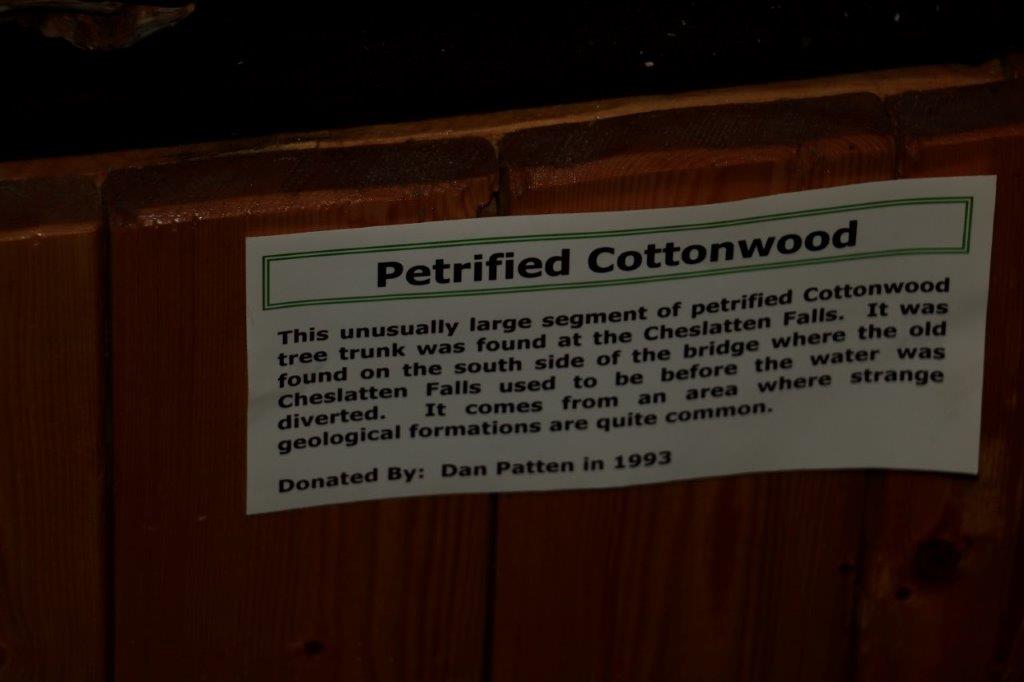
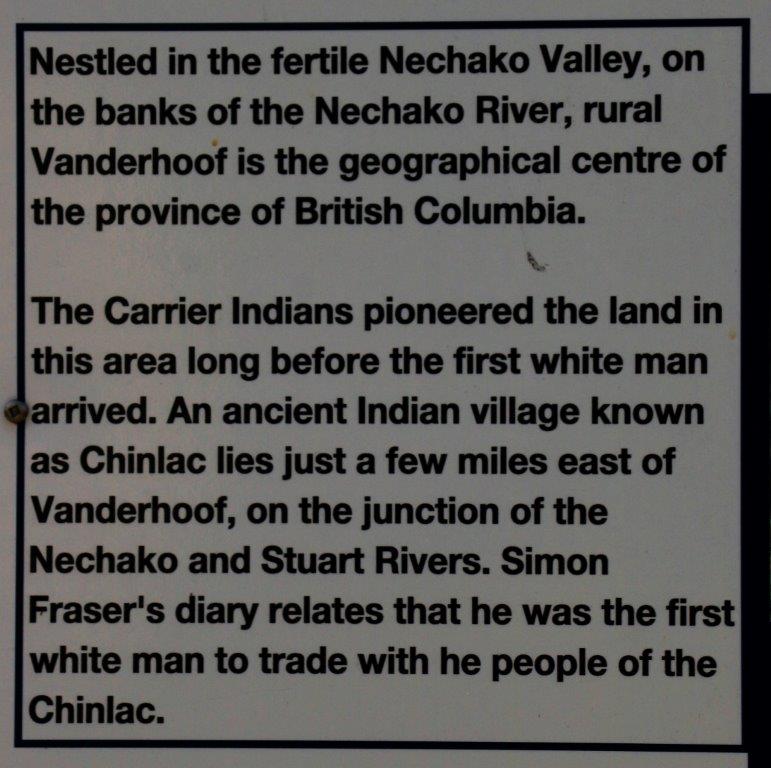
Today was primarily a driving day.  Other than stops to find geocaches – we took a side road just out of Quesnel and found about 6 caches of the 14 total we logged today.  Our only tourist stop was actually to be a geocache find but we ended up wandering around the Vanderhoof Museum and Heritage Village for quite awhile.  The Visitor’s Center at Vanderhoof is located in the little museum.  There were two interesting items that caught our attention.

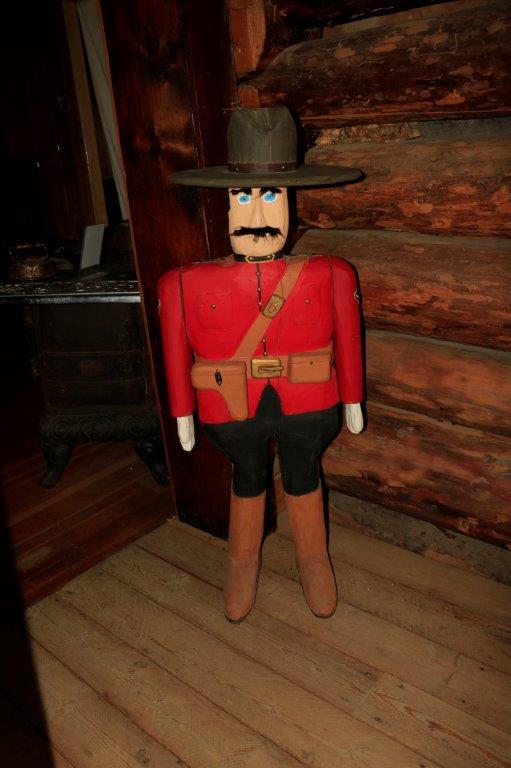
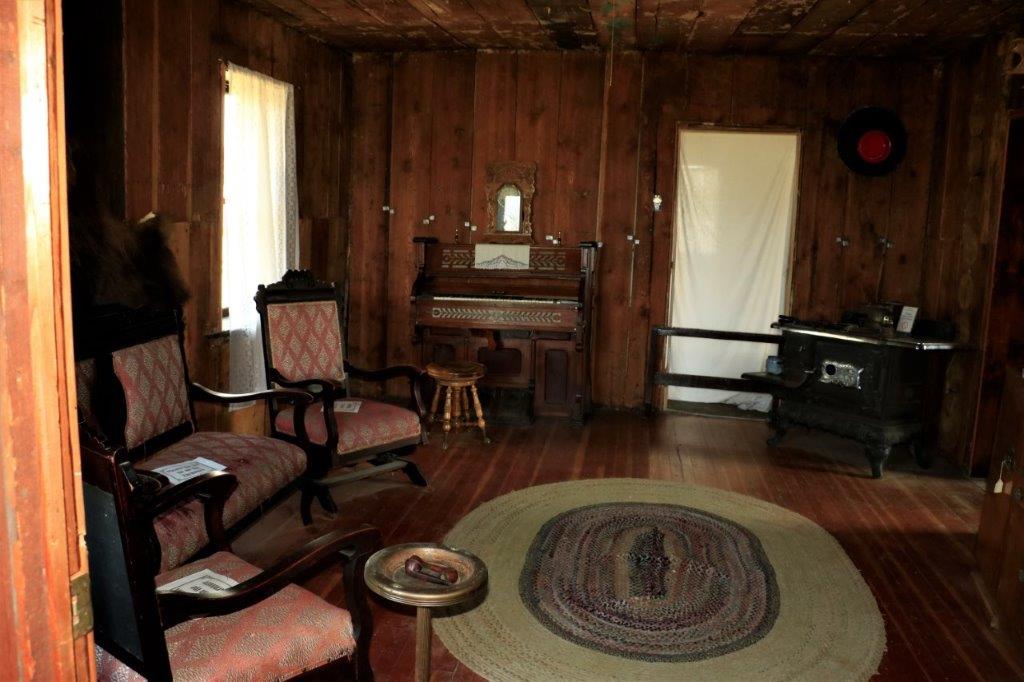
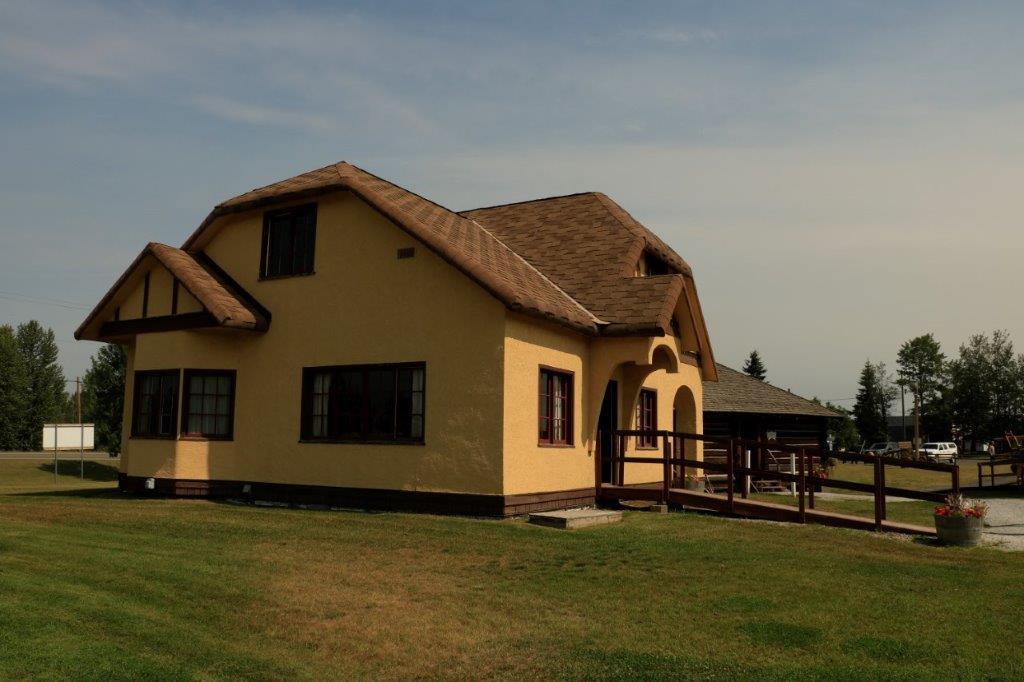
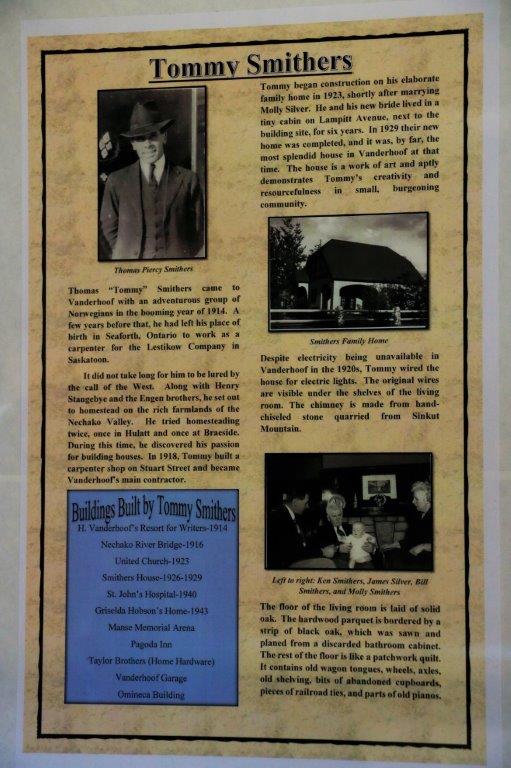
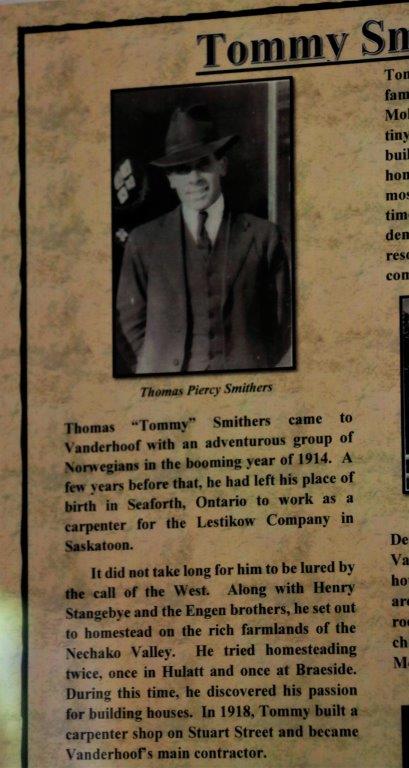
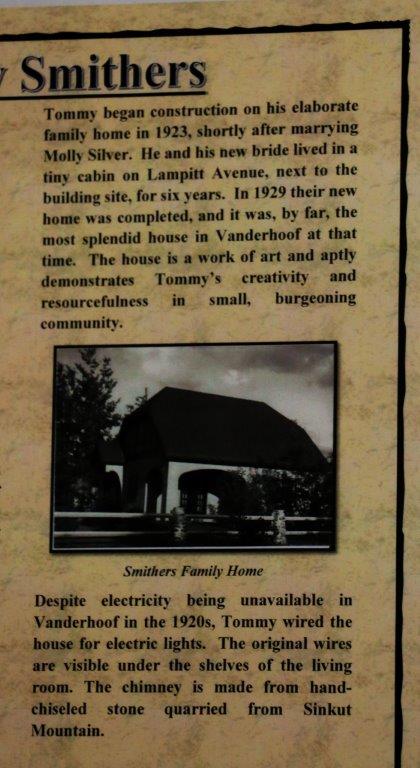
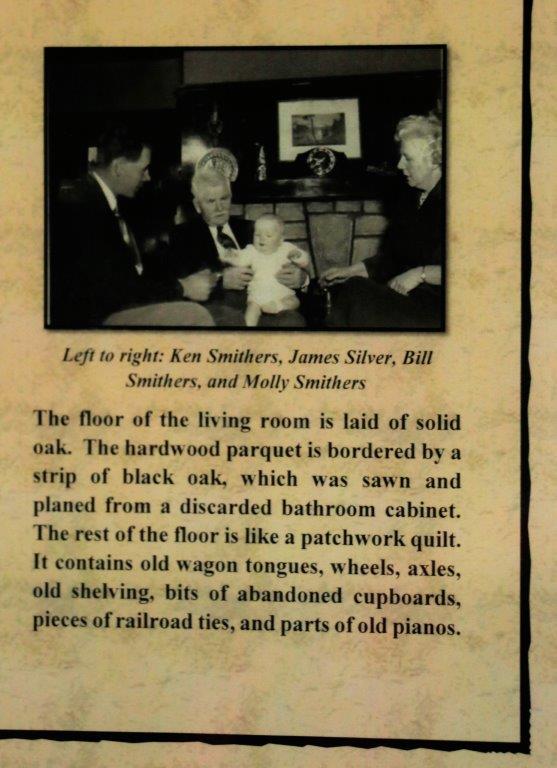
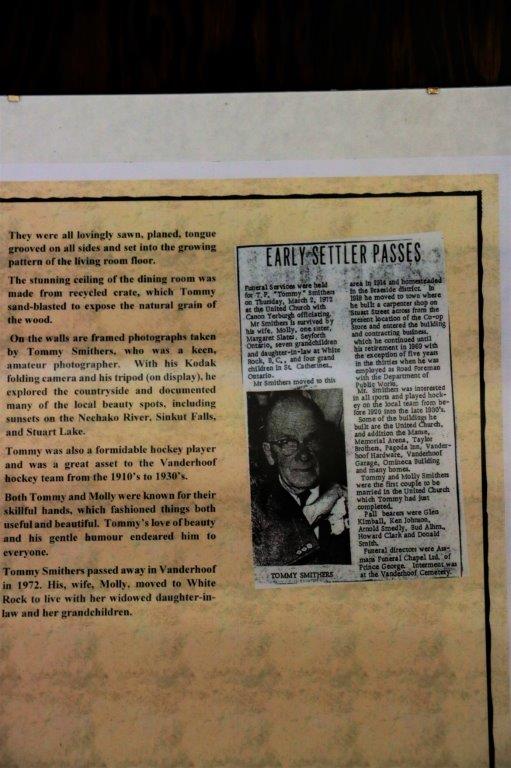
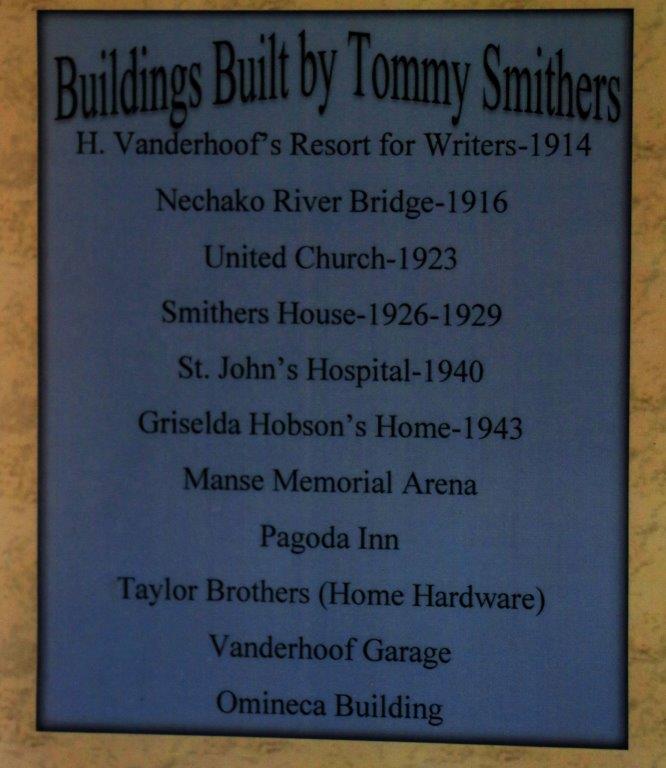
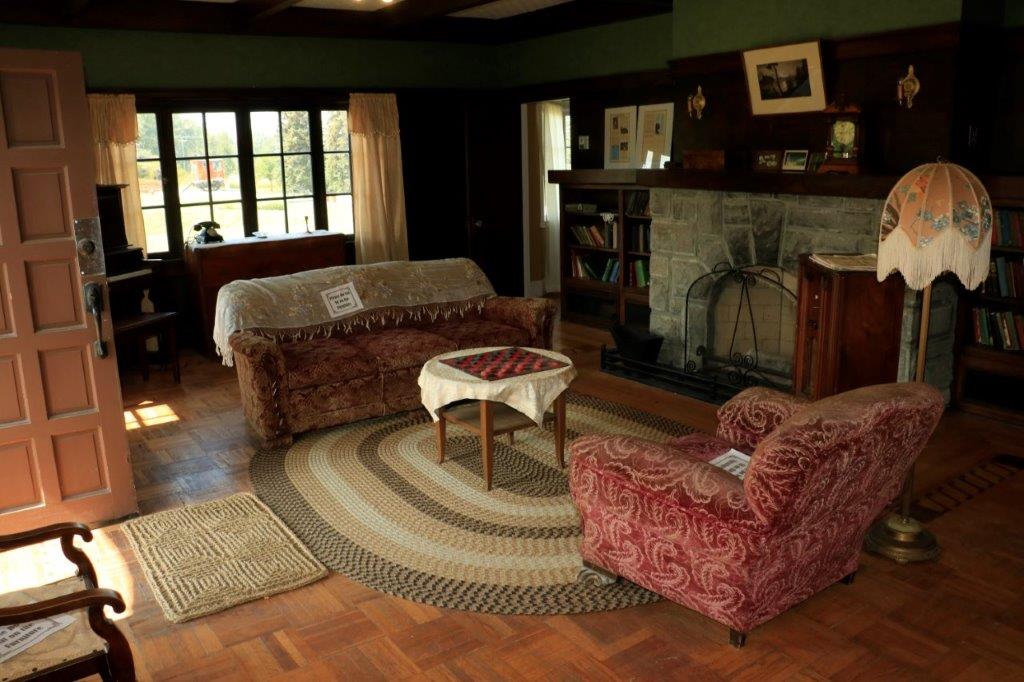
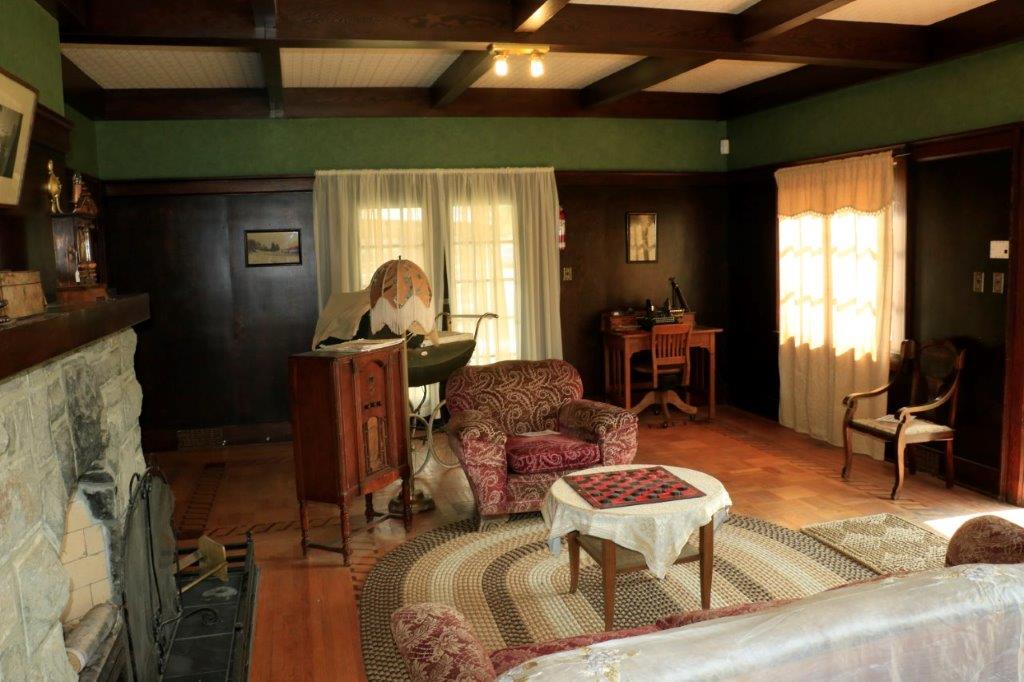
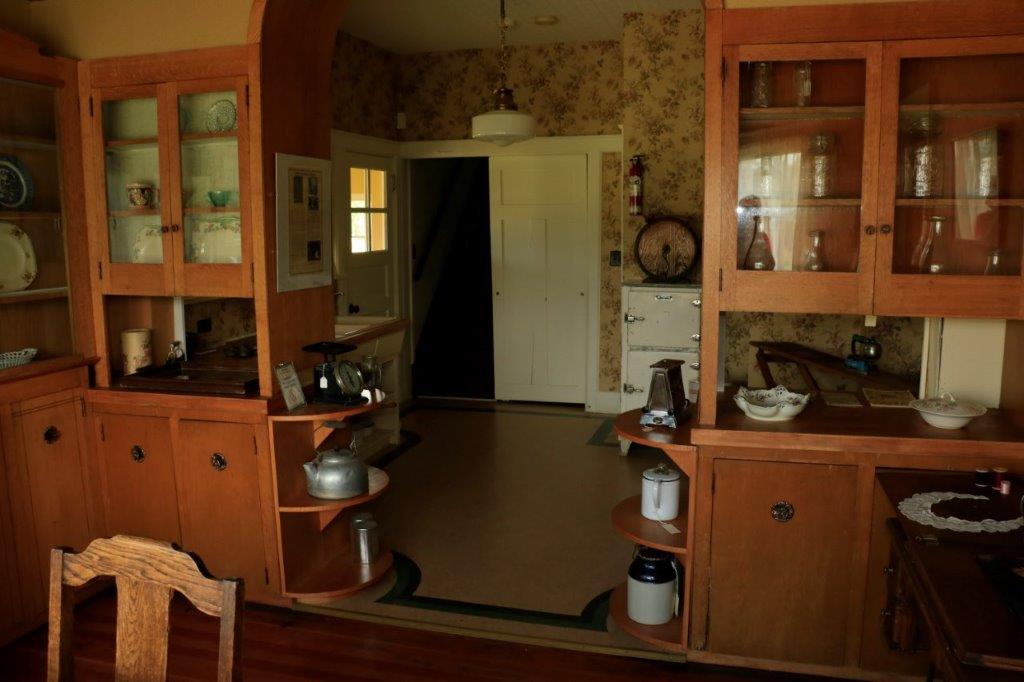
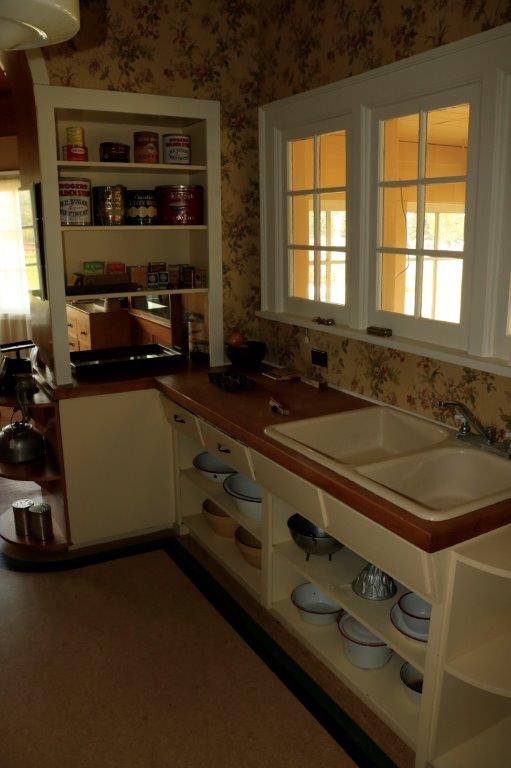
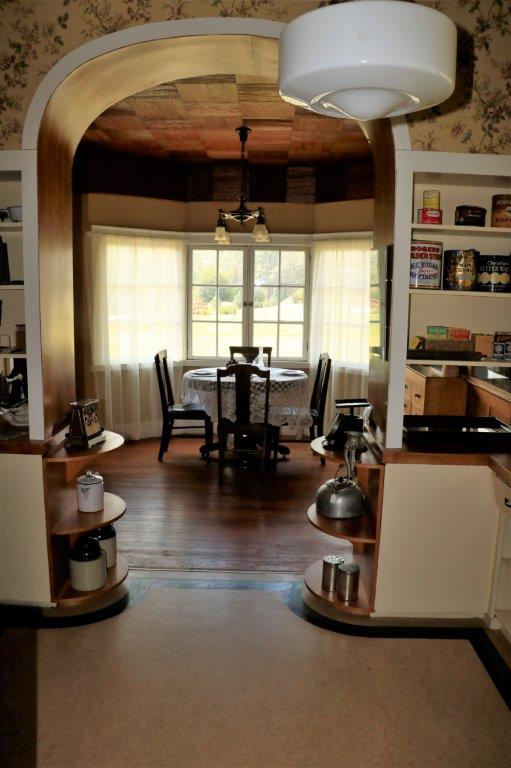
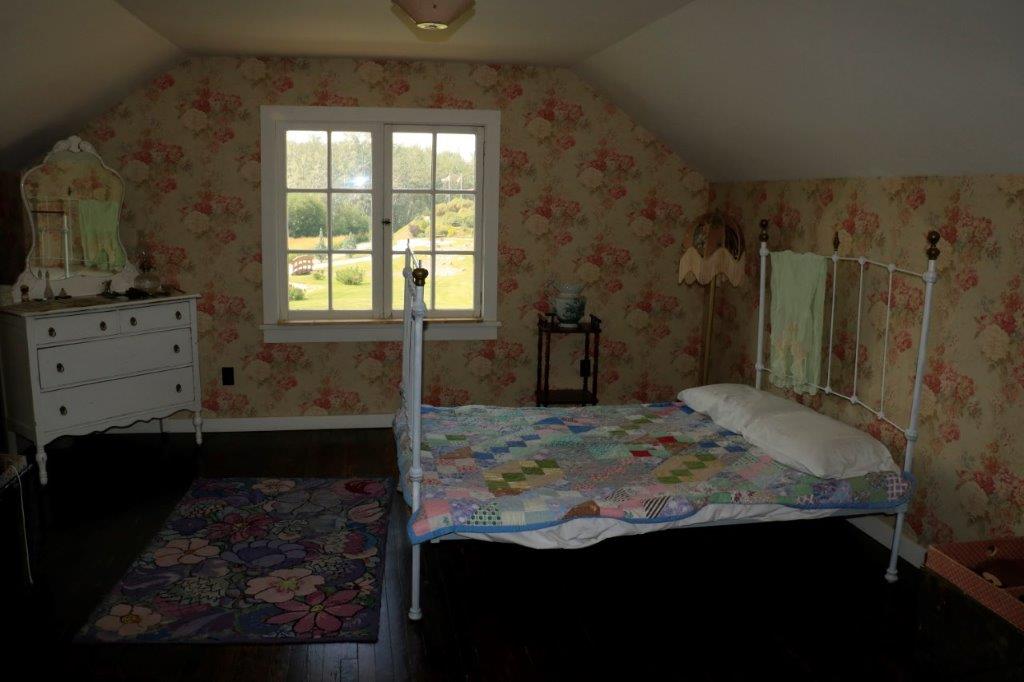
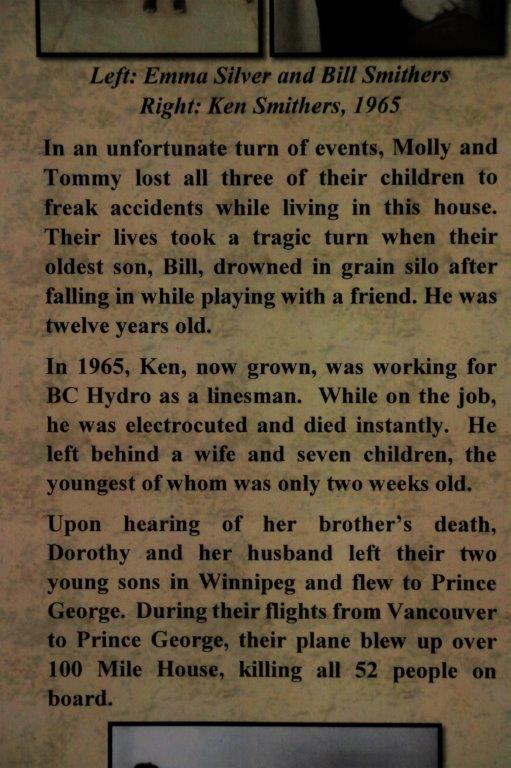
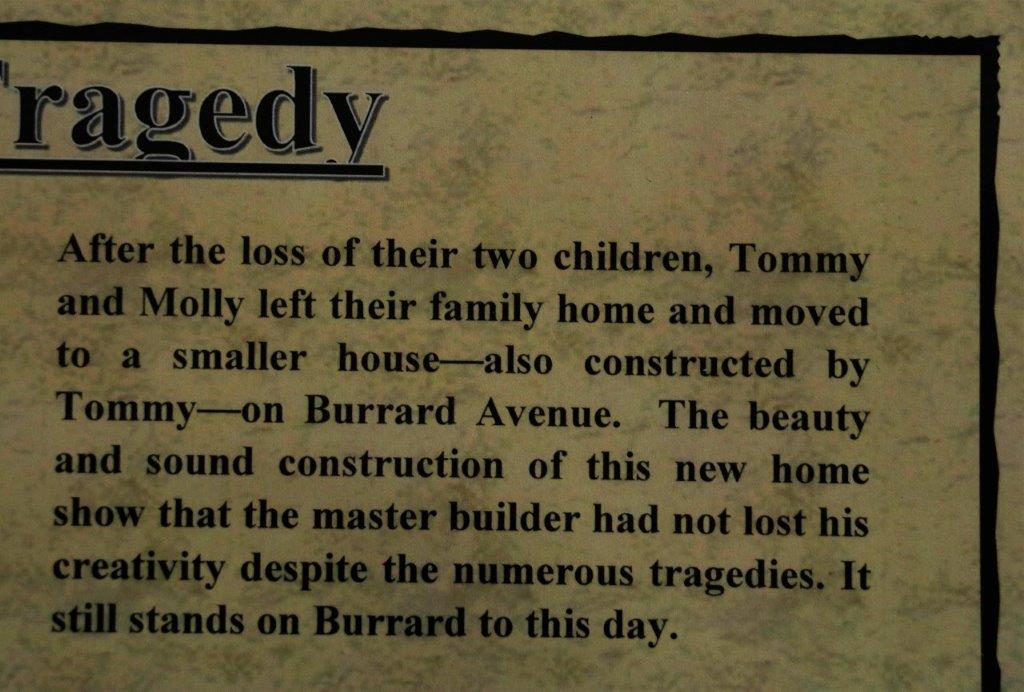
First was this Band Organ.  We had never seen such a thing.  It would be great to hear it play.  They did have some of the necessary scrolls but the organ no longer works.  They need to find a good tinkerer to get it going again.  According to the write-up, it could be heard for miles. The second item I liked was this huge piece of petrified Cottonwood Tree.  There were two geocaches hidden on the grounds and several more on a long trail that wound through the back of the property and came back out near the parking lot, where there was another cache.  We didn’t take the time to walk the trail to find them all but we did locate the three nearest the buildings.                 The Northern BC Provincial Police Depot from 1912. The building we liked the most was the Smithers House. It was a beautiful house.  Really well made and ‘modern’ for its day.

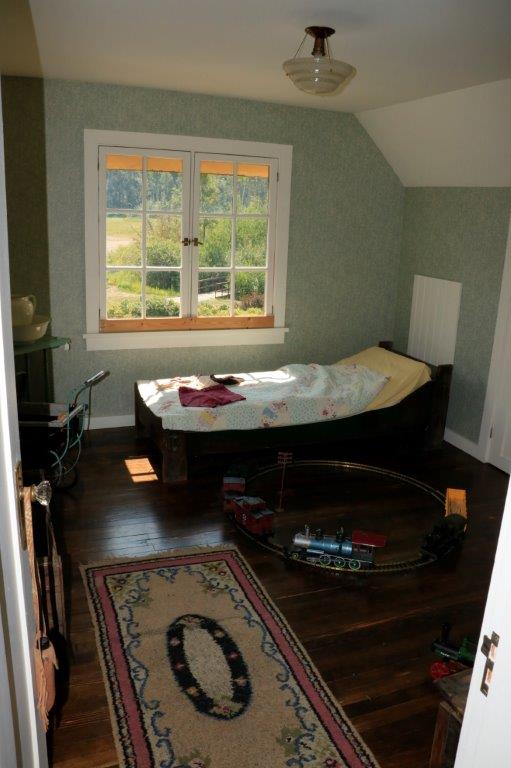
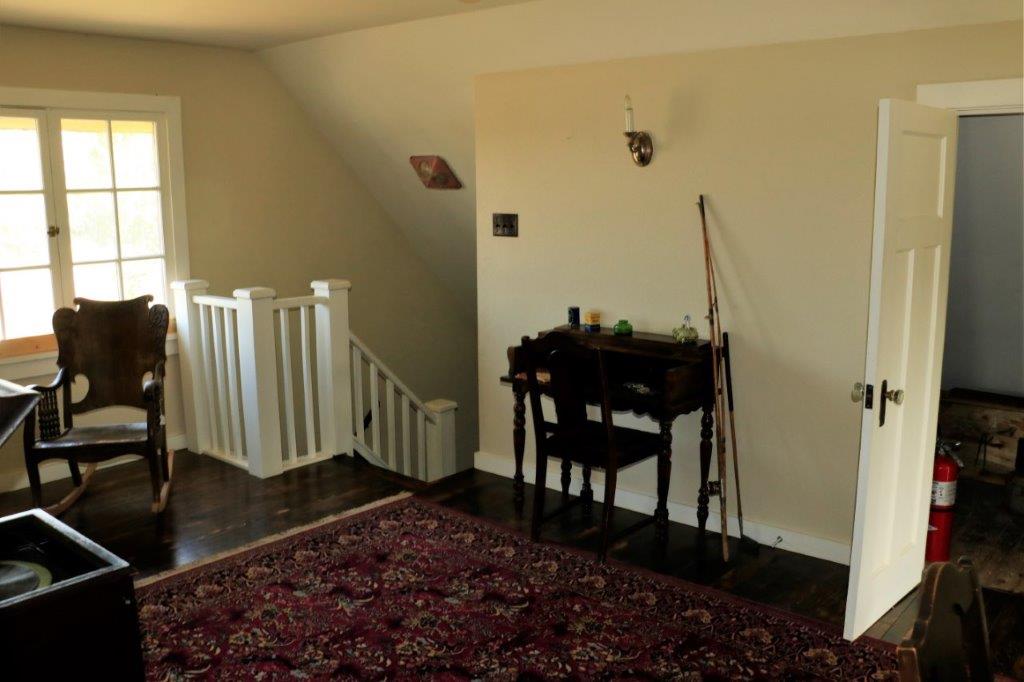
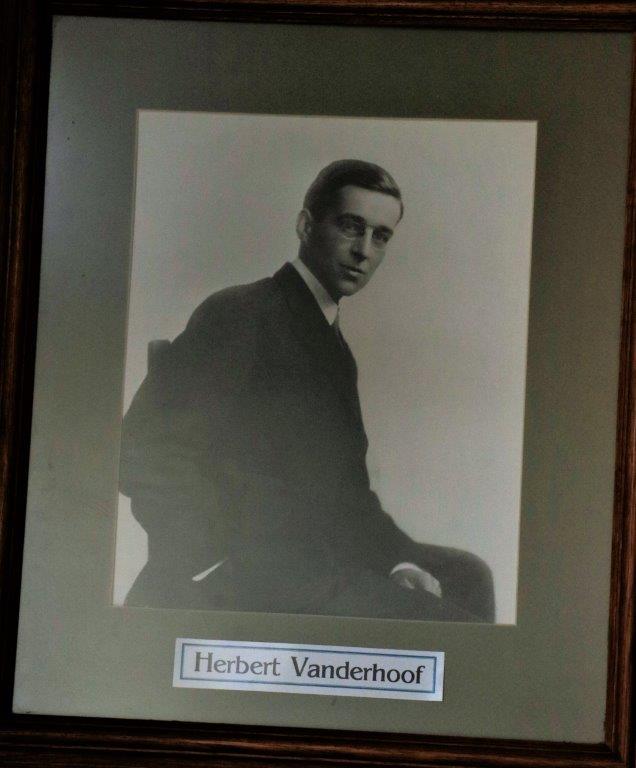
We liked, too, that you could wander into all the rooms of the various buildings and look around.  So many heritage buildings rope places of – I certainly understand why that is done because I know very well that some light-fingered unscrupulous people will steal things.  Still, we liked the freedom in the buildings here. The children of the family would have loved to play in this big space at the top of the stairs.The fellow for whom Vanderhoof is named. He was a good looking chap.

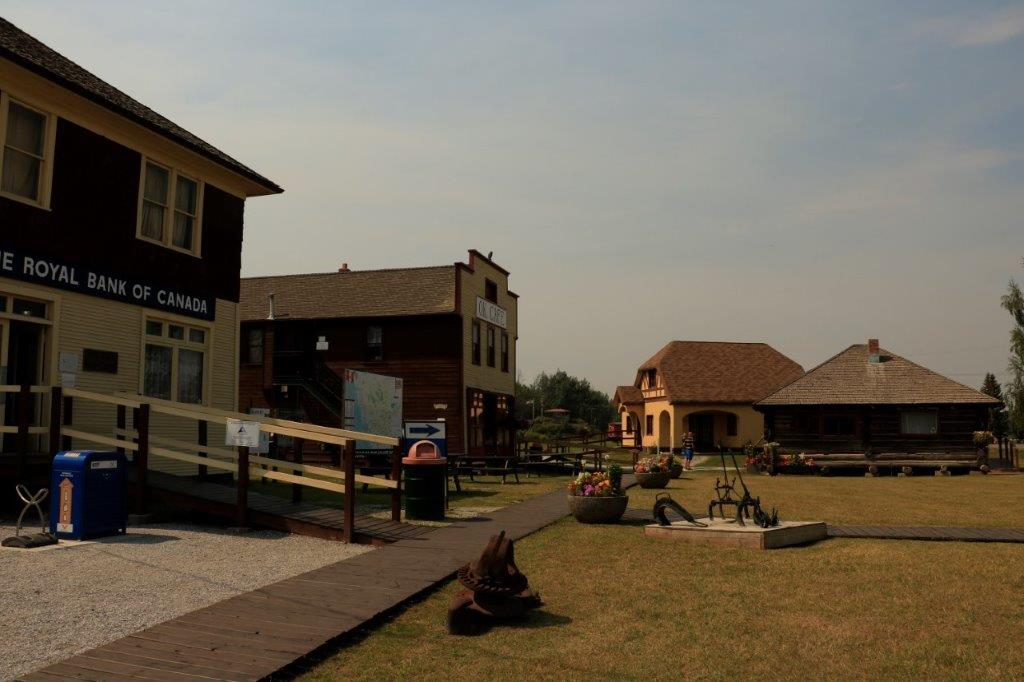
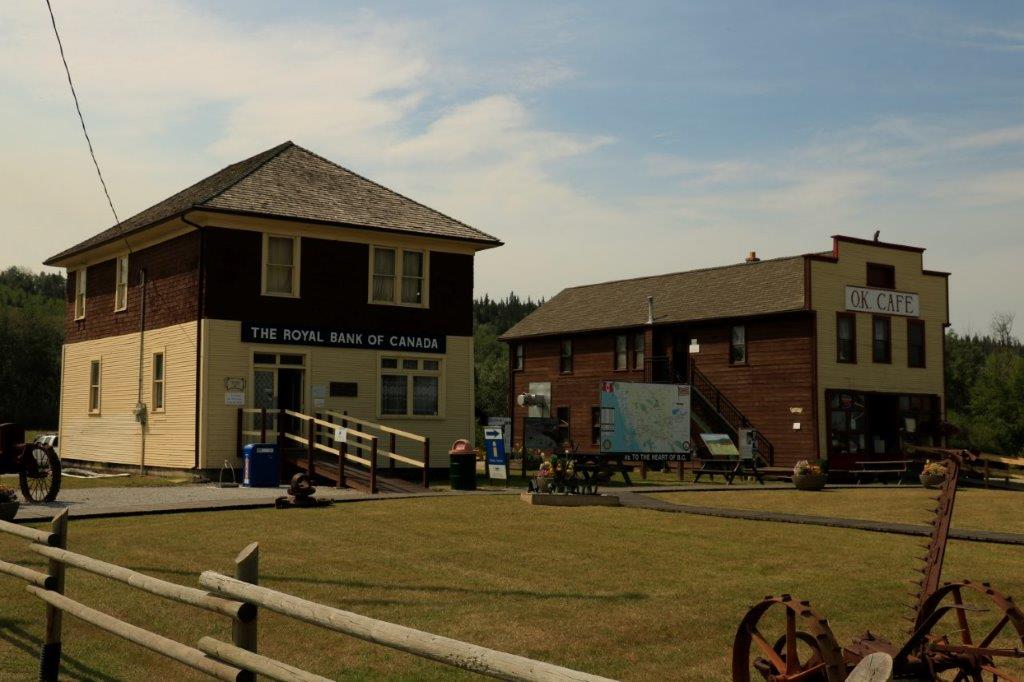
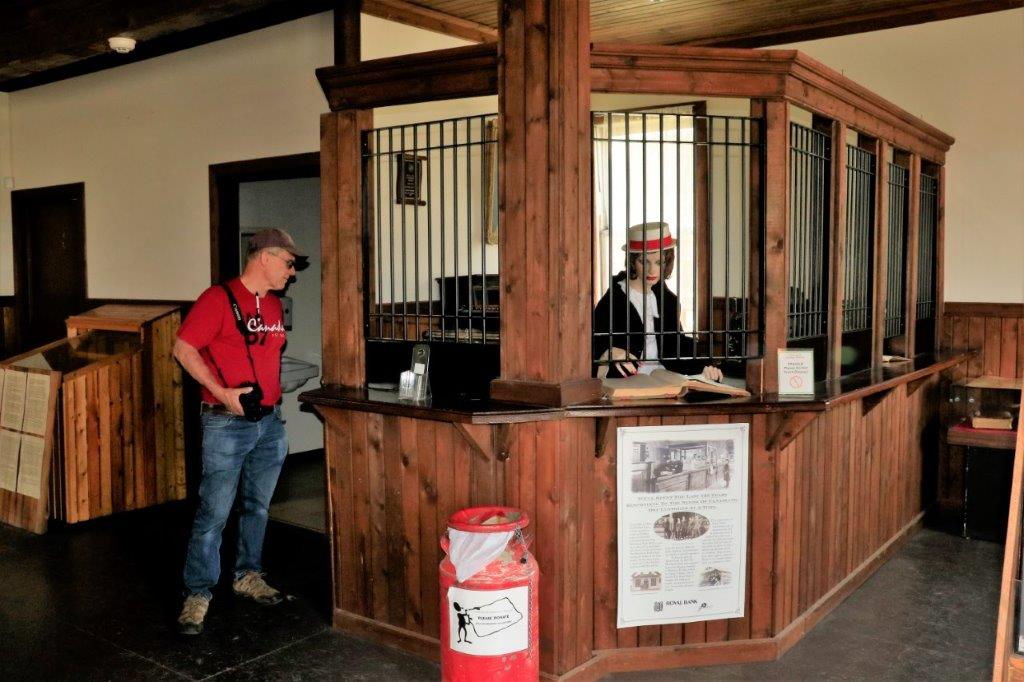
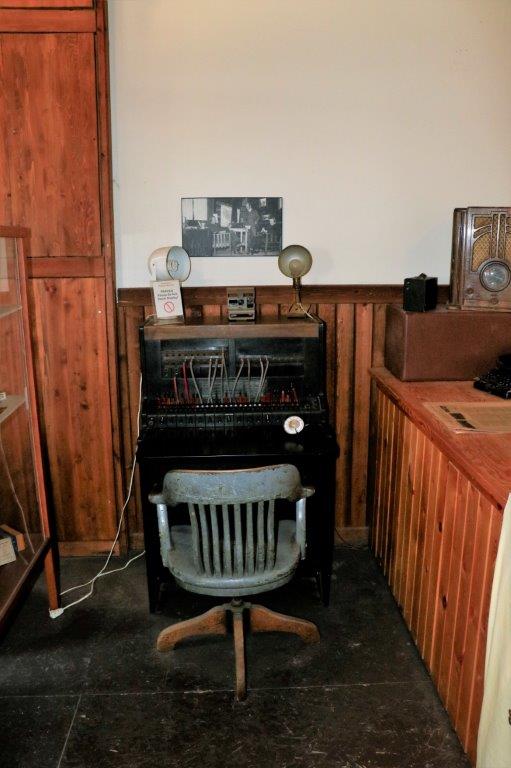
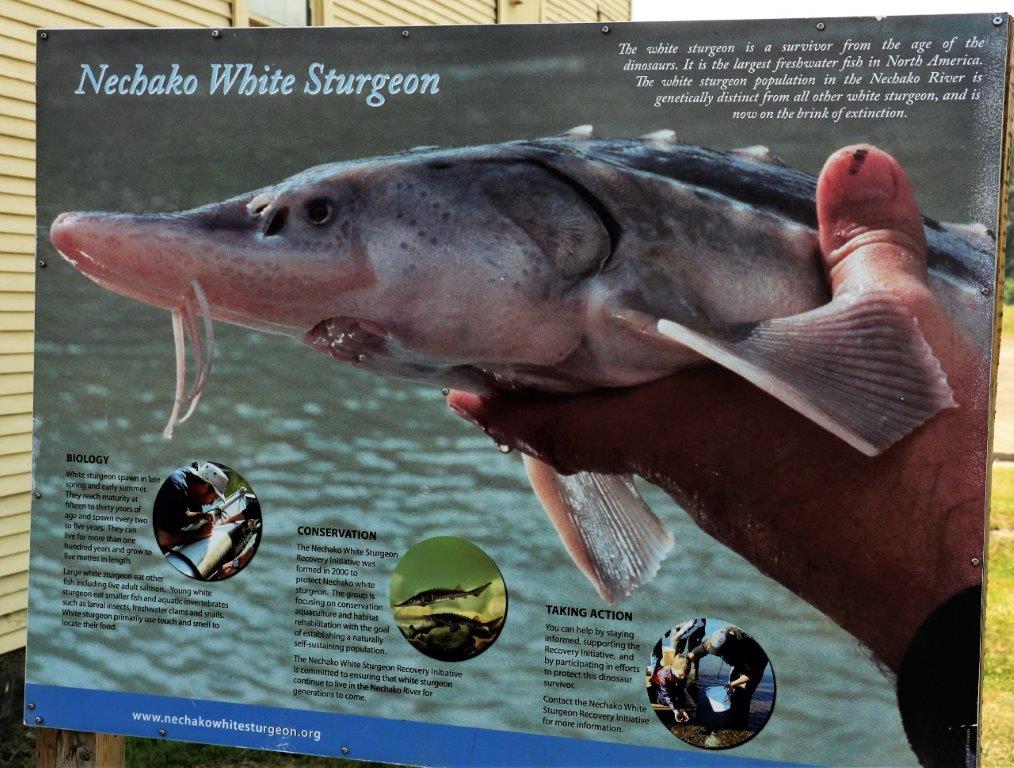
The 1920 Royal Bank building, complete with old telephone switchboard. Now this is an ugly fish.  It is sad to learn they are critically endangered, but it is just an ugly fish.

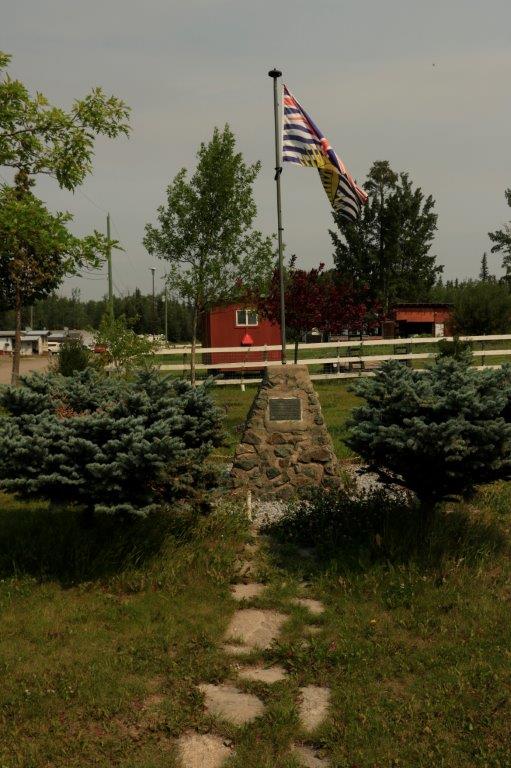
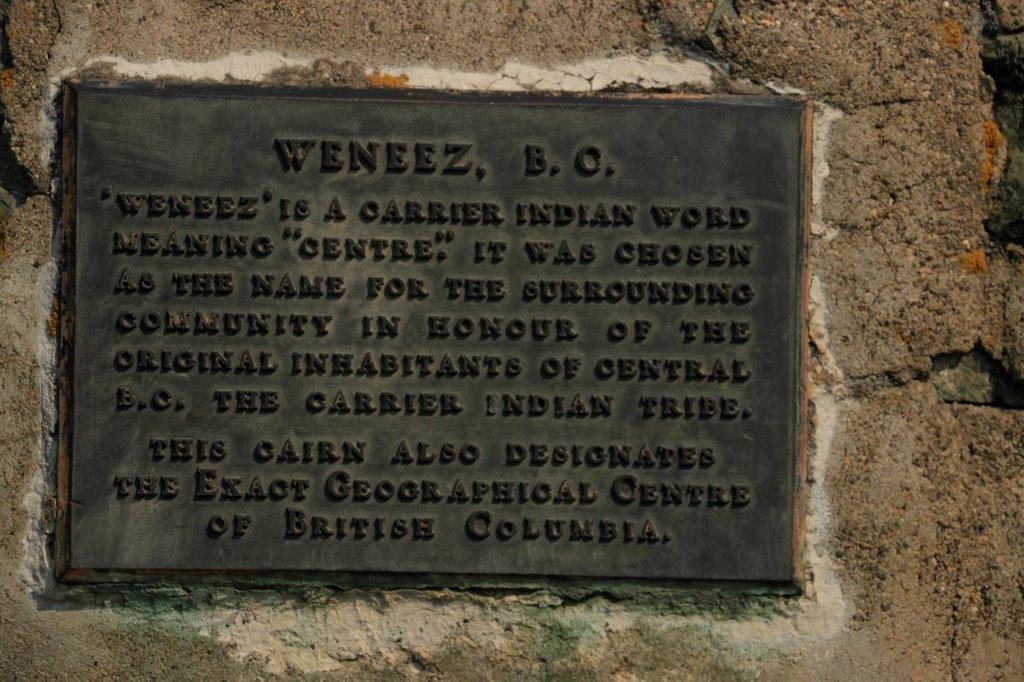
We stopped on the south side of Vanderhoof at the cairn that marks the actual geographical center of BC.

And that, my friends, is the last photo I took today.  We drove through farm land most of the day, did the little side road geocache hunt and arrived in Quesnel at 10 after 6.  It is a 3 1/2 hour drive from Fort St. James, but in our usual fashion we managed to take all day to complete the journey.

Tomorrow we go to Barkerville.  As I mentioned in yesterday’s blog we have been there before.  I loved it when I went with my aunt and uncle way-back-when because there were lots of people ‘manning’ the stores and businesses in period costume.  We were disappointed when we brought our children up here because there were no townsfolk.  You could just look into the buildings, so it wasn’t nearly as much fun.  It may have been the time of year as the 19th century people only work during the summer months.  I am interested to see what I think of the place today.

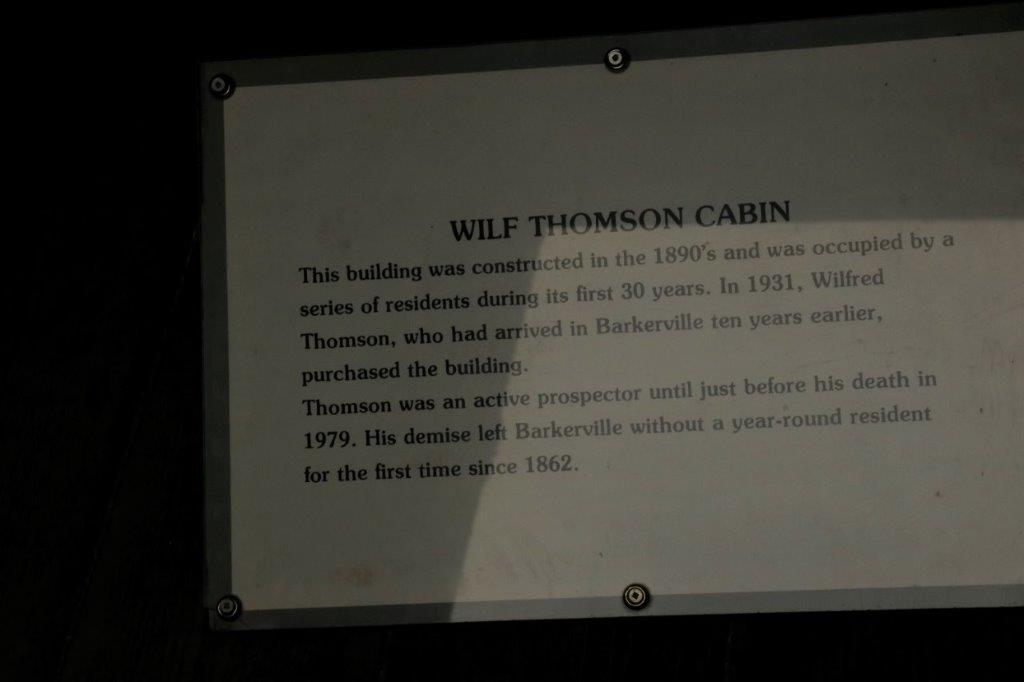
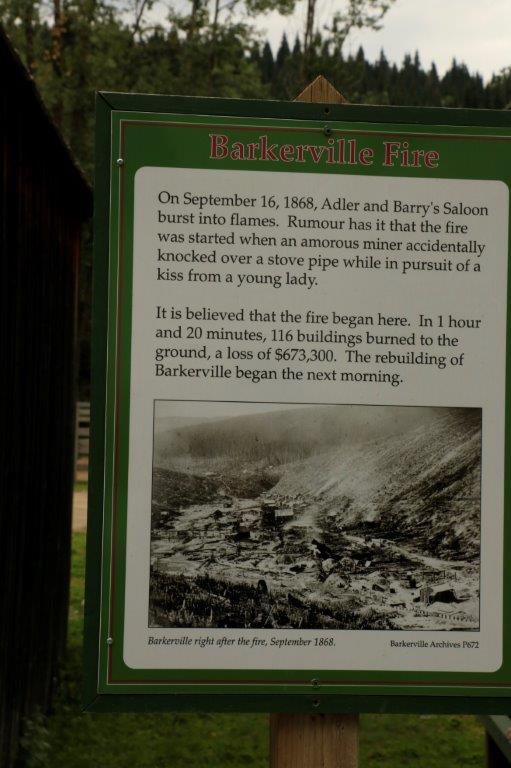
Barkerville is named after Billy Barker who discovered a rich vein of gold here in 1862.  It became the largest community in BC with a population that peaked at about 10,000 making Barkerville the largest community north of San Francisco and west of Chicago at the time.

2018 August 1 – Houston to Fort St. James, BC

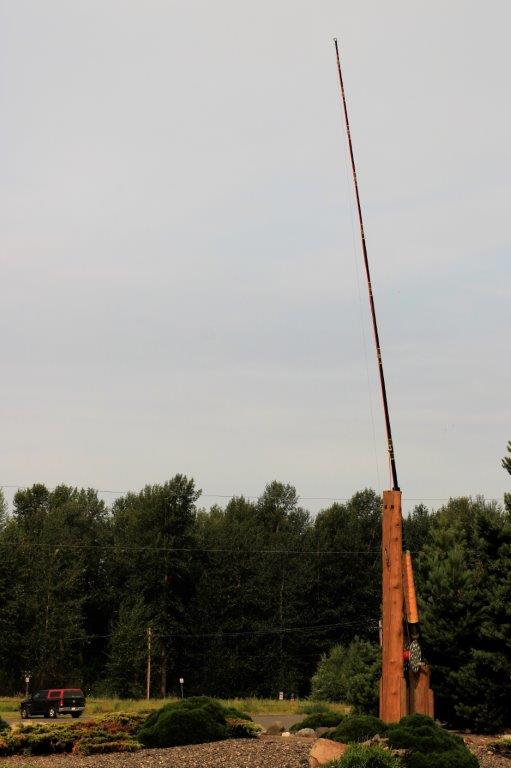
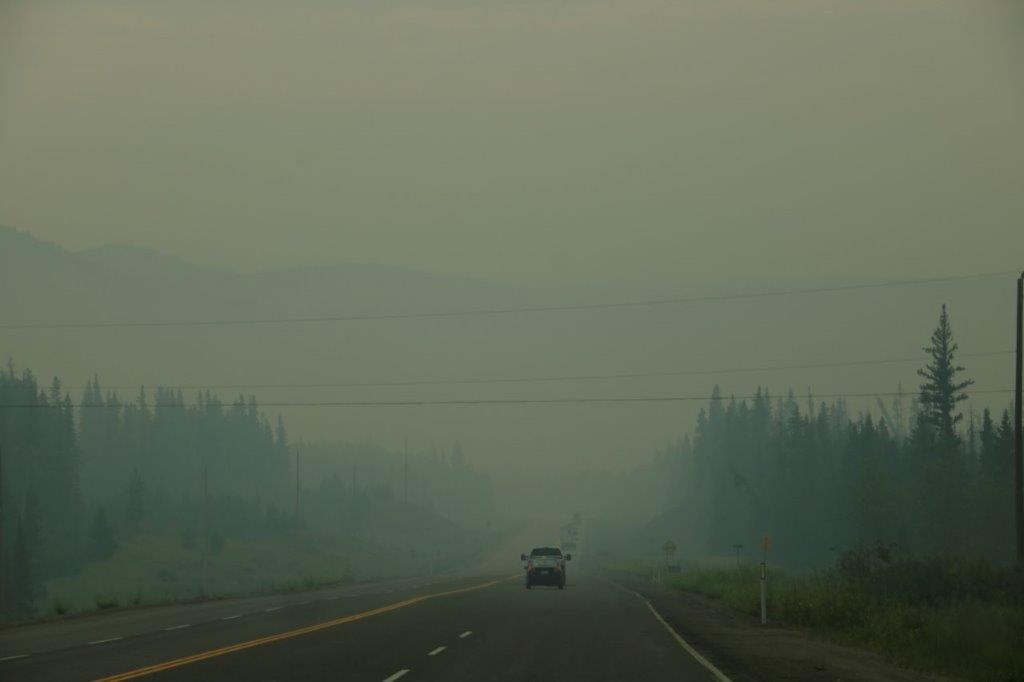
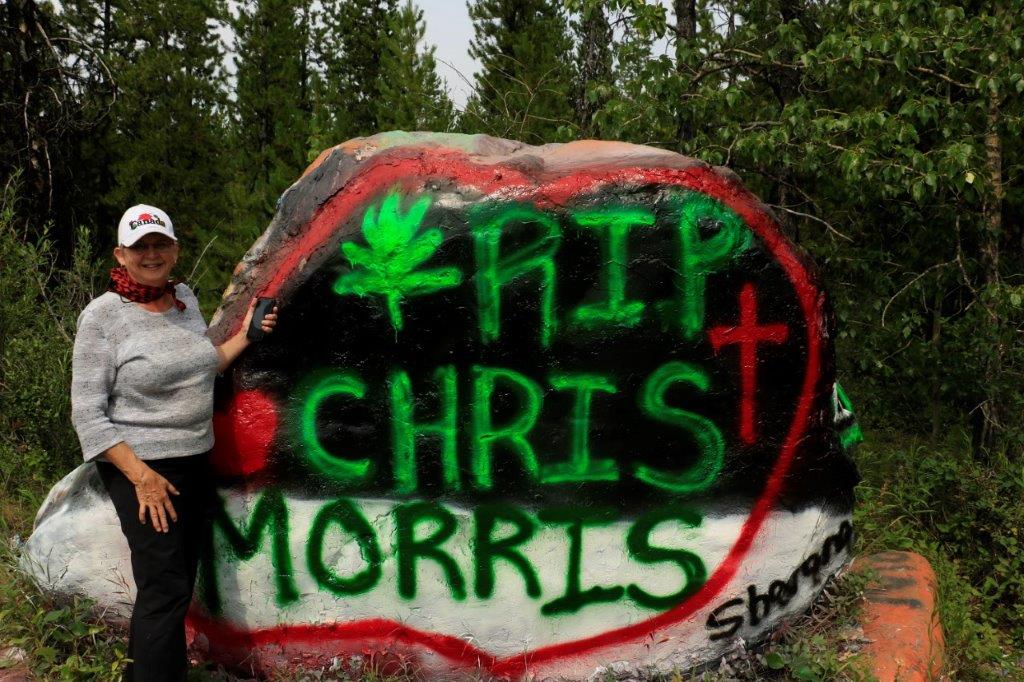
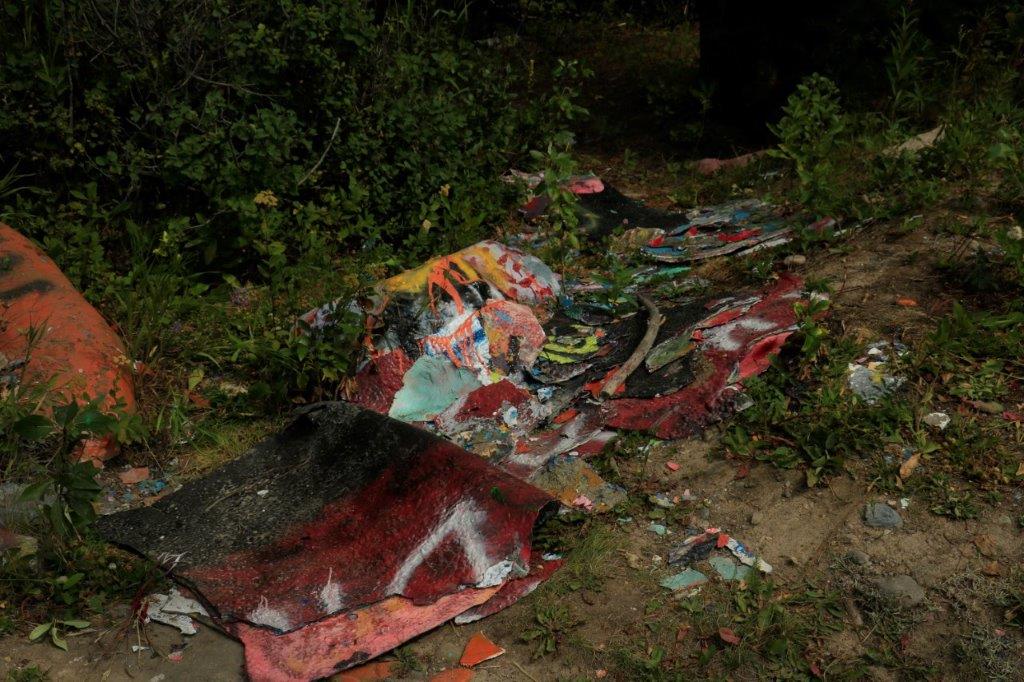
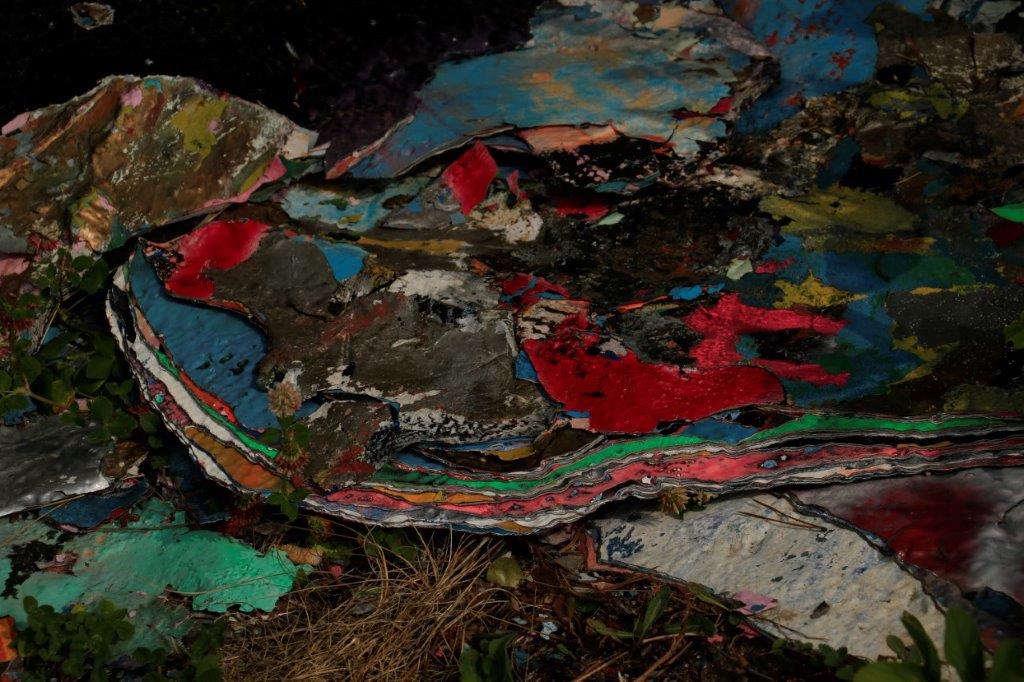
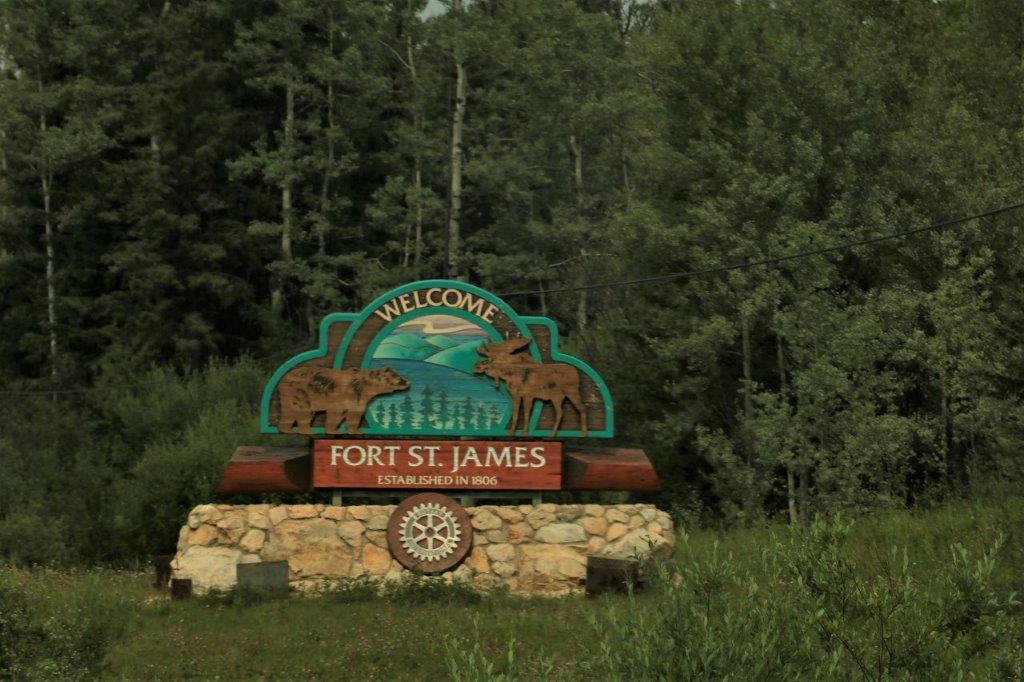
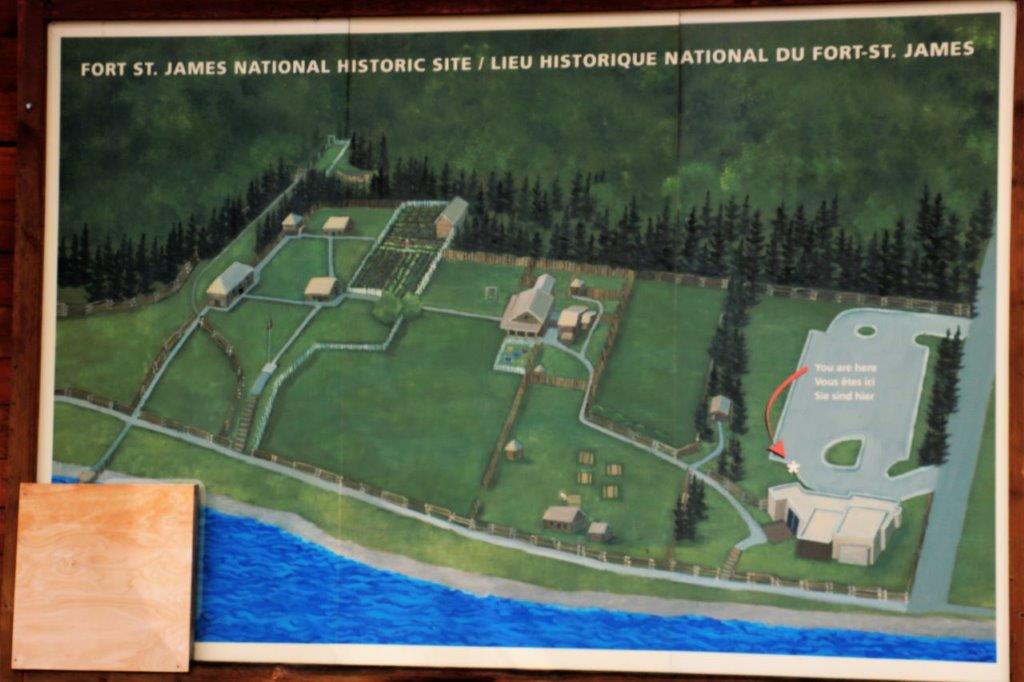
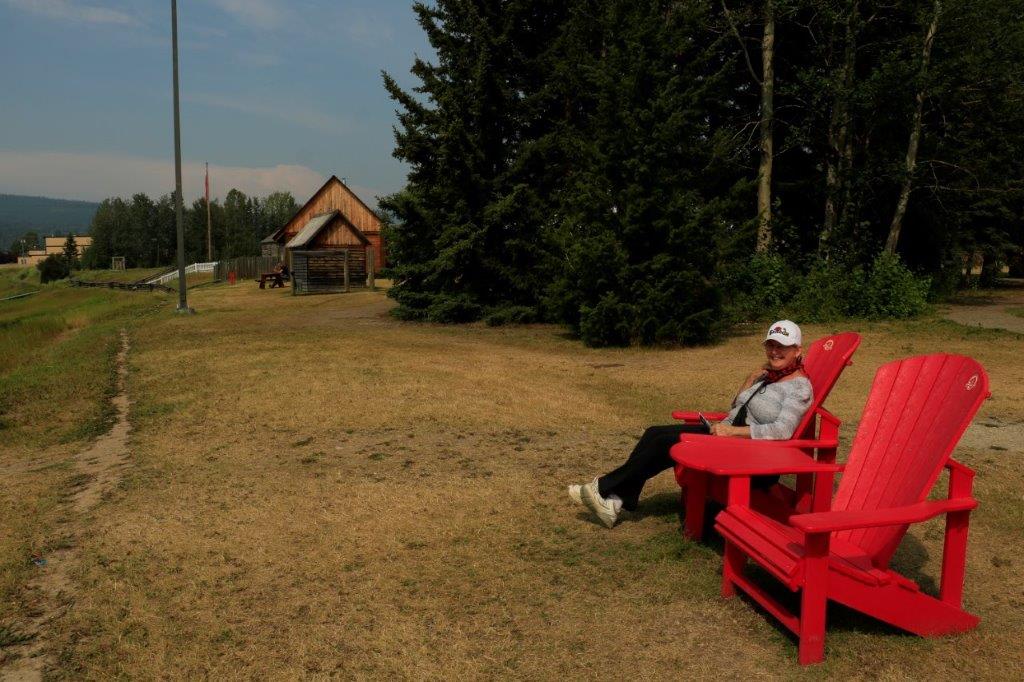
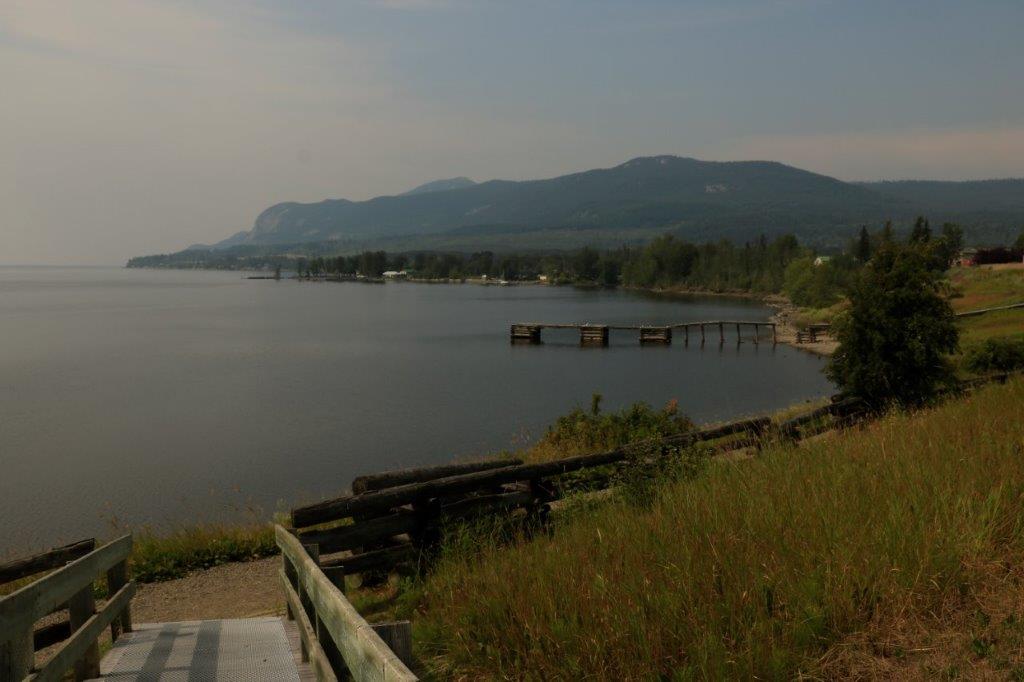
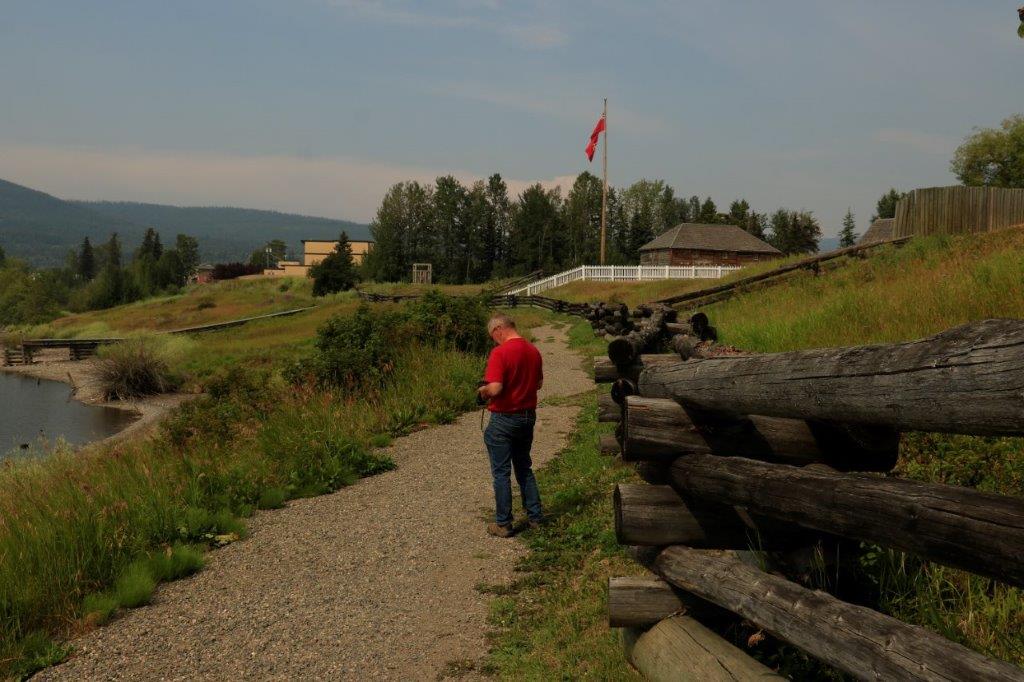
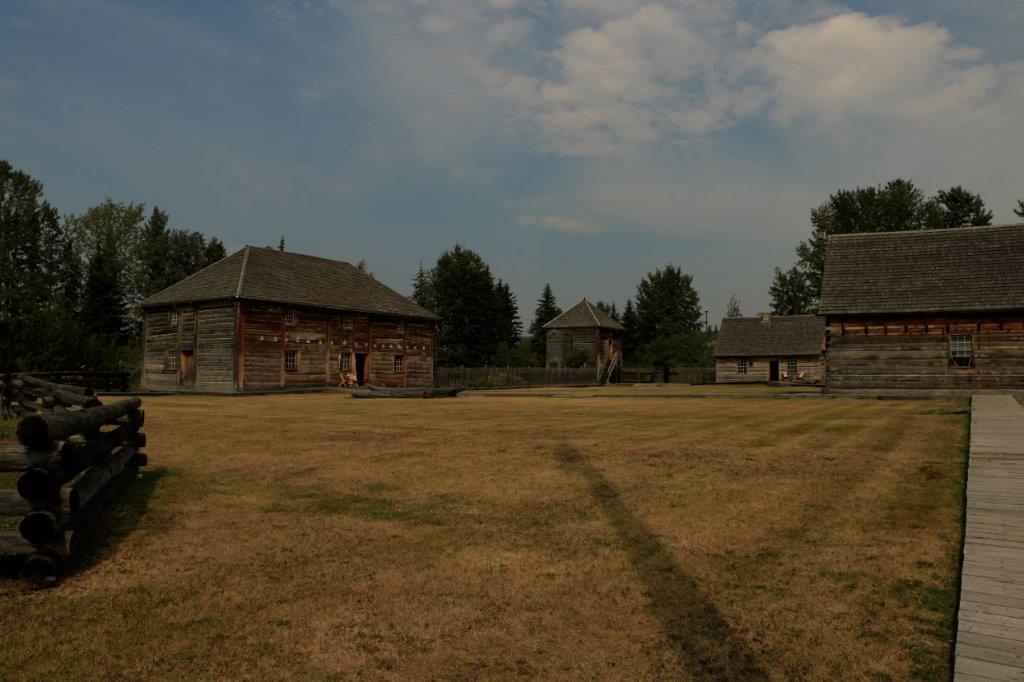
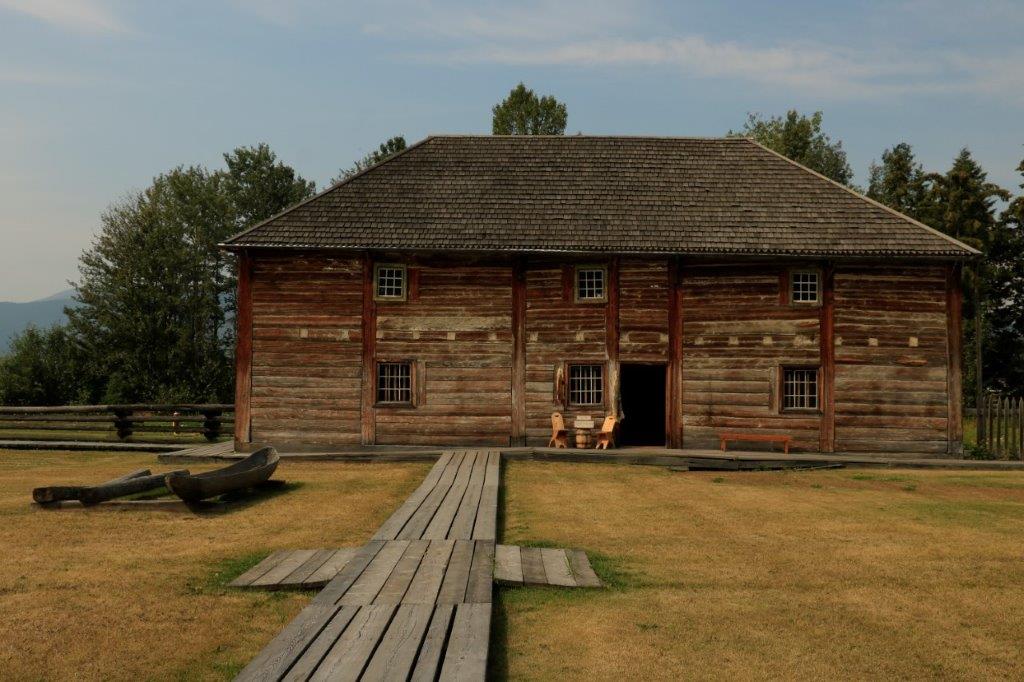
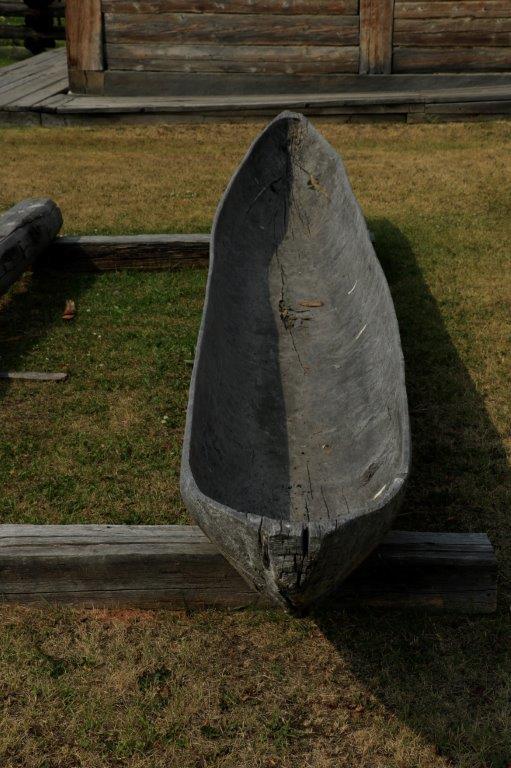
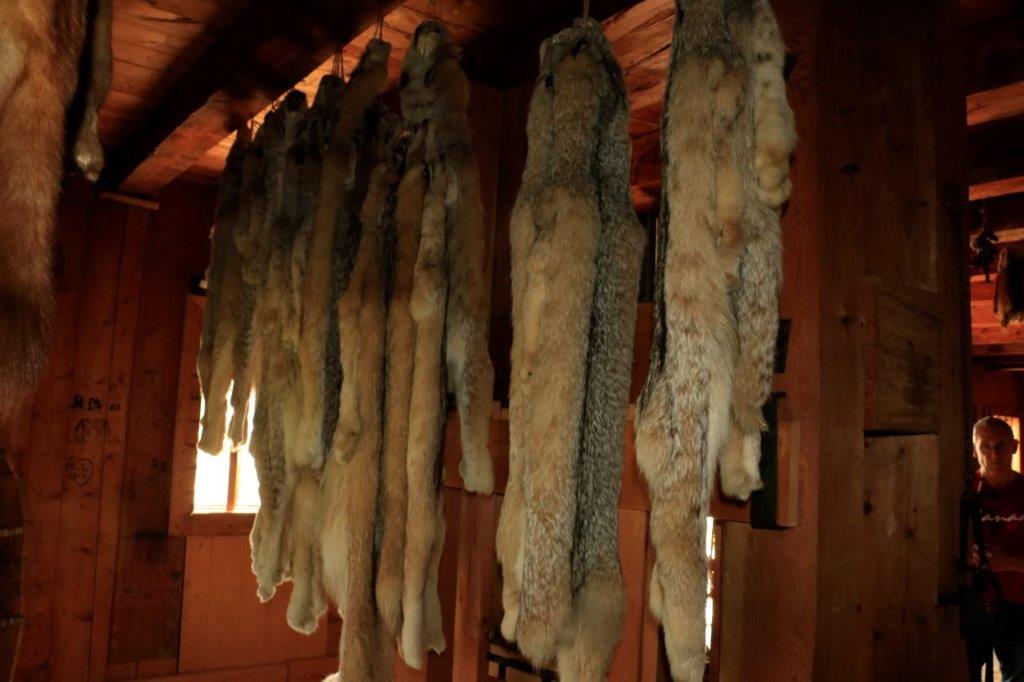
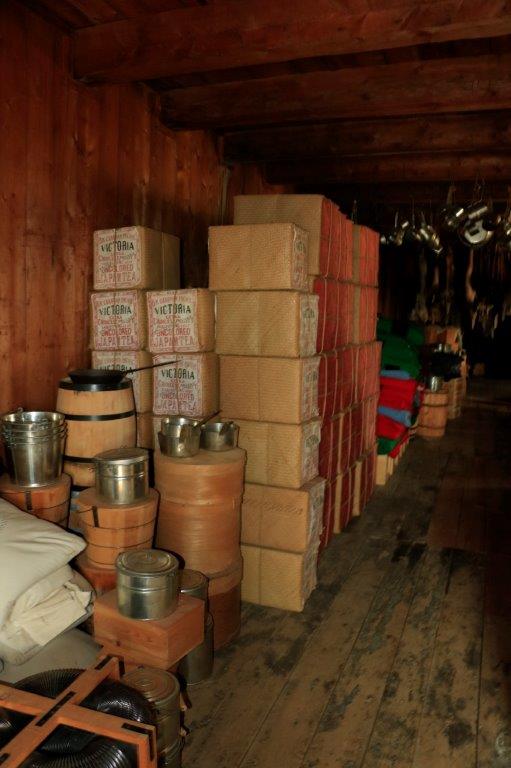
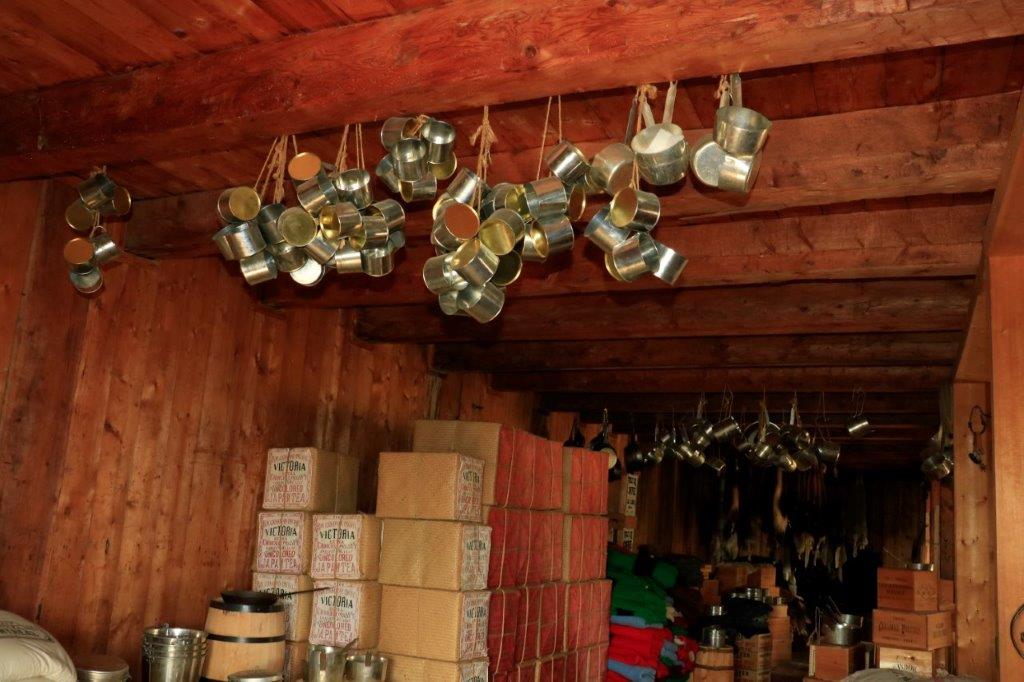
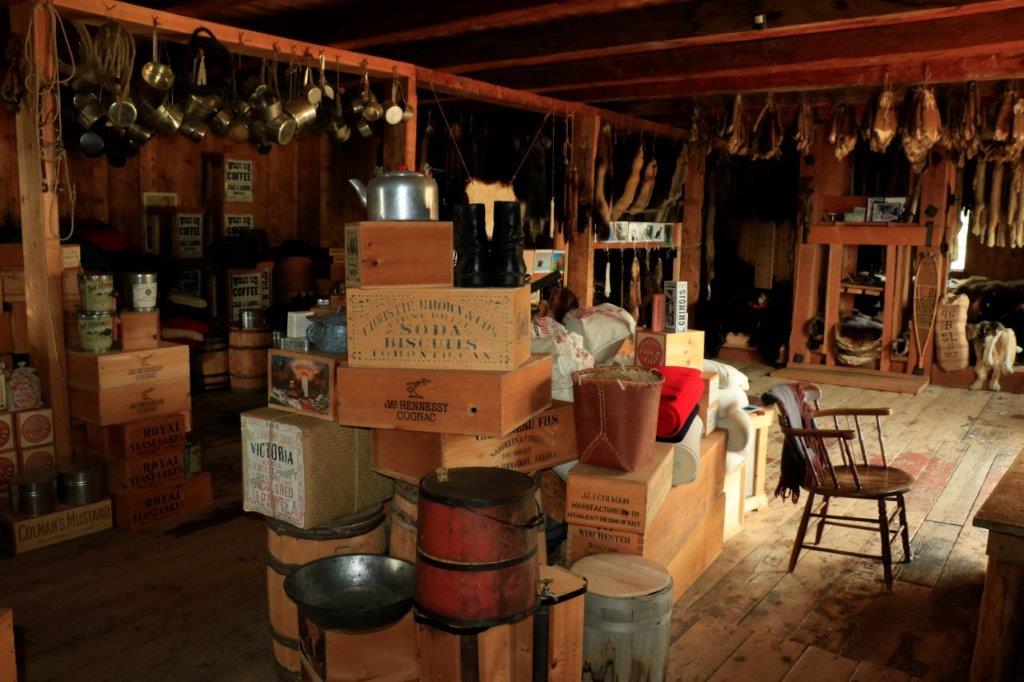
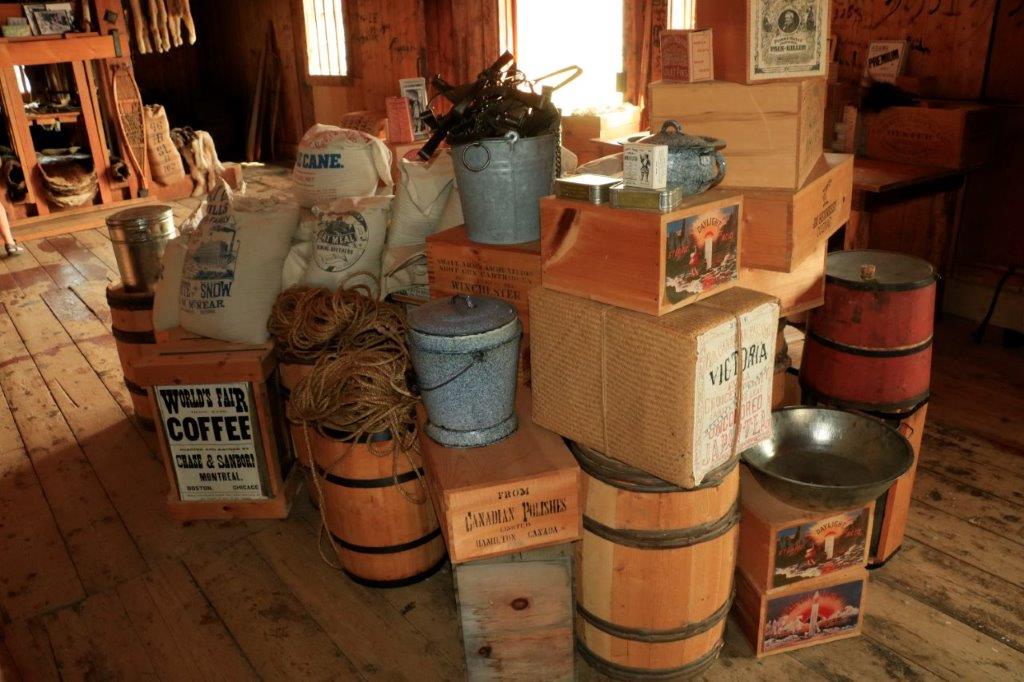
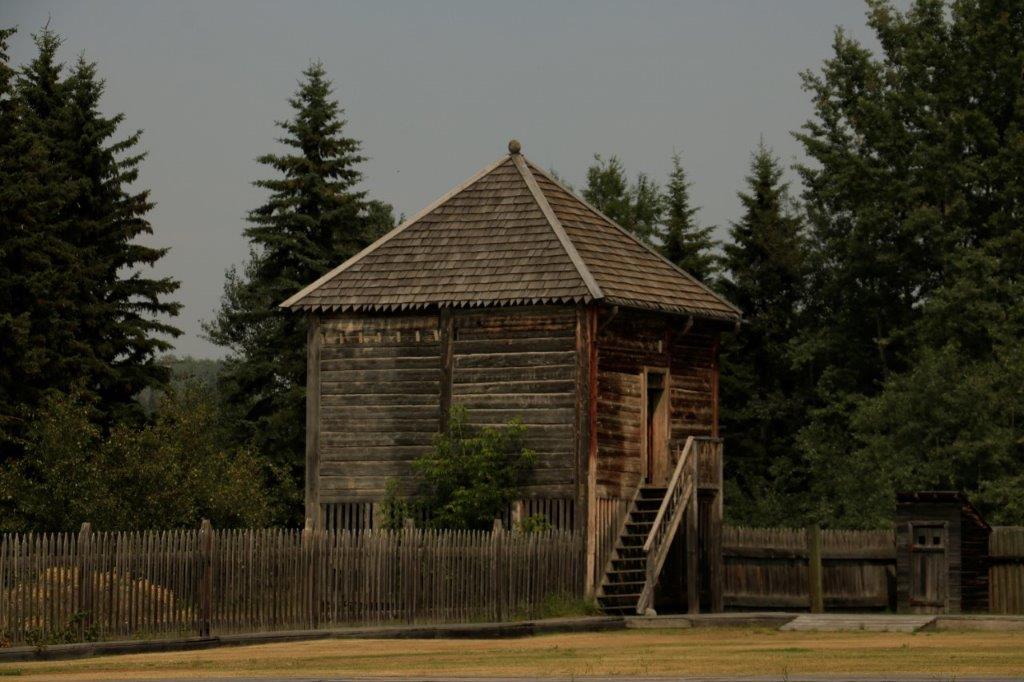
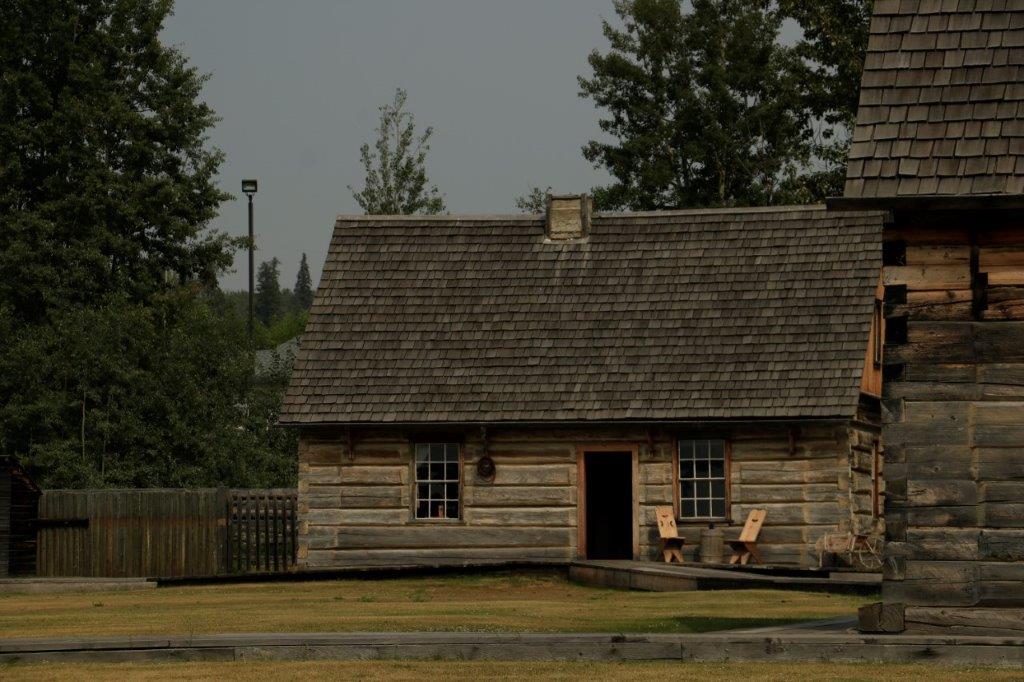
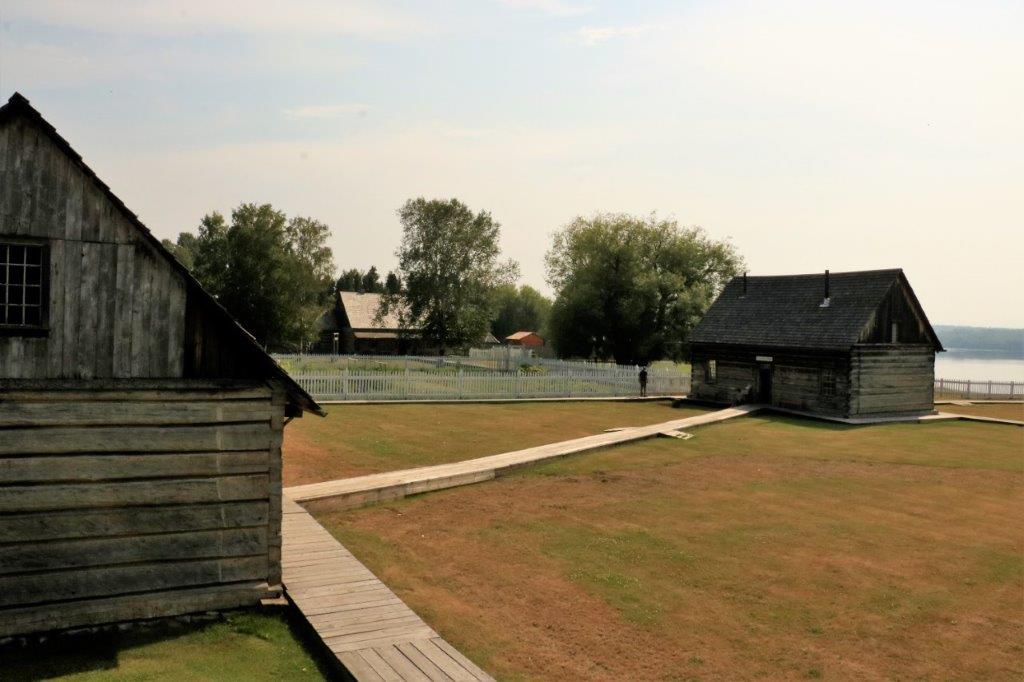
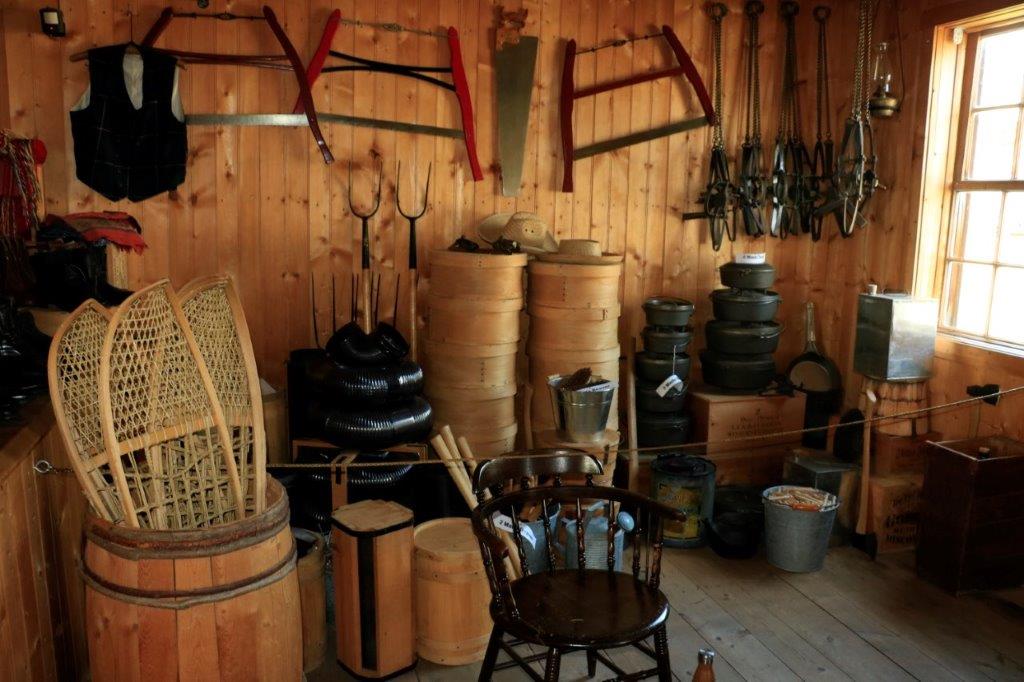
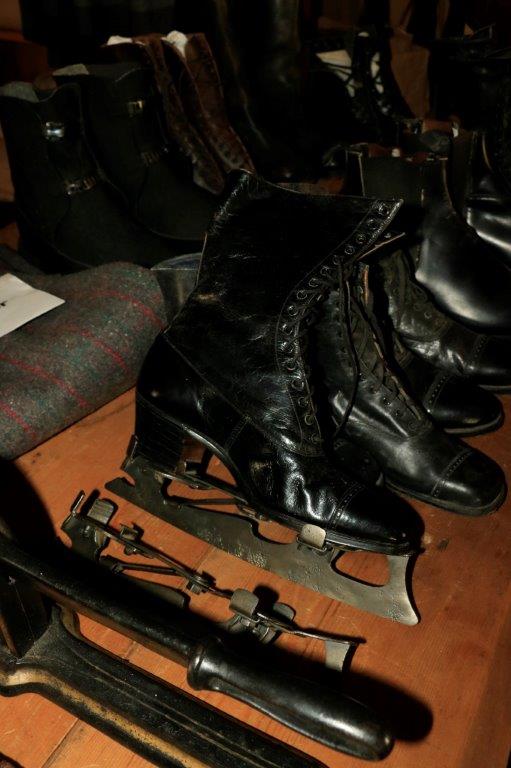
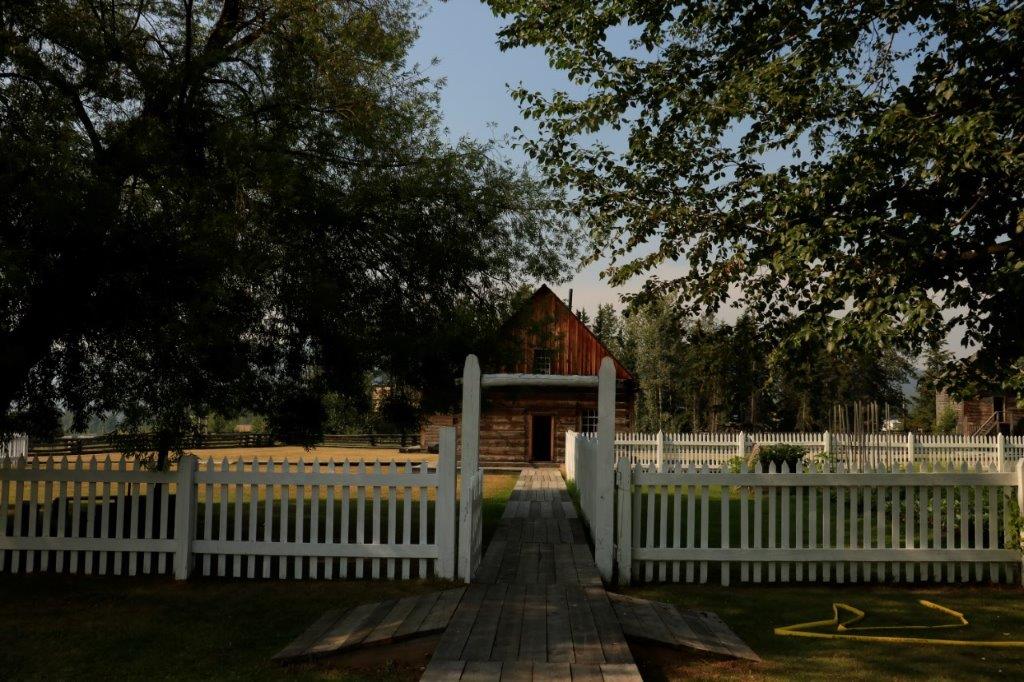
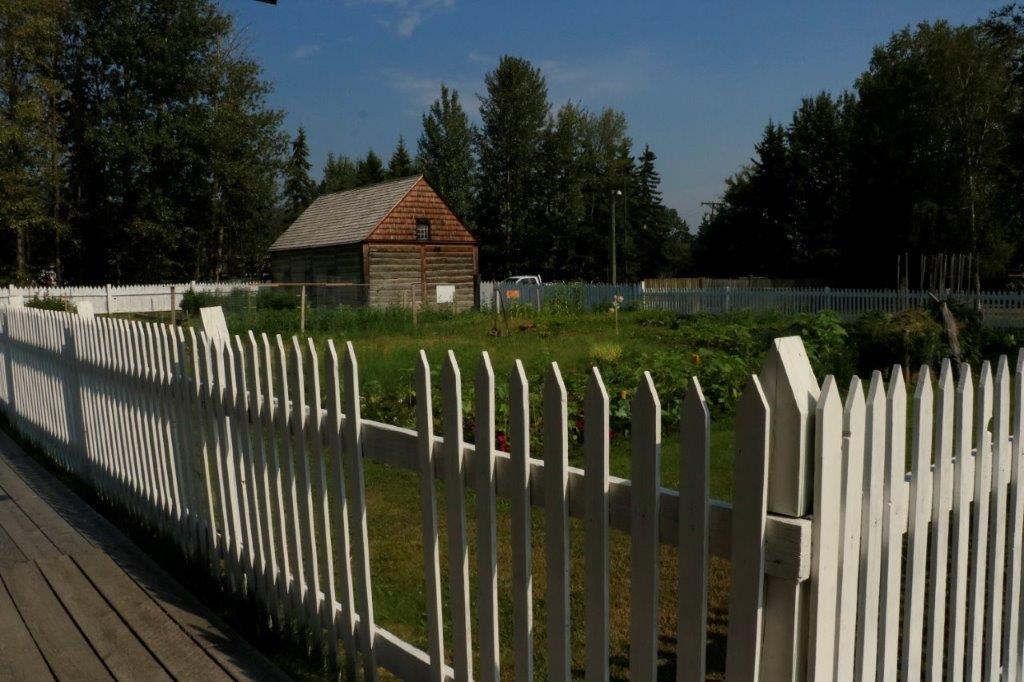
The smoke was cleared a little bit overnight by a short rainfall.  But the further south we went the worse the smoke got so it was another face mask day. On the way out of Houston we stopped for a quick photo of the world’s largest fly rod. In Fort Fraser we found two geocaches.  One was at the top of some sand cliffs overlooking the river and the other was called The Last Spike as the last spike of the Grand Trunk Railway was set here.  When we got up to the spot near the train tracks all there was in a fenced area was a picnic table.  Nothing at all mentioning the last spike.  No sign, no cairn.  Nothing.  We did find the cache though. Just before Vanderhoof we turned north on Highway 27 to Fort St. James where there is a National Historic Site.  On the way up Highway 27 we stopped at The Rock to find a geocache.  Apparently this large roadside boulder has been the local sign board for years and the messages change frequently.  There were huge chunks of layers and layers and layers of paint that had been torn off the rock before some new paint was added.  Strange.  And, if you take the time to pull some paint layers off why don’t you take them to the dump; as well as your brushes and paint cans – some of which we found near the rock as well. Fort St. James was a Hudson’s Bay Company fur trading post in the late nineteenth century.  All but one of the buildings are original dating from the 1880s.                                         They had Canada Parks red chairs.  Each of the main four buildings had a person in period costume that was to tell you about the purpose of the building during the fur trading heyday.  We went to the fur warehouse first and the fellow explained some things.  Then another fellow came in and asked him if he would like a break now; which the man did, so the new guy told us a whole bunch of other things.  This happened with the same fellow relieving the staff for breaks in three of the four buildings.  He loved his history and his stories.  He had some pretty interesting tidbits to share.The General Warehouse and Fur Store is a fully original building from 1888-1889. The warehouse was used to store the trade goods for Fort St. James and the surrounding outposts.  Furs were stored here and baled for the trip to Victoria for sale.  The warehouse is one of the finest surviving examples of a Red River frame fur trade building in Canada.

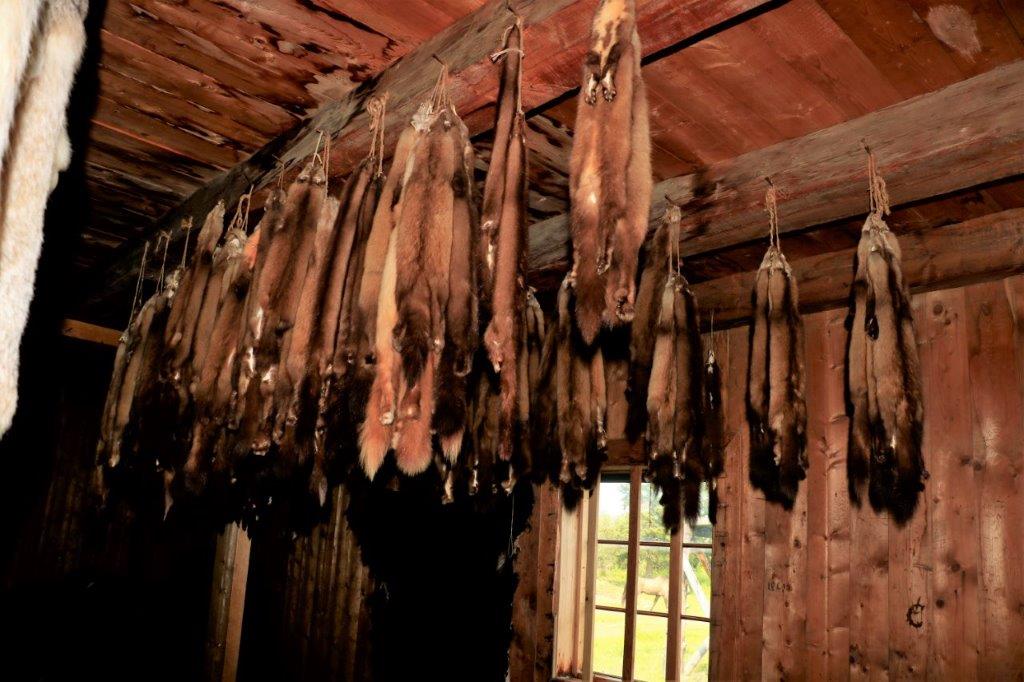
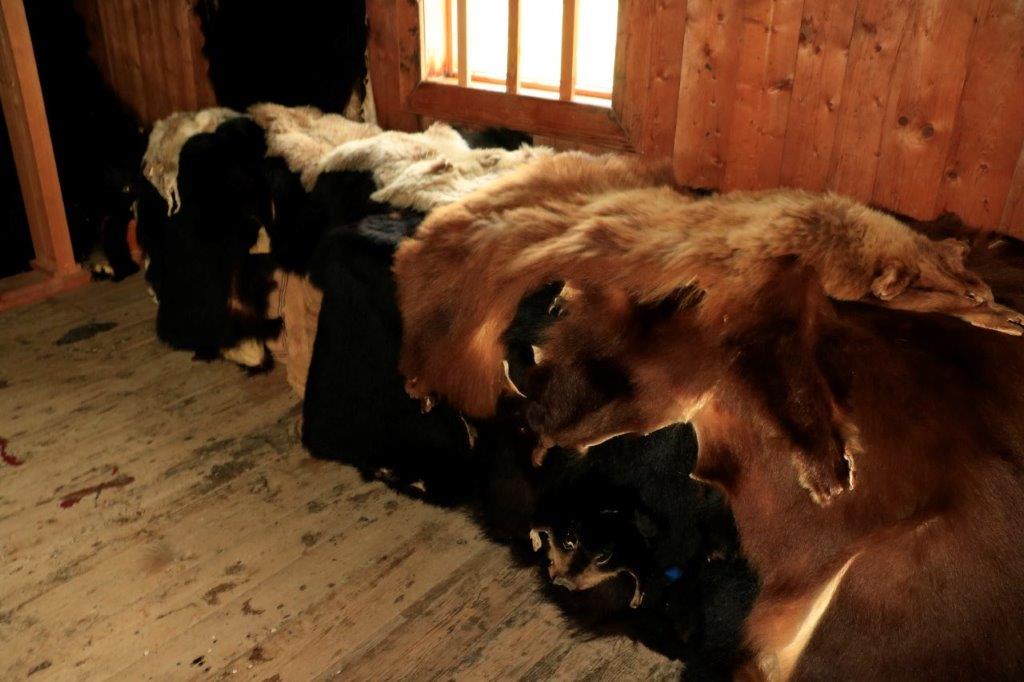
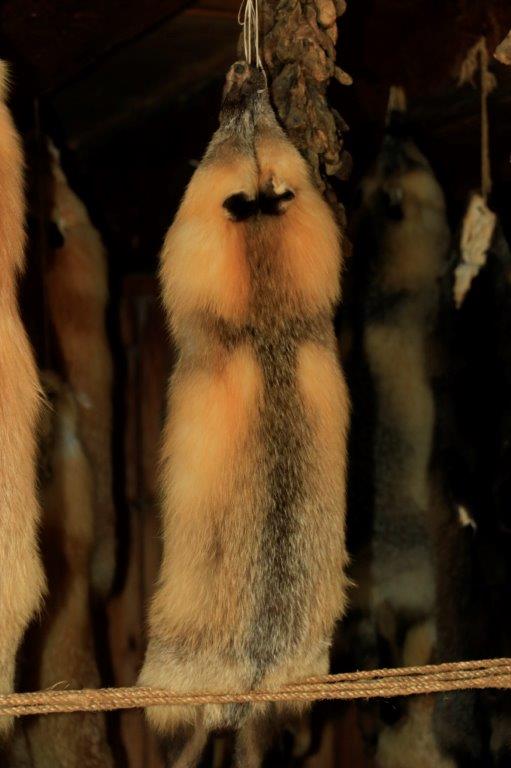
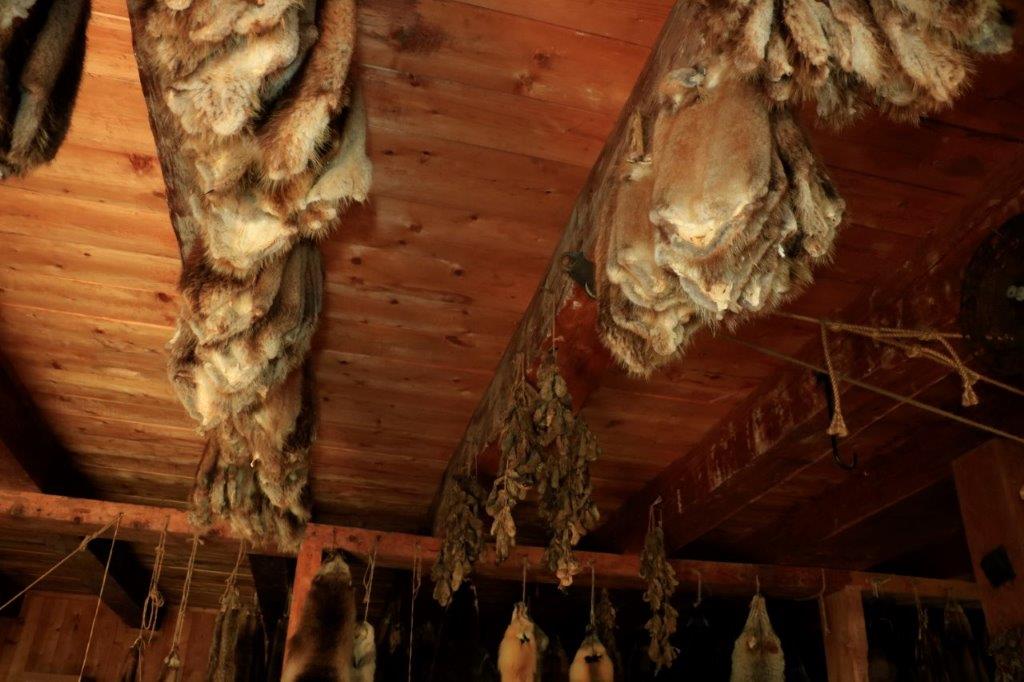
 There is still a fur trade business in BC and every October furs are brought to Vancouver and sold.  When Canada Parks was setting up Fort St. James as a Heritage site in 1970 they went to the auction and bought all the furs that are displayed in the warehouse. Back in the day, this would be a mere fraction of the pelts stacked and stored in here.  The pelts on the left are wolves and the one on the right is a cross fox due to the pattern on its back.  Fox furs come in red, silvertip black and cross.  The silvertip was and still is rare.  A trapper could sell one for $5000 back in 1880s.  Today a lynx pelt fetches the same amount at the Vancouver auction because there are so few of them trapped.The small brown pellets hanging in the middle of the picture above are beaver castor glands.  Fur trappers discovered that the musk from these glands in the beavers would attract any animal so they began to use the scent when setting trap lines.  They would put it on themselves to mask the scent of a human, and also put in on the pompoms on the tips of their snowshoes so the would leave a trail all the way to each trap on the line.  The traps were also set with the scent.  The animals would just follow the trappers tracks right to the trap.
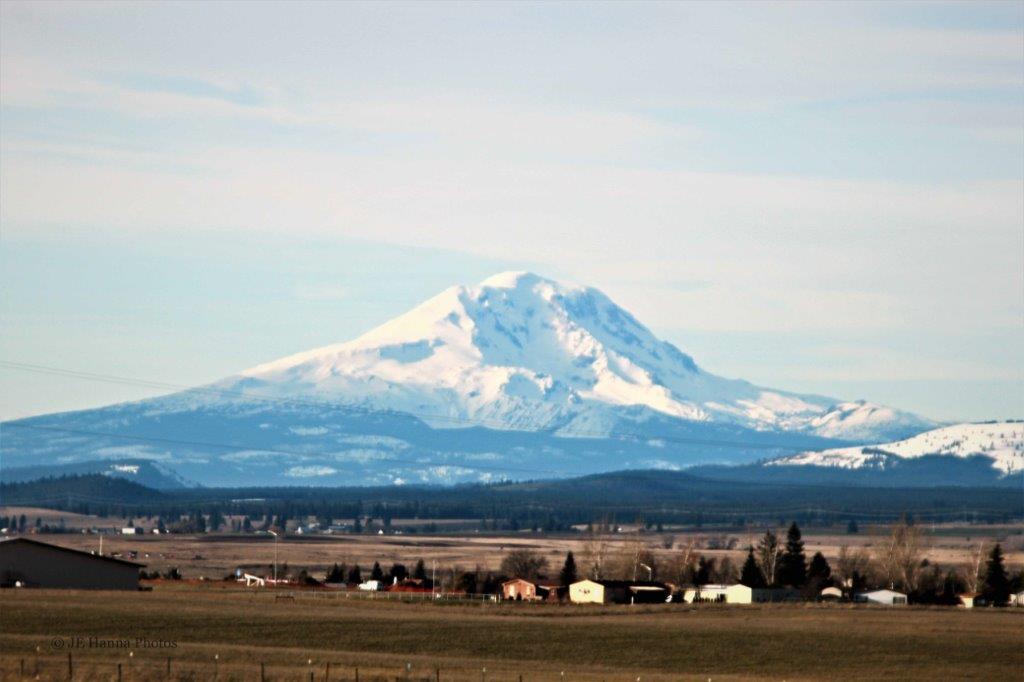
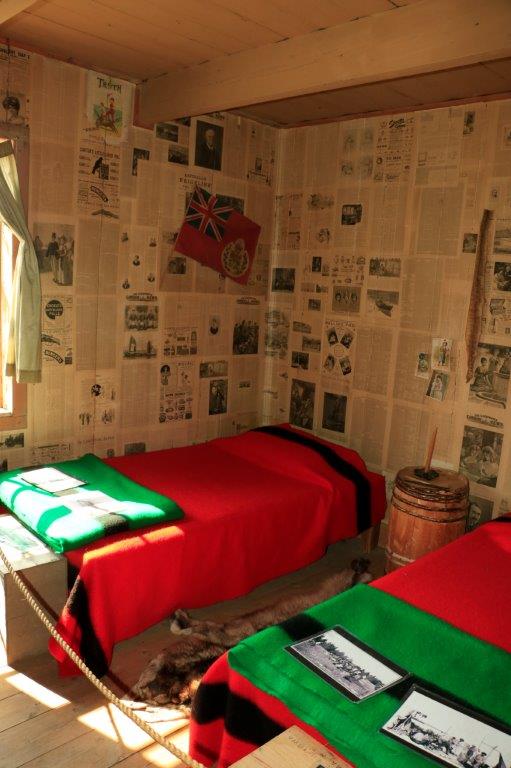
The fish cache (1889) was stocked with dried salmon and bacon for company employees and the Carrier people.  It was set on four corner elevated posts to deter predators.The Men’s House (1884) was a residence for company employees, pack train hands, boat crews, and visitors.  The building also served as a school house briefly until the Company found out there were children in the Men’s House.  The school was shut down and a new building was put up for a school for the Metis and First Nations children.

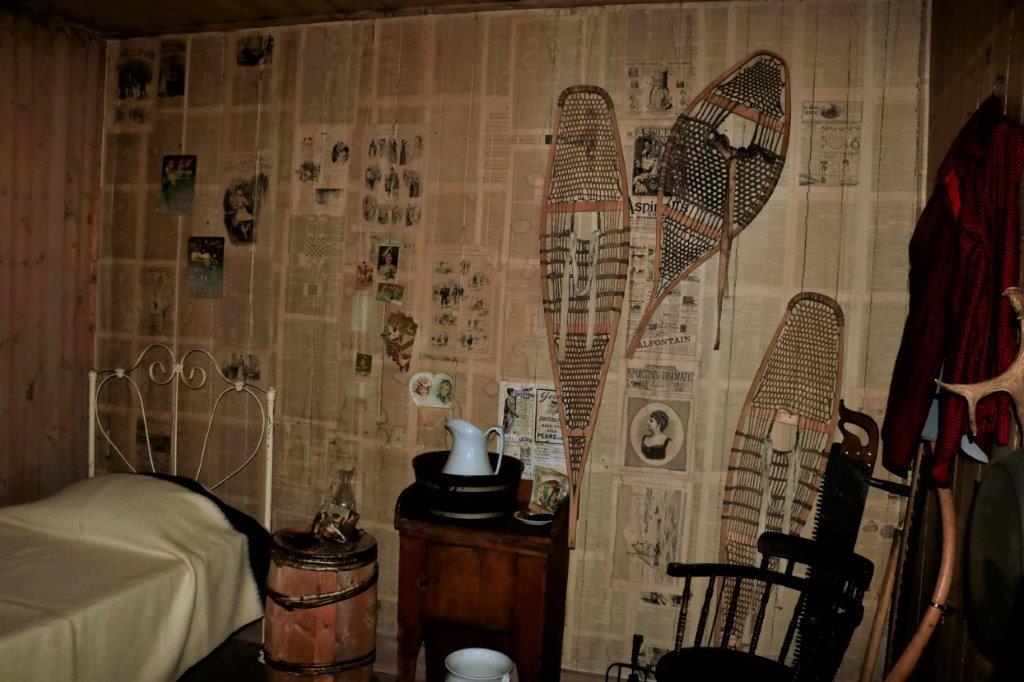
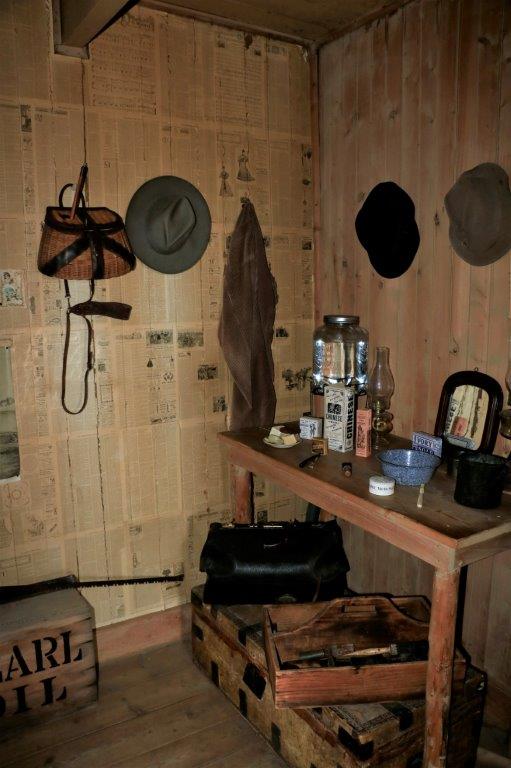
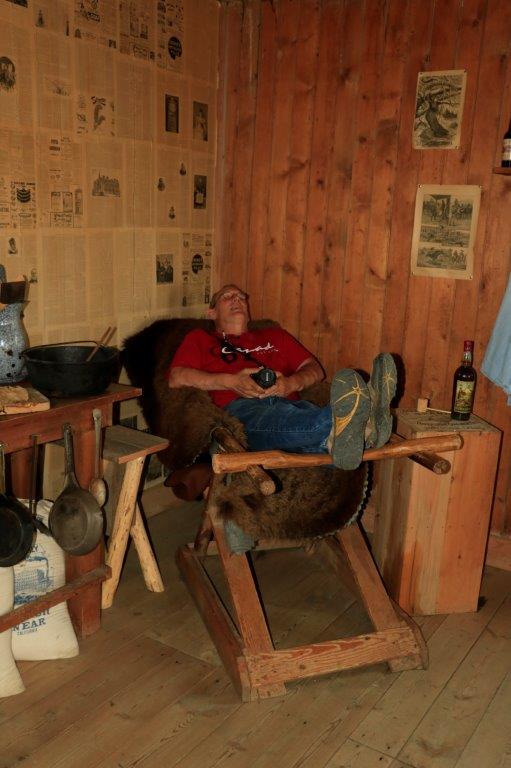
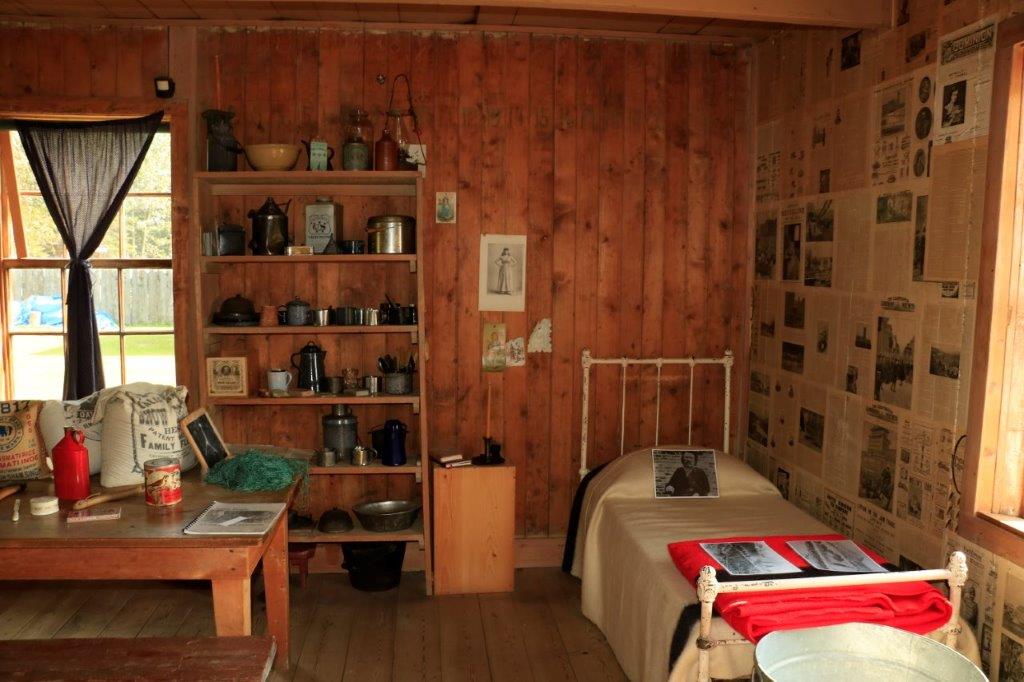
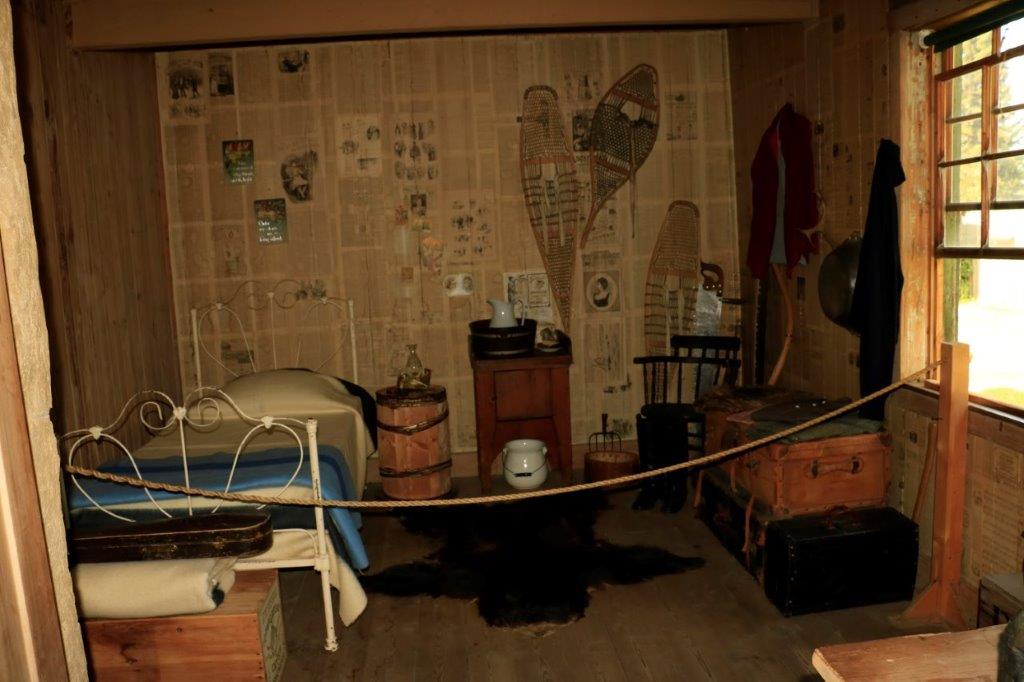
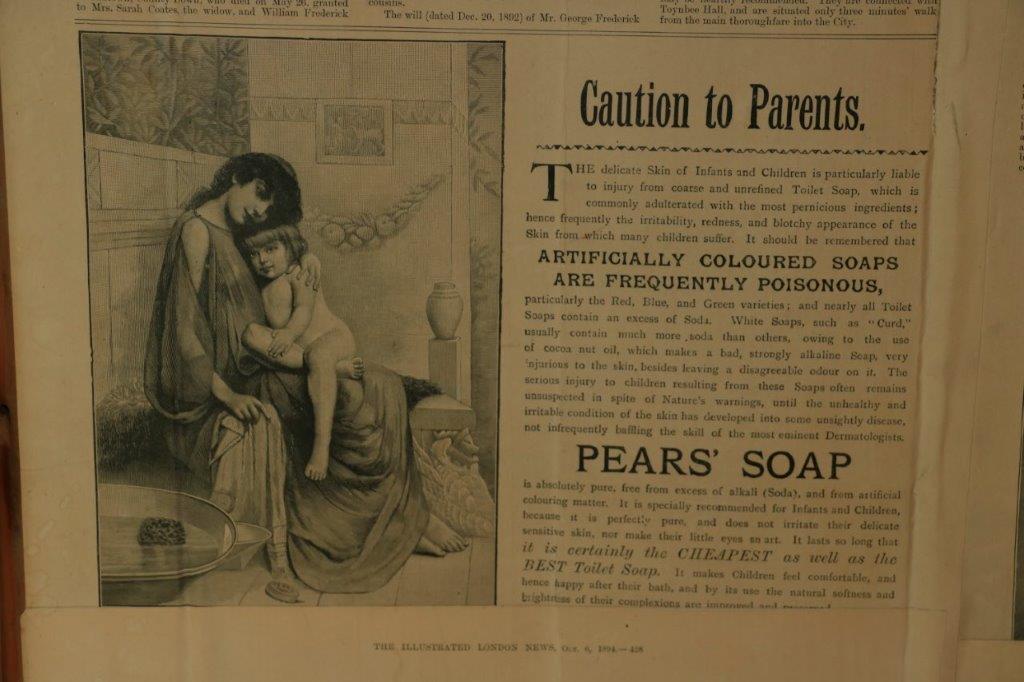
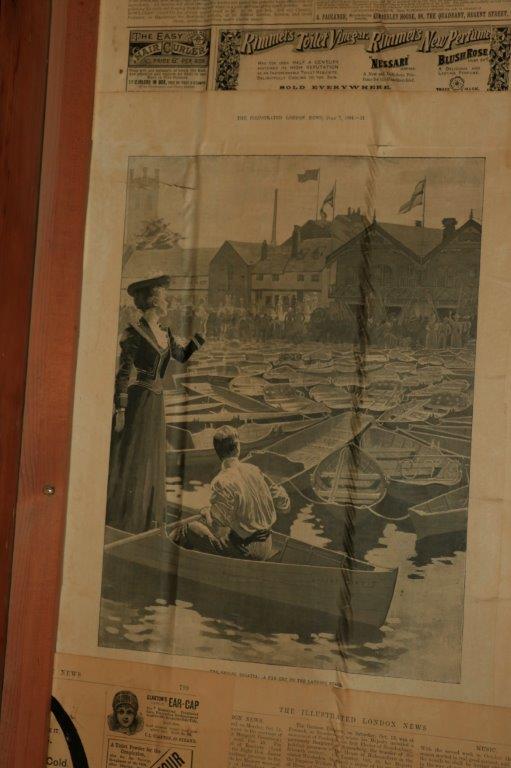
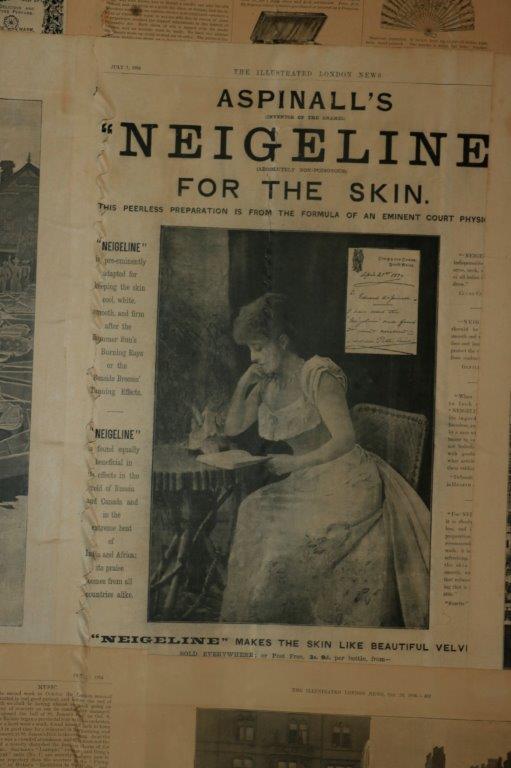
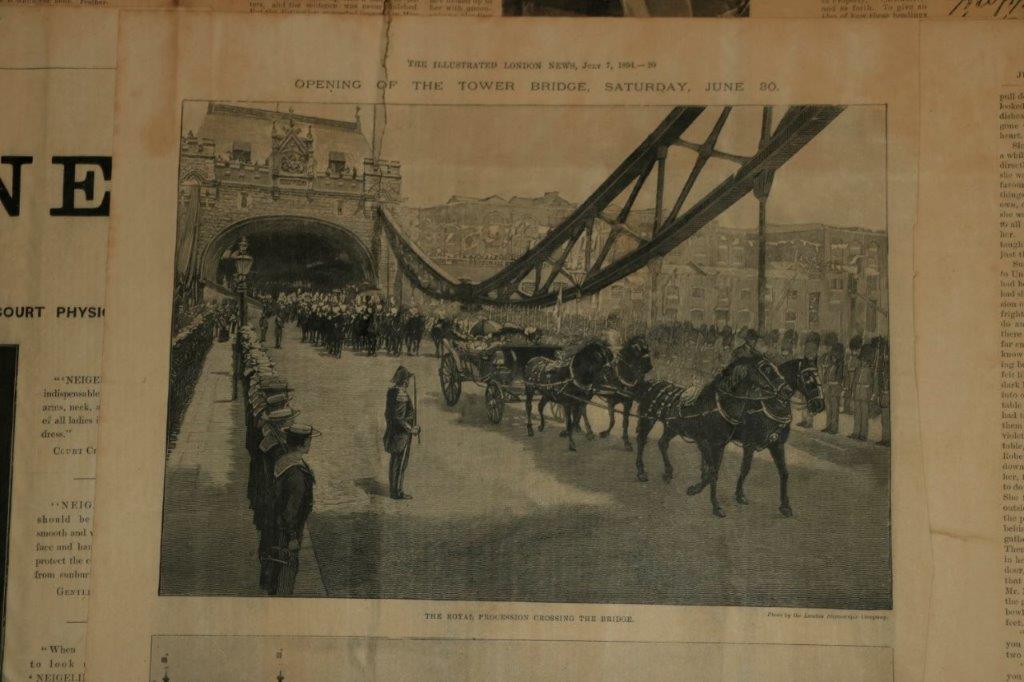
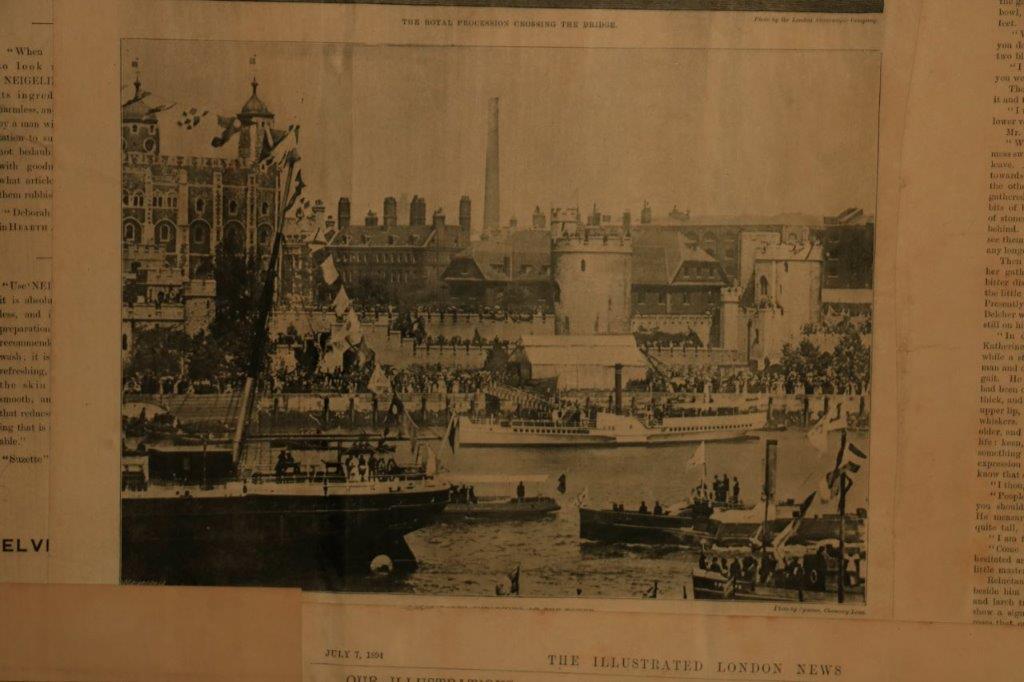
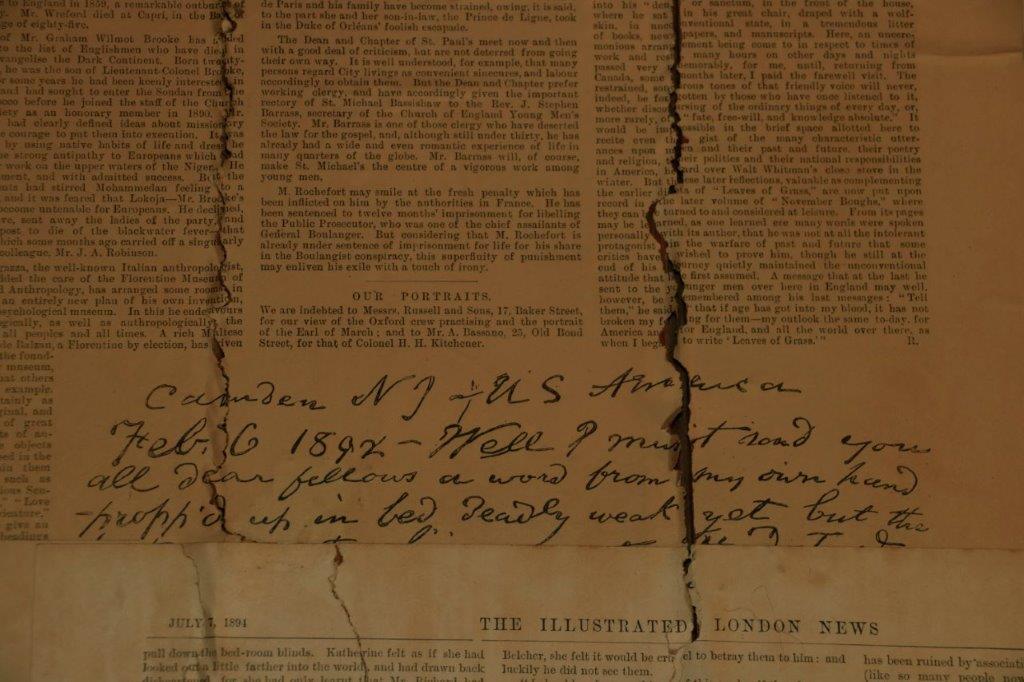
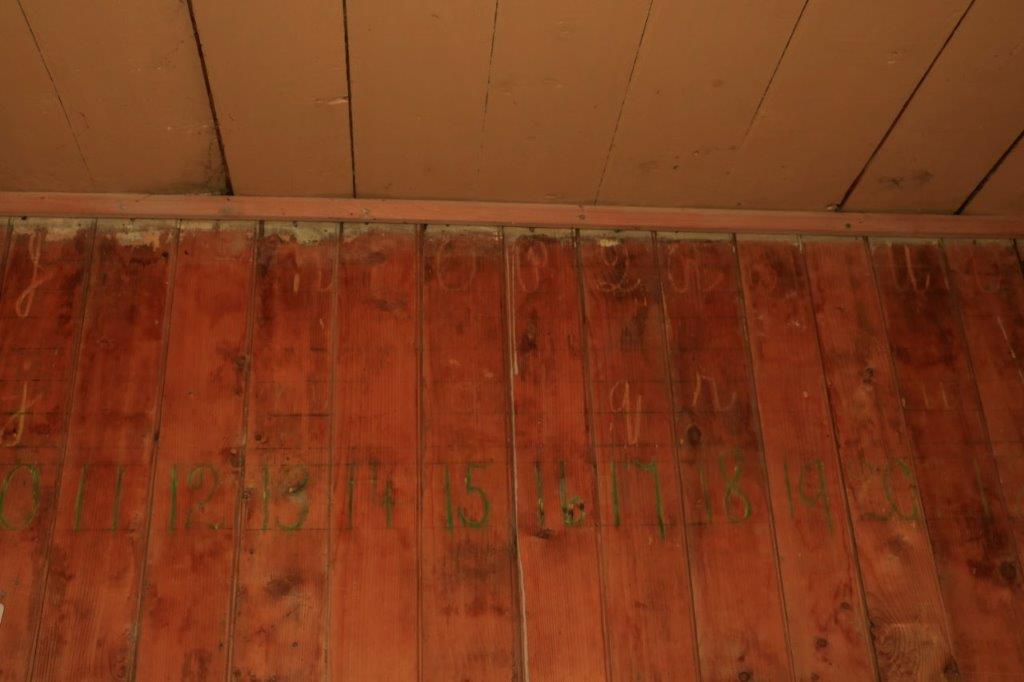
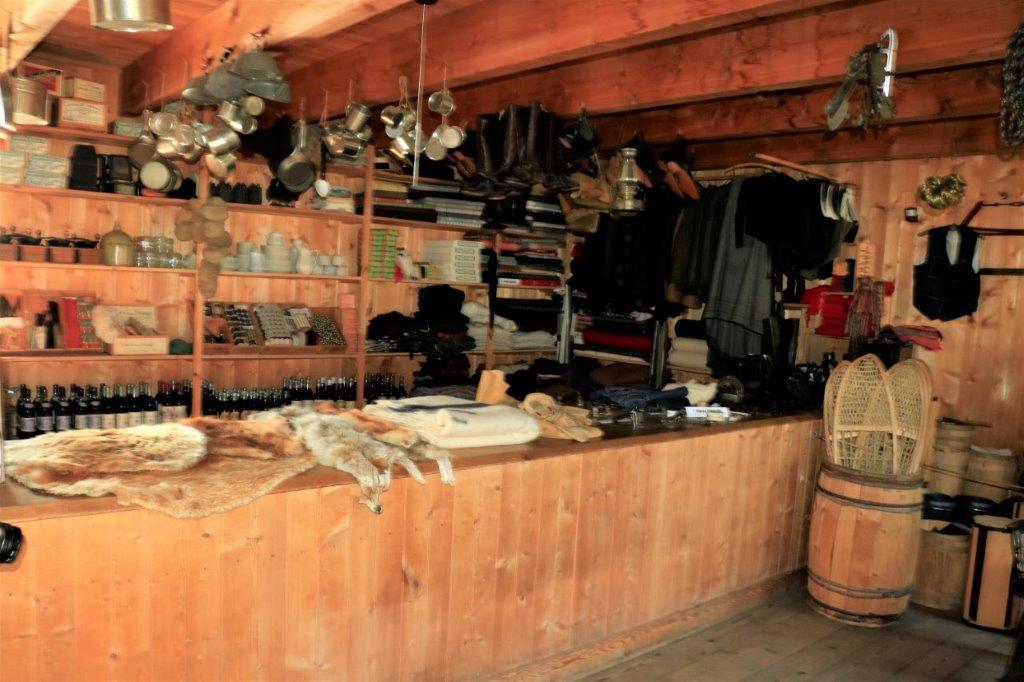
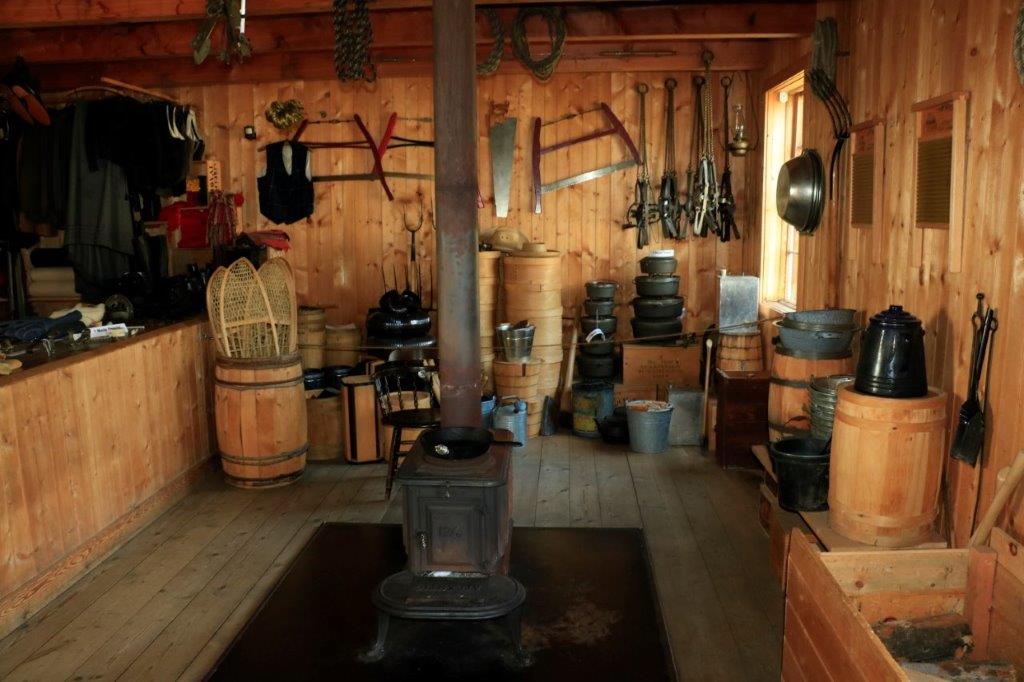
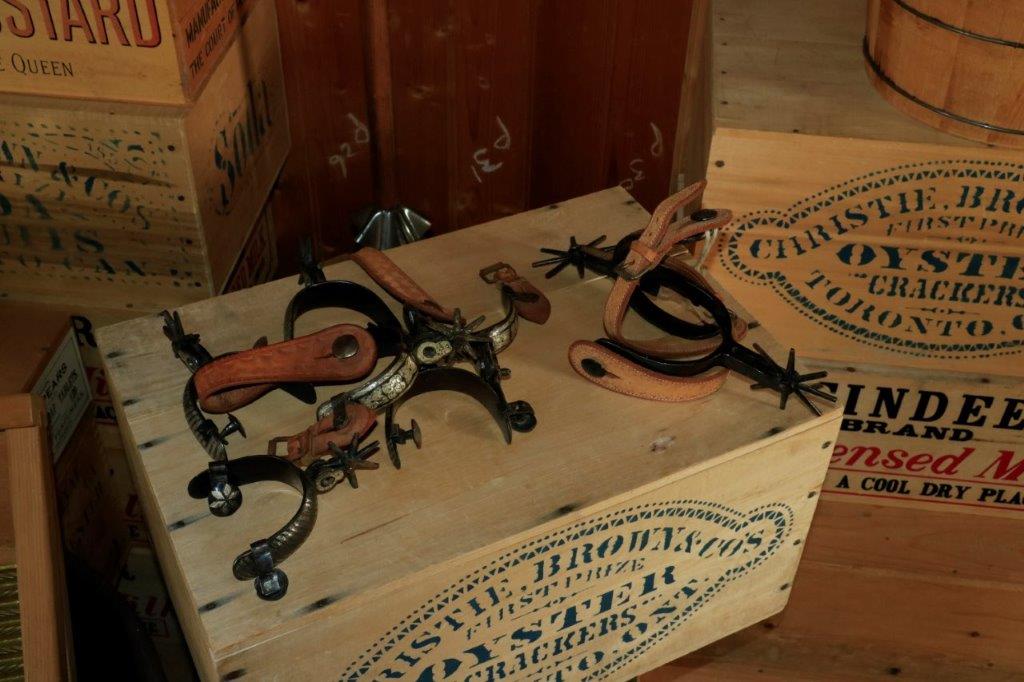
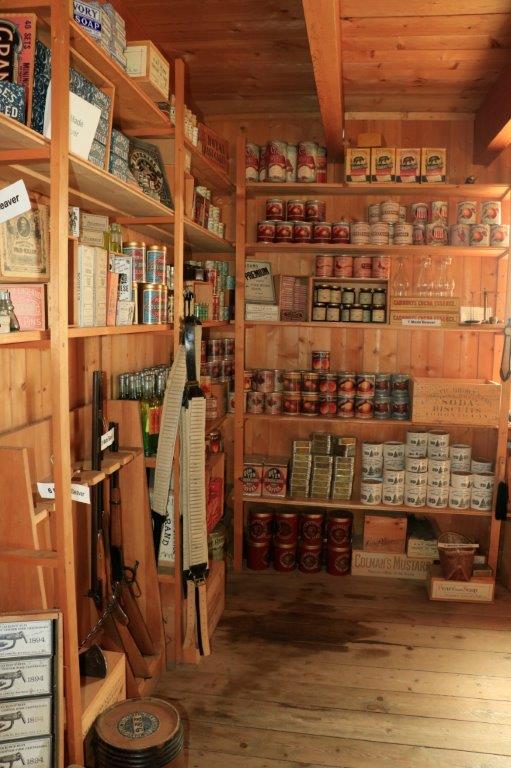
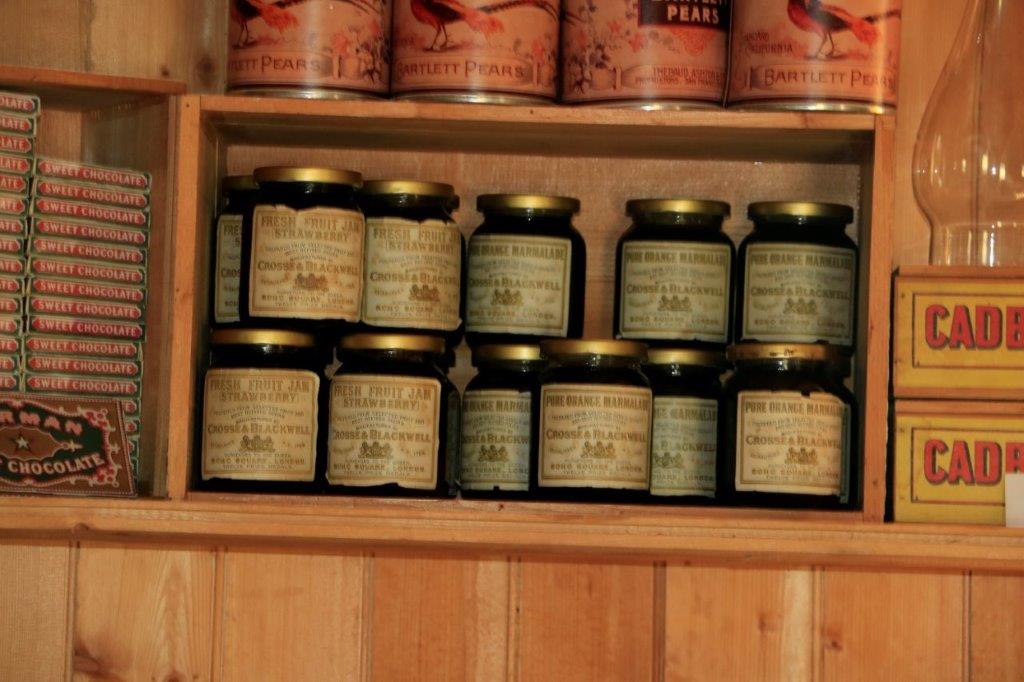
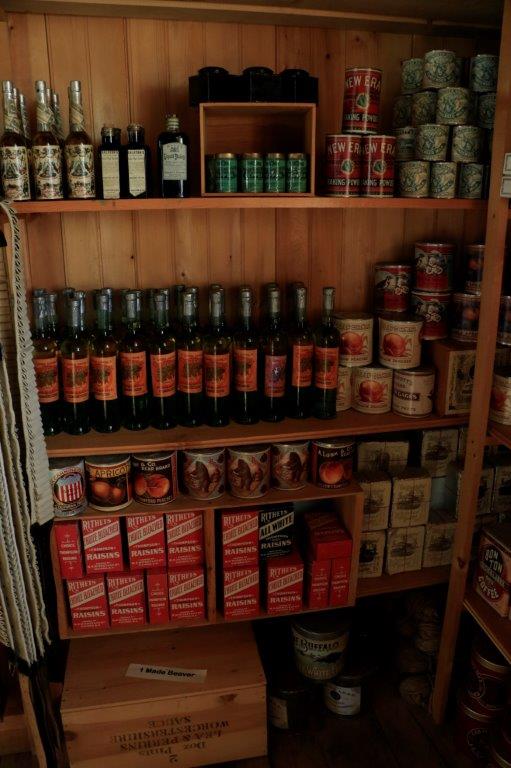
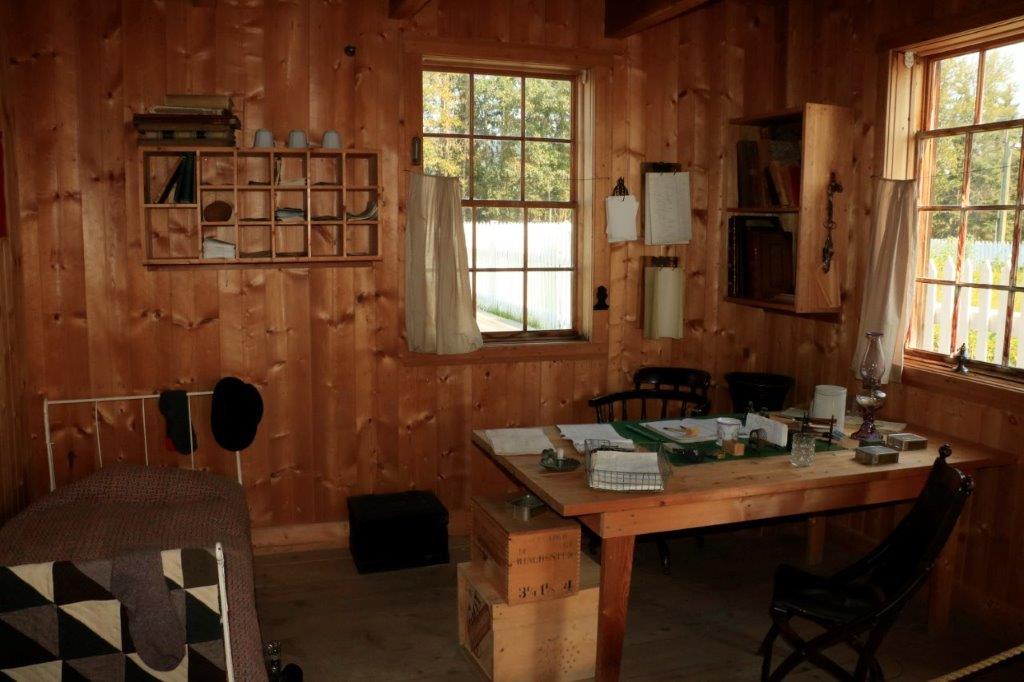
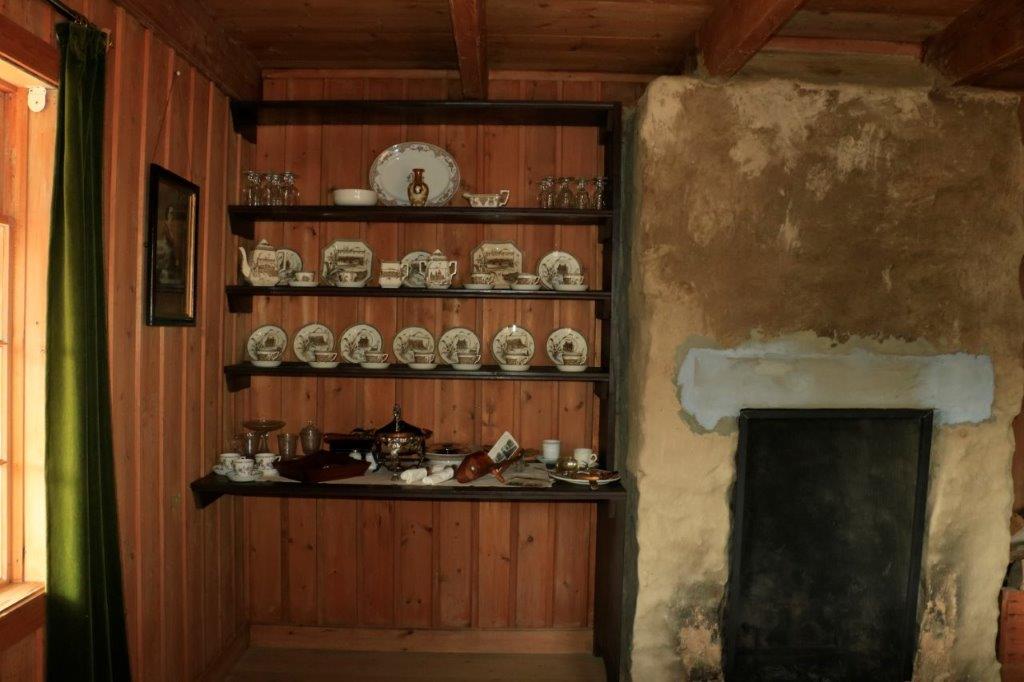
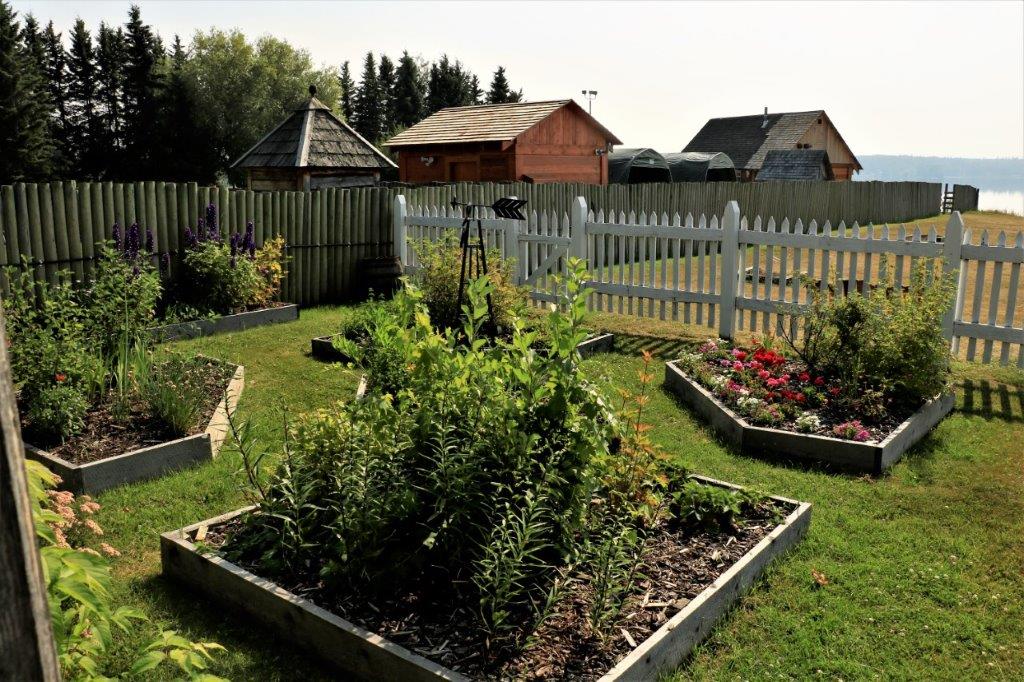
 The newspapers were glued to the interior walls to keep out the drafts and cold.  It was only partially successful.  We had to try out the early edition Lazy-Boy.  It was comfortable.  One of the very early ‘celebrity’ endorsements.  The lady in the paper on the right is a very famous opera singer and she hand wrote the endorsement letter for the skin product. The letters of the alphabet and the numbers are still visible from when they were written along the top of the wall to teach the children in the Men’s House make-shift school.The Trade Store was stocked with all kinds of goods that would be traded for the furs that were brought in.  A good clean beaver pelt was the ‘gold standard’ used to value the goods.  No prices were ever displayed of course so the chief factor could bargain as he determined based on the individual trapper and the quality of the furs he brought.  The store burned down several times in the history of the fort, the last time in 1919, so this building is an authentic reconstruction to the 1896 period.  It is the only non-original building at the site. These jars of orange marmalade are original from the days of the fort.  The jam was made from Seville oranges and supplied by a London Company.  The seals, obviously after all this time, have broken so the marmalade is black.  It is not recommended to eat 130 year-old jam.                                                     The managers office.                                                                        The garden is a community garden.

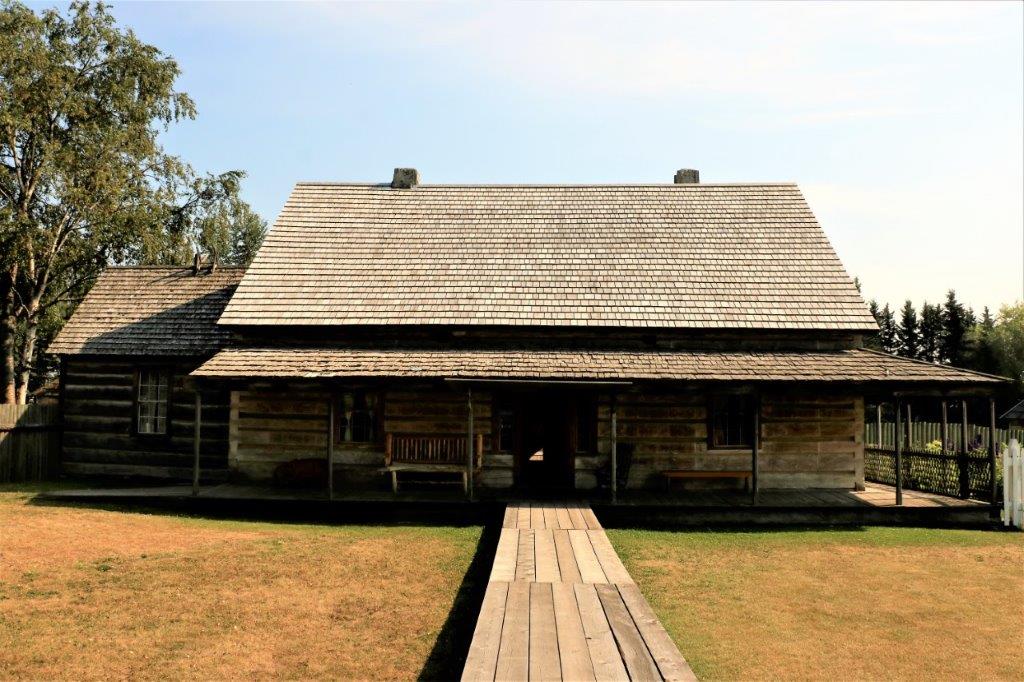
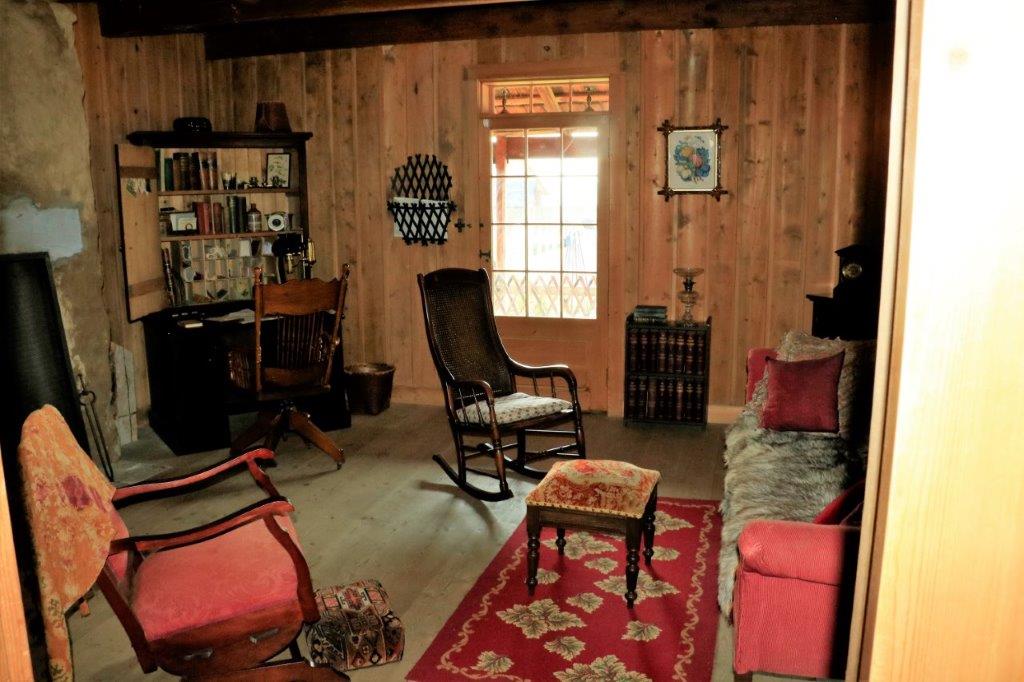
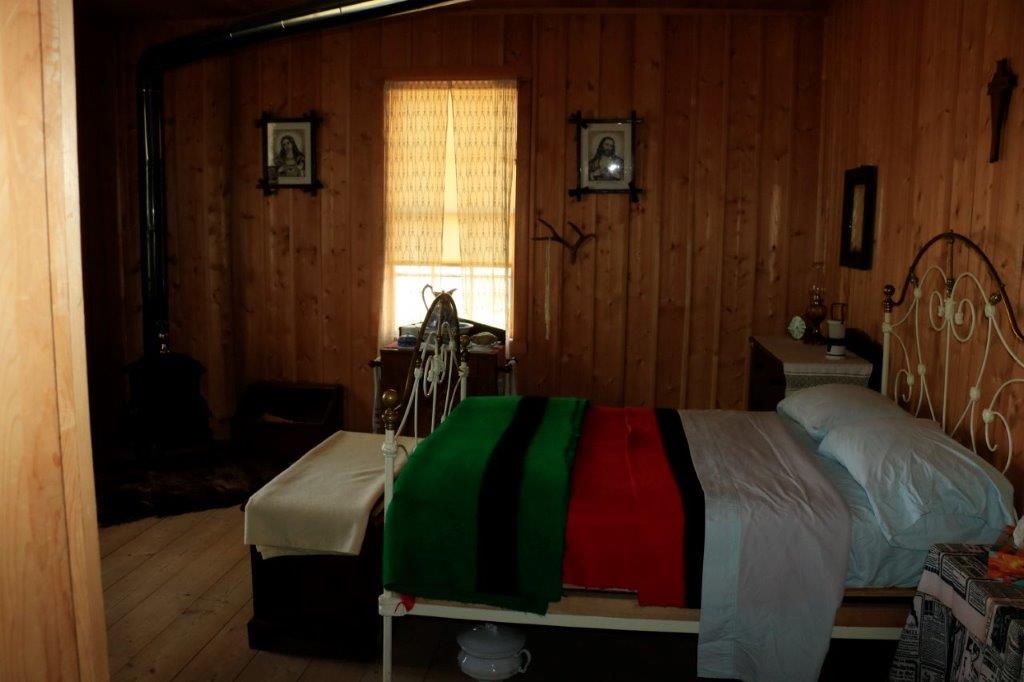
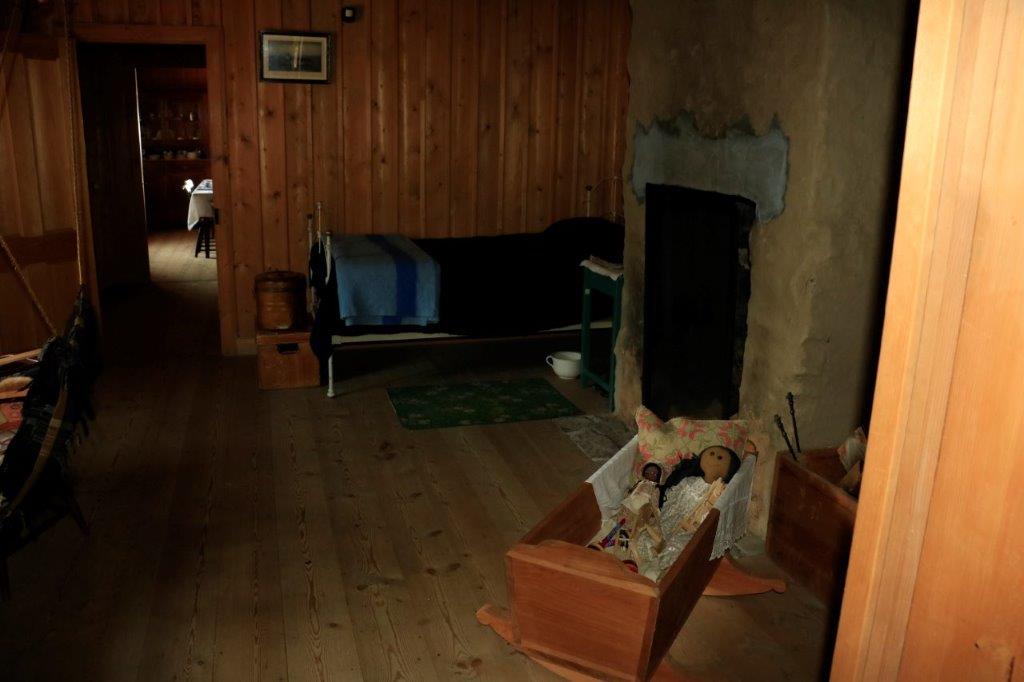
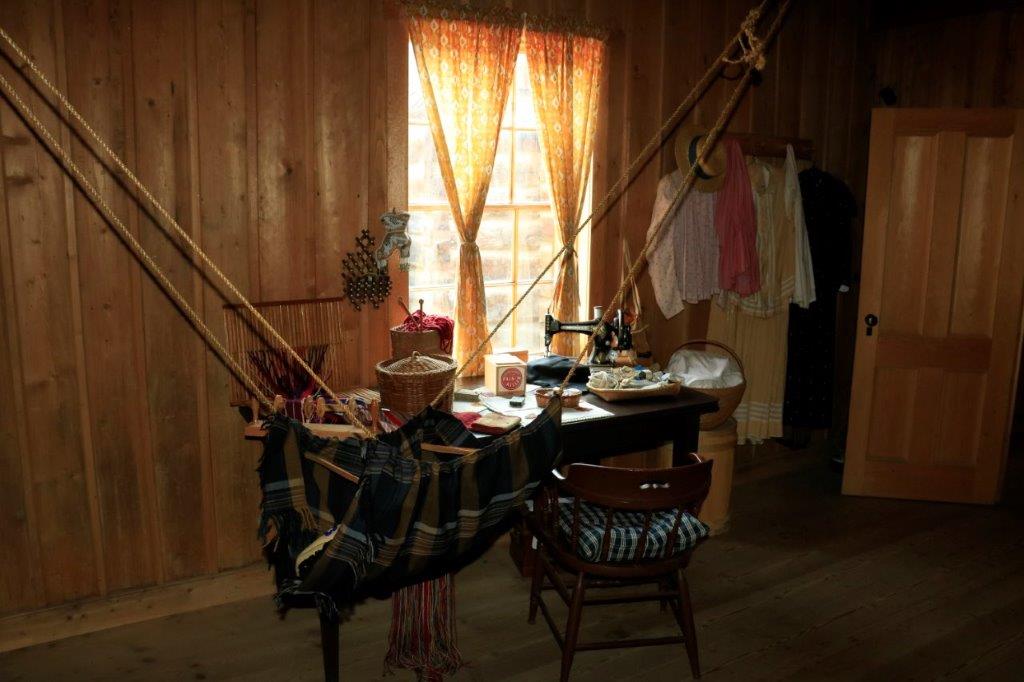
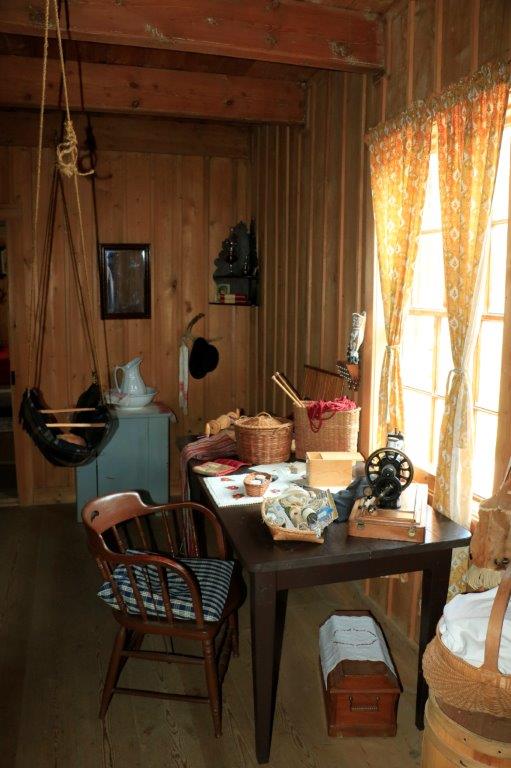
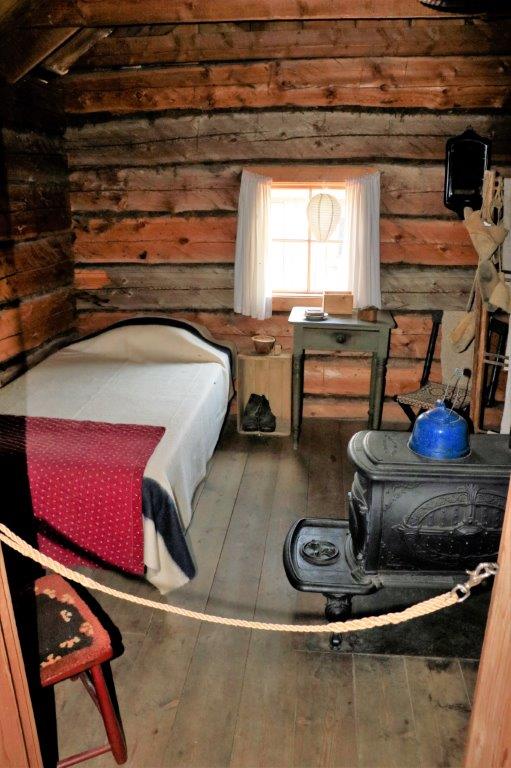
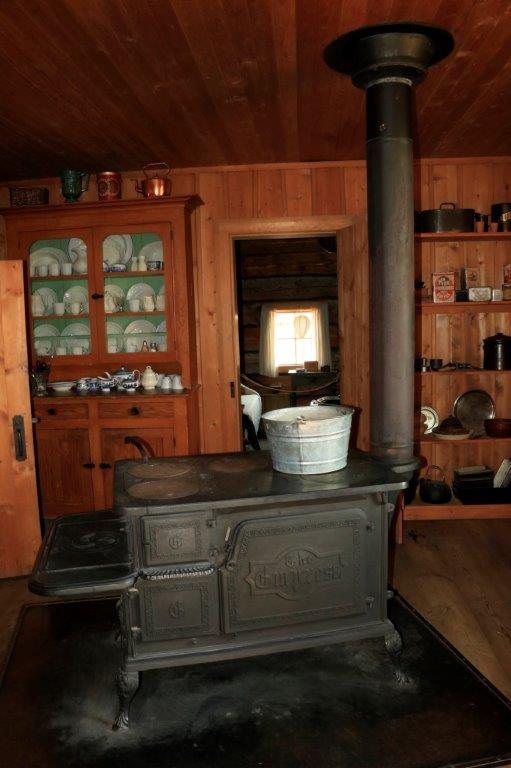
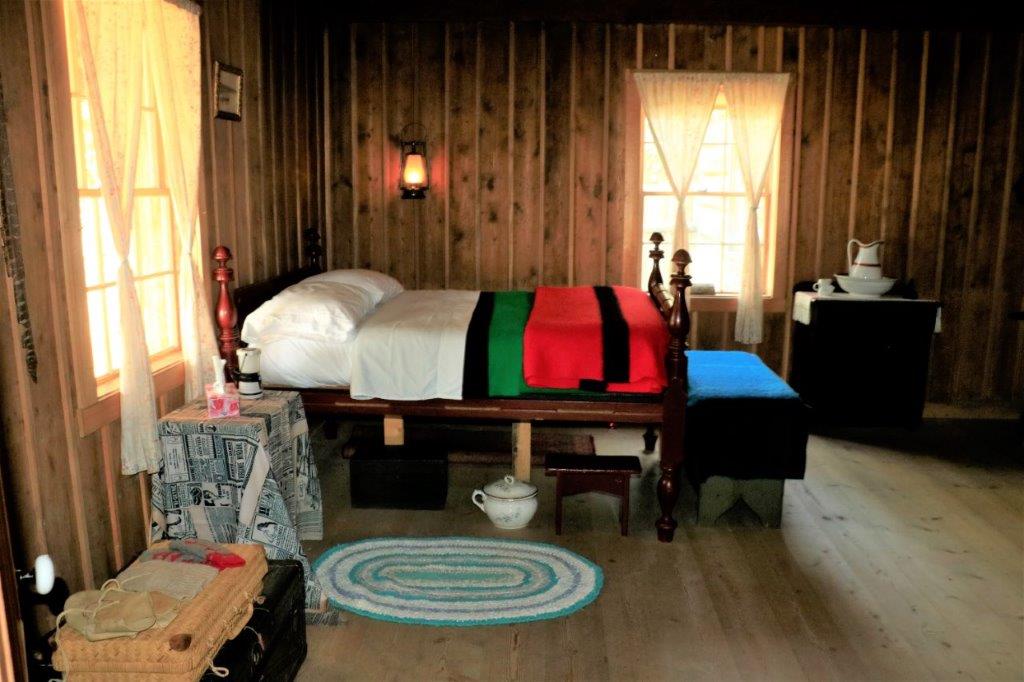
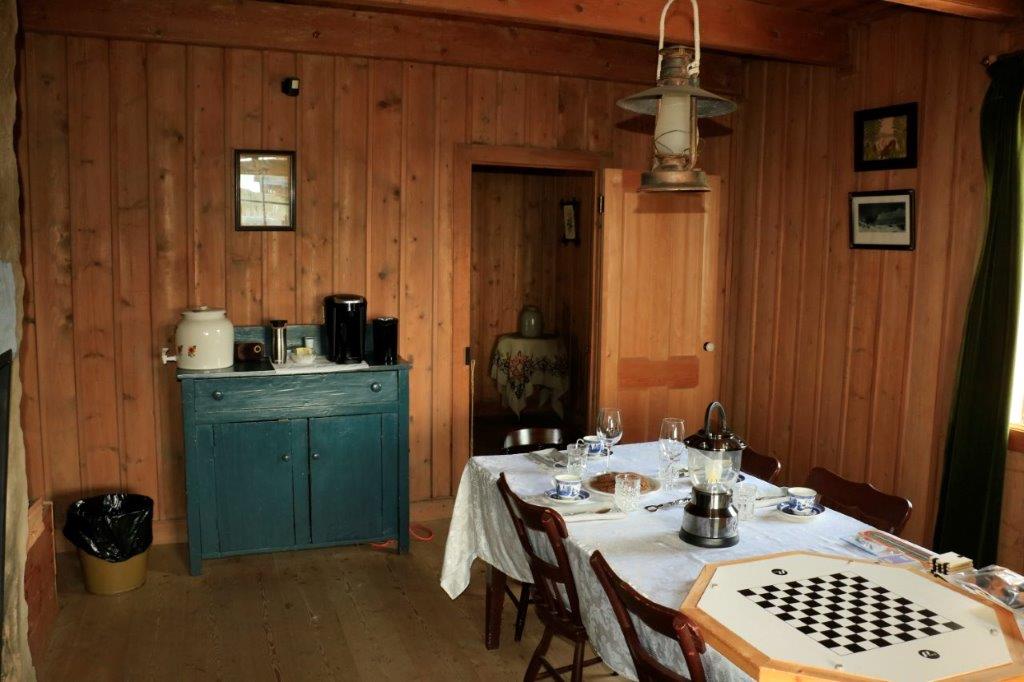
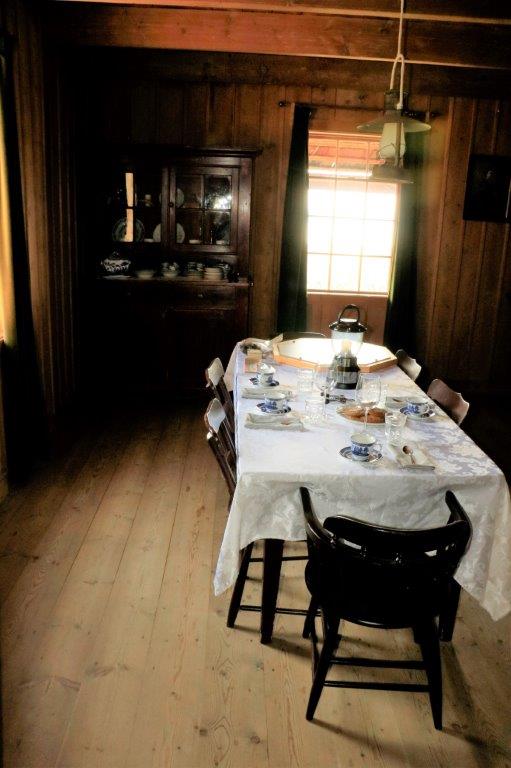
The last building was the Officer’s Dwelling House (built 1883-1884).  The building underwent many changes over the years of the life of the fort but is currently representative of 1896.  The ladies in the house just told us to look around at our leisure.  They did not tell us any stories or describe anything because they were getting the bedrooms ready for guests.  The officer’s house is also used as a B & B.  It sleeps up to five guests.  A bath house with toilet and shower has been built a short walk from the house.  Four people were expected for the night once the site closed a five and the ladies were getting the coffee and cookies put out on the dining room table, setting out some games, straightening the beds, etc.  I did not ask what the price would be to sleep in an authentic late-19th century house. (I looked up the B & B aspect of the park and found out that you can also sleep in the Men’s House – up to four people in single beds in three rooms.  And that you can pitch your tent in the yard. No prices were given.) We left the park a few minutes before closing time and then settled in to our hotel for the night.  We only have a few more days until we will be home again.  We leave tomorrow for Quesnel where we will spend two nights.  The next day we drive up to Barkerville and tour the historic gold rush town.  I first went to Barkerville in 1968 with my Aunt and Uncle to help them with their two small children whom I babysat a lot.  We brought our children up here when they were young as well.  I am interested to see how much it has changed – or if it has changed.
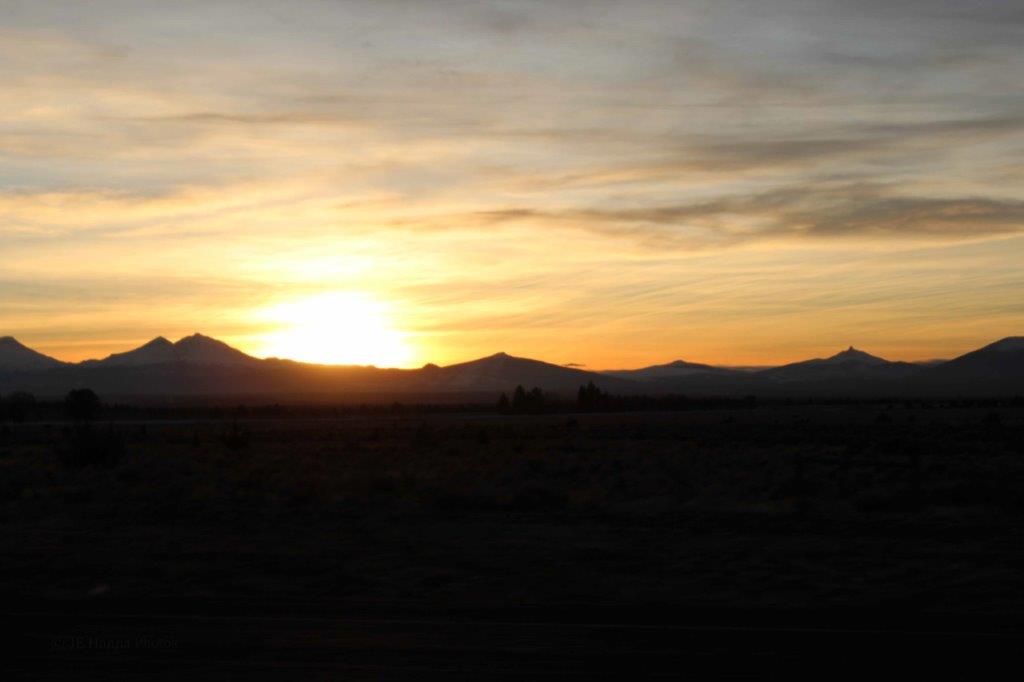
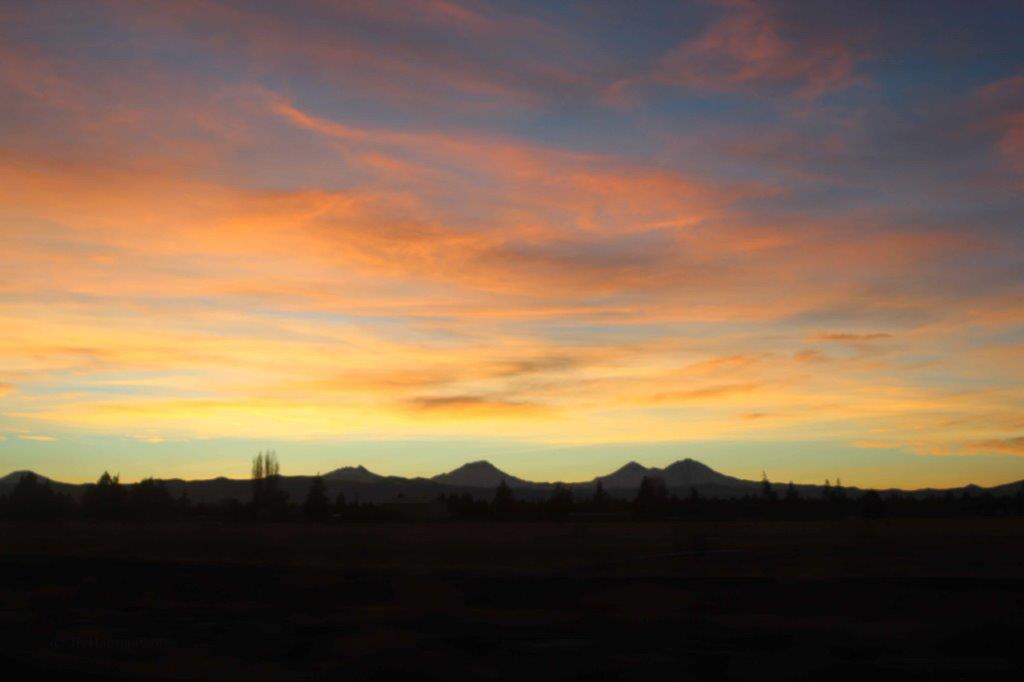
2018 July 31 – Terrace to Houston, BC

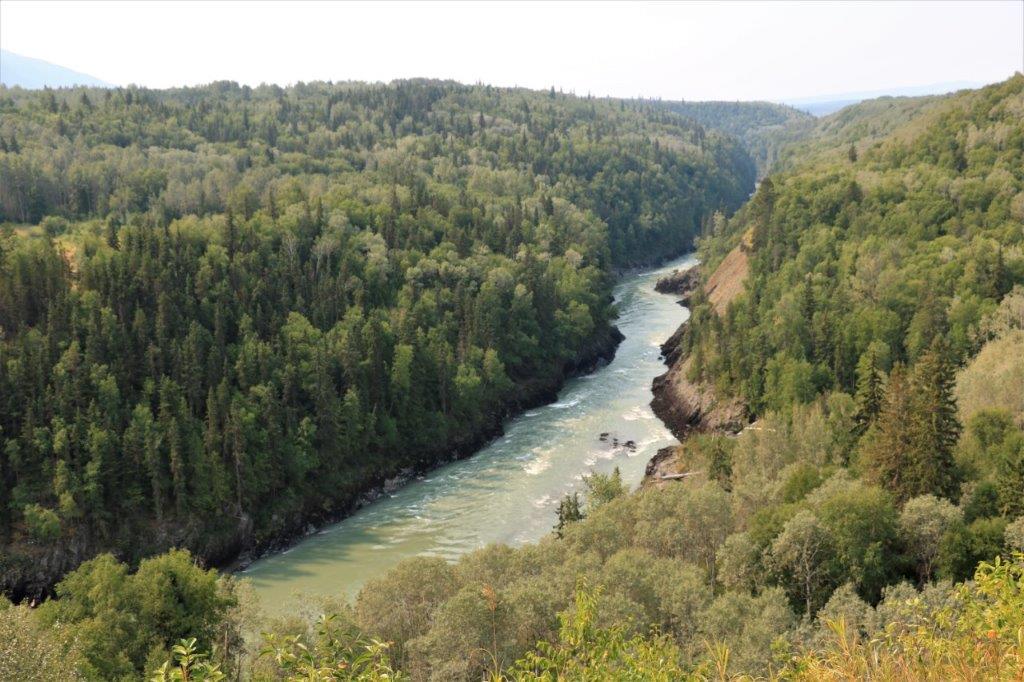
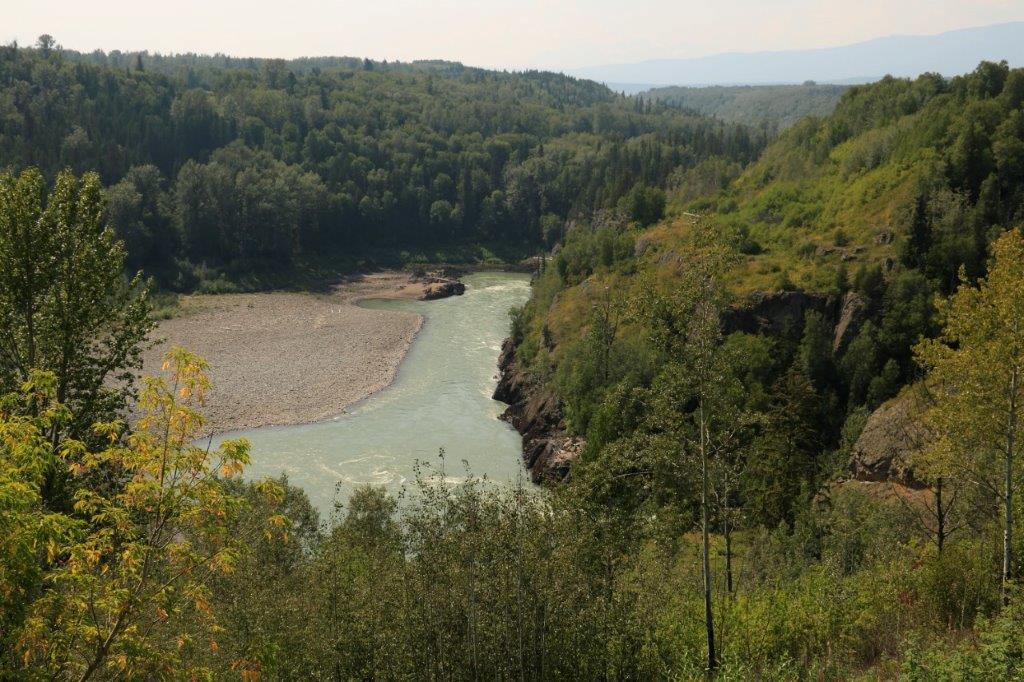
We got a few groceries before leaving Terrace so we weren’t on the road until almost 11.  The air was quite smokey from the forest fires further south so I wore my mask all day.  We didn’t have too far to drive, but we had a few places to stop along the way.                                                             Hagwilget Canyon.

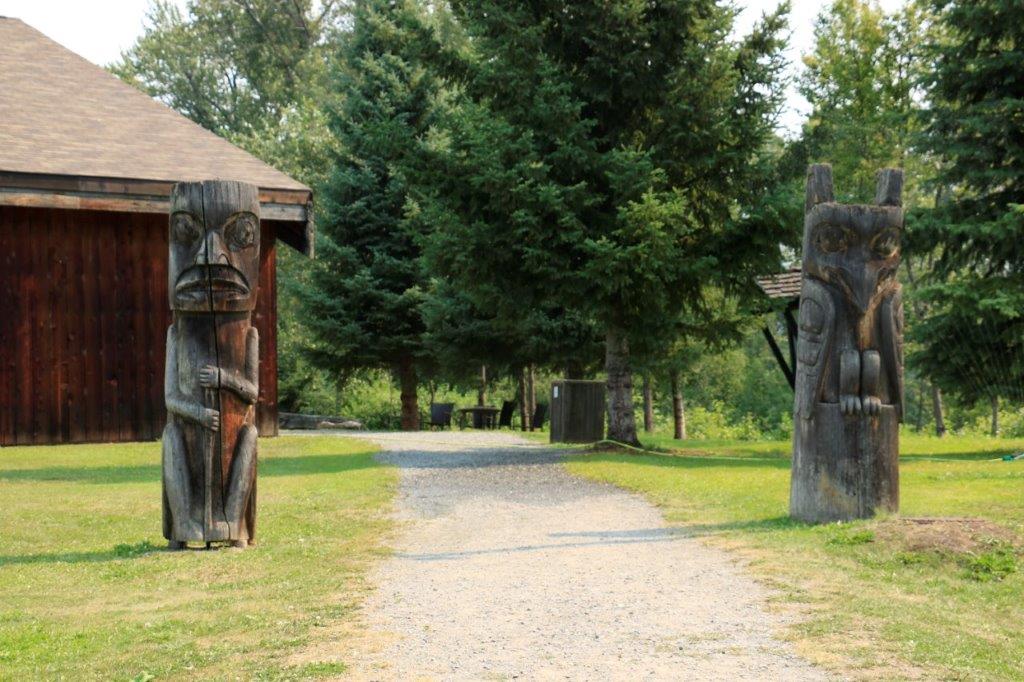
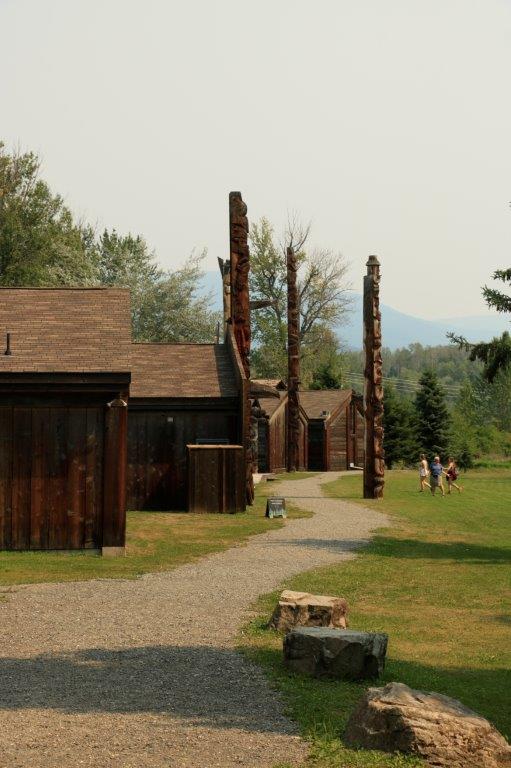
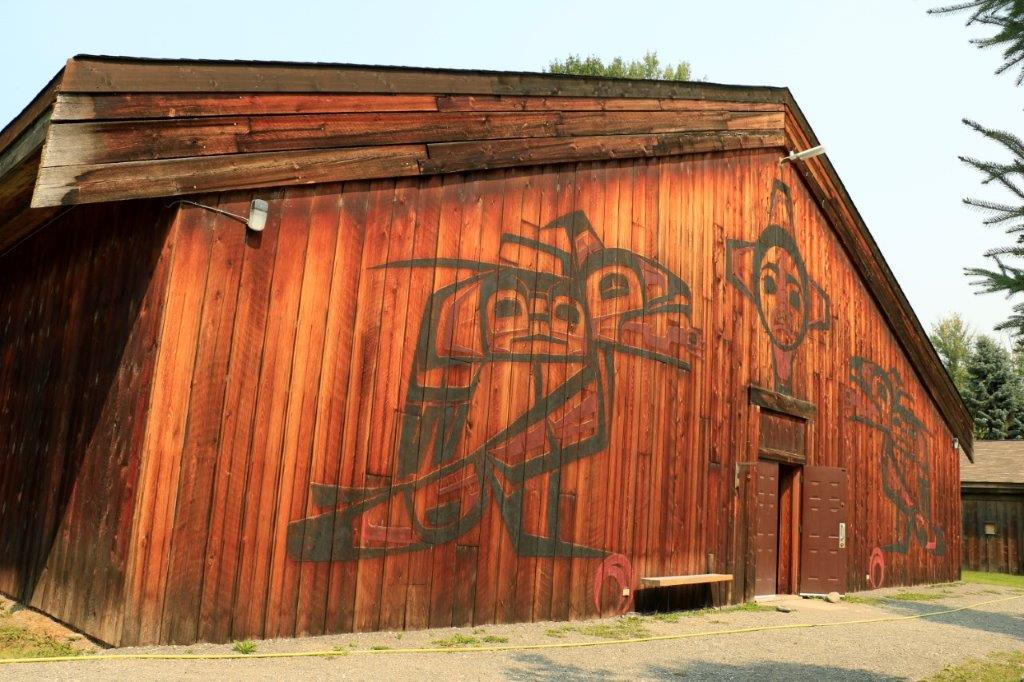
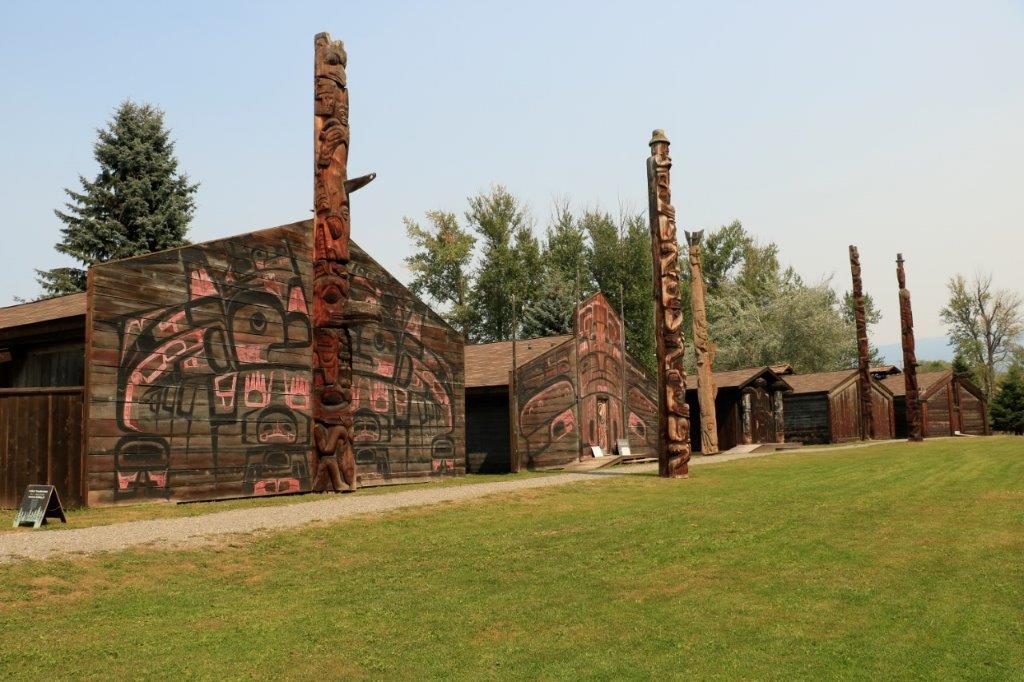
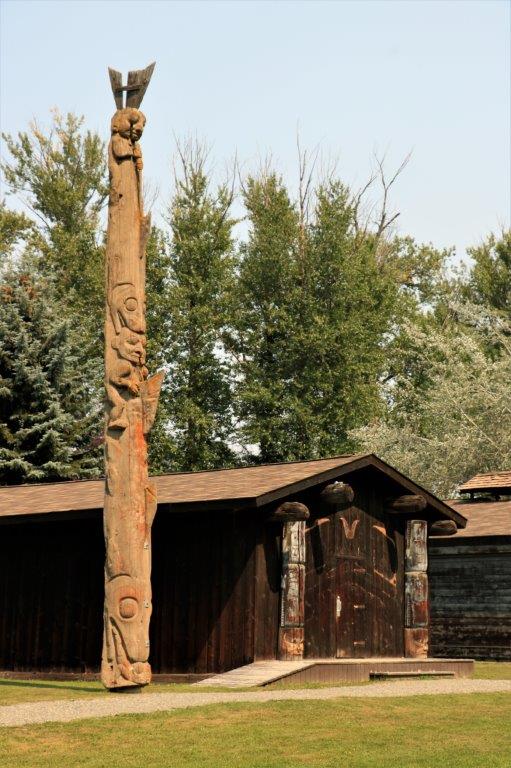
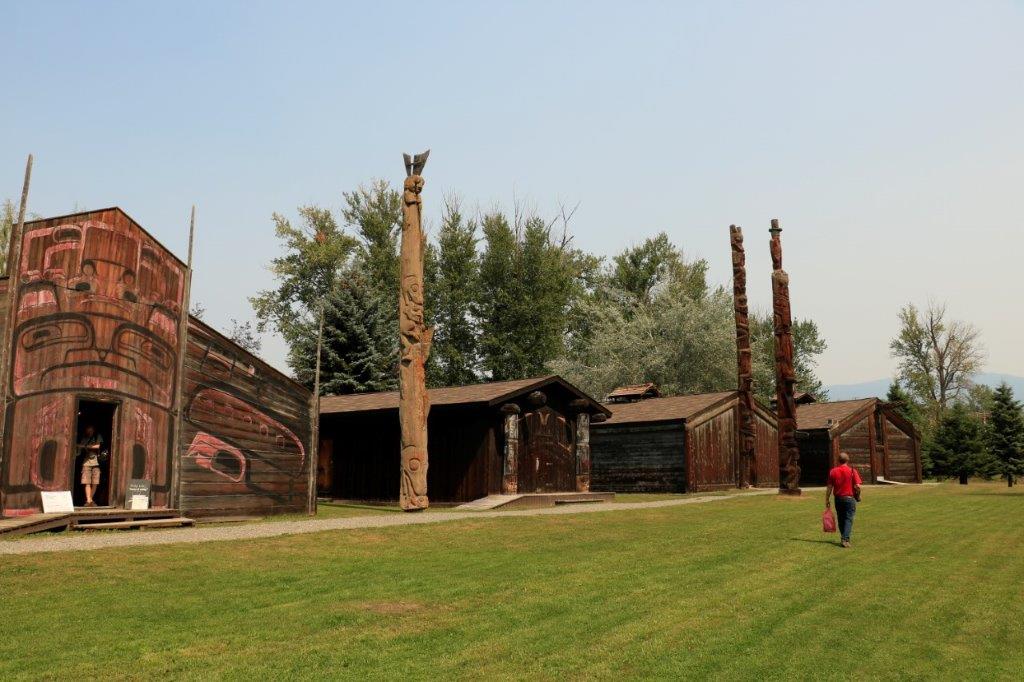
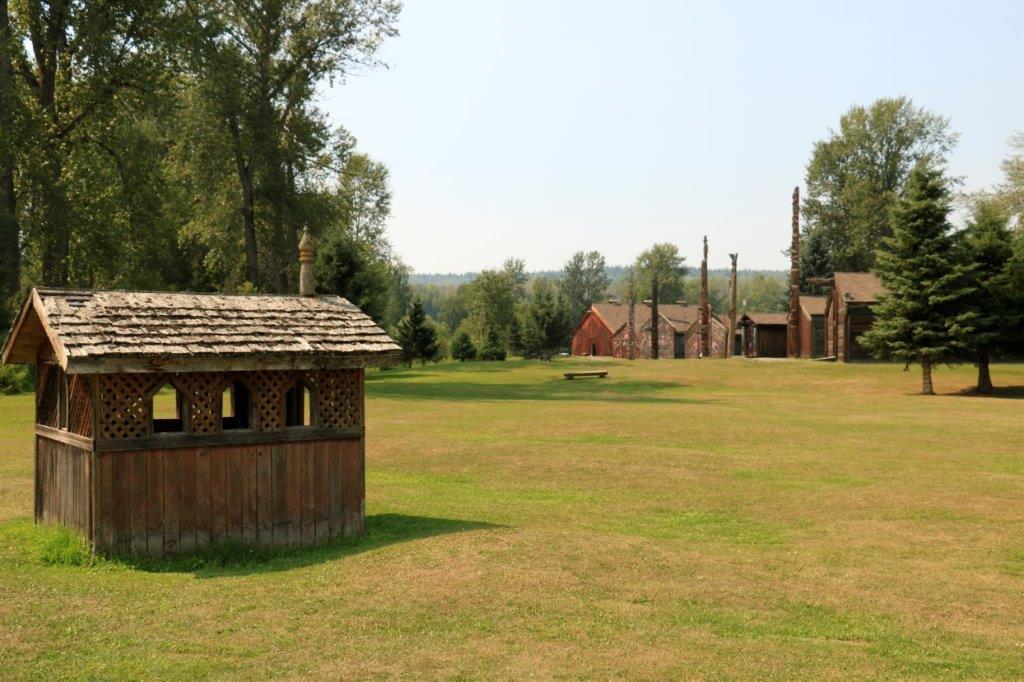
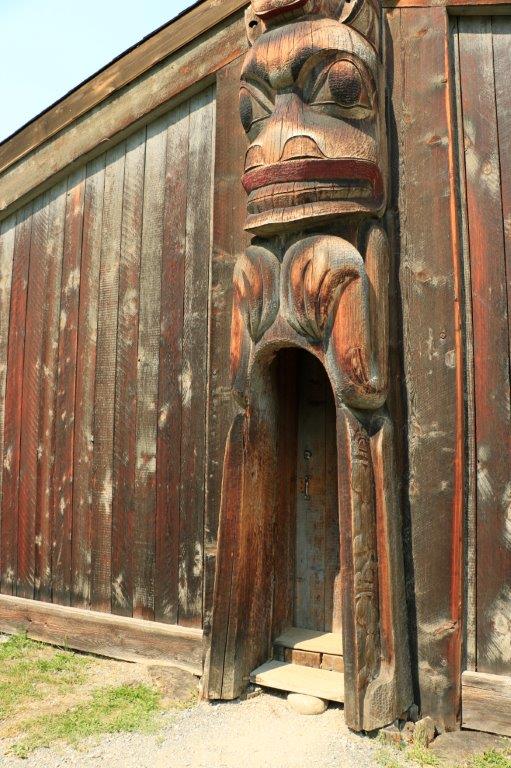
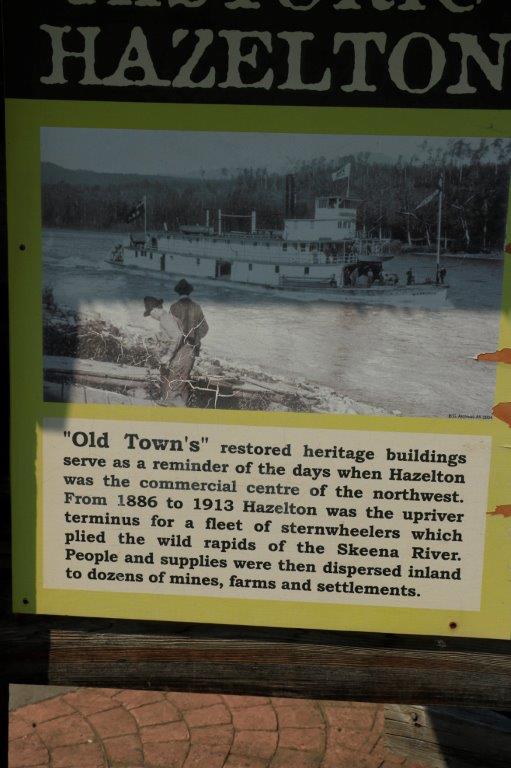
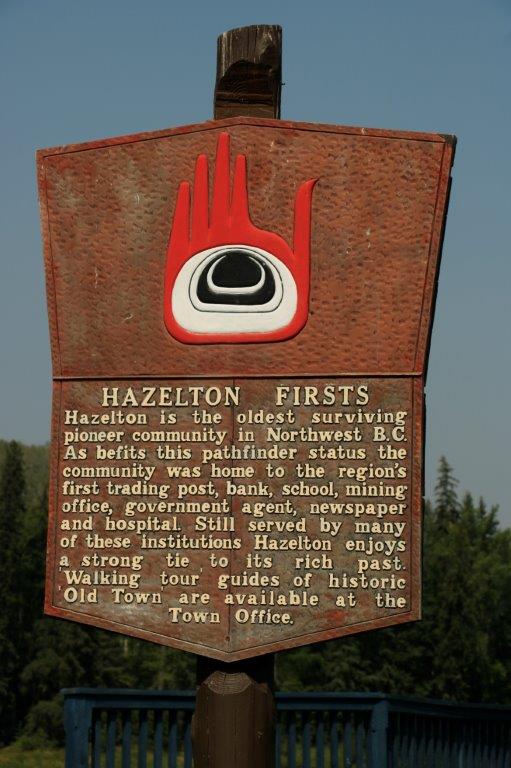
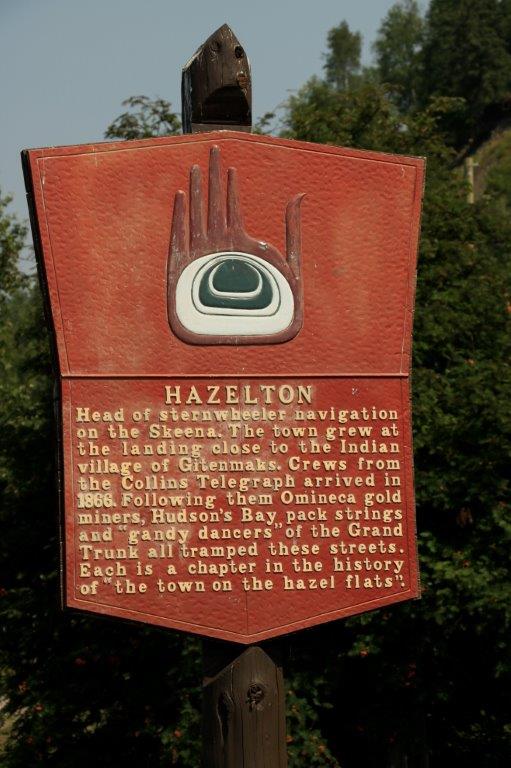
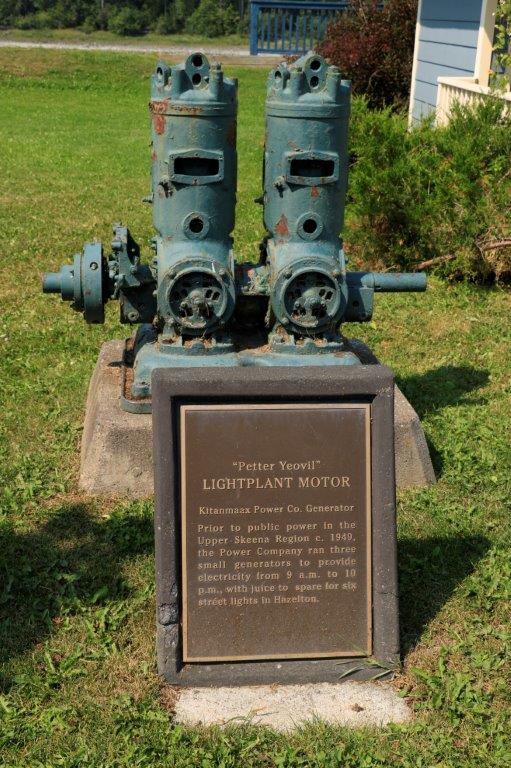
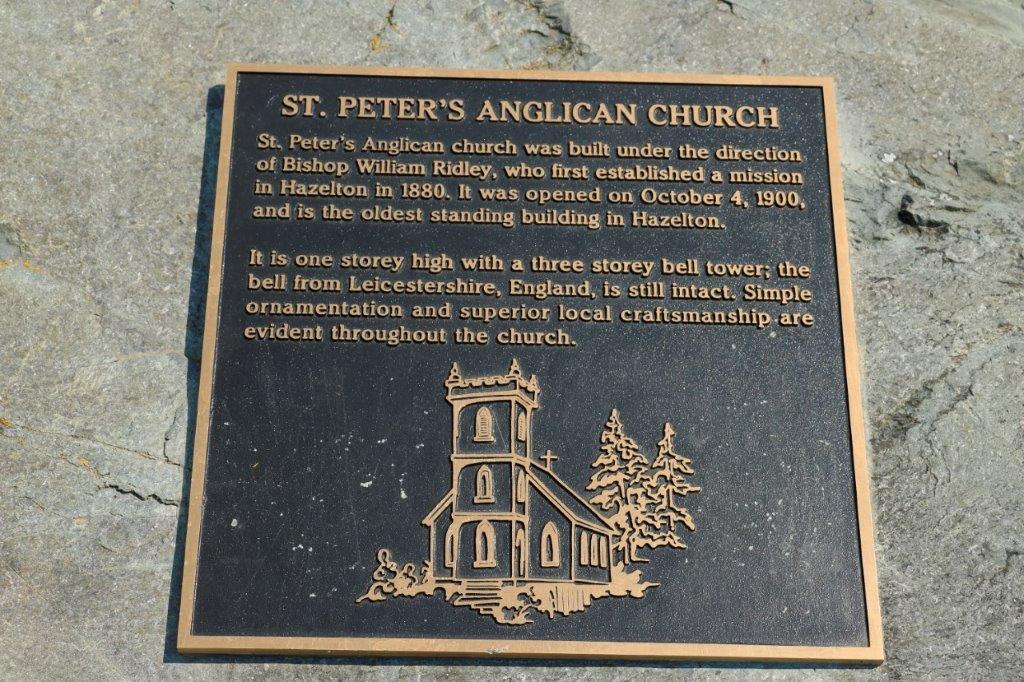
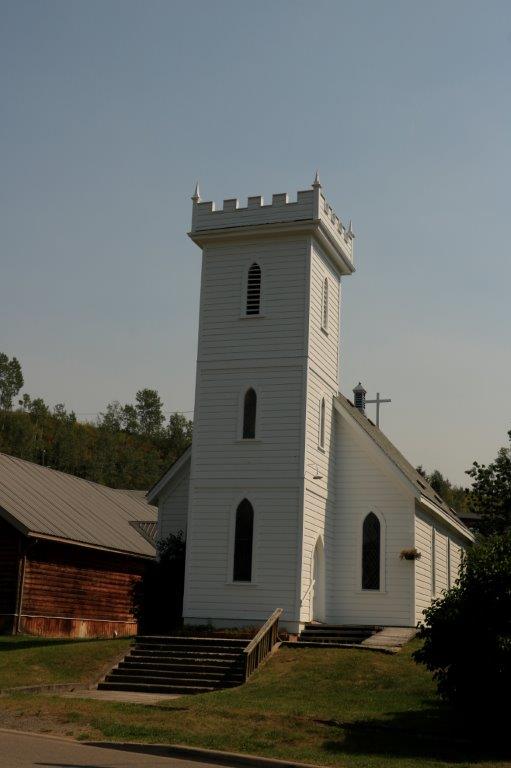
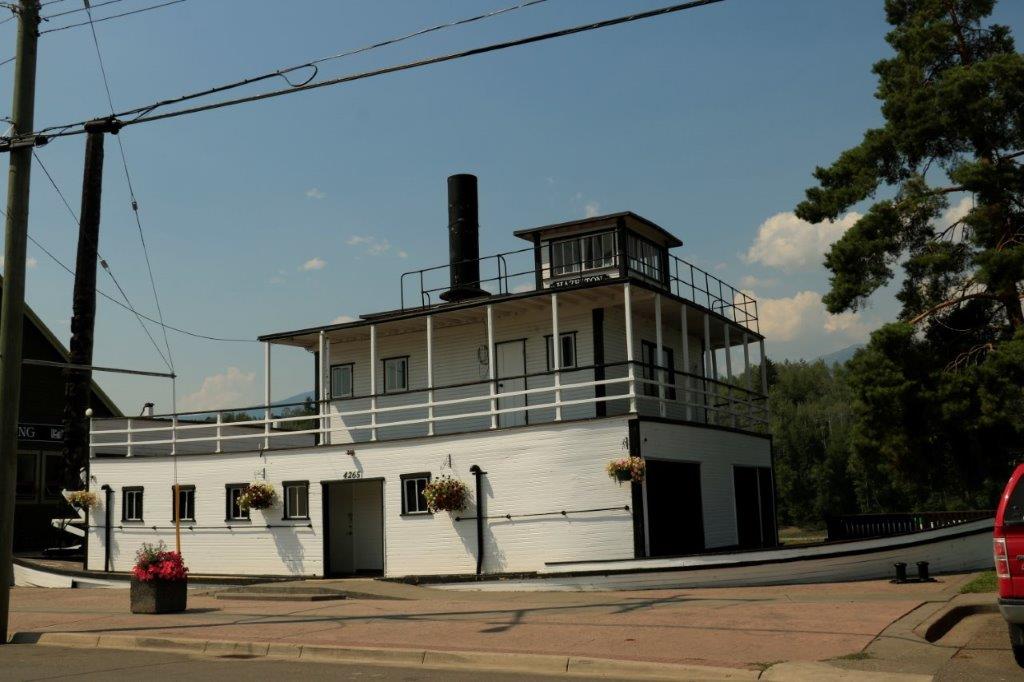
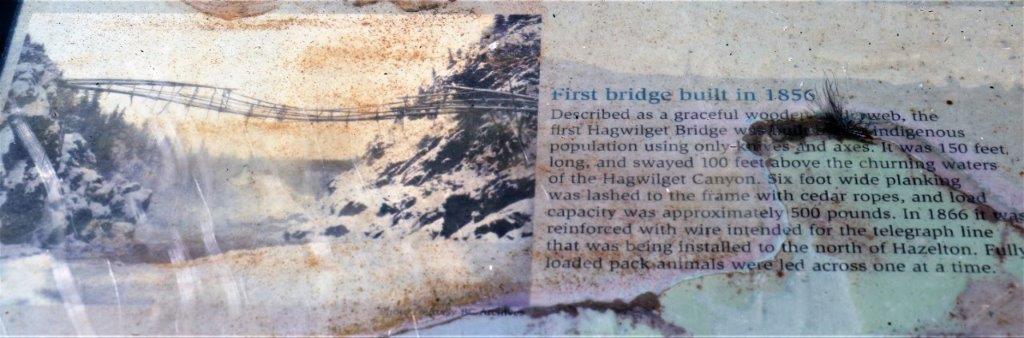
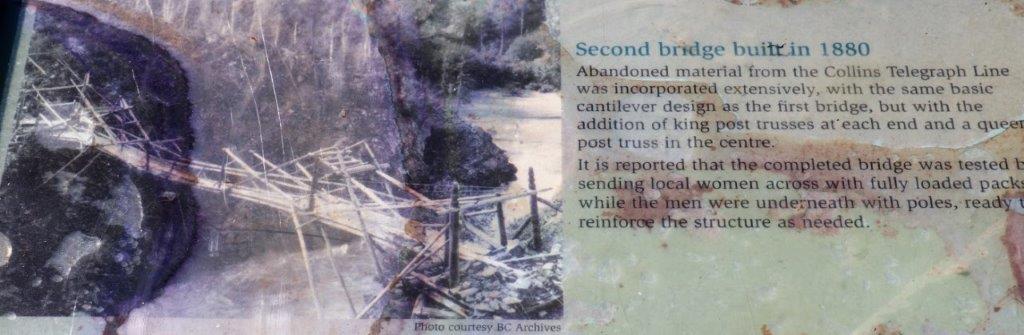
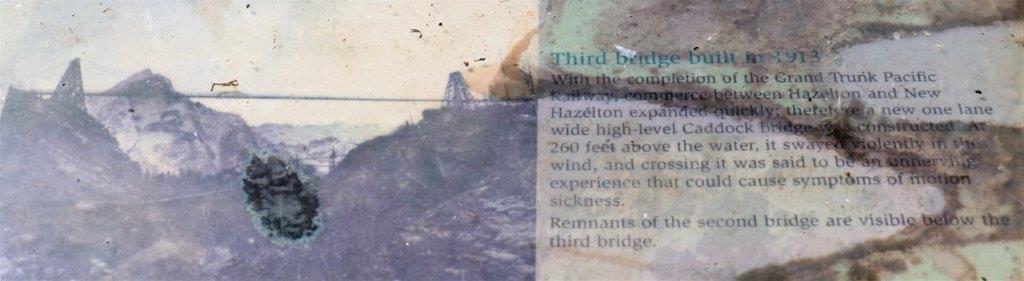
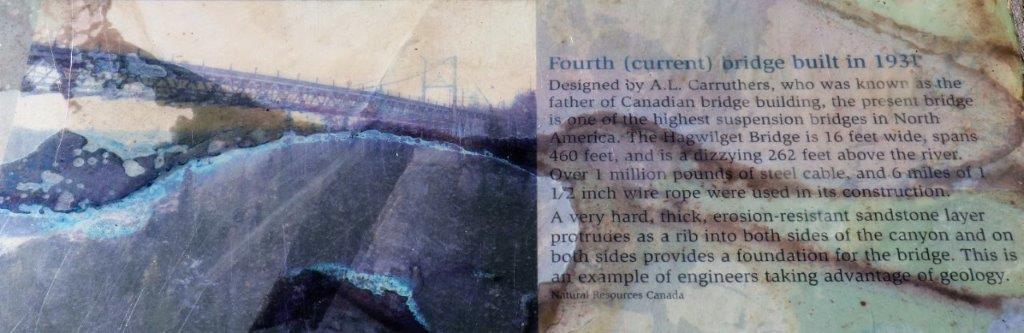
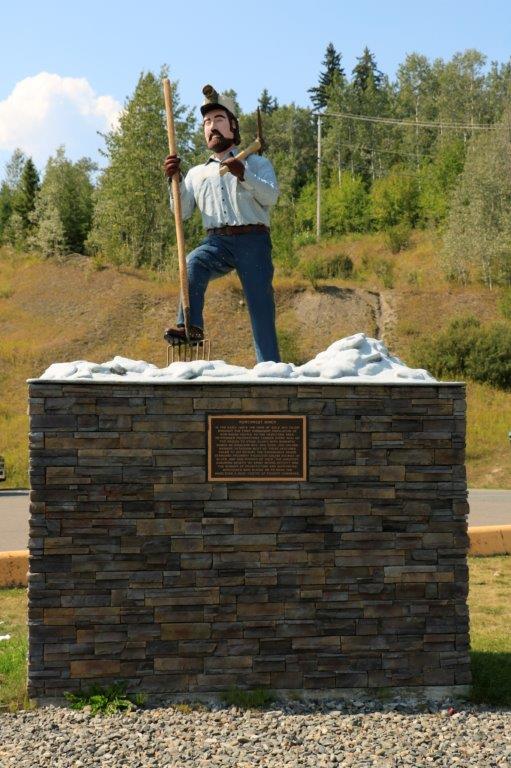
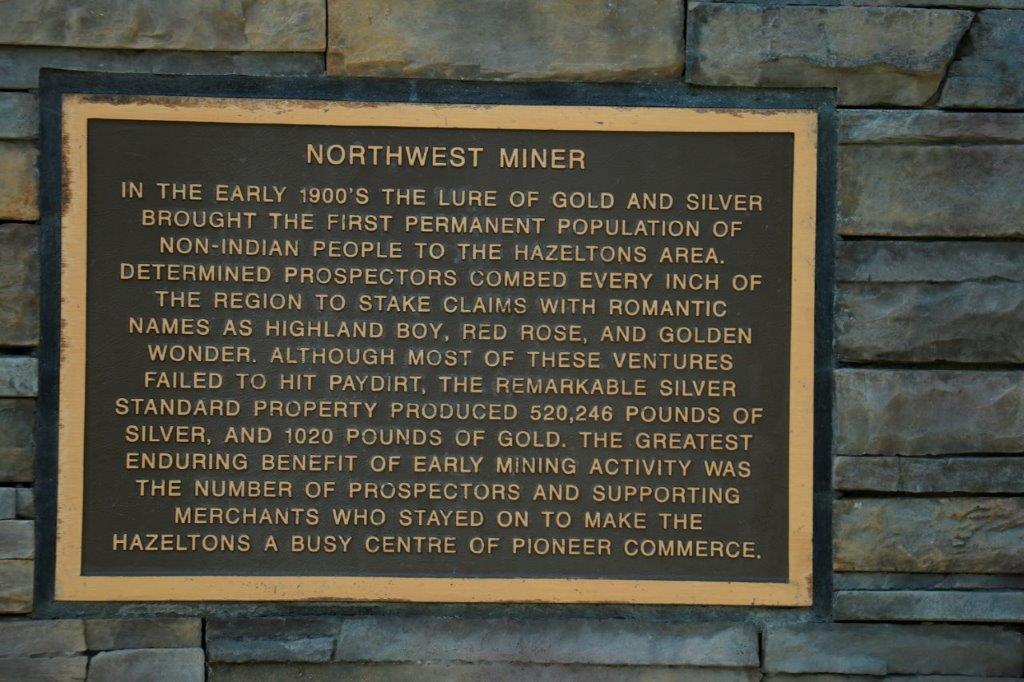
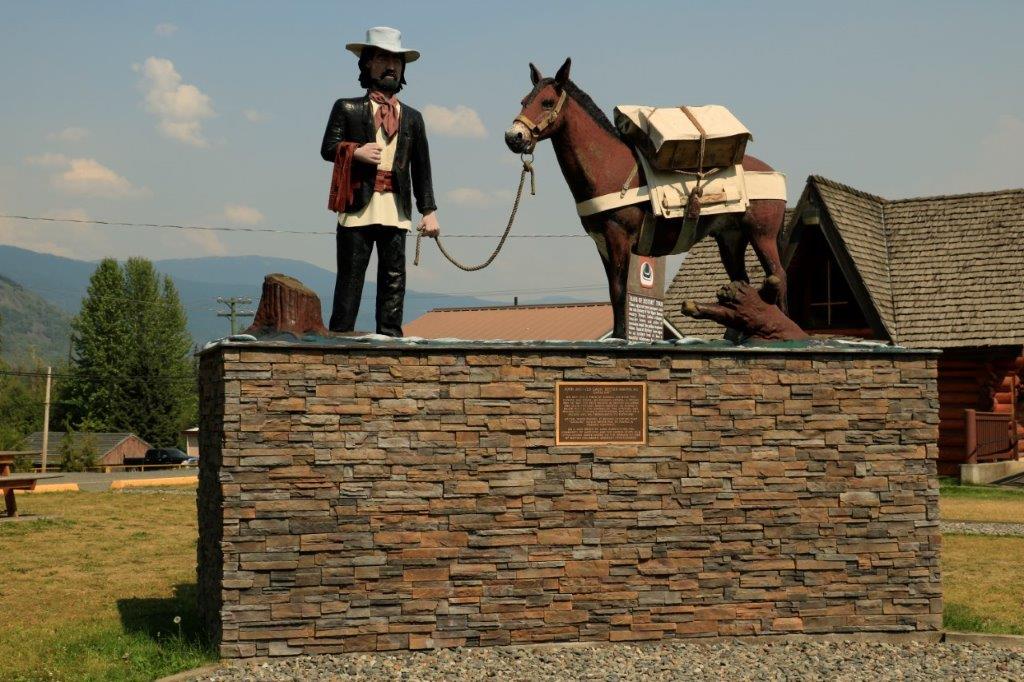
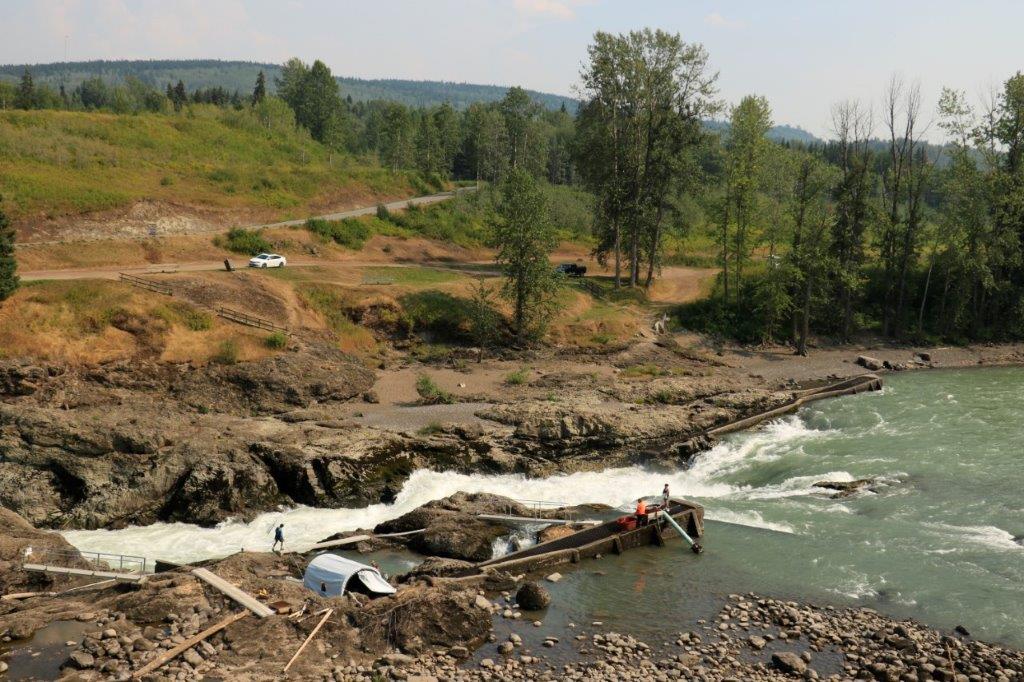
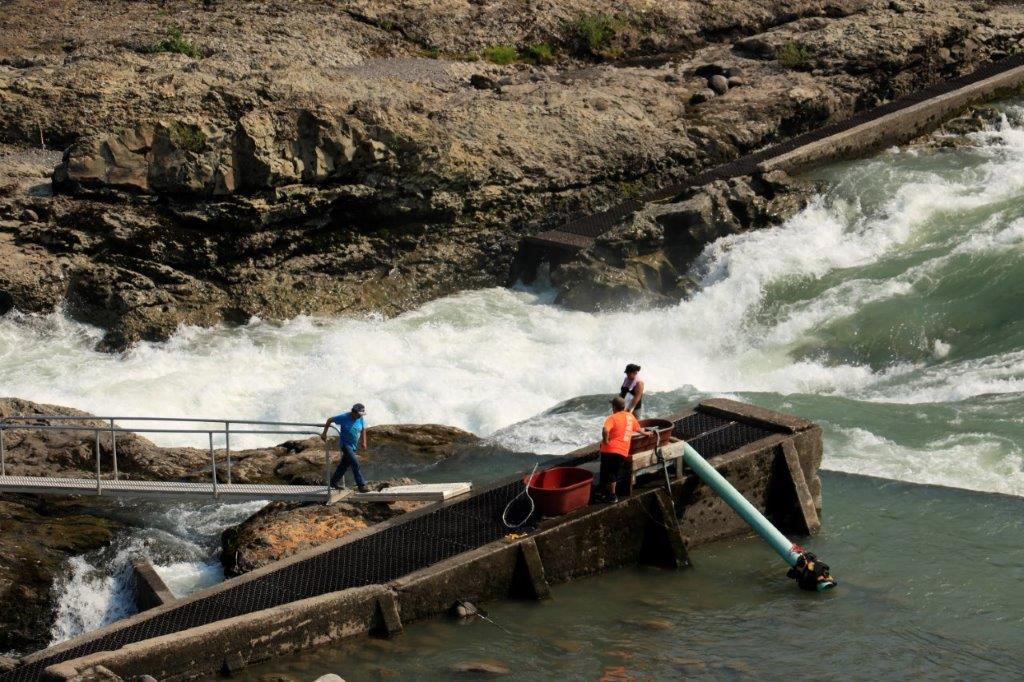
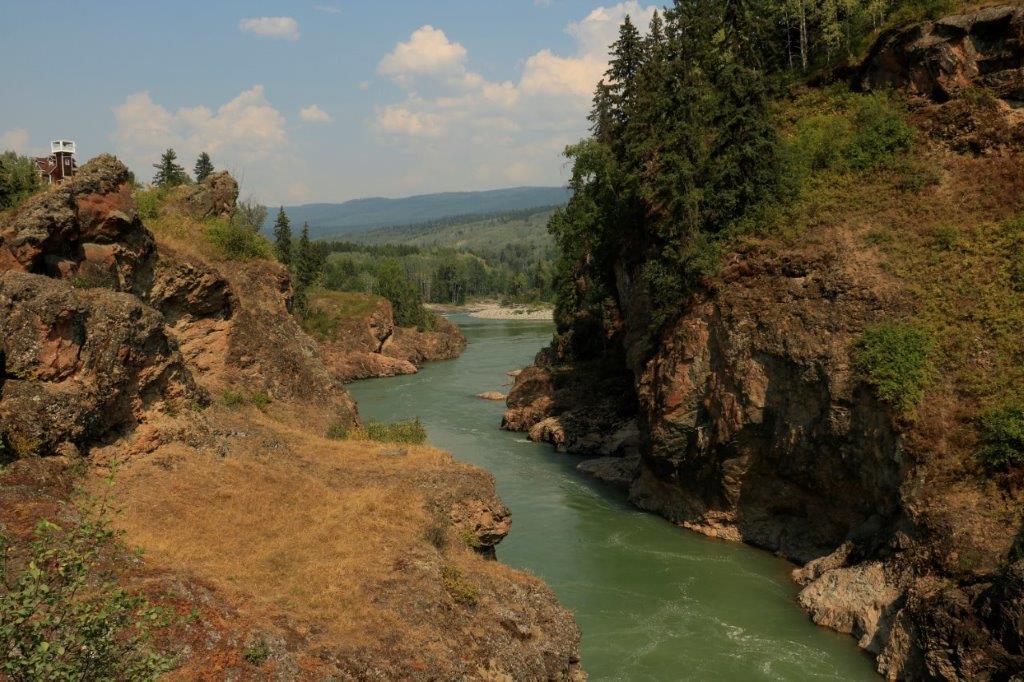
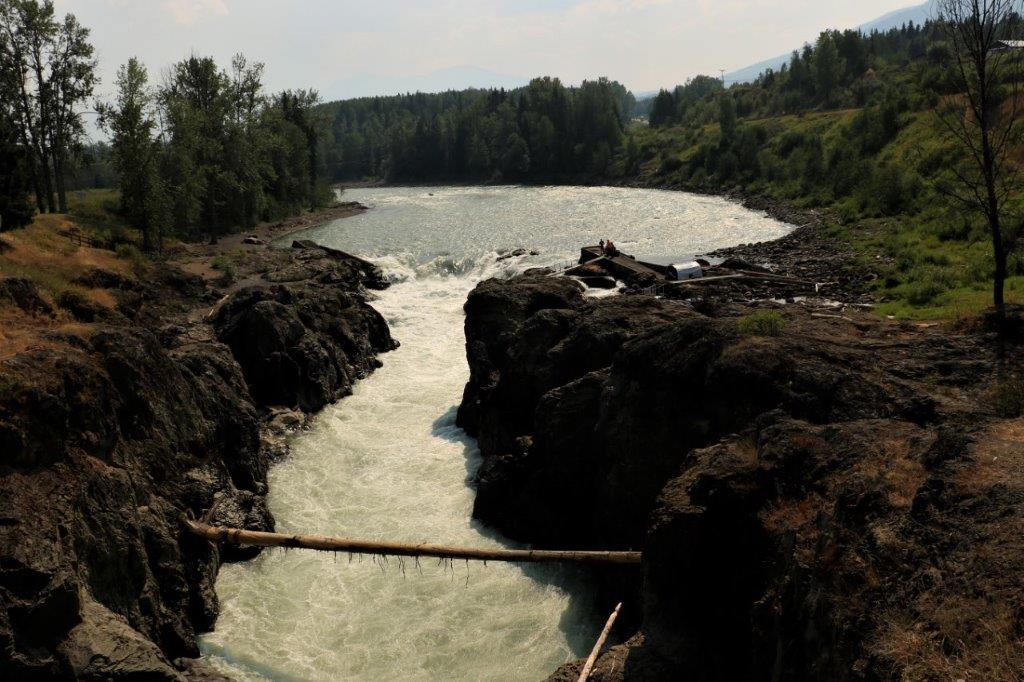
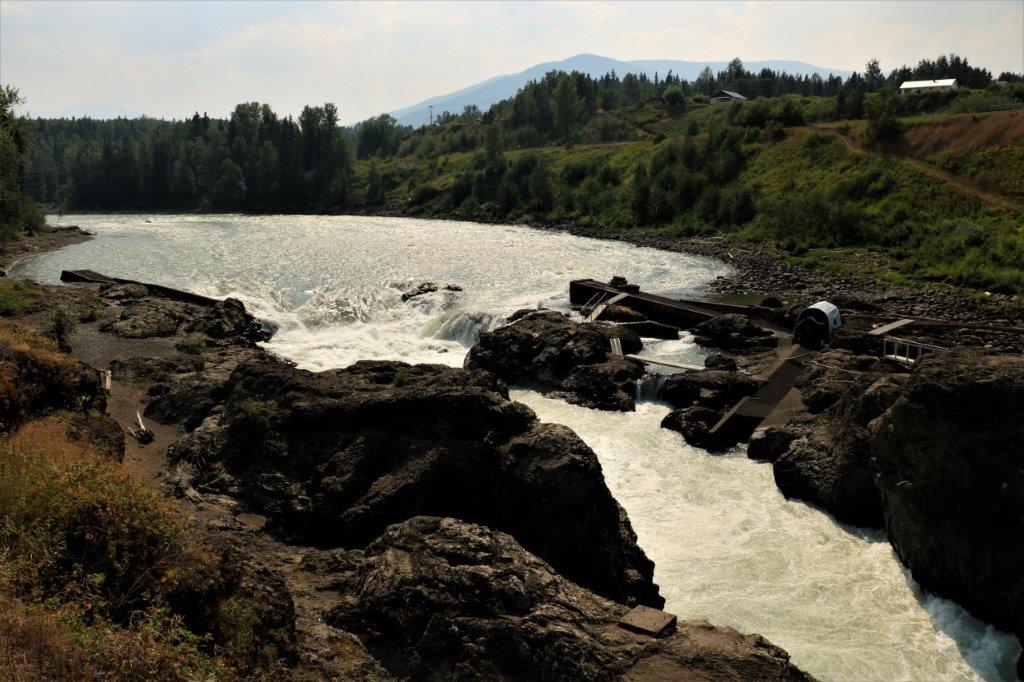
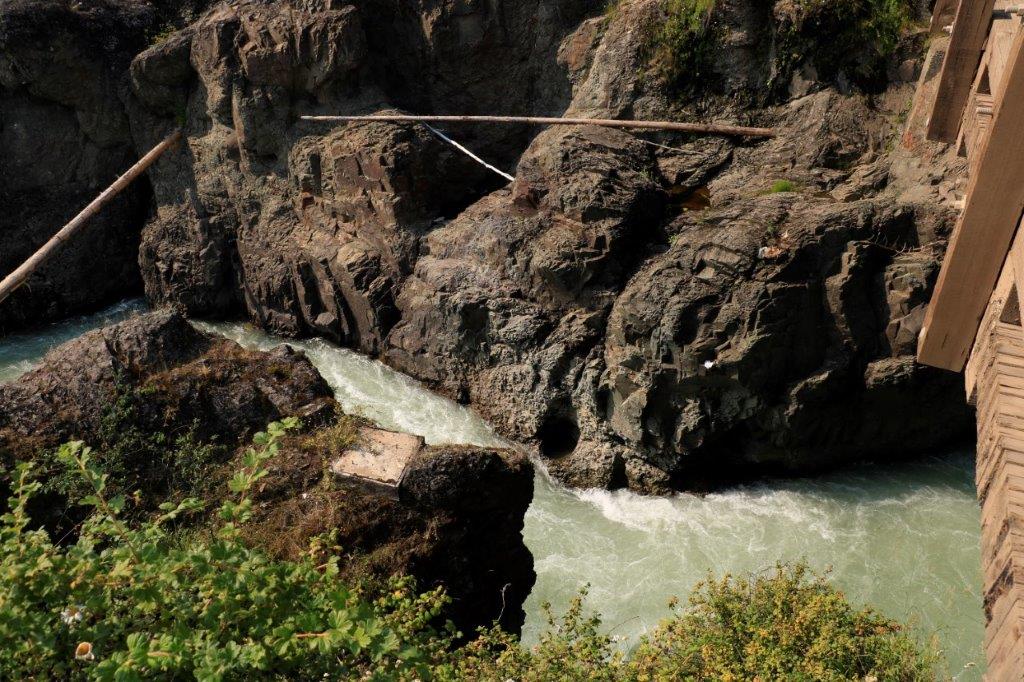
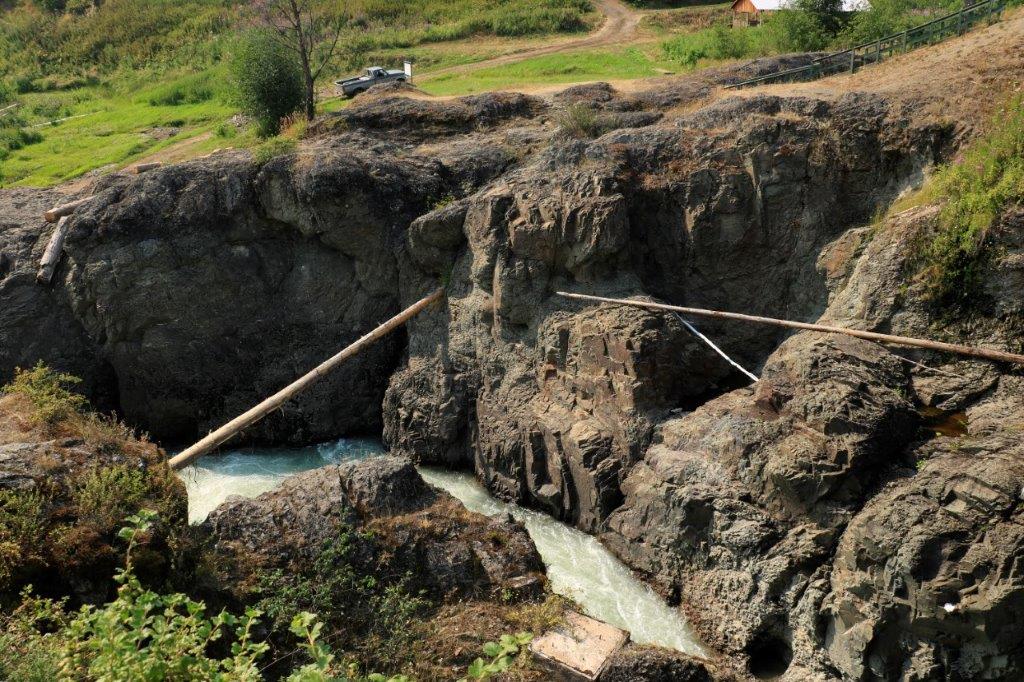
We drove into Old Hazelton to find a couple of geocaches hidden in town and to visit the ‘Ksan Historical Village.  We had a great wander around.  The buildings were only open for guided tours but we were happy to see the outsides only.  They had a really nice gift shop with some lovely things.  I am not a big First Nations art fan, don’t dislike it, just don’t really care to own any, but they had some lovely things in the the shop – at reasonable prices too. We had lunch in the parking lot of the village and then drove into the town.  Old Hazelton has restored many of their Pioneer buildings and have a nice walking tour brochure that will explain the original use of them.  We didn’t take the time today to do the walk, but if we come up here again, I will definitely take the walk around.  I hate to admit this because I like the heat, but today was just too hot to stroll around on concrete sidewalks.              This old sternwheeler is the city council chambers. You drive across the Hagwilget Bridge to get into Old Hazelton.  It is one of the highest suspension bridges in North America at 262′ above the river.  To get a good photo of the canyon I would have had to walk back across the bridge and there was a bit of traffic behind us so it was hard for John to stop.  They had a faded sign telling about the four bridges that have spanned the canyon over the years.  I tried to enhance them as best I could. The New Hazelton Visitor’s Center had three really neat sculptures. At last we were back on the highway and heading southeast toward Houston, our destination for the night.  But, before we had gone too far we spied a fishing operation going on at the canyon in Moricetown.  So, of course, we had to pull over and watch. This fellow was using a very long-handled dipnet to try get some fish.We drove around to the other side of the river for a closer up look at the gorge.                             One side of the bridge, and the other. The owners of this house wanted a good view of the gorge I guess, so they built their own tower.

After we left the canyon we drove to Houston with only a couple of stops to get geocaches.  We arrived at 5:30, just in time for a good dinner before the thunder and lightning started.  I has been accompanied by a light rain, but I don’t know how effective it will be if there are any lightning strikes in the bush.  Hopefully no new fires well start.

Tomorrow we drive to Fort St. James to tour the historical fur-trading center.

2018 July 30 – Prince Rupert to Terrace, BC

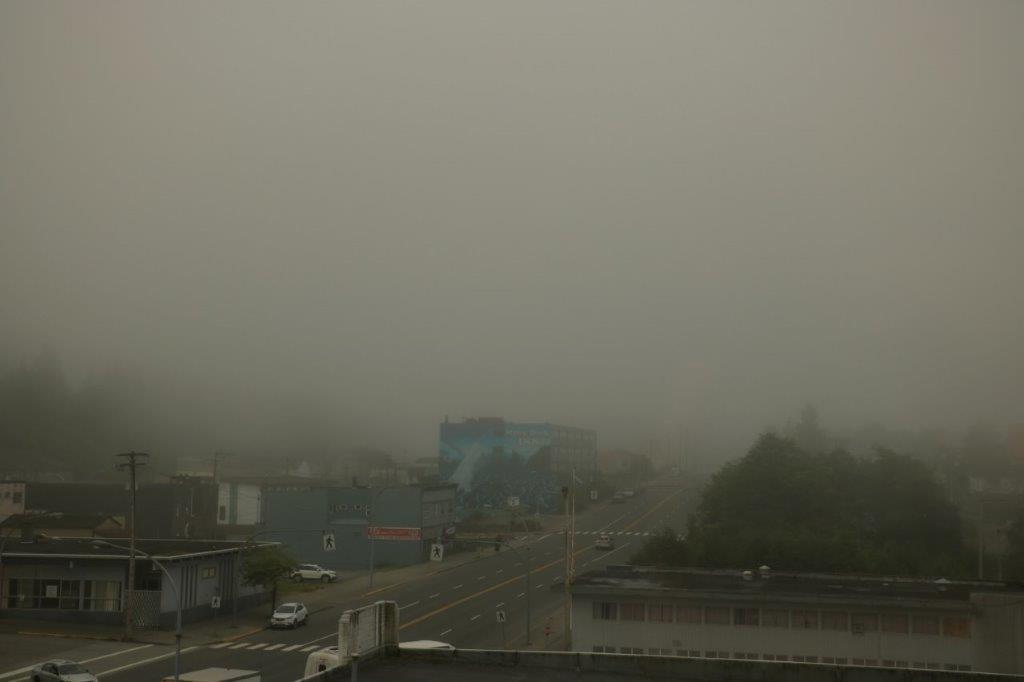
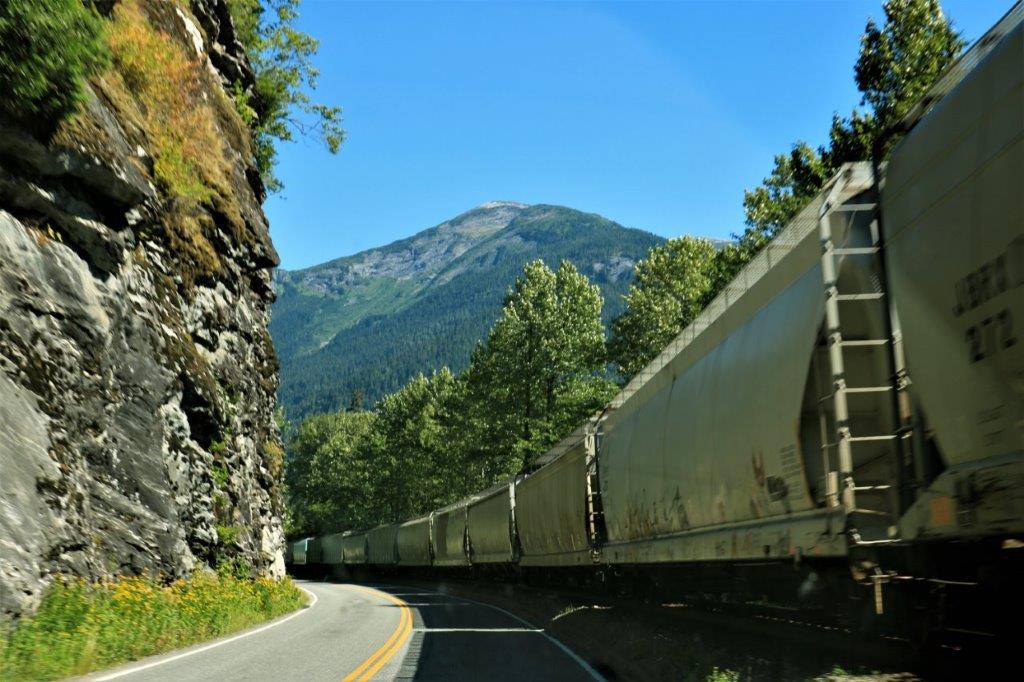
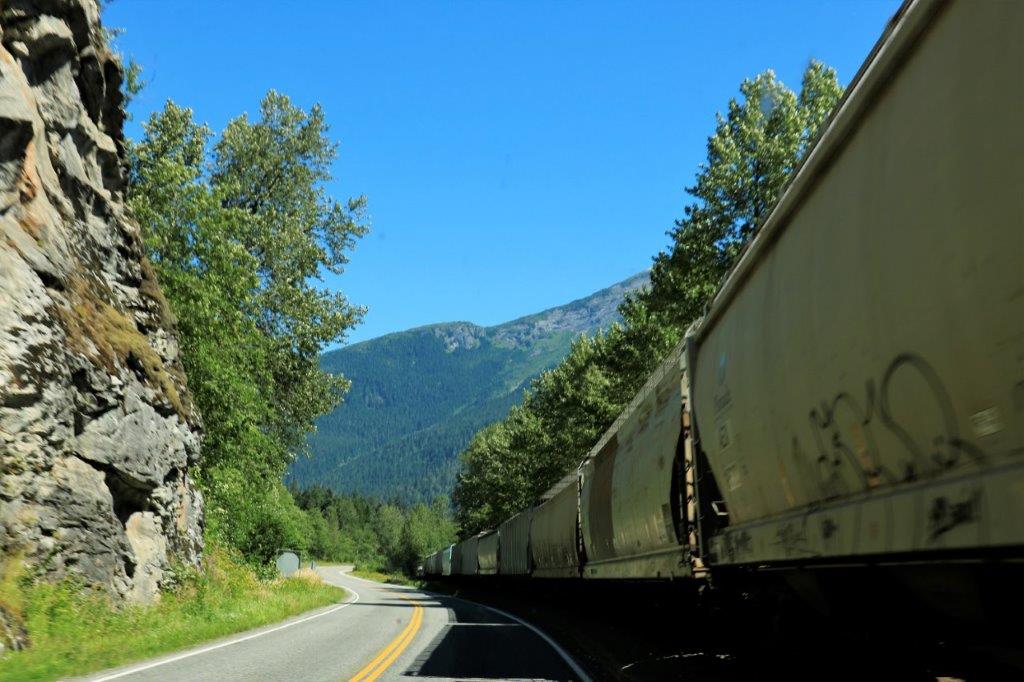
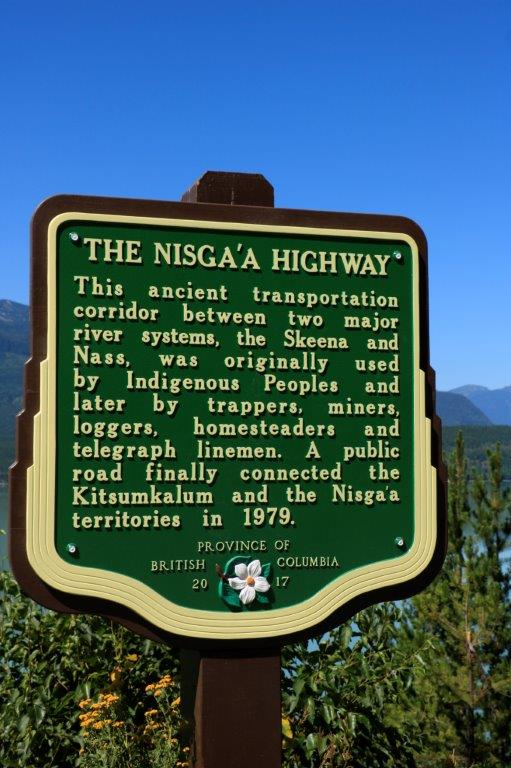
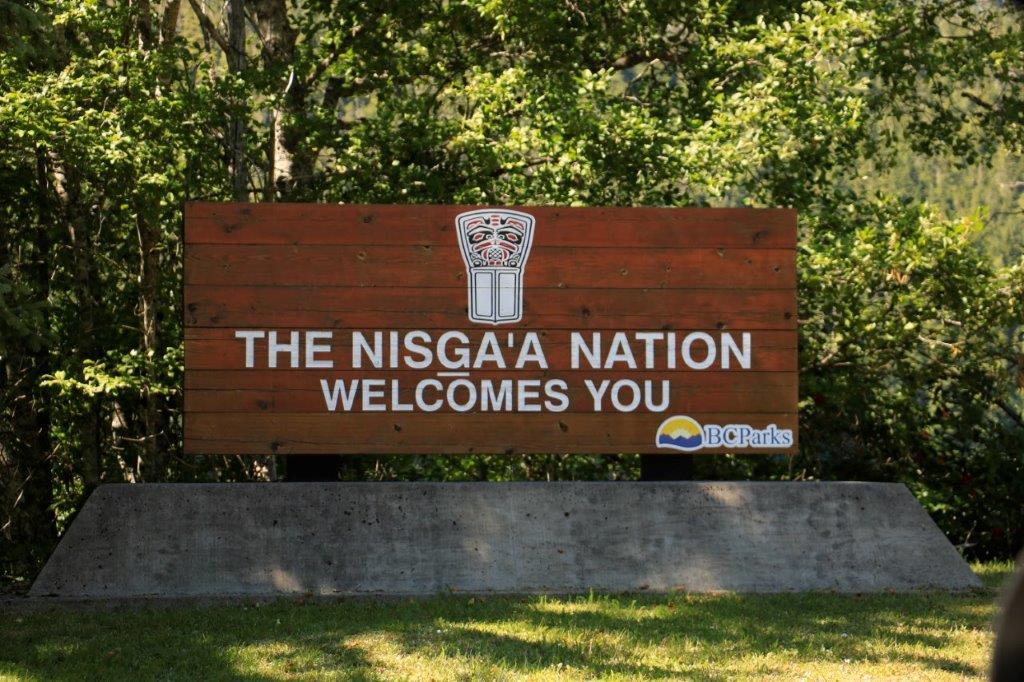
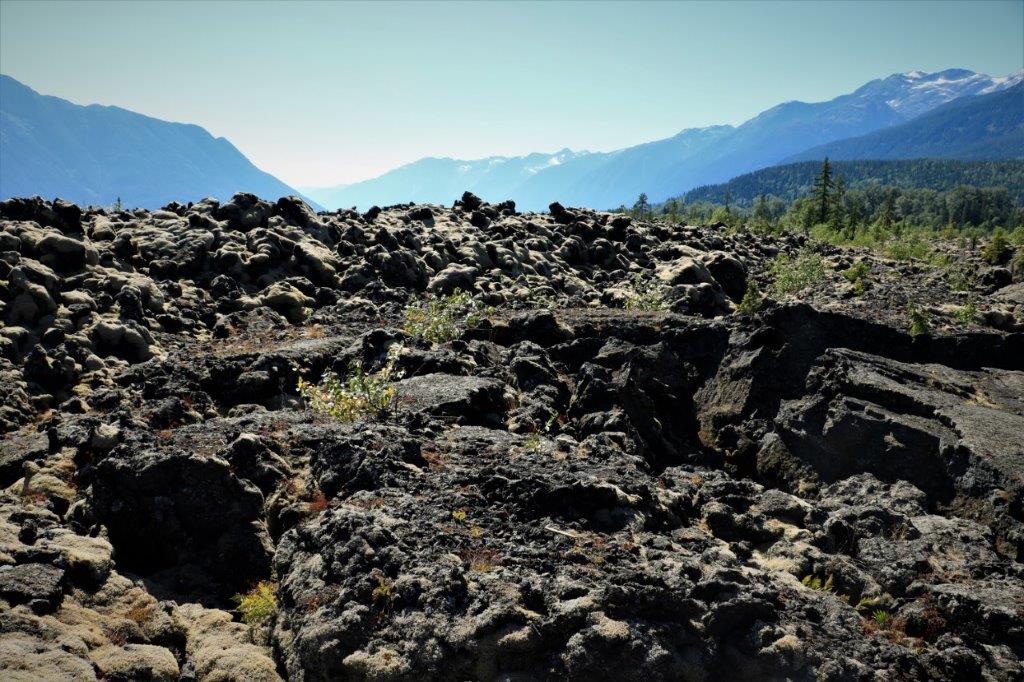
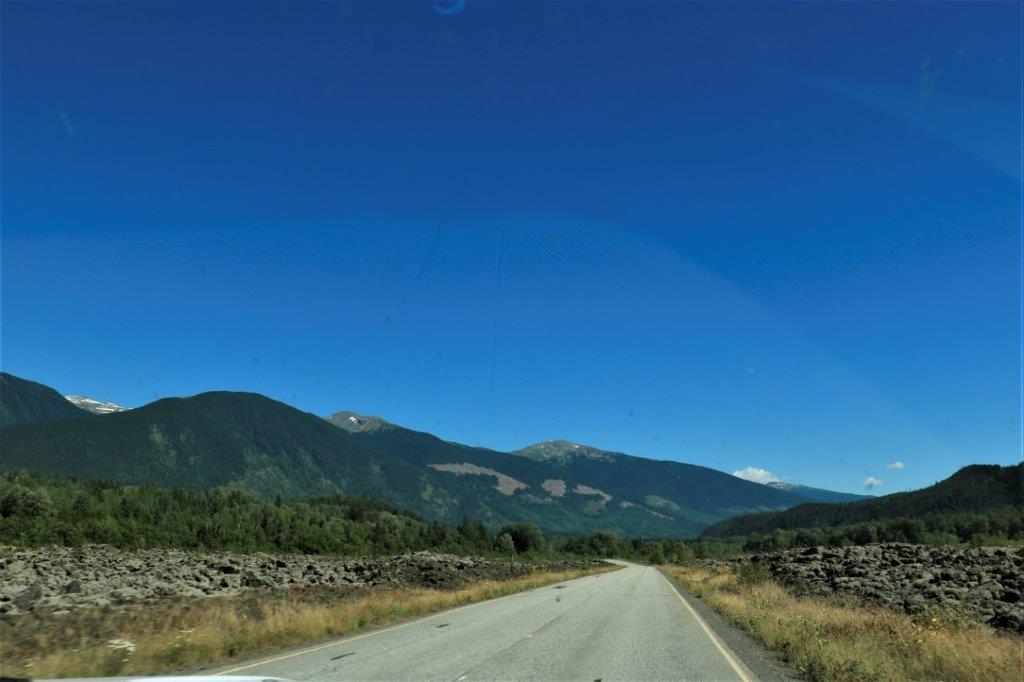
We woke to a more typical morning in Prince Rupert.  We had watched a fog bank roll in last evening and it still enshrouded the city in the morning.As we drove east toward Terrace the fog lifted and lessened until we were in lovely sunshine again.                     The Basalt Creek Rest Area had a nice view. The railway doesn’t exactly have much right-of-way space between the highway and the tracks in some parts around here. On the western outskirts of Terrace there is a road heading north called the Nisga’a Highway.  It leads to four Nisga’a villages and the Provincial Nisga’a Memorial Lava Beds Park.  I was unaware there were any lava beds in British Columbia, but today we learned otherwise.
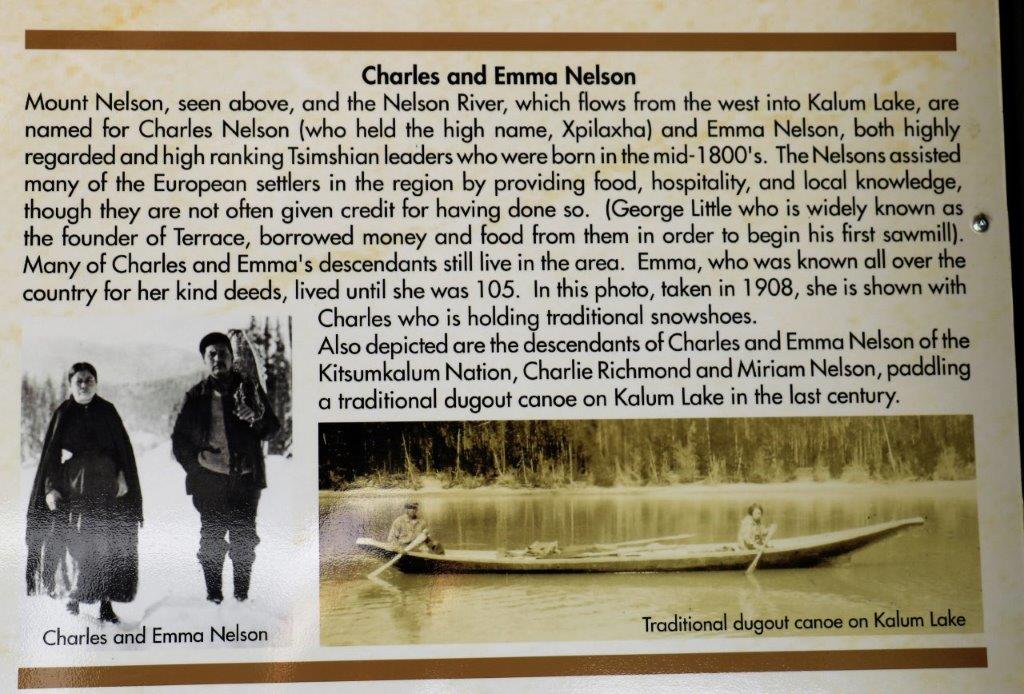
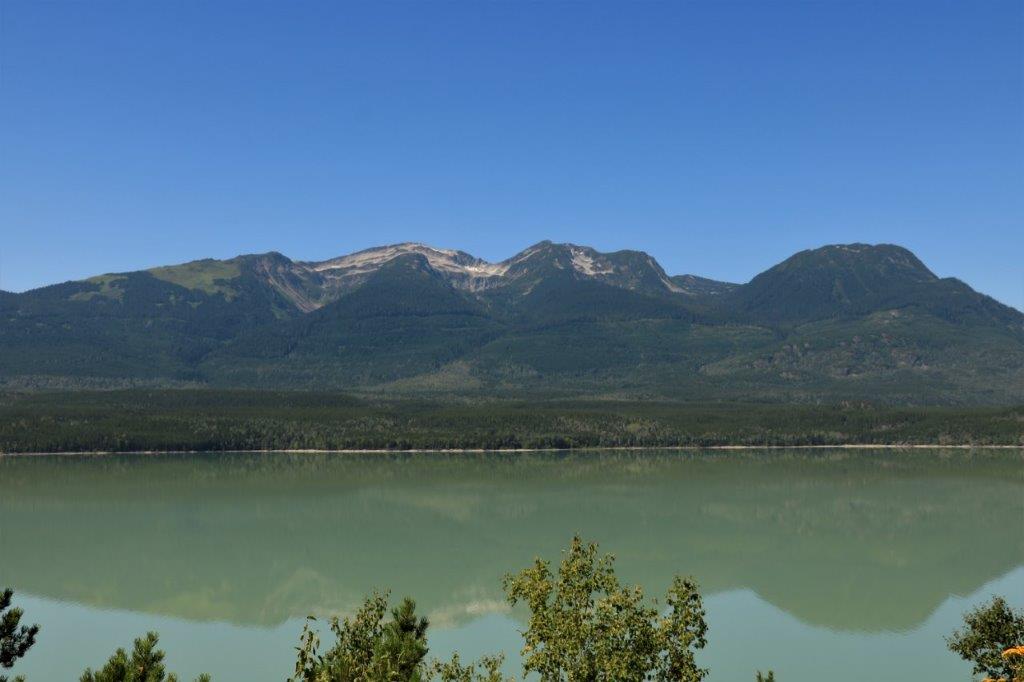
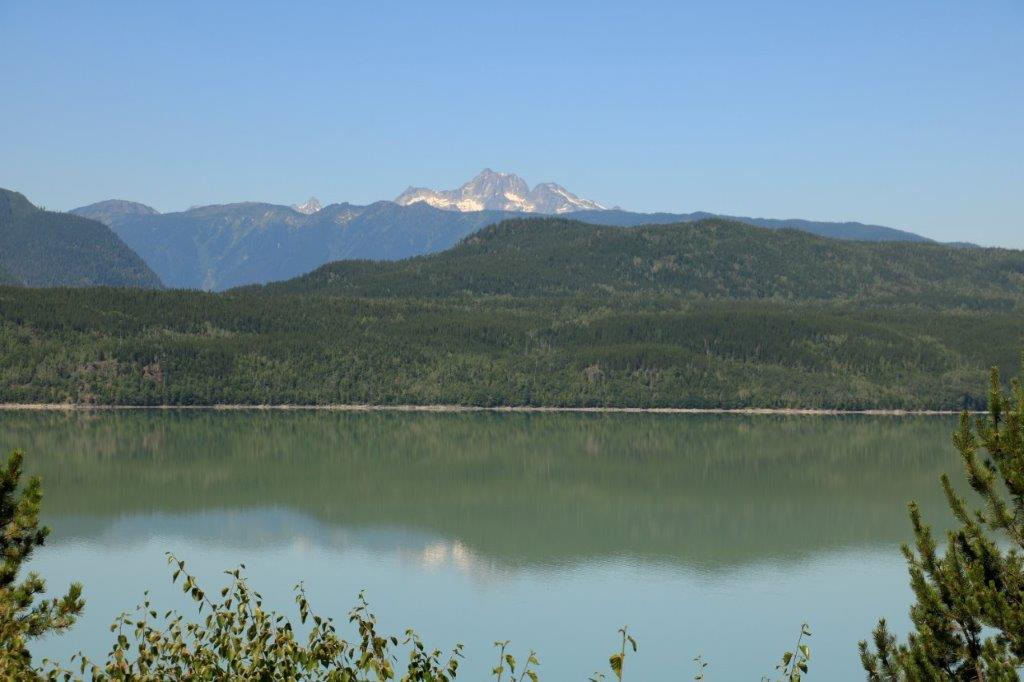
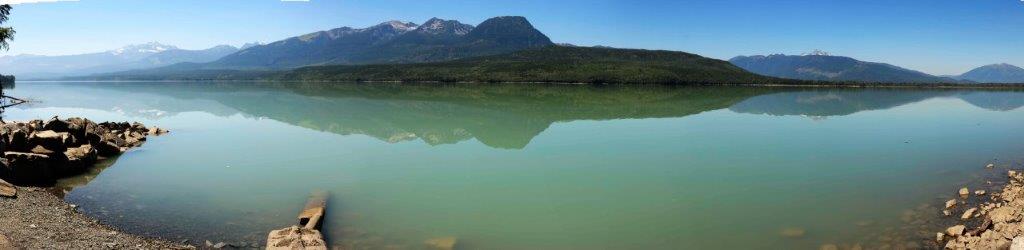
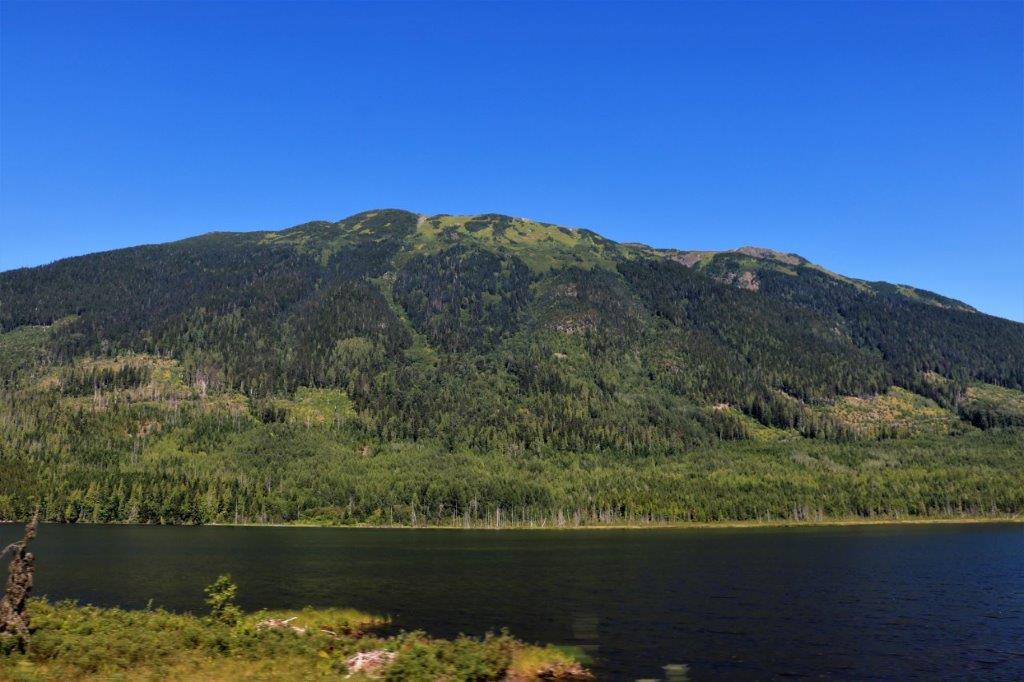
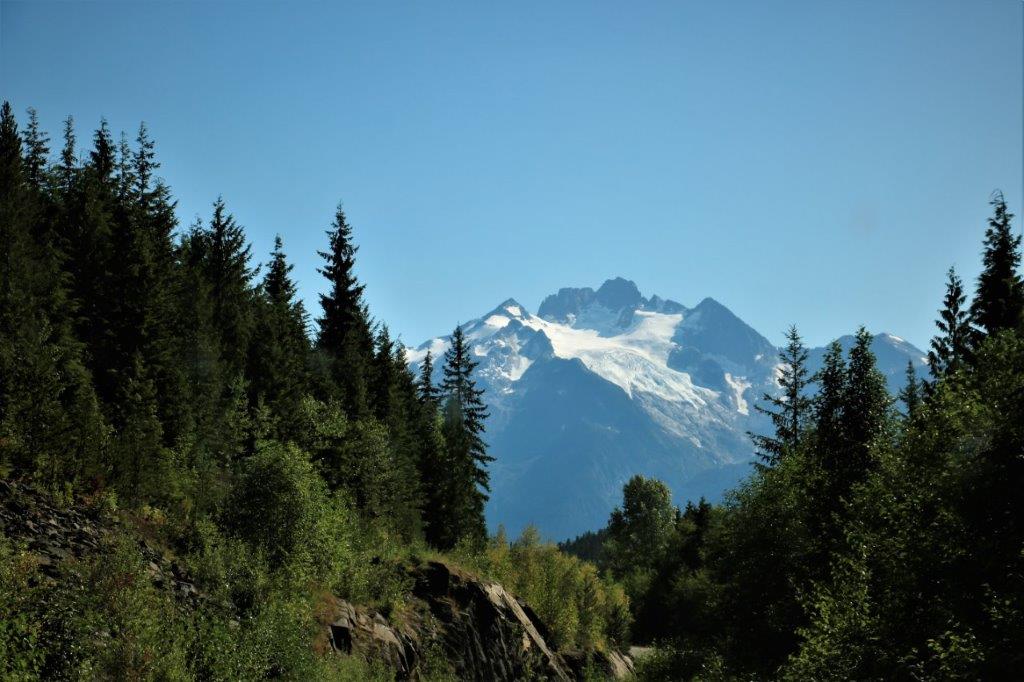
                                                        Mt. Allard                                                               Mt. OscarMt. Nelson, Mt. Allard, Mt. Oscar and Mt. Baldy and Kalum Lake
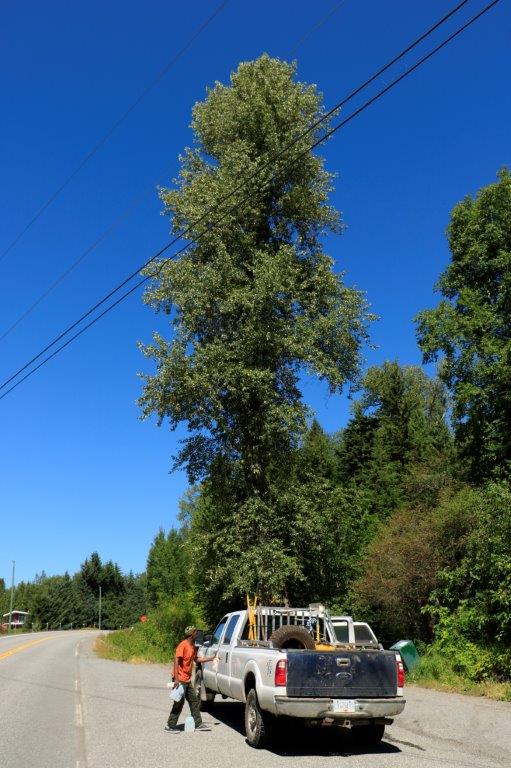
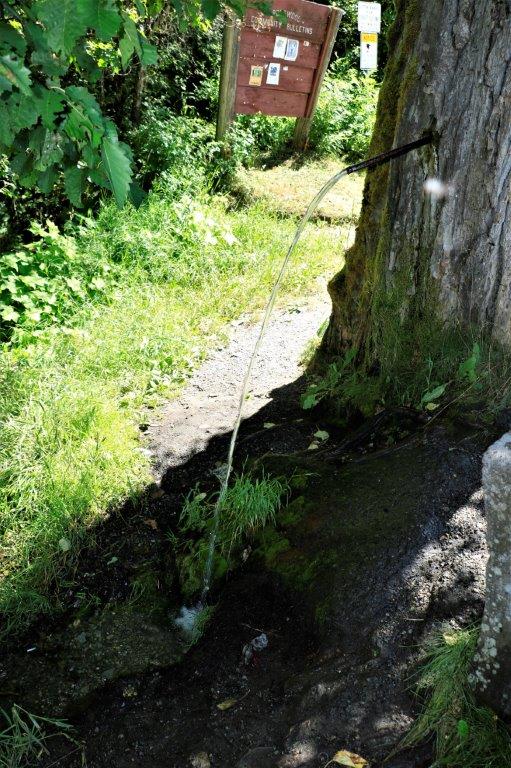
There was a geocache hidden at the Peeing Tree.  We looked and looked but could not find it.  The Peeing Tree is a huge Cottonwood that has grown around a pipe that collects water from a creek.  The pipe in the tree has provided fresh, cold water to local area residents for years.  While we were looking for the cache a truck pulled up and two fellows got out and filled up several containers with water before heading out again.  It was a very unique site and unless you were looking for it you would never know the tree spouted water because it is on the back side and flows into the creek.  The only indicator that something is there is a wide pull-out spot and a community notice board.

                                                                Sand Lake

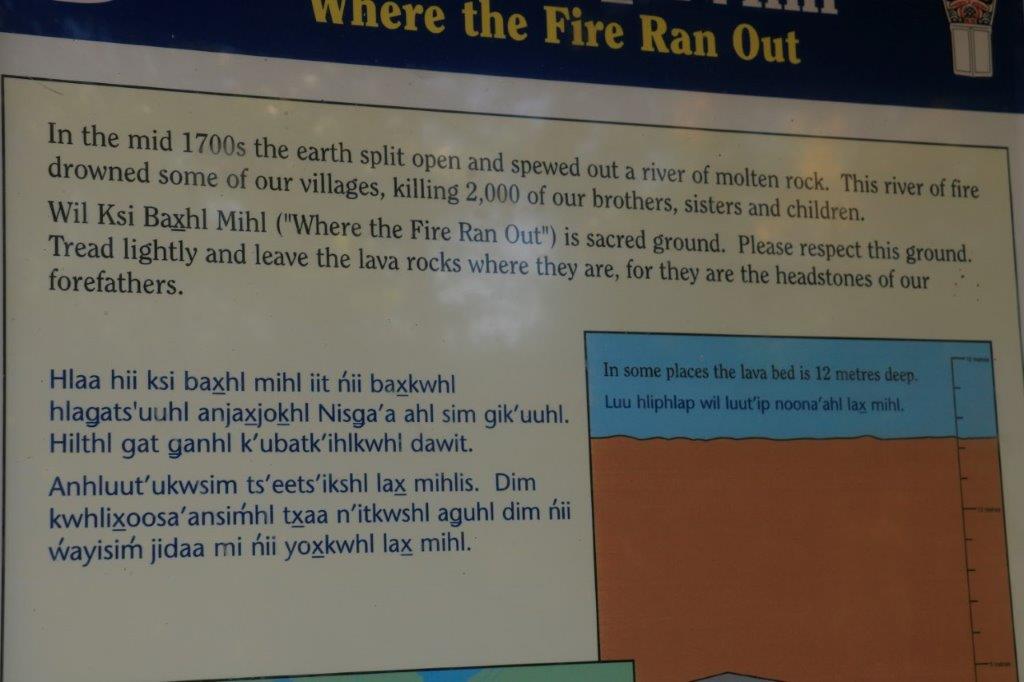
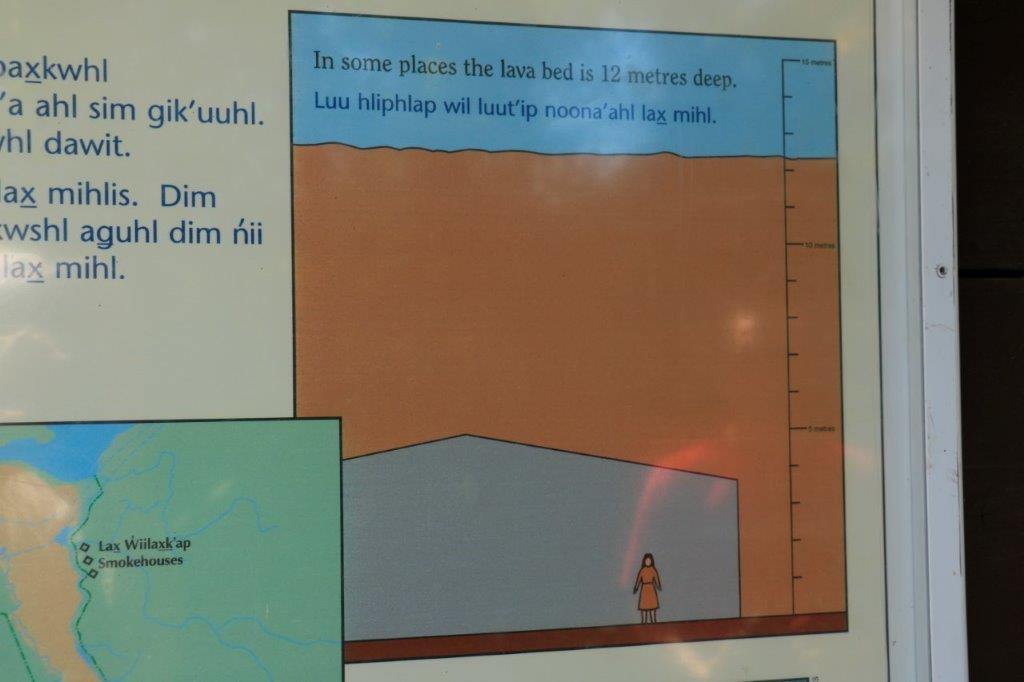
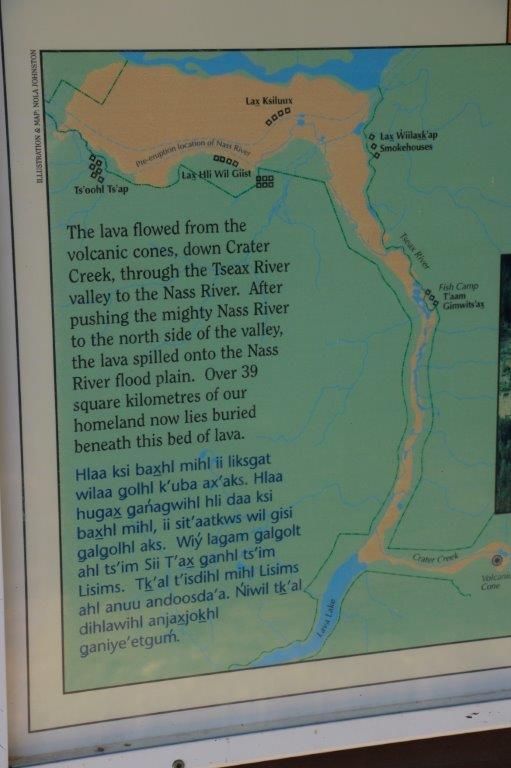
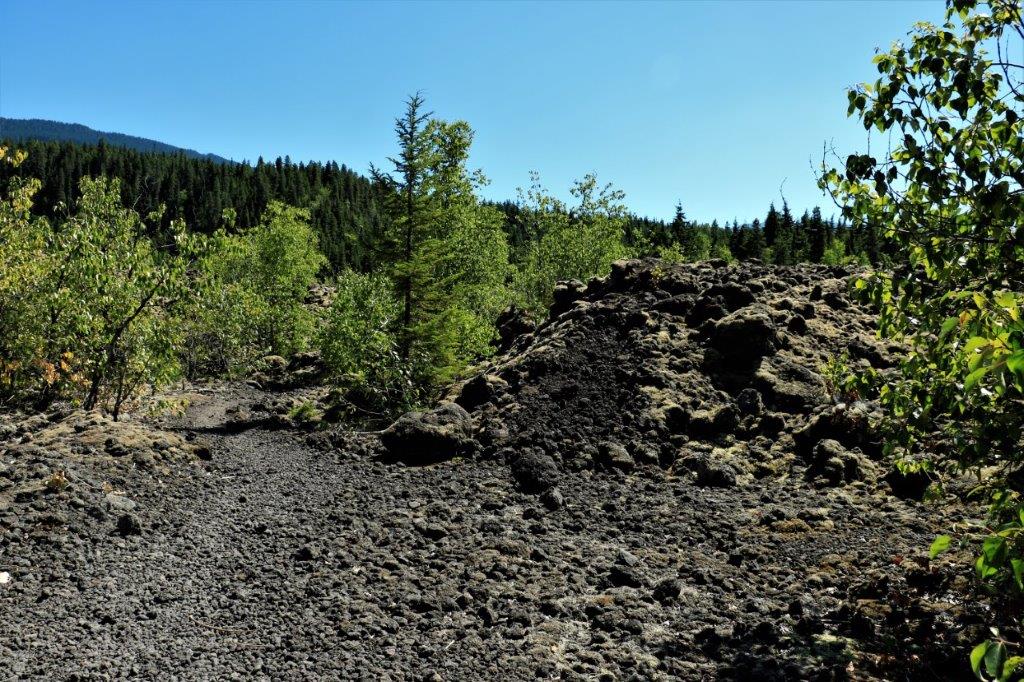
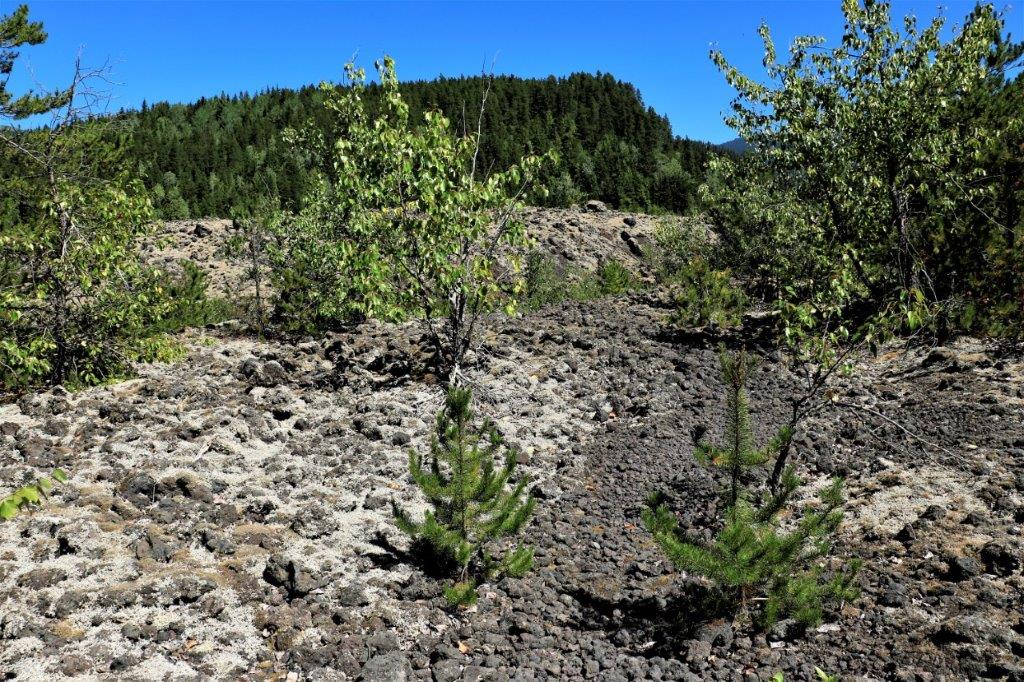
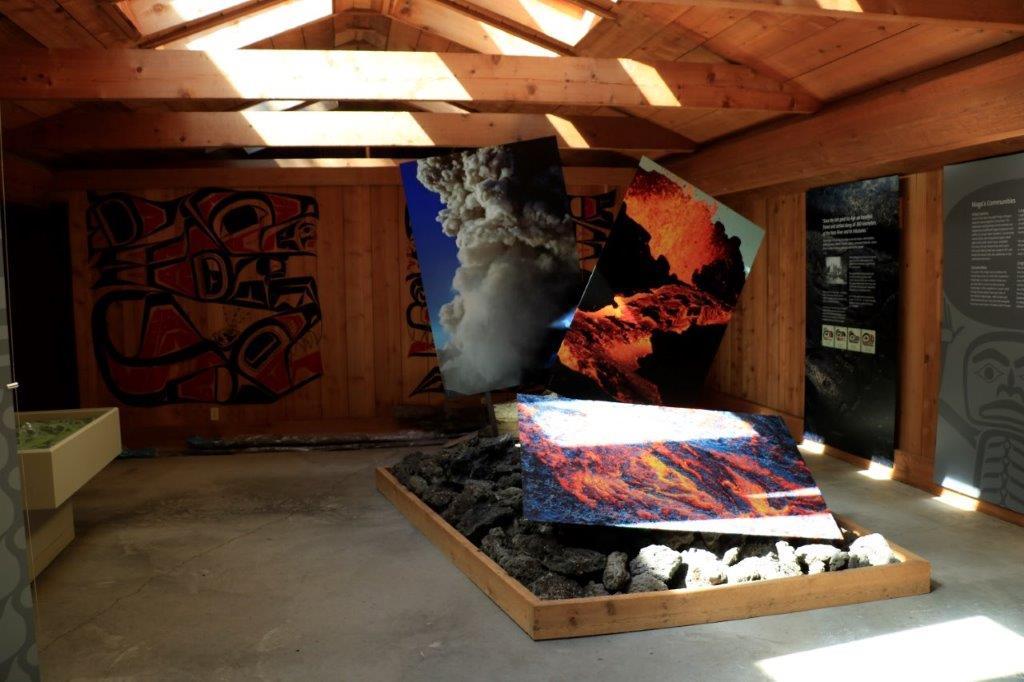
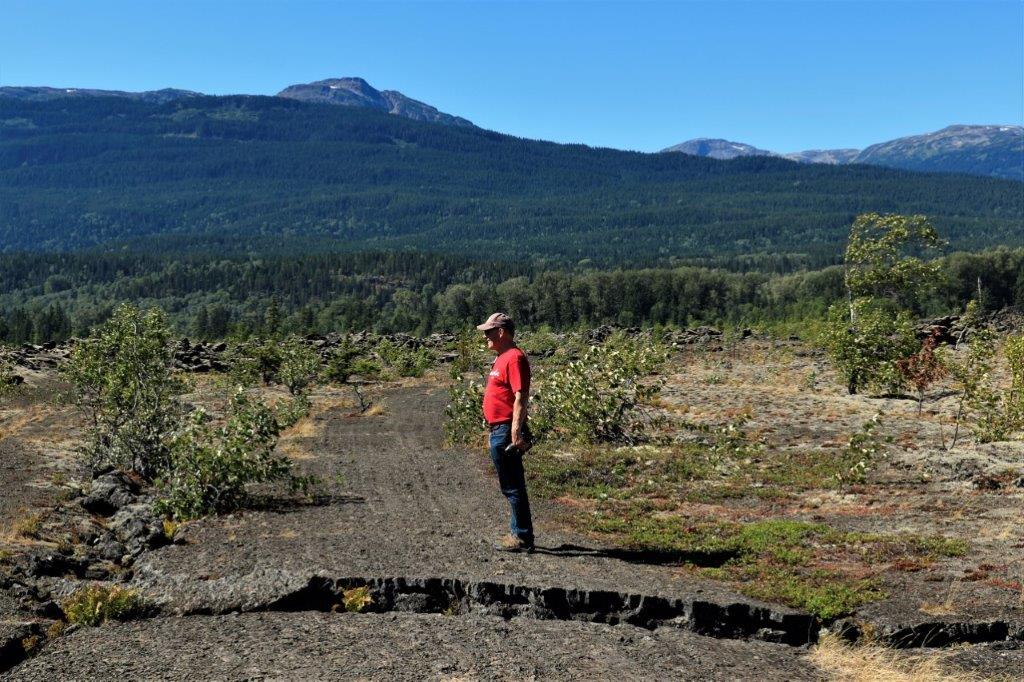
The Lava Beds Memorial Park is the first park jointly managed by a First Nation and the BC Government.In the 1700’s the volcano Wil Ksi Baxhi Mihl (“Where the fire ran out”) exploded and in two days covered a swathe 23 kilometer long in lava; some places 12 meters deep.  The volcano continued to erupt for two weeks before settling into slumber once again.  (It is considered an active volcano that is currently dormant.) Two villages were buried and 2,000 Nisga’a people lost their lives.  The Nass river was pushed form one side of the valley to the other, a stream became a lake and the landscape was changed forever.  Even over 250 years later much of the lava is only covered with lichens.  There are trees and other plants that have taken root in soil caught in the spaces but the lava bed itself is still almost void of vegetation.                                                              Lava Lake

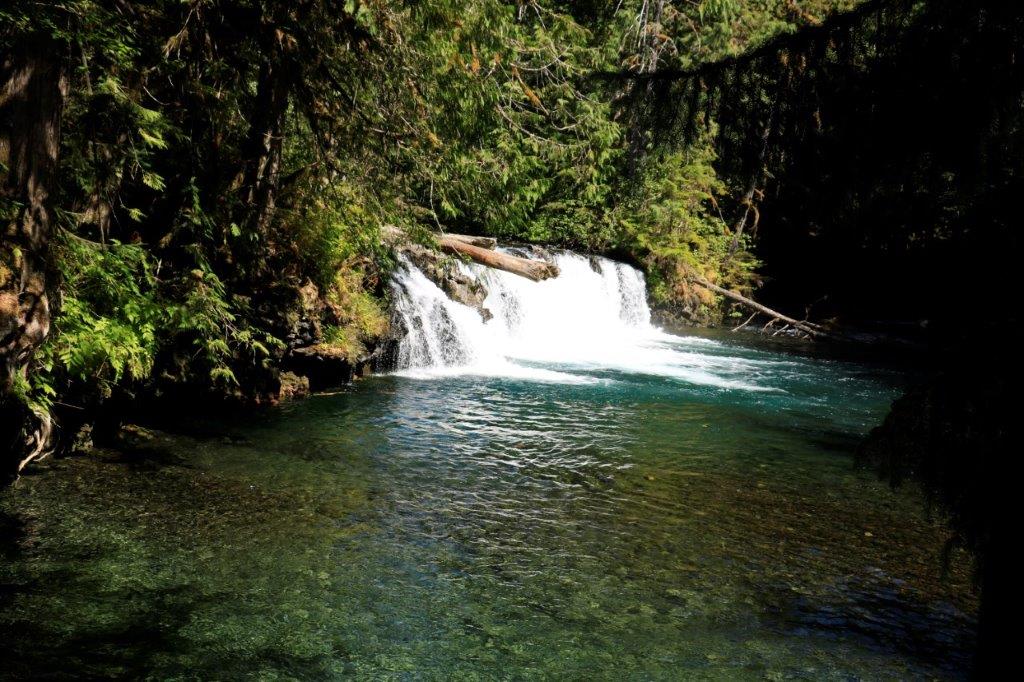
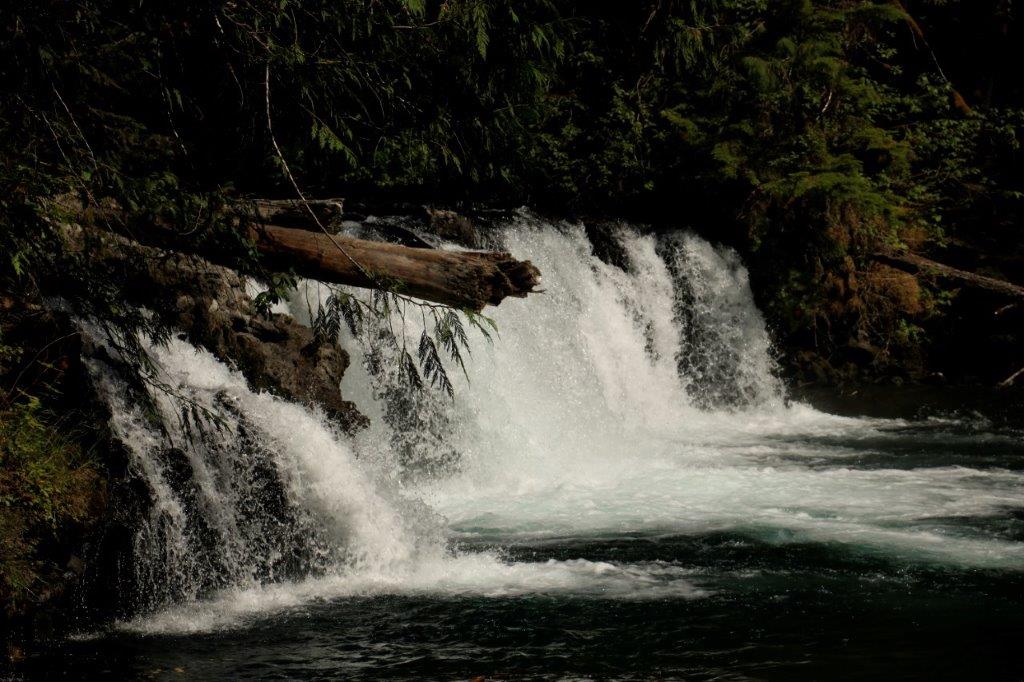
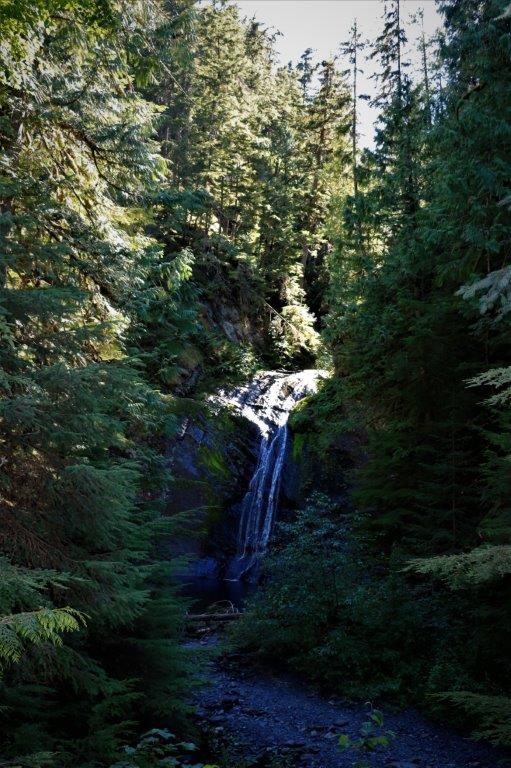
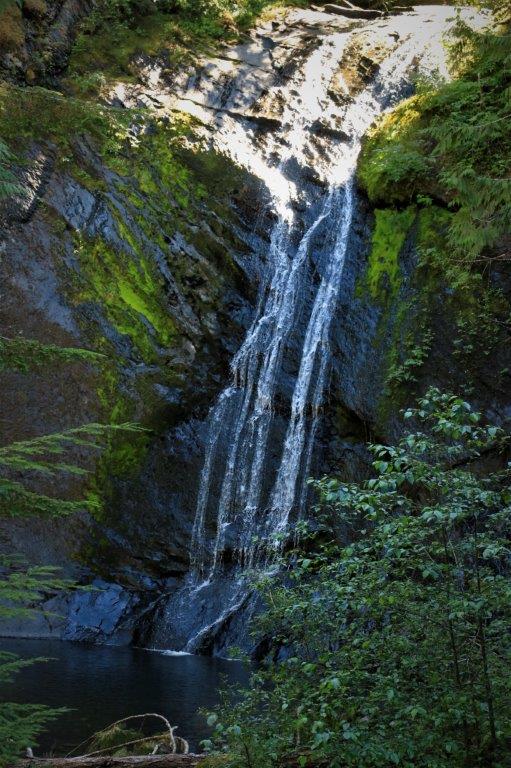
                                                      Crater Creek trail                                                           Vetter Falls

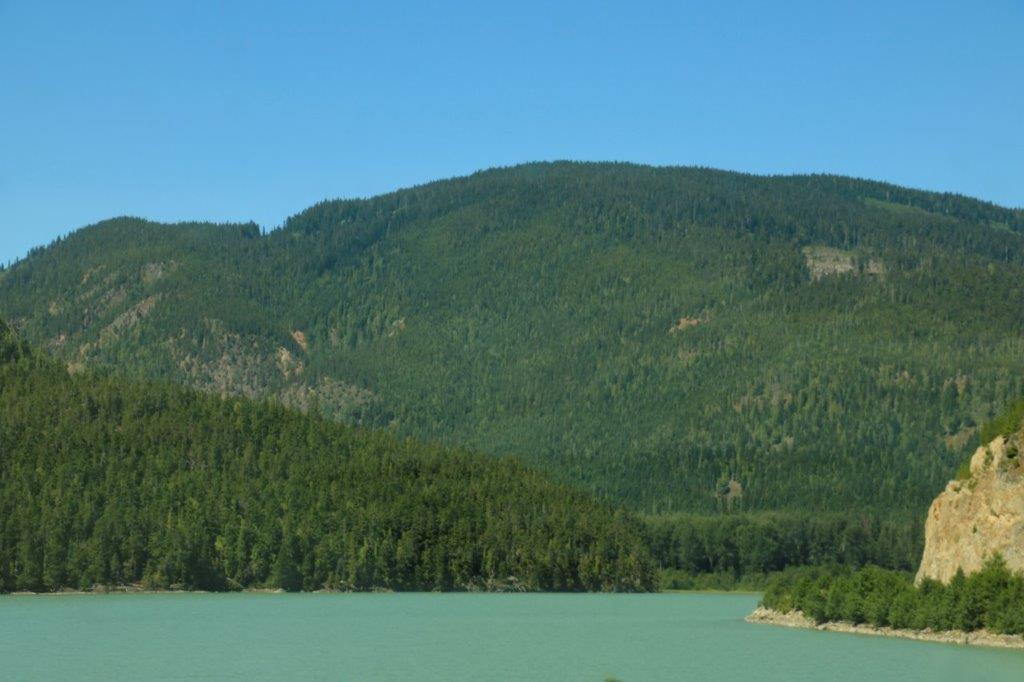
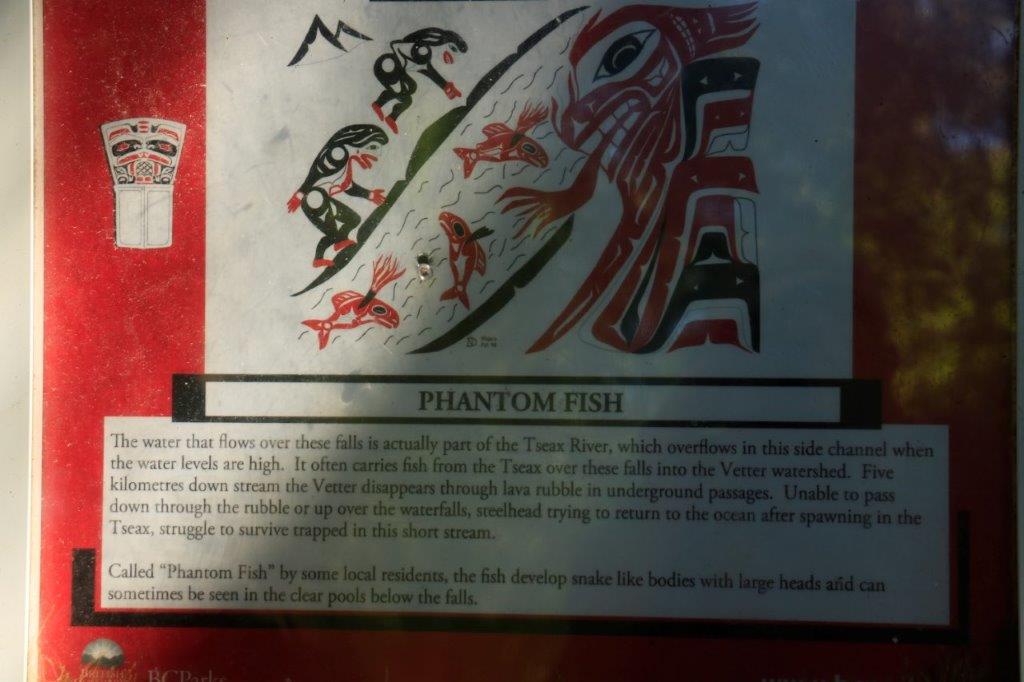
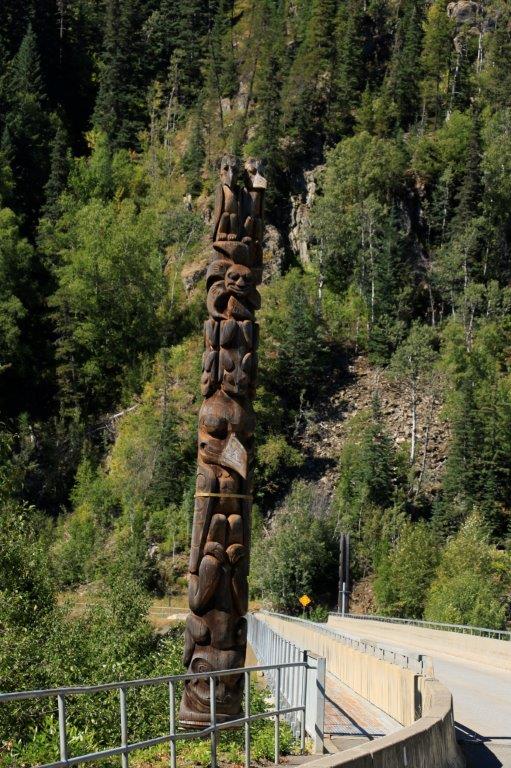
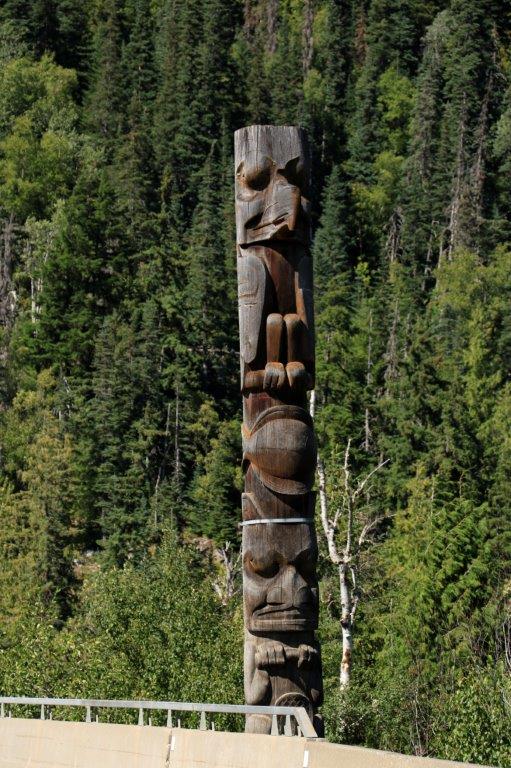
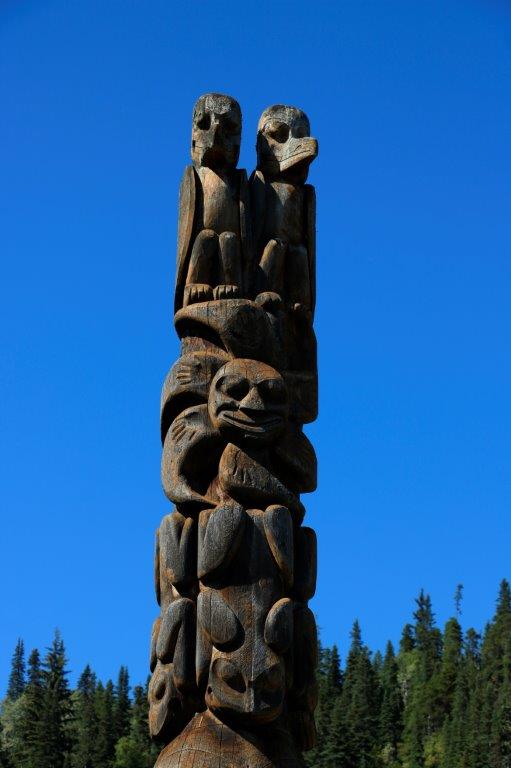
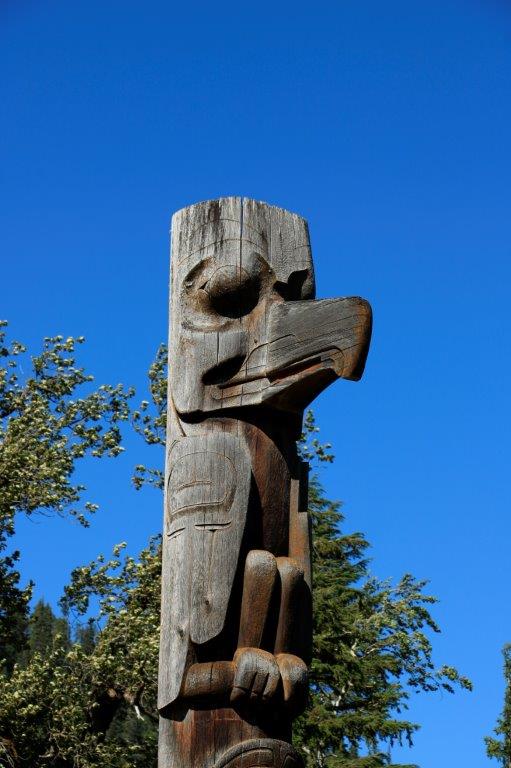
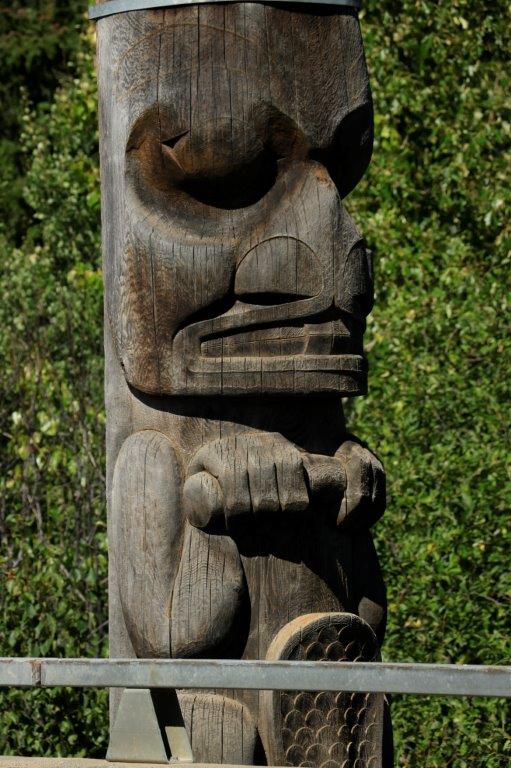
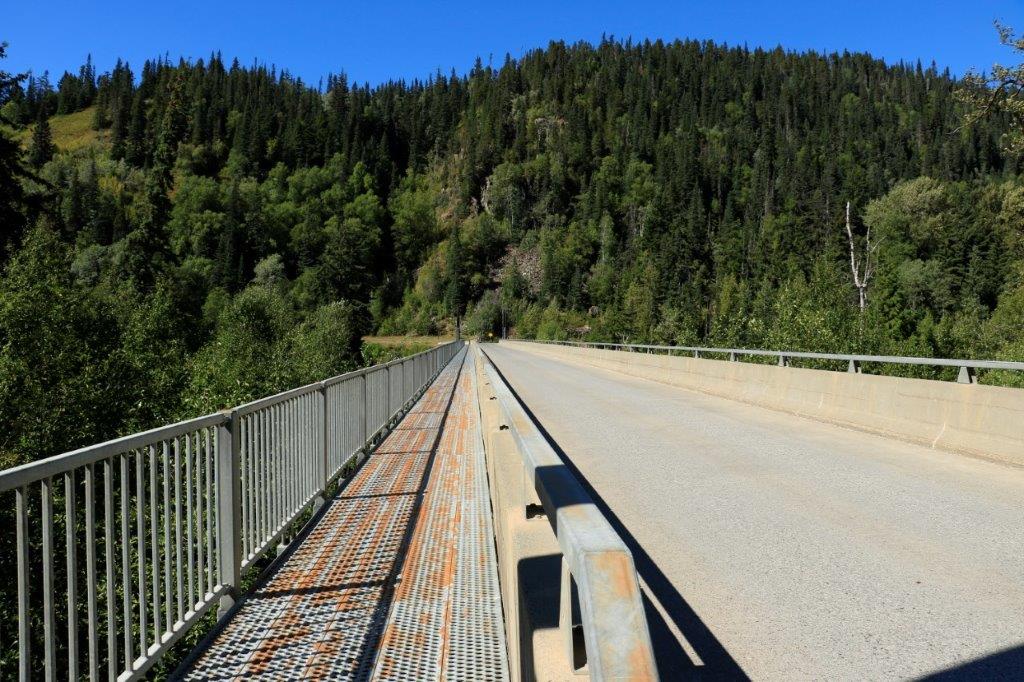
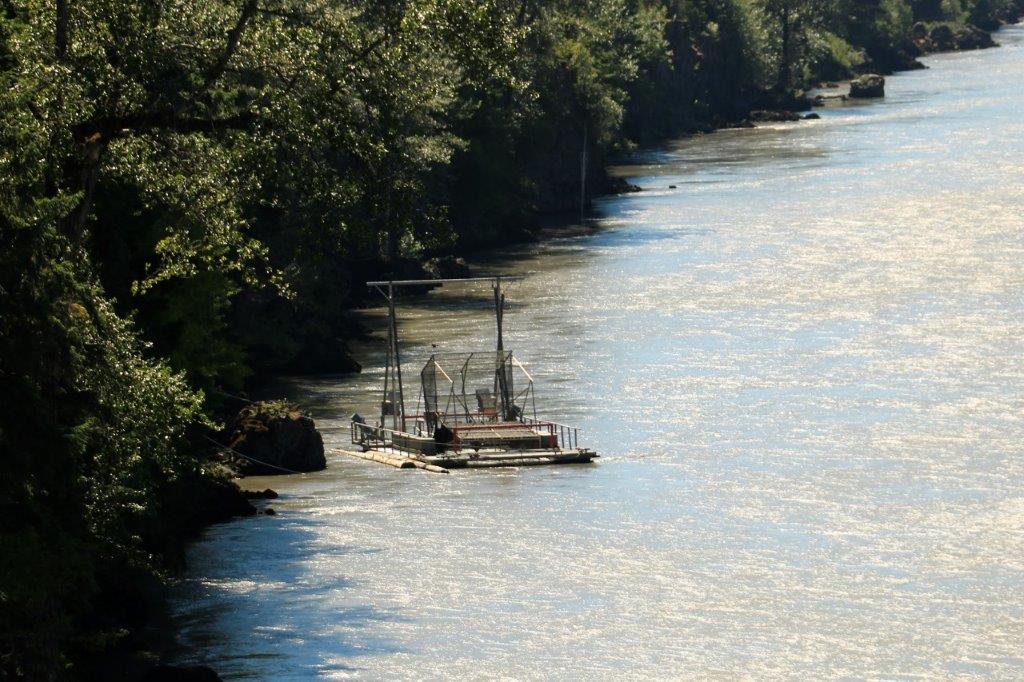
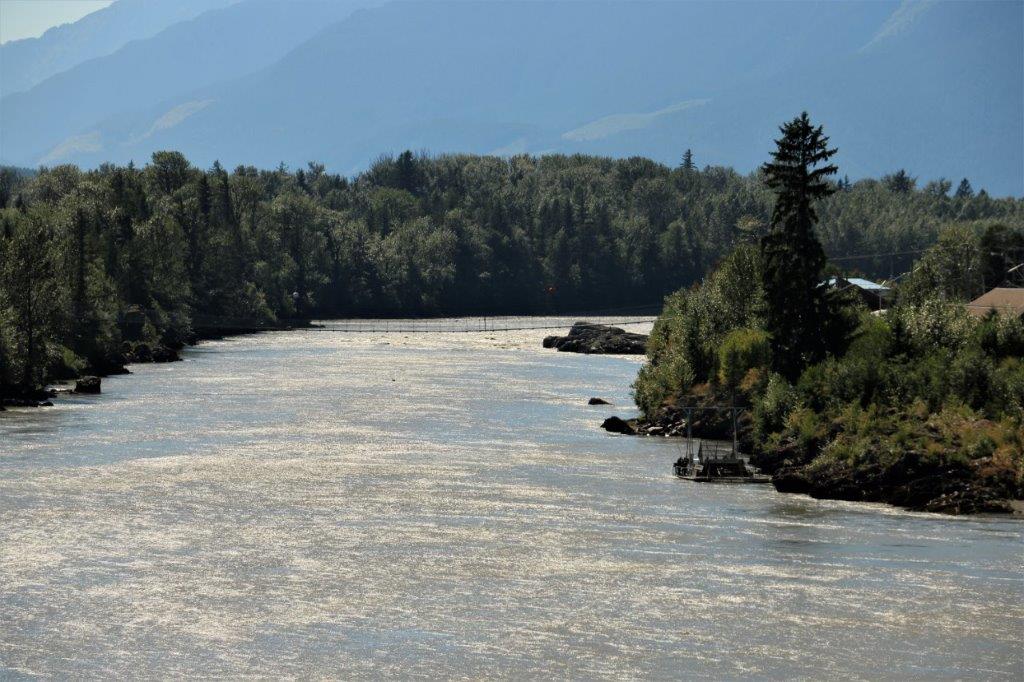
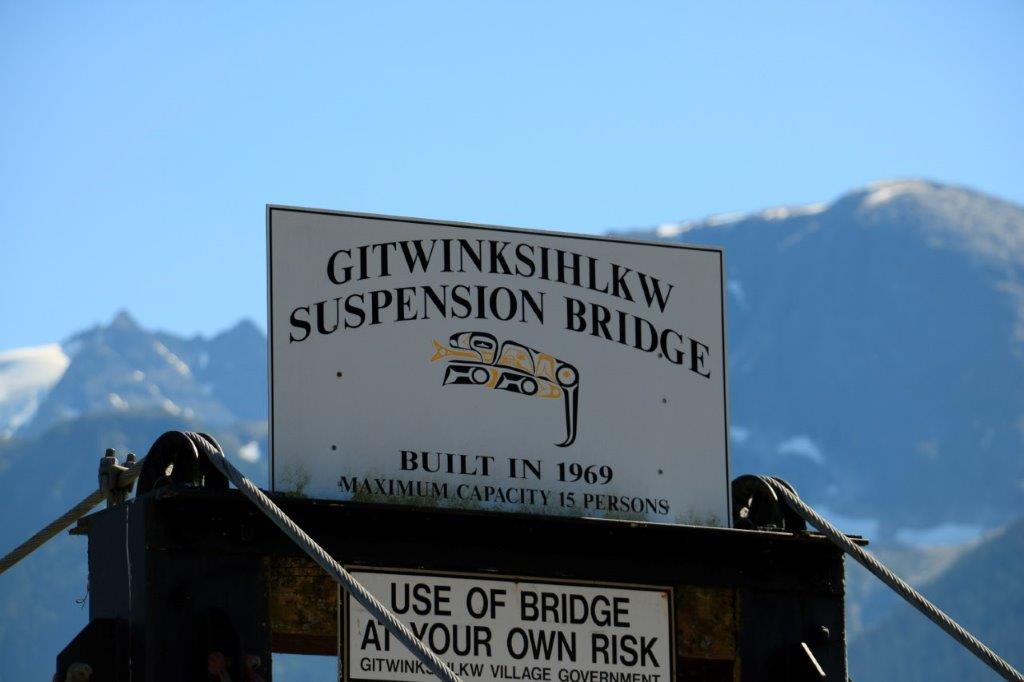
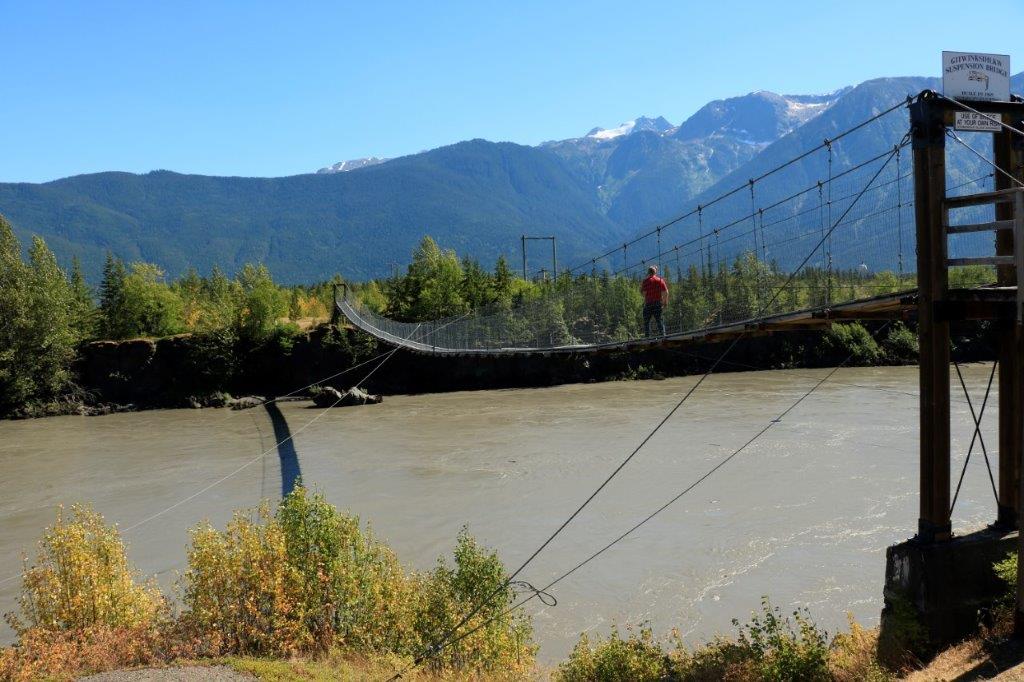
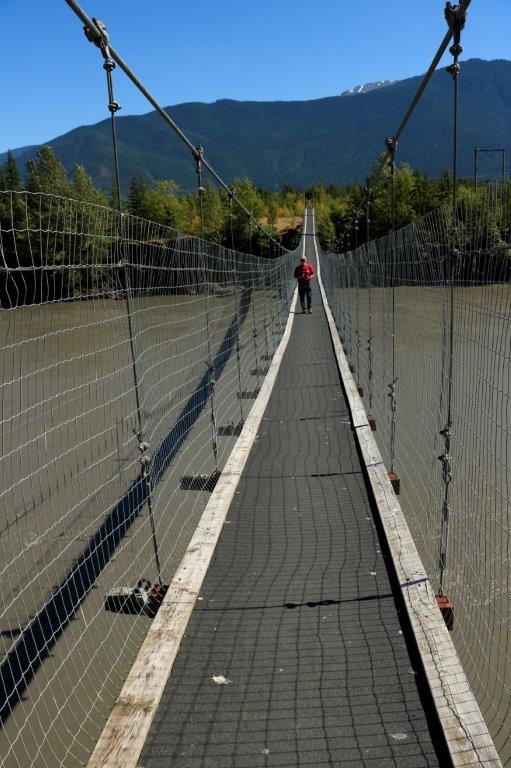
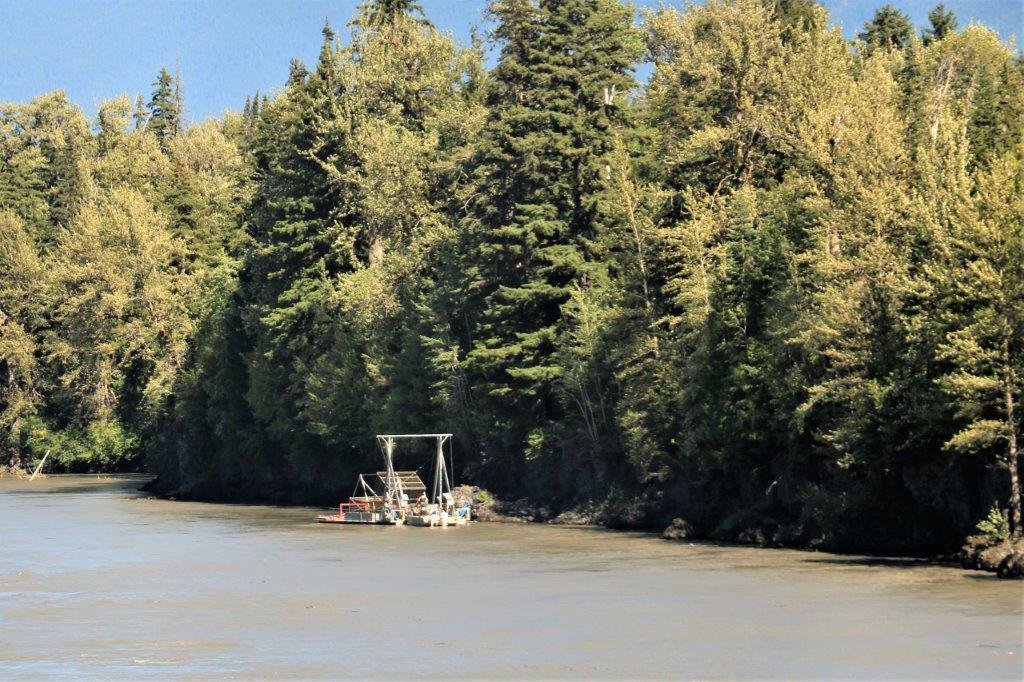
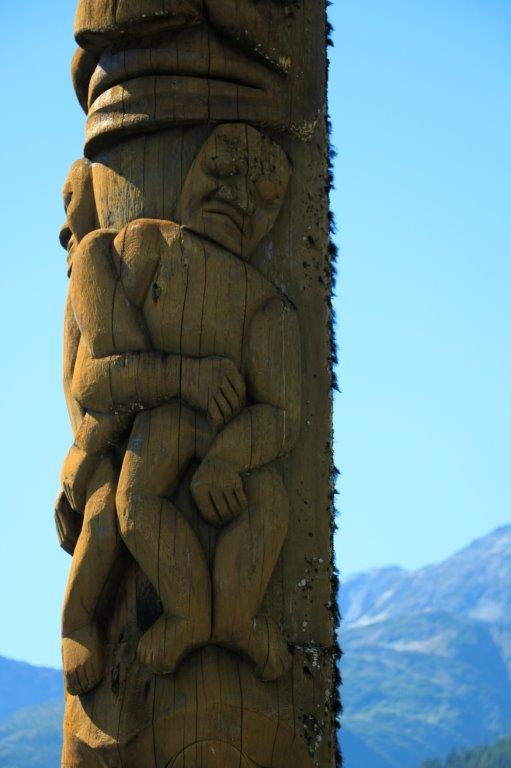
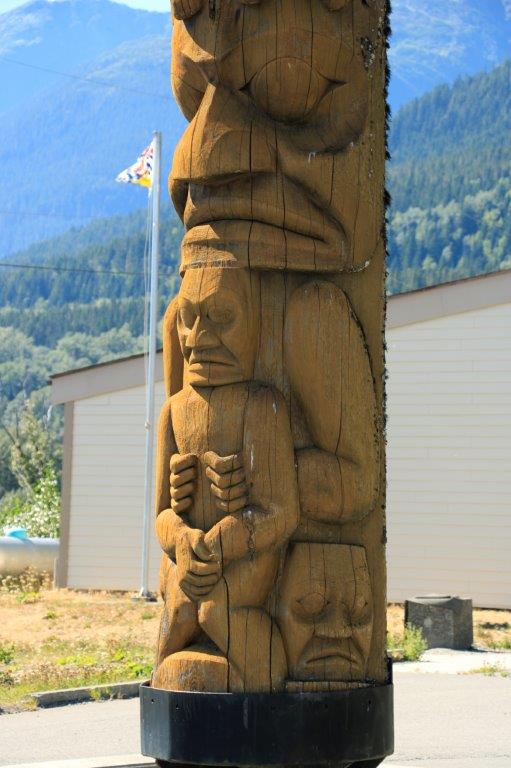
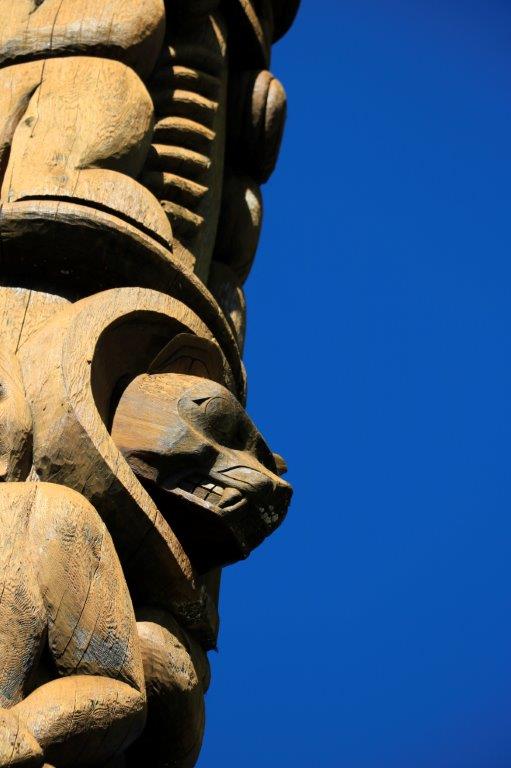
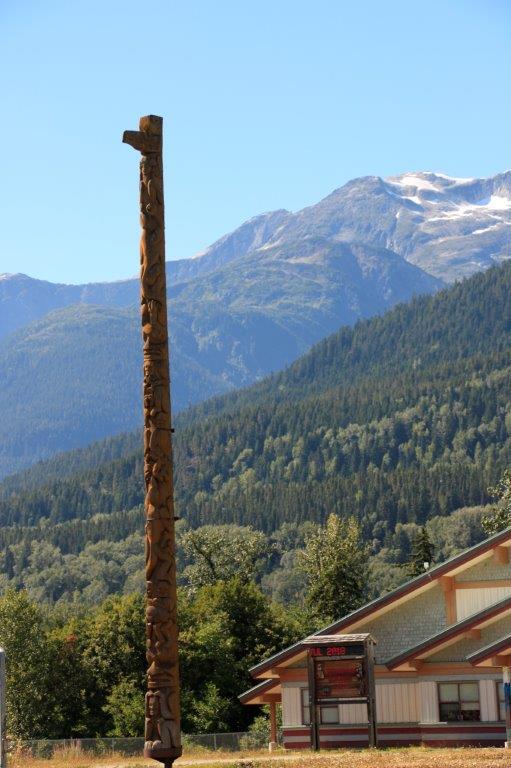
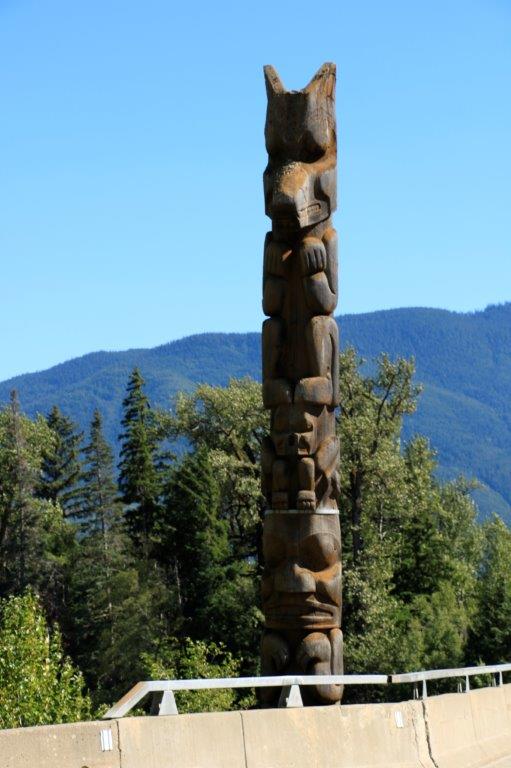
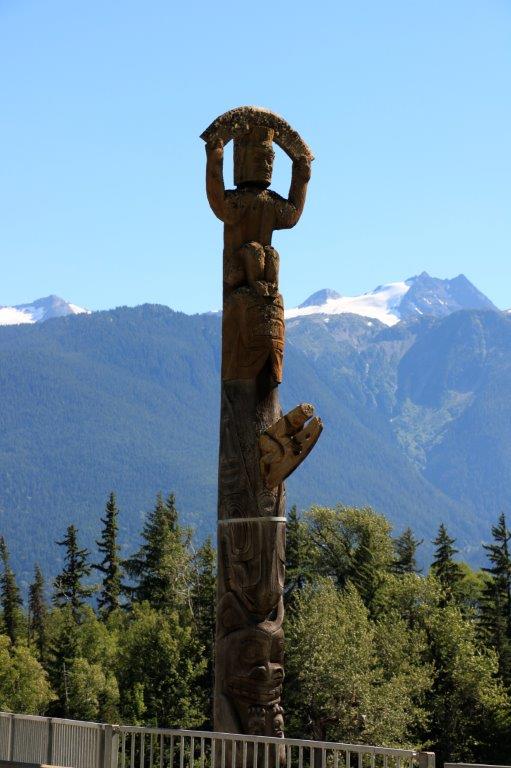
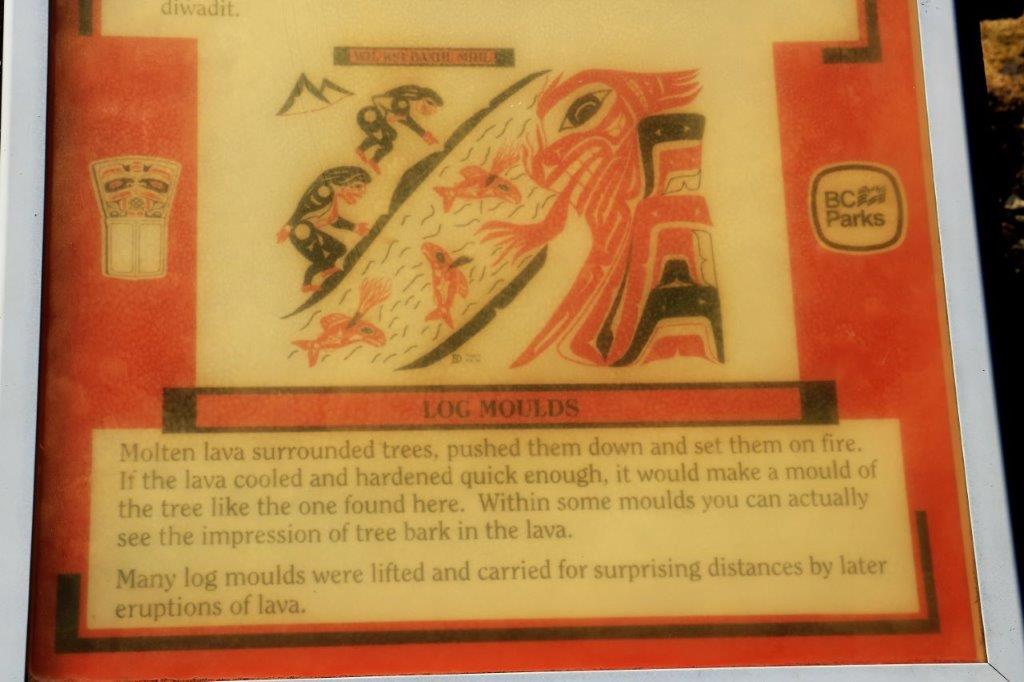
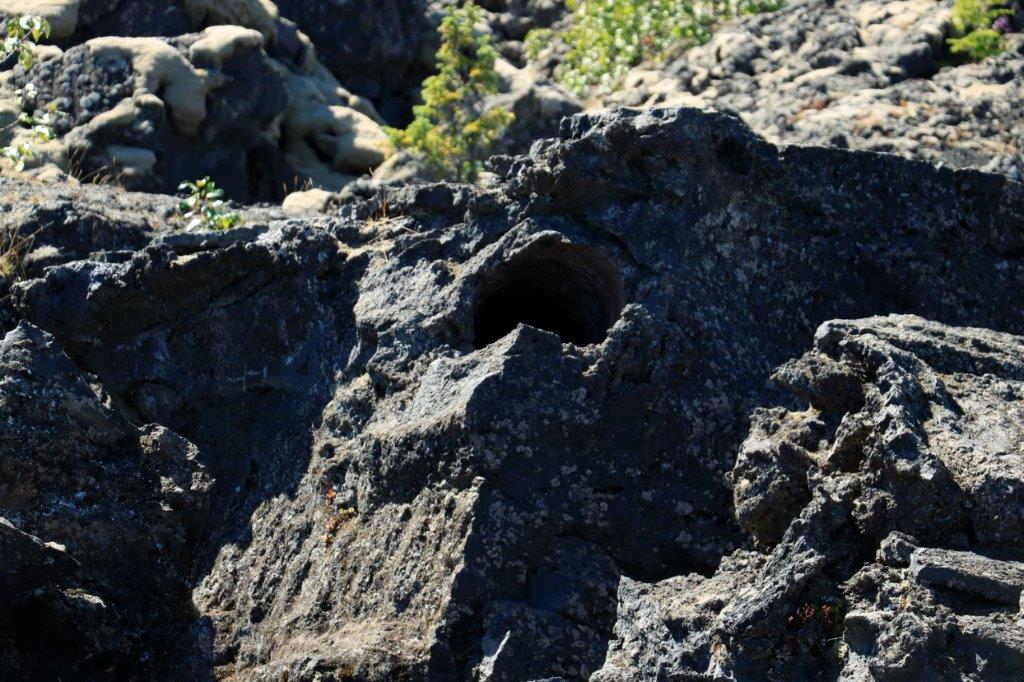
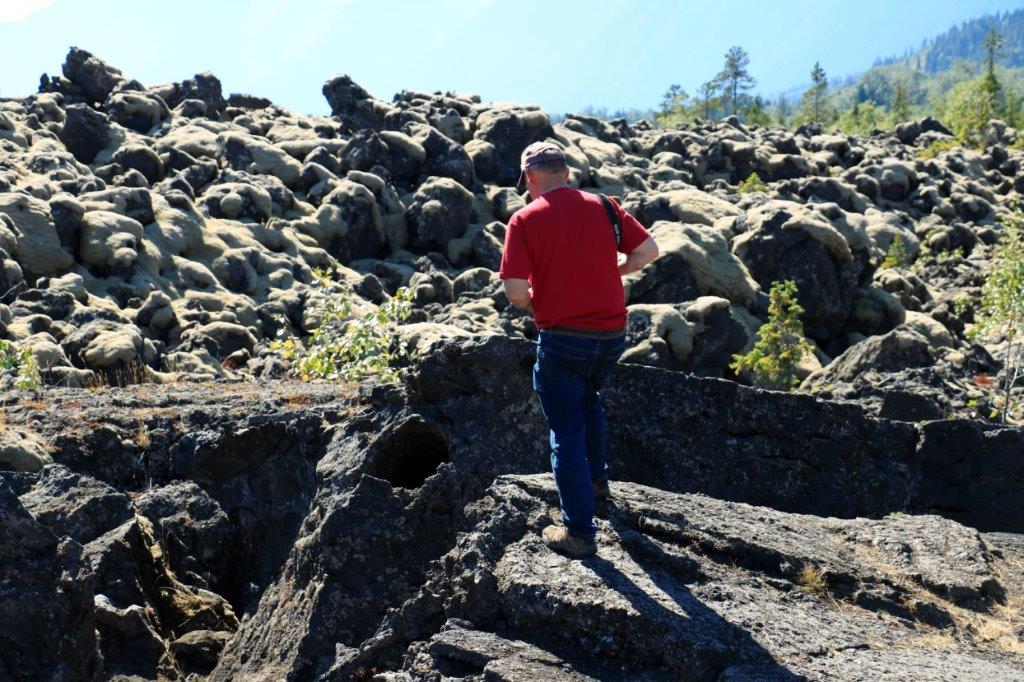
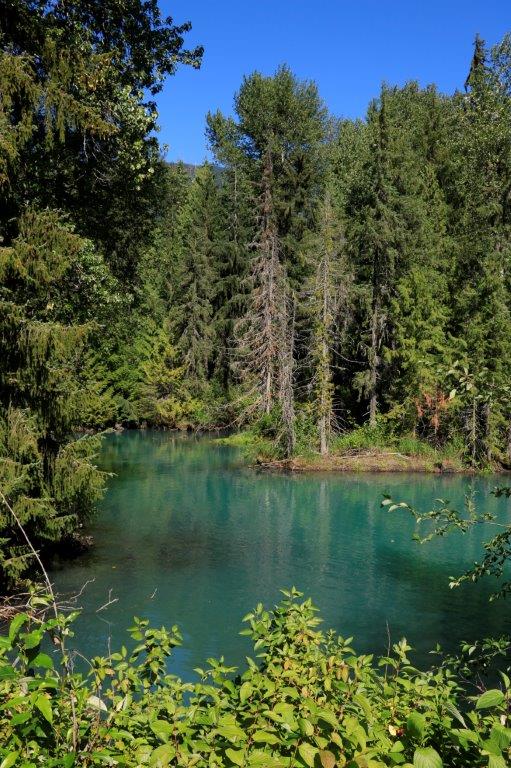
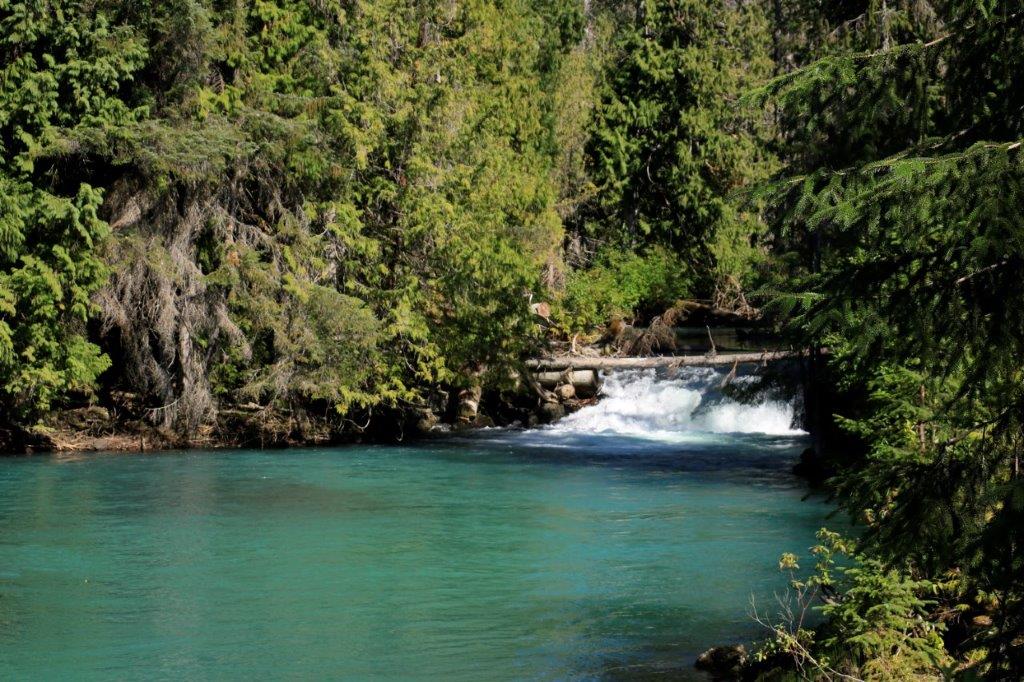
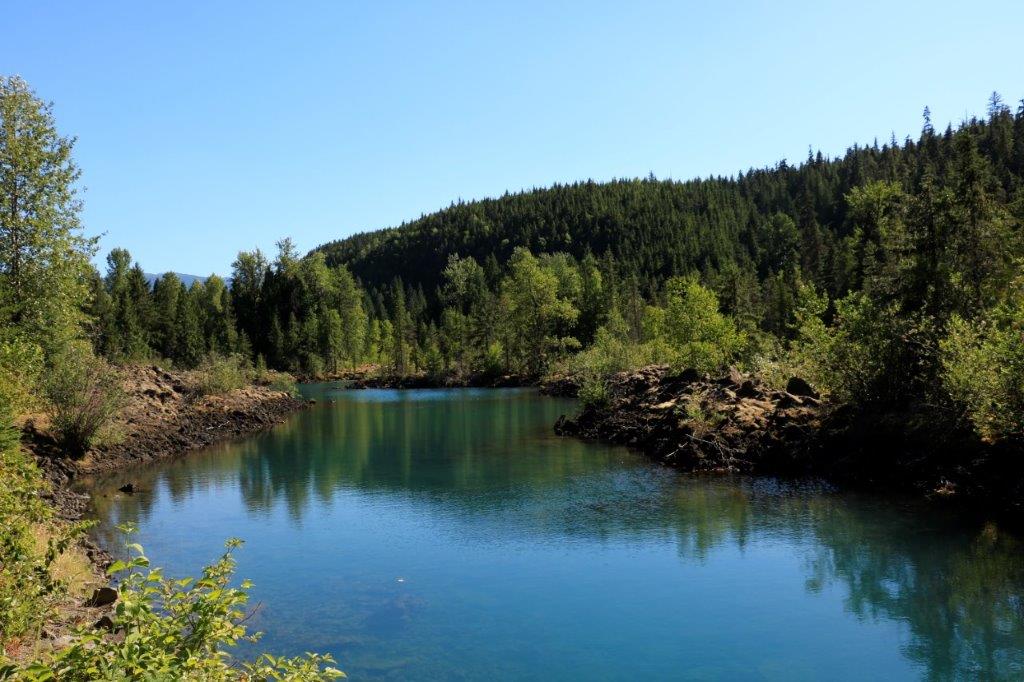
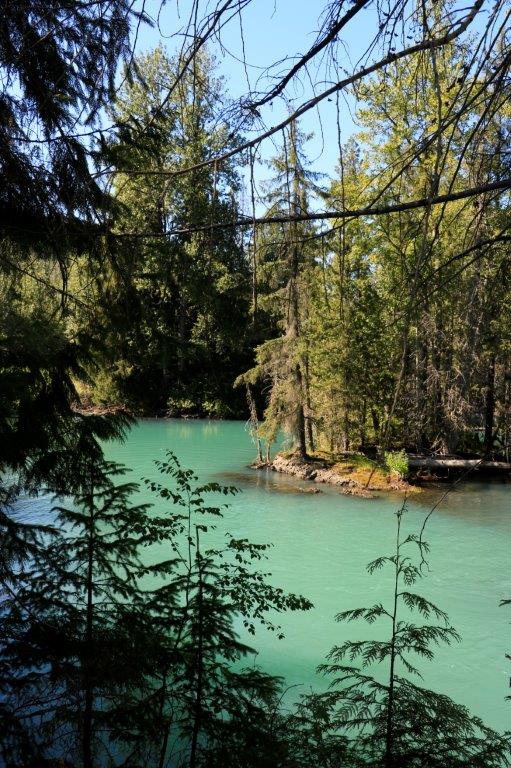
             The Visitor’s Center is built like a Nisga’a Longhouse.We drove to the first of the four Nisga’a villages – Gitwinksihlkw – to see the four Welcome totems at the bridge.  Until this bridge was completed in  (I think) 1999, the only access to the village was via a 600′ long suspension bridge.  A suspension bridge had served the community for over 400 years.  The bridge – a more modern one than the 400-year old one for sure – is still used by people of the village. It is a very long bridge over a very deep rive channel.  From the pedestrian walkway on the bridge you can see the two fish wheels used by the villagers to catch fish.  I am not sure how they work, but fish wheels have been used for generations among the Nisga’a. There is a second fish wheel on the right in this photo, and if you look hard you can make out the suspension bridge along the back by the tree line. There is a 60′ Education pts’aan (totem) and a 55′ Bears Den pts’aan.  I had John stop in the middle of the road so I could get a photo of the other two totems at the bridge. We headed  back toward Terrace with some stops along the way.  First was to see the Tree Cast in the lava beds.  The molten lava would surround trees, push them over, the trees would burn, and then, if the lava cooled quickly enough the shape, including the bark, would be left in the lava. Beaupre Falls was not very full in the mid-summer but it was easy to visualize how roaring it would be with the spring melt. The Drowned Forest is so named because when water levels are high the Tseax River flows over the land through the forests at this location. The water pooled among the trees was a lovely glacial green.

After we stopped at the Drowned Forest it was a straight drive back of about 70 km down to the junction with the highway and into Terrace for the night.  Another good day.  Not too many left now before we will be home again.

2018 July 29 – Prince Rupert, BC

We had a great day in Prince Rupert.  This small city is right on the Pacific West Coast and is a major container port as it is the shortest distance between North America and Asia.  It is usually very rainy and cloudy here, but we were blessed with two beautiful days of sunshine.

We took it easy this morning and didn’t leave the hotel until almost 11.  We decided to do some geocaching today.  There are quite a few caches hidden along the highway coming into Prince Rupert but only eight caches near to, or in the city; one of which I found when I was here in January.  John found it first today and then we found all the rest as well, which took us on a nice tour of Rupert and environs.

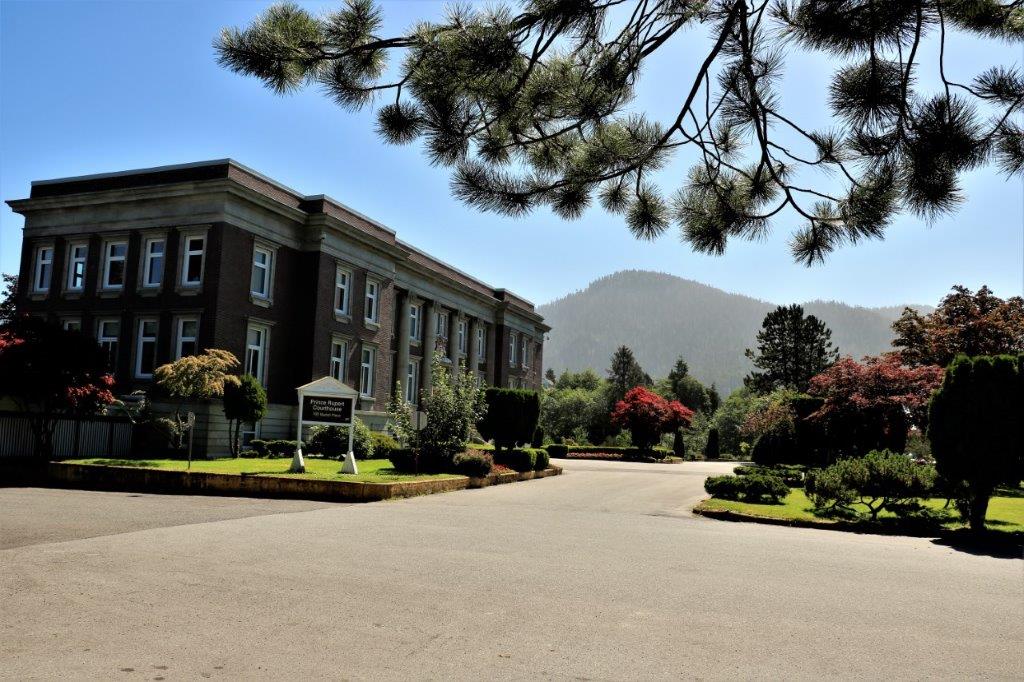
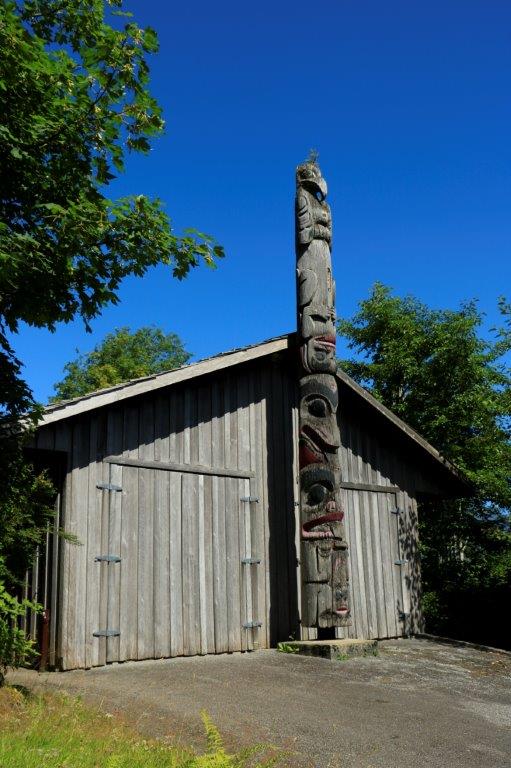
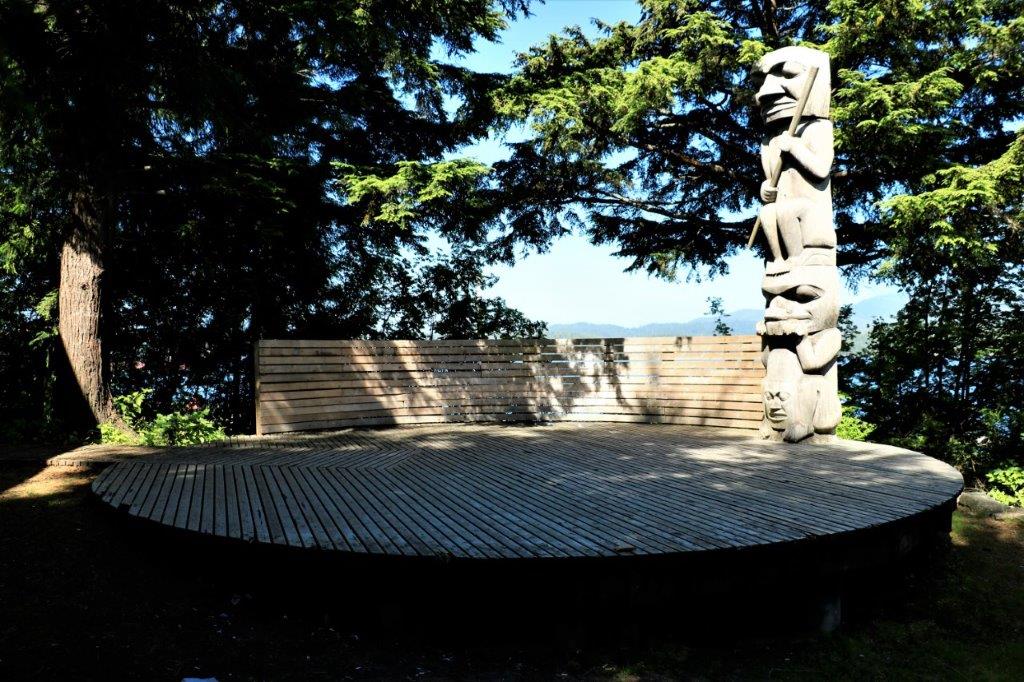
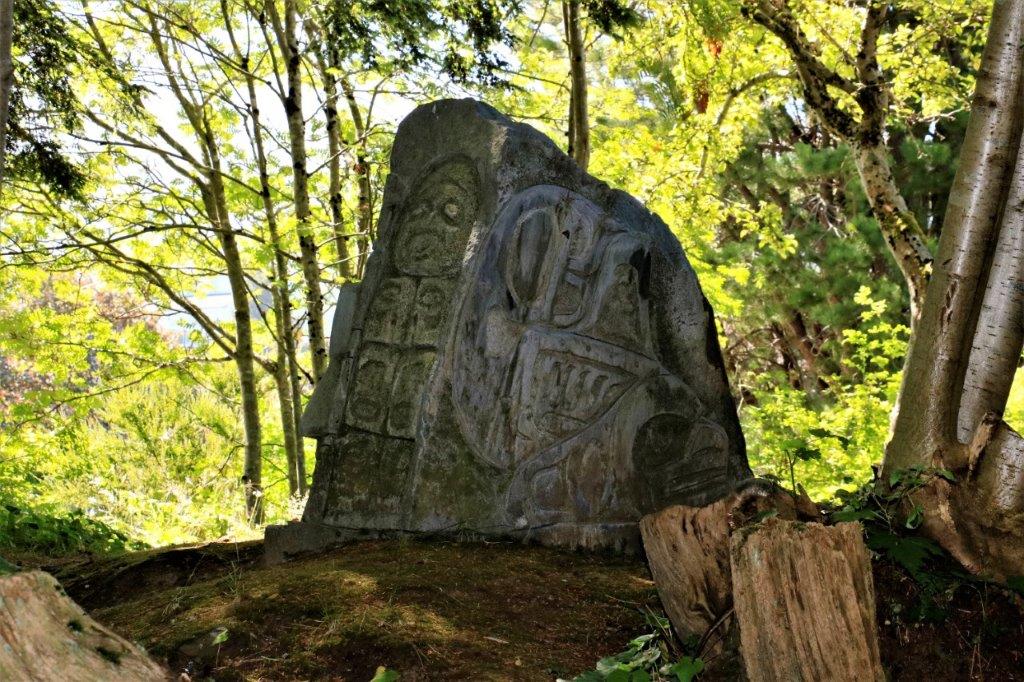
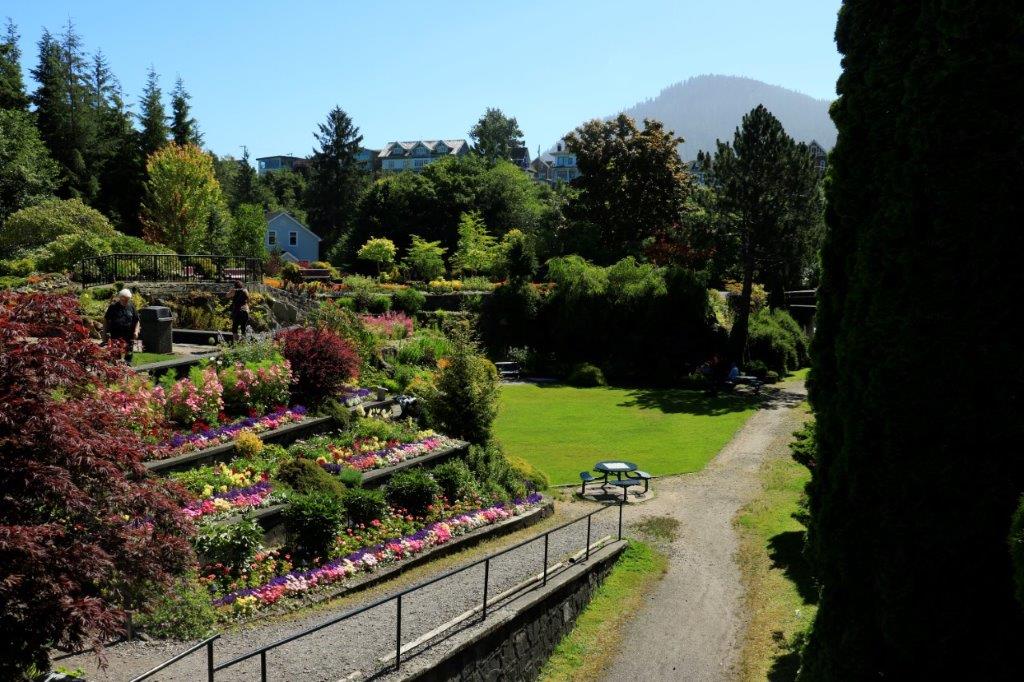
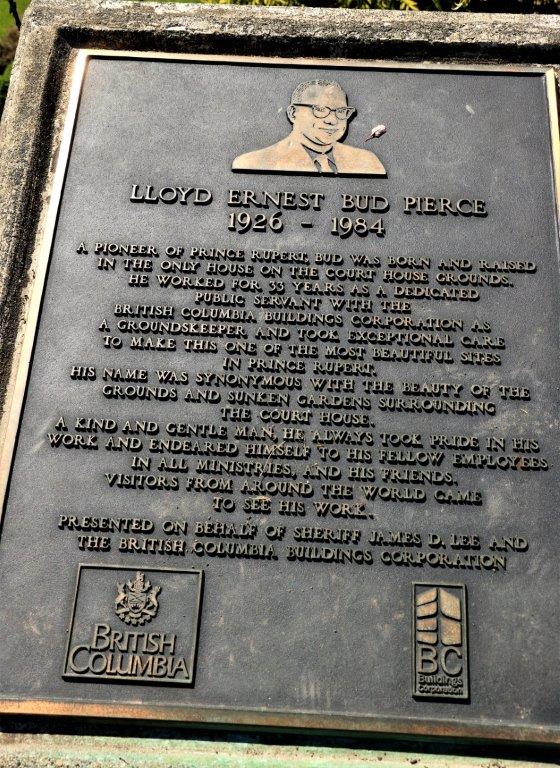
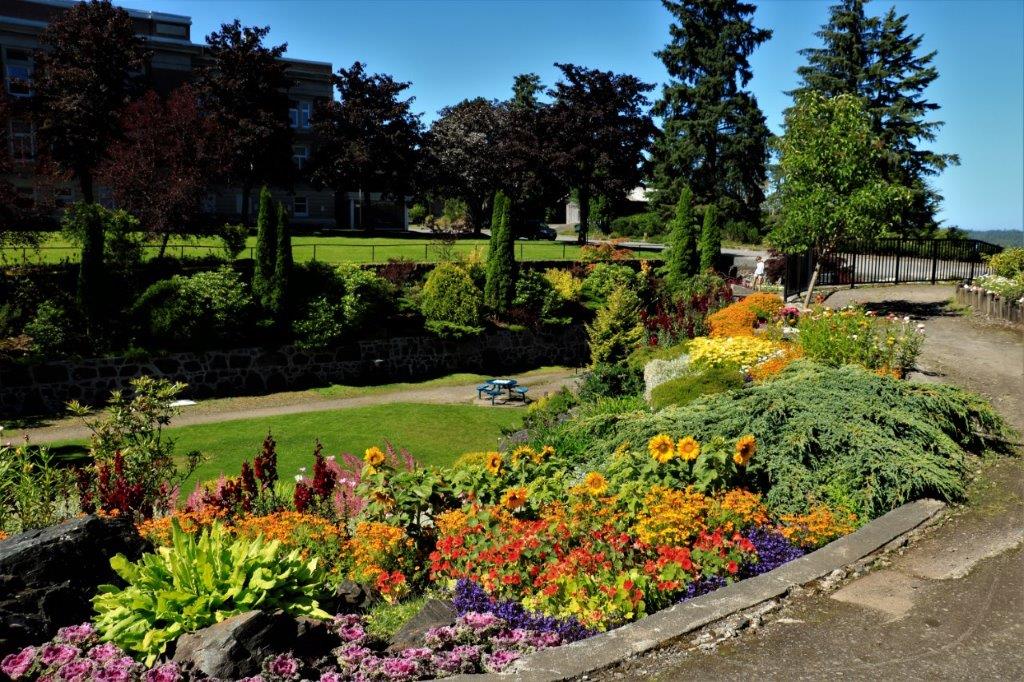
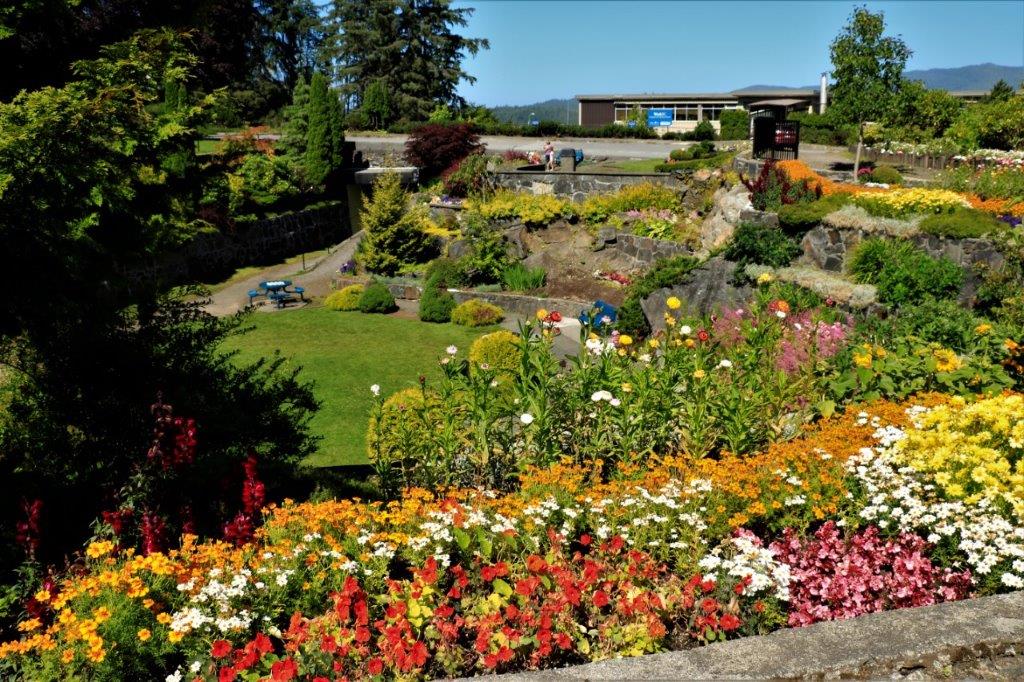
There was a three-part multi-cache that took you to several of the totem poles around town.  One was located near the court house and behind the court house there is a lovely sunken garden that was maintained by a city employee until he died in 1984.  Volunteers have taken care of it every since. There is a large First Nations population in Prince Rupert and as we were walking to the back of the courthouse to see the sunken garden we checked out a building that is used for a meeting room.  There we more totems and this neat rock carving. We found all the totems for the multi-cache and when we went to sign the log we discovered it was a brand new cache that had only been published yesterday – so we got First to Find!  Sweet. There are totems all over the place around here.  And lovely murals; many of which I took photos of in January.

The last three caches we found were on an old road that edges the golf course near the fish hatchery.  We had to do some scrambling in the West Coast woods to find the last one. We were back in our hotel room at 3:30.  I had some bills to pay and the Visa account to check.  Nice to not have those US conversion rates showing up any more since we are back in Canada!  That was painful.

Tomorrow we drive back to Terrace with a detour up to Nisga’a Memorial Lava Beds Park.

2018 July 28 – Terrace to Prince Rupert, BC

It was nearly 11 o’clock by the time we left Terrace. We slept in a bit, then went to Staples to try find a new charger cord for John’s laptop as it has decided to be very picky about what position it is sitting in in order to power the computer.  There is either a break in the cable or something wrong with the charging unit.  Unfortunately, the store did not have one that had the correct plug-in.  So, we gassed up the truck, cleaned the latest batch of deceased bugs off the windshield and headed west. About an hour out of Terrace we came to the end of a line of stationary traffic.  Apparently there had been an accident and the road was closed.  We were told there had been a fatality and the wait would be about 3 hours.  Well, we had two choices, go back to Terrace and come back again; or sit and wait.  We waited and visited with other motorists, and pet their dogs.  An hour and a half or so later a long line of oncoming traffic came through and then we were allowed to go.                                                          John Little Falls

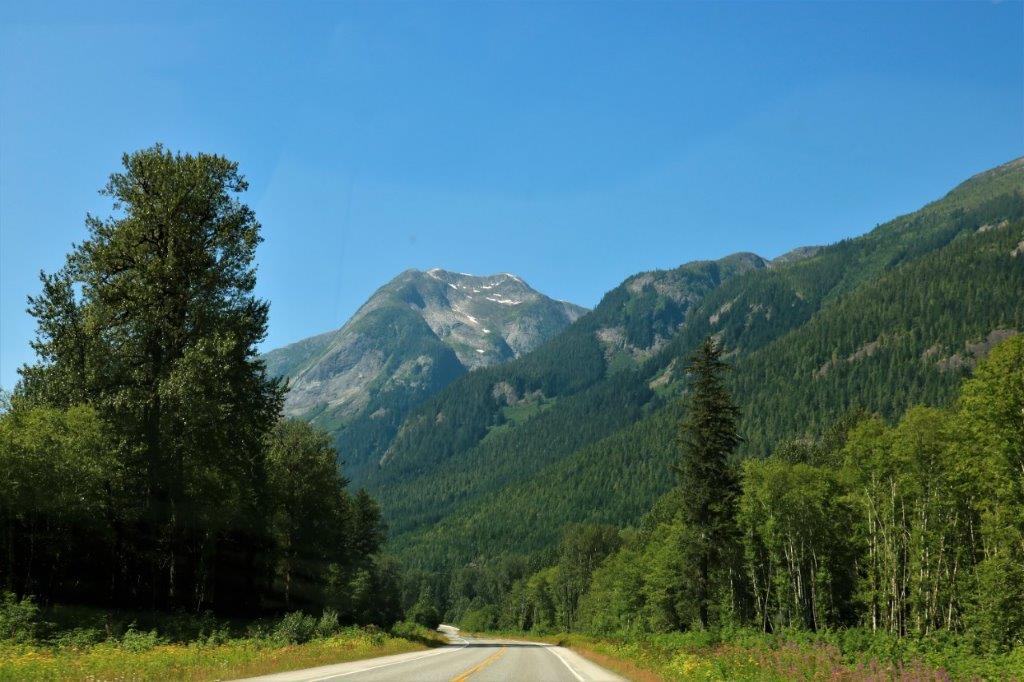
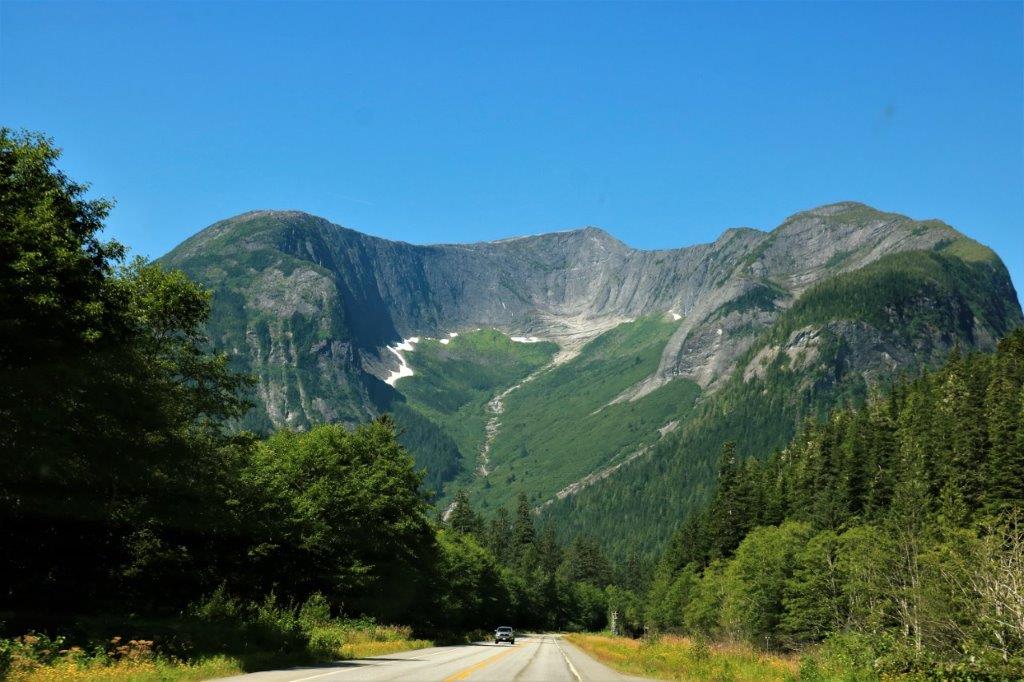
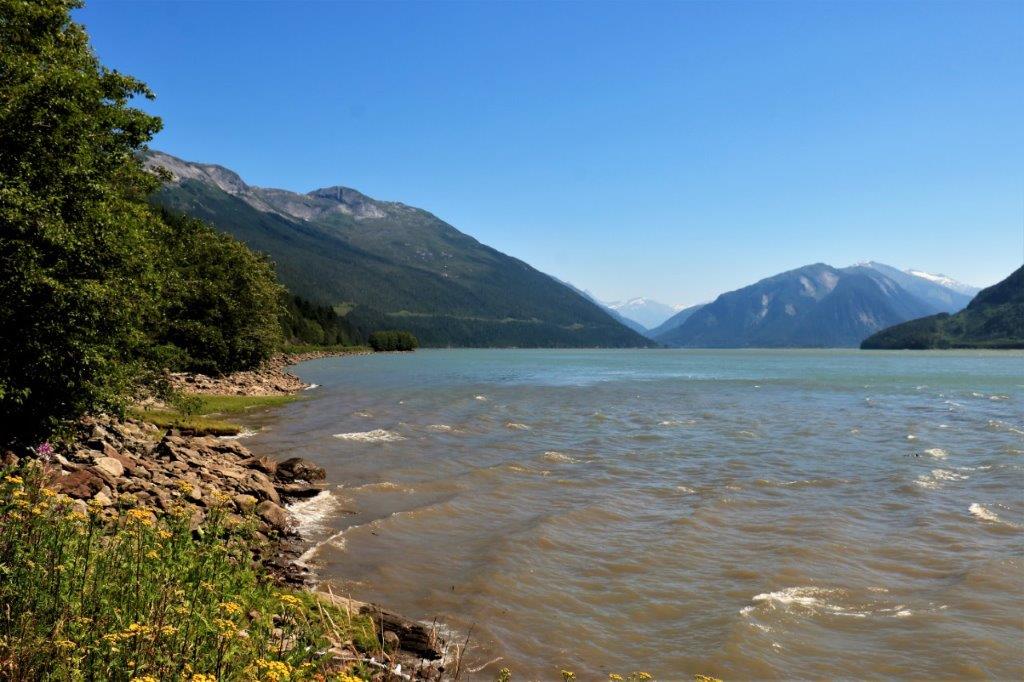
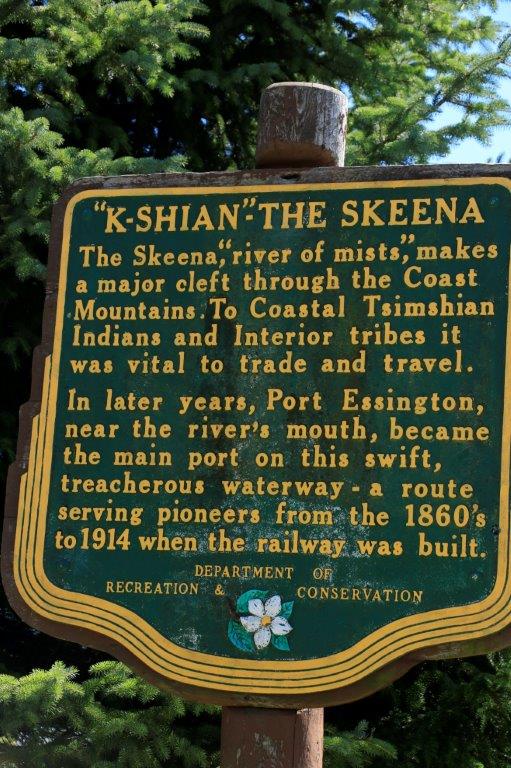
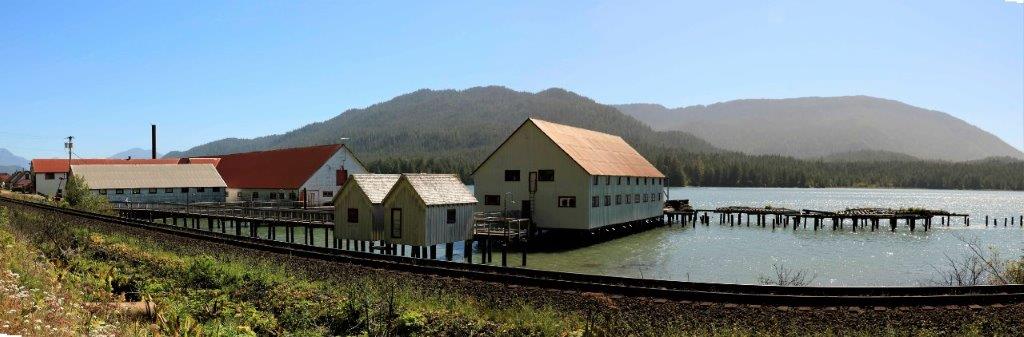
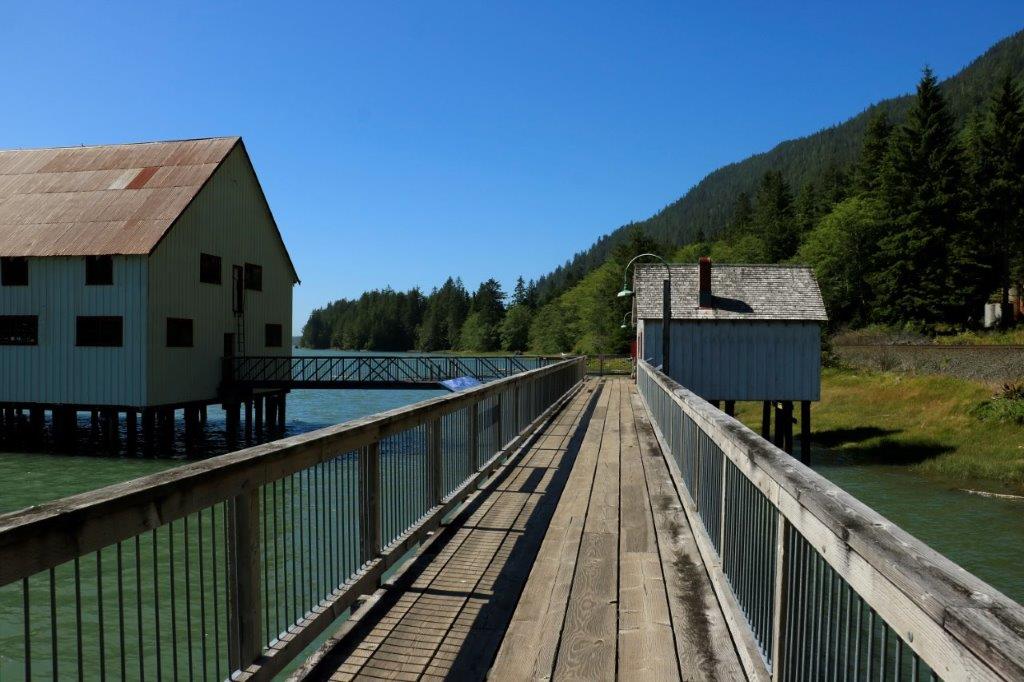
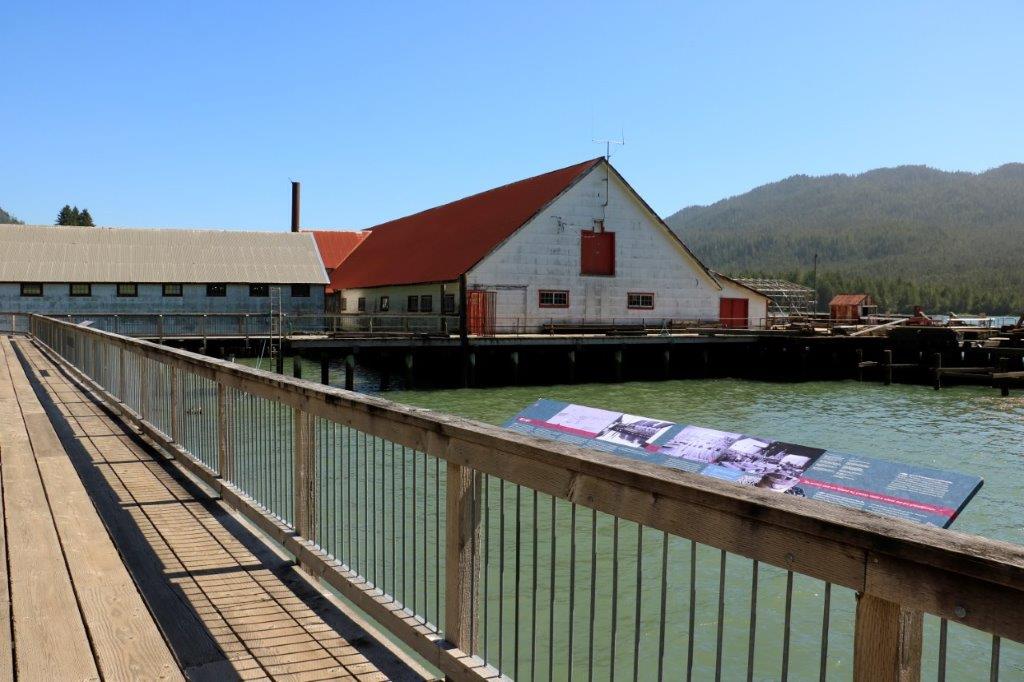
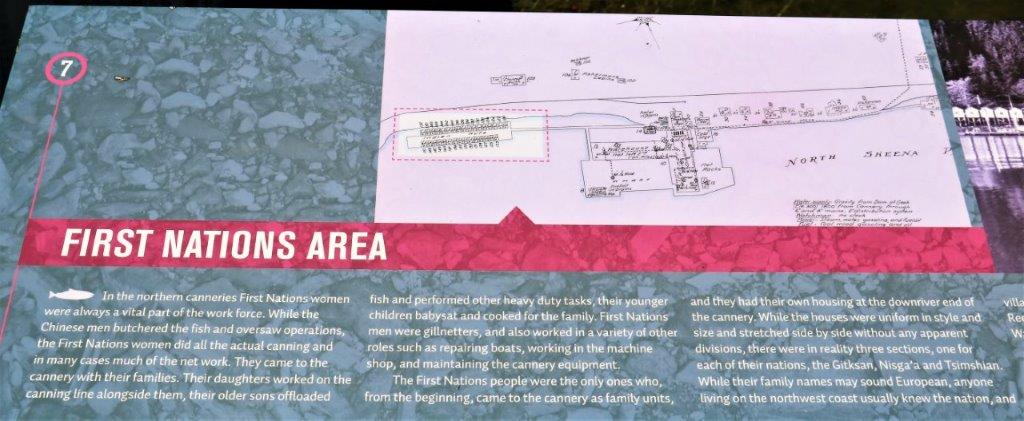
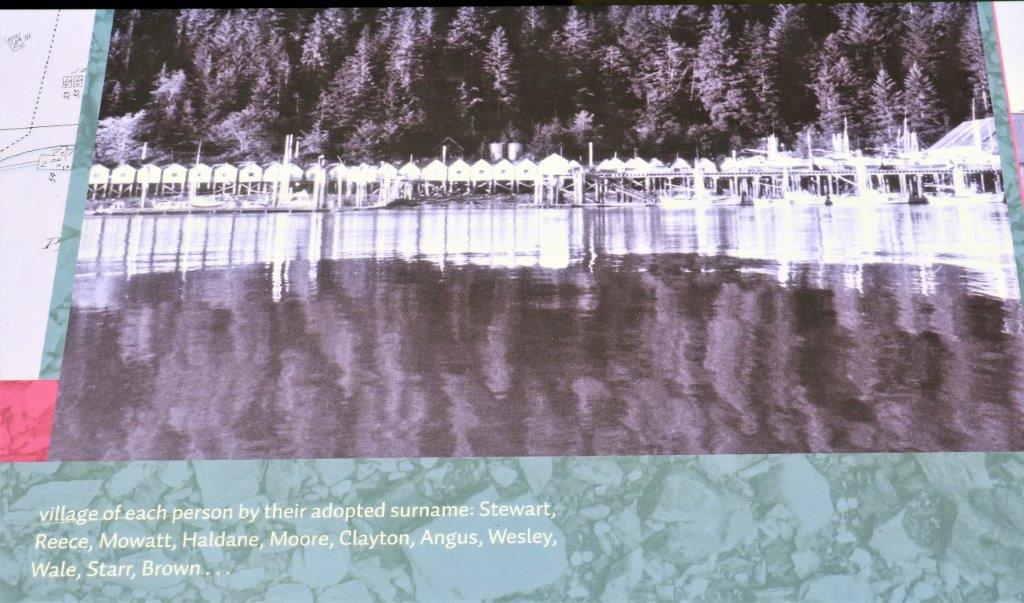
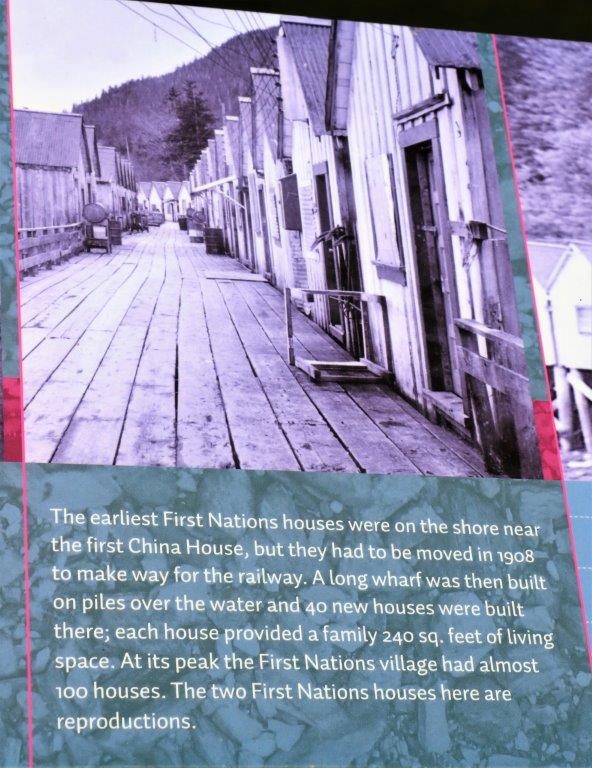
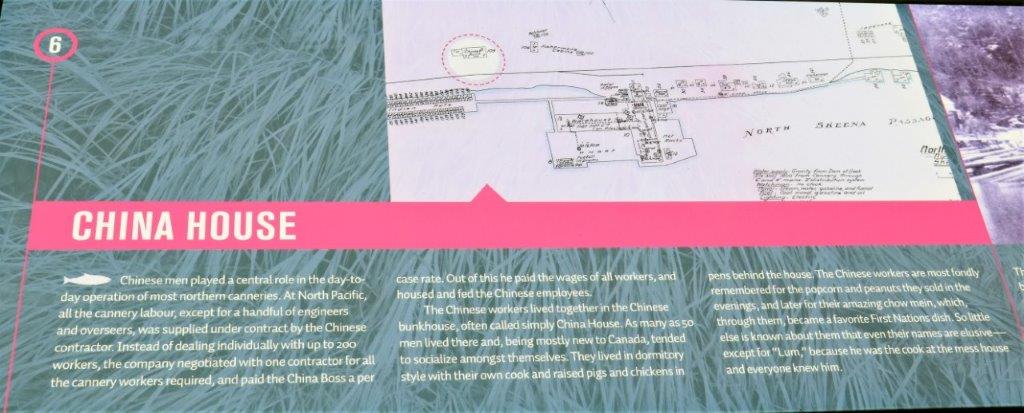
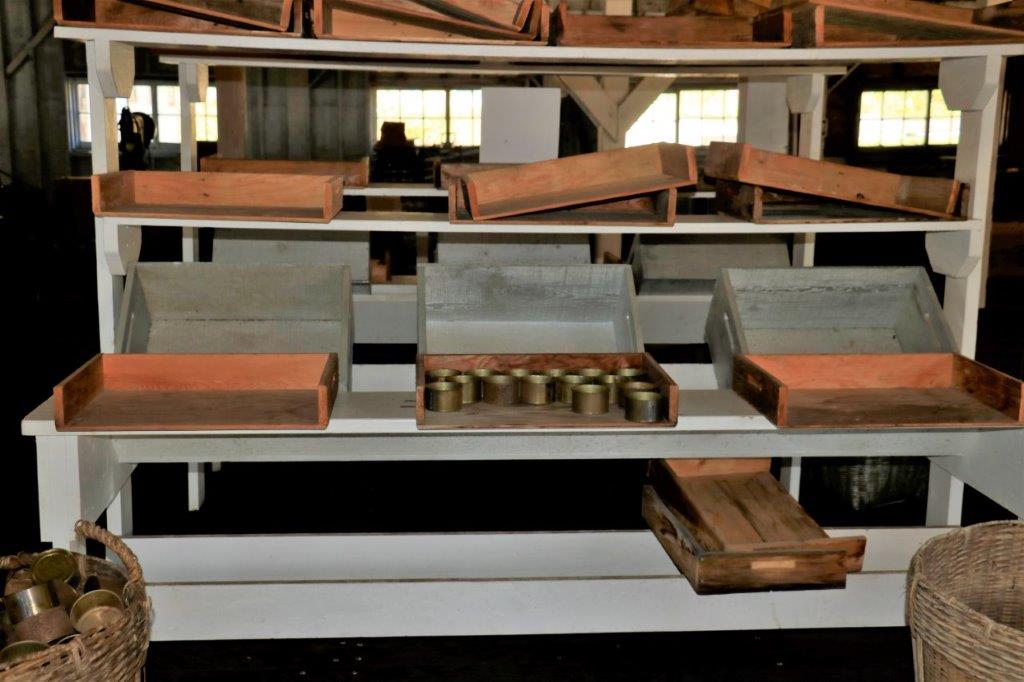
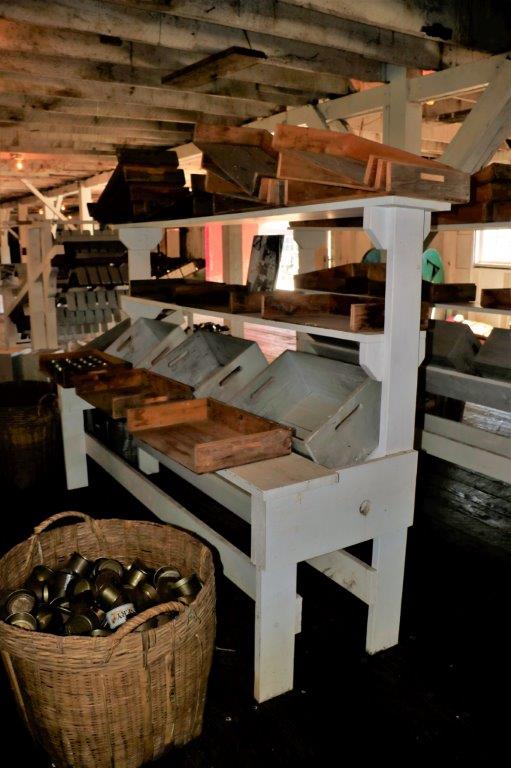
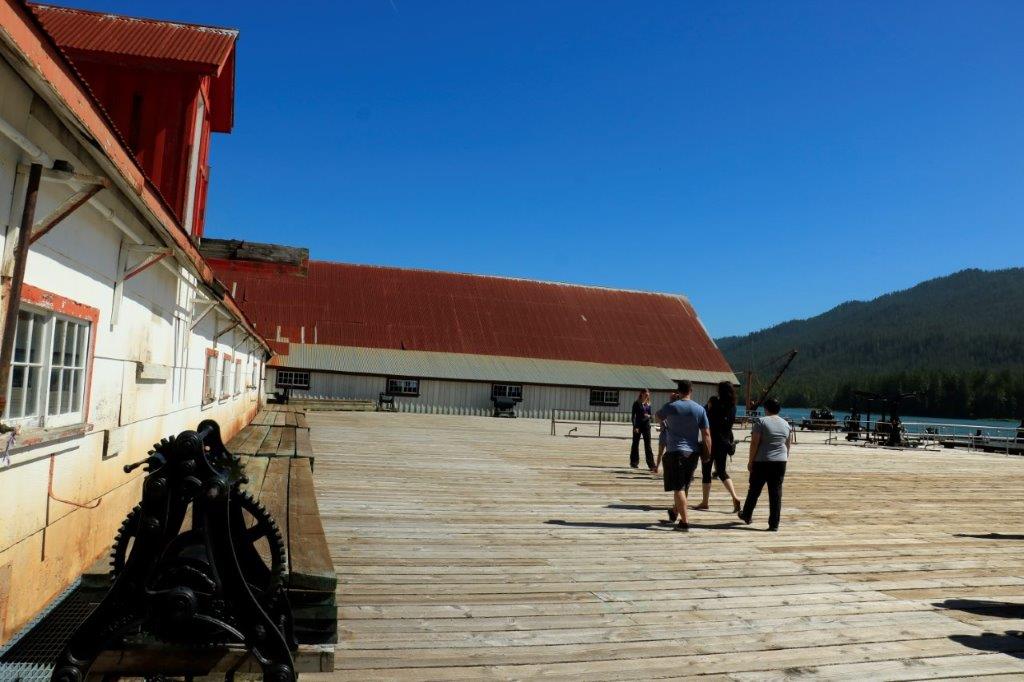
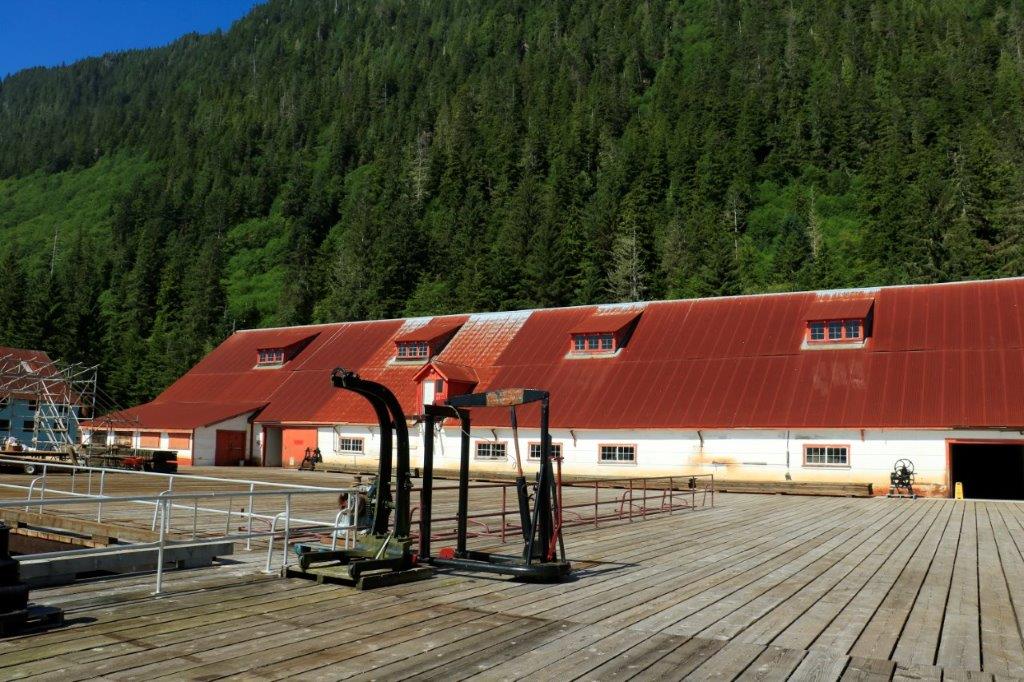
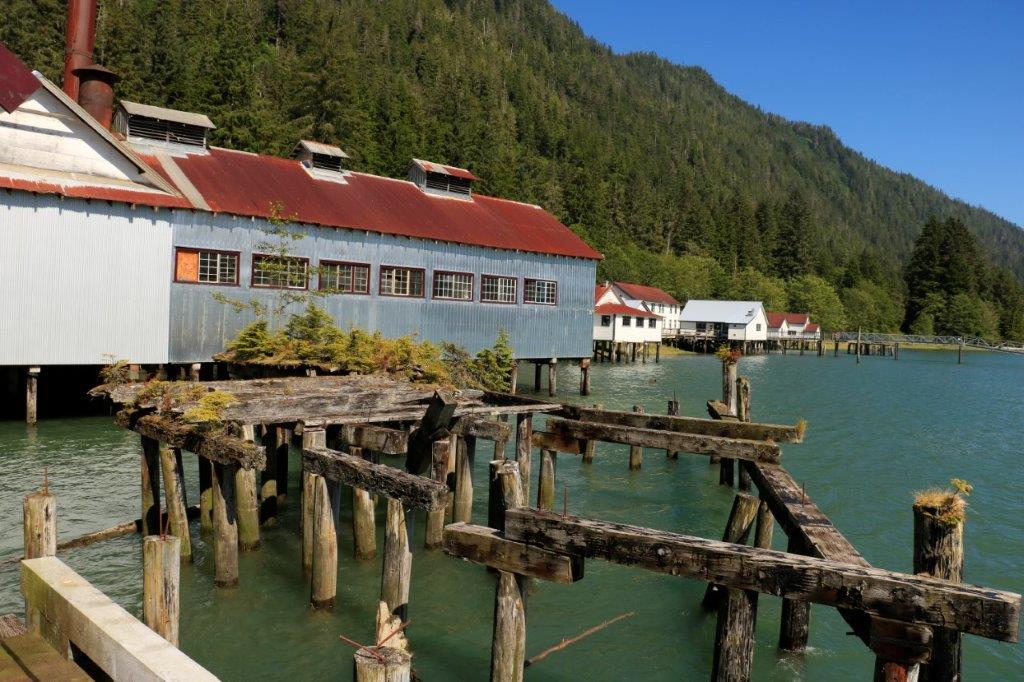
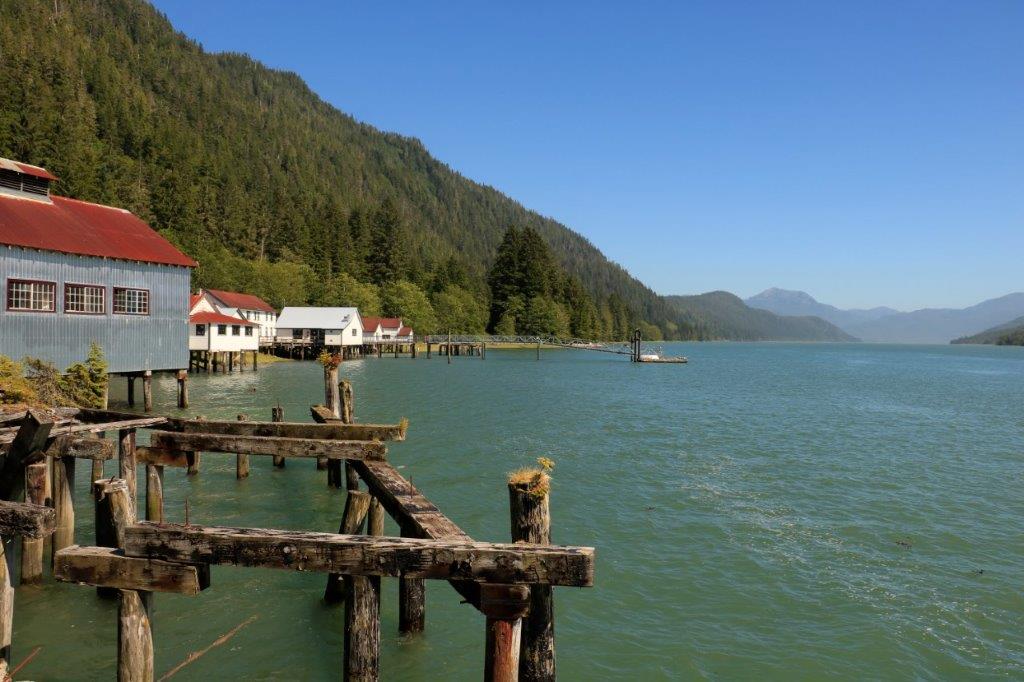
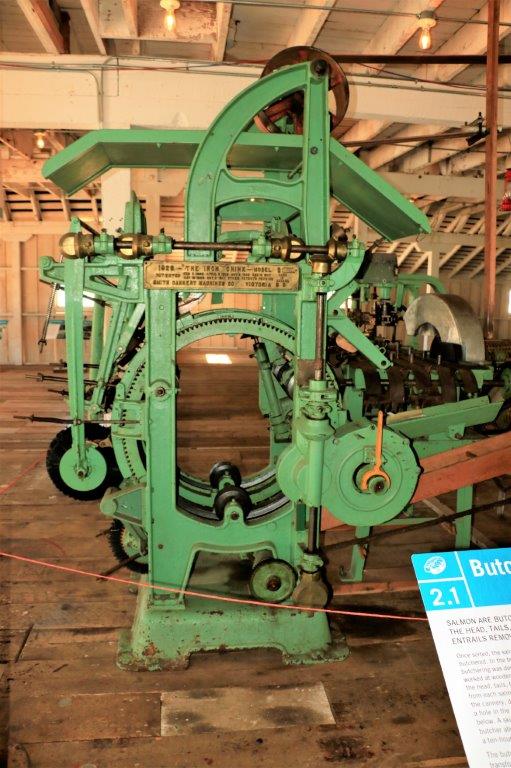
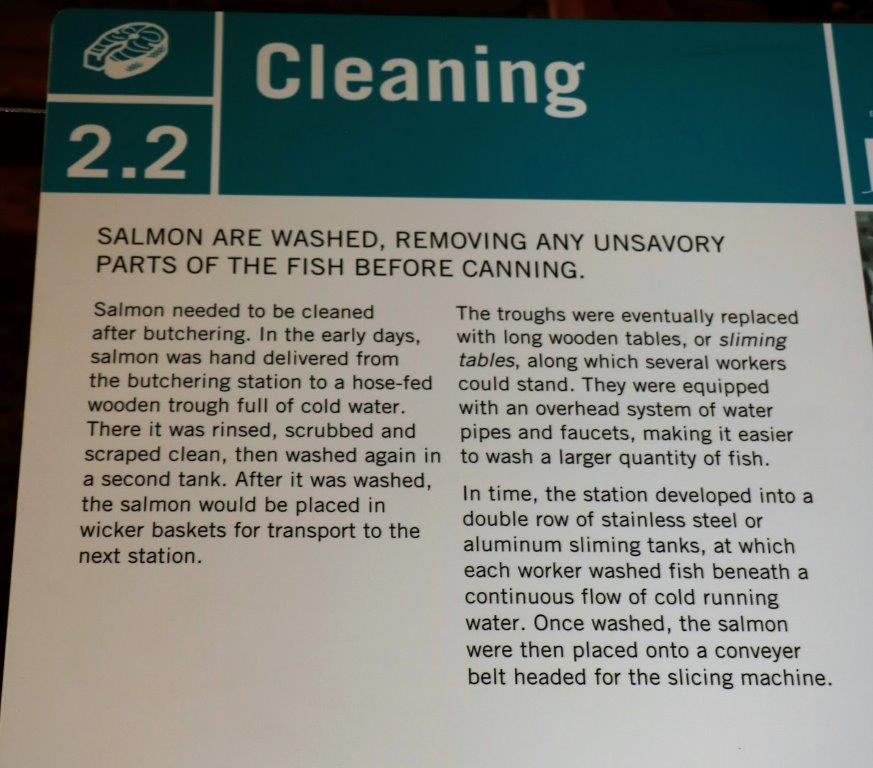
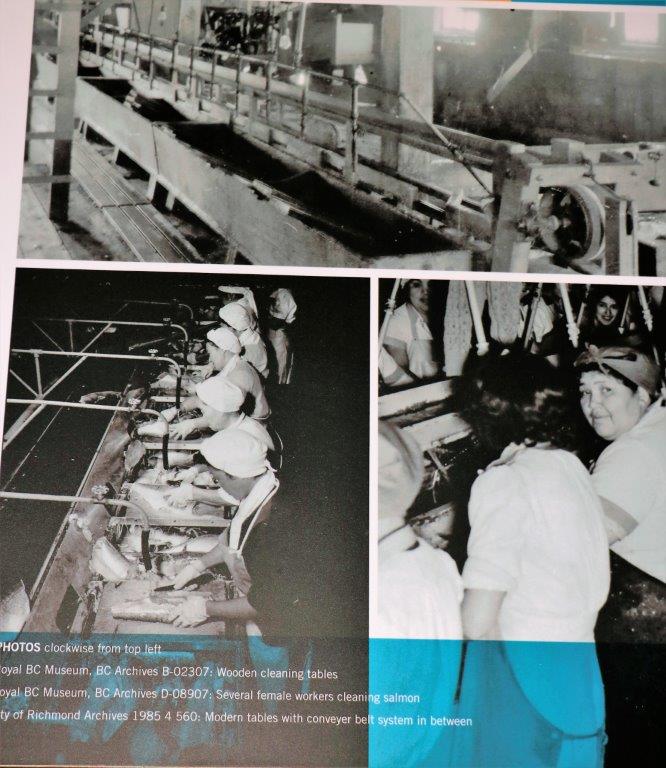
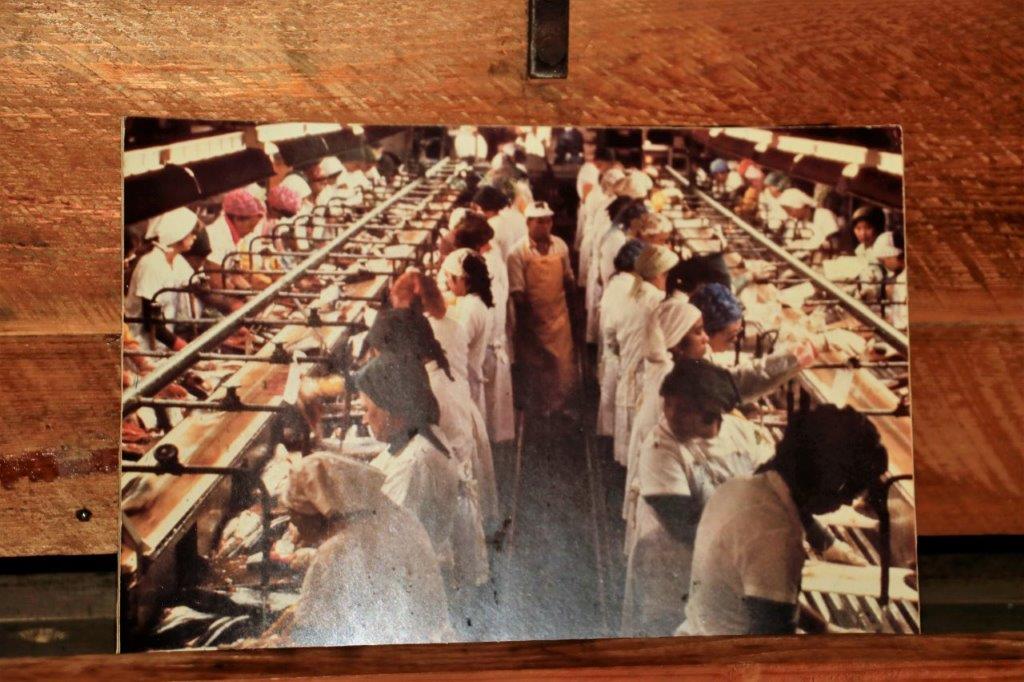
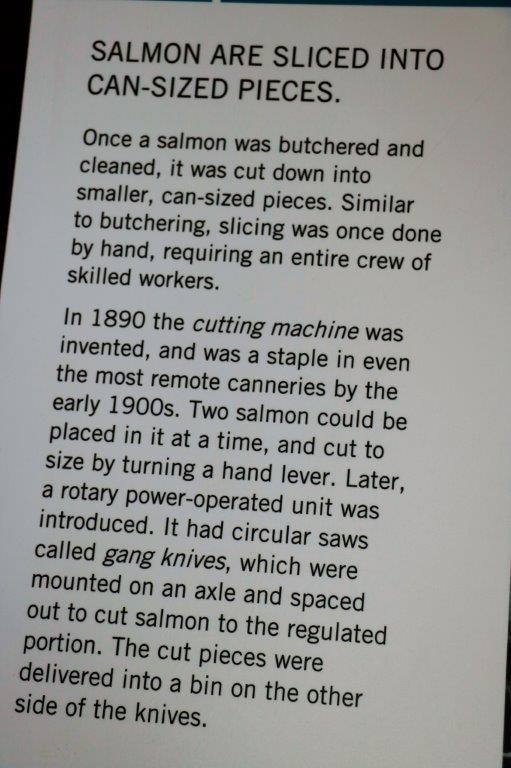
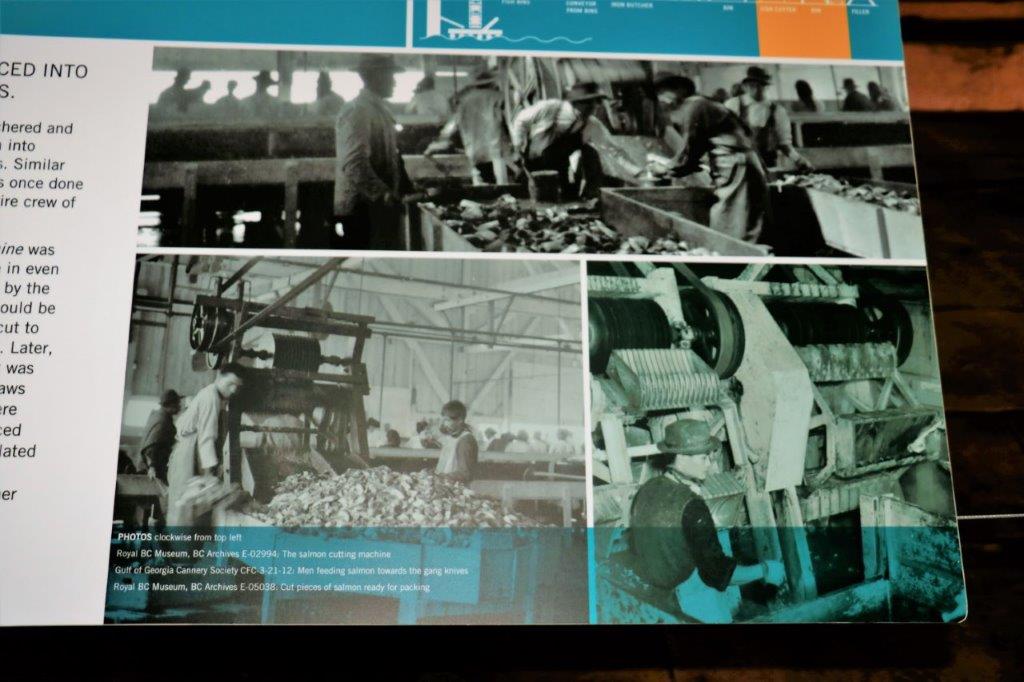
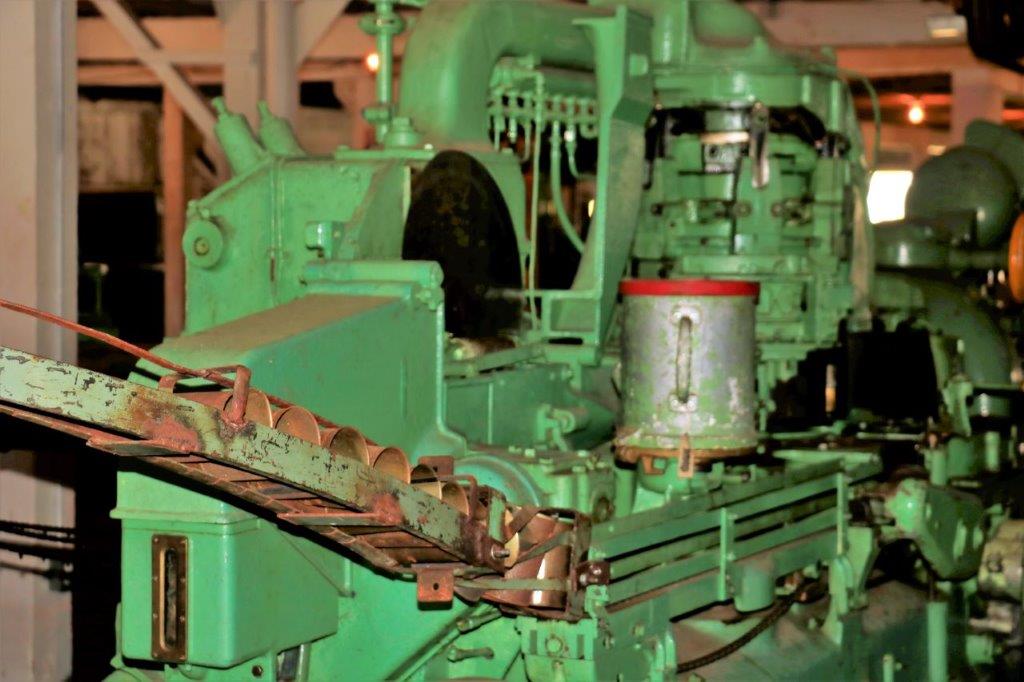
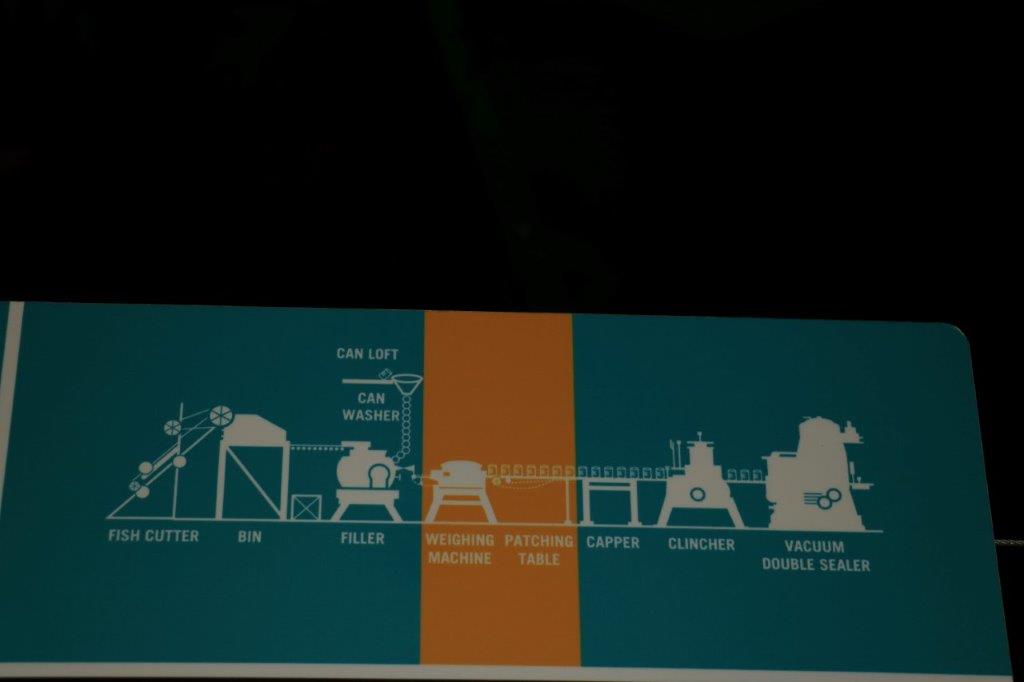
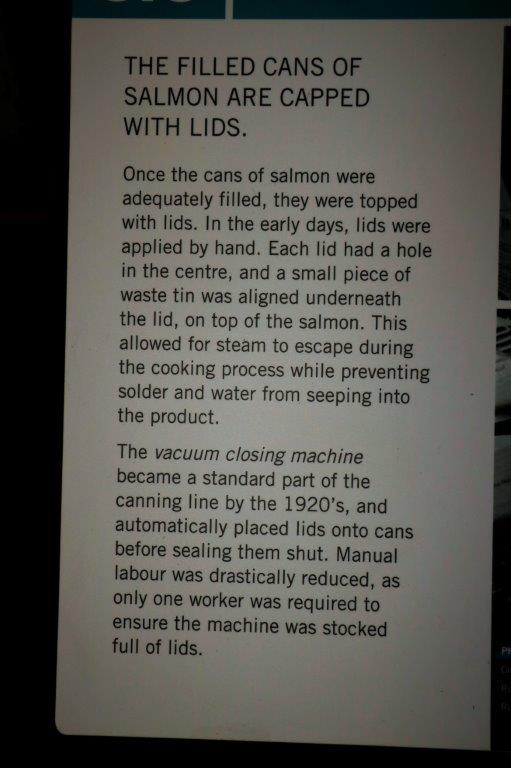
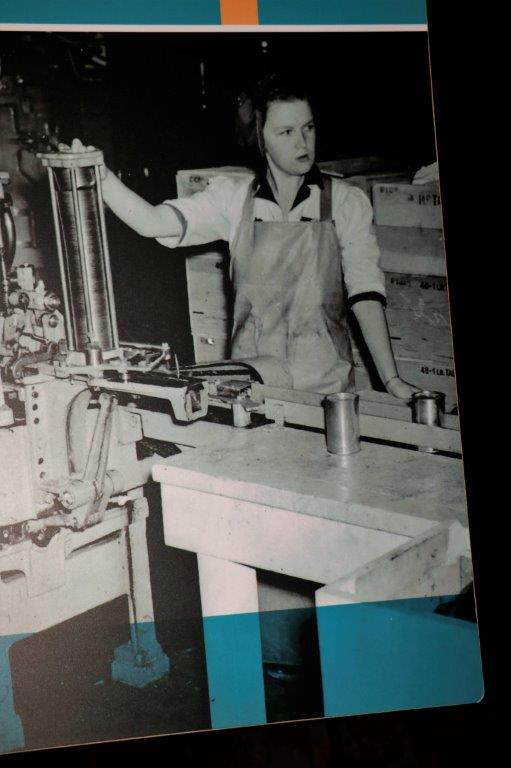
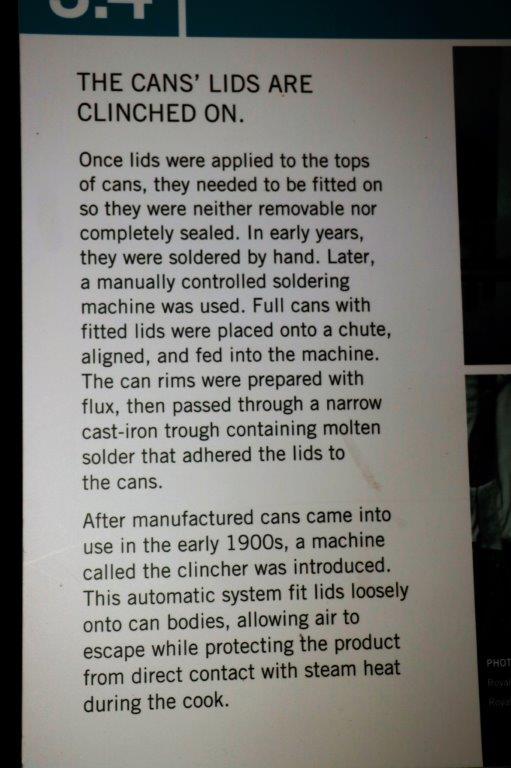
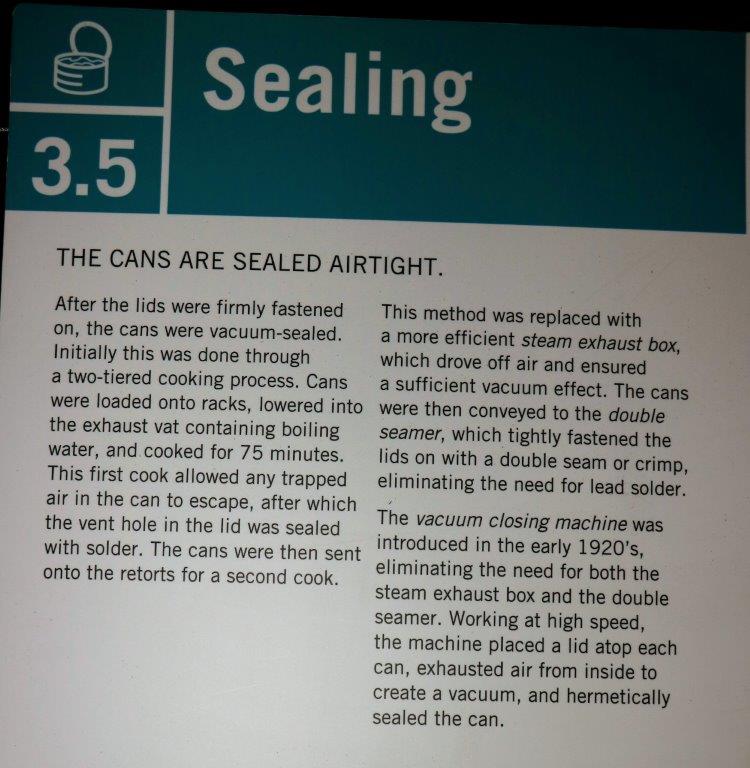
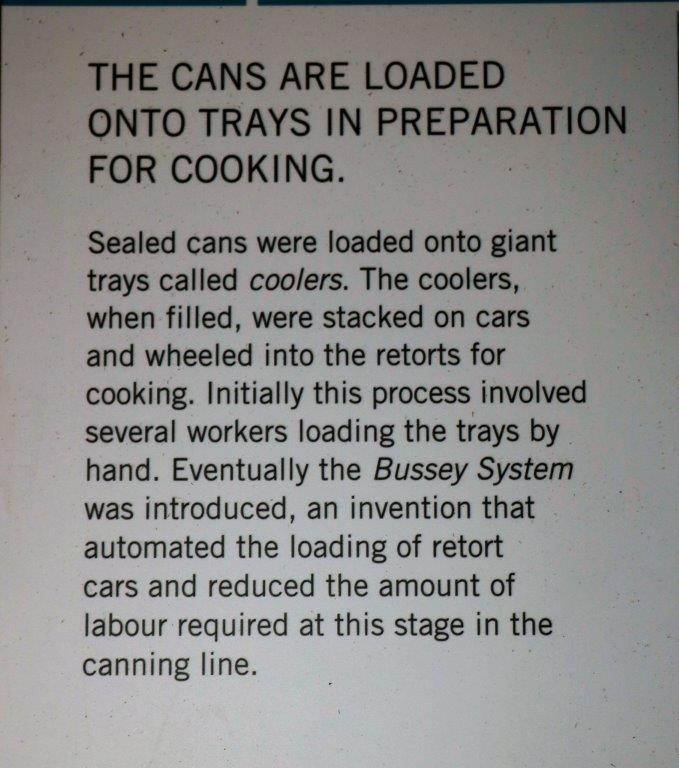
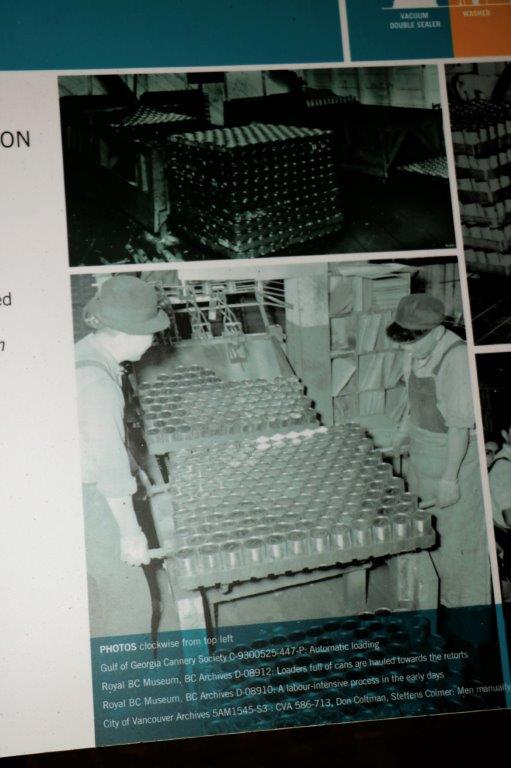
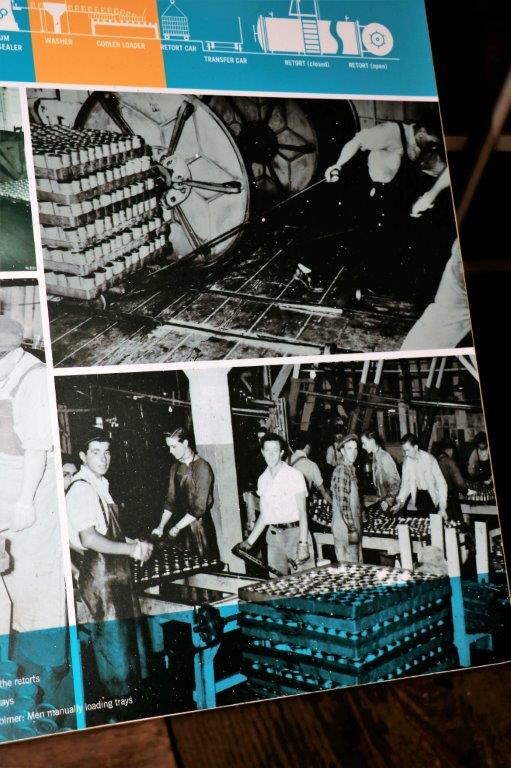
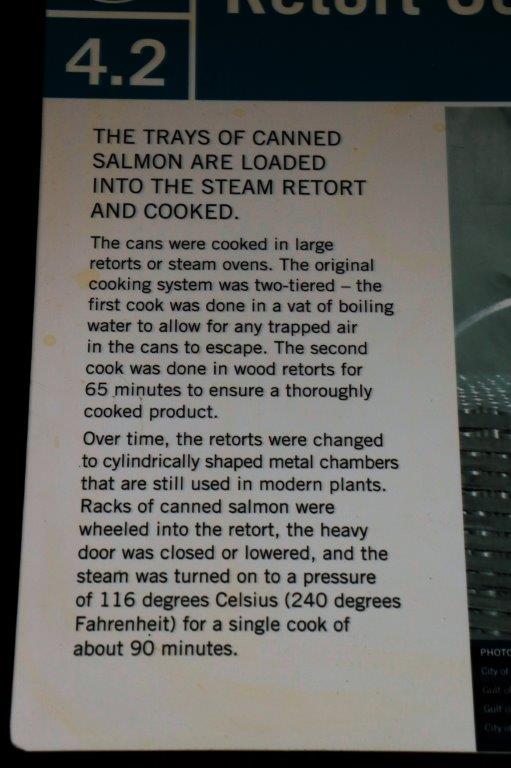
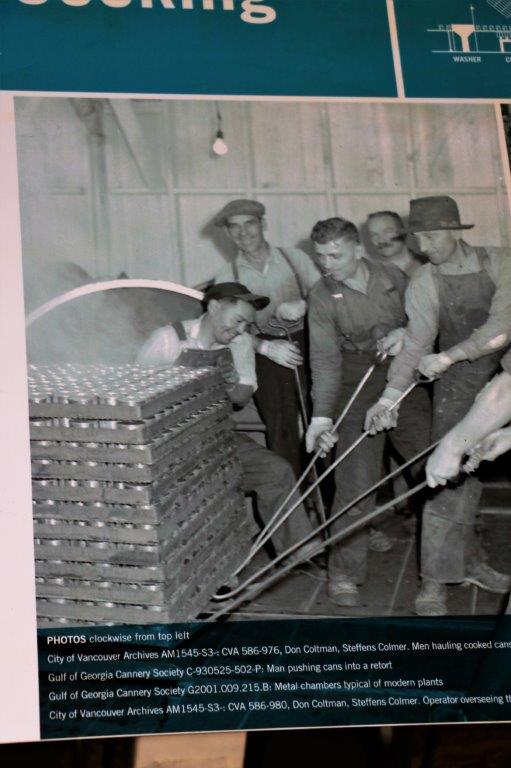
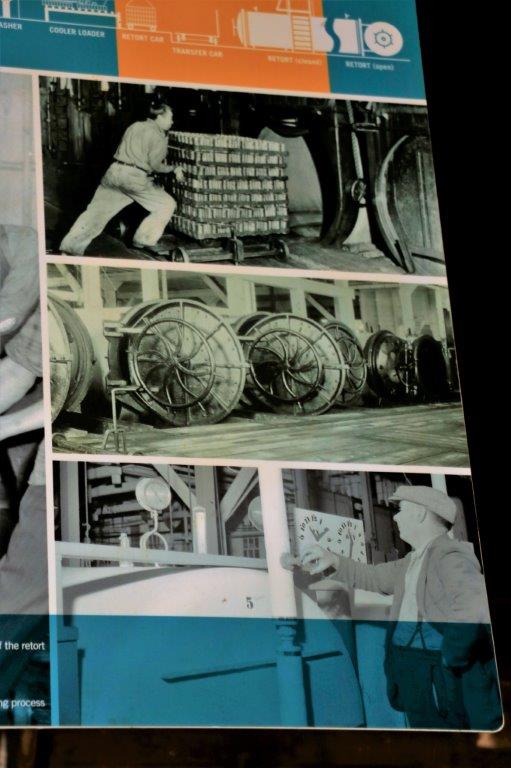
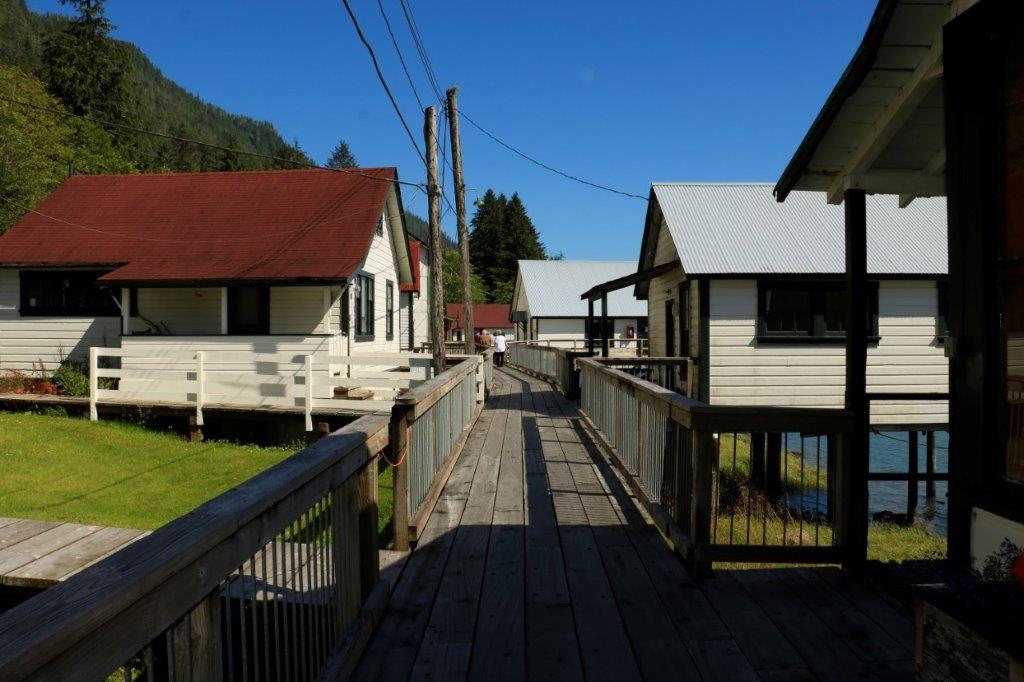
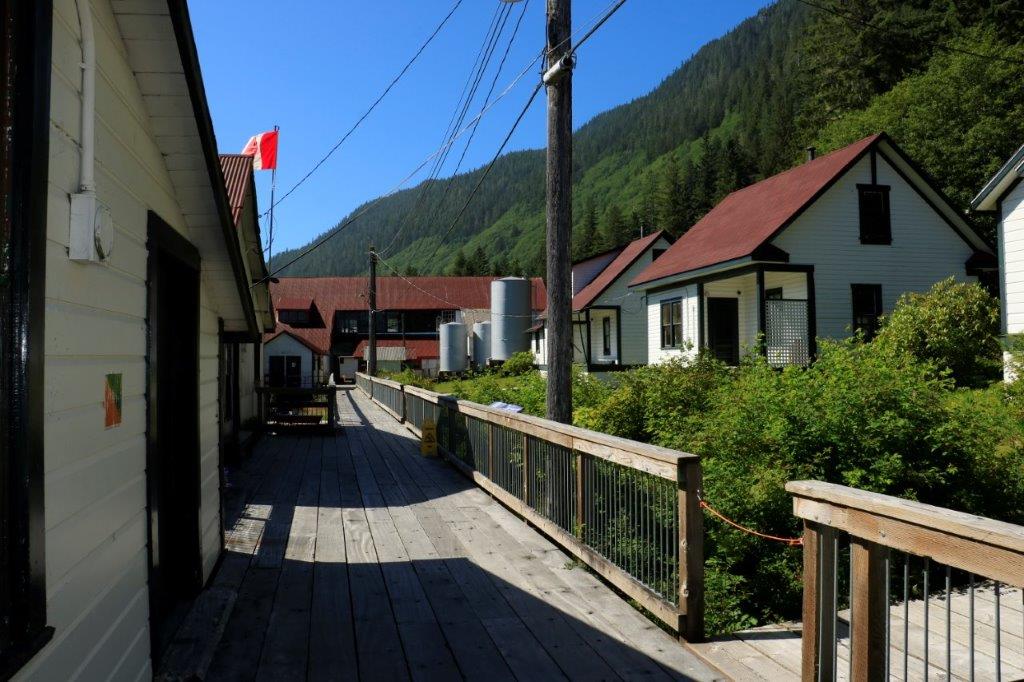
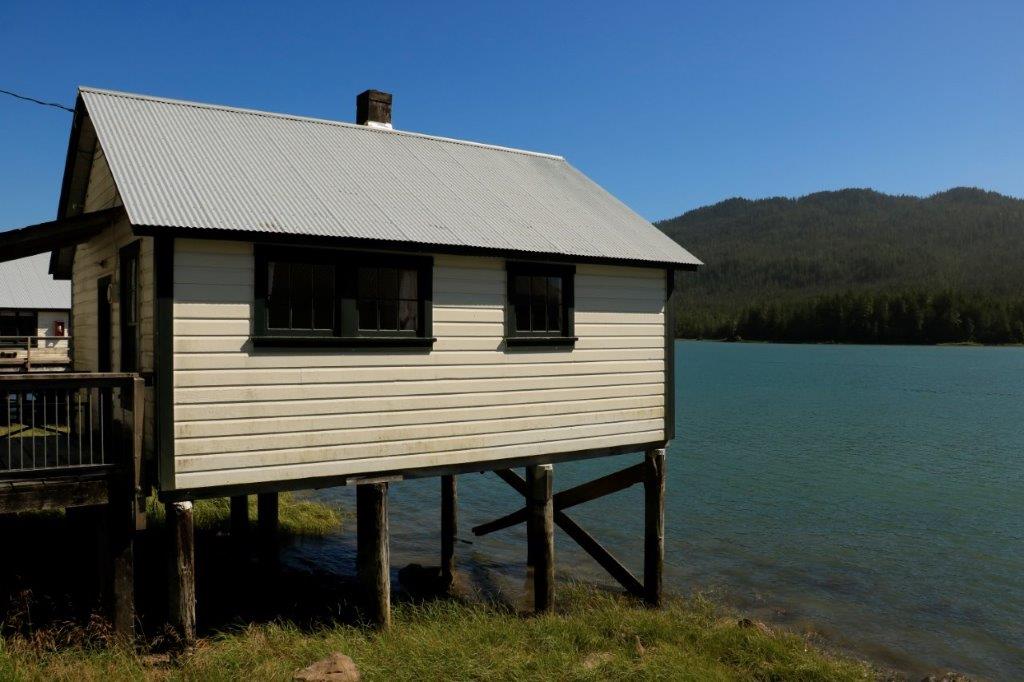
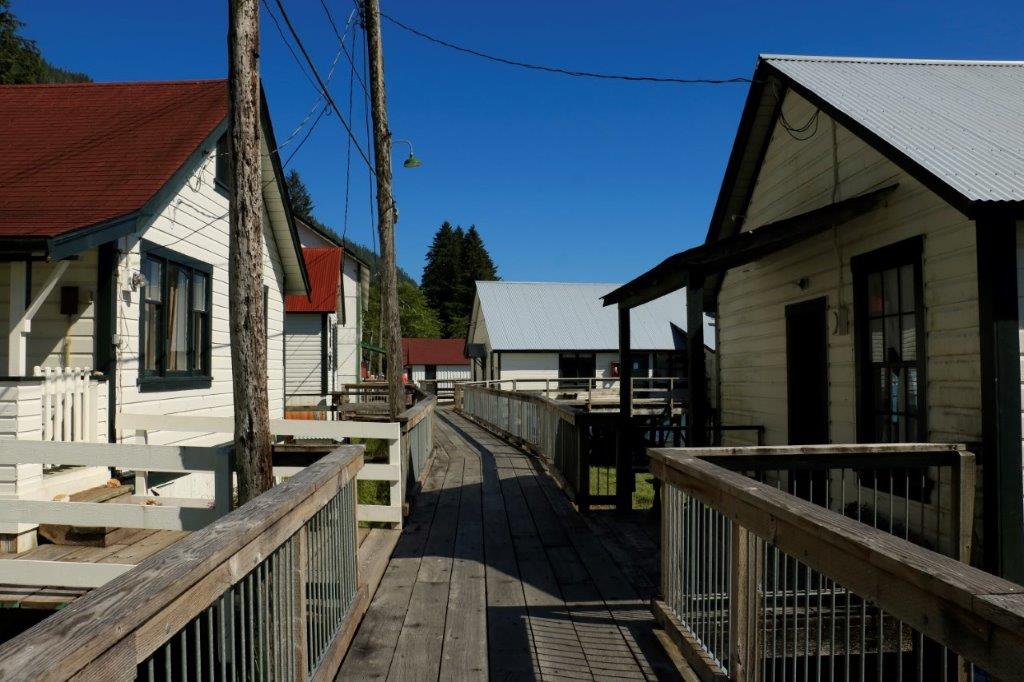
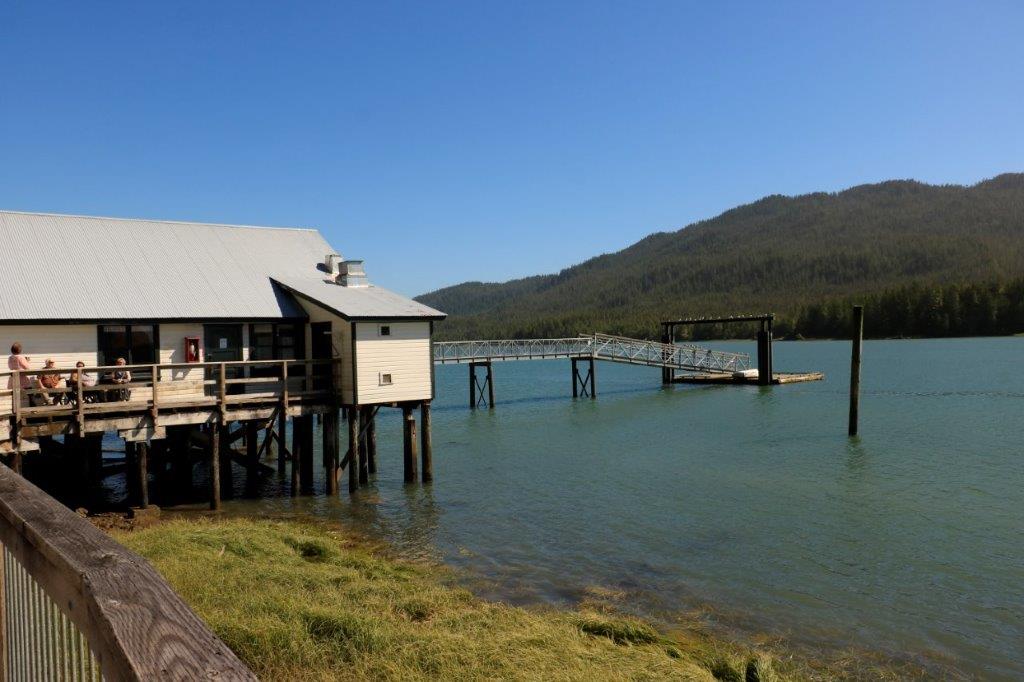
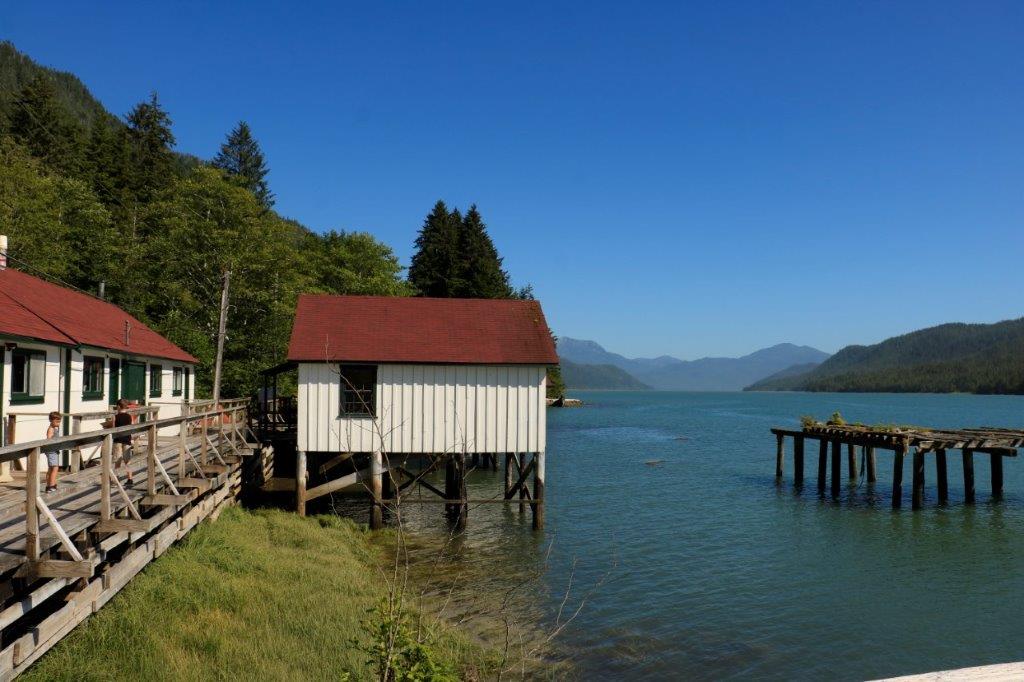
                           The glorious mountain scenery continued.         Boy, is that ever a deep glacier-cut bowl in this mountain.  We arrived at the bridge to Prince Rupert but turned left instead of crossing it and drove to Port Edward, a small comumunity on the Inverness Passage near the mouth of the Skeena River.  This stretch of coastal water was at one time home to four large salmon canneries.  One burned several years after it had closed.  Two more survive.  One – Inverness Cannery – is privately owned and has been converted into a Bed and Breakfast.  The other is a National Heritage Site.  We arrived at 3 o’clock just as the last tour of the day was starting.   Originally all the work in the canneries was done by hand.  First Nation’s families would come at the beginning of the season in May and work until September. The men repaired the boats, worked on the machinery, and were labourers. The women and older children mended the nets, de-slimed the fish, and packed the cans.  The younger children cleaned the messy exterior of the cans before they were put in the cookers.There were men from China – that were contracted under a broker – who did all the butchering.  They were so fast, 4-5 fish per minute, they were called Singing Knives.  They removed the head, tails, fins and entrails of each fish.  The fish were put in baskets and sent down the line to the women that cleaned them before they moved along to the cutting machine.  All the cans were hand soldered with lead, hand packed by First Nations women, cleaned by the children, cooked in pressure cookers at 240 degrees for 90 minutes and sent – without labels – to Europe.  The labels would be ruined on the journey so all labels were added at the destination.

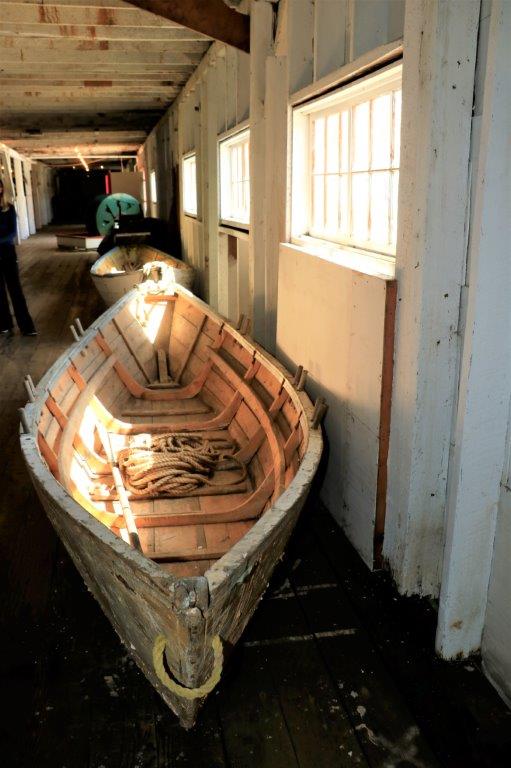
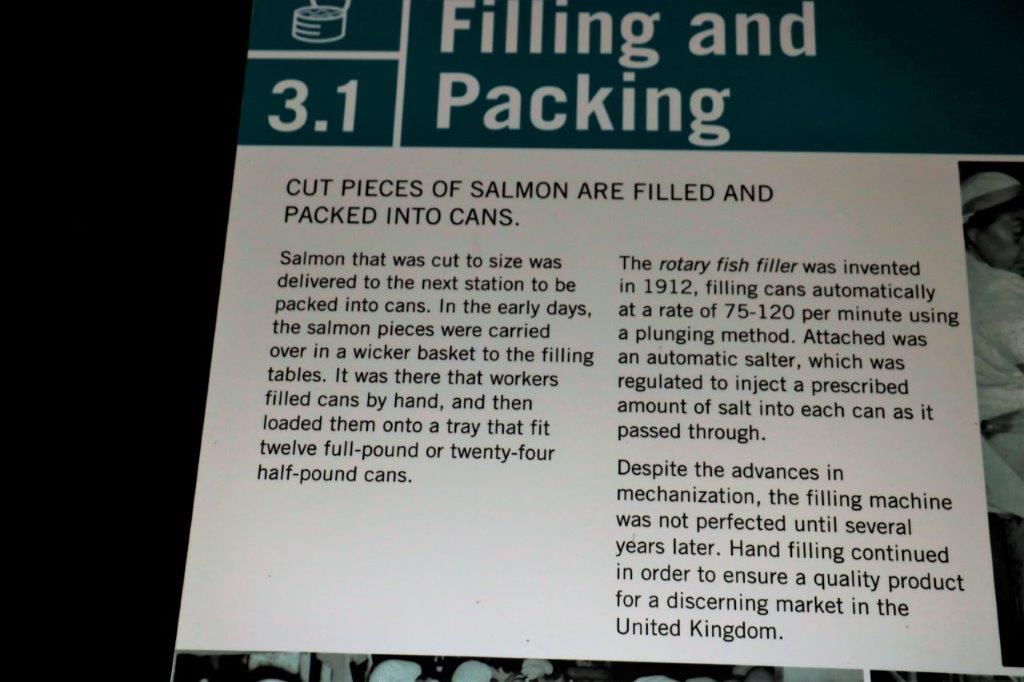
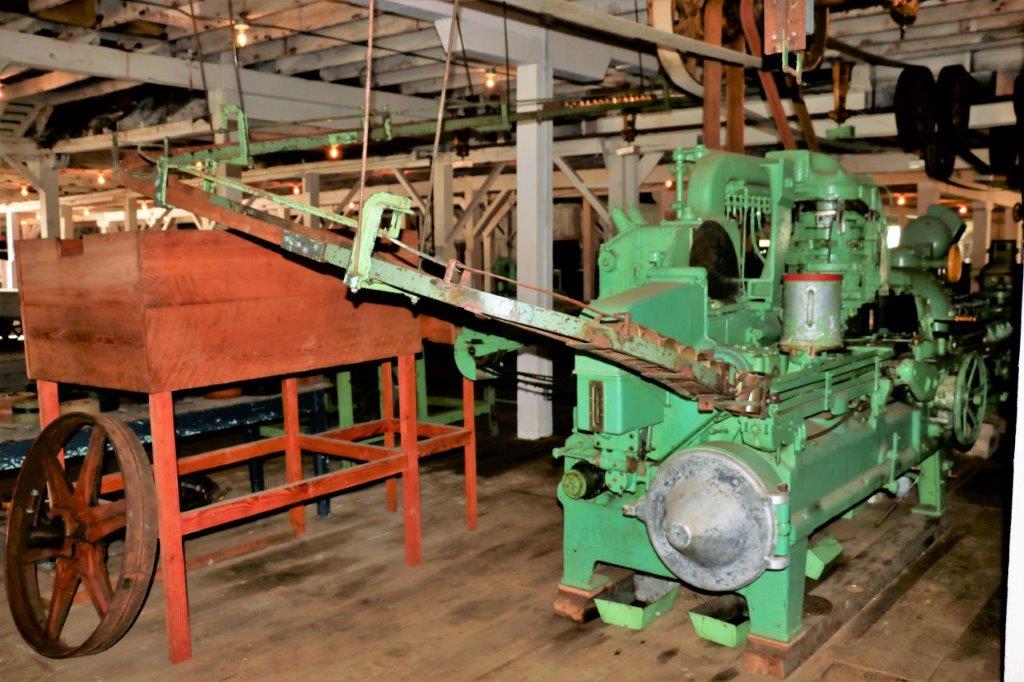
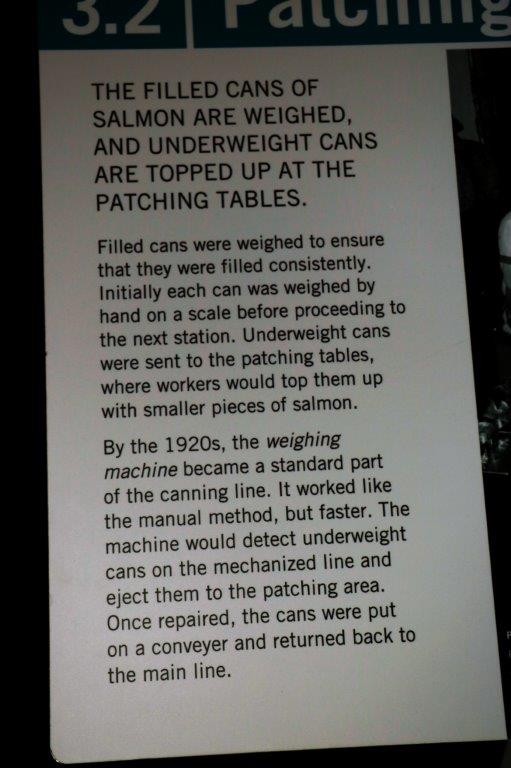
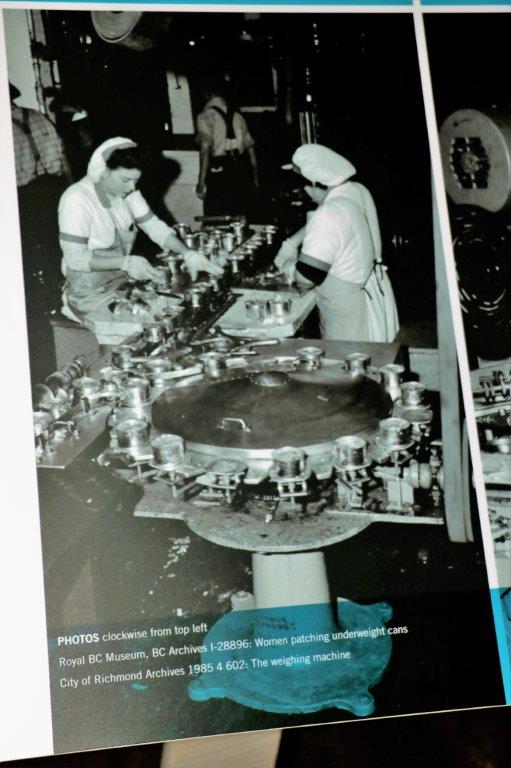
The women got paid by the tray of cans – 24 per tray – they could pack 72 cans per minute.  Work lasted as long each day as it took for the fish that were brought into the cannery to be processed 14-16 hour days were not uncommon.  The children and other family members would bring food to the workers as they continued to work on the line. The Japanese workers also lived in dormortories with their own cook like the Chinese.  They were the fishermen and would go out in these little dorries with a sail on a pole and set the gill nets.  When a boat motor was invented the motorized boat would bring food and supplies to the sailing dorries and take the catch back to the cannery.  Thus the men could stay out on the open water for a week or more.  Eventually motorized boats replaced the dorries. Industrialization came to the canneries and eventually the entire processing line was mechanized.   This drastically reduced the labour force required, standardized the amount of salmon per can (they were never weighed, the ladies just eye-balled the amount), created a tin solder seal rather than hand soldered lead, and increased the size of the pressure cookers so more fish could be processed at one time

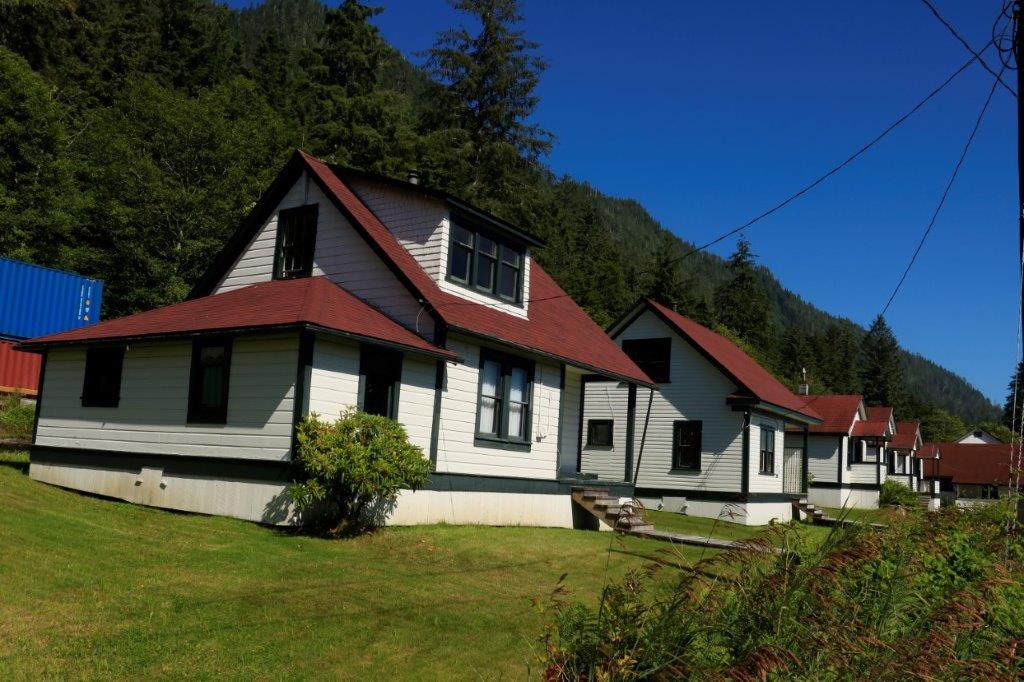
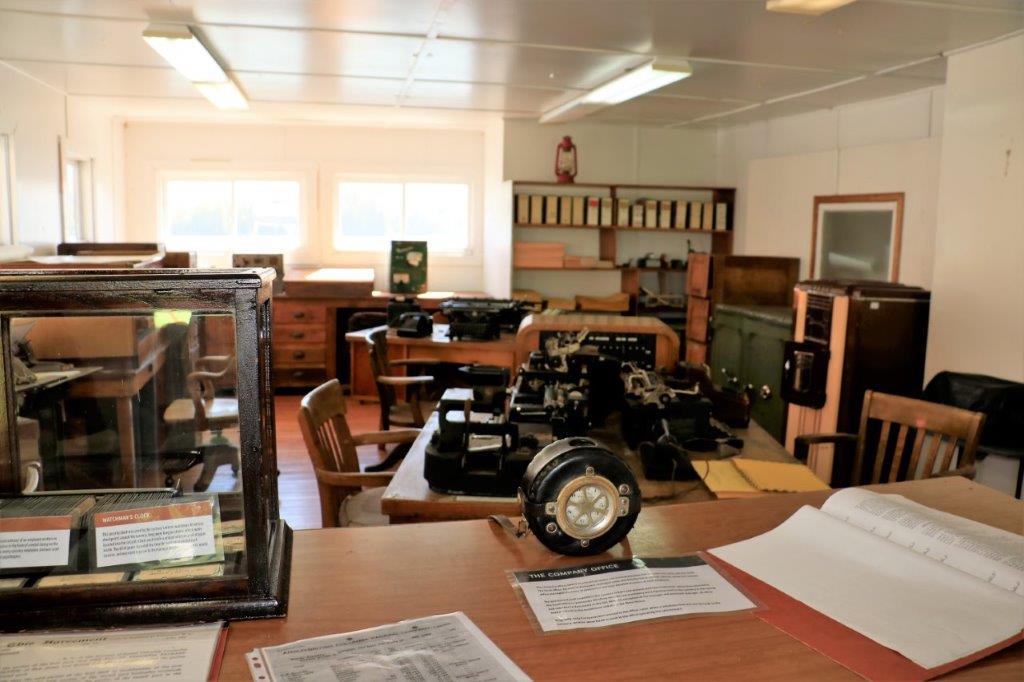
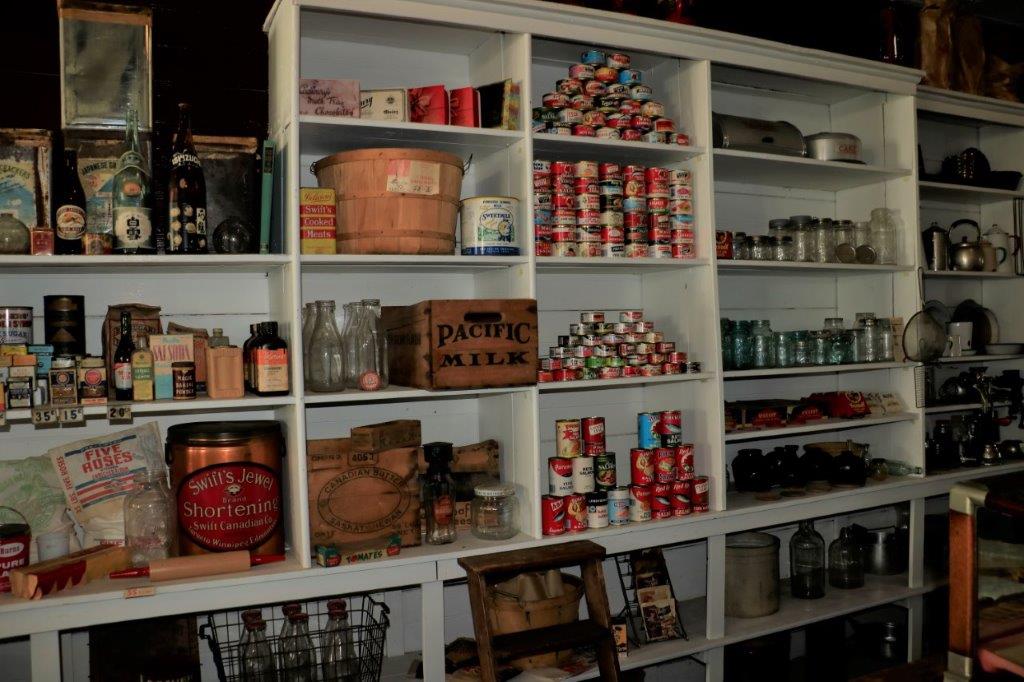
. The General Manager, Assistant Manager and the four Line Bosses housing.                  The office where all the paper shuffling was done.   The company store supplied all the goods needed by the workers.  It also housed a laundry for the upper-management, a doctor and dentist office, and the barbar shop.  As was the case with most company stores of the early 20th century, at mines and mills, etc., the workers would pick out what they wanted, the store keeper would write it down – no prices were on anything so inflated prices were recorded – and at the end of the season in September the purchases were tallied and deducted from the wages.  Often the men and women still owed money to the store and received no wages for their work.  This allowed the manager to coerce them into coming back next season to work off the debt.  Eventually, this practice was outlawed and fair prices had to be placed on the goods in the stores. The store keeper had one of the best houses in the cannery due to the amount of money he was extorting from the workers.  It was a very interesting tour and our guide did an excellent job.  She had so much information and explained it well.  We enjoyed the tour very much.

After the tour was concluded we drove up to Prince Rupert and checked in to our hotel.  We are stayng in Rupert tomorrow as well.  No plans as yet scheduled.