2012 April 12 – Day 32 – Piraeus, Greece (Day 2) (Part 1)

When we woke up our second day in Piraeus we discovered that during the night a European cruise ship had berthed on each side of us.  Each of the ships had over 2,000 passengers, many of them families with children as it was Easter break from school.  We were very pleased we had chosen to do the Acropolis tour on our first day.  Our friend Charles did the same tour on this day and said he saw more people than stones.  Just as in Turkey, the historic sites in Greece are jam-packed with people all summer long.

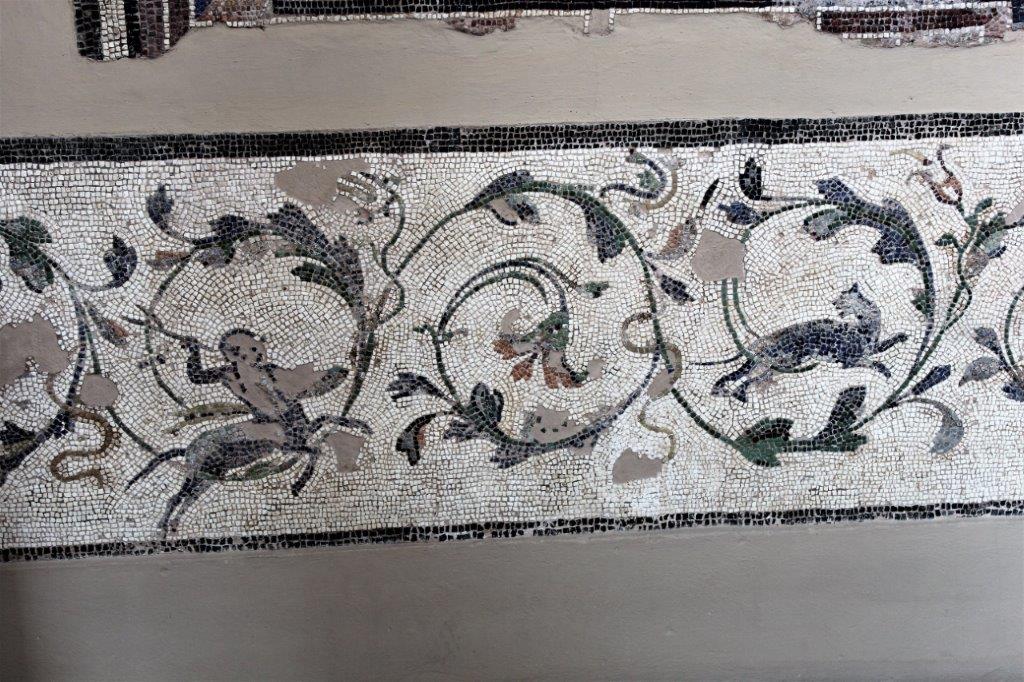
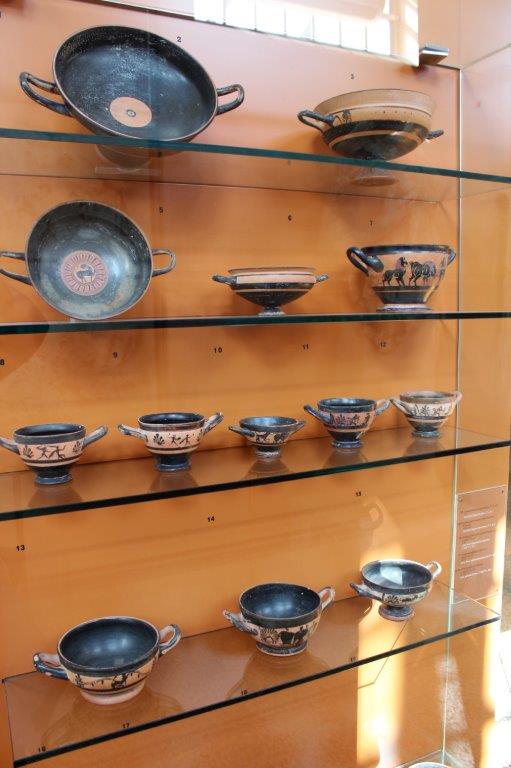
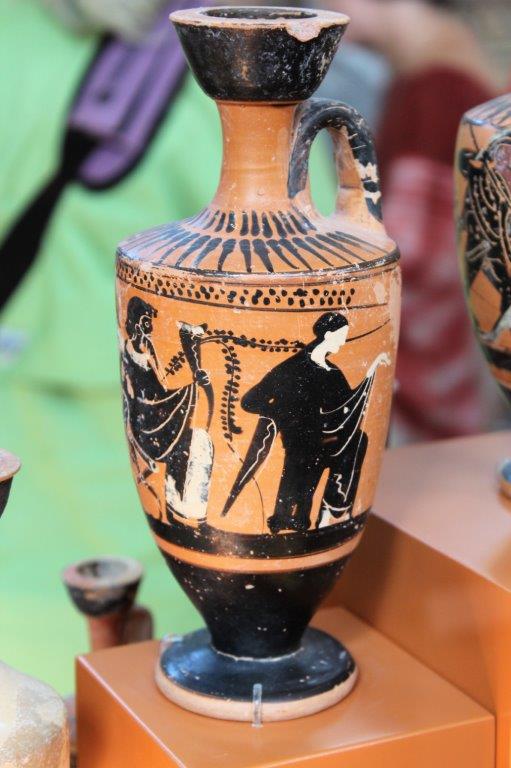
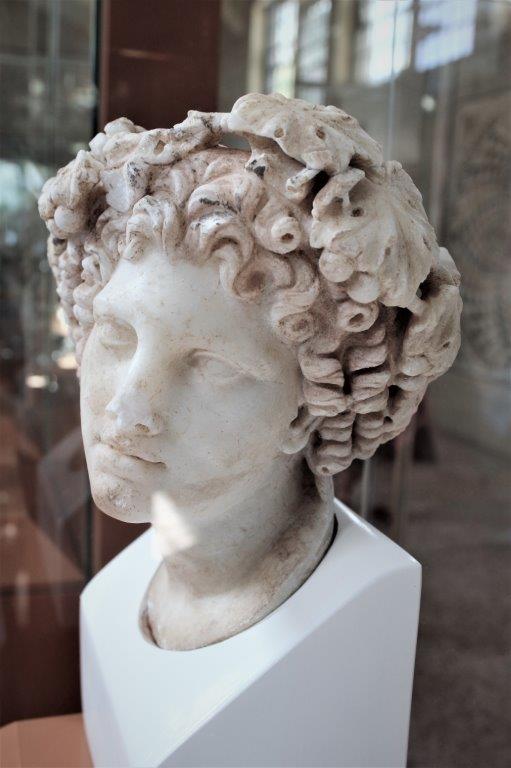
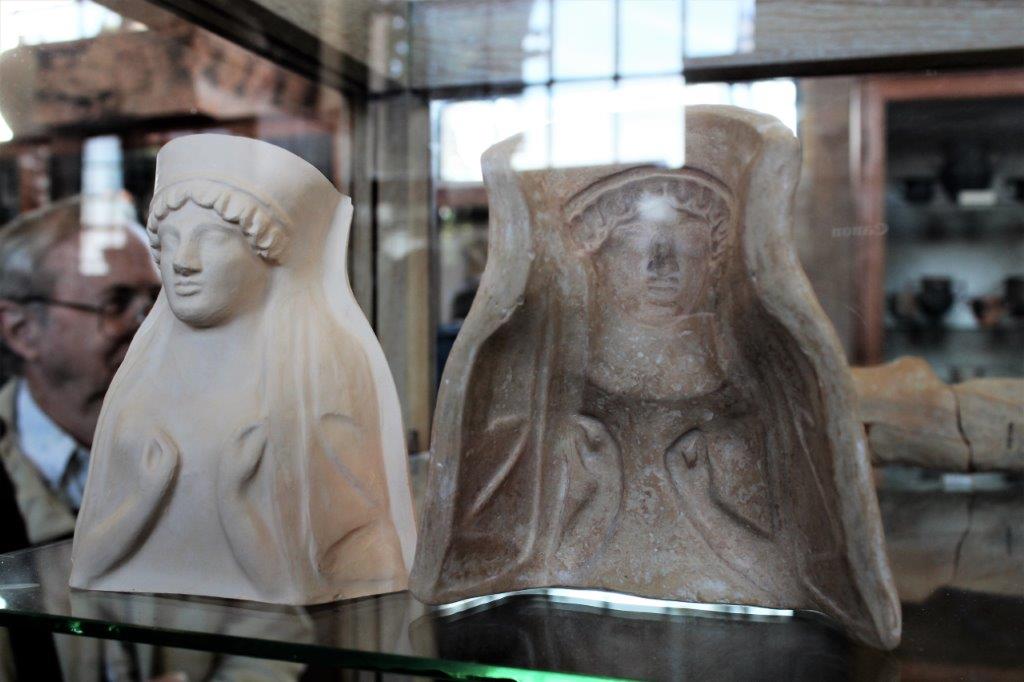
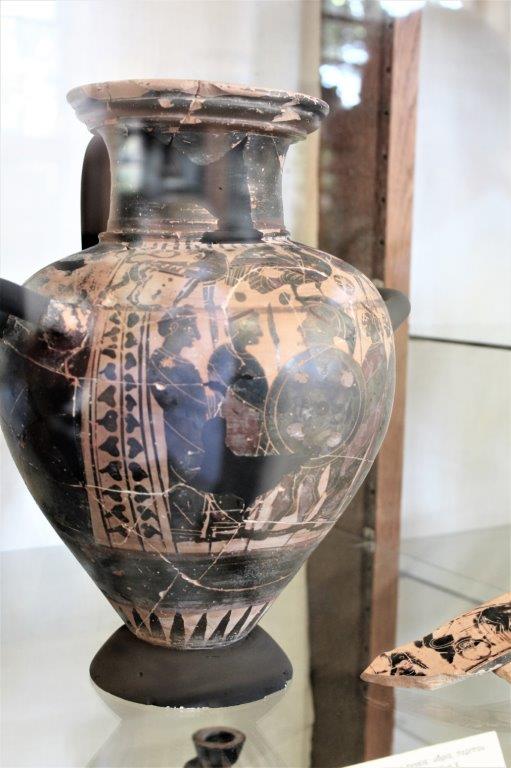
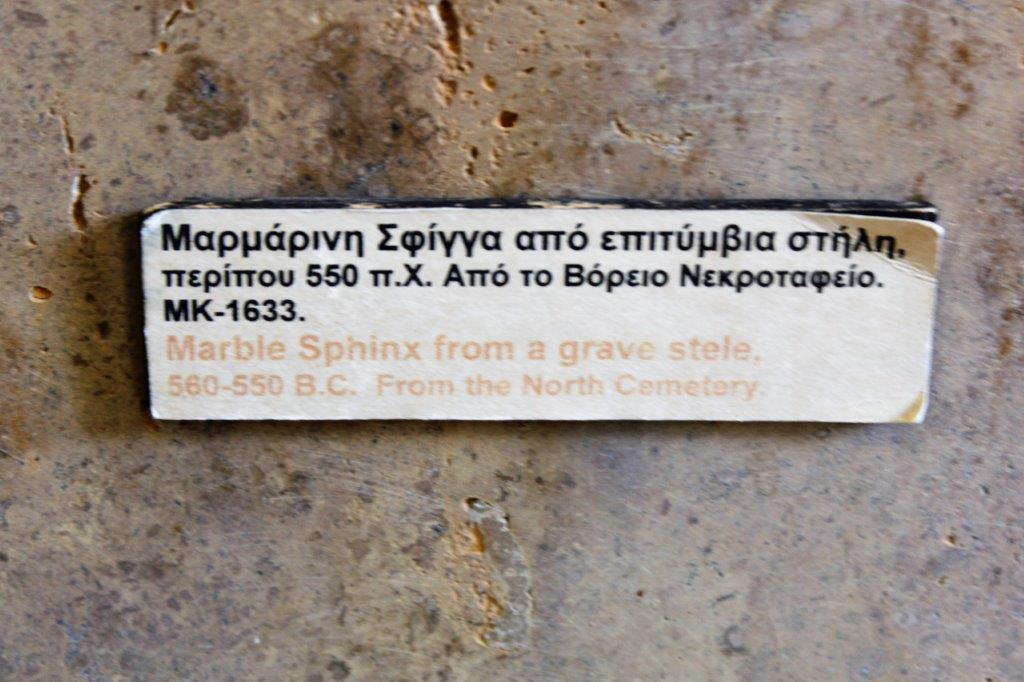
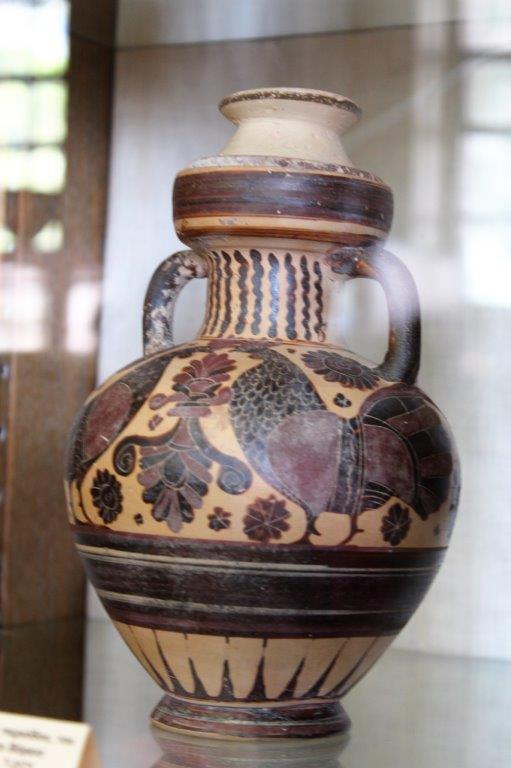
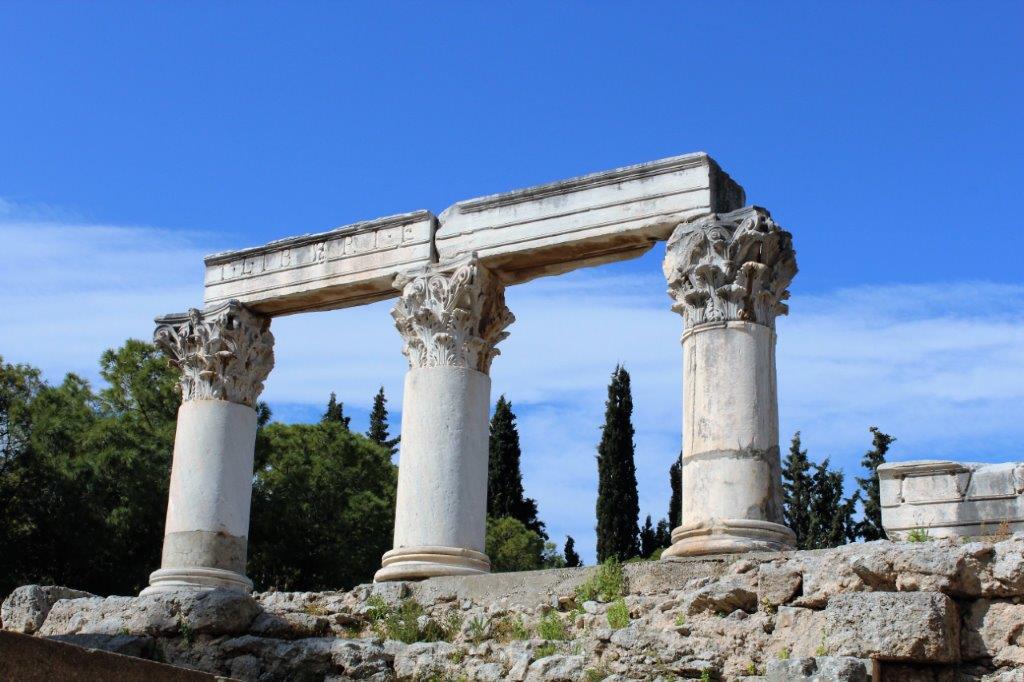
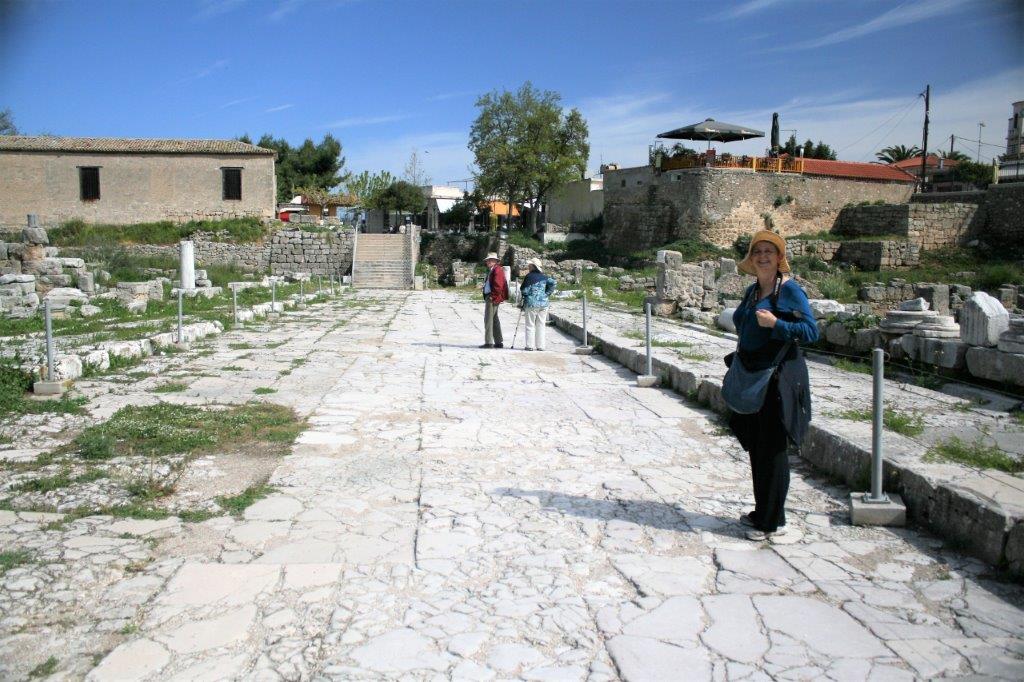
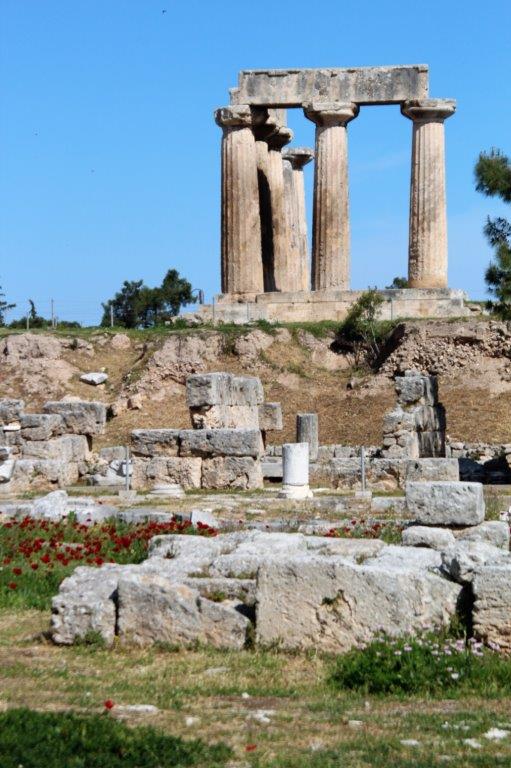
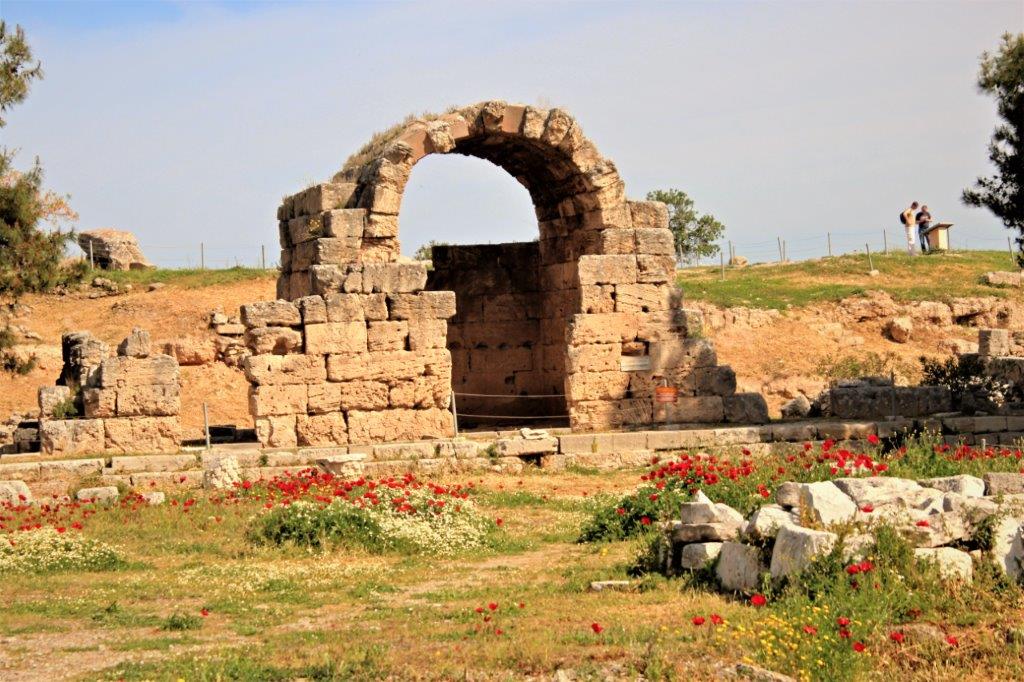
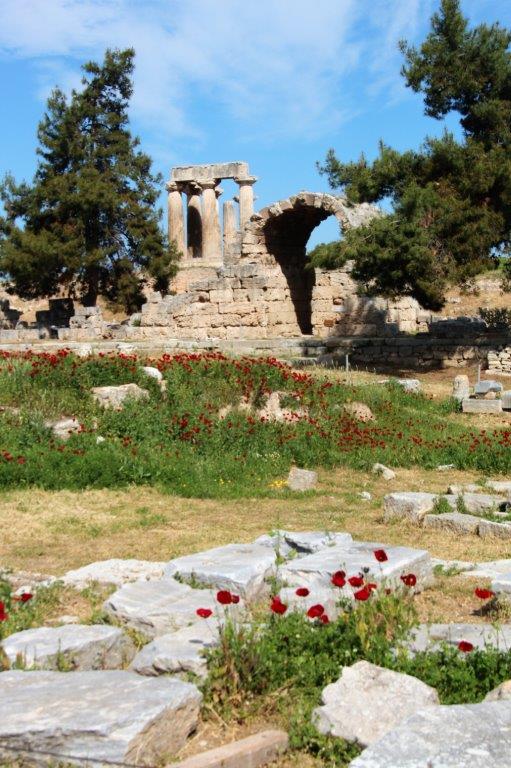
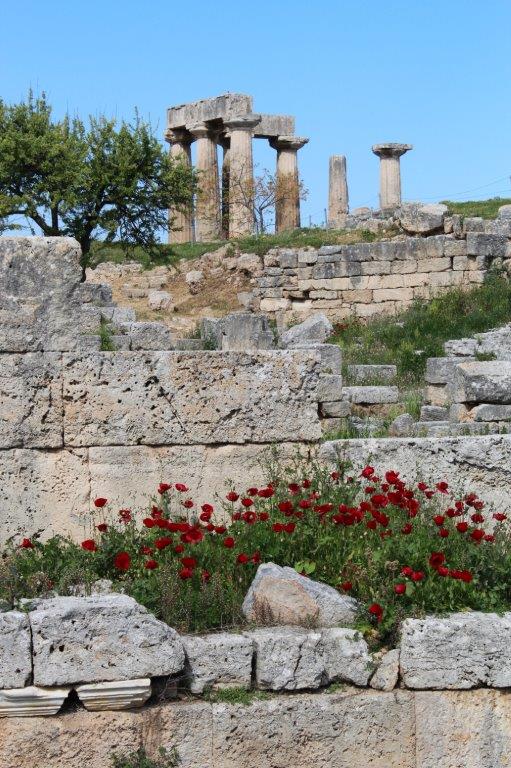
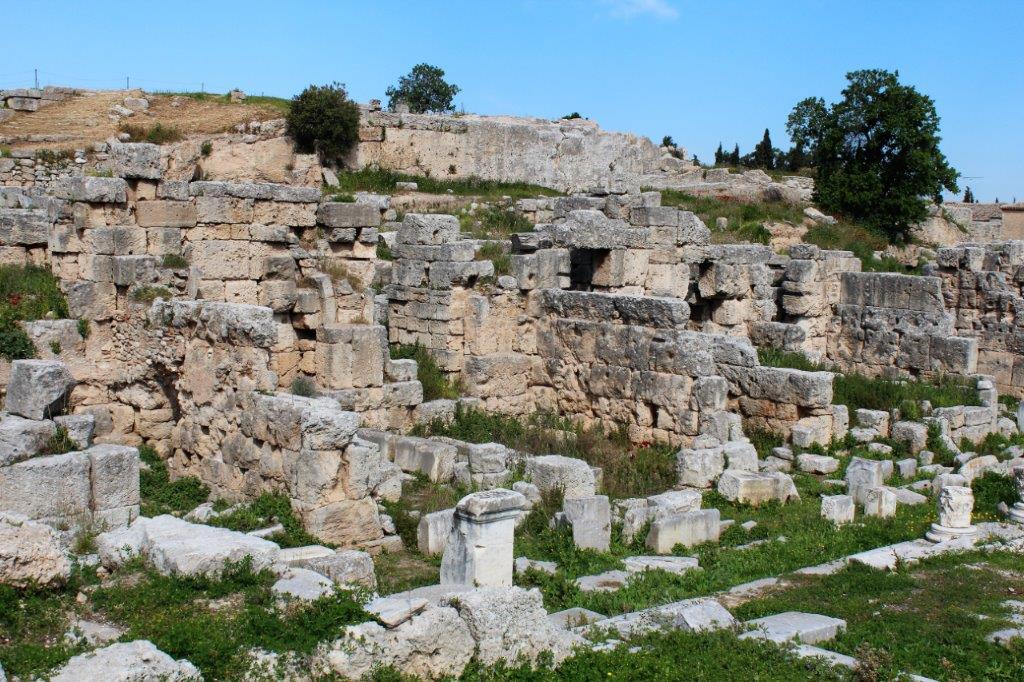
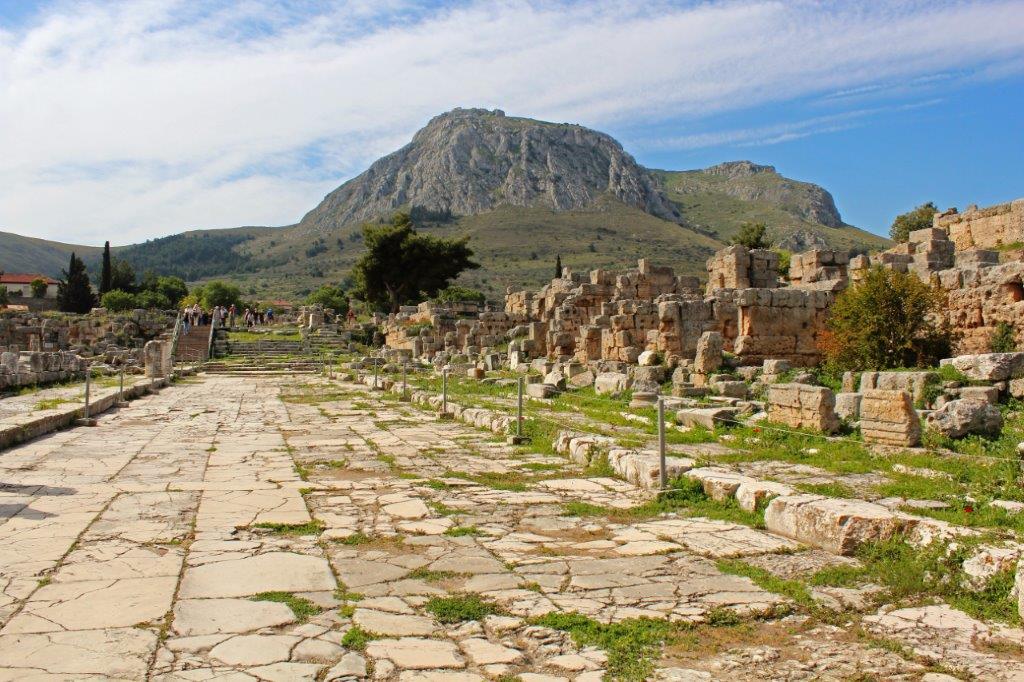
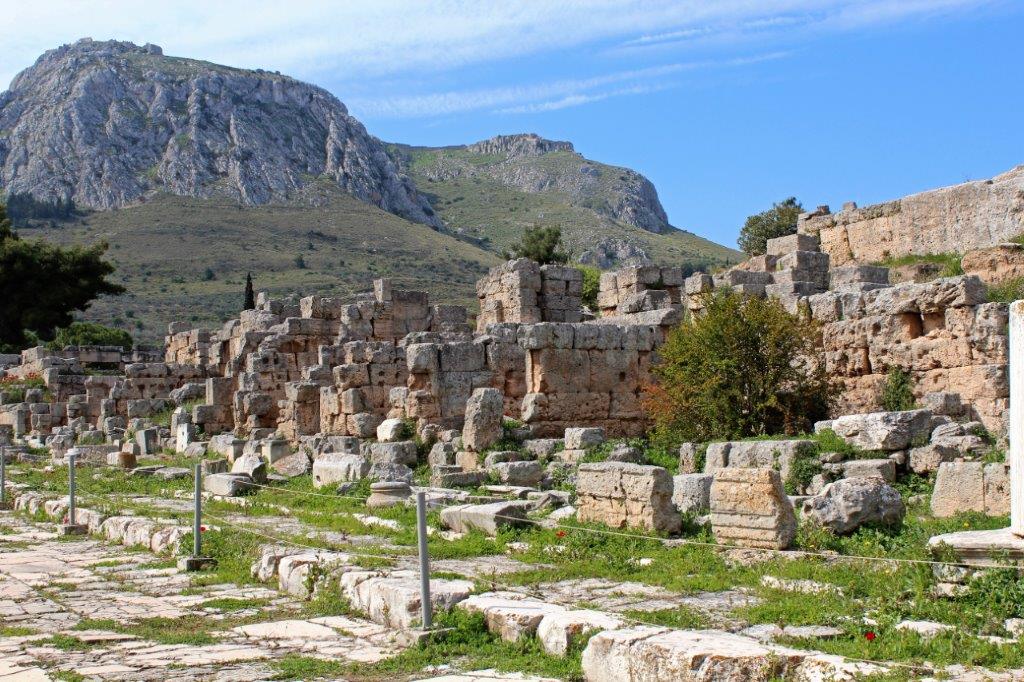
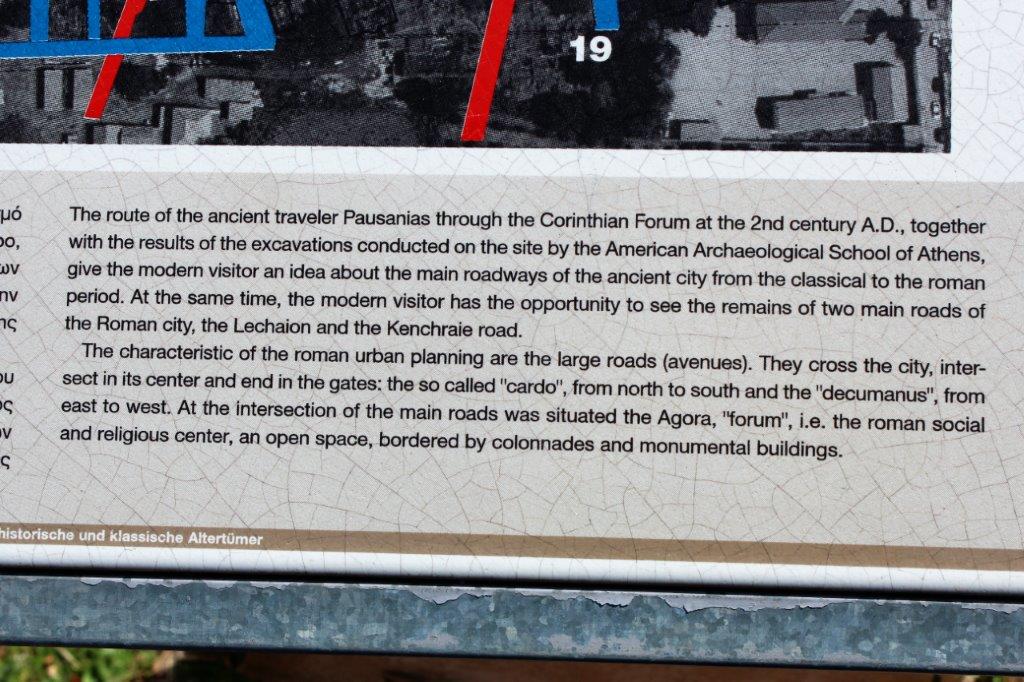
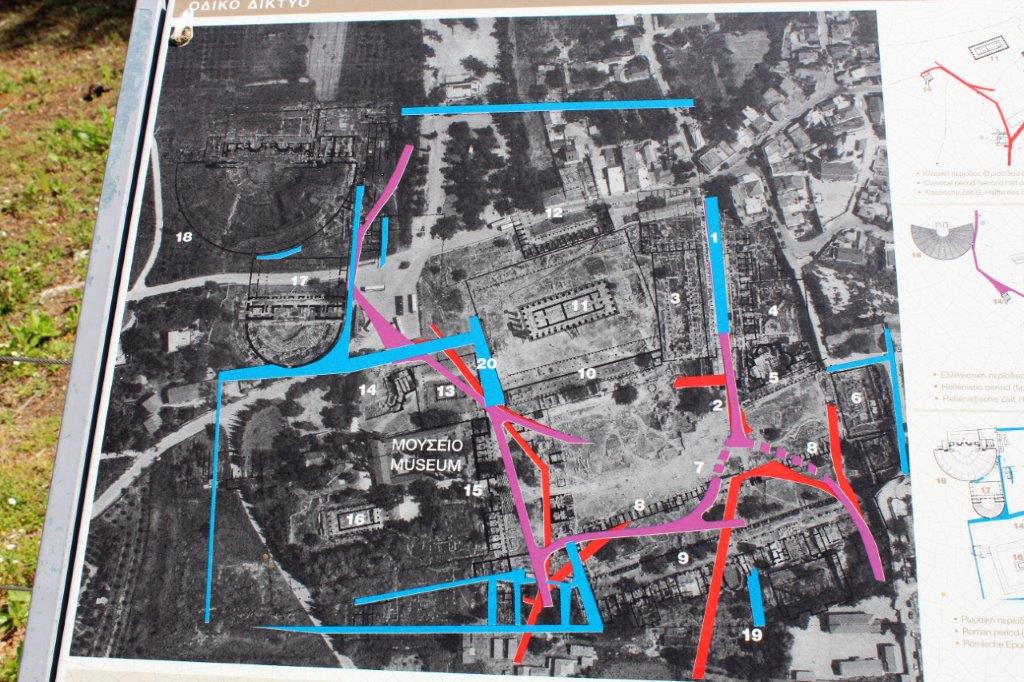
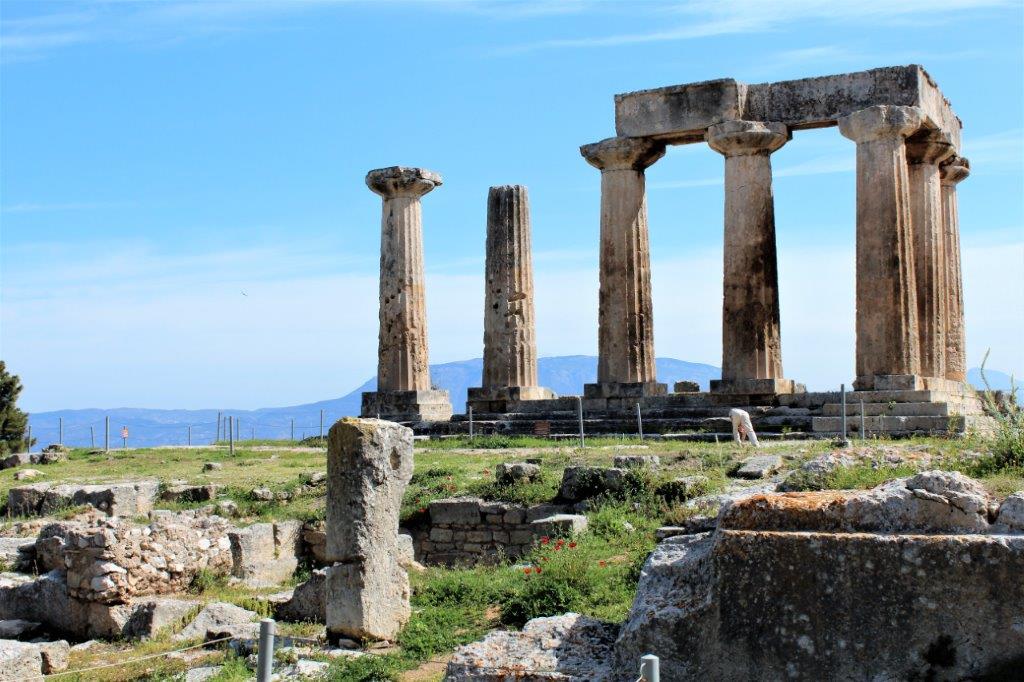
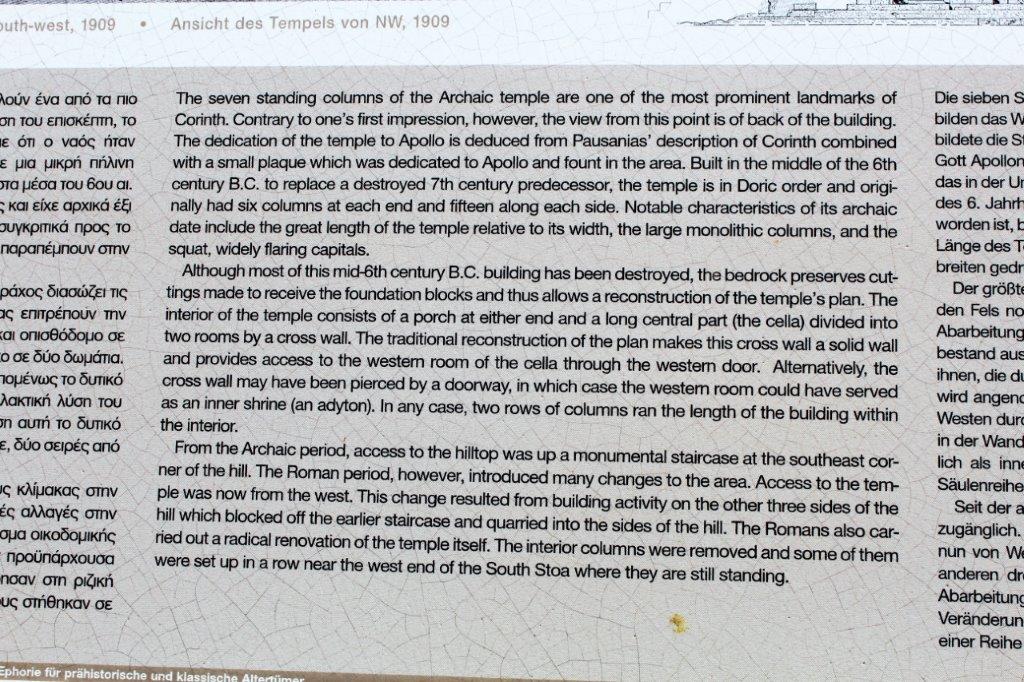
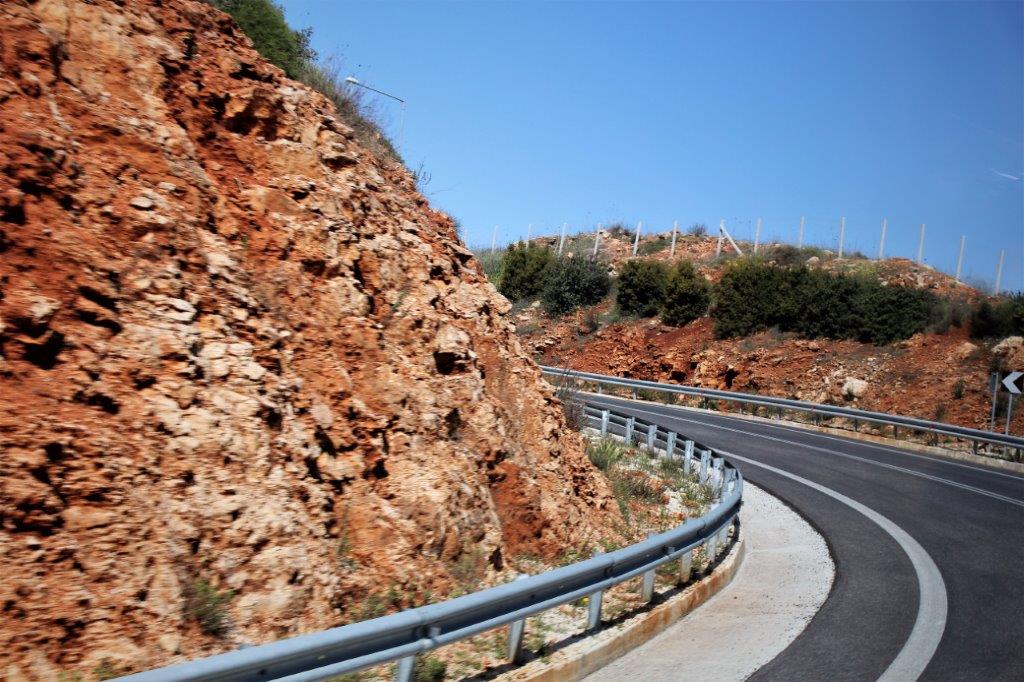
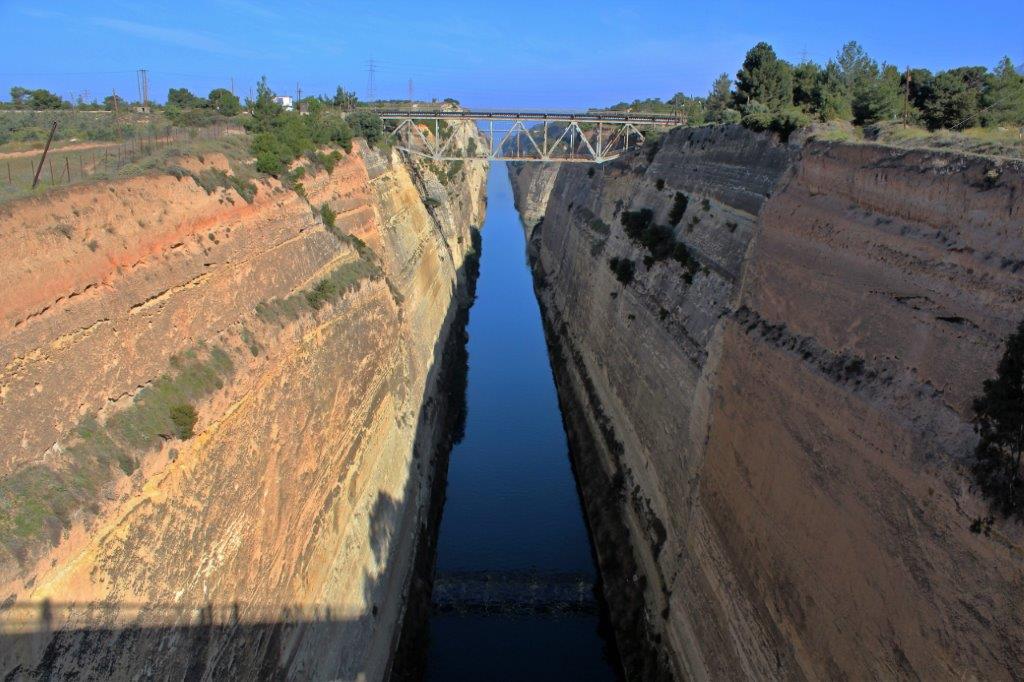
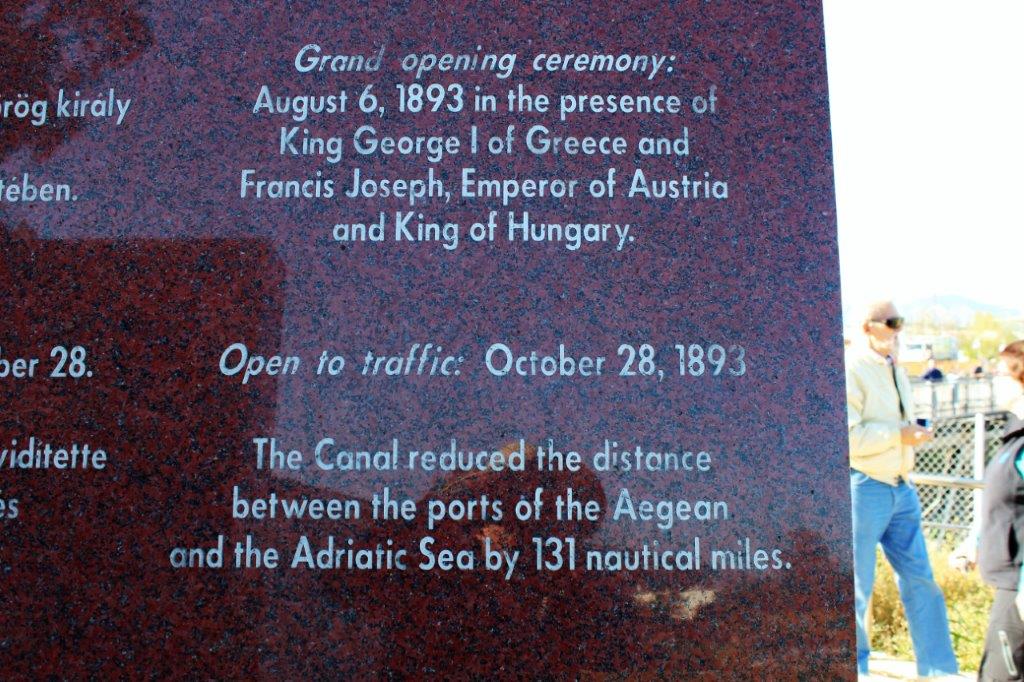
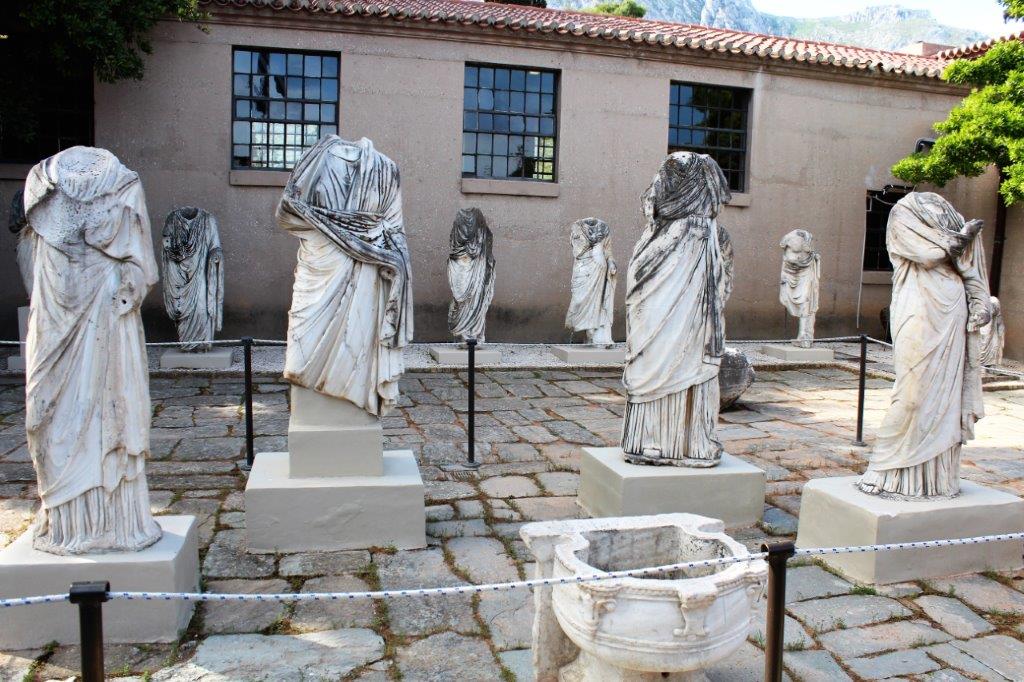
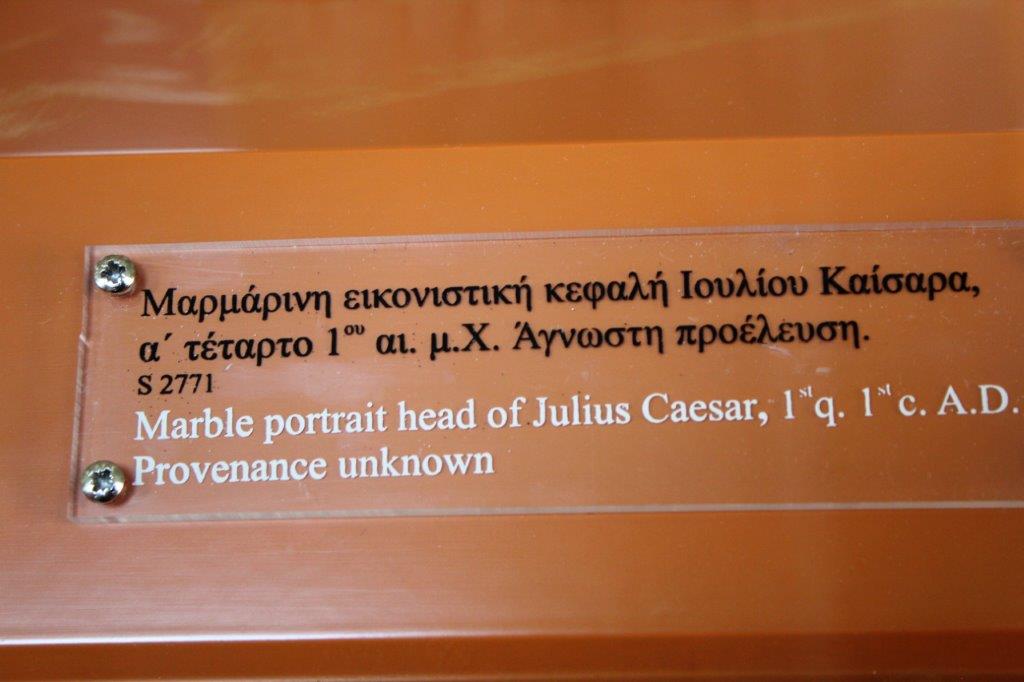
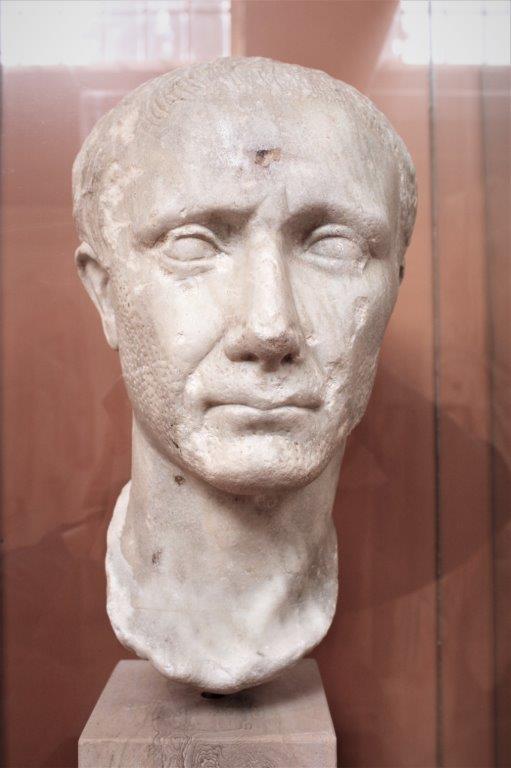
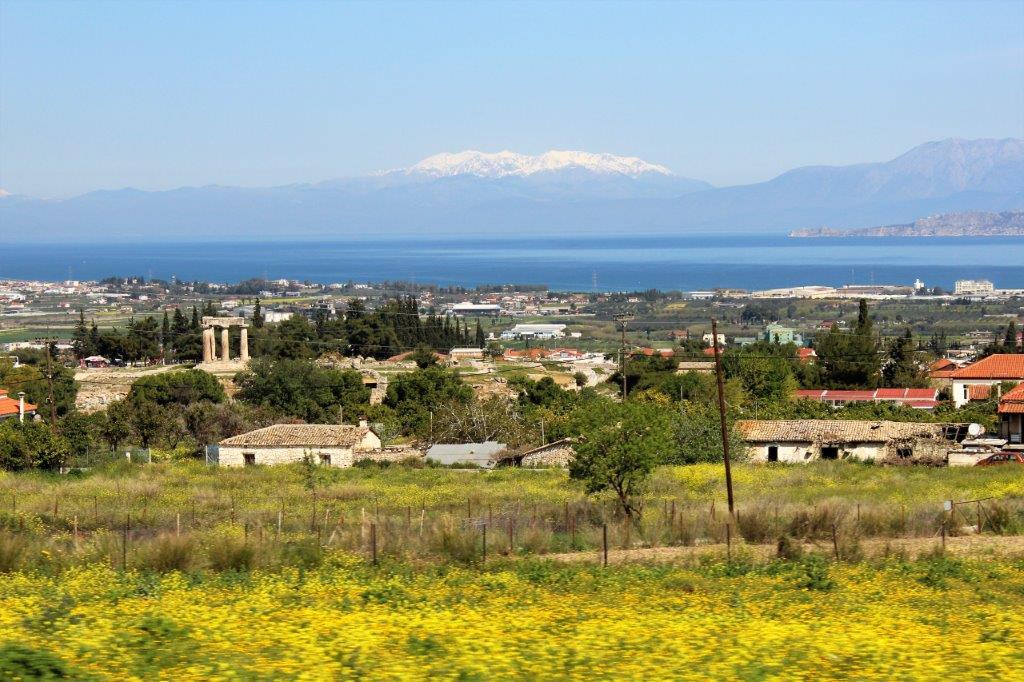
We left the ship at 8 am for our 8 1/2 hour tour to Corinth and Mycenae.  We made a stop at the Corinth Canal during our one hour drive to Corinth.  The canal was begun by Roman Emperor Nero around 30-50 AD using 6,000 slaves as construction workers.  All work stopped when Nero died and the canal remained incomplete until the builders of the Suez Canal used Hungarian workers to finish it between 1881-1893.  The canal is 6300 meters (just under 4 miles) long and cuts 242 km (131 nautical miles) off the route from the Adriatic Sea to the Aegean Sea.  Water depth is over 8 meters (30′) and banks are 70 m (230′) above the water.  The channel is 18 m (60′) wide.  The solid rock sides are cut at 71-77° so it would have been extremely hazardous work. Truly an amazing construction feat. We were let off the bus at the museum and made our way through the exhibits to the ruins.  The exquisite details of the sculptures and pottery boggles my mind when I consider how very, very old these things are.  Truly amazing. The city of Corinth was built by the Greeks in the 6th century BC.  It was completely destroyed by the Romans in 149 BC.  Julius Caesar sent a colony to the area 44 BC and a new city was built on and out of the ruins.  This makes for an interesting mix of Greek and Roman architecture and archaeology.  Ephesus has had much more excavation and restoration work done than Corinth but we could still understand the city layout.
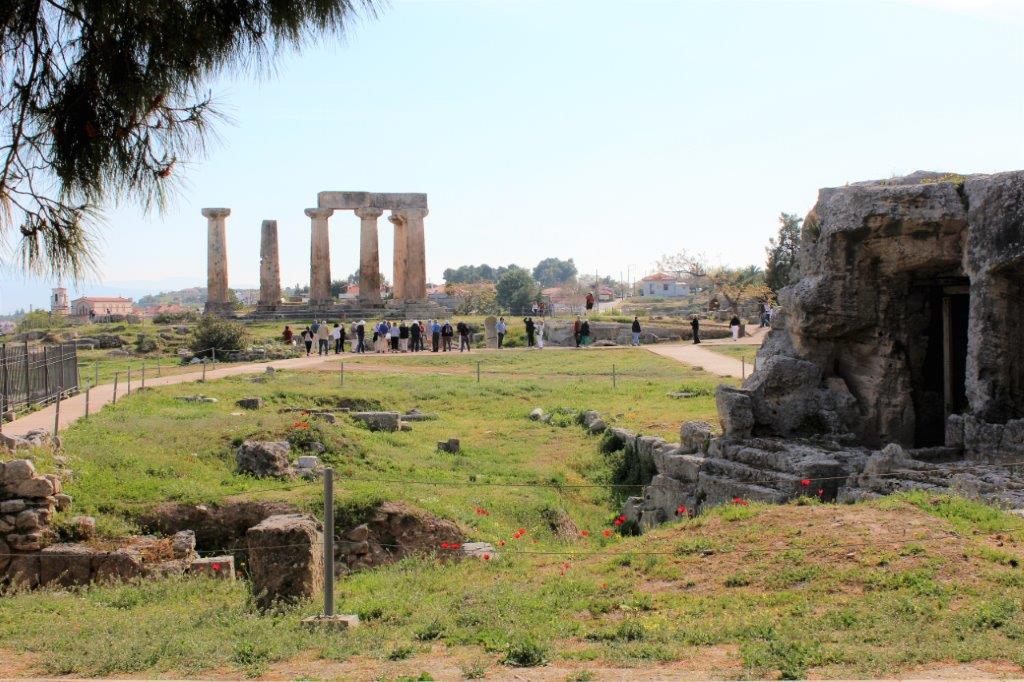
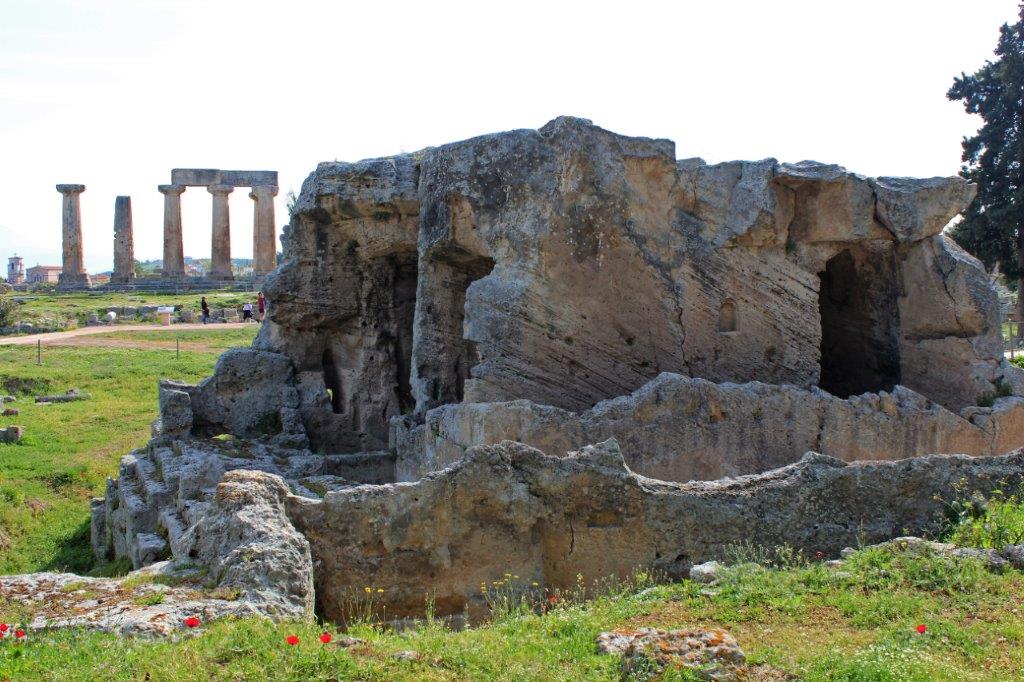
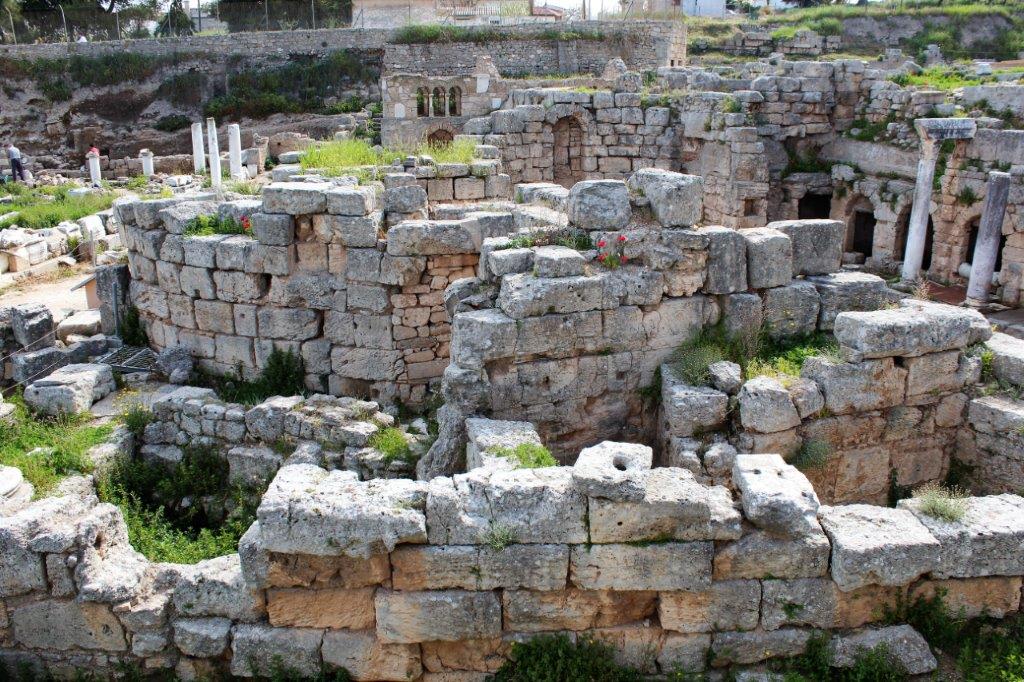
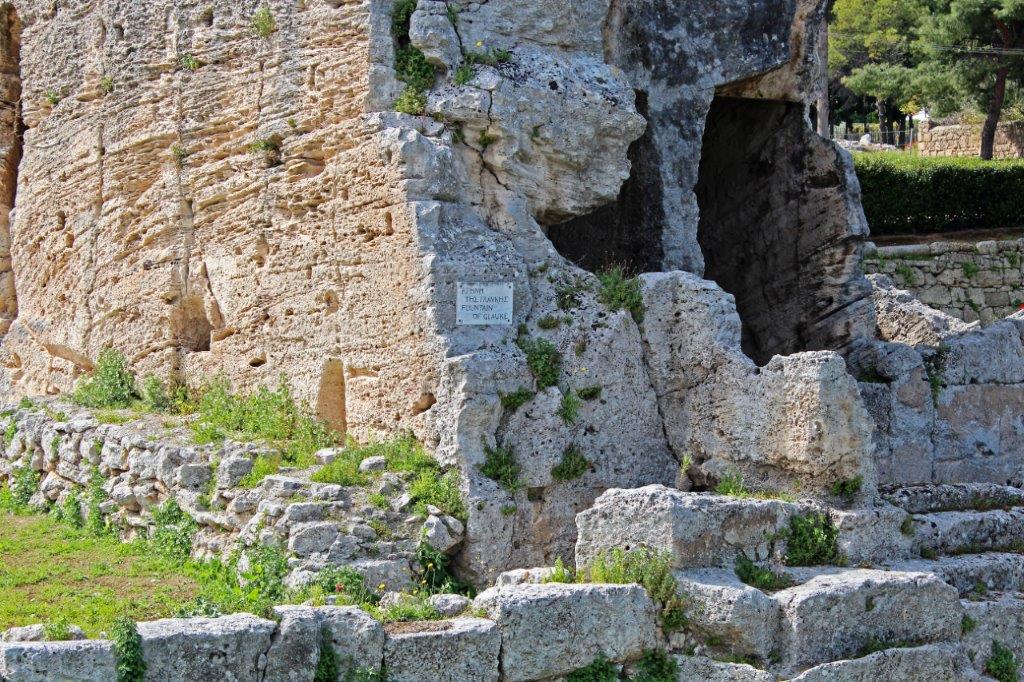
The fountain of Glauke, a large mass of limestone, was formed when the surrounding bedrock was quarried away.  The fountain is named after the second wife of the hero Jason Medea and is the site of a mythological tale.  There were four large reservoirs fronted by three draw basins and an architectural facade.  Glauke fountain is not connected to a natural spring like the other fountains in Corinth but is instead fed by water piped in from the south.

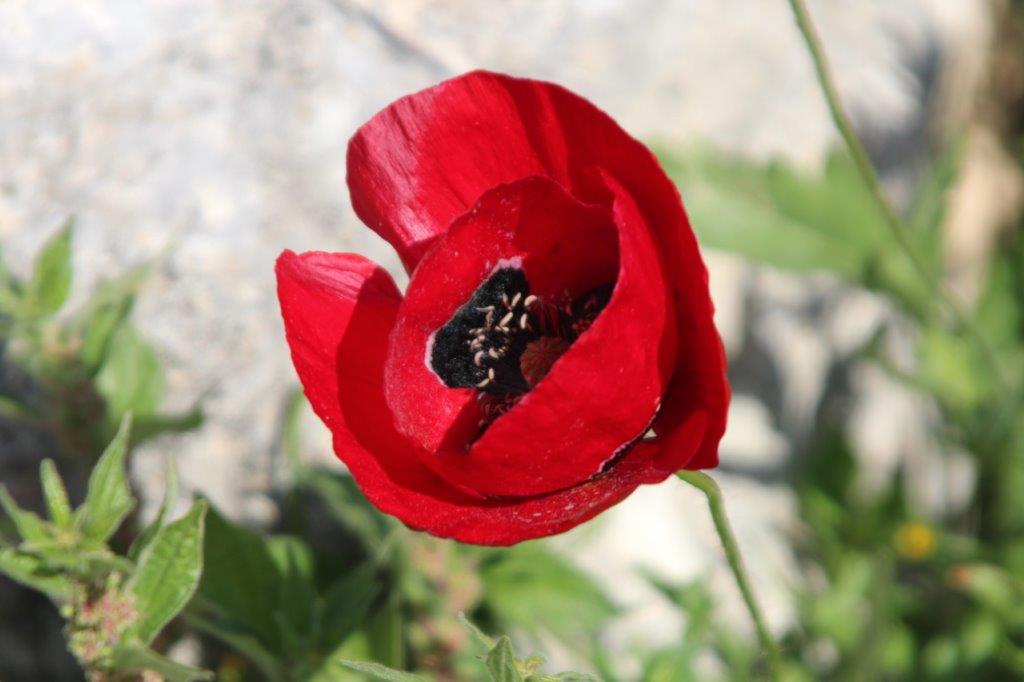
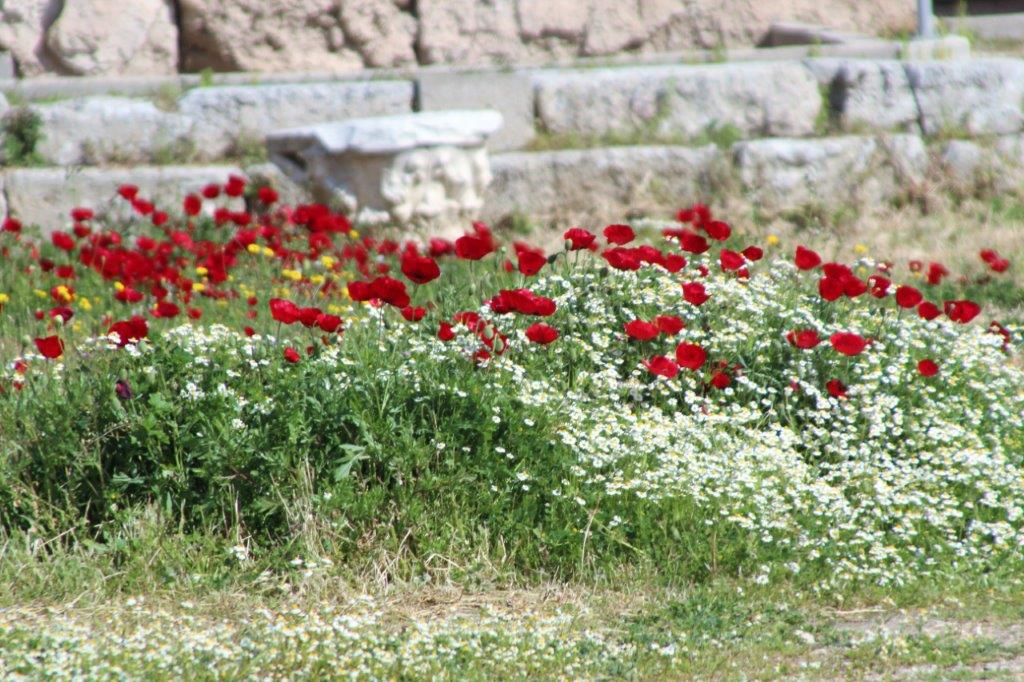
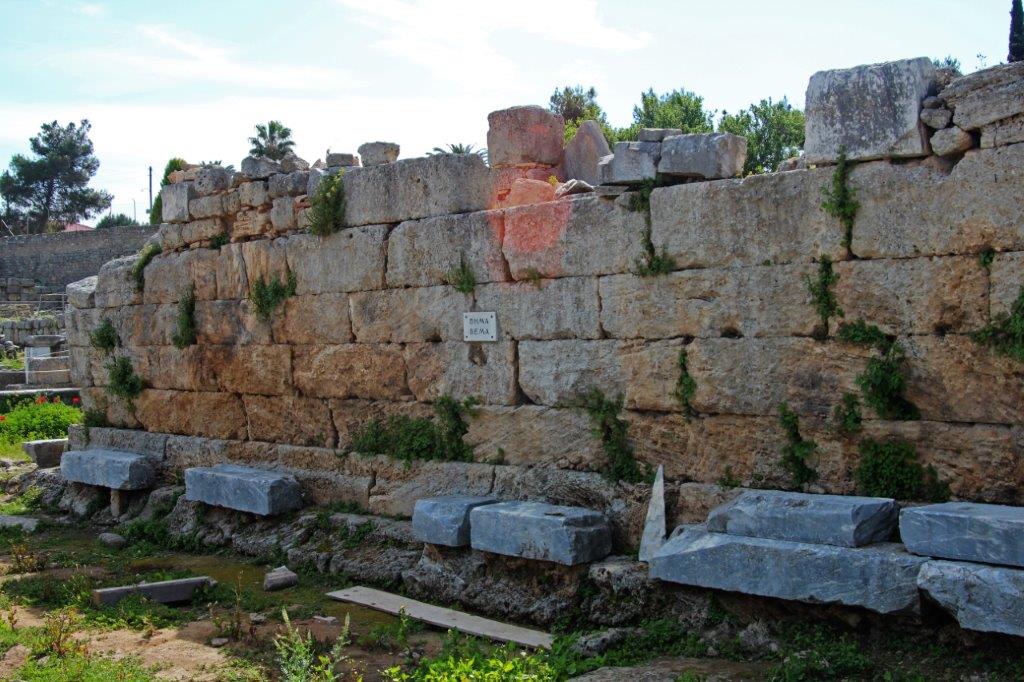
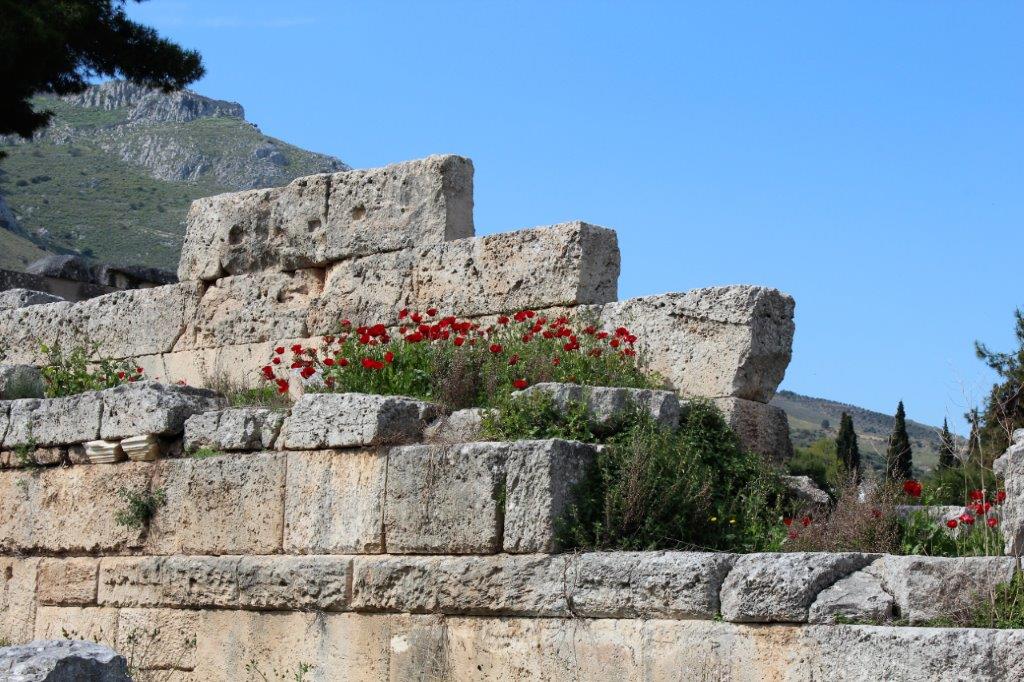
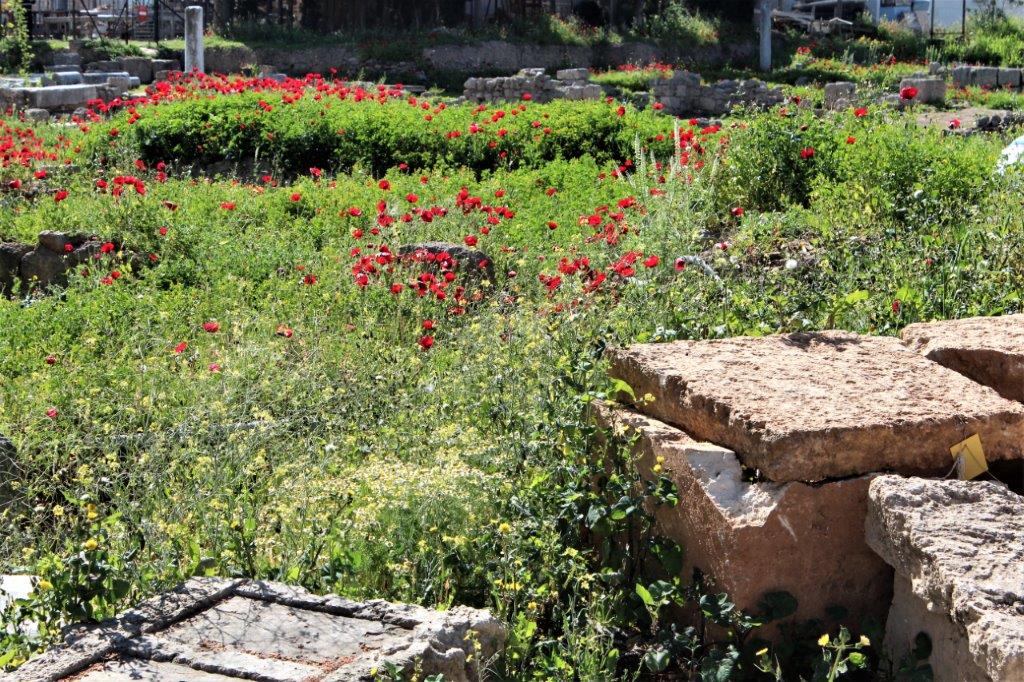
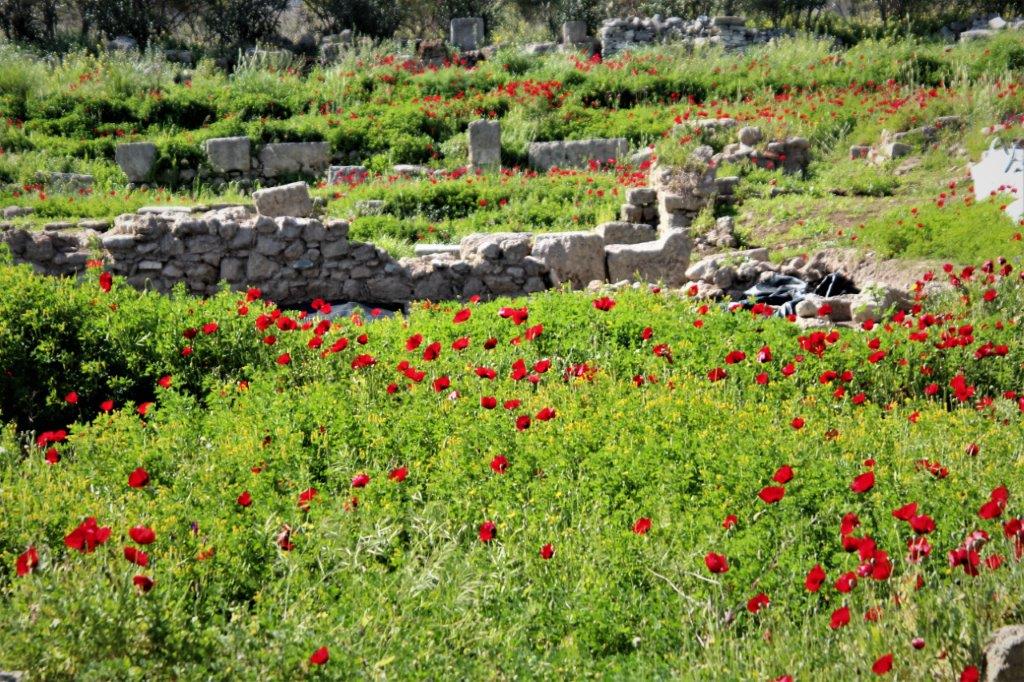
Just like our guide at the Acropolis our guide in Corinth would stand at a statue or ruin and pontificate for 15-20 minutes, so we left her to it and wandered off on our own.  Everything has good signs so we were able to understand what we were seeing.  The guides often have additional stories or information that is very interesting but I don’t like standing and listening for 3/4 of my time at a place instead of seeing the place it self.It was spring and poppies and a small white flower and a nice yellow one were blooming all over.  So very pretty. On this very spot, the Bema in Corinth, the Apostle Paul preached the gospel to the people and Christianity spread rapidly throughout the city and surrounding area.  Paul later wrote two circulating letters to the churches, one of which contains the famous passage about love that is quoted at thousands of weddings every year, “Love is patient, love is kind.  It does not envy, it does not boast, it is not proud……It always protects, always trusts, always hopes, always perseveres….And now these three remain: faith, hope and love.  But the greatest of these is love.” (1 Corinthians 13:4-13).
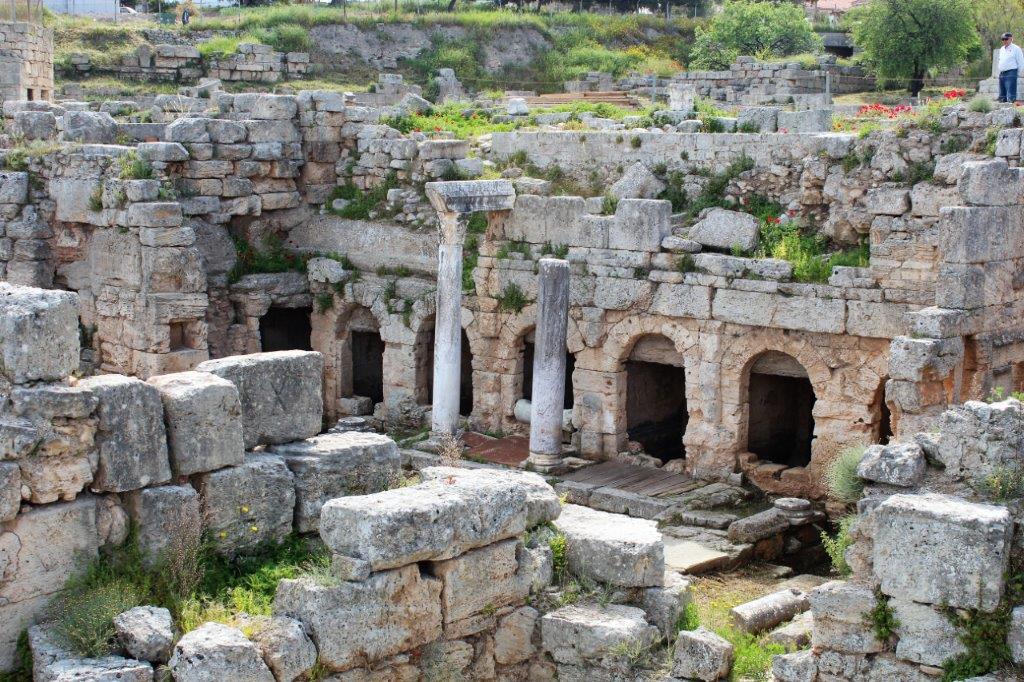
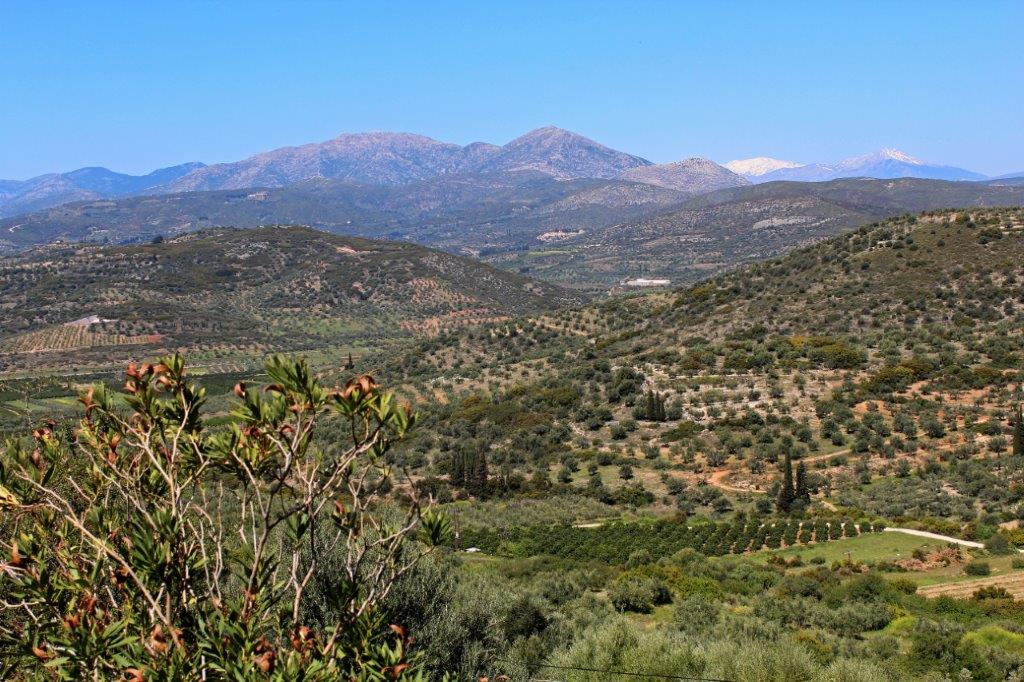
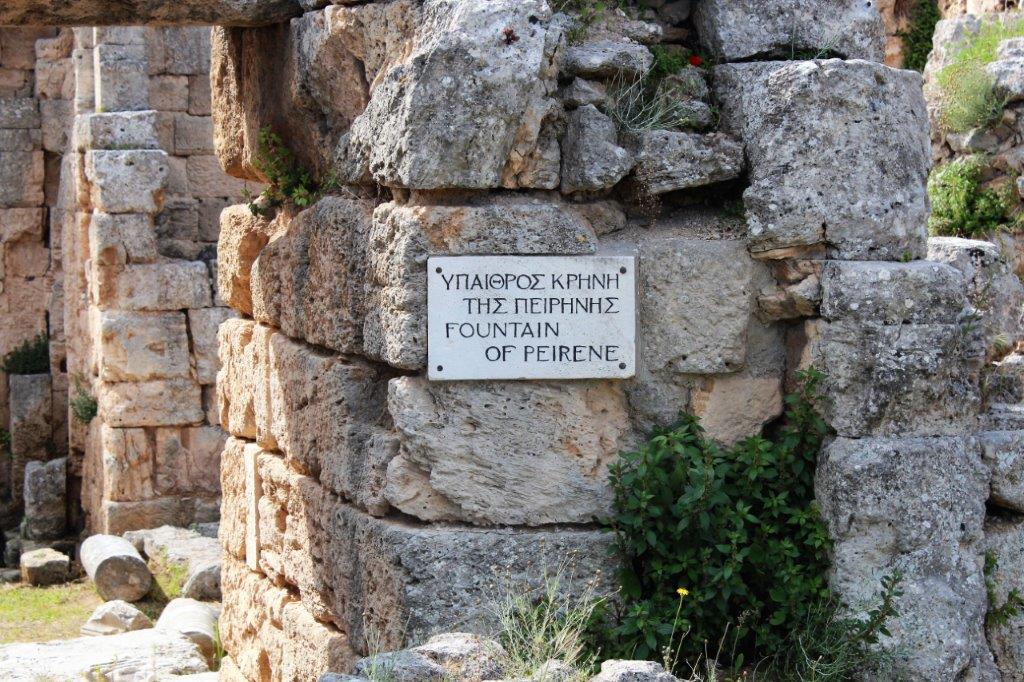
The Fountain of Peirene is a Roman construction. We left Corinth and got back on the bus for the 45 minute drive to Mycenae; the ruins of the most powerful Greek kingdom for 400 years. 
 

2012 April 11 – Day 31 – Piraeus, Greece (Day 1)

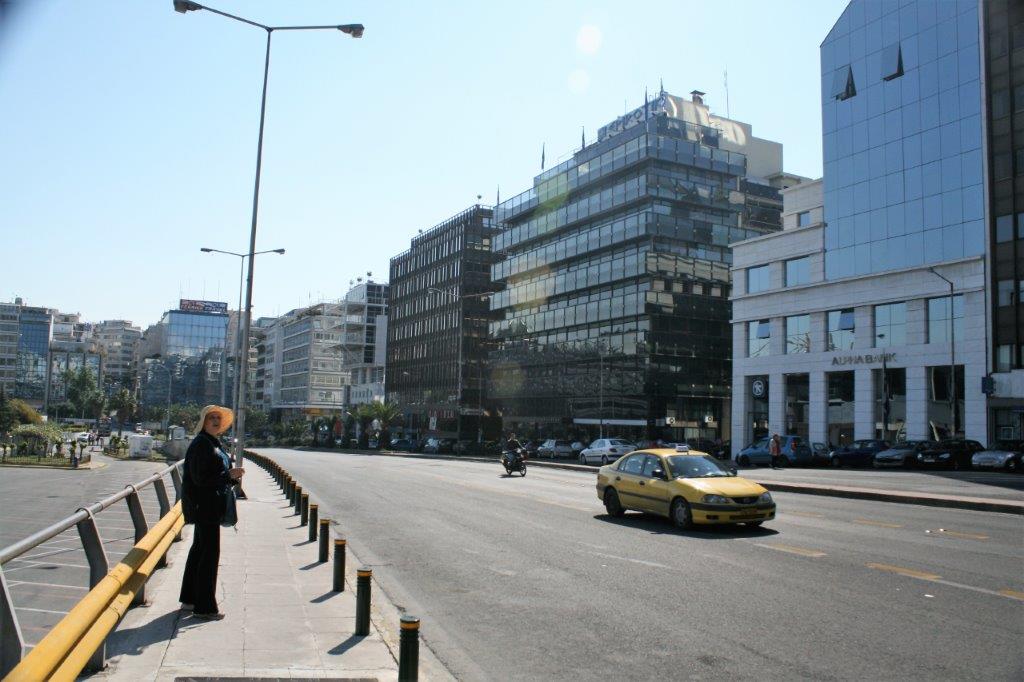
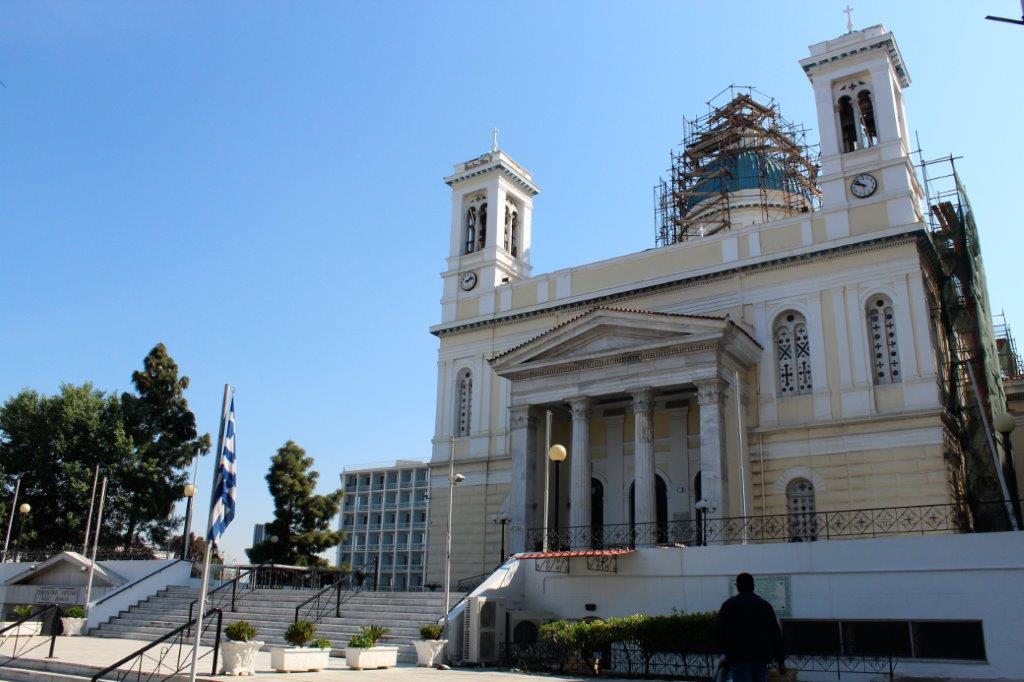
Piraeus is the nearest port to Athens; which is only about 8 km (5 miles) away.  The ship docked at 10 am and stayed until 6 pm the following day.   We walked to the waterfront shopping area to find a bank so we could get a few smaller denomination Euros.  Turns out there is a law in Greece that you can’t do transactions in a bank unless you have an account in the bank – even just changing larger bills into smaller ones.  The banks also all have very high security. There are two heavy remotely lockable doors into each one so if you try rob the place you will just get trapped between the doors.

We walked all around the port shopping area for about an hour and a half before going back on board to have a bite to eat and get ready for our tour.

Pireaus has a 6,000 year history.  It has been the main Greek harbour since 500 BC.  Cargo, commercial and passenger vessels from all over the world share the docks.  Piraeus is designed for maritime commerce and most people in the city maintain some kind of tie with maritime industry.
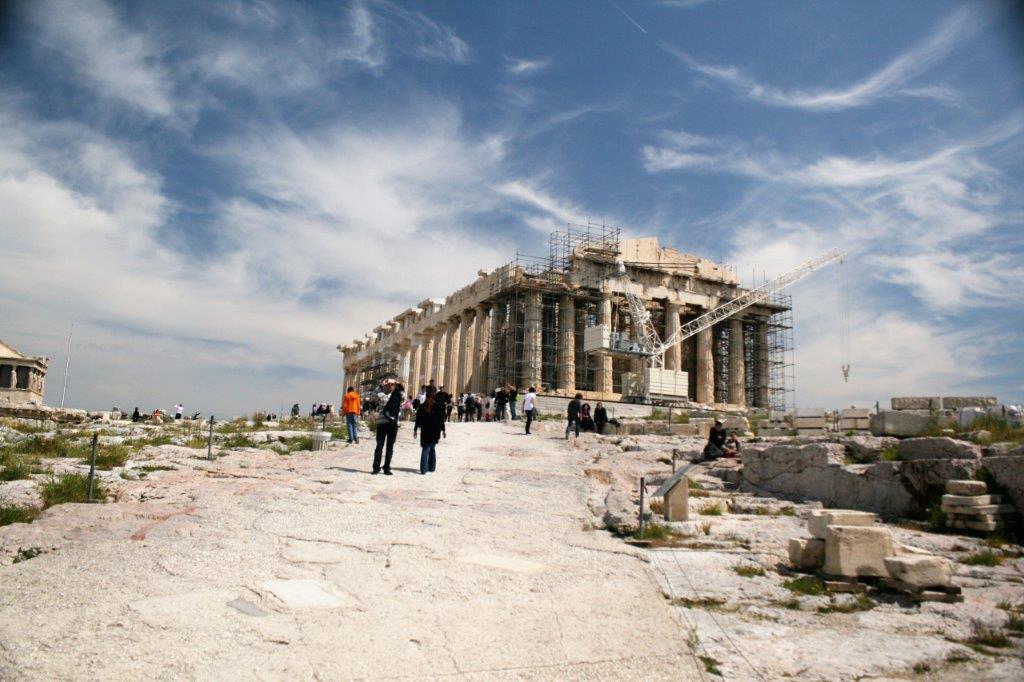
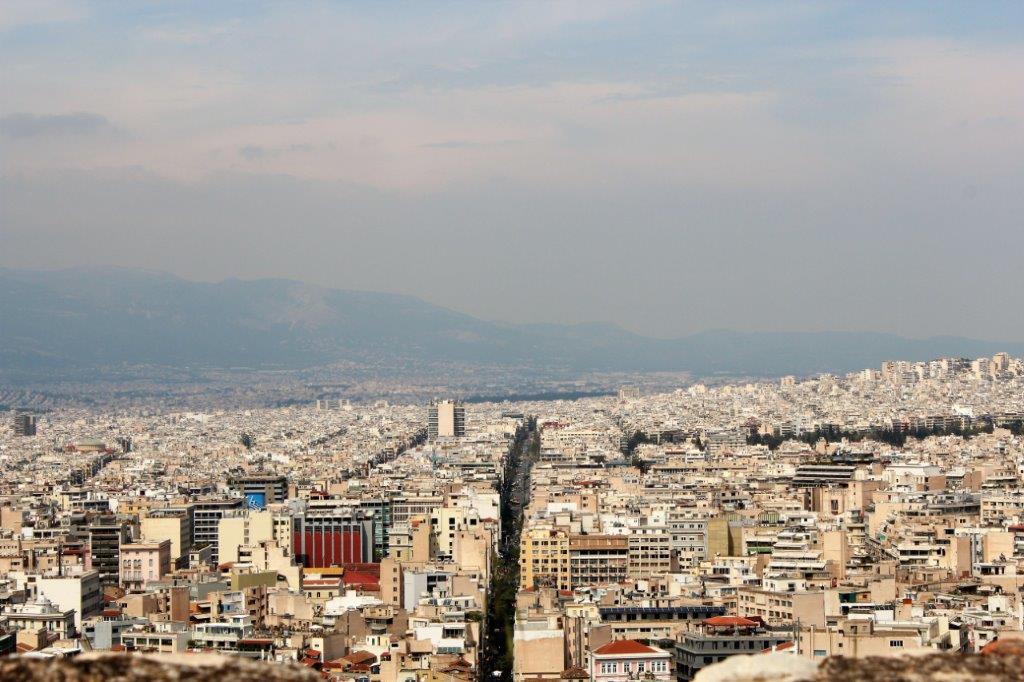
The drive into Athens did not take long.  We were dropped off at the base of the hill to the Acropolis.  In Ancient Greece every city had an Acropolis which is a place of worship and administration that was built on the highest hill.  Acropolis simply means high place.

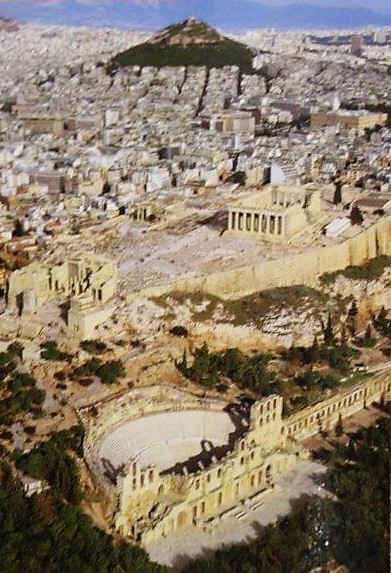
This photo I took of an aerial view of the Acropolis from a brochure gives an idea of what the entire site looks like.


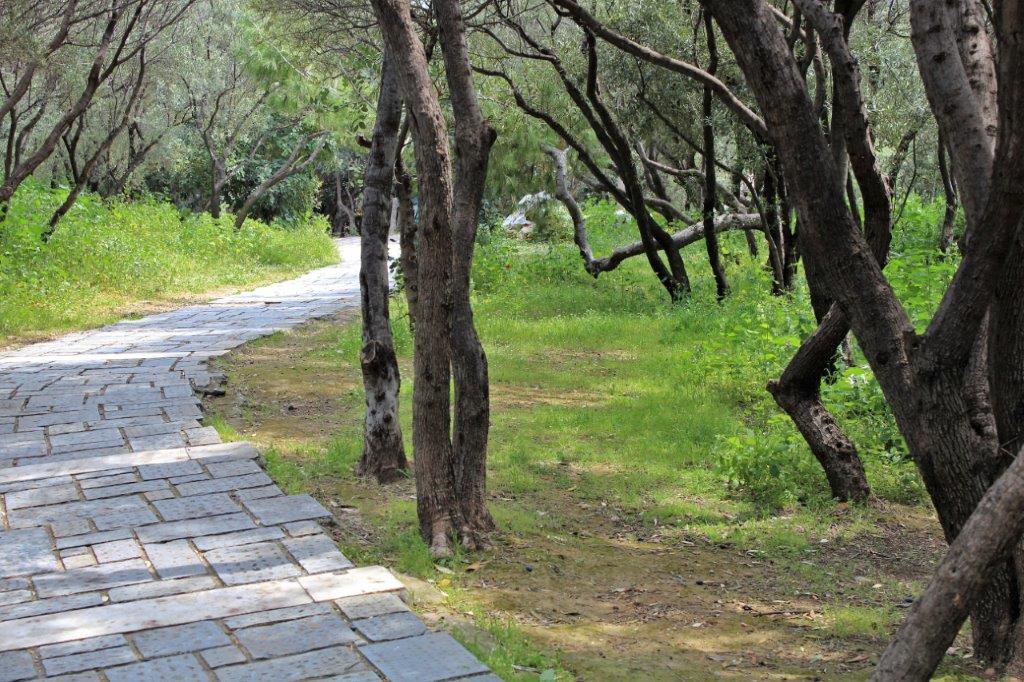
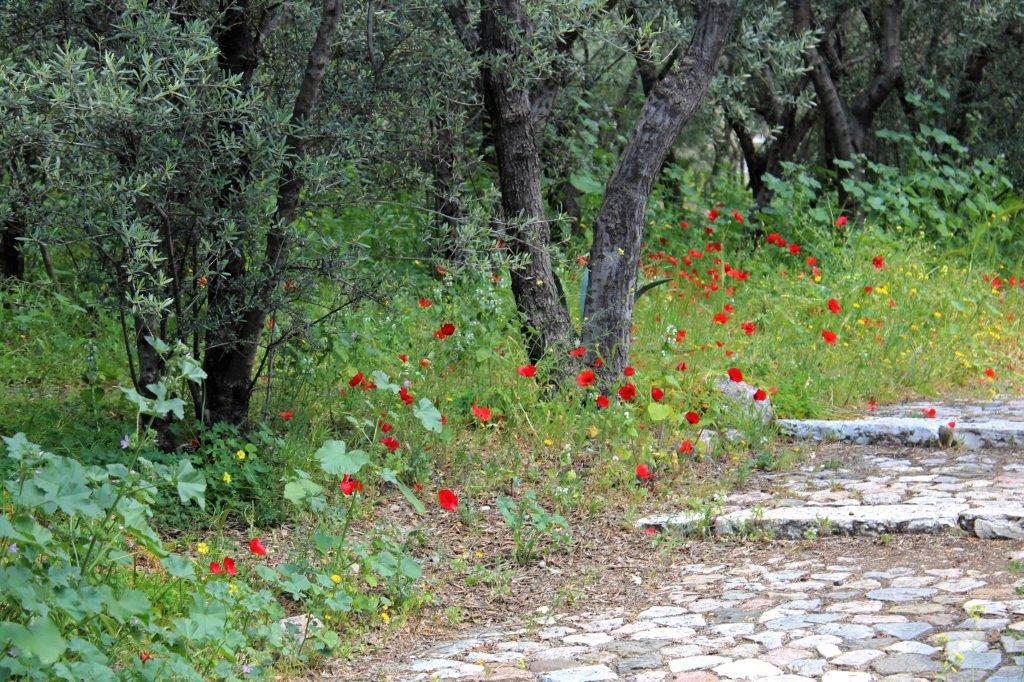
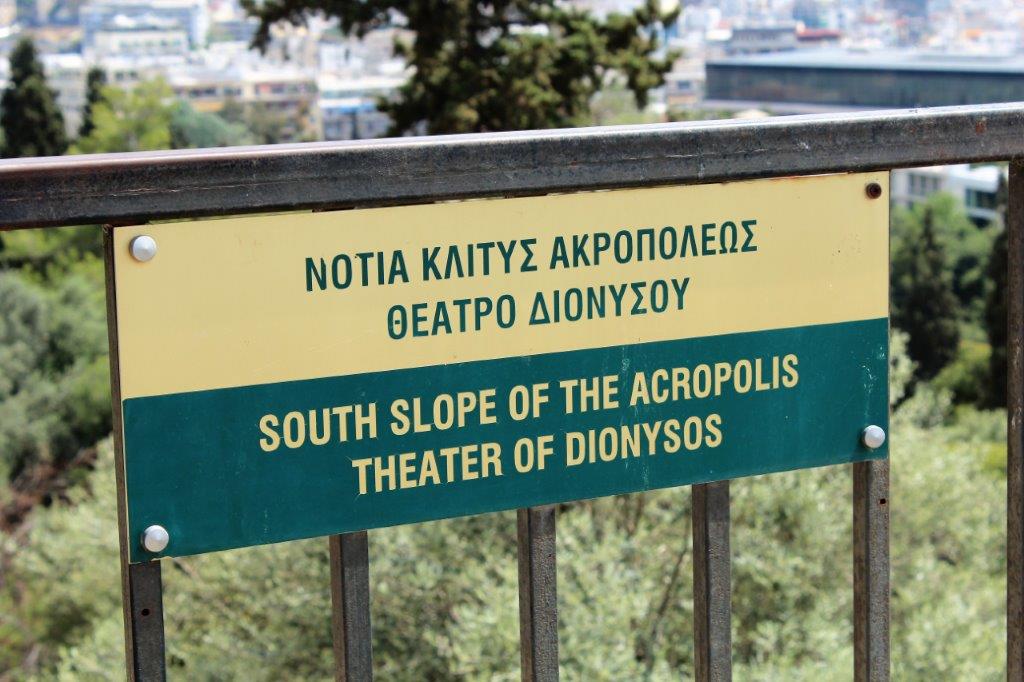
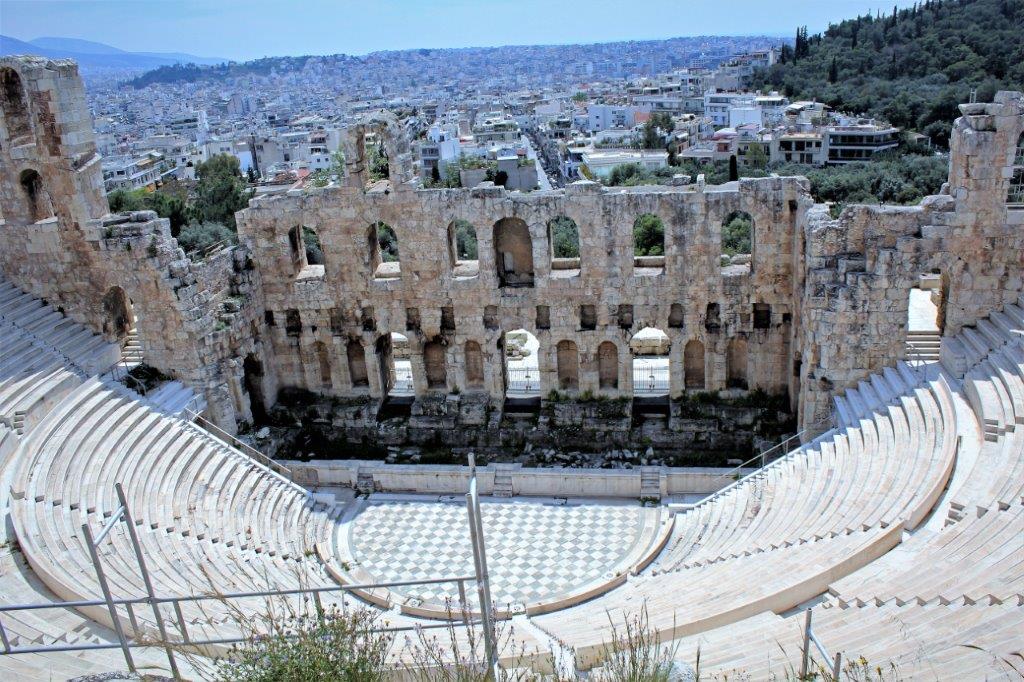
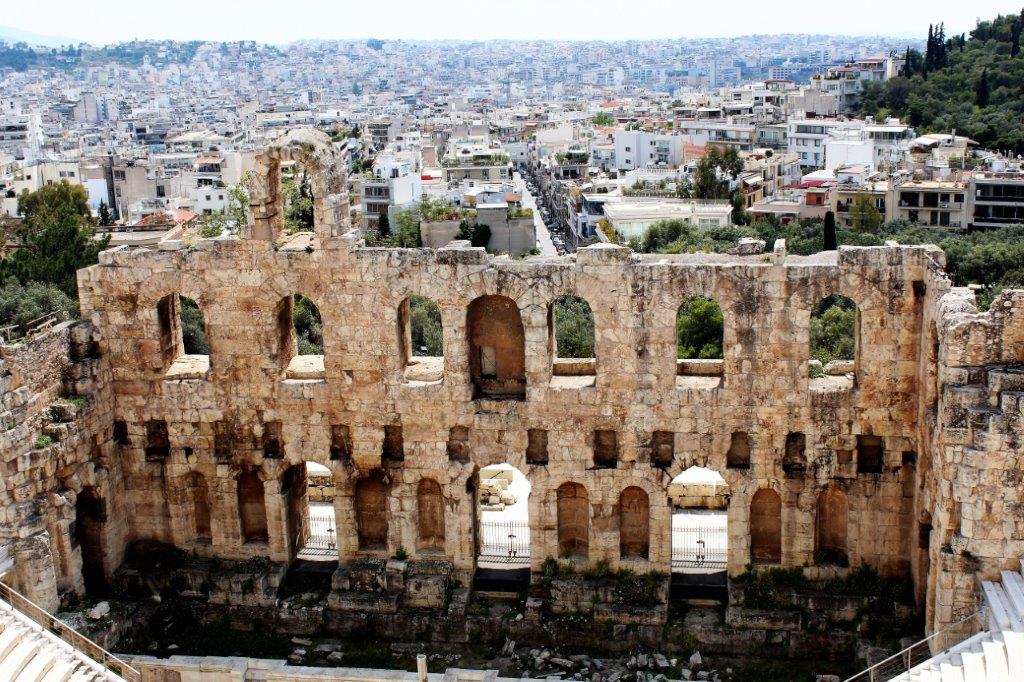
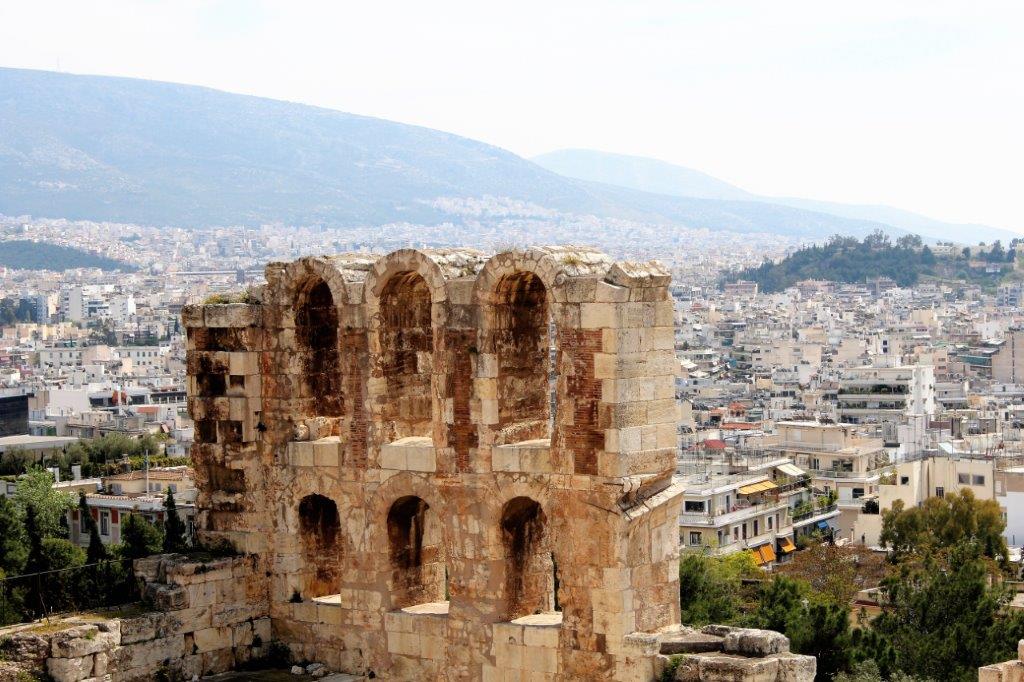
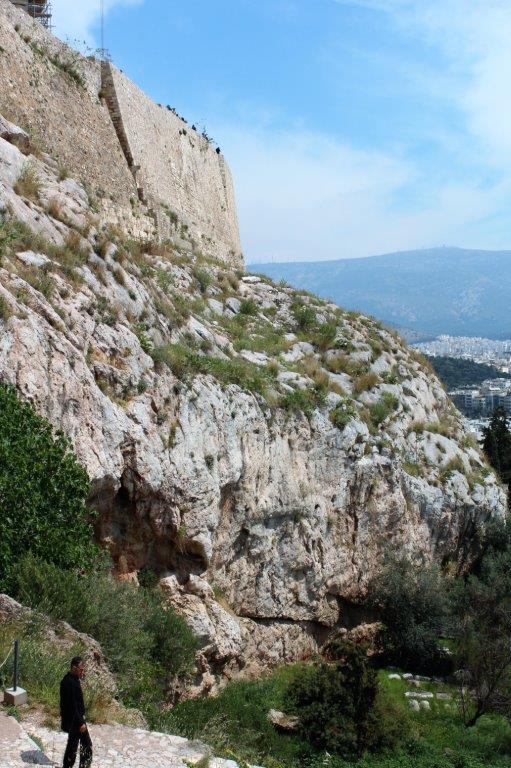
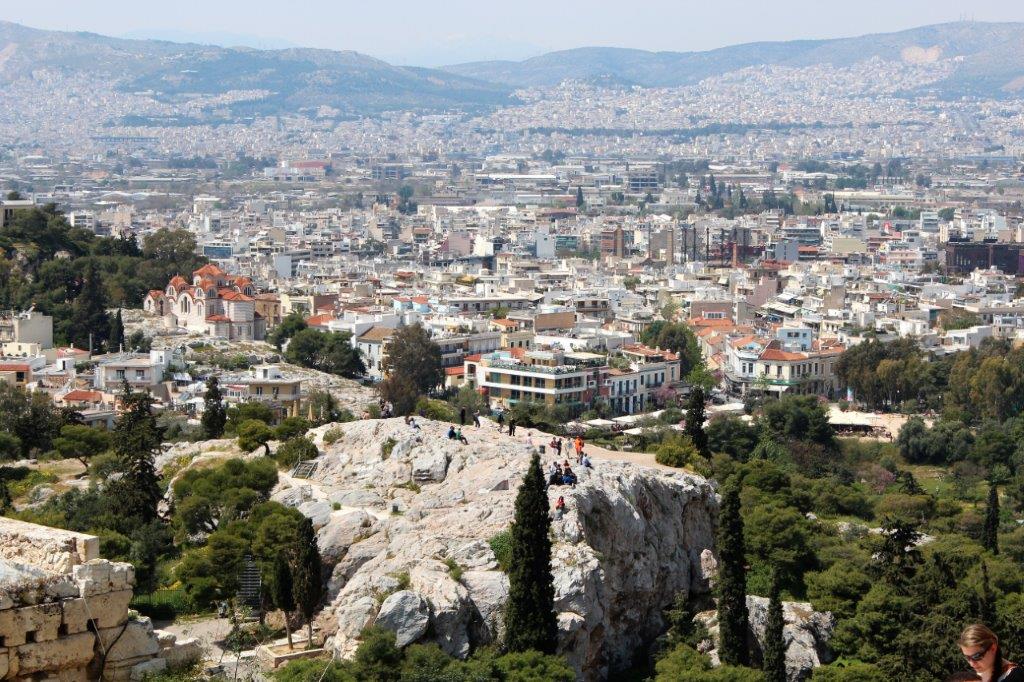
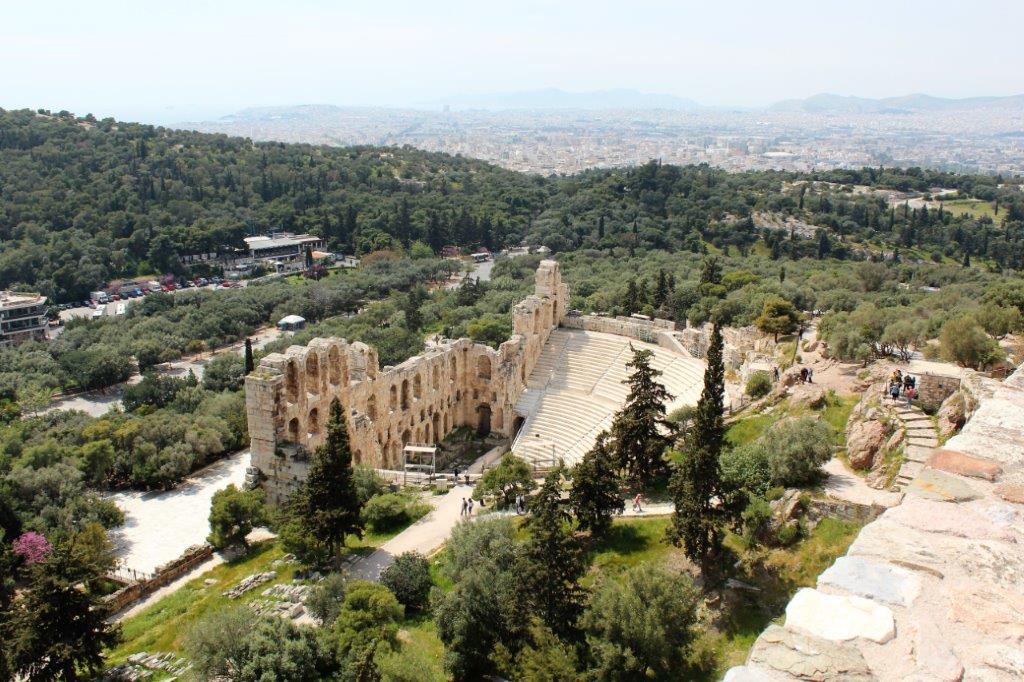
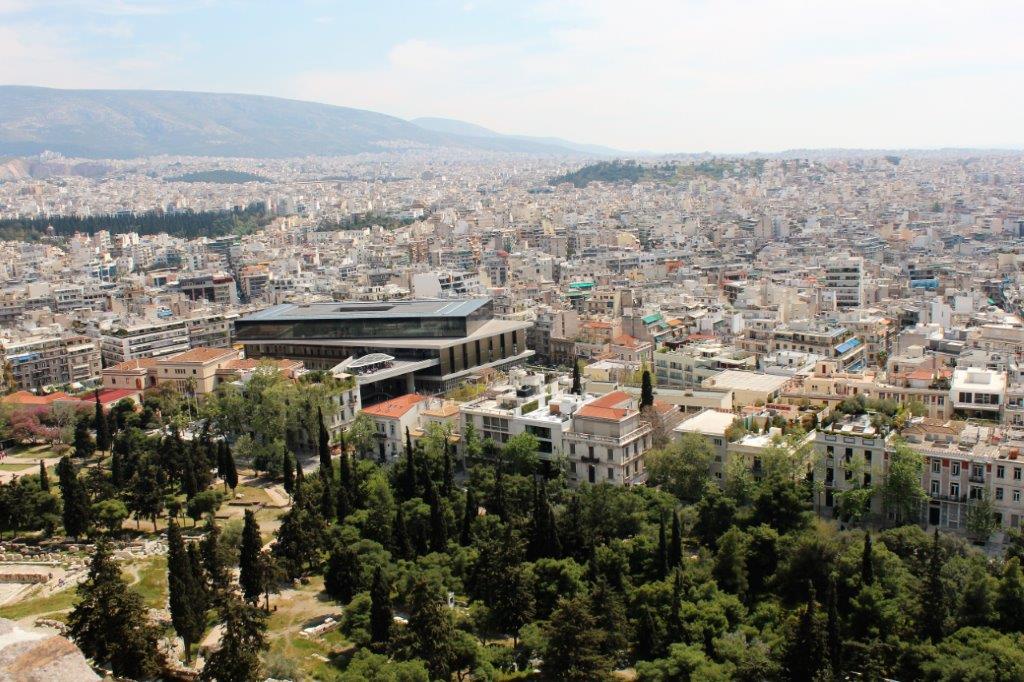
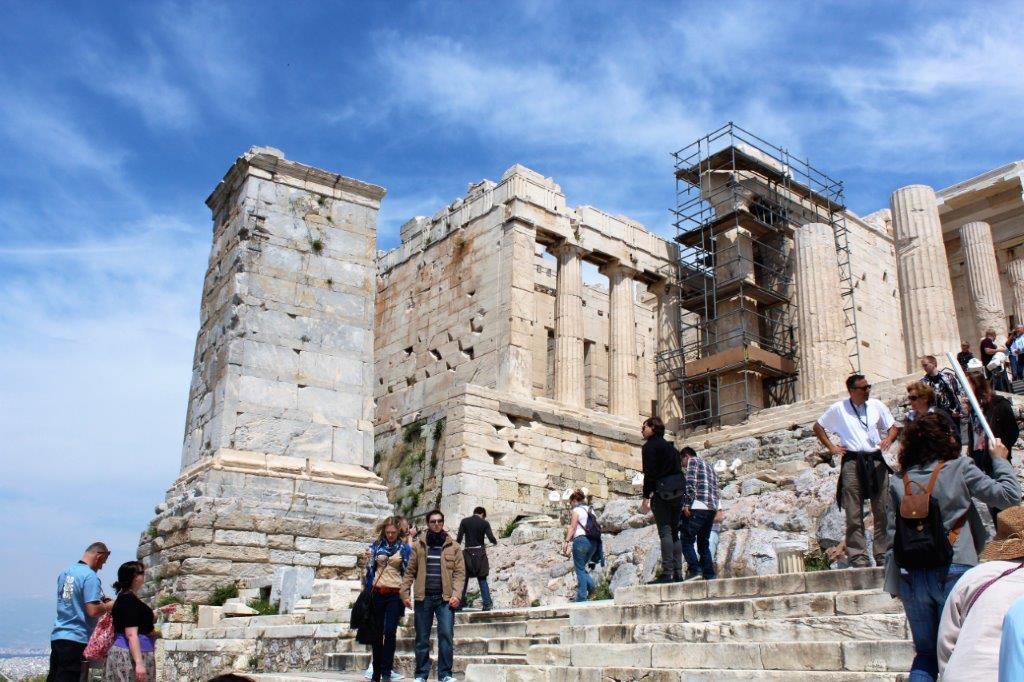
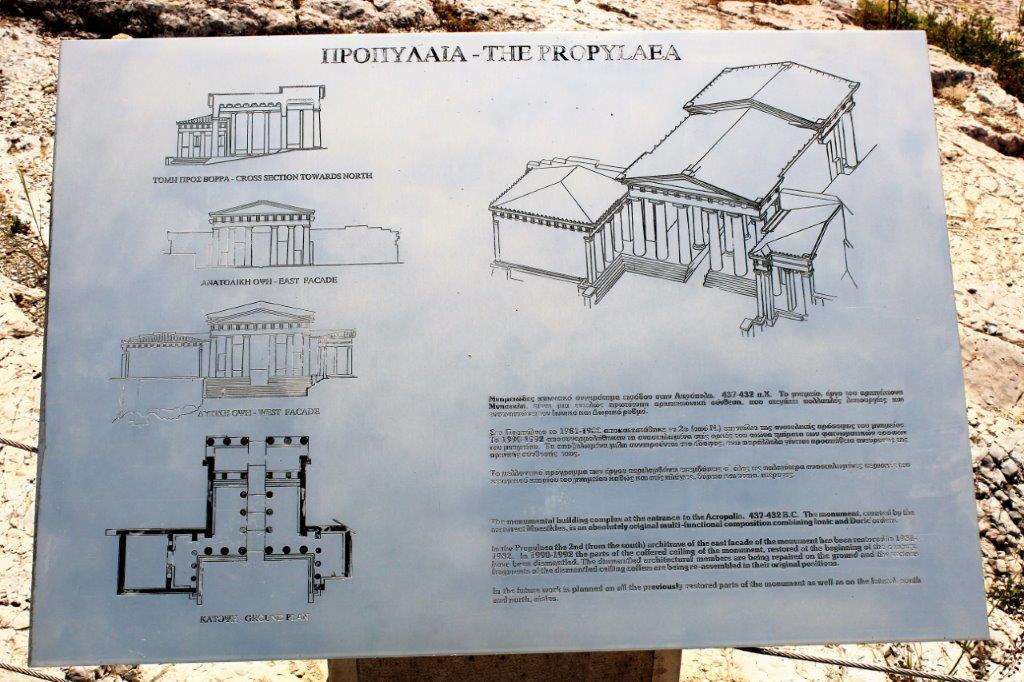
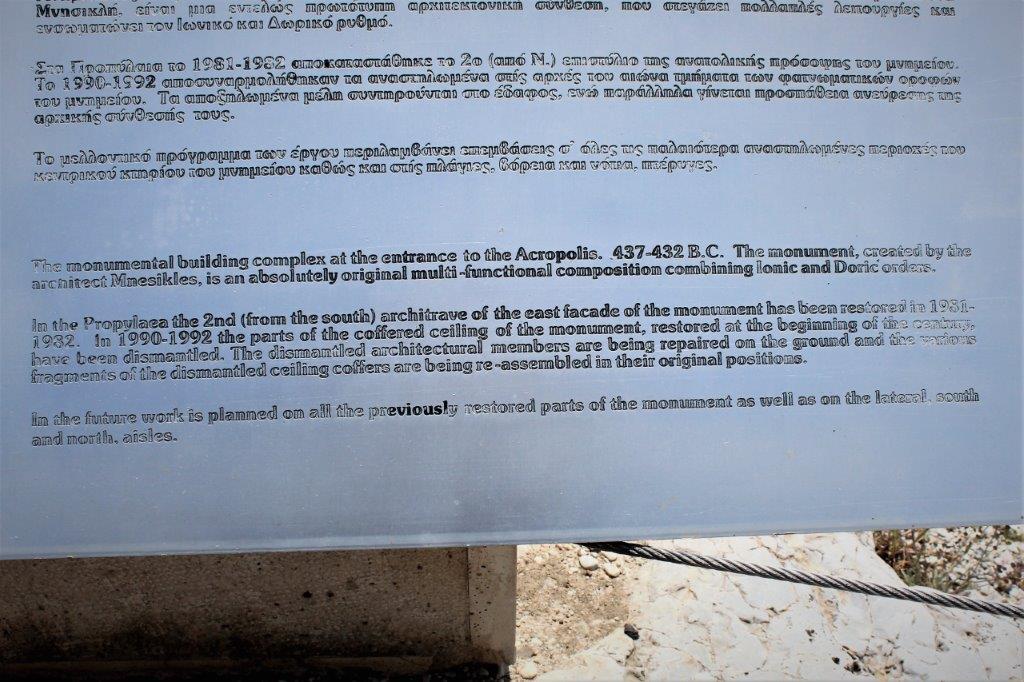
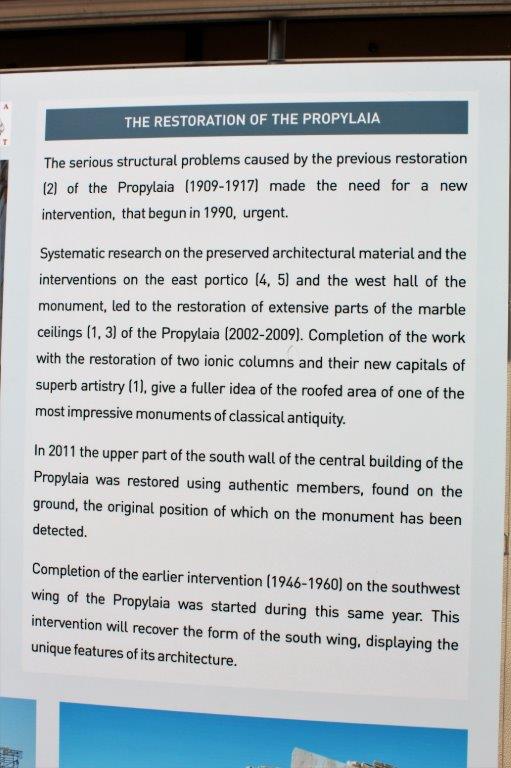
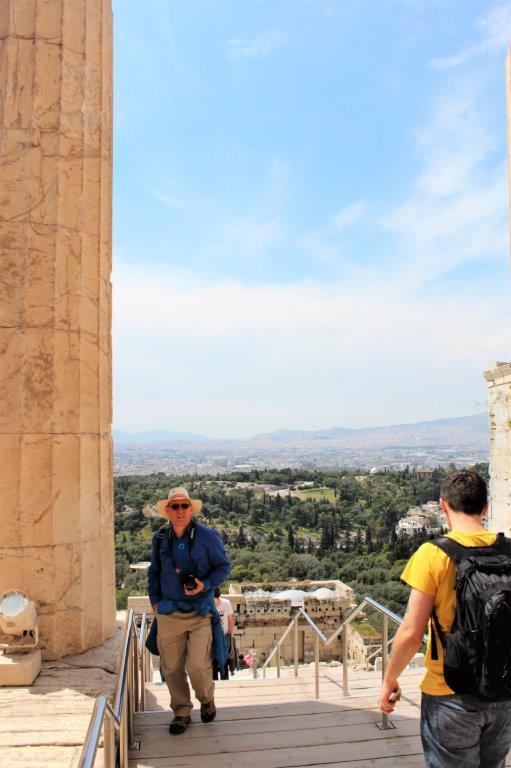
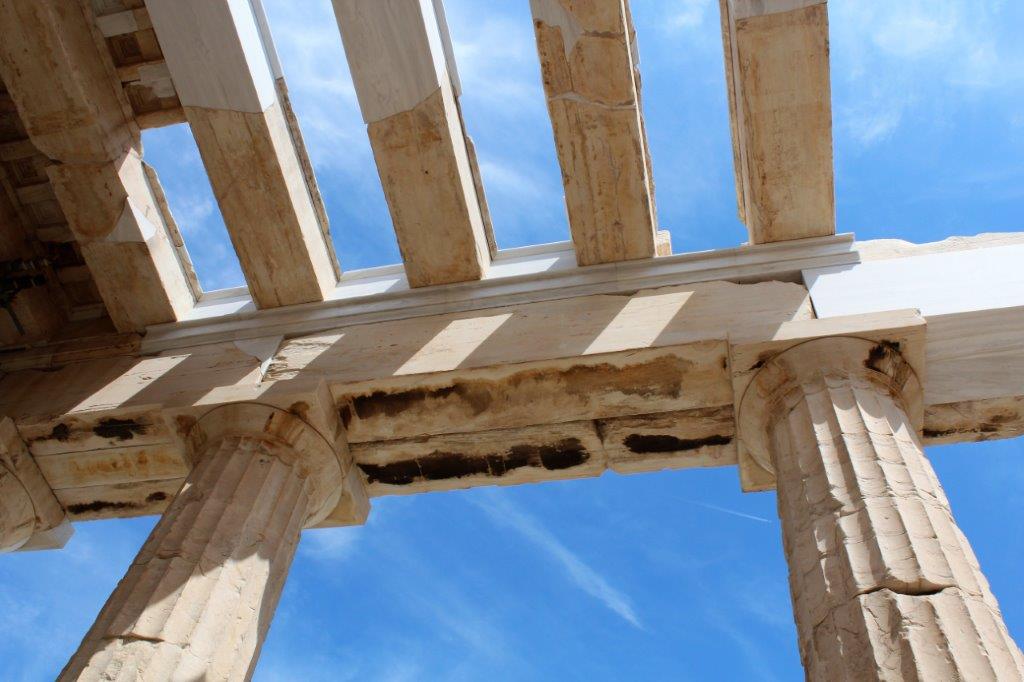
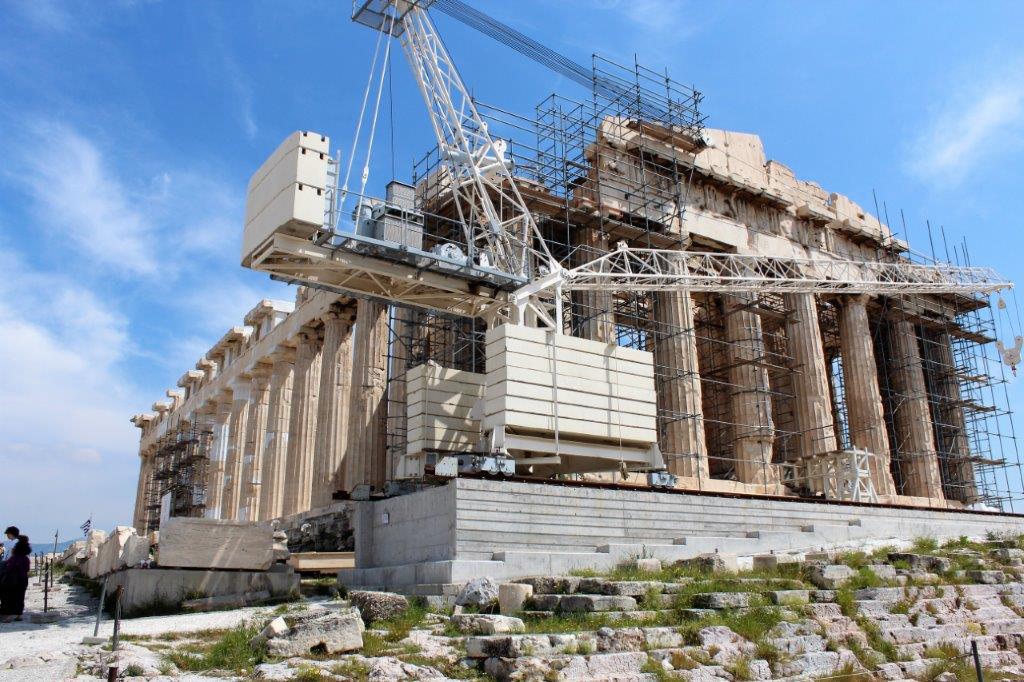
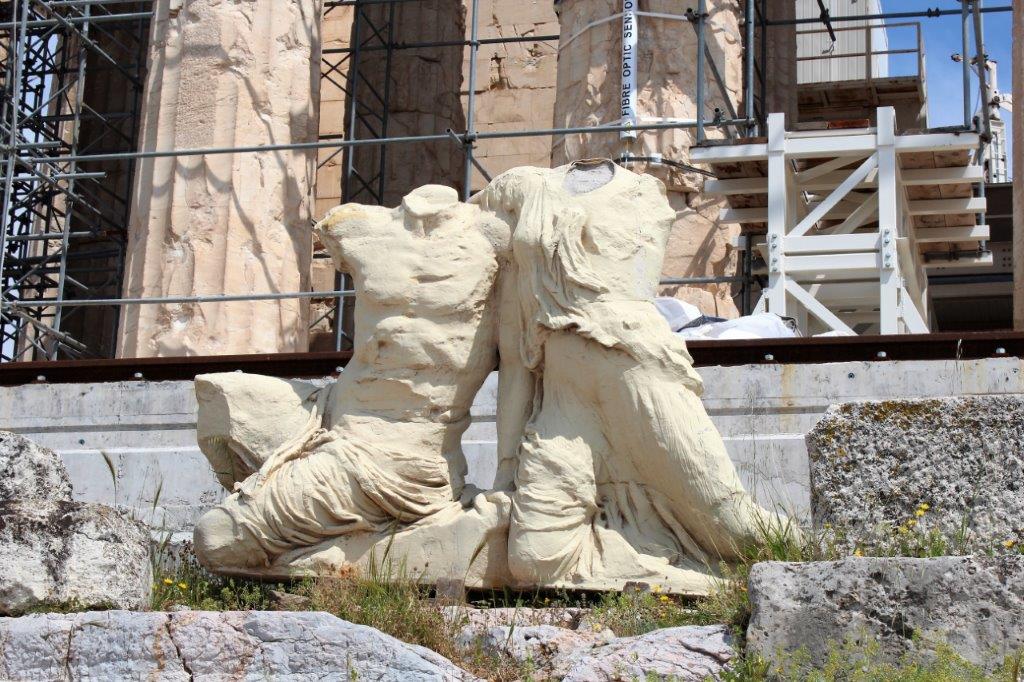
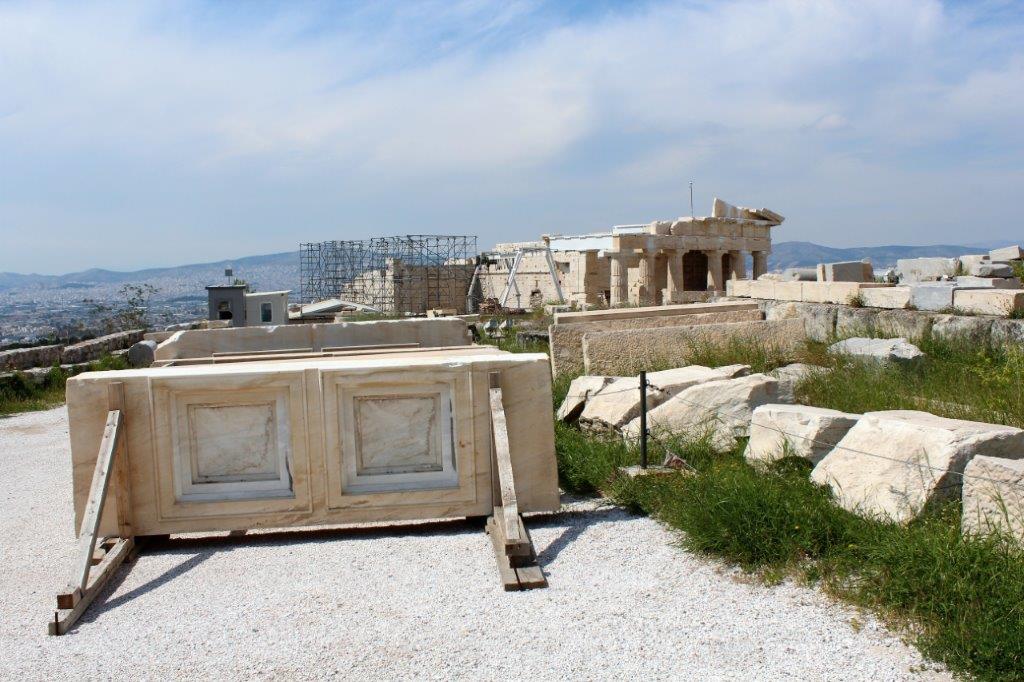
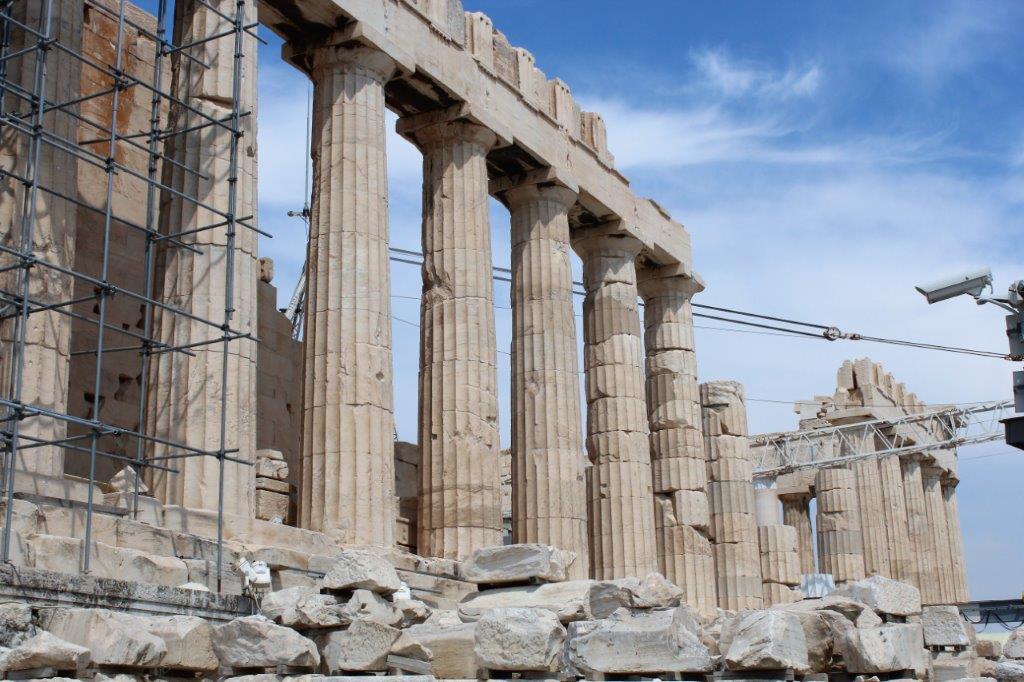
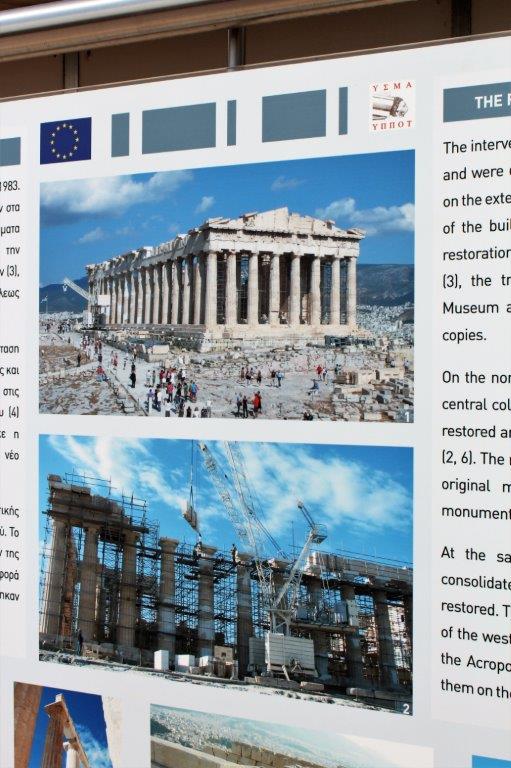
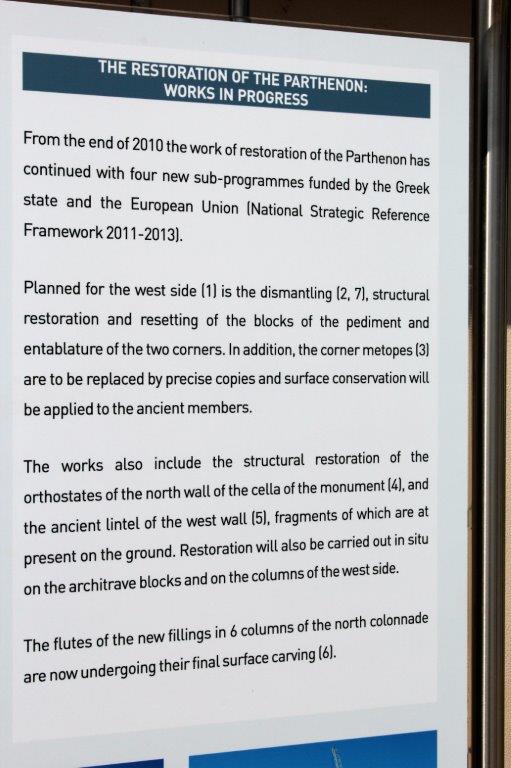
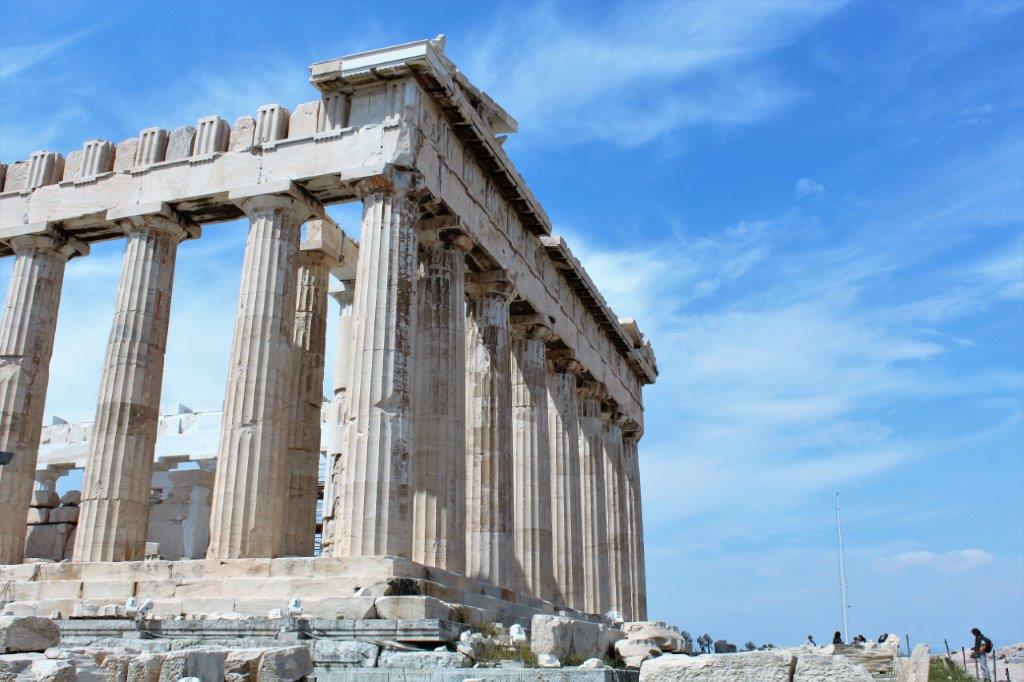
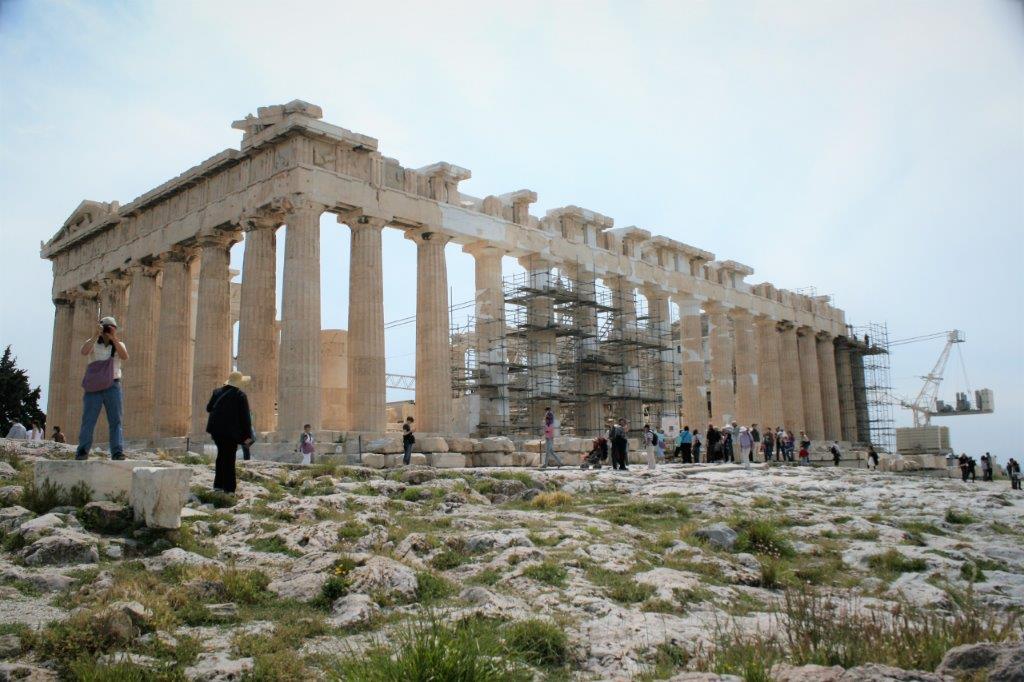
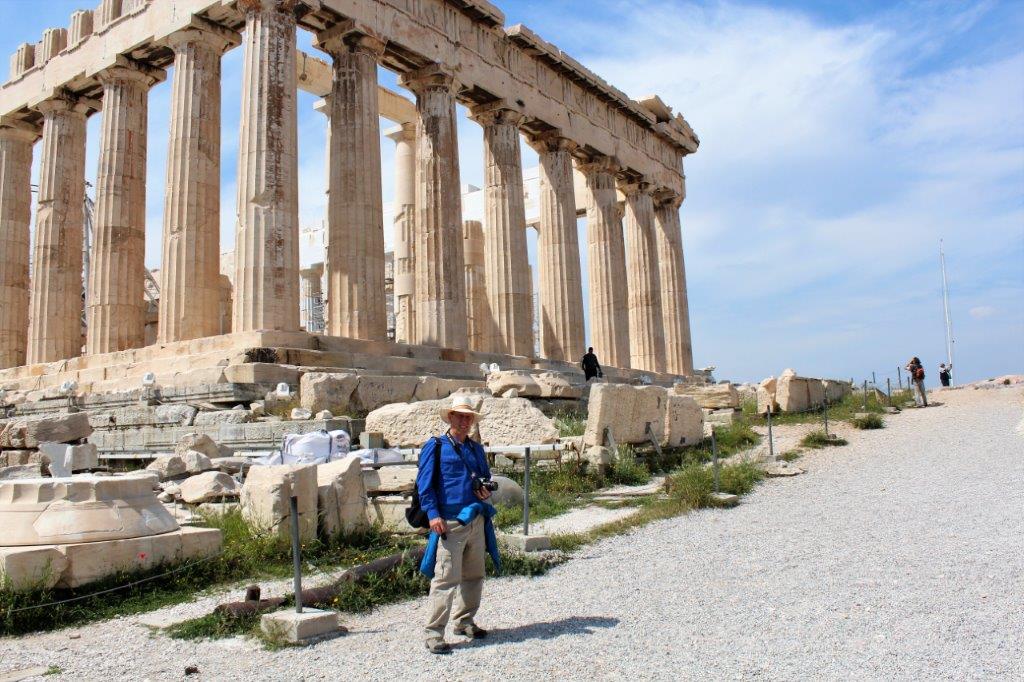
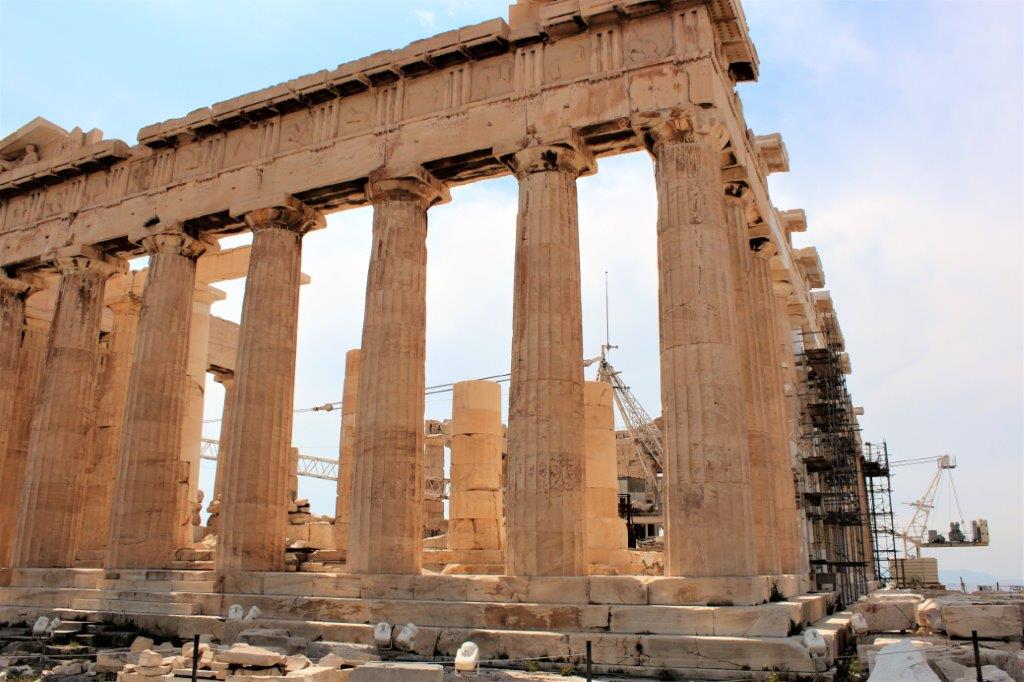
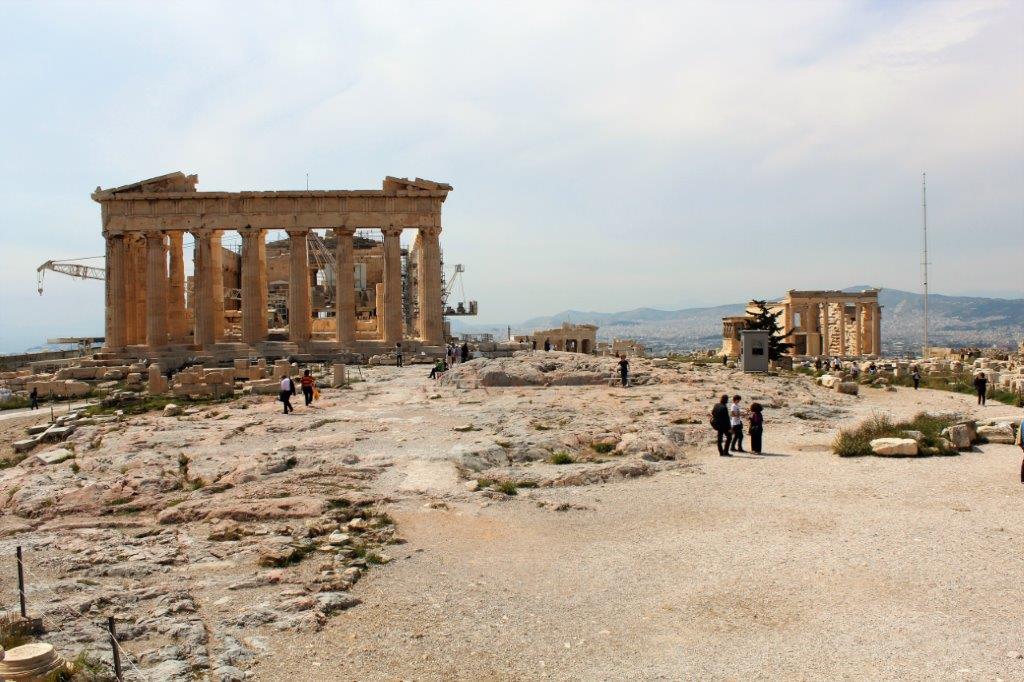
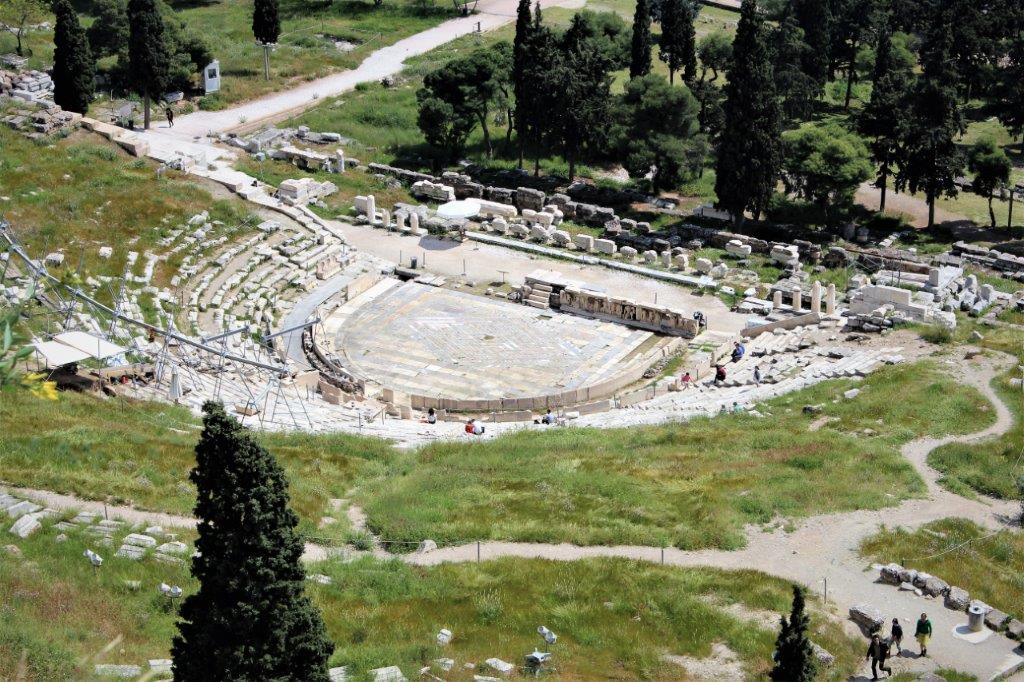
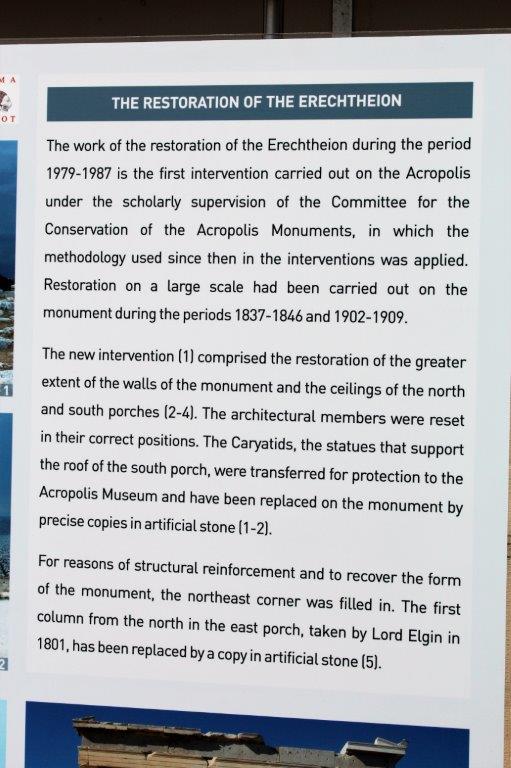
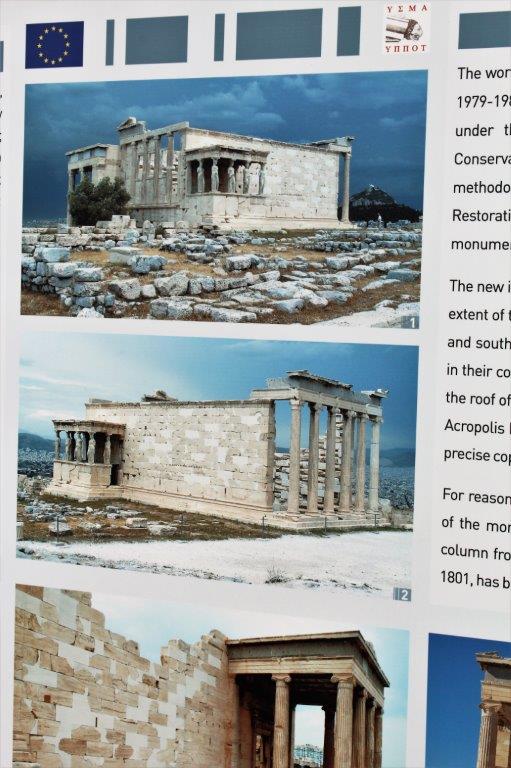
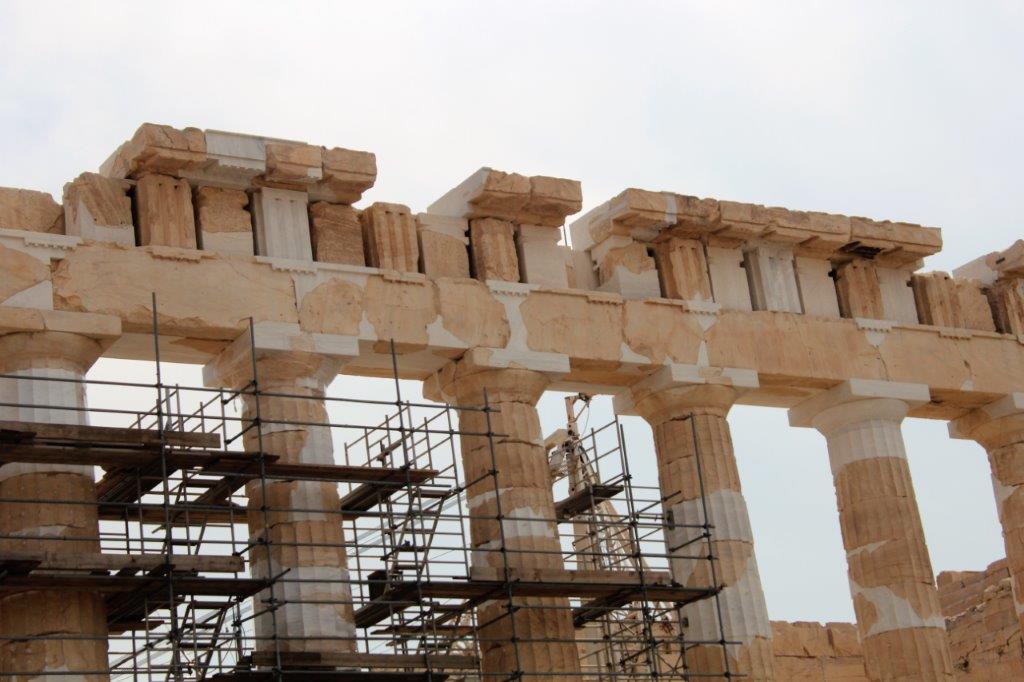
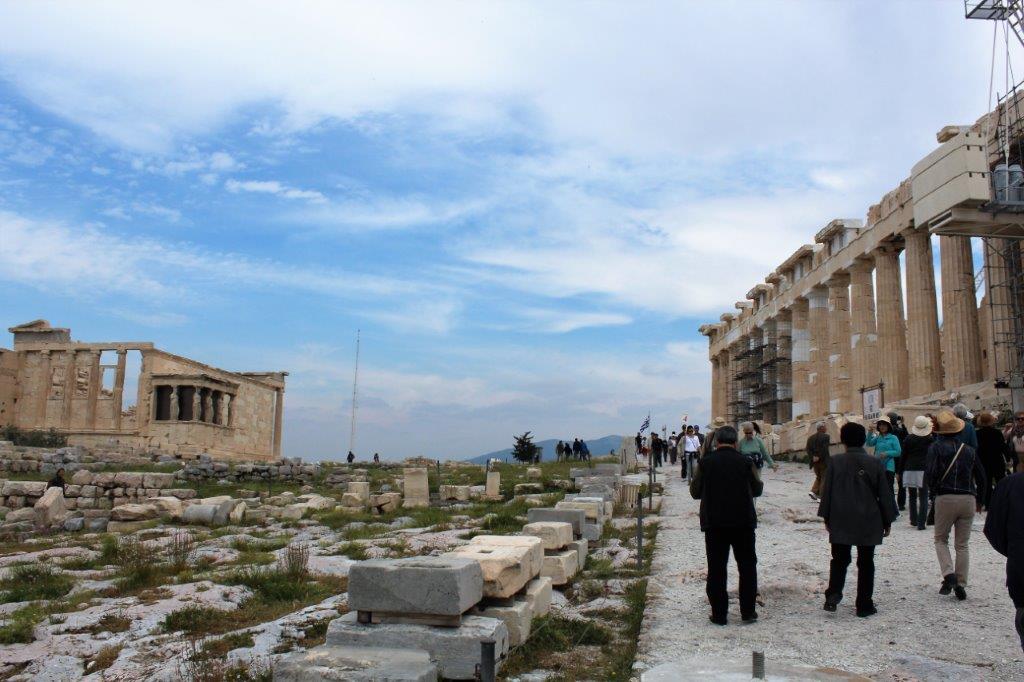
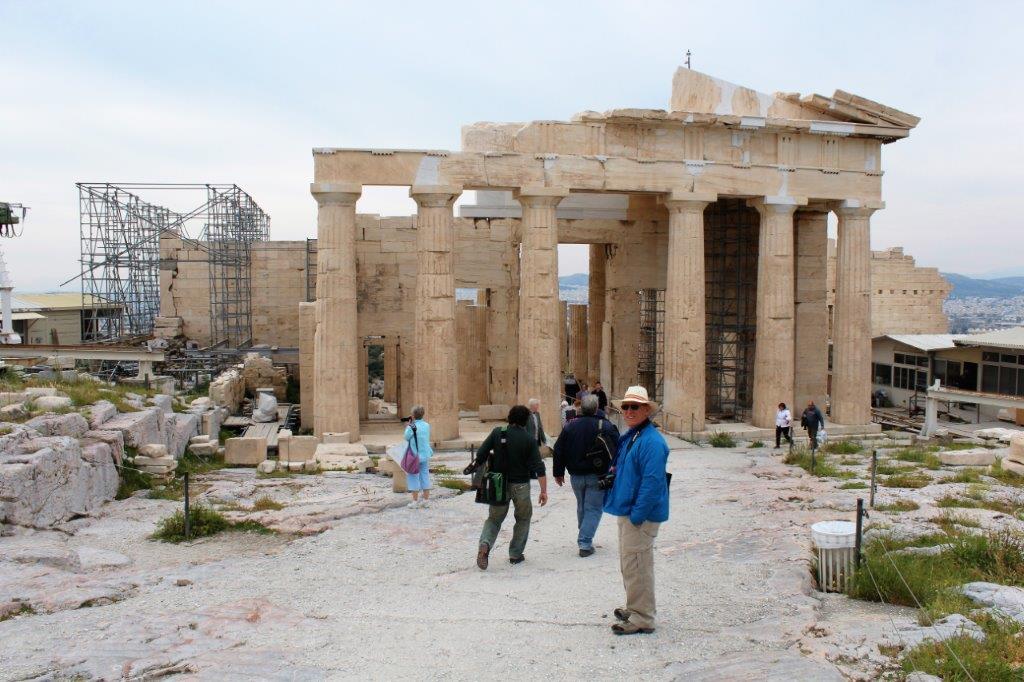
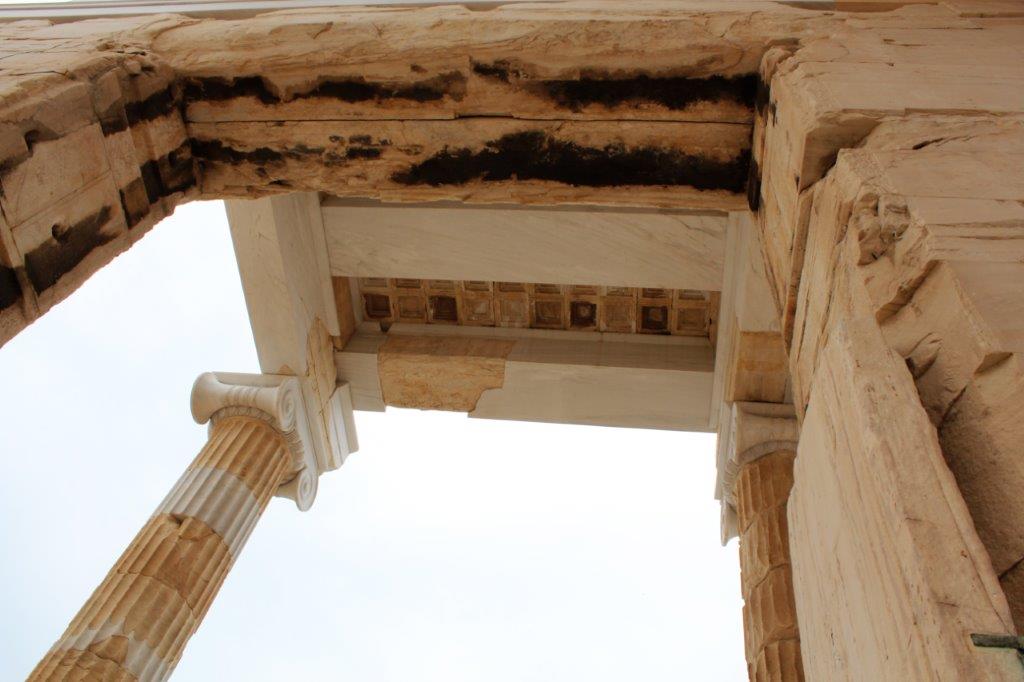
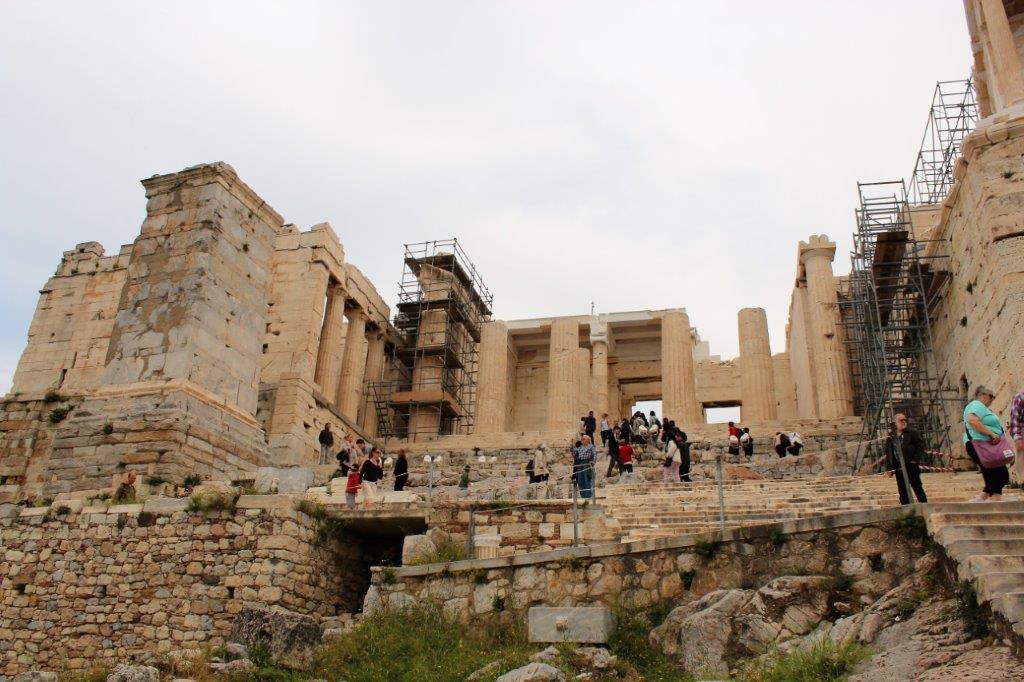
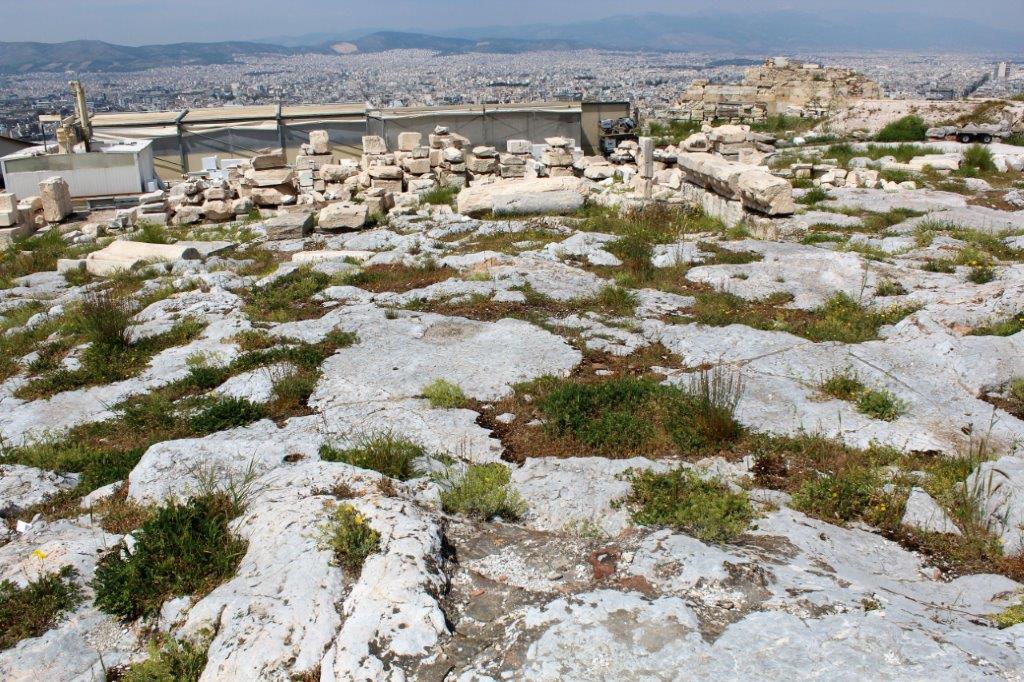
As we made our way along the path we had a good view of the Theatre of Dionysos at the foot of the hill which had a seating capacity of about 17,000. It is not a very high hill and only took a few minutes to climb.  The reinforcements made by man over the years makes the fortress stand 70 meters (230 feet) above the city and you get a panoramic view in all directions. At the top of the path is the Propylea, the colossal entry gate, which gives access to the upper terrace. Our guide stopped at the gate and spoke for about 20 minutes.  I love all the information and history, but I don’t want to stand in one place for the majority of the time I have and listen to someone talk about what I want to see and then have no time to go see things.  We wandered off to explore.  I saw the group eventually arrive and stop by the Parthenon building and she talked for another 20 minutes.  We ignored the group the rest of our allotted time and re-joined them when we were due back on the bus. There are the remains of four buildings atop the hill and all of them are undergoing restoration; the most famous being, of course, the Parthenon (Virgin’s Chambers – dedicated to the Virgin Goddess Athena), considered by many to be man’s finest structural achievement.   The flawless proportions feature a gentle upward slope, so the form appears to be a perfect rectangle, but, in fact, the columns are slightly widened on one end to create a linear illusion. We walked all the way around the Parthenon before exploring the rest of the buildings.

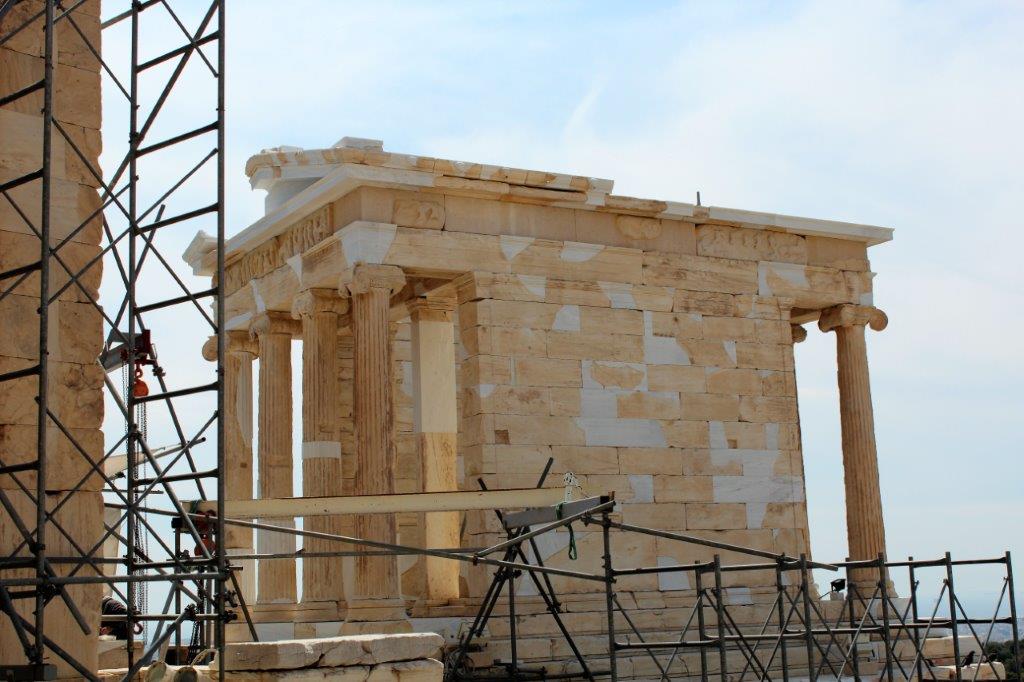
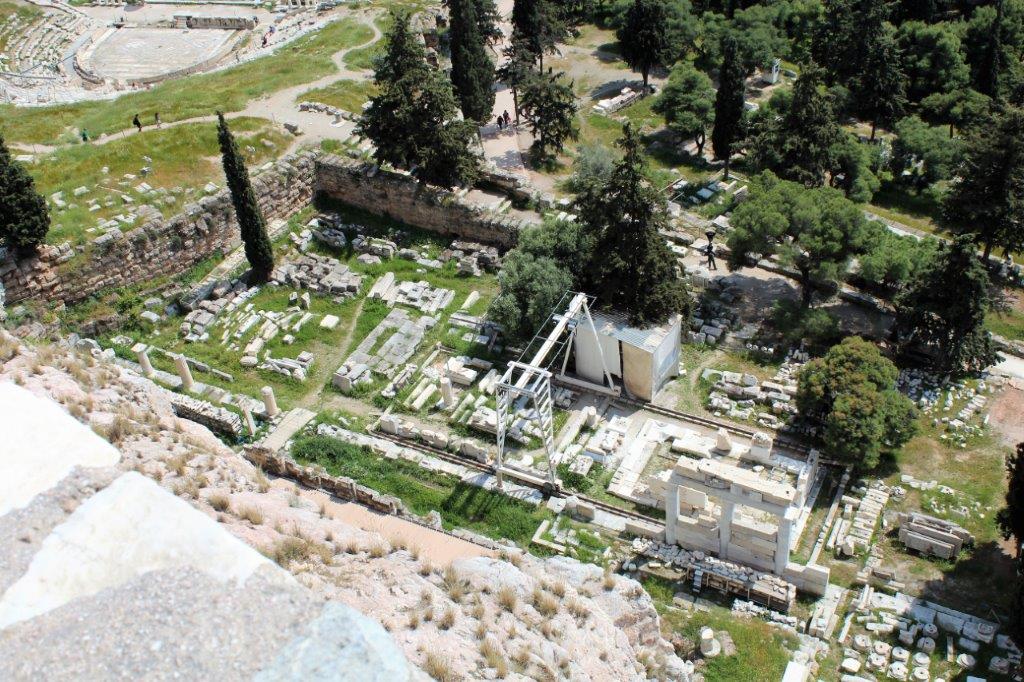
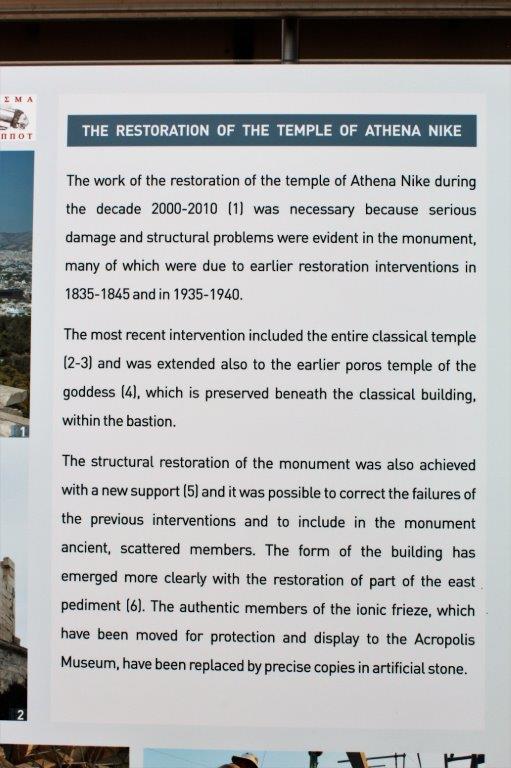
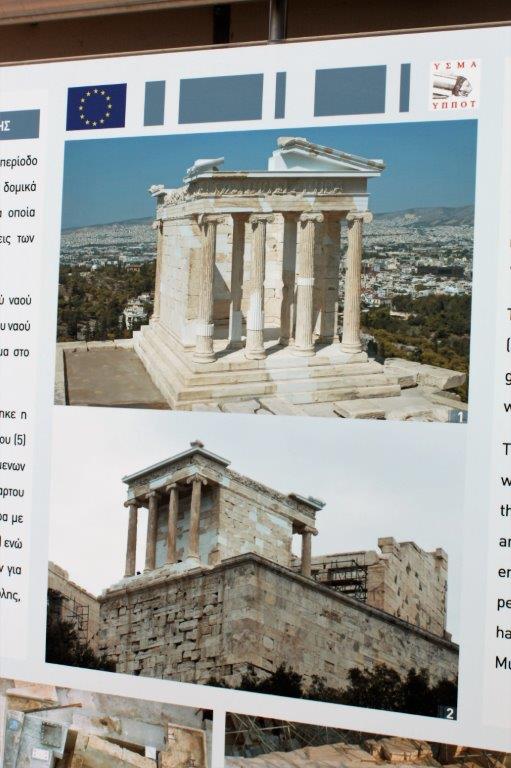
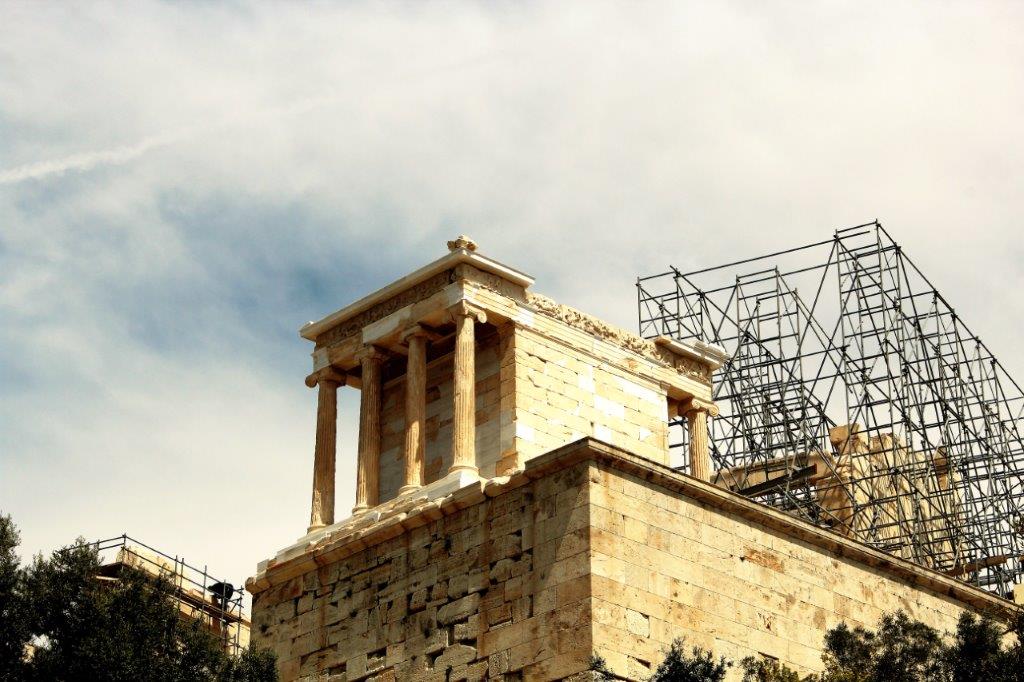
From the edge of the hill by the Parthenon you can look down and see more ruins of buildings and a theater. The Temple of Athena Nike was built to honour the 480 BC Athenian victory over Persia.

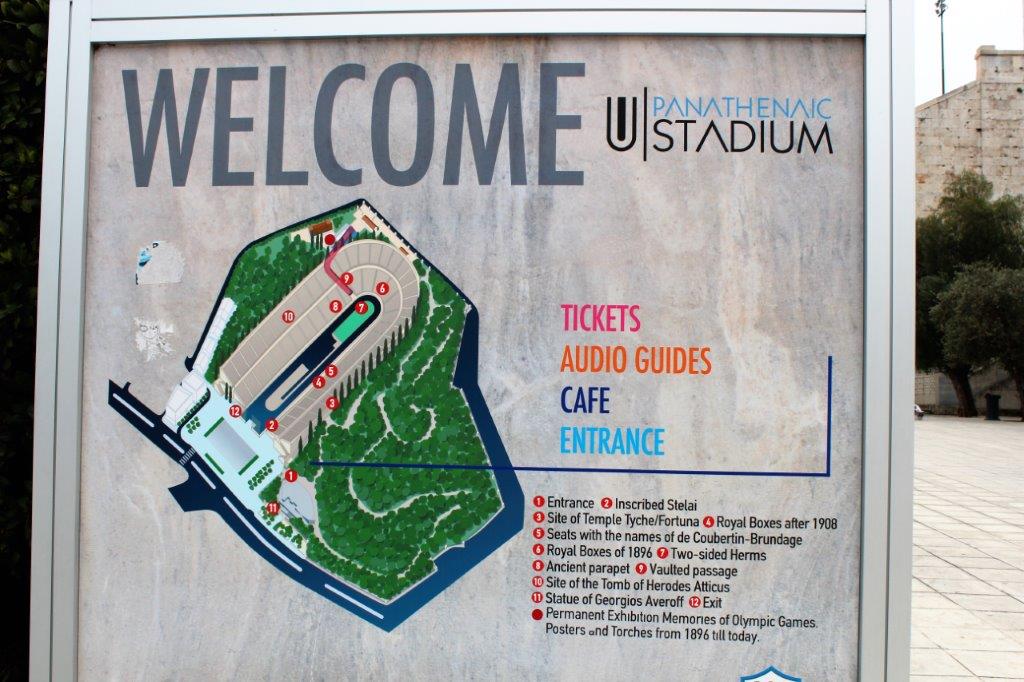
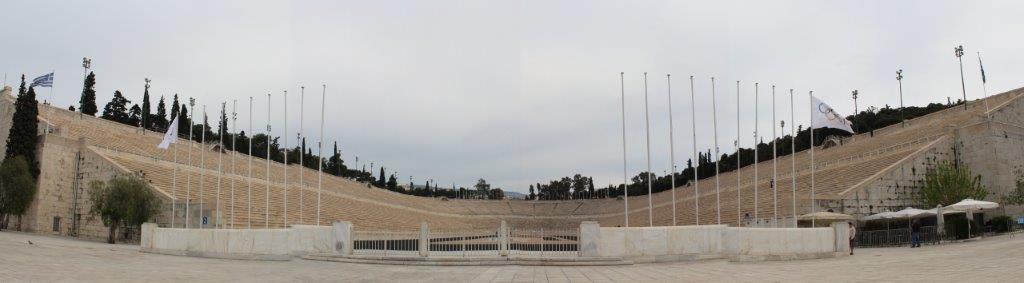
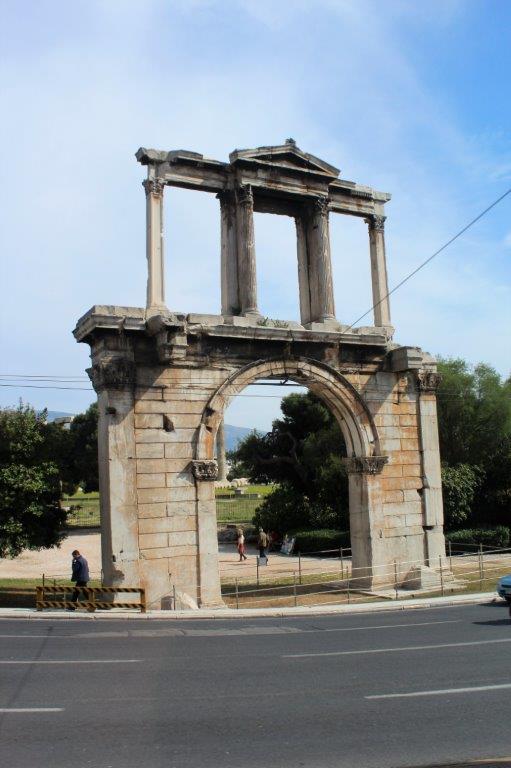
Sadly, we had to leave.  The bus took a circuitous route through Athens, taking us to the Olympic Stadium.  It was completely destroyed by fire and re-built exactly like the original for the first modern Olympic games in 1894.  Seating capacity of the stadium is 60,000.  Every torch for Olympic Games begins its journey from this stadium and is then carried to the host city. Hadrian’s Arch                                        The modern Olympic StadiumWe returned to the ship very much aware that we had seen only a very small part of what is available in this amazing city, but so thankful for our wonderful day at the Acropolis.  The next day’s tour took us out of Athens to the ancient city of Corinth.

2012 April 10 – Day 30 – Scenic Cruising in the Bosporus, Marmara Sea and Dardanelles

We had a “sea” day after a week in ports and on tours.  There was a reception on board that we were invited to attend but we skipped it in favour of spending the day on deck watching the coast go by.  It wasn’t what you could call a lovely day; it was cold and very windy, but we enjoyed being outside rather than doing chit chat in the dining room.
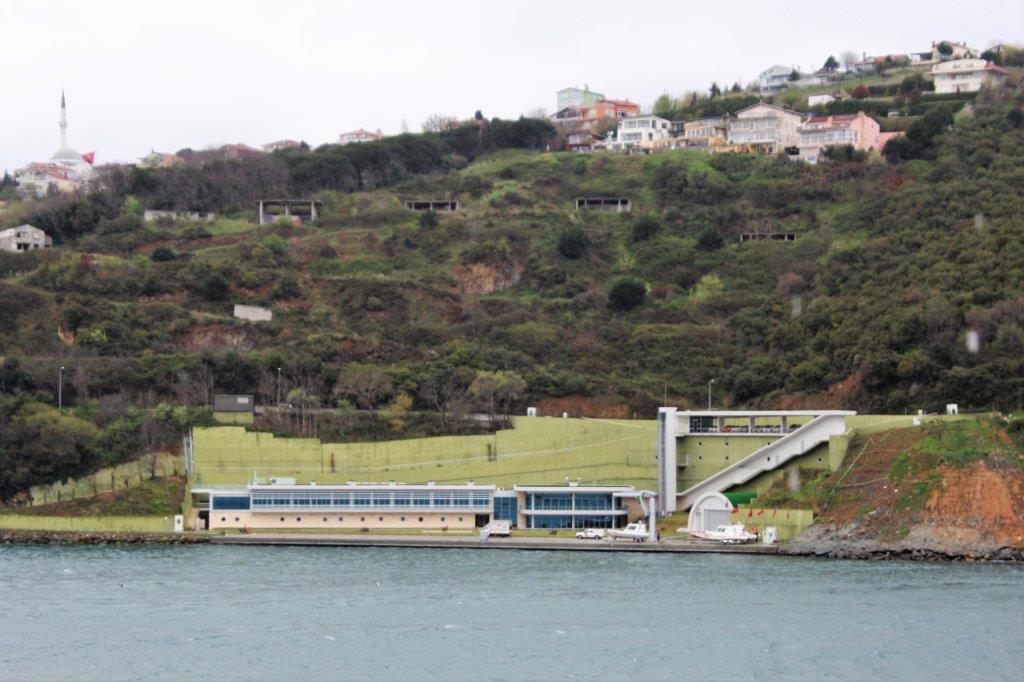
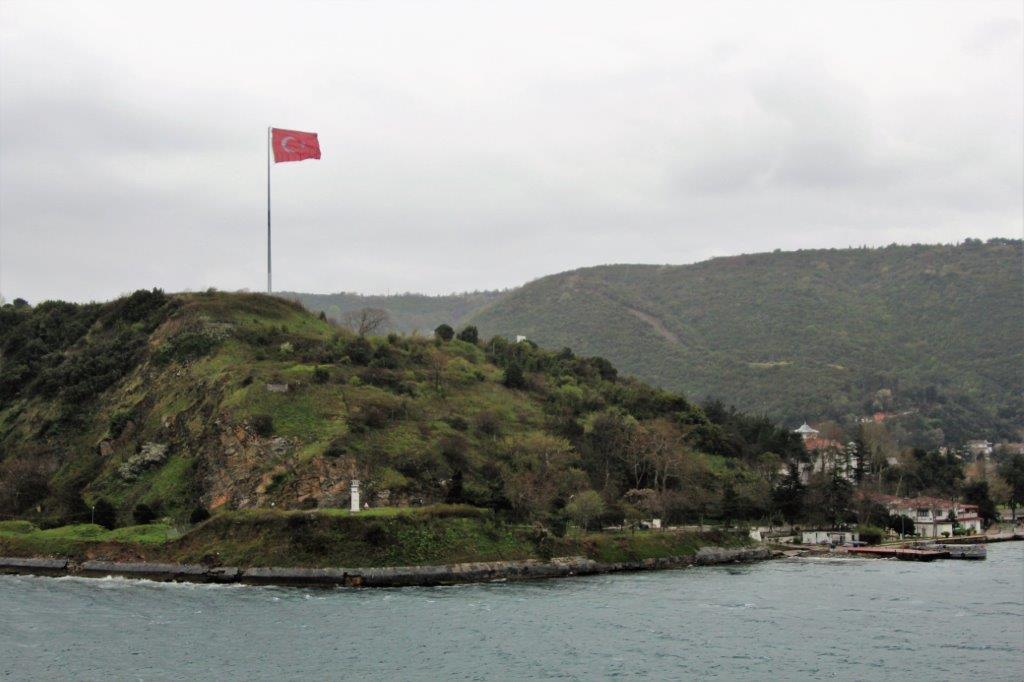
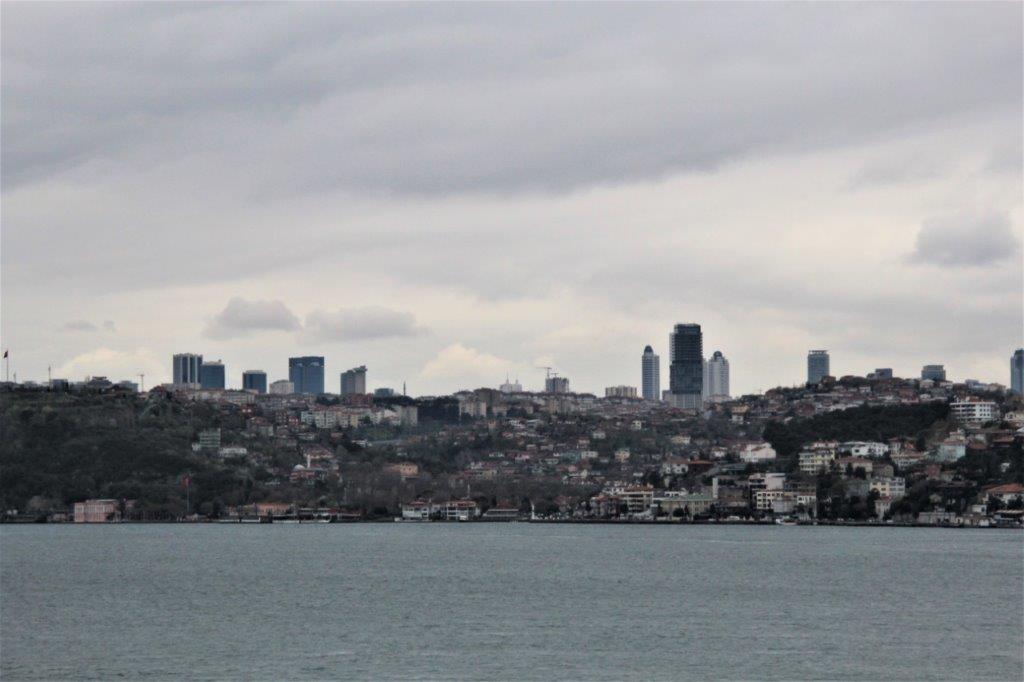
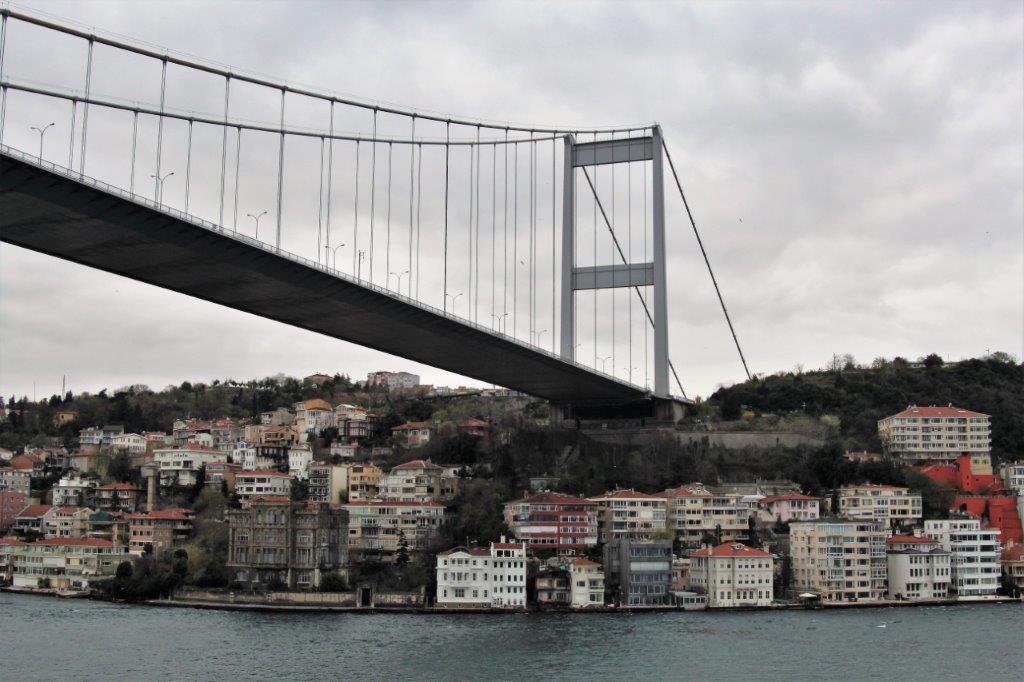
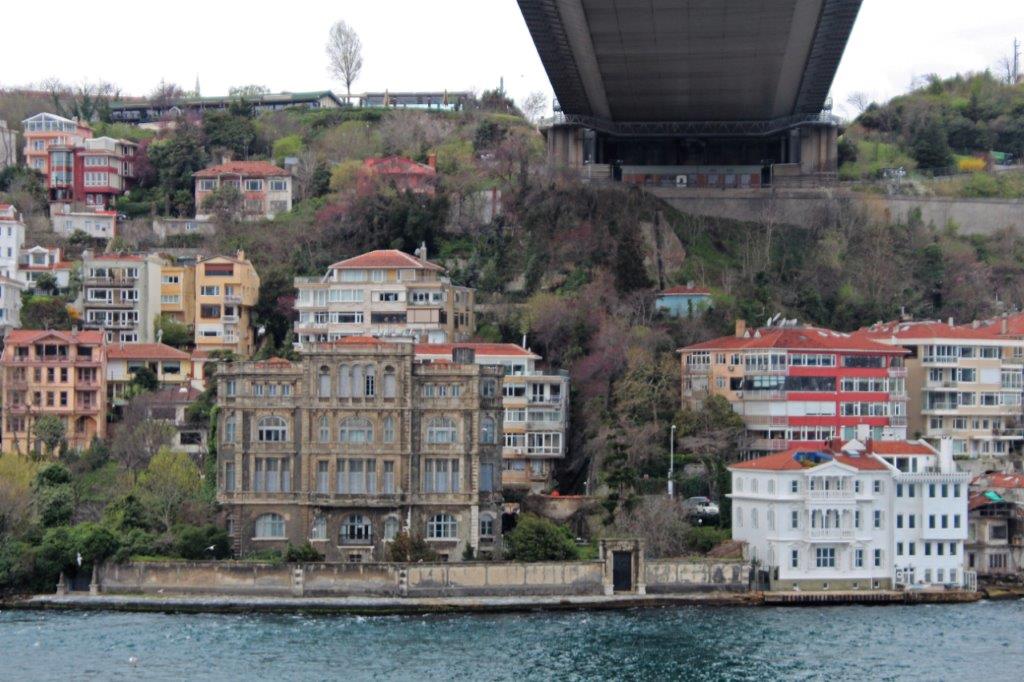
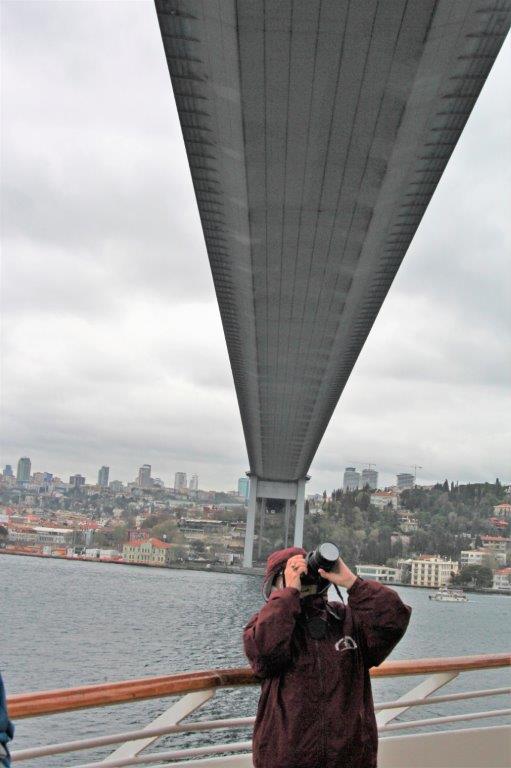
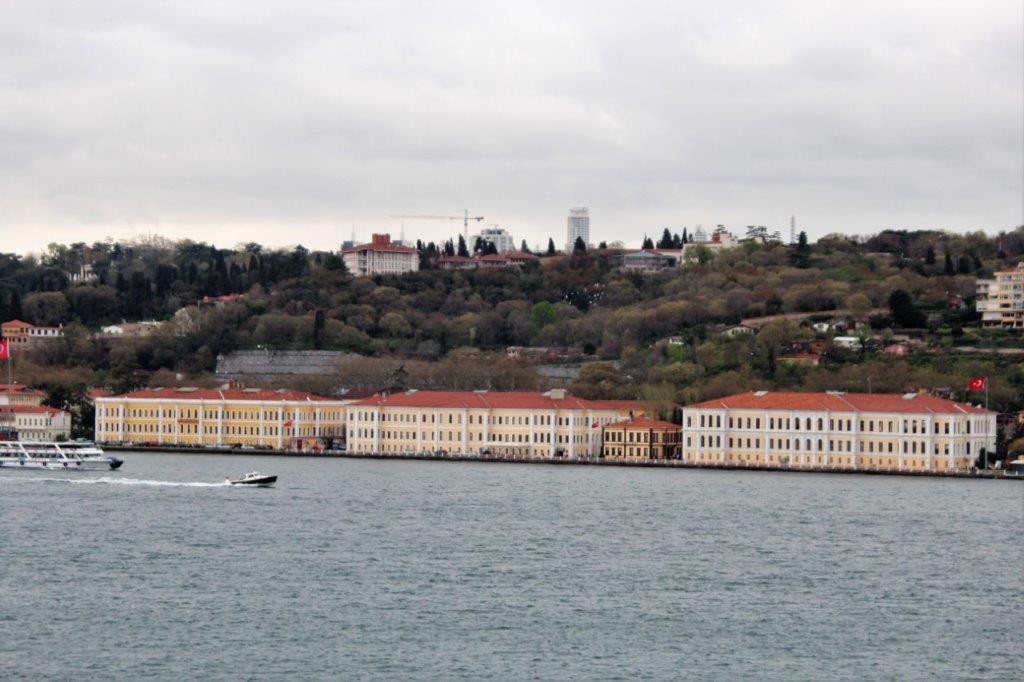
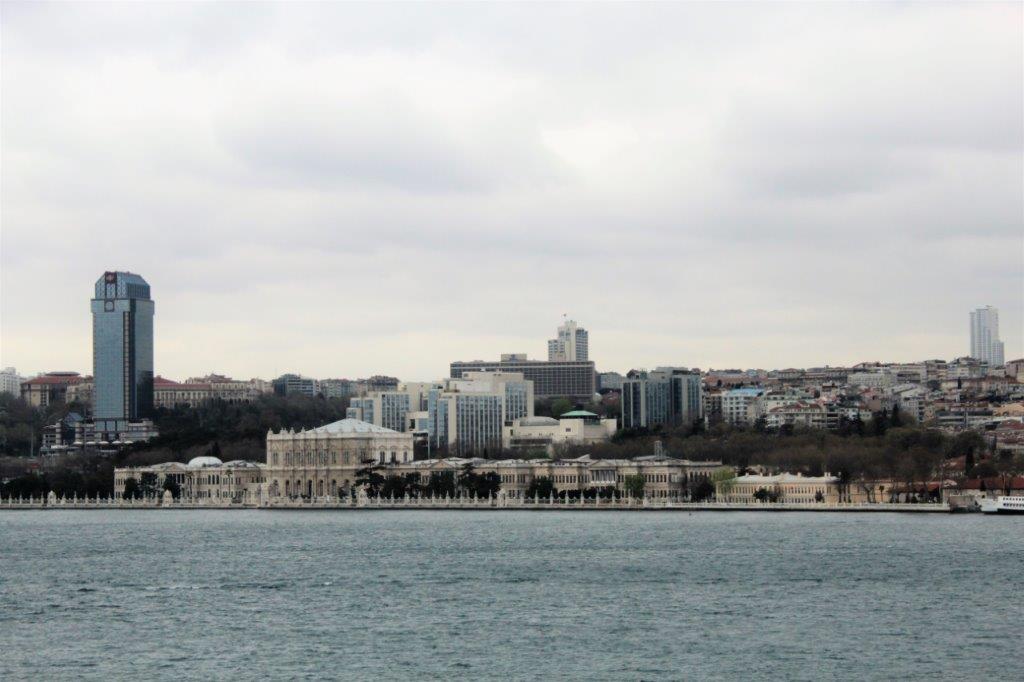
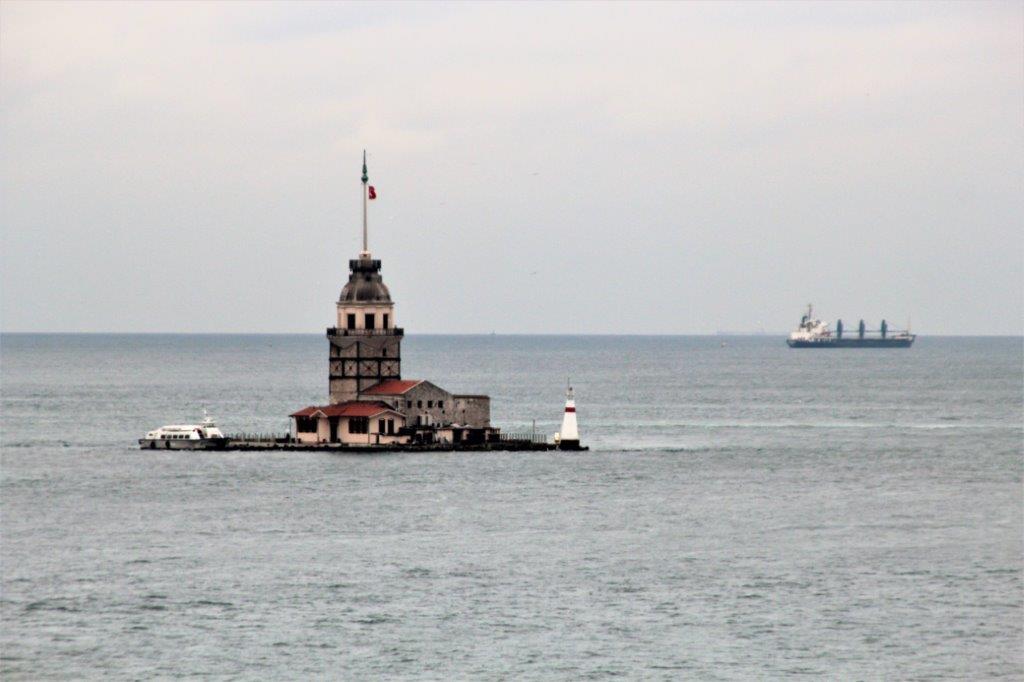
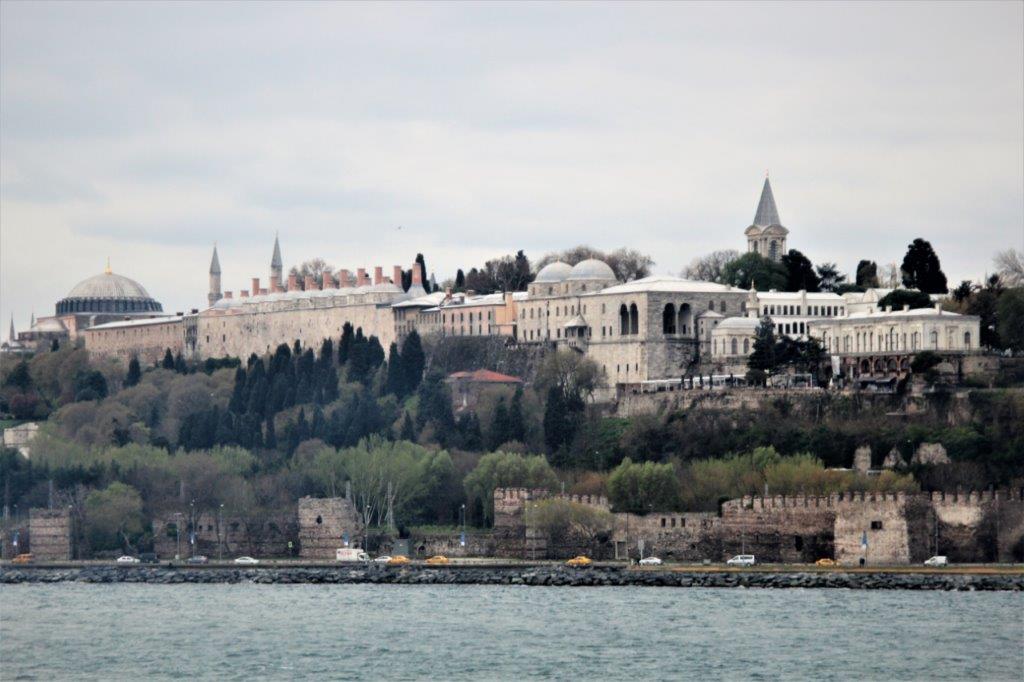
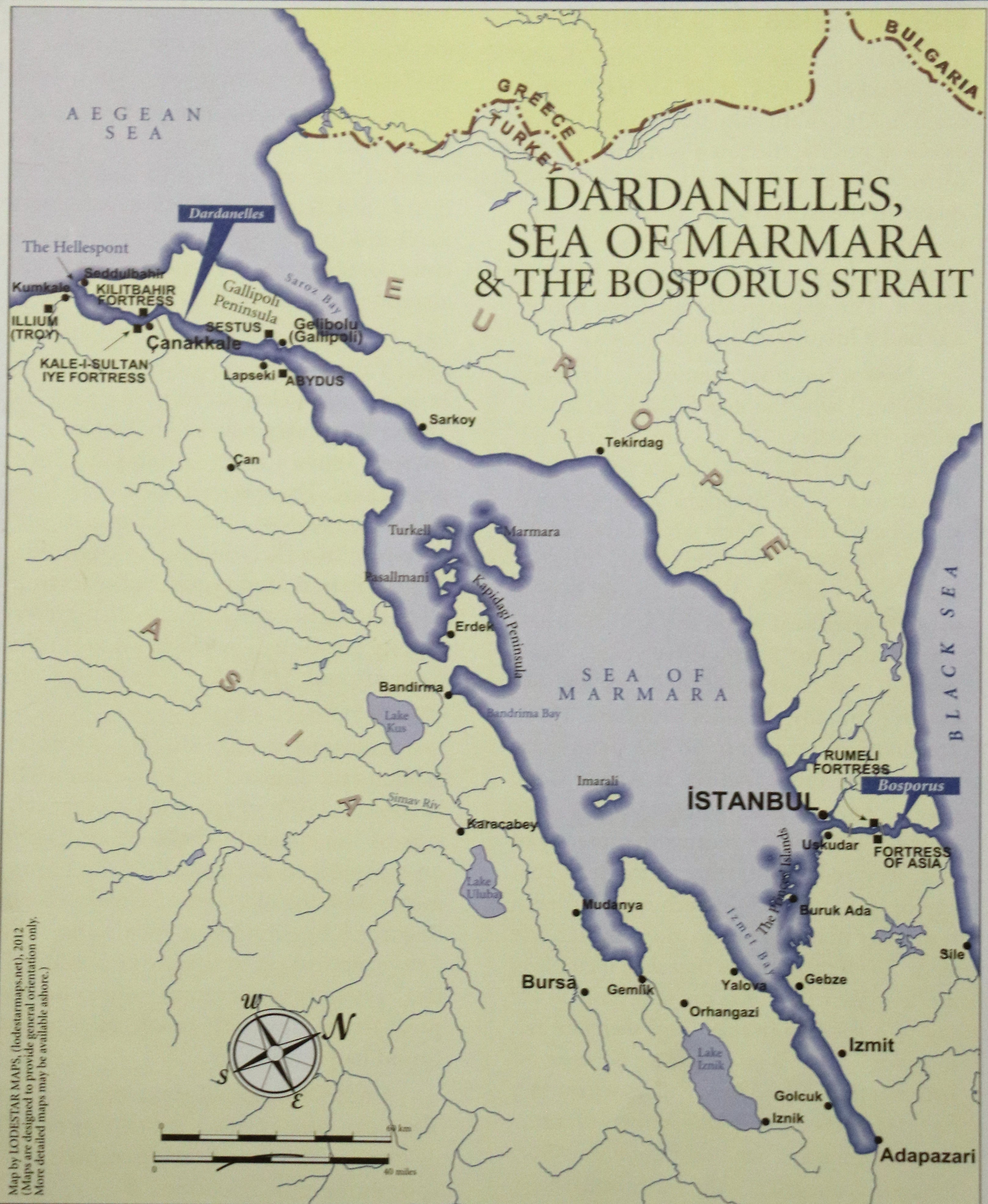
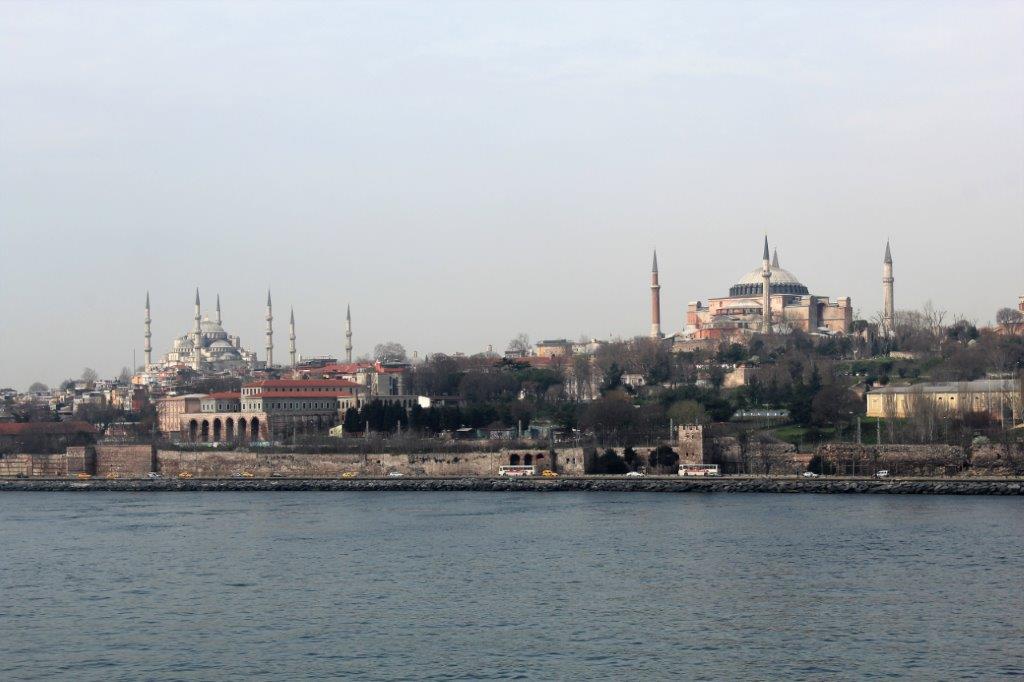
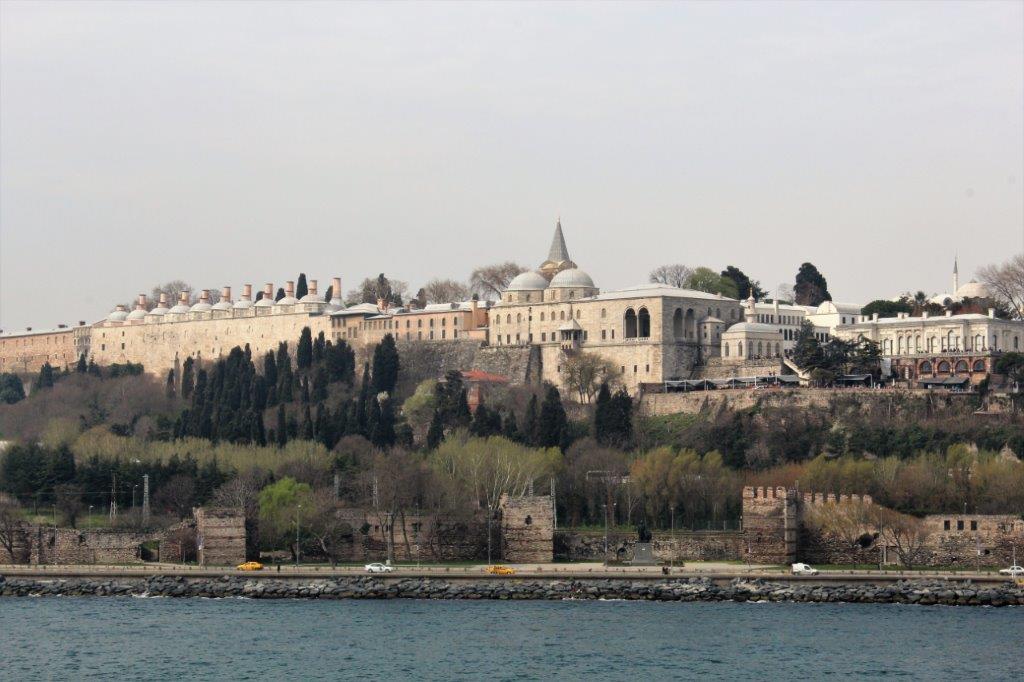
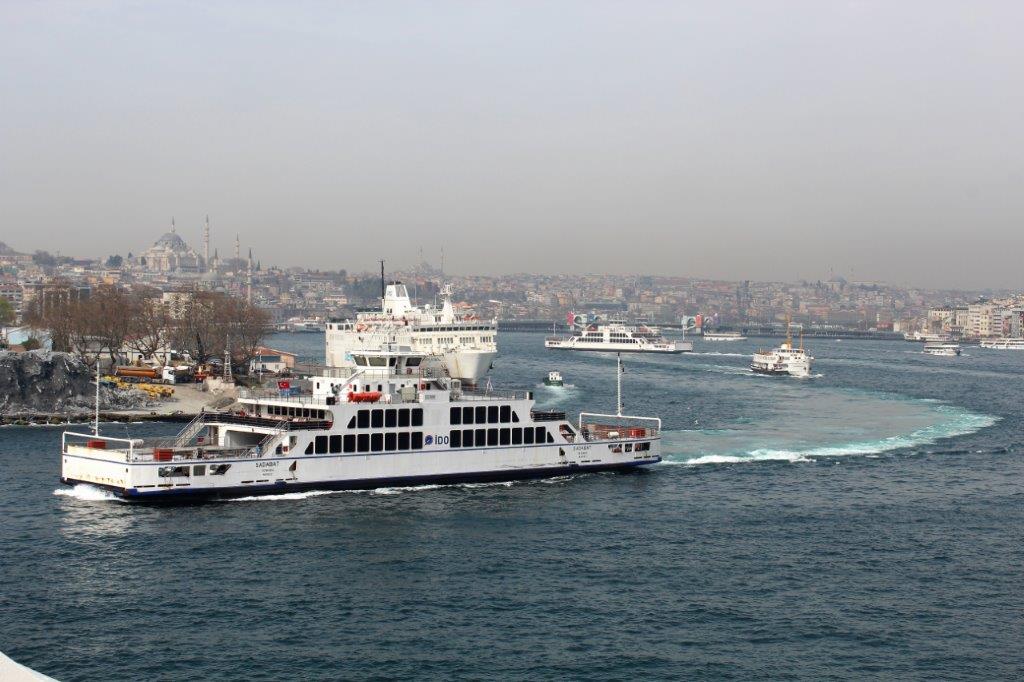
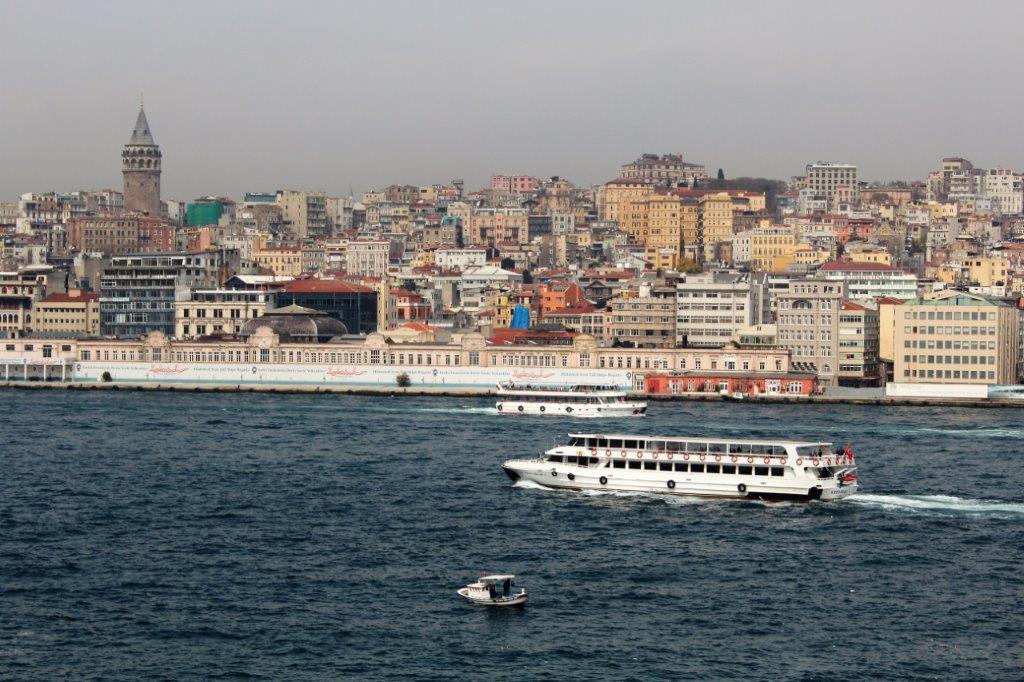
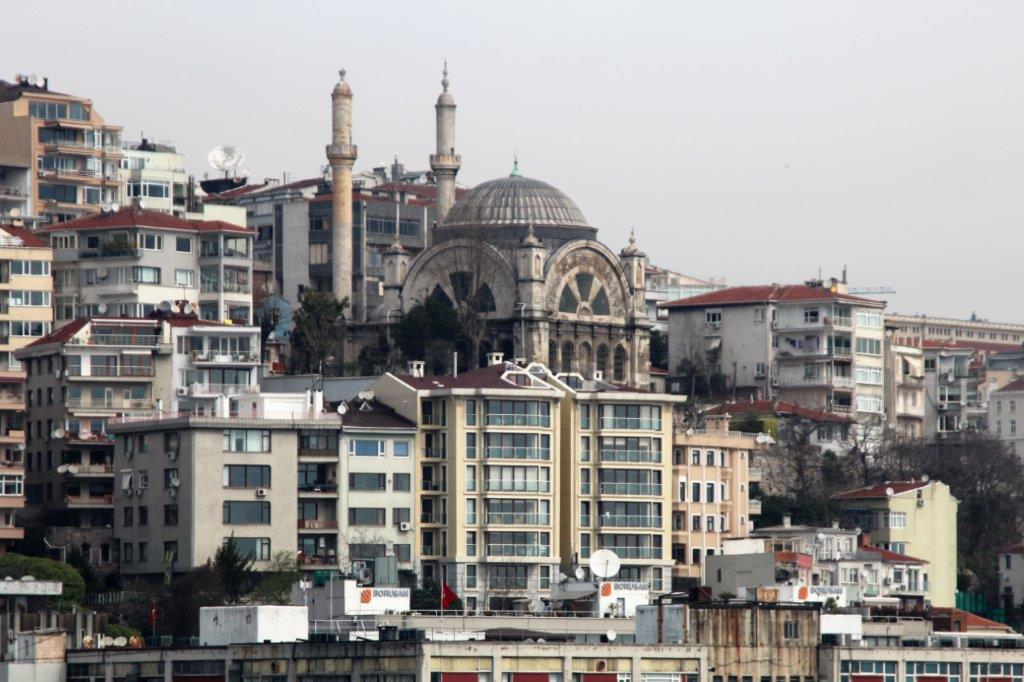
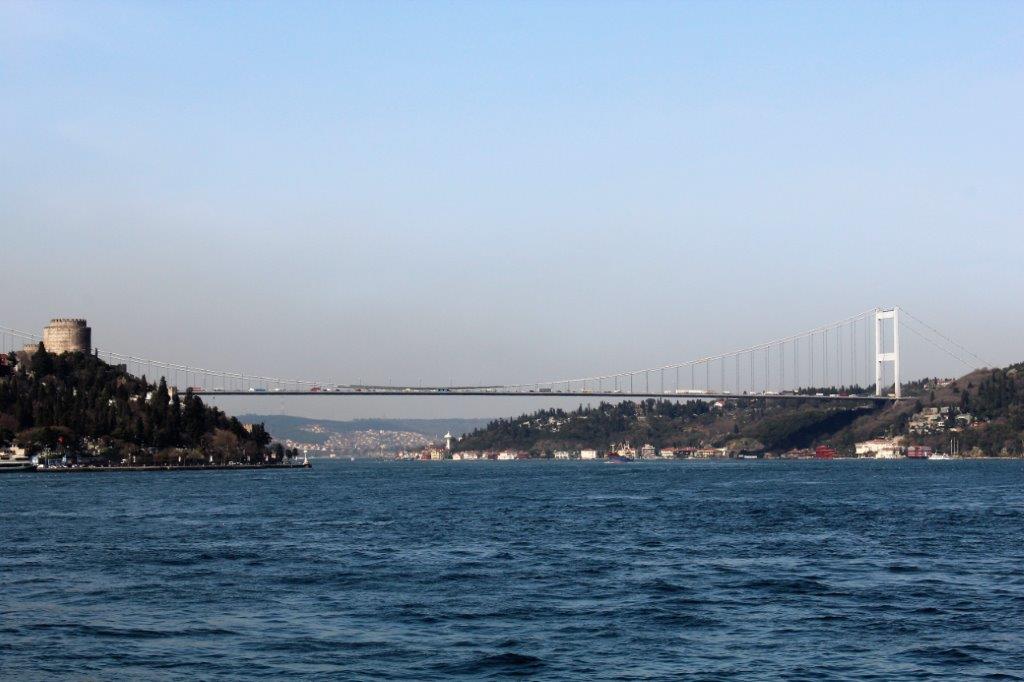
The Bosporus Strait is a 32 km (20 mile) long narrow strip of water that separates the Black Sea from the Sea of Marmara which is a small body of water on the northwestern edge of Turkey.  The city of Istanbul straddles the Bosporus Strait, separating Europe and Asia.  The strait varies in width from half a mile to a mile and a half.  The water runs swiftly due to two different opposing currents.  Nearly 40,000 ships navigate the channel every year.We spent the morning on deck as we sailed back from the Black Sea through the Bosporus Strait and past Istanbul again. Sailing under the Bosporus Bridge.  The Asia side is mostly residential.  The European side is home to old Istanbul with Hagia Sophia, the Blue Mosque and Topkapi Palace easily visible from the water.
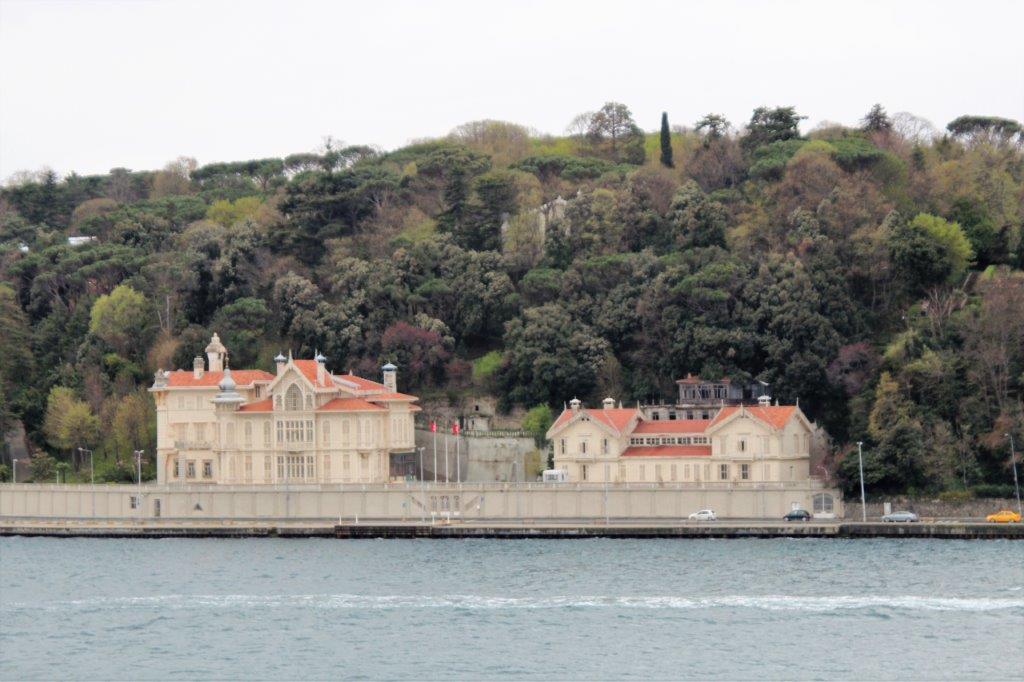
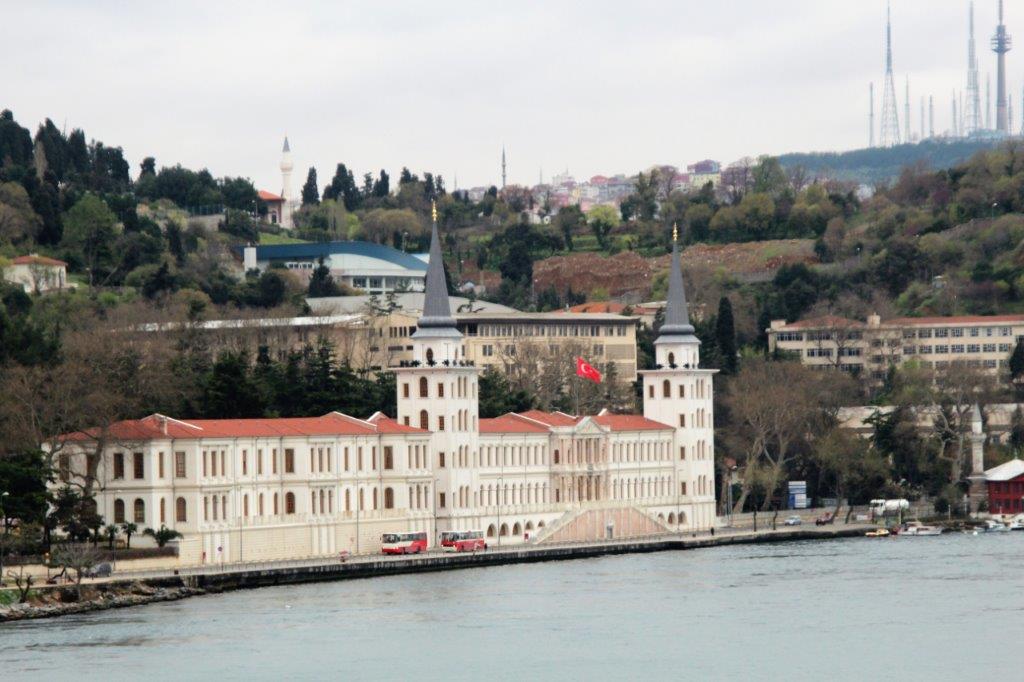
The Sea of Marmara is 282 km (175 miles) long, at the longest point.  It is a fairly constricted lake just 80 km (50 miles) wide at its widest; but it is deep (up to 1372 m or 4,500 feet) at the center.  It took the ship all afternoon to navigate the Sea.

At the end of Sea of Marmara is another narrow channel of water called the Dardanelles which accesses the Aegean Sea near Greece.  the Dardanelle Strait is 61 km (38 miles) long.  It was formed during a cataclysmic geological event that sunk a portion of Asia Minor.  The northern side of the Aegean entrance is the European Gallipoli Peninsula; the southern shore is Asia Minor, so the channel is truly a line between two continents.

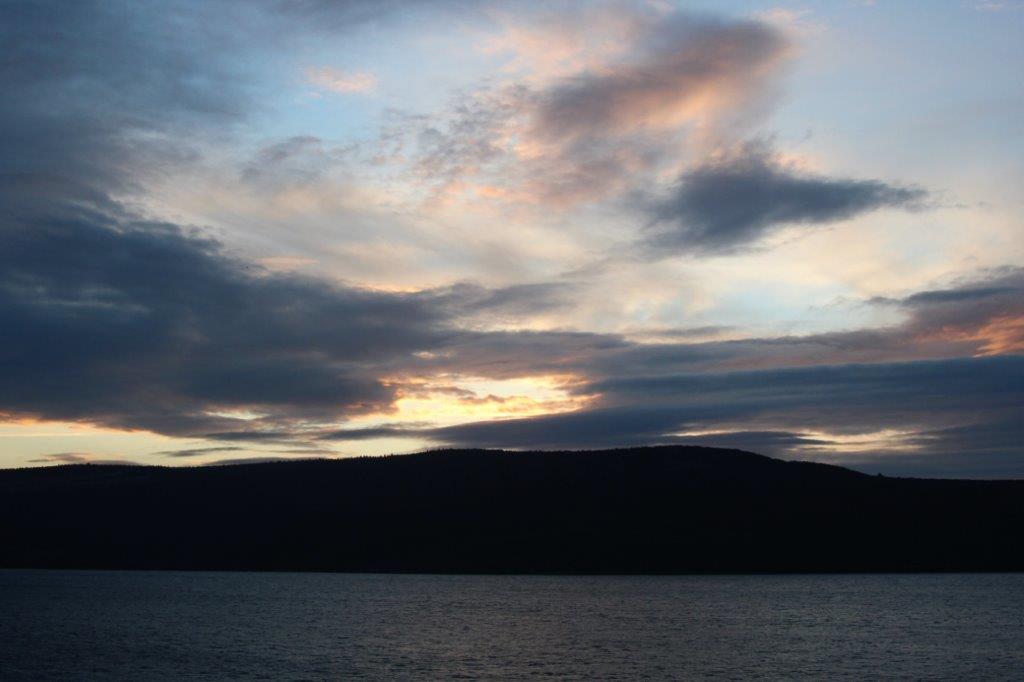
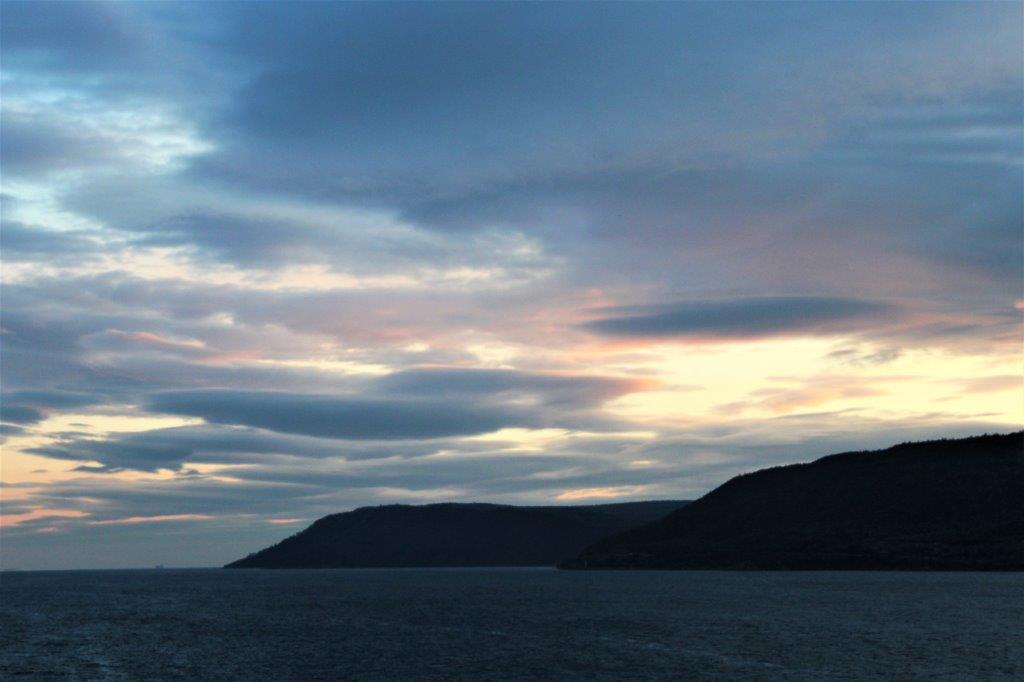
We traversed the majority of the Dardanelles while we were at dinner but we went back on deck afterward and watched the lovely sunset. The next day we begin touring Greece and have another eight consecutive days in port and on tour.

2012 March 26 – Day 15 – Melilla, Spain

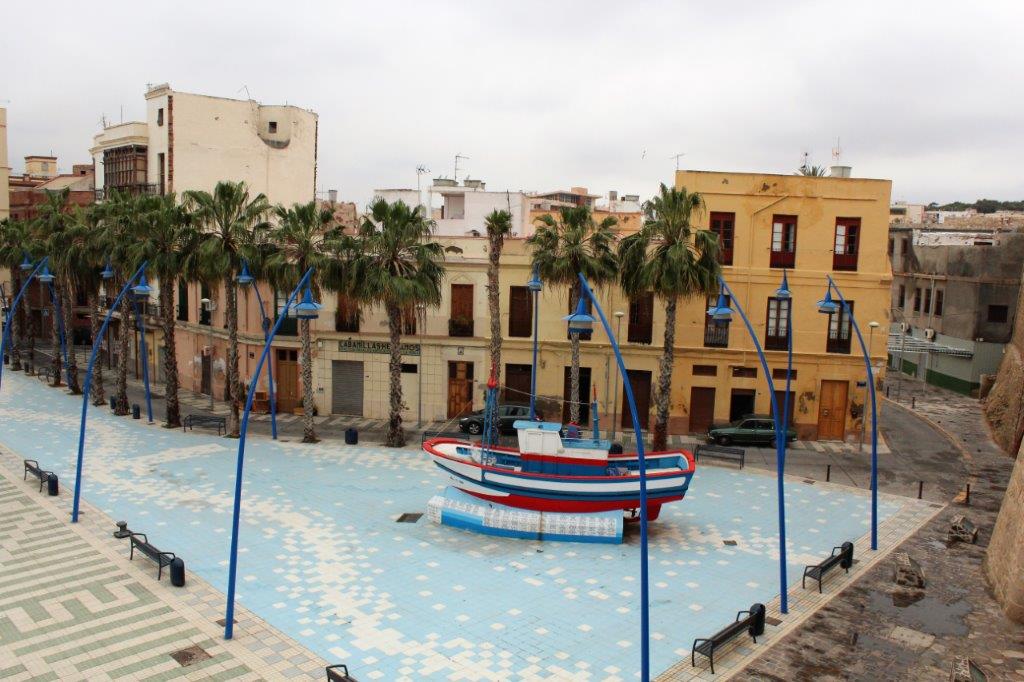
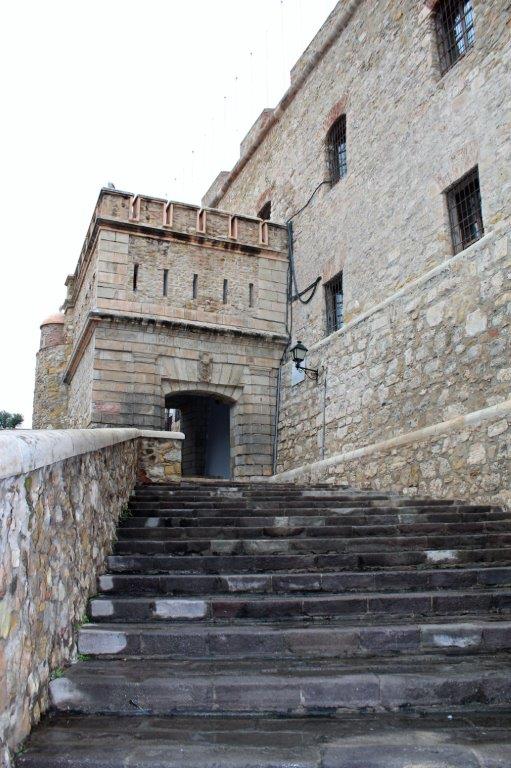
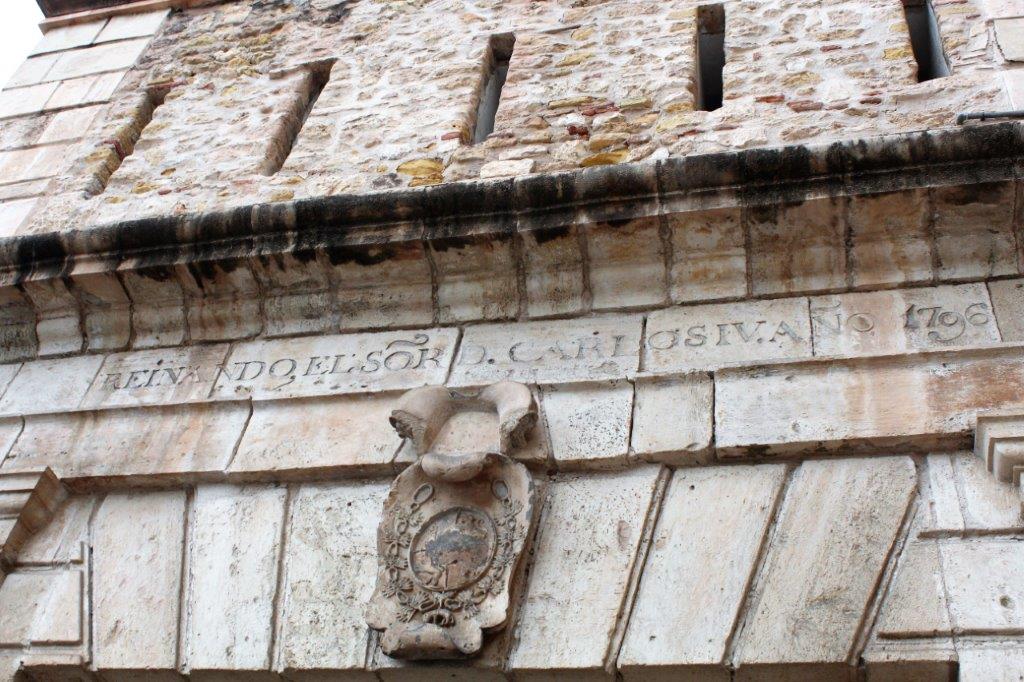
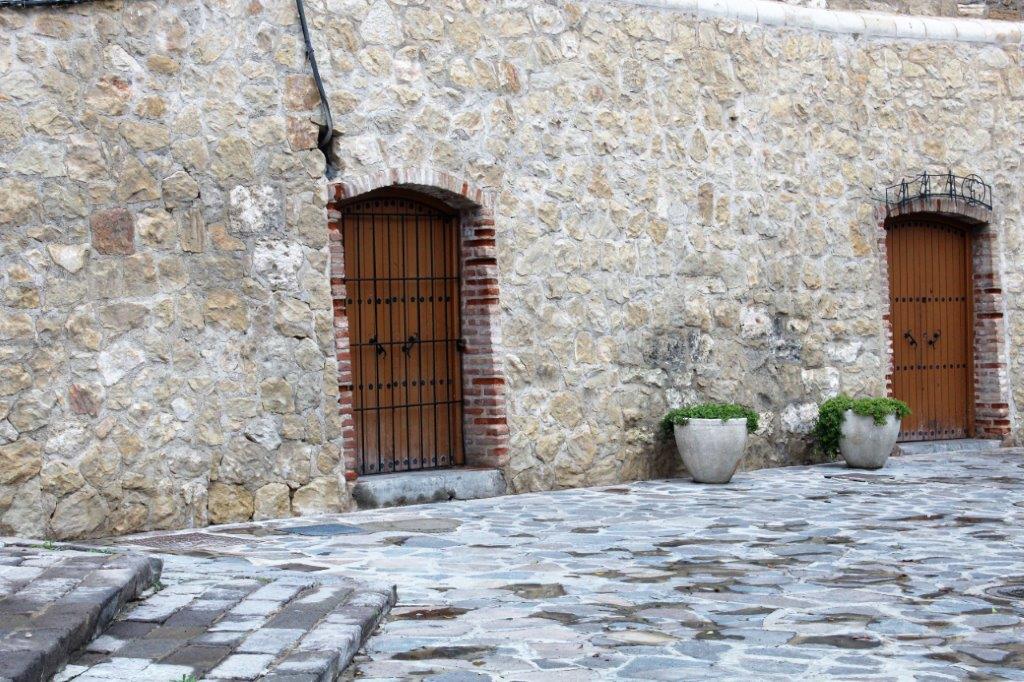
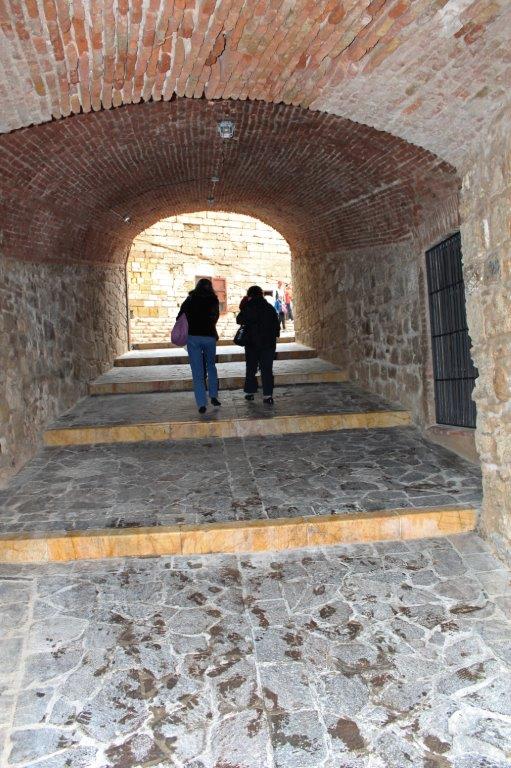
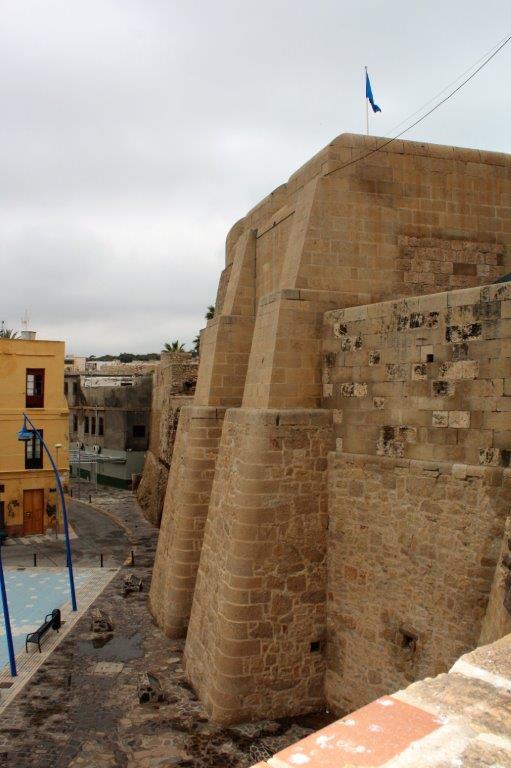
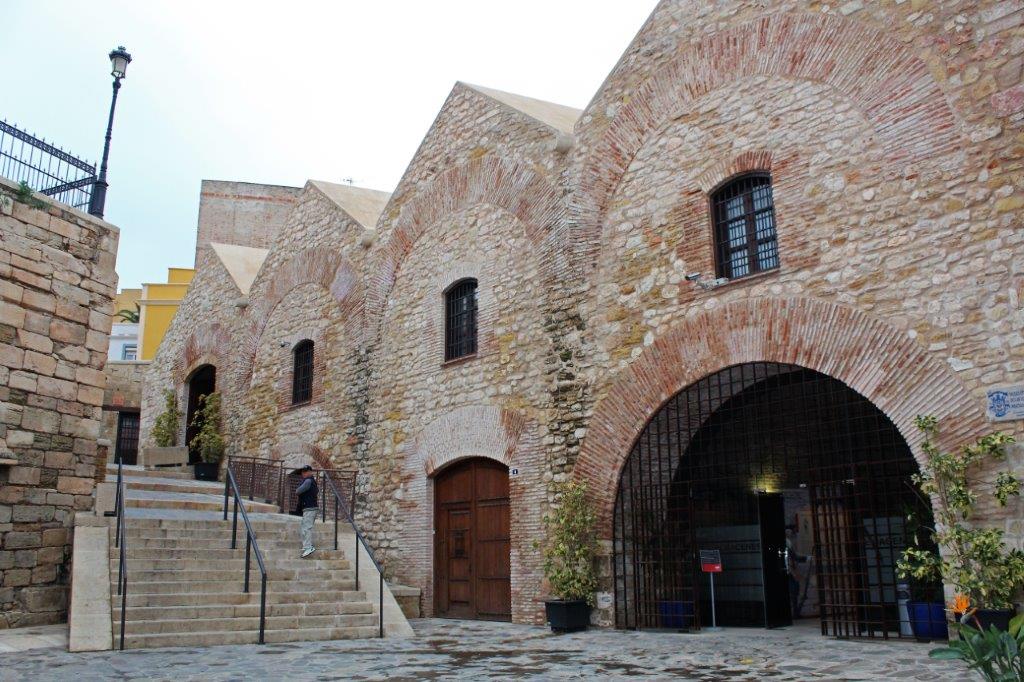
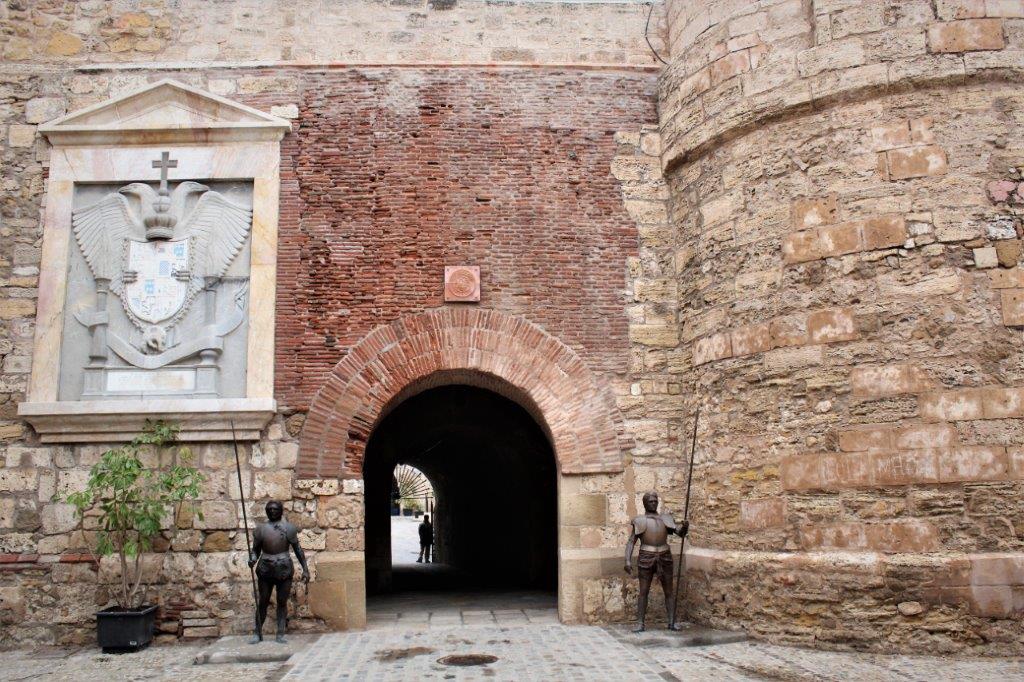
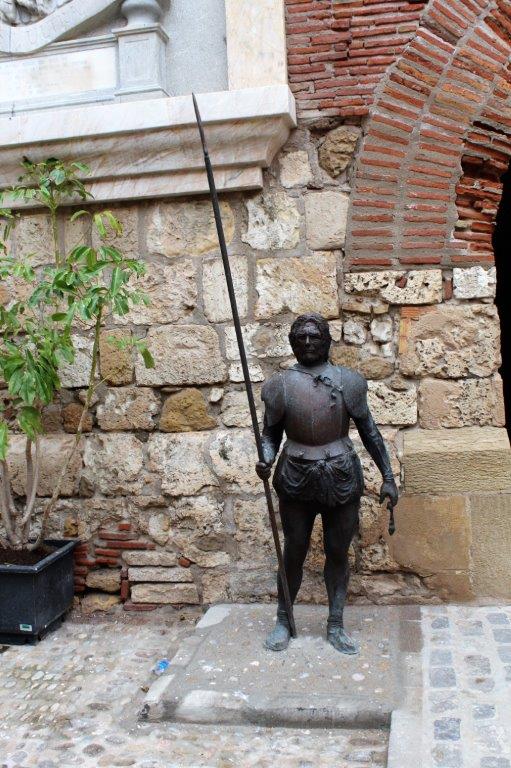
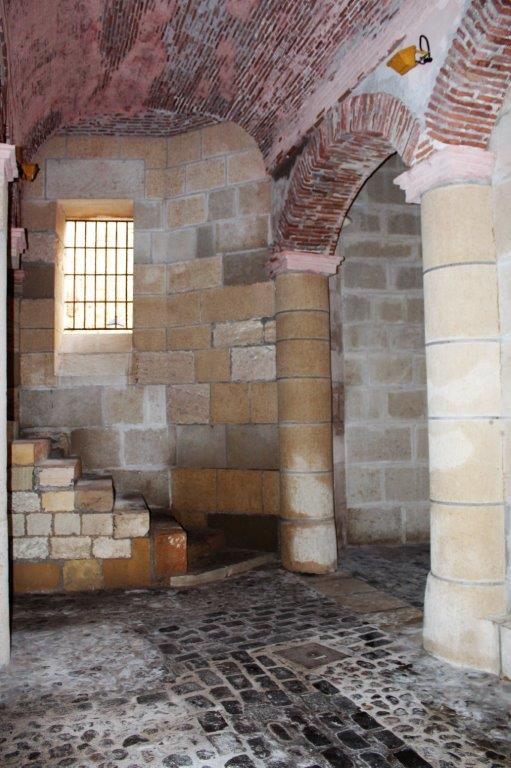
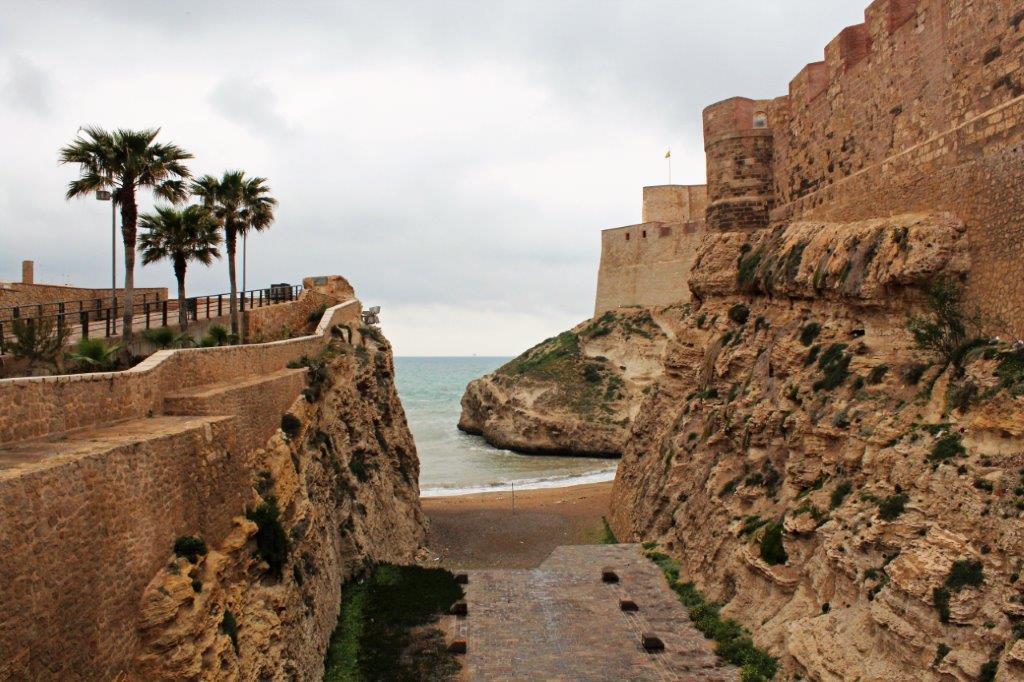
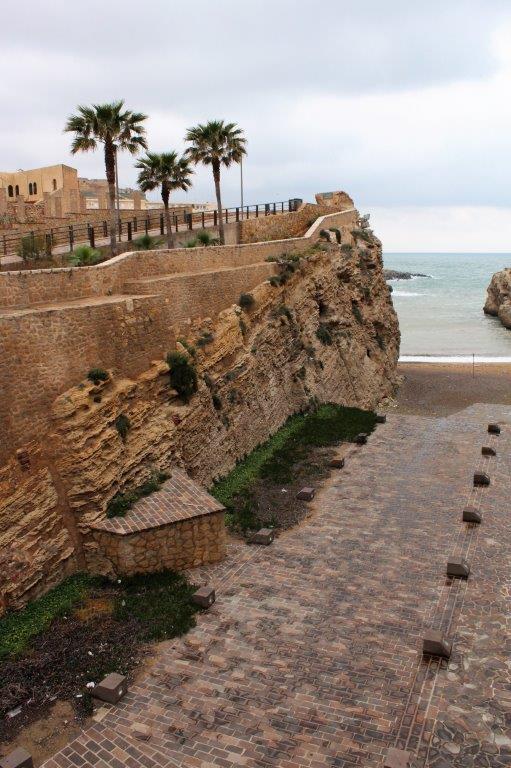
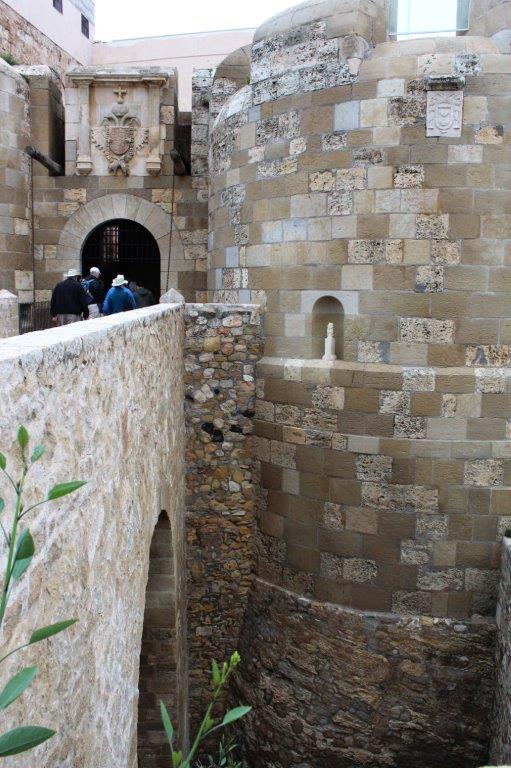
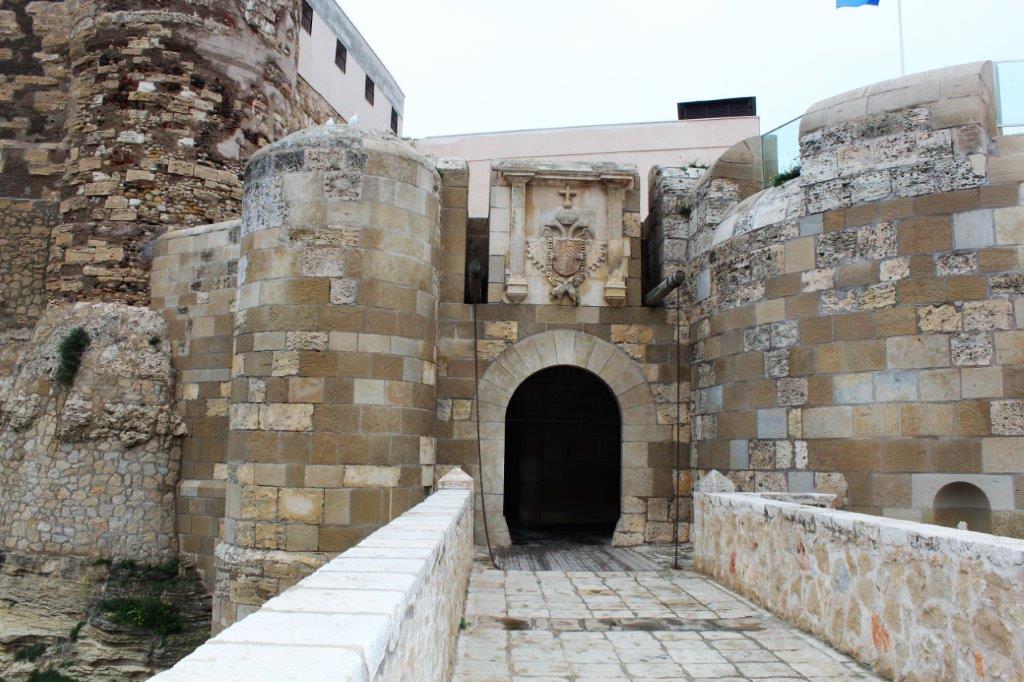
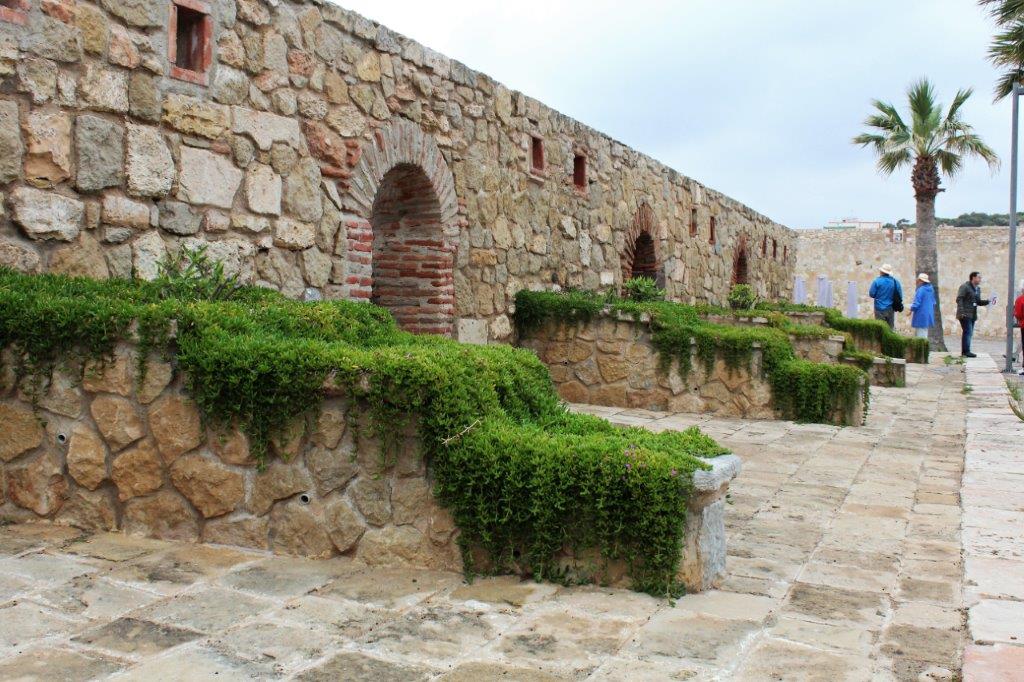
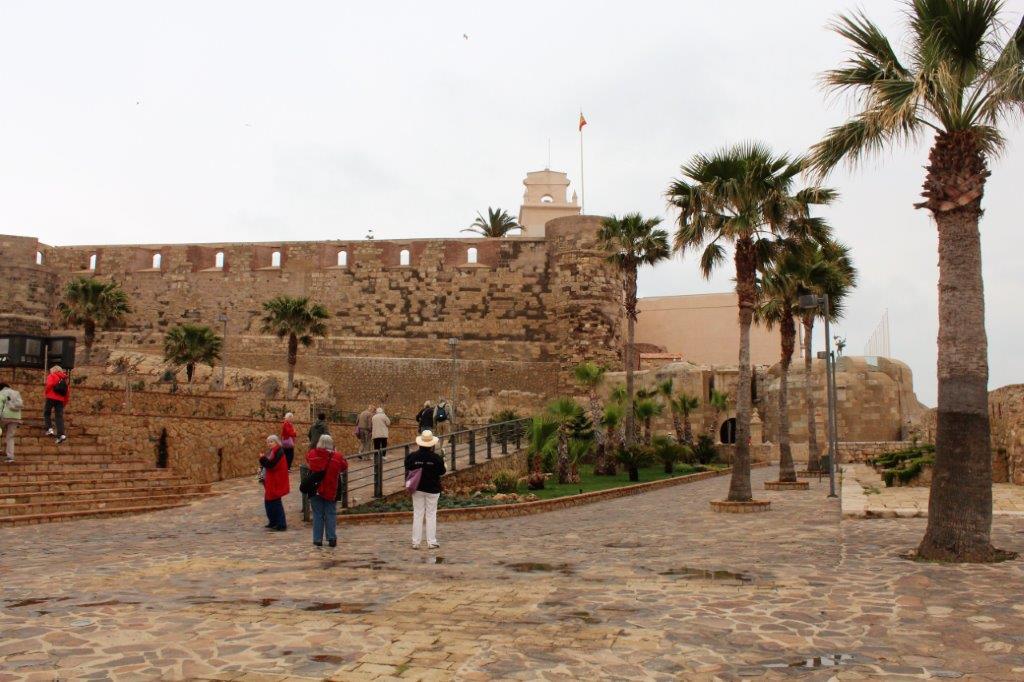
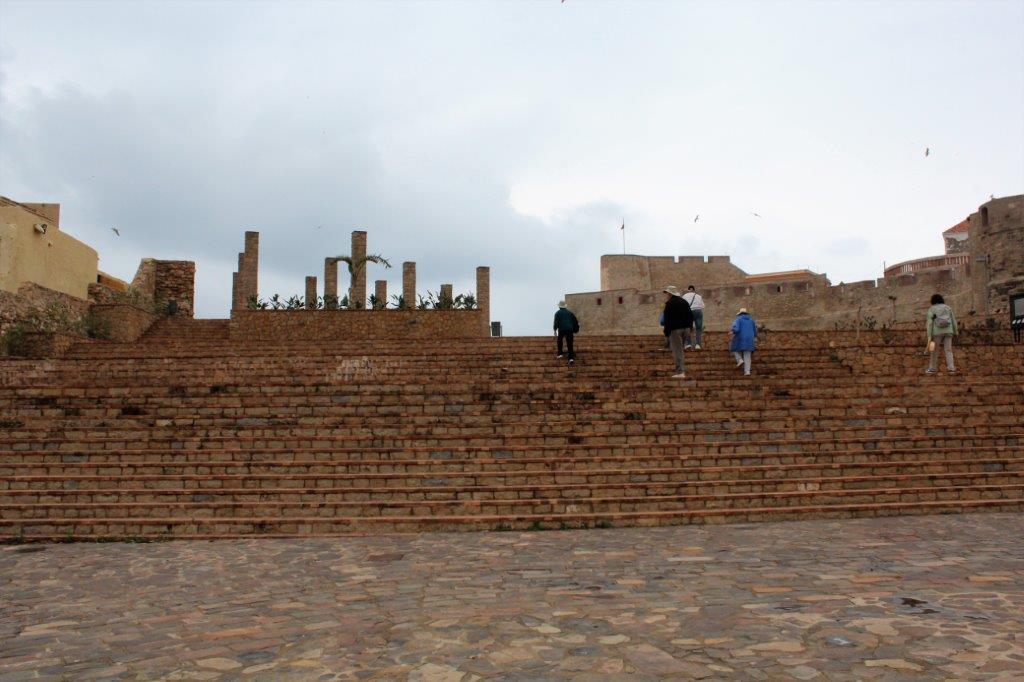
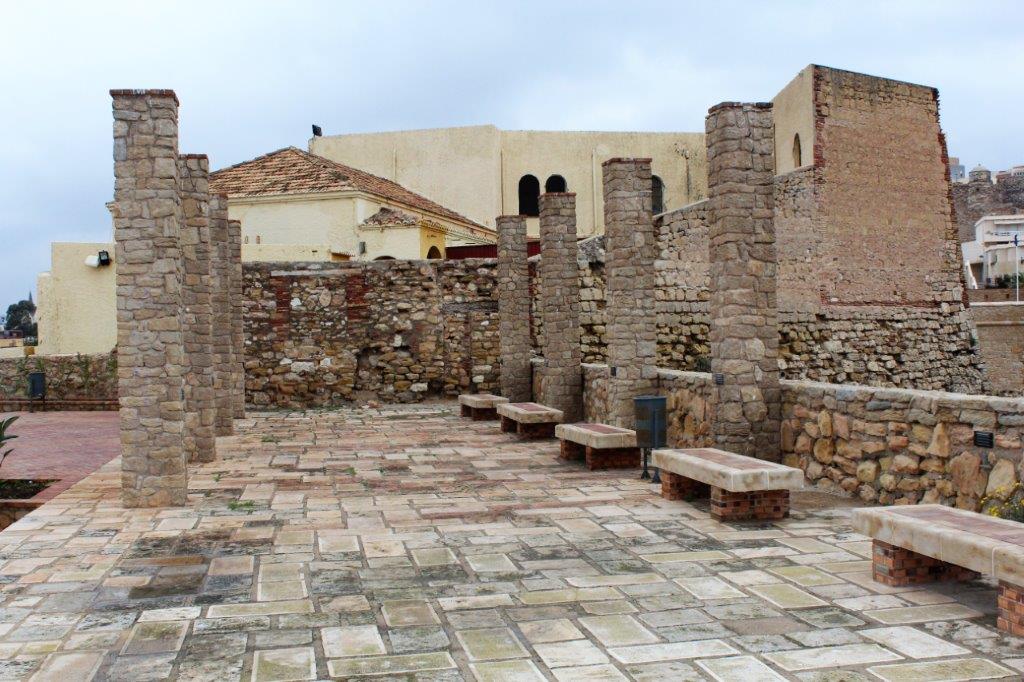
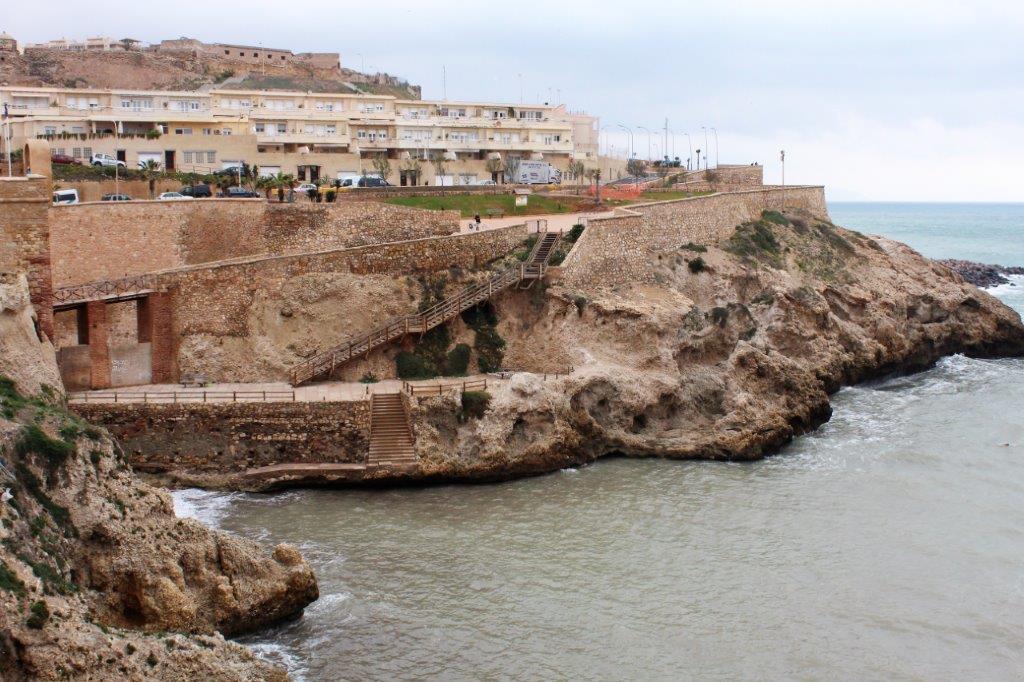
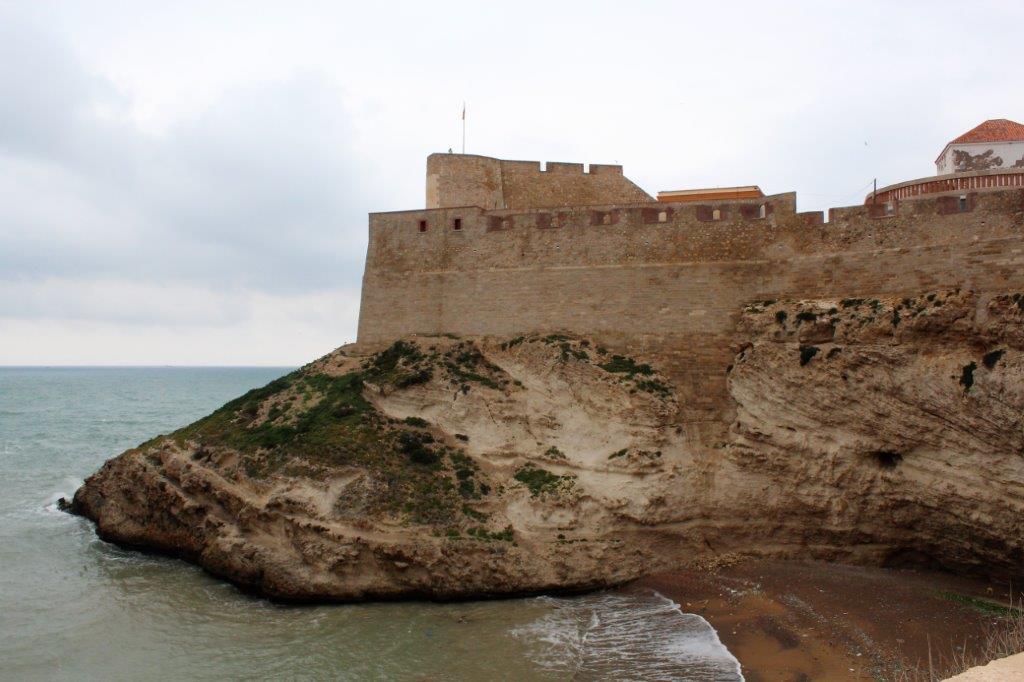
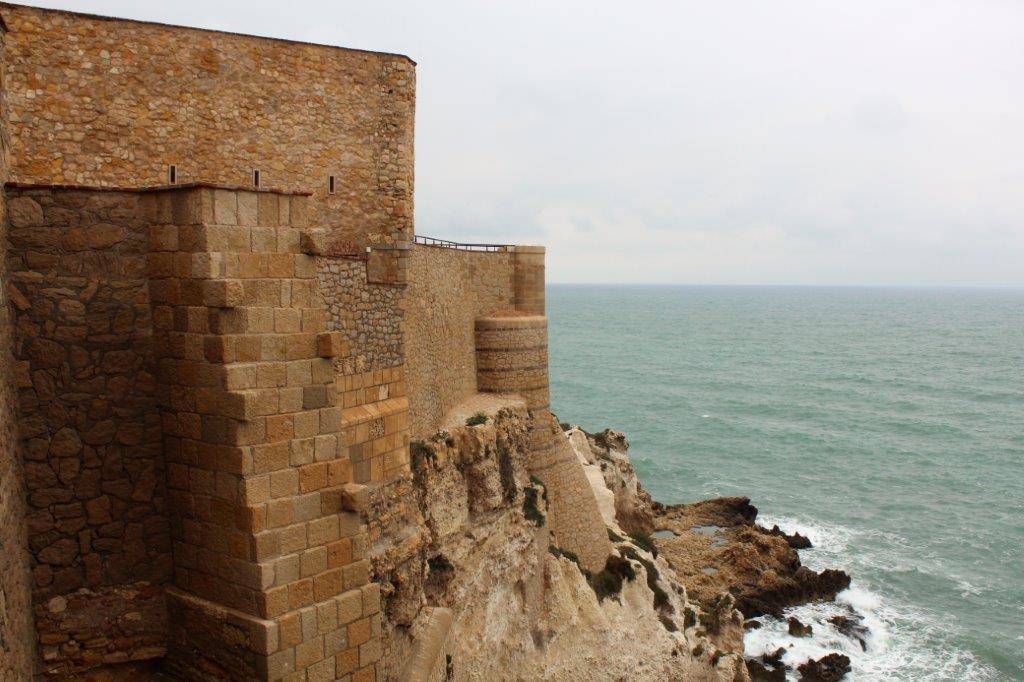
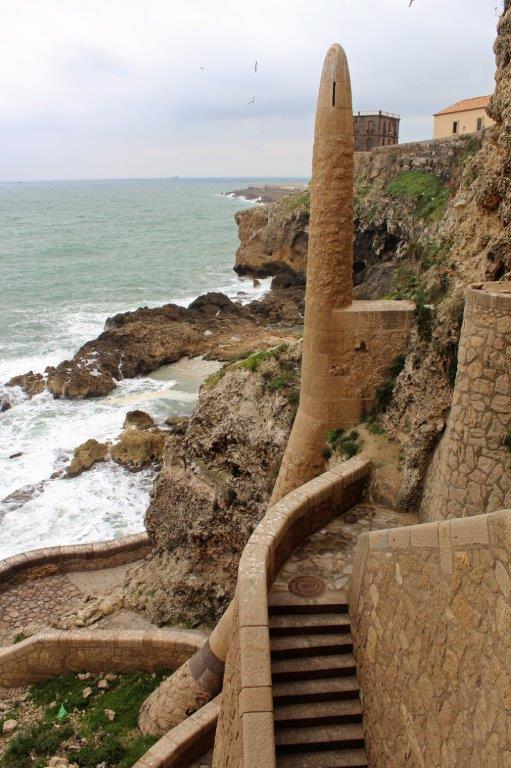
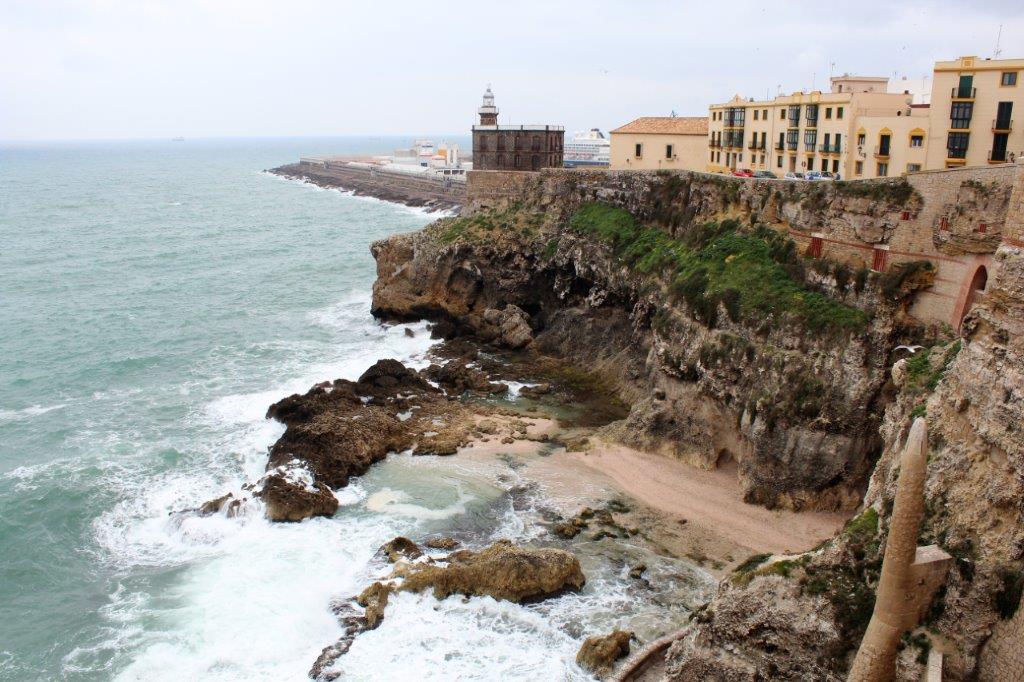
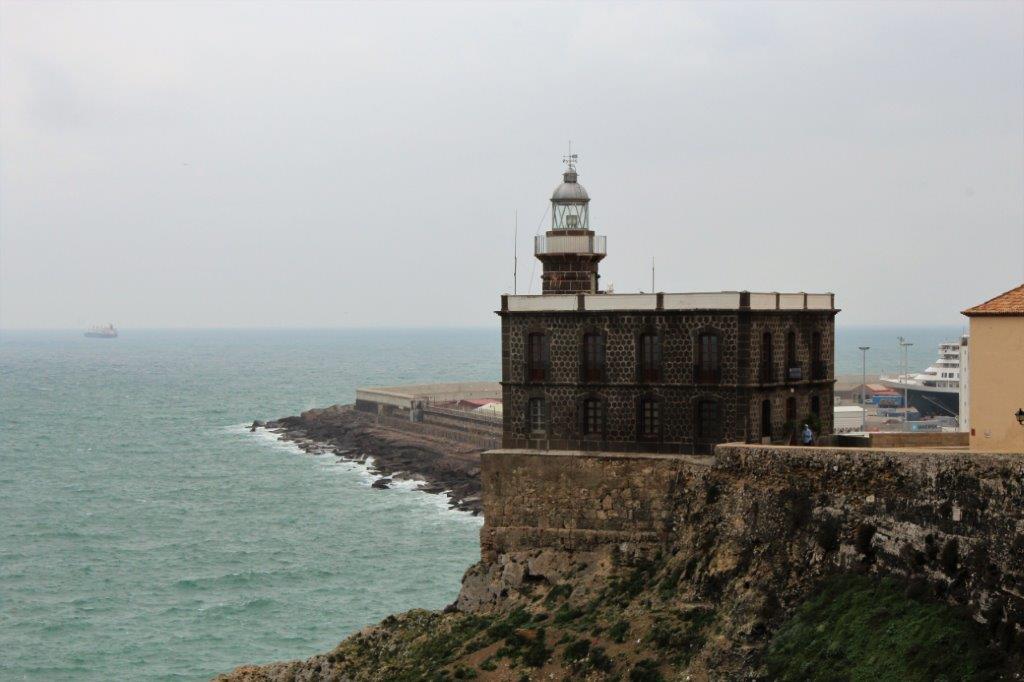
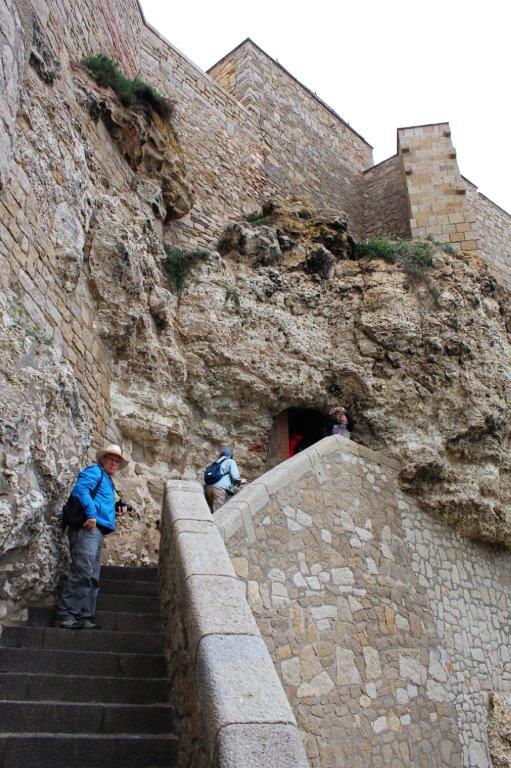
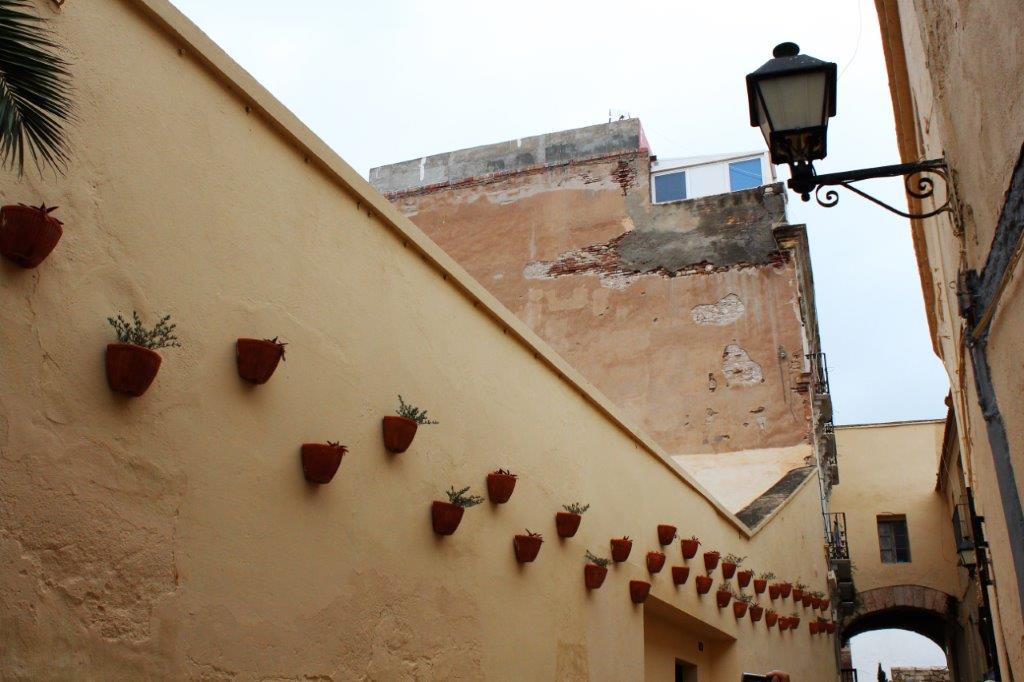
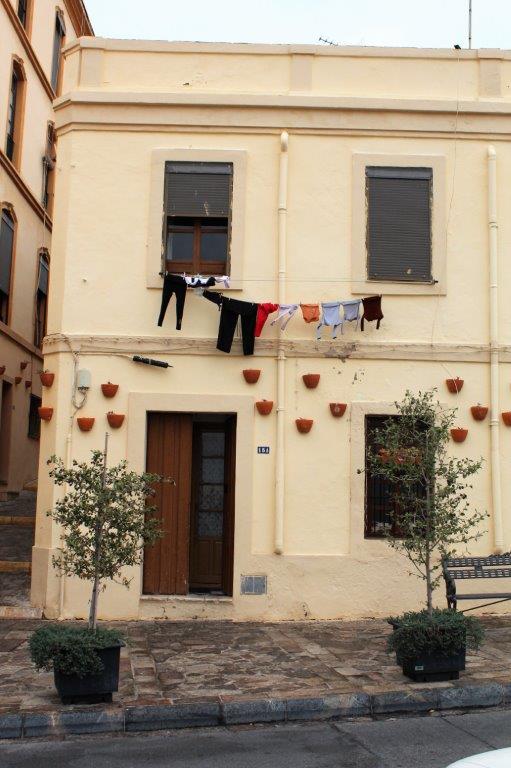
Milella and Ceuta are the only remnants of a once large Spanish Morocco colony on the north African coast.  Melilla was established by the Phoenicians in 1000 BC and pretty much every civilization has settled there at some point.  It came under Spanish rule in 1497 and Ceuta was annexed in 1580.  Both centers were ports of trade for gold, ivory, and slaves.  Despite the lengthy Spanish presence the regions are considered occupied territory by Morocco.The area of  Milella (pronounced me lee ya) covers only about 4 square miles and the historic center is fairly small so you can get around easily on foot.  Popularly known as “El Pueblo” or “The Village,” the old walled monumental town is split up by moats that open to the sea and the continent.  (It wasn’t until about 1900 that anyone dared live outside the protective ramparts due to the high risk of attack by marauding bandits.)  Over the  centuries much of Old Melilla was not well maintained, but it was renovated in the 1990s as a recognized valuable historic district.

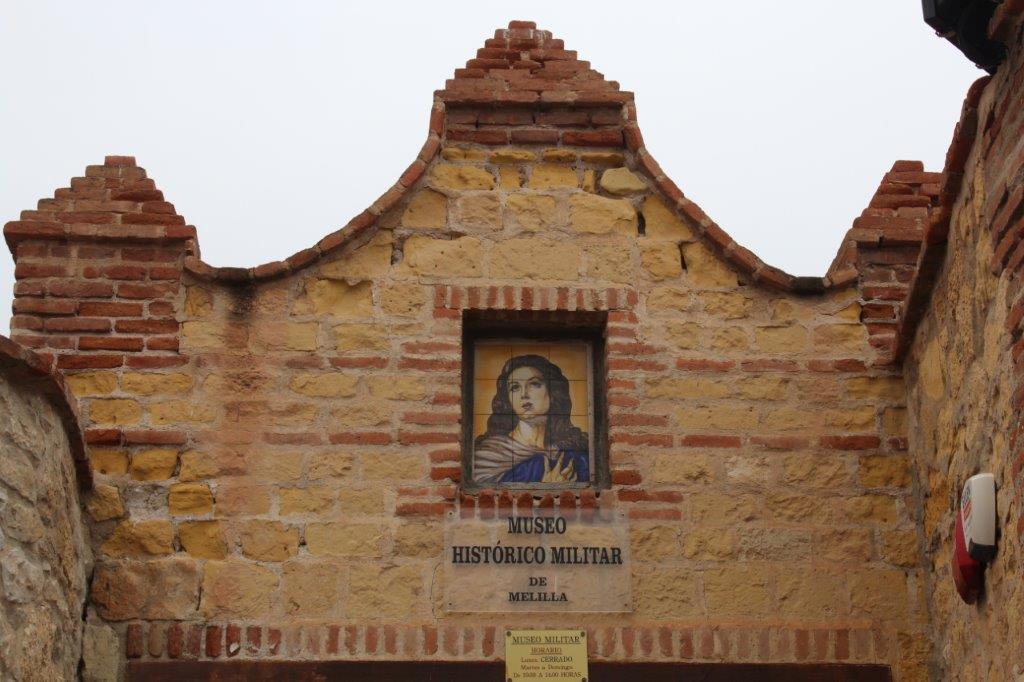
Our guided walking tour took us through the Old Town, to the Municipal Museum and into the Conventico Caves.  We had been told our guide would have a translator but Felix spoke English. We were, in fact, the first tour he had conducted in English.  He did very well.

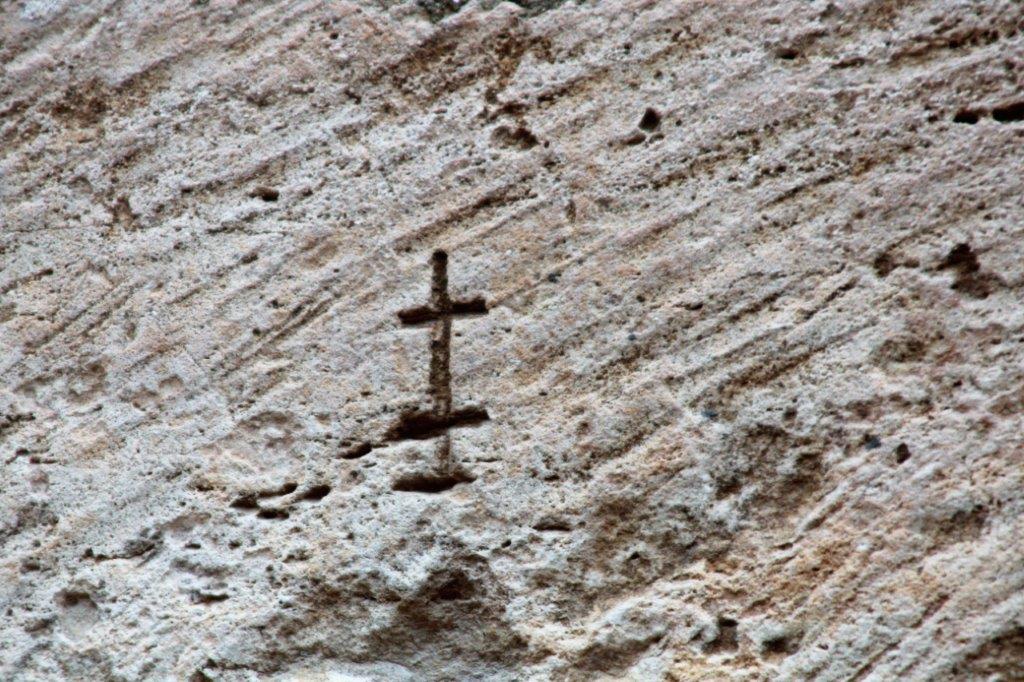
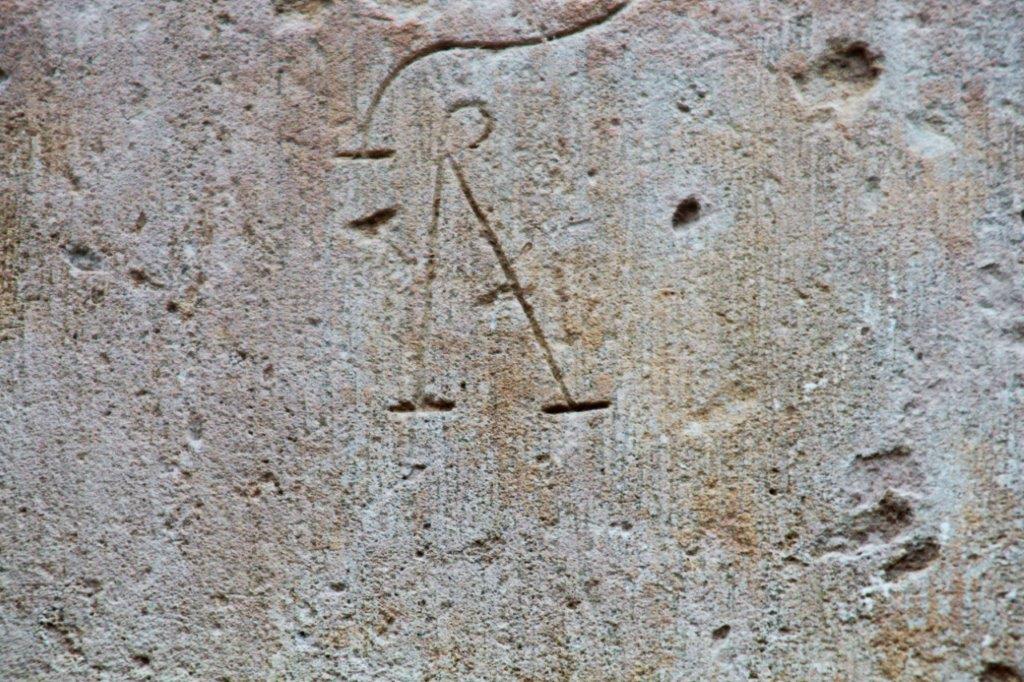
Felix pointed out some of the mason’s marks on the stone blocks.  They would put their mark on the blocks they had cut in order to ensure payment for their work.

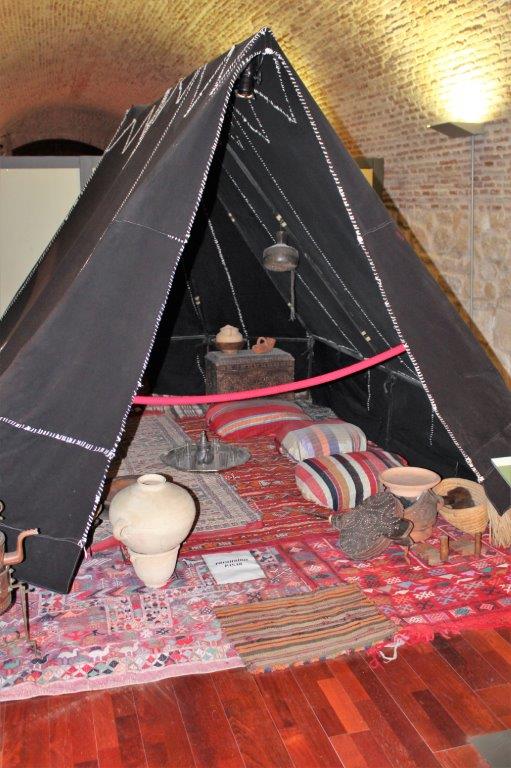
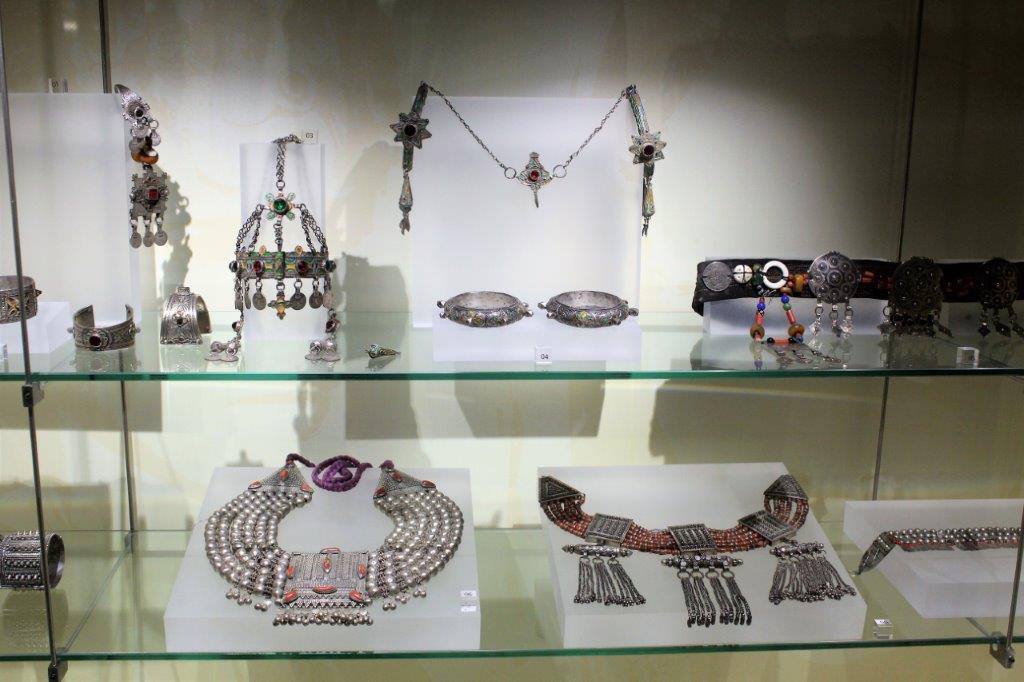
Inside the museum there were many displays of pottery, jewelry, and other artifacts that showed the way of life in bygone days, including a typical nomadic tent.

We had quite awhile to wander around.  Felix didn’t seem to be in a big hurry and did his very best to find the correct English words to answer questions.  It was nice not to be rushed hither and yon but by the time we were through our tour all the buses had returned to the ship.  We waited over half an hour for a bus and Felix finally took us to the shuttle stop for a ride back to port. This archway had three dates carved in the stones 1552, 1604 and 1997. There were large reservoirs in the walls of the fortress to keep clean water, assisted by eels who kept the water moving and therefore purified.  I am sure the eels were also a food source.

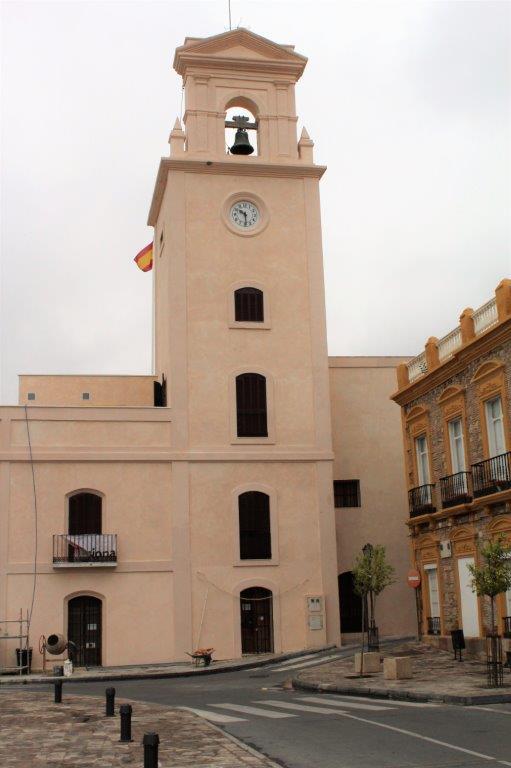
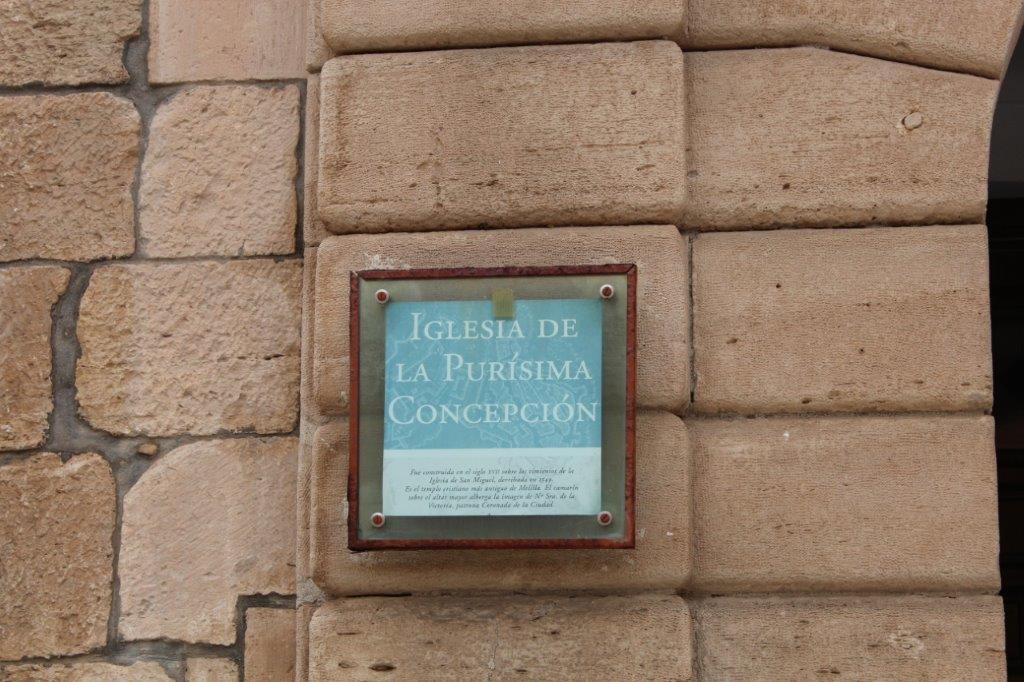
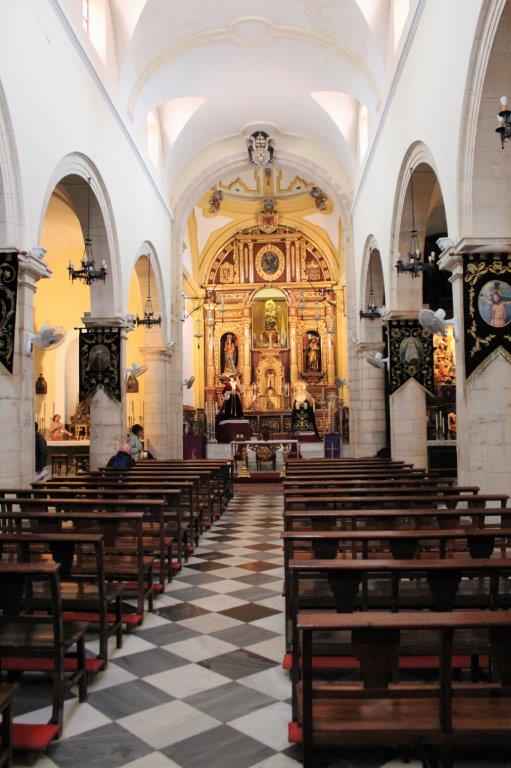
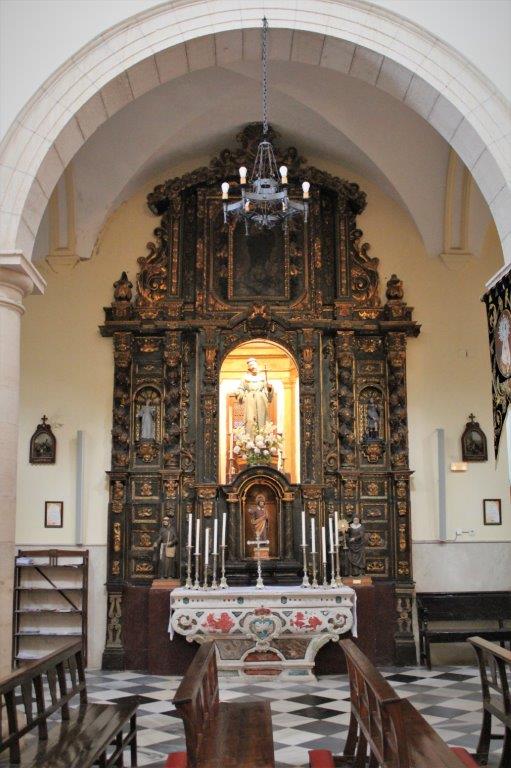
People sought refuge during attacks in this fortified church and the nuns provided care for the sick.

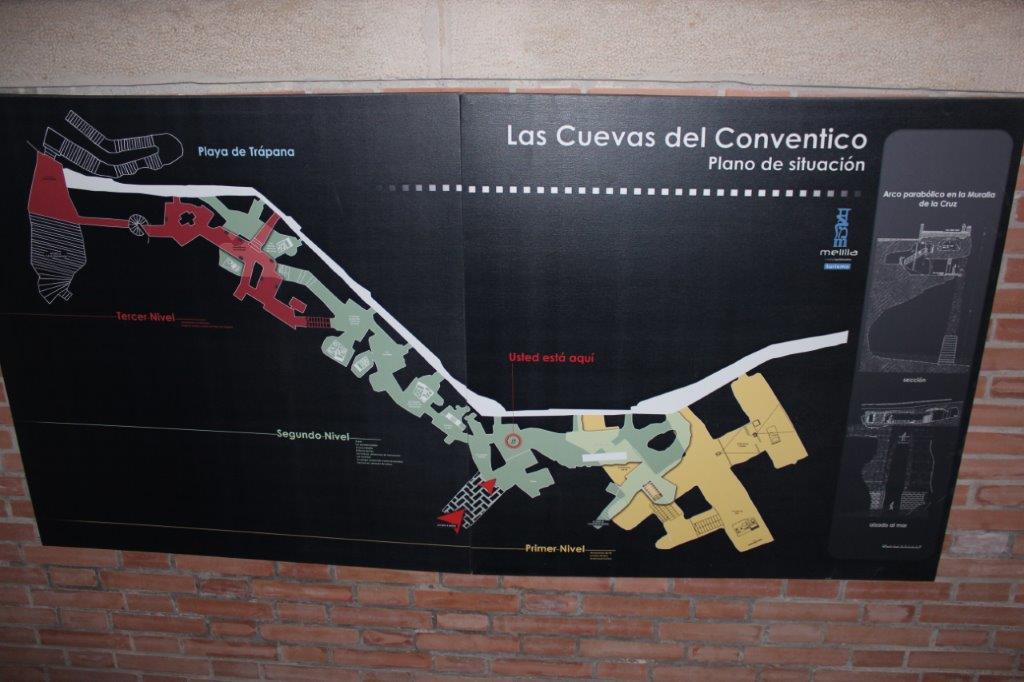
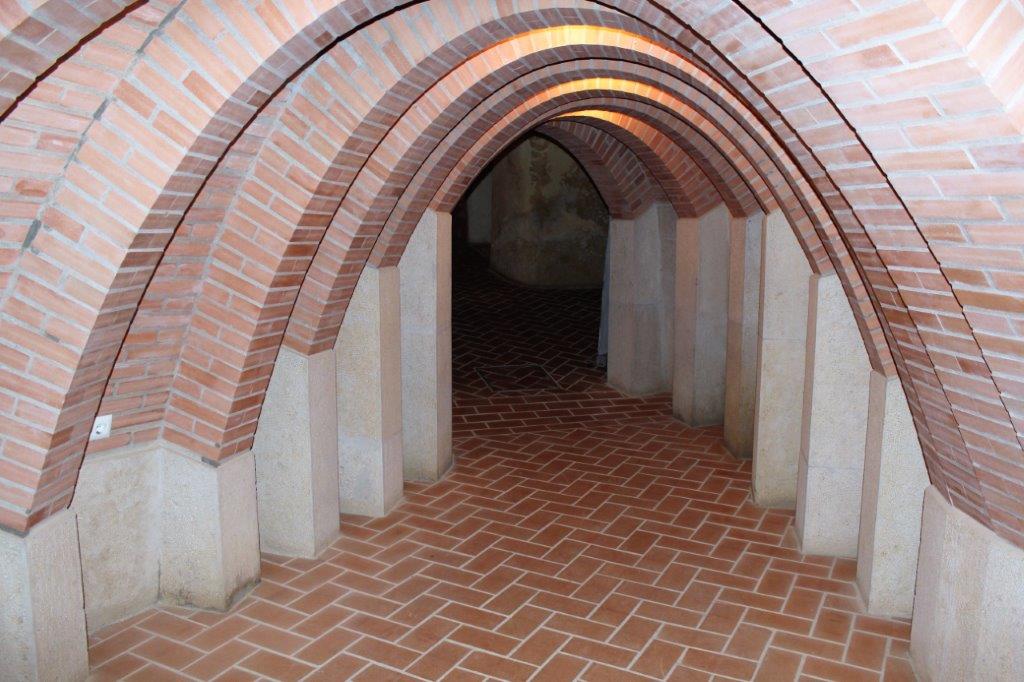
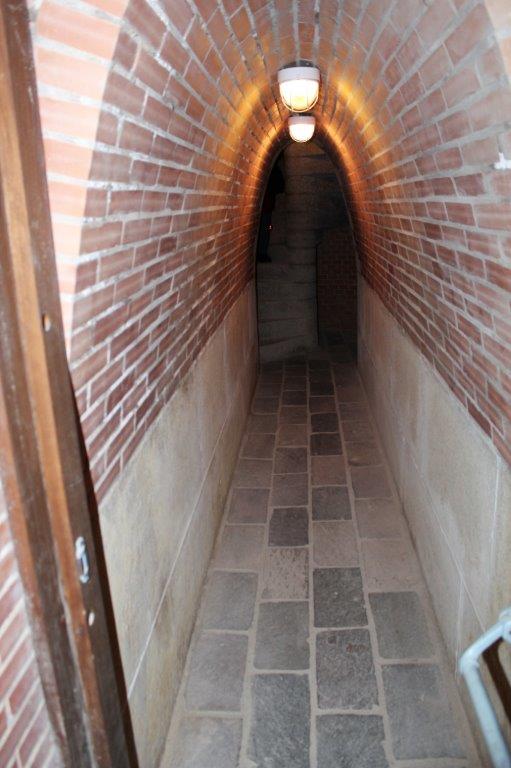
For me, the coolest part of the tour was the descent into the Convetico Caves, several levels under the fortress.  This was a lengthy three-level natural cave system that the convent used as a refuge during attacks.  The entire city once lived within the caves for three months and they  served as a bomb shelter during WWII.  It was fascinating! After our tour we had intended to take the shuttle into New Melilla which is Modernist in style and had many buildings designed by a student of the famous Spanish architect Gaudi (whose work we will see in Barcelona), but due to our late return we decided against it.

It was 3:30 by the time we had a bite to eat and the last shuttle left town at 5:15 for the 5:30 all aboard.  We had to wait 3/4 of an hour for the shuttle we caught at the end of our tour so we thought the time window was too narrow to risk a trip to town.

The ship crossed the Mediterranean Sea overnight and brought us to Cartagena on the southeastern coast of Spain.

2012 April 9 – Day 29 – Odessa, Ukraine (Part 2)

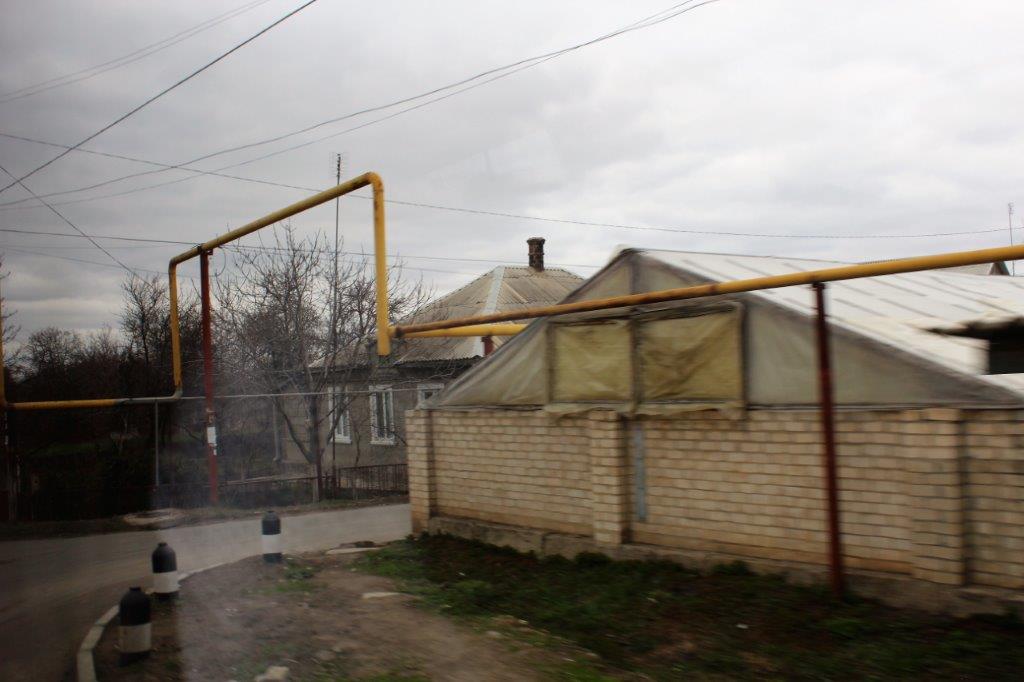
At noon we returned to the ship from our walk around Odessa so we had time for some lunch before boarding the bus for the half hour ride to the village of Nerubaiskoye and the catacombs museum.The gas line is raised over the roads or driveways to allow trucks to pass undeneath.

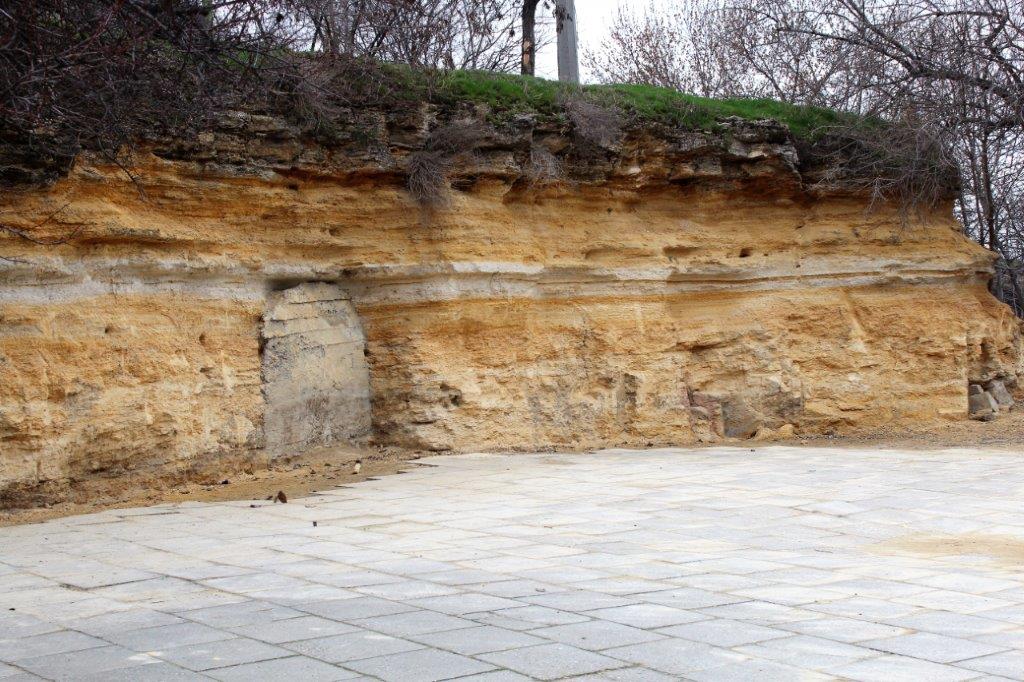
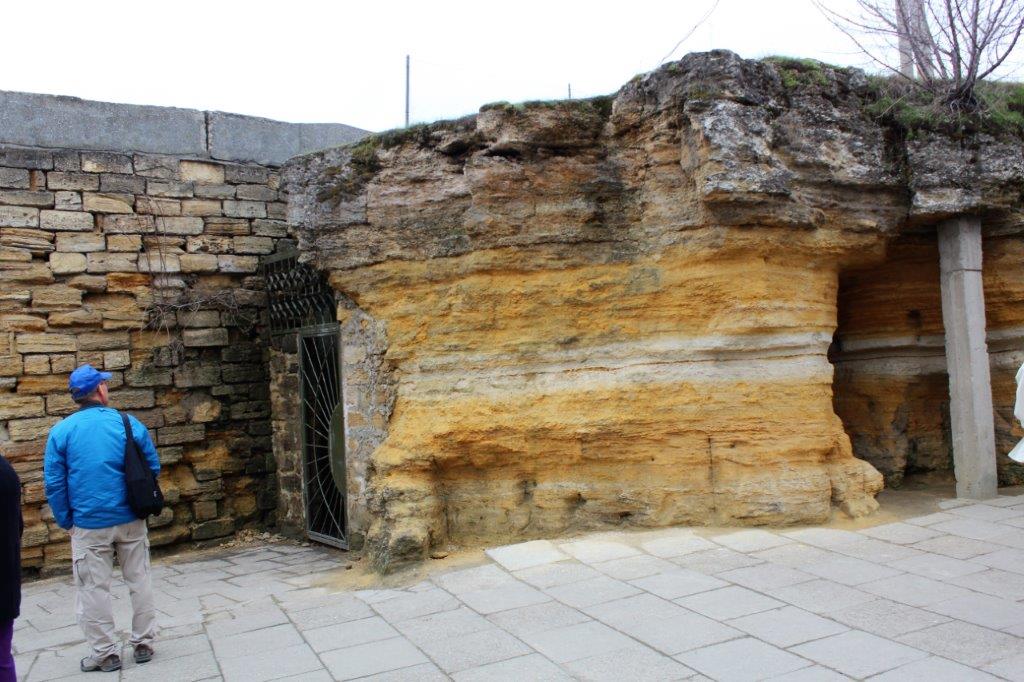
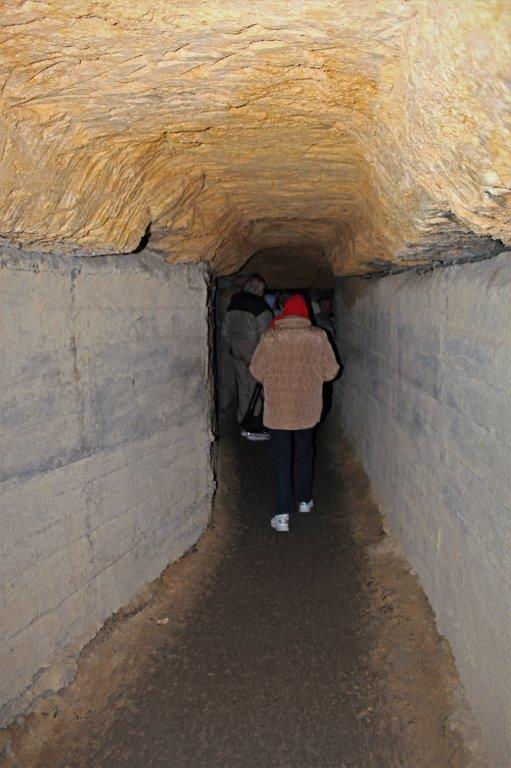
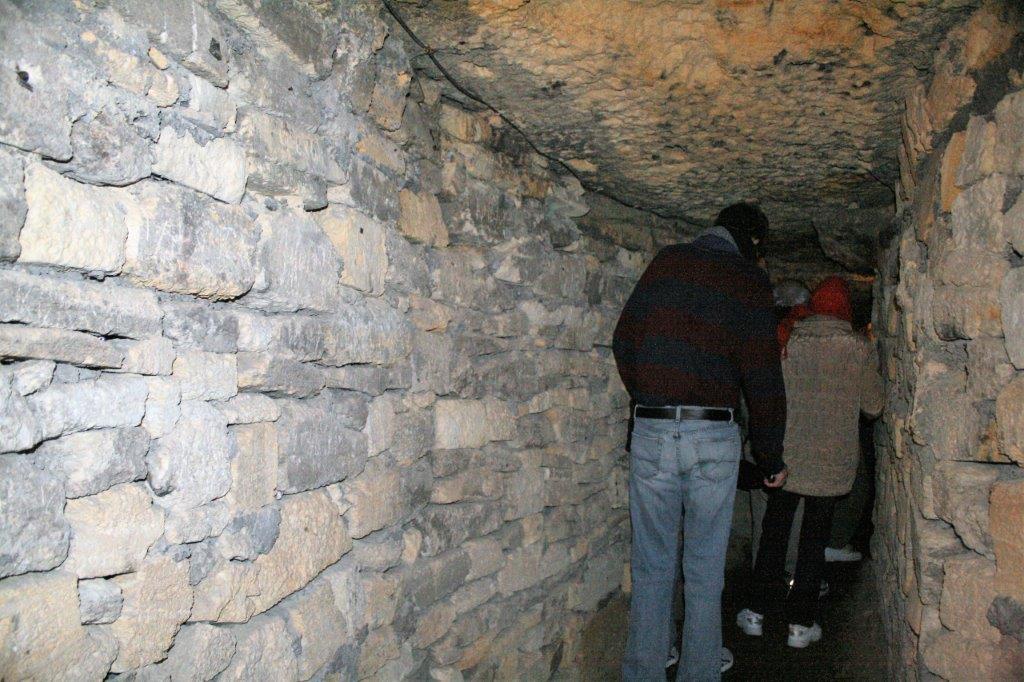
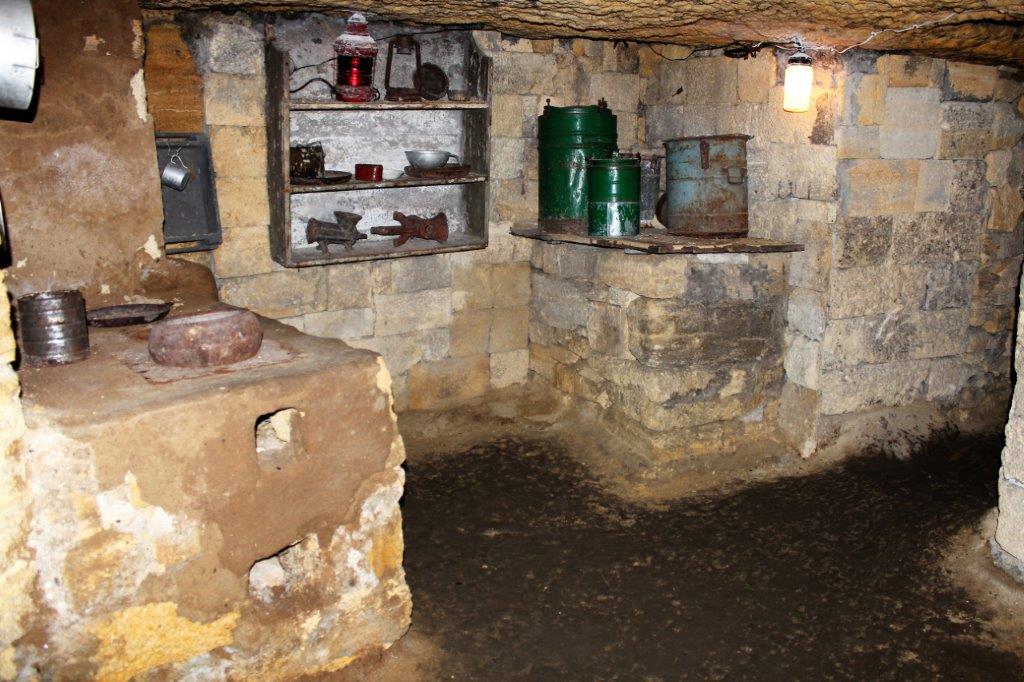
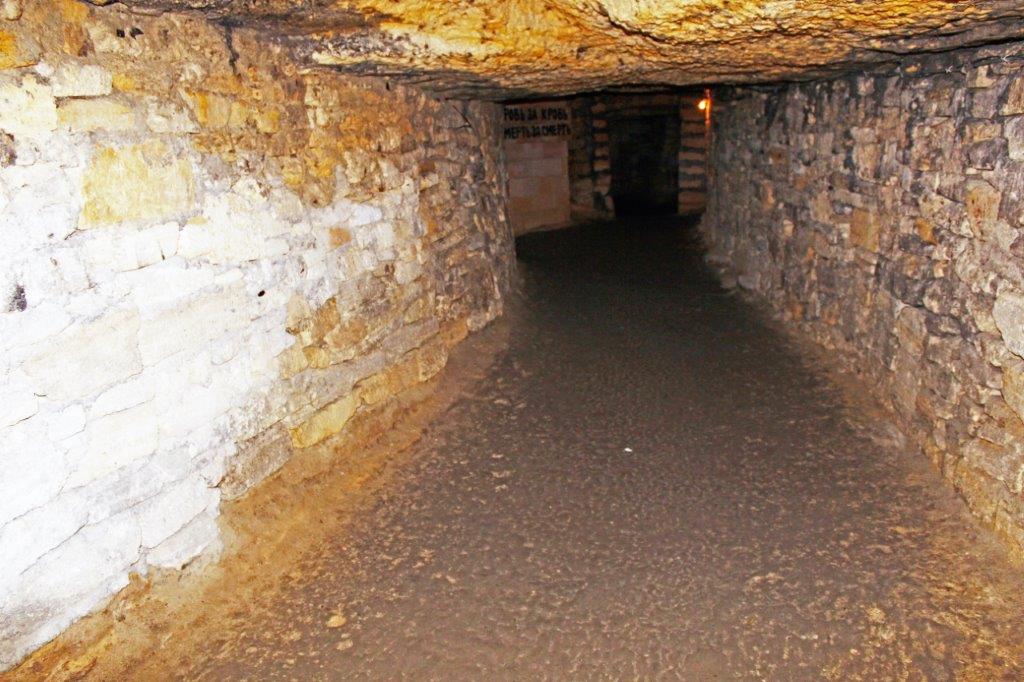
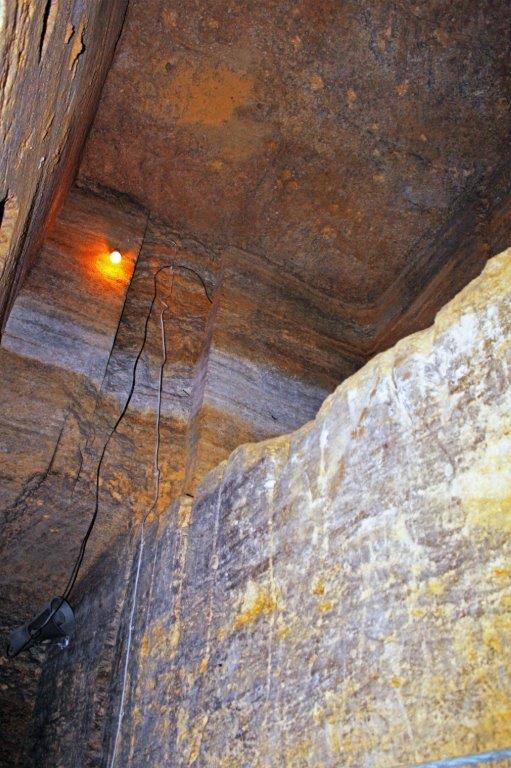
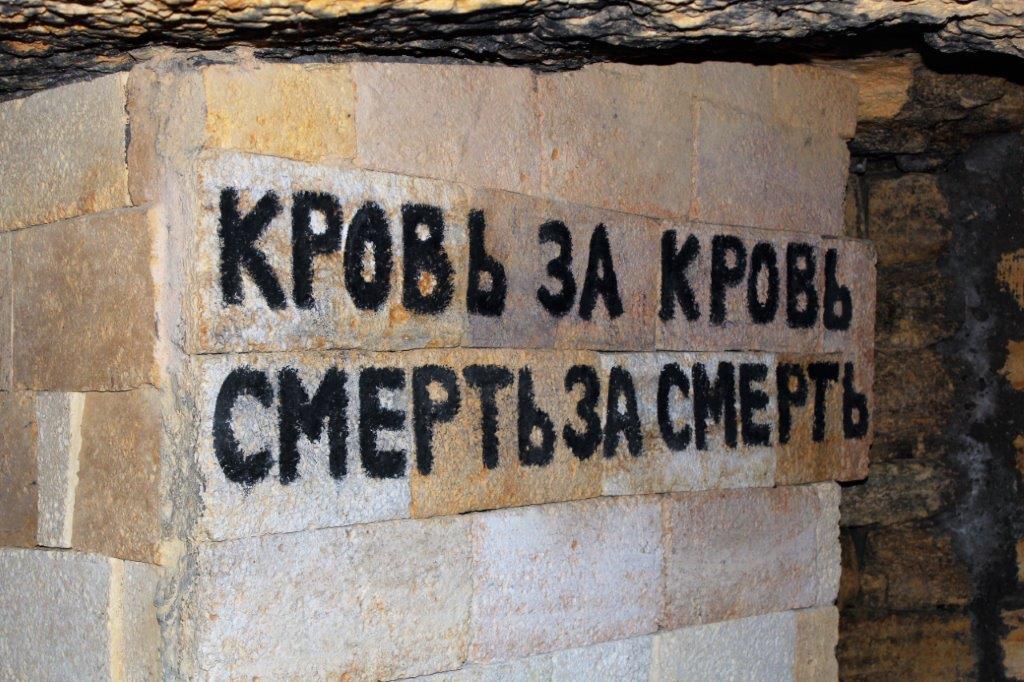
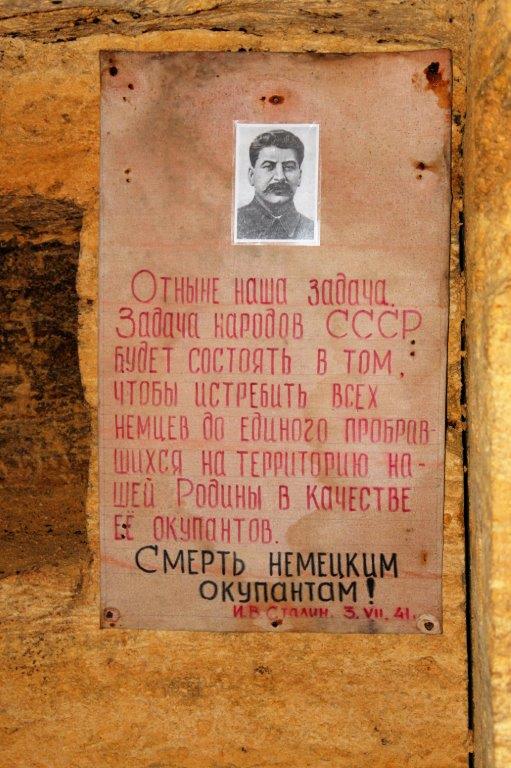
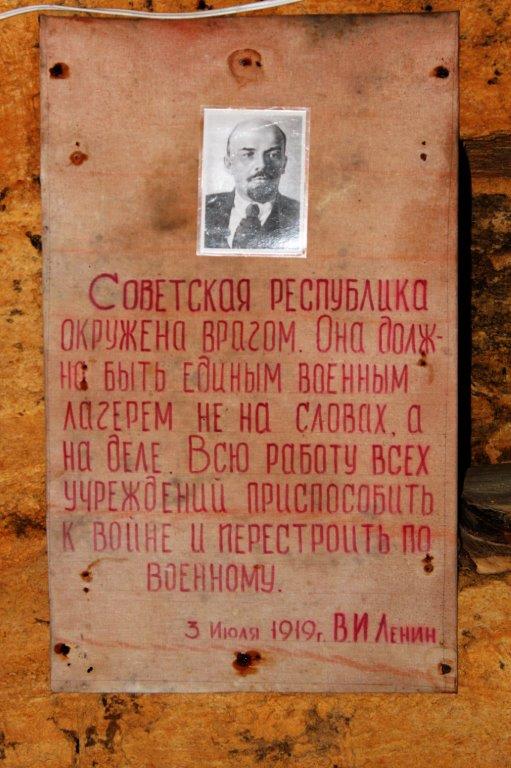
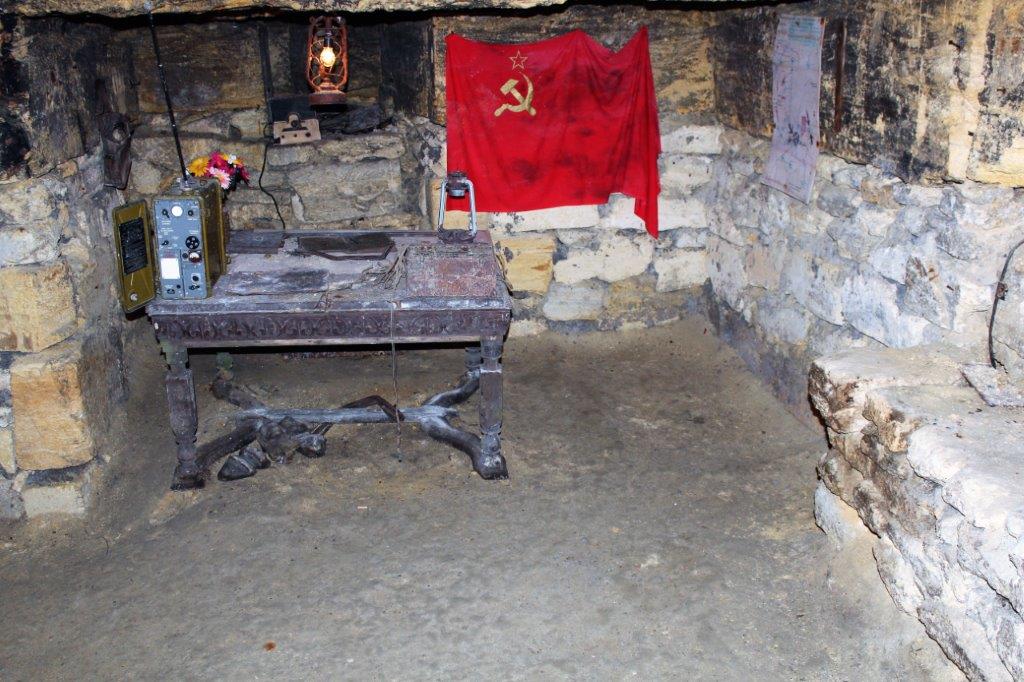
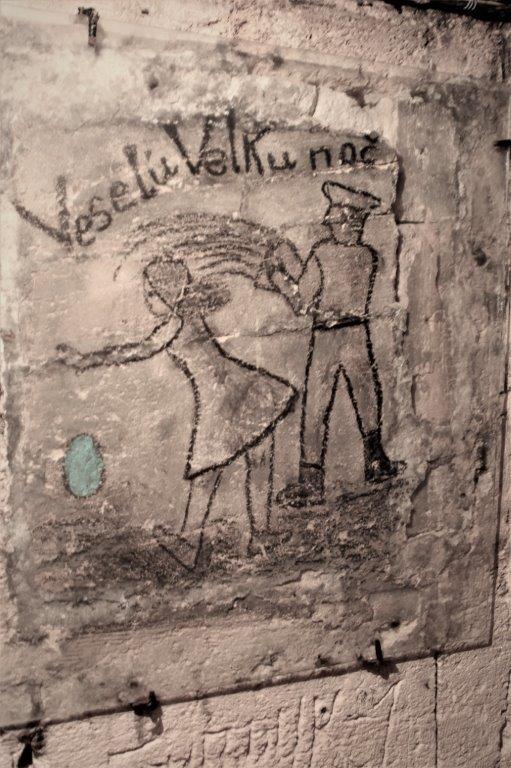
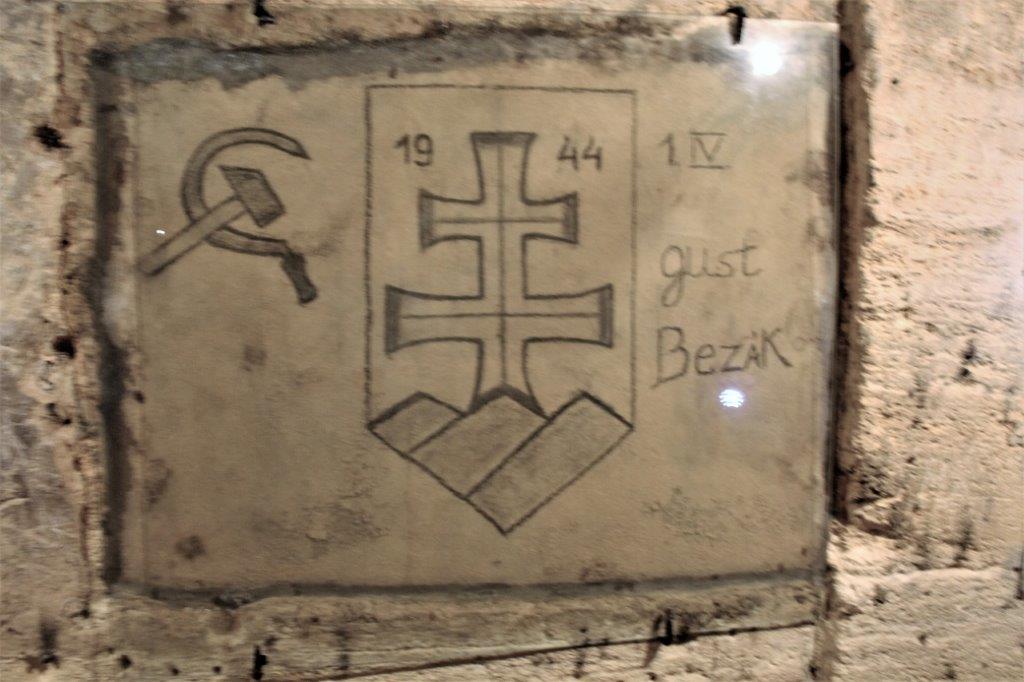
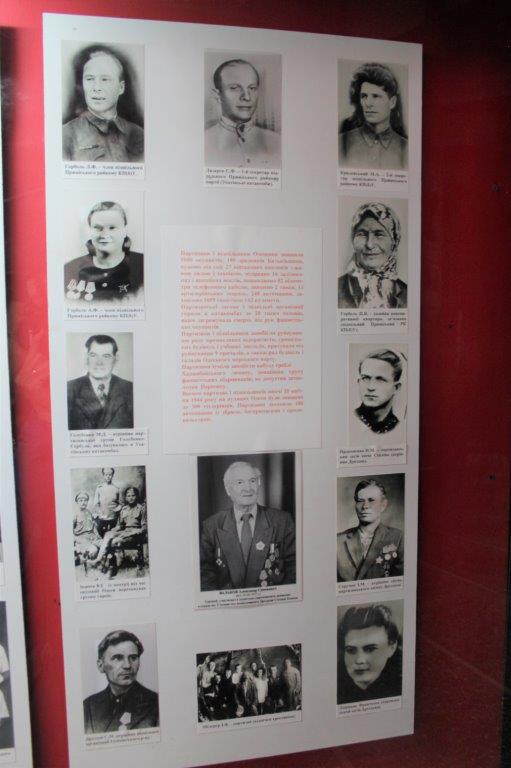
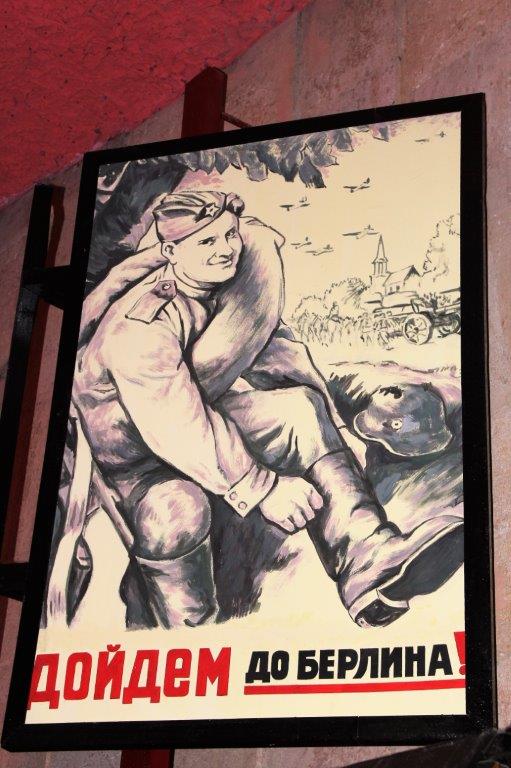
The tunnels were formed by the local people as they were digging limestone from underground for the construction of their houses and other buildings.  Dating back to the foundation of the city in 1794, this labyrinth has served as a hiding place first for thieves and smugglers, then for revolutionaries and the secret printing of propaganda literature and leaflets.  They were used by enterprising Odessans who made home-made vodka and printed false money. Finally the tunnels were used extensively by the members of partisan detachments actively fighting against the Nazis during the city’s occupation in WWII.

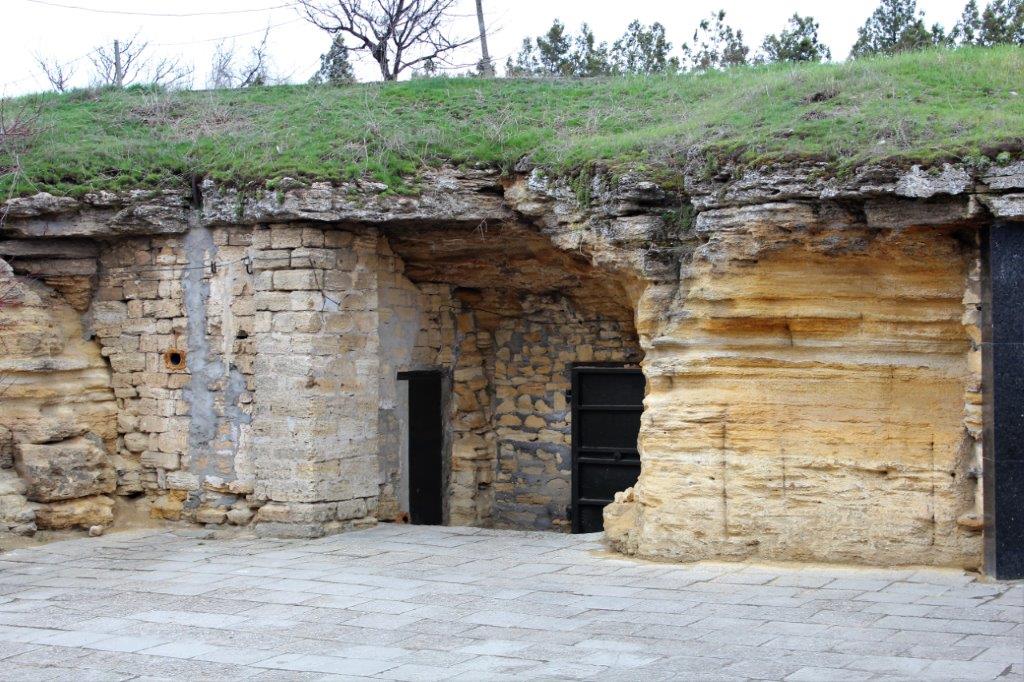
We began our tour at one of the many entrances to the catacombs and ended it at the museum. The catacombs (a word borrowed from Italian meaning “natural or artificial underground cavities”) are the most extensive and broad underground formations in the world.  They stretch 50 km (30 miles) out of Odessa into the countryside and are 2-3 stories deep (about 10-15 m or 32-50 feet).   Much of the labyrinth is uncharted even to this day (mainly due to the fact that the tunnel branches are always expanding due to excavation of the limestone.)  It is estimated that if the tunnels were stretched out straight and joined together they would reach a length of 2500-2700 km (1550-1670 miles), which is about the distance from Odessa on the Black Sea coast to St. Petersburg in Russia on the  Baltic Sea.

Jews and Gypsies (Roma) were fleeing the German armies and many ended up in Odessa with their back to the sea and no where to go.  After the city fell (it took 73 days and the city was designated a “Hero City” for the heroism displayed by its citizens) the Germans rounded up many of the them and they were either shot or sent to the death camps.  Over 300,000 people died in Odessa.

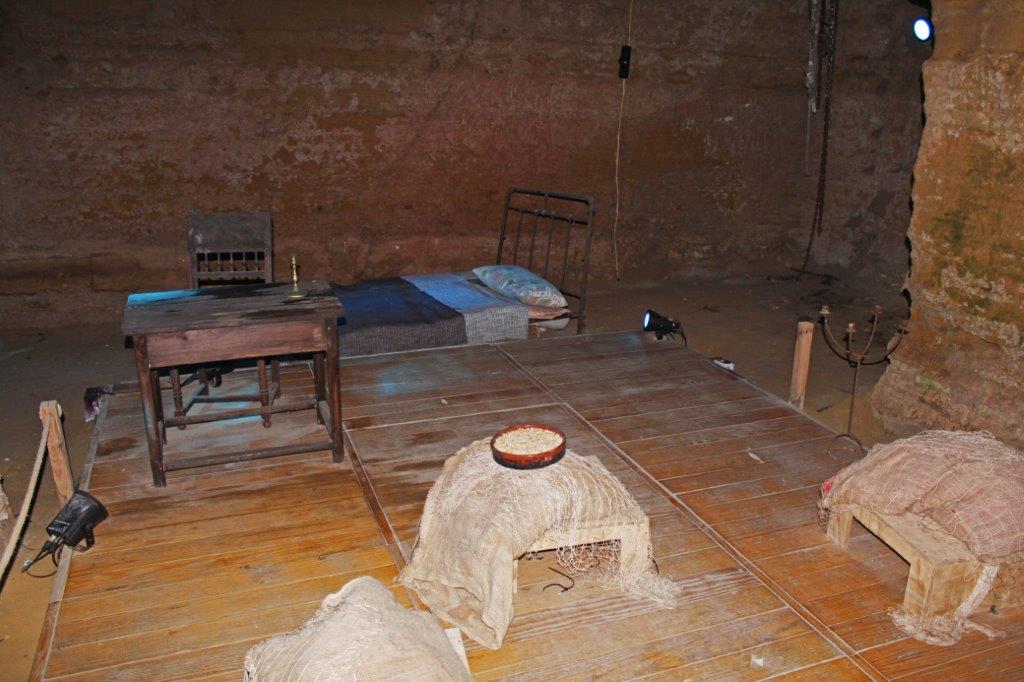
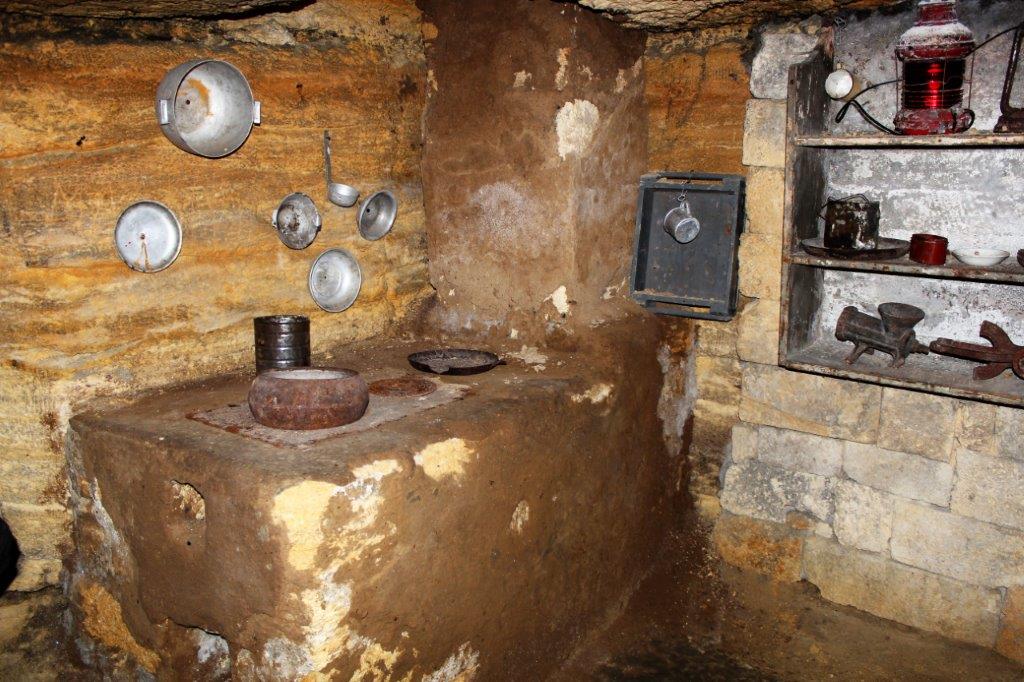
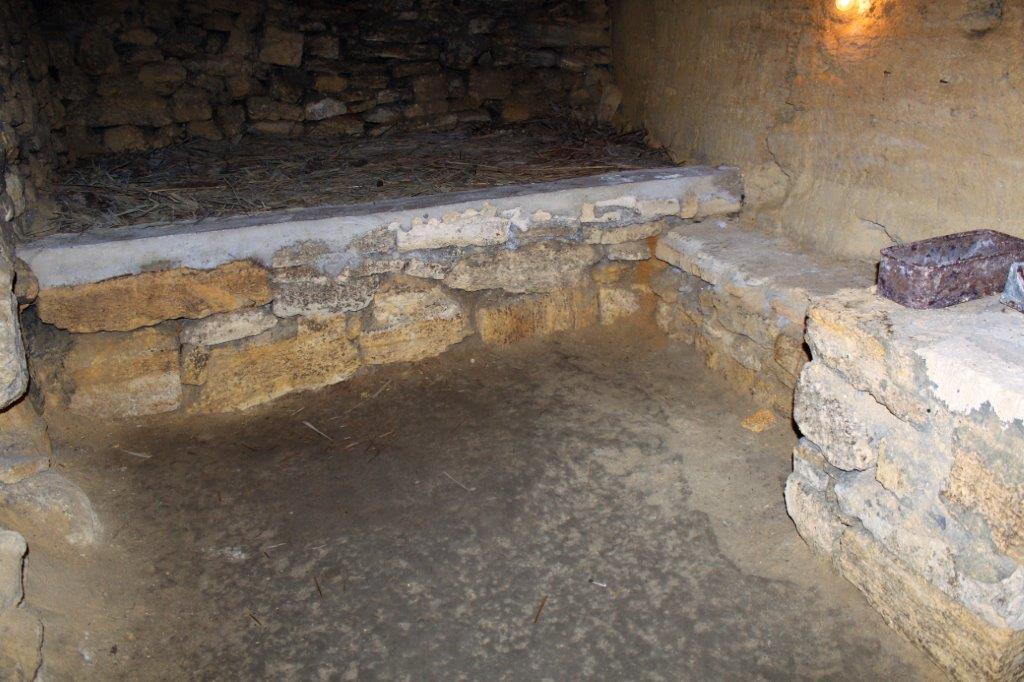
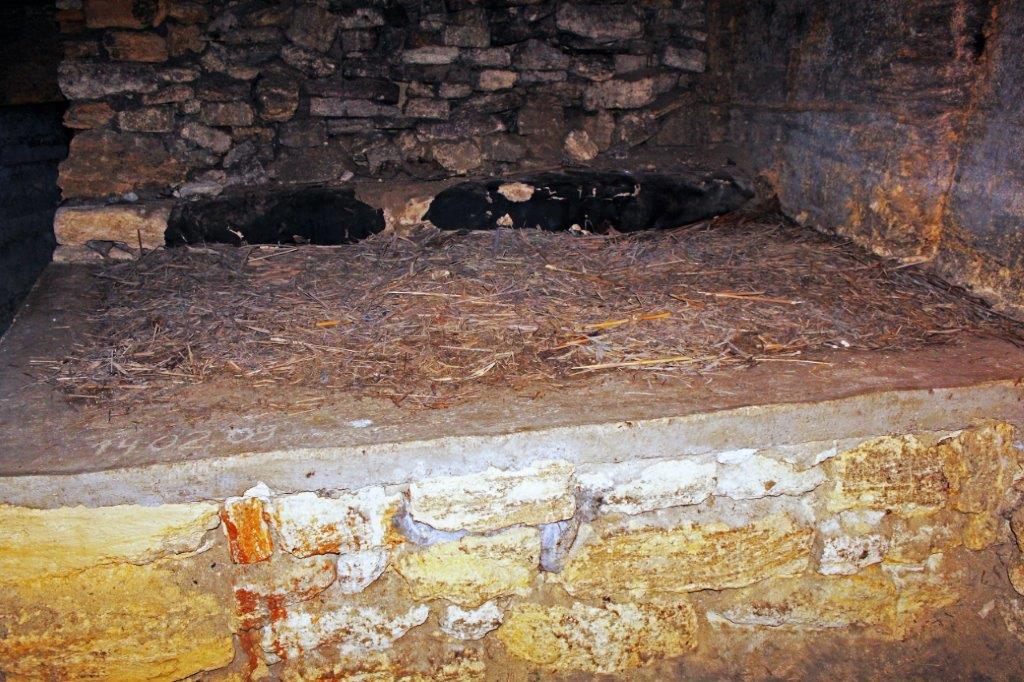
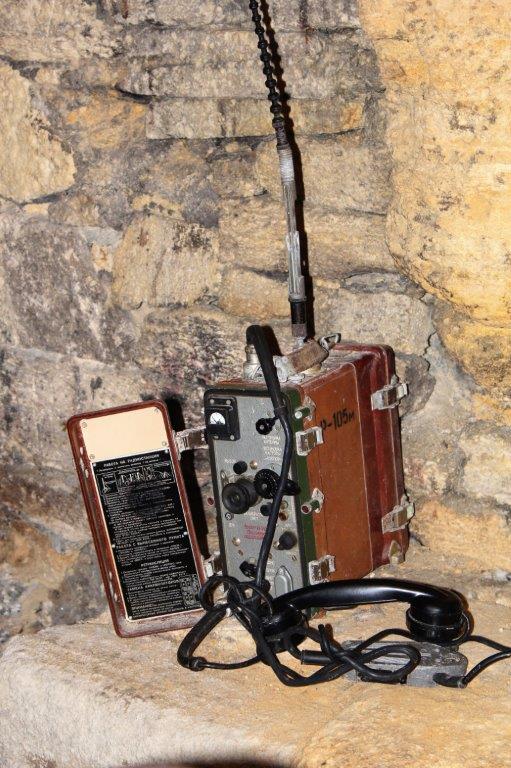
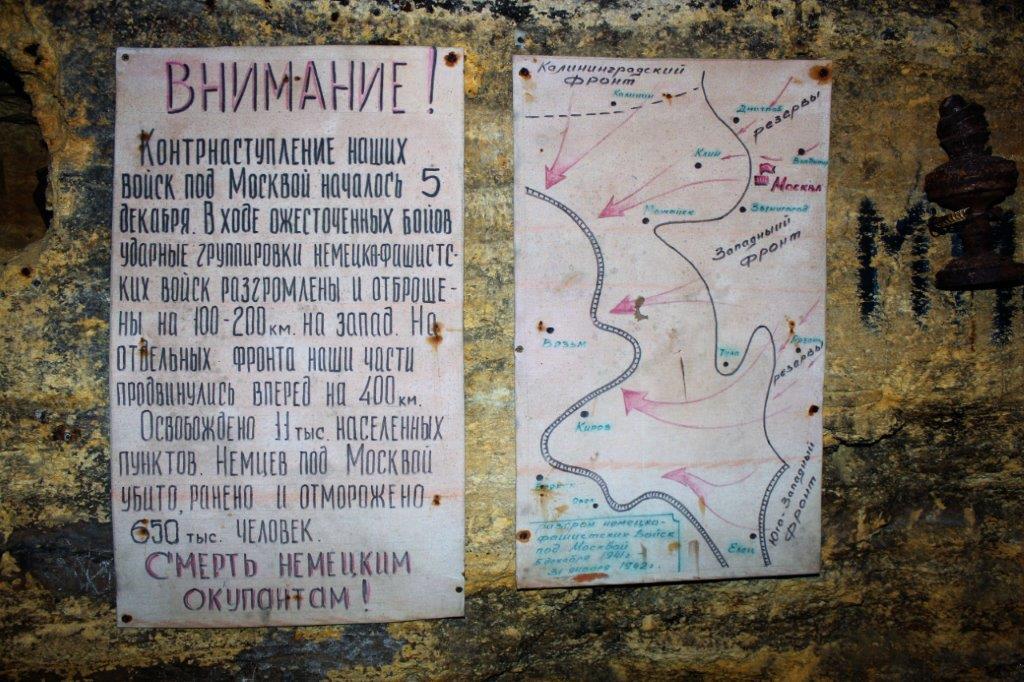
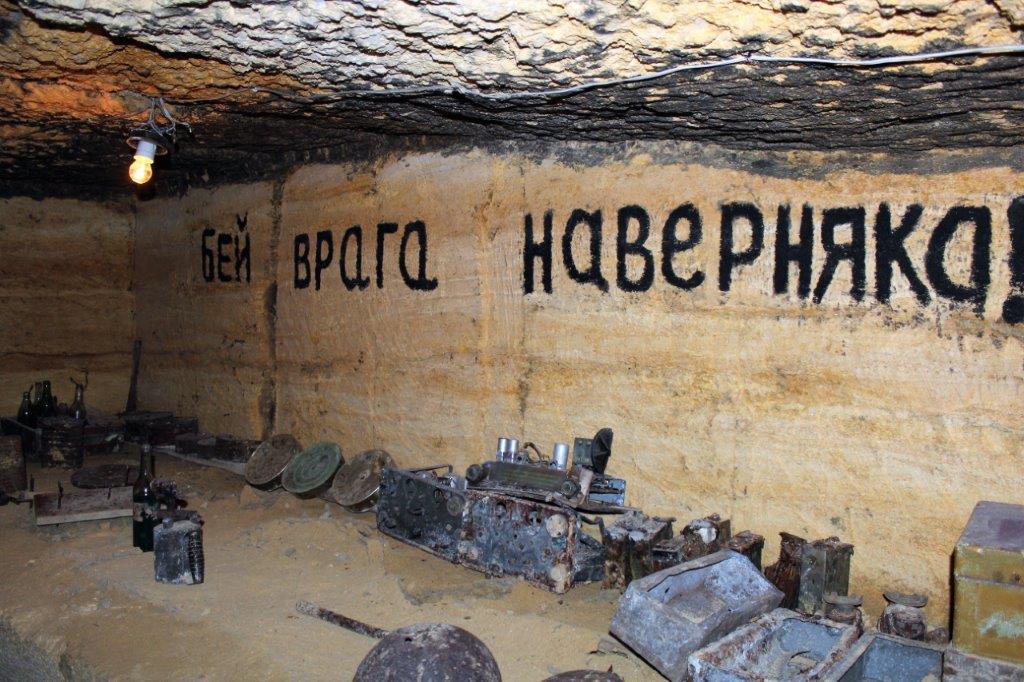
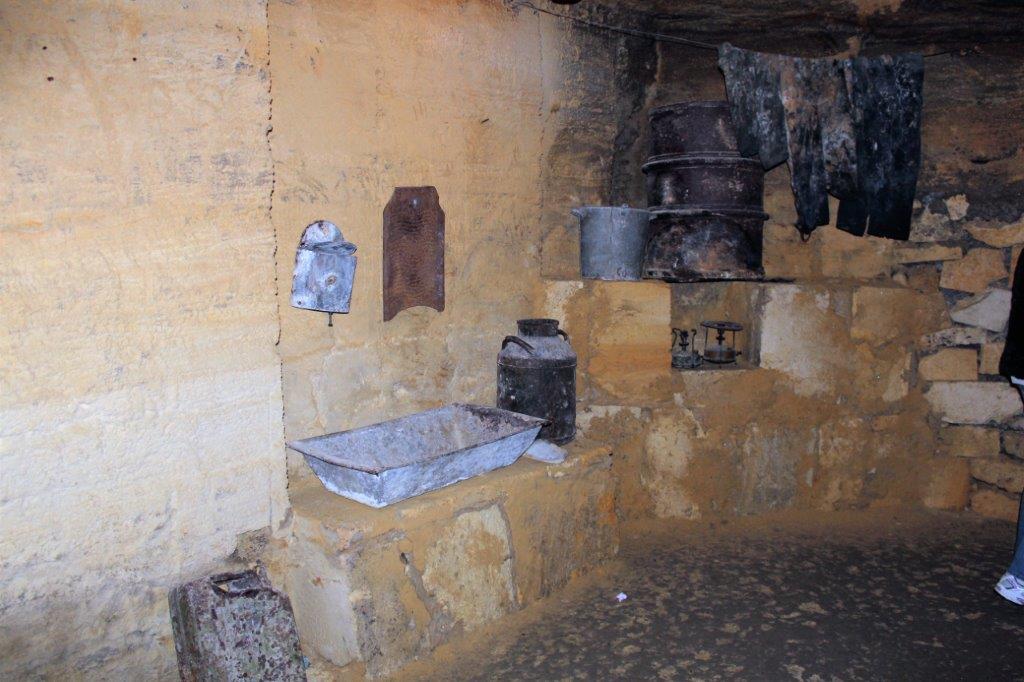
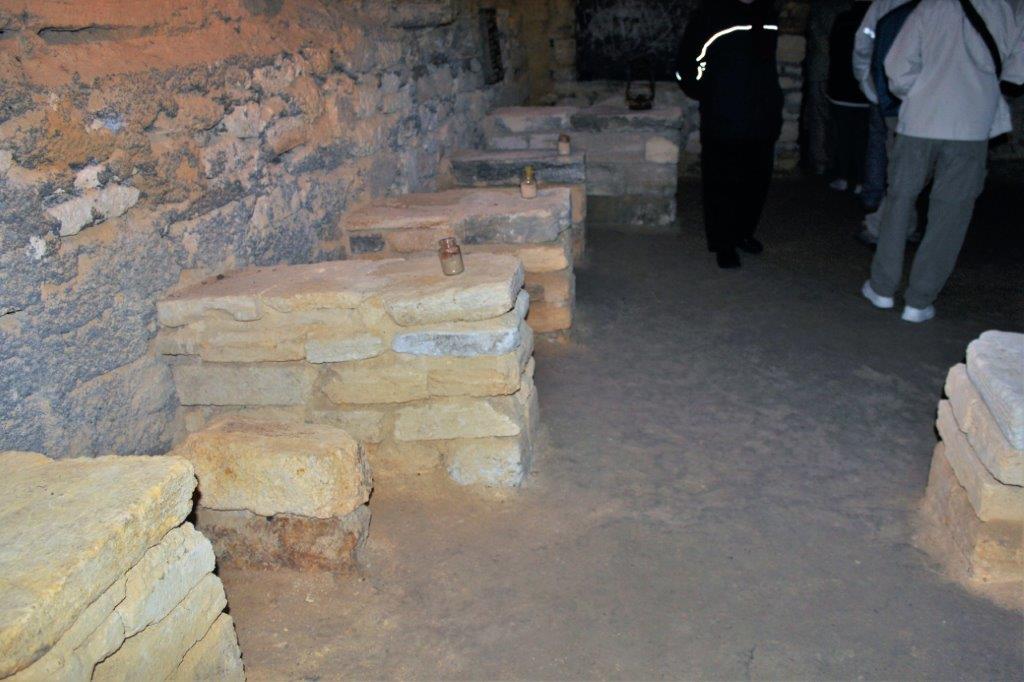
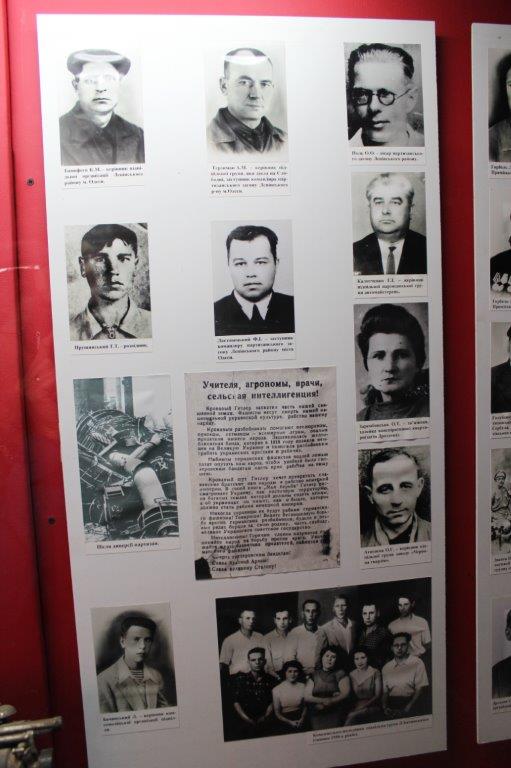
It did not take long before a very active and courageous group of resistance fighters began to make sneak attacks on German supply and munitions depots.  They harried and harassed them; disrupting power supply, destroying factories, production plants, ports, bridges, railway links, and roads, as well as distributing thousands of posters and leaflets with antifascist propaganda.                                                              Sleeping pallets

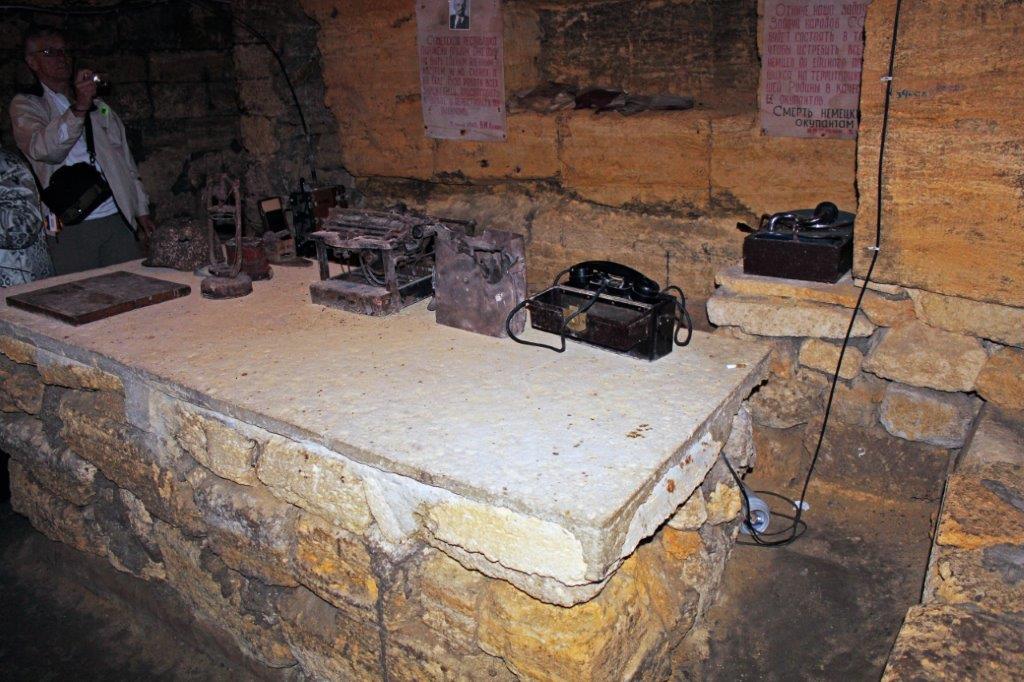
                                                Commander’s ‘office’

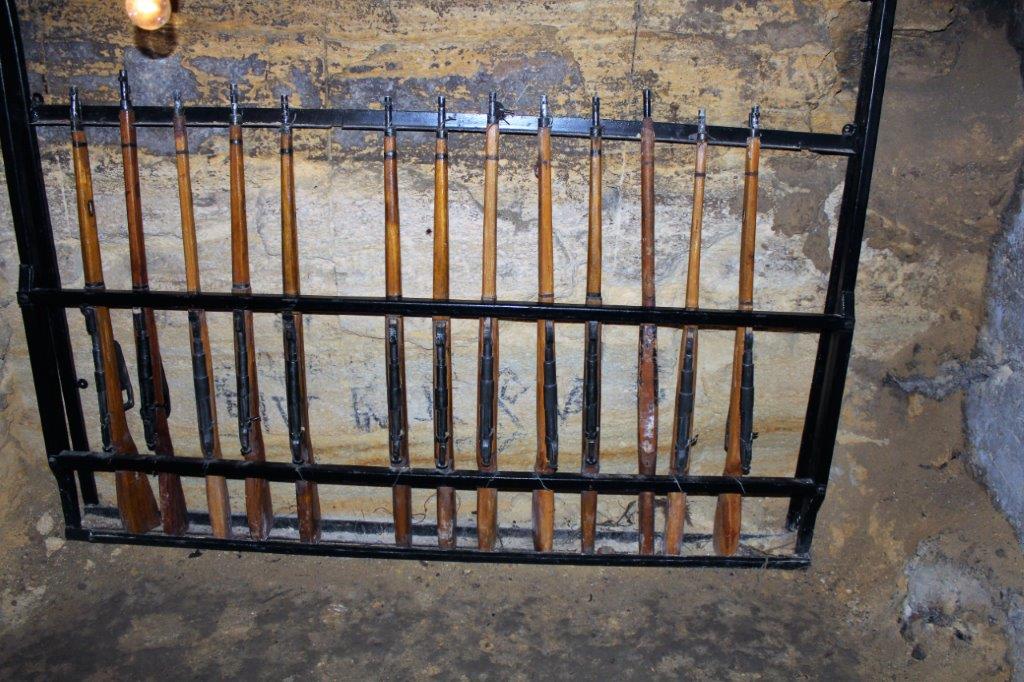
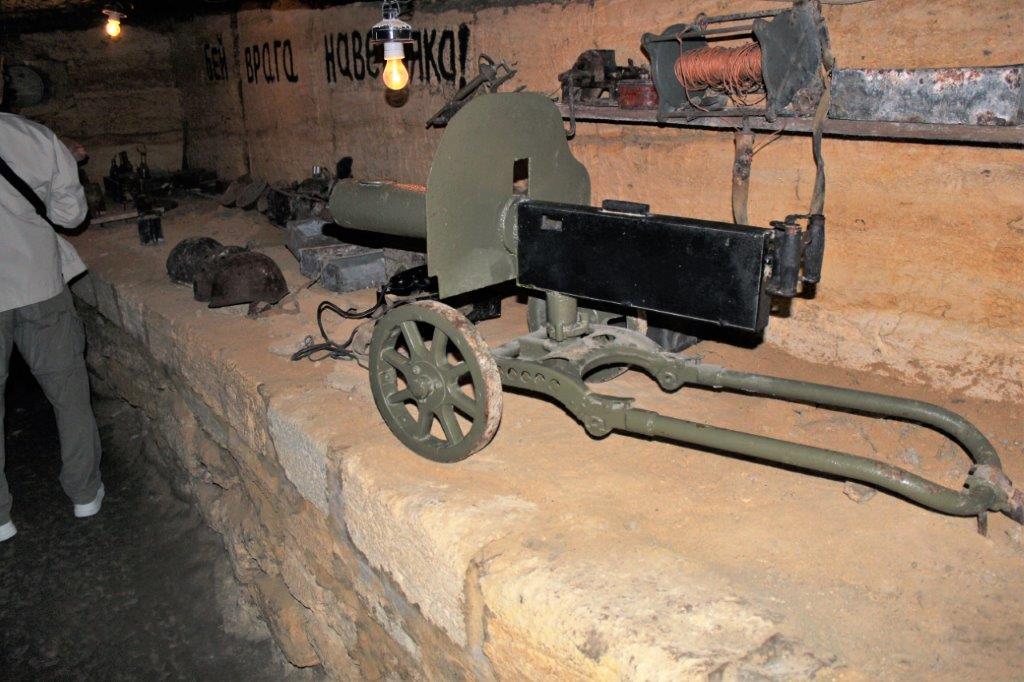
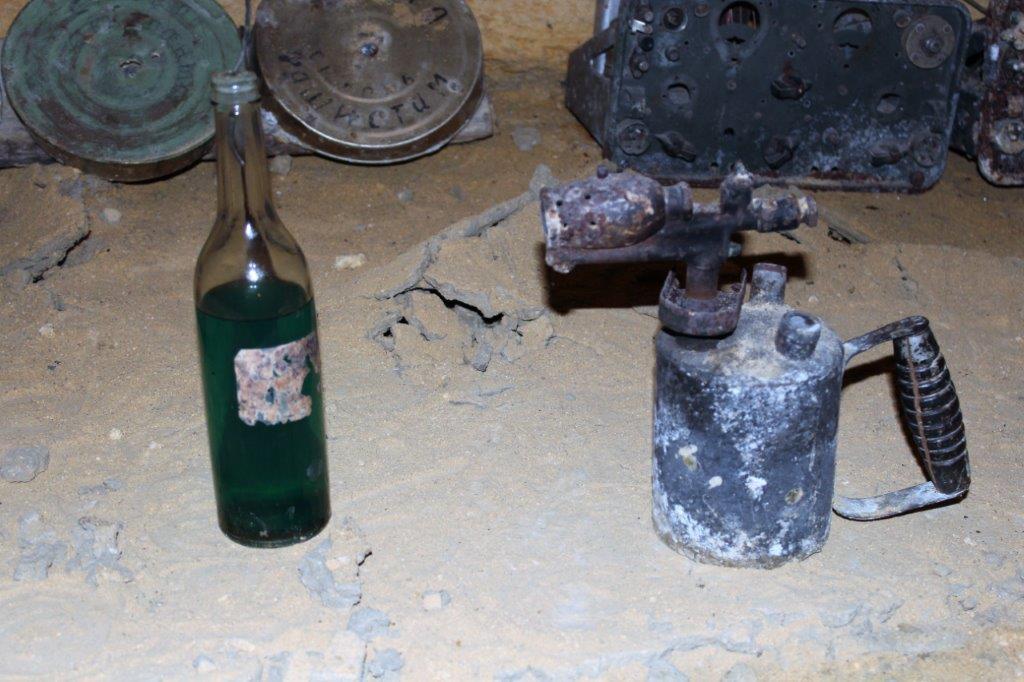
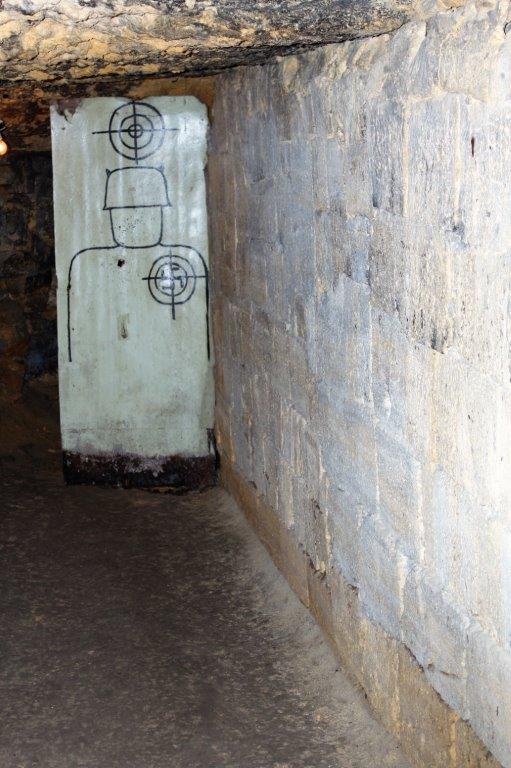
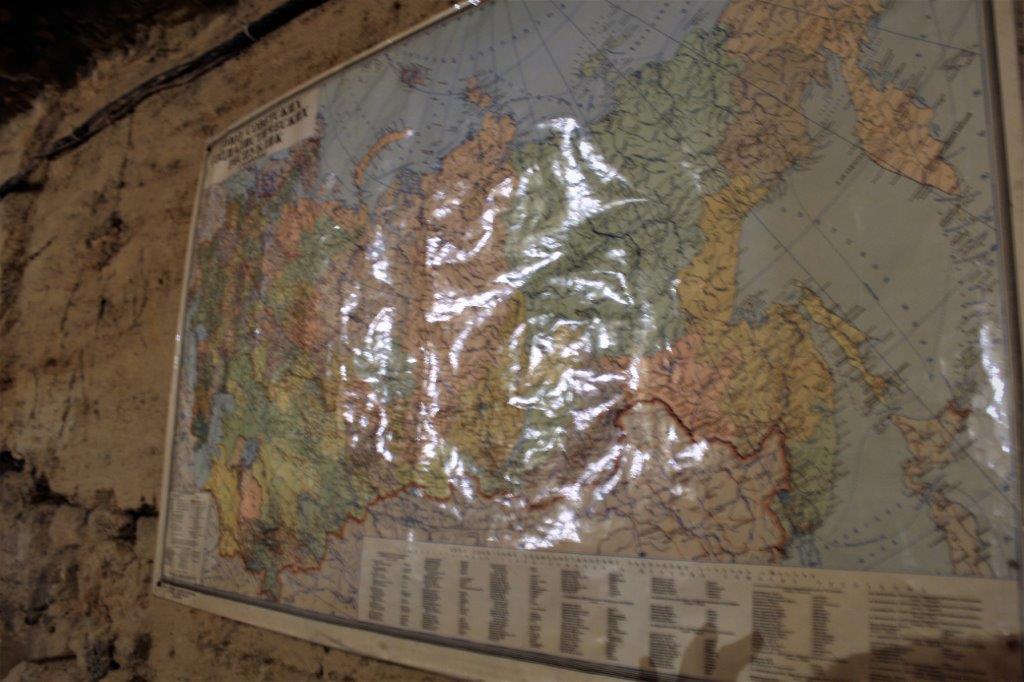
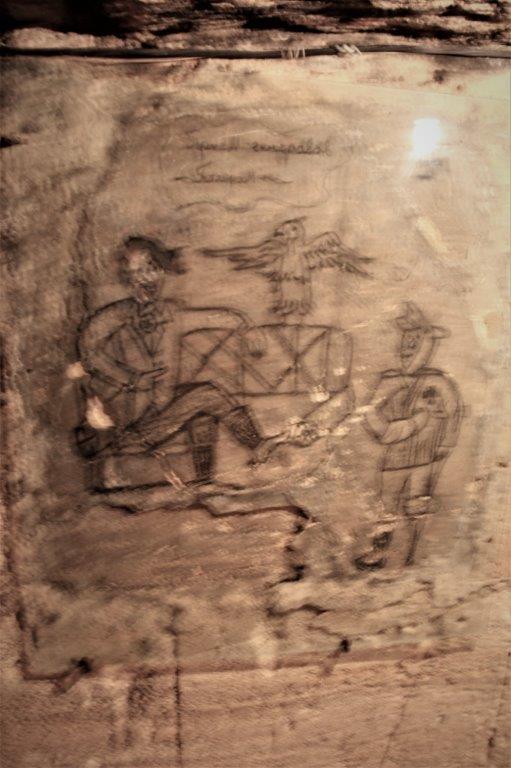
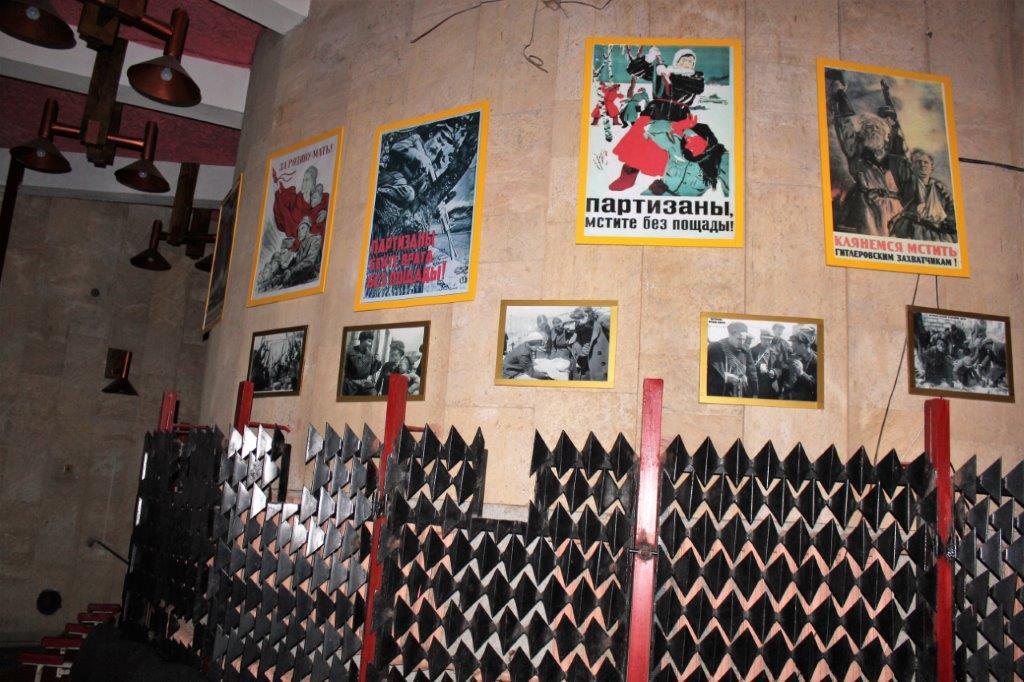
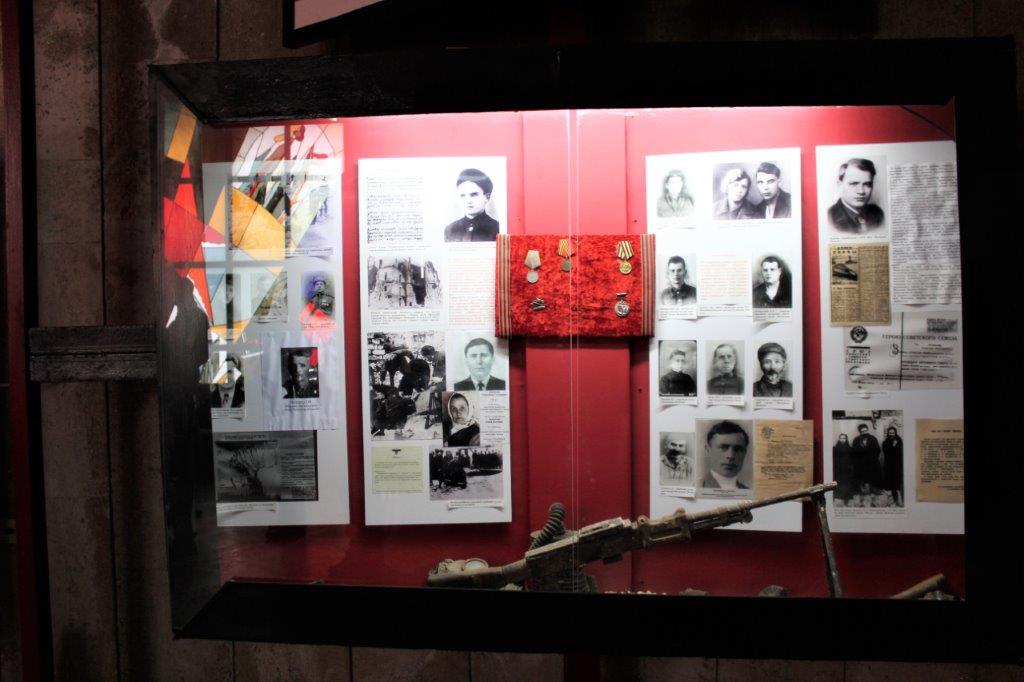
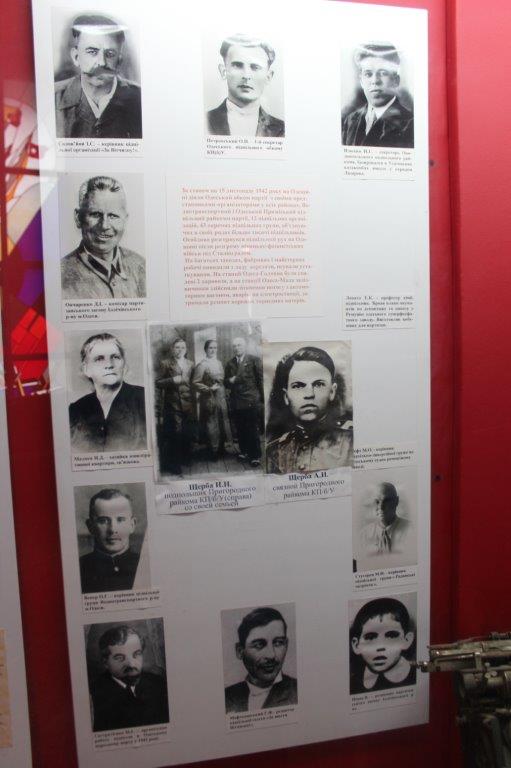
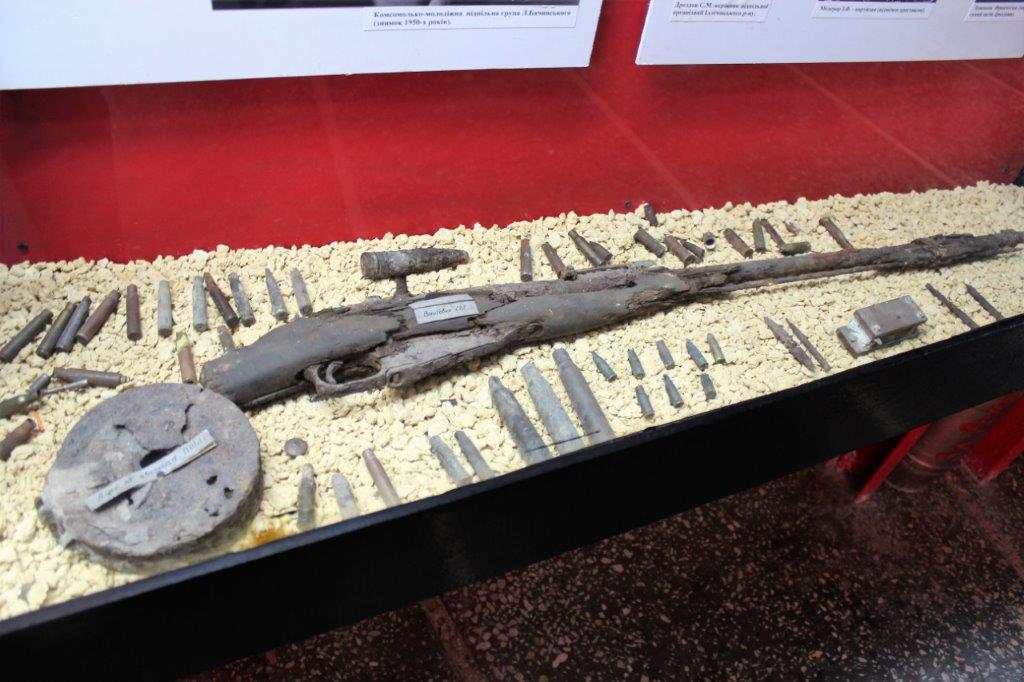
 They made bombs and molotov cocktails and had a shooting galleryThe German occupation lasted 907 days and there were 13 partisan detachments and 45 underground organizations with more than 4,000 members working in secret to fight the Nazis, aided by thousands of patriots that helped them.  They used the catacombs as living quarters and hideouts.  With all the entrances and tunnel branches resistance fighters could enter and exit from many different places and if German soldiers followed them into the tunnels they would quickly get confused in the maze and could be killed.  The Germans began to barricade any entrances they found and trapped some of the partisan cells, making for some incredible stories of endurance and escape.

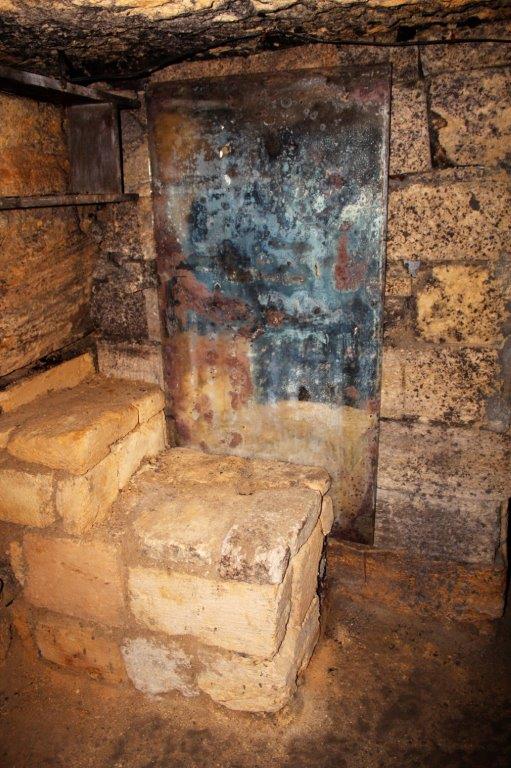
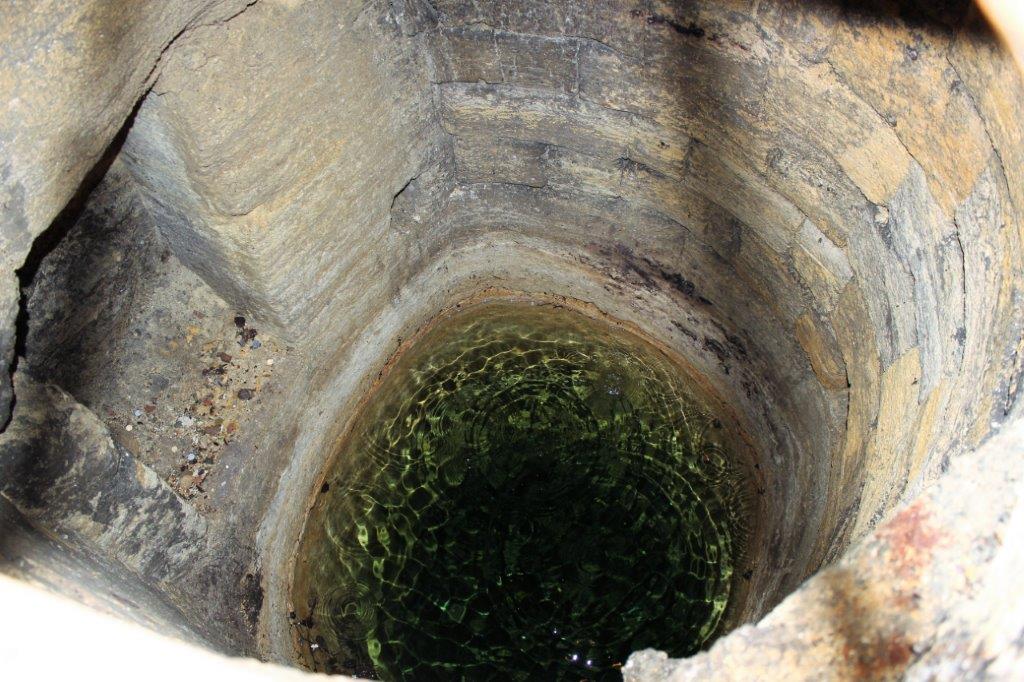
The well still contains fresh water and this allowed many people to survive underground.

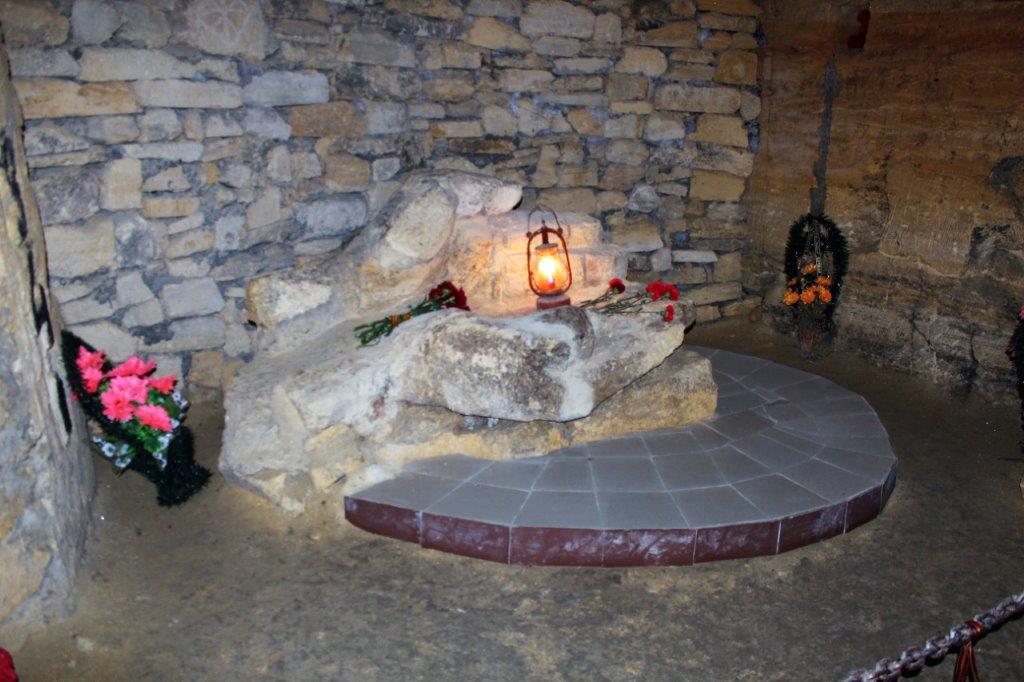
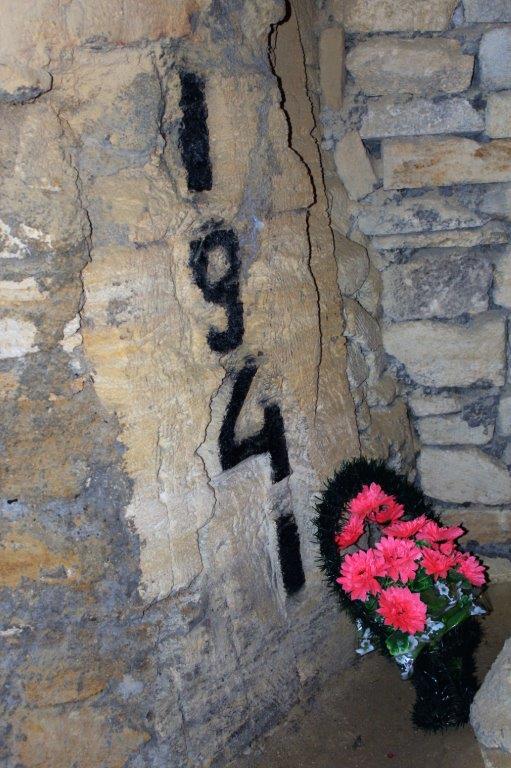
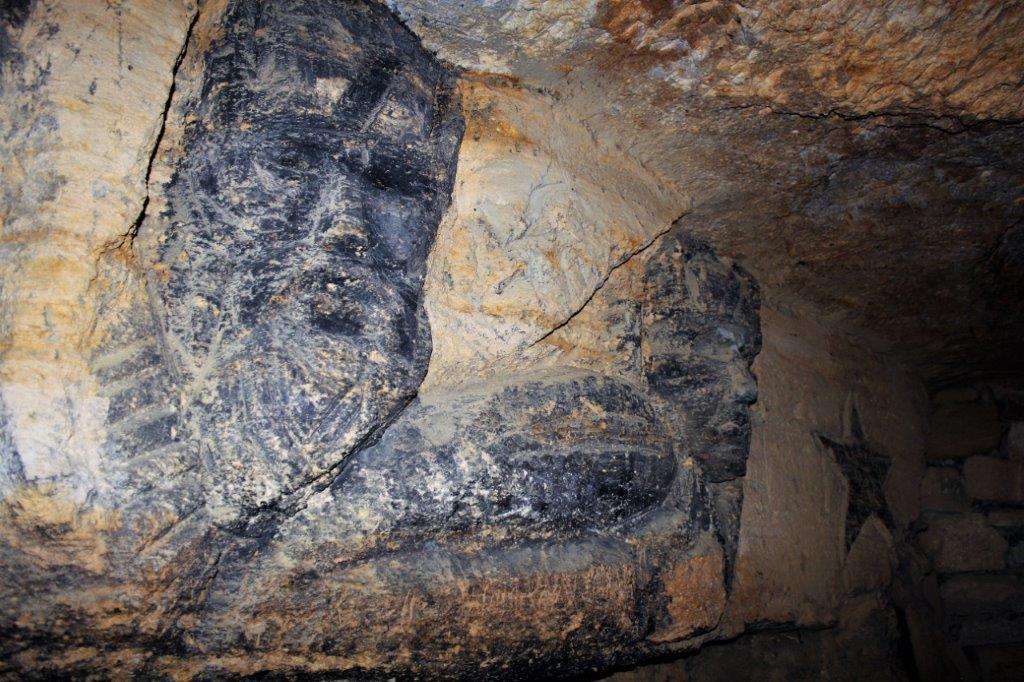
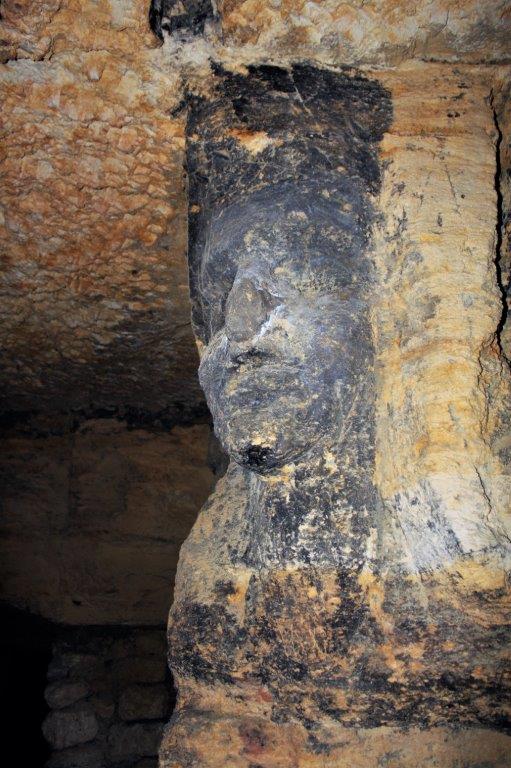
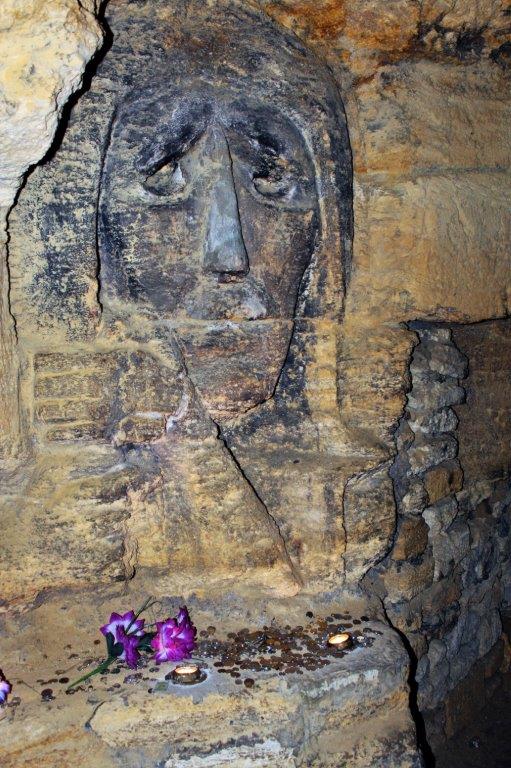
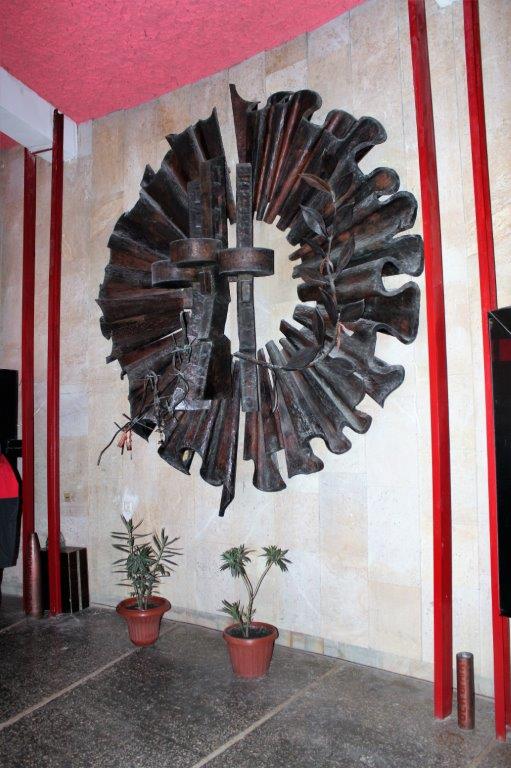
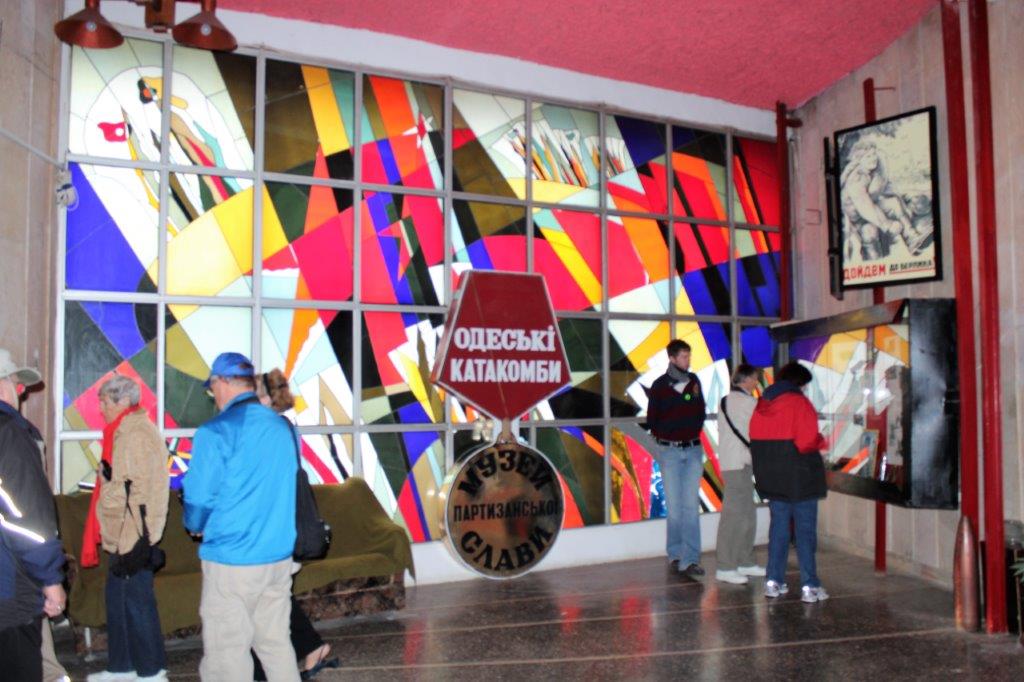
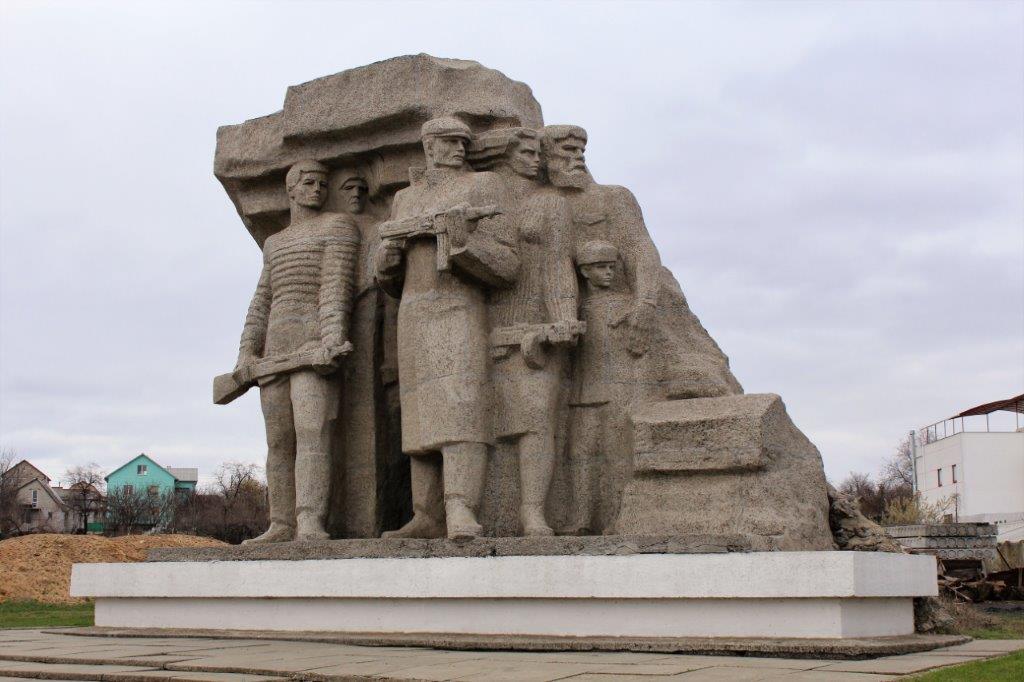
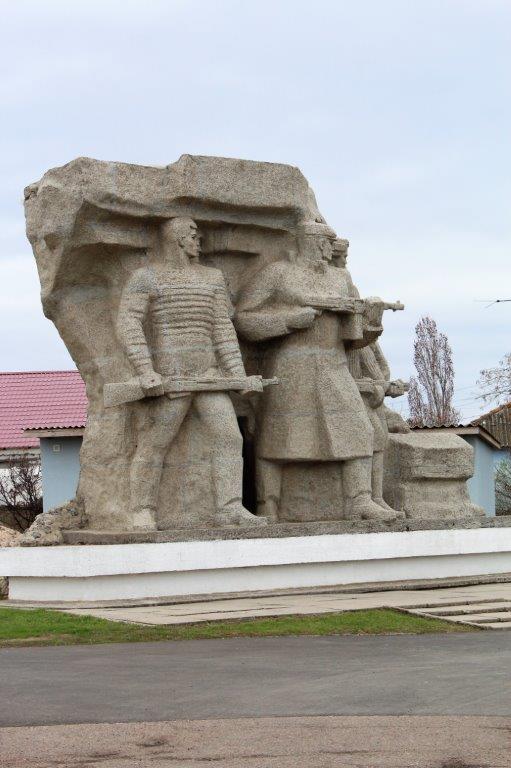
There was a memorial area commemorating the sacrifice of prominent resistance leaders who had been captured and executed.Rough carvings of the faces of four of them were on this wall.                                 The schoolroom for the childrenThe museum contained detailed accounts of the lives of many of the resistance fighters, tales of their exploits and memorabilia. Outside was an impressive commemorative statue.

2012 April 9 – Day 29 – Odessa, Ukraine (Part 1)

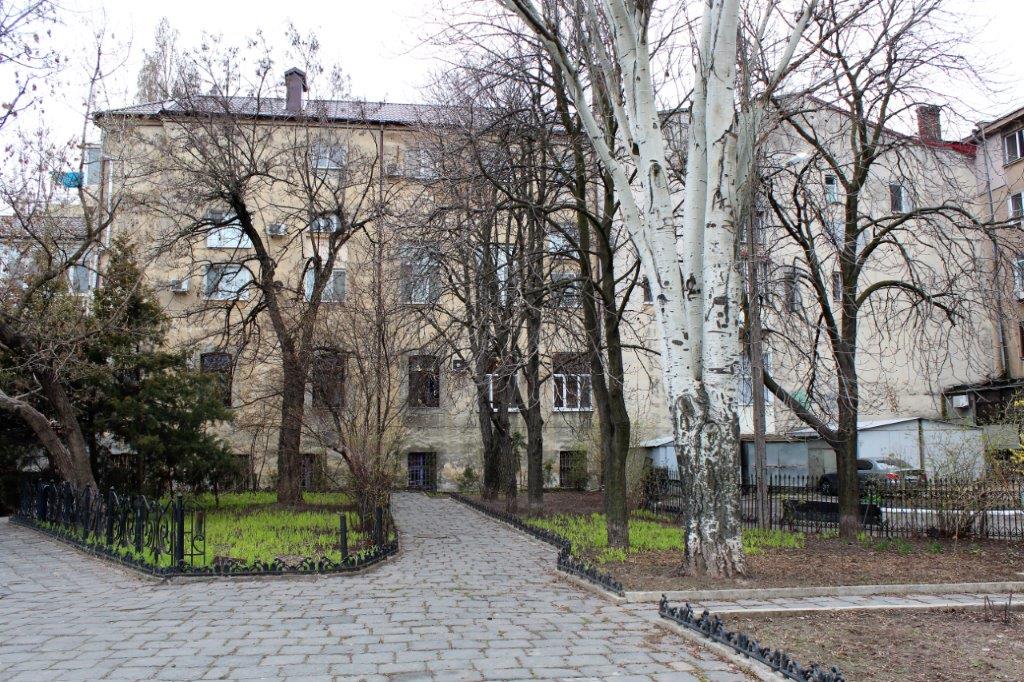
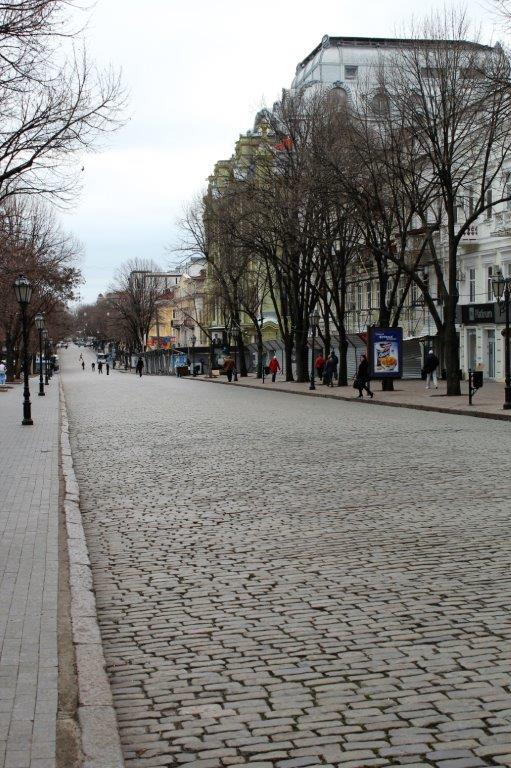
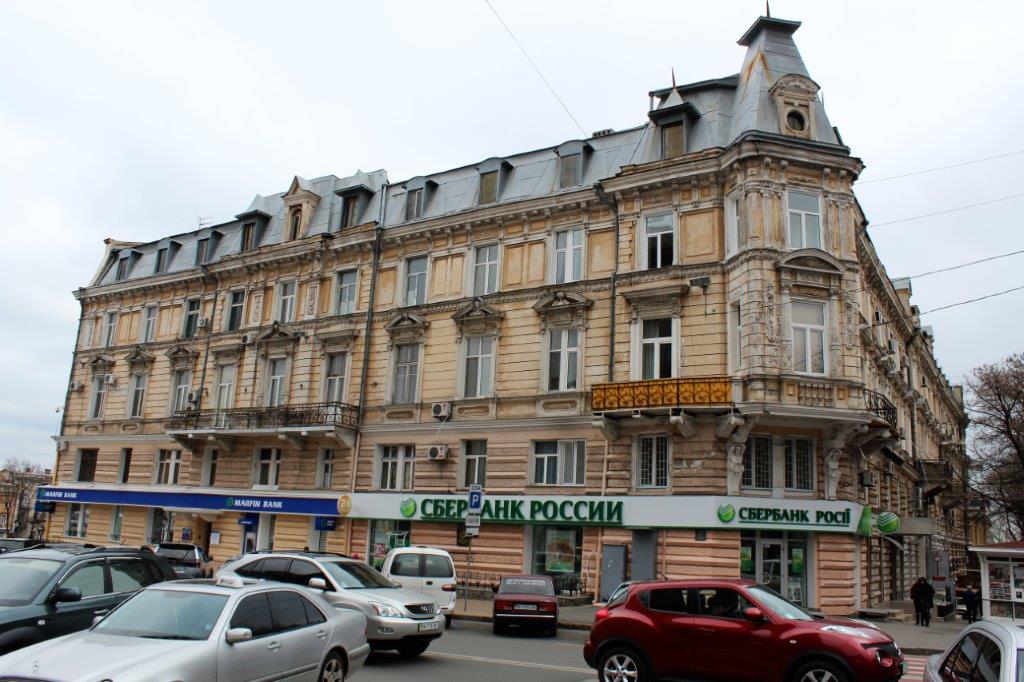
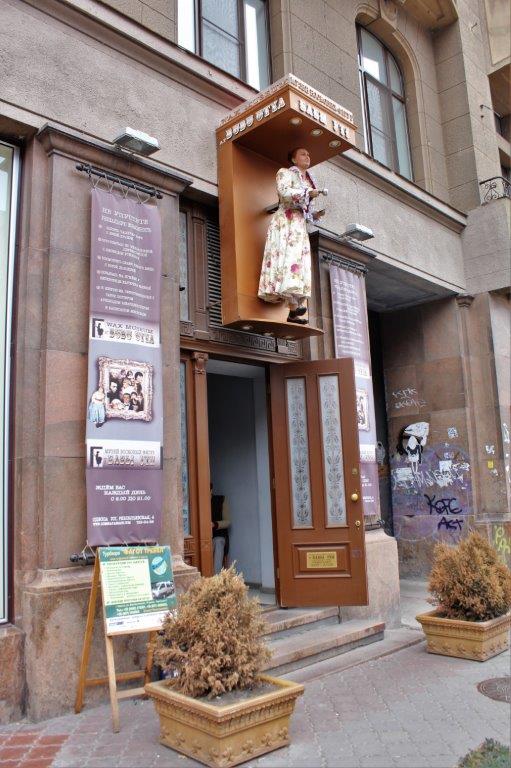
In Odessa we did not have a tour until the afternoon so after breakfast we explored the same route as could be taken on the walking tour shore excursion.

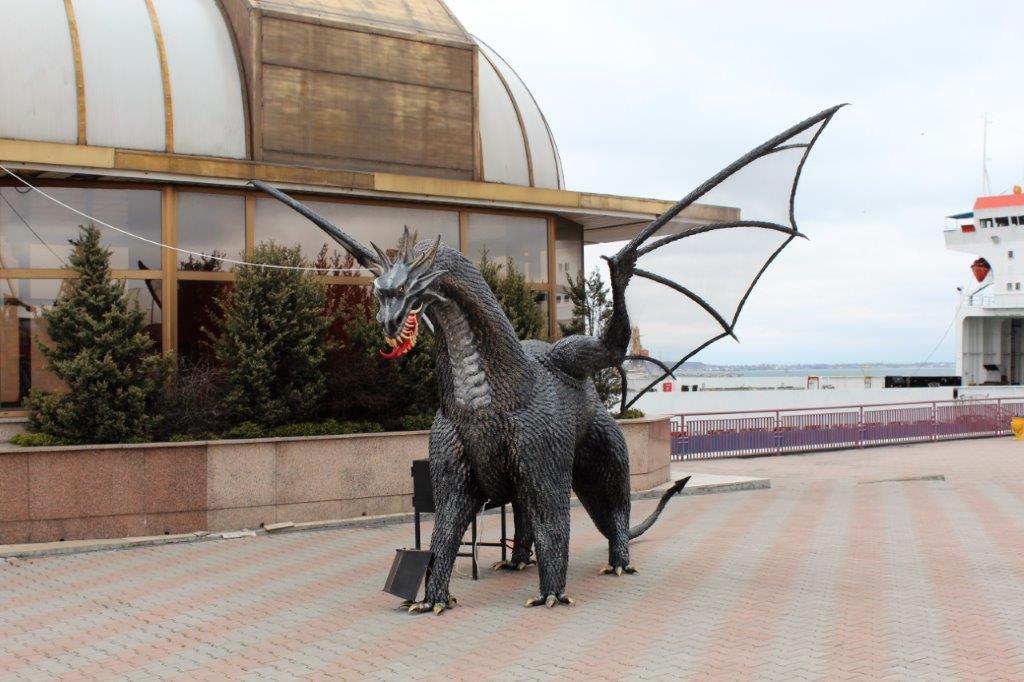
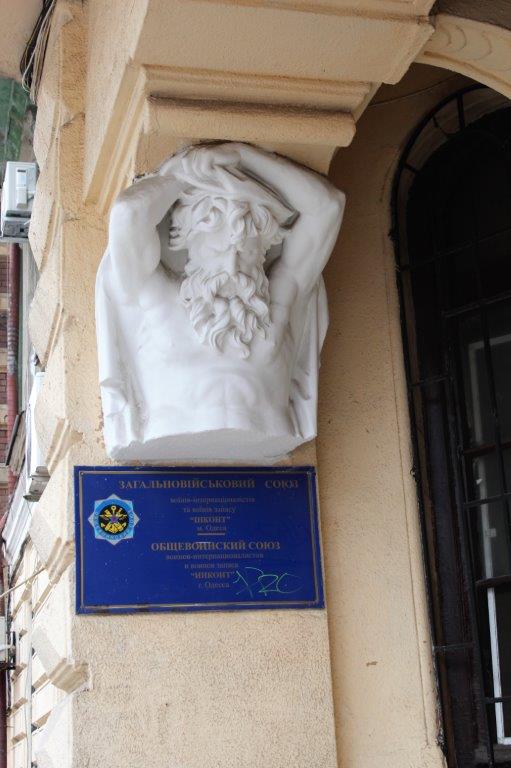
I don’t know the significance, if any, of this dragon, but he was cool.

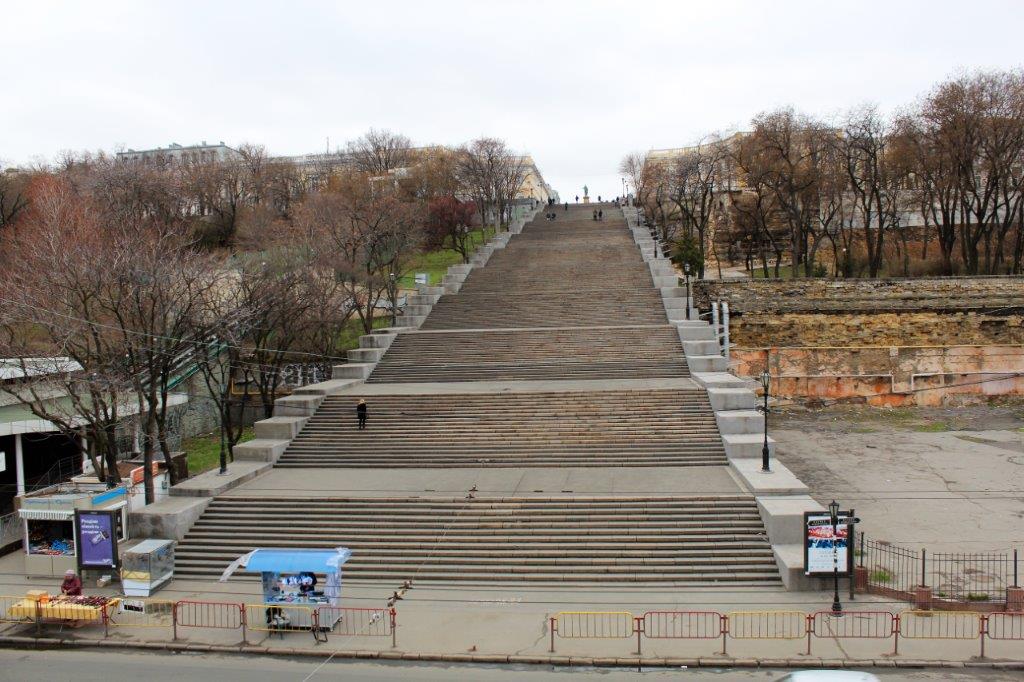
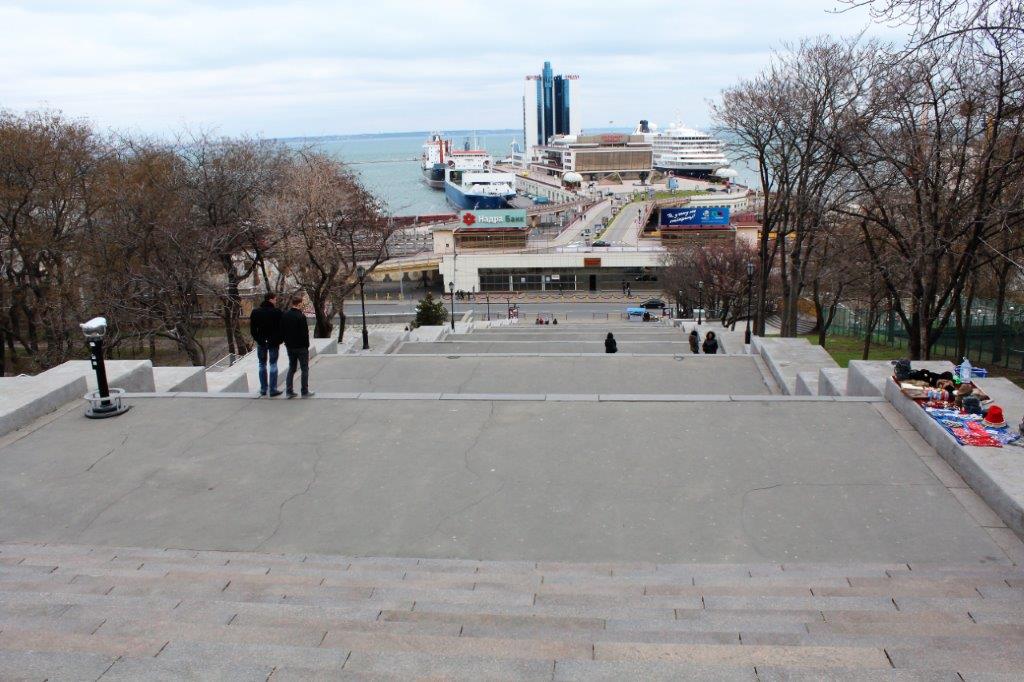
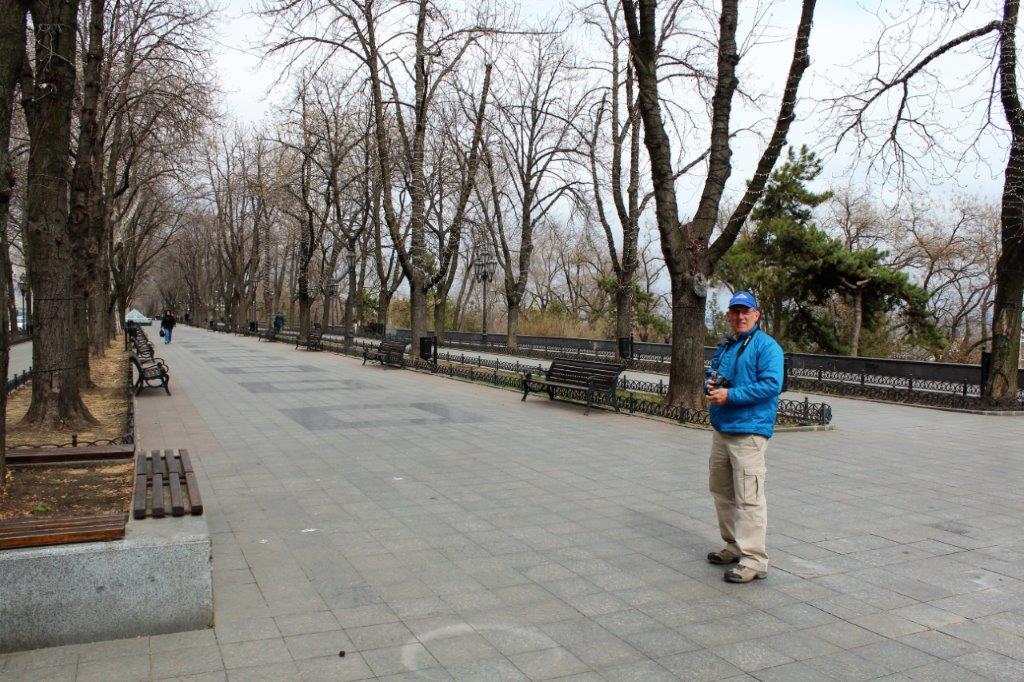
The port is located at the bottom of the famous Potëmkin steps.  There were 200 but 8 were removed when the harbour was restored, so we only had to climb 192.  The Potëmkin Steps are considered the “city gate.”  The steps at the bottom are twice as wide as those at the top.  When viewed from the top, individual risers blend into a smooth slope.It was a very windy day and cool.  The temperature was about 6° C (43° F) so there were not a lot of folks out walking.  We enjoyed wandering around and seeing some of the buildings and parks in the older parts of town.

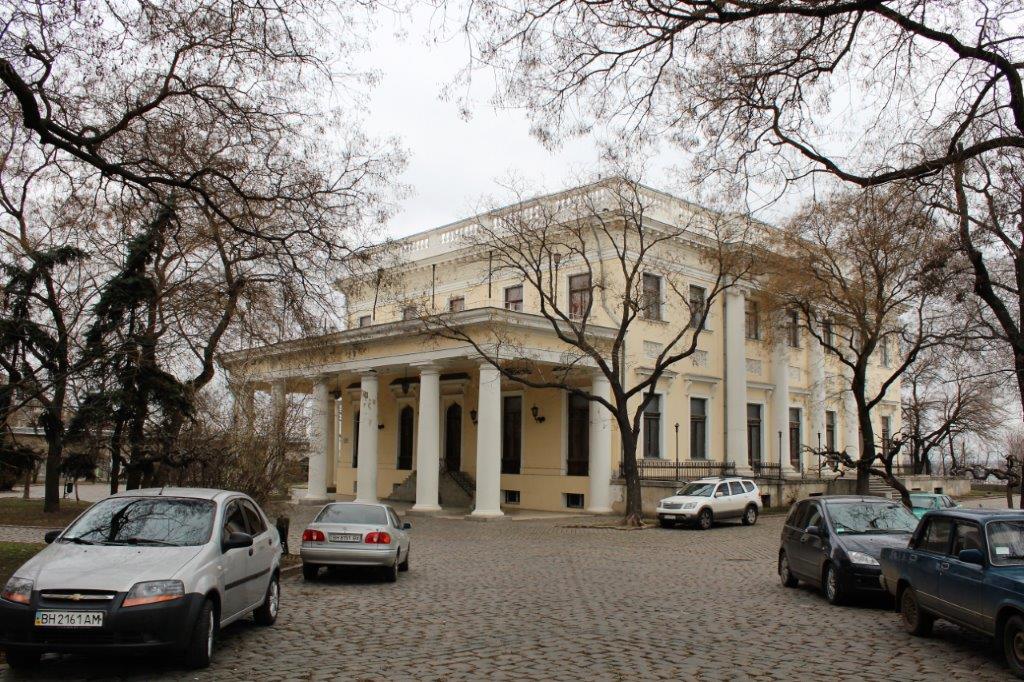
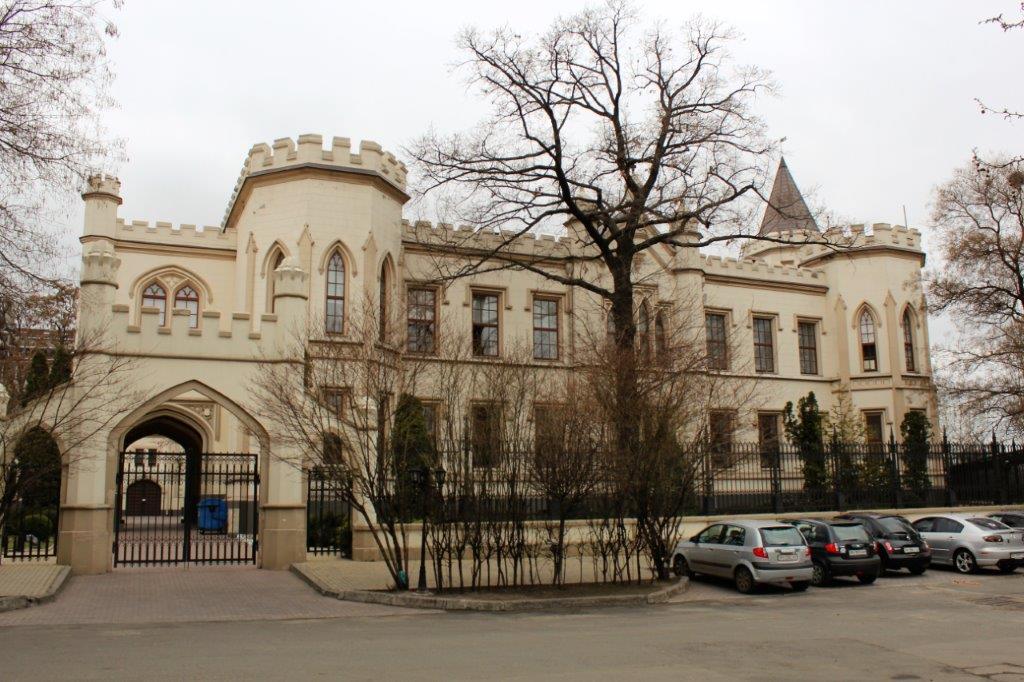
                                 Vorontsov Palace (above) Shah’s Palace.  Built between 1851-1852.  So called because it was rented by the Persian Shah.

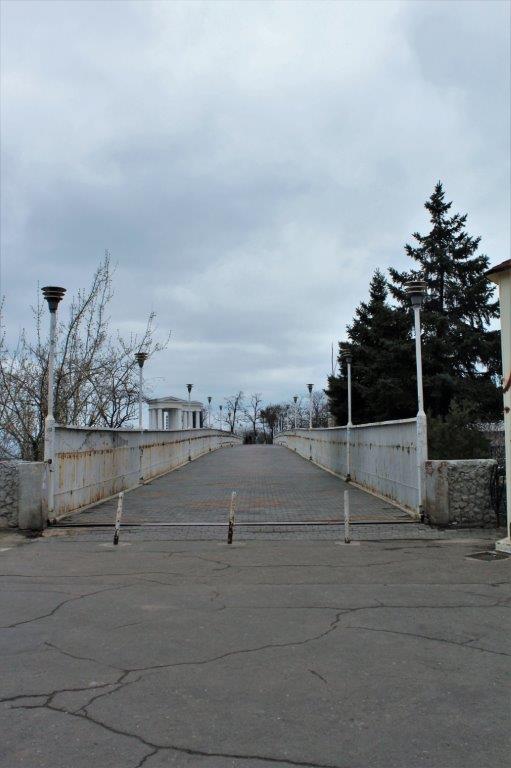
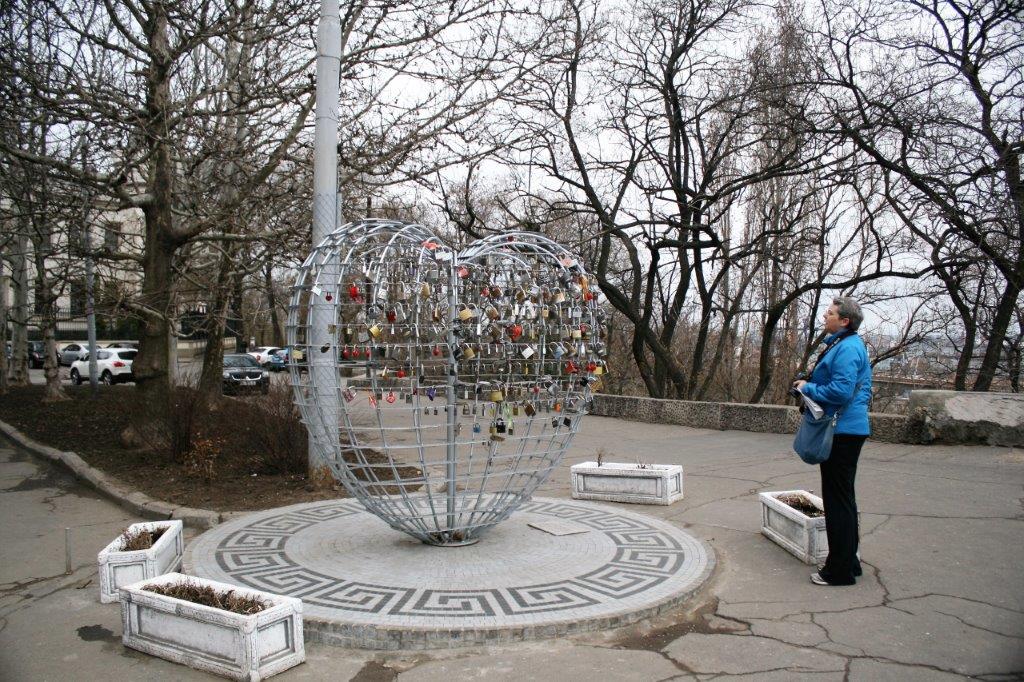
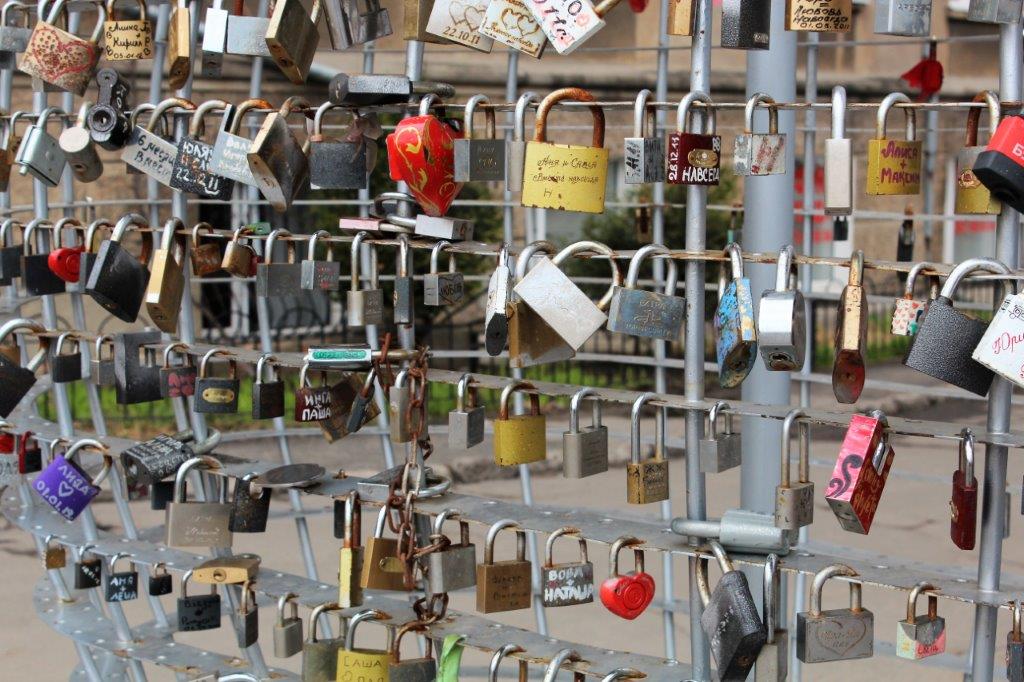
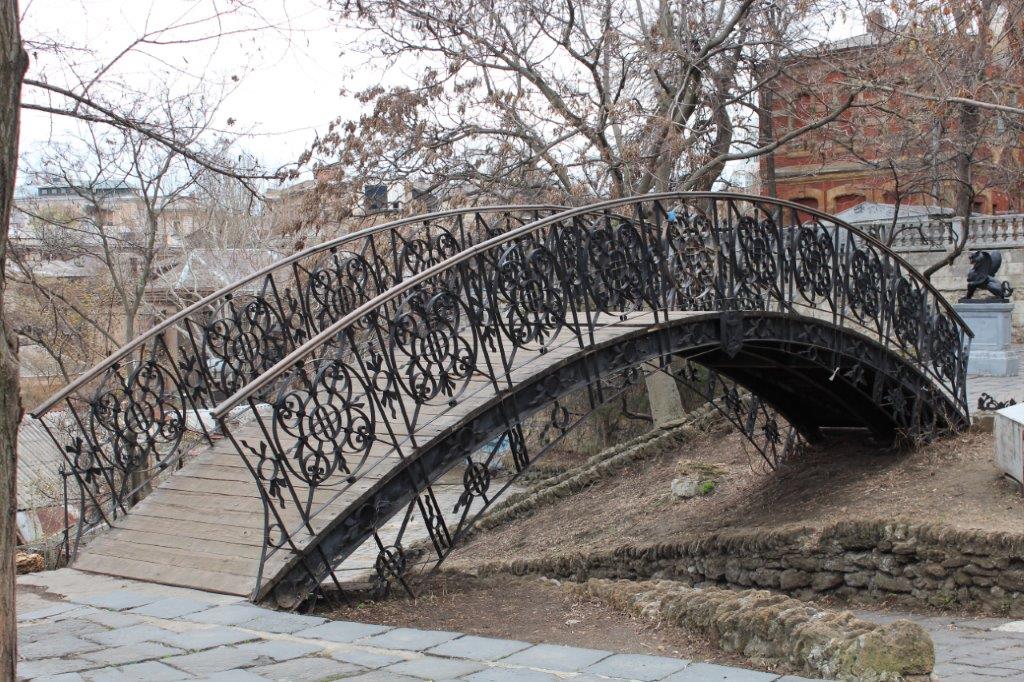
The Mother-in-law’s Bridge is a pedestrian bridge that is built over a gully to connect two roads in Odessa.  No one is quite sure why it bears that name.  The two prevailing theories are: 1) the bridge is quite rickety.  If there is a strong wind or a few people jump at the same time it really shakes.  This is like a mother-in-law’s wagging, scolding tongue. 2) the mayor of the city at the time the bridge was built (1969) loved his mother-in-law’s pancakes and had the bridge built to facilitate access to her house.The bridge railings are constantly being covered by padlocks placed there by lovers.  Due to the weak construction of the bridge city officials just a constantly remove them.  They even had this heart sculpture built at one end of the bridge to encourage people to use it instead of the bridge.  Doesn’t work.  They still cover the bridge with padlocks.
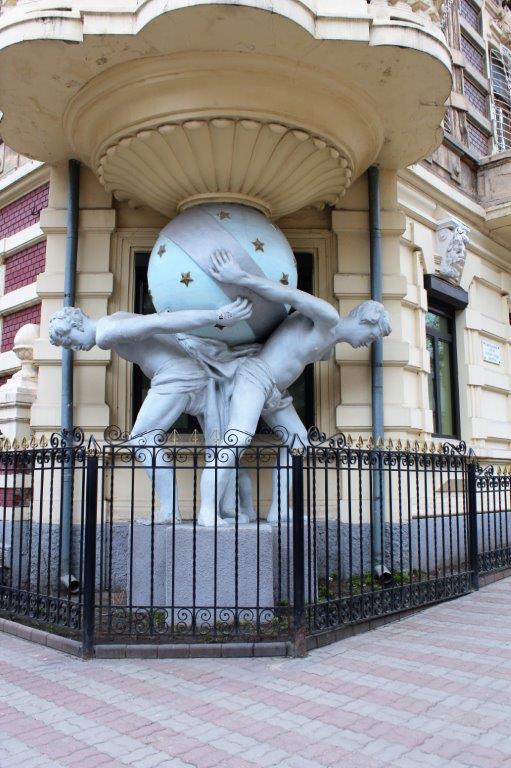
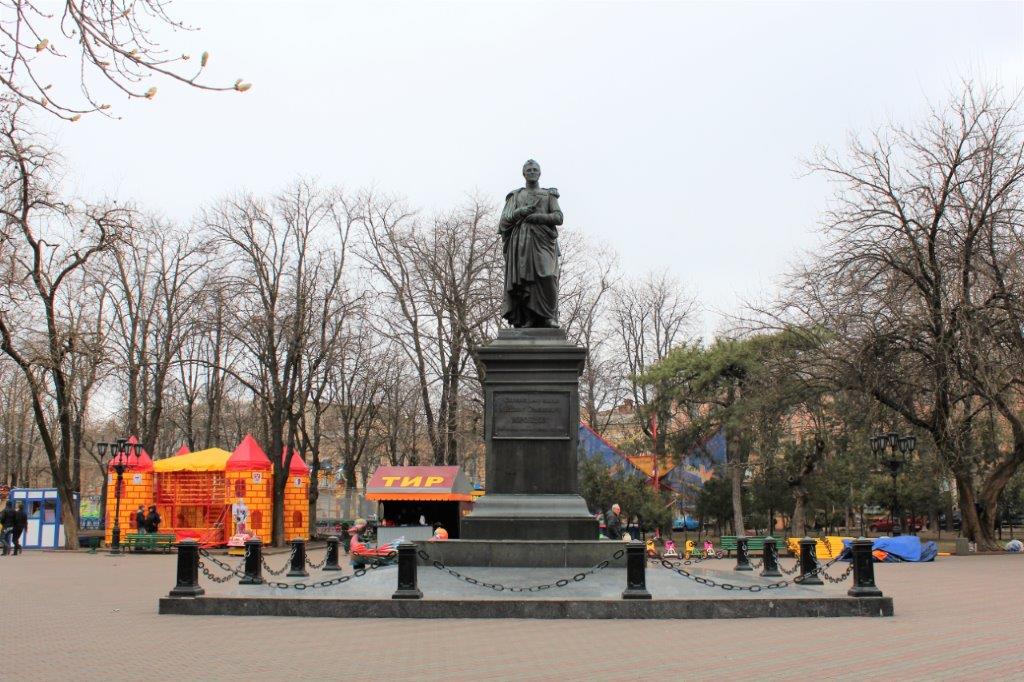
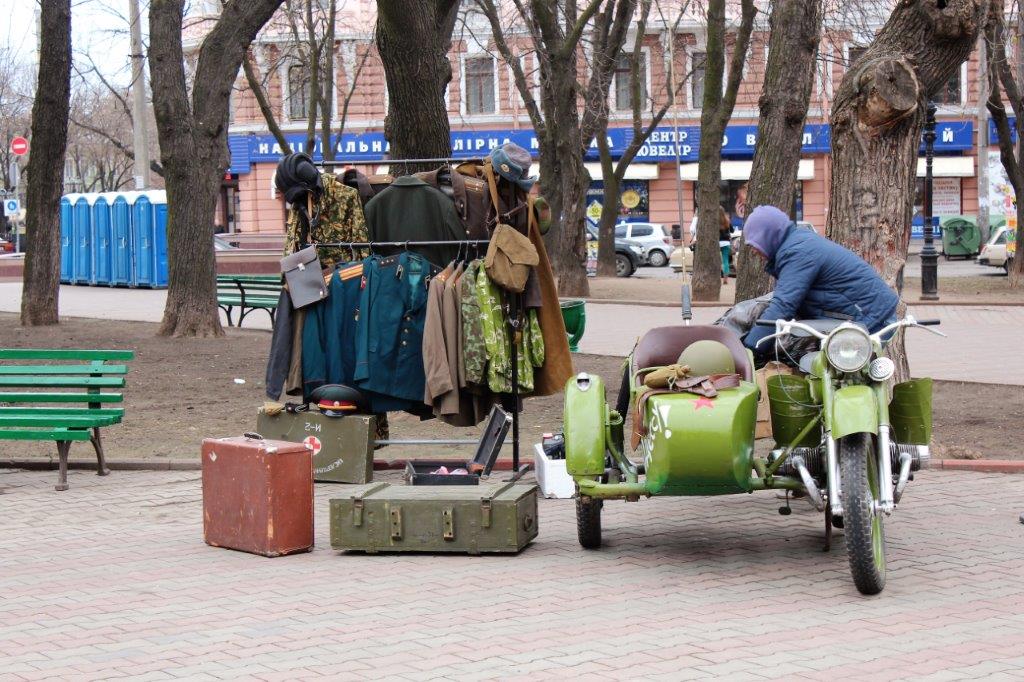
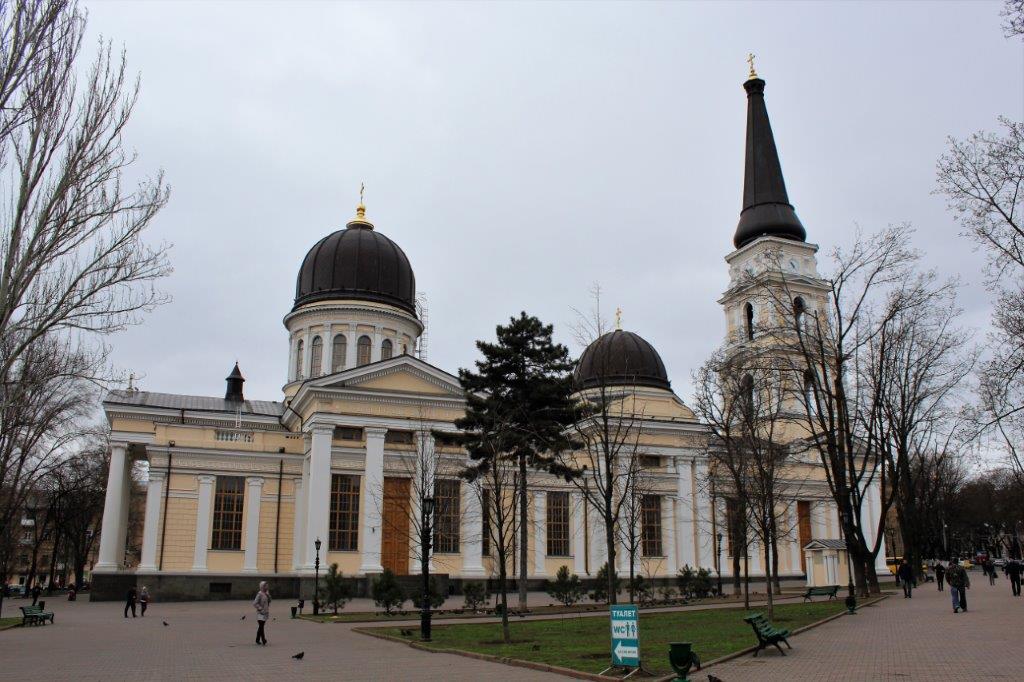
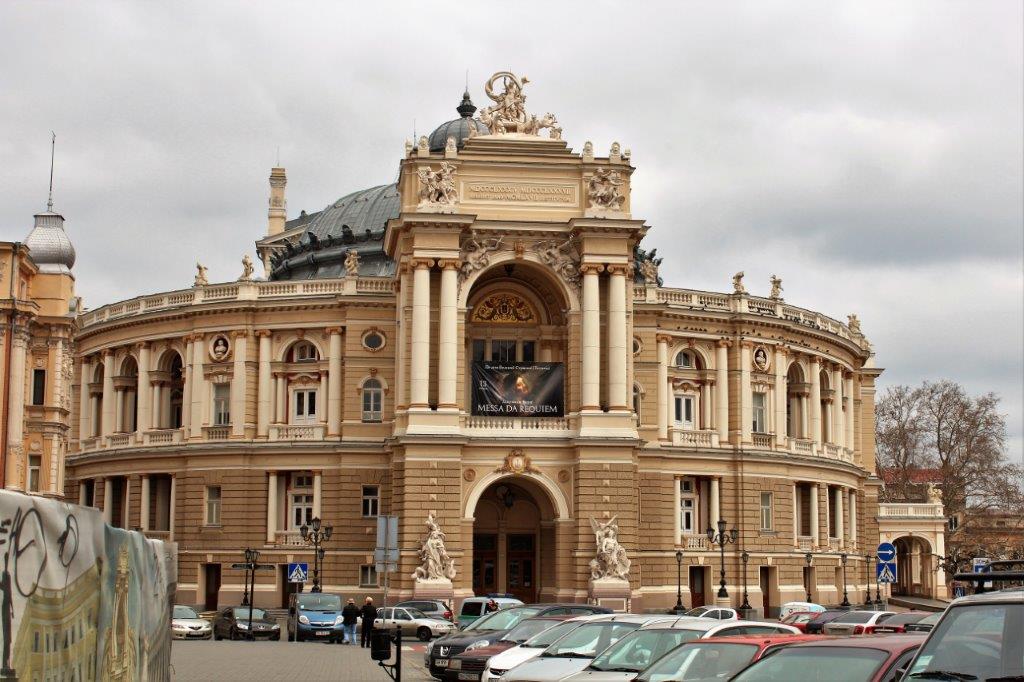
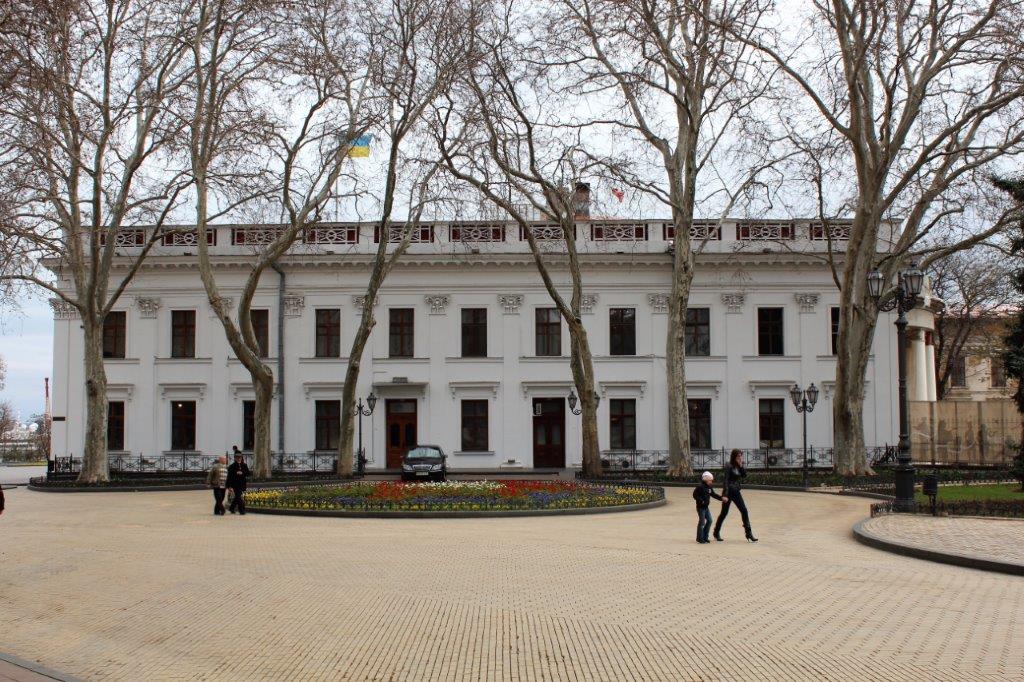
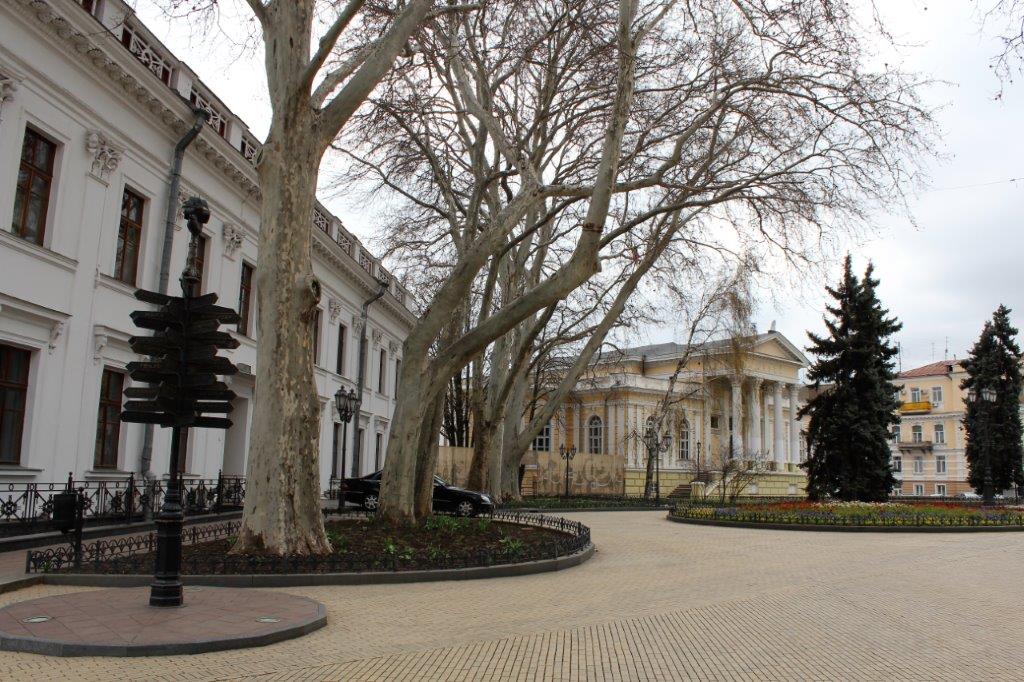
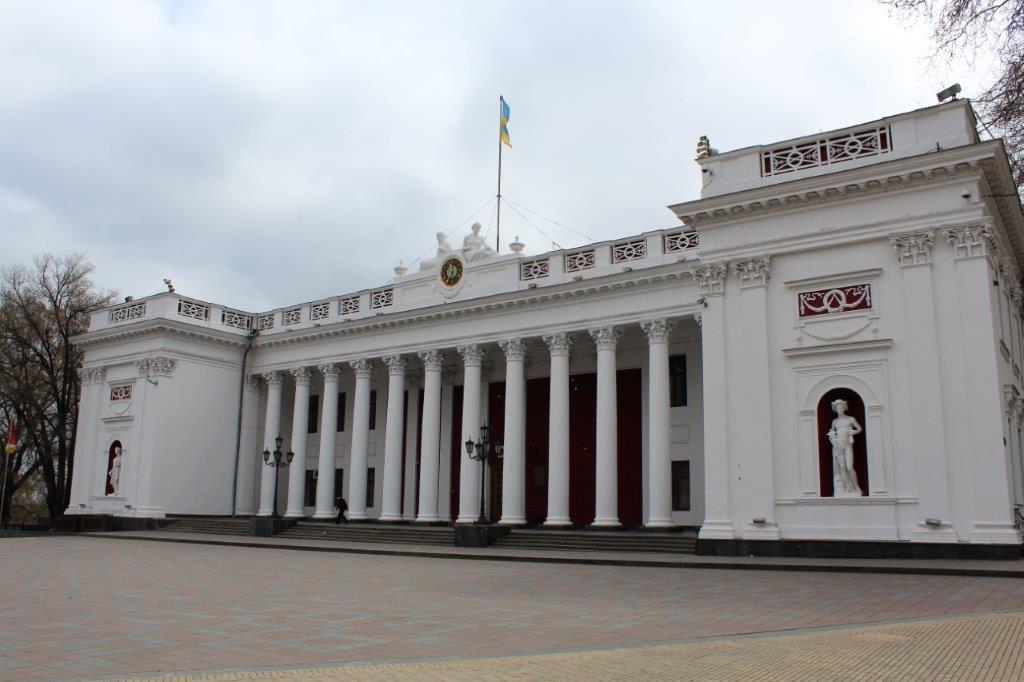
        This park had a nice fountain and quite a few sculptures.  A fellow setting up shop for photographing tourists in old military garb.         The world famous Odessa Opera House and Ballet Theater  The City Council Building

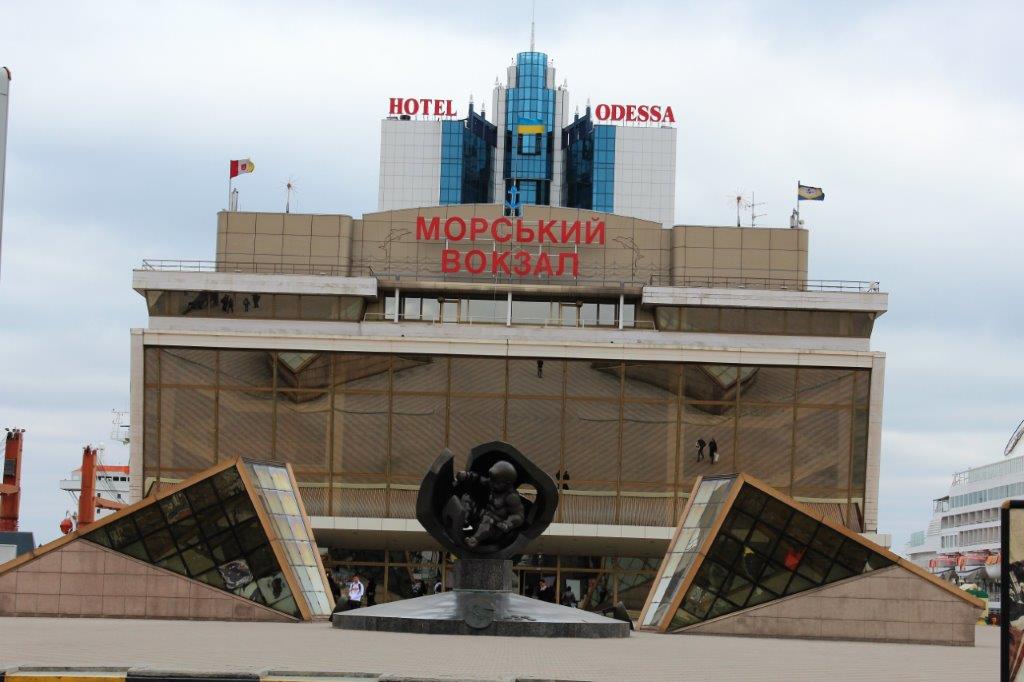
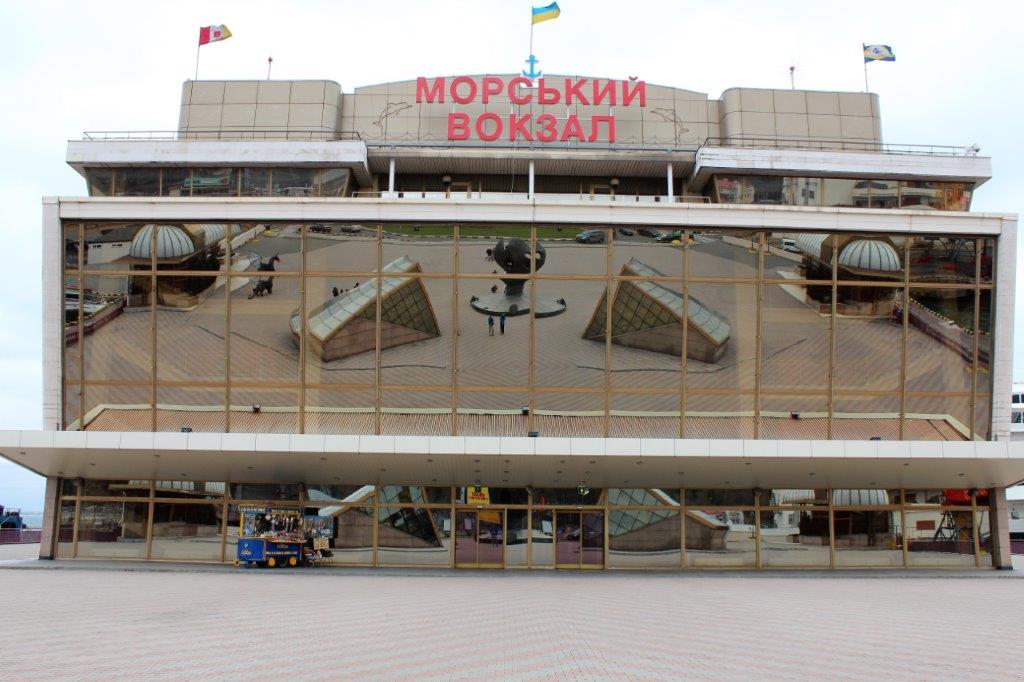
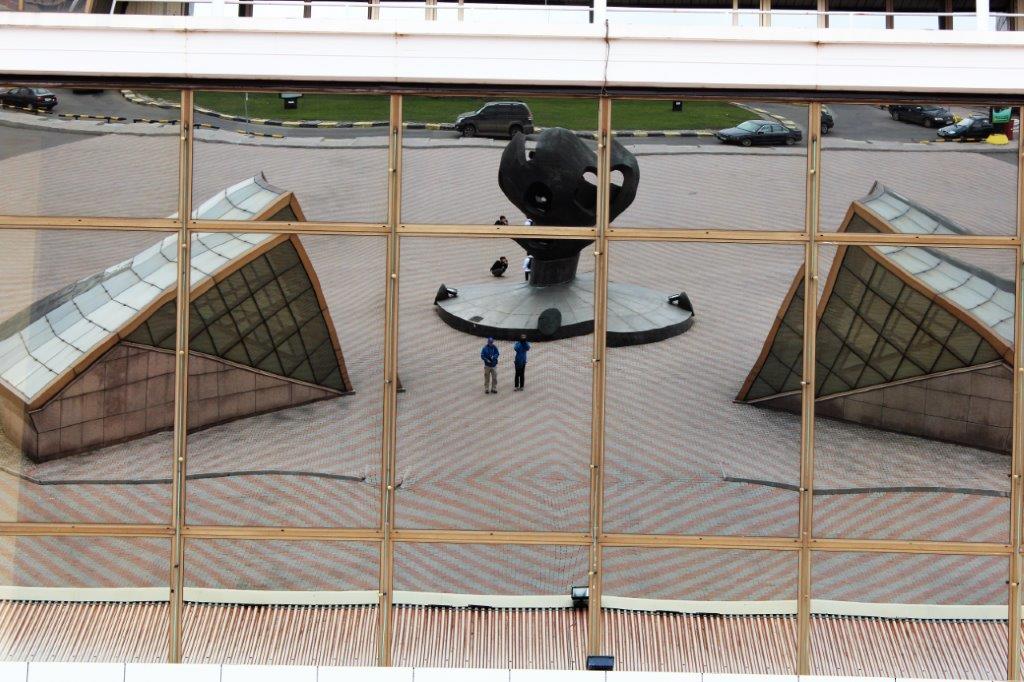
We completed the walking tour loop and went back to the port for some lunch before our afternoon tour of the catacombs.The port building.  The entire front is mirrored and this very unique sculpture is in the courtyard outside. 

2012 April 8 – Day 28 – Constanta, Romania

Constanta is the main Romanian seaport for traffic flowing in both directions along the Danube (Black Sea).  Bucharest, Romania’s capital is approximately 195 km (120 mi) from Constanta.  The express rail will get you to Bucharest in about 2 1/2 hours.  Constanta has the largest harbour on the Black Sea and is a major distribution center for wheat, and, of all things, scrap metal.  There are many run-down and derelict buildings from the communist era that are being torn down and the scrap metal is shipped to a new plant in Istanbul. Romania is now a democratic republic with 41 counties.  They have been rebuilding the country since the rebellion in 1989 when the very autocratic communist ruler (who had kept the nation under his thumb for 25 years) and his wife, were executed on Christmas Day after a two-day trial.

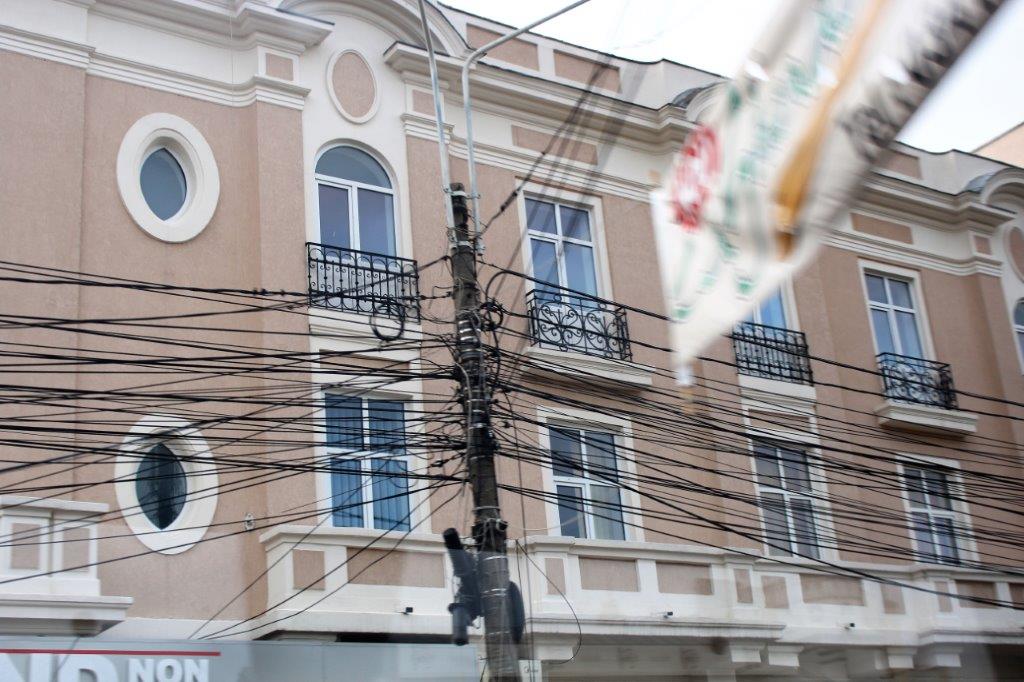
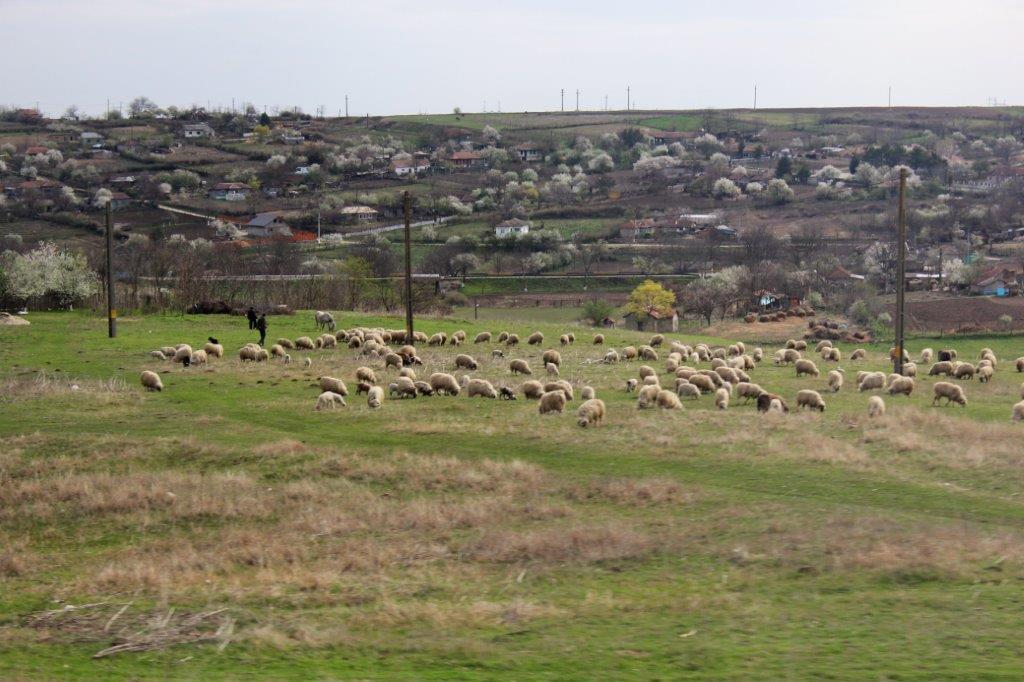
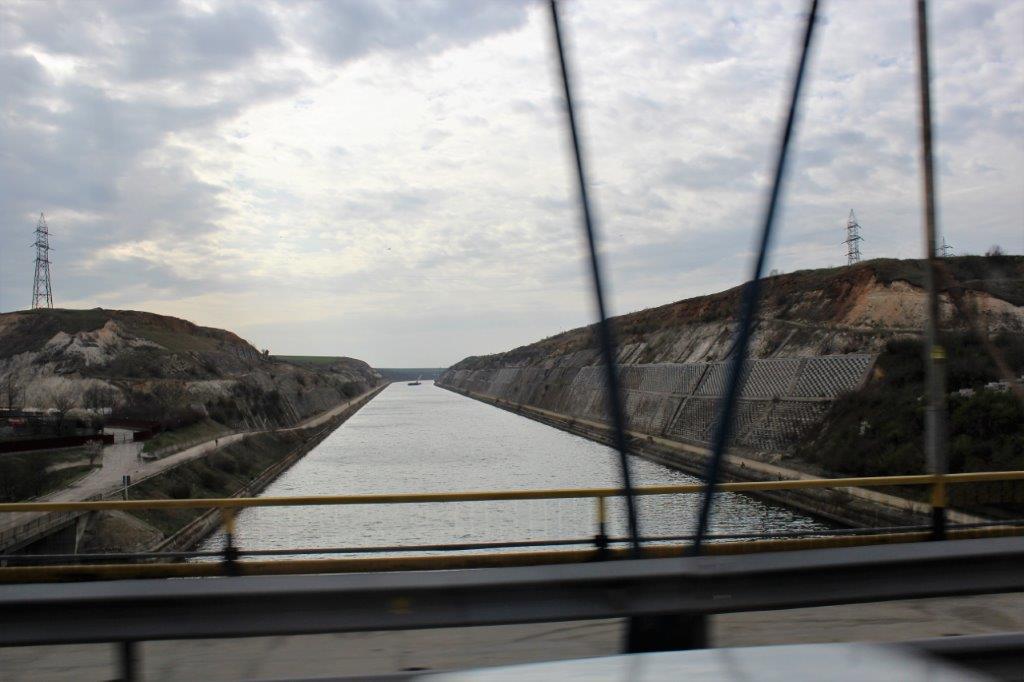
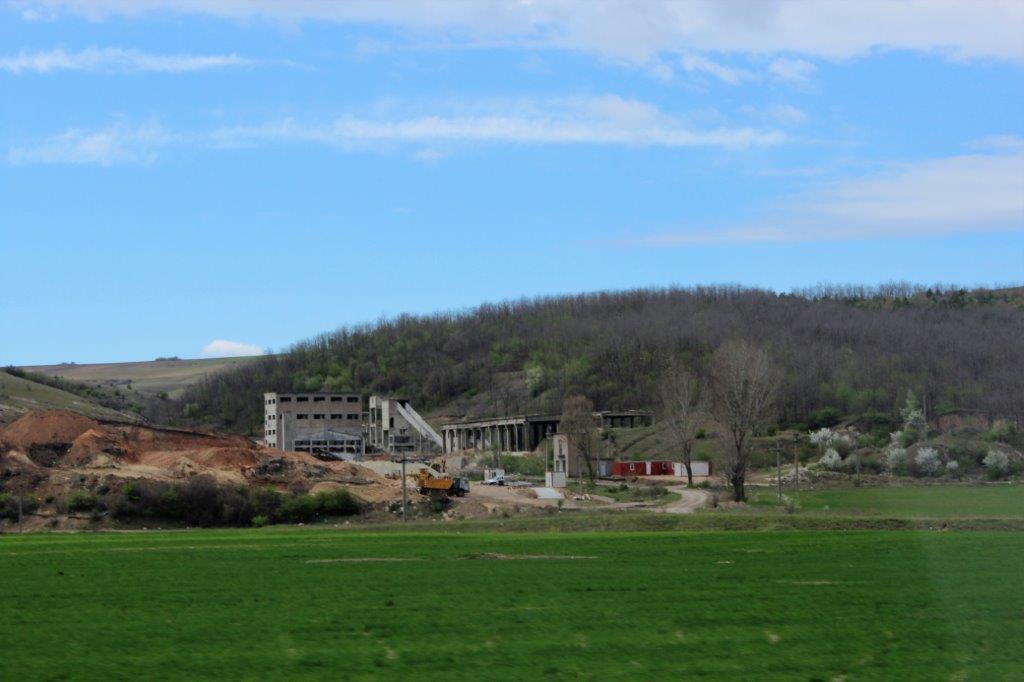
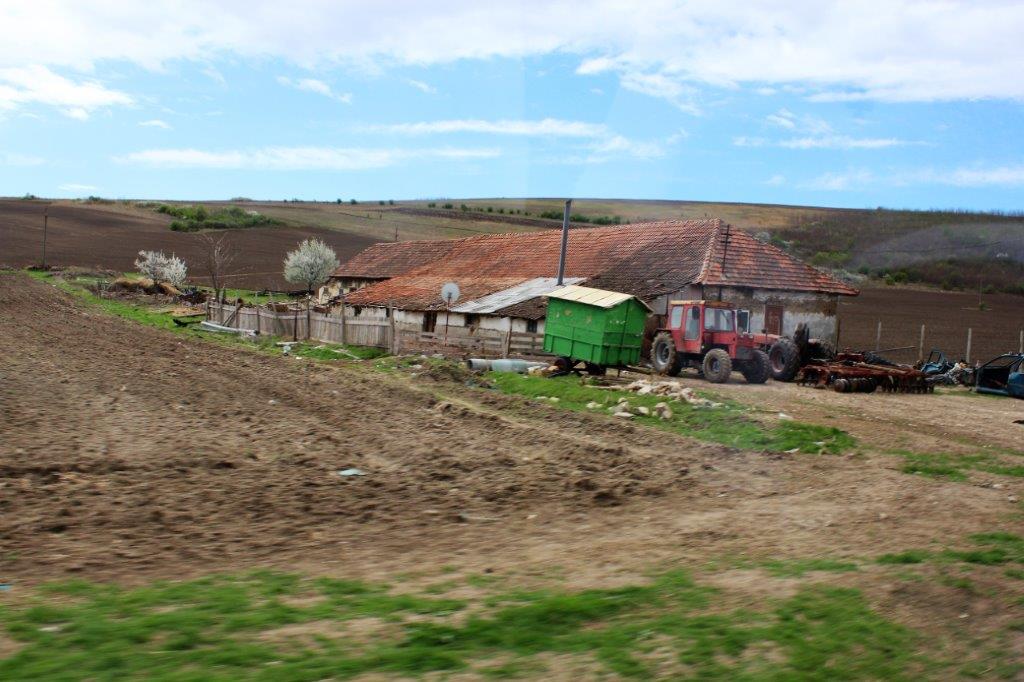
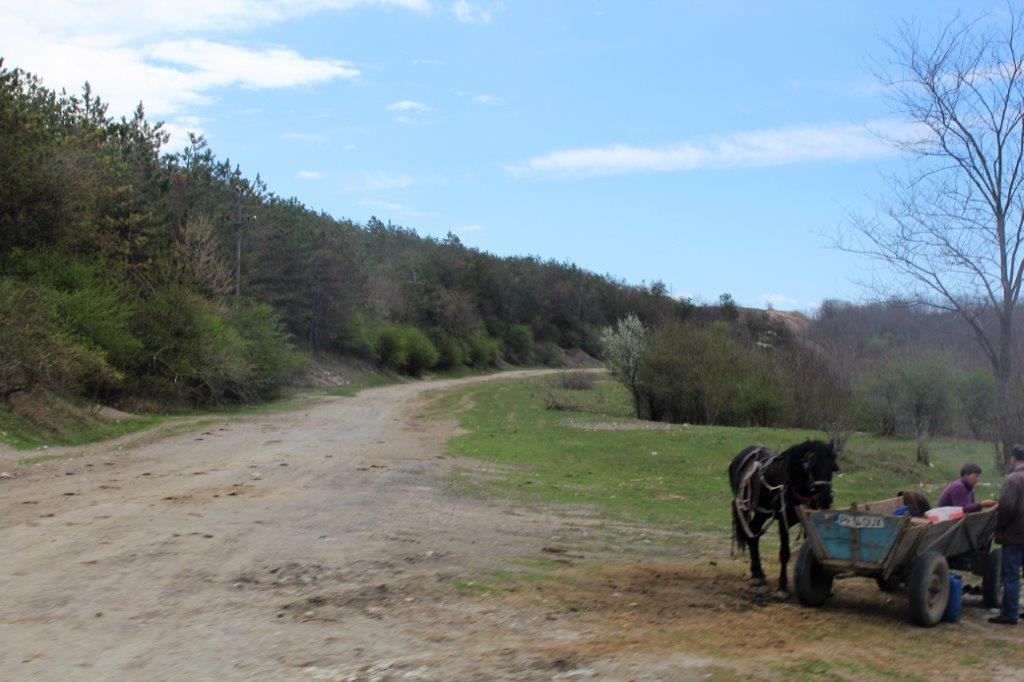
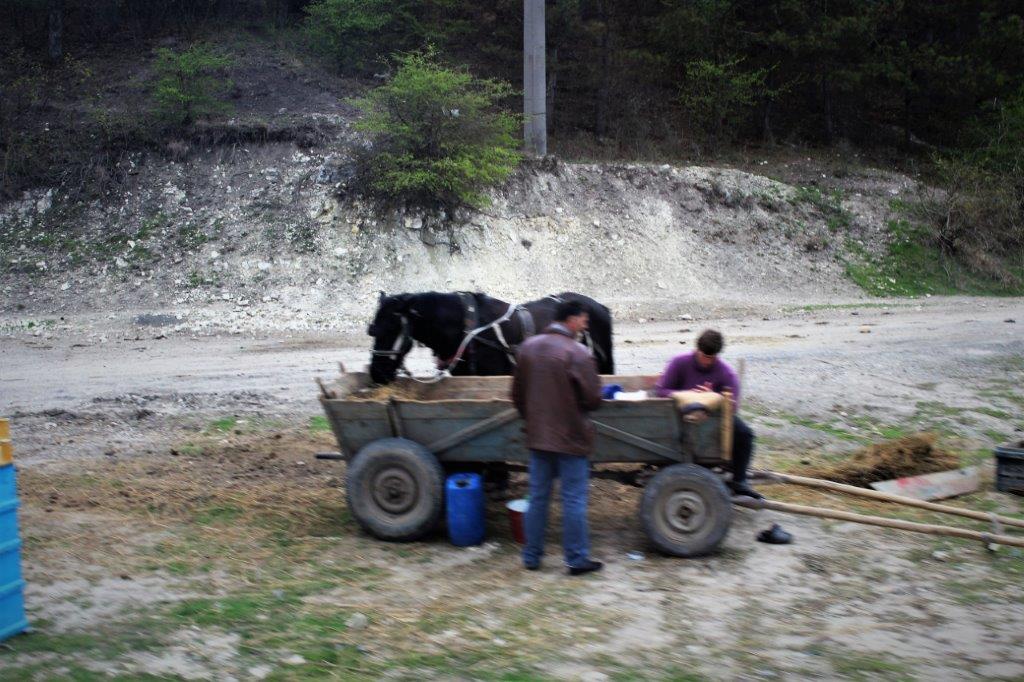
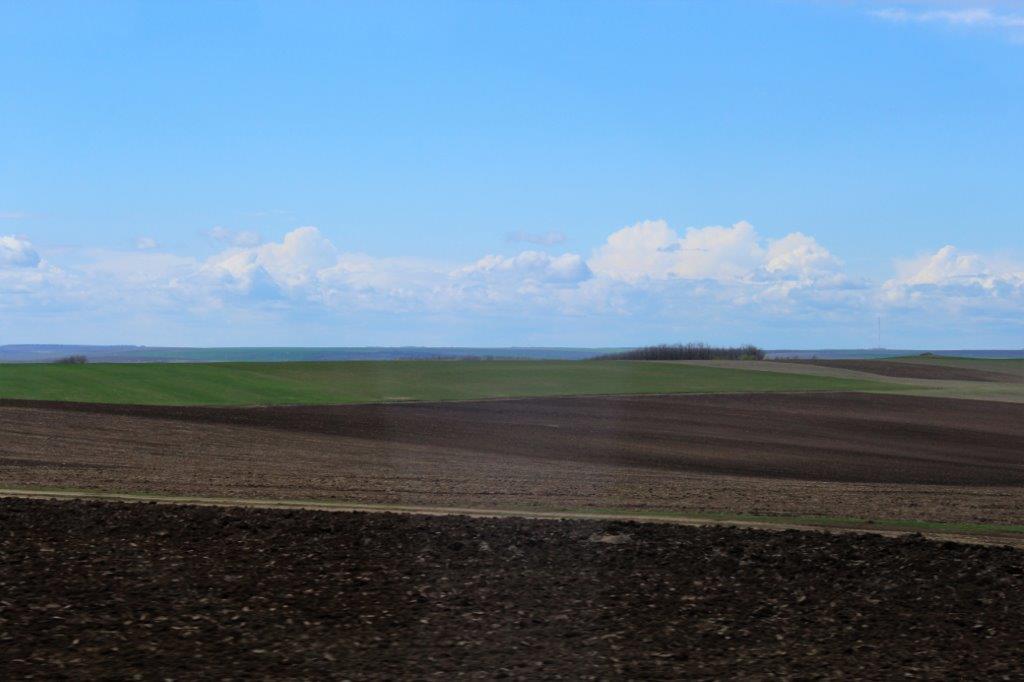
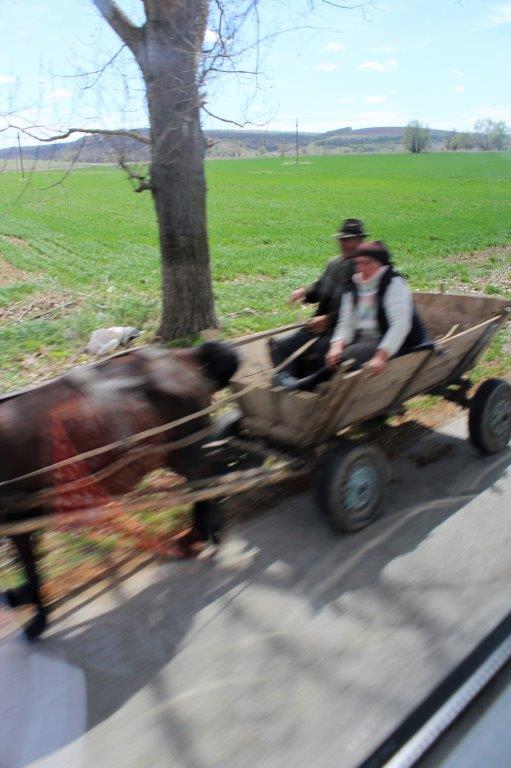
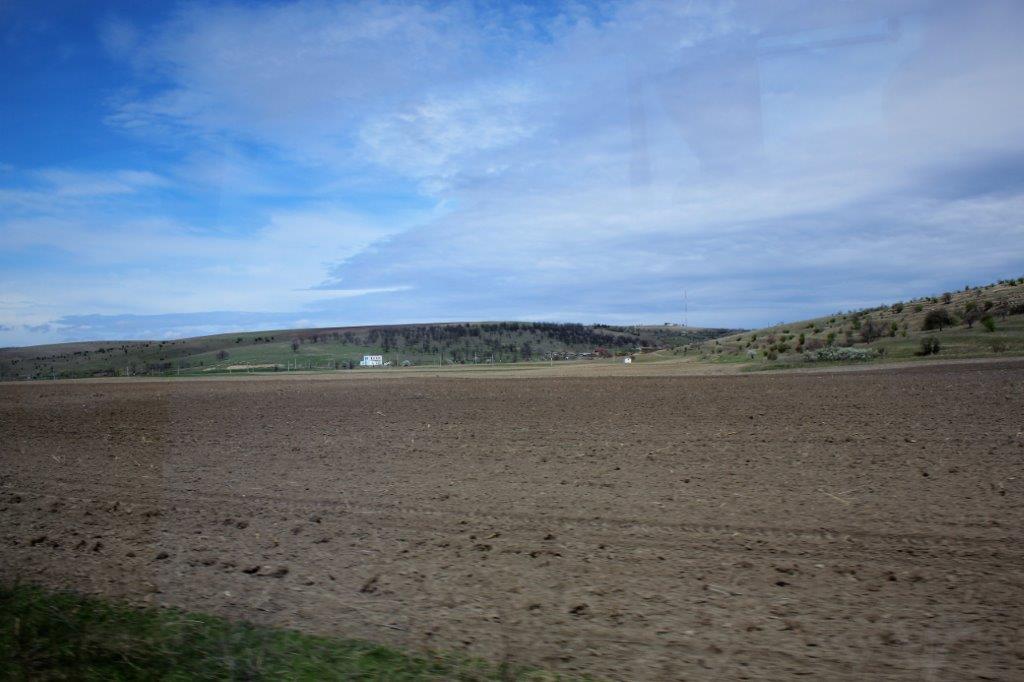
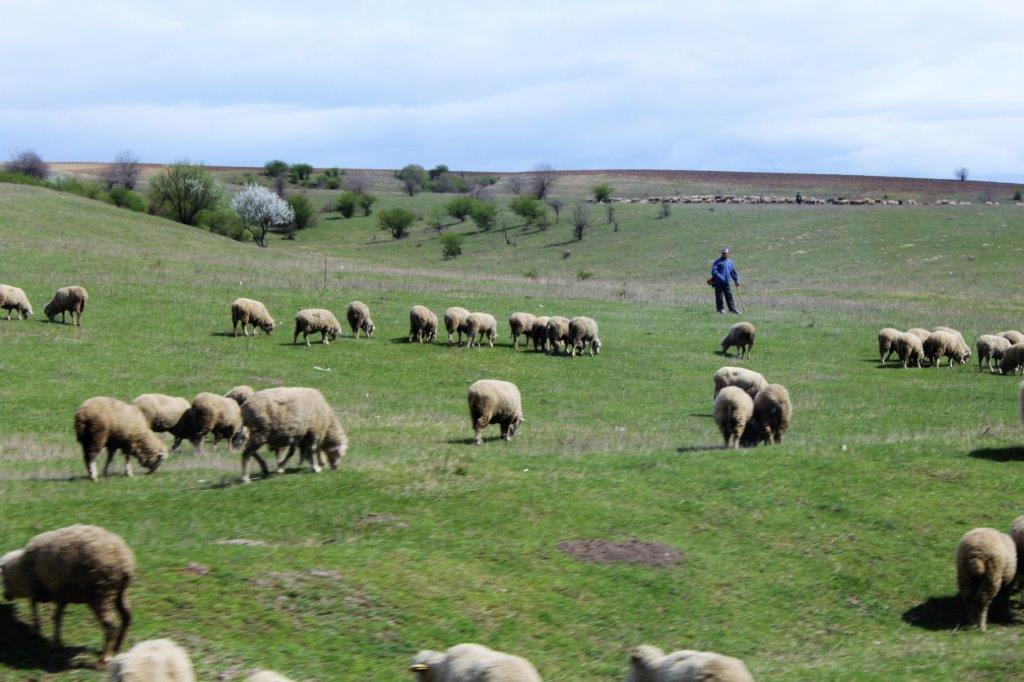
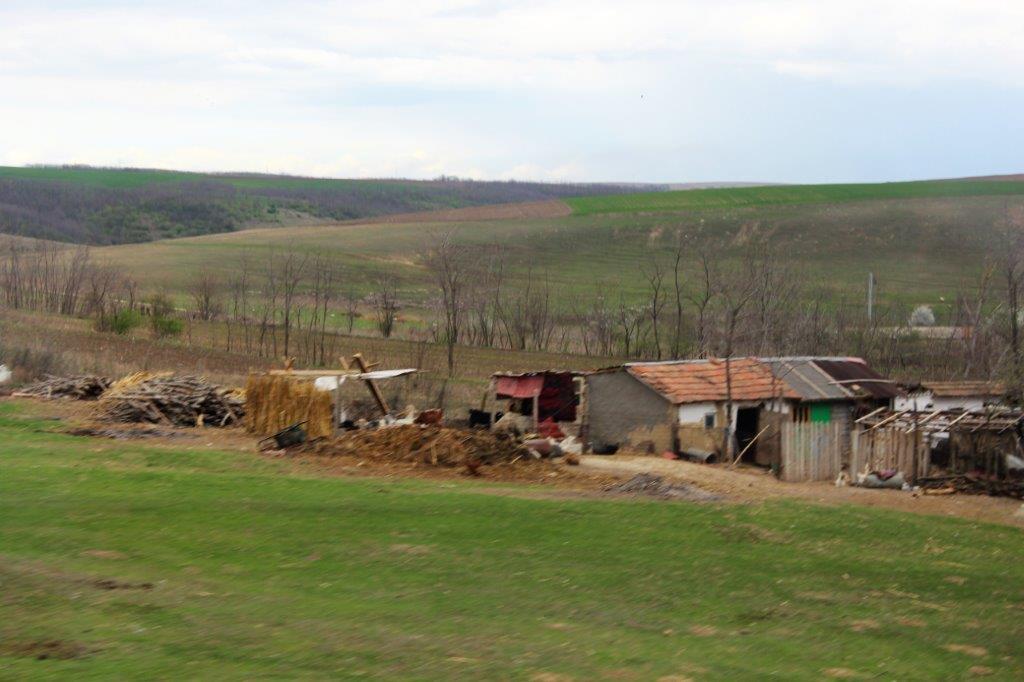
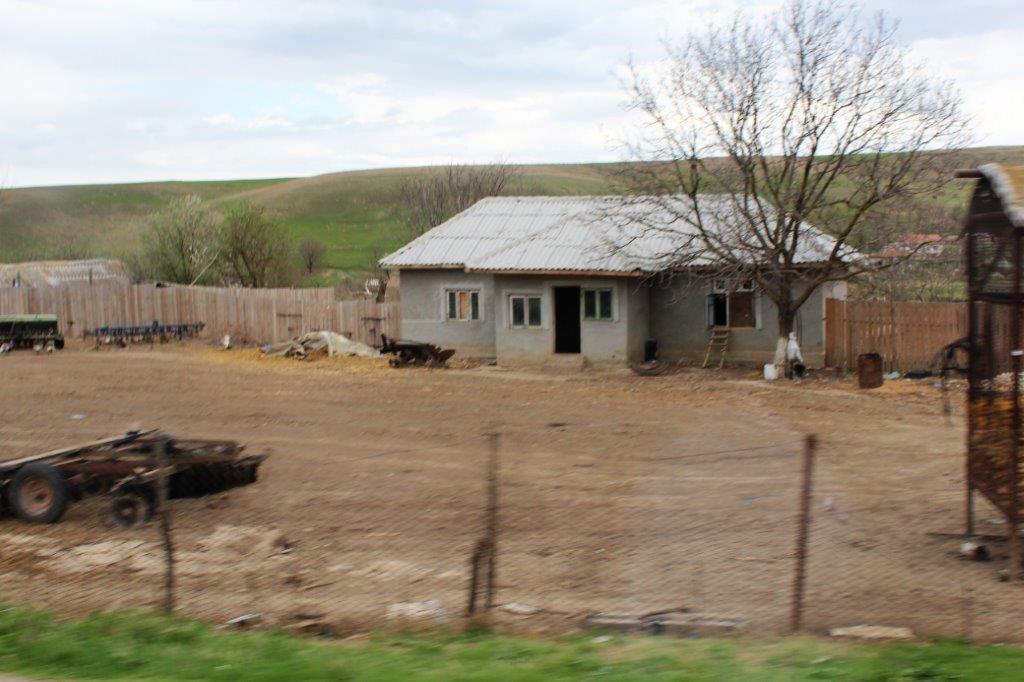
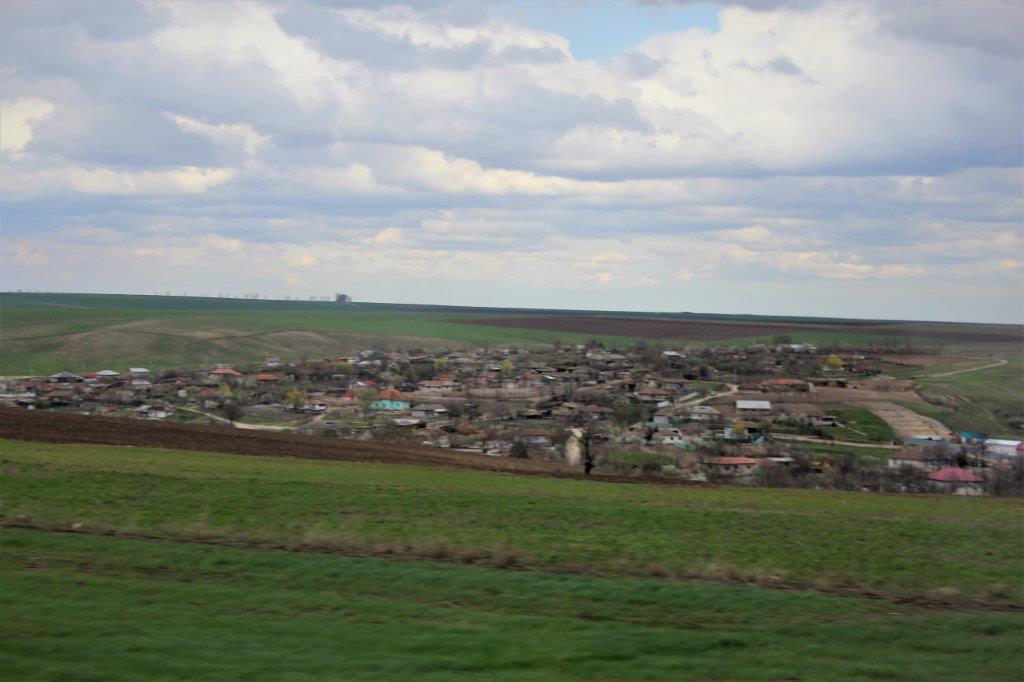
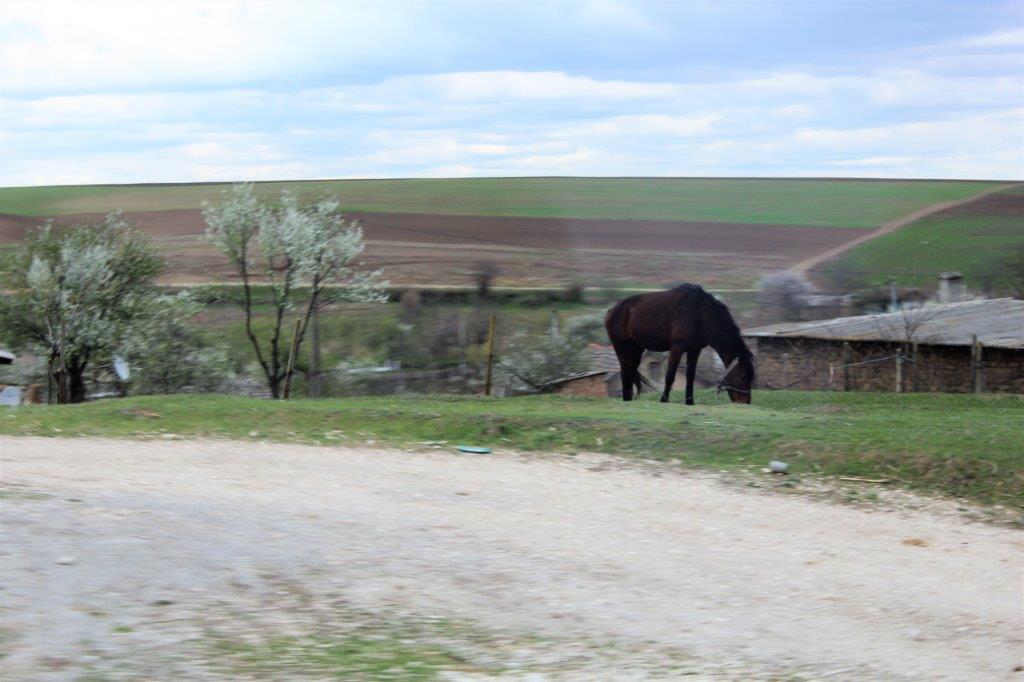
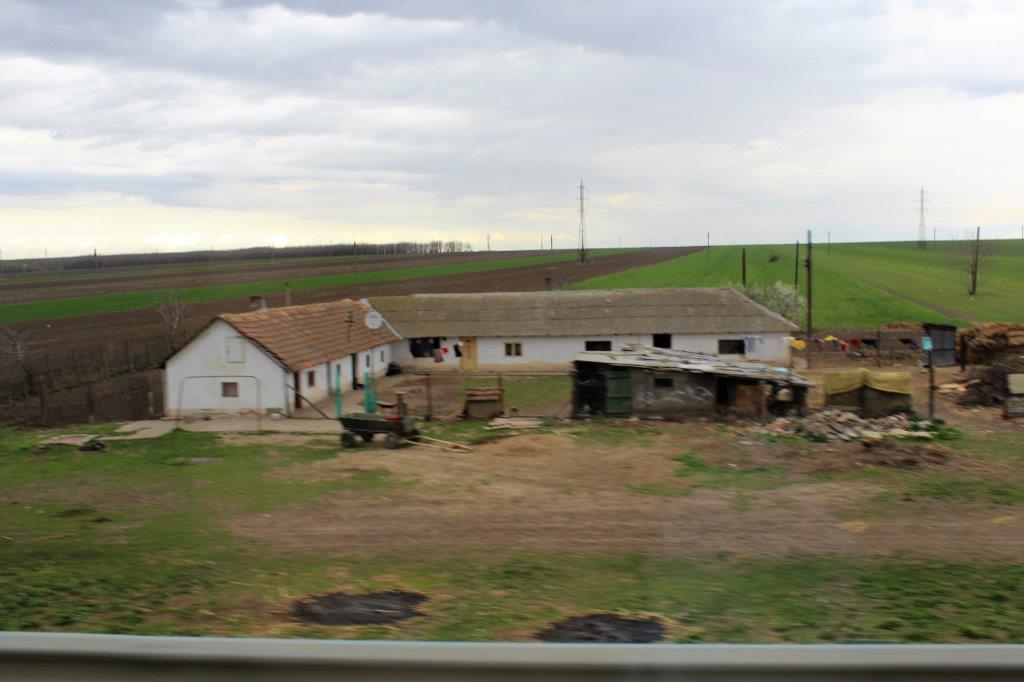
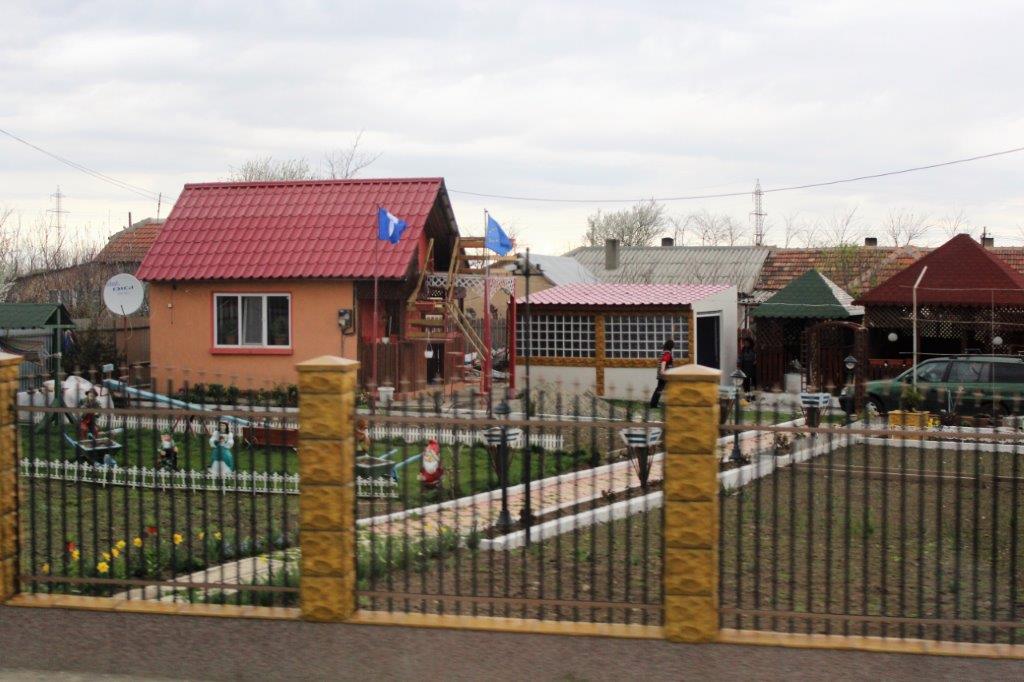
                    The electrical grid is somewhat haphazard.80% of the population of 21 million are devout Russian Orthodox Christians.  We arrived on Easter Sunday for us, but the Orthodox calendar is different so it was Palm Sunday for the people.  Much of the town was shut down for the holiday.  The tour we had chosen took us into the countryside through very fertile farmland.  This area accounts for about 30% of Romania’s economy.  The farms and homes were small and very basic but it had only been 23 years since the people had received the right to own property and work it for themself.We made a brief stop at the Danube-Bosporus Canal.  This artificial river across a narrow part of Romania cuts 400 miles off the Danube River’s route to the sea.  The canal was envisioned in the early 19th century but was considered too expensive to attempt to build.  The communist leader of the country said he could get it done and had plans drawn up.  His construction team was to be comprised of prisoners, liberal thinkers, artists; anyone who spoke out against him or his regime, rulings, soldiers, etc.  Prison camps were erected all along the canal route and quickly filled with forced laborers.

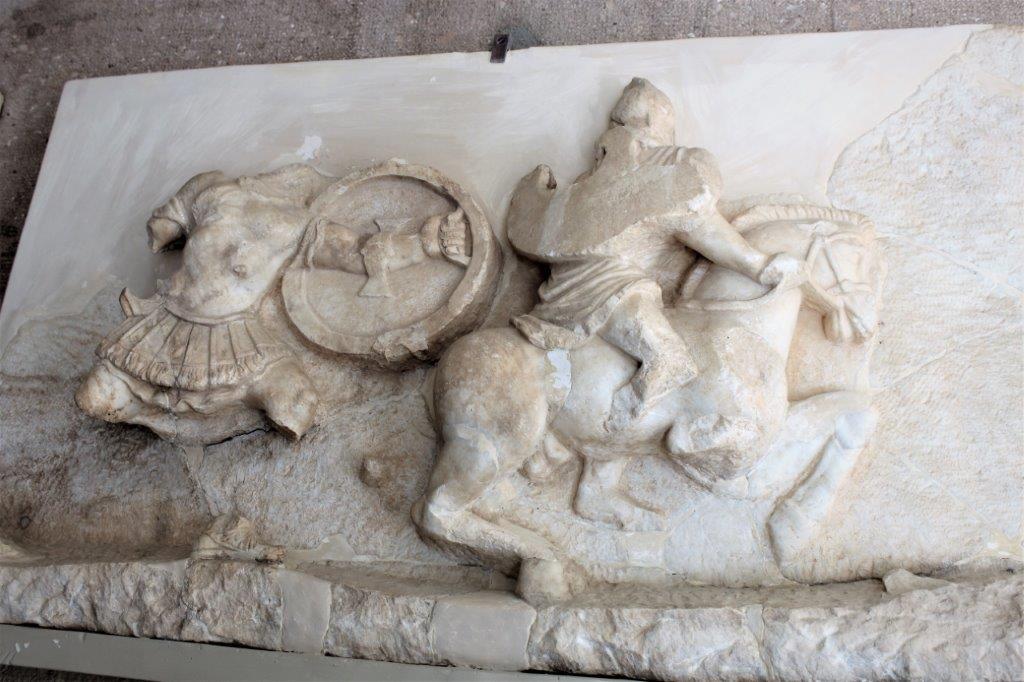
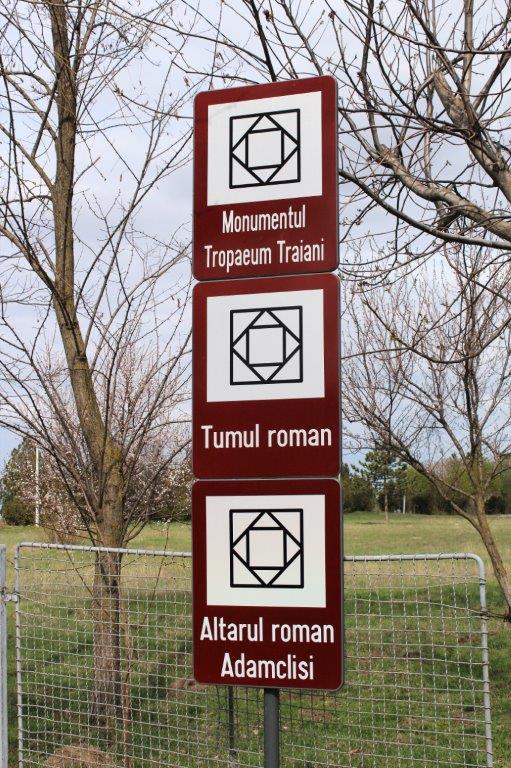
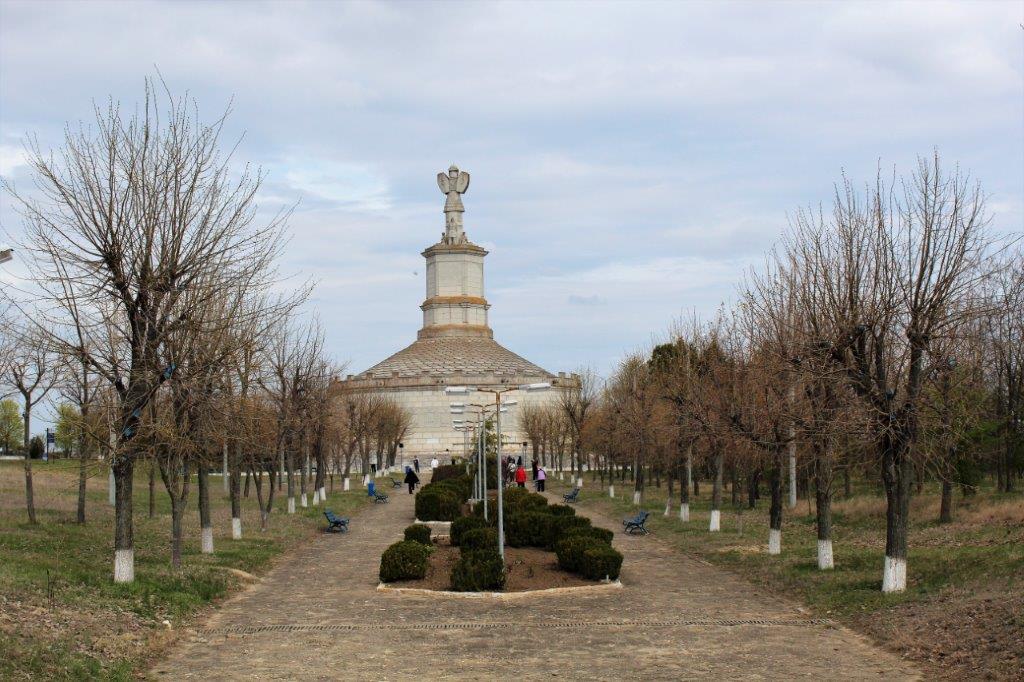
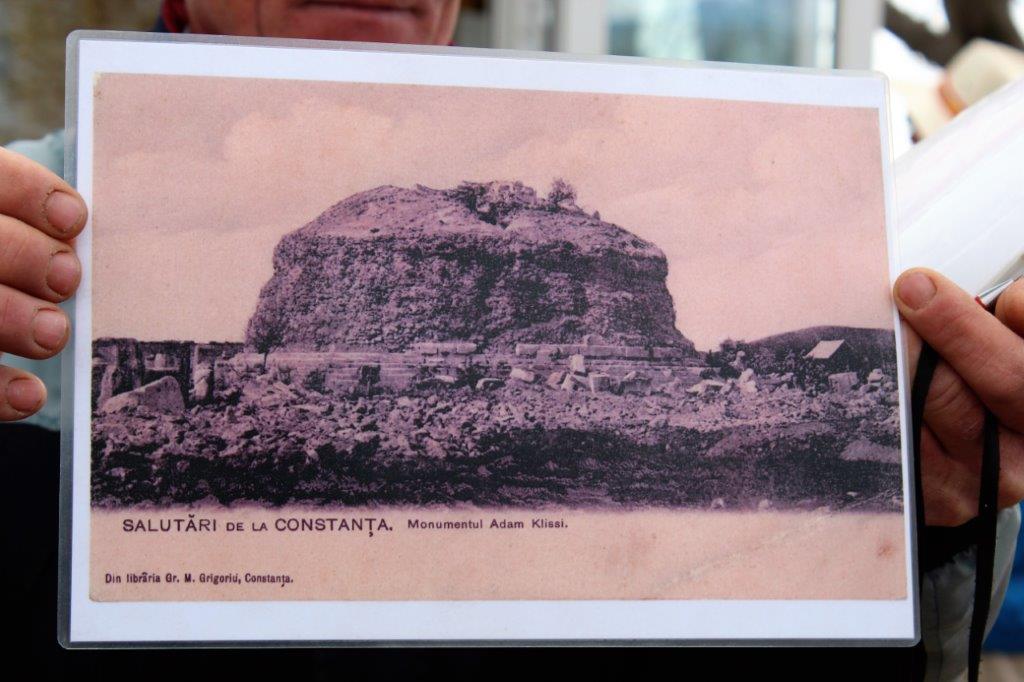
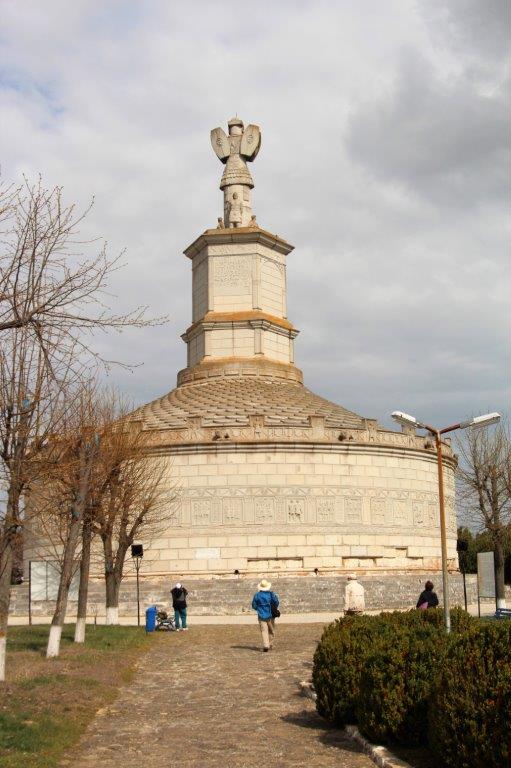
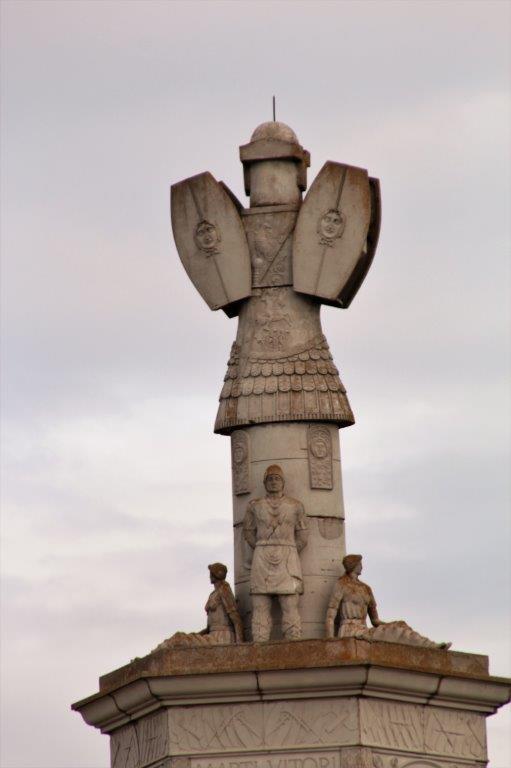
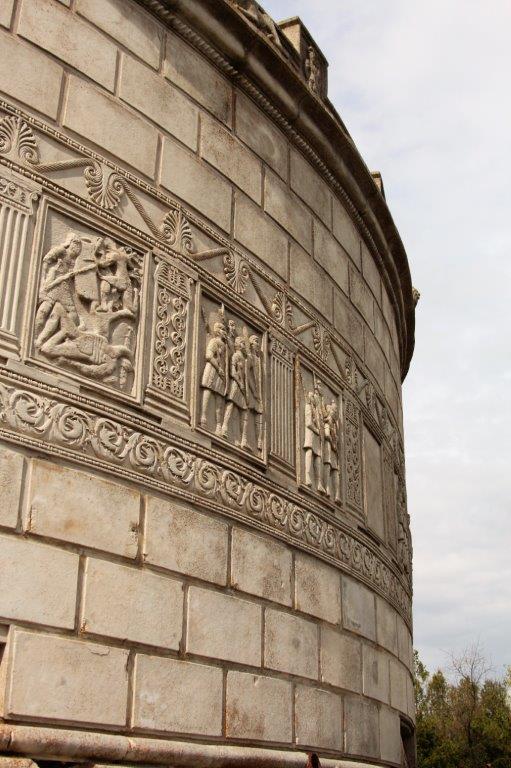
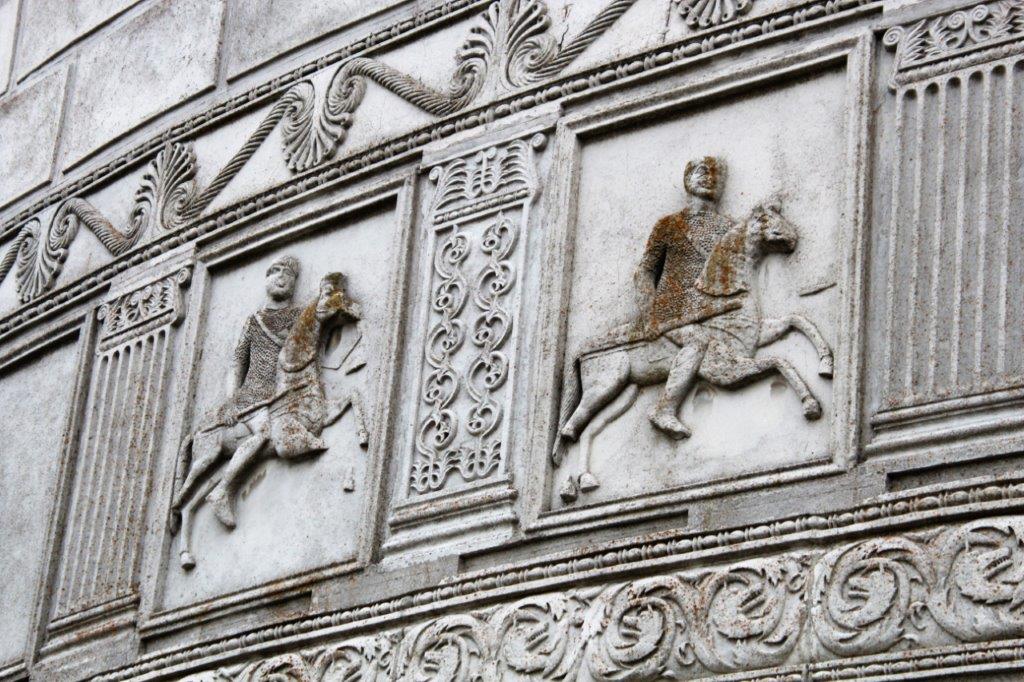
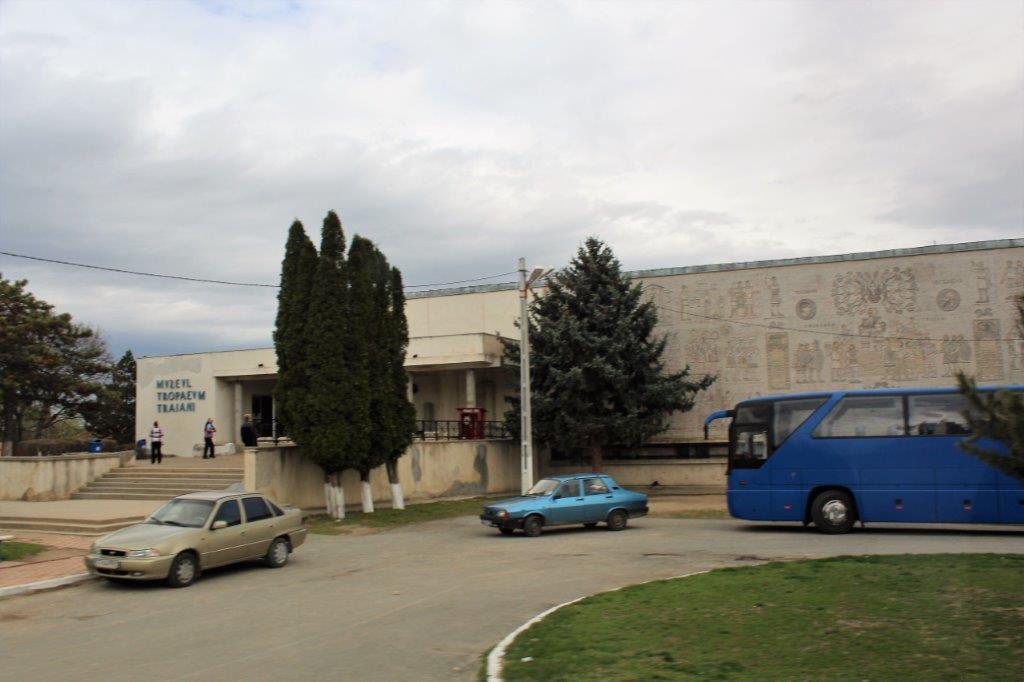
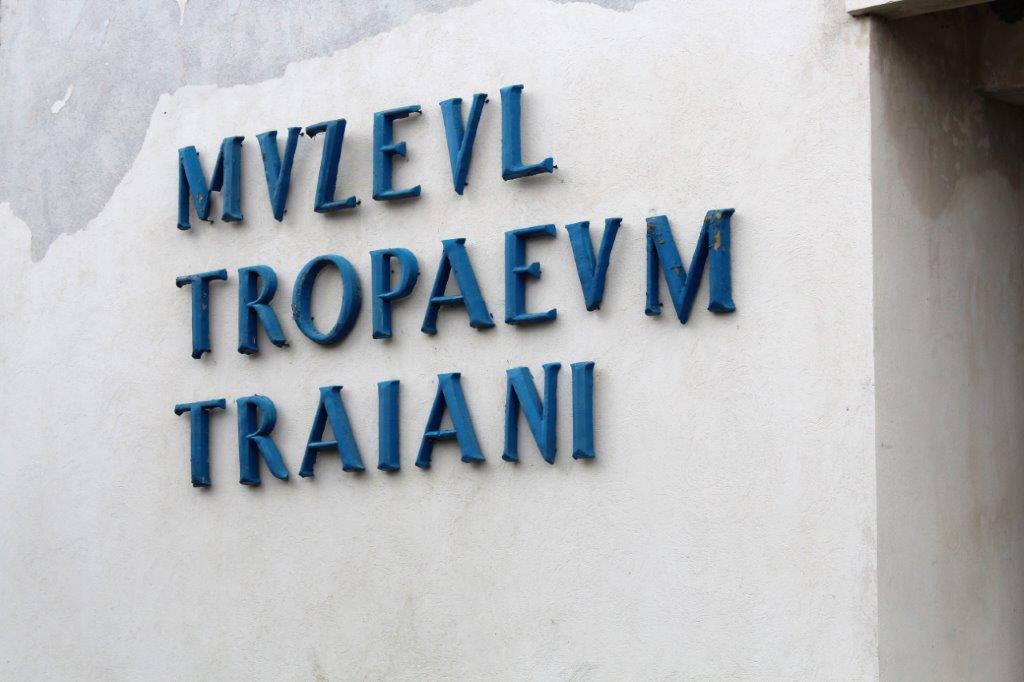
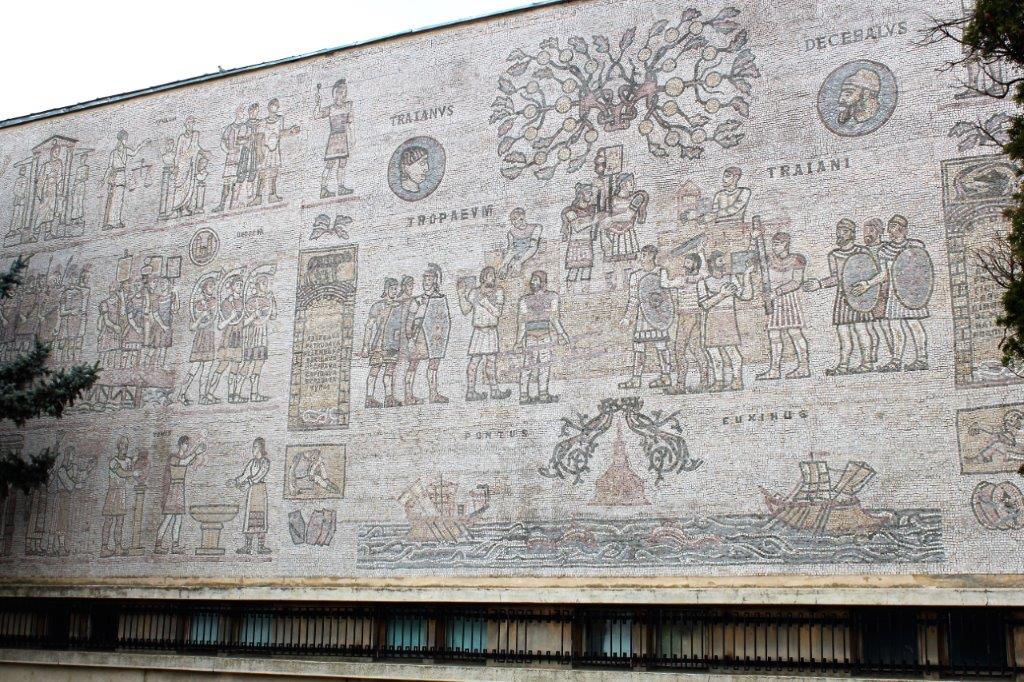
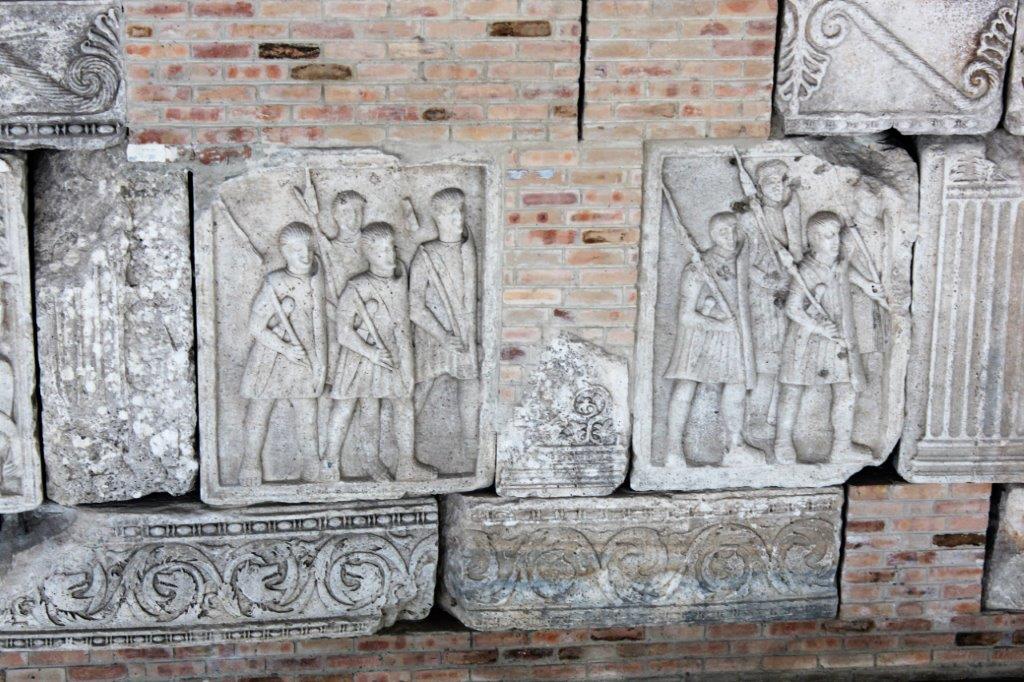
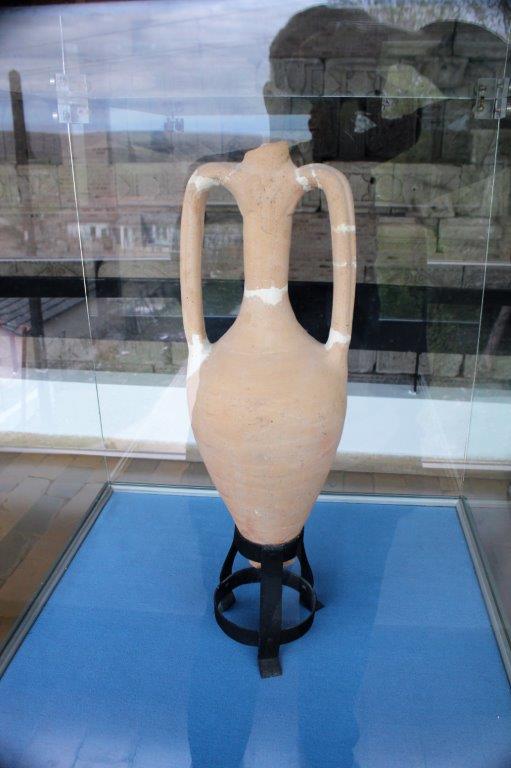
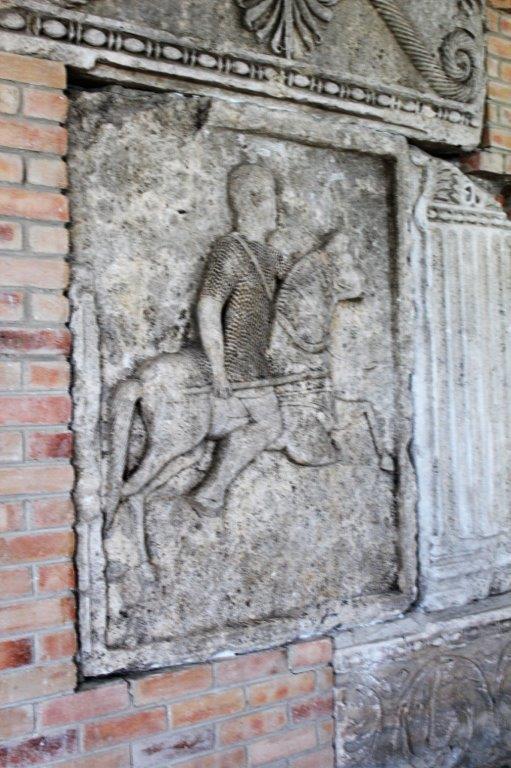
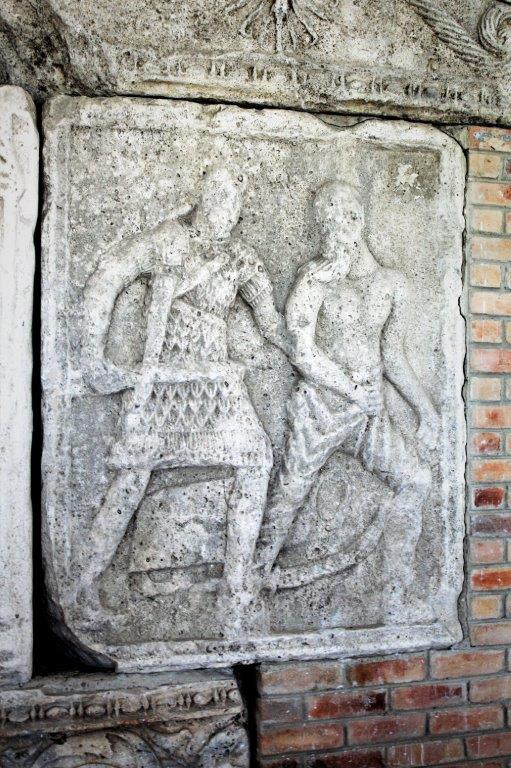
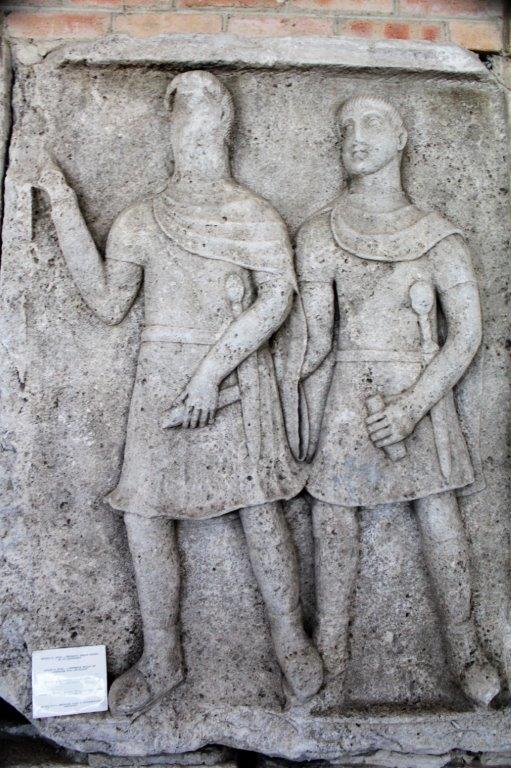
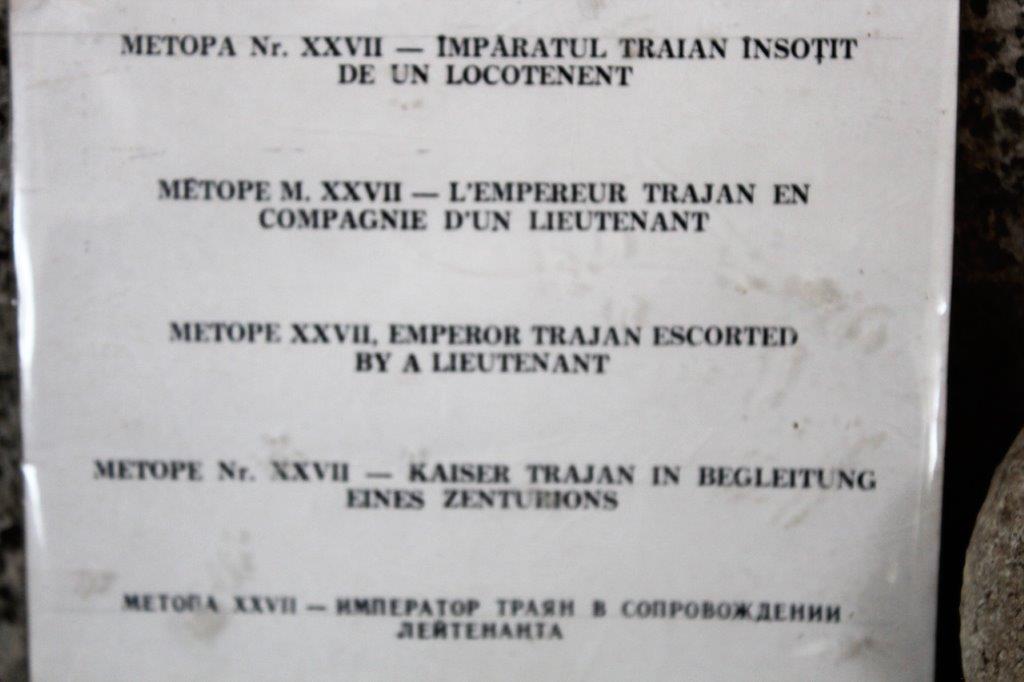
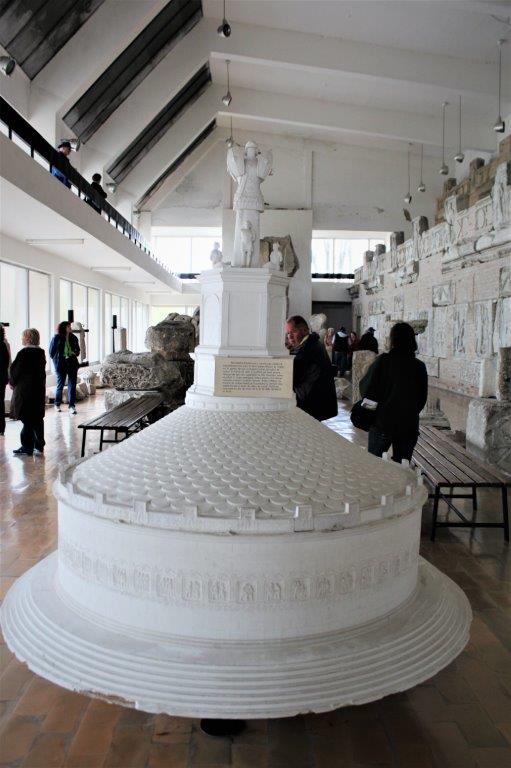
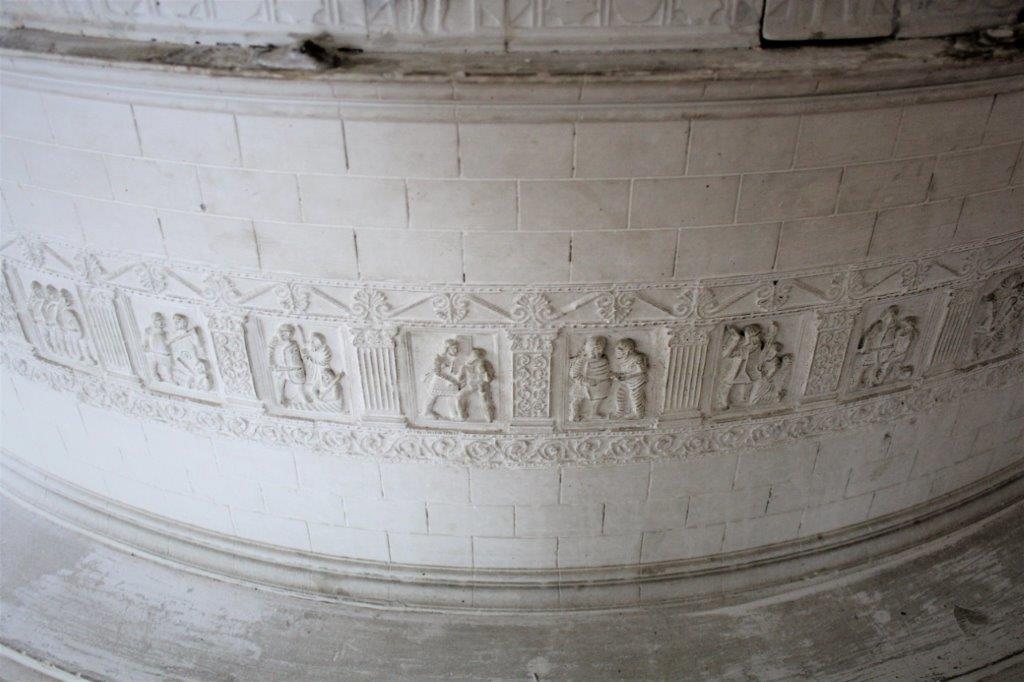
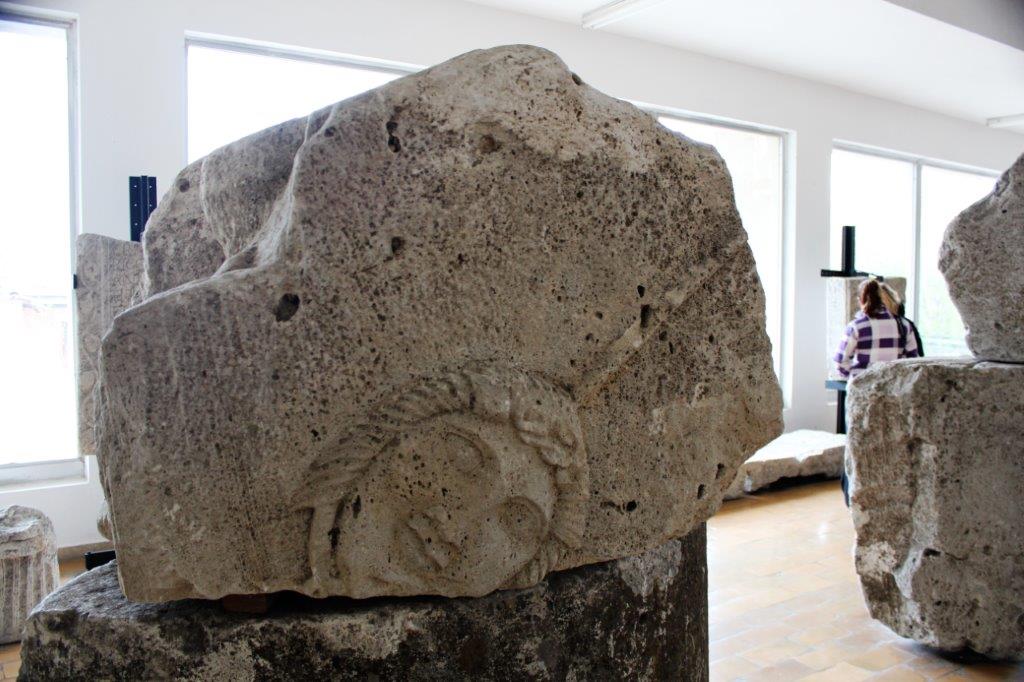
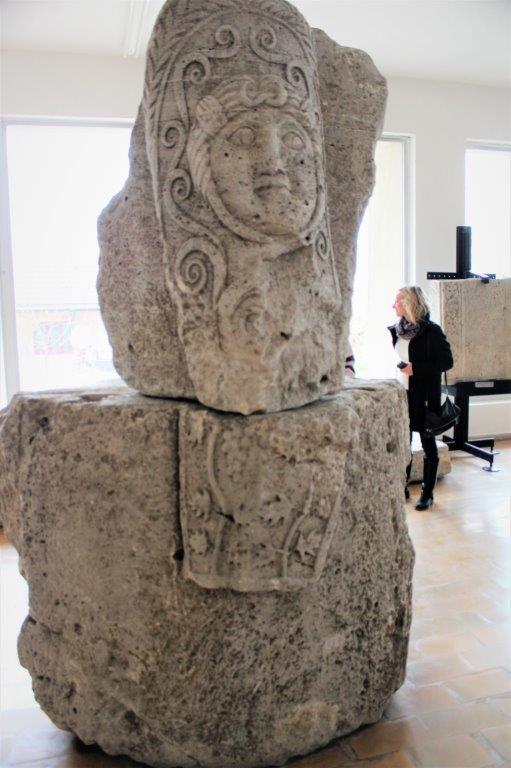
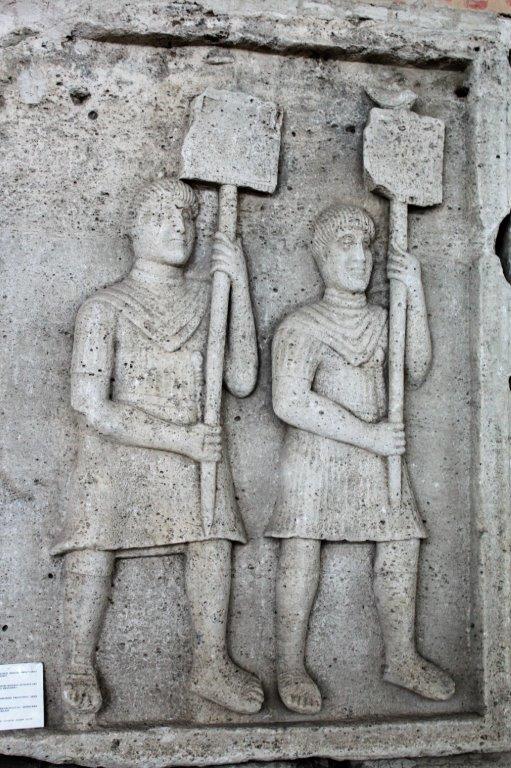
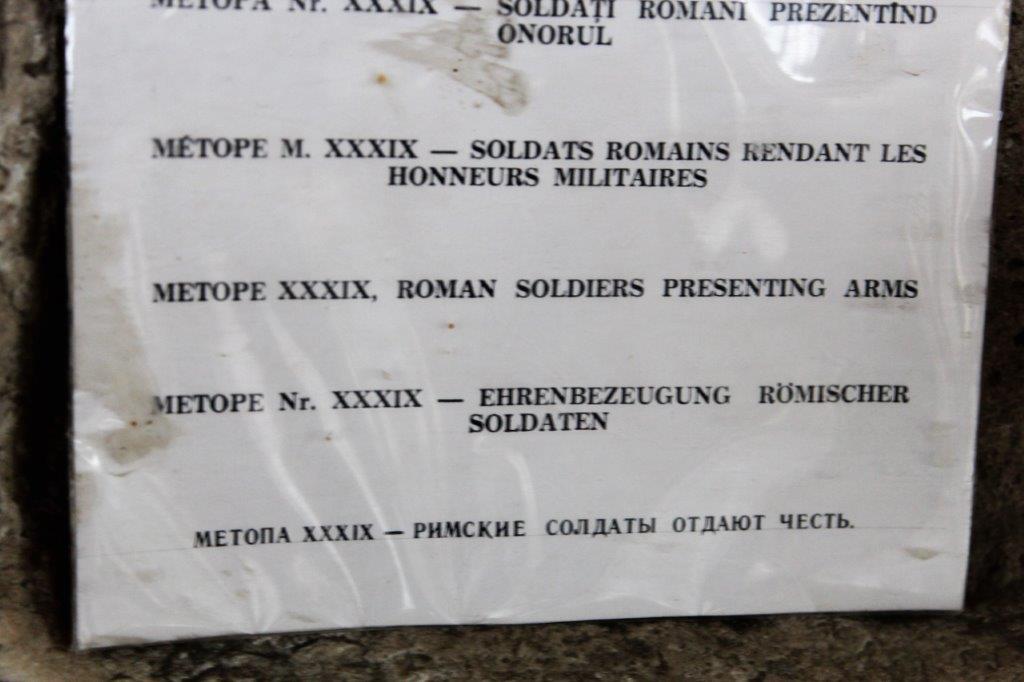
It is estimated that between 100,000 and one million people worked on the canal and, though no records exist, the death toll is understood to have been very high.  The canal was completed in four years – 1949-1953.  It is 64 km long (about 40 mi), 6 1/2 meters (21 feet) deep and 55 1/2 meters (60 feet) wide.  It can accommodate all river vessels.  The nearby farms use the canal water for irrigation. We visited the reconstructed Monument of Tropaeum Traiani.  The site was discovered about 1900 and became one of the most important antique Roman monuments in the nation.  Emperor Traiani ordered a Triumphal Monument (to honour victory in battle), a mausoleum for the incinerated remains of a formidable officer who died in the battle during which the Romans defeated Dacia (102 AD), and a cenotaph inscribed with the names of more than 3,000 soldiers.  Today, the facings on the monument are copies and the original base reliefs are in the nearby museum.  They have 49 of the original panels.  Three more are in the museum in Bucharest and the location of one is unknown.

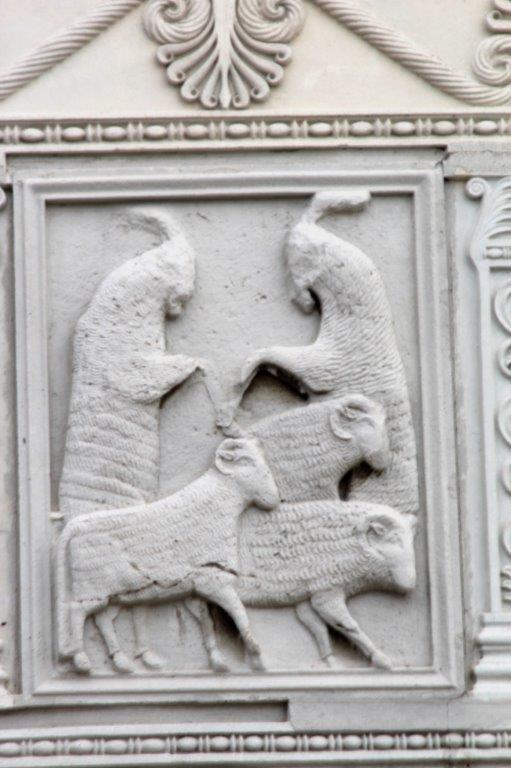
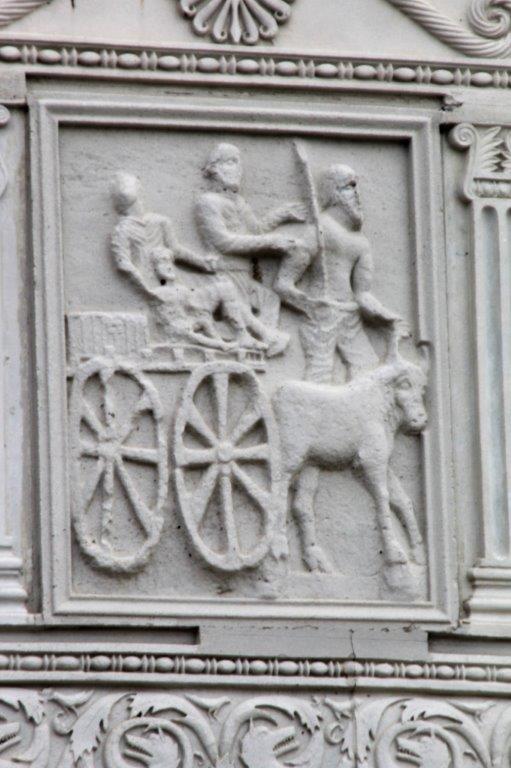
 The scenes carved into the façade, known as metopes, commemorate and glorify the battle.

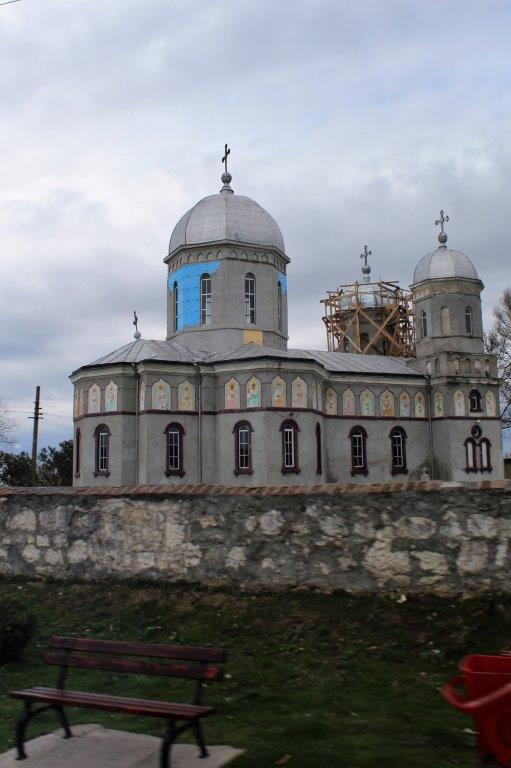
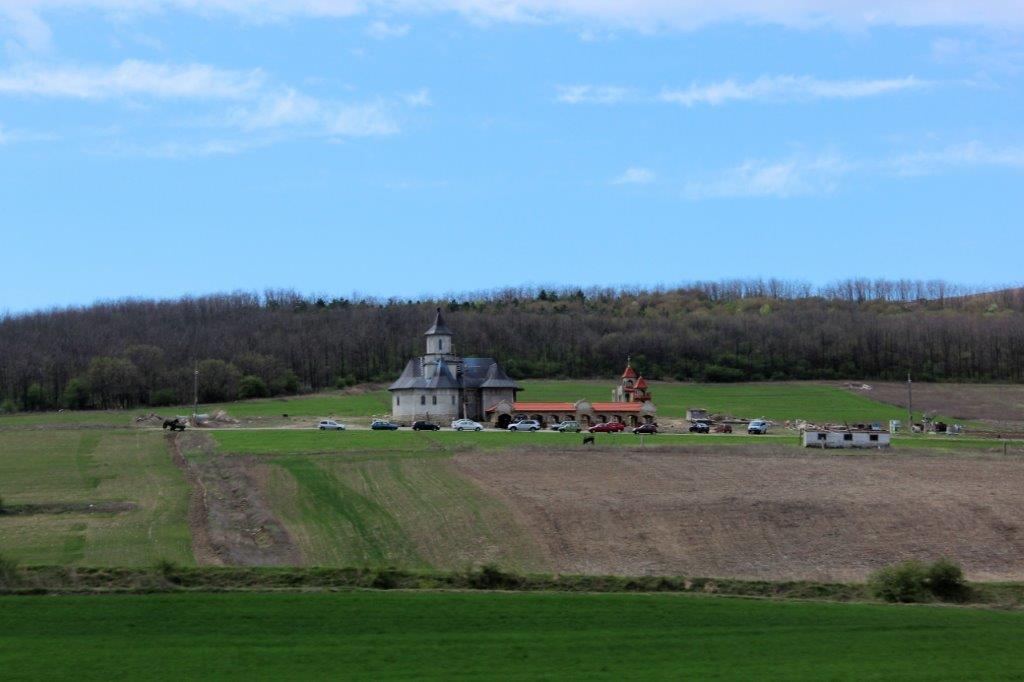
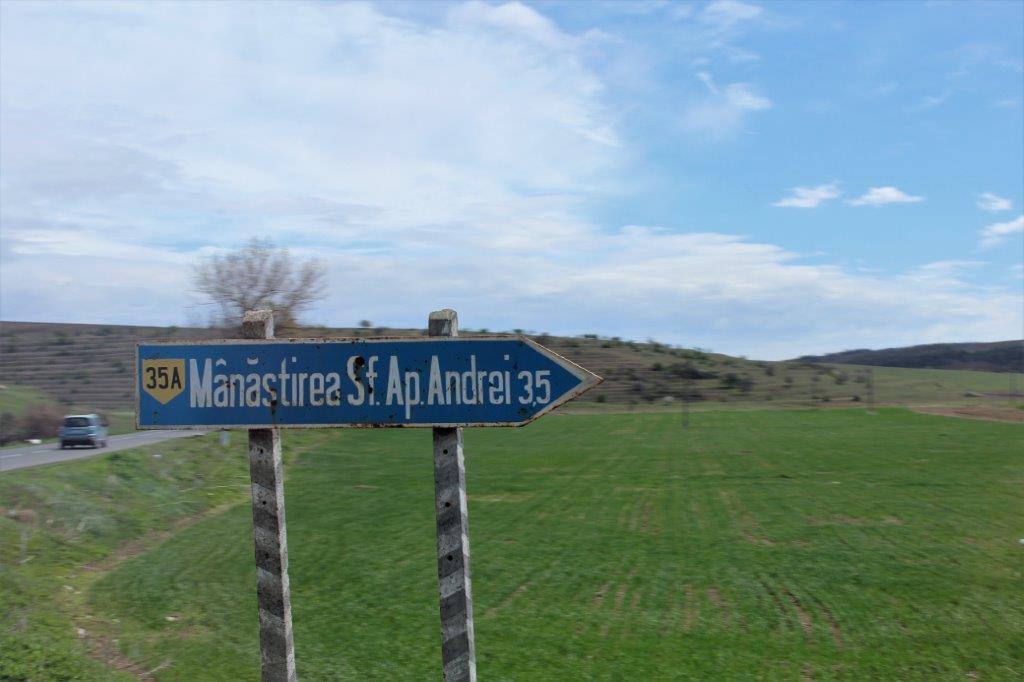
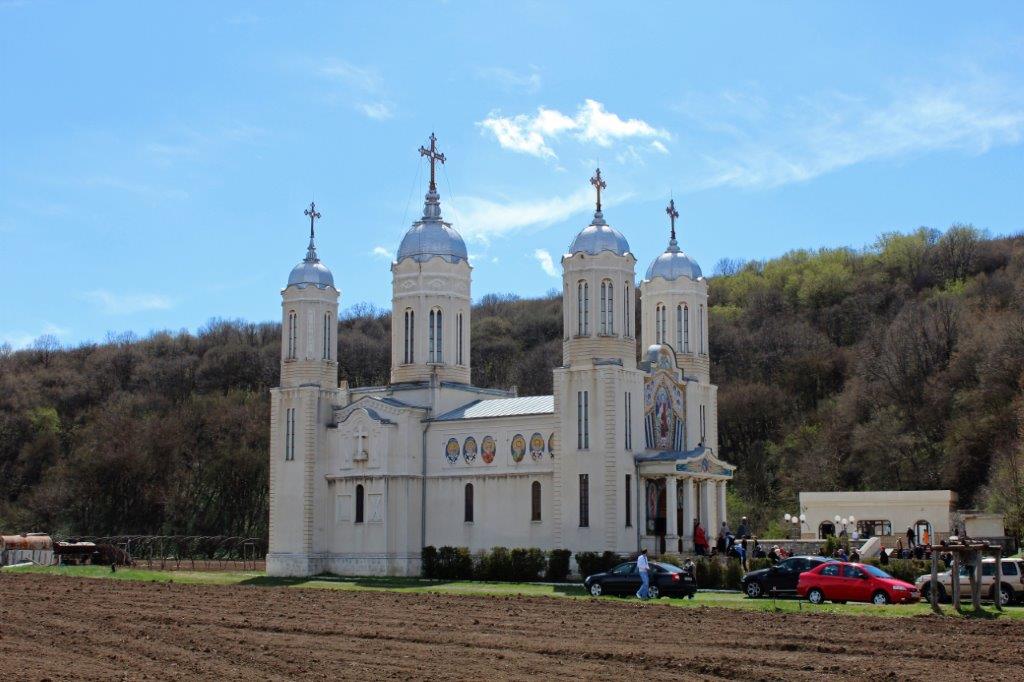
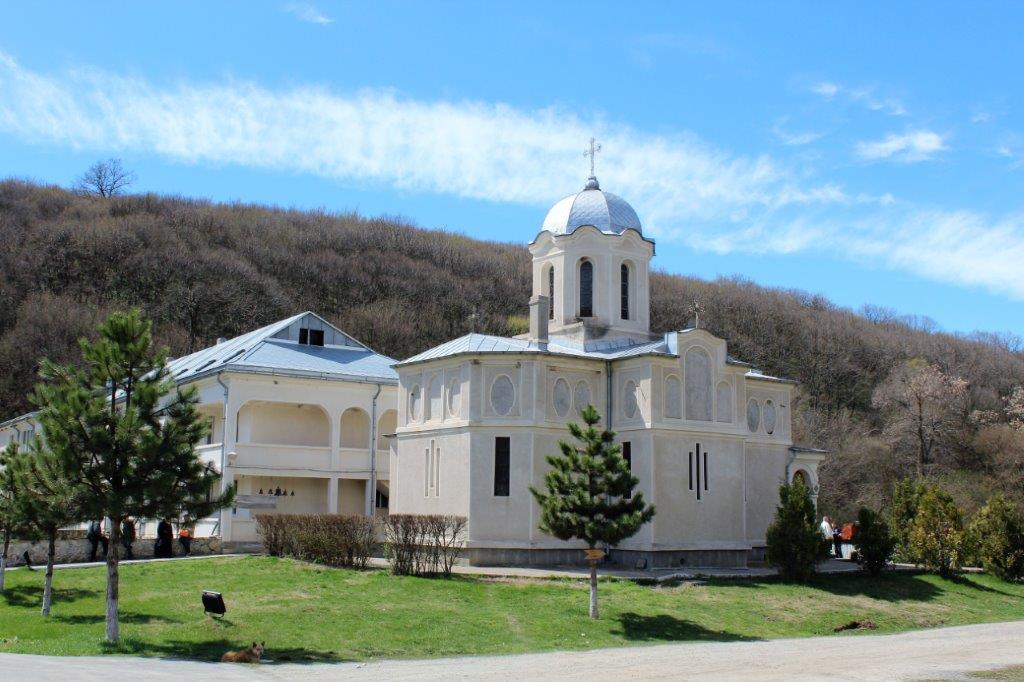
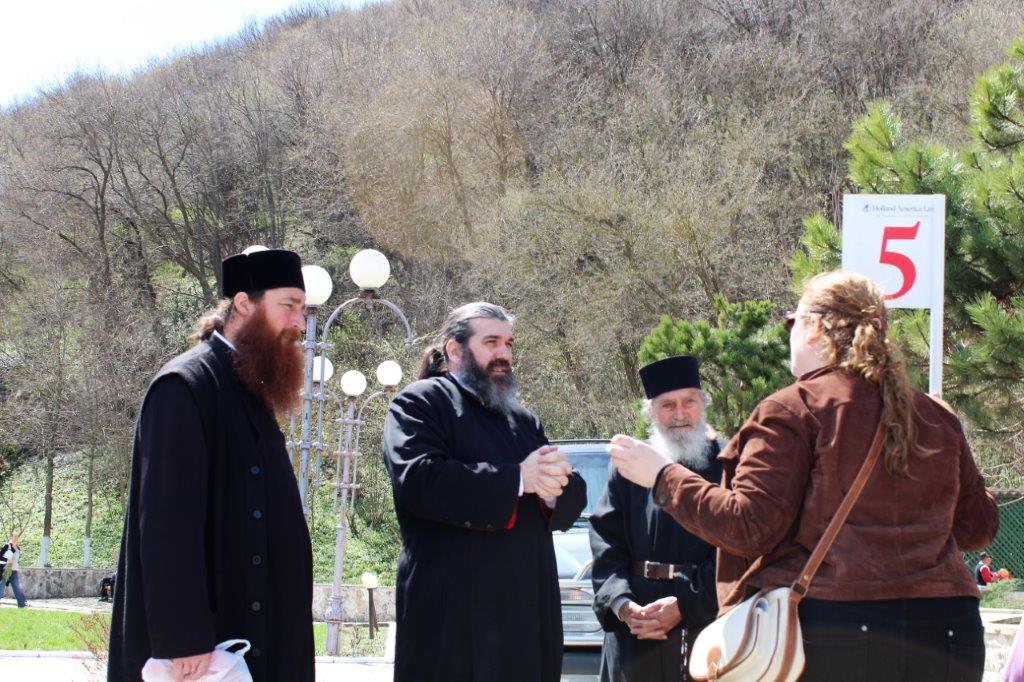
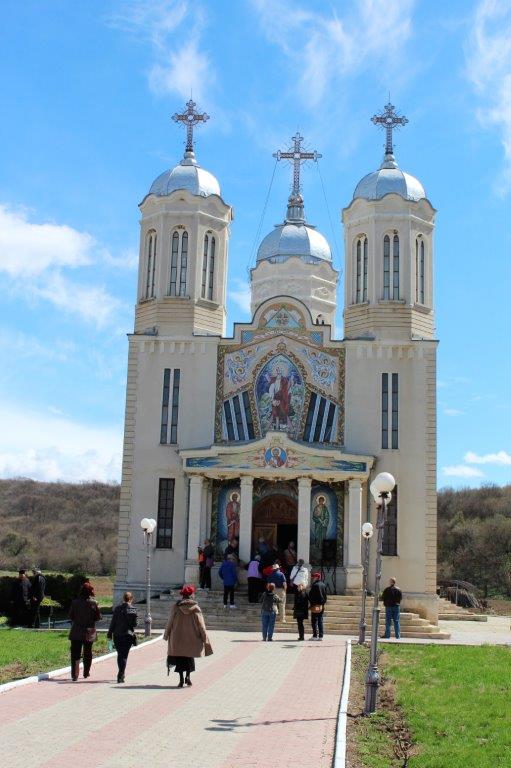
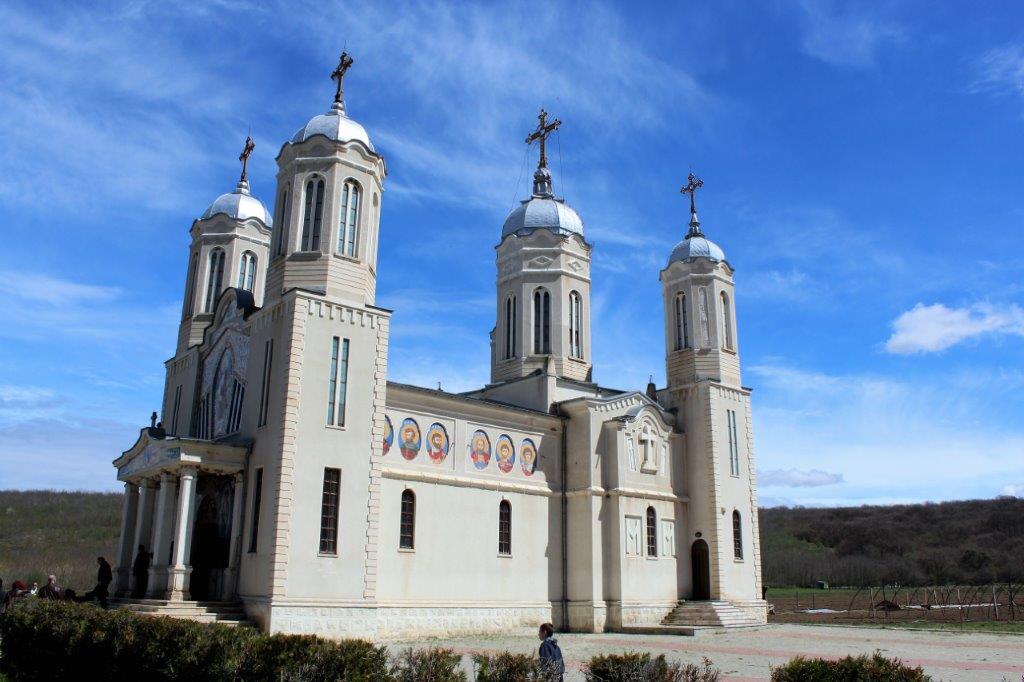
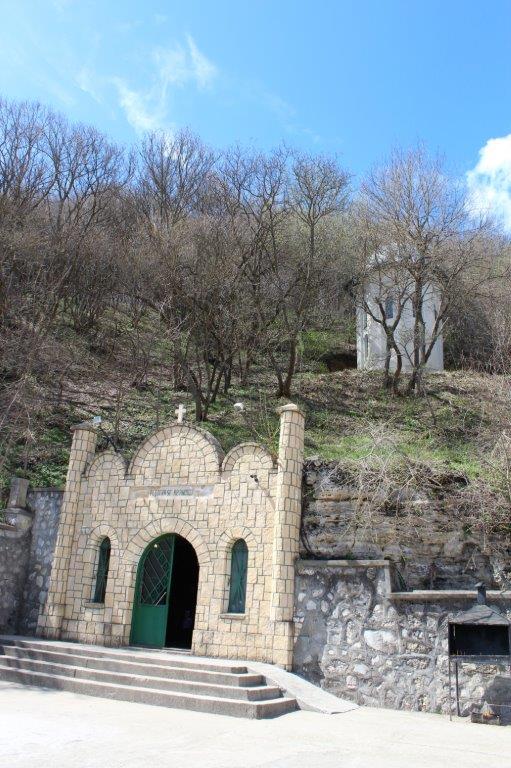
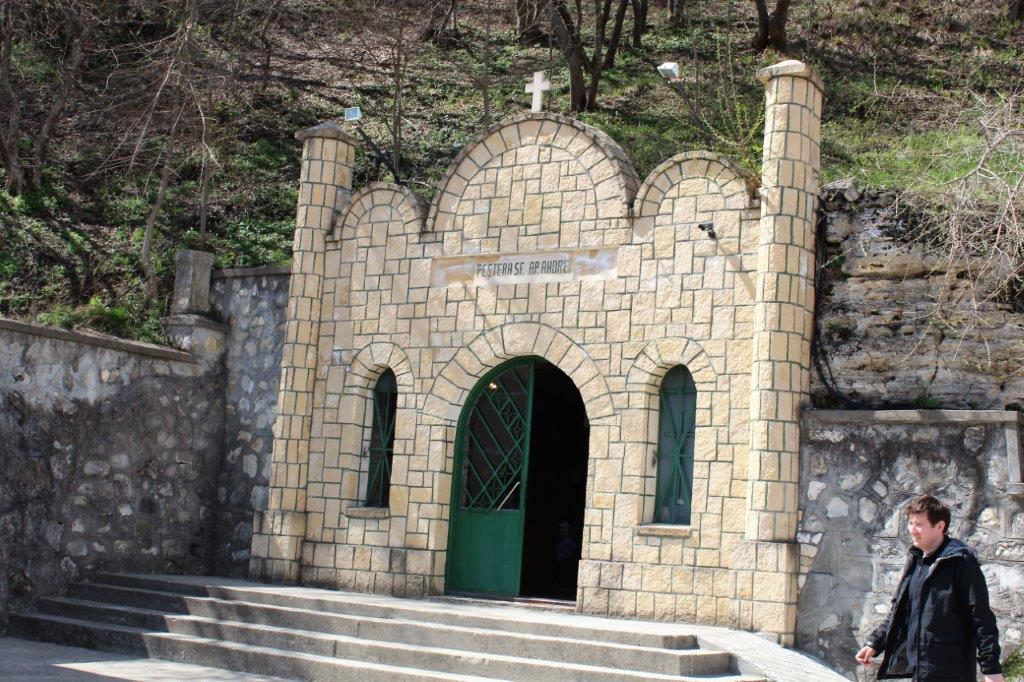
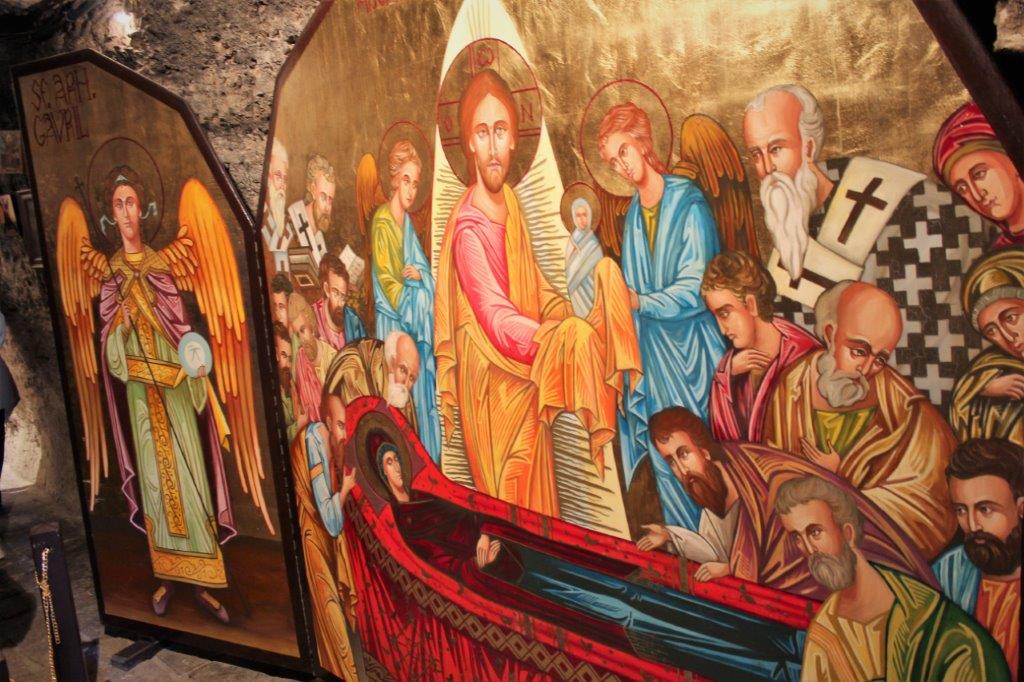
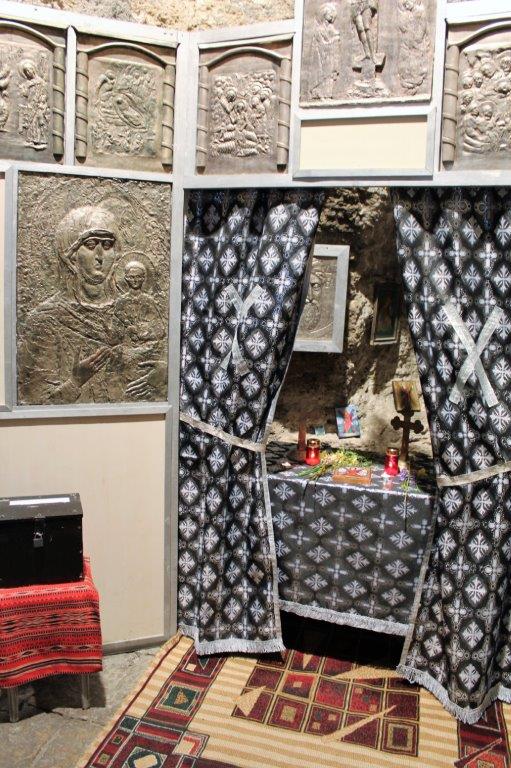
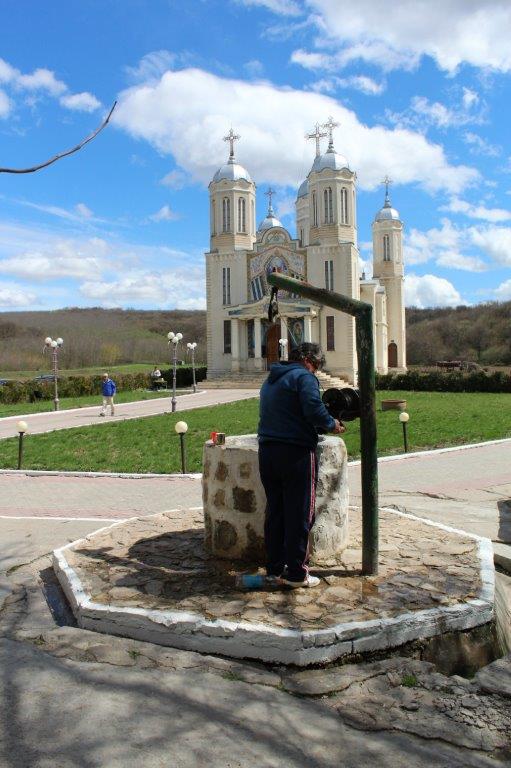
                         The original panels in the museum. We drove a short distance to our final destination; St. Andrew’s Cave and Hermitage.  The apostle Andrew lived here while he preached the Gospel and baptized the first converts to Christianity in Romania.  There is an Orthodox monastery and a lovely church at the site as well.  The cave is still used as a place of worship.

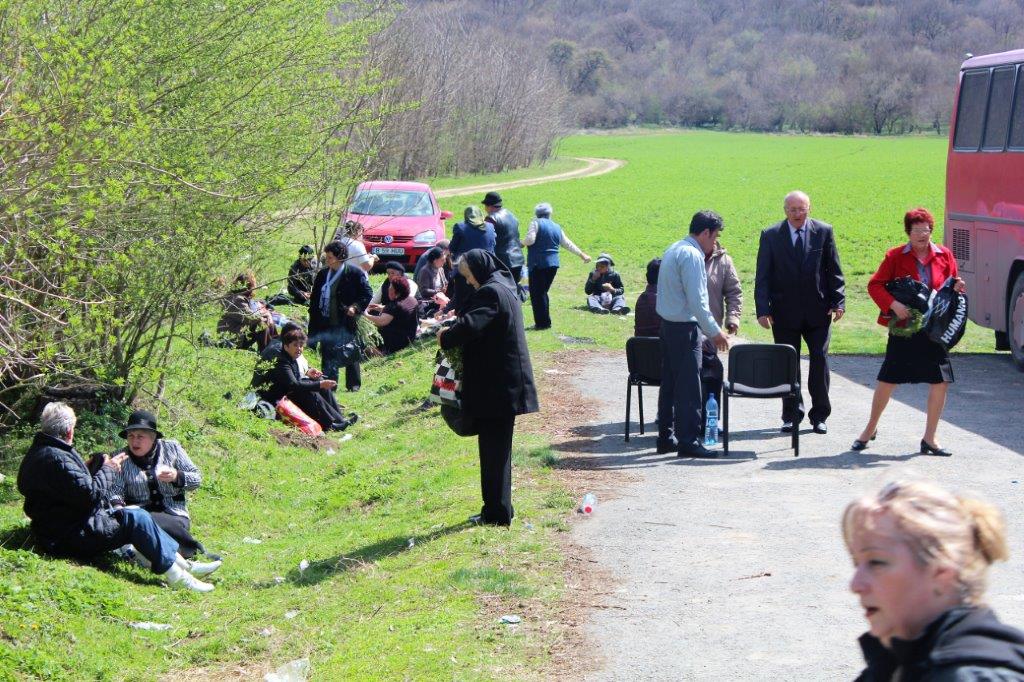
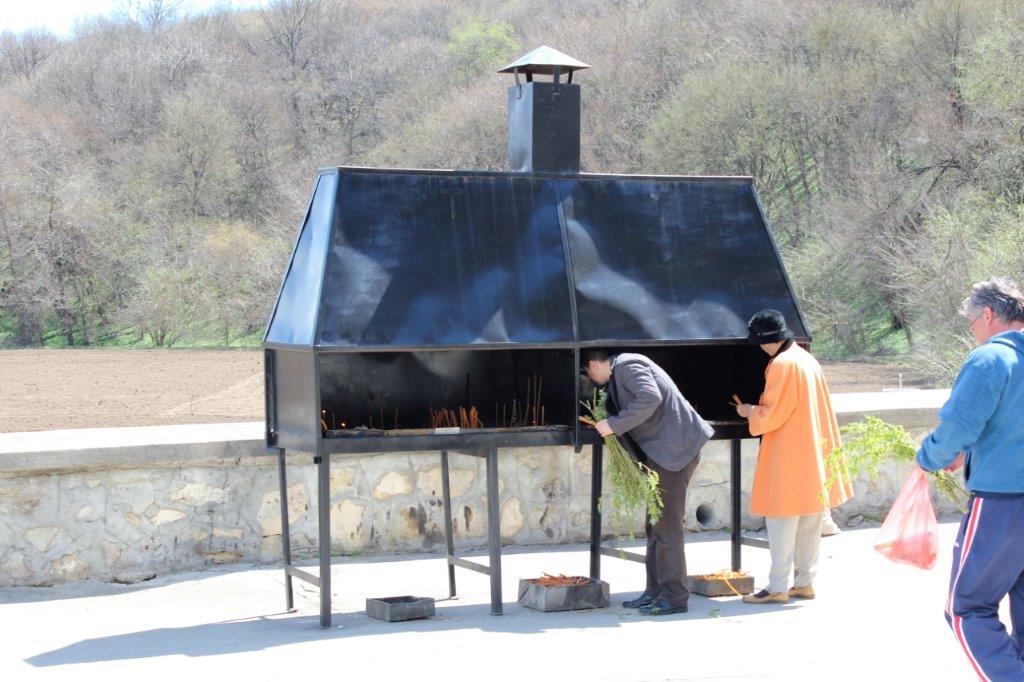
Church services were concluding as we toured the cave and we were able to go into the church later.  It is traditional for families to bring a picnic and have lunch on Palm Sunday so there were lots of people wandering around the grounds.

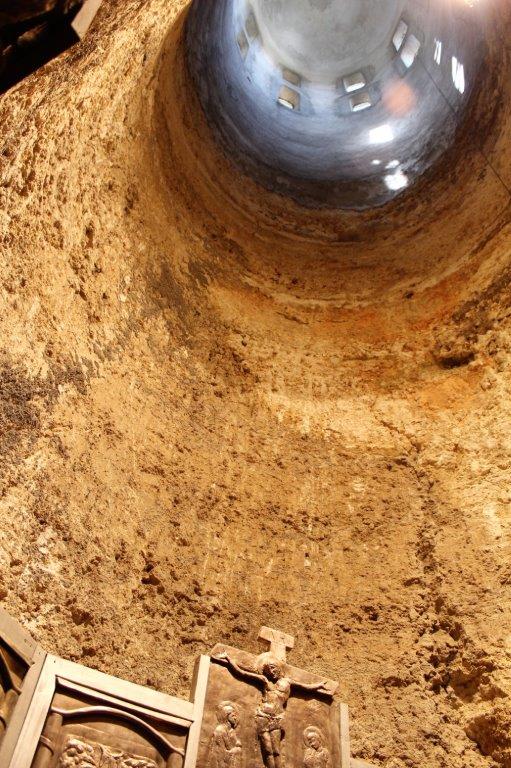
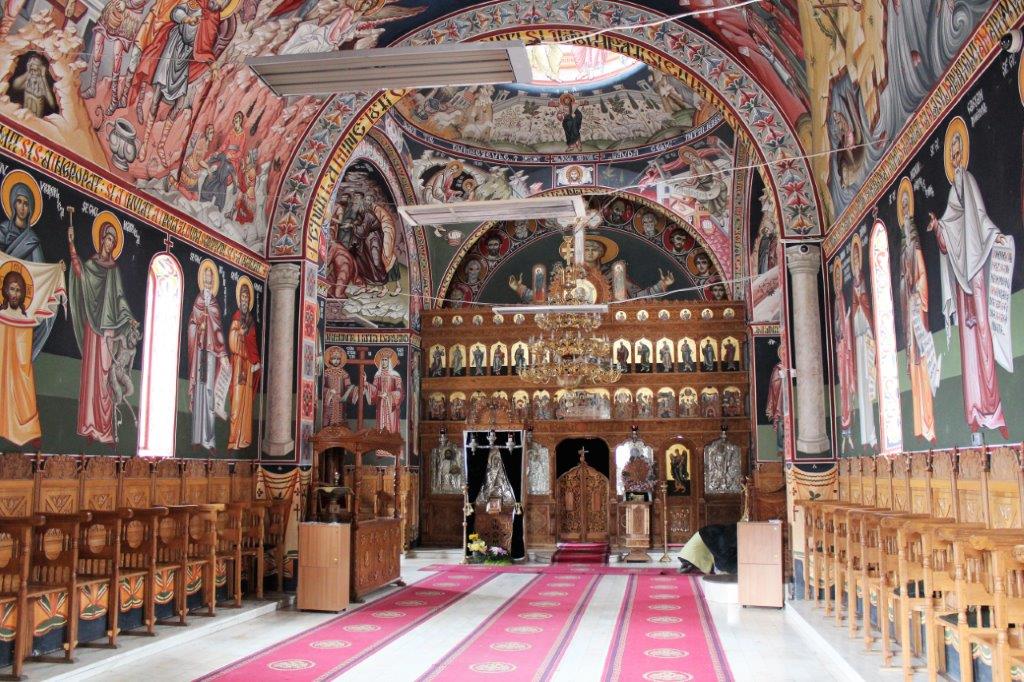
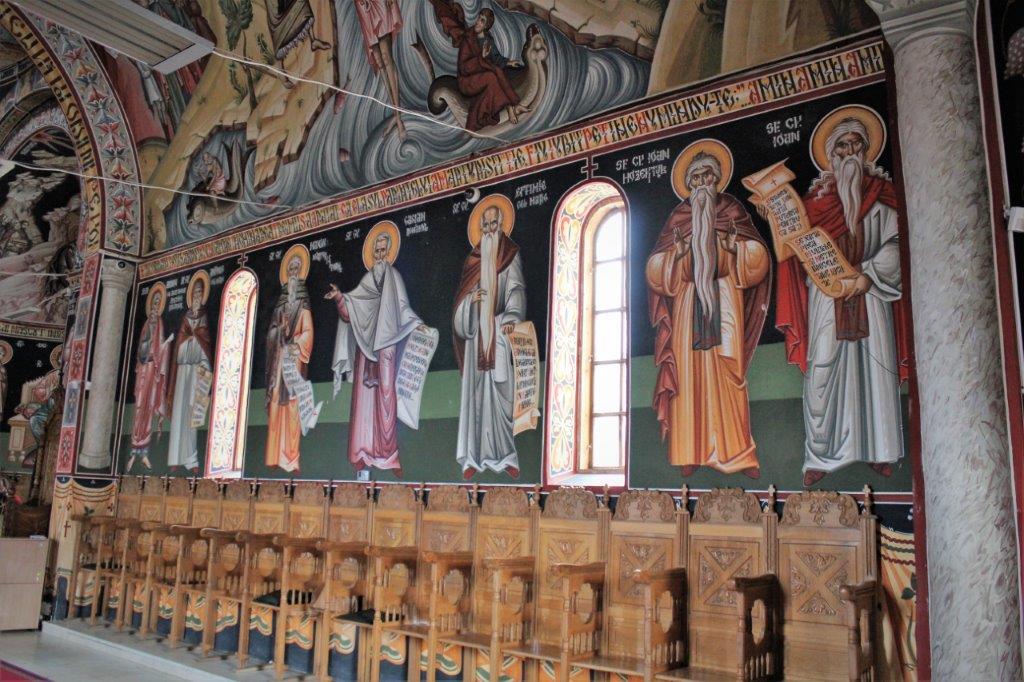
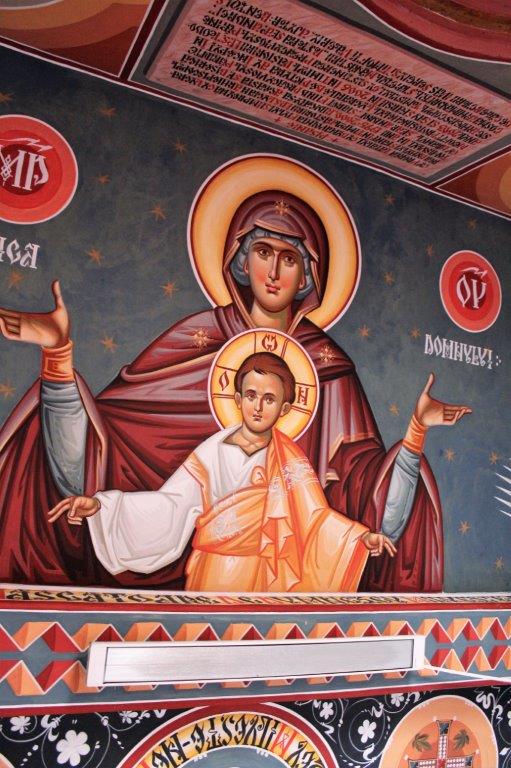
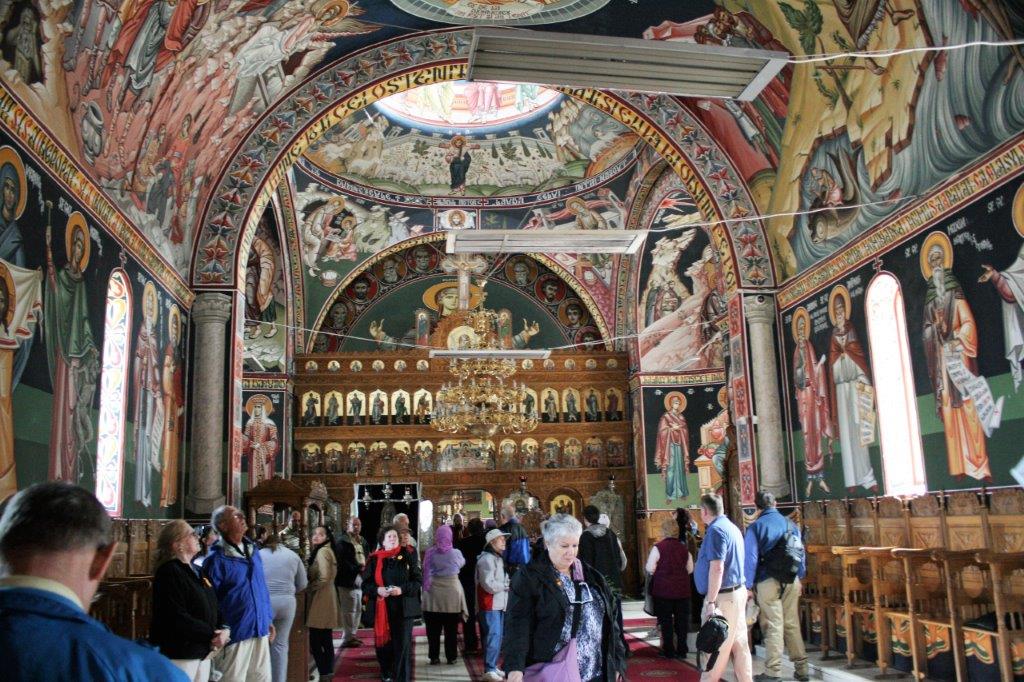
The cave was a small cut into the nearby hillside.  There was a shrine inside and very colourful murals on the walls.  A hole in the ceiling goes up to the chimney-like structure on the top of the hill. The Orthodox Church was very bright with paintings of all the apostles, many designs, and symbols.After our tour of the church was finished we were ushered to a long narrow room and given lunch made by the local ladies.  Since we were visiting during the Lenten season when they observe a very strict fasting tradition, we were served a very simple meal.  During Lent they eat no meat except on Annunciatian Sunday and Palm Sunday when they can have fish.  Our lunch therefore consisted of pickled herring, fish balls, cold fish fillets, cucumbers, tomatoes, olives and an apple strudel-type dessert.  Some folks on the tour were not really pleased with the lunch but we felt that were given the best they could offer and still follow their holy observances.

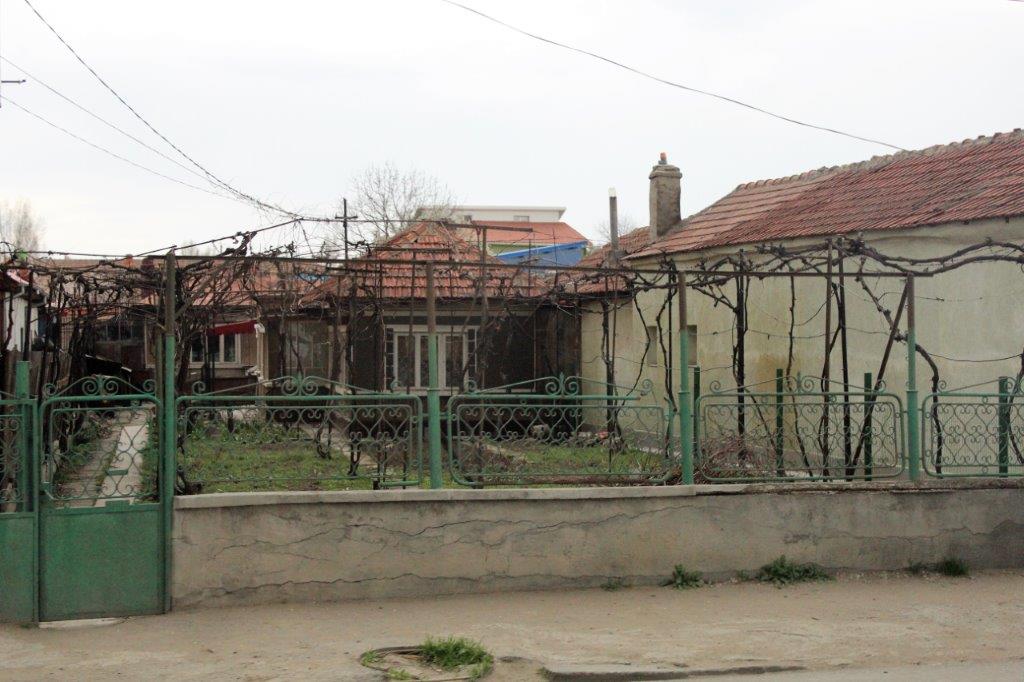
The drive back to the ship took almost an hour and a half. Lots of people grow grapes for their own wine in the front yard.

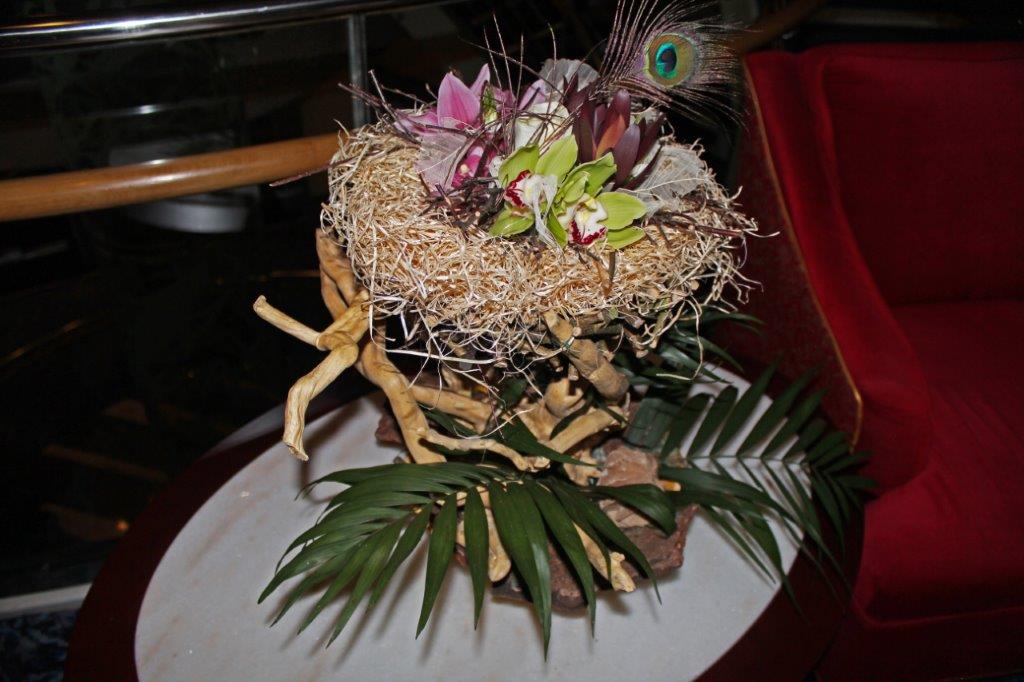
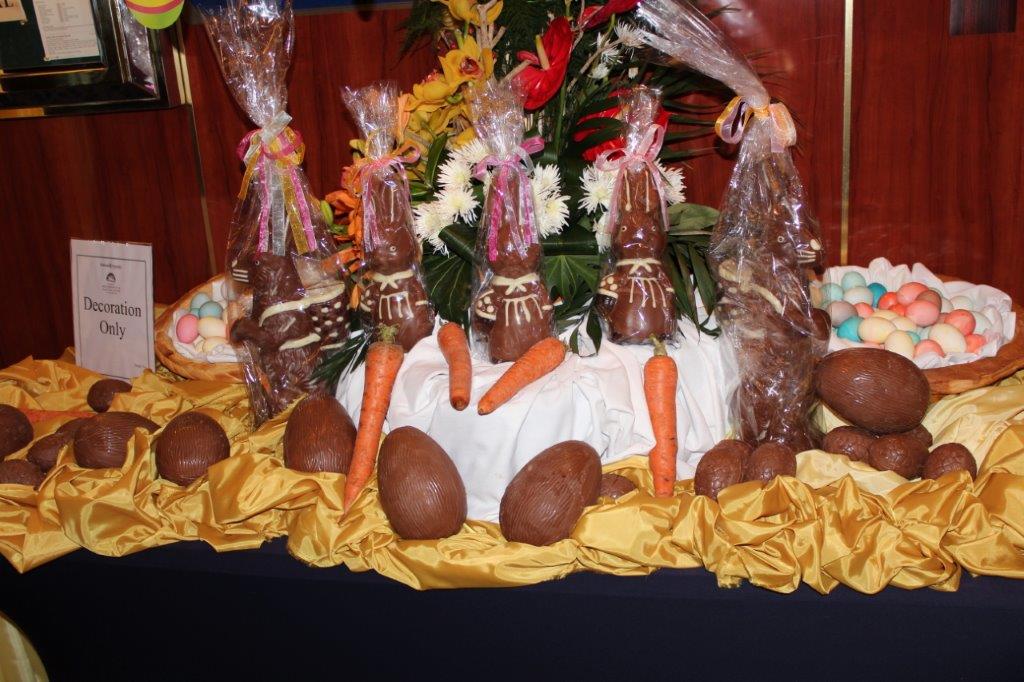
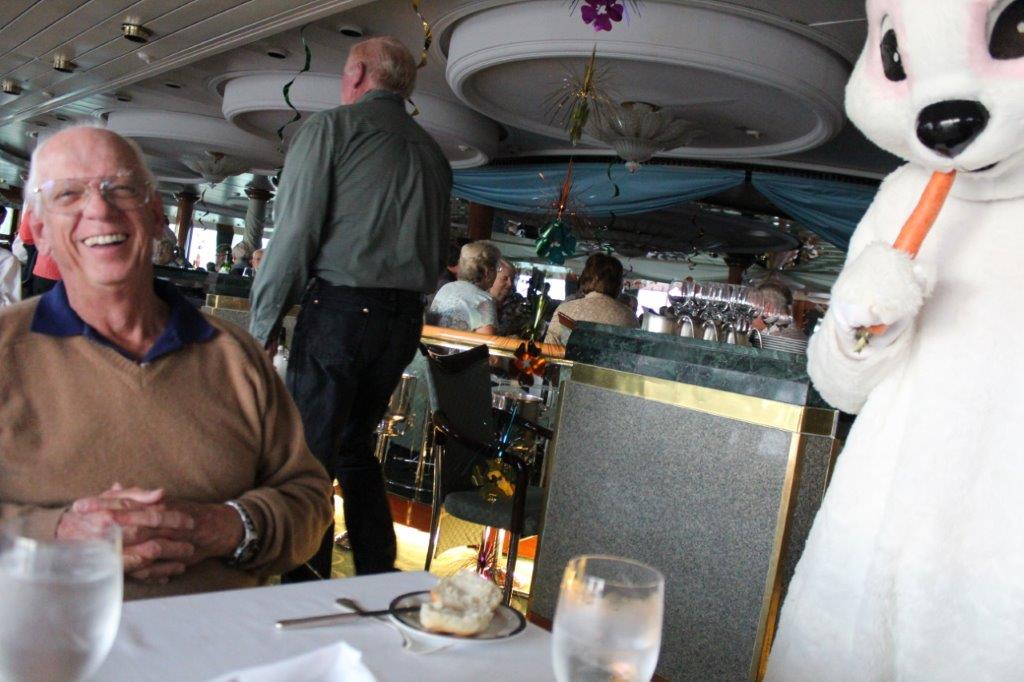
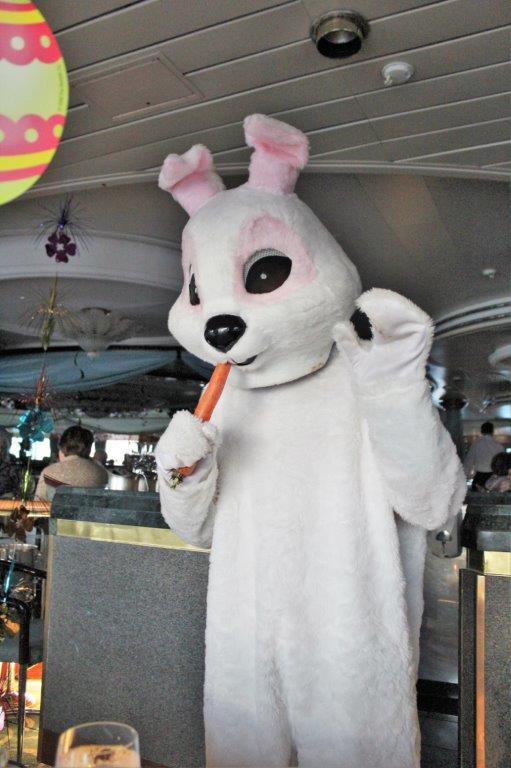
We got back to the ship in time to attend the Easter worship service.  As usual the florist on-board did an awesome job with Easter-themed arrangements around the ship.                           The Easter Bunny visited the dining room and all the cabins received chocolate bunnies. The next morning we docked in Odessa, Ukraine where we visited the cryptic catacombs.

2012 April 6 – Day 26 – Istanbul, Turkey (Day 2) (Part 2)

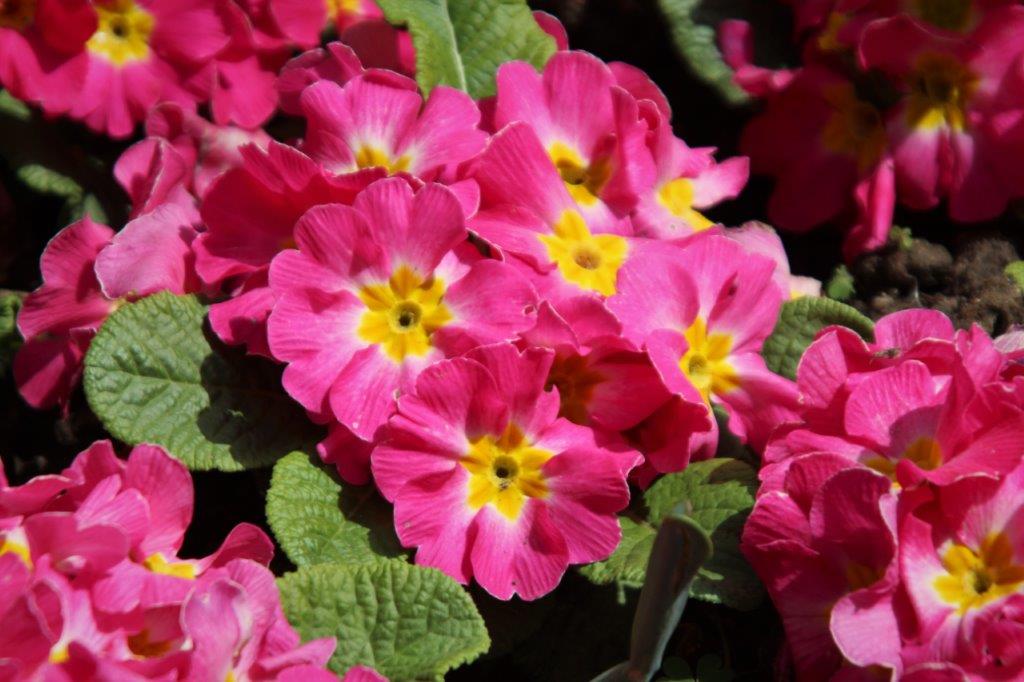
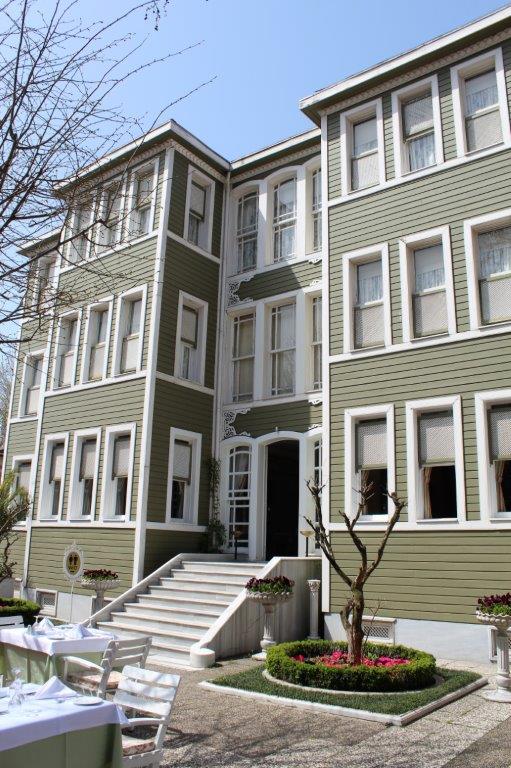
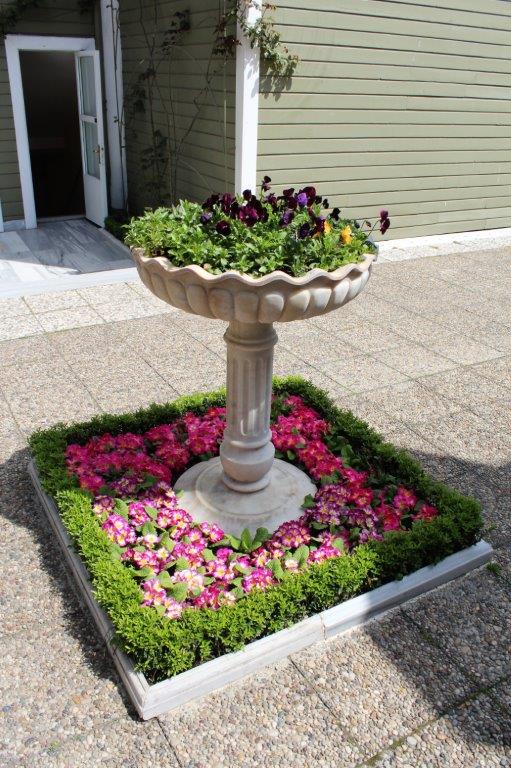
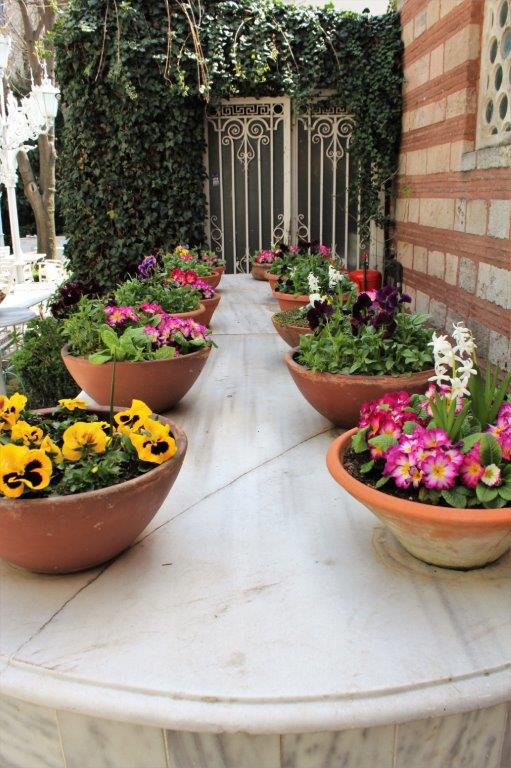
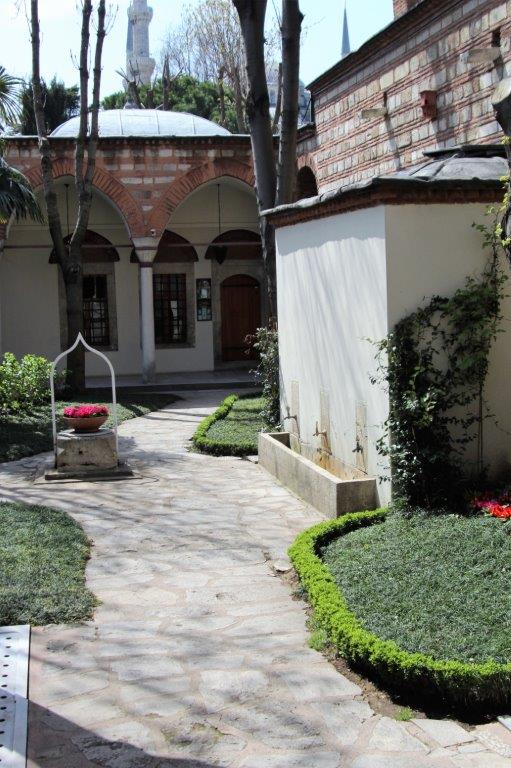
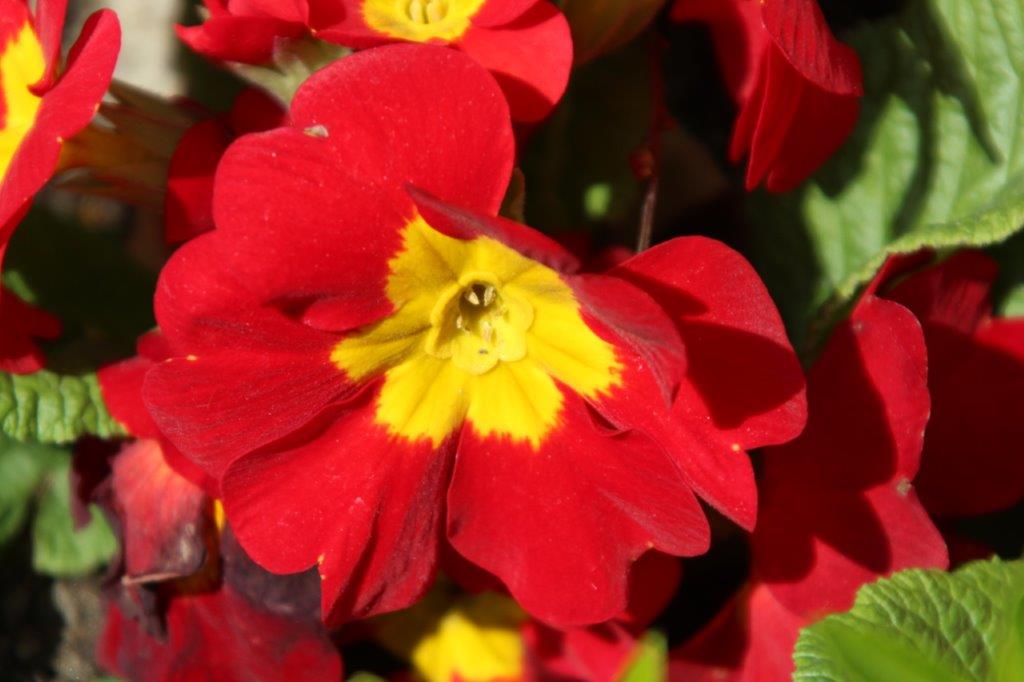
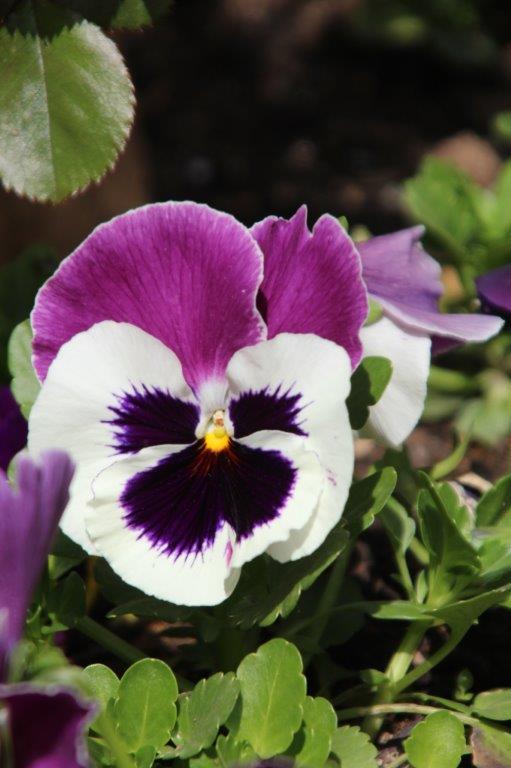
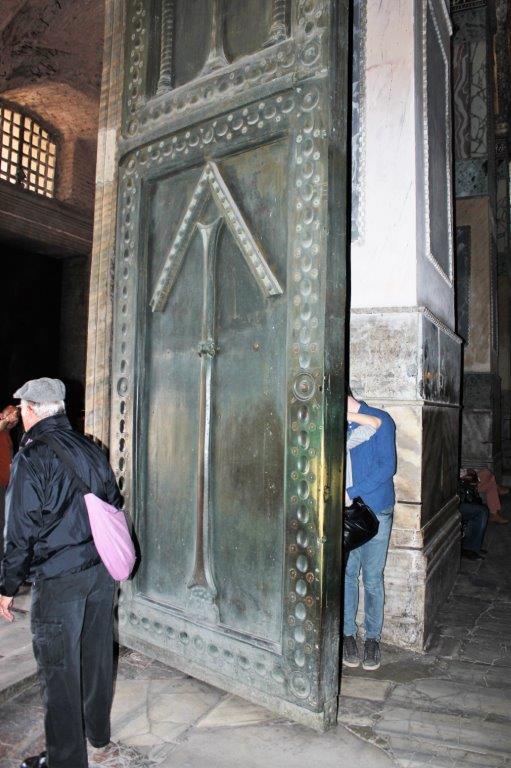
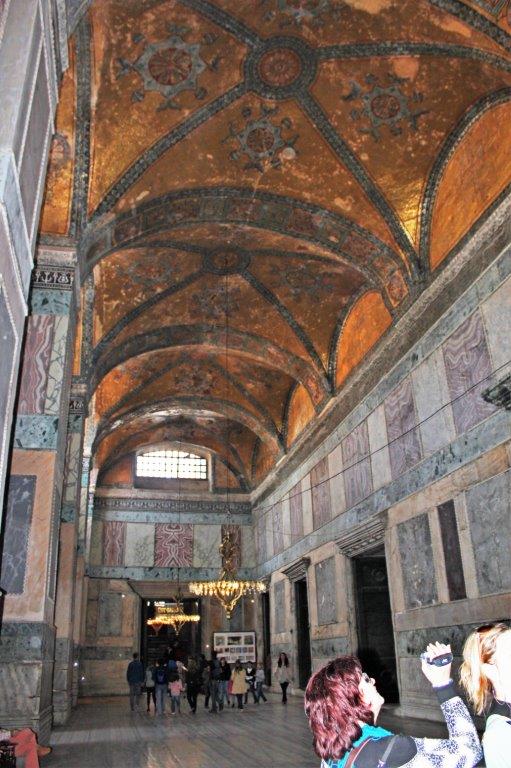
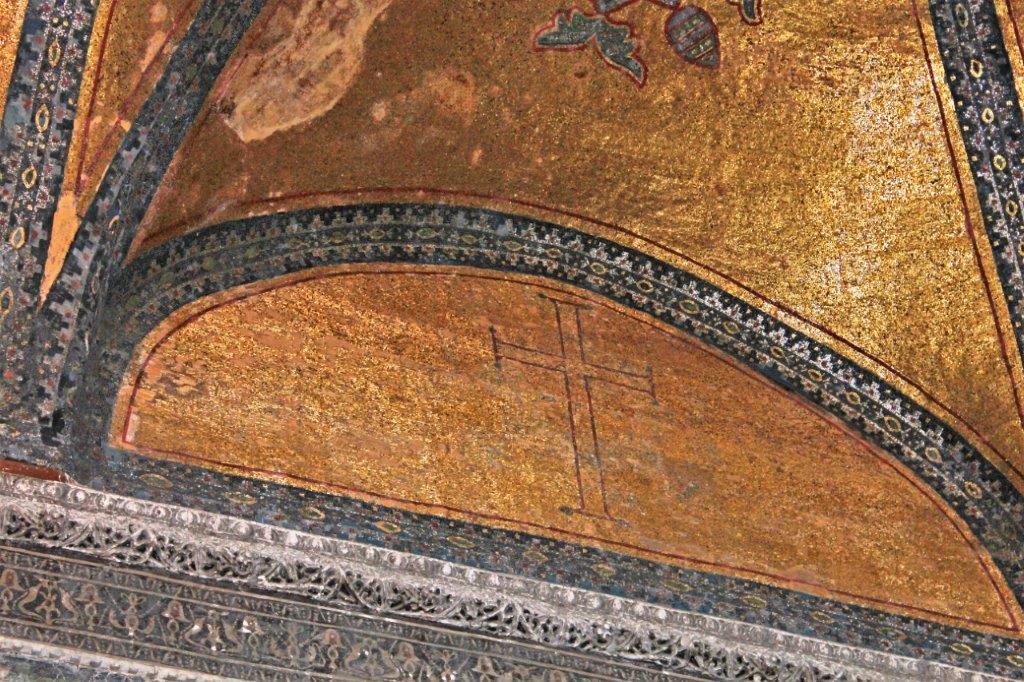
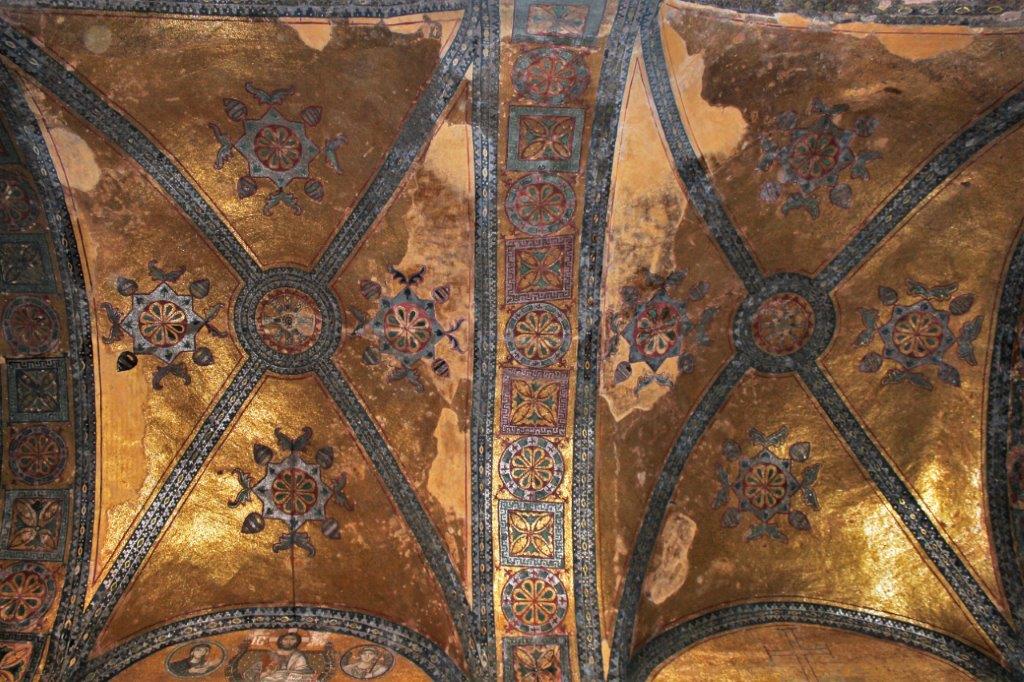
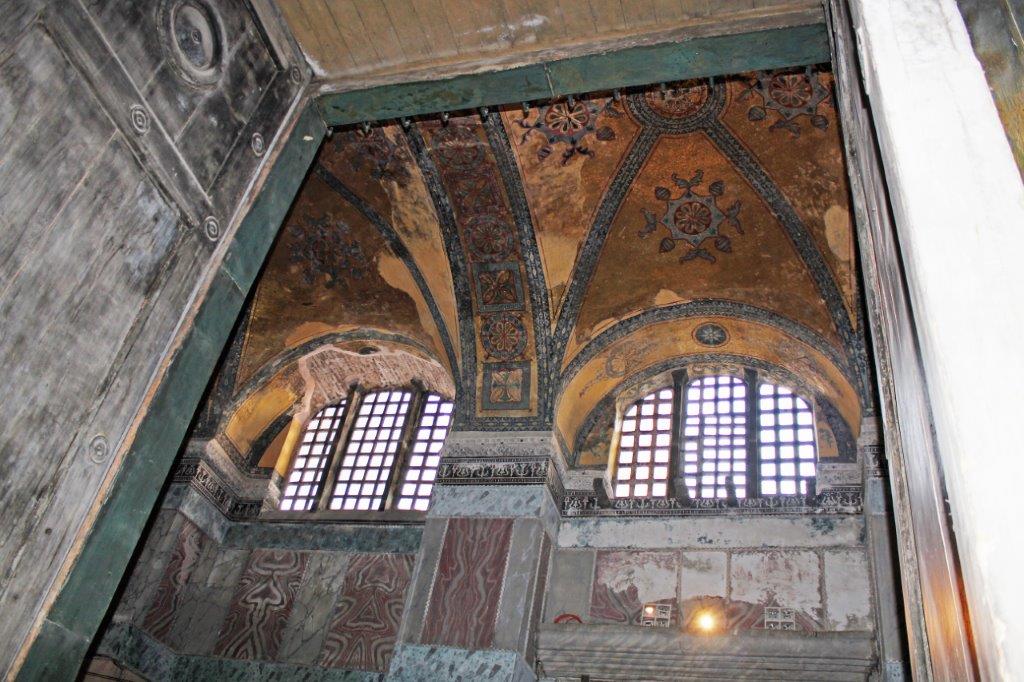
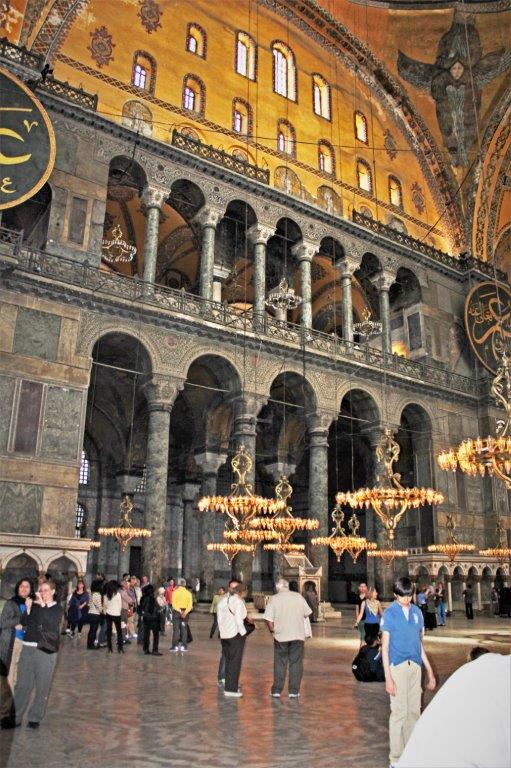
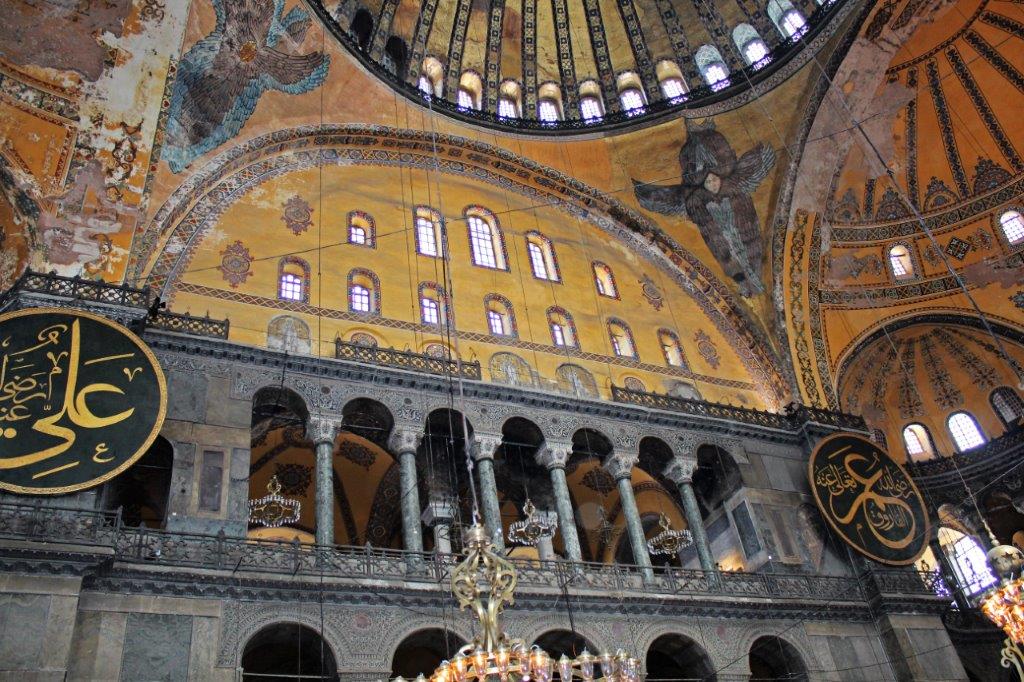
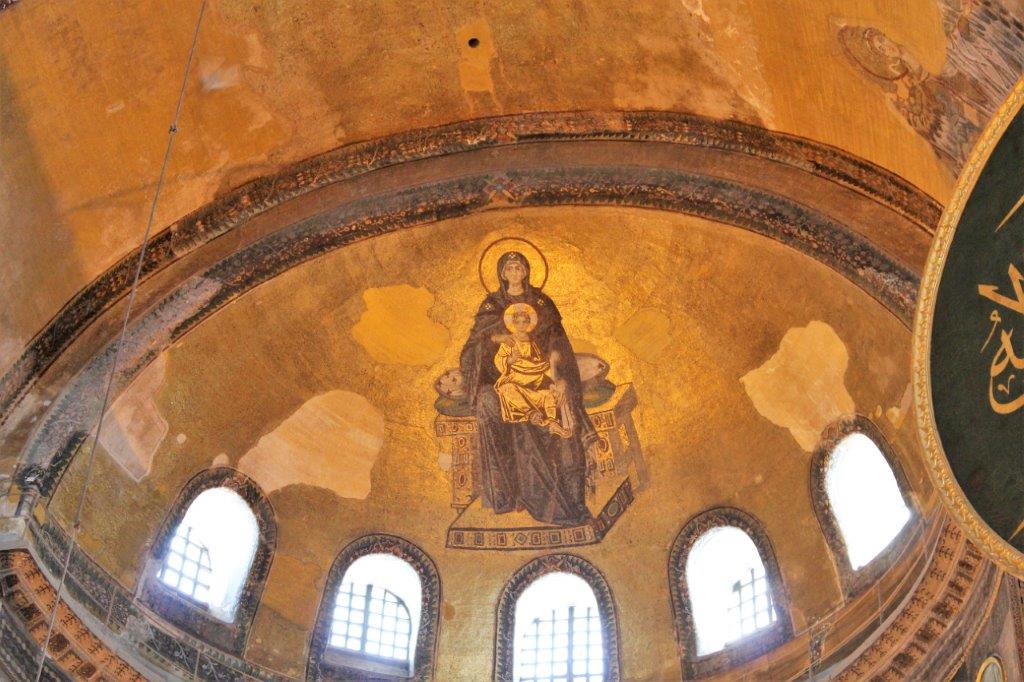
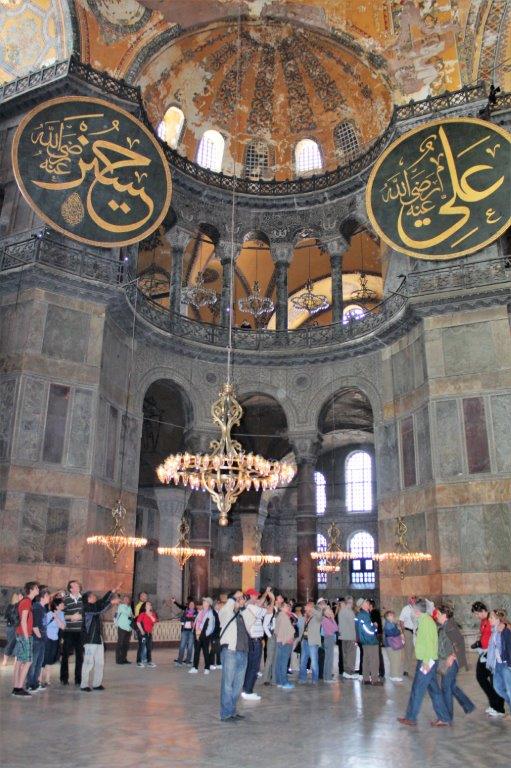
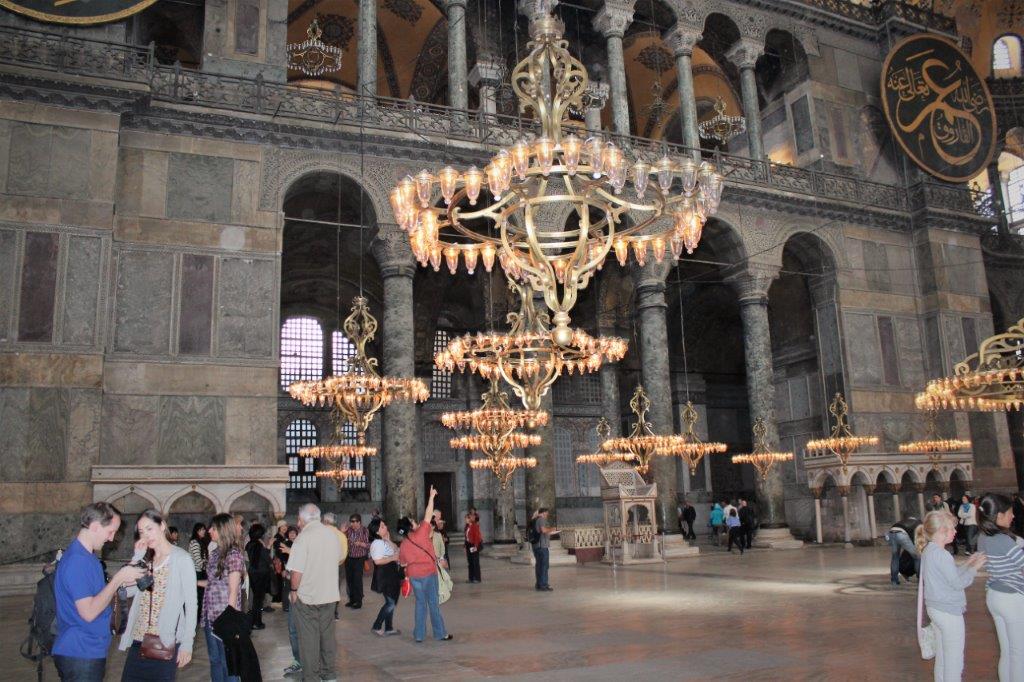
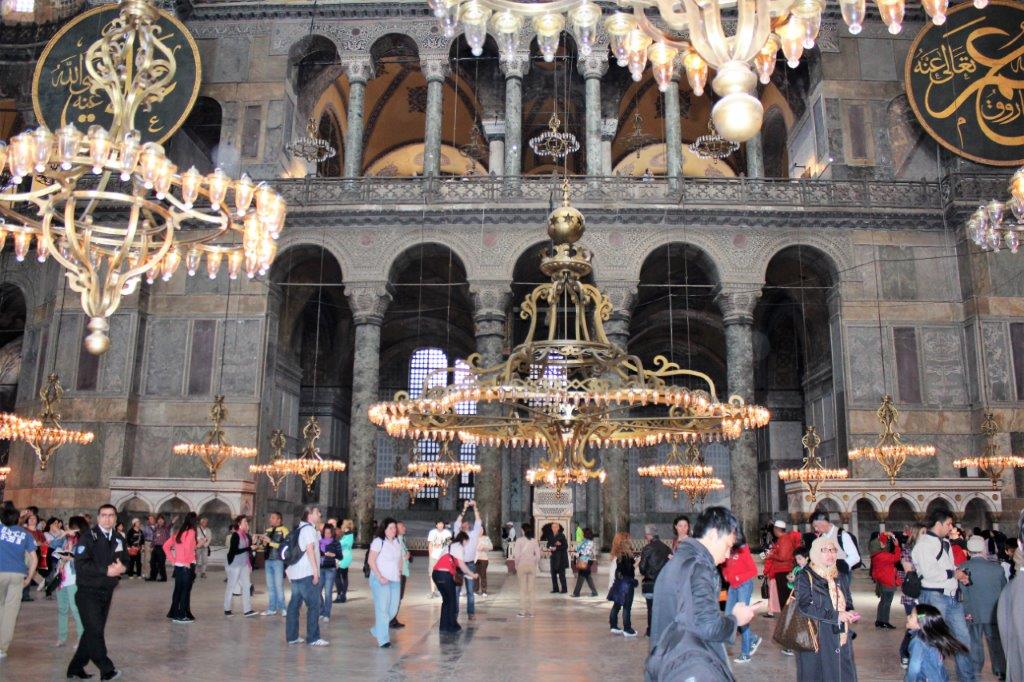
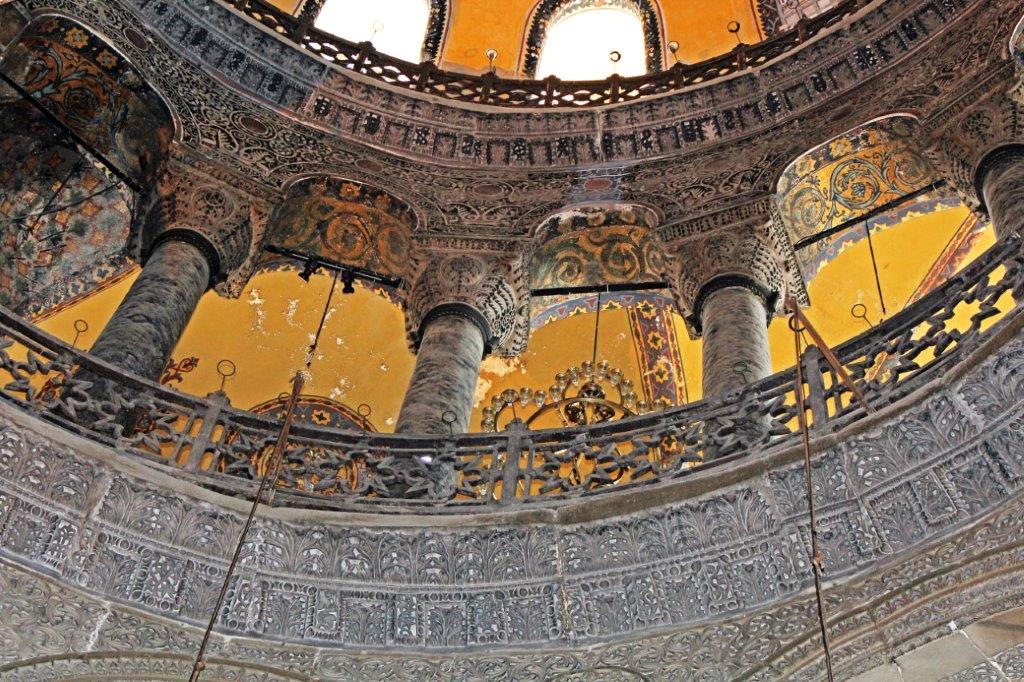
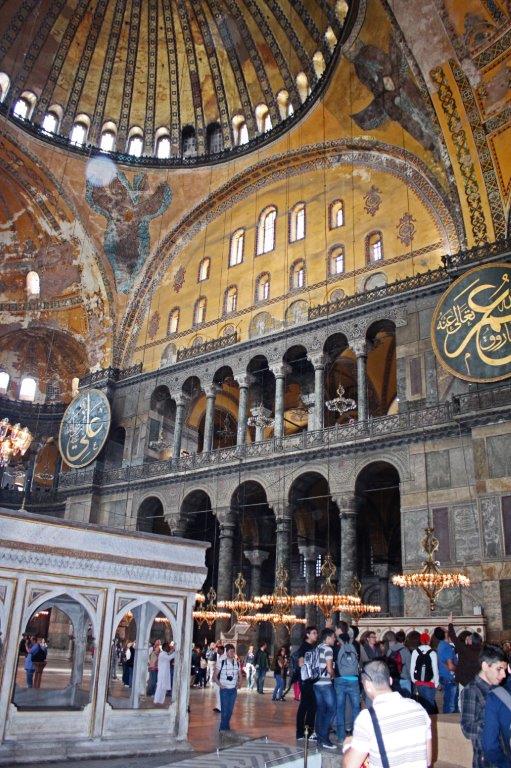
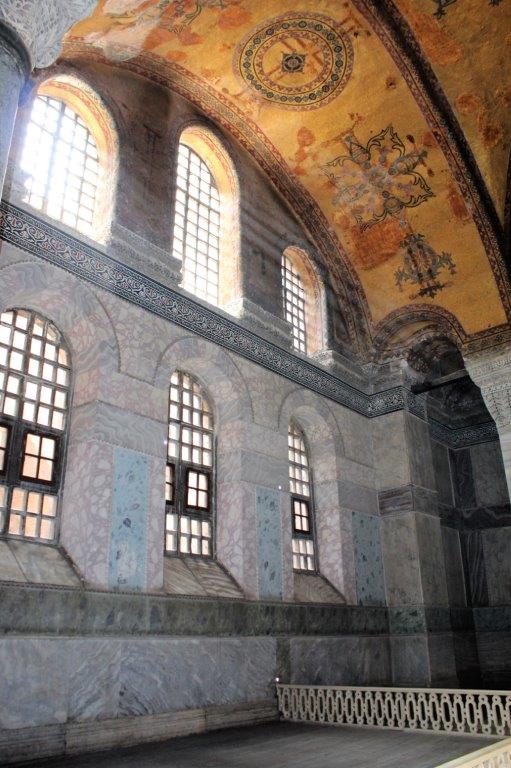
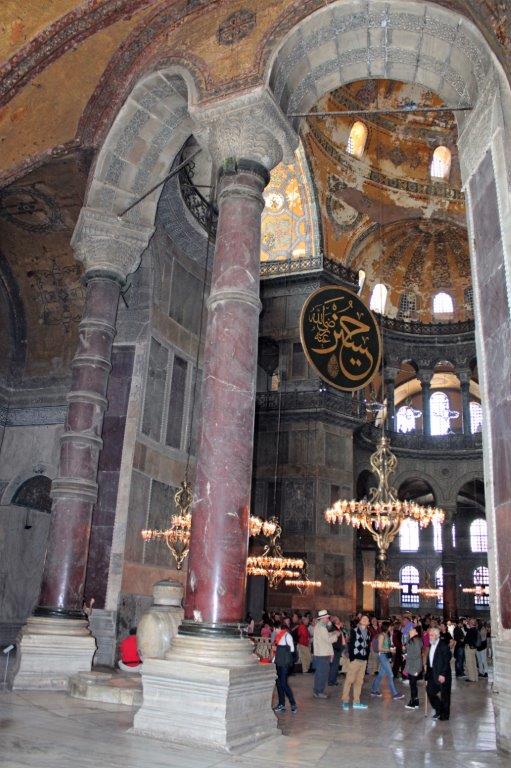
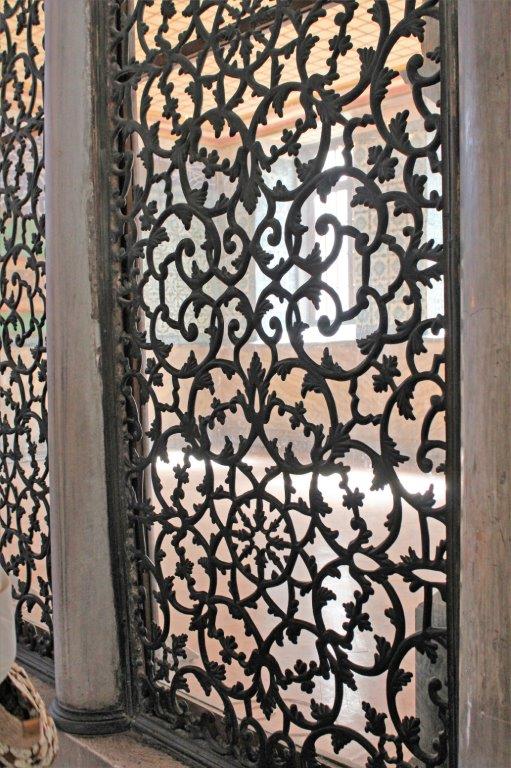
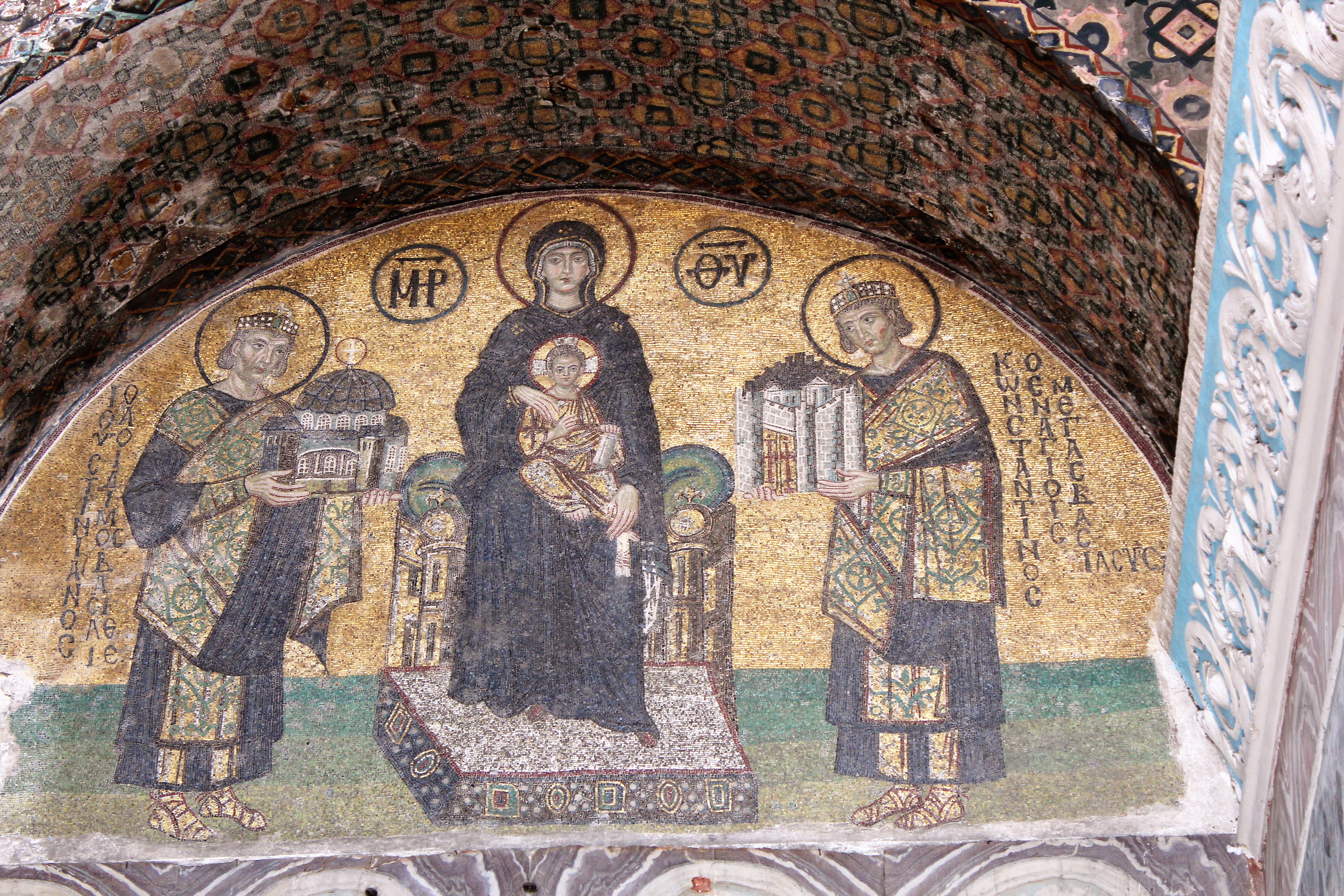
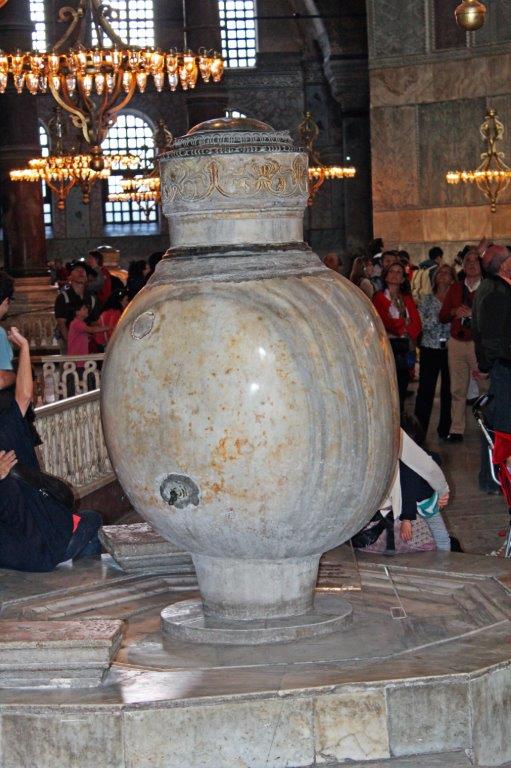
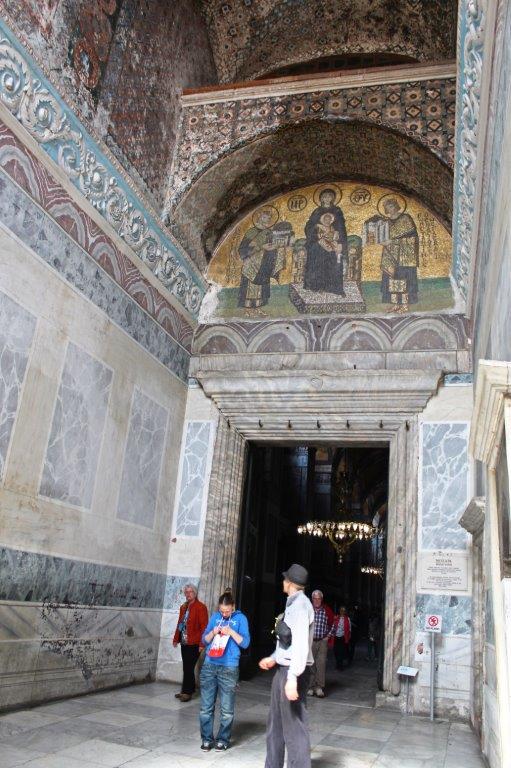
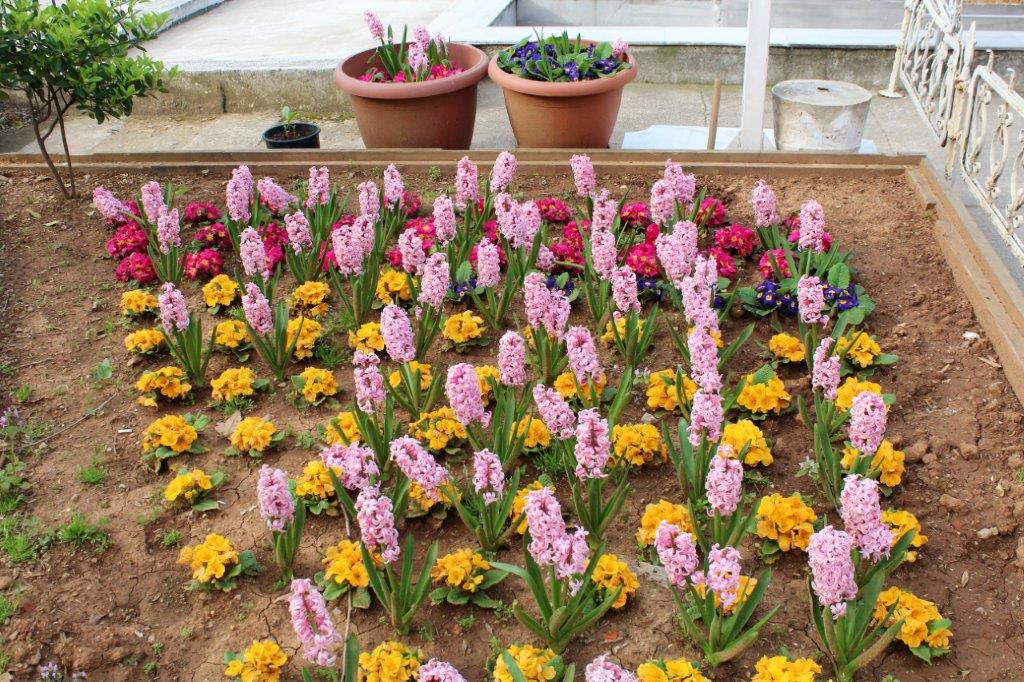
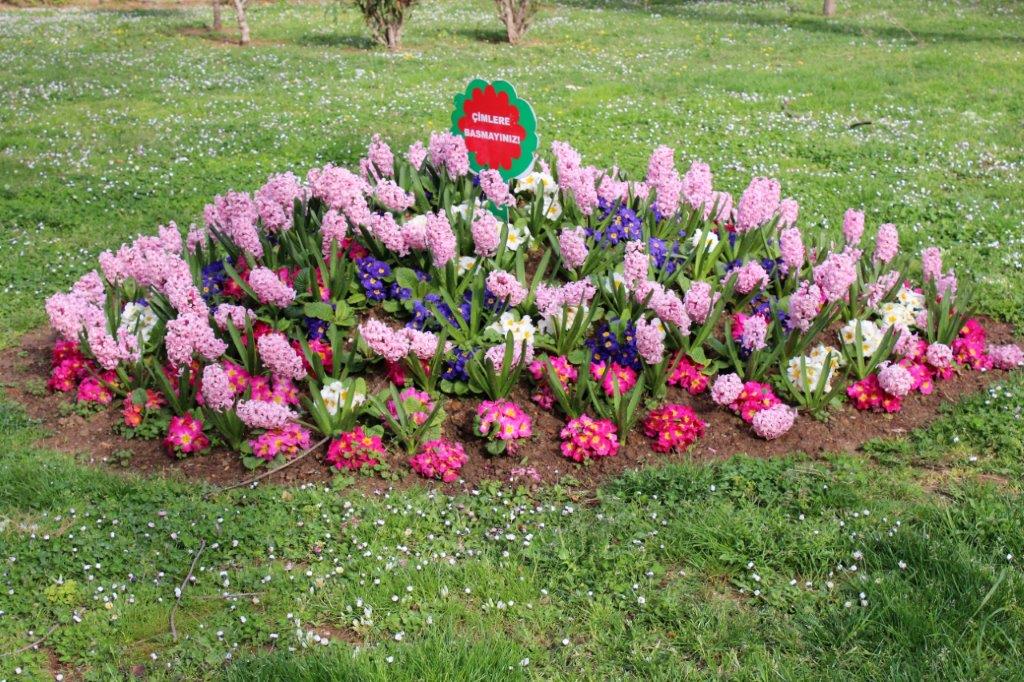
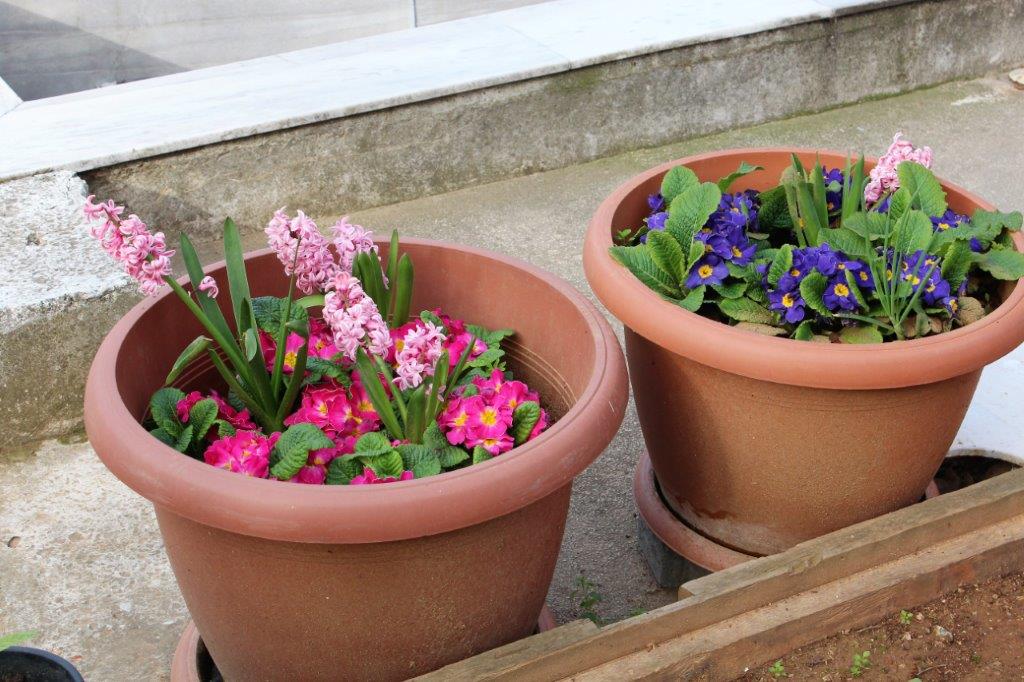
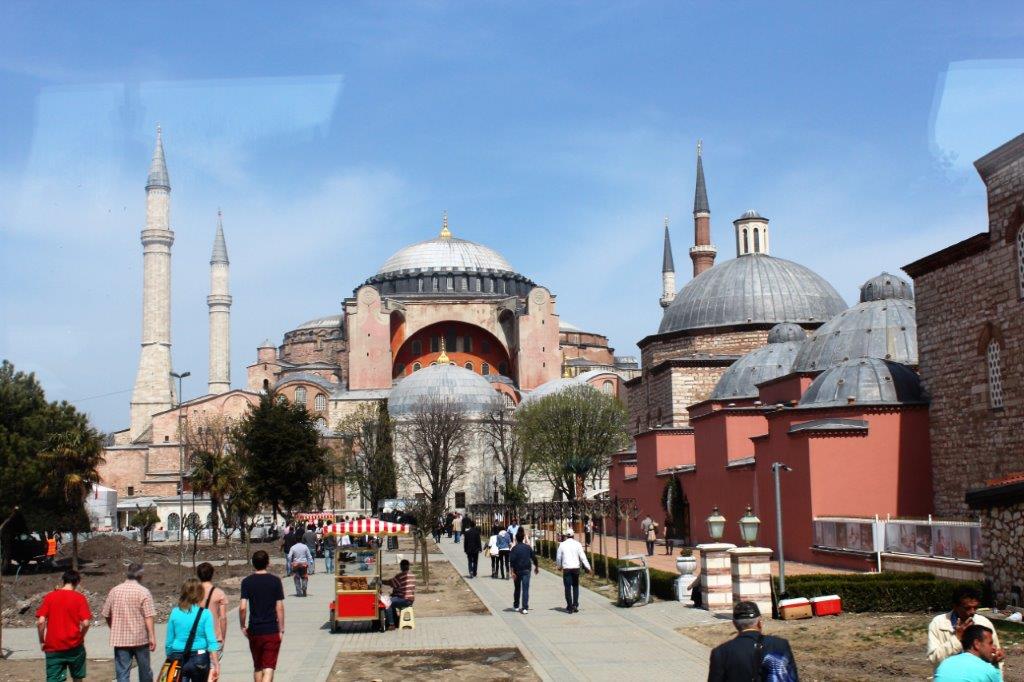
On the second day in Istanbul we went on the second half of our Istanbul Deluxe tour. We spent the morning touring the Blue Mosque and Topkapi Palace.  The bus picked us up again after we finished at Topkapi and took us to the Green House Restaurant for lunch.  I had a quick bite to eat and then wandered around taking photos of the lovely flowers. After lunch we went to Hagia Sophia (pronounced ai ya Sophia), once the largest Christian church in the world.  Emperor Justinian ordered construction to begin in the sixth century.  The unsupported domes have withstood centuries of earthquake and war and though they have been repaired several times, they have never fallen.

Construction began in 532 AD and the church was completed in 537 AD.  It continued as an Eastern Orthodox Cathedral until 1453 when it was converted to an Ottoman Imperial  Mosque on May 29, 1453 , and then became the main seat of Islamic worship until 1931. In 1935 Hagia Sophia (meaning Holy wisdom in Latin) was secularized and was opened as a museum on February 1, 1935.

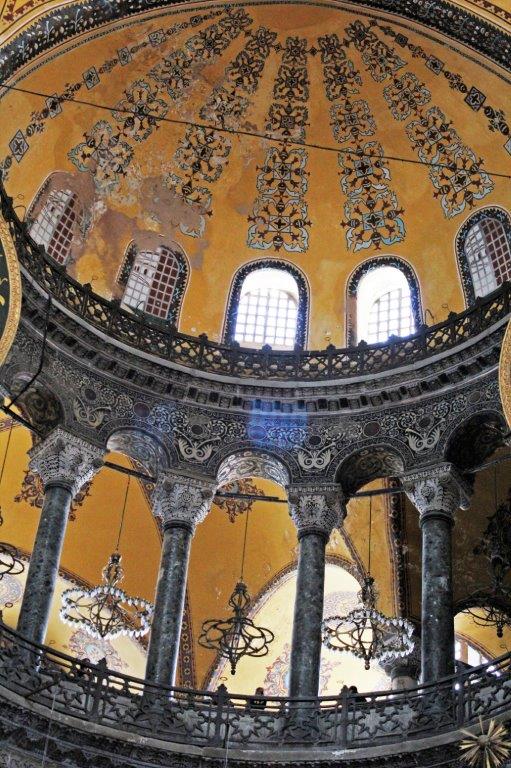
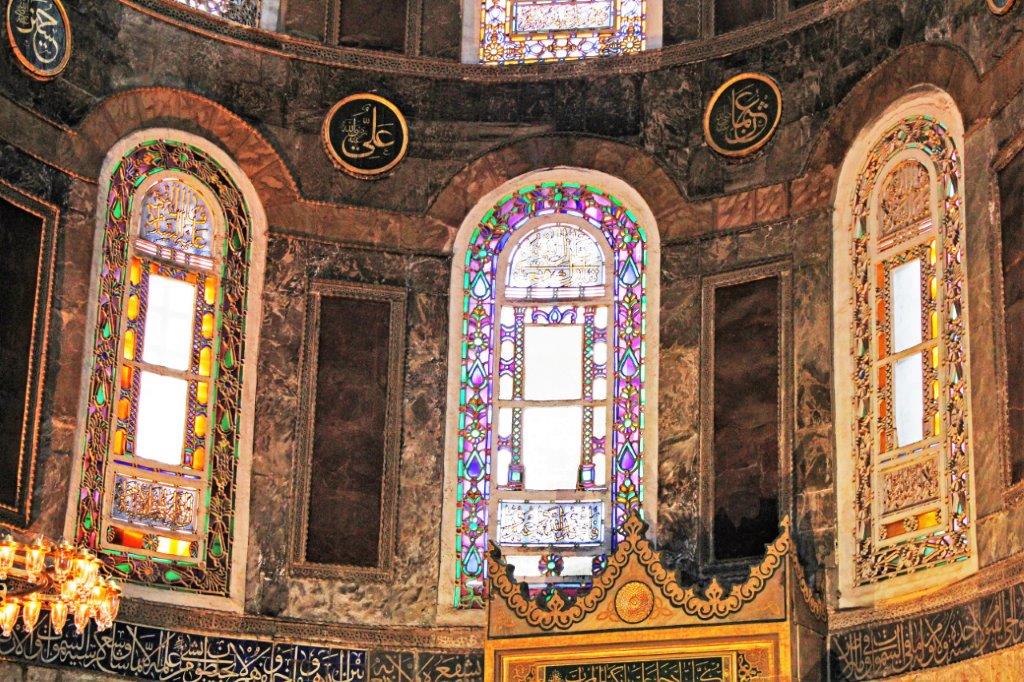
The place was absolutely massive.  Look how low all the light fixtures  (which are way above our heads) are compared to the height of the building.  The top of the dome is 55 meters high (180′) and 36.5 meters (120′) across. There was a very interesting juxtaposition of Christian and Islamic images.

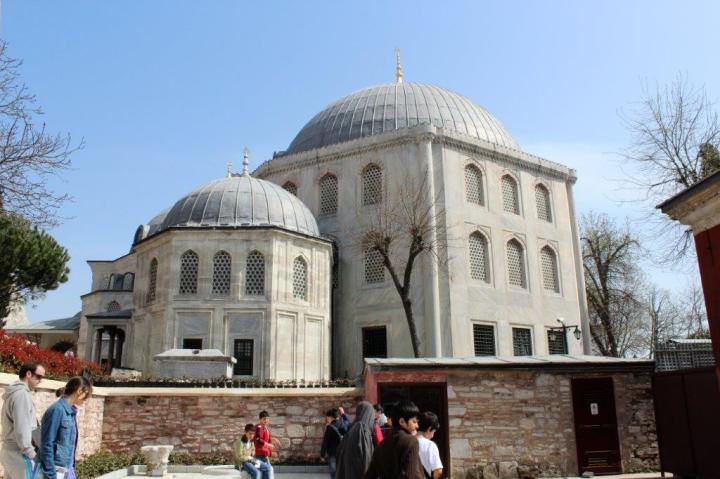
The Mausoleums of several princes and sultans are located on the grounds. 
The tour ended at the Grand Bazaar for a carpet demonstration and some shopping time.  I spoke to our guide and told him we would be walking back to the ship from the bazaar as we did not want to go shopping.  When other people heard about what I said only four of the people on the bus wanted to stop at the Grand Bazaar.  So we did a short stop for them to hop out and then all the rest of us were taken to the port and we rested our weary feet once back on board.  And it was an early night since we had another tour the next morning.

2012 April 6 – Day 26 – Istanbul, Turkey (Day 2) (Part 1)

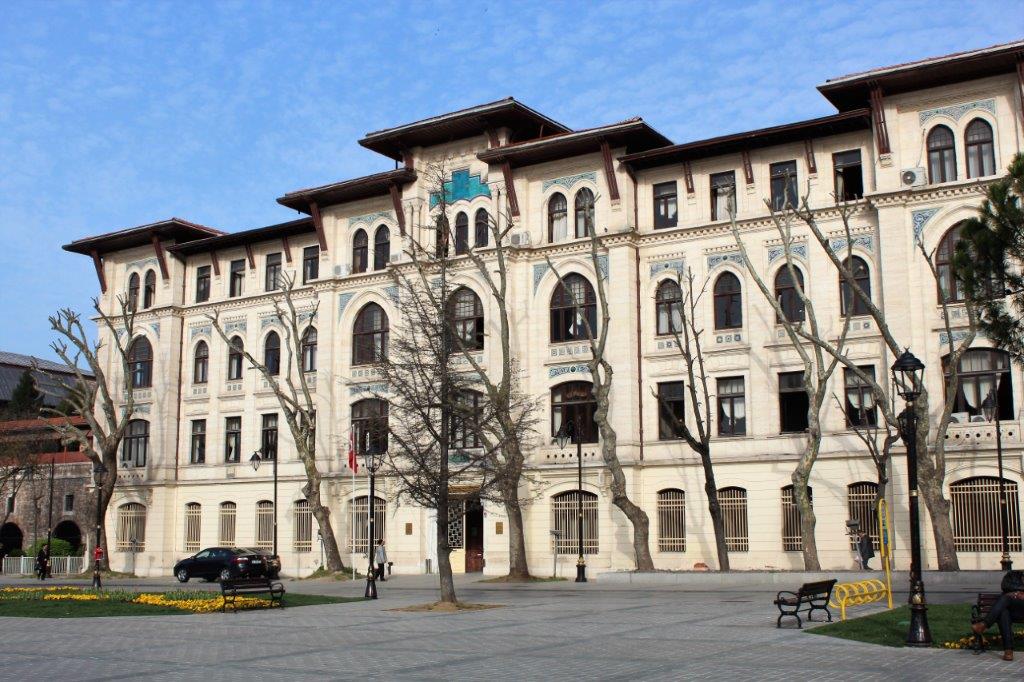
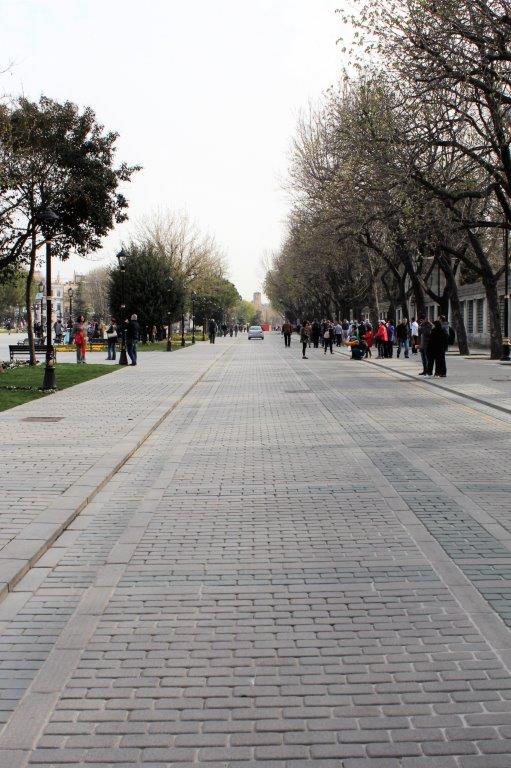
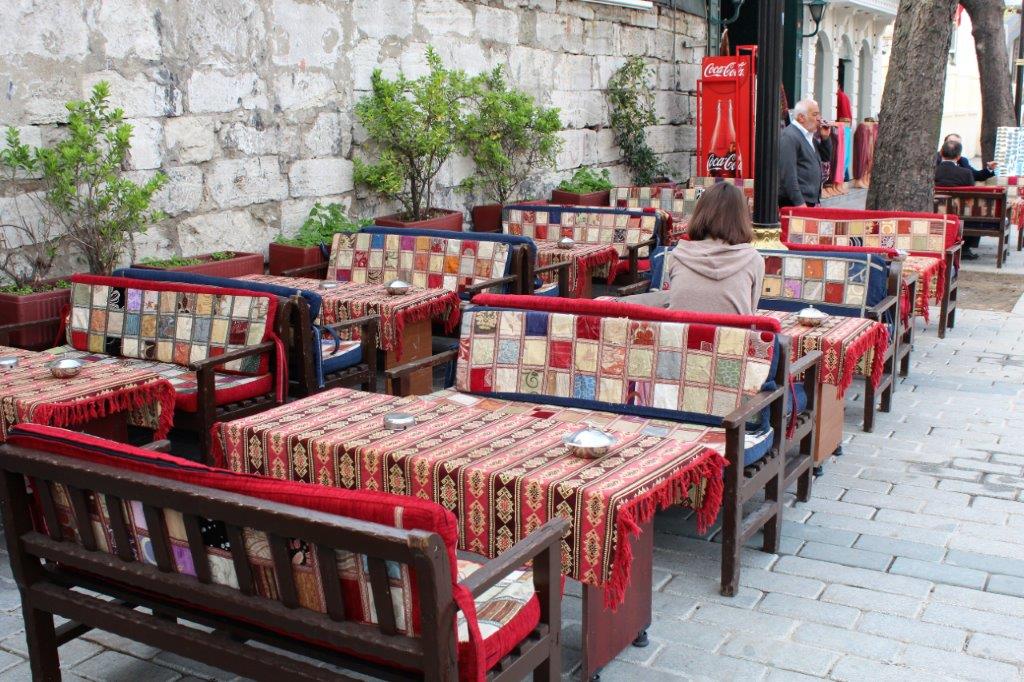
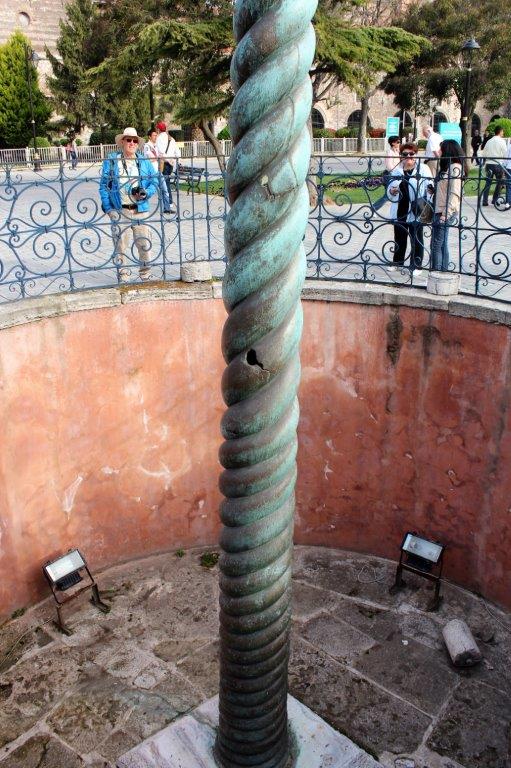
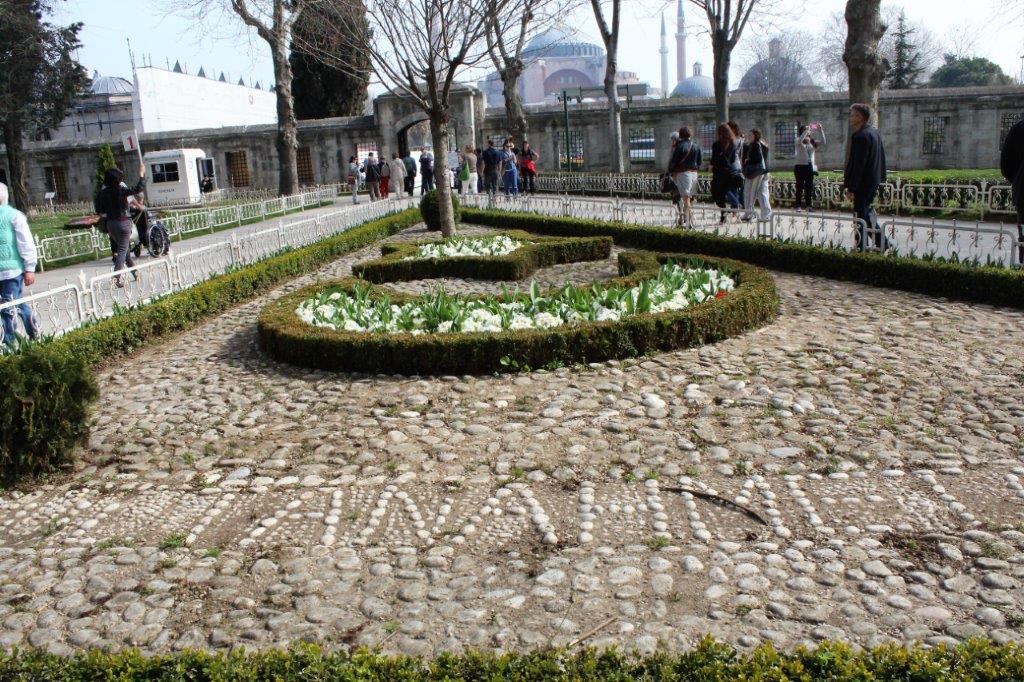
Day two in Instanbul was a long day; but a great day.  We left the ship at 8 am and after a short drive through Old Town, the name given to the ancient part of the city, we got off the bus at the Hippodrome, once the most important place in the city.  There was only the back wall and three monuments left of what once was the largest chariot race track of the Roman Byzantine Empire.

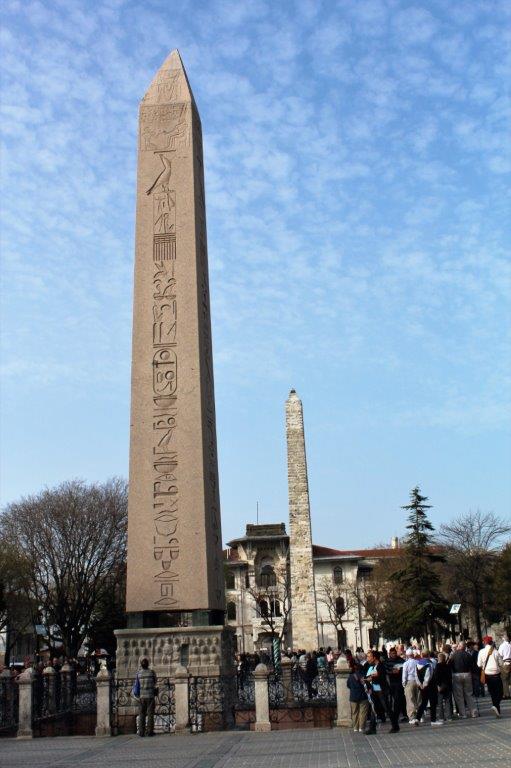
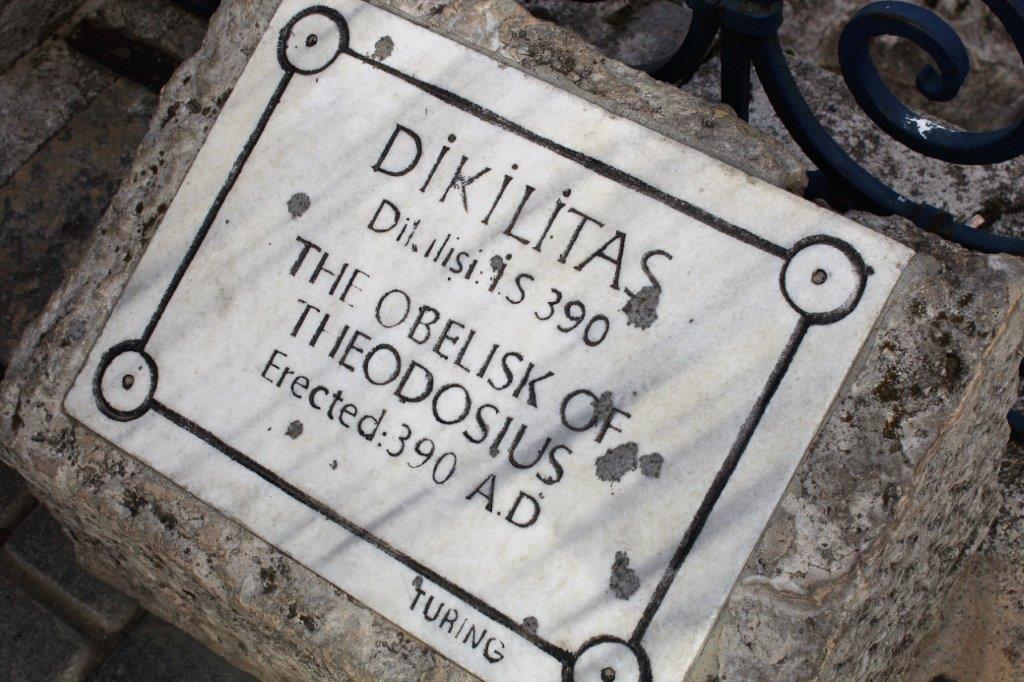
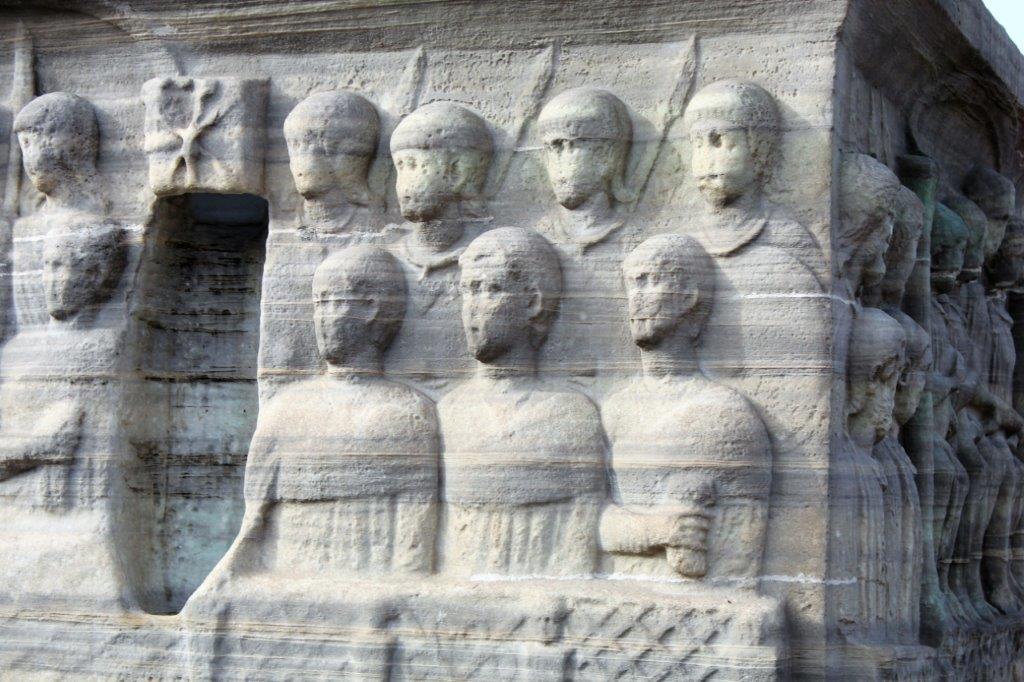
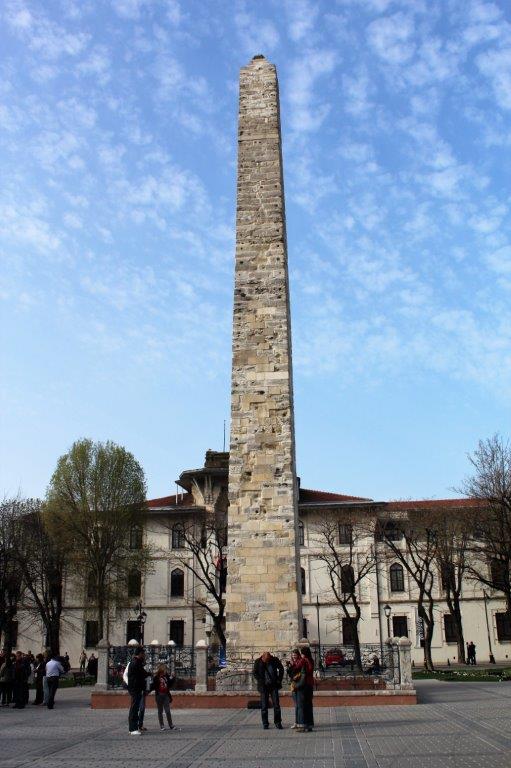
This long space was the site of the Hippodrome used for chariot races.  Two obelisks and a bronze serpentine column were erected in the Hippodrome. The oldest one was from Egypt and was 3,000 years old.  It had been brought to the Hippodrome site in 390 AD.   The obelisk was created by Pharaoh Thutmosse III in the 18th dynasty 1479-1425 BC.  Emperor Constantius II had it and a second obelisk transported down the Nile River to Alexandria to commemorate his 20 years on the throne in 357 AD. (The other obelisk was erected at the Circus Maximus in Rome.) It was made of solid granite and it actually looked the newest.

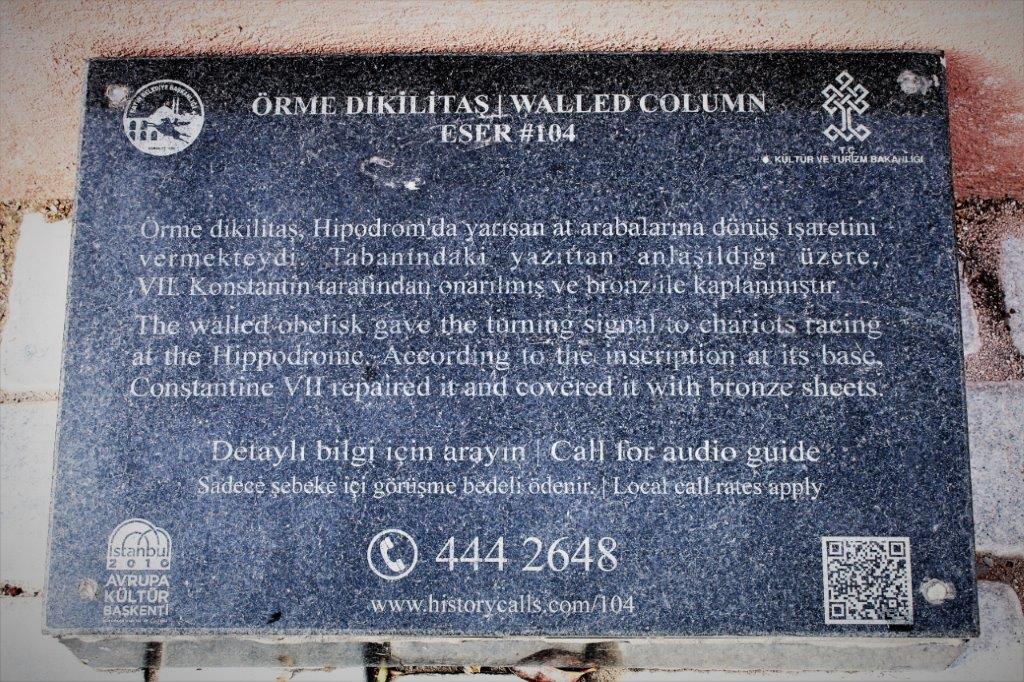
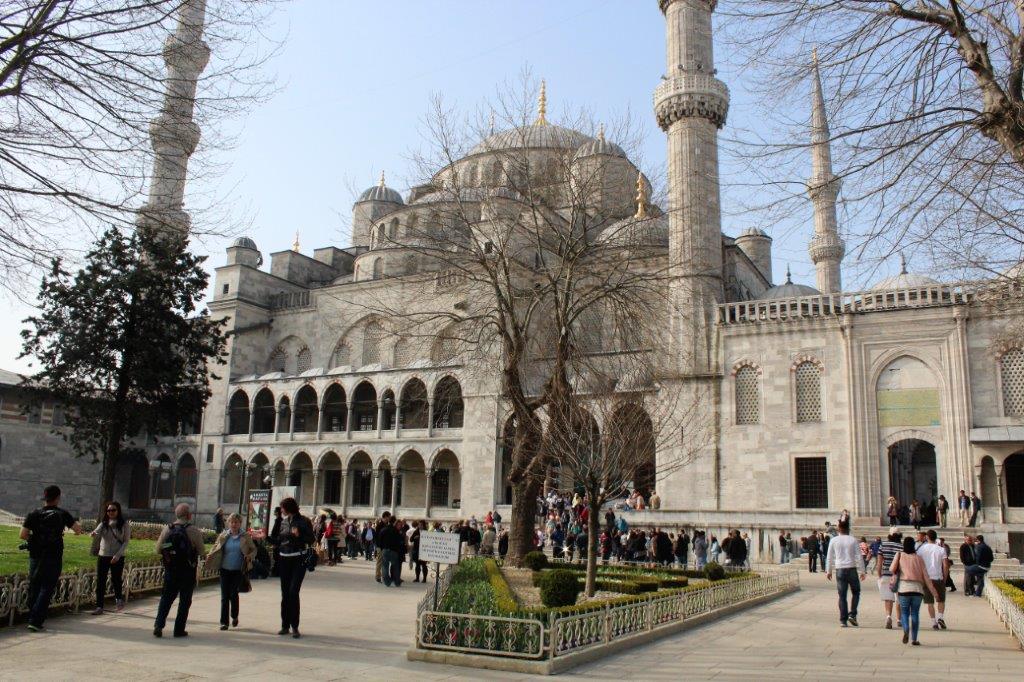
The obelisk was originally 30 meters tall. It was damaged in antiquity, possibly when being transported and is now 18. 5 meters tall.  The base is quite a mish-mash of foundation stones.   This one, called the Walled Obelisk, was the turning signal for the chariots racing at the Hippodrome. From the Hippodrome we walked next door to the famous Blue Mosque. Thank goodness we were on a pre-arranged tour!  The line to get tickets was very, very long.  Our tour guide already had all of our tickets so we just went right in.

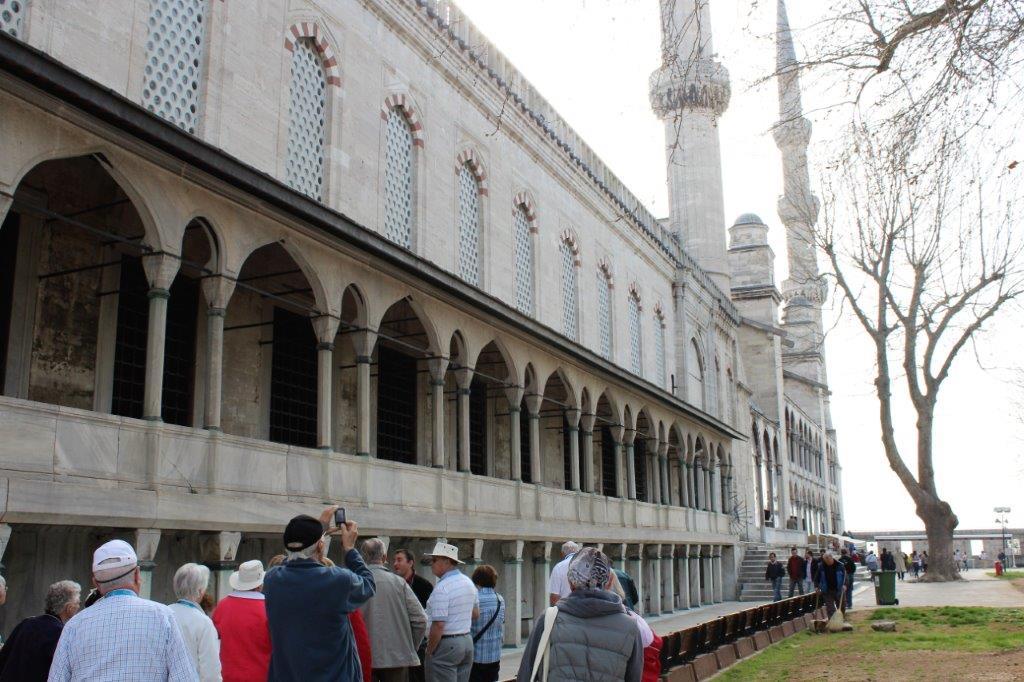
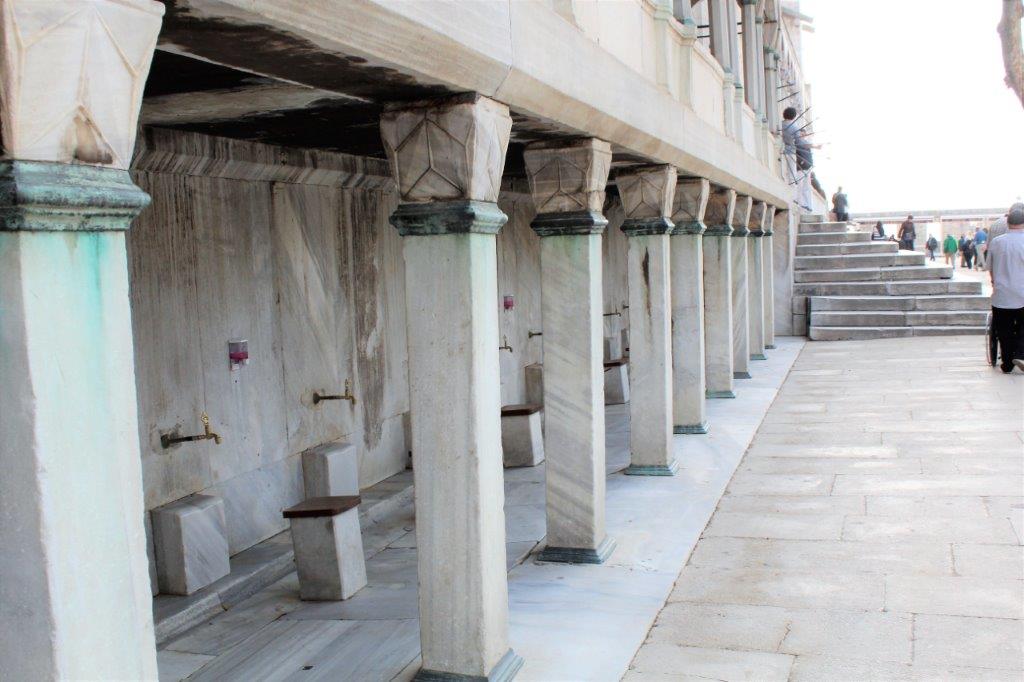
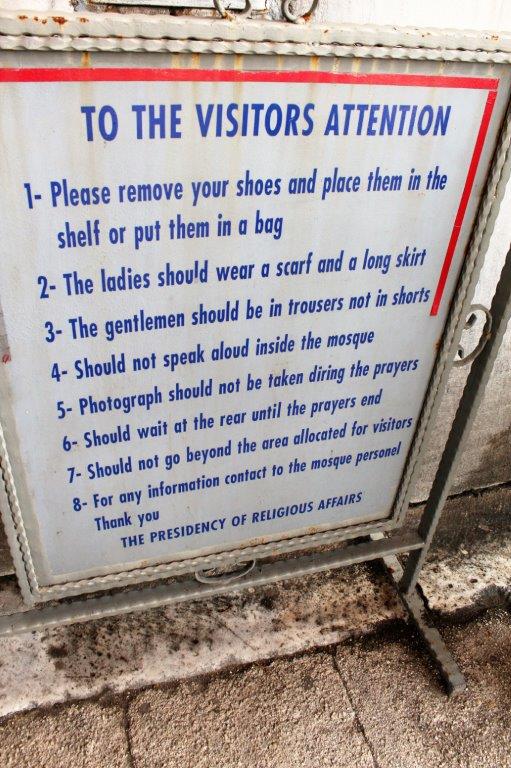
We had to remove our shoes before entering the mosque and, if you didn’t have your own, scarves were provided for women to cover their hair. We had been told to wear long sleeves and pants so any bare skin was covered as a matter of respect.This long covered space along the side of the mosque is the ablutions facility (there is another one on the other side as well) where the men wash the parts of their bodies that are generally exposed to dirt and grime (hands, mouths, noses, face, head, ears and feet; each three times).  This is called the Wudu and in this way they enter a state of purity before Allah, having removed the impurities from their bodies before entering the mosque to pray.

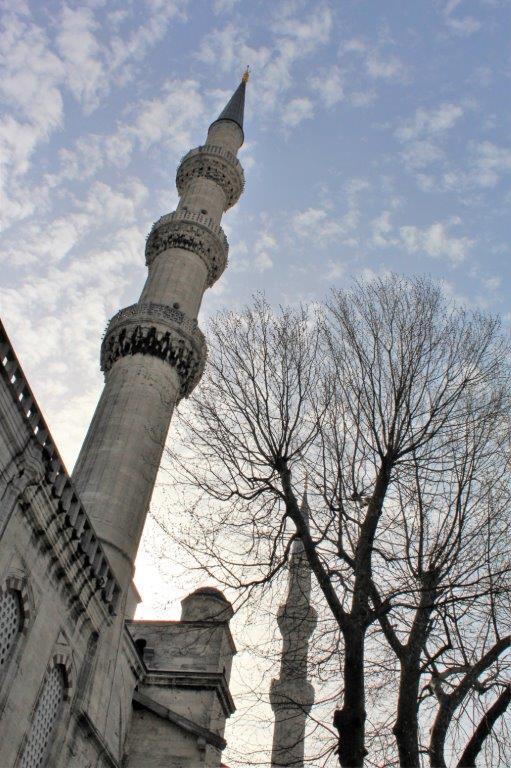
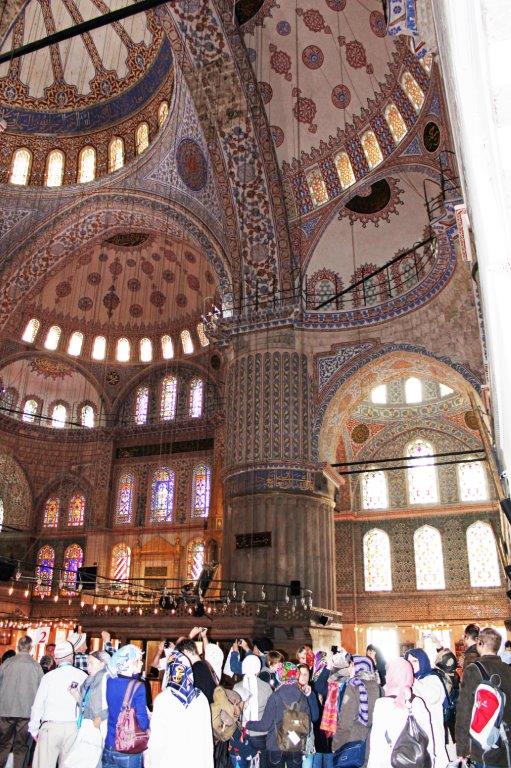
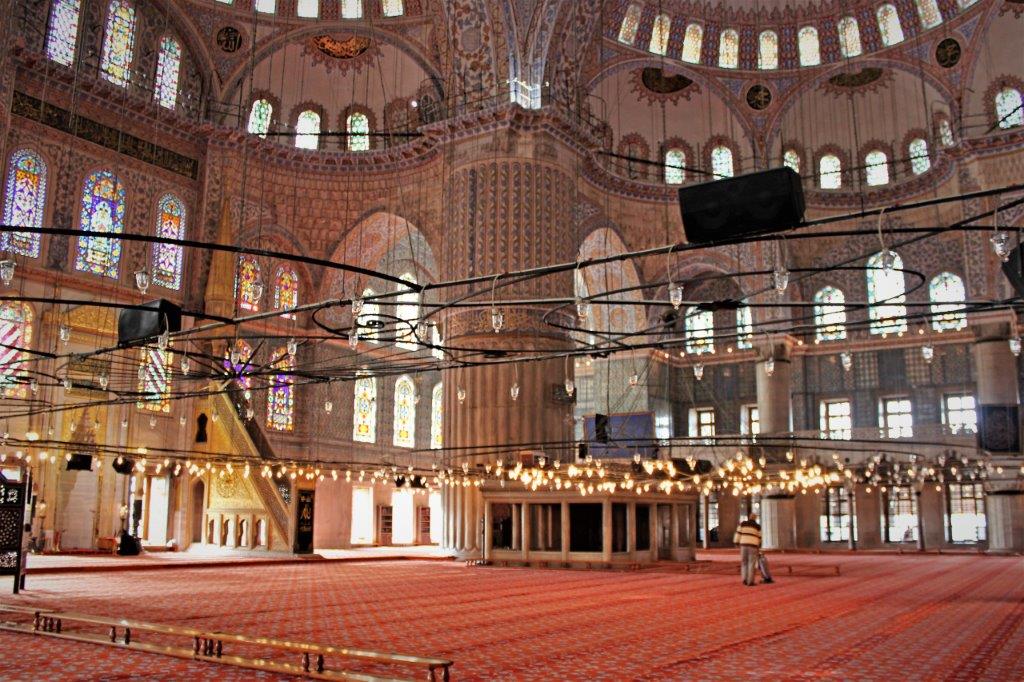
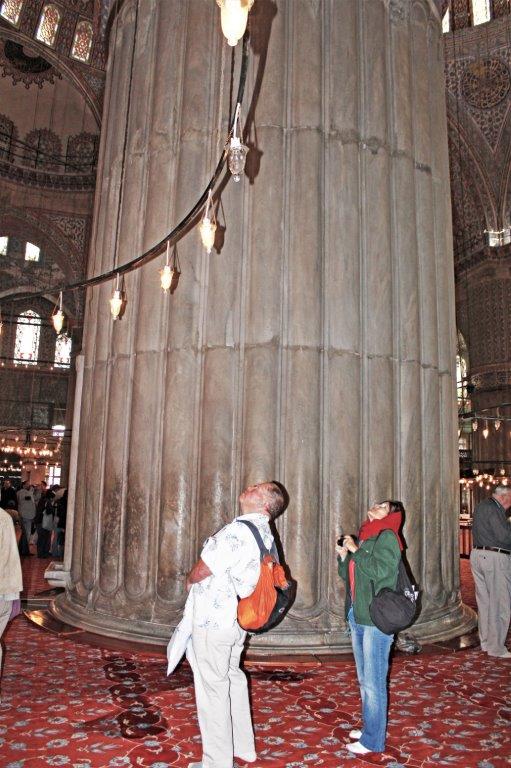
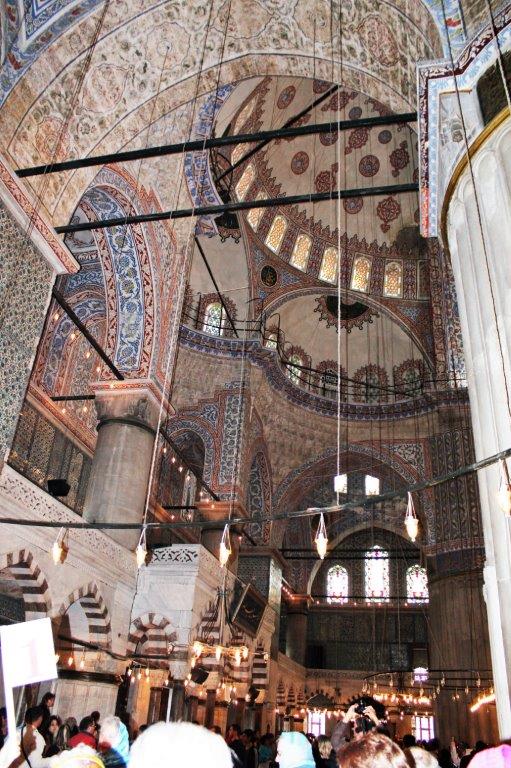
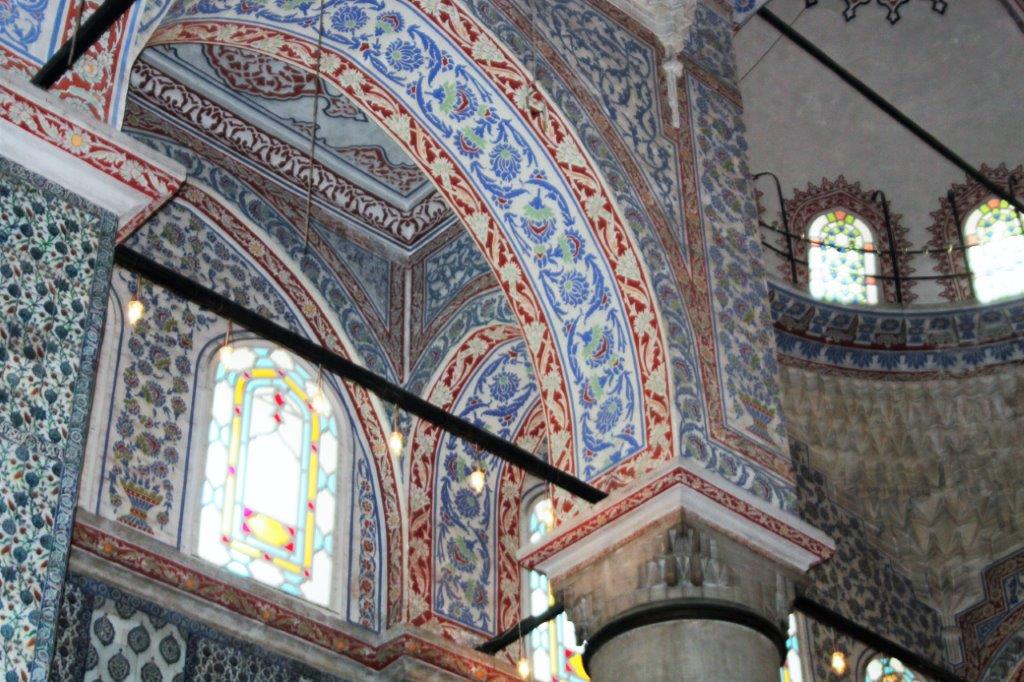
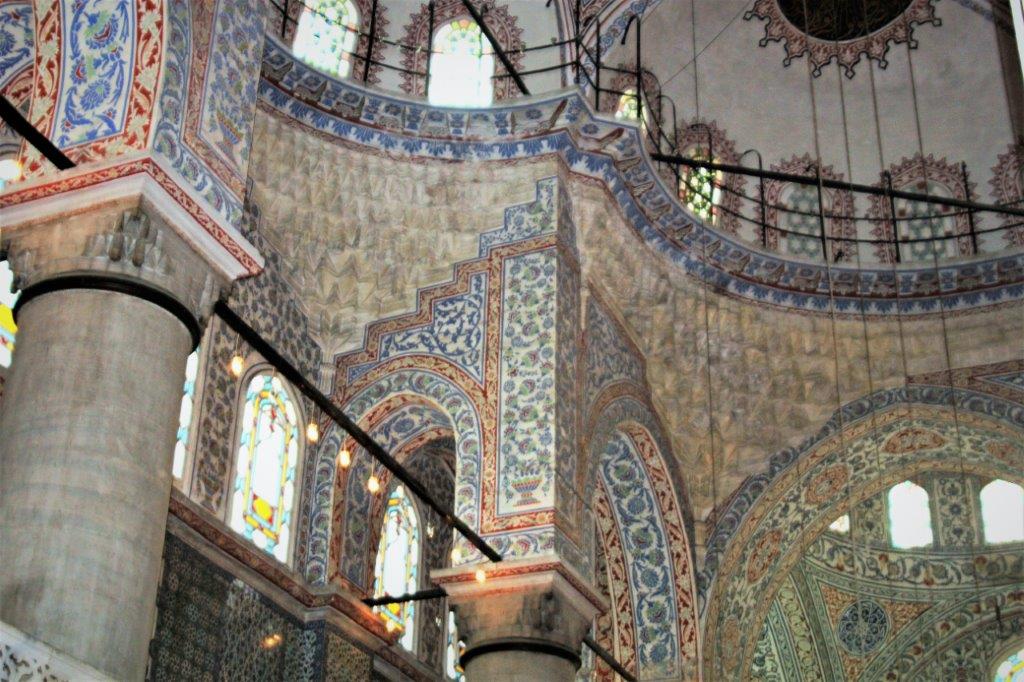
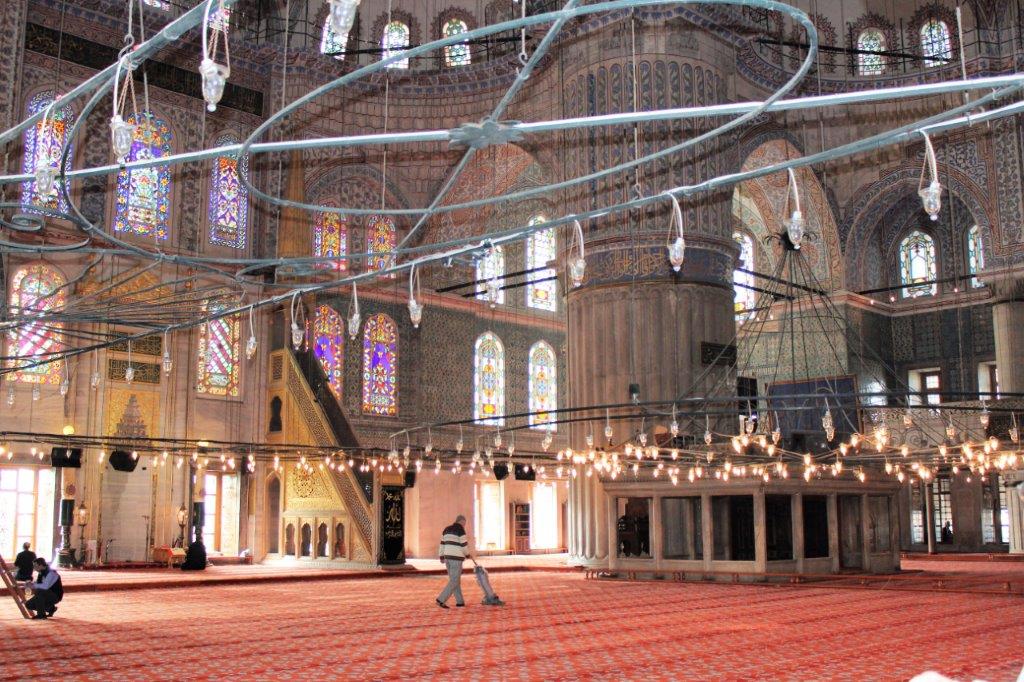
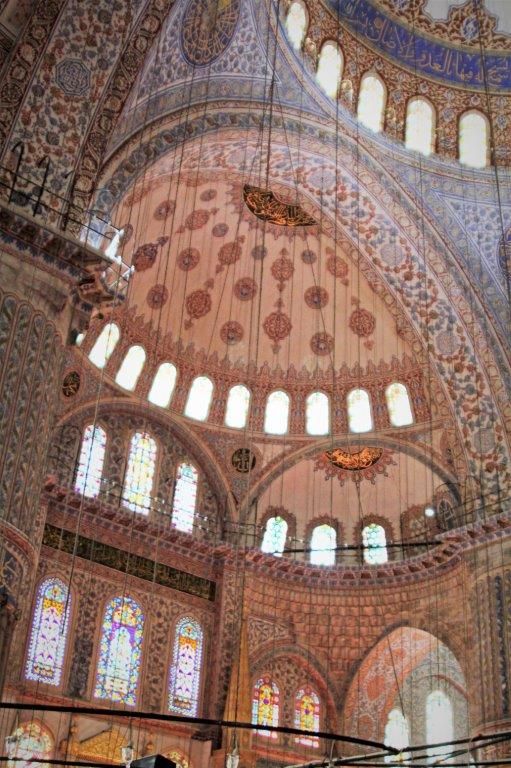
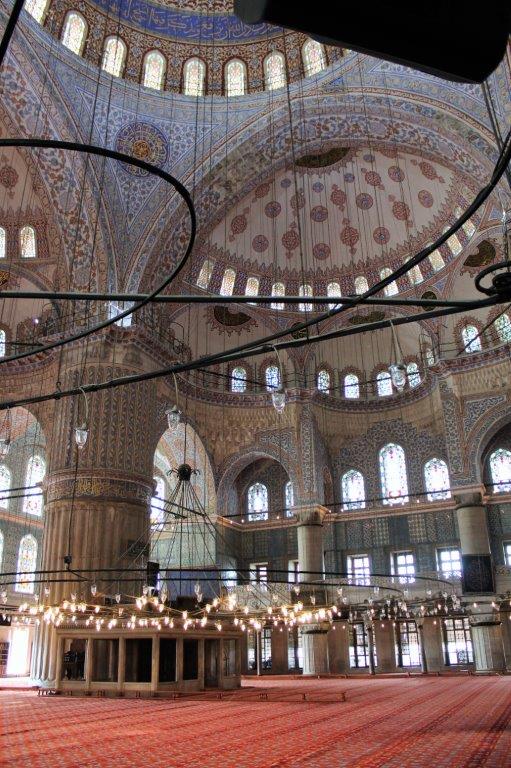
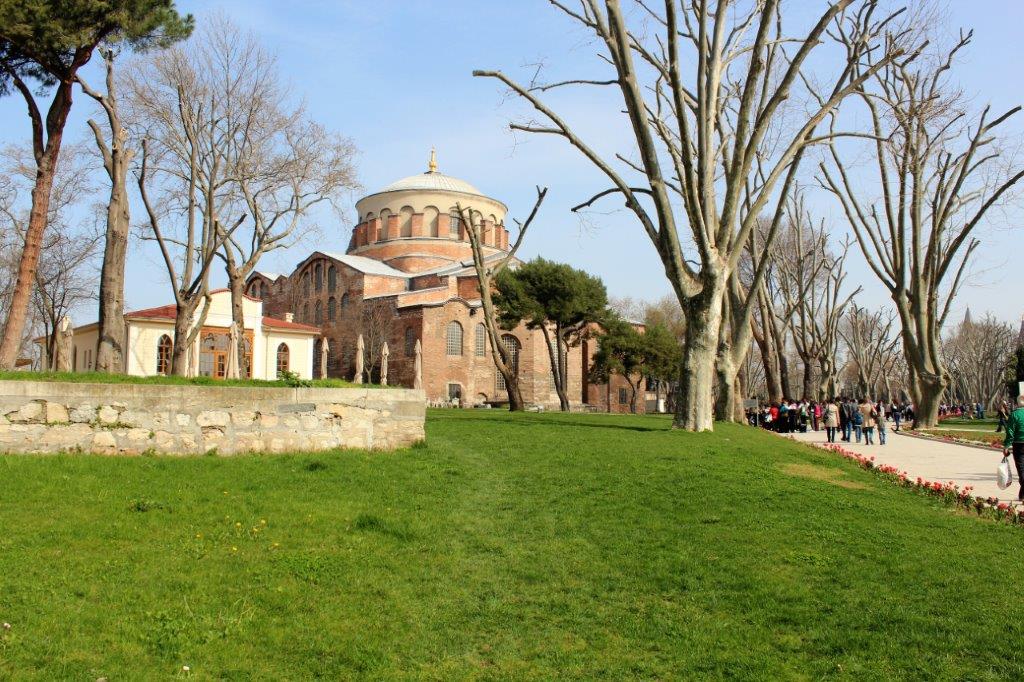
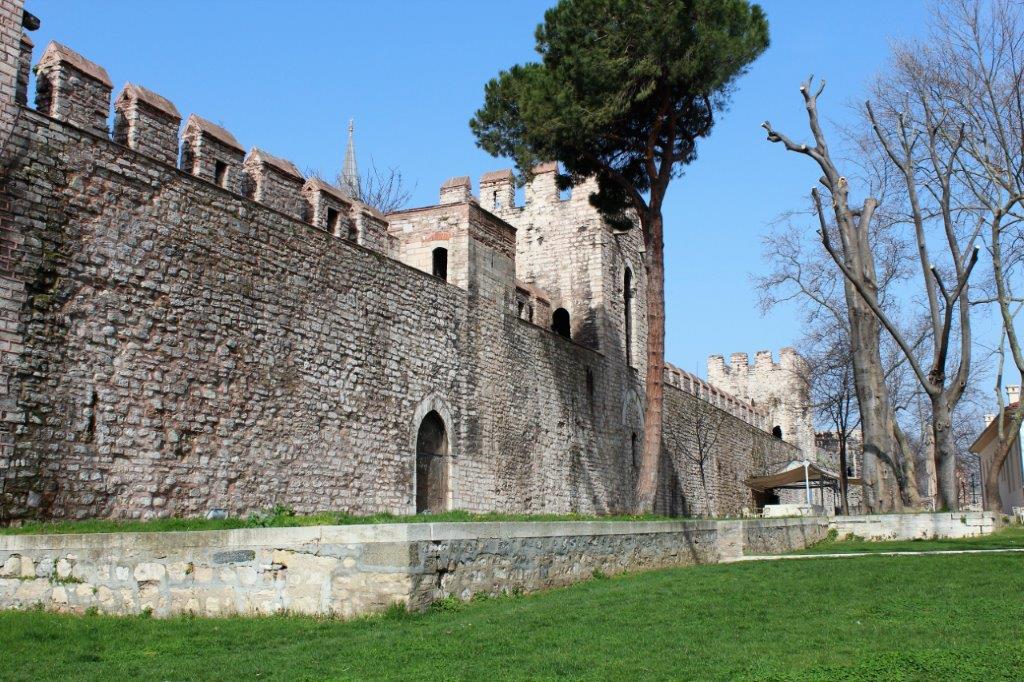
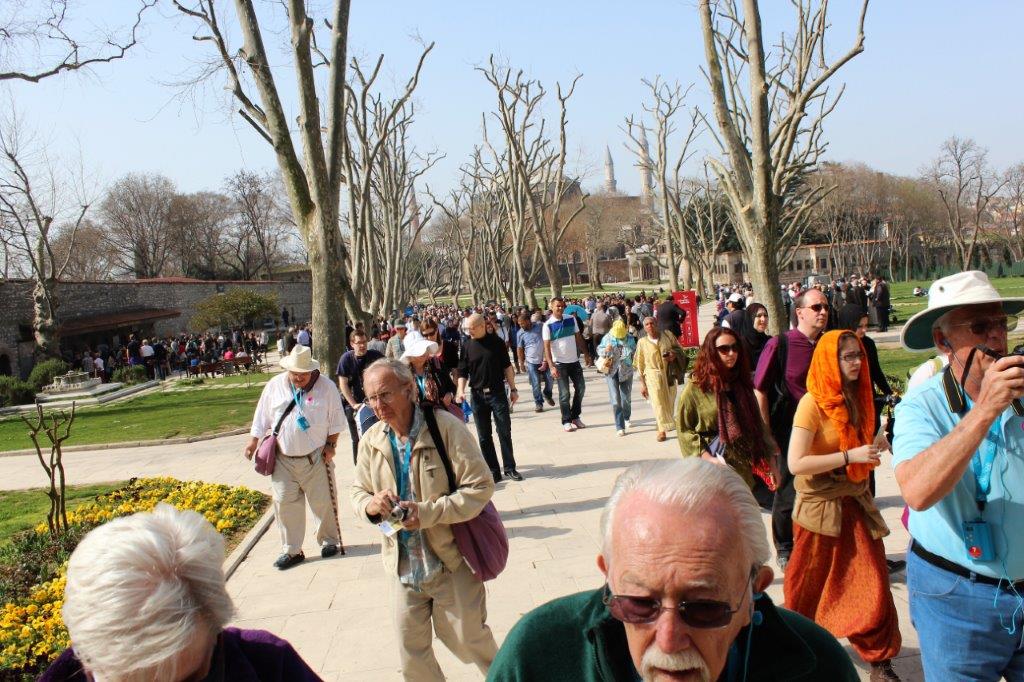
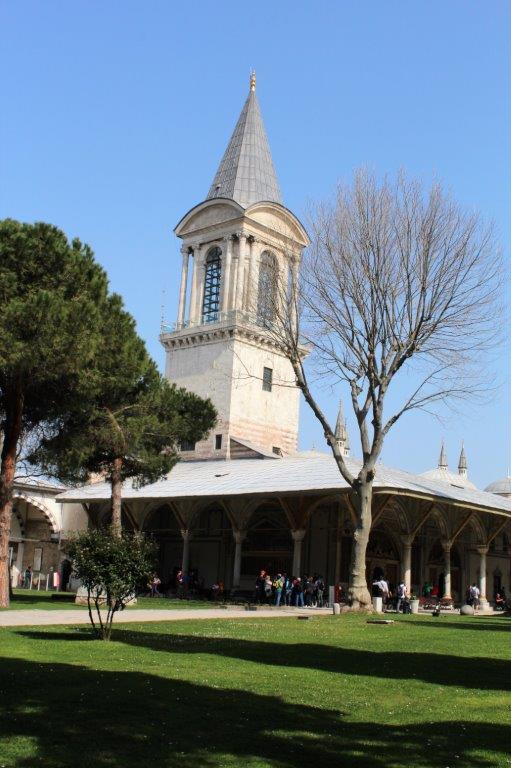
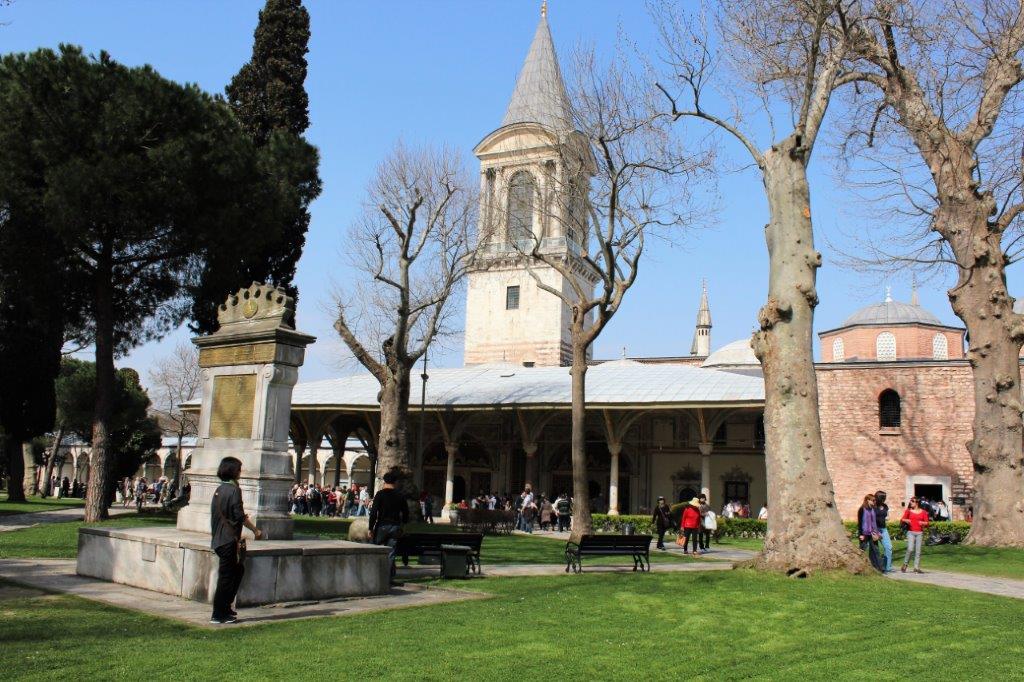
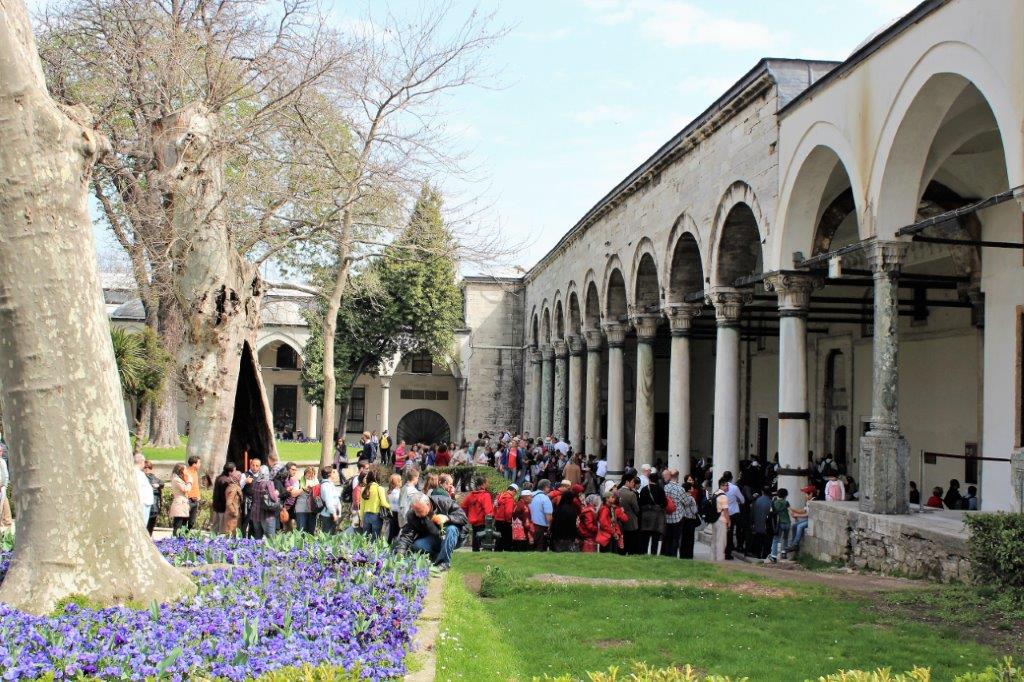
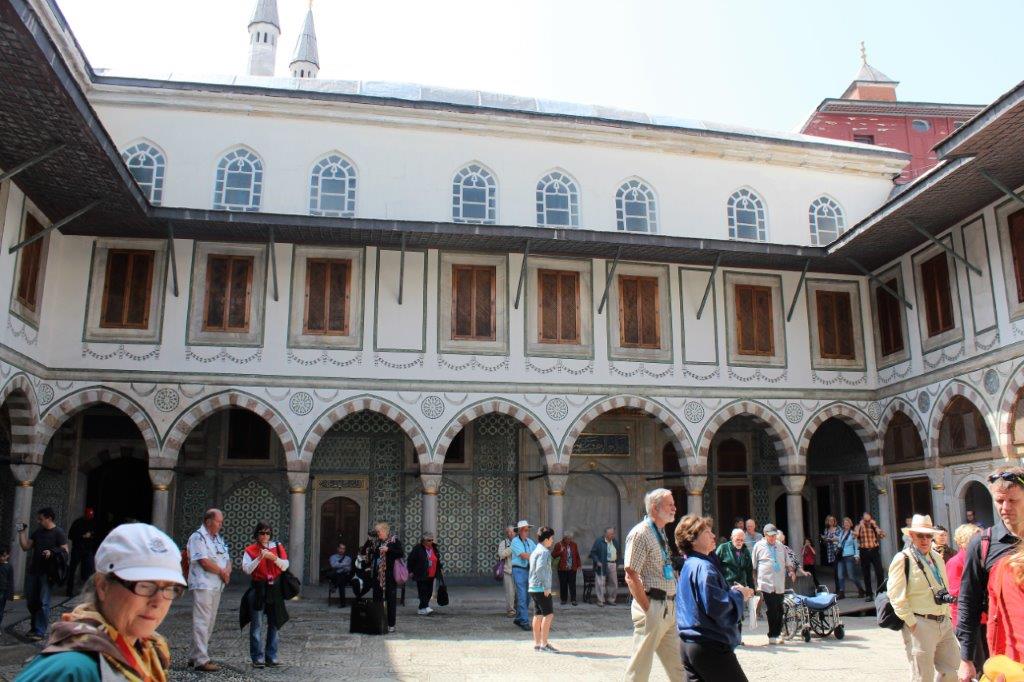
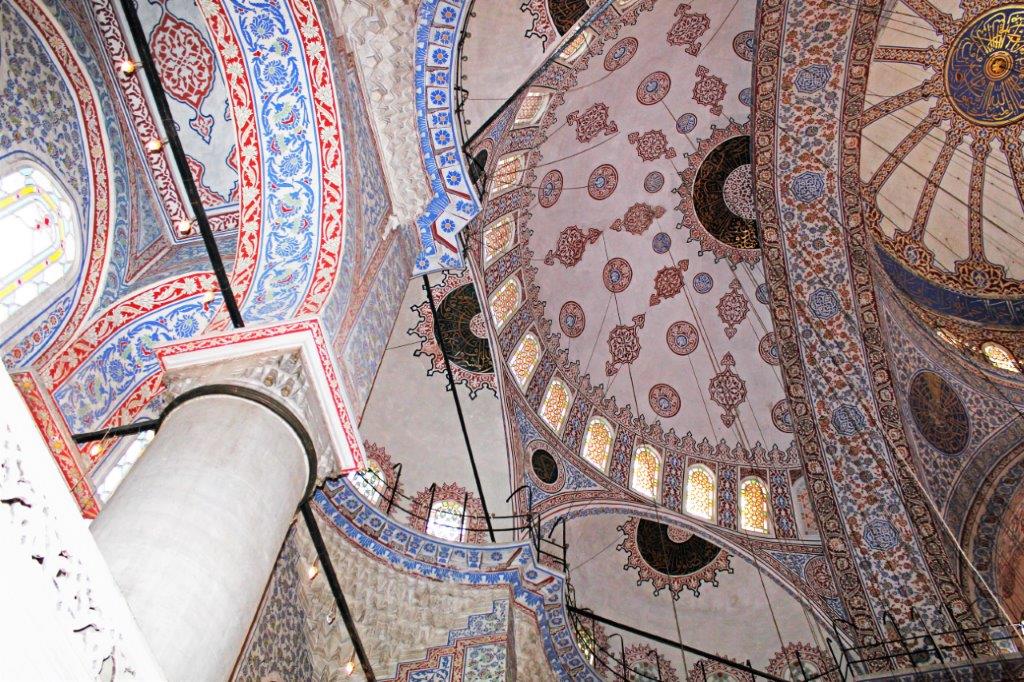
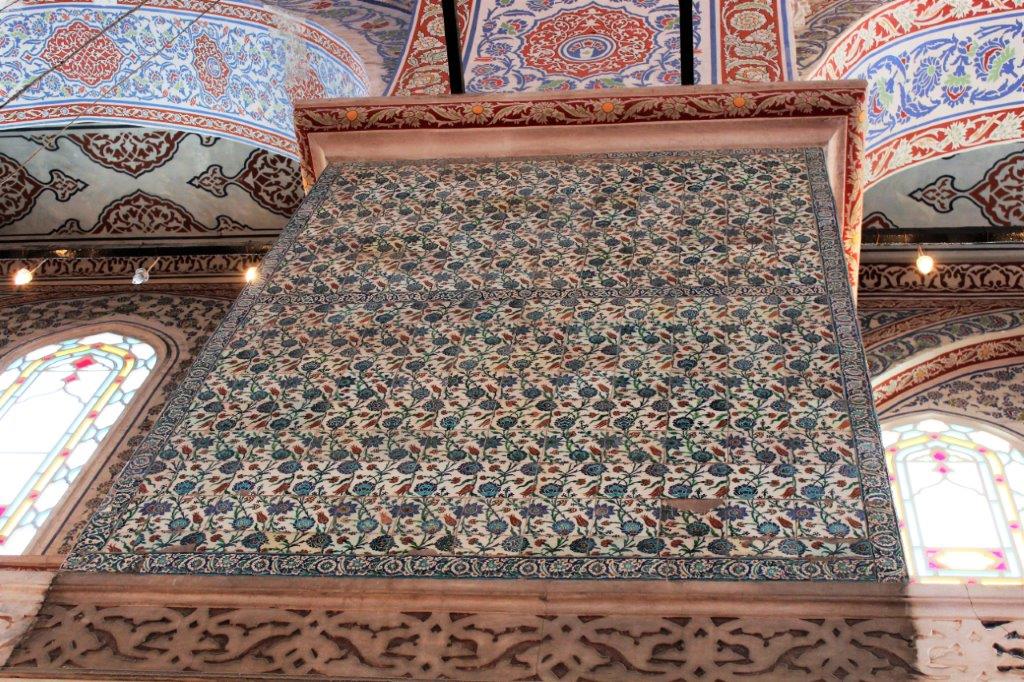
       The mosque can accommodate 10,000 men during prayer.  Sultan Ahmed, who was then 14 years old, ordered the building of an Islamic counterpart to Hagia Sophia, which was at that time a Christian church.  The beautiful mosque was constructed between 1609 and 1616 and is a “triumph of harmony, proportion and elegance.”  The official name of the mosque is the Sultan Ahmed Mosque but everyone, except the Turks, calls it the Blue Mosque because of all the blue patterned Iznik tiles (21,403 of them) covering the walls and ceiling domes.  It must take this fellow a long, long time to vacuum this huge carpet.  There were so many different colours and patterns of tiles.  Every surface was covered.  It was very lovely even if I found it a bit of a sensory overload. Another short walk took us to Topkapi Palace, built by order of Sultan Mehmet II (the Conqueror) after his army stormed and sacked Constantinople in 1453.  The palace served as the official residence of the Ottoman sultans and the royal court until the mid-19th century.  Topkapi means “cannon gate.”                                            People, people, people.

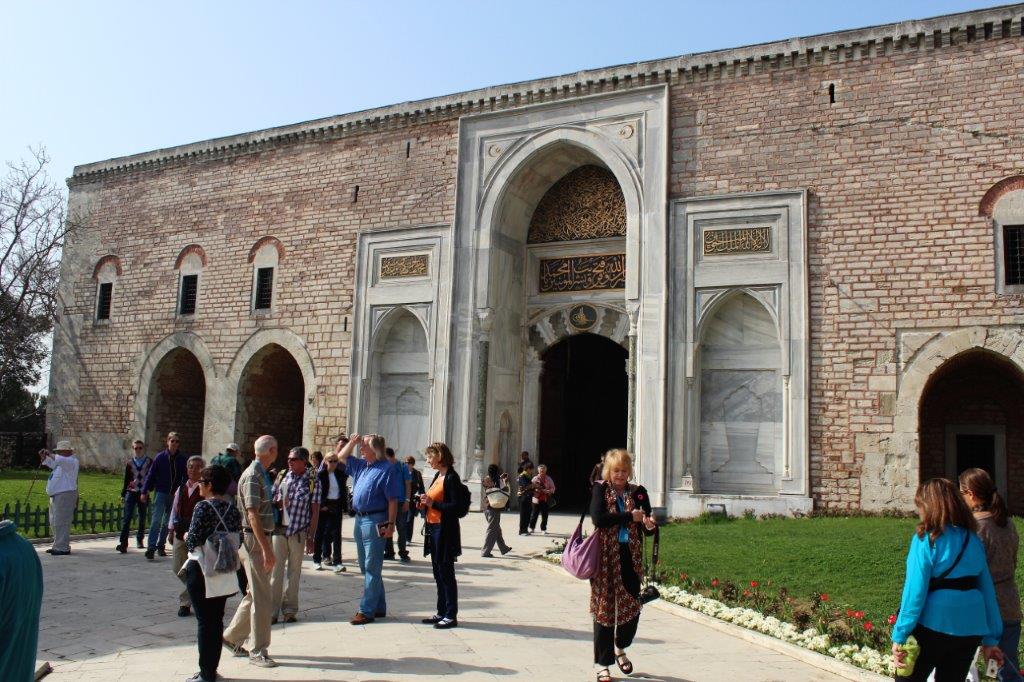
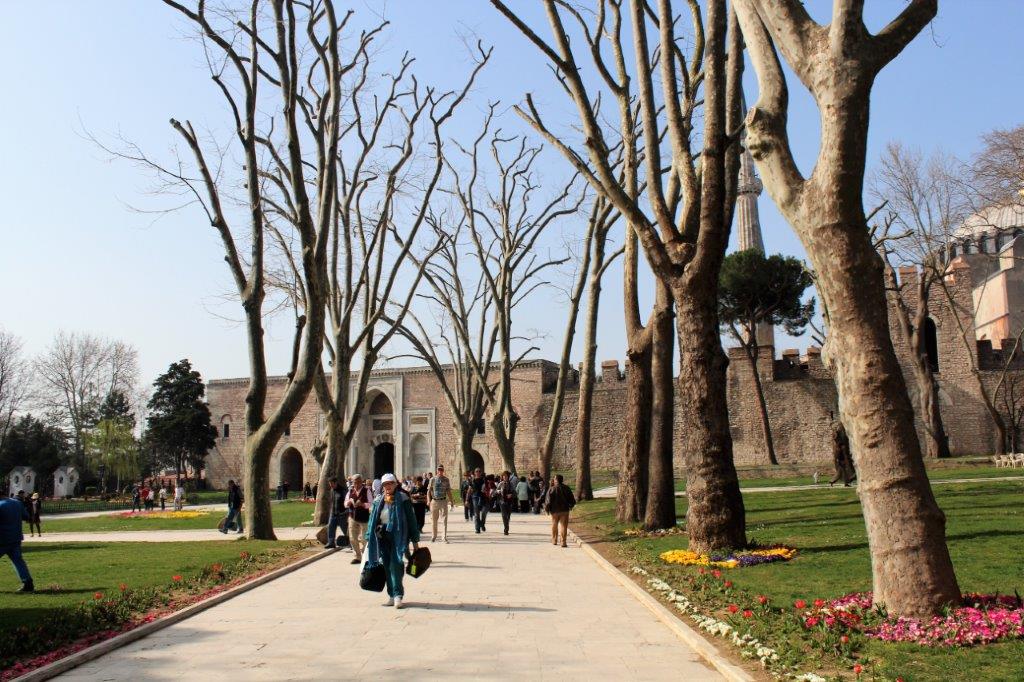
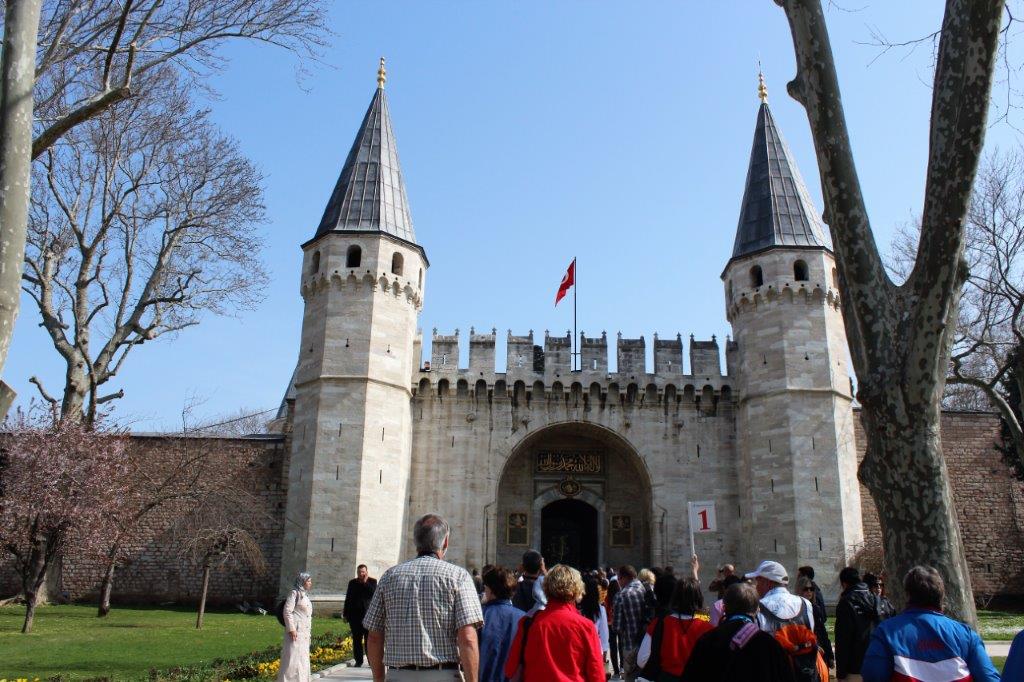
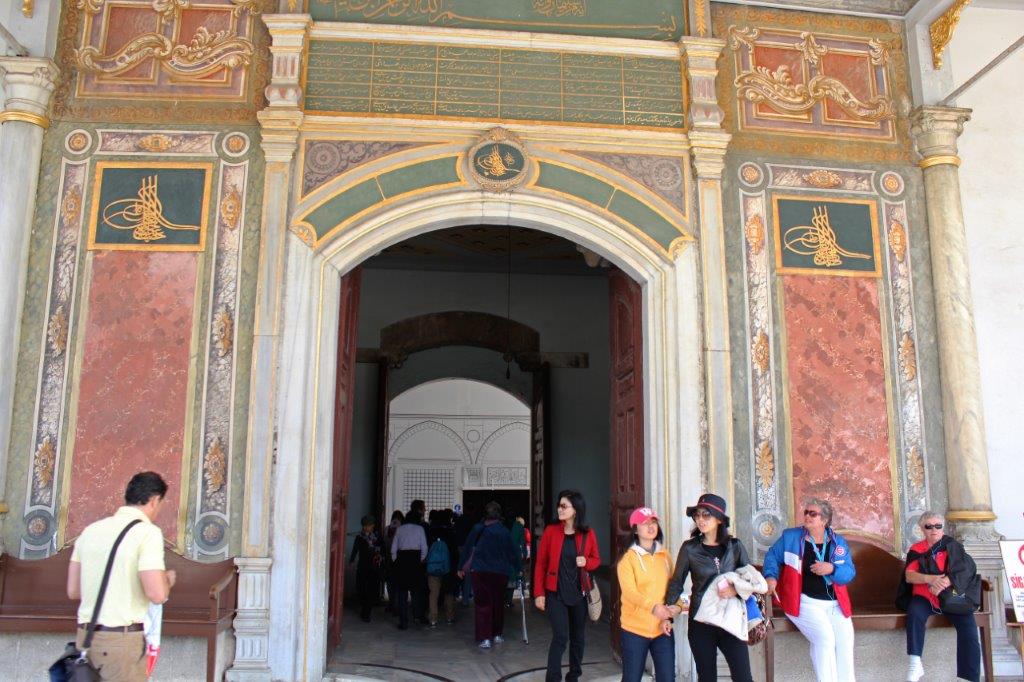
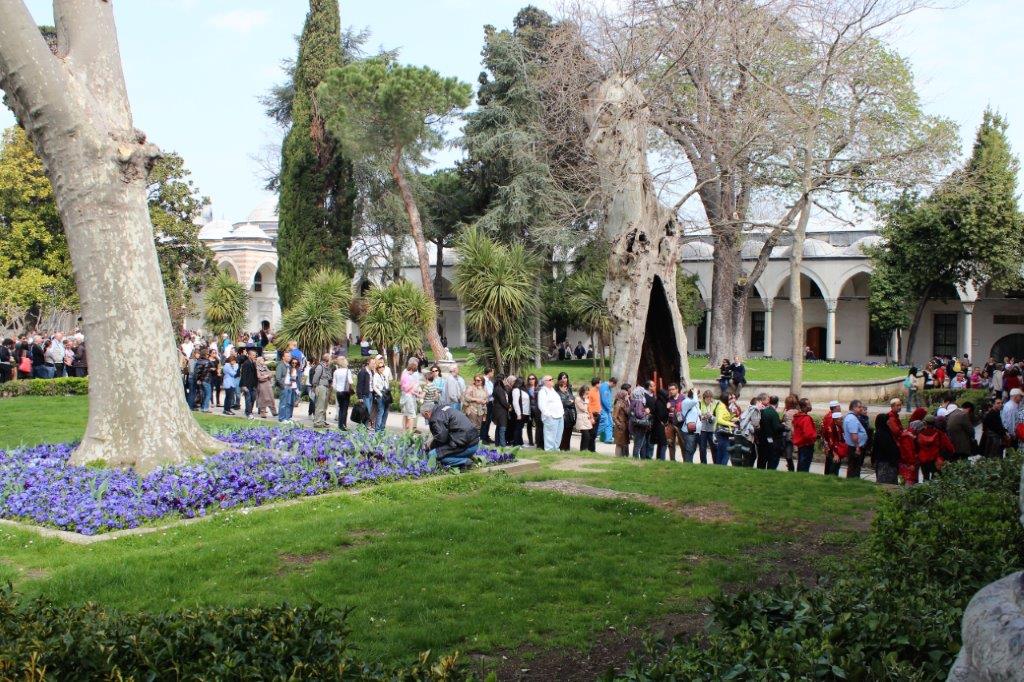
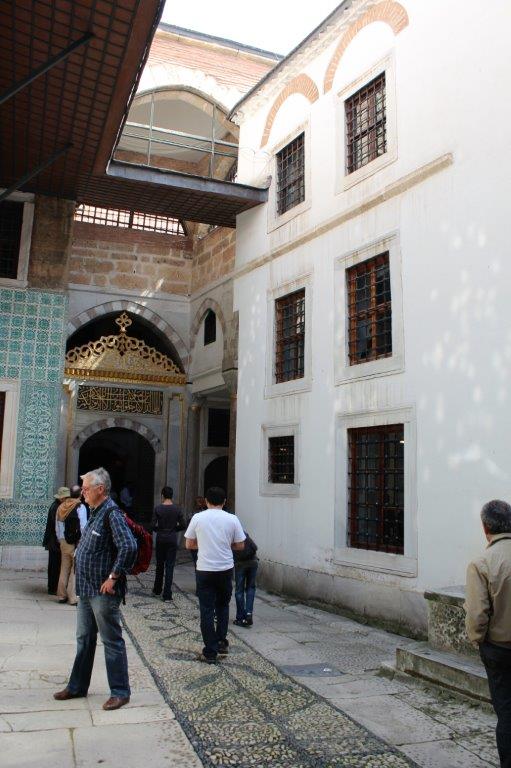
The place has a pretty nice entrance.  Our guide gave us an overview of the 3-5 different sections of the palace and then sent us off for 45 minutes to wander.  Obviously, not nearly enough time to do such a huge place justice, and the long lines to enter the rooms ate up quite a bit of our time.  Still, we managed to go through quite a lot of rooms before we had to go to our assigned meeting spot to go on the separate tour of the Harem rooms.

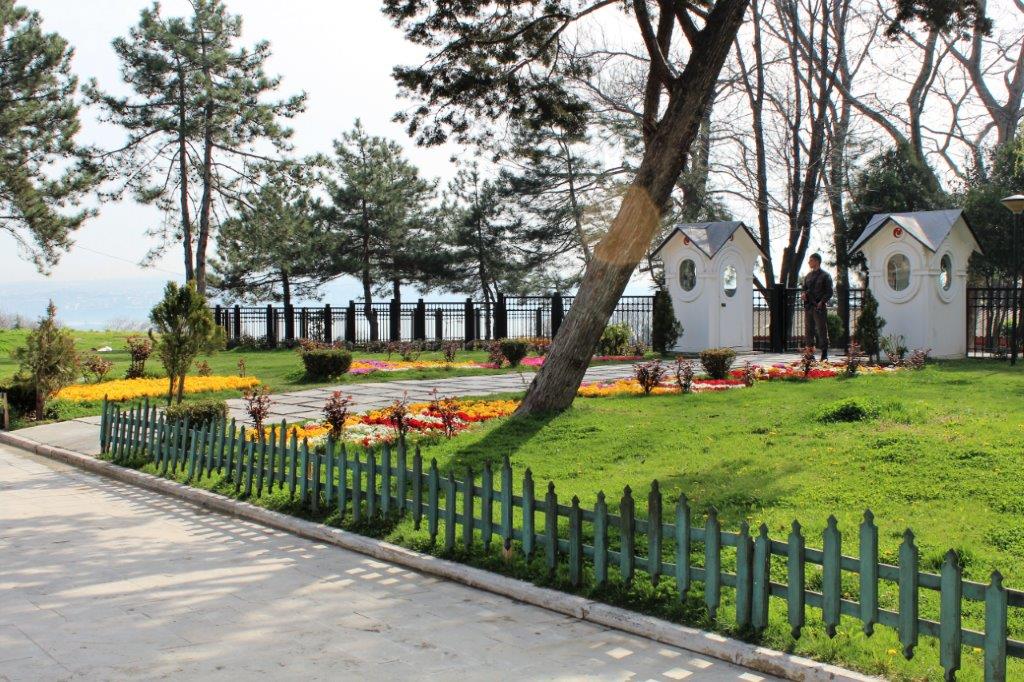
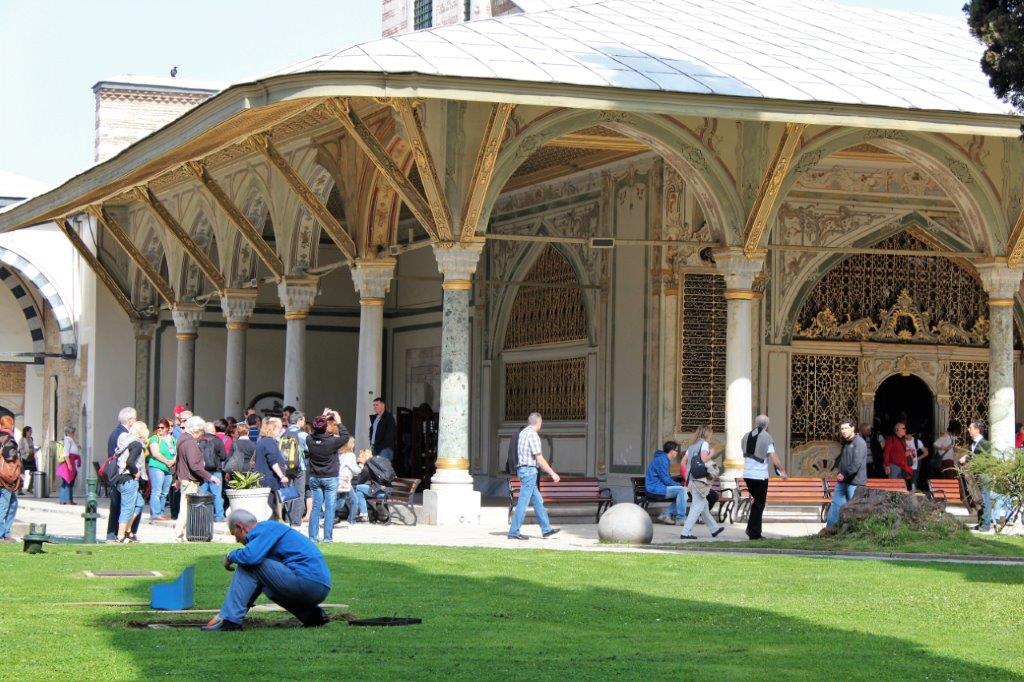
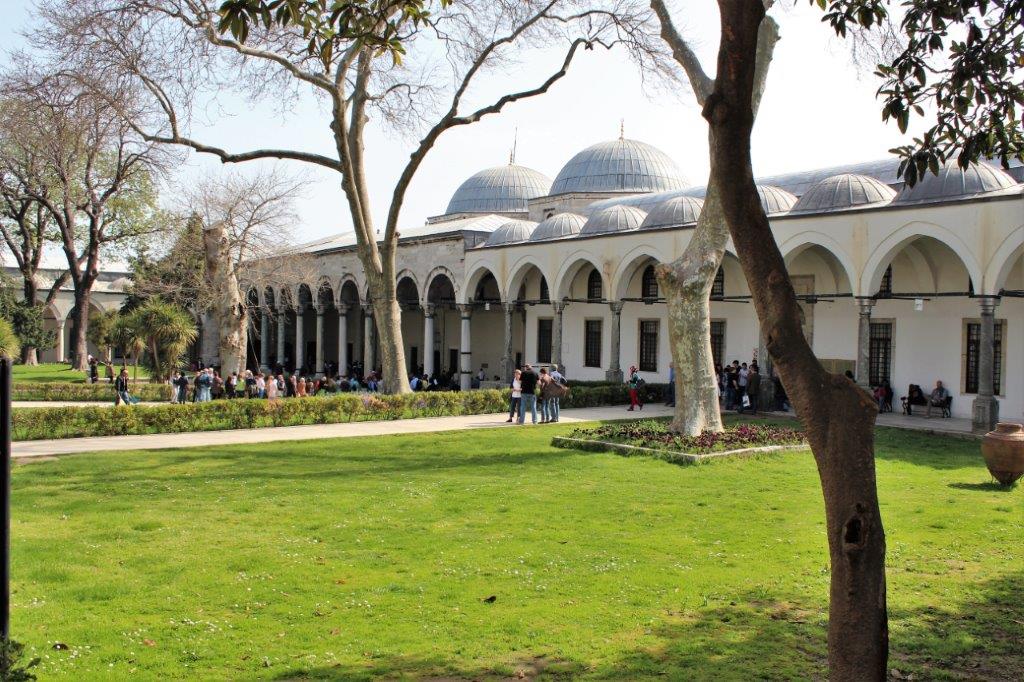
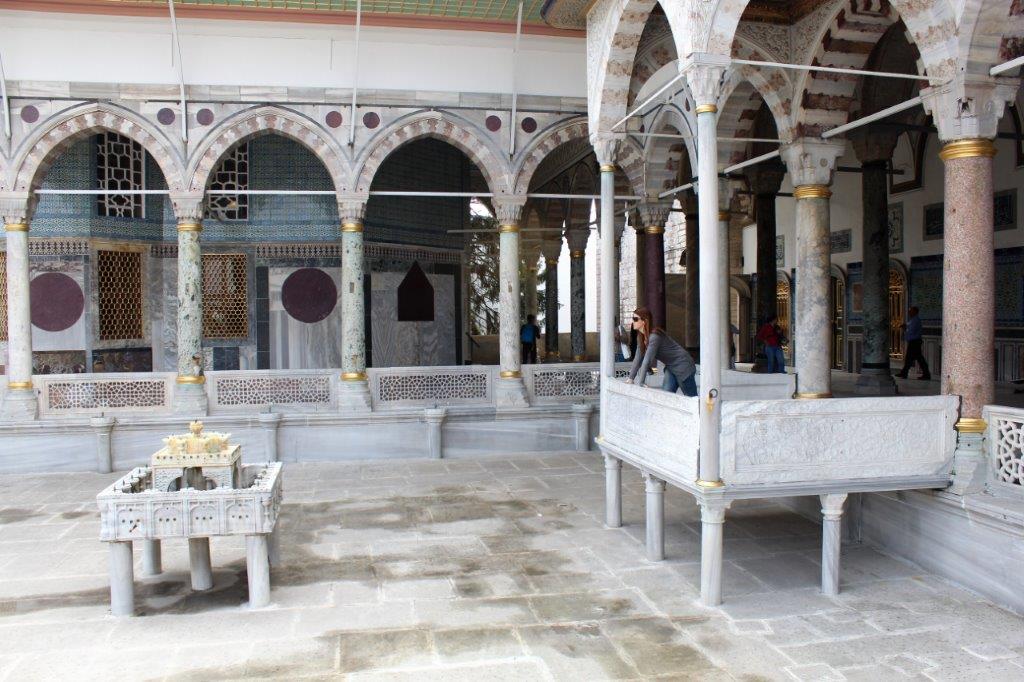
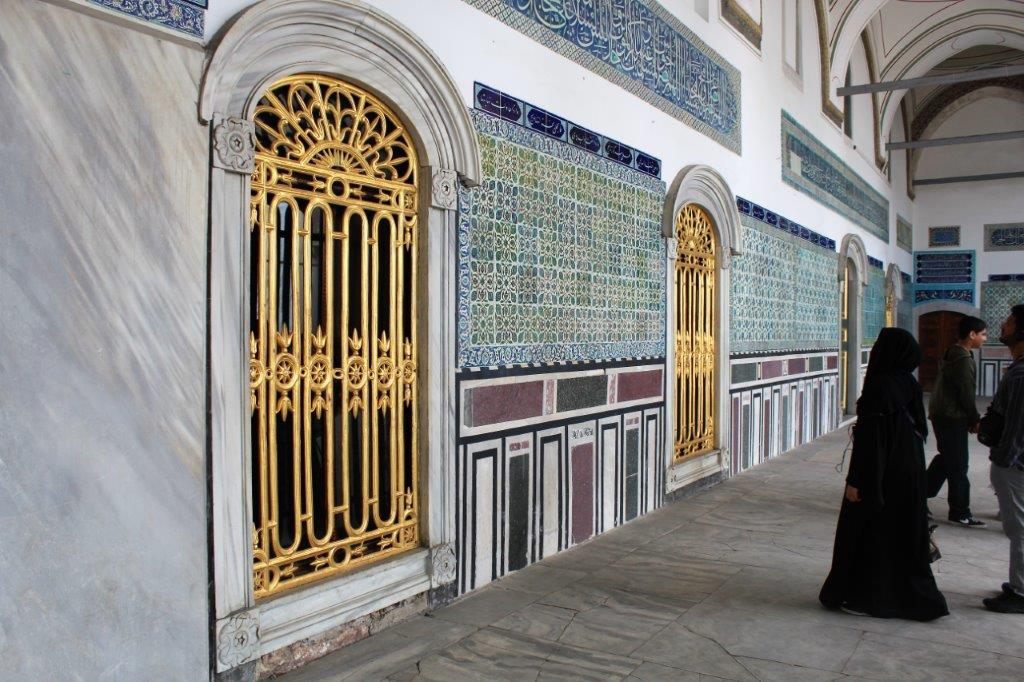
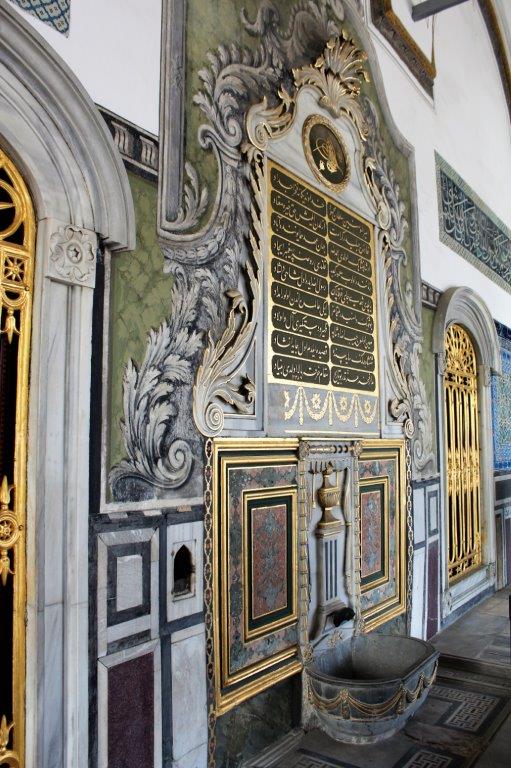
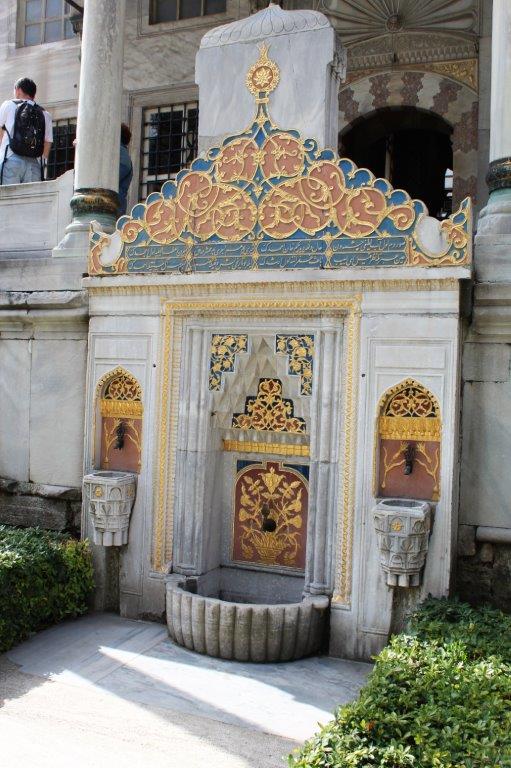
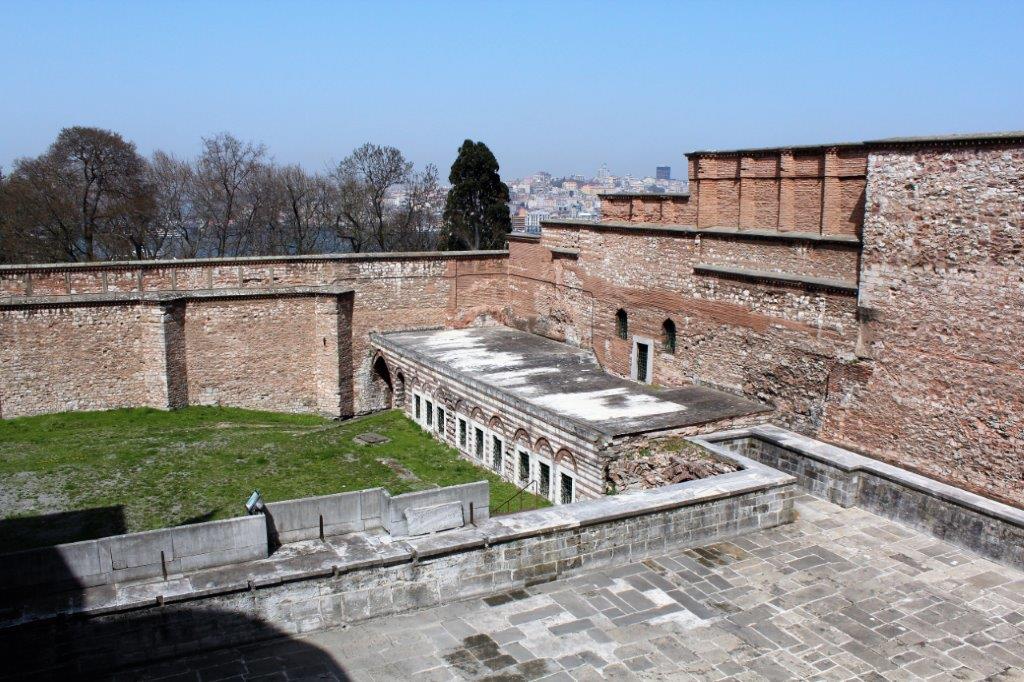
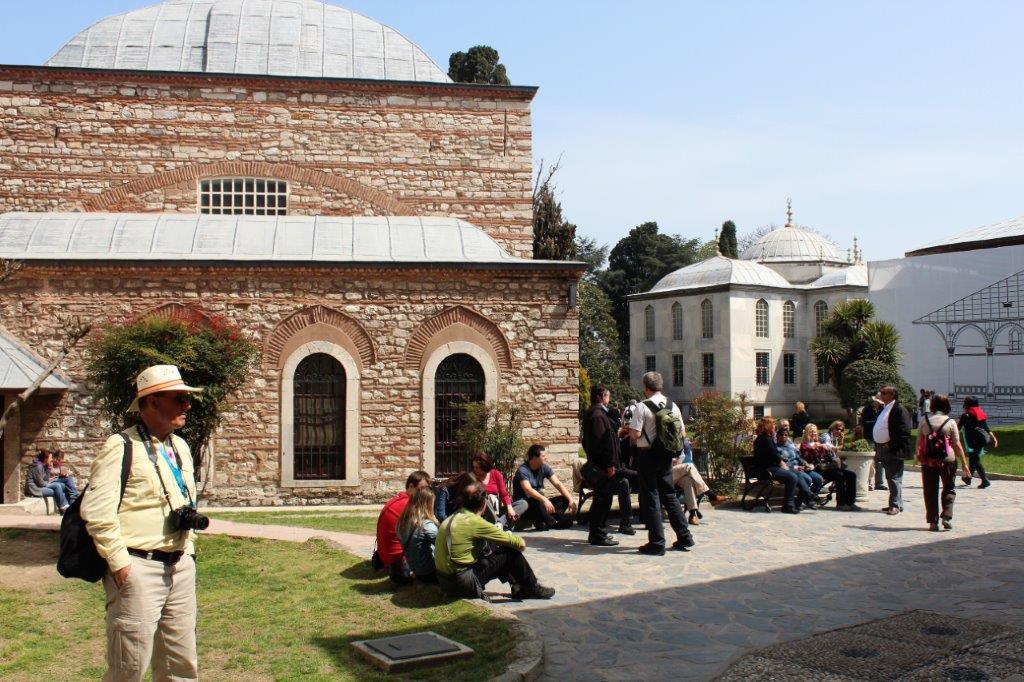
The palace consists of courts, pavilions, mosques, fountains and a rich Treasury section.

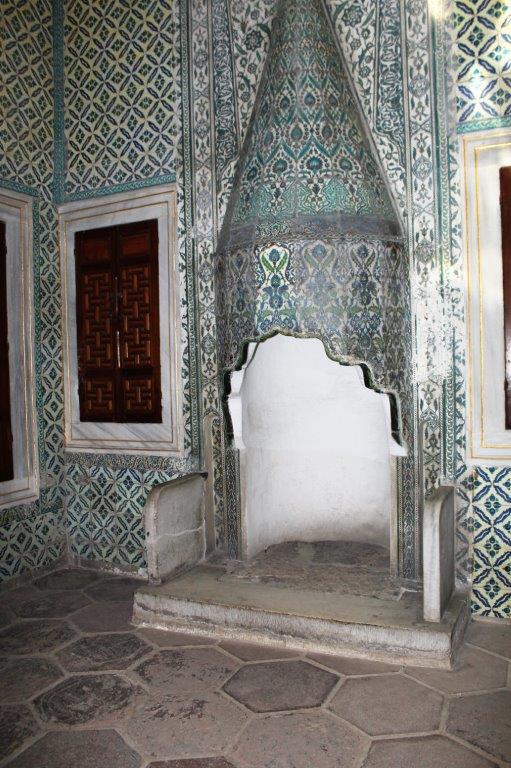
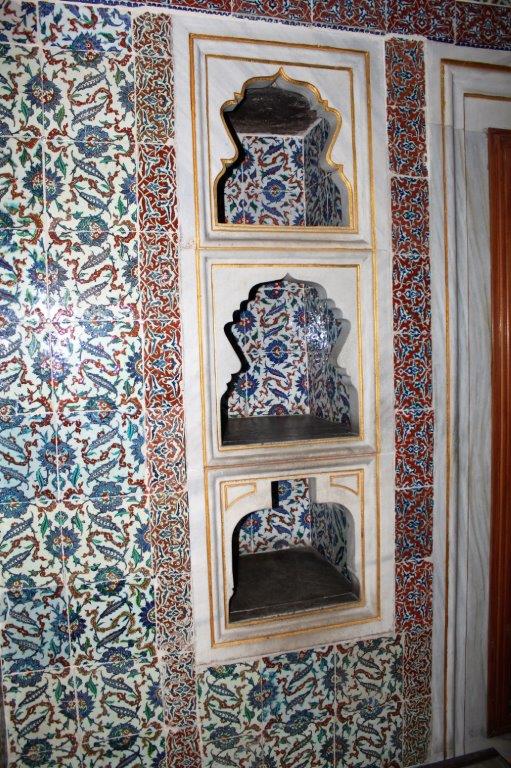
                                                                                 I love the shape of the fireplaces. These long lines were to go see the crown jewels and other items in the Treasury.  We didn’t even think about it.  The ‘jewel’ of the treasury is the 86-carat ‘Spoonmaker’s’ Diamond.

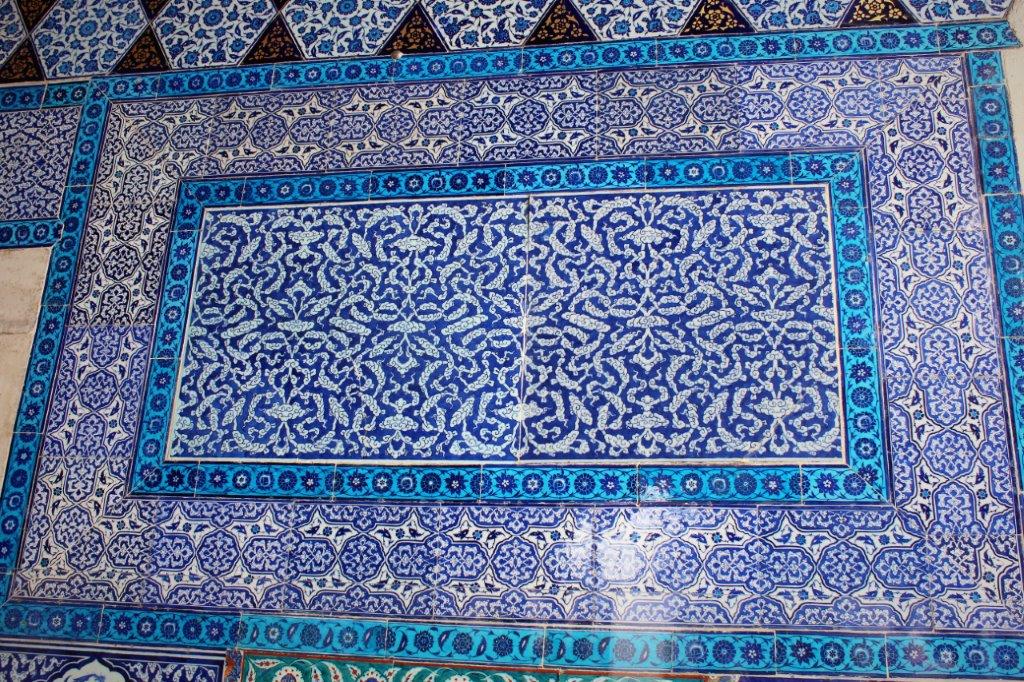
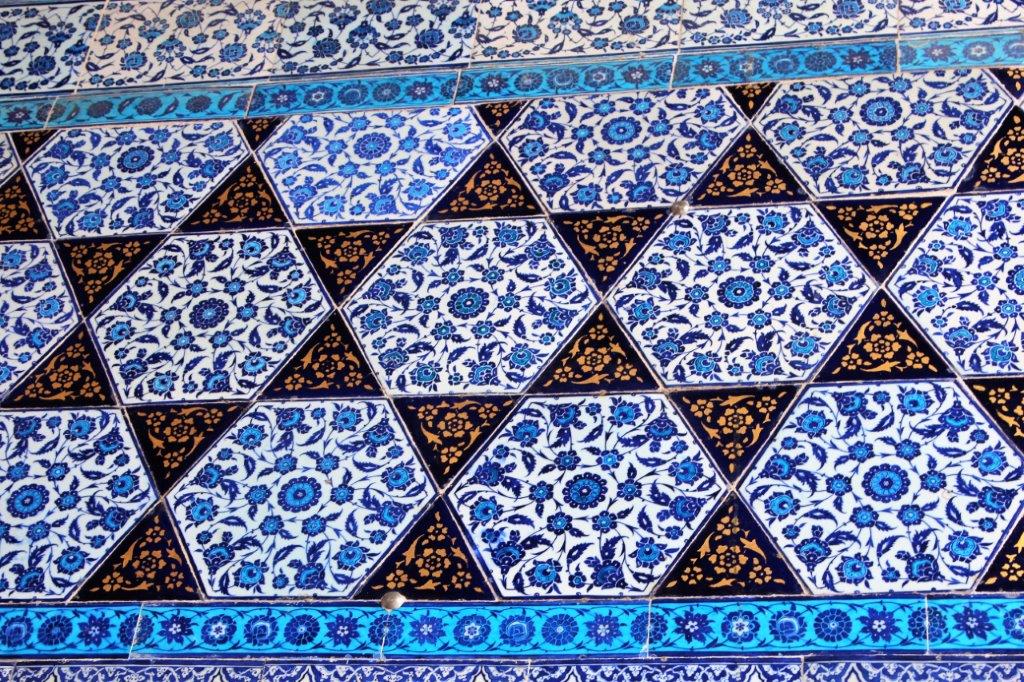
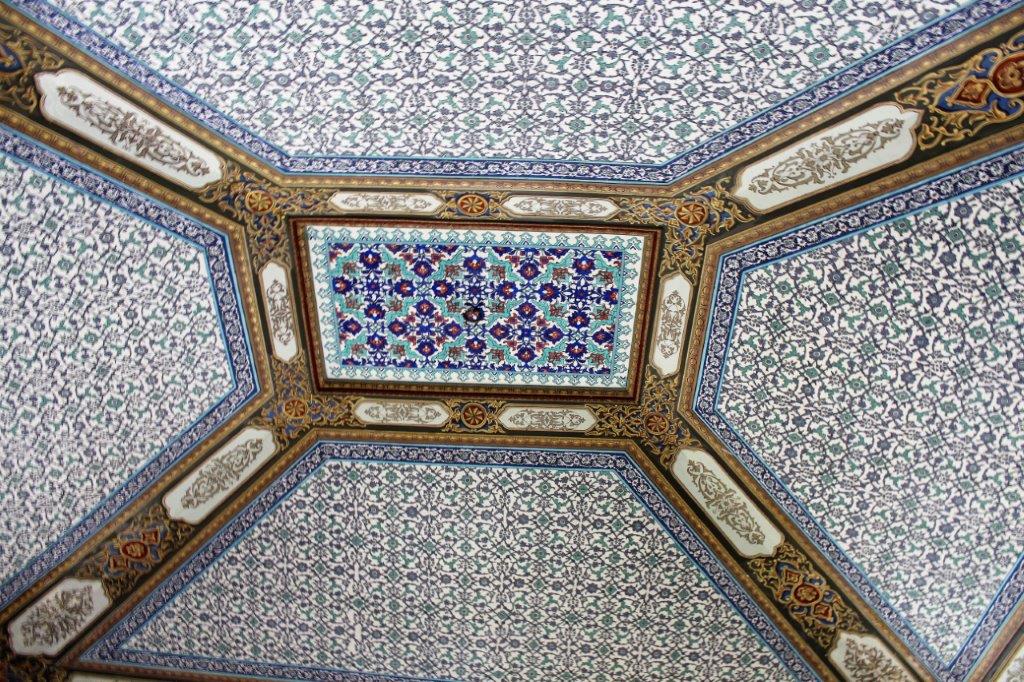
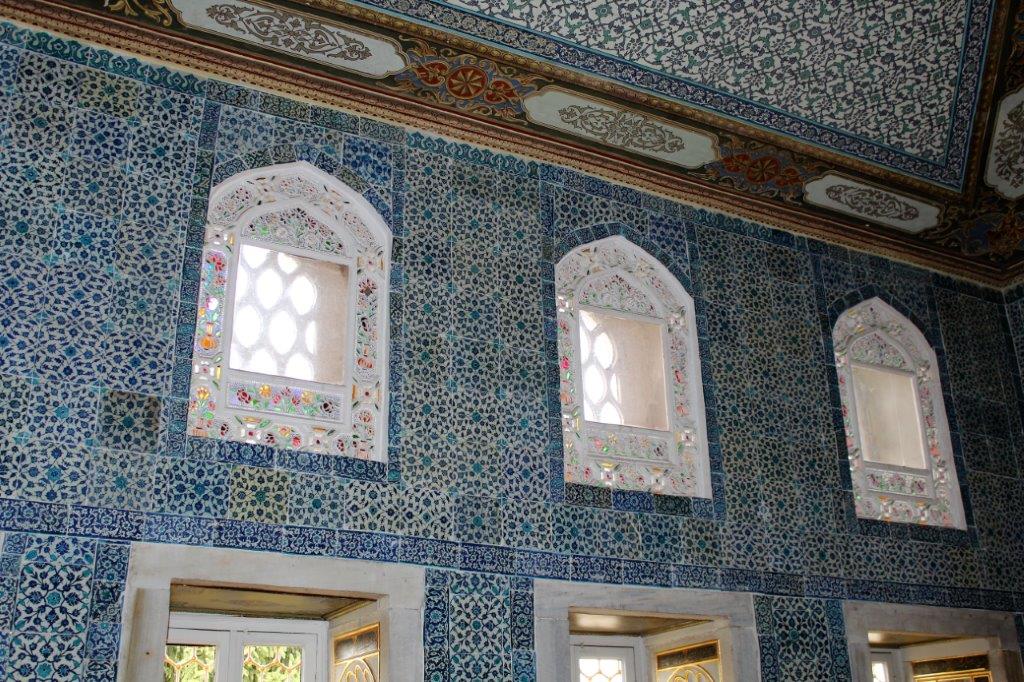
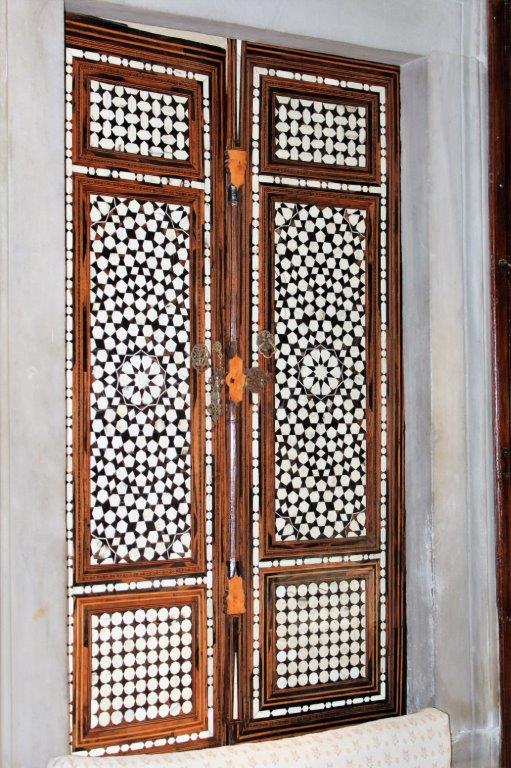
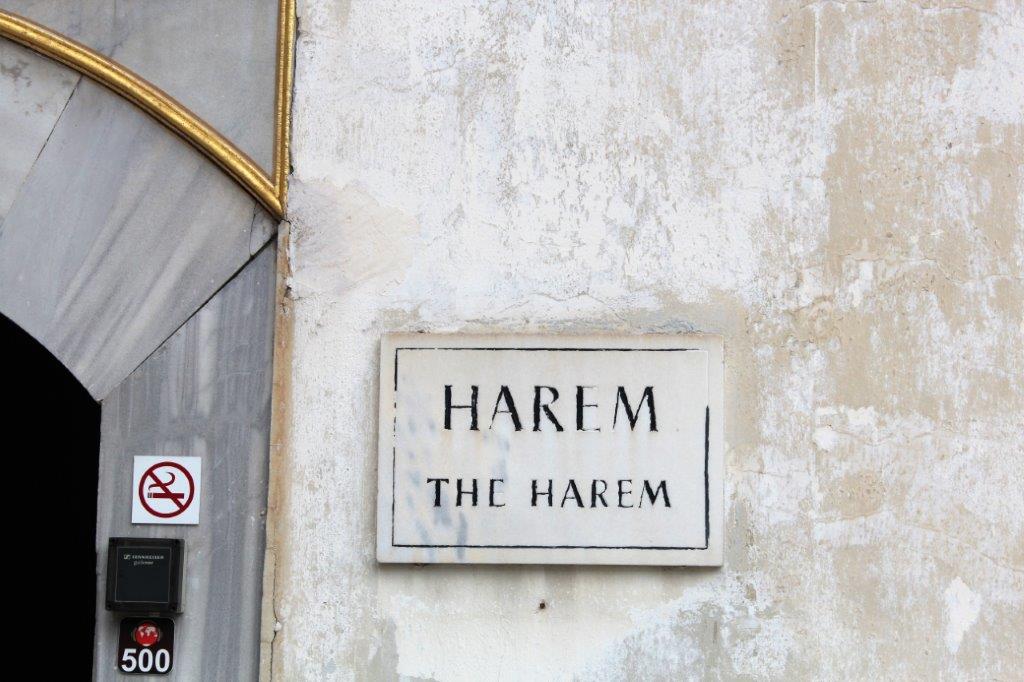
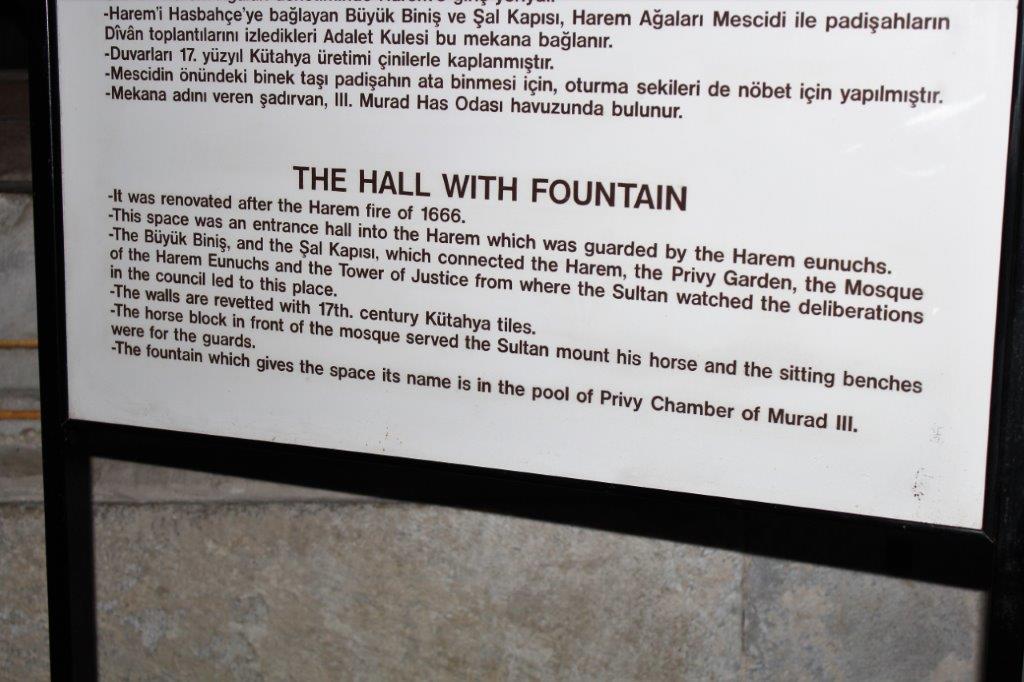
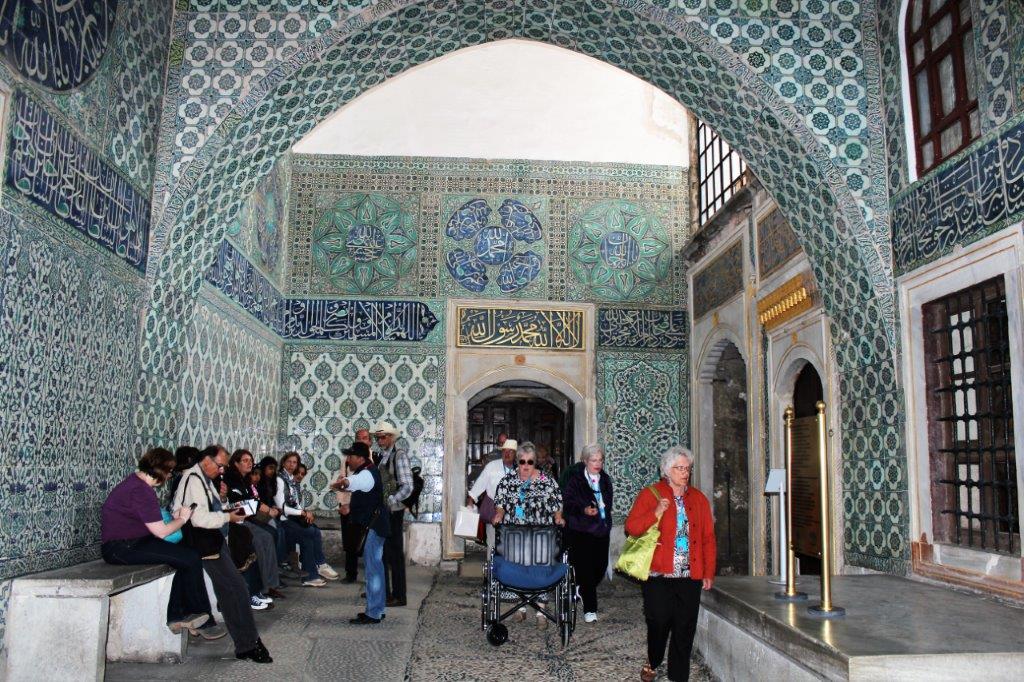
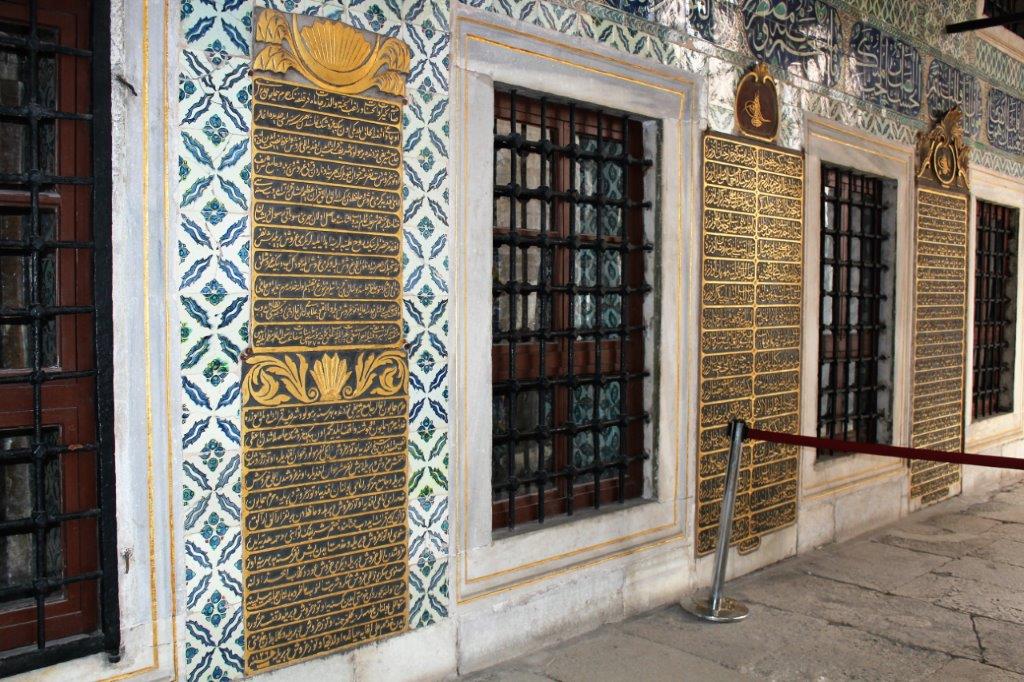
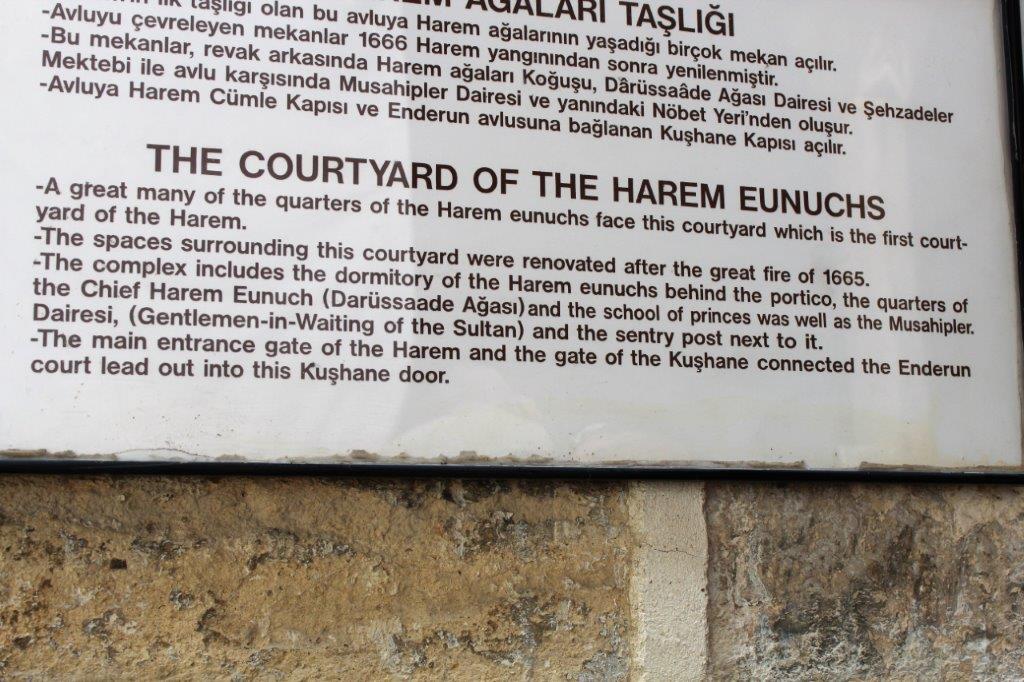
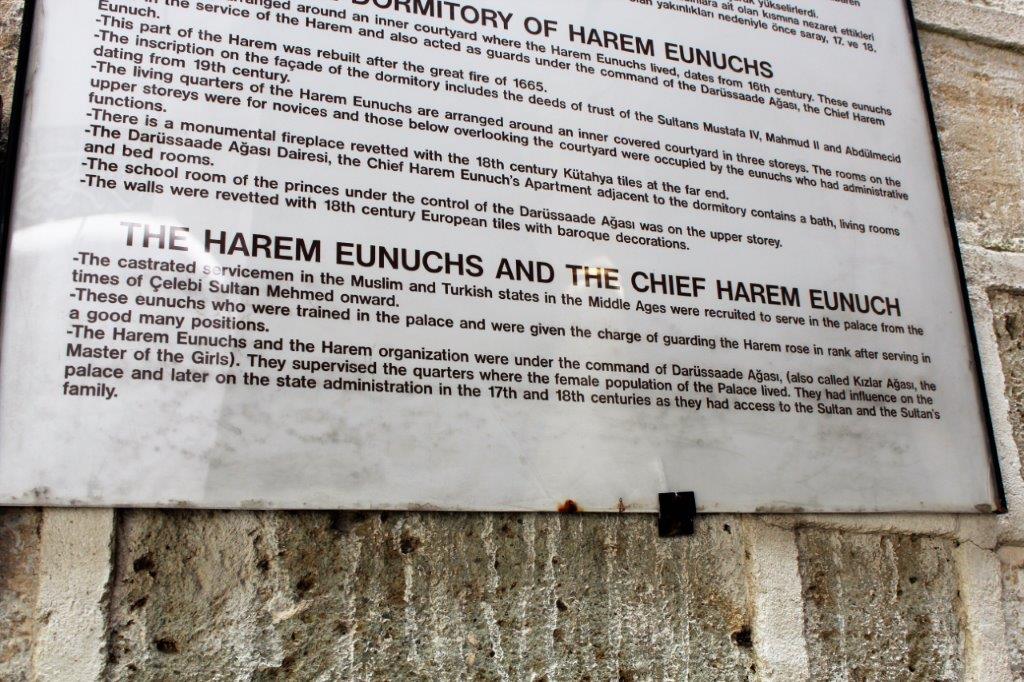
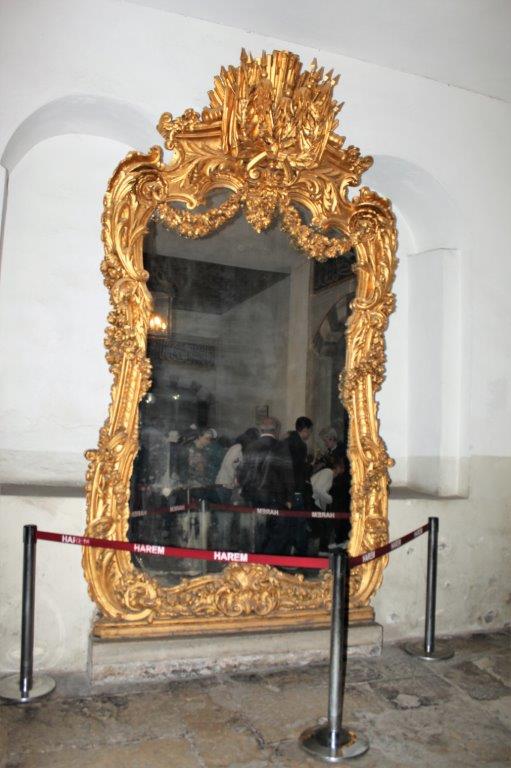
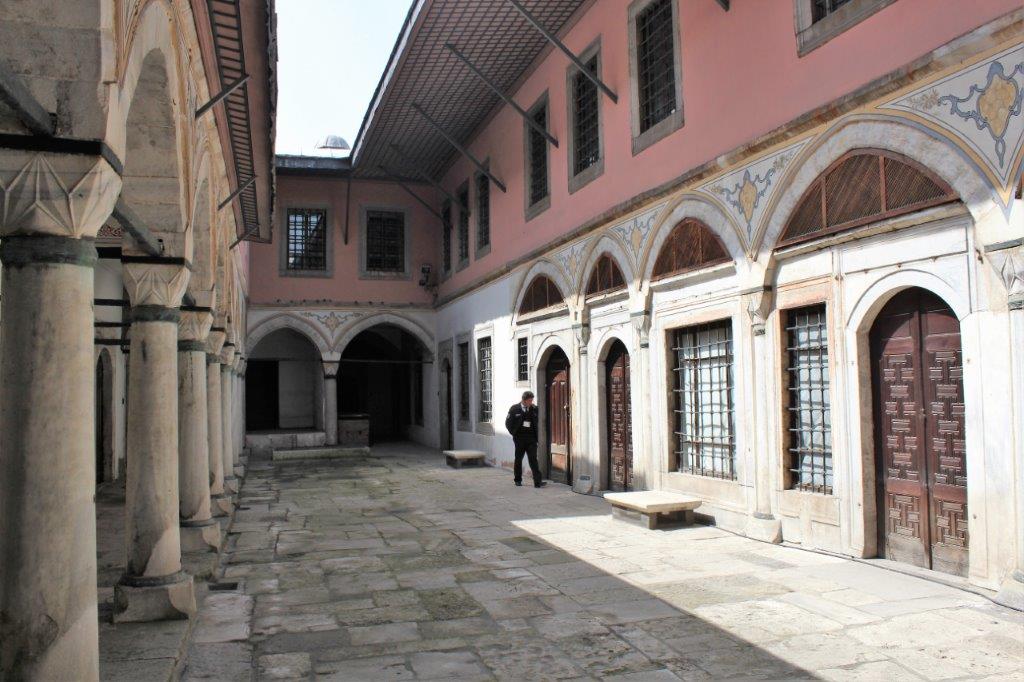
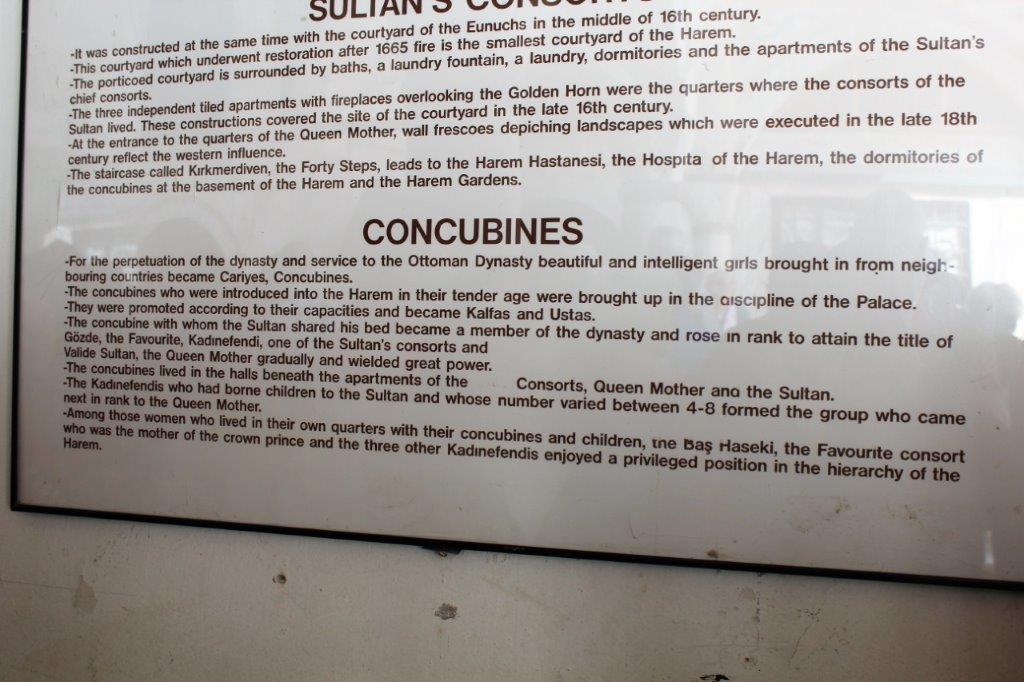
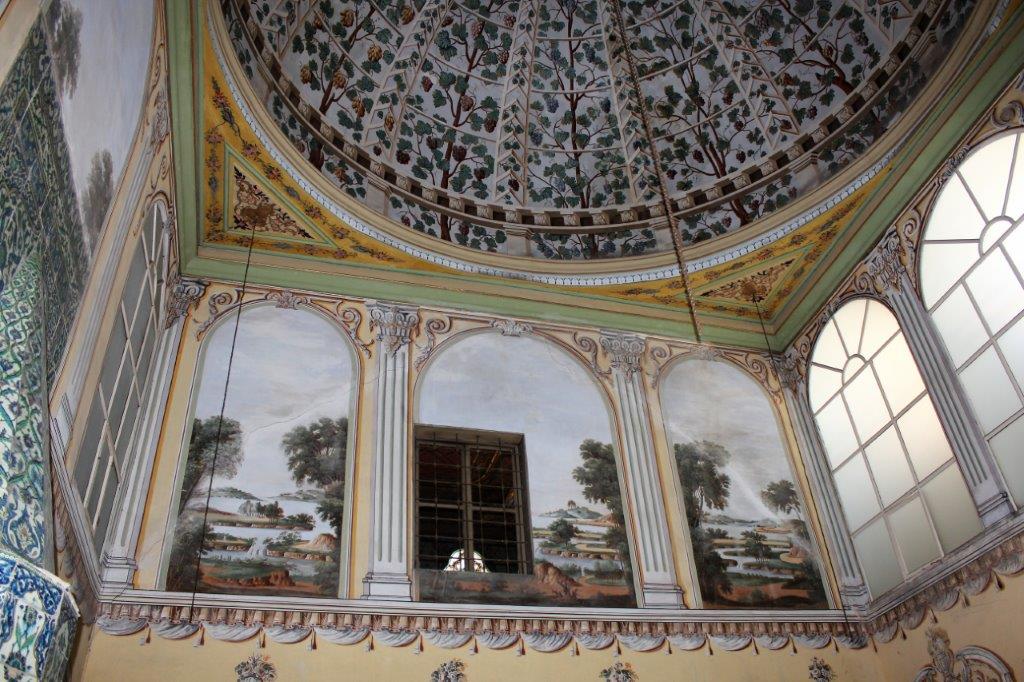
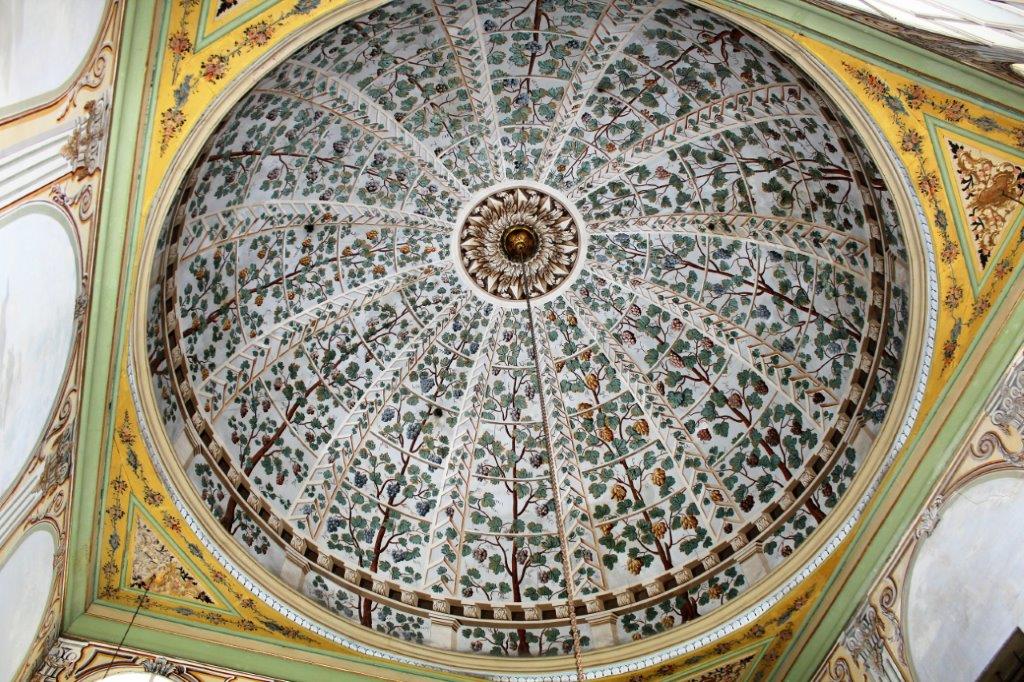
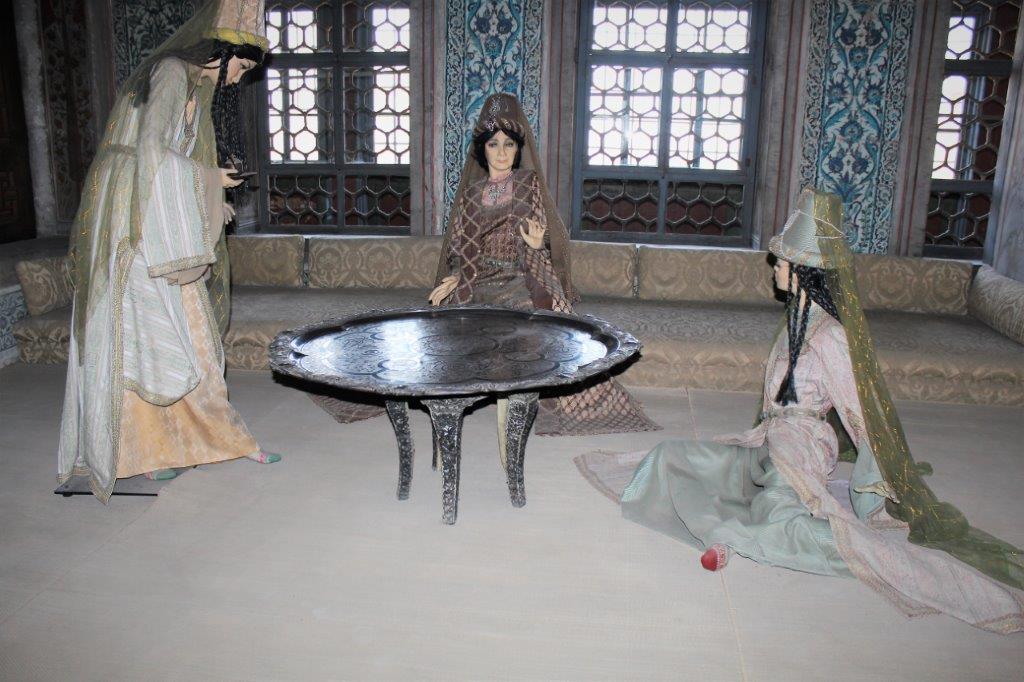
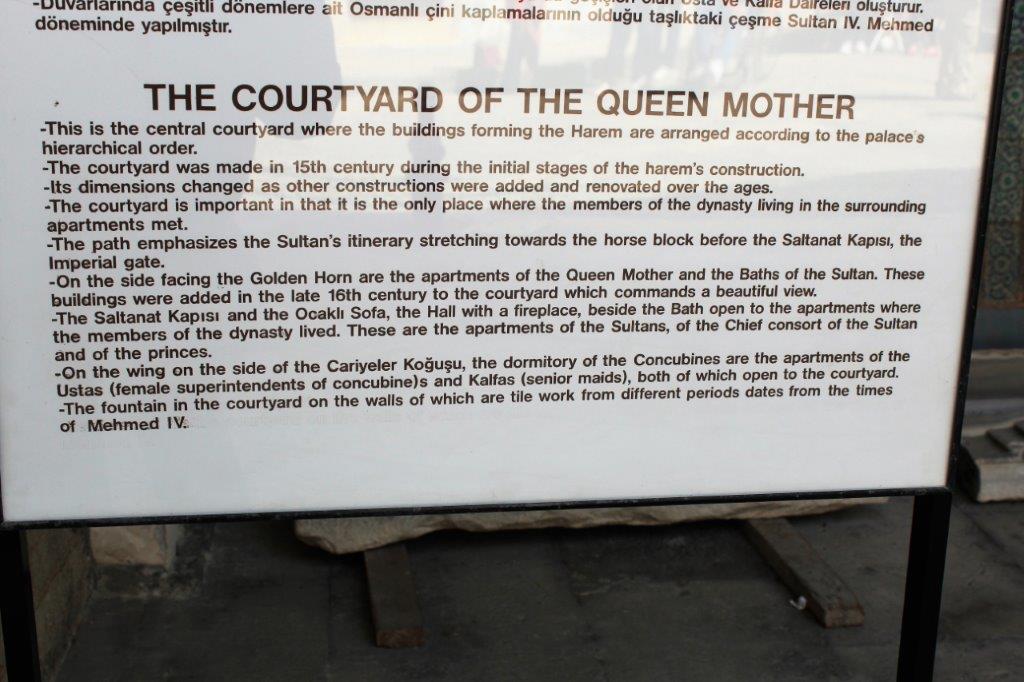
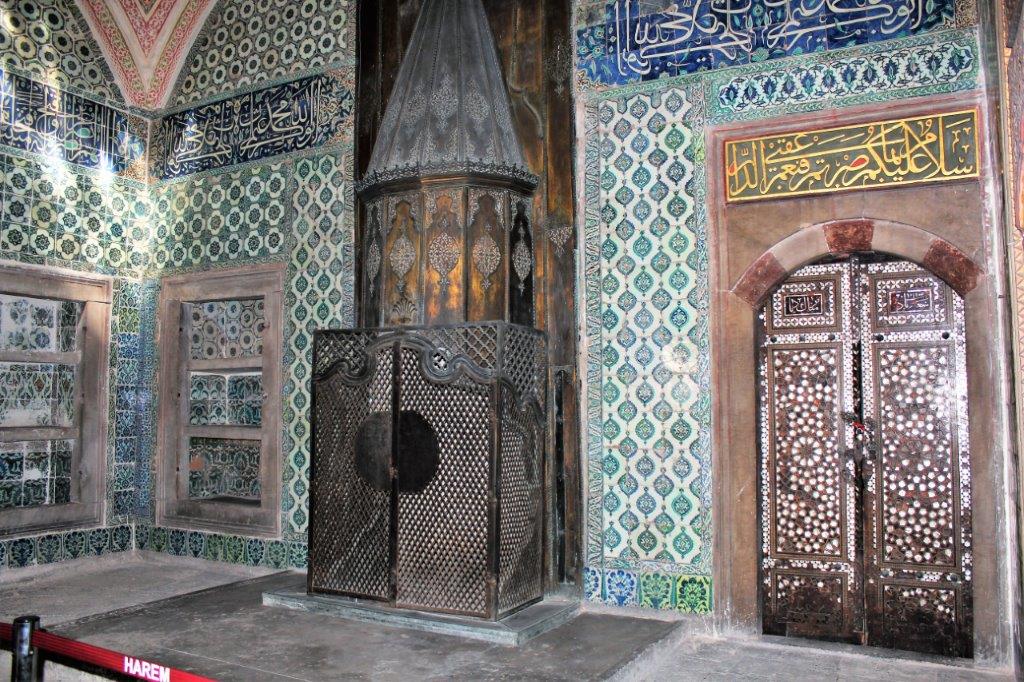
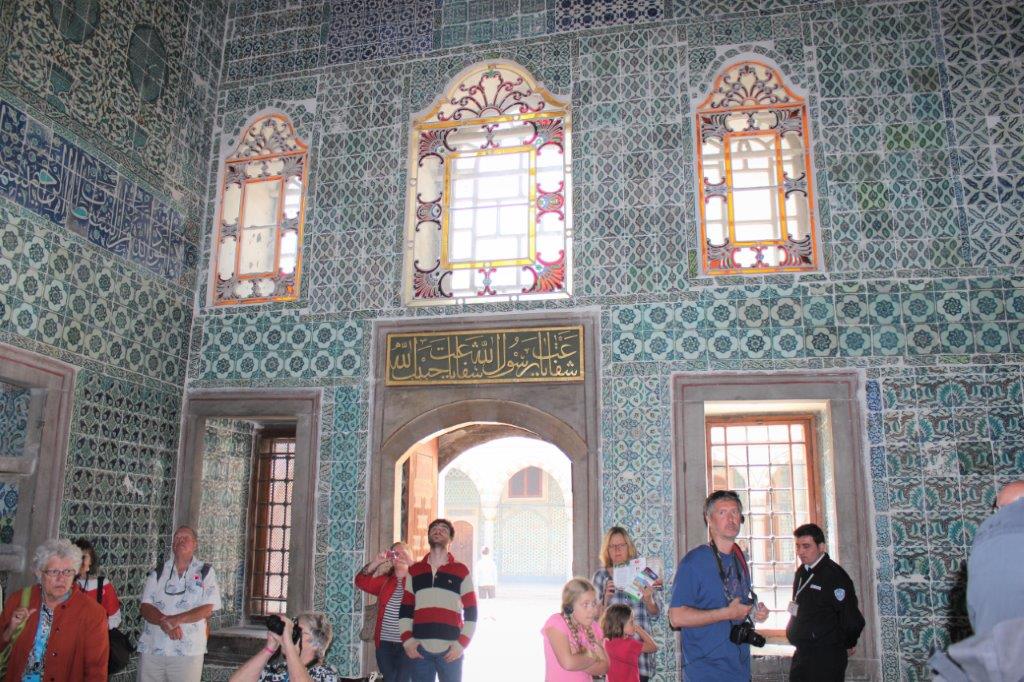
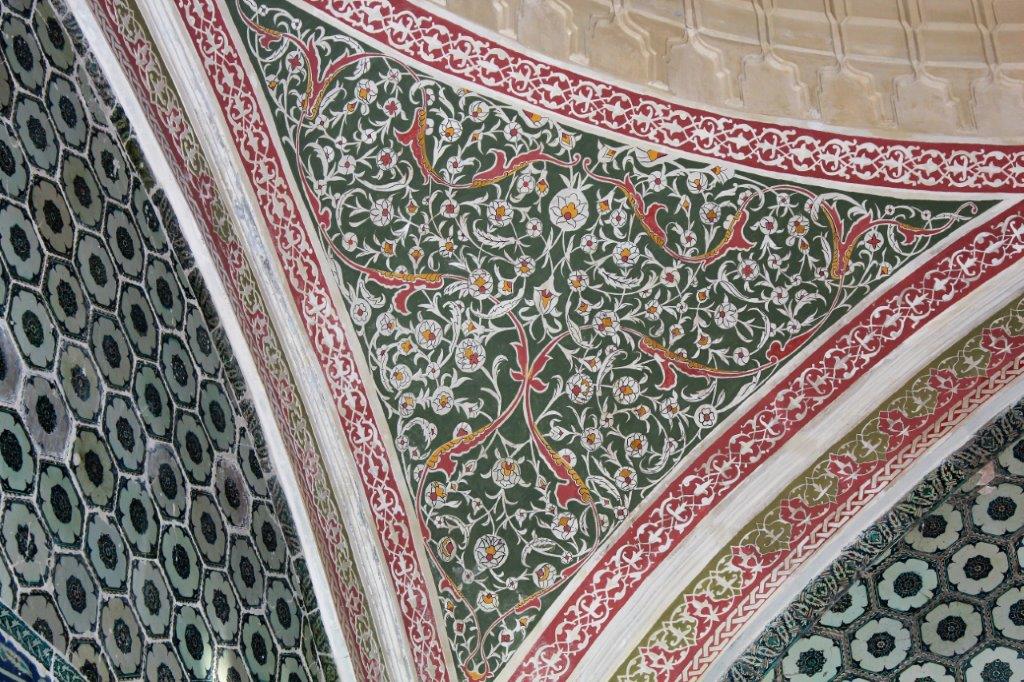
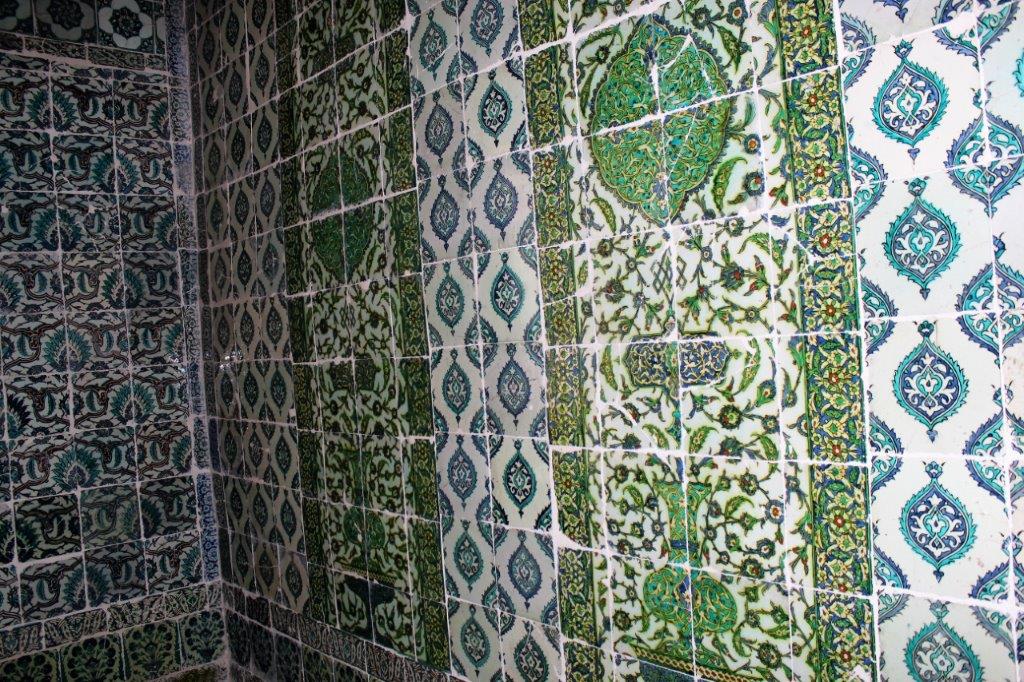
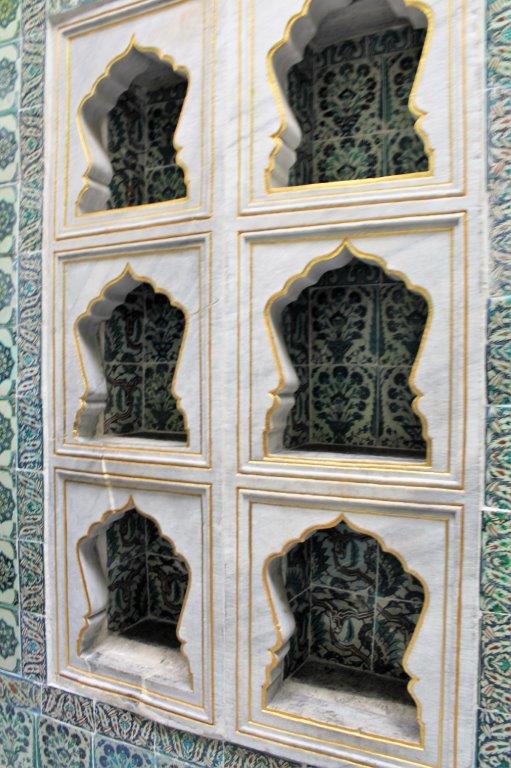
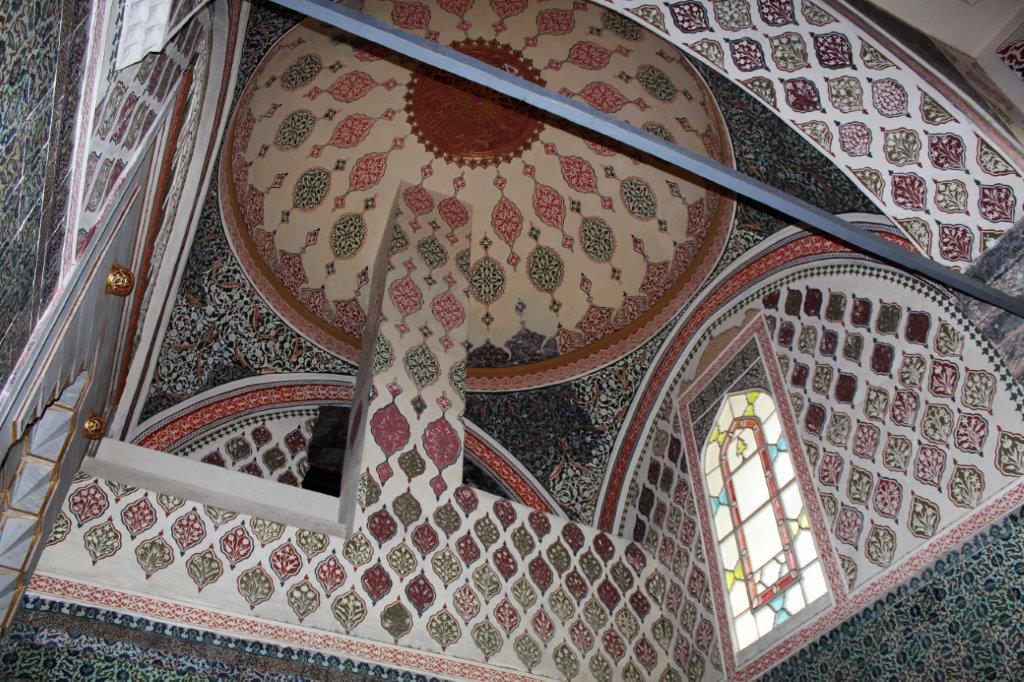
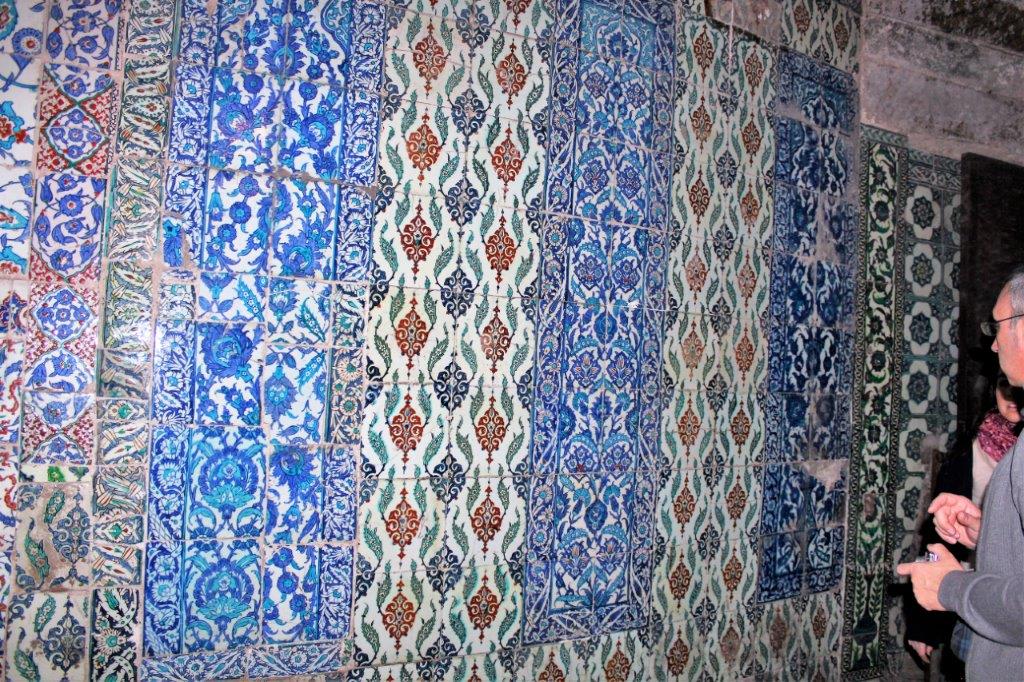
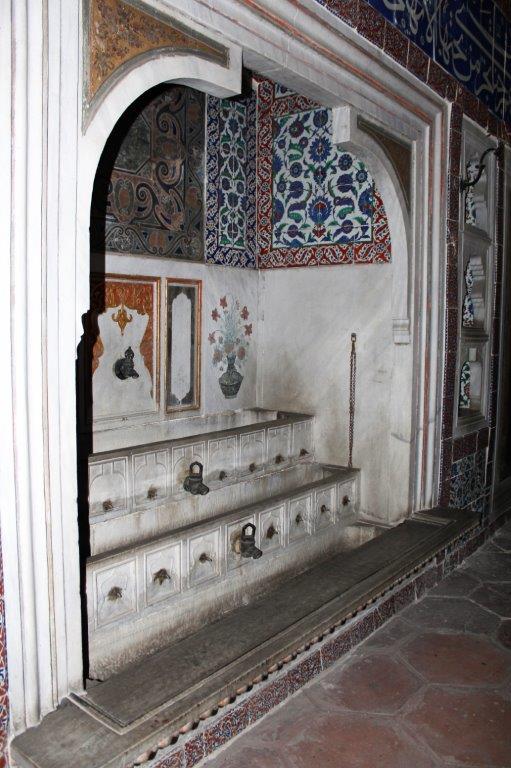
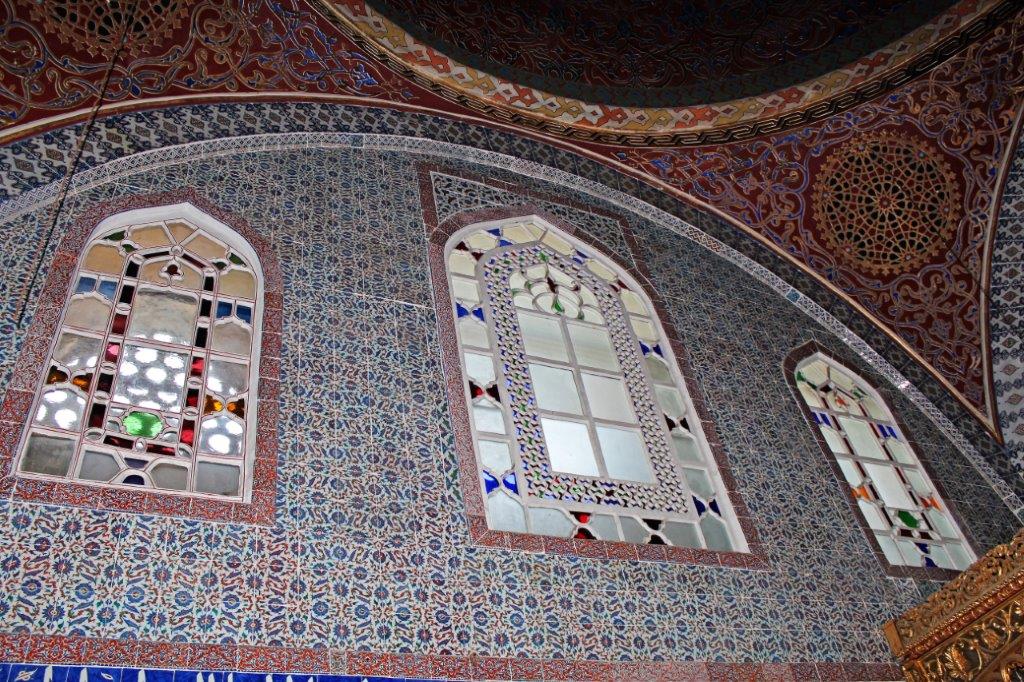
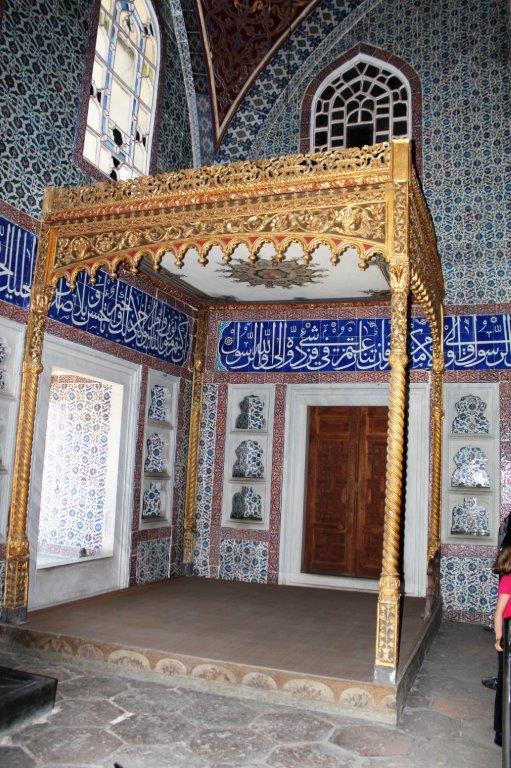
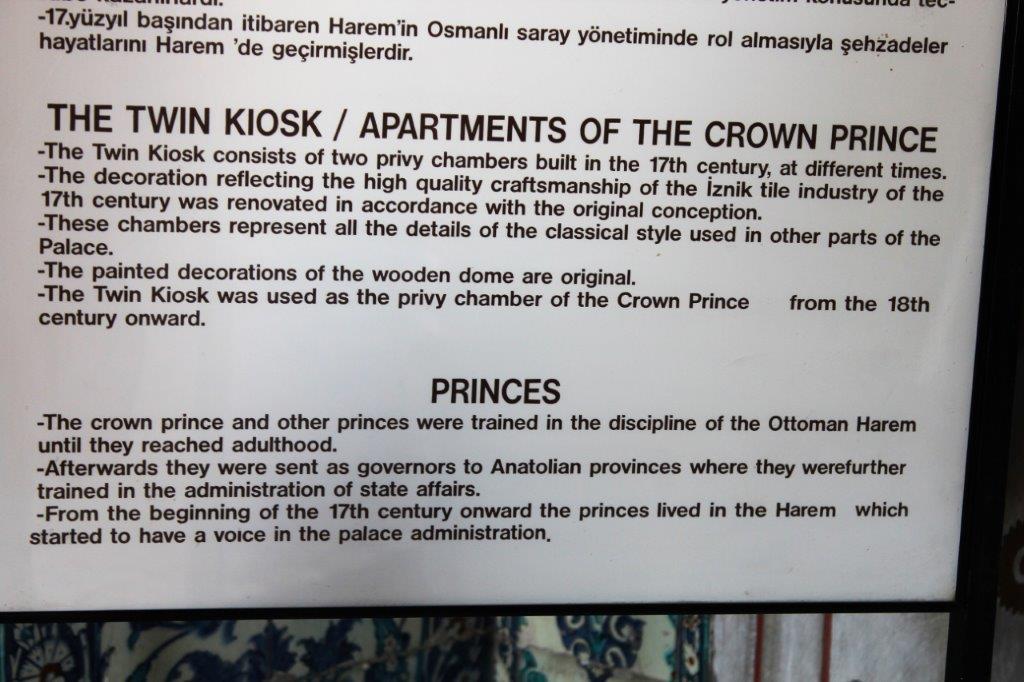
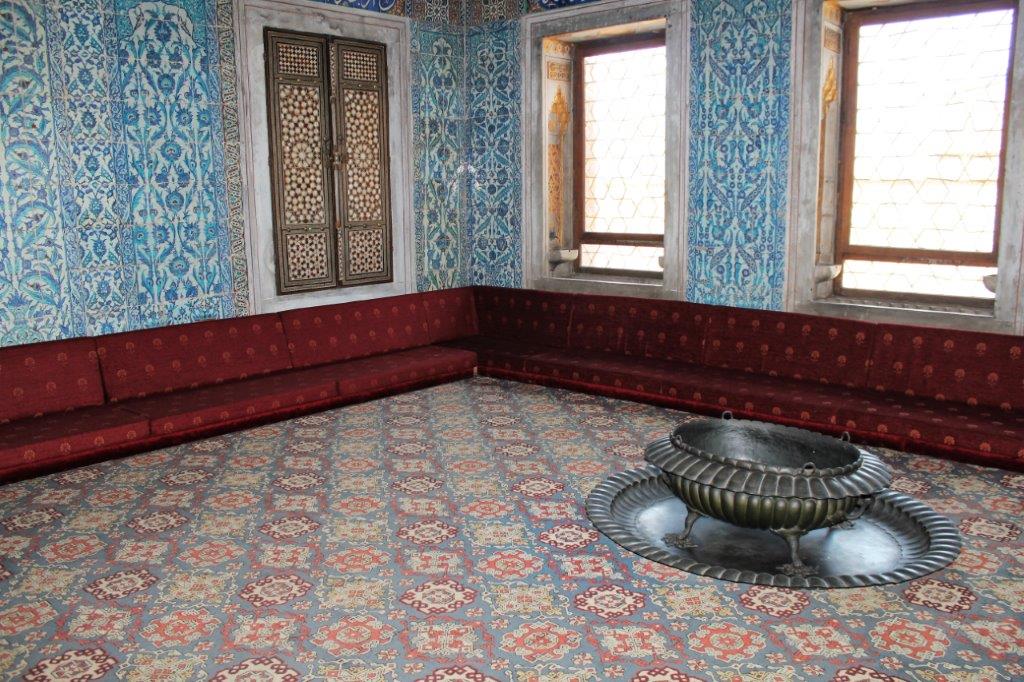
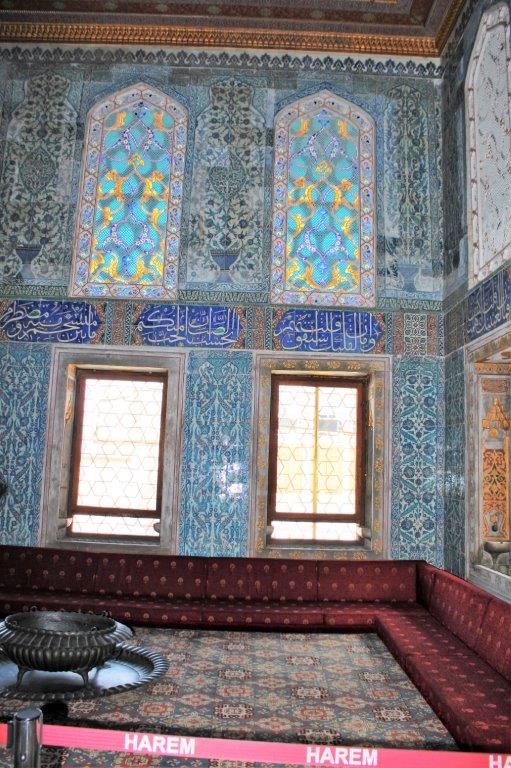
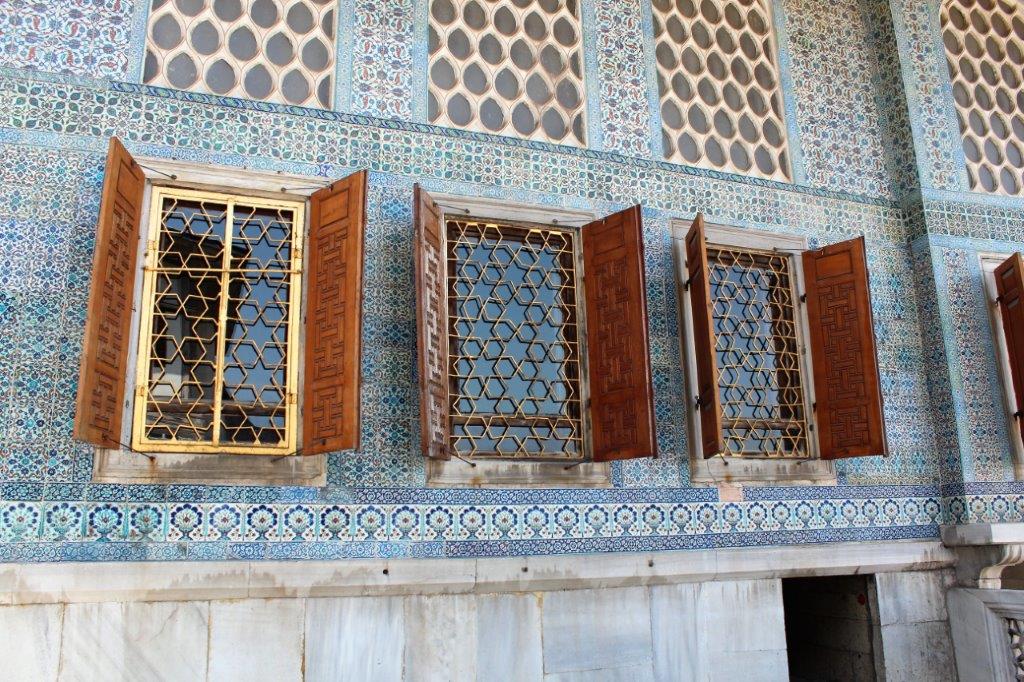
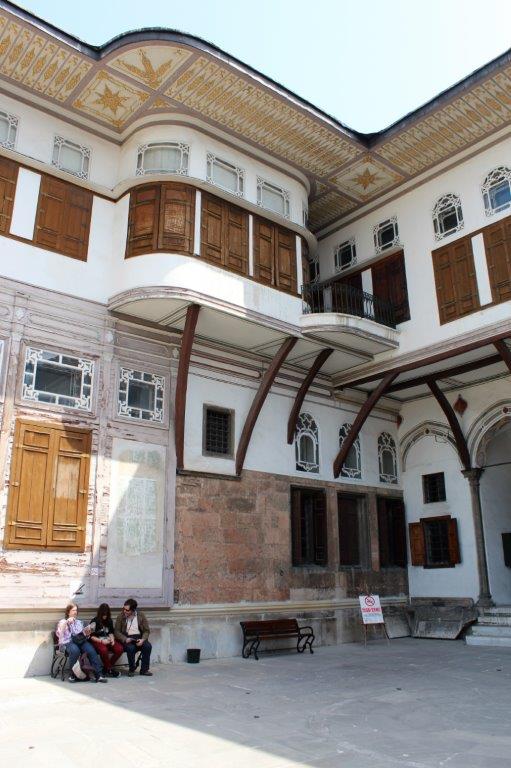
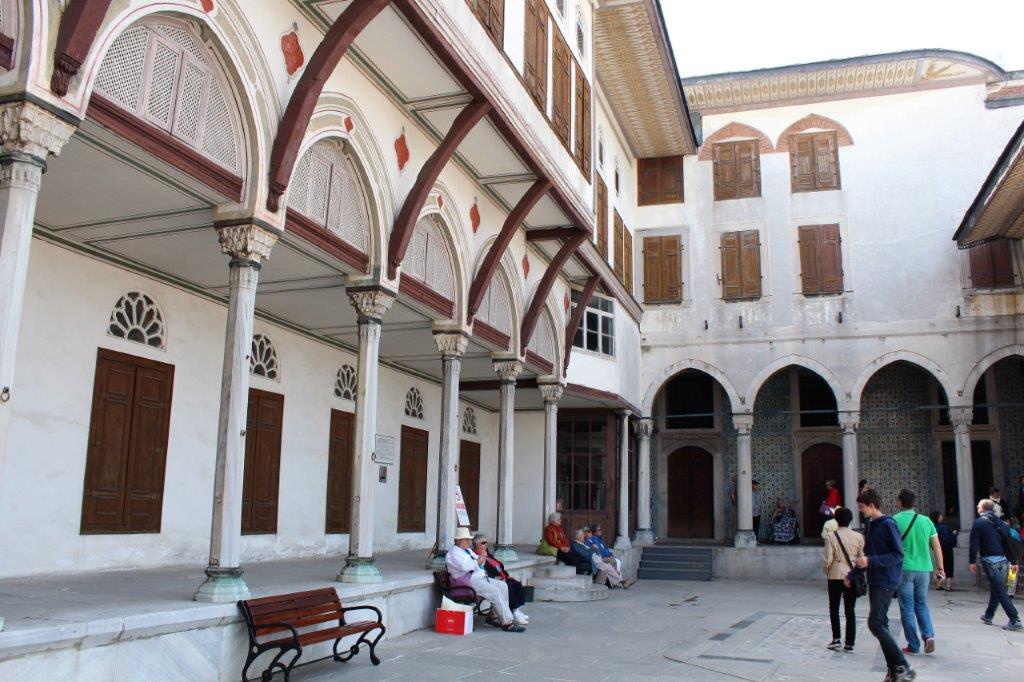
To visit the Harem rooms of the palace you need a second ticket; which our tour included.  We think of the harem as the place where all the concubines lived, but it was more than that; it was the home of the sultan and all the members of his family – and, of course, the concubines.  There was a very strict hierarchy observed between all the various family levels. Apparently every single square inch of every single room and surface must be covered by tiles of different colours and patterns. It almost makes your head spin after awhile.  I’m not a real pink loving girl but this dome was very pretty. This wall could be used for a colour blindness test, or an analysis of the shapes and colours interpreted by the brain.

And, then it was time to go for lunch!                                         Part two in another blog.

2012 April 5 – Day 25 – Istanbul, Turkey (Day 1)

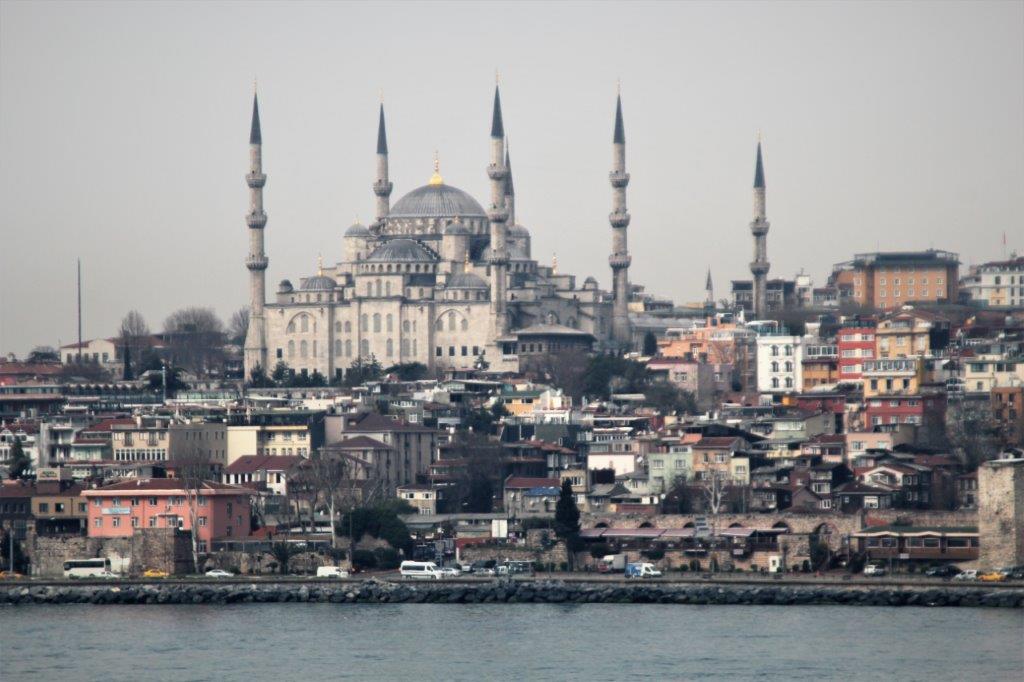
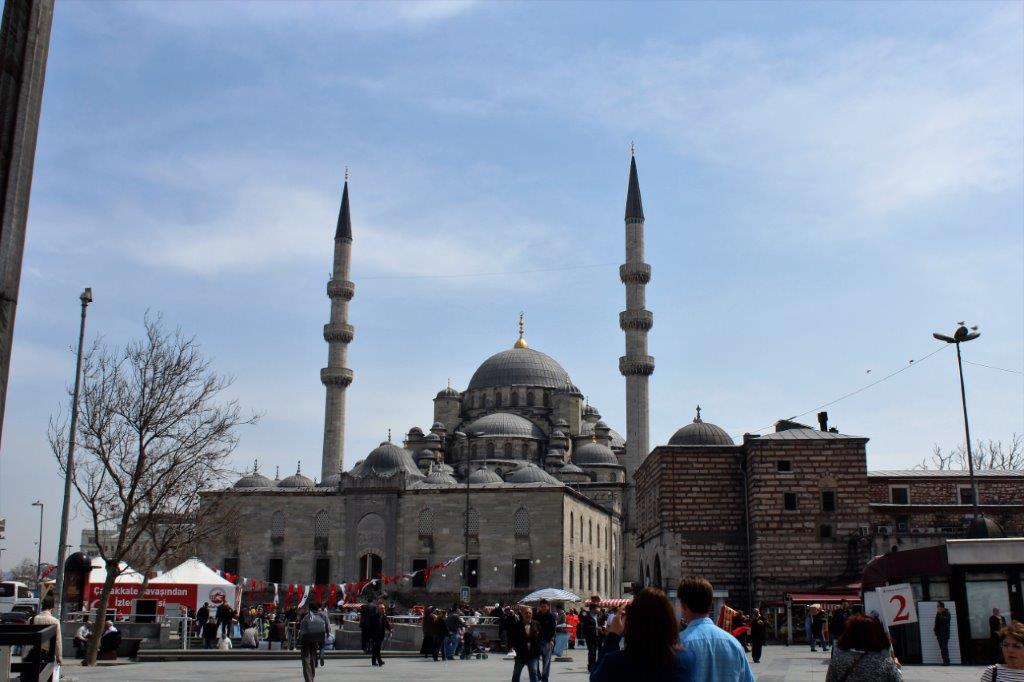
Istanbul (formerly called Constantinople) is the only city in the world that spans two continents.  The Bosporus strait that separates Europe from Asia runs through it and as you cross the bridges you are welcomed to Asia, or welcomed to Europe depending on which direction you are heading.Hagia Sophia – built in the 6th Century by order of Emperor Justinian who was determined to build the word’s most magnificent church.  It took thousands of workers more than five years to complete.  For 1,000 years it was the largest church in the world. Hagia Sophia was an Orthodox Christian church and was later converted into Muslim mosque.  It is now a museum.The Sultan Ahmed Mosque – called the Blue Mosque due to the blue tiles adorning much of its interior, is considered the national mosque of Turkey.  It was built between 1609 and 1616 during the reign of Sultan Ahmed I.

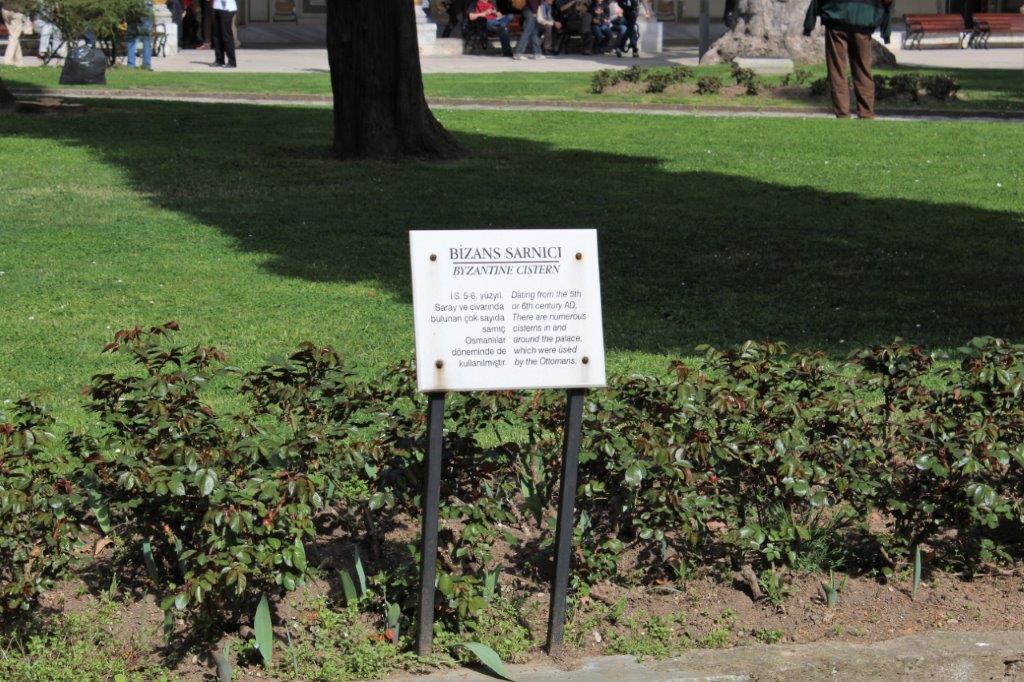
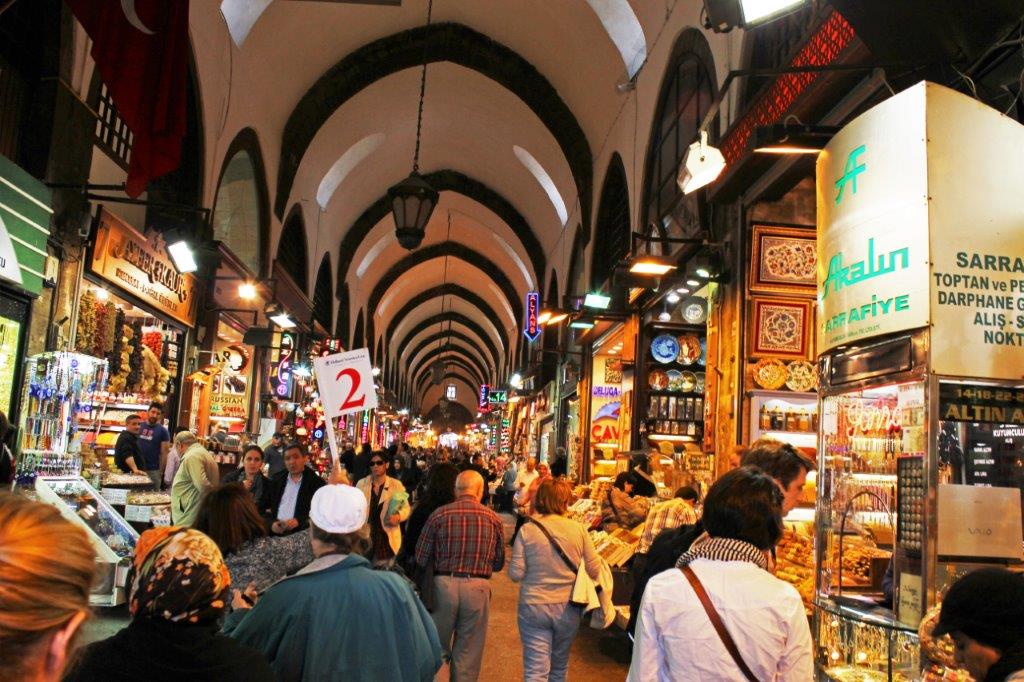
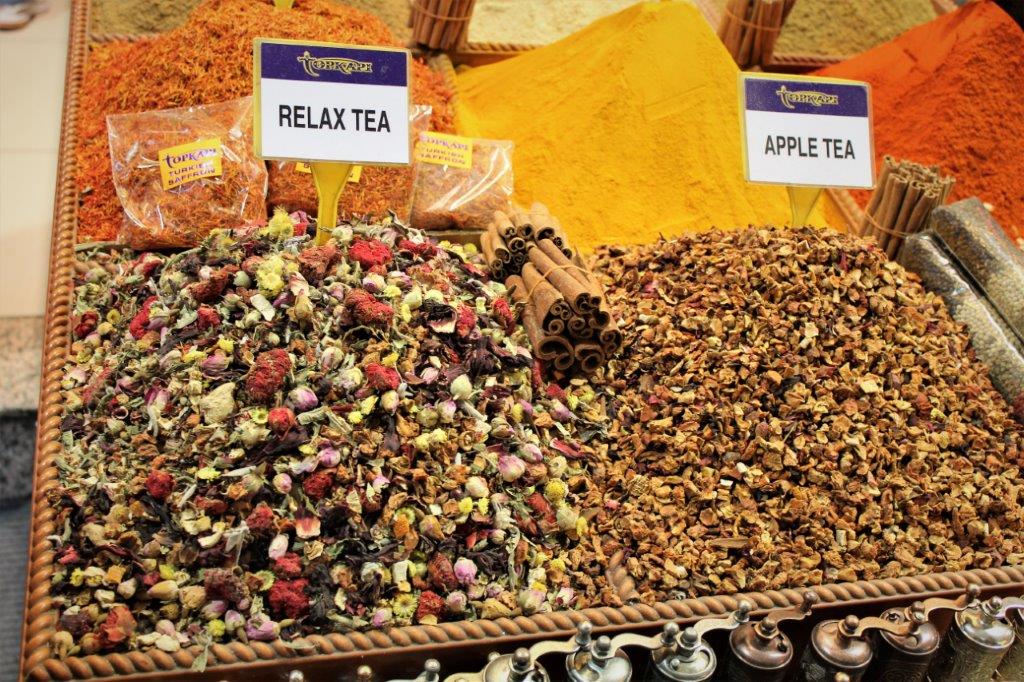
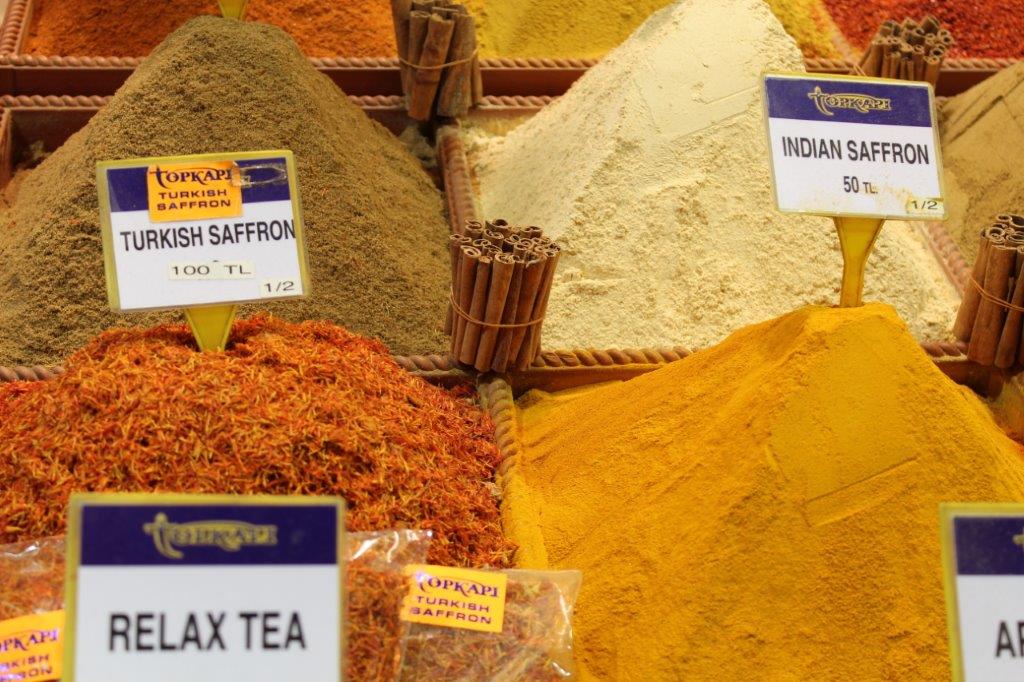
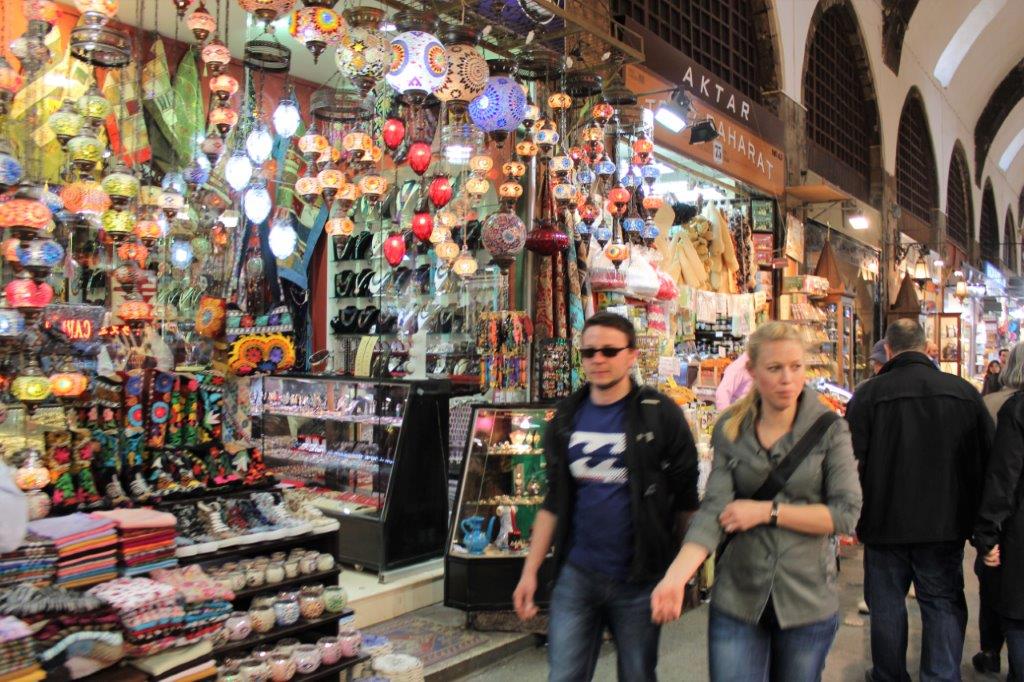
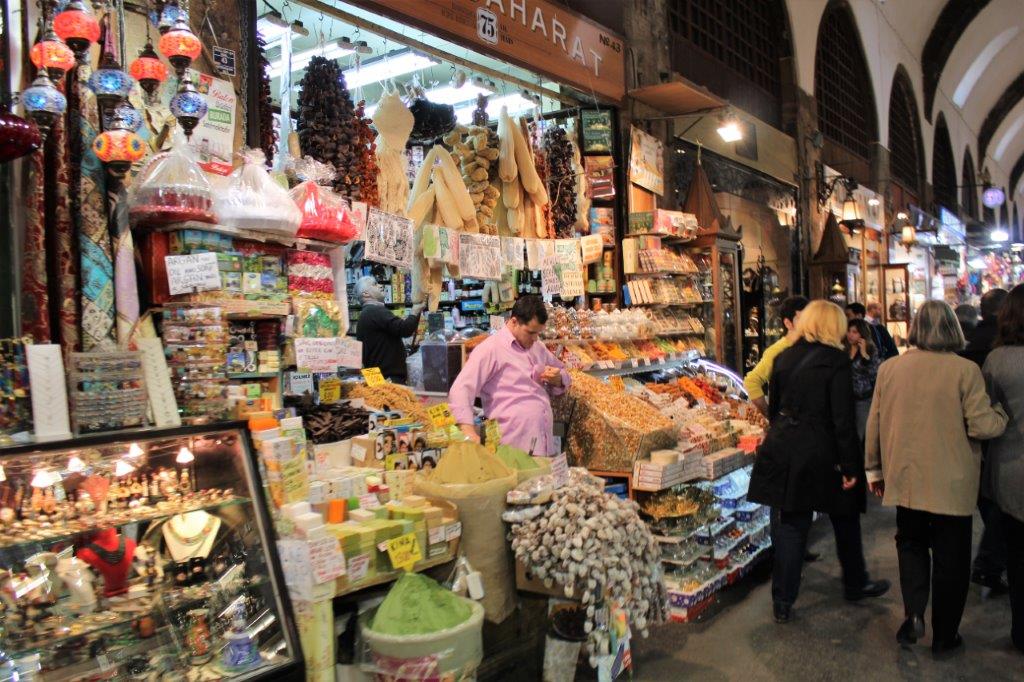
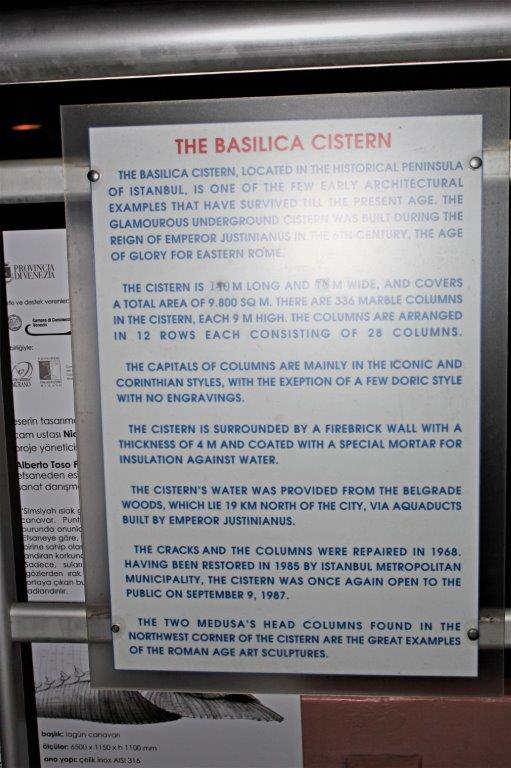
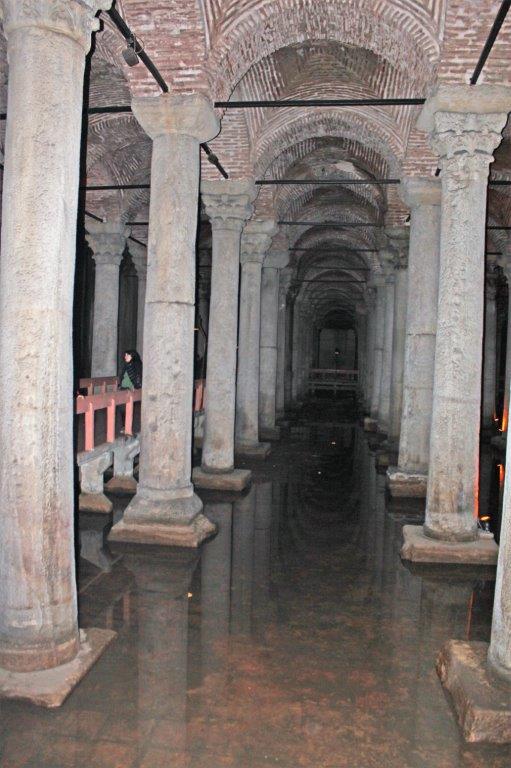
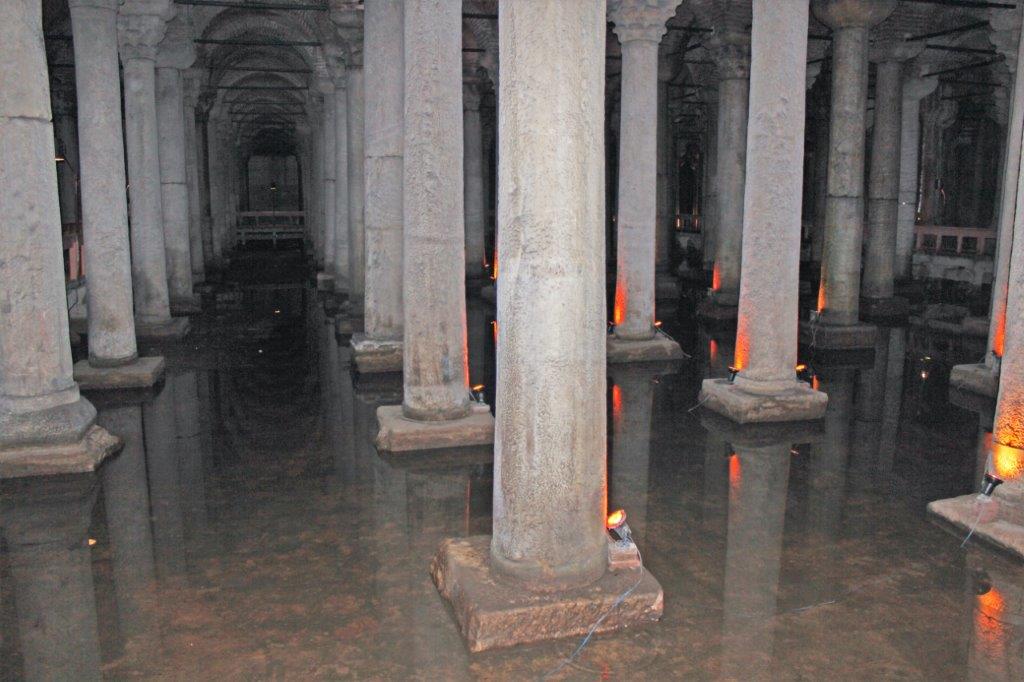
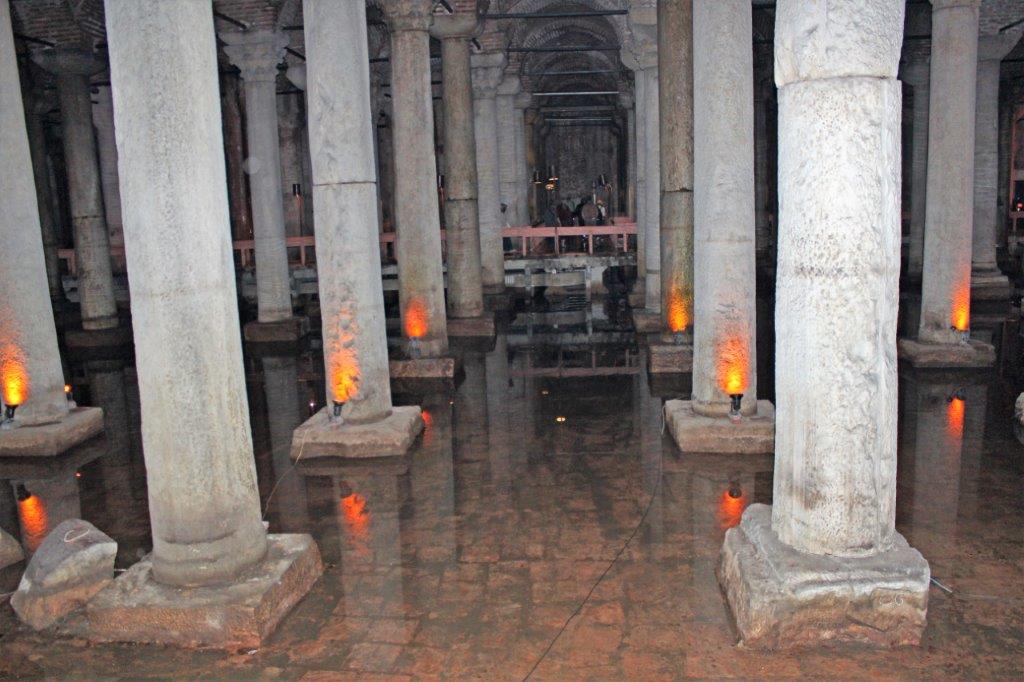
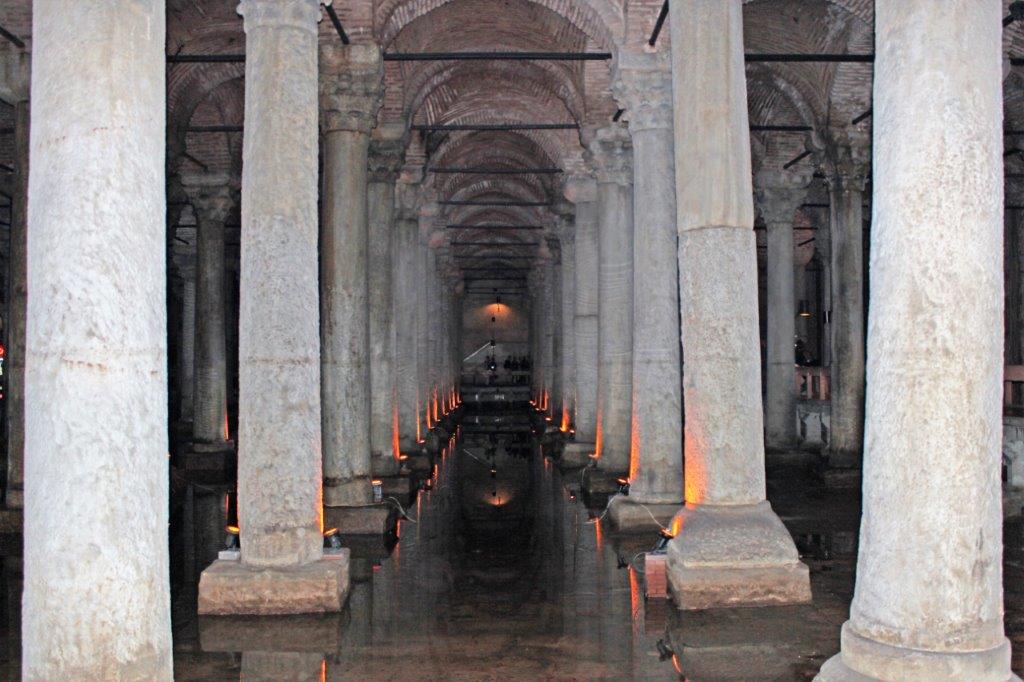
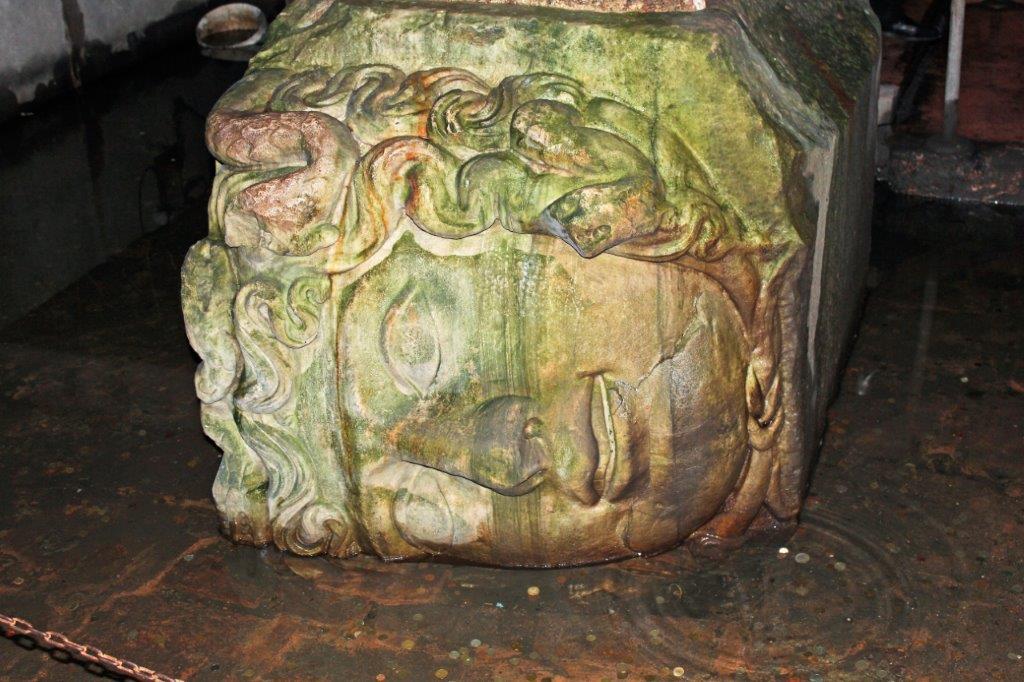
Istanbul is Turkey’s largest city and the chief commercial and cultural center.  The city was founded in the 7th Century BC as Byzantium, renamed Constantinople in the 4th Century BC by Roman Emperor Constantine, and again renamed Istanbul in the 10 Century AD.  Istanbul in Greek simply means “the city.” Our ship docked at noon and stayed put for three days.  We did a two-part tour on days one and two that took us to the major ‘must-see’ spots in the city.  Day three we visited the stunning palaces of the Ottoman Empire.  Needless to say there was photos, photos, and more photos taken all three days.  And we were blessed with beautiful weather as well. We left the ship at one and went to the famous Spice Market in the Grand Bazaar; which sells everything and anything and is a huge labyrinth,  jam-packed full of tiny shops and many, many people.  It was very noisy with all the conversations and the shopkeepers vying for customers.  We walked straight through the middle of the main aisle, turned left and went to the end of that aisle which took us to an exit.  From the Spice Market we walked to the Bascilica Cistern.  The Cistern (also known as the Underground Palace) was built during the reign of Roman Emperor Justinian in the 6th century.  It is a huge, one-two acre, underground fresh water reservoir.  The ceiling is supported by 336 Corinthian columns; many of them different shapes and heights with bases adjusted accordingly.  Perhaps they were an early recycling project; using columns from old fallen or abandoned buildings.

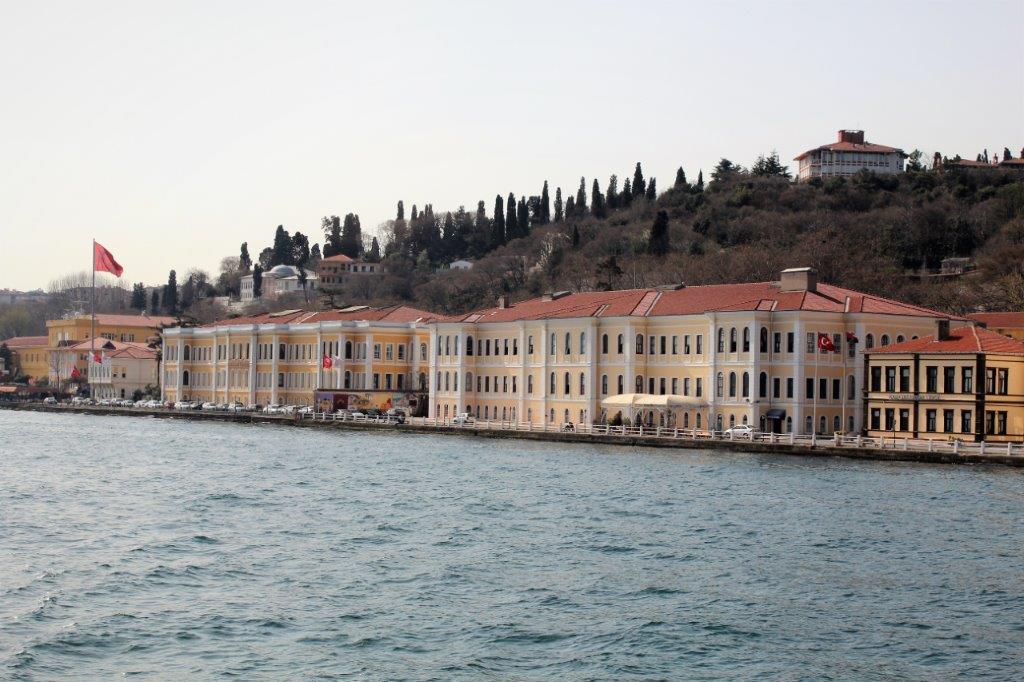
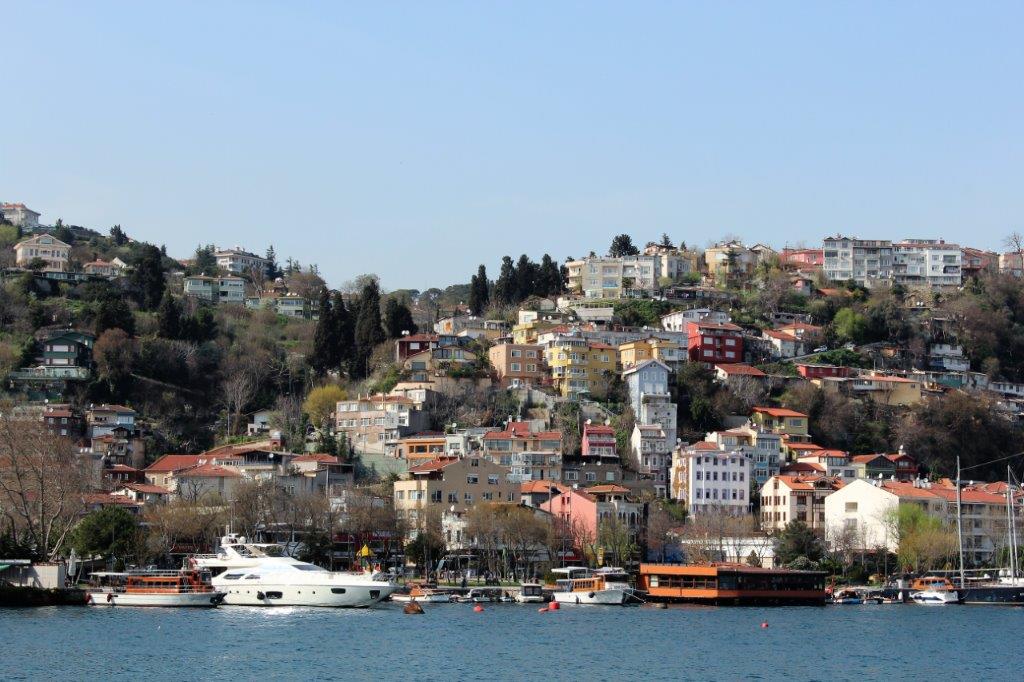
The bus took us back to the port and we boarded a motorboat for a one-hour cruise on the Bosporus Strait, considered one of the most beautiful waterways in the world.

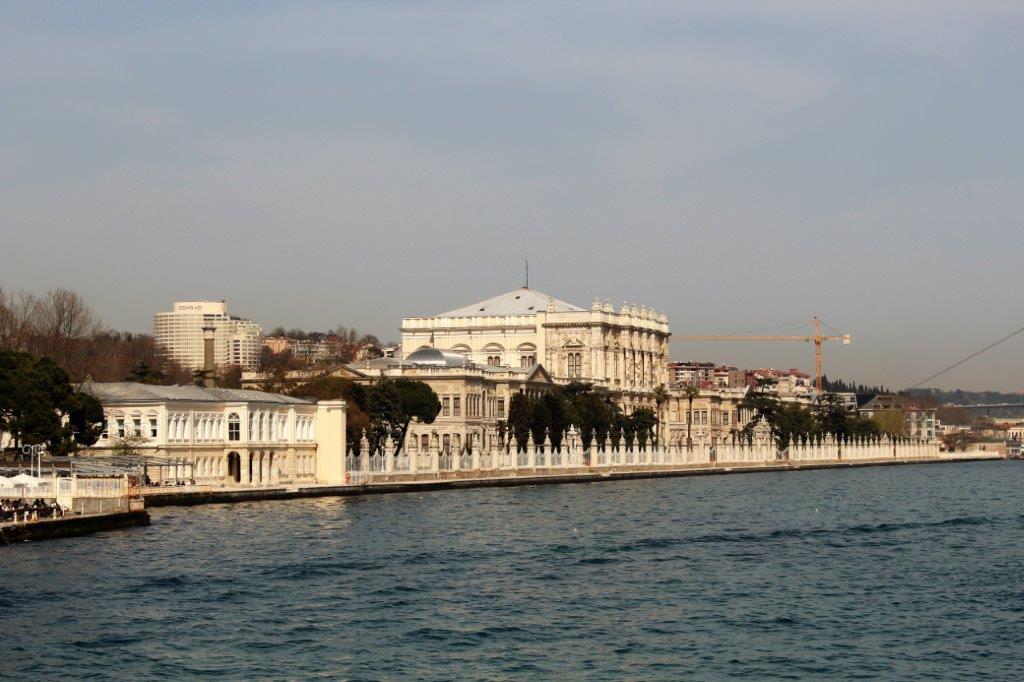
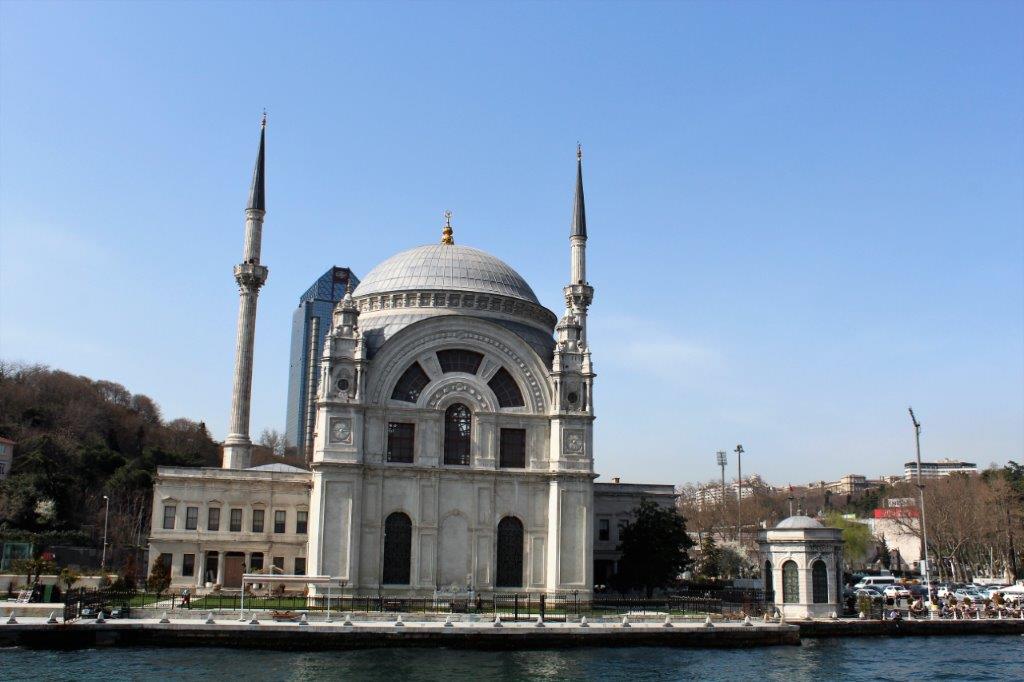
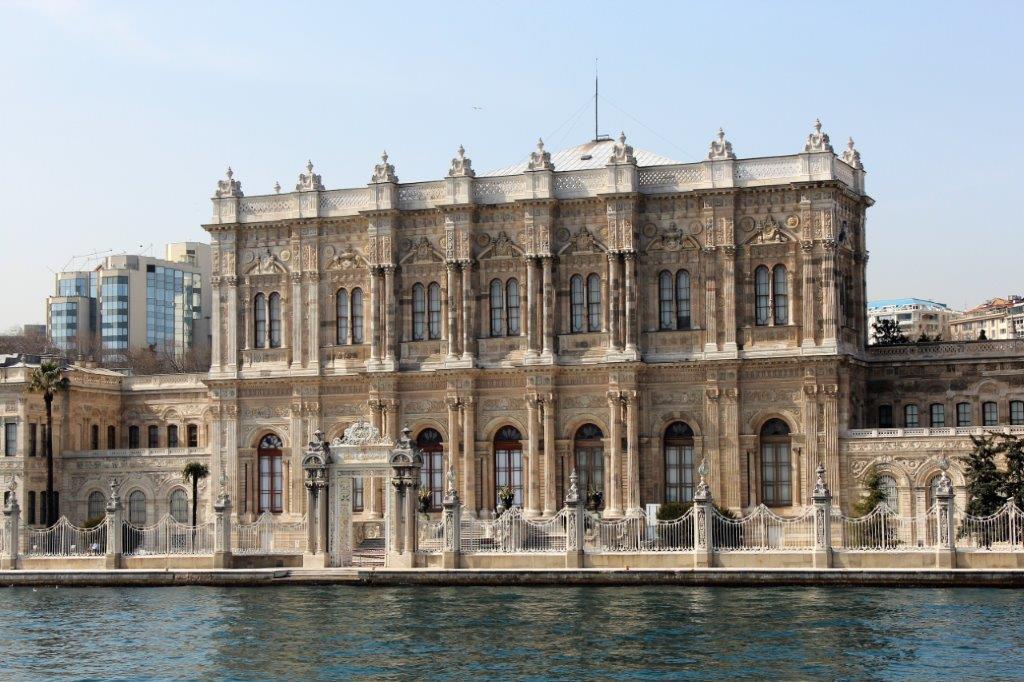
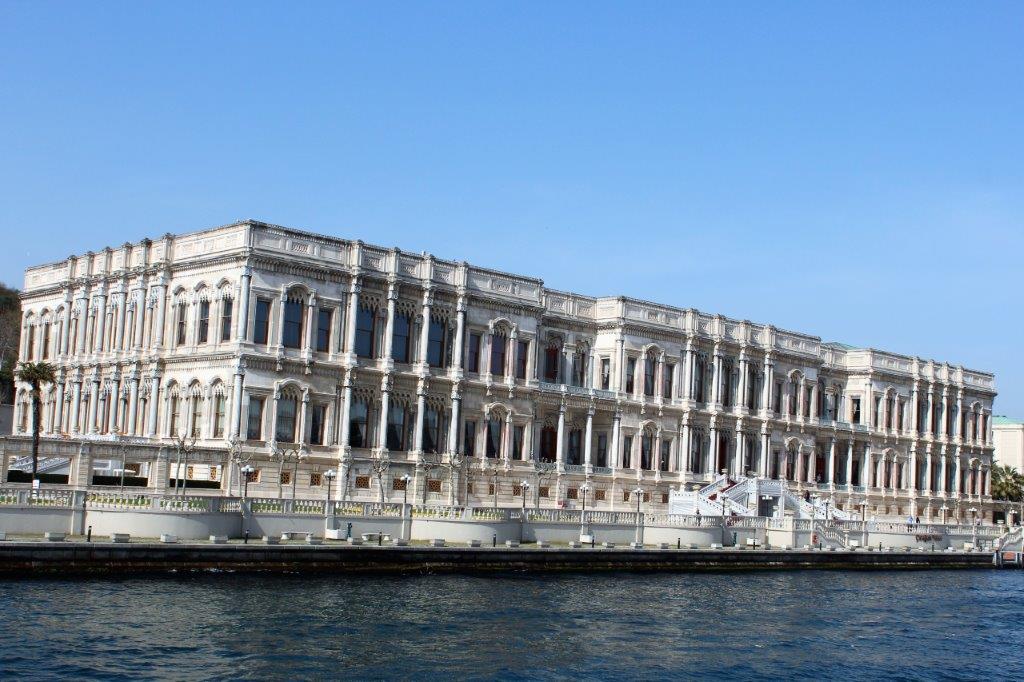
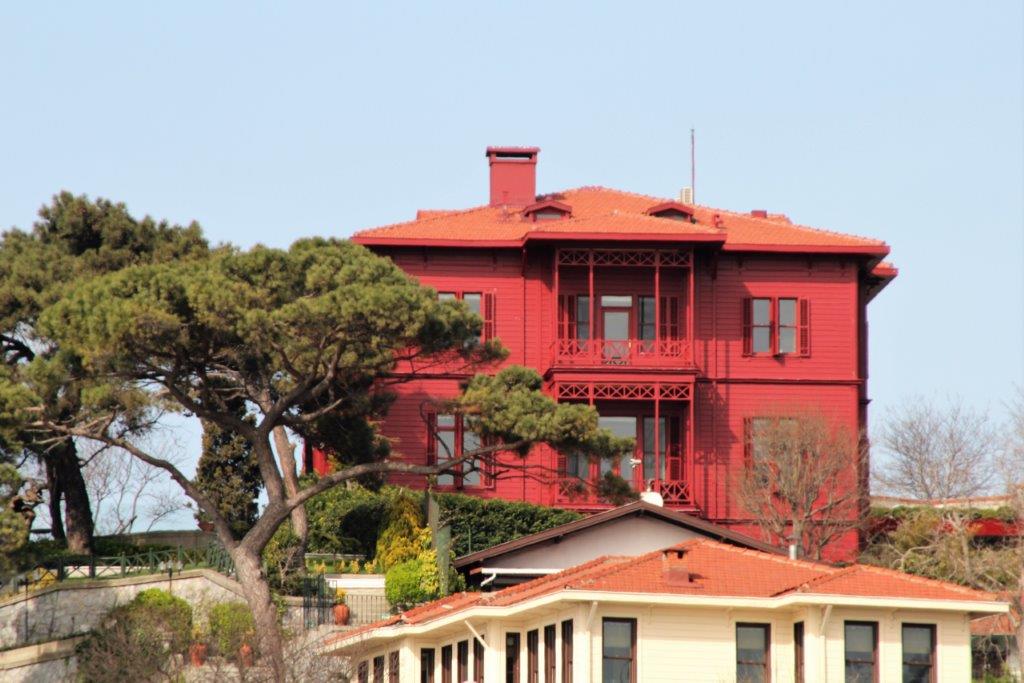
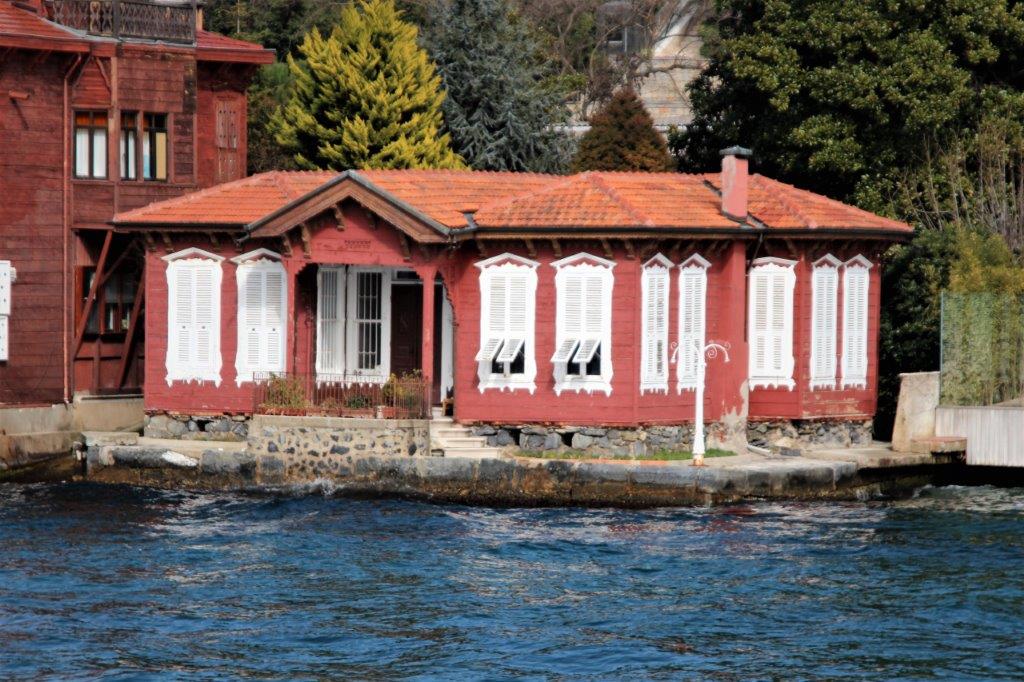
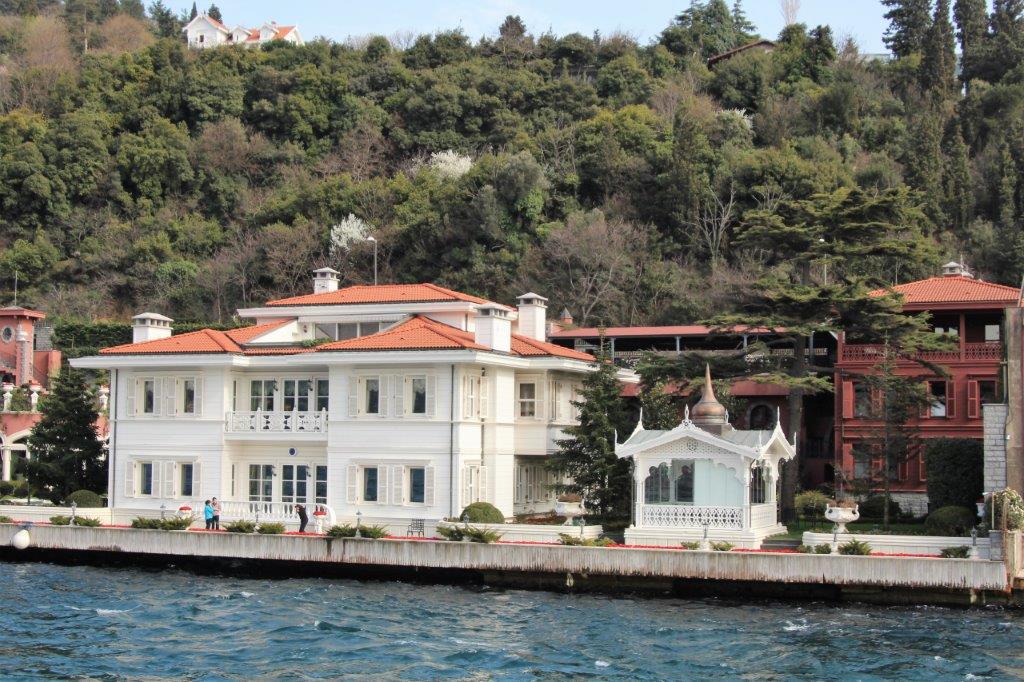
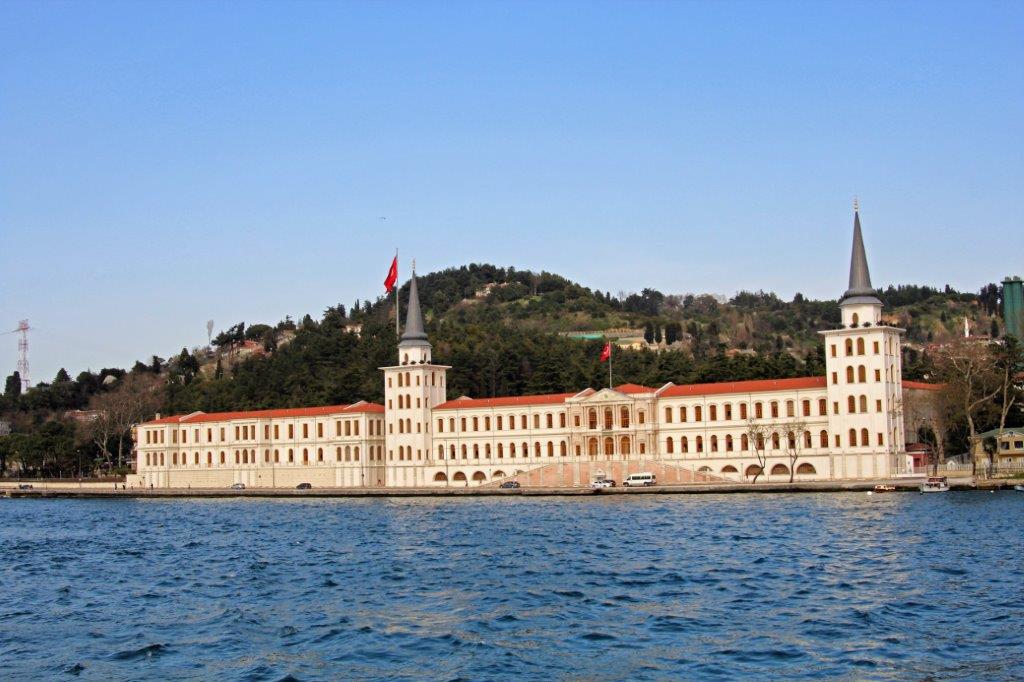
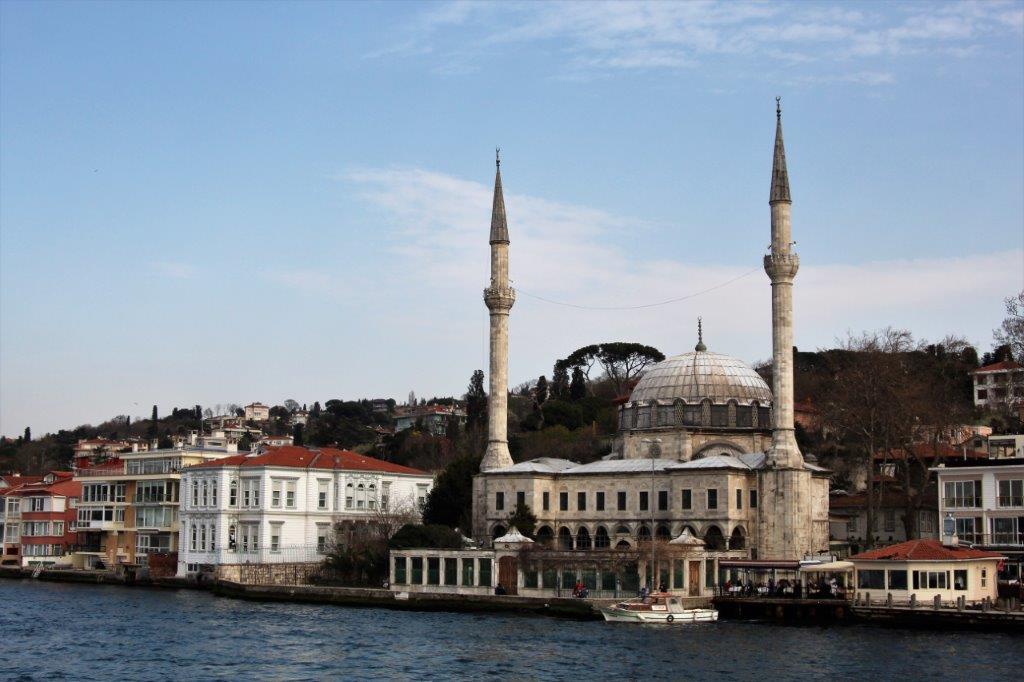
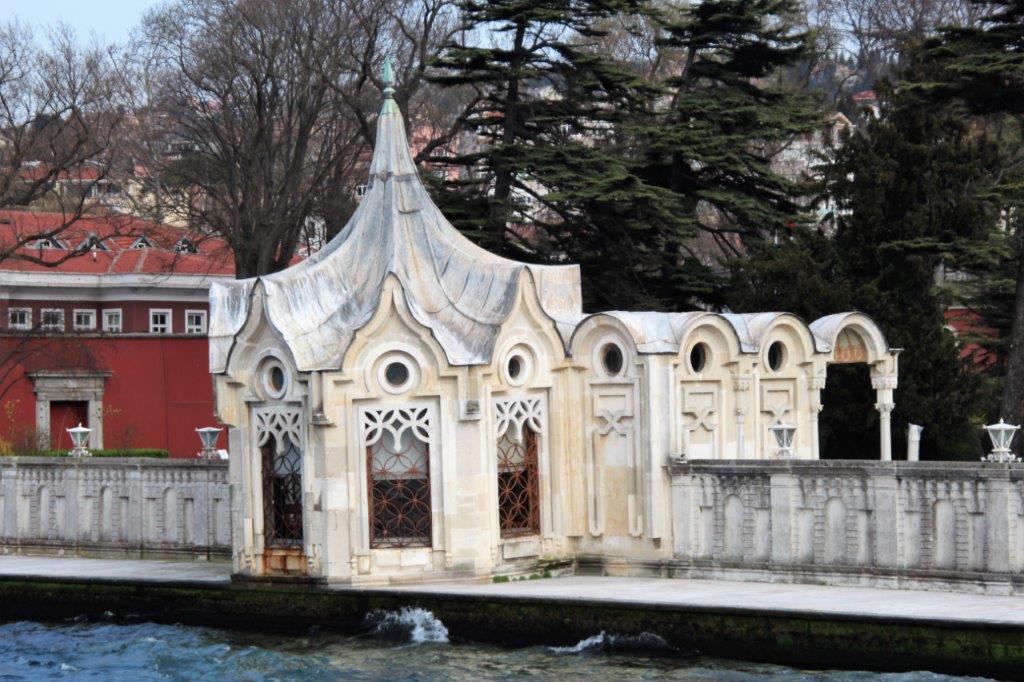
We cruised up the Eurpopean side before turning around and returning on the Asian side.  The shoreline is home to many old traditional wooden Turkish villas and 19th-century Ottoman palaces.

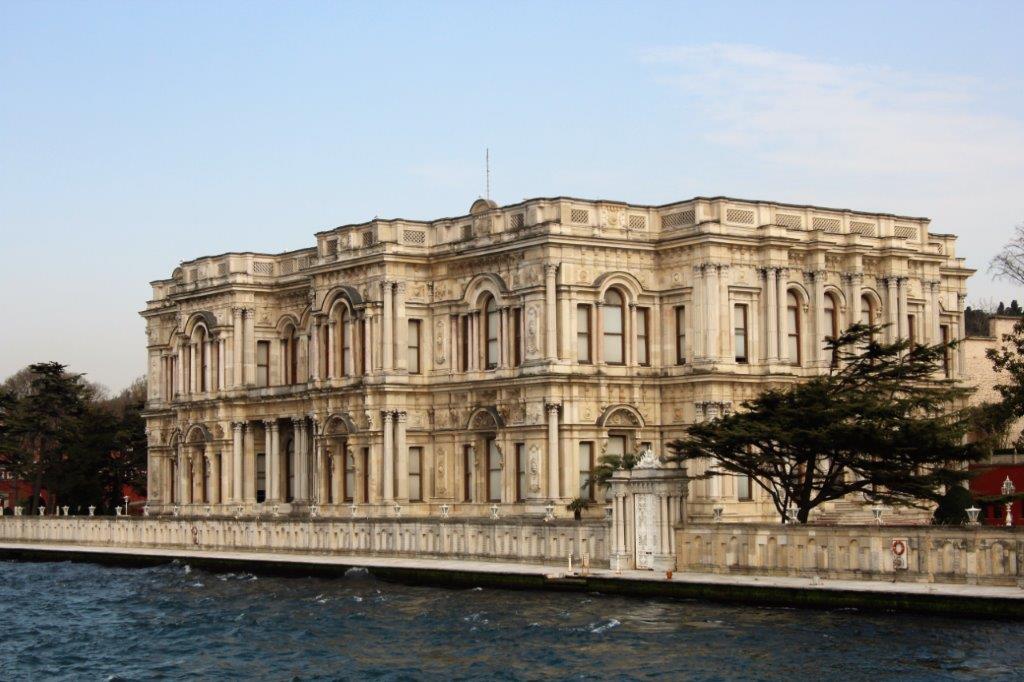
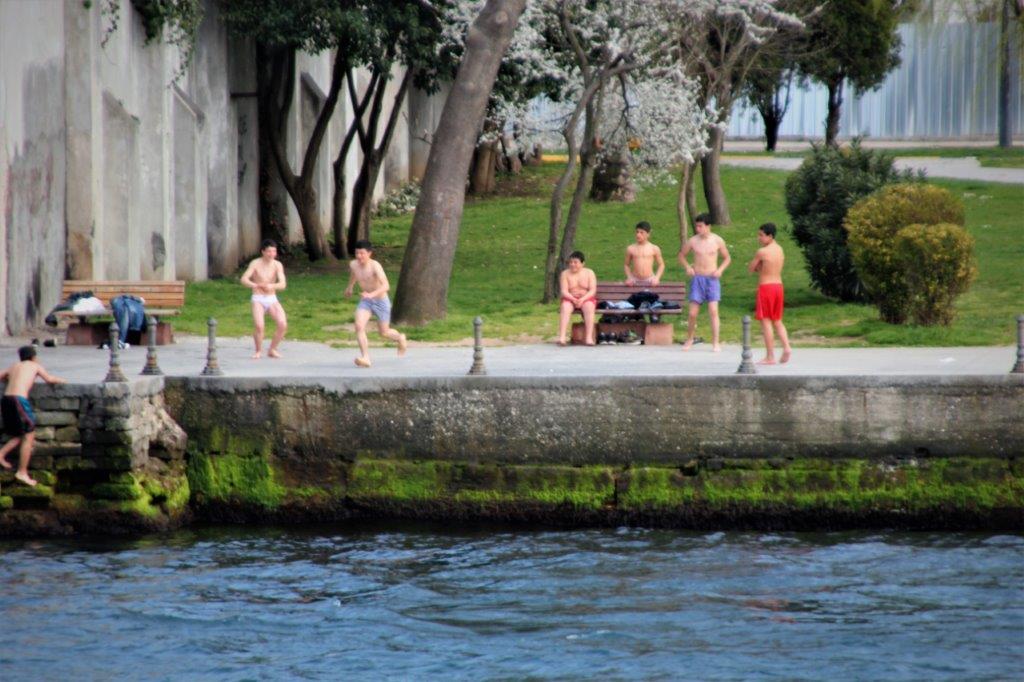
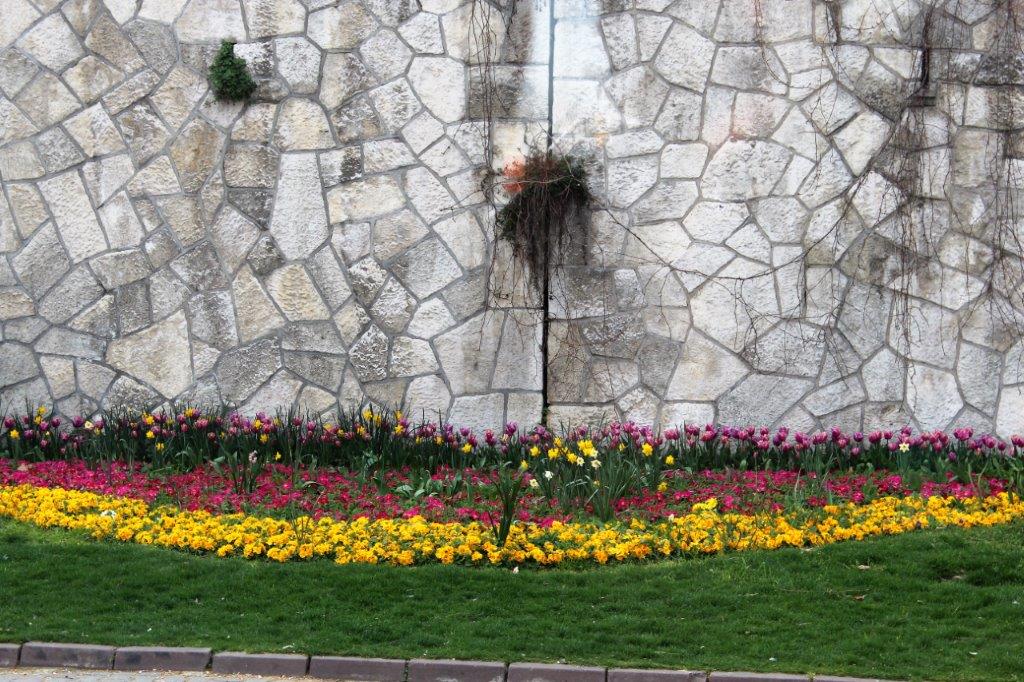
Lots of folks sit along the shore and watch the comings and goings on the busy waterway.                          It’s Asia on the left and Europe on the right.            Many of these homes would sell for 25-30 million Euros.                     There are more than 135 mosques in Istanbul.  Beylerbeyi Palace and one of the summer houses on the grounds.These young fellows were having a lot of fun jumping into the water.  I can’t imagine it would be very warm in early April, but they didn’t seem to mind.The tulip was developed in Turkey and later taken to the Netherlands.  Turkey has a one-month long tulip festival every year and there were flowers blooming everywhere.  It was very pretty.
Istanbul was the end of the first leg of this 64-day cruise.  There were 100 new guests arriving.  I never did find out if anyone got off.  Our first day was great with a very interesting afternoon tour.  The next day’s tour was all day – eight hours seeing the sites.