2013 Summer (Baltic and Britain – Scotland – July 17 – Day 24 – Part 1)

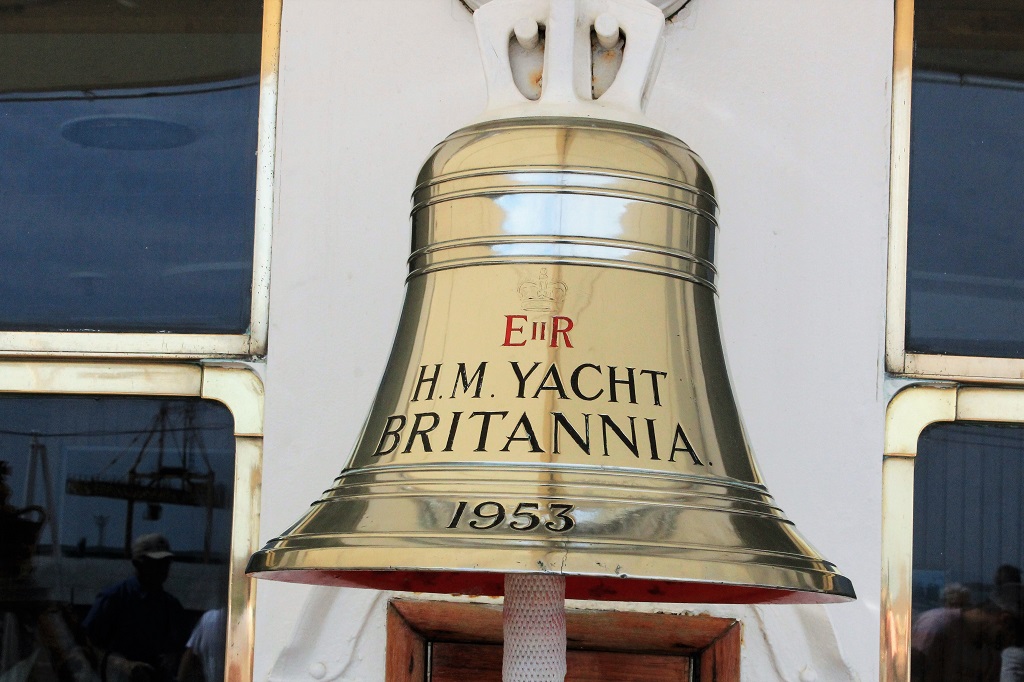
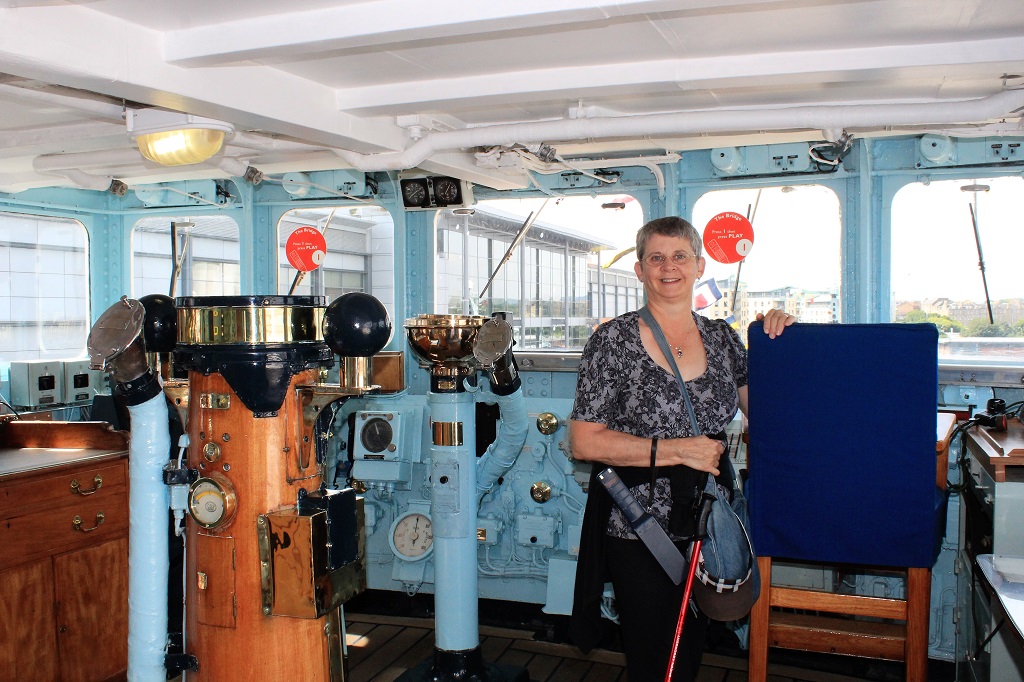
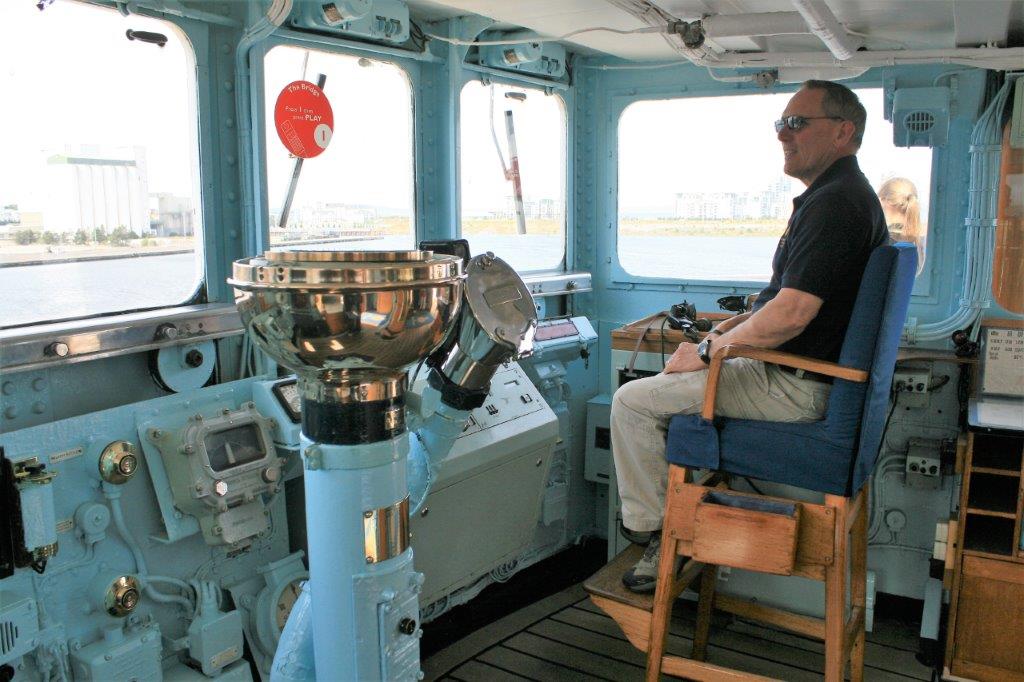
After breakfast in our room we took a short drive north to the Ocean Terminal at Leith, where the Royal Yacht Britannia is permanently berthed.
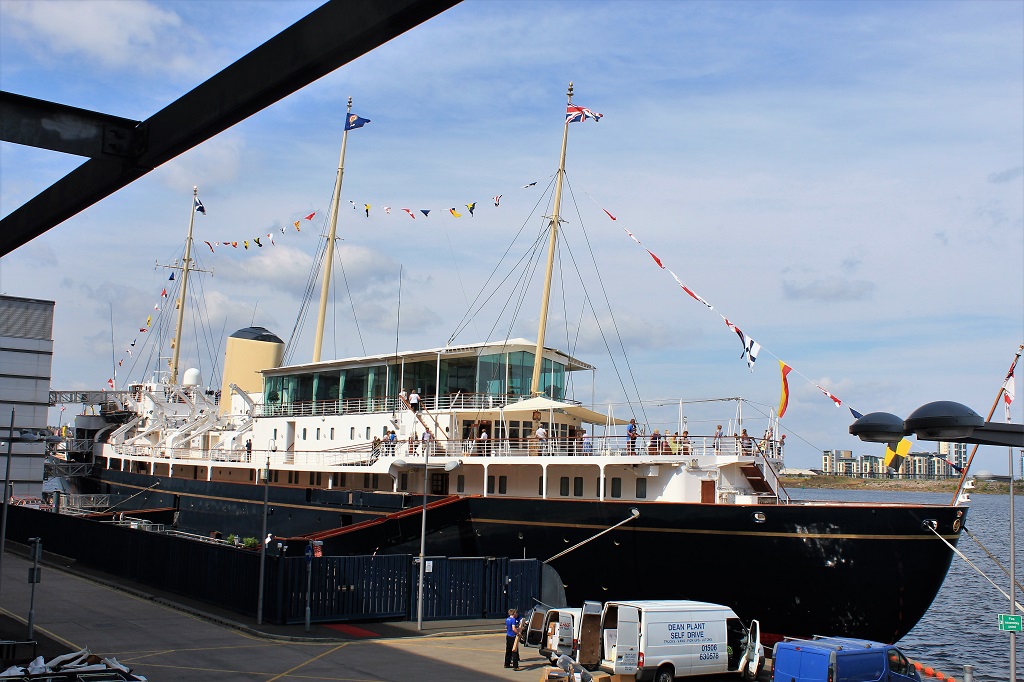
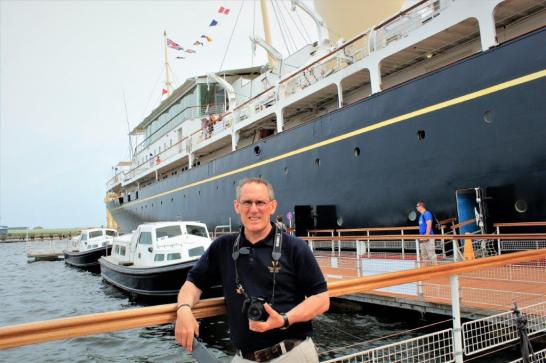
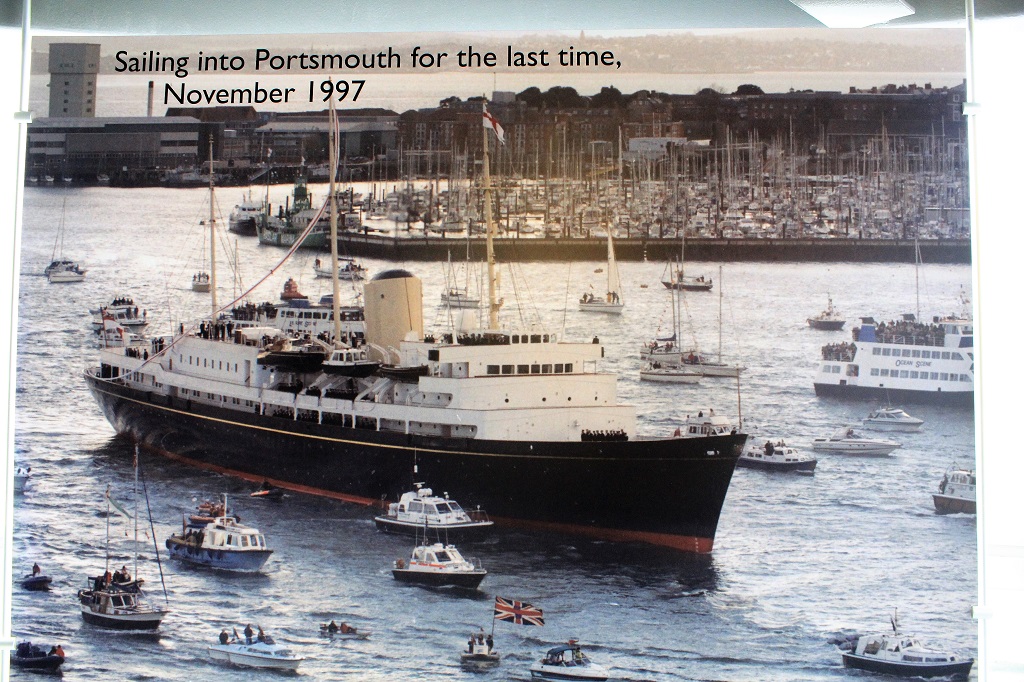
Britannia served the royal family from 1954 to 1997, during which the ship sailed over one million miles.  The ship had been commissioned just two days before the death of King George VI and was the first royal vessel designed for ocean travel. It took over a year to build and the name was a closely guarded secret until she was launched by the young Queen Elizabeth II in April 1953.  She had been crowned only a couple of months before.  The yacht was classed as an official royal residence.
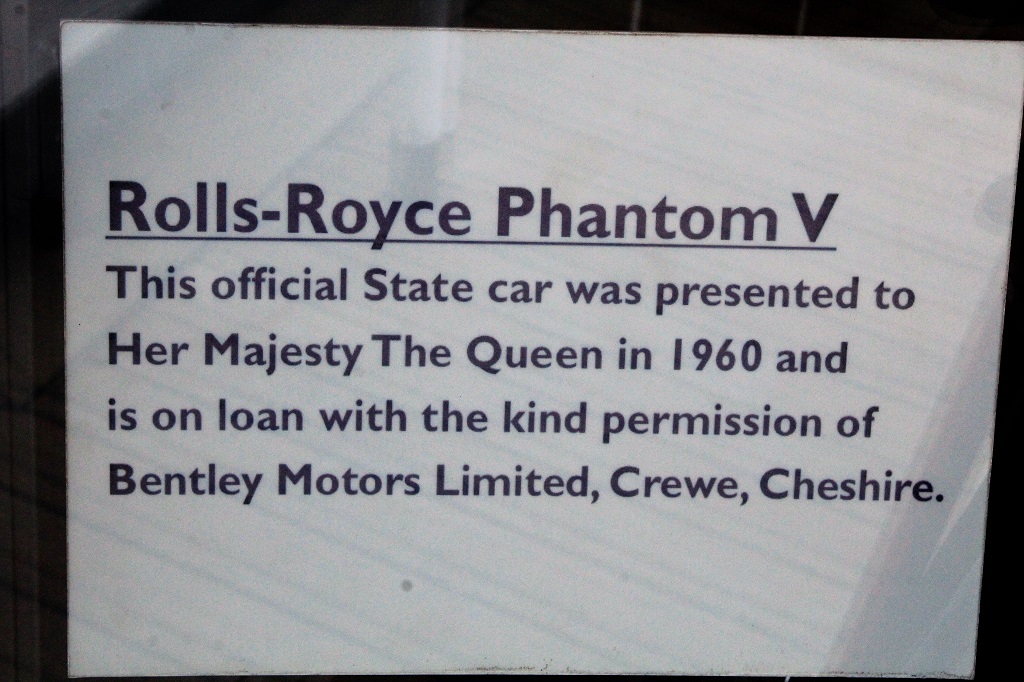
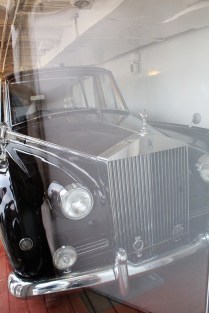
The garage space for the Rolls-Royce Phantom was so tight that the bumpers had to be removed to get it in.  The car would be used to transport the members of the royal family when they reached their destination.
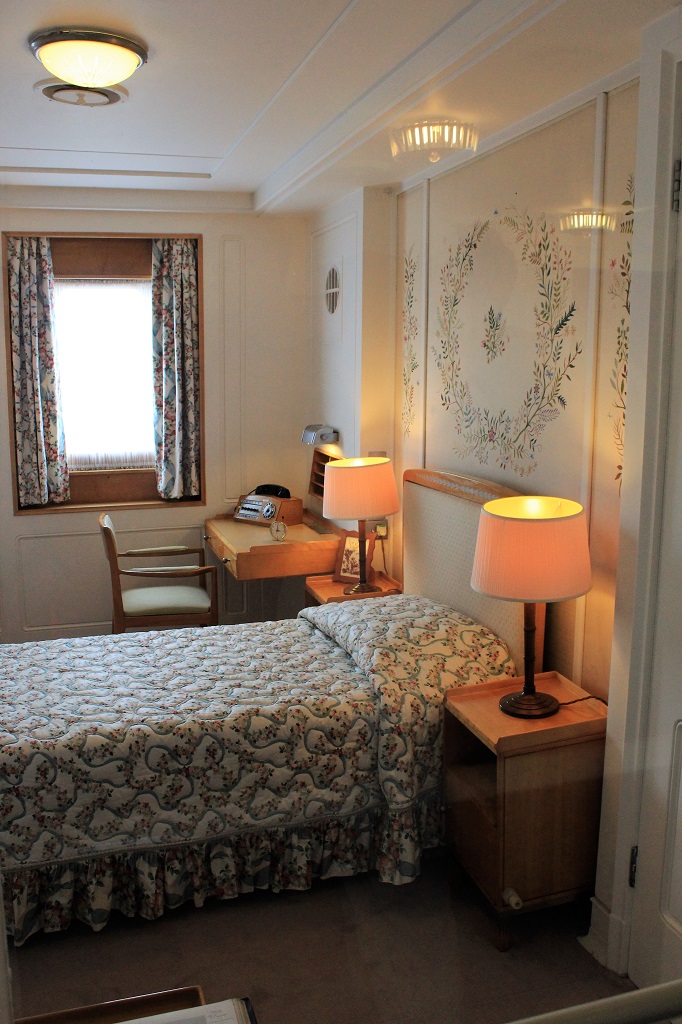
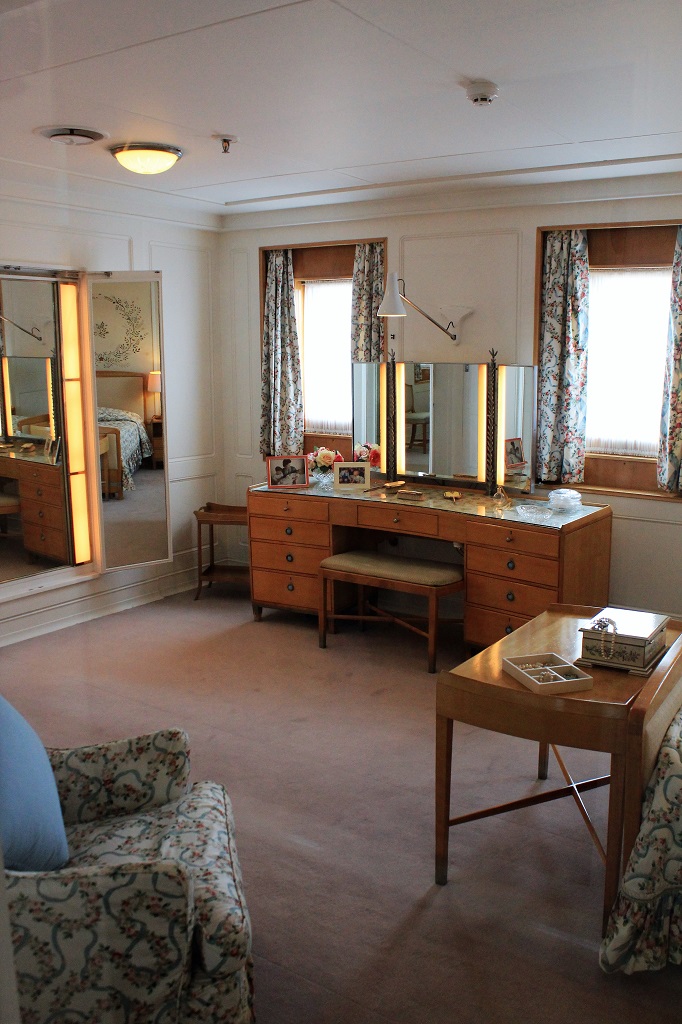
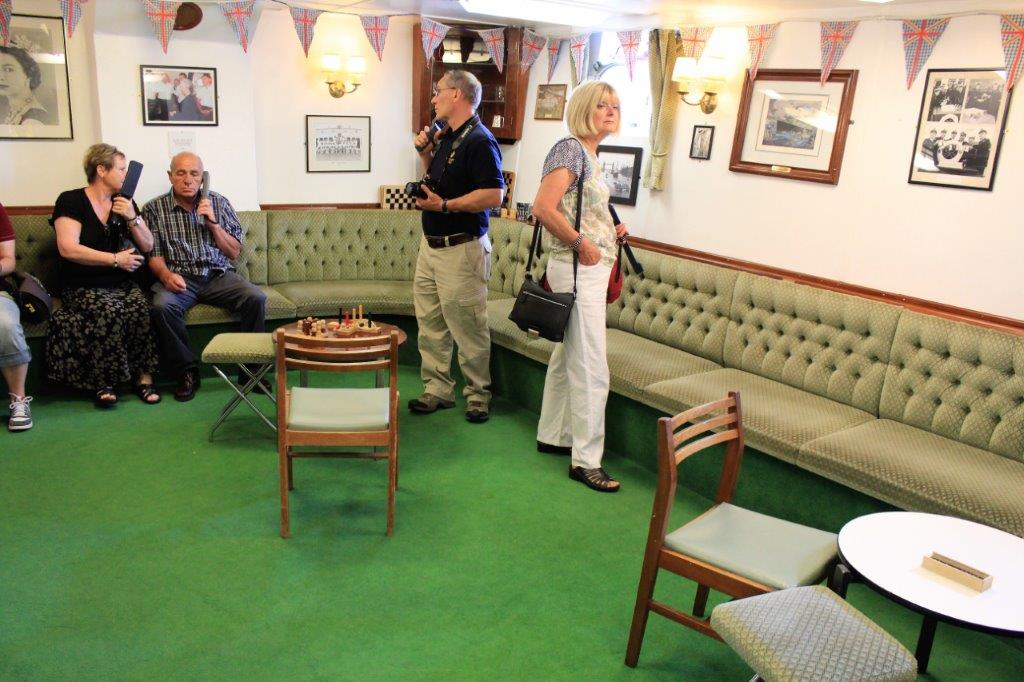
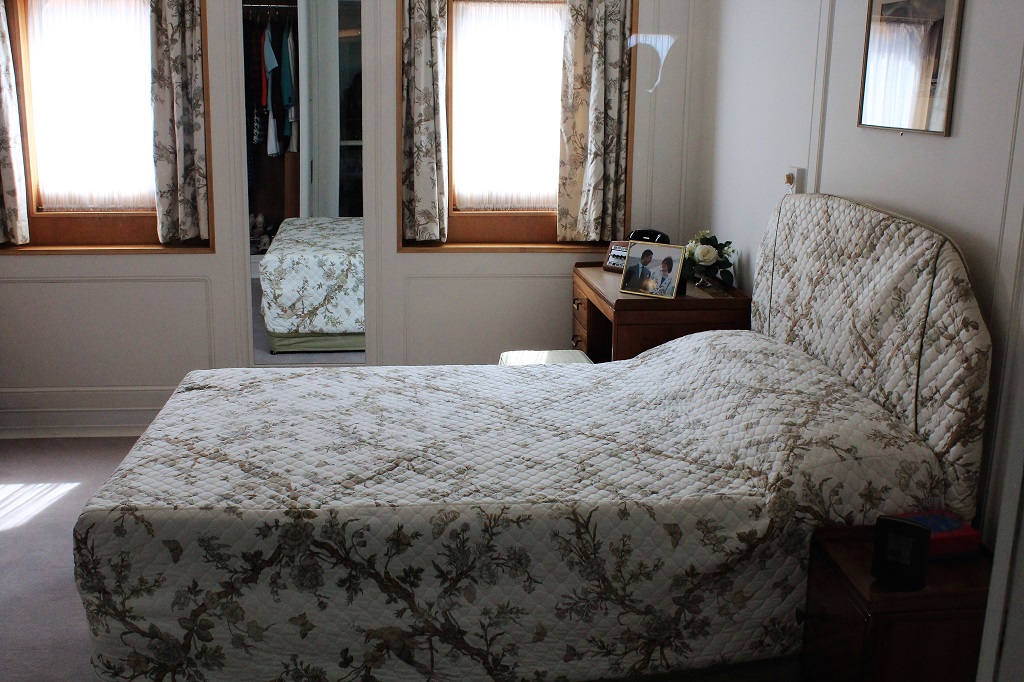
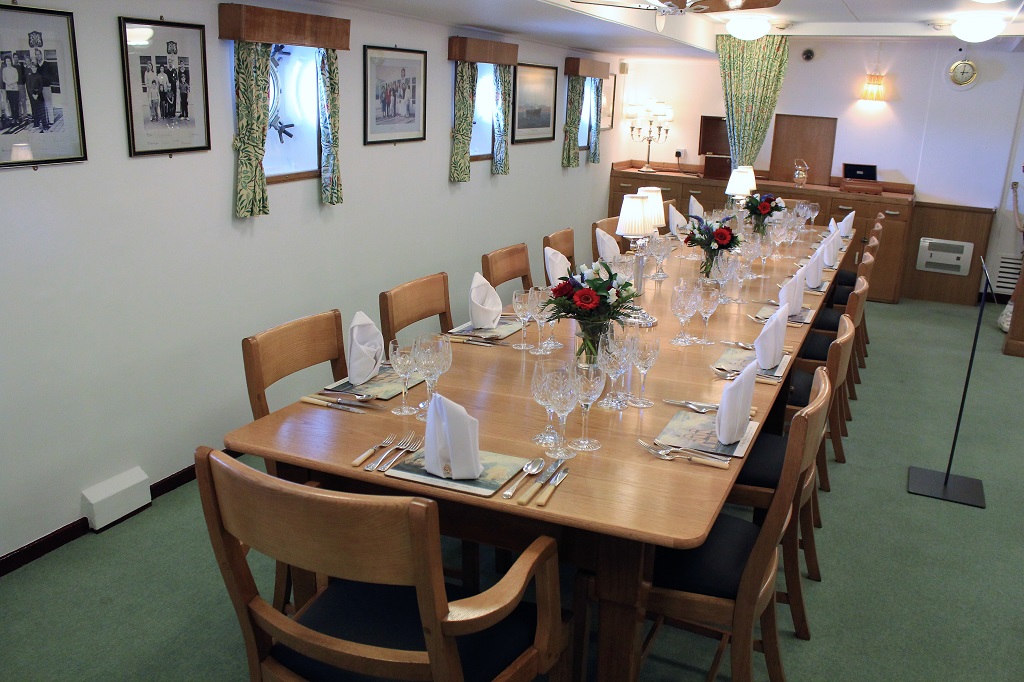
Queen Elizabeth II loved the Britannia and was moved to tears during her decommissioning service in 1997. The Queen’s bedroom and sittingroom.The bedroom of Prince Phillip, Duke of Edinburgh. The ‘Honeymoon Suite’ is the only bedroom on board with a double bed. Four royal couples celebrated there honeymoon on Britannia; Princess Margaret and Anthony Armstrong-Jones, Princess Anne and Captain Mark Phillips, Prince Charles and Princess Diana, and Prince Andrew and Sarah Ferguson.The Ward Room – the mess cabin for commissioned officers.  Officers serving on the Britannia were chosen from the ranks of the  Royal Navy and served two-year terms. The crew were all volunteers from within the Royal Navy.  After serving 365 days you could be admitted to “The Permanent Royal Yacht Service” as Royal Yachtsmen and then served until you chose to leave or were dismissed for medical or disciplinary reasons. As a result, some crew served for 20 years or more. The ship also carried a troop of Royal Marines when members of the Royal Family were on board.
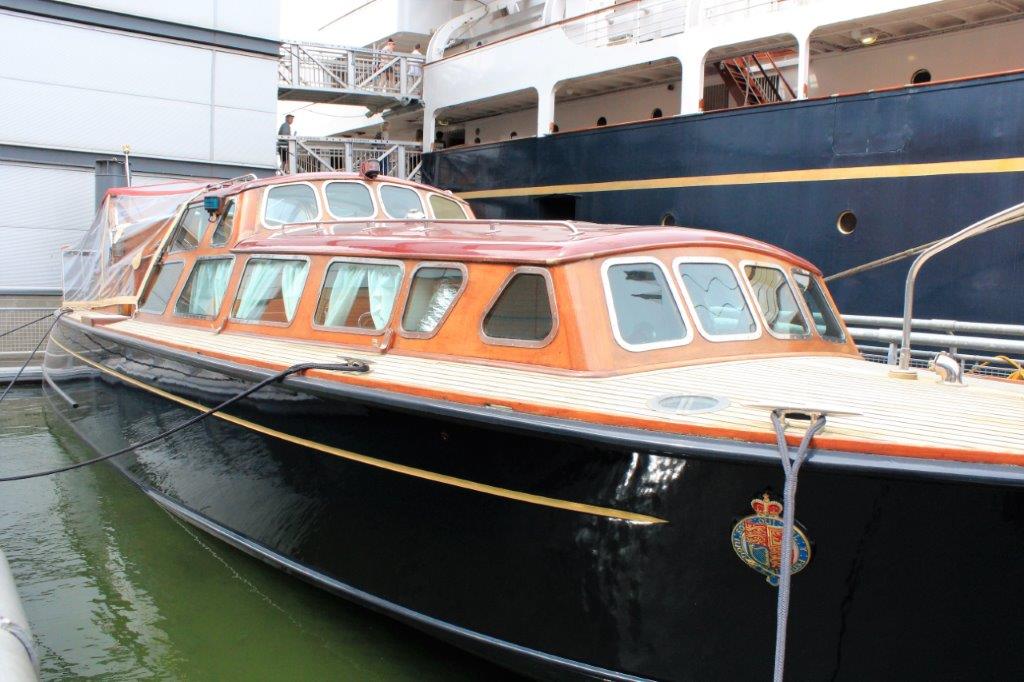
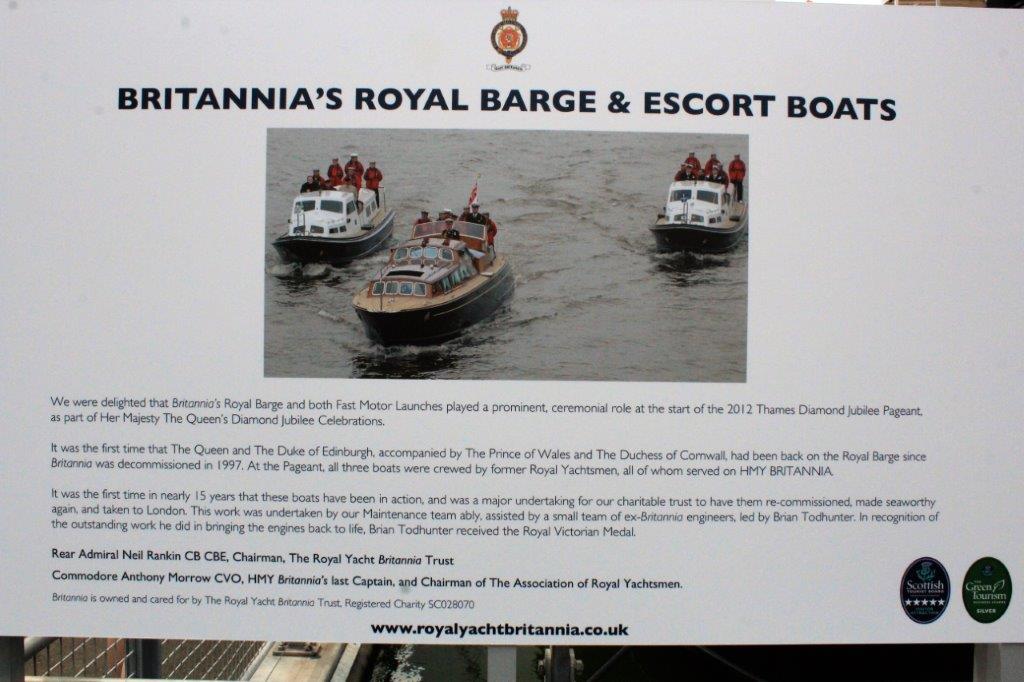
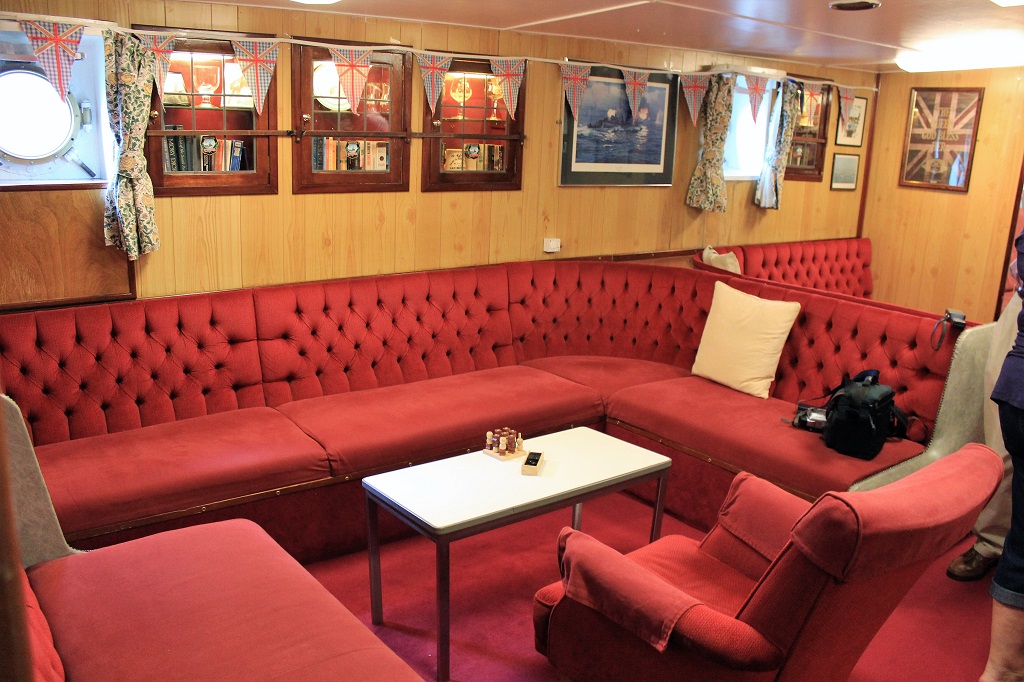
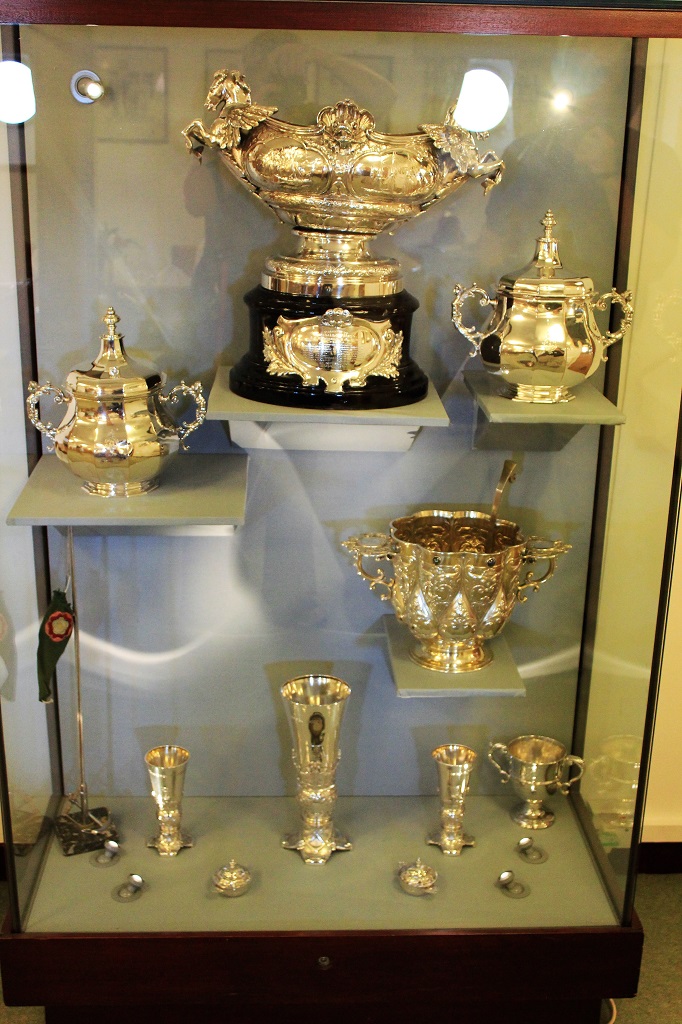
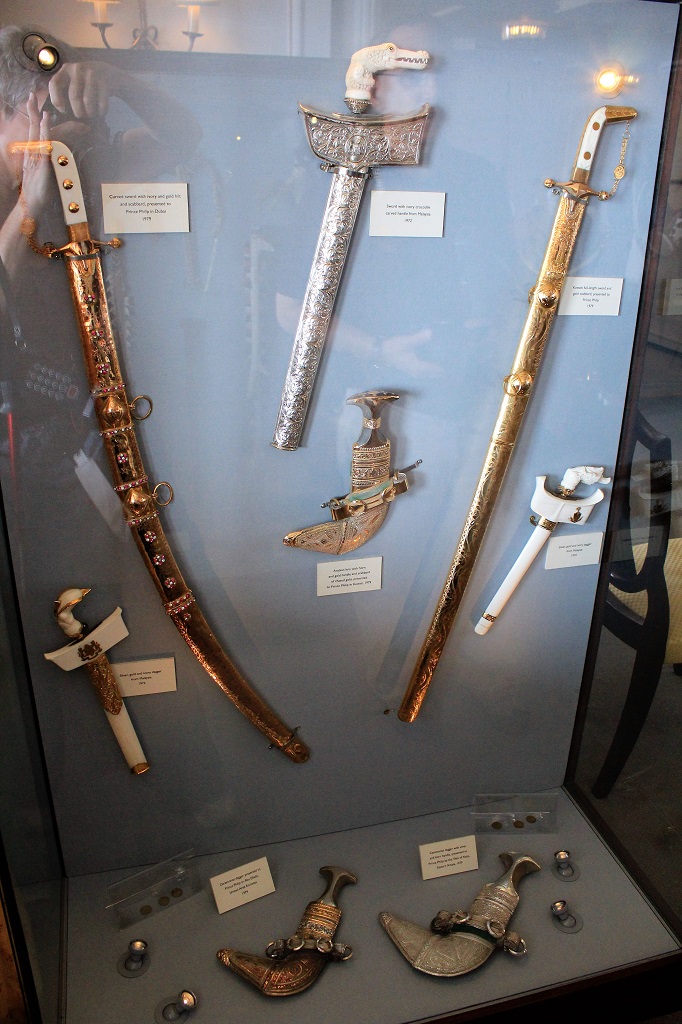
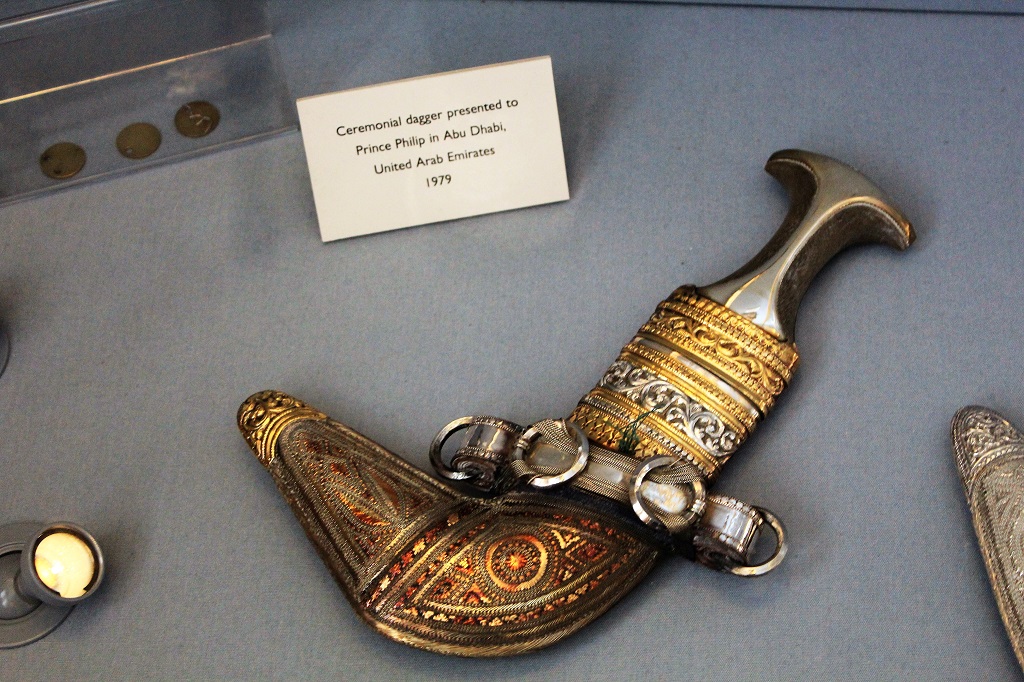
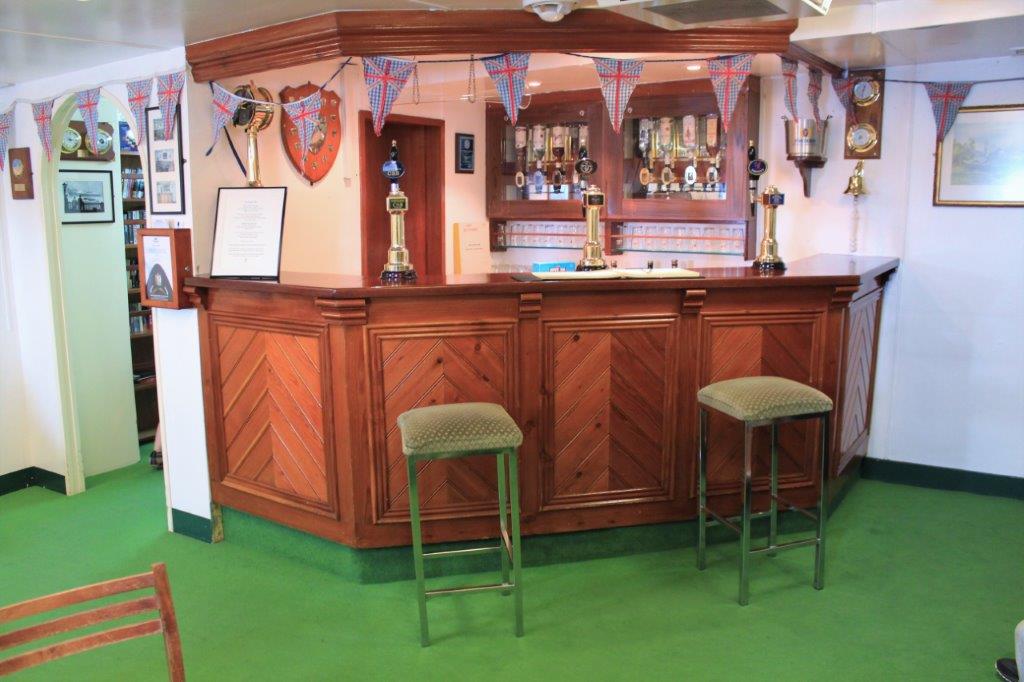
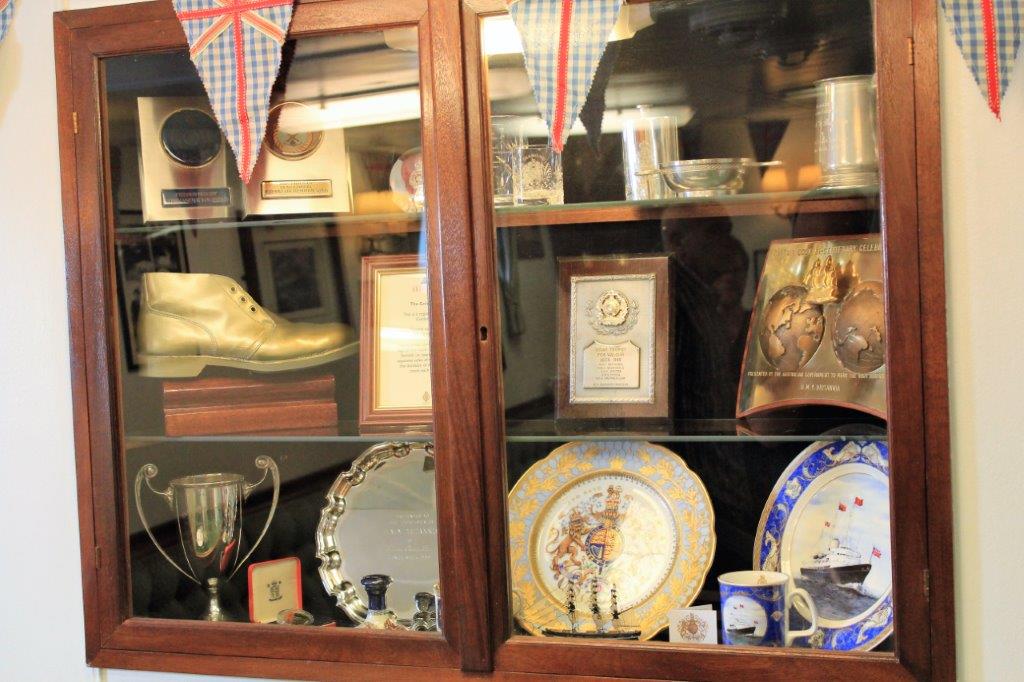
You could wear a captain’s cap and ‘lift a pint’  in  the  Petty  Officer’s  Mess. The Britannia was the last ship of the British navy to convert from hammocks to cots for the sailors. The crew slept in hammocks until 1973. There were display cases full of items from around the world that had been presented to the Queen on her travels. The  Queen  and  Prince Phillip  requested  that  some  of  the  lavish  interior  designs  planned  for  the  yacht  be  toned  down  since  the  country was still  recovering  from  the  war  years.   There  were  minimal  changes  made in  the  decor during  her  many years  of service.
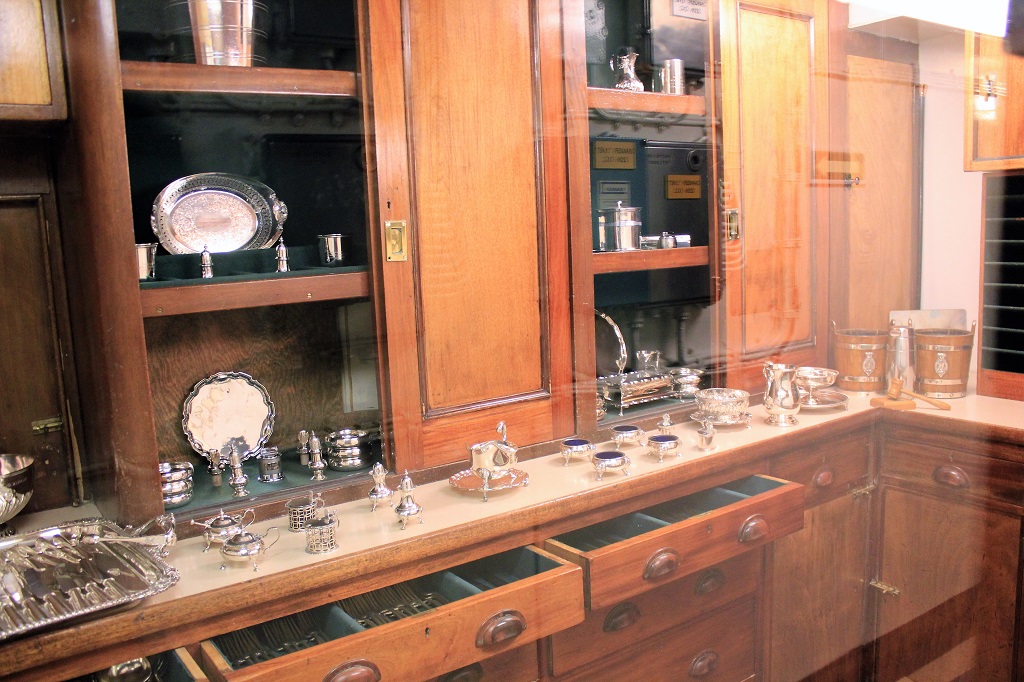
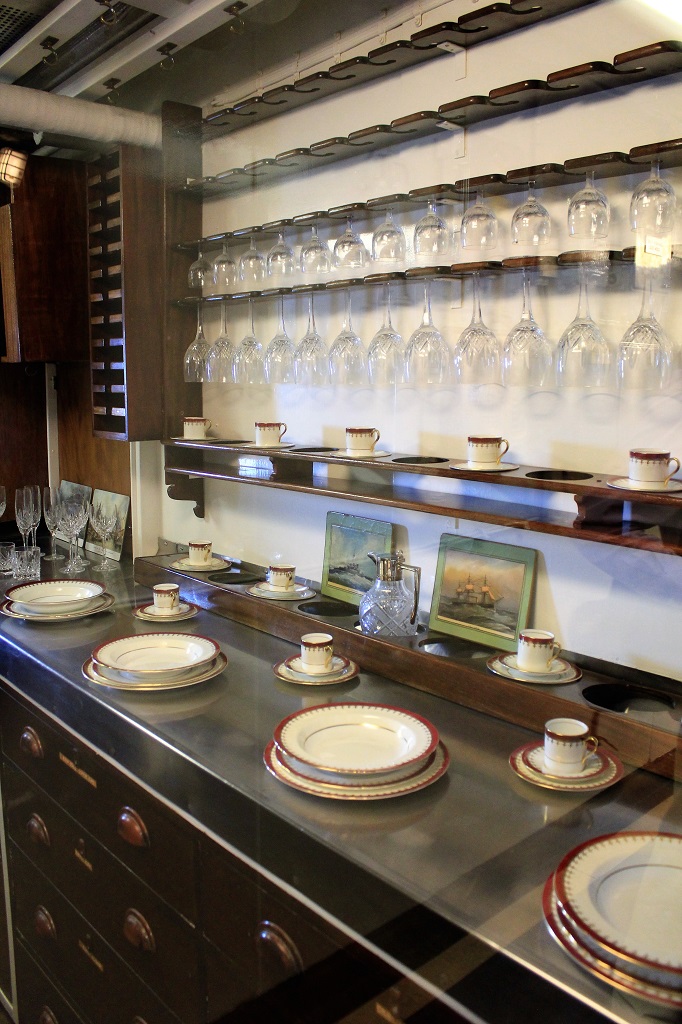
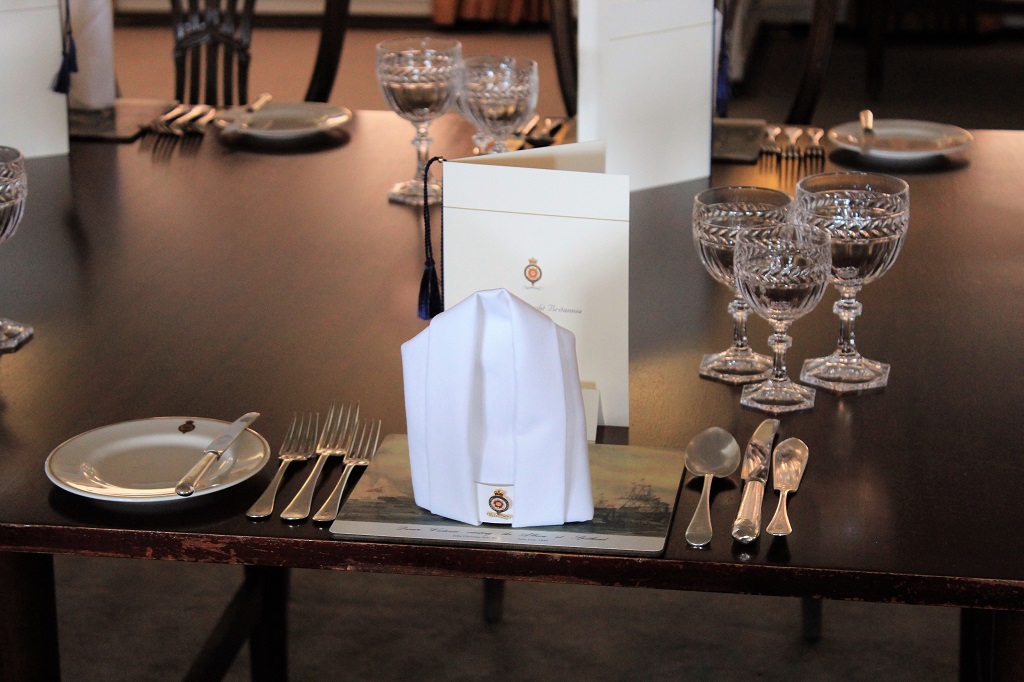
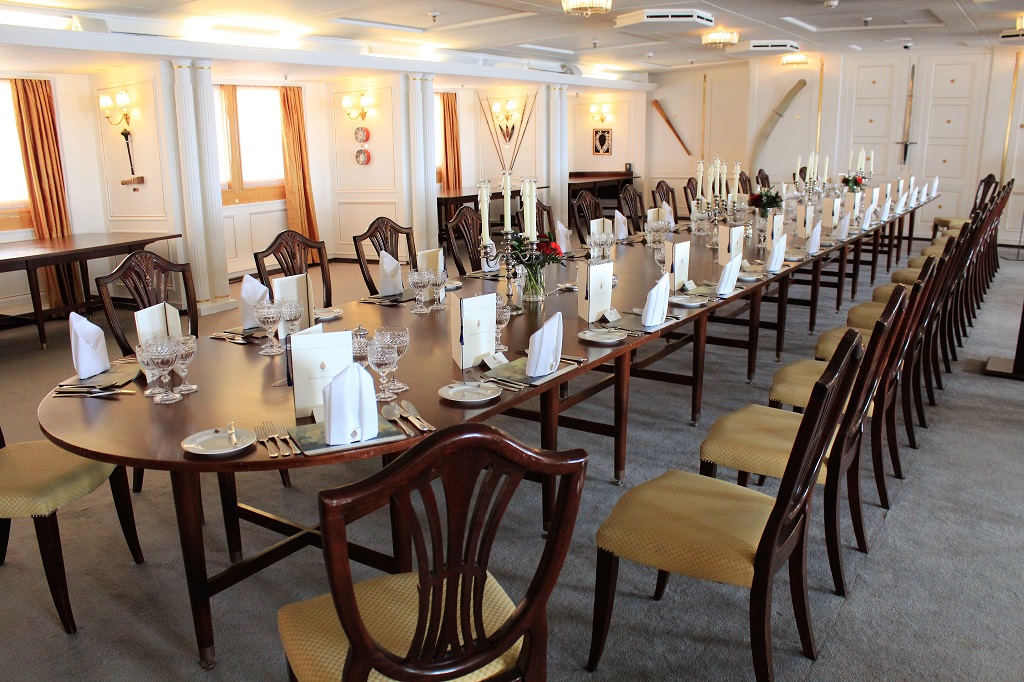
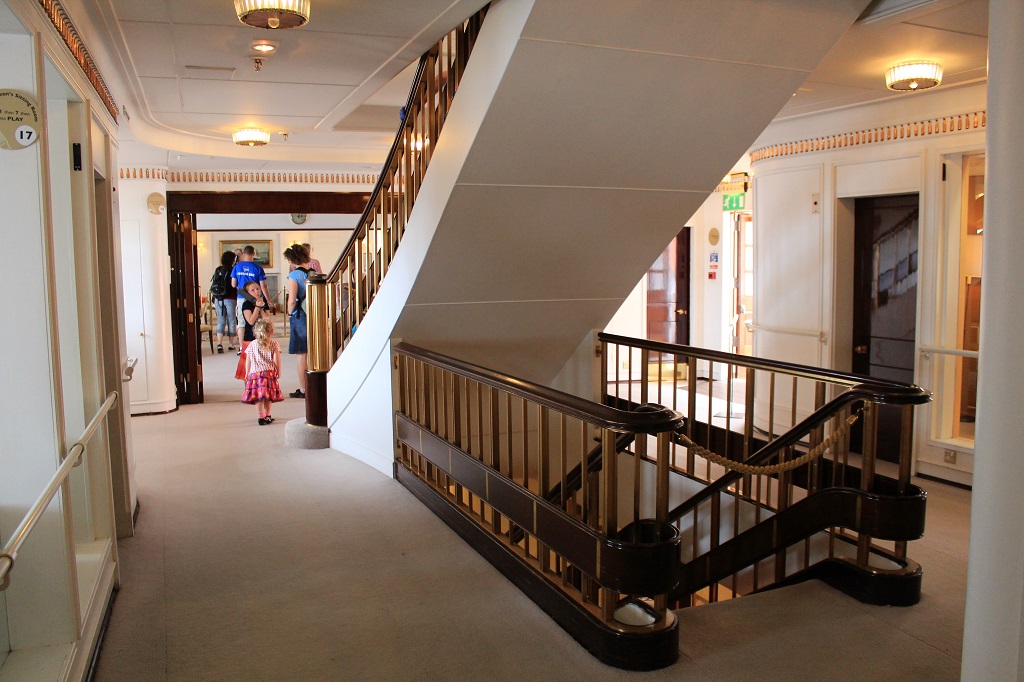
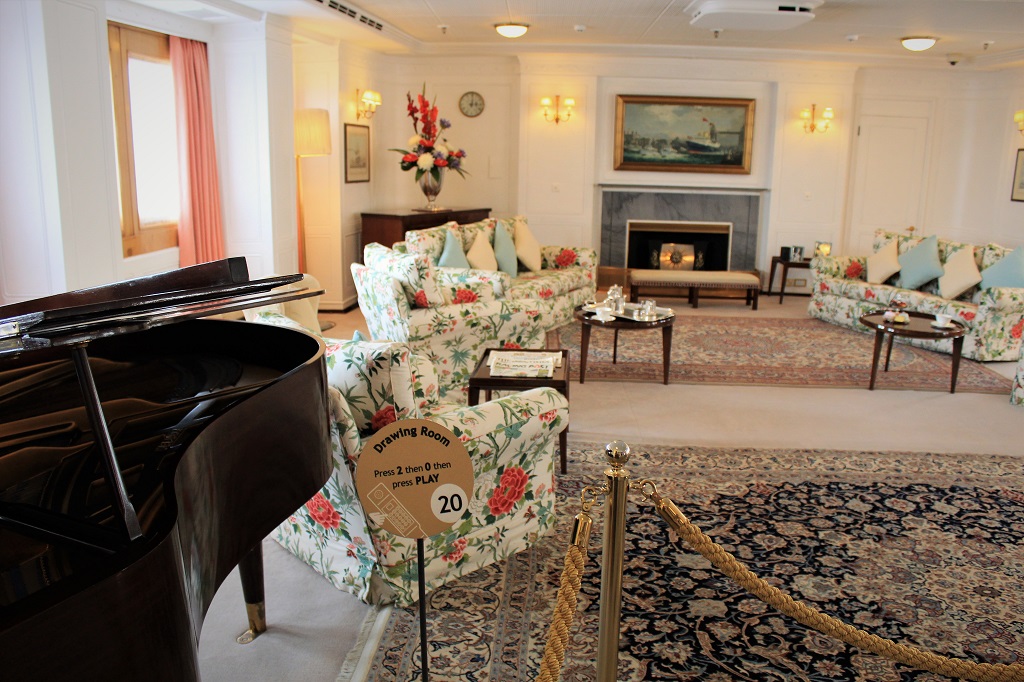
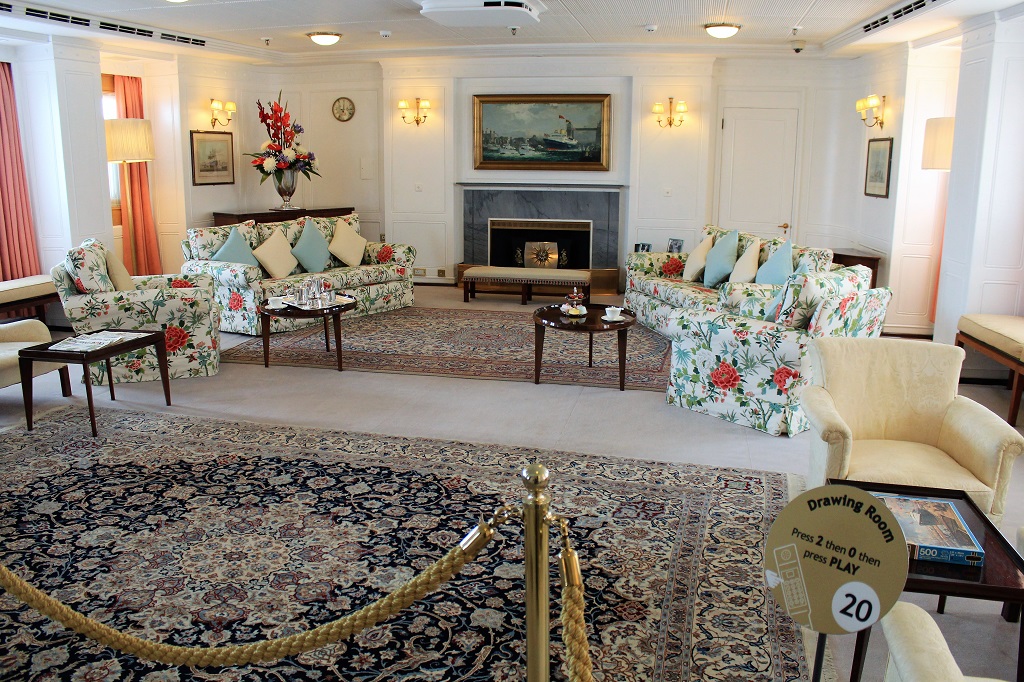
The  kitchen  was  not  very  big,  but  some  really  elaborate  meals  could  be  produced  for dignitaries  in  the  State  Dining  Room. The table  in  the  State  Dining  Room  can  sit up  to  96  guests.Near  the  main  entrance  doors  there  is  a  lovely staircase  from which  the Queen can  make  a ‘grand  entrance.” The  Drawing  Room  was a lovely  space  with  a grand  piano  off  to  the  side.
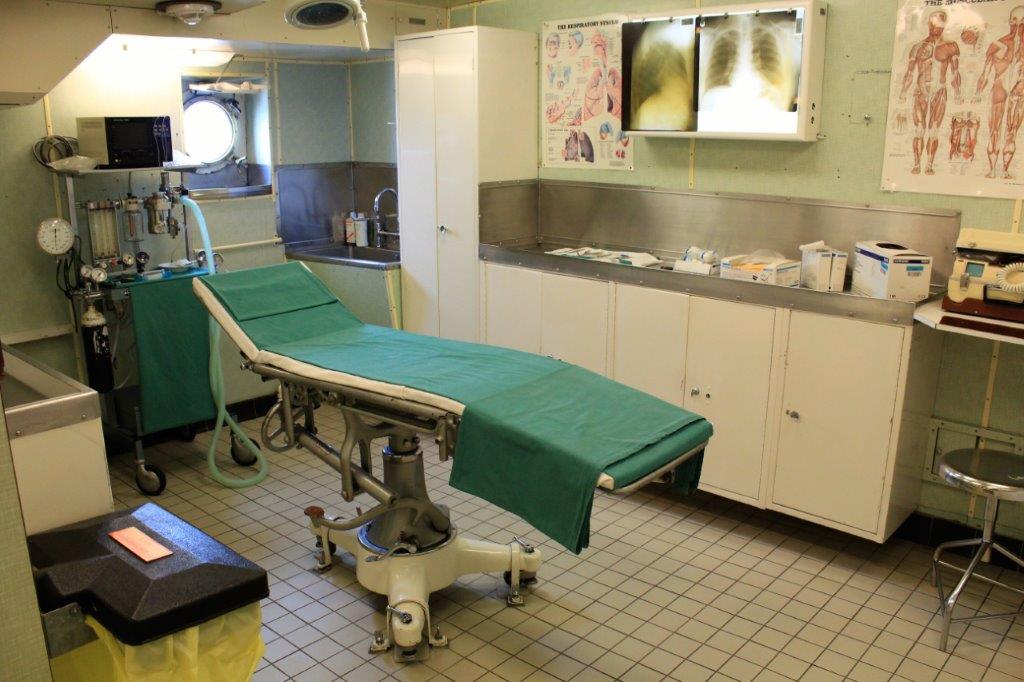
Since the ship was built less than 10 years after the end of WWII, and that horrible time was still fresh in people’s minds, the yacht was designed so it could be converted to a hospital ship if necessary.  The bow was structurally strengthened to allow for helicopter landings.  This, though is just the medic’s room.
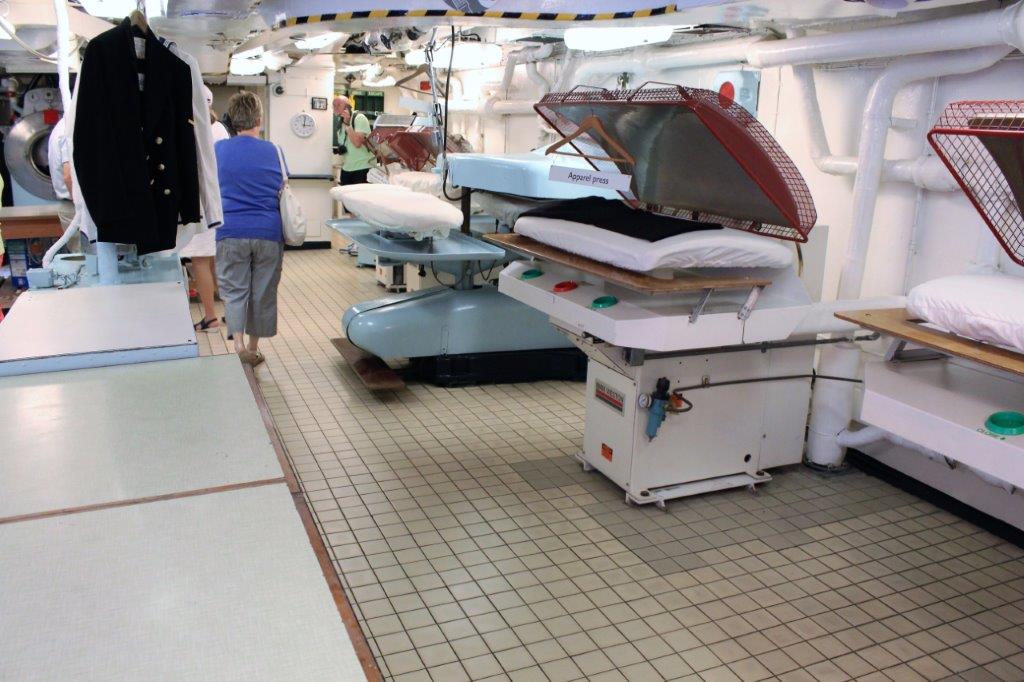
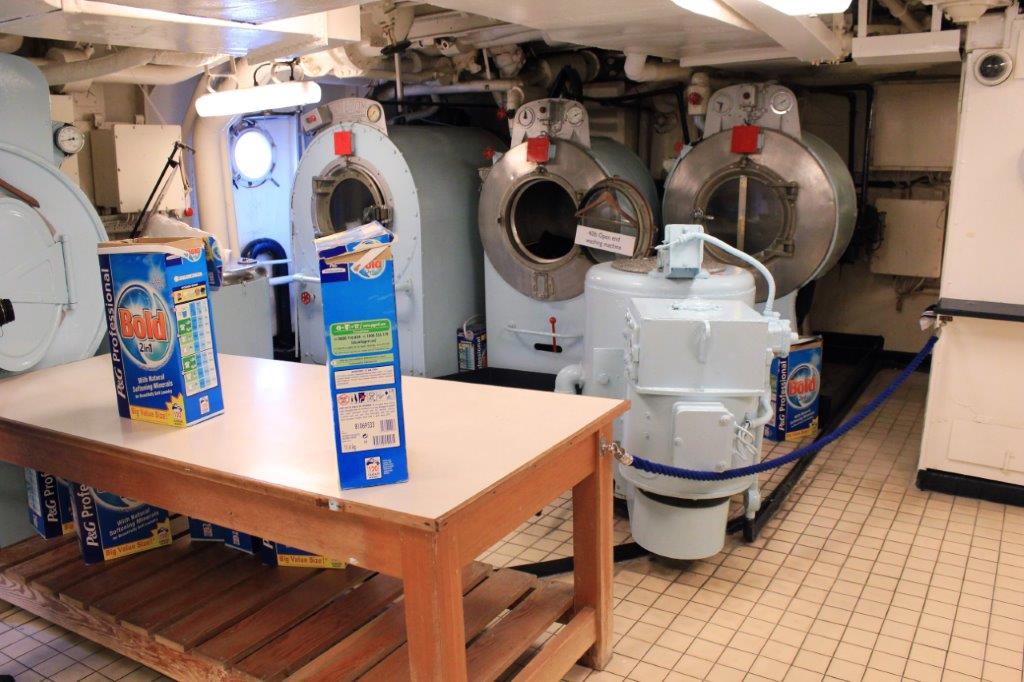
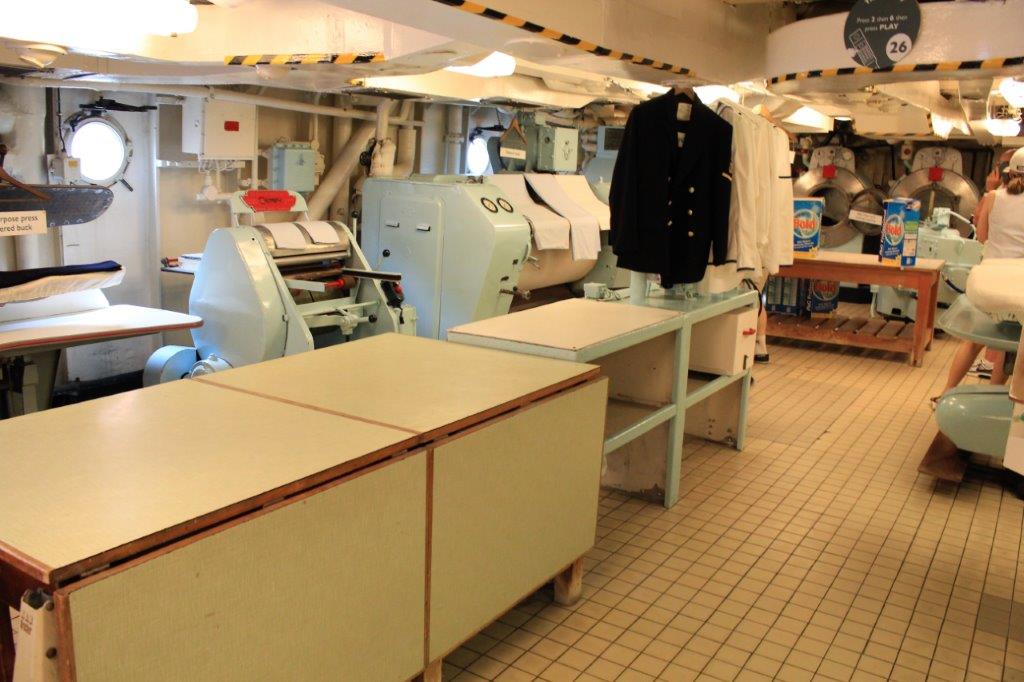
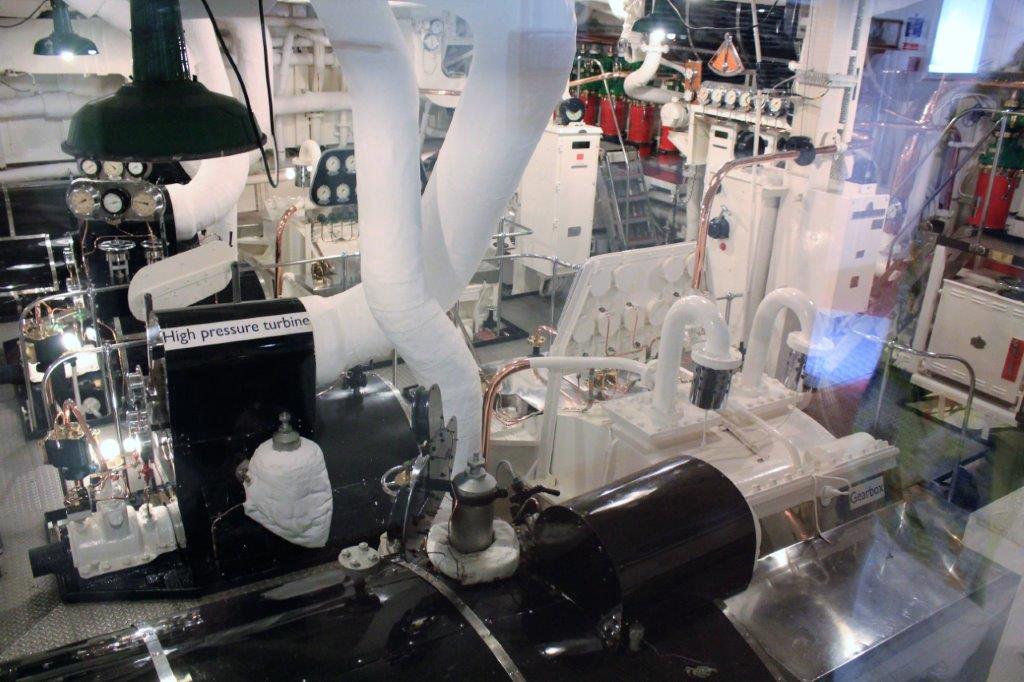
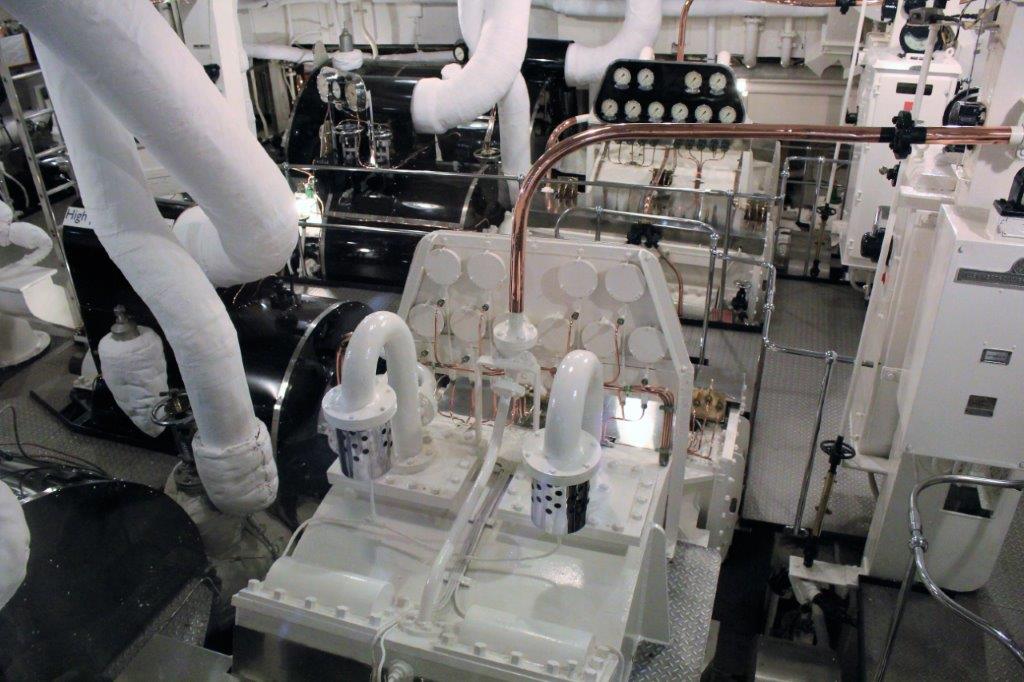
One of the busiest departments on board; the laundry room. During the visit of one foreign dignitary he was given a tour of the engine room.  After the tour, he turned to his guide and said, “That is very nice.  Nice and clean, but now show me the real engine room.”  Nope. This is it; always kept pristine. It was a real treat to be able to see this lovely vessel.  We drove east along the coast of the Firth of Forth to the pretty little town of Dirleton and toured the castle ruins and gardens.
2013 Summer (Baltic and Britain – Scotland – July 16 – Day 23)

We were settled into our rooms at City Pads and spent the day just wandering around Edinburgh.  It was quite a lazy day and we didn’t go far nor do much. After three weeks on the road touring around it was nice to have a quiet day.

Edinburgh is a busy city and very busy in the summer time.  They have several big festivals that take place on the same weekend every year; one being the Military Tattoo which I would love to attend.  However, the timing was not right to do so this visit.  Perhaps another time.  The International Festival and the Fringe Festival are huge.

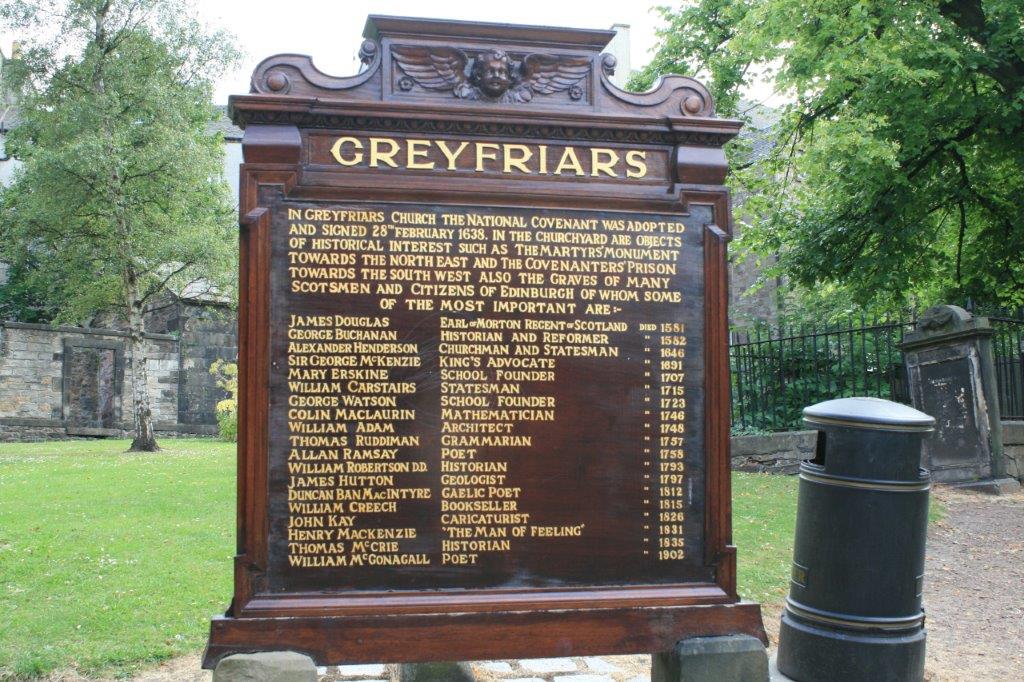
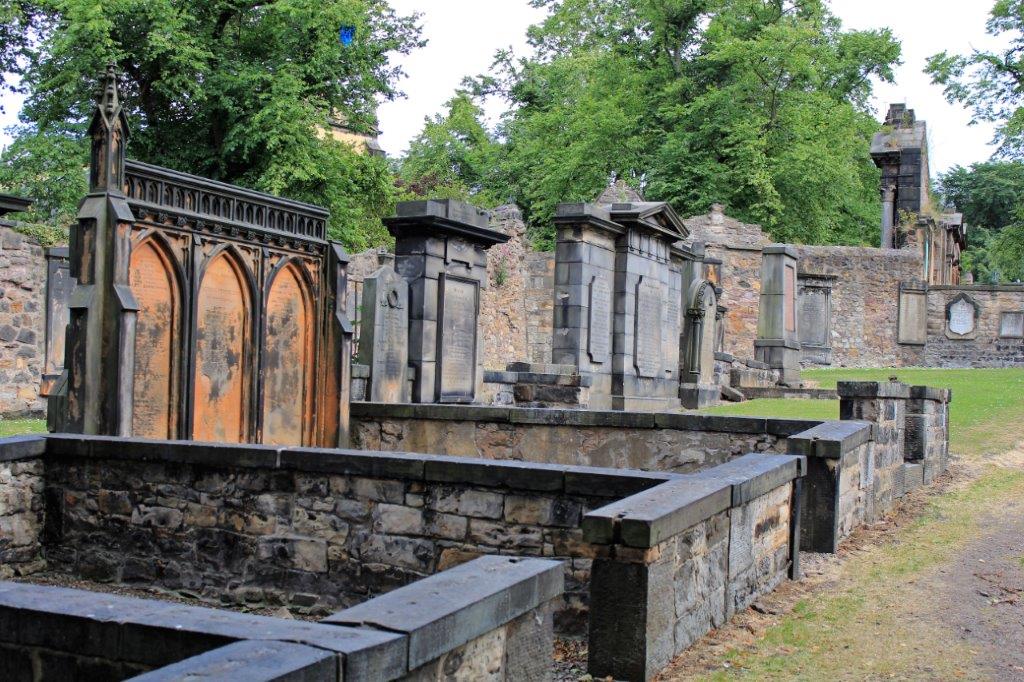
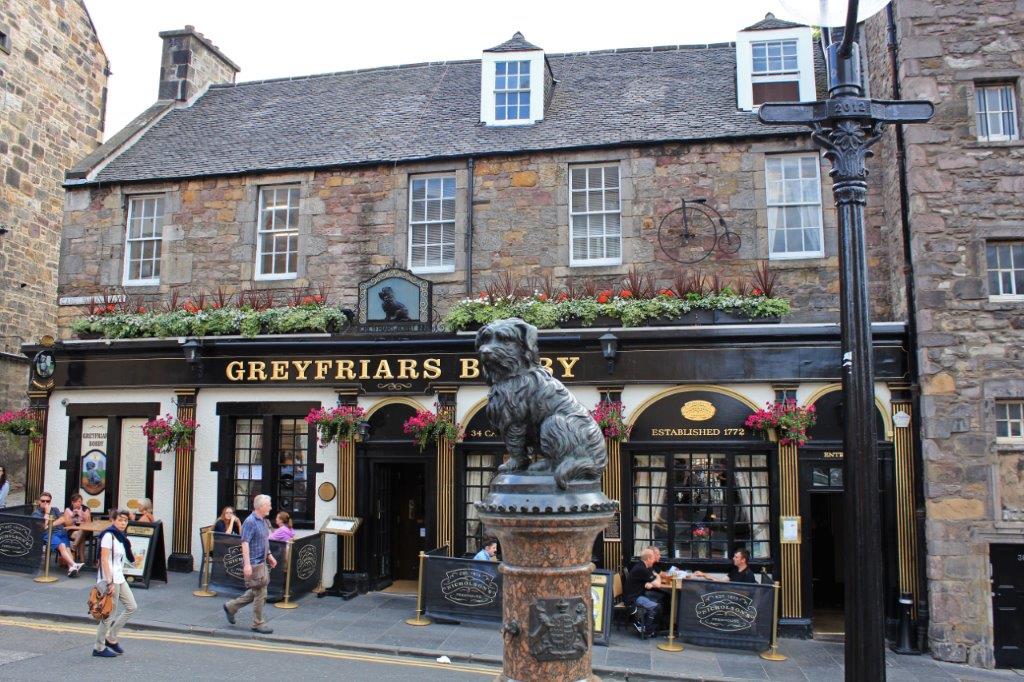
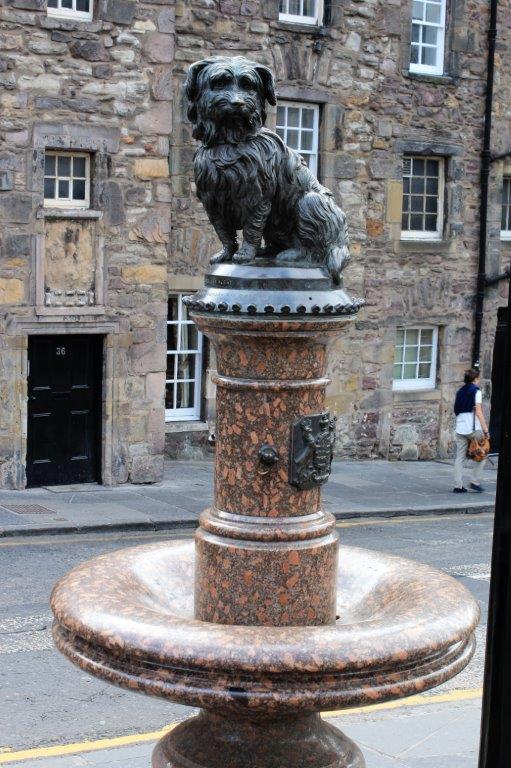
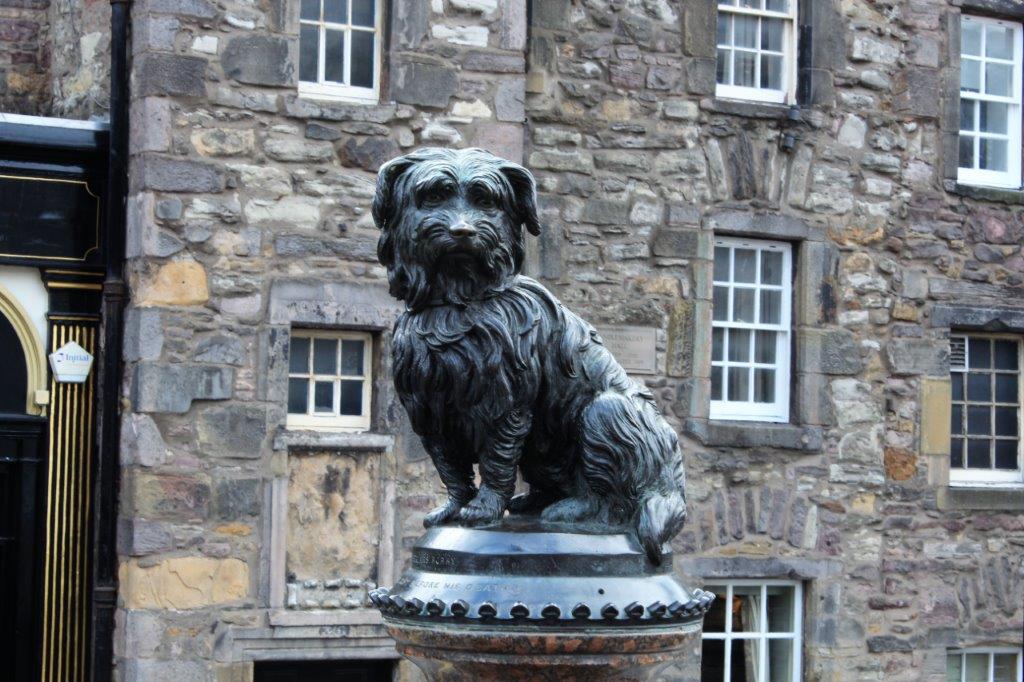
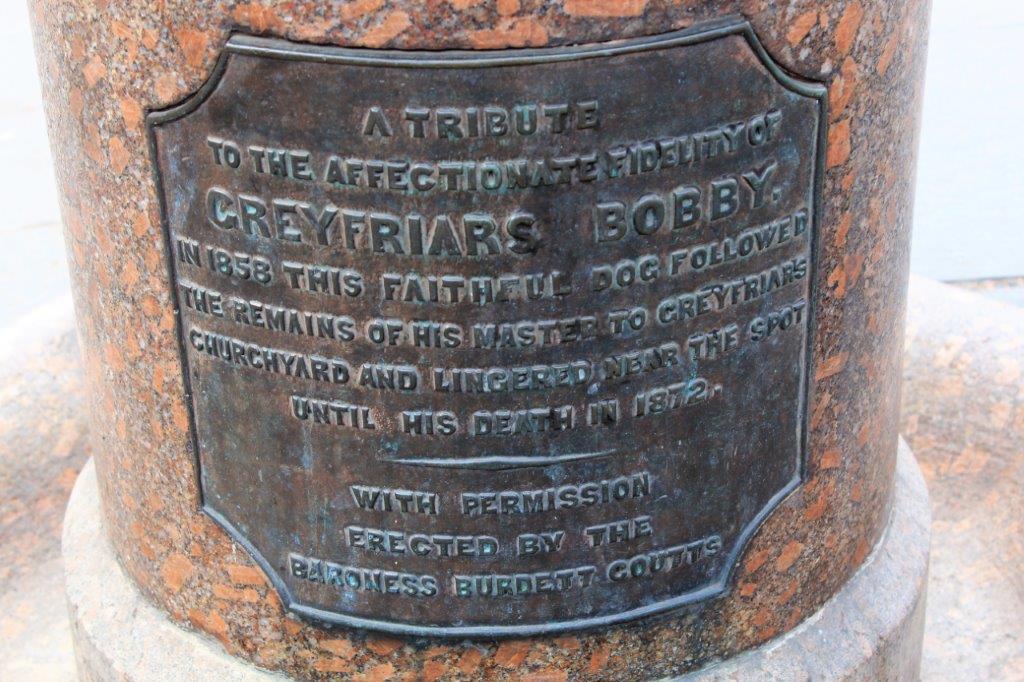
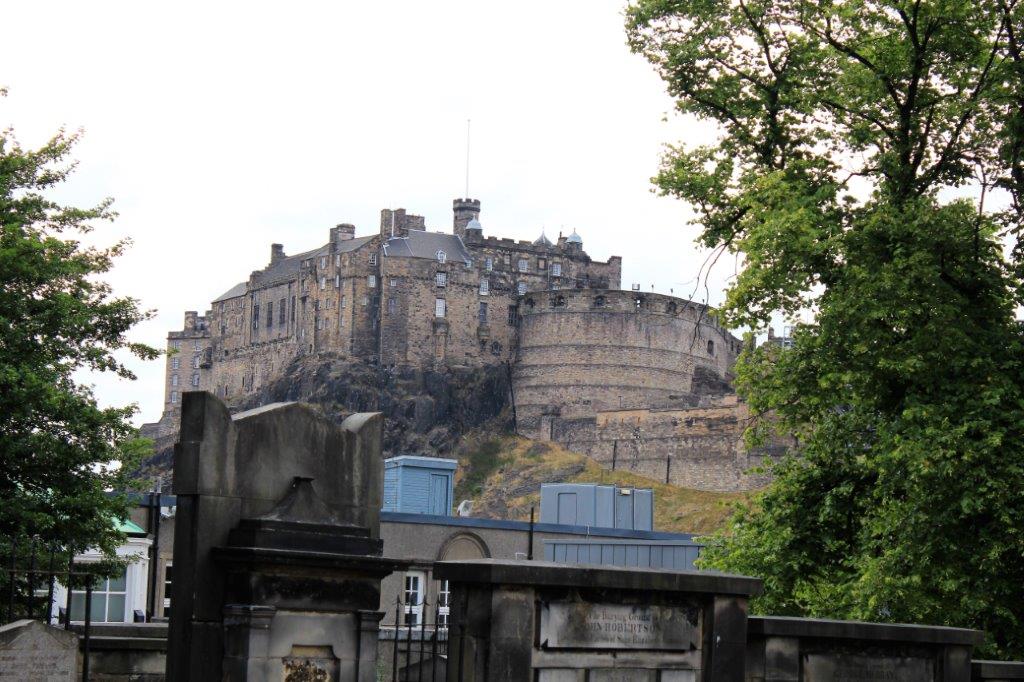
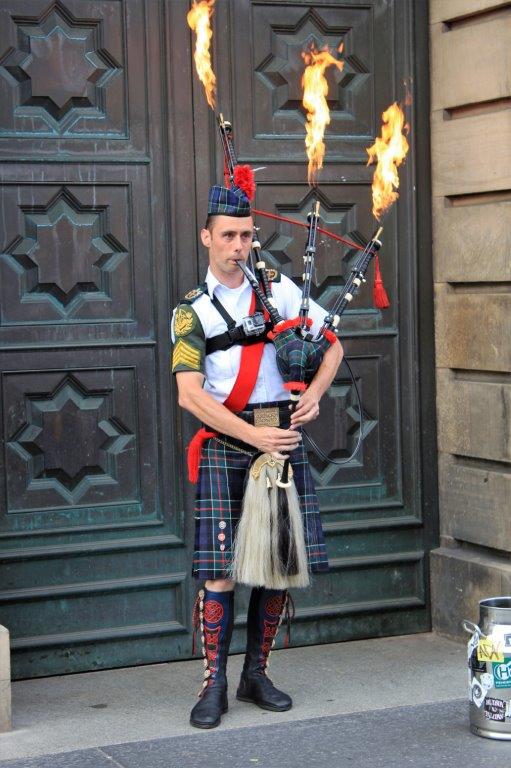
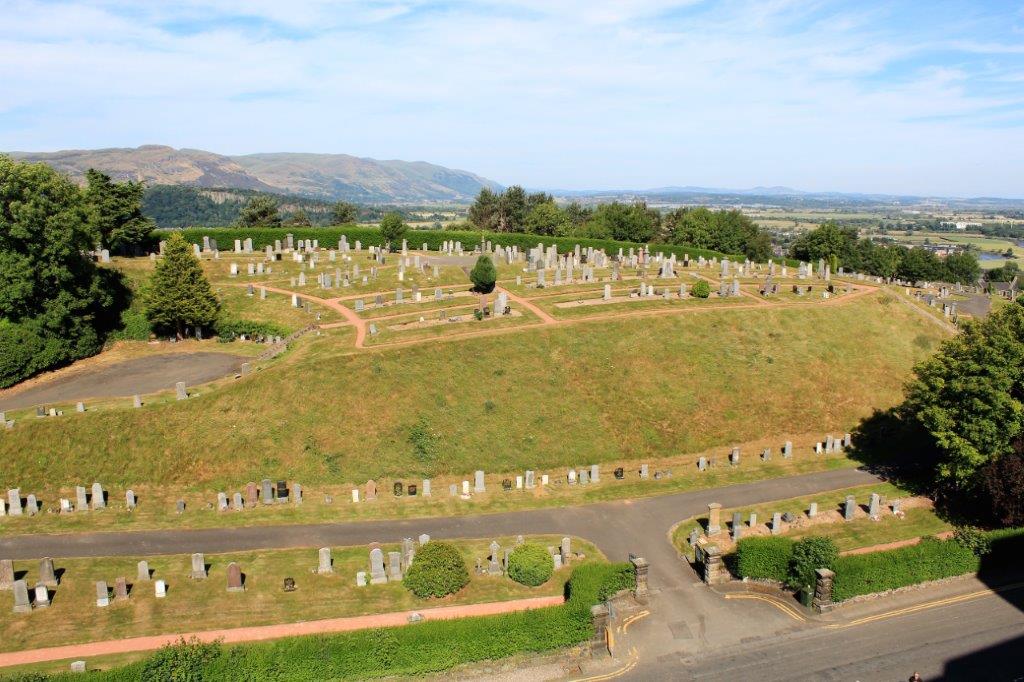
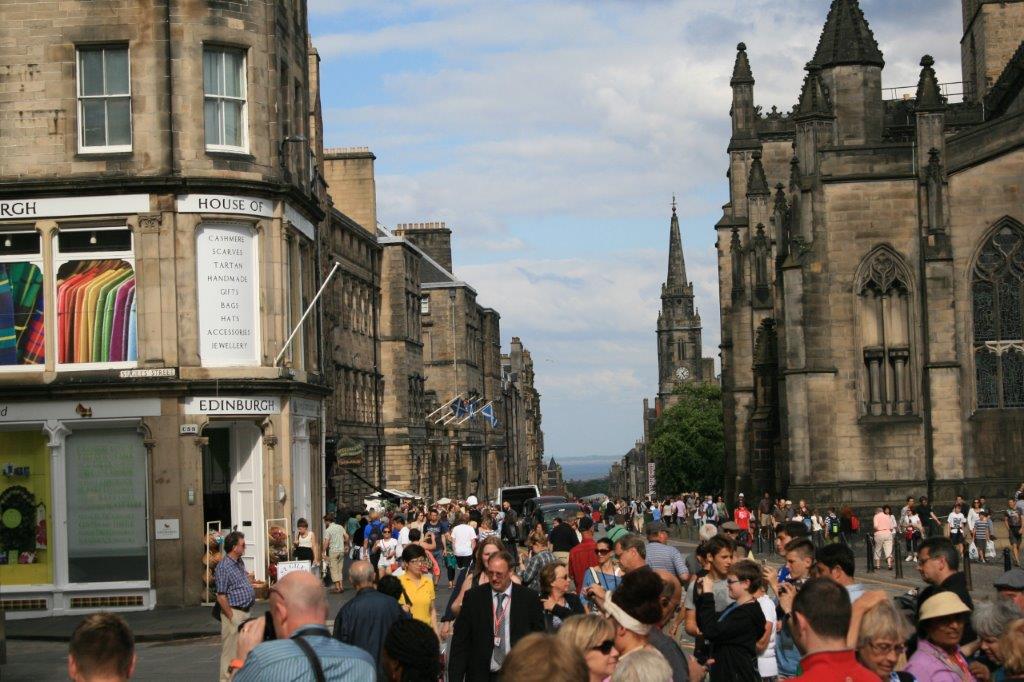
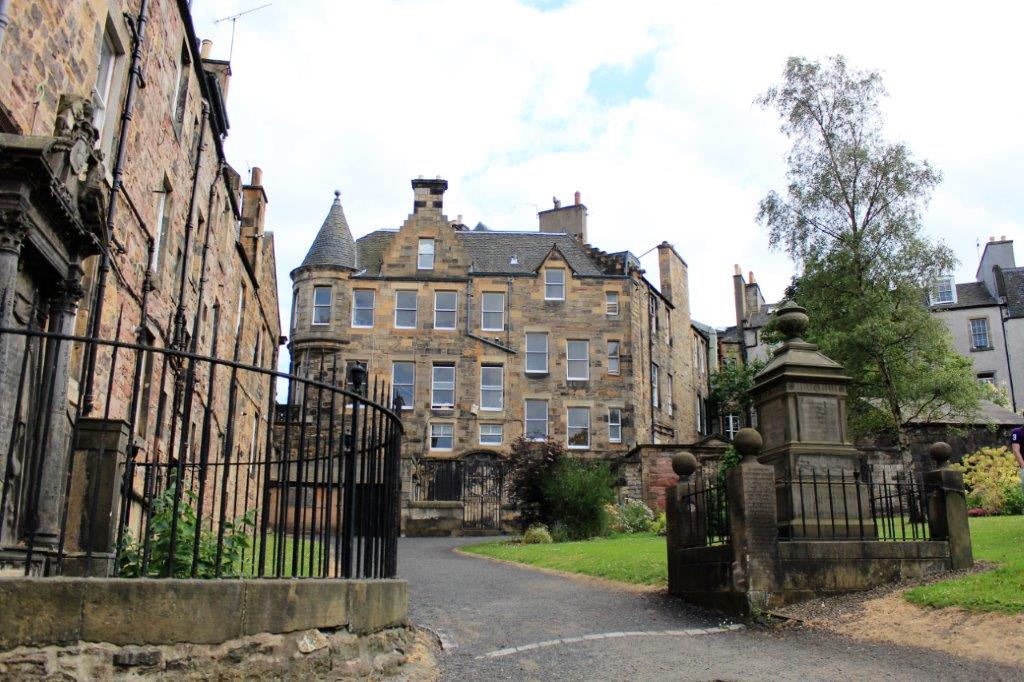
One of the stories I loved as a child was Greyfriars’s Bobby so we had to go to the cemetery where the faithful little dog lay by the grave of his deceased master until his own death many years later. Edinburgh Castle is an imposing sight up on the hill.  This fellow added a fiery element to his bagpipe playing.  He had gas canisters on his back and could send flames from tubes at the end of the pipes.

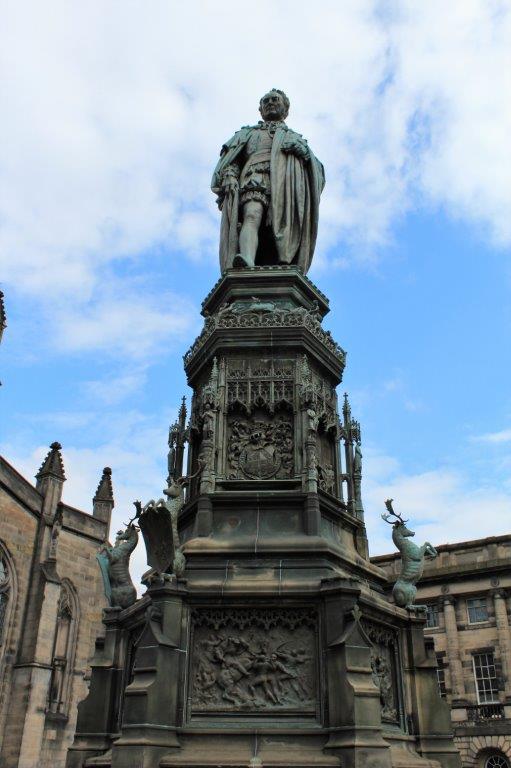
The regal bronze cast of a standing figure wearing Order of the Garter robe depicts Walter Francis Montagu Douglas Scott, 5th Duke of Buccleuch and 7th Duke of Queensberry,

Such was the respect in which the Duke was held by the people of Scotland that following his death on 16 April 1884 the statue was commissioned and paid for by a public subscription and was created by world famous sculptor Sir Joseph Edgar Boehm.  The statue was unveiled by the Earl of Stair on 7 February 1888.

In 1829 the Duke married Lady Charlotte Anne Thynne, daughter of the Marquess of Bath. Their marriage was to prove an extraordinary partnership which lasted 56 years and the couple were very much part of the court circle. The Duchess was Mistress of the Robes to Queen Victoria and the Duke became a Conservative Member of Parliament serving in the Peel Government.

He was appointed a Knight of the Garter, a Privy Councillor and served as Lord Privy Seal from 1842 to 1846 however after Peel’s fall, the Duke’s political career came to an end and he became Chancellor of the University of Glasgow, a position he was to hold until his death.

After leaving politics, he became a progressive manager of the traditional family landed estates, but this was the age of coal and railways, and he took advantage of both. He was also commercially minded enough to develop a new harbour with pier and breakwater at Granton in Edinburgh at a cost over half a million pounds, from where his coal was exported.  He created significant employment throughout the country as well as building churches, houses and village halls. St. Giles Cathedral.

And that was our exciting first day in Edinburgh.  The next day we drove to Leith to see the Royal Yacht Britannia and to Dirleton Castle and Gardens before returning to Edinburgh.

2013 Summer (Baltic and Britain – Scotland – July 15 – Day 22 – Part 3)

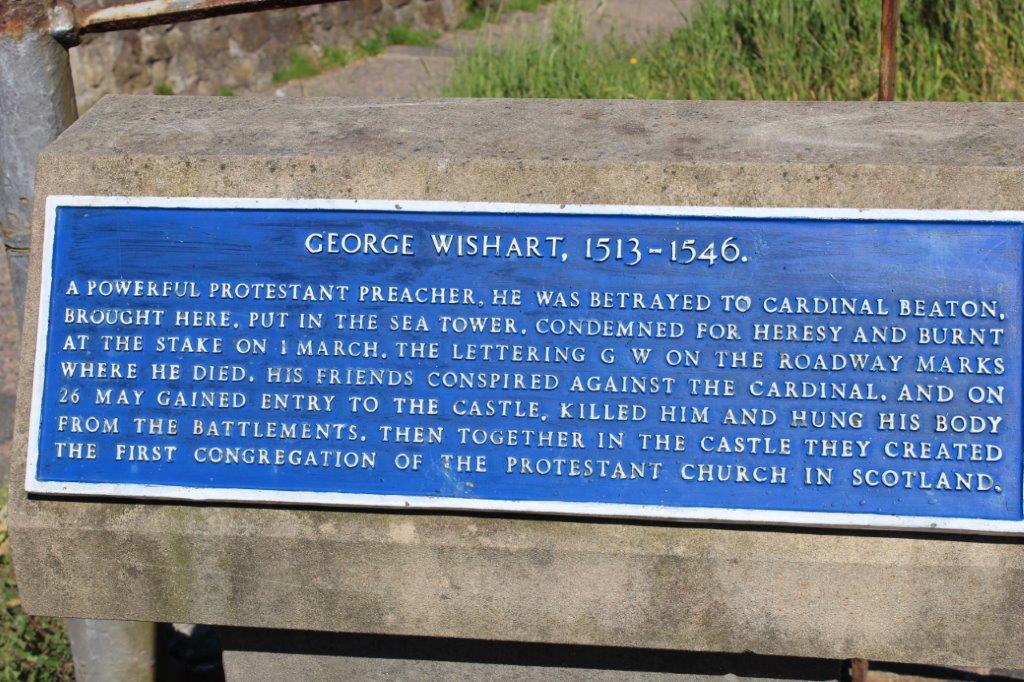
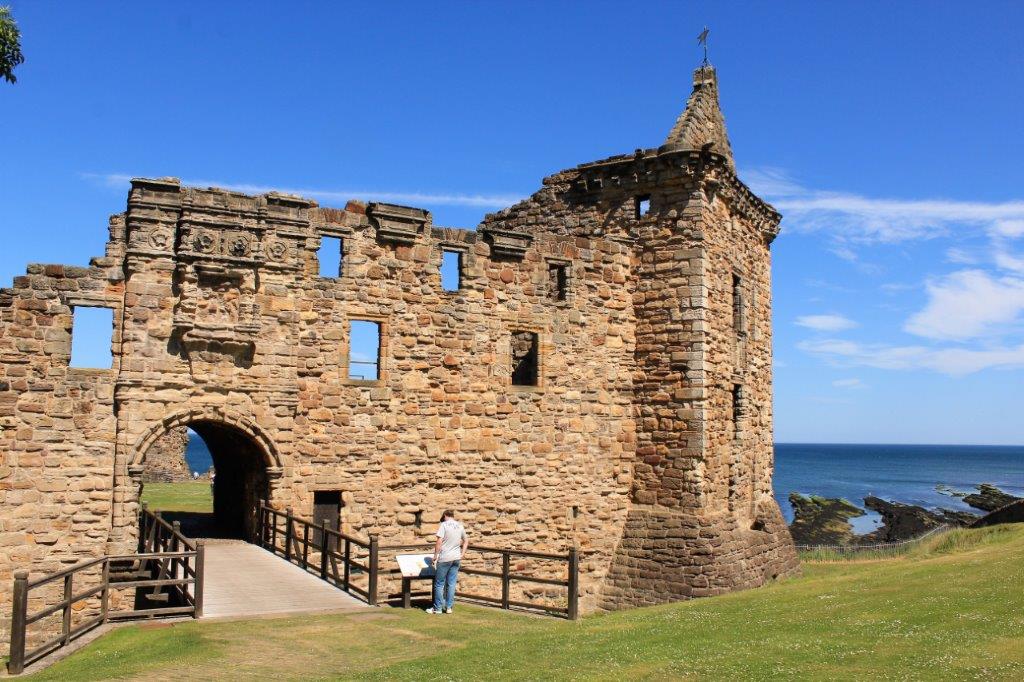
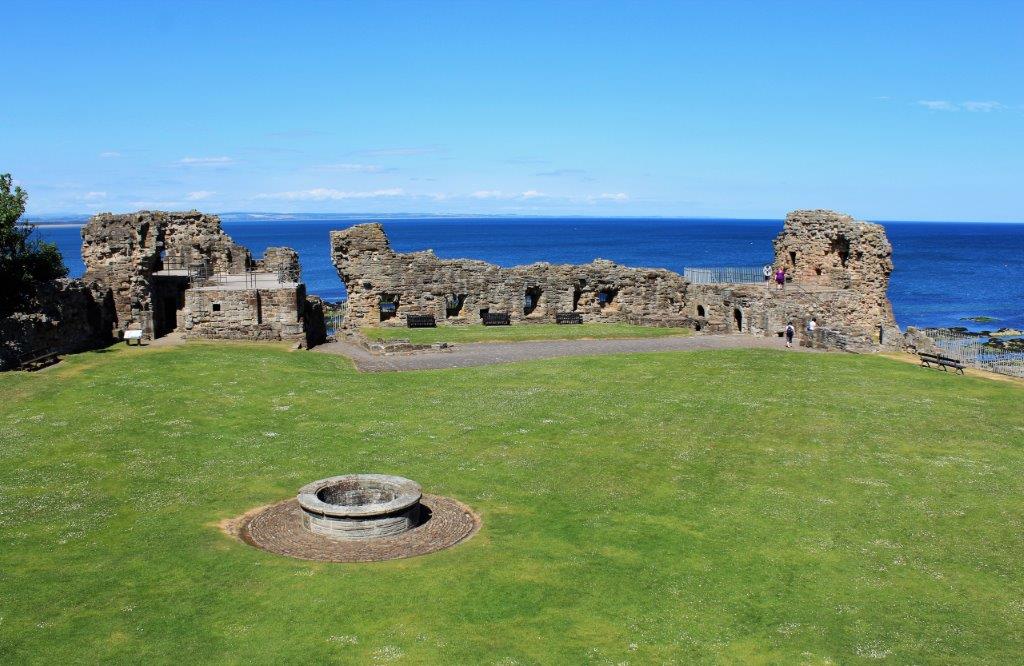
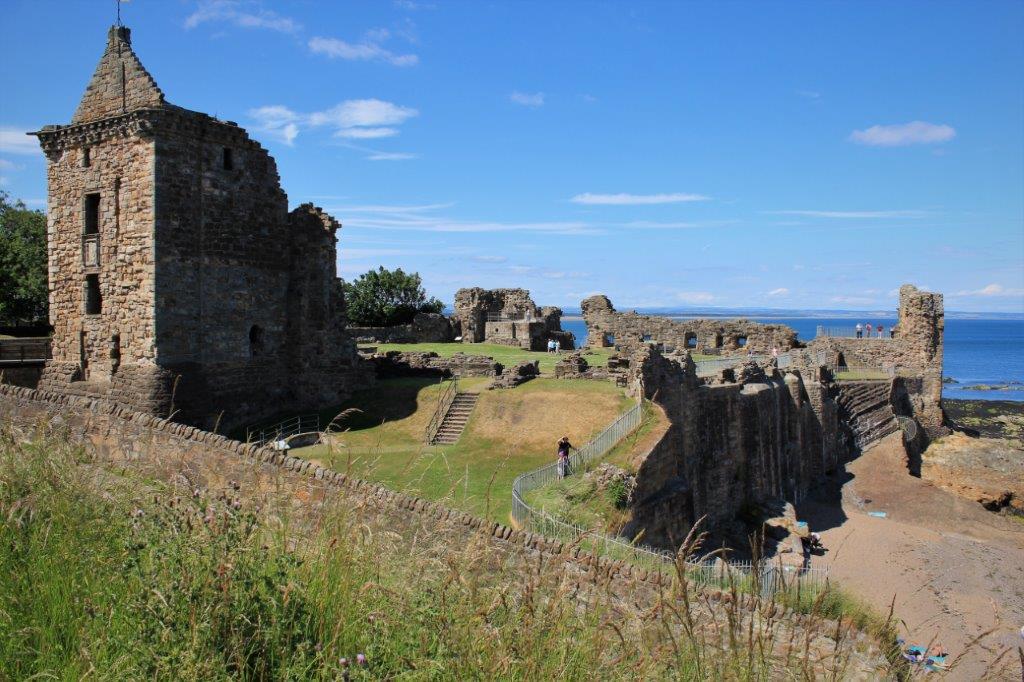
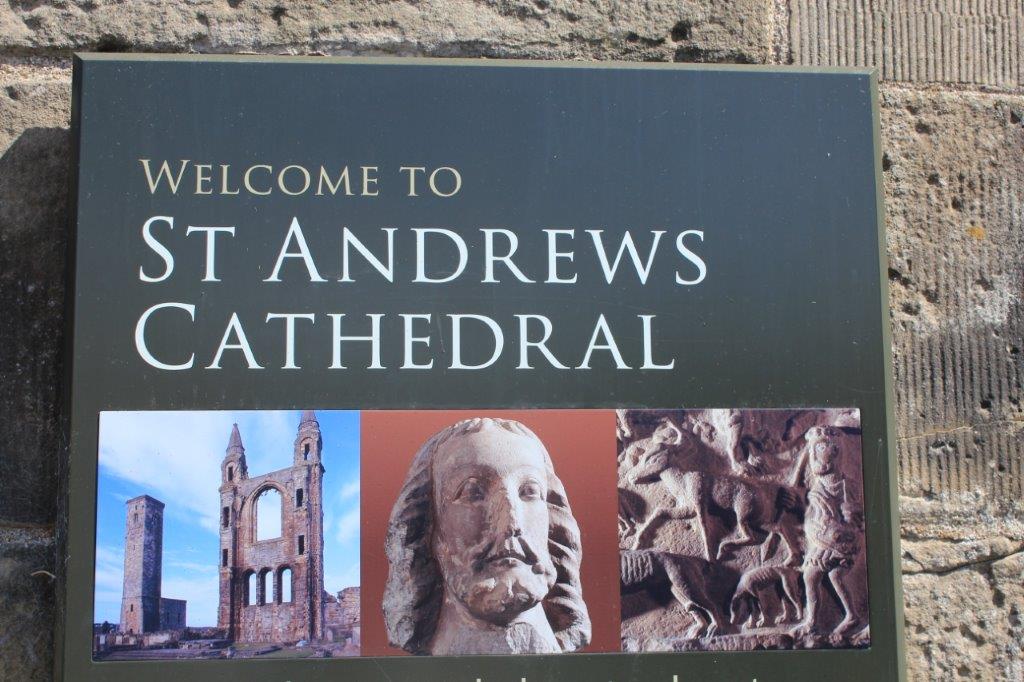
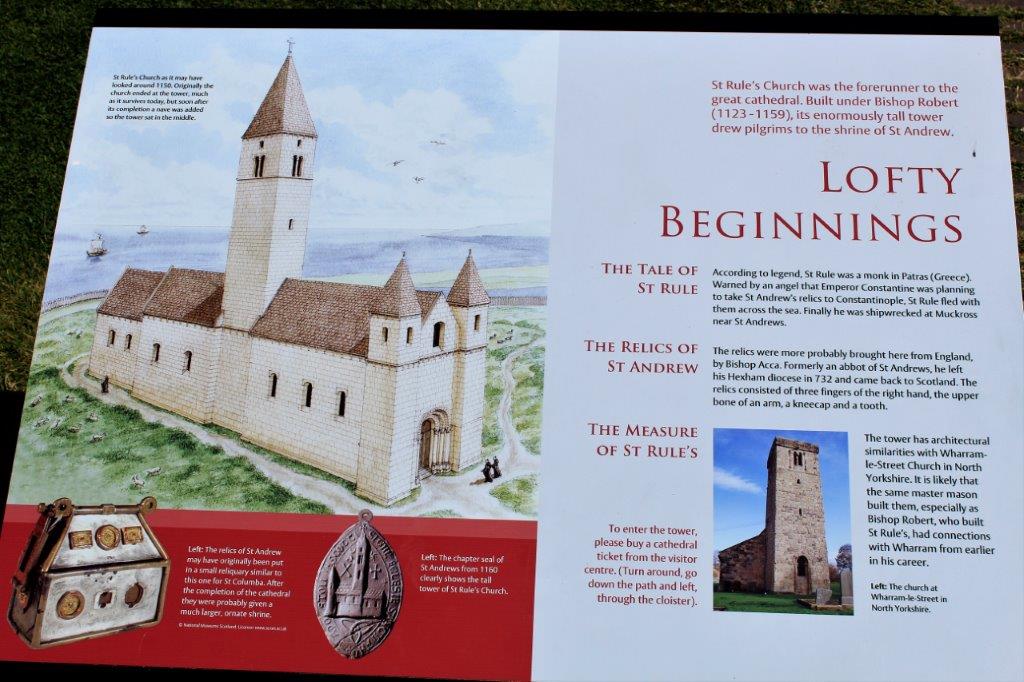
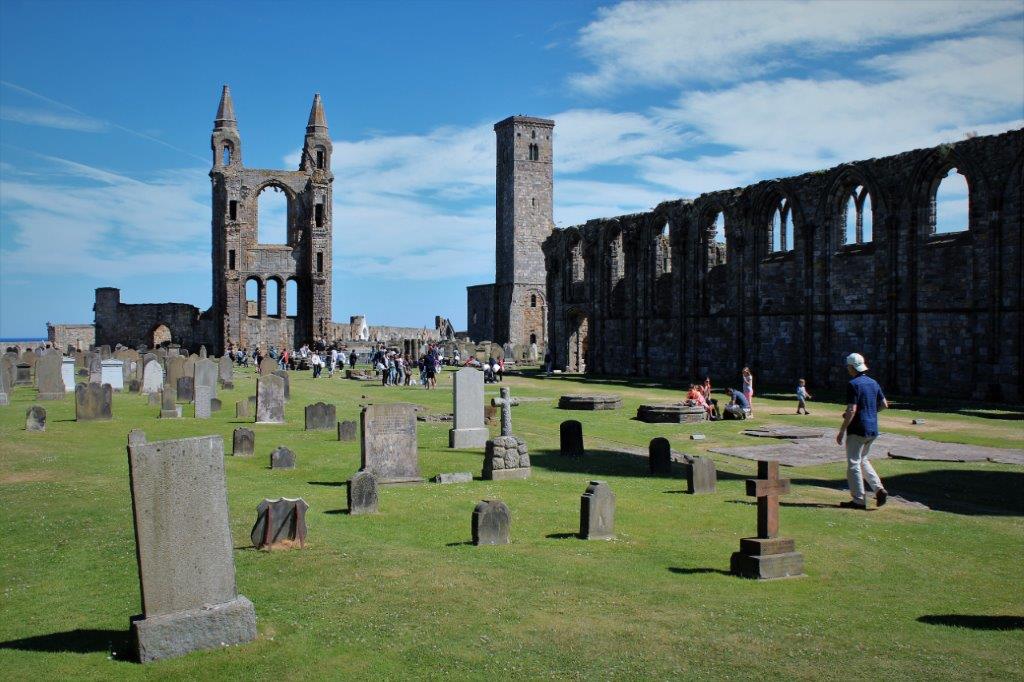
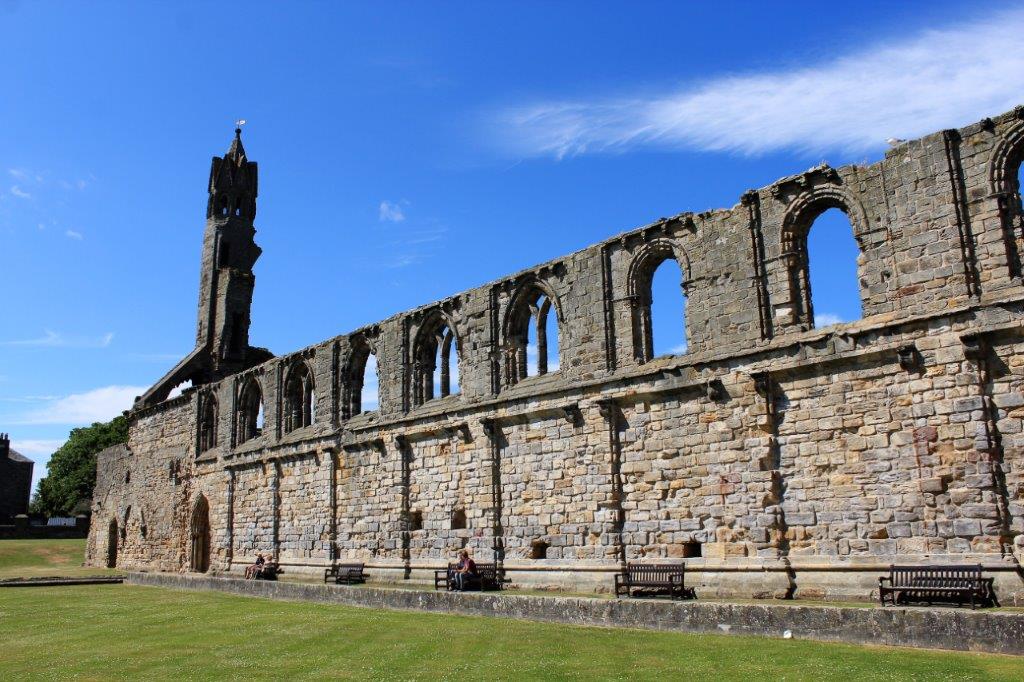
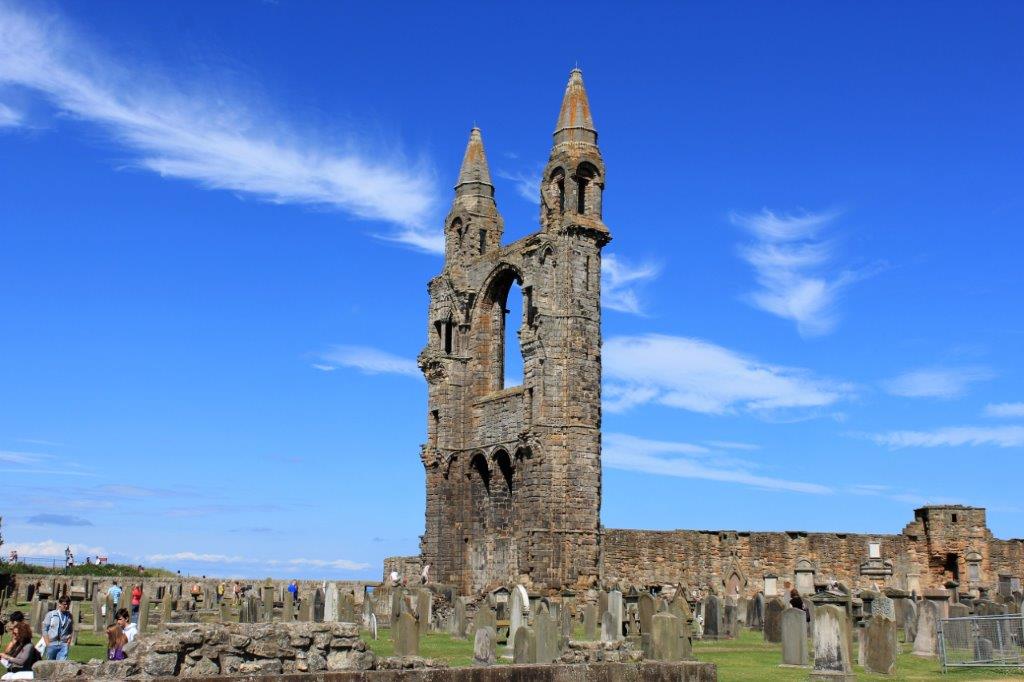
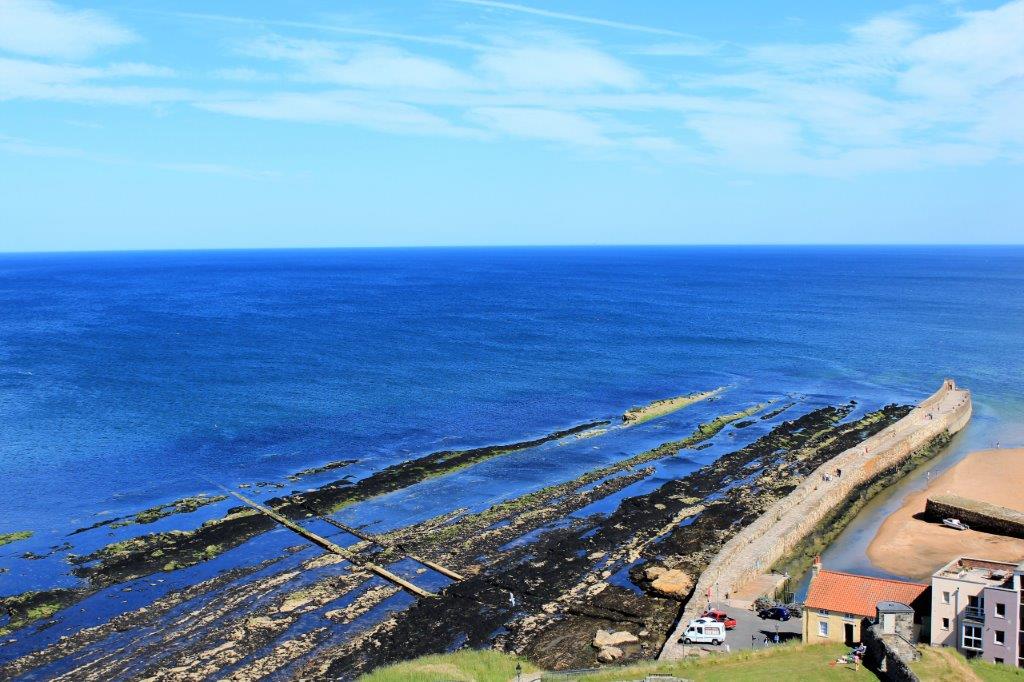
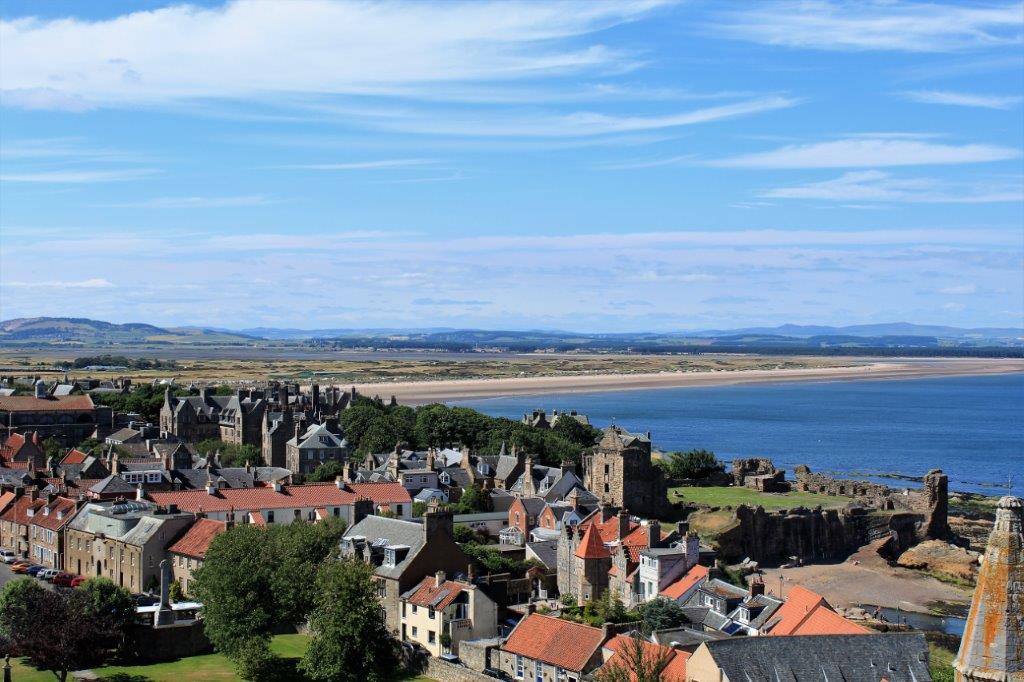
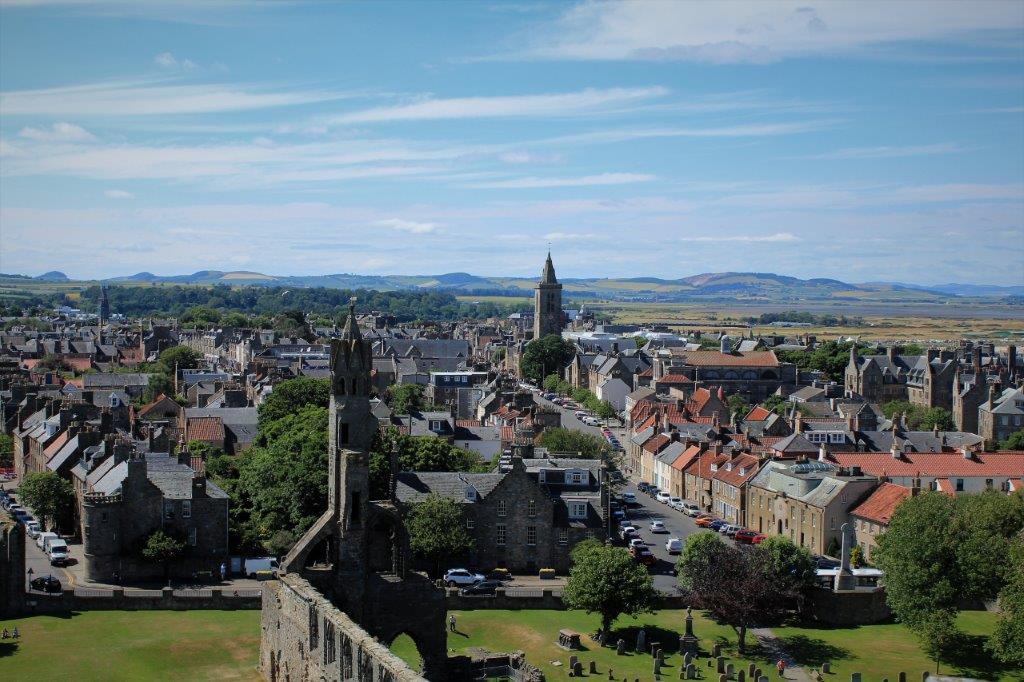
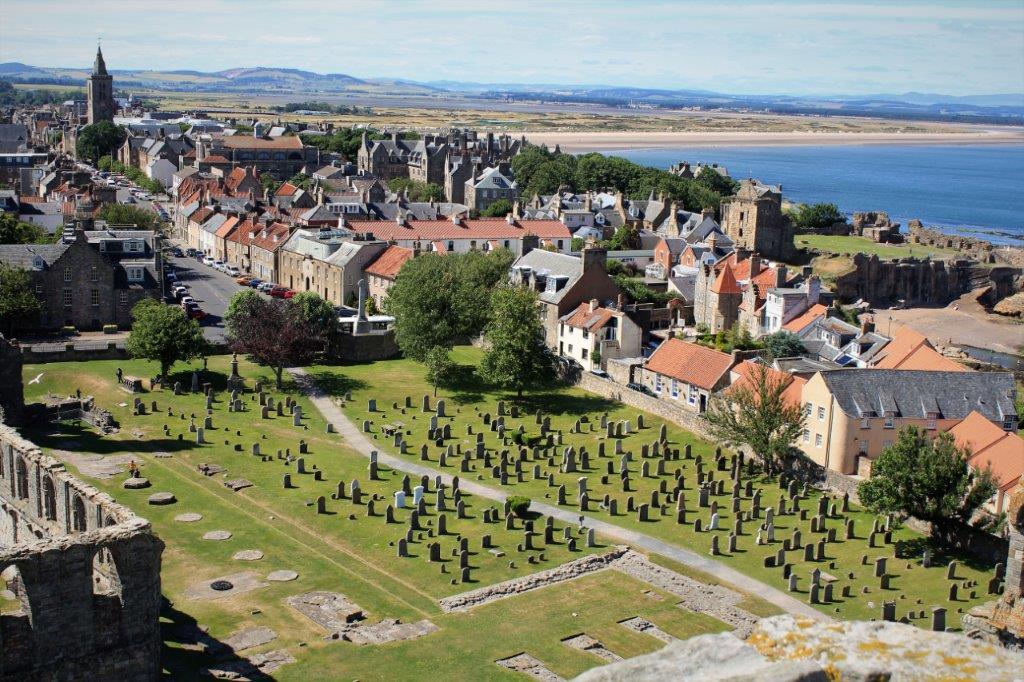
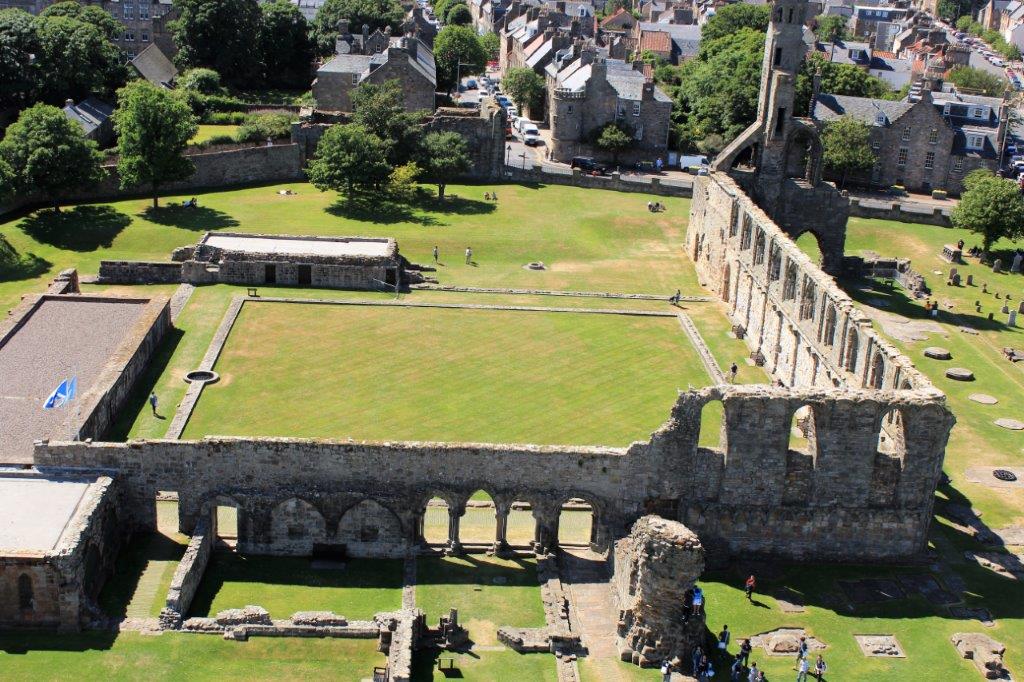
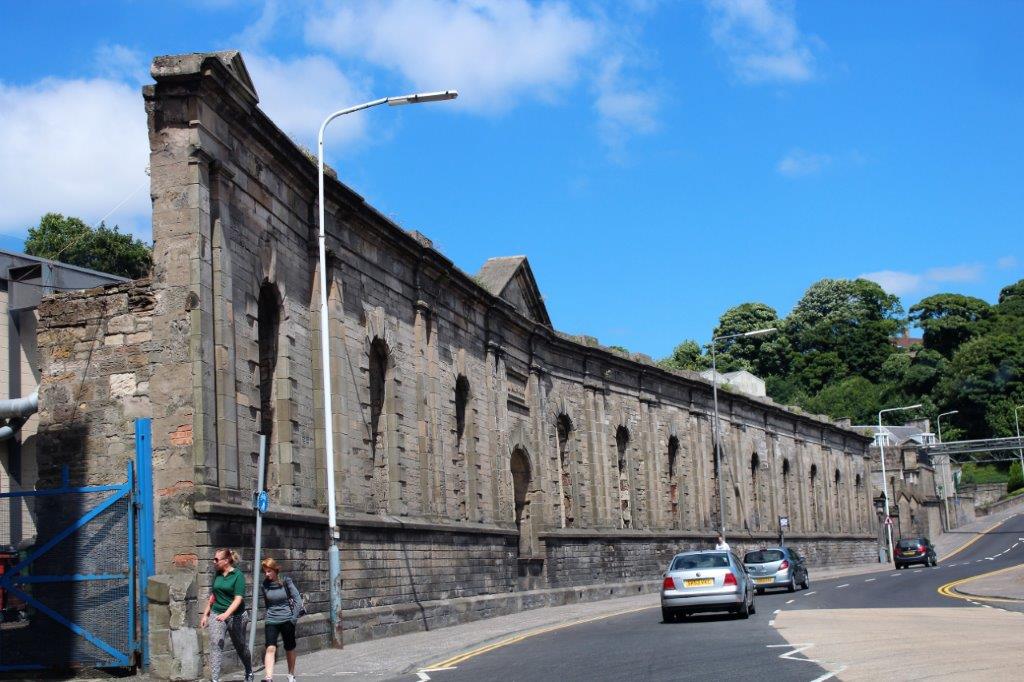
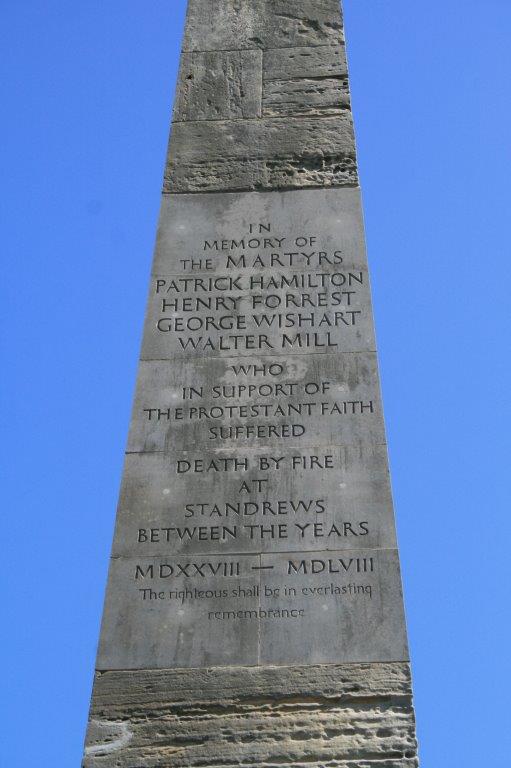
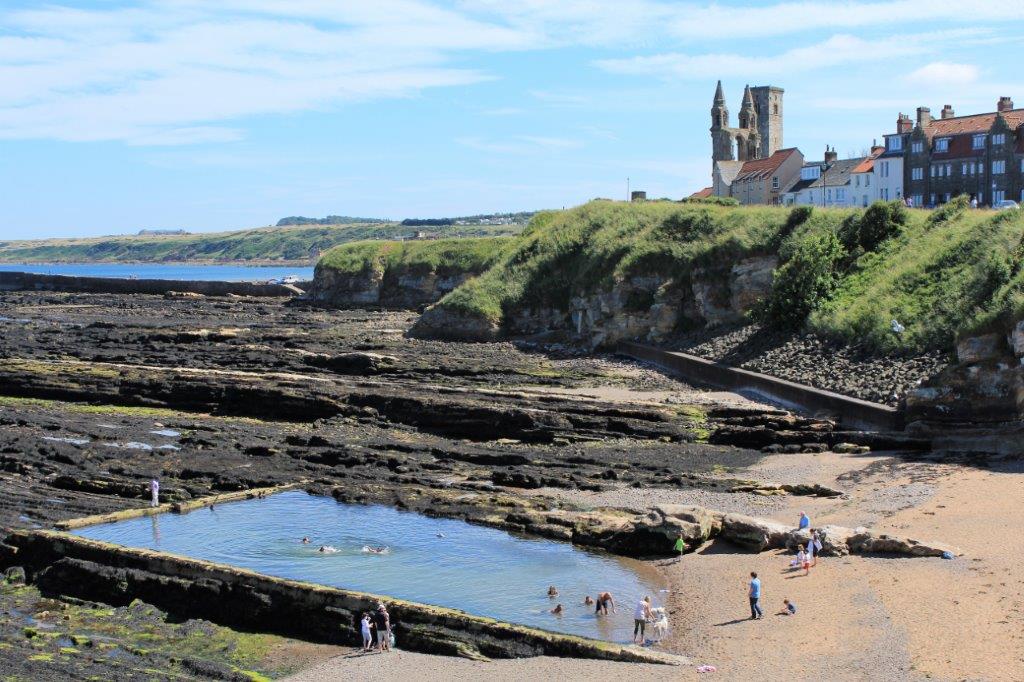
St. Andrew’s Castle sits on a headland to the north of the town.  It was the main residence of the bishops and archbishops of St. Andrew’s – the focal point of the church in medieval Scotland.  Cardinal Beaton was murdered here in 1546. The ruins of the Cathedral are not far up the road from the castle.
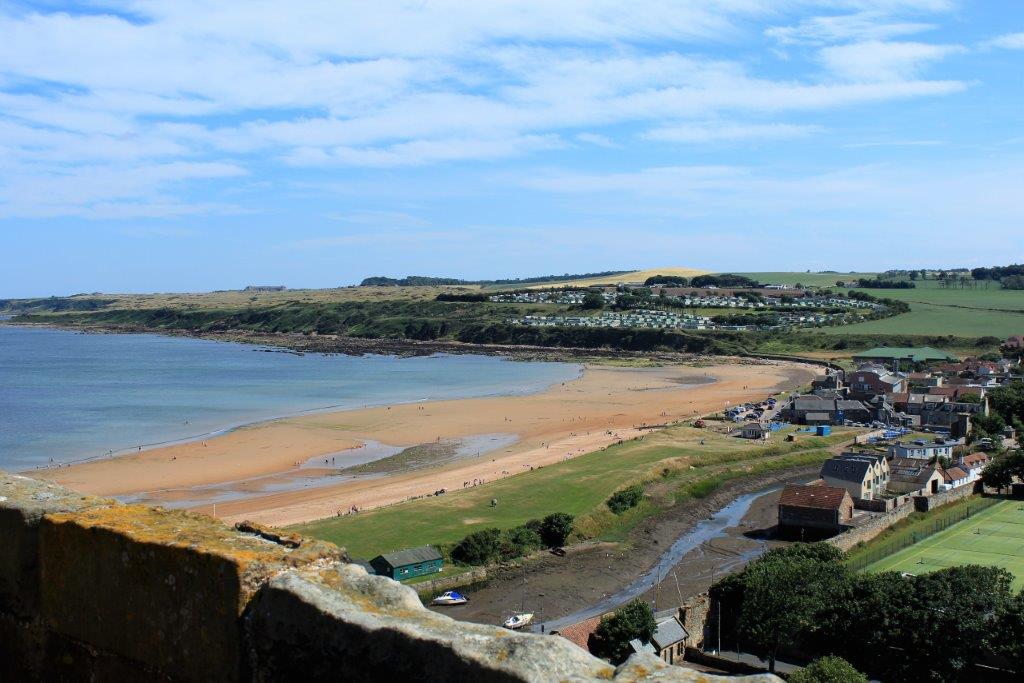
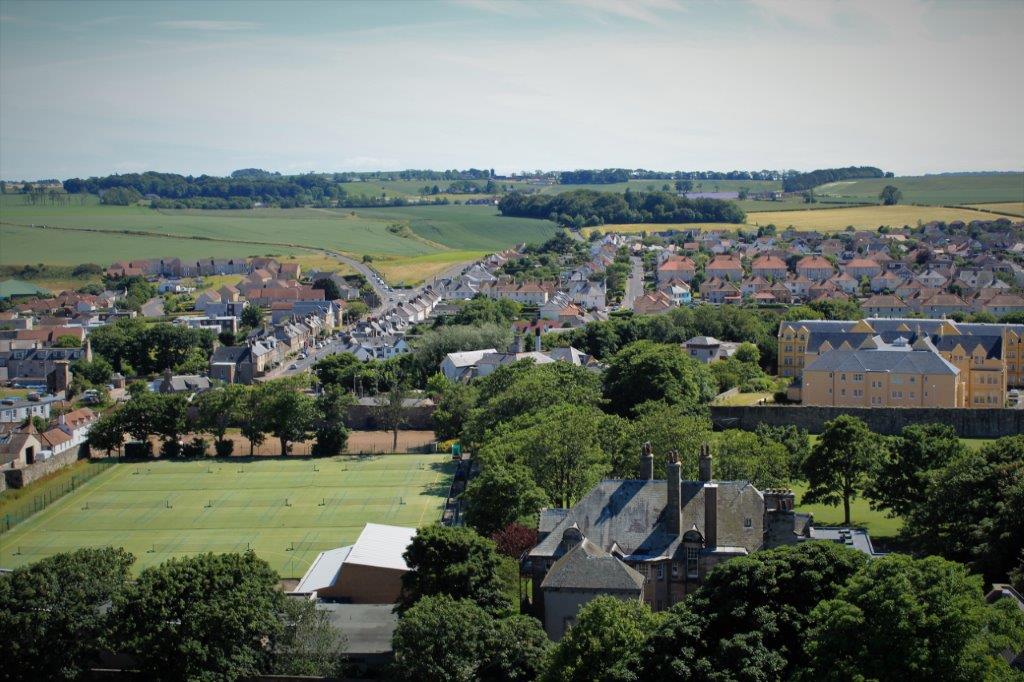
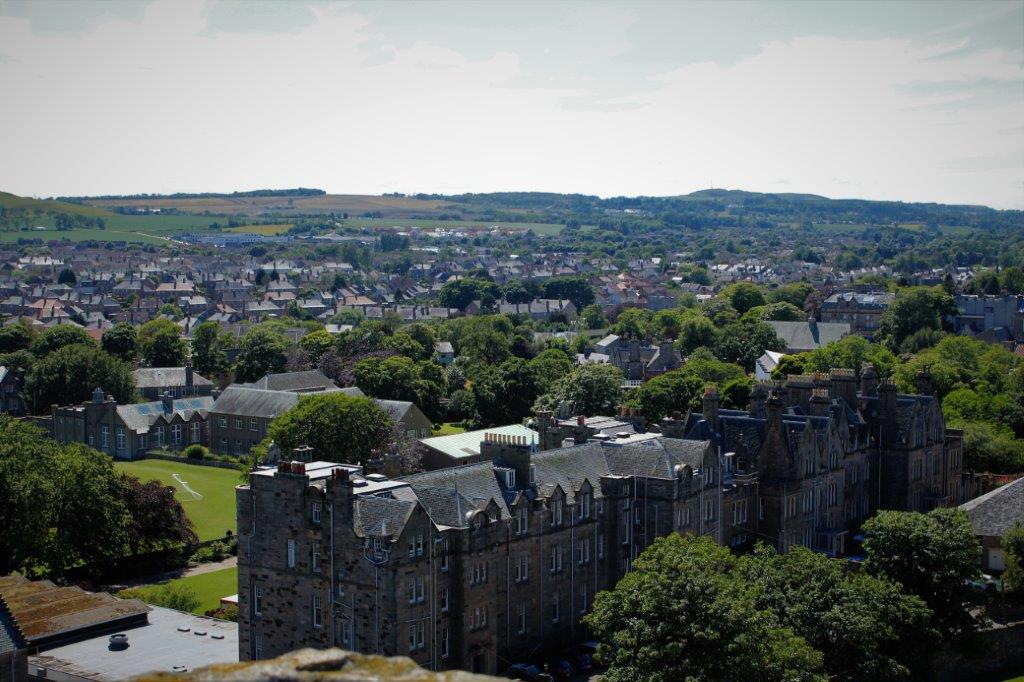
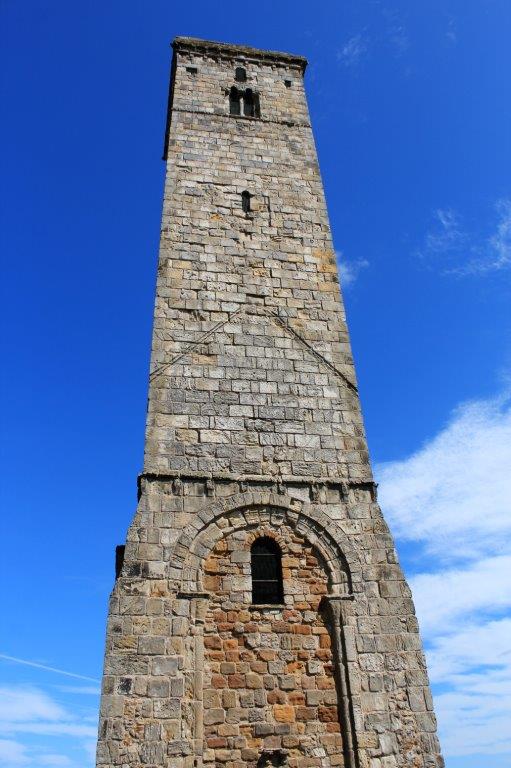
You can climb to the top of the tower.  The entrance is very narrow and opens immediately to a tight spiral staircase to the top.  When we came back down a family was arriving and a couple of the kids came in before I had a chance to get out.  It was a bit of a tight dance on the steps to get past each other.  The views from the top were spectacular.

We left lovely St. Andrew’s at 3:30 and drove to Edinburgh.  We had rented an apartment at the Edinburgh City Pads for the few days before we moved to castle where the wedding would take place.

Once we had located our lodging and checked in we took a short walk around the area before finding some dinner and getting settled.  We had arrived in Edinburgh a couple of days before we had to meet our son’s and daughter’s flights from Dubai and British Columbia.  We wanted to have  bit of time to explore the city before the wedding festivities began.

2013 Summer (Baltic and Britain – Scotland – July 15 – Day 22 – Part 2)

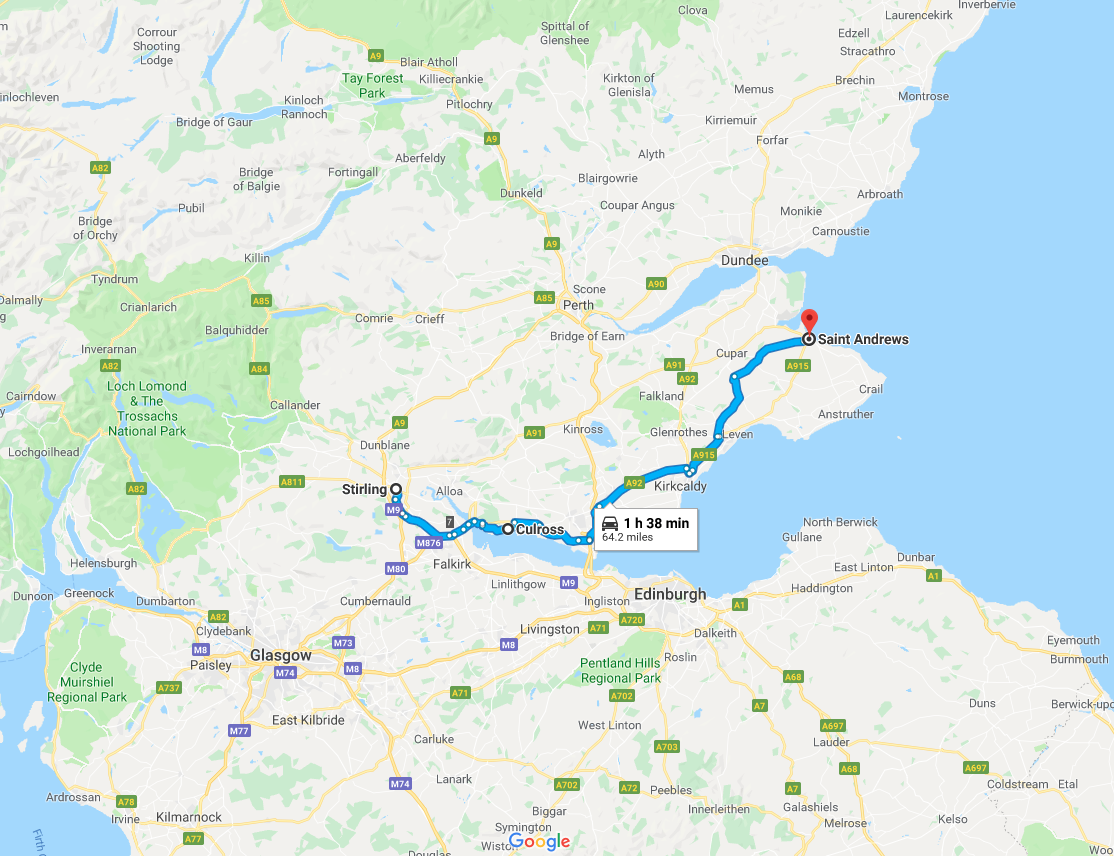
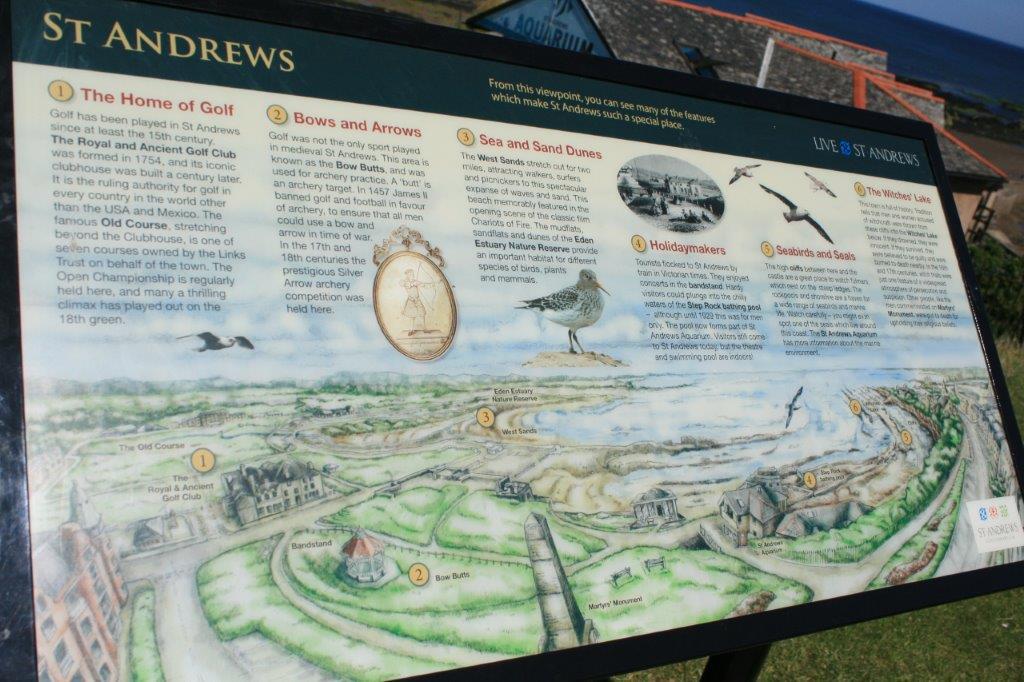
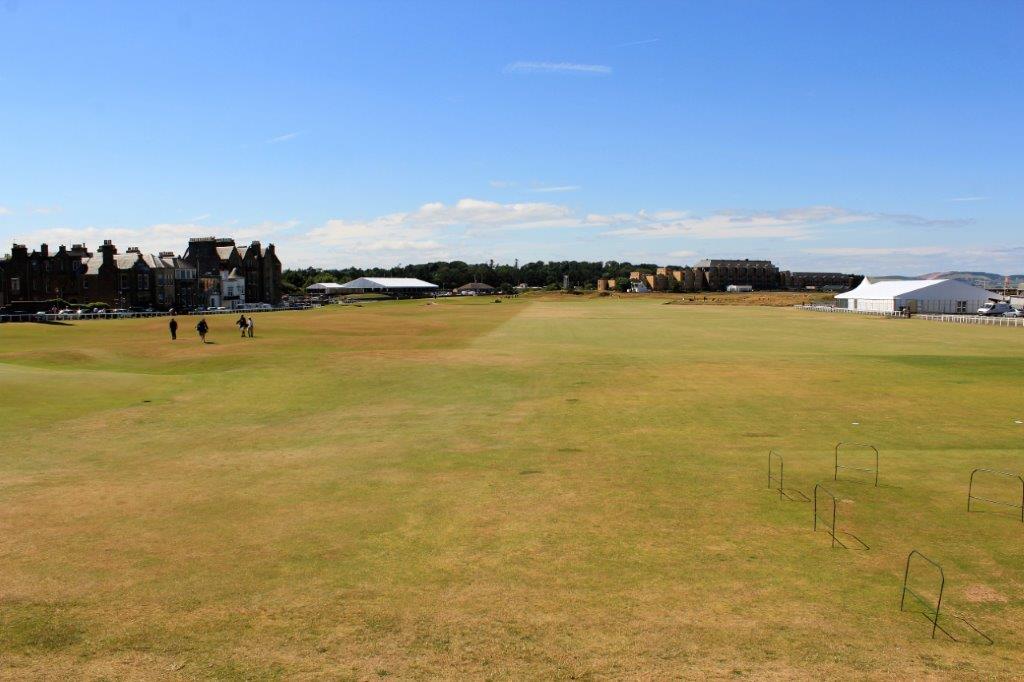
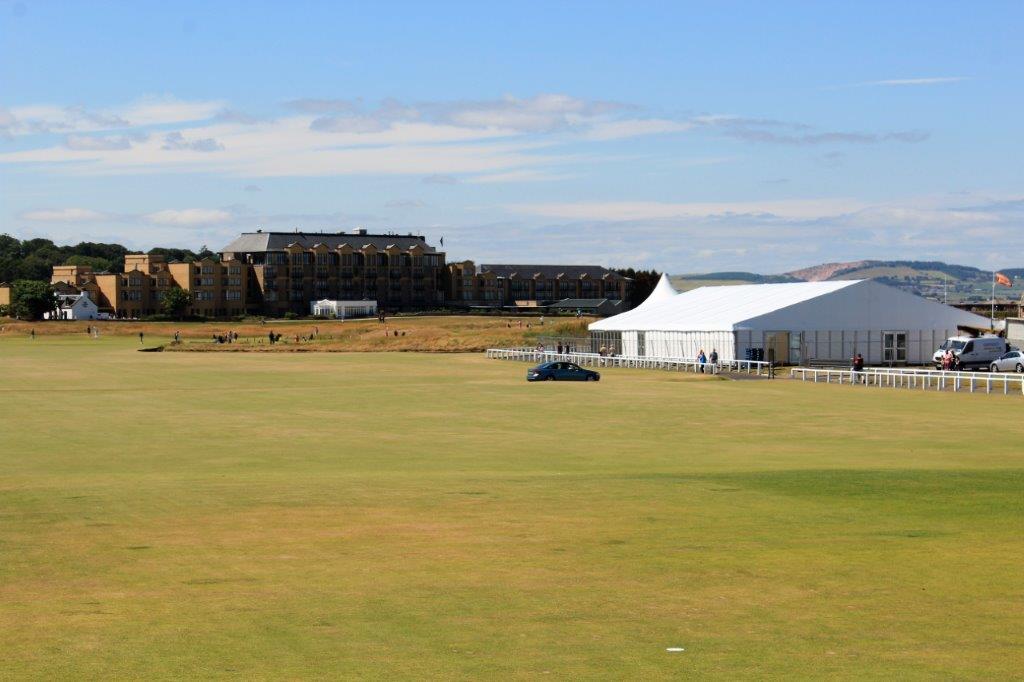
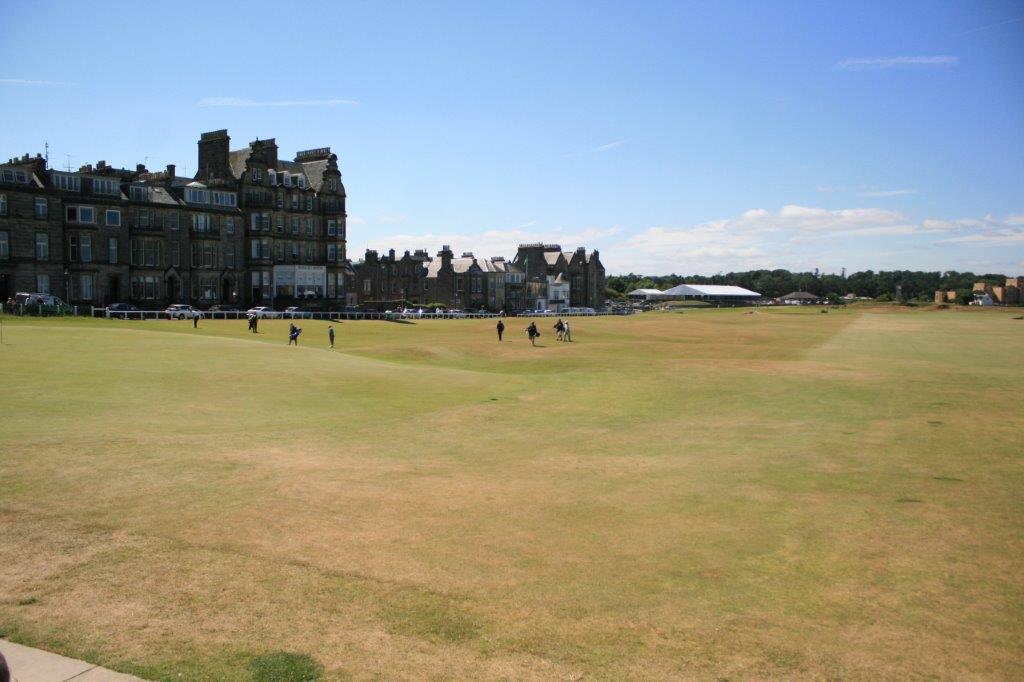
The drive from Culross to St. Andrew’s took about an hour and a half.  It was a lovely sunny day as well which just made the day better.St. Andrew’s is synonymous with golf.  For many it is THE top bucket list course to play.  Golf was invented on the eastern coast of Scotland in the county of Fife in the late 15th century.  Players would hit a pebble around a natural course of sand dunes, rabbit runs and tracks using a stick or primitive club.

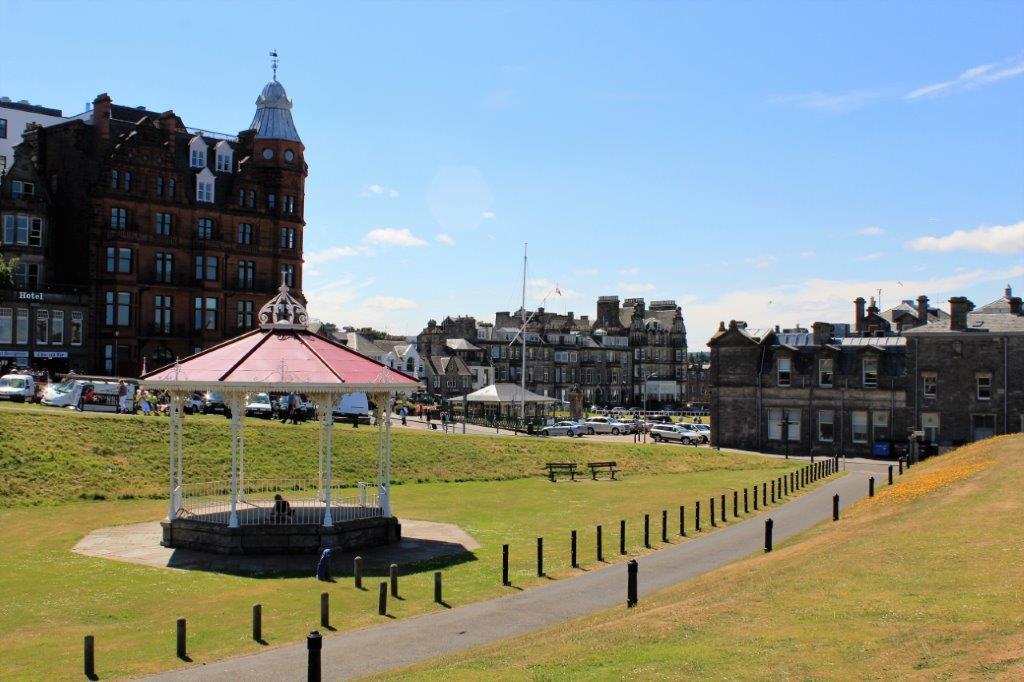
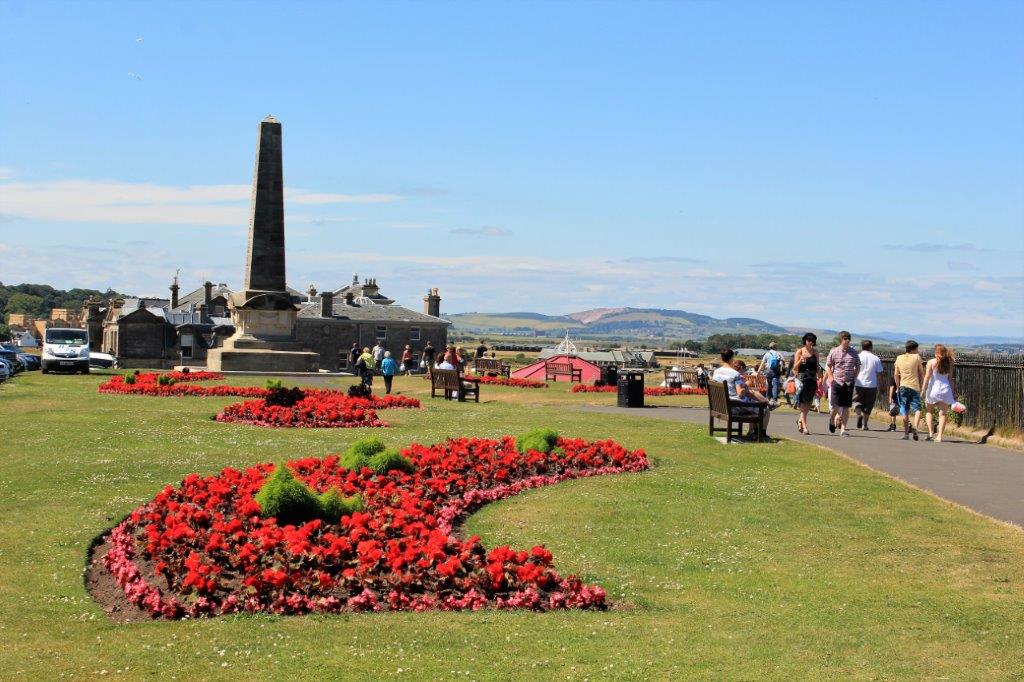
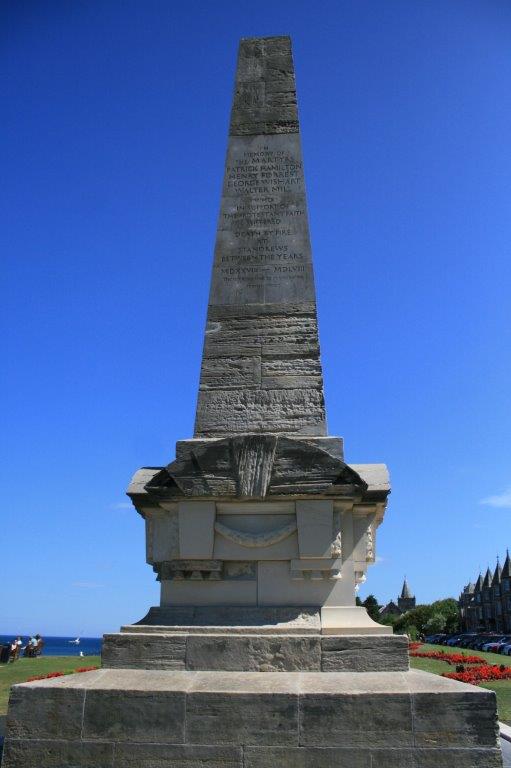
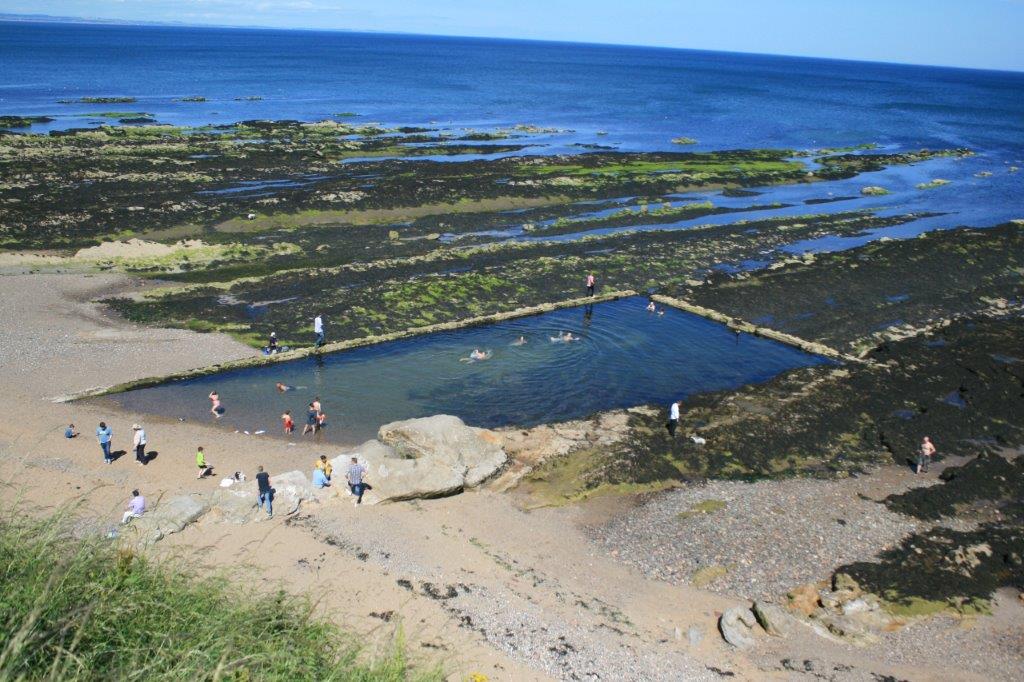
We don’t golf.  John will play once in awhile, but I gave it up for my health.  I generally threw the club in frustration further than I ever hit the ball, so I decided I don’t need to pay to raise my blood pressure doing something I don’t enjoy. The first tee had a road running through it so there is a Course Marshall to halt play when a car needs to go through. Thankfully there is much more to St. Andrew’s than just golfing.  There is a fine university, a castle, and the ruins of a great cathedral.  St. Andrew’s is also a summer playground with a long sandy beach.

2013 Summer (Baltic and Britain – Scotland – July 15 – Day 22 – Part 1)

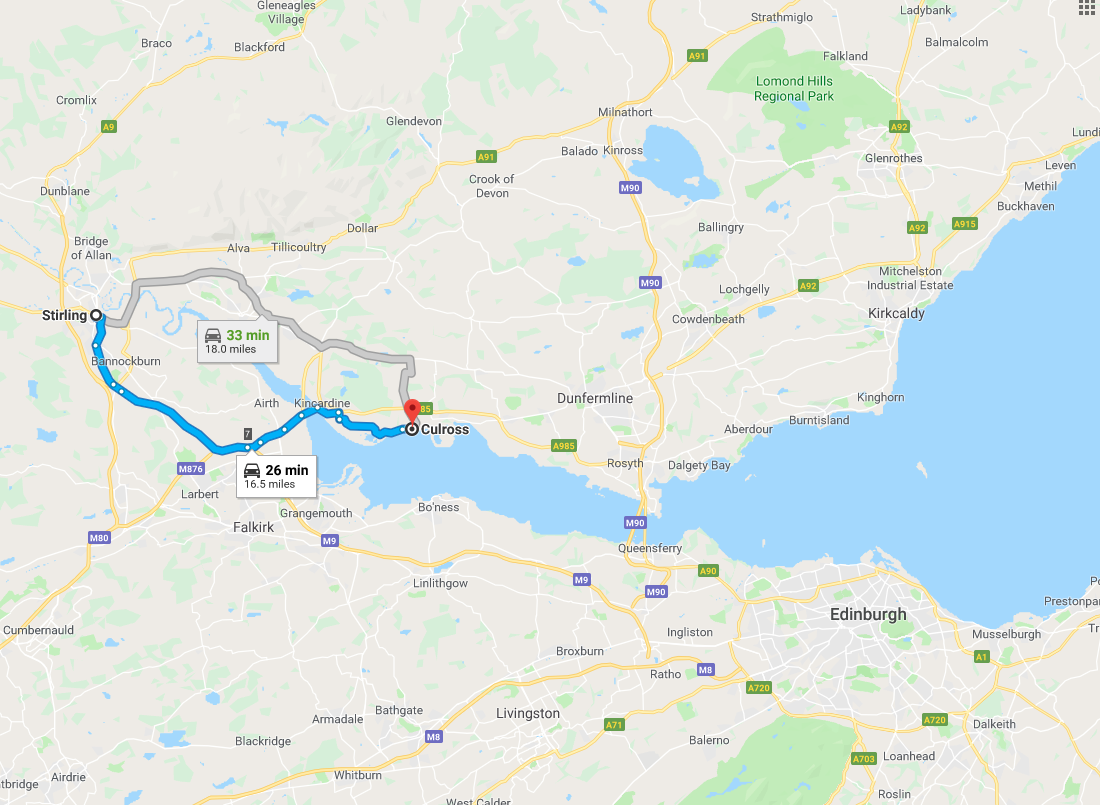
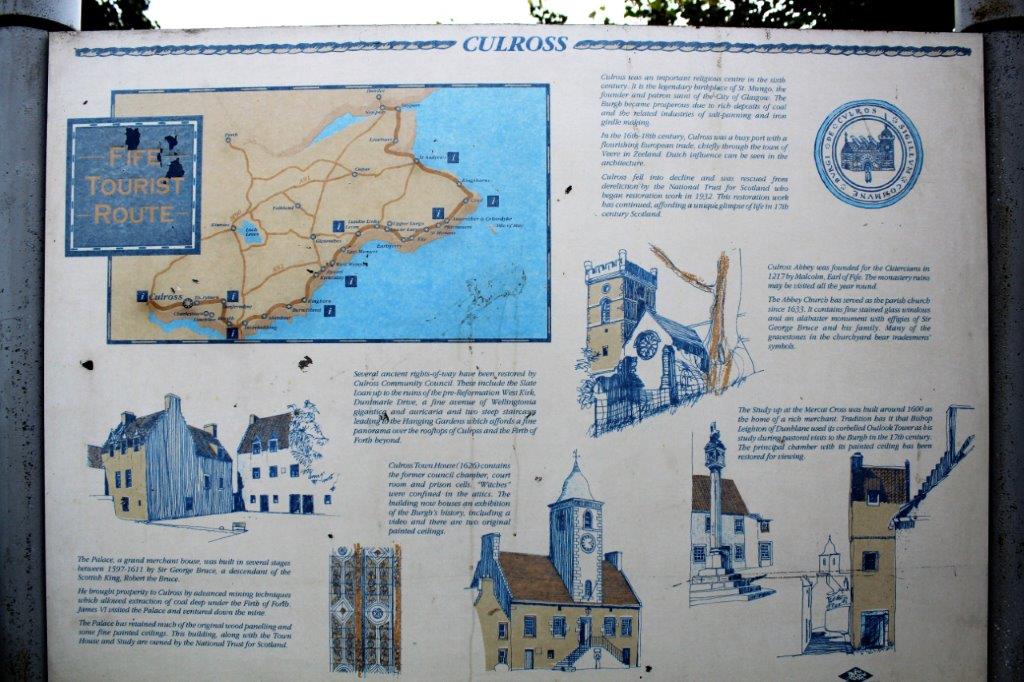
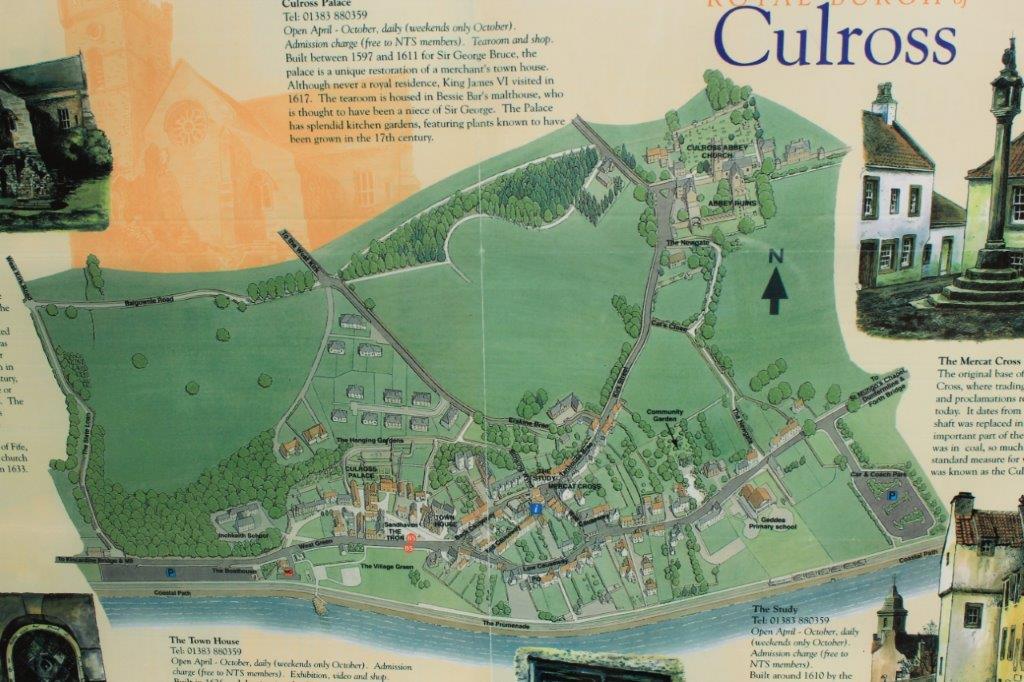
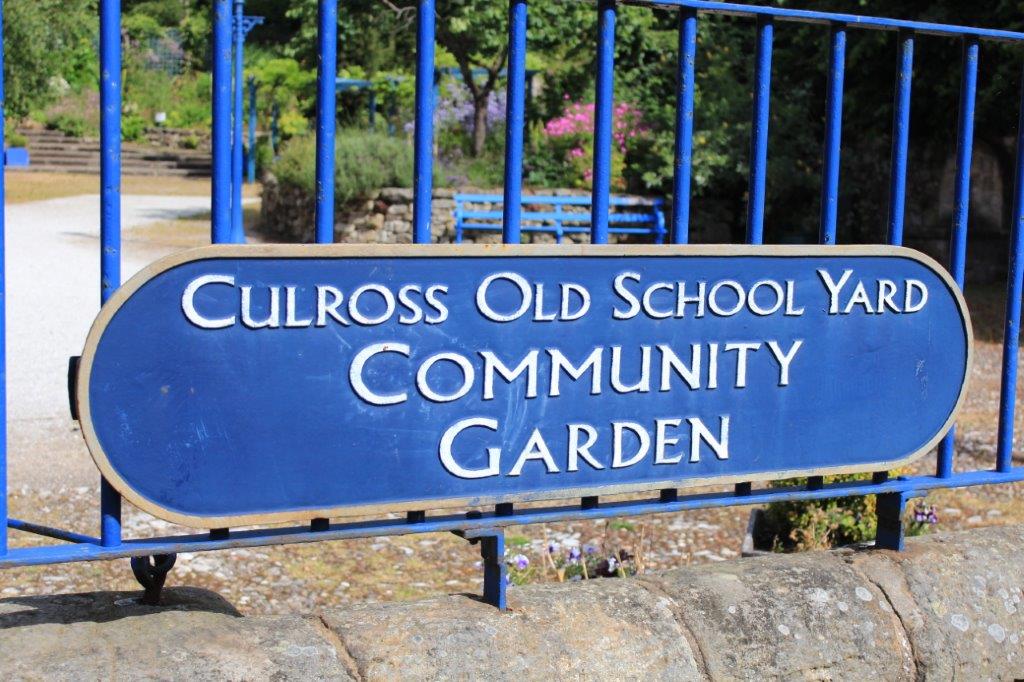
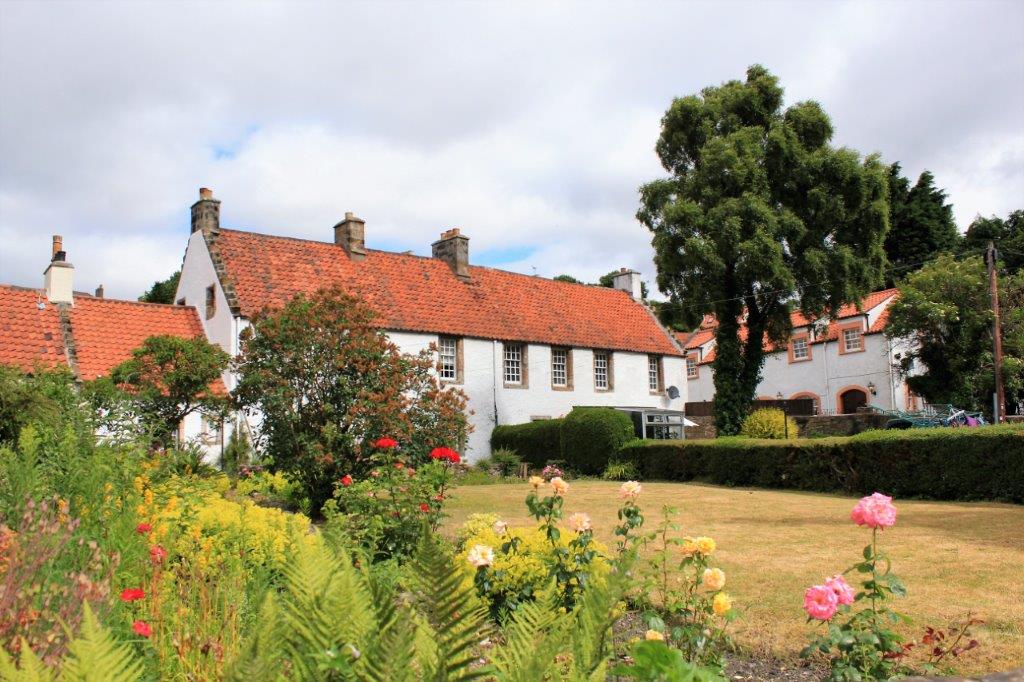
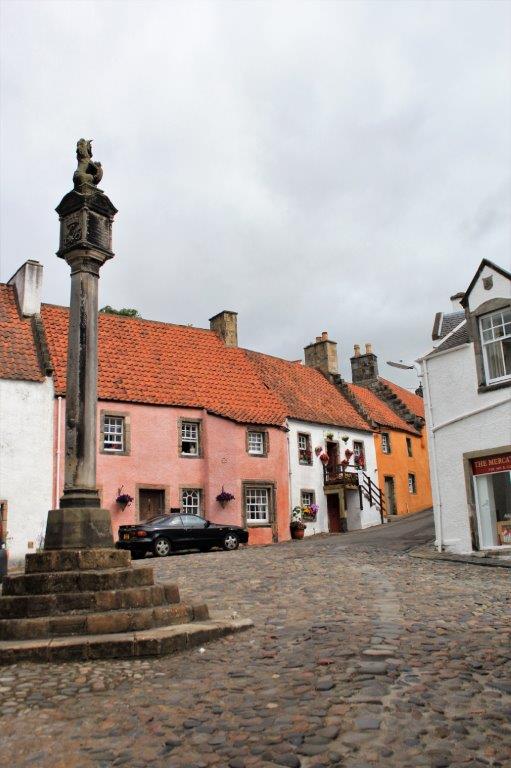
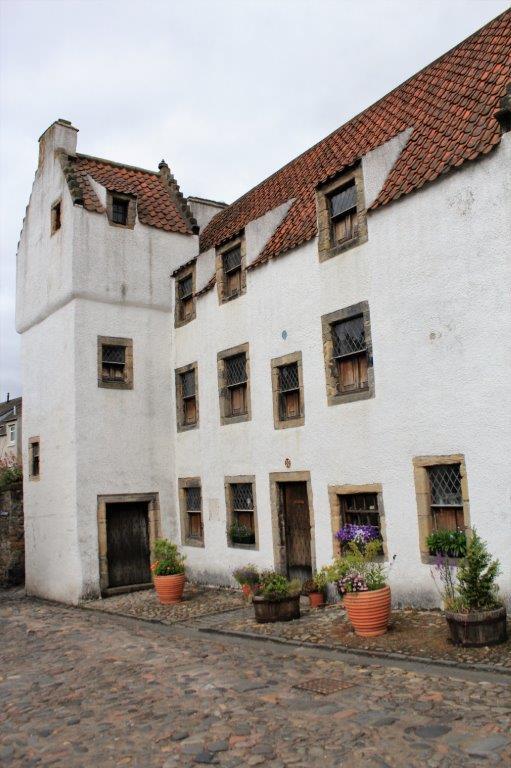
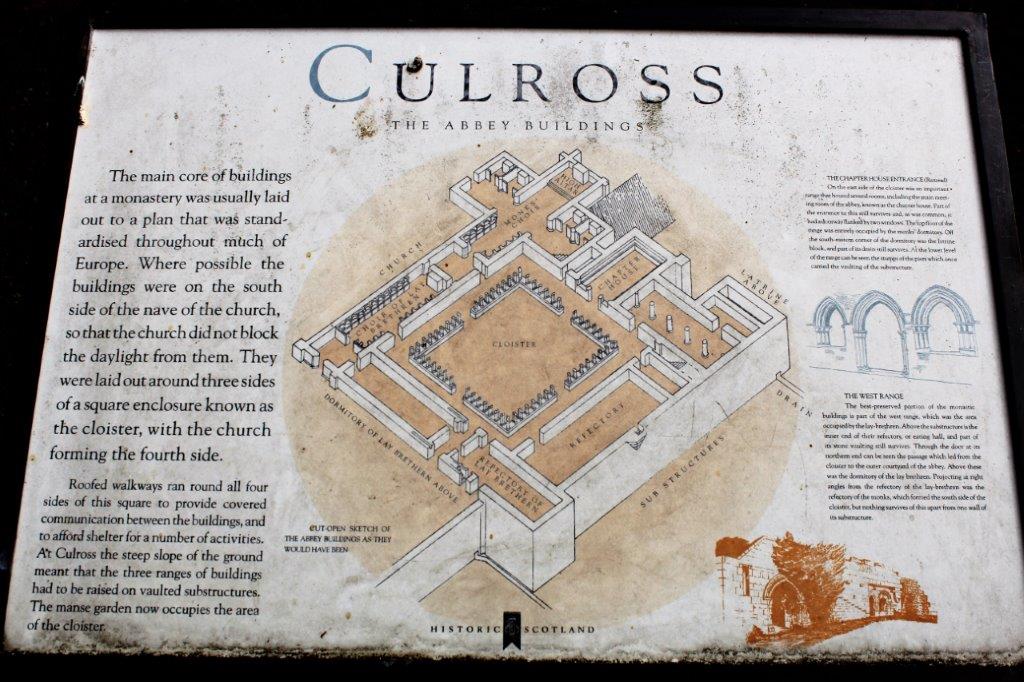
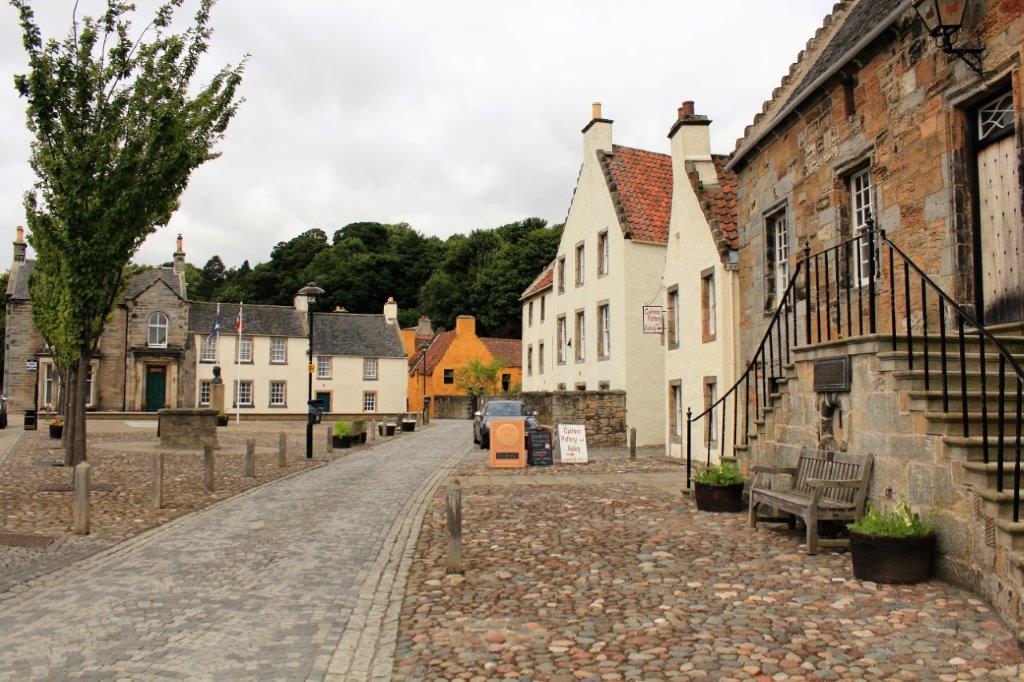
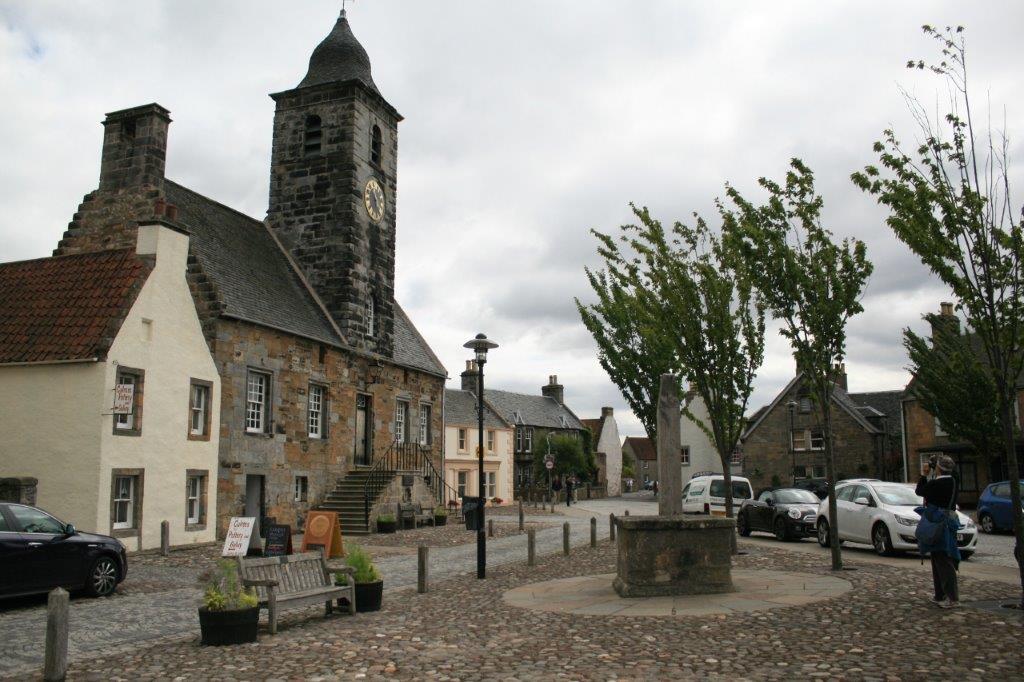
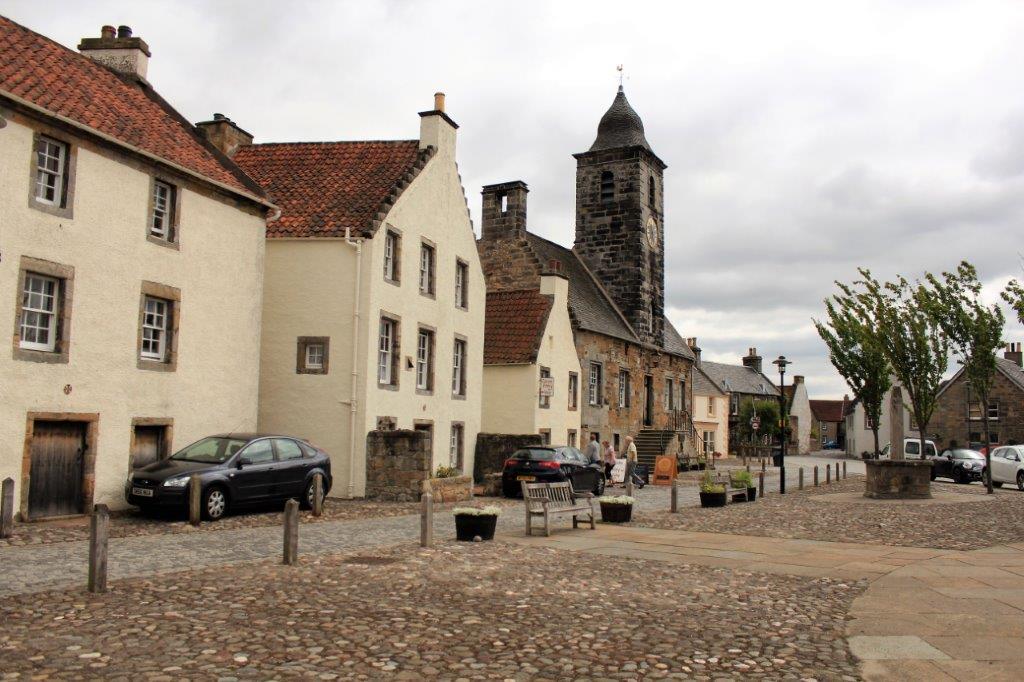
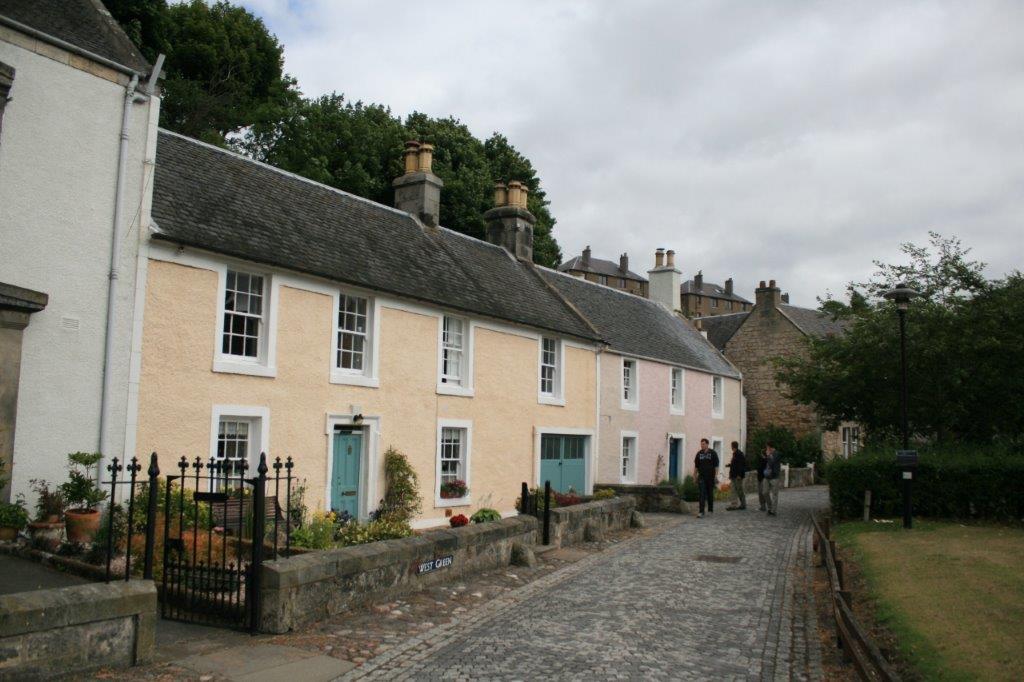
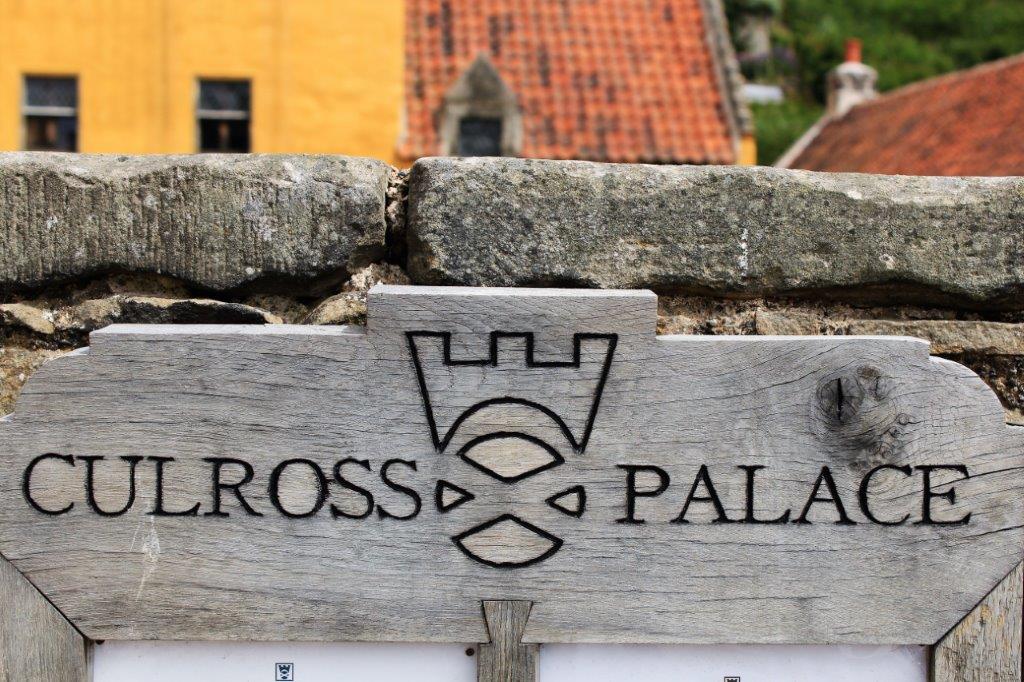
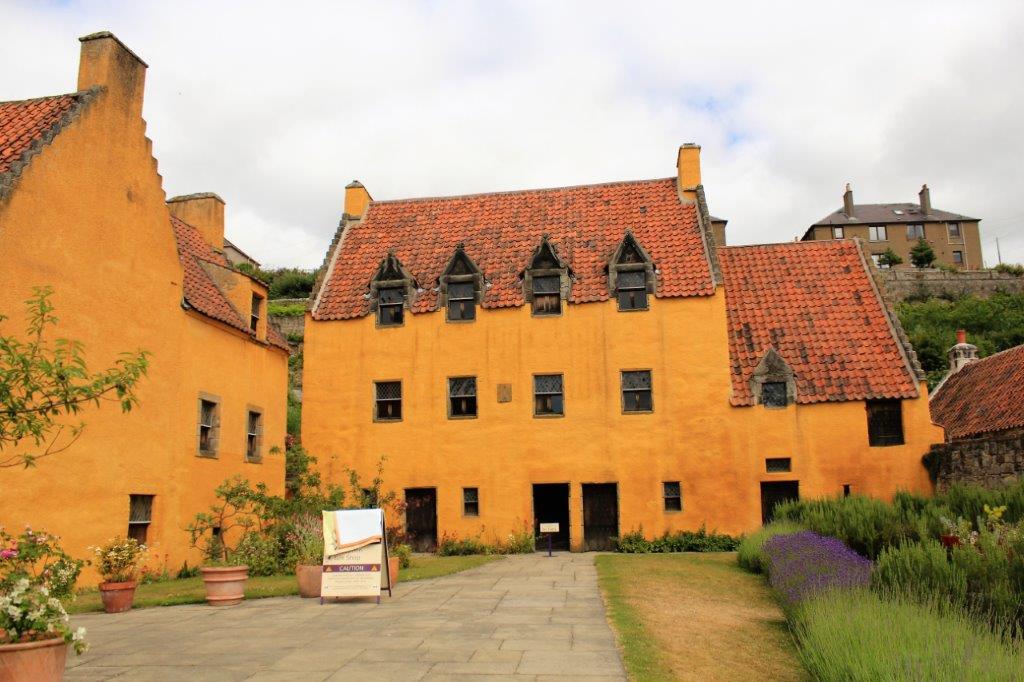
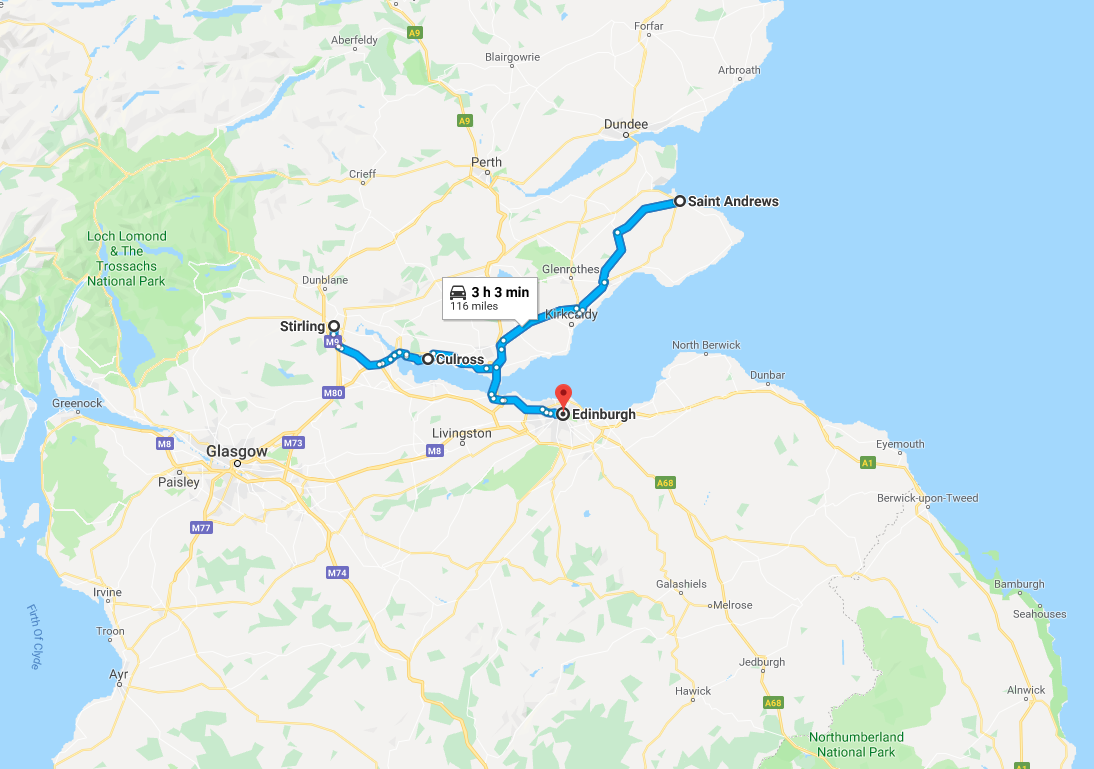
We had four days before we were scheduled to pick up our son and his financé at the Edinburgh airport.  They were flying in from Dubai, where they lived at the time, to get married on July 22.  Other family members and guests would be arriving over the couple of days preceding the wedding so we planned to be in Edinburgh on the 16th.  That only left us a couple of  days  to  explore.We headed east of Stirling up the north side of the Firth of Forth with the famous golf town of St. Andrew’s as our destination.  First we stopped at Culross, considered one of the best preserved 17th century towns in Britain.  This once thriving port town on the River Firth was a hive of activity due to the coal mining, salt panning, and now obsolete trade of iron girdle making.

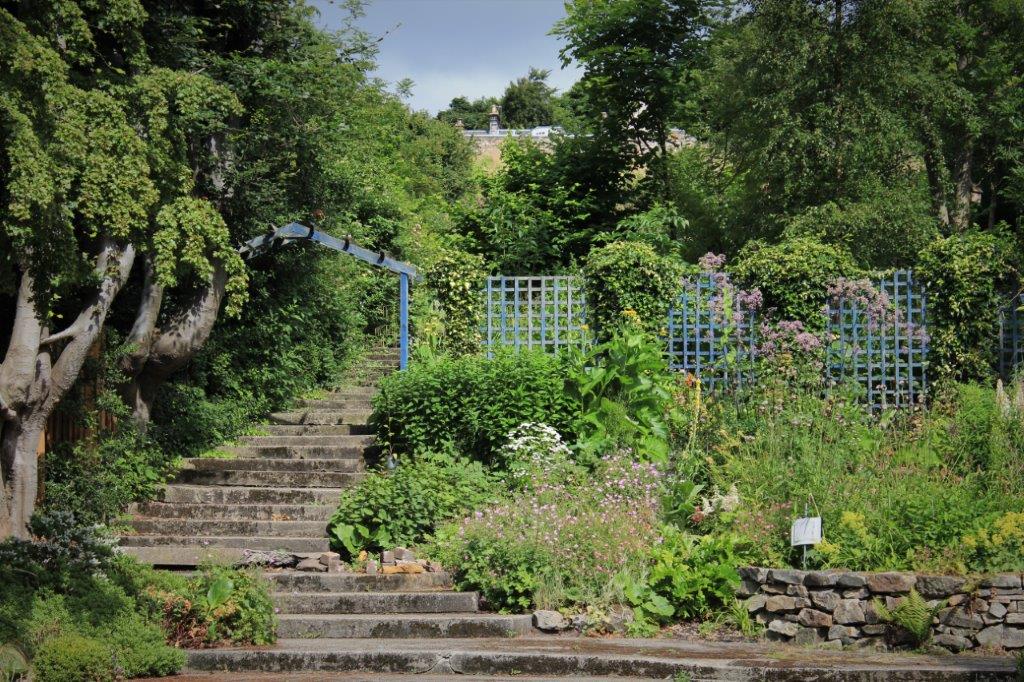
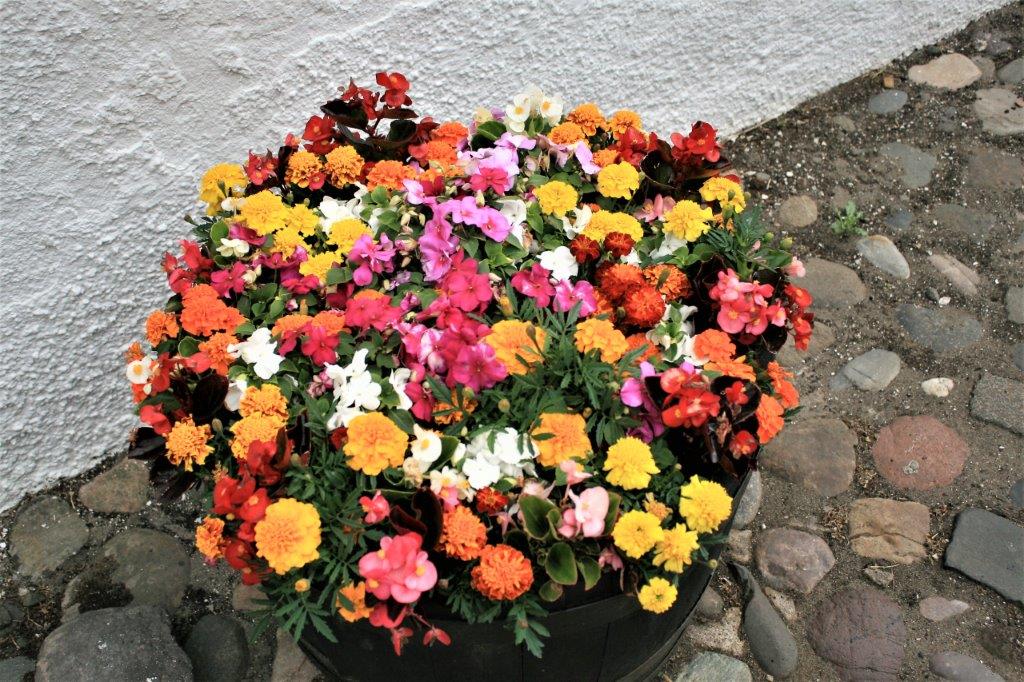
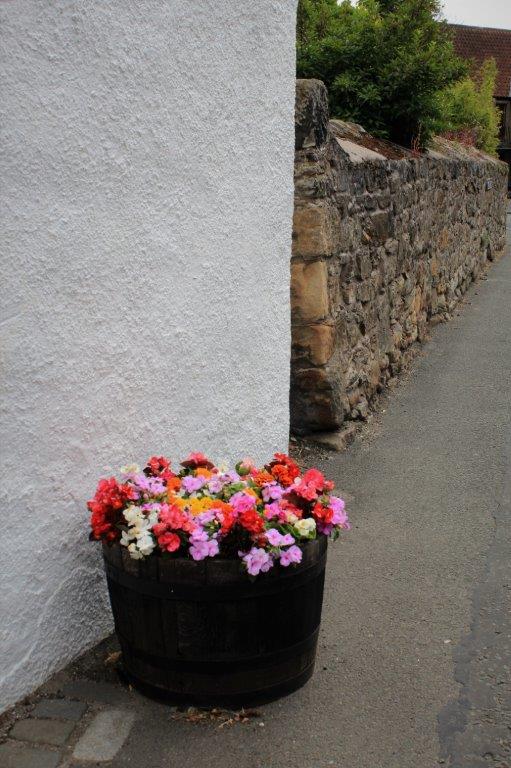
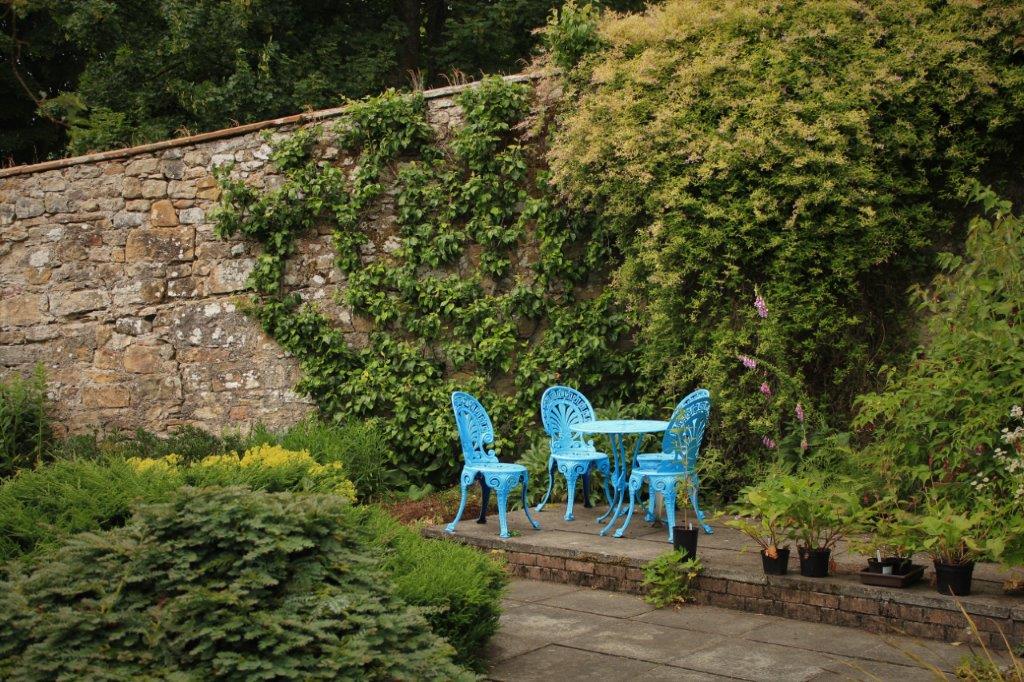
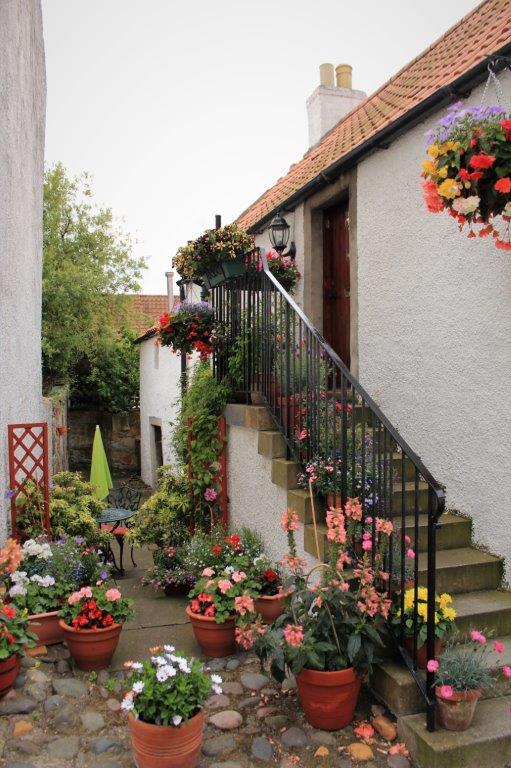
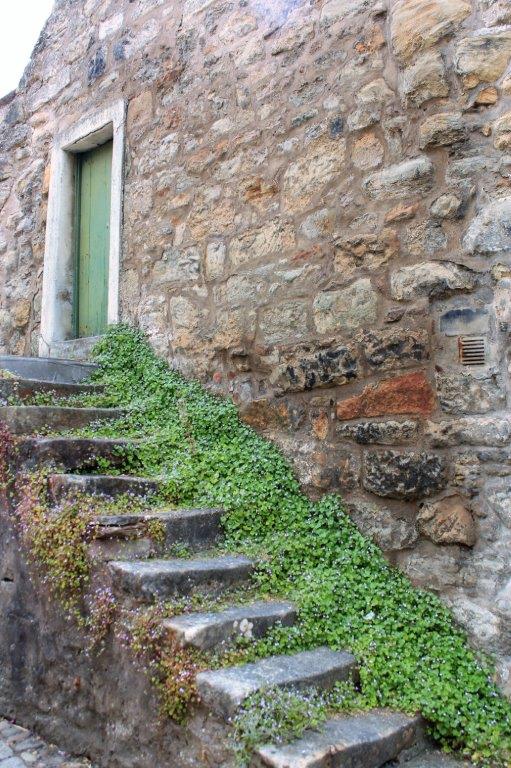
We spent two hours wandering the streets and gardens. There were beautiful pots of flowers all over the place, in front of doors, on stairways, by the roadside.  It was all very picturesque.
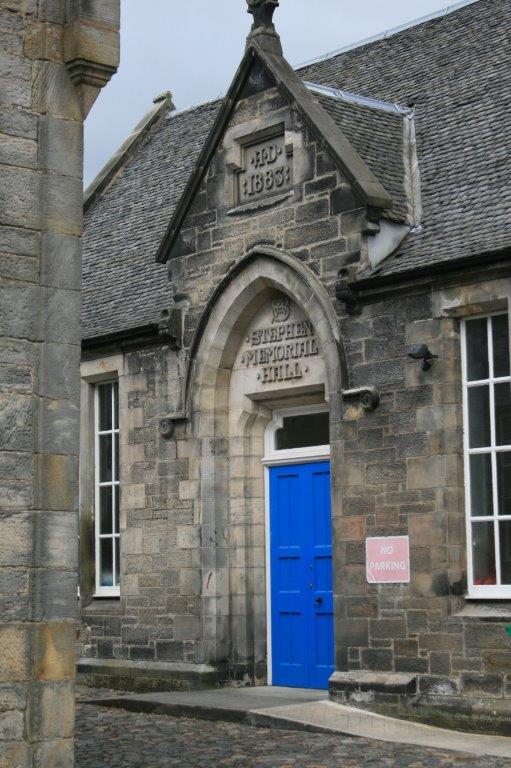
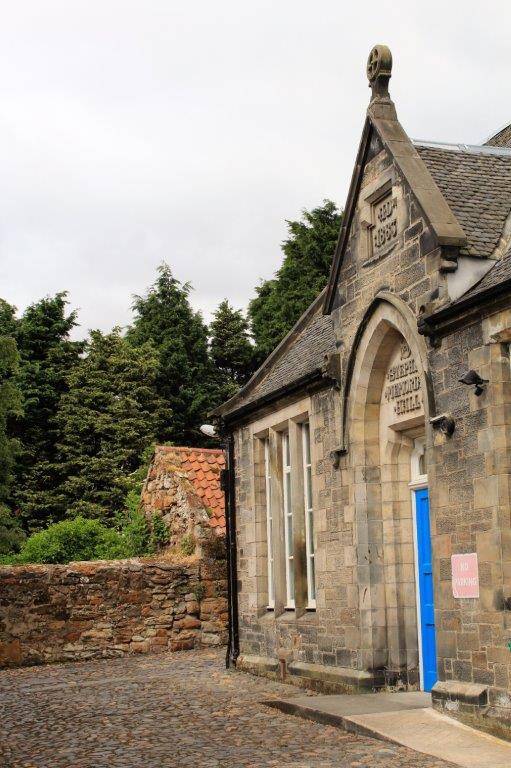
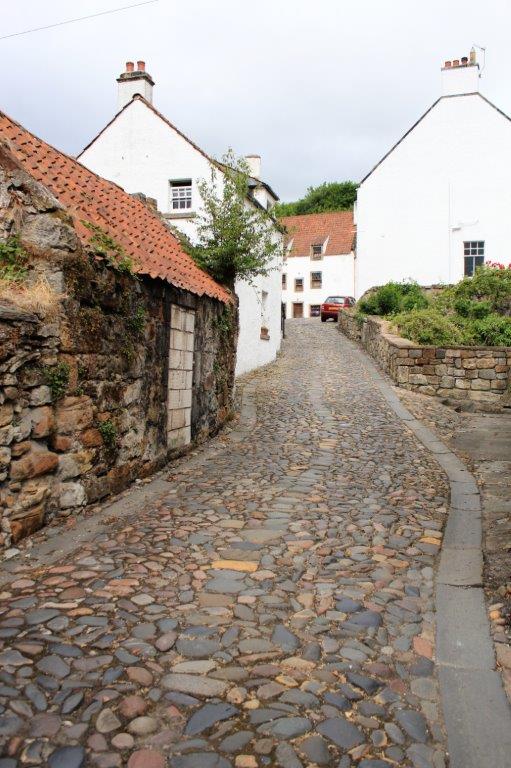
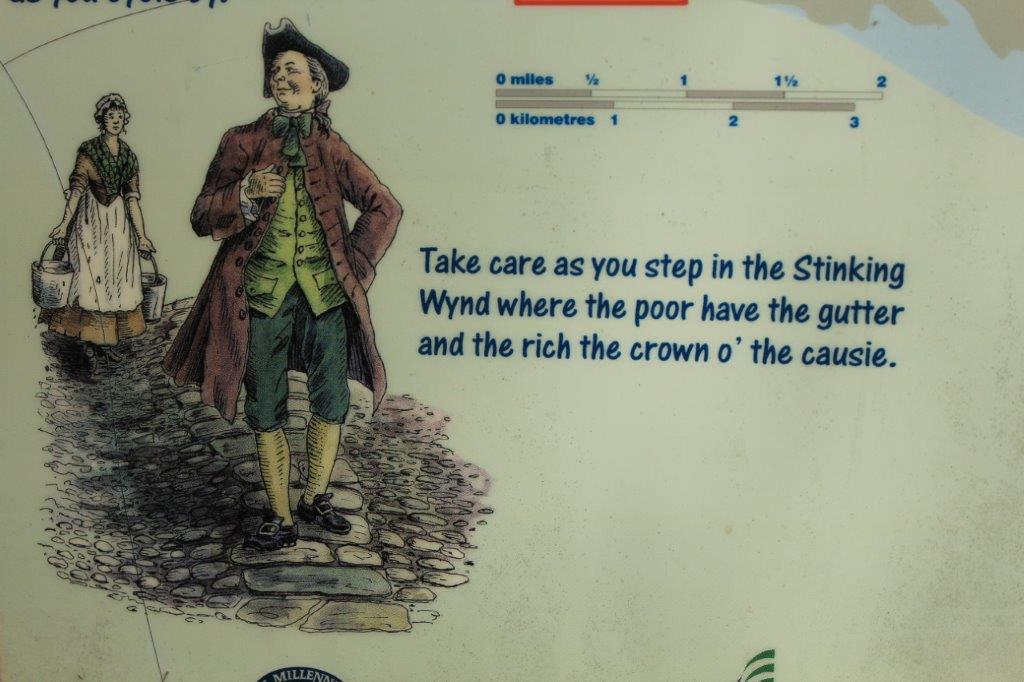
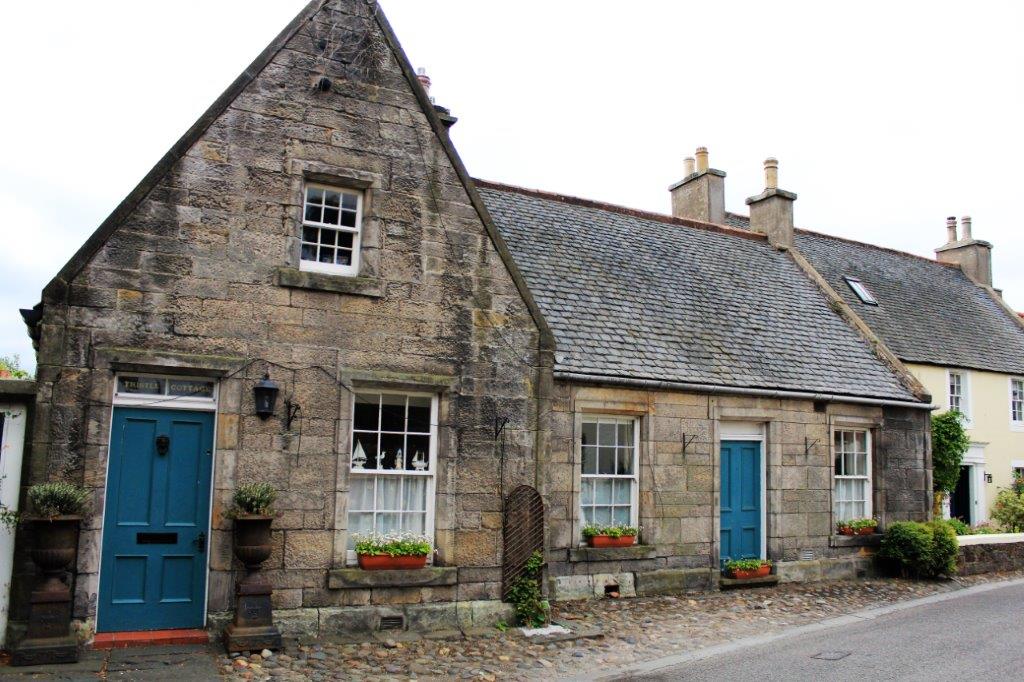
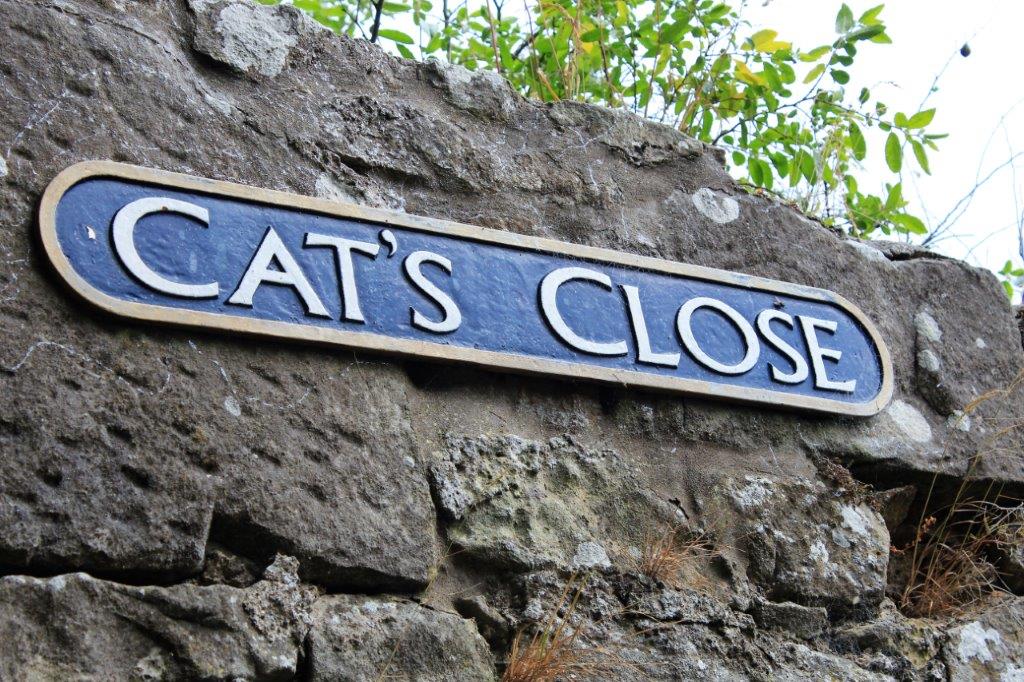
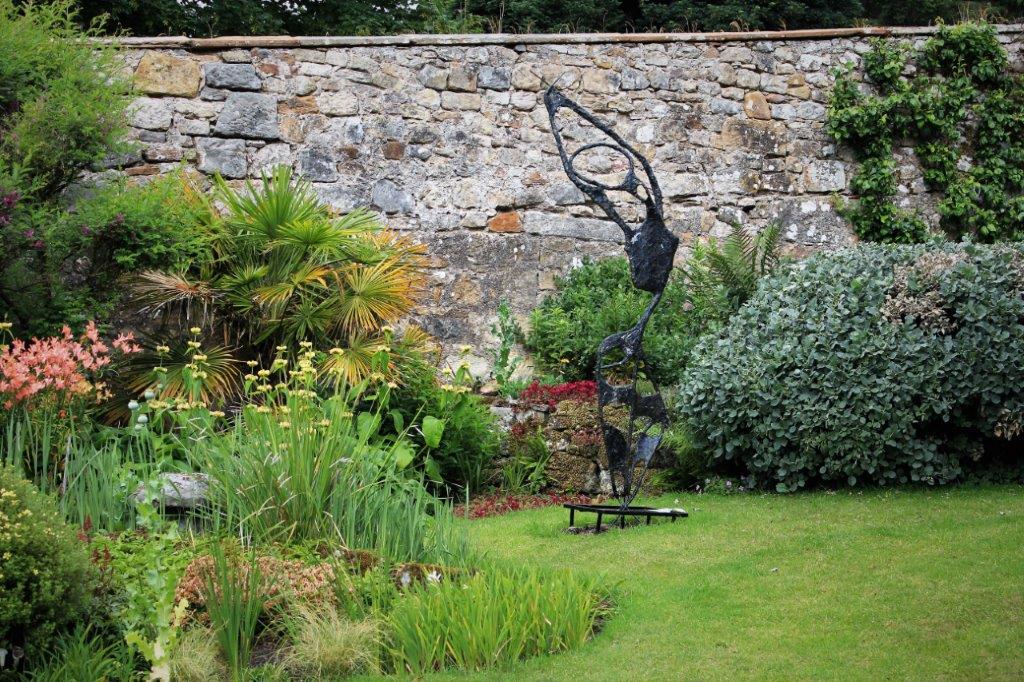
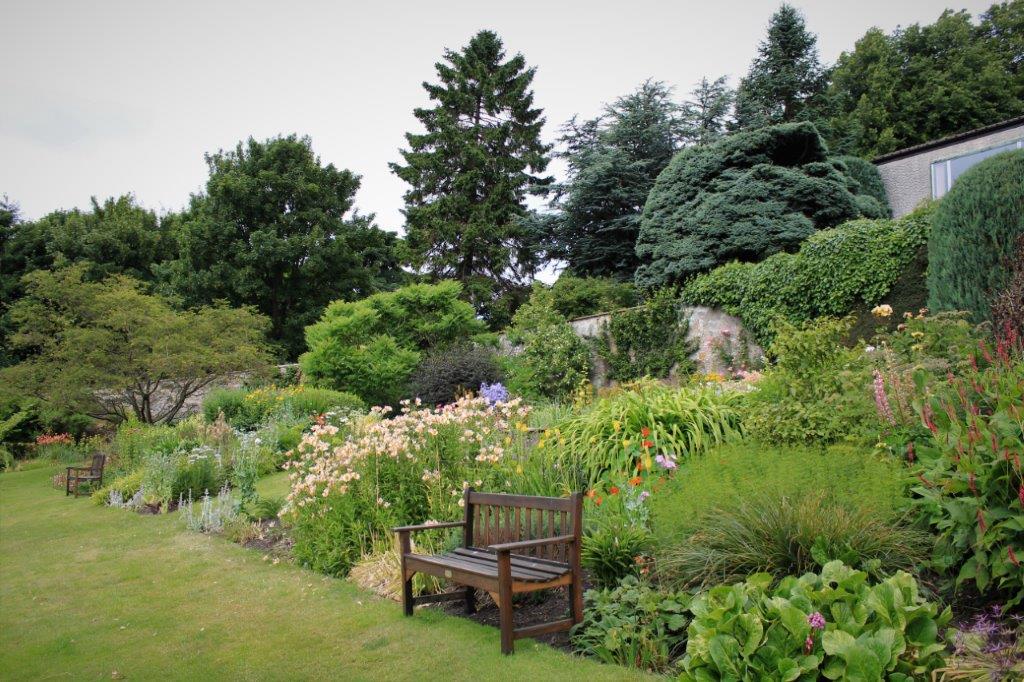
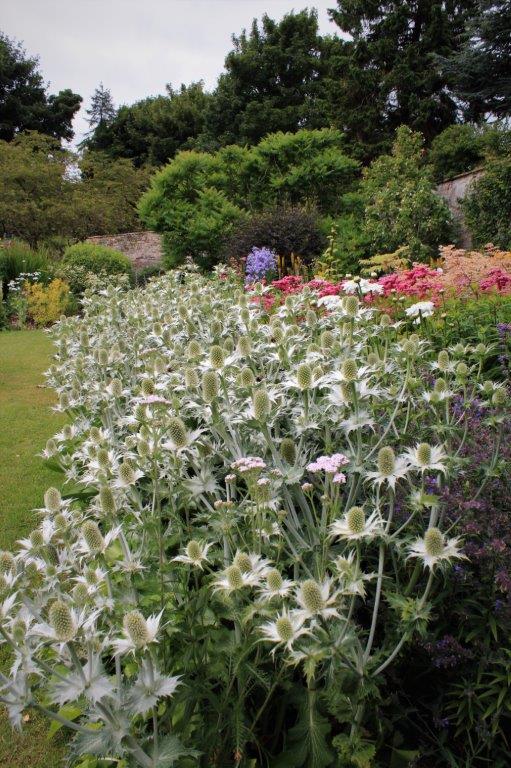
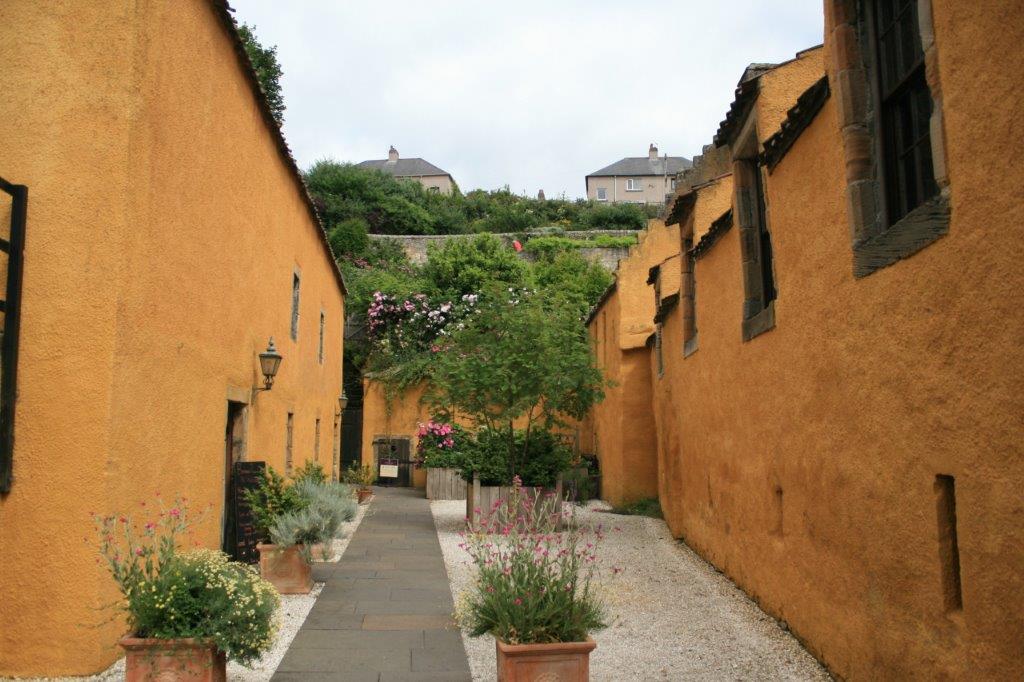
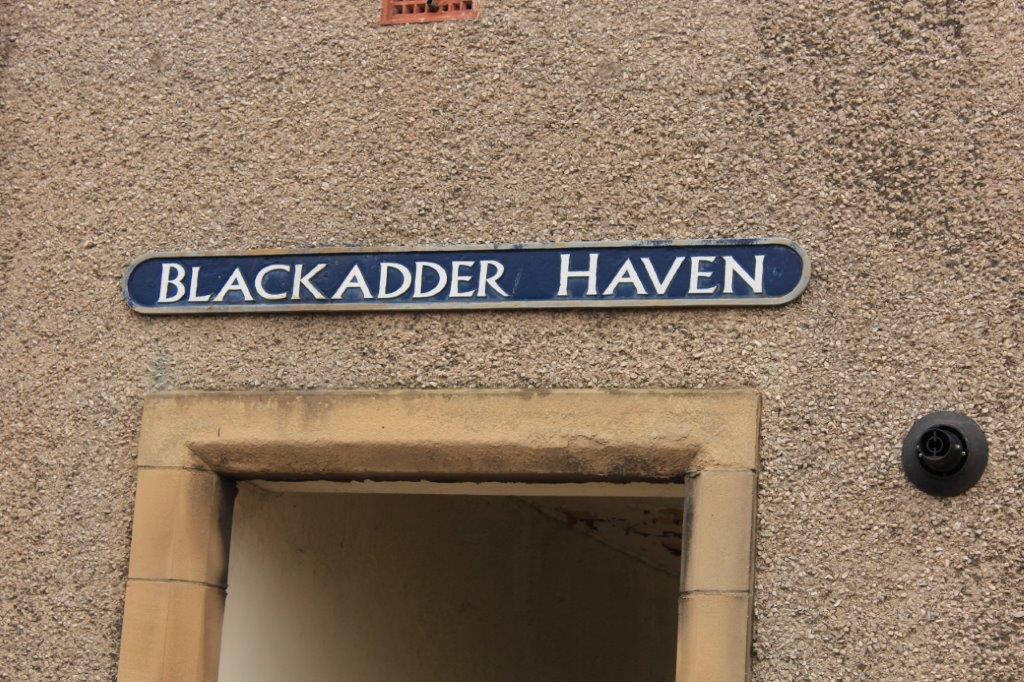
Many of the streets were the original cobblestone. This  lovely  garden  was  just  down  the  hill  from  Culross  Abbey.Much of the abbey is a ruin, but there are still regular worship services held in the West Kirk.There were some very unique names for the houses and cottages.

The palace was closed the day we were there, so we didn’t have a chance to go inside.   A large garden is planted each year on the palace grounds and you can purchase herbs, fruit, and vegetables in season.It is certainly a striking colour.

2013 Summer (Baltic and Britain – Scotland – July 14 – Day 21 – Part 2)

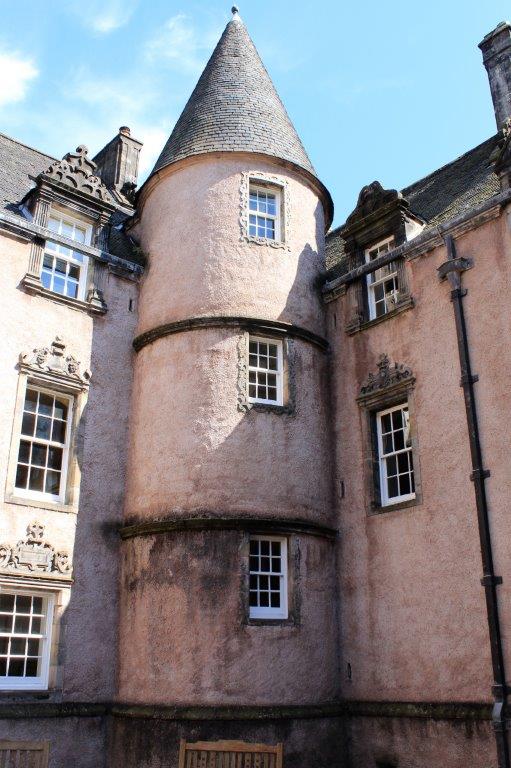
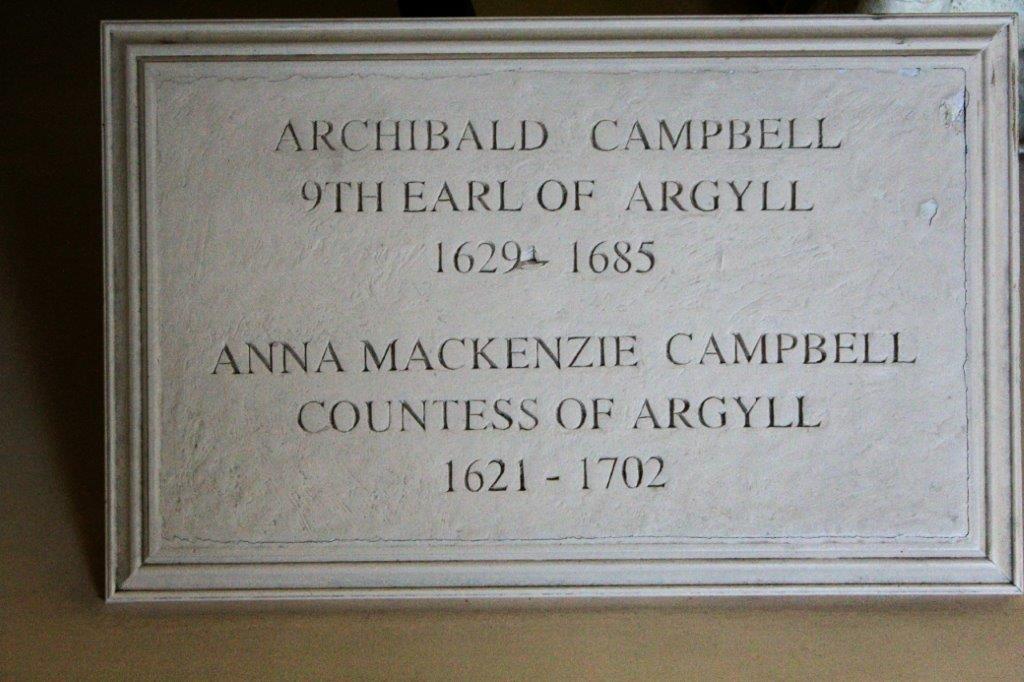
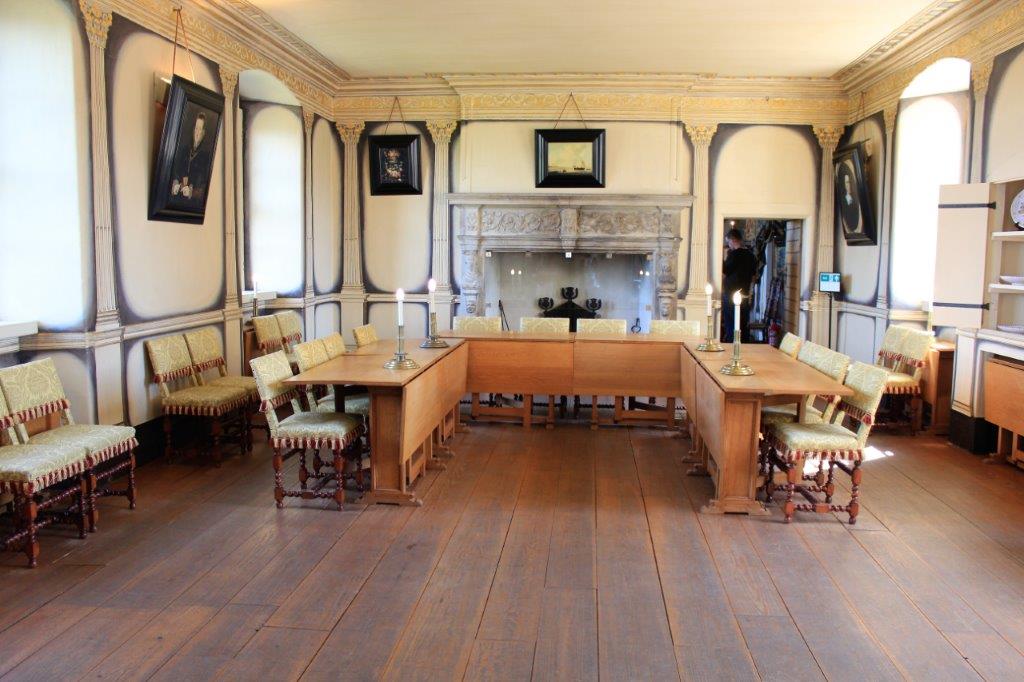
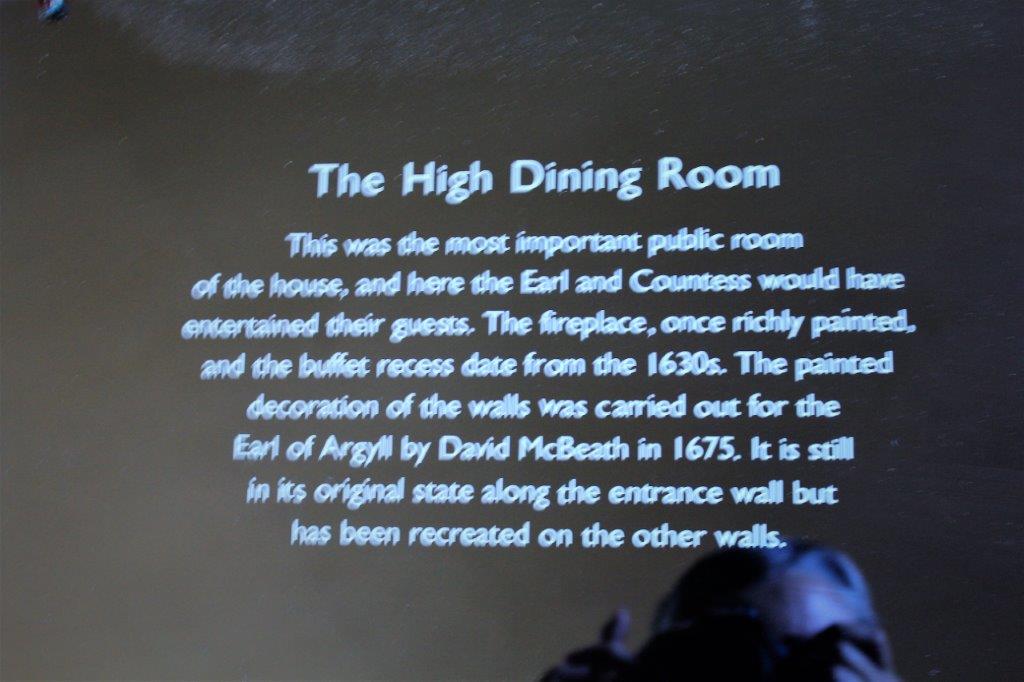
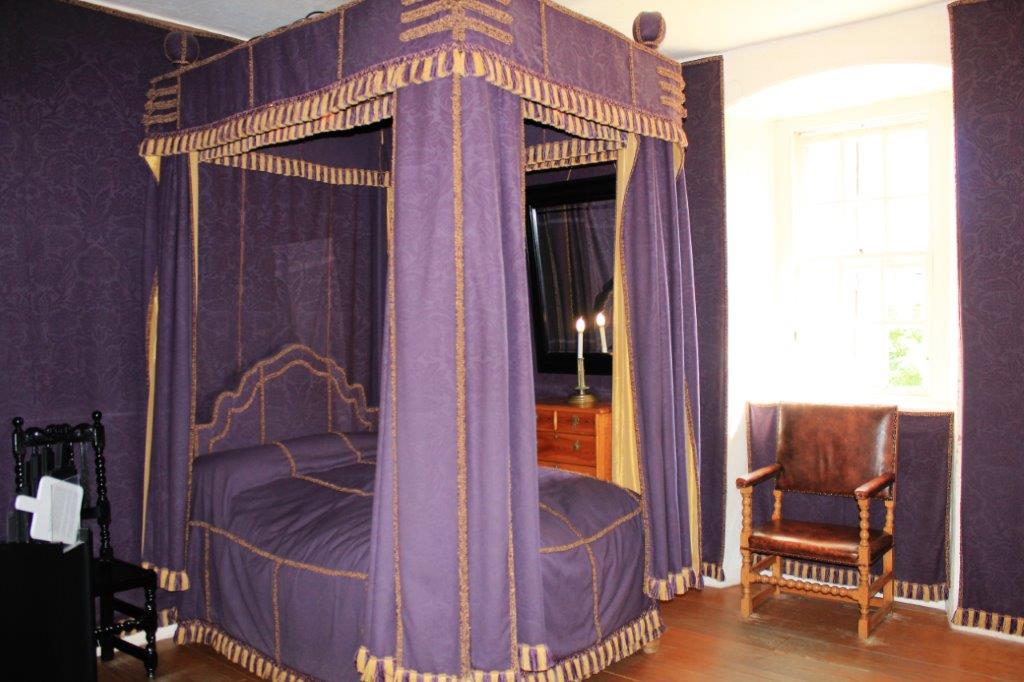
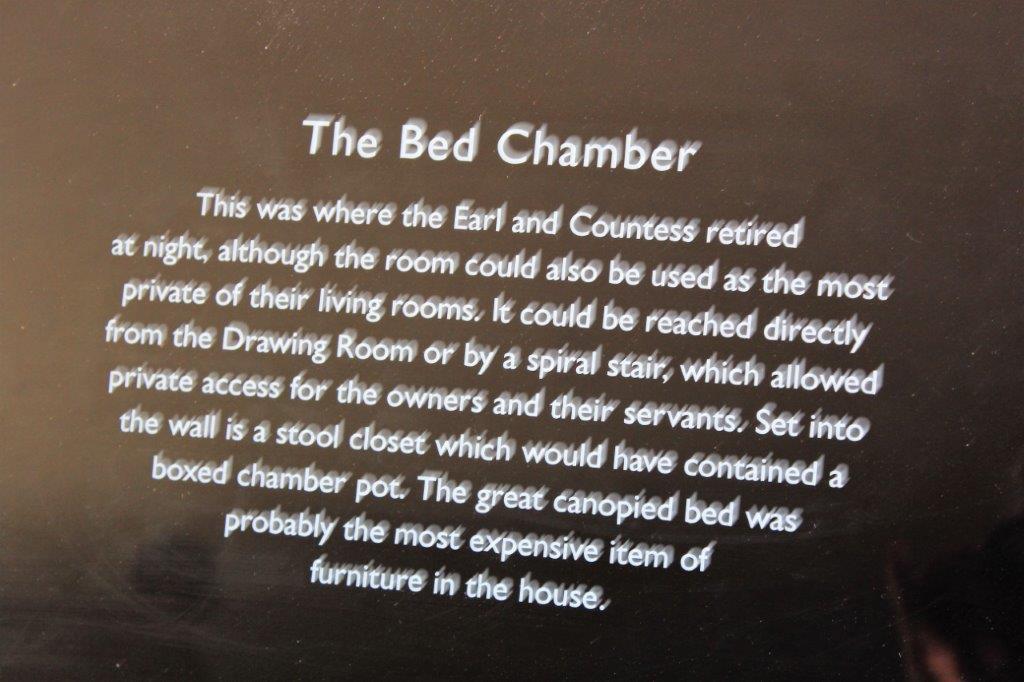
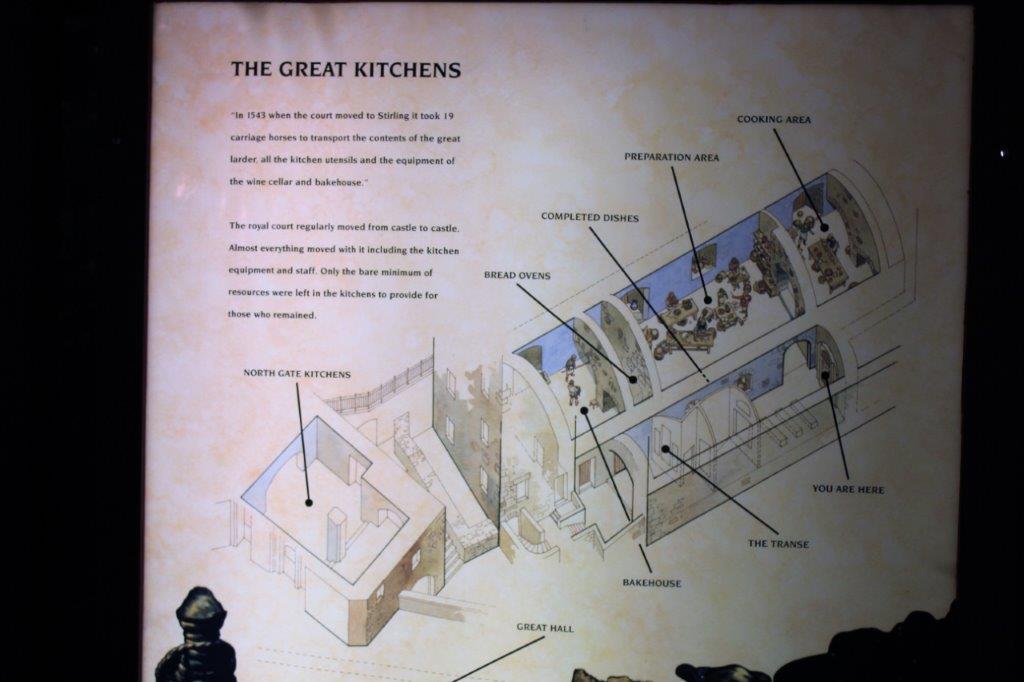
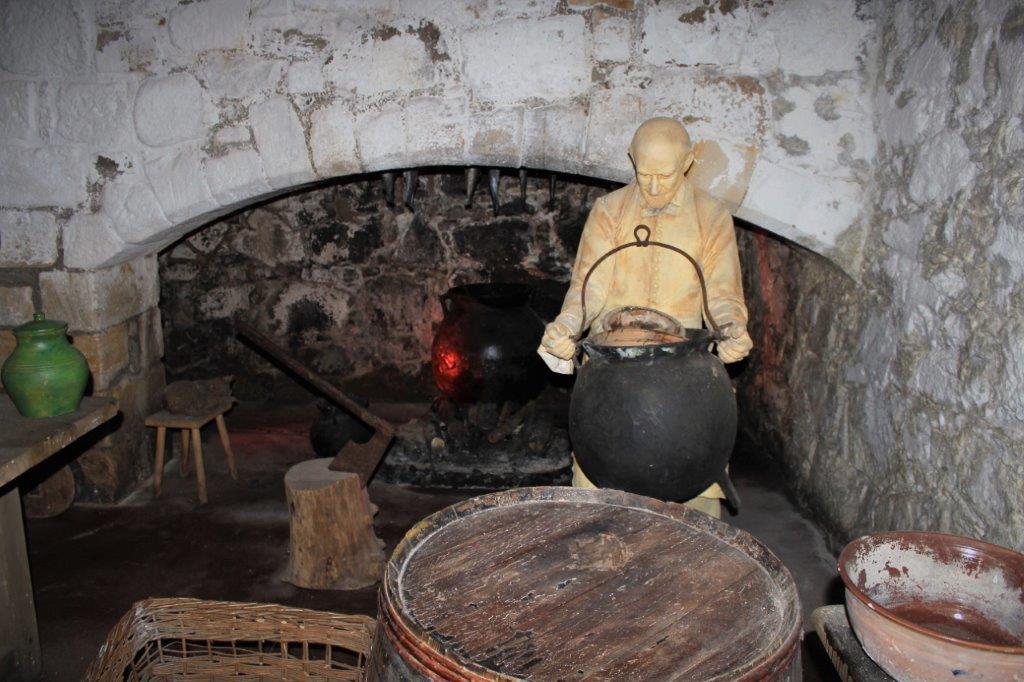
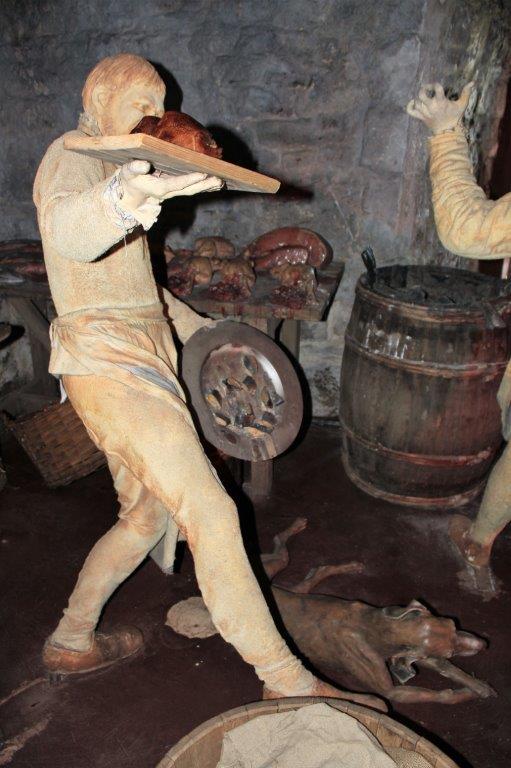
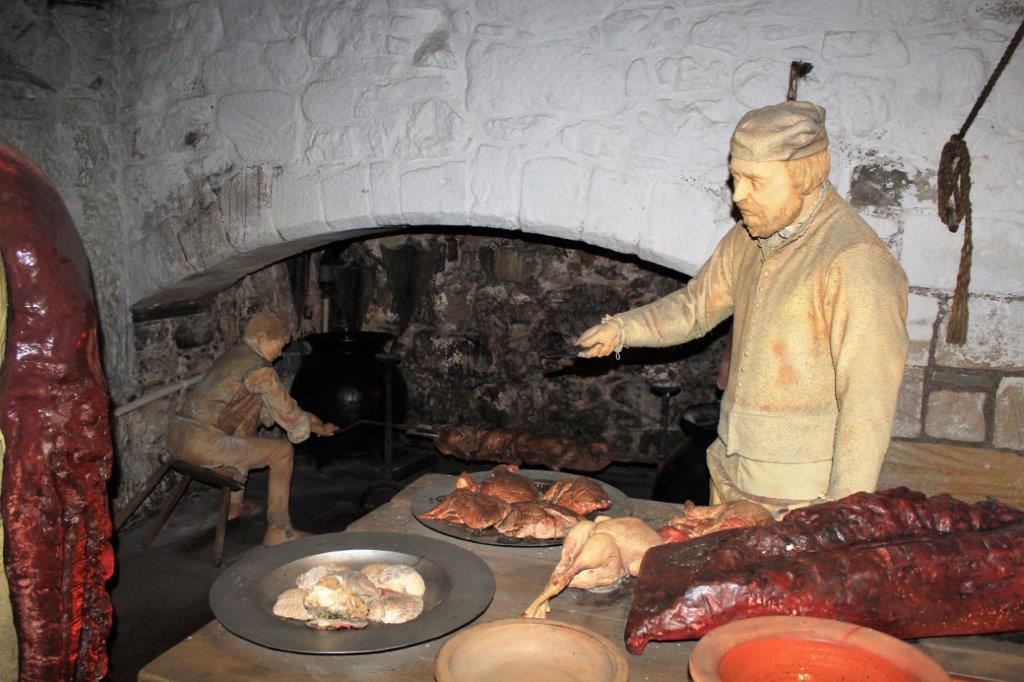
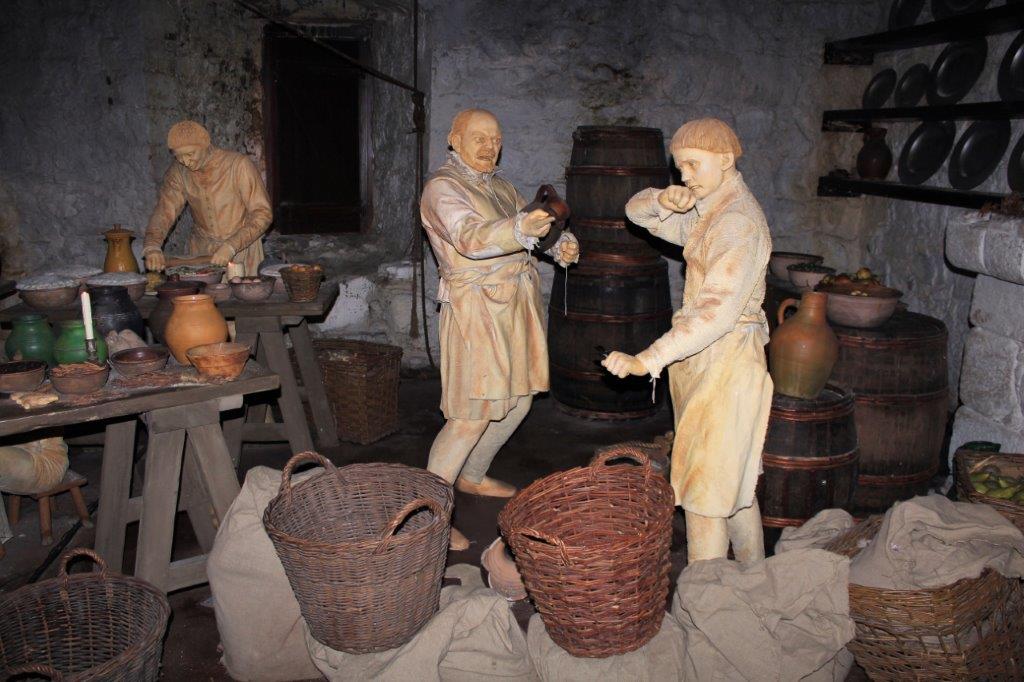
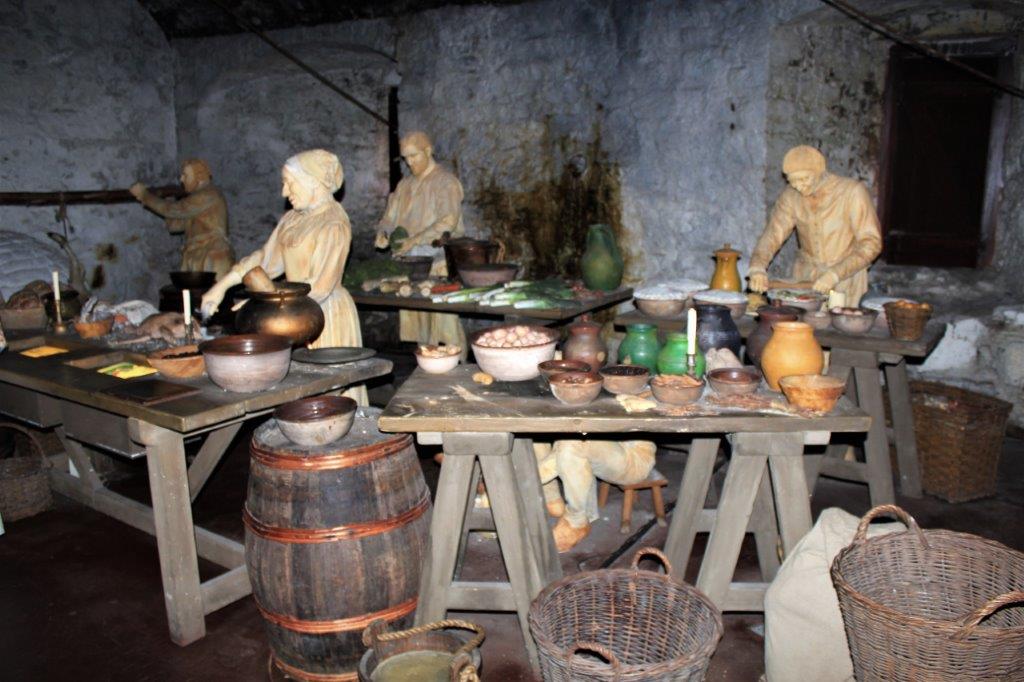
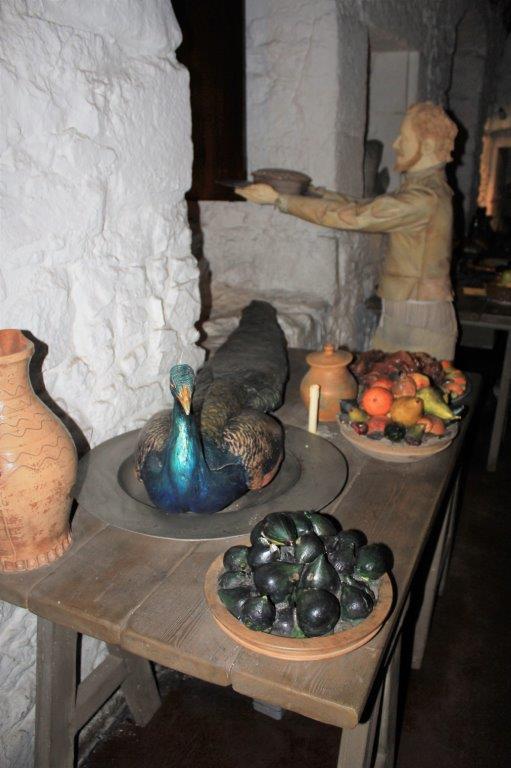
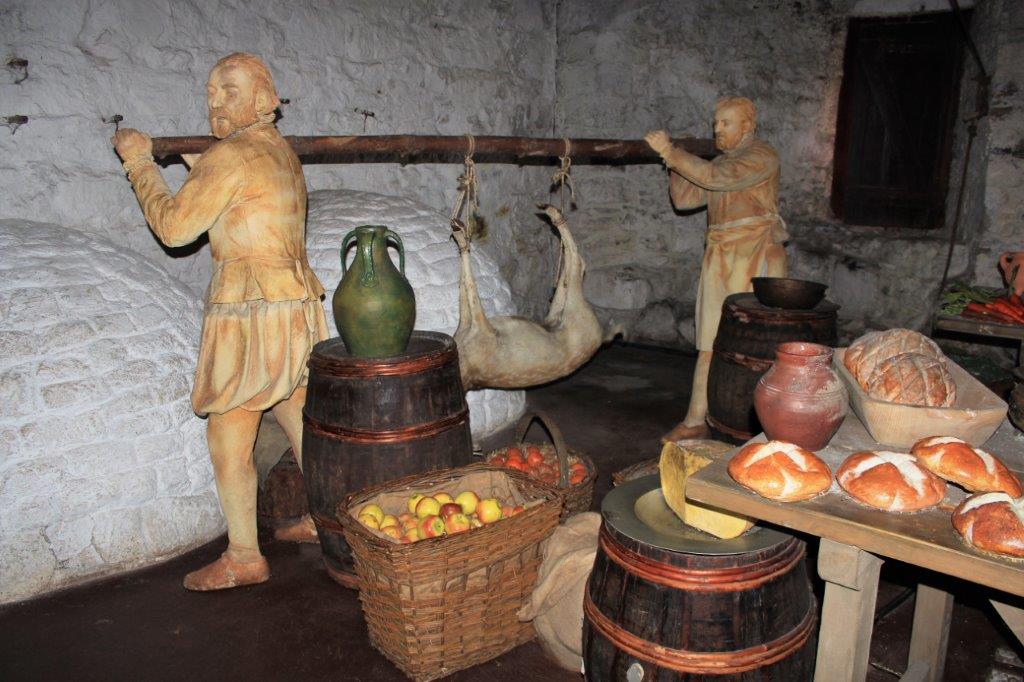
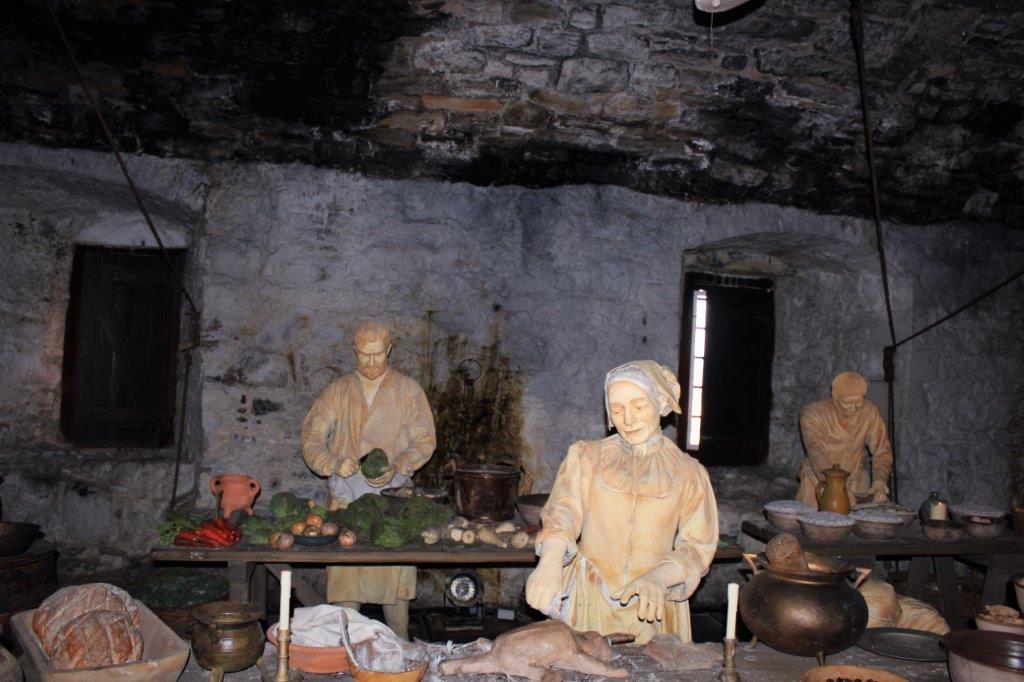
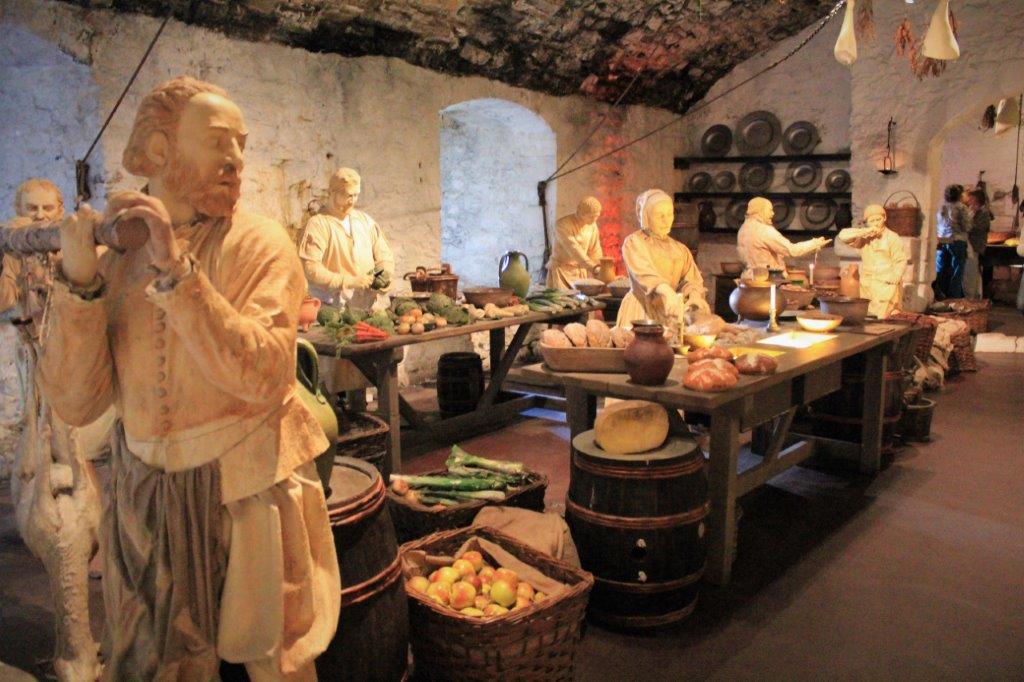
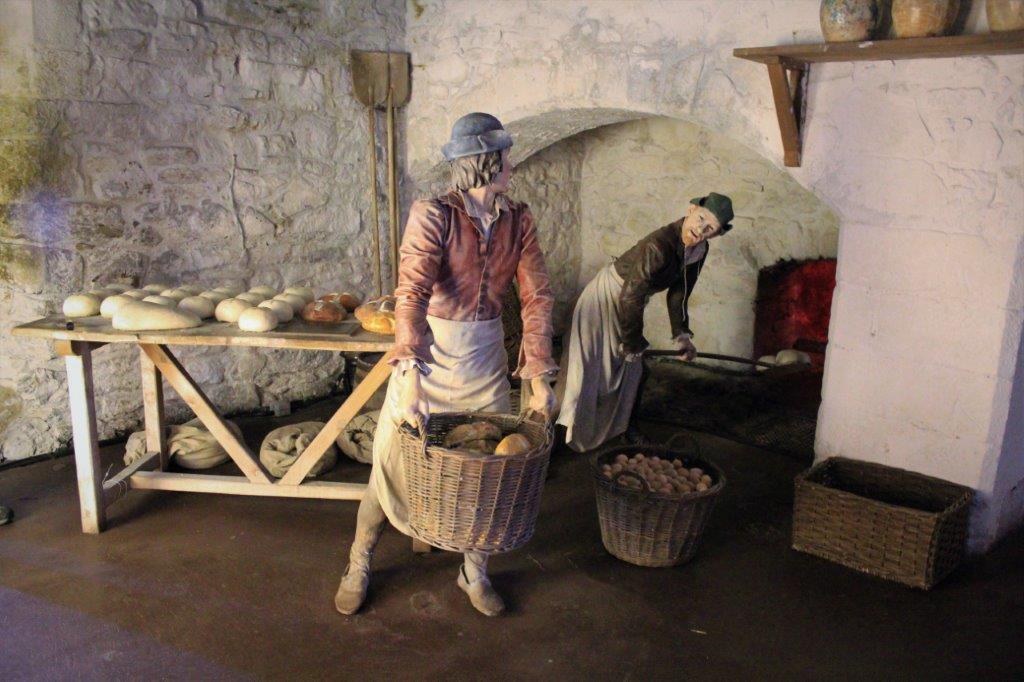
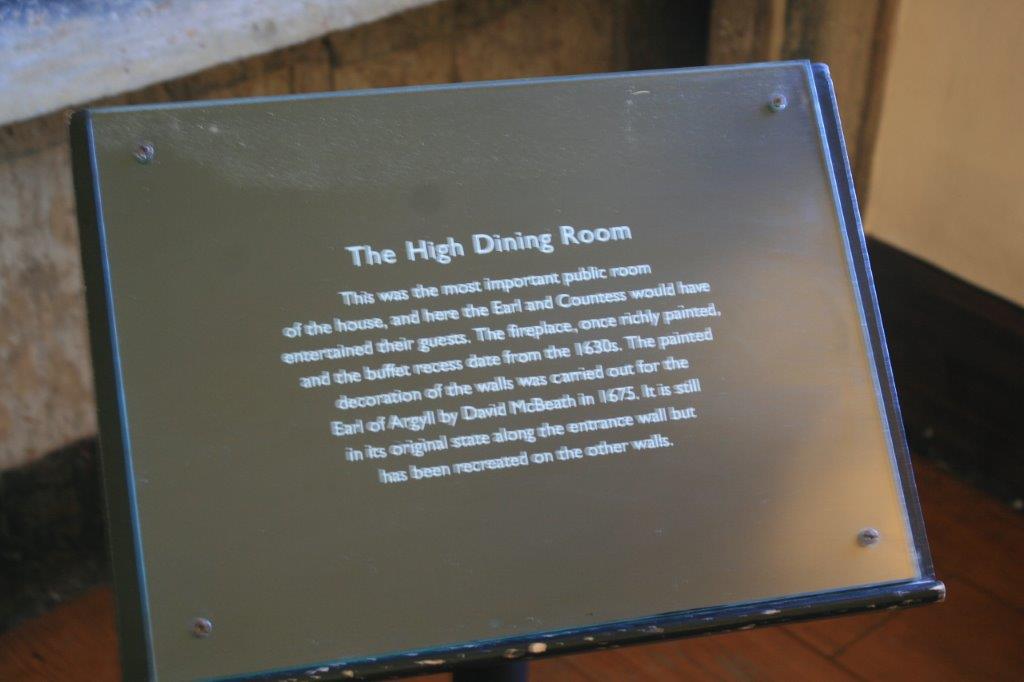
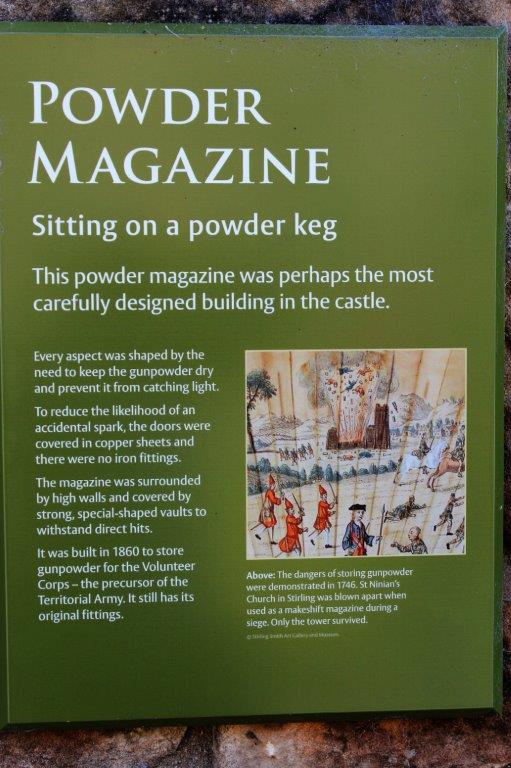
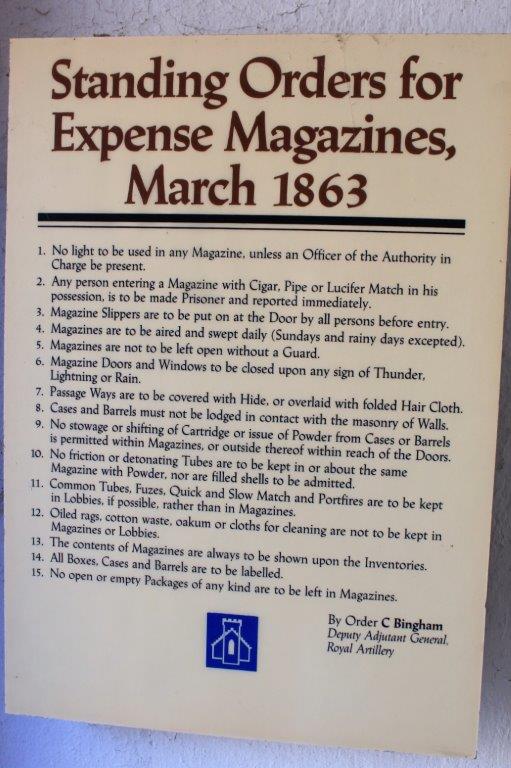
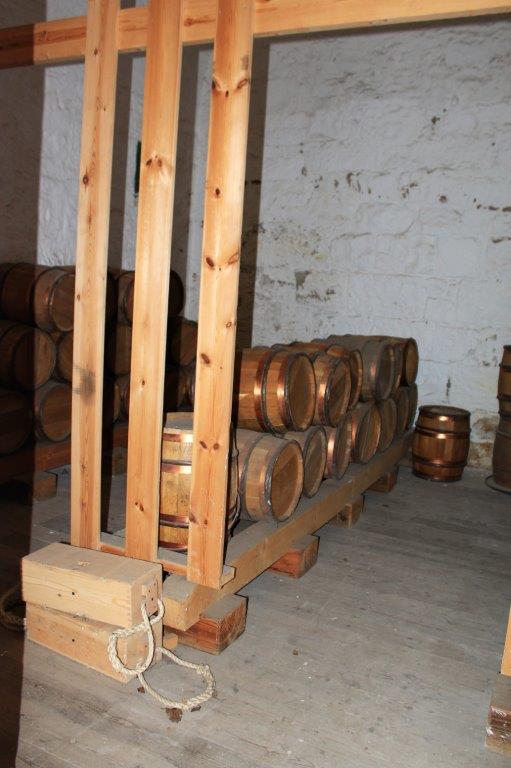
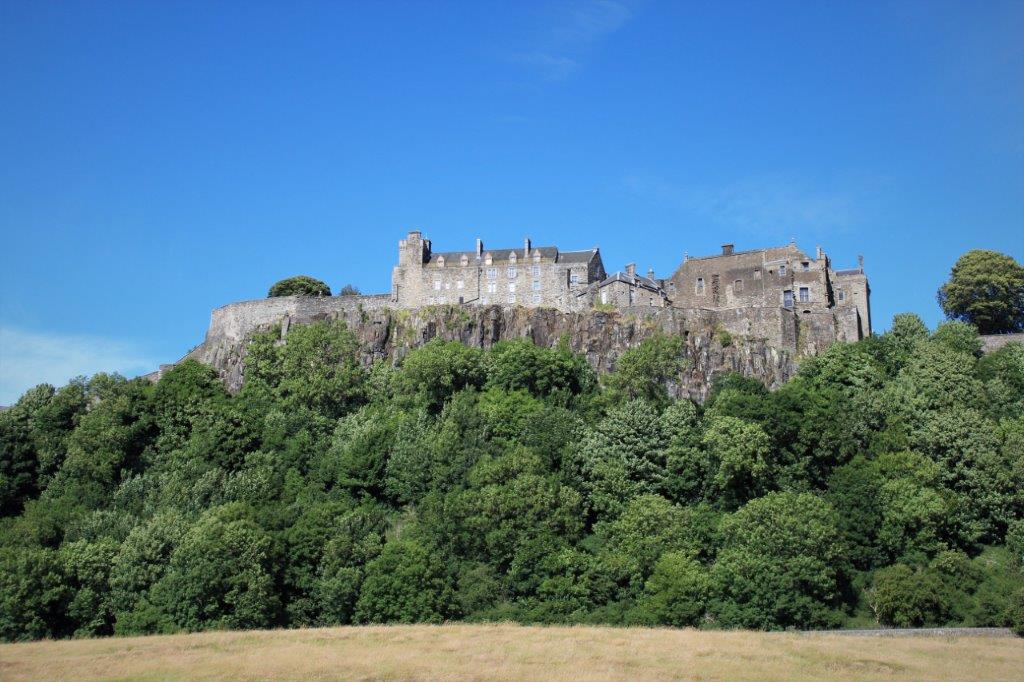
We had tried twice before, on our second and third days in Scotland on July 25 and 26 to tour Argyll’s Lodging, which is located down the hill and around the corner from Stirling Castle.  Both days it was closed.  But this day it was open.Argyll’s Lodging is under the care of Historic Scotland and guided tours are arranged through the ticket office at Stirling Castle.  The mansion was built in the 1670’s as the residence of a high ranking nobleman serving in the royal court.  It is named for the Campbells of Argyll and is considered to be the most complete aristocratic townhouse of its period in Scotland. Visitors get to witness the high-status domestic life of the 1600s. There are so many historic castles, abbeys and buildings in Scotland that it must be a challenge to  vary  the  displays  and  make  each  one  a unique  place  for  people  to  visit.  Argyll’s  Lodging  did  a great  job  portraying  life  in  the  kitchen  of  a great  house.All  of  the  photos  below  were  part  of  the goings-on  in  the  big  kitchen. We wandered onto the lower grounds of Stirling Castle and checked out the powder magazine where all the gunpowder used to be kept. The Castle  certainly  shows  a formidable  face  to  those  arriving  from  the  cliff side.

2013 Summer (Baltic and Britain – Scotland – July 14 – Day 21 – Part 1)

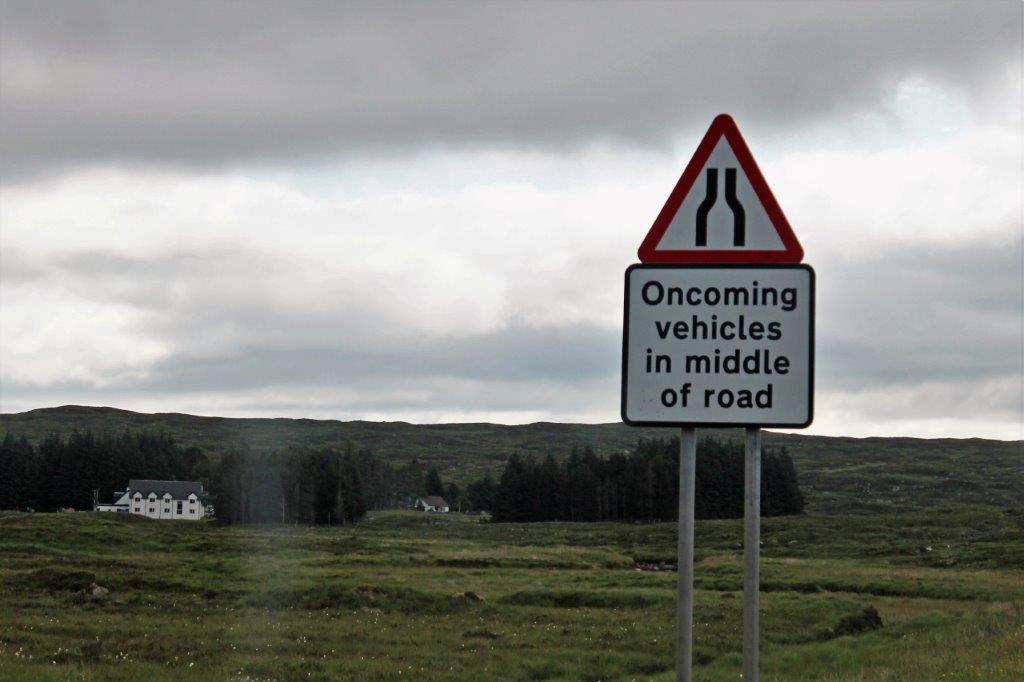
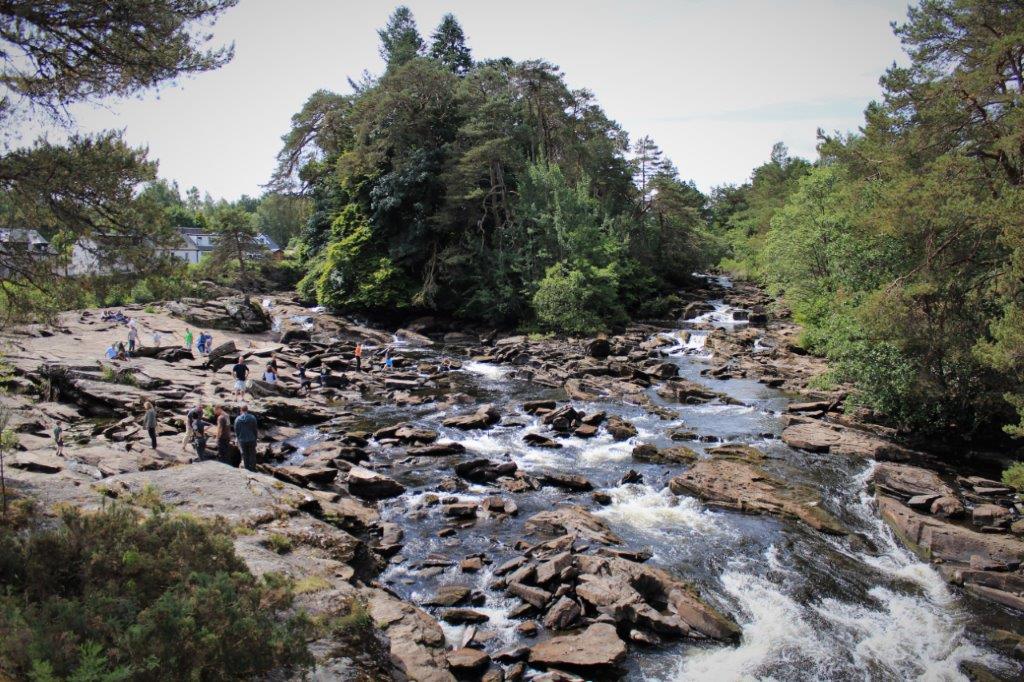
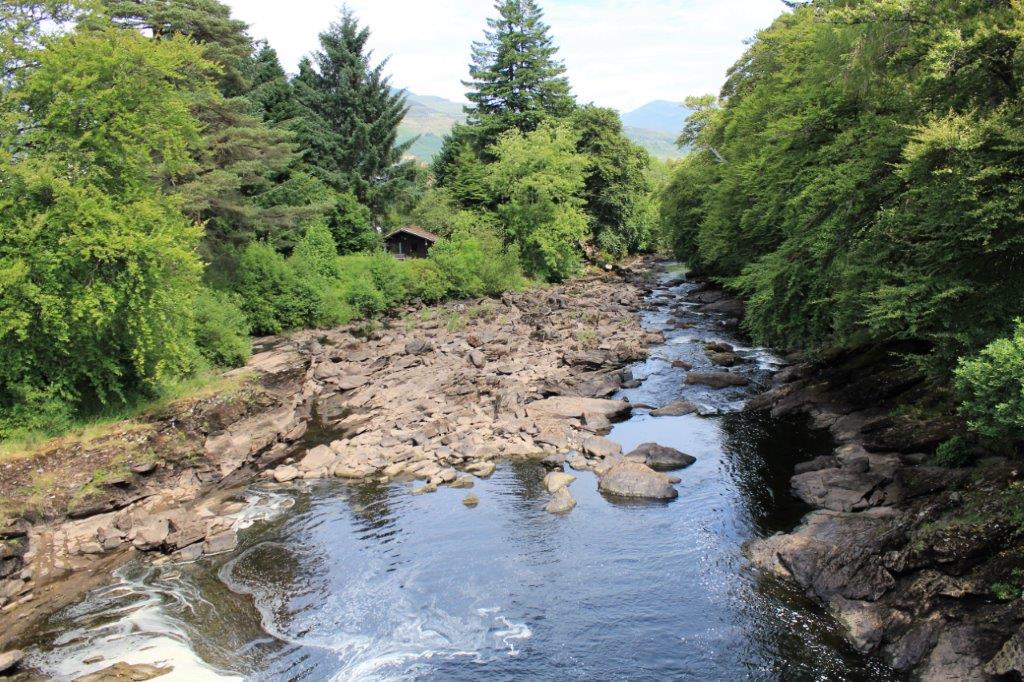
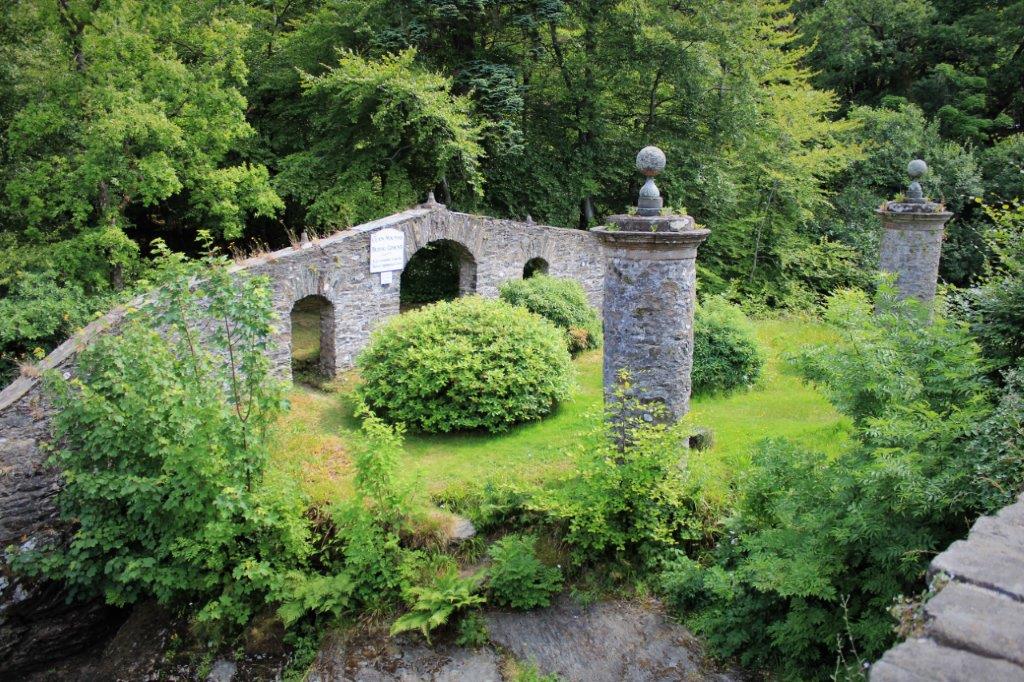
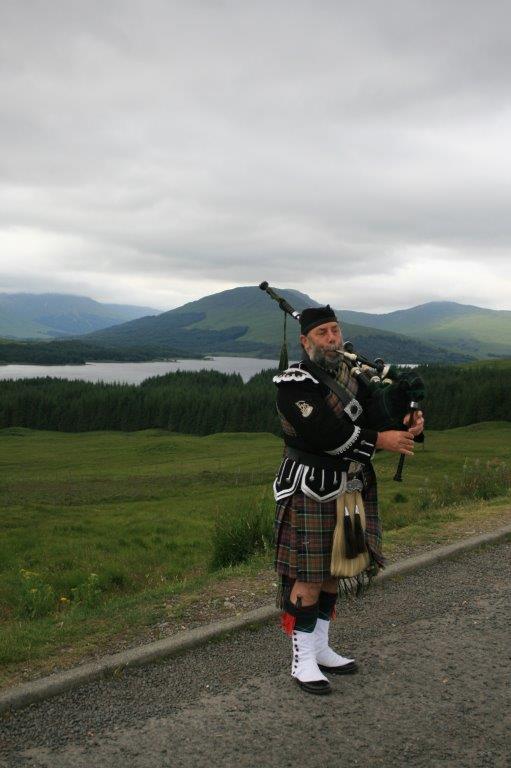
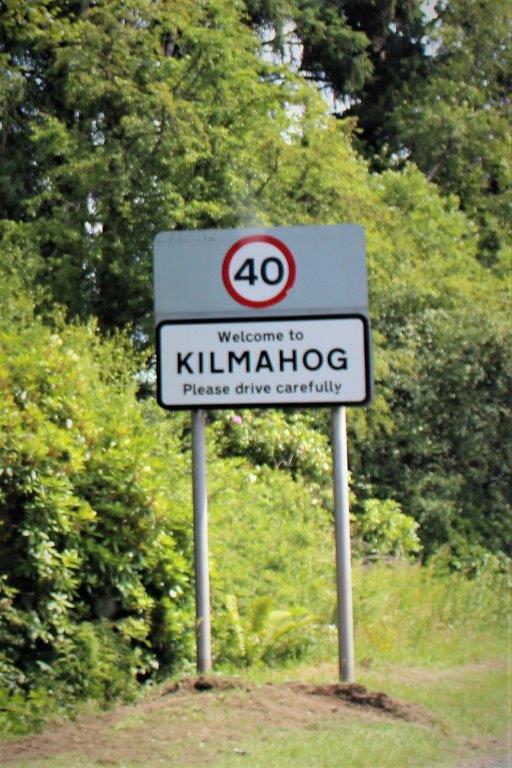
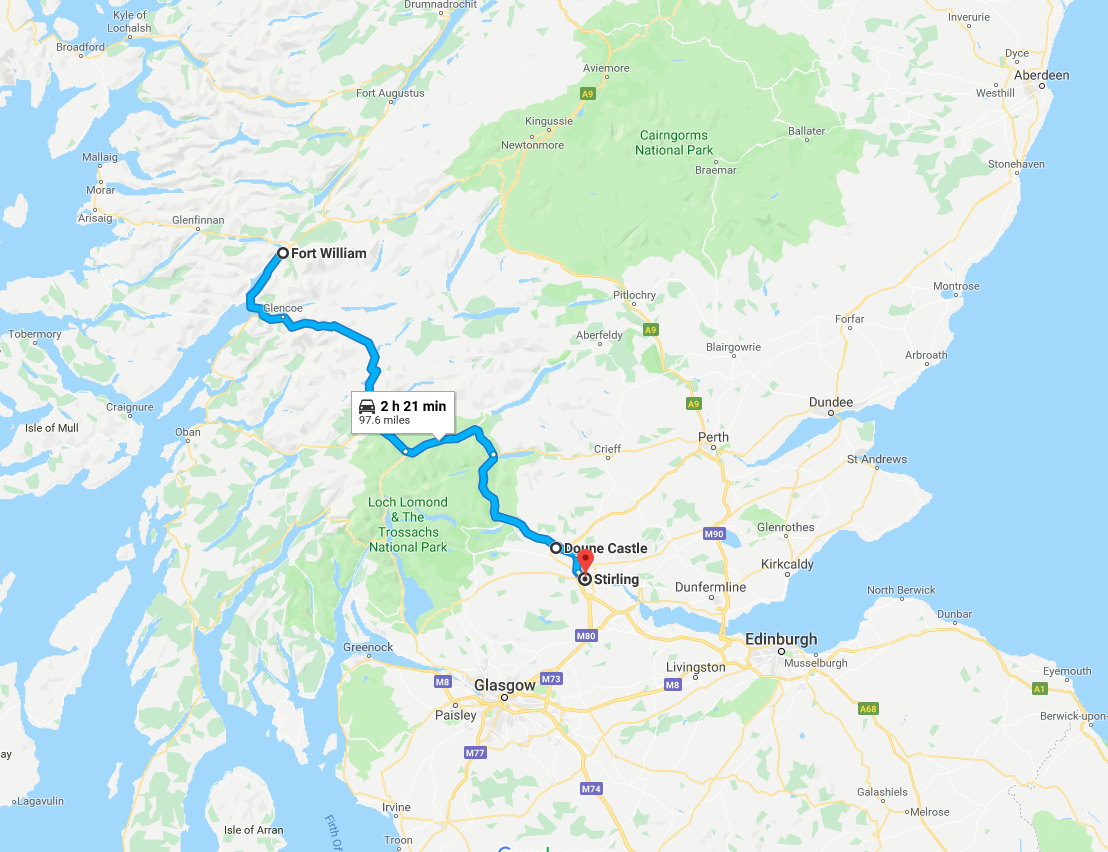
It took us a few hours to arrive at Doune Castle.  Google maps says the distance takes just over two hours, but as usual, we stopped to take photos.This was a comforting highway sign.  Where do you go?  Who  has  the  right  of  way? I  didn’t  write  down  the  name  of  this  town,  but the  rock-strewn river  was  a very  popular  spot.  We  walked  around for  awhile  before  heading  out  to Doune. The  archway  in  the  photo  below  was  the  entrance  to  a cemetery.  You are never far from the sound of bag pipes in Scotland. This fellow was just serenading passing motorists.  I often had a chuckle at some of the place names.

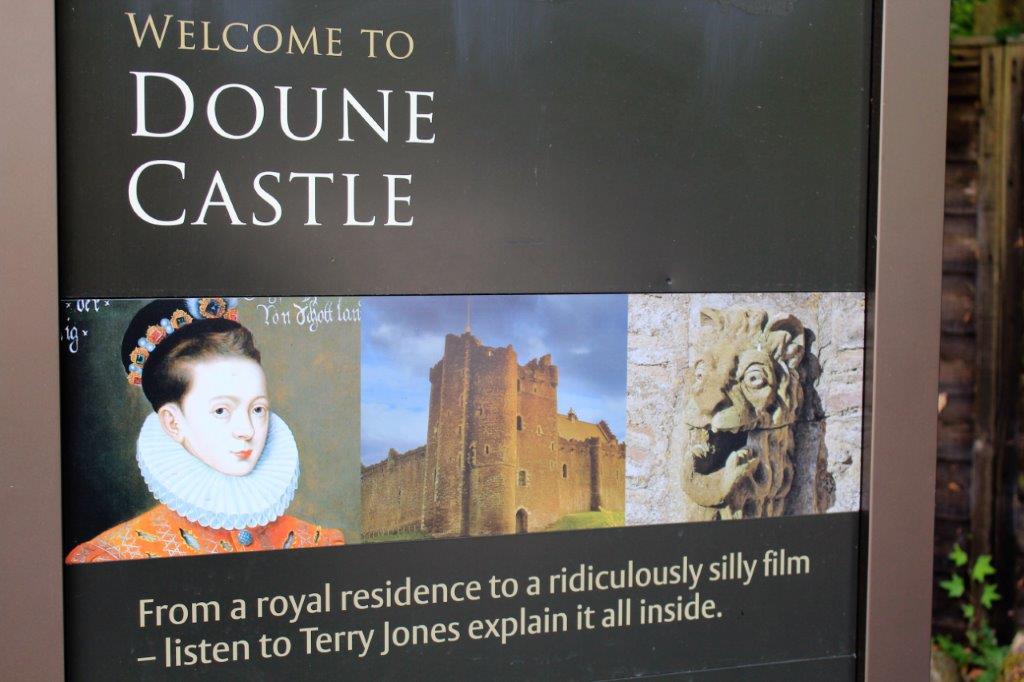
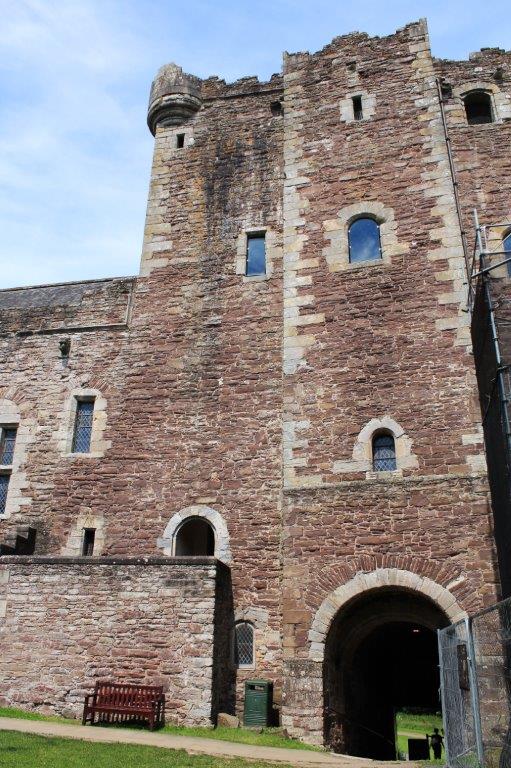
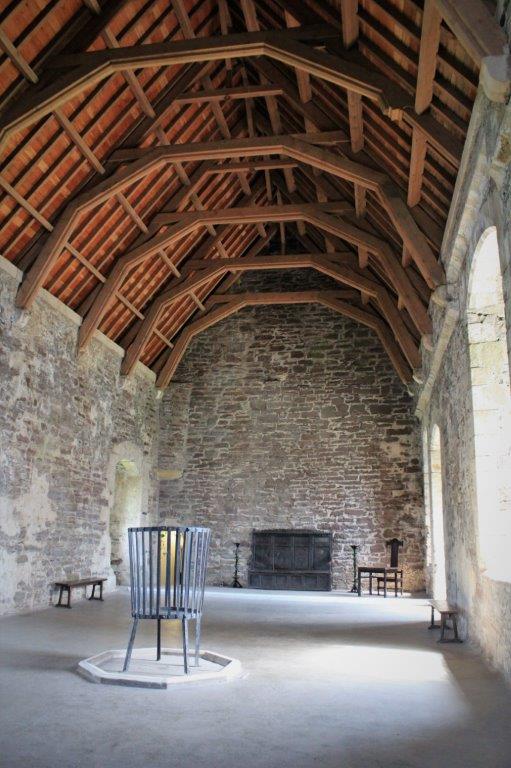
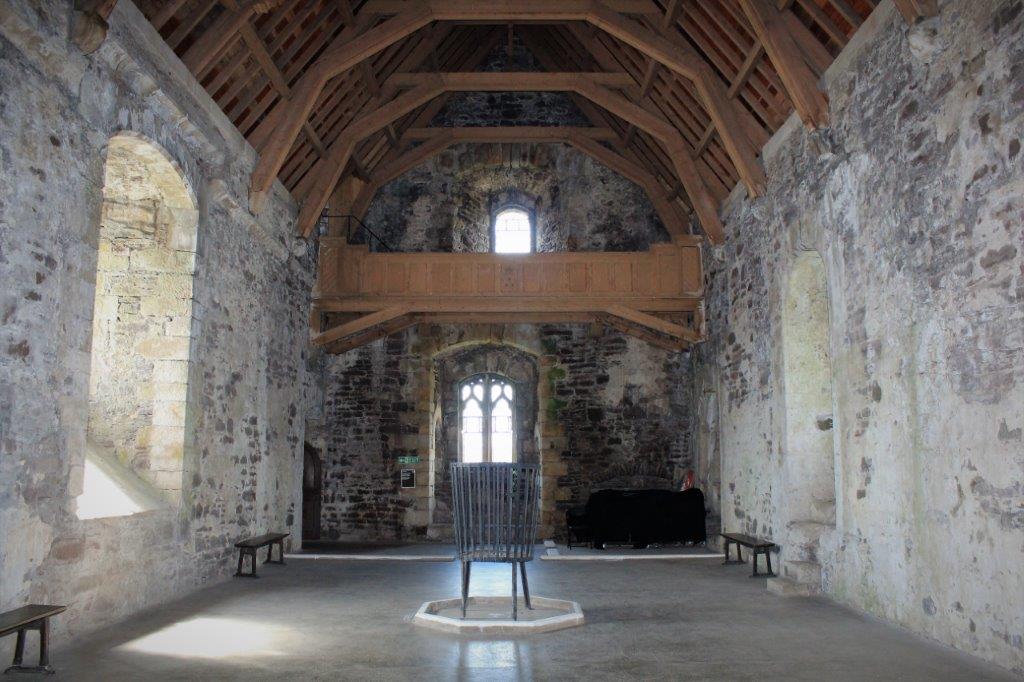
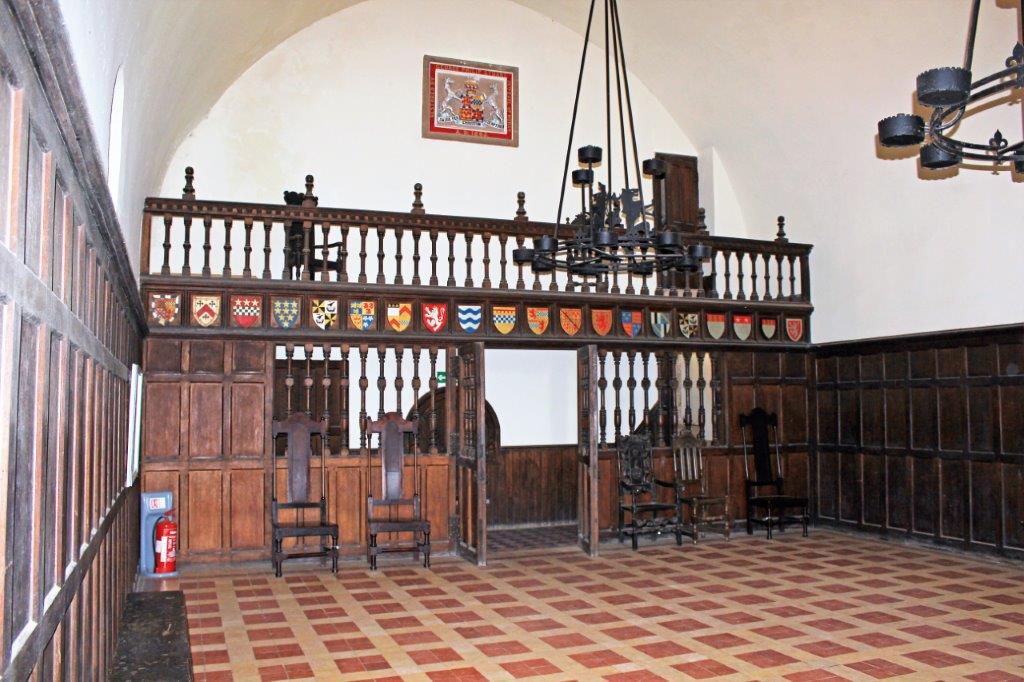
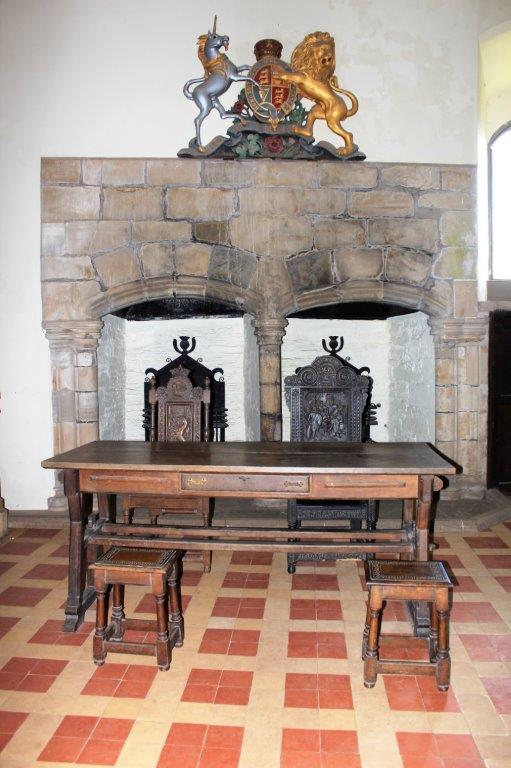
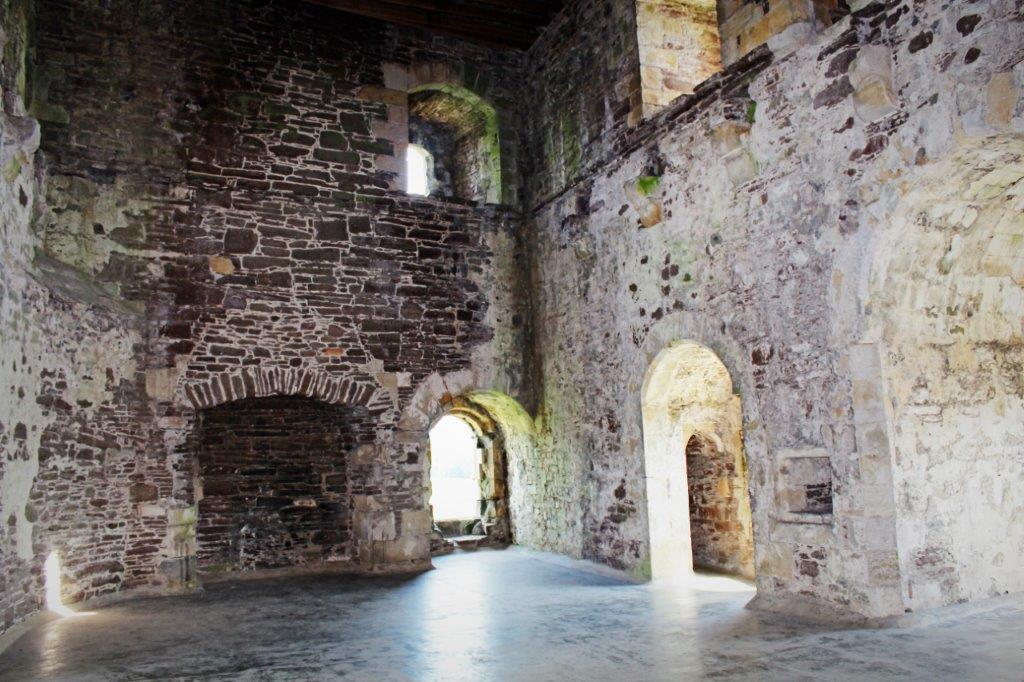
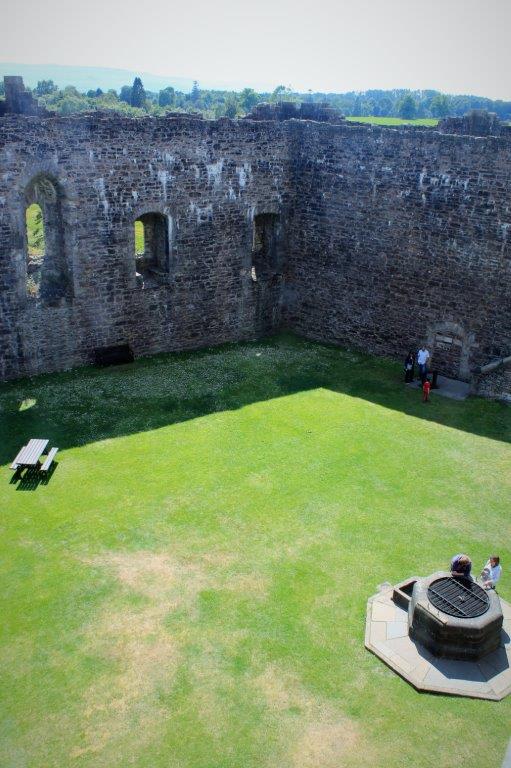
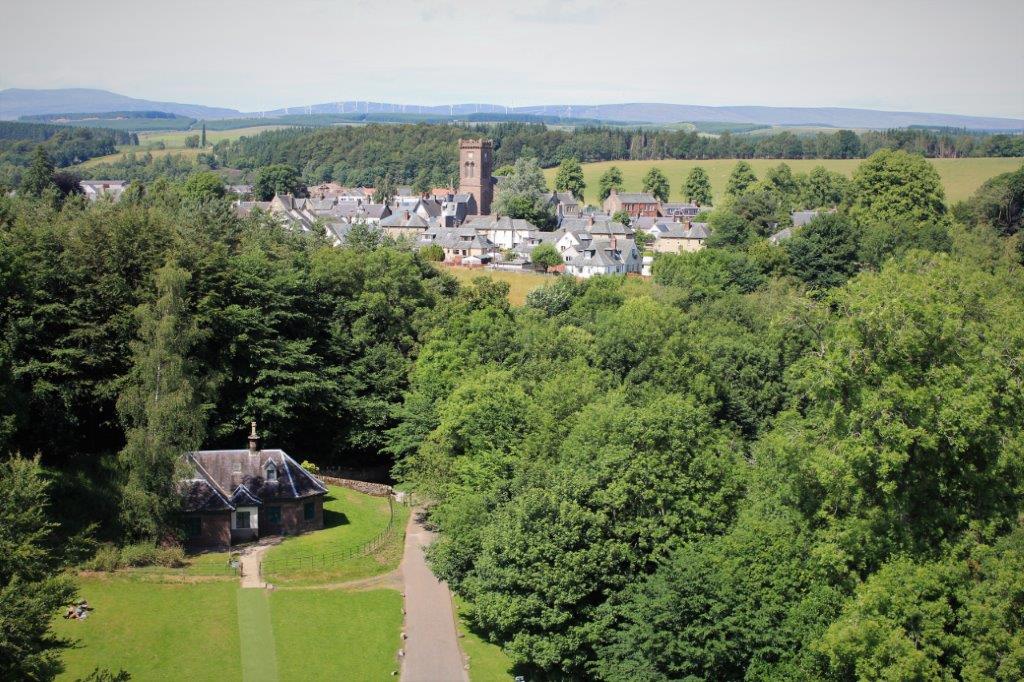
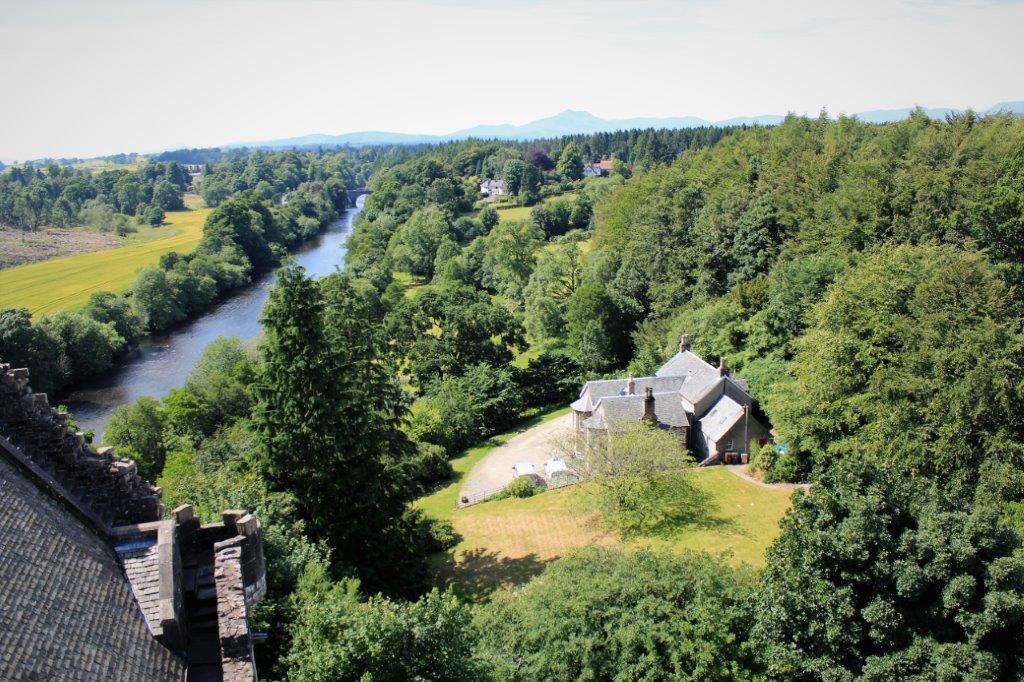
Doune Castle has been featured in the movies, Ivanhoe and Monty Python and the Holy Grail.  It also was used in Game of Thrones and Outlander TV series.  It is a 14-century courtyard castle built for the Regent Albany, Scotland’s ‘uncrowned king.’  Robert Stewart, Duke of Albany served as regent to three different Scottish monarchs.  He was a ruthless politician suspected of the murder of his nephew.  He died in 1420 and was succeeded by his son Murdoch Stewart, Duke of Albany who was executed for treason when the imprisoned King James returned to Scotland.  James had been held captive in England for eighteen years during which Robert Stewart served as regent in Scotland, making him king in all but name.

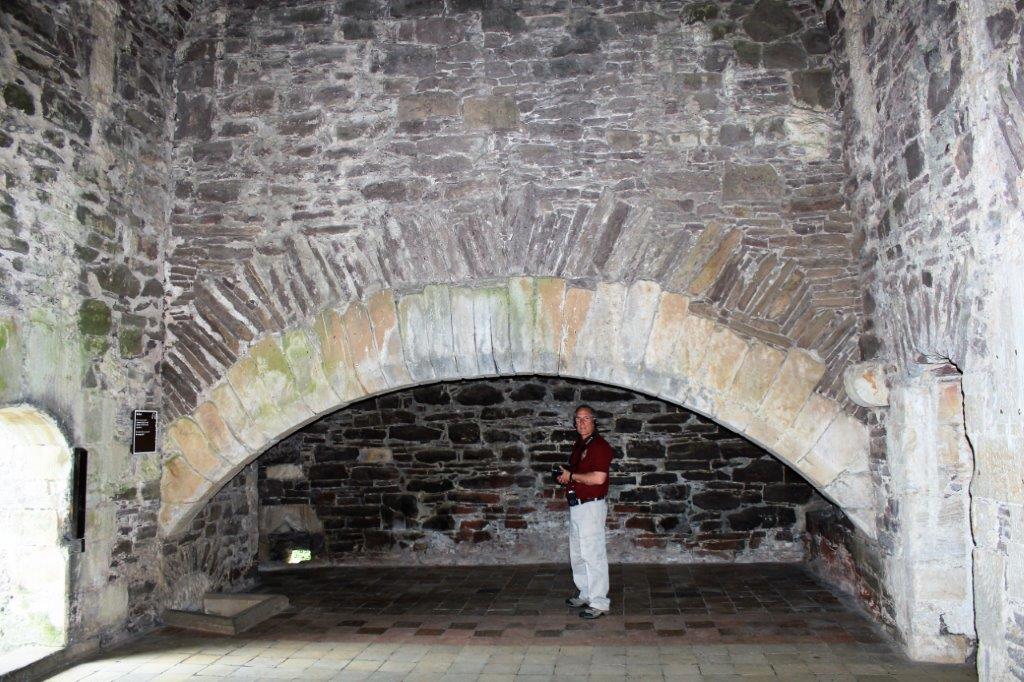
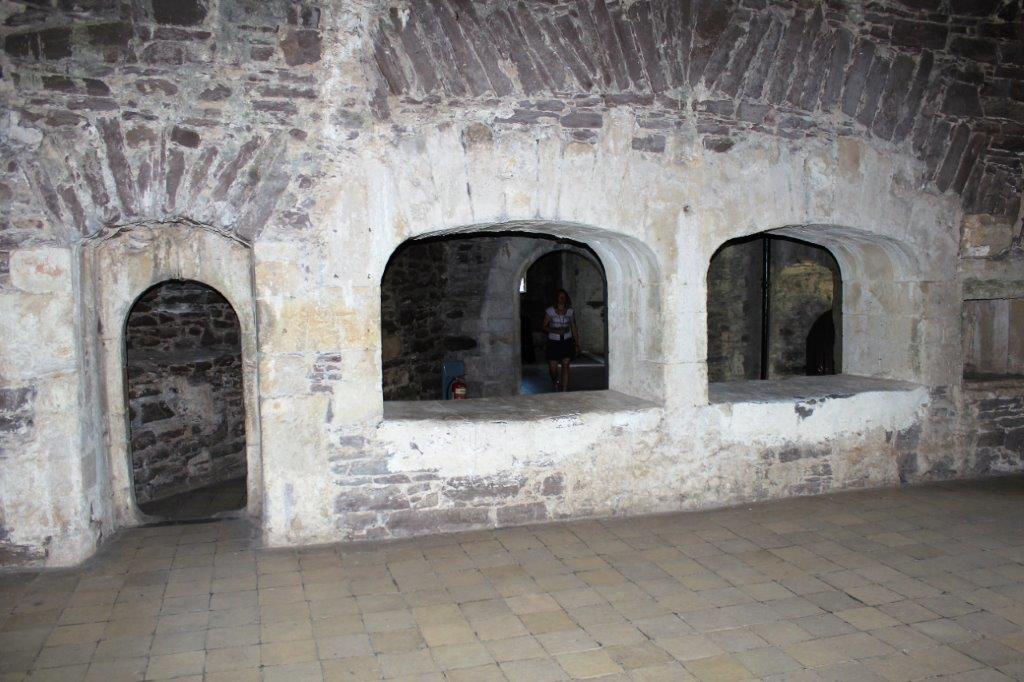
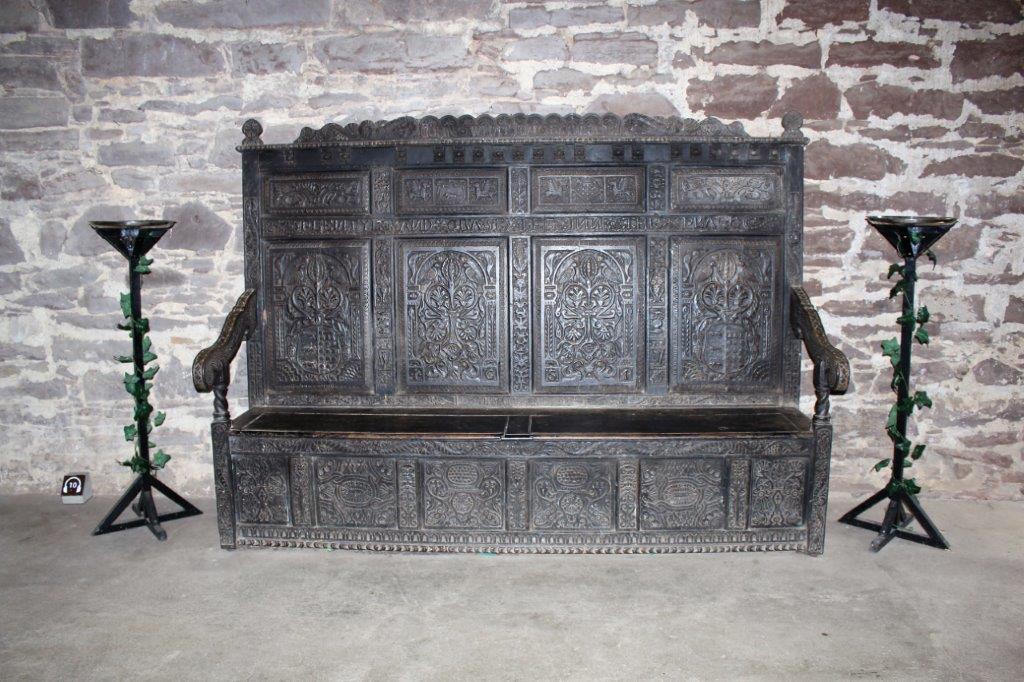
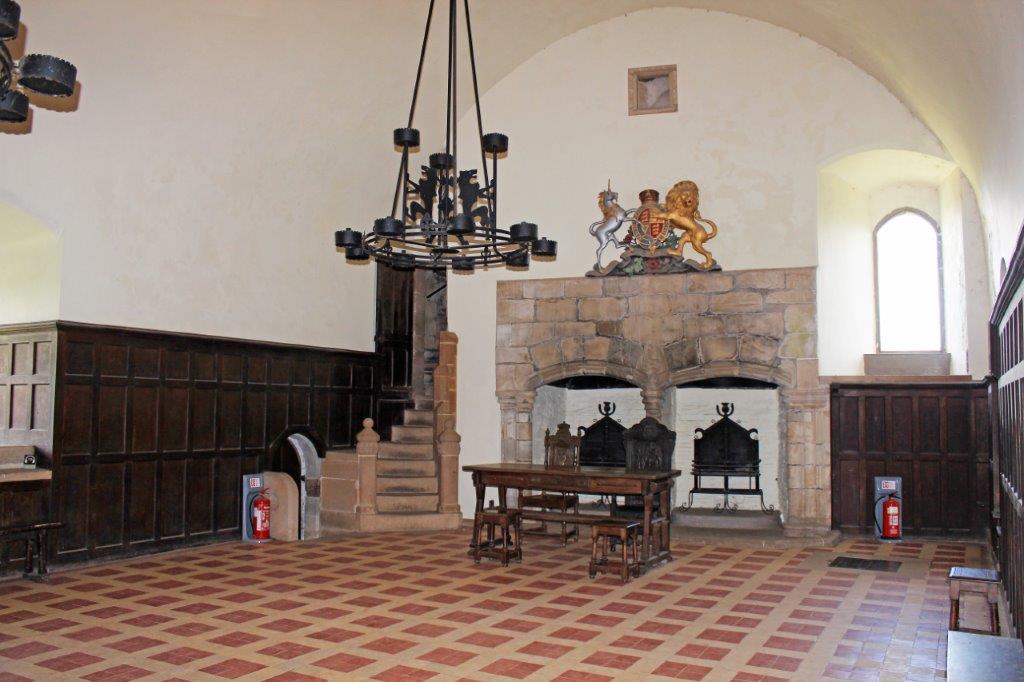
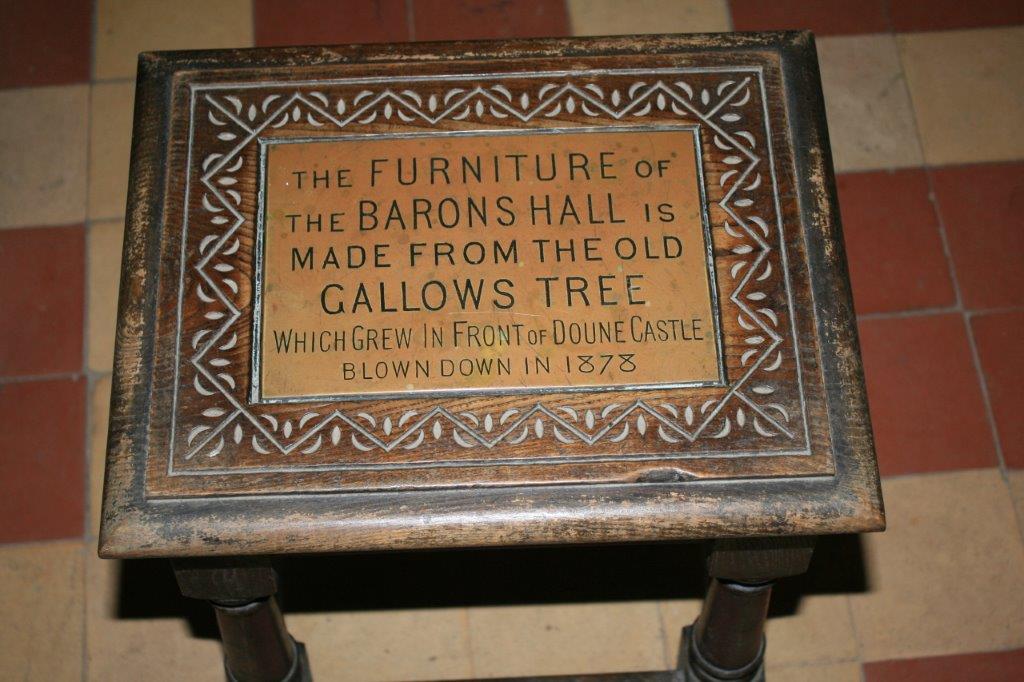
Doune Castle has a 100 foot high gatehouse and one of the best preserved great halls in Scotland.  The audio commentary for your self-guided tour around Doune was narrated by Terry Jones who co-directed Monty Python and the Holy Grail .  There were some very funny stories among the historical details.                                  You could certainly roast a whole ox in this fireplace!It is quite mind boggling to think of the elaborate and multi-course  banquet feasts for a hundred or more guests that were made in these simple kitchens.
When we completed our tour of Doune we drove to Stirling and, one more time, went to Argyll’s Lodging.  Third time’s the charm.  It was open and we were able to go inside.

2013 Summer (Baltic and Britain – Scotland – July 13 – Day 20)

As I mentioned in my last blog, I am a huge Harry Potter fan.  I didn’t begin to read the books until the fourth one was published; and then it was just a matter of curiosity to see what all the hype was about.  Needless to say, I was hooked very quickly.  I was not one of the devout who lined up at the bookstore at midnight to buy the next volume, but I did put my name on the list to have one saved for me at the store each time one was published.

I was equally as pleased with the films.  I understood that with all the sub-plots Rowling had going on in the books that a lot of cutting would need to be done in the movies.  The only thing that upset me a bit was in the last one where the director put in a huge flying scene between Voldemort and Harry Potter that did not take place in the novels – plus a few other shorter scenes.  But, I am big girl, so I didn’t get too bent out of shape over it.  The whole thing is, after all, a fantasy.  (Although, I was happy when I did the sorting quiz on Pottermore to learn that I would be put in Gryfinndor house!)

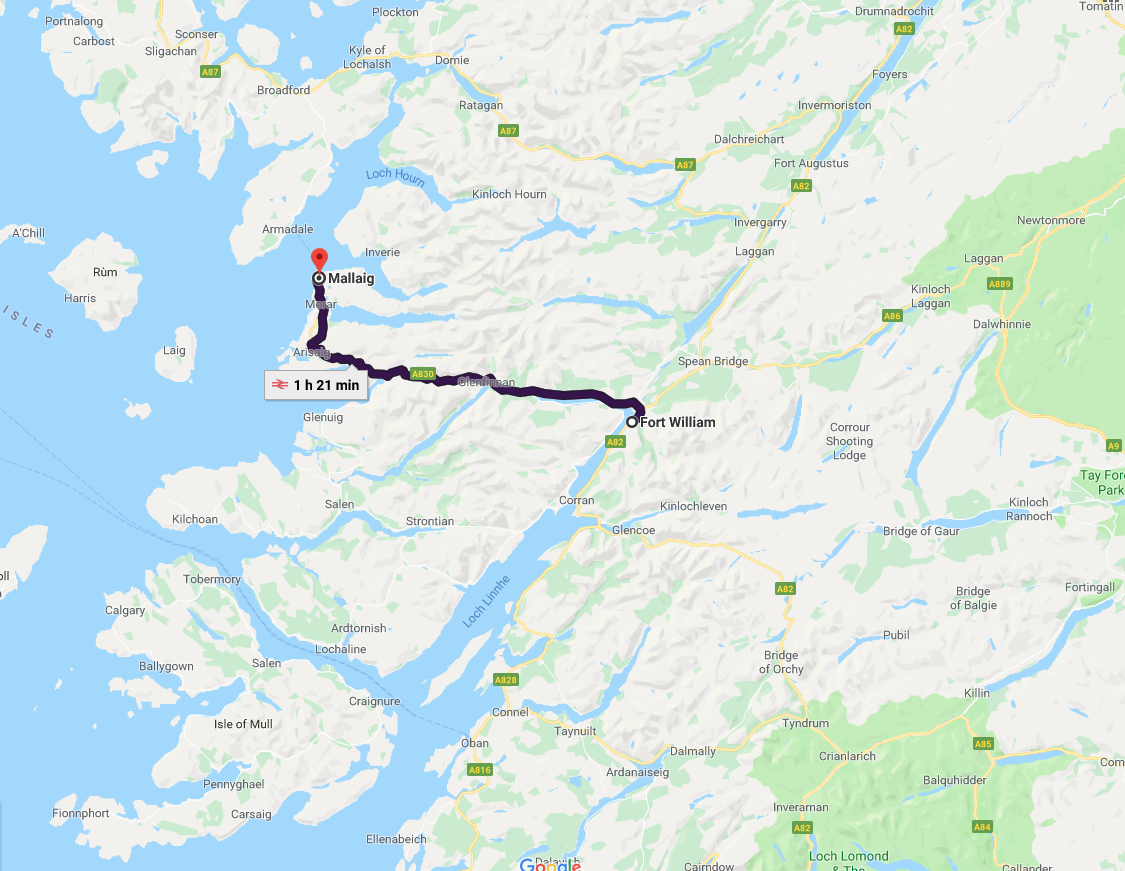
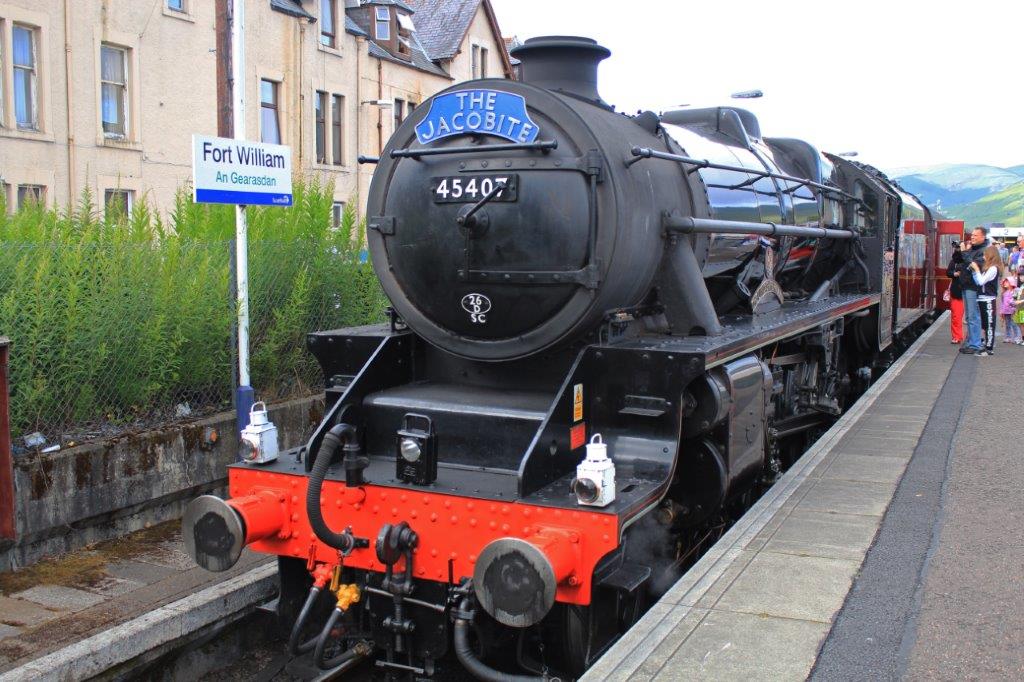
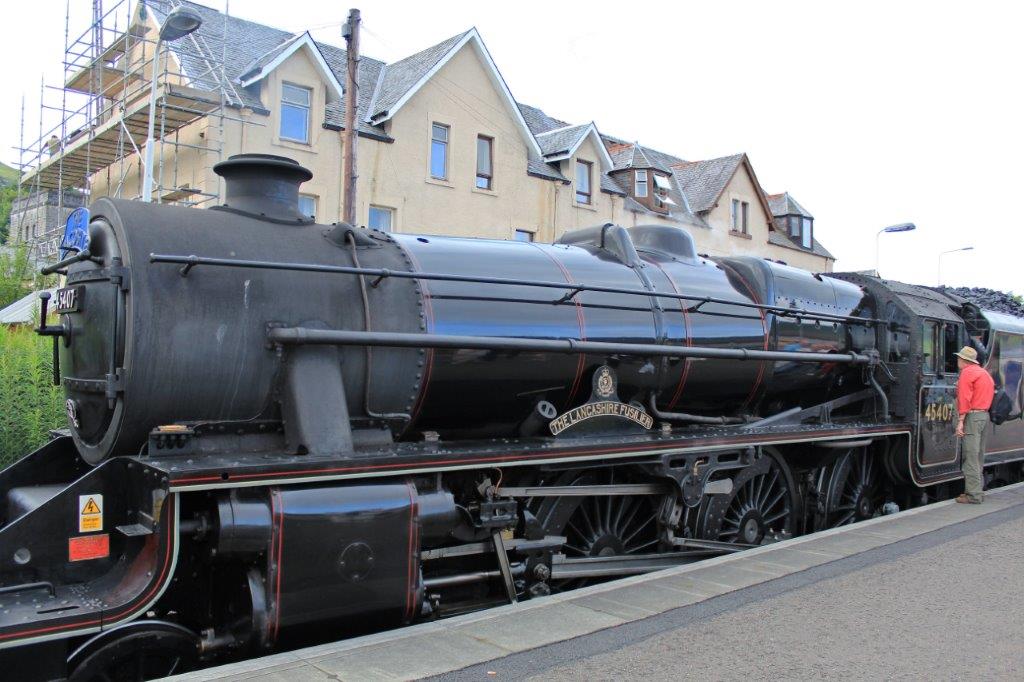
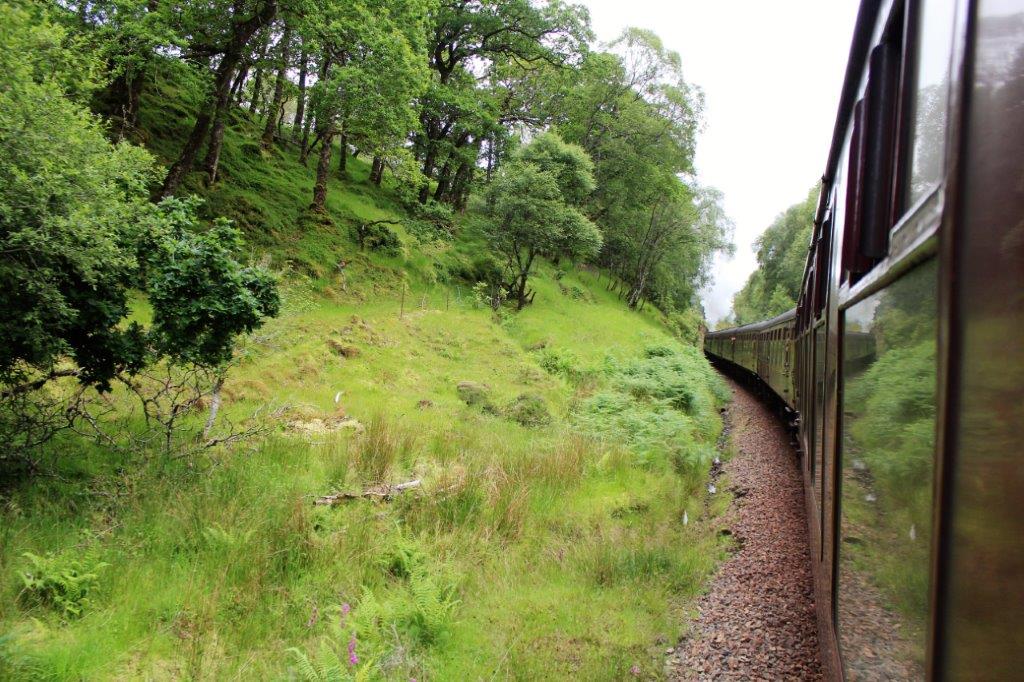
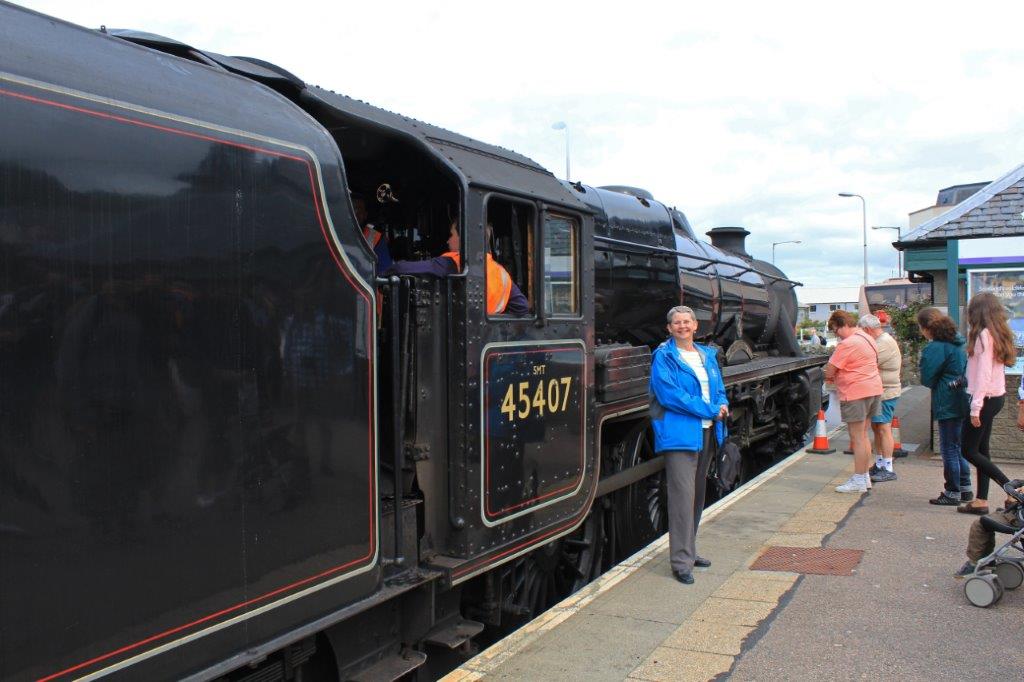
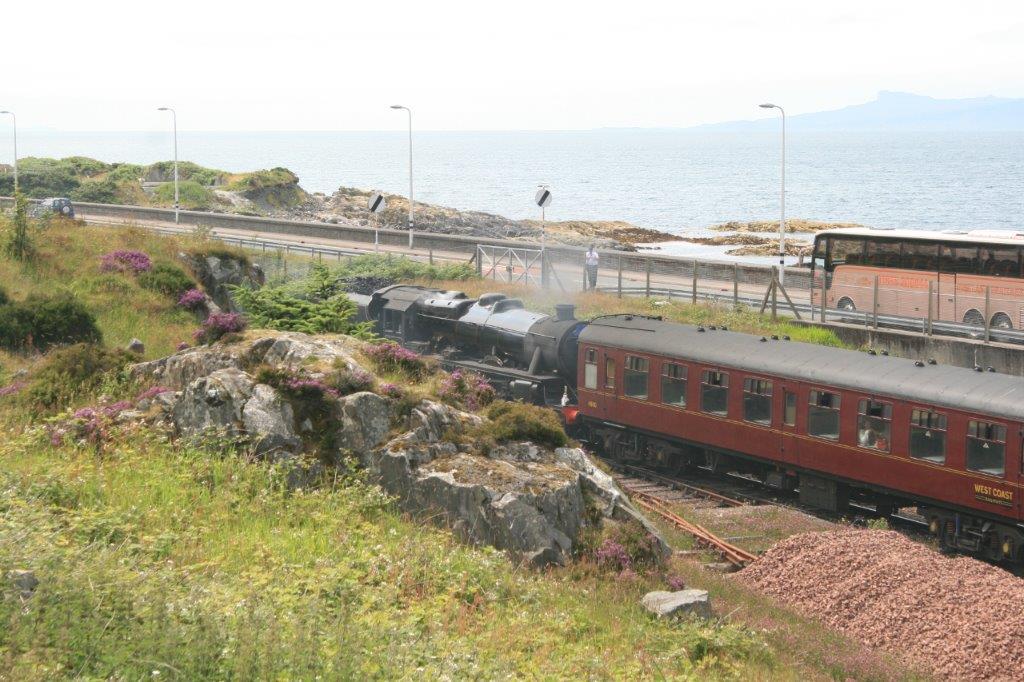
The Jacobite Steam Train was the Hogwart’s Express that took all the young wizards and witches to school at the start of every term.  The West Highland Railway allowed Warner Bros. to use one of their locomotives and the train’s route from Ft. William to Mallaig in the films.  The locomotive from the movies is now on the Warner Bros. Studio lot in London and can be seen if you take the ‘Making of Harry Potter’ tour.The black line on Google maps denotes a railway route rather than the usual blue line for a driving route.  They are so clever!

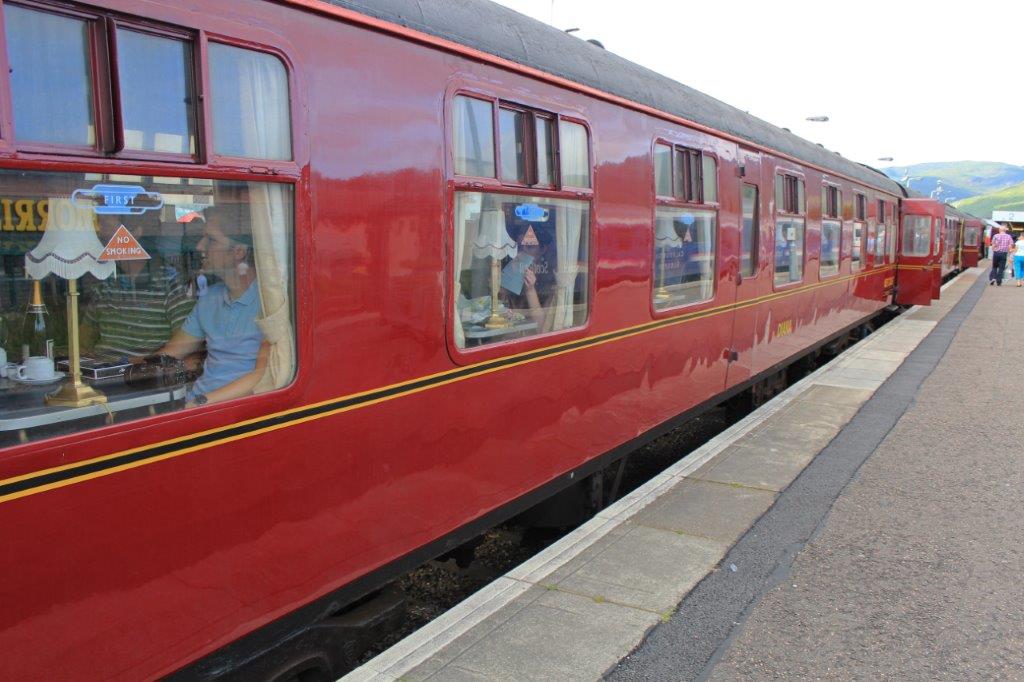
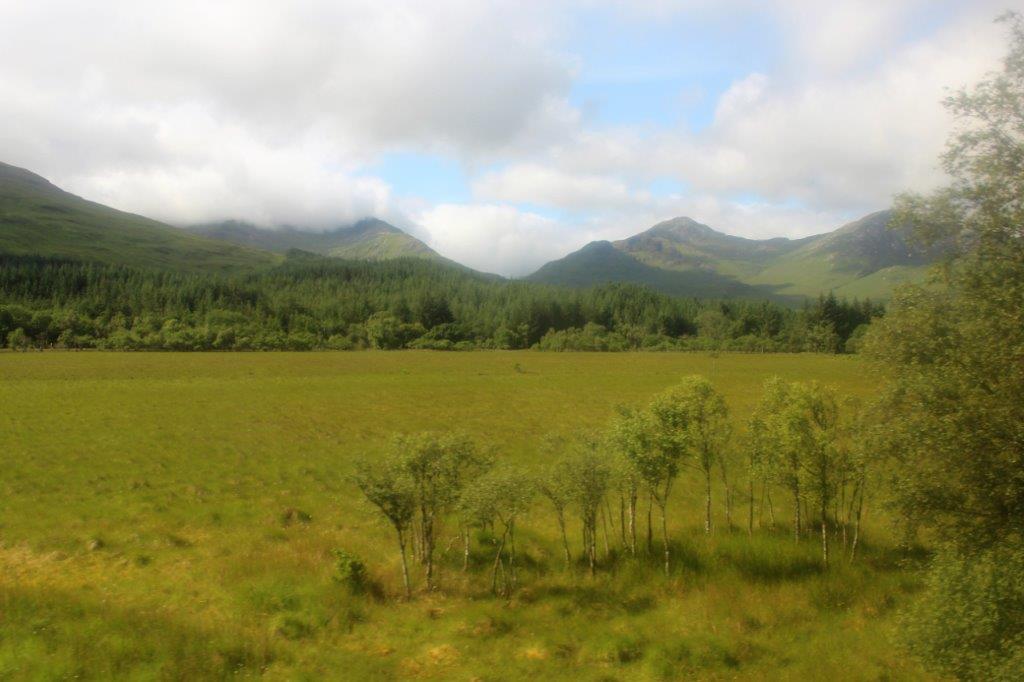
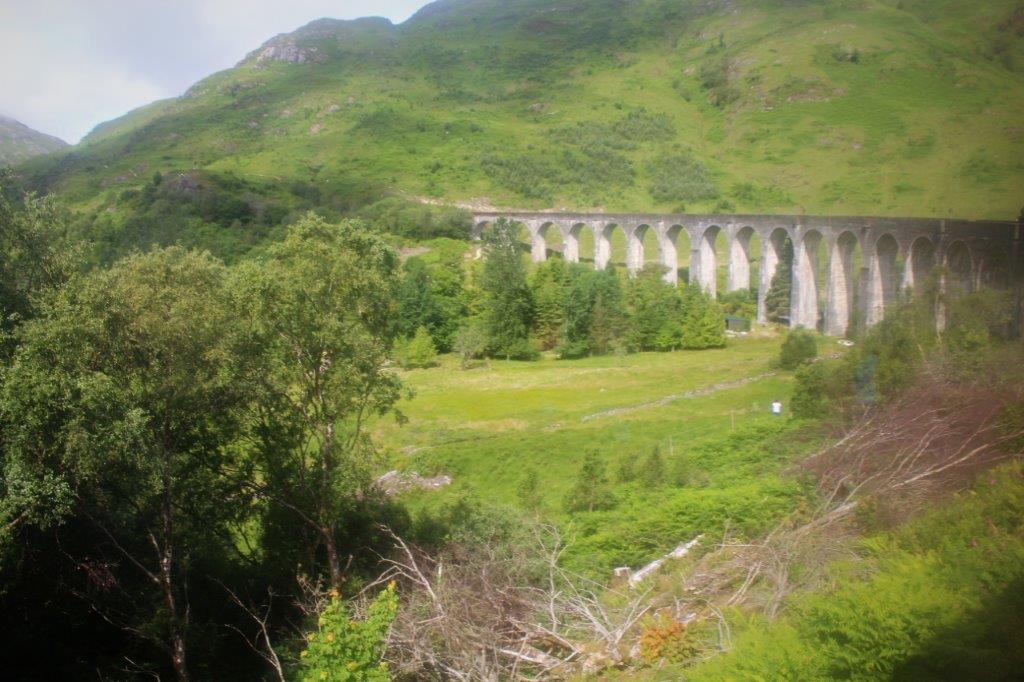
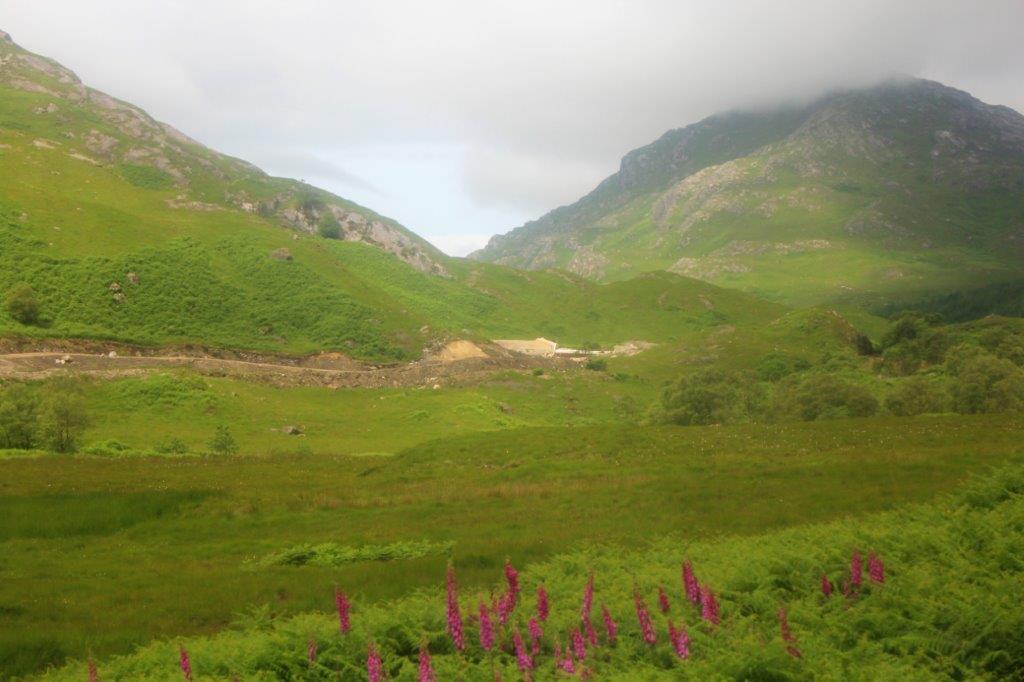
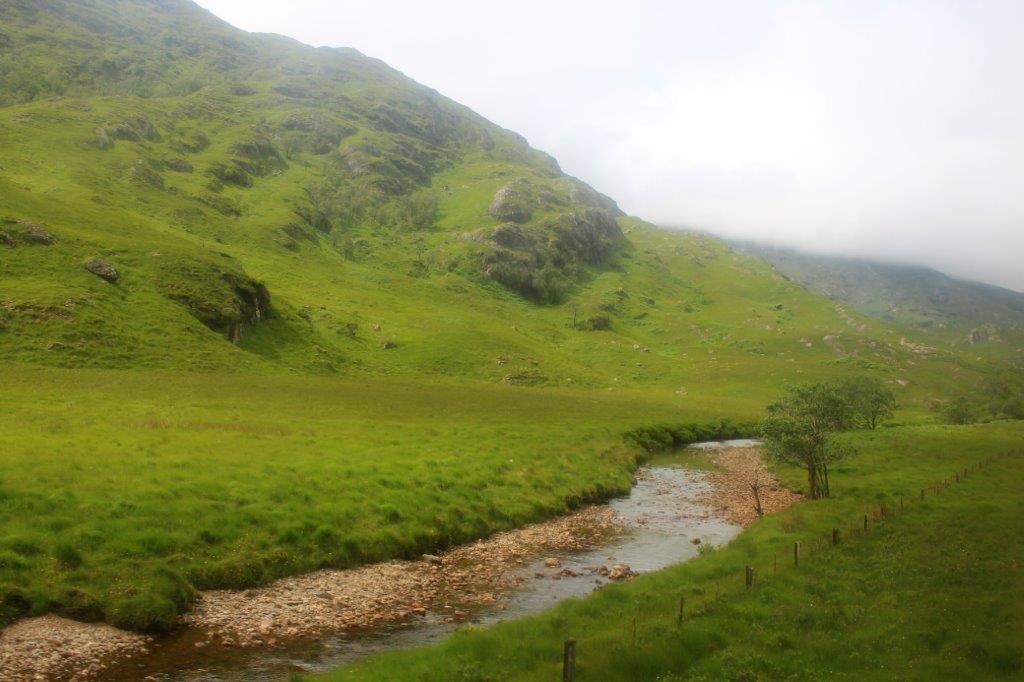
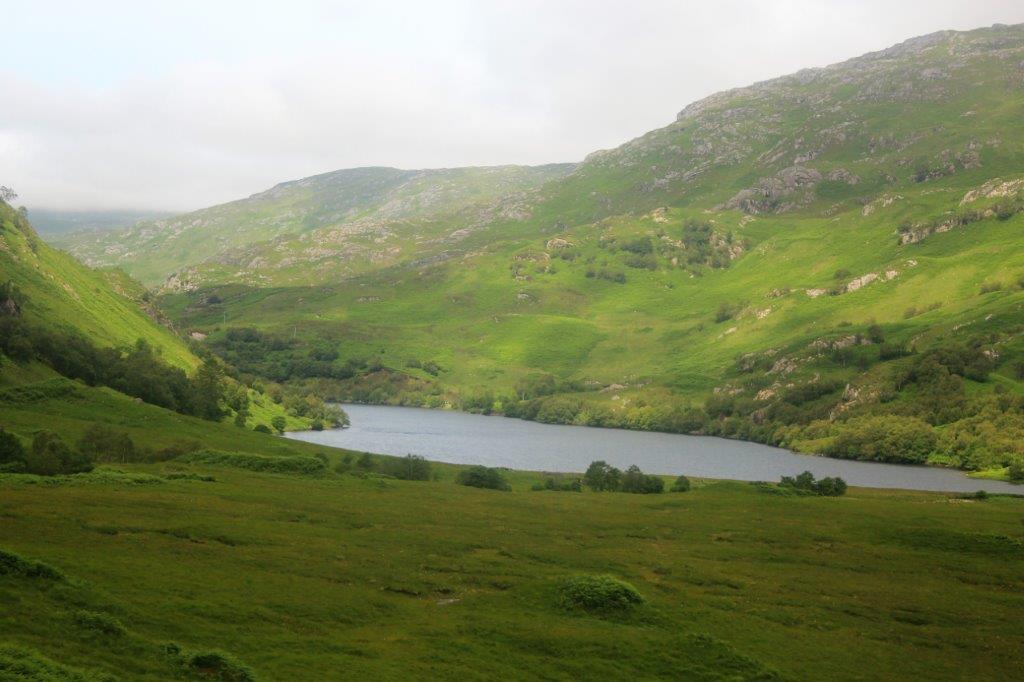
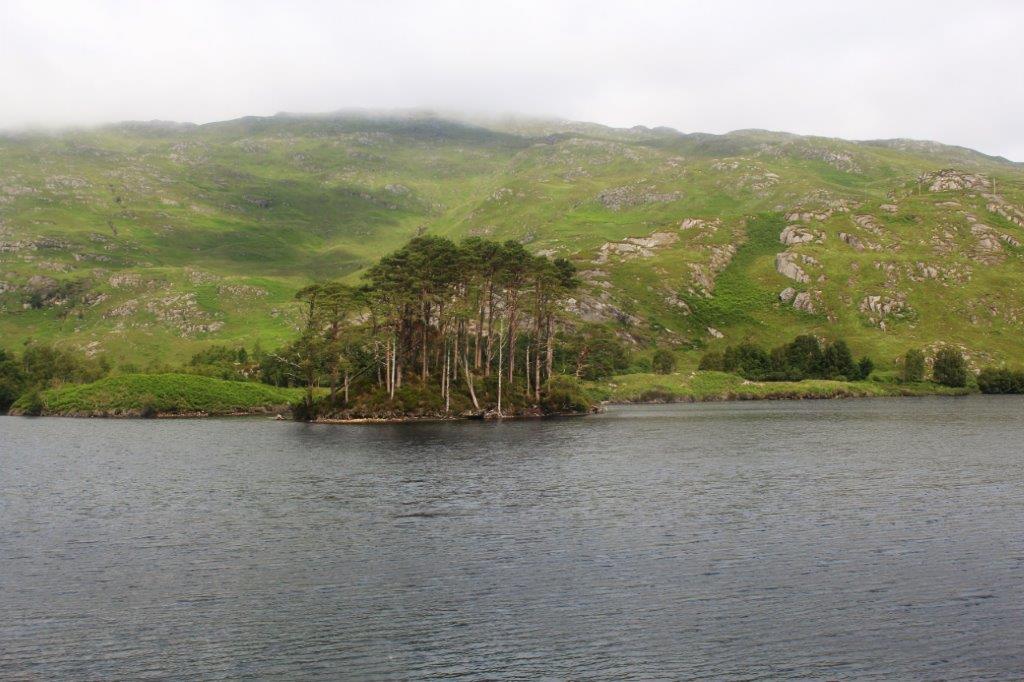
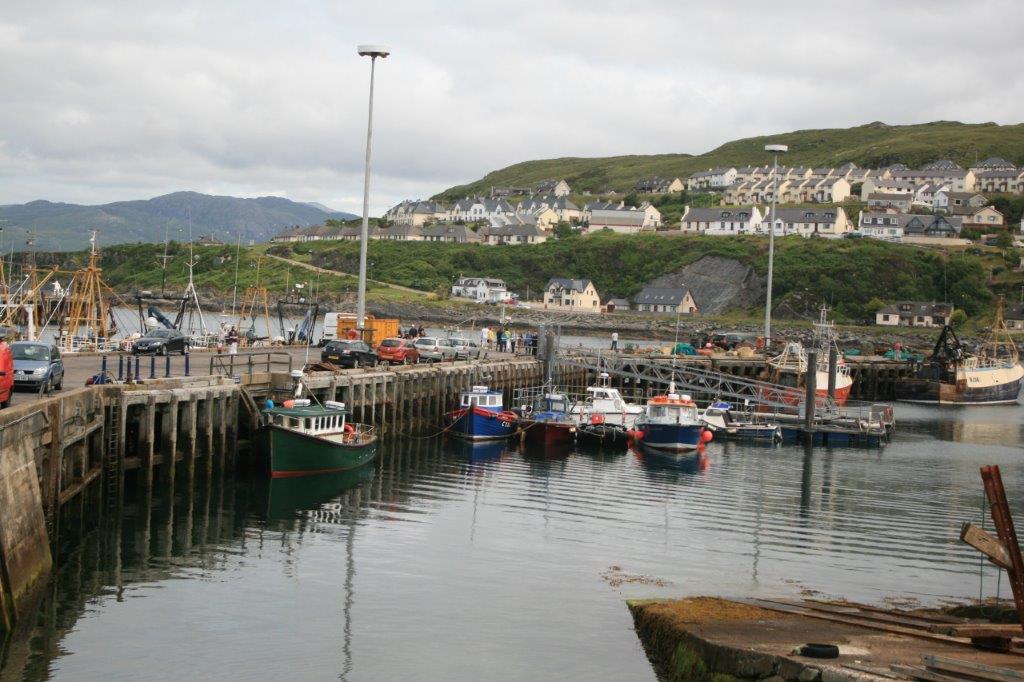
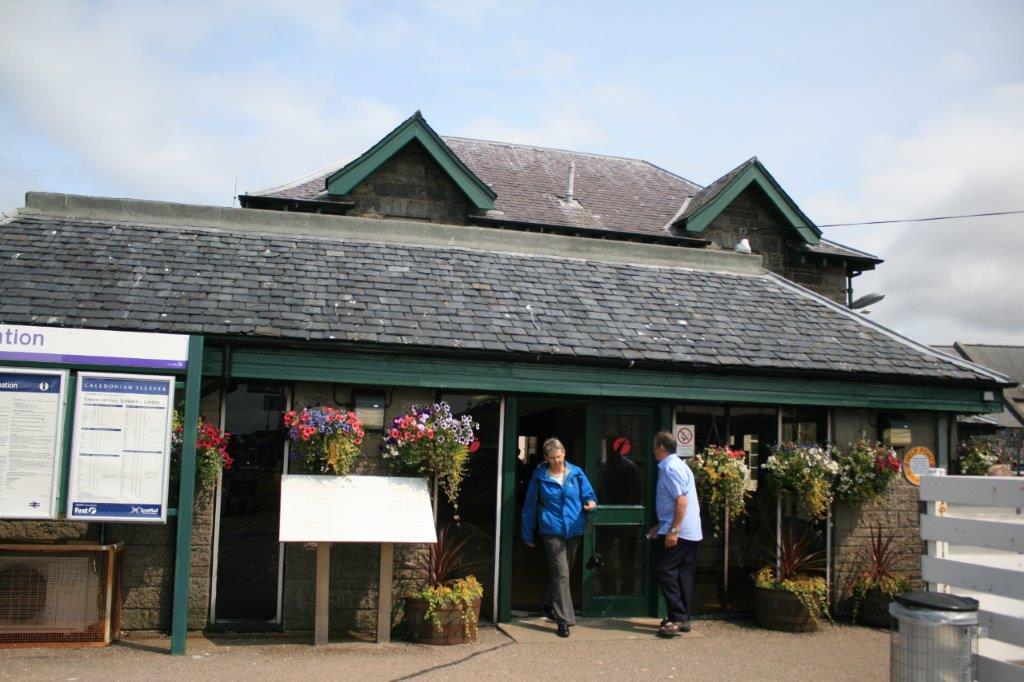
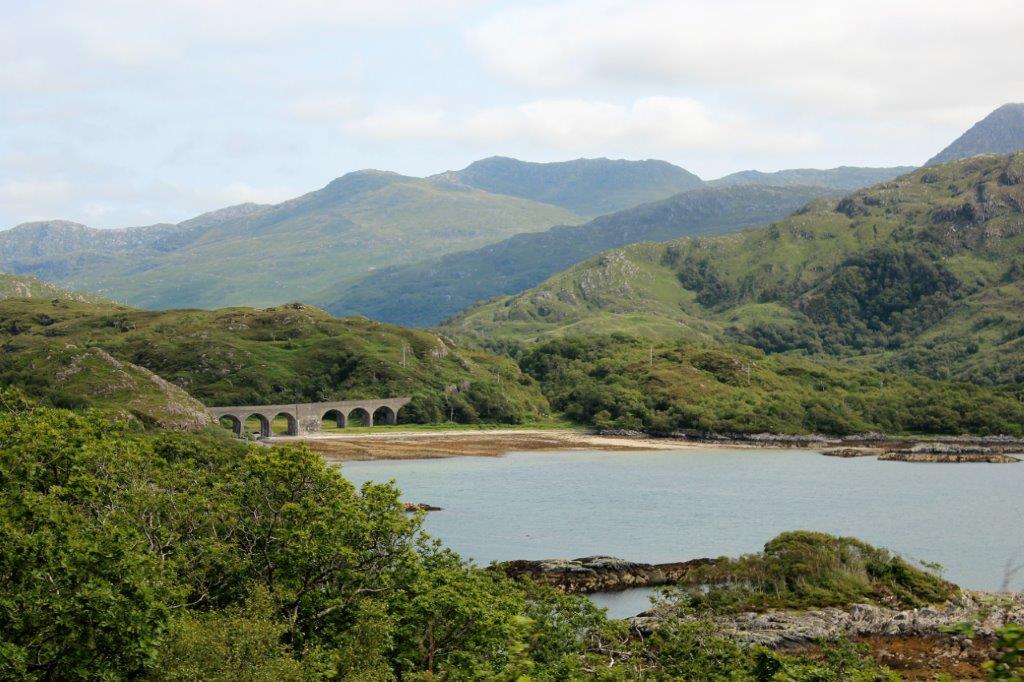
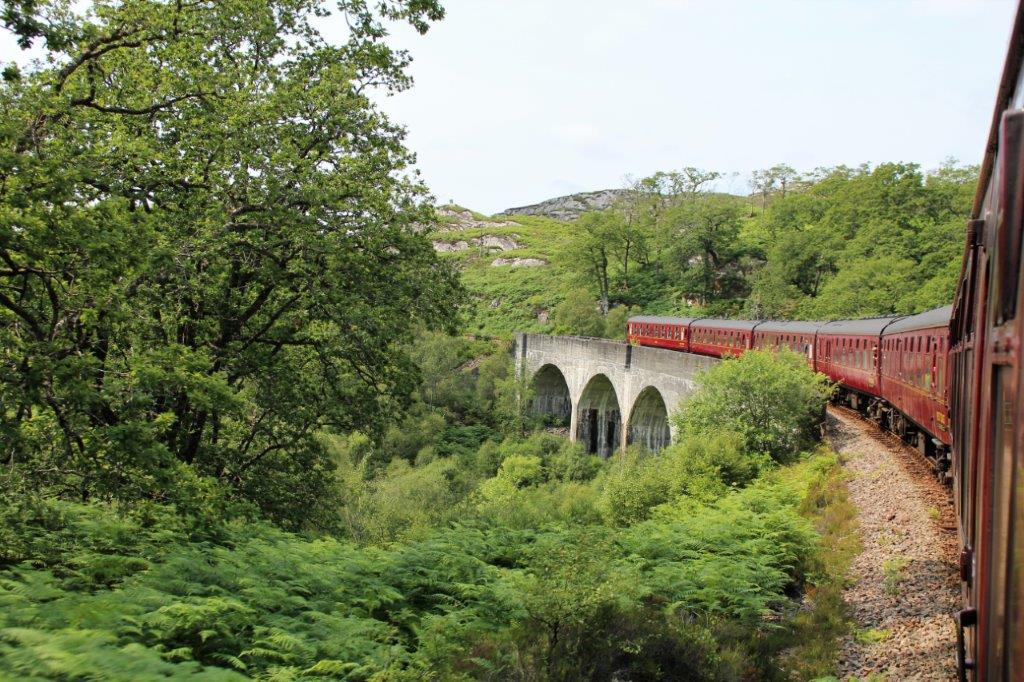
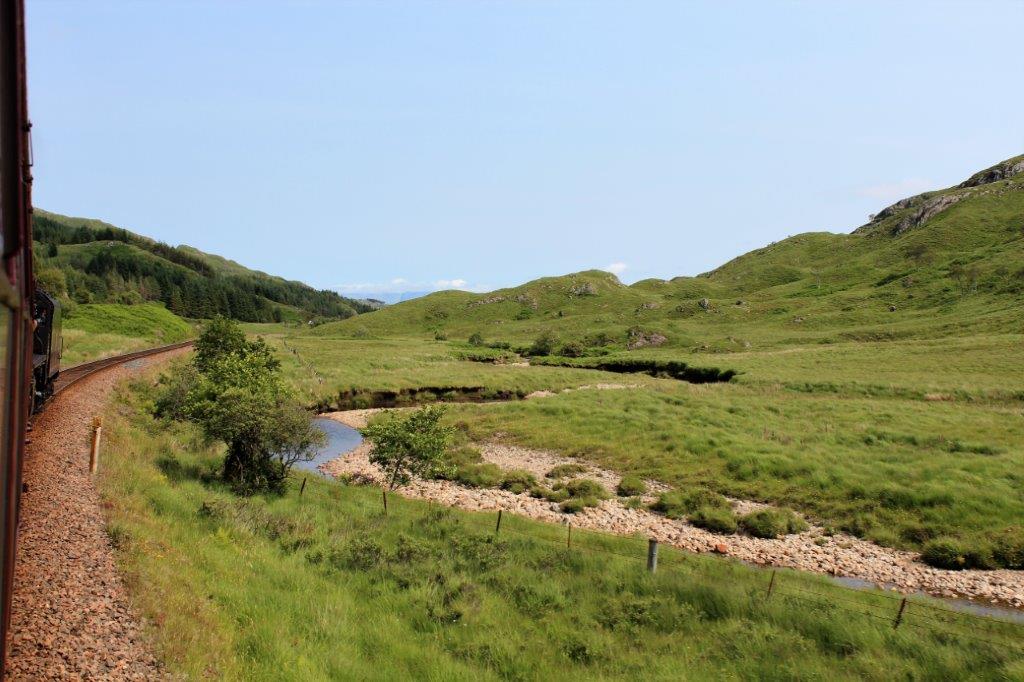
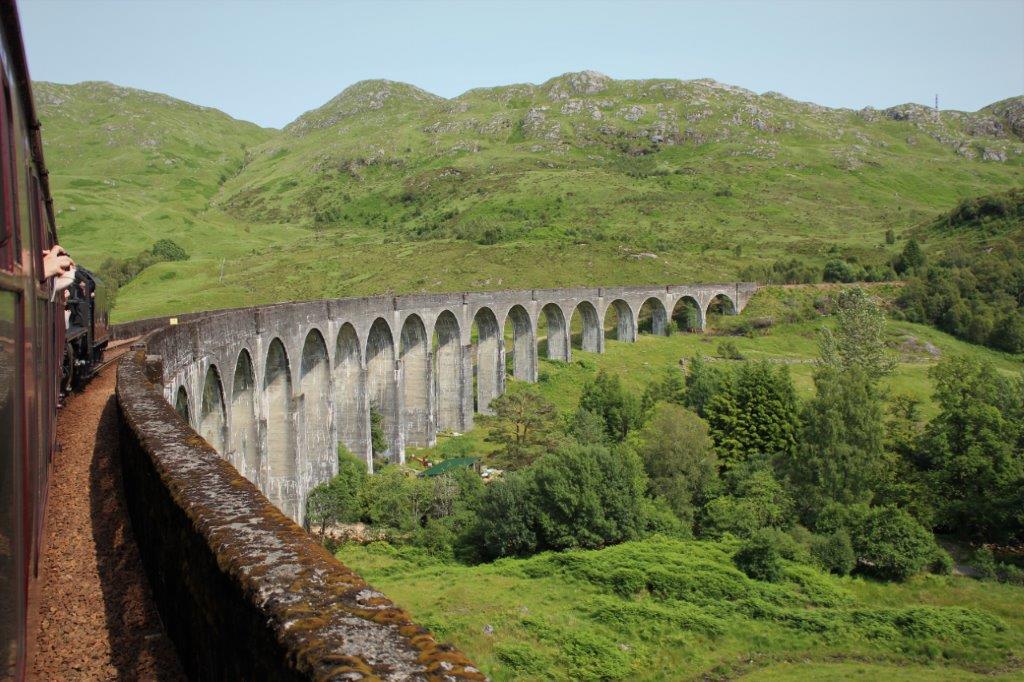
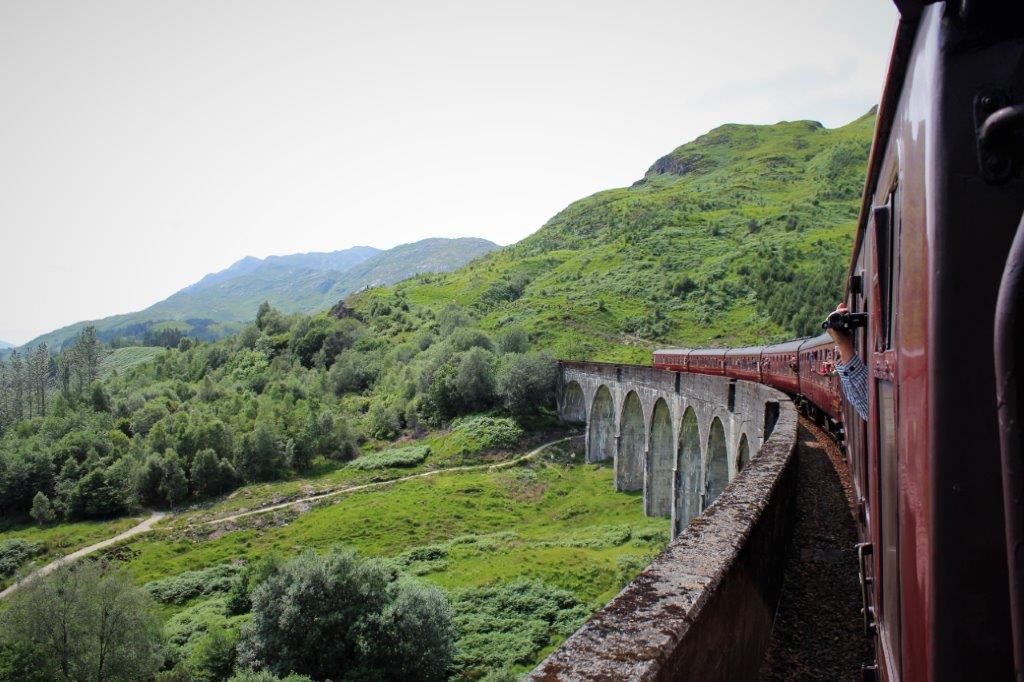
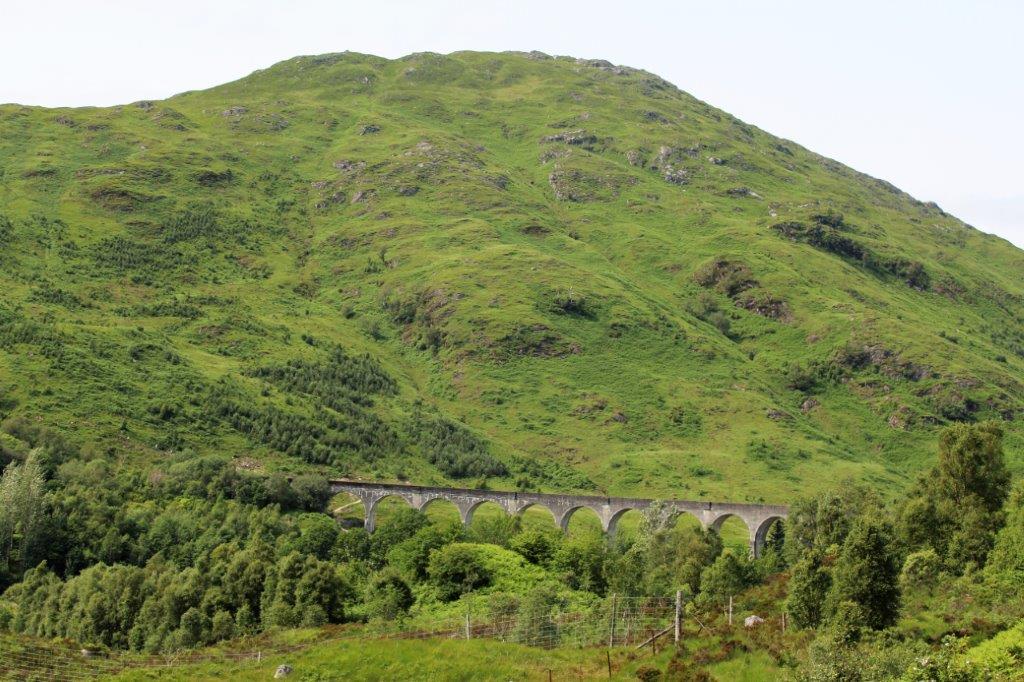
There is a four hour excursion that runs 41 miles from Ft. William to Mallaig and back.  It is billed as “The Greatest Railway Journey in the World.”  Now, it was a lovely ride, despite a bit of rain, but I would not call it the greatest in the world. I think the Rocky Mountaineer through the Rockies would be equally, or more scenic.  I also think the Orient Express would surpass it.  (That trip unfortunately, only goes from Paris to Venice now.  It originally went from Paris to Constantinople (now Istanbul); and is on my bucket list.) Ft. William is the largest town in the Highlands.  It is situated at the southern end of the Great Glen. The famous 21-arched  Glenfinnan viaduct,  which  overlooks  Loch  Shiel. The scenery truly was beautiful, even  with  the  imminent  rain.Loch  Morar  is the  deepest  freshwater loch  in  Britain,  and  is  connected to  the  open  waters  of  the  Atlantic  by  River Morar,  the  shortest  river  in  Britain. The end of the line is Mallaig, which sits at the ocean end of Loch Nevis, the deepest seawater loch in Europe. We had a couple of hours to wander around Mallaig while the locomotive was moved to the end of the train for the journey back to Fort William. The  train  crossed  several shorter  viaducts  along  the  route.It was pretty hard to get a photo without the hand and camera of someone else in the shot.  For some strange reason, everyone was doing exactly what you were doing.

As we approached Fort William we had a good view of Ben Nevis, the highest mountain in Britain. We spent the night at the Premier Inn at Fort William and the next day we drove south before connecting to the A85 east and A84 south to Stirling, with a stop at Doune Castle, one of the most famous filming locations in Scotland.


2013 Summer (Baltic and Britain – Scotland – July 12 – Day 19 – Part 3)

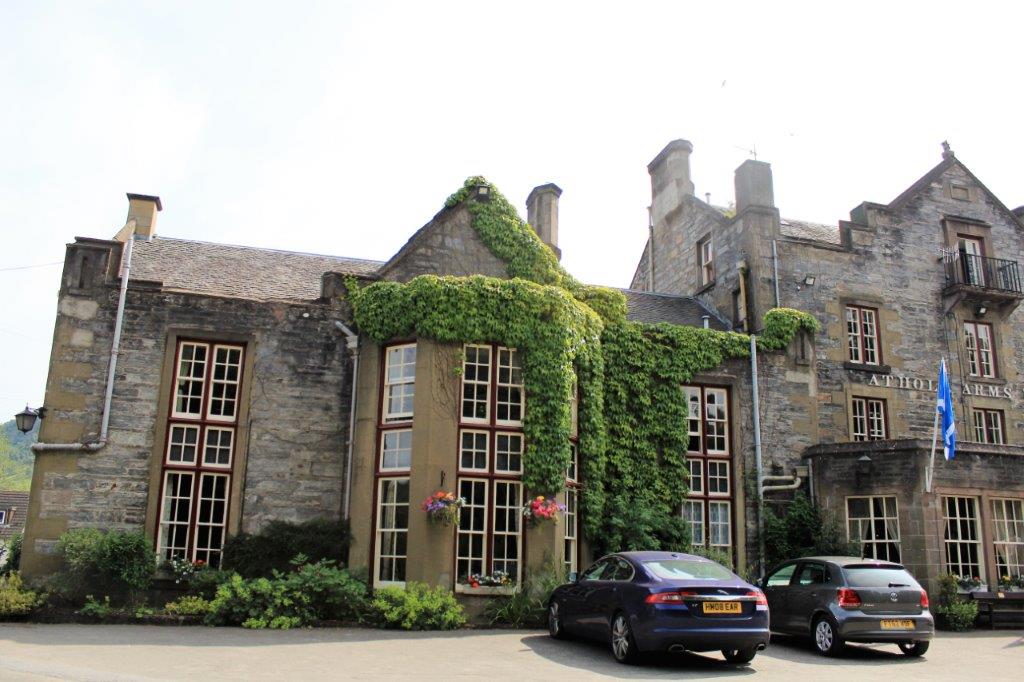
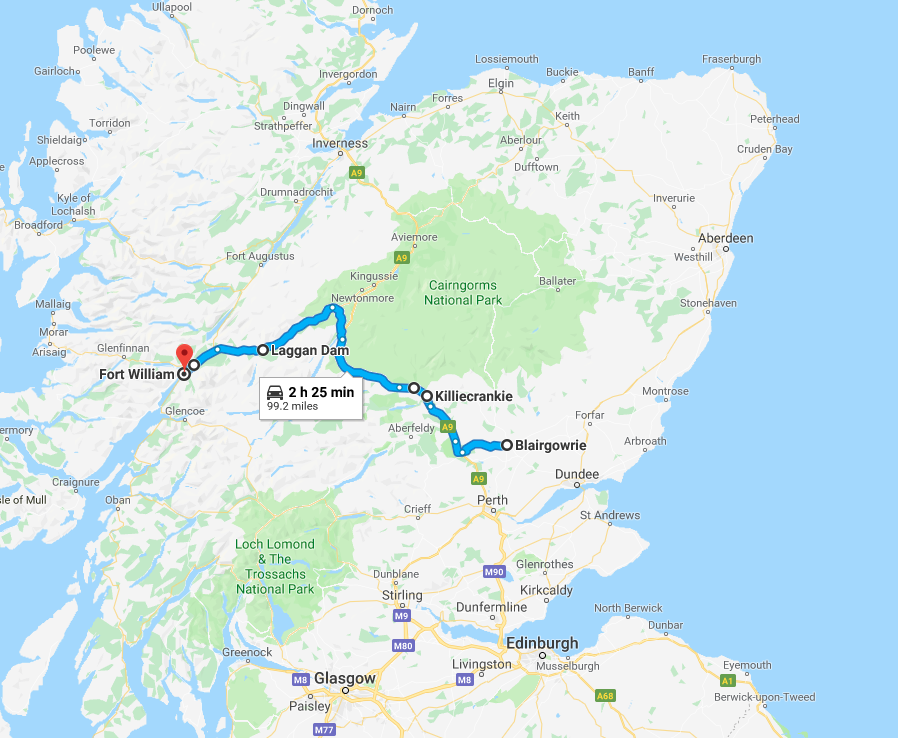
After a lovely walk in the extensive gardens at Blair Castle we had lunch at the Atholl Arms Hotel before continuing on our way westward.

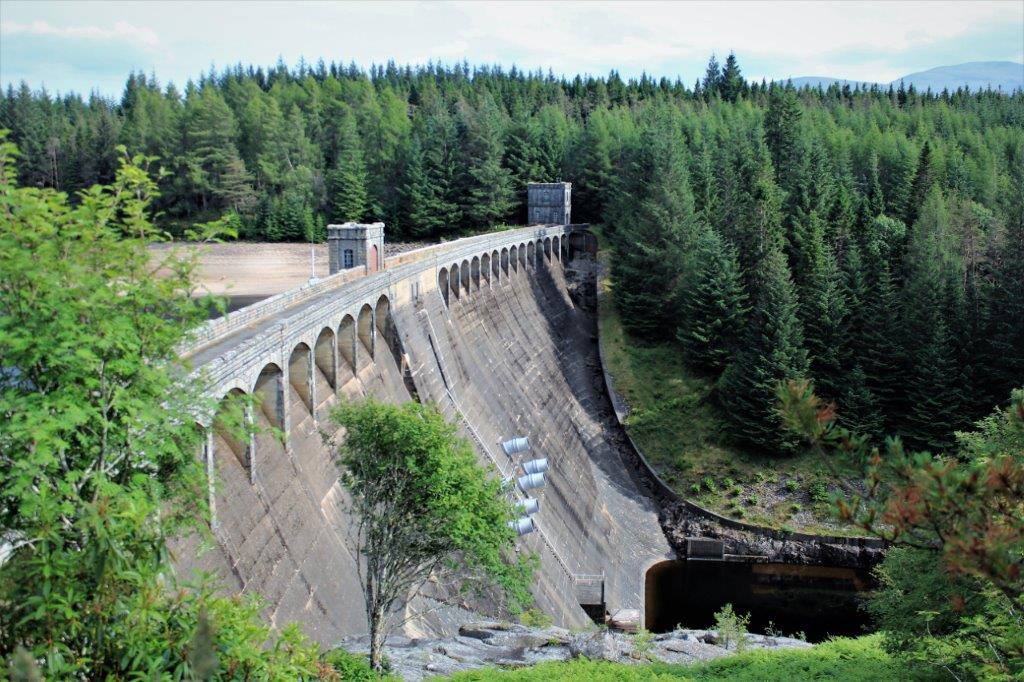
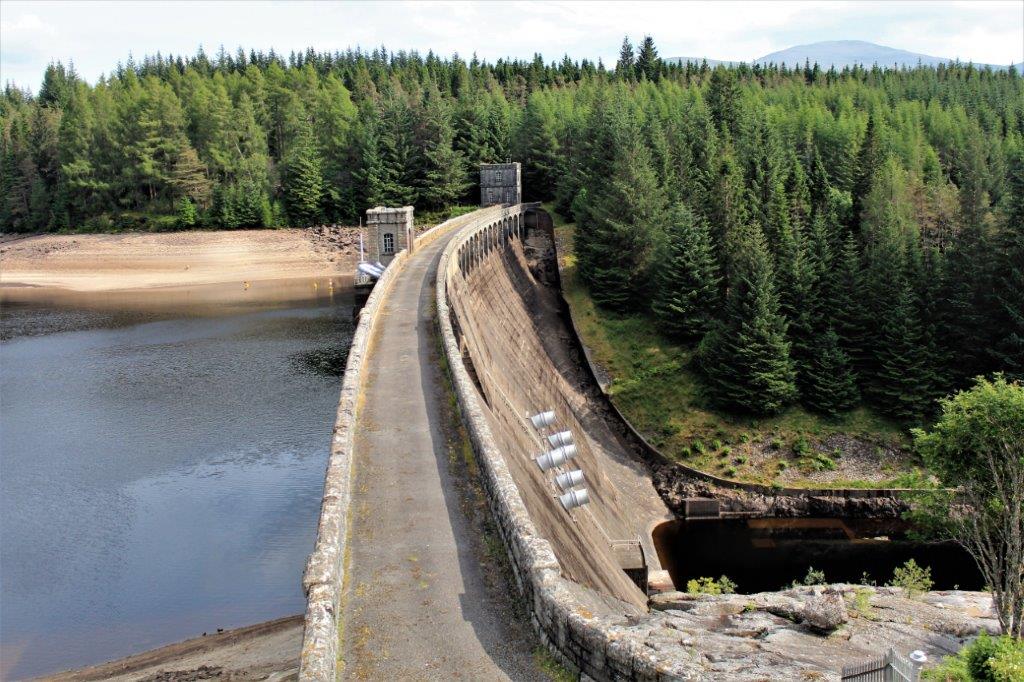
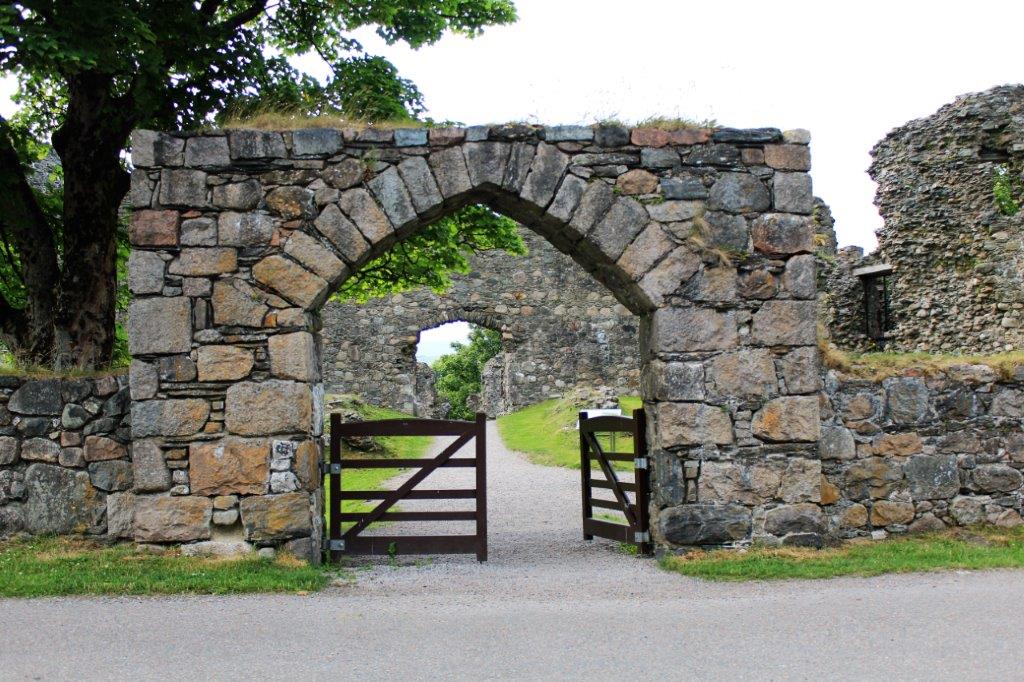
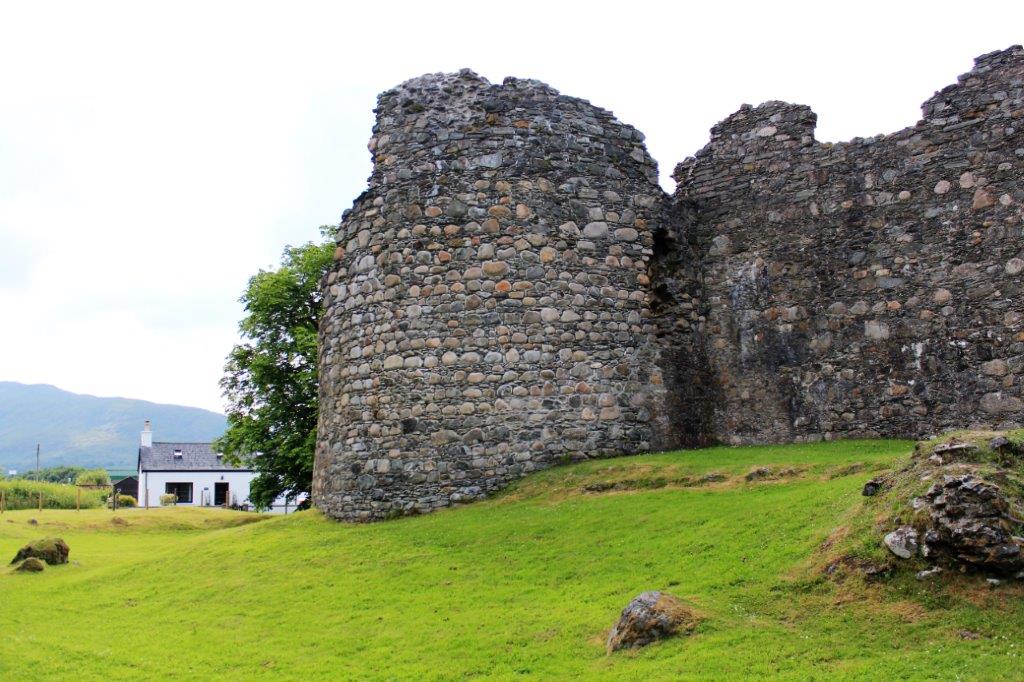
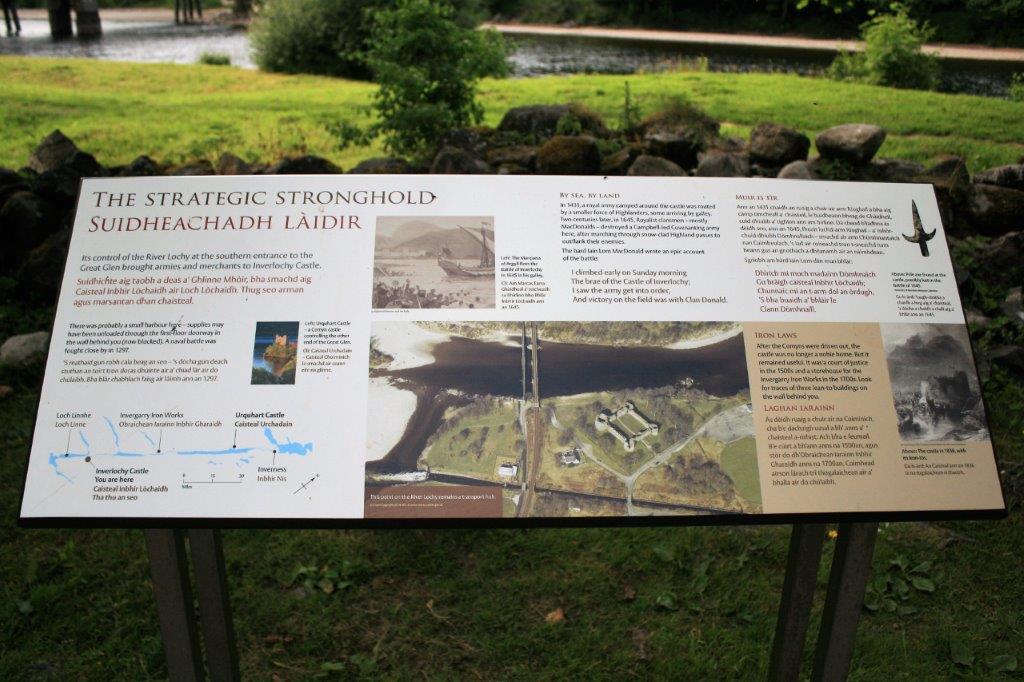
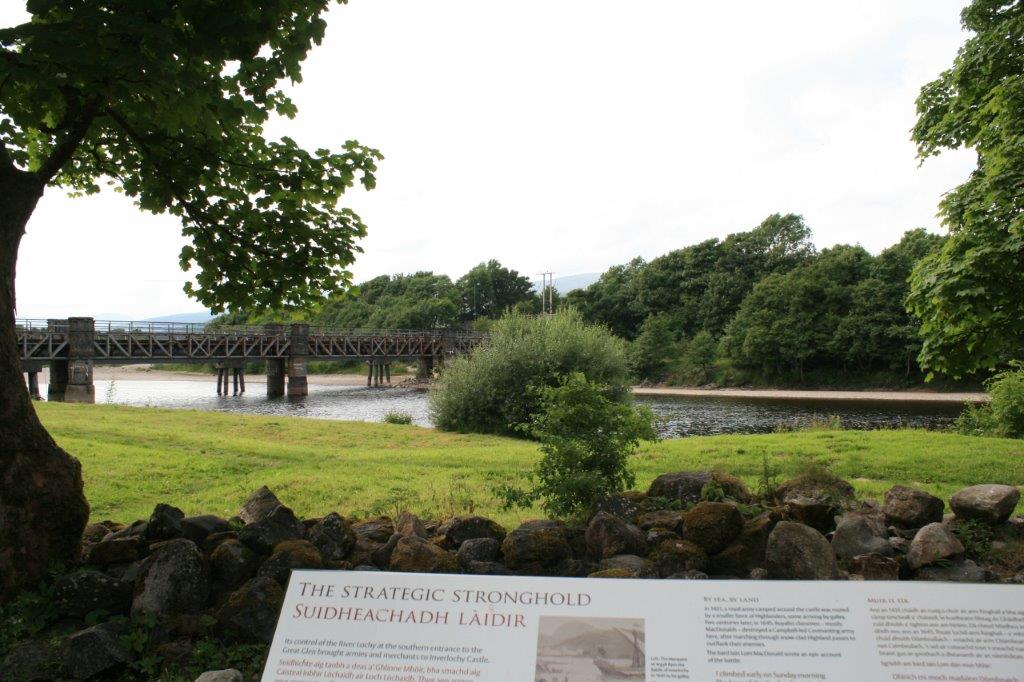
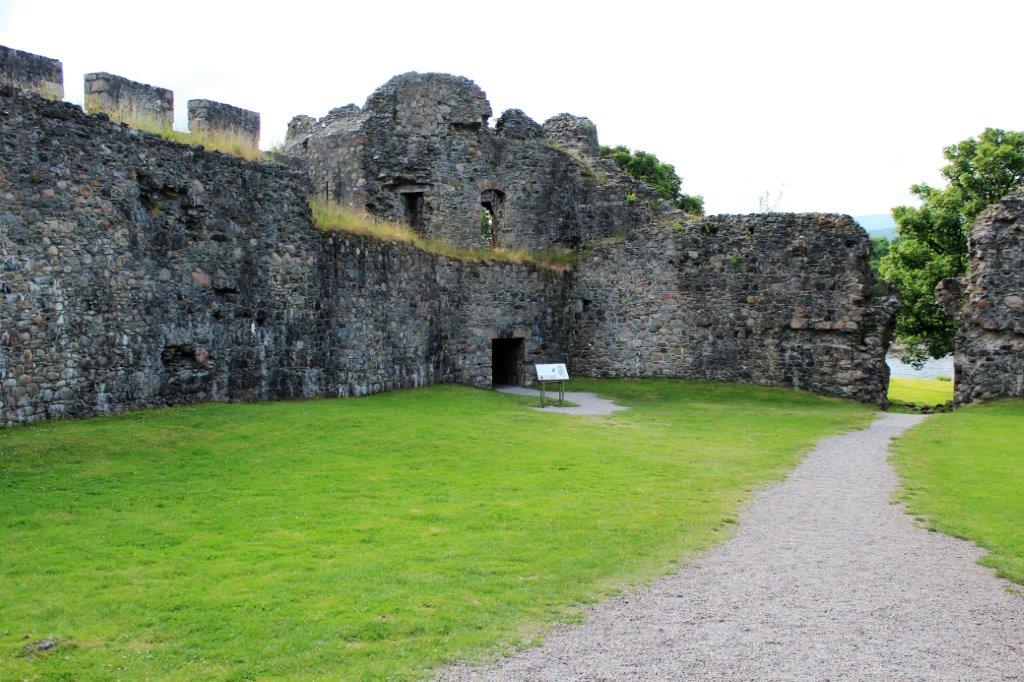
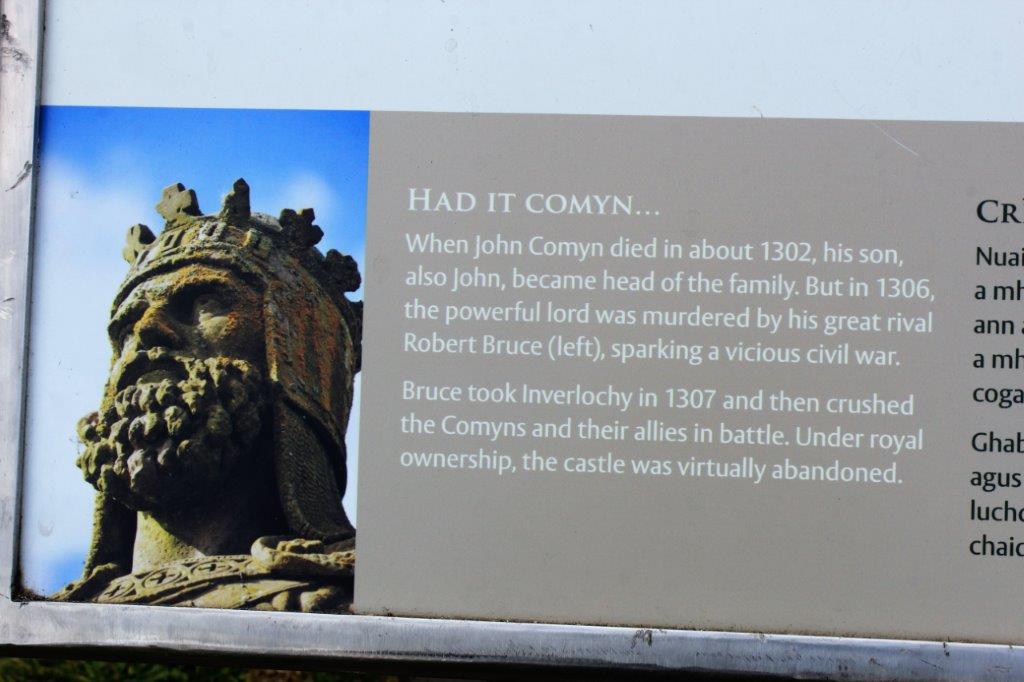
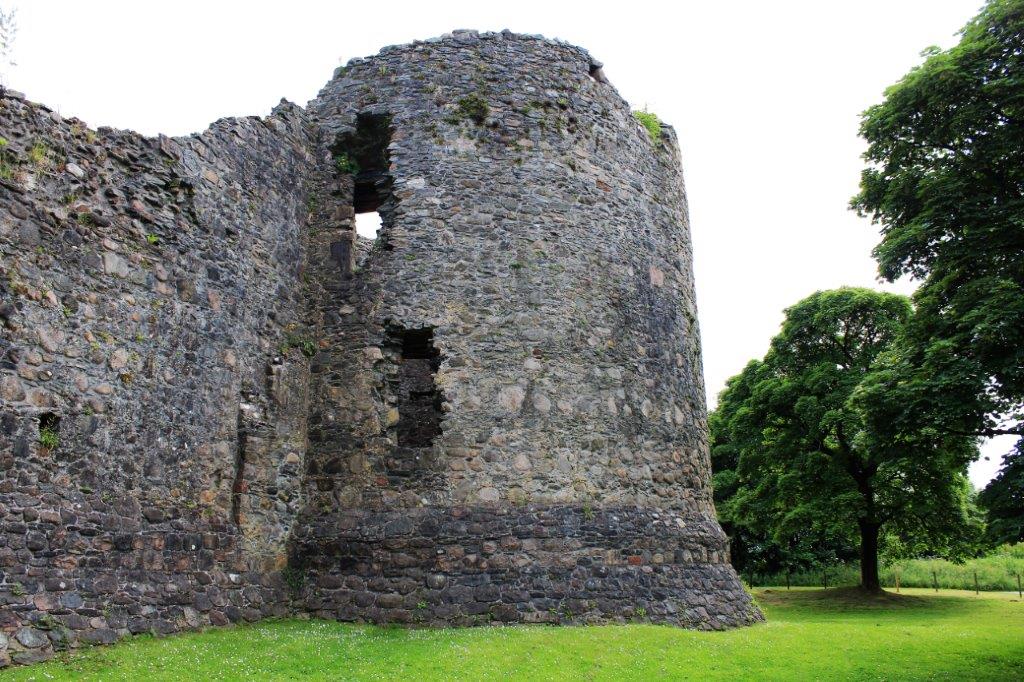
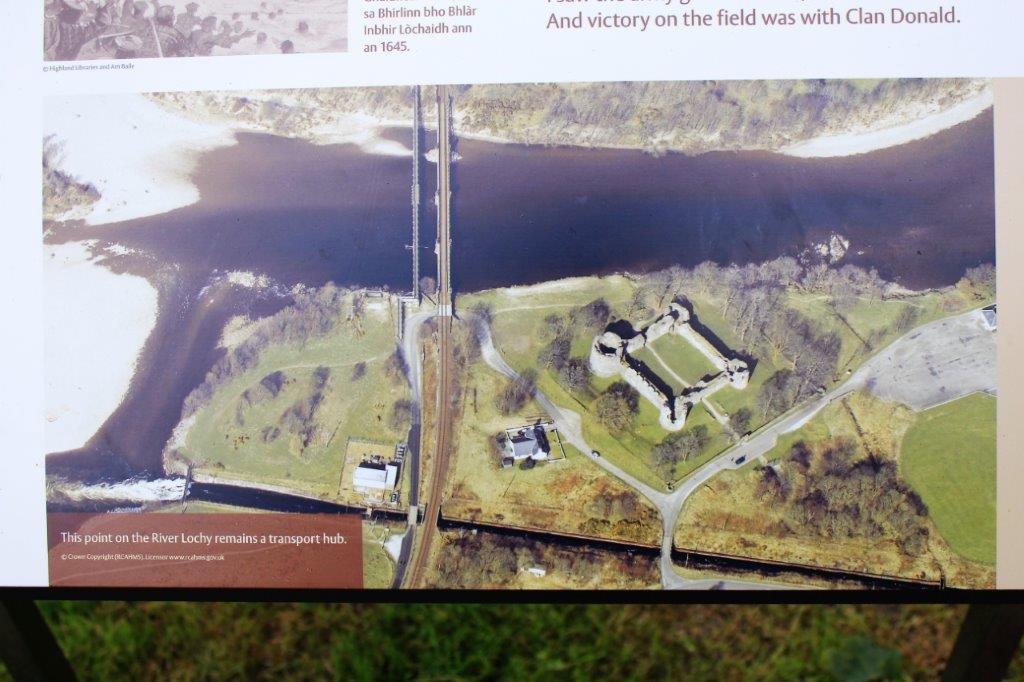
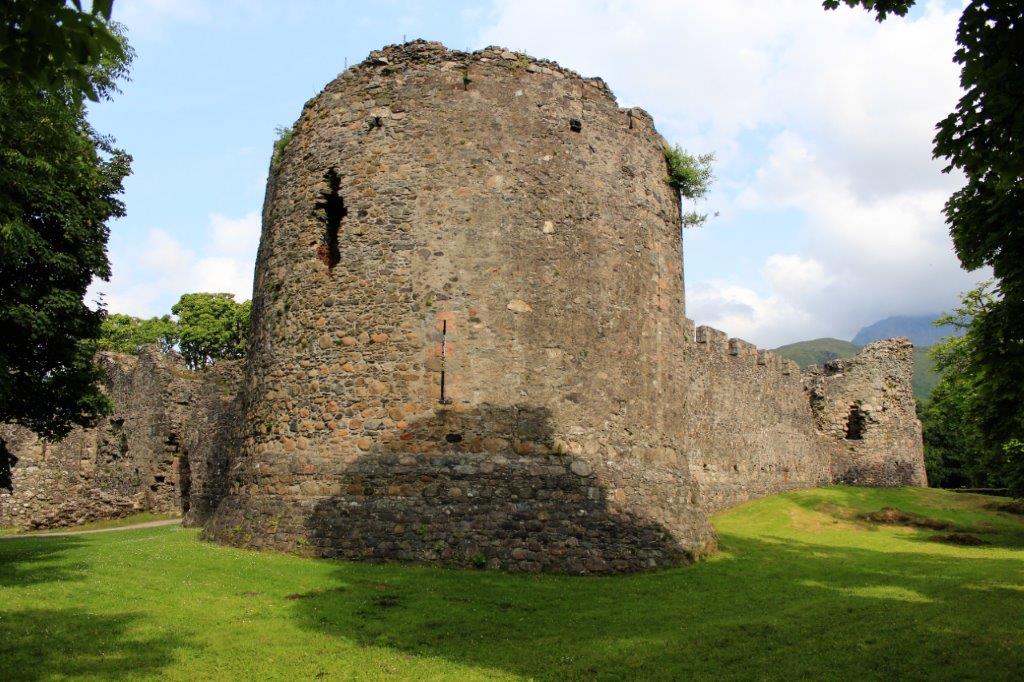
We stopped briefly at Laggan Dam,  and  reached the  ruins  of  Inverlochy  Castle  as  the  rain  began  to  fall. Inverlochy  is a well-preserved 13th century castle of the Comyn Family.  It is comprised of a square courtyard, with round towers at the corners.  It is one of Scotland’s earliest stone castles. During our travels in Scotland we criss-crossed the country a few times.  There are some pretty short distances from one side to the other due to all the deep inlets.  Mainland Scotland has 9,910 km (6,160 miles) of coastline.  This doesn’t include the shores of the many islands which would increase the distance by about 7,000 km (4,000 miles).  The west coast particularly, is indented with long promontories separated by fjord-like sea lochs.Our destination for the end of this, our 19th day touring around, was Fort William, situated at the end of one of these sea lochs,  Loch Linnhe.  We had tickets for the next day’s trip of the Jacobite Steam Train from Ft. William to Mallaig and back.  This is the bright red steam engine used in the Harry Potter movies and the route takes you over the long, curving viaduct that you see in the films.  I was really stoked about this excursion as I am a huge Harry Potter fan.  I have read all the books several times and watched all the movies almost as often.

2013 Summer (Baltic and Britain – Scotland – July 12 – Day 19 – Part 2)

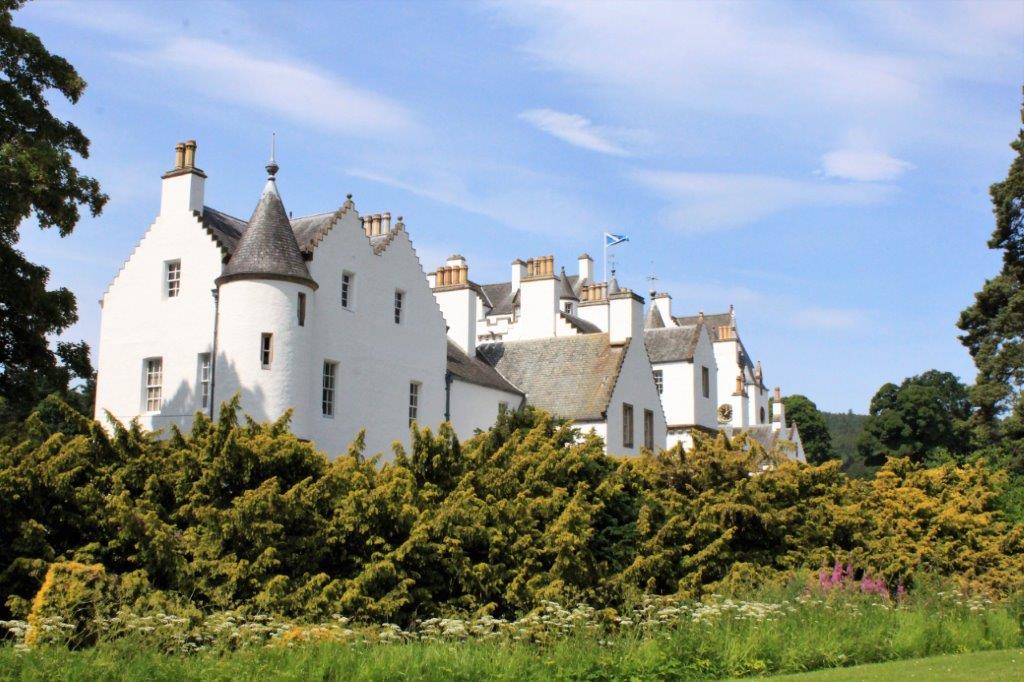
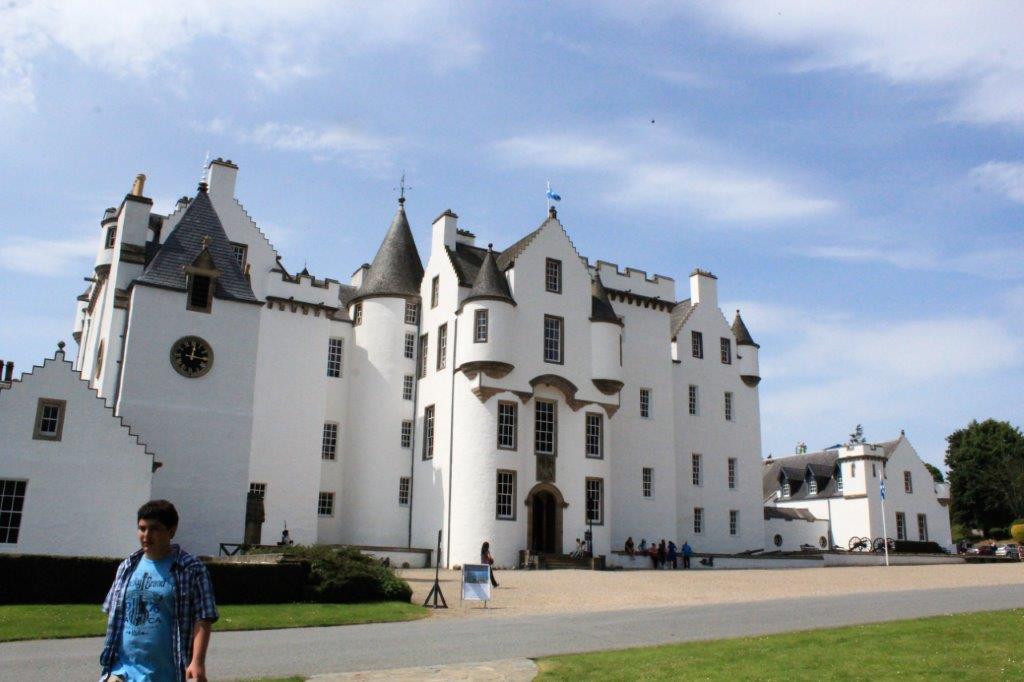
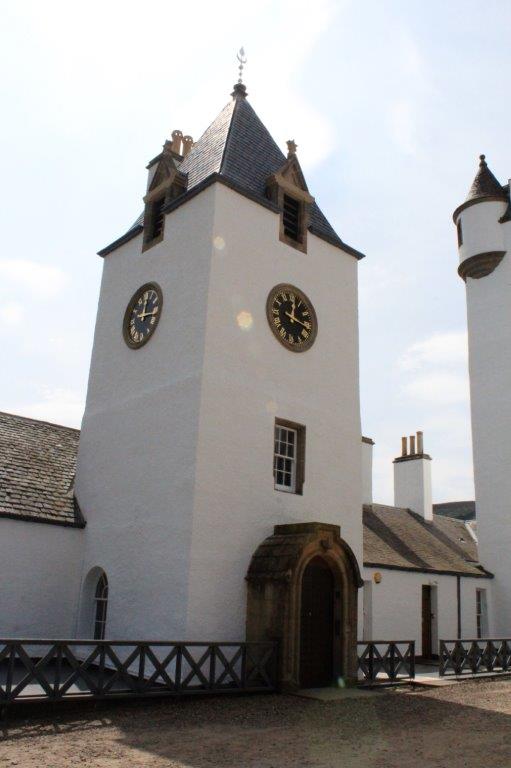
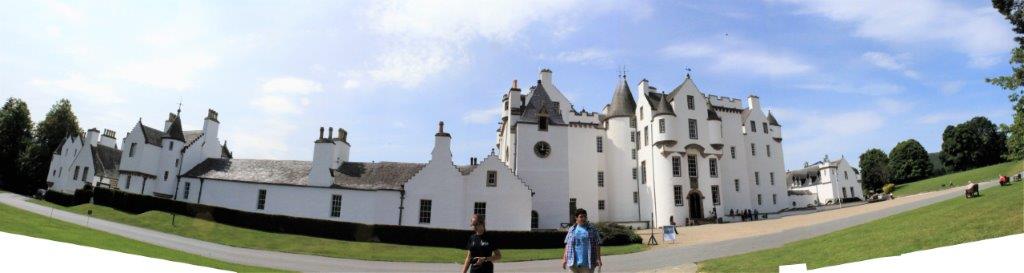
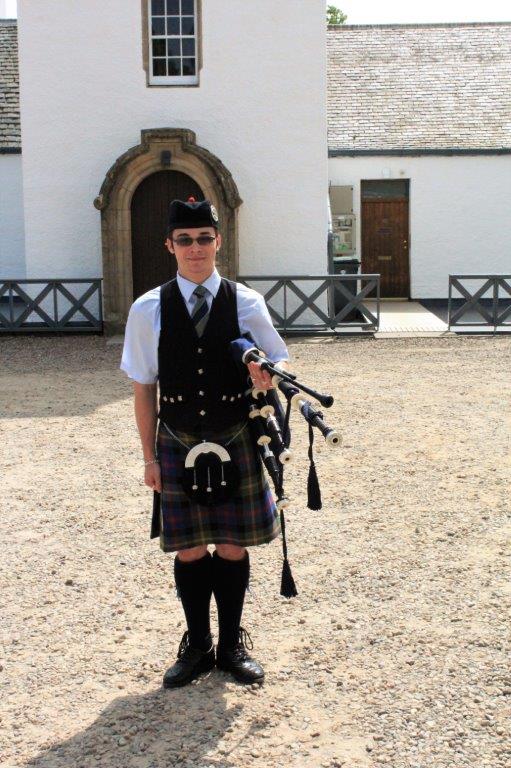
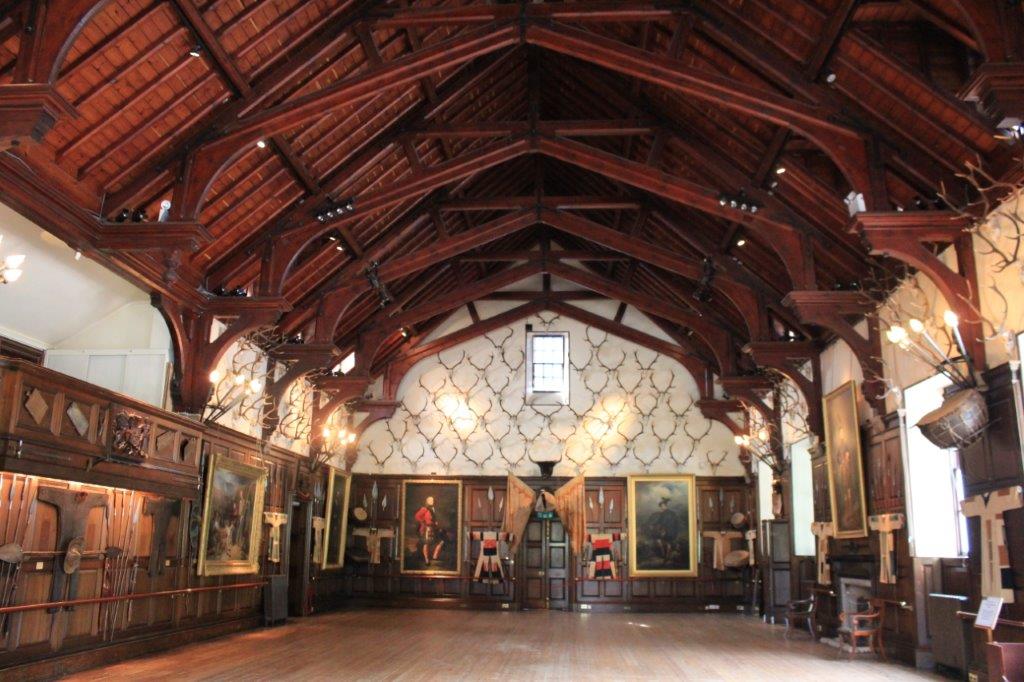
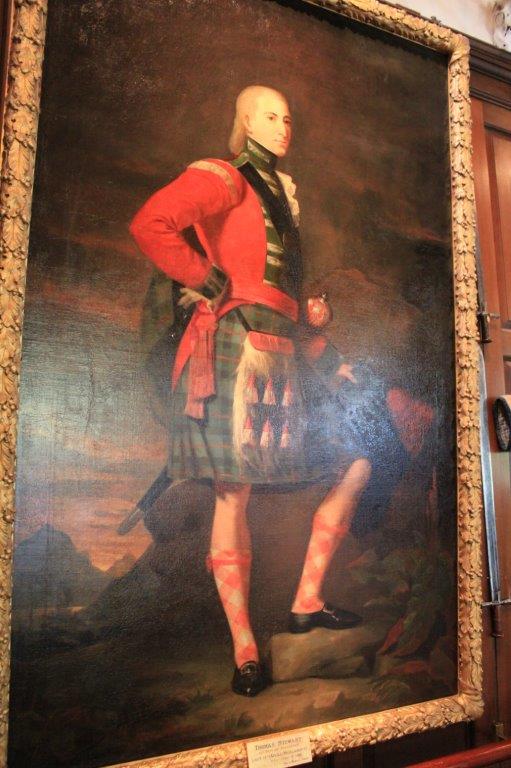
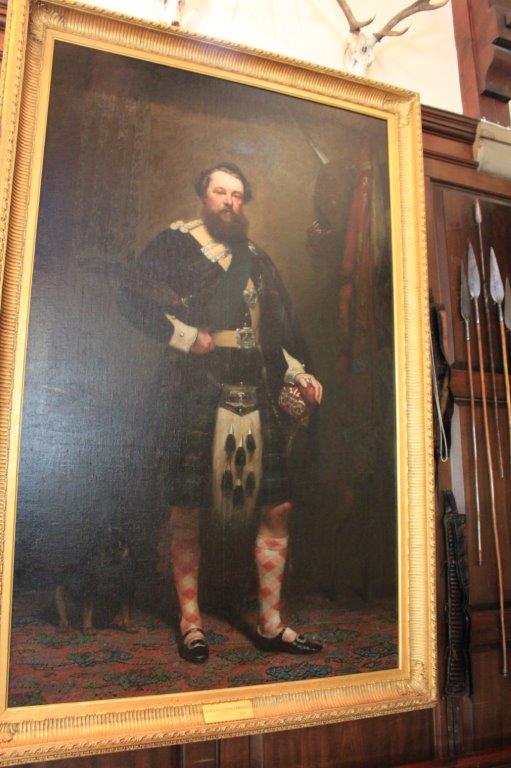
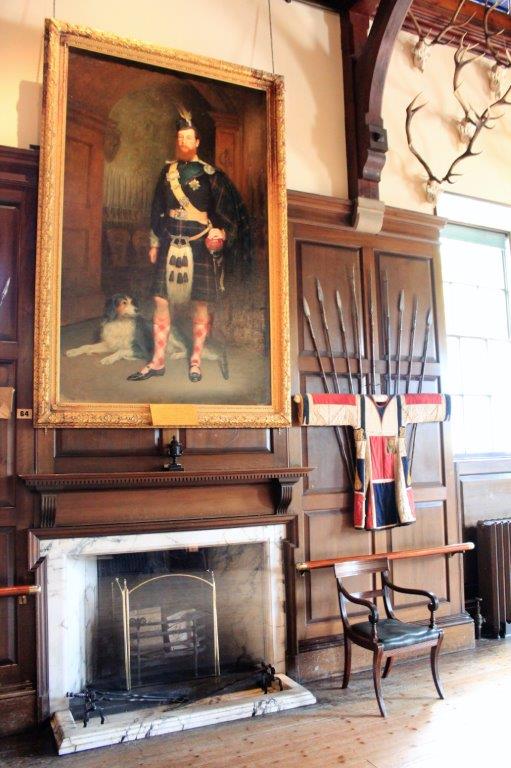
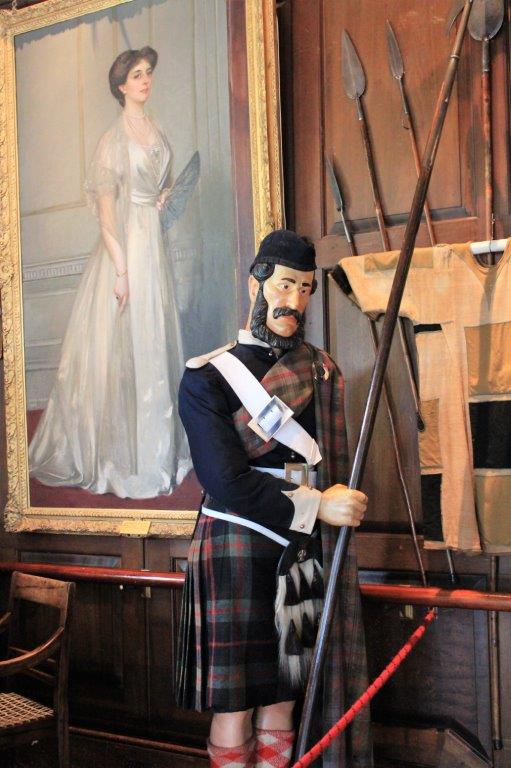
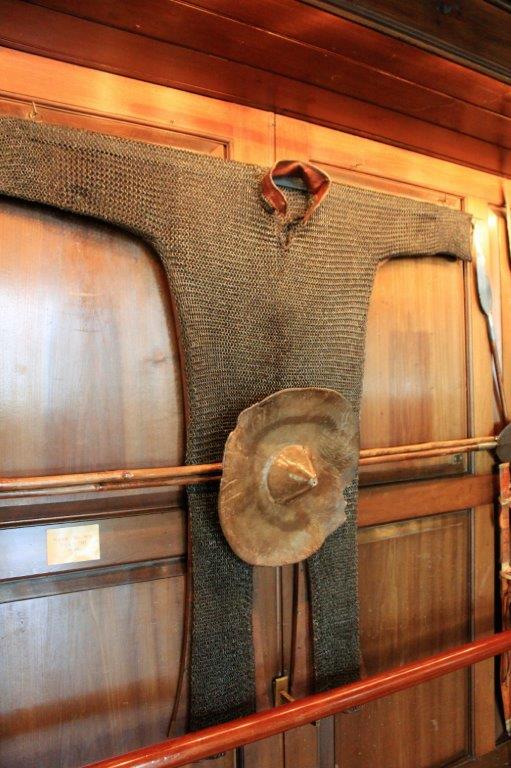
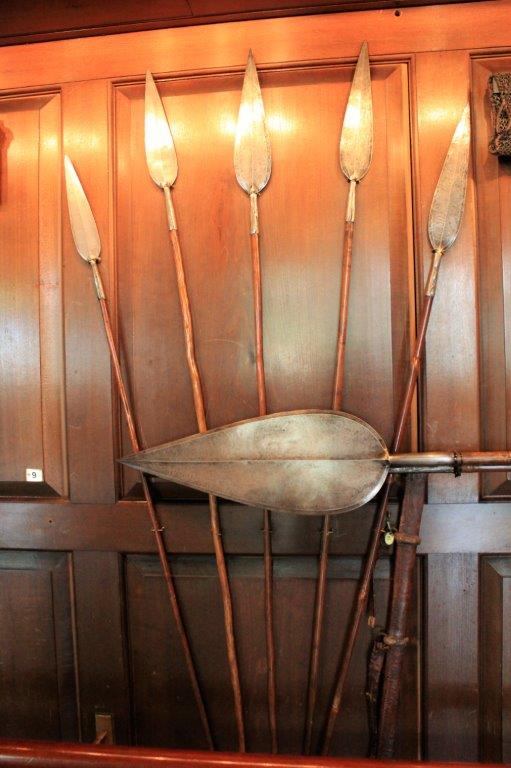
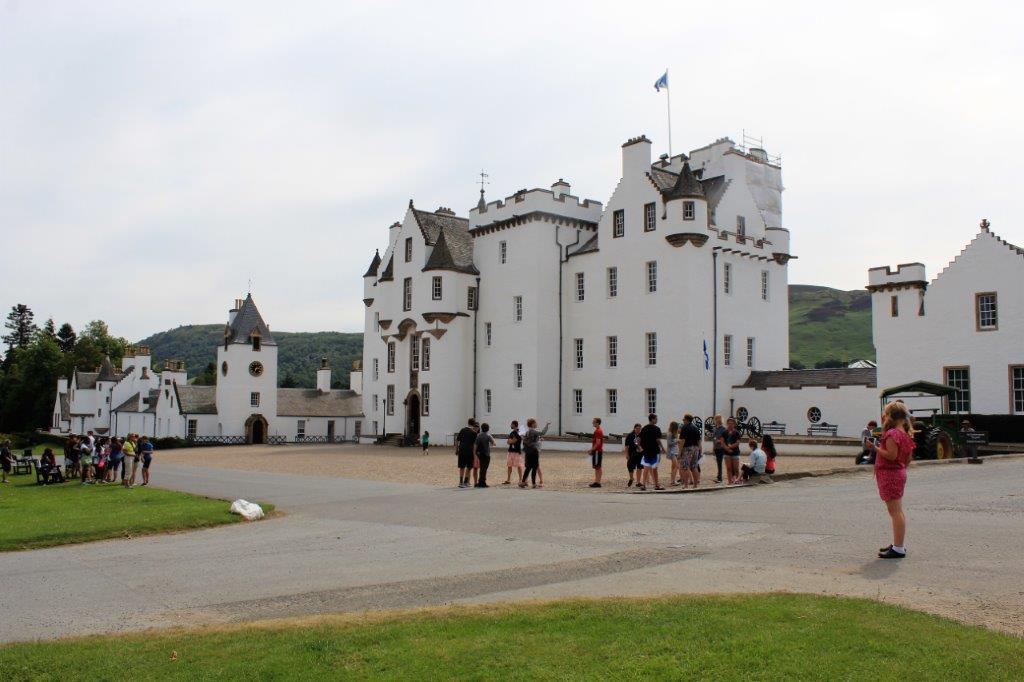
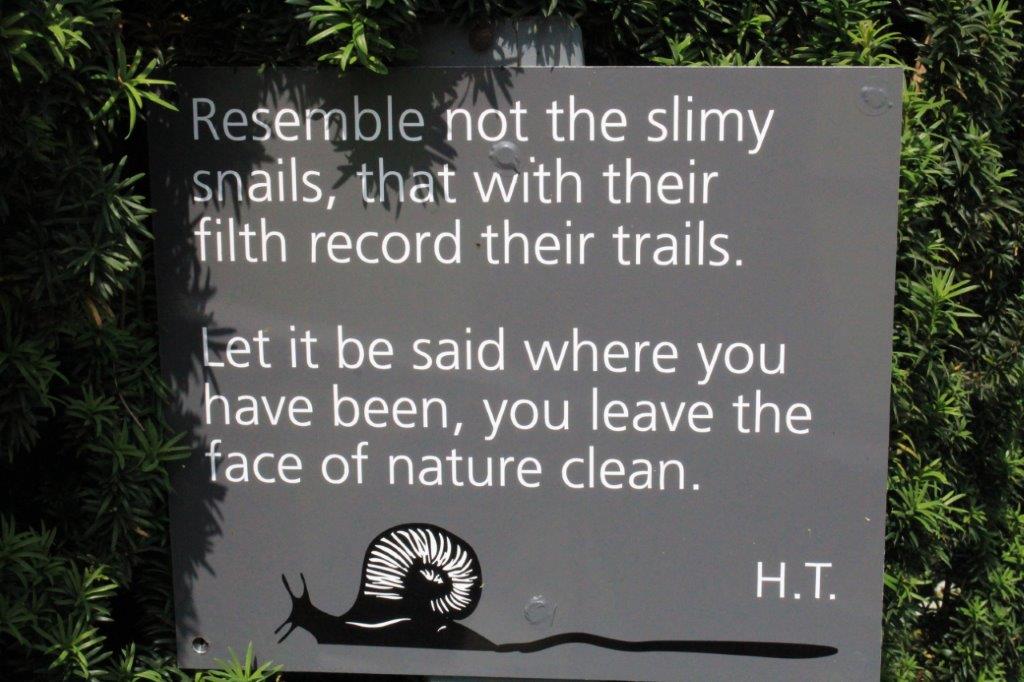
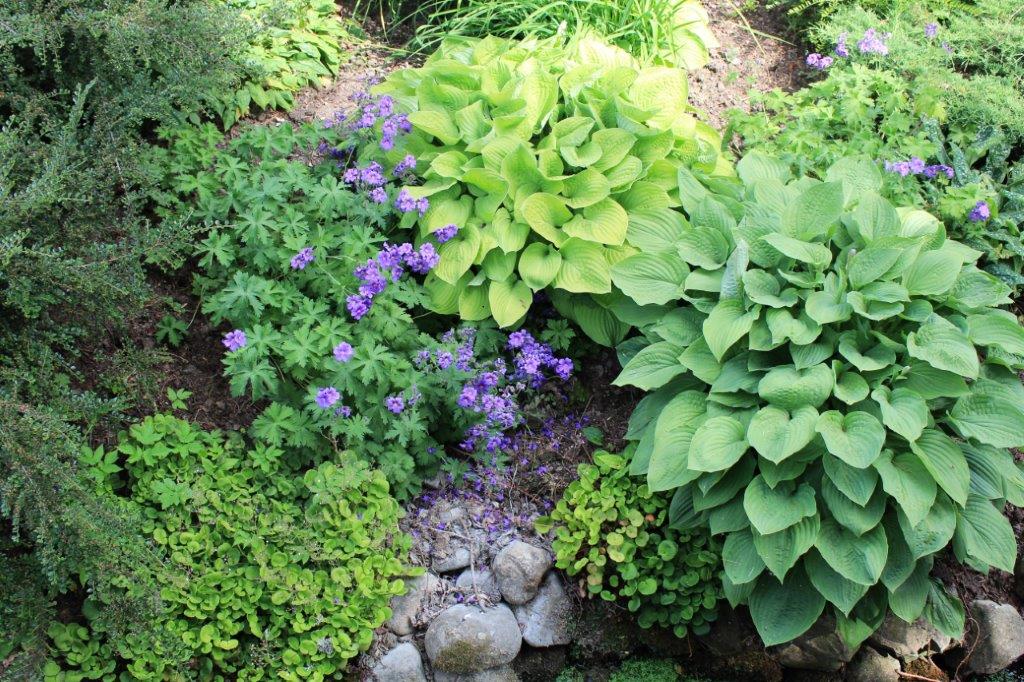
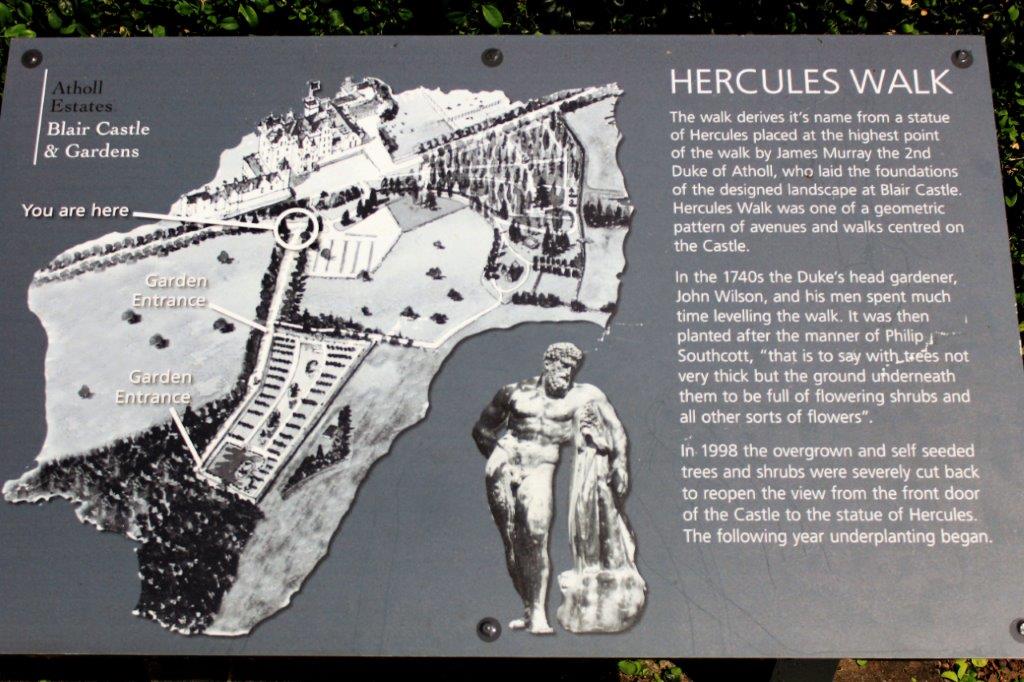
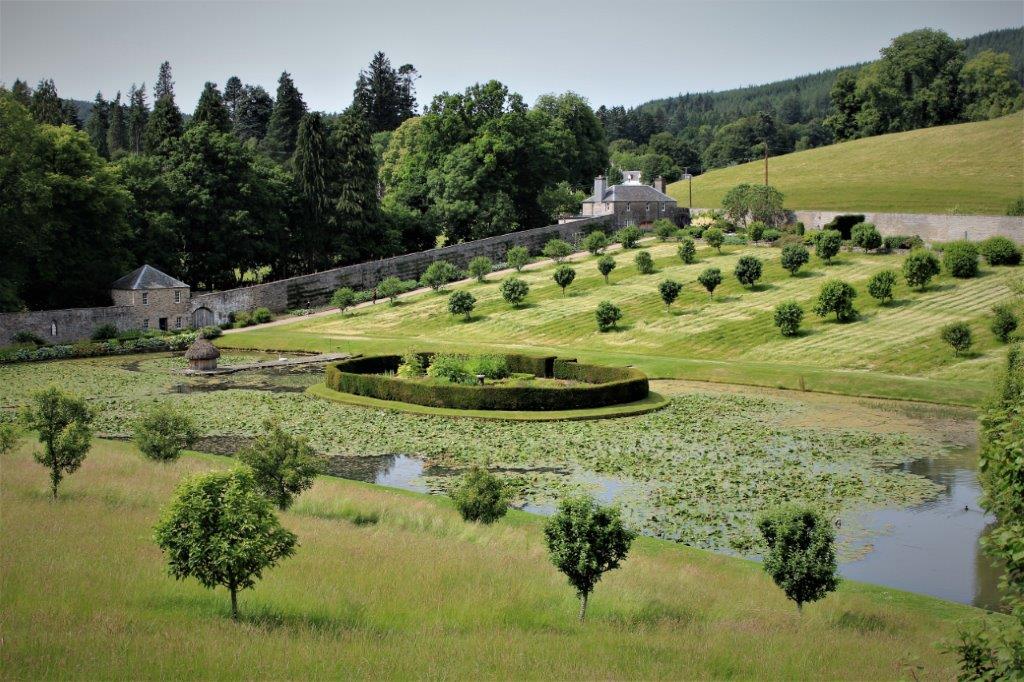
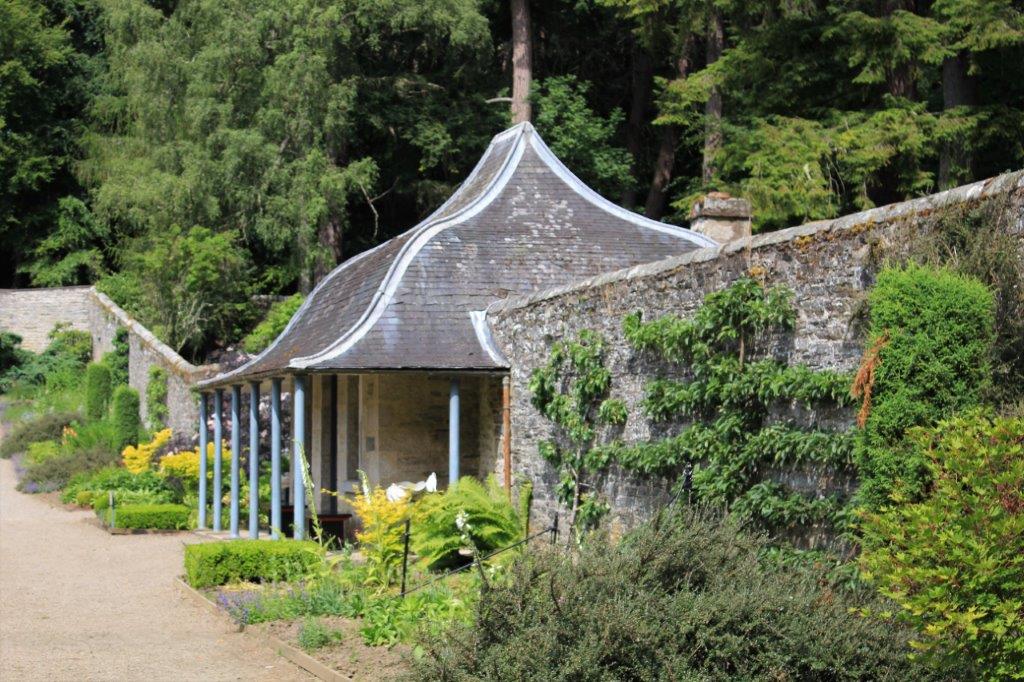
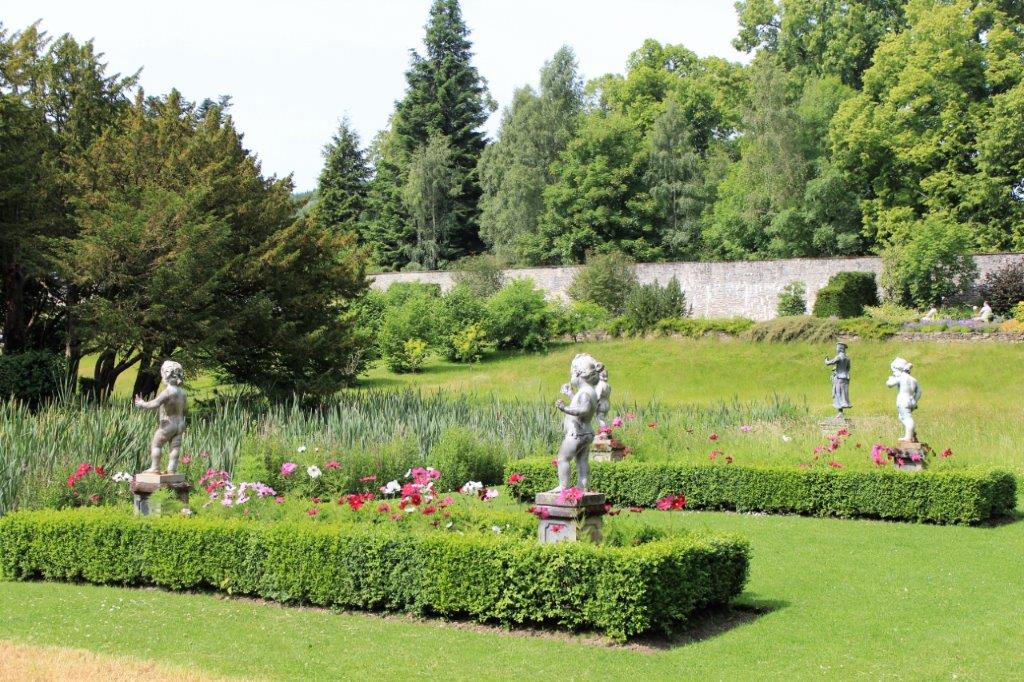
We left Killiecrankie and Soldier’s Leap at noon and drove a short distance to Blair Castle, home of the Dukes of Atholl for 700 years. We were greeted at Blair Castle by this young fellow playing the pipes.  He was doing a great job too. The walls of the Great Hall were awash with a large collection of ancient weapons.                                                 As with most castles, the gardens are open to the public to wander around and have a picnic if you choose. They  really  liked  cupid  figures. This  is  a great  piece  of  art  – and  a great  message too. The Atholl  Arms  Hotel  – our  lunch  stop.