Category Archives: Hanna Travels

2011 January 30 – Day 26 – Avatiu, Rarotonga, Cook Islands

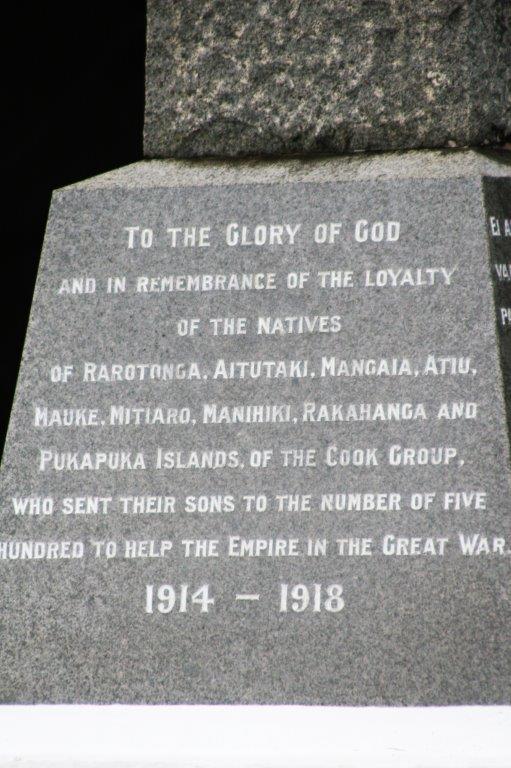
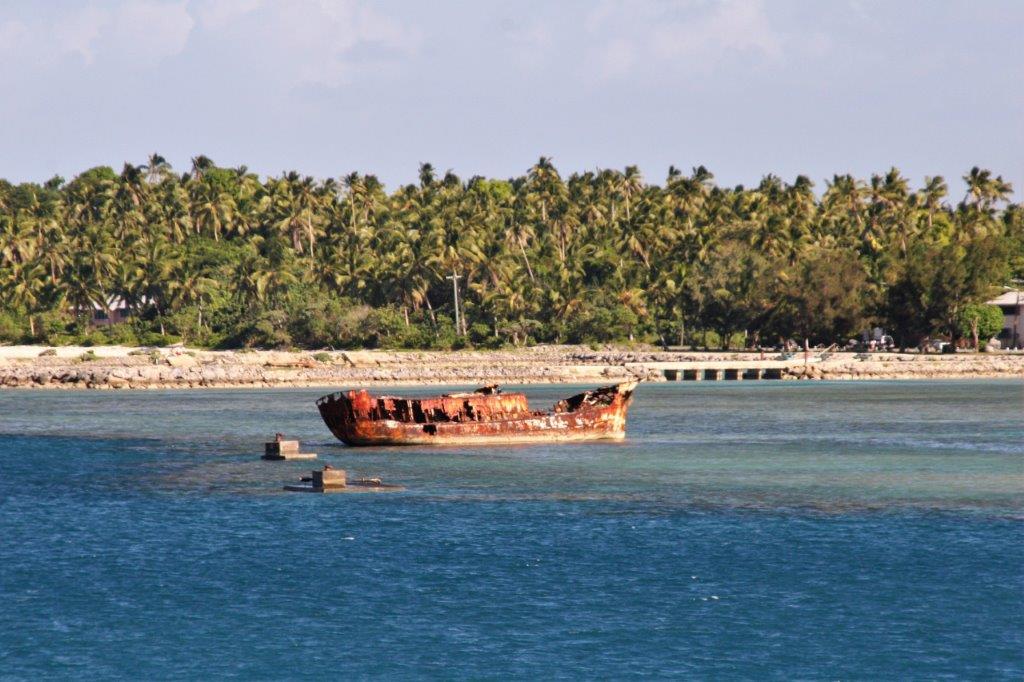
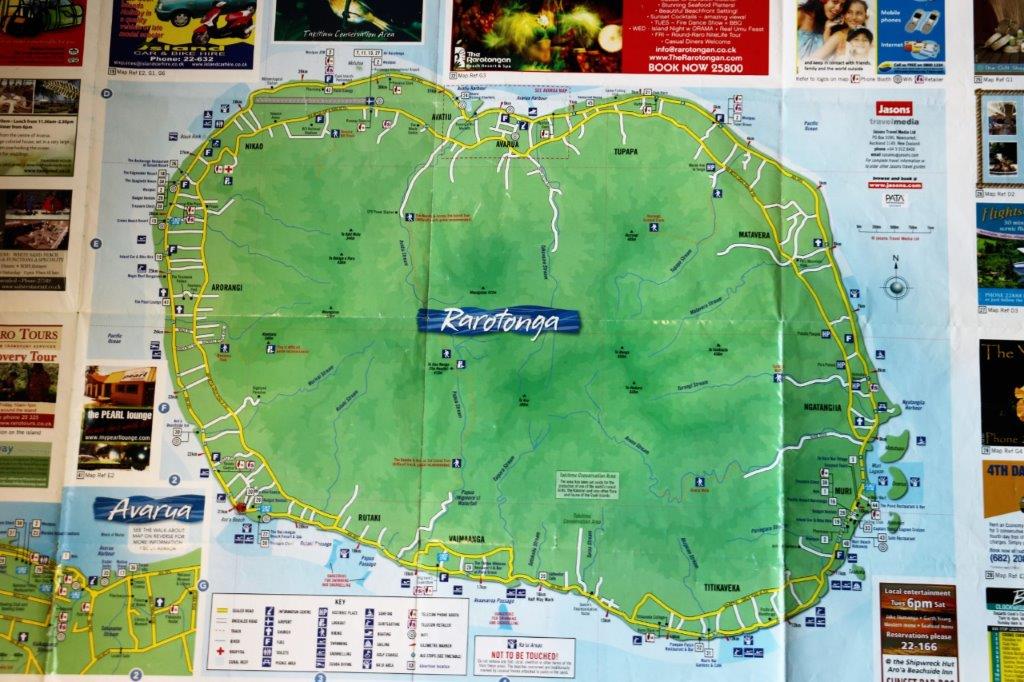
About 1,300 people live on the island of Rarotonga.   The archipelago of the Cook Islands is comprised of 15 islands.  Captain James Cook charted the remote group in 1770.  The islands are spead across 768,800 sq miles (2,000,000 sq km) of open sea, so Cook did very well to locate and map them all.  The capital is Avarua, which is not too far from the dock at Avatiu Harbour where the tenders ran between ship and shore all day.

The Cook Islands were once a New Zealand dependancy and is now a nation in its own right.  They do however still mainly use New Zealand currency.  There is Cook Island currency but it has no international value so if you have change it cannot be turned back into US or Cdn dollars. The Cook Islands have, so far, been fairly unaffected by the rise in international tourism.  There are no large hotels or resorts, no beach buggies, no traffic jams.  This also meant that there were no shore excursions offered.  We arrived on another rough sea day so our plans to hire a boat with friends and go snorkeling had to be shelved.  The 10′-12′ swells made the tender ride and docking process pretty exciting.  It was also Sunday and since the majority of the island people are very devout Christians everything was closed.
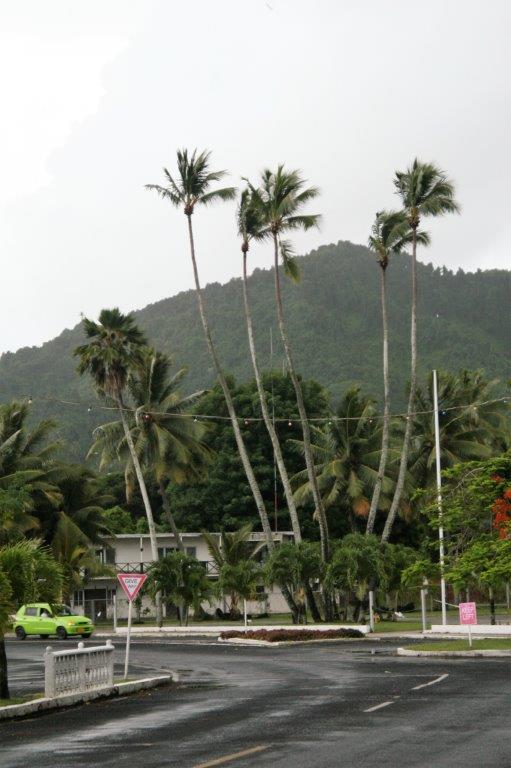
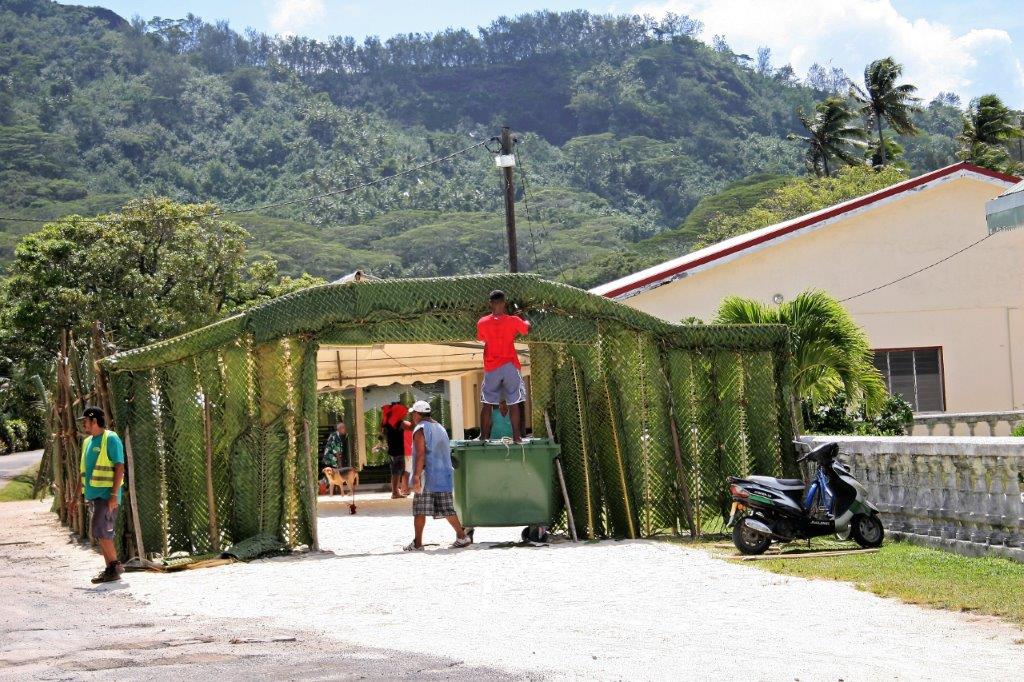
This tree is in the center of a round-about.  It is the Seven-in-one-Coconut Trees.  Depending on who you talk to it is either a single plant with seven shoots, or seven separate coconut palms.

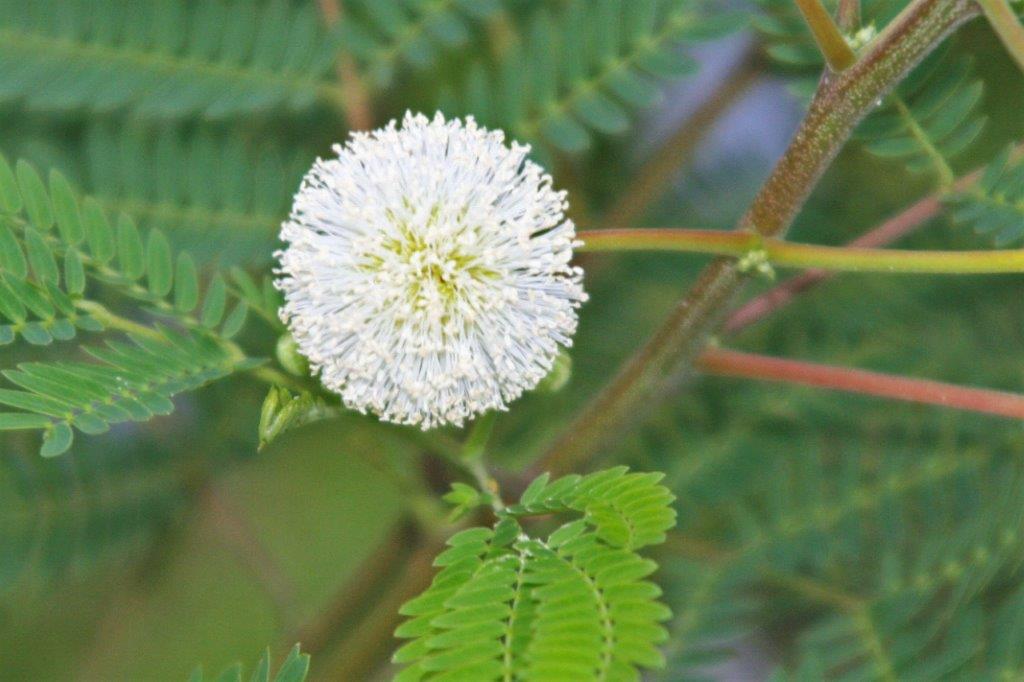
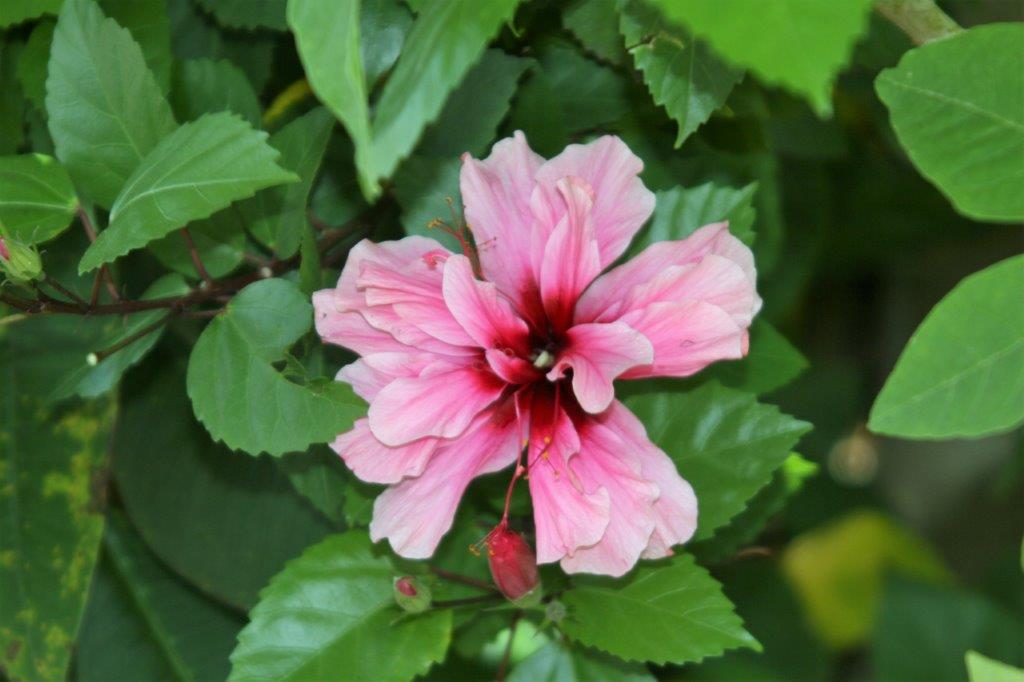
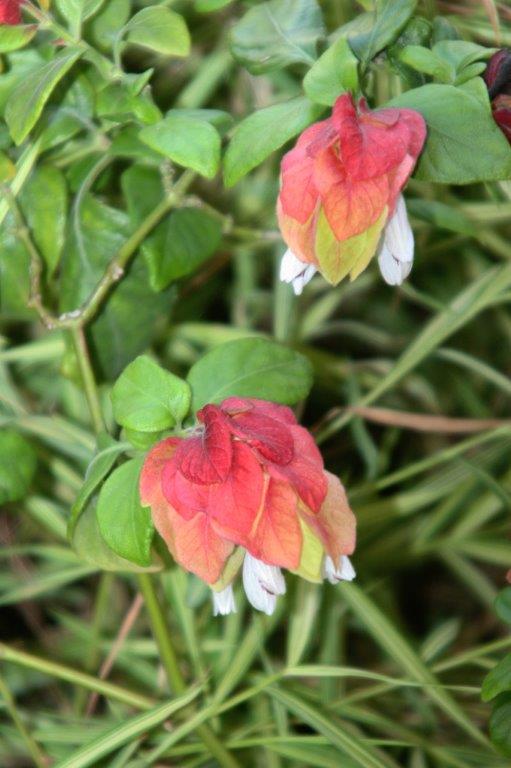
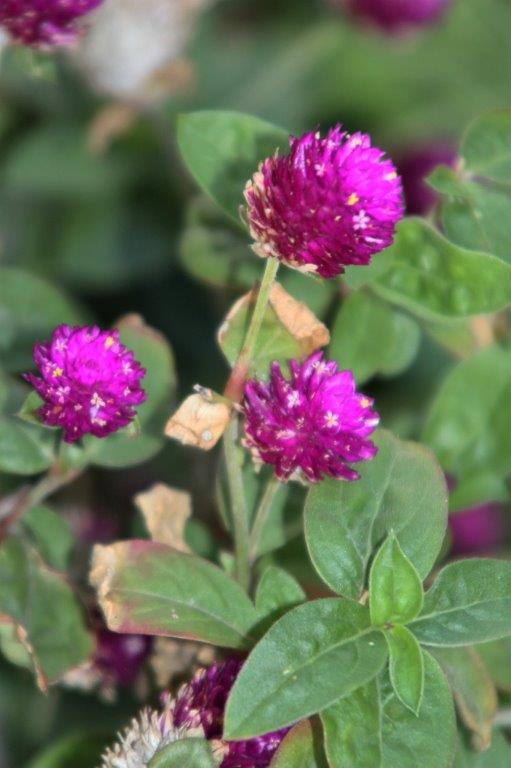
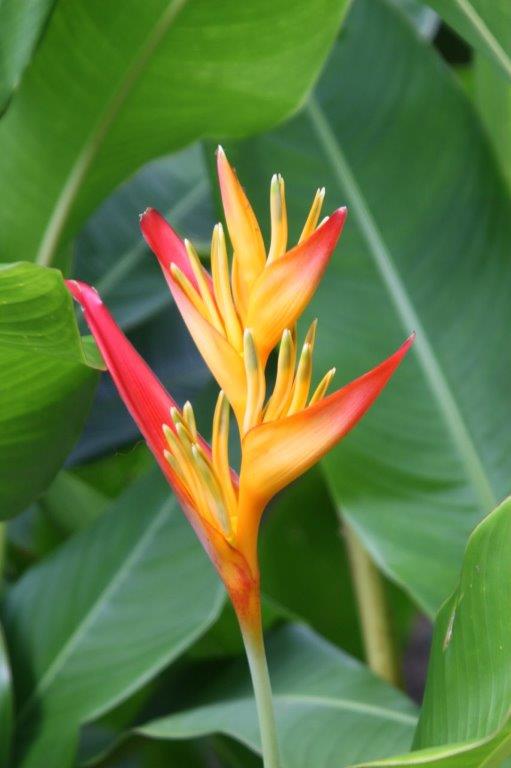
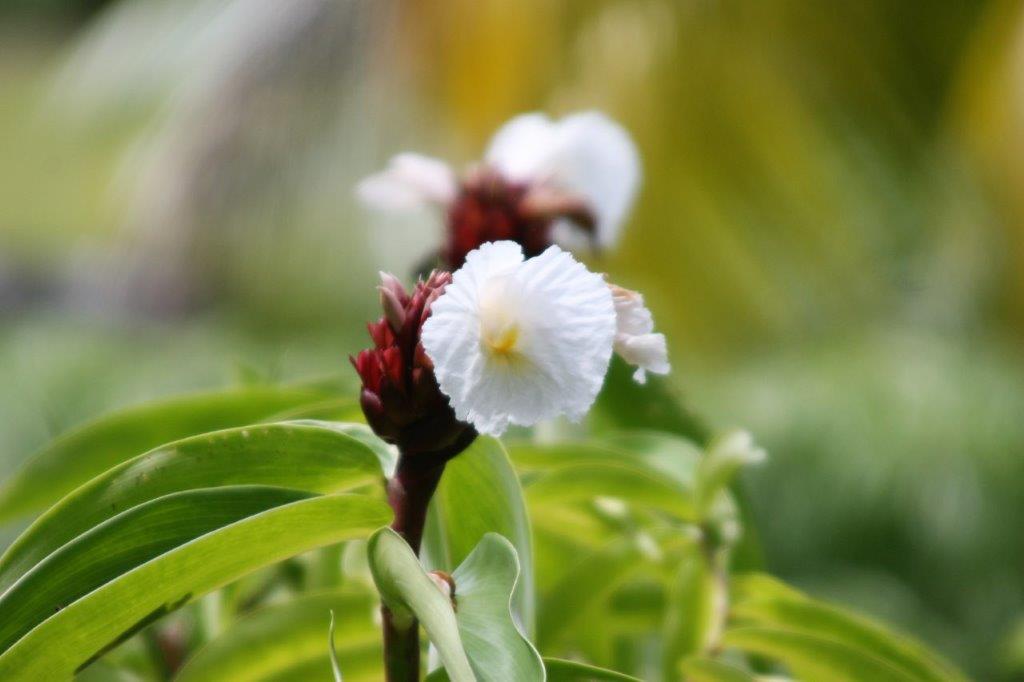
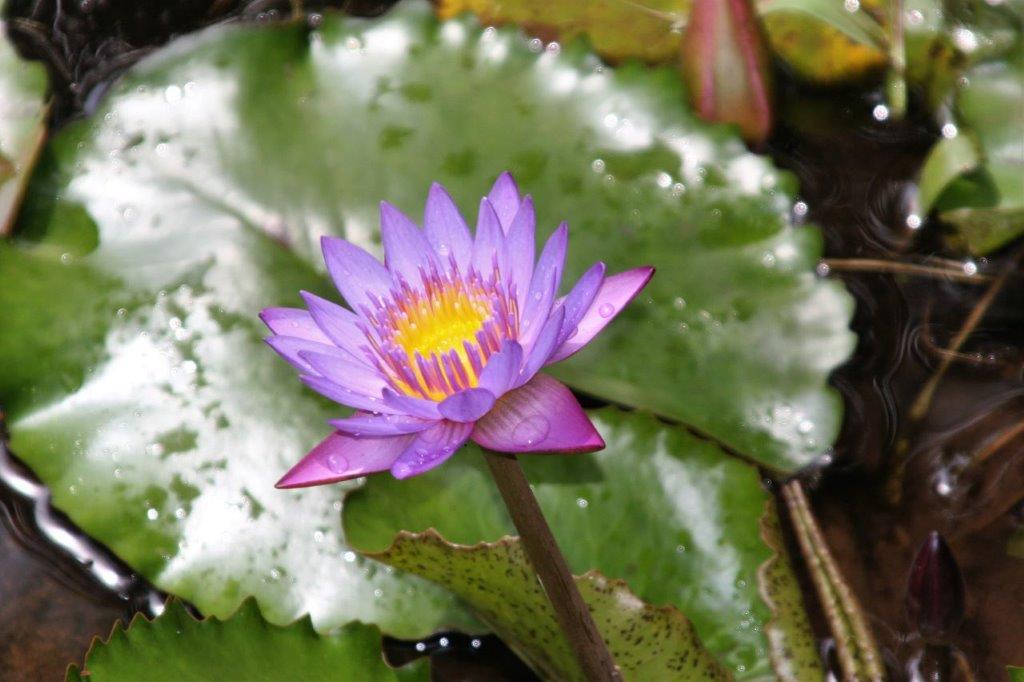
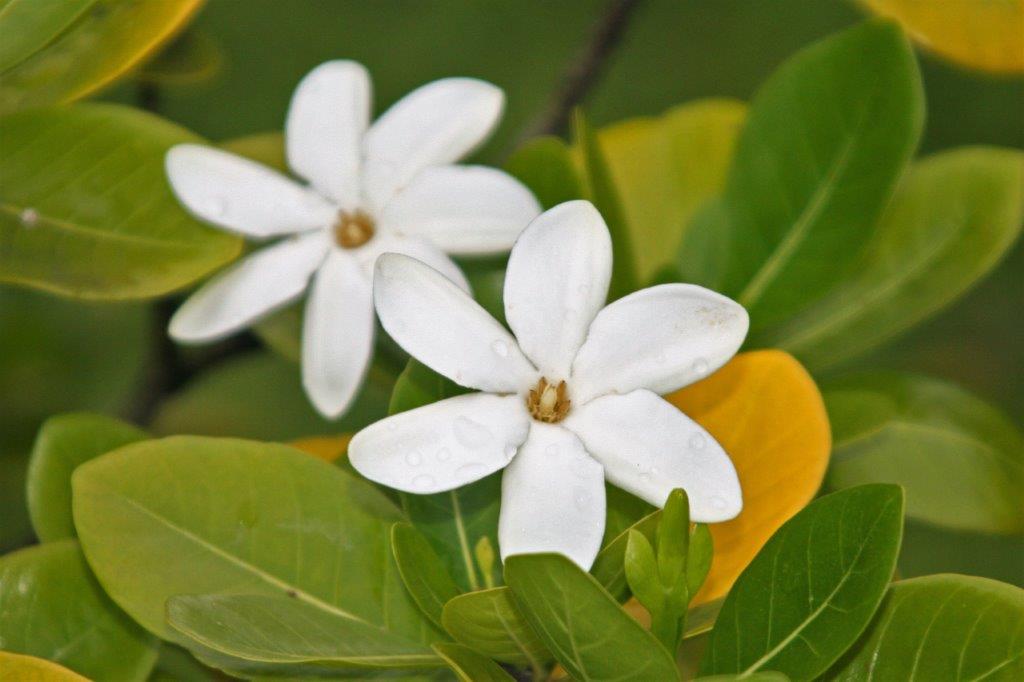
Once again lovely tropical flowers were everywhere. Tiare Maori – the national flower
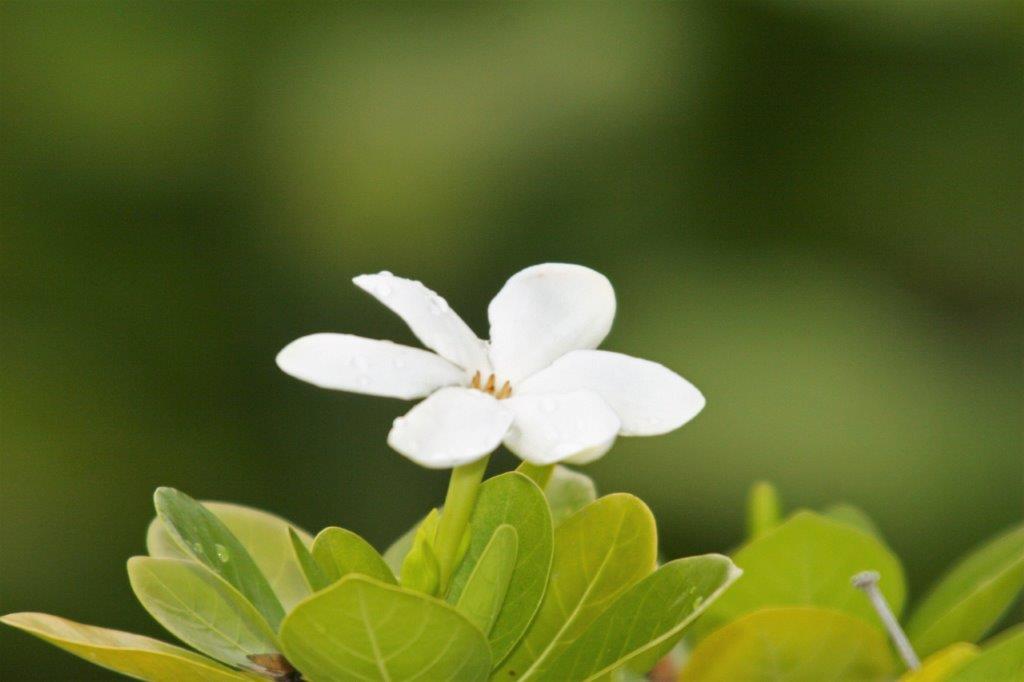
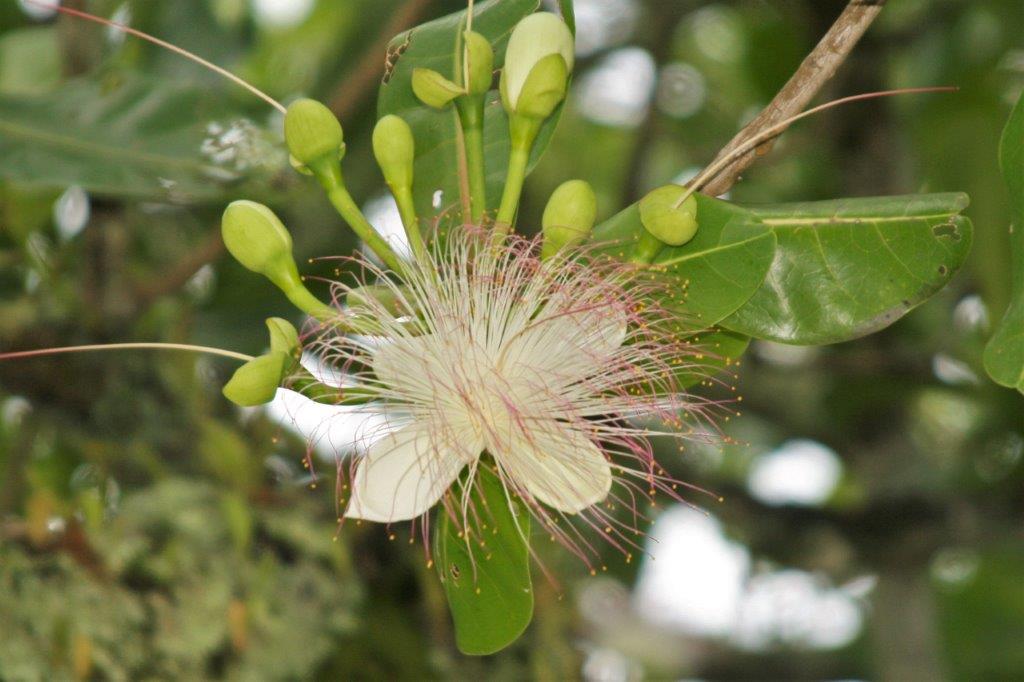
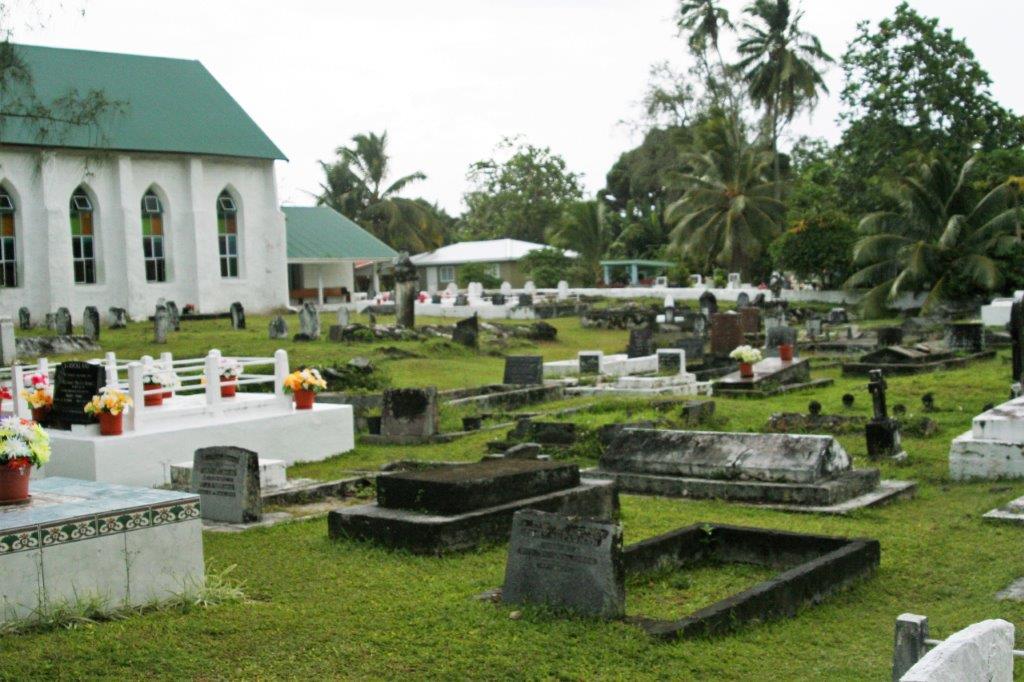
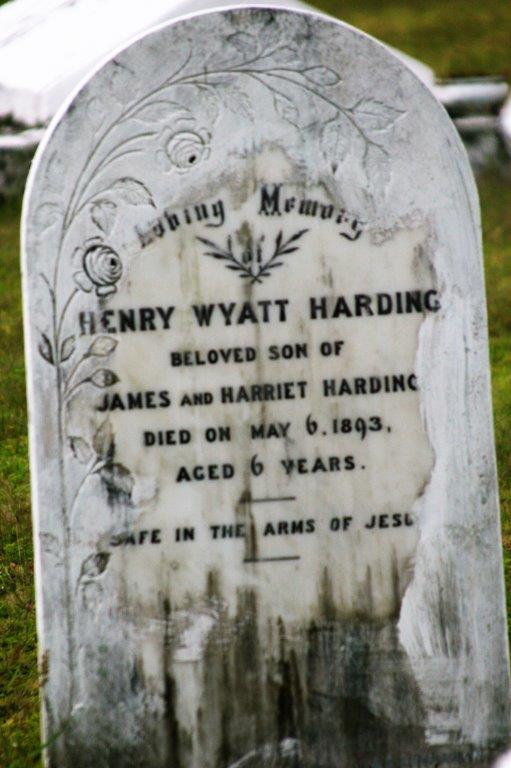
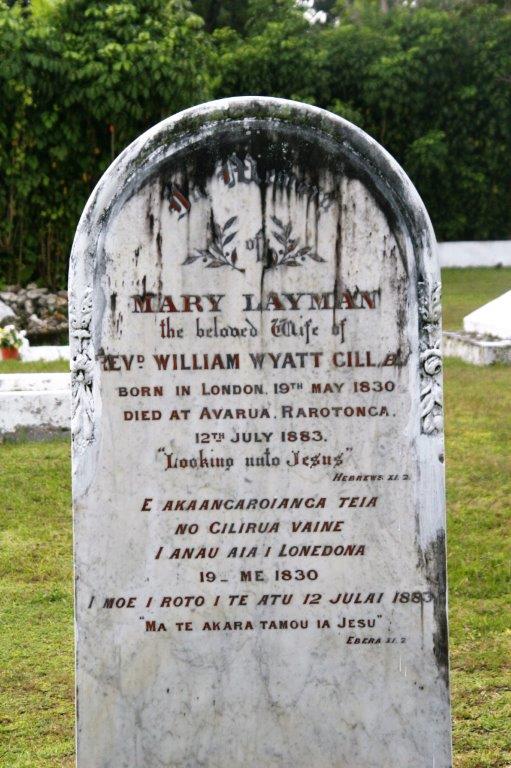
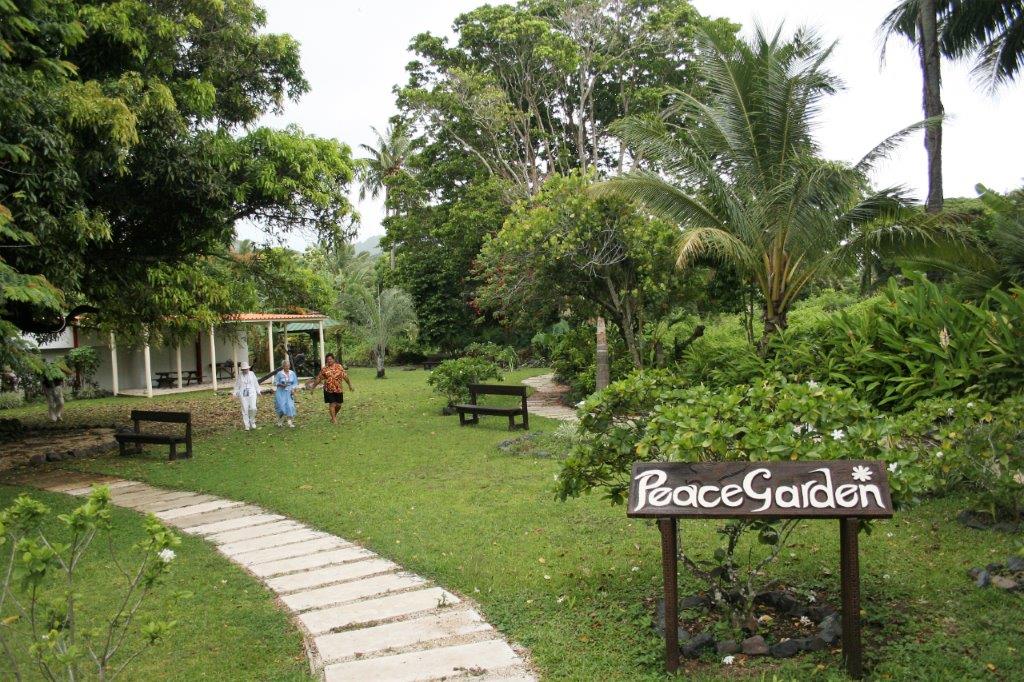
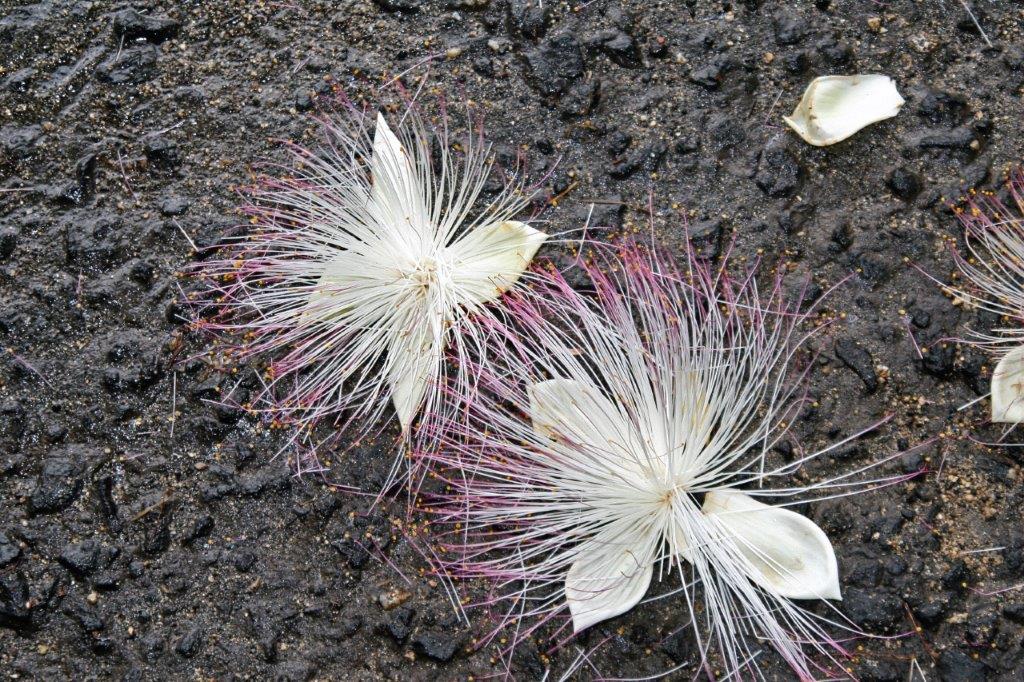
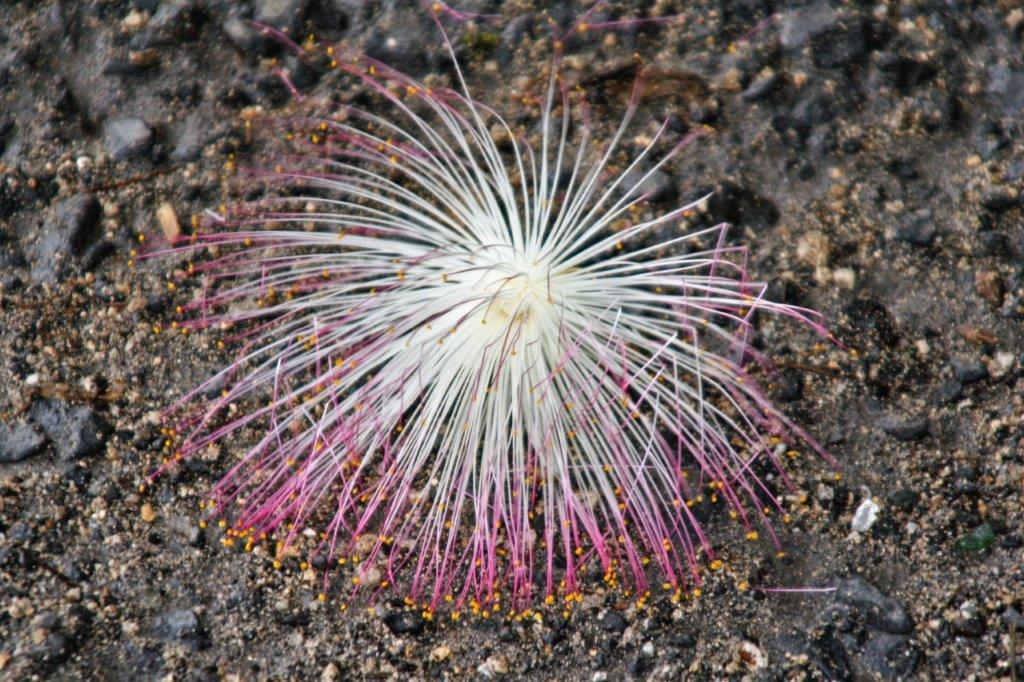
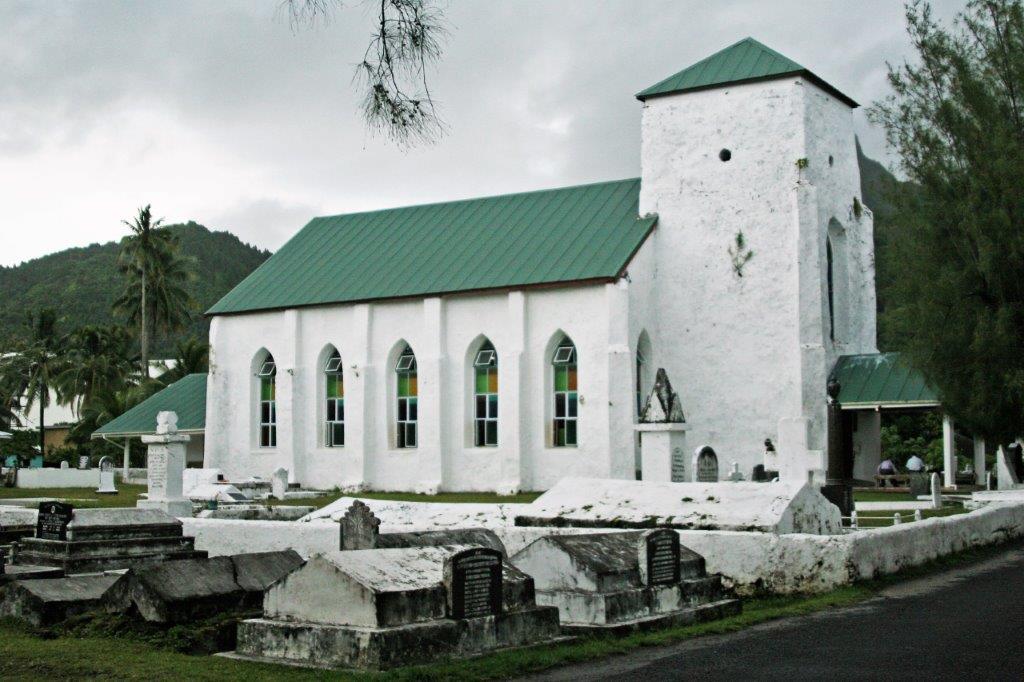
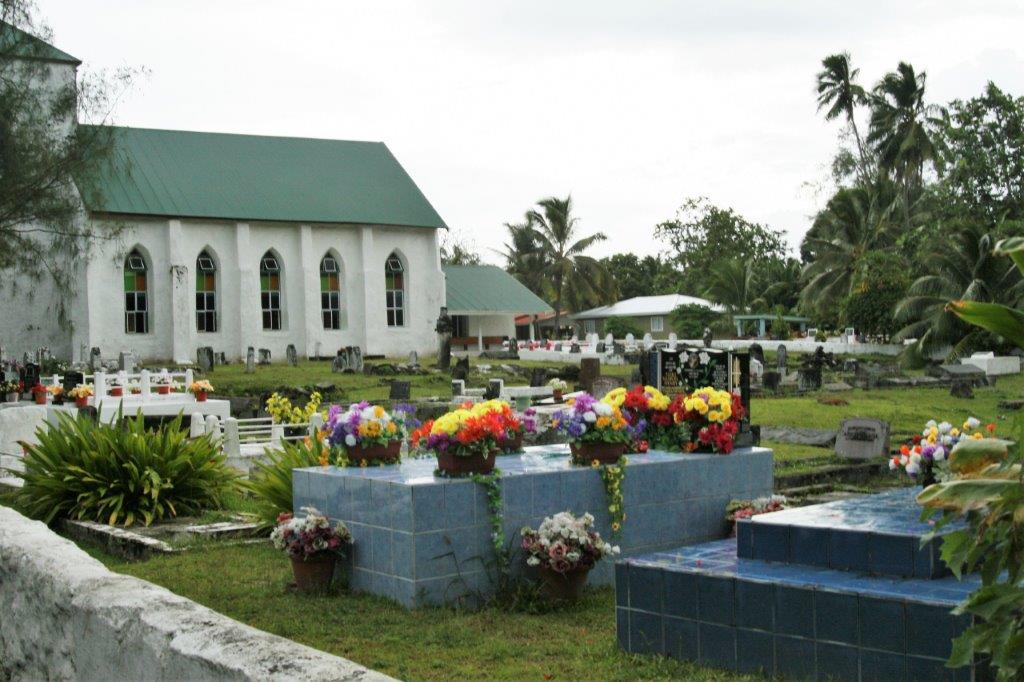
 Barringtonia – the blossoms are all over the ground in the mornings. We decided to go to church so we walked about a mile into town to find one.  Services at this church were held at 5:30 am, 10 am and 7 pm.  We were about a half hour early for the 10 am service so we wandered through the cemetery and a Peace Garden across the road. We heard what we thought was the choir rehearsing so went in to listen only to find that there was just a handful of people; but they sounded like an entire choir they sang so beautifully.  By 10 the floor space and the balcony were packed.  The entire one and a half hour service, including all the hymns – with no instrumental accompaniment, was done in Maori (native New Zealand language) so we didn’t understand a word but it was joyous and uplifting and the muli-part, harmonized singing was magnificent!
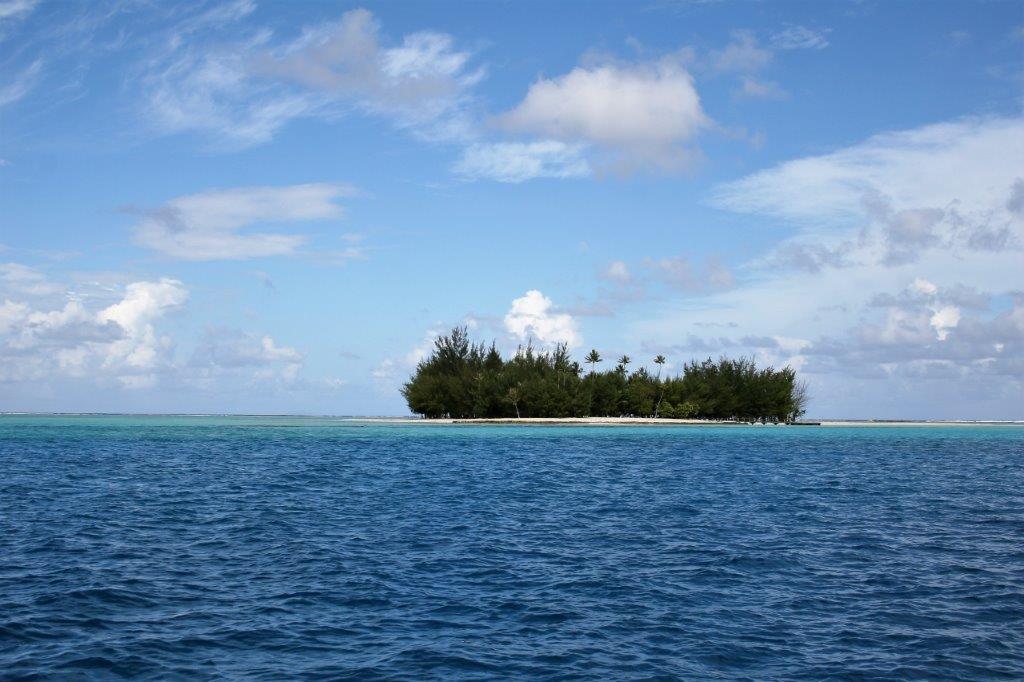
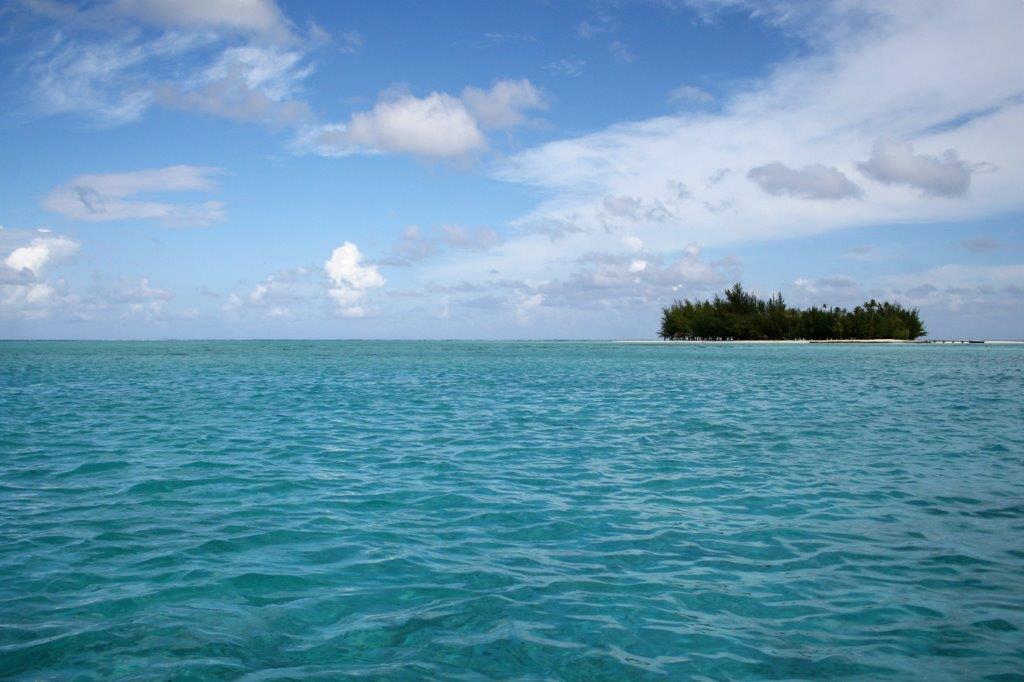
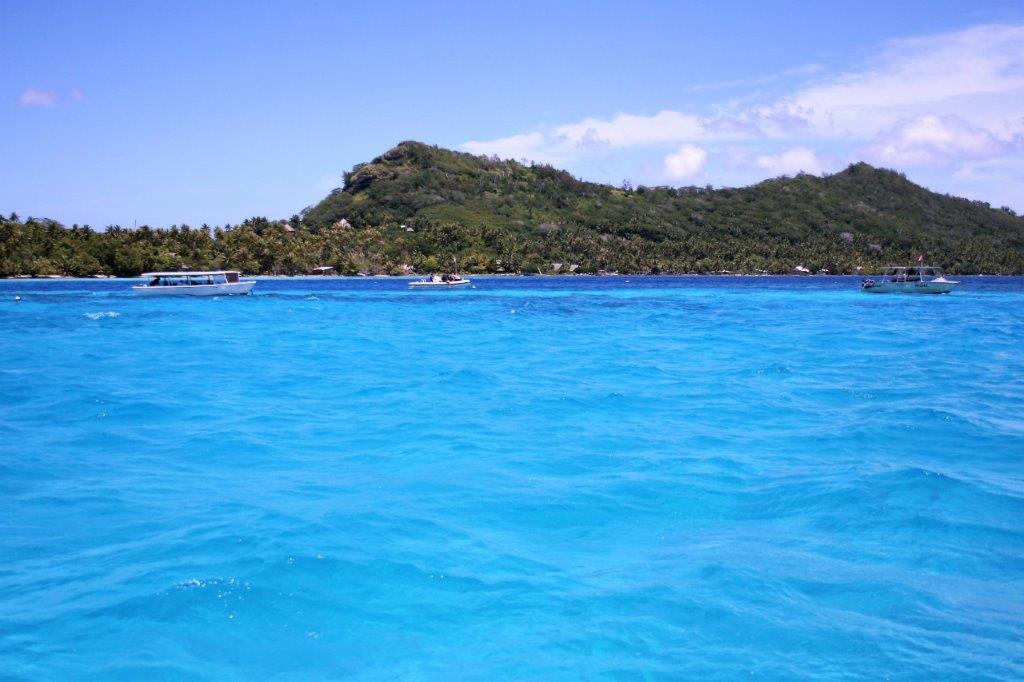
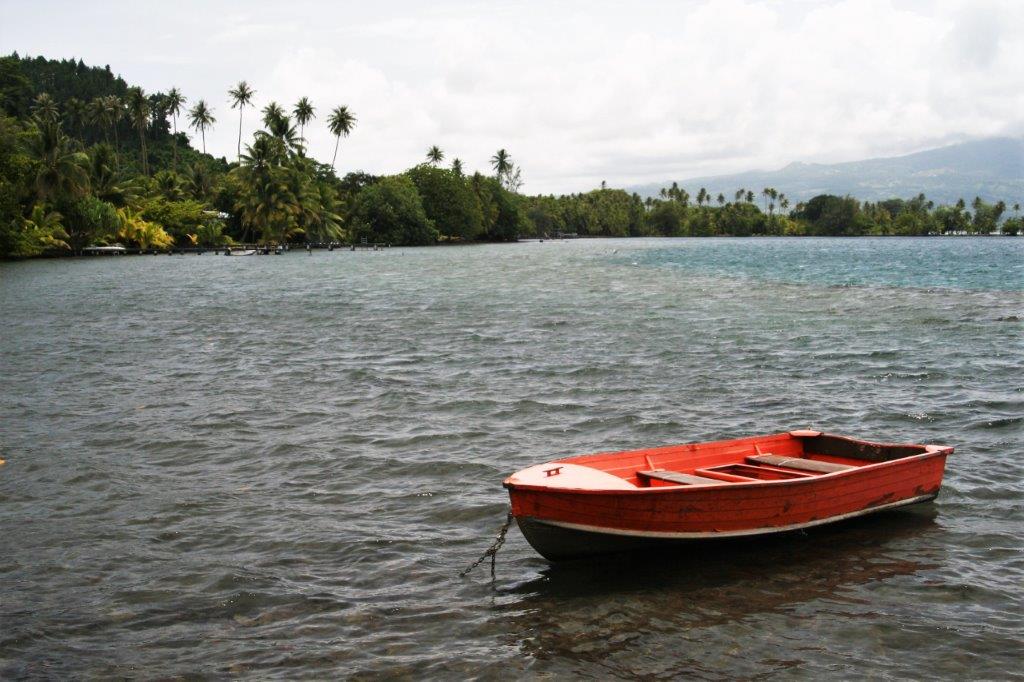
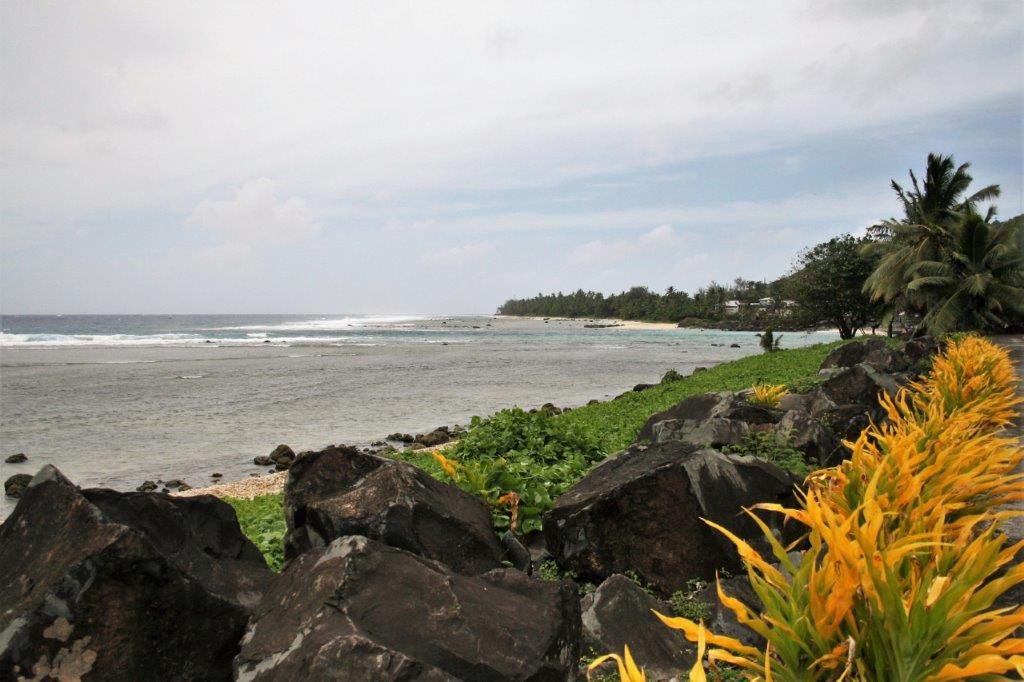
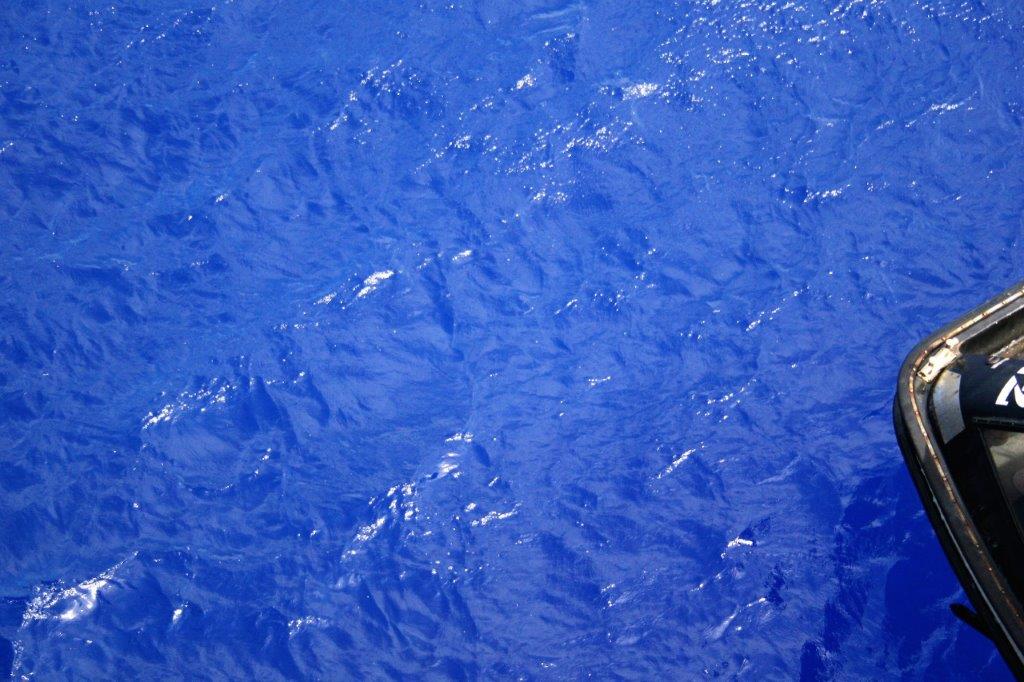
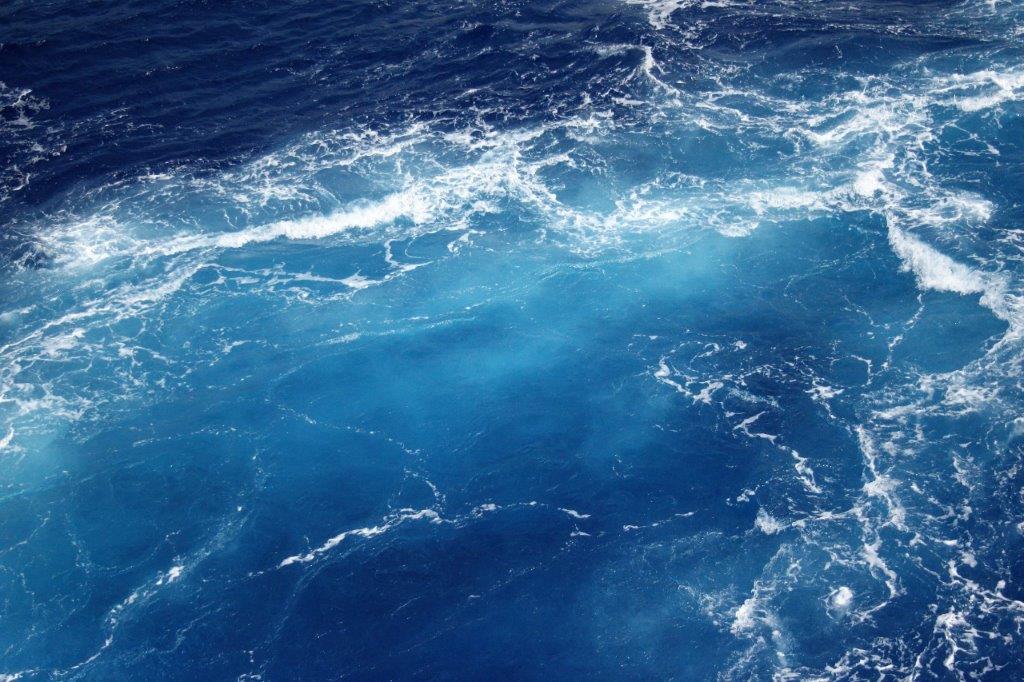
After church we went to a bus stop and took the bus around the island.  There are two roads that parallel each other; one on the coast and one inland about a half-mile.  Various side roads connect them here and there.  The buses run clockwise on the hour and counter clockwise on the half hour. It took two hours to circle the island on the clockwise bus. The sky was still overcast and the ocean was still heaving so, once again, the tender ride was an adventure.  The fellows that steer these tenders are very skilled at coming alongside a pier, and more risky most of the time, the ship’s landing platform. The water around these small islands is the most beautiful colors.
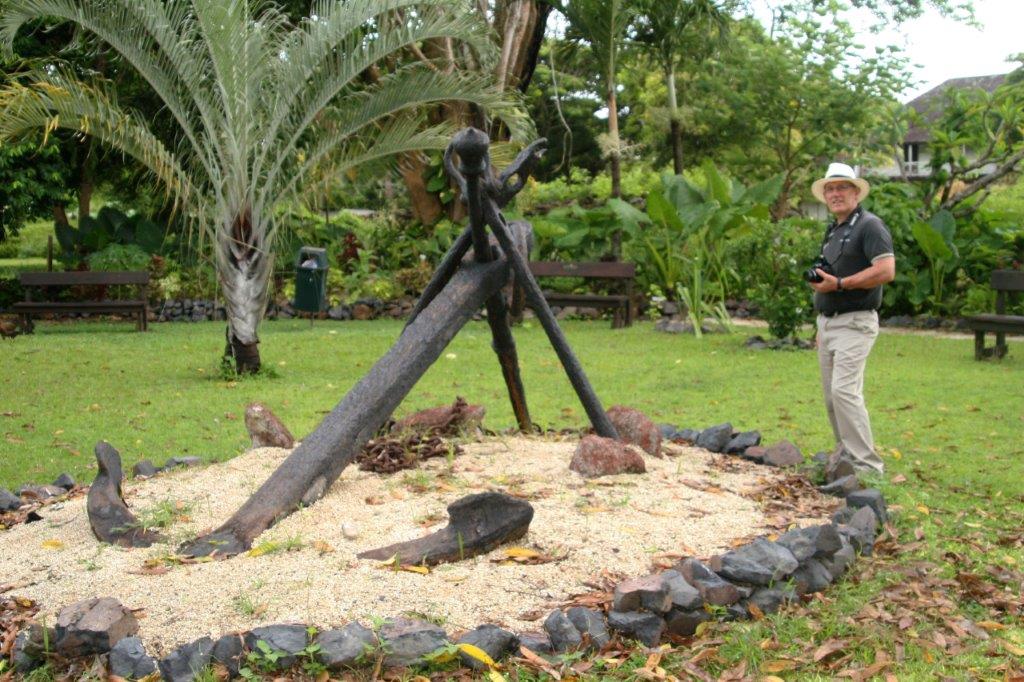
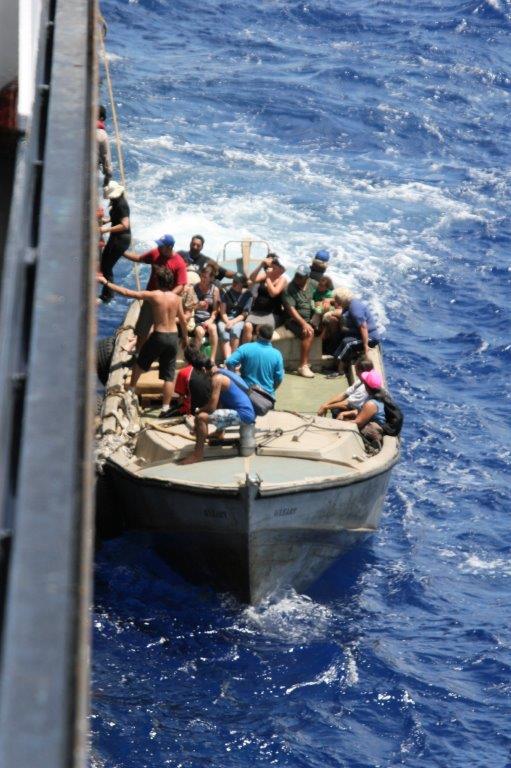
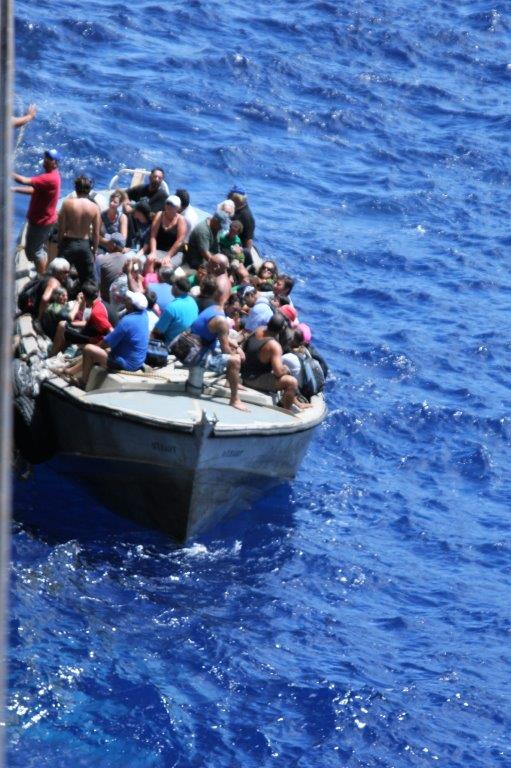
Sail away was delayed because one of the winches broke that are used to bring the tenders back up and we had to wait for it to be repaired.  Due to the rough seas two crew members were tossed into the water during the day’s tendering operations.  One was just fine and kept on working after he was grabbed by the life jacket and hauled back onto the platform.  The other fellow landed between the ship and the tender so it took awhile to navigate the boat away from the platform so he would not get crushed.  He went to the infirmary after inhaling some water but will fine.  There were also three guests off-loaded to hospital for various reasons.  By this time on the cruise we had already had two deaths and people have been taken off for illness or injury at several ports.  These cruise ships are like small towns and on the longer voyages injury, illness, and deaths are not uncommon; just as would happen over a several month period in a small town. After the winch was repaired and the tender brought aboard the captain ordered the anchor be hauled in and we set sail for Alofi, Niue where we will once again anchor offshore.  We had a day at sea to relax and be lazy before we reached Niue.

2011 February 3 – Day 29 – Nuku’alofa, Tonga

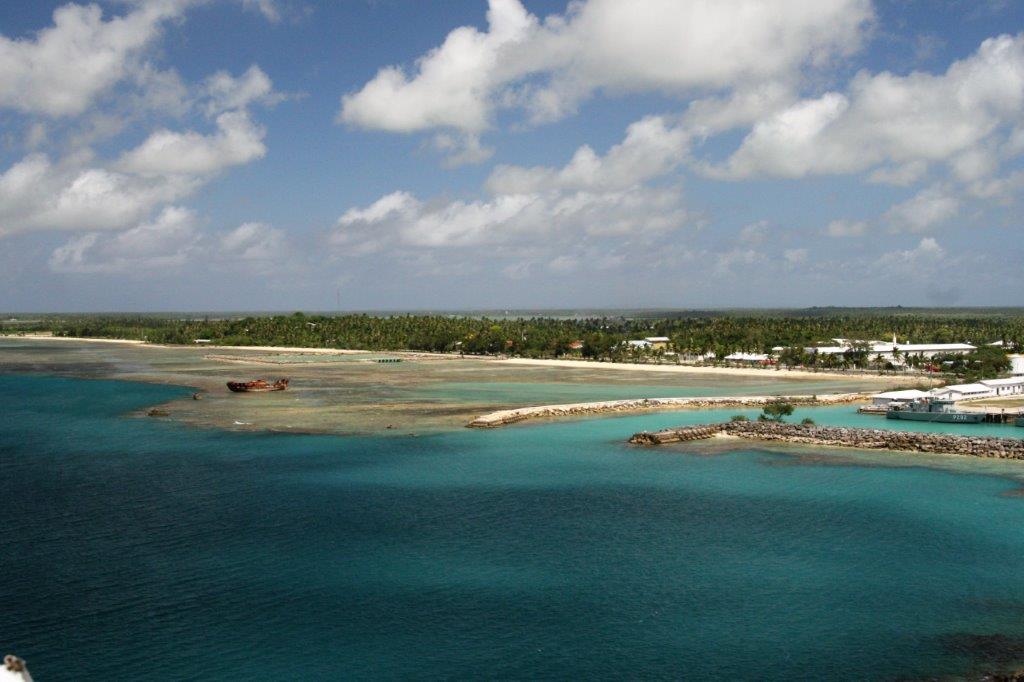
Tonga was our last South Pacific island port-of-call.  We then had two days at sea before a marathon of 8 consecutive days in the ports of the North and South islands of New Zealand.

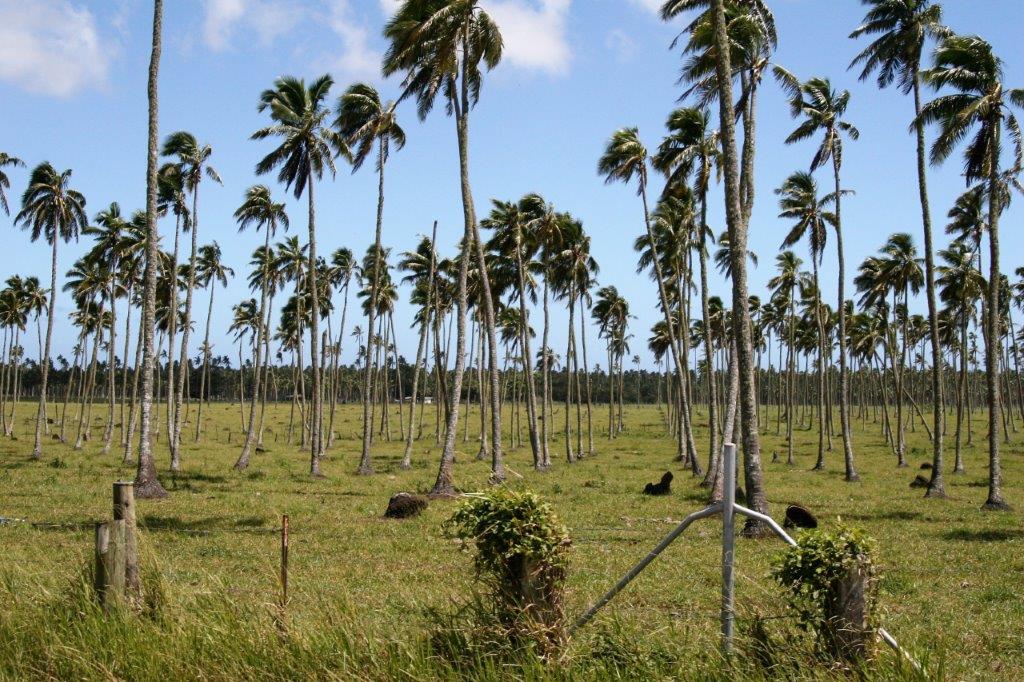
Tonga (comprised of about 100 islands) is a monarchy and the poorest of the South Pacific Islands so the influx of dollars brought by a cruise ship is very welcome.  Many of the islands are virtually flat and the high points that they do have are only about 200′ above sea level.

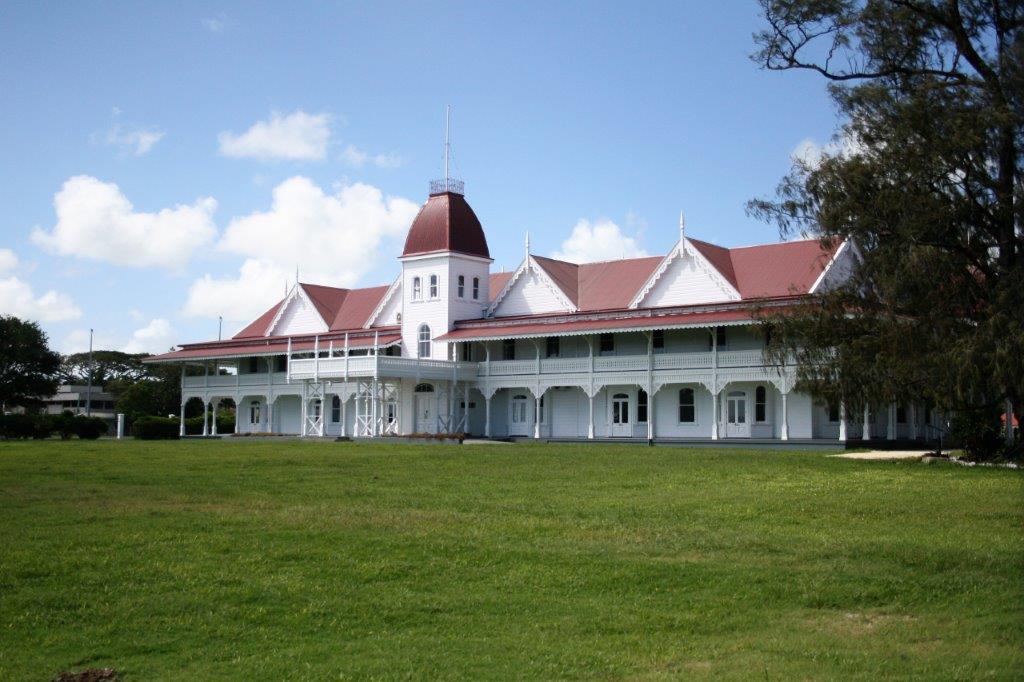
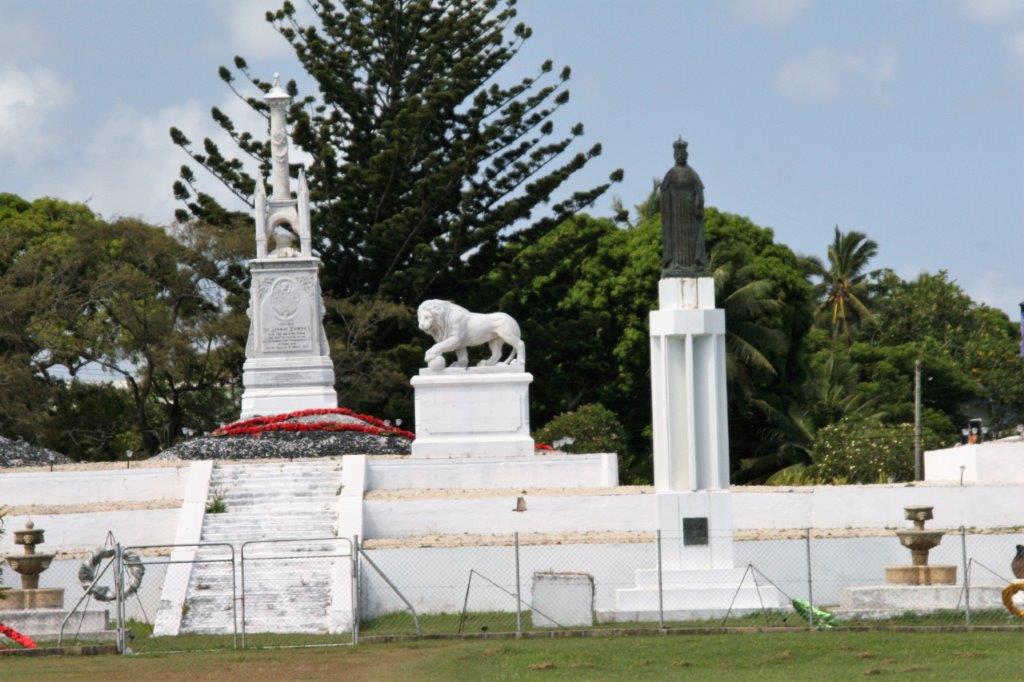
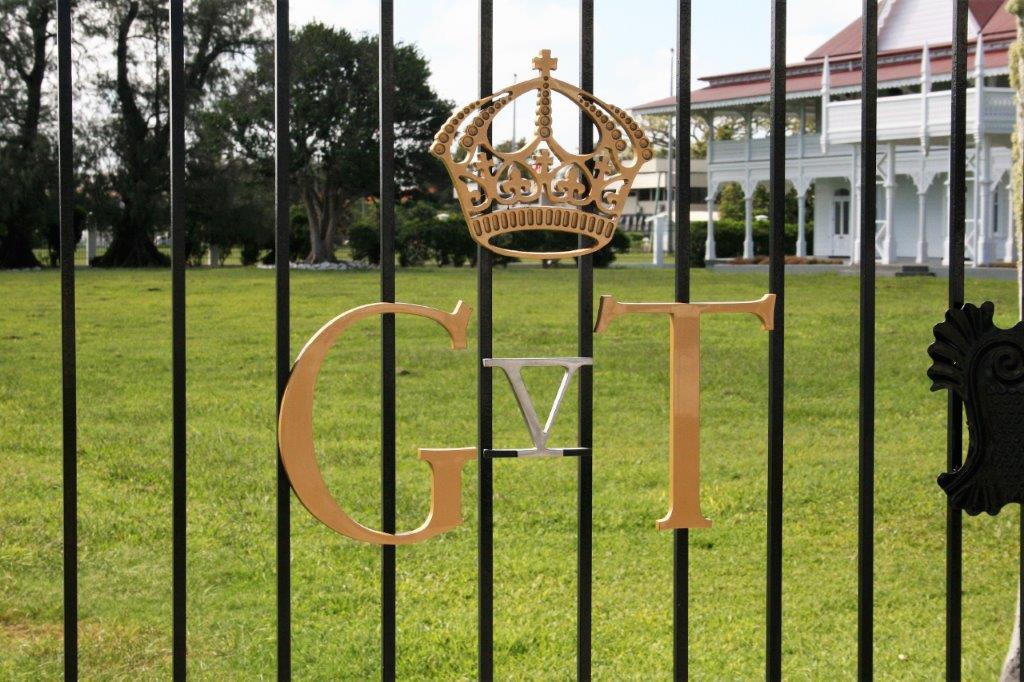
The little nation has always had strong ties with Great Britain and the 1875 constitution was largely influenced by British law.  In 1867 the Royal Palace was built in England on the shore of the Thames River.  It was then dismantled and sent to New Zealand before being re-constructed in Nuku’alofa.  The building is now only used on ceremonial occasions and is not open to the public.  It was a beautiful Victorian mansion. The only addition to the building since it was built is the second story veranda.  There are resident Royal geese on the grounds but we did not see them that day.
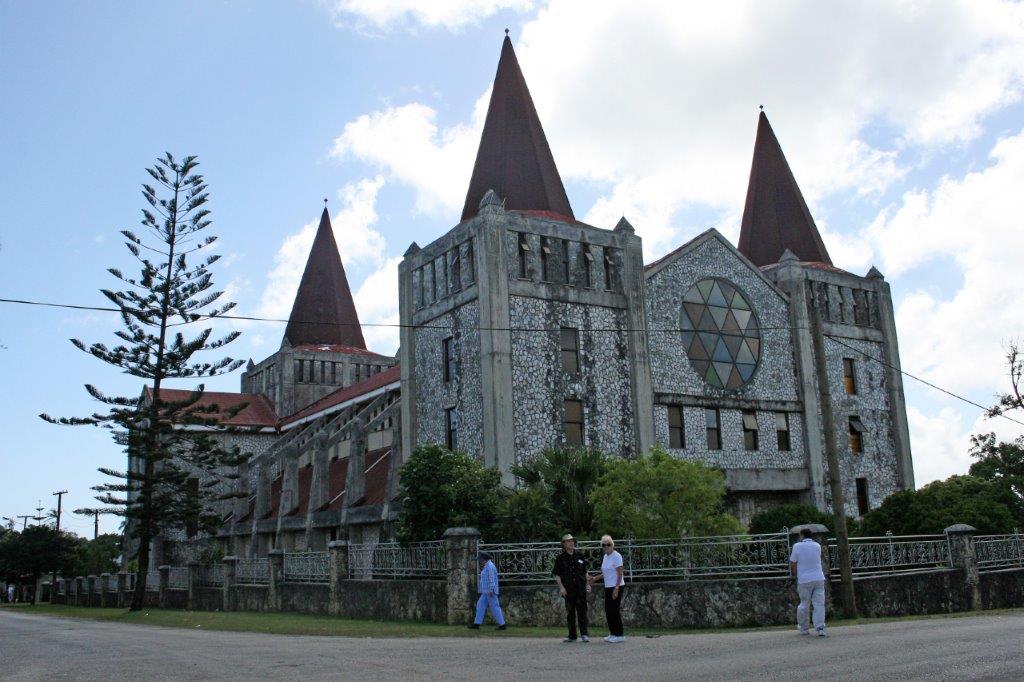
Tonga is also a very devout Christian island.  People were asked to dress appropriately.  Fines can be imposed for violation of the code by anyone.  Shorts and bathing suits are OK at the beach and poolside, but should not be worn elsewhere.

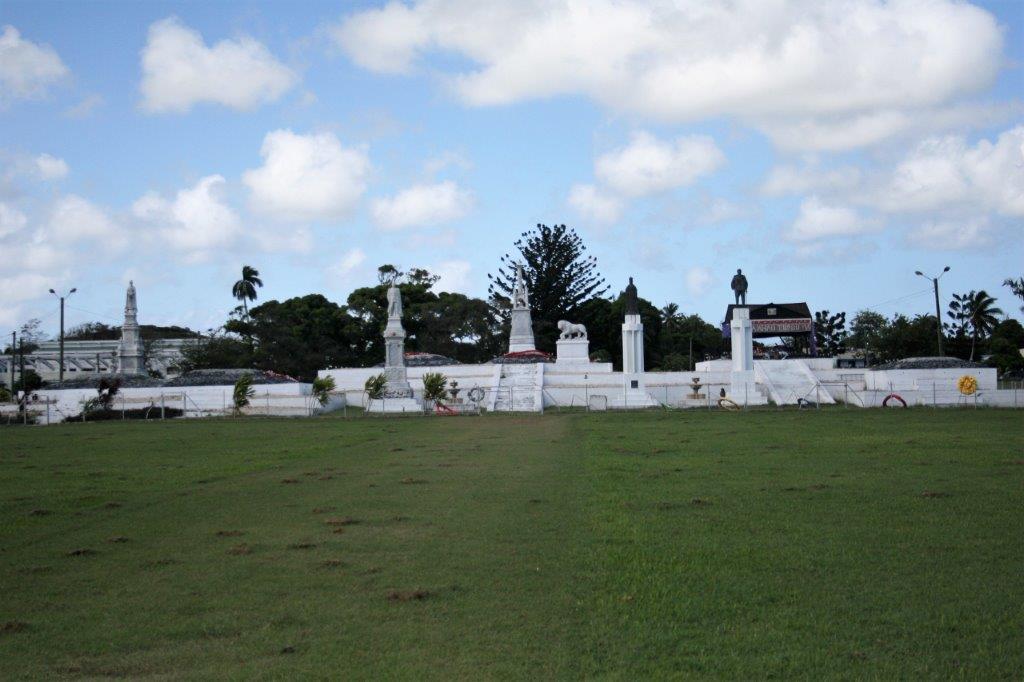
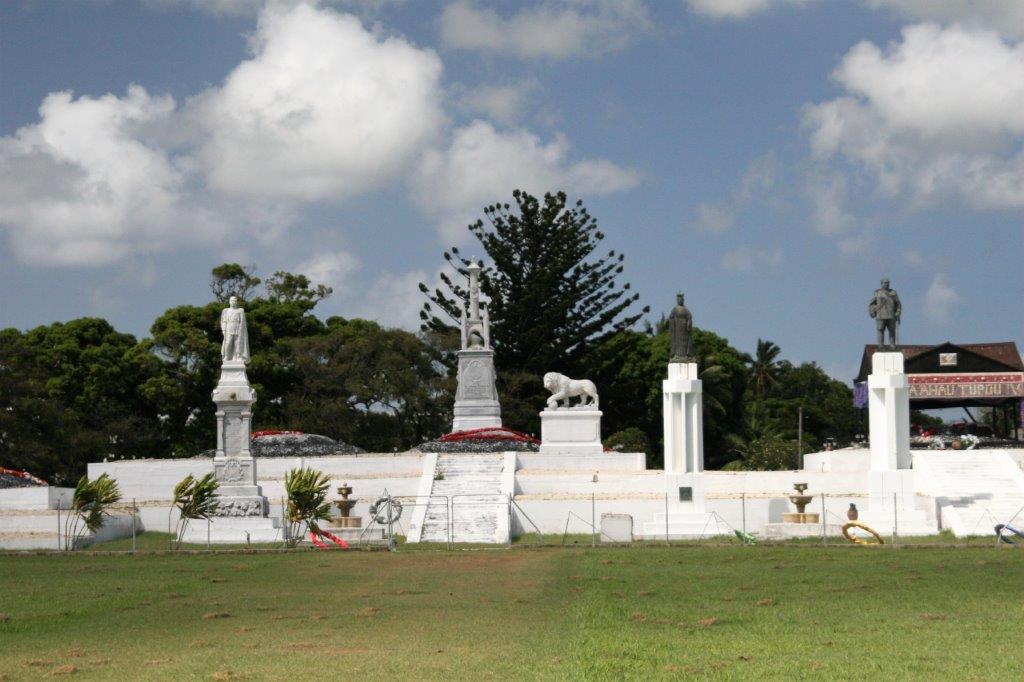
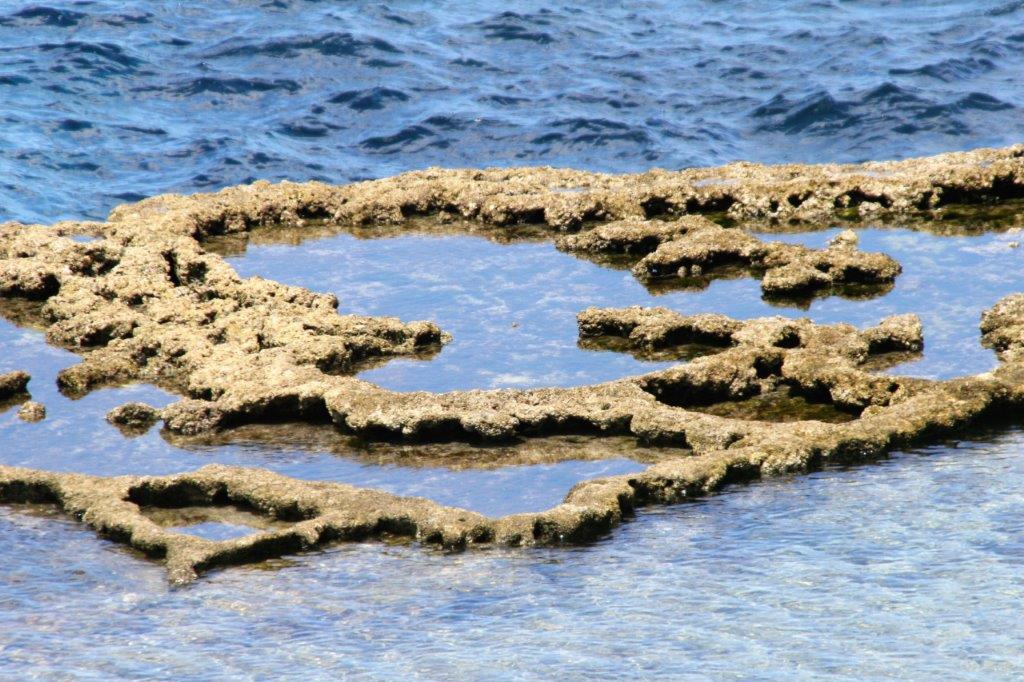
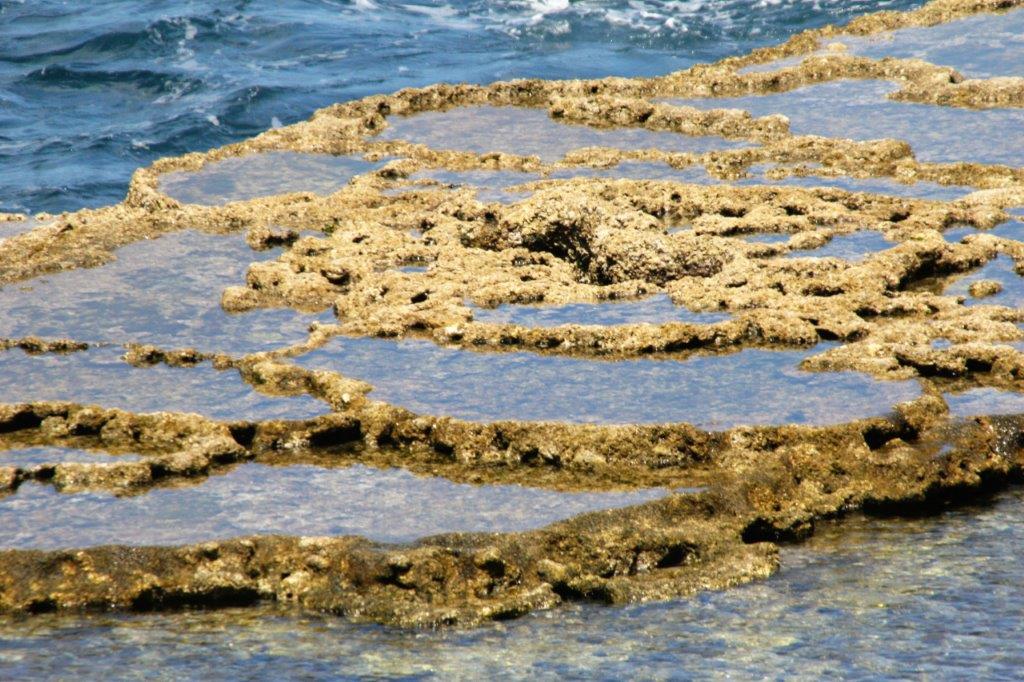
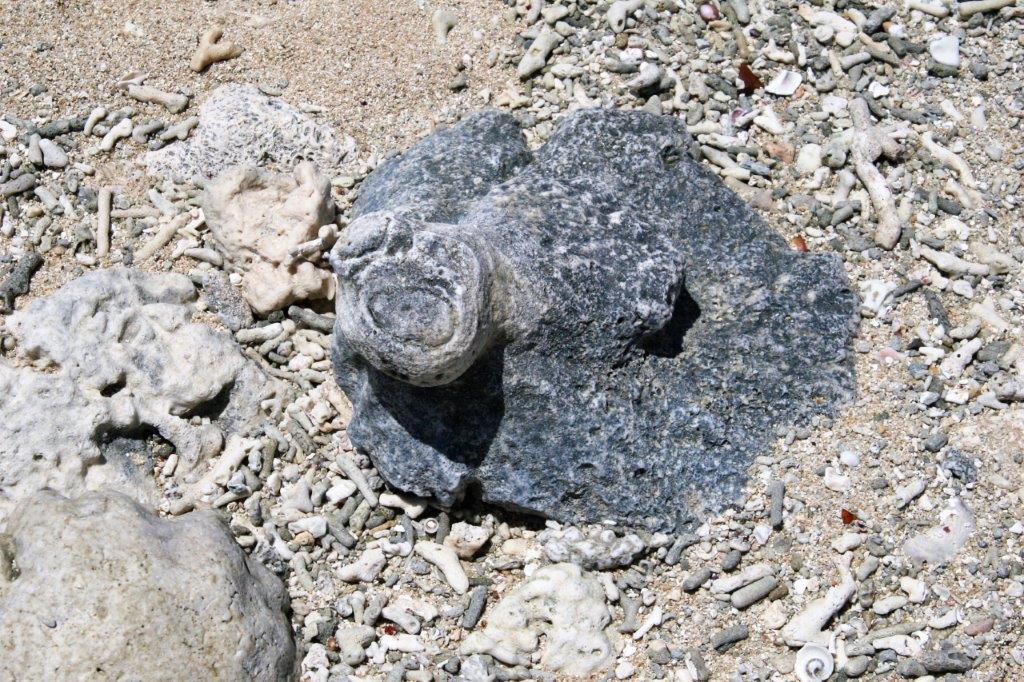
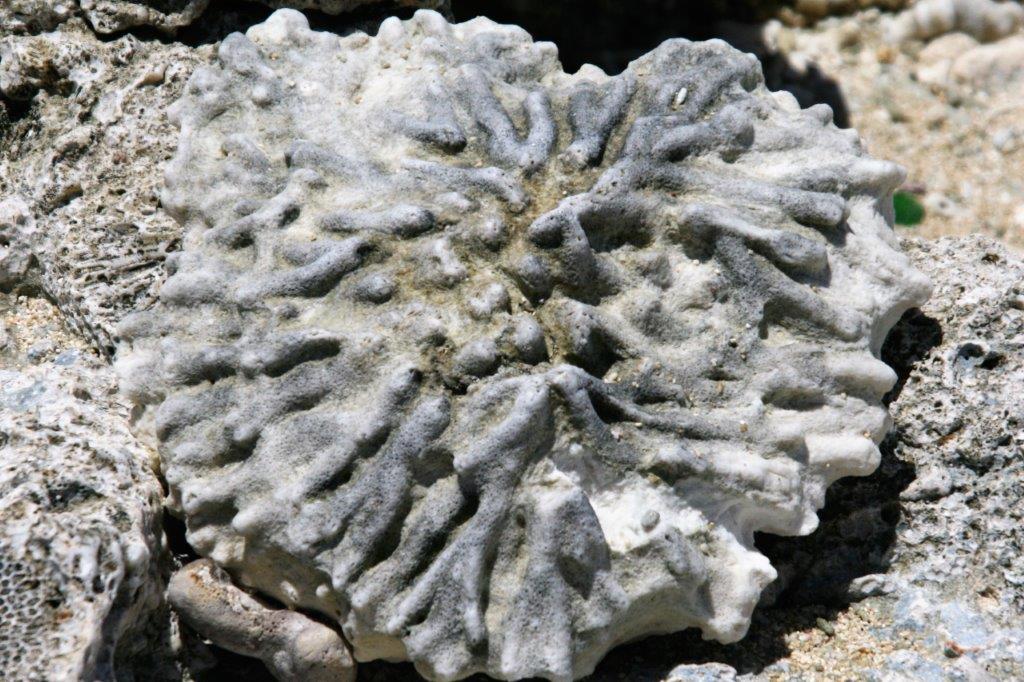
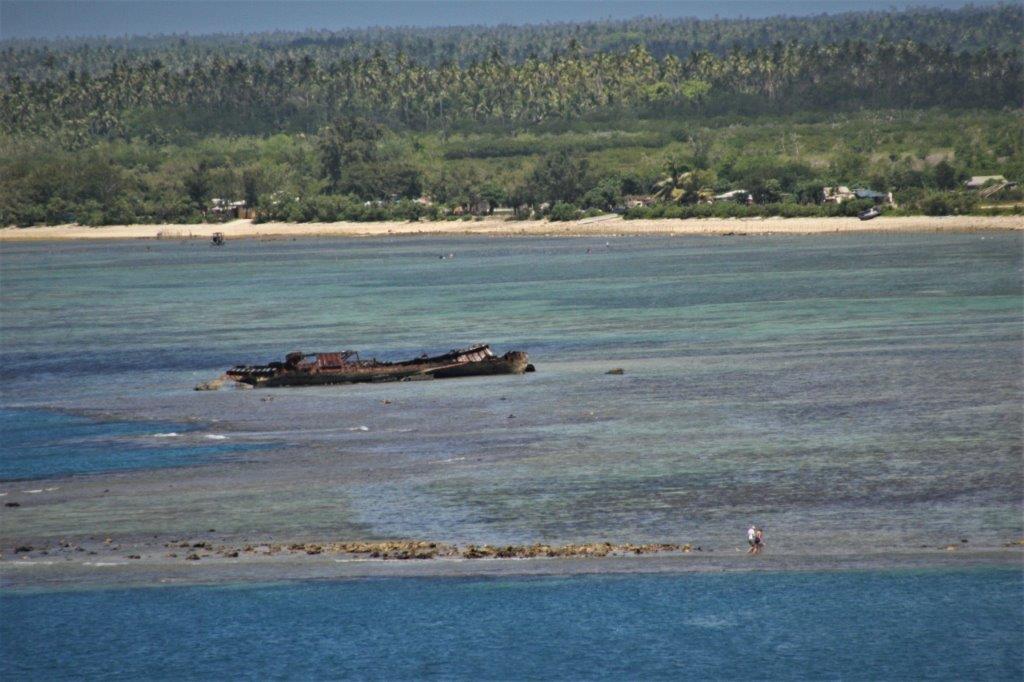
From the Royal Palace to the Royal Tombs, the official burial place for Tongan Royalty since 1893.    The Mapu’a Vaca Blowholes (the Chief’s Whistles) are on the south side of the island from Nuku’alofa.  The little salt craters and crevices on the rocks made very  interesting shapes. Once again, at a blowhole site, the wave action was too gentle to create any good blows.  I did like all the calcified shapes that created little pools.

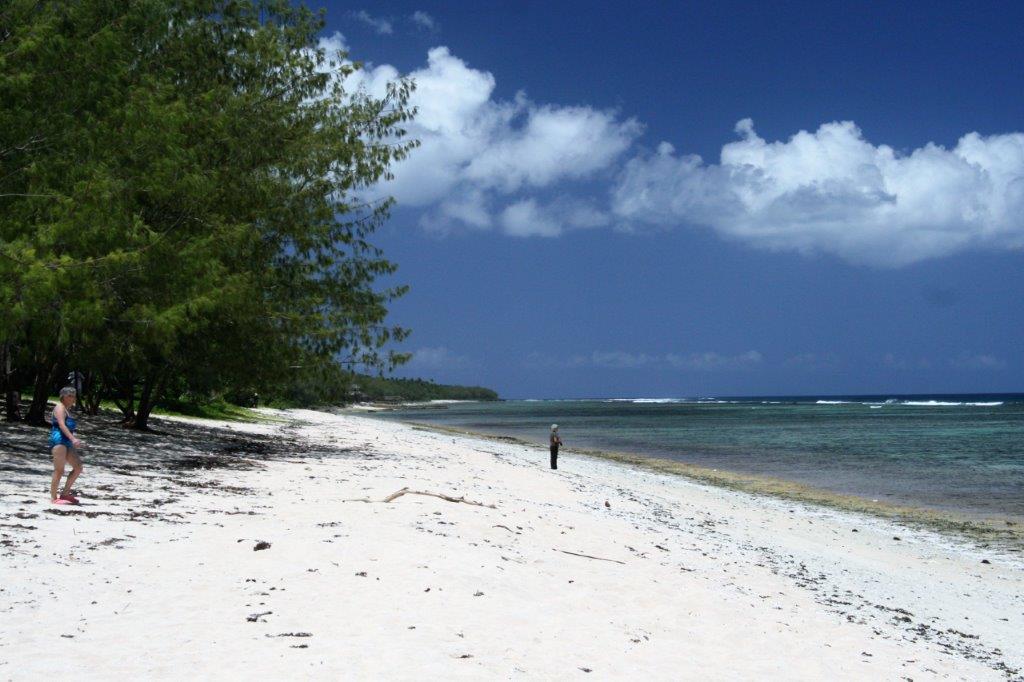
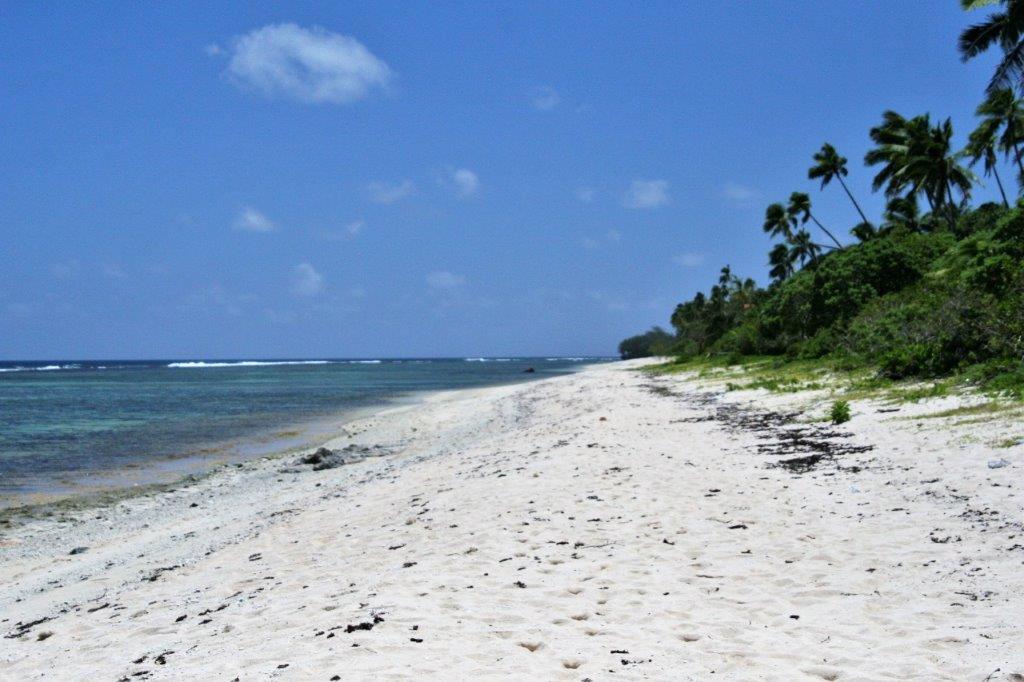
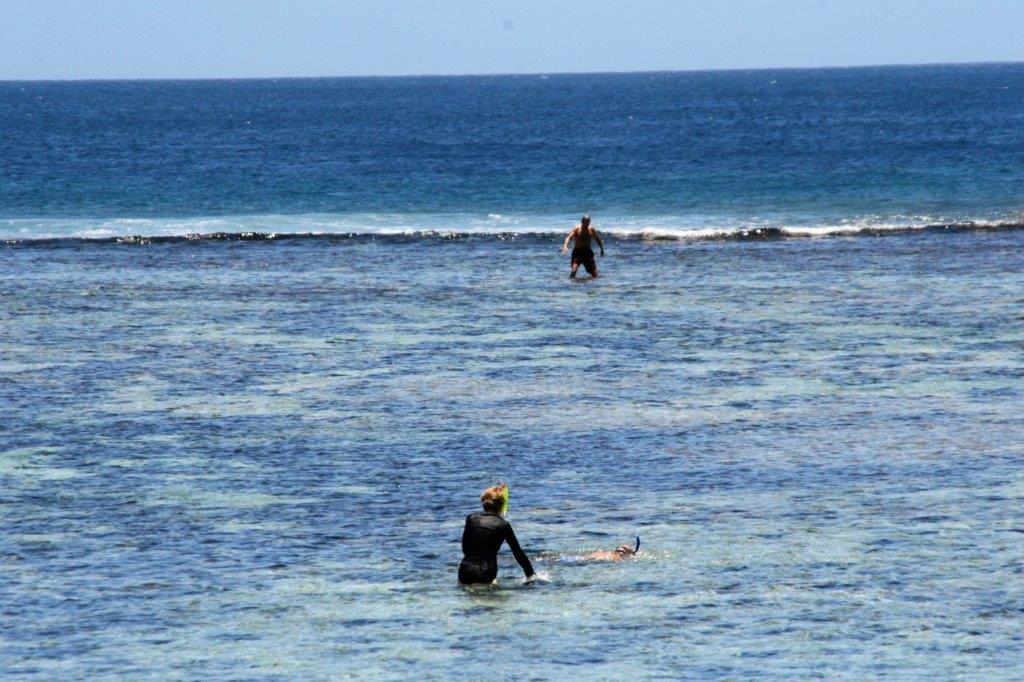
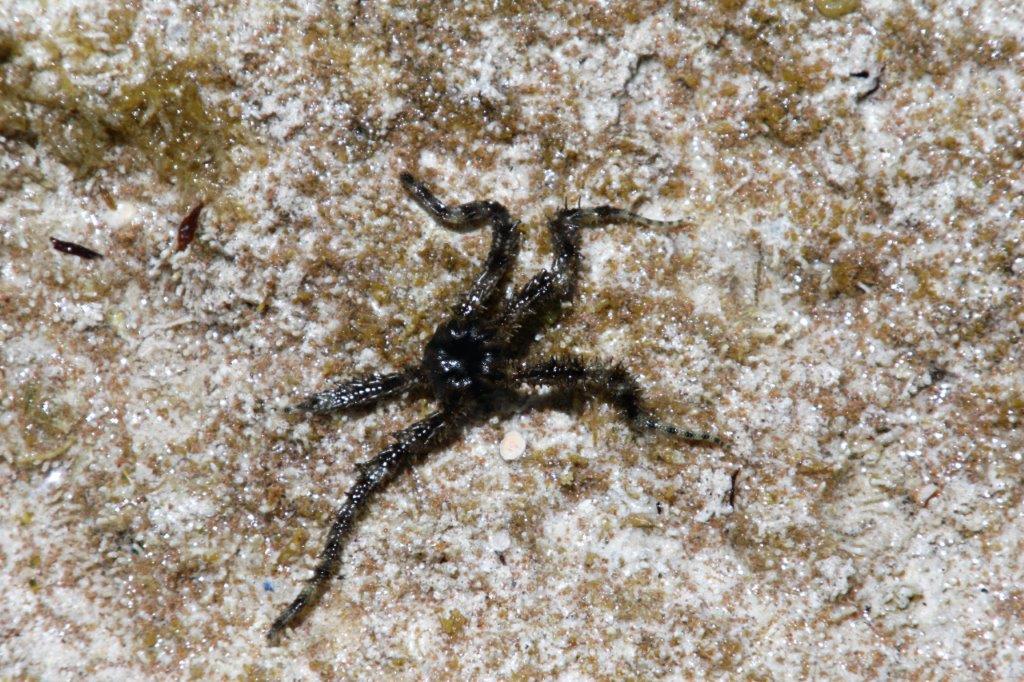
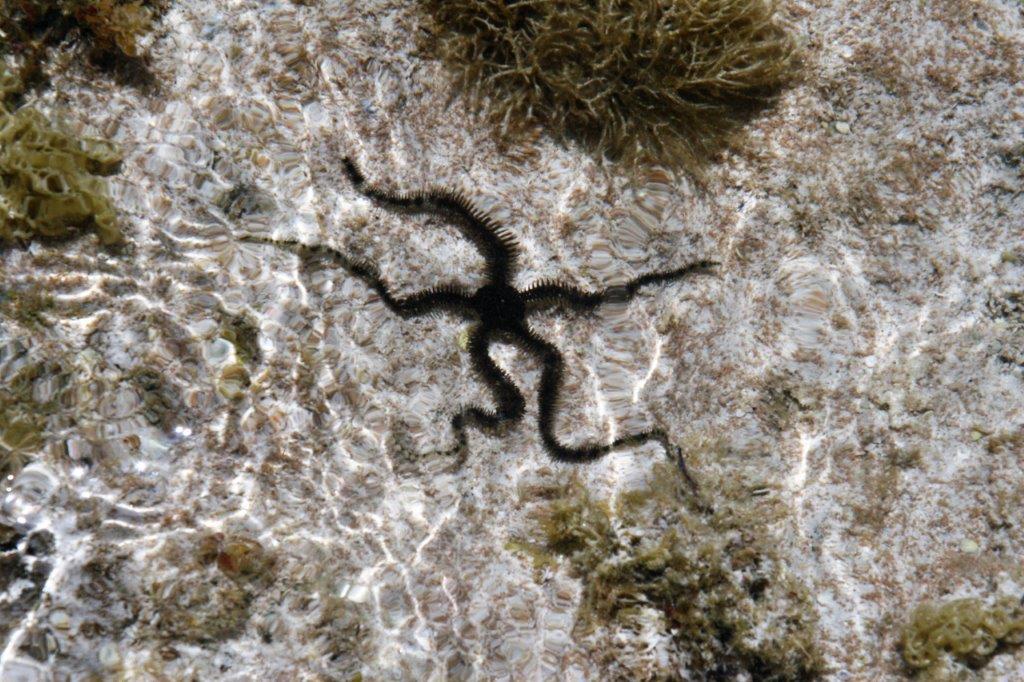
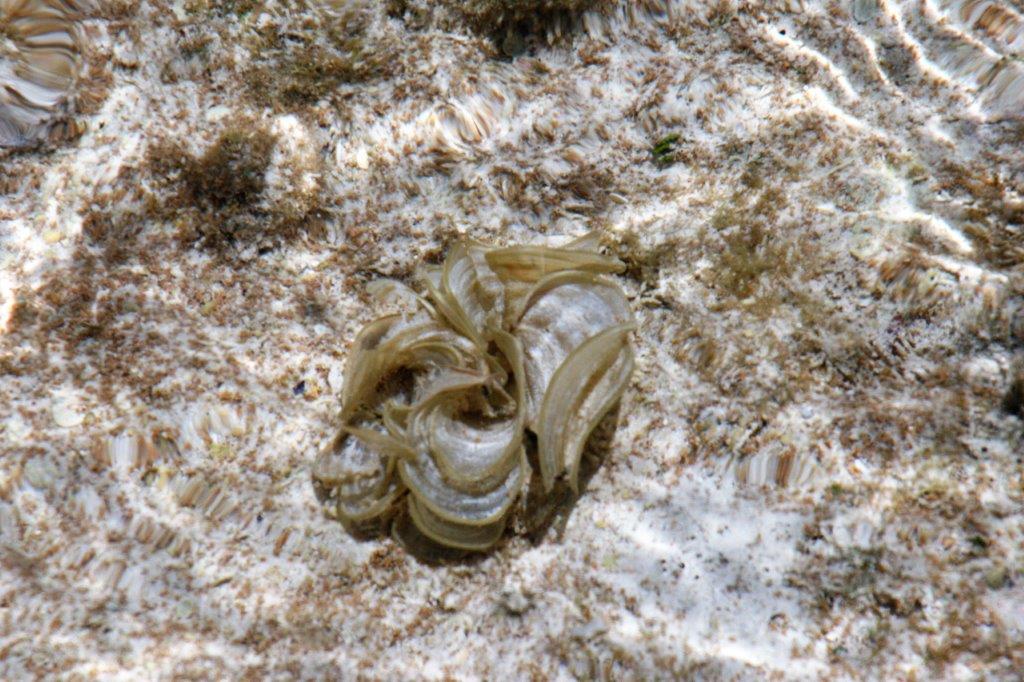
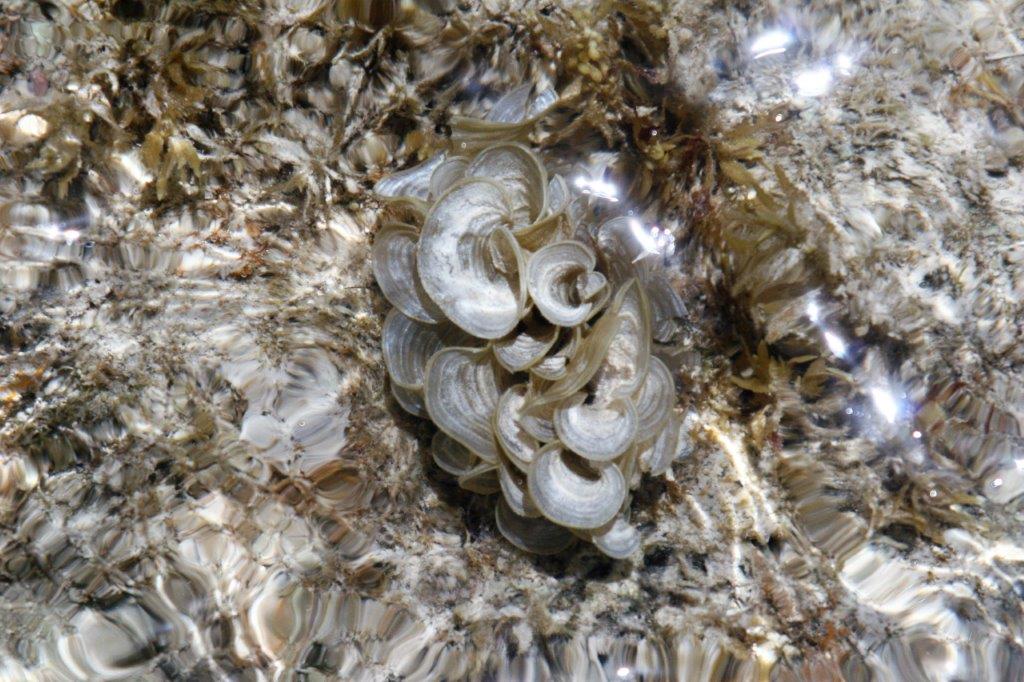
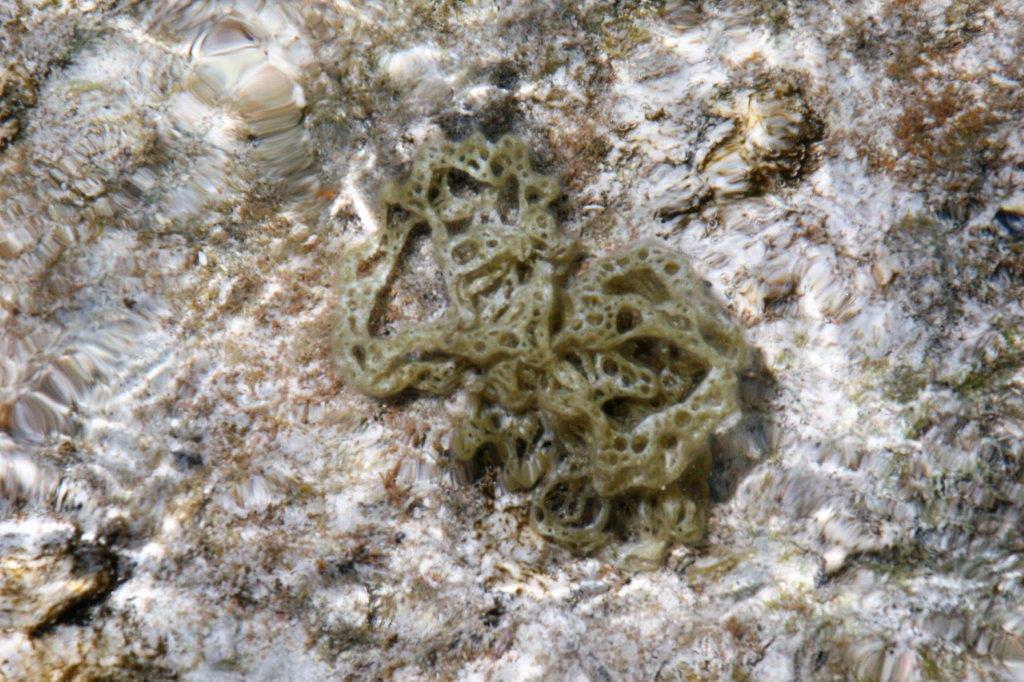
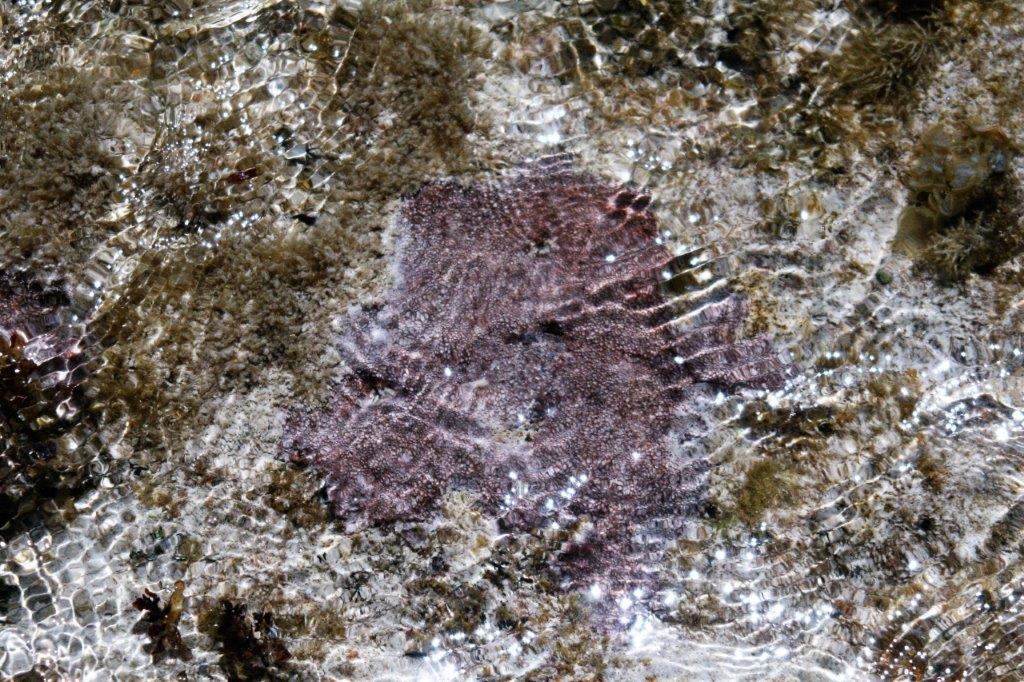
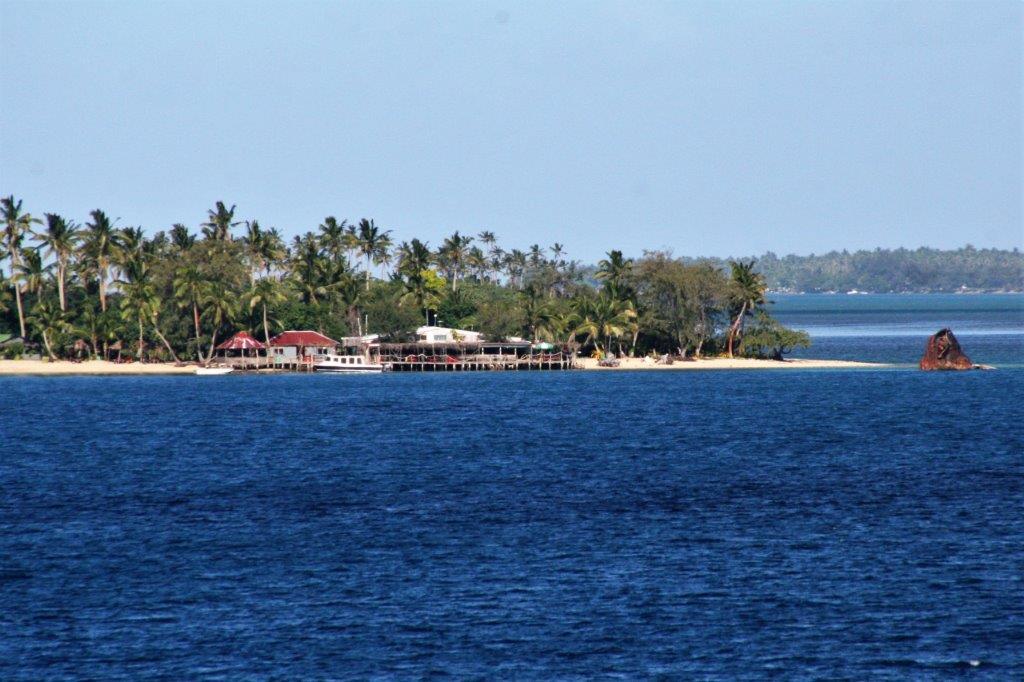
The beautiful white sand beach of Otuhaka Beach stretched for several kilometers and had a very shallow protecting coral reef that kept the crystal clear water nice and warm and allowed you to walk or swim for a several 100 meters to the breakwater. We had our bathing suits on but decided to just wade along the shore and watch the spider starfish, look for shells, and check out the delicate aquatic plants.

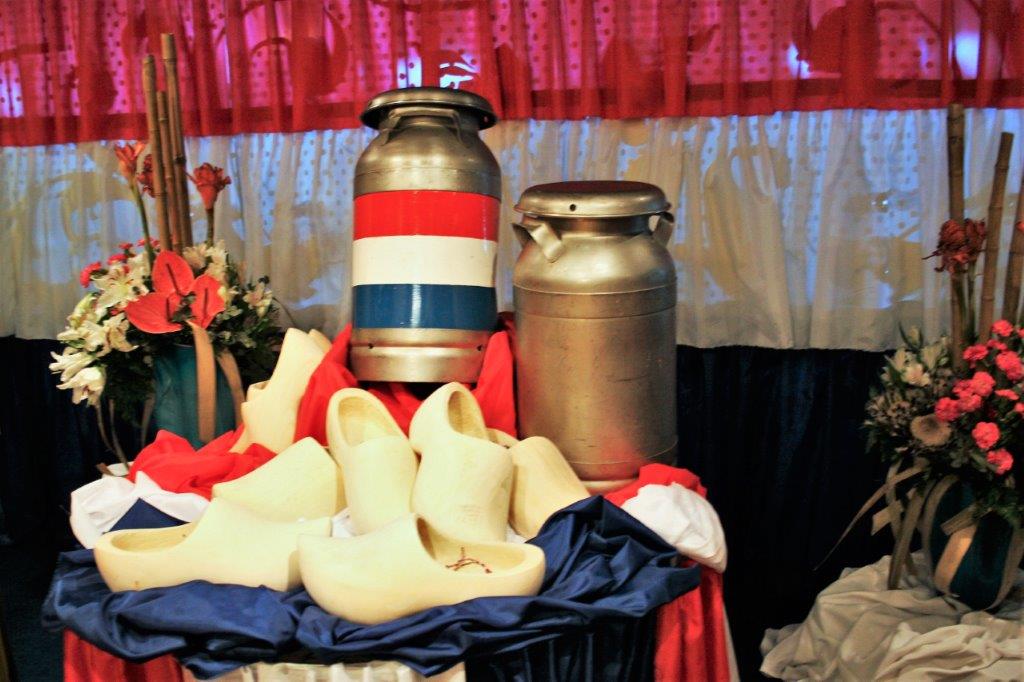
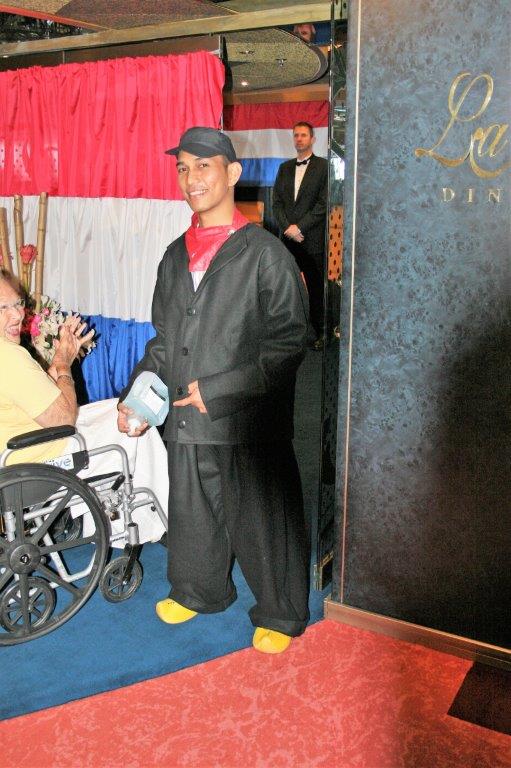
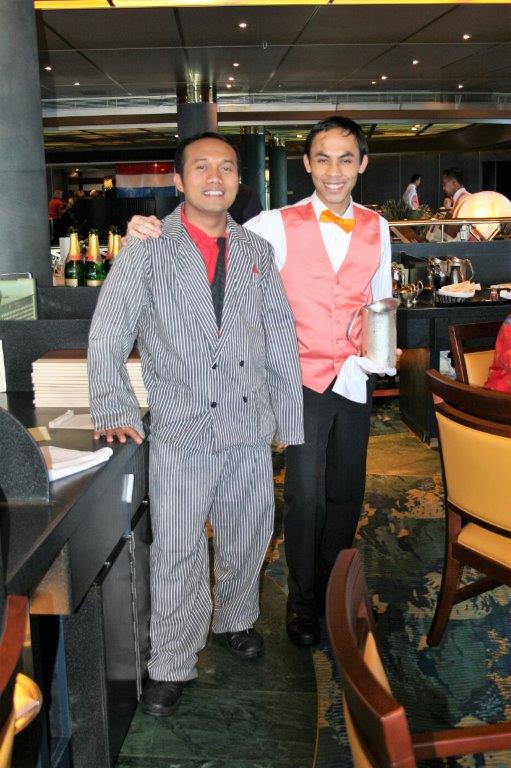
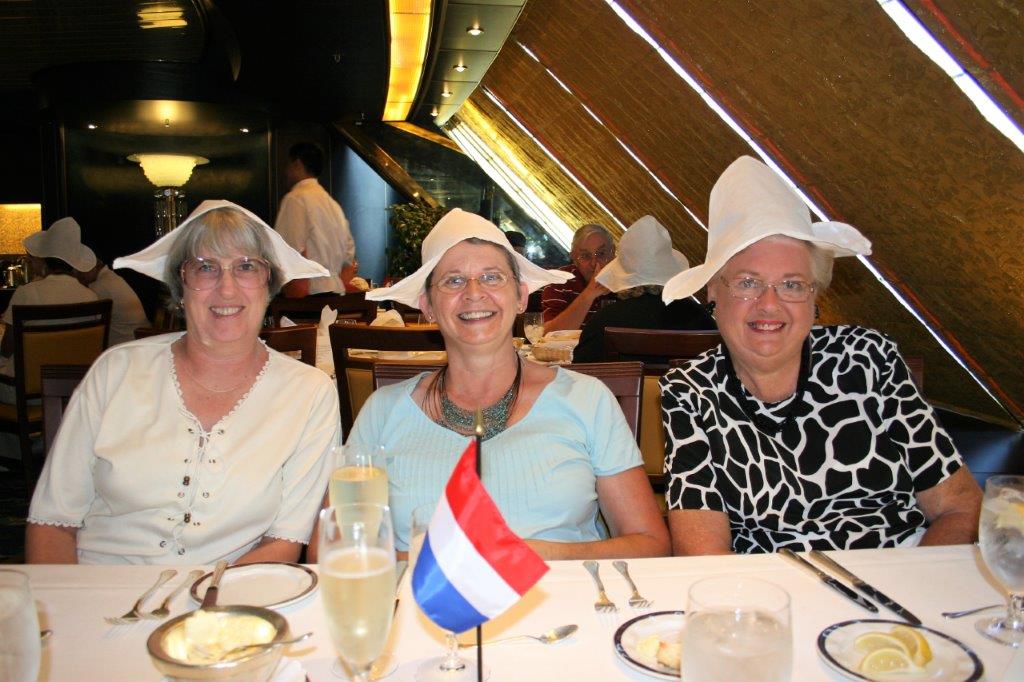
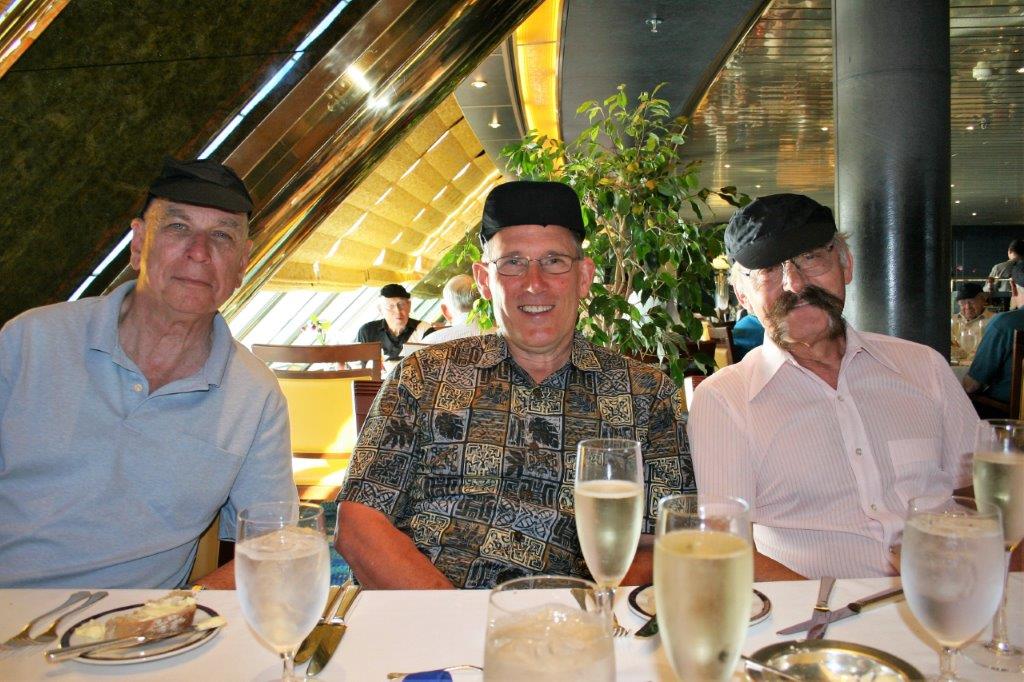
After an hour or so at the beach we returned to town and the ship.  With co-ordinates of 173° 40′ W and 175° 20′ W Tonga is geographically last to end each day.  Holland America ships all celebrate the Netherlands Independence day (officially on Jan 30) with free champagne.  That night at dinner we also celebrated Chinese New Year, Chief Chef Bernie’s birthday, and the conclusion of our South Pacific ports-of-call.  Any reason for free champagne is a good reason as far as I am concerned. Mary Kay, Janet and KarenJack and two Johns.

We loved the South Pacific islands.  Many of them have no airport.  All of them are a long way from anywhere and take a long time to get to, by land or by air.  This cruise on our way to Australia was a great way to see some of them.  We also cruised back to British Columbia from Sydney, Australia at the end of our two months travel of the eastern half of the continent and stopped at some different islands so you will be reading more from the South Pacific later on.

2011 February 6 – Day 32 – Auckland, New Zealand (Day 1)

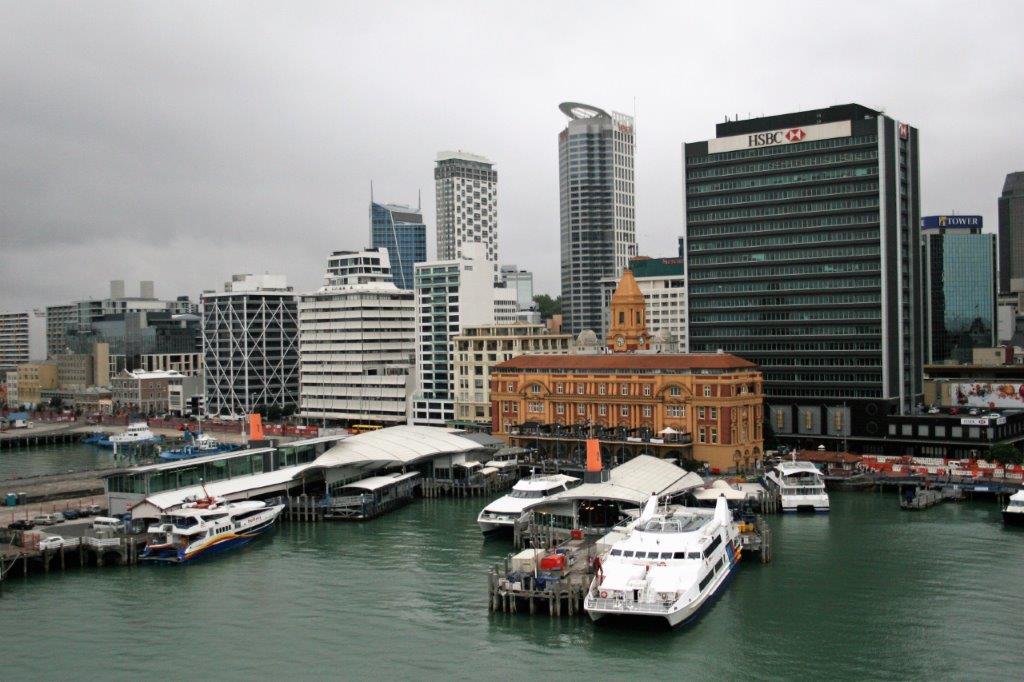
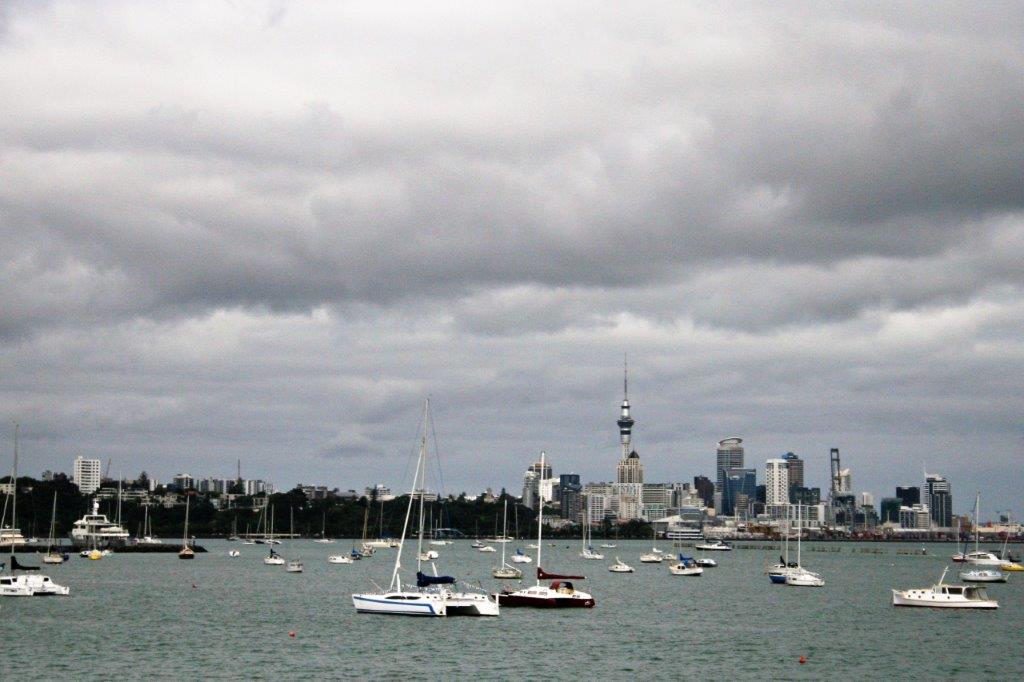
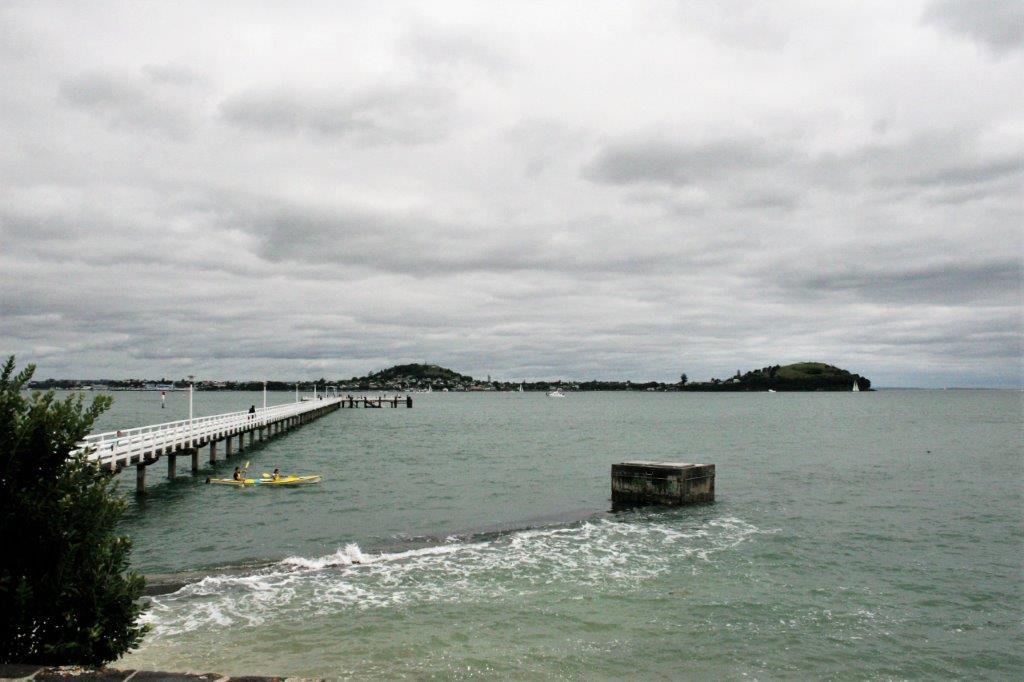
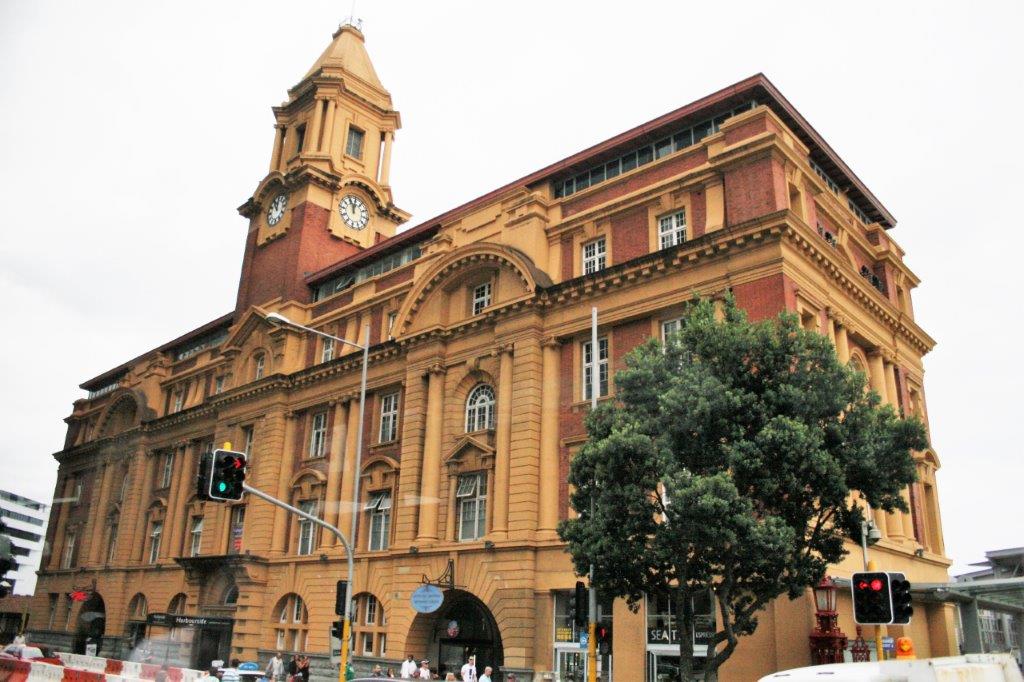
Auckland is the largest city in New Zealand; although Wellington is the capital.  Known as the “City of Sails,” Auckland was the capital until 1865 when Wellington was chosen because of its more central geographic location.  There are more than 70,000 sailing craft and private powerboats in the greater Auckland region.  This works out to one boat for every four households!

Before the arrival of European explorers the indigenous Māori people and the fruit bat were the only mammals on the islands. The North Island is home to three-quarters of New Zealand’s population with over 3.5 million inhabitants.  North Island is much more rugged than South Island due to its volcanic past.  The Auckland area is built on a cluster of extinct volcanoes and the rich soil creates a very green fertile landscape.

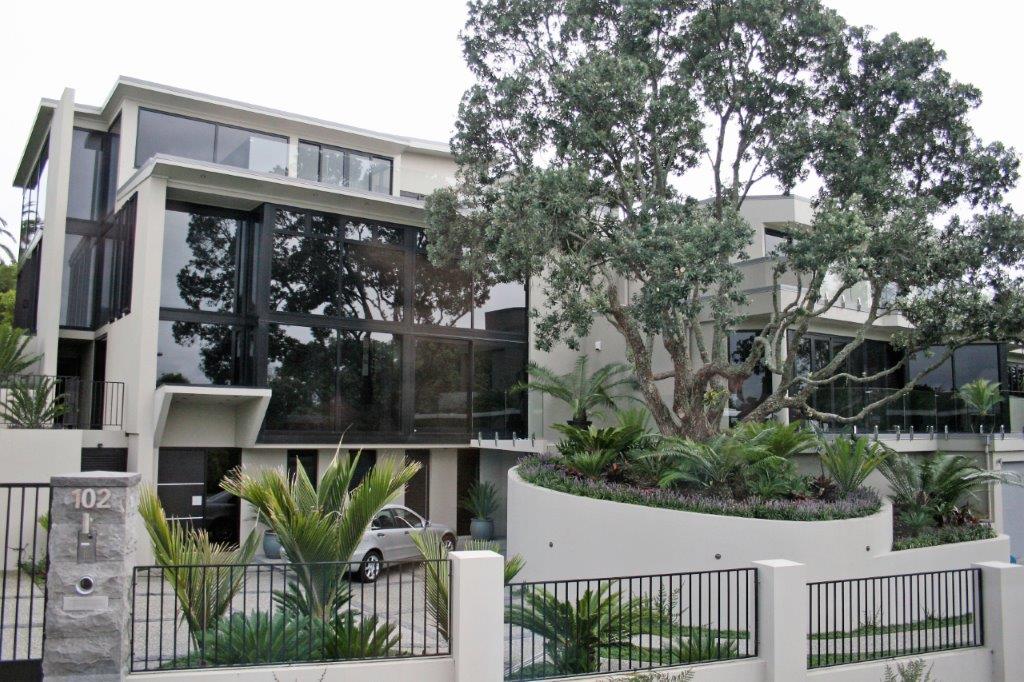
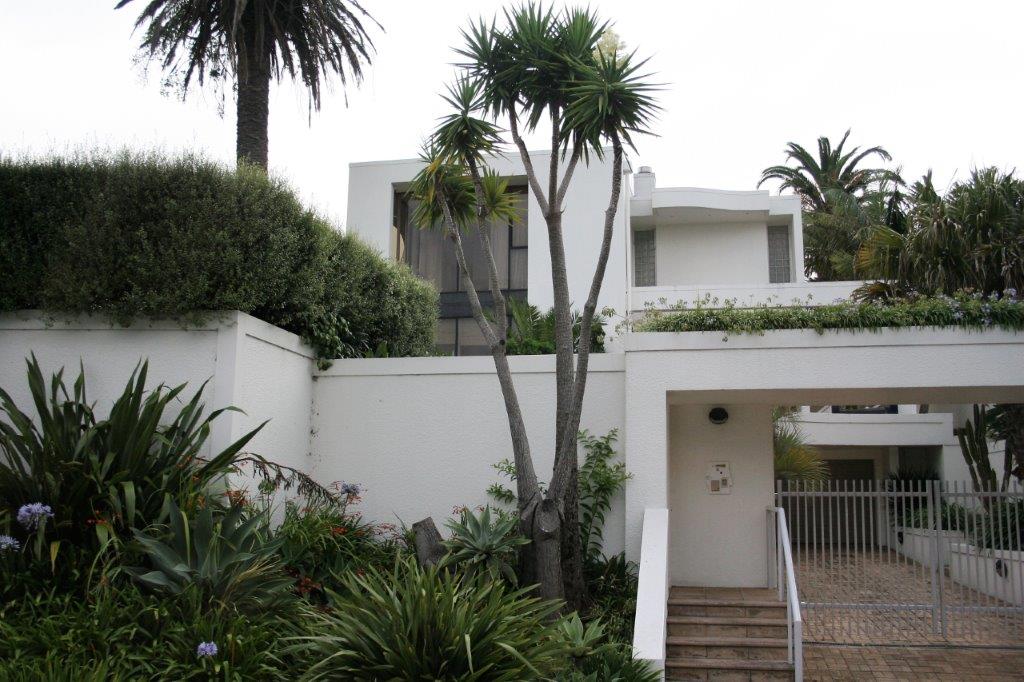
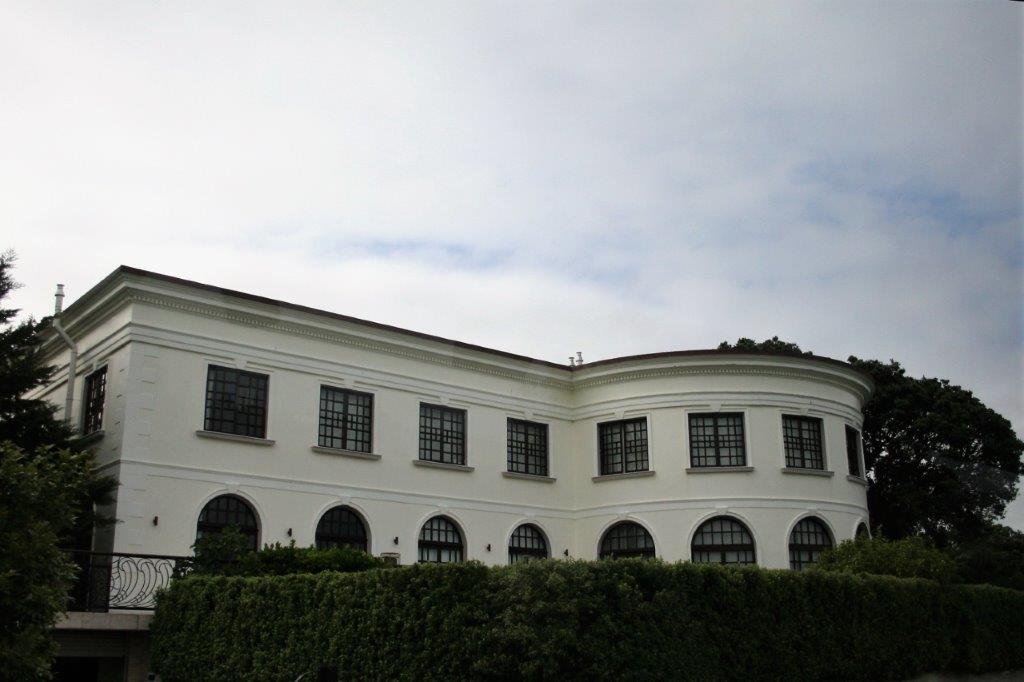
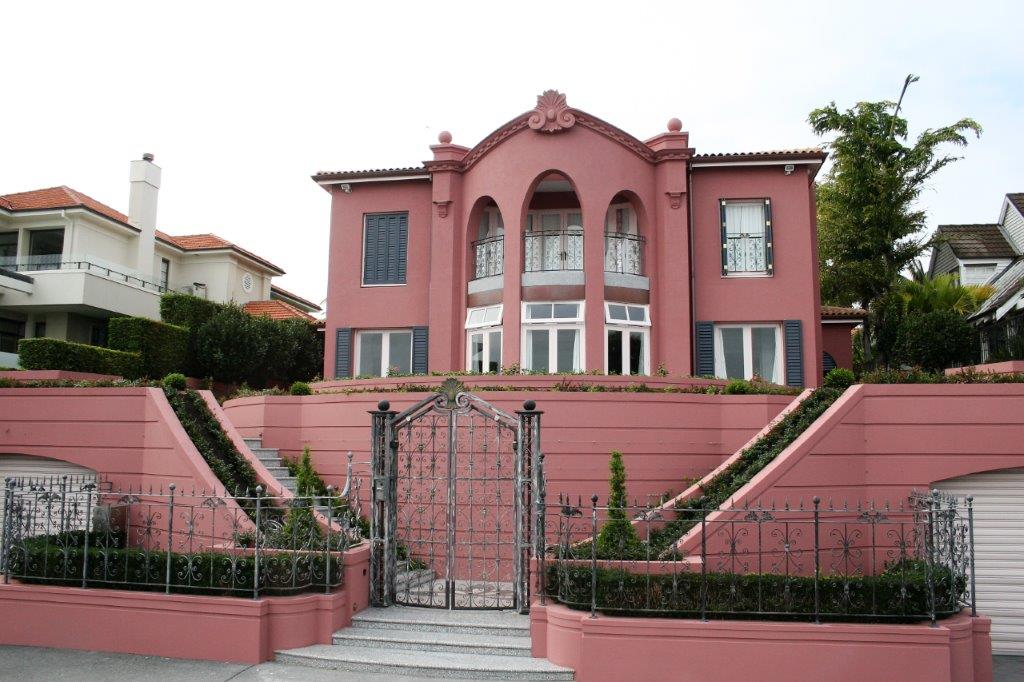
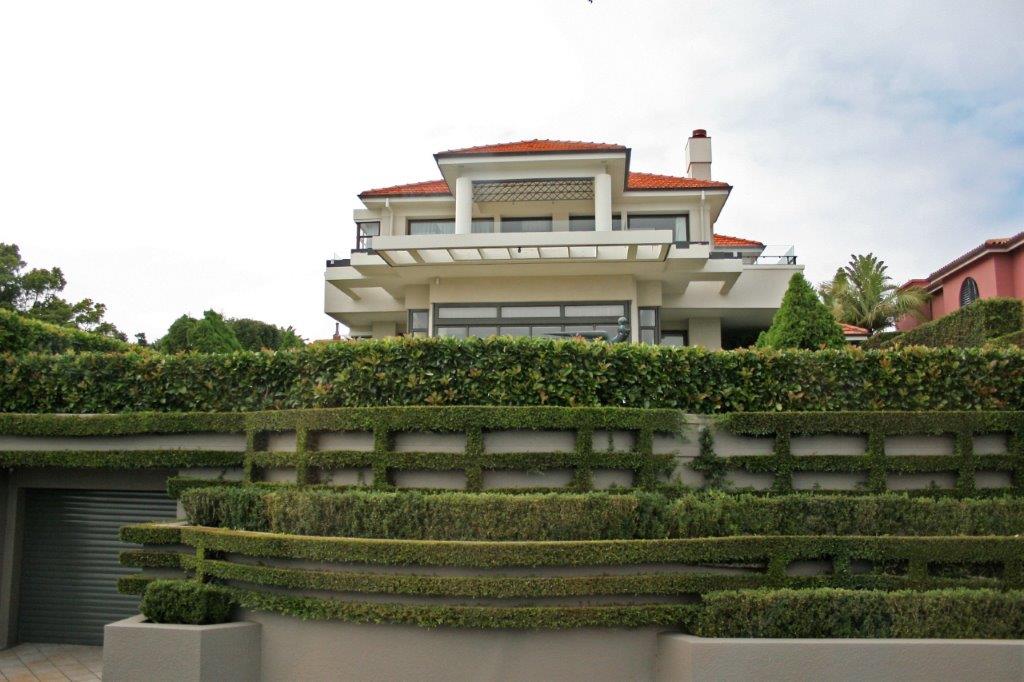
We were in Auckland for two days before heading south along the eastern coast to Tauranga, Napier and Wellington, which is on the coast of the Cook Strait that separates North and South islands.  We  then continued southward on the eastern side of South Island and stopped at Christchurch (docked at Lyttelton), Dunedin (docked at Port Chalmers), and Oban on small Stewart Island off the southern tip of South Island.  Our first day of rest was slow cruising in Milford Sound on the west side of South Island as we sailed in Fjordland National Park.  Our 8 consecutive New Zealand ports-of-call were the most we have ever done on a cruise. The bus driver took us through some high-end residential areas of Auckland on our way to one of New Zealand’s most popular attractions, Kelly Tarlton’s Antarctic Encounter and Underwater World. Personally, I would rather live in this one.  Having a fancy huge house has never appealed to me.  Even with a housekeeper I am much too lazy for that amount of upkeep and maintenance, not to mention the stuff that would collect in the unused space.

I looked Kelly Tarlton up online and learned this about the famous New Zealander:  “Kelly Tarlton was renowned for diving, marine archaeology, conservation and the building of Kelly Tarlton’s SEA LIFE Aquarium out of unused sewage tanks. He worked throughout his career to design the innovative marine Aquarium that is four times larger than any other in the world. At 47 years old (in 1985), and after working 18-hour days to realize his vision, he died only 7 weeks after the Aquarium’s opening.”

Before building the aquarium “Kelly formed a commercial diving company and spent considerable time exploring New Zealand’s most famous shipwrecks including sailing ship “Boyd” at Whangaroa Harbour and steamship “Tasmania” off Mahia Peninsula. This led Kelly to establish the Museum of Shipwrecks in the Bay of Islands in the 1970s.”

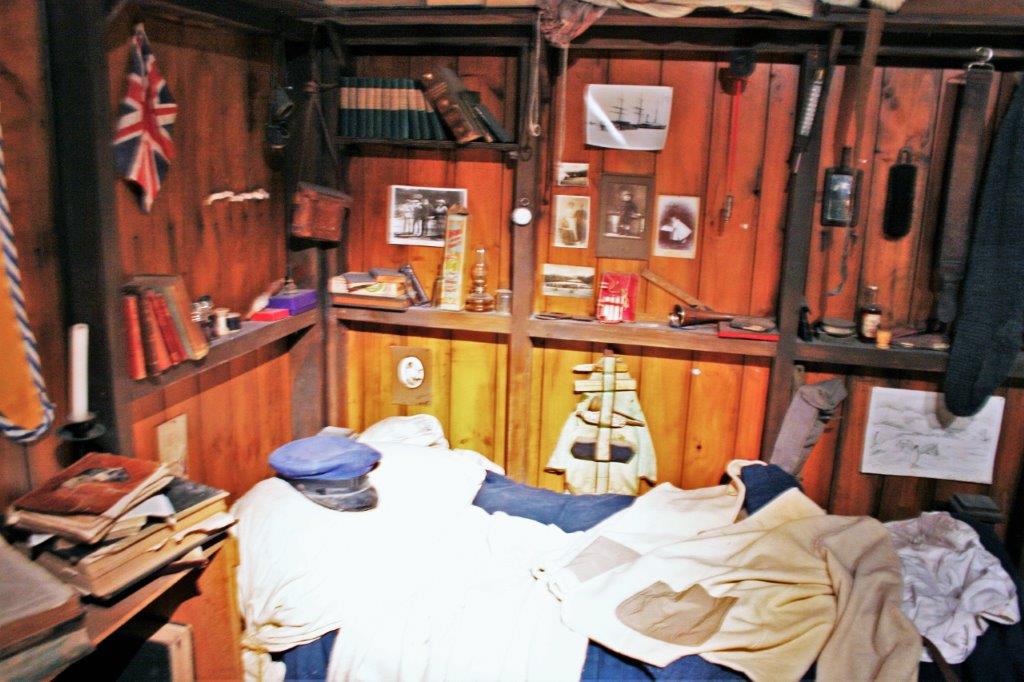
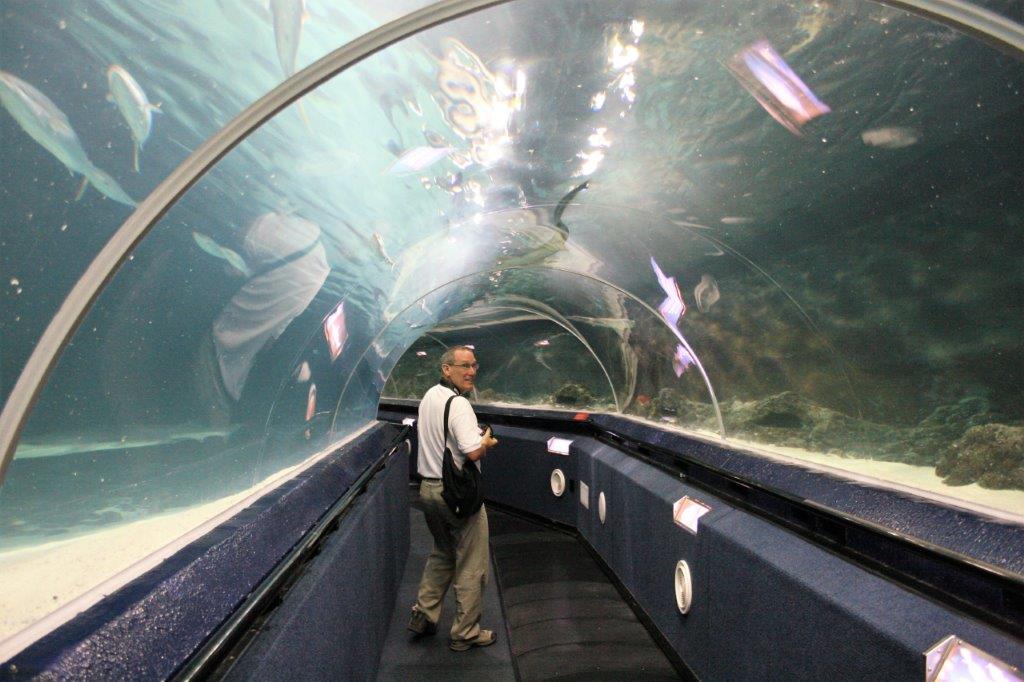
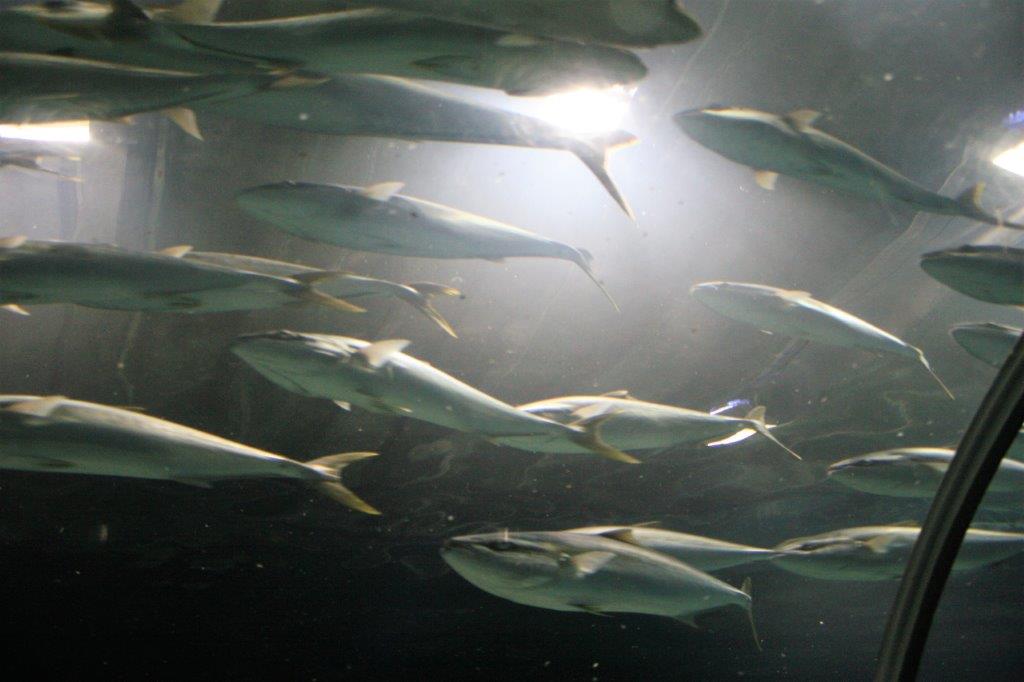
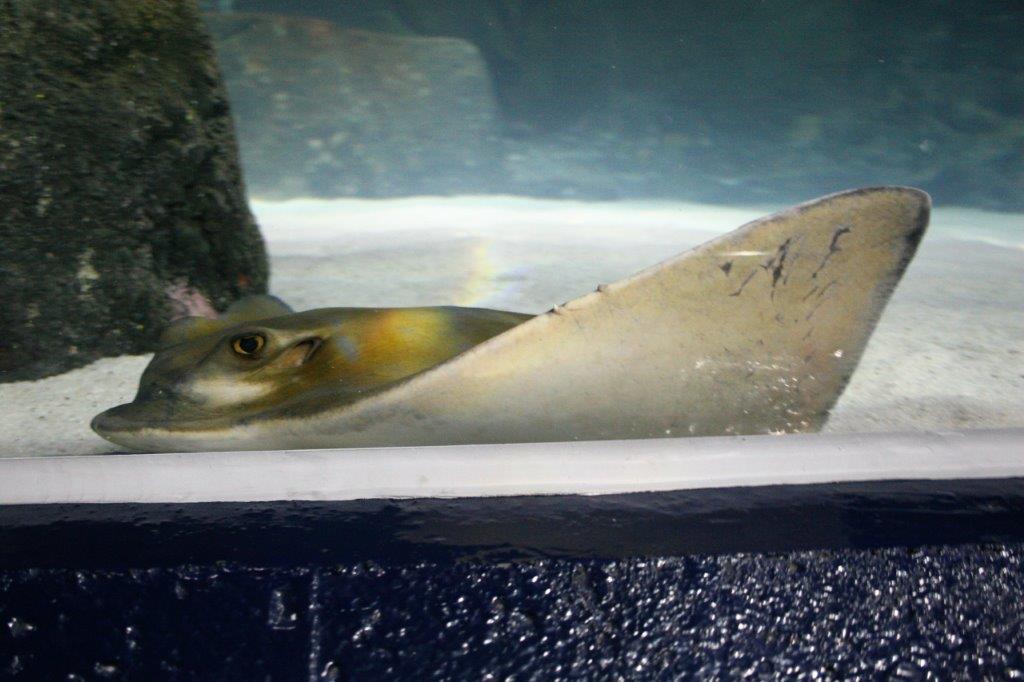
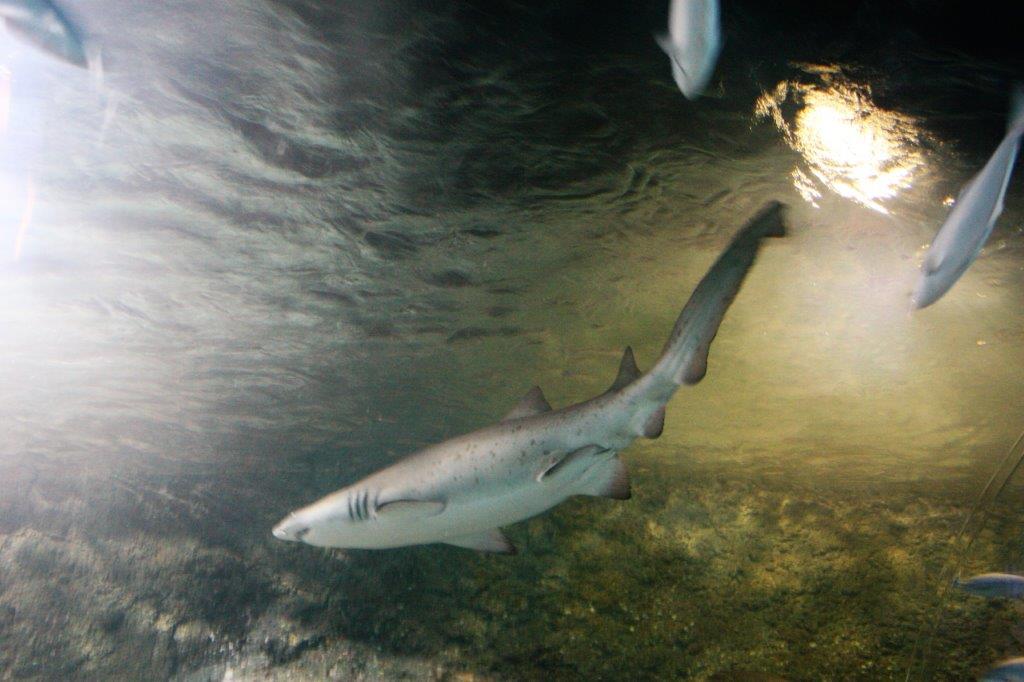
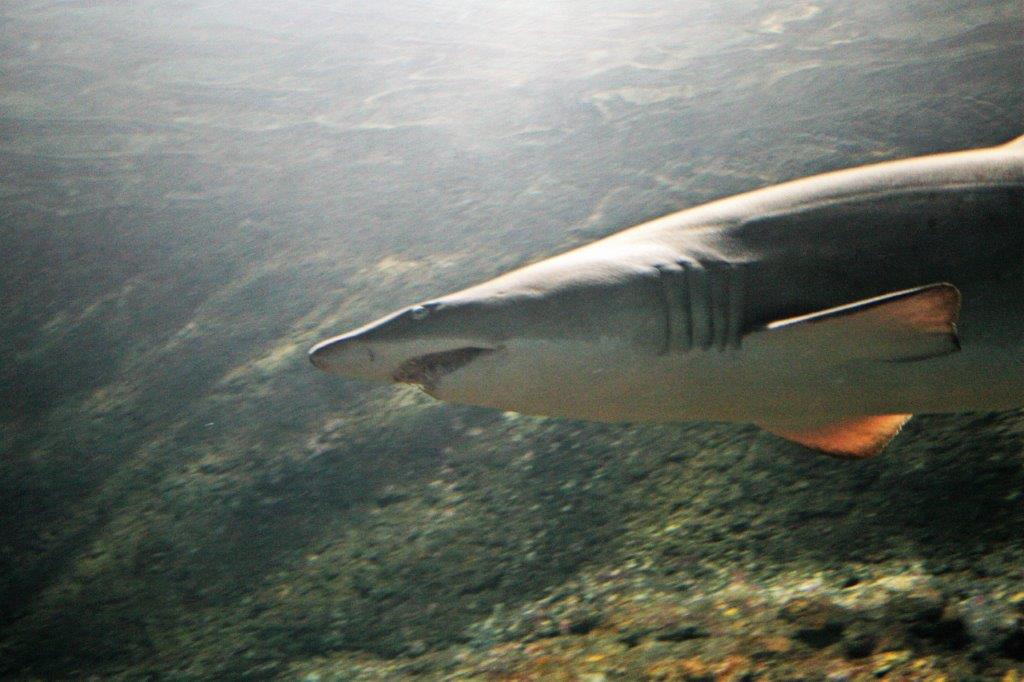
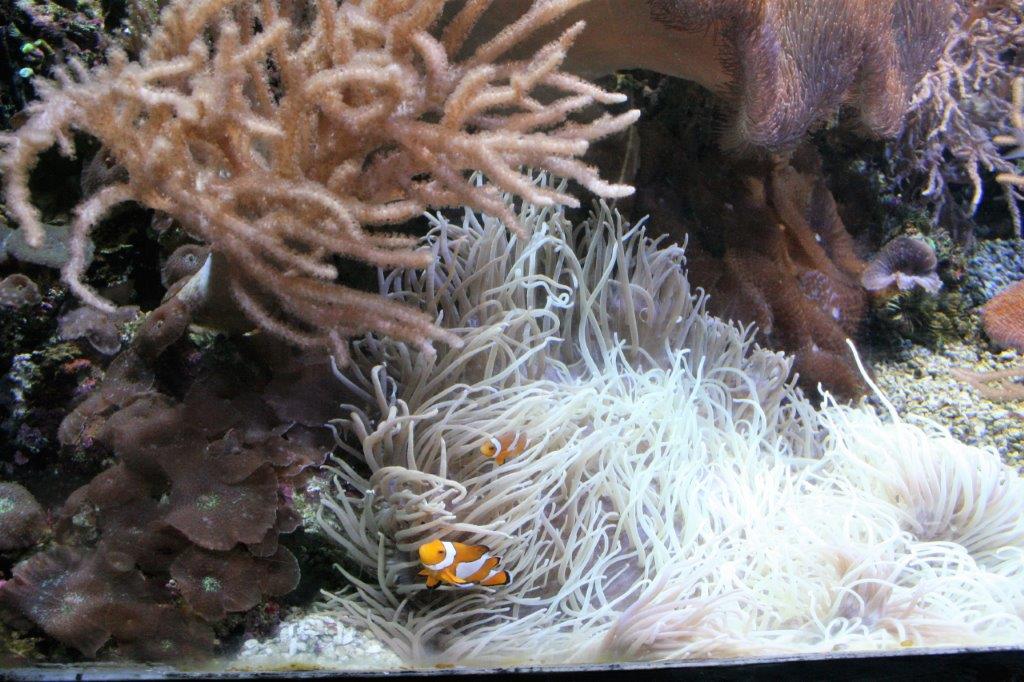
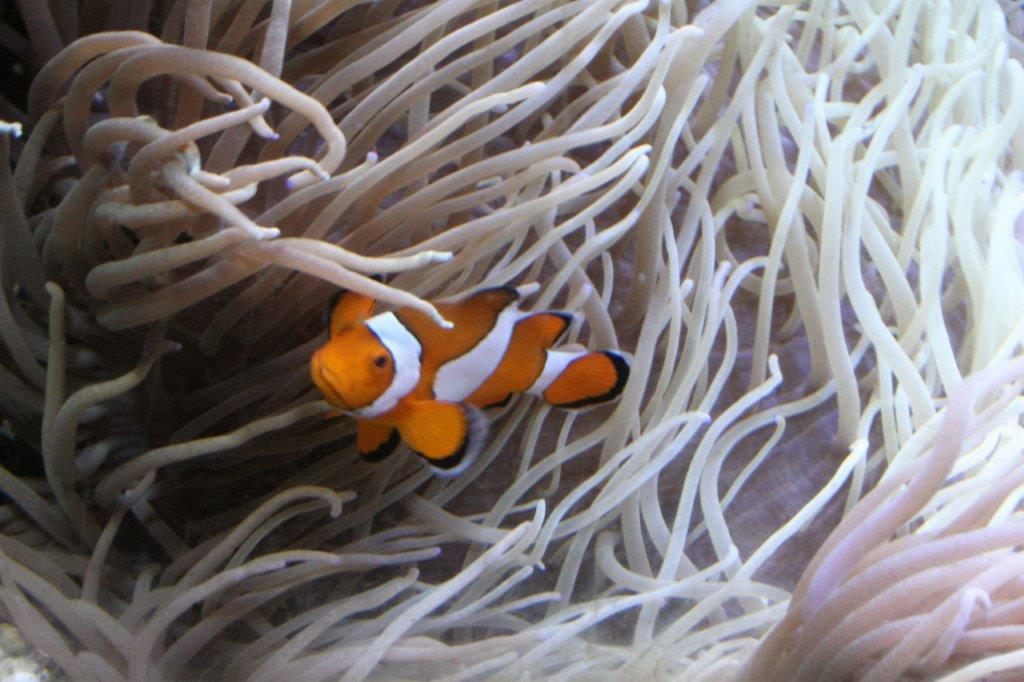
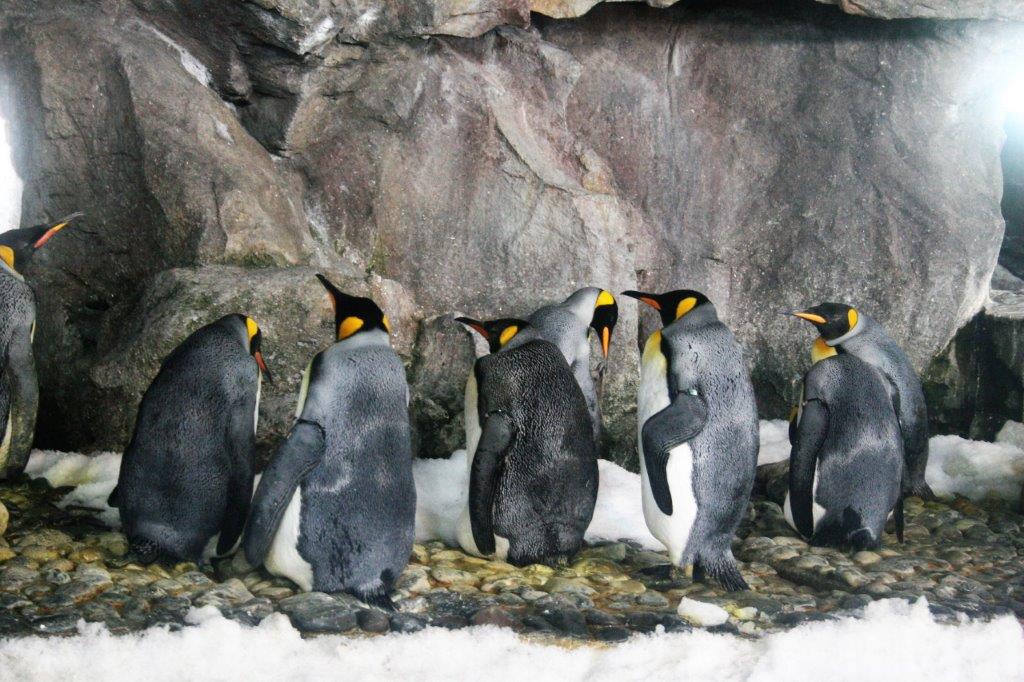
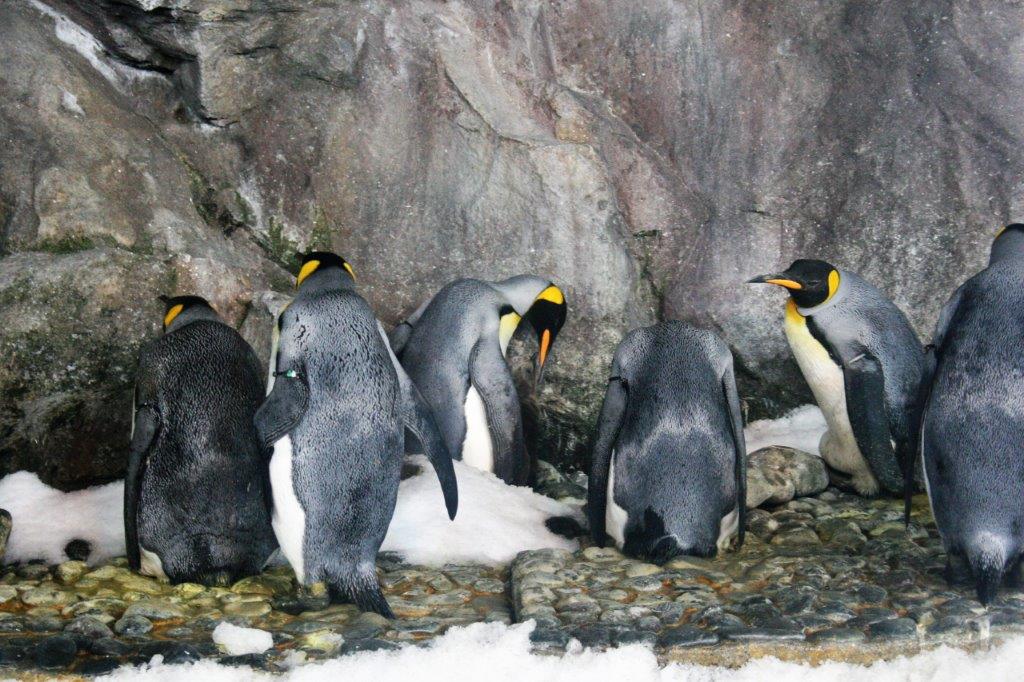
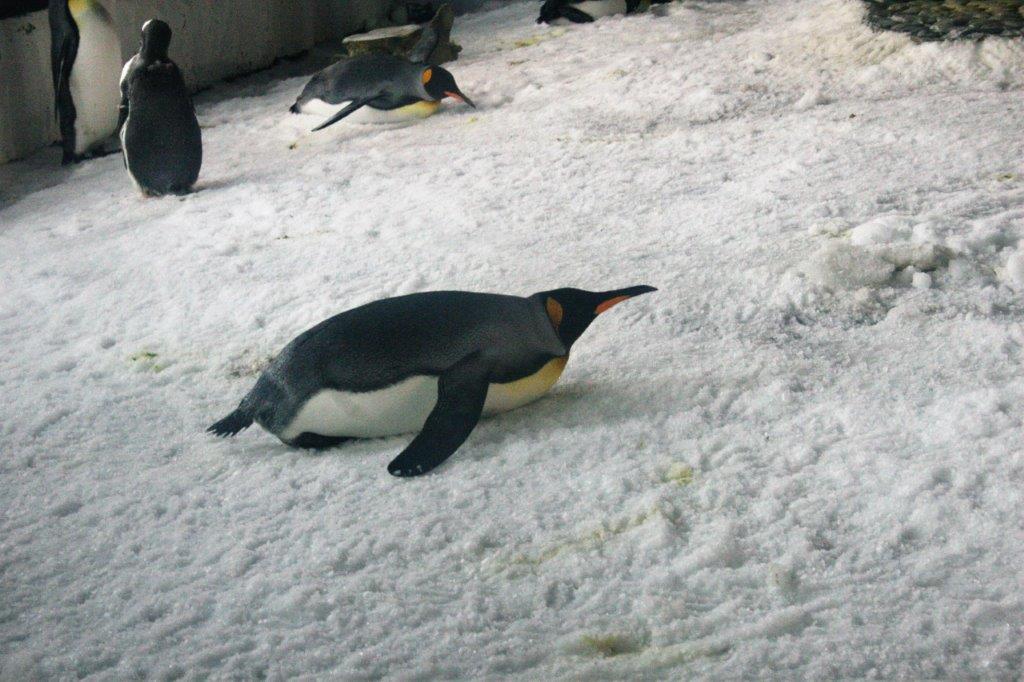
There is a life-size re-creation of Capatain Robert Scott’s 1911 Antarctic hut that was built on the shores of McMurdo Sound.  New Zealand has had a close relationship with the Antarctic for over 100 years and the end of South Island is used by explorers and scientists as the access point to the southern continent.  NZ is 4,989 km (3,100 miles from Antarctica, whereas the southern tip of Chile is 5,727 km (3,559 miles) away. The best two things at the Antarctic Encounter are the 100′ long moving walkway under the harbour so you get a diver’s view of the sharks, fish and rays. And the penguin colony.  They are so funny to watch as they waddle around.

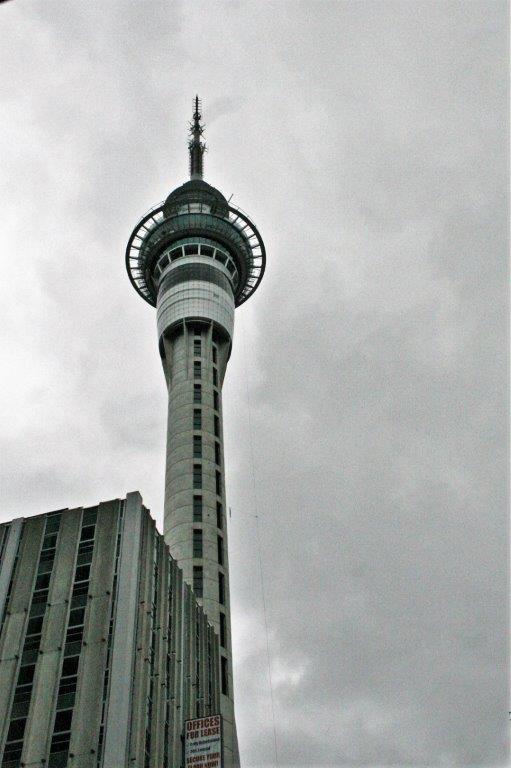
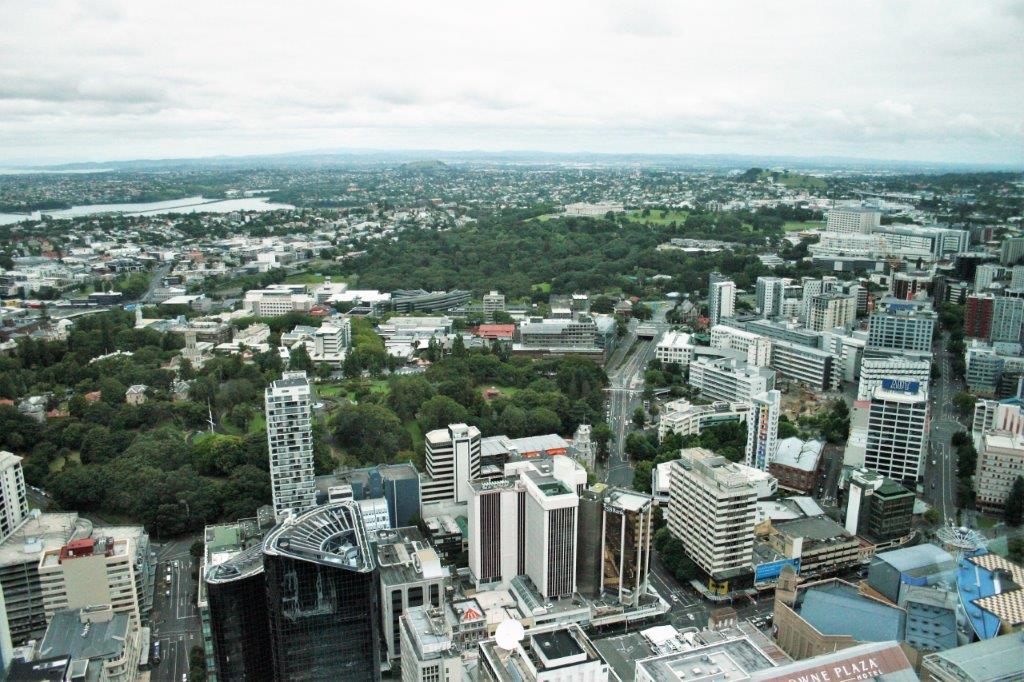
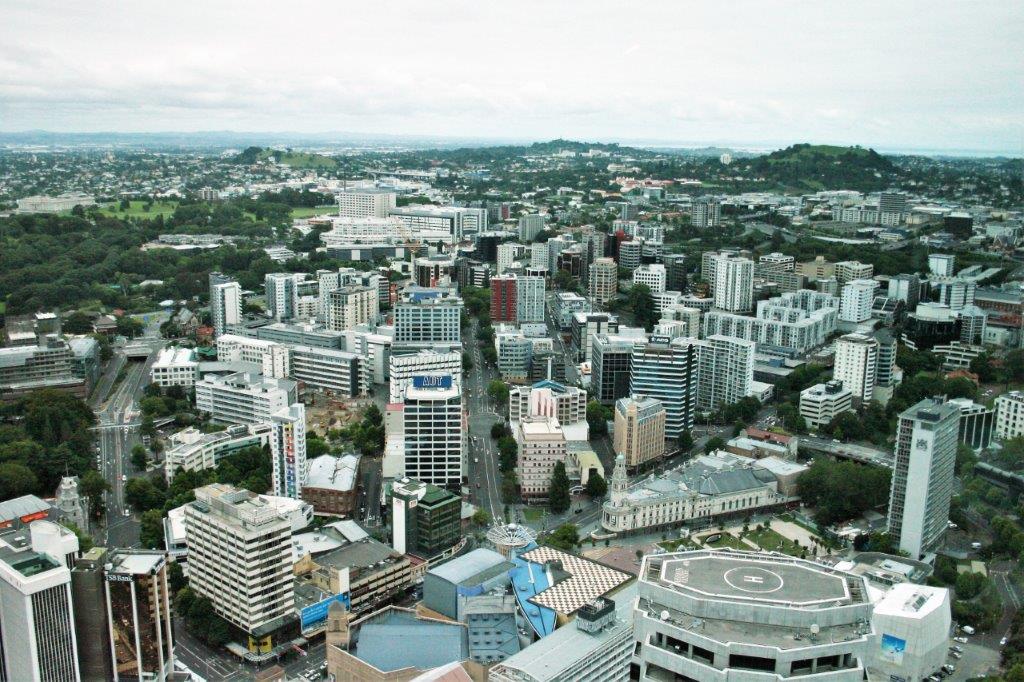
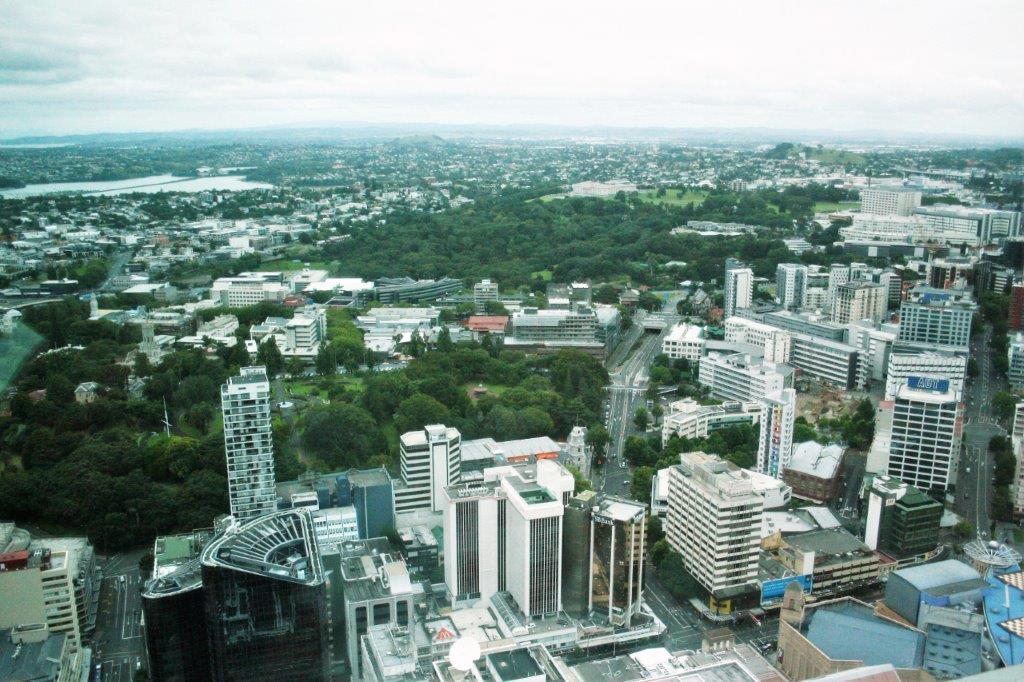
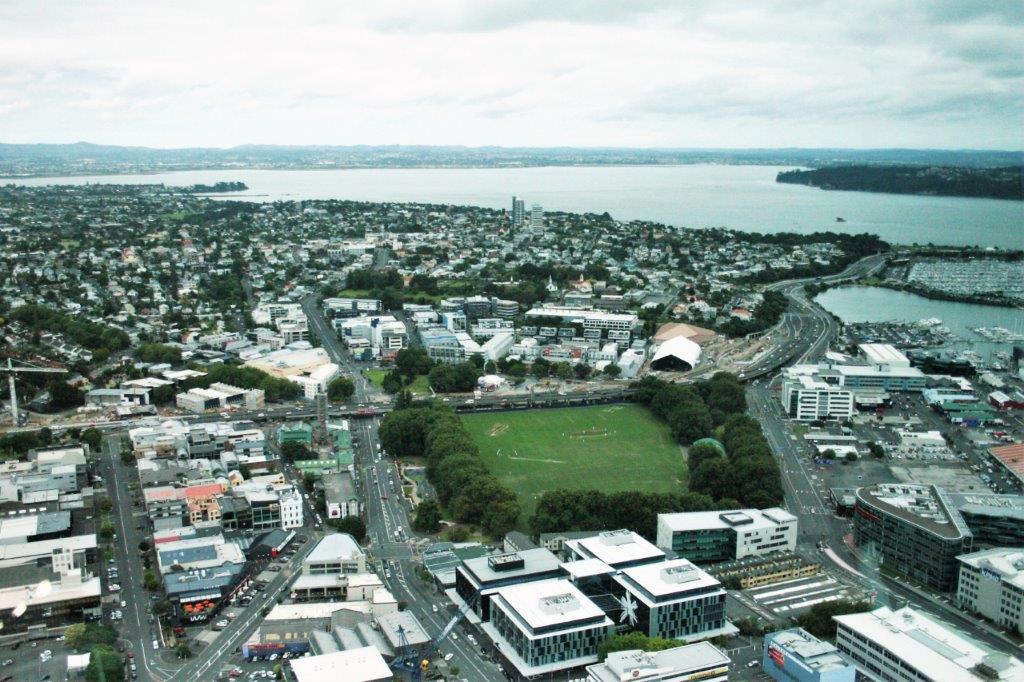
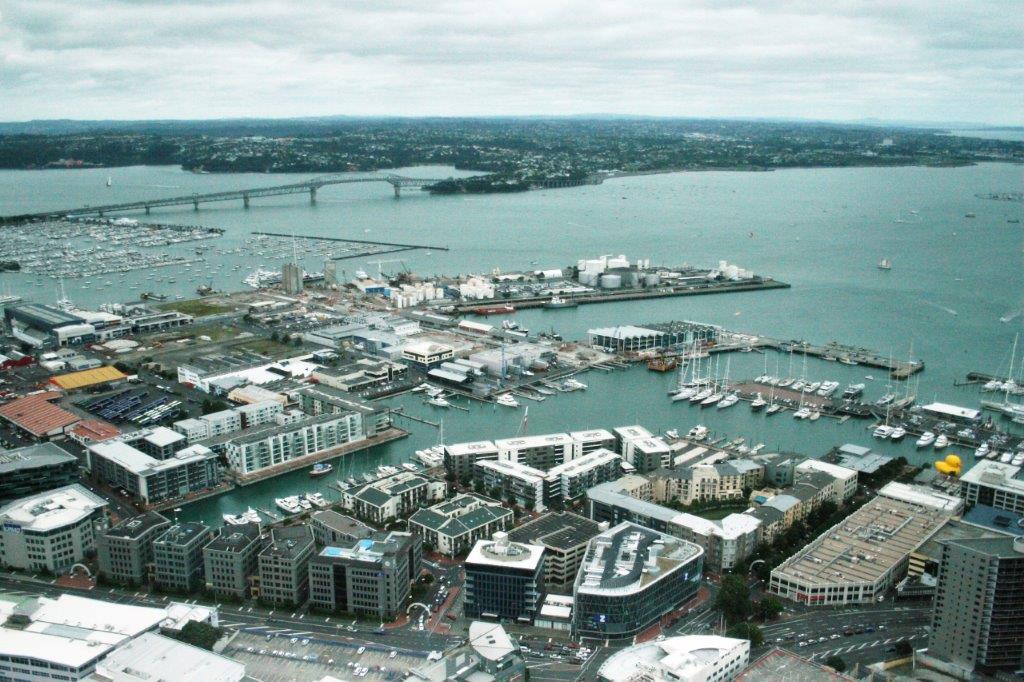
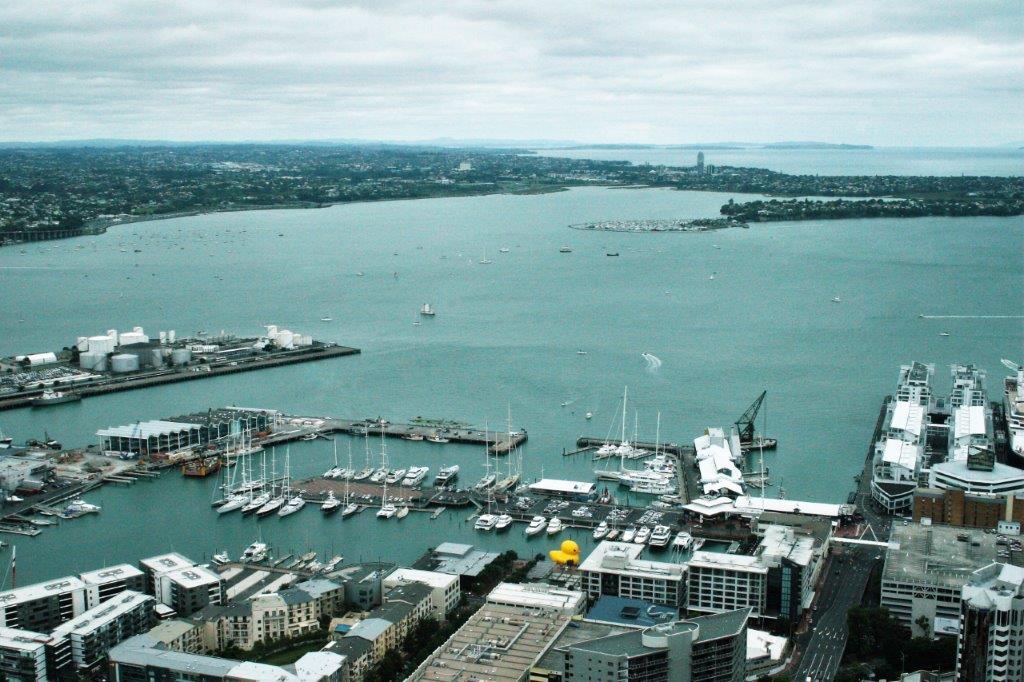
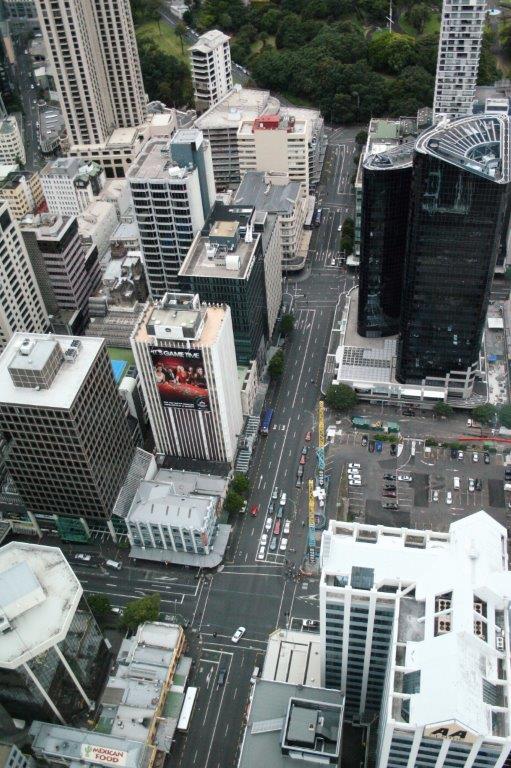
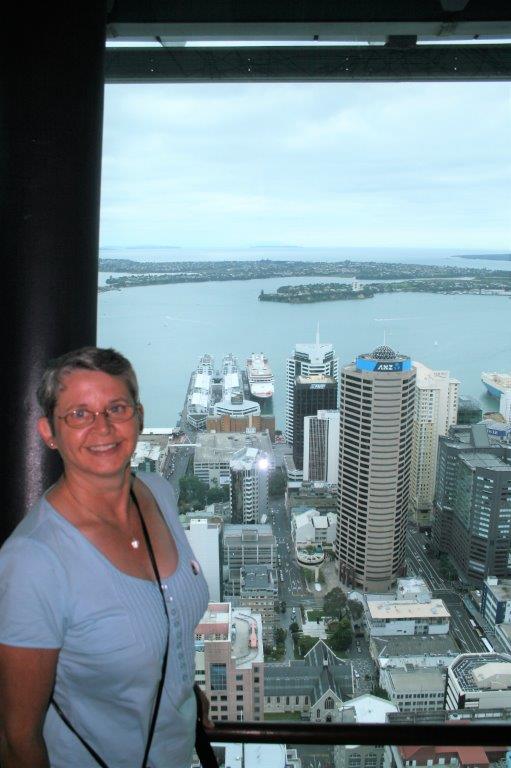
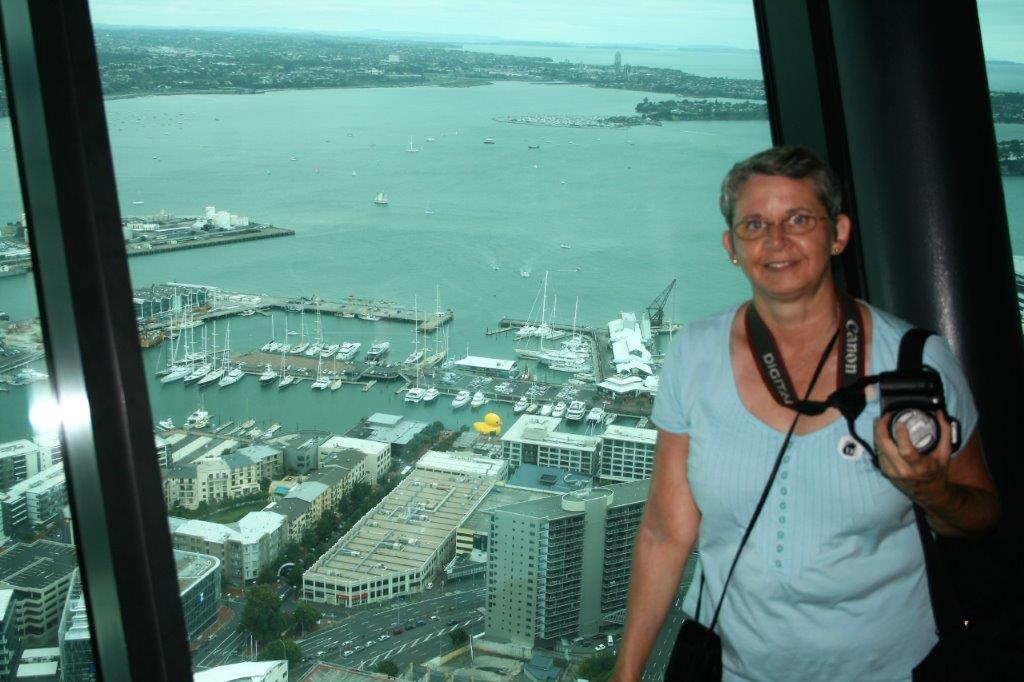
We were driven along the coast back into town to the Sky Tower, the tallest building in the Southern Hemisphere at 1,072 feet.  From the top there is 360° panoramic views of Auckland and the Hauraki Gulf.  On a really clear day it is possible to see the eastern edge of the Great Barrier Reef 60 miles away. The floor is glass.

For adrenaline junkies there are two options available at the SkyTower.  You can walk around the top rim 192 meters above the ground with no hand rails or guard rails.  Or, you can throw yourself off the tower and drop 192 meters at 85 mph on New Zealand’s highest and only base jump by wire.  While we were looking at the view a young lady dropped in front of us and suspended for a few seconds before plummeting to the ground.  Not for the faint of heart! 

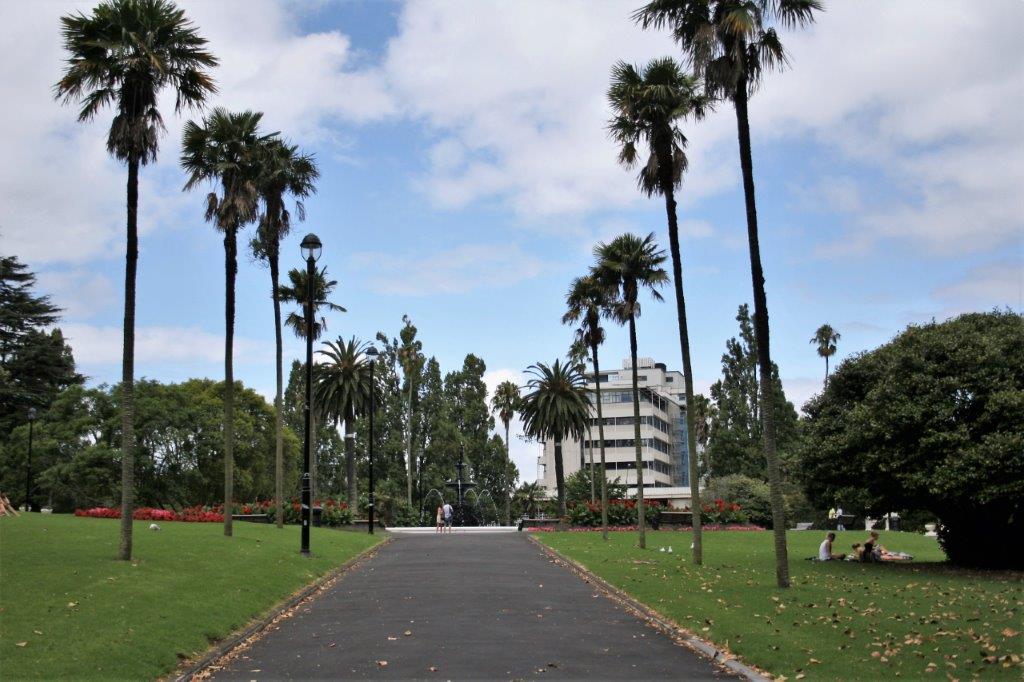
When our tour was over we had lunch on the ship then walked a couple of miles to Albert Park.

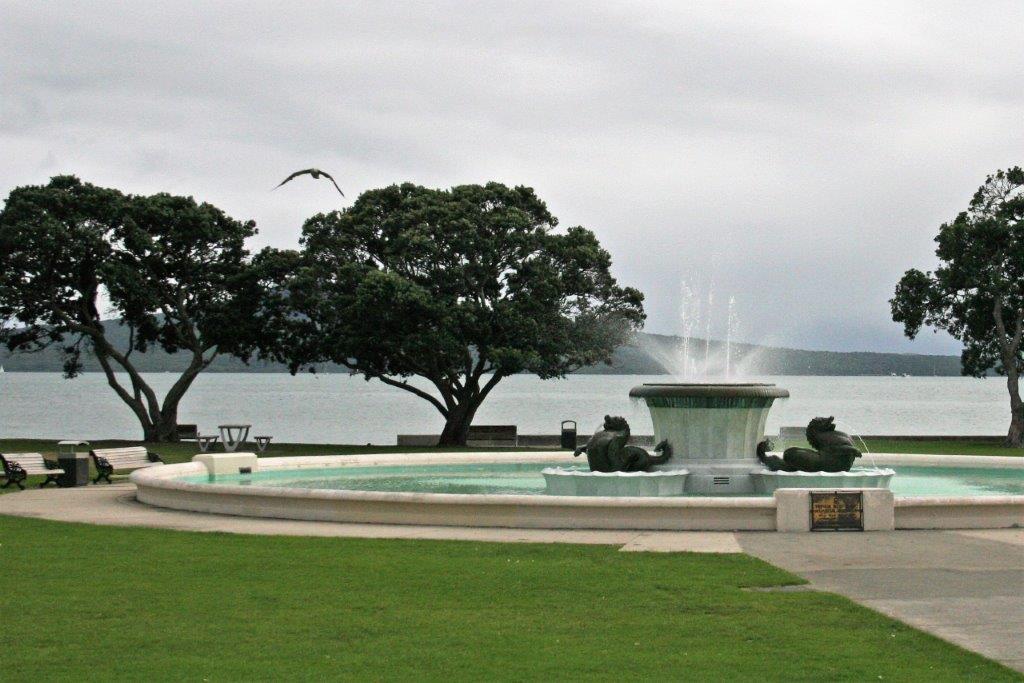
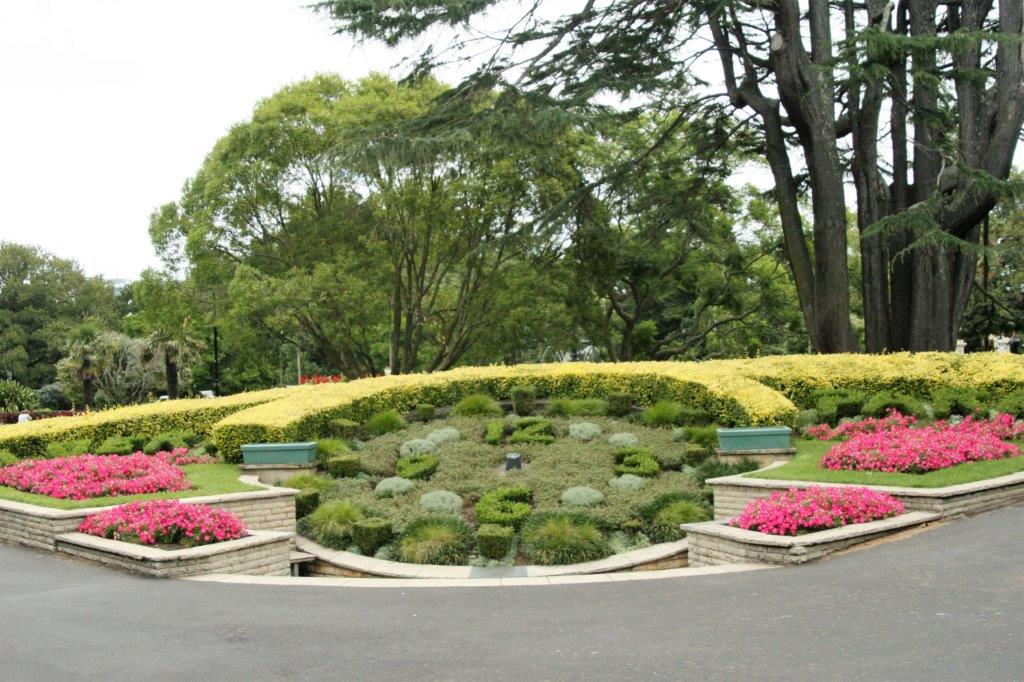
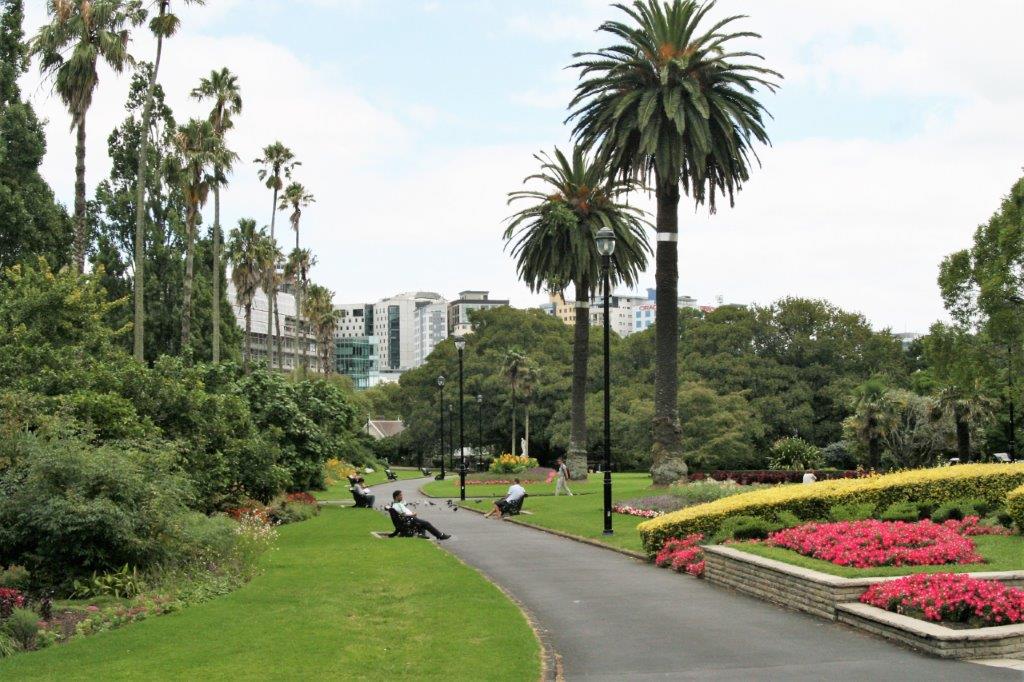
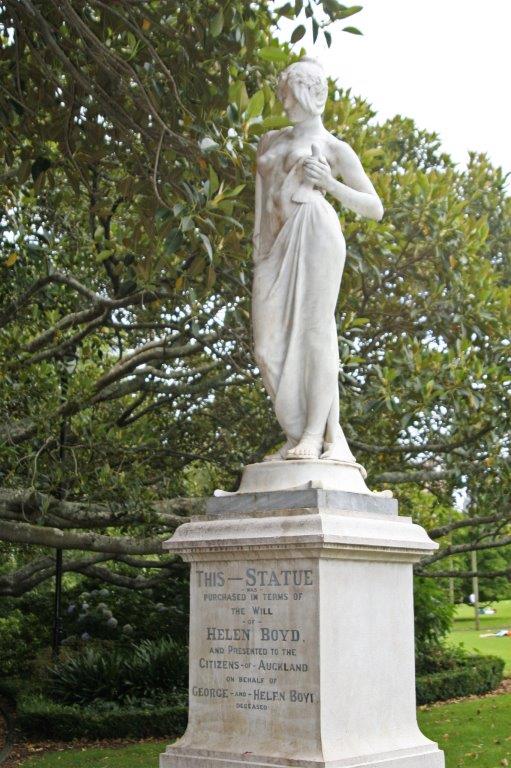
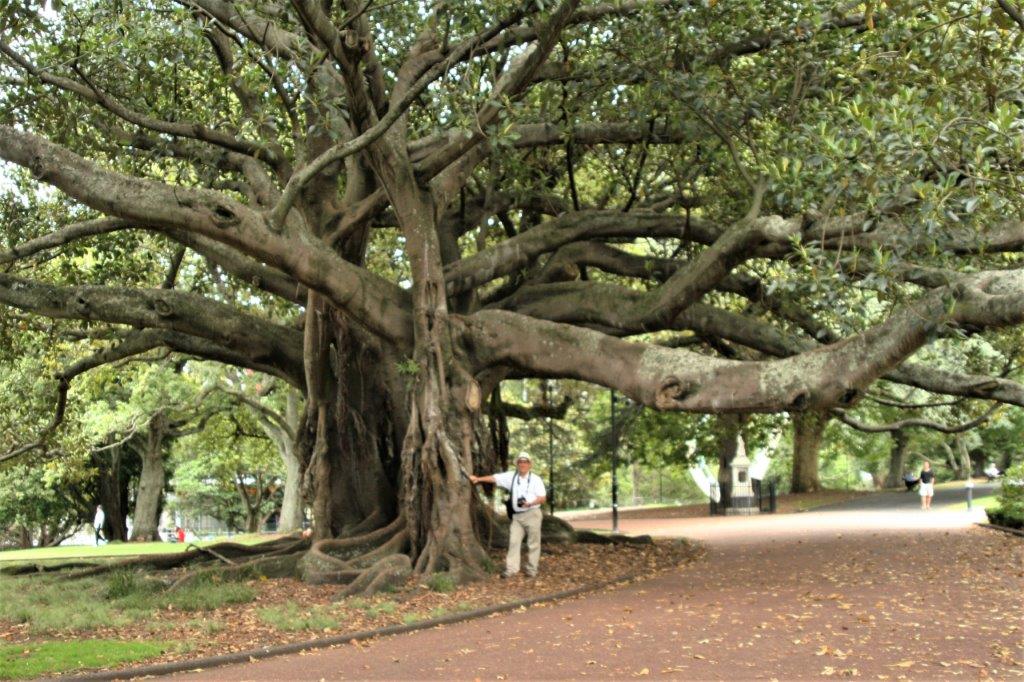
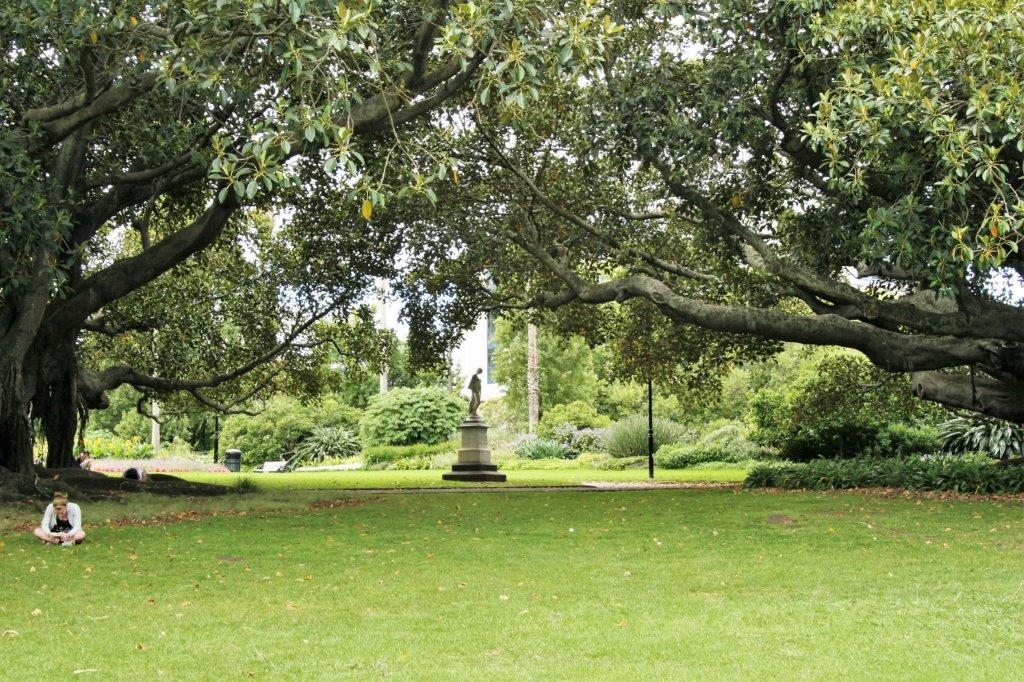
The park has had several lives in the past: a fortification against Maori attack, a public garden in the mid-19th century, a public air-raid shelter during WWII and now it is a landscaped 15-acre public garden, home to Auckland University and the New Art Gallery. It was a very beautiful, restful place to spend some time.

The internet on the ship had been horrible the entire trip so I spent some time in the afternoon and evening at an internet cafe to get some of my photos uploaded for folks at home to see.

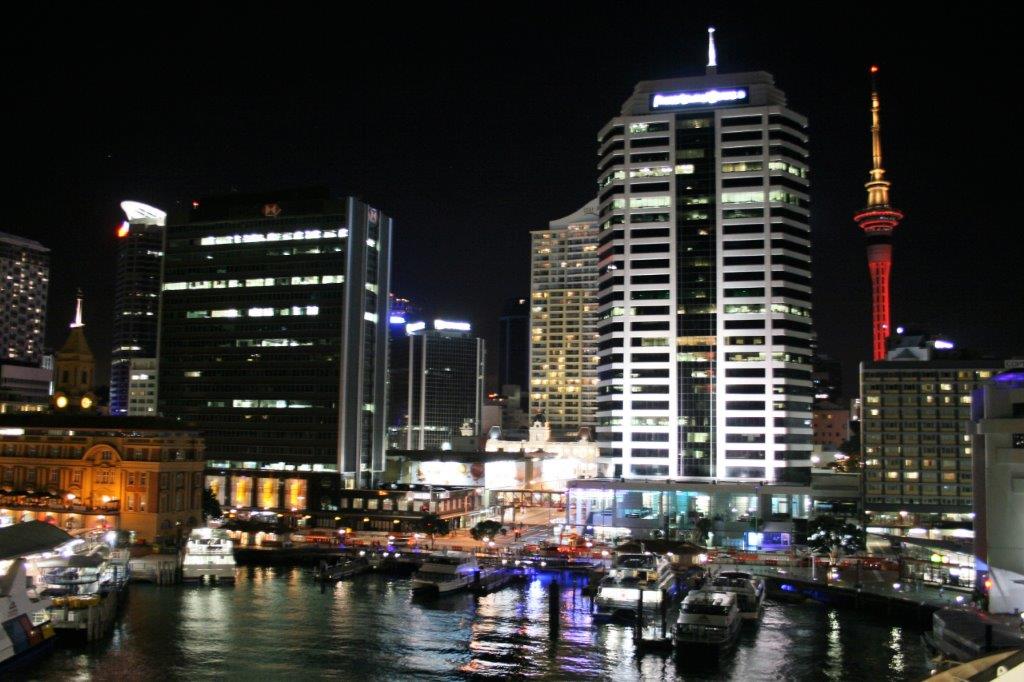
The night time city lights from the ship added a nice touch to the day.

2011 January 28 – Day 24 – Viatape, Bora Bora, French Polynesia (Day 2)

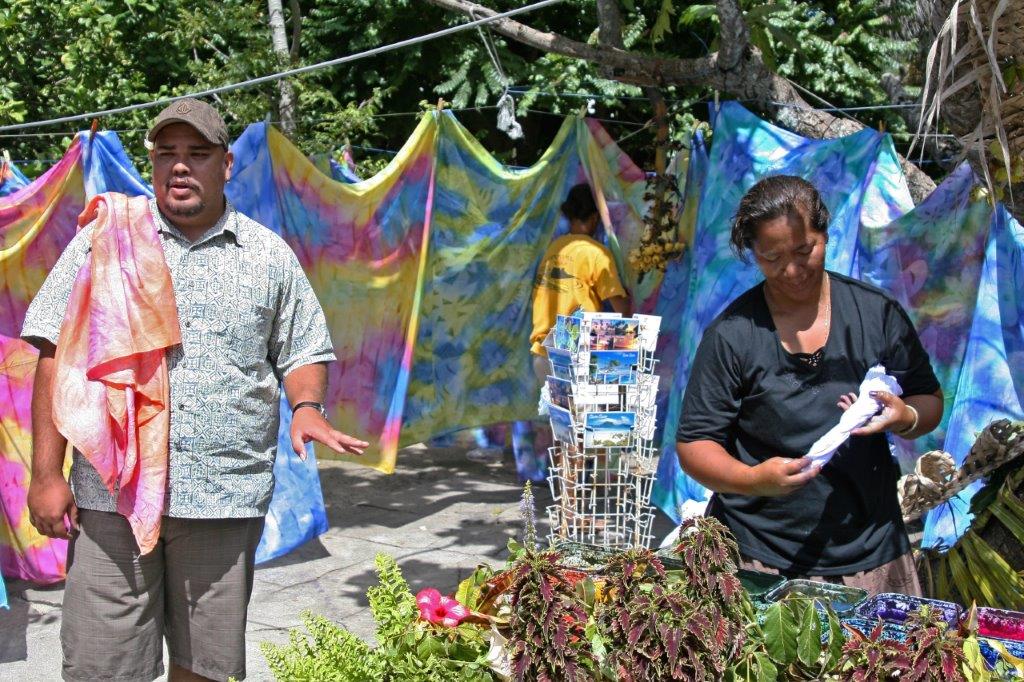
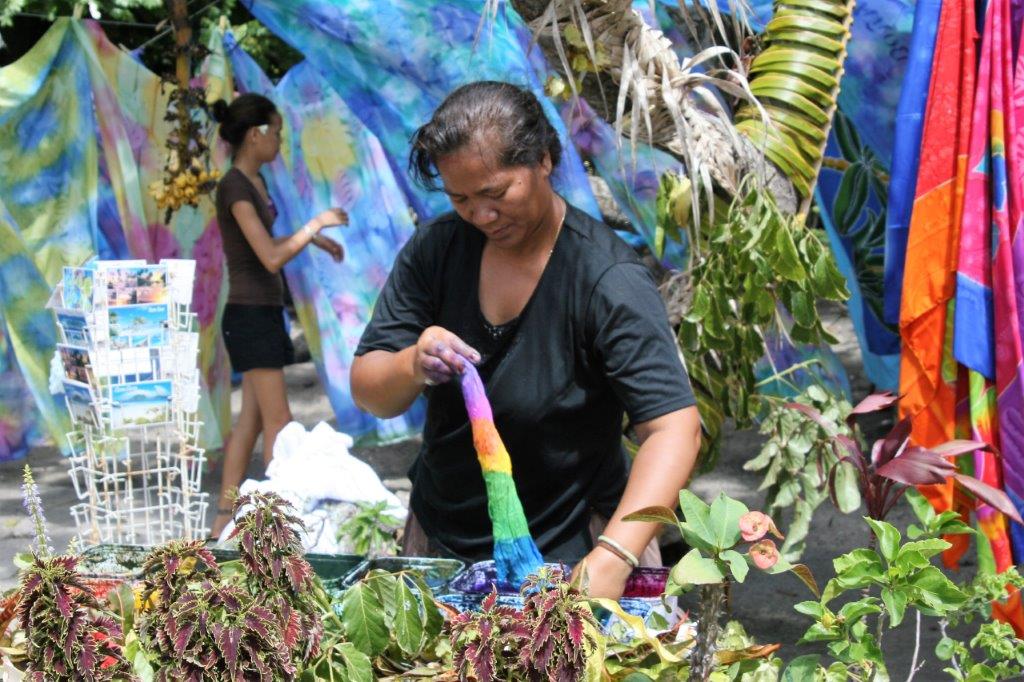
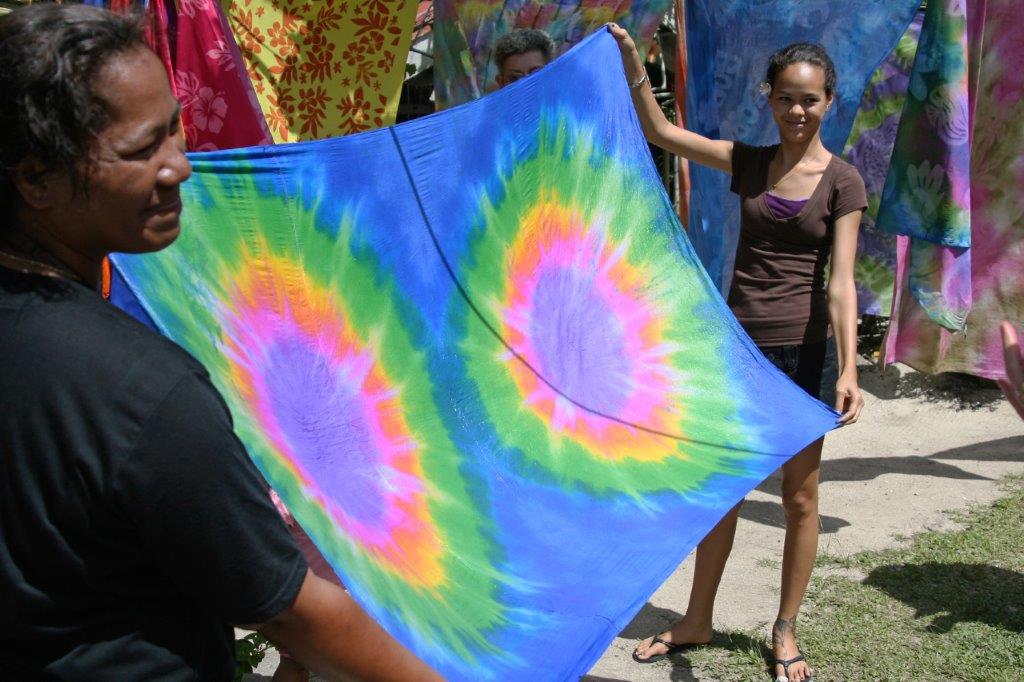
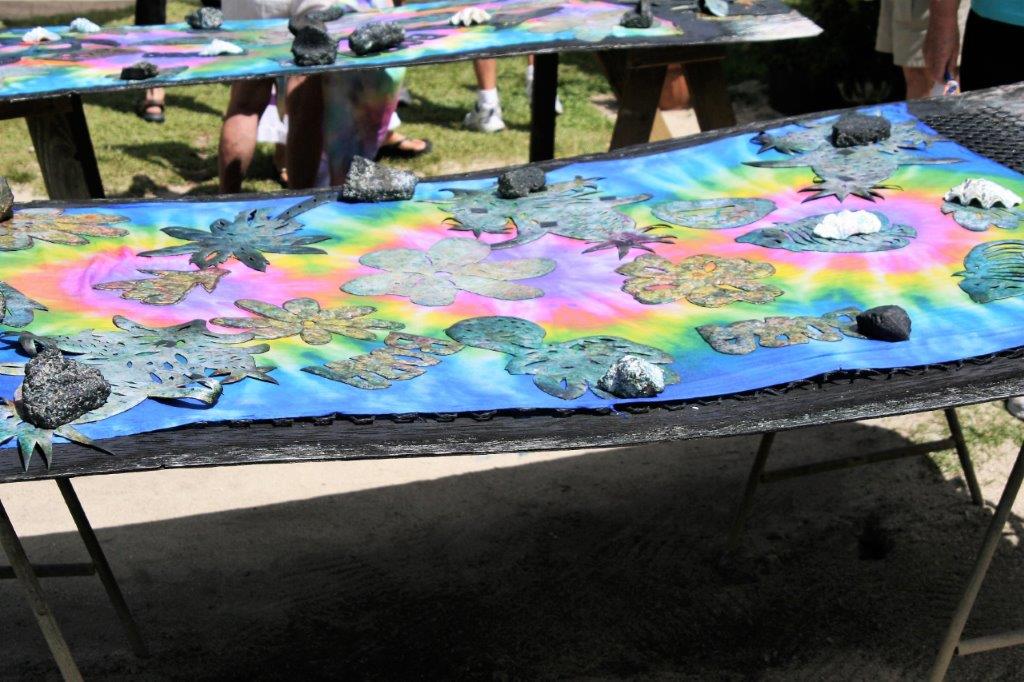
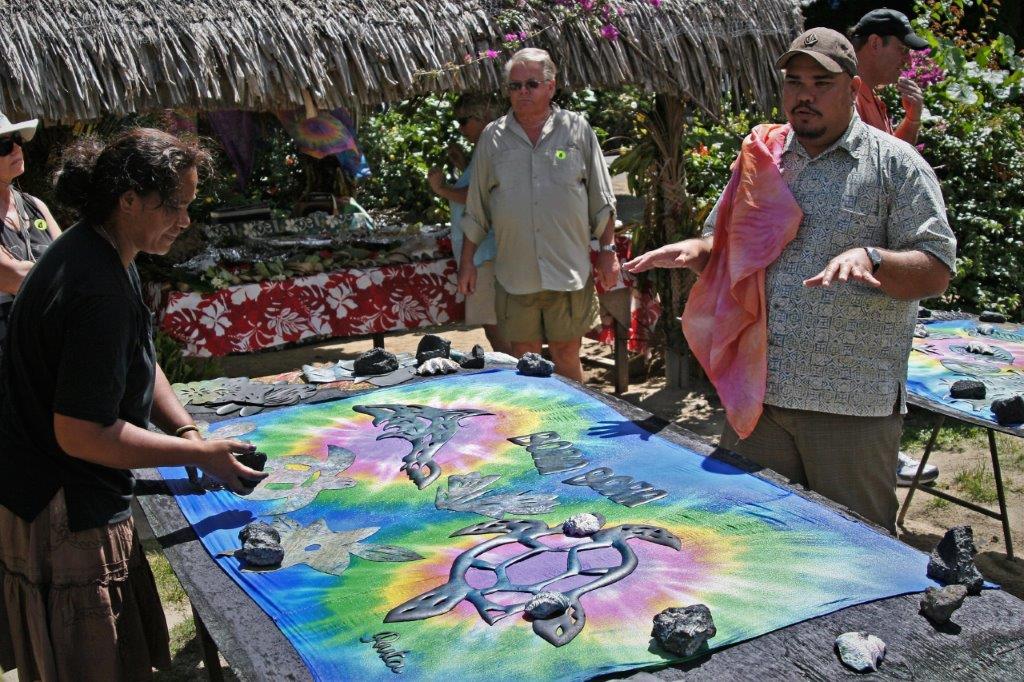
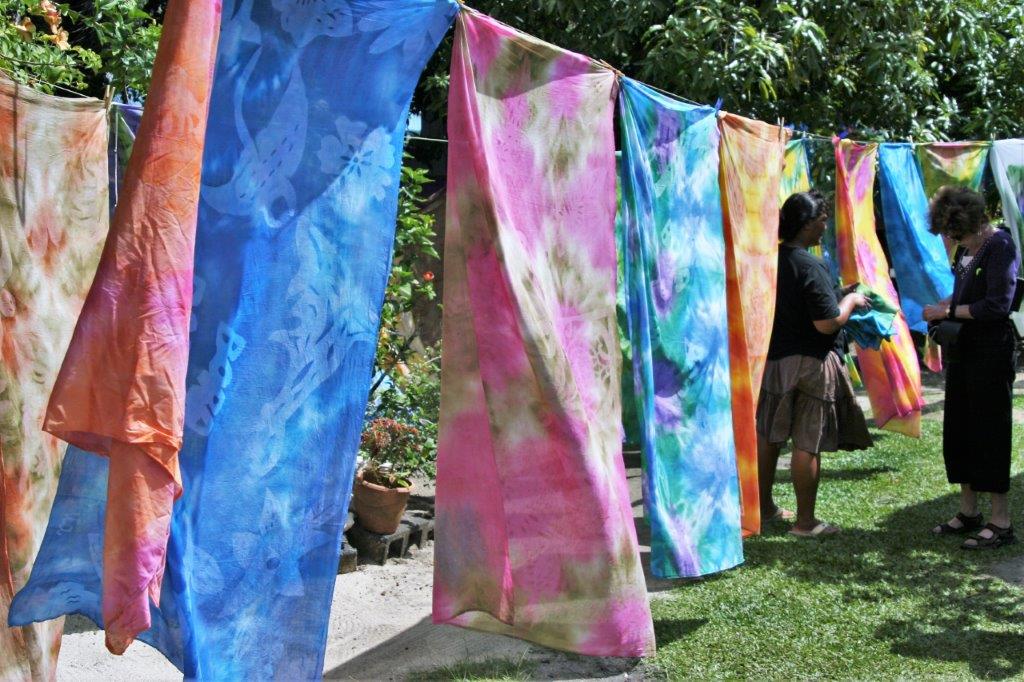
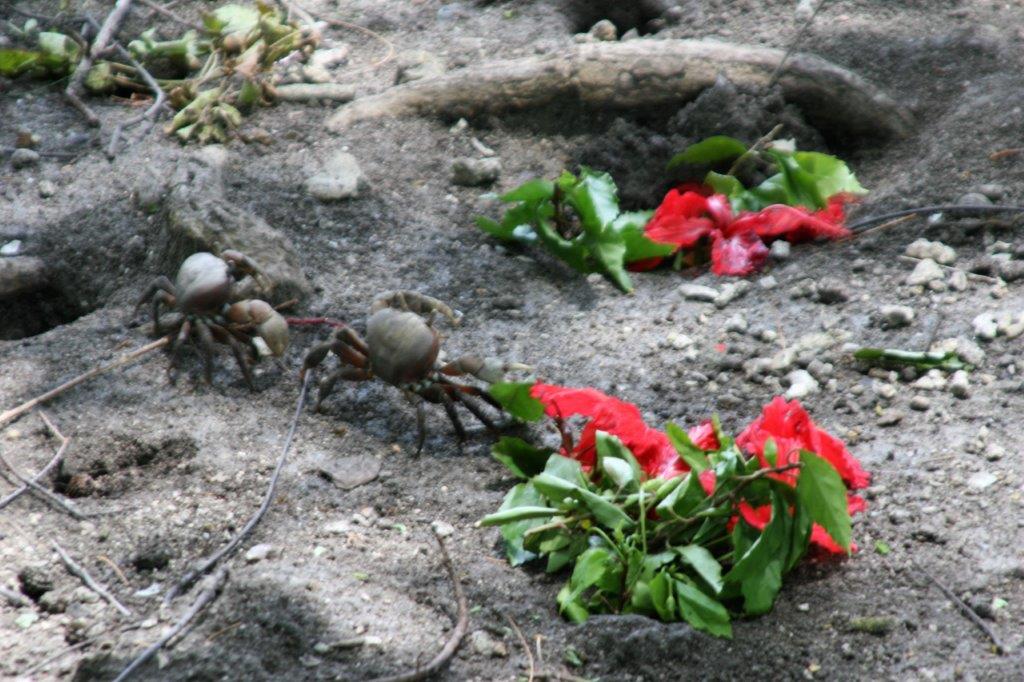
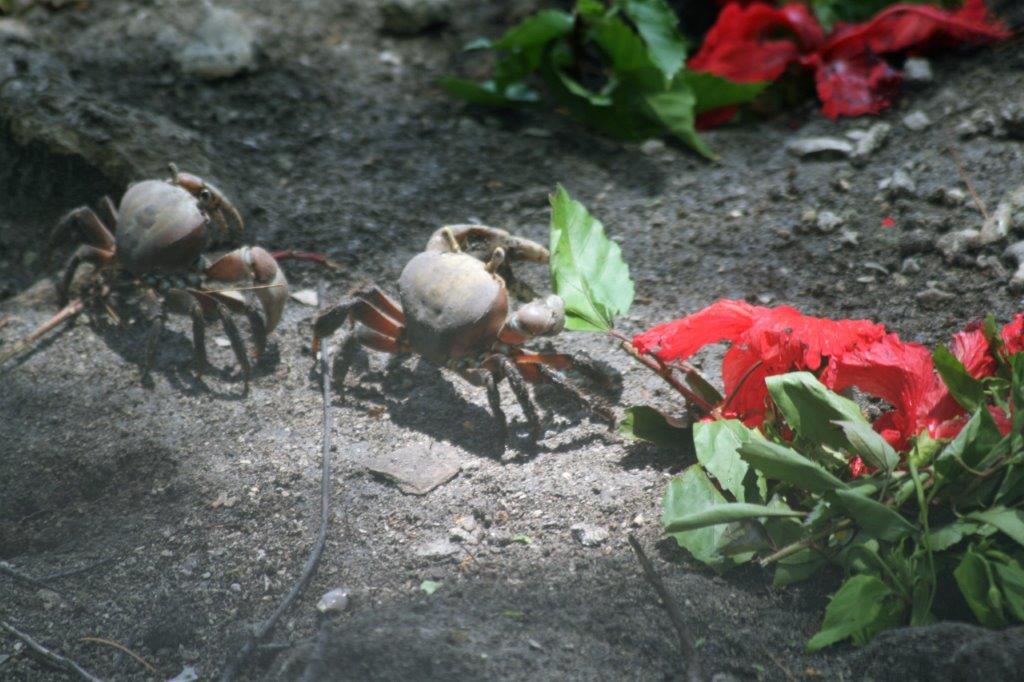
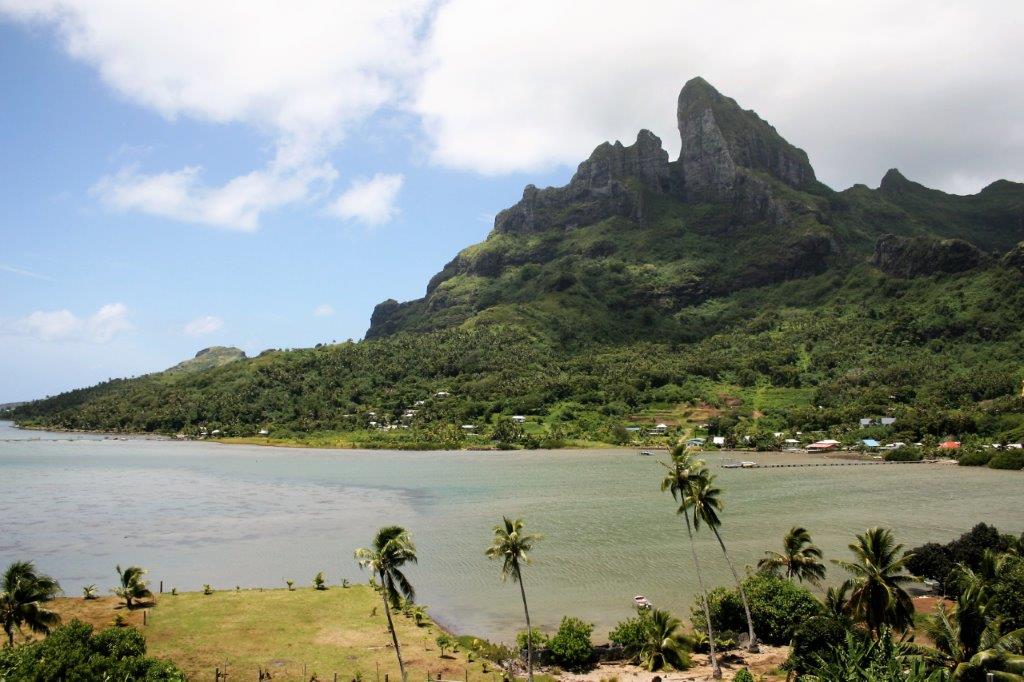
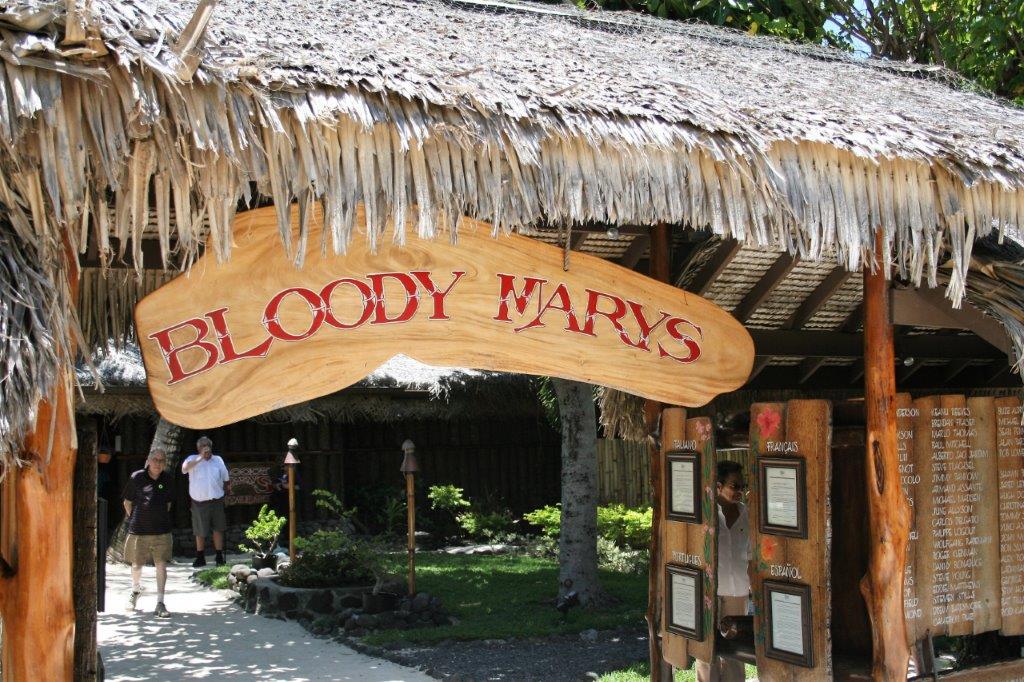
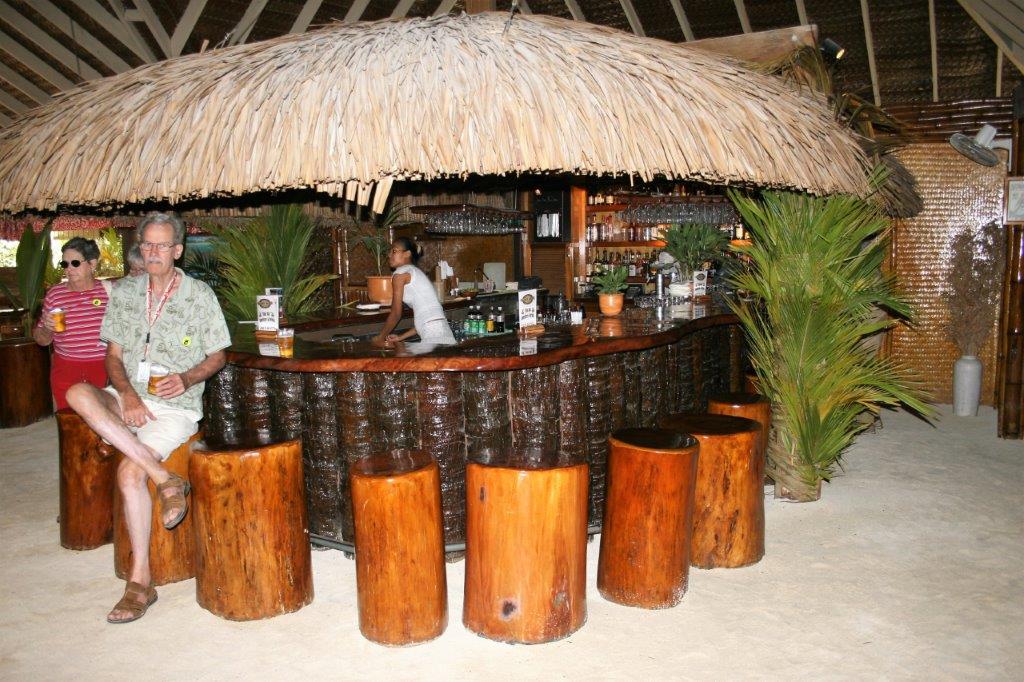
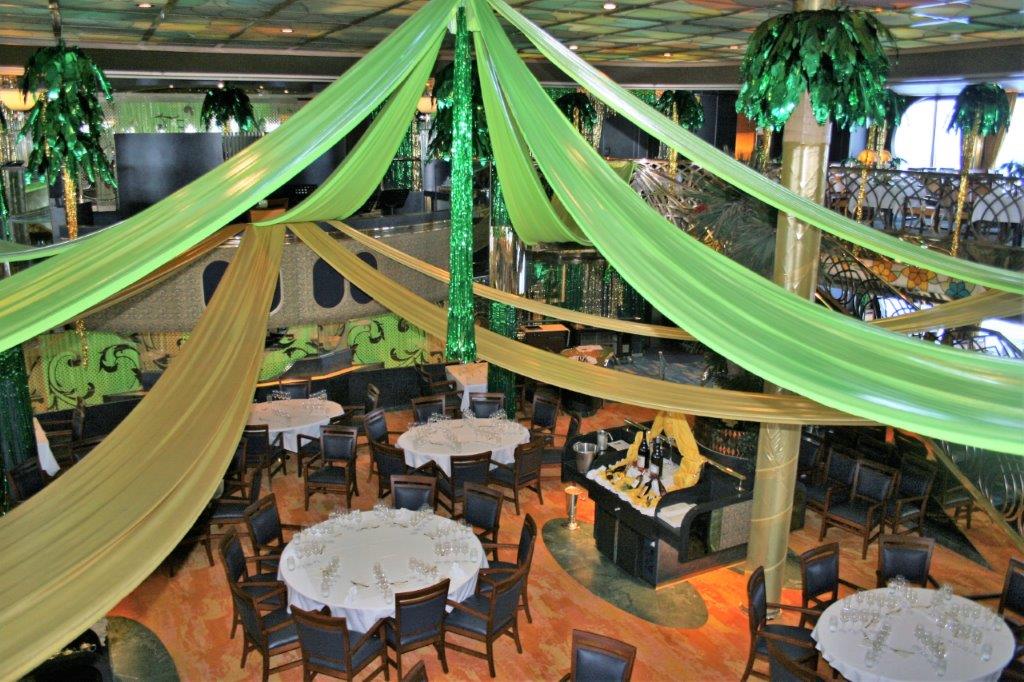
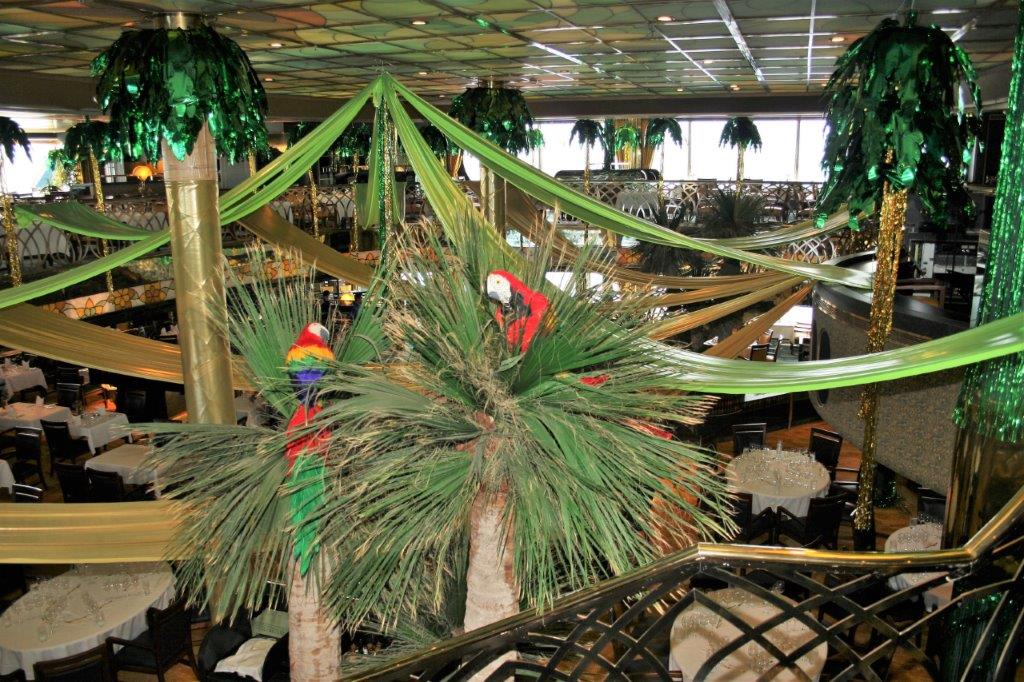
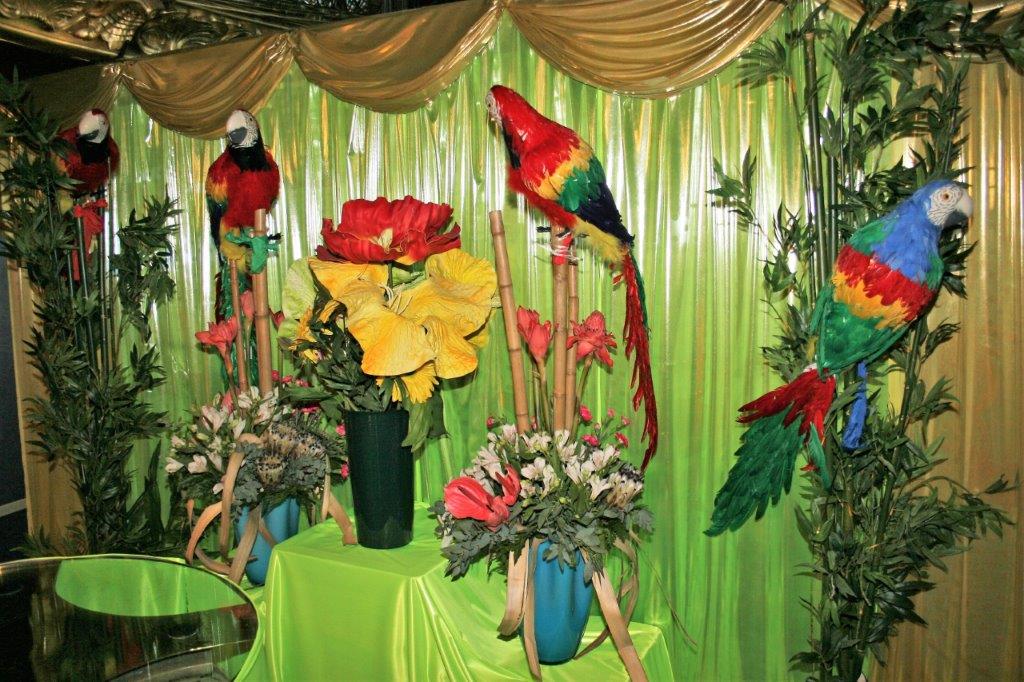
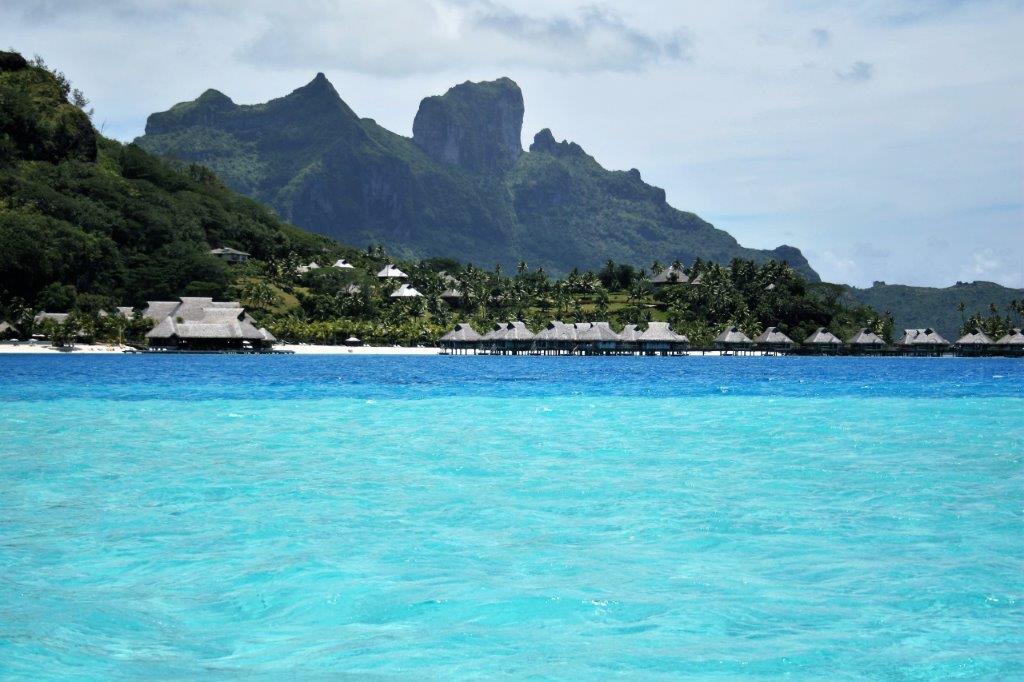
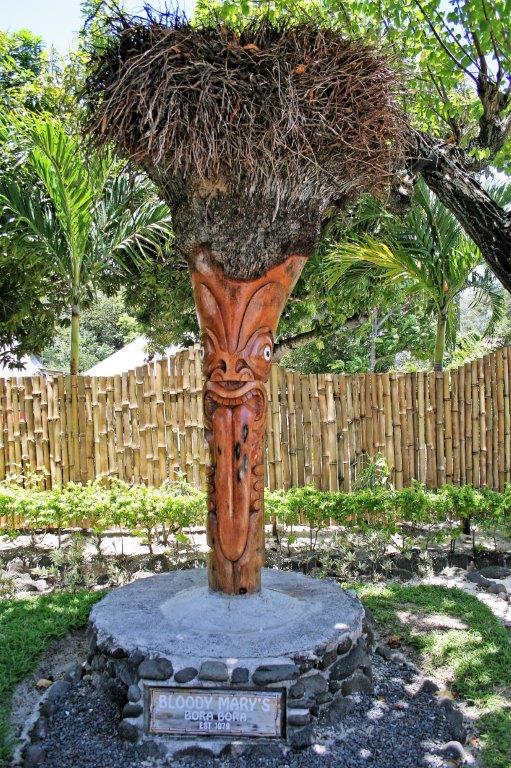
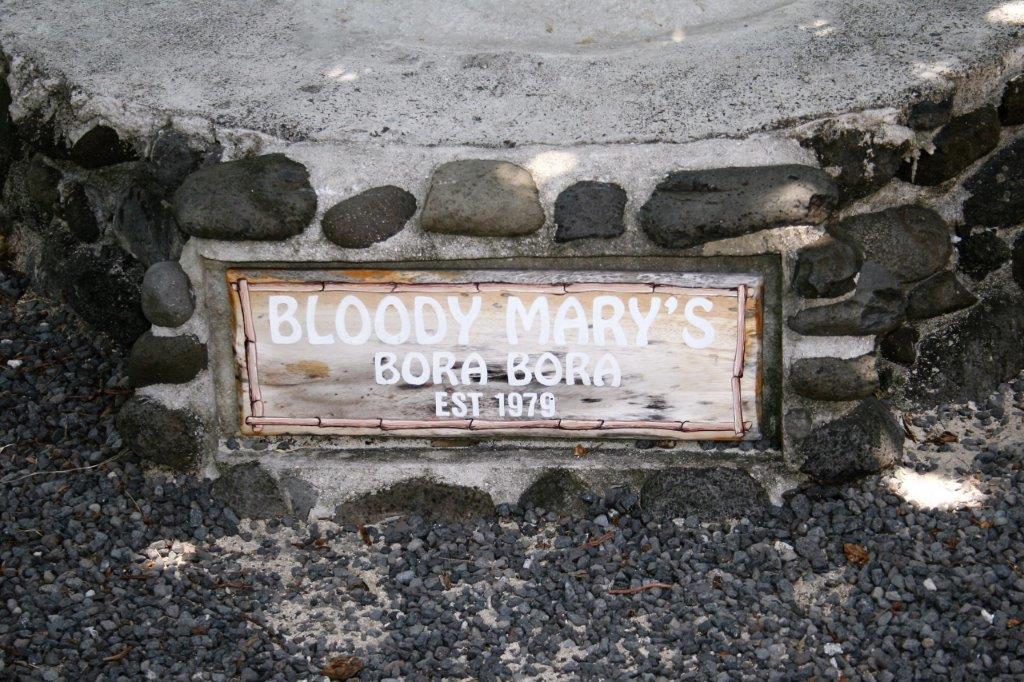
Another day in the tropical paradise of Bora Bora.  Our tour was 2 1/2 hours long and we drove the 19 miles around the island.   Our first stop was an artisan shop where the ladies make pareos (tie-dye sarongs).  They have the process down to an art and every pareo is unique because they use different colour combinations of dye and lay different shapes on the cloth was it dries.  Very clever and very pretty.  Several ladies made purchases which pleased the island ladies a lot. Bora Bora has only one example of wildlife: the tupa crab.  Our driver stopped beside the road where a colony of the crabs live and he and our guide threw hibiscus blossoms on the ground.  These big crabs scuttled out of the holes in the ground as quick as could be and dragged the flowers inside as fast as they could. They are normally nocturnal, not leaving their holes until late at night to search for leaves and flowers to eat.   We drove past all 15 of the resorts on the tiny island and up the only hill for a beautiful view. The final stop was the famous Bloody Mary’s bar.  Many famous actors and authors have stopped here apparently.  The floor is a lovely white sand.  Since it was the end of the tour many people just stayed and had a drink. Once we got back to town we walked from one end of Viatape to the other before heading back to the ship. Sail-away was 5 pm and leaving was as lovely as arriving. We had a day at sea before our next port-of-call, Rarotonga, Cook Islands, and the formal night theme was Tropical Paradise.   There is nothing half-hearted about Ketuk’s team of decorators for special nights.  They always do a superb job.

2011 January 27 – Day 23 – Viatape, Bora Bora, French Polynesia

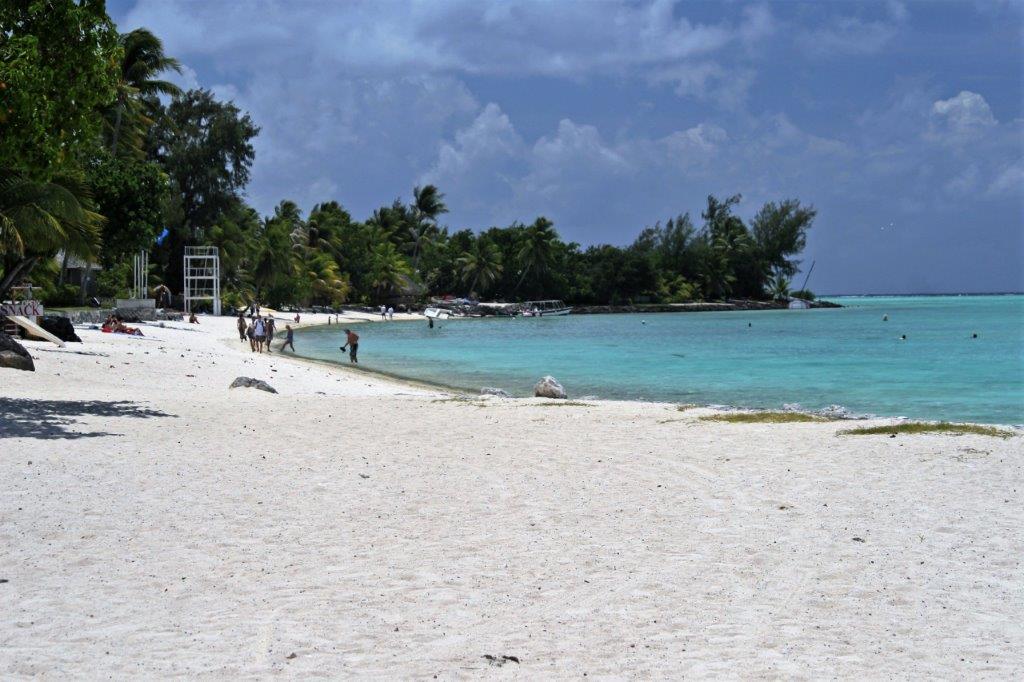
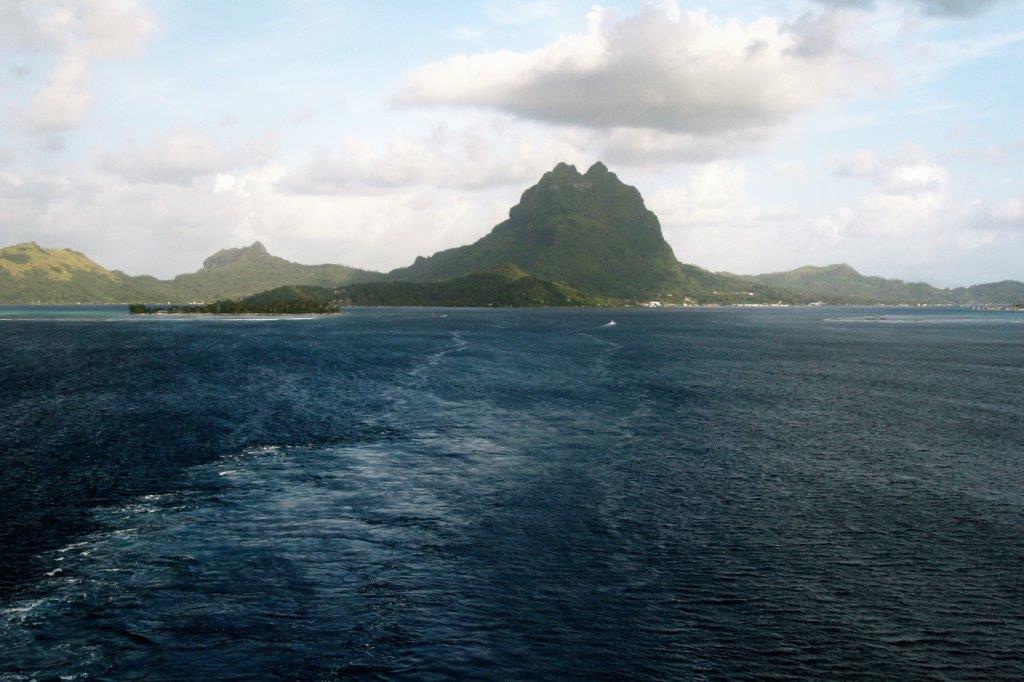
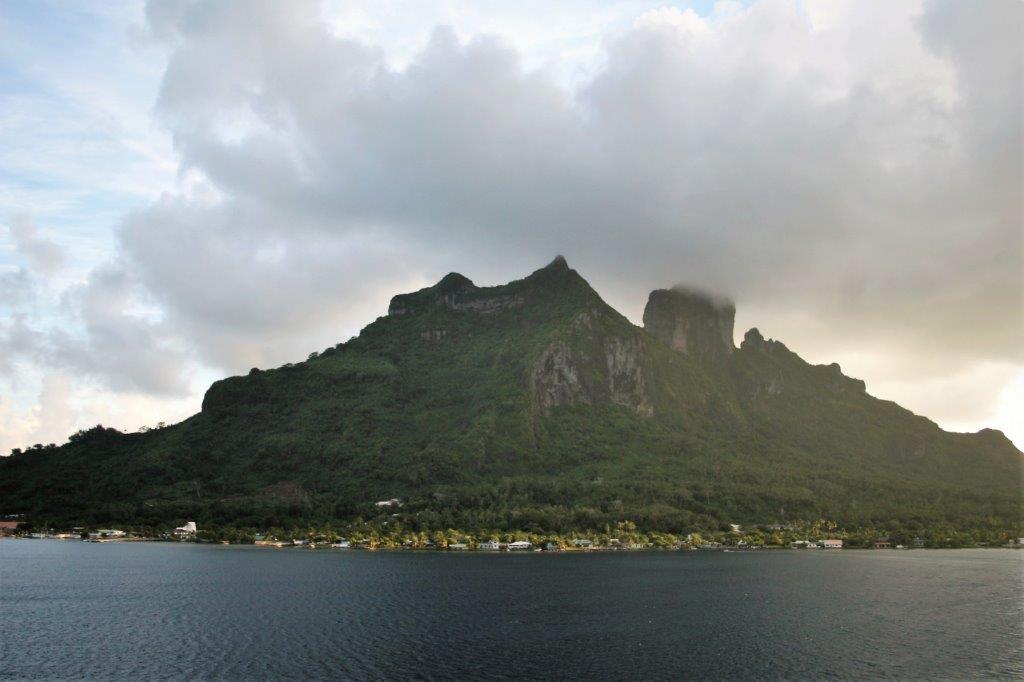
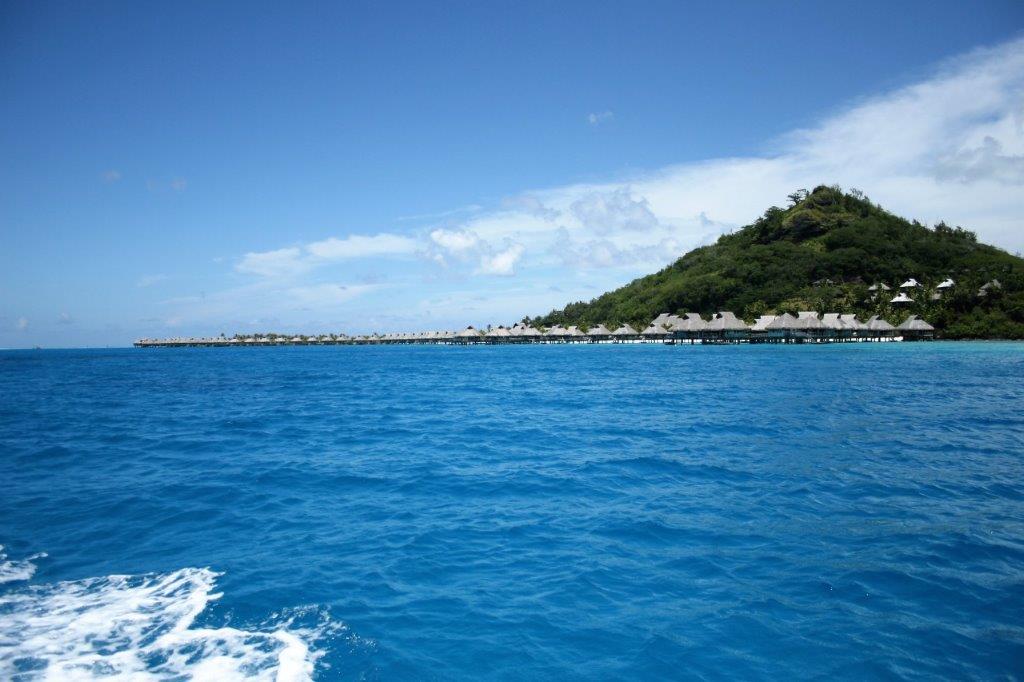
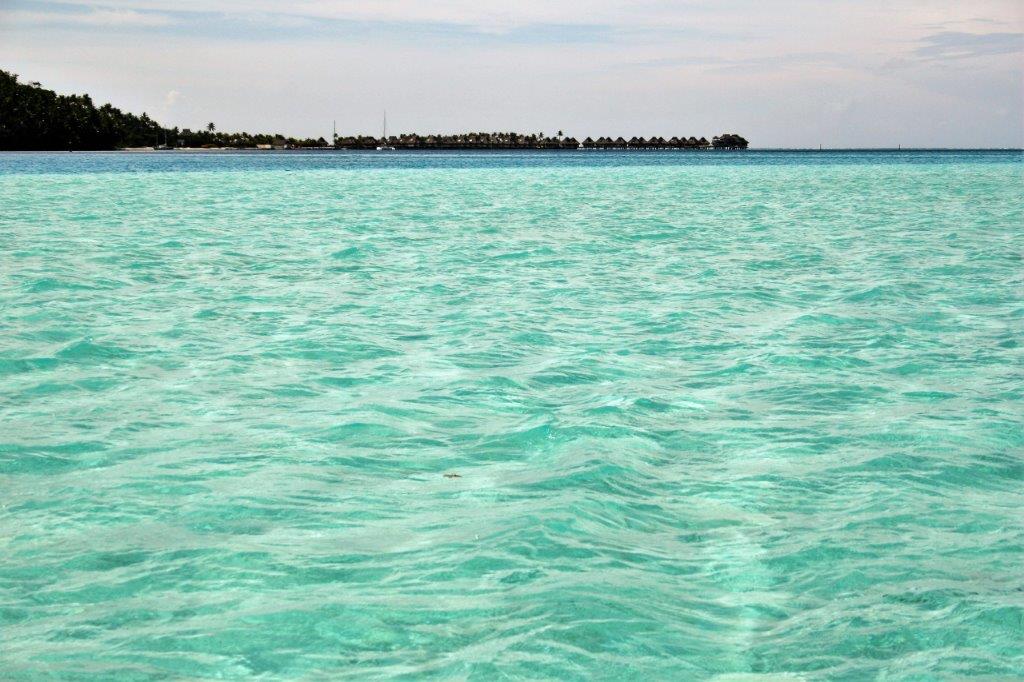
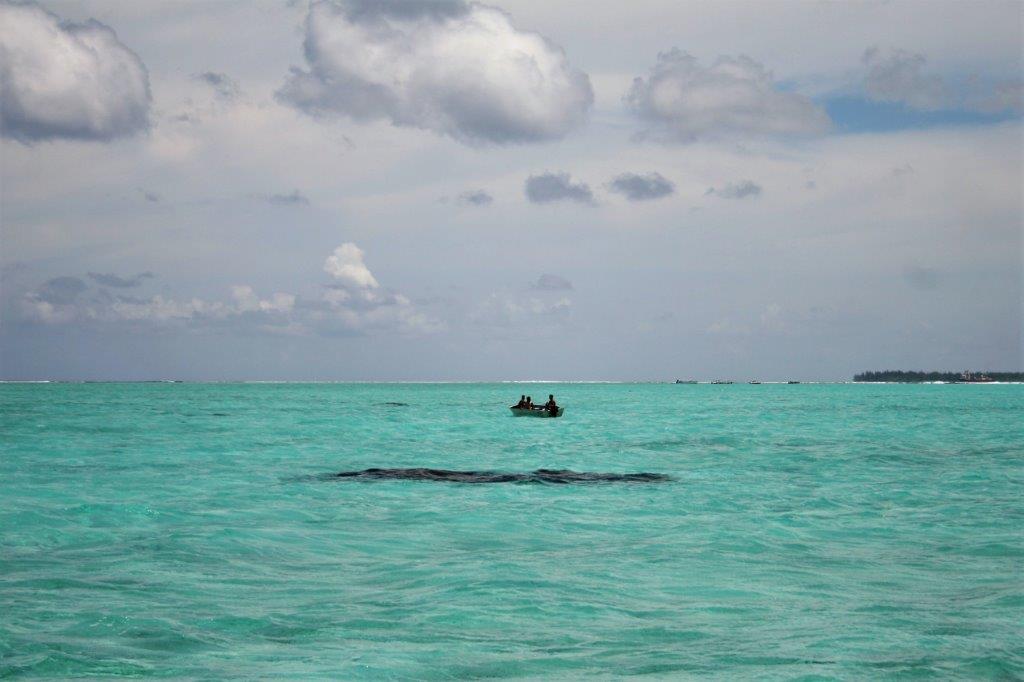
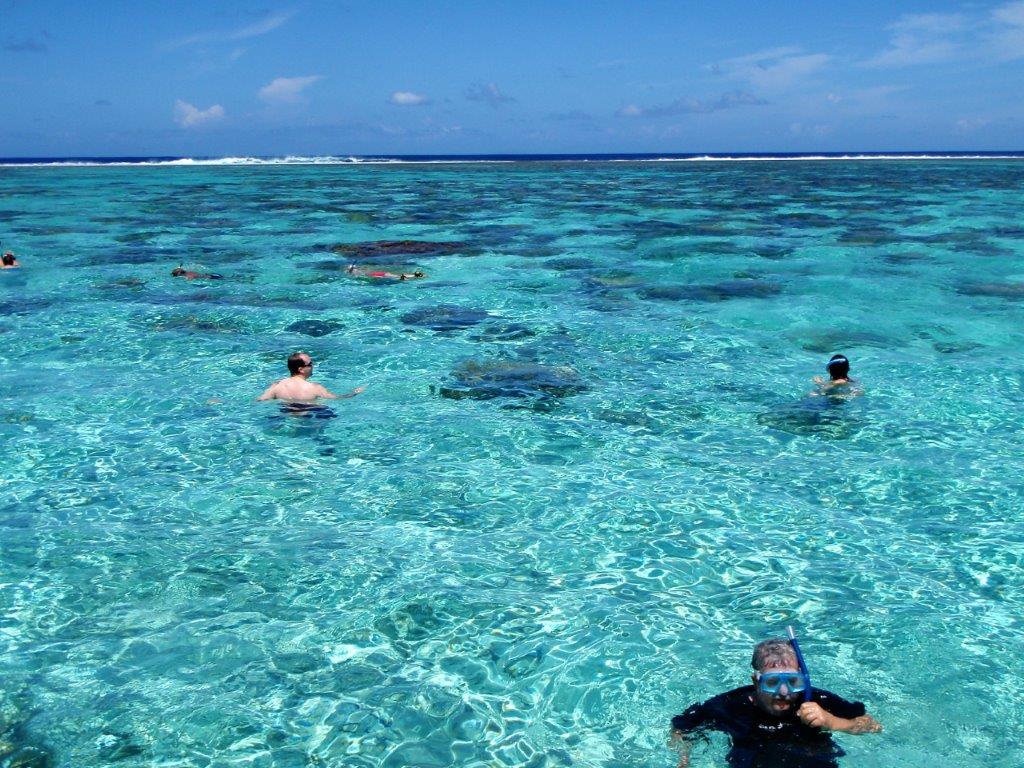
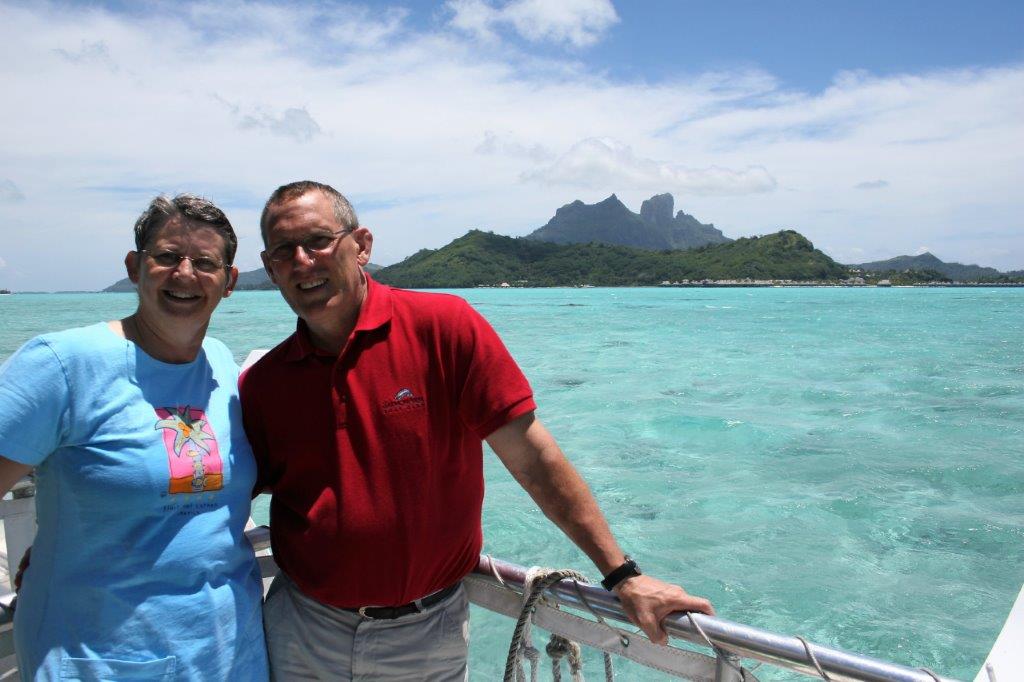
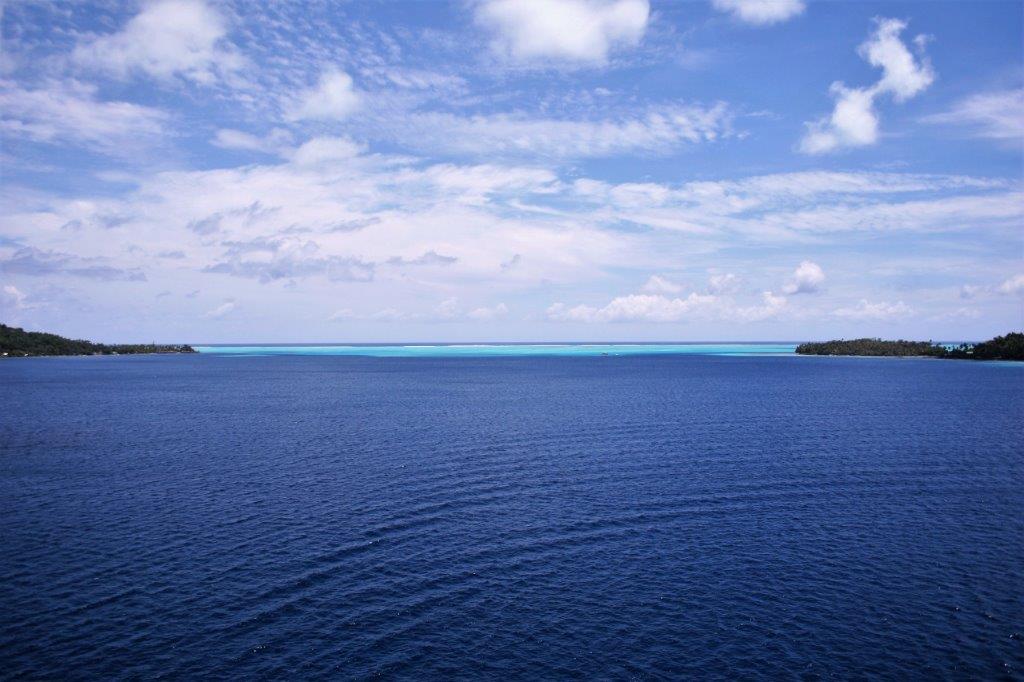
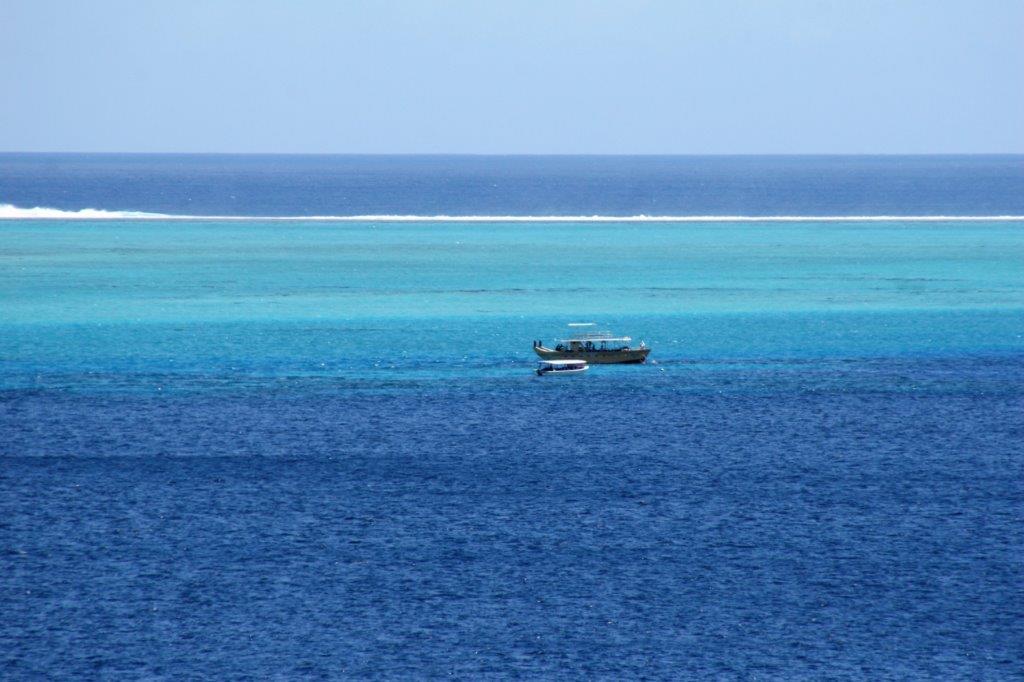
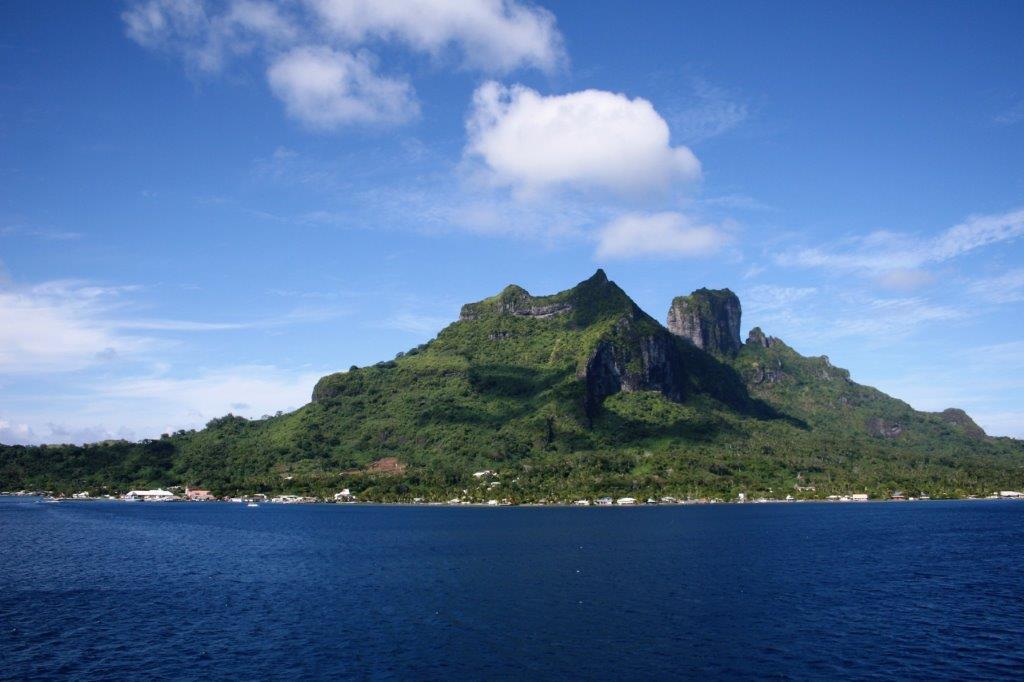
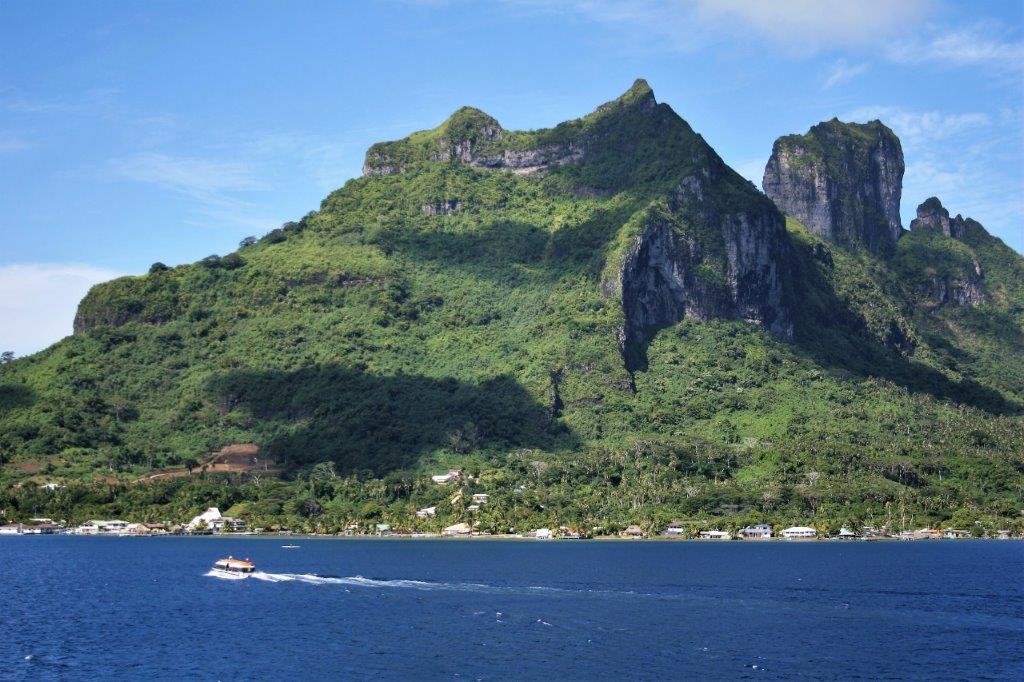
What is not to love about Bora Bora?  Novelist James Michener described Bora Bora as “the world’s most beautiful island.” The island is almost entirely encircled by a reef and the water in the lagoon is a striking turquoise or jade green depending on the sunlight.  The entire island is 19 miles around.  In the center of the island Mt. Otemanu soars 2,385 feet high with almost perpendicular sides.  It has never been climbed. There is only one opening where a tender or small boat can enter and exit.  The ship was already at anchor outside the reef when we got up at 6:15 am to watch the sail-in so we had plenty of time for breakfast before our tour.In case you are wondering, we almost always book a tour from the ship’s shore excursion offerings.  Since we have never been to any of these places before we feel more comfortable knowing that the ship staff have vetted the tour company, made sure the transport vehicles are in safe condition, and that the guides speak English and are knowledgeable about the city or area.  We are perfectly aware that the ship charges a premium for these tours and you can walk off the gangway and hire someone to do the same thing, or even more, for less money.  But the security and follow-through has value.  Also, in the event that the bus breaks down on one of our tours and we are late returning to the ship, the captain will wait for us before sailing away.  If we just hire a cab and driver and have a breakdown, the ship will delay departure about 20 minutes and after that you are on your own to get to the next port-of-call to re-board the ship.  And we have seen that happen.  Sometimes a higher cost for things is worth it; at least to us it is.
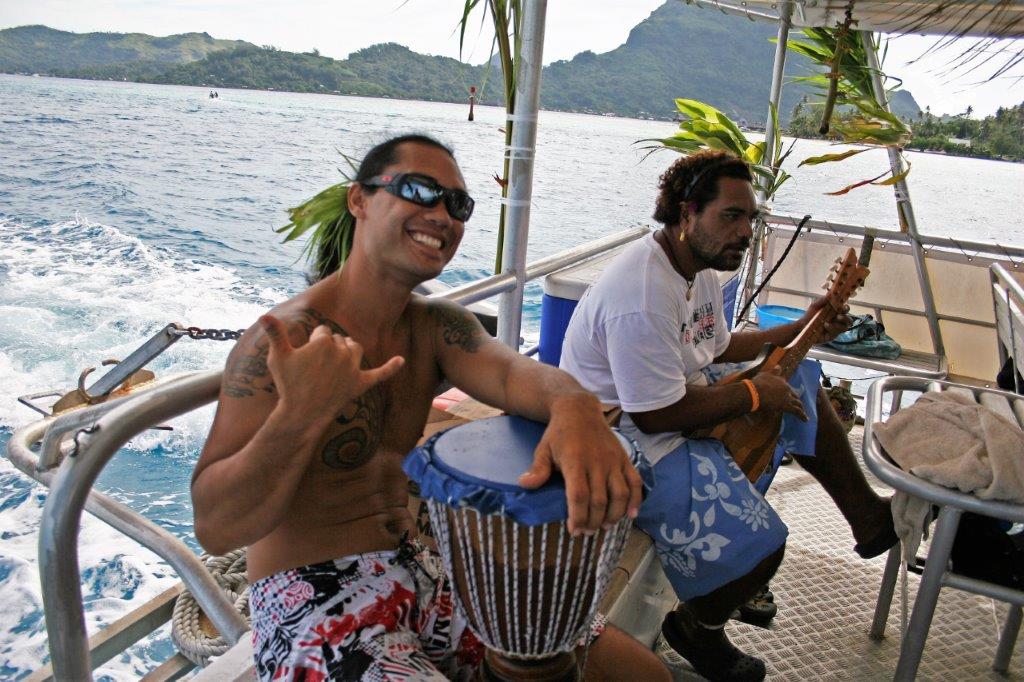
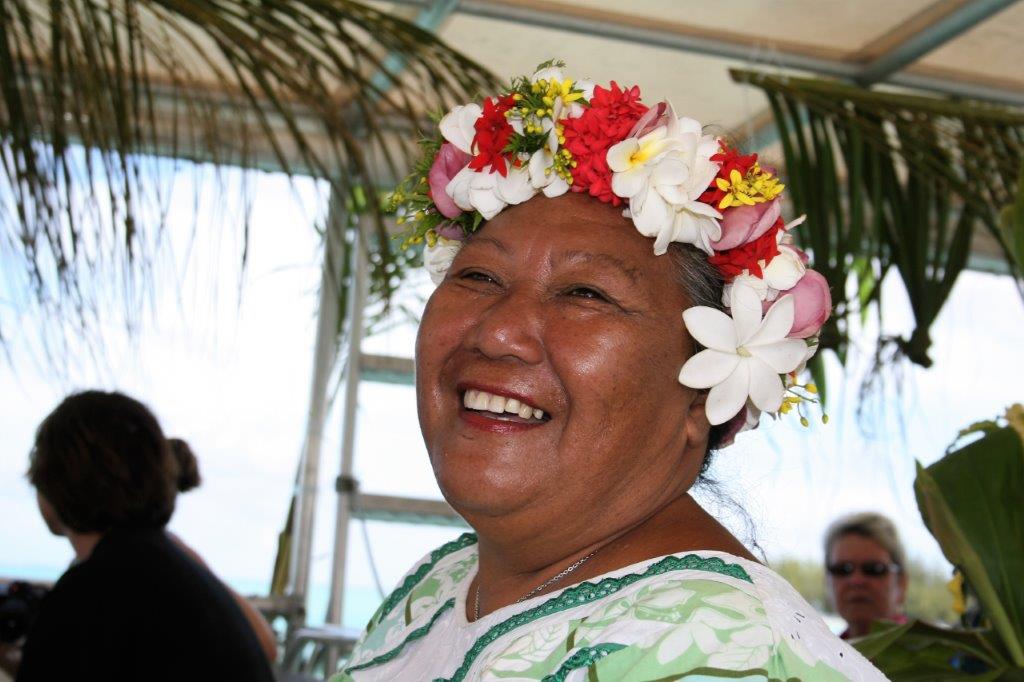
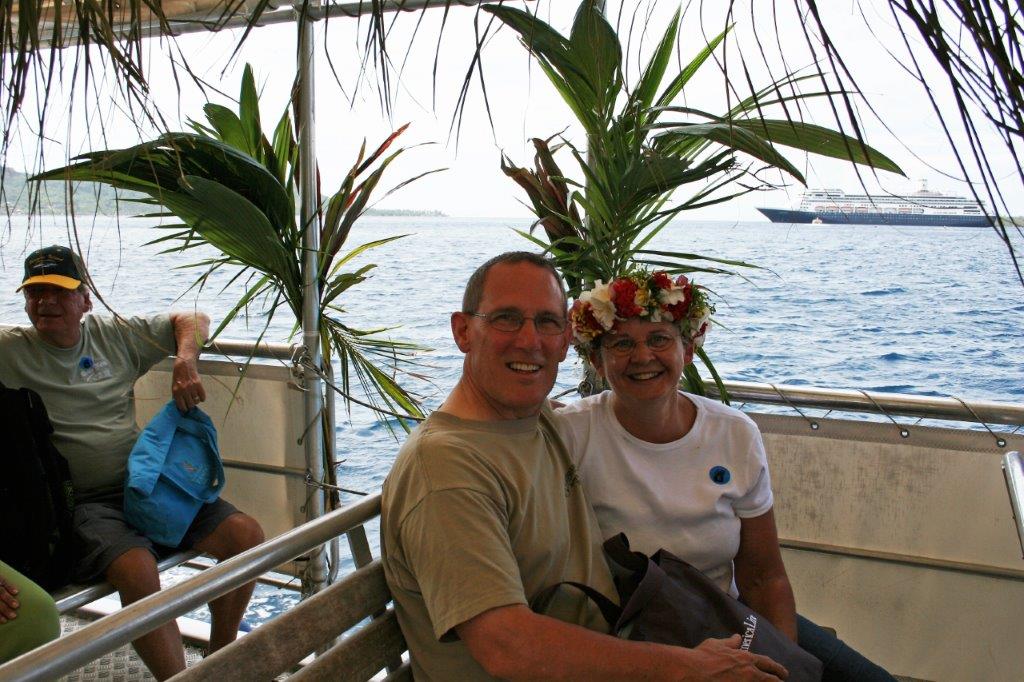
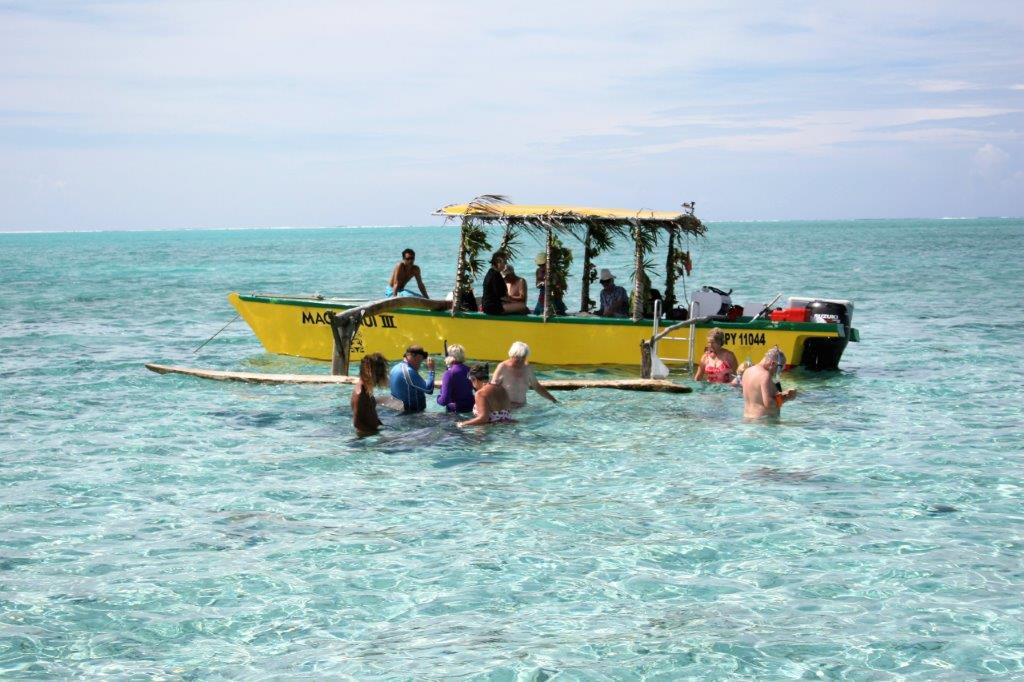
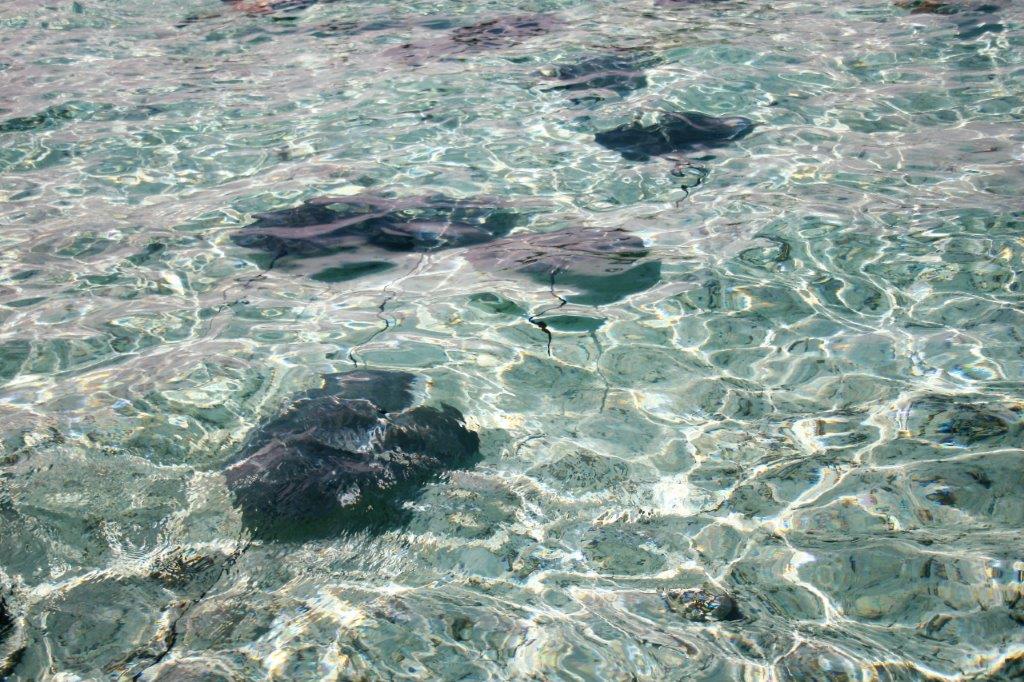
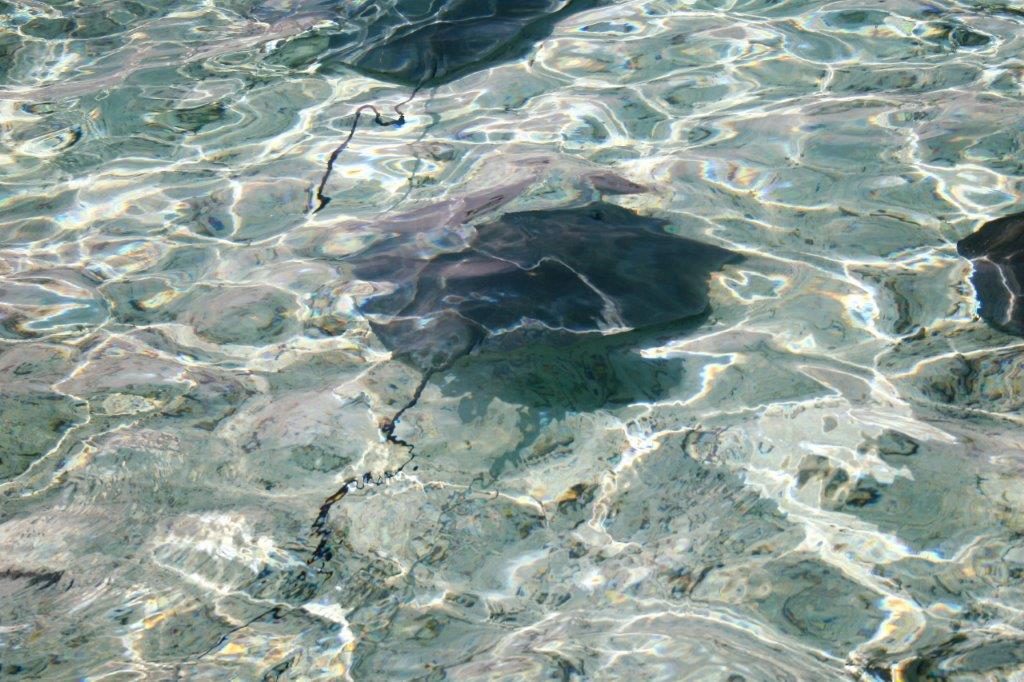
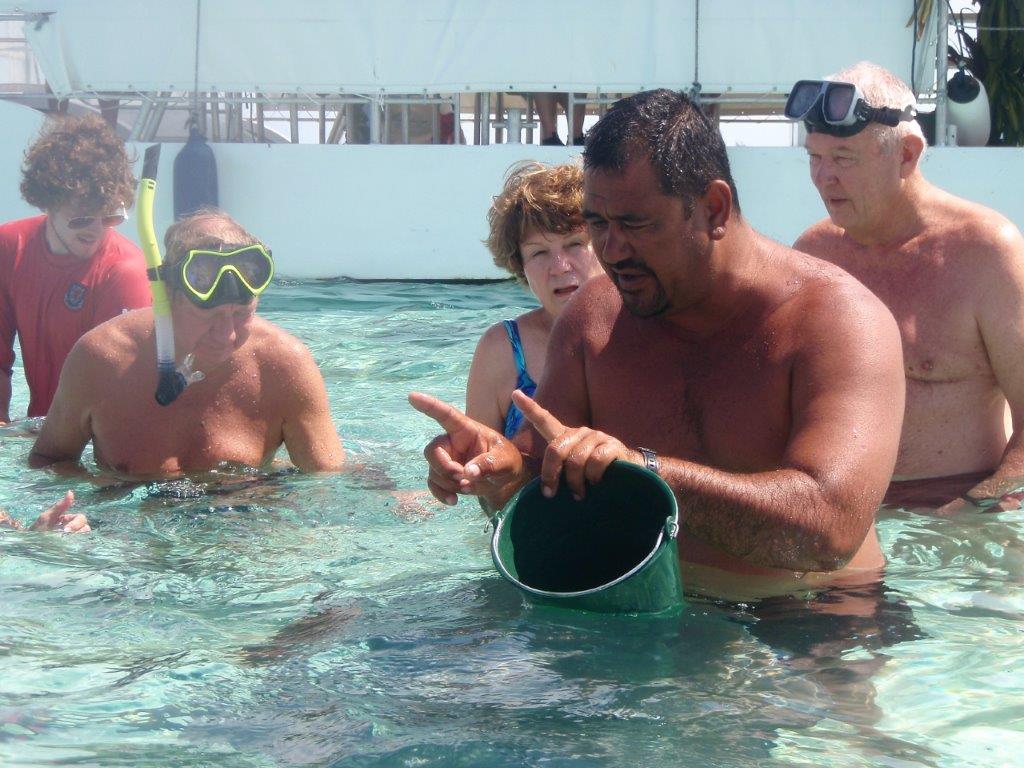
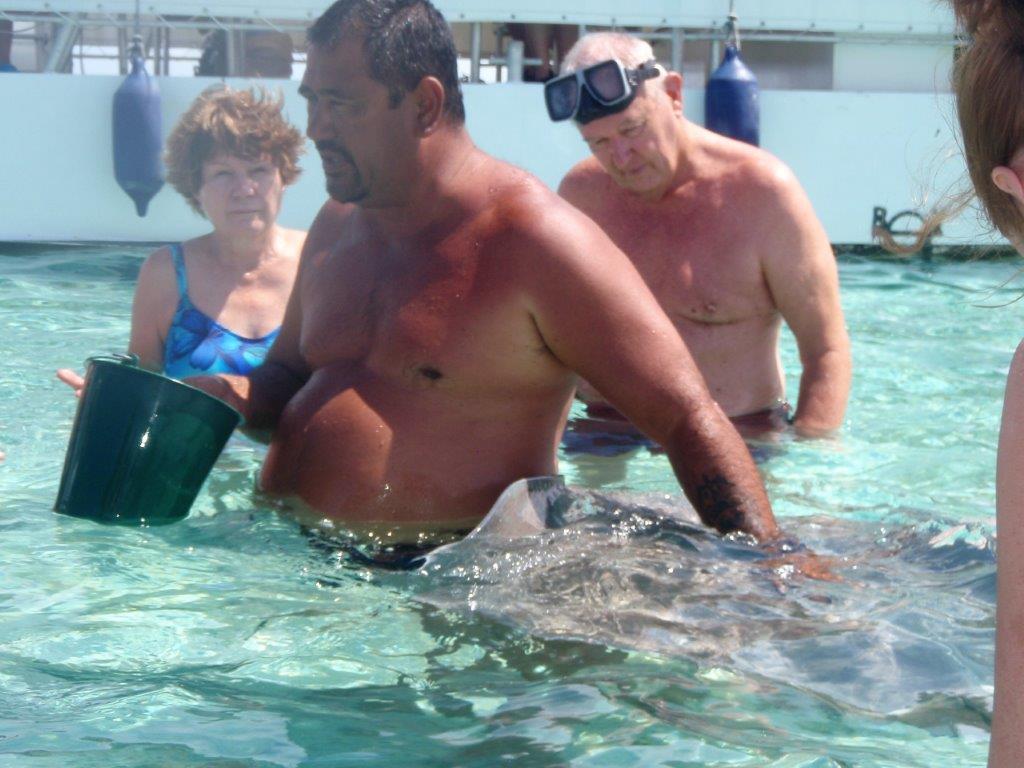
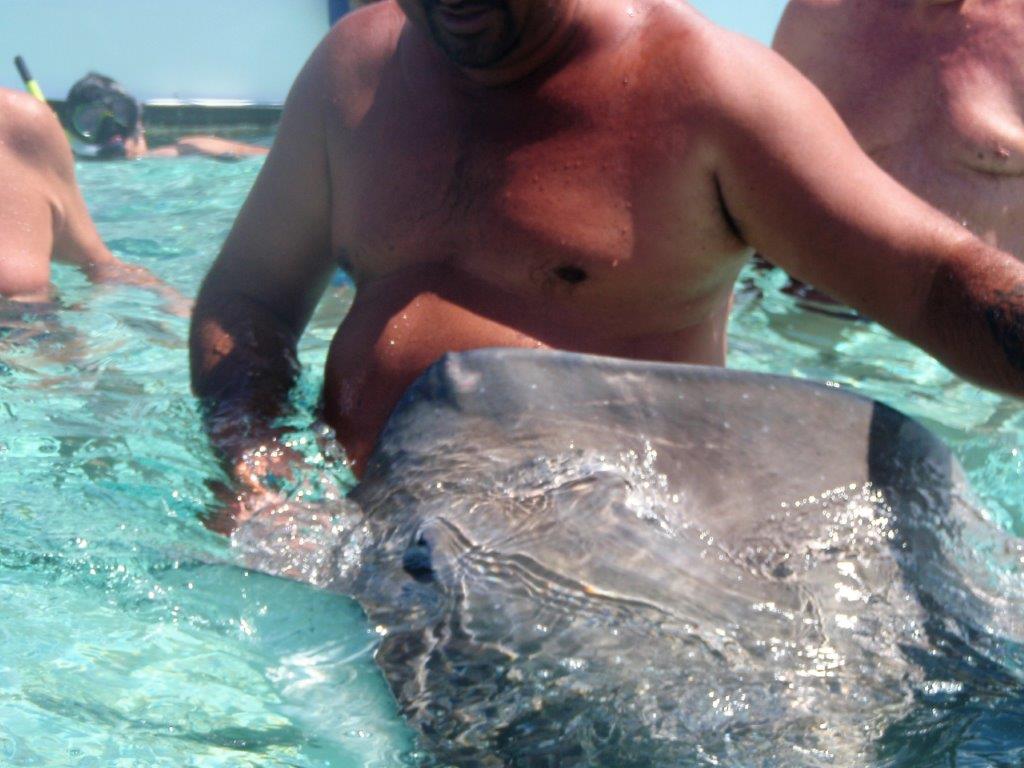
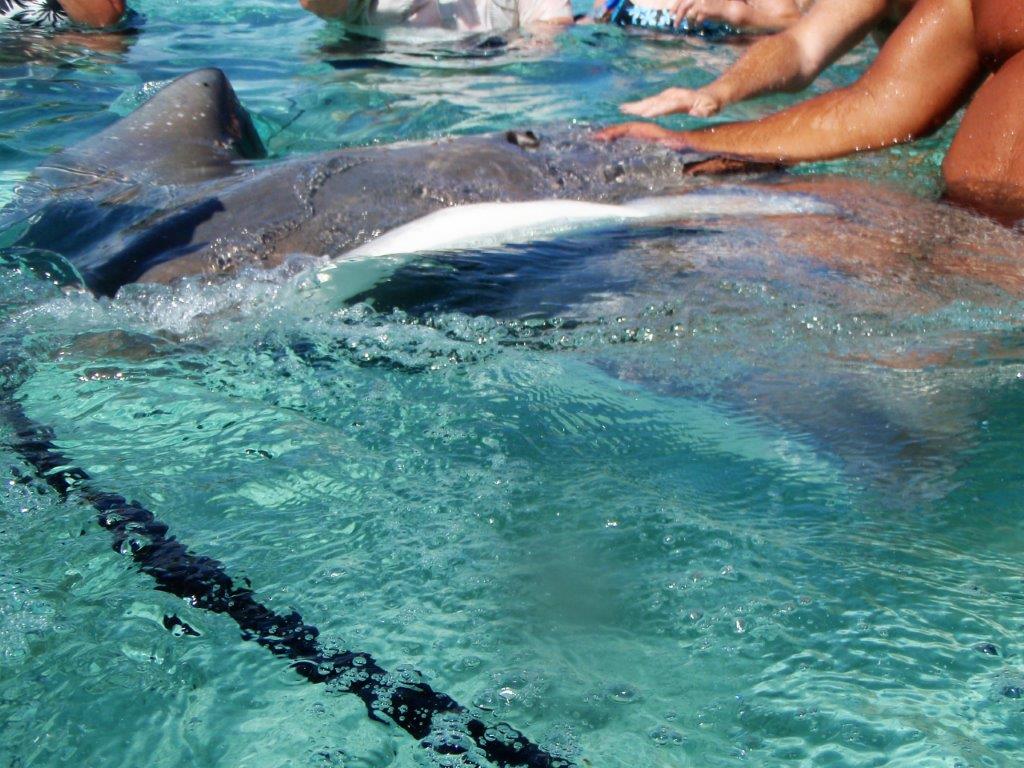
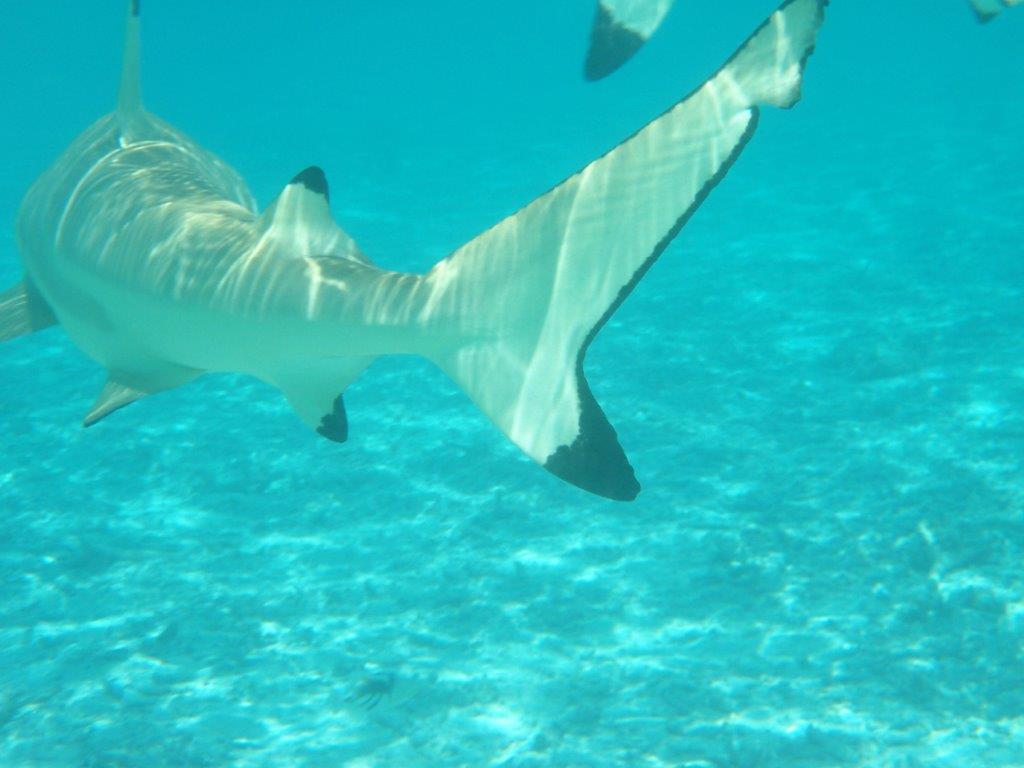
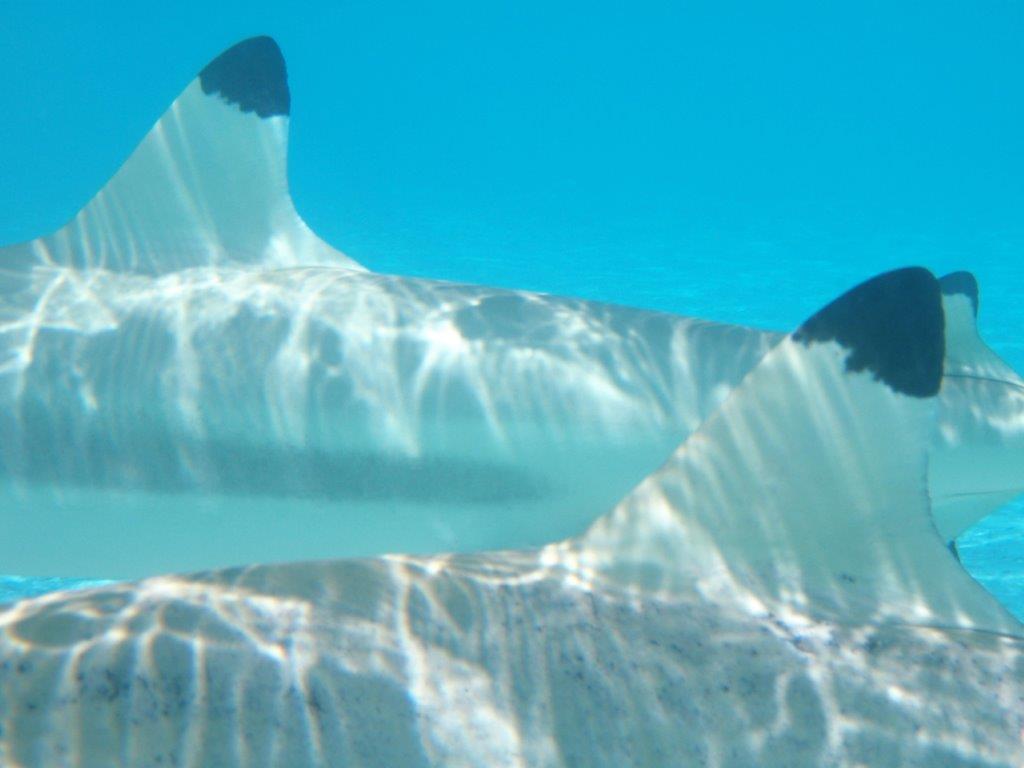
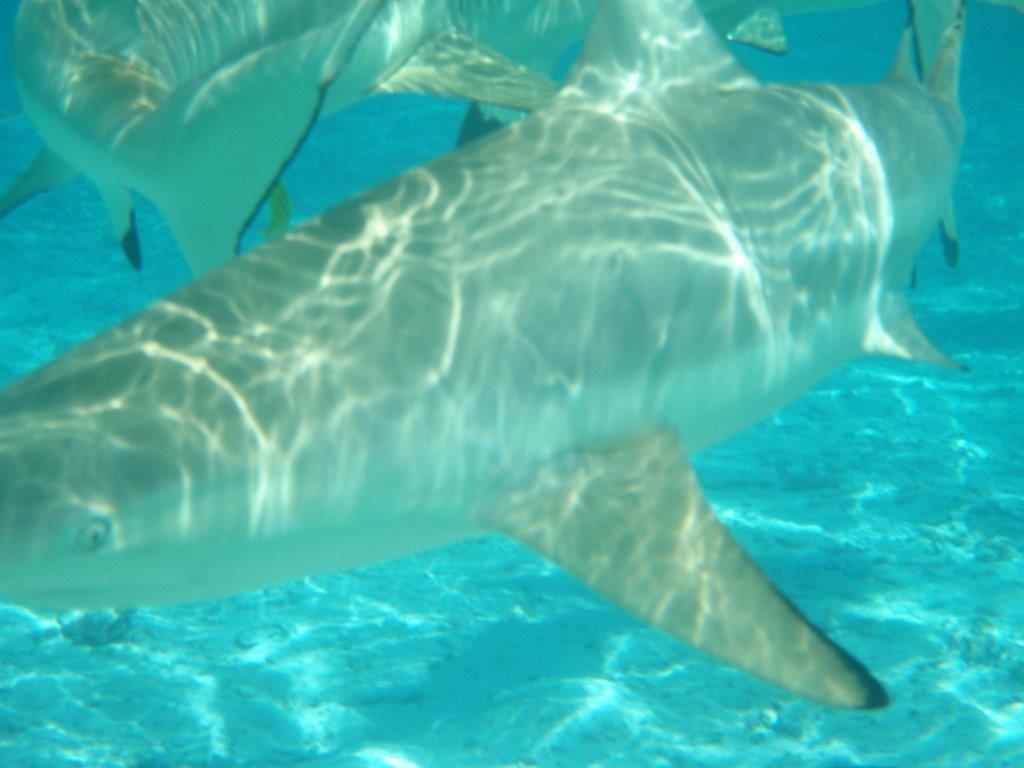
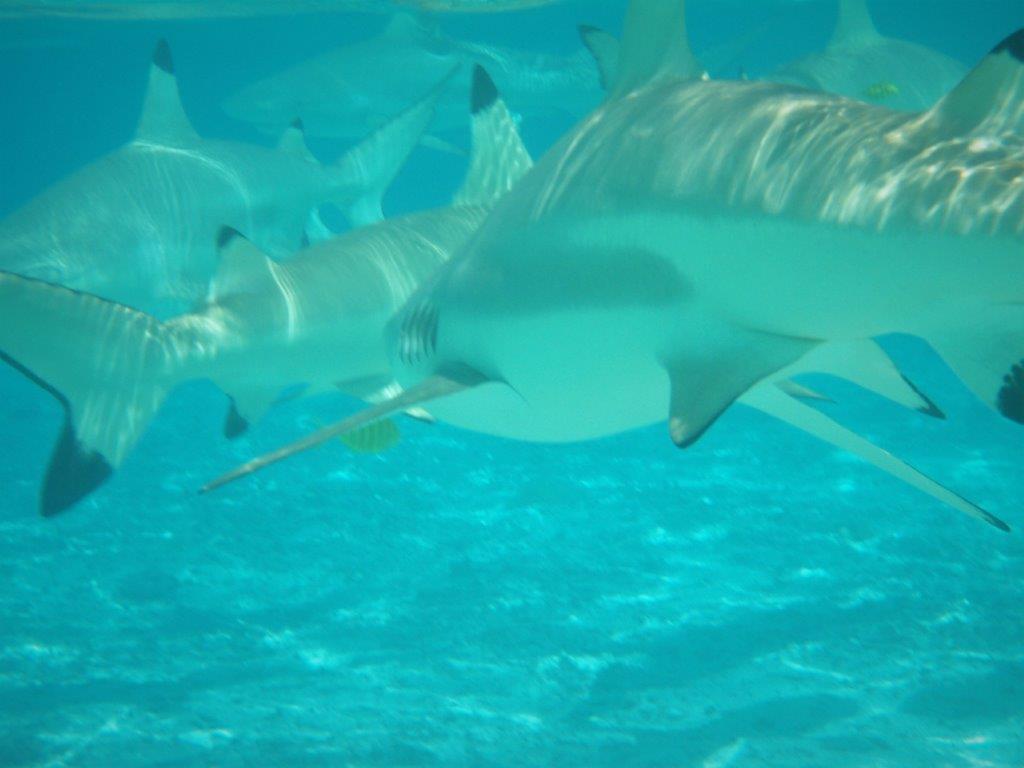
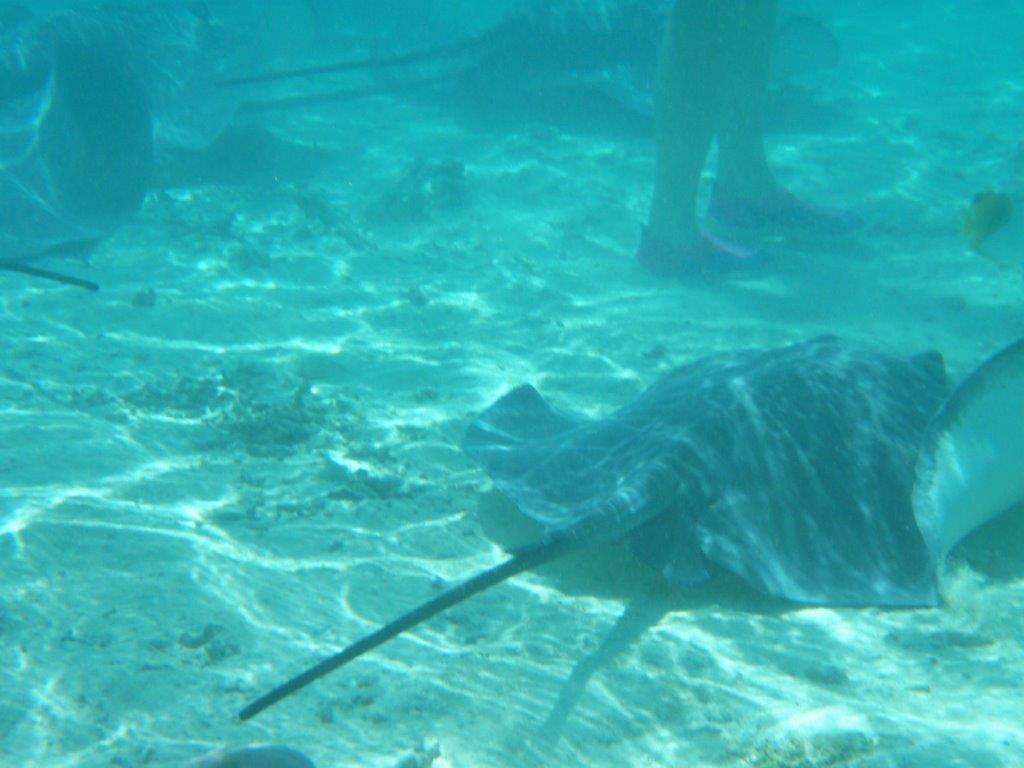
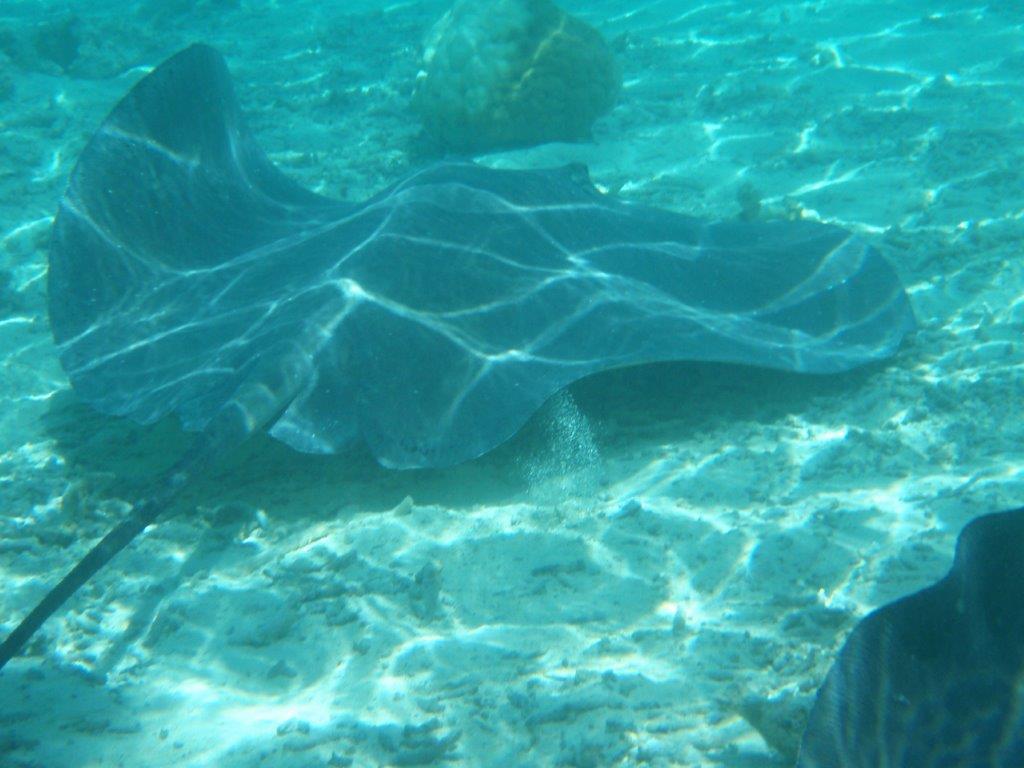
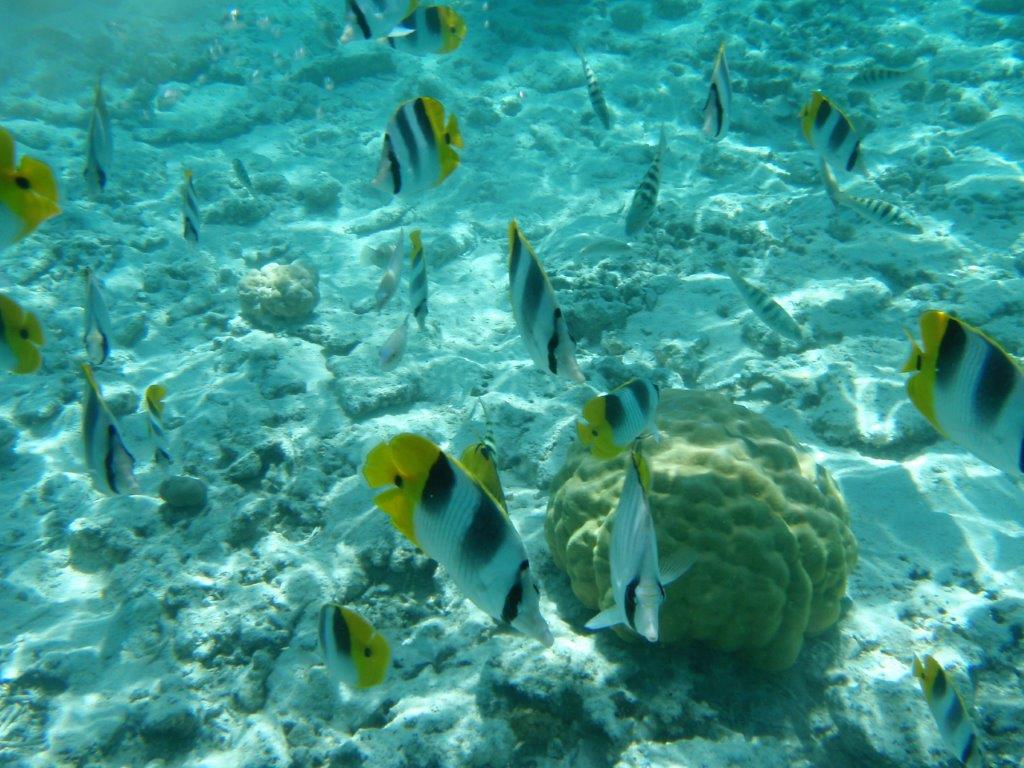
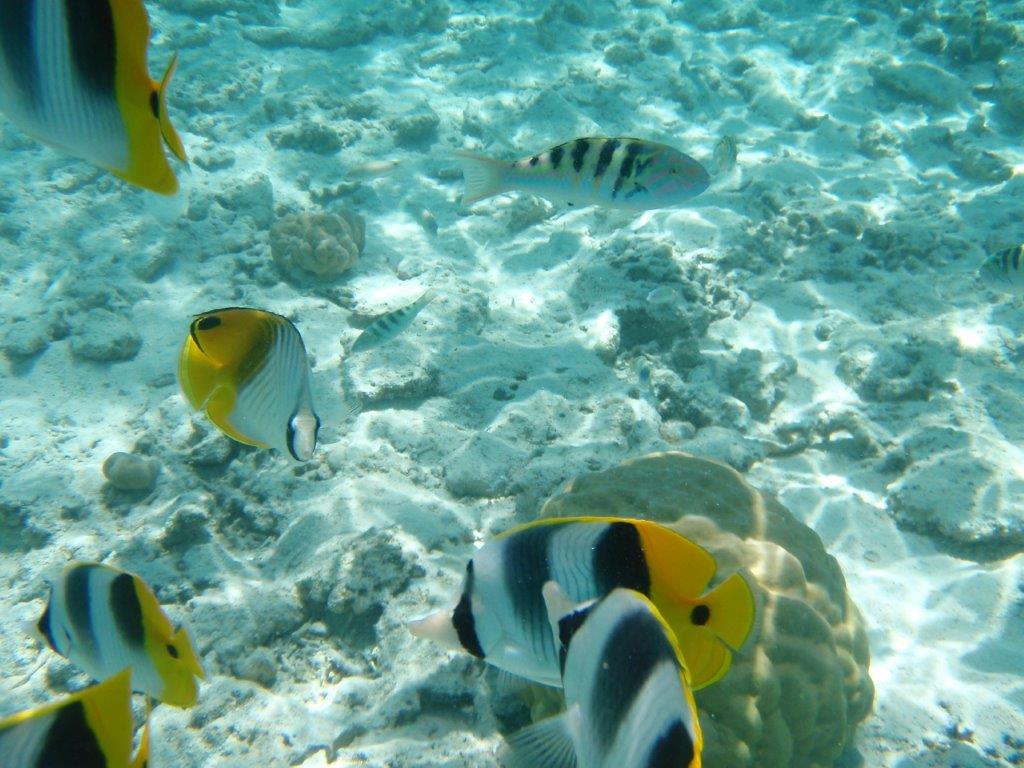
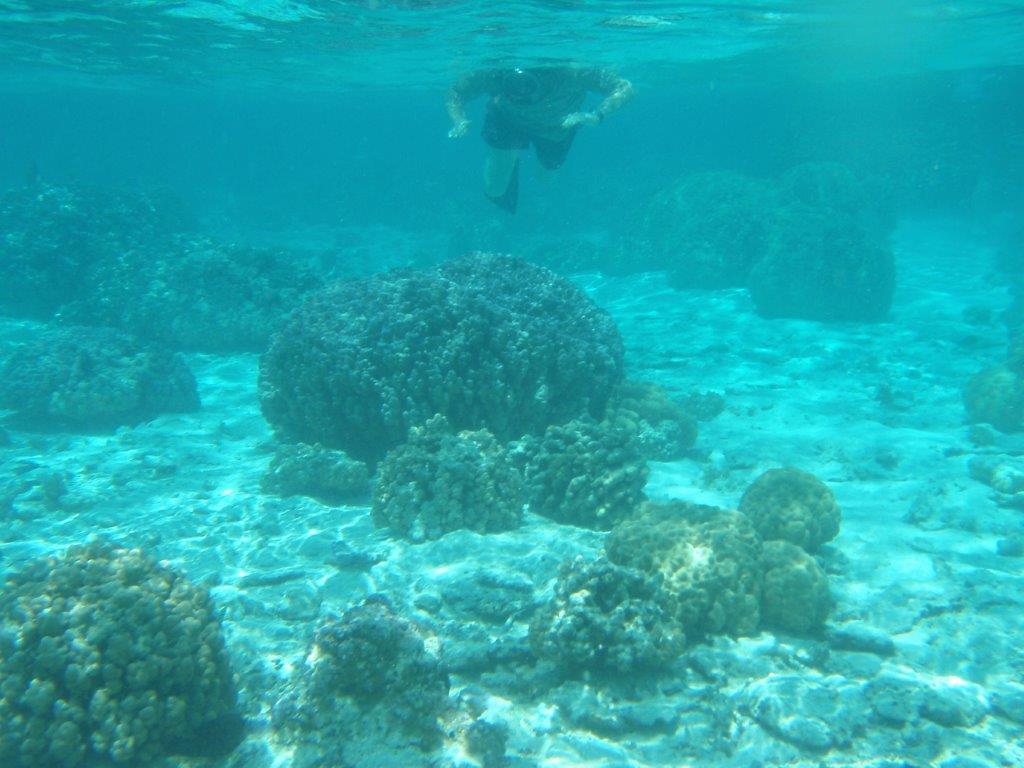
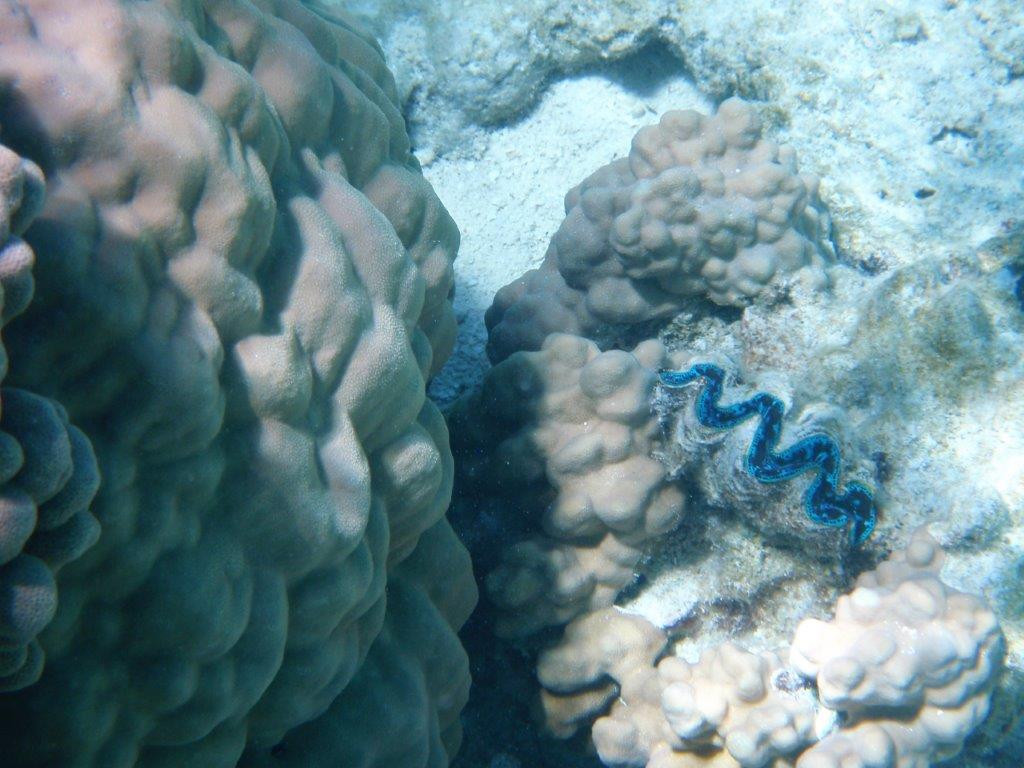
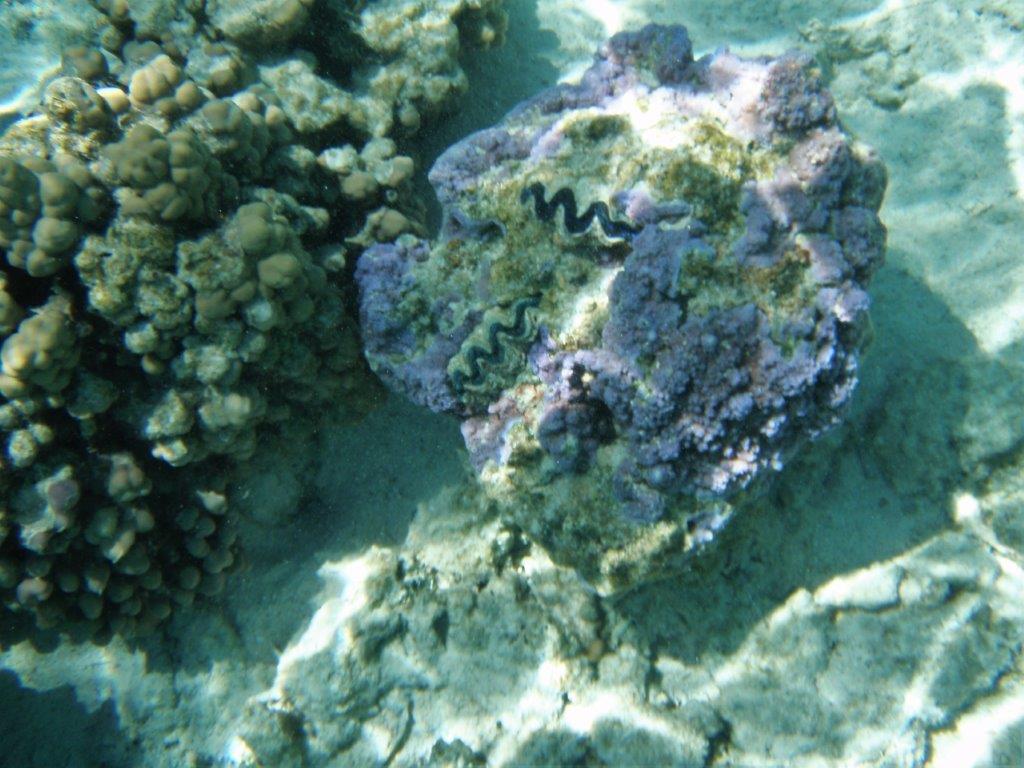
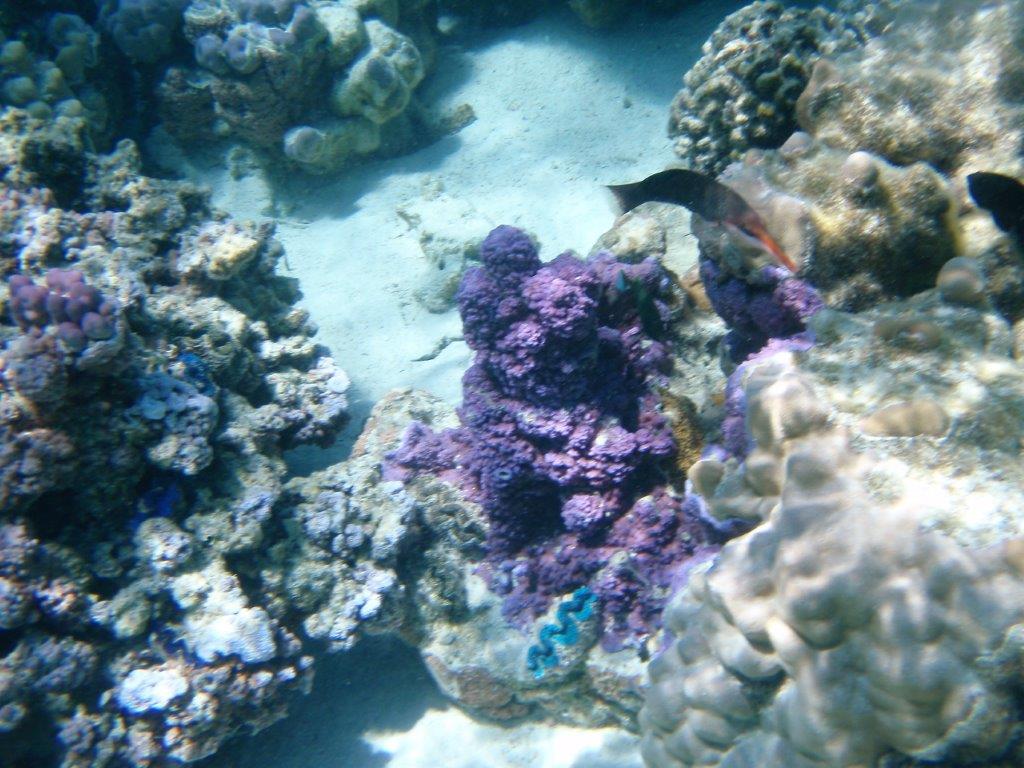
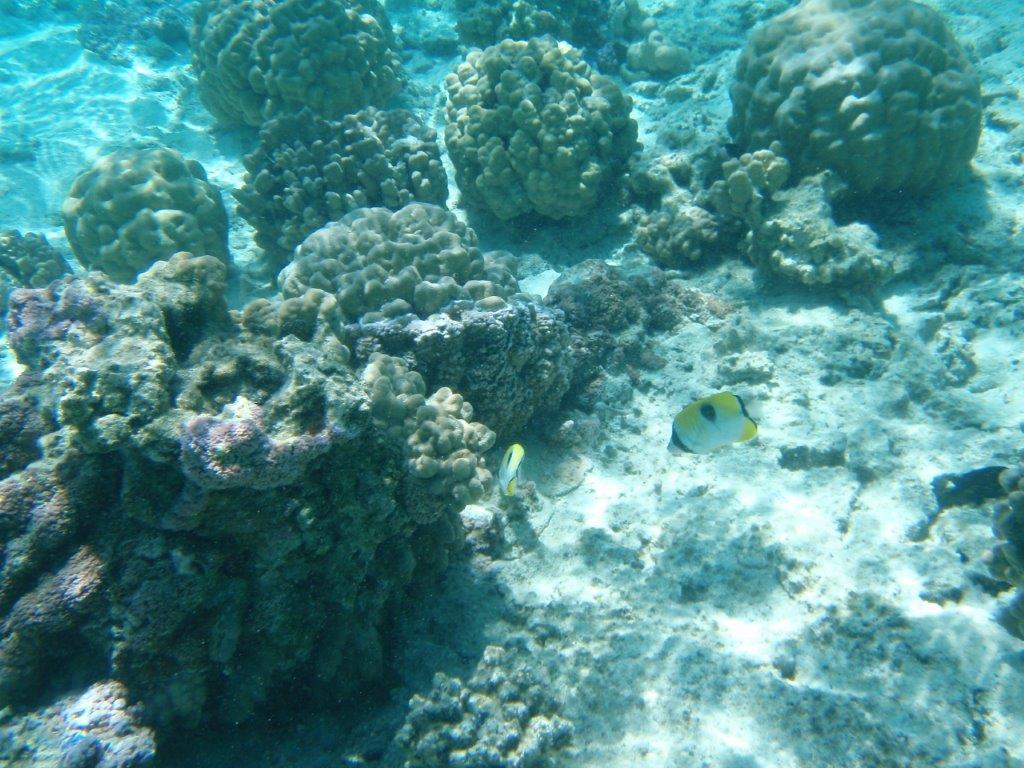
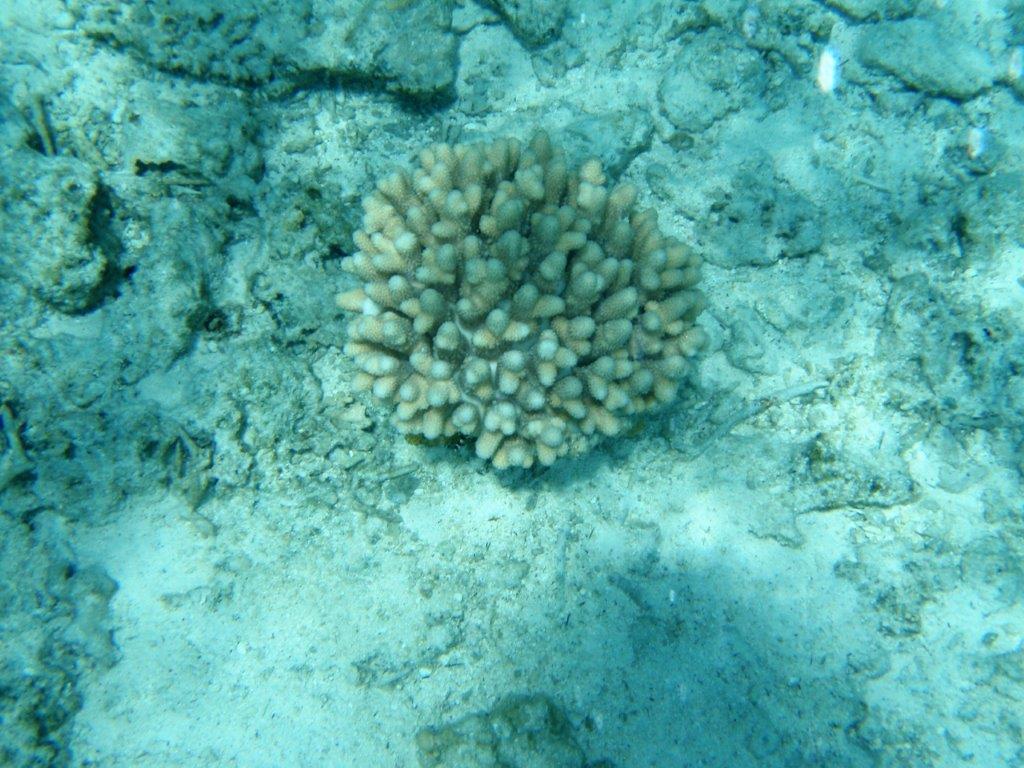
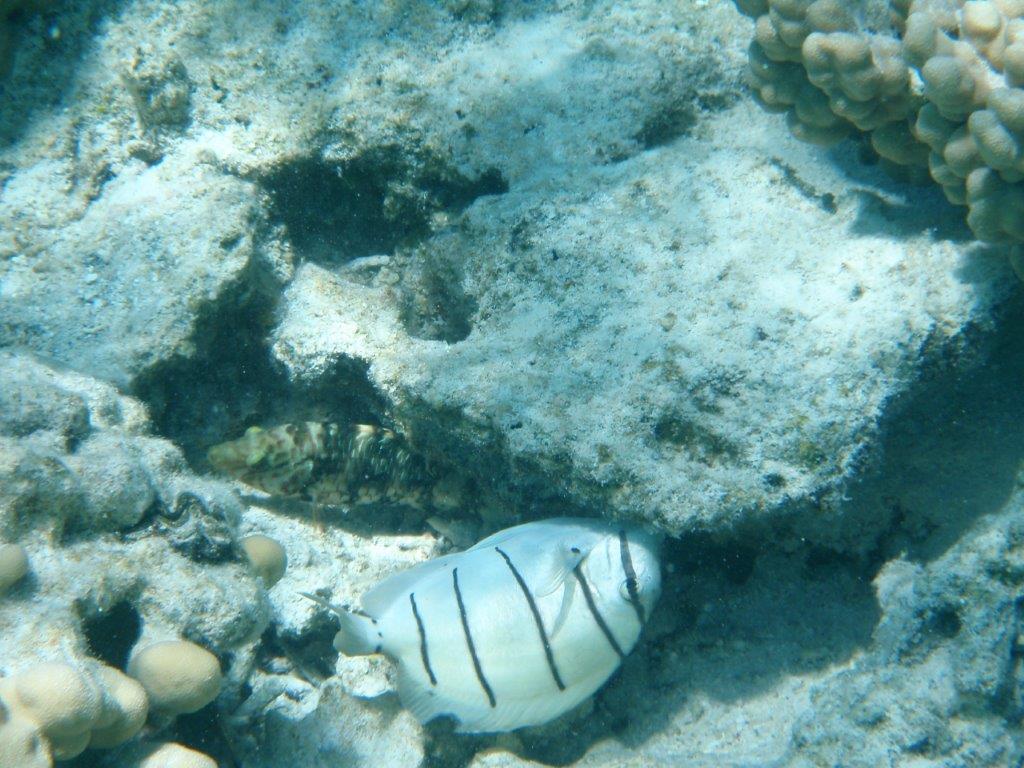
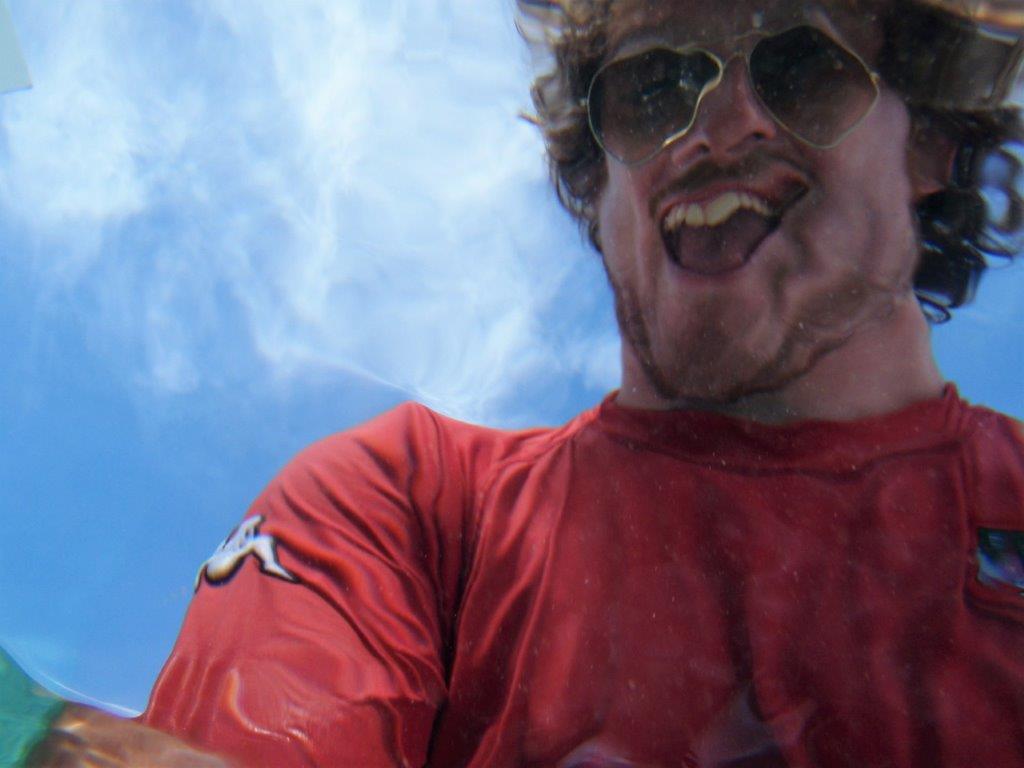
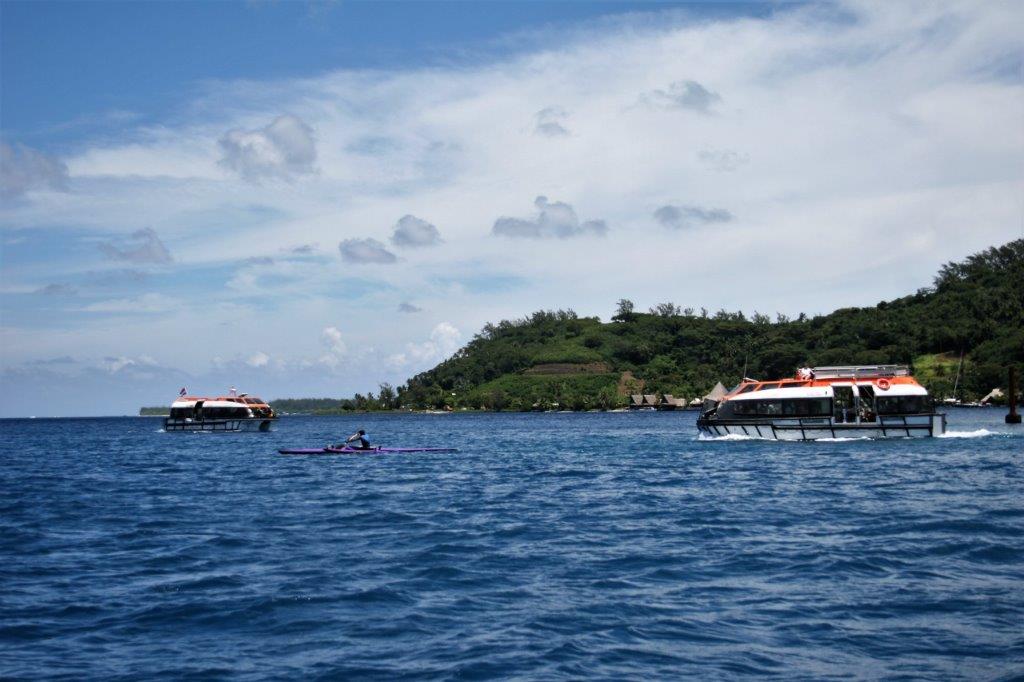
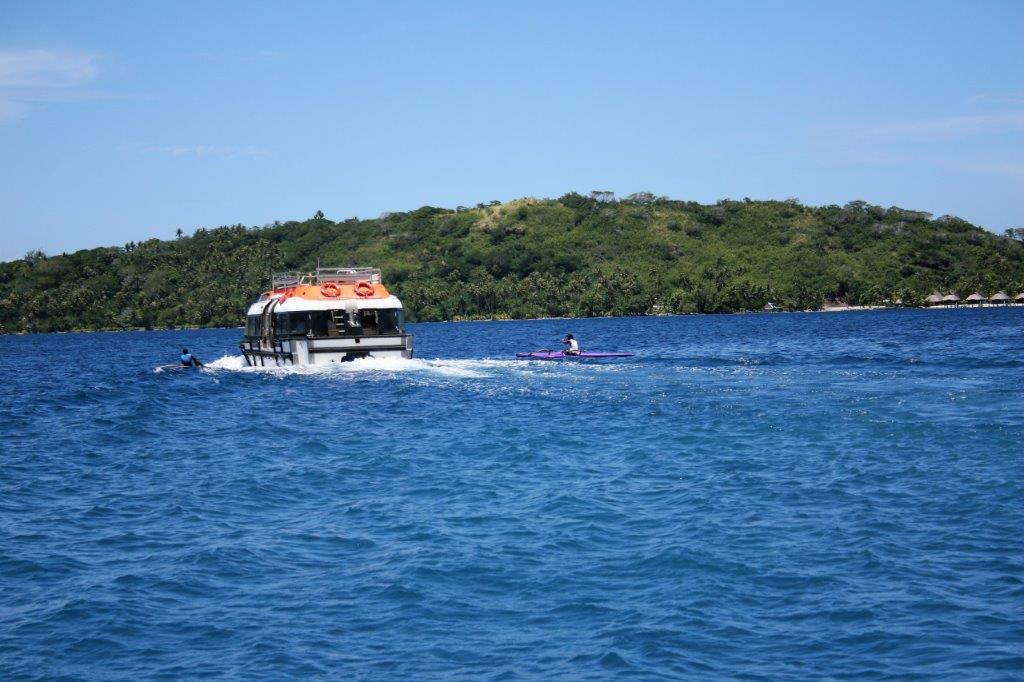
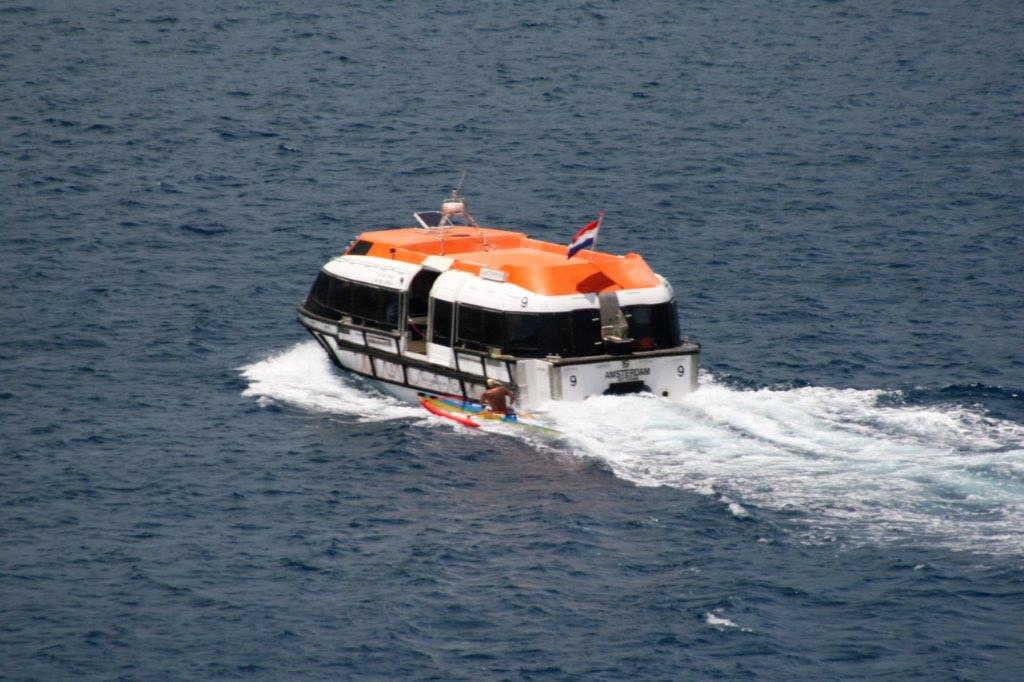
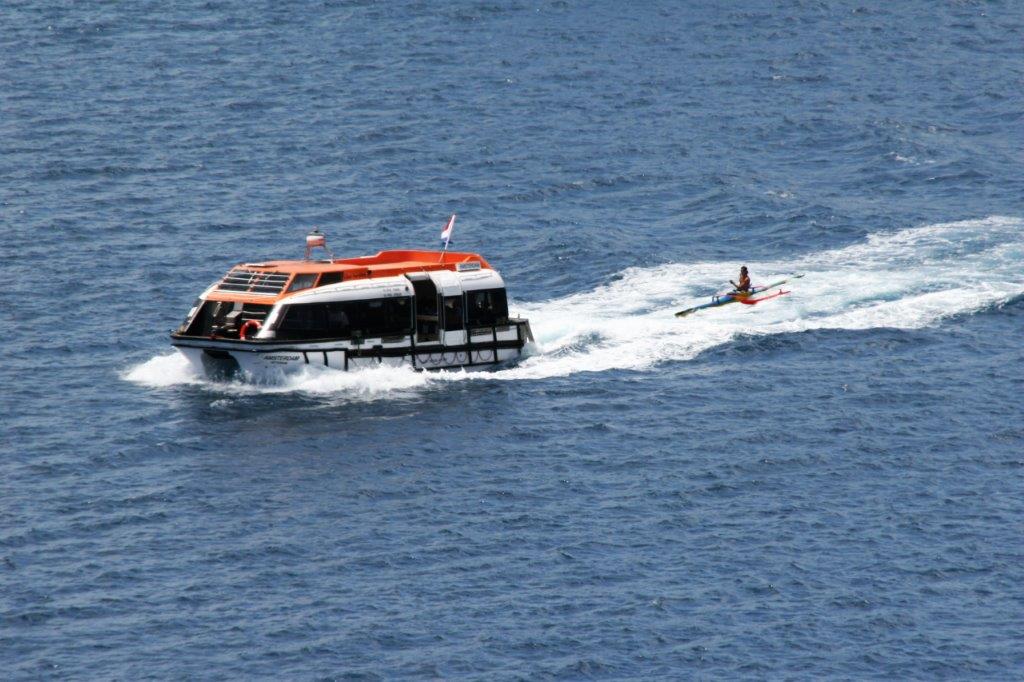
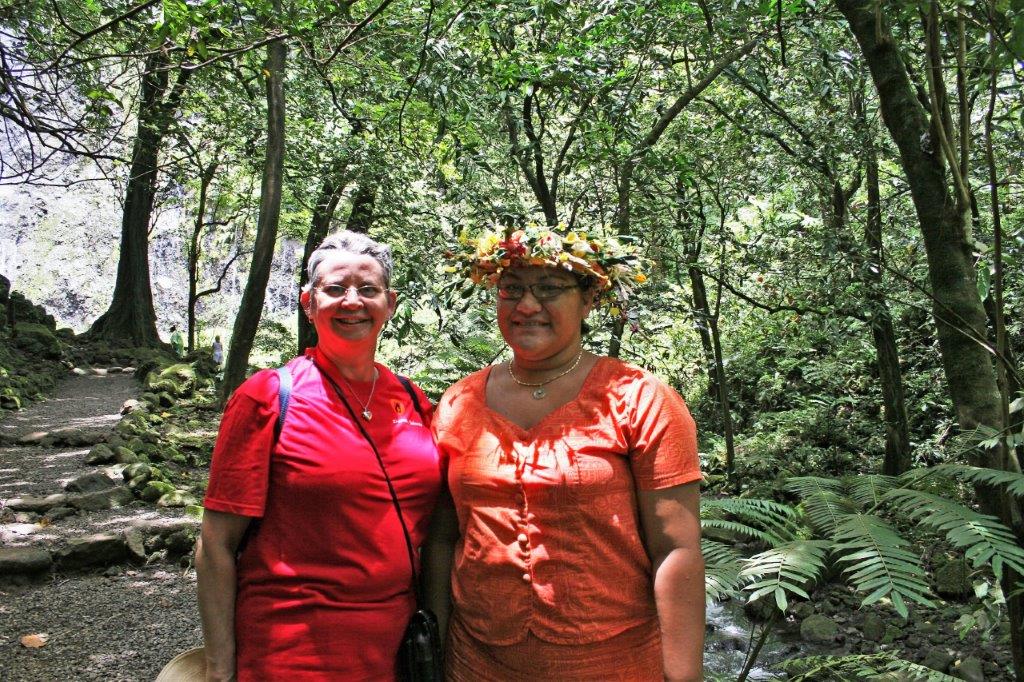
Cargo ships come from Tahiti five times per week and bring everything the islanders need.  The population is about 9,000.  The best resort hotel rooms can run $800 per night and if you want a private bungalow on the water it can cost as much as $10,000 per night.  Tourism, obviously, is the primary economic ‘resource.’  We were taken out to the edge of the lagoon in a covered launch to an area frequented by sting rays and black-tip sharks.  The boat owner/guide brings along tuna fish to feed the rays and they are so used to him they will brush up against his legs and one that he calls his pet will actually rest on his stomach while he pets it.   This lovely lady let me borrow her flower head piece for a photo. We stood in waist-deep water and the rays and sharks just swam around us. The rays are very soft and move effortlessly through the water.  They were beautiful.  It was hard to get a photo of them as they were constantly moving. After about an hour we were taken to another part of the reef near the lagoon edge where we had an hour and a half to snorkel. I have a small waterproof digital camera that I have attached to a lanyard that hangs around my neck.  This leaves my hands free to swim  and makes it easy to take photos whenever I want.  Holland America always has a ship staff person on every tour to monitor things and make sure all goes well.  Bobby, a young man from the photography shop, was on this tour and when I was about to get back onto the launch he asked me if my camera was really waterproof and didn’t need a protective case.  I told him yes it was and he asked to see it.  When I gave it to him he immersed the camera into the water and snapped a photo of himself standing overhead.  He was a really nice fellow and we were on several tours together on the way to Sydney.Local men take their outrigger canoes into the lagoon and ‘surf’ behind the tenders as they go back and forth to the ship. When we were back onboard after our tour we spent quite a bit ot time walking the deck and taking photos of the lovely lagoon. This is an absolutely gorgeous place and I am so glad we were able to visit.  The ship stayed anchored offshore for the night and the next day we had a tour that encircled the island.


2011 January 26 – Day 22 – Papeete, Tahiti, French Polynesia

Tahiti is the largest of the 118 islands and atolls that comprise French Polynesia.  It is almost two islands.  The main island Tahiti-Nui (big Tahiti) is joined by a slender isthmus to Tahiti-Iti (little Tahiti.

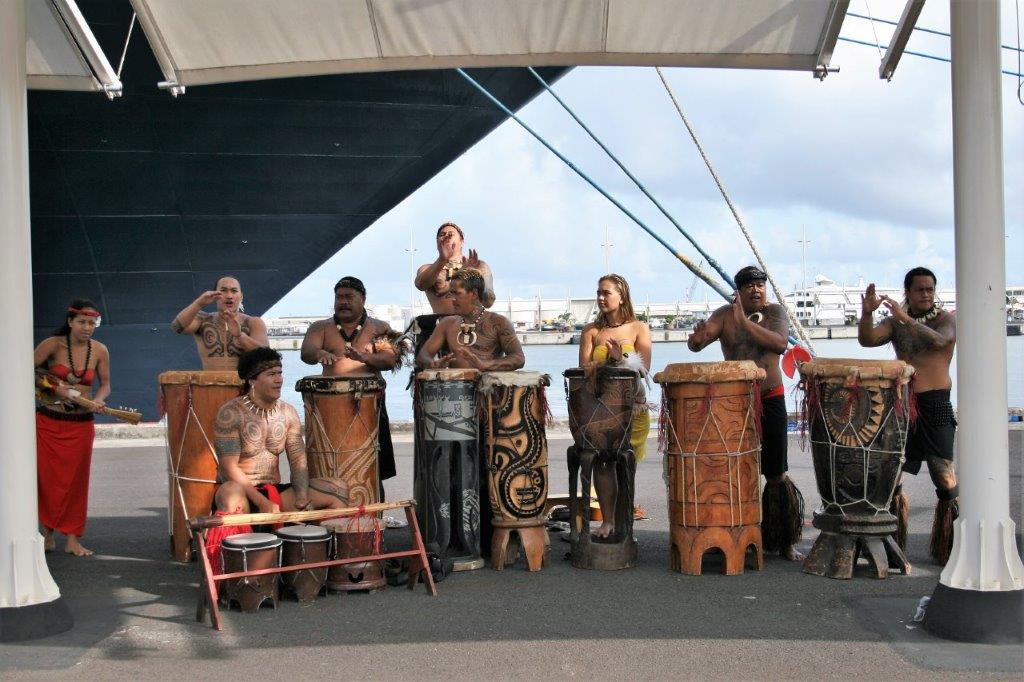
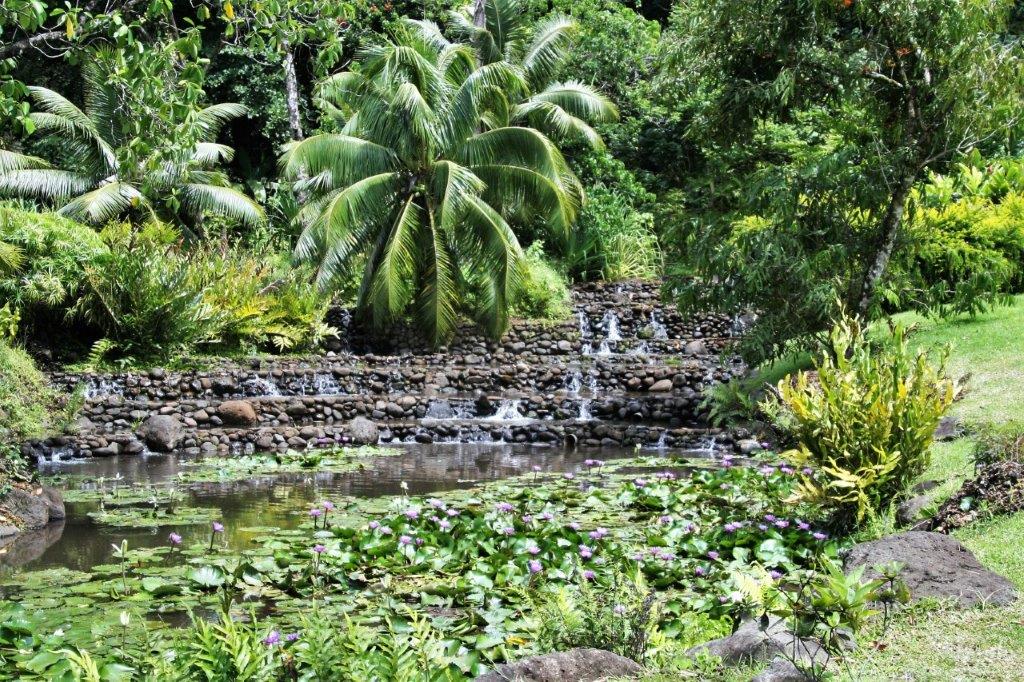
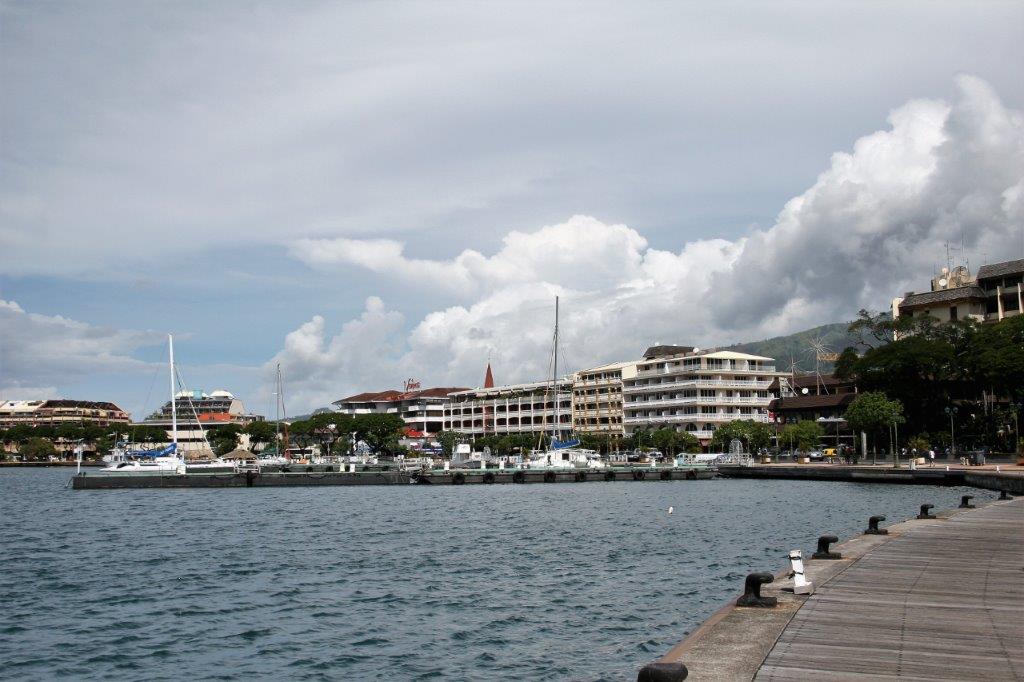
We were welcomed by local ladies handing out flowers and on the way to the buses we passed a local band, playing traditional music, dressed in traditional style.  A nice touch we see quite often on the world cruise.  We were in port from 7 am until 6 pm and our round-island tour was 4 1/2 hours.  We drove south along the coast to Vaipahi Garden’s.  The Paul Gauguin Museum is located on the grounds but we did not tour it, nor see any of the artist’s famous paintings.  Vaipahi Garden is not very large, but then none of the islands themselves are large.
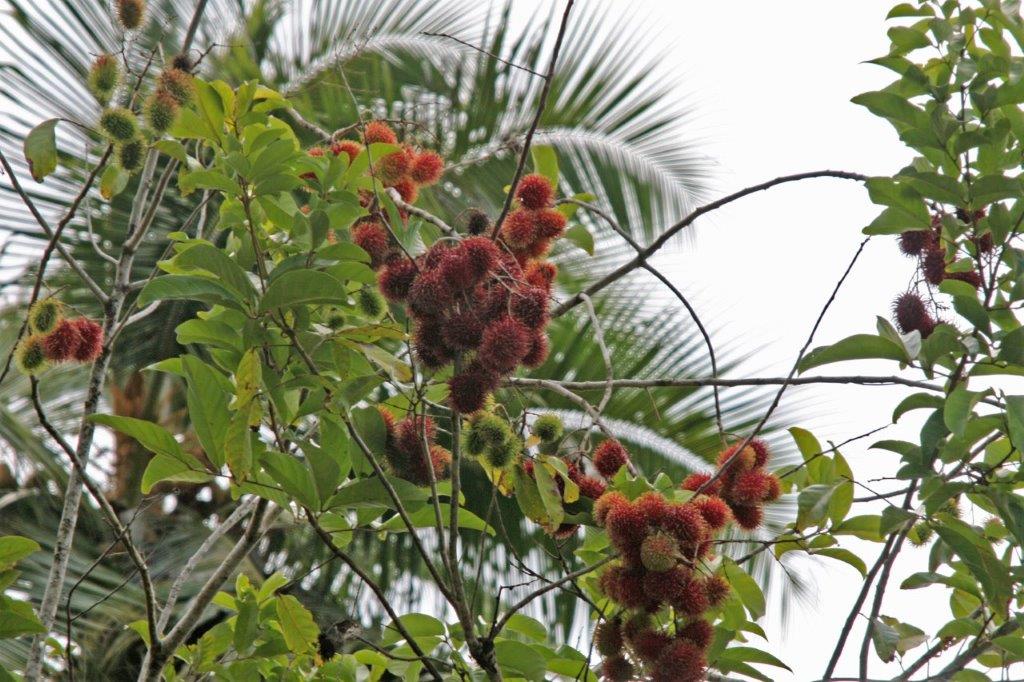
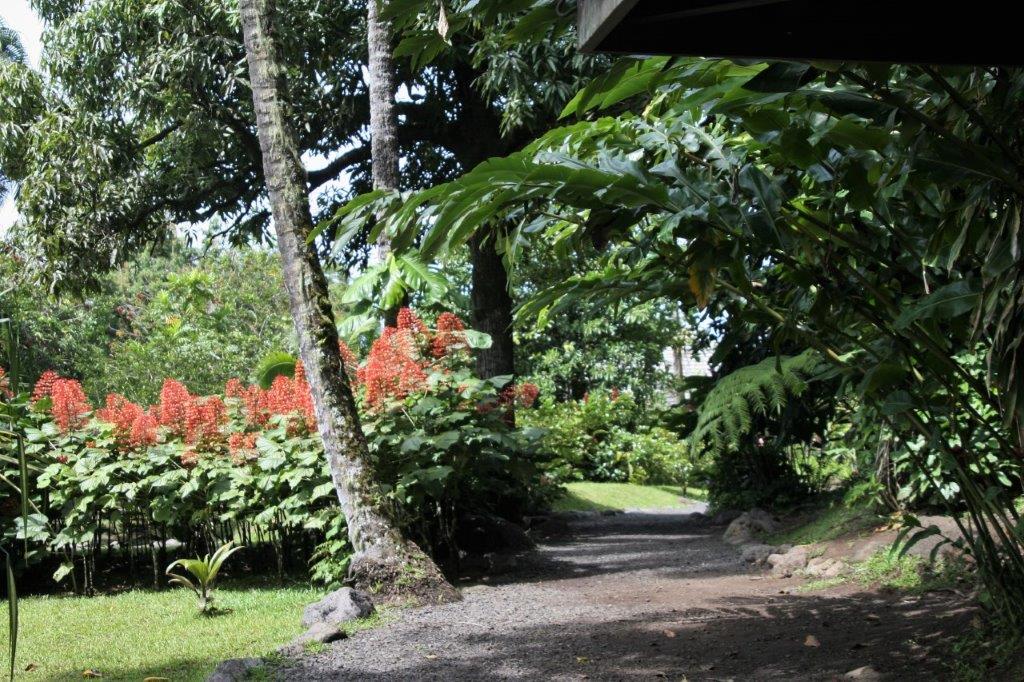
Viapahi has several species of rare trees and flowers on the grounds.

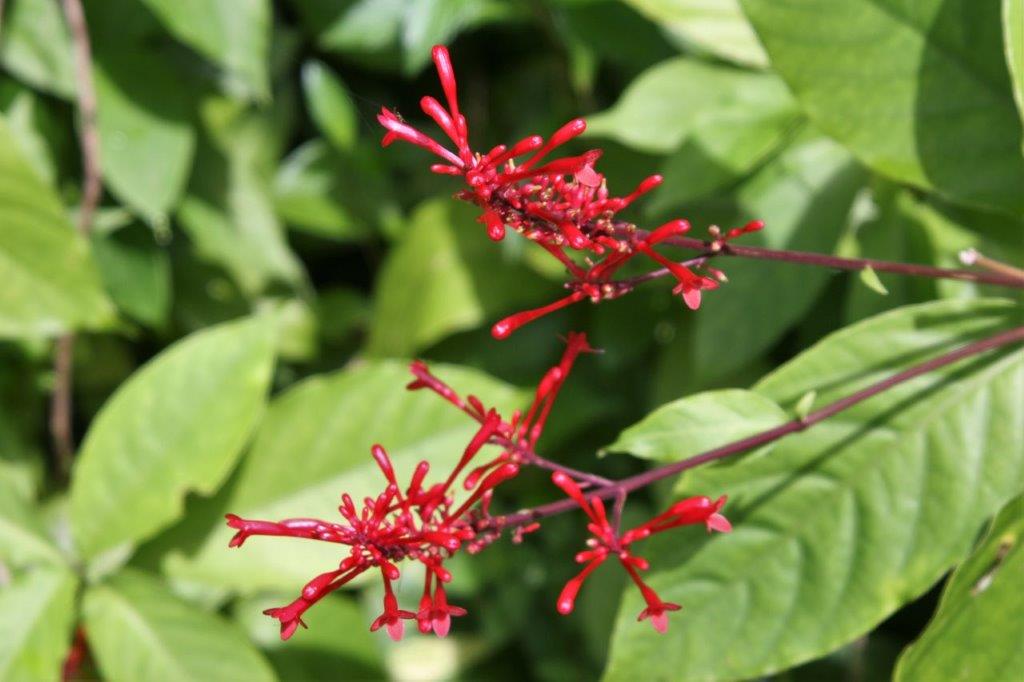
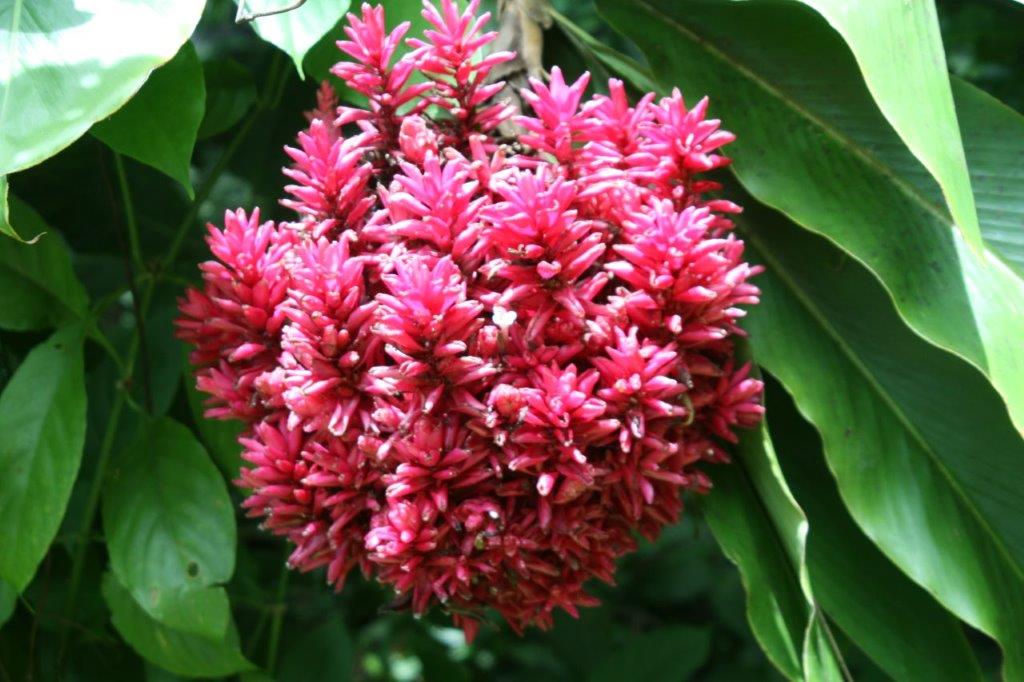
As usual when we tour a garden I take lots of photos of the flowers.  I often try to photograph name tags so I know what they are but there were none here and I was too lazy to look up the ones I didn’t know so I just didn’t name any of them.  The path was a loop trail that we were able to wander at our leisure.

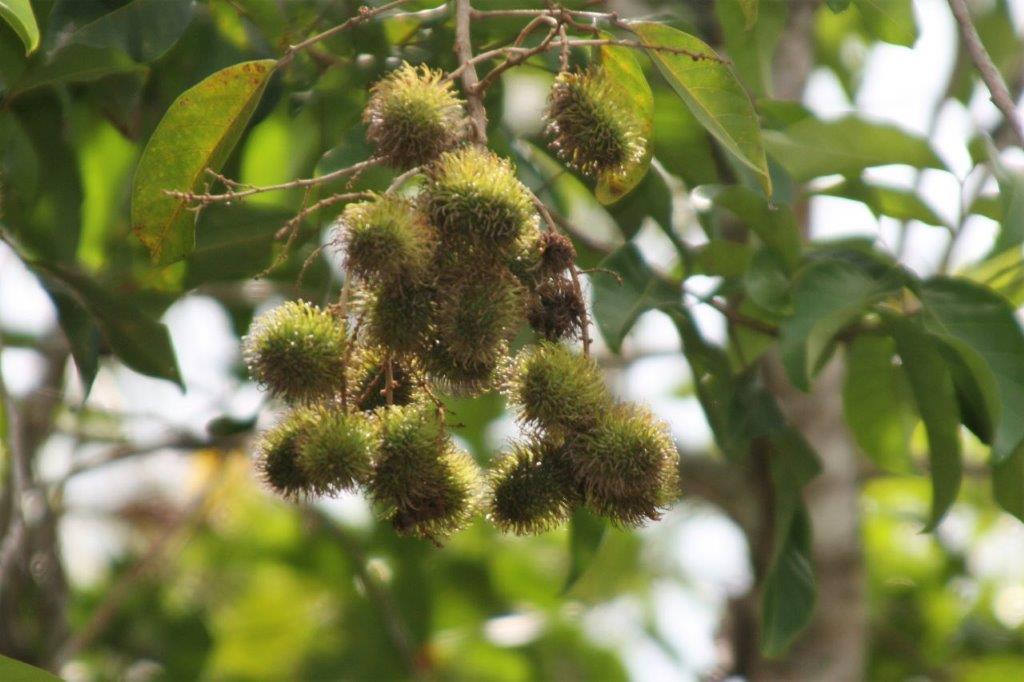
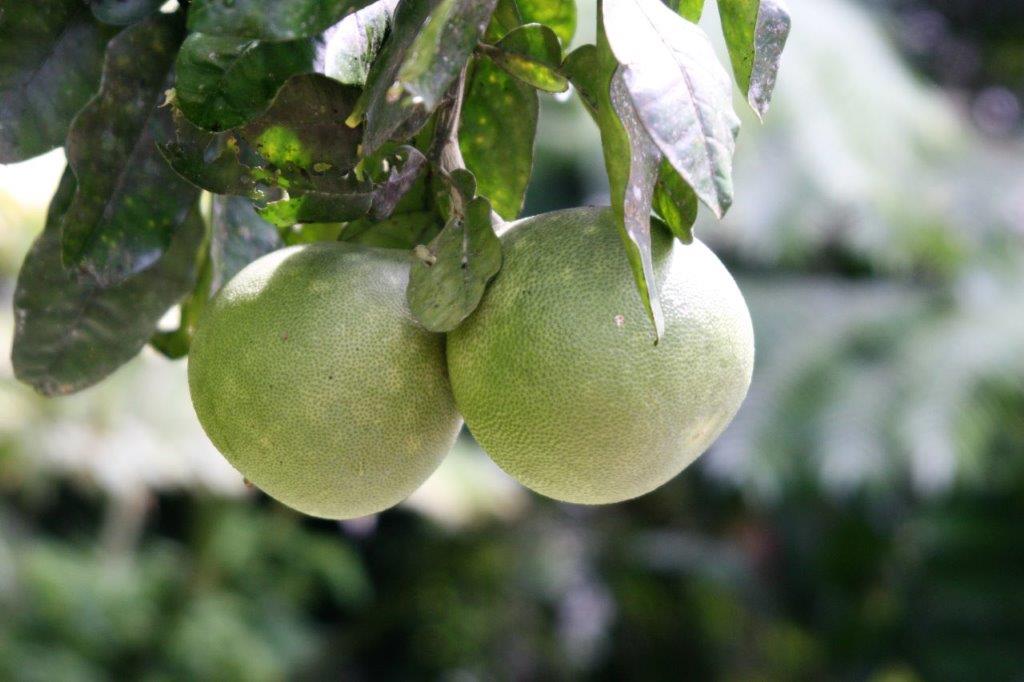
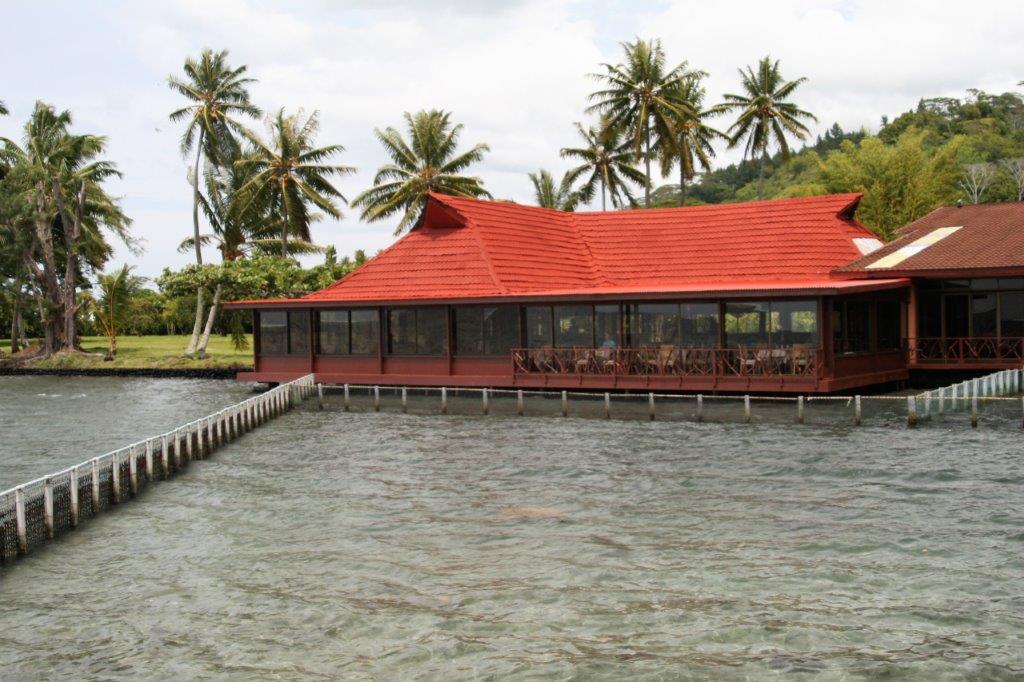
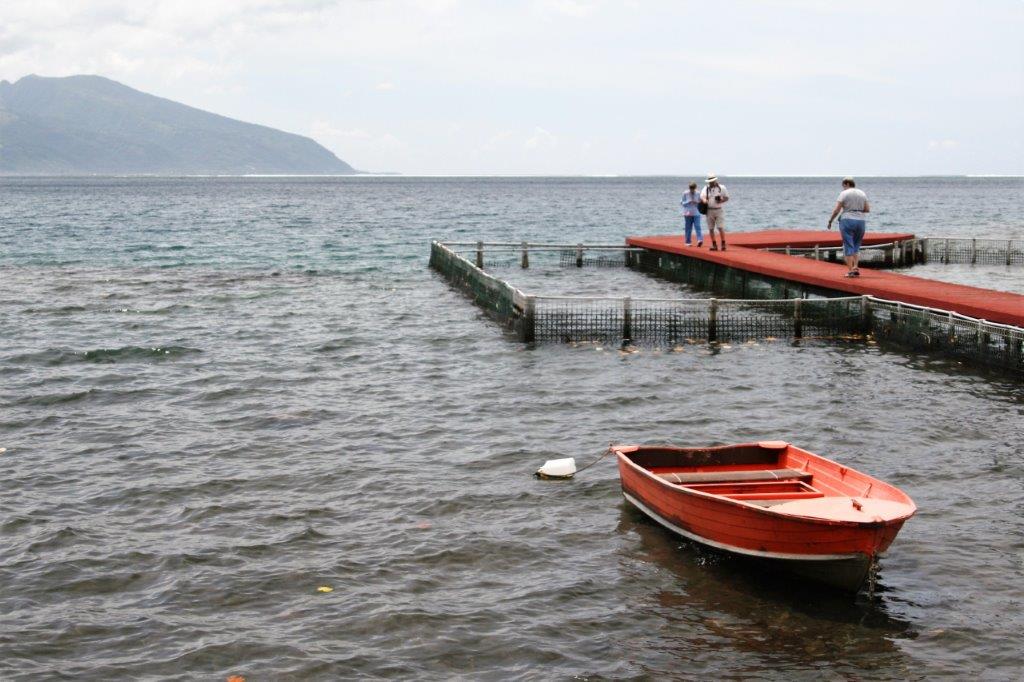
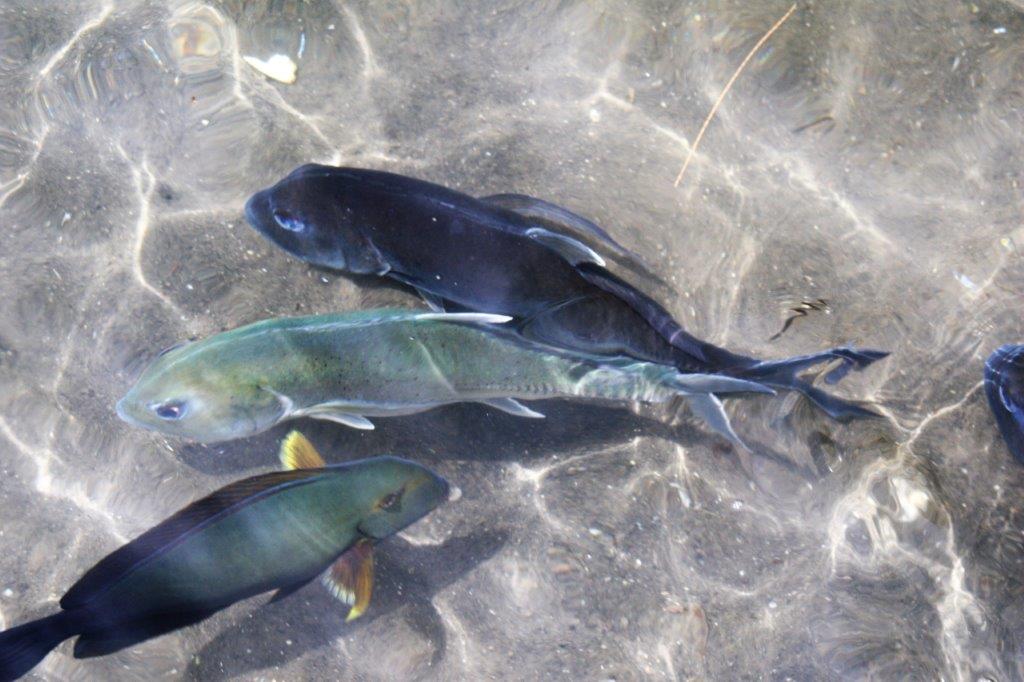
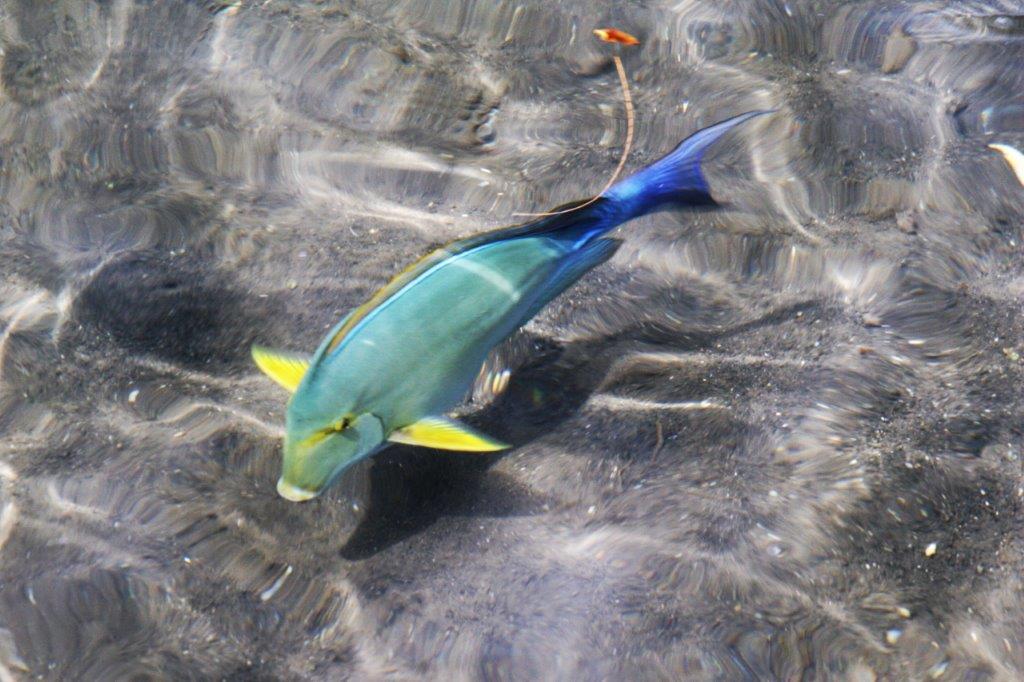
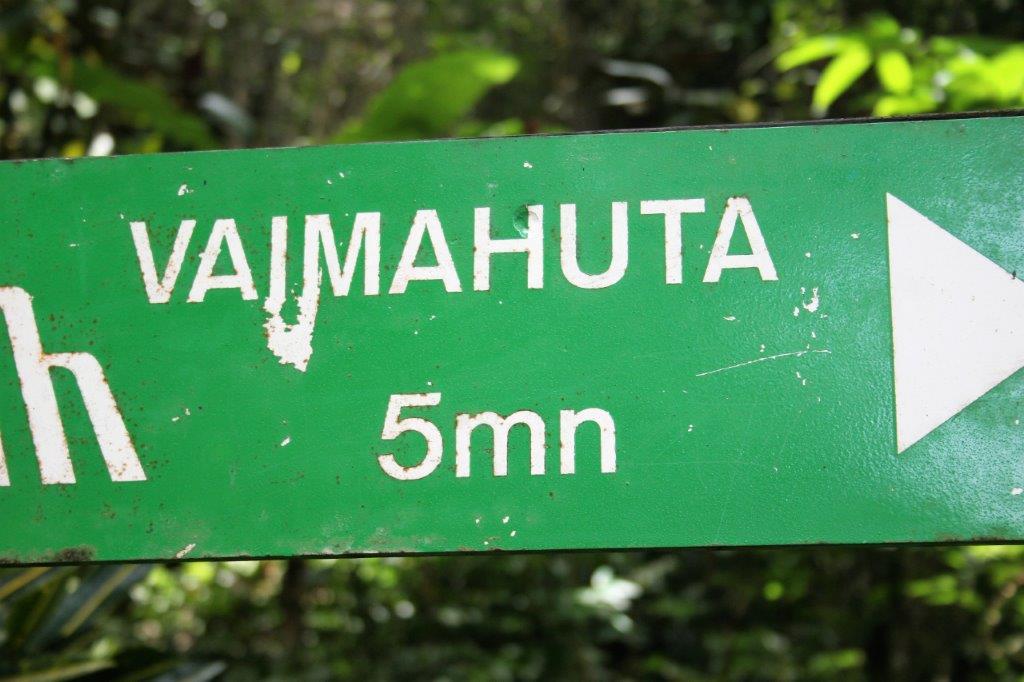
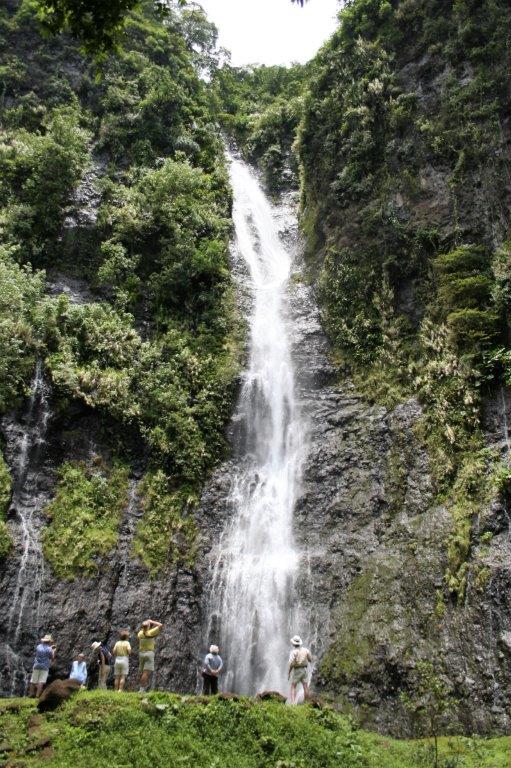
 Grapefruit                                                         Next was a refreshment stop at a seaside restaurant that has its own fish farm so you can walk the pier and choose your dinner. We took a short side road to hike up to Viamahuta waterfall. We stopped at the Arahoho Blowhole but the wave action was not strong enough to make it blow.  We returned to the ship about 1, had a taco salad from the Lido Grill and then left the ship again to wander around town for awhile.  It was very hot and humid so we didn’t linger ashore very long before returning to our cabin to cool off before dinner and sail-away.

We sailed slowly overnight and anchored off Viatape, Bora Bora where we stayed for two days.  We loved, loved, loved Bora Bora.


2011 January 23 – Day 19 – Pitcairn Island

January 23, 2011 was the 221st anniversary of the burning of the “Bounty.”  On April 28, 1789 Acting Lieutenant Fletcher Christian and discontented sailors mutineed against the ship’s captain Lieutenant Bligh and cast him, along with 18 loyal crew members, adrift in the ship’s launch.  The mutineers sailed to Tahiti where some of them stayed and others took ‘wives’ and set sail for some place they could hide from the British Royal Navy.

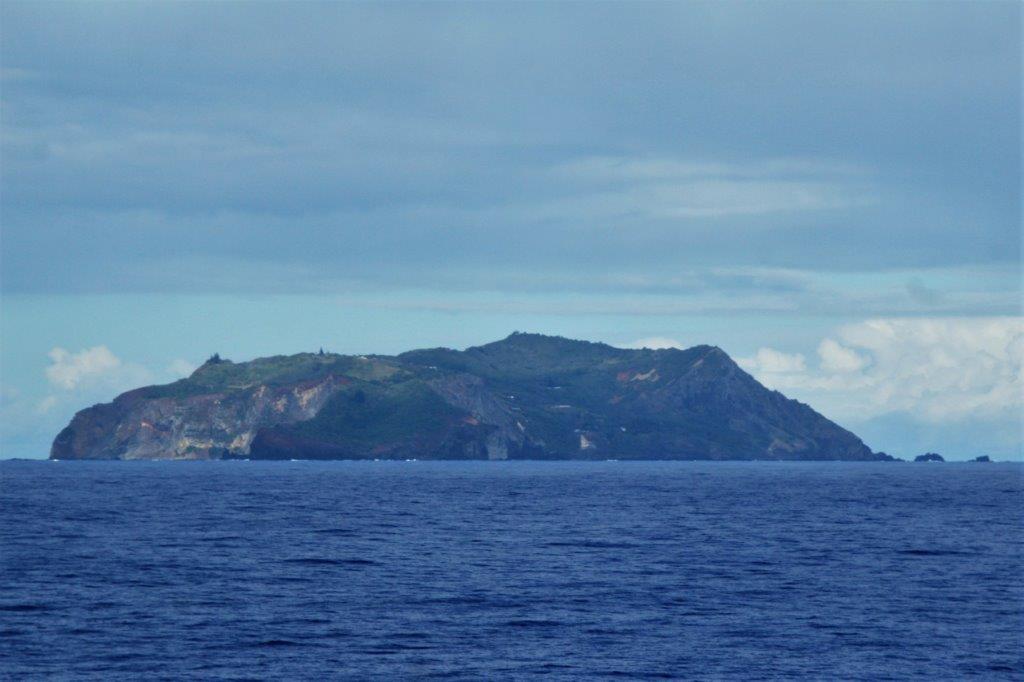
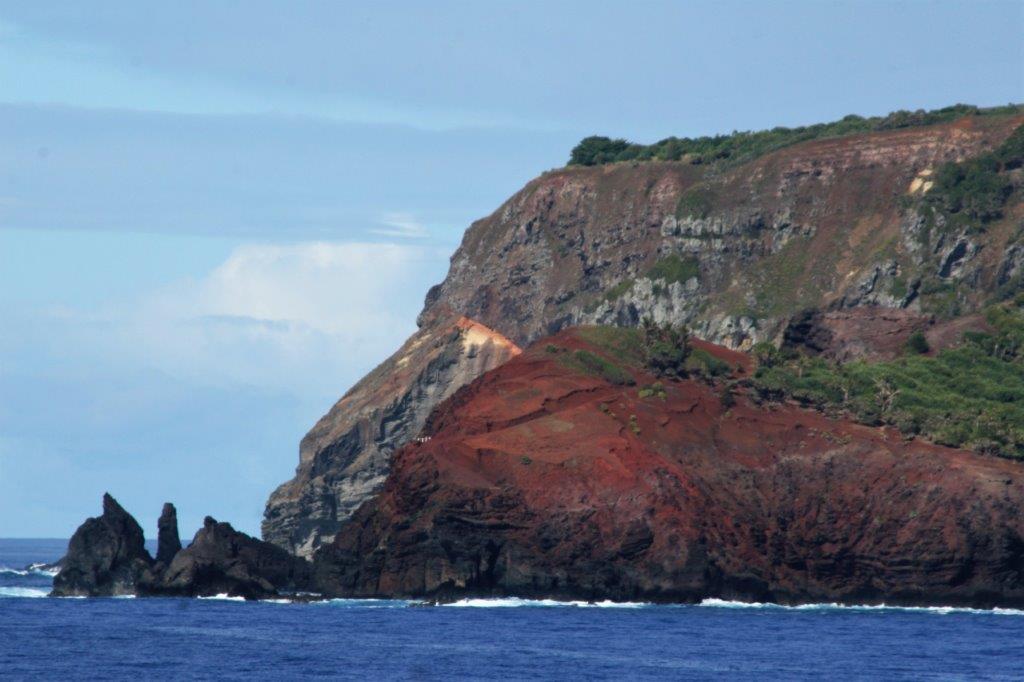
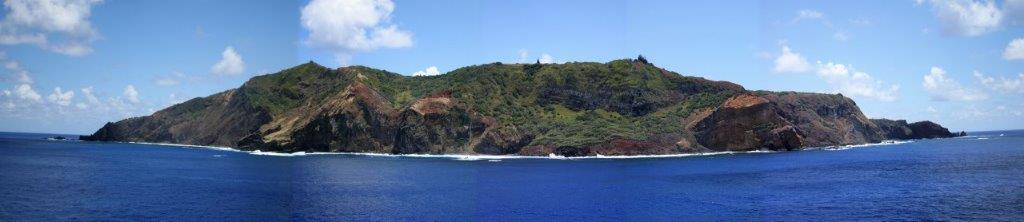
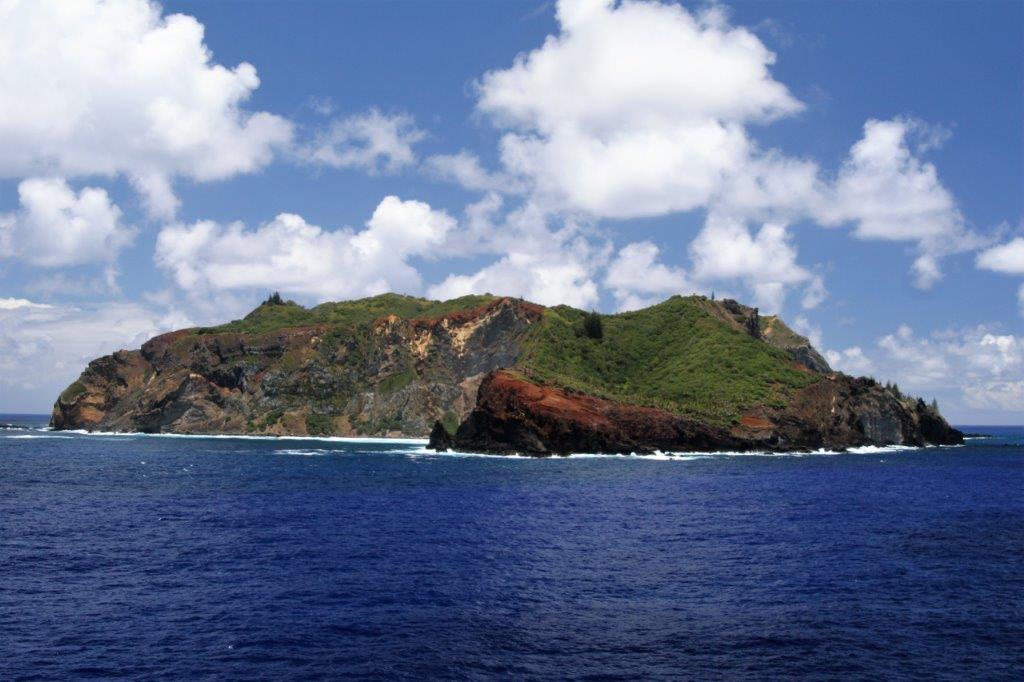
They stumbled upon Pitcairn, one of four small widely-spaced islands in the middle of the Pacific Ocean.  The island’s location was incorrectly marked on the sea charts by over 200 miles.  It was uninhabited, had a steep shoreline with no harbour, and had good soil.  Assuming their odds of being found were slim they decided to stay.  At the time there were 6 men, 11 Tahitian women and one baby.  After removing every salvageable item from the Bounty the mutineers loosed it in the bay and burned it  on January 23, 1790 so that the presence of the ship would not give away their hiding place.   Every year on the anniversary a replica of the HMS Bounty is cast adrift from the island and burned.

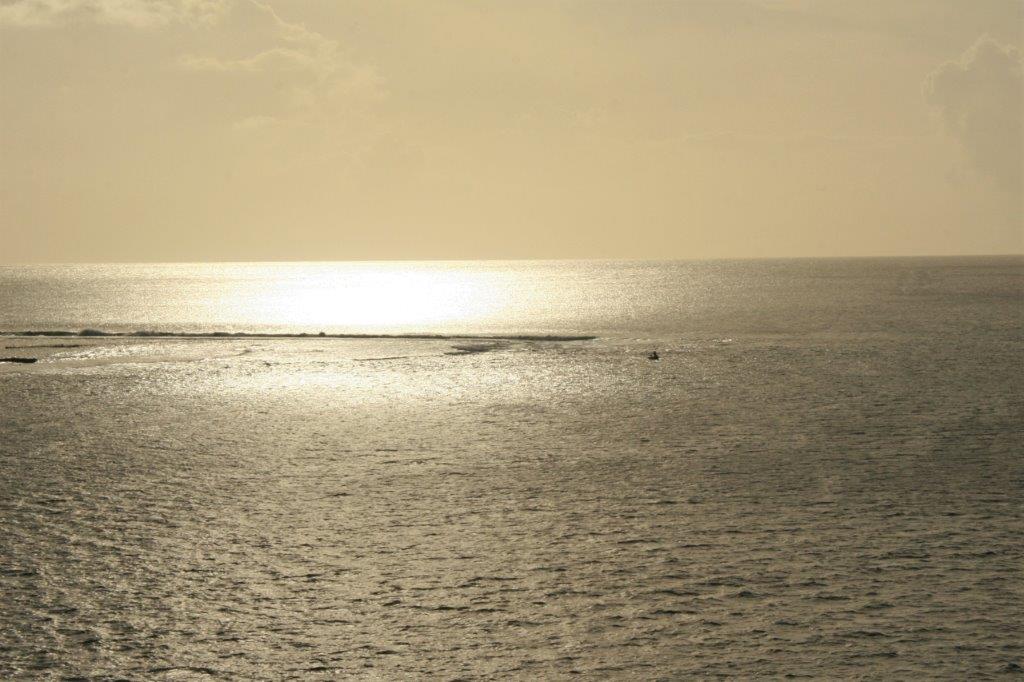
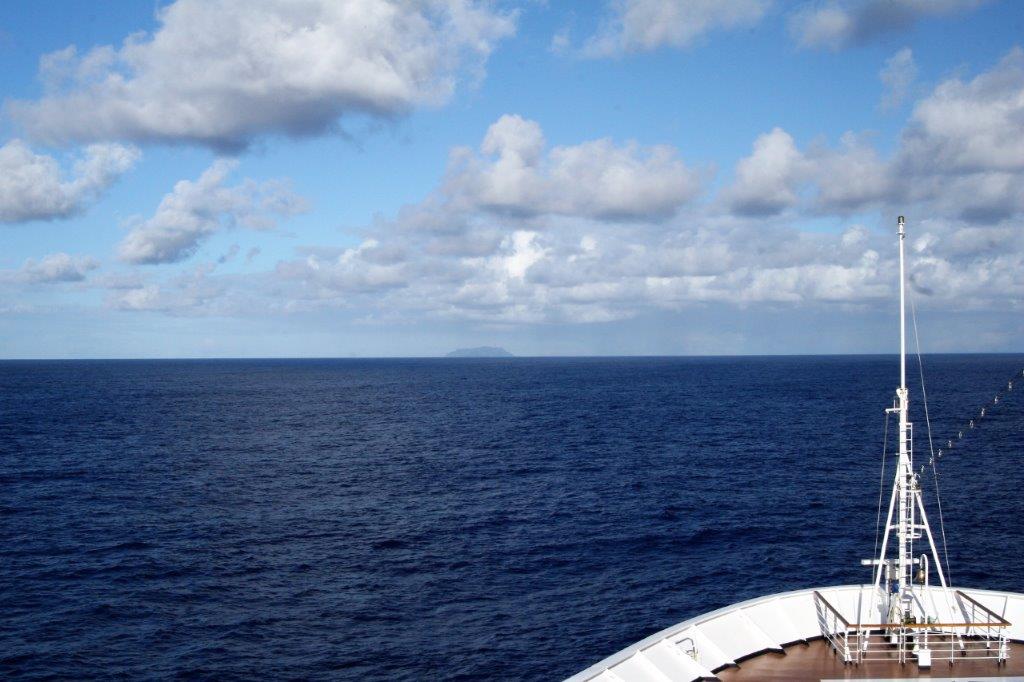
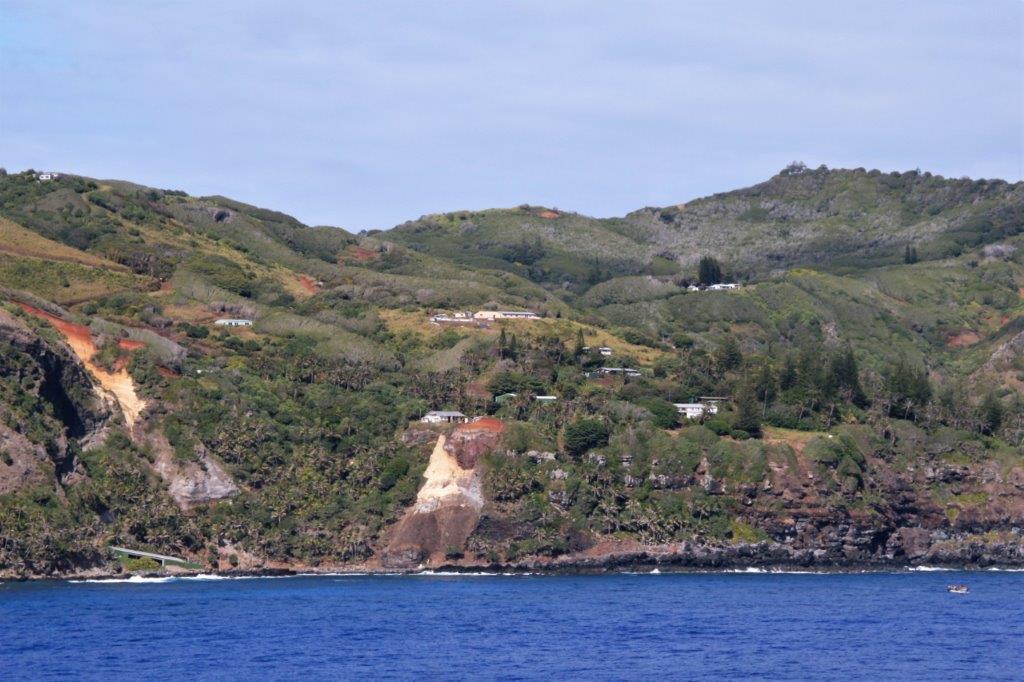
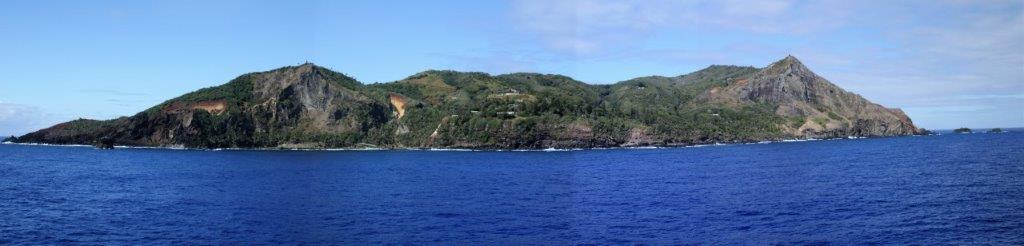
After the mutineers settled on the island they were not discovered for 18 years.  By that time only one of the original mutineers, John Adams, was still alive (the others had almost all killed each other in disputes.  One died of asthma in 1800) and the island had a population of 60.  Today the population is about the same.If you look very closely you can see the speck of an island on the center horizon. The total land area of all four islands in the group is about 18 sq. miles (47 sq. km)  Pitcairn is the second largest, the only one inhabited, and is about 2 miles (3.2 km) across. Pitcairn, and it’s fellow islands; Henderson, Ducie and Oeno, is a British overseas territory; the last remaining in the Pacific.  The British government subsidizes the island to the tune of four million pounds per year.  The closest land is New Zealand and the doctor, nurse, teacher, and police officer are all from New Zealand.  Children, when they reach the older grades and university, usually go to New Zealand to complete their education.

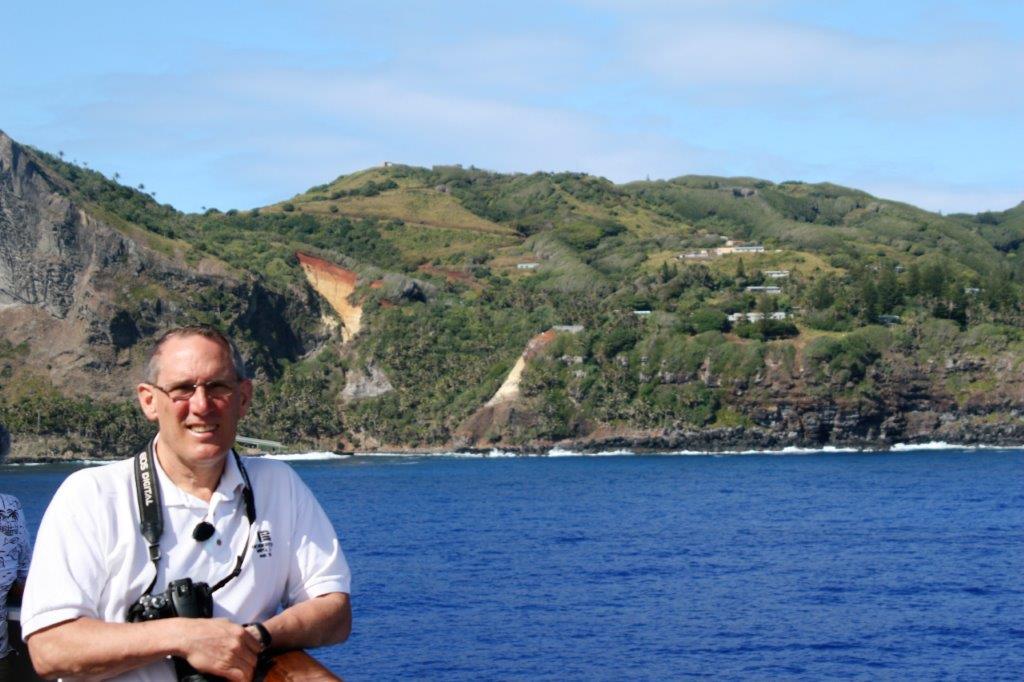
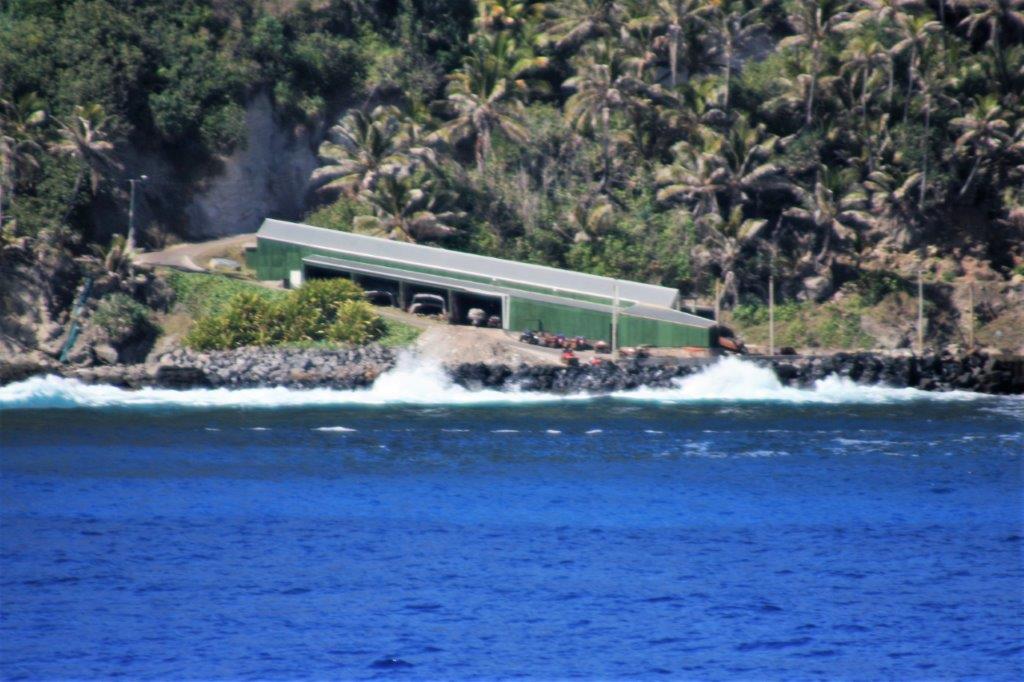
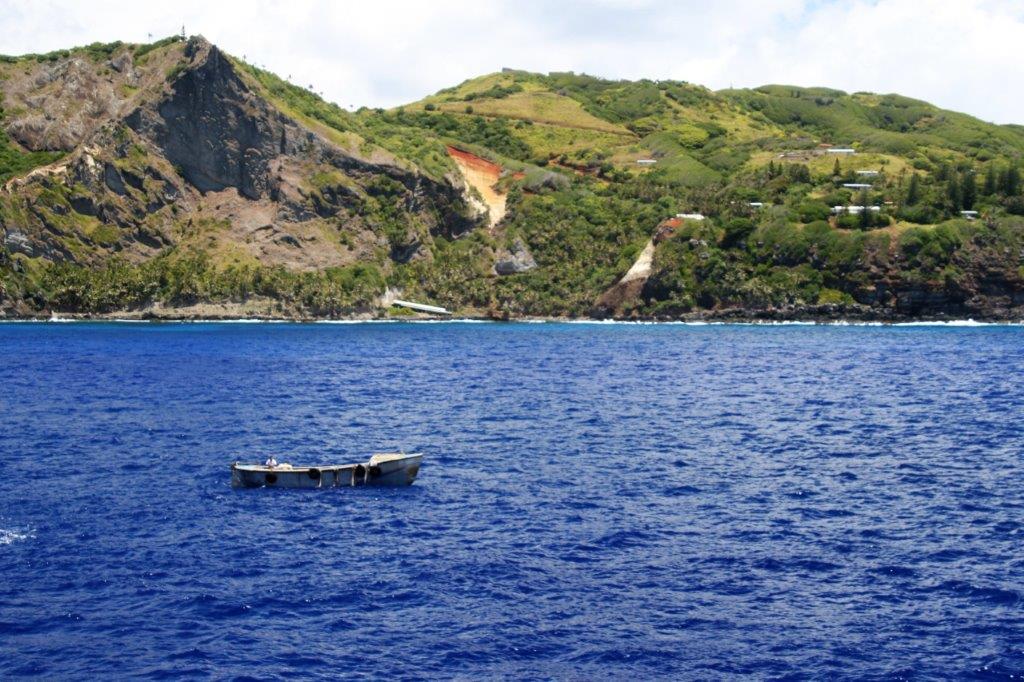
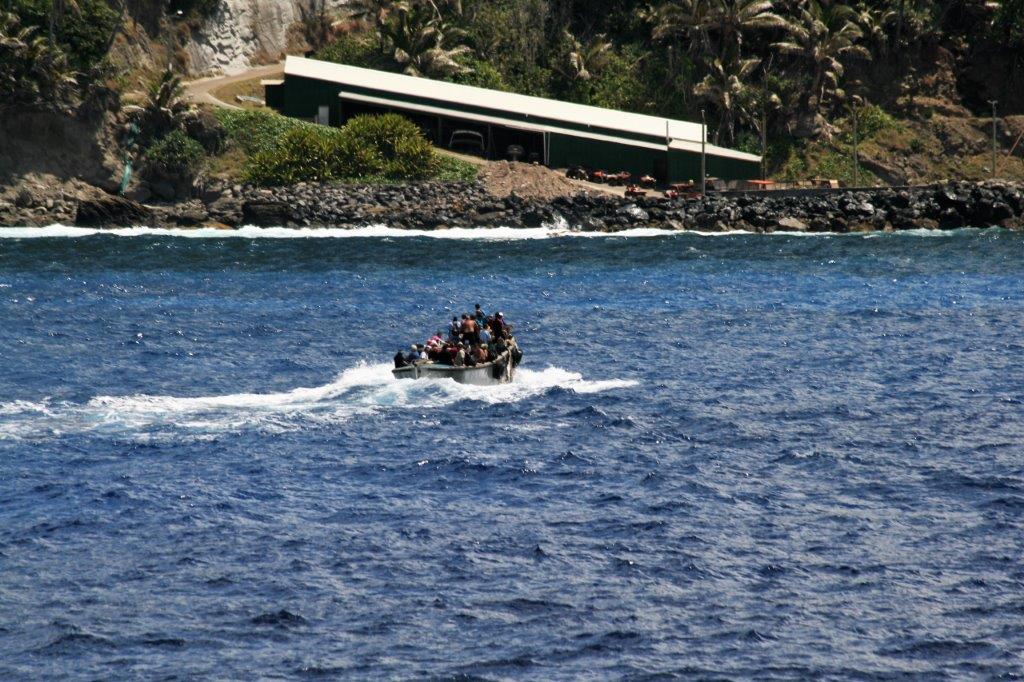
The island’s volcanic soil and temperate climate lend it to growing a wide variety of fruits and vegetables, both tropical and temperate. The sea is always available for fish.  There are no native animals other than sea birds.  In 1998 the U.K. government funded an apiculture program on the island, which included training the beekeepers on the island and doing indepth analysis of the bees and the honey.  Pitcairn Island has one of the best examples of disease-free bee populations anywhere in the world.  The honey, sold under the Delectable Bounty brand is highly prized in New Zealand and Britain. A supply ship brings fuel for the generators and other supplies every three months.  There is no airstrip and no harbour so when supplies arrive they must be loaded into the islander’s two long boats (each can hold six tons), then lifted by crane to the shore before the containers are opened and goods are moved by ATV up to the top to the store or the purchaser.  Public power is supplied 10 hours per day, five in the morning and five in the evening.  All residents work on a rotation schedule to do maintenance and upkeep on the public buildings.  There is currently a medical clinic, a store, school, museum and 10 houses on the island.  There are three brackish streams, however people collect the rain water off their roofs for personal use. The island gets about a meter (3′) of rain per year.  There are only four surnames – Christian, Warren, Brown and Young – and virtually every person is a 7th or 8th generation descendant of one of the mutineers.

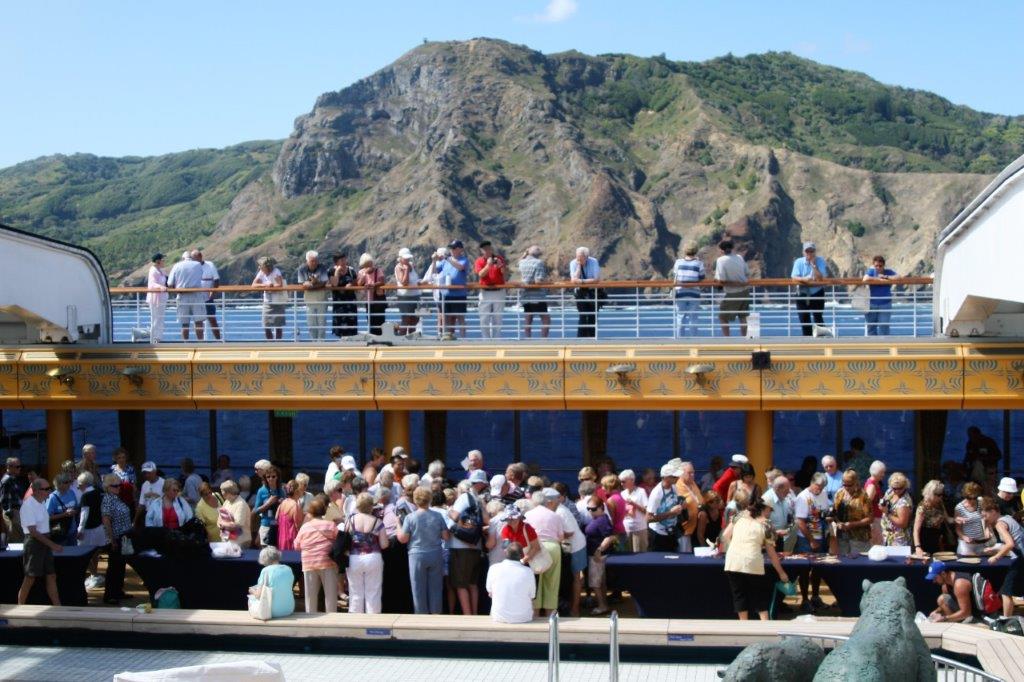
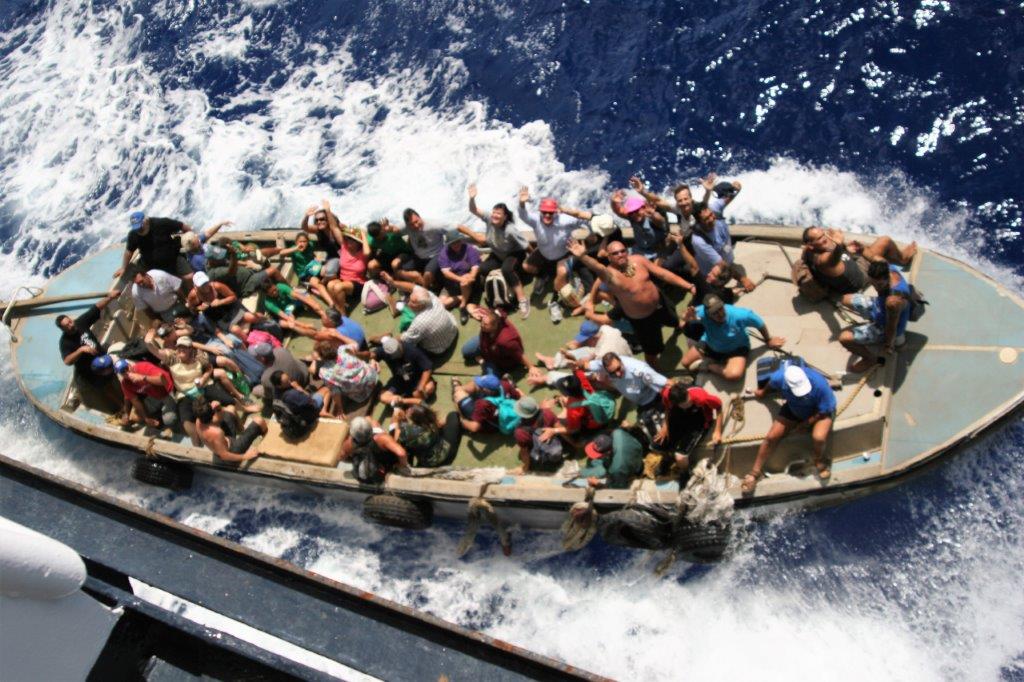
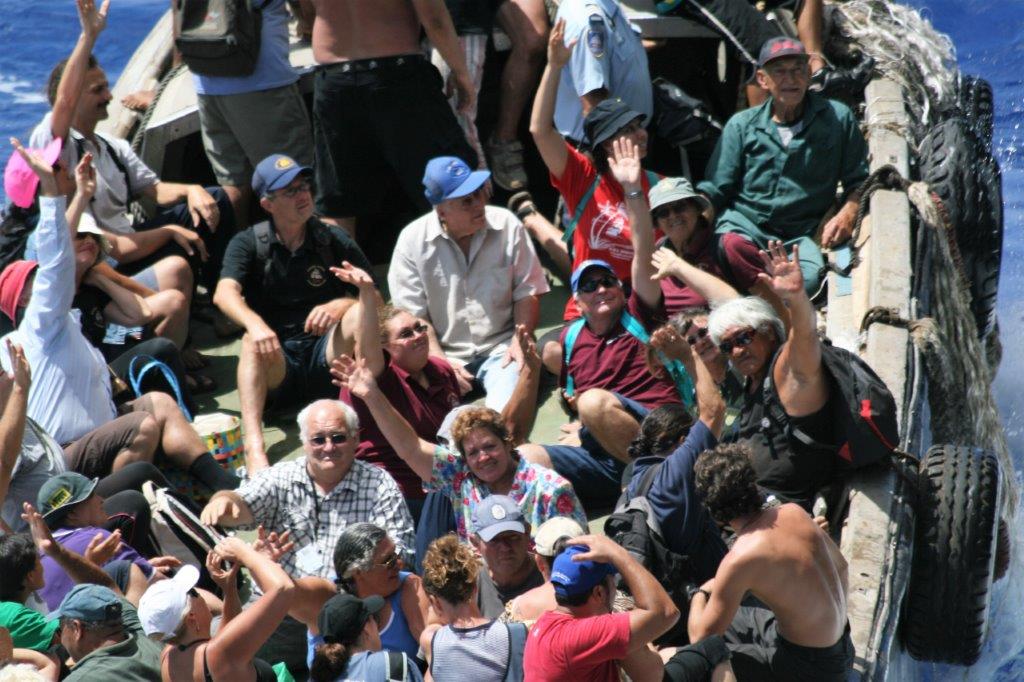
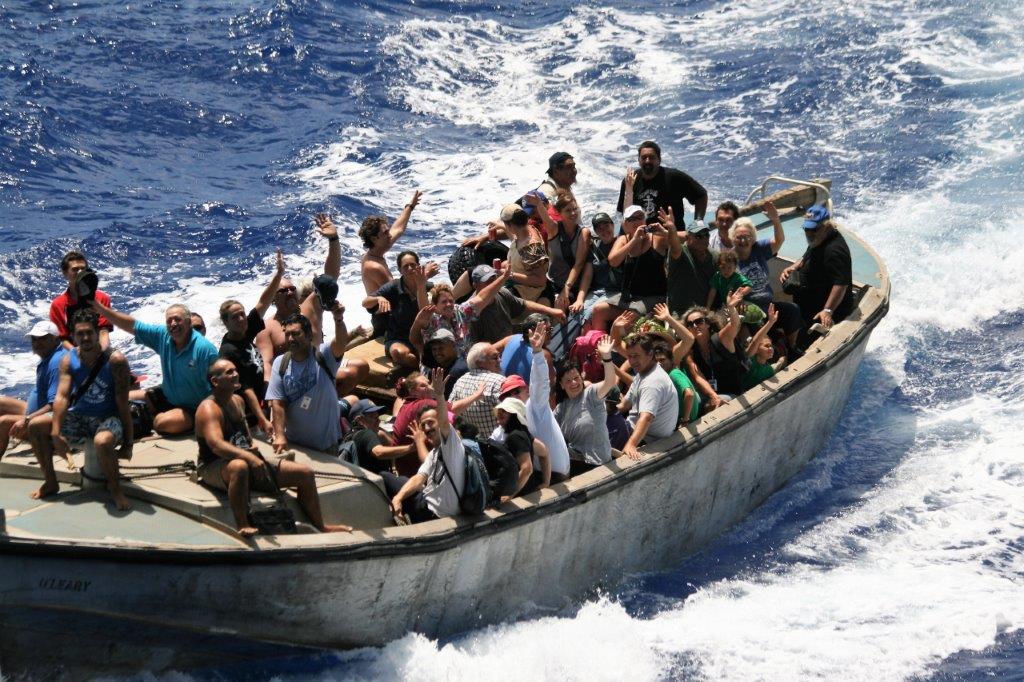
Once our captain set anchor the long boat with 46 of the residents, bringing all their goods for sale, came along side and climbed a rope ladder into the ship’s lower deck.  nEveryone and everything was sent up to the pool deck in the elevators. There were tables set up all around the swimming pool and the passengers were so anxious to get at the goods the poor people did not have time to unpack before demands of, “How much?” “How much?” were coming from all directions. The busiest table was the post office.  Pitcairn Island makes their own stamps which, because of the remote location, are highly sought by colletors.  You could buy a postcard and have it stamped and postmarked from Pitcairn.

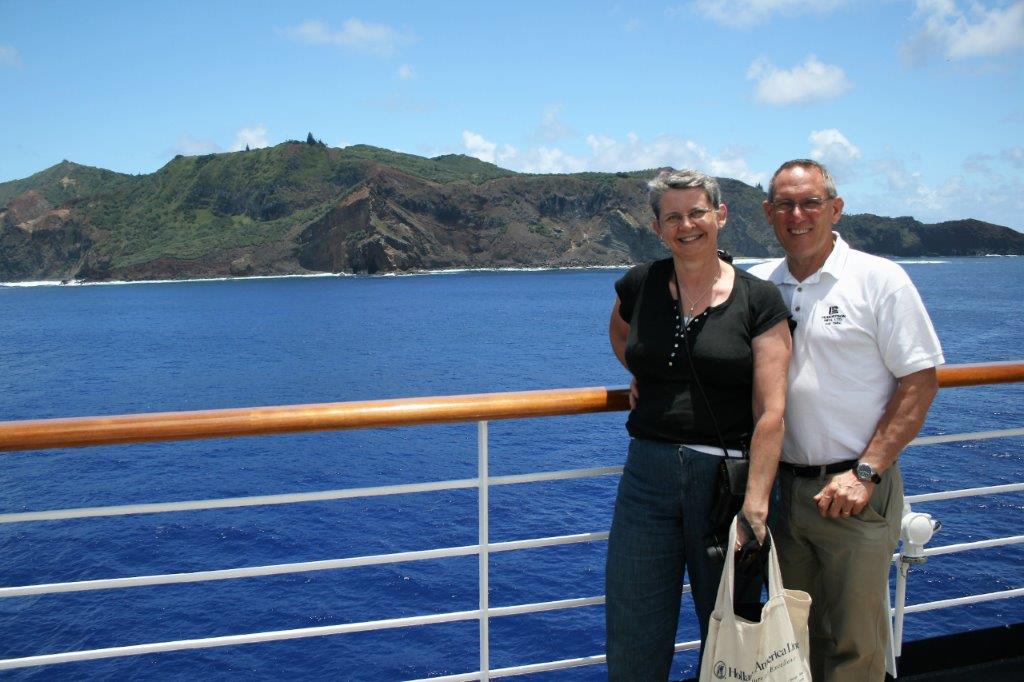
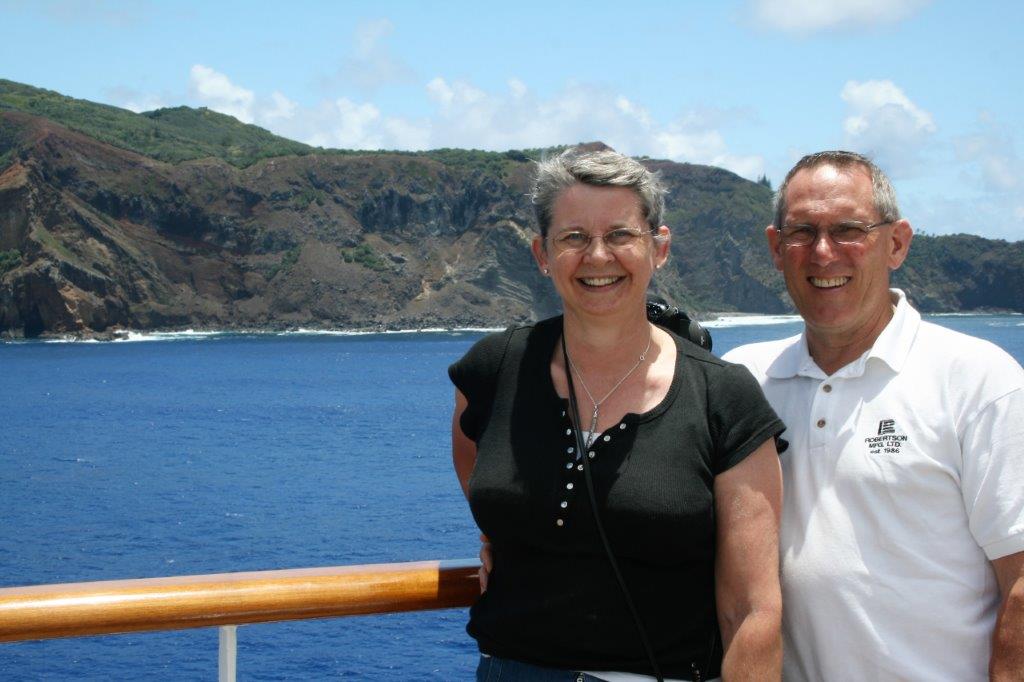
While the shopping frenzy was going on the captain sailed at dead slow around the island two times. We stayed on the upper deck and used the binoculars to check out the items available and then once the crowds thinned a bit I ventured forth to make my purchases: two spatulas and two wooden spoons and a turtle carved from wood taken from Henderson Island.  Somewhat later we also each purchased a shirt and had some nice visits with the island folks.

Crafts, shirts and stamps were all sold by about 2 pm and everyone made their way back to the lower decks to return to the island.  On the captains orders when the long boat was brought along side it was loaded with fresh fruits and vegetables, meat, eggs, cheese, beer, wine, champagne and soda. Once all the goodies were stowed, the islanders climbed down the rope ladder, and motored home again.  Needless to say they were thrilled with all of the bounty supplied by the captain.

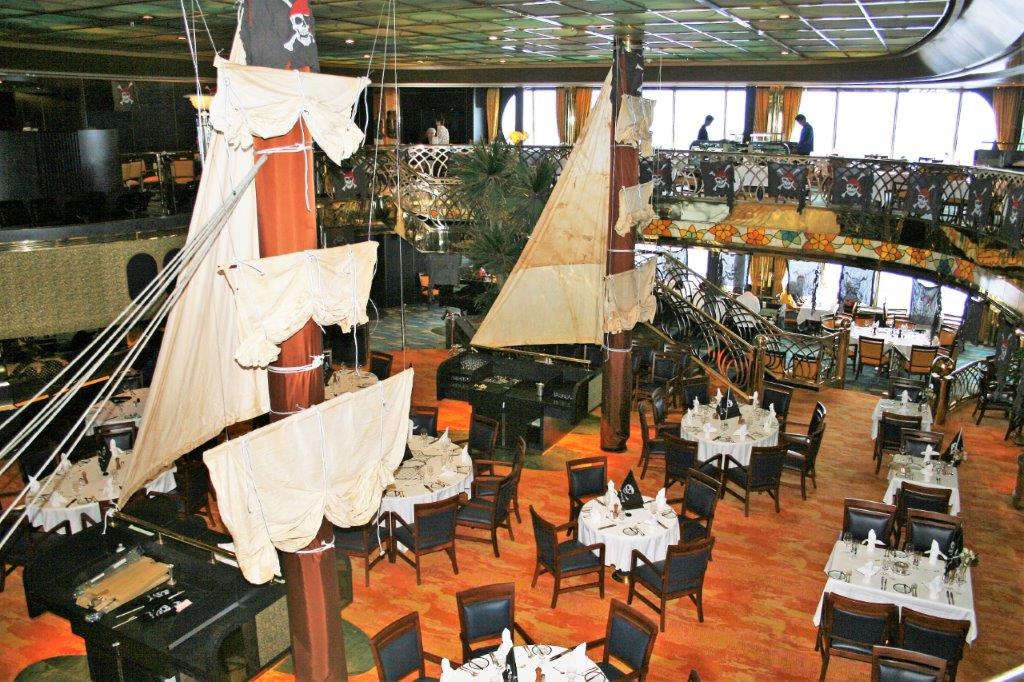
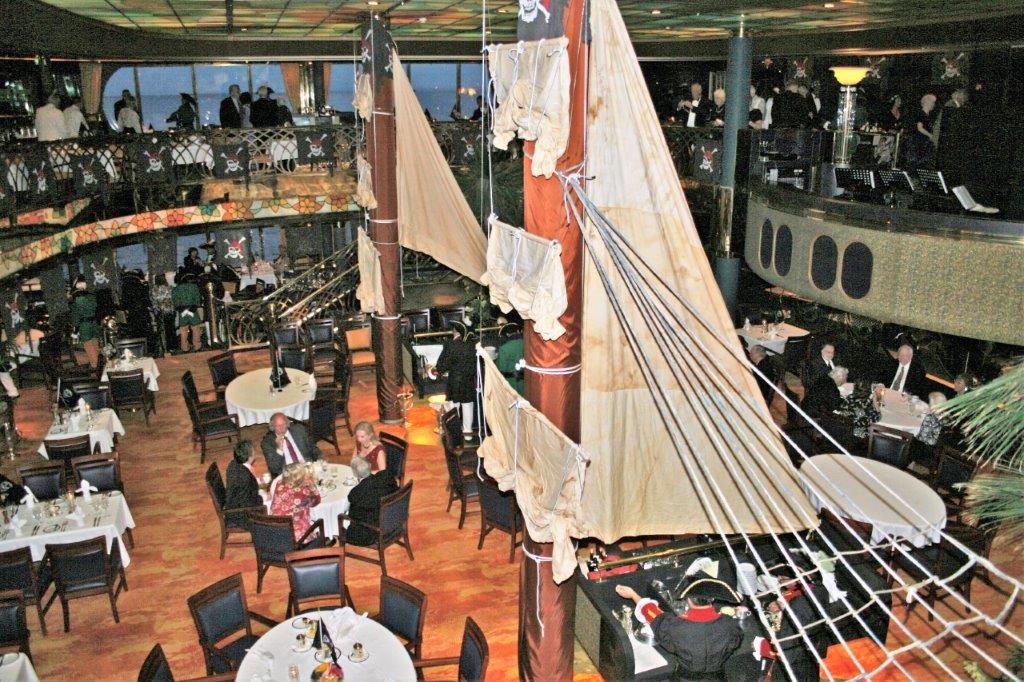
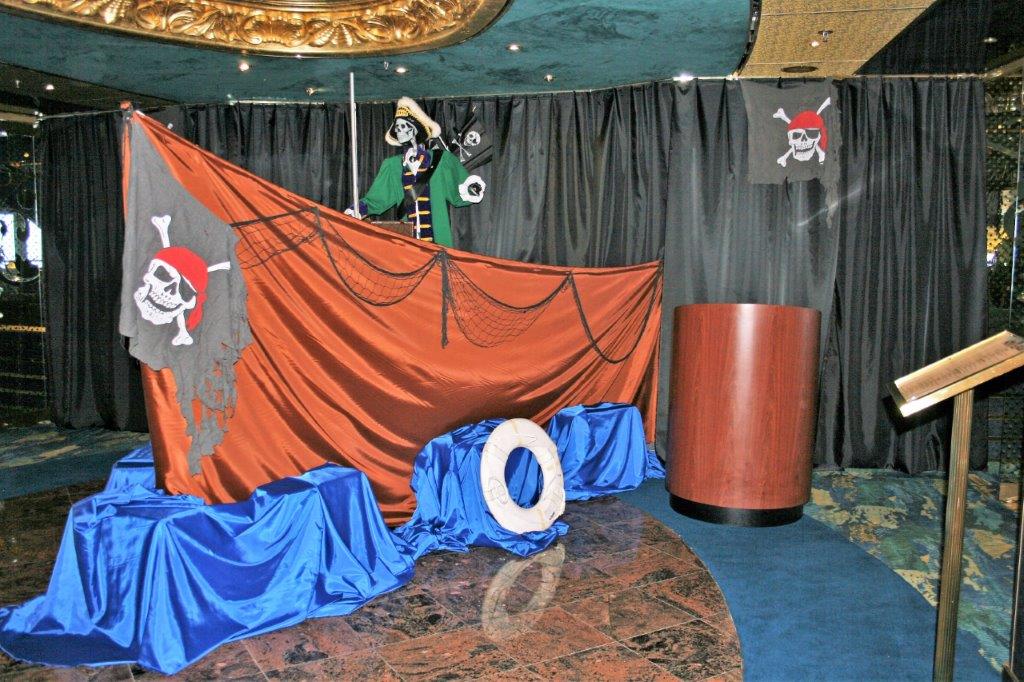
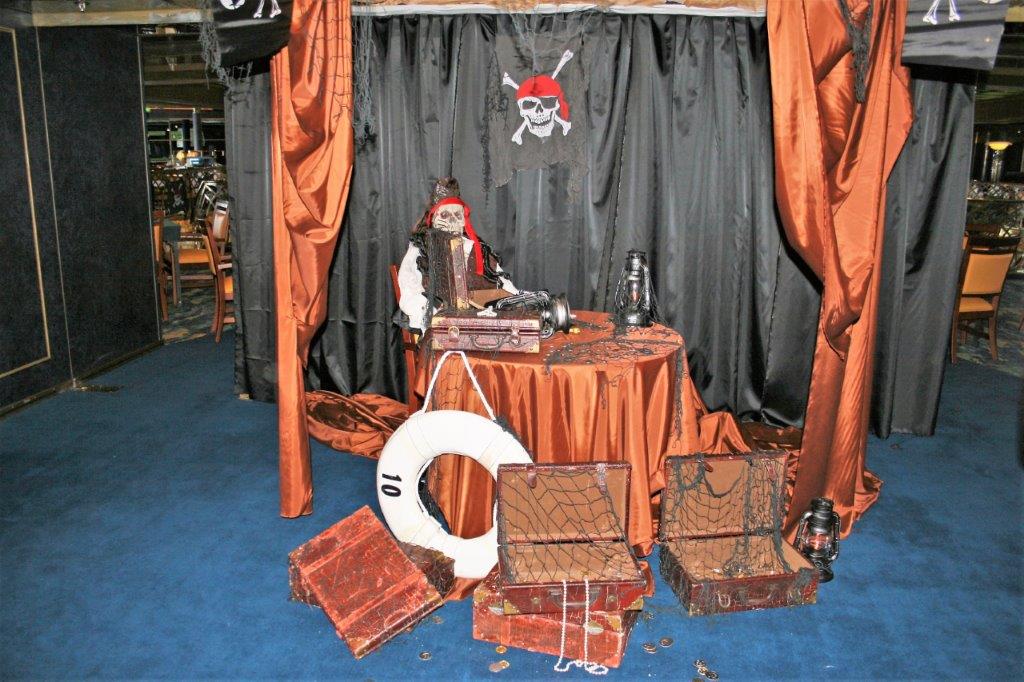
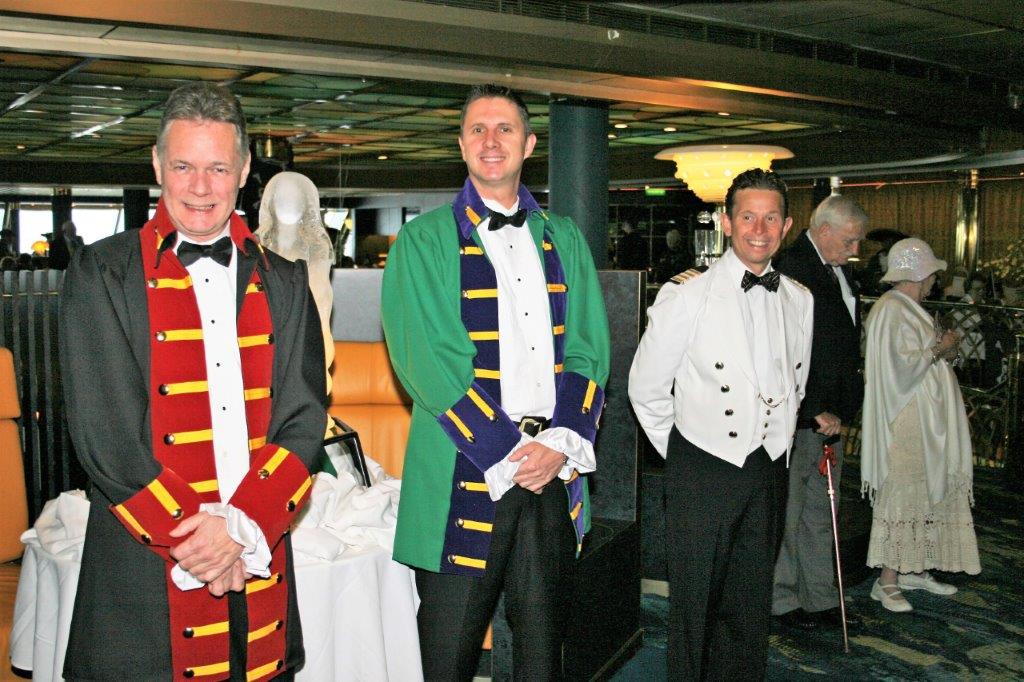
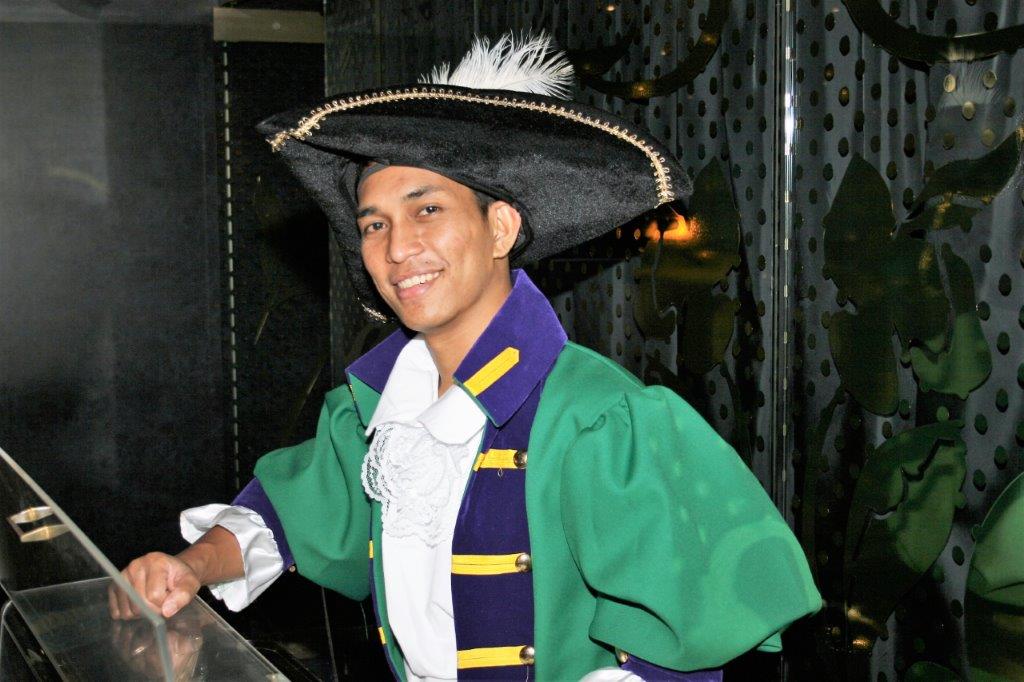
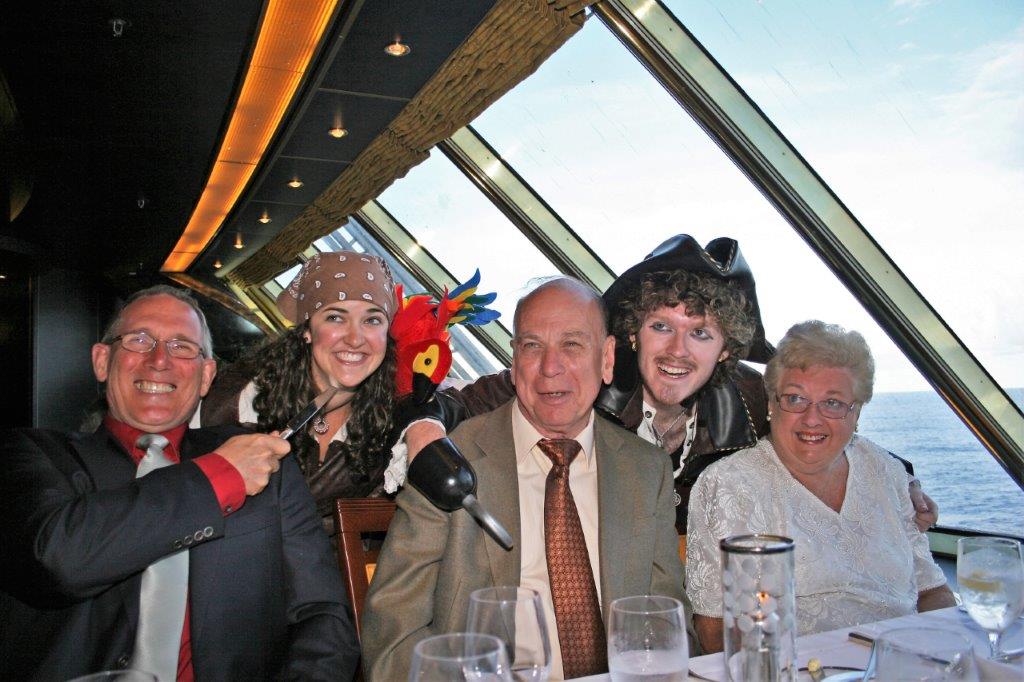
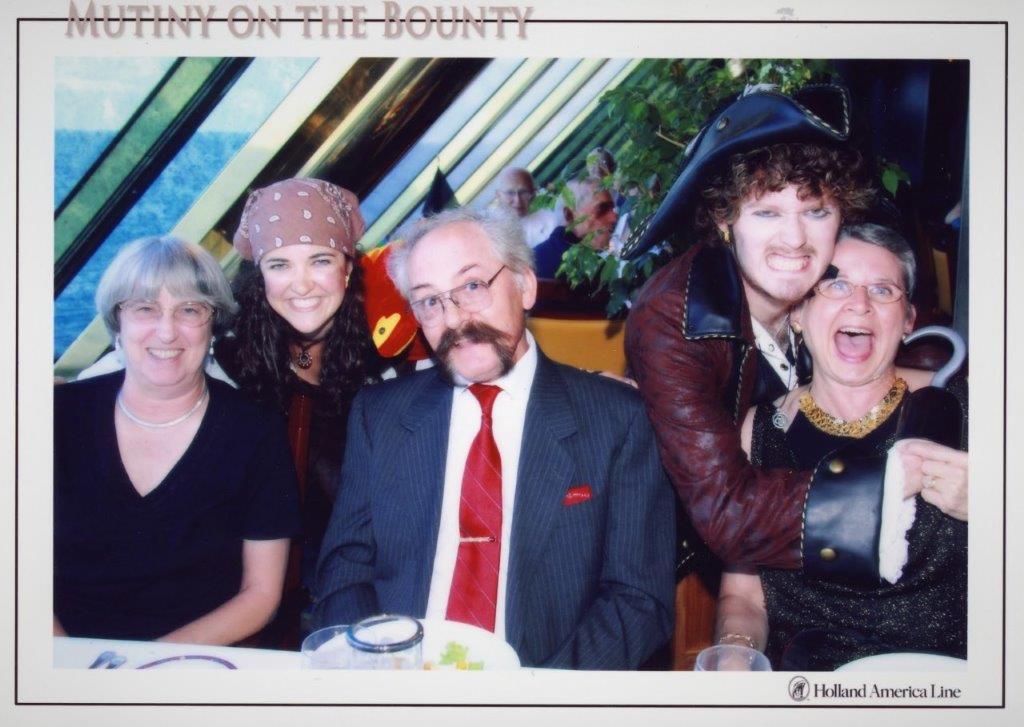
In keeping with the nautical theme our first day at sea after leaving Pitcairn was Pirate Night.  The dining room was rigged out like a two-masted sailing ship.  Very cool. We really enjoyed our day sailing ’round Pitcairn. That little island is 3,000 miles from anywhere and not many people get a chance to stop there, so we felt very blessed.


2011 January 20 – Day 16 – Easter Island

Now that we are home from our 2017 summer road trip I will continue writing about our trip to, within, and home from Australia in 2011.  We sailed to Sydney, Australia via the first leg (45 days) of the Holland America Line World Cruise.   Before we left home for our road trip I wrote about our two days in Callao (Lima), Peru.

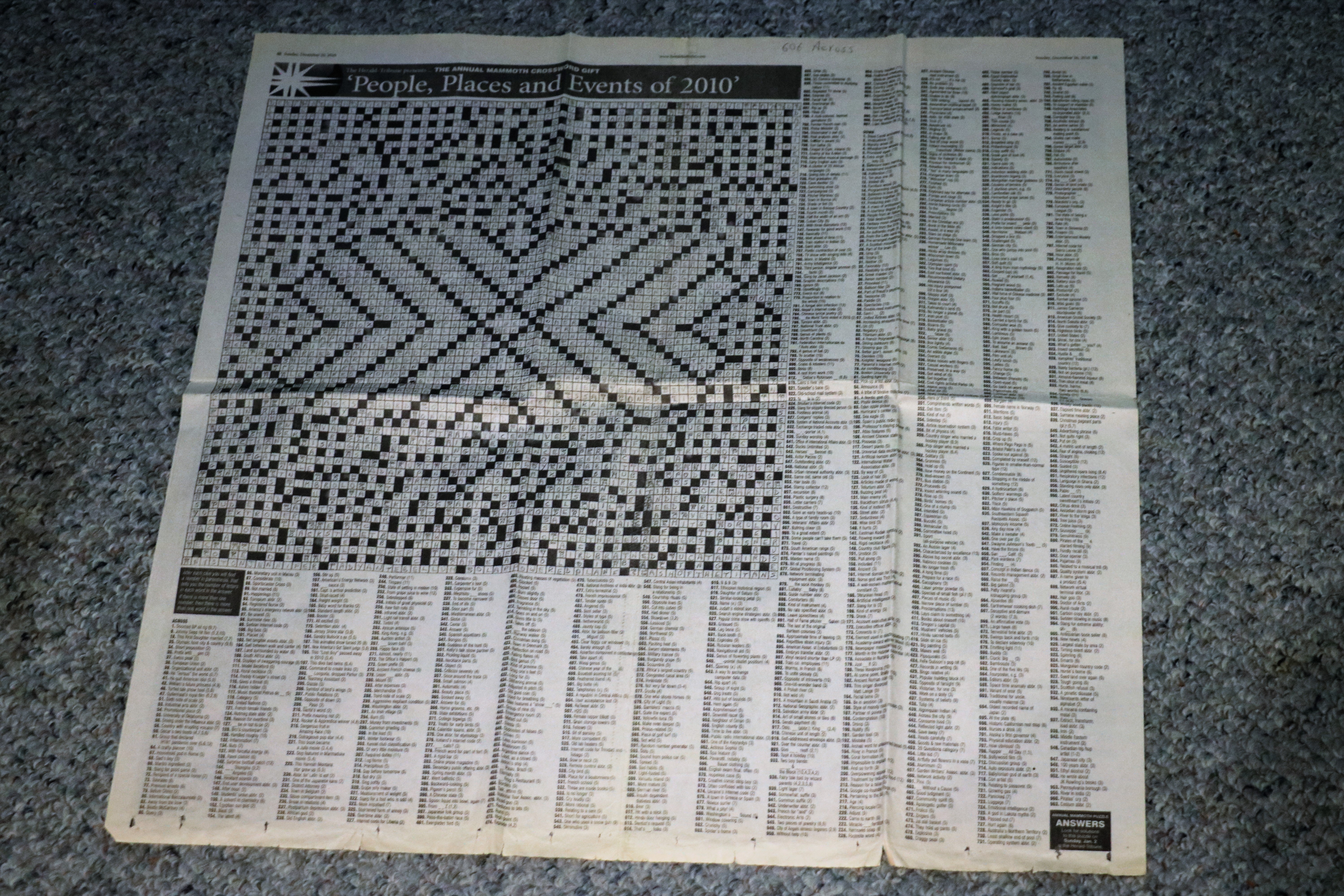
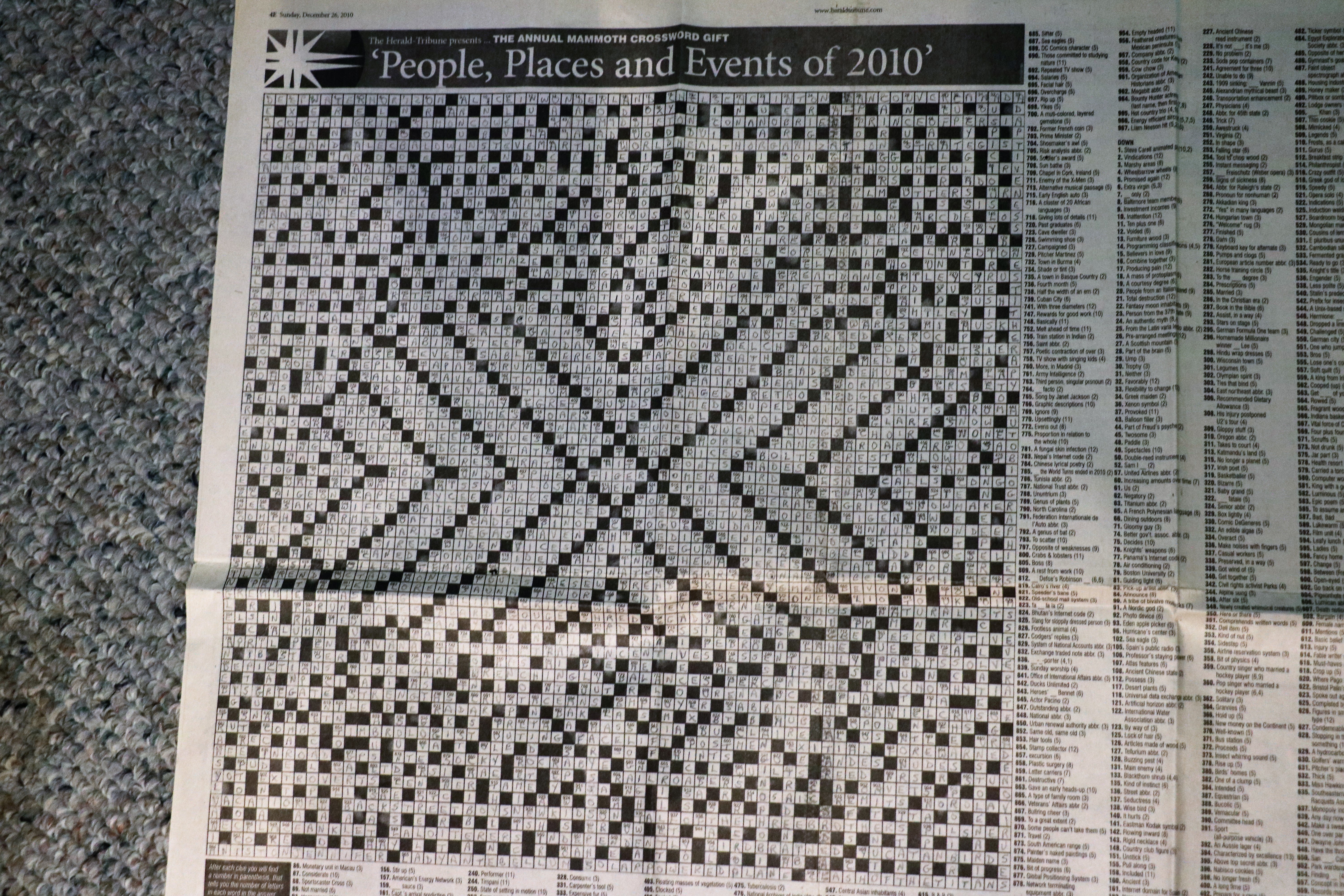
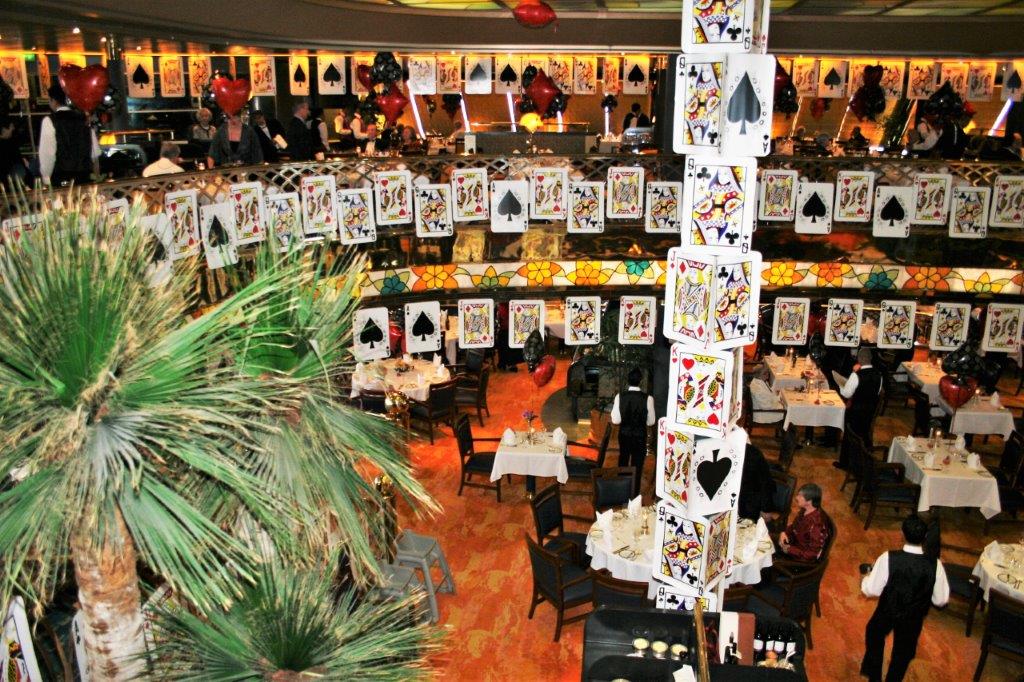
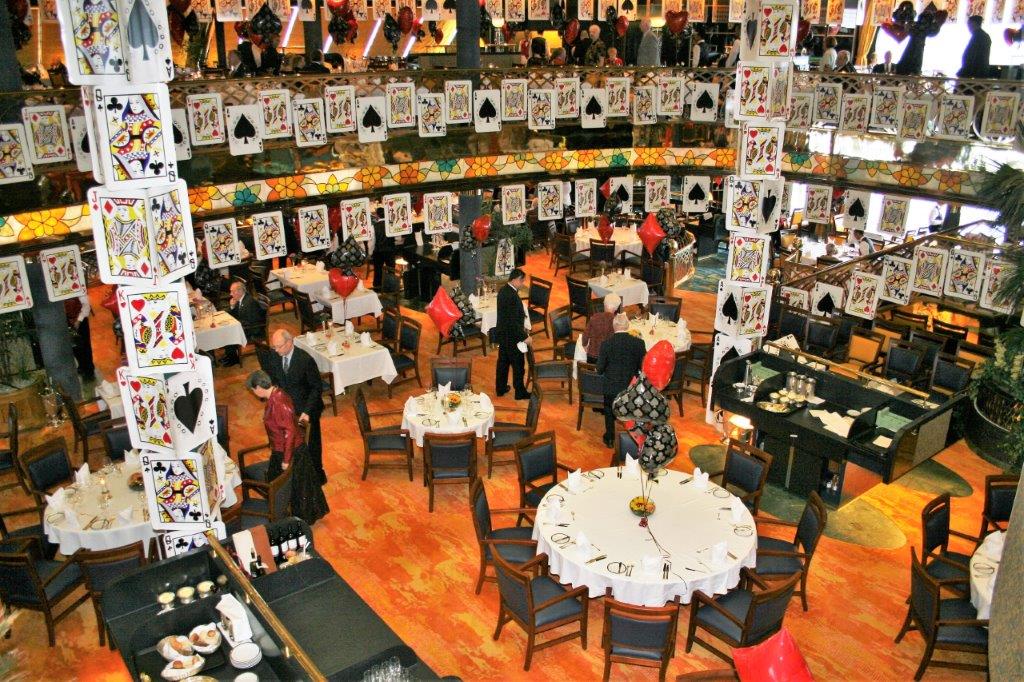
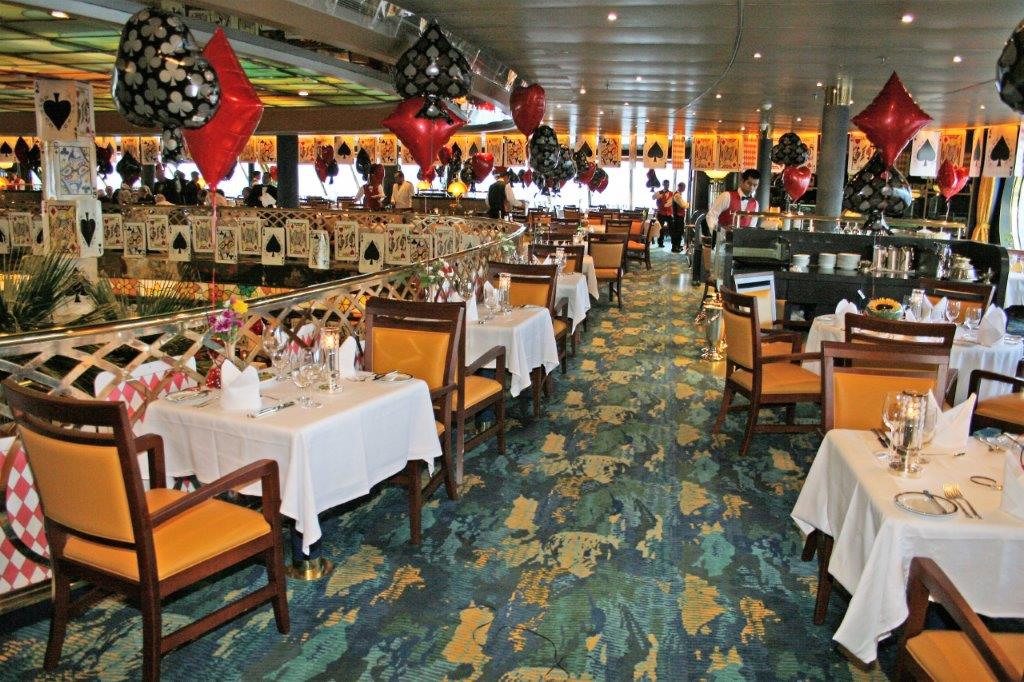
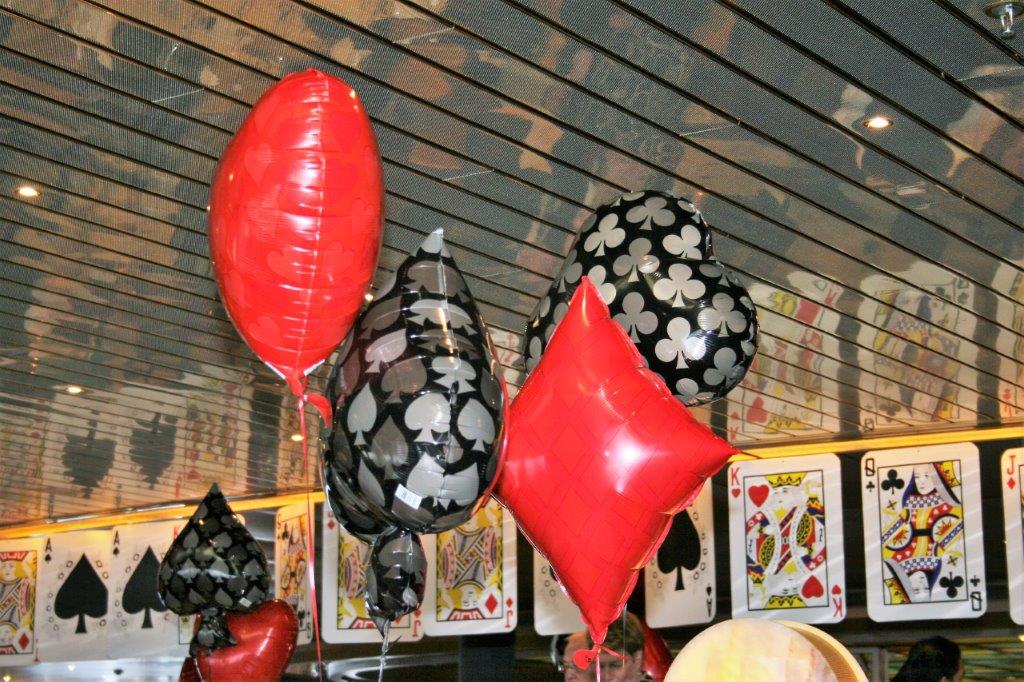
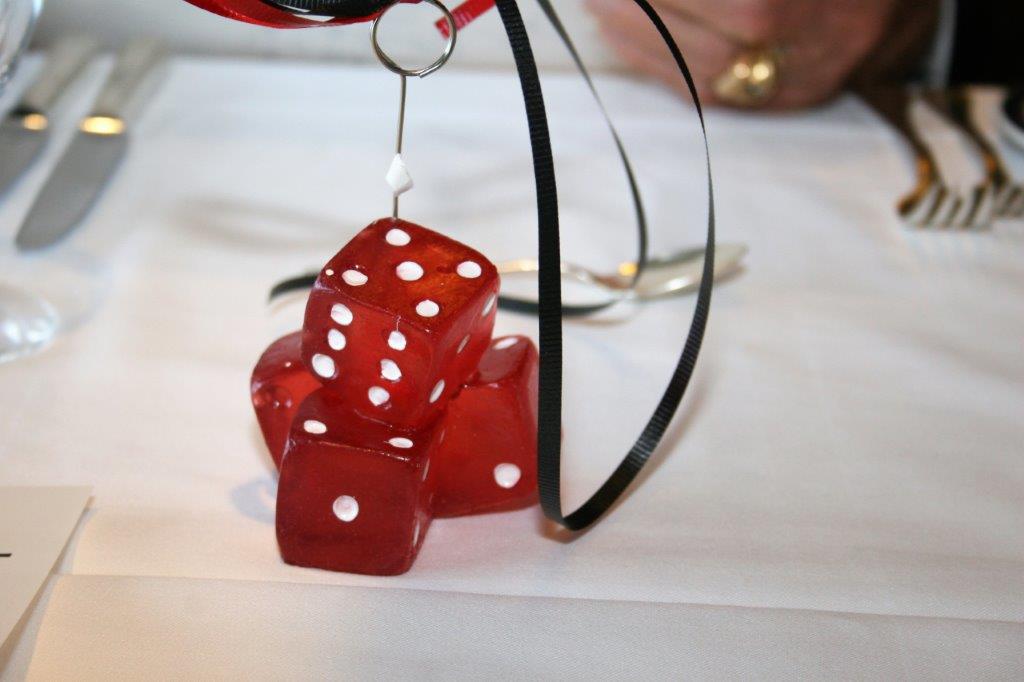
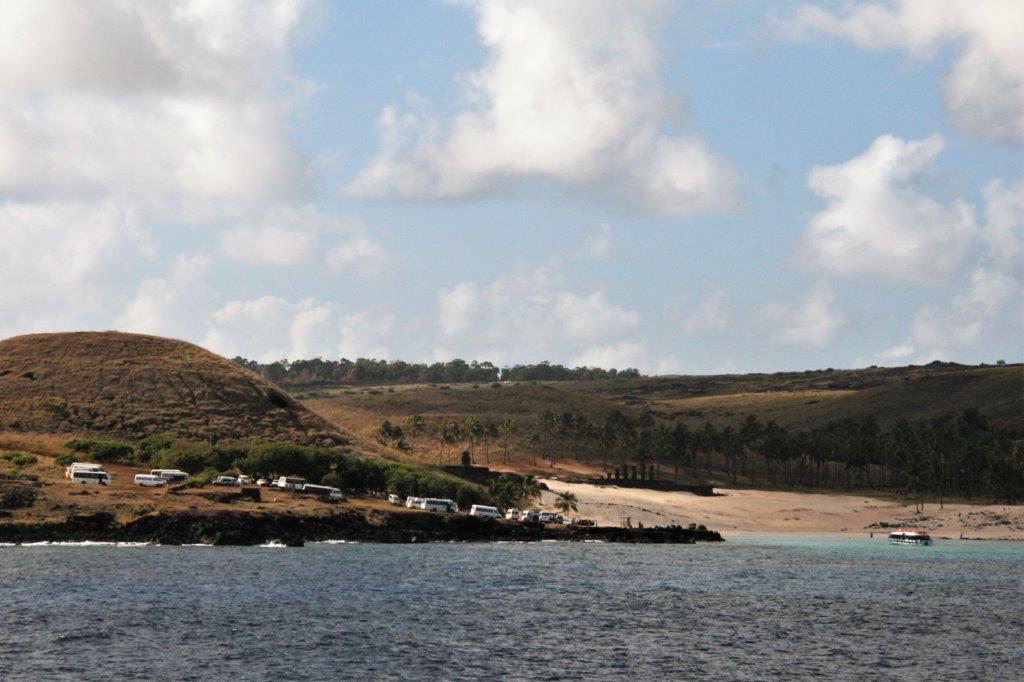
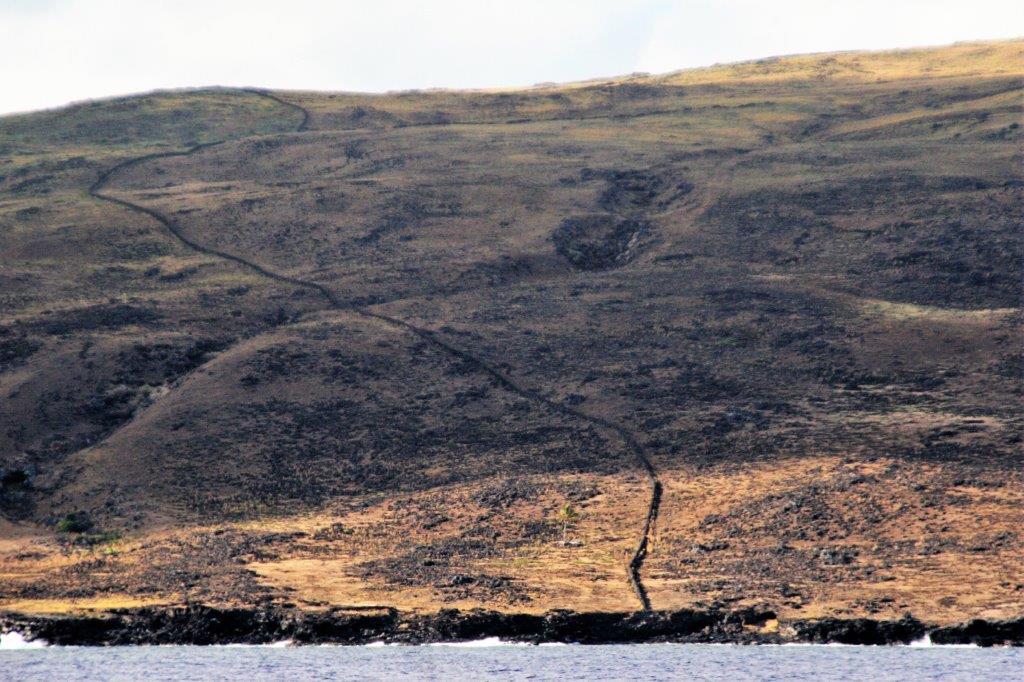
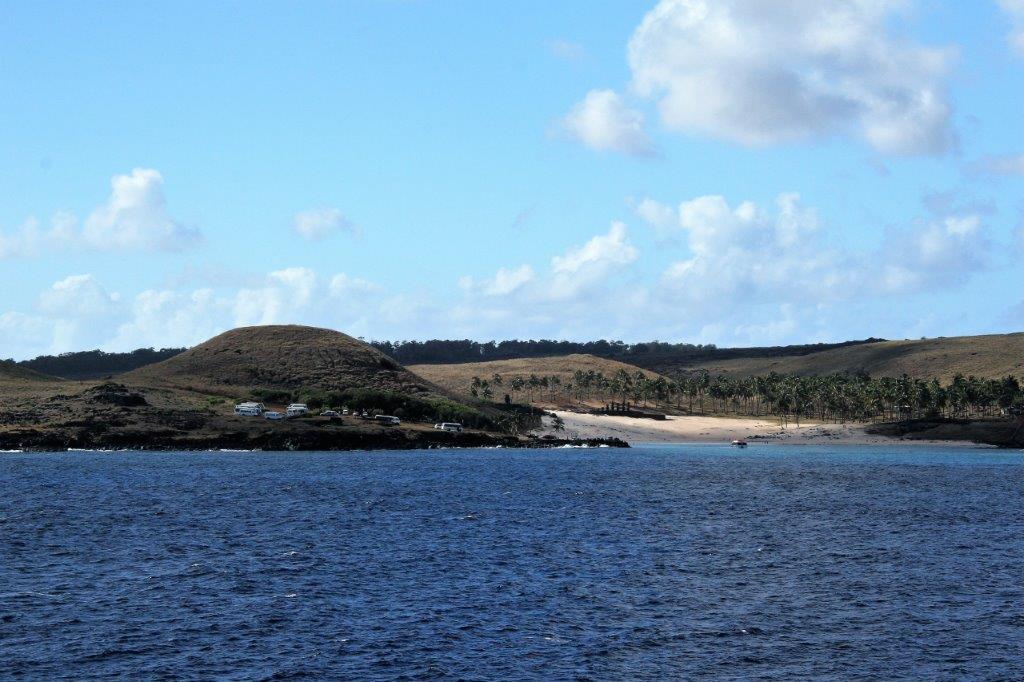
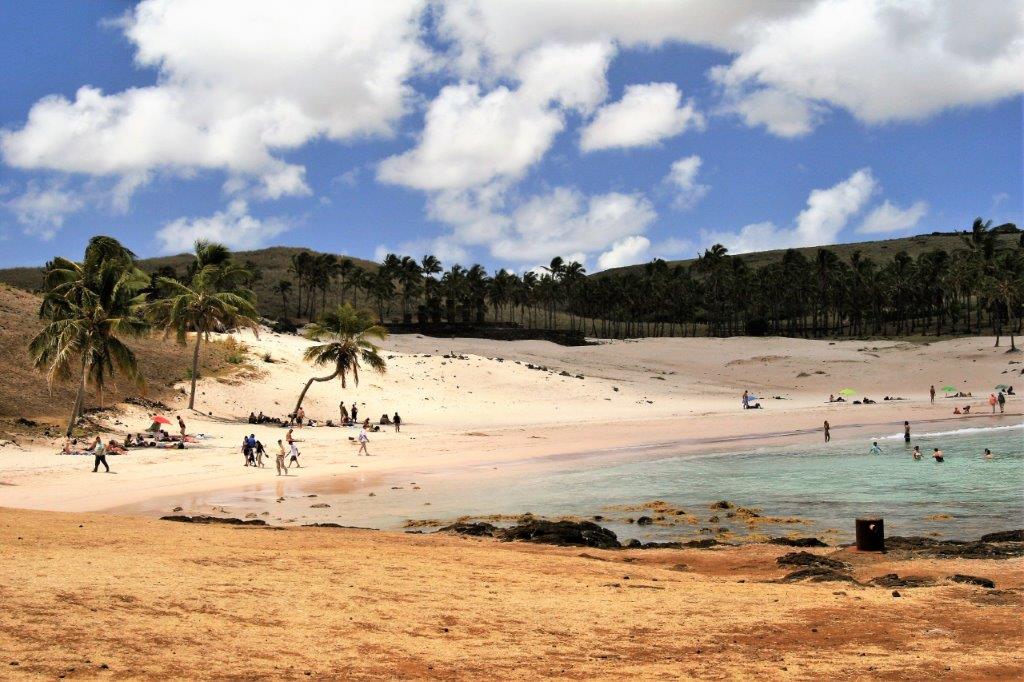
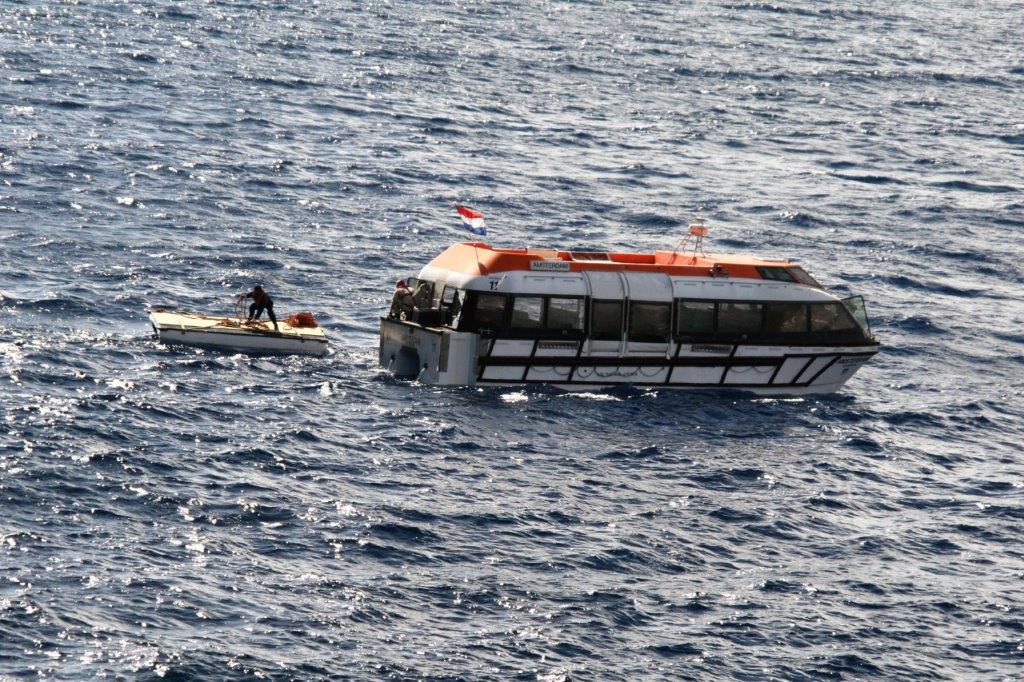
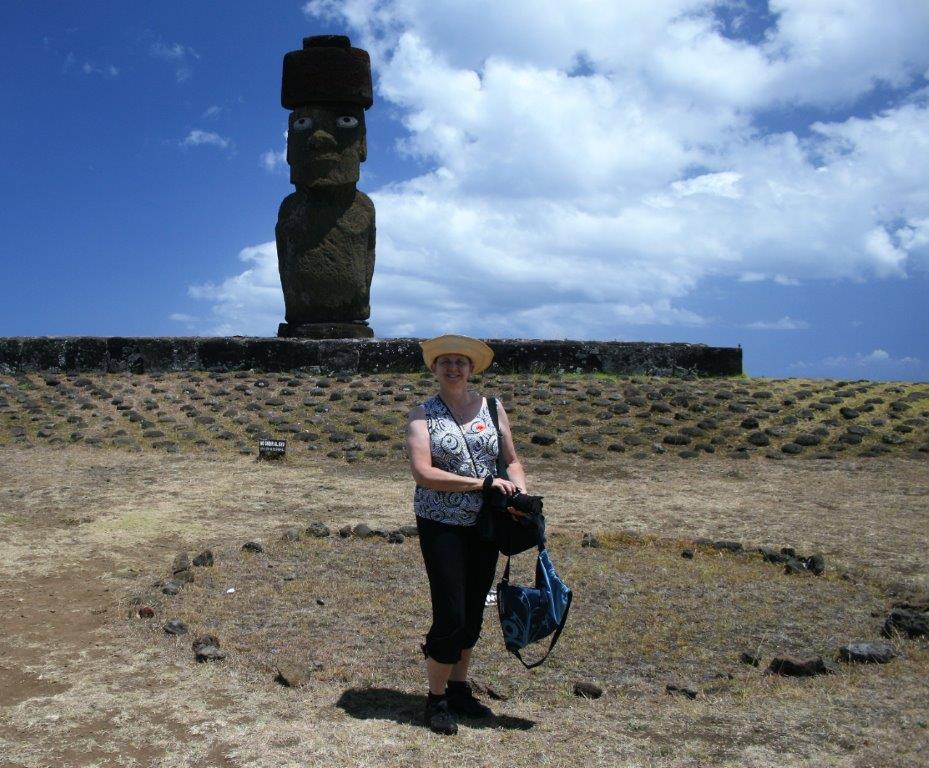
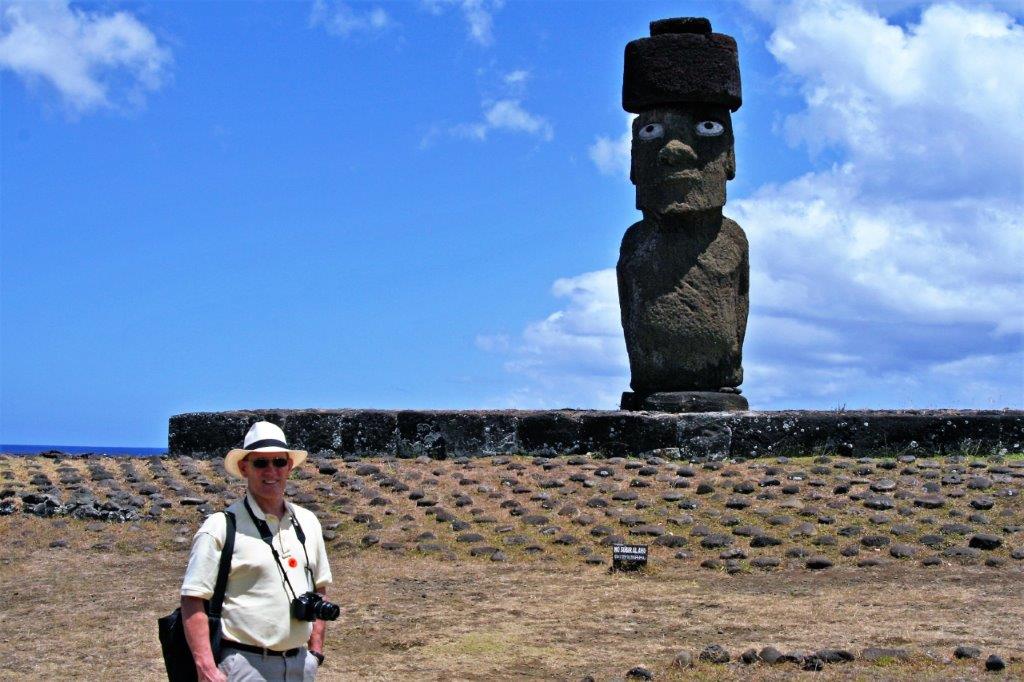
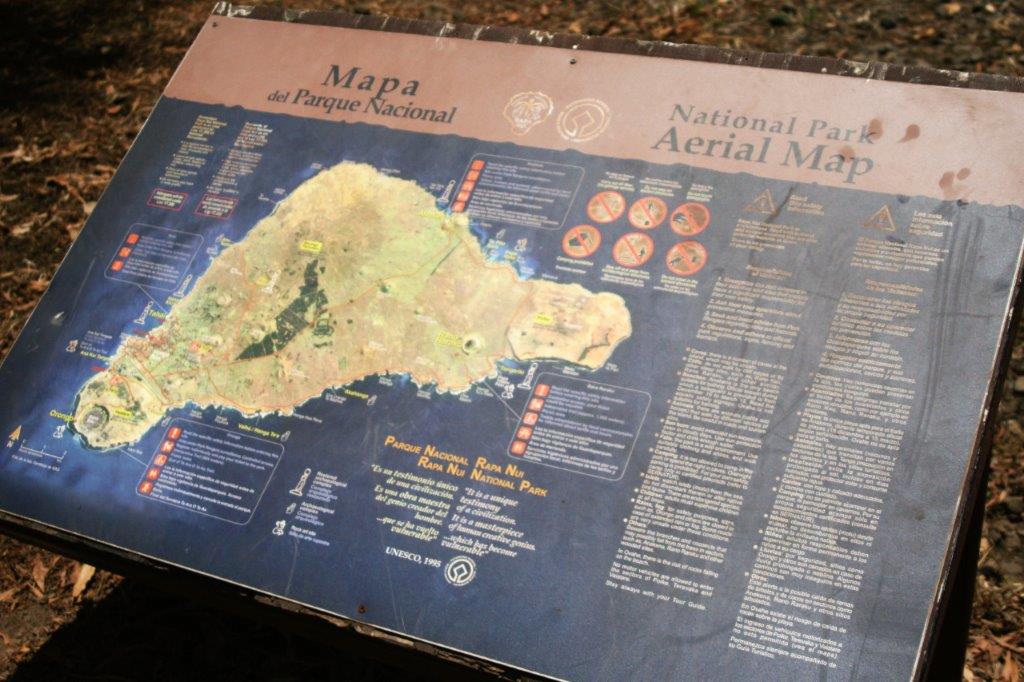
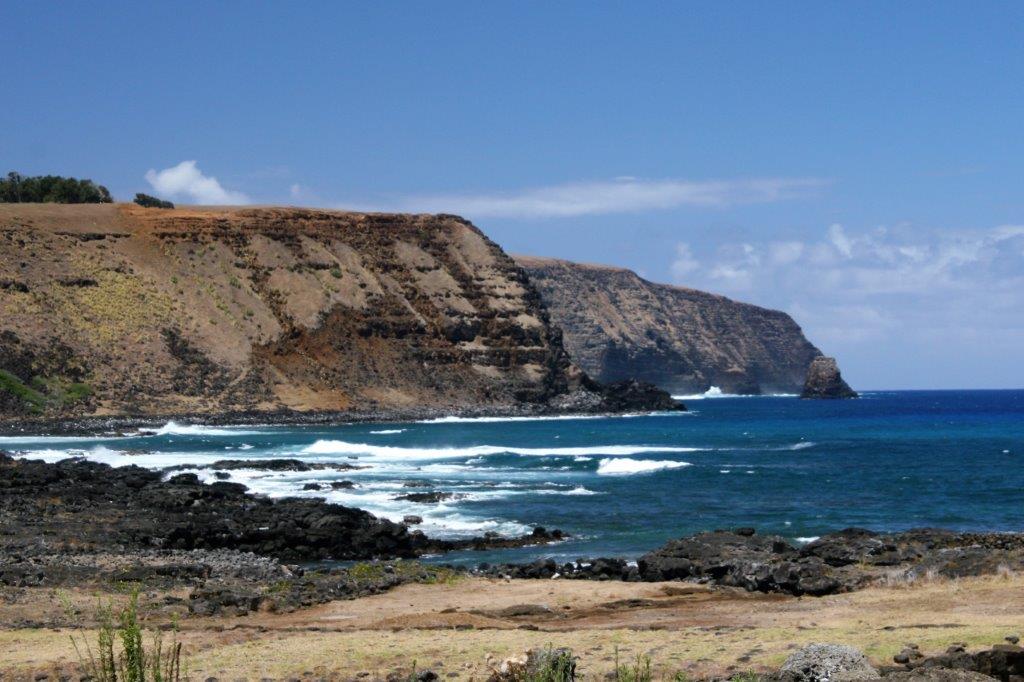
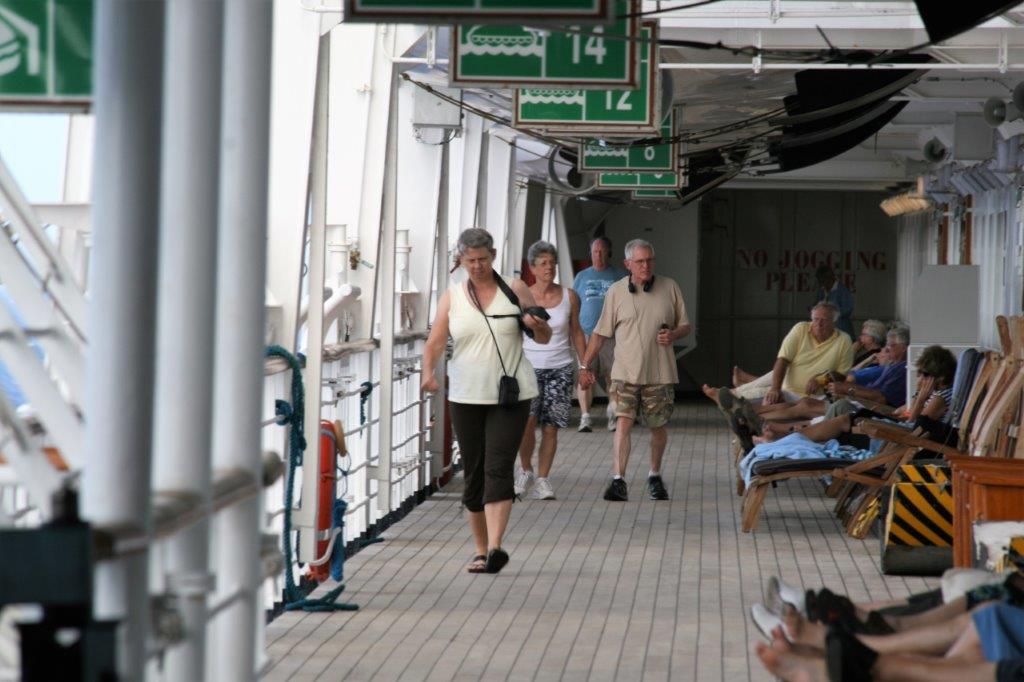
We had four days at sea between Callao, Peru and Easter Island in the middle of the Pacific Ocean.  As I have mentioned before, John and I love sea days.  We do lazy well and enjoy reading on deck or walking laps.  On one of the first few days of the cruise I was sitting in the Lido working on one of the puzzles in my book and a lady stopped by and offered me a gigantic crossword puzzle that someone had given her.  It took me several weeks to get it all done.  Thankfully she also provided the answer page so I could look up a few things I couldn’t answer. We had a formal night the first day out from the South American coast.  The theme was Casino Royale and large playing cards and sets of dice adorned the dining room, the Crow’s nest lounge and the hallways. Easter Island is a Polynesian island in the southeastern Pacific Ocean.  It is a special territory of Chile and maintains the same time zone.  (Time zone ‘lines’ jog in and around places all over the world.  They are not straight like the lines of latitude and longitude.)  Much of the island is protected within the Rapa Nui National Park and is a UNESCO World Heritage Site.The captain had been watching the weather for several days as we approached Easter Island and had hinted that we may not even be able to stop if the waves were too high.  As it turned out the 6-10′ swells made it unsafe to take the tenders in to the normal western townsite of Hanga Roa so the captain arranged for all the tour buses and vans to make a dash to the north coast where seas were calmer and a portable docking facility made up of tenders lashed together tied to the small pier was created so we could disembark.  This delayed all tours and visits to the island by over three hours, but thanks to the captains tireless efforts we were able to go ashore.  Our tour was scheduled to depart at 8:30 but we did not get on land until noon. Easter Island is one of the world’s most isolated inhabited islands.  Its closest inhabited neighbour is Pitcairn Island (population about 50) 2075 km (1289.35 miles) to the west.  The Chilean coast is 3,510 km (2,180 miles) away.  The island is somewhat triangular in shape and covers about 63 square miles.  It is approximately 24.6 km (15.3 miles) long and 12.3 km (7.6 miles) wide so you are never far from anywhere.

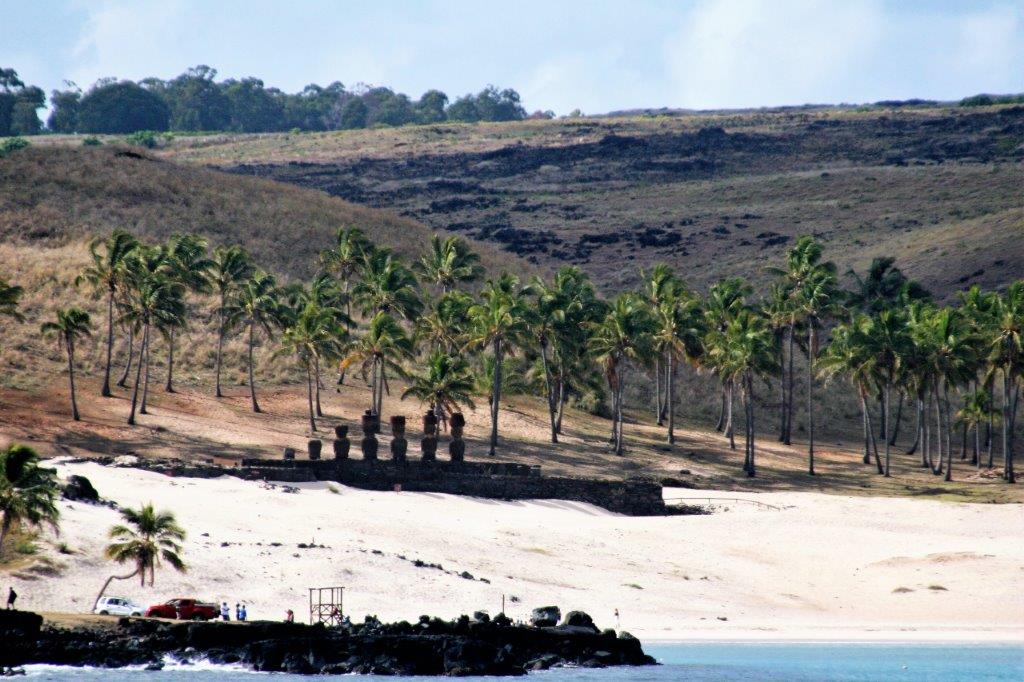
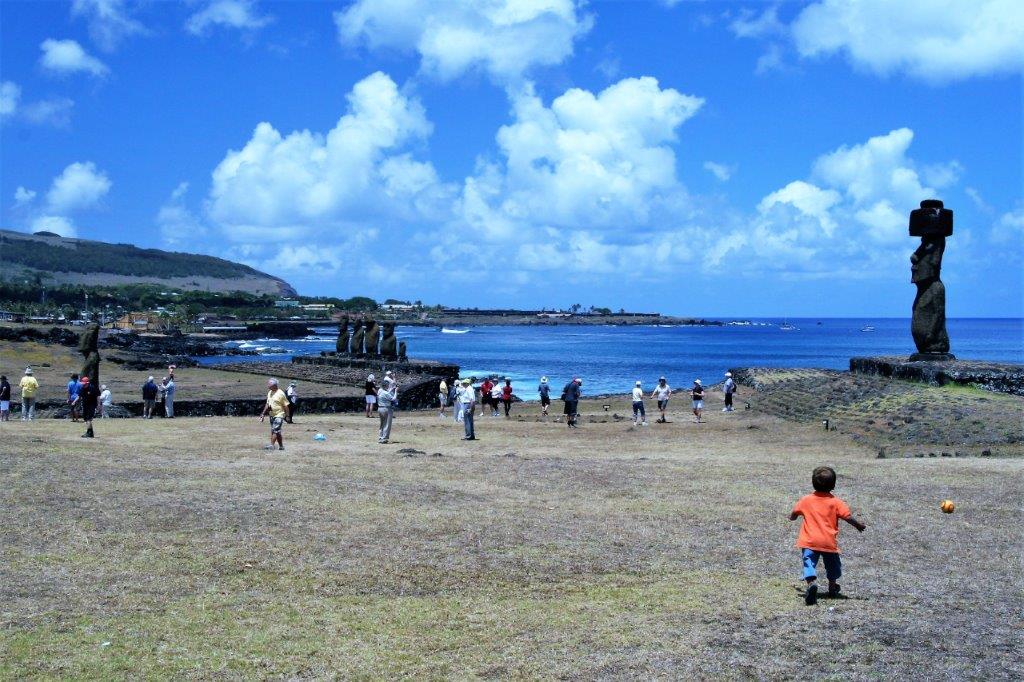
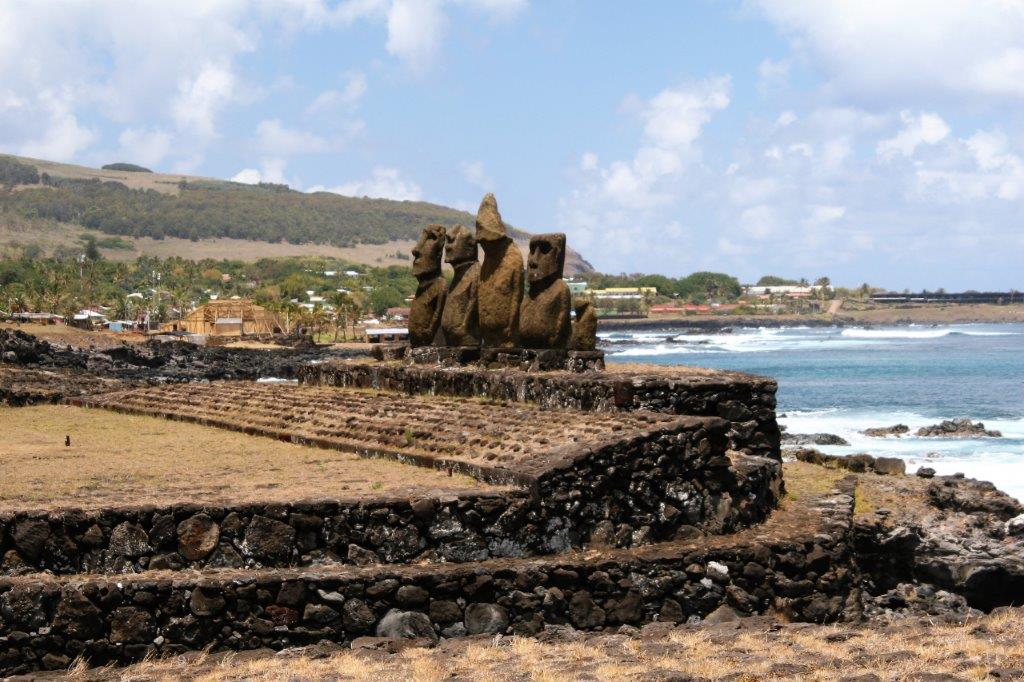
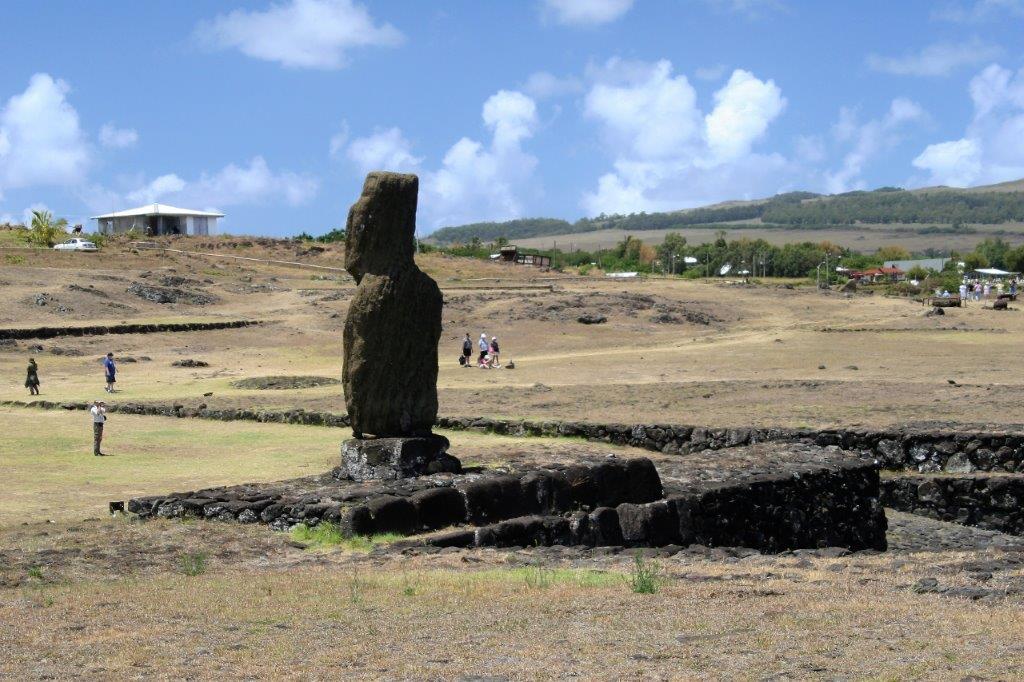
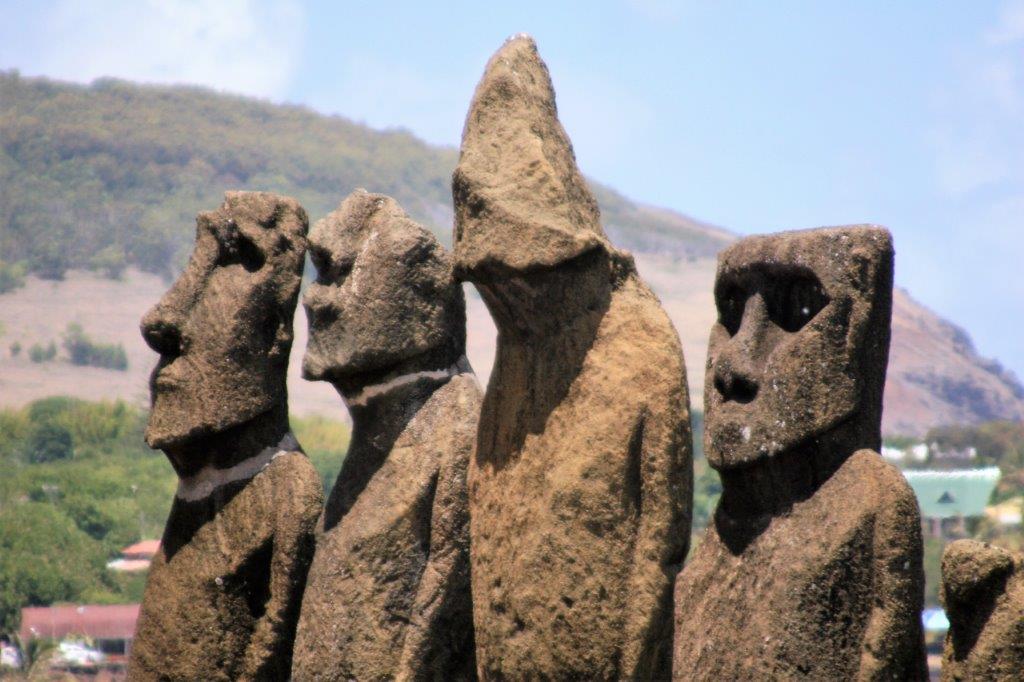
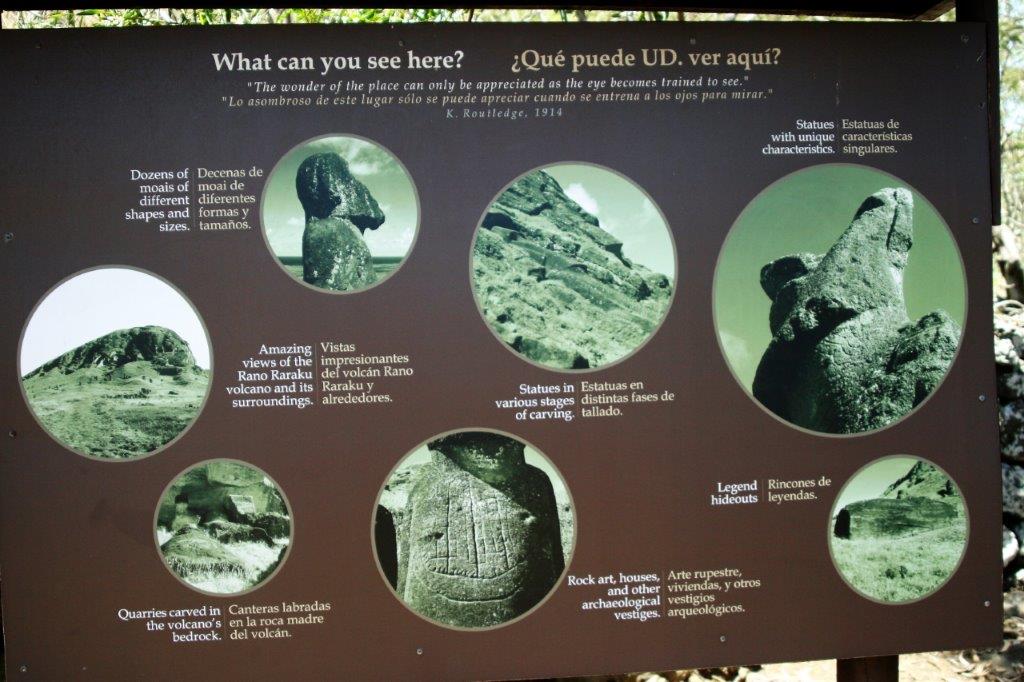
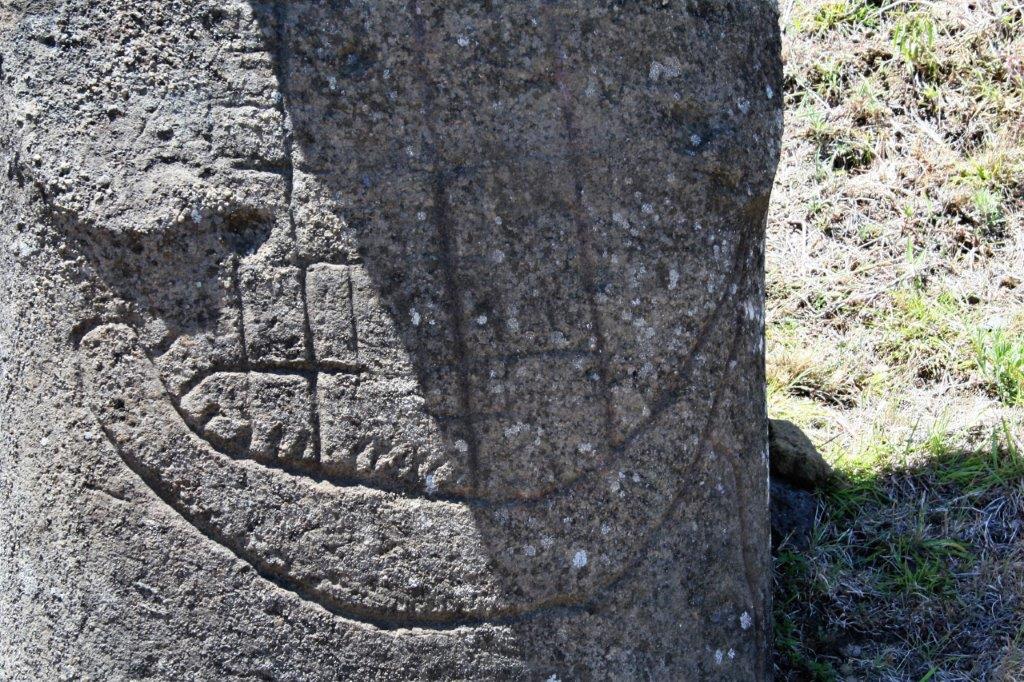
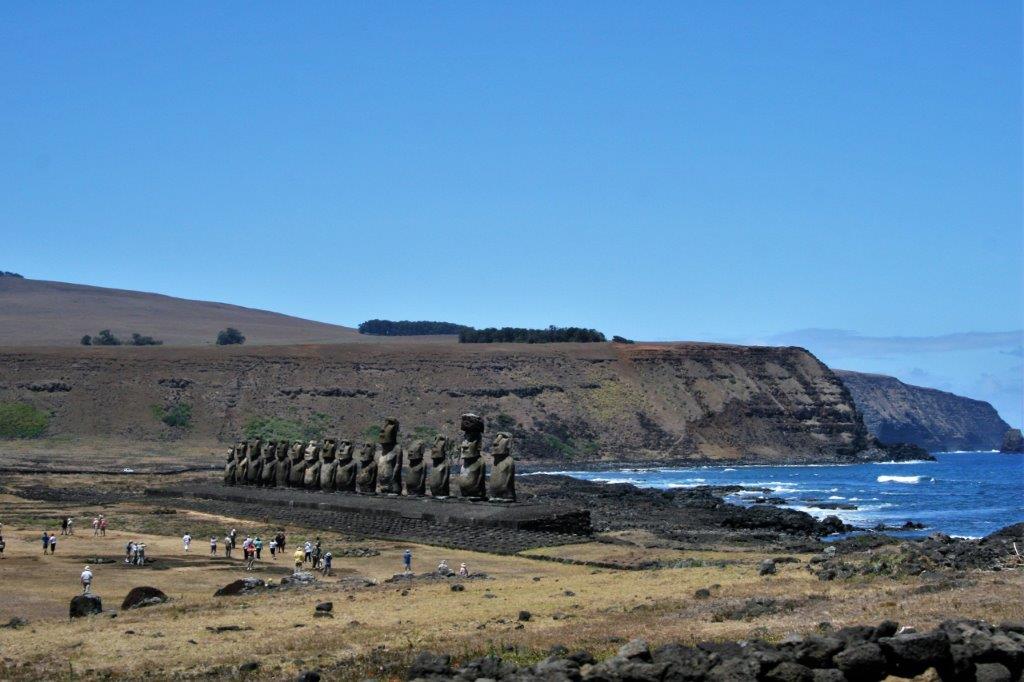
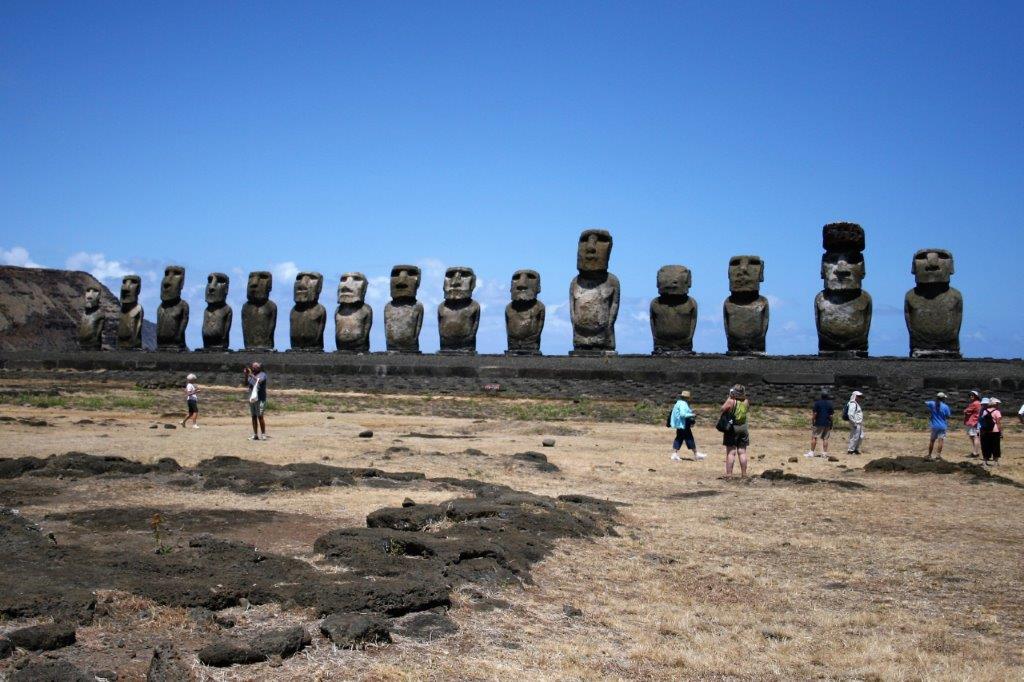
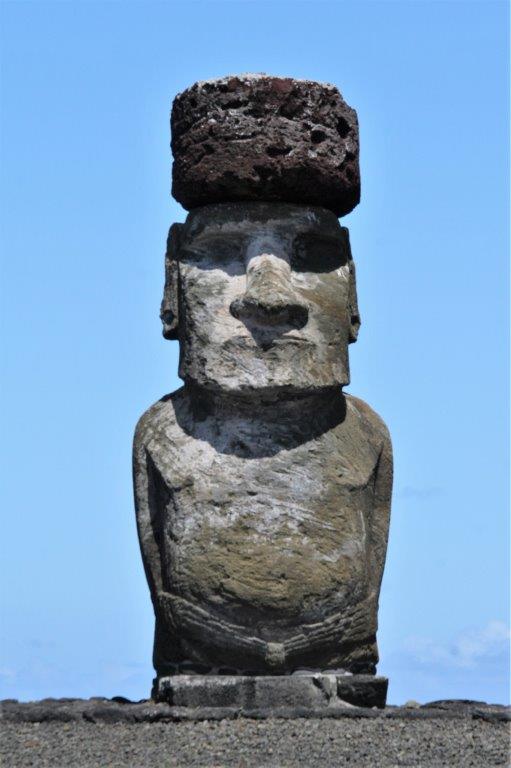
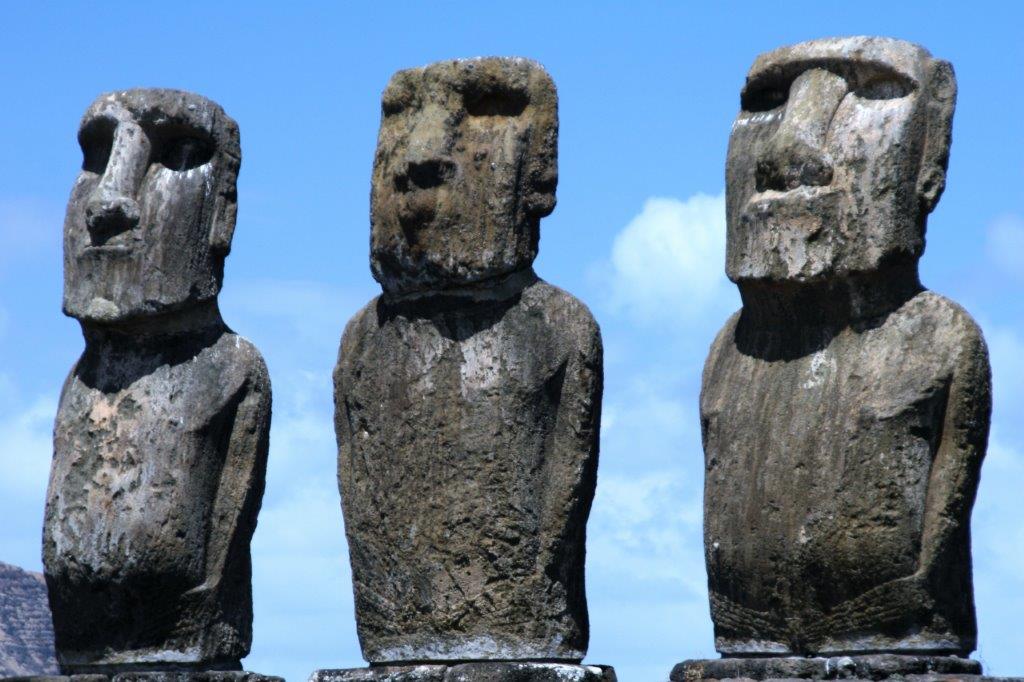
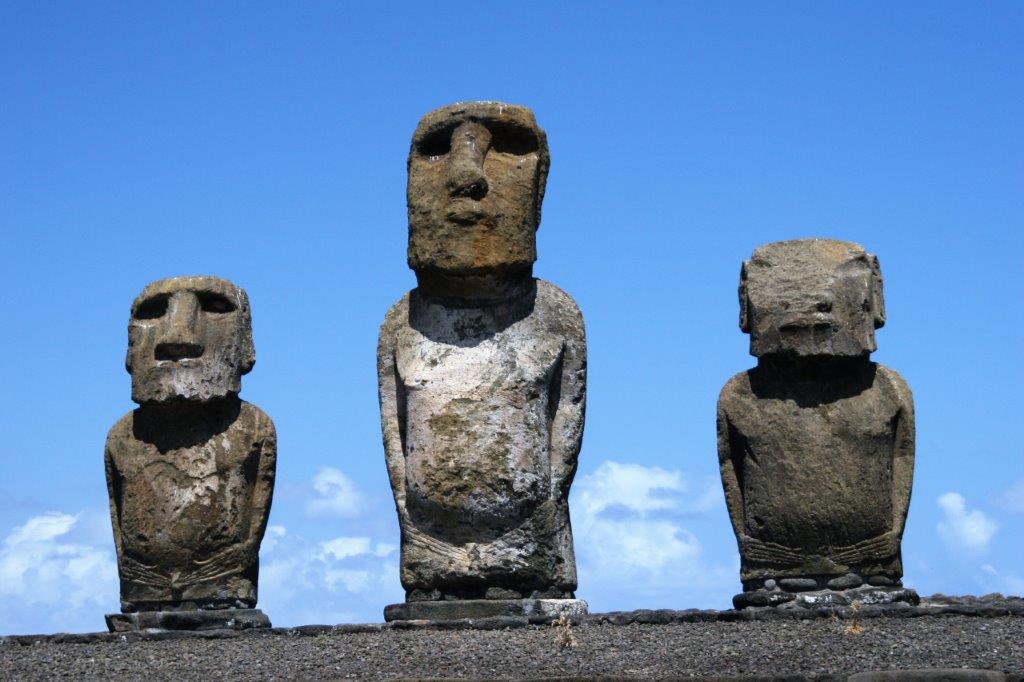
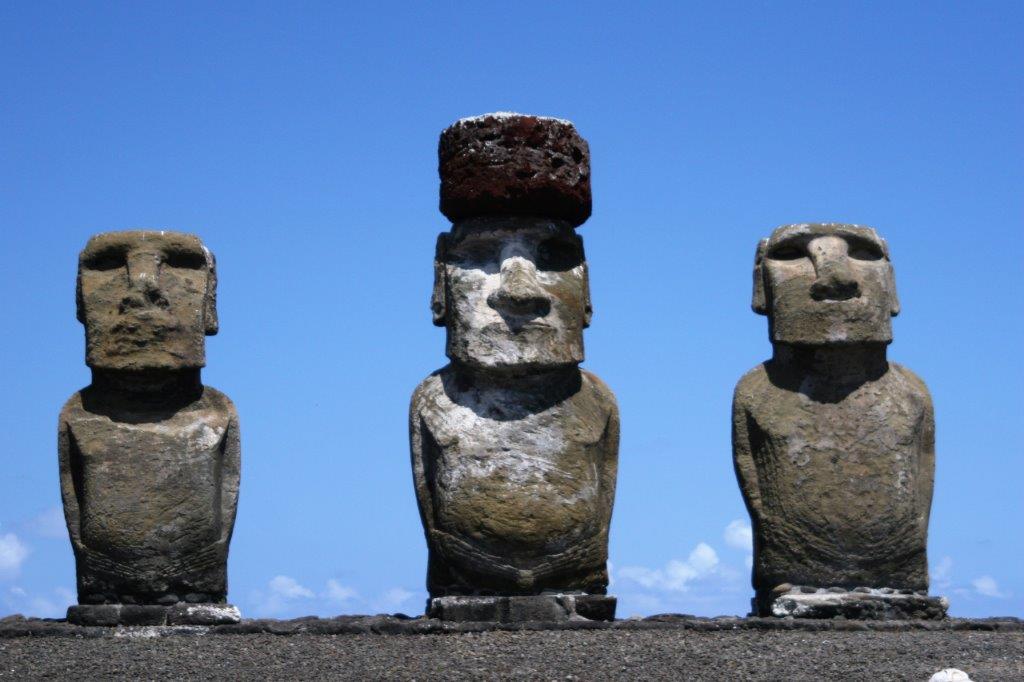
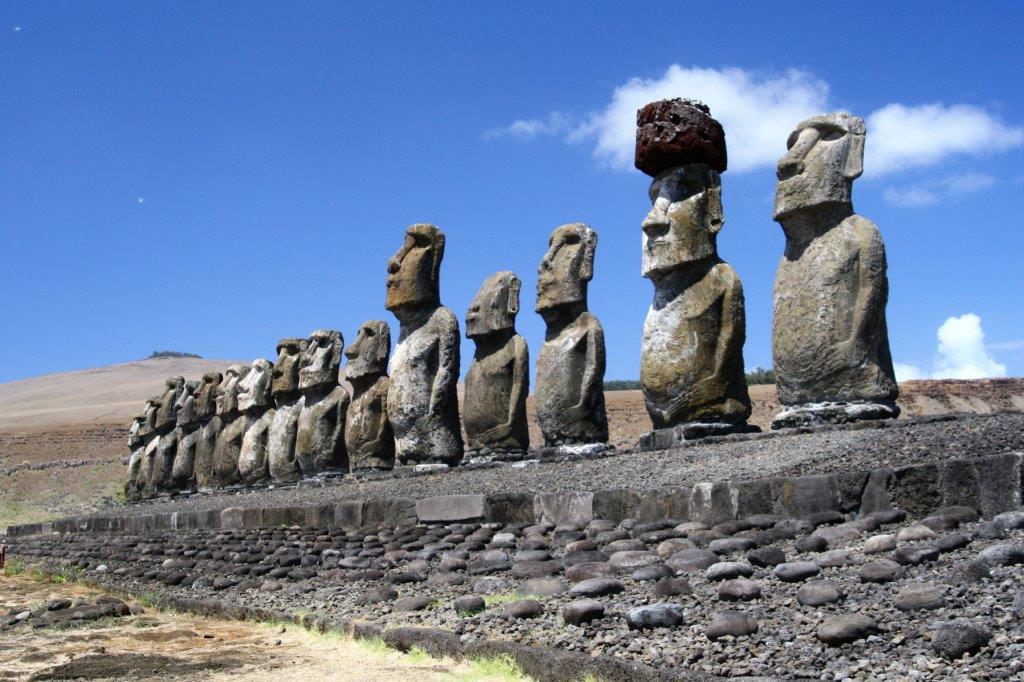
The large stone statues, or Moai, for which Easter Island is world-famous, were carved from 1100-1680 CE. So far a total of 887 monolithic stone statues have been inventoried on the island and in museum collections.  Although often identified as “Easter Island heads” the statues are actually complete torsos, with figures kneeling on bent knees with their hands over their stomachs.  Many of the upright Moai have become buried up to their necks by shifting soils.

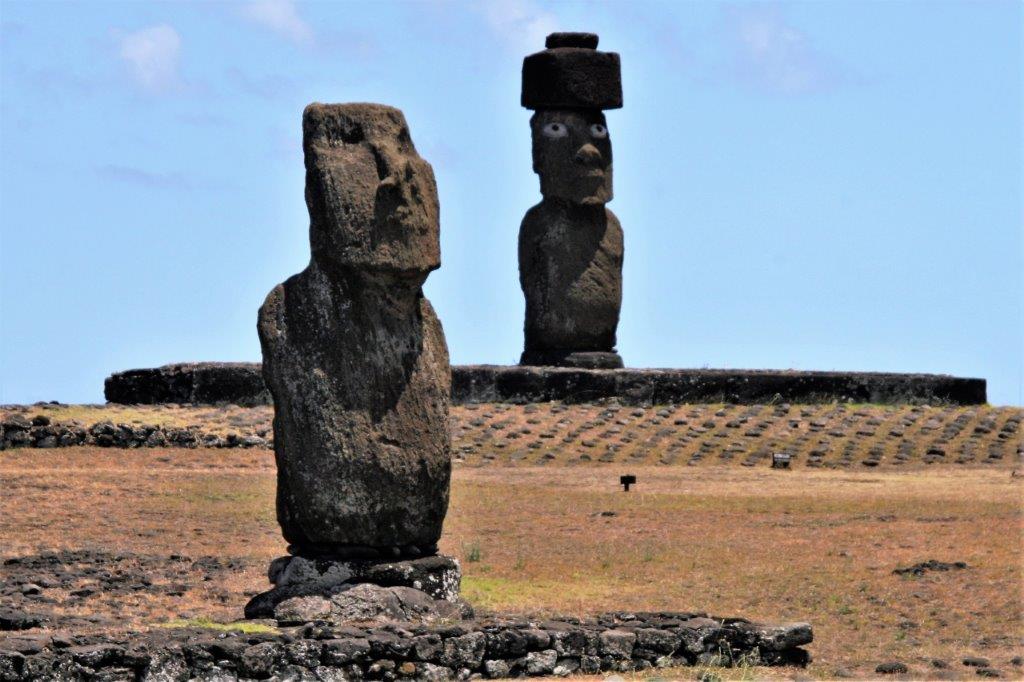
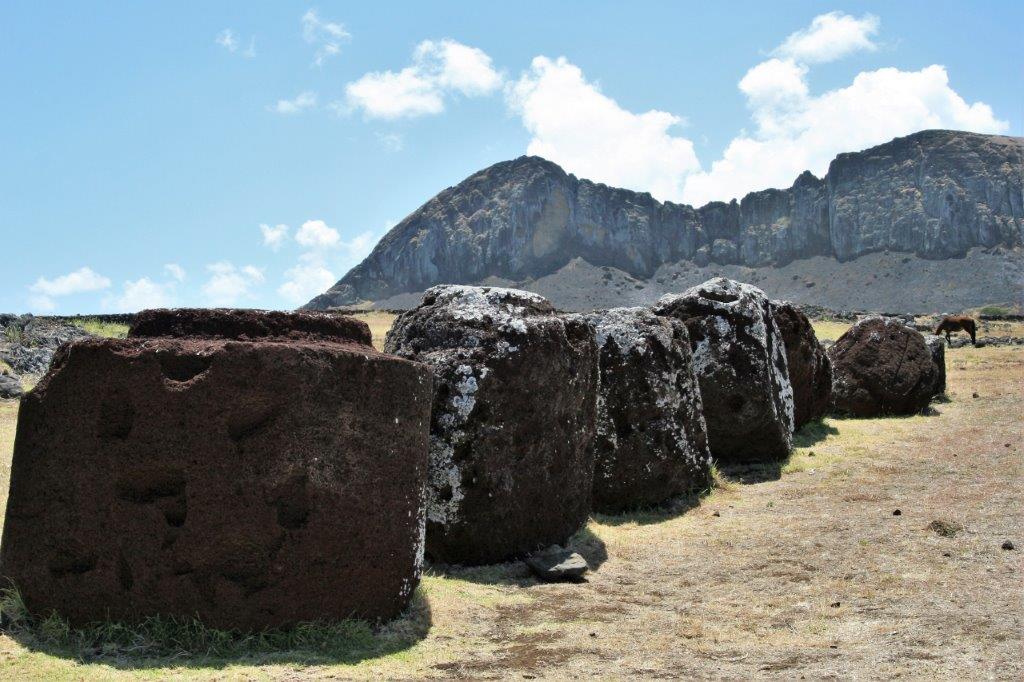
Our tour covered the entire island with three different stops.  The first was to Hanga Roa where the tenders were supposed to have berthed, through the town (population about 5300 on the island) to the Tahai site with five standing statues. The statues all had, not hats, but hair (top-knots) quarried from a different part of the island.  Very few of the existing carvings sport them today.

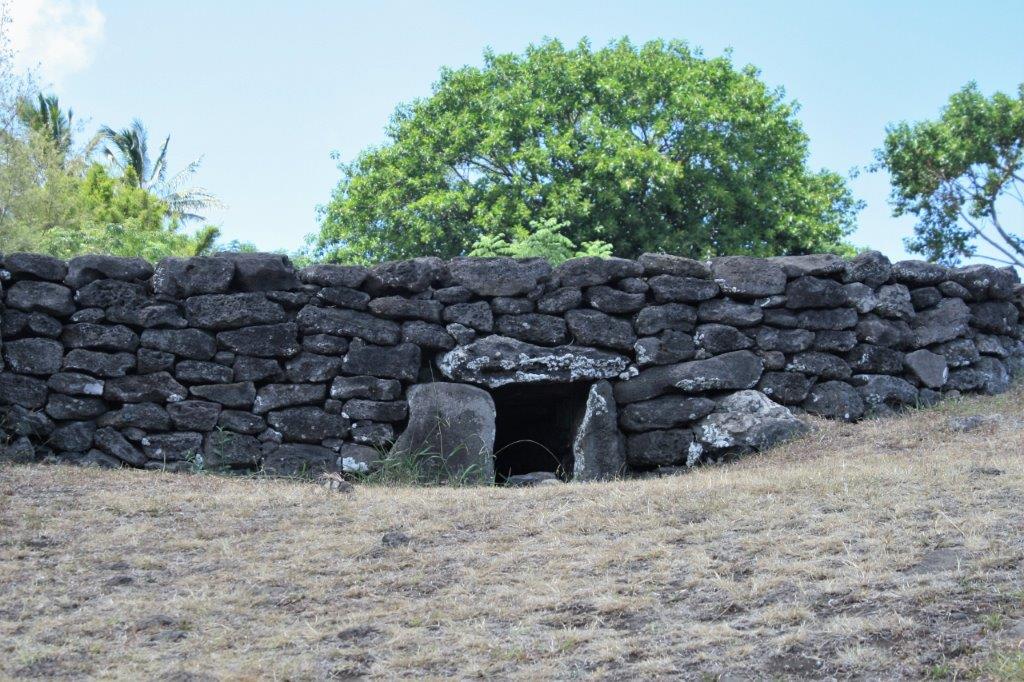
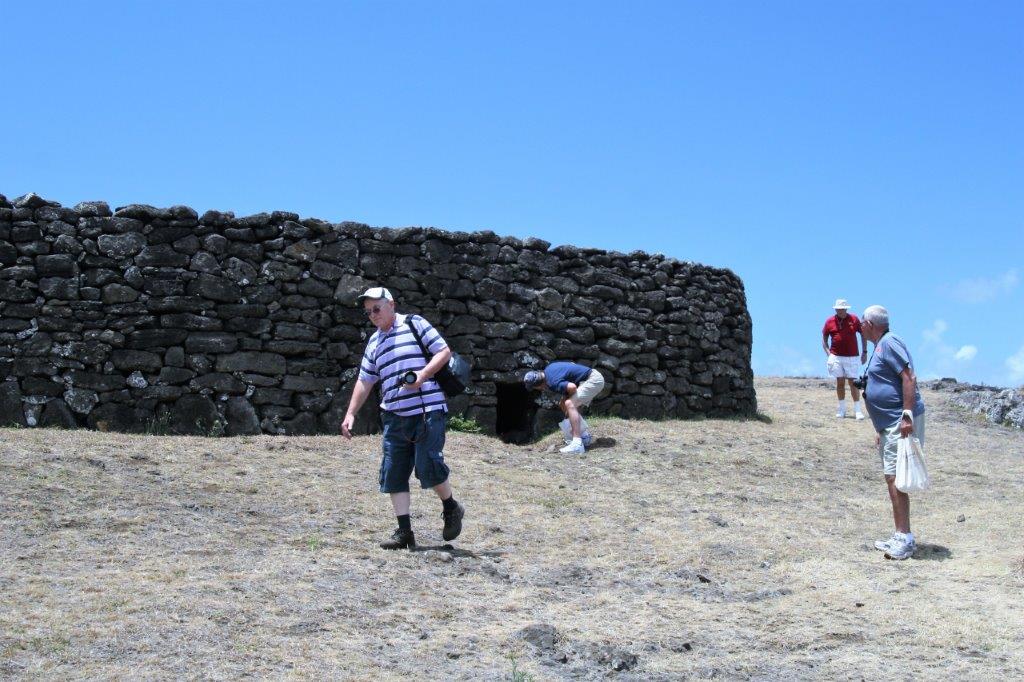
Near the village was an example of the houses the people lived in.  Very strange; elliptical shaped, narrow, and with very small doorways you need to crawl through.

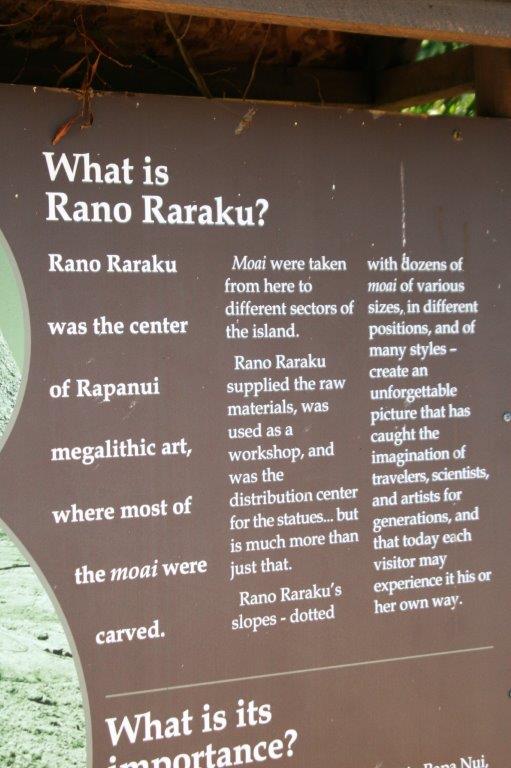
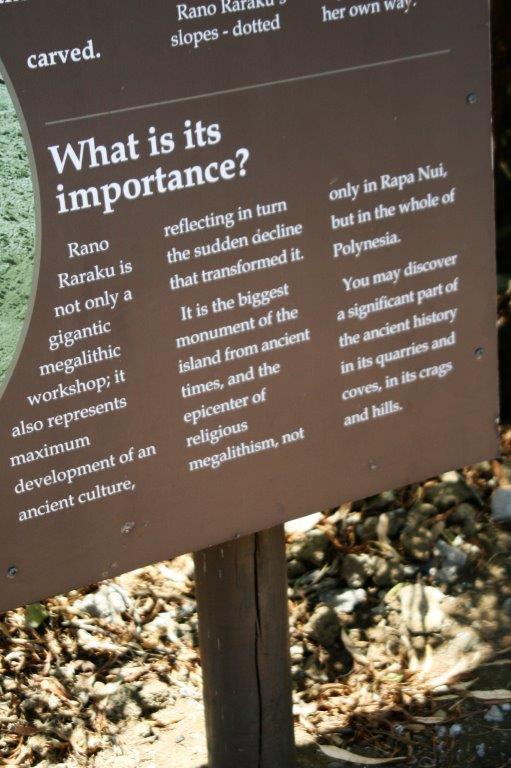
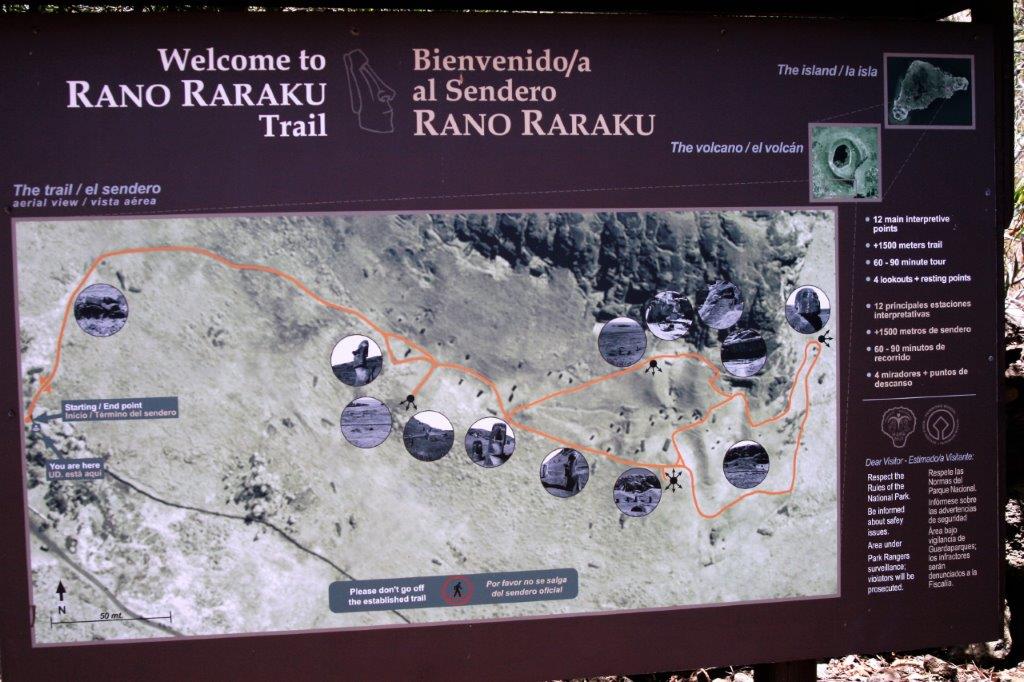
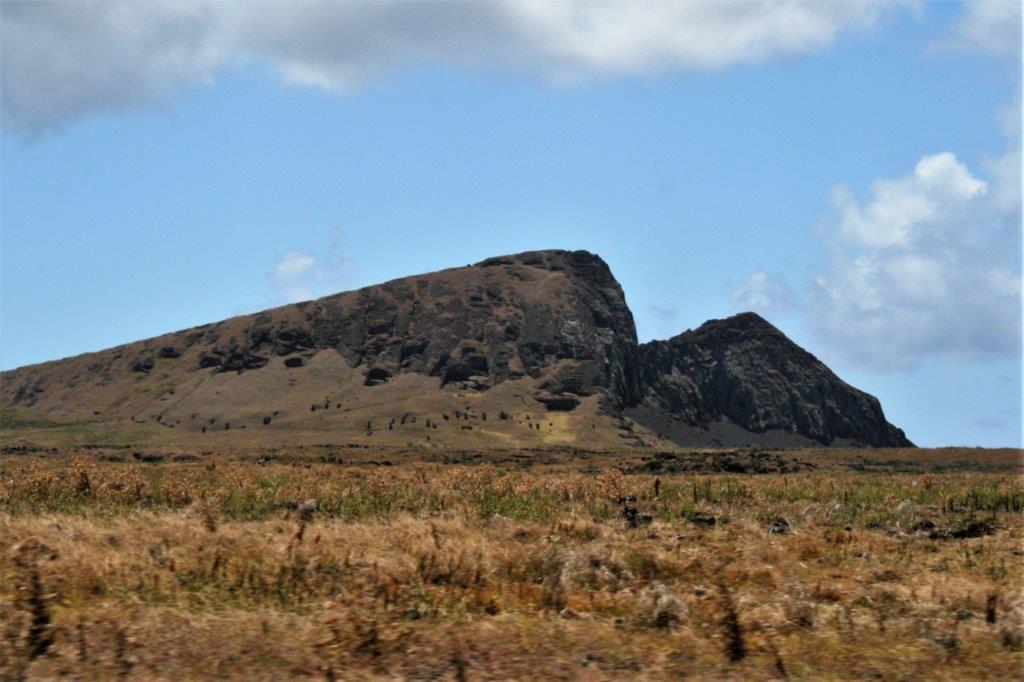
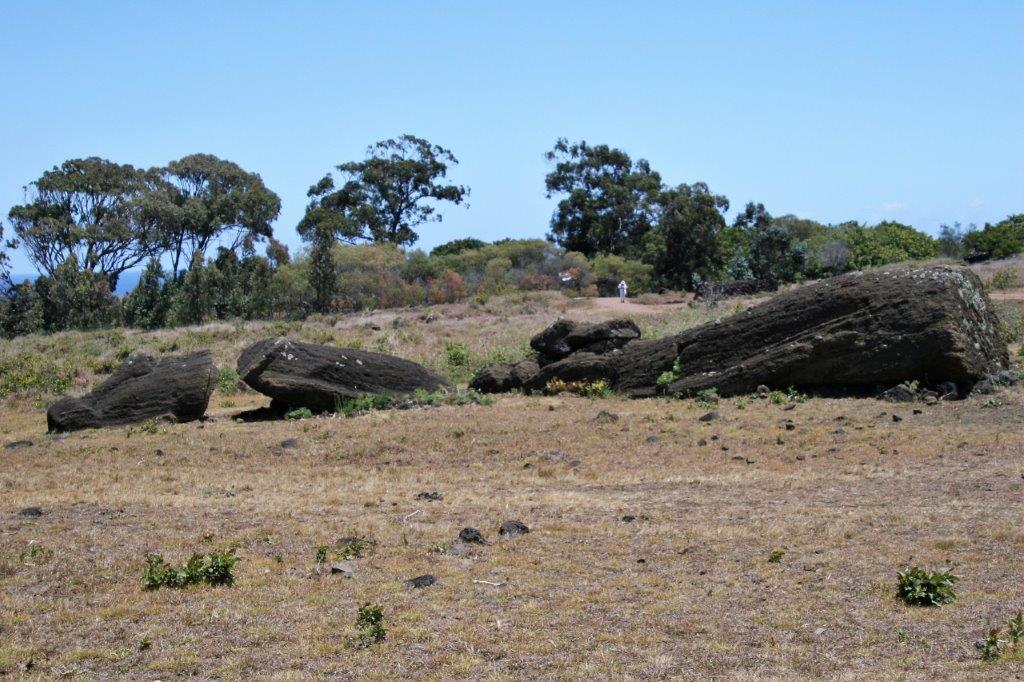
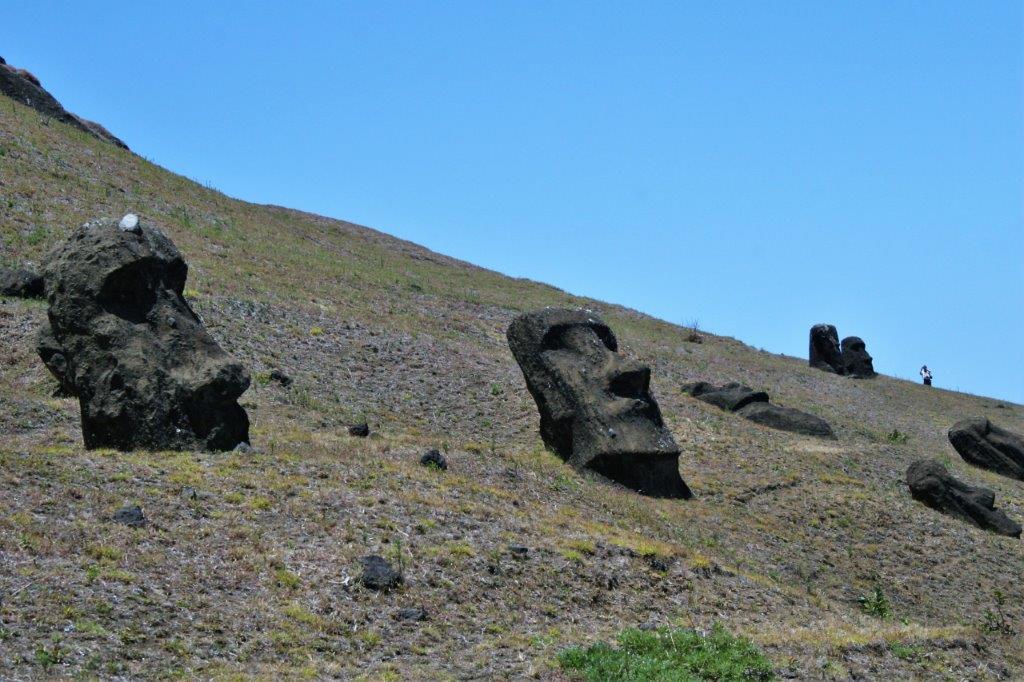
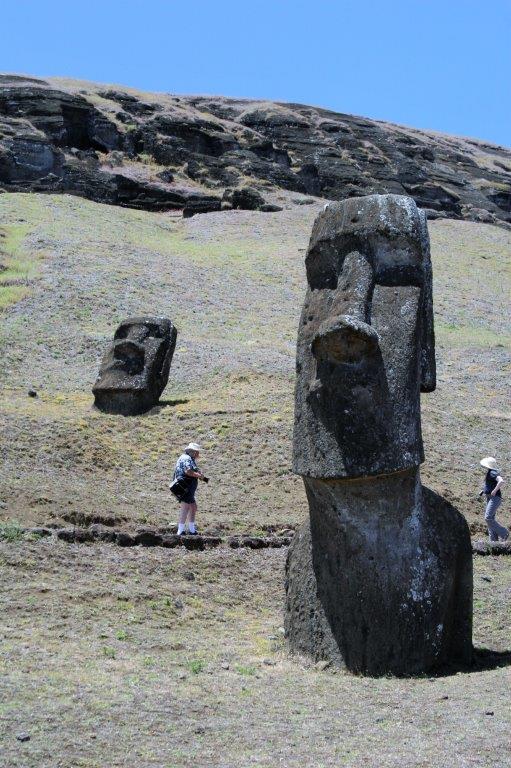
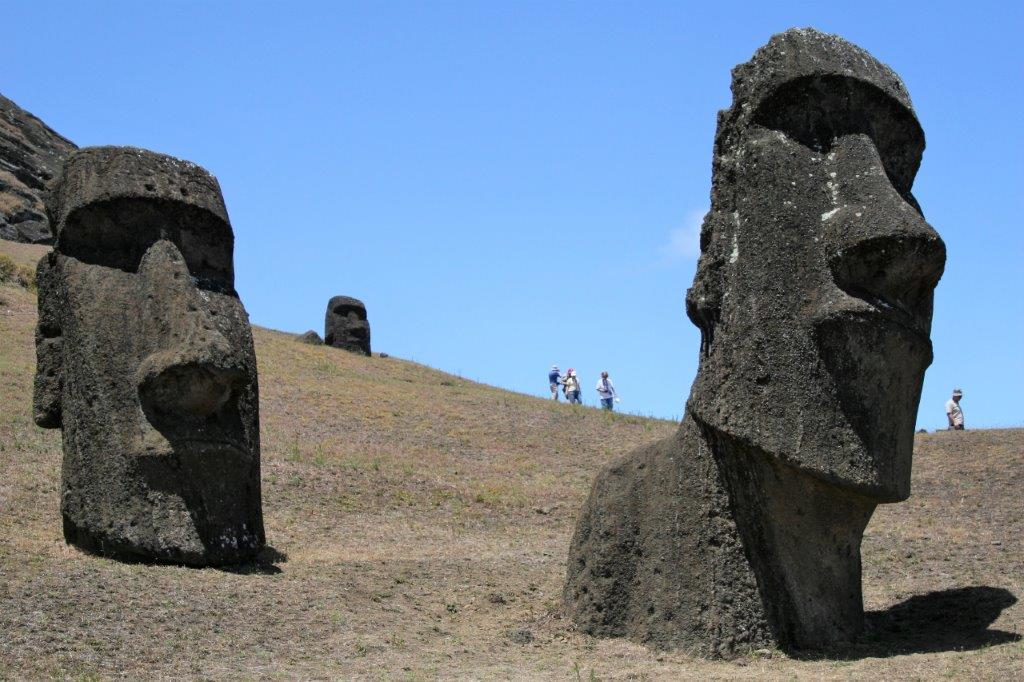
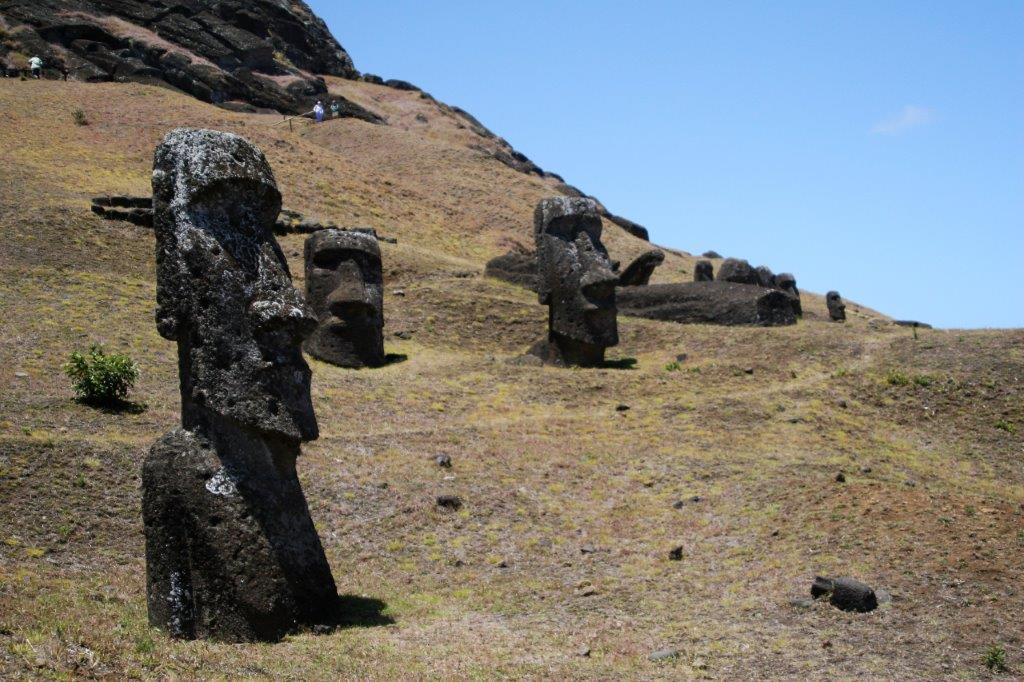
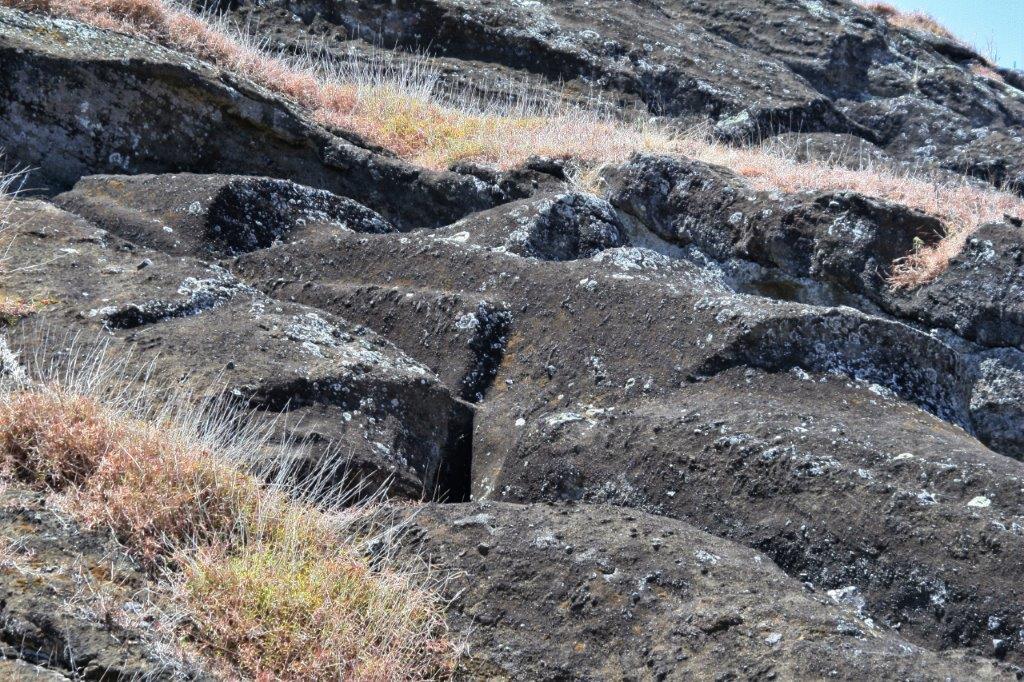
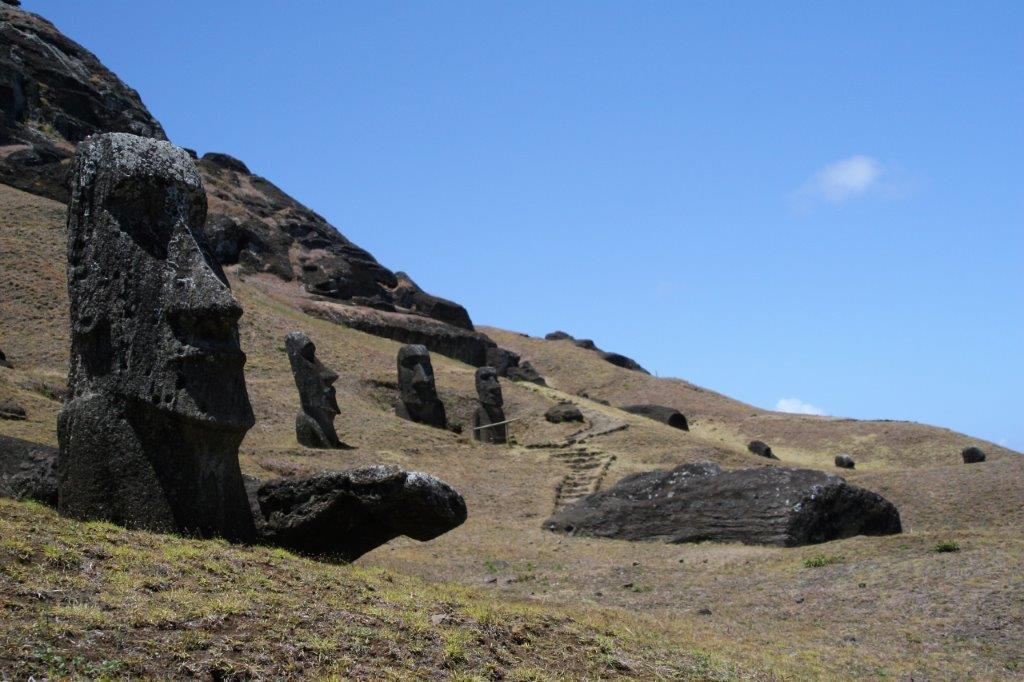
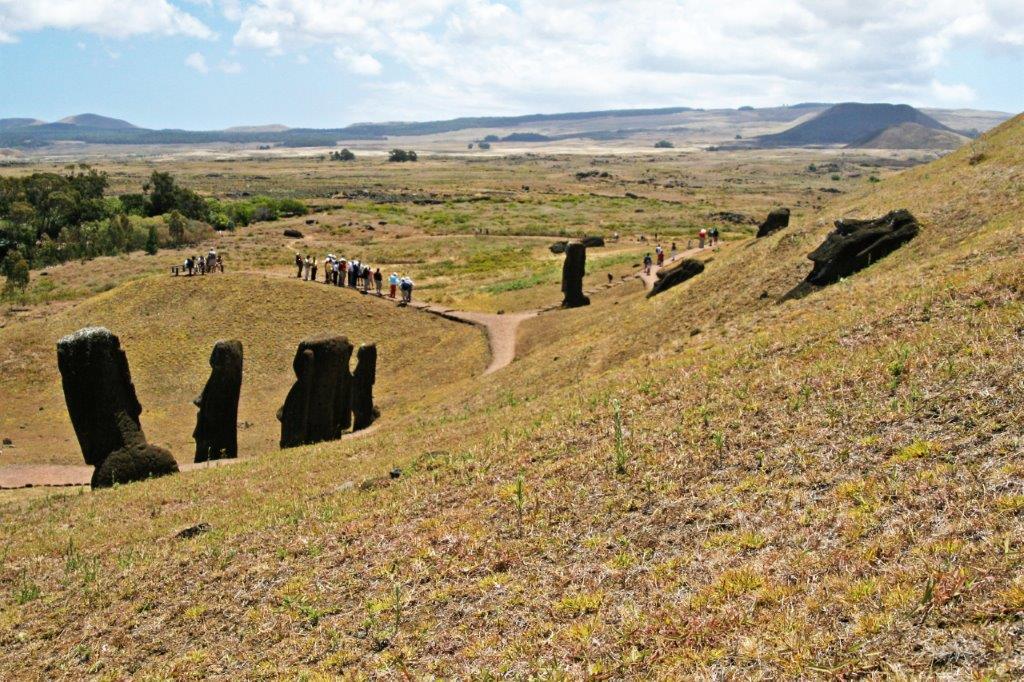
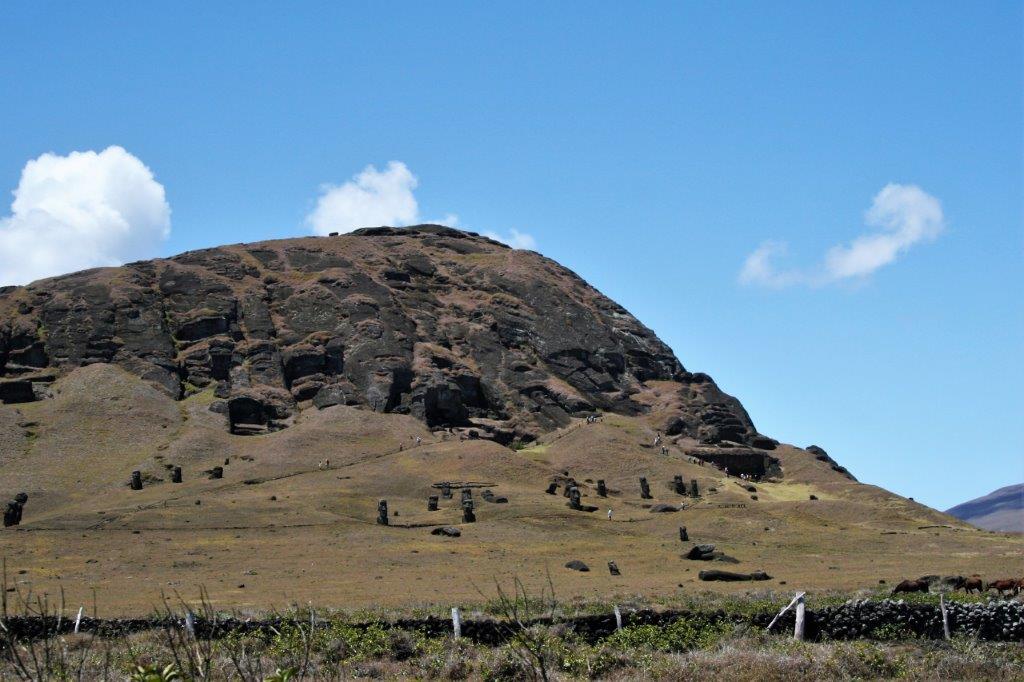
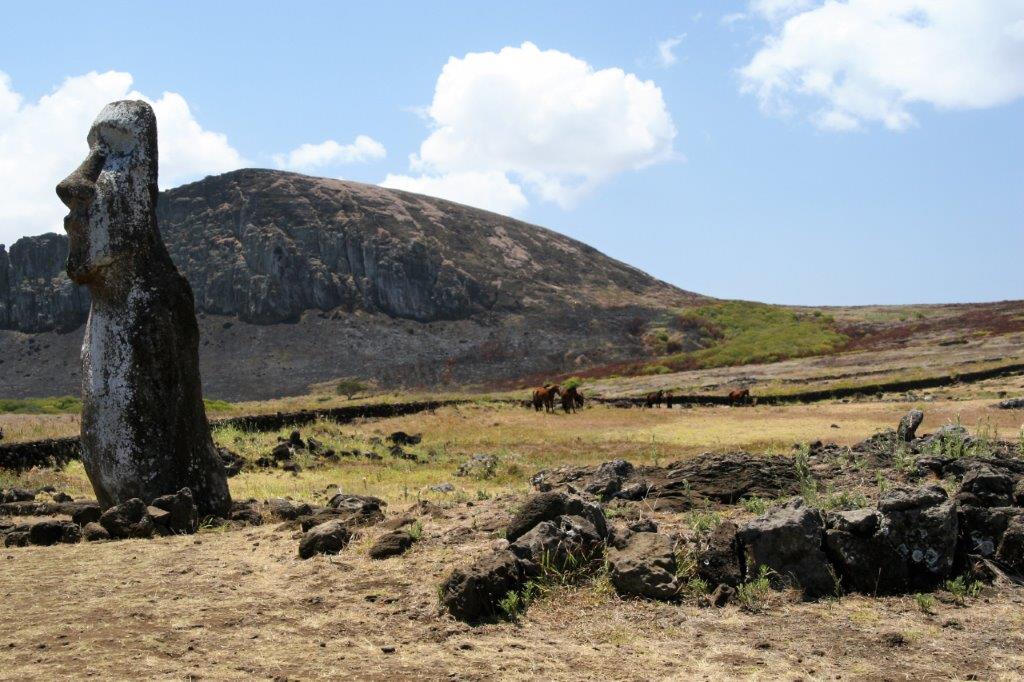
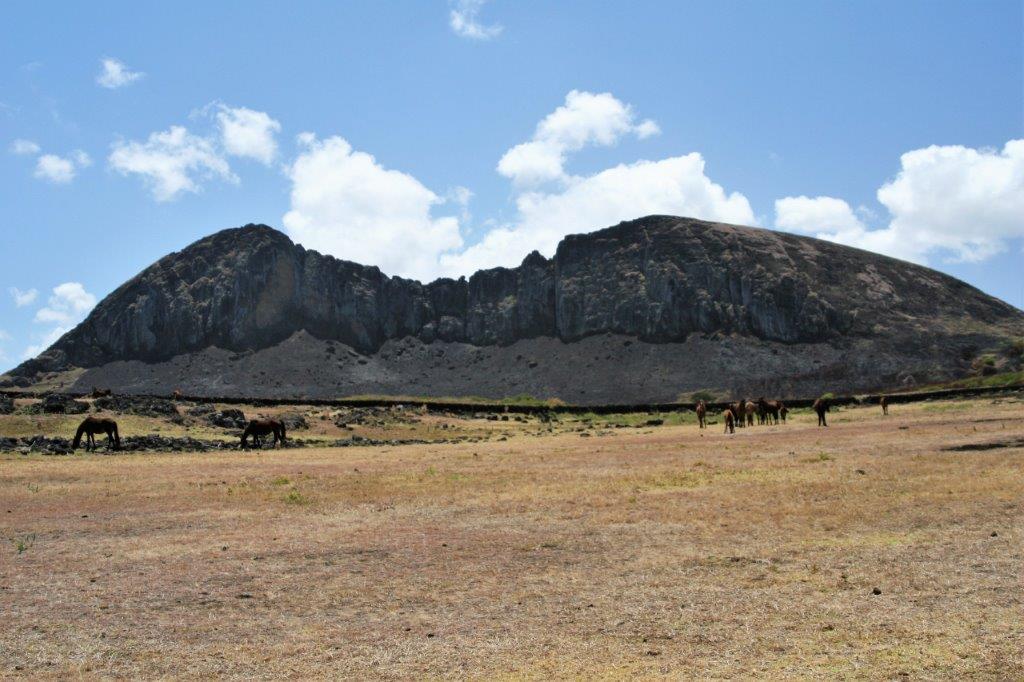
The second stop was Rano Raraku, a sacred site and the quarry from which all of the statues were cut and carved.  When you see the size of the people walking by you get an idea of how large these statues are; and remember most of the body is buried underground. How they were able to move these massive figures to all sides of the island is a mystery.  One theory is that they used logs until all of the trees were gone which also made the island virtually uninhabitable so the peopled died out or moved away.

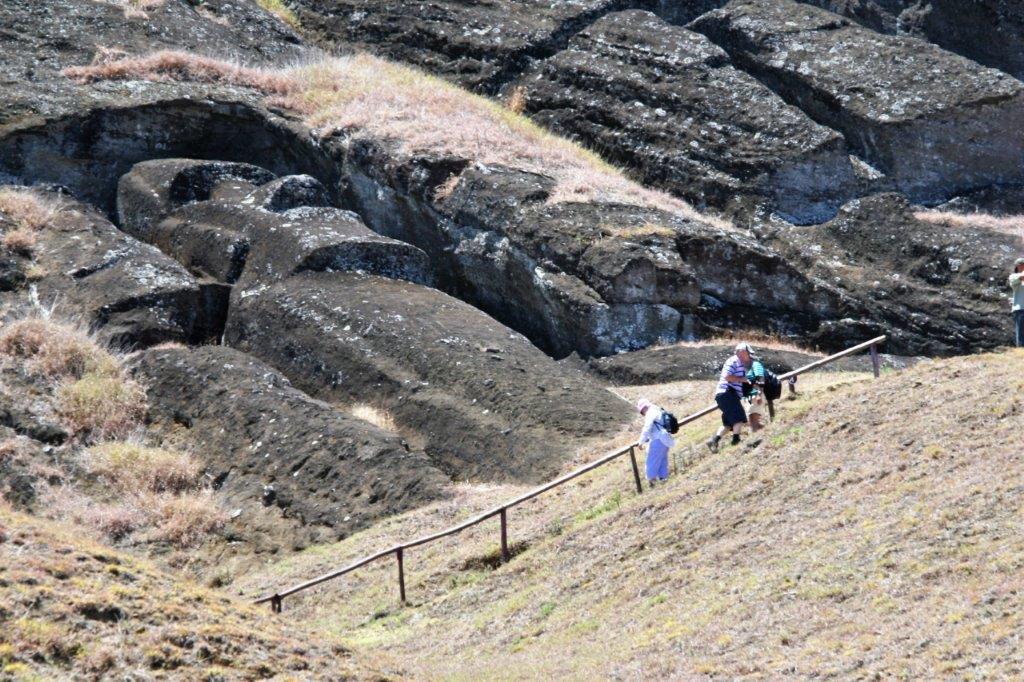
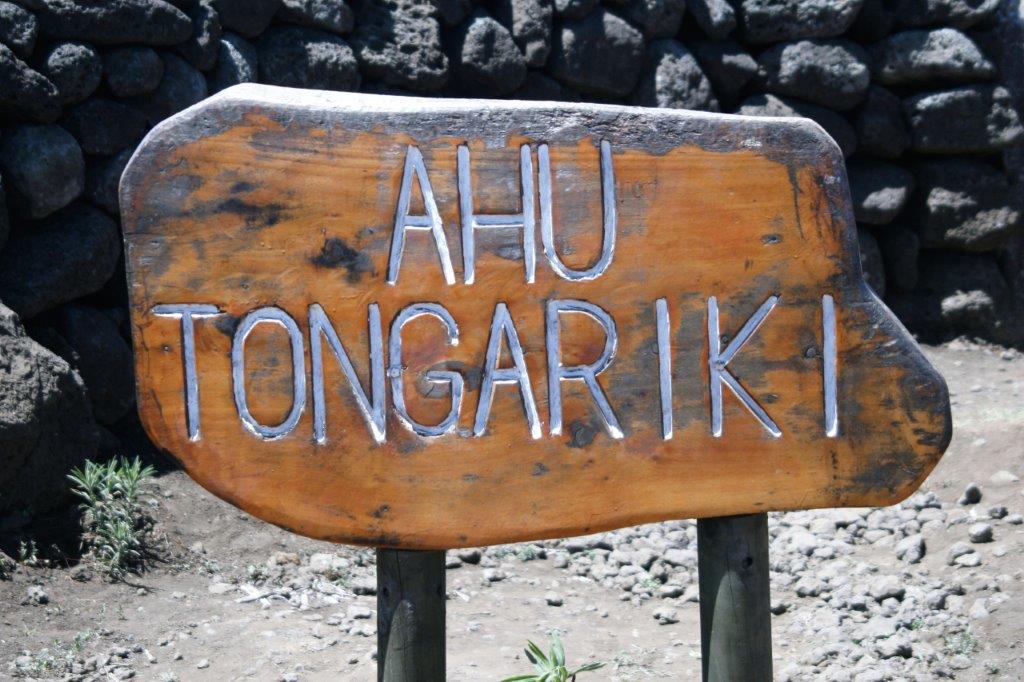
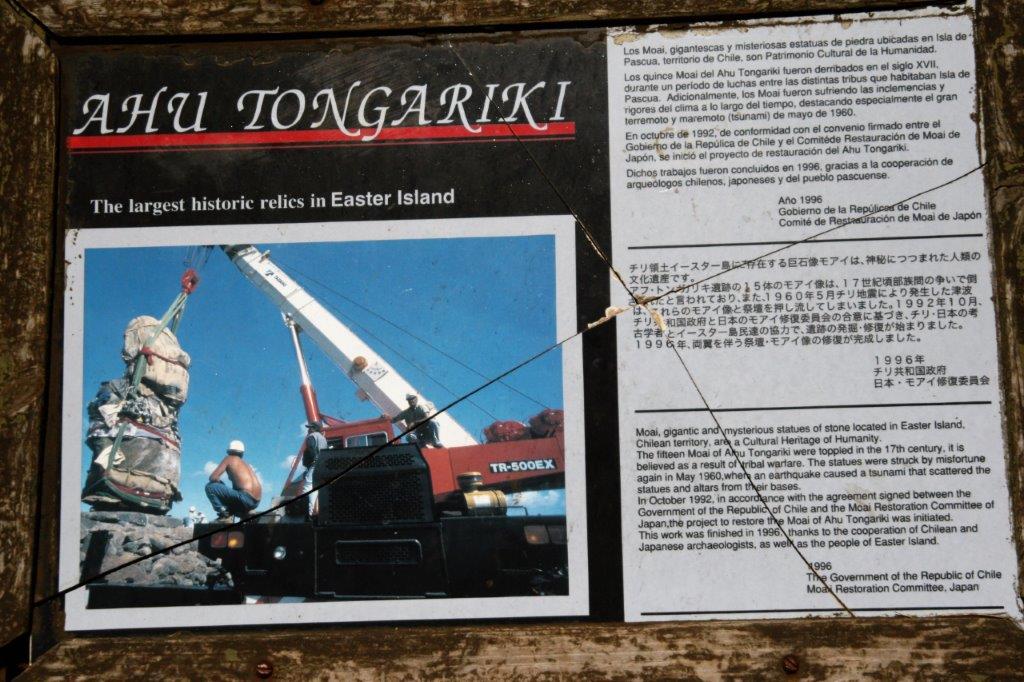
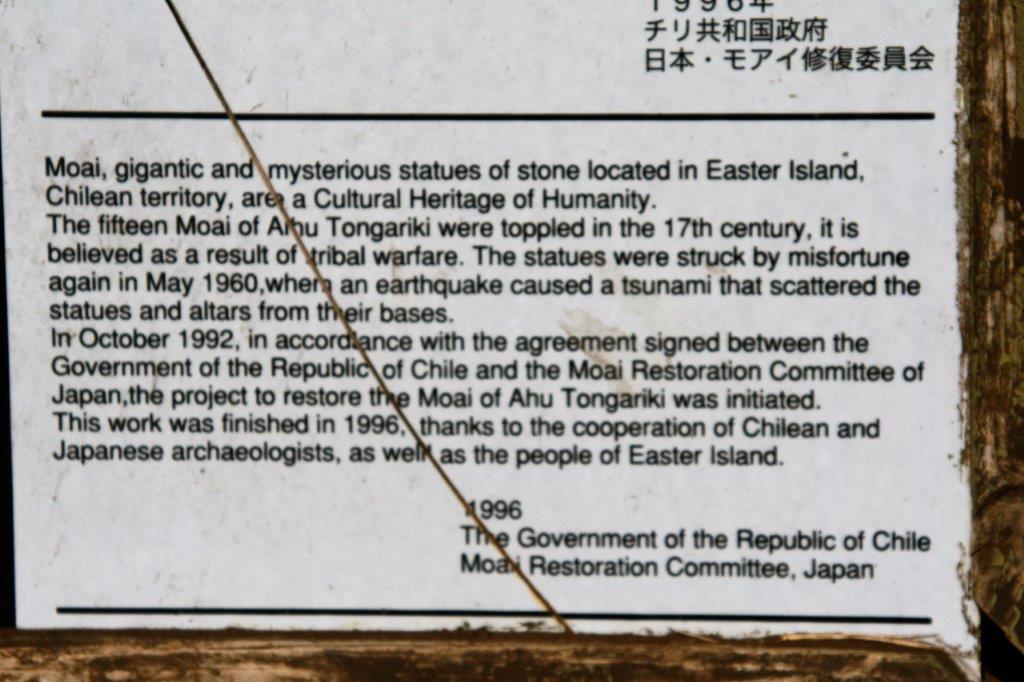
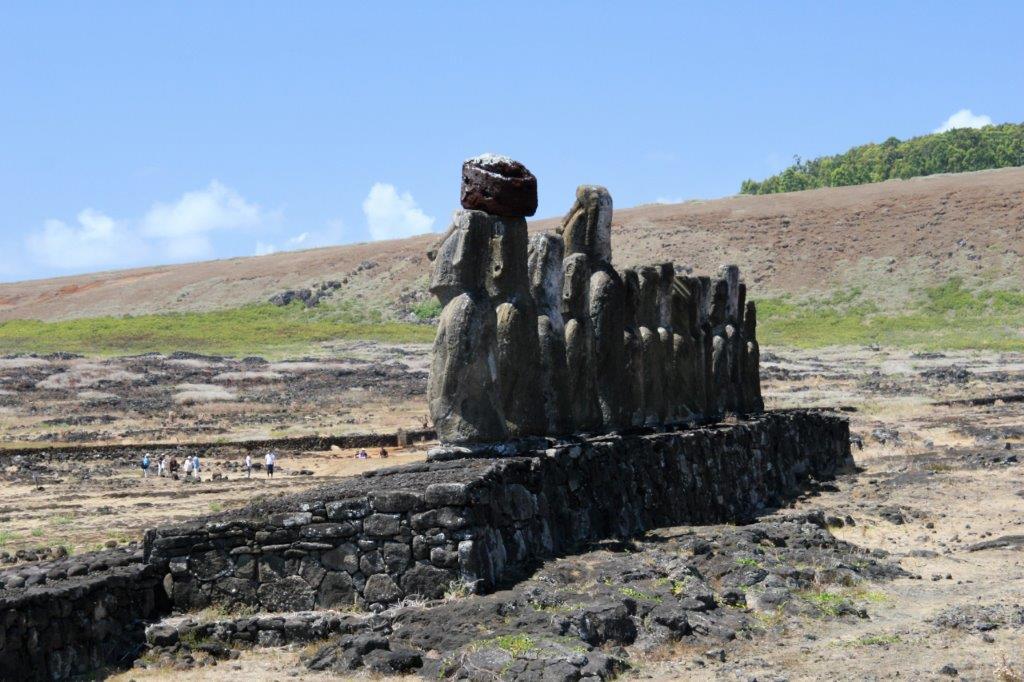
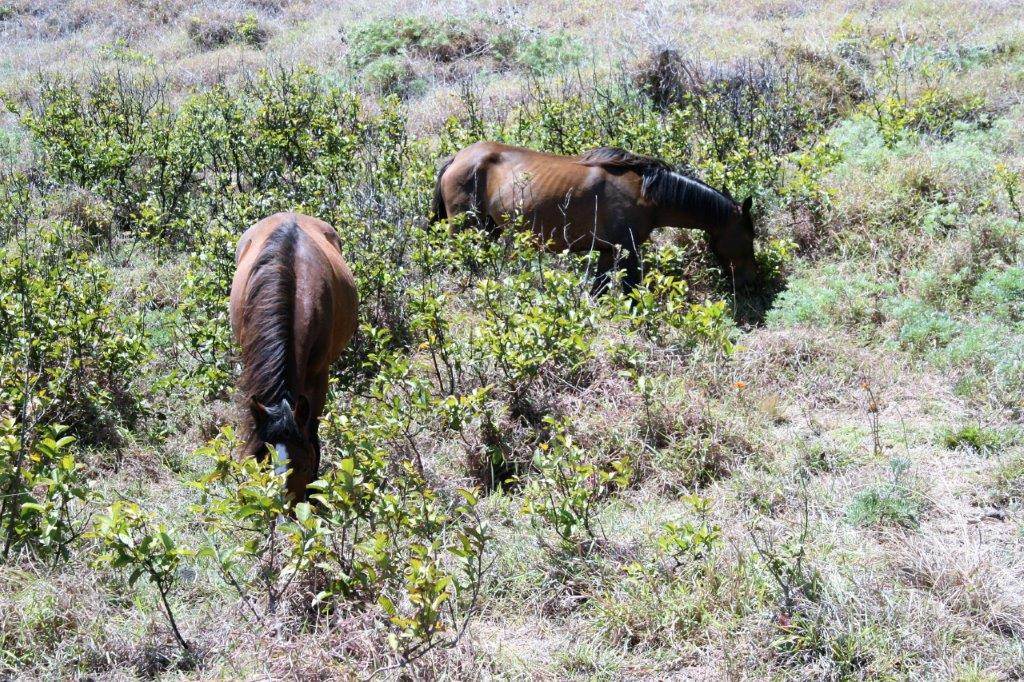
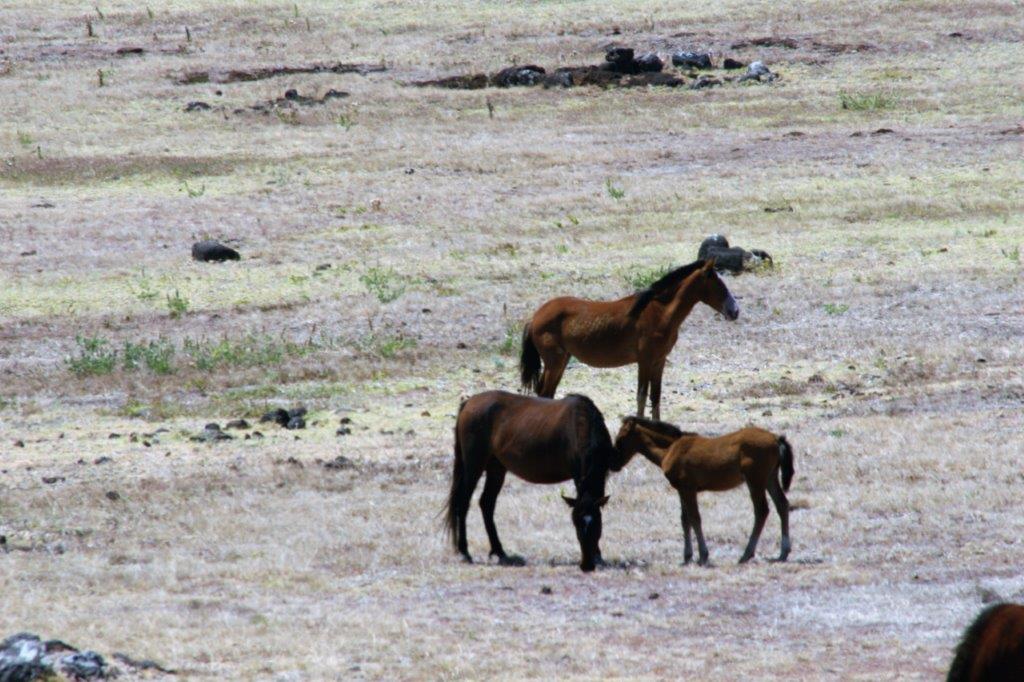
This statue is absolutely massive.  I have no idea how they thought they could cut it out of the rock and move it away. There are still 397 statues of various sizes and/or incomplete at the quarry on the slopes of the extinct volcano. Further along the southern coast on the back side of the quarry is Tongariki where 15 Maoi statues have been re-erected after being toppled by a tsunami in the 1960s.  The platform beneath the statues is 656 feet long. Important personages and kings were buried under the platforms upon which the statues rest so all of the carvings and the bases are sacred sites. There were some lovely horses grazing nearby. We were driven back to our make-shift dock and tendered to the ship at five o’clock; in time for dinner which is always a good thing since the food is so good onboard.

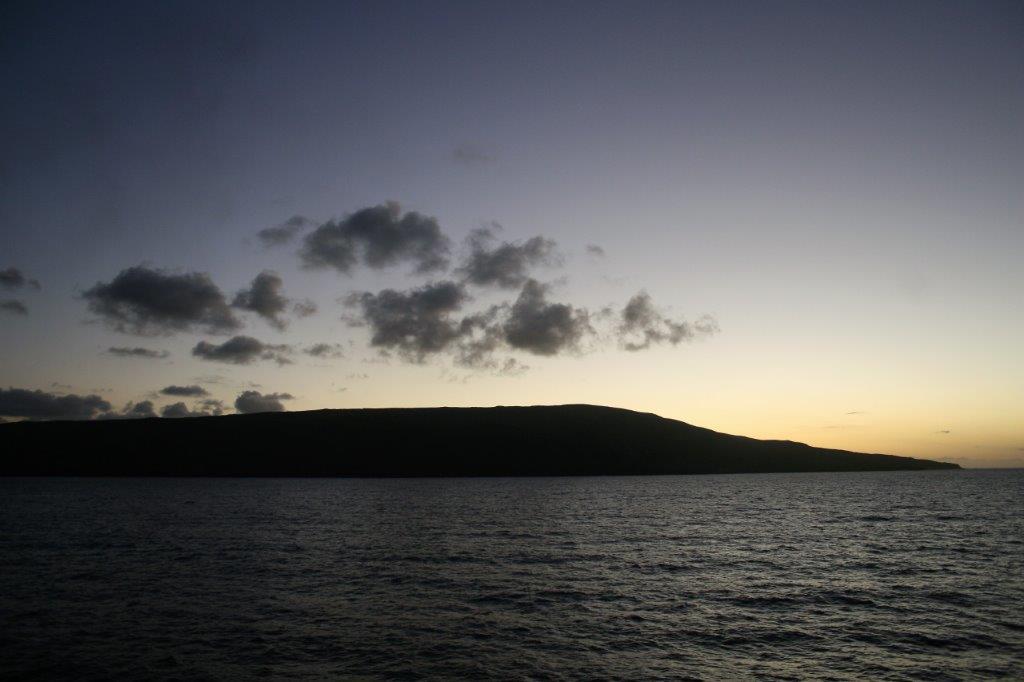
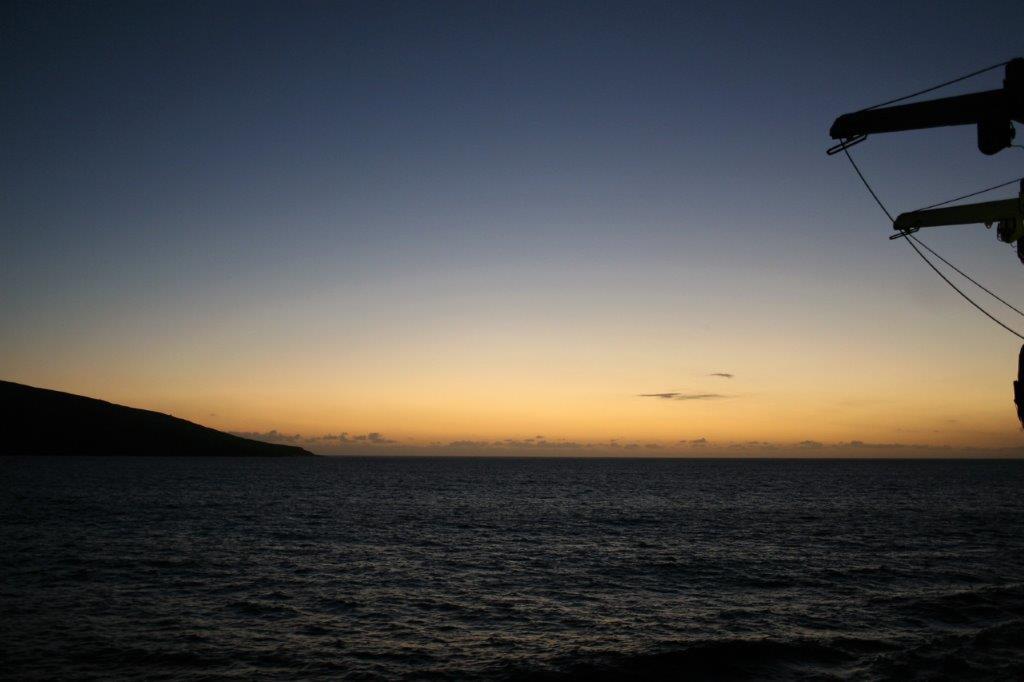
The ship was supposed to set sail for Pitcairn Island at five but due to the lengthy delay getting people safely ashore departure was put back until 8 pm.  With the extra time needed to get people onto the tenders at shoreside and off the tenders at shipside, navigating the swells, we did not actually lift anchor and sail away until 9.  No one complained about the delay, though. Everyone was very pleased with the effort and arrangements the captain and crew went to in order that we could make the scheduled stop here.  It is not at all unusual for high seas to cancel an Easter Island port-of-of call.  This was one of those surreal places we could not believe we were actually visiting.  It was a wonderful day. We had two days at sea before we reached Pitcairn Island where 45 of the 50 residents will come aboard the ship to sell their sought-after stamps, homemade crafts, T-shirts and trinkets.  The many shoppers on board are twitching with anticpation.

2017 Sept 11 – Bozeman, MT to Kalispell, MT

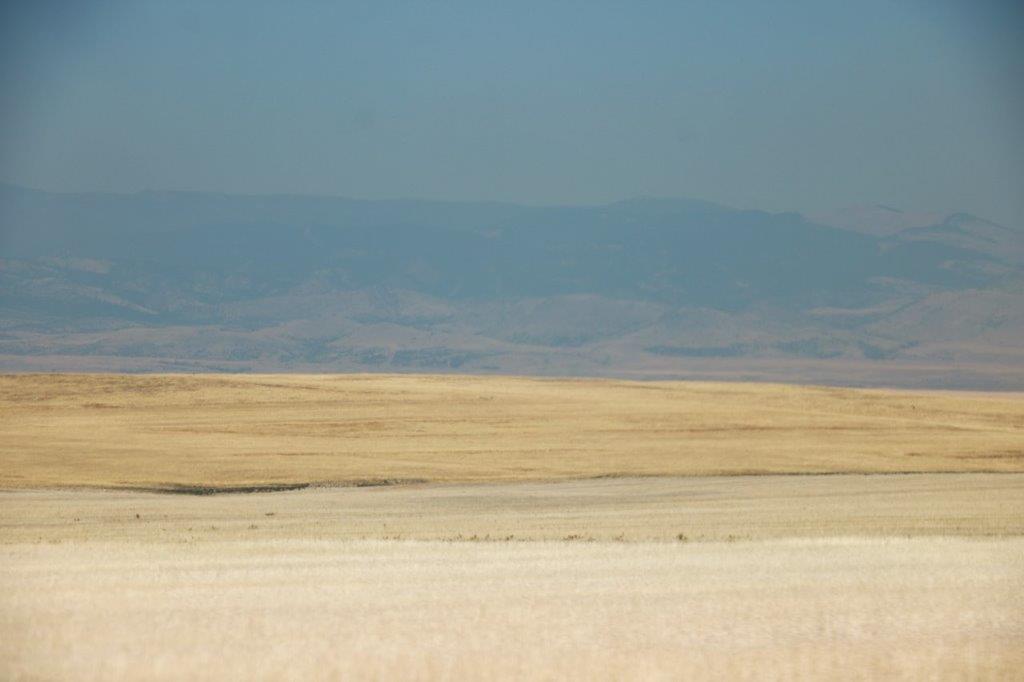
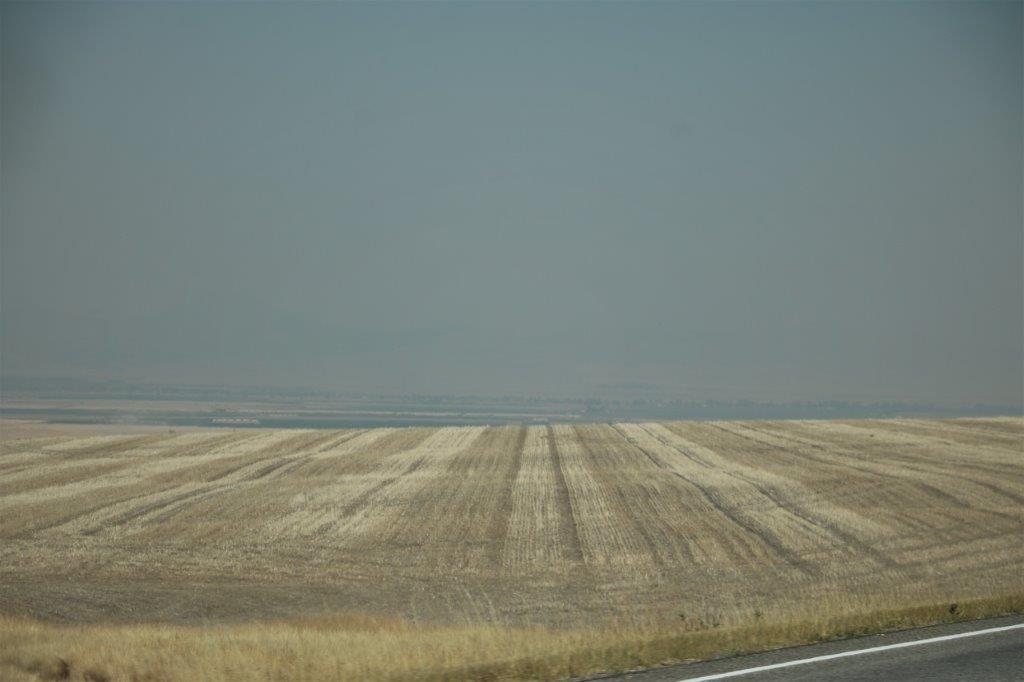
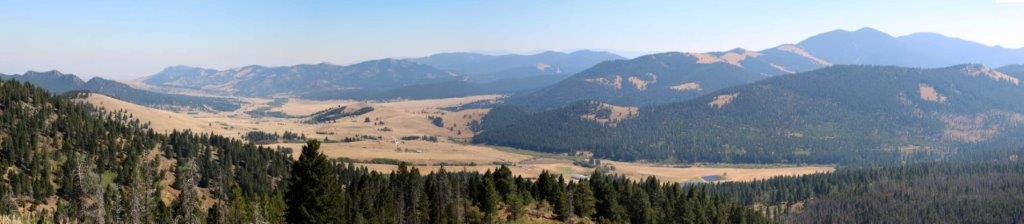
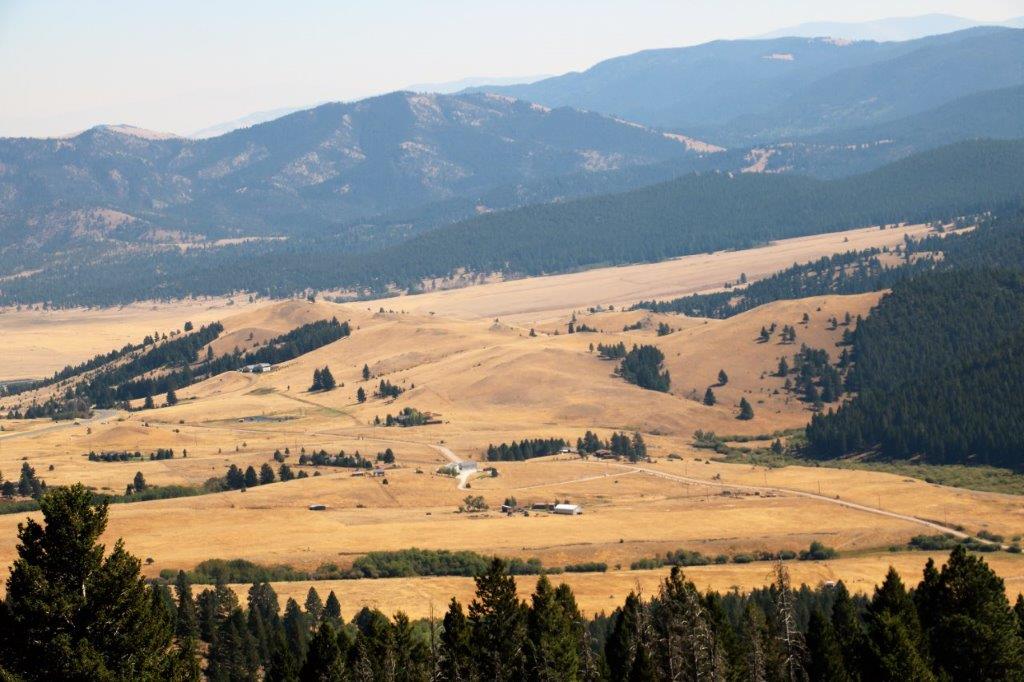
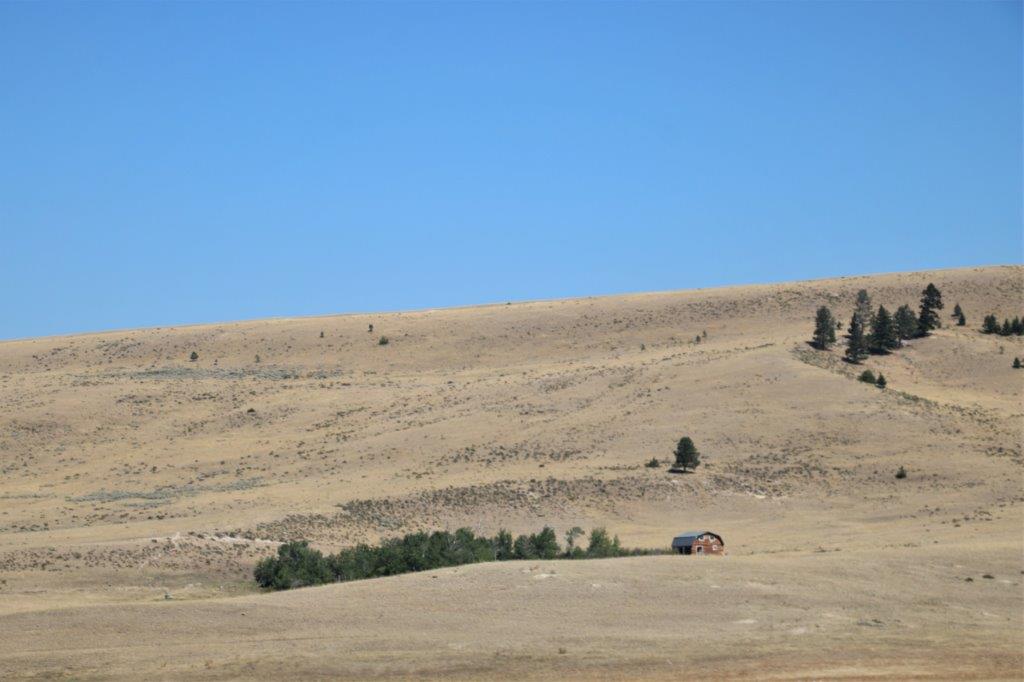
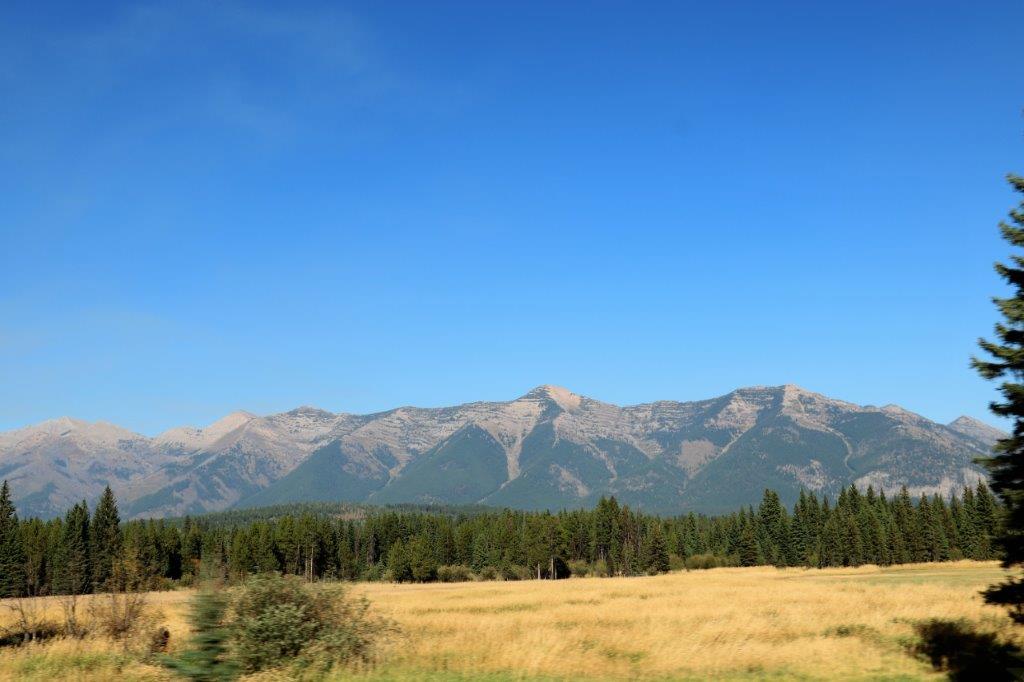
We woke up to thick, heavy, smelly smoke.  Even in the truck with the windows up I could smell it so I spent most of the day wearing my mask. There are hills in the background behind the fields; though you can’t see them.

Today was purely a driving day.  We have been to and through Montana quite a few times.  Our son spent 2 1/2 years in Butte getting his Petroleum Engineering degree so we were here moving him in, going for a visit, attending his convocation and moving him out again.  A couple of our road trips have taken us into parts of Montana as well.

When we were looking at the map we were able to find some roads that would take us from Bozeman to Kalispell that we had not been on before.  Both were smaller, secondary roads and there were no tourist attractions or canyons, or waterfalls, etc.  Our only entertainment on the drive was to stop every hour or so and find a geocache.

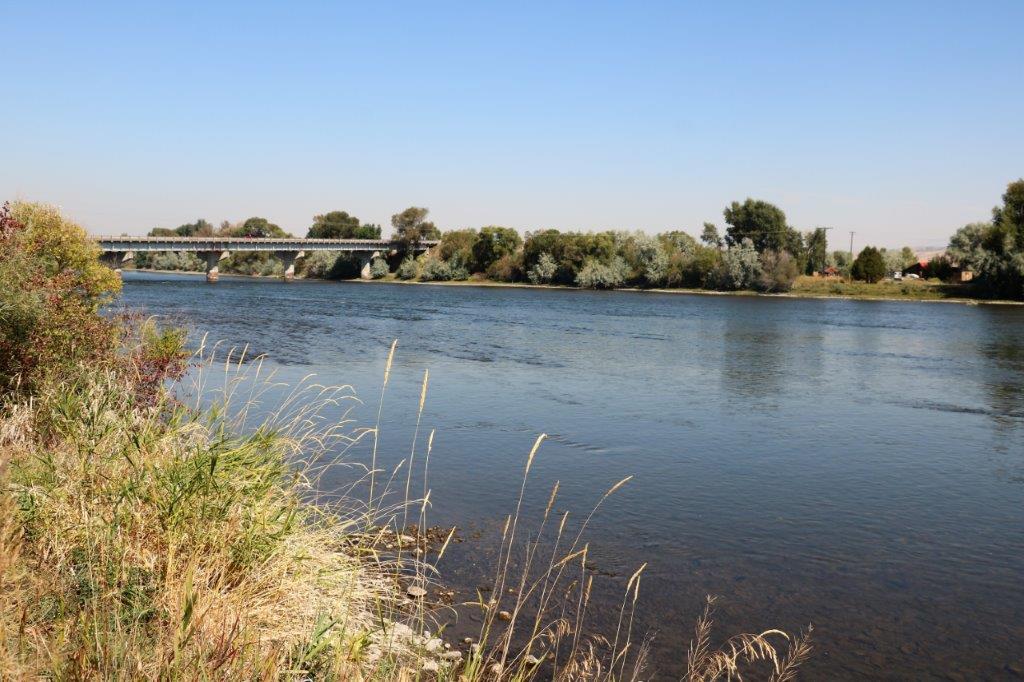
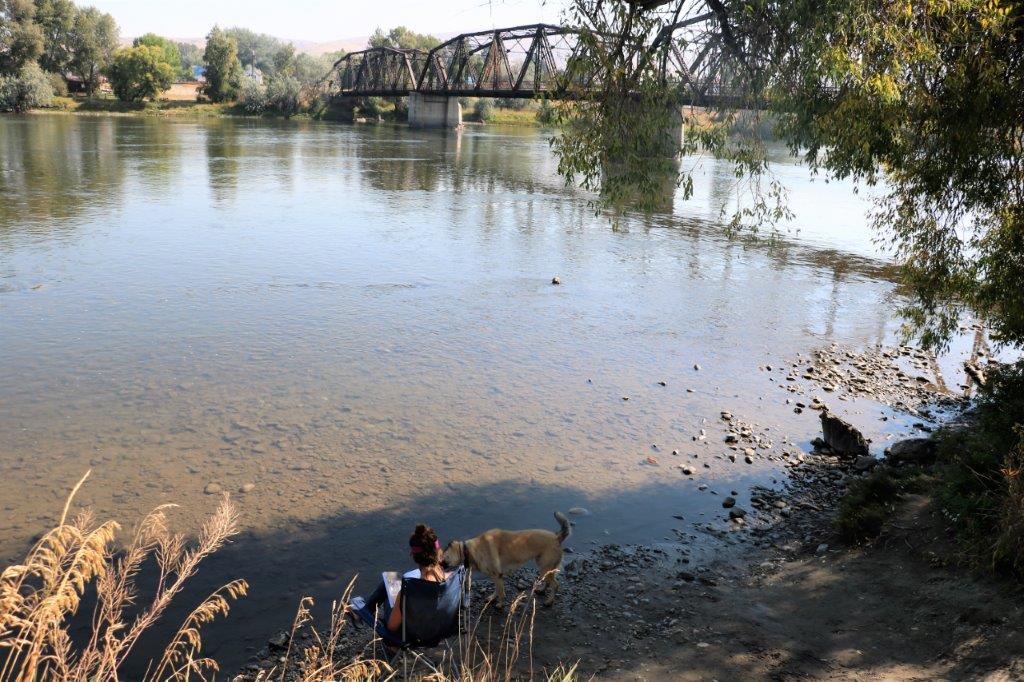
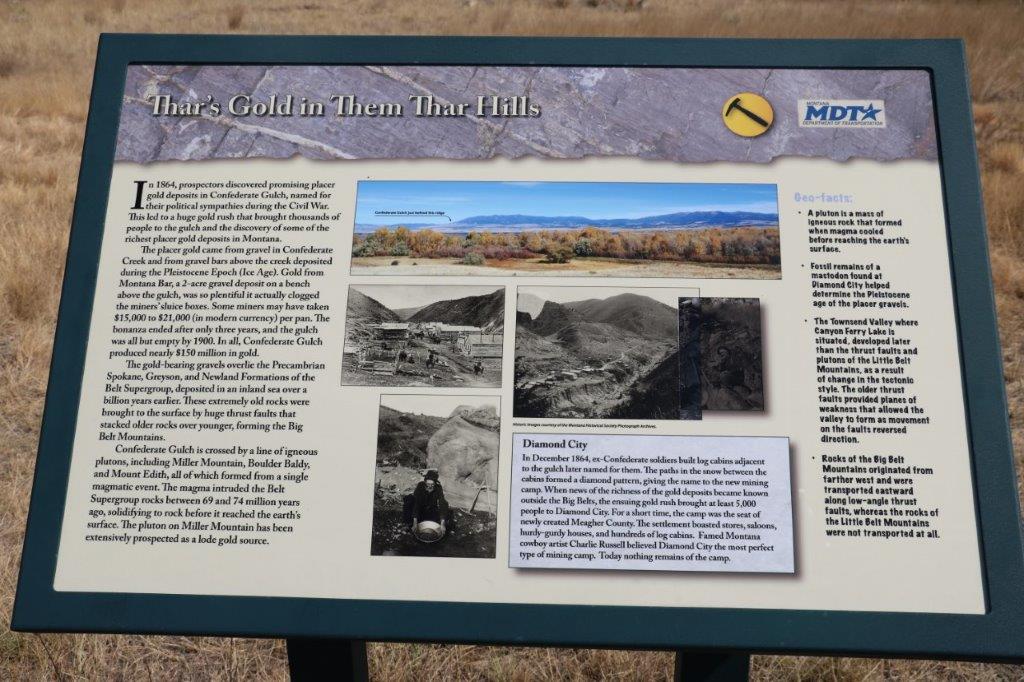
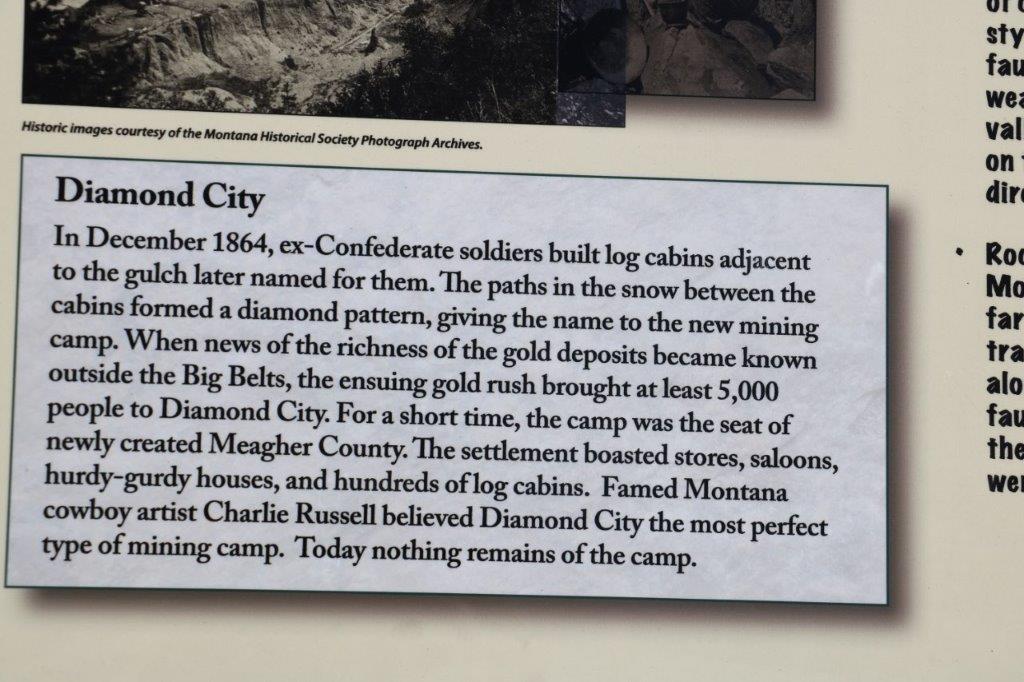
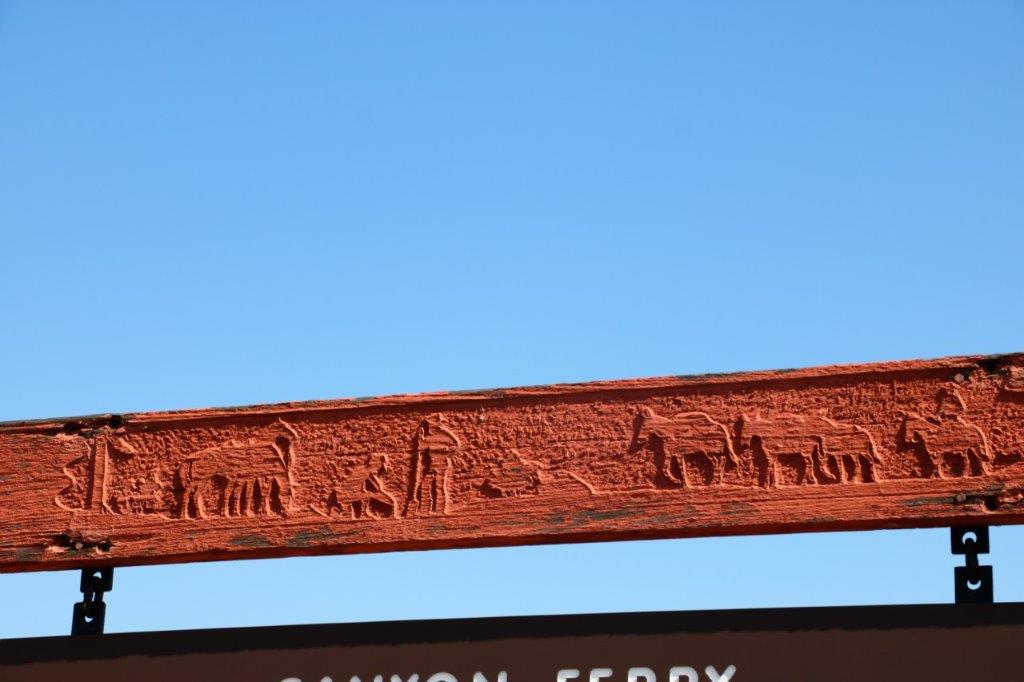
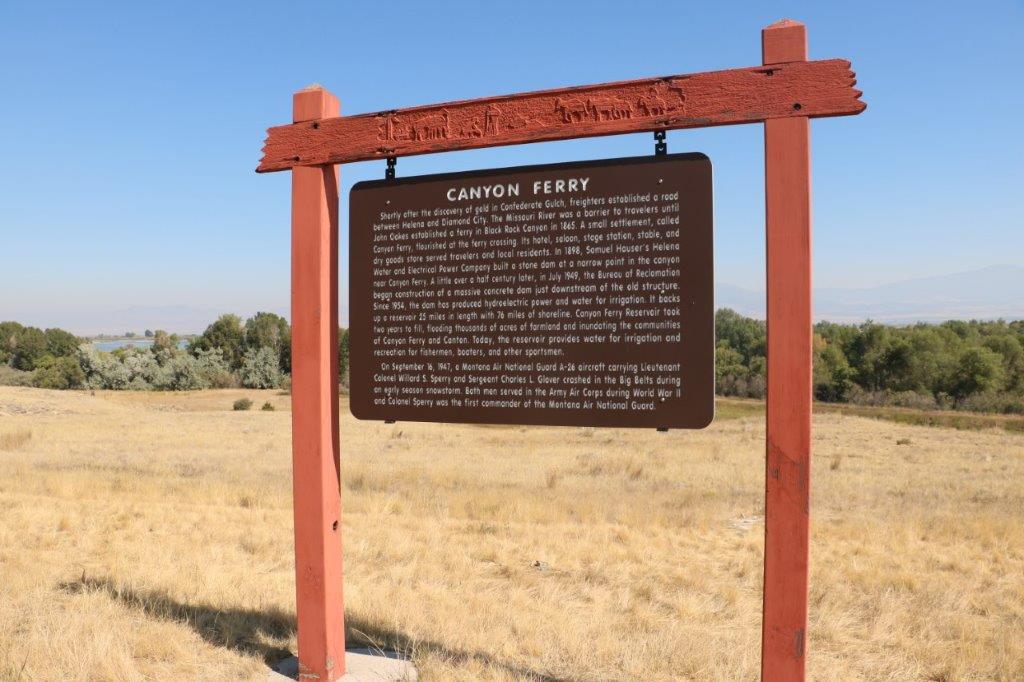
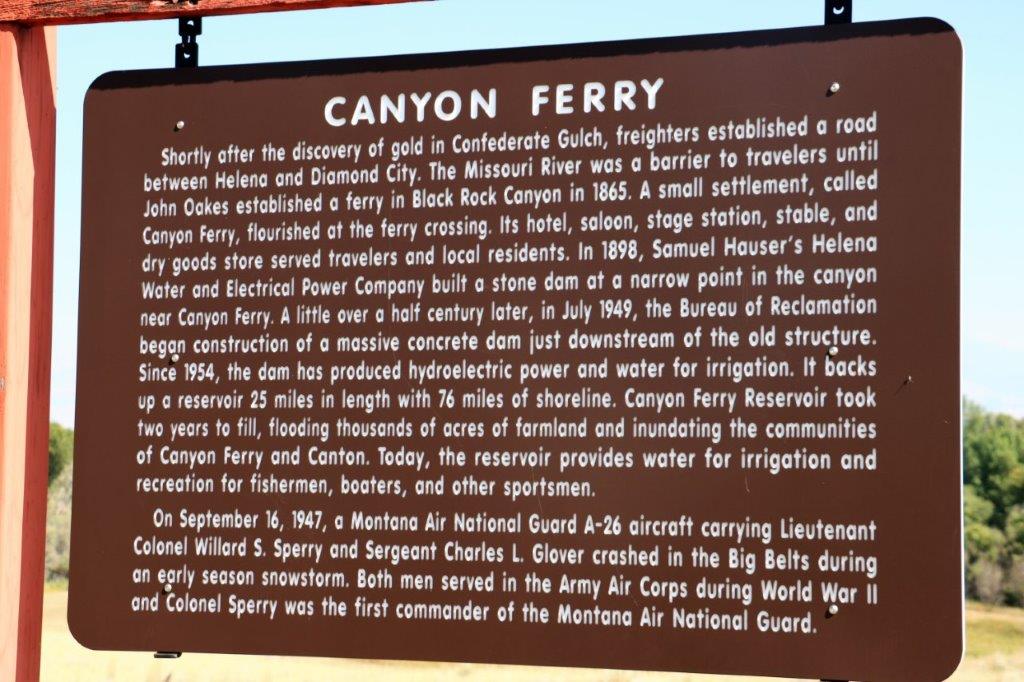
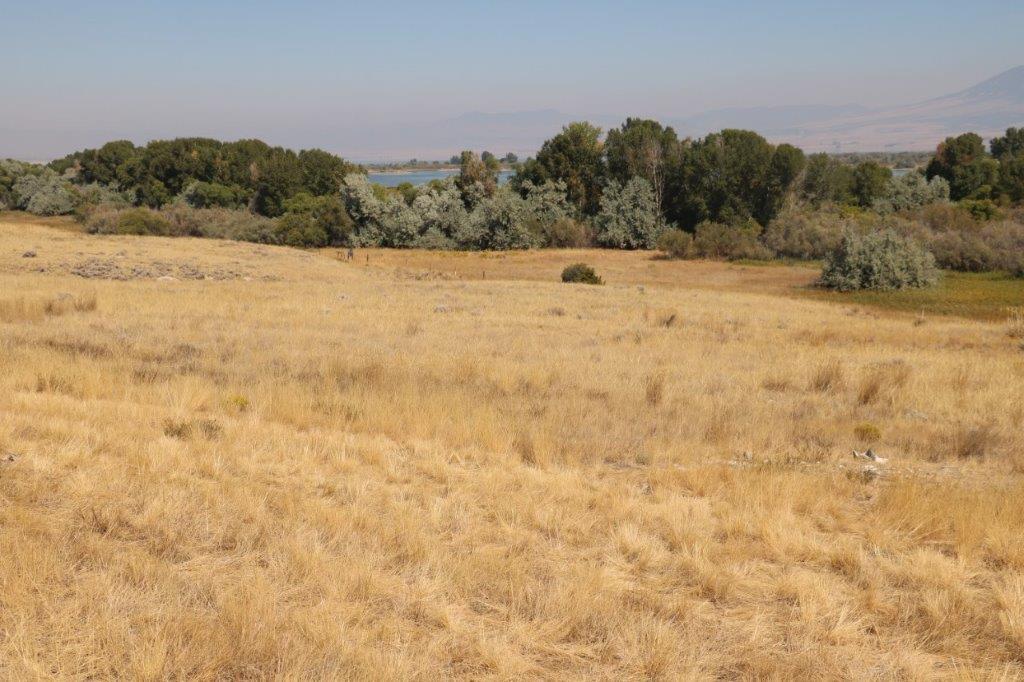
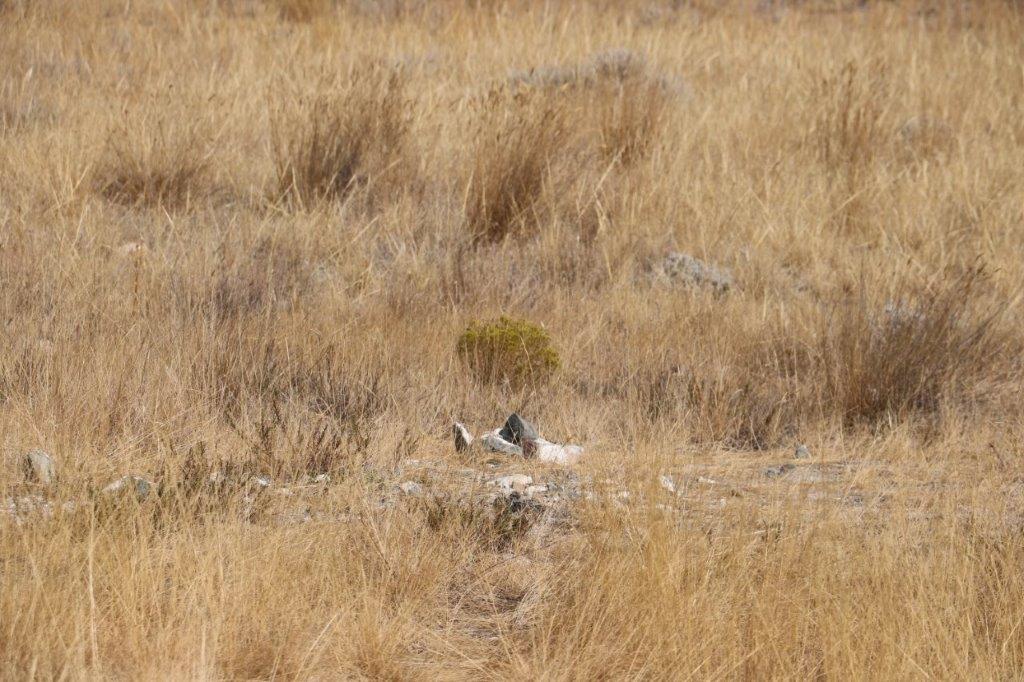
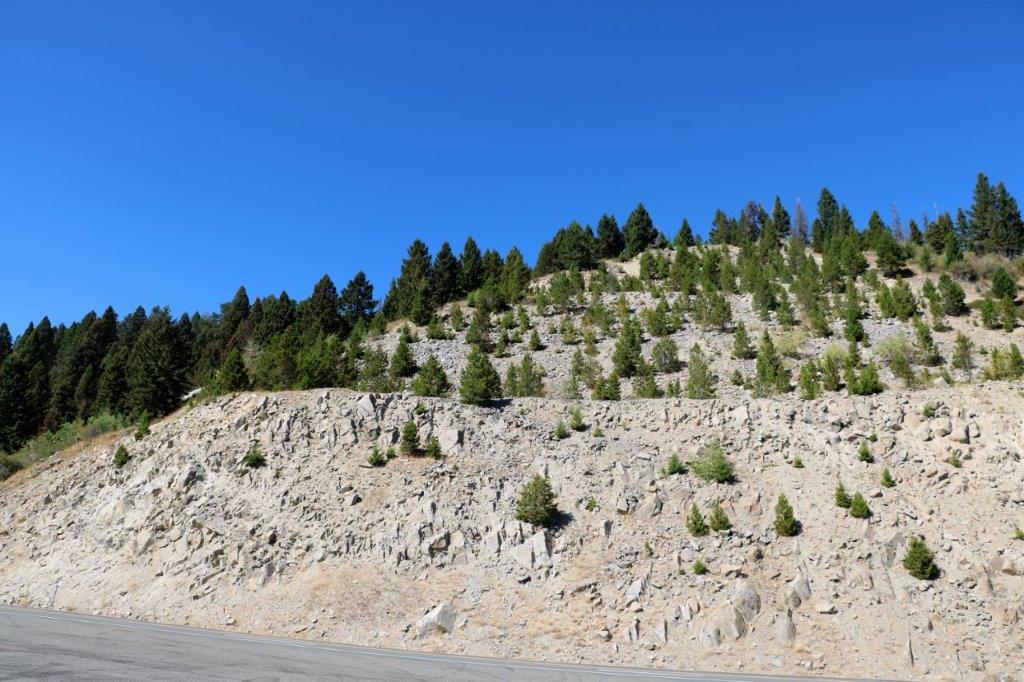
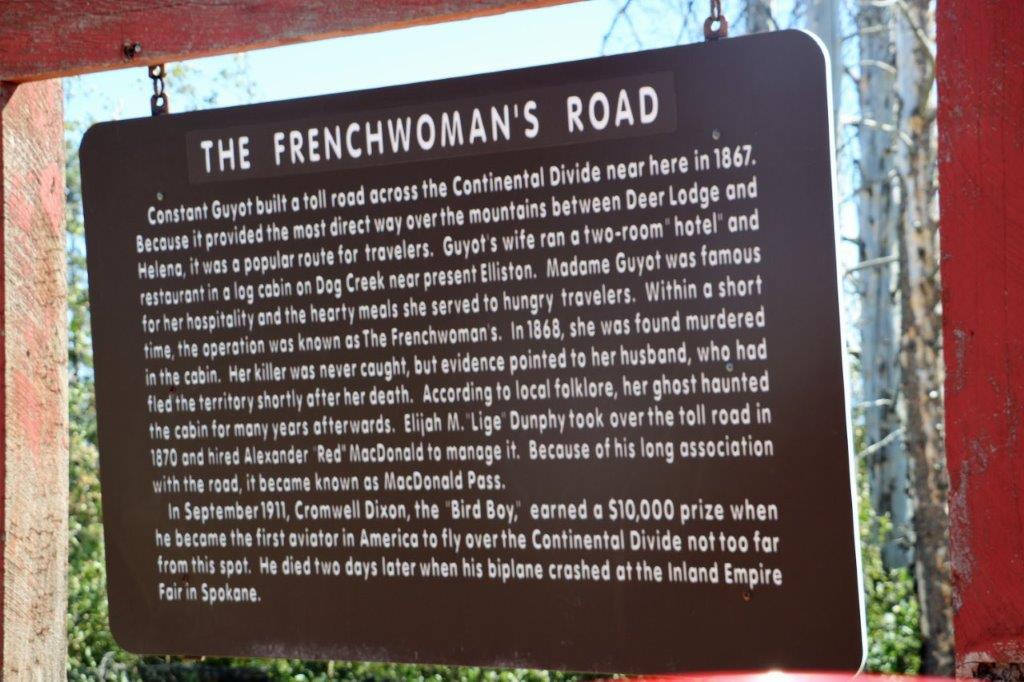
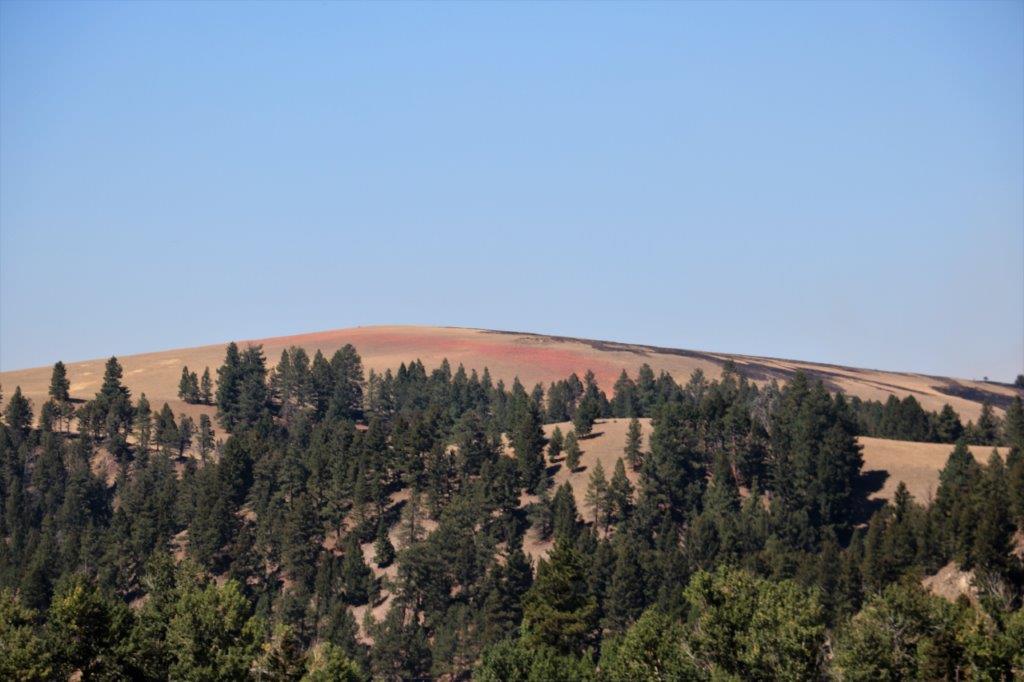
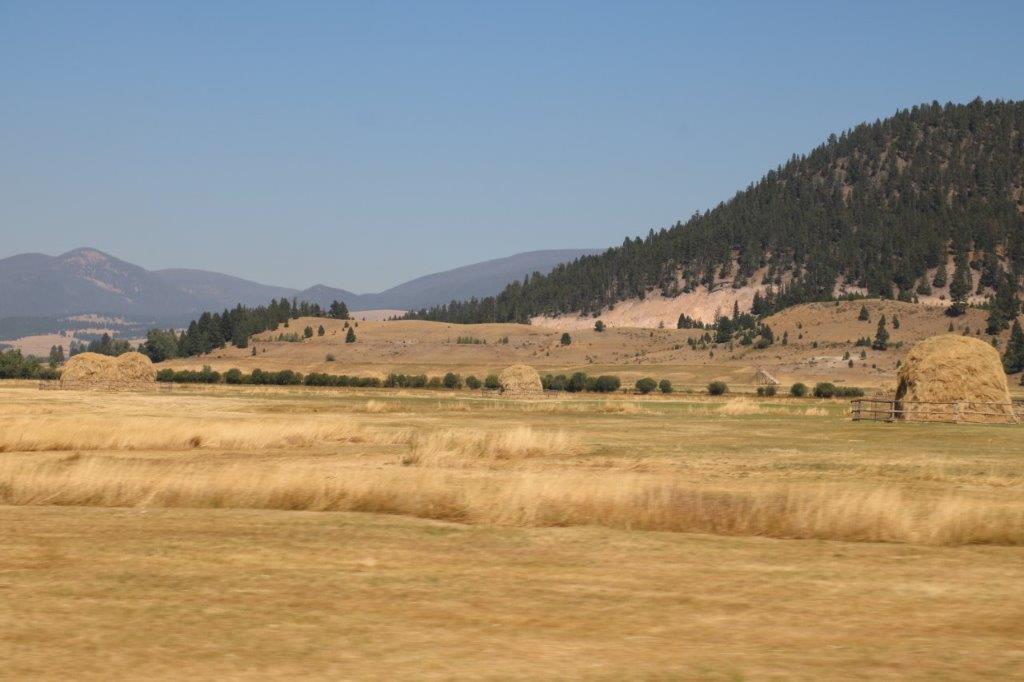
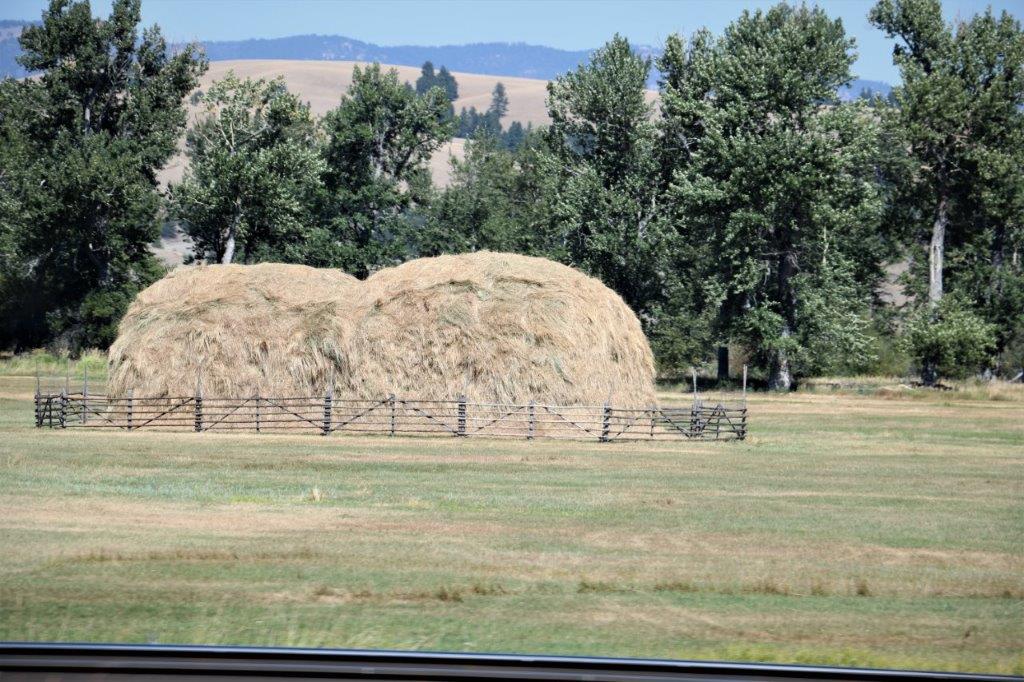
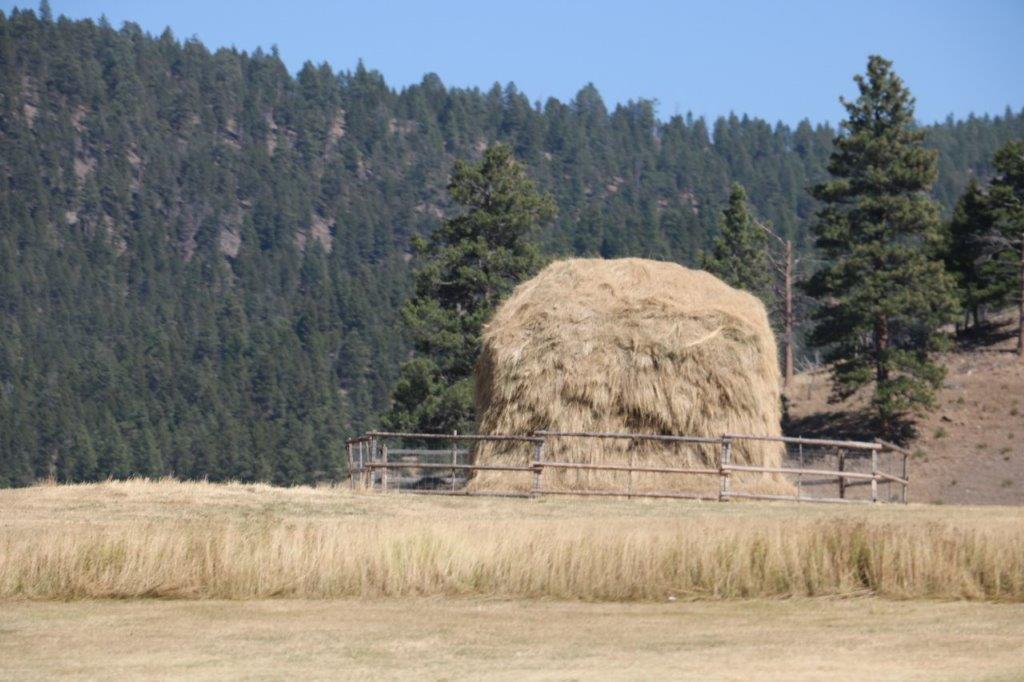
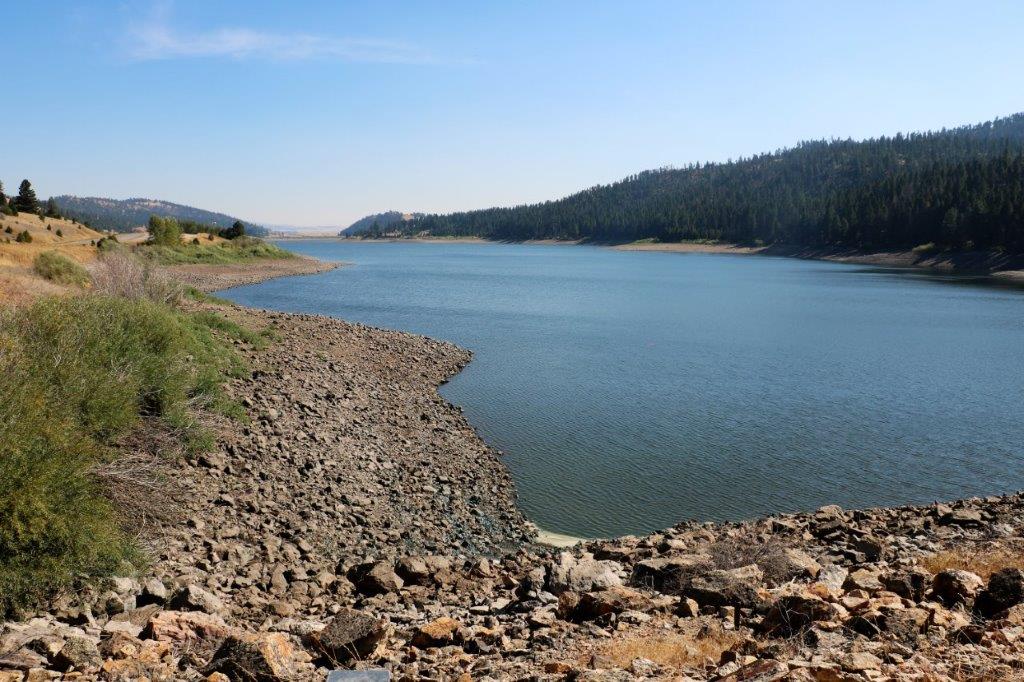
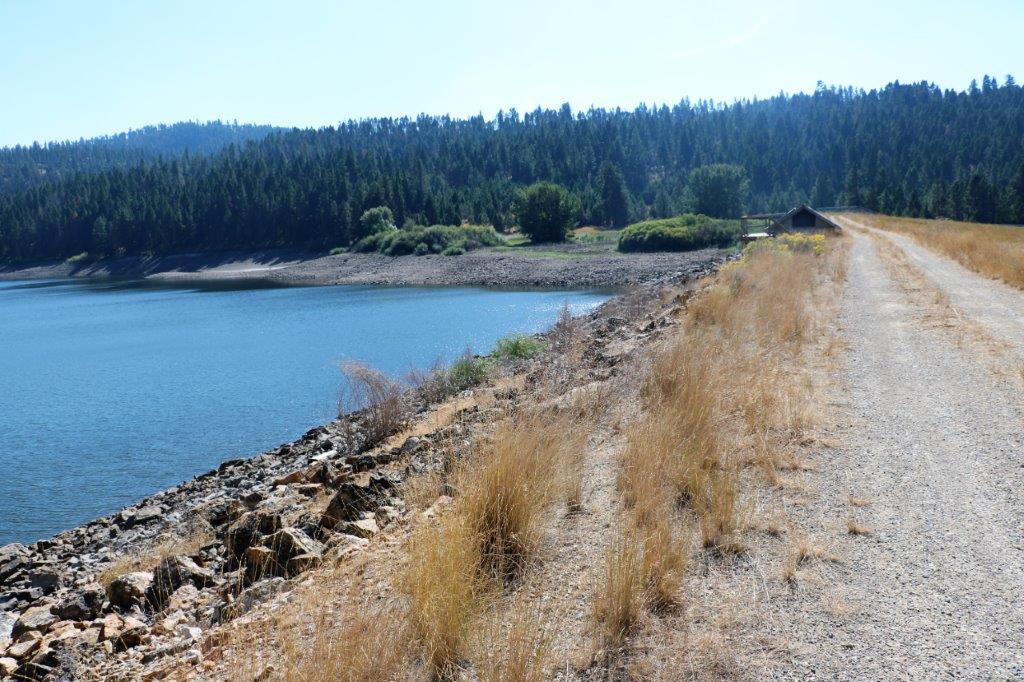
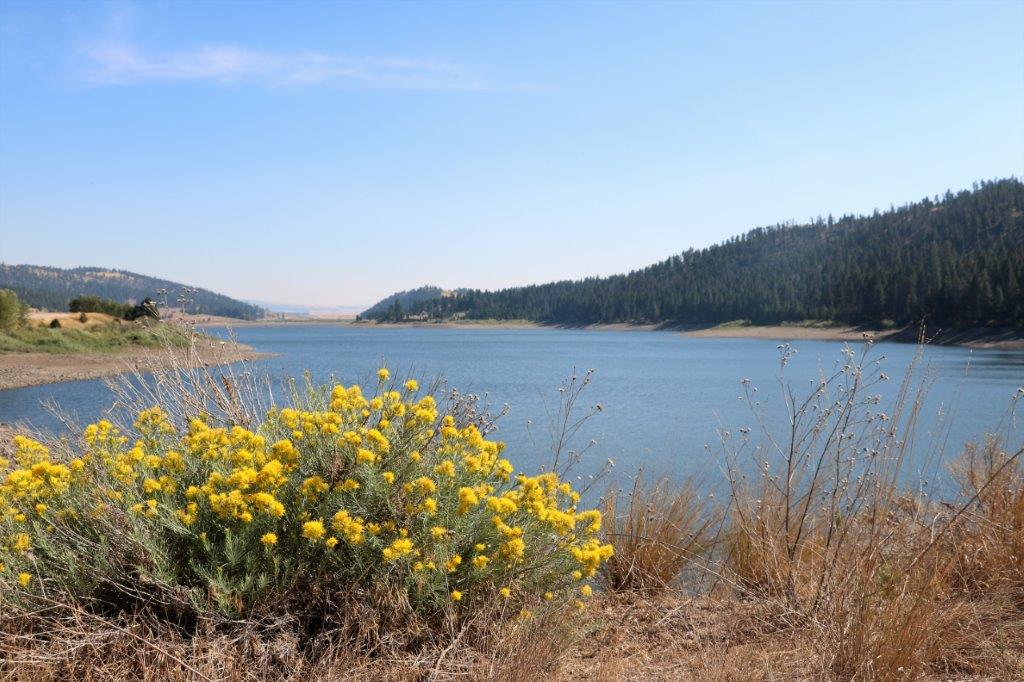
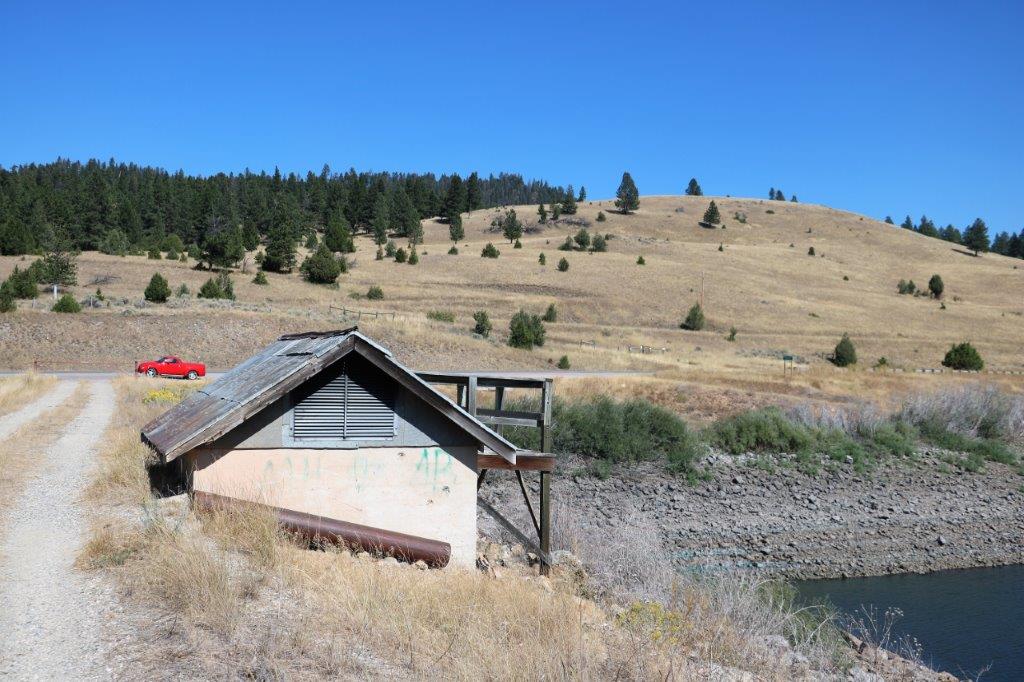
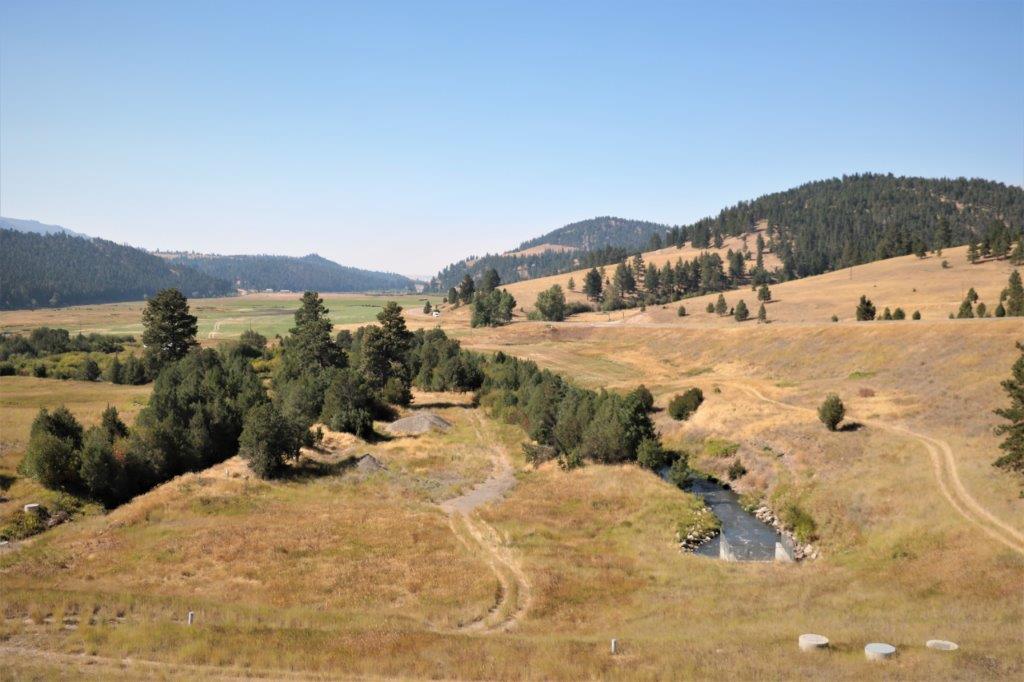
Our first cache was hidden at a boat launch at Toston Bridge.  Despite the smoke it was a pretty spot and this lady and her dog had a great place to sit and read. I liked the relief carved into Montana’s historical marker frames. We stopped here to also find a geocache which we assumed would be on or at the base of the sign.  My phone compass said it was off in the field behind the sign.  We looked near some rocks on the left with no luck and finally decided to see if it was indeed in the field.  Can you spot where it was hidden?The container was like a large peanut butter jar and it was buried in the earth right up to the bottom of the lid.  After you removed the rocks the lid was exposed and you could unscrew it to get the log paper to sign.We drove through MacDonald Pass and had a nice view at the summit. The historical sign below is interesting (especially the last bit):See the burn on the hill top? And the retardent?  We passed two other burns, both in the ditches right beside the road which show that they were started by cigarettes being tossed out a window.  Idiots! The fire hazard down here is extreme just like at home.  You can see in my photos how dry all the grasses are.Several large fields in one area had these huge haystacks.  There were also the big round bales, but we saw several dozen of these big stacks.   We don’t know if they are hand thrown or if this apparatus is used to make them. There was a cache overlooking Nevada Lake at one end and another one on top of the dam at the other end. The cache container was tucked behind a rock under the big pipe.

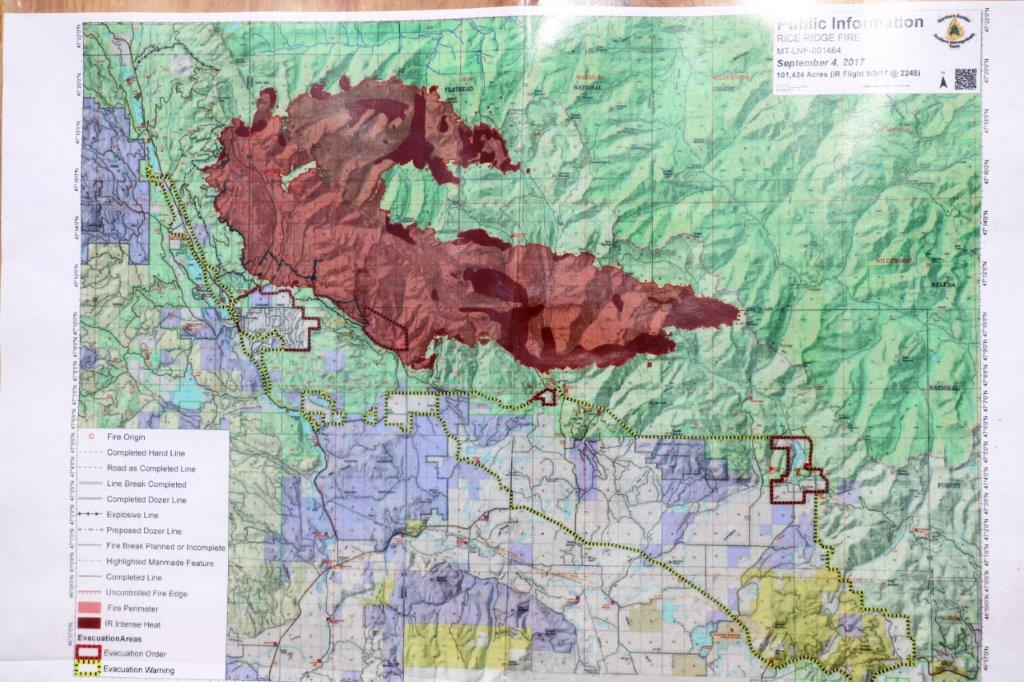
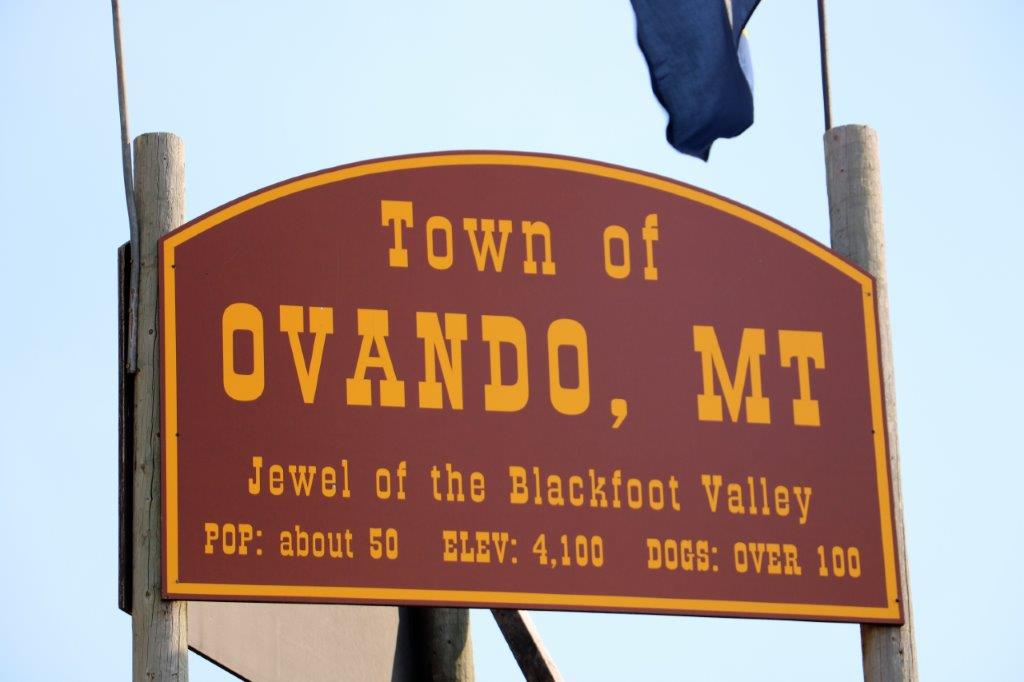
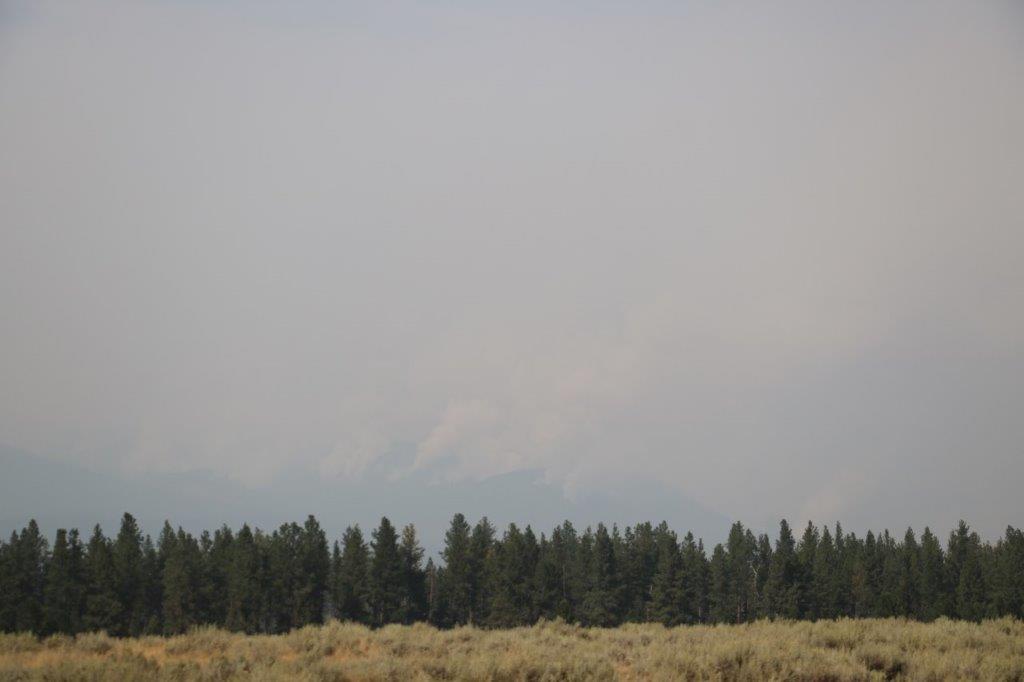
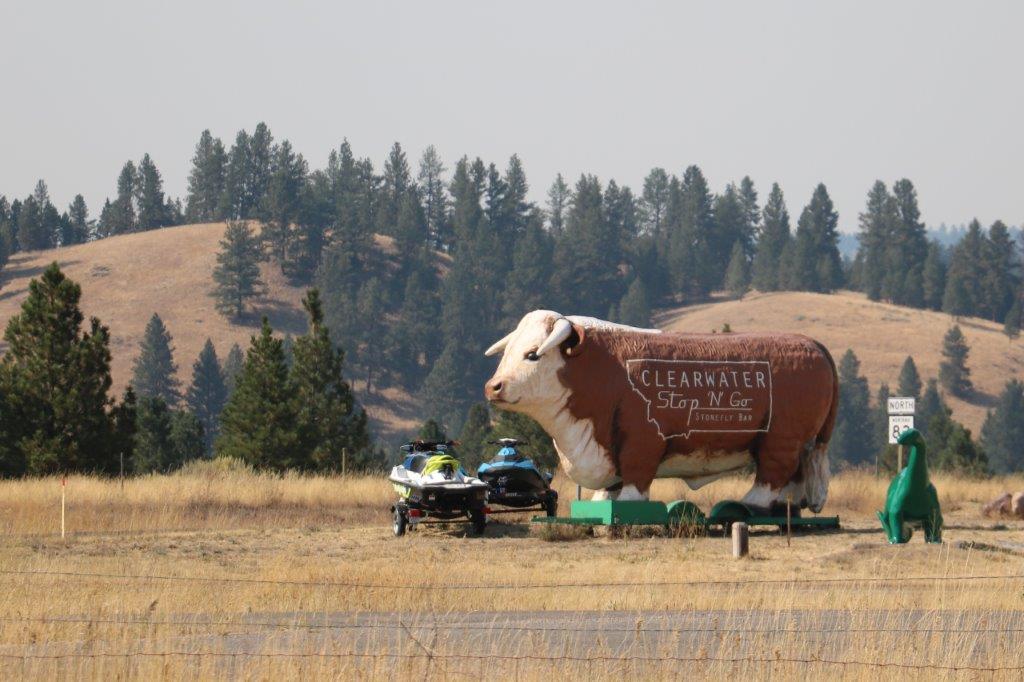
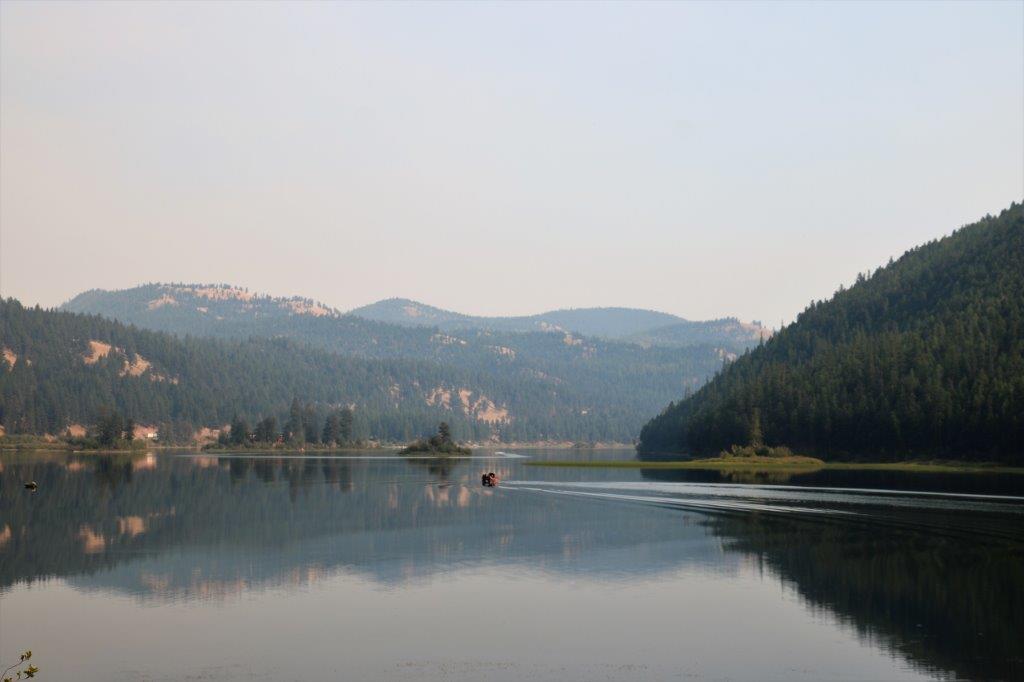
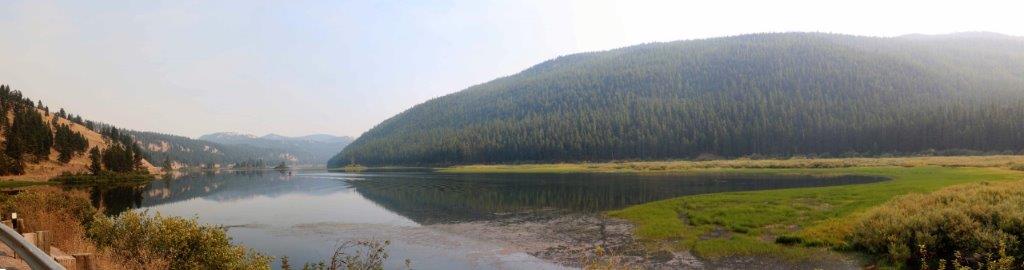
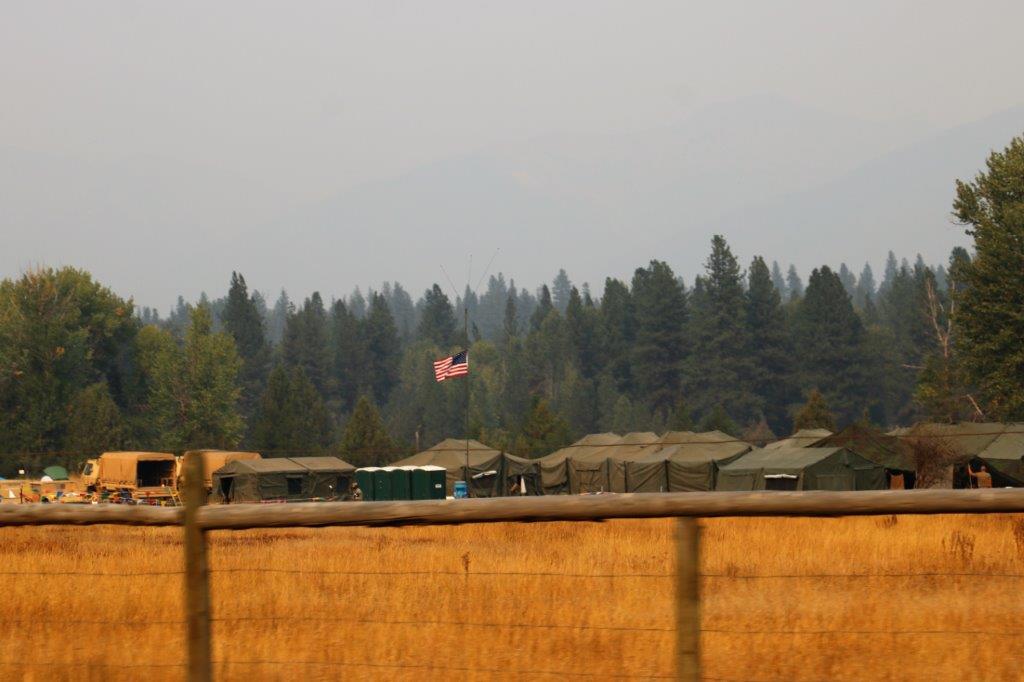
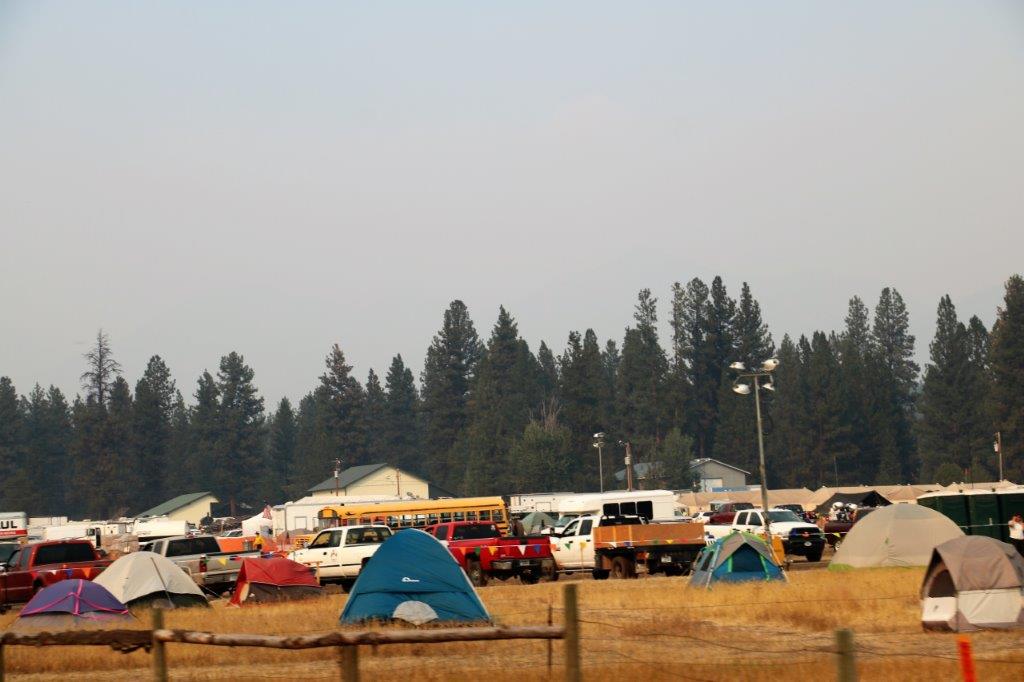
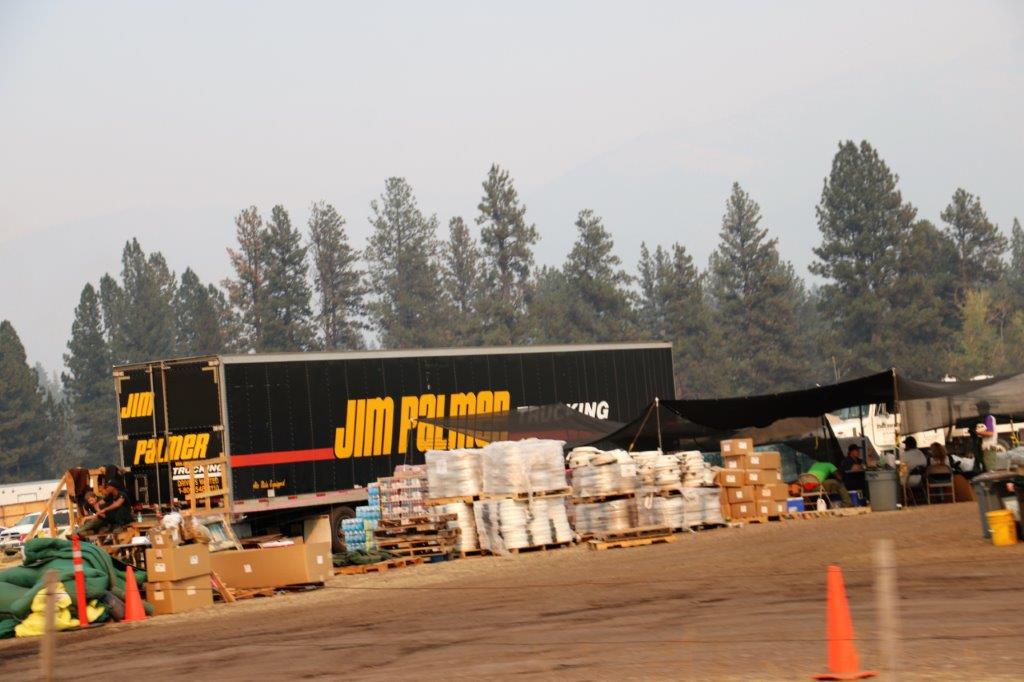
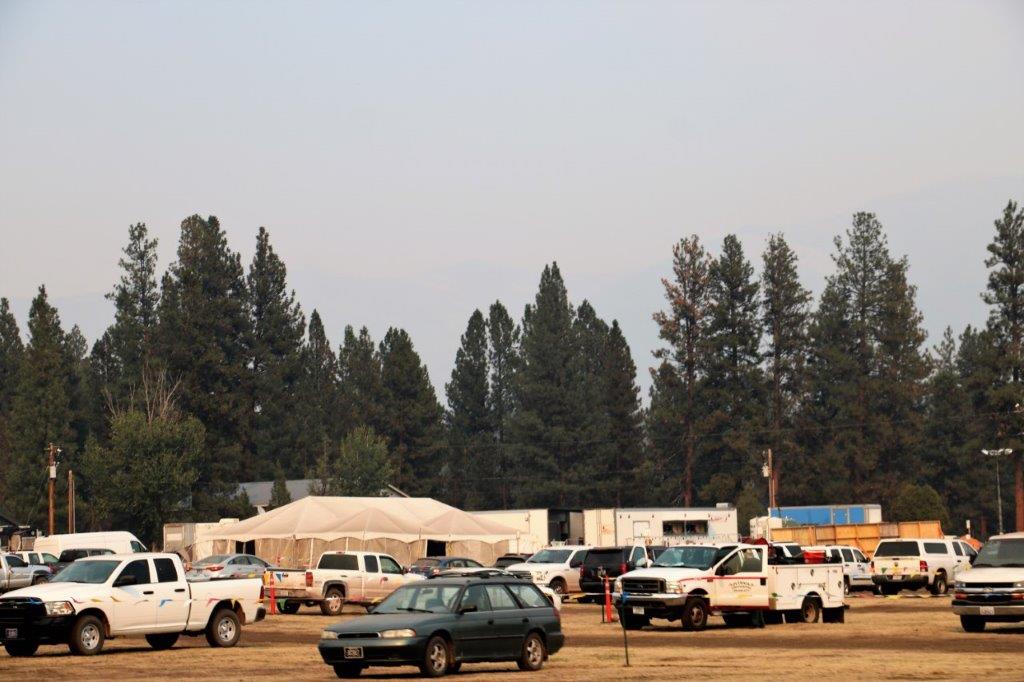
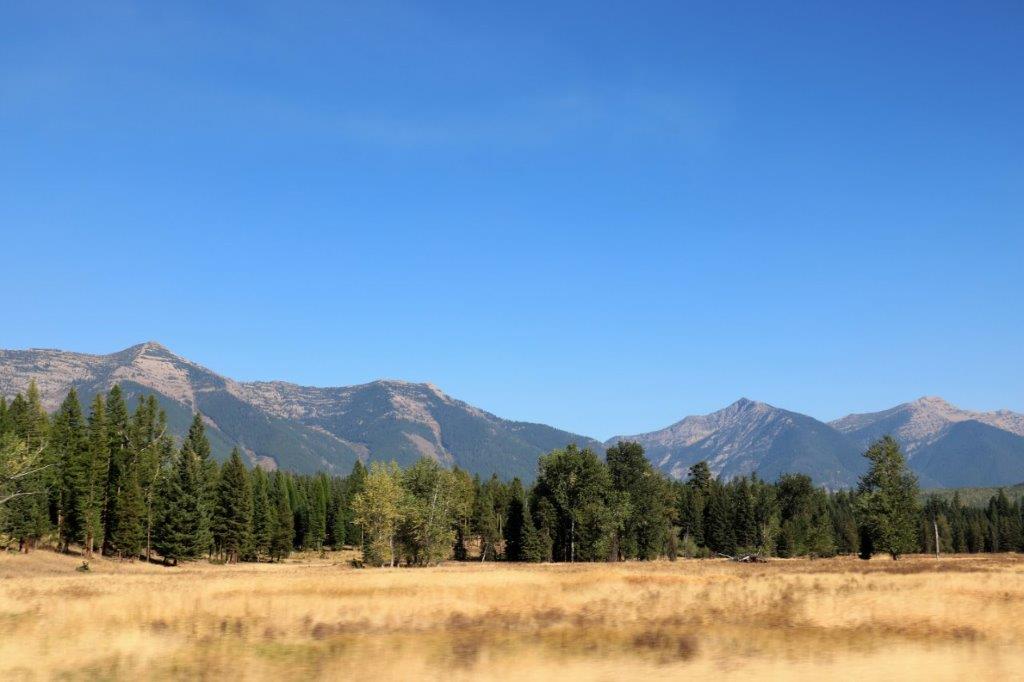
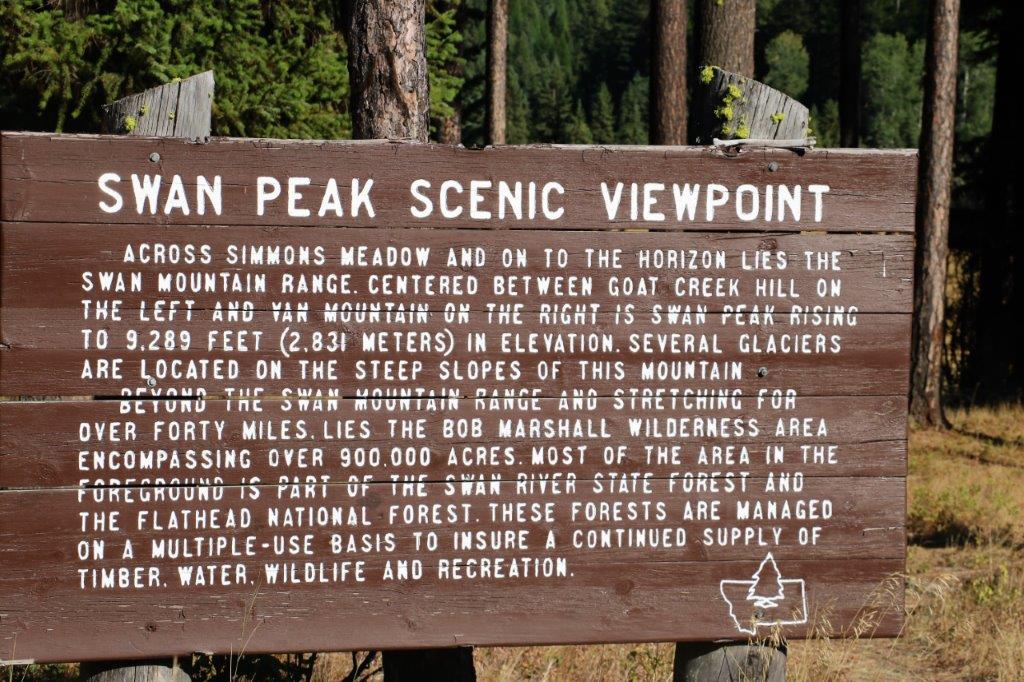
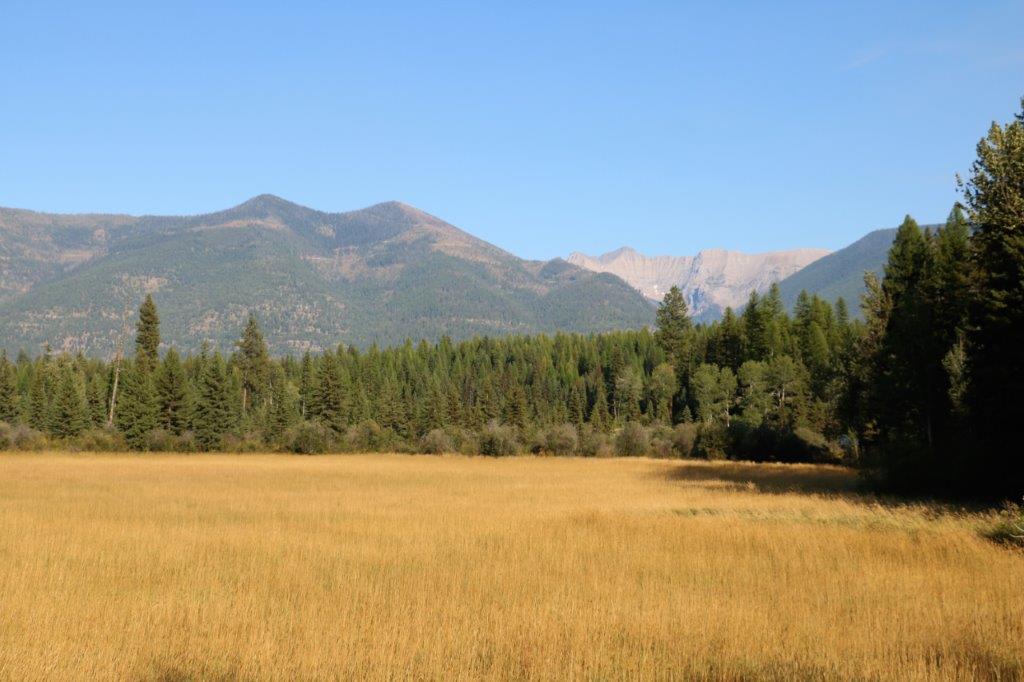
The lower side of the dam was just a small outlet making a stream through the field.We stopped at another historical sign and beside it was a fire status information board.  One of the pages showed the fire, called the Rice Ridge Fire, which, on Sept. 4 was 101,424 acres.Take note of the population details on the town of Ovando sign.Our route on Highway 83 took us right past the burning area.  It is hard to see with all the covering smoke but if you look closely you can make out plumes rising from the forest on the hill.  We had 35 mph speed limit for quite a few miles and there were portable water tanks set up in the yard of every house that could be used for sprinkler protection if the fire came over the hill.  We also passed signs regarding staging areas.  Seeley Lake was looking pretty and there were a couple of boaters having a good day. The community of Seeley is the staging area for the firefighters.  I snapped a bunch of photos as we went by but they were taken without looking through the viewfinder so I didn’t get good shots to show how large the command center and rest area was. There were dozens and dozens of small tents for the firefighters to sleep in. Once we were north of the fire area the sky cleared and I was able to take my mask off.  By then we only had about 70 miles to get to Kalispell. (We traveled about 290 miles today so I was not mask free for very long.) There was a cache – our final find of the day – hidden off in the bush inside an old abandoned outhouse.  How do people find these places anyway? We arrived in Kalispell at 6 pm and, once again, our hotel has a restaurant so we did not need to go out after checking in.  Tomorrow we cross the border into Canada and the next day we should be home.  So…this will be my final blog post since all the rest of the journey is familiar territory.  Thanks for riding along with us.

And John achieved his goal of finding geocaches in 16 new states.  As a matter of fact, tomorrow we will go into Idaho which was not originally part of our route plan, and that will give him a bonus state, making it 17.  We will then have found geocaches in 25 of the US states – that is halfway.  We are just over halfway at 6 out of 10 Canadian provinces.  We may just get them all yet.

2017 Sept 10 – Cody, WY to Bozeman, MT

We woke to cloudy skies and wind in Cody and had some rain as we drove west toward Yellowstone National Park.  It didn’t last too long and by noon we had quite a nice mixed sun and cloud day.  The temperature even got back into the warm range.

We had spent several days in Yellowstone in 2010 and I would have loved to go to all the basins and geyers again but we do have to get home some day – unfortunately – so we decided that we would make some stops but principally drive through.  We were not geocaching when we were here before either.  No actual geocache containers are allowed to be hidden in Canadian or American National Parks, so people find Earth caches and Virtual caches instead.  Both of these cache types are informational and you must send in answers to questions or a photo to prove you were at the site before you can log the cache as found.

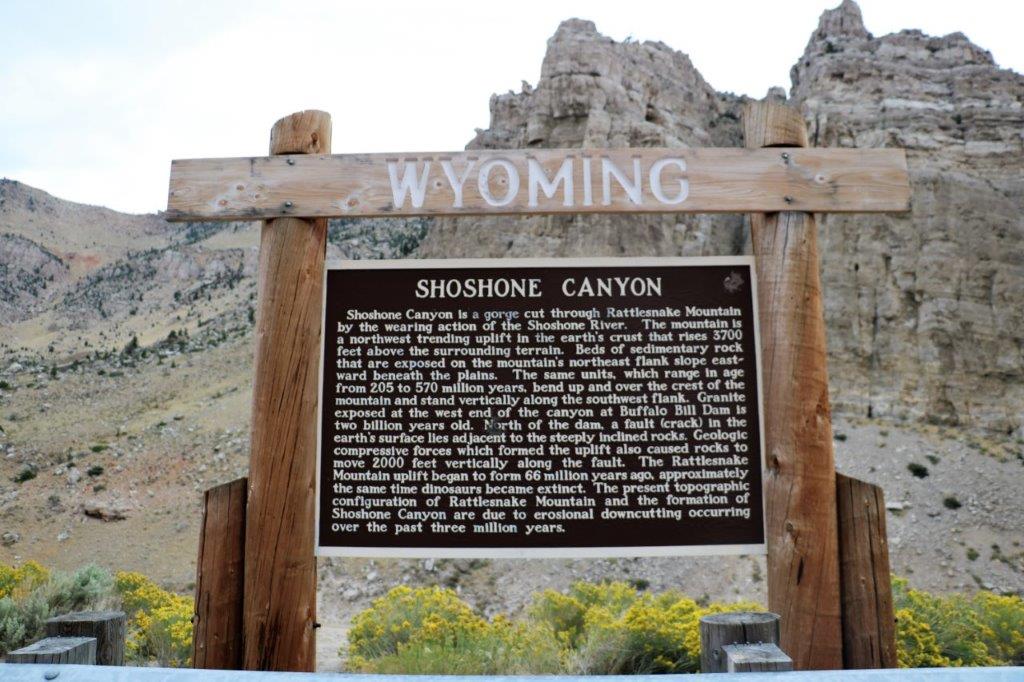
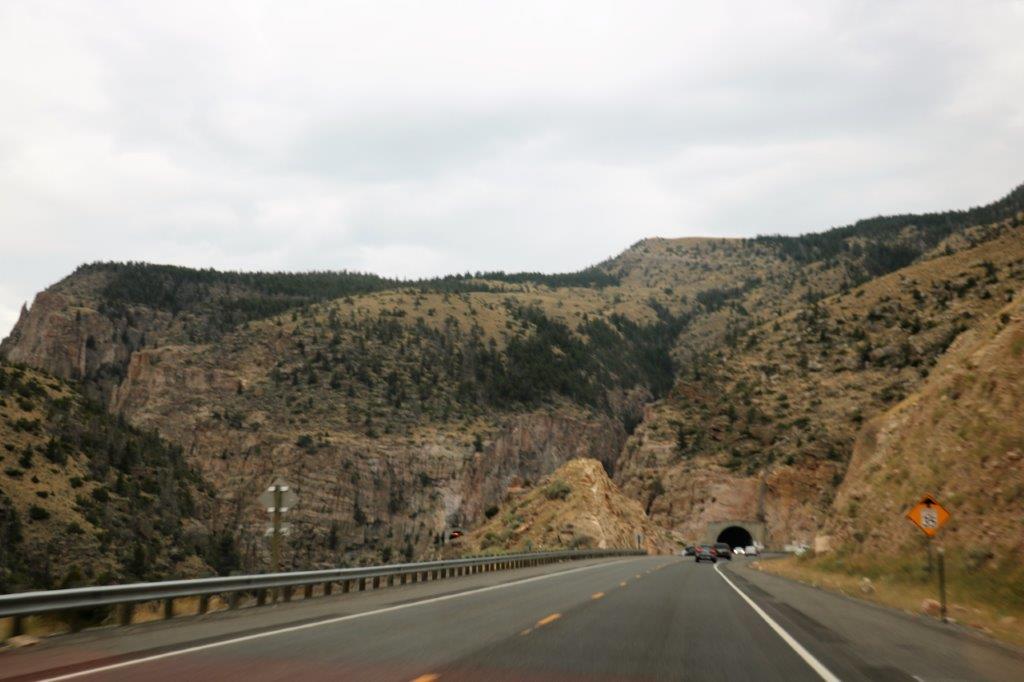
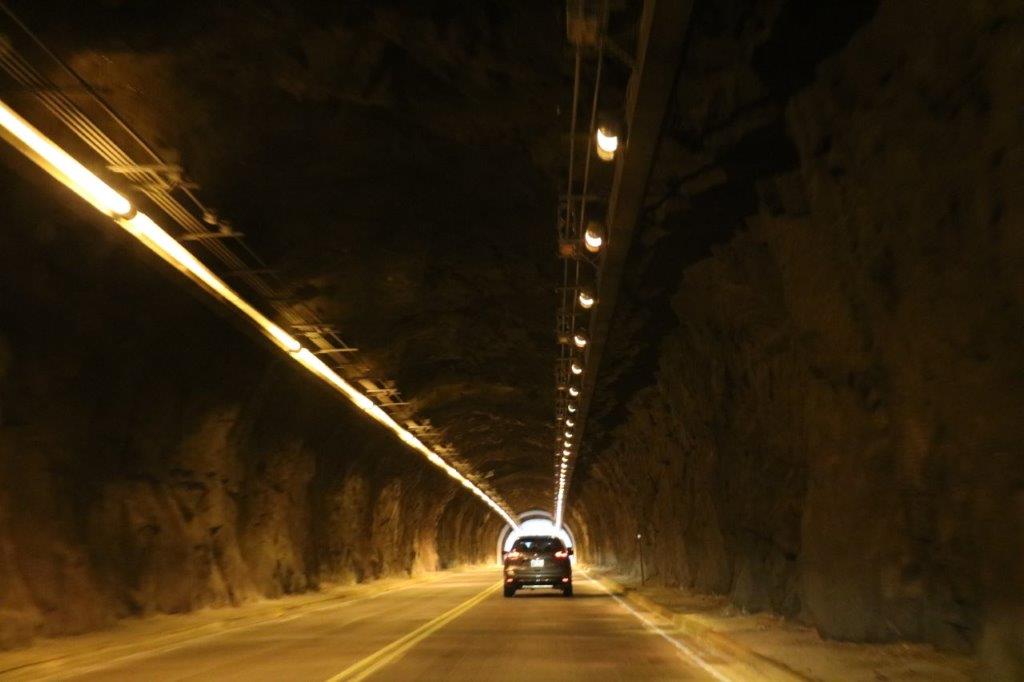
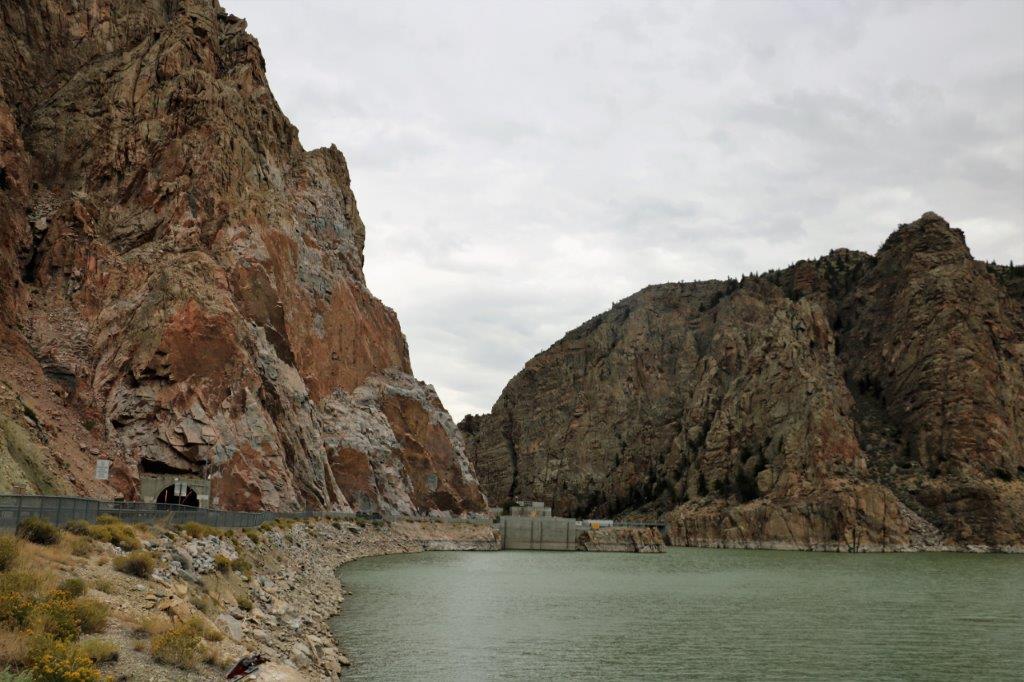
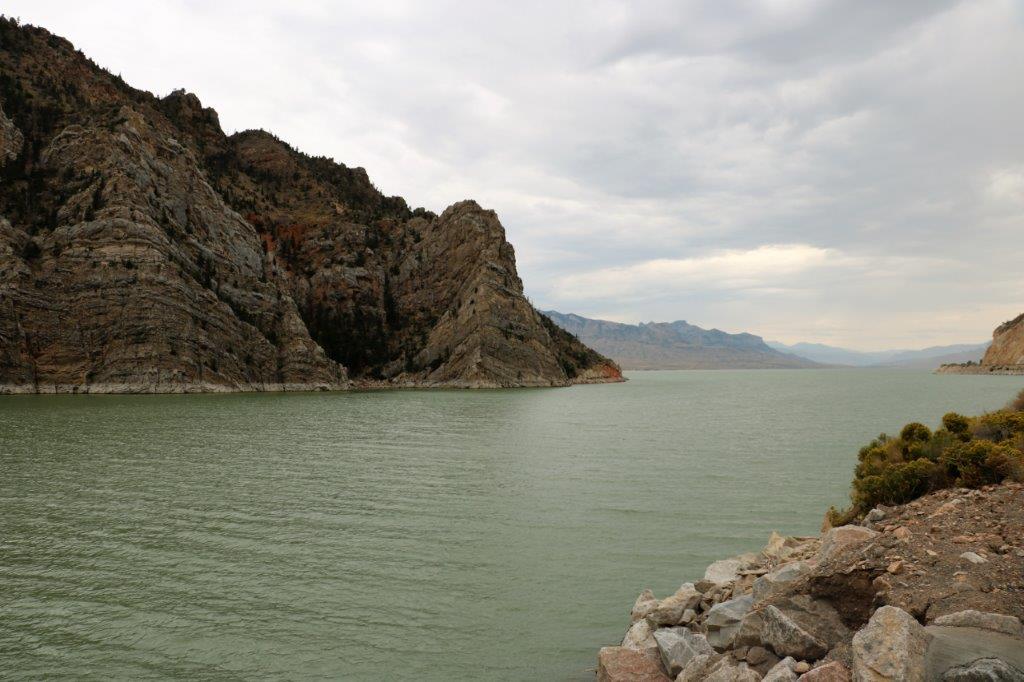
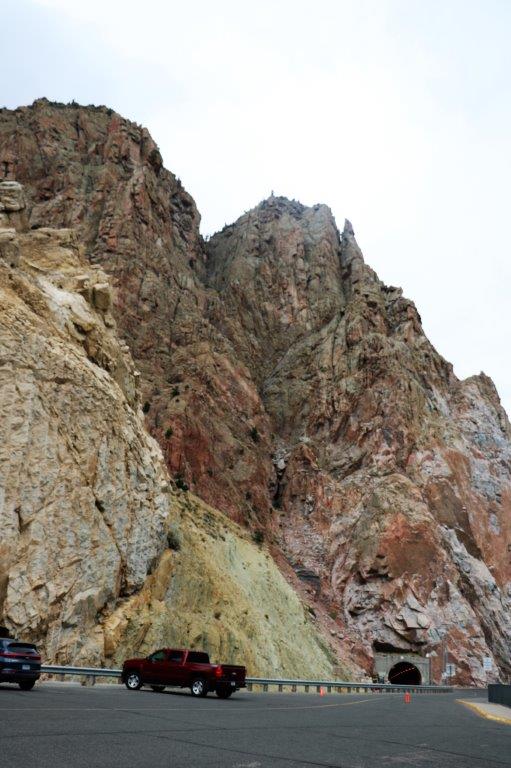
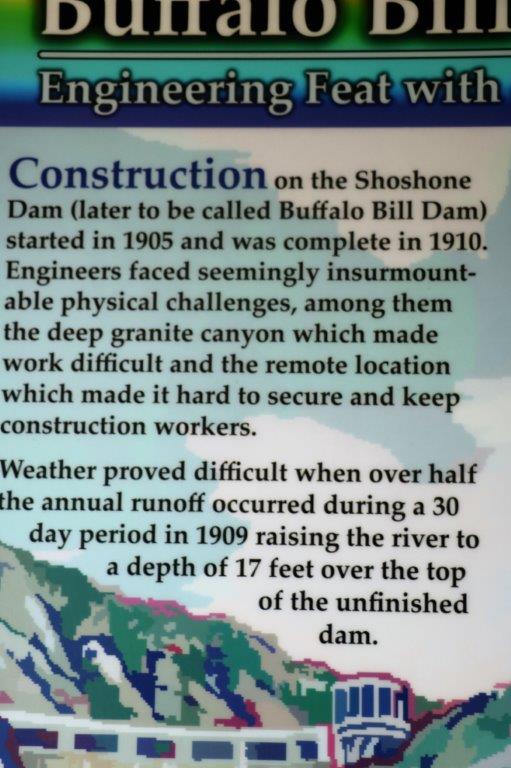
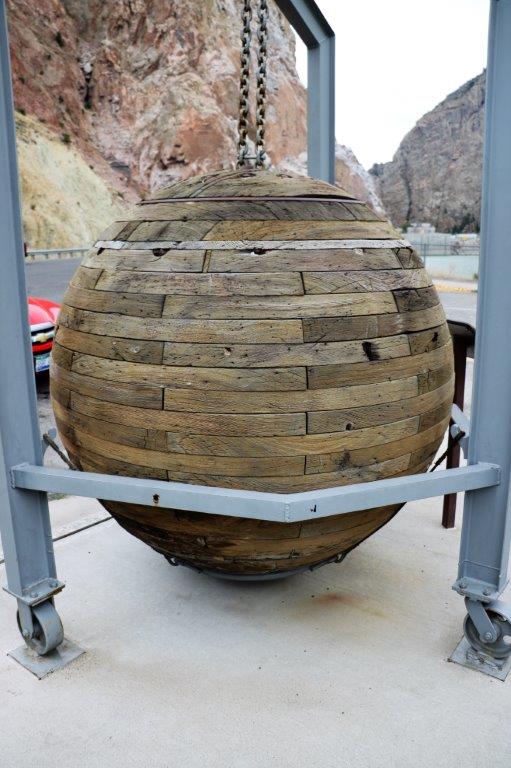
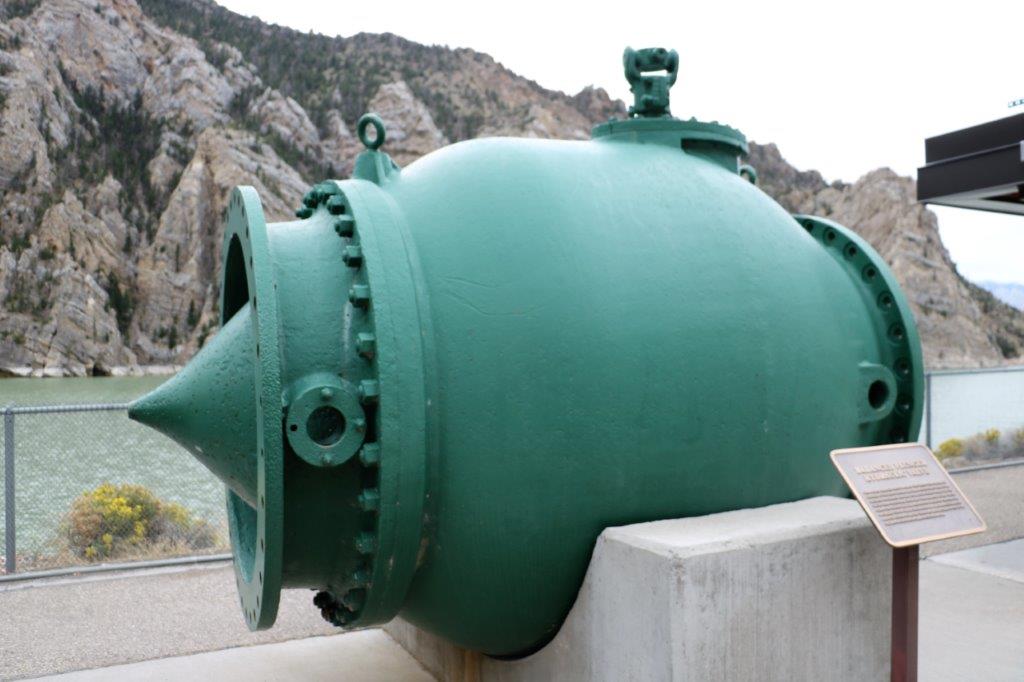
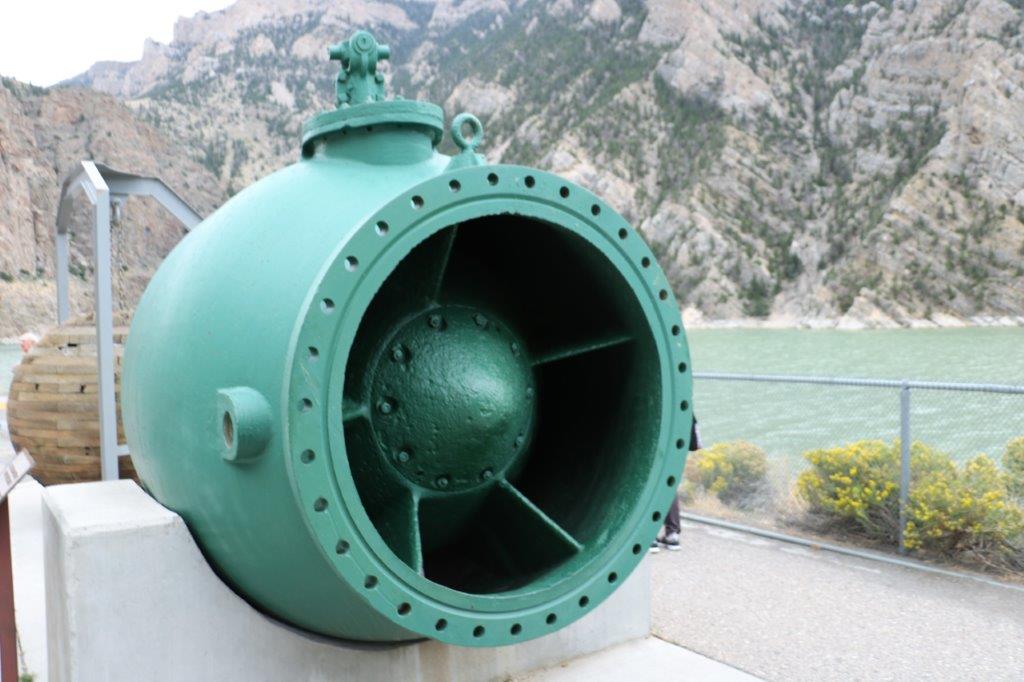
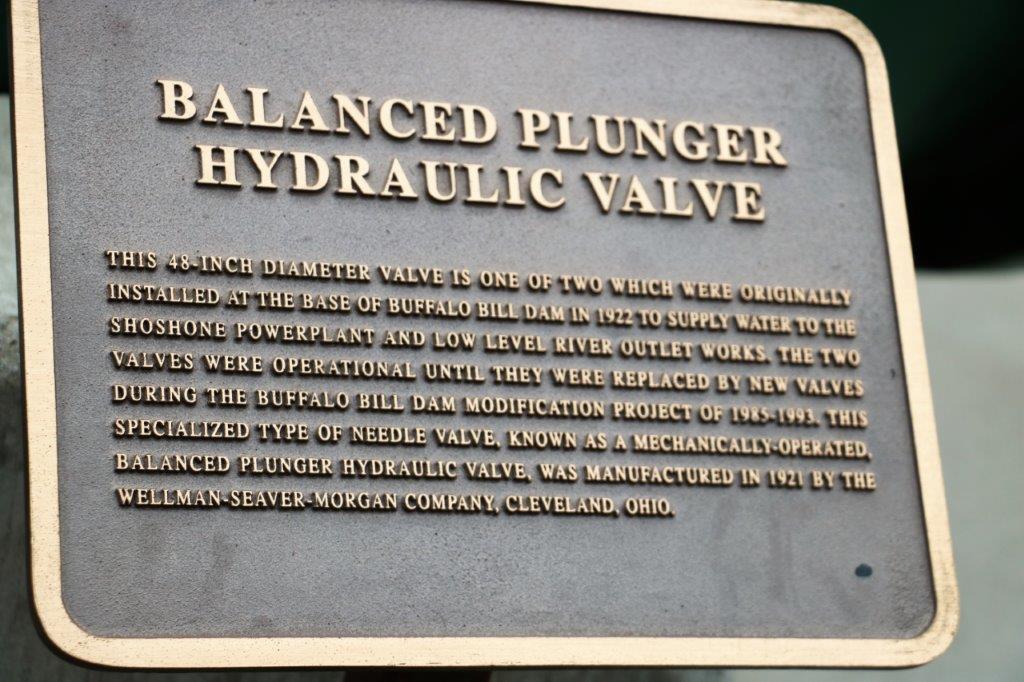
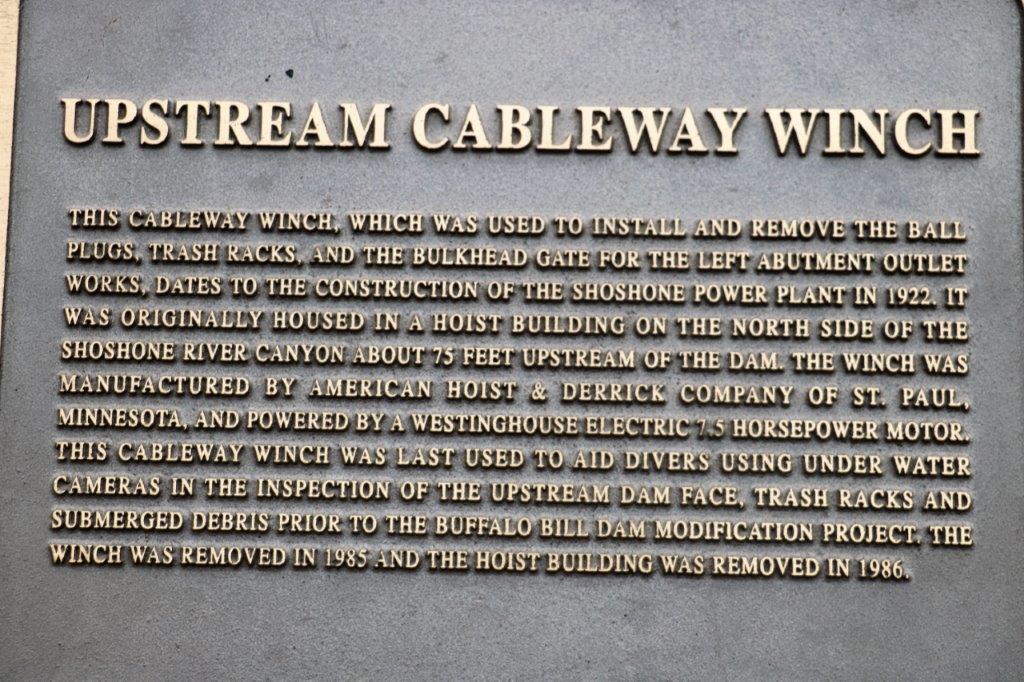
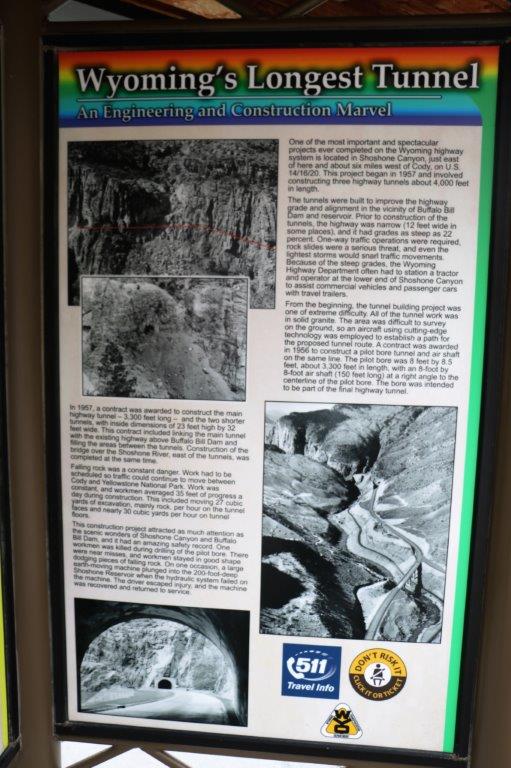
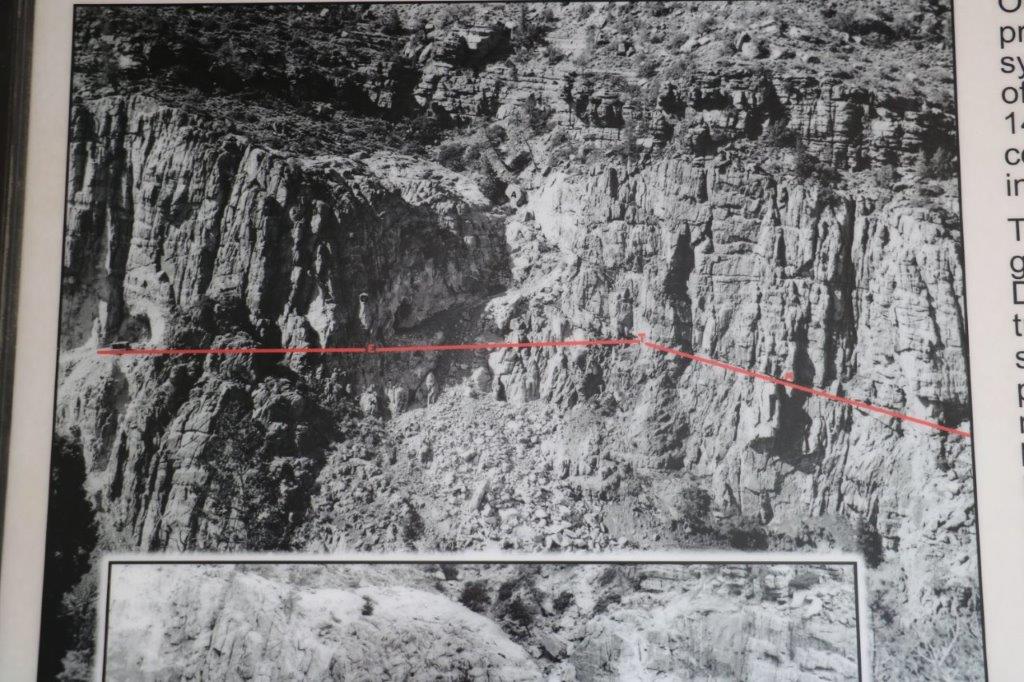
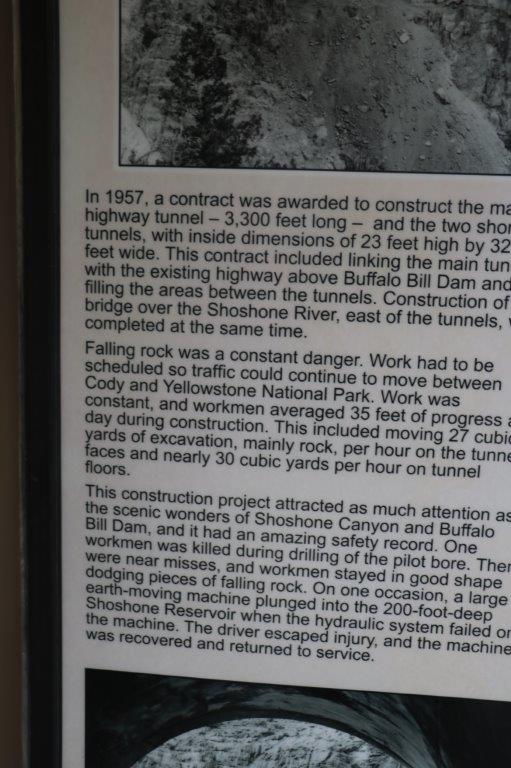
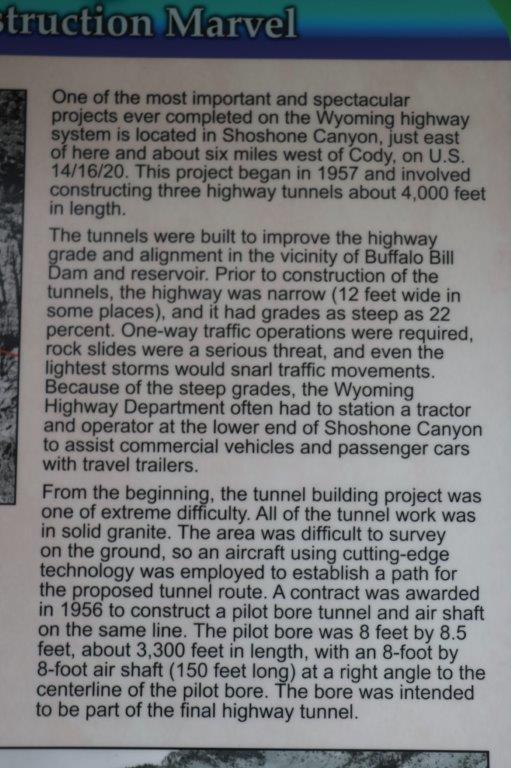
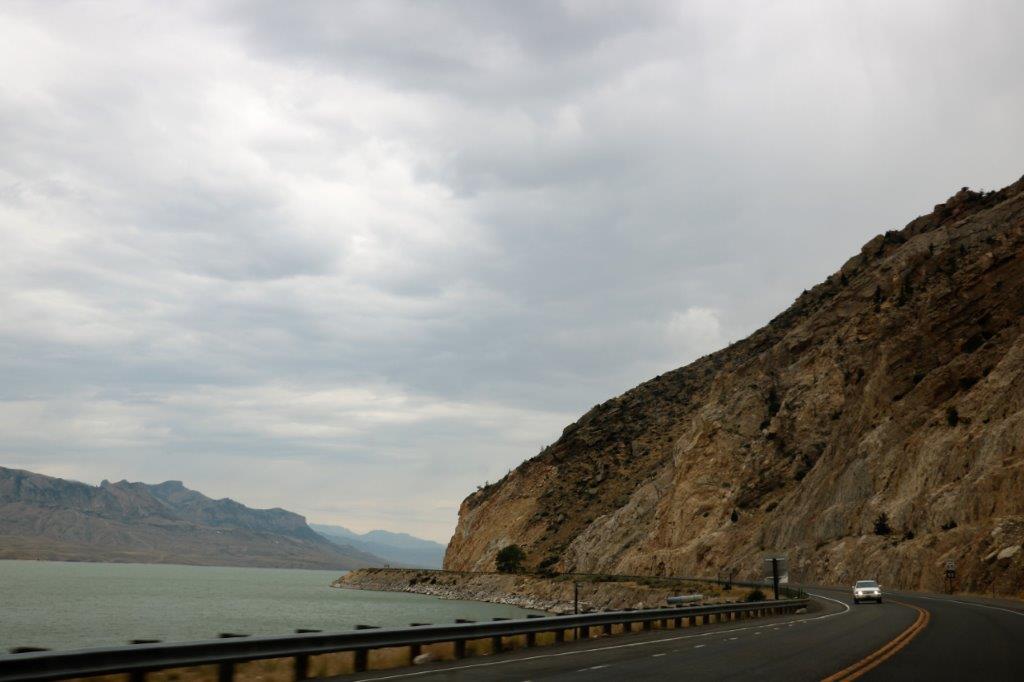
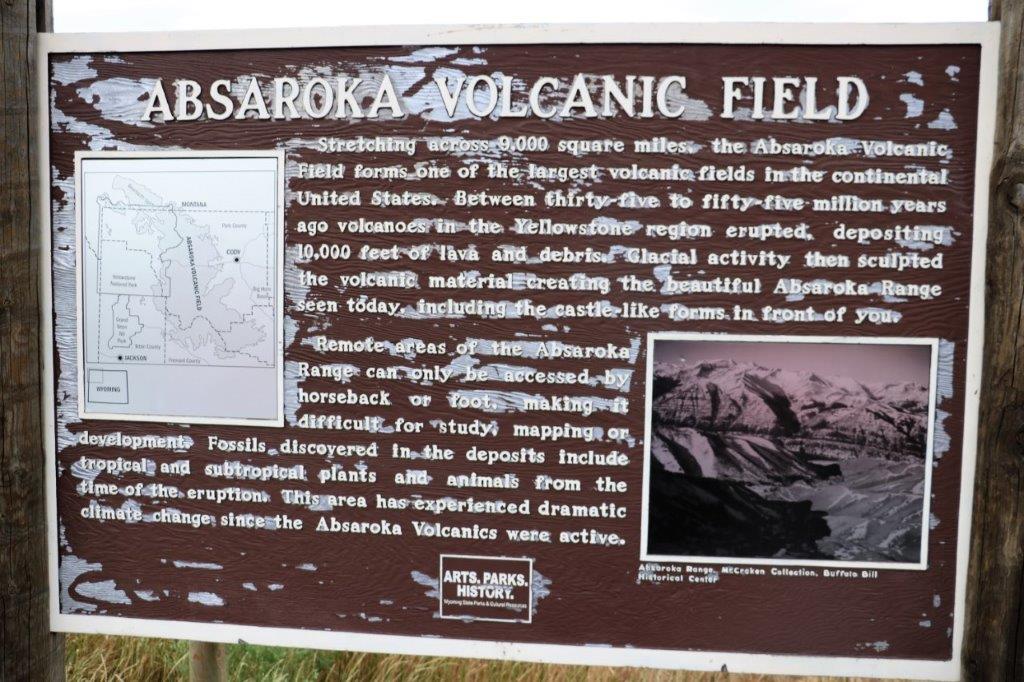
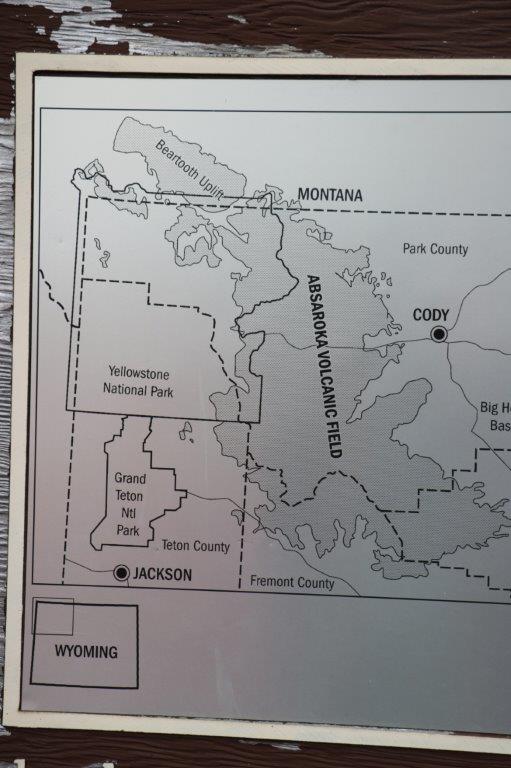
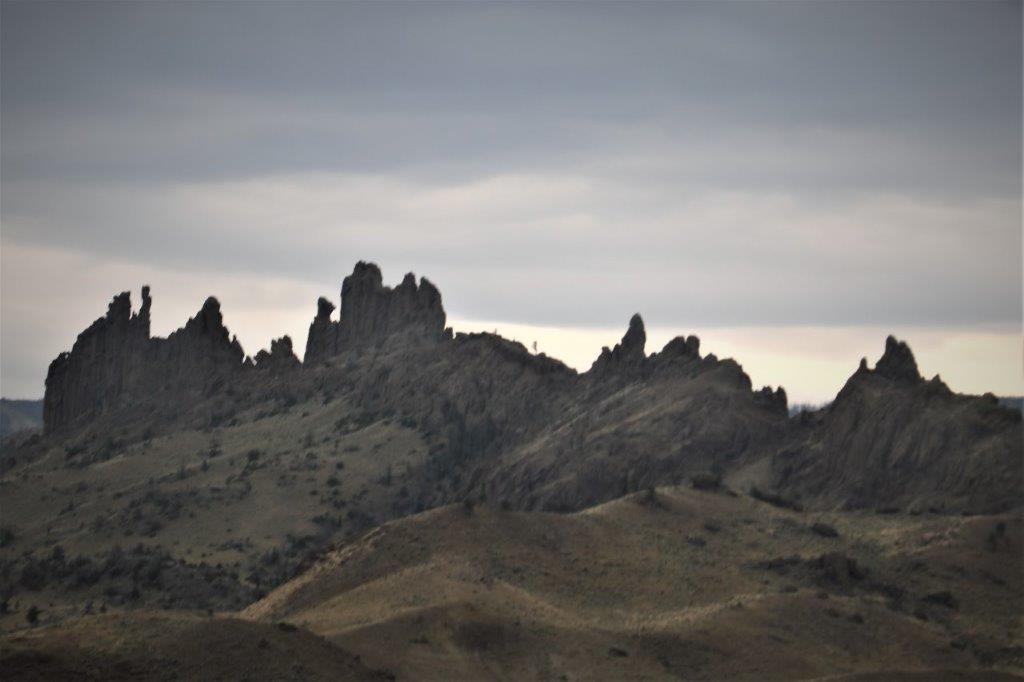
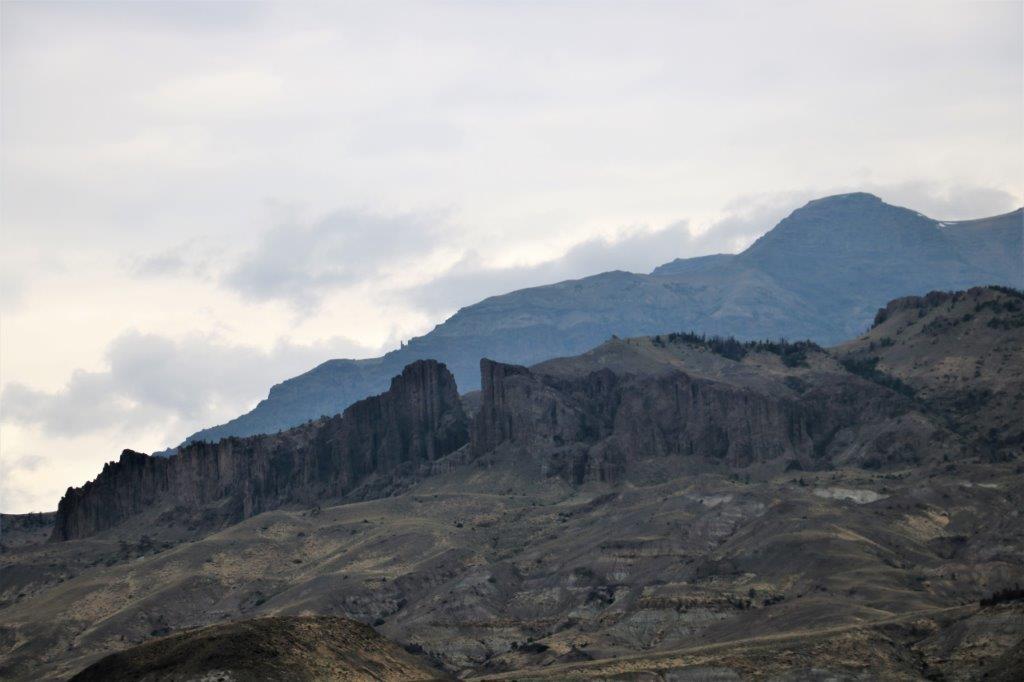
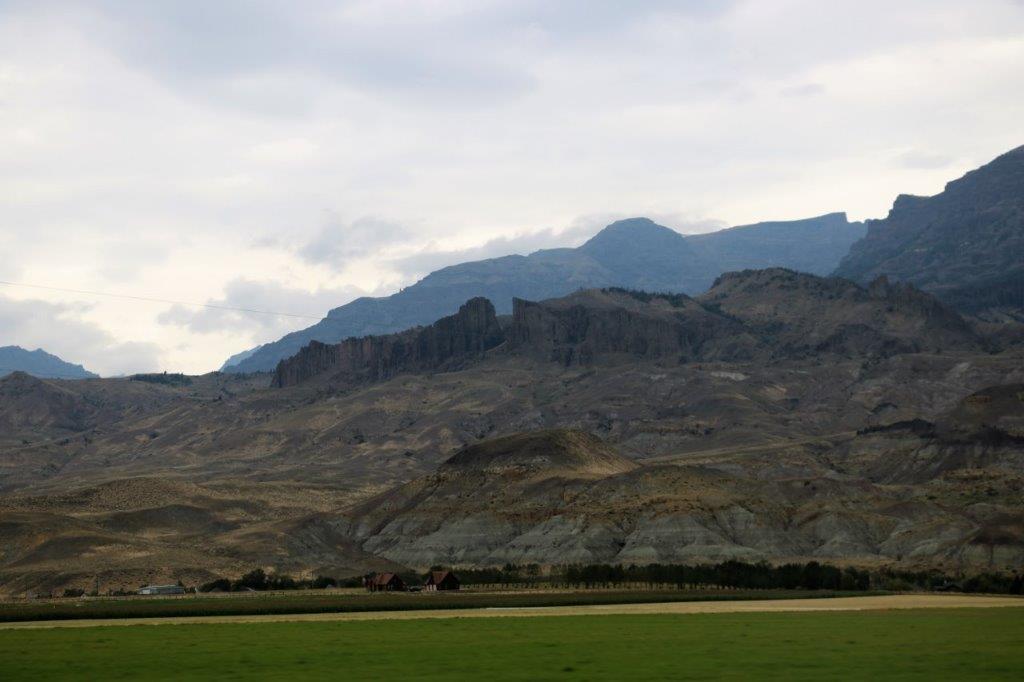
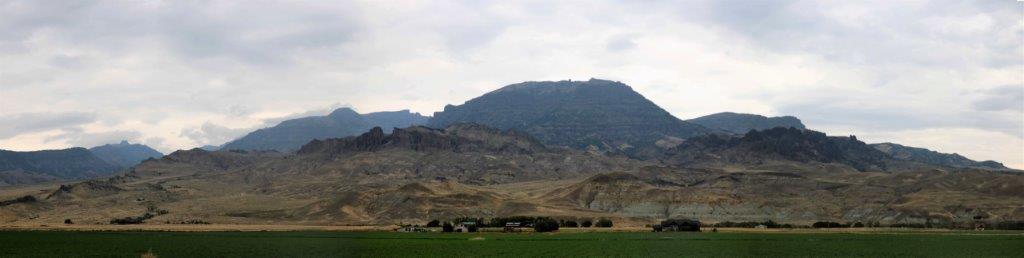
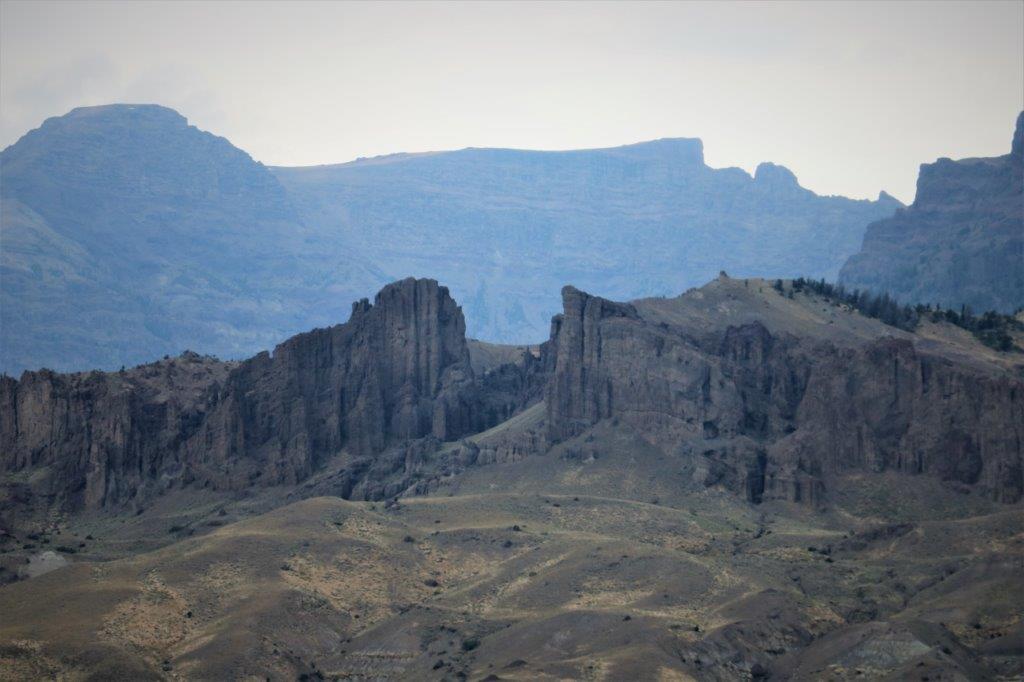
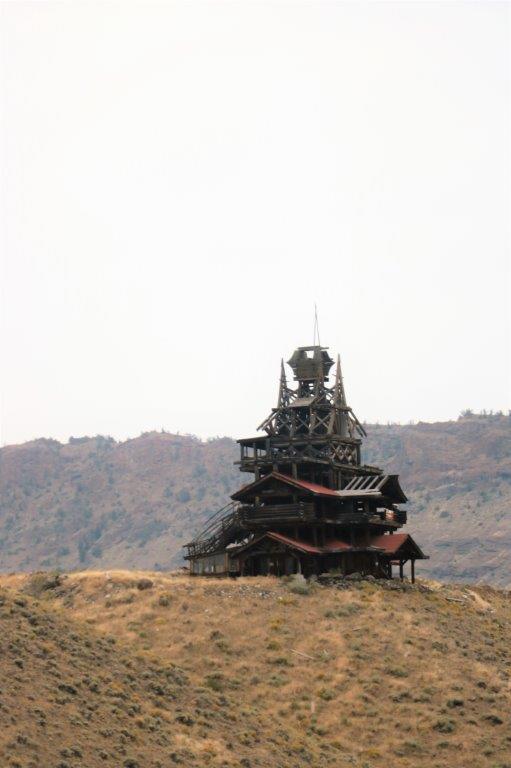
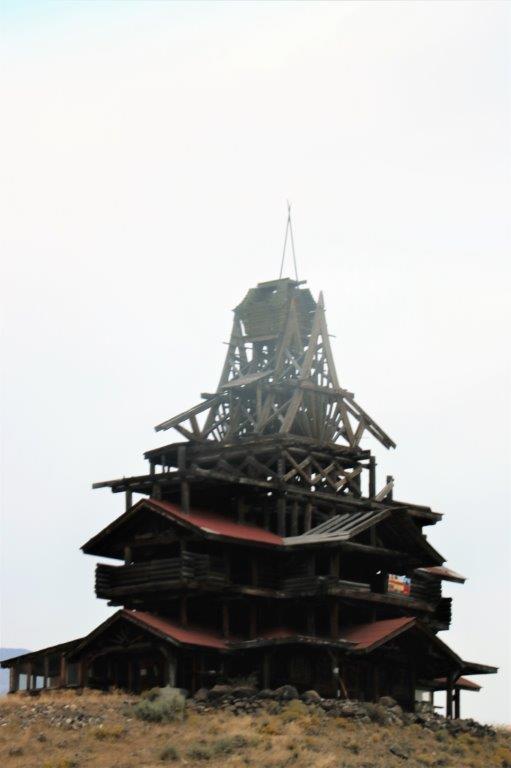
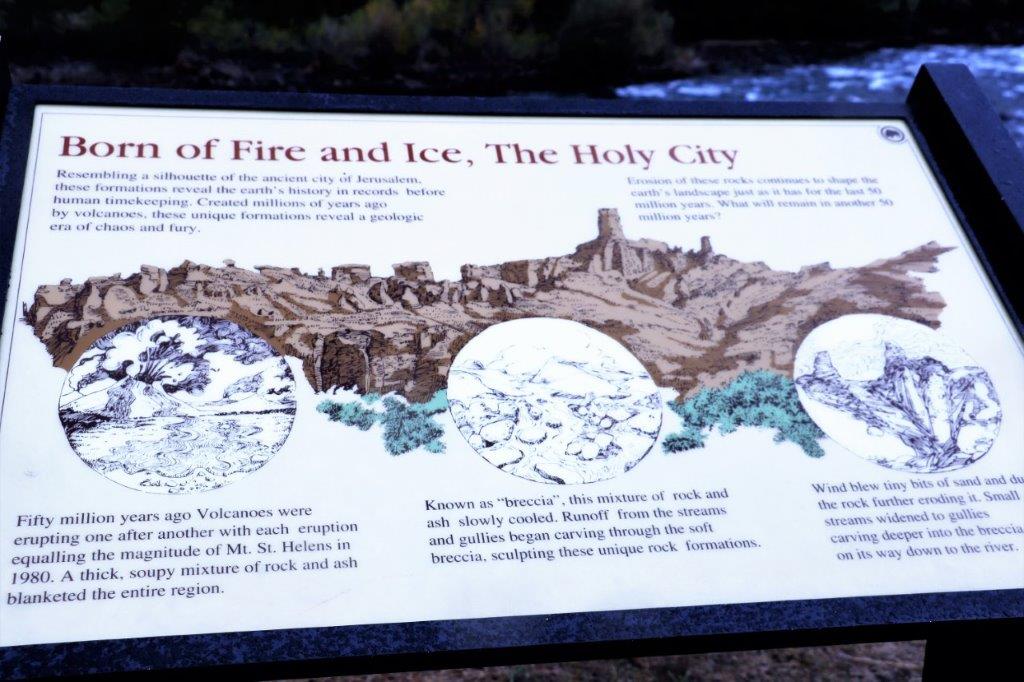
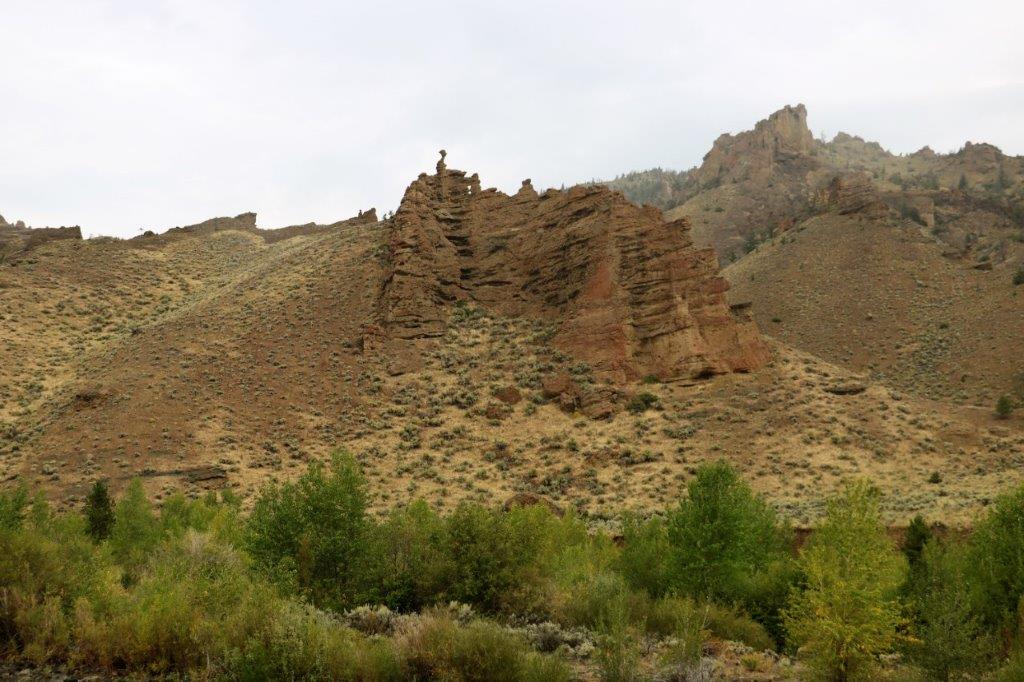
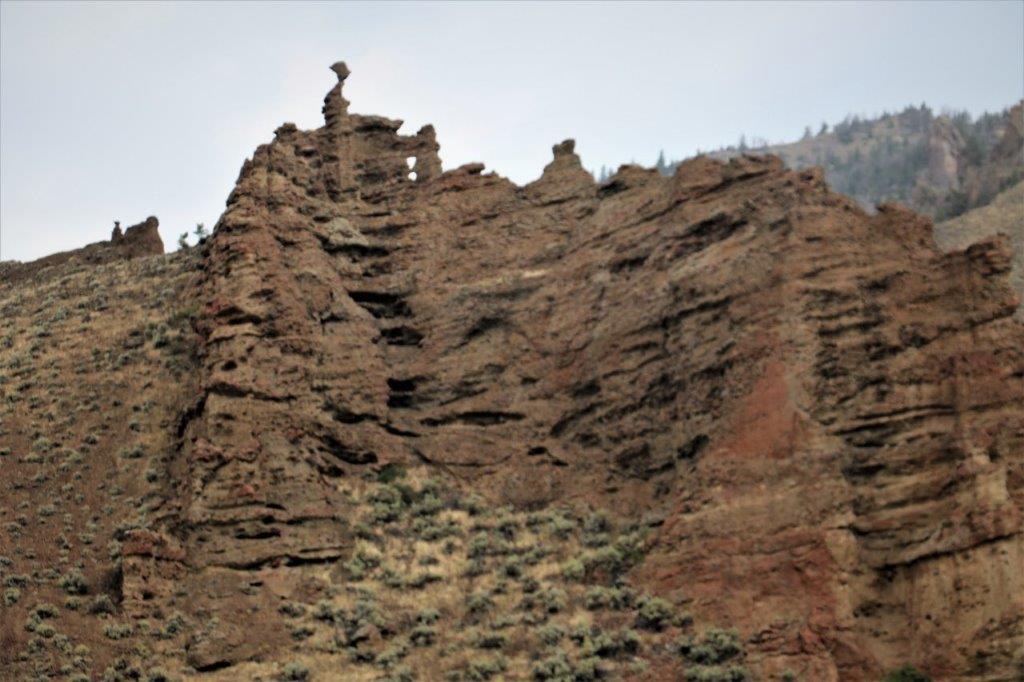
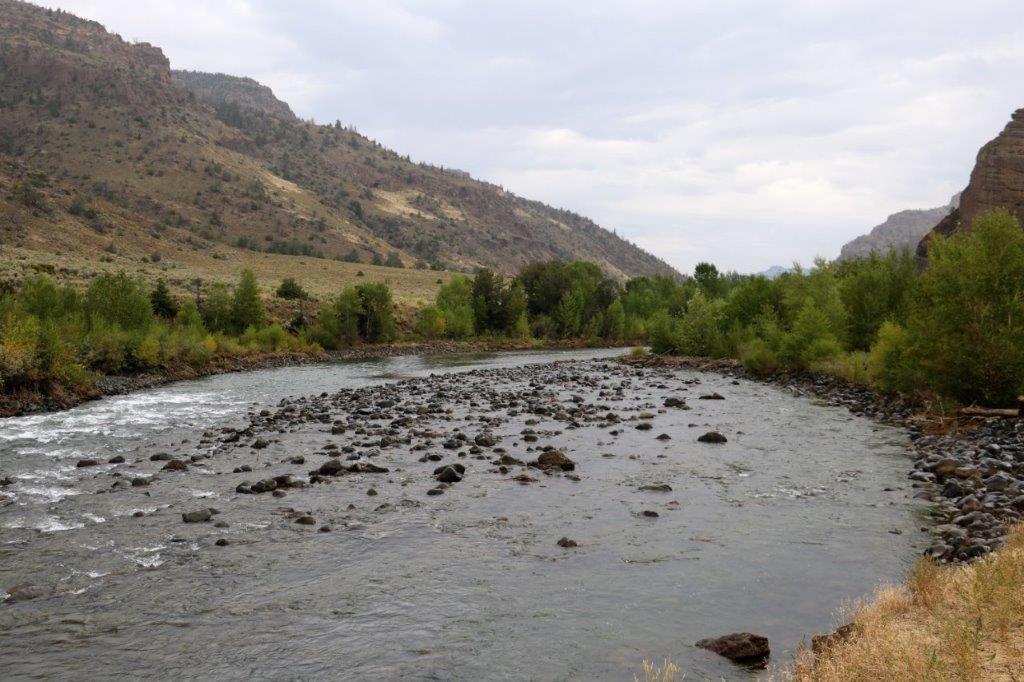
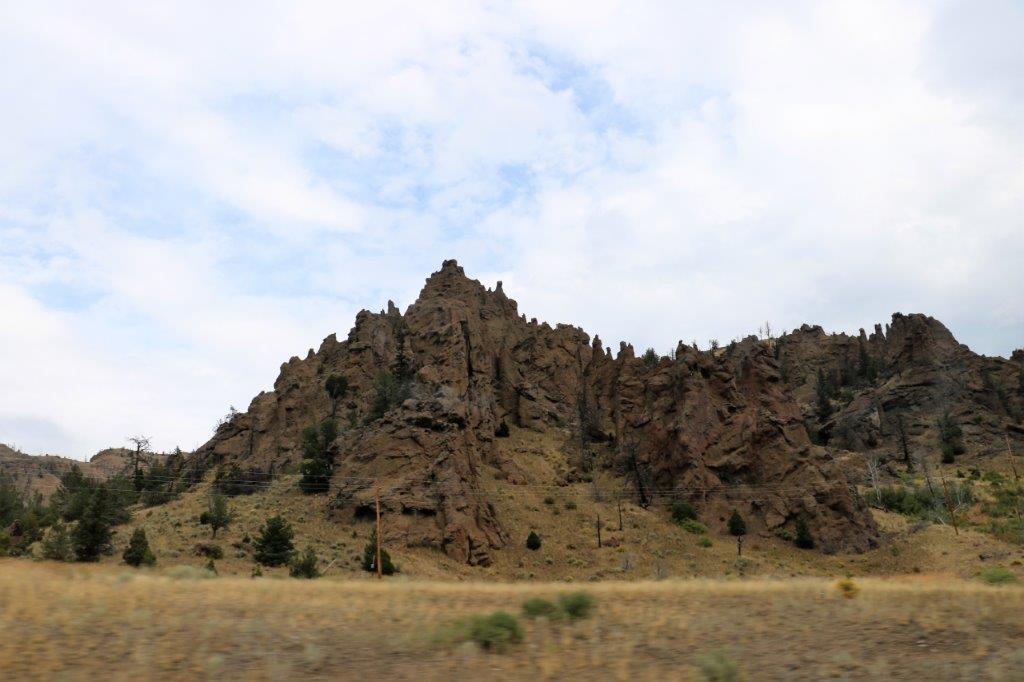
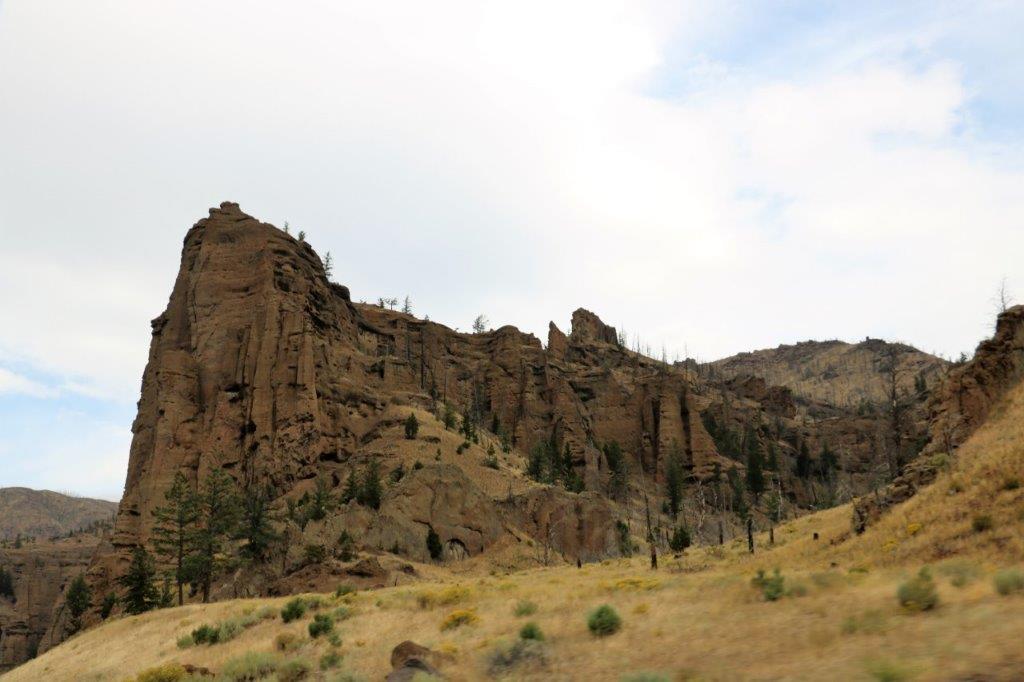
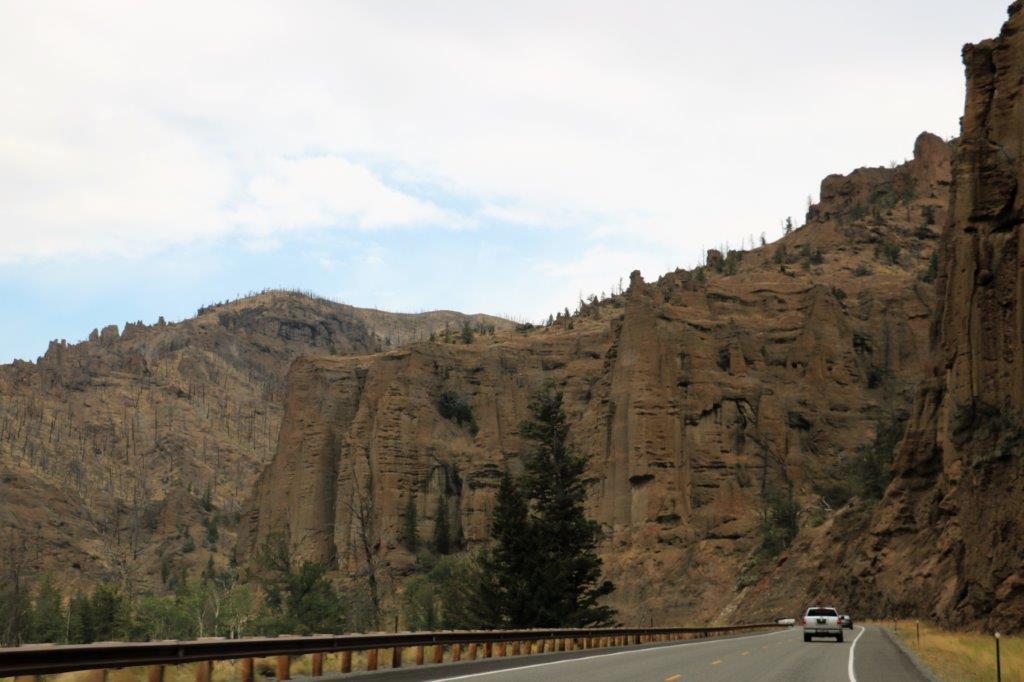
Not far outside of Cody you enter Shoshone Canyon. This tunnel was a normal short tunnel through the rock, but a short distance past it we entered another tunnel that was VERY long. When we exited the tunnel we pulled into the viewpoint for the Buffalo Bill Dam.  There are golf-cart shuttles that will take you over to the Visitor’s Center if you want.  We have toured quite a few dams in our time so we didn’t bother.  The lake/reservoir was nice and there were some interesting pieces of equipment and information boards.   This interesting construction, located on top of a hill, is called the Smith Mansion.  That is all I know.   We entered Yellowstone through the east gate road which we had not traveled on our last visit so that gave us some new scenery and finding the geocaches took us to some spots we may not otherwise have stopped.

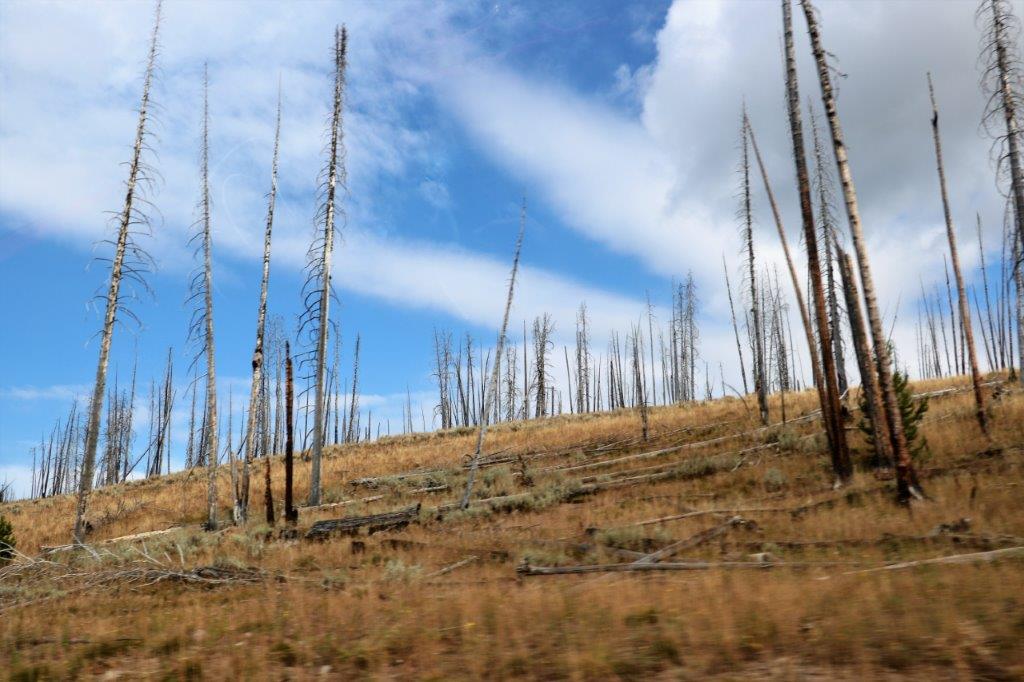
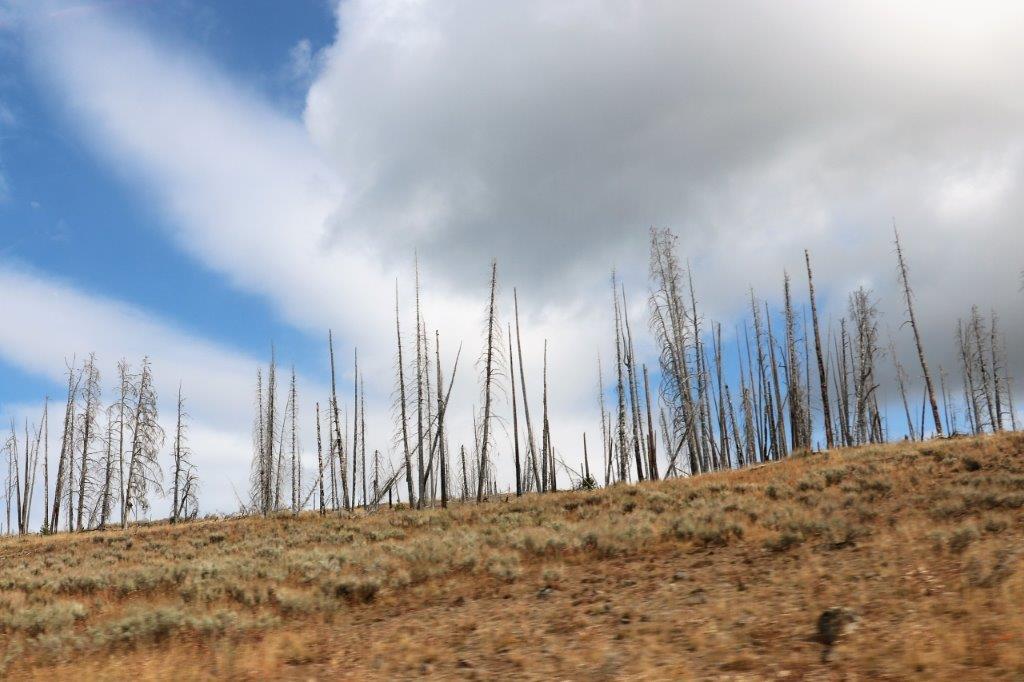
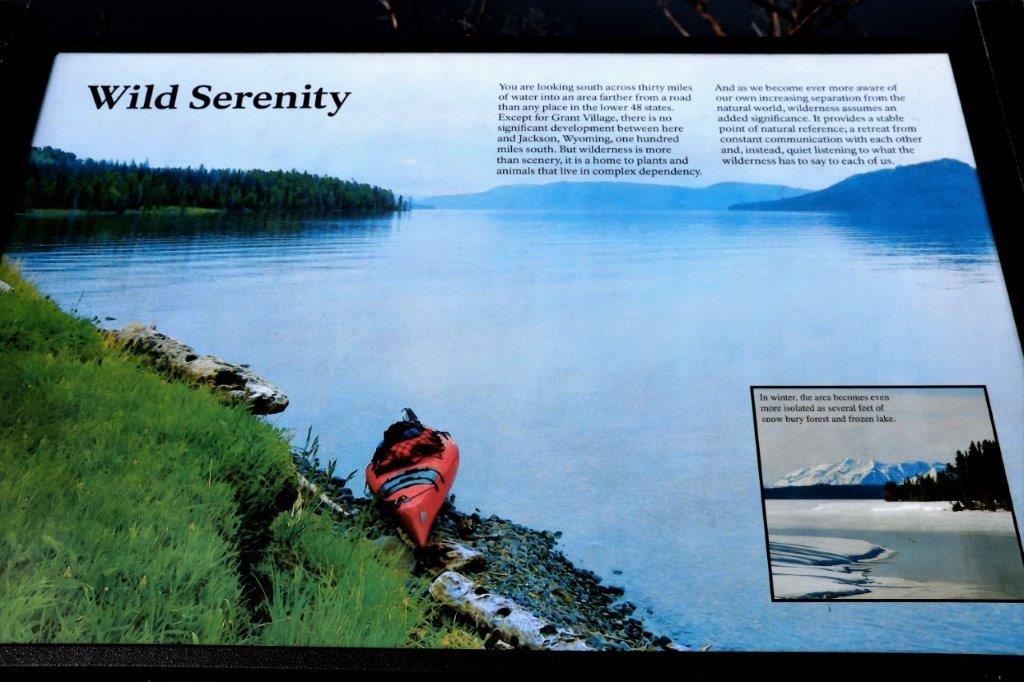
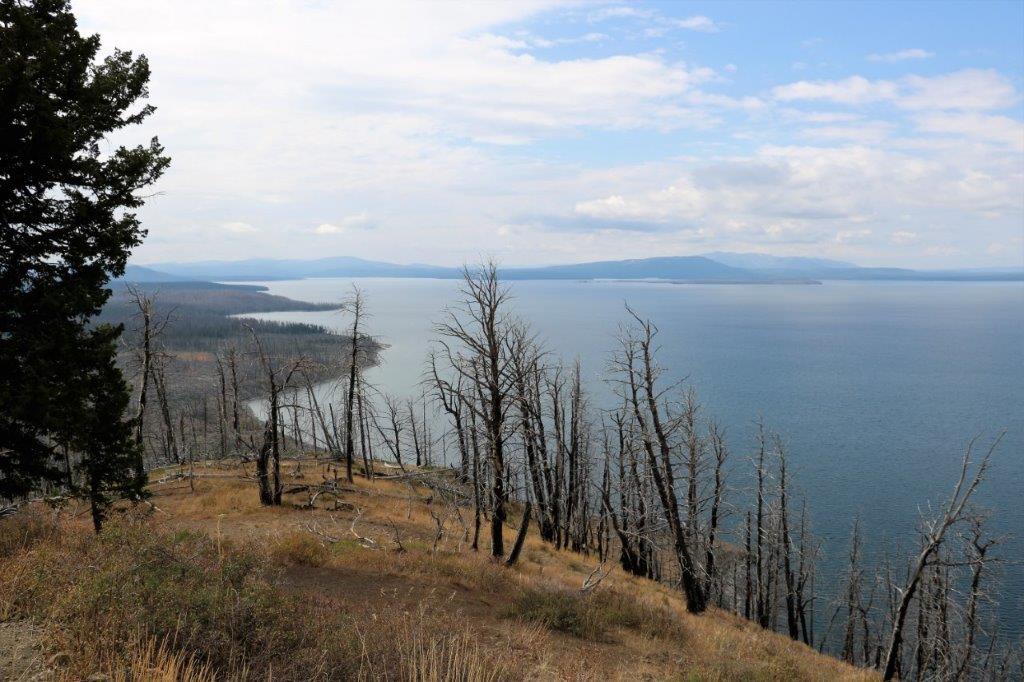
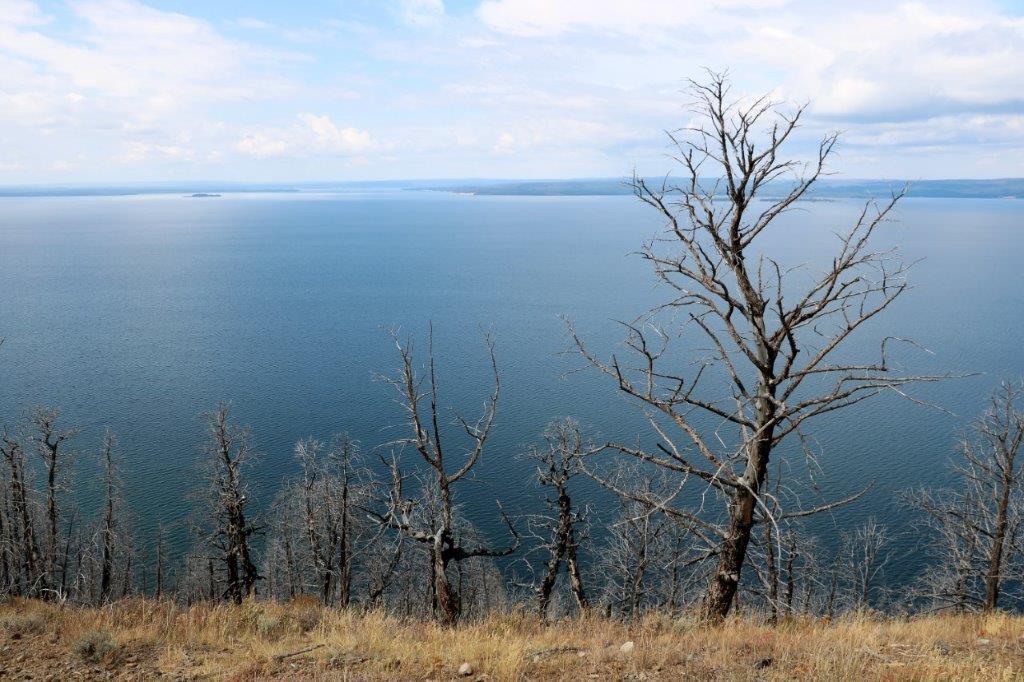
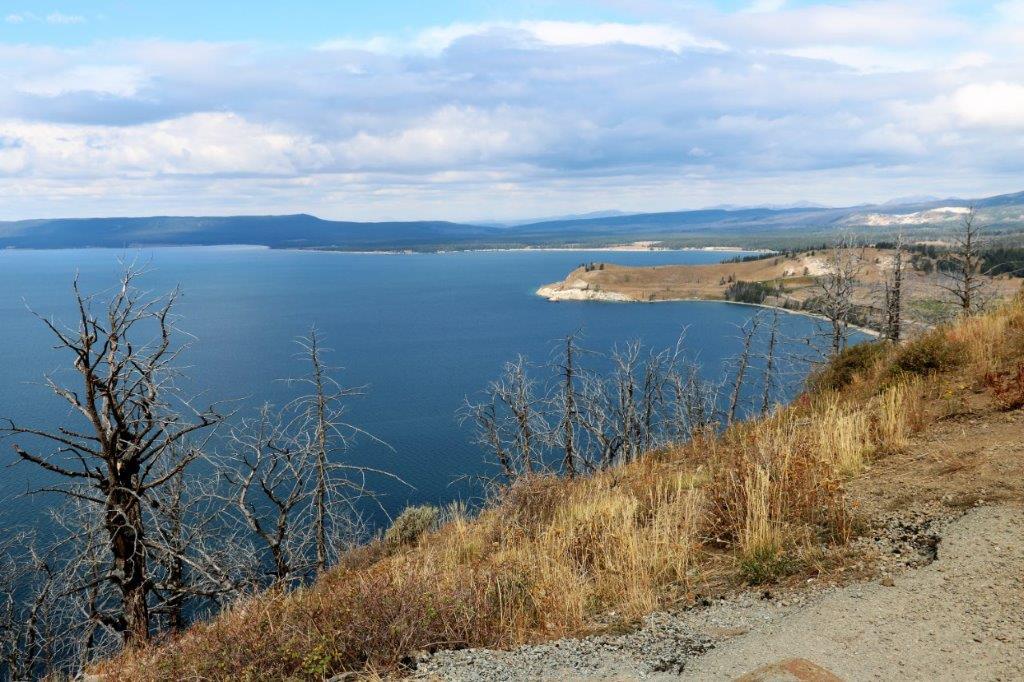
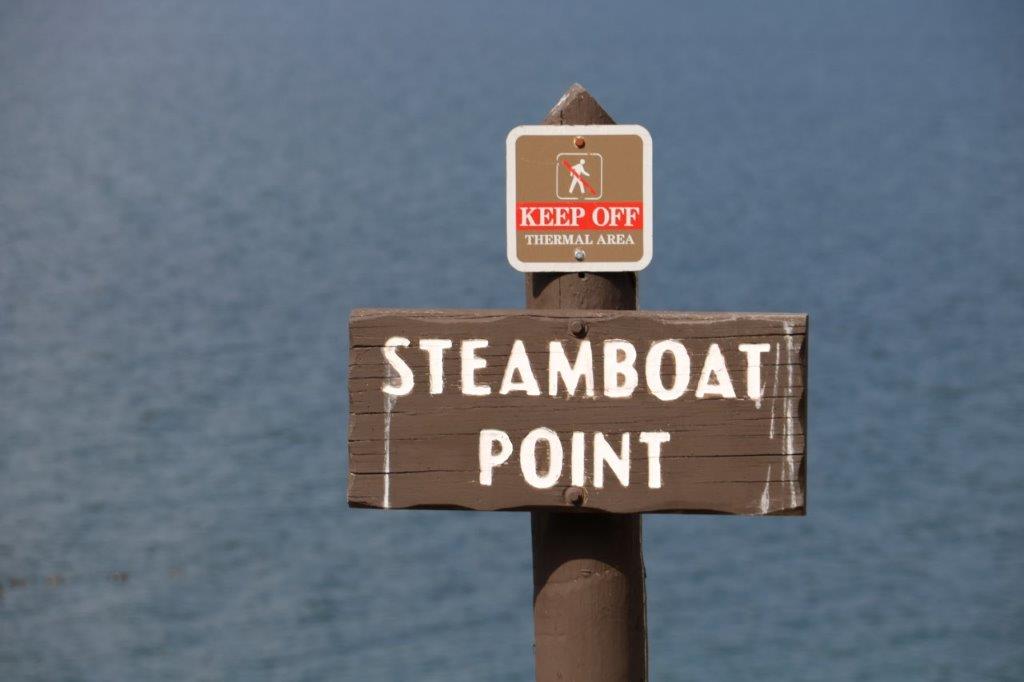
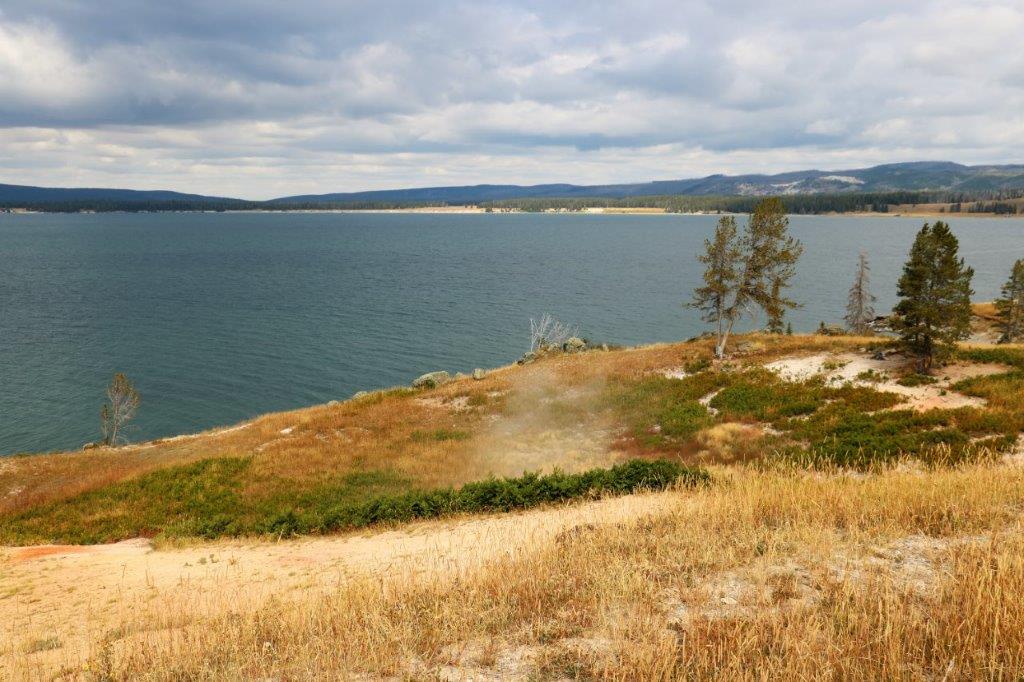
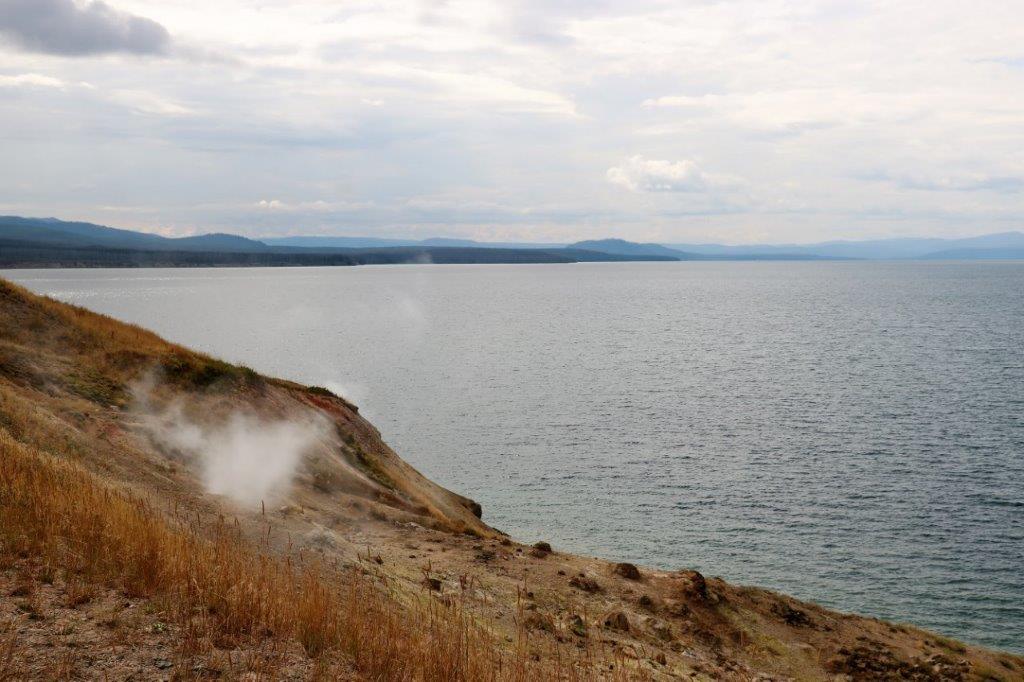
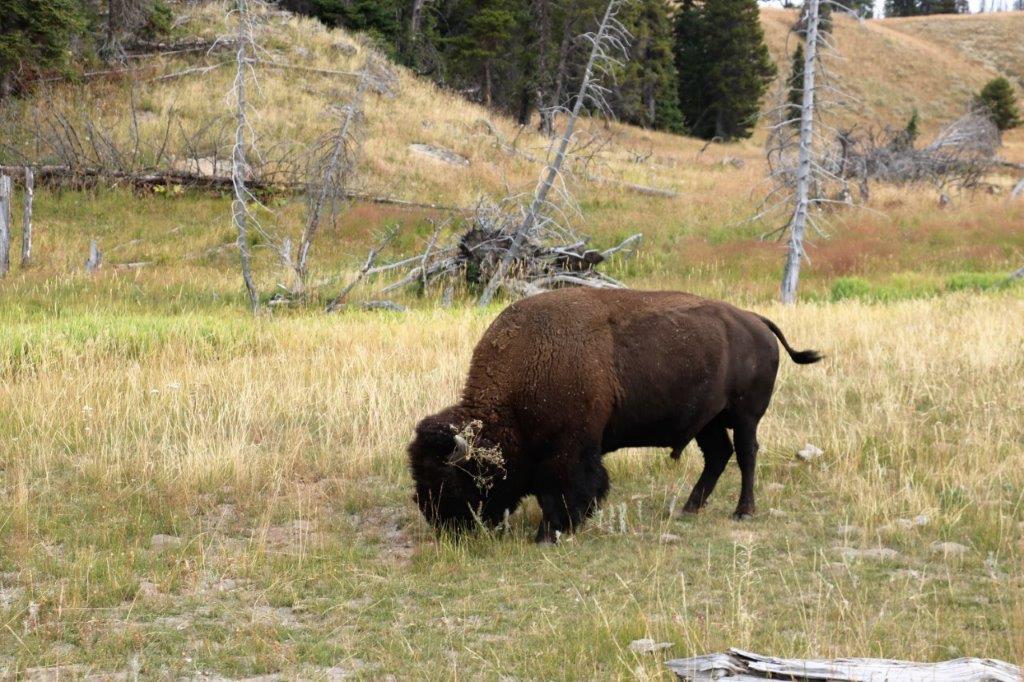
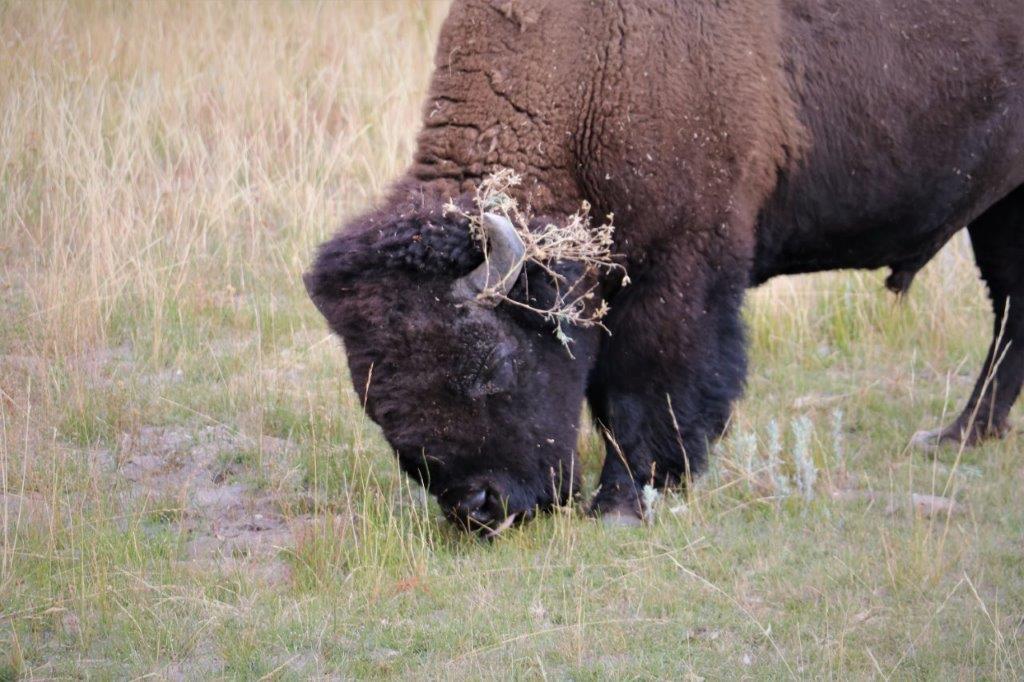
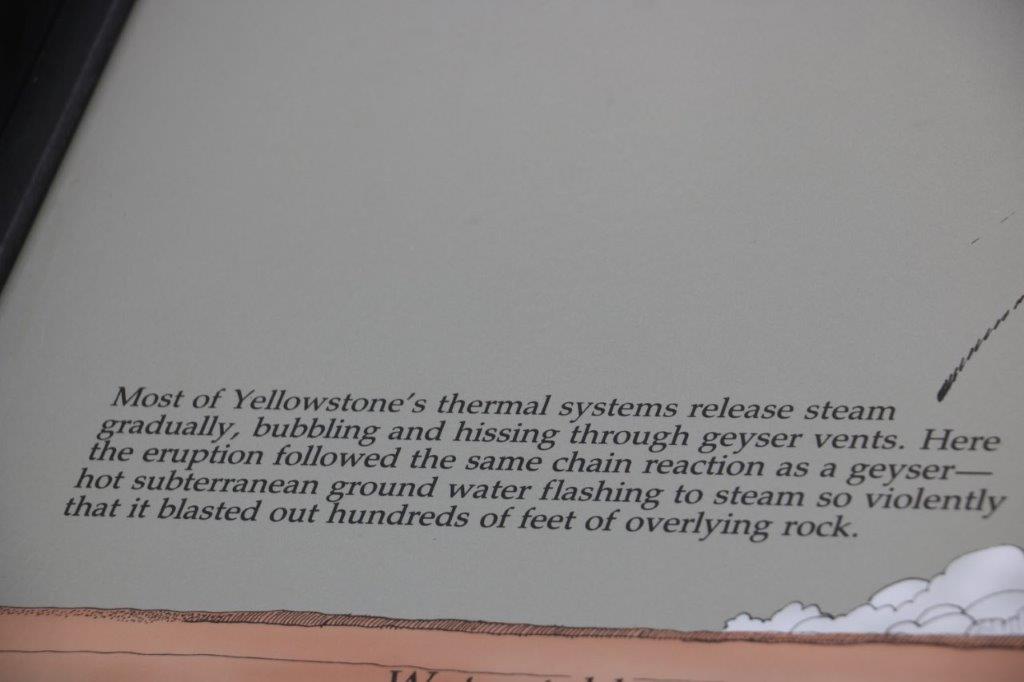
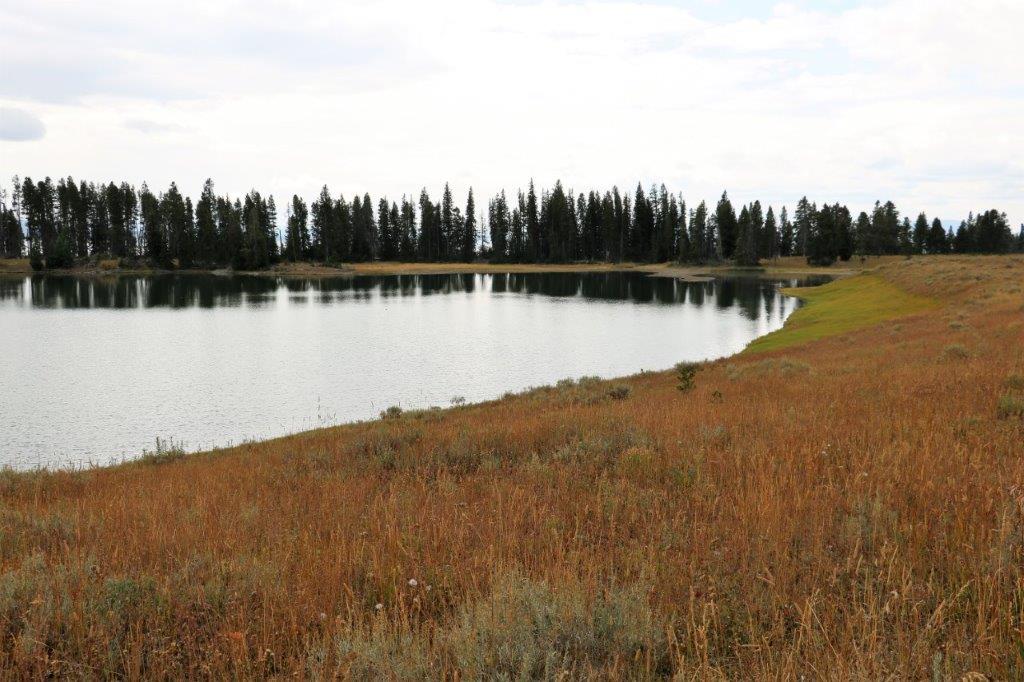
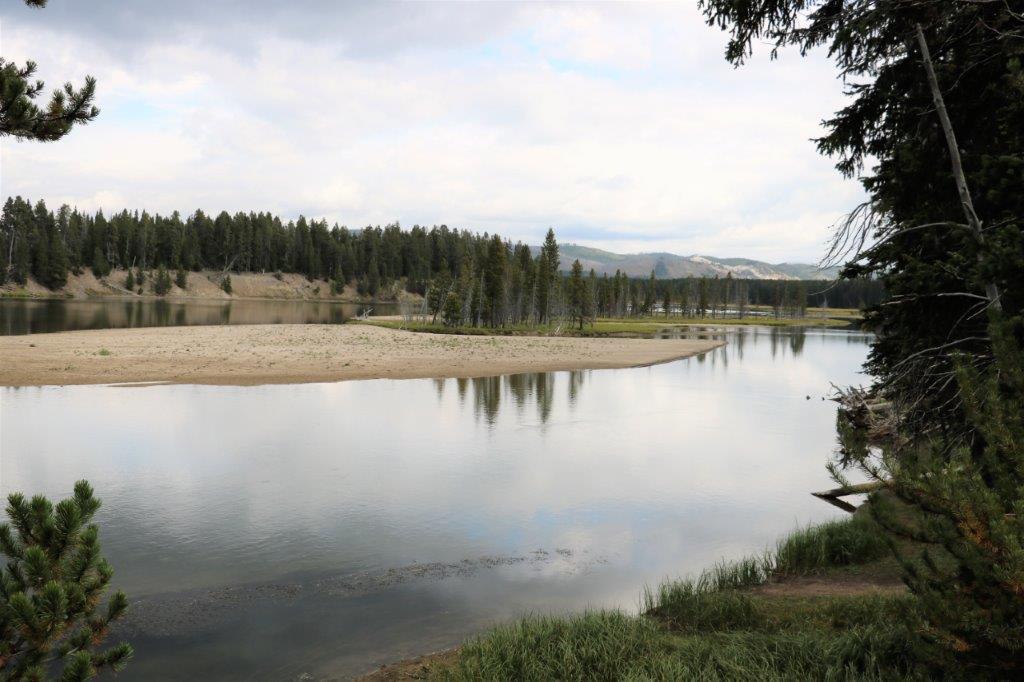
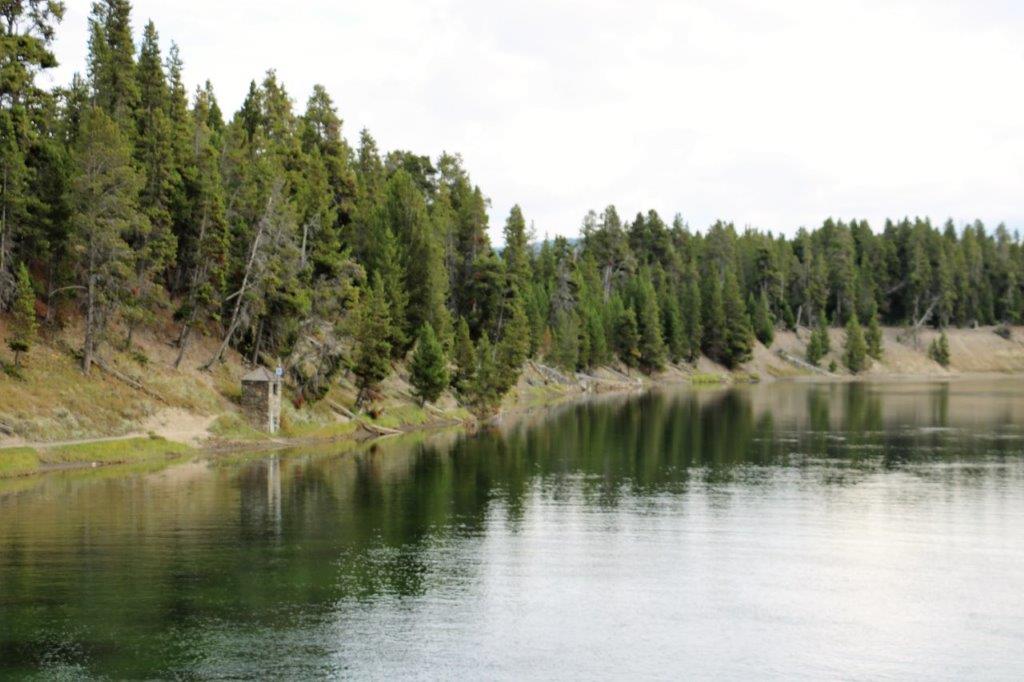
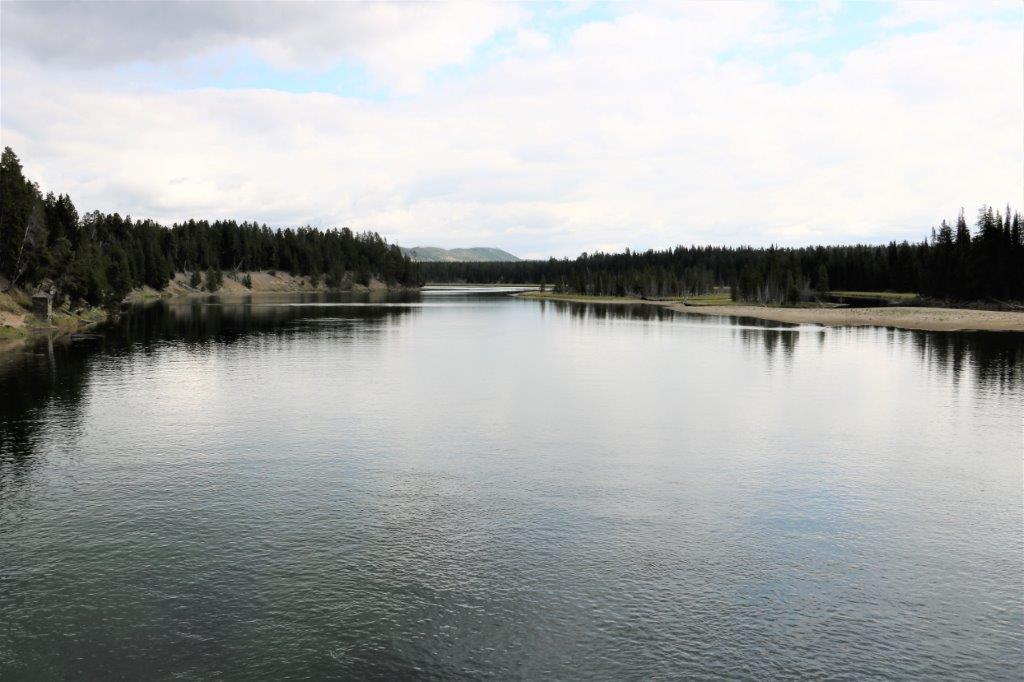
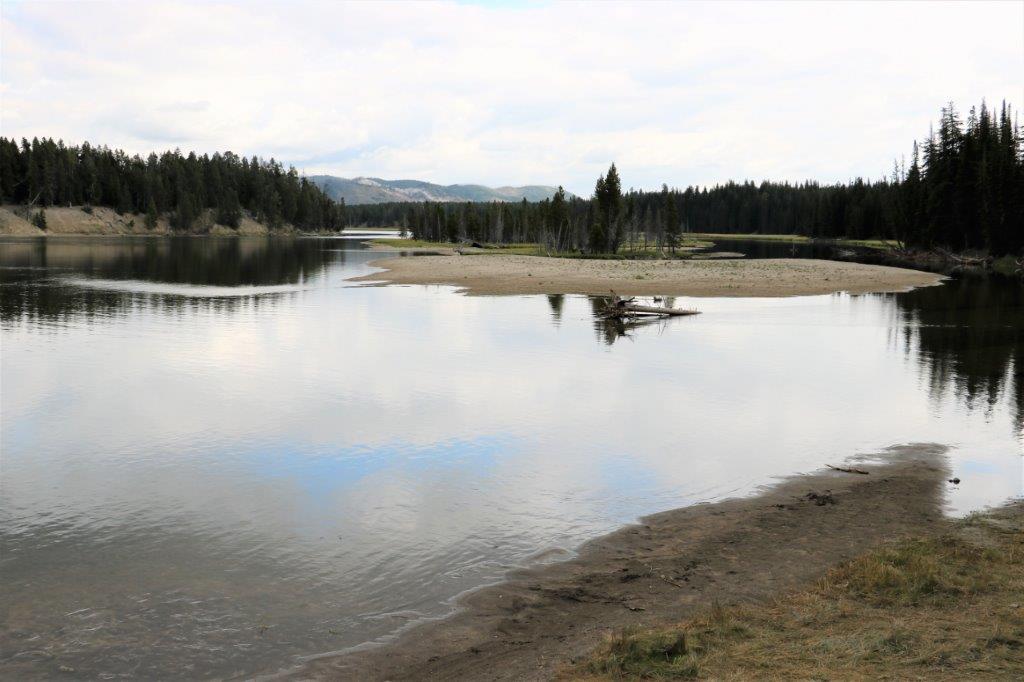
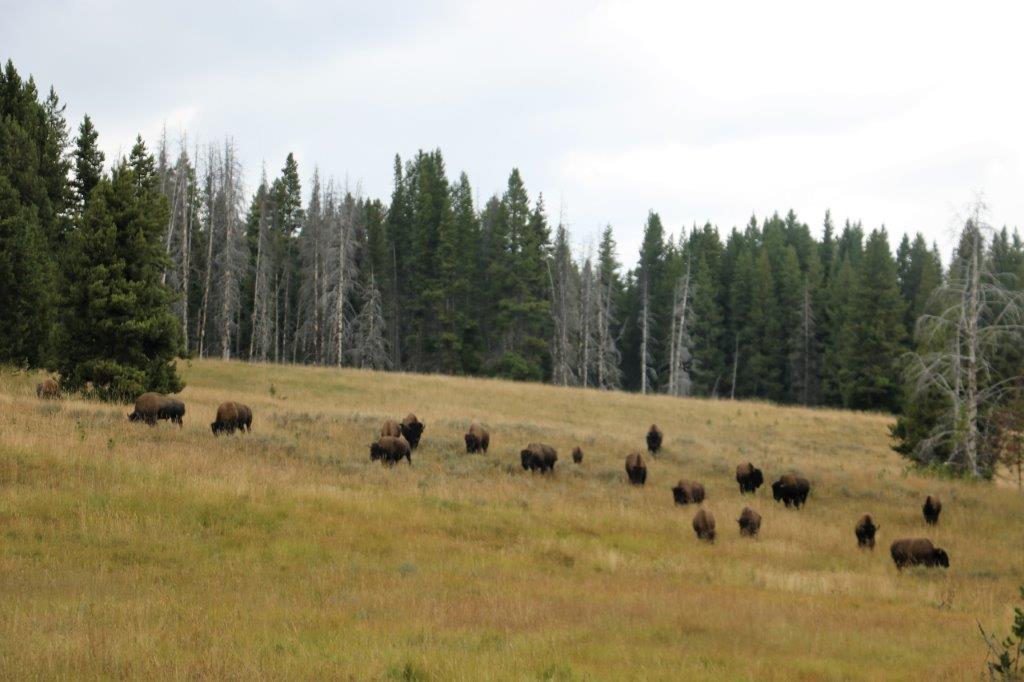
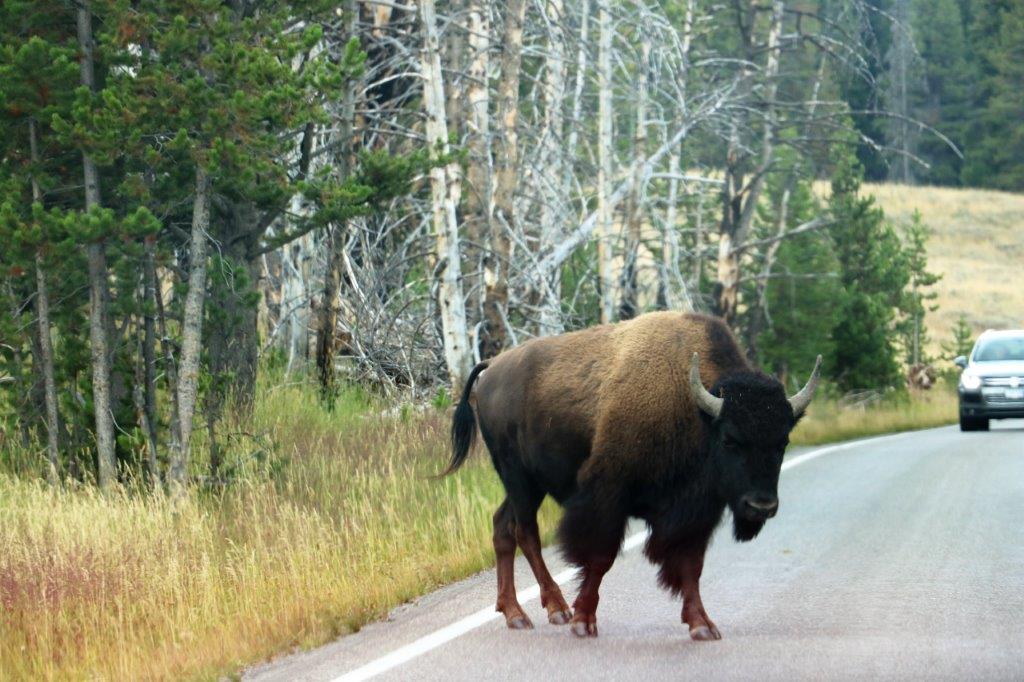
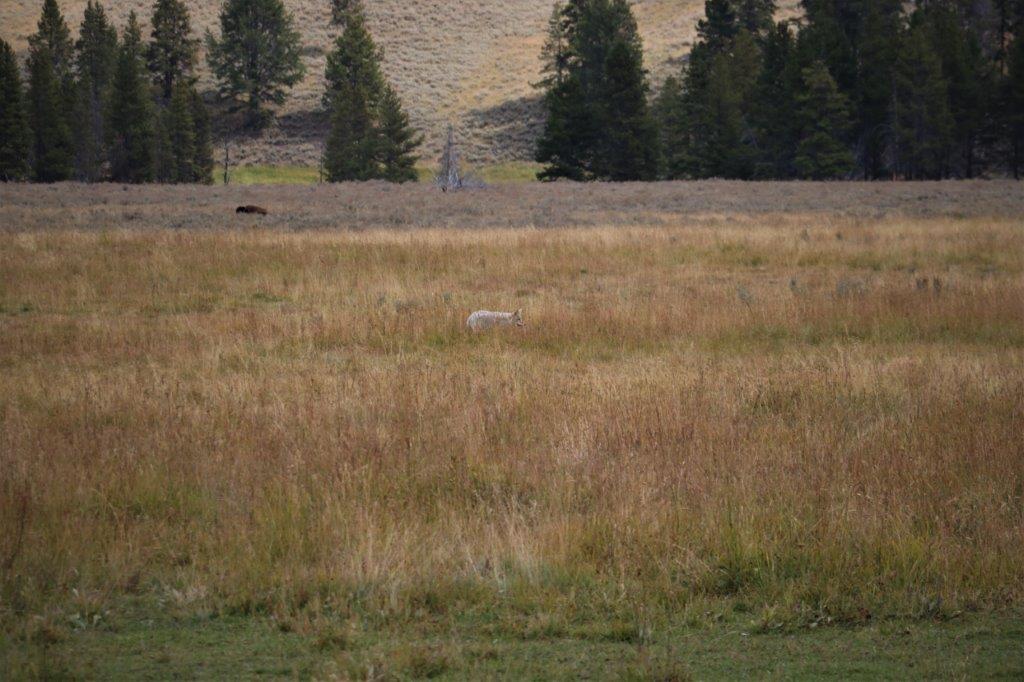
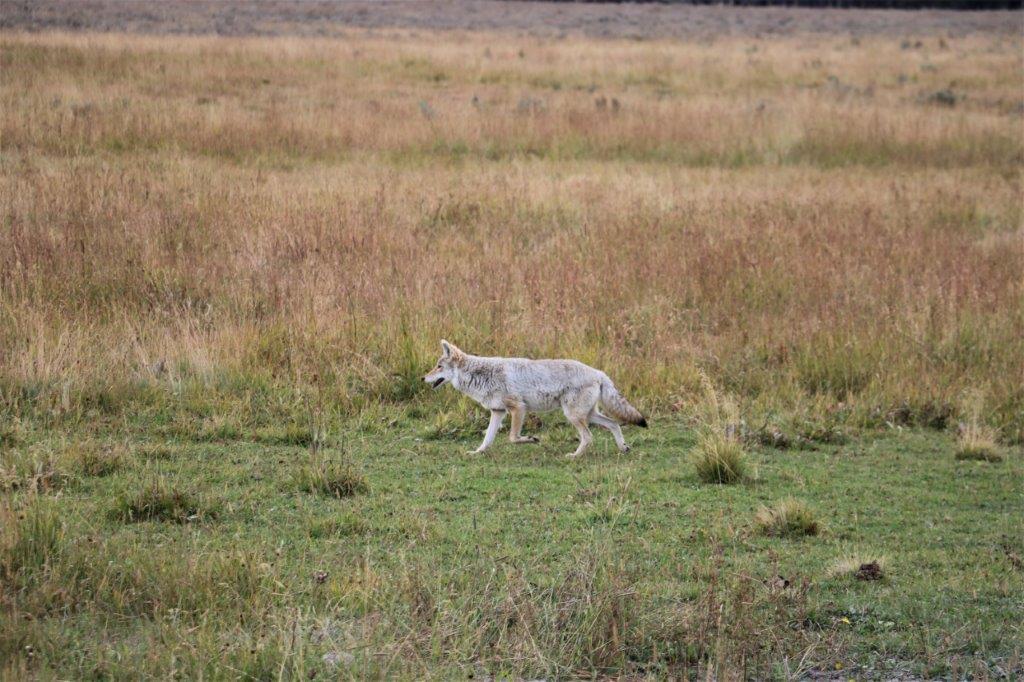
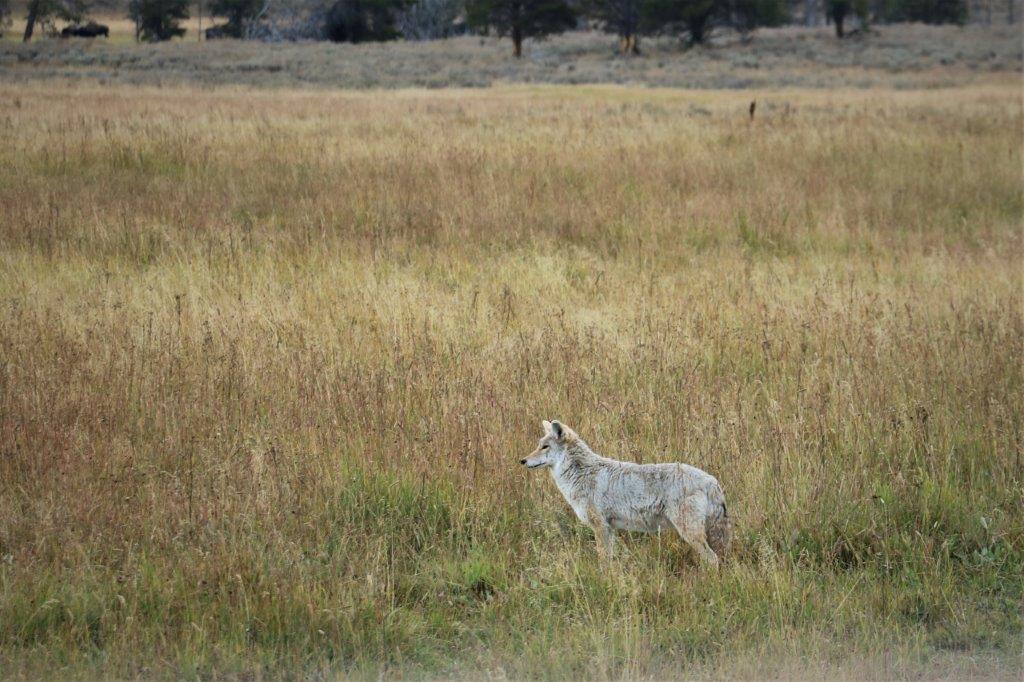
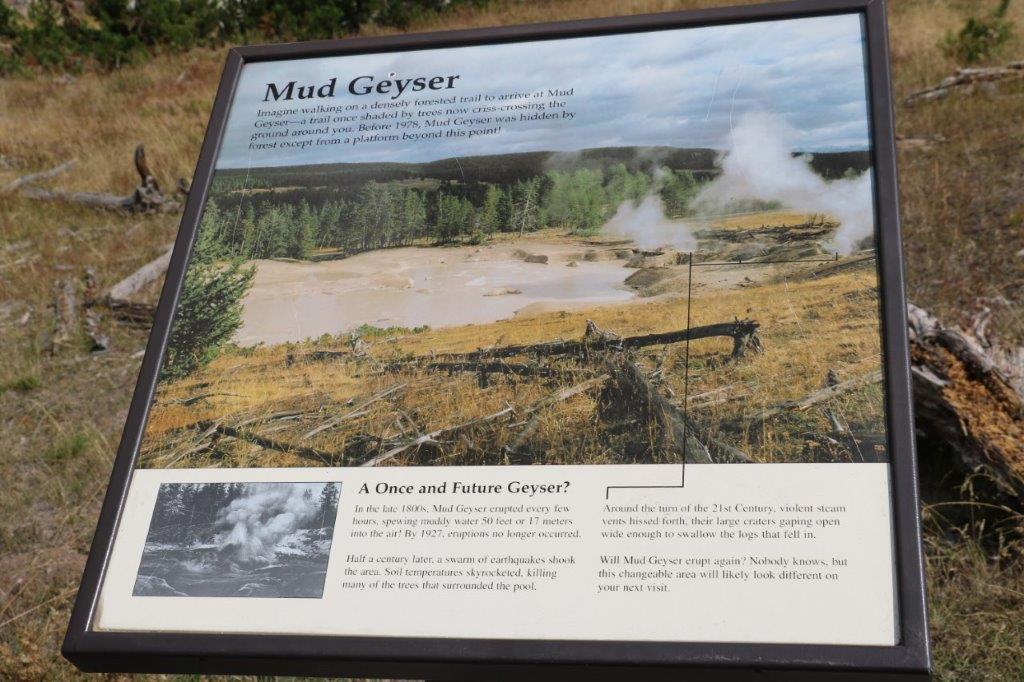
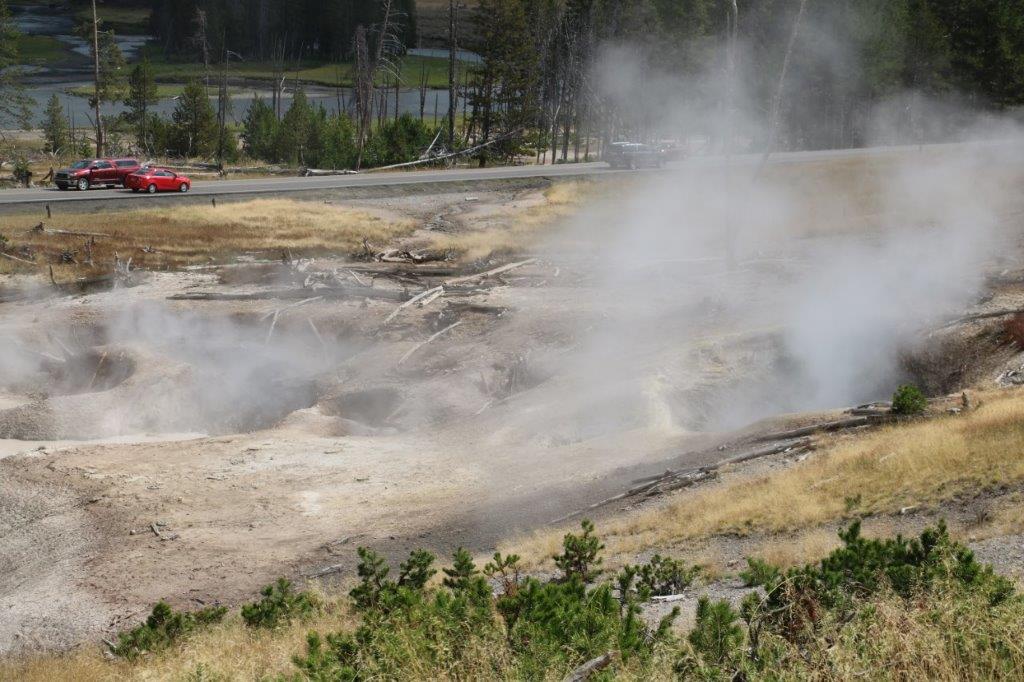
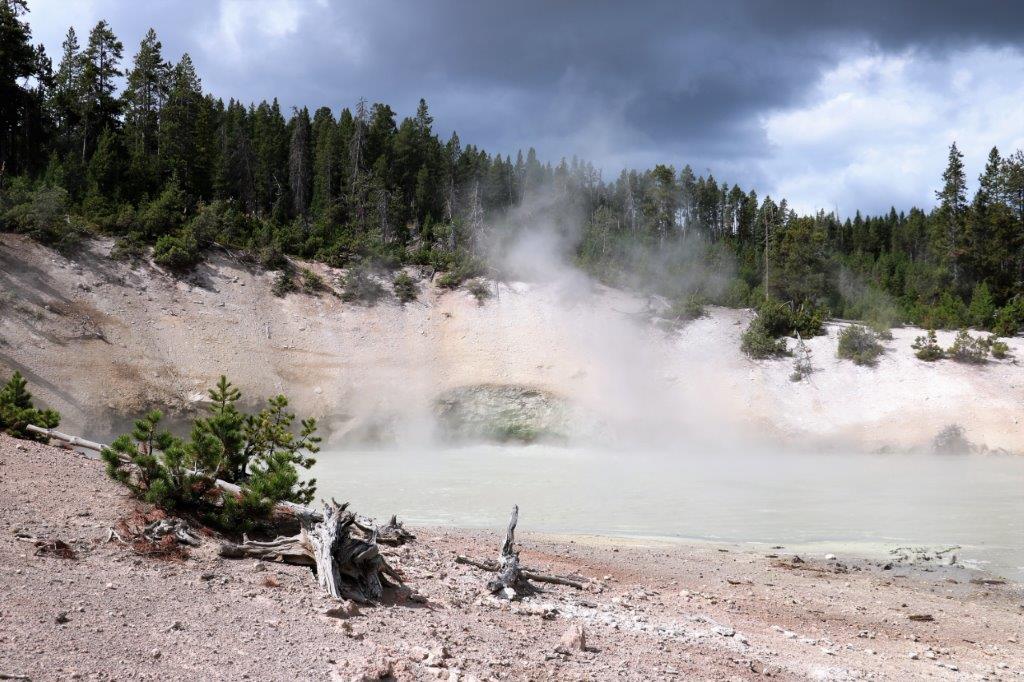
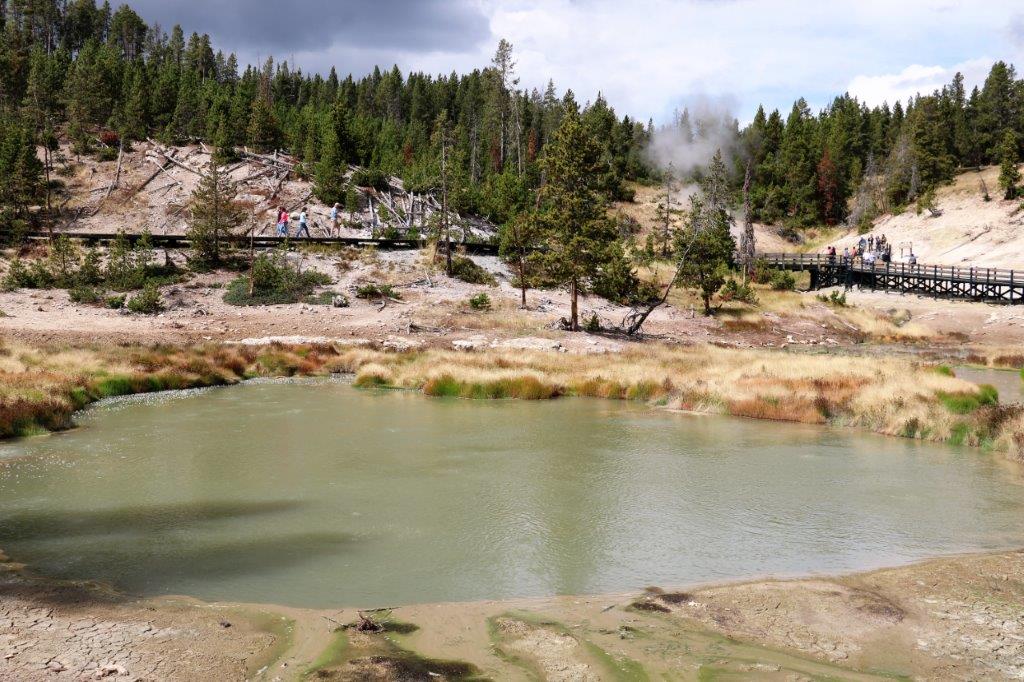
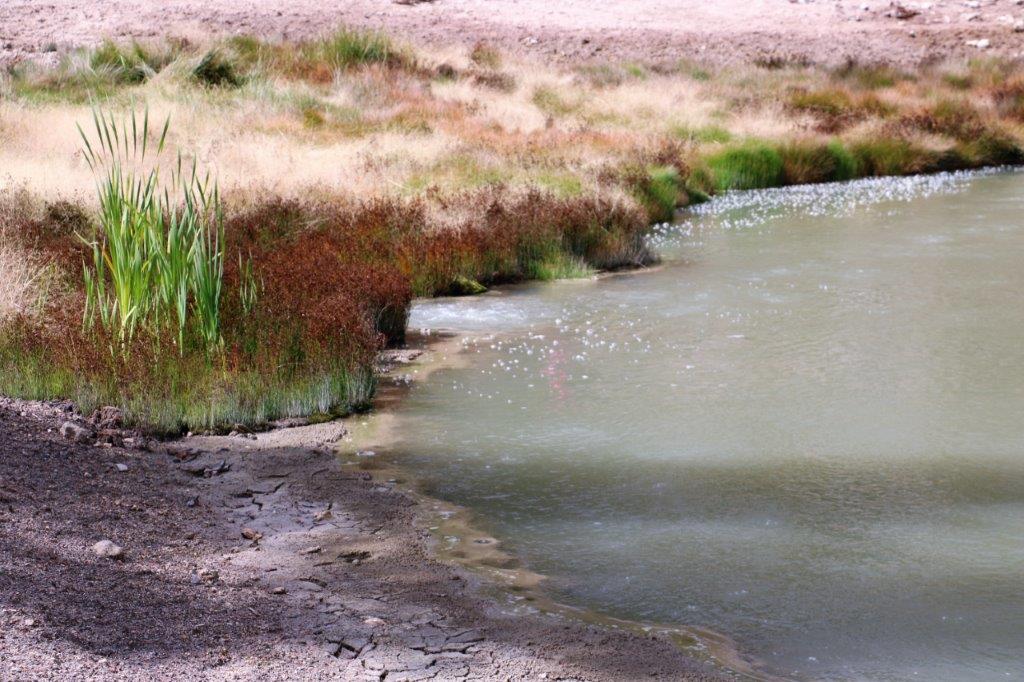
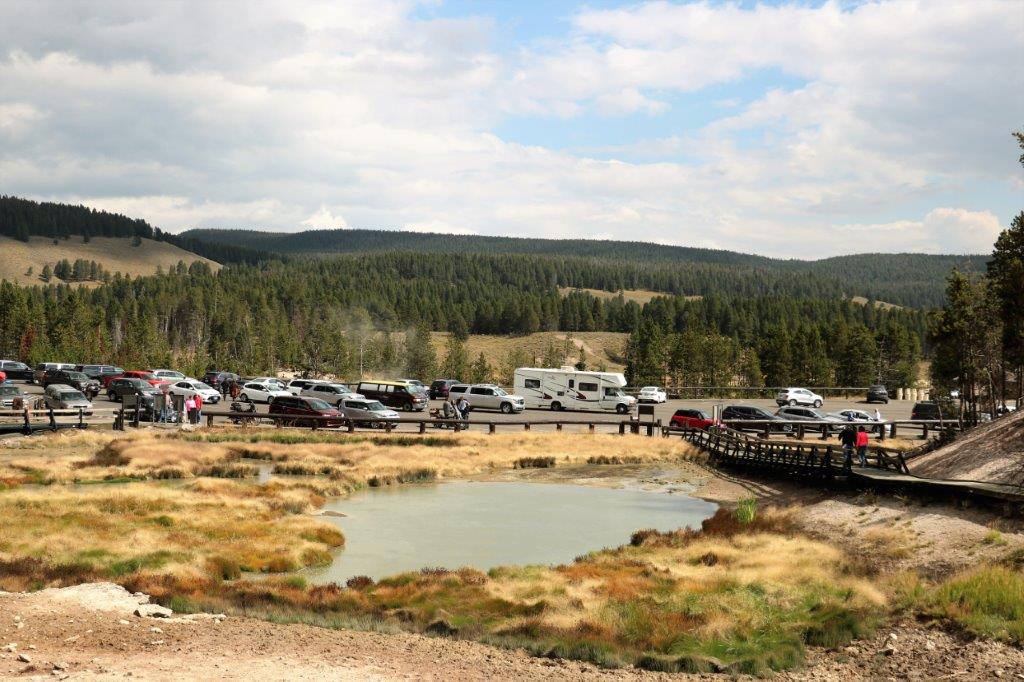
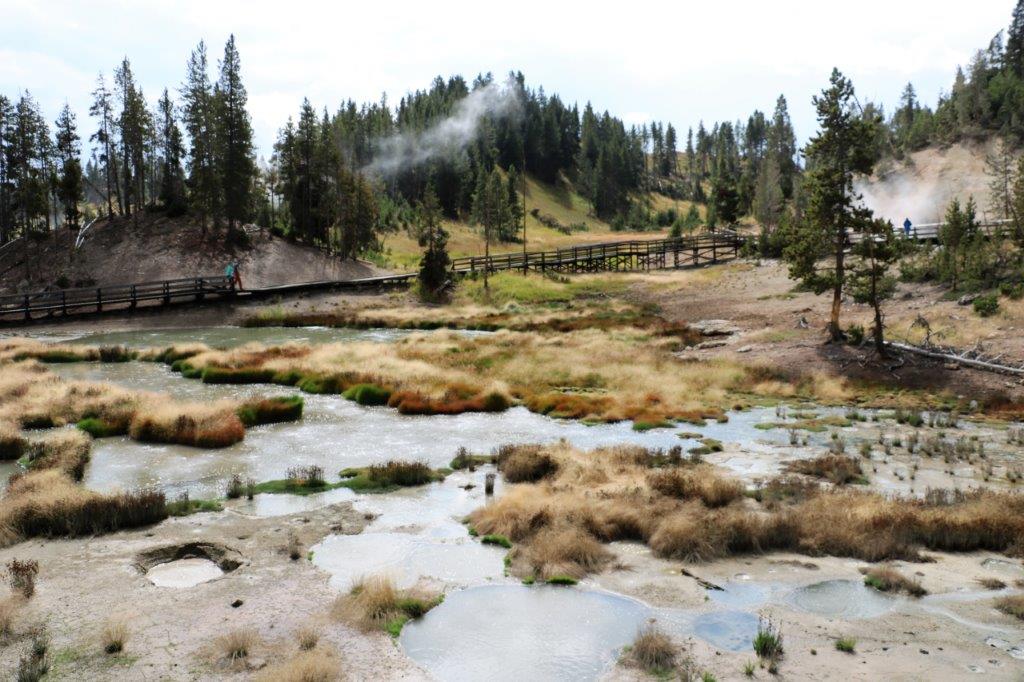
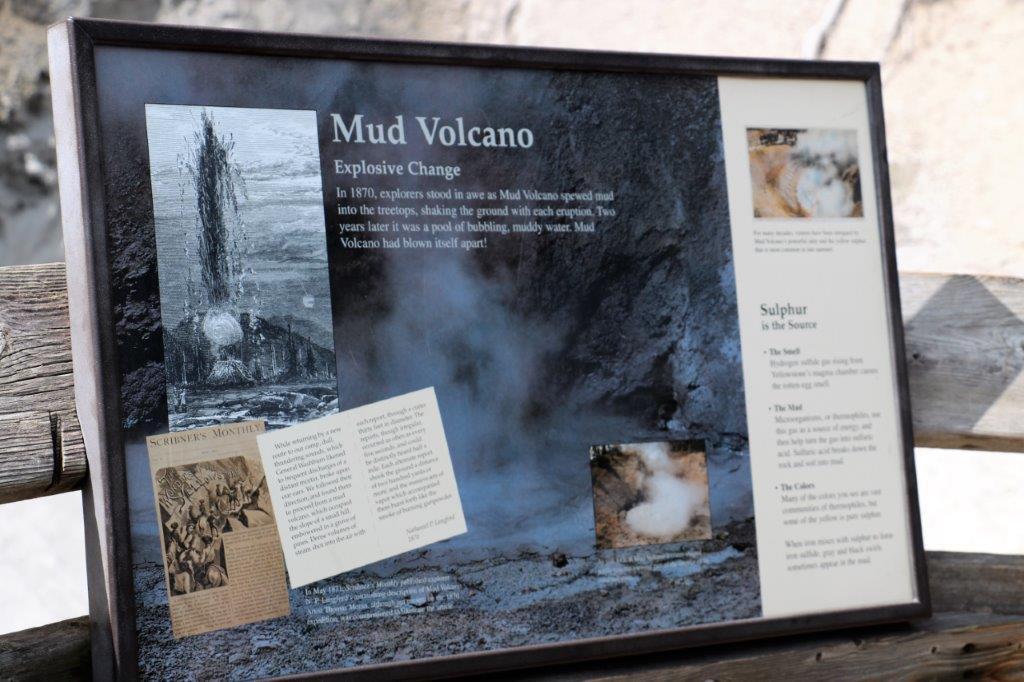
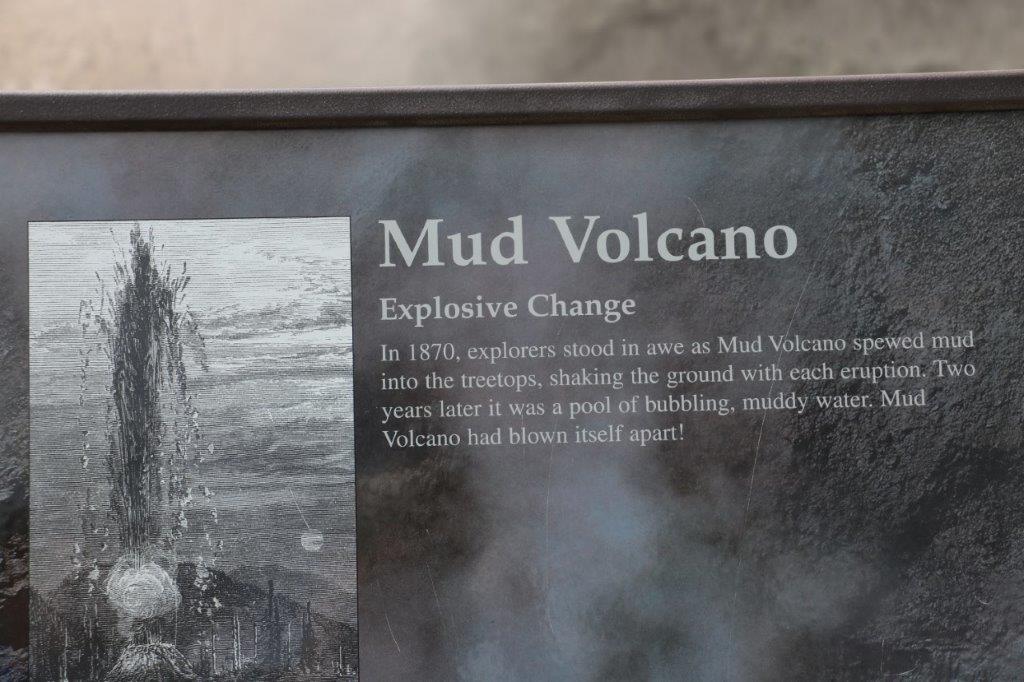
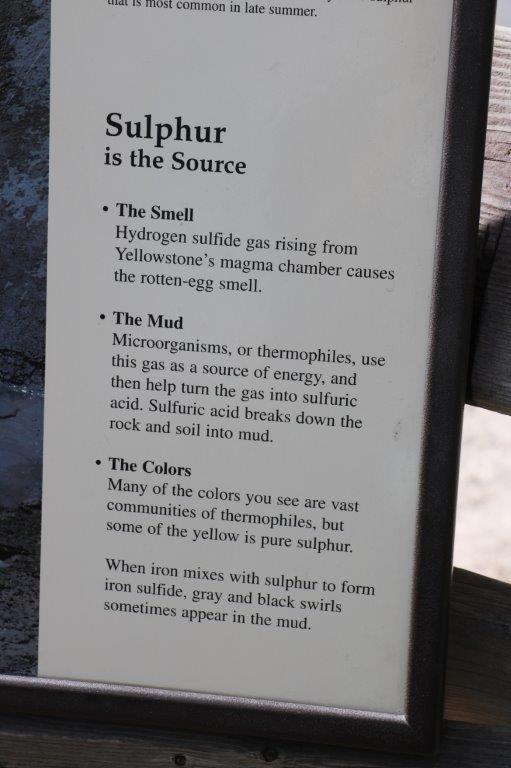
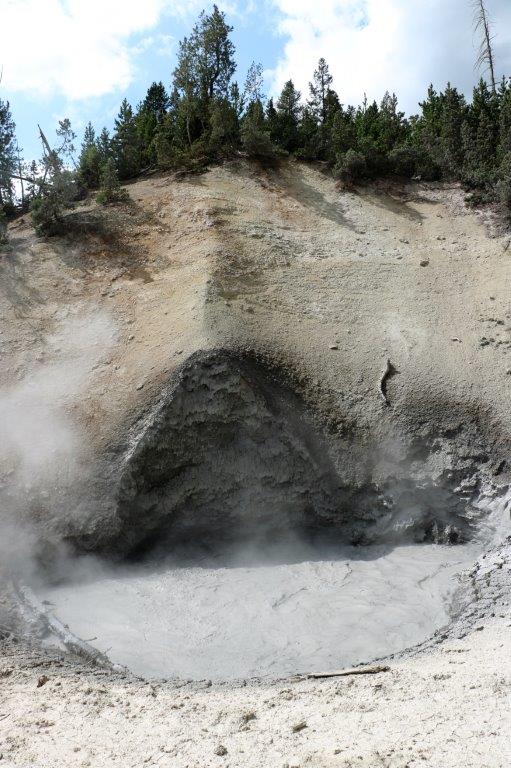
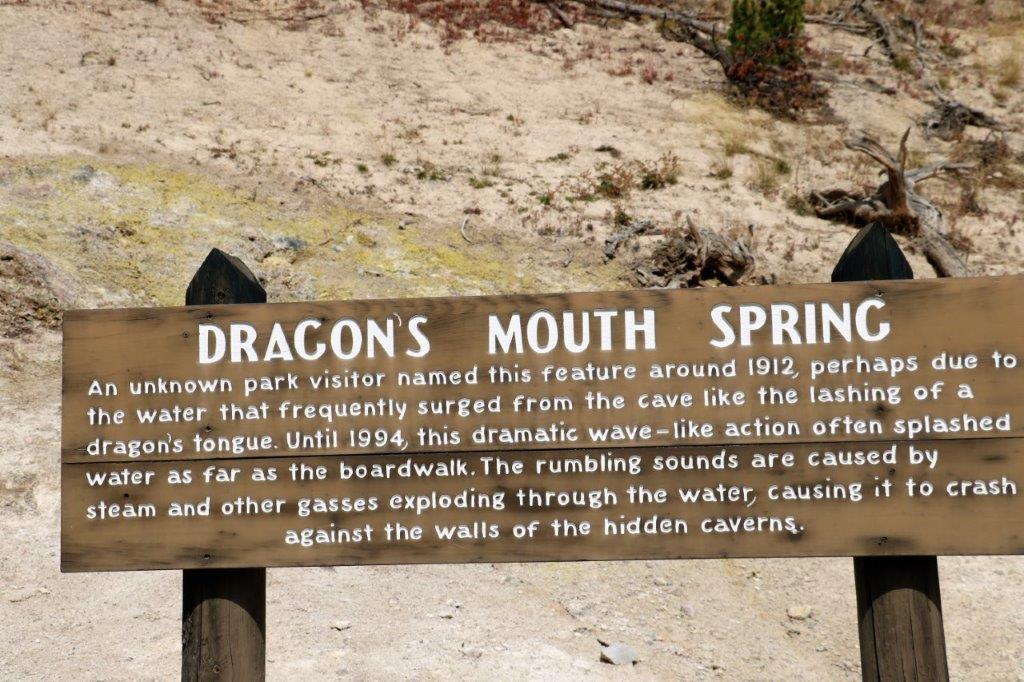
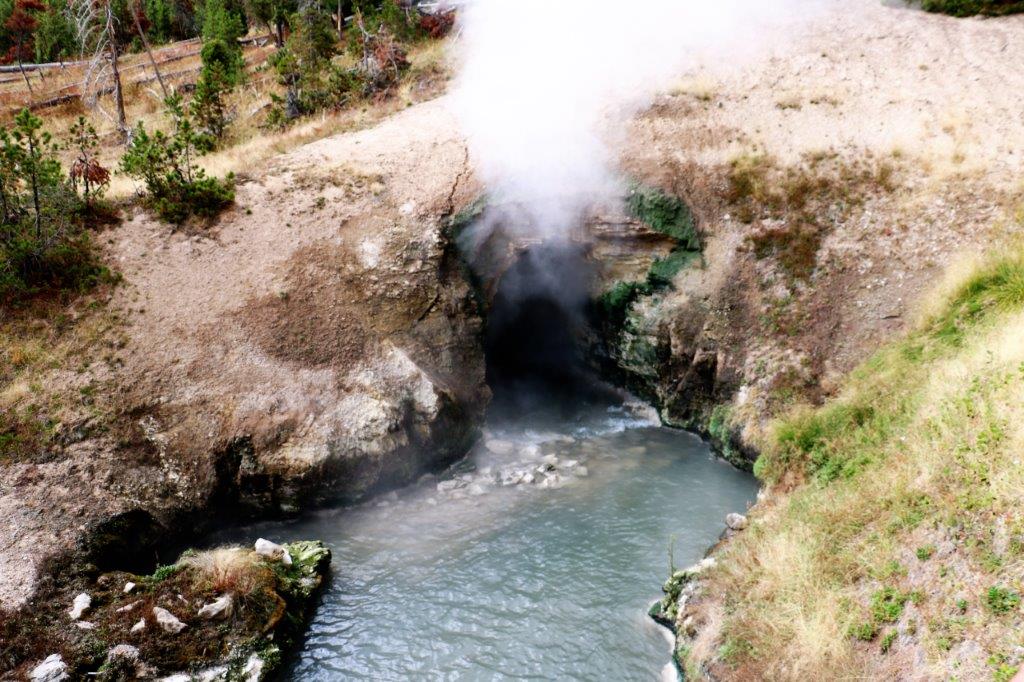
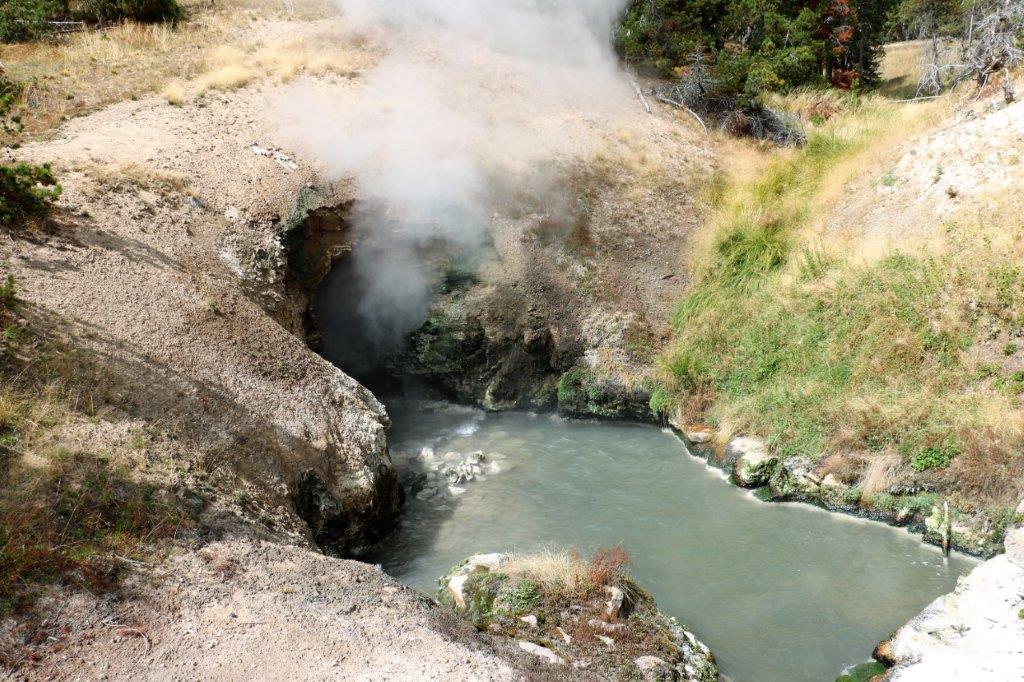
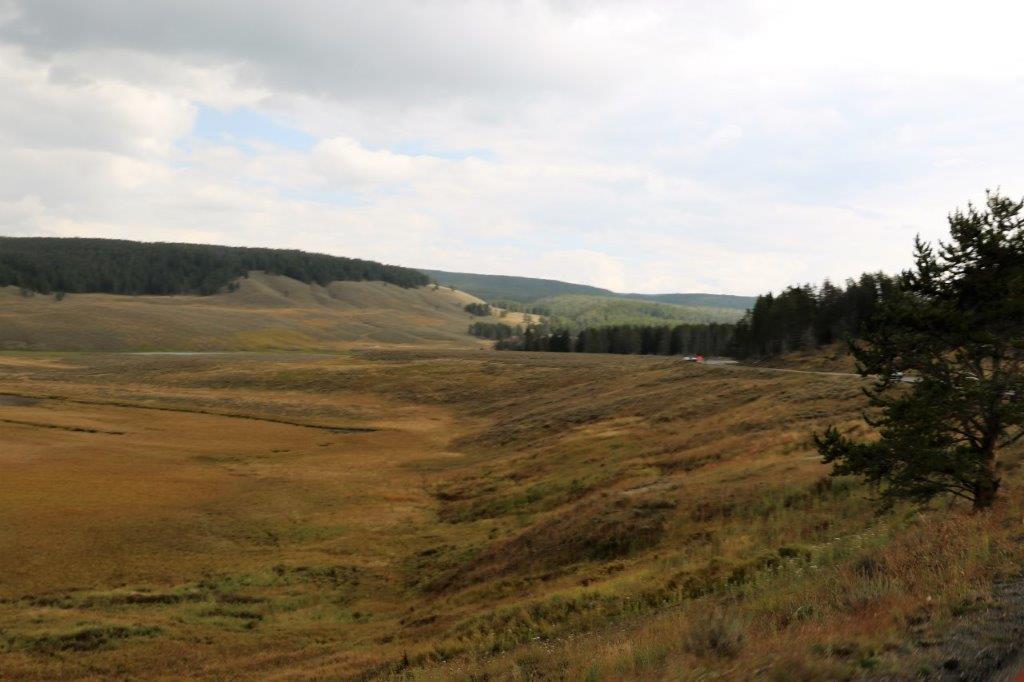
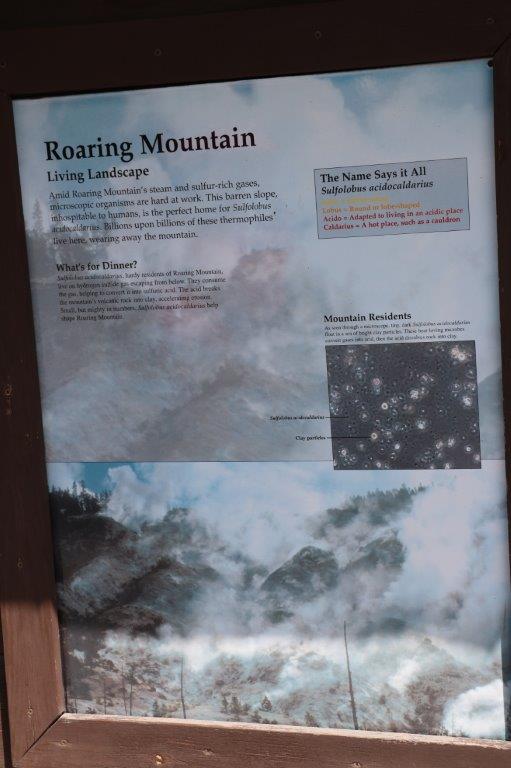
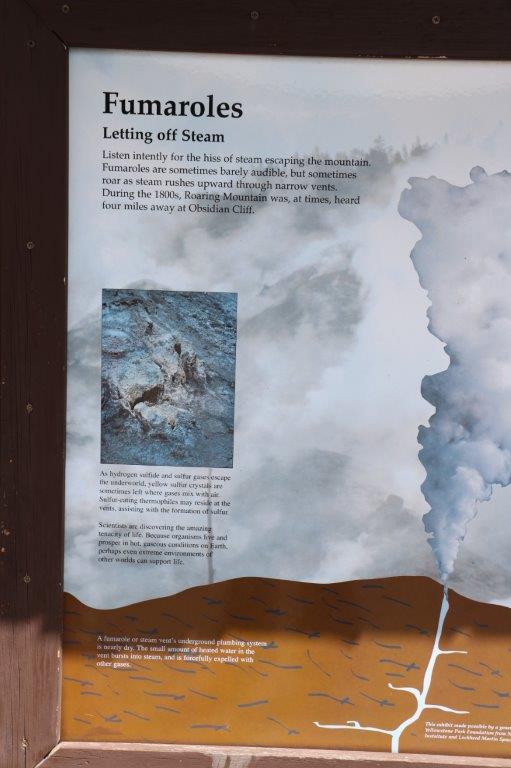
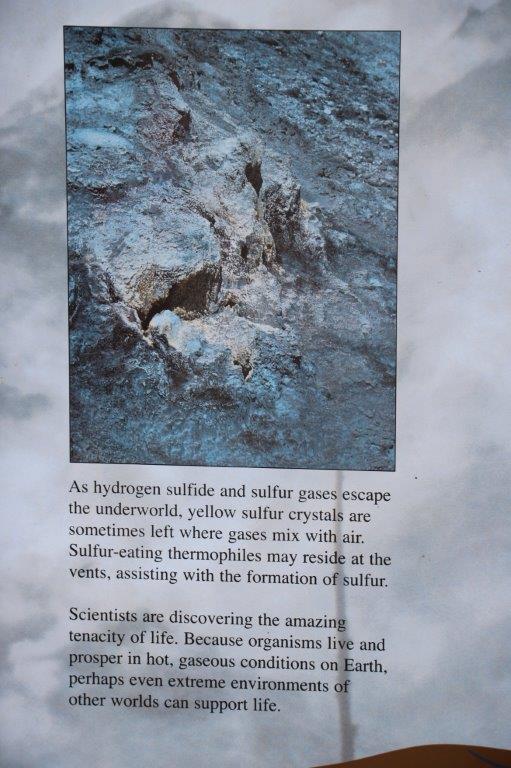
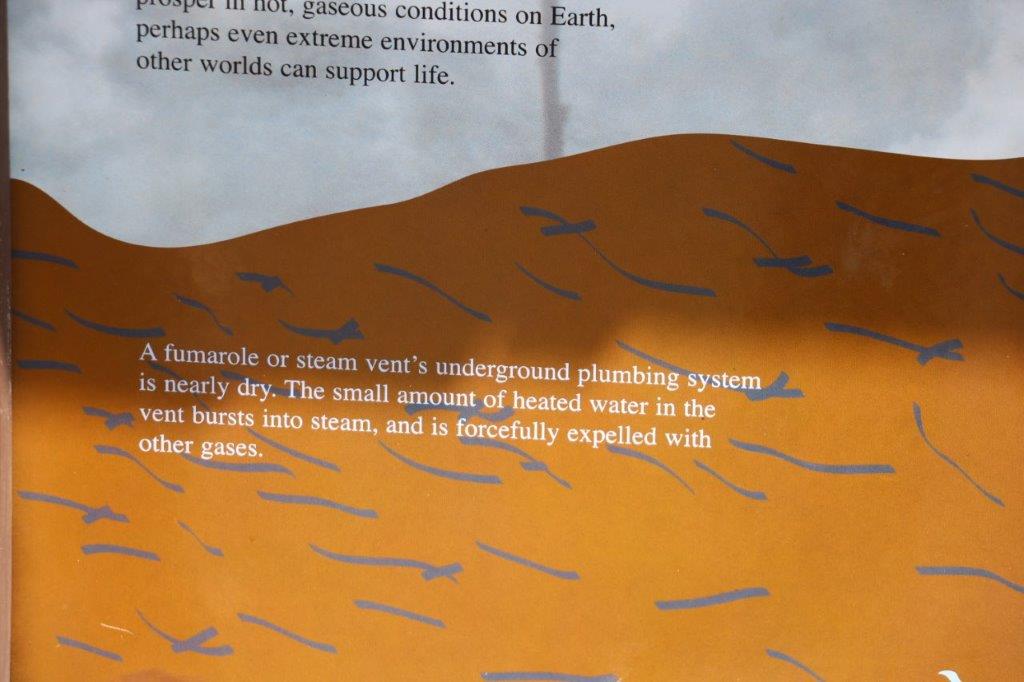
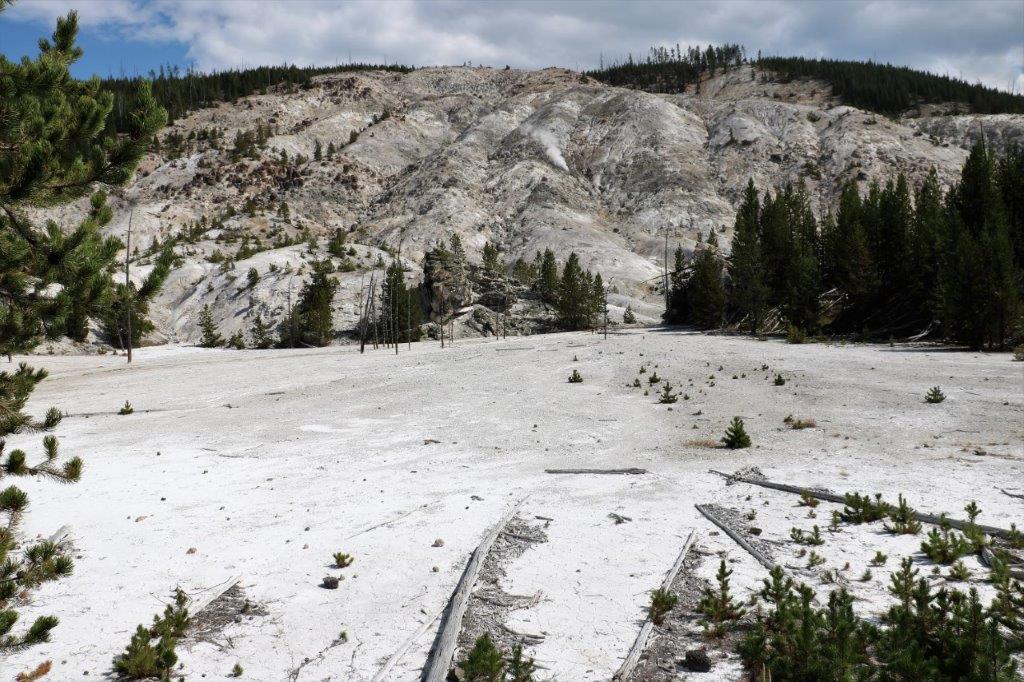
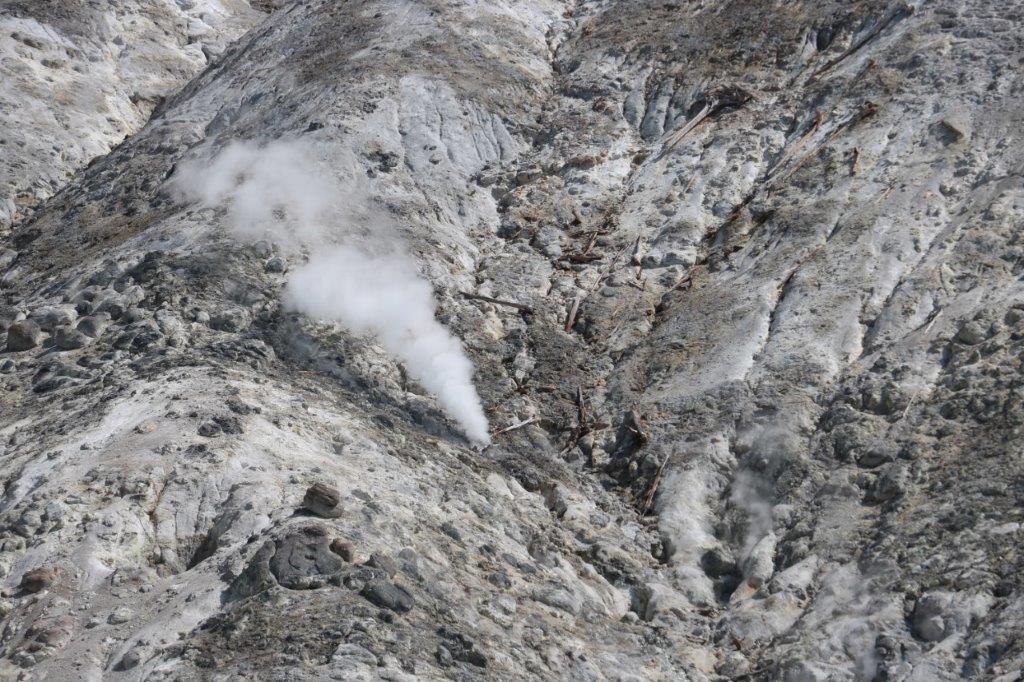
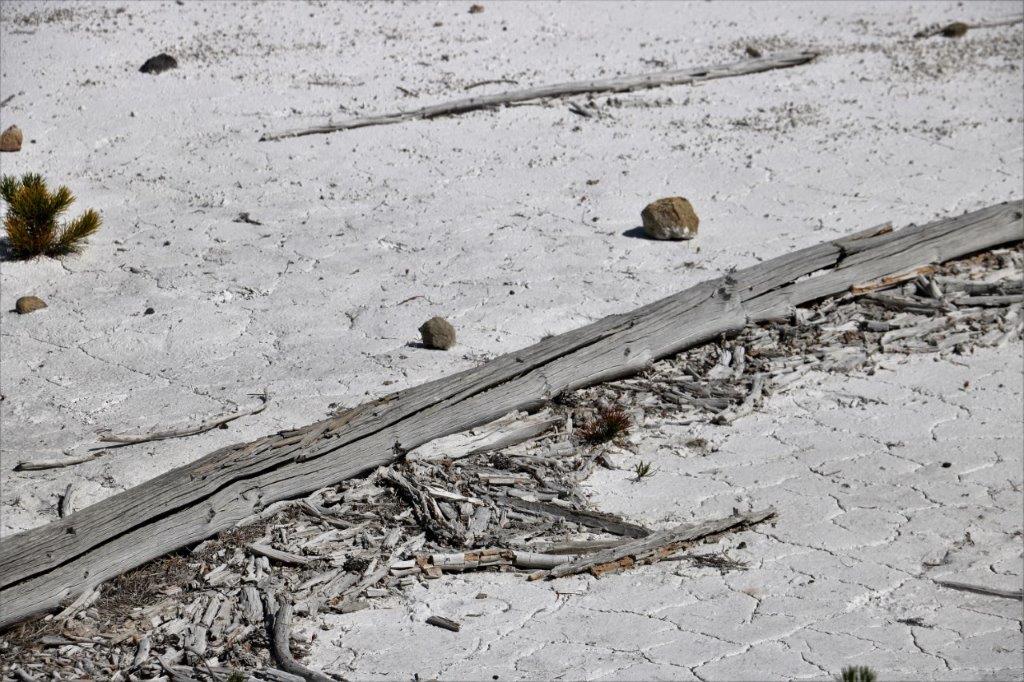
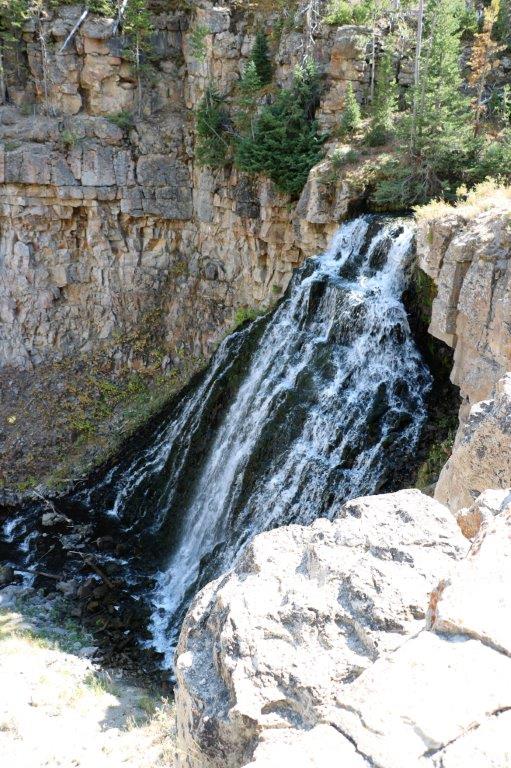
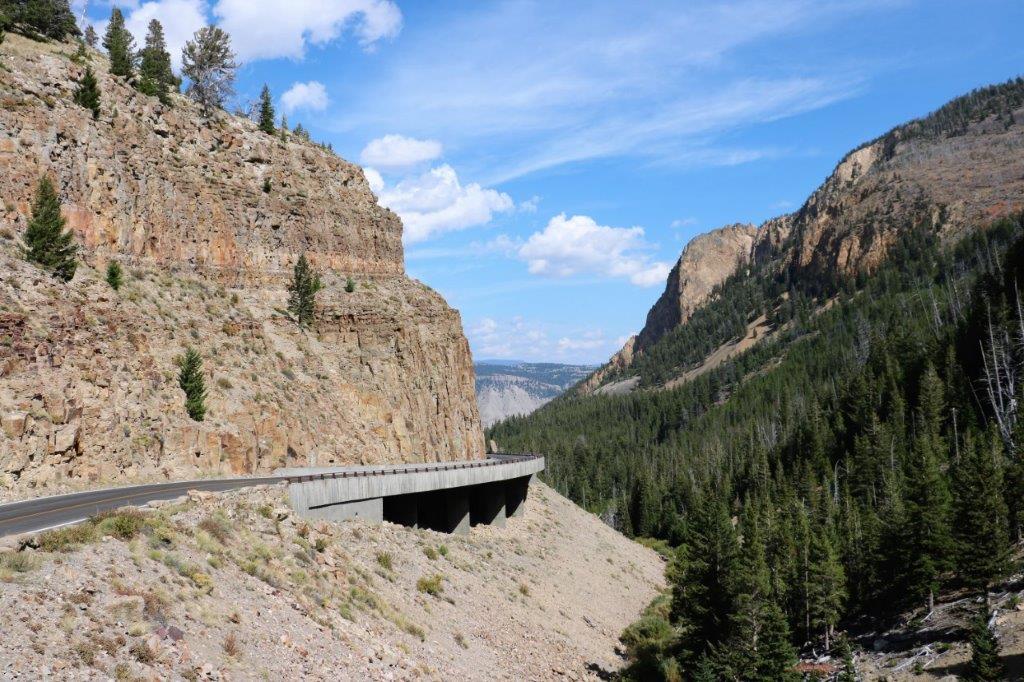
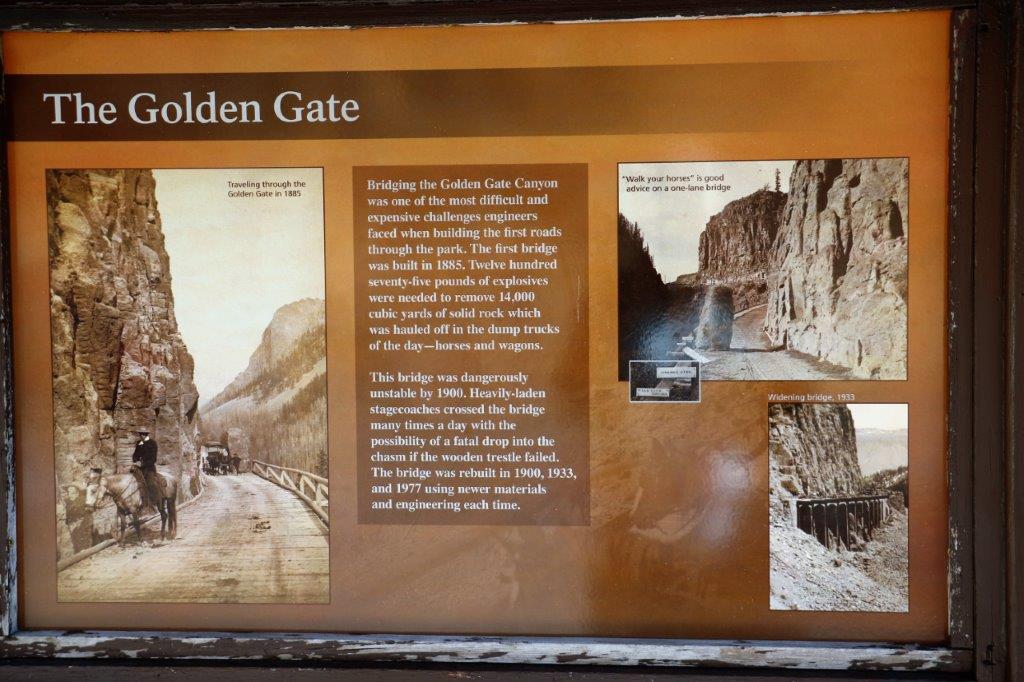
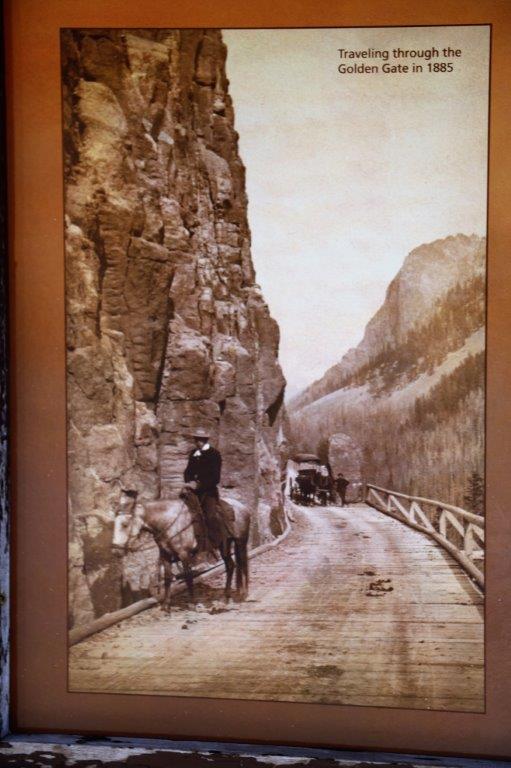
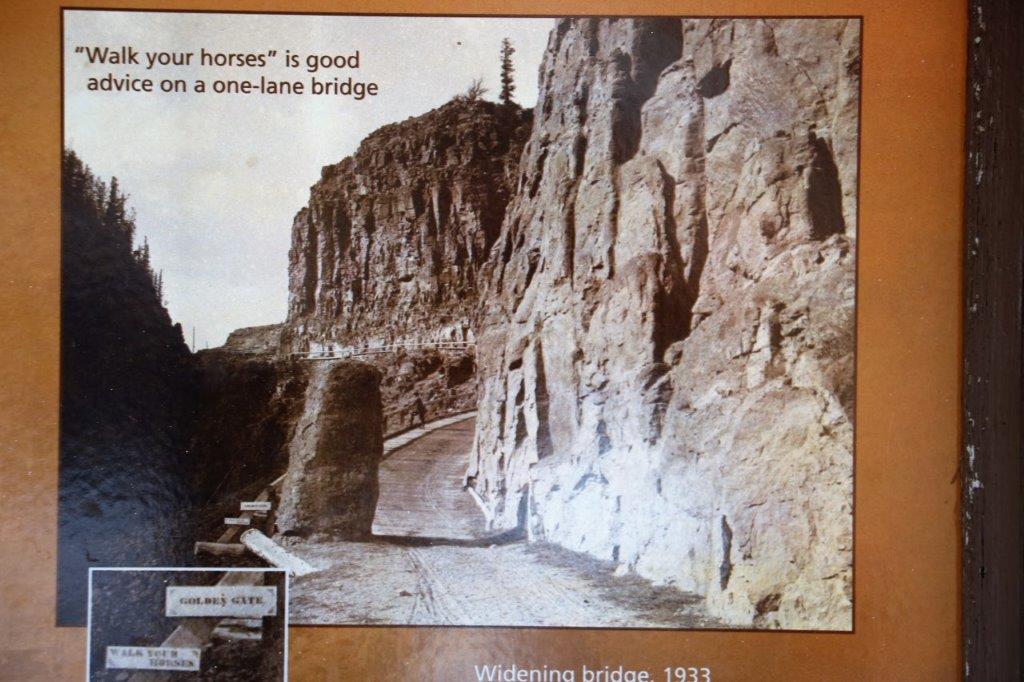
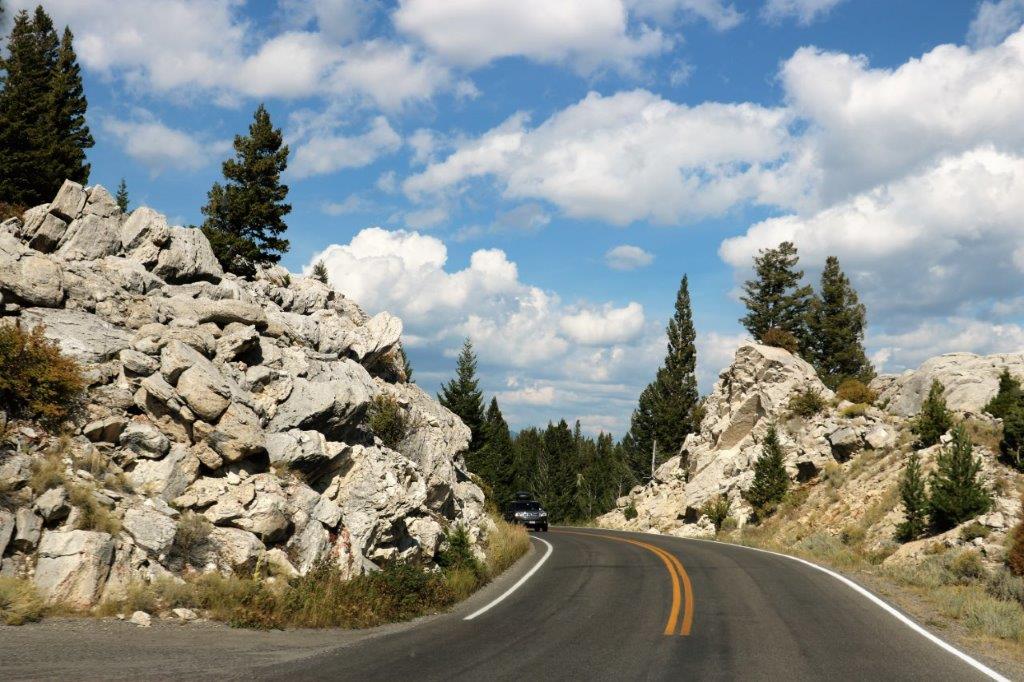
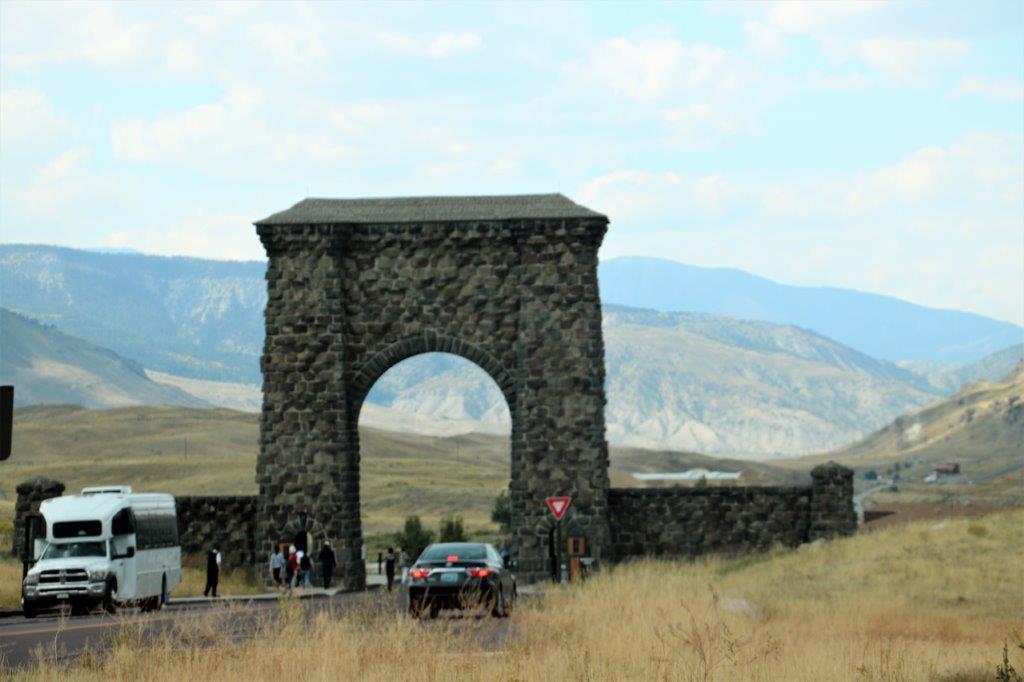
First stop was the Butte Lake Overlook. The fumeroles were blowing steam along the lake shore. We saw quite a few Bison today.  This one has some horn decoration. We walked to the middle of The Fishing Bridge (where you are no longer allowed to fish). We were driving slowly along and in a large meadow I saw a big bison all by itself.  Then I noticed something white moving in the grass as well.  I told John to stop the truck because I thought I saw a wolf.  And sure enough this young wolf walks out of the field toward all the cars and people along the road.  It was quite oblivious to us all and was just listening and looking for food.  Then someone spoke loudly, and slammed a car door and rushed closer for a photo and off it went.  Great experience! Because we were on a drive-through we did not make any side trips into the basins to view the pools or geyers.  We drove right past the Mud Pots and Dragon’s Mouth so we had to go see them again. These two lovelies were waiting for mom and dad to return. It may be September and school is back in but Yellowstone is still very busy with sightseers.  Not too far from the Mammoth Hot Springs you drive the Golden Gate.  There is a nice waterfall that is right beside the road and unless you stop and walk over to the edge of the guard rail you don’t see it.

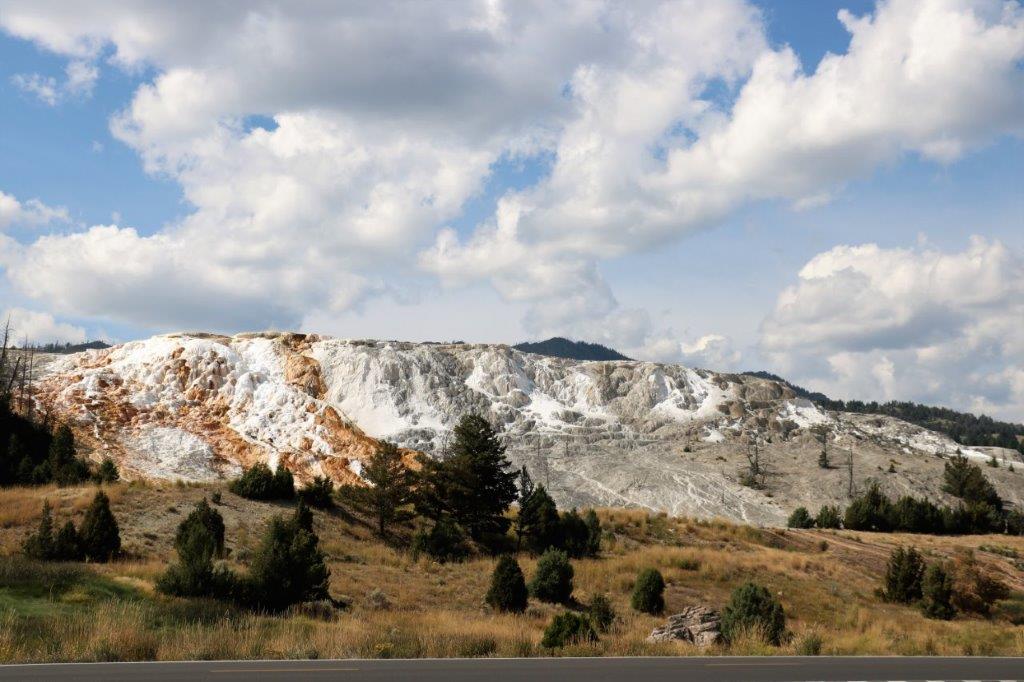
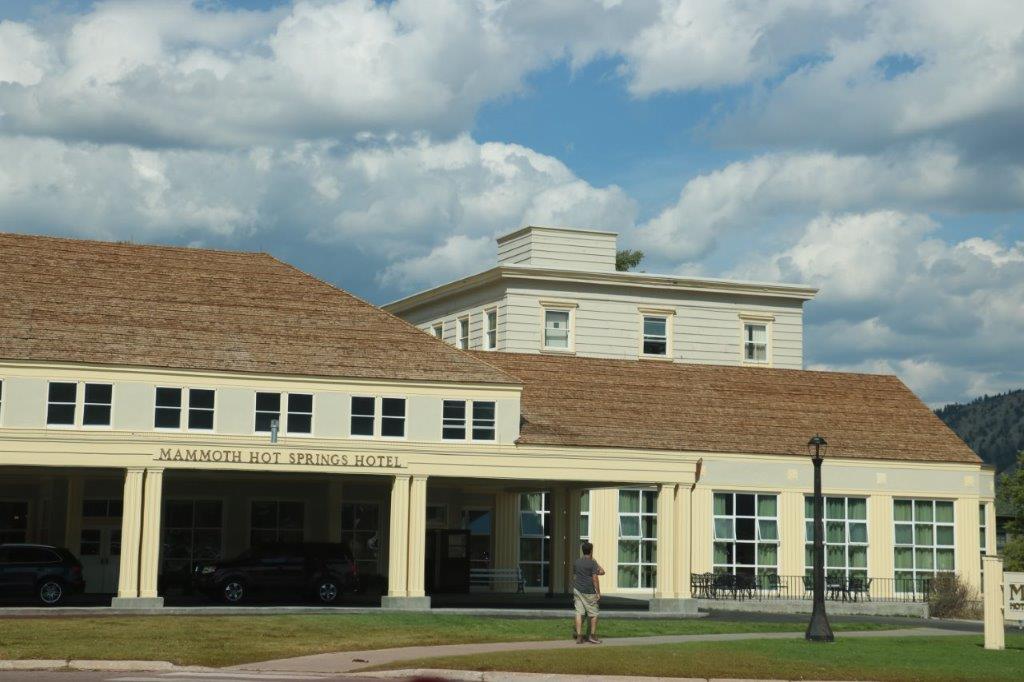
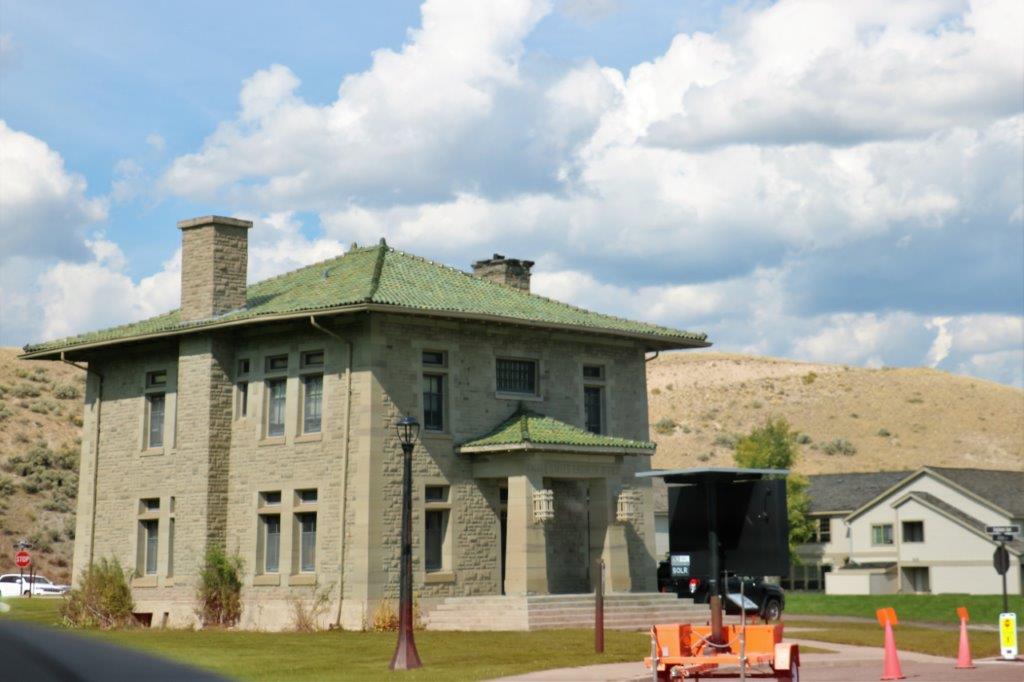
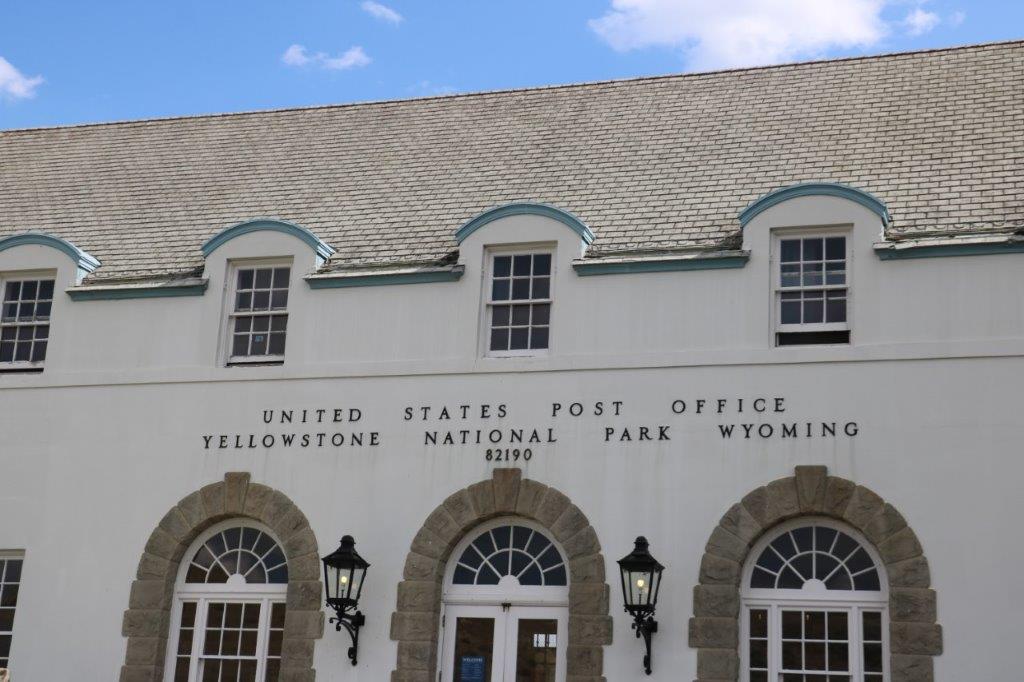
The Minerva Terrace at Mammoth Hot Springs was a pretty as ever. When we were here before I spent ages walking all the board walks up there and taking dozens and dozens of photos.  I remember the entire side of the terrace being the oranges and white but now over half of it gets no water and has dried up.  I will have to check when I get home.  We drove into the community of Mammoth Hot Springs and got some ice cream before leaving the park, entering Montana, and heading up toward Bozeman.

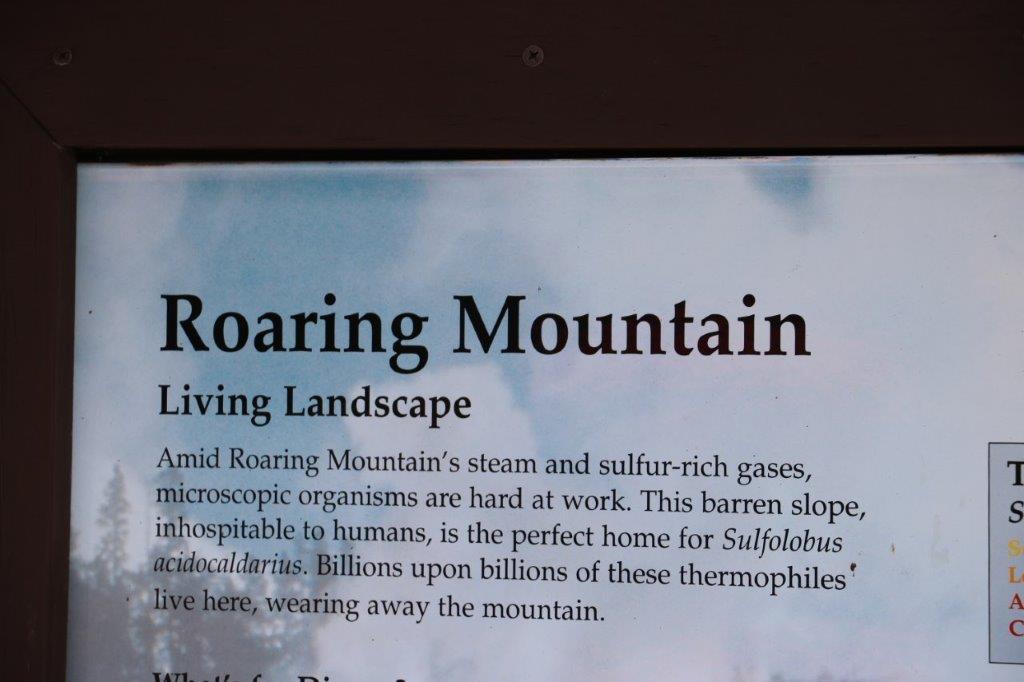
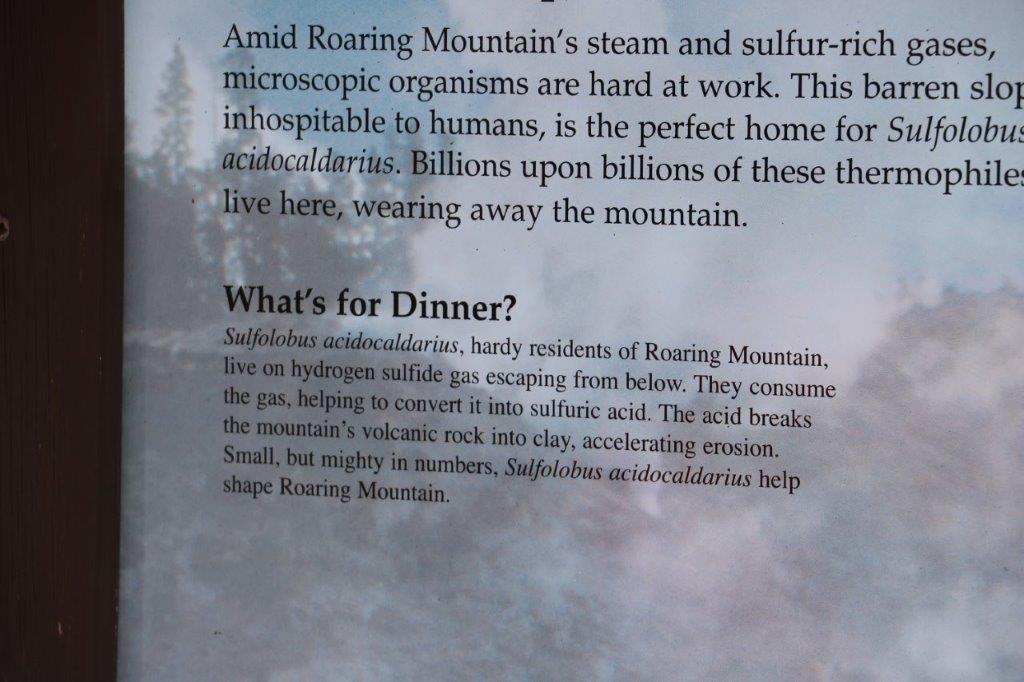
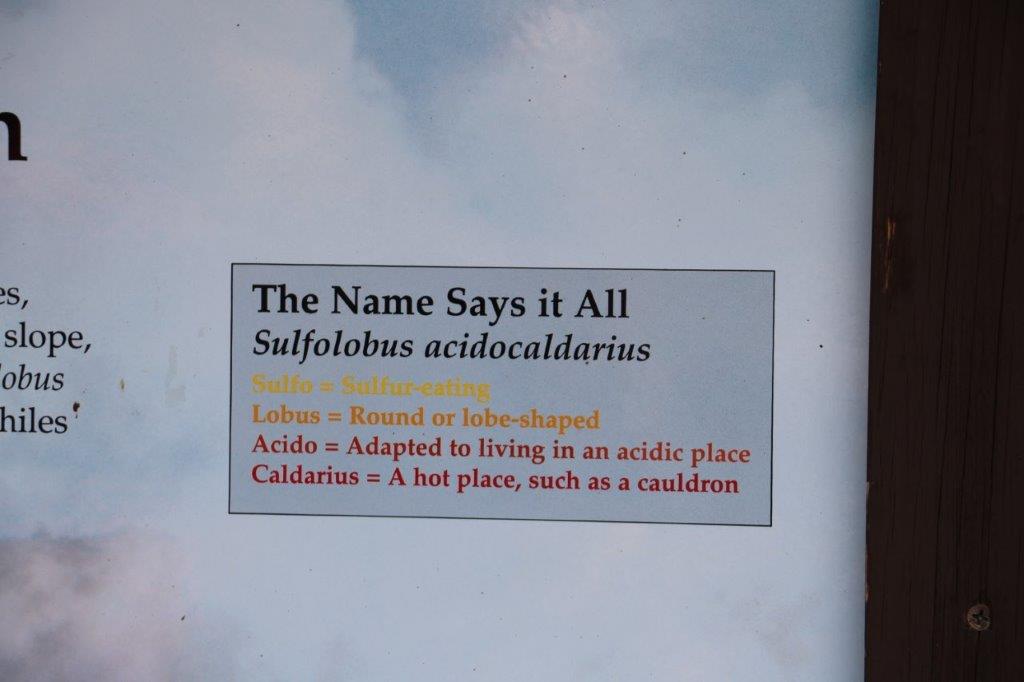
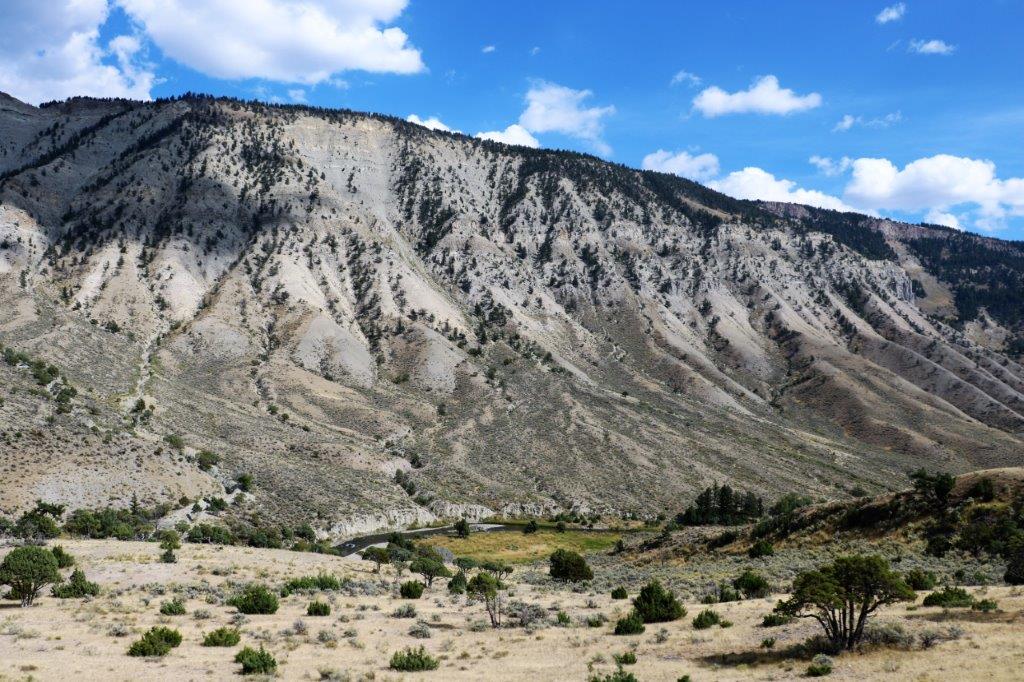
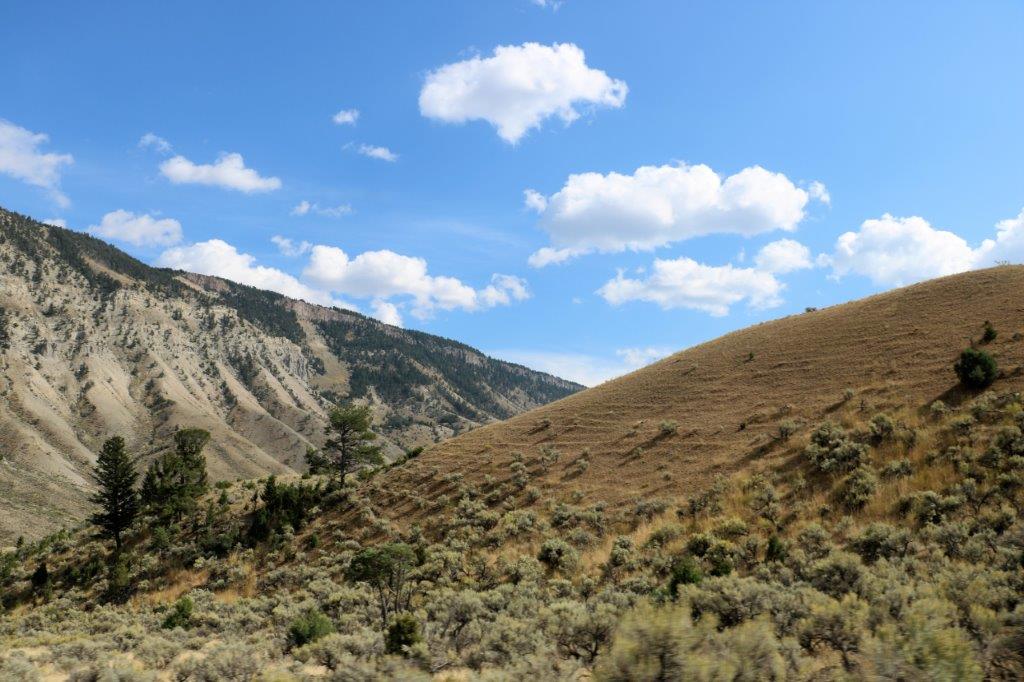
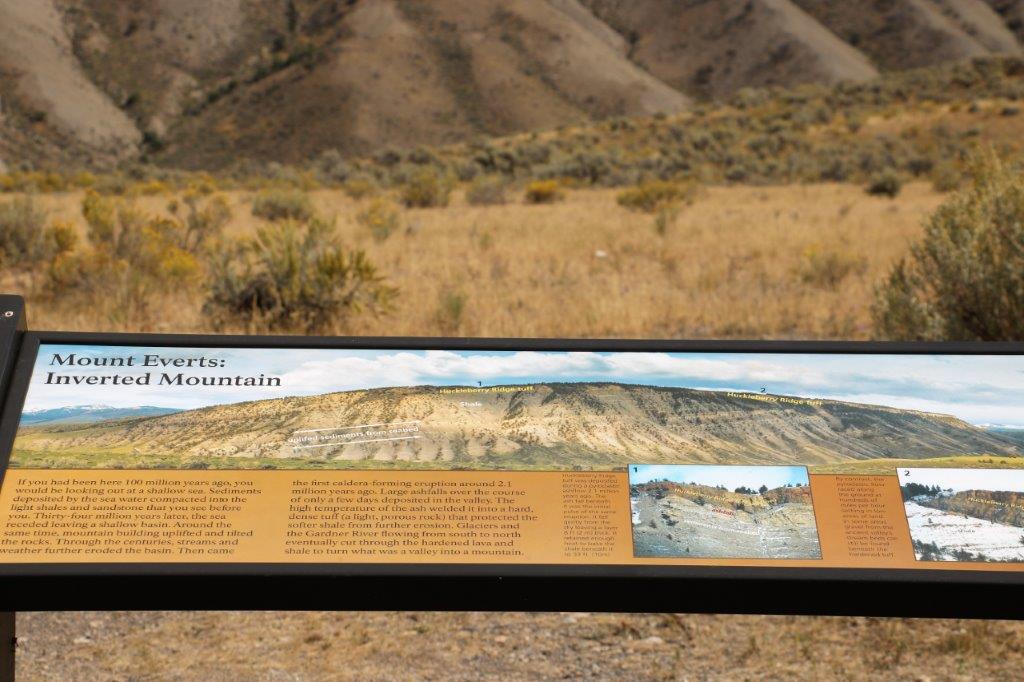
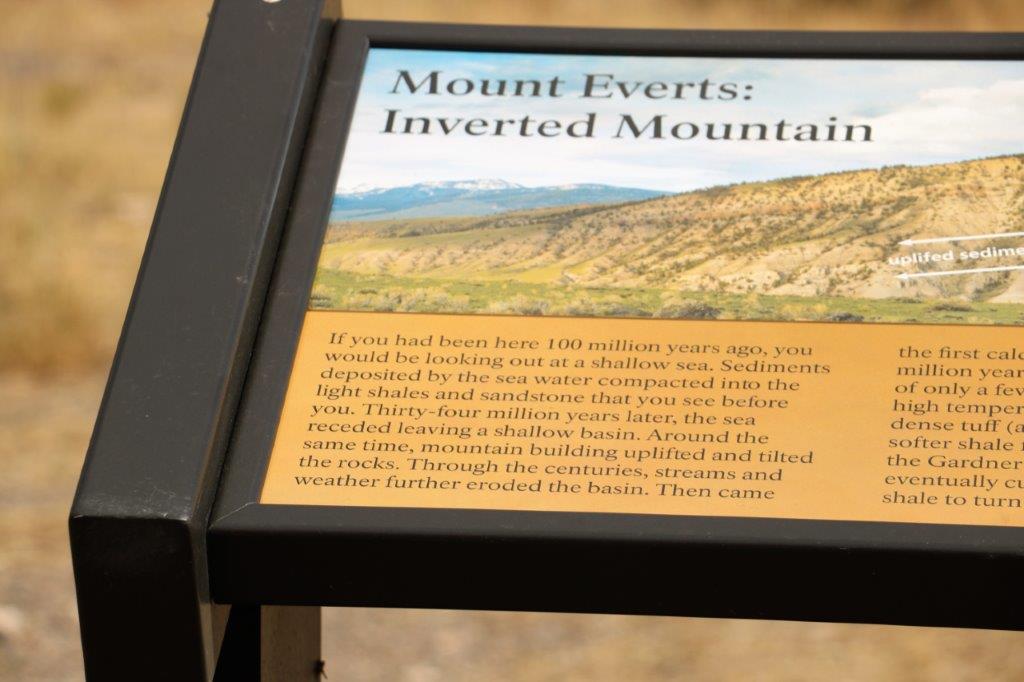
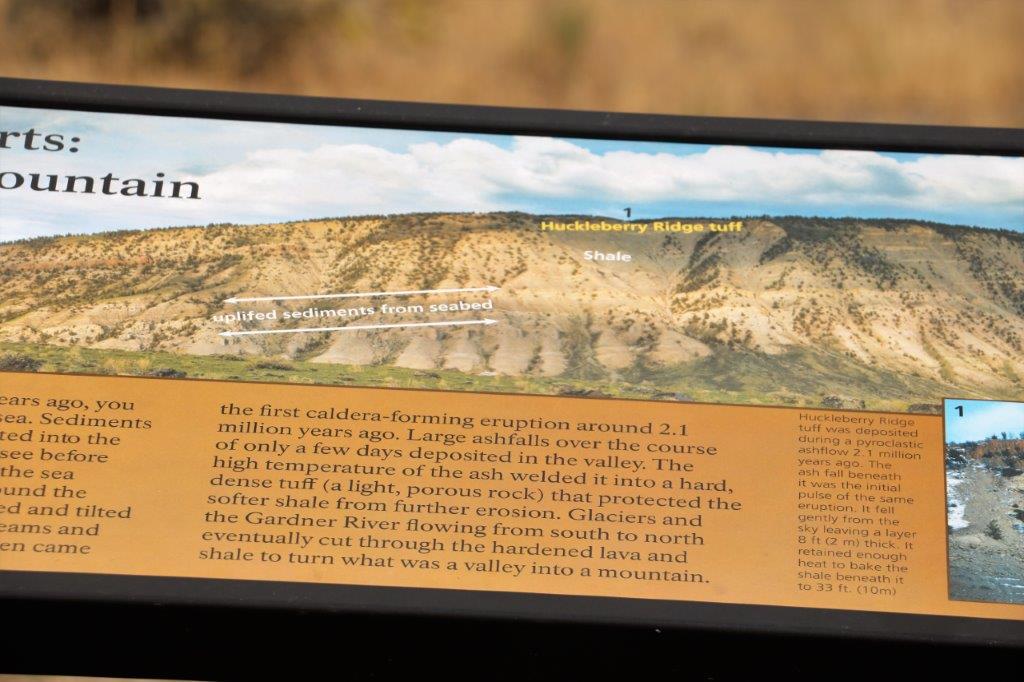
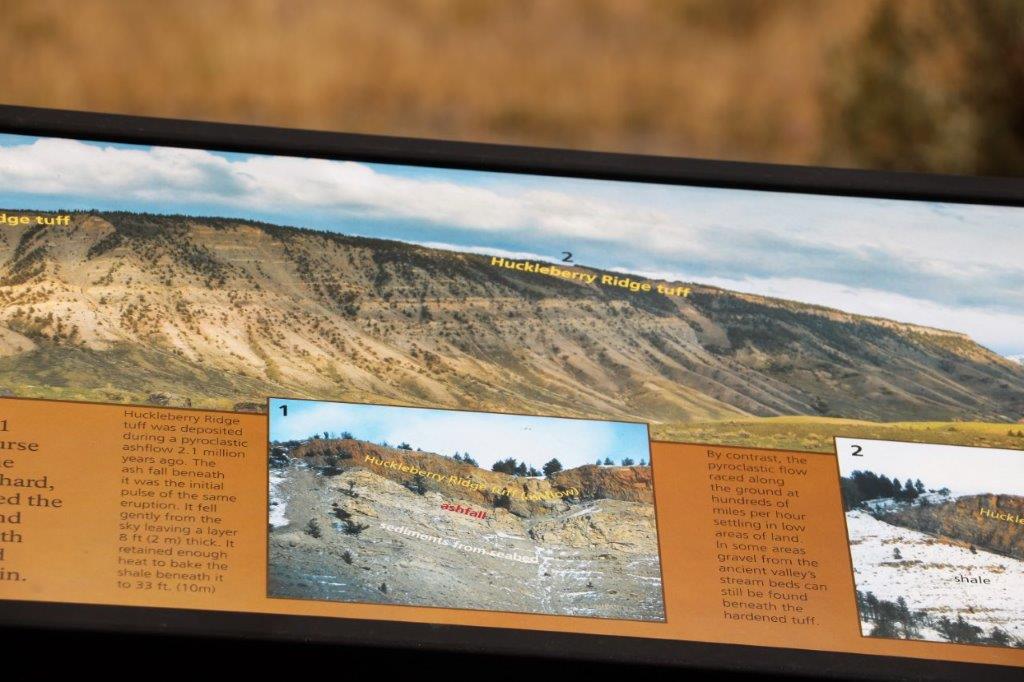
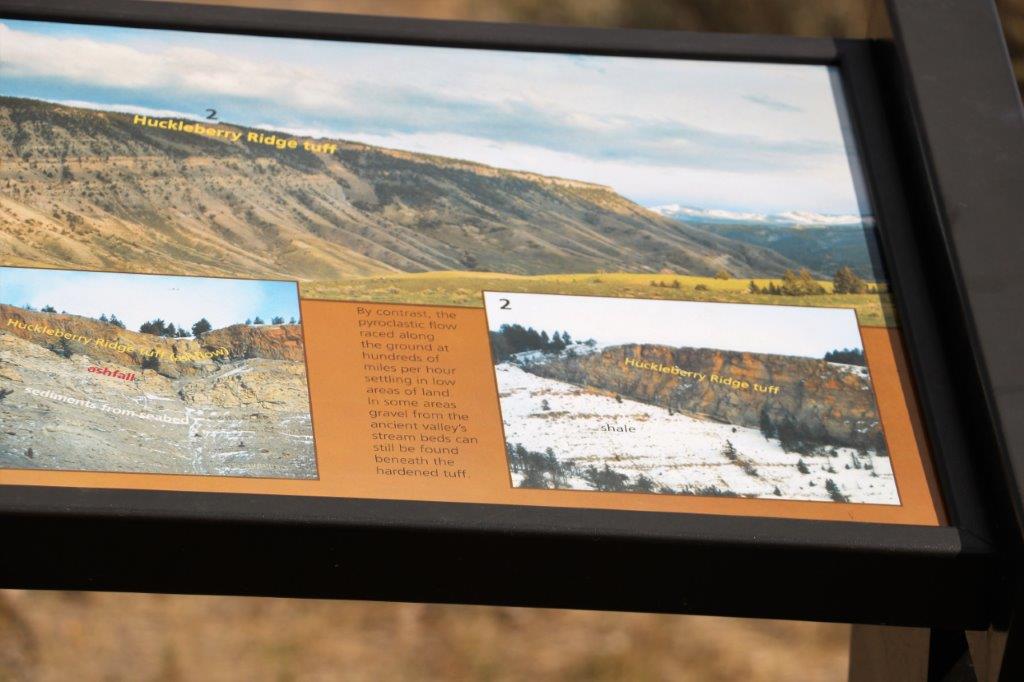
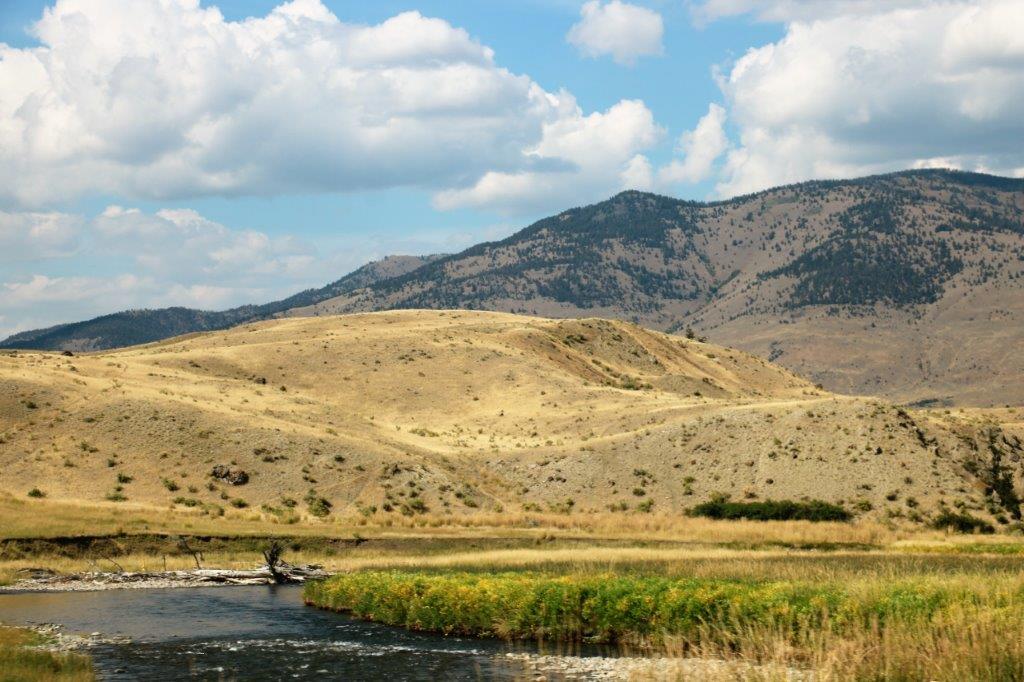
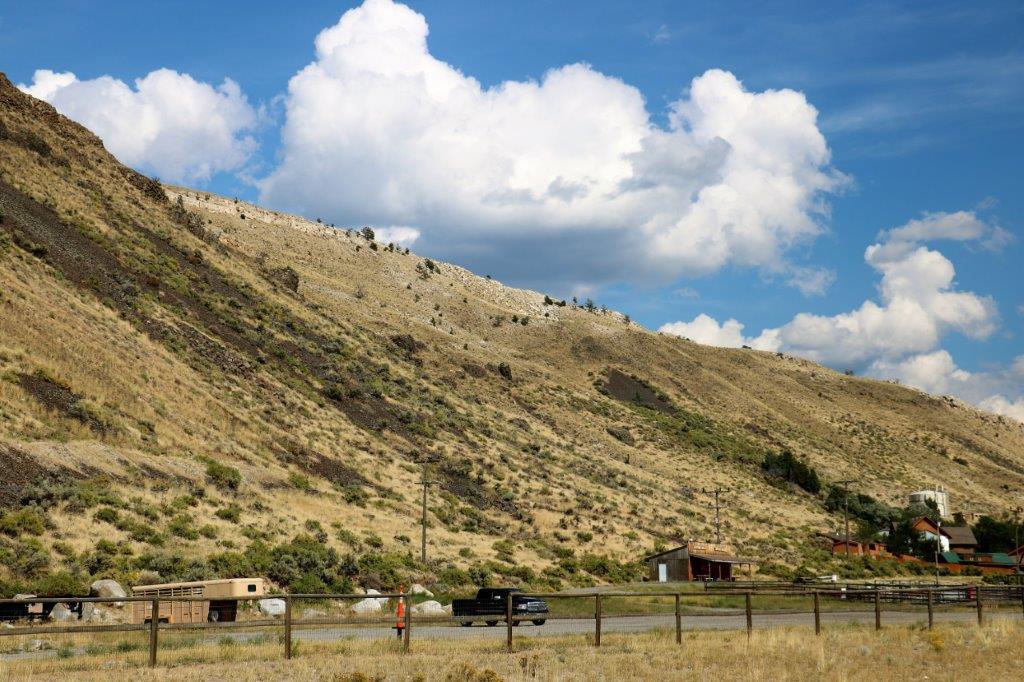
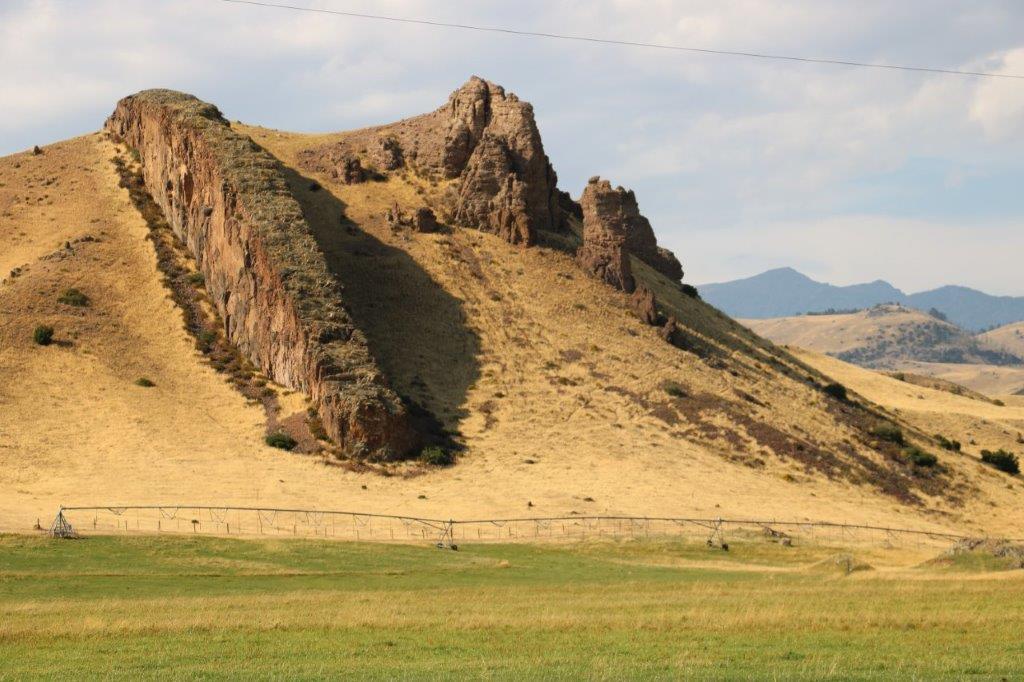
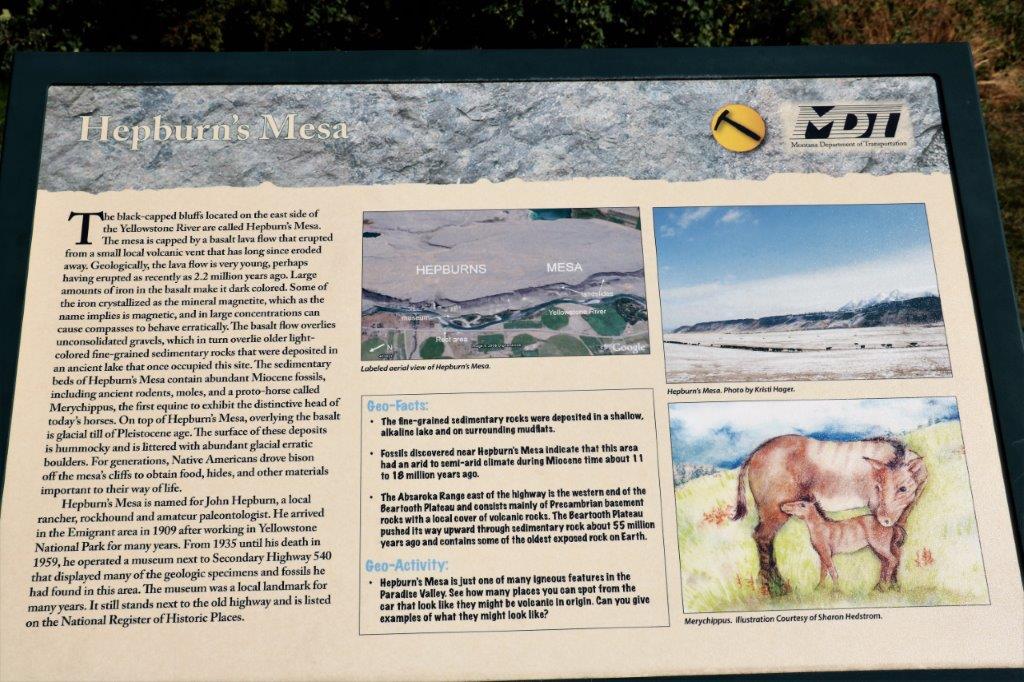
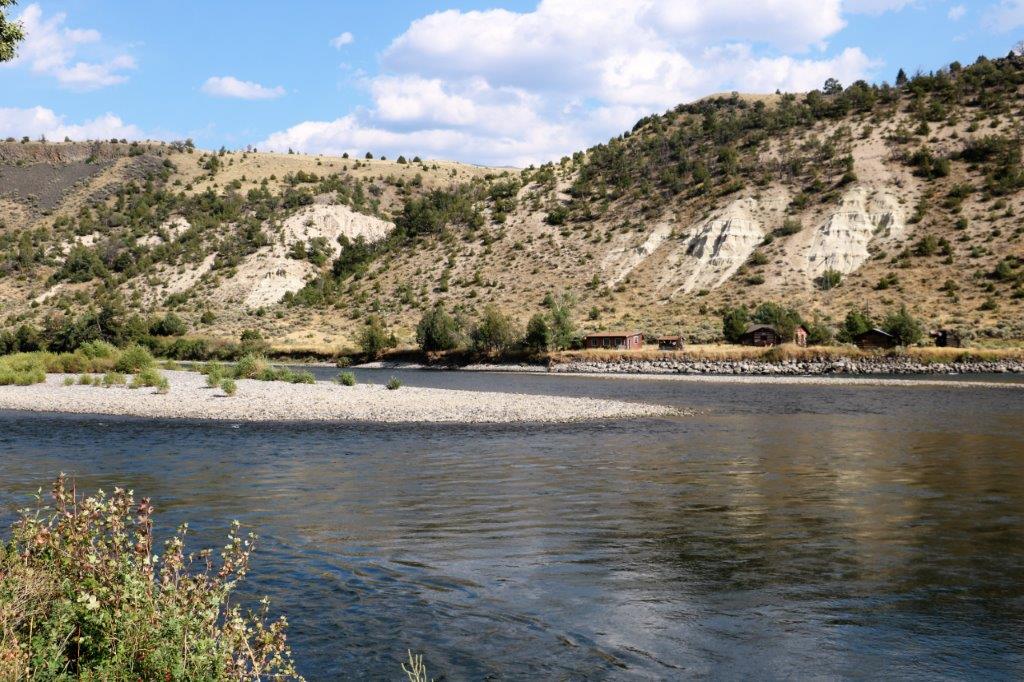
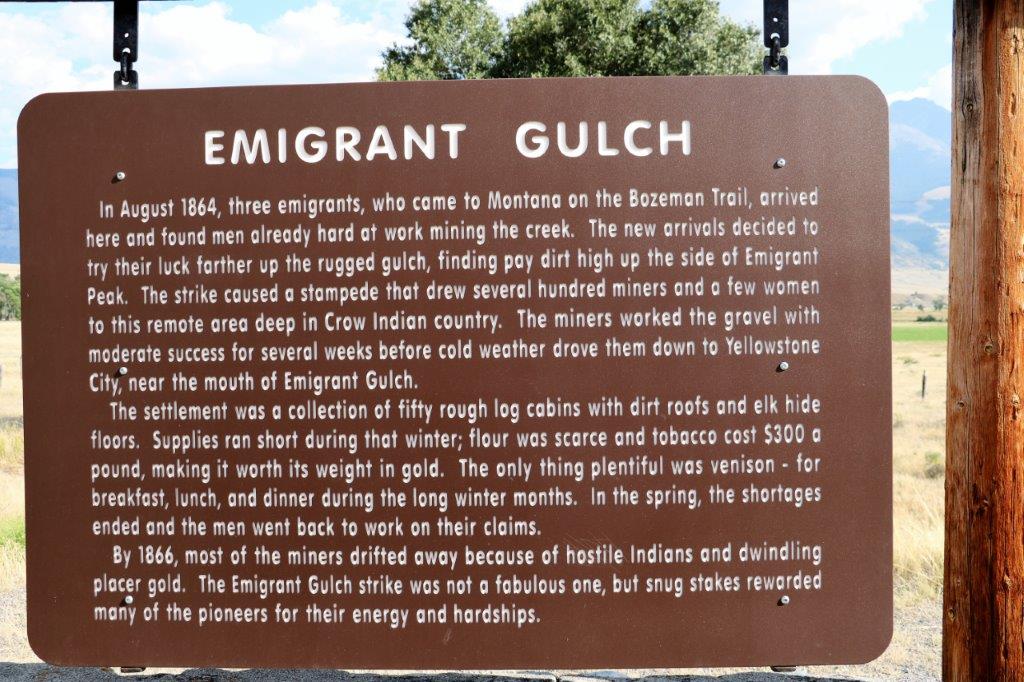
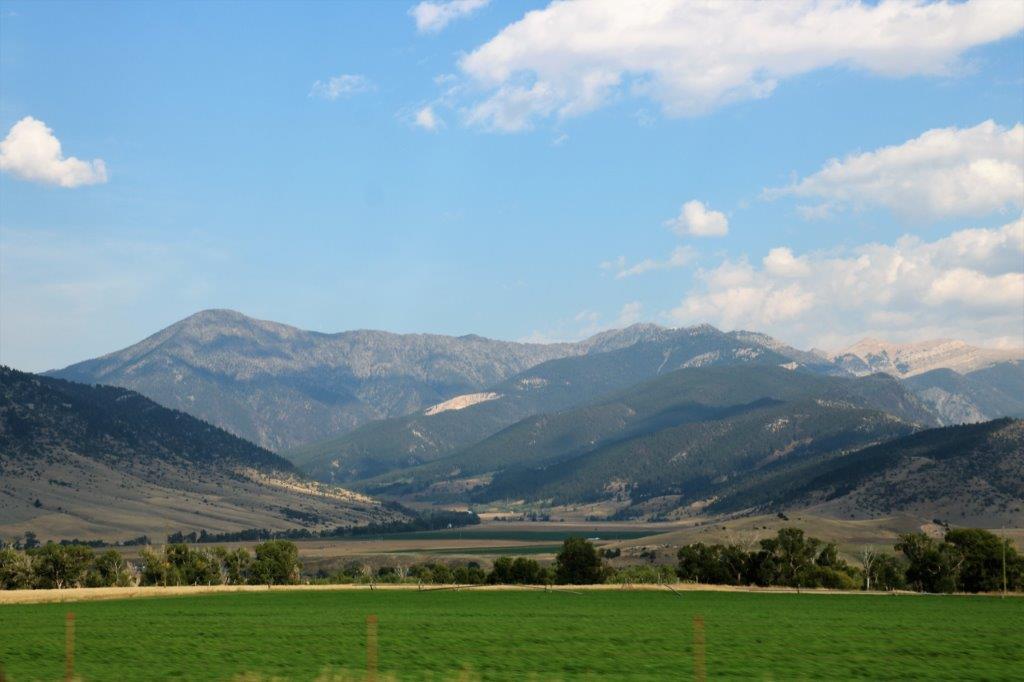
There wasn’t an earth cache nor a virtual cache at this location but the information about the mountain was very interesting. There was an earthcache called Montana’s Mesa located at a rest stop beside the river.  It was a very pretty place to stretch our legs. John is good.  He just automatically pulls into any Historical Markers so I can read the sign boards.We got into Bozeman at 5ish and checked in to our hotel, which conveniently has a restaurant so we could eat without going out again.  Then it was back slaving away at the computer editing photos, choosing photos, checking email and writing a blog.  Another successful day on the 2017 Summer Road Trip.  Unfortunately there are only about three of them left.