Category Archives: Hanna Travels

2013 Summer (Baltic and Britain – Scotland – July 22 – Day 29)

July 22 was my father’s birthday, so I found it very special that my son chose to be married on that day.  We had thoroughly enjoyed our trip since leaving home on May 31.   Now, at last, we had arrived at the day that was the reason for this incredible journey.  Our son’s wedding day!

The day dawned beautifully sunny and hot (by Scottish standards). Temperatures reached about 27° C (almost 81 °F).  We were in the midst of the most notable heat wave in the UK since 2006.  The country experienced over 250 hours of sunshine that summer, which is about 145% above average.  It was the third sunniest July since 1929.  We loved it, but the groom and his attendants were cooking in their wool jackets and vests!

The entire wedding event was organized by Lorna of OXOX Design and Events via email and Skype between Dubai and Inverness;  and there was not a hitch all day – at least there were none that any of us was aware of.  It was an awesome day and one of the most fun, and definitely the most unique wedding I have ever attended.

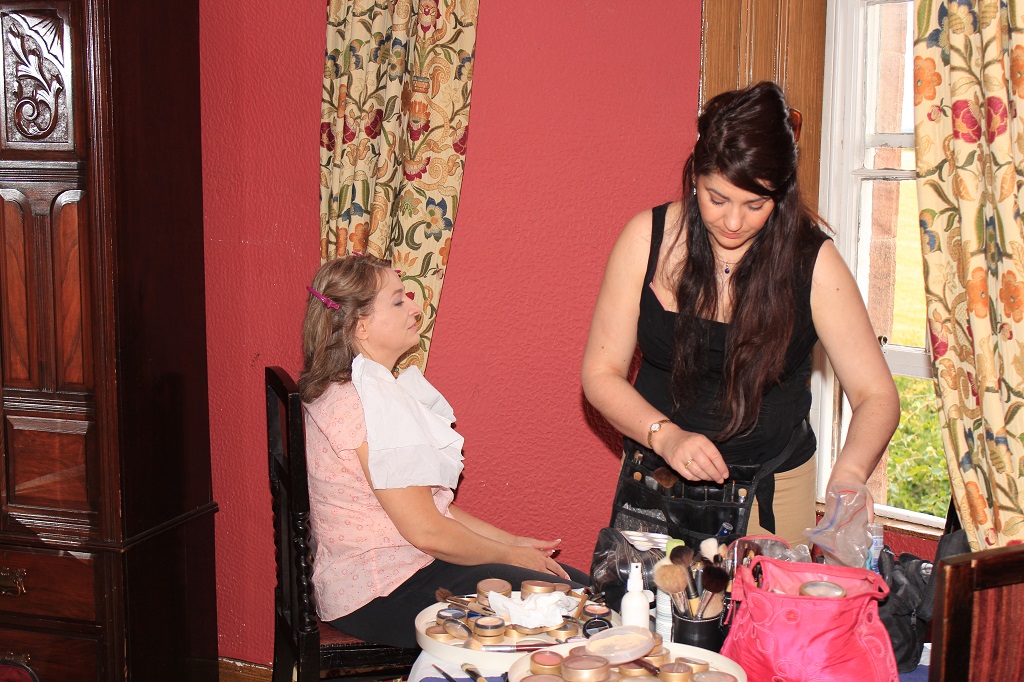
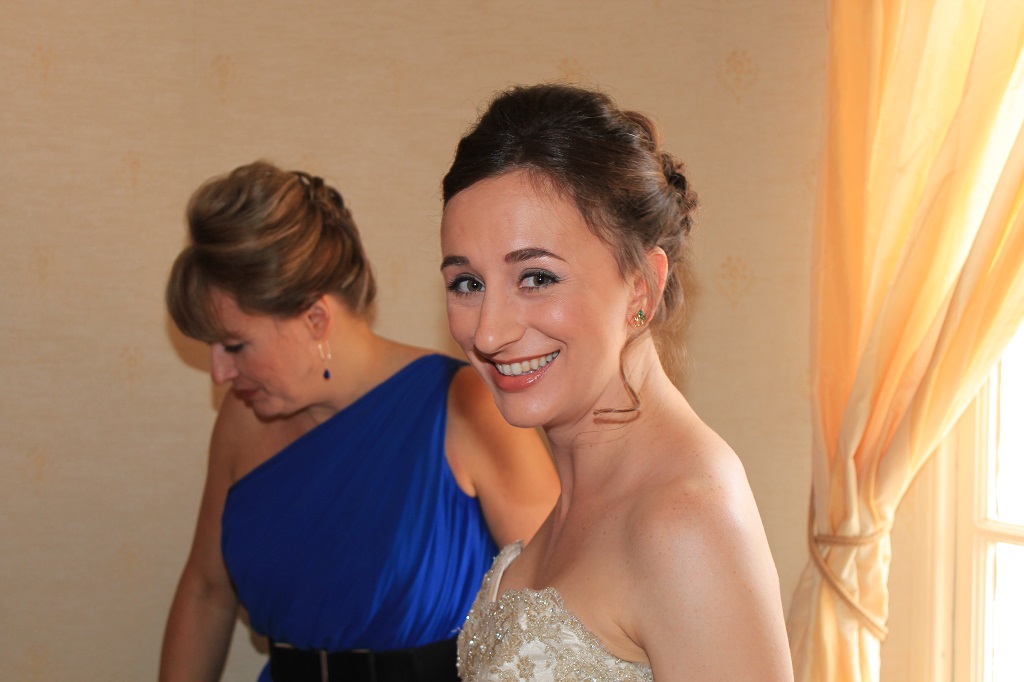
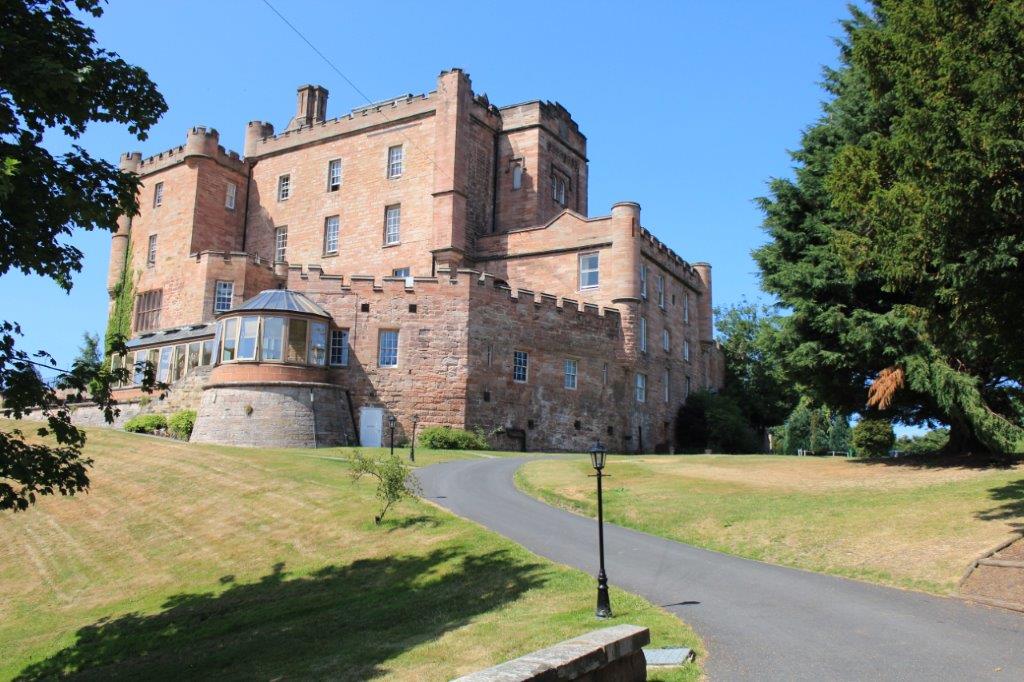
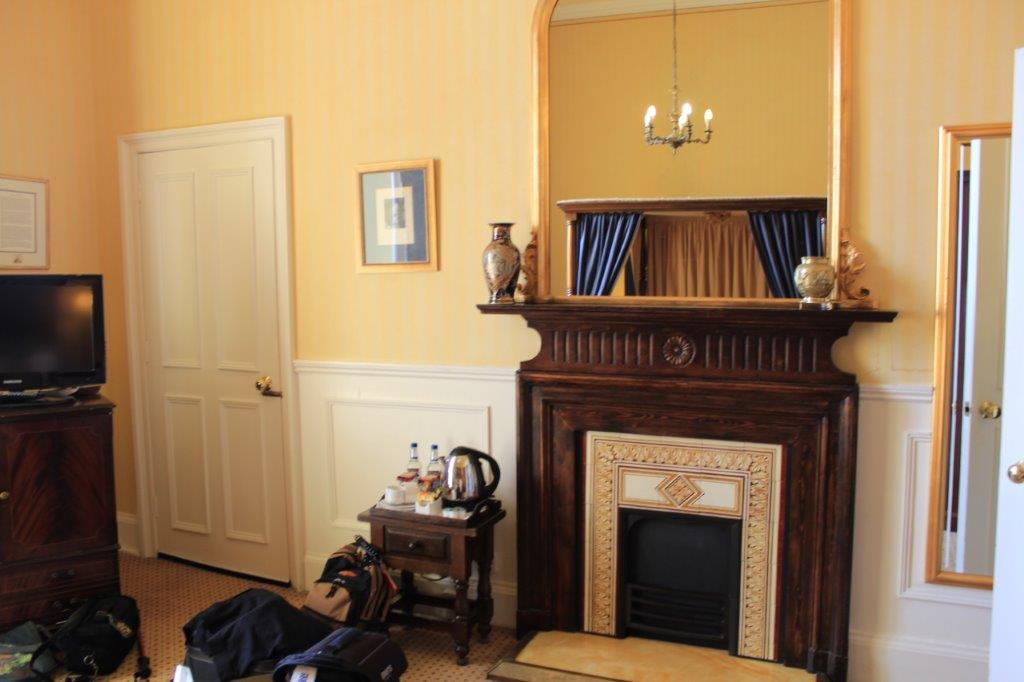
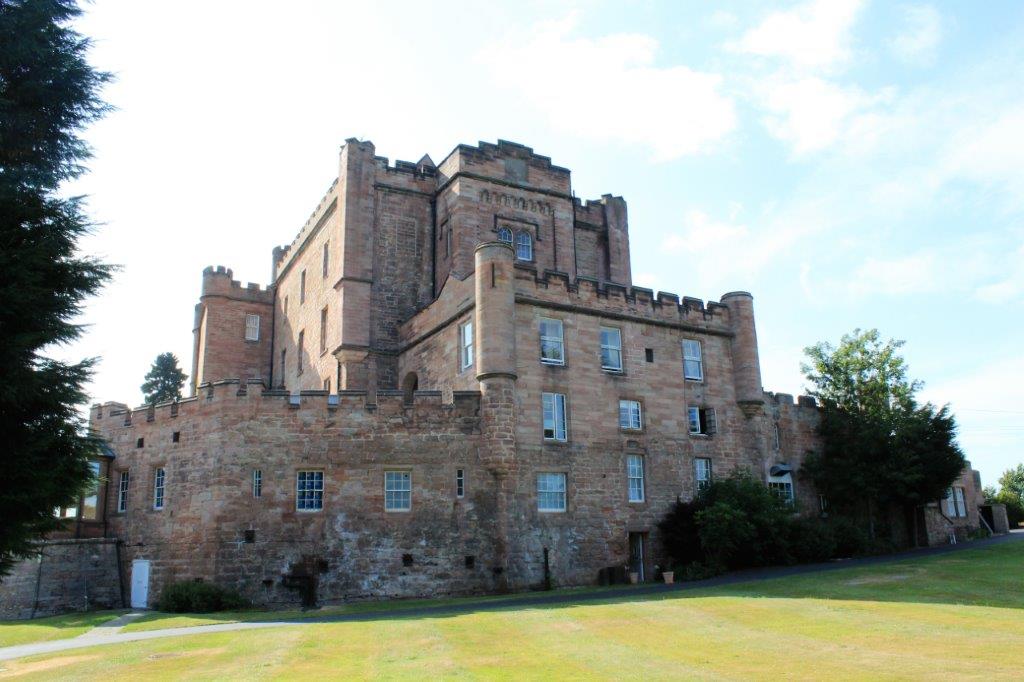
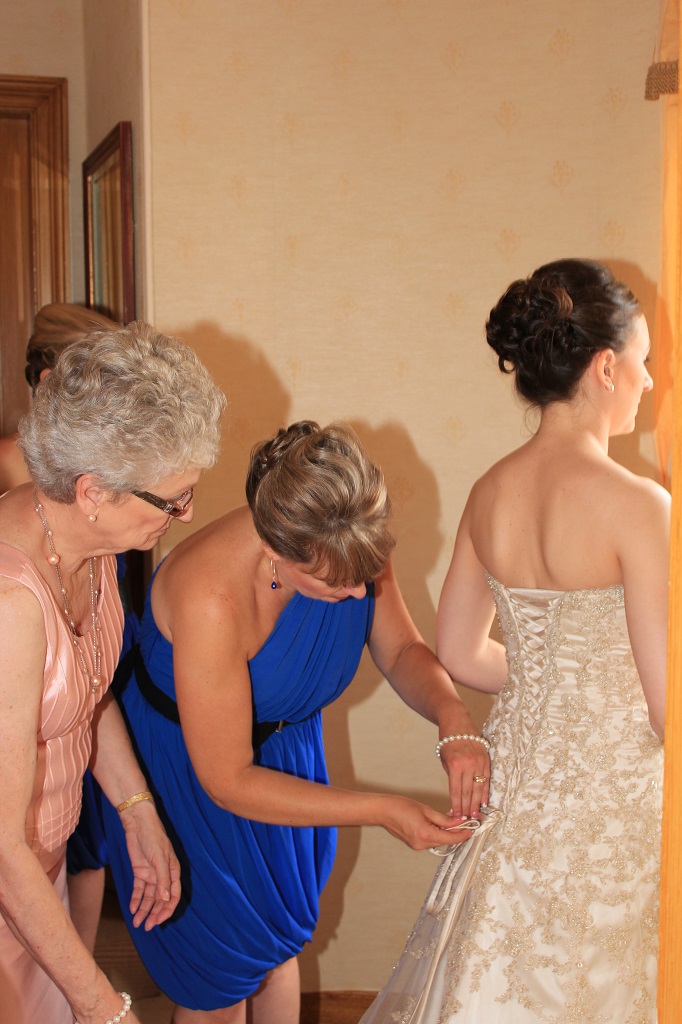
Everything took place at beautiful Dalhousie Castle.  In the morning the bride, her sister  Anne, who was her matron of honour, her niece Christina, who was bridesmaid, her mother Jill,  my daughter Trish, and I settled in Carrie’s room and had our hair and make-up professionally done by two talented ladies. We were even brought a light lunch!
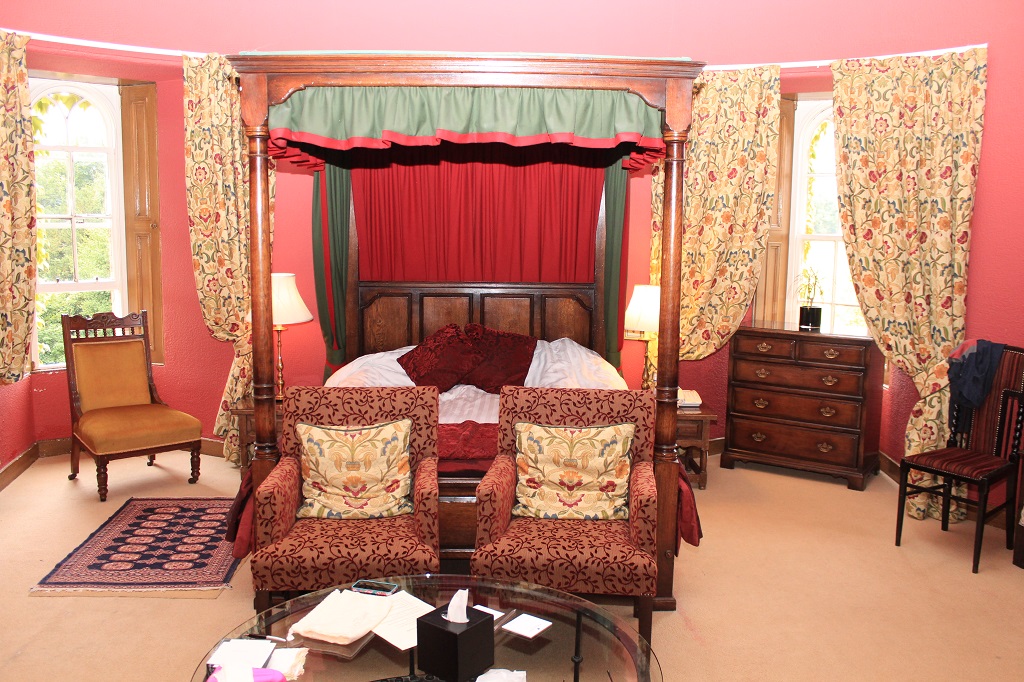
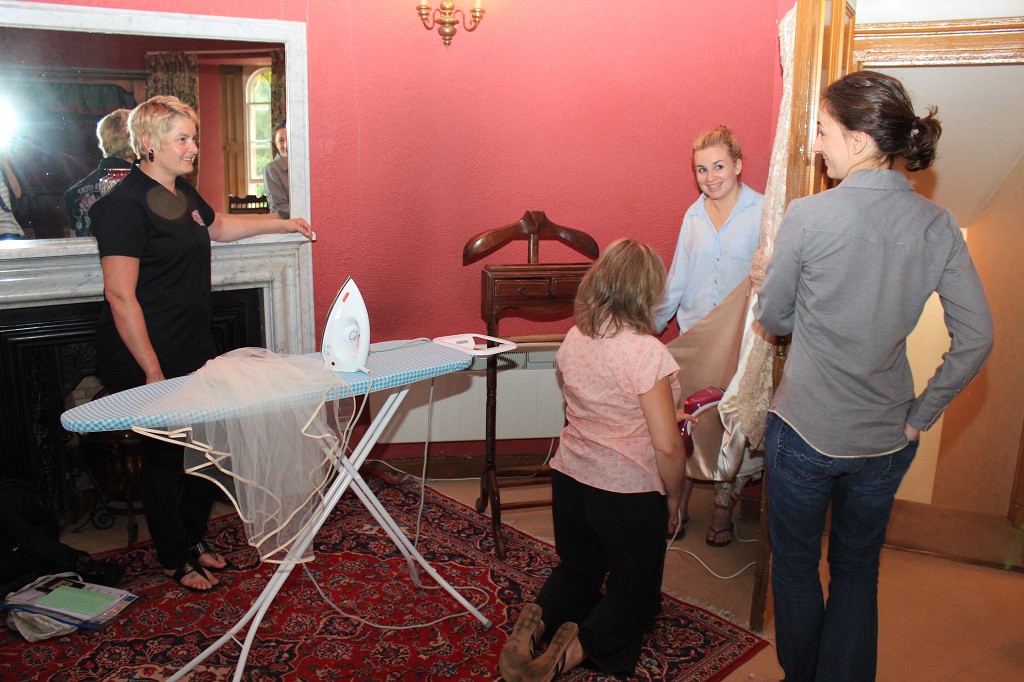
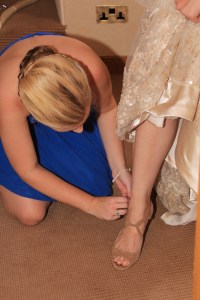
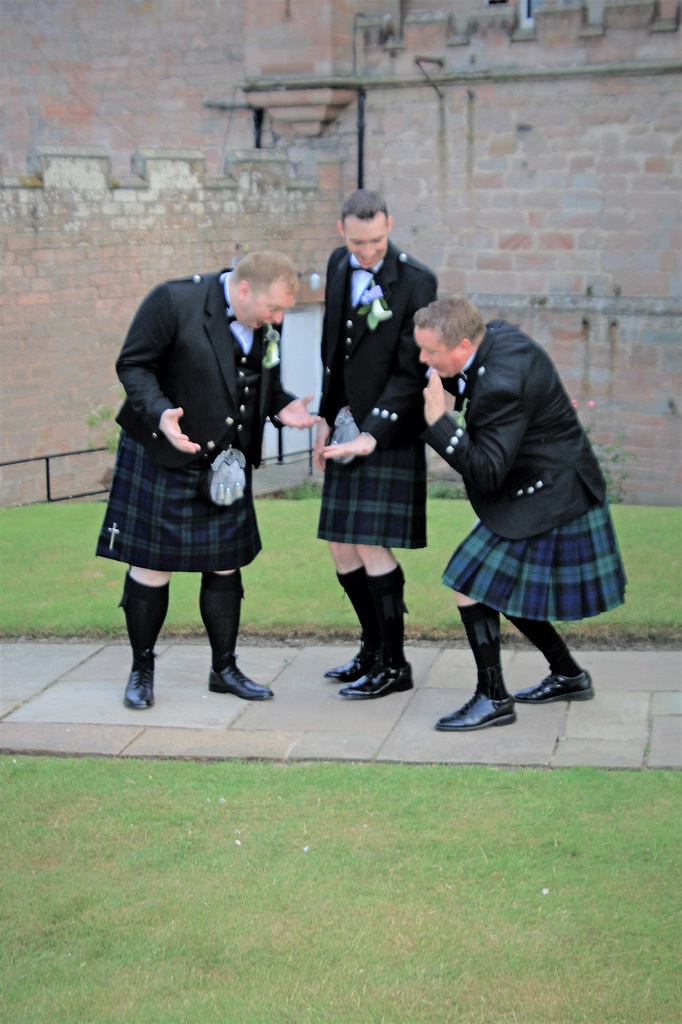
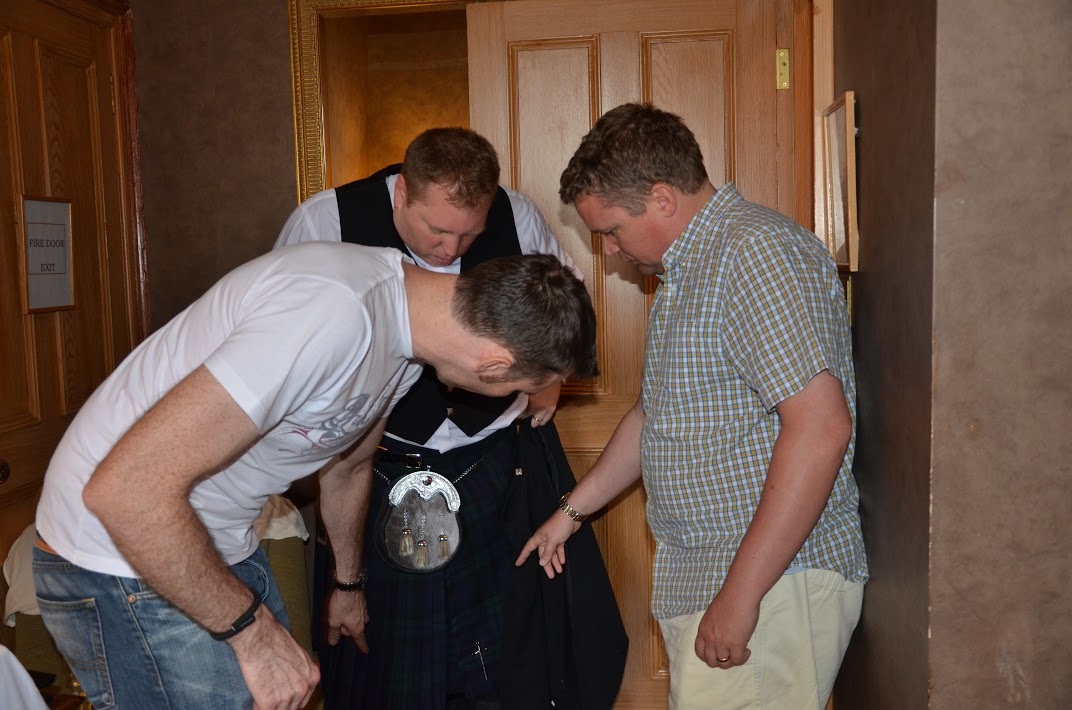
The wedding was to take place in the castle chapel at 3 pm.  Our son and his two friends, Perry his Best Man, and Andrew his Groomsman were in Joseph’s room figuring out how to put on all the pieces of a traditional Scots dress kilt.   They  were wearing  the Black Watch  Tartan.Perry’s wife Becca took some nice photos of the fellows when they were ready. Meanwhile, in the bride’s bedroom, final preparations were being made.
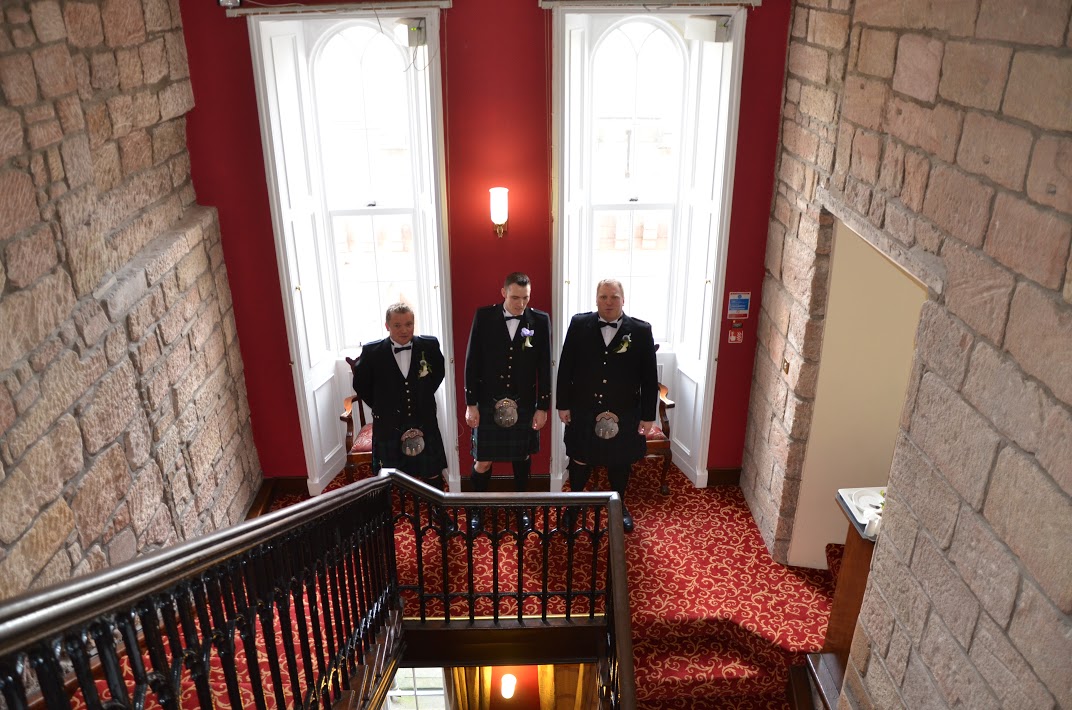
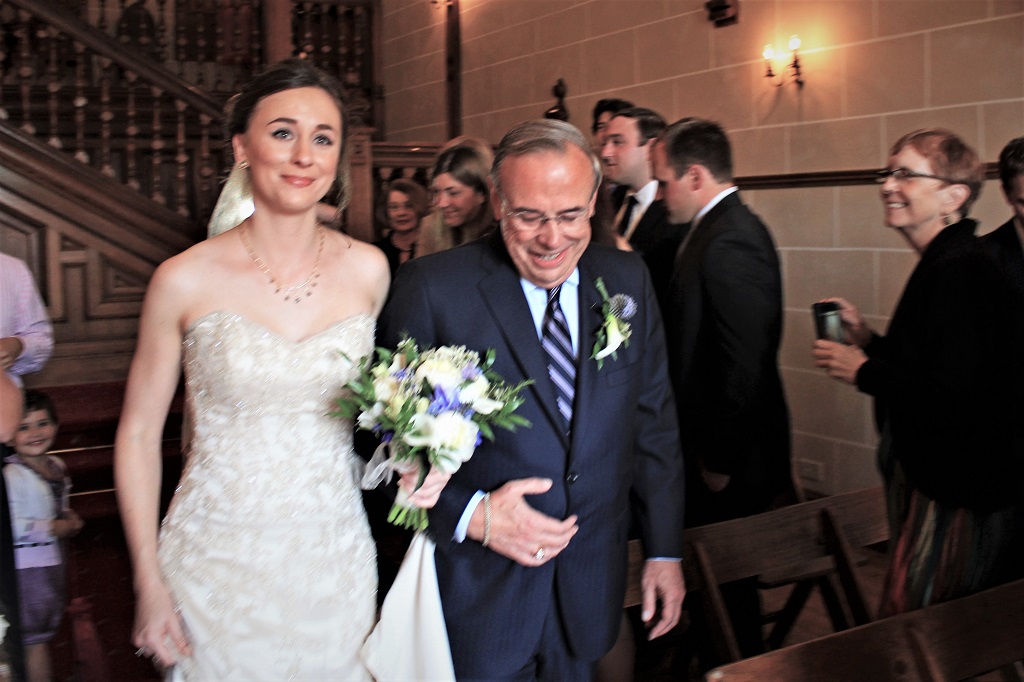
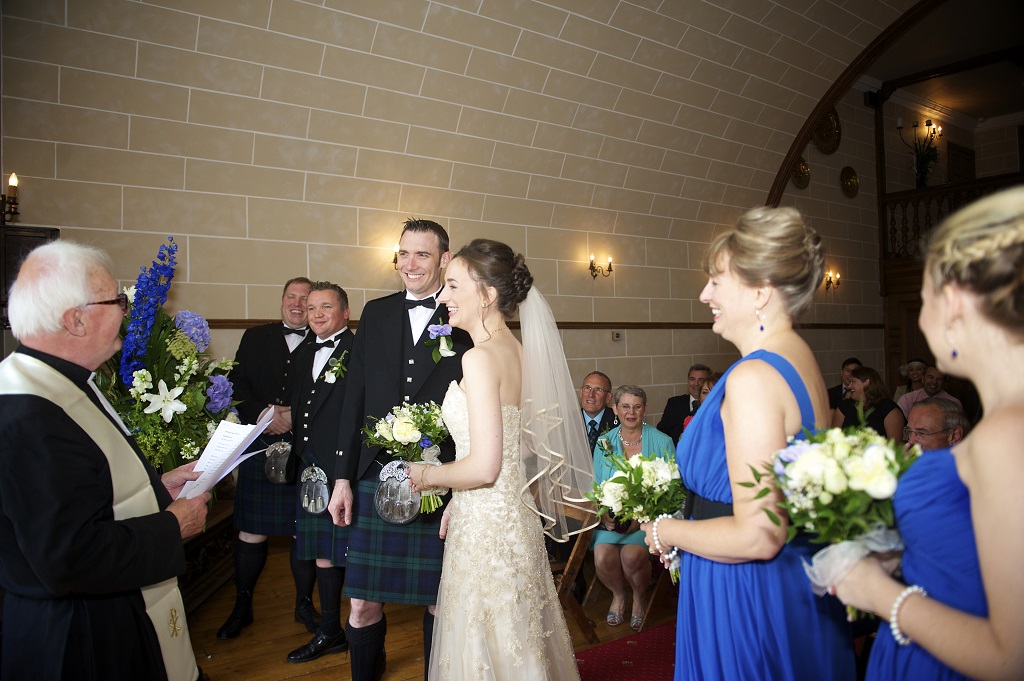
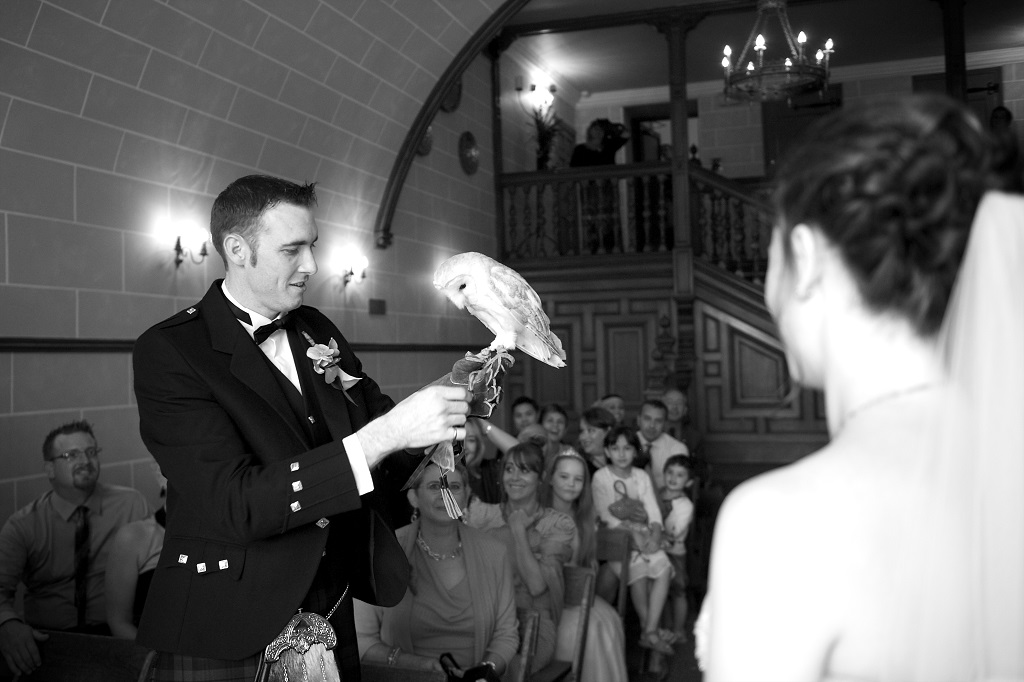
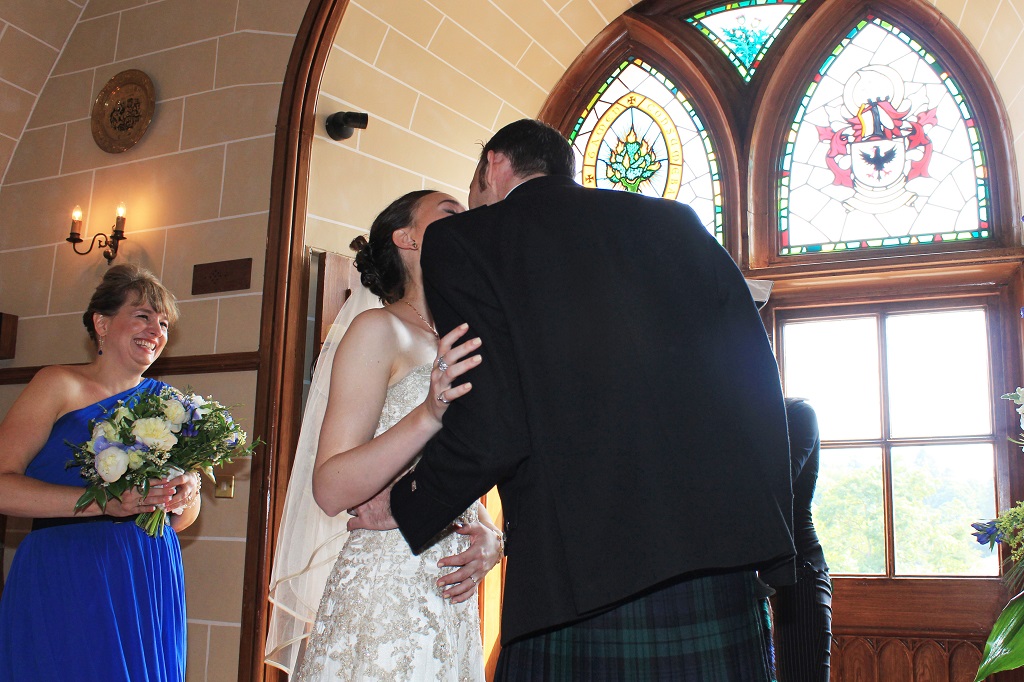
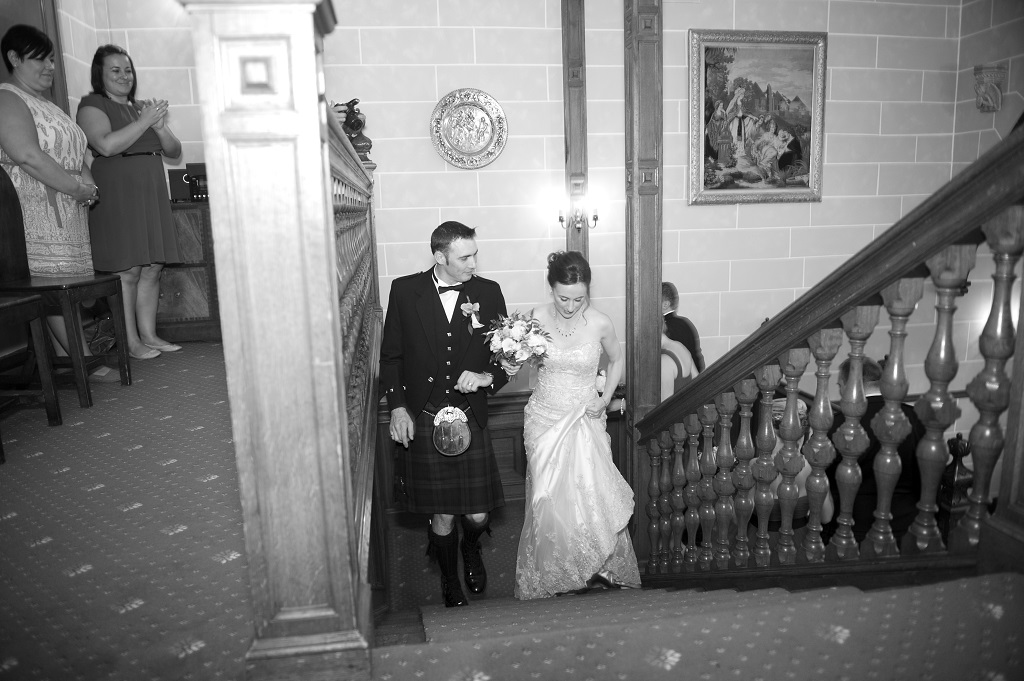
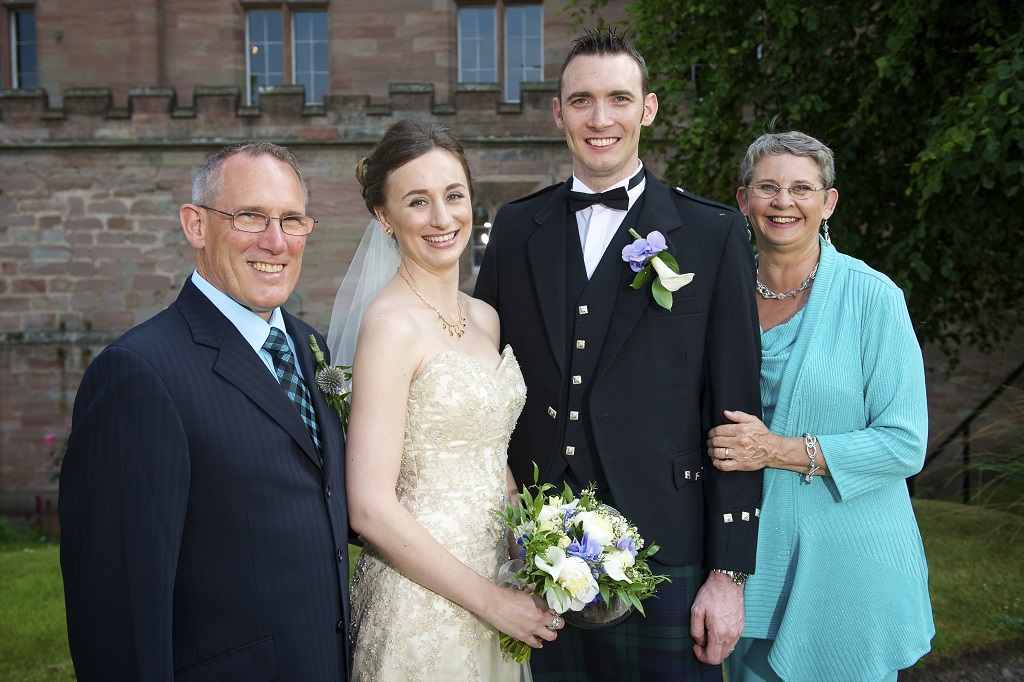
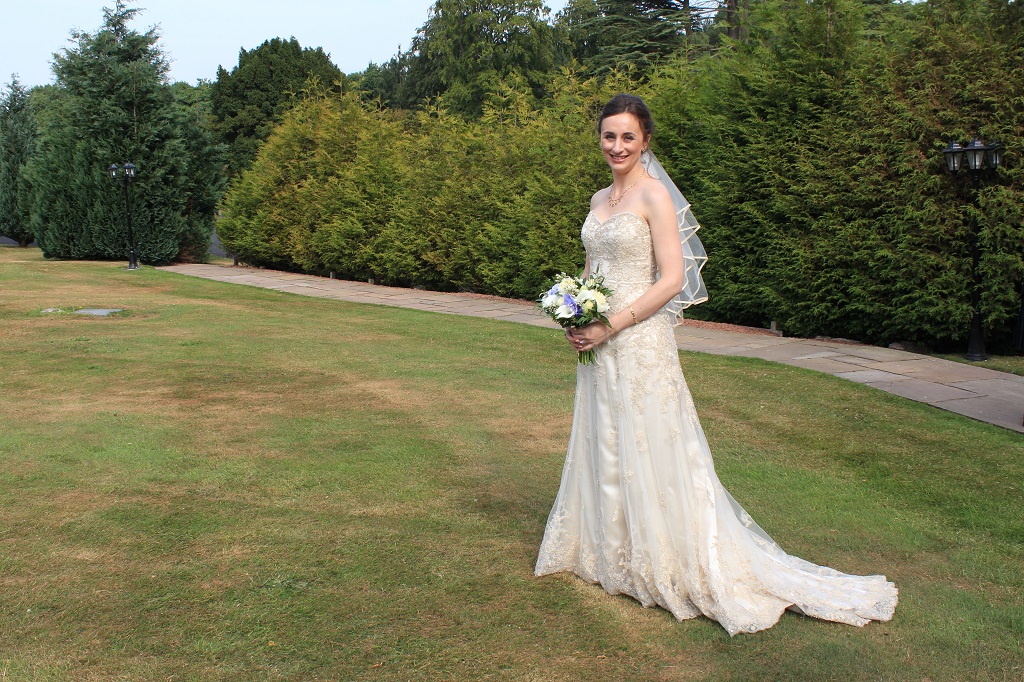
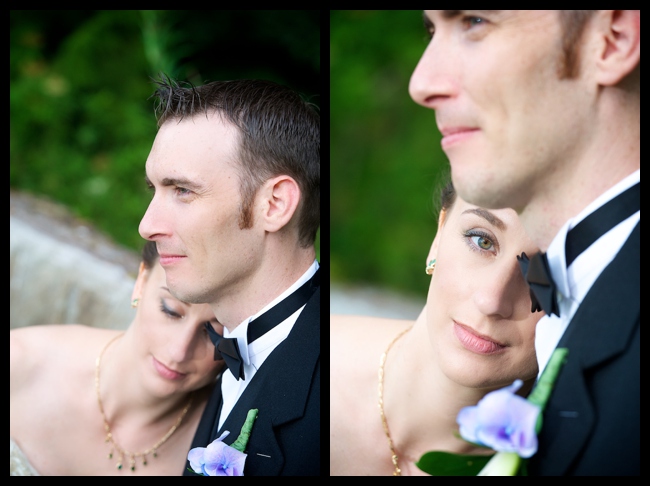
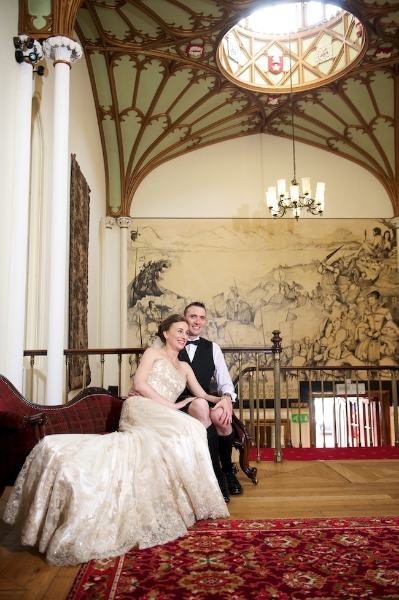
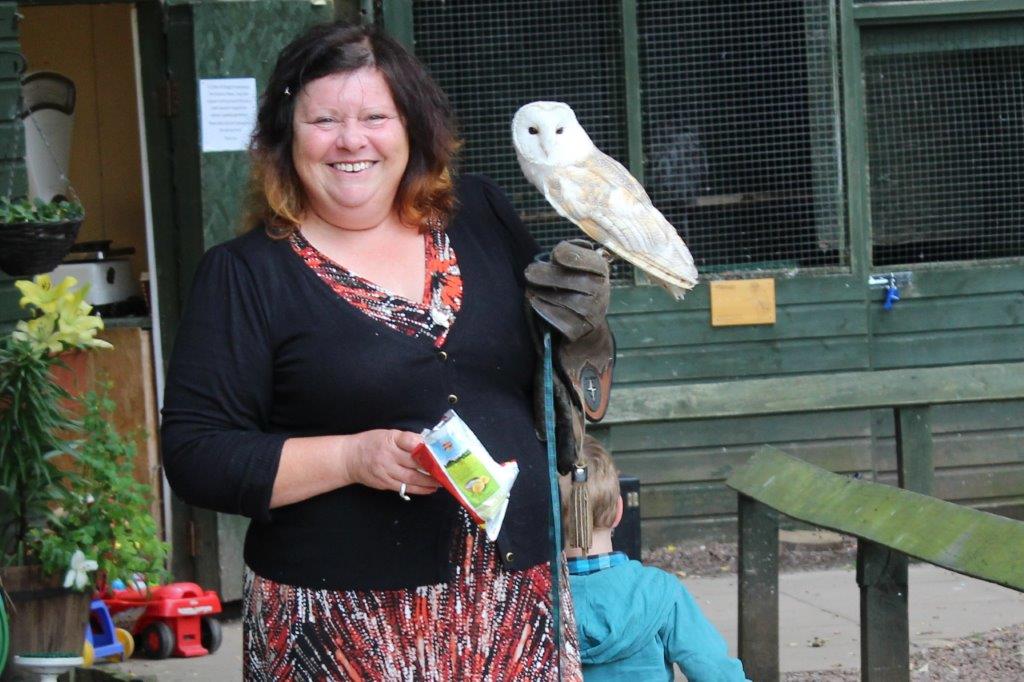
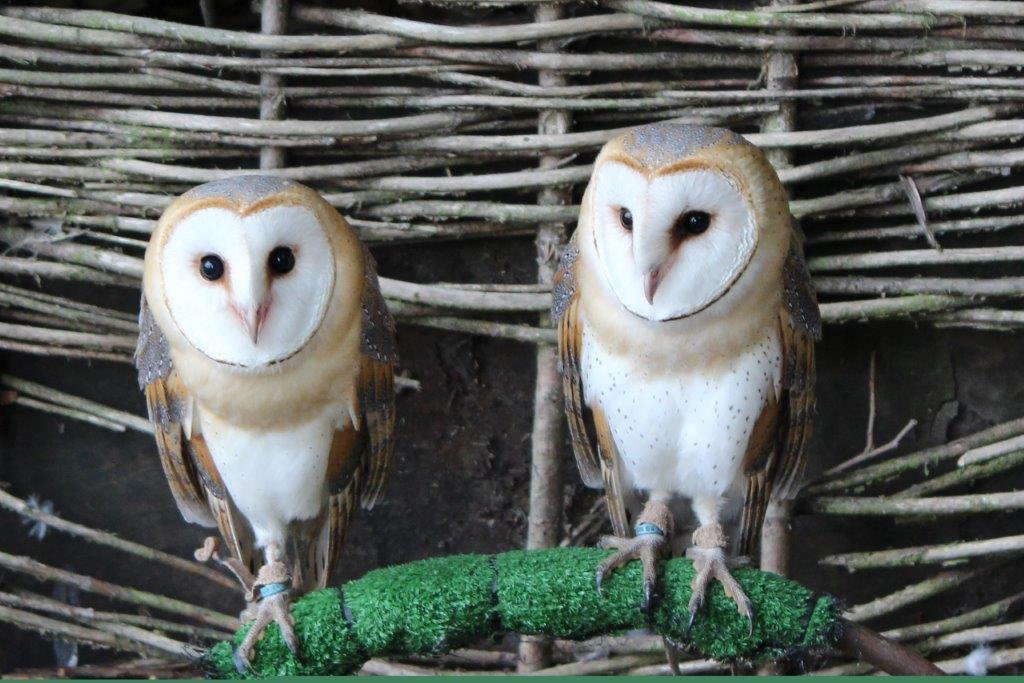
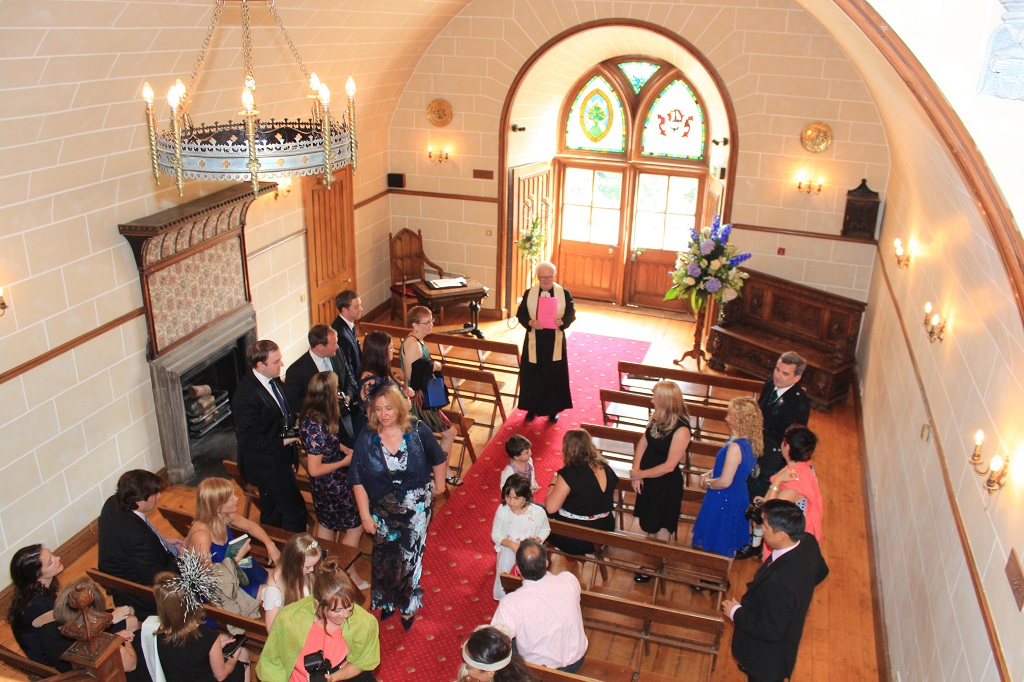
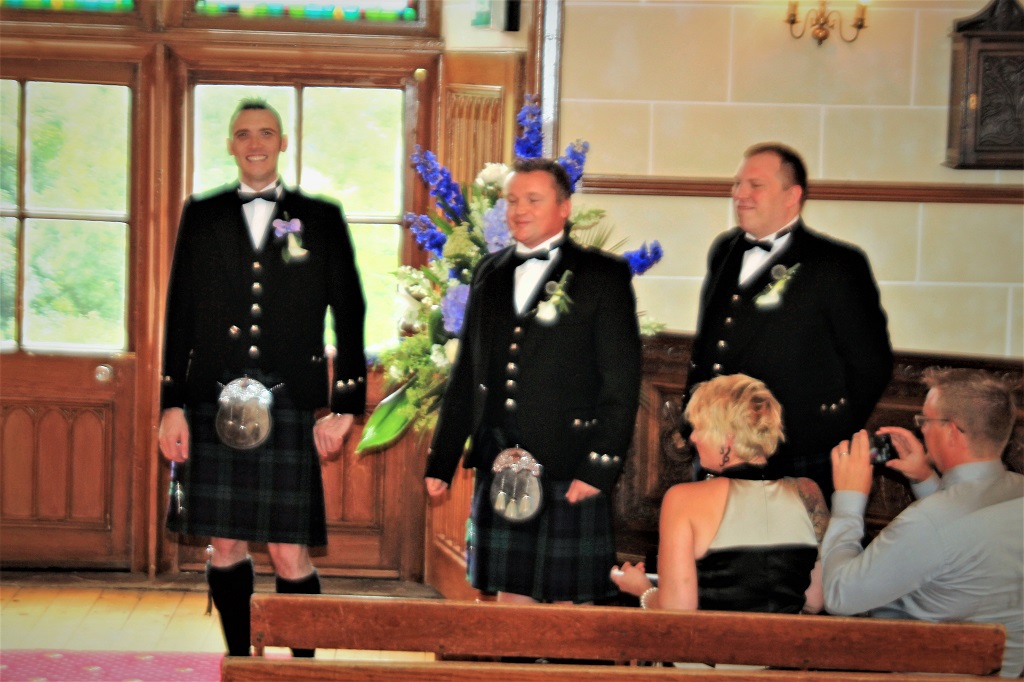
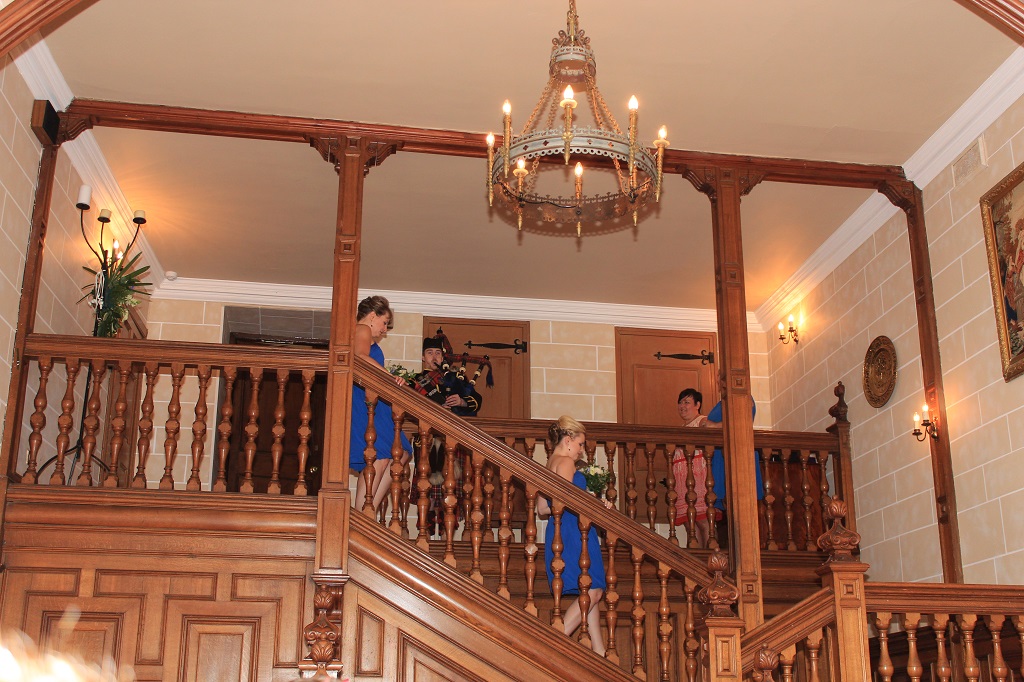
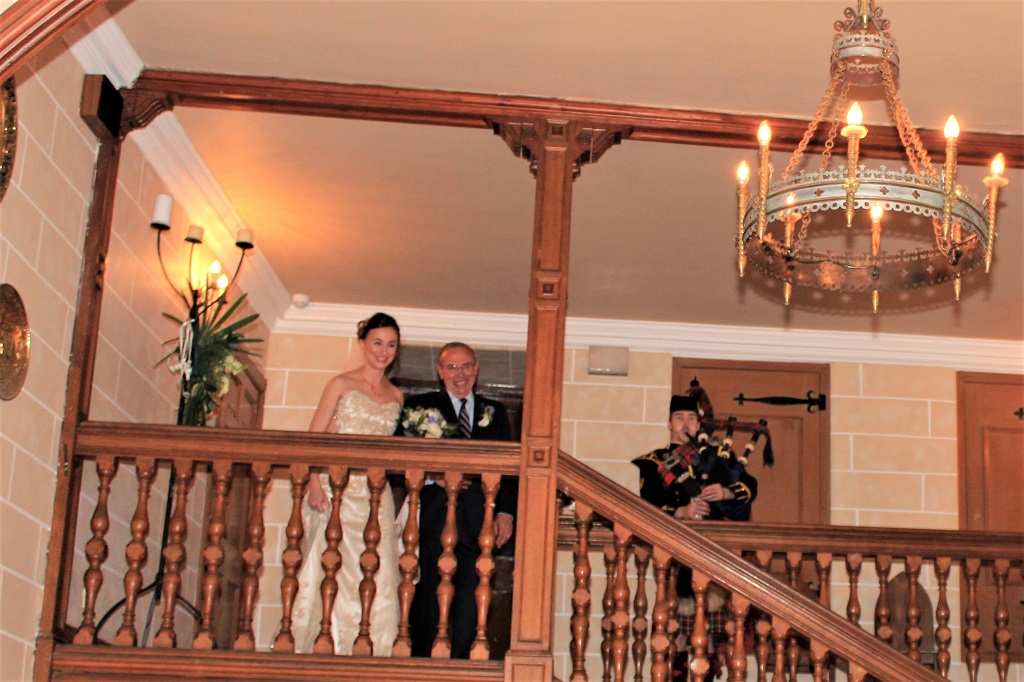
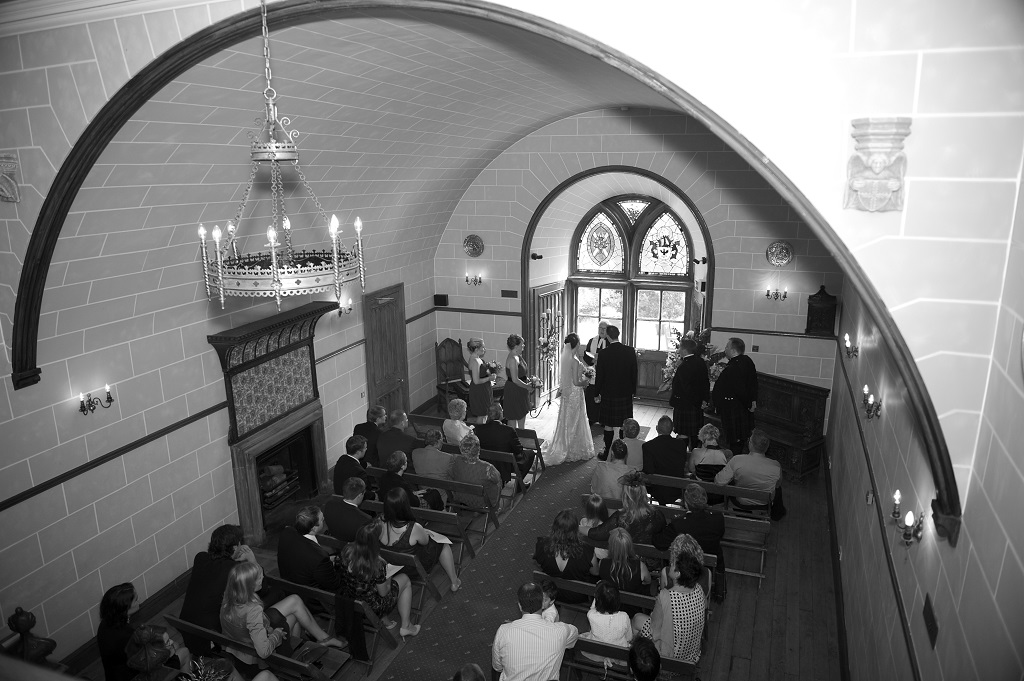
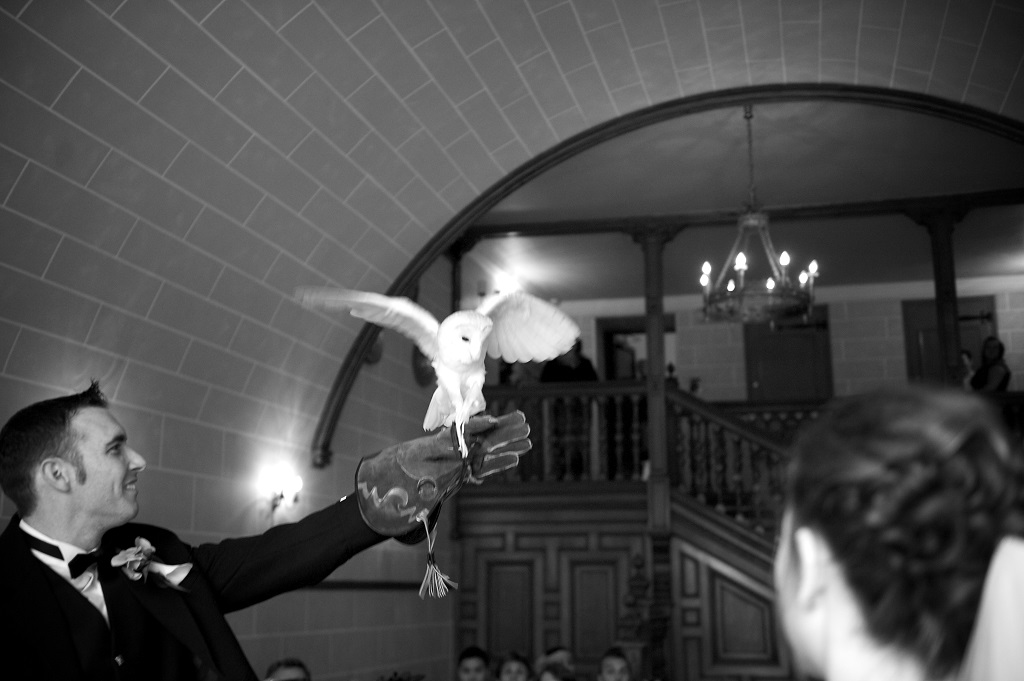
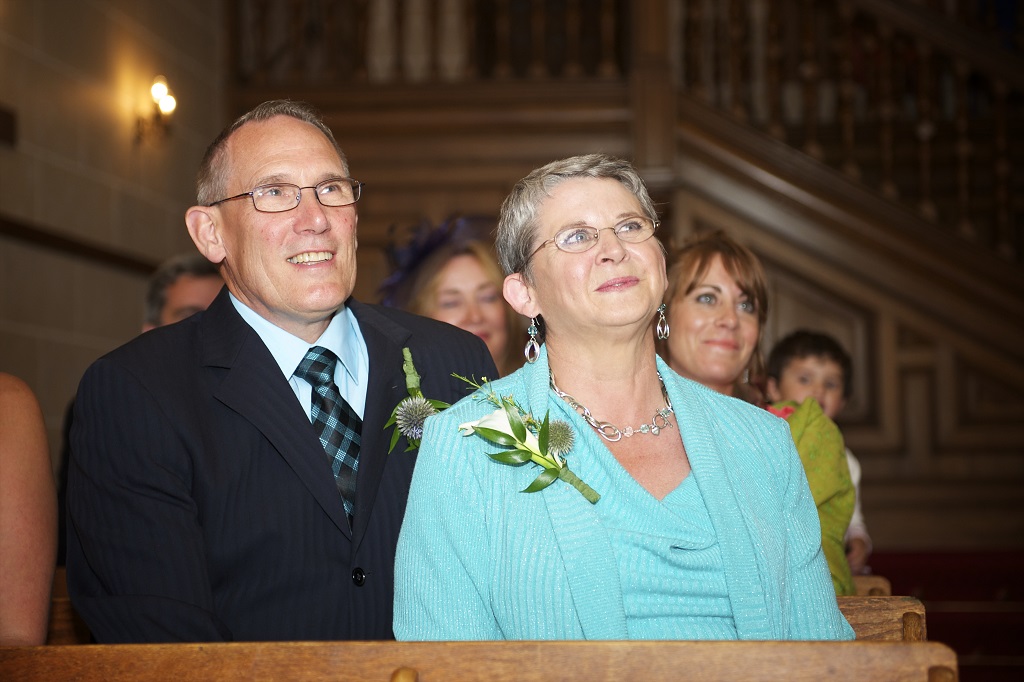
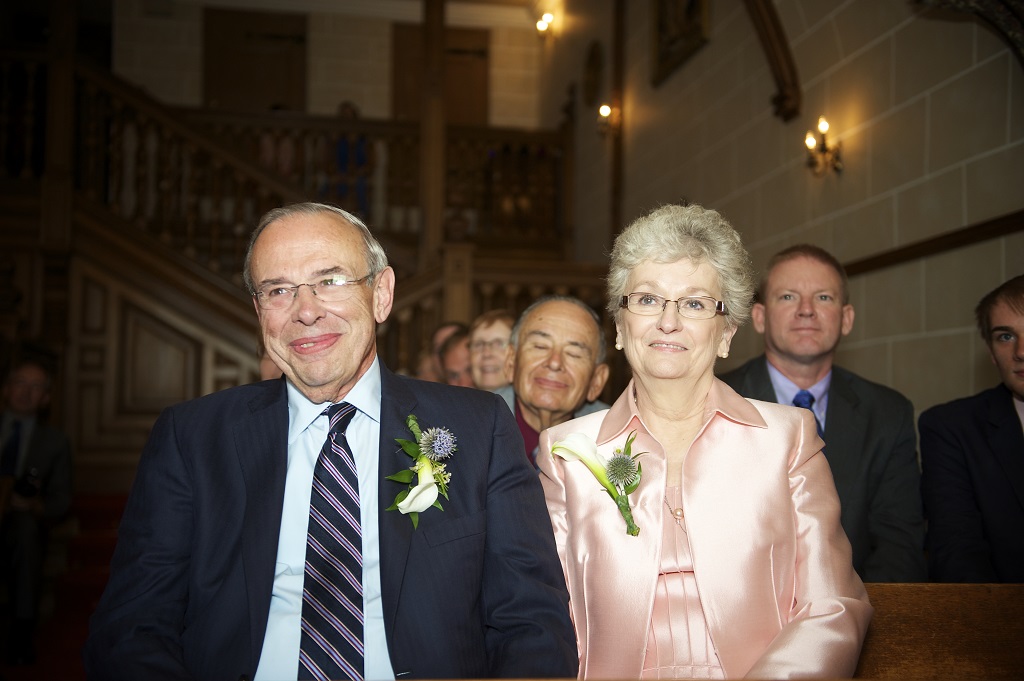
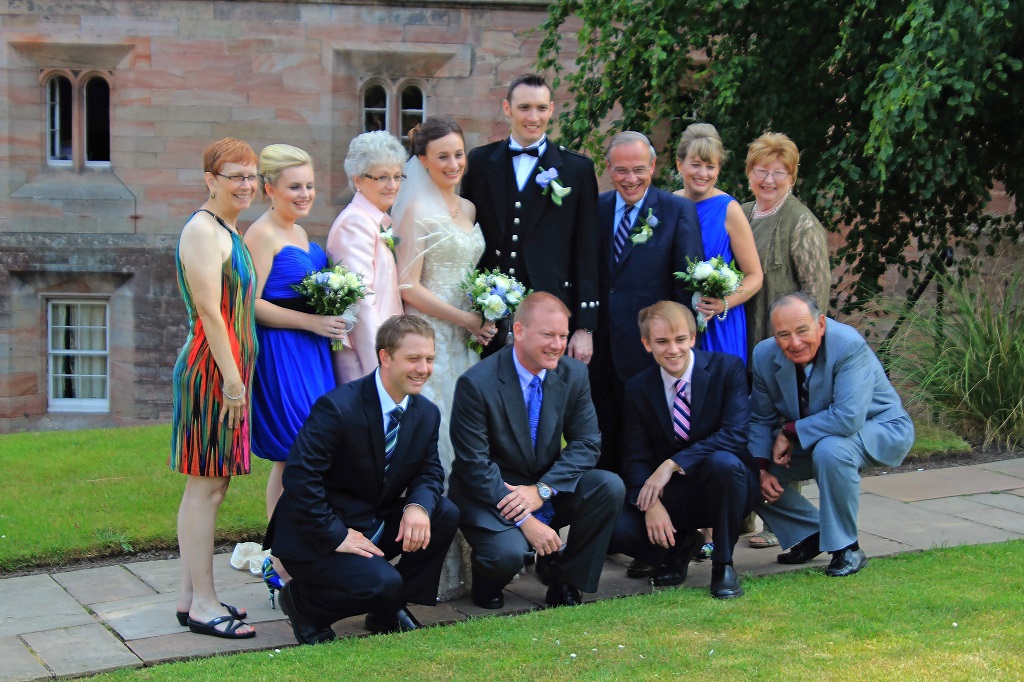
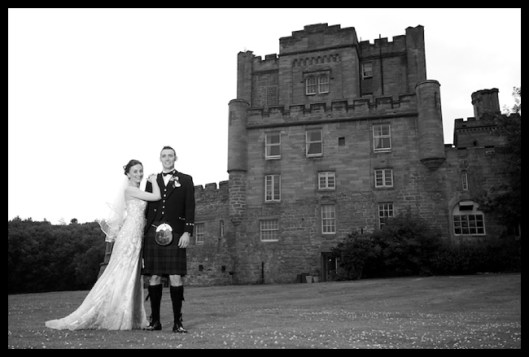
 The guests gathered in a reception room and sipped a beverage until the piper arrived and escorted us to the chapel. And, finally, all was ready.   The men arrived and took their places.   (A slightly  out-of-focus  photo  taken  by  the  excited  mom.  Haha.)The bride and her attendants were piped into the chapel. And the ceremony began…The  eight  photos  below  are the under the copyright of Charné  Hawkes  of  Captivating  Photography,  Inverness,  Scotland.Bonnie, the little white owl, brought in  the wedding rings. She liked the nice tall tree branch that was Joseph’s arm and refused to fly back to the handler.  Joseph had to launch her off.  Everyone had a good laugh. The proud and happy mom and dad of the groom.And  the  bride. (Image above is copyrighted to Charné Hawkes of Captivating Photography, Inverness, Scotland)Time for photos of the bride and groom with  their families and attendants before spiriting the wedding party away for a photo shoot on the castle grounds.  (The  images  above  and  below  are  the  copyright  of  Charné  Hawkes  of  Captivating  Photography,  Inverness, Scotland) Below are a few of the gorgeous photos Charné took on her photo shoot between the wedding and reception.  (All seven images are under the copyright of Charné Hawkes of Captivating Photography, Inverness, Scotland)  She took many, many beautiful photos that day.
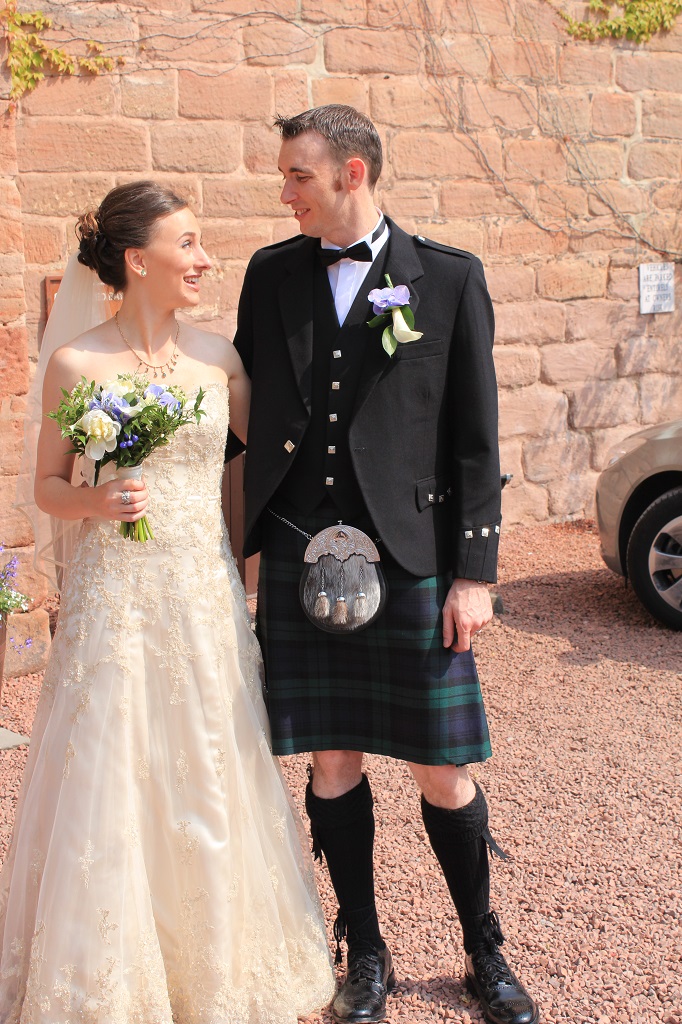
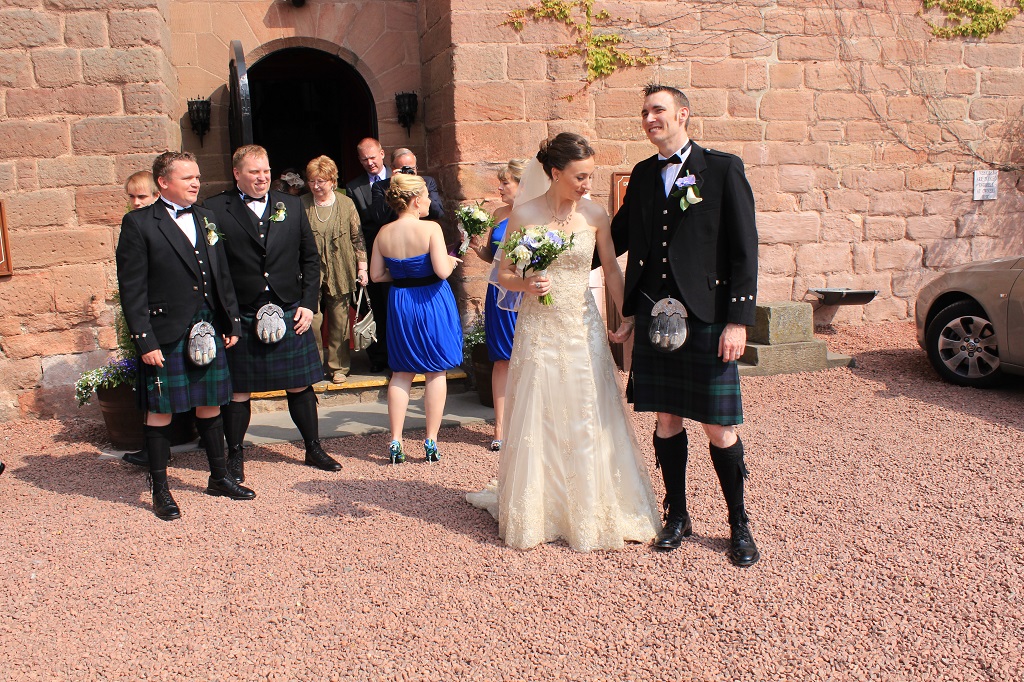
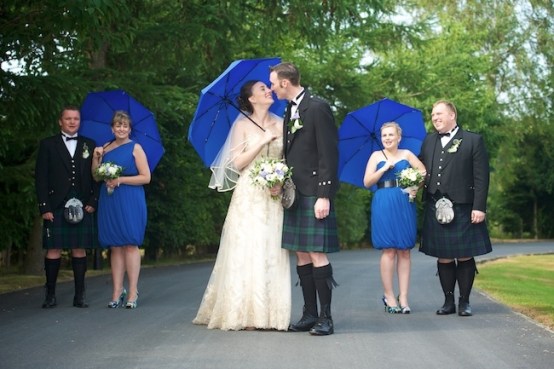
They had brought the umbrellas to be prepared for some Scottish mist (otherwise known as rain) but, instead, were happy to have them for some shade.

 

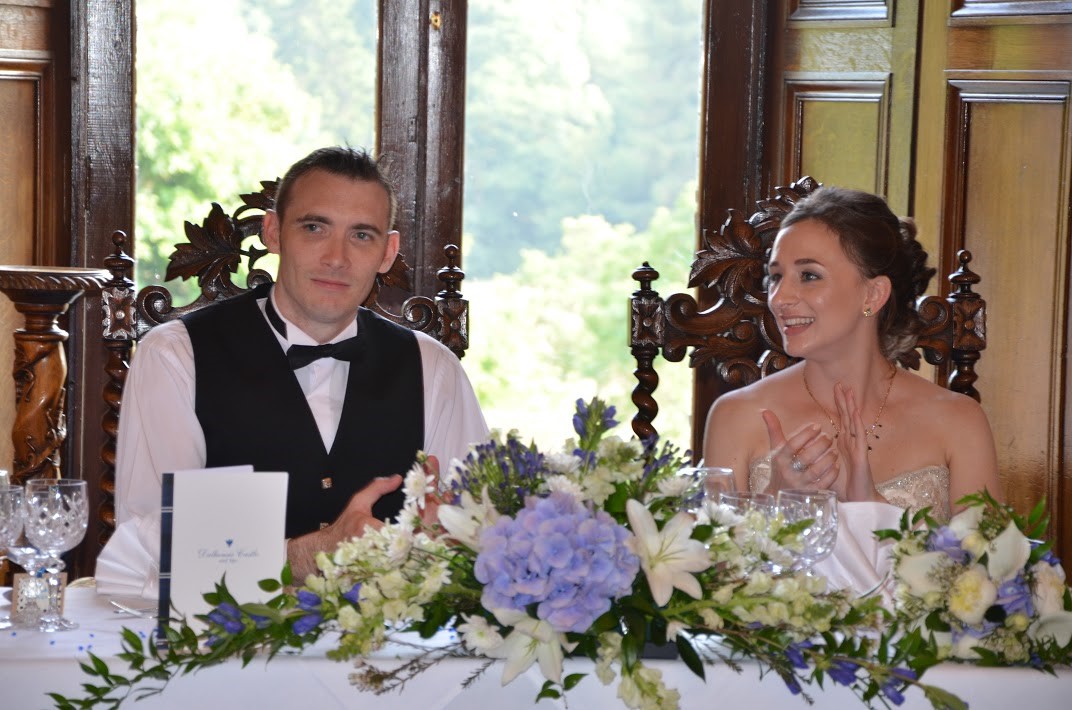
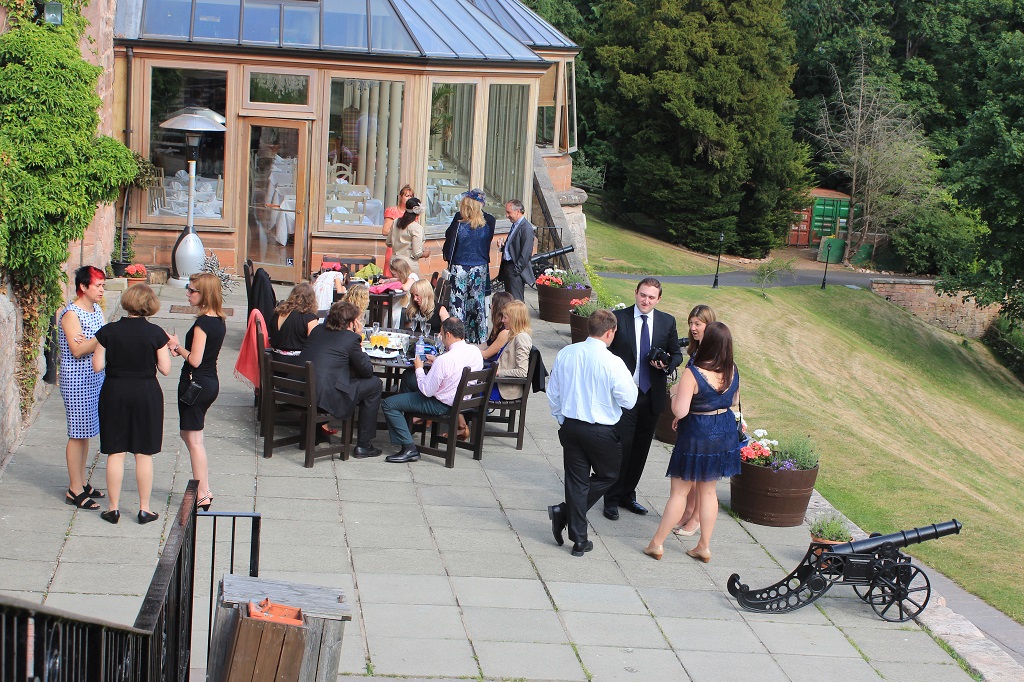
While the photos were being taken, the guests enjoyed the sunshine on the patio.When the time arrived for the reception the piper piped us all into the banquet hall – and what a lovely room it was.
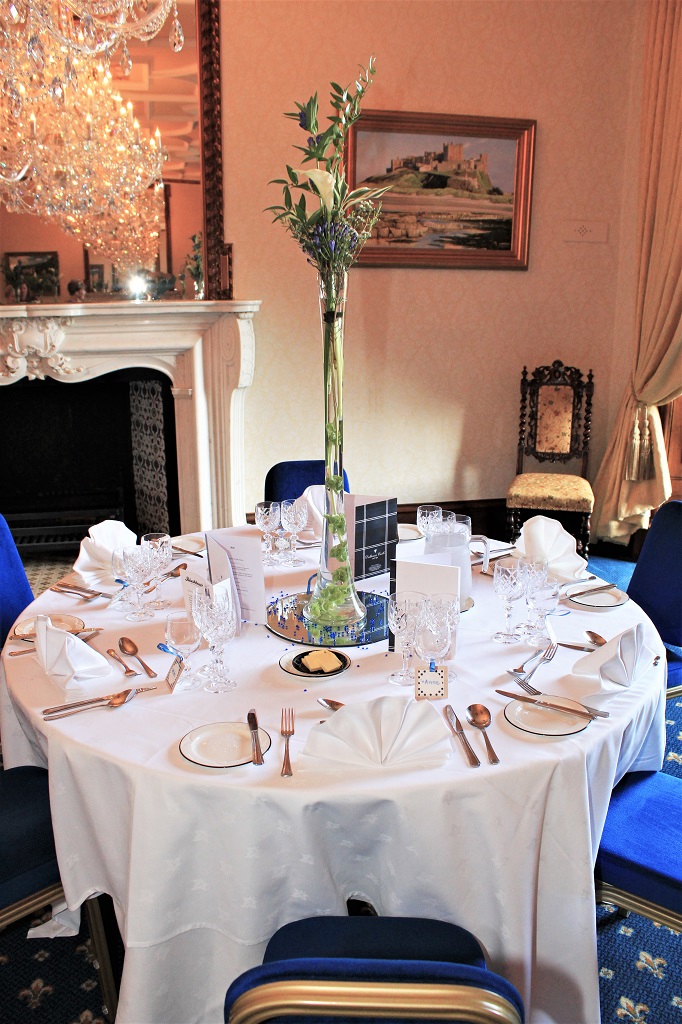
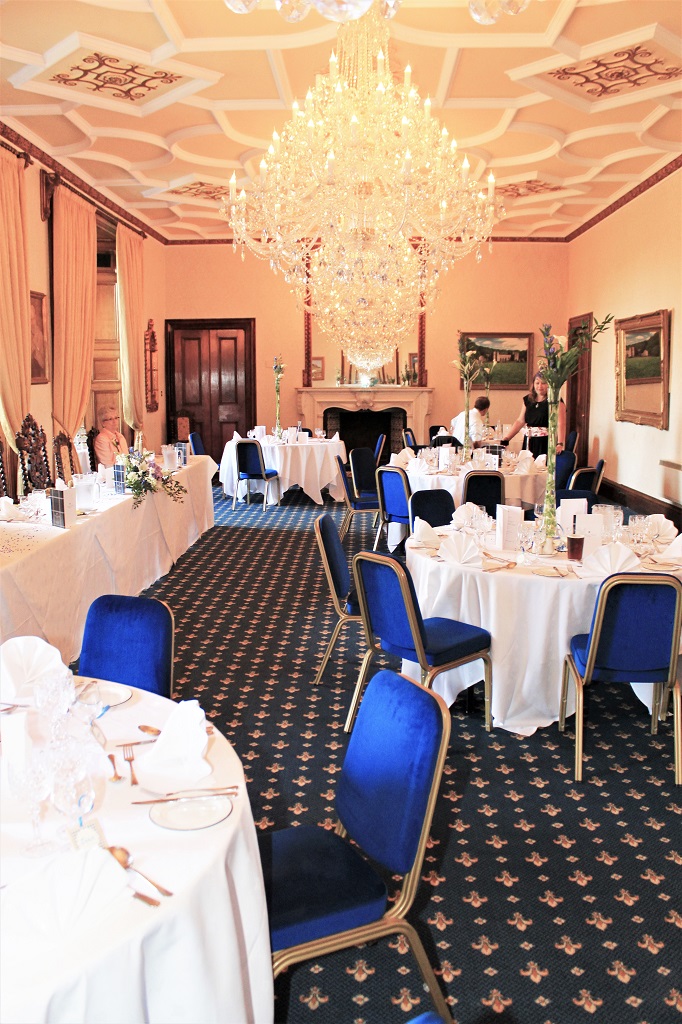
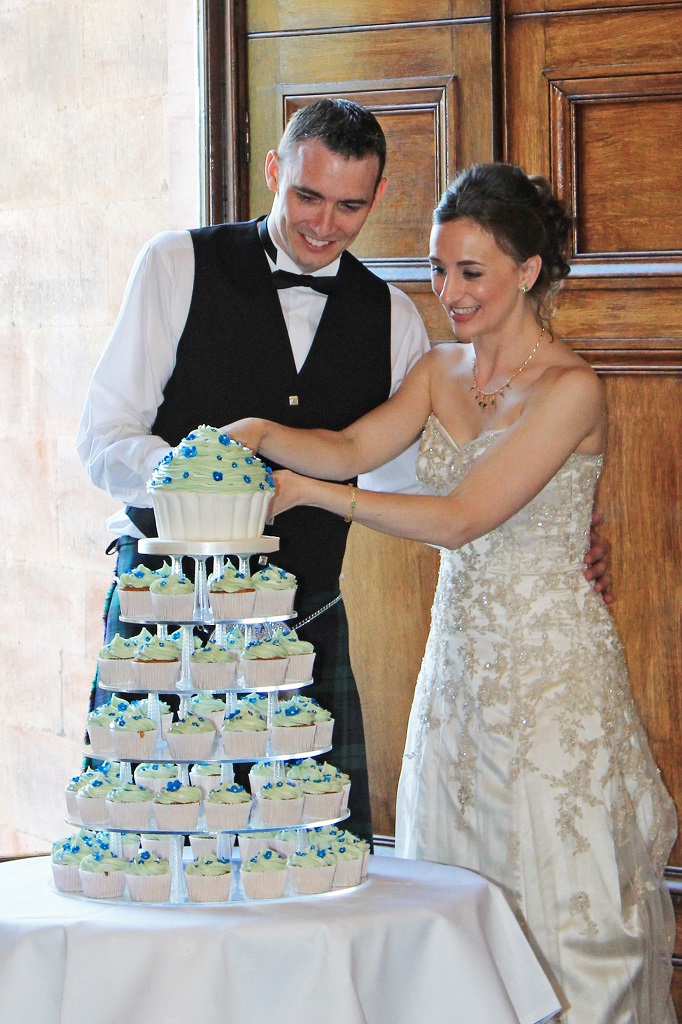
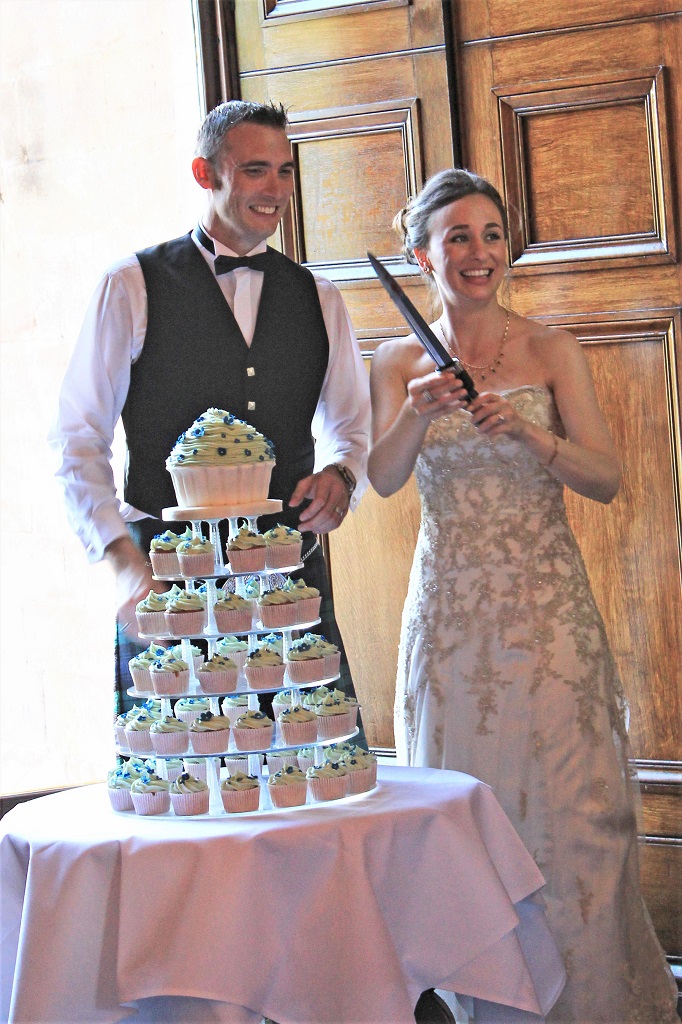
The ‘cake’ was cut with the piper’s dirk.  He was ex-British military and an excellent piper.

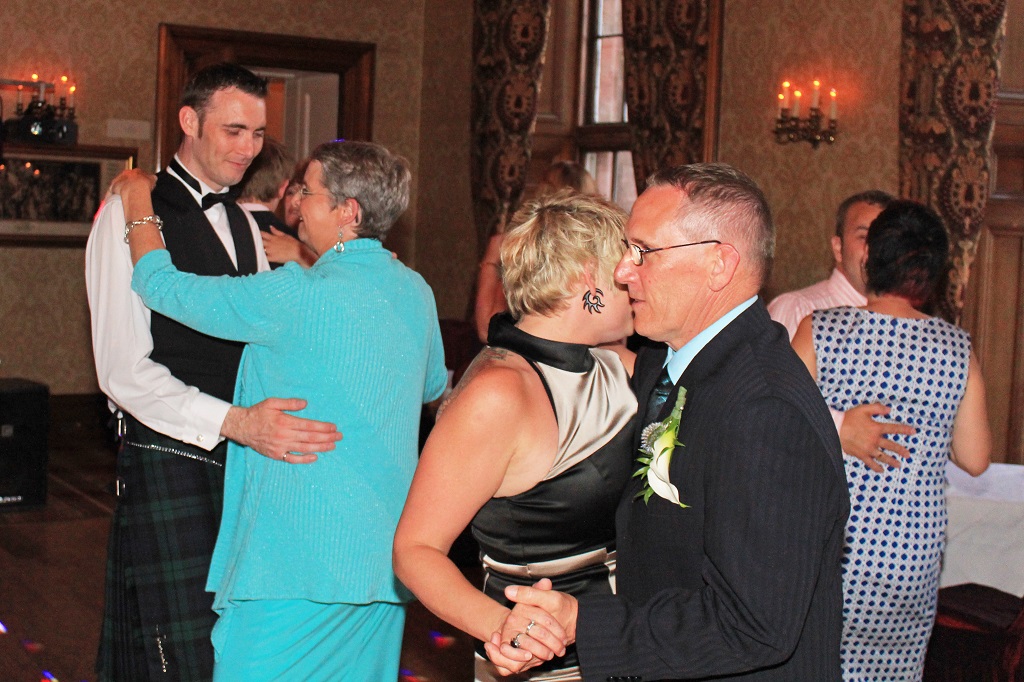
We were piped back to the reception room when it was time for the dancing to begin. Father and daughter, mother and son.
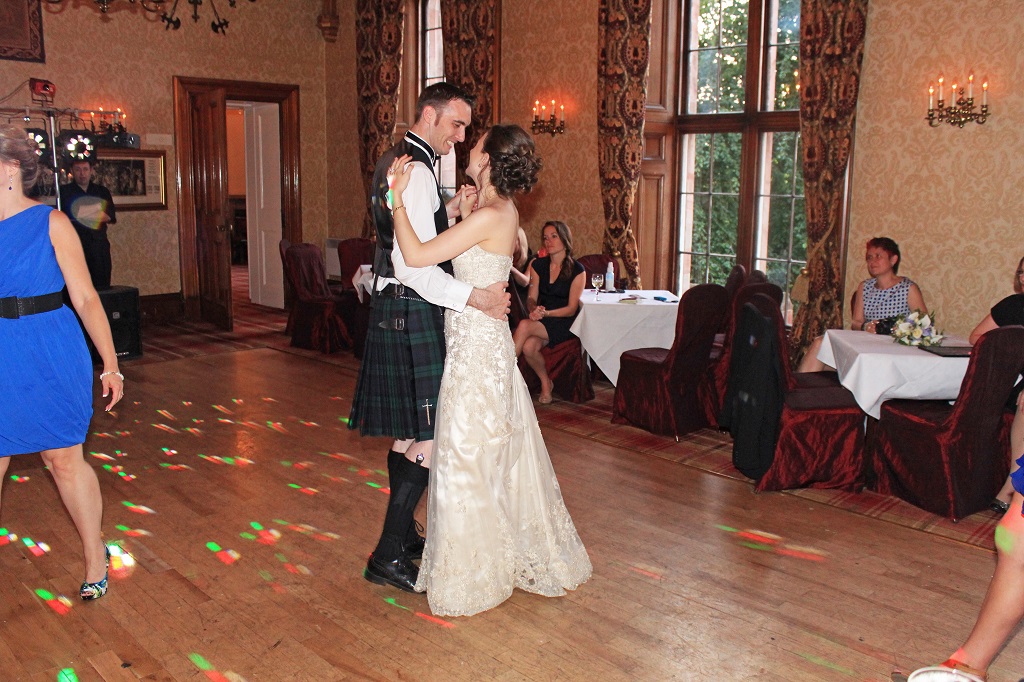
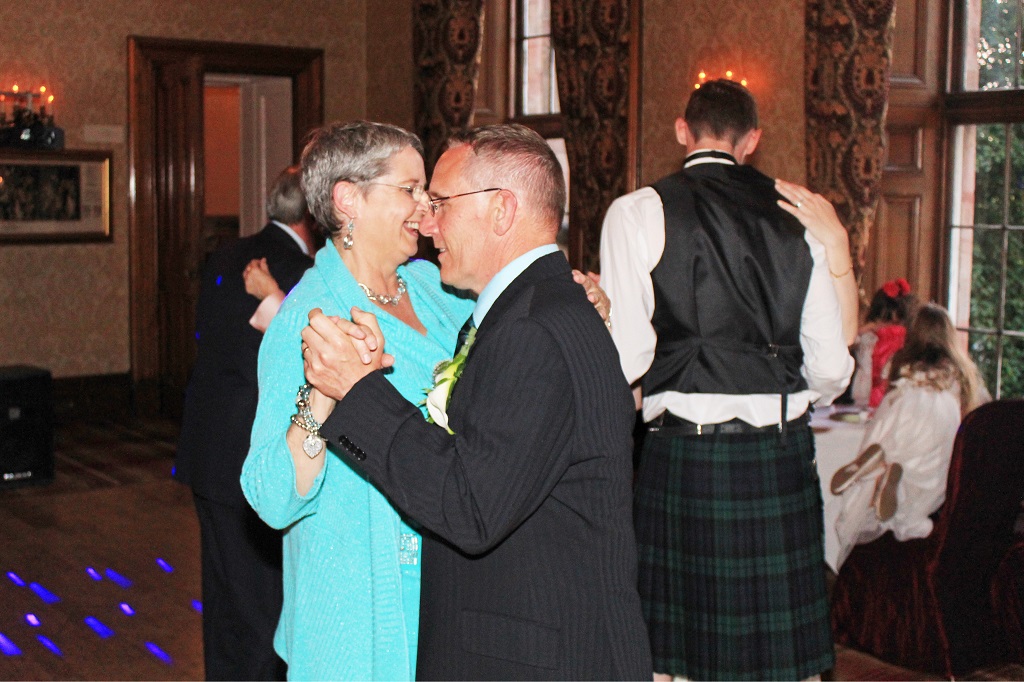
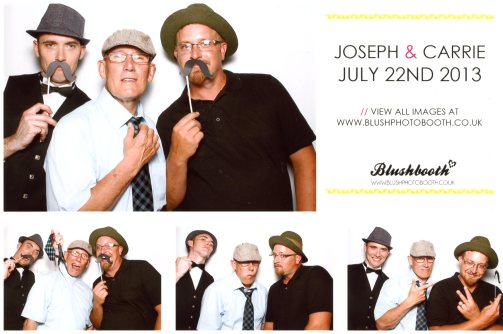
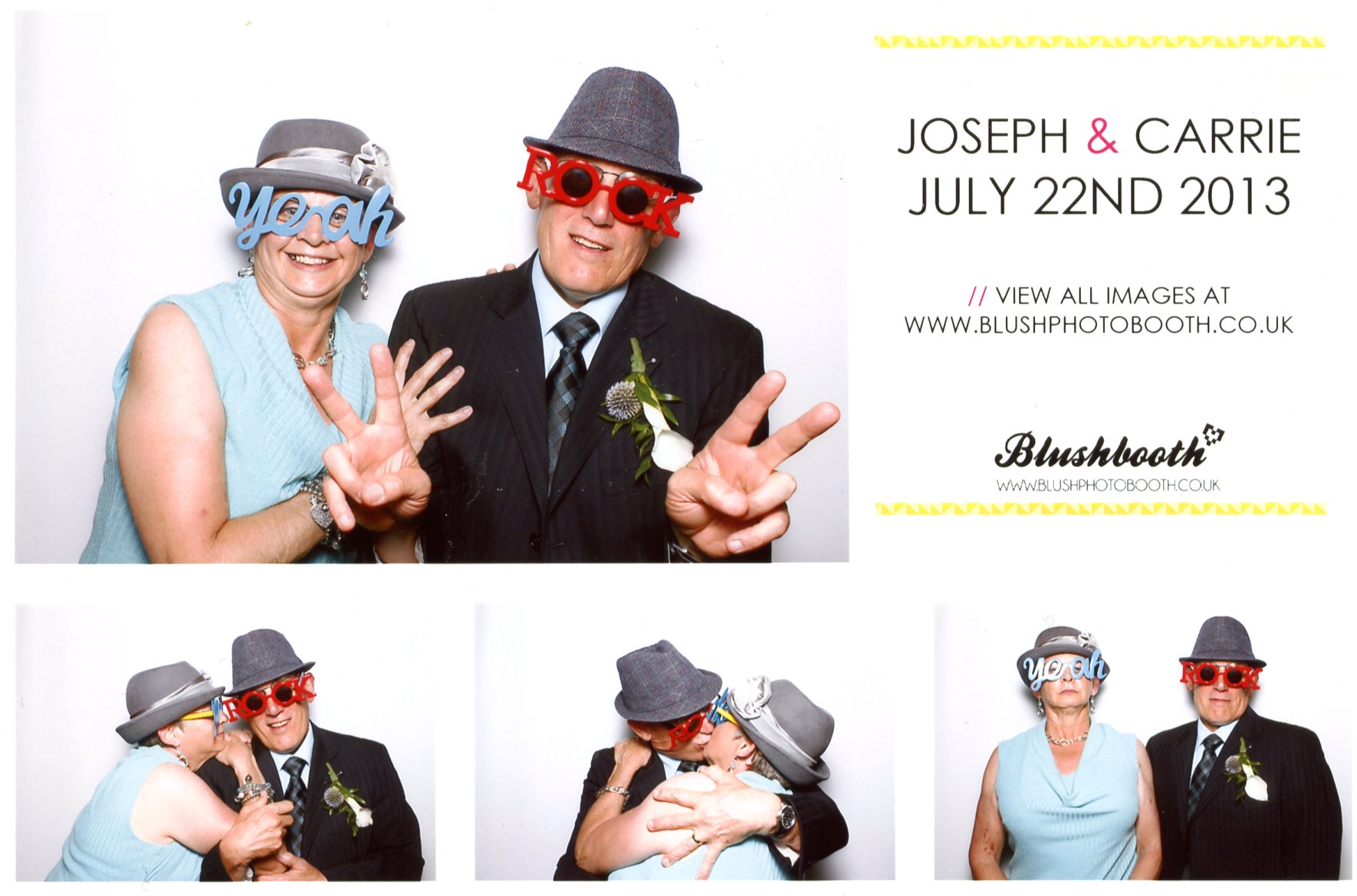
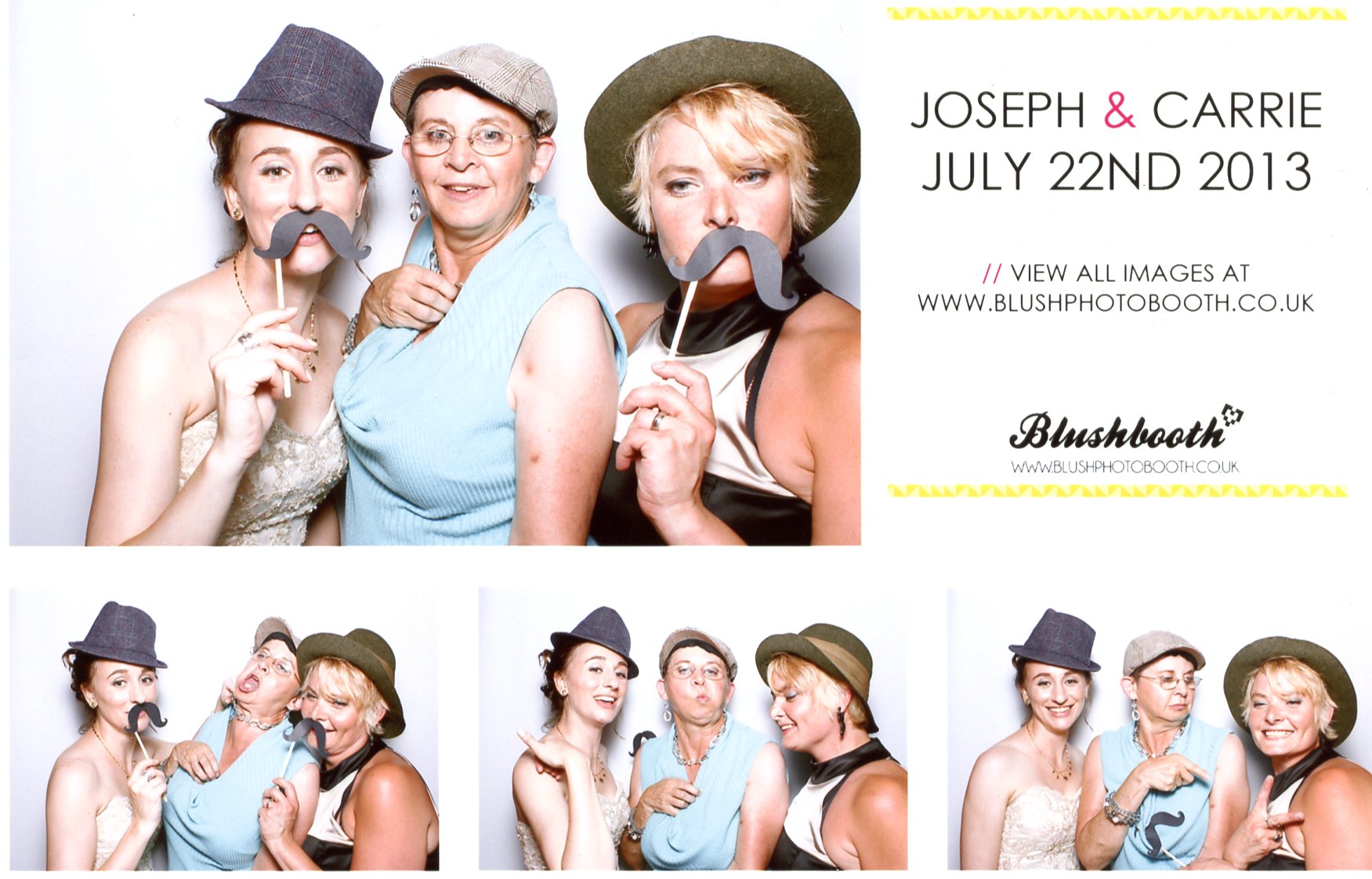
A fun aspect of the evening was the photo booth set up in the next room.  There were lots of items to use for props to take some fun photos.  All the guests had a blast being silly.
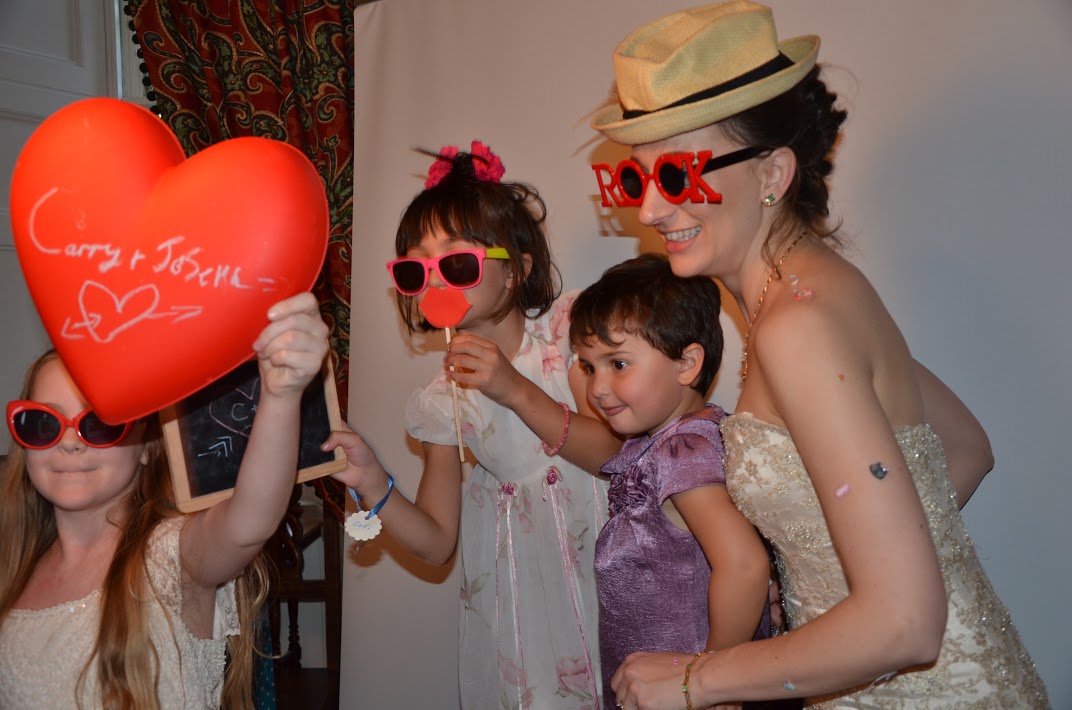
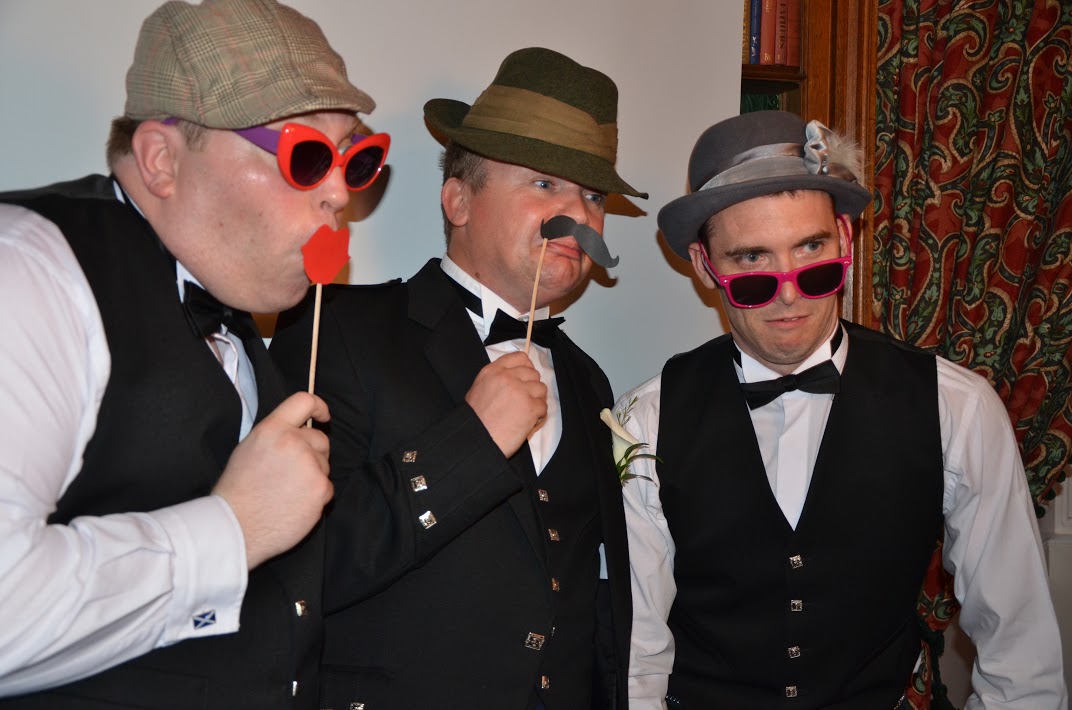
The guys (Joseph, John and Ben) did the four poses above and then we ladies (Carrie, Janet and Trish) followed suit and mirrored their poses.
A  couple  of  Becca’s  photos  of  the  guys  fooling  around  outside.It was a wonderful, wonderful, wonderful day.

But, believe it or not, our traveling was not yet done!  The next day we checked out of the castle and drove south to the area of my mother’s family clan – the Young’s.
2013 Summer (Baltic and Britain – Scotland – July 21 – Day 28)

All of the guests invited to Joseph and Carrie’s wedding had to travel to attend.  No one lived in Scotland, including the bride and groom.  Our son and his fiancé lived and worked in Dubai before they married.  The groom’s family came from British Columbia, Canada, the bride’s family from North Carolina and Michigan, USA.  And their friends came from several different countries, making it  a very international event.

The bride and groom had requested no gifts, as they have each had their own household for several years, and they would also have to transport items with them on their honeymoon around Scotland and then ship them back to Dubai.  They sincerely appreciated the fact that all of the guests had traveled long distances to attend their wedding, so as a thank you, they arranged for everyone who was able to go on a private walking tour in Edinburgh.

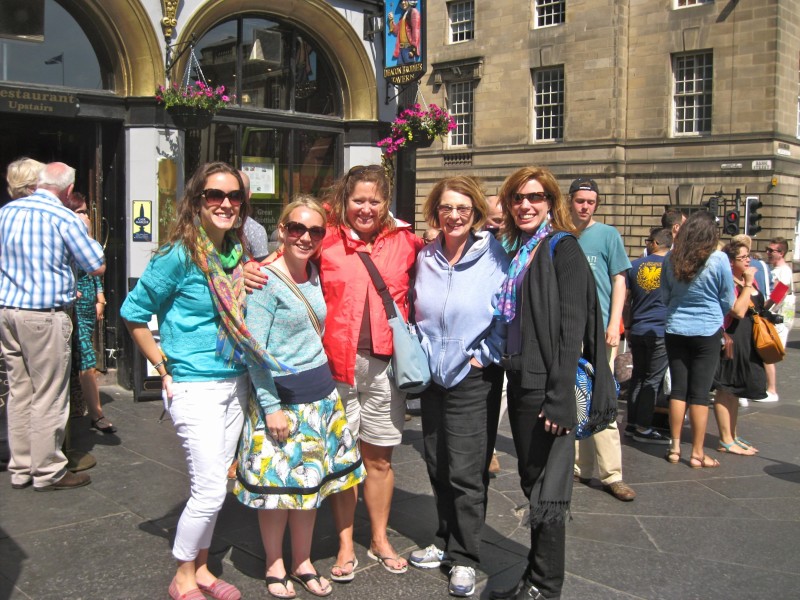
A few of the guests before we entered the underground warren of alleyways.
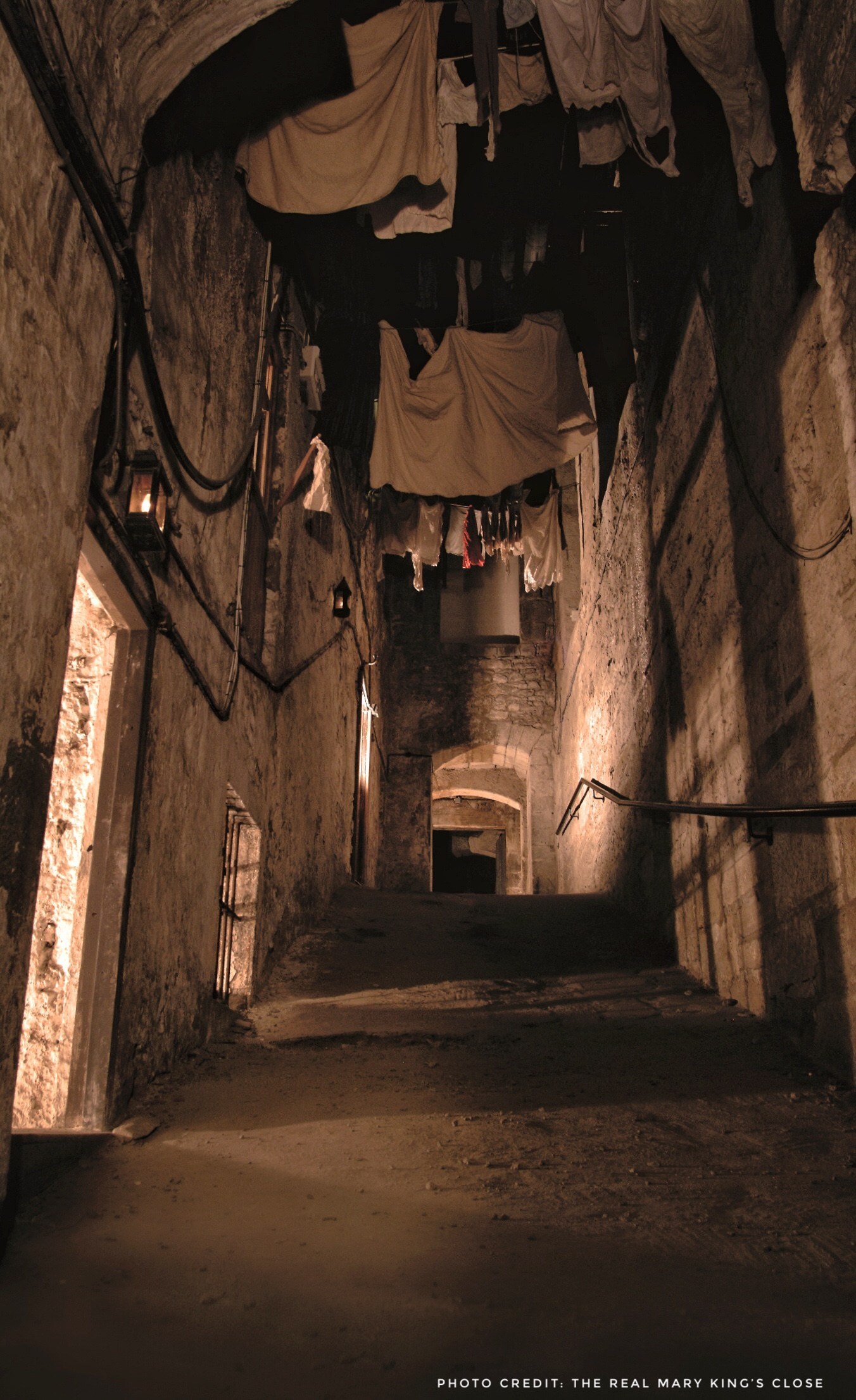
Due to the lack of light in the underground alleyways, none of my photos turned out.  Boo hoo.  It was a really good tour with live actors portraying various residents of the tenement.  To show you what we saw I have inserted information and photos from the brochure or website.  All images belong to the credited photographer and Mary Kings Close.

“Closes, the Scots term for ancient alleyways, form a labyrinth of frightfully narrow streets punctuating Edinburgh’s High Street and Royal Mile. The close in question is comprised of a cluster of underground passageways named after Mary King, an affluent merchant burgess and widow residing in the buildings from around 1635 onwards.
Mary King’s Close housed numerous towering tenement buildings regarded by many as the world’s first skyscrapers. These lodgings served as home to all manner of social classes.Due to the exceedingly unsanitary living conditions common to the era and influx of flea-infested rodents, Edinburgh became overrun with bubonic plague, with the worst hitting in 1645.  An incalculable number of black rats riddled with fleas carrying the Yersinia pestis bacterium were to blame for countless human deaths, including those in Mary King’s Close.
Symptoms included swollen glands, unsightly bulbous puss-infused boils on the groin area and under the arm and severe bouts of intestine-rupturing vomiting. In no time, the residents, like the rest of the city, were dropping like flies.

THE REAL MARY KING’S CLOSE
28/06/06
PICTURE BY GARY DOAK
tel.+44 (0)7836 255 728
garydoak@blueyonder.co.uk

Dr George Rae, Edinburgh’s official plague doctor during that period, responded to the plague victims of Mary King’s Close clothed in alarming demonic looking attire — a thick leather cloak to prevent fleas from biting and a ghastly bird-like mask stuffed with sweet-smelling herbs to conceal the repugnant stench and germs. He saved lives by using a scorching hot poker on the buboes. White rags hung outside the houses of plague victims as an indicator that they needed supplies like food and coal brought to their doorsteps.”

THE REAL MARY KING’S CLOSE
28/06/06
PICTURE BY GARY DOAK
tel.+44 (0)7836 255 728
garydoak@blueyonder.co.uk

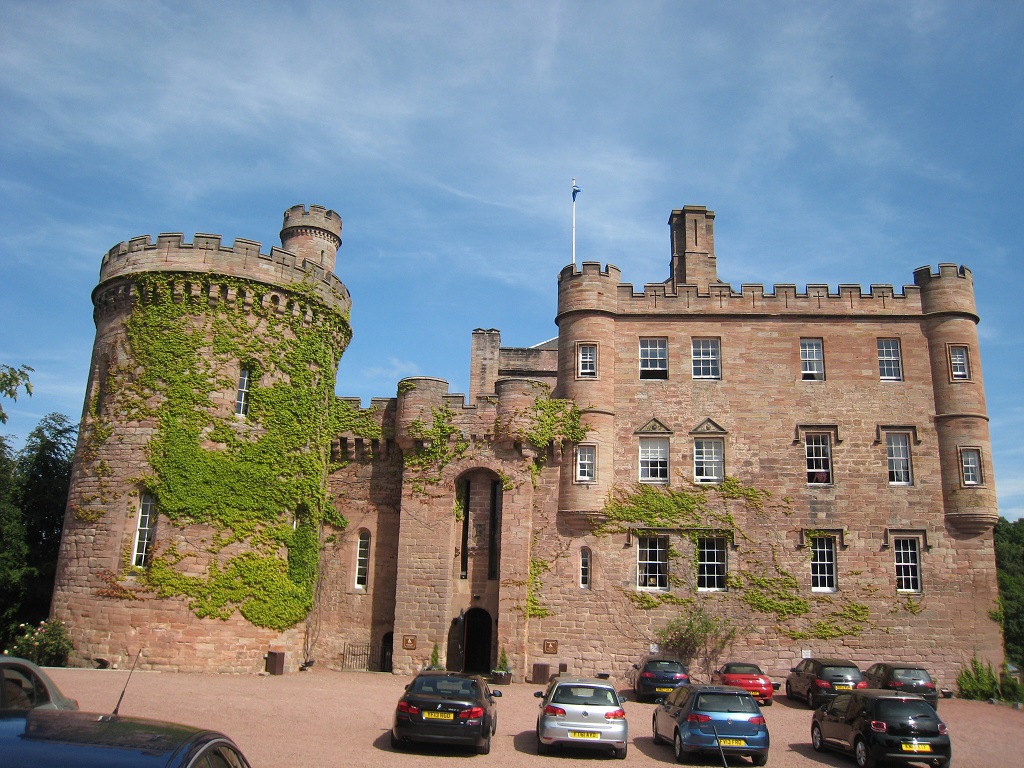
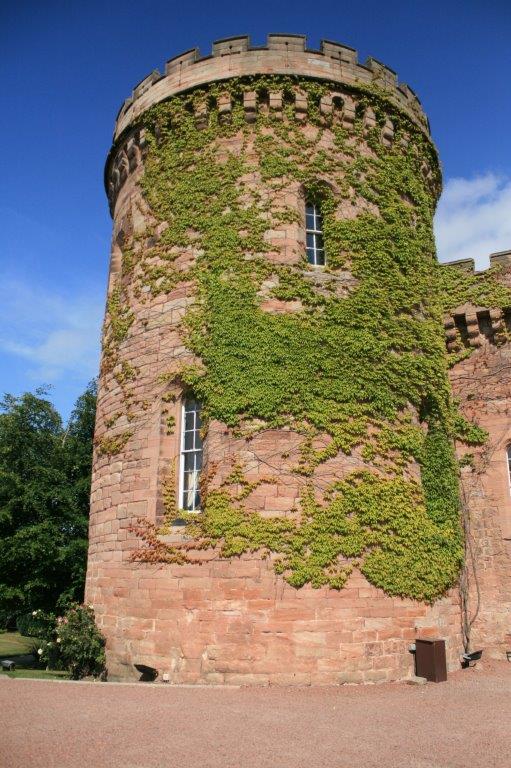
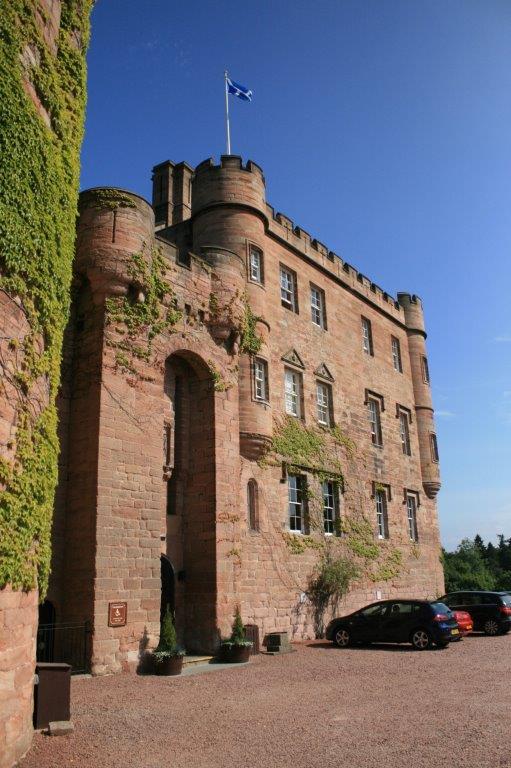
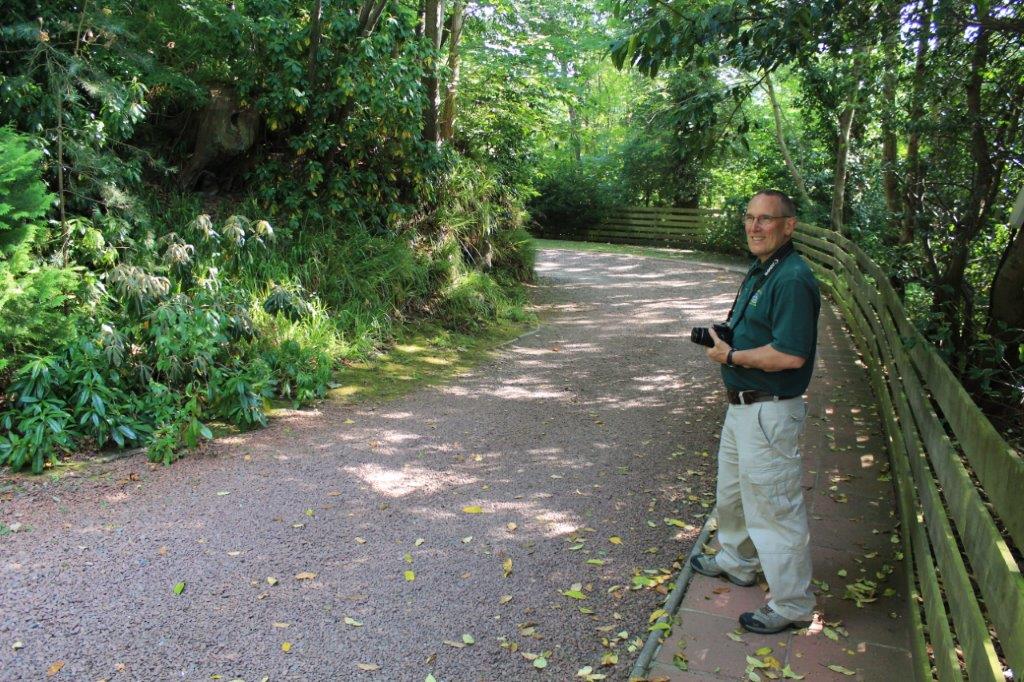
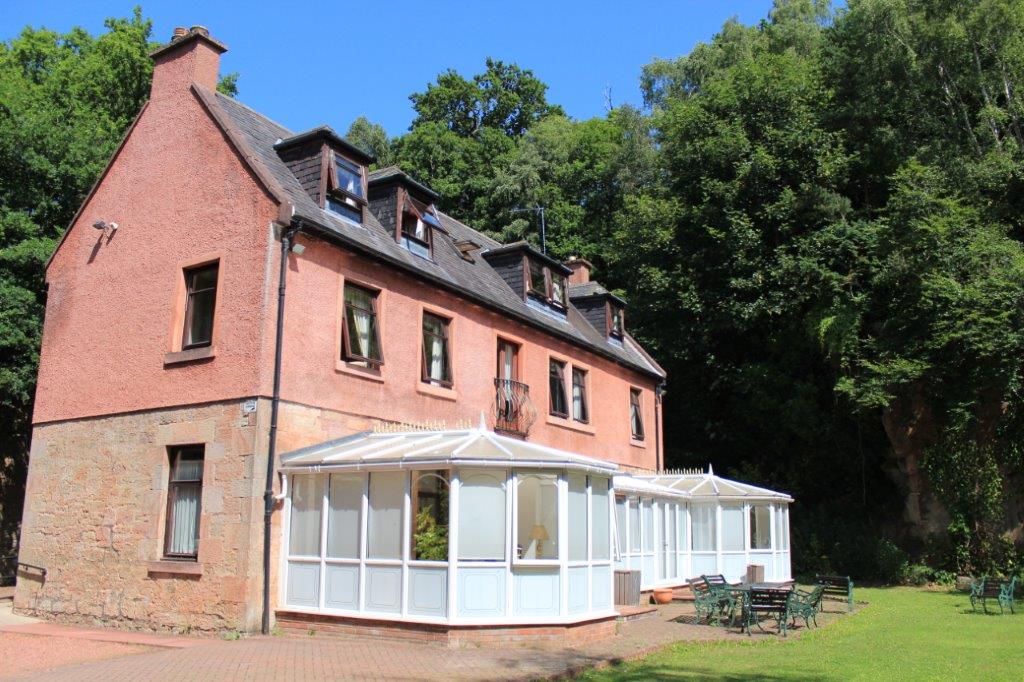
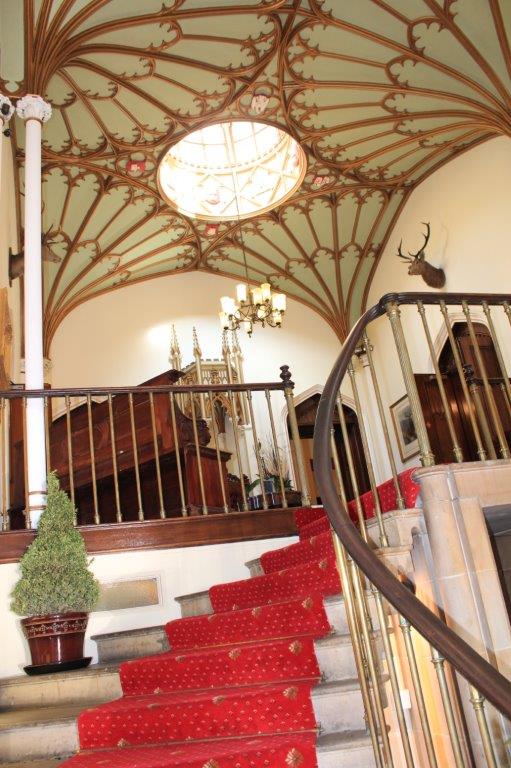
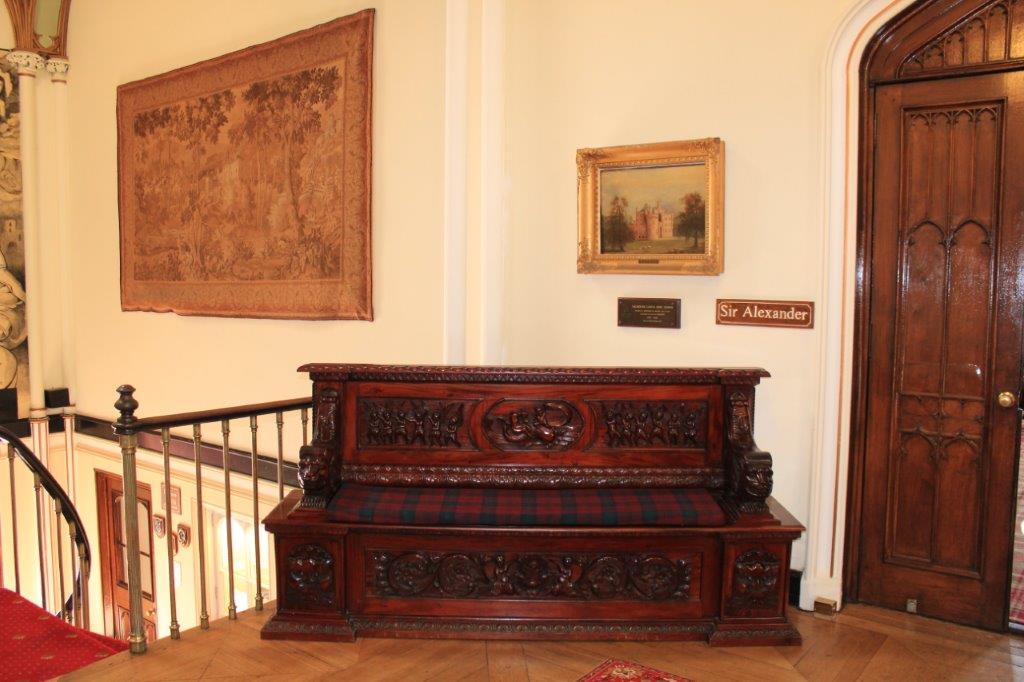
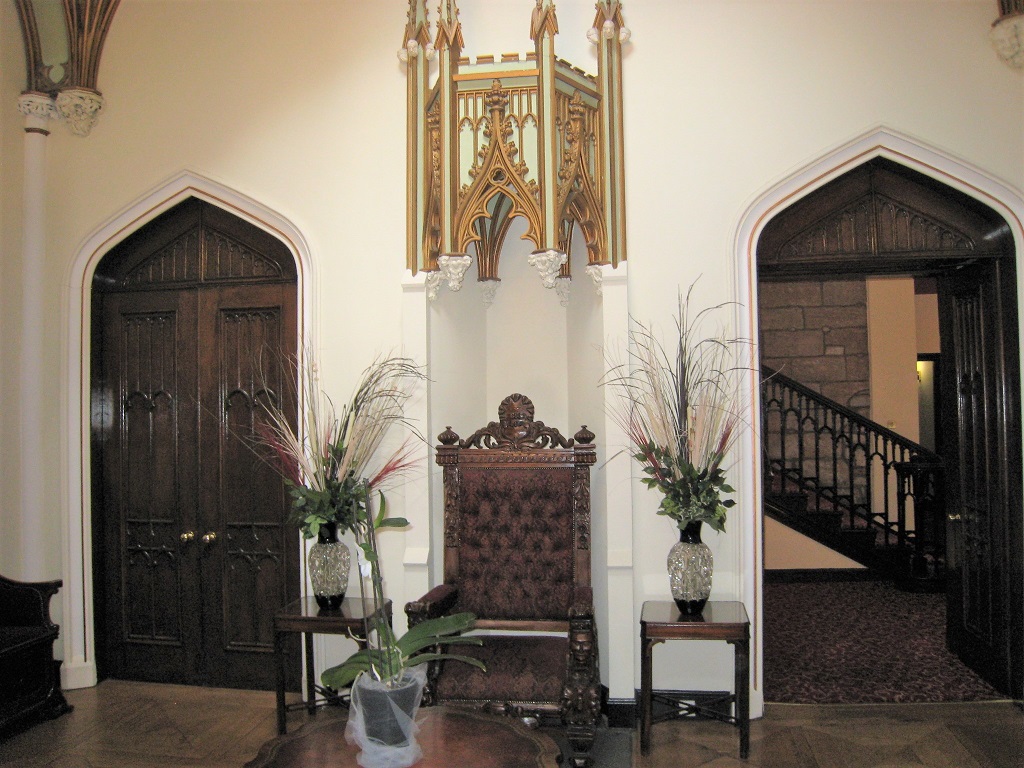
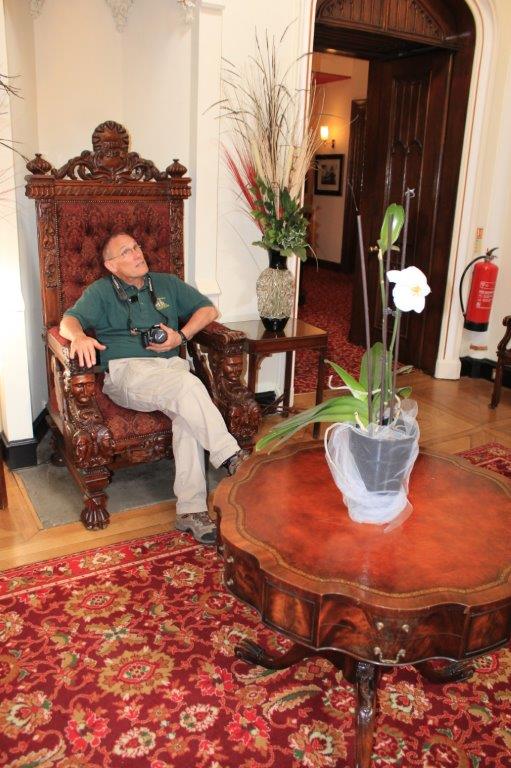
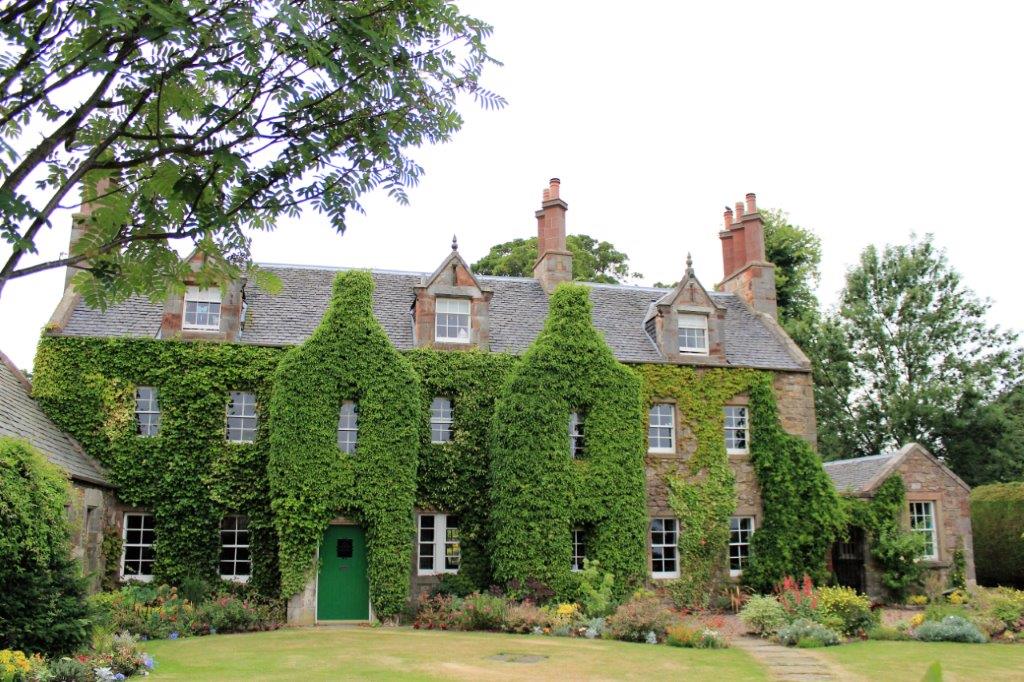
After the tour everyone went back to their various hotels and packed.  The members of the wedding party and both sets of parents, plus the bride and groom’s siblings left the city and drove the 8 or so miles south to Bonnyrigg and checked into their rooms at Dalhousie Castle or the Dower House.  The back of the castle and the path to the Dower House.This  is  the  Dower  House.  Joseph’s  groomsman,  Andrew,  and  our  daughter  and  her  husband  stayed  in  the Dower  House.  Andrew’s  room  was  the  one  on  the  corner  and  it  had  a lovely  sitting  area in the sun porch.  The castle itself was ‘not too shabby’.

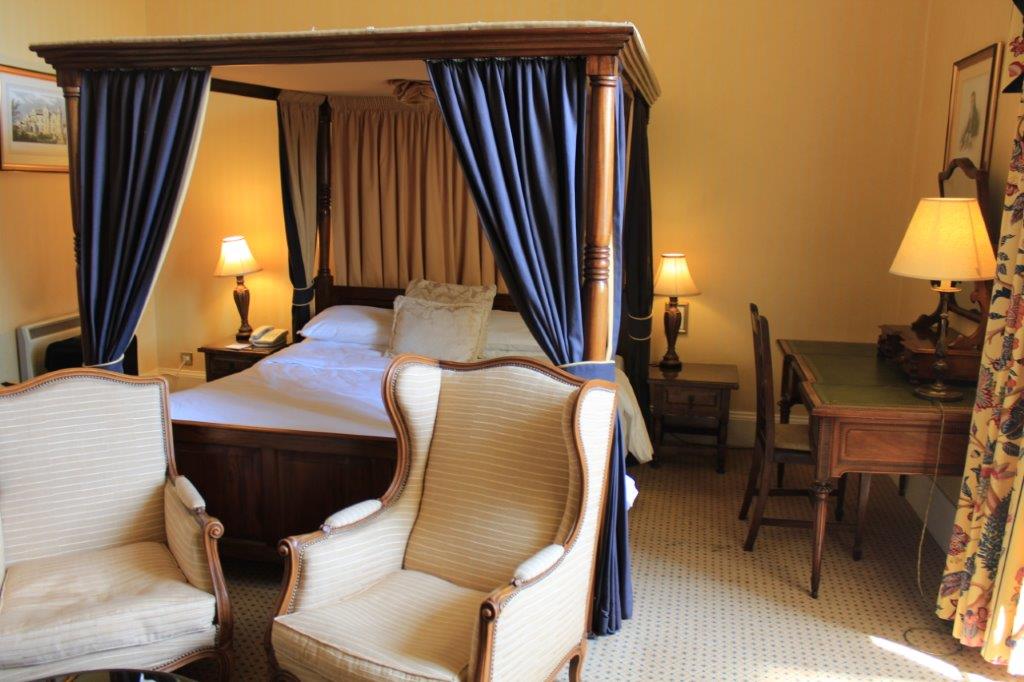
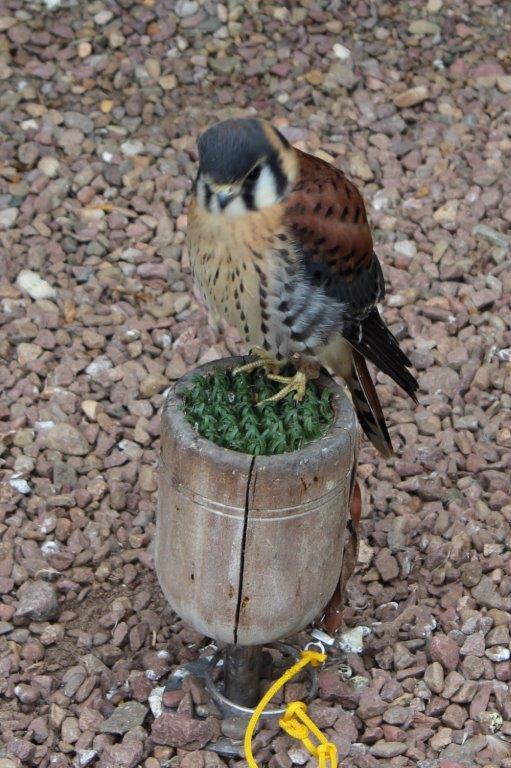
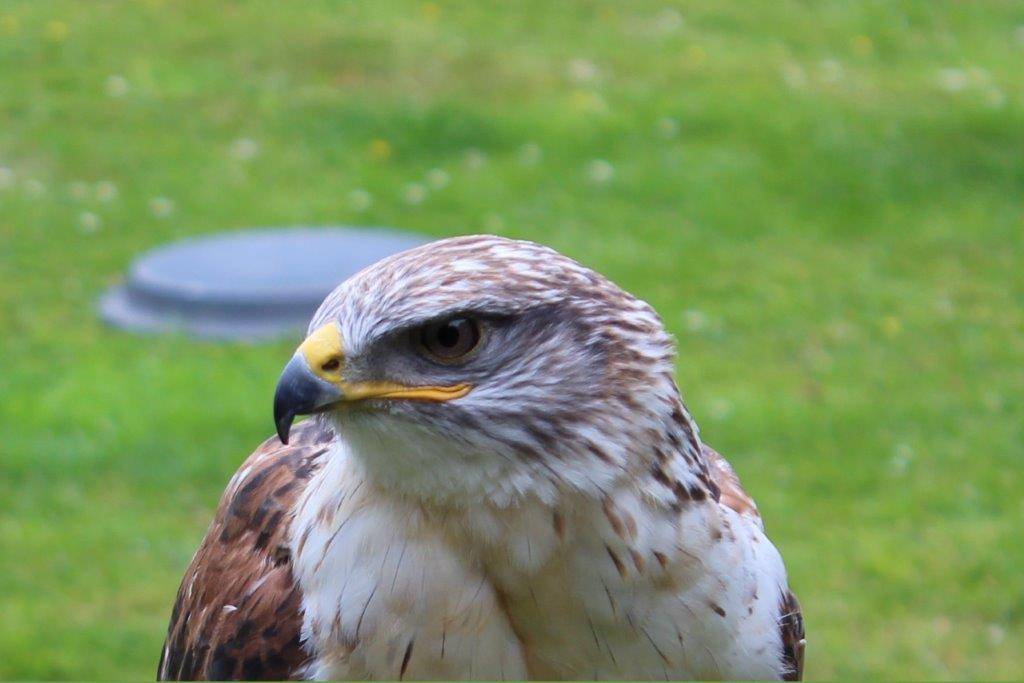
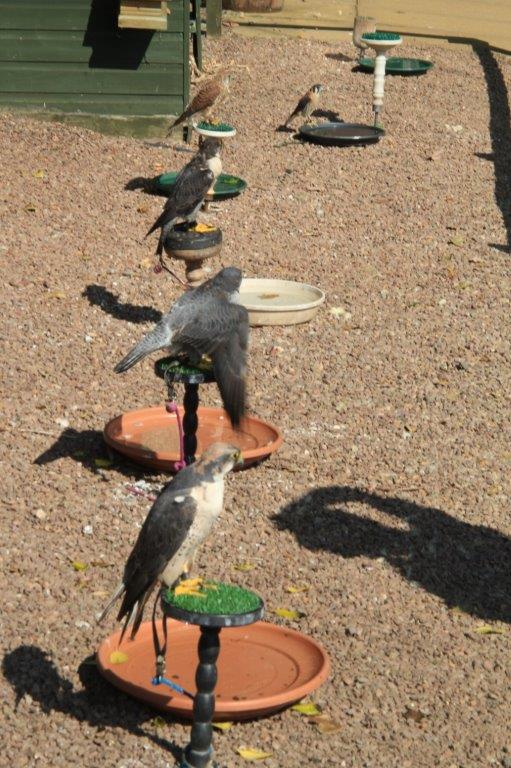
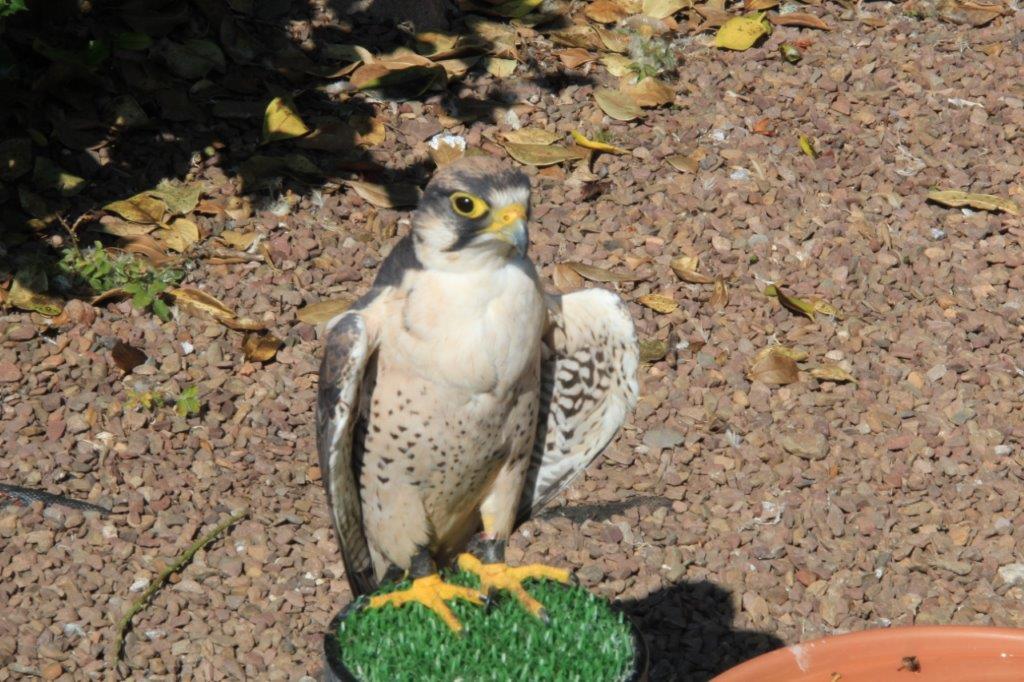
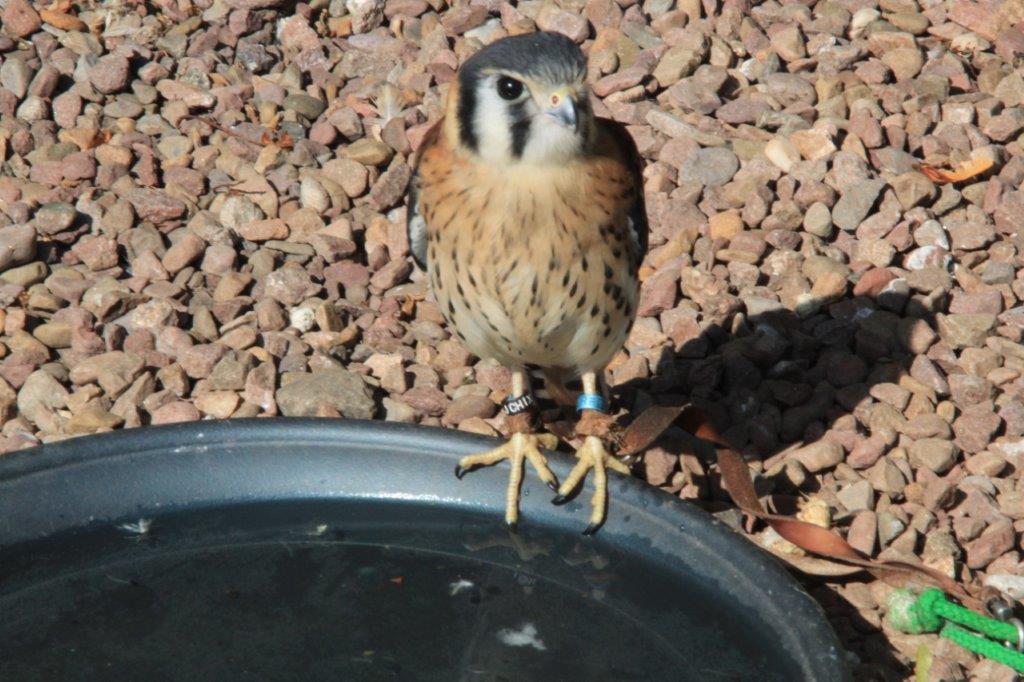
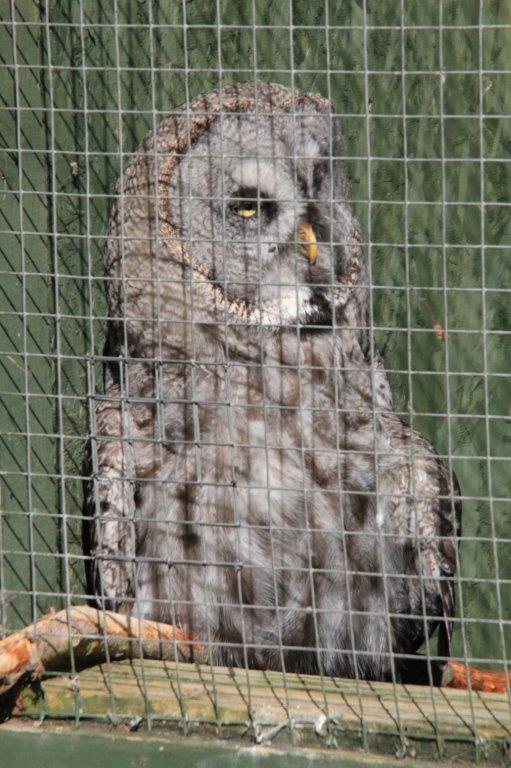
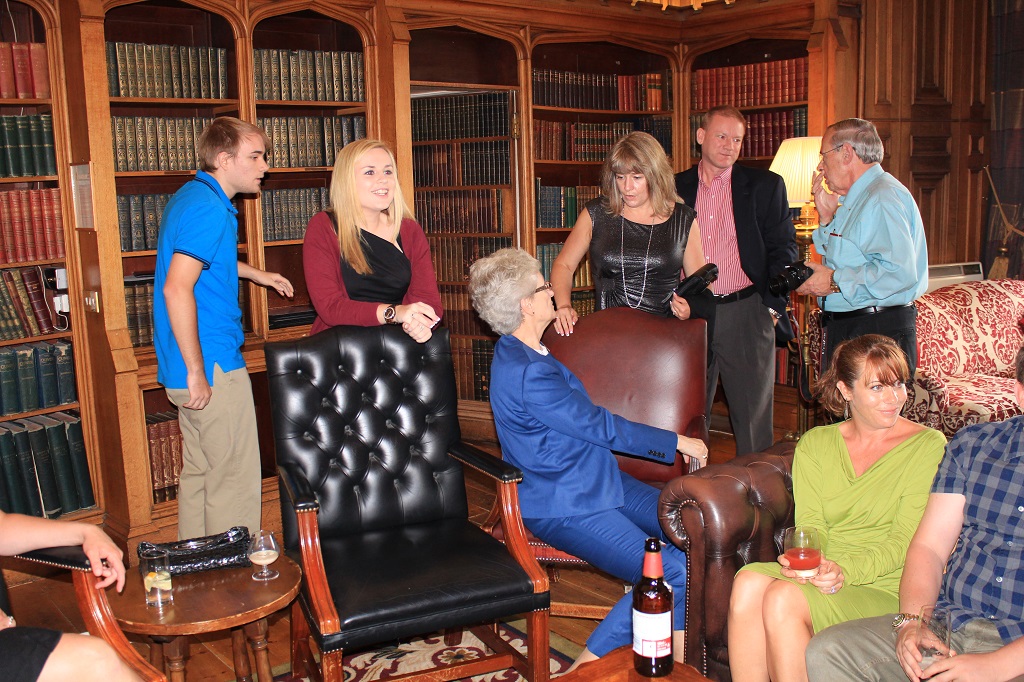
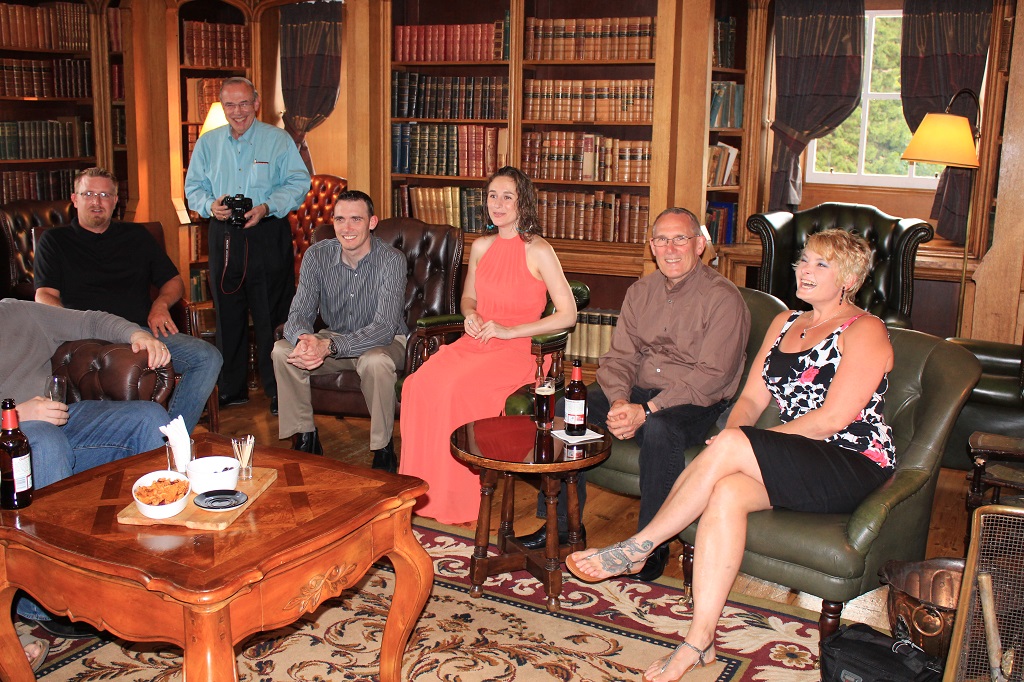
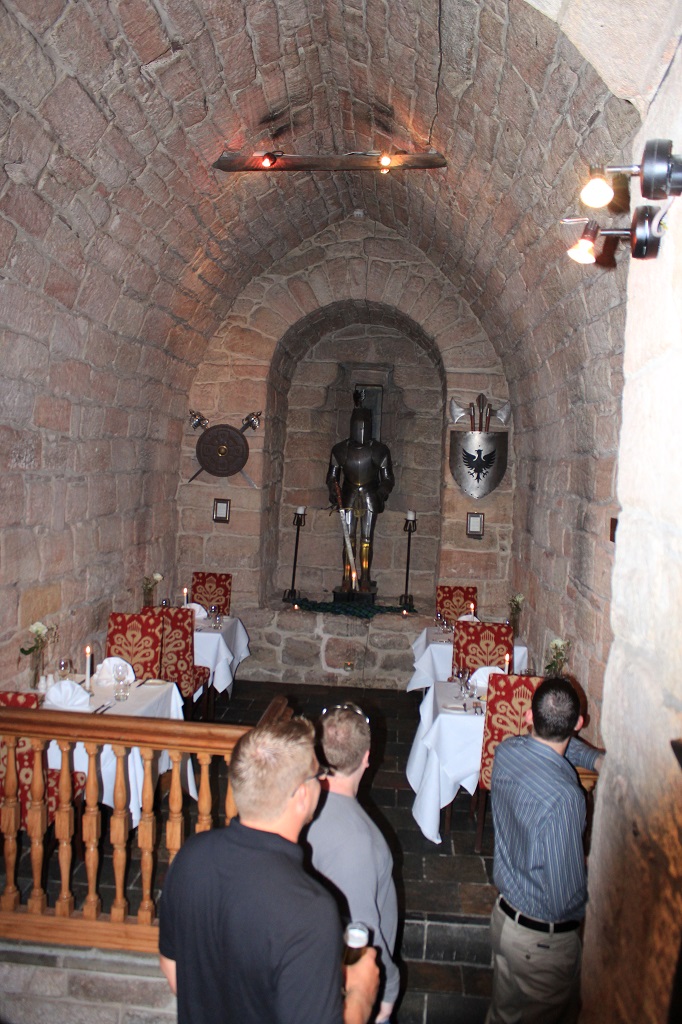
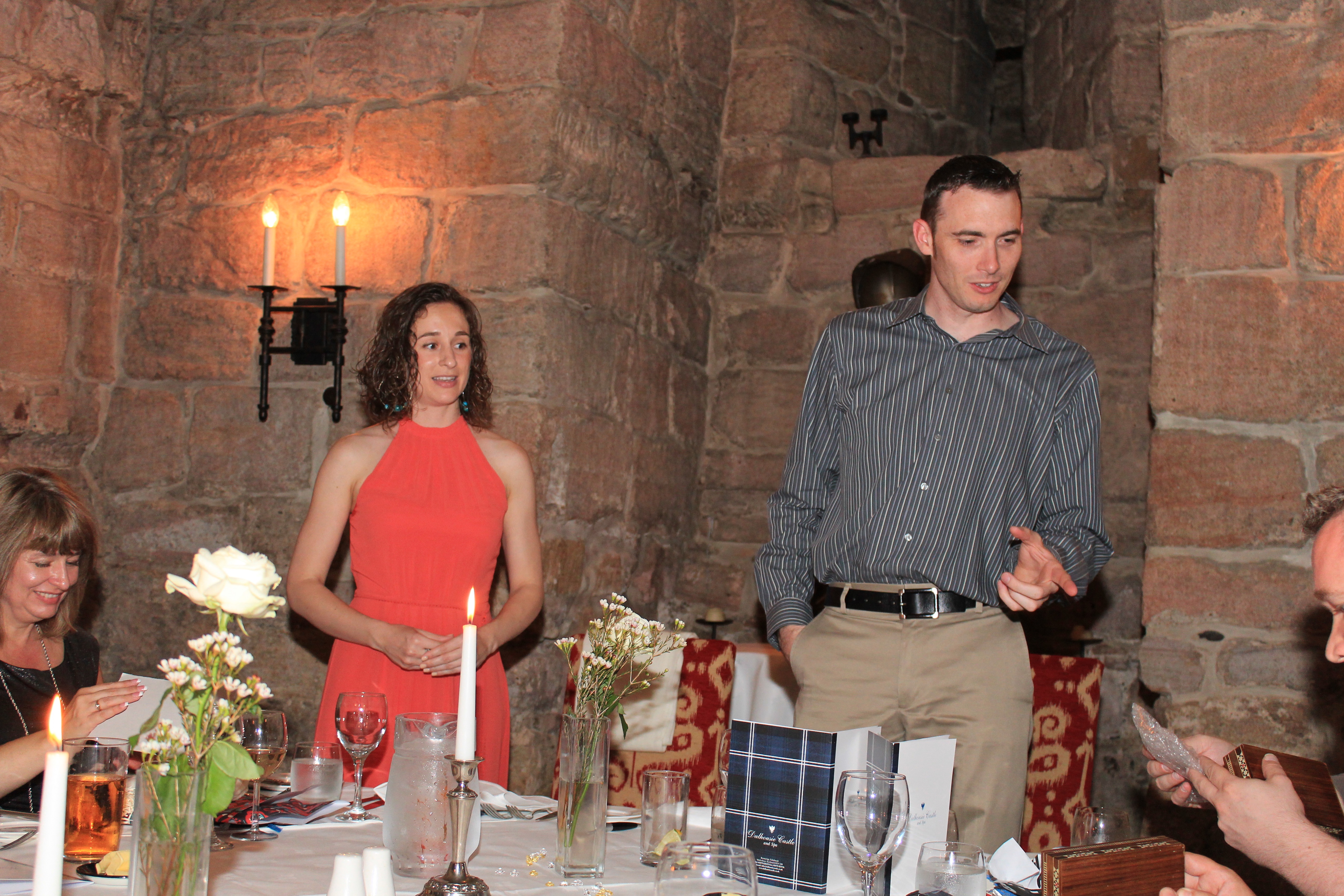
Our room.    Once we settled in we took a walk around the grounds.  The castle has a falconry where they train eagles, hawks, and owls. In the evening we attended the Rehearsal Dinner in the Dungeon Dining Room.  Joseph and Carrie didn’t have a rehearsal; just a rehearsal dinner.                       Pre-dinner drinks in the library. Gifts  of  thanks,  for  being  a part  of  their  special day,  were  given  by Joseph and Carrie to  the  members of the wedding  party,  the parents, and siblings. The big day was the next day.  And what a wonderful day it was!

2013 Summer (Baltic and Britain – Scotland – July 20 – Day 27)

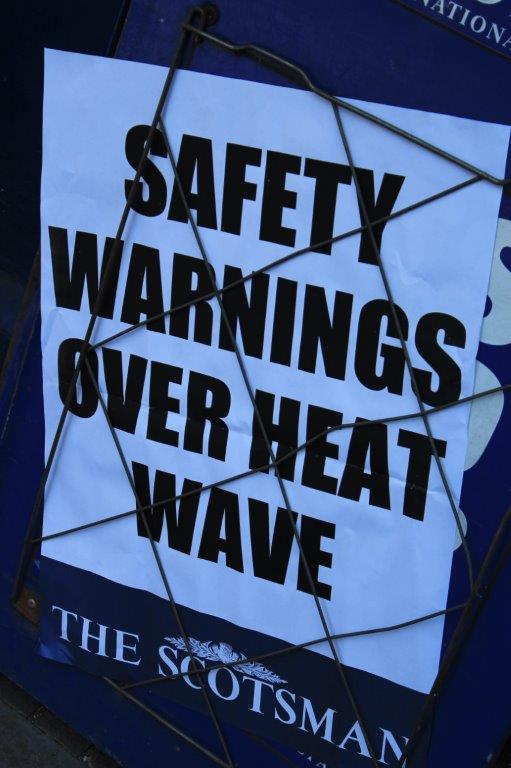
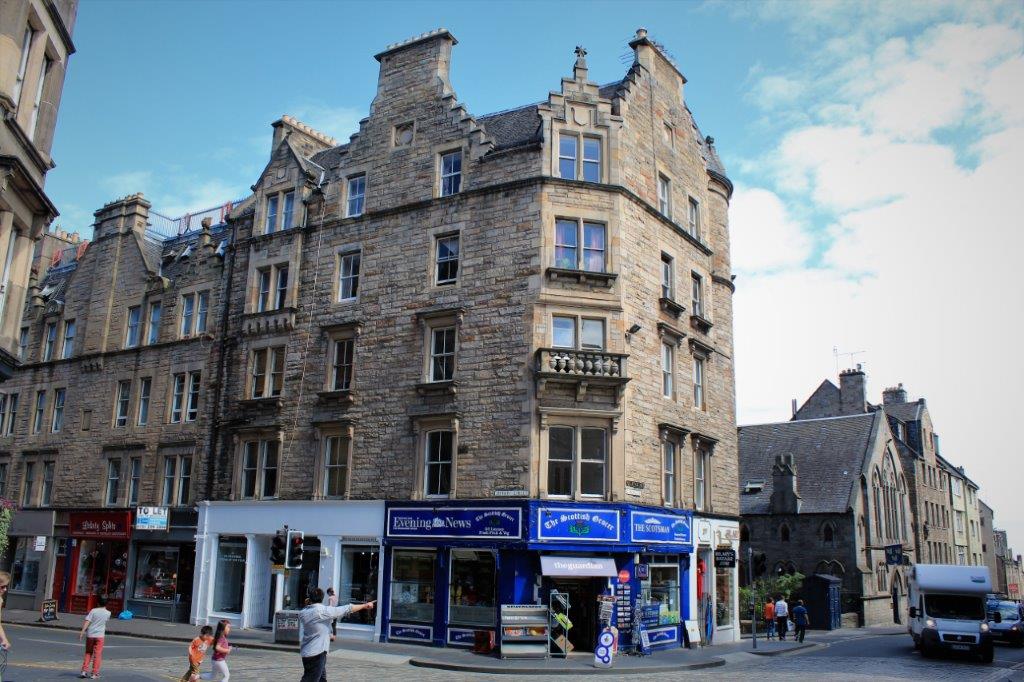
I don’t know if you have noticed in the previous blogs how much sunshine we had been having.  Summers in south-central British Columbia have temperatures averaging 27-32° C  ( up to 34° or more for a few days).  (That’s about 80-95° F) The temperatures in Scotland had been 25-26° for the last week or so.  This was a nice normal temperature for us.  We were busy enjoying the sights and the sunny weather and didn’t think anything of it until we walked past this newspaper headline in front of a corner store.26° was NOT a normal summer temperature in Scotland.  The average in July and August is about 15-17°  (45-49° F).  People were being seriously impacted by the heat and there was great concern for the elderly.

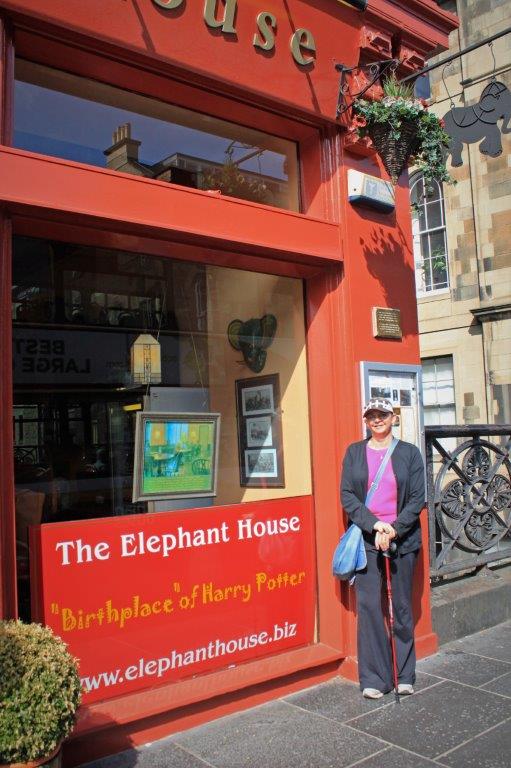
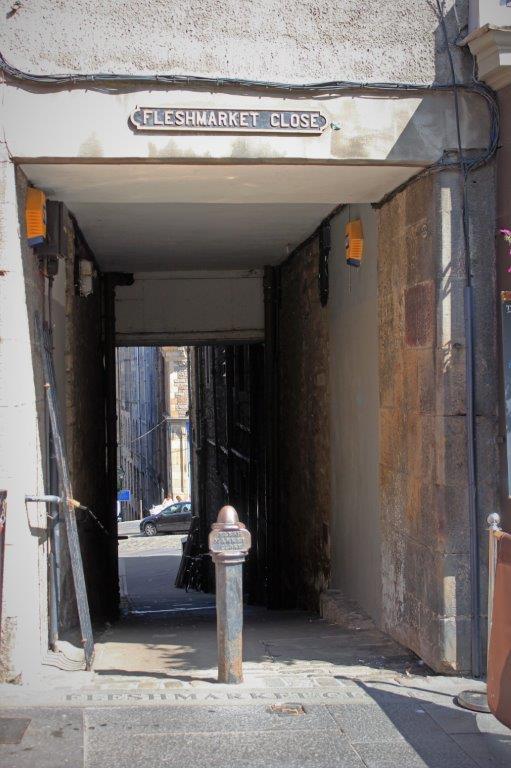
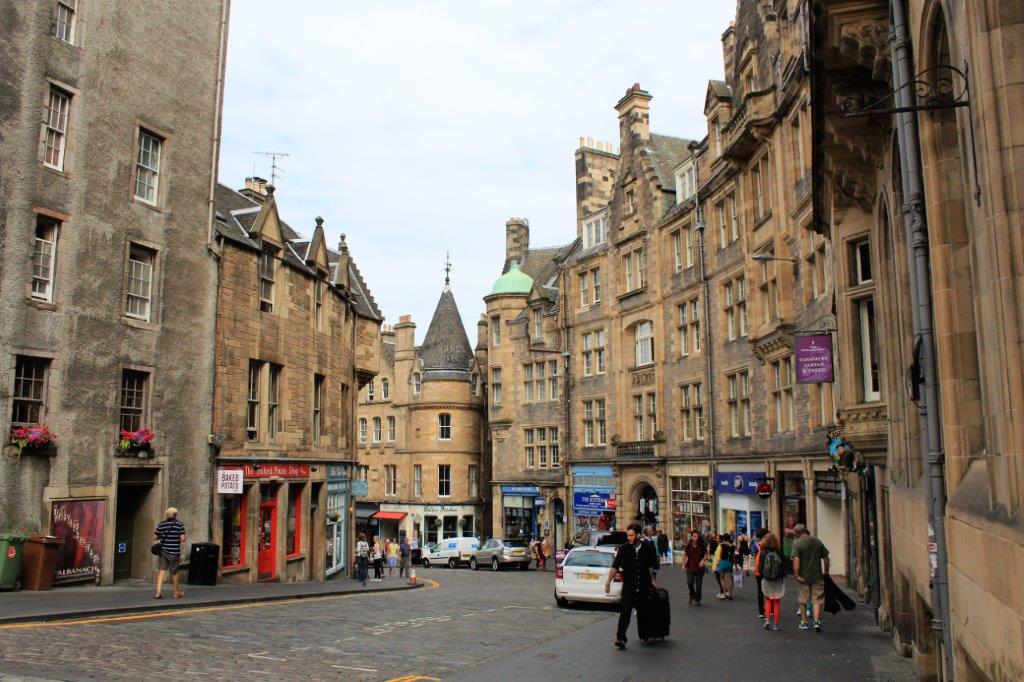
The cafe where J.K. Rowling often sat writing the first Harry Potter book.  Somehow I think the alley on the right took you to a red light district.  Any place called Fleshmarket Close could not be too virtuous.

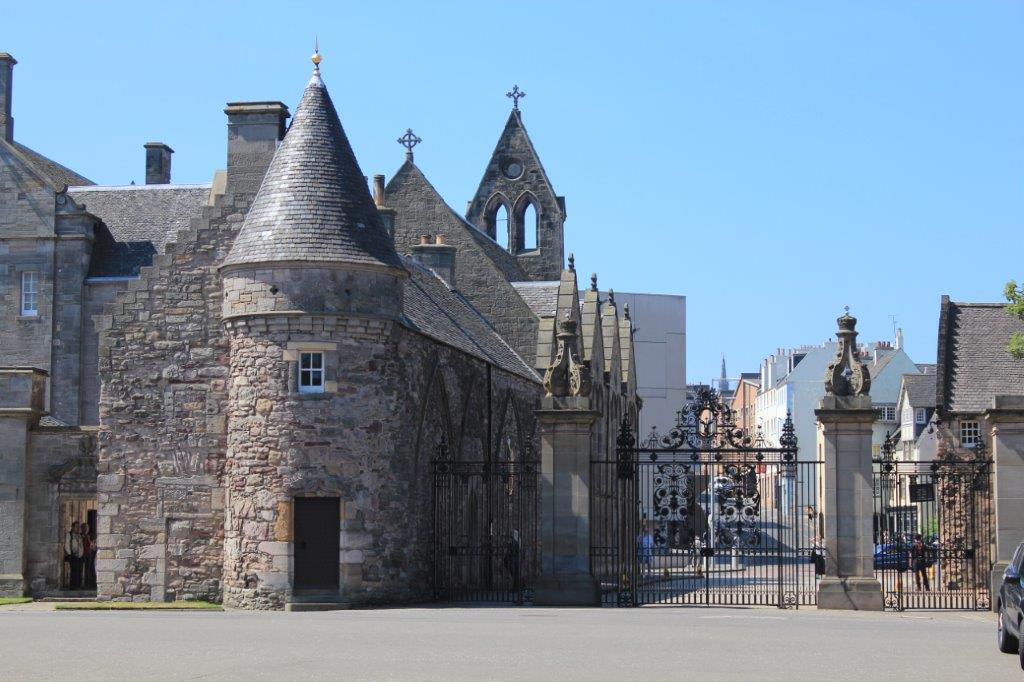
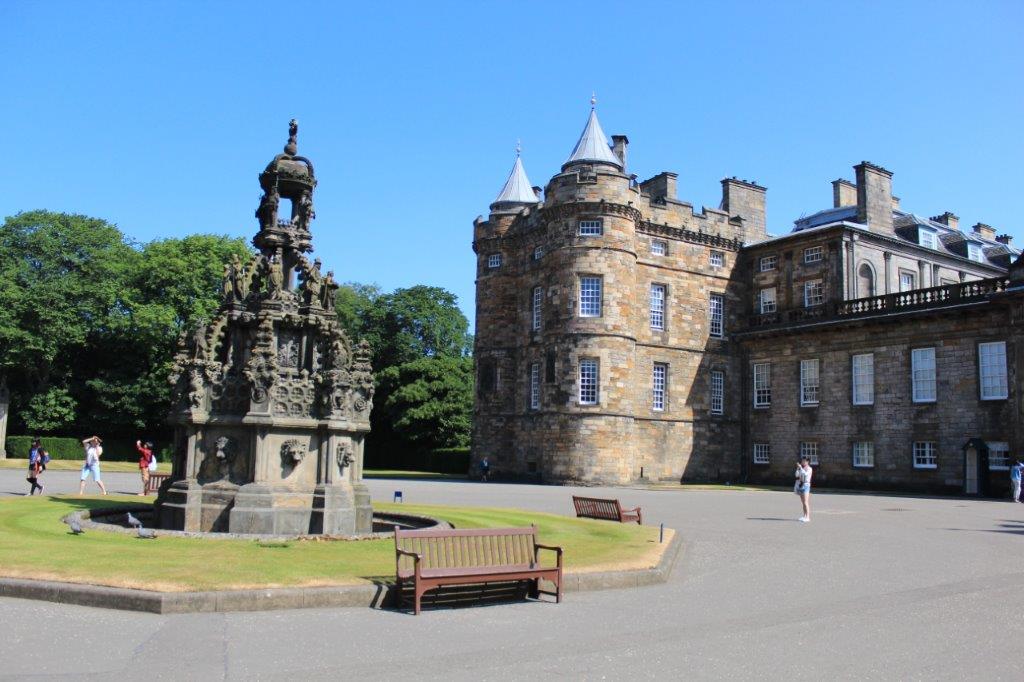
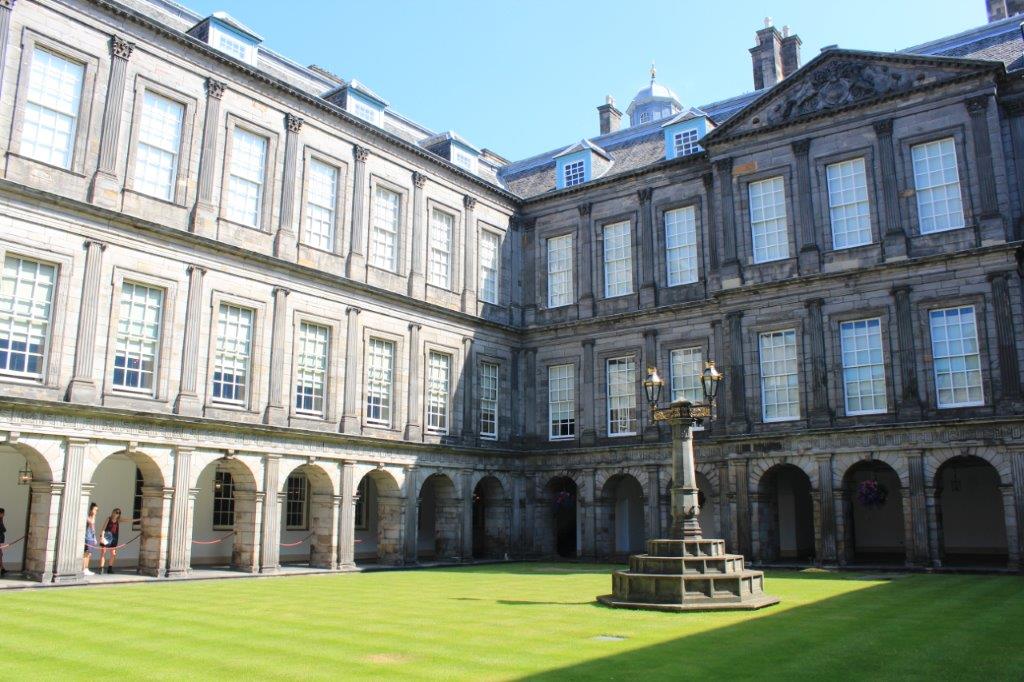
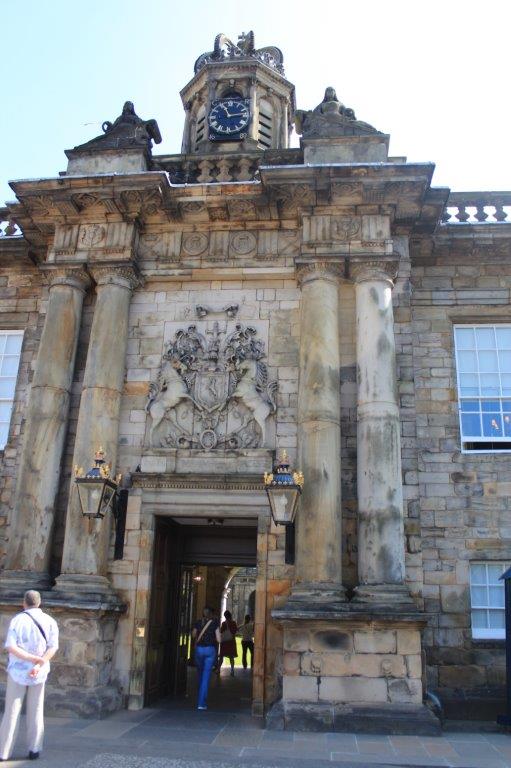
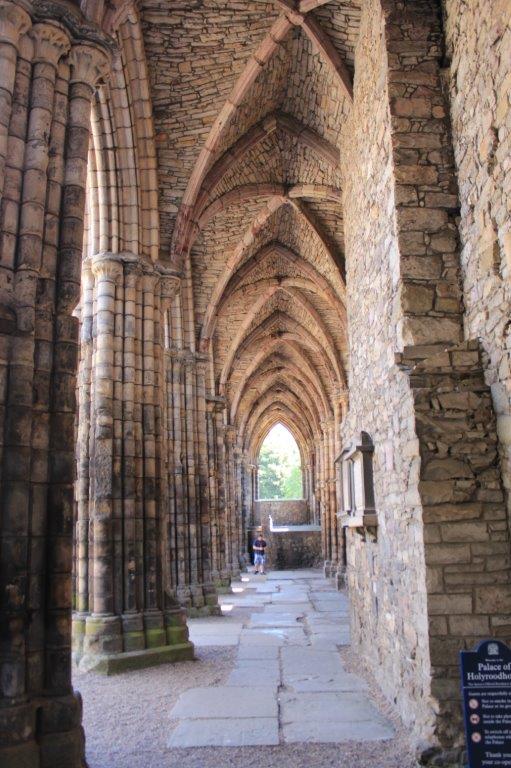
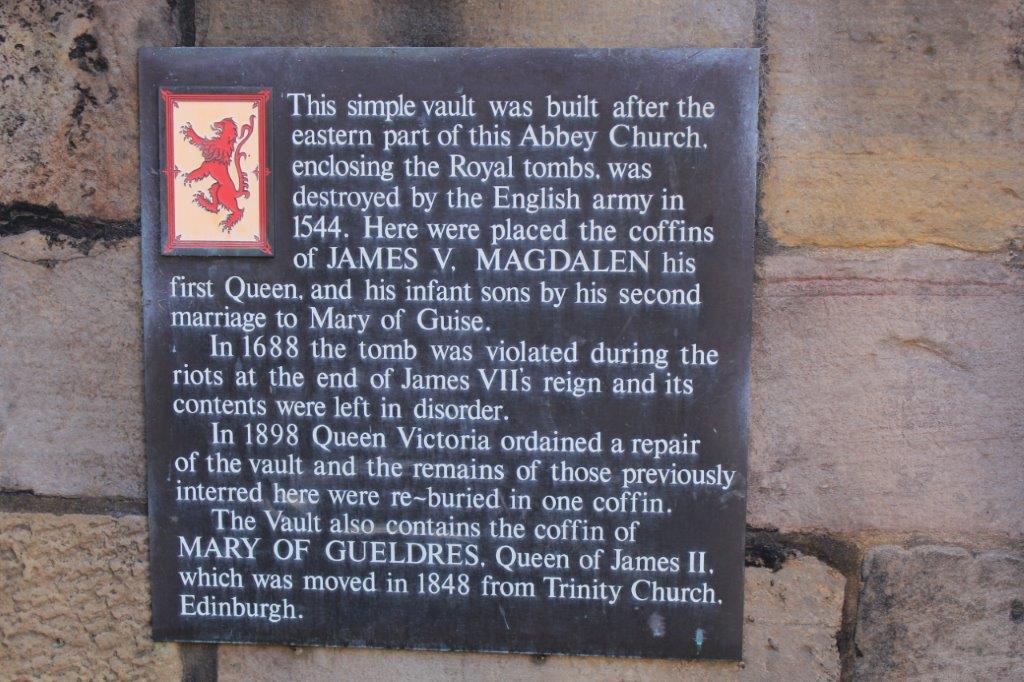
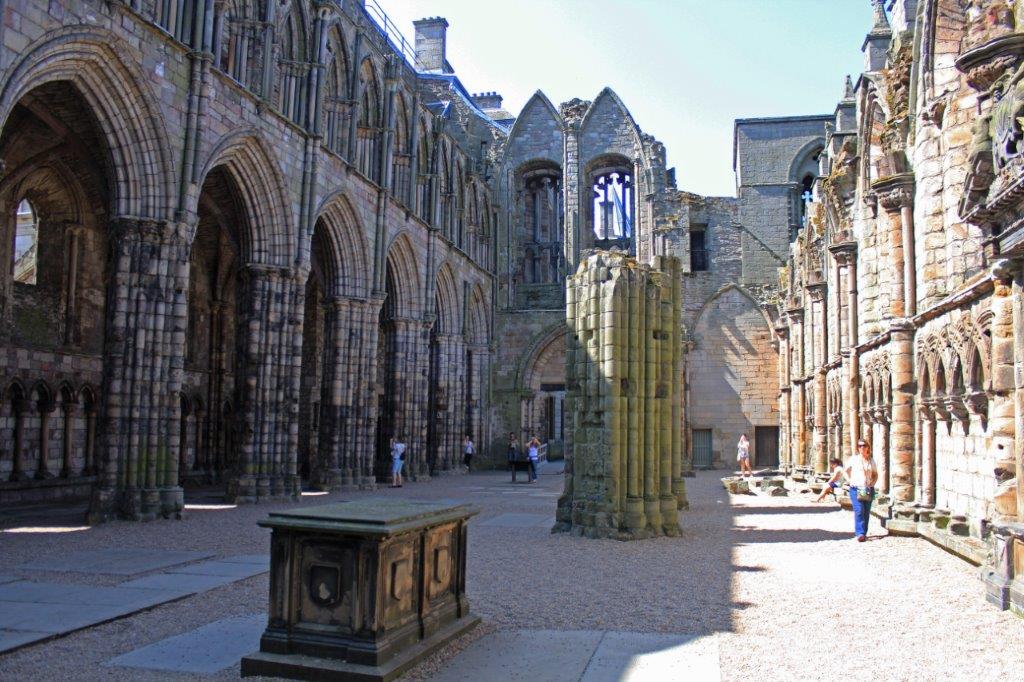
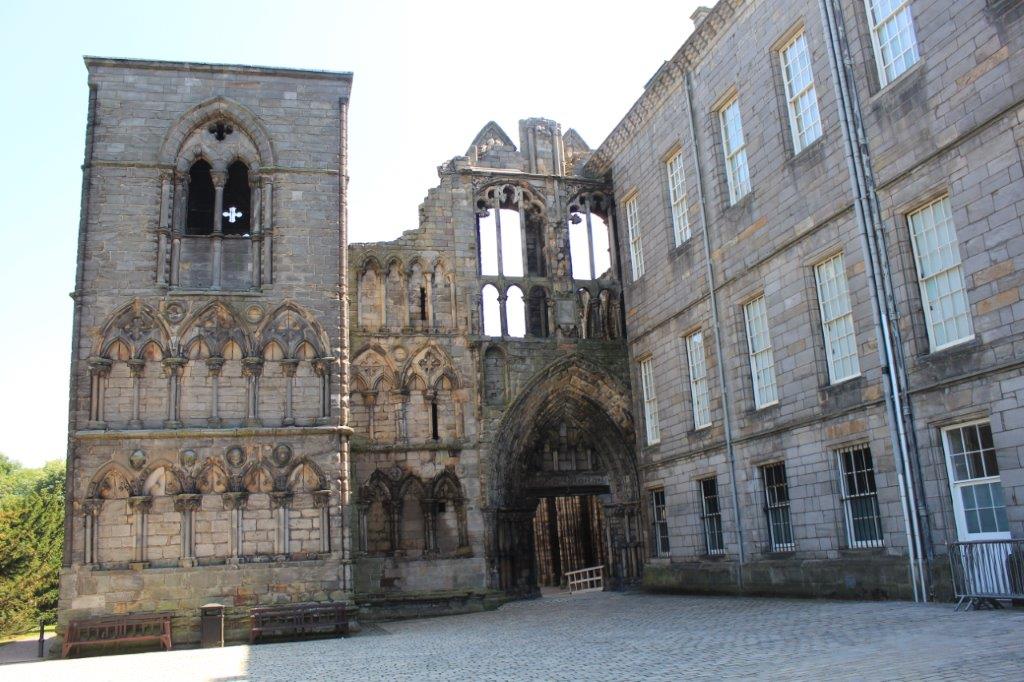
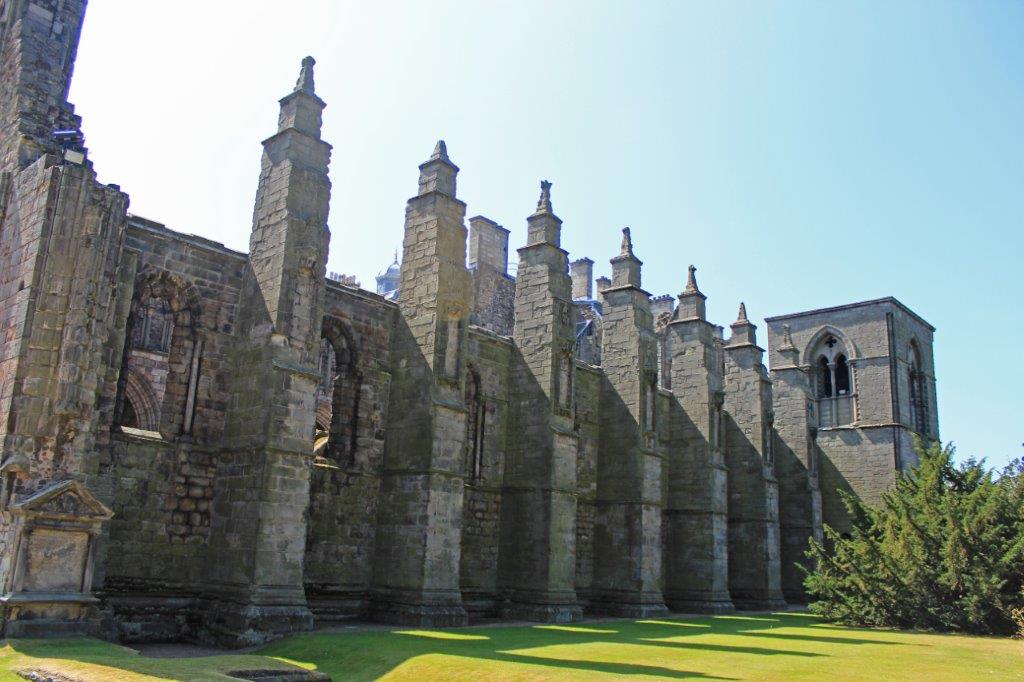
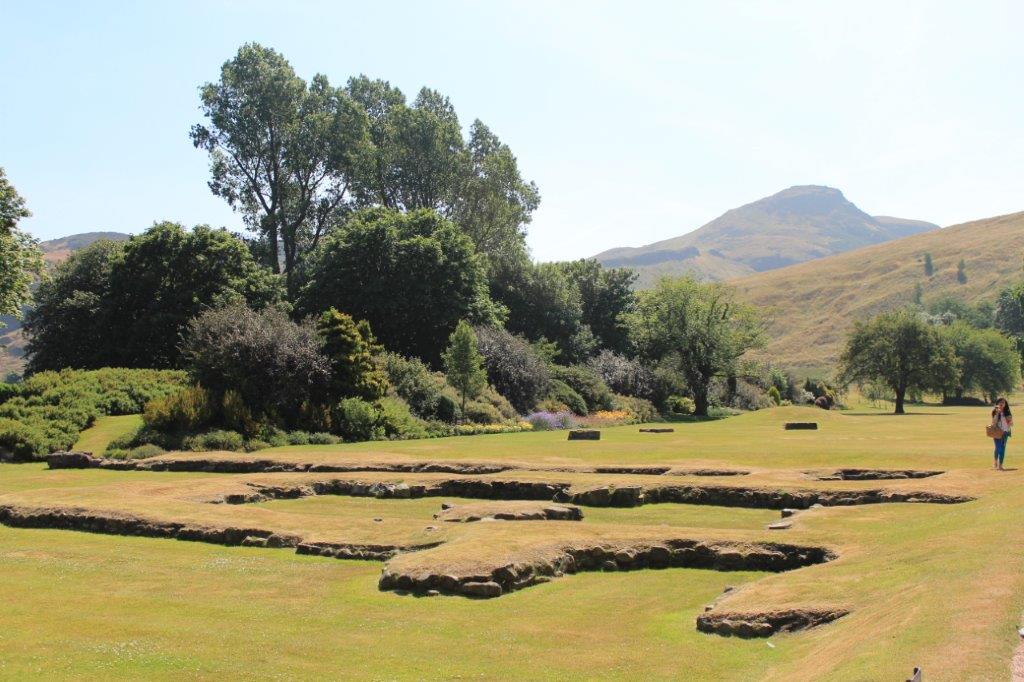
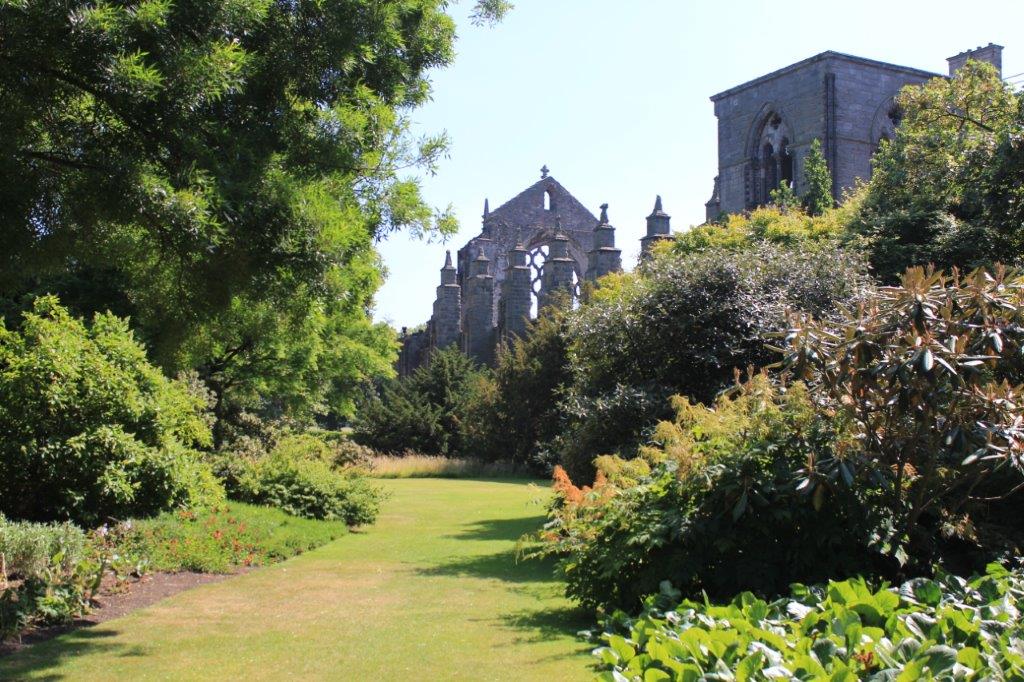
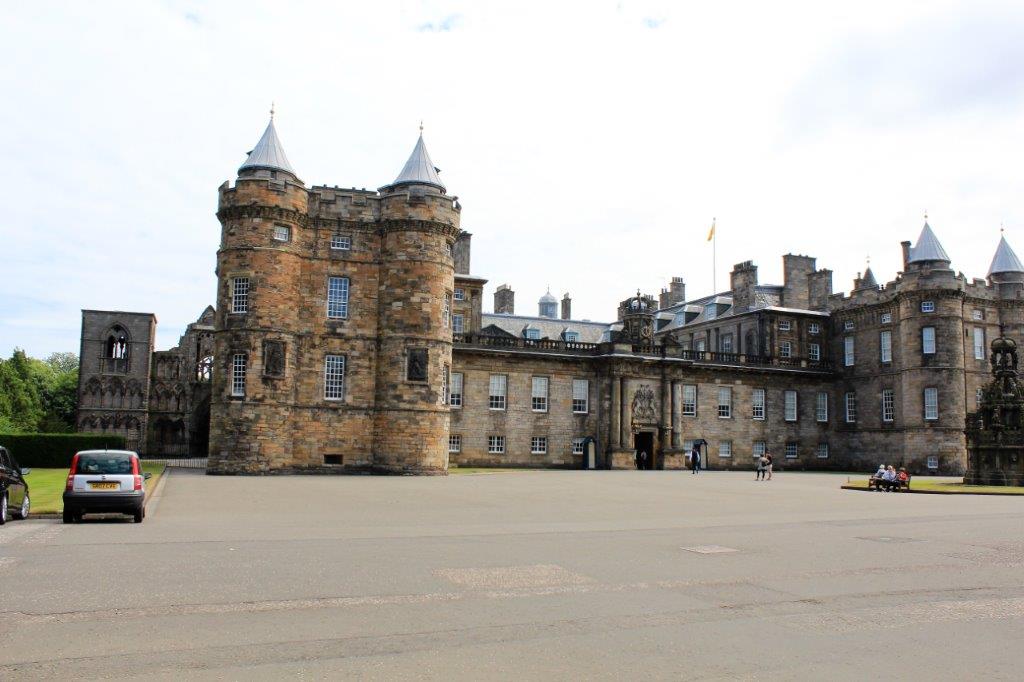
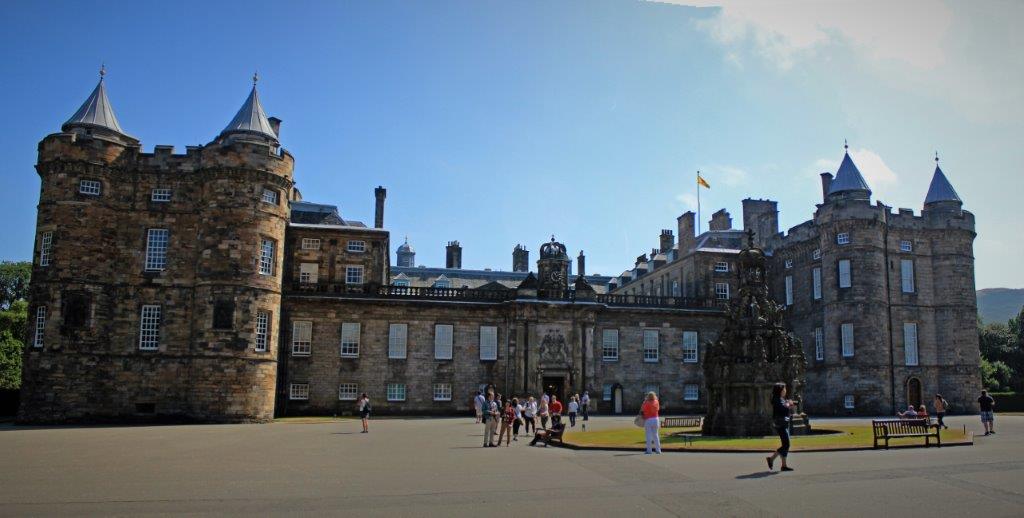
We walked to the other end of the Royal Mile from Edinburgh Castle to go see Holyrood Palace,  official  residence  of  the  Queen when  she  is  in  Scotland.  She  spends  one   week  here  every  summer while  she  carries  out  a range  of  official  engagements  and  ceremonies. The palace as it stands today was built between 1671–1678 in a quadrangle layout, approximately 230 feet (70 m) from north to south and 230 feet (70 m) from east to west, After we finished touring the grounds of Holyrood Palace we walked back up the Royal Mile and stopped at a few places along the way. We headed back to our room so I could get ready for the first pre-wedding activity; a bridal shower – High Tea at the Museum of Scotland Tower.

By this day all members of the wedding party had arrived in Edinburgh, and most of the guests.  The few remaining guests would arrive the next day.   There was a pub crawl in the evening for anyone who wished to come along.  There were four pubs on the list.  Everyone  was  enjoying  the  beverages  at  the  second  pub.  I don’t  think  very  many  people  made  it  to  the  third  one.  We  bailed about  11:30  and  went  to  our  hotel.


2013 Summer (Baltic and Britain – Scotland – July 19 – Day 26)

We made another early morning trip to the airport to meet our daughter and her husband’s flight from British Columbia.  Since that flight, like our son’s flight the day before, was an overnight red-eye we took them to City Pads where they also had a room reservation and sent them to bed for a few hours.

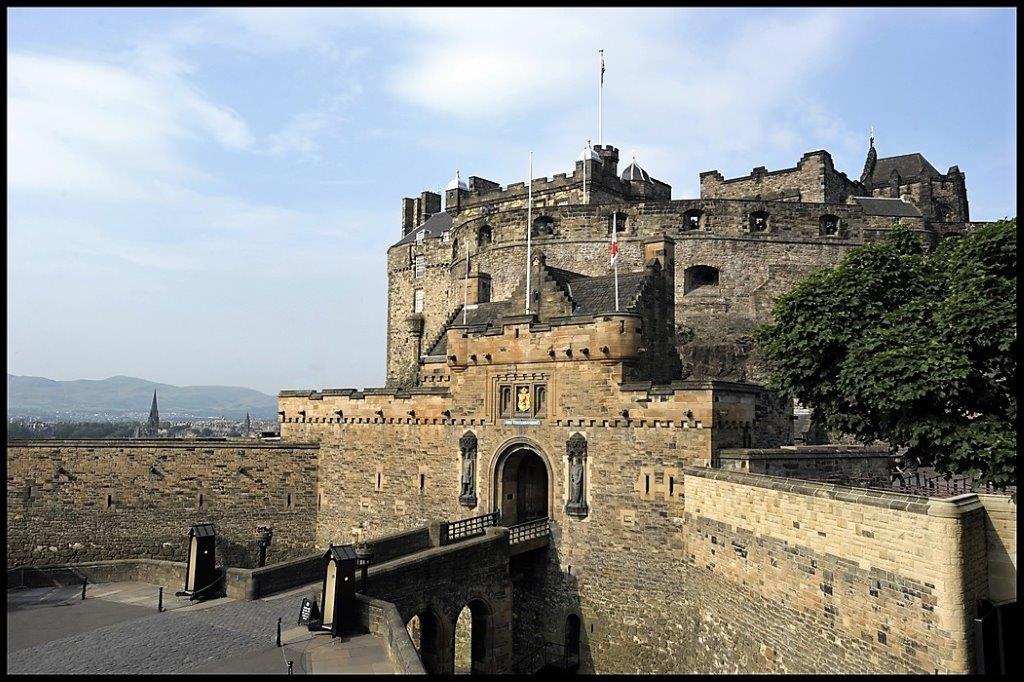
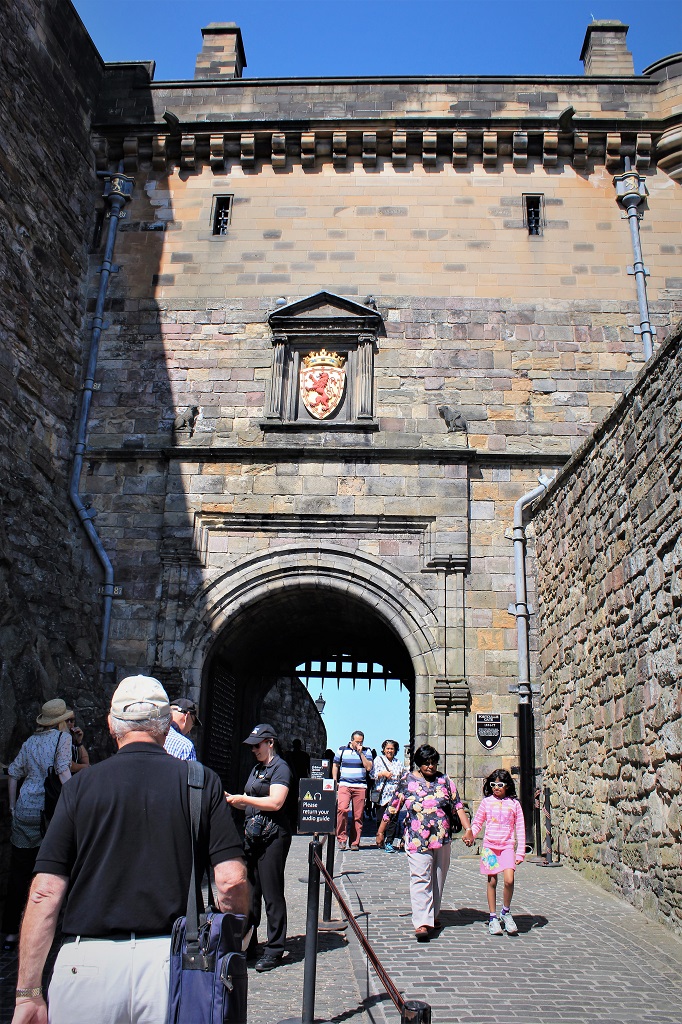
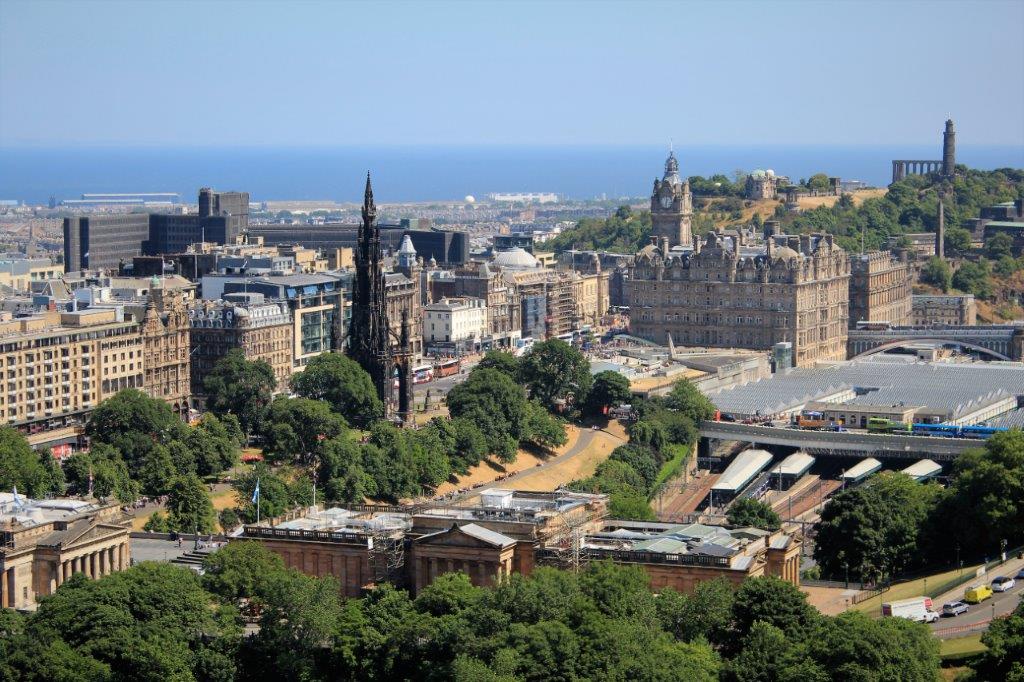
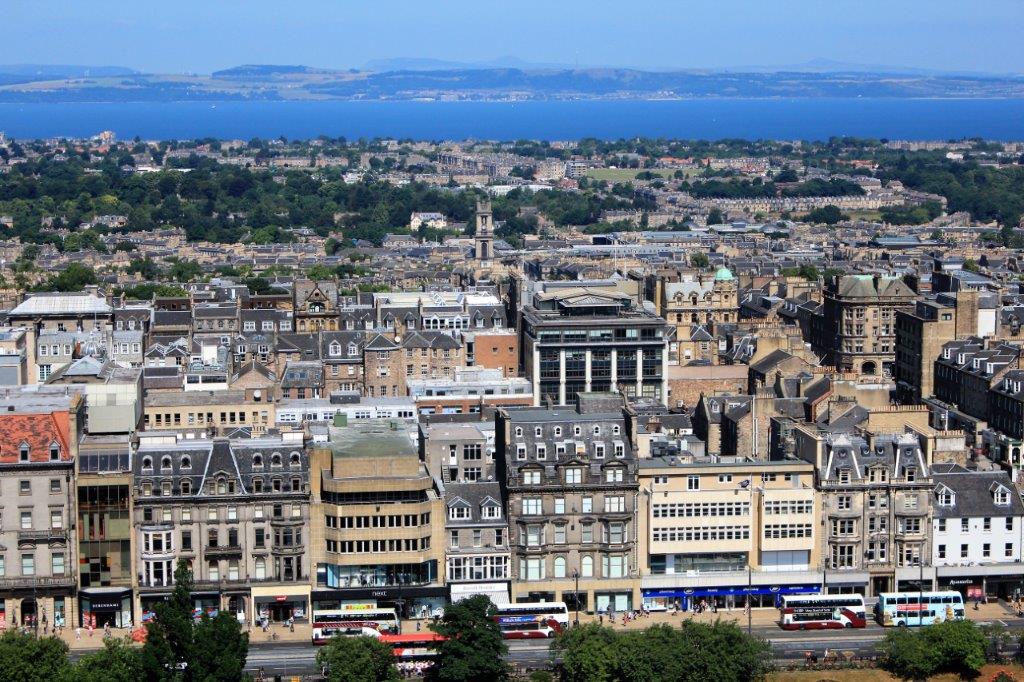
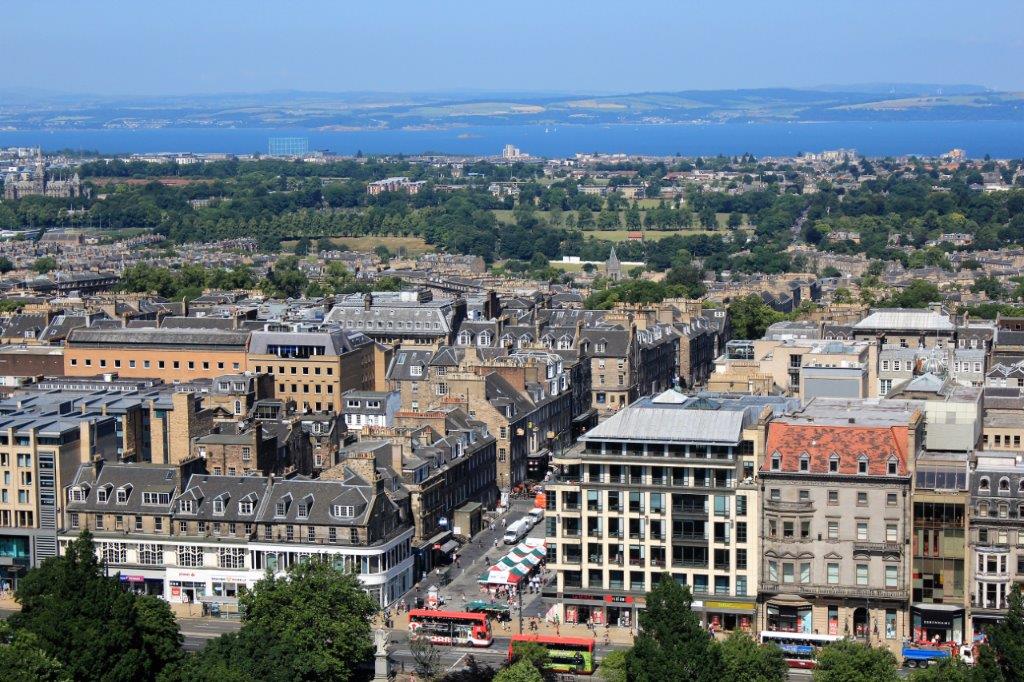
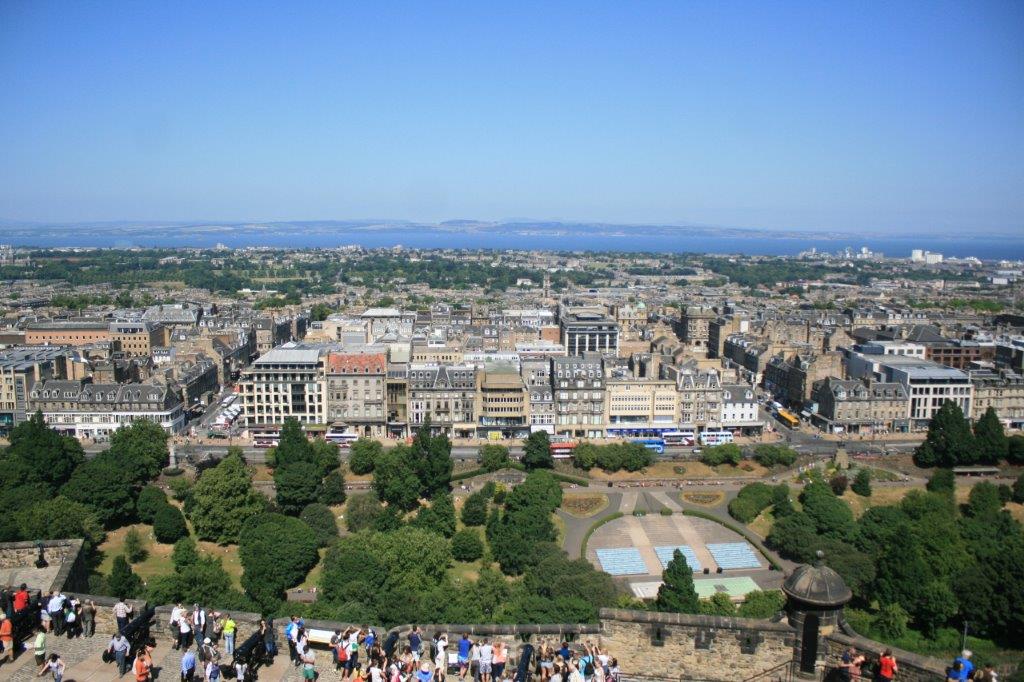
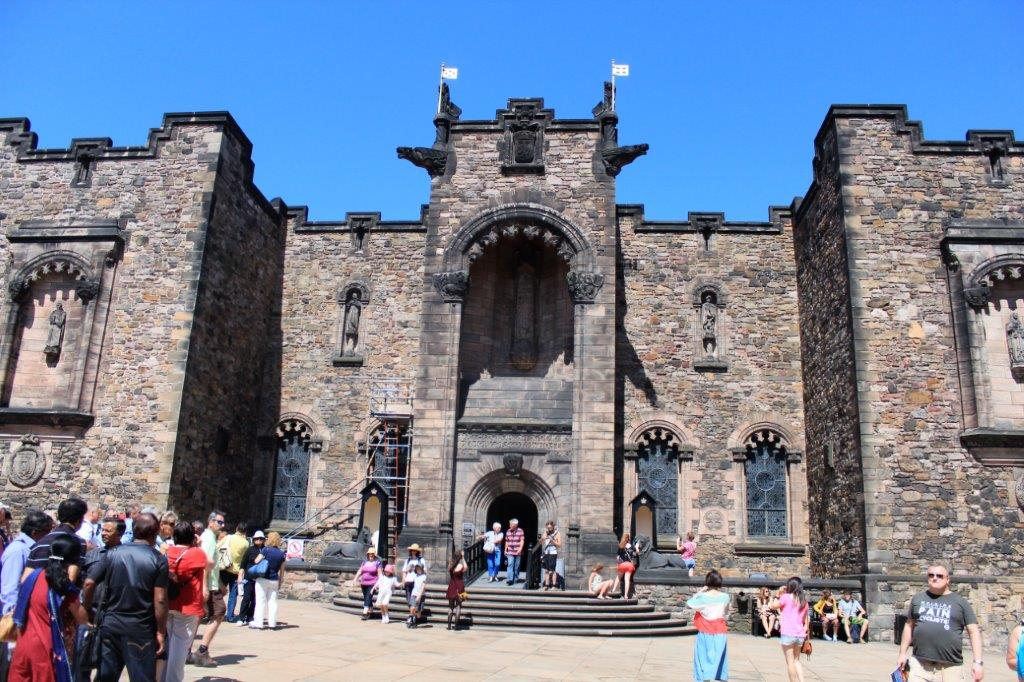
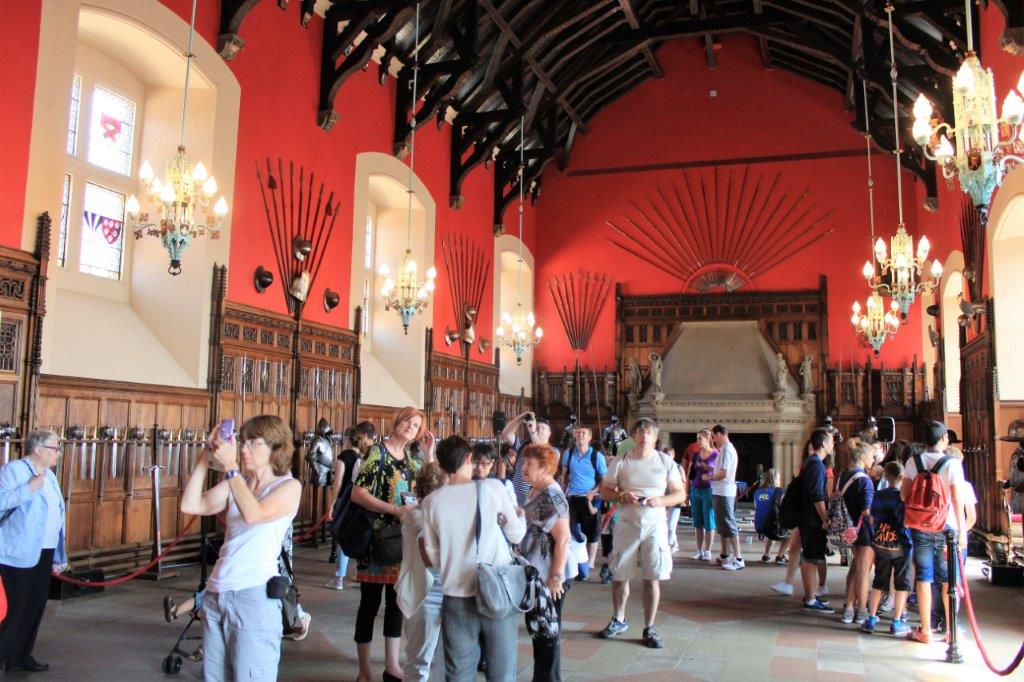
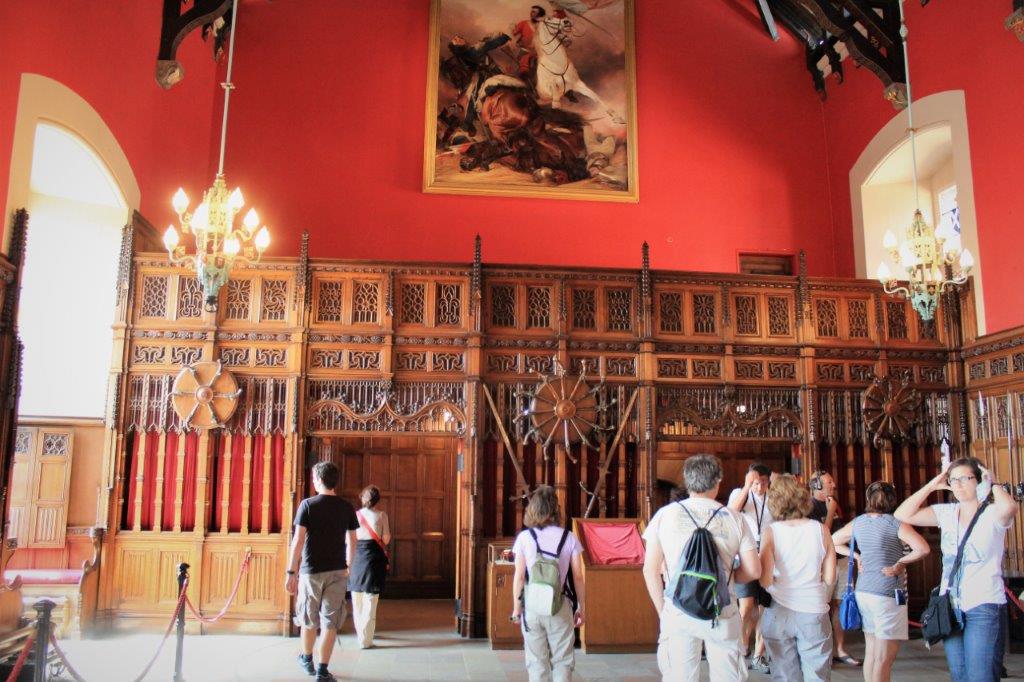
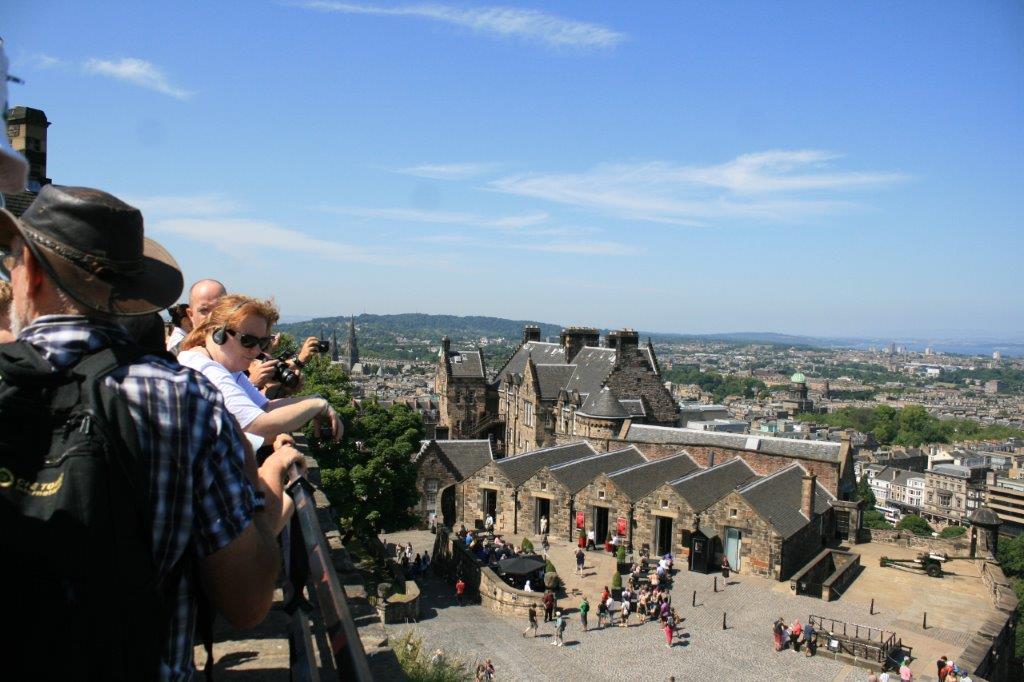
John and I went to explore Edinburgh Castle.  The famous castle sits atop Castle Rock and looms over Old and New Edinburgh.  The castle has played a pivotal role in Scottish history, both as a royal residence – King Malcolm Canmore (reigned from 1058-1093) and Queen Margret made their home there – and as a military stronghold.  The castle last saw military action in 1745; from then until the 1920’s it served as the British army’s main base in Scotland.

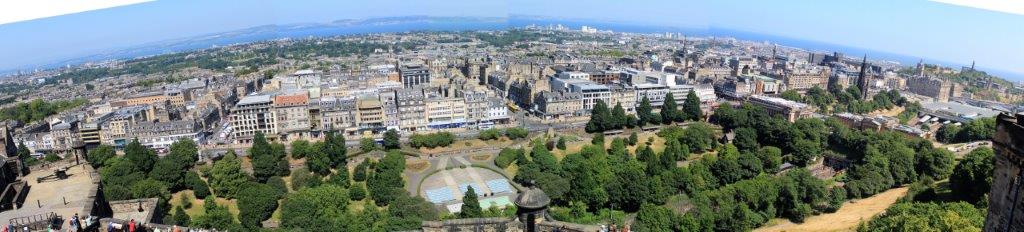
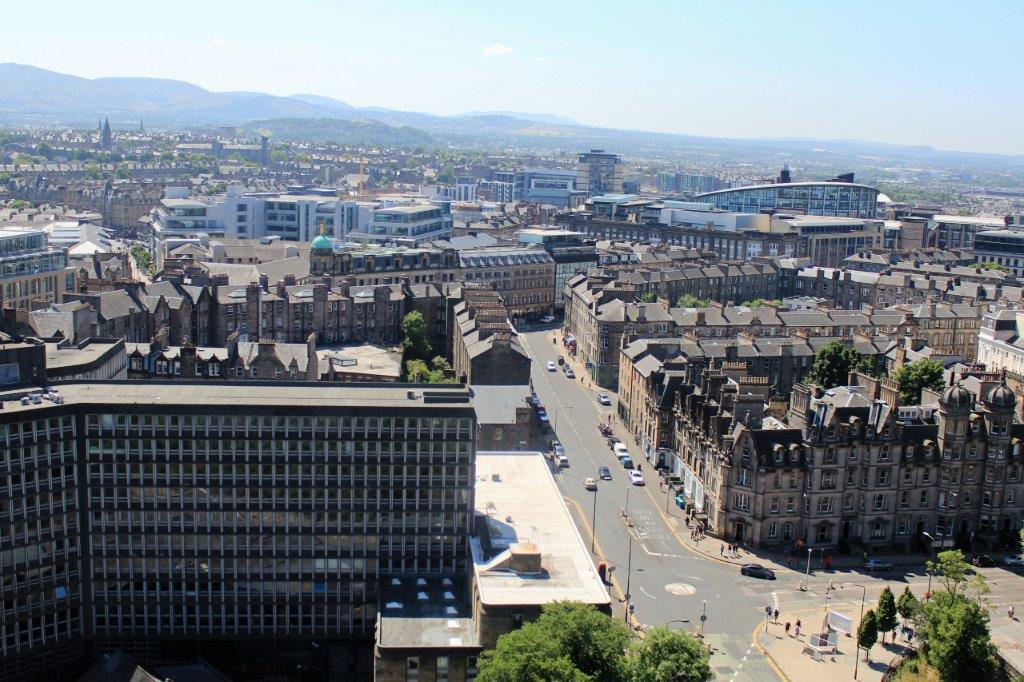
There  are  lots  of  steep  walkways  and  stairs  to  climb.  The  view  from  the  castle  wall  was  pretty  spectacular. We left the castle and went back to our room to rest before dinner.  We were to meet our future daughter-in-law’s parents, along with our son and his fiancé, at a restaurant called Fields for dinner.

In typical fashion both of the father’s wanted to pay the bill for our dinner.  While they were arguing over who would have the honors (Bob thought he had the upper hand because he had hold of the check), Joseph got up, walked over to the desk, paid the bill and quietly sat down again.  That settled that for the dads!  Good move son.

2013 Summer (Baltic and Britain – Scotland – July 18 – Day 25)

We picked up our son and his fiancé at the airport at 8:15 am.  It is an 8 hour overnight flight from Dubai to Edinburgh, so once we collected their luggage we took them to their hotel so they could go to bed and get some sleep.

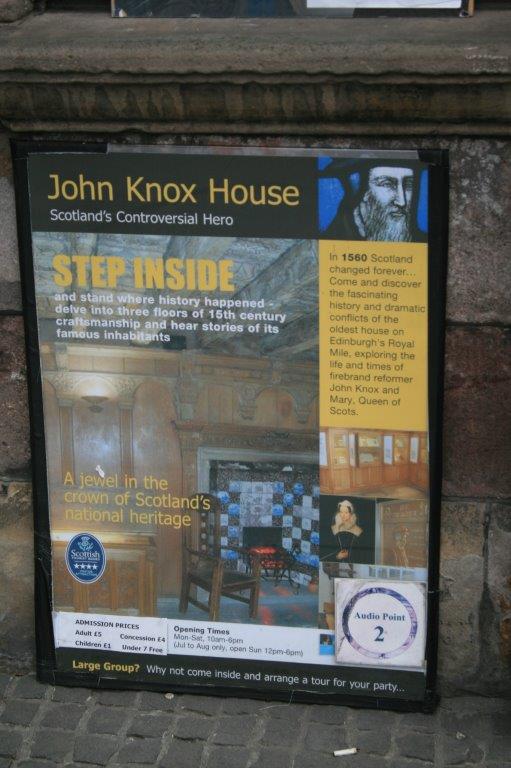
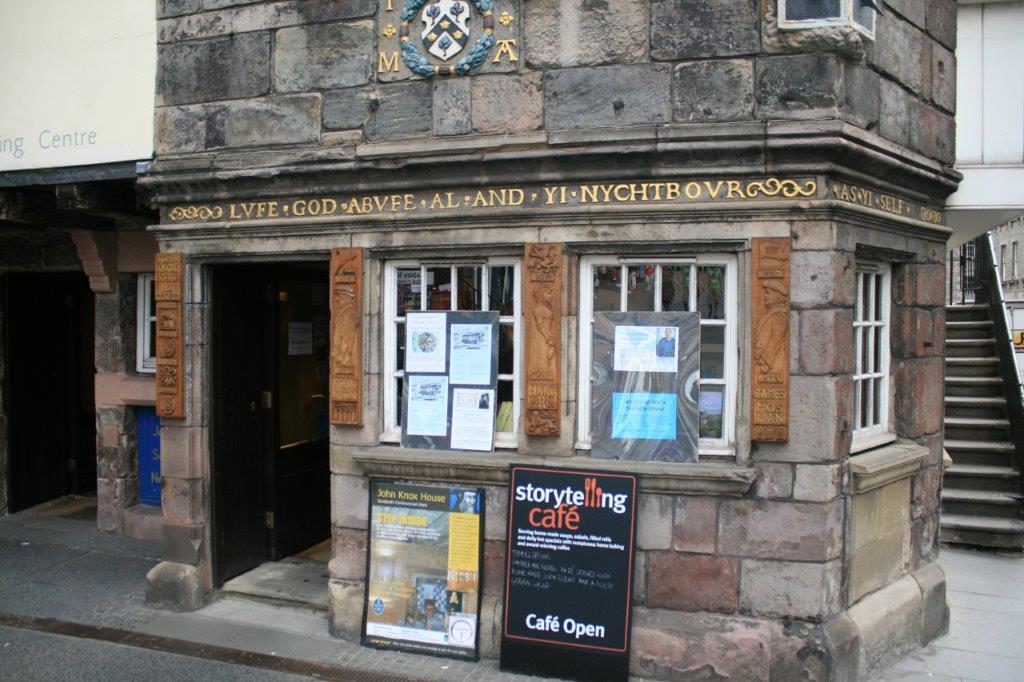
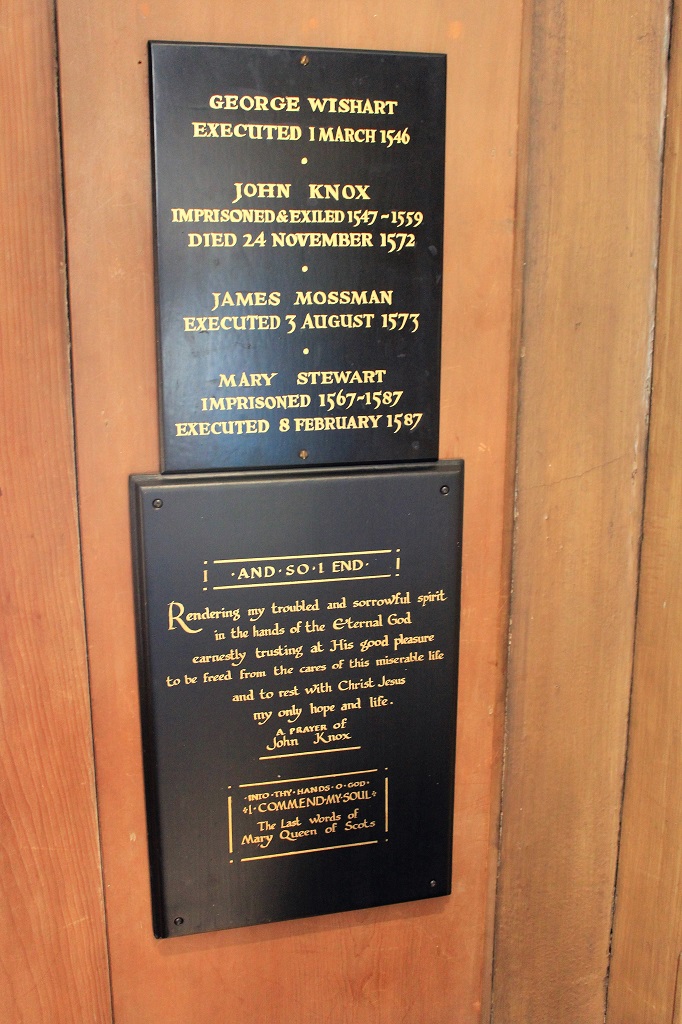
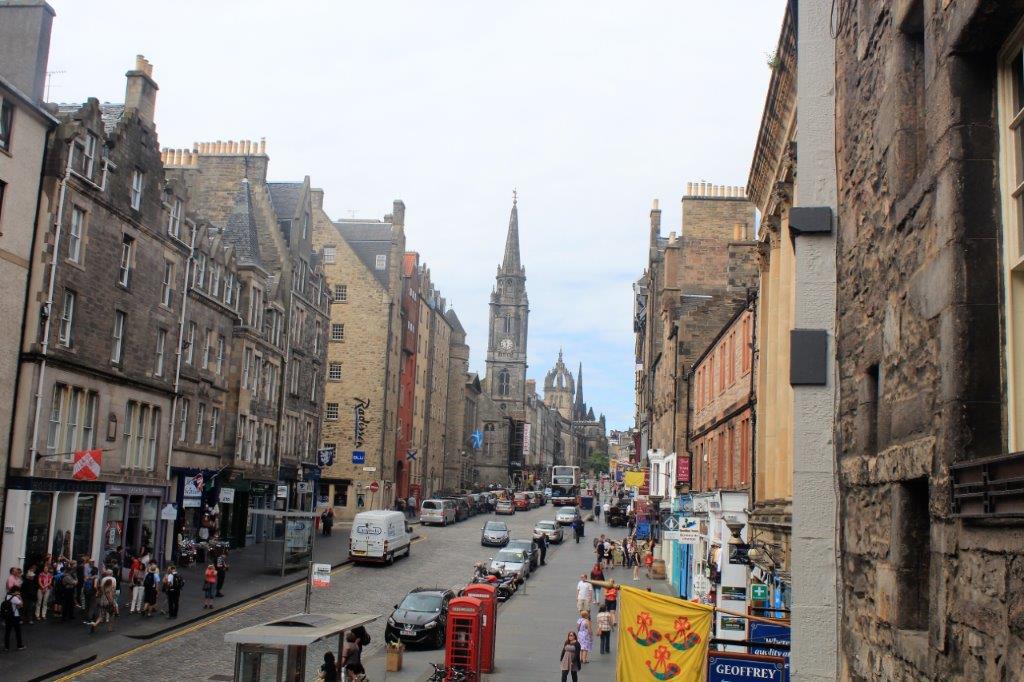
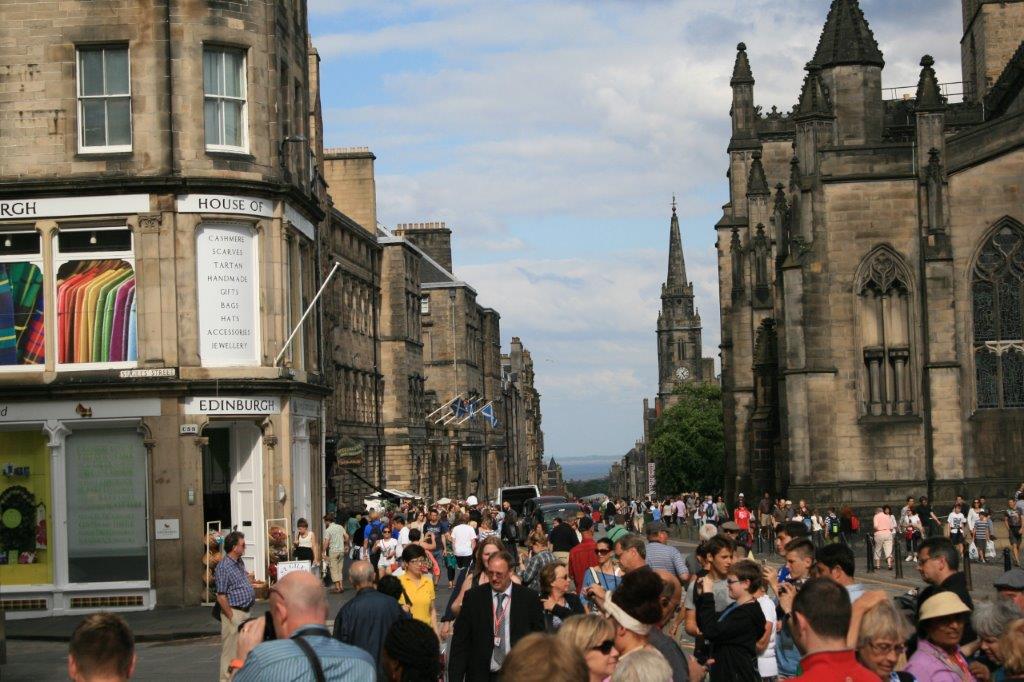
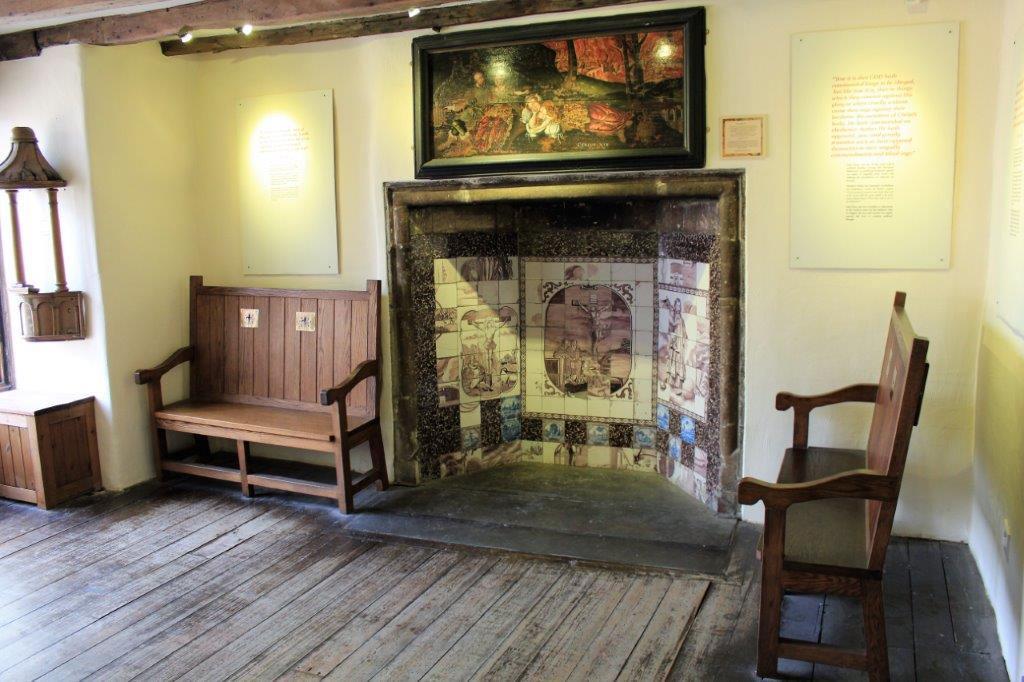
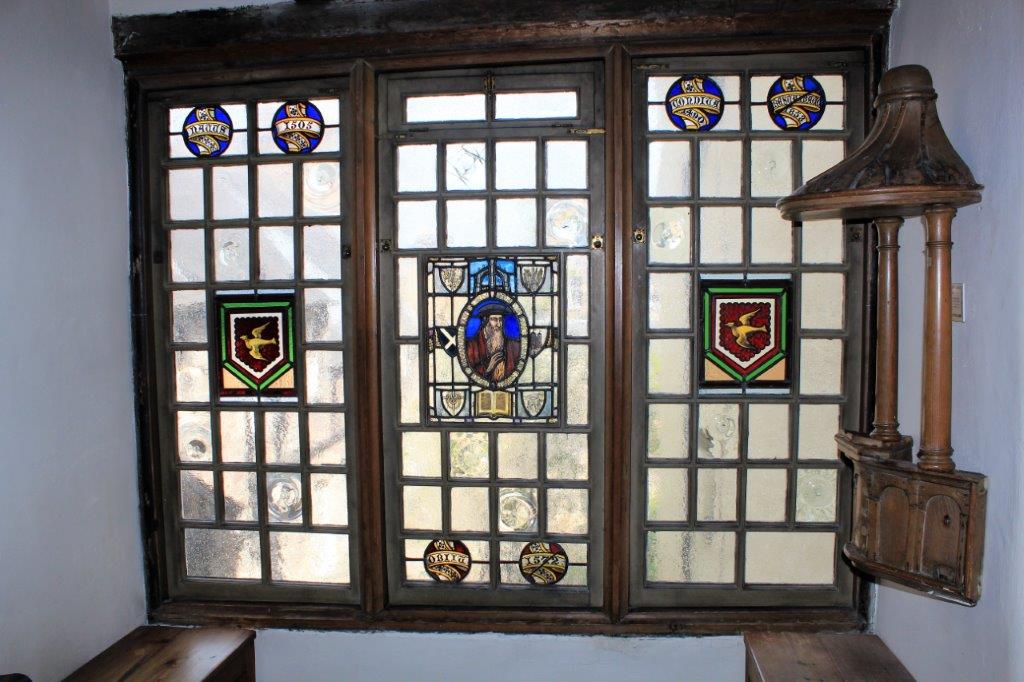
We, once again, wandered the streets of the city; people watching and exploring.  The Royal Mile stretches from Edinburgh Castle to Holyrood Palace and many historic houses and shops line both sides of the famous street. Since we attend the Presbyterian Church back home we had to tour John Knox’s house.  John Knox was a Scottish minister and theologian and the leader of the country’s reformation.  He founded the Presbyterian Church of Scotland.

He was licensed in the Church of England and rose through the ecclesiastical ranks to become royal chaplain to King Edward VI of England.  After Mary Tudor ascended the throne and re-established Roman Catholicism he was forced to resign and leave the country.  In Geneva he met John Calvin, another reformist from whom he learned much about Reformed Theology and Presbyterian polity.  Upon his return to Scotland he led the Protestant Reformation.  Knox helped write the new confession of faith and the ecclesiastical order for the newly created reformed church, the Kirk. He continued to serve as the religious leader of the Protestants throughout Mary’s reign and continued to preach until his death in 1572.  He was 58 or 59 years old.

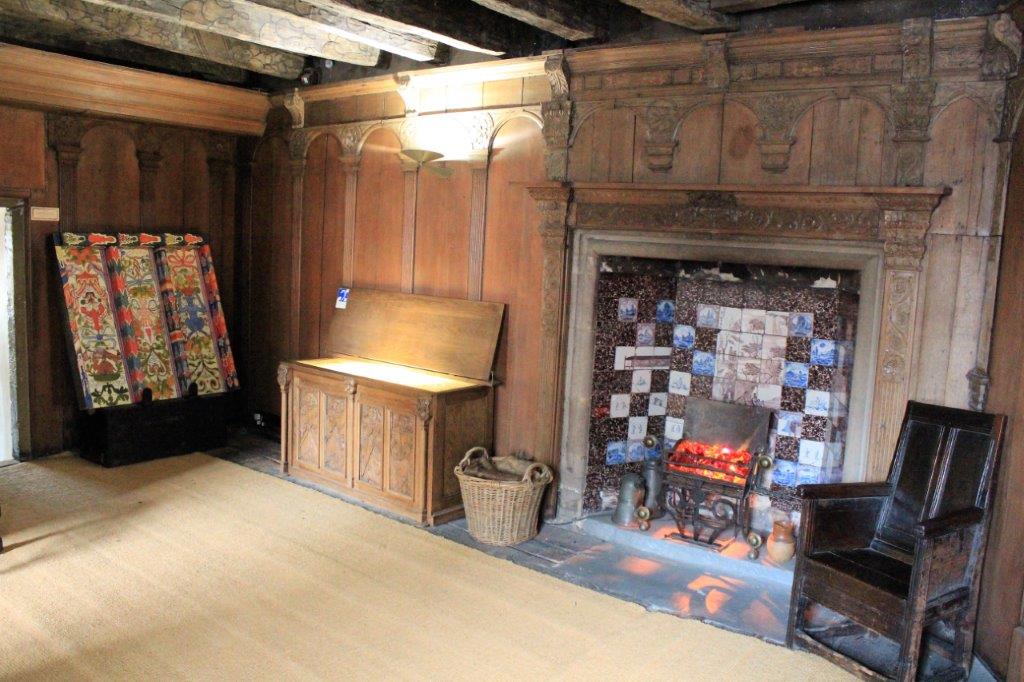
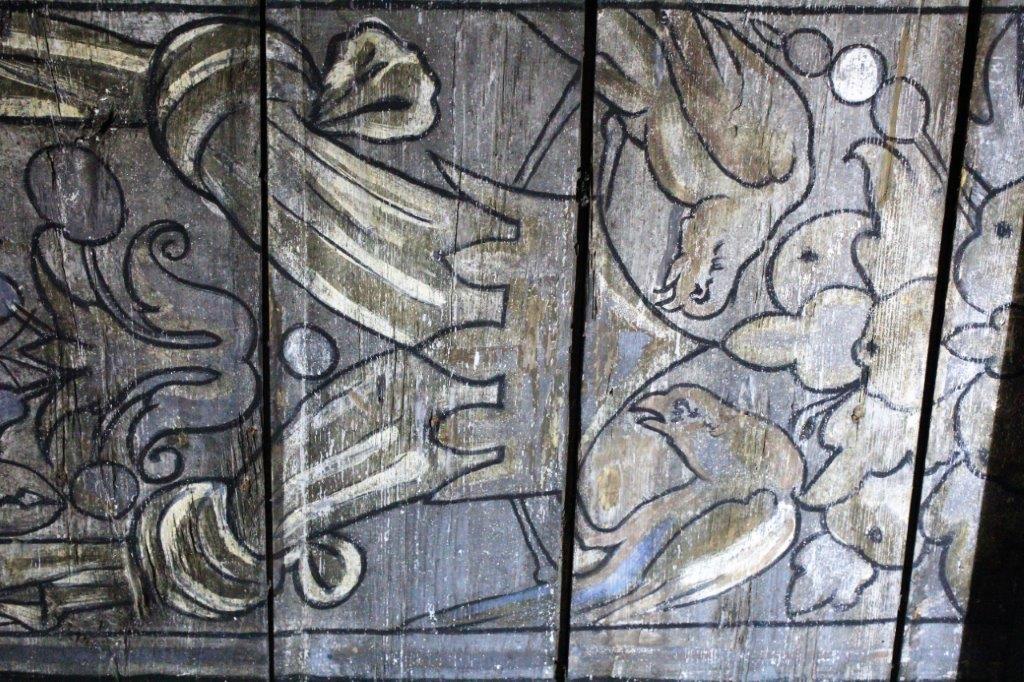
It never  ceases  to  amaze  me  how  old  so  many  buildings  here  are  still  in use, and structurally sound. I really liked all the designs on the ceiling.

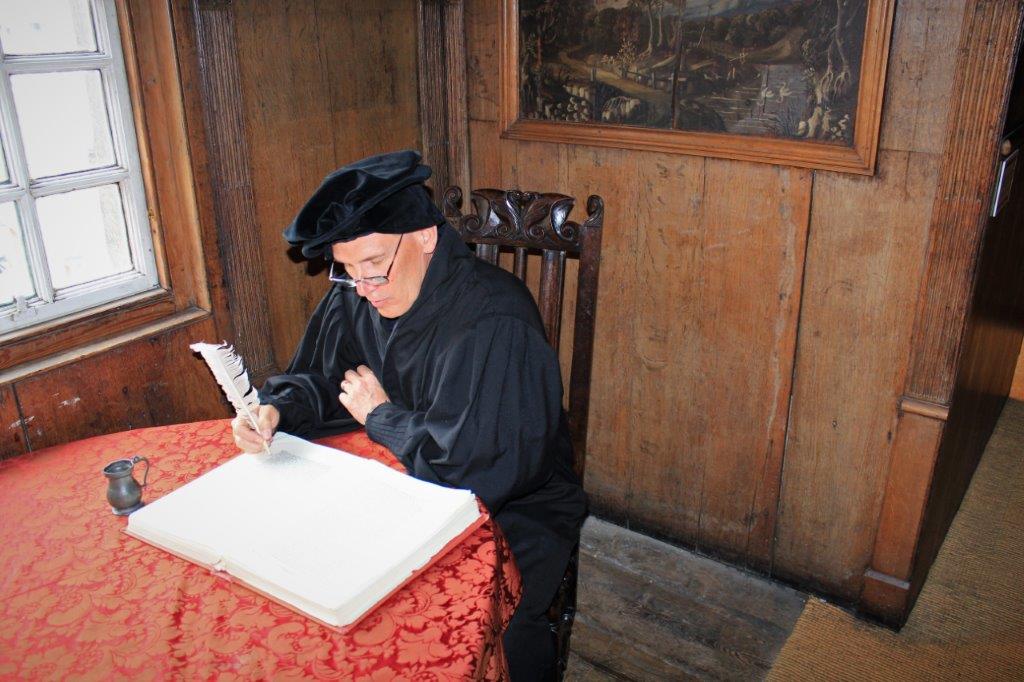
                                                                           John was able to dress up.

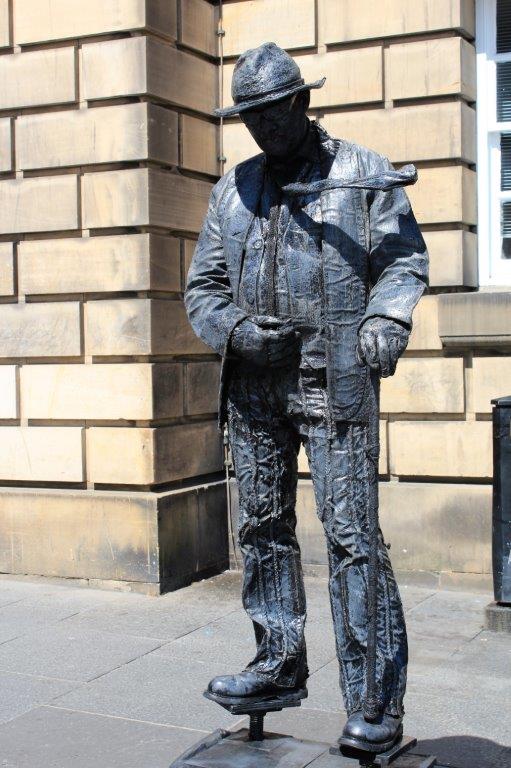
We continued wandering the Royal Mile to the bottom at Holyrood House and then made our way back to our lodging.  The Palace of Holyroodhouse is the official residence of the Queen when in Scotland.  It was originally built as a monastery by David I, King of the Scots in 1128. This fellow was a street statue.  He would move every once in awhile and if you gave him some coins he would pose for a photo.  We have seen these folks before. They are really good at being still for long periods of time.

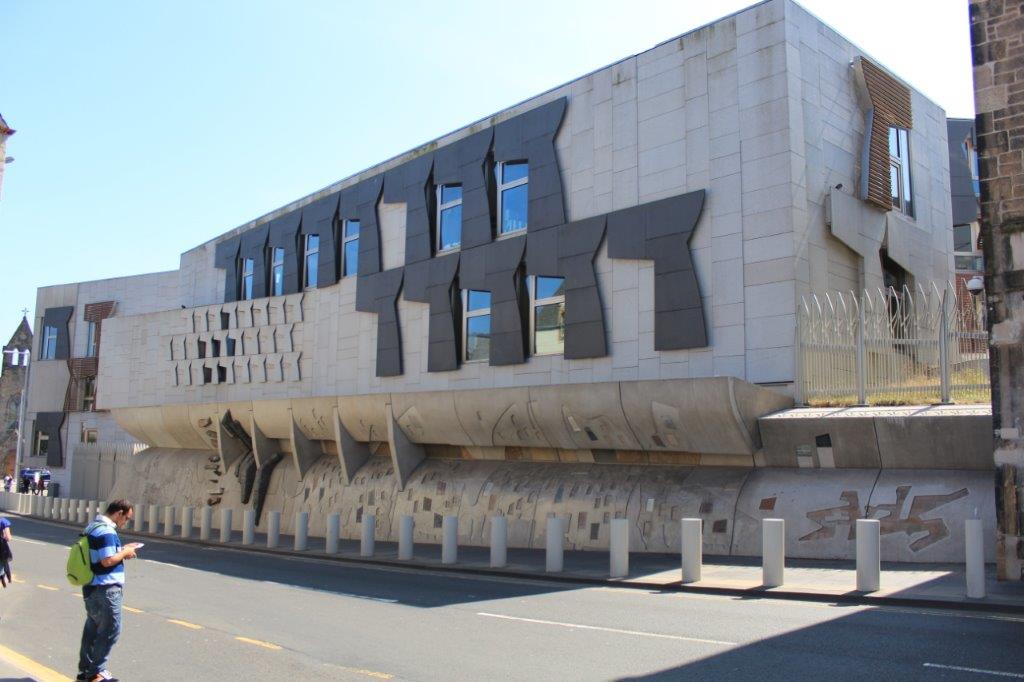
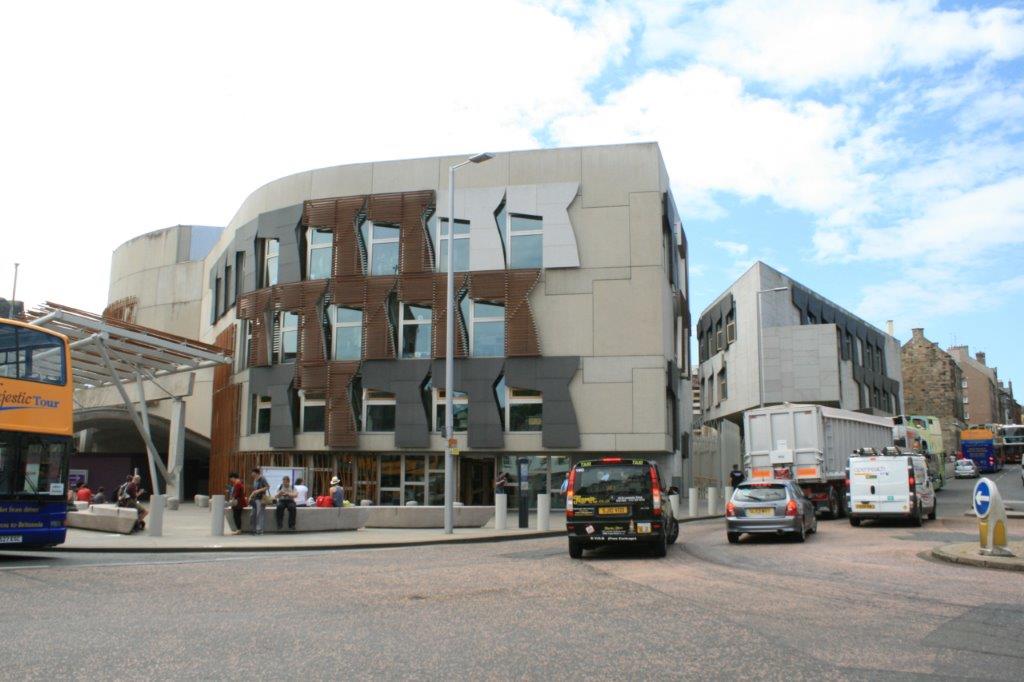
There  are  modern  buildings  in  Scotland  too…The next morning we had to go out to the airport again; this time to pick up our daughter and her husband who were flying from home in British Columbia to attend the wedding.

2013 Summer (Baltic and Britain – Scotland – July 17 – Day 24 – Part 2)

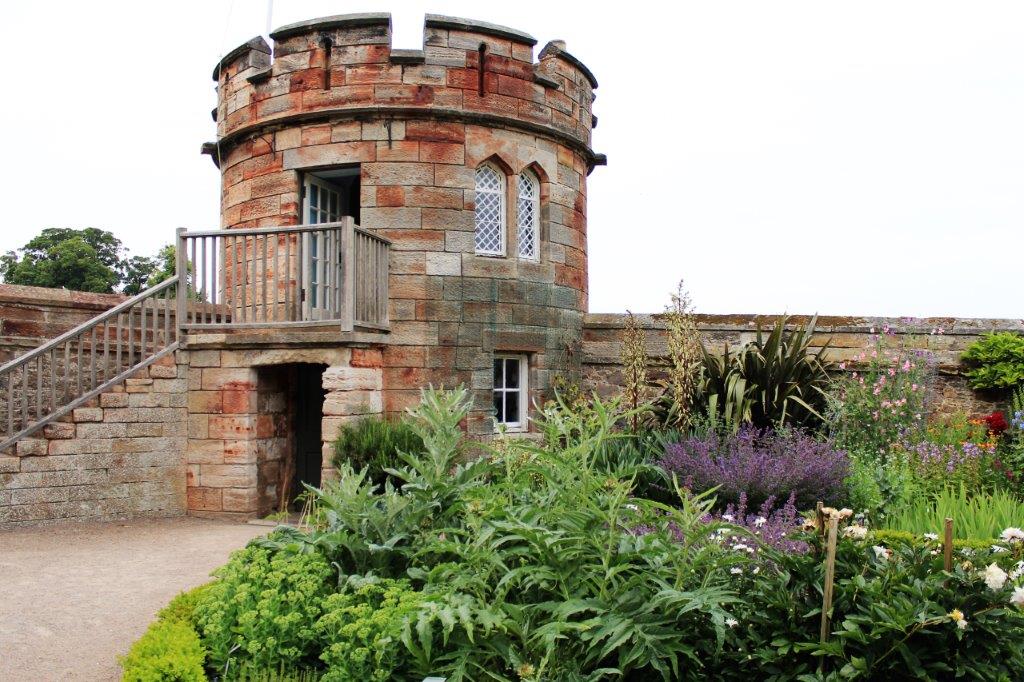
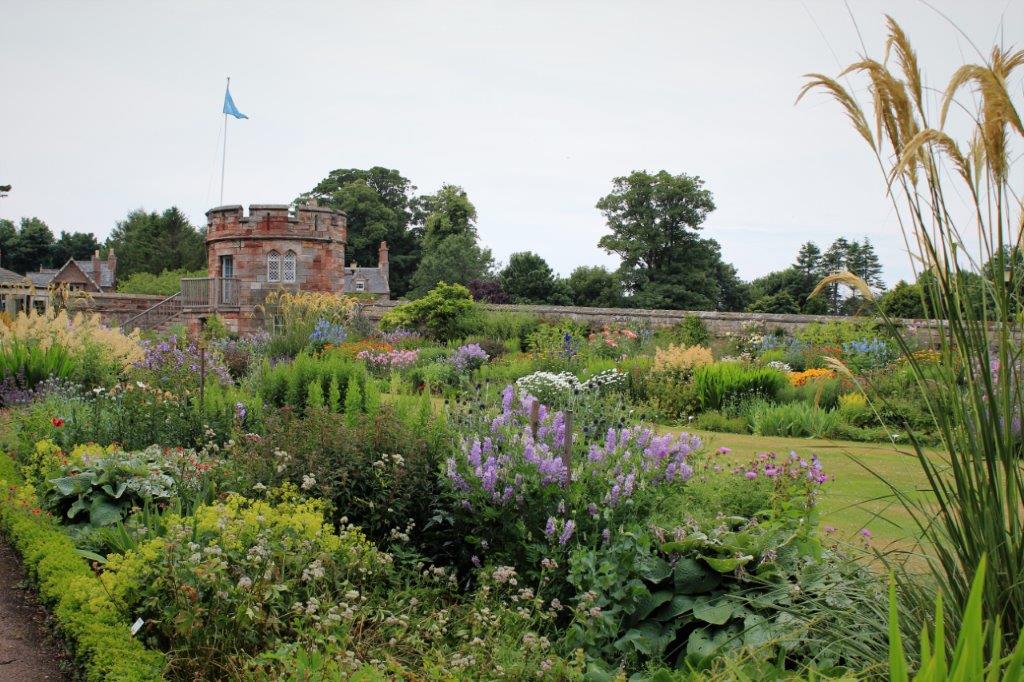
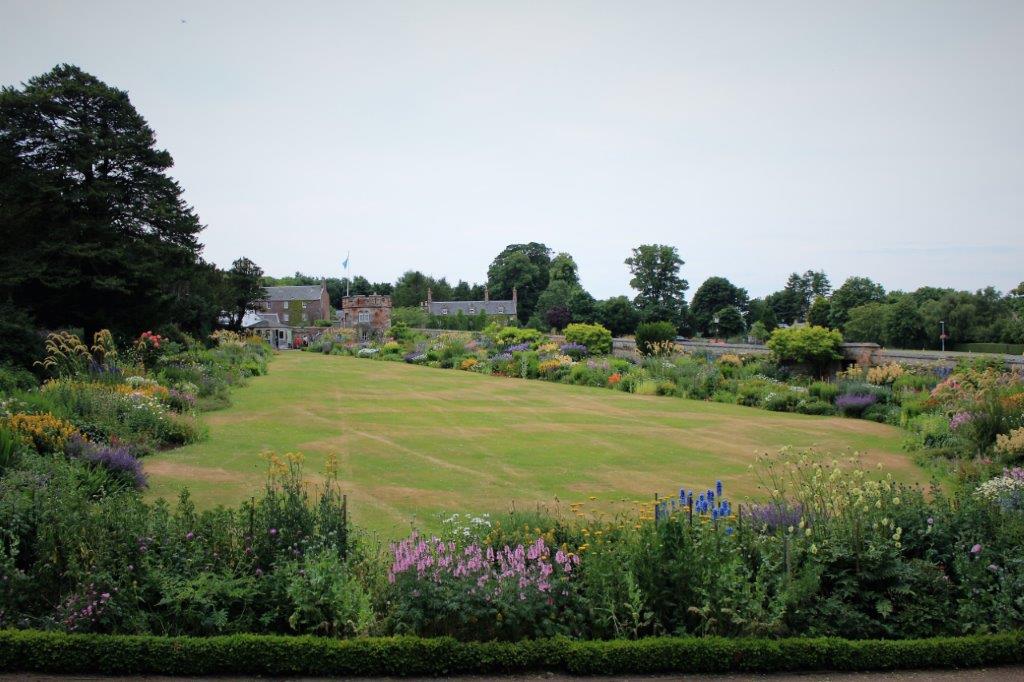
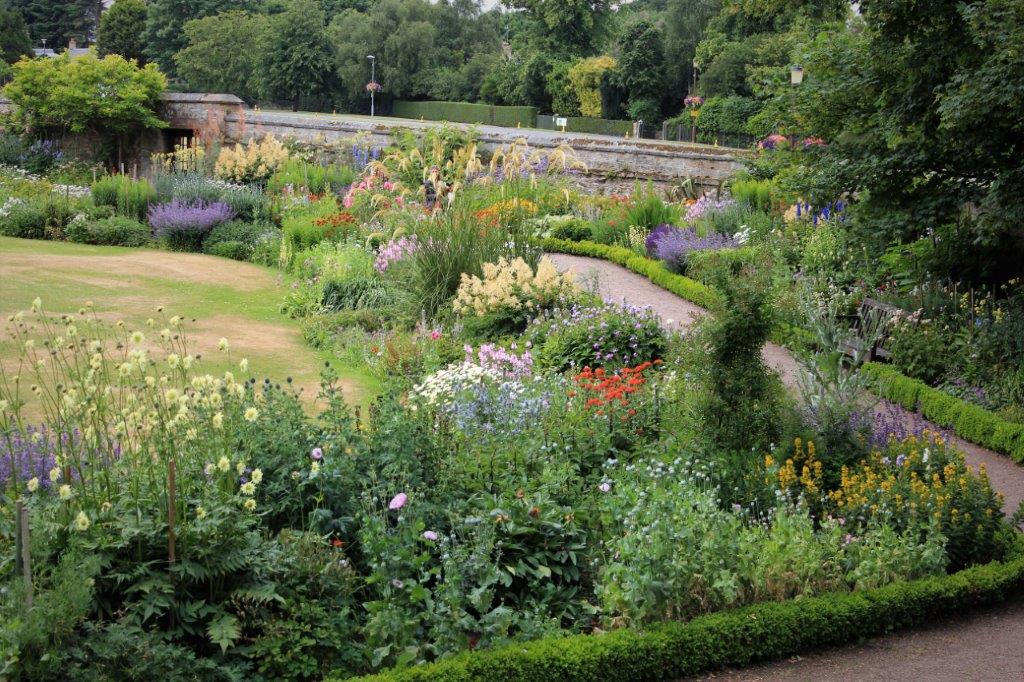
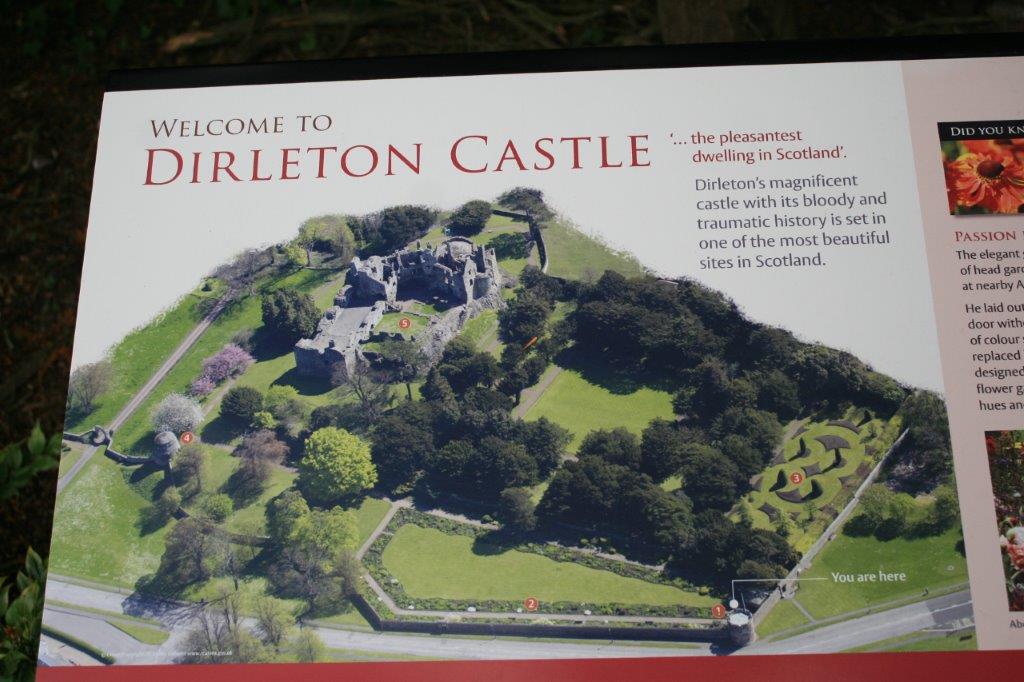
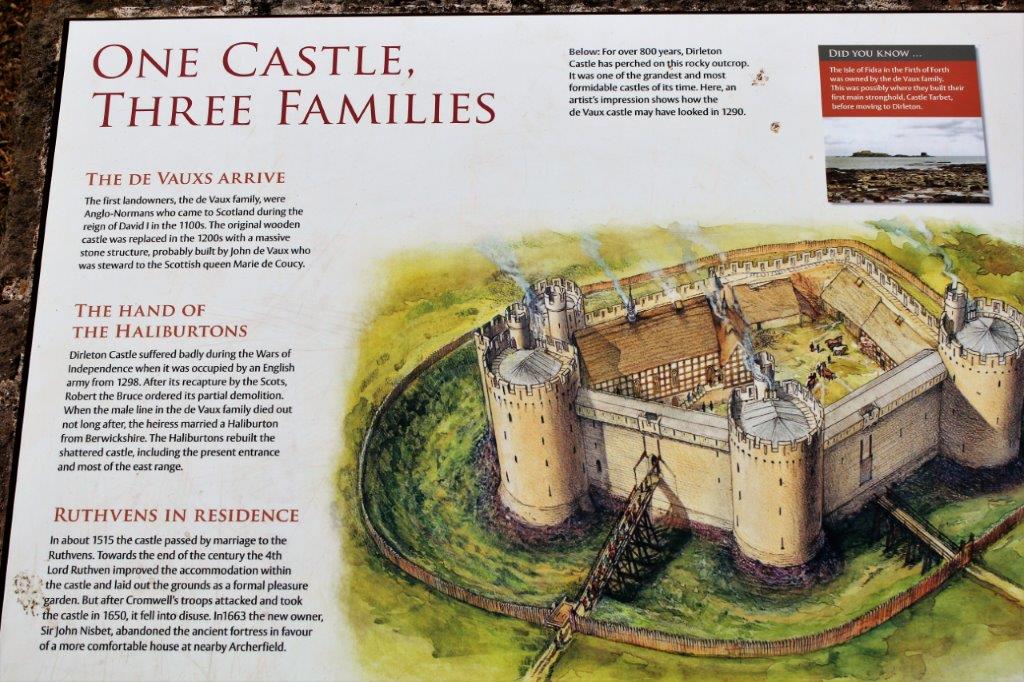
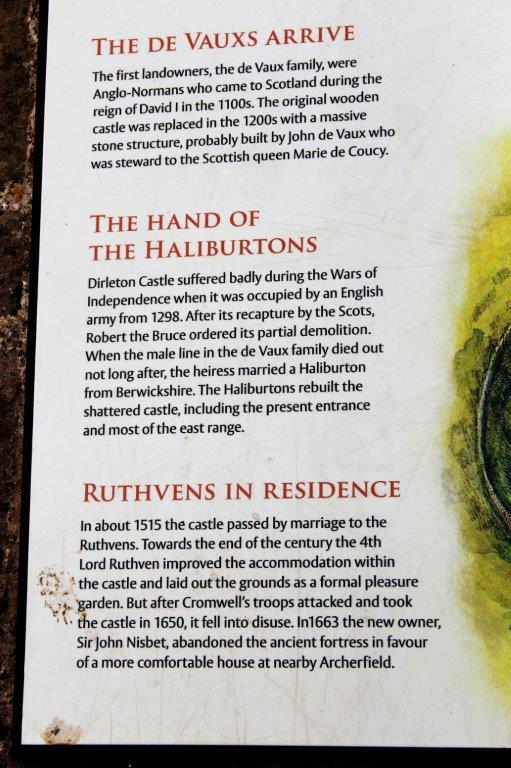
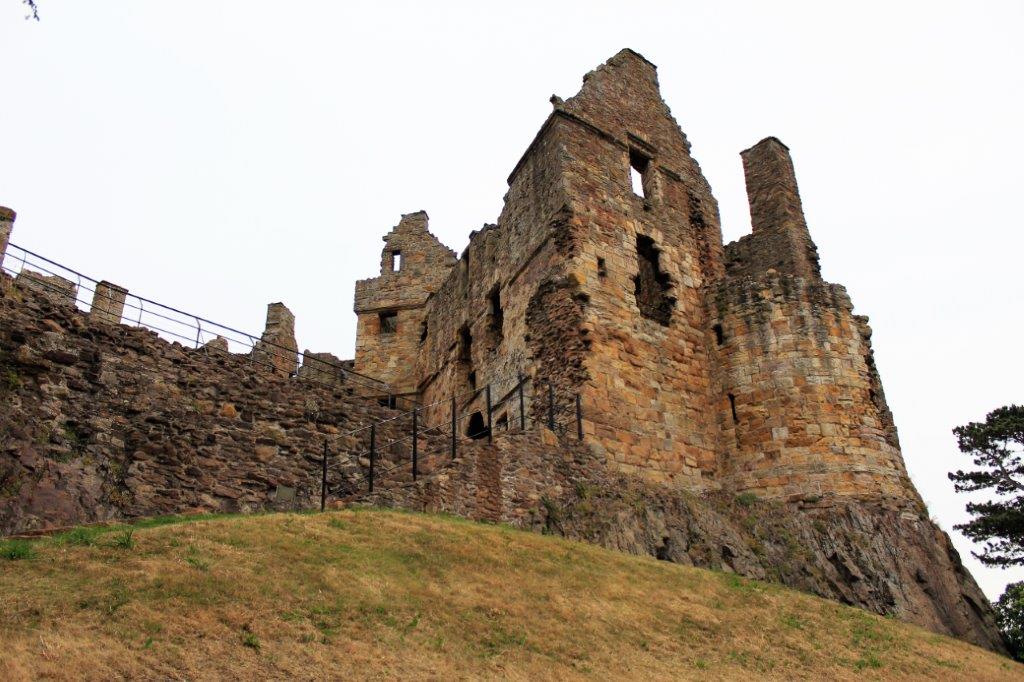
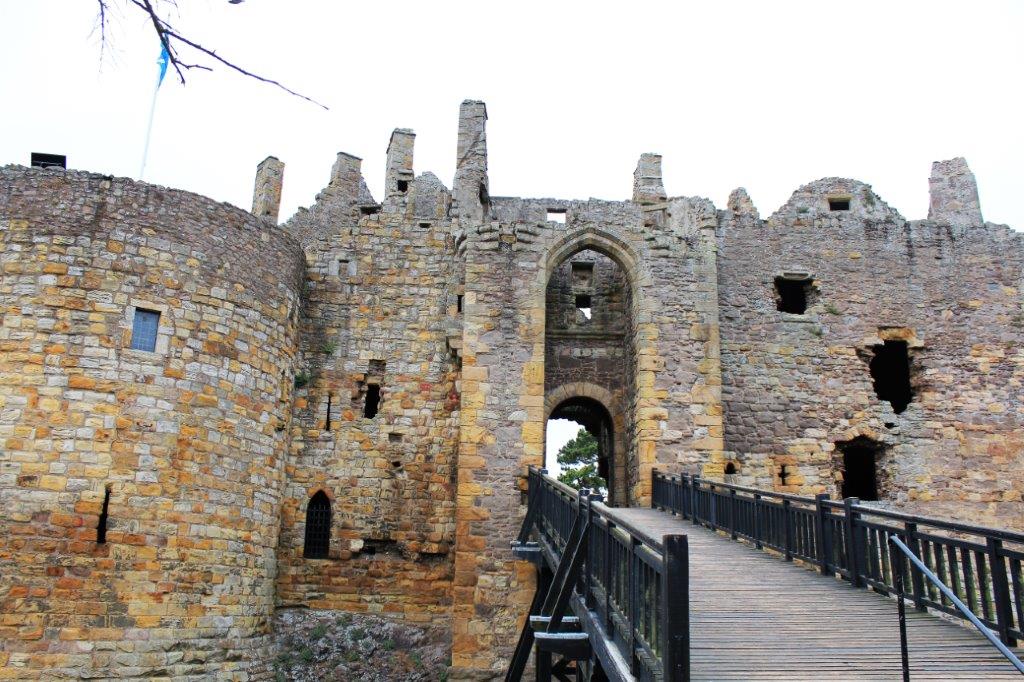
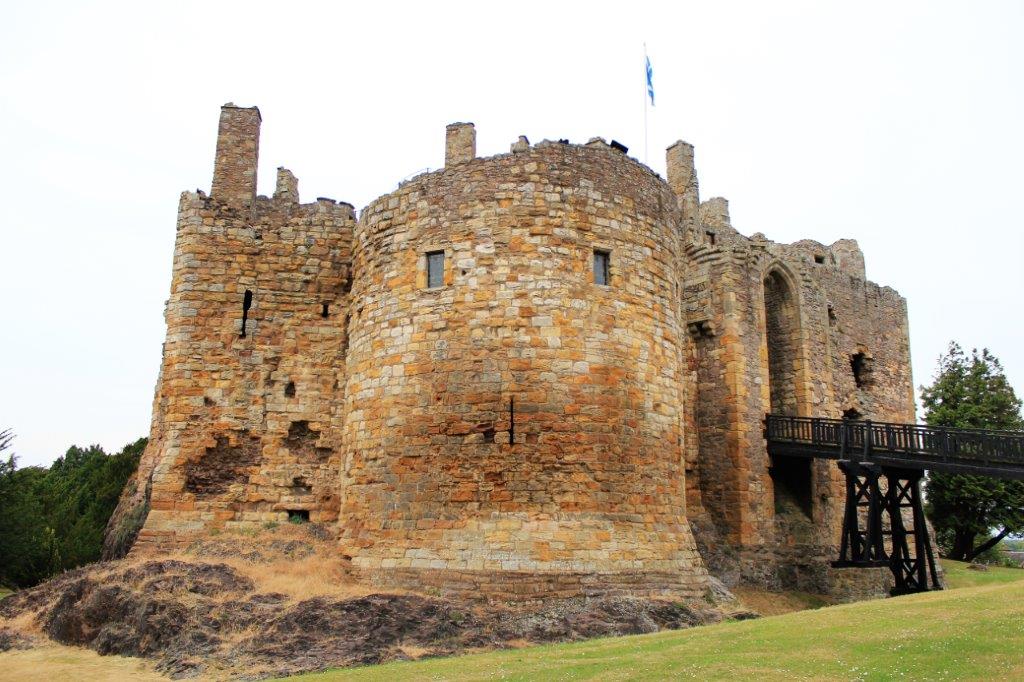
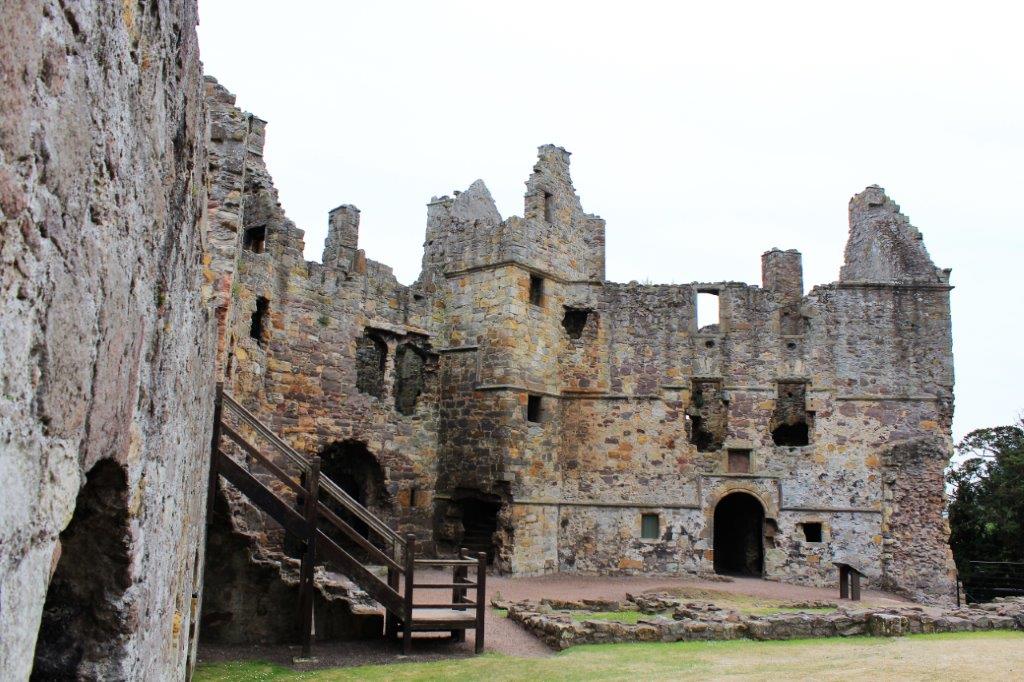
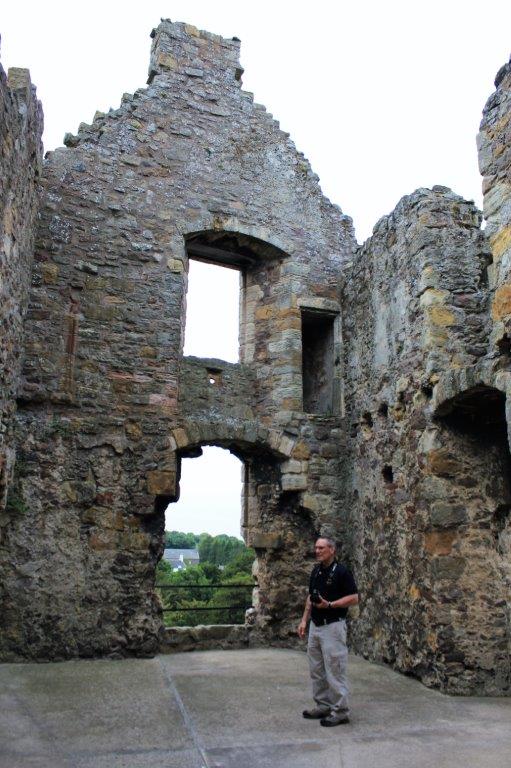
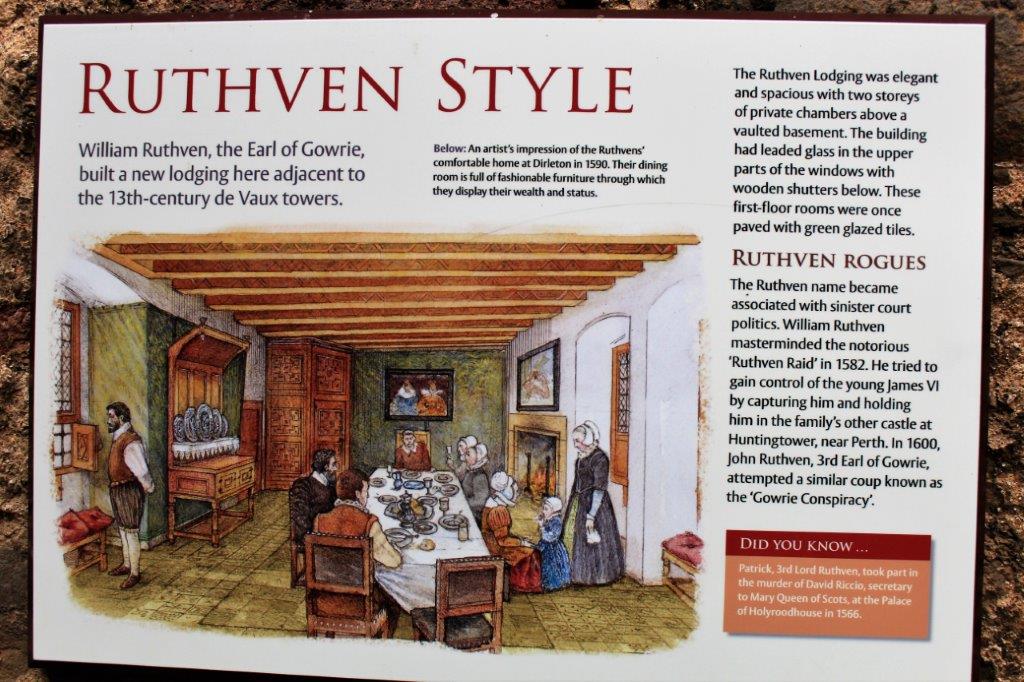
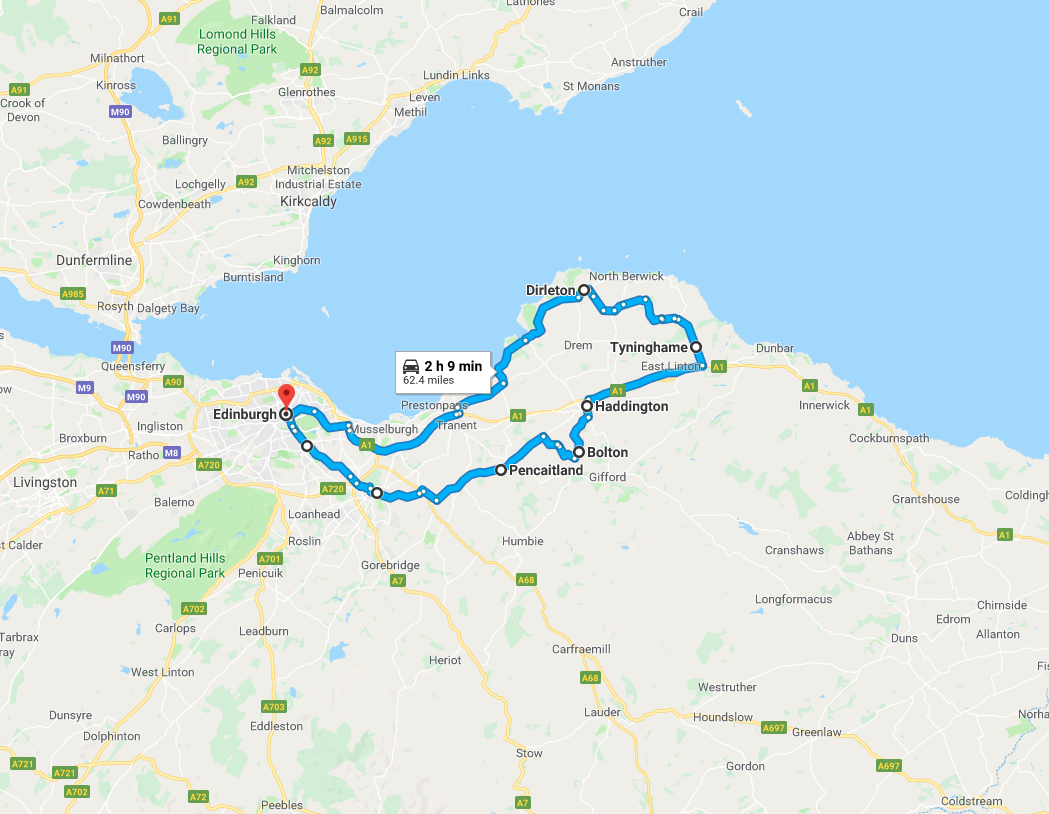
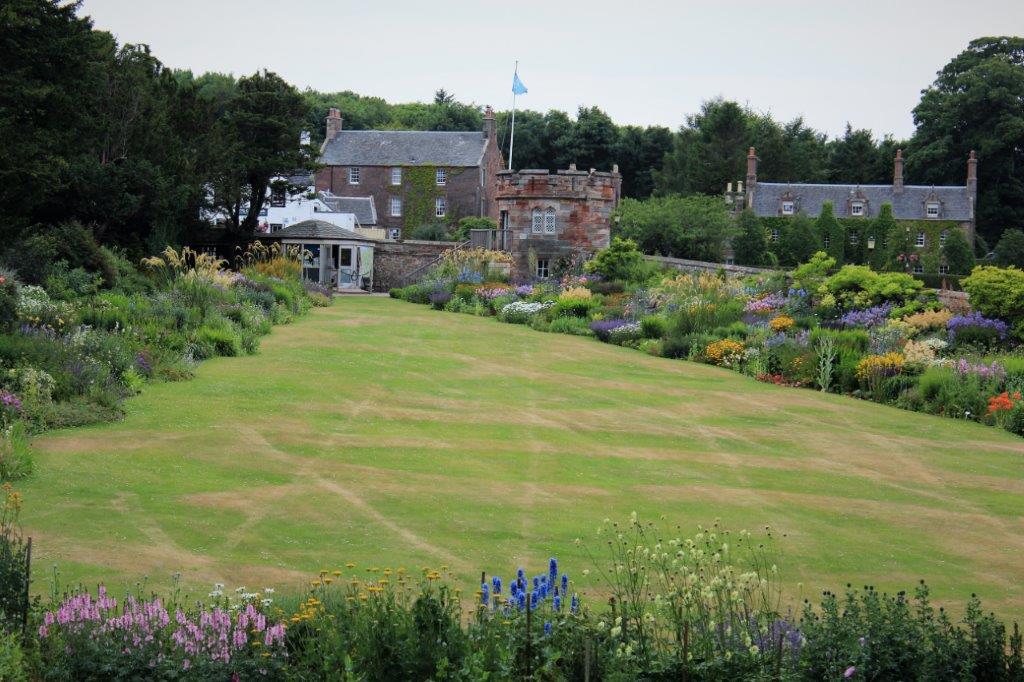
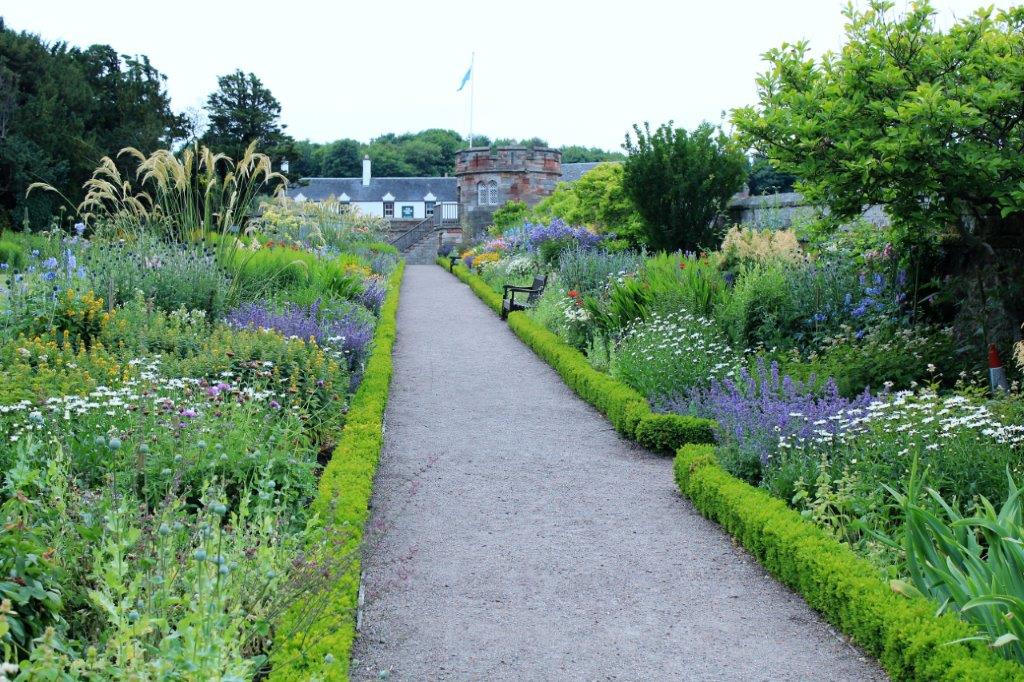
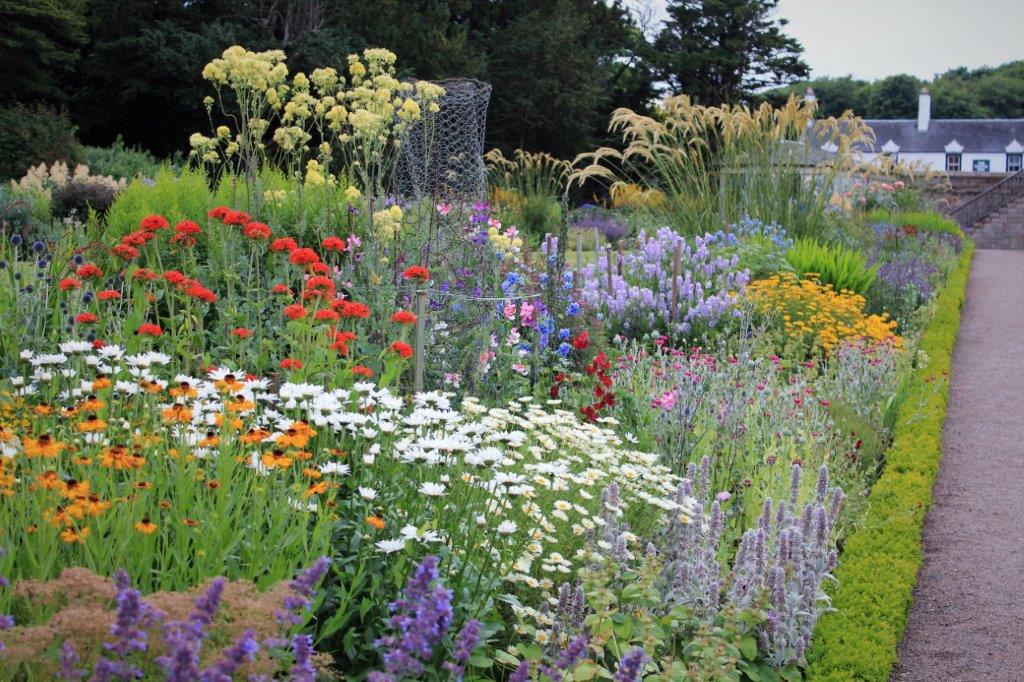
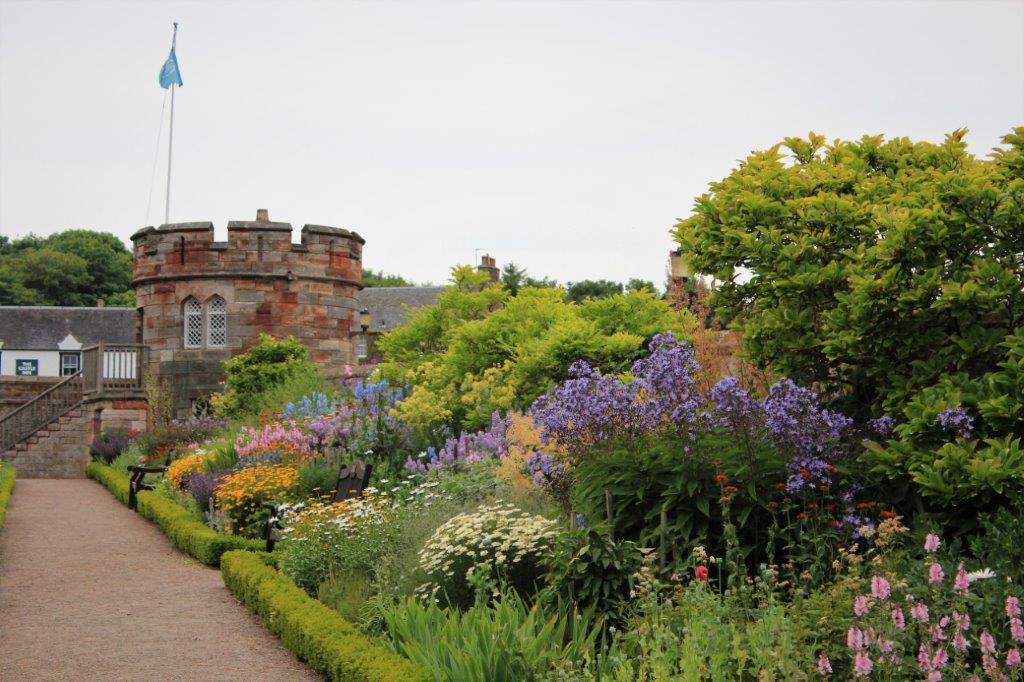
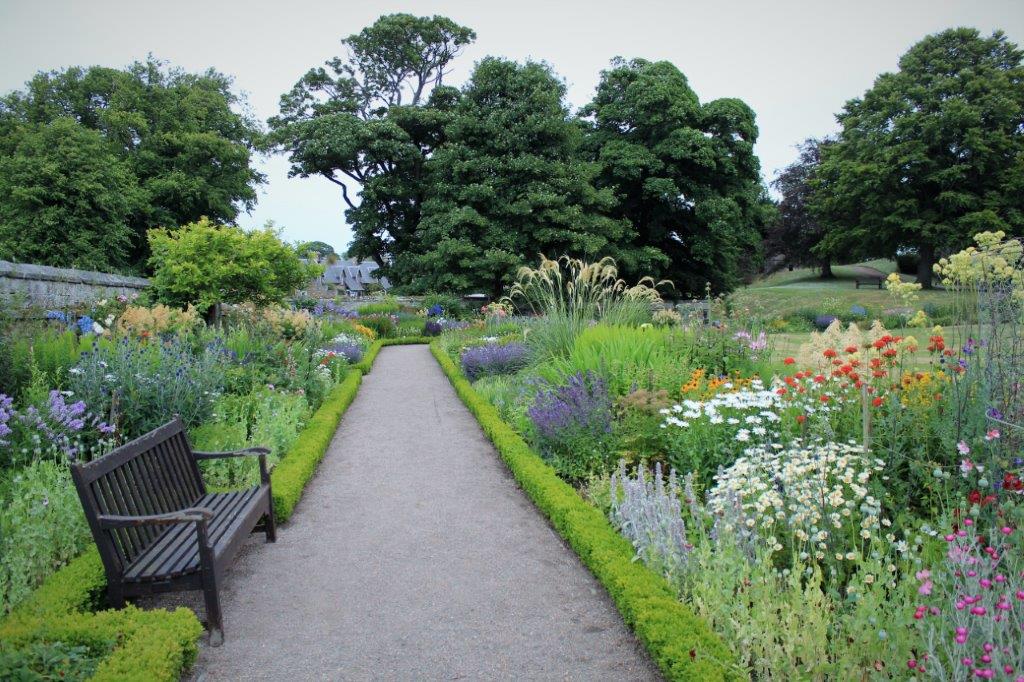
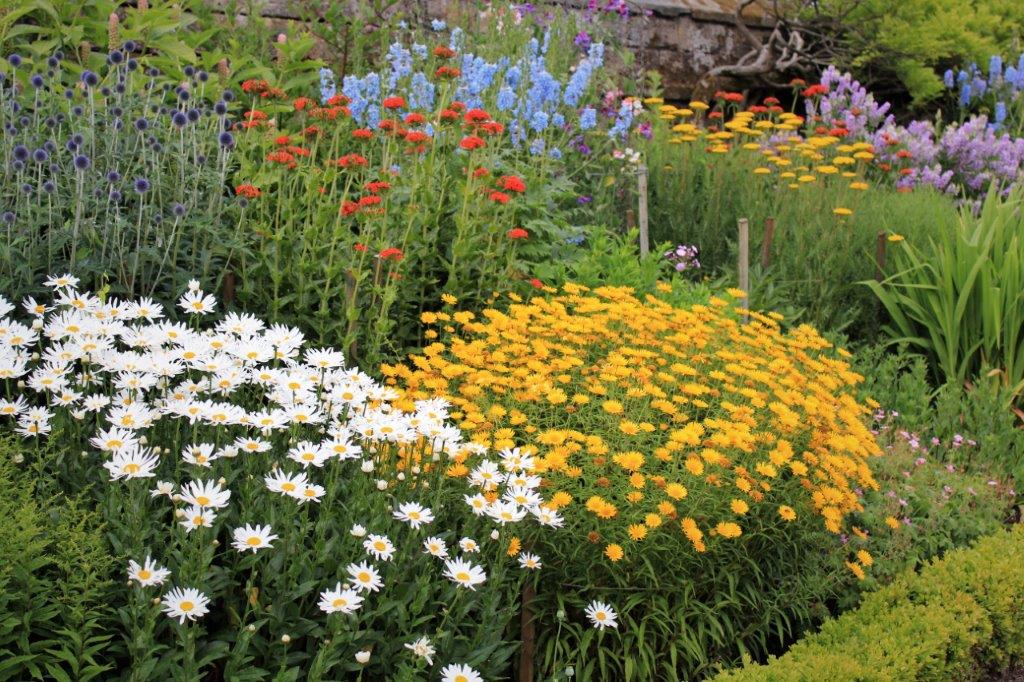
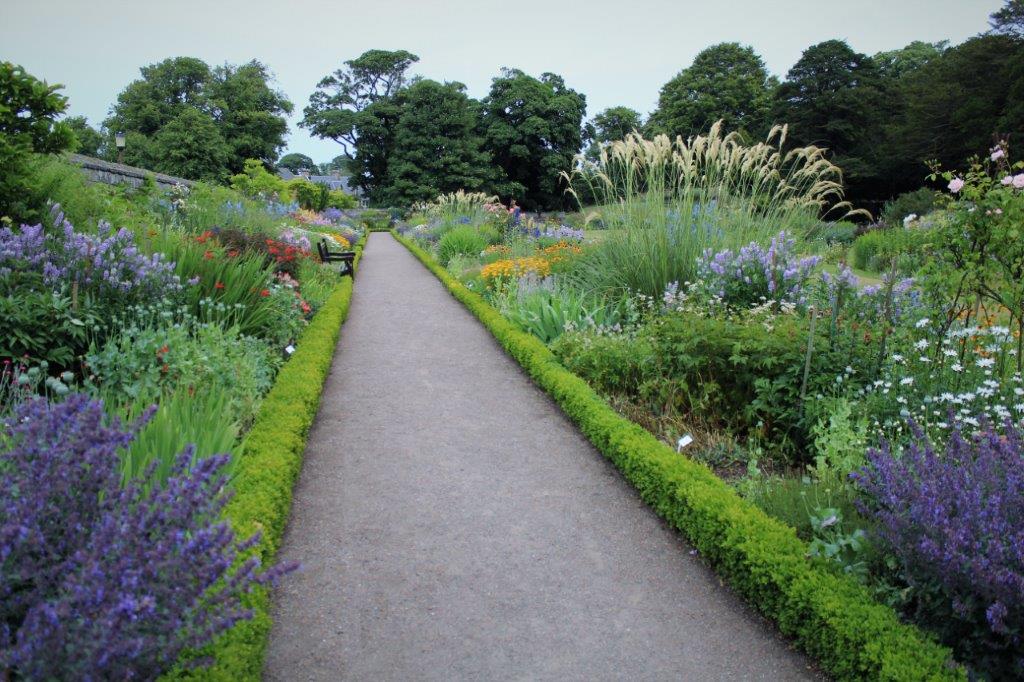
After our tour of the Royal Yacht Britannia we drove along the coast to the village of Dirleton which is slightly inland from the mouth of the Firth of Forth where it enters the North Sea.  There is a castle ruin there that has a lovely garden and we spent some time wandering around. There was a nice view from the top of the cliff.The gardens surrounded a lovely green space.  There were dozens of different varieties and colours of flowers.  It was a beautiful place to spend some time.  I do love walking around gardens. Weeding them, not so much.

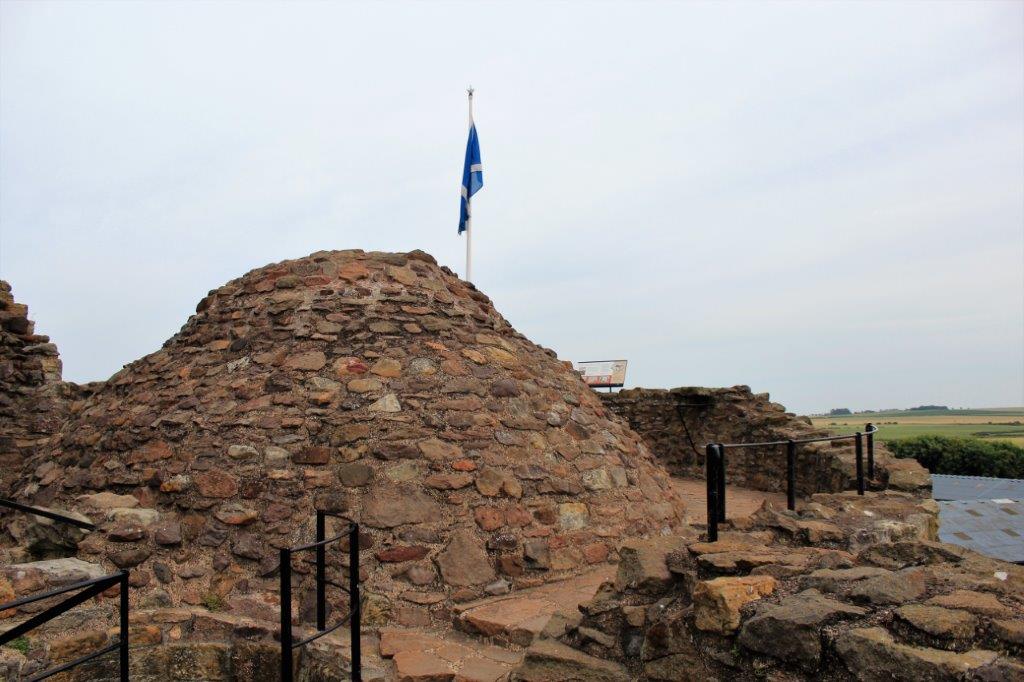
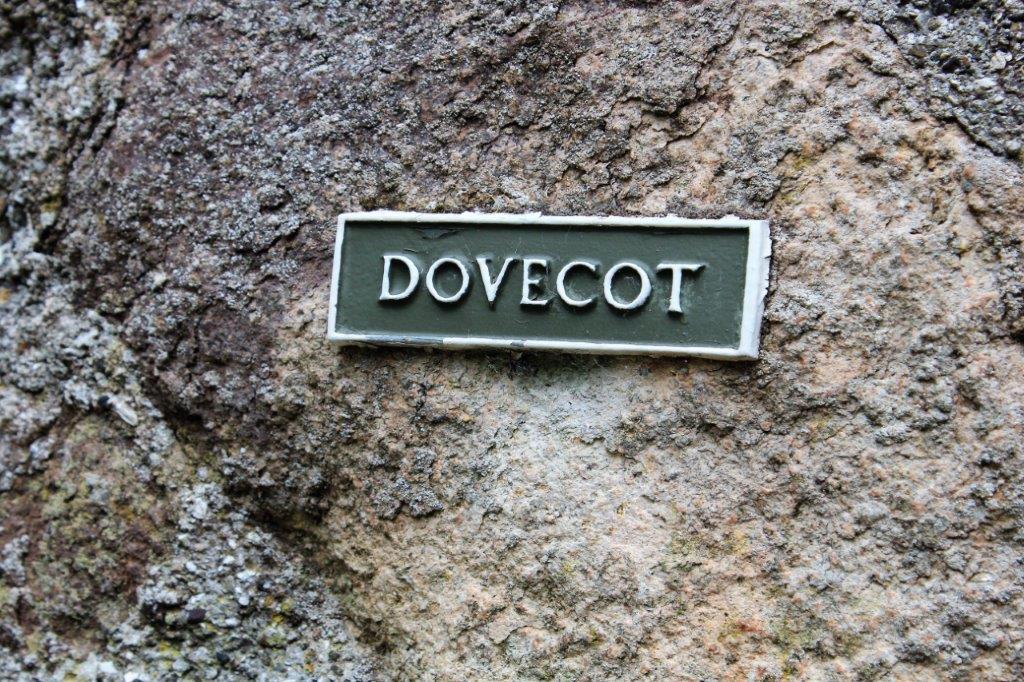
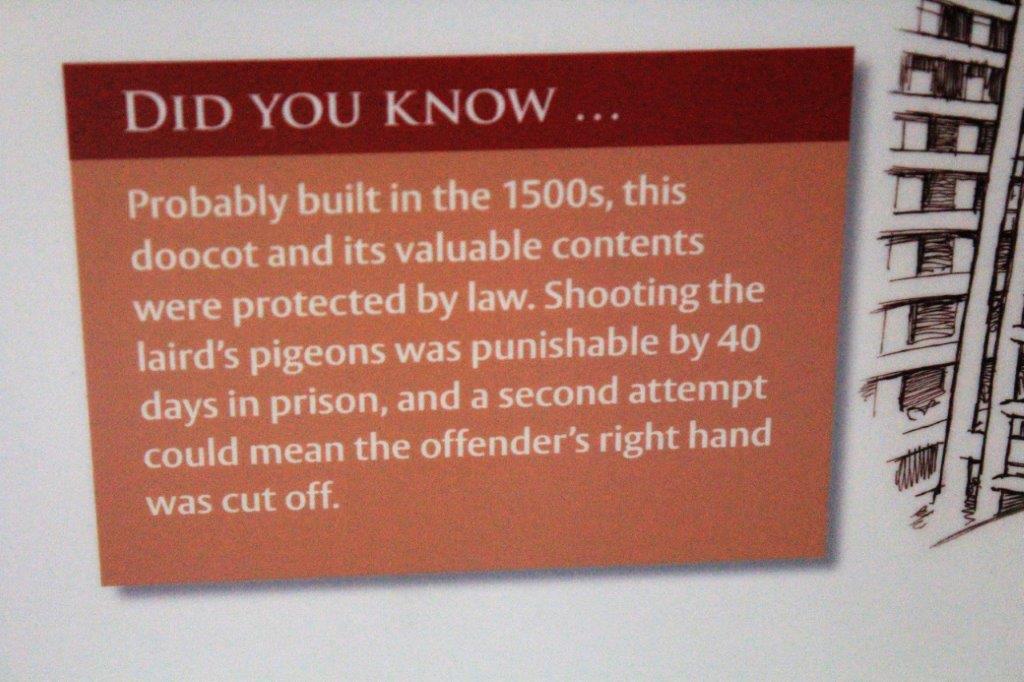
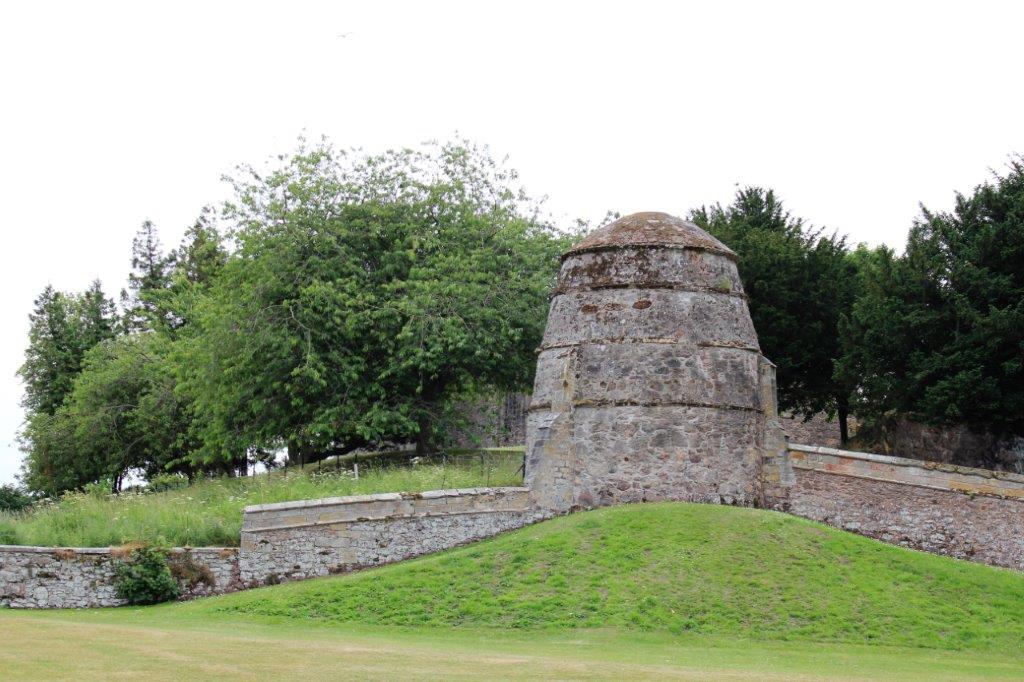
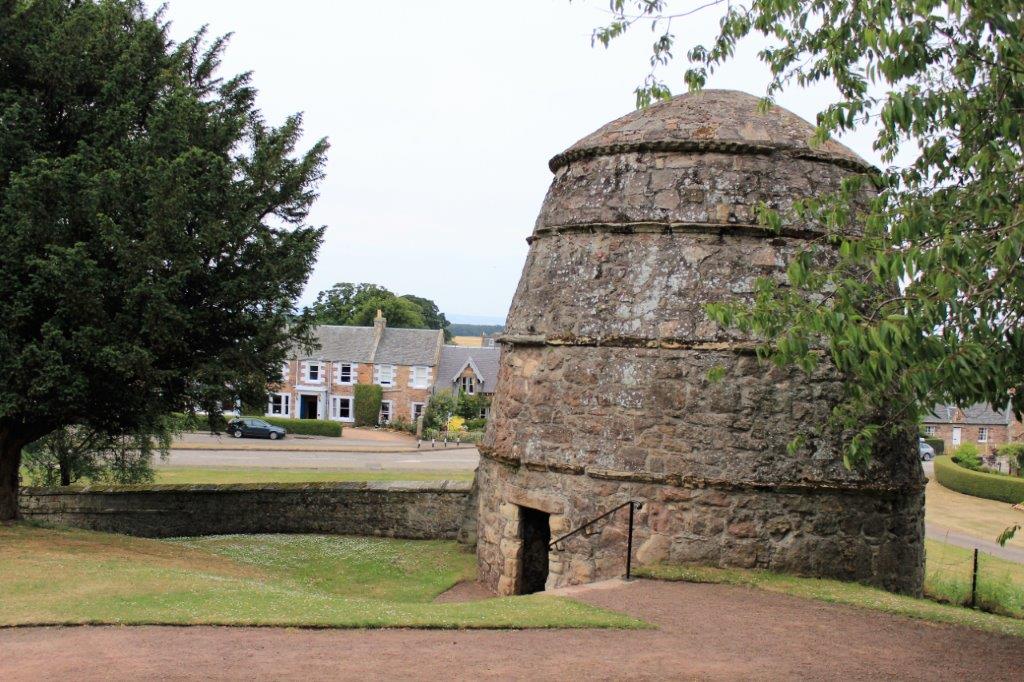
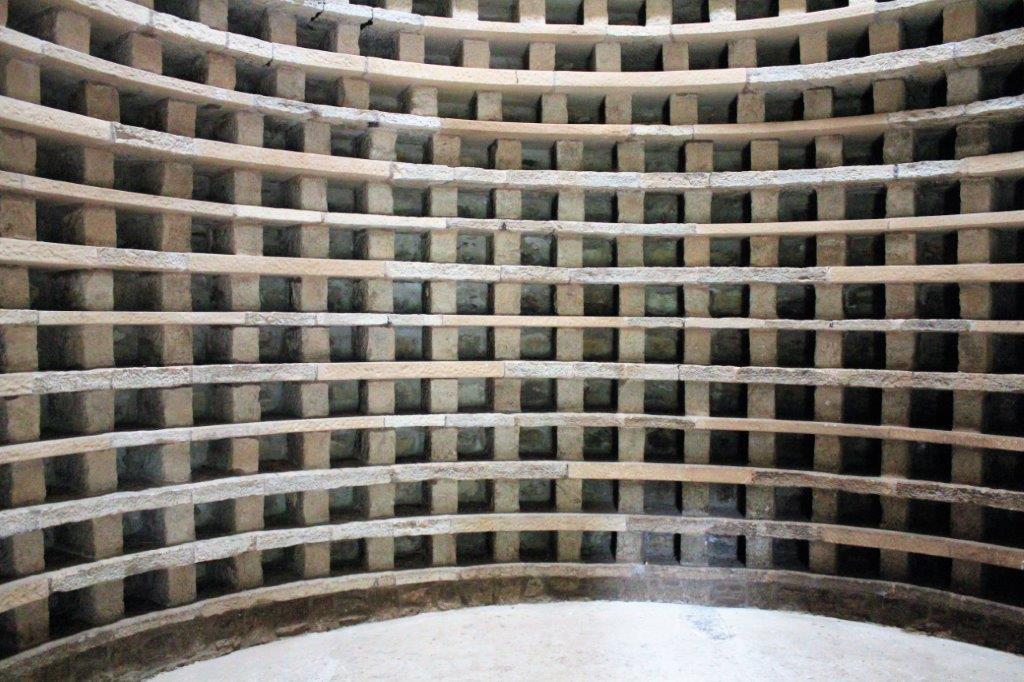
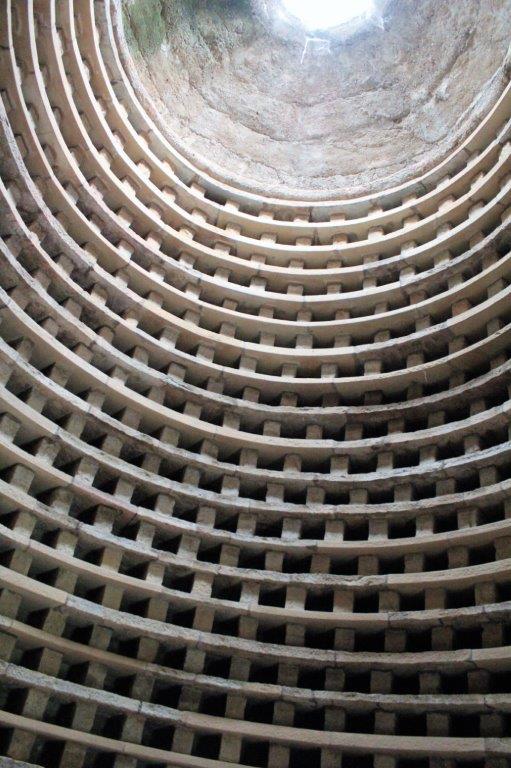
One of the most interesting things at Dirleton Castle was the Dovecot.

Every little box is a nest site or perch  for a dove. We completed the circuit through the garden back to the car park and drove back to Edinburgh after a coffee and scone with strawberry jam at Bass Rock-which  was  my customary  lunch  while  we  were  in  Scotland.  Yum.  Yum. Colours, colours, colours. I love Scottish gardens. Chalk up one more wonderful day.

2013 Summer (Baltic and Britain – Scotland – July 17 – Day 24 – Part 1)

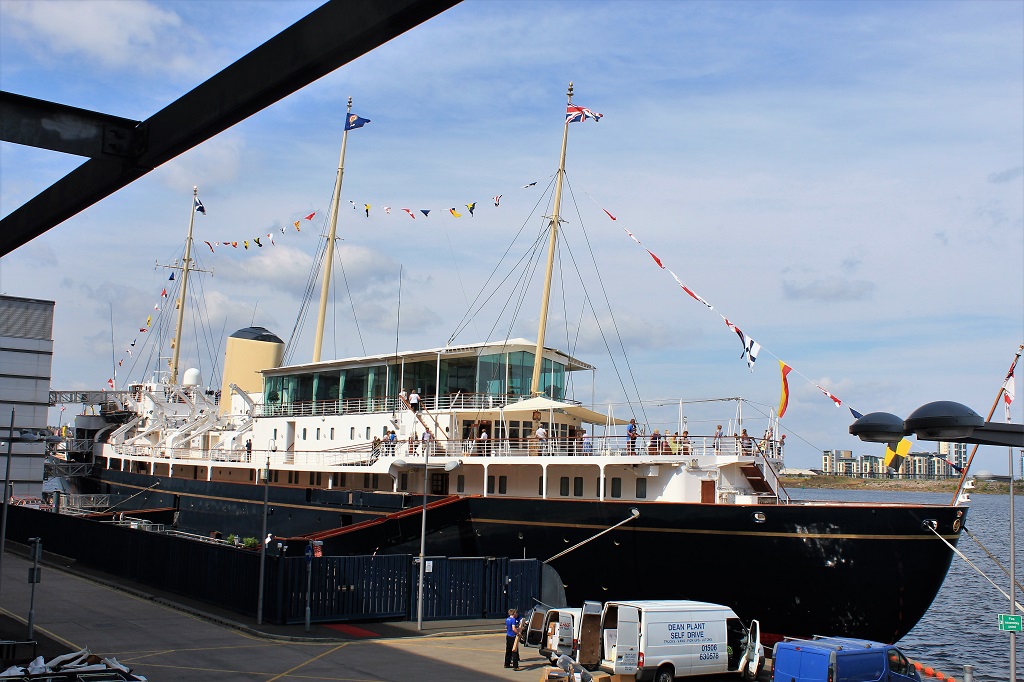
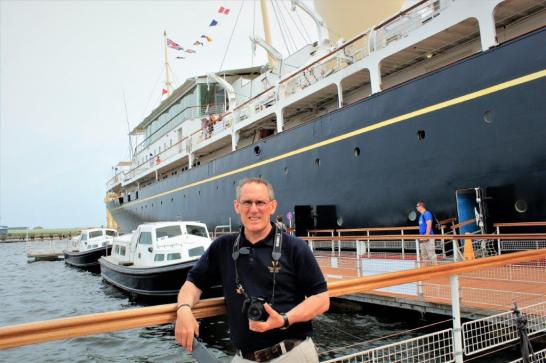
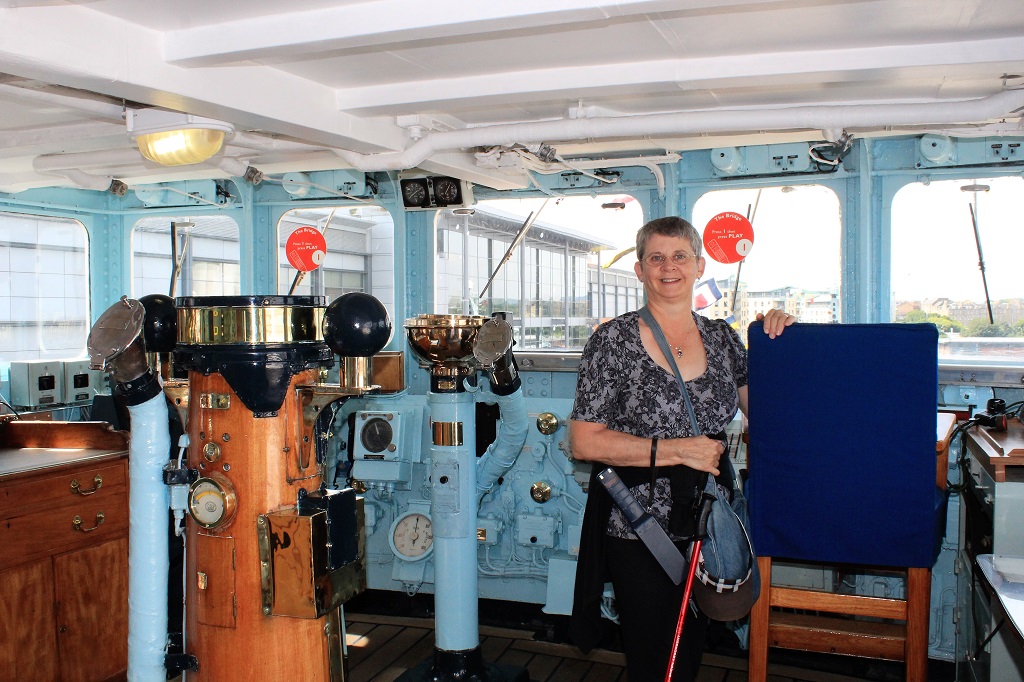
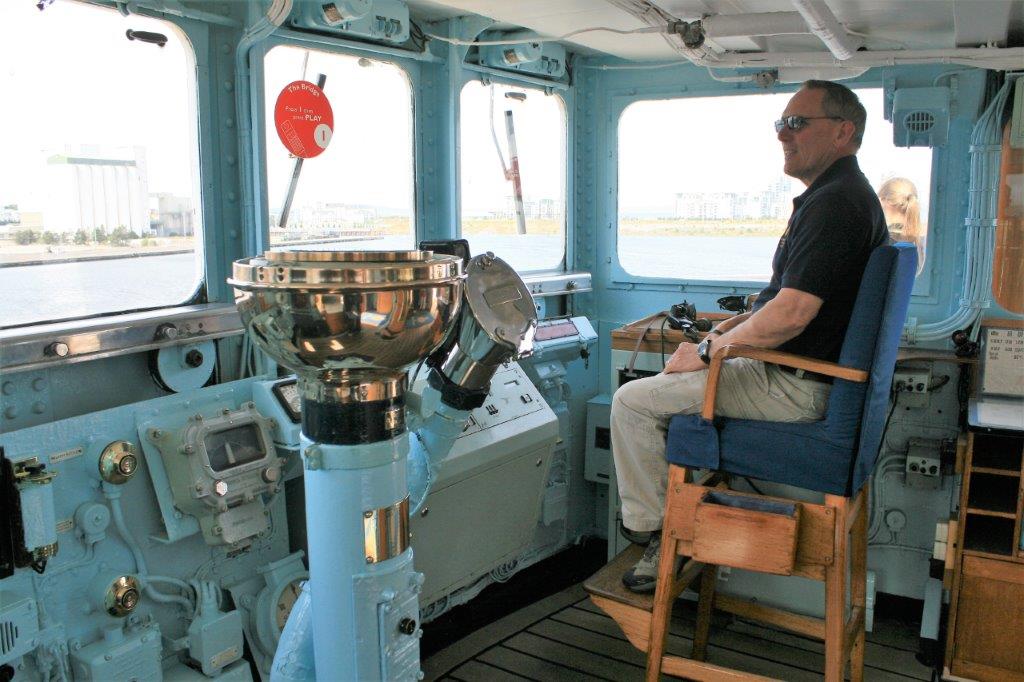
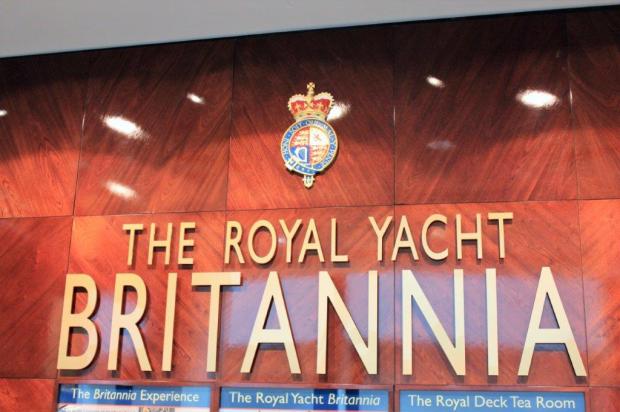
After breakfast in our room we took a short drive north to the Ocean Terminal at Leith, where the Royal Yacht Britannia is permanently berthed.

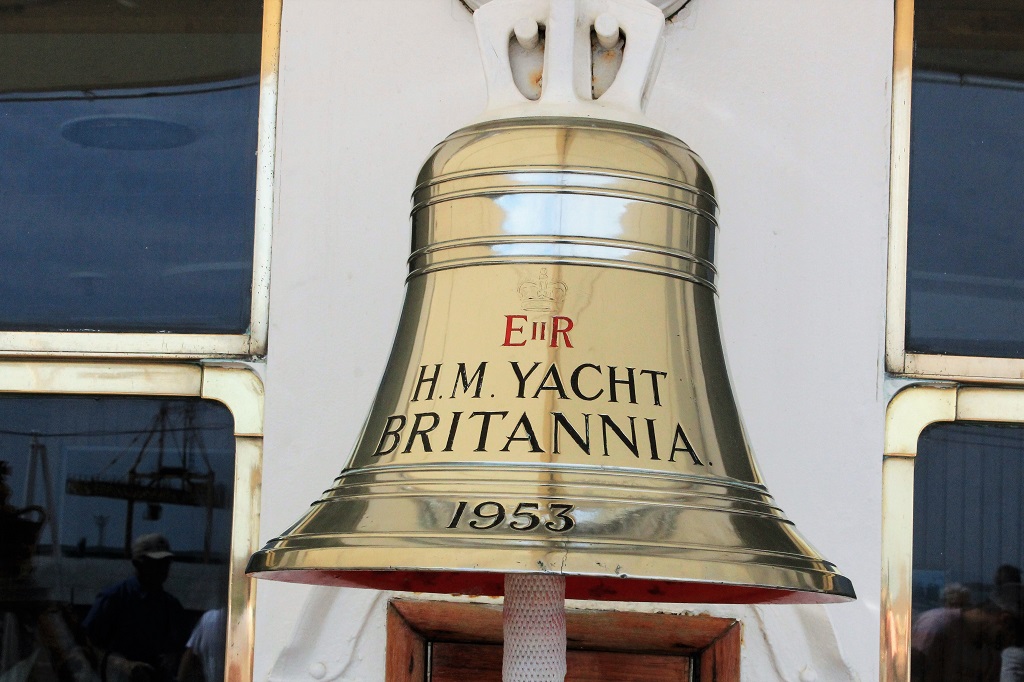
Britannia served the royal family from 1954 to 1997, during which the ship sailed over one million miles.  The ship had been commissioned just two days before the death of King George VI and was the first royal vessel designed for ocean travel. It took over a year to build and the name was a closely guarded secret until she was launched by the young Queen Elizabeth II in April 1953.  She had been crowned only a couple of months before.  The yacht was classed as an official royal residence.
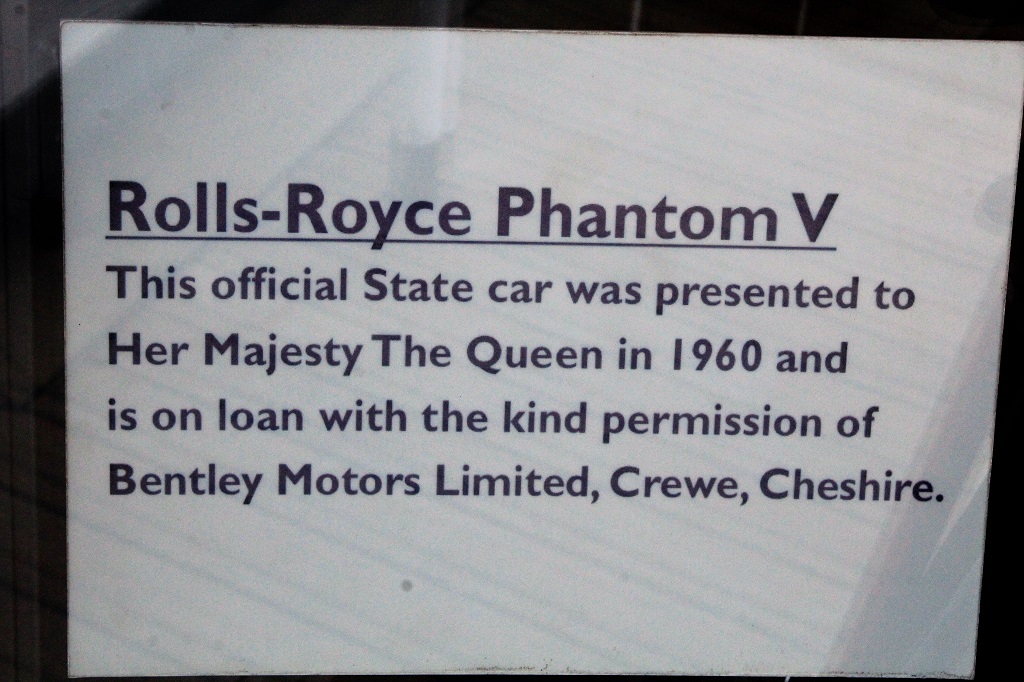
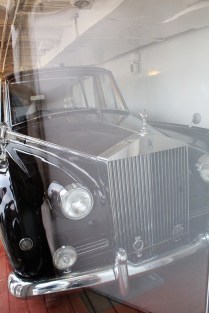
The garage space for the Rolls-Royce Phantom was so tight that the bumpers had to be removed to get it in.  The car would be used to transport the members of the royal family when they reached their destination.
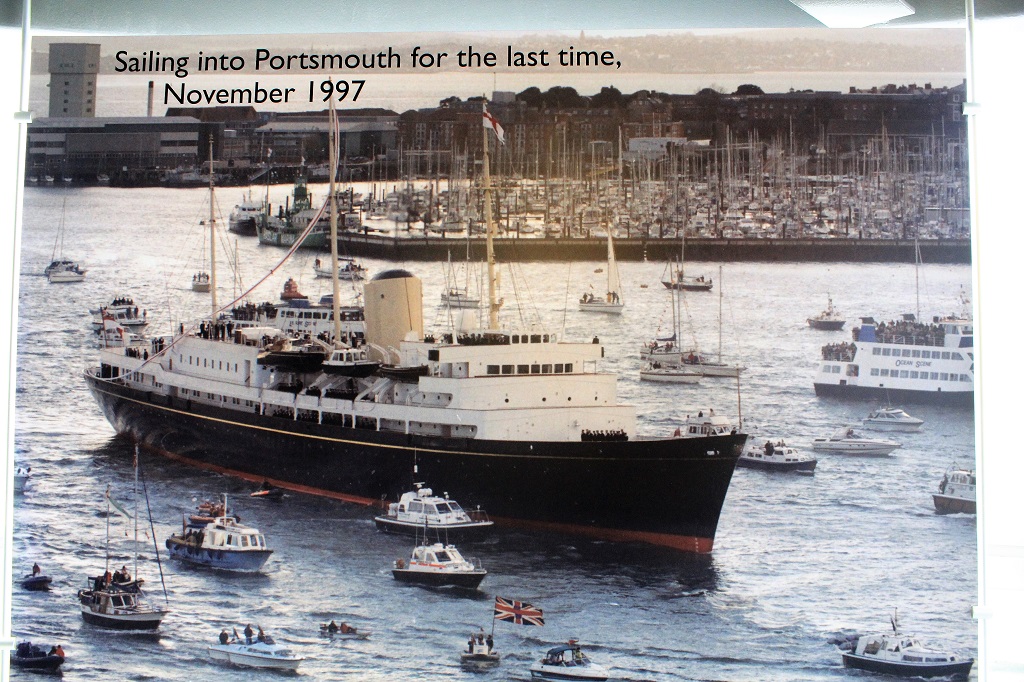
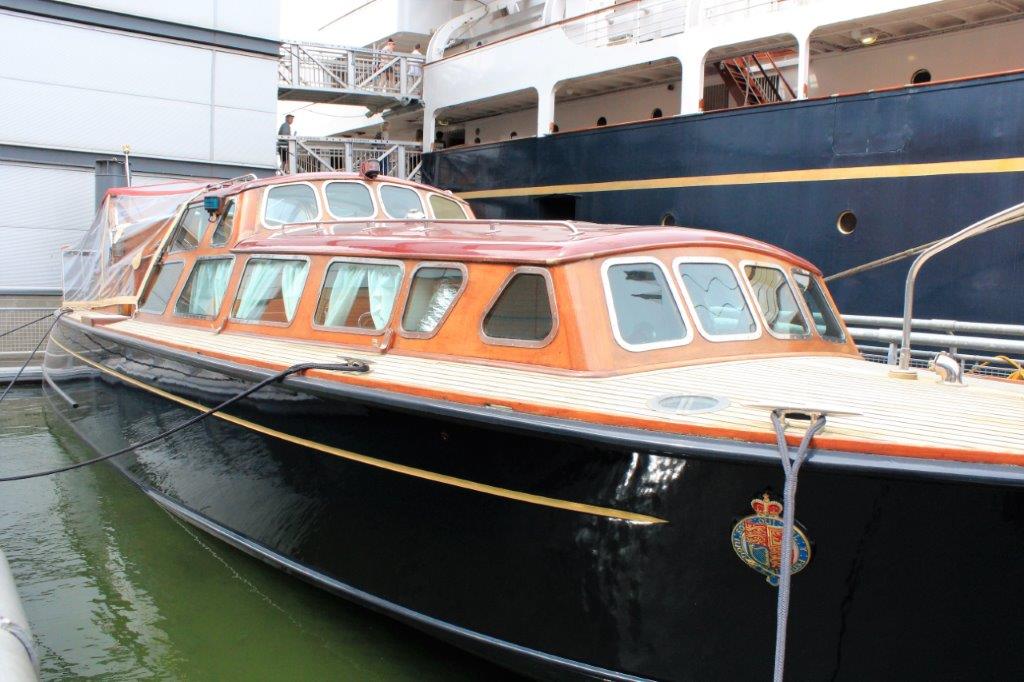
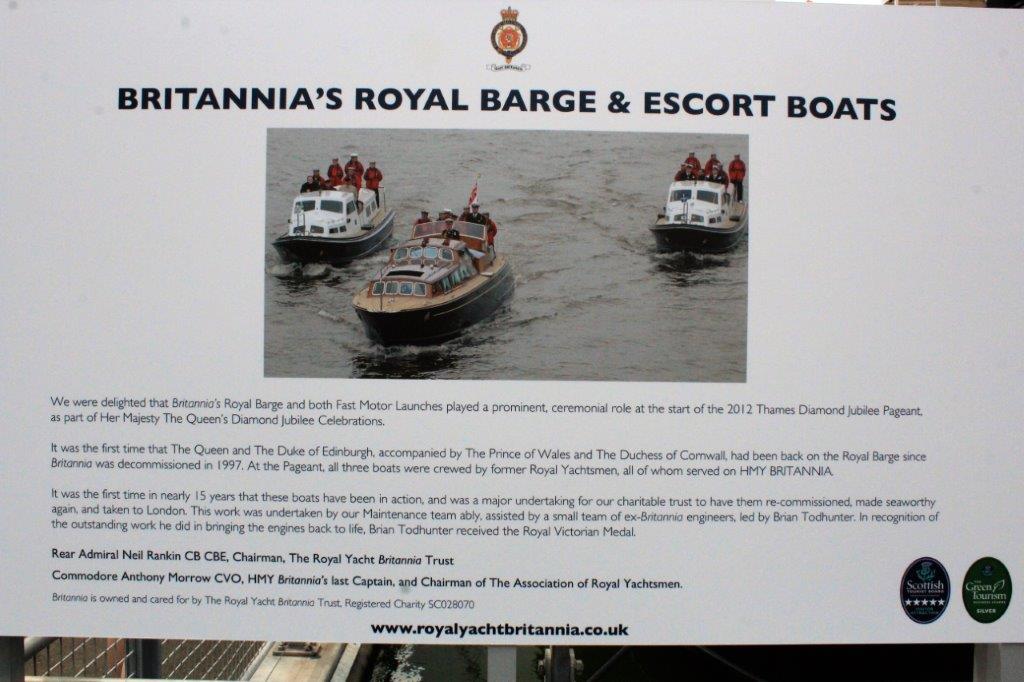
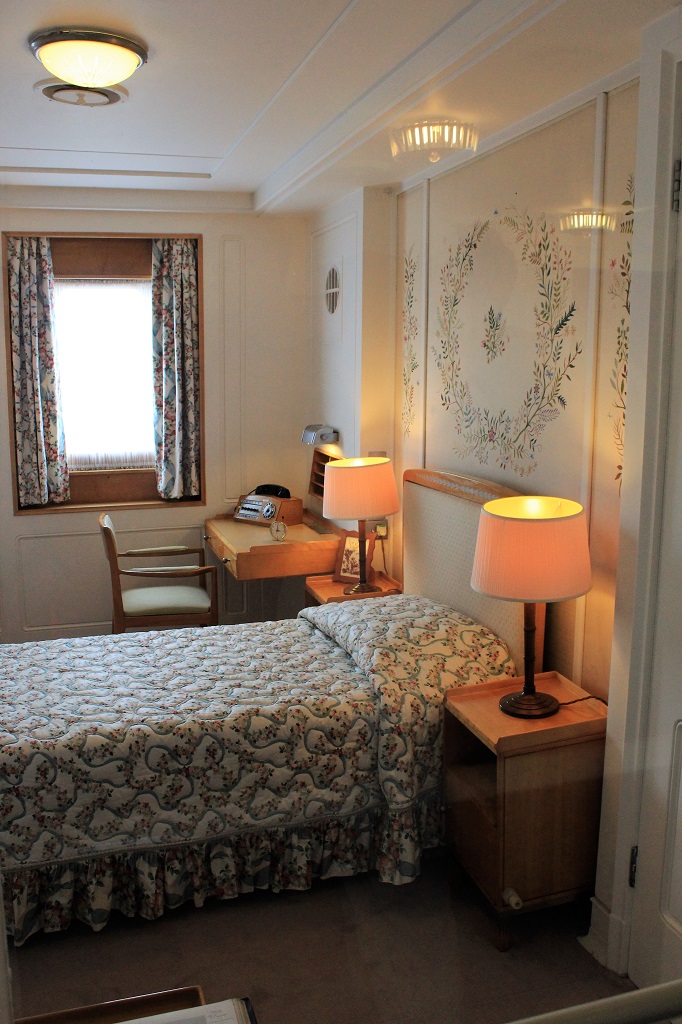
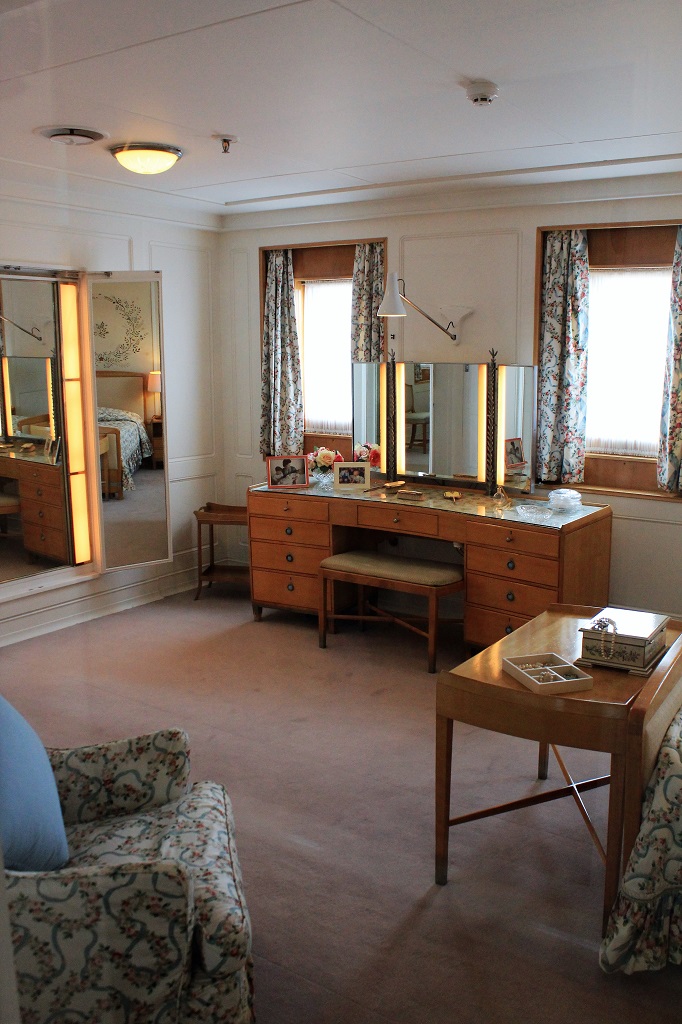
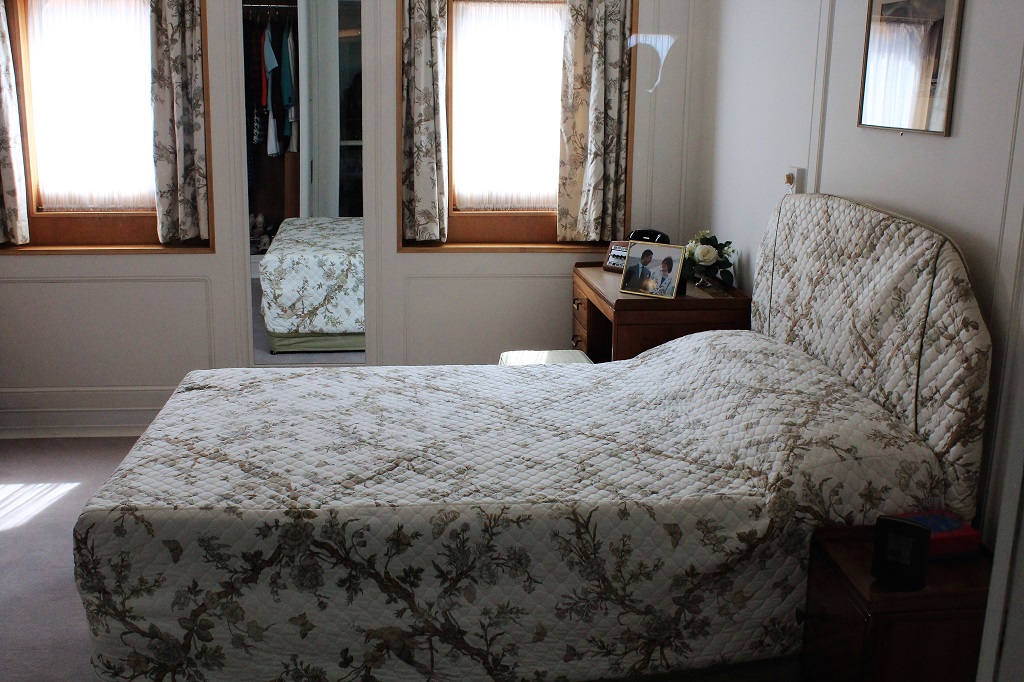
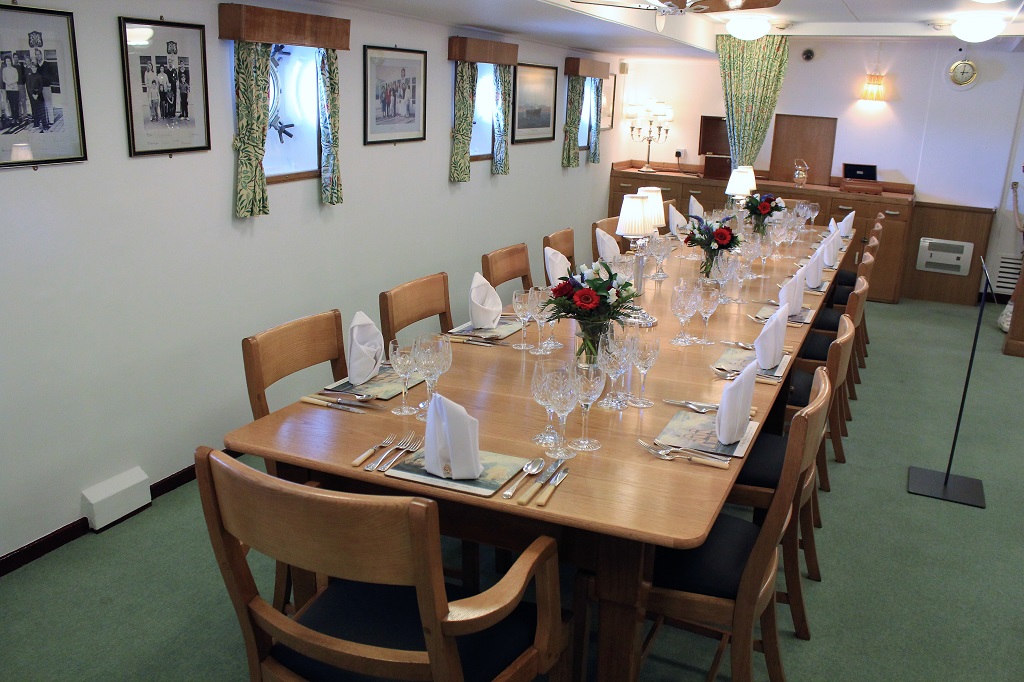
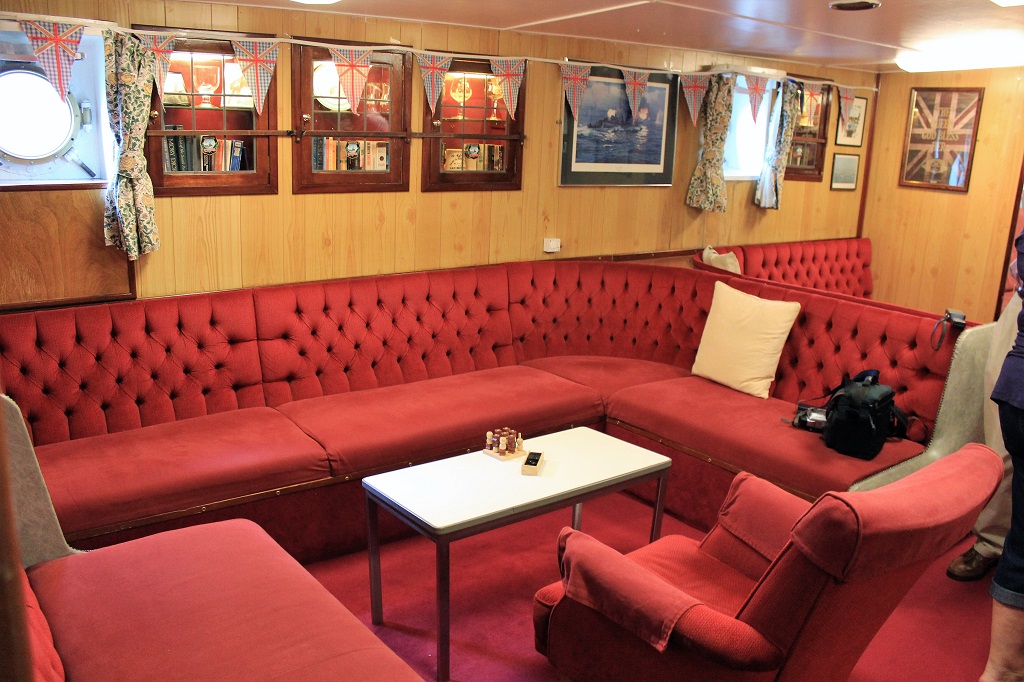
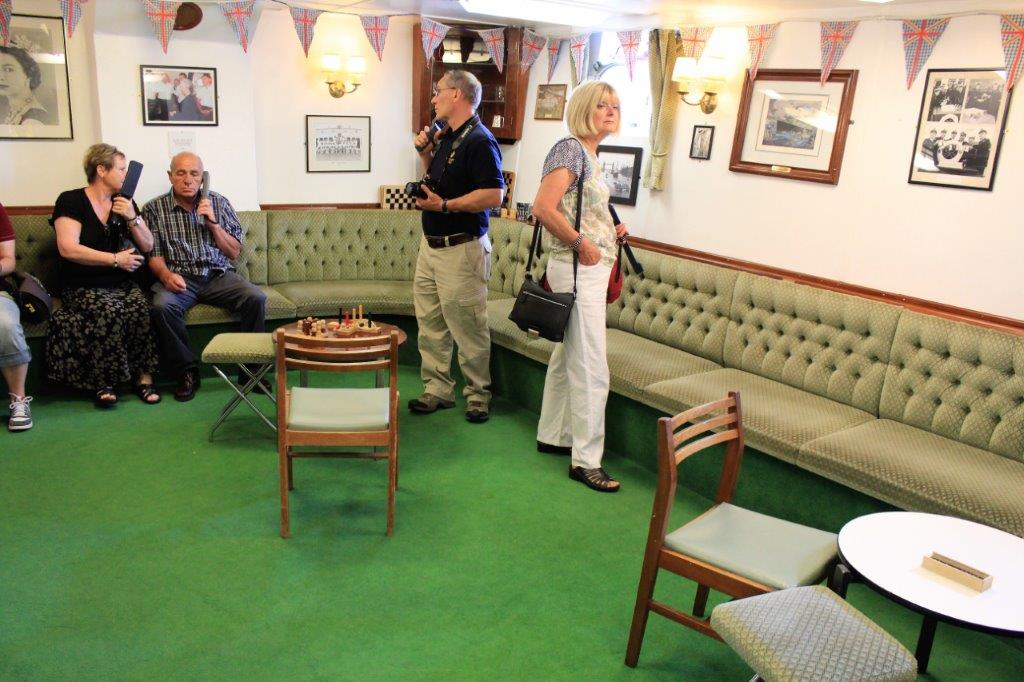
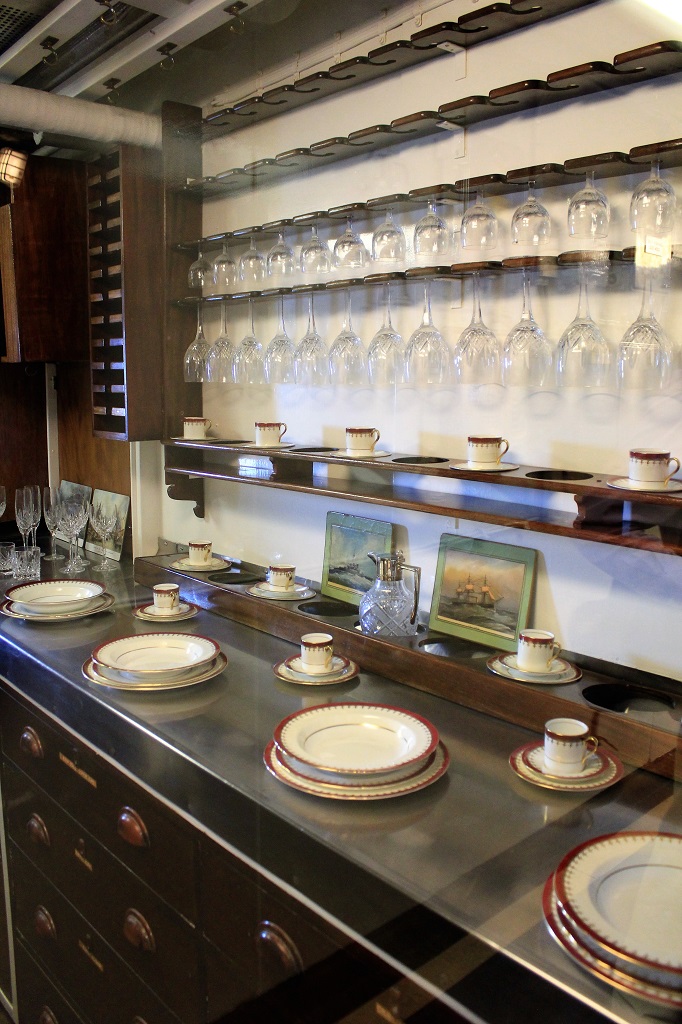
Queen Elizabeth II loved the Britannia and was moved to tears during her decommissioning service in 1997. The Queen’s bedroom and sittingroom.The bedroom of Prince Phillip, Duke of Edinburgh. The ‘Honeymoon Suite’ is the only bedroom on board with a double bed. Four royal couples celebrated there honeymoon on Britannia; Princess Margaret and Anthony Armstrong-Jones, Princess Anne and Captain Mark Phillips, Prince Charles and Princess Diana, and Prince Andrew and Sarah Ferguson.The Ward Room – the mess cabin for commissioned officers.  Officers serving on the Britannia were chosen from the ranks of the  Royal Navy and served two-year terms. The crew were all volunteers from within the Royal Navy.  After serving 365 days you could be admitted to “The Permanent Royal Yacht Service” as Royal Yachtsmen and then served until you chose to leave or were dismissed for medical or disciplinary reasons. As a result, some crew served for 20 years or more. The ship also carried a troop of Royal Marines when members of the Royal Family were on board.
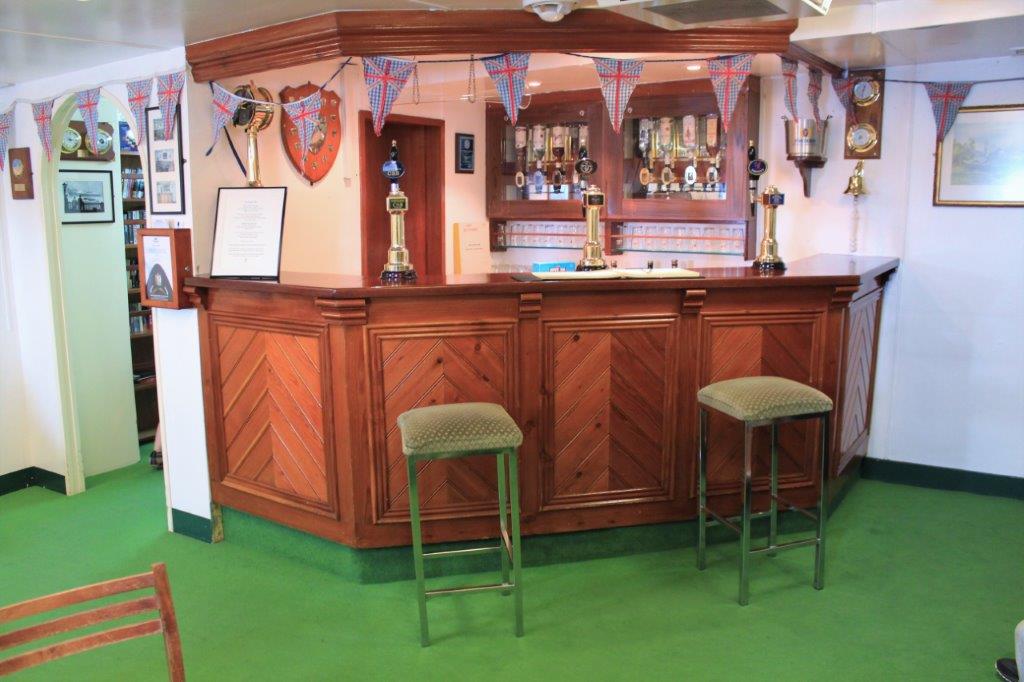
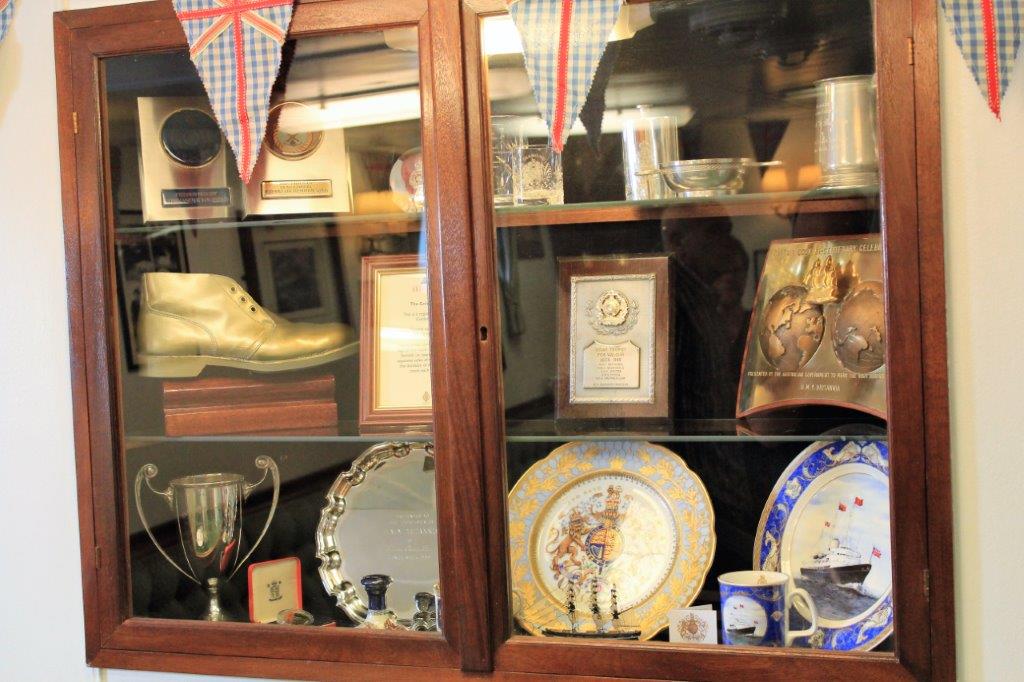
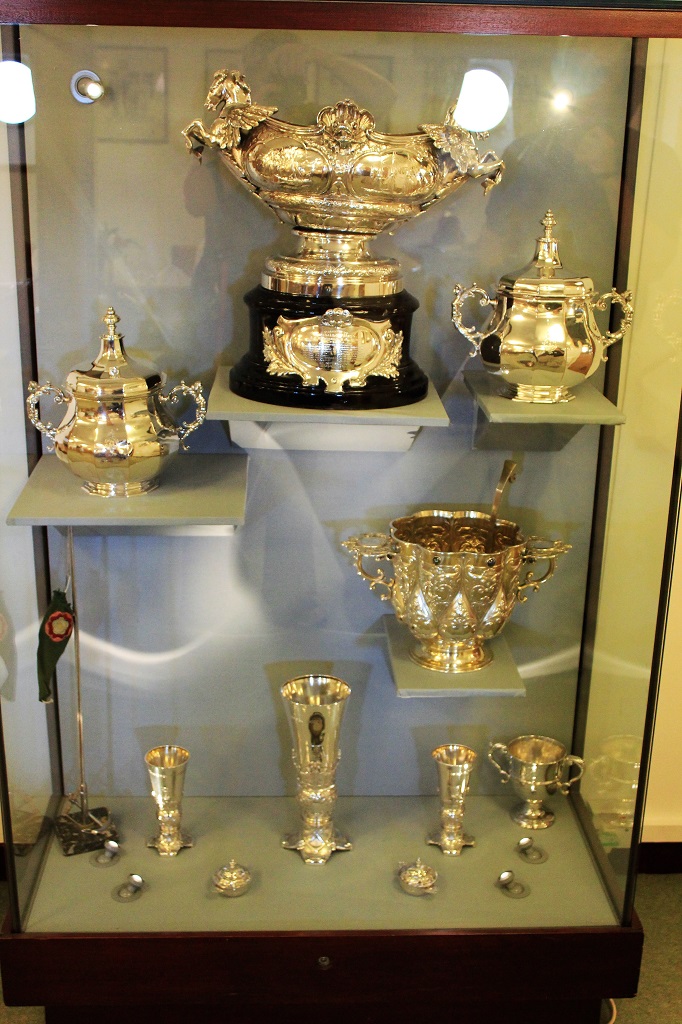
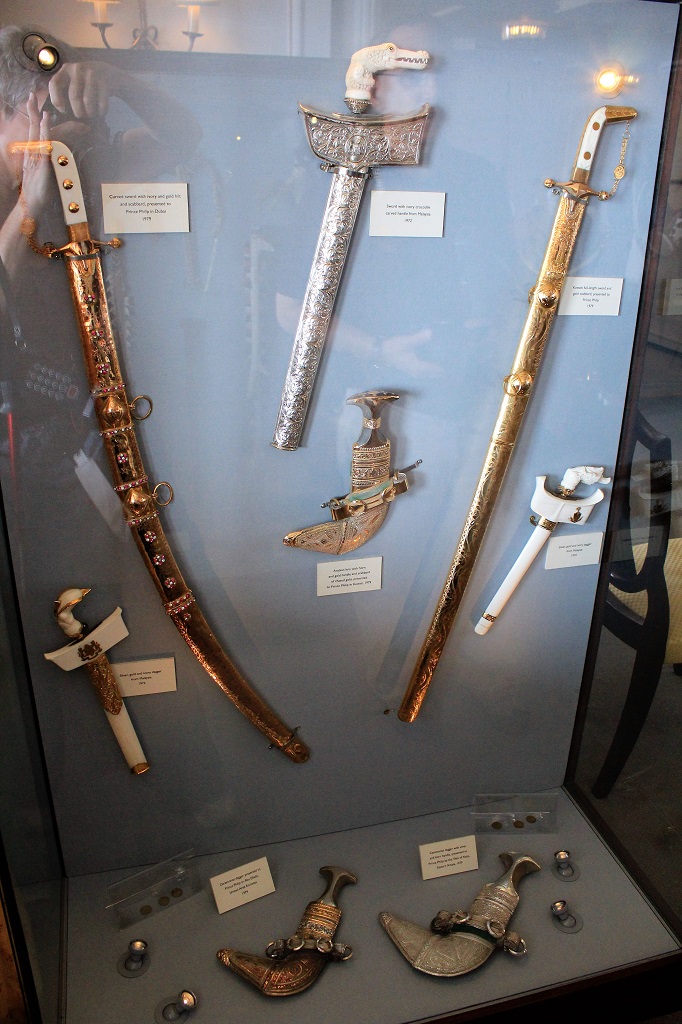
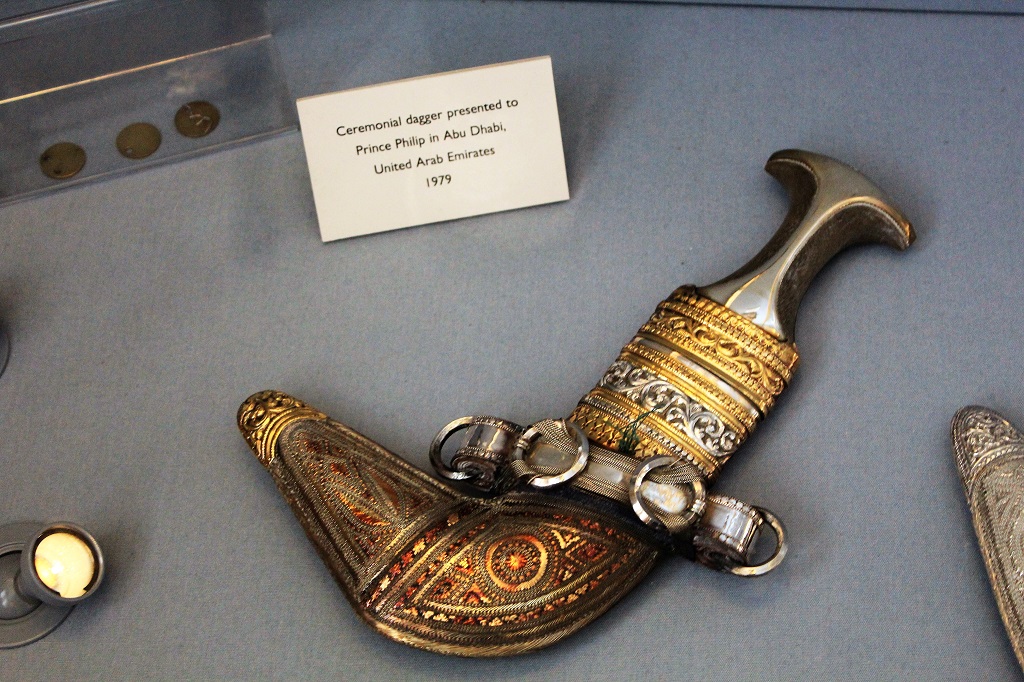
You could wear a captain’s cap and ‘lift a pint’  in  the  Petty  Officer’s  Mess. The Britannia was the last ship of the British navy to convert from hammocks to cots for the sailors. The crew slept in hammocks until 1973. There were display cases full of items from around the world that had been presented to the Queen on her travels. The  Queen  and  Prince Phillip  requested  that  some  of  the  lavish  interior  designs  planned  for  the  yacht  be  toned  down  since  the  country was still  recovering  from  the  war  years.   There  were  minimal  changes  made in  the  decor during  her  many years  of service.

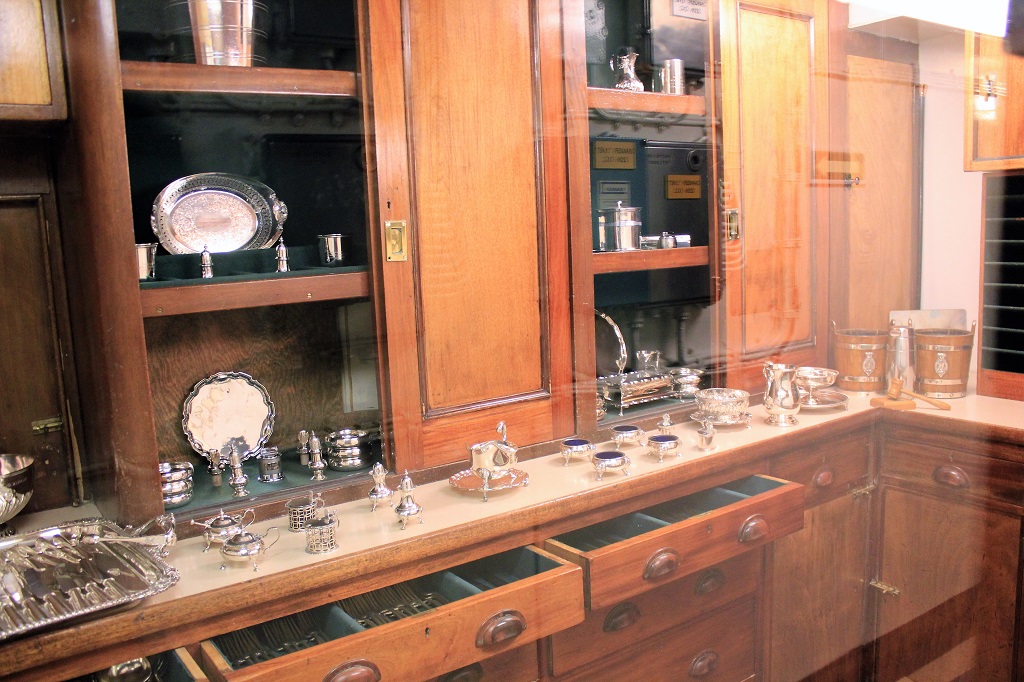
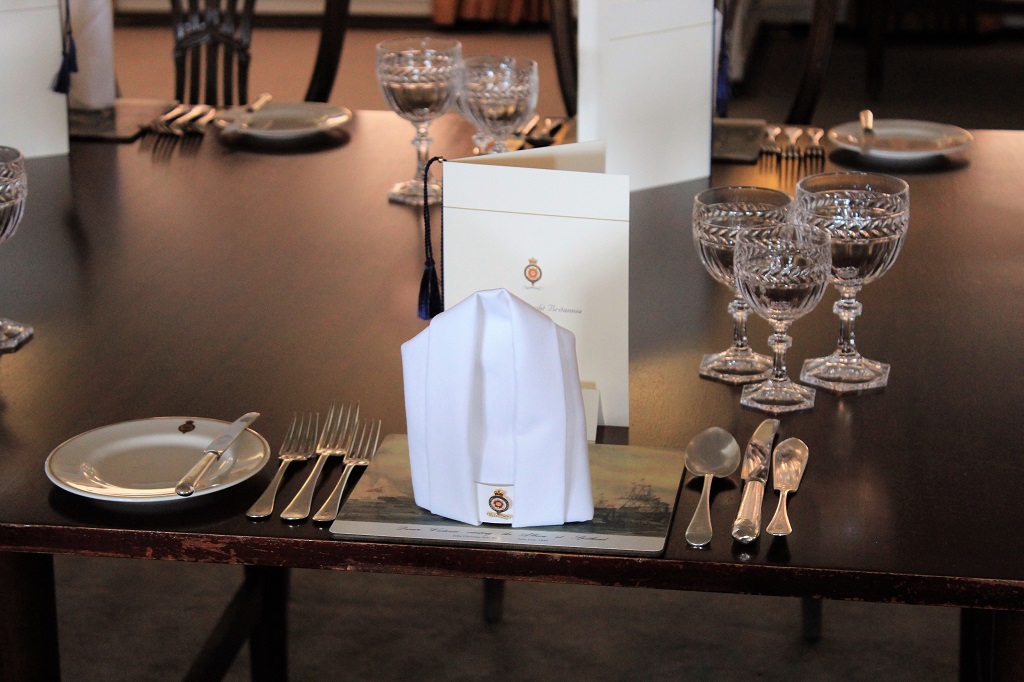
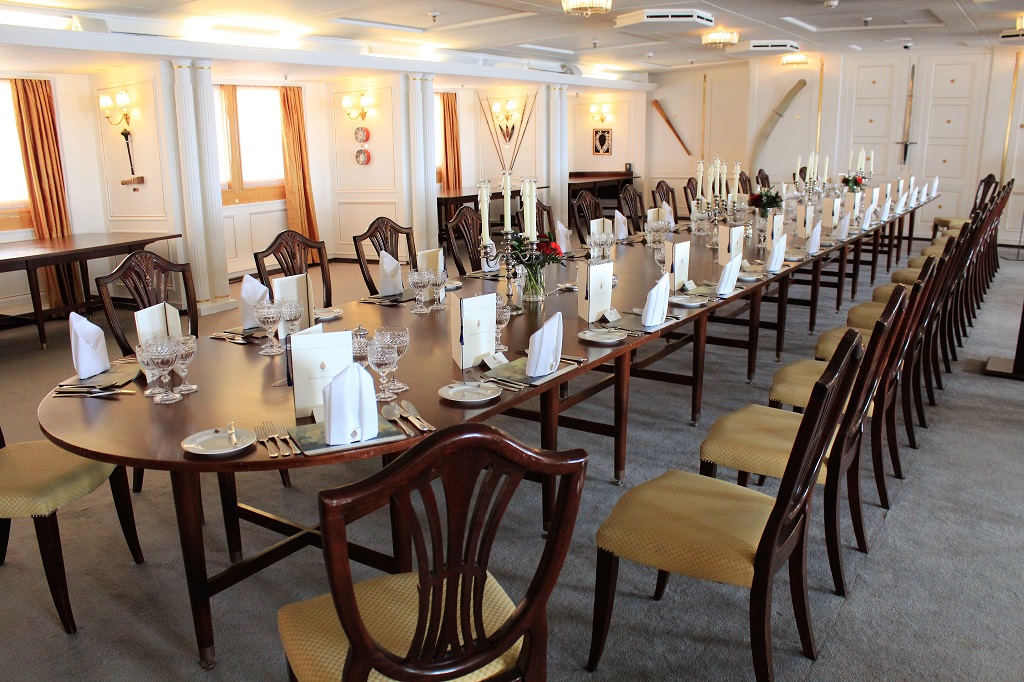
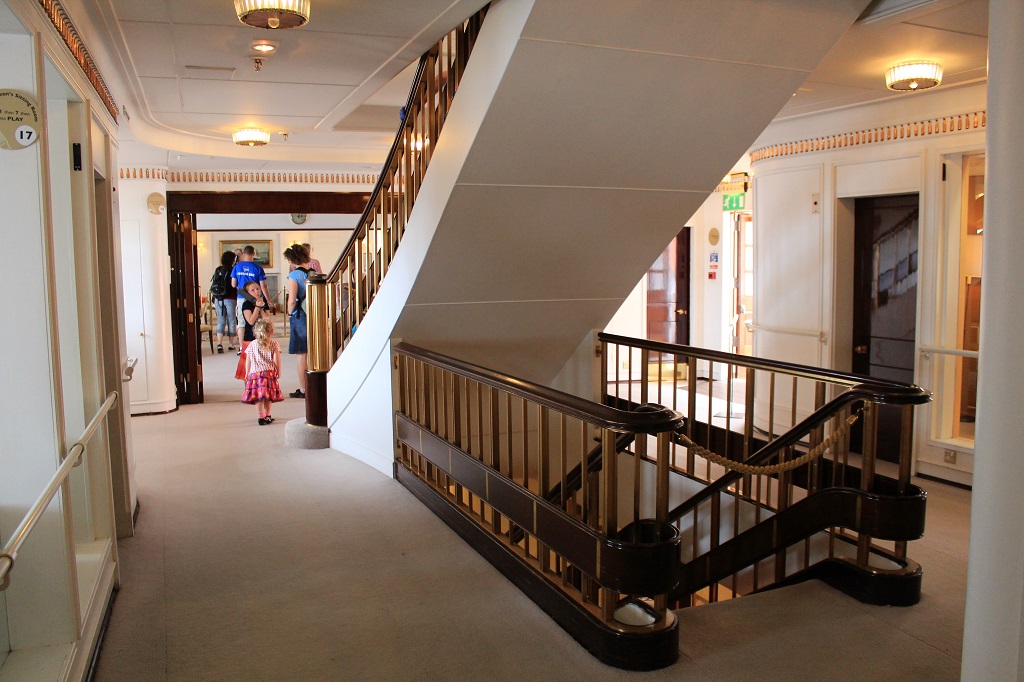
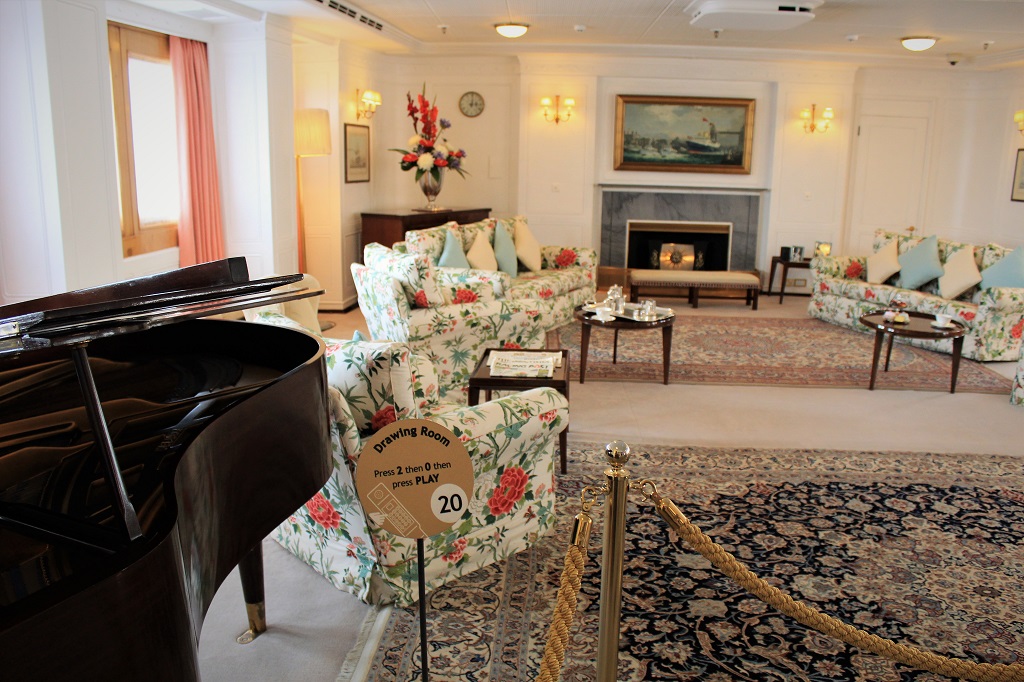
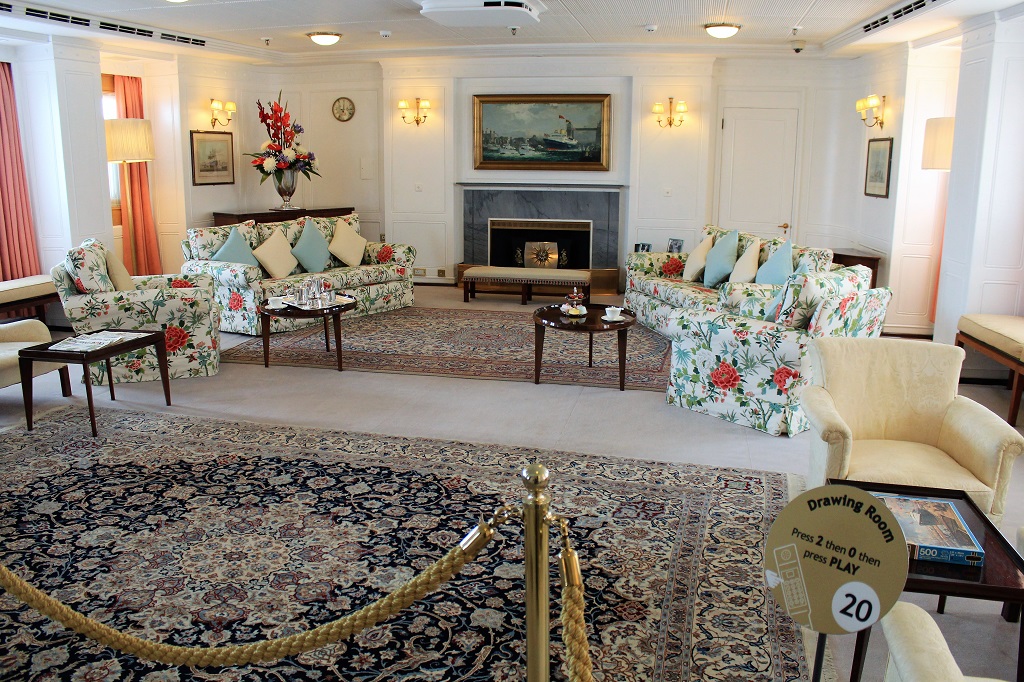
The  kitchen  was  not  very  big,  but  some  really  elaborate  meals  could  be  produced  for dignitaries  in  the  State  Dining  Room. The table  in  the  State  Dining  Room  can  sit up  to  96  guests.Near  the  main  entrance  doors  there  is  a  lovely staircase  from which  the Queen can  make  a ‘grand  entrance.” The  Drawing  Room  was a lovely  space  with  a grand  piano  off  to  the  side.

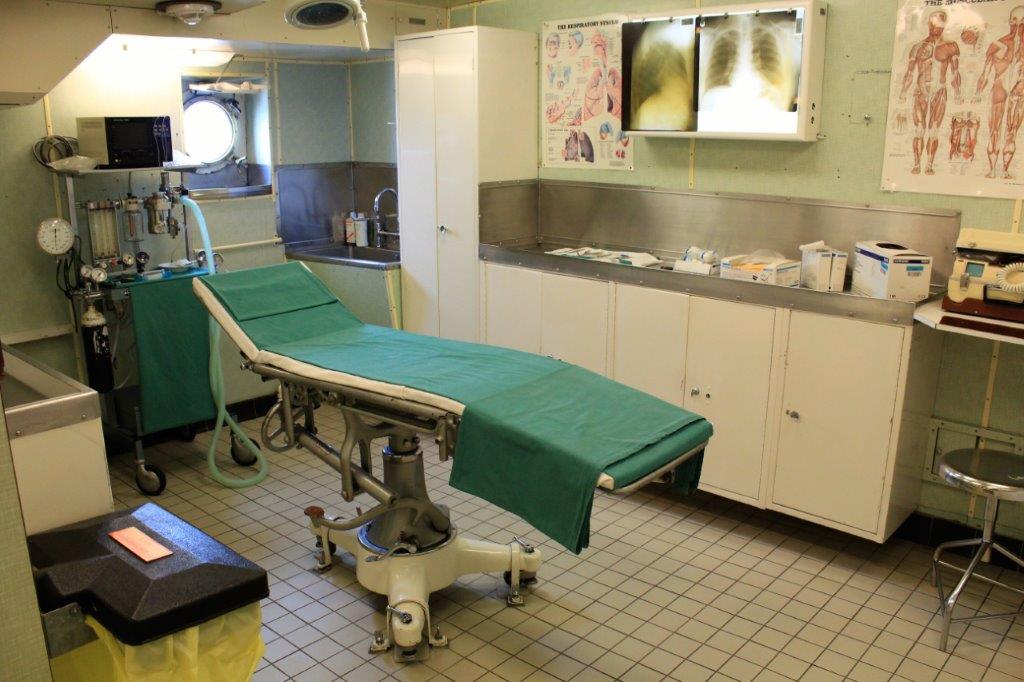
Since the ship was built less than 10 years after the end of WWII, and that horrible time was still fresh in people’s minds, the yacht was designed so it could be converted to a hospital ship if necessary.  The bow was structurally strengthened to allow for helicopter landings.  This, though is just the medic’s room.
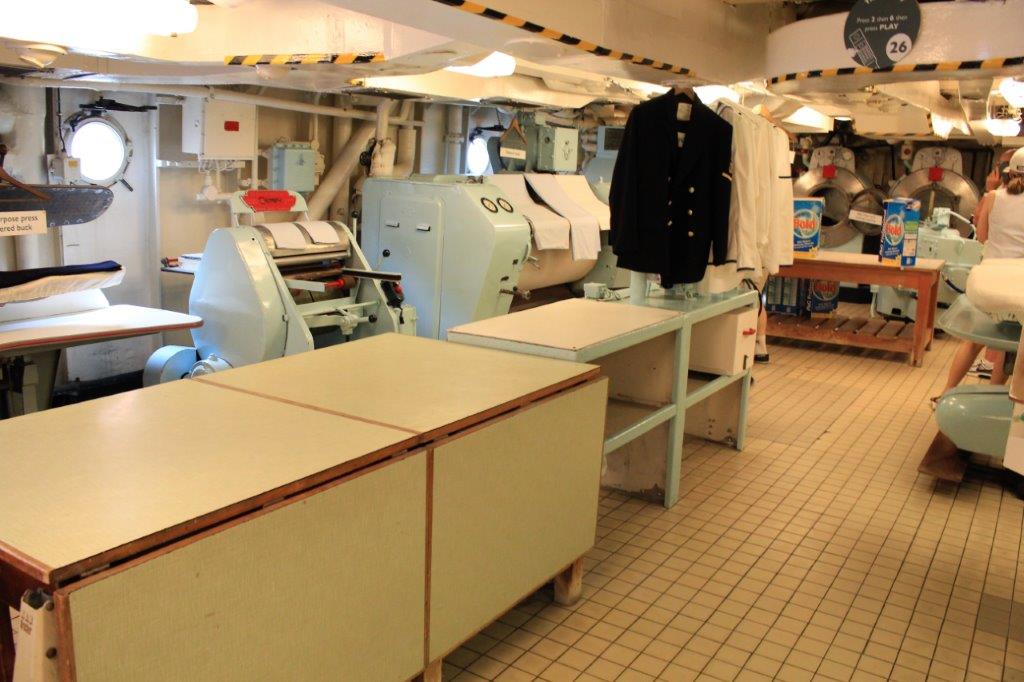
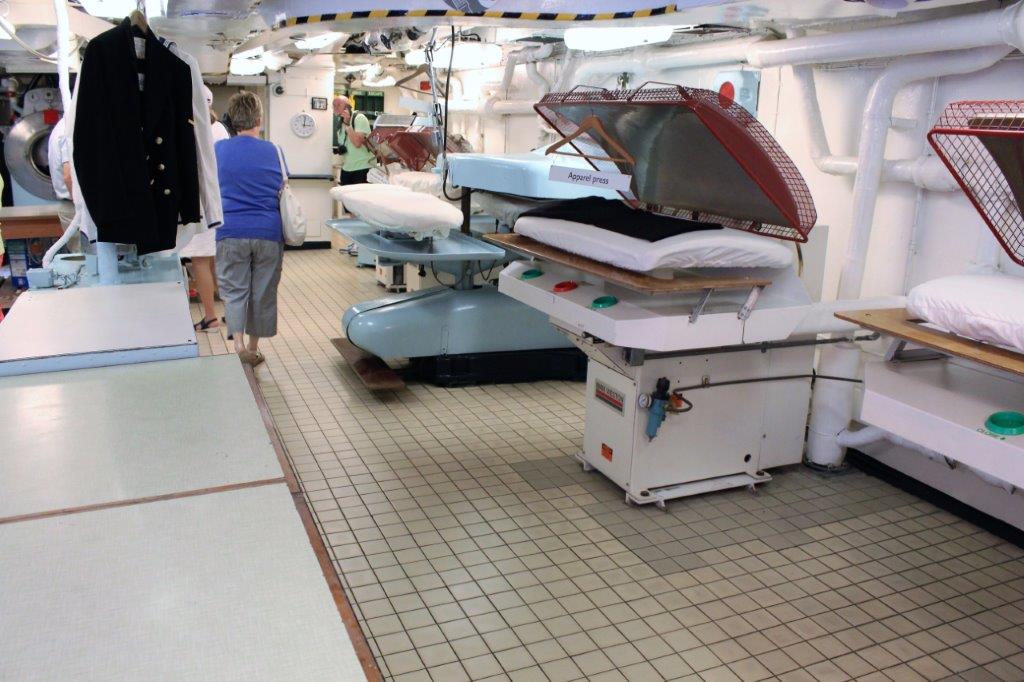
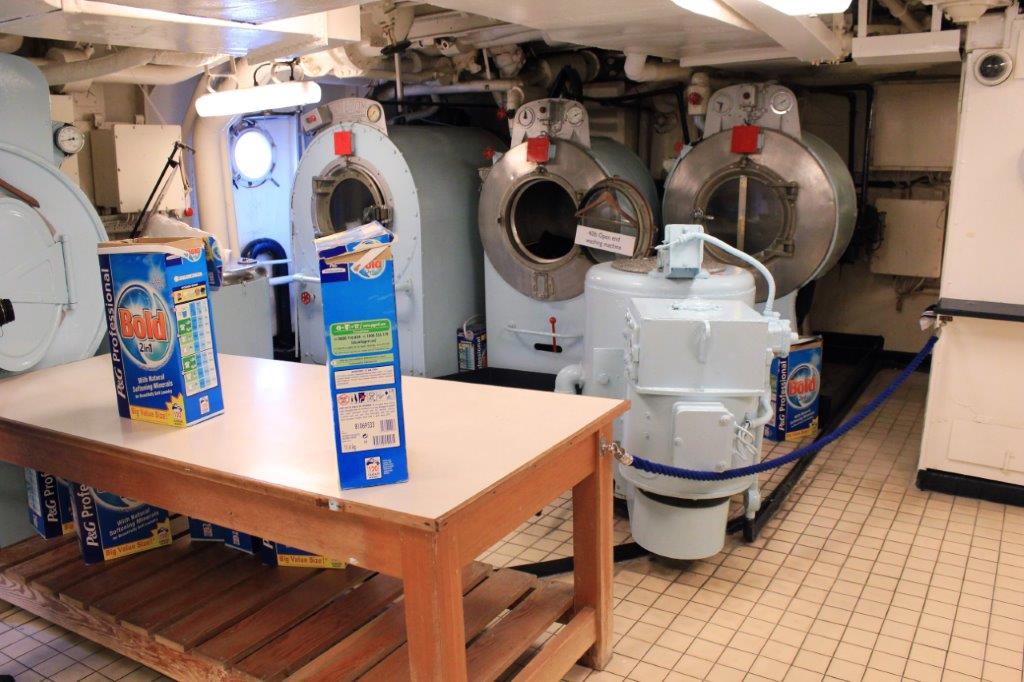
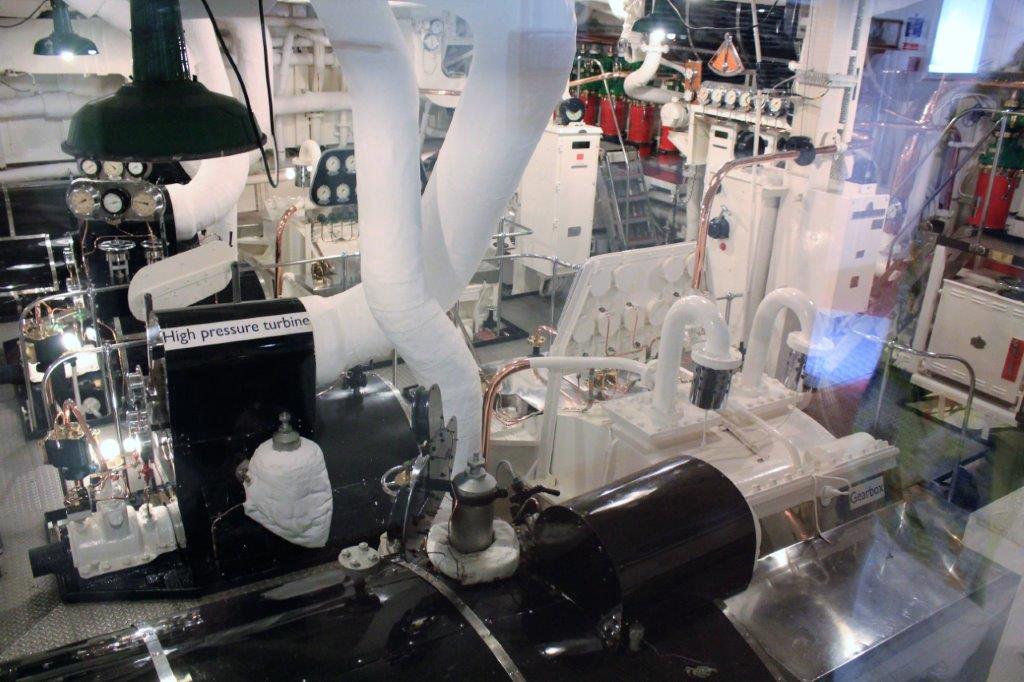
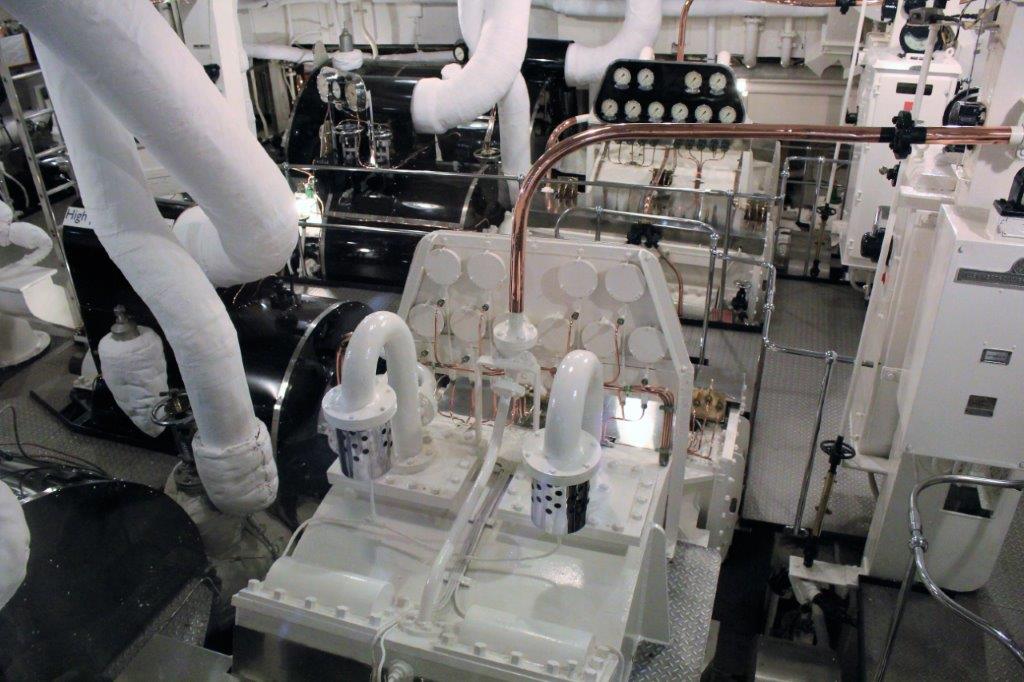
One of the busiest departments on board; the laundry room. During the visit of one foreign dignitary he was given a tour of the engine room.  After the tour, he turned to his guide and said, “That is very nice.  Nice and clean, but now show me the real engine room.”  Nope. This is it; always kept pristine. It was a real treat to be able to see this lovely vessel.  We drove east along the coast of the Firth of Forth to the pretty little town of Dirleton and toured the castle ruins and gardens.

2013 Summer (Baltic and Britain – Scotland – July 16 – Day 23)

We were settled into our rooms at City Pads and spent the day just wandering around Edinburgh.  It was quite a lazy day and we didn’t go far nor do much. After three weeks on the road touring around it was nice to have a quiet day.

Edinburgh is a busy city and very busy in the summer time.  They have several big festivals that take place on the same weekend every year; one being the Military Tattoo which I would love to attend.  However, the timing was not right to do so this visit.  Perhaps another time.  The International Festival and the Fringe Festival are huge.

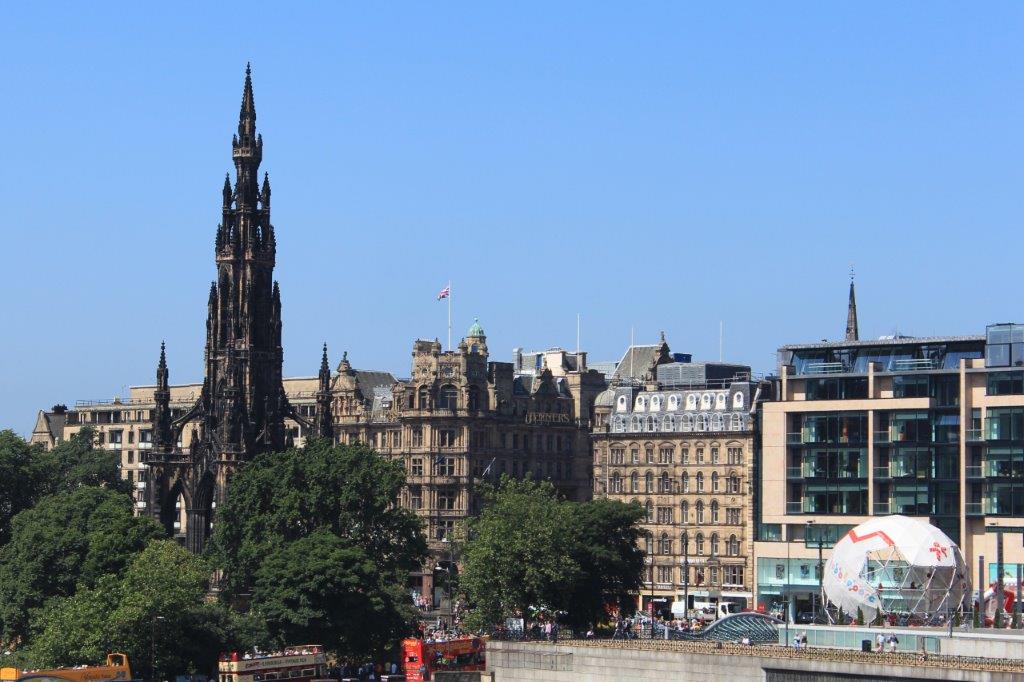
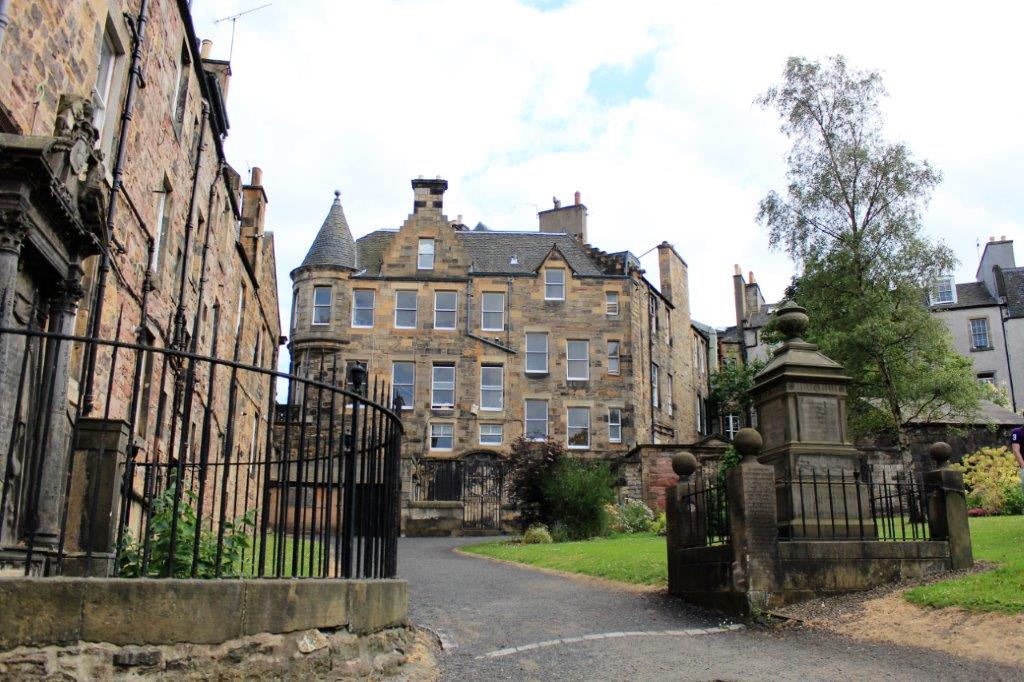
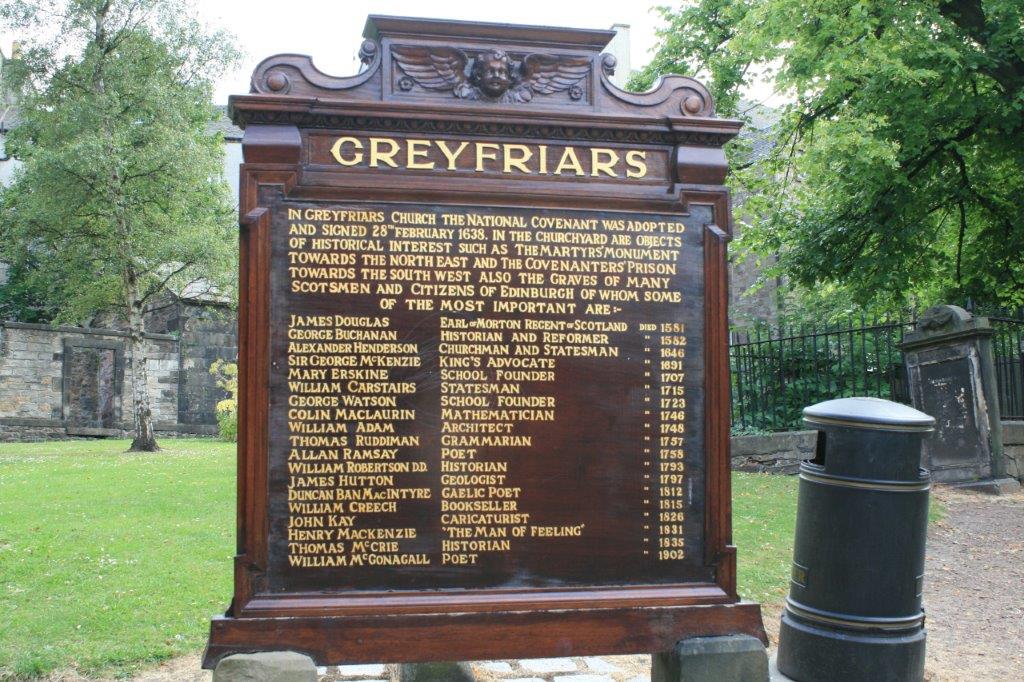
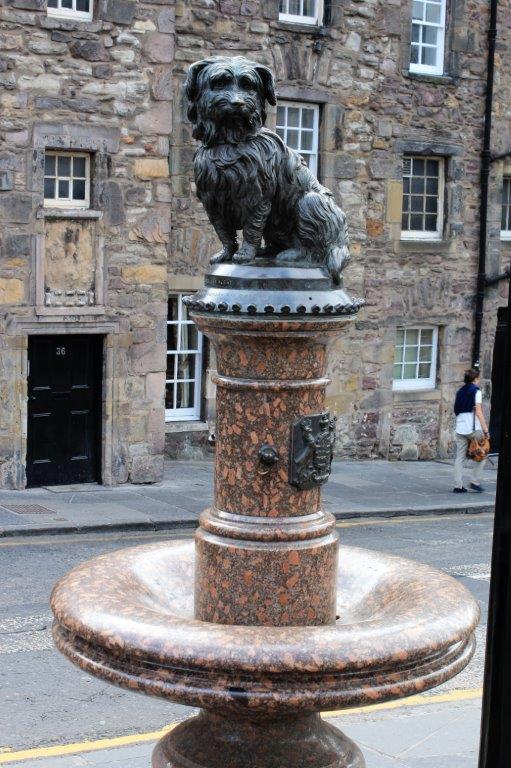
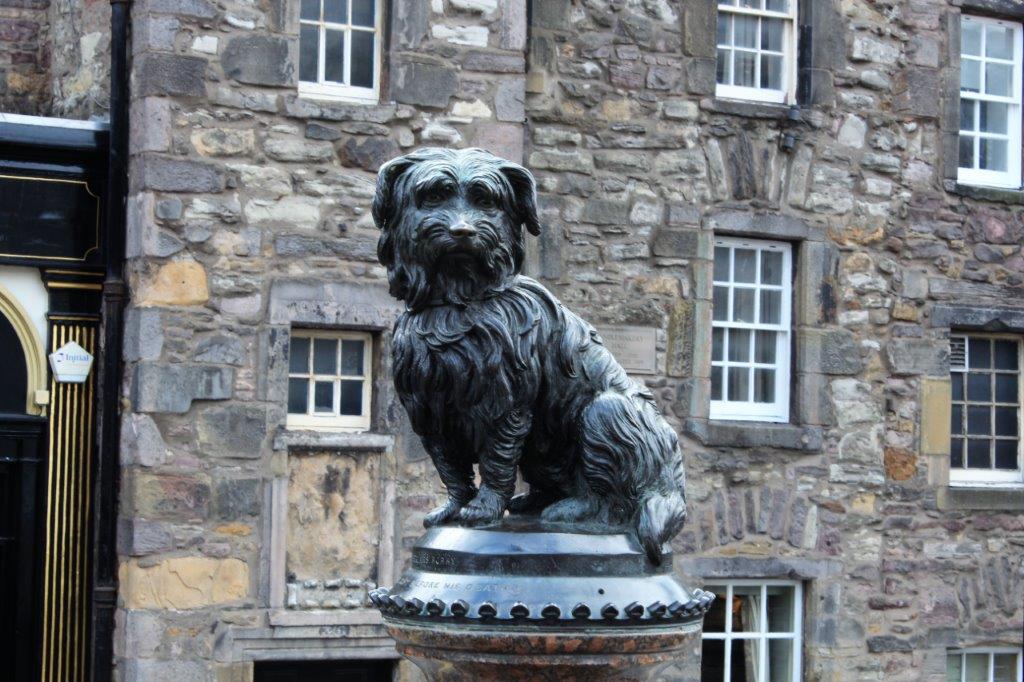
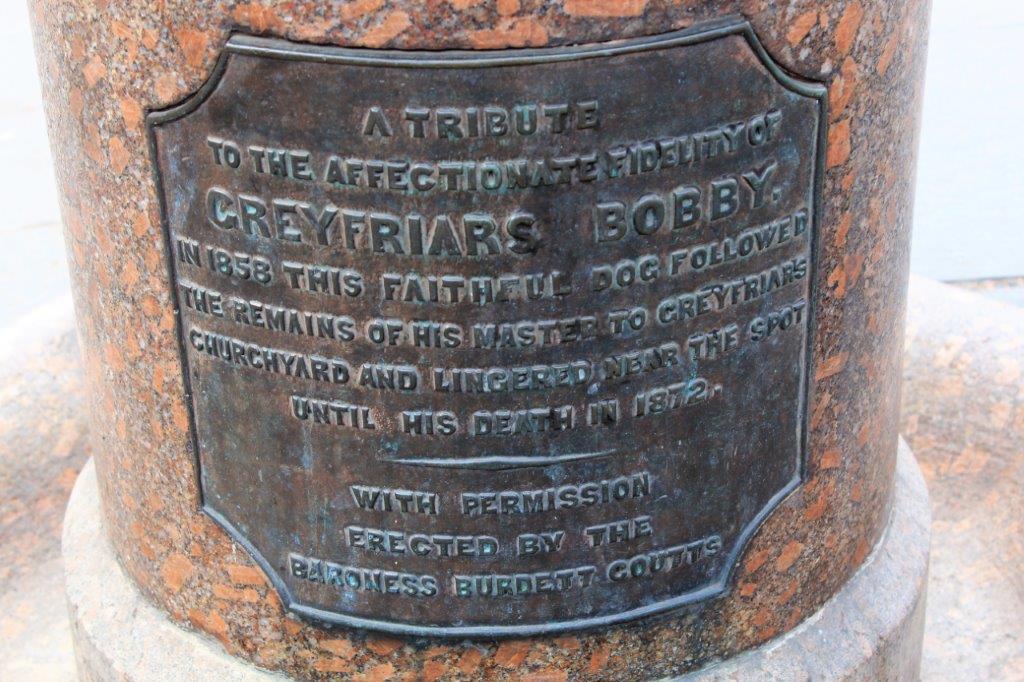
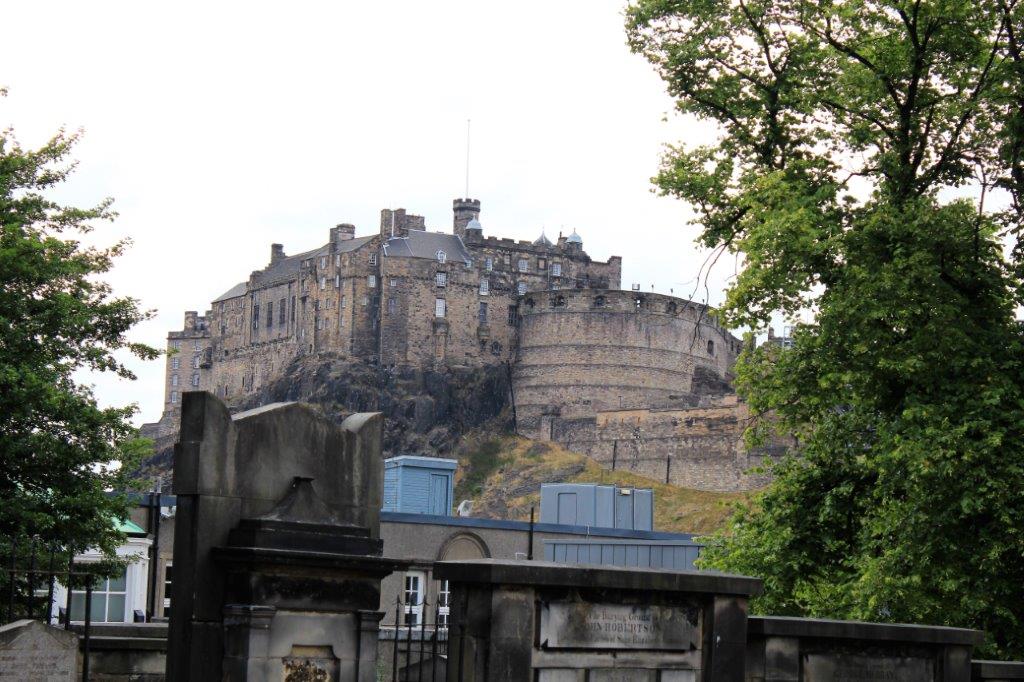
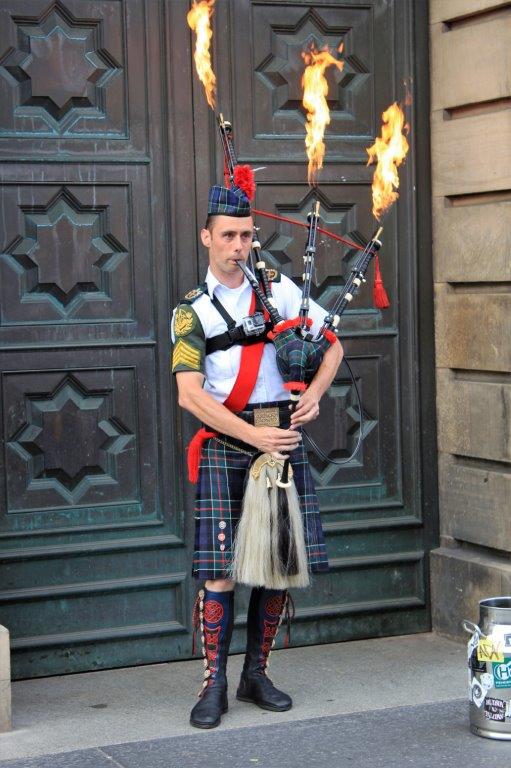
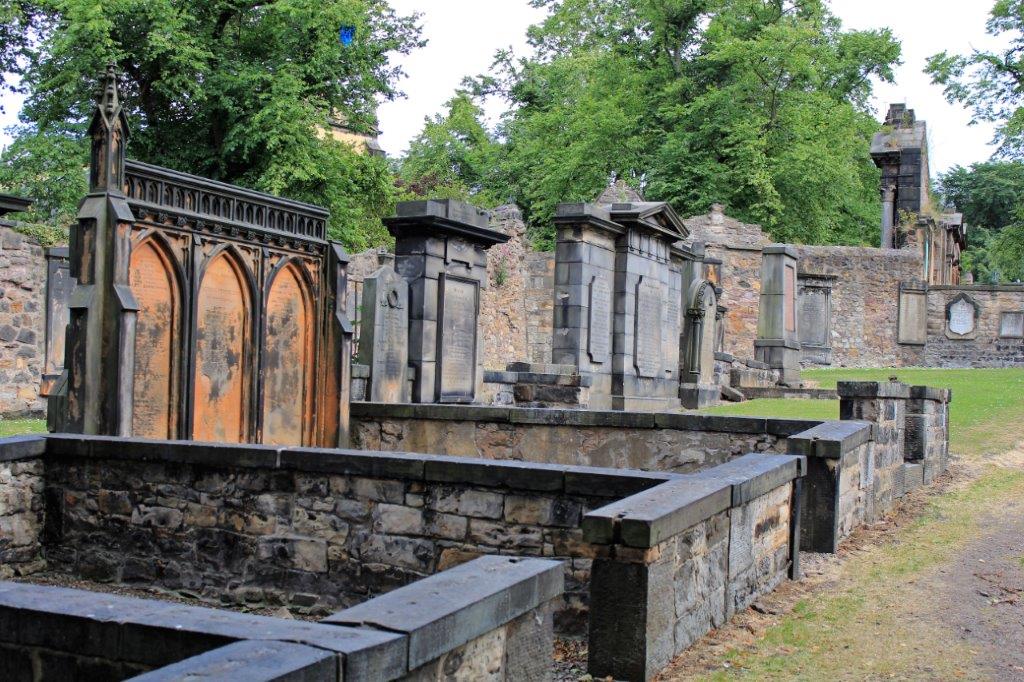
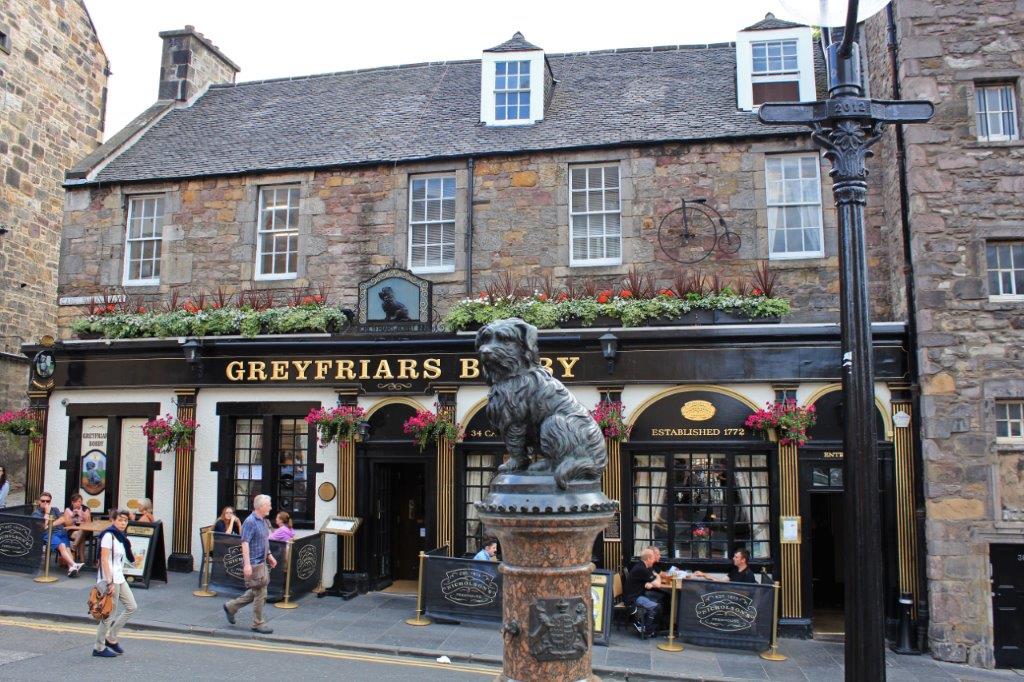
One of the stories I loved as a child was Greyfriars’s Bobby so we had to go to the cemetery where the faithful little dog lay by the grave of his deceased master until his own death many years later. Edinburgh Castle is an imposing sight up on the hill.  This fellow added a fiery element to his bagpipe playing.  He had gas canisters on his back and could send flames from tubes at the end of the pipes.

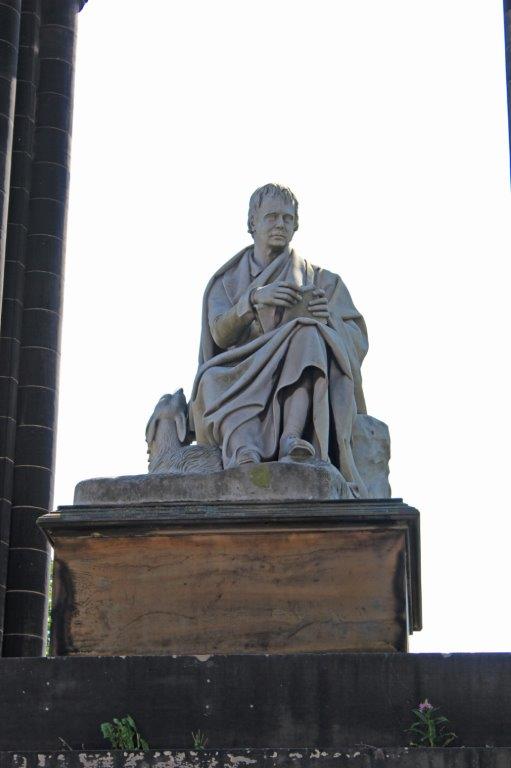
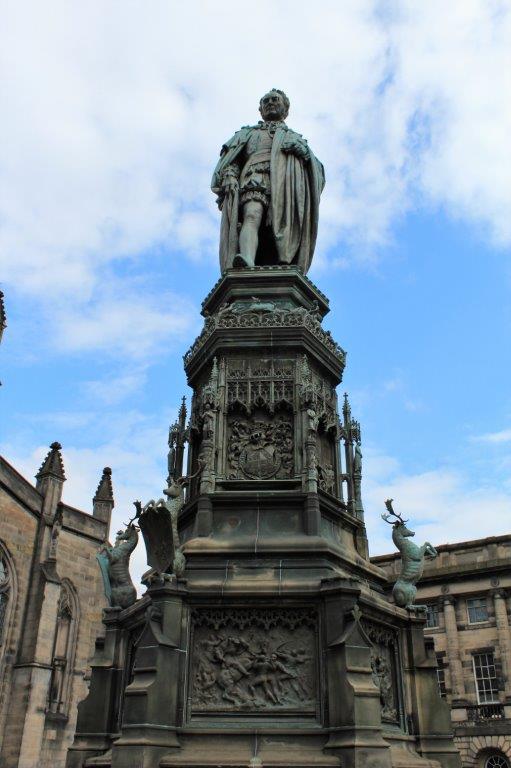
The regal bronze cast of a standing figure wearing Order of the Garter robe depicts Walter Francis Montagu Douglas Scott, 5th Duke of Buccleuch and 7th Duke of Queensberry,

Such was the respect in which the Duke was held by the people of Scotland that following his death on 16 April 1884 the statue was commissioned and paid for by a public subscription and was created by world famous sculptor Sir Joseph Edgar Boehm.  The statue was unveiled by the Earl of Stair on 7 February 1888.

In 1829 the Duke married Lady Charlotte Anne Thynne, daughter of the Marquess of Bath. Their marriage was to prove an extraordinary partnership which lasted 56 years and the couple were very much part of the court circle. The Duchess was Mistress of the Robes to Queen Victoria and the Duke became a Conservative Member of Parliament serving in the Peel Government.

He was appointed a Knight of the Garter, a Privy Councillor and served as Lord Privy Seal from 1842 to 1846 however after Peel’s fall, the Duke’s political career came to an end and he became Chancellor of the University of Glasgow, a position he was to hold until his death.

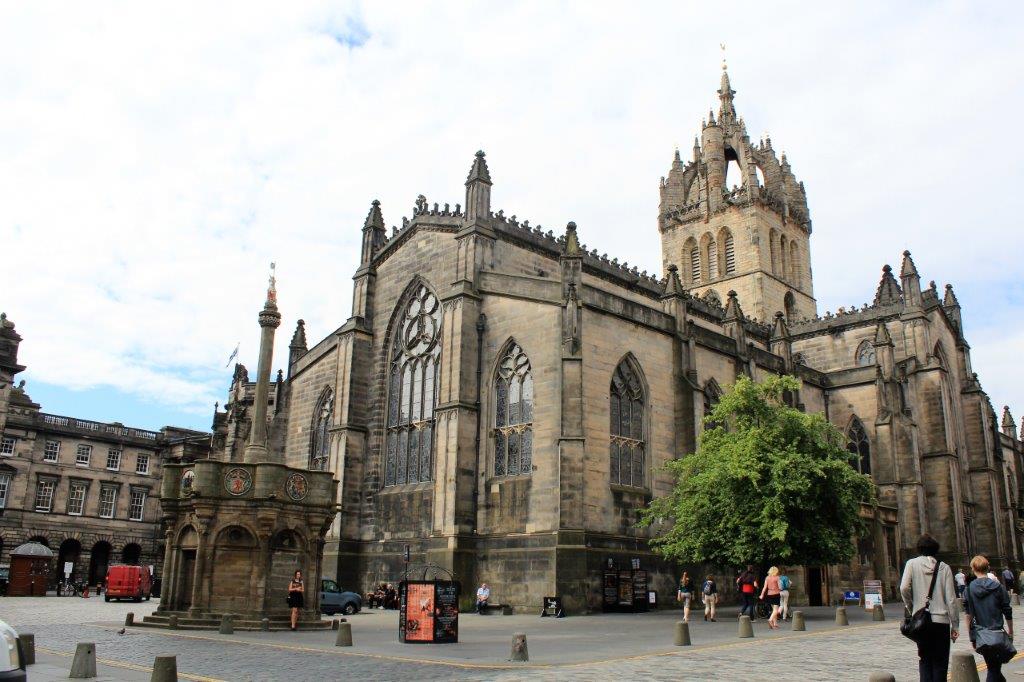
After leaving politics, he became a progressive manager of the traditional family landed estates, but this was the age of coal and railways, and he took advantage of both. He was also commercially minded enough to develop a new harbour with pier and breakwater at Granton in Edinburgh at a cost over half a million pounds, from where his coal was exported.  He created significant employment throughout the country as well as building churches, houses and village halls. St. Giles Cathedral.

And that was our exciting first day in Edinburgh.  The next day we drove to Leith to see the Royal Yacht Britannia and to Dirleton Castle and Gardens before returning to Edinburgh.

2013 Summer (Baltic and Britain – Scotland – July 15 – Day 22 – Part 3)

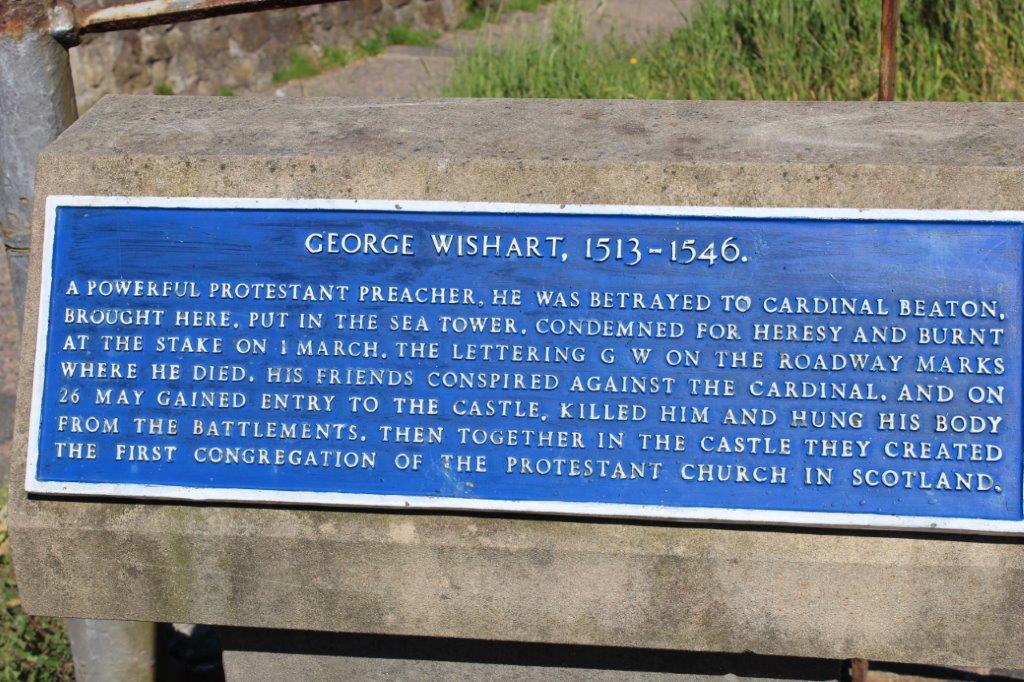
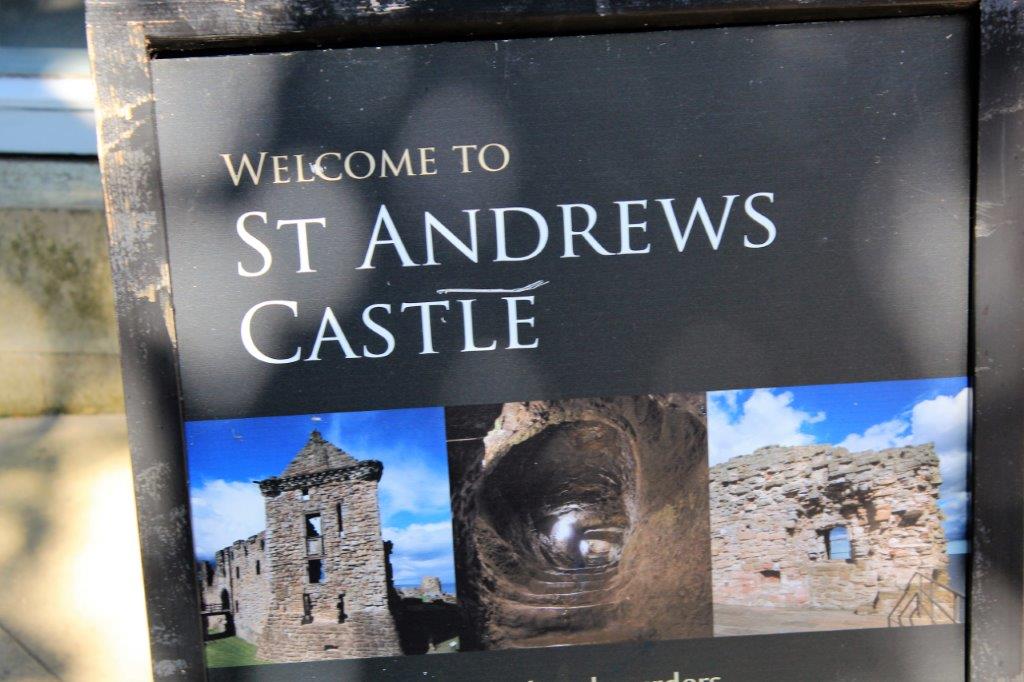
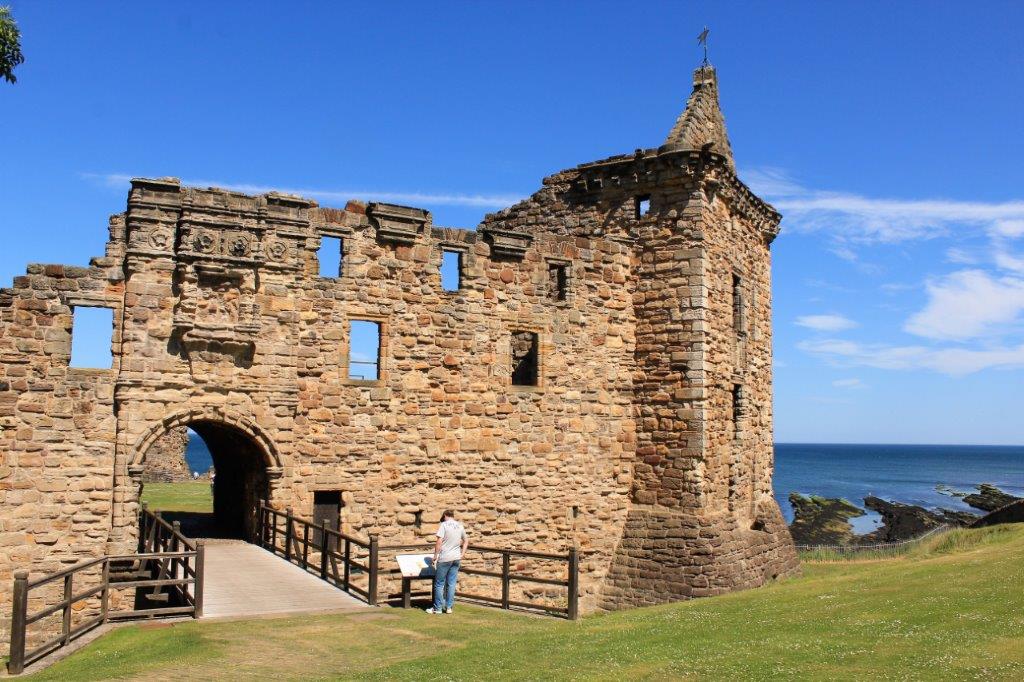
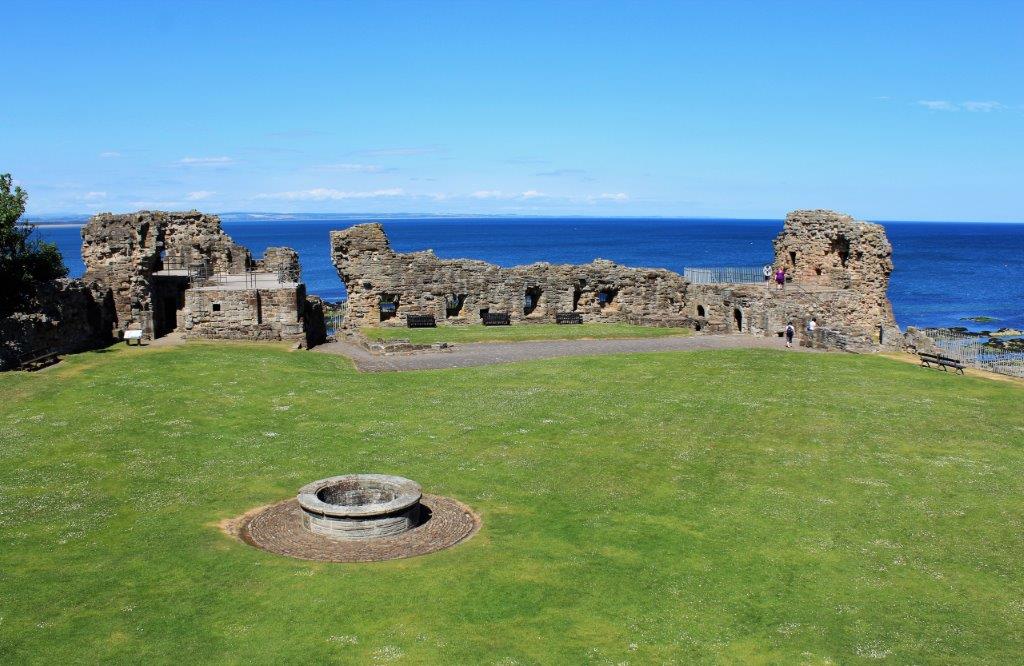
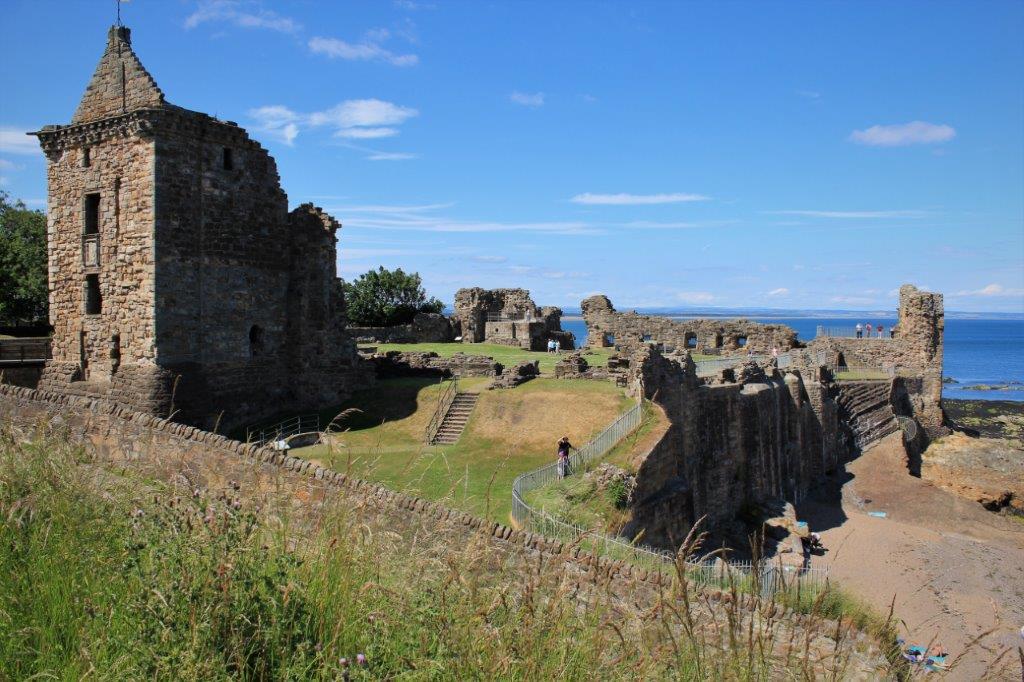
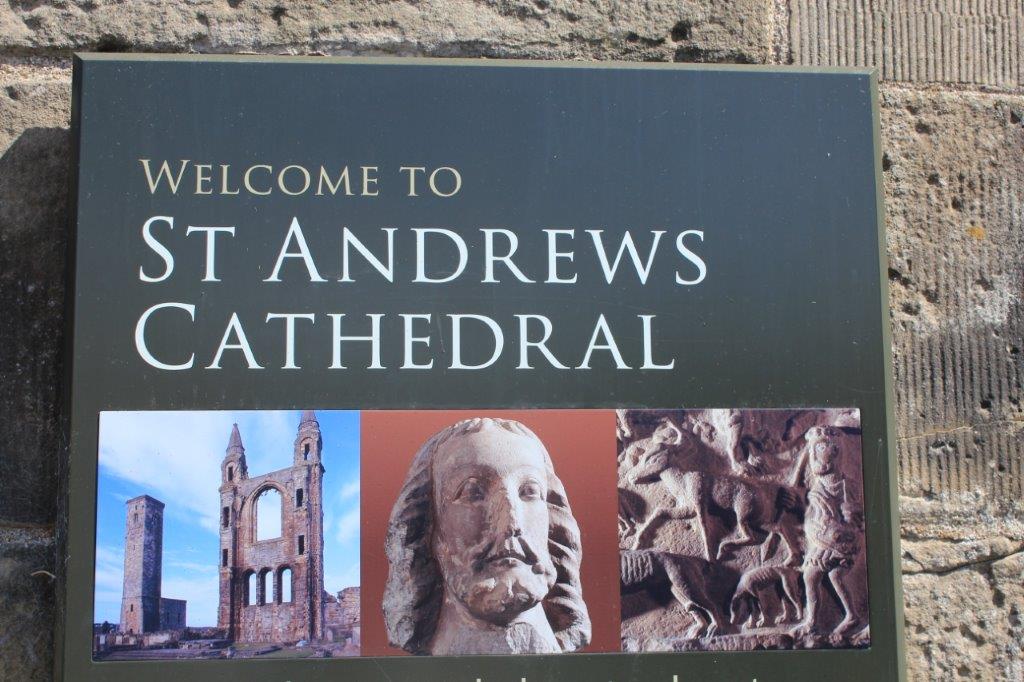
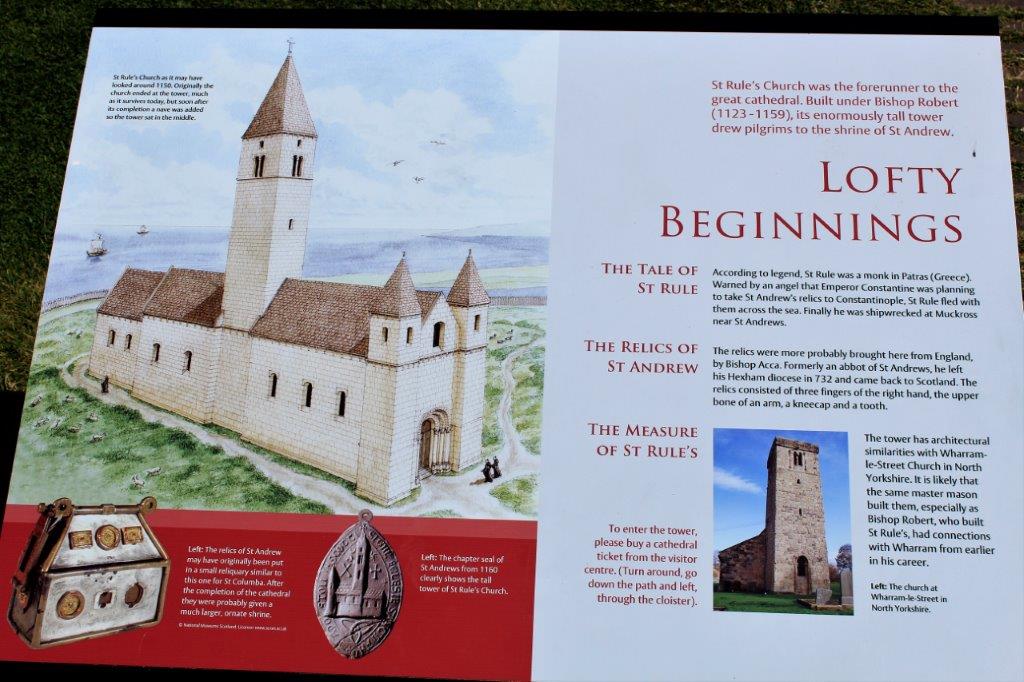
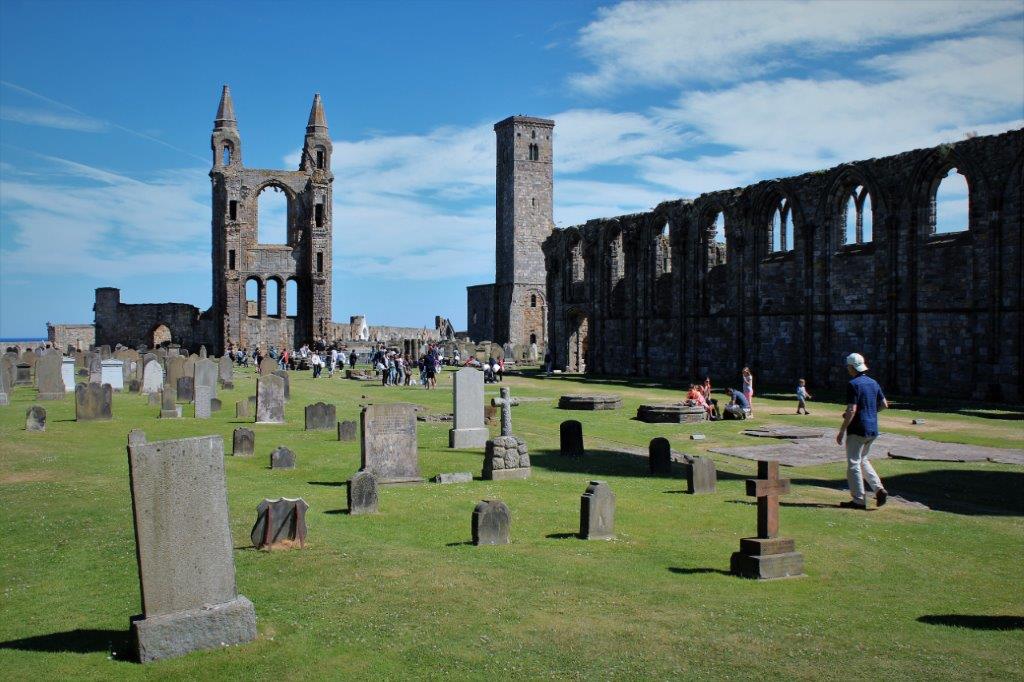
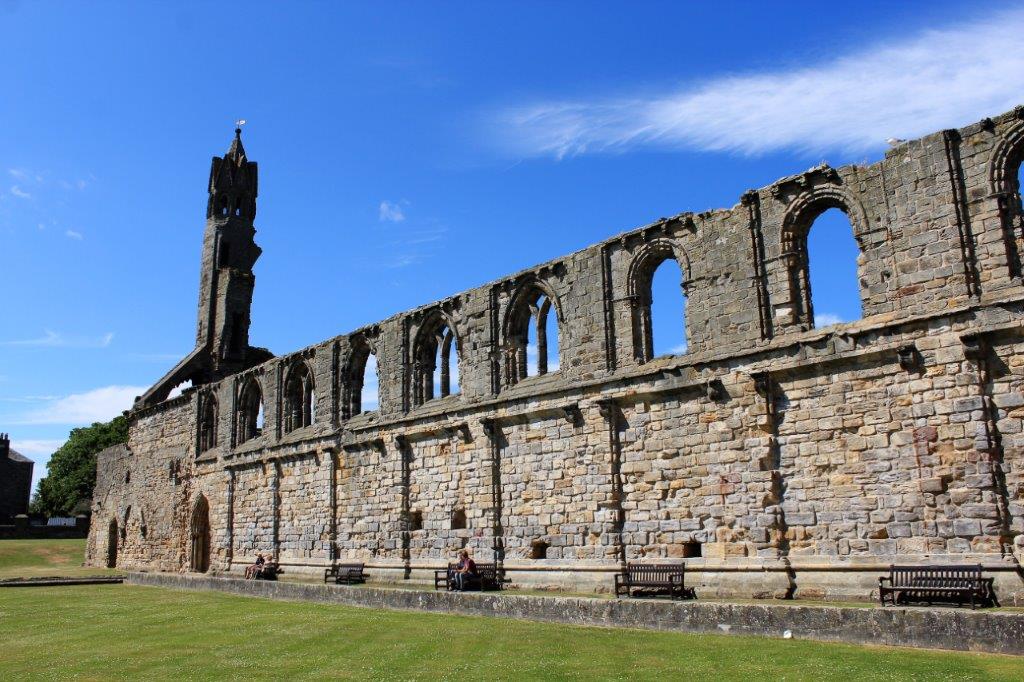
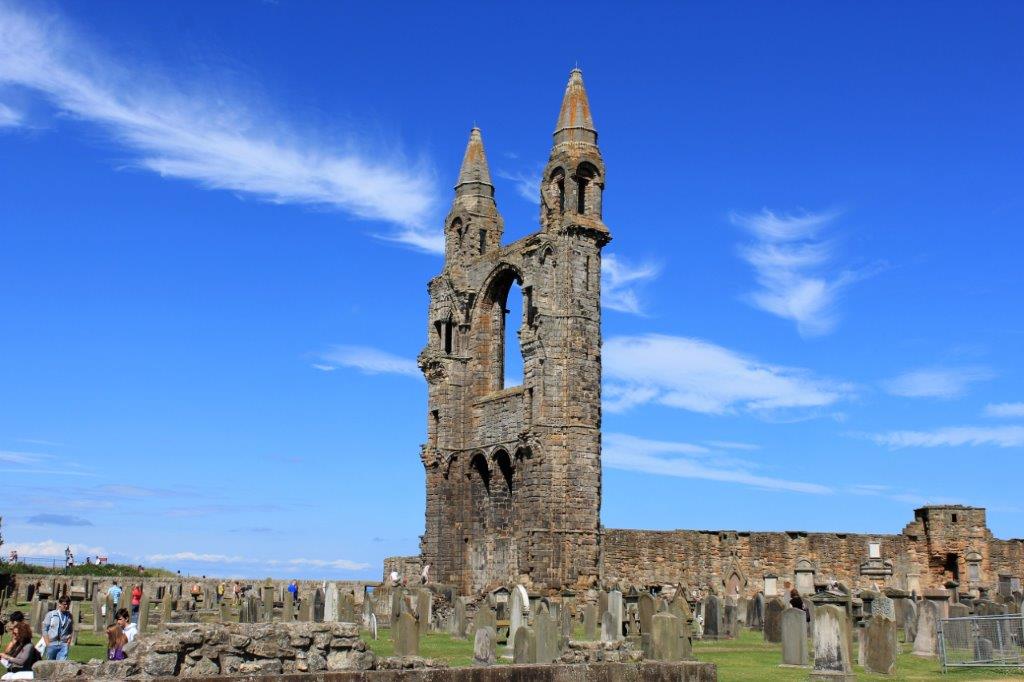
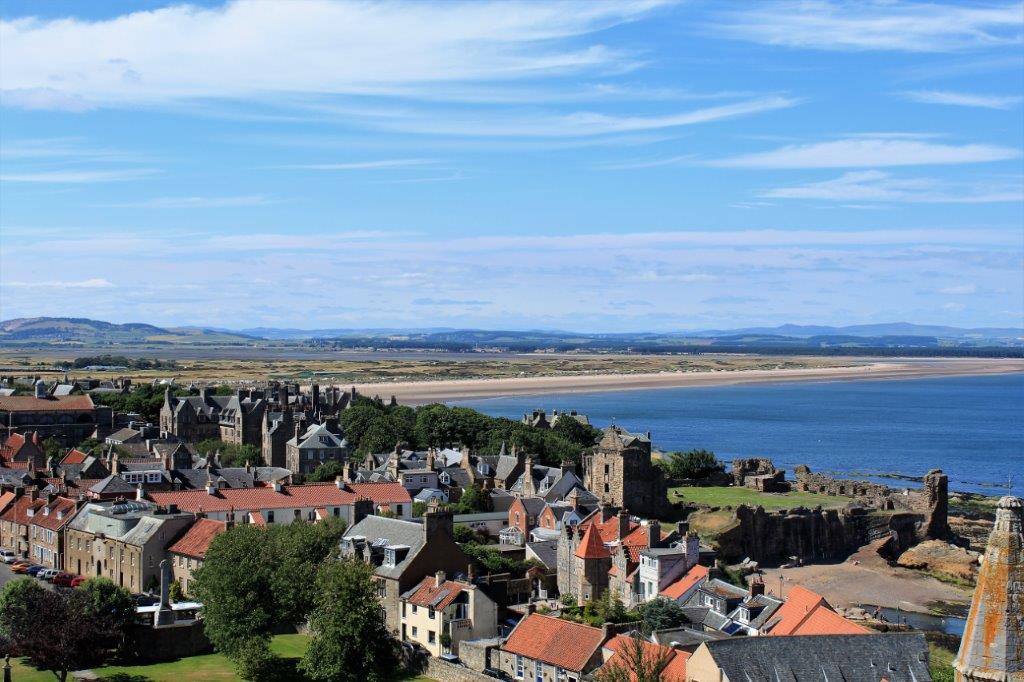
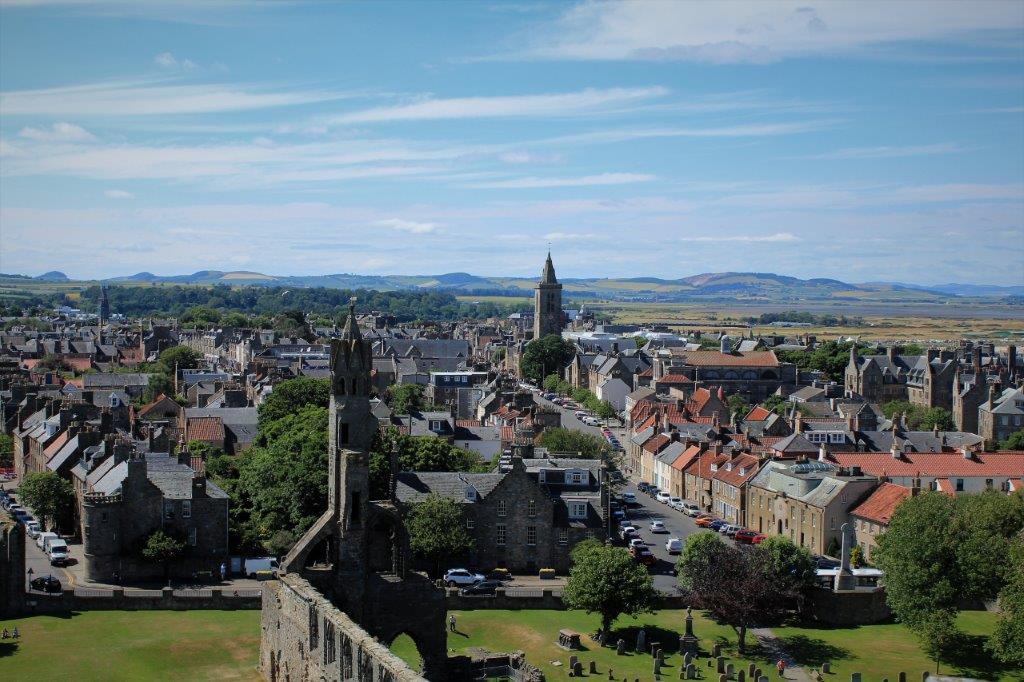
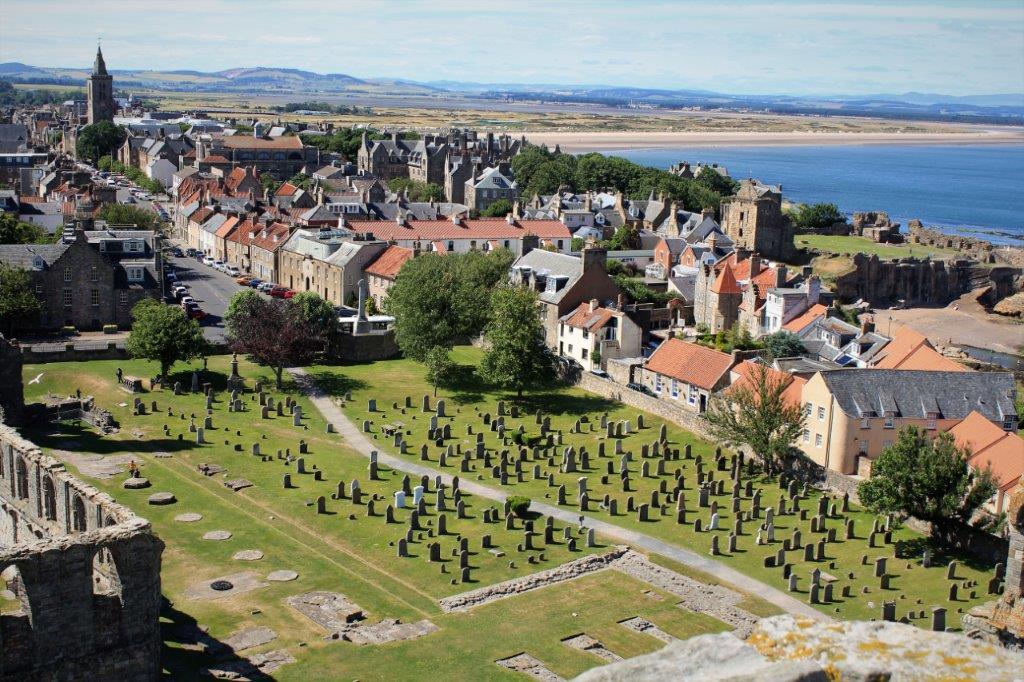
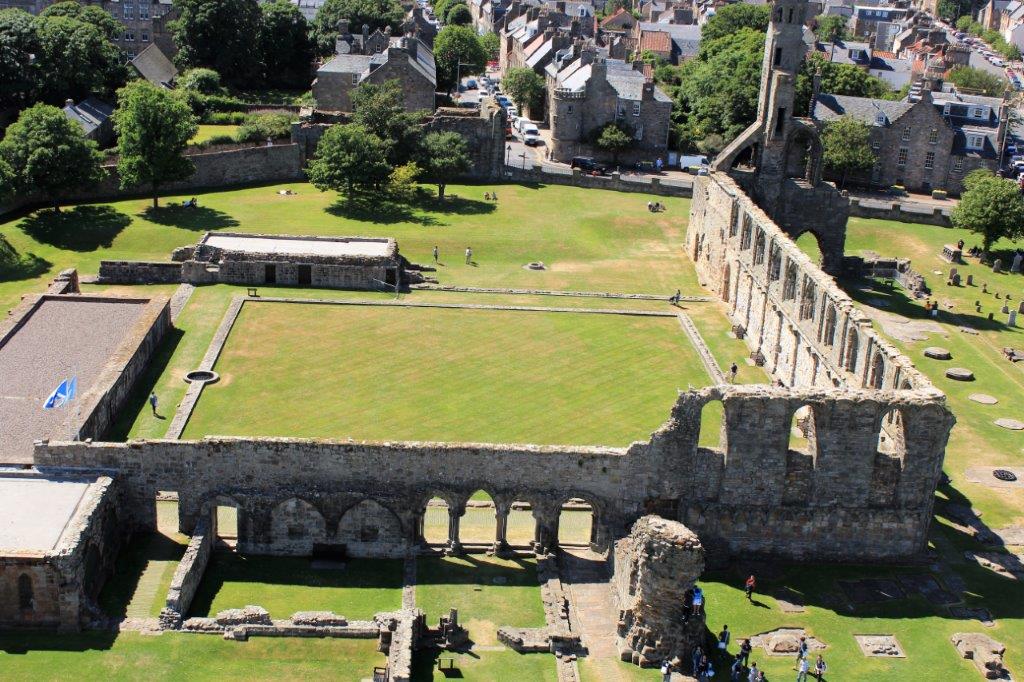
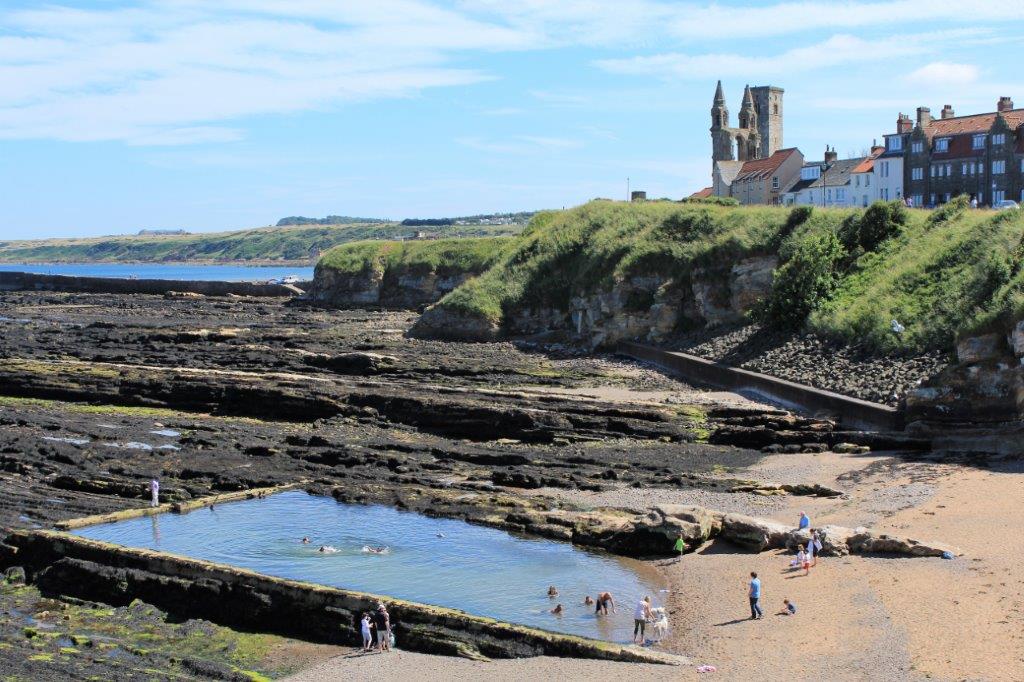
St. Andrew’s Castle sits on a headland to the north of the town.  It was the main residence of the bishops and archbishops of St. Andrew’s – the focal point of the church in medieval Scotland.  Cardinal Beaton was murdered here in 1546. The ruins of the Cathedral are not far up the road from the castle.
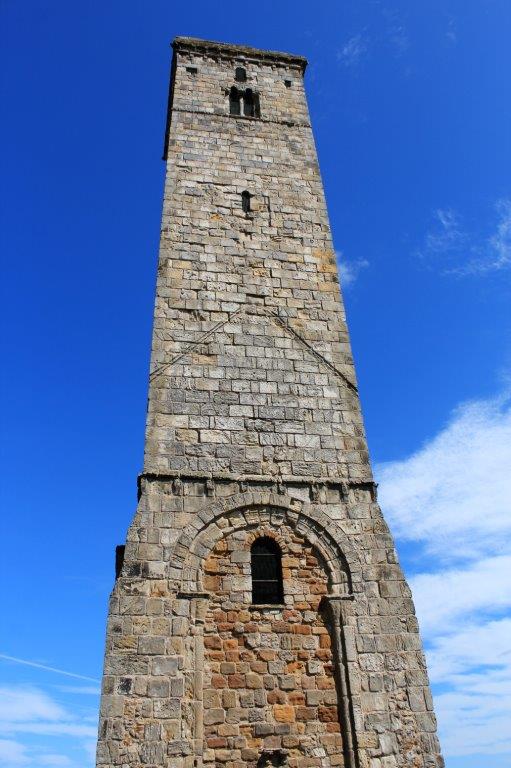
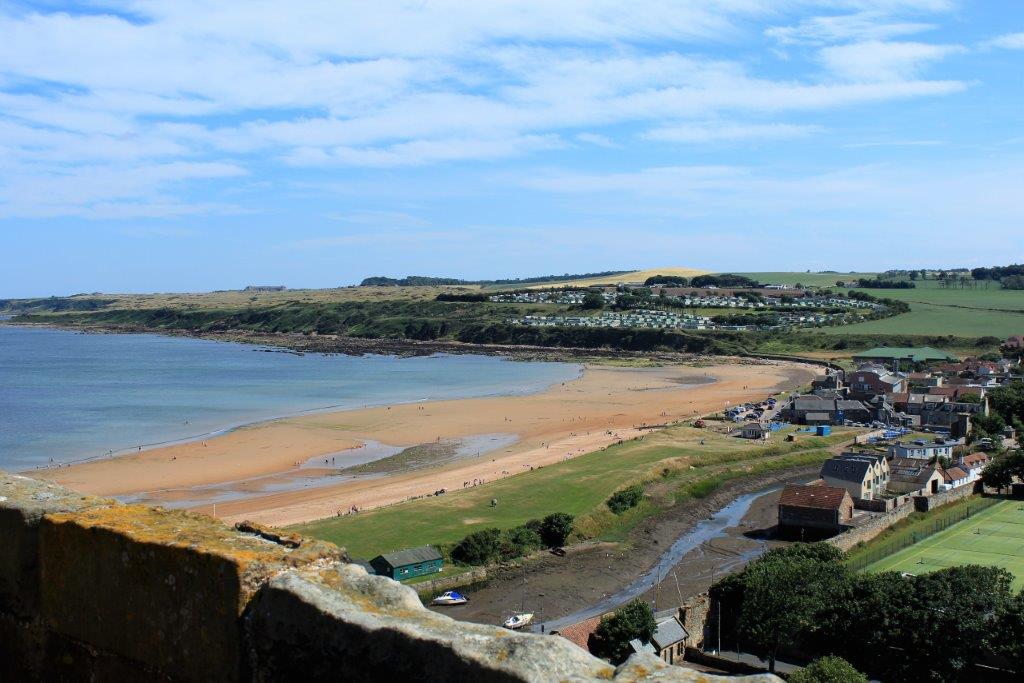
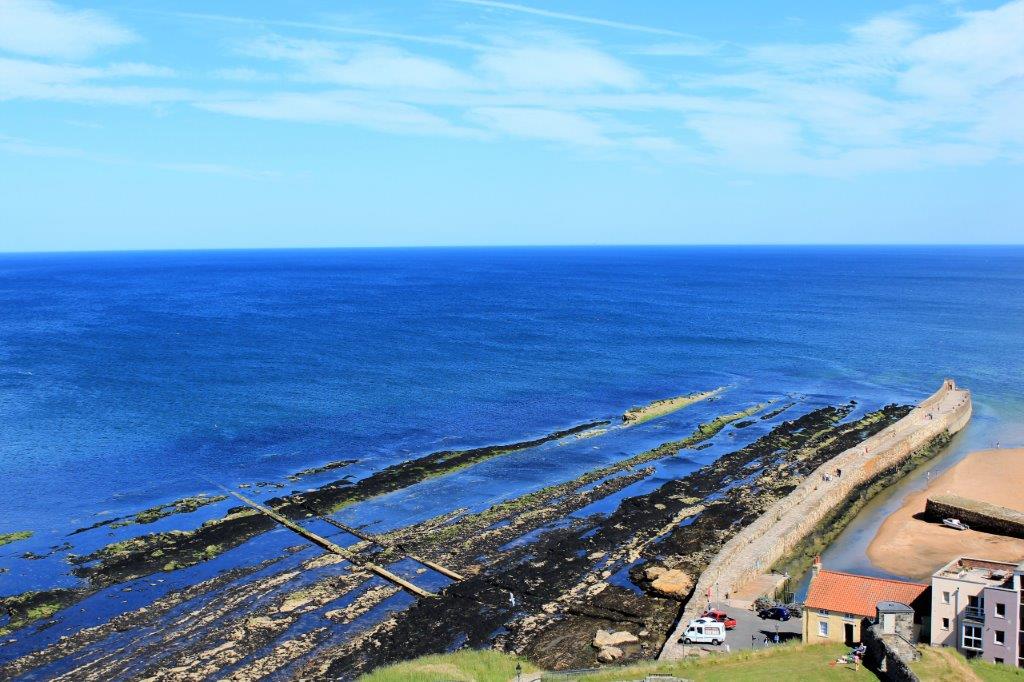
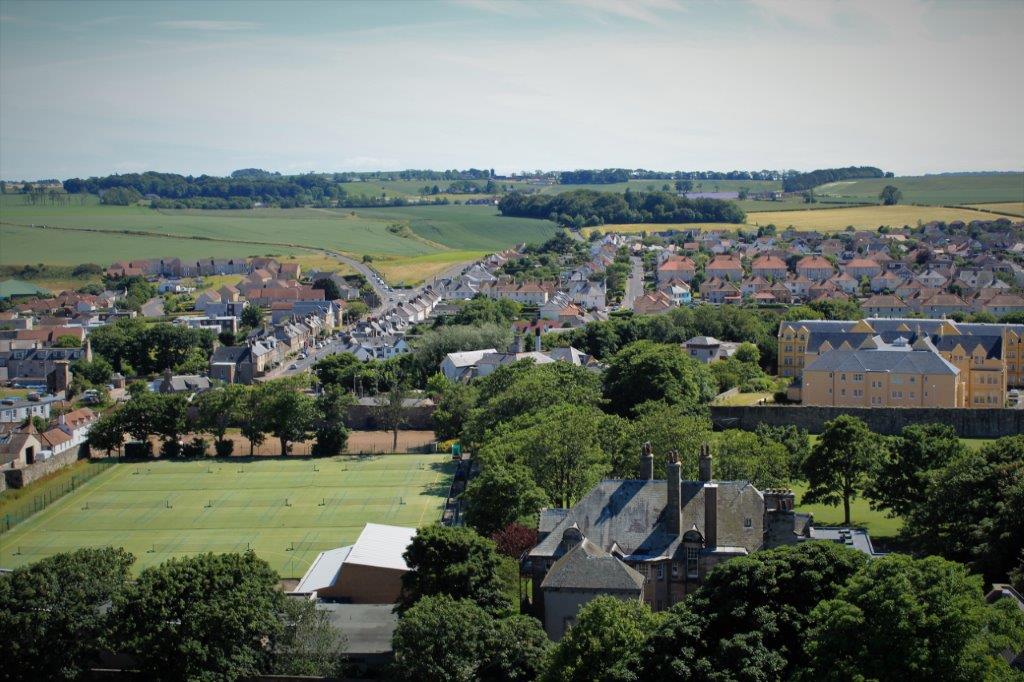
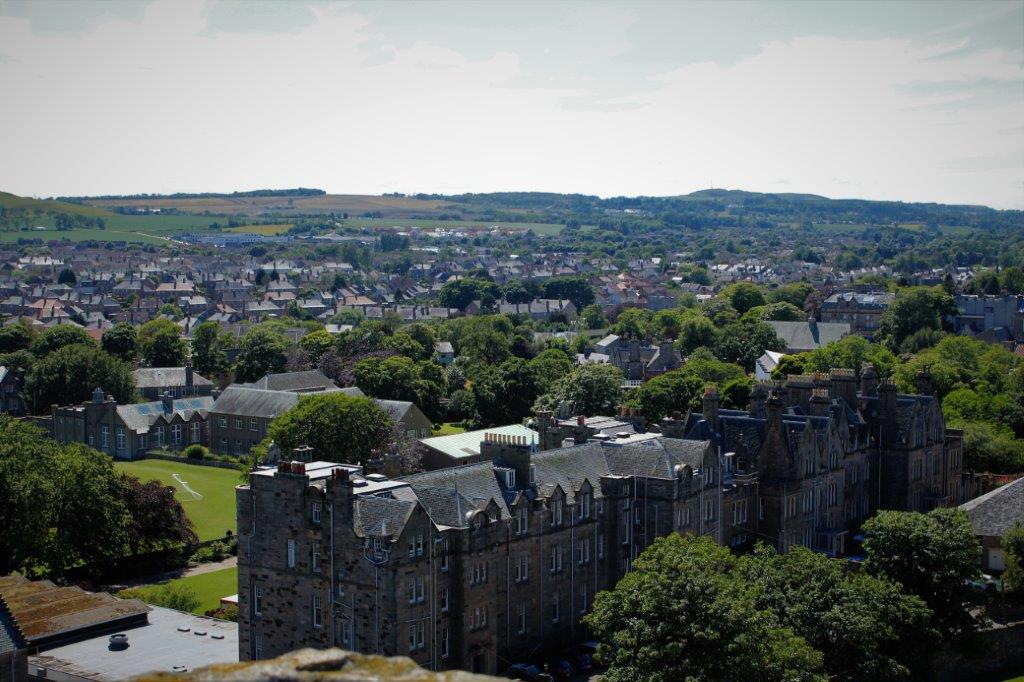
You can climb to the top of the tower.  The entrance is very narrow and opens immediately to a tight spiral staircase to the top.  When we came back down a family was arriving and a couple of the kids came in before I had a chance to get out.  It was a bit of a tight dance on the steps to get past each other.  The views from the top were spectacular.

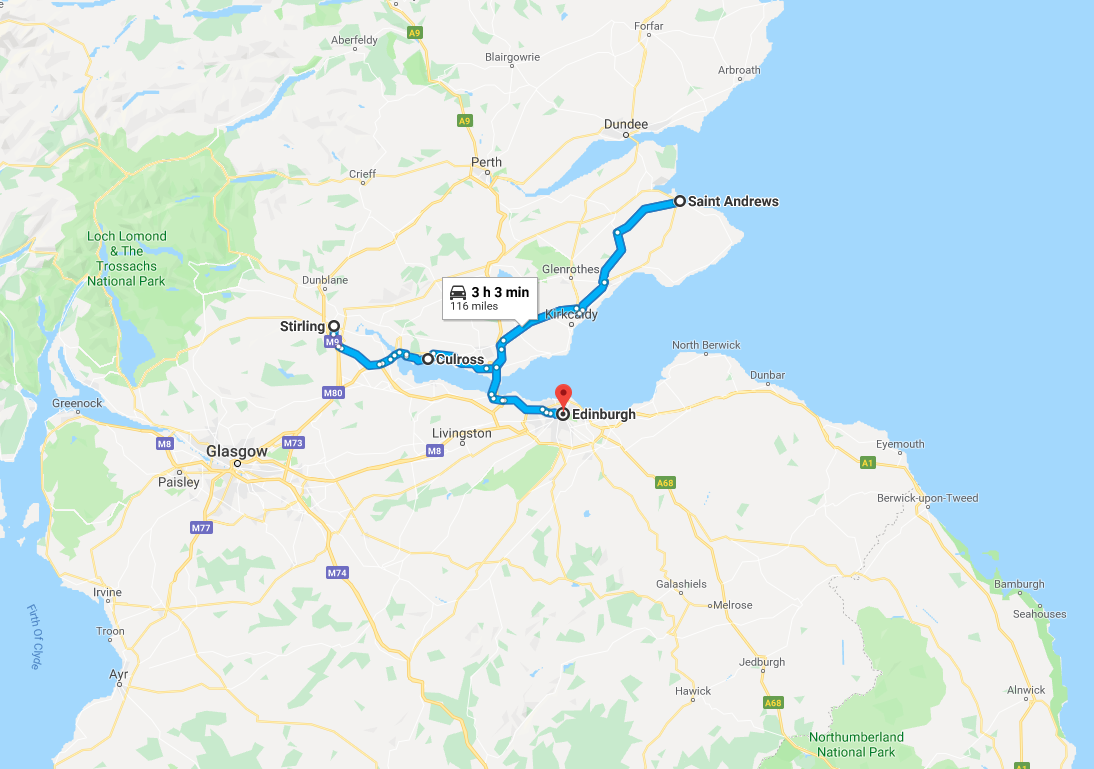
We left lovely St. Andrew’s at 3:30 and drove to Edinburgh.  We had rented an apartment at the Edinburgh City Pads for the few days before we moved to castle where the wedding would take place.

Once we had located our lodging and checked in we took a short walk around the area before finding some dinner and getting settled.  We had arrived in Edinburgh a couple of days before we had to meet our son’s and daughter’s flights from Dubai and British Columbia.  We wanted to have  bit of time to explore the city before the wedding festivities began.

2013 Summer (Baltic and Britain – Scotland – July 15 – Day 22 – Part 2)

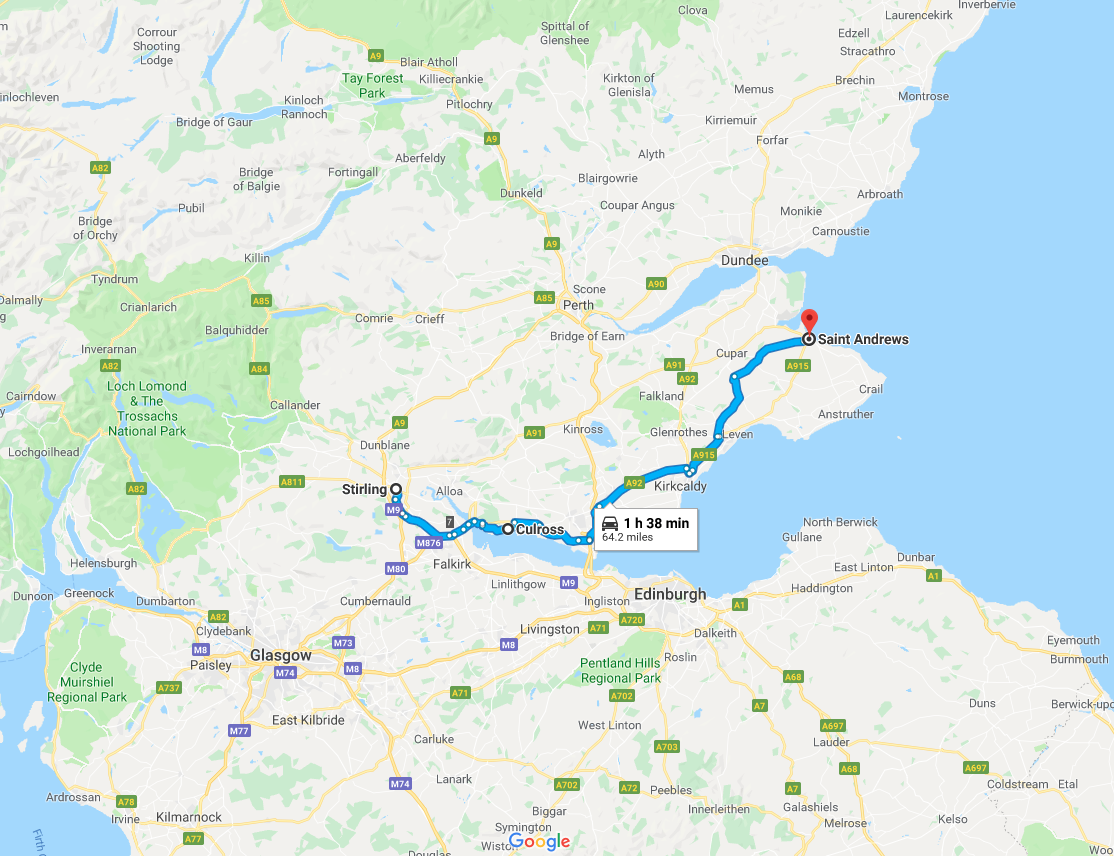
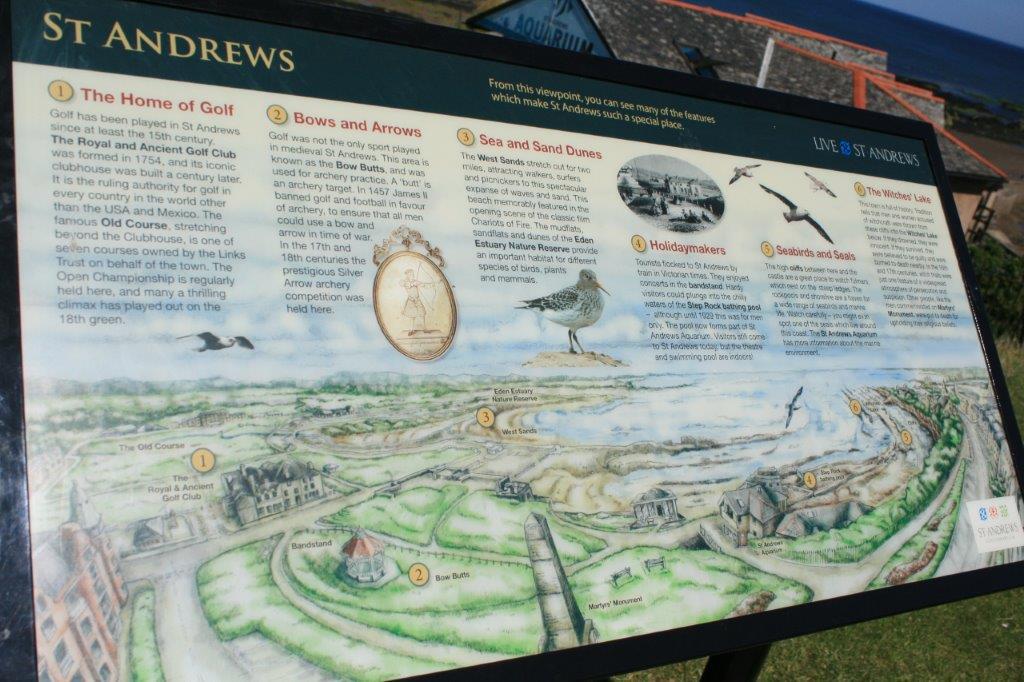
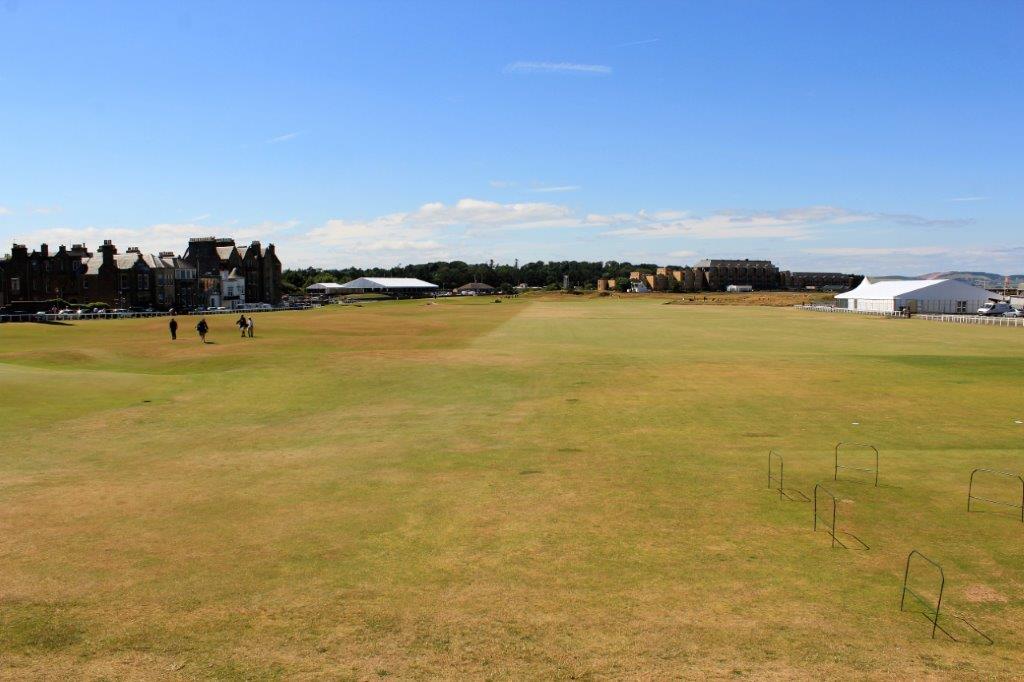
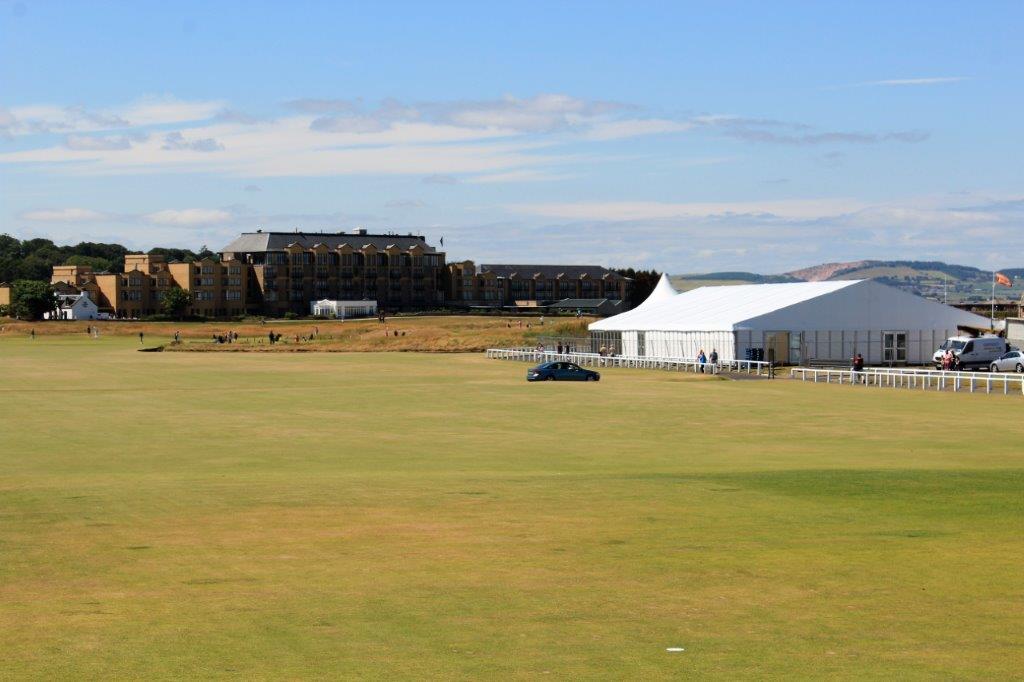
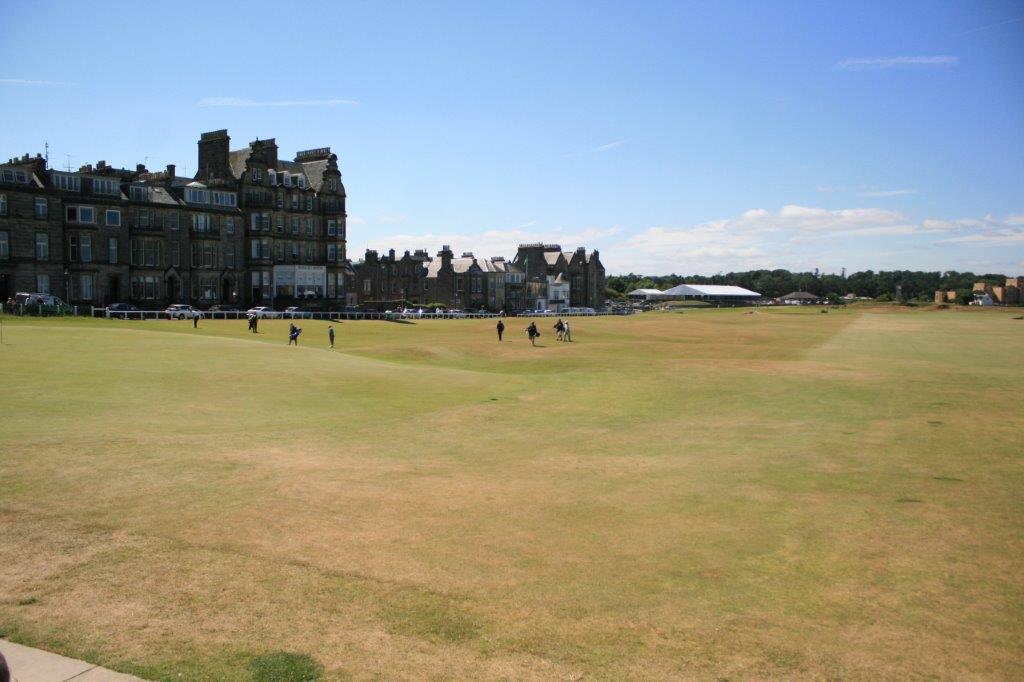
The drive from Culross to St. Andrew’s took about an hour and a half.  It was a lovely sunny day as well which just made the day better.St. Andrew’s is synonymous with golf.  For many it is THE top bucket list course to play.  Golf was invented on the eastern coast of Scotland in the county of Fife in the late 15th century.  Players would hit a pebble around a natural course of sand dunes, rabbit runs and tracks using a stick or primitive club.

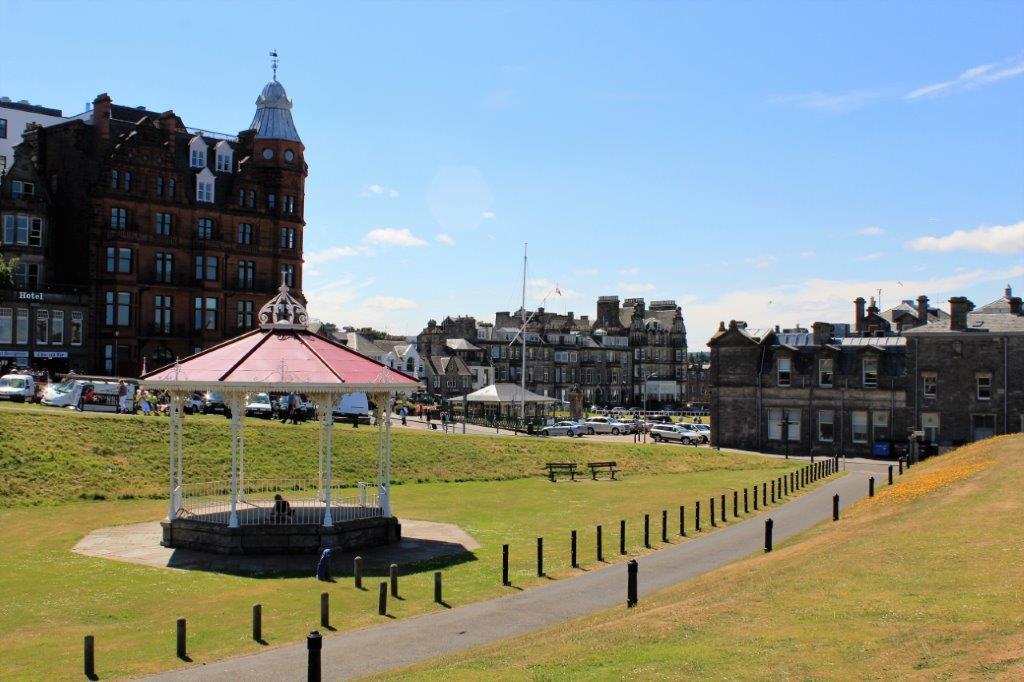
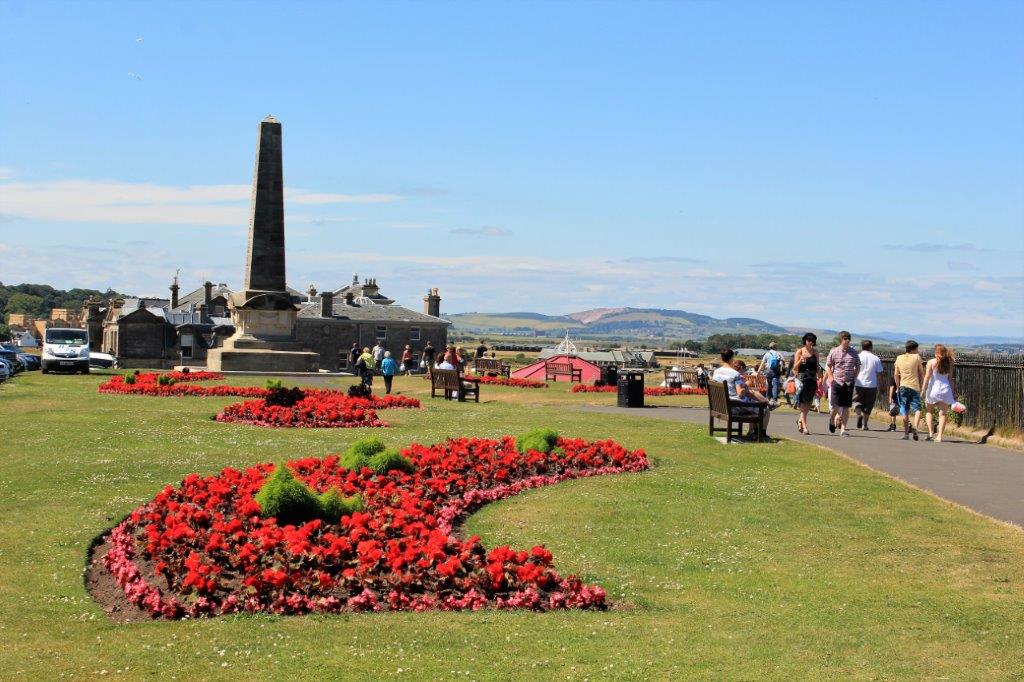
We don’t golf.  John will play once in awhile, but I gave it up for my health.  I generally threw the club in frustration further than I ever hit the ball, so I decided I don’t need to pay to raise my blood pressure doing something I don’t enjoy. The first tee had a road running through it so there is a Course Marshall to halt play when a car needs to go through. Thankfully there is much more to St. Andrew’s than just golfing.  There is a fine university, a castle, and the ruins of a great cathedral.  St. Andrew’s is also a summer playground with a long sandy beach.