All posts by jj1951

My husband and I retired in 2007 and decided to spend the kid's inheritance by travelling as much as we could until either the money or our health runs out. So far so good.

2009 World Cruise – Mar 8 – Day 62 – China Overland – Forbidden City

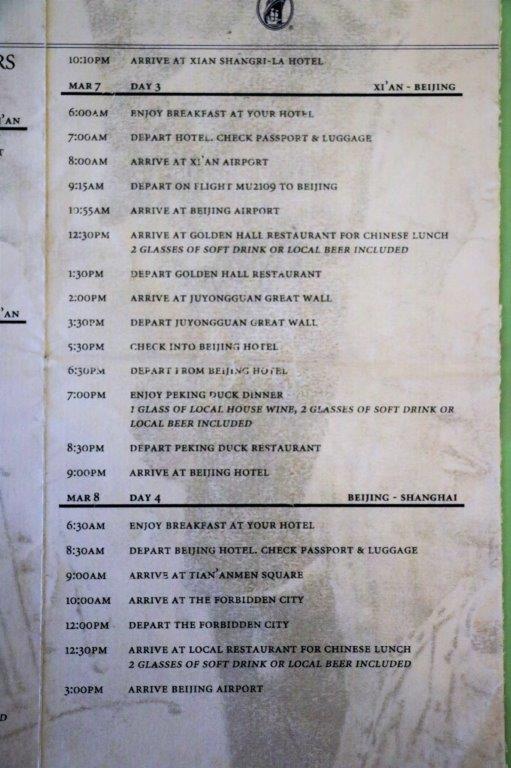
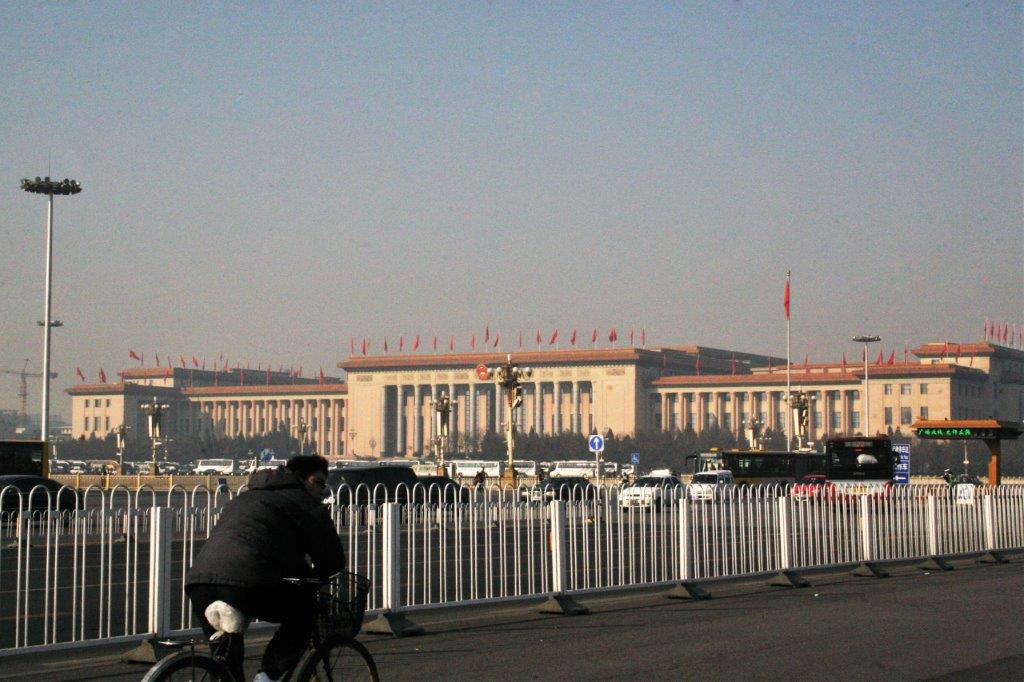
2009 World Cruise – After breakfast we checked out of the hotel and our luggage was taken to the airport.  We were supposed to walk through Tian’amnen Square but Lin, our guide, told us that due to the leadership conference taking place the square was cordoned off to visitors.
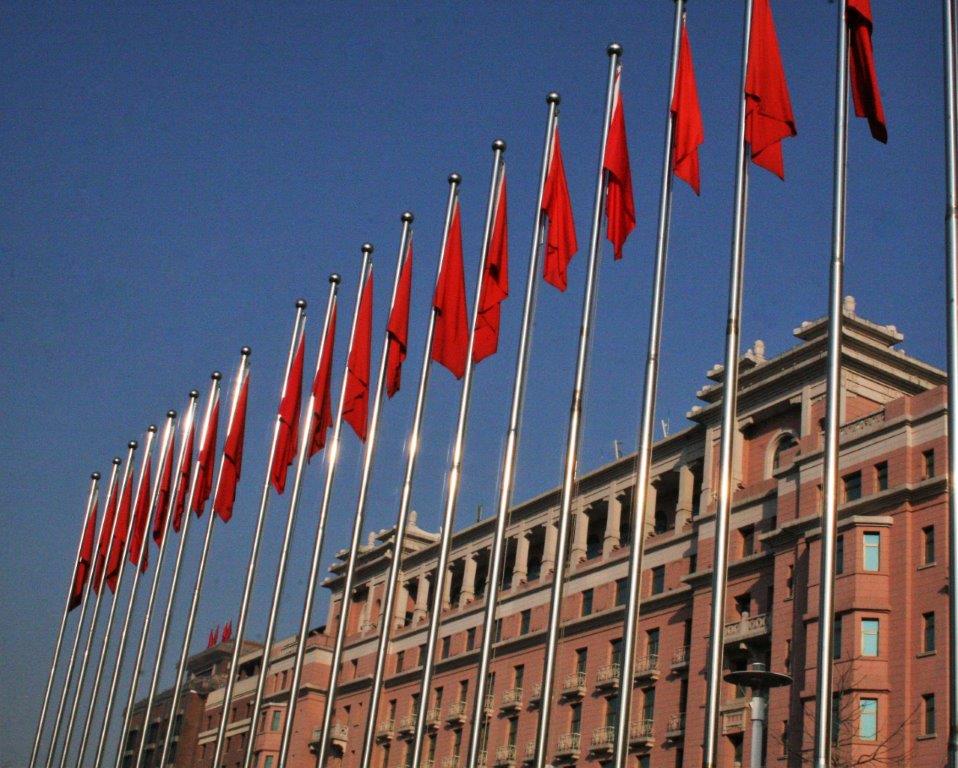
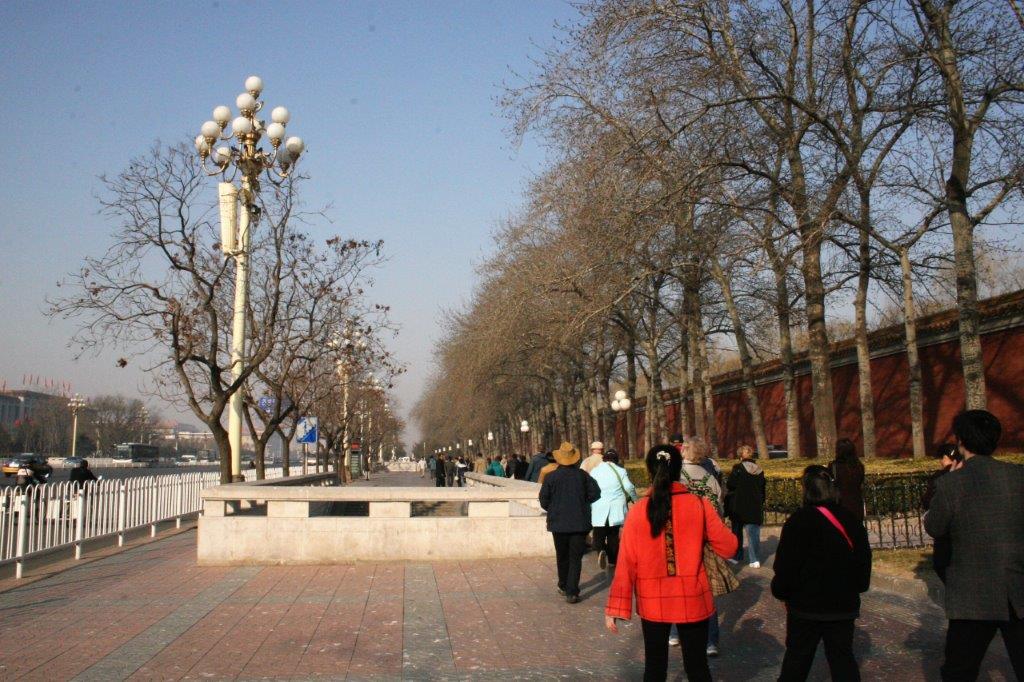
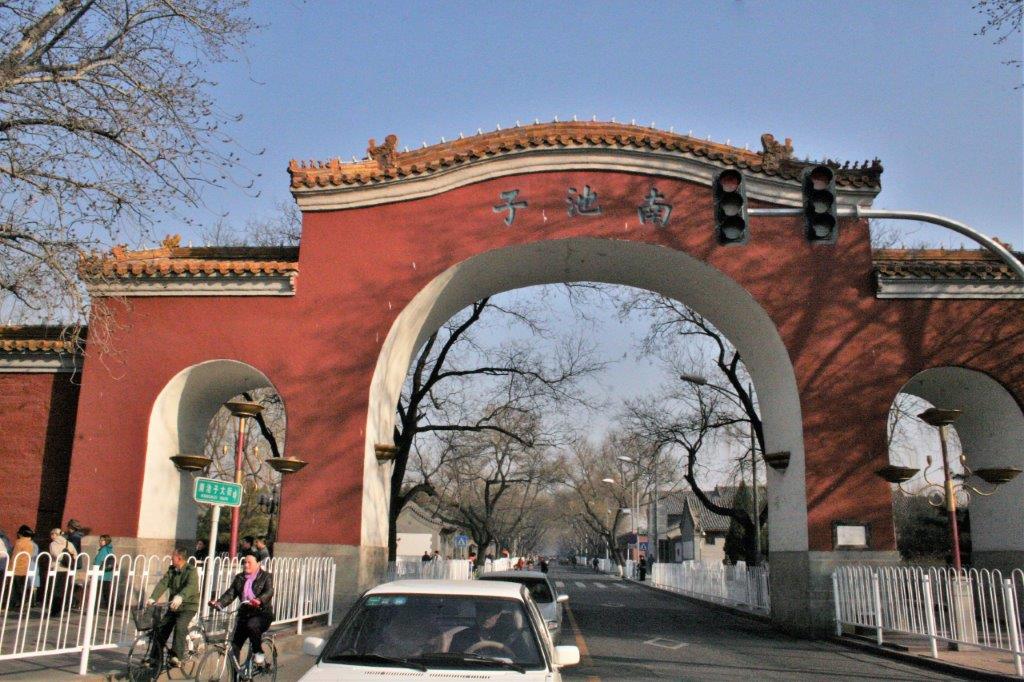
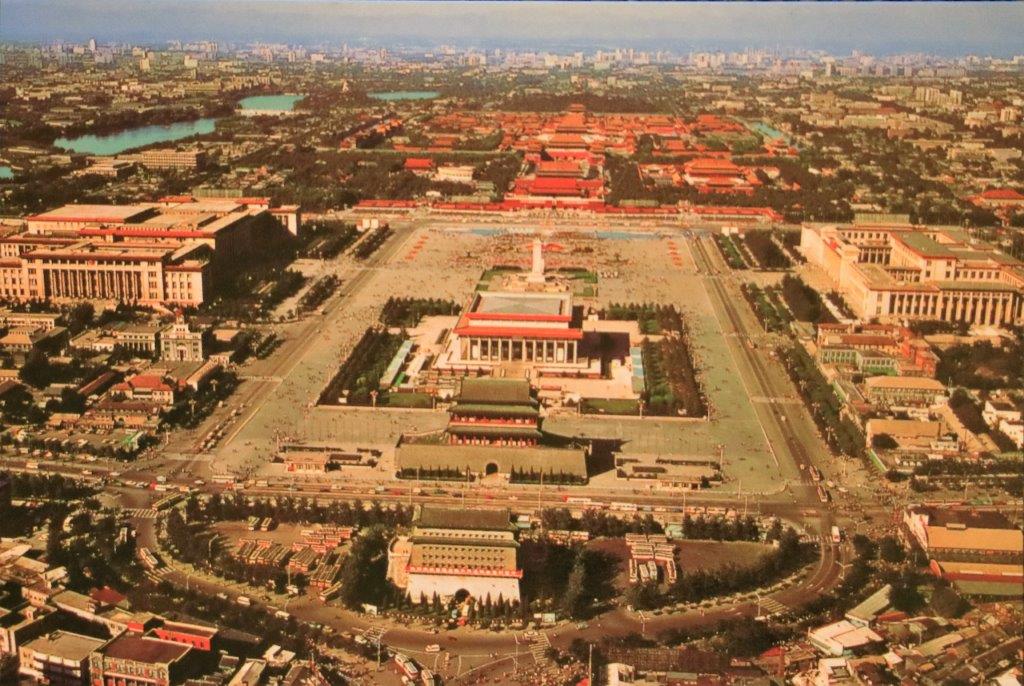
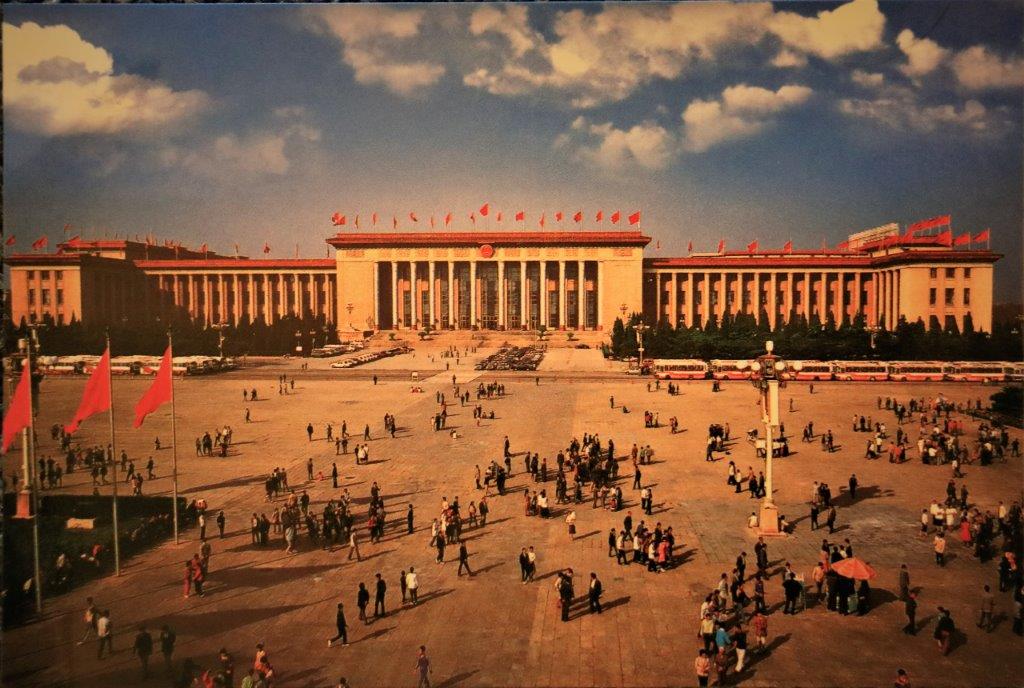
img_5832_edited-1 img_5834 img_5835As we walked to the Forbidden City we passed the massive square (109 acres – one of the top ten largest city squares in the world) that is home to Chairman Mao’s Mausoleum, The Great Hall of the People, the National Museum of China and the Monument to the Peoples Heroes.  Tian’amnen Square sits in the center of Beijing.img_5842The Square takes its name from the Tian’amnen Gate (Gate of Heavenly Peace) that was built at the northern end of the Imperial City in 1415 during the Ming Dynasty.  The original gate was virtually destroyed during an uprising (and re-built) and when the square was created in 1615 it took on the name.
One of the things I have learned to do is buy postcards.  Sometimes you just can’t get a photo of something.  Sometimes it is too big or you need to have a different angle.  You can usually find a postcard that fits the bill.  These are two I bought that show Tian’amnen Square with the Tian’amnen Gate and the Forbidden City at the top end.
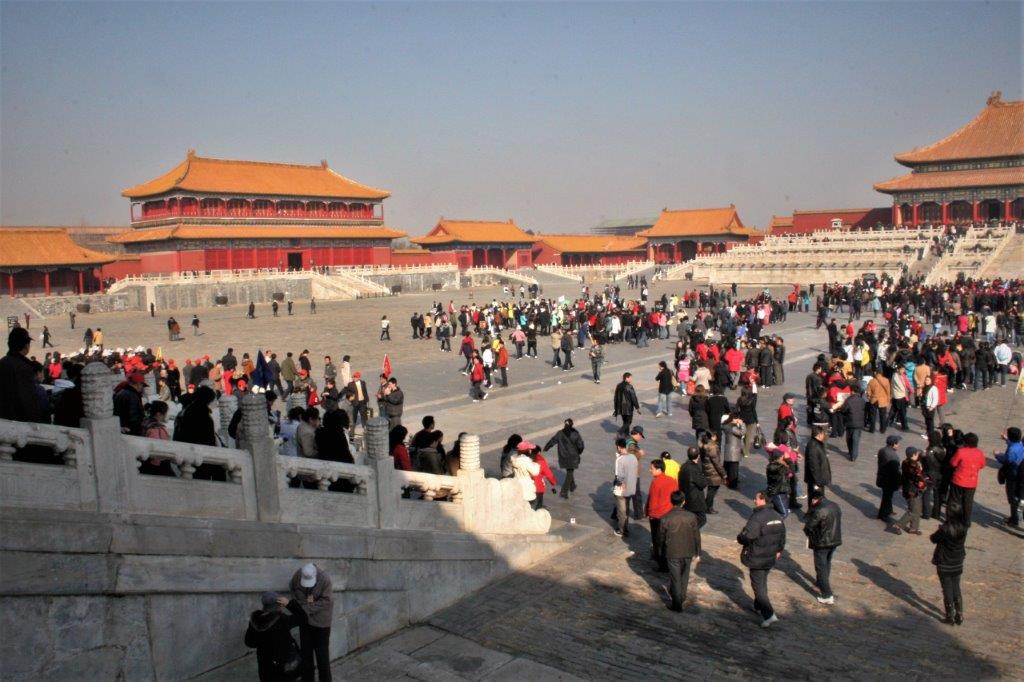
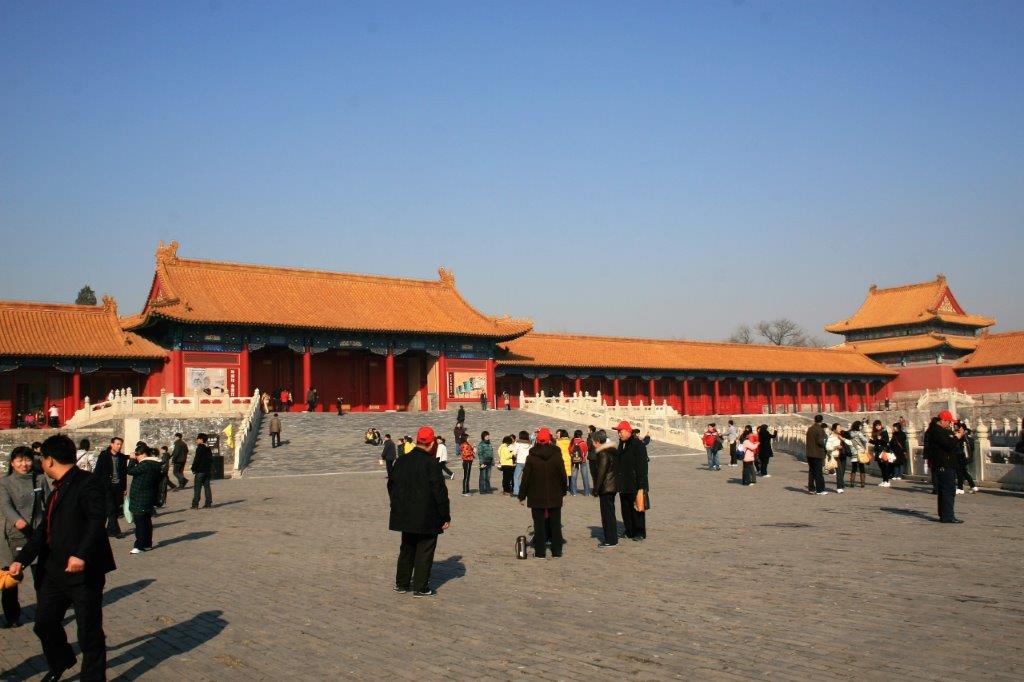
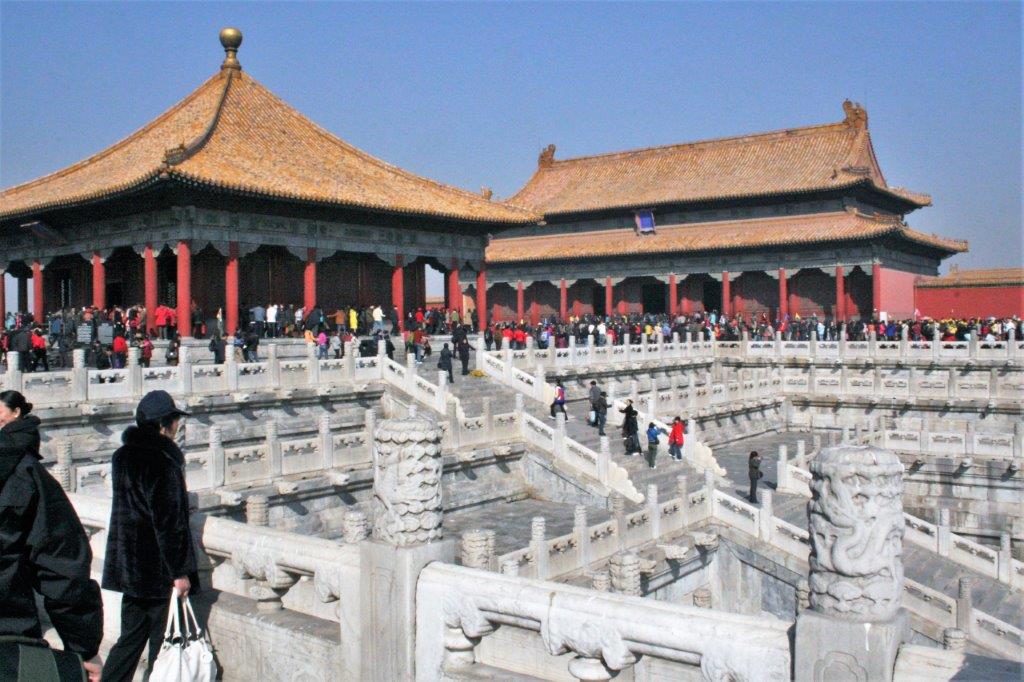
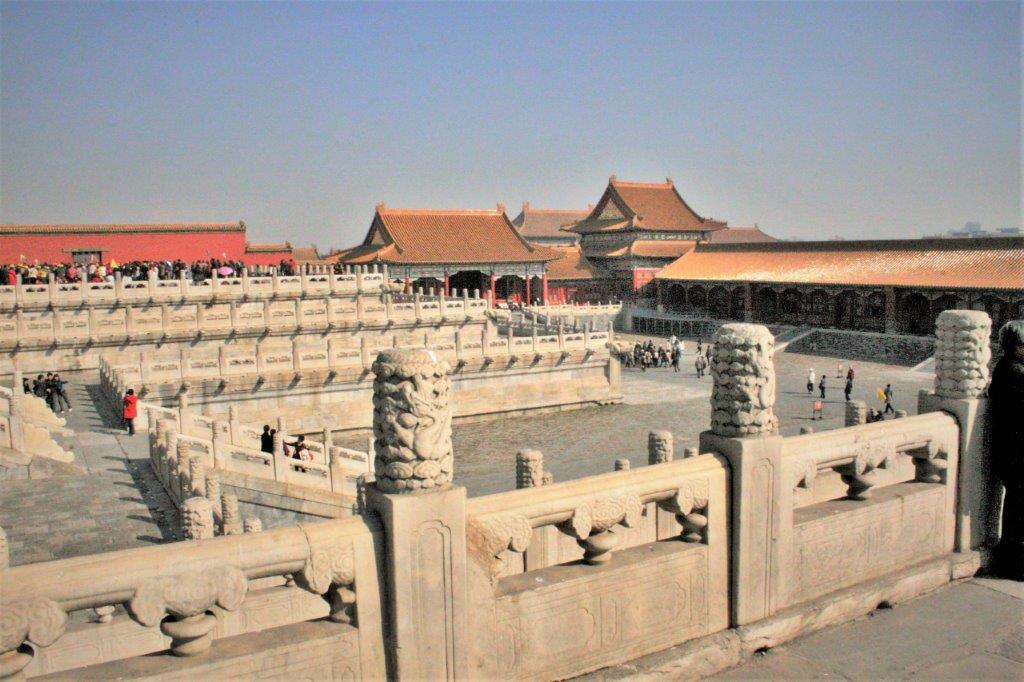
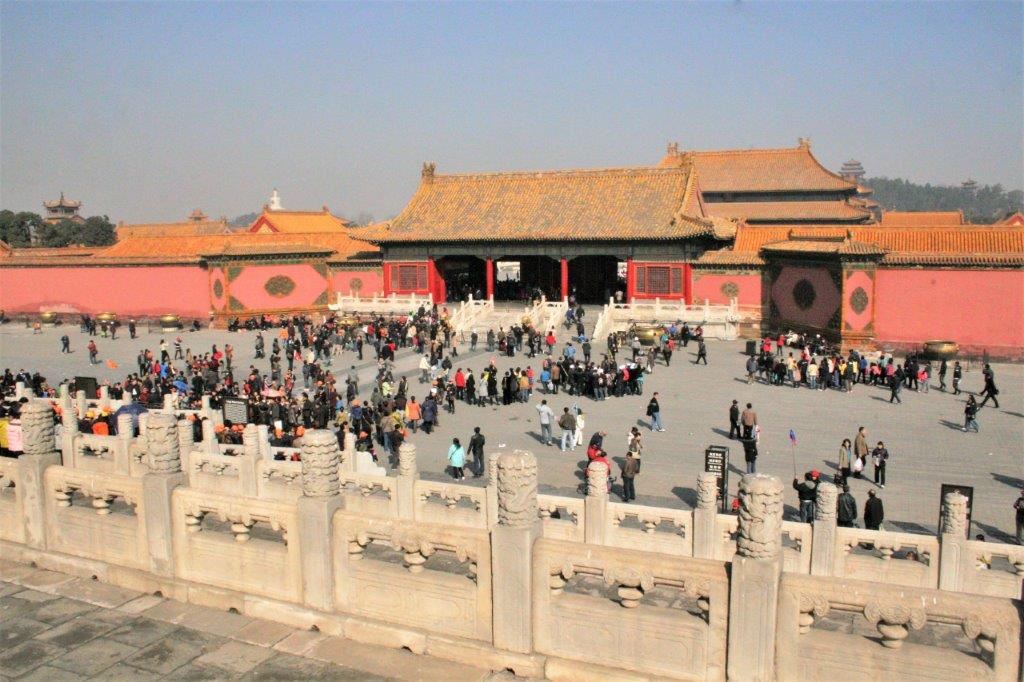
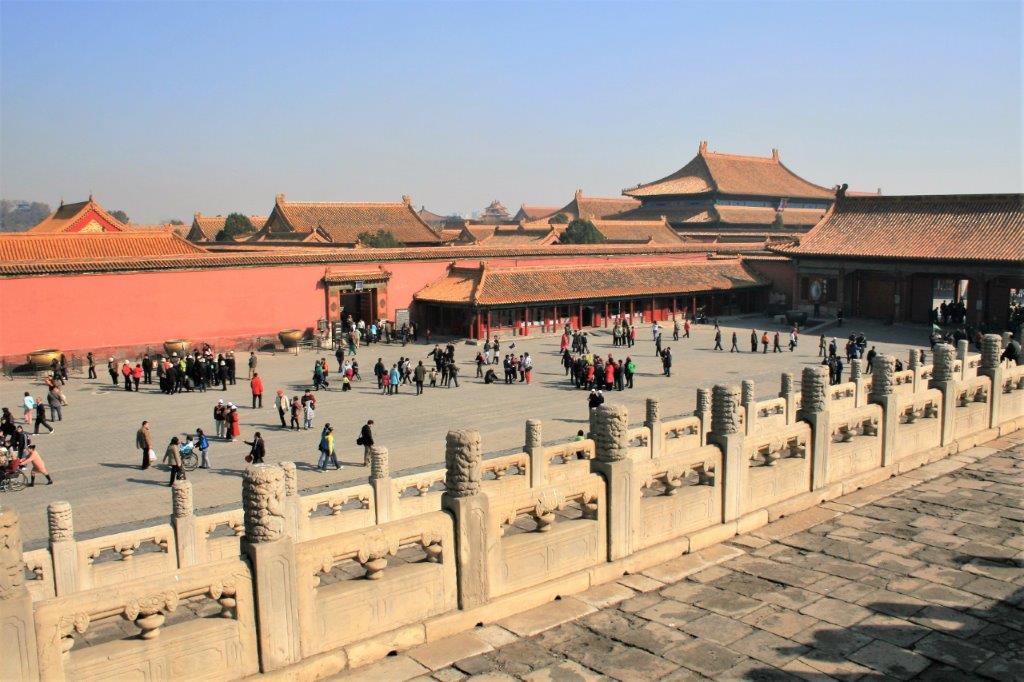
img_6990 img_6993Thankfully at the Imperial City (aka Forbidden City) – now known as the Palace Museum – there were wheelchairs available for rent.  Lin strongly encouraged our five slower folks to avail themselves of them as it was going to be a long, long walk.  It took over 2 1/2 hours to walk through the middle!  We did not enter any of the buildings but could meander over the various courtyards and terraces.

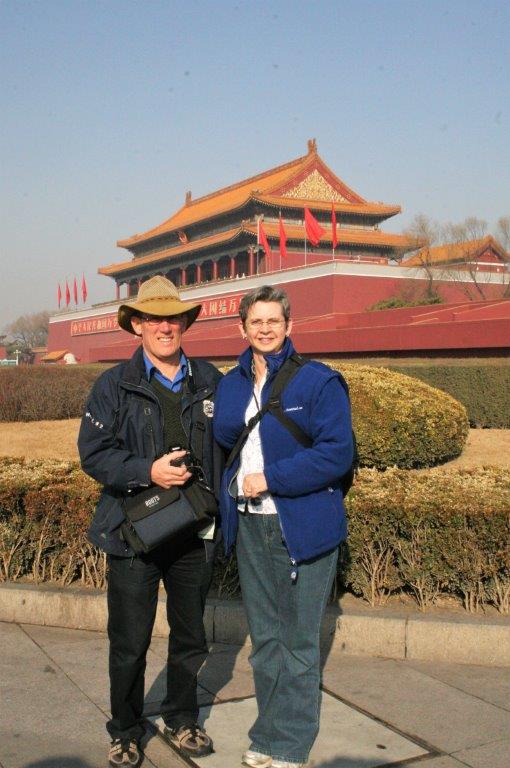
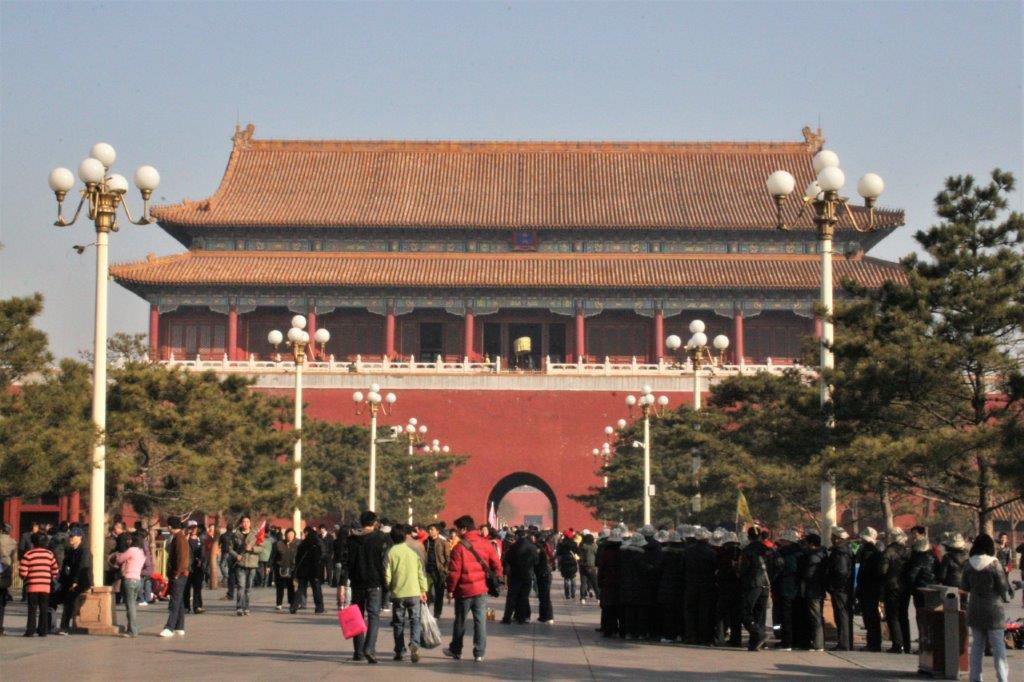
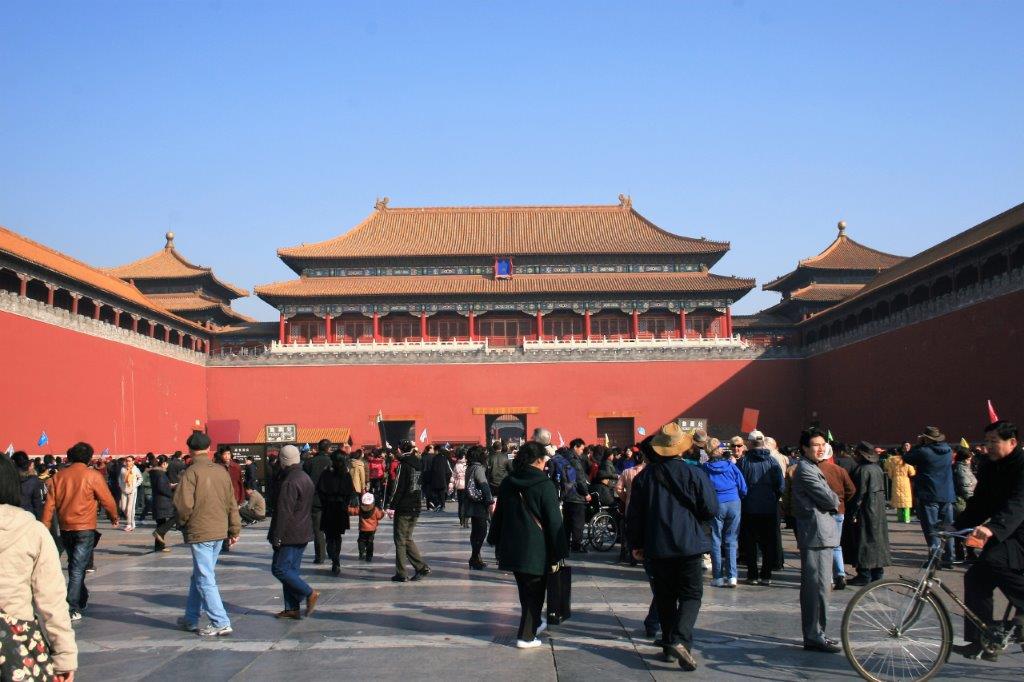
We paused for a photo just outside.  The crowds were horrendous.  There were dozens of different tours gathering to go inside.  In order to keep track of the people many of the tours had each member wear a similar hat which made it easier for the guides to find strays.  We had Harold from Melbourne, Australia.  He is very tall. Lin is short.  So when she wanted her group to gather together Harold would hold up our HAL tour sign and wave it.  No matter where we where we could spot it easily.img_5845 img_5849_edited-1 img_5858img_5861        (Note the group on the right all wearing the same grey hat.)

I climbed up a couple of steps to a take a photo and when I looked around my group had completely disappeared!  I couldn’t see any of them anywhere.  I was just beginning to worry that they had entered the Imperial City without me when I spied them a little further down the street.  Whew!  Seriously, with the crush of people gathered at the entrance I would have been in serious trouble trying to find them again.

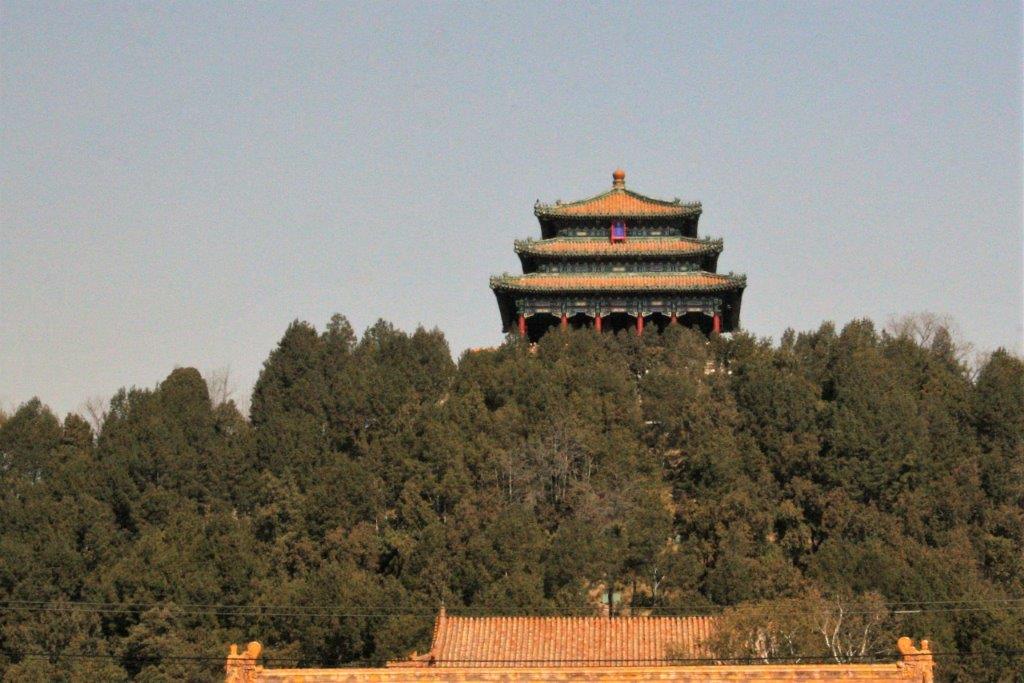
The Forbidden City was the Imperial Palace of the Ming (1368-1644) Dynasty (14 emperors) and the Qing (1644-1911) Dynasty (10 emperors).  The palace building complex begins at Tian’amnen (Gate of Heavenly Peace,) centers on the Outer Court, and ends at the Jingshan Hill.  Within the palace there are reputed to be 9,999 rooms and halls (some say the accurate figure is 8,886) in a total building space of 150,000 square meters covering an area of 720,000 square meters (180 acres).  To build such a large ‘city’ within the city, the Ming Dynasty used the entire country’s manpower and material resources.  A hundred thousand artisans and a million workmen were conscripted for the project and materials were gathered from everywhere in the country.  It was built in just 14 years (1406-1420).
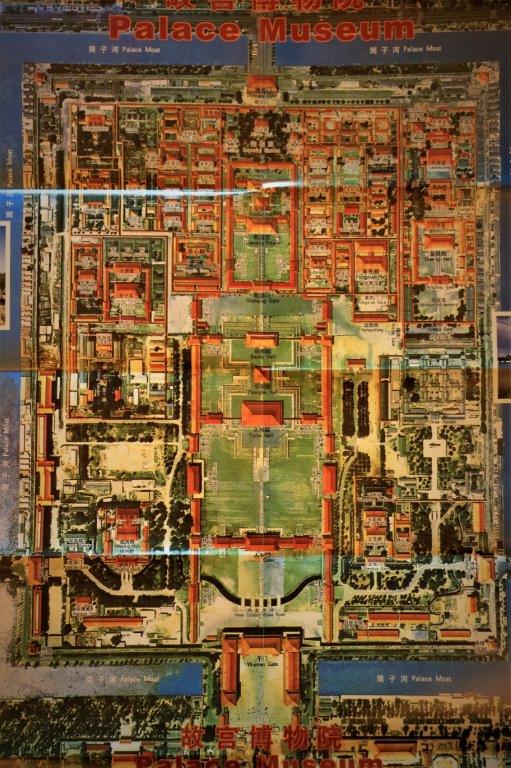
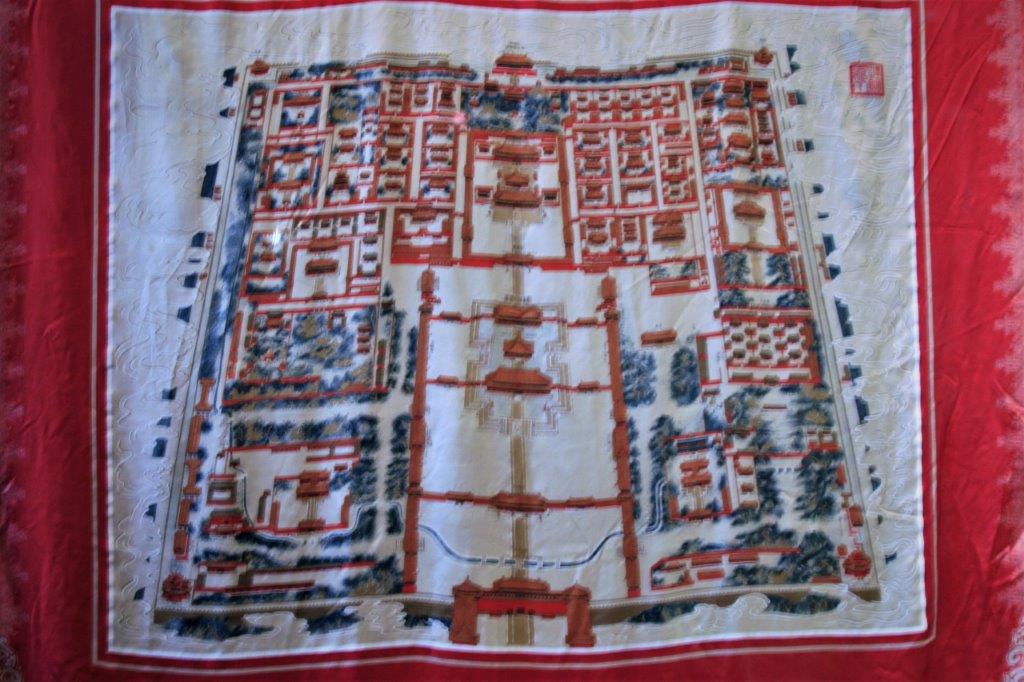
img_6985This is a photo of the brochure we were given.  All of the red rectangles are the roofs of buildings. The entire complex is surrounded by a 10-meter-high (over 30′) and 3.4 kilometer-long city wall.  Outside the wall is a 52-meter-wide (171′) and 3.8 kilometer-long (2.3 miles) moat which is 6 meters (20′) deep and has water in it all year round.

If you look at this image full screen you can see that the green area through the middle (where we walked) is a very small portion of the whole complex.  The majority of the rooms and buildings were behind the central courtyard walls.

The palace is built along the central axis of Beijing  and runs 961 meters (3,153′) north to south and 753 meters (2470′) east to west. In 1987 it became a UNESCO World Heritage Site, listed as the largest collection of preserved ancient wooden buildings in the world.

The Imperial City was the formal seat of government in the land.  It was the home of the emperor, his family, about 3,000 concubines, and their servants.  The complex was the political and ritual center of China for over 500 years.

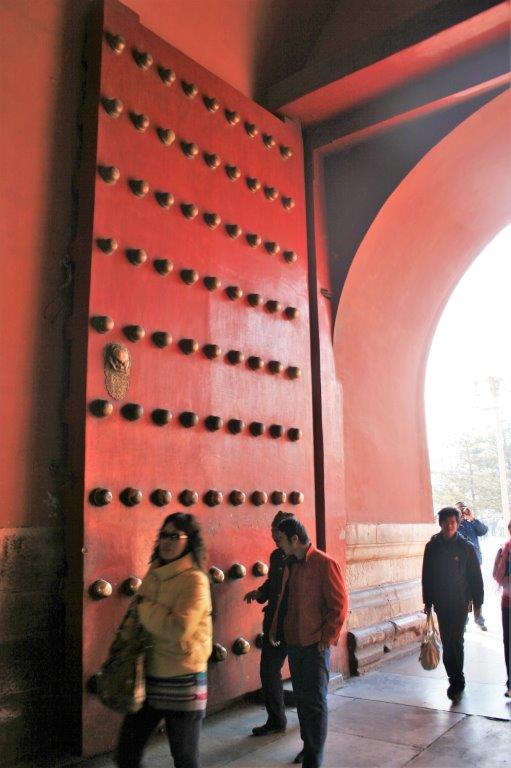
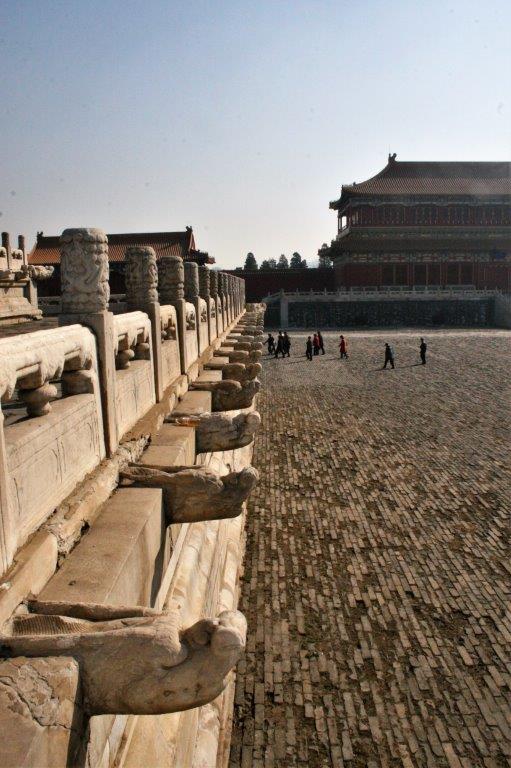
We crossed the bridge over the moat and walked through the tunnel in the wall.  The palace wall is 7.9 meters (26′) tall and over 8 meters (28′) wide at the base and 6.66 meters (21.9′) wide at the top.  Wide enough that horses could be ridden around it.img_5862 img_5866It was weird how, with all the groups within the grounds, you could take a photo that was almost devoid of people and then turn around and see a large crowd. img_5917img_5918
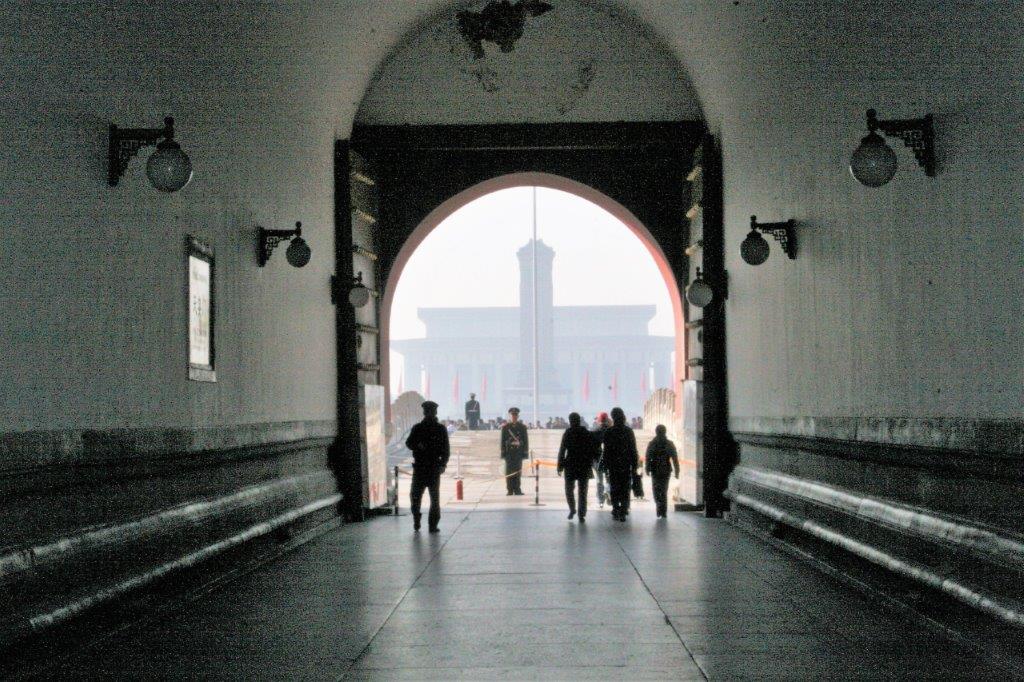
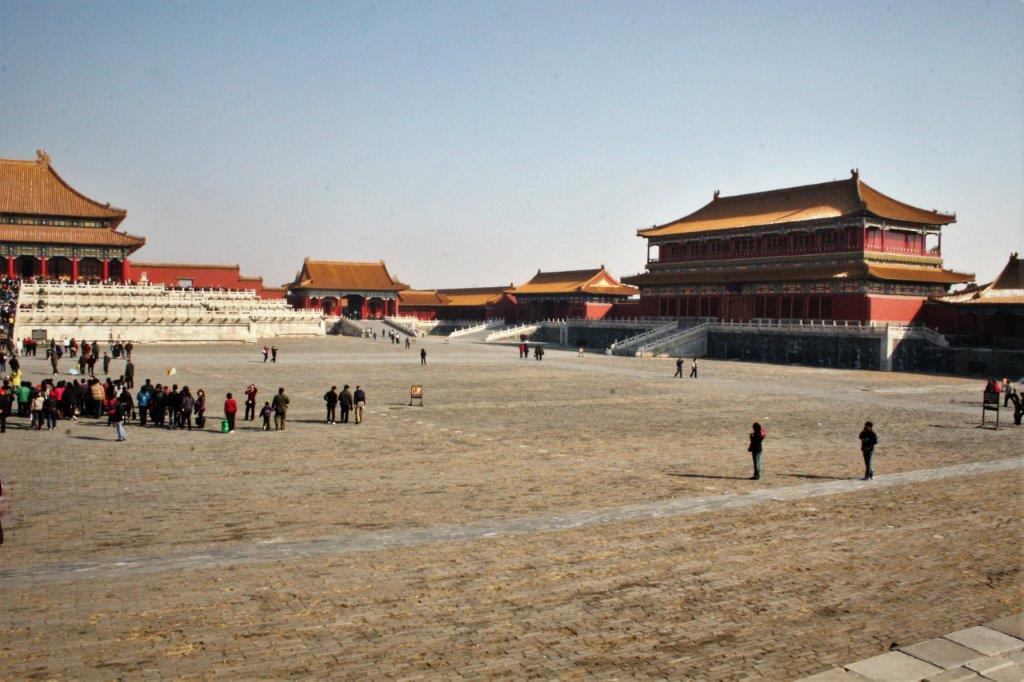
img_5932The paving stones are 15 layers deep to prevent access by tunneling.

Many of the tours included visits to some of the museum rooms but we didn’t have time for that (the crowds to see the Imperial Throne room were nuts.  I don’t think I would have ventured among them even if I had the chance.)
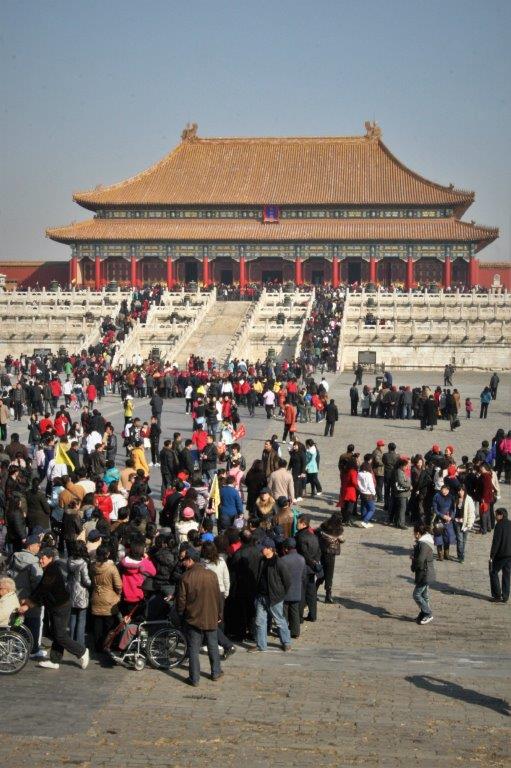
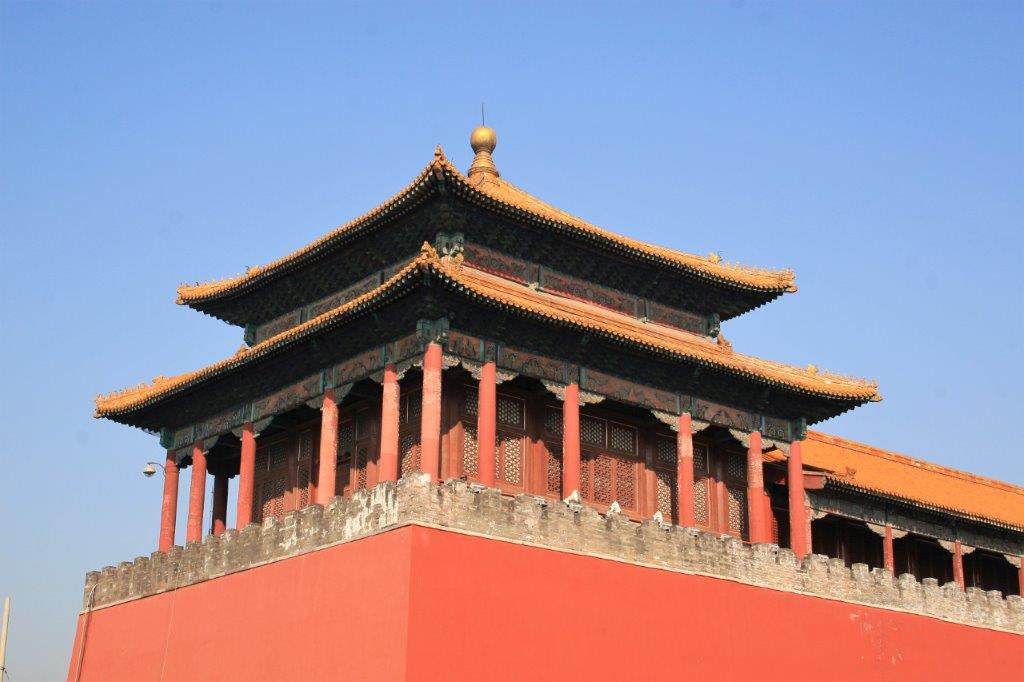
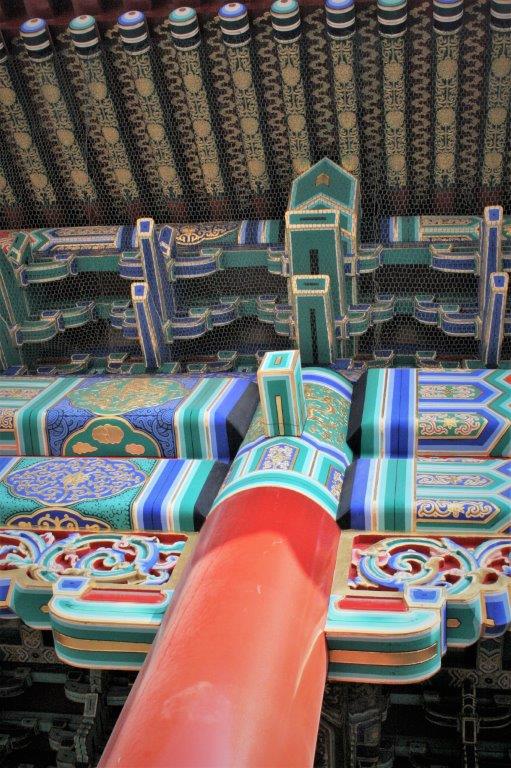
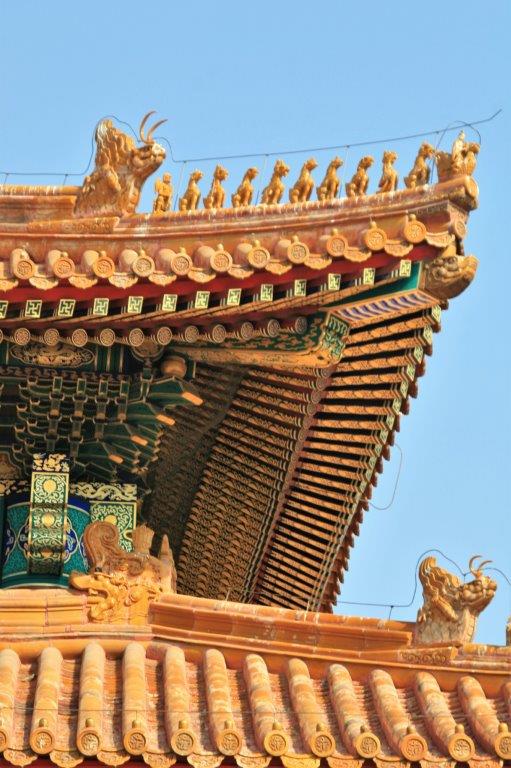
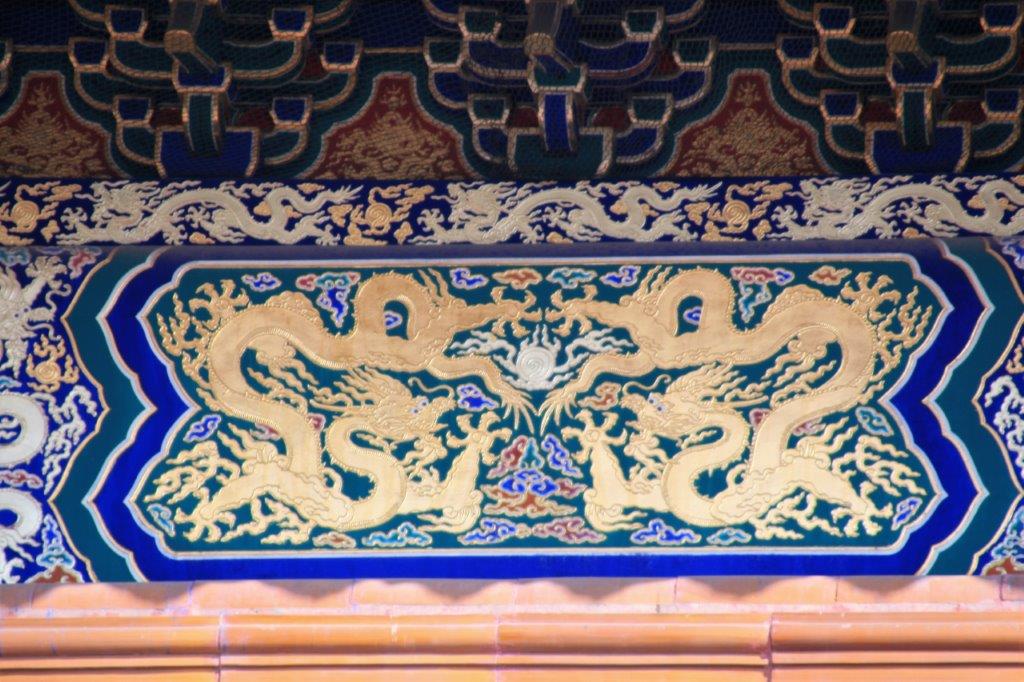
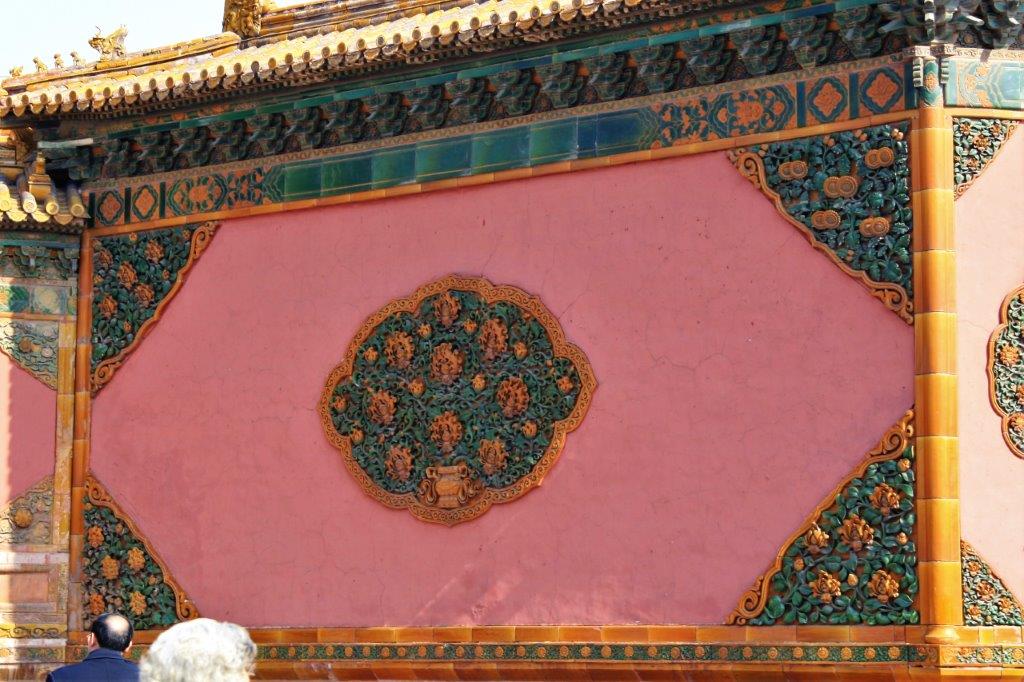
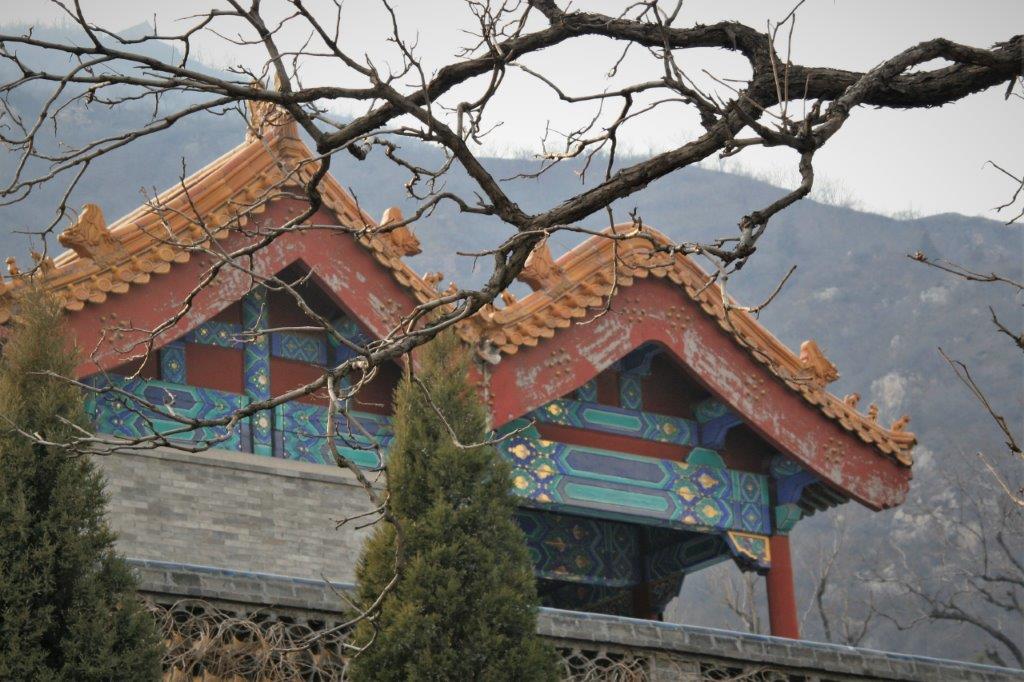
img_5919 img_5920 img_5937It took the remainder of our morning to walk the length of the Forbidden City. img_5872 img_5876 img_5877 img_5886 I loved the decorative features and colourful paint on the eaves and roof peaks.
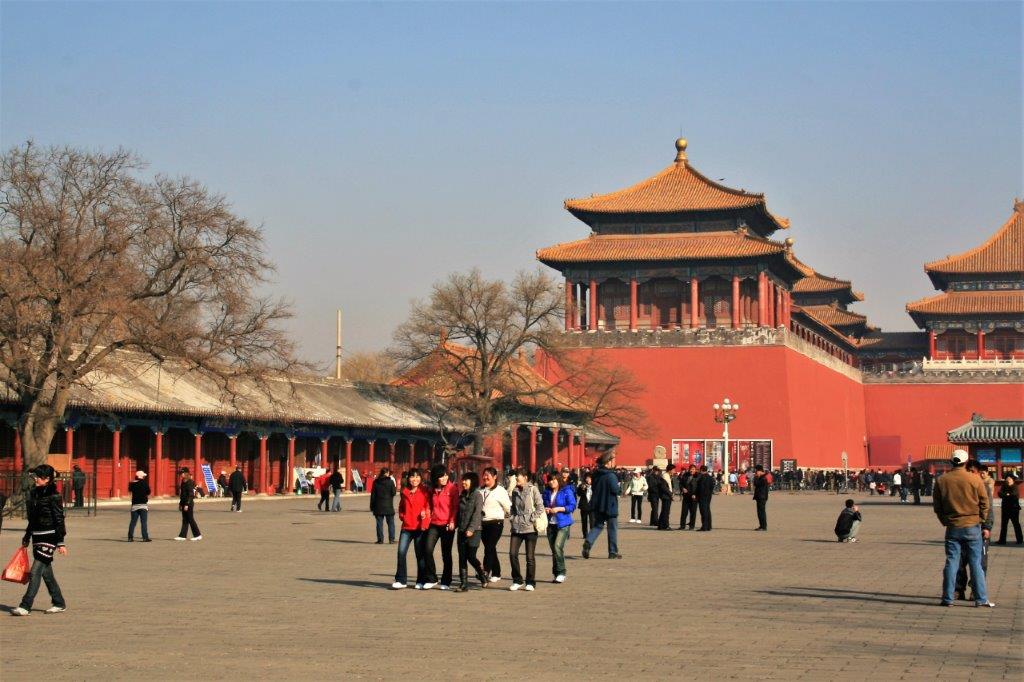
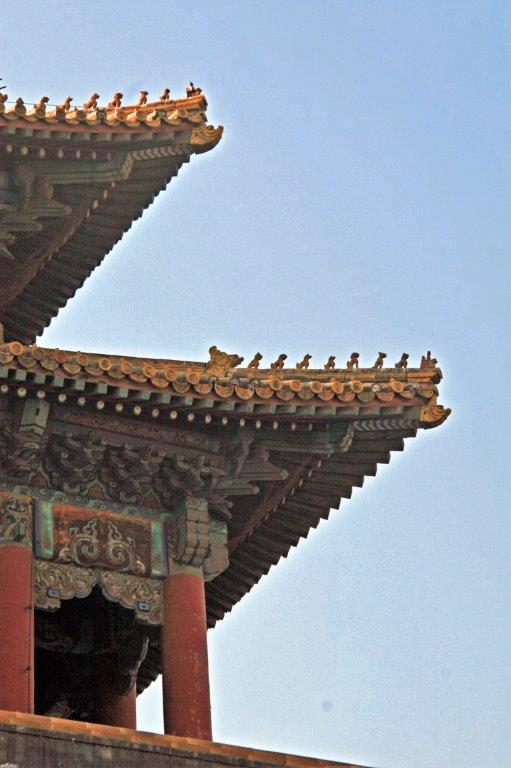
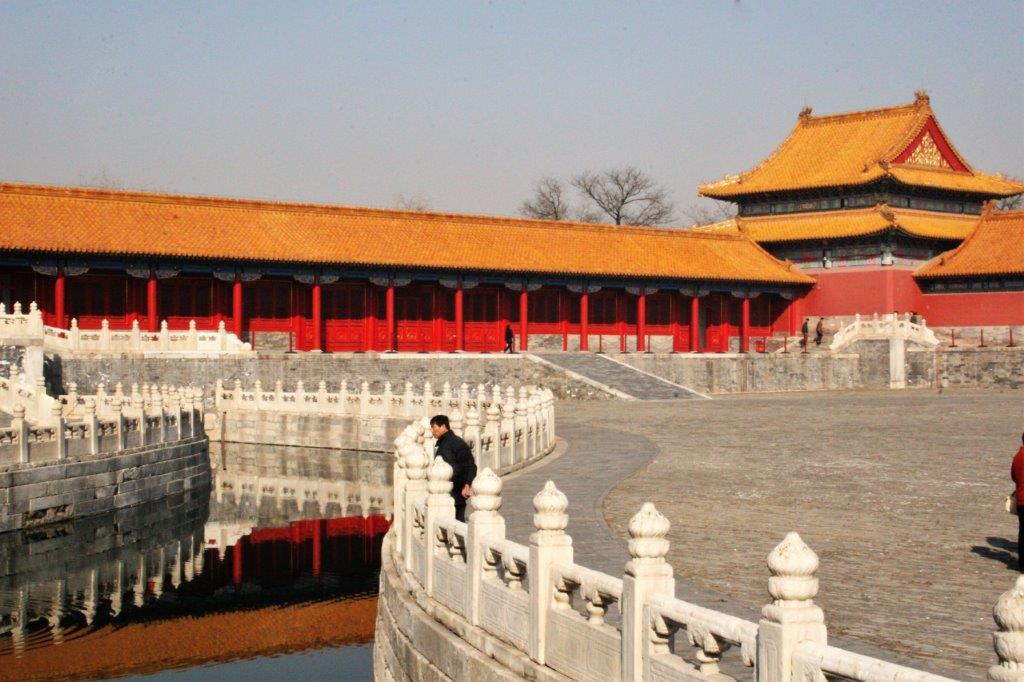
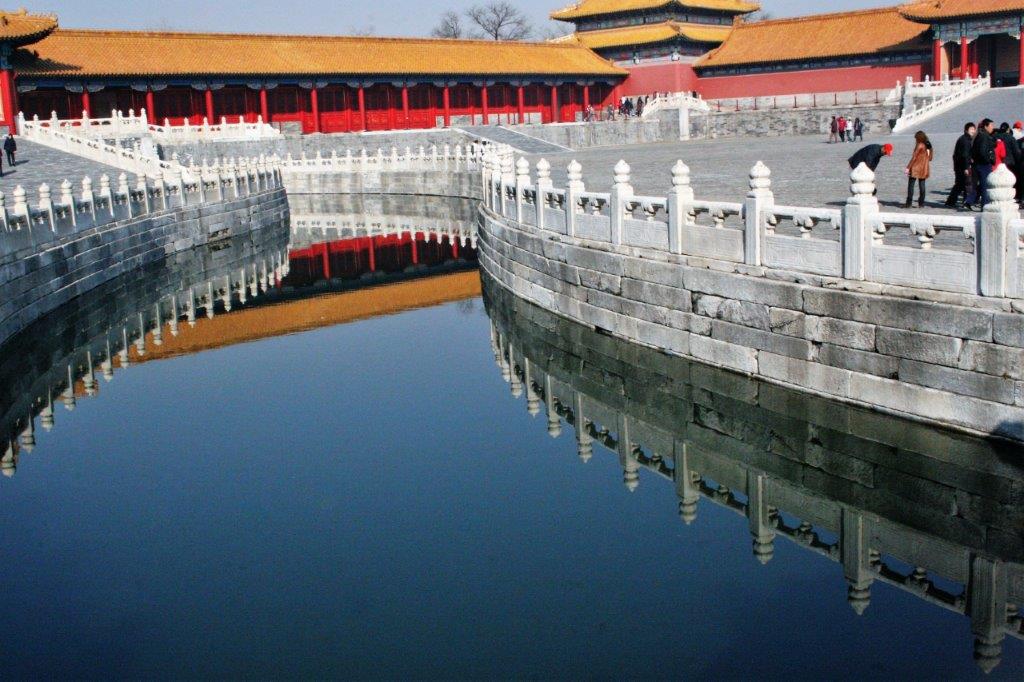
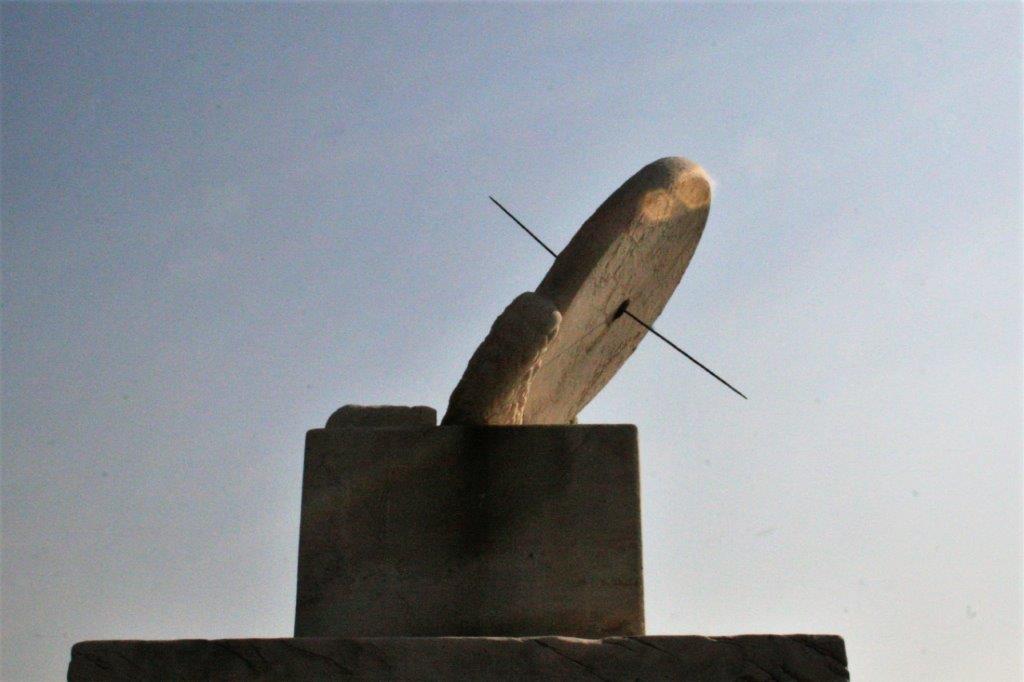
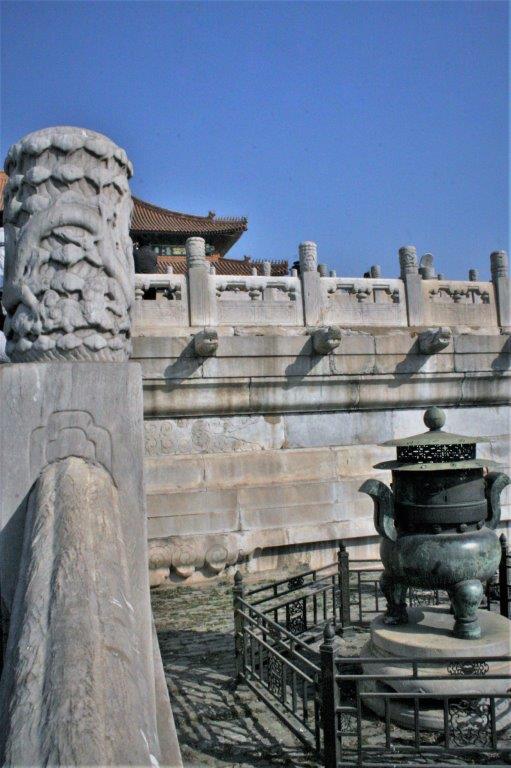
img_5895_edited-1 img_5915 img_5938img_5944img_5963img_5975And I loved the calm water and reflections in the Inner Golden Water River that meanders through the complex.  img_5901 img_5909 img_5910There multi-level terraces in front of many of the buildings.img_5936 img_5951 img_5954 img_5960 img_5962                                                This sun-dial was huge.

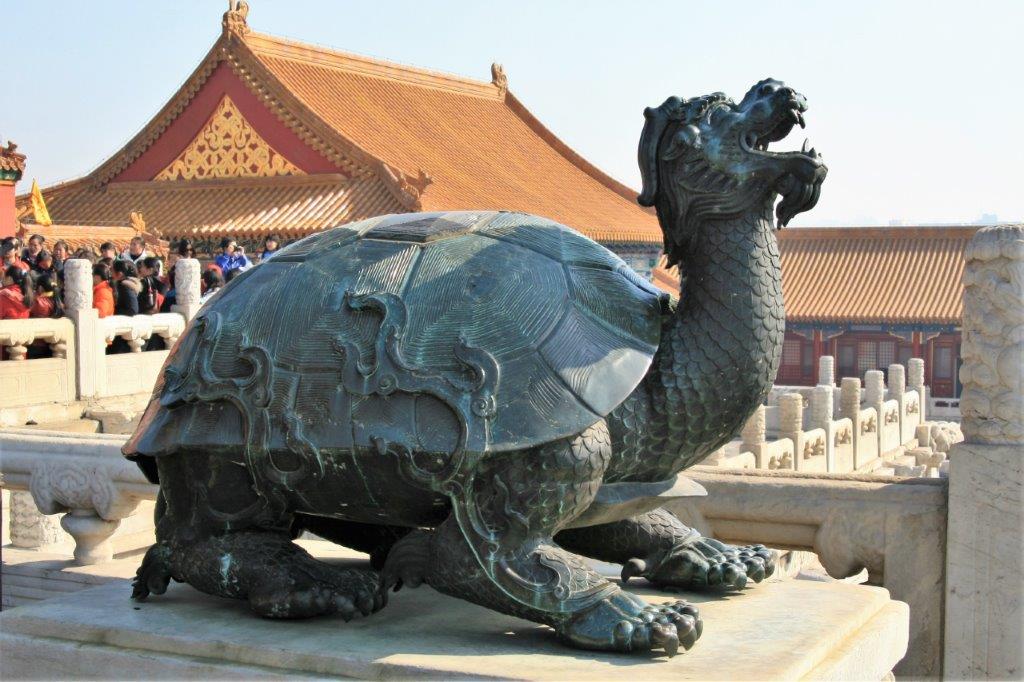
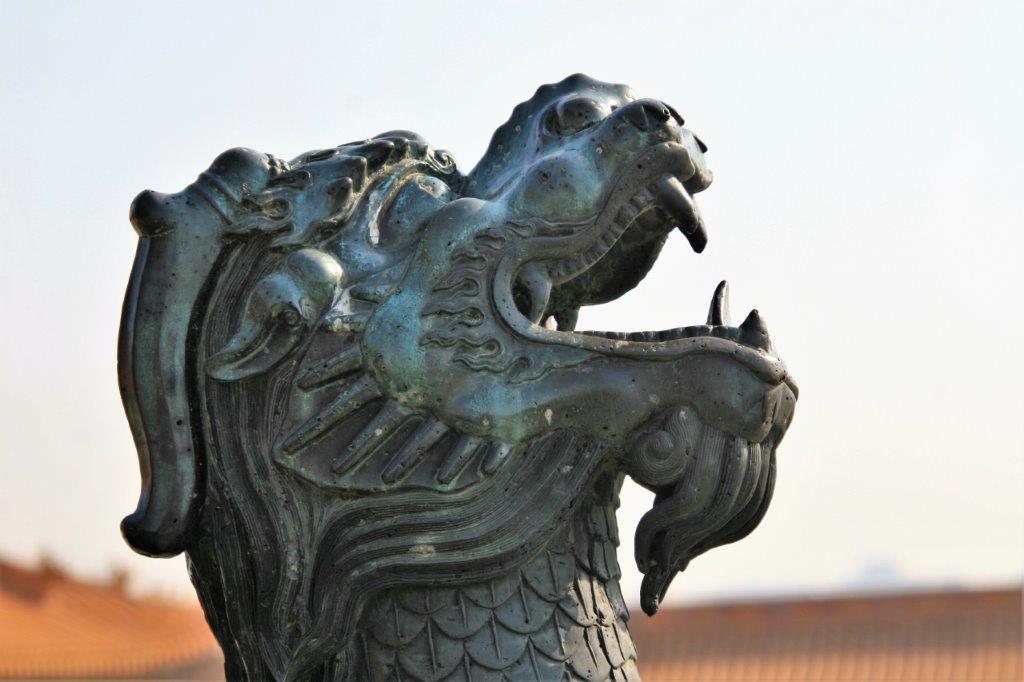
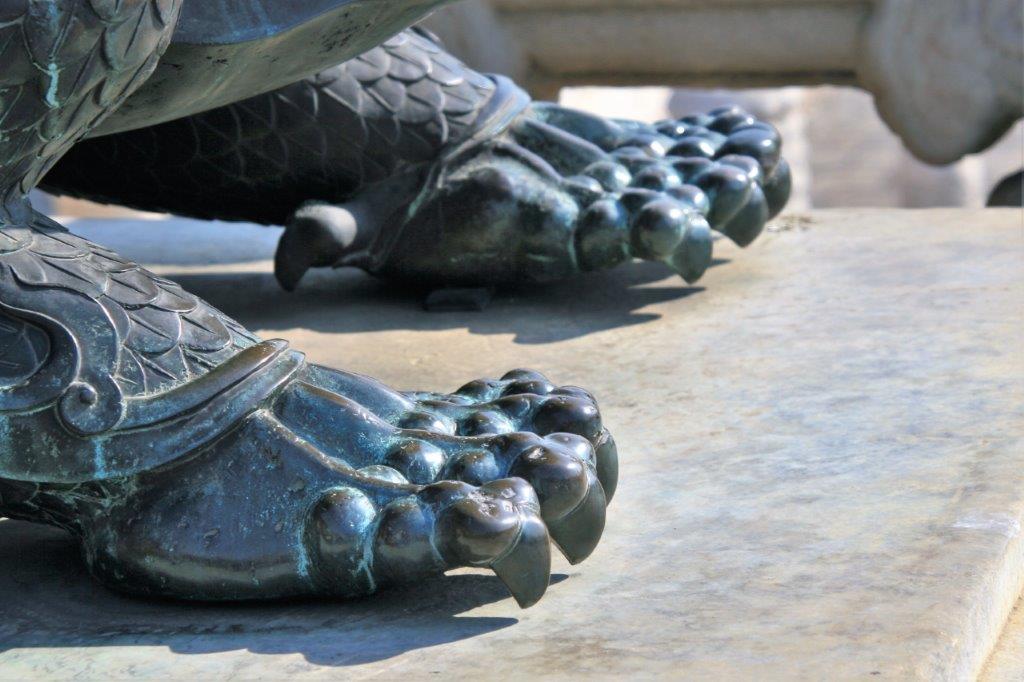
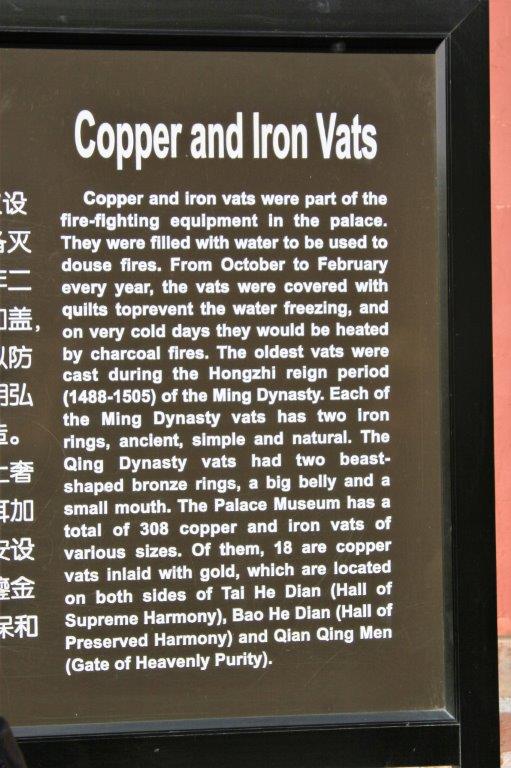
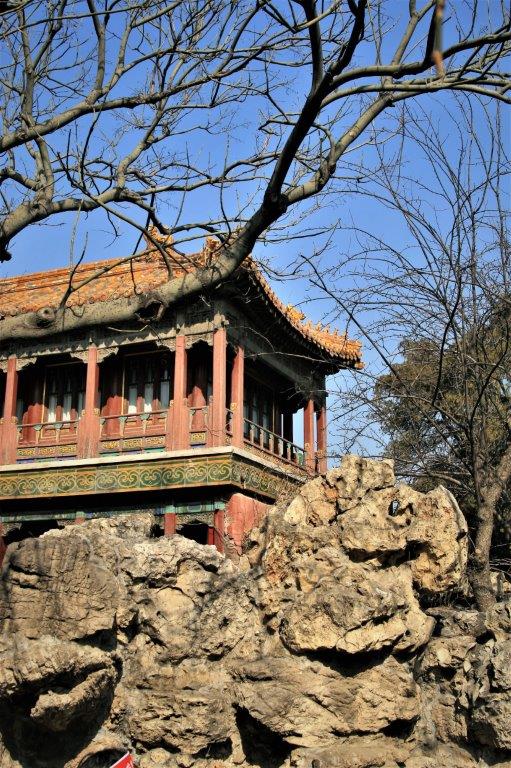
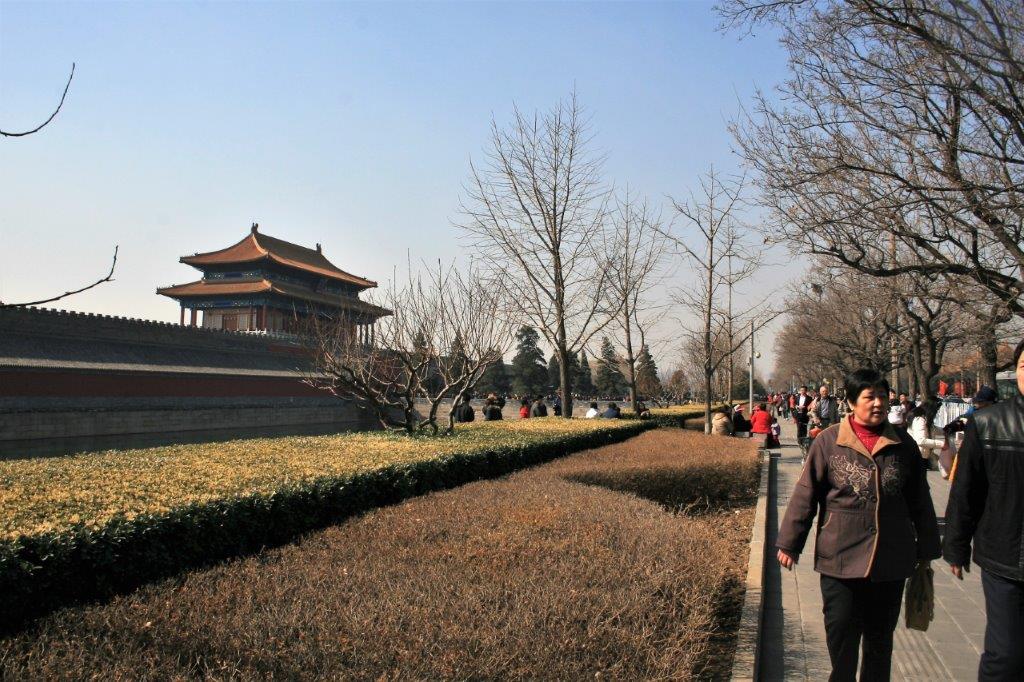
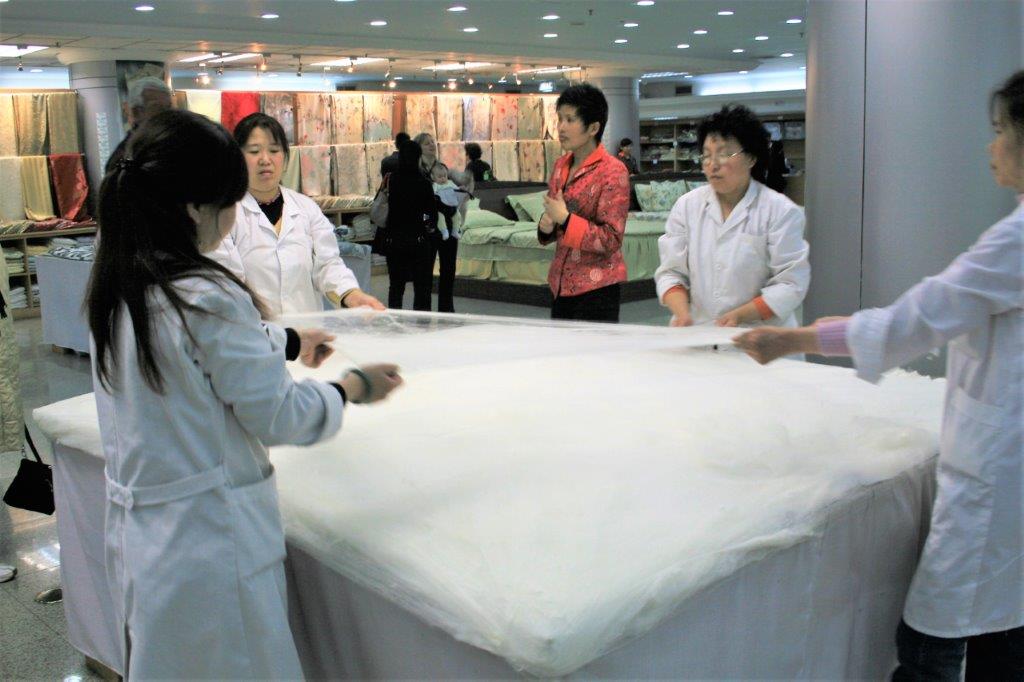
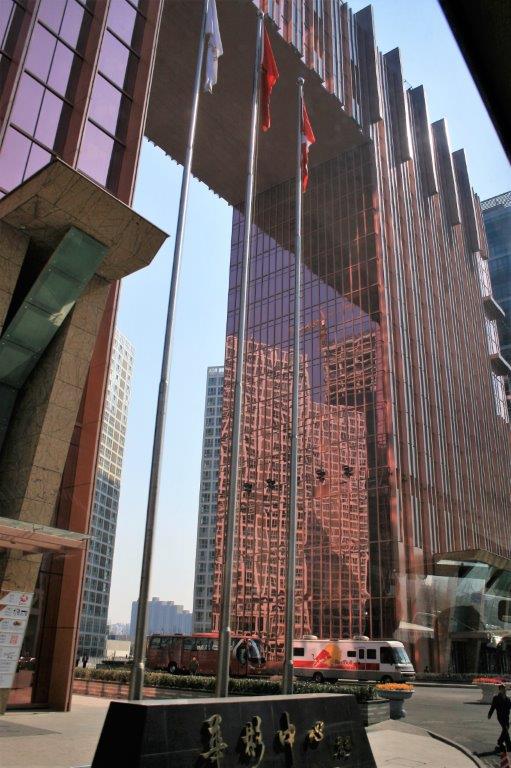
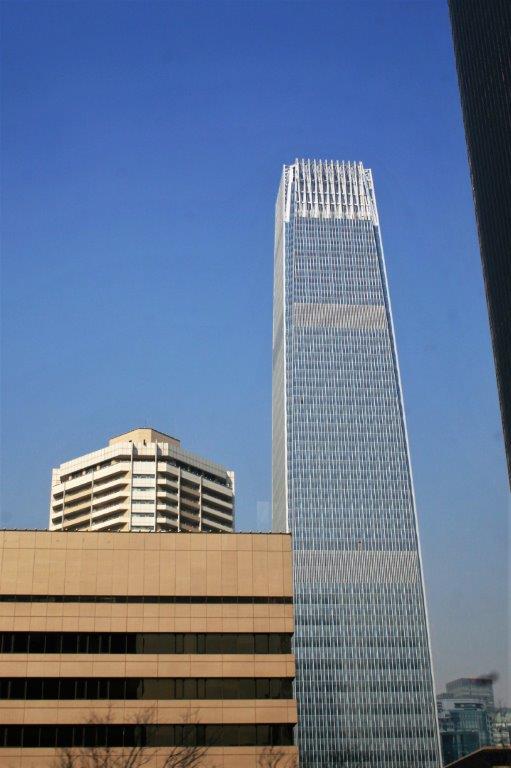
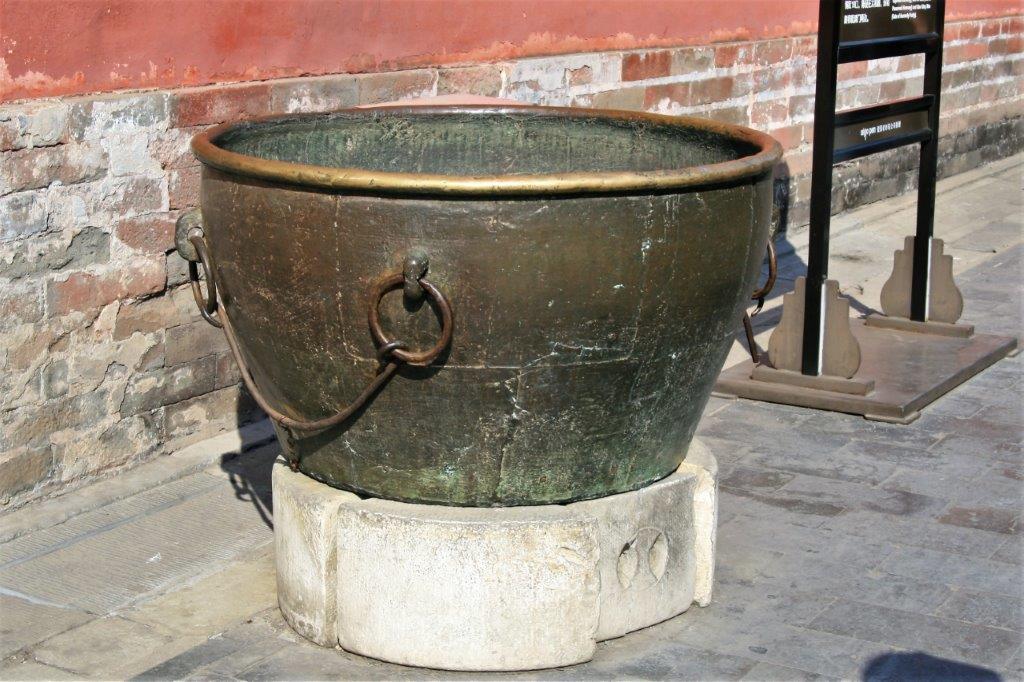
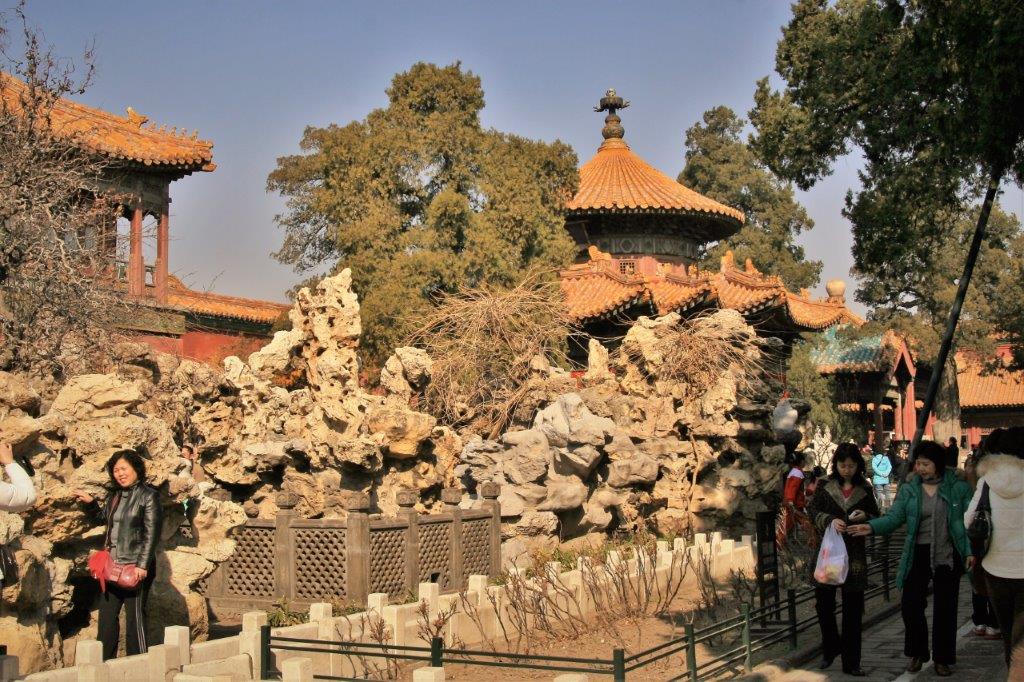
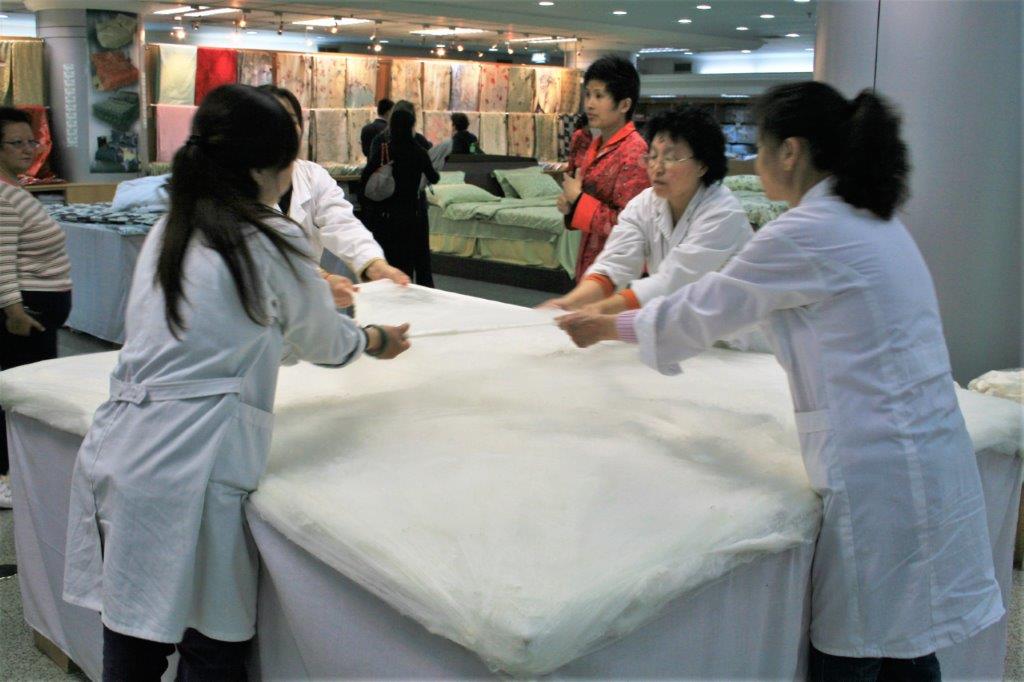
img_5934 img_5935 img_5930 img_5903                                         I really liked the dragon/turtle.img_5940 img_5942 img_5943                         Even the emperors of old had fire departments.img_5967 img_5966We left the Palace Museum through the Imperial Garden, past Scholars Rock, and out the Shenwu gate to the street.  img_5977 img_5976 img_5984 img_5990 img_5978img_5996We  got back on the bus, and, since we had made good time going through the Imperial City, our local guide Arthur arranged a trip to a silk factory where we saw ladies pull a ball-size lump of silk to make layers for a duvet.  There are about 80 layers of silk in each one.  They had beautiful duvets, covers, sheets, clothing, and yard goods.  All of the silk patterns and fabrics are made at the factory.img_6003 img_6004 img_6006We were served lunch in the upper banquet room of a nice hotel and then driven to the airport for our flight to Shanghai. img_6007 img_6010                                                 Another building reflected in a building photo.
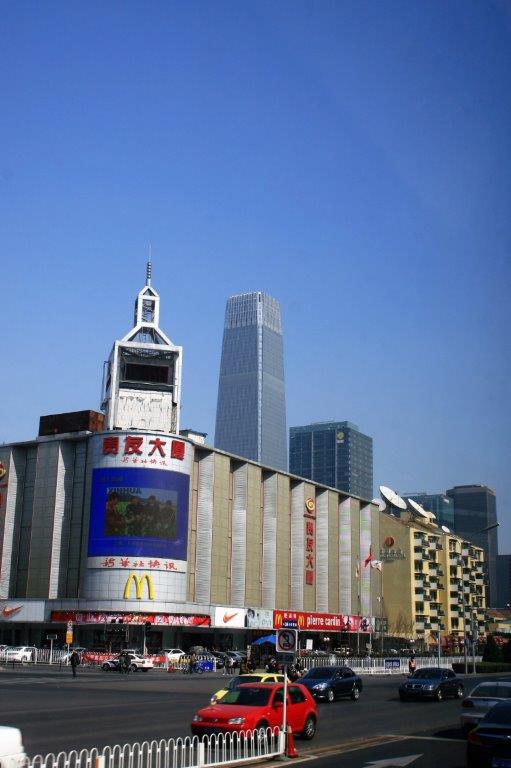
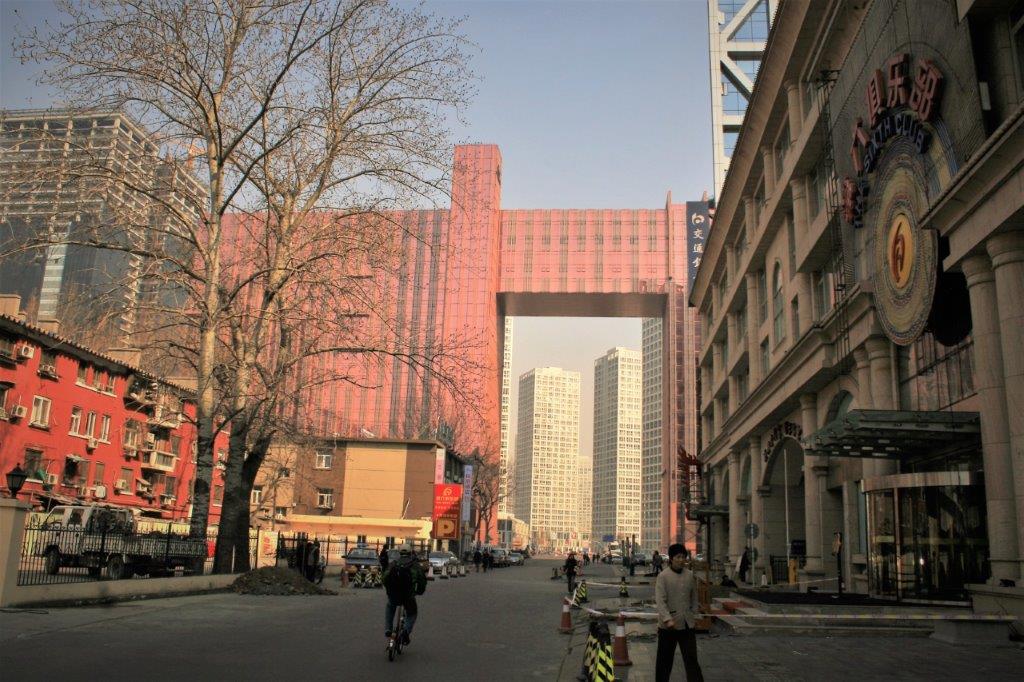
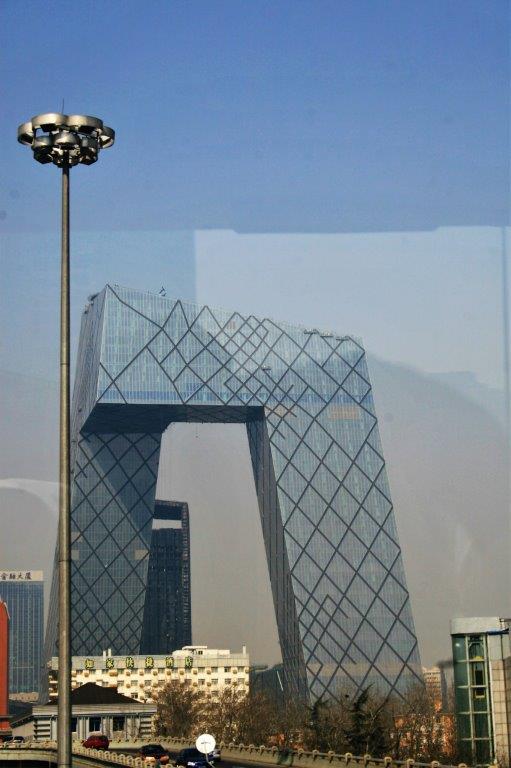
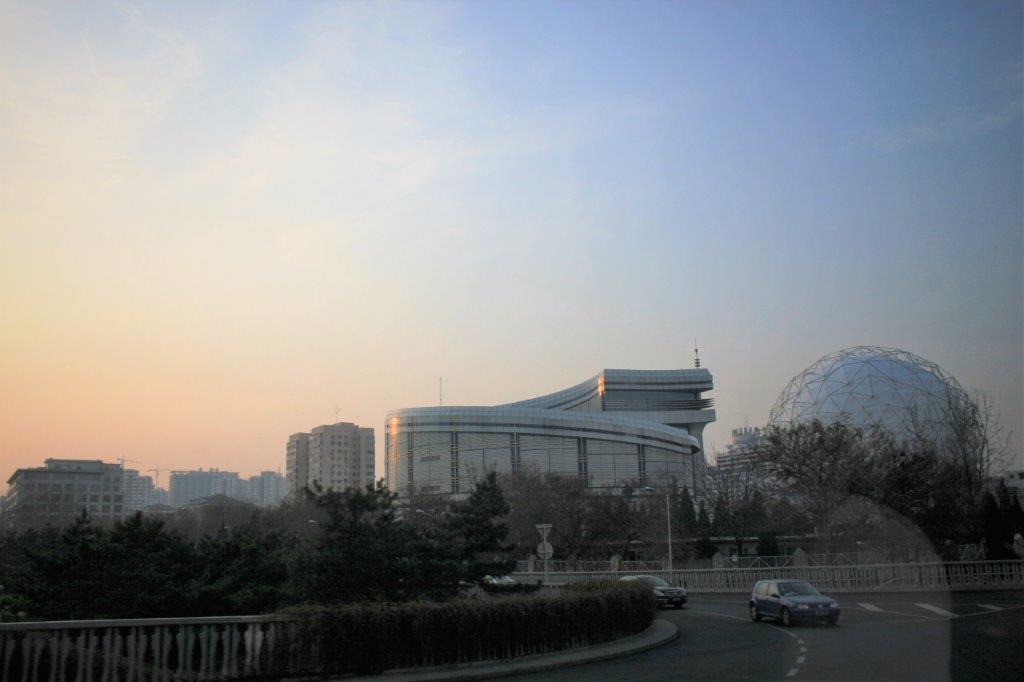
img_6011 img_6012 img_6017                                                                                        This is the CCTV building.

We got back on board the ship at 7:30, dropped our bags in our cabin and went to the theater to watch the Chinese acrobatic show. What jam-packed but awesome days!  I am so glad we booked that overland excursion.


2017 Jan 26 – Day 24 – Escondido, CA

We had our second sunny day in a row today and the chill was off the air as well. We ventured forth to do a bit of geocaching.

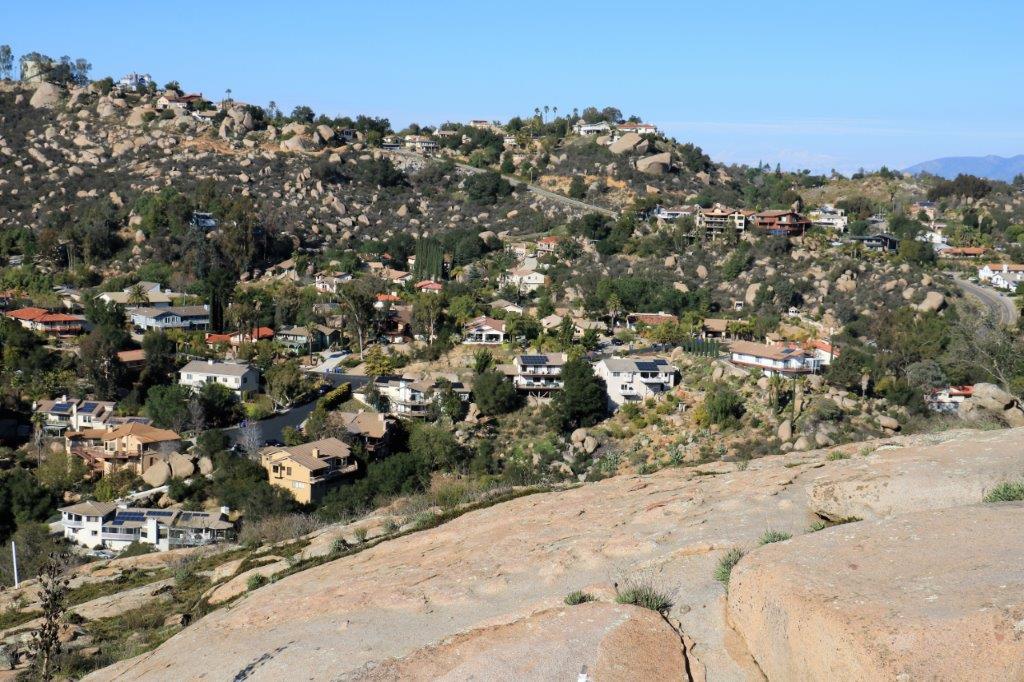
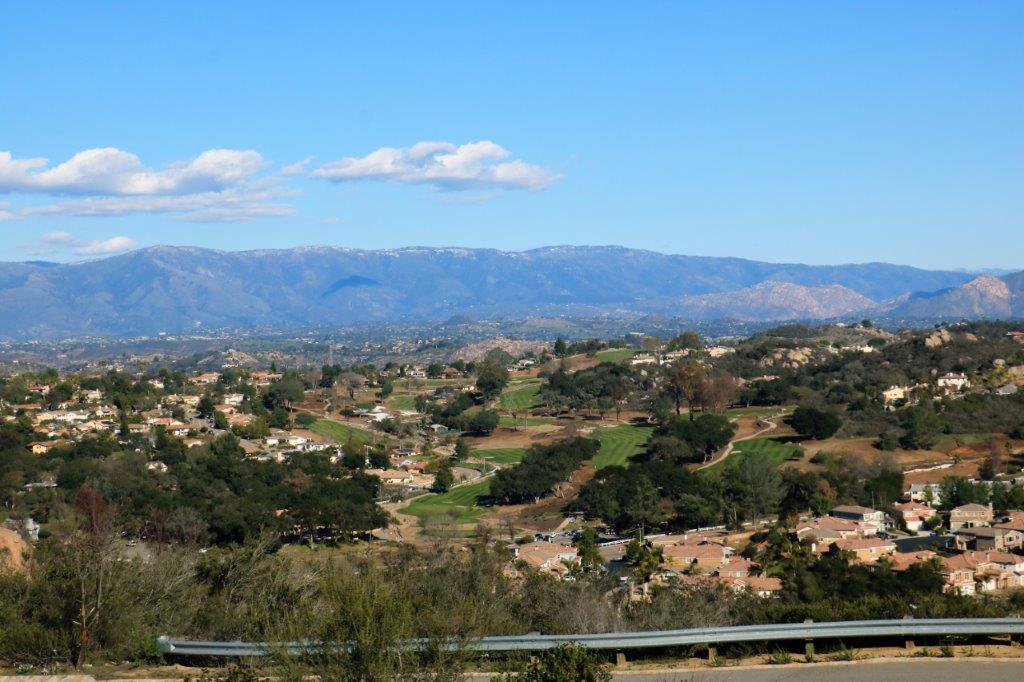
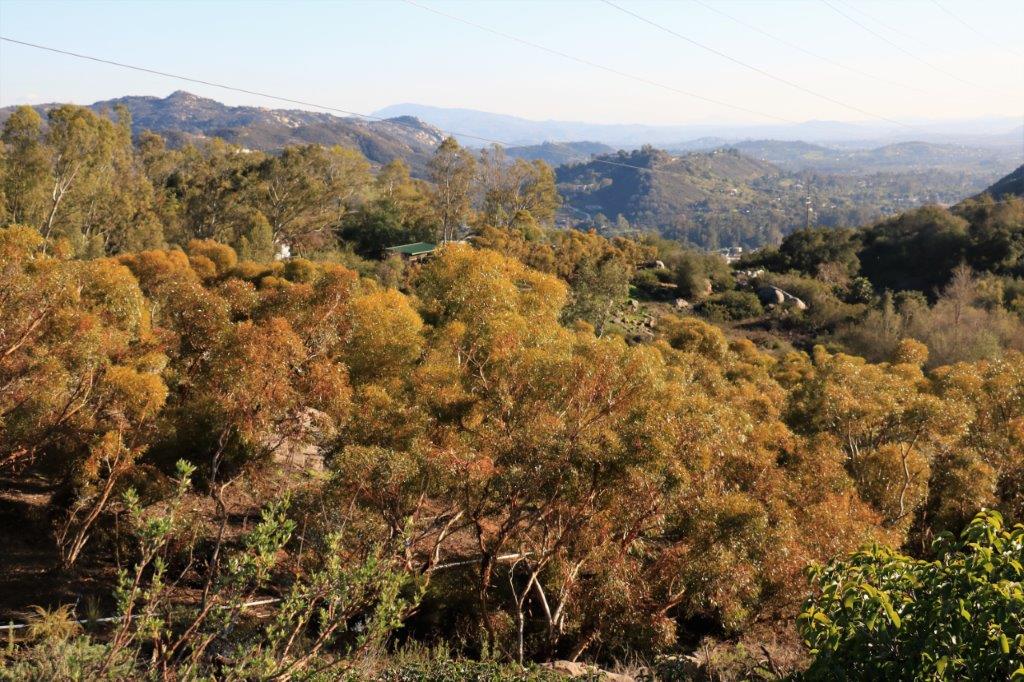
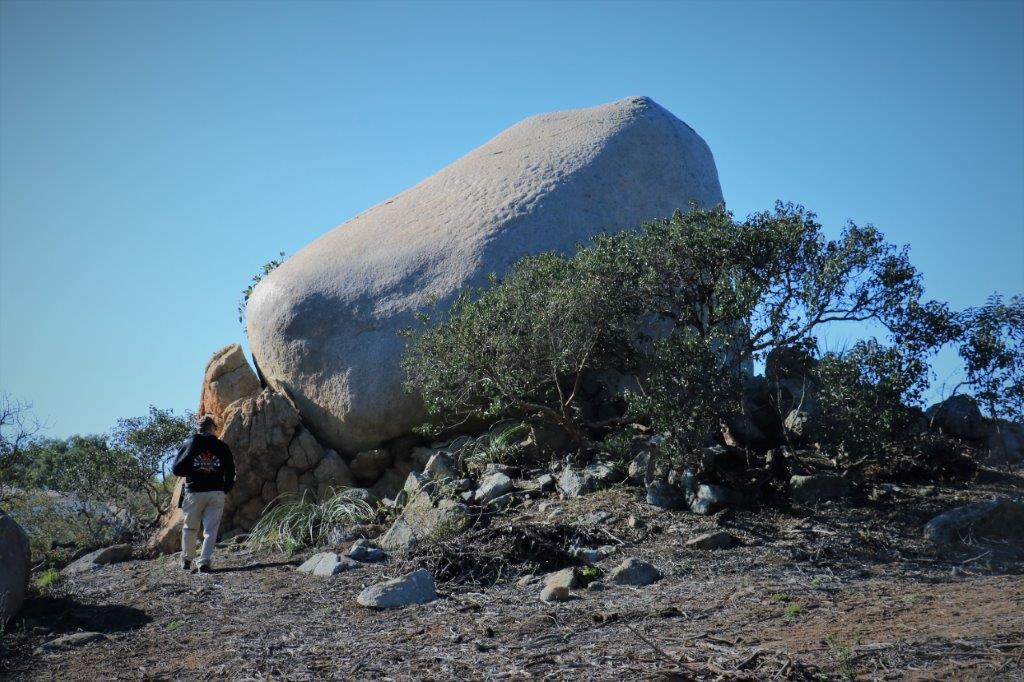
There is a residential area up on the hills south of the resort called Hidden Meadows. (They must be really well hidden meadows too because we did not see a smooth flat area all afternoon.  Plenty of gigantic boulders on hilly lots and lots of lovely, large homes.)img_6975 img_6977img_6978The road does a long loop past all the homes encircling the golf course.  There were a few caches along the route and we found them all – a total of 7.

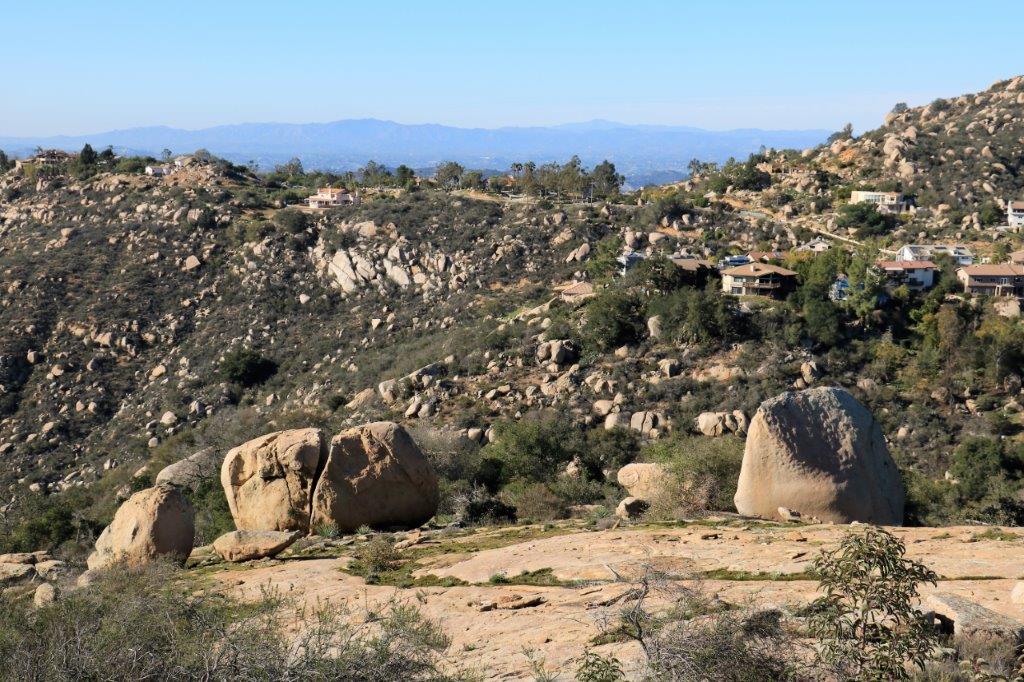
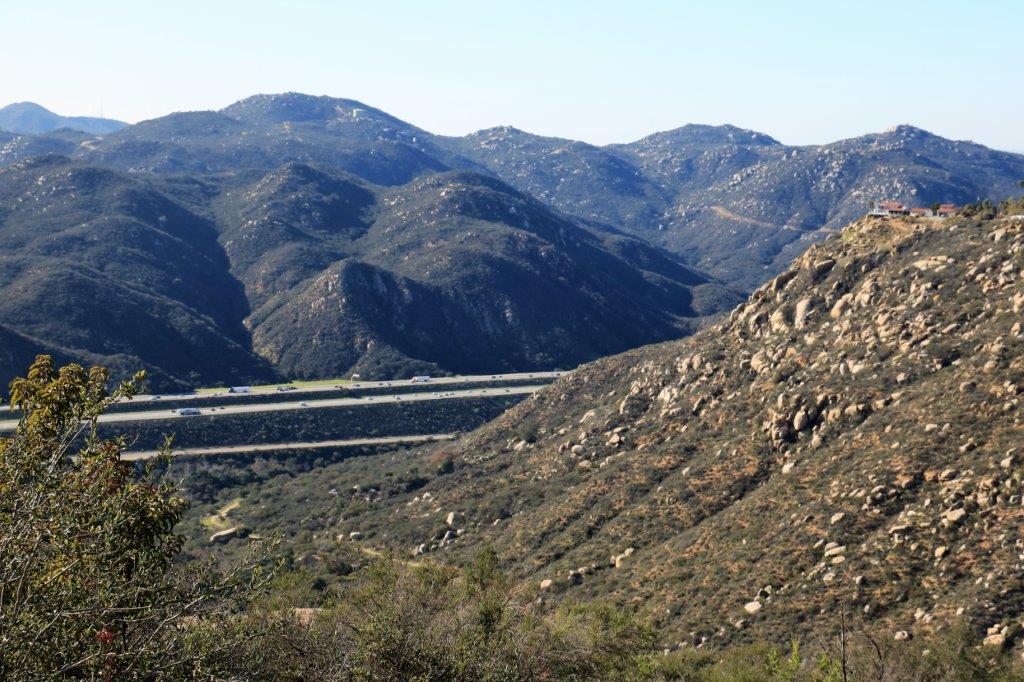
The distant view from the top was pretty nice.  And, of course, we could see the ever busy freeway.  The traffic never, ever stops on that road.

img_6976img_6979


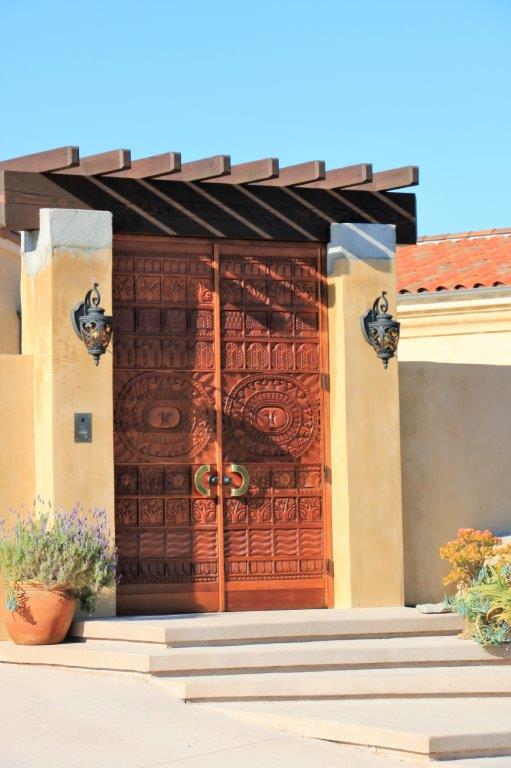
We liked the doors on this house.


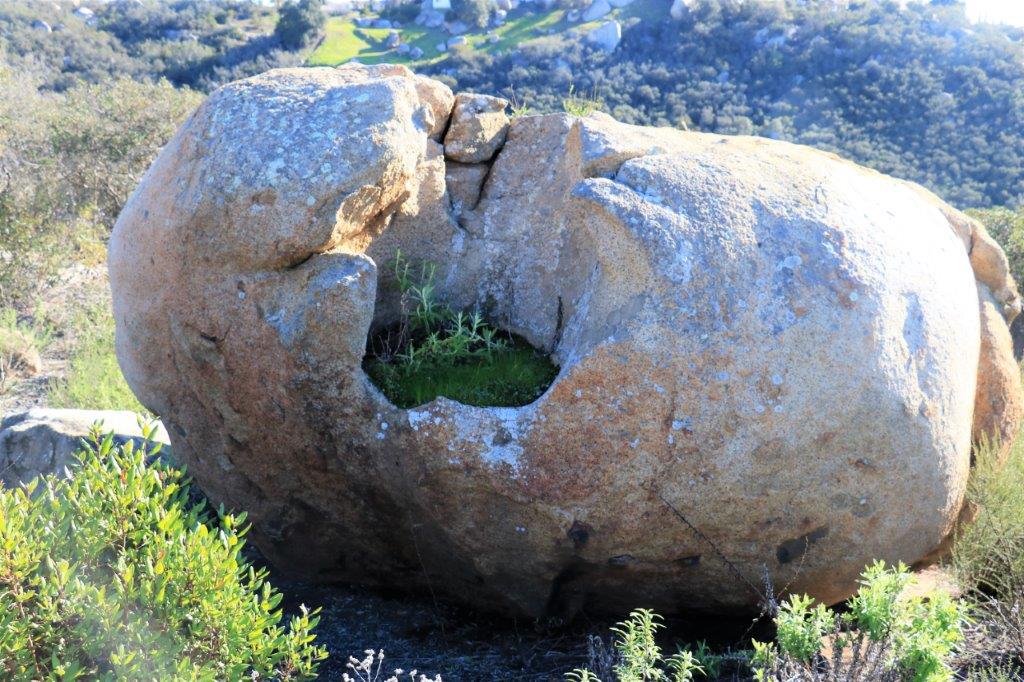
img_6980Even the rocks grow stuff after it rains.img_6982 img_6983 img_6984We found our last cache of the day at the entrance to the shopping plaza where we go to the Vons store for our groceries.  We picked up a few things we needed and headed back to the condo for dinner.

I’d say that was a very adventuresome day!

2009 World Cruise – Mar 7 – Day 61 – China Overland – Great Wall

2009 World Cruise – We were up early and breakfasted before leaving the hotel in X’ian at 7 am.  Our flight to Beijing left at 9:10 and was an easy 1 1/2 hours.

A somewhat frail elderly lady in the group was late coming down and caused a 15 minute delay in our departure from the hotel to the airport.  Then, when we arrived in Beijing she took a wrong elevator at the departure gate and we all had to wait a half hour in the bus while Lin located her.  These delays all cut our touring time by 45 minutes and it’s not like we can juggle things around to get the time back.  Tours like this have very set times to be at locales and meals and hotels.

There are a couple of relatively frail folks on this tour and all the walking and long days is a bit much for them.  The rating in the brochure tells you it is an active tour with lots of walking but people don’t take notice if it is something they want to do.  Fair enough, I suppose, but it makes it hard for the ship’s excursion staff, the guides, the bus drivers and the rest of the guests if there are people on an excursion who are not really physically fit to participate.  There are always options for less active tours.  But if the ‘active’ tour has the things I would like to do the most, it would be difficult to not sign up and hope for the best.

From the airport we were driven to a restaurant for a Chinese buffet lunch.  We sat at large round tables with a lazy-Susan in the center and the staff would bring a dish of food to each table, then another one, then something else, and then another item.  After awhile the table was crowded with options to eat.  And, the rice always comes last.

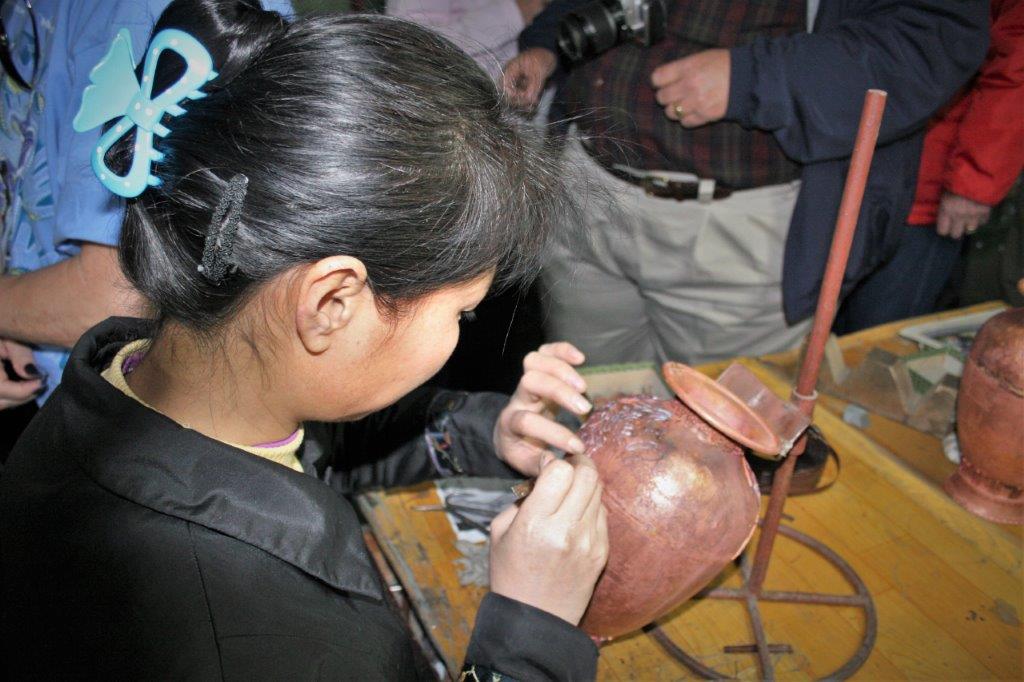
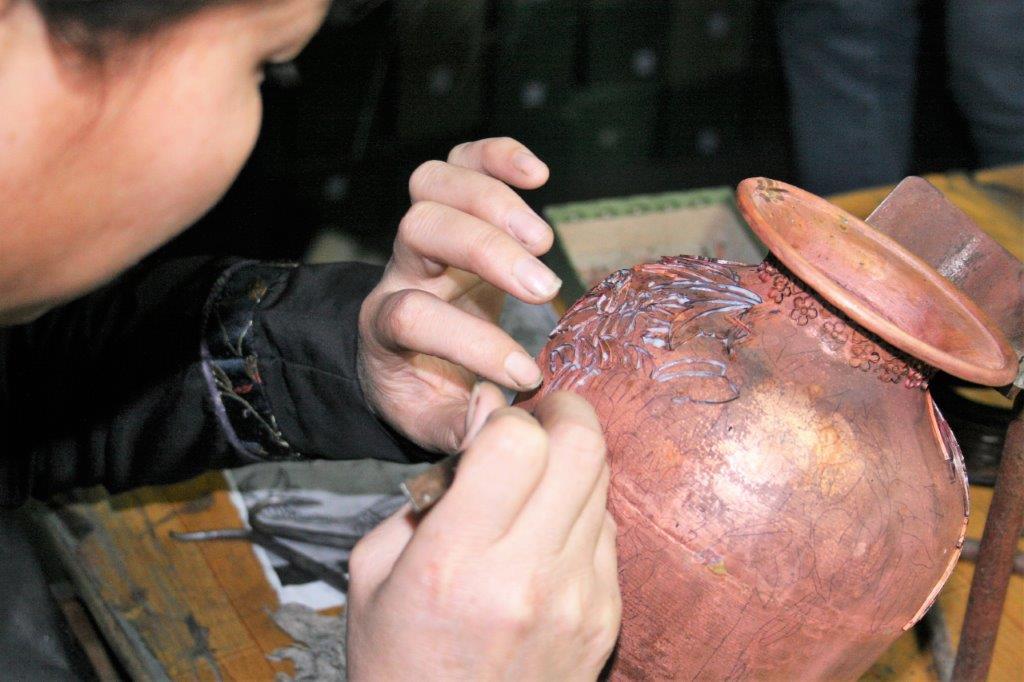
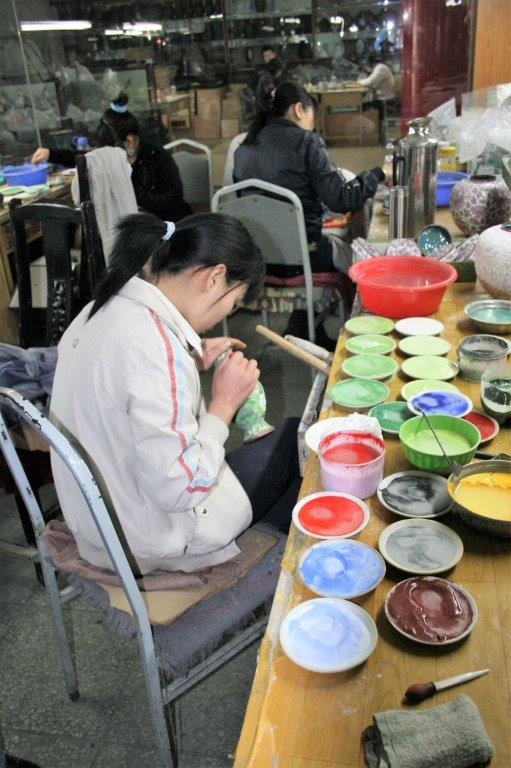
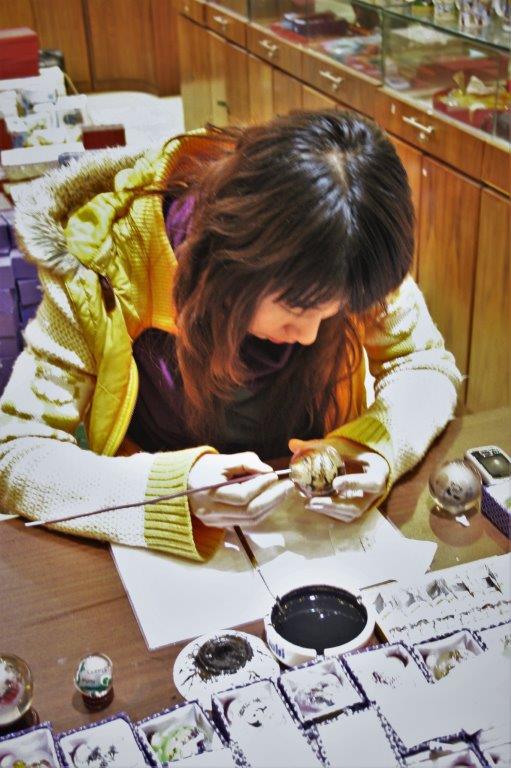
After lunch we visited a Cloissené factory where  enamel paint is applied to a copper wire outlined pattern that has been soldered onto hand-hammered copper vases, plates, bowls, etc.  This is then fired in a kiln, another coat of paint is applied; it is fired again.  This process is repeated up to 6-7 times because the enamel paint shrinks minutely when heated and needs to be re-applied so as to fully fill the outline.  When it is satisfactory the item is polished to a smooth sheen.img_5687 img_5688 img_5689 img_5690 img_5692Very detailed and time consuming craft.img_5691It was beautiful stuff and the shop had other items like embroidery and china, but I could have spent less time than an hour there.

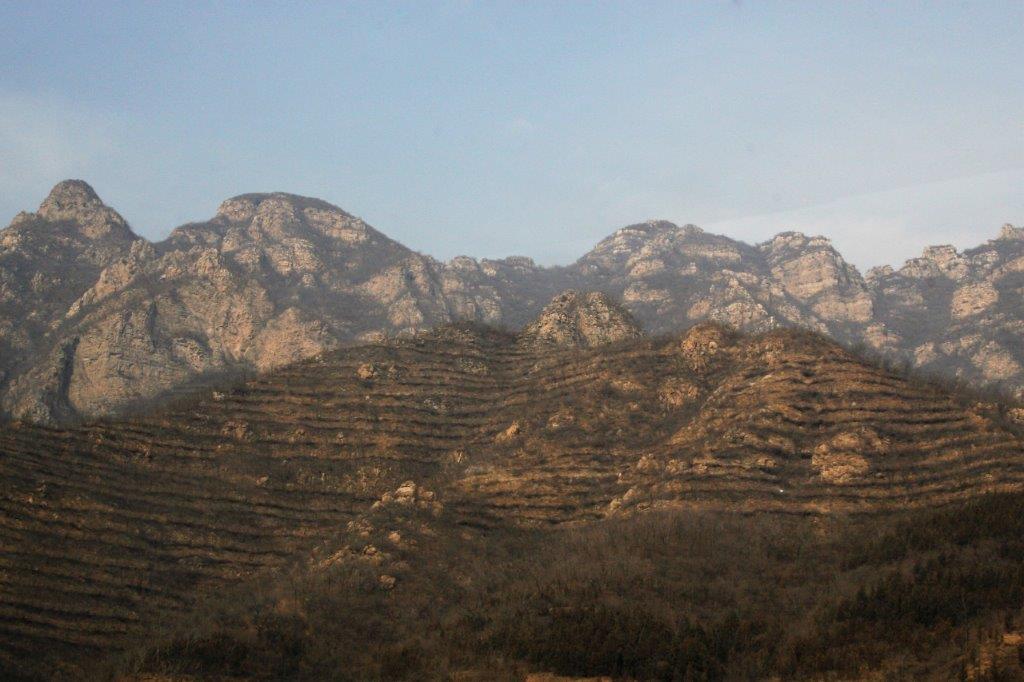
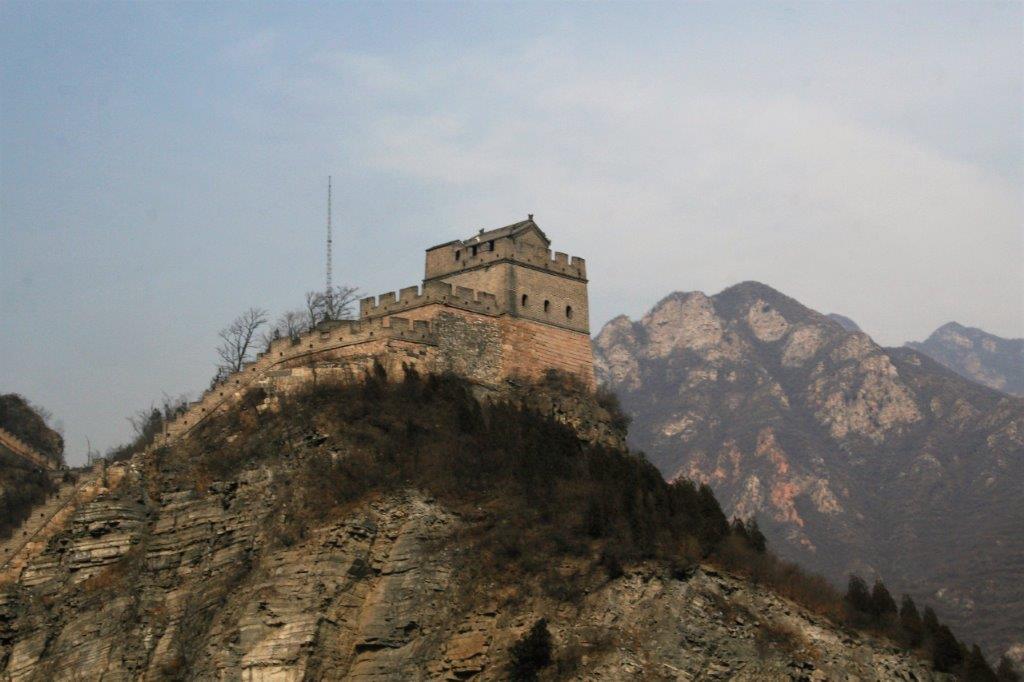
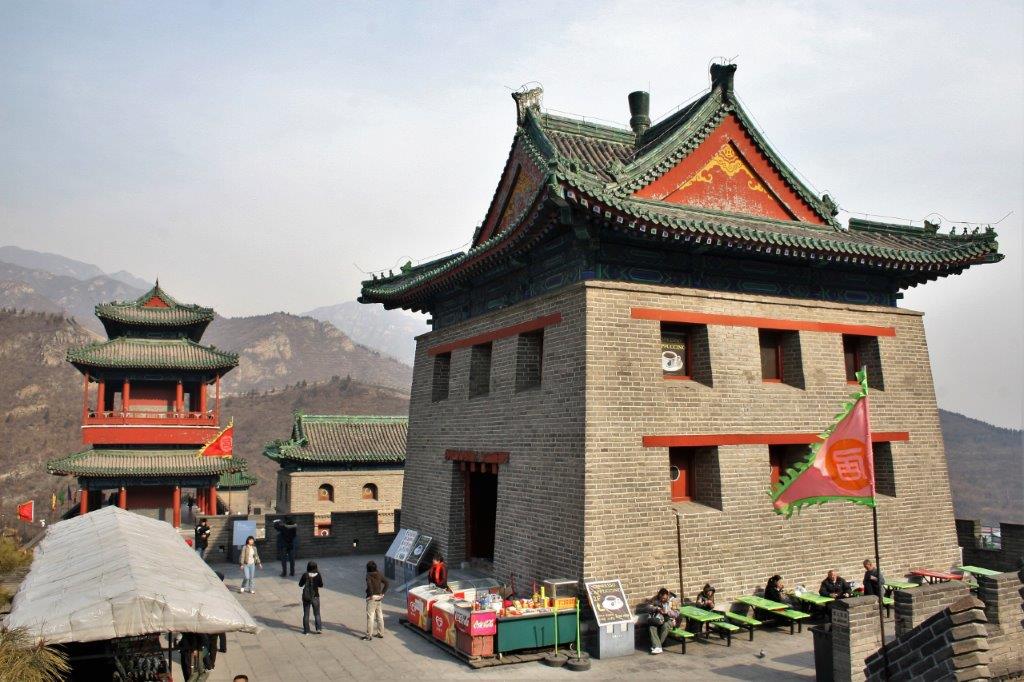
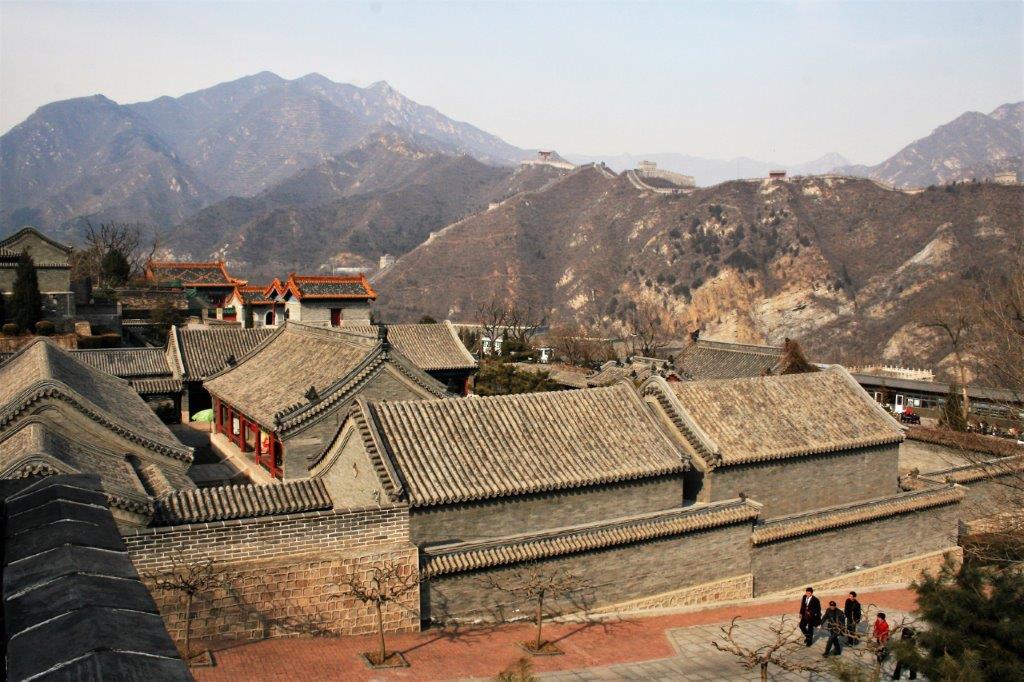
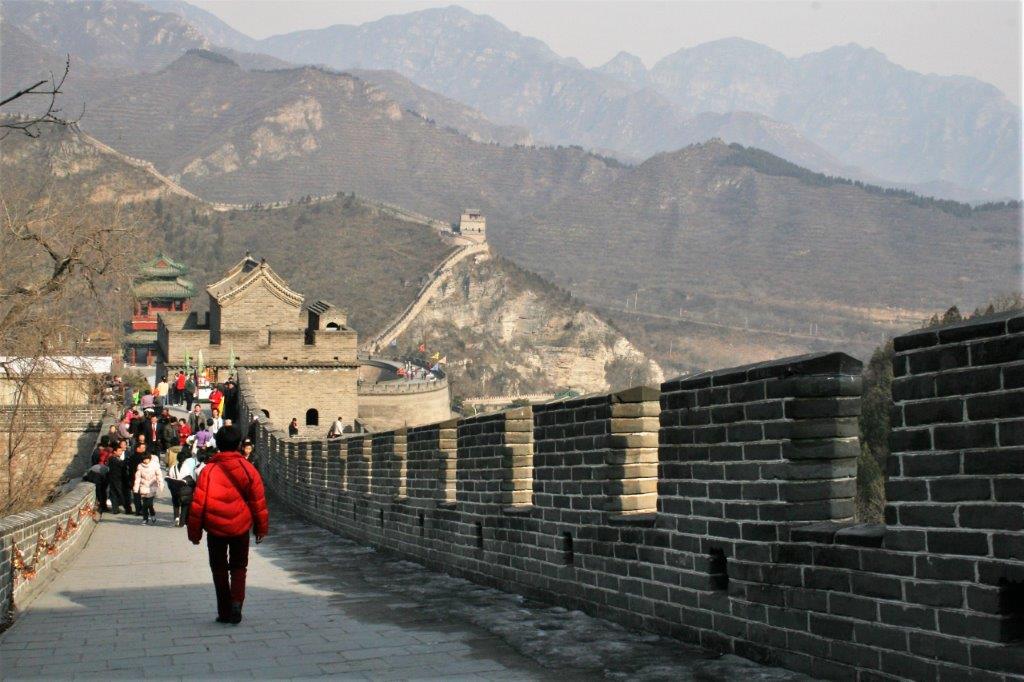
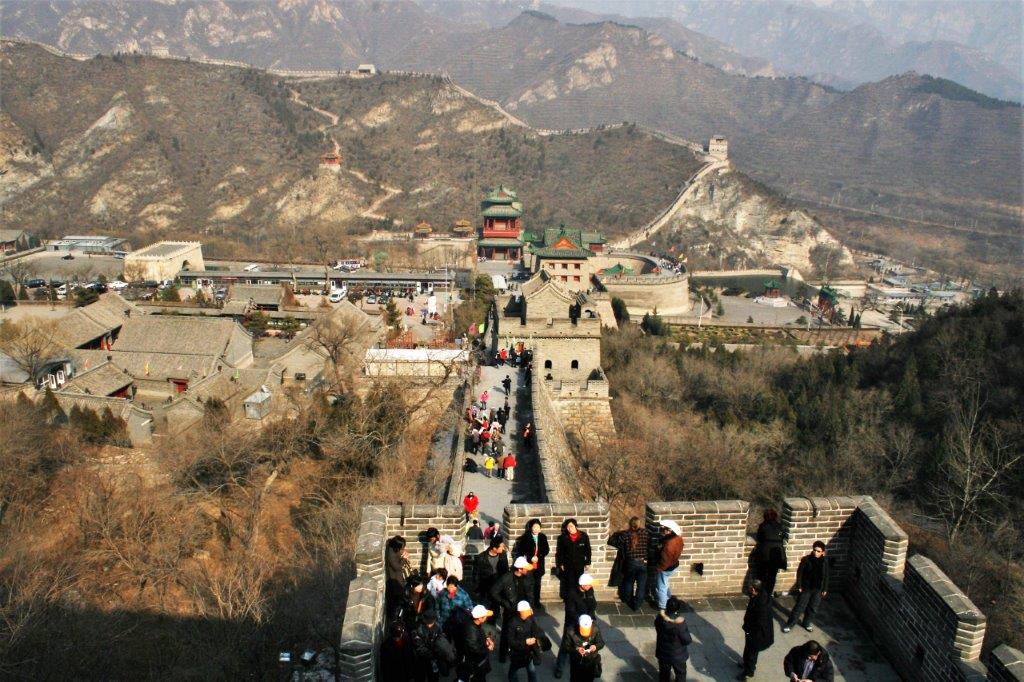
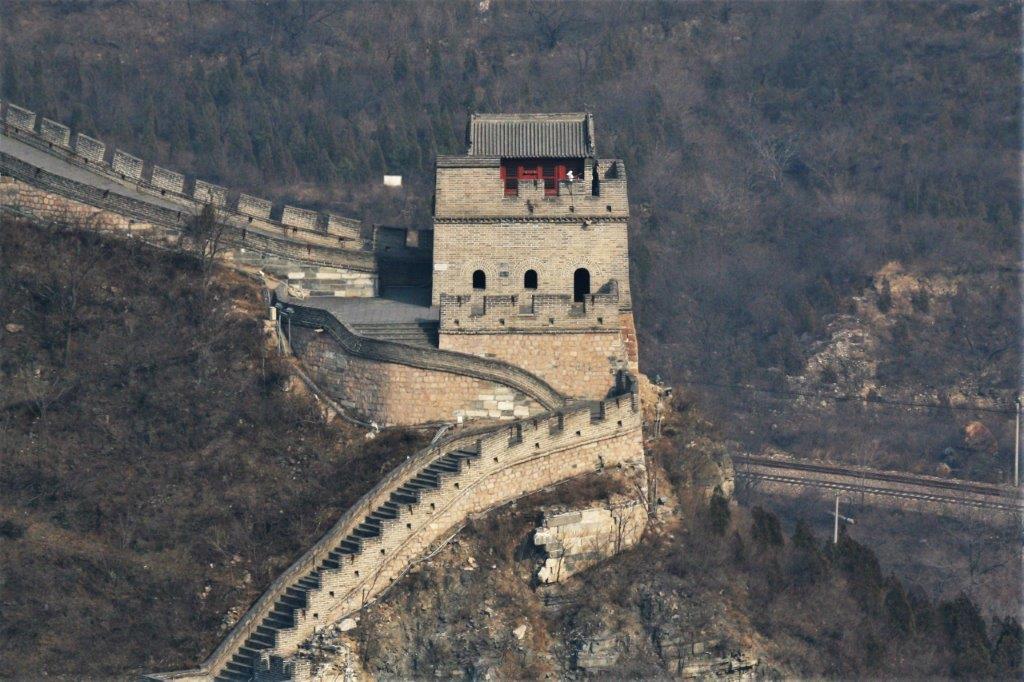
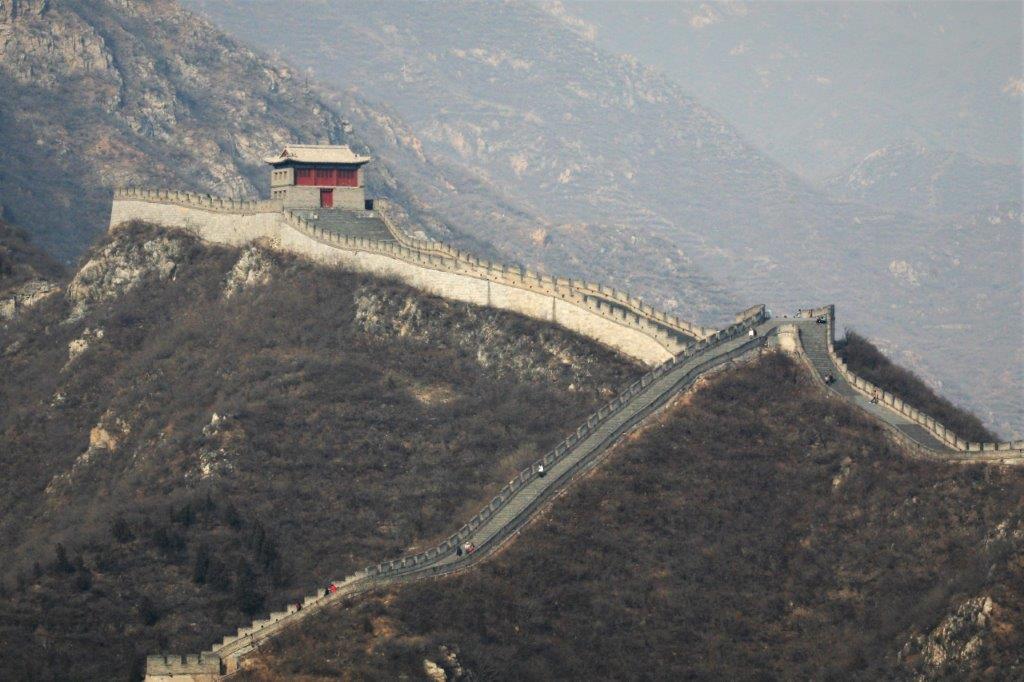
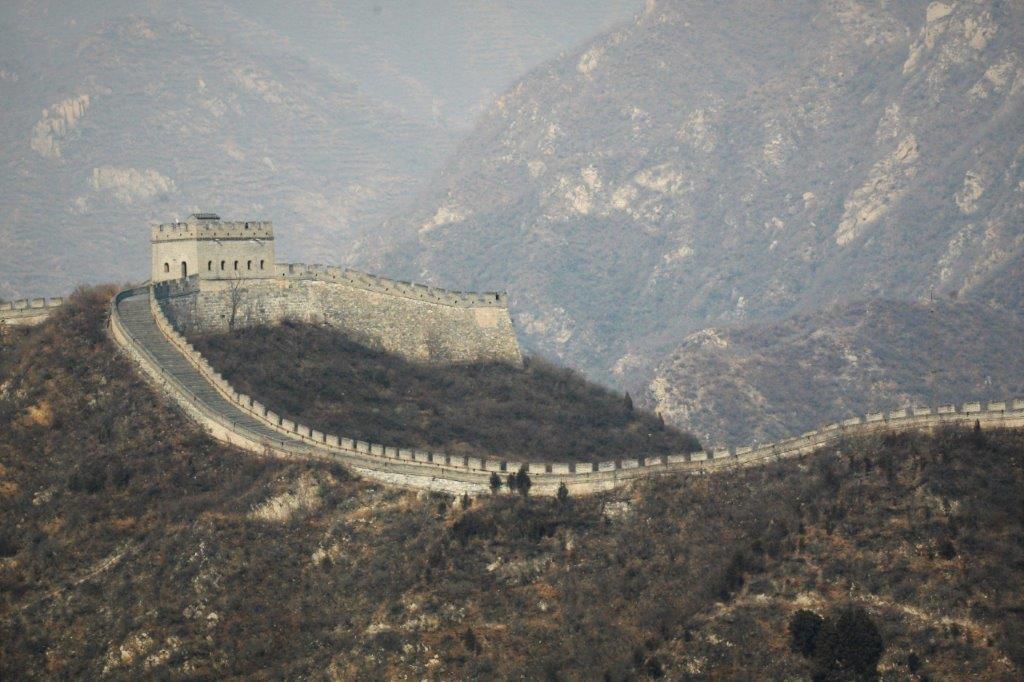
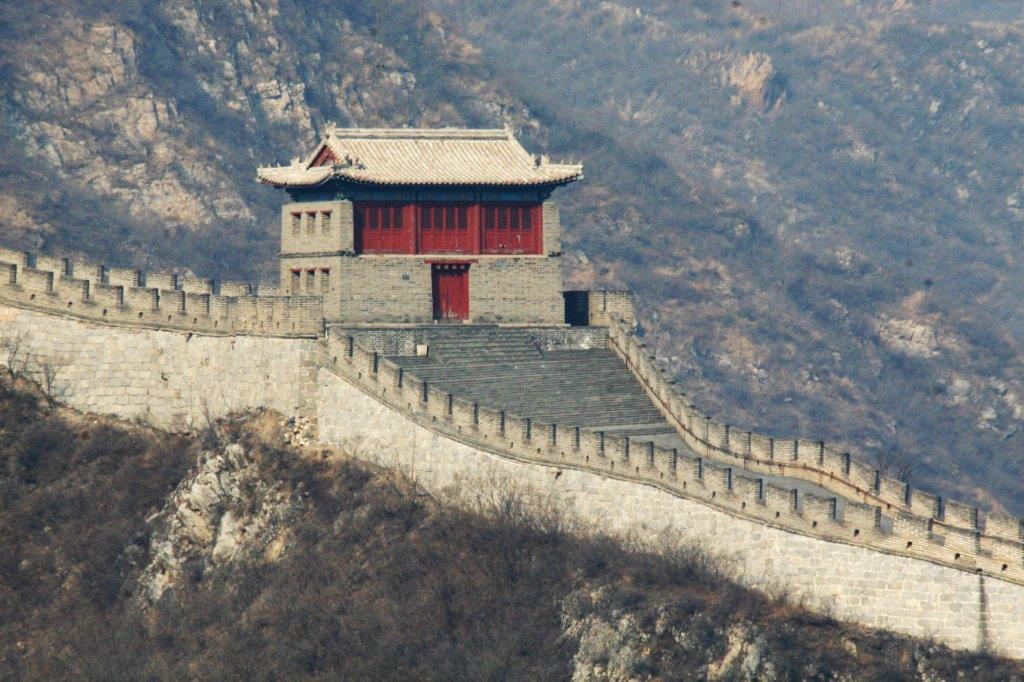
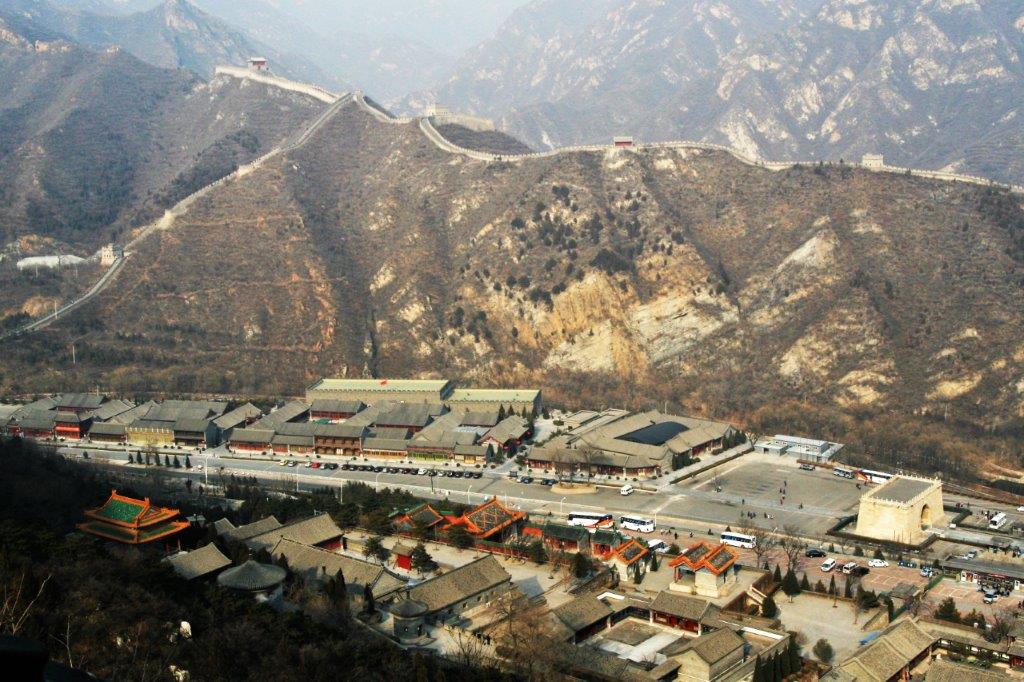
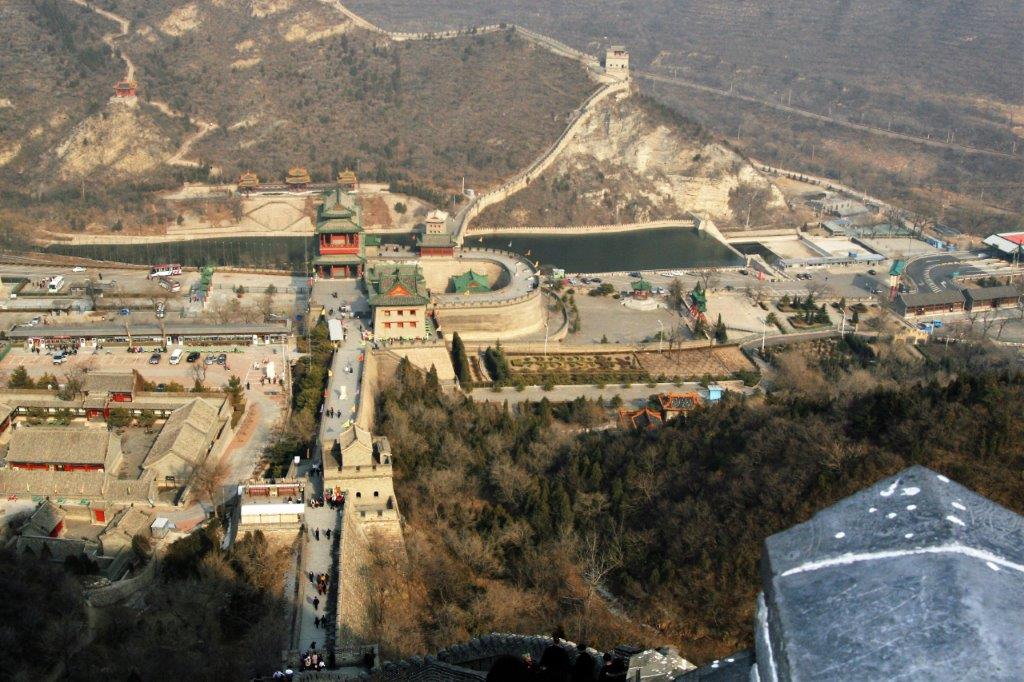
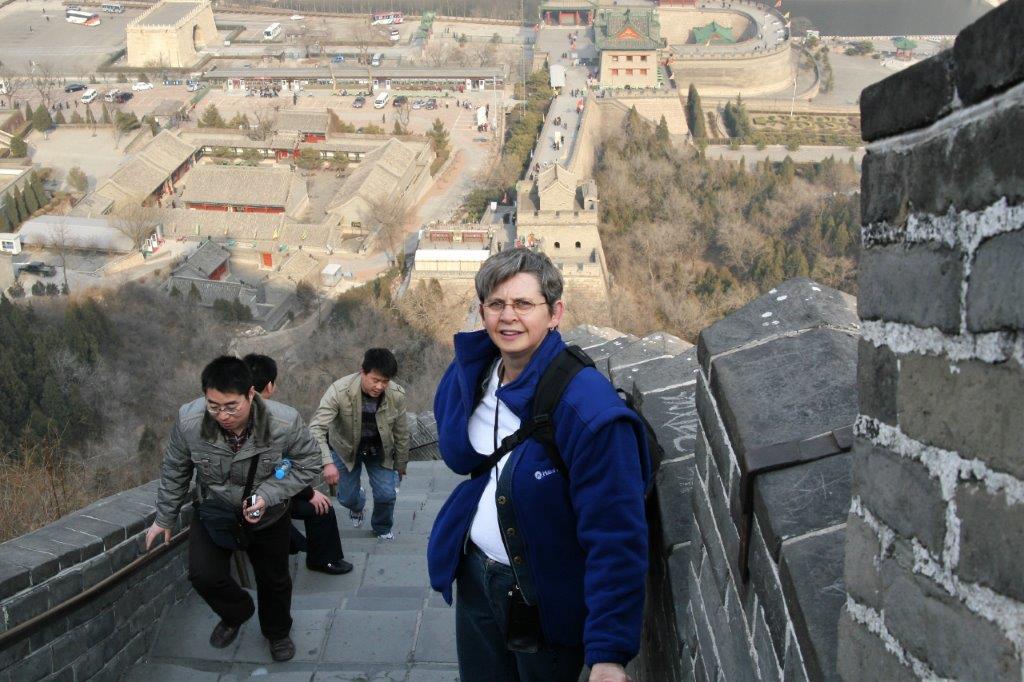
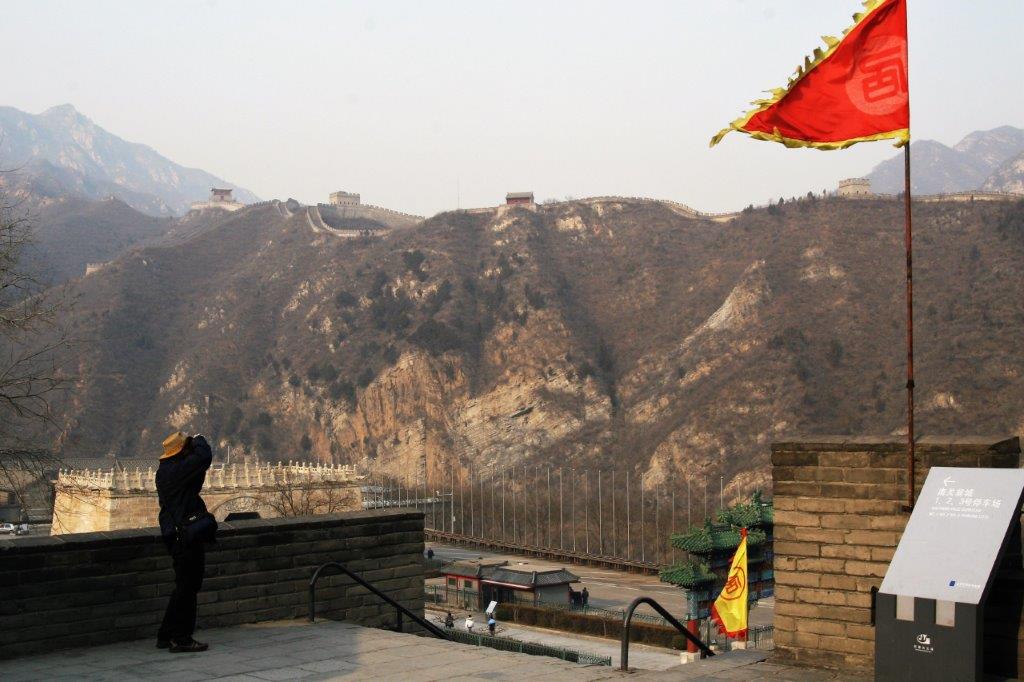
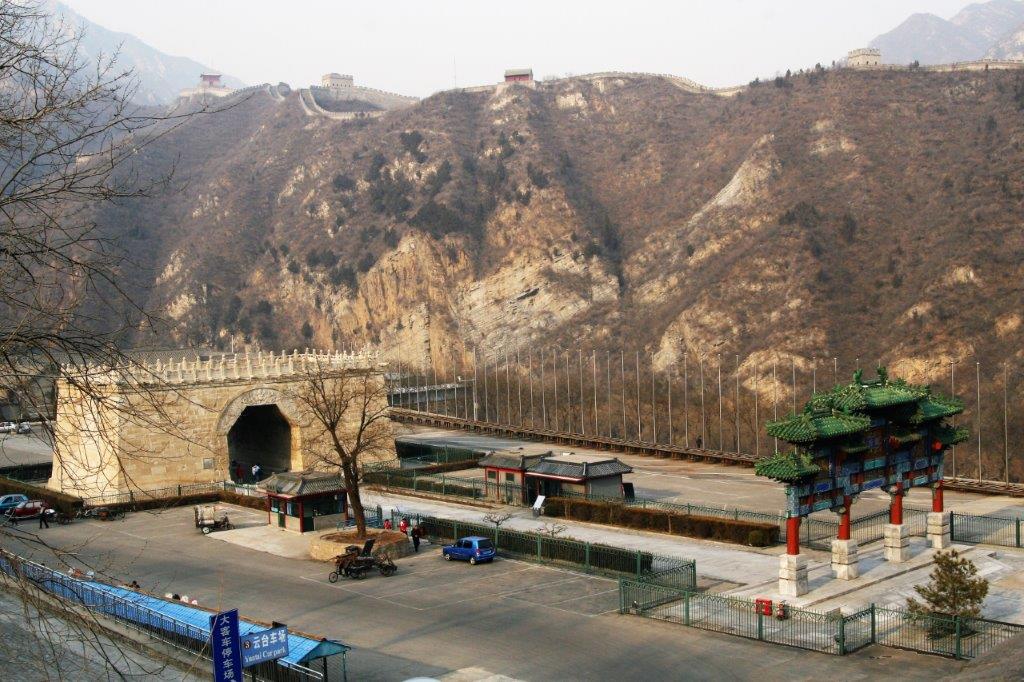
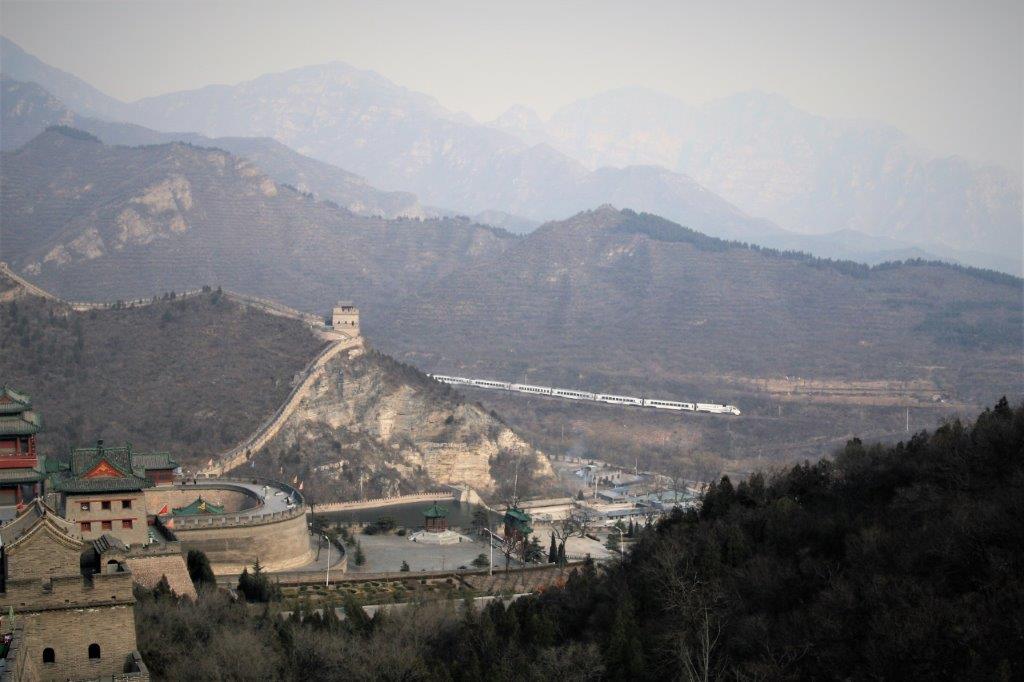
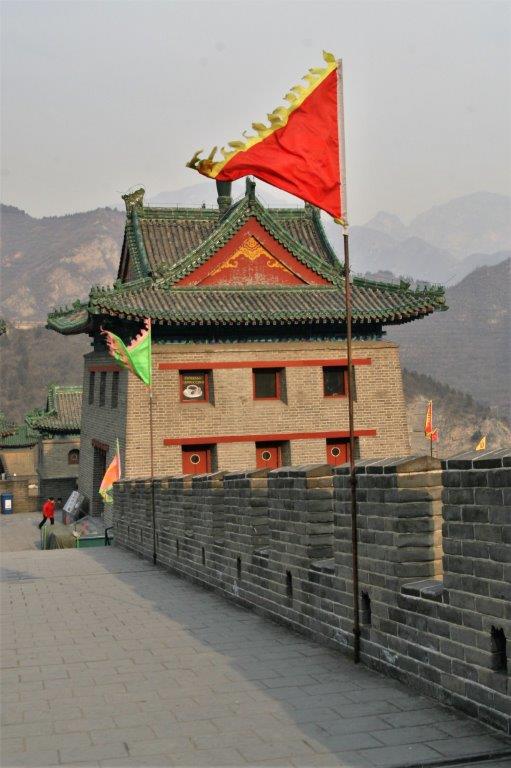
Due to the delays in the morning our time at the Great Wall was cut short by almost an hour so we did not linger long before climbing to the first guardhouse.  We visited the Juyongguan section of the wall which is only about a half hour bus ride from the restaurant.  The close proximity to Beijing makes this section one of the most visited.

The wall is actually a series of fortifications made of stone, brick, wood and other materials.  Over time the fortified sections were joined together creating the Great Wall.  The earliest section, of which very little remains, was built between 220-206 BC.  The majority, however, was constructed during the Ming Dynasty from 1368-1644.

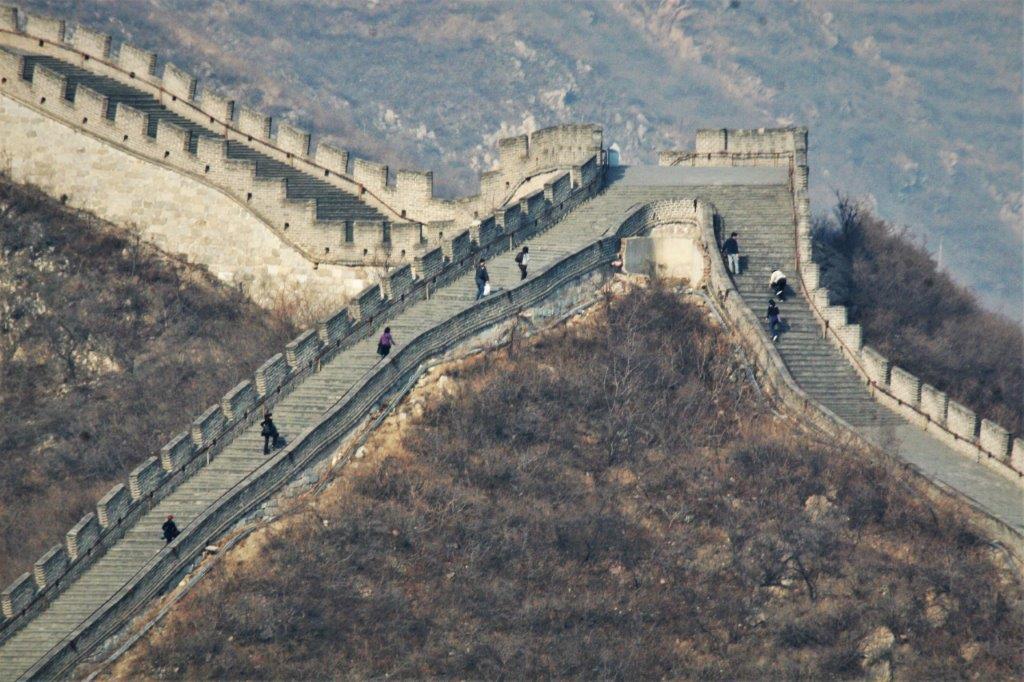
img_5697 img_5700 img_5705 img_5707 img_5712 img_5713 img_5714Again, I loved having Jackie’s 500 mm zoom lens but adding it to the three lens in my camera bag increased the weight significantly.  It was very heavy by the time we reached the guard tower.  The lens let me get photos of people climbing another section of the wall across the valley though!

img_5719img_5722img_5723 img_5738 img_5739 img_5727Contrary to popular belief the Great Wall is not visible from outer space.  Some of it can be identified from a low orbit but atmosphere conditions must be exactly right.  Despite that, the wall is incredibly impressive.  It is 8,850 km (5,500 miles) long.  The sections of actual wall make up 6,359 km (3,889 miles) of this distance.  Parts of the ‘wall’ are trenches (359 km or 223 miles) and some of it is comprised of natural defensive barriers like hills or rivers.  It is estimated by archaeologists that the entire wall and all of its branches measure 21,196 km (13,171 miles).  That is over half the distance around the earth at the equator!

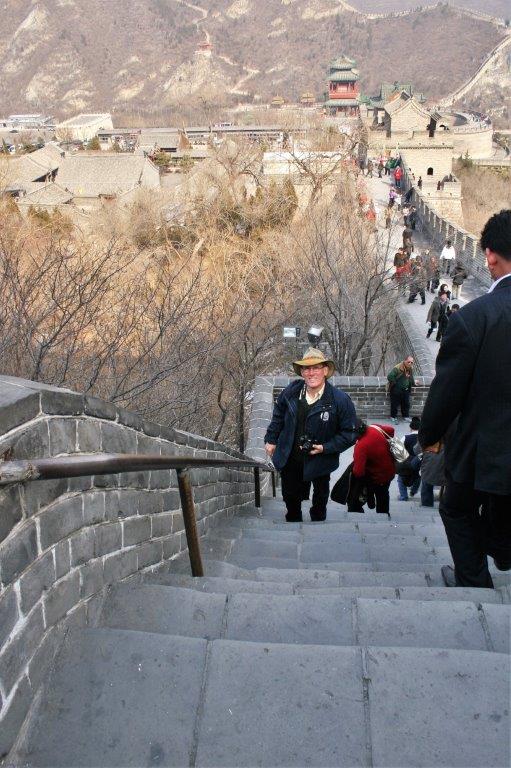
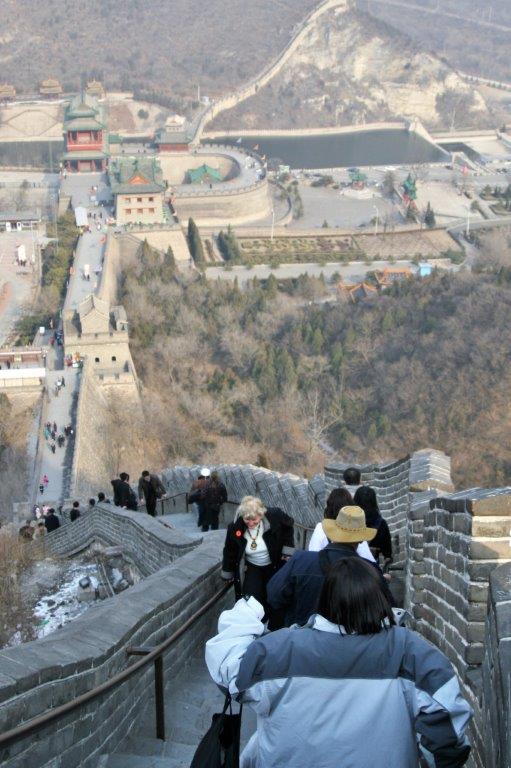
img_5714 img_5729 img_5745img_5747                                                We climbed pretty high.

The steps were wide enough to allow a couple of soldiers to travel side by side or pass each other but they were intentionally uneven in rise and depth to make it difficult for raiders to use.

.img_5748 img_5750 img_5754img_5786Not only was the wall used as a defensive barrier but it was an effective border control for collecting duties and tariffs on goods traveling along the Silk Road.  And it helped monitor immigration and emigration.
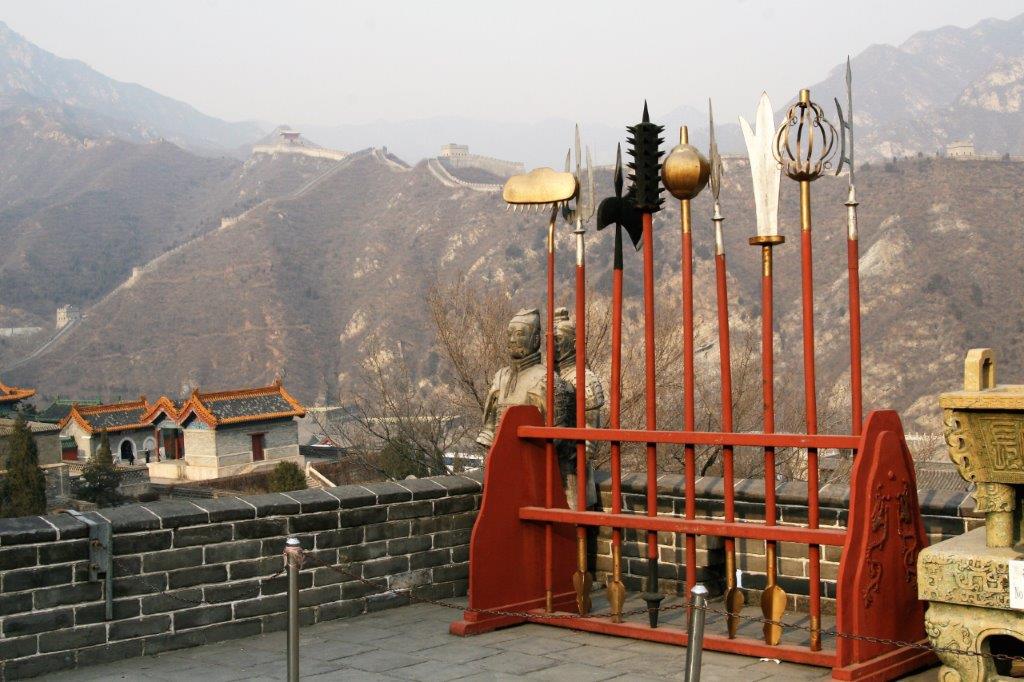
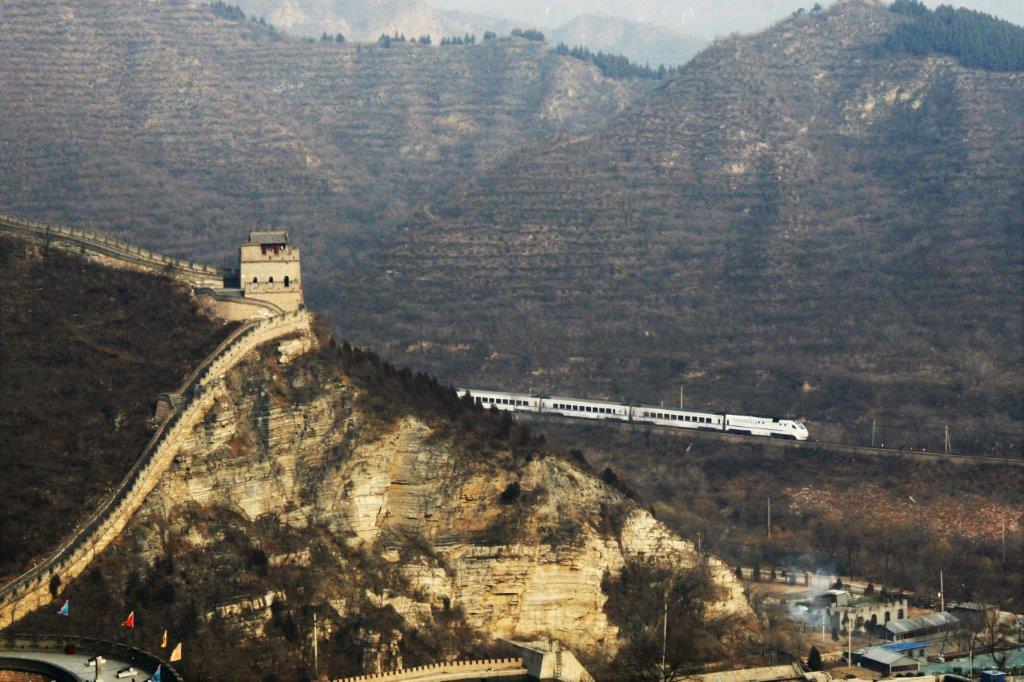
img_5775 img_5777 img_5784img_5778 img_5792 img_5785 img_5787 img_5790While we were coming down from the guard tower a bullet train went through the other side of the valley.img_5768 img_5766img_5757Lin did manage to delay our dinner for a half hour which gave back some of our lost time from this morning and allowed us to stay at the Wall a little longer.

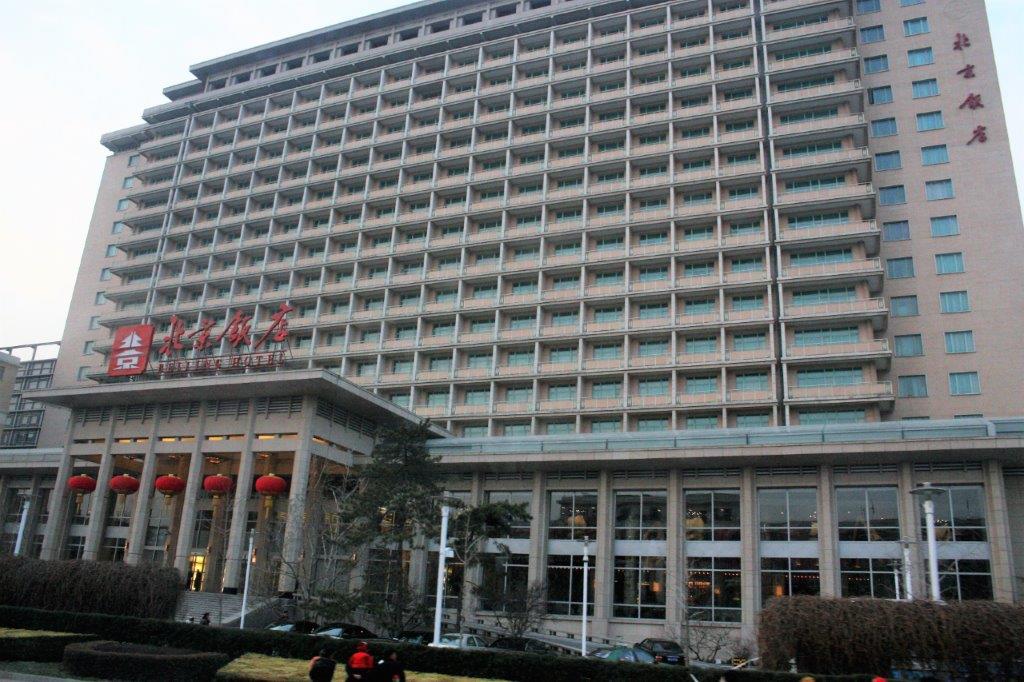
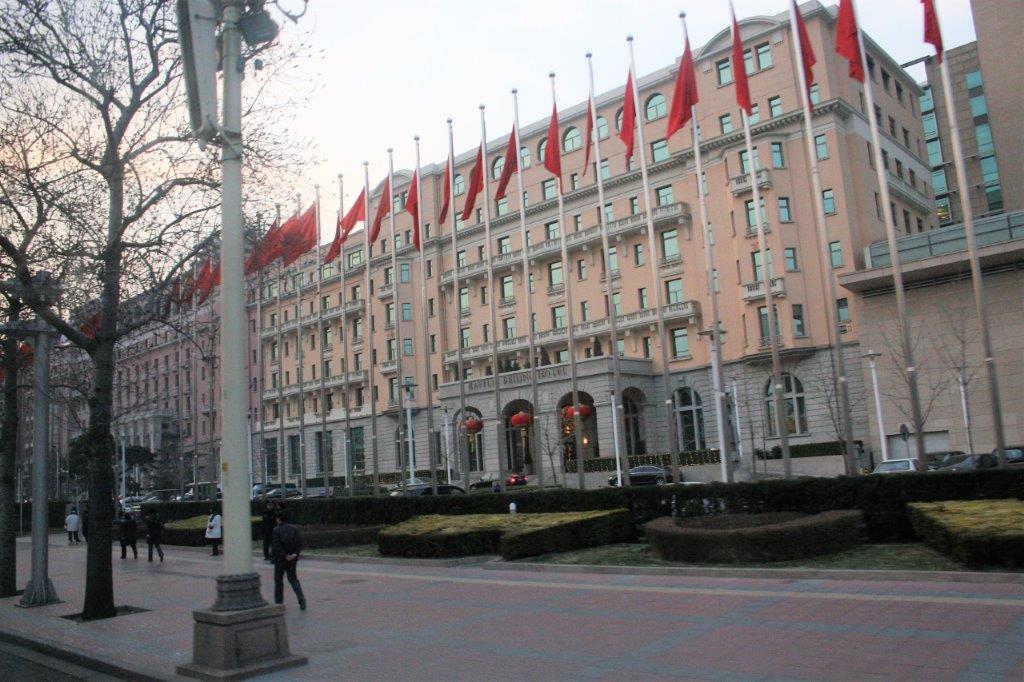
On the drive back to our hotel in Beijing we drove past the Olympic venues – the “Birds Nest” and the “Water Cube.”img_5804 img_5799 img_5811Our hotel was at one end of three inter-connected 5-star hotels.  We stayed at the Beijing Hotel NUO (I have no idea what the letters stand for.  It is a government owned complex so they may be related to that somehow), next was the famous Raffles Hotel and the last one was the Grand Hotel Beijing.  There was some sort of leadership conference going on in the city and many of the dignitaries were staying at our hotel.   This meant we needed to pass through a security check every time we went to our room.  Good thing we were gone all day or that would have become quite annoying.

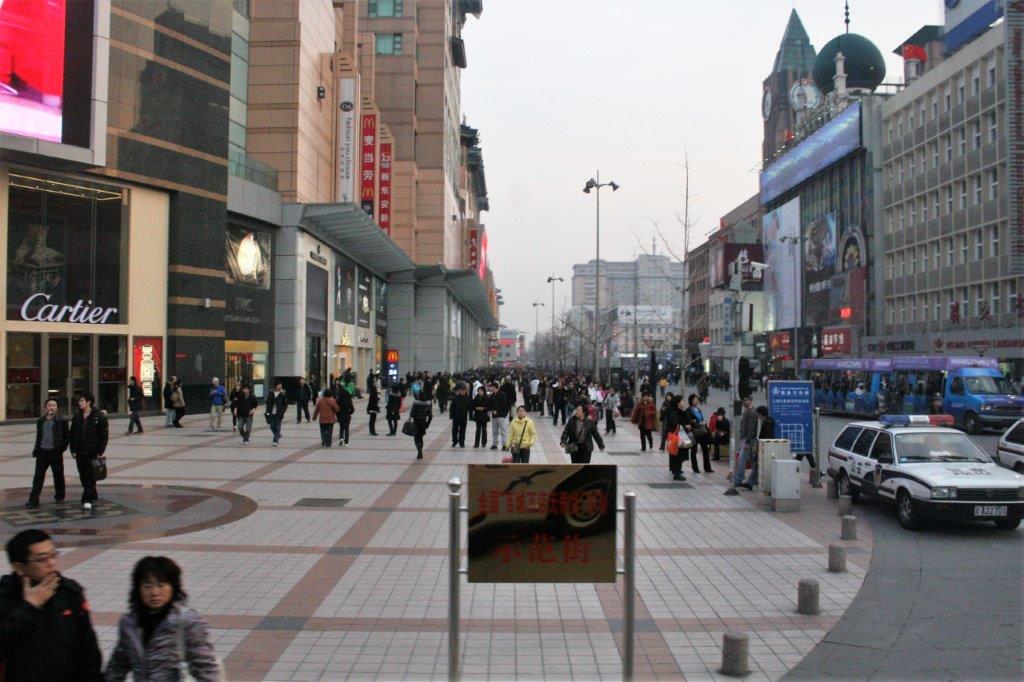
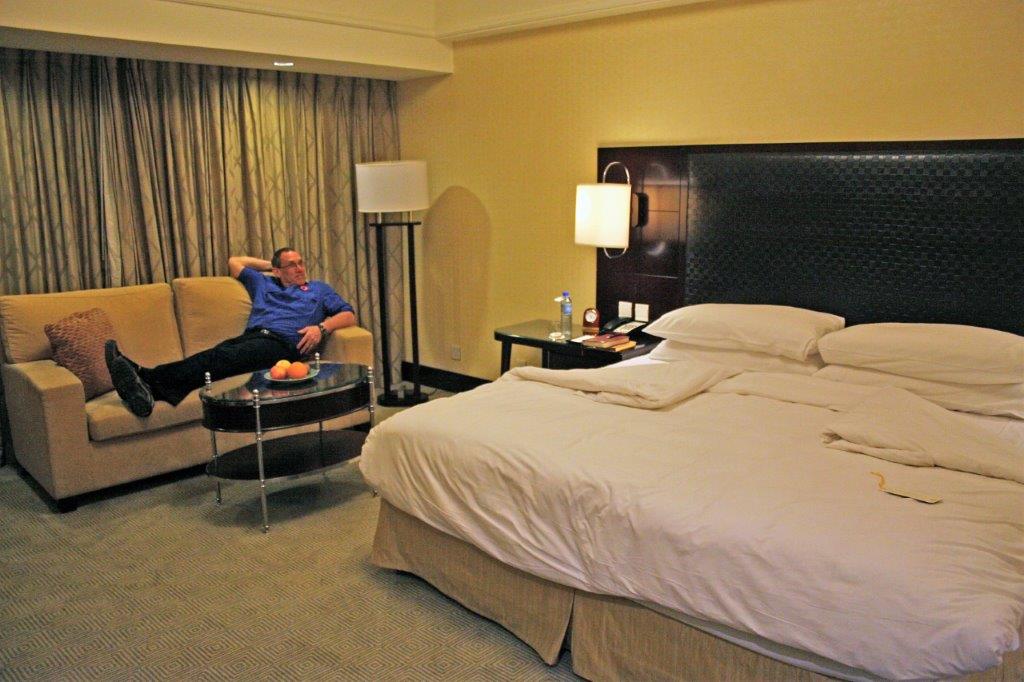
We got back to the hotel at 6 and our tour included a traditional Peking duck dinner at 7.  We had had enough Chinese food for the time being and neither of us like duck so we opted out and went to the Outback Steakhouse in the hotel.  After dinner we took a walk down a near-by pedestrian shopping plaza (no lack of American-style consumerism) and through the three connecting hotel lobbies before going up to our huge 2-room corner suite for the night.

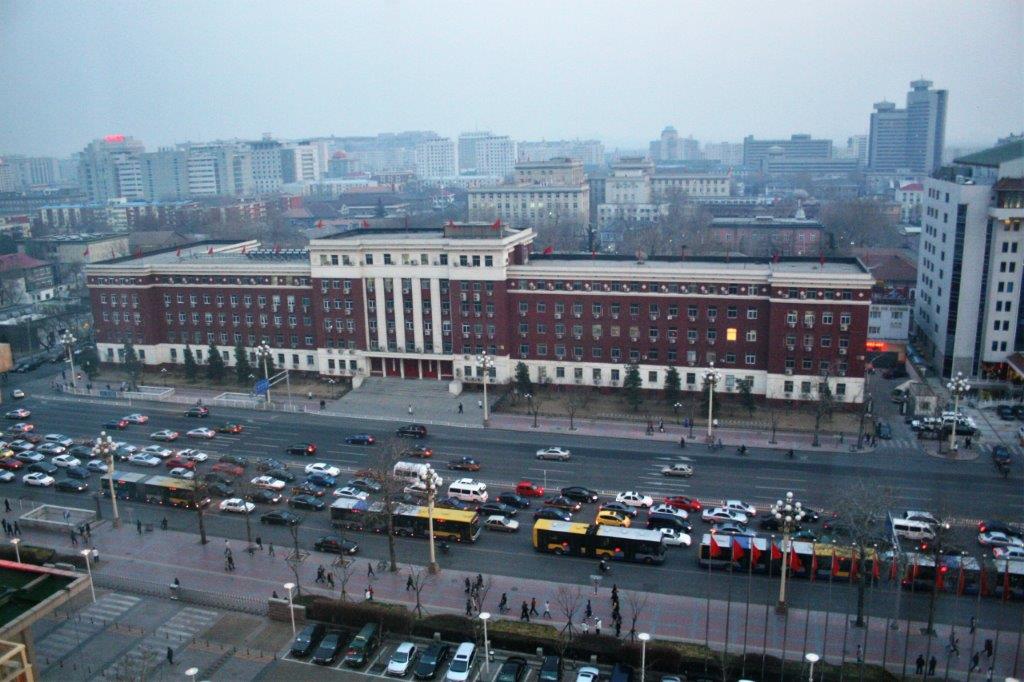
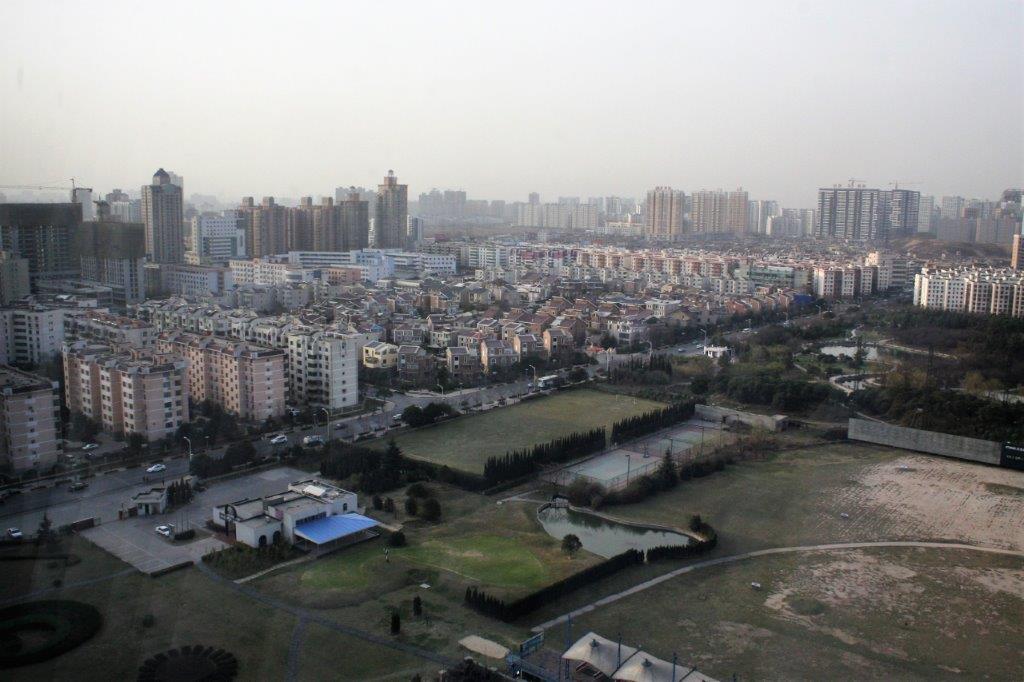
img_5815 img_5818 img_5821 img_5823 img_5824 img_5826 img_5829We had a nice view from our room.  The next day was the final one of our excursion – Tian’anmen Square and the Forbidden City.


2009 World Cruise – Mar 5 & 6 – Days 59 & 60 – China Overland – X’ian

2009 World Cruise – This blog plus the next two will be VERY photo heavy and VERY lengthy due to the fabulous adventure we had on a four-day overland excursion in mainland China.  There were 27 people on our tour and we were escorted by a lovely young lady named Lin who stayed with our group from the time we left the port in Hong Kong until the time we re-joined the ship in Shanghai.

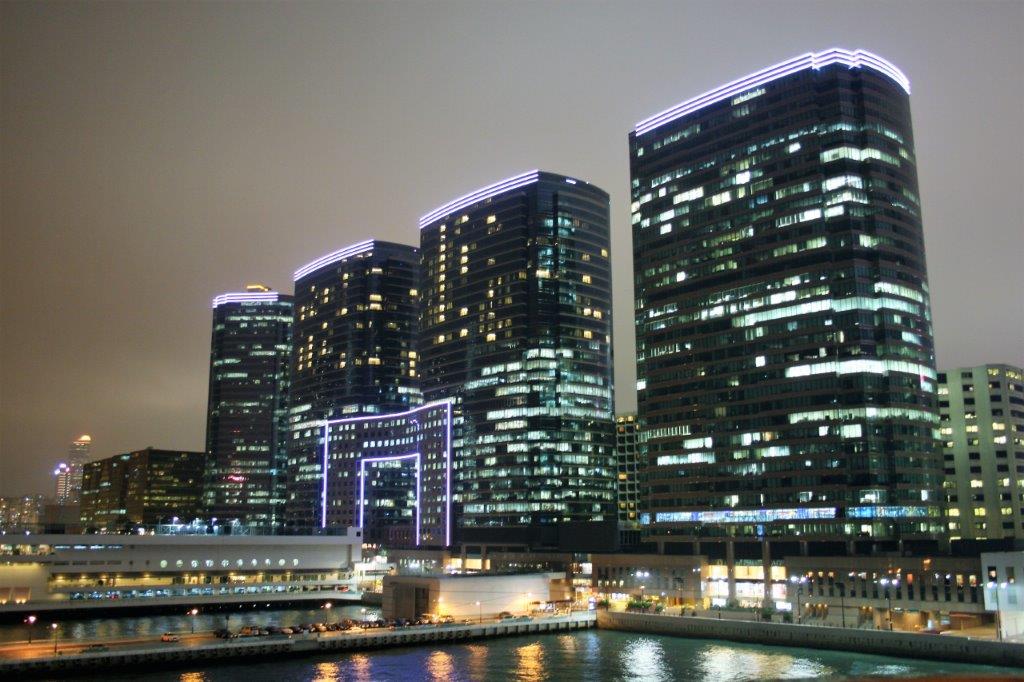
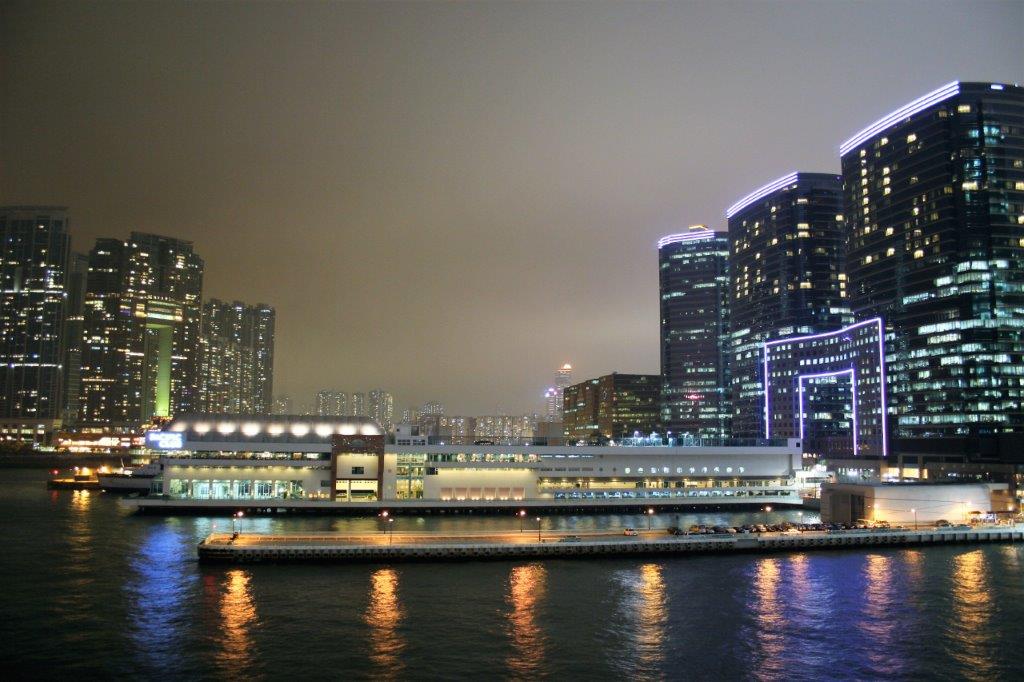
We left the ship at 2:30 in the afternoon of the second day in Hong Kong after a morning wandering in the gigantic Ocean Terminal; a three-story shopping mecca at the port.  The place is so big there are colour-coded arrows on the ceiling that will lead you to a guide station if you get lost.

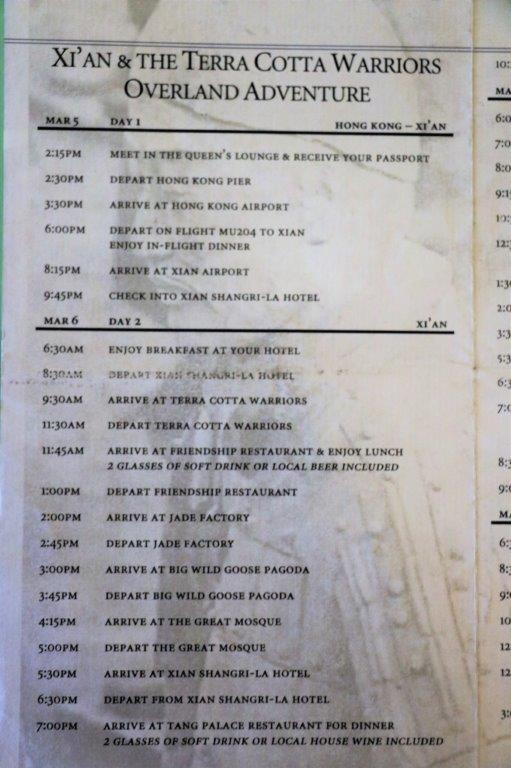
img_6970 img_6971The 6 pm flight from Hong Kong to X’ian was about 2 1/2 hours long and we were fed a nice meal on the way.  Once we landed we had almost an hour drive to the Shangri-la Hotel; a new – one year old – 5-star hotel.  We had a beautiful room with complimentary shampoo, conditioner and soap, as usual; also razor, toothbrush, toothpaste, and slippers.

img_5282_edited-1 img_5284 img_5287 img_5624 img_5626img_5288 img_5289                                        We had nice views of X’ian.  img_5290                          I am pretty sure this is a meditation path.

It was after 10:30 by the time we got settled in our room and we went to bed right away because we had an early – 6:30 breakfast – start the next day.

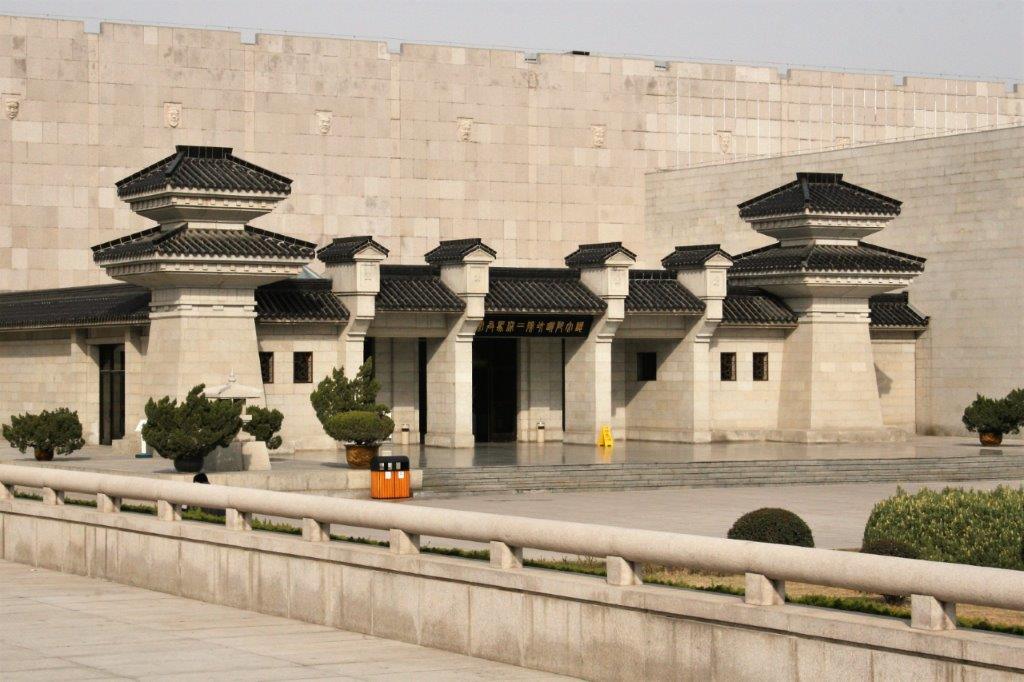
The bus ride to the Terra Cotta Warriors Complex took an hour.  Lin arranged for us to be dropped off right beside the first building (Pit #1) so we could avoid the long walk from the parking area.  She kept us moving because she wanted us to see all three buildings plus the documentary film and we had a lunch reservation at Friendship Restaurant for noon.

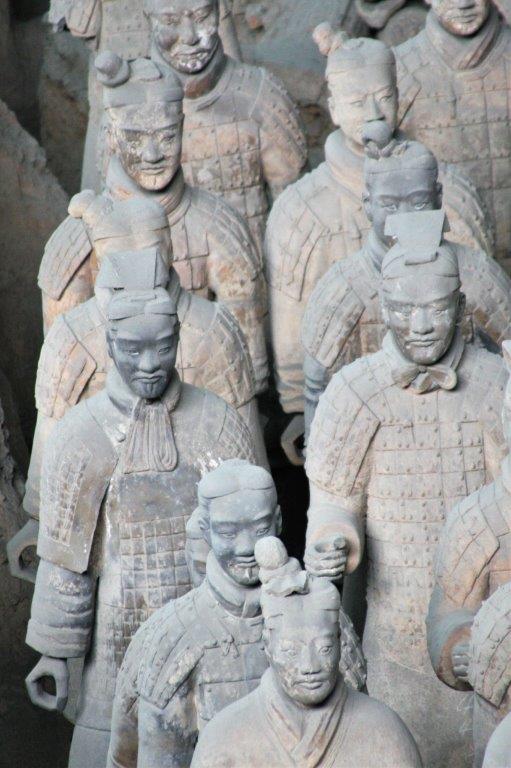
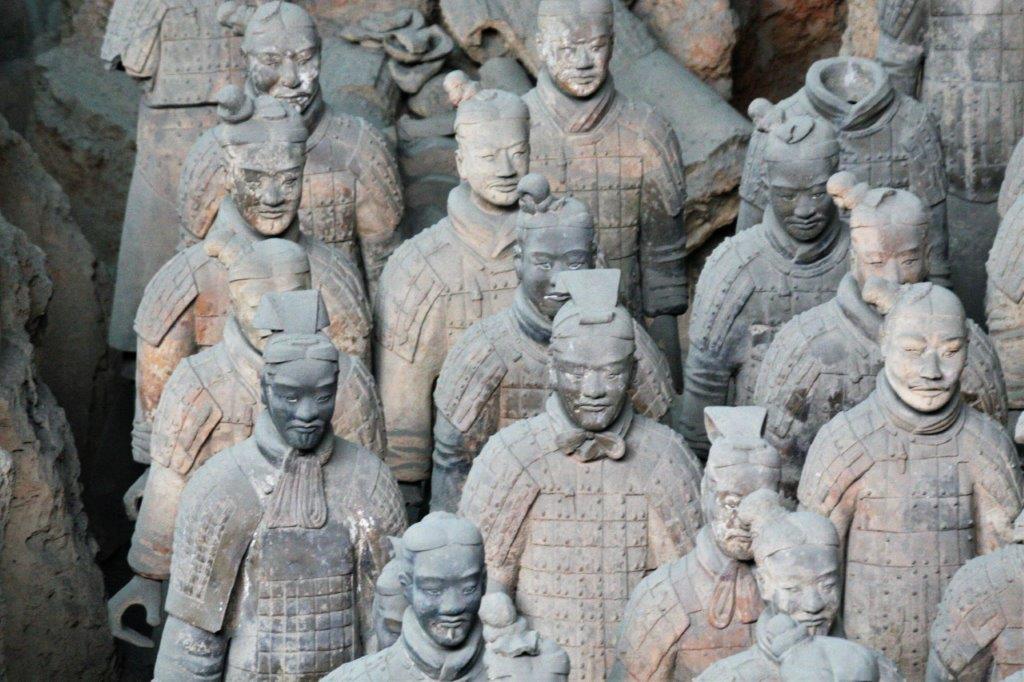
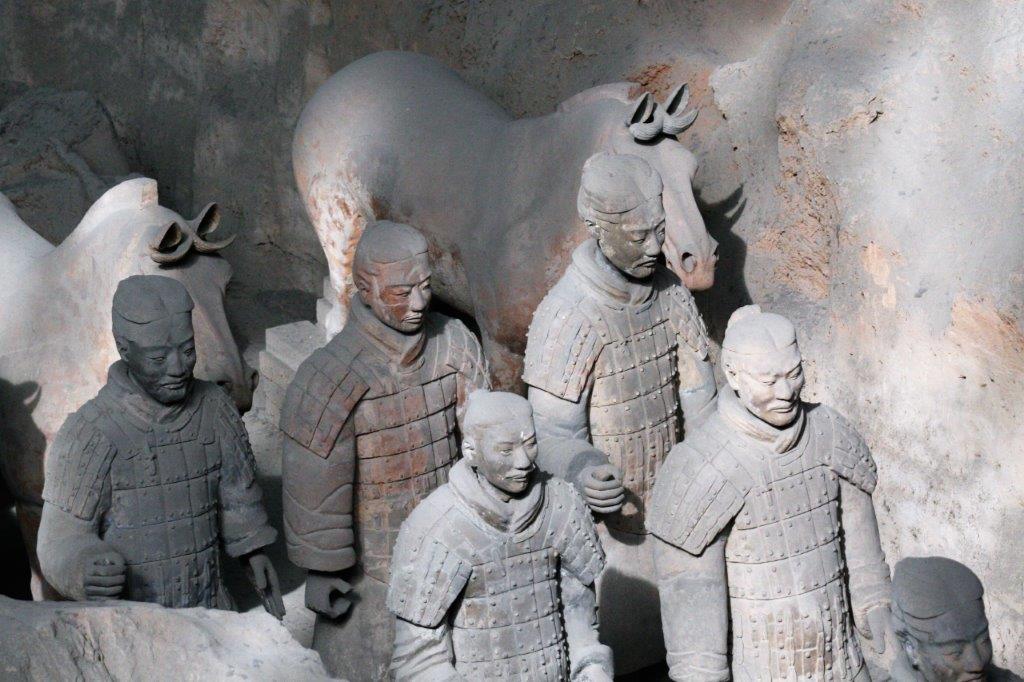
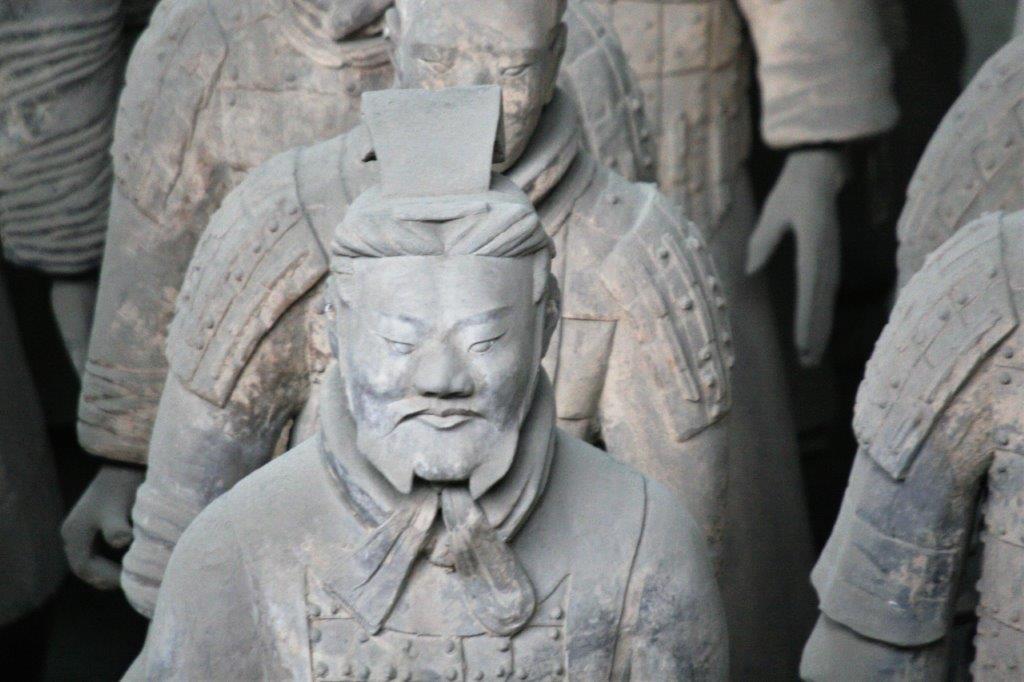
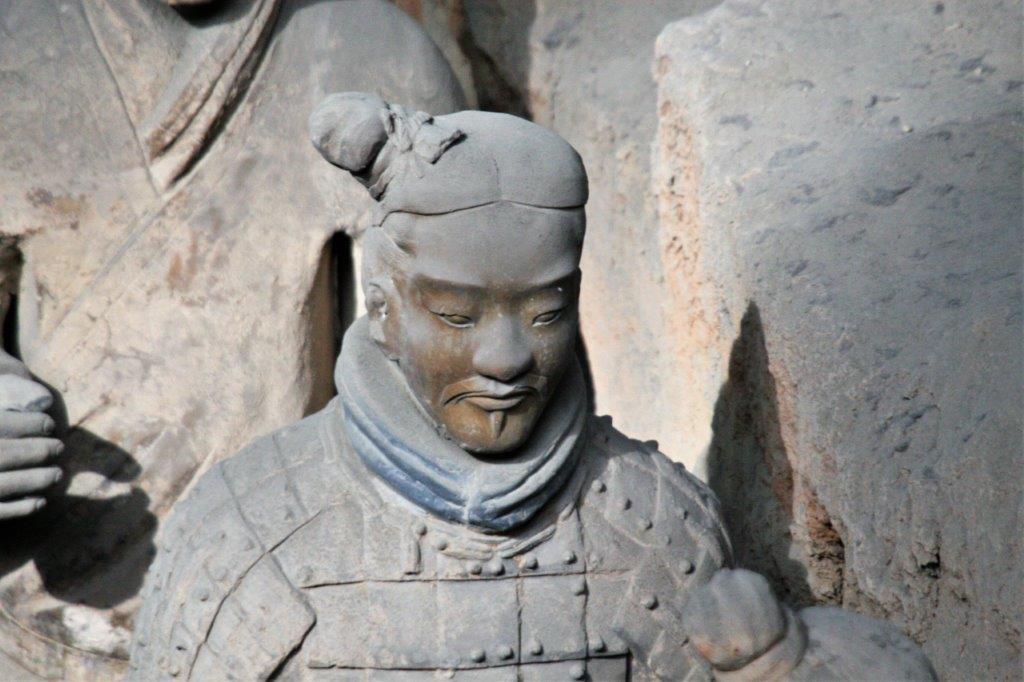
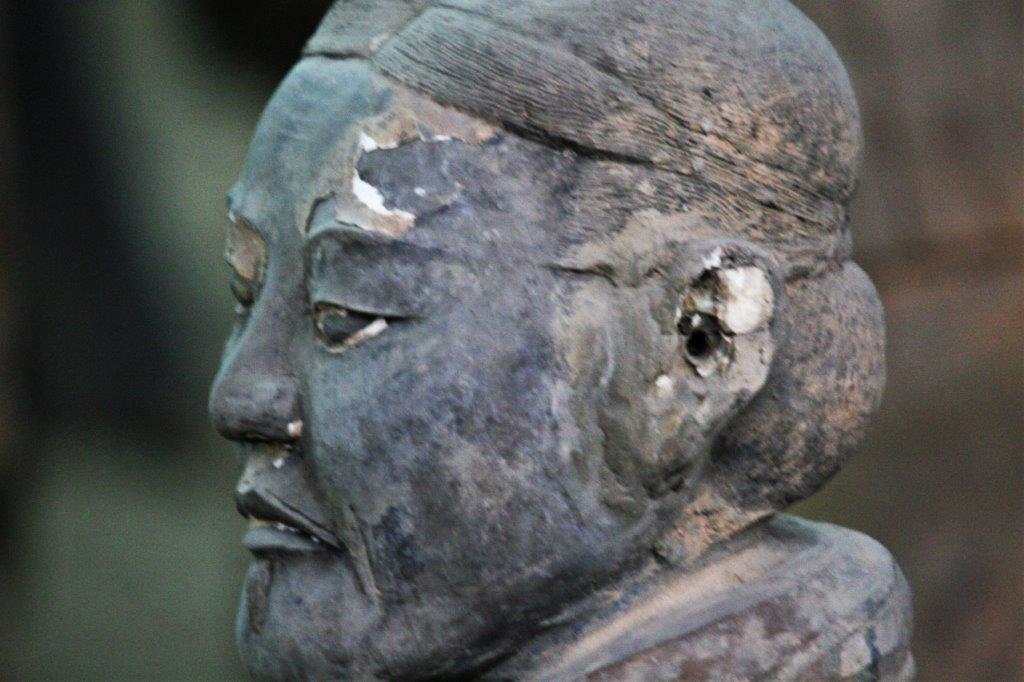
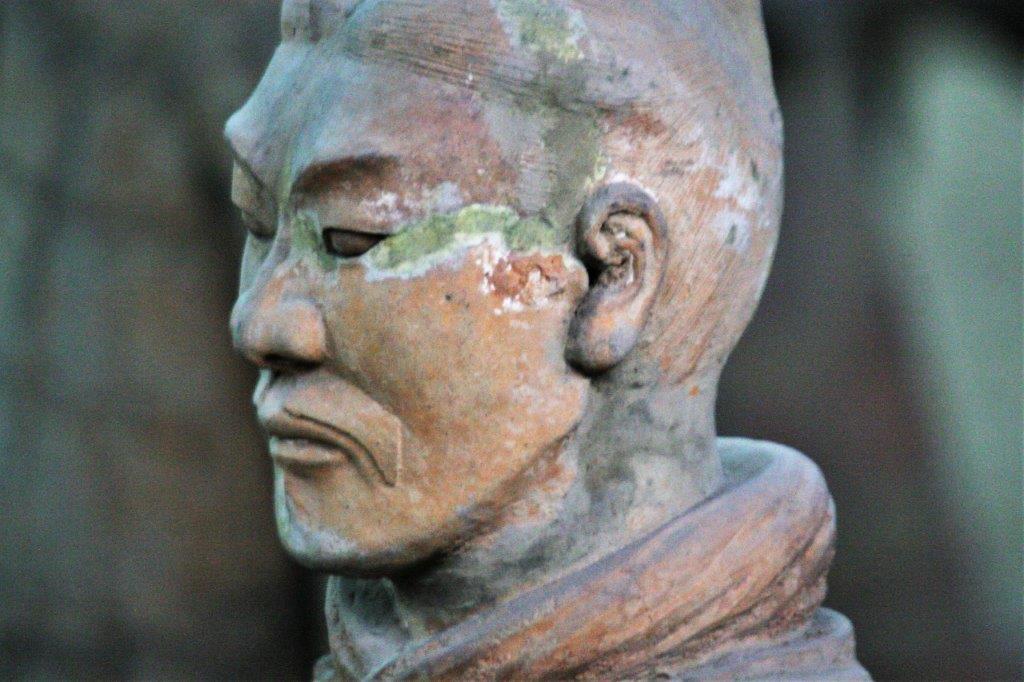
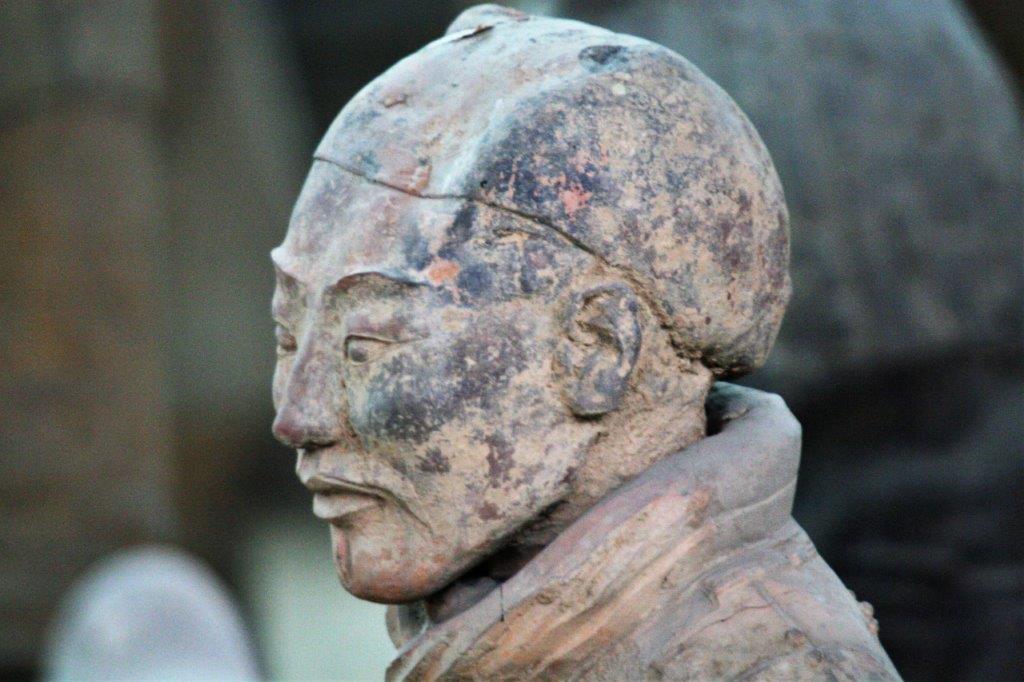
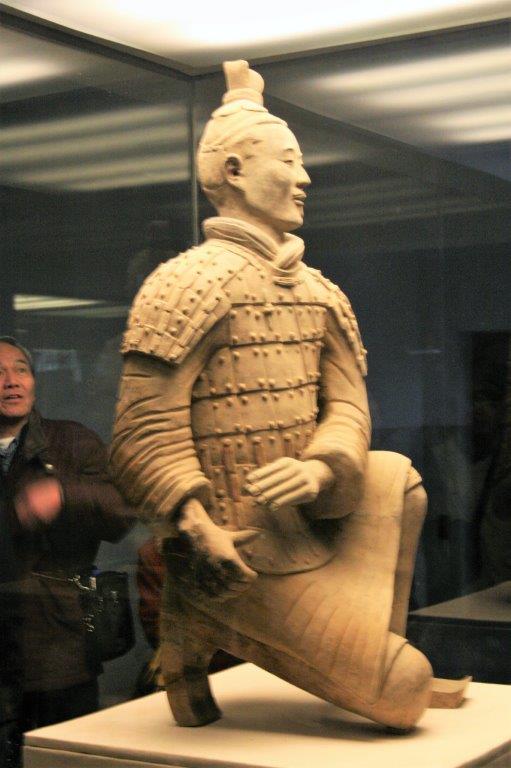
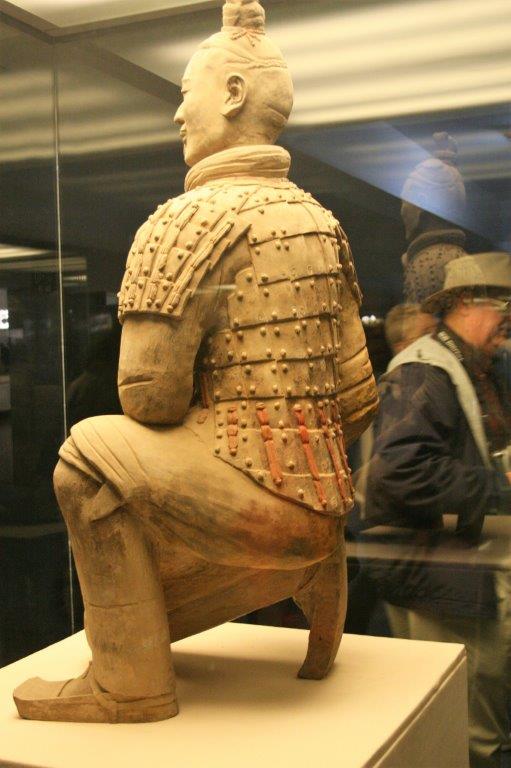
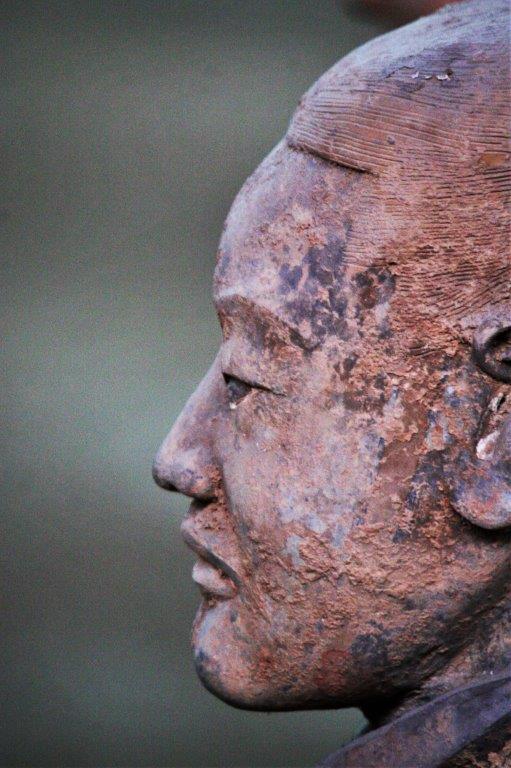
img_5293 img_5292 img_5295The evening before we left the ship Jackie from the cabin next door stopped me in the hallway and told me I could borrow her 500mm zoom lens for our trip.  We had only chatted in the halls and across our balconies.  I didn’t even know her last name.  Yet she entrusted me with a very expensive camera lens.  I was really happy to have it because I was able to get some great close-ups of the faces of the warriors.

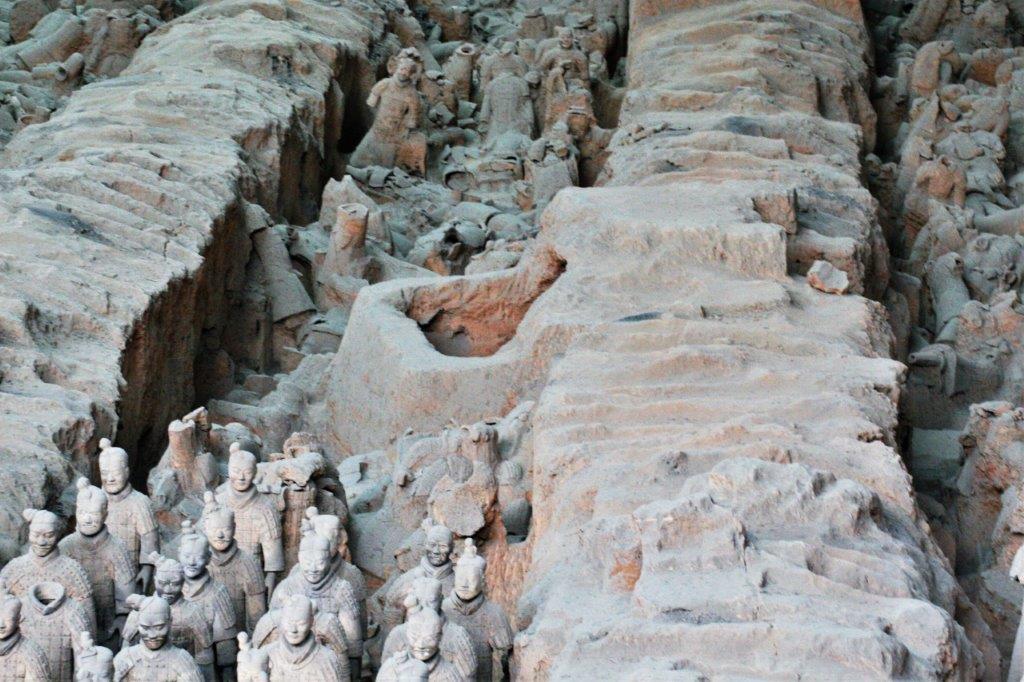
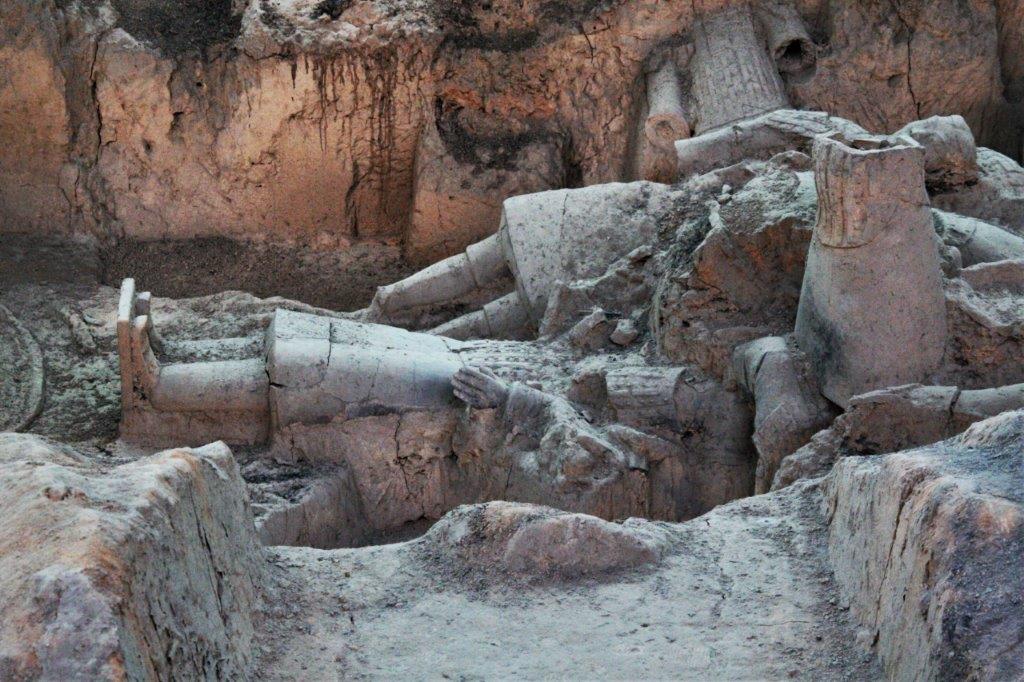
The Terra Cotta Warriors were discovered in 1974 by accident when three men were digging a well near their village.  (One of the men is still alive and he was sitting in the museum gift shop where he would sign autographs.)  Since that time there has been ongoing and extensive excavations.  Several pits of the clay figures have been discovered; three  of them have had buildings built around them so the figures are protected from air, moisture and pollution.img_5325 img_5326 img_5328 img_5329 img_5330 img_5331The archaeologists have identified a mound to the east of the army that is the tomb of Emperor Qin Shihuang  (first emperor of a unified China), who commissioned the creation of the massive army; but they have no plans to touch it until they have the technology to ensure nothing inside will be damaged when revealed to the air.  The entire necropolis site is 38 square miles and was completed about 210 BC.  Over 700,000 conscripted slaves, POWs, indentured servants, artisans and craftsmen took many years to build it all.  It was started well before the emperor died and he only ruled for 11 years.

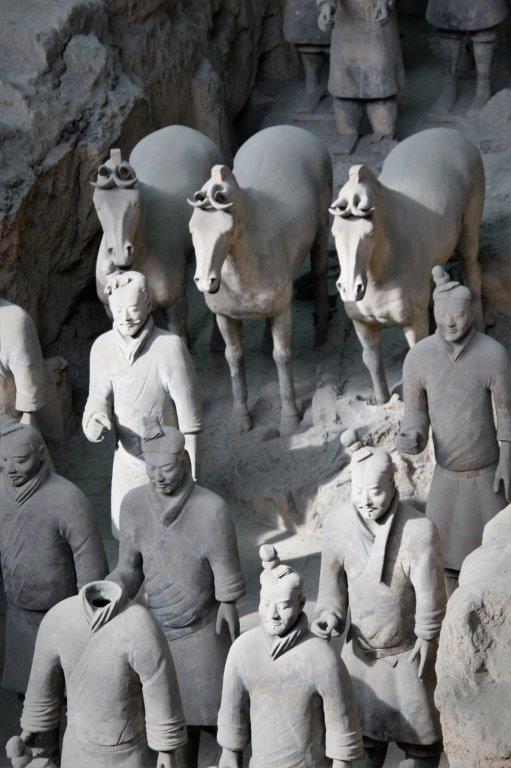
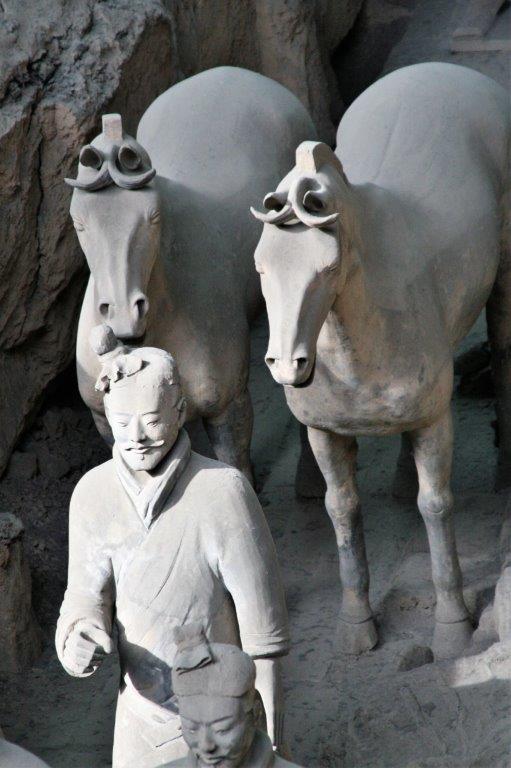
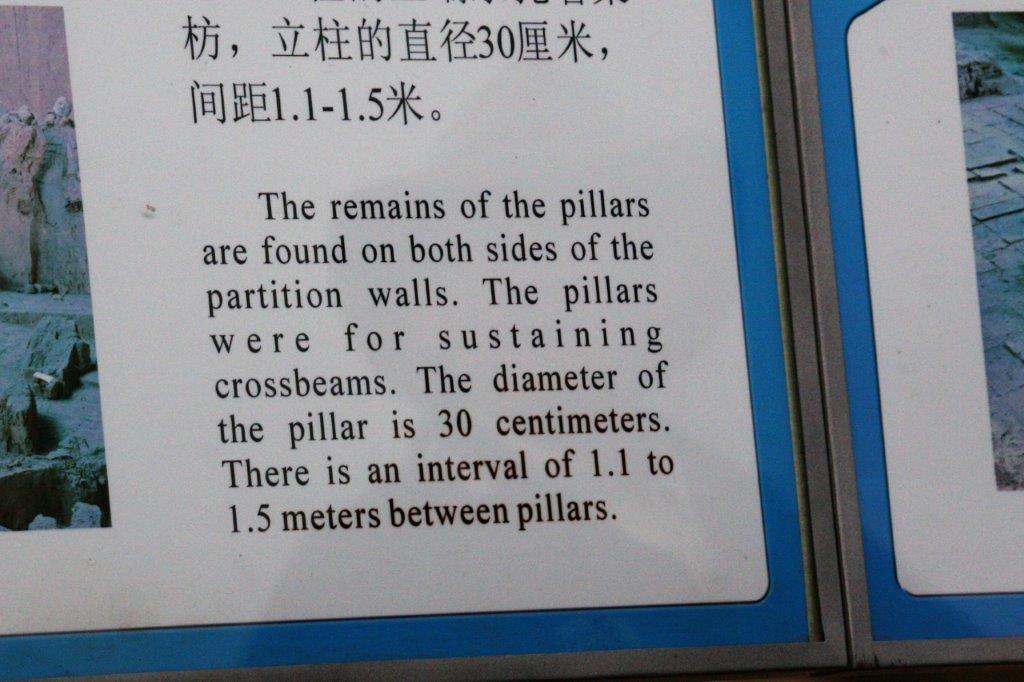
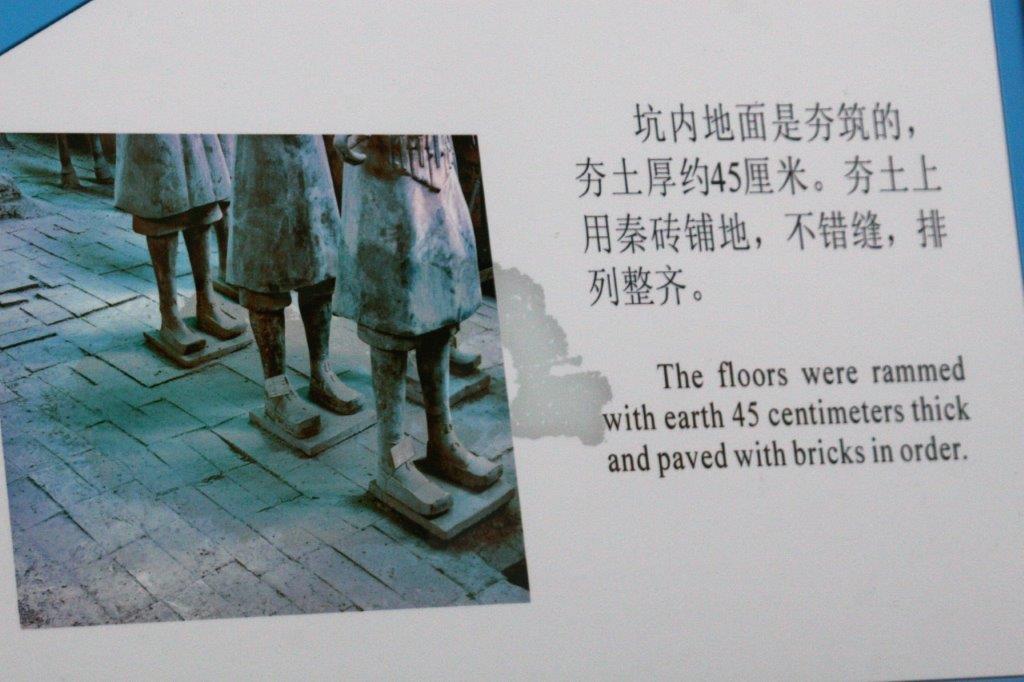
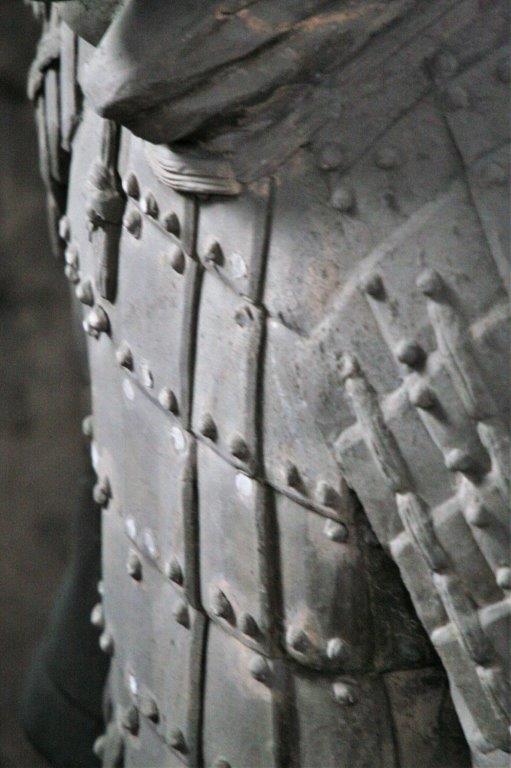
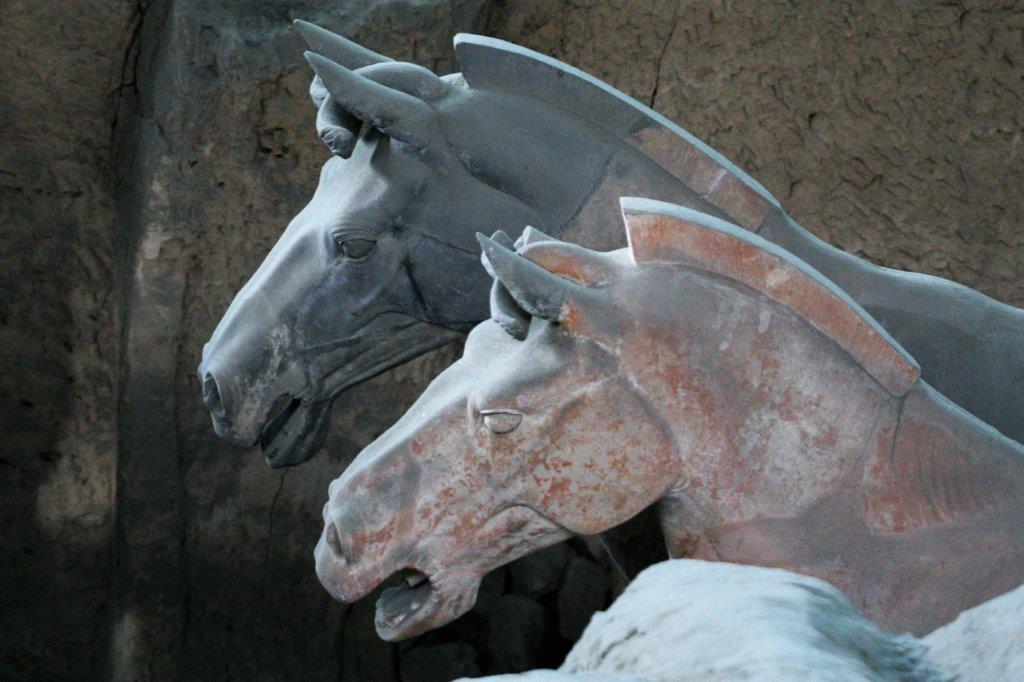
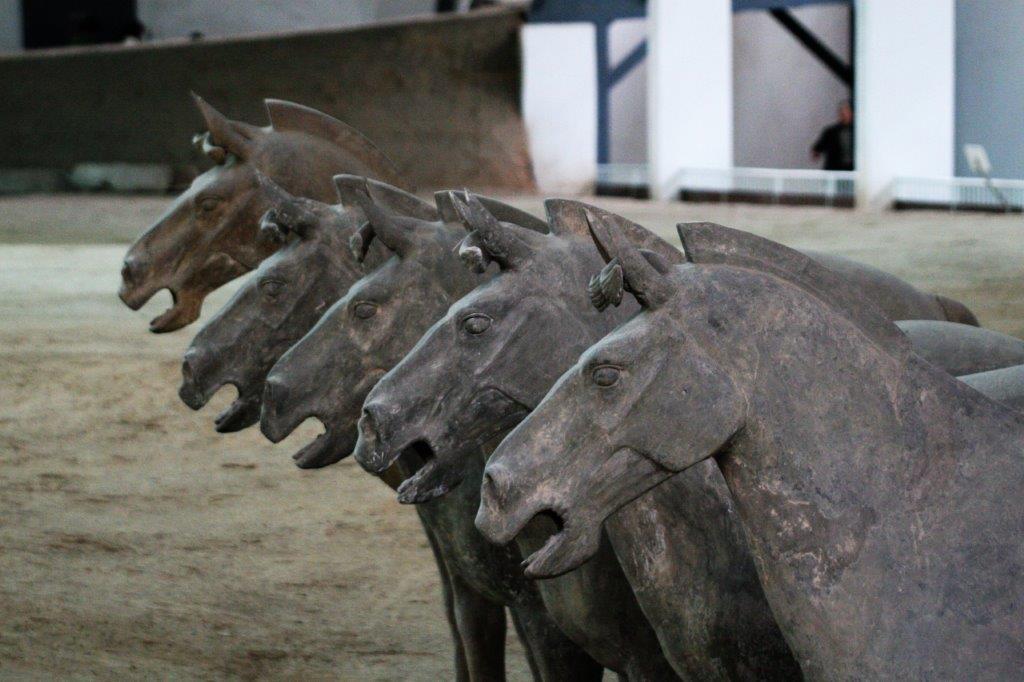
The emperor was afraid his enemy’s would follow him into the afterlife so he had life-size warriors, chariots, horses and riders made from clay and buried near his tomb.  They were placed in regimental rows protected by wooden beams and a roof with water proofing reed mats above and brick floors below. They held real bronze swords, halberds, crossbows, spears and scimitars; most of which were looted not long after the warriors were buried.  But over 40,000 items of weaponry (mostly arrowheads) have been discovered.  And 2000 years after being buried the swords were not rusted and were still sharp due to a coating that had been applied to the bronze.

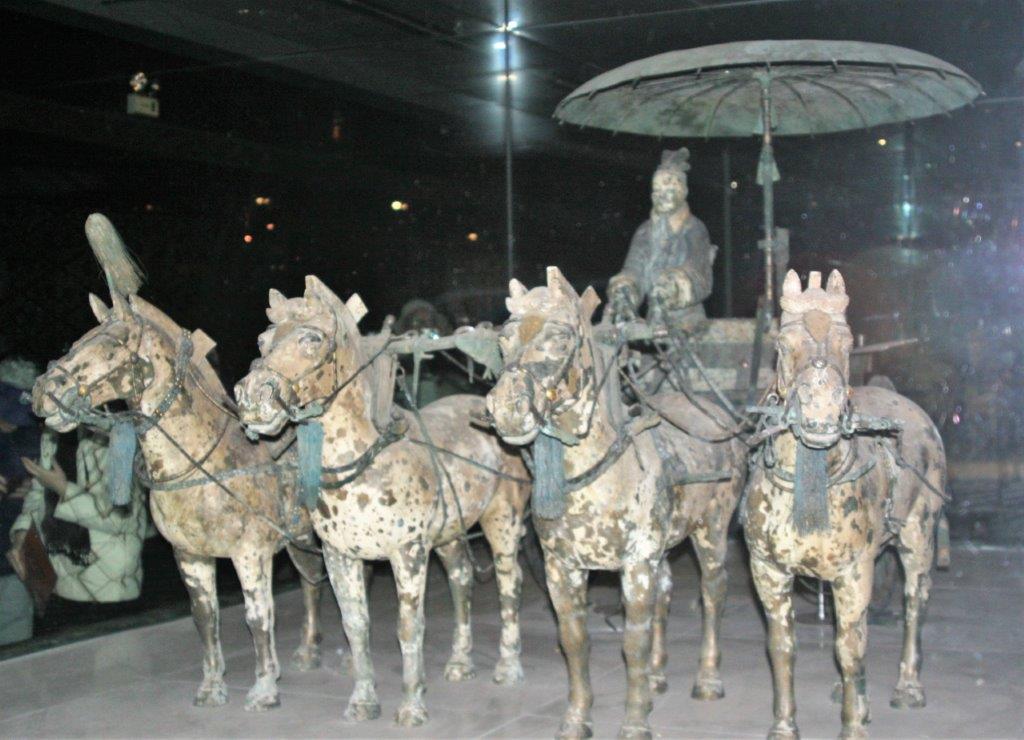
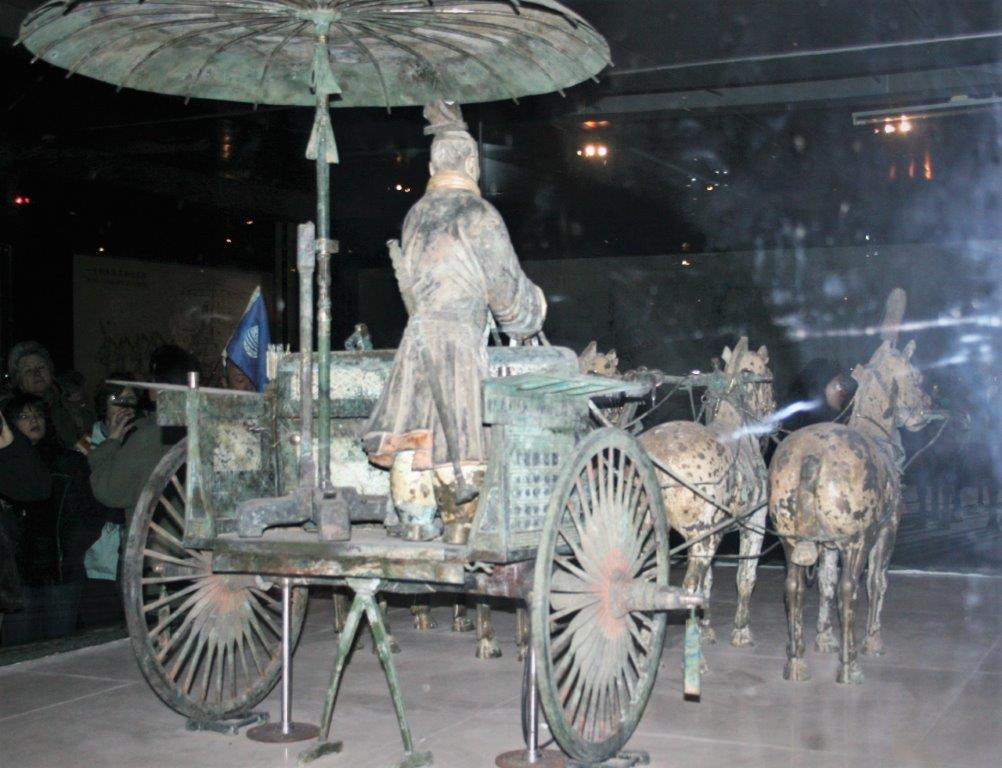
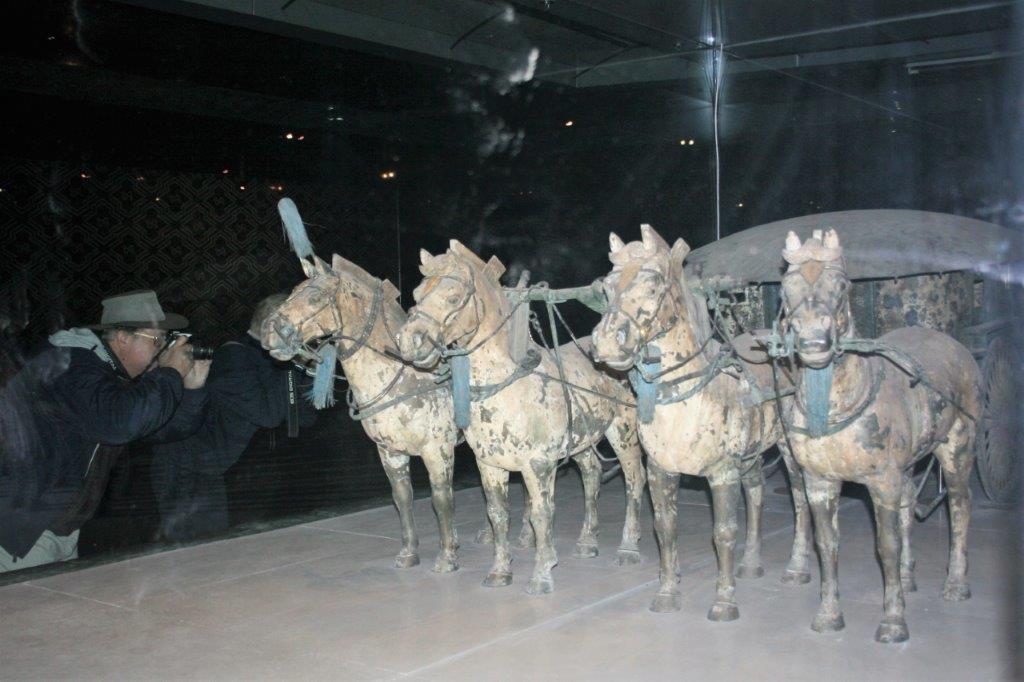
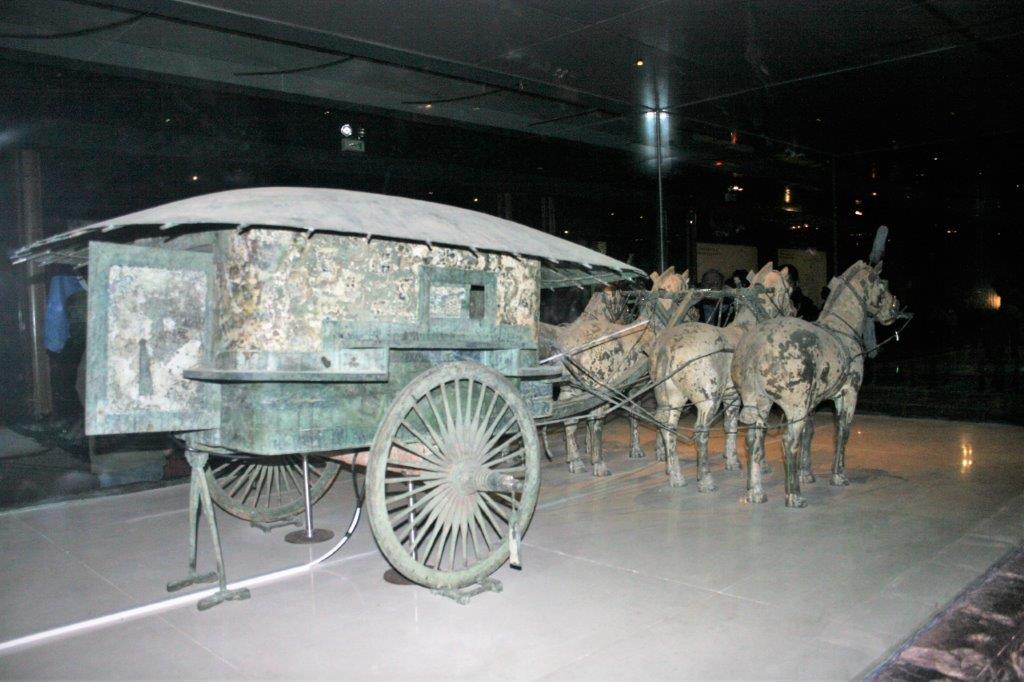
img_5358 img_5360 img_5346 img_5357 img_5361It is estimated that there are 8,000 soldiers, 130 chariots with 520 horses, 150 cavalry horses.  The majority of which are still buried. Two half-size bronze chariots have also been unearthed and were on display in the Pit #1 building.  Other pits contain figures of officials, acrobats, musicians and strongmen.  I guess the emperor planned to conduct business and also wanted to enjoy some entertainment.
img_5307 img_5310 img_5312 img_5316img_5301

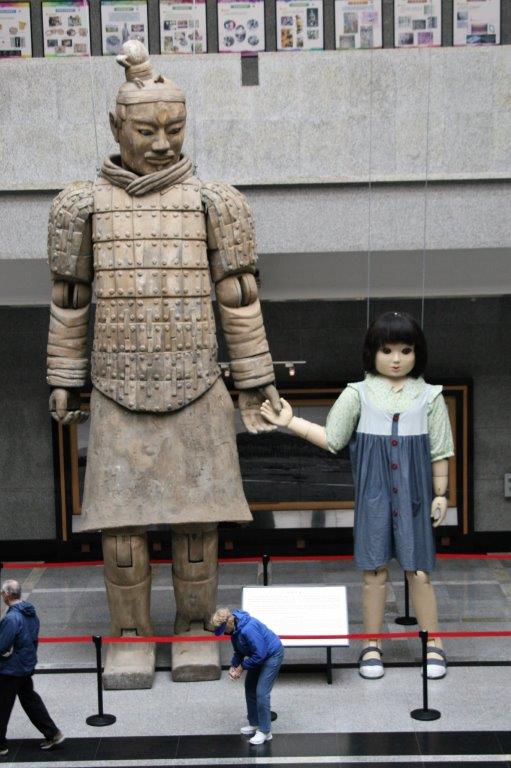
As we made our way to the warriors we passed these gigantic puppets.  I think the warrior was always there, but the little girl was built for the Beijing Olympics and brought to X’ian after the games.  She was one of the game mascots.


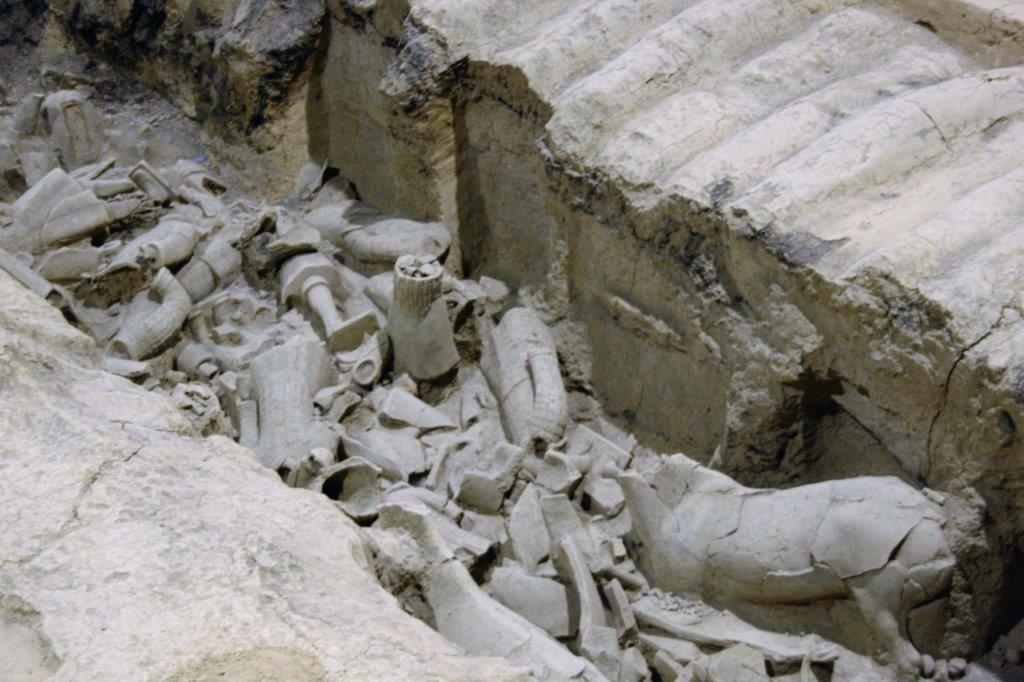
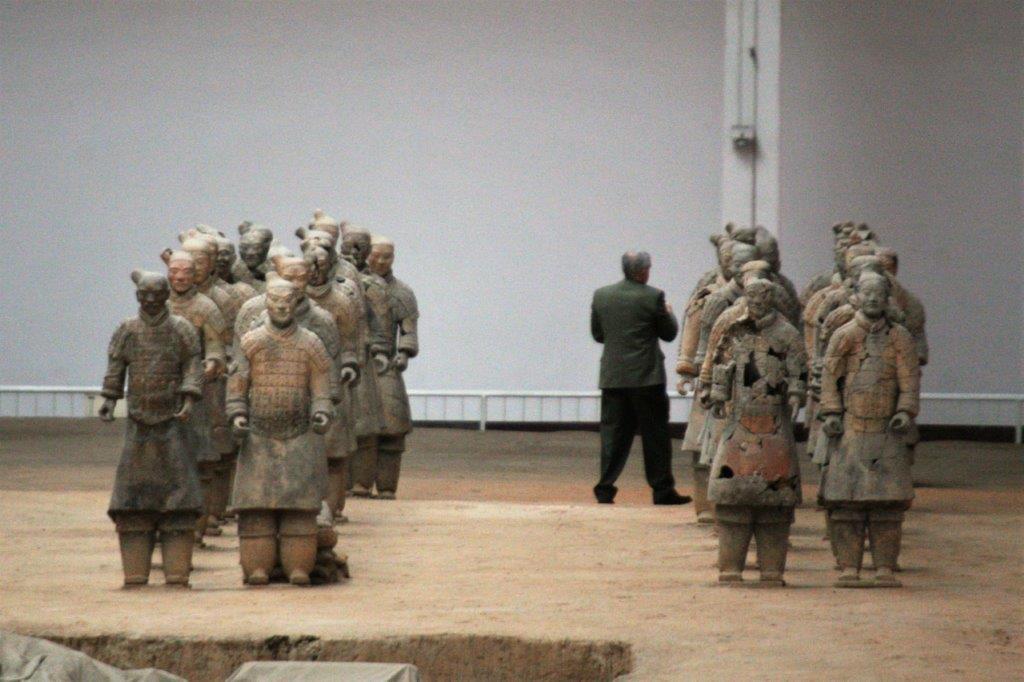
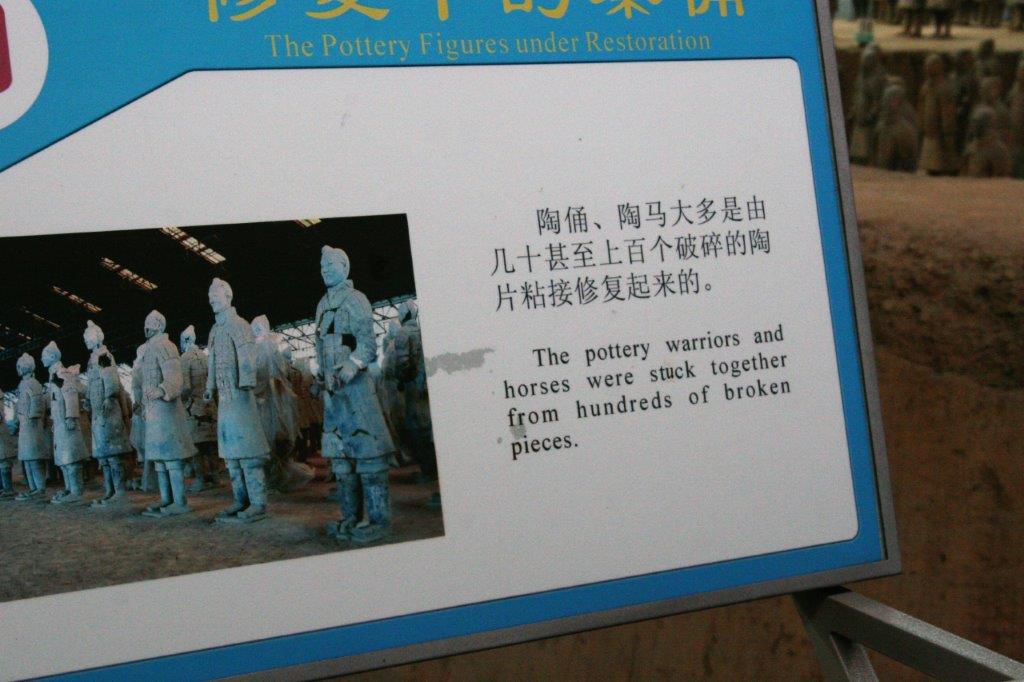
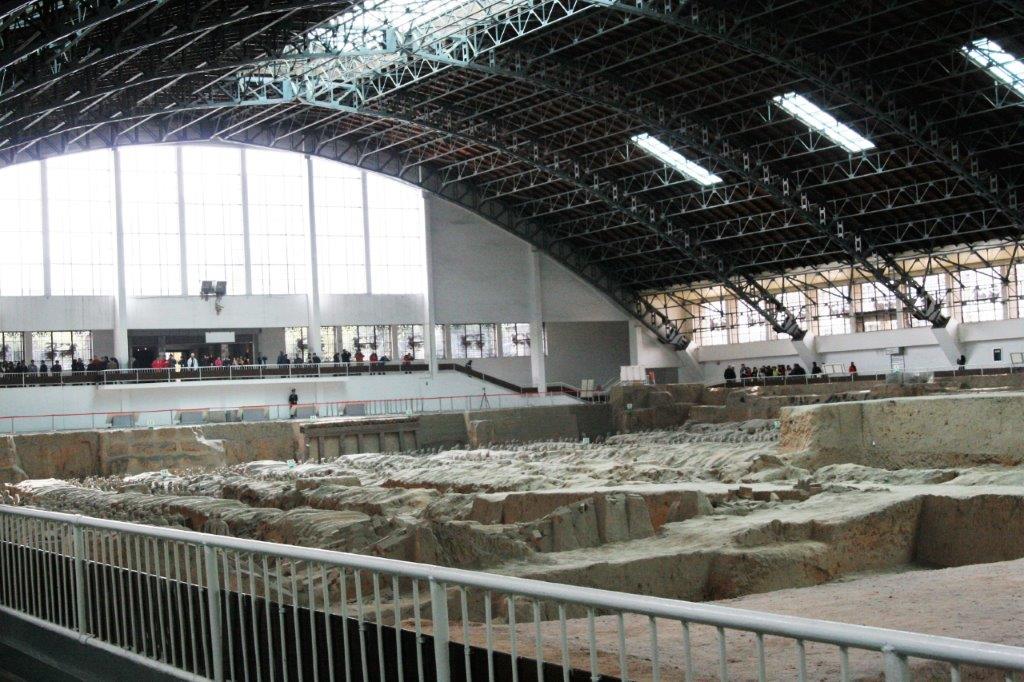
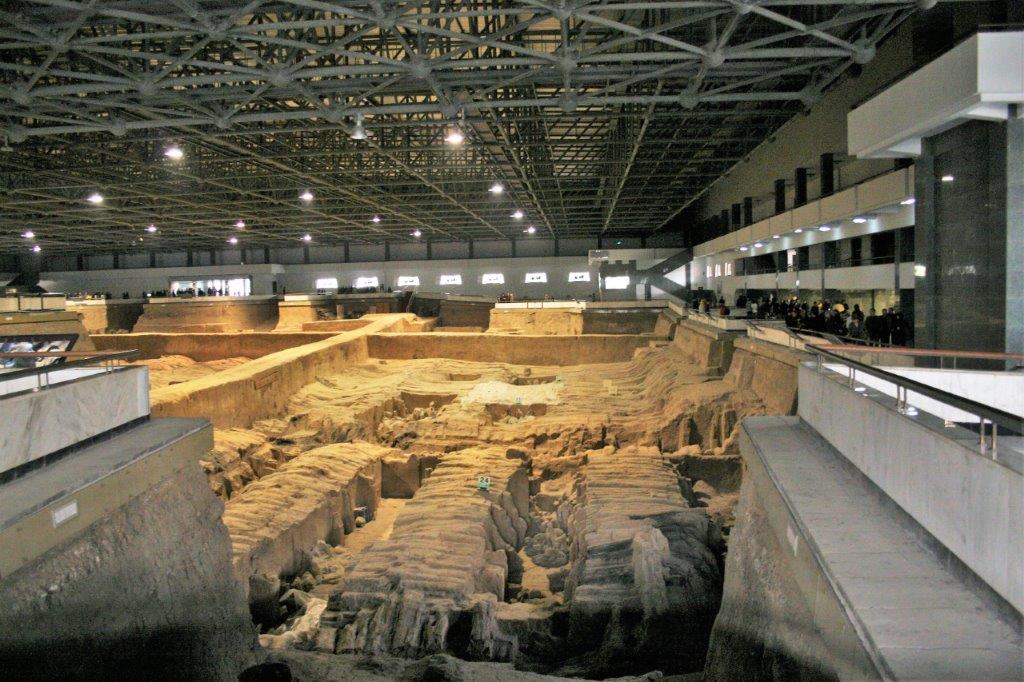
Over the years the wood rotted and the beams collapsed in many places and hundreds of the warriors were broken.  It is a massive task to piece them together again.  The bodies of the men were made from a few different posed molds yet every face is unique.  They were originally painted in bright colours but time and moisture and exposure to air destroyed much of it.img_5366 img_5422img_5345img_5377In order to protect the figures and allow access by the thousands of people who want to see them each year the three pits that have been extensively excavated had climate controlled buildings erected over them.  Pit #1 building is 230 meters (750 feet) long and 62 meters (203 feet) wide. It contains about 6,000 figures.img_5334 img_5336 img_5337 img_5379 img_5380 img_5381 img_5382 img_5386There is a gift shop, of course, where you can buy your own warrior to put in your house or garden.  Plus some beautiful carvings and inlay.img_5319 img_5320After walking the full length Pit #1 we toured Pit #2 which contains mostly cavalry and infantry.img_5372 img_5366 img_5391And after that we visited Pit #3, which was the command post with high-ranking officers.  The figures are life-size but the higher ranked officers were taller than regular soldiers with generals being the tallest.img_5450 img_5446 img_5431 img_5436 img_5433

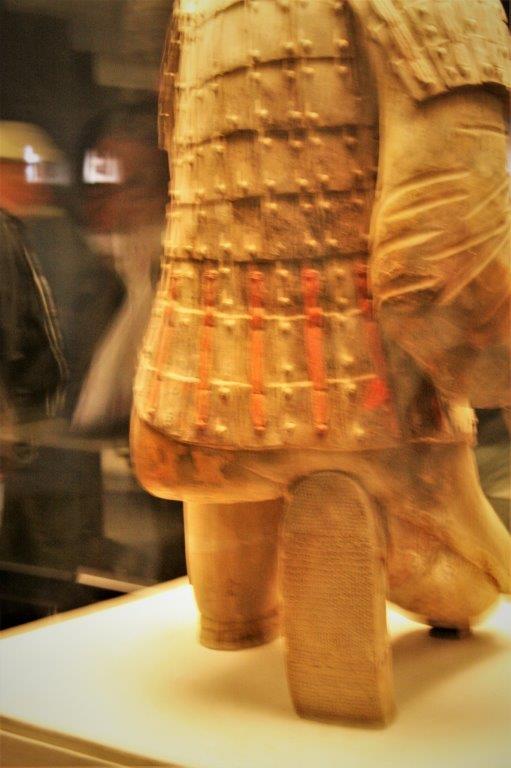
It’s a bit blurry but you can even see they put tread on the bottom of the boots.  What an amazing place.  I could have stayed for days.  But we had to leave to get to the restaurant for lunch before our tour in X’ian continued.

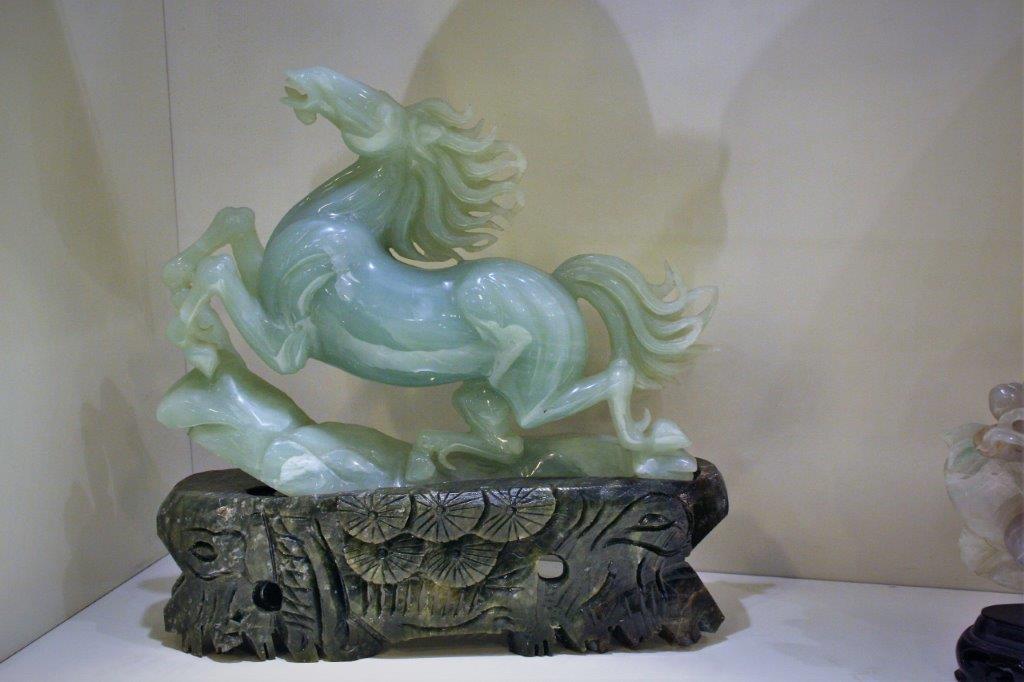
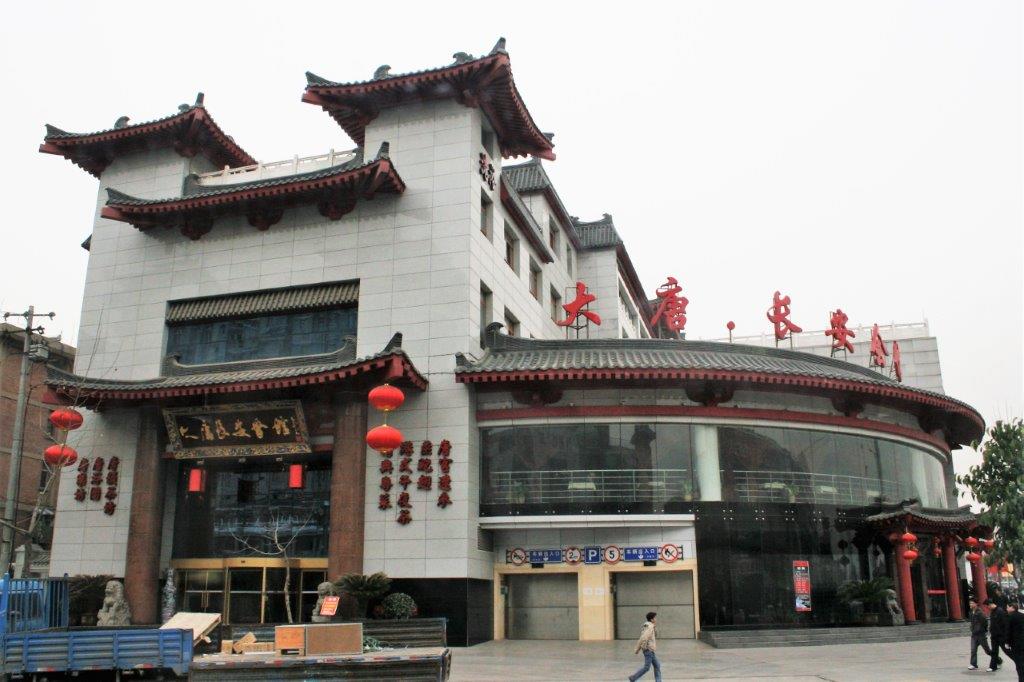
ALL OF THIS WAS ONLY THE MORNING.img_5463 img_5468 img_5472 img_5474img_5485 img_5478The Friendship Restaurant where we had lunch is also where we had our dinner and were treated to an incredible show.  It was a beautiful, and large, restaurant/theater.img_5486 img_5488 img_5489One must, when on a shore excursion, have opportunity to shop so we were taken to a jade factory to see how they work the gemstone and browse the large gift shop that had many types of trinkets and merchandise available.  Some of these pieces were very, very expensive.

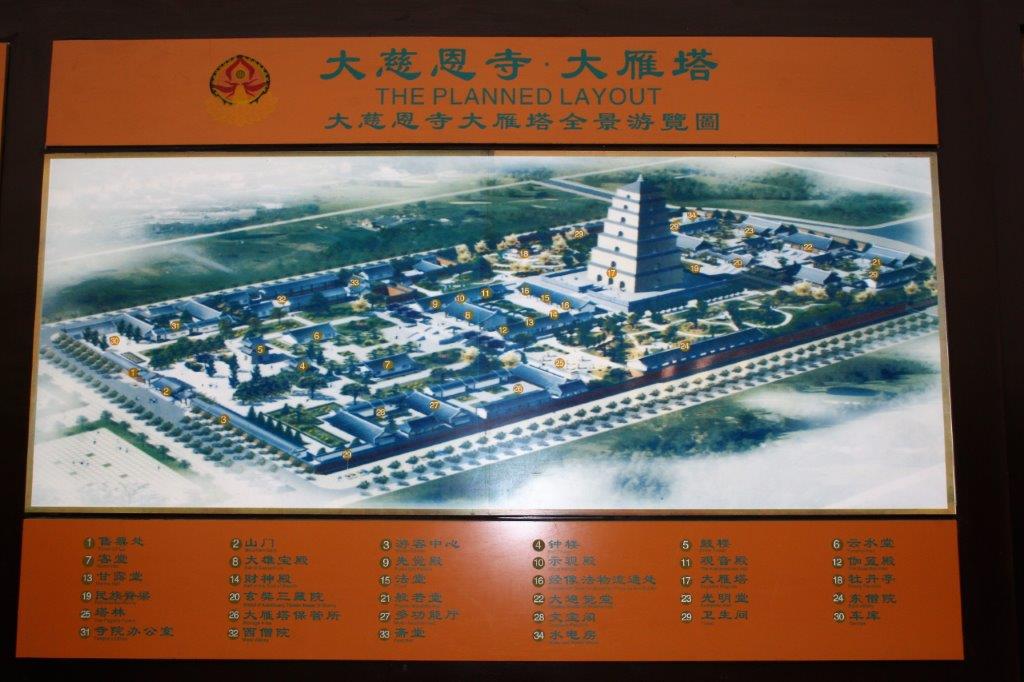
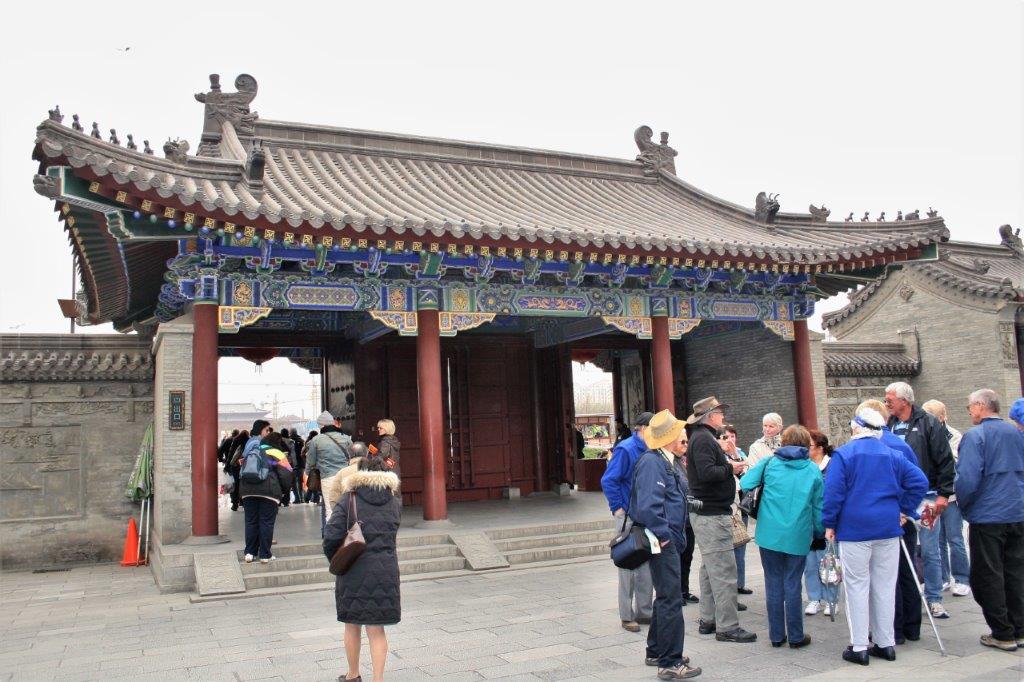
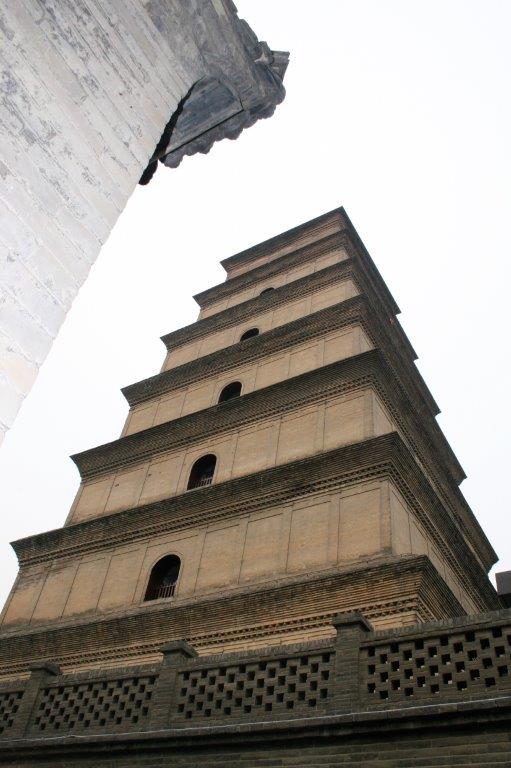
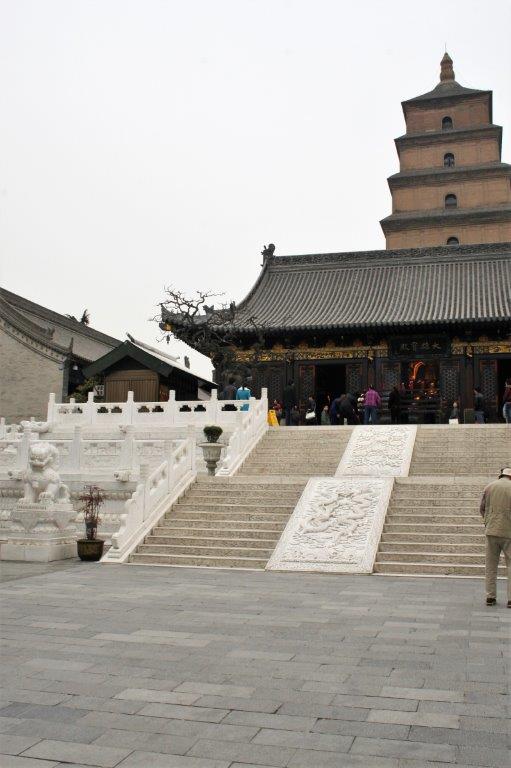
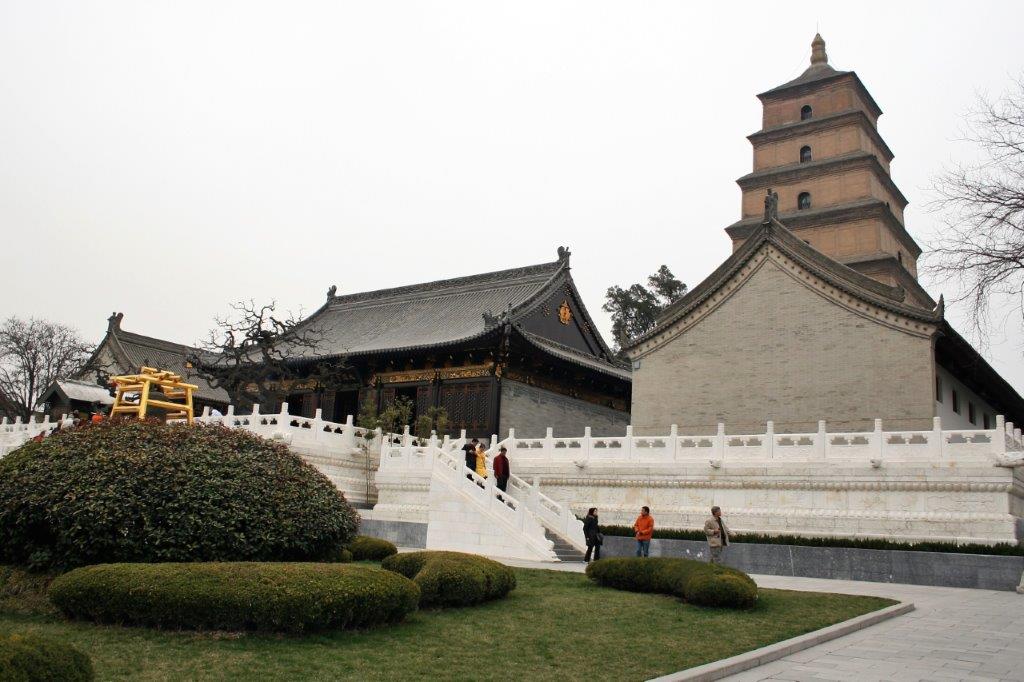
img_5490 img_5491img_5494 img_5492 img_5493 img_5495 img_5502 img_5503 img_5504 img_5505After our shopping time we went to the Big Wild Goose Pagoda temple that was built in 652 AD to house the Buddhist scriptures brought back from India by a traveling monk.  The original three-story structure collapsed 50 years later and was rebuilt five stories high.  An additional five stories were added in 701-704.  An earthquake in 1556 reduced it by three stories to the 7 levels it is today.  It is the central building of a large complex that is still in use. There are 13 yards and 1897 rooms.  It was the most famous temple in the city during the Tang Dynasty and is a protected historical site.img_5556img_5521Many of our group gathered together waiting while Lin secures our tickets.

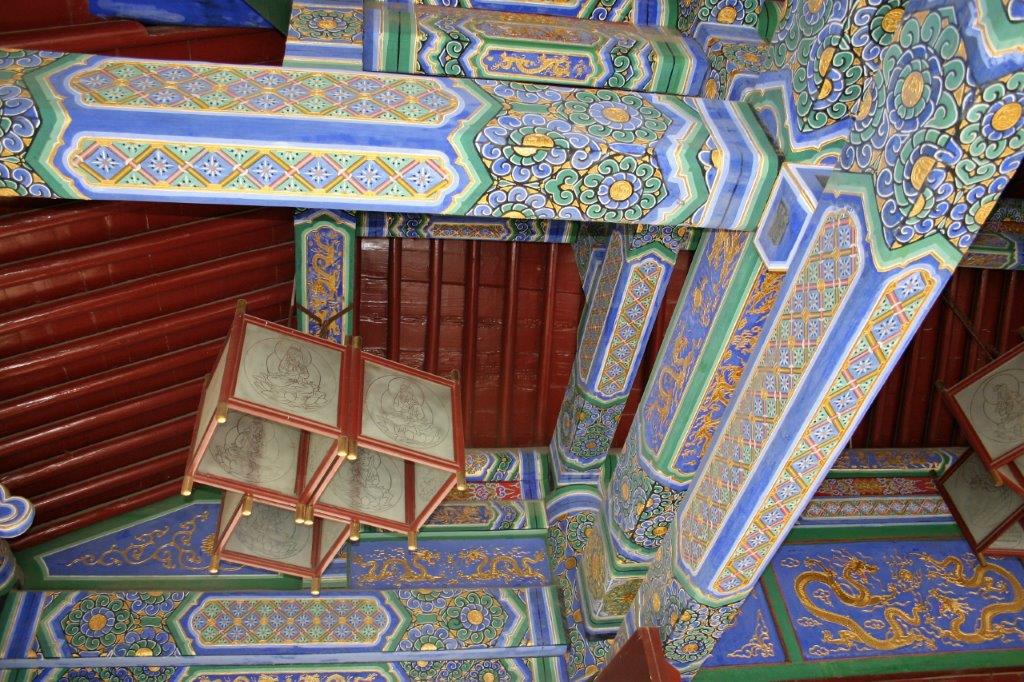
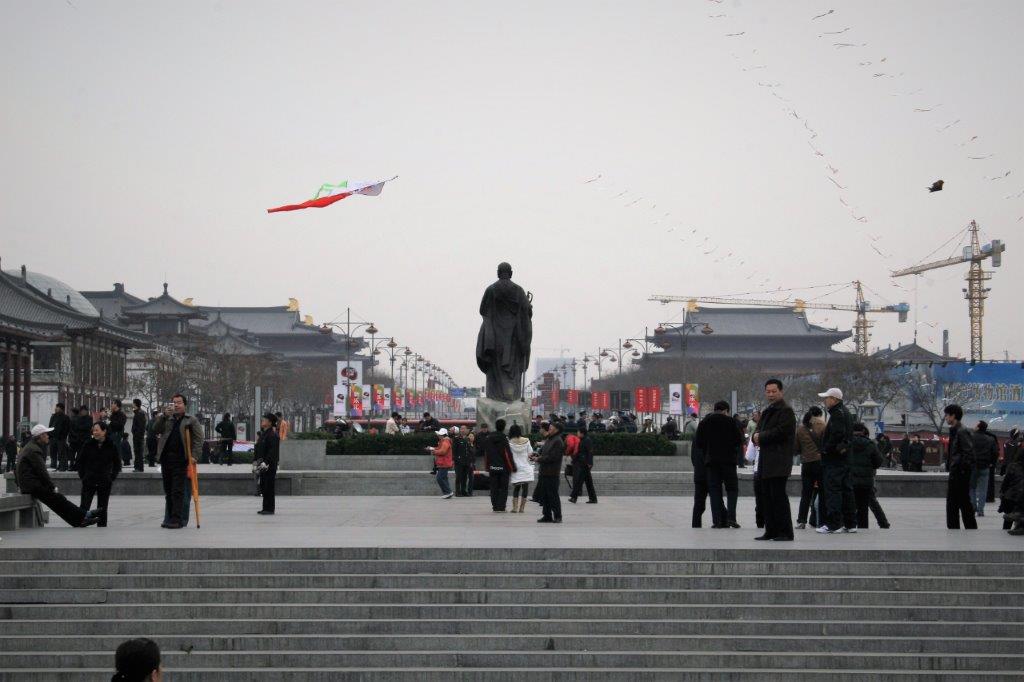
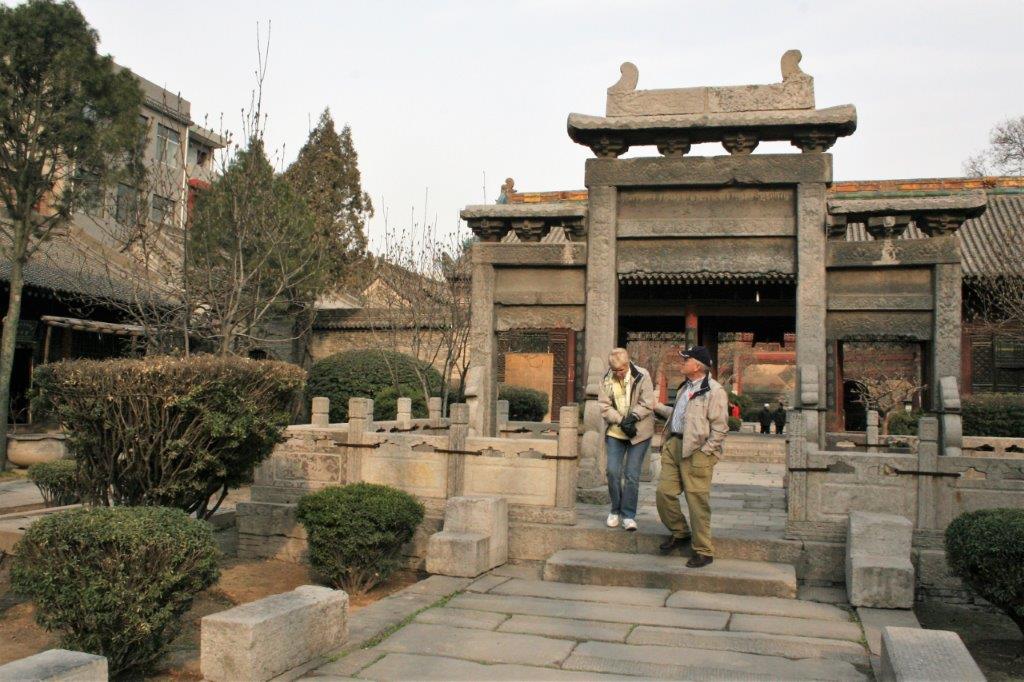
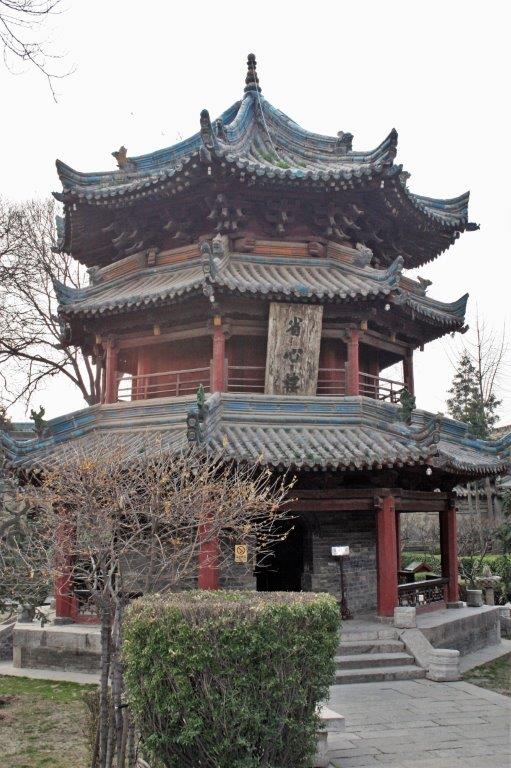
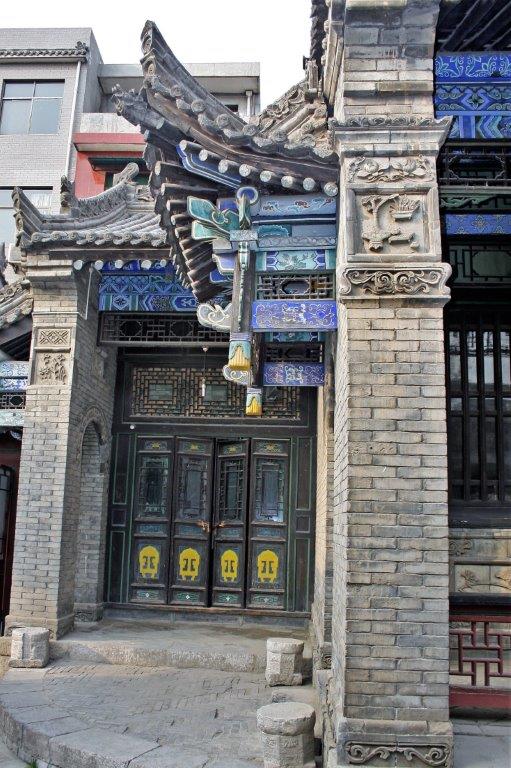
img_5517The ceiling beams of the entrance gate were very ornately painted. img_5540 img_5528 img_5532 img_5533 img_5526_edited-1 img_5541 img_5549_edited-1 img_5553 img_5542img_5555There were lots of people flying kites in this square.img_5563 img_5565Our final stop before dinner was to the Grand Mosque.  The mosque was begun during the Tang Dynasty (742 AD) but the majority of the construction took place during the early Ming Dynasty (1398 AD ).  It is one of the largest mosque complexes in China and, like the Big Goose Pagoda, is still a place of worship for Muslims in China.img_5592 img_5597 img_5601 img_5604 img_5605_edited-1 img_5618_edited-1The Mosque was constructed without using a single nail. The site is comprised of two buildings and 5 courtyards.  It was declared a State Historical and Cultural Site in 1956 and in the 80’s became a National Site.

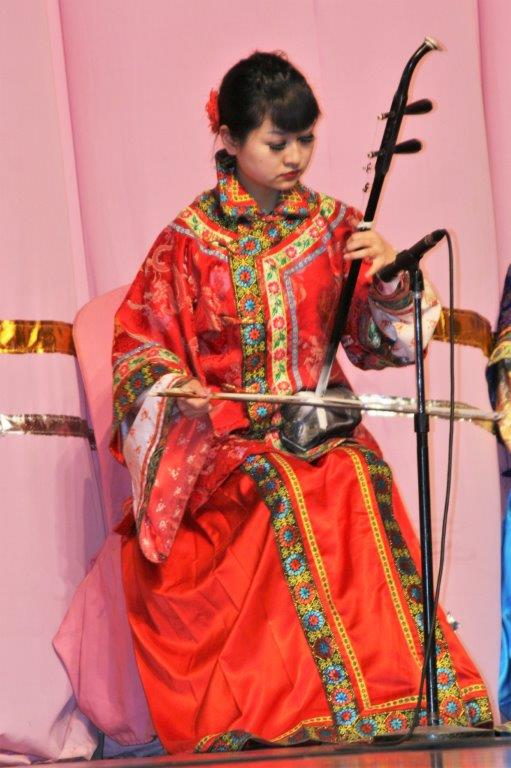
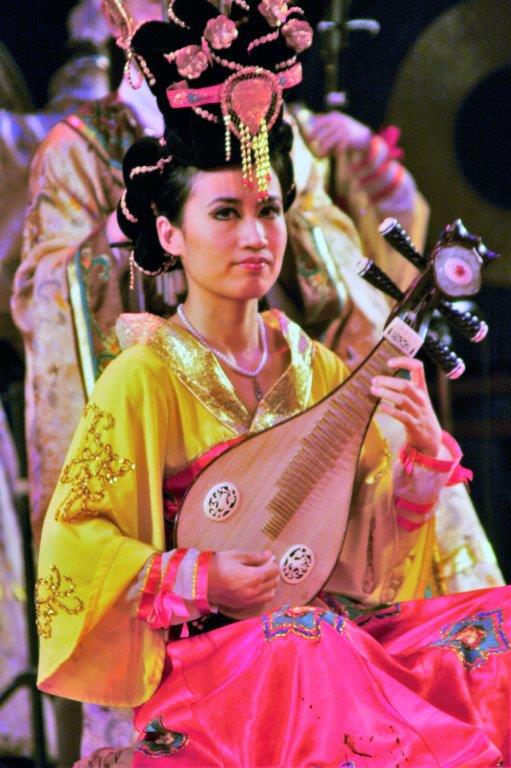
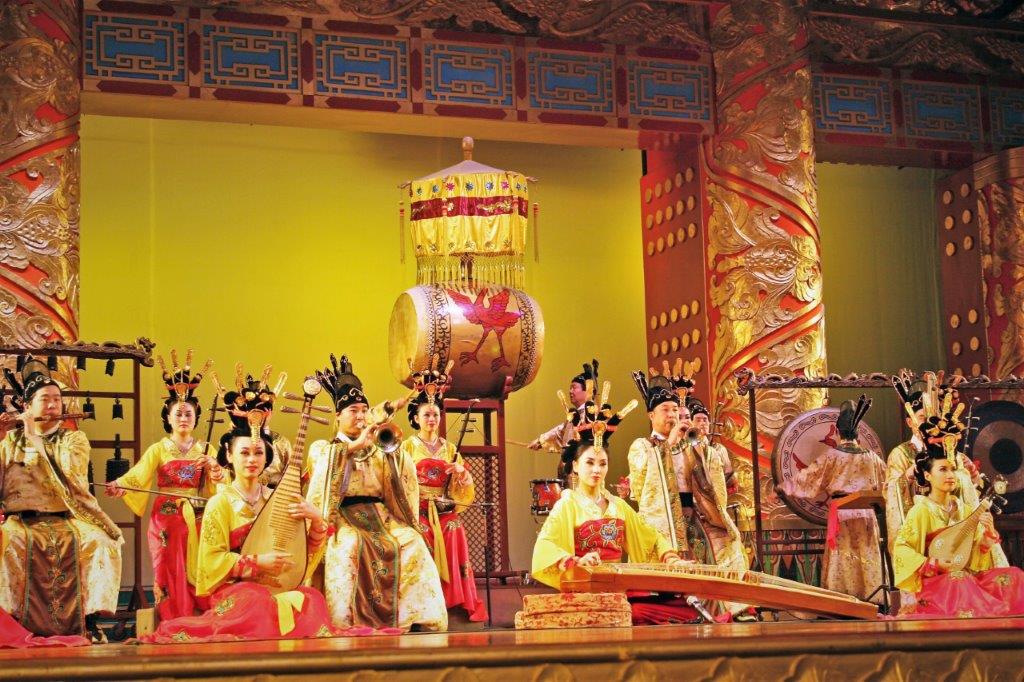
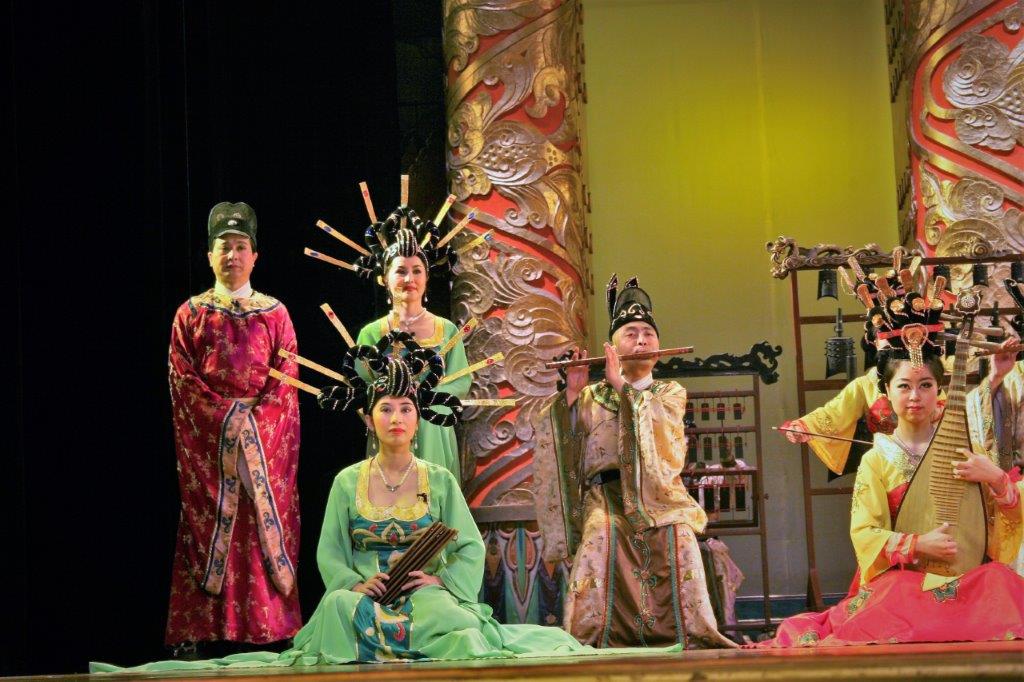
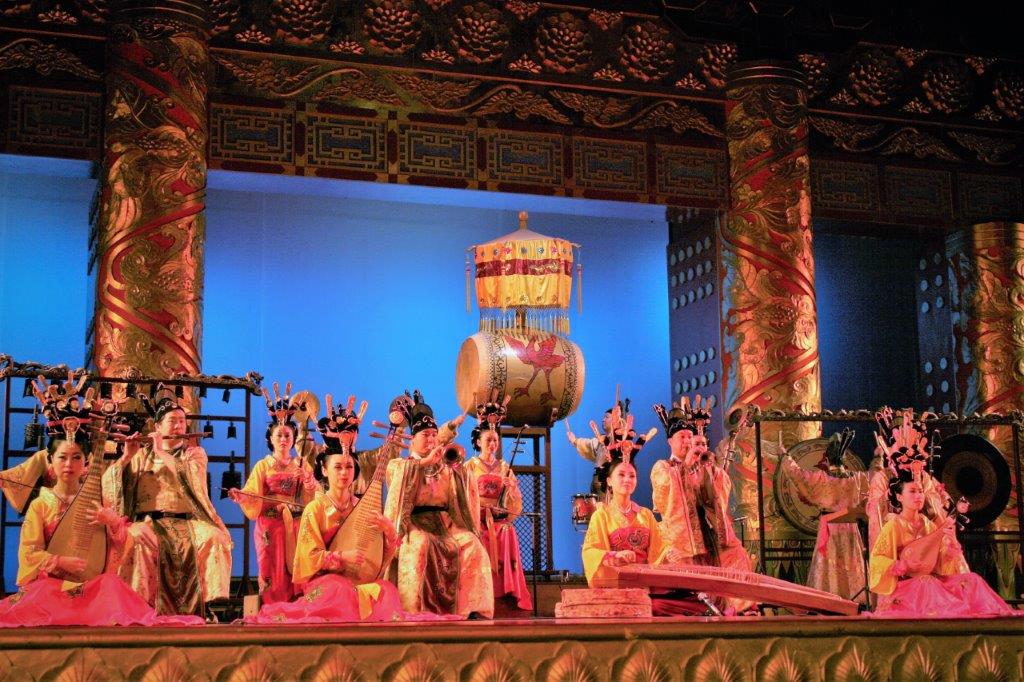
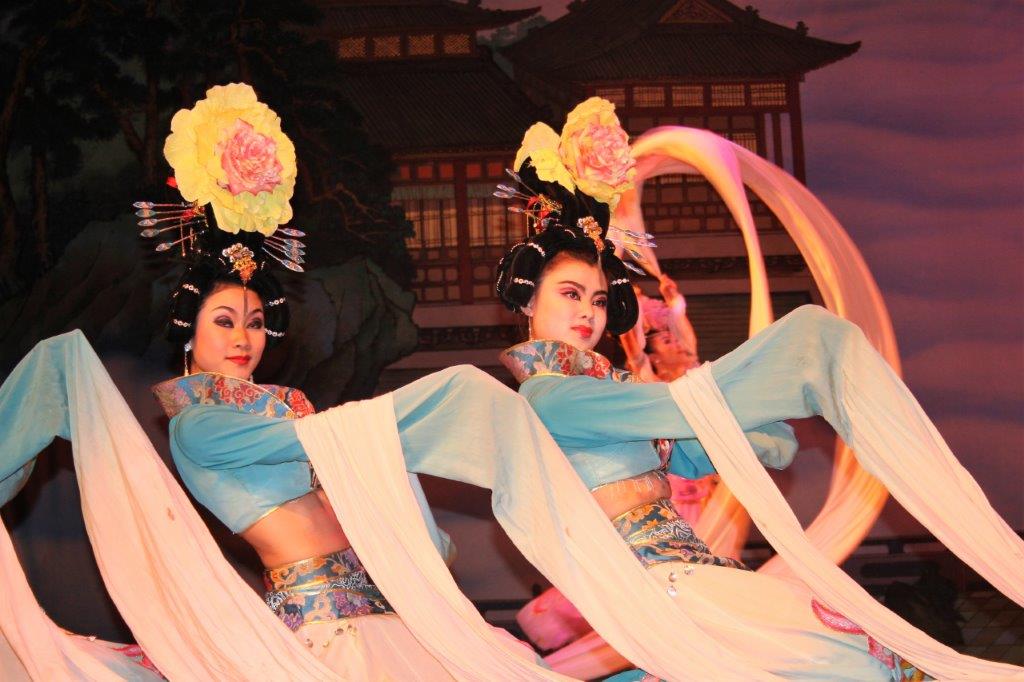
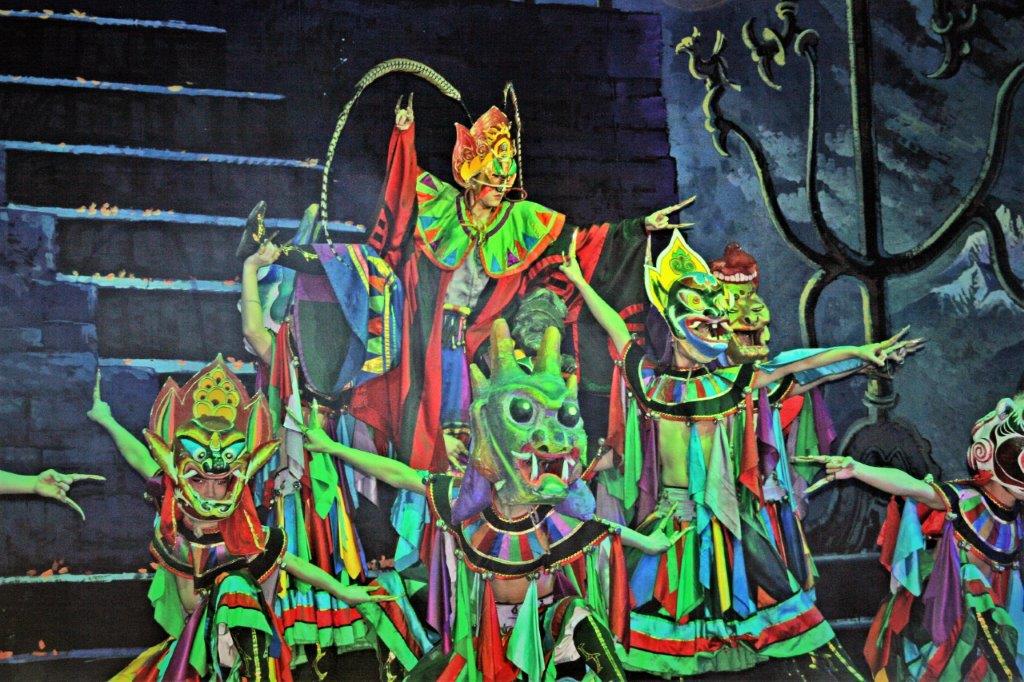
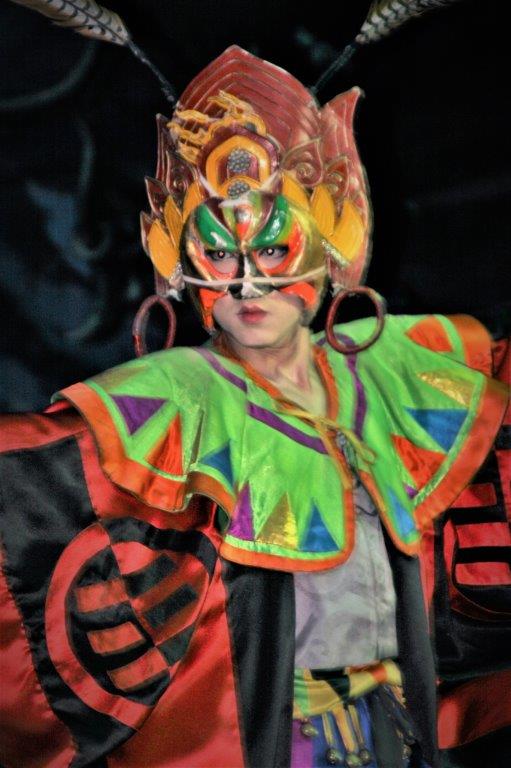
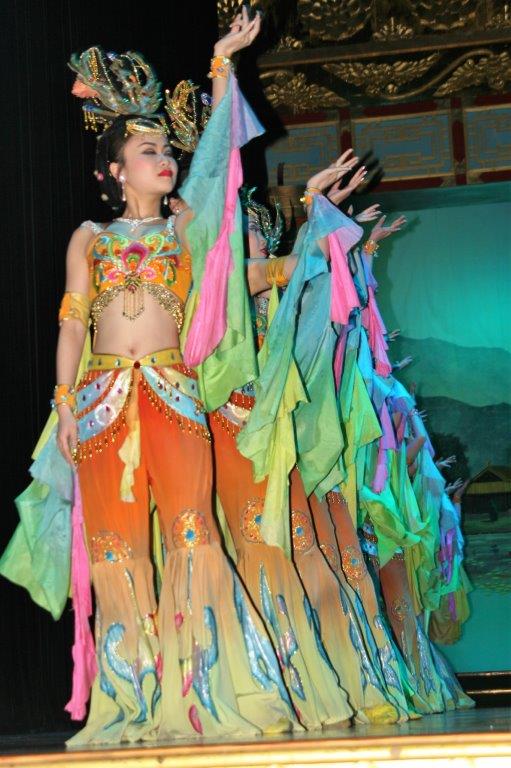
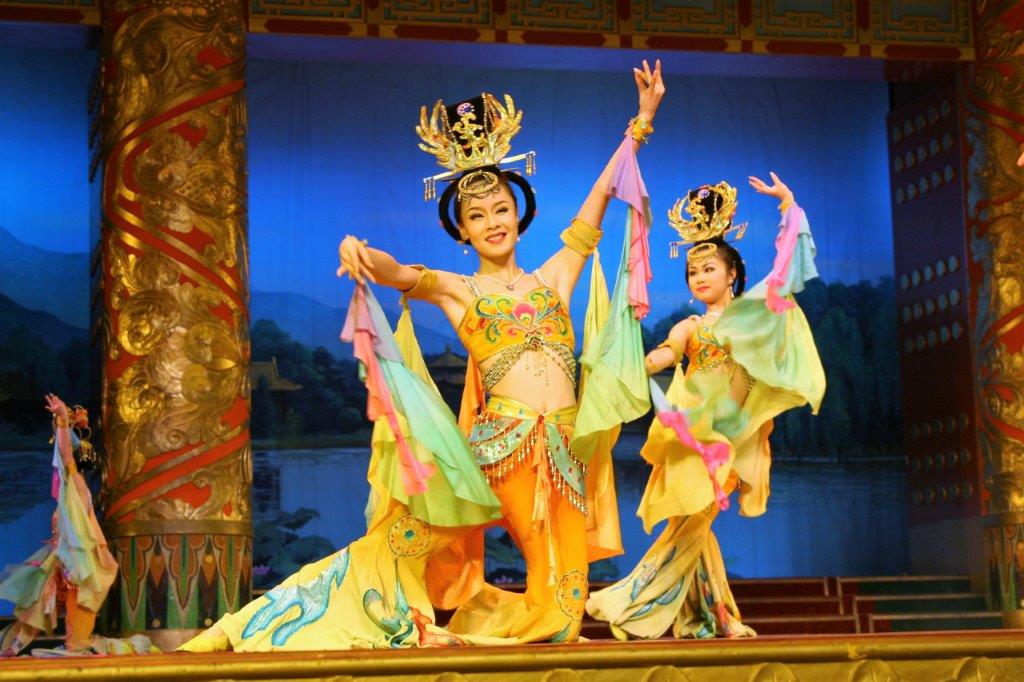
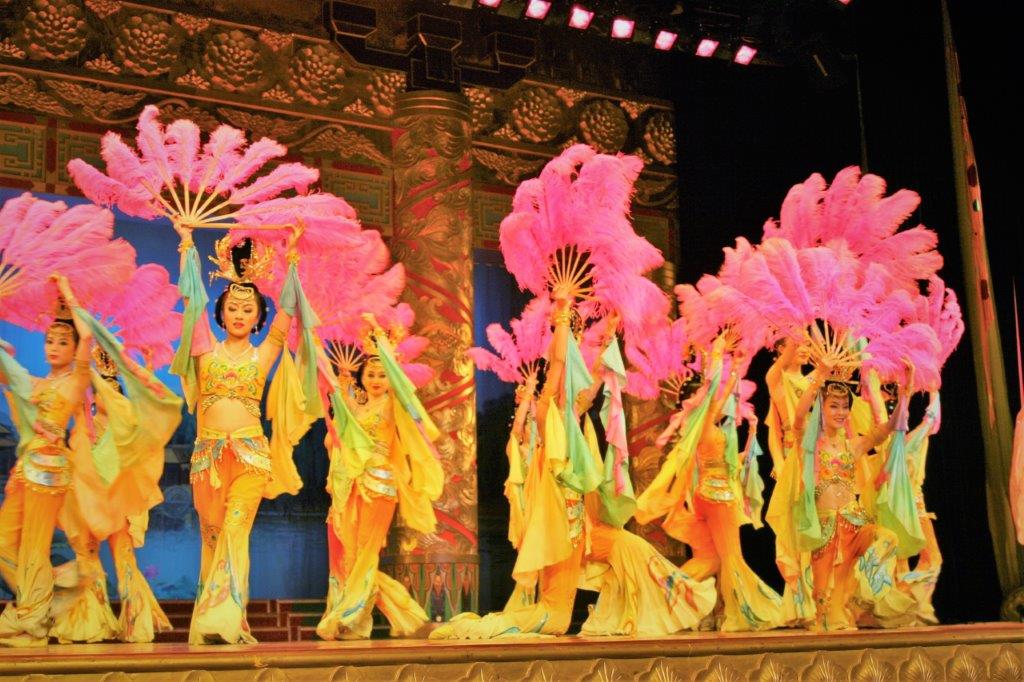
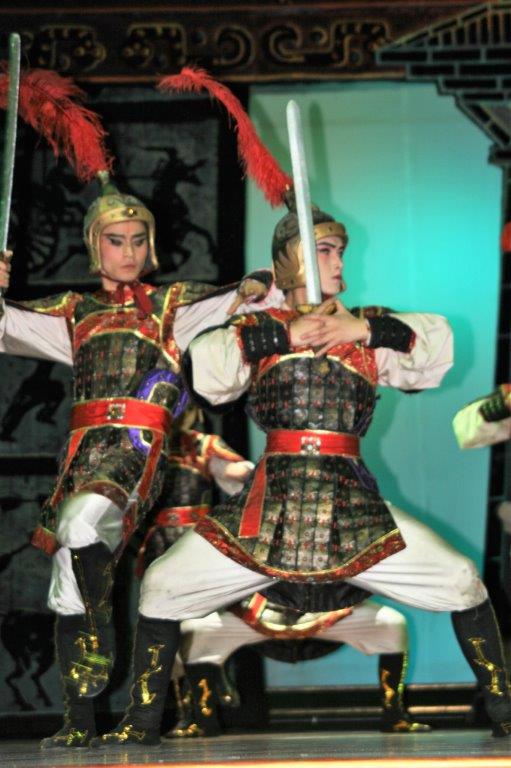
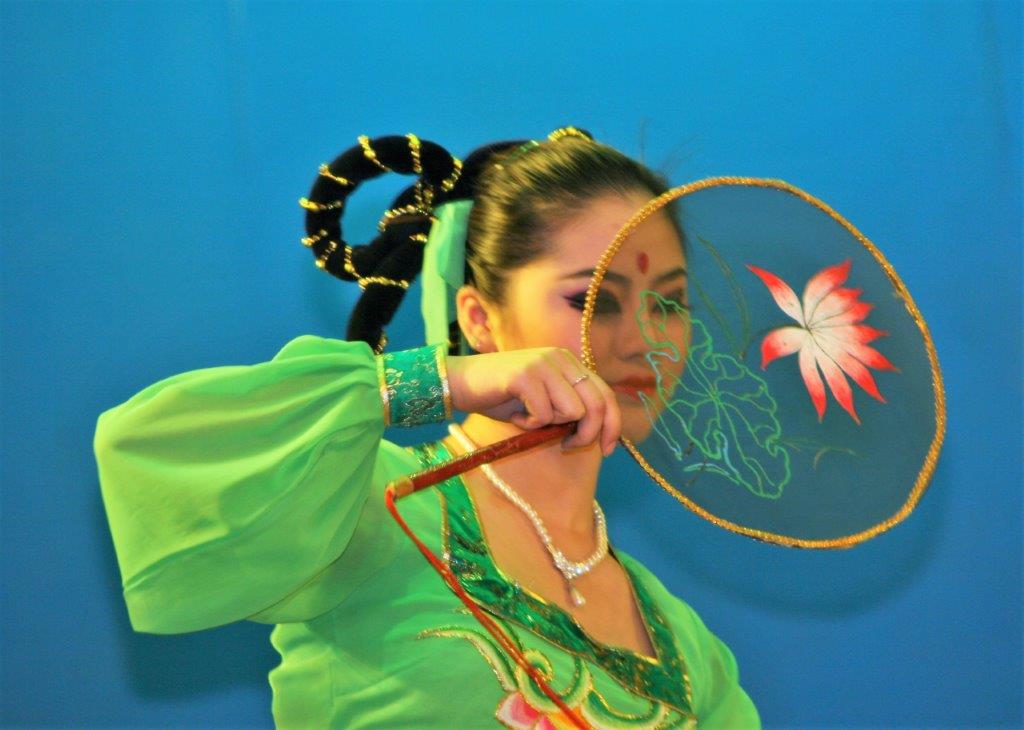
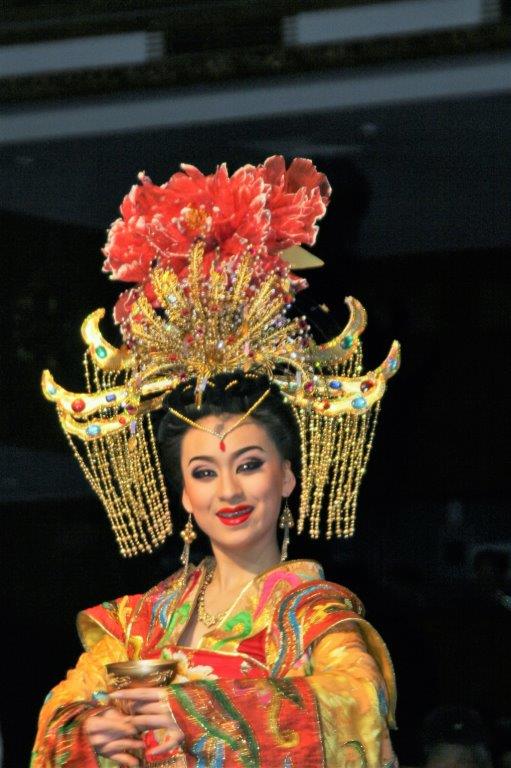
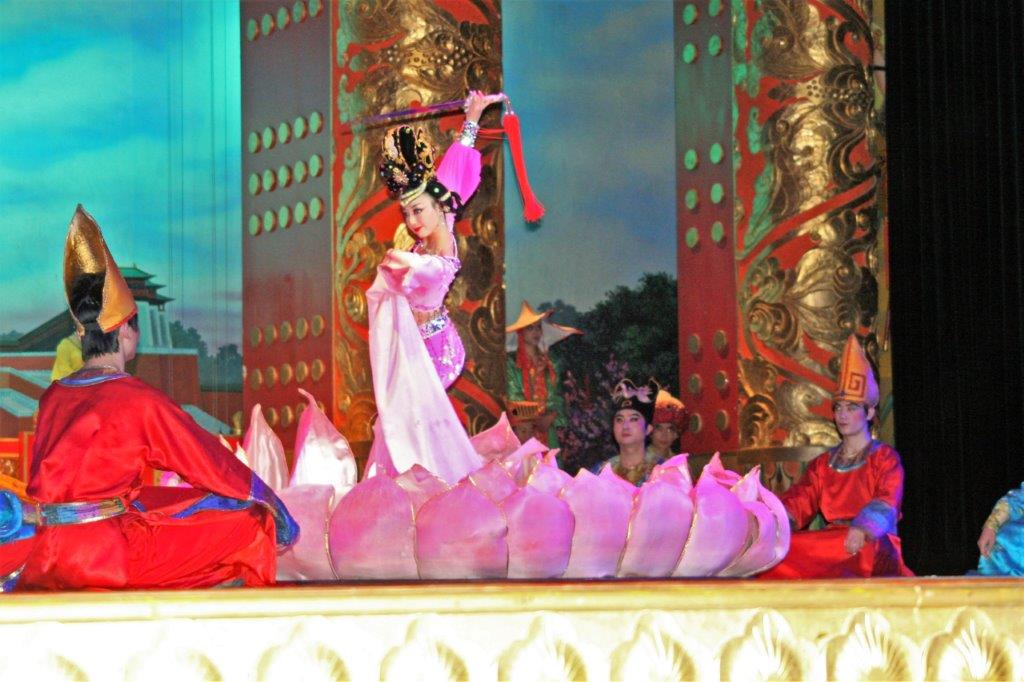
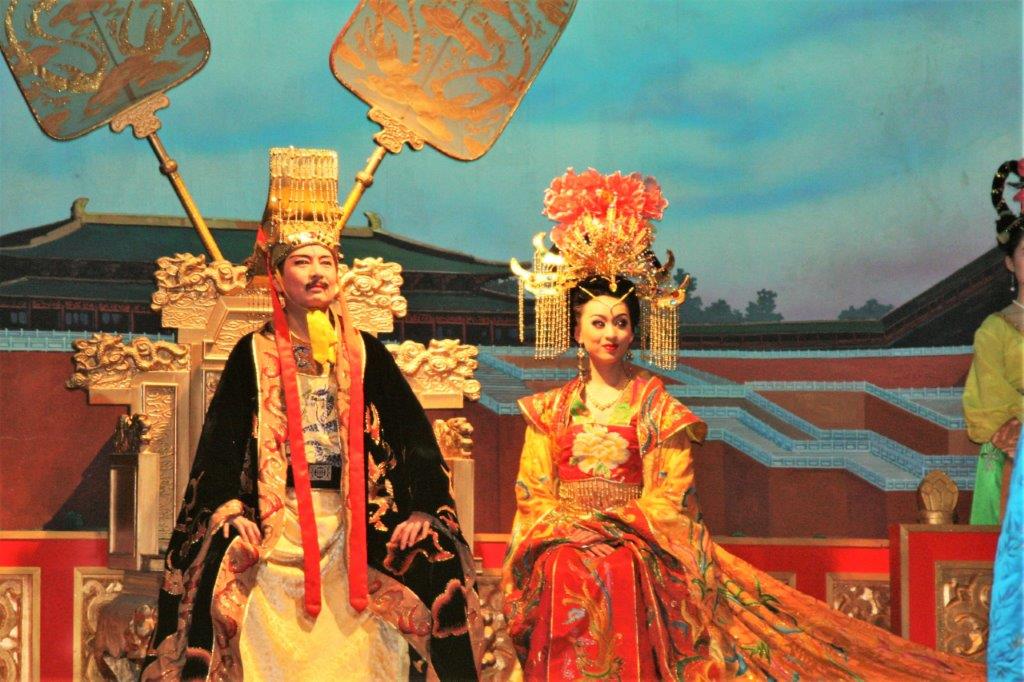
This concluded all the touring on our FIRST day in mainland China.  But…..the day wasn’t over yet.  We still had to have dinner and see the show before bed. Thanks to Jackie’s 500 mm lens I was able to get some close shots of the performers.  And, just because I could, I took lots of photos of the show.  Now, after all these years I am glad that I did because I get to see the beautiful costumes and sets again – and again.

img_5629_edited-1img_5630img_5632img_5635img_5638img_5650

img_5643_edited-1 img_5644 img_5651 img_5654 img_5655 img_5657_edited-1 img_5658 img_5661 img_5663 img_5664 img_5668 img_5672_edited-1 img_5673_edited-1 img_5675_edited-1 img_5676There were over 100 actors, musicians, singers and dancers in the two hour production.  The costumes, make-up and lighting was quite spectacular.

We were exhausted but exhilarated from all we had seen and done.  We got back to our hotel at 10:15 and immediately crawled into bed.  The next day we flew to Beijing and a trip to the Great Wall.


2009 World Cruise – Mar 4 – Day 58 – Hong Kong, SAR

2009 World Cruise – One of the reasons John and I decided to do the world cruise 8 years ago was the itinerary.  We had the opportunity to visit so many places, some of which we knew we would never plan a holiday to go to.  For whatever reason neither John nor I had a desire to go to China or Southeast Asian countries.  No I idea why really, the area has just never been one we would take time and spend money to go visit.

The world cruise took us to Indonesia, China, Vietnam, Malaysia, Singapore and Thailand.  We spent a full day in each place (longer in China and two days in Singapore) and got a taste of the East.  We discovered that we loved Singapore and we really liked our stops in China.  So, the idea of going by cruise ship and stopping here and there for a day or two, rather than book two or three weeks to go somewhere you are not sure you really want to visit turned out to be a good choice for us.

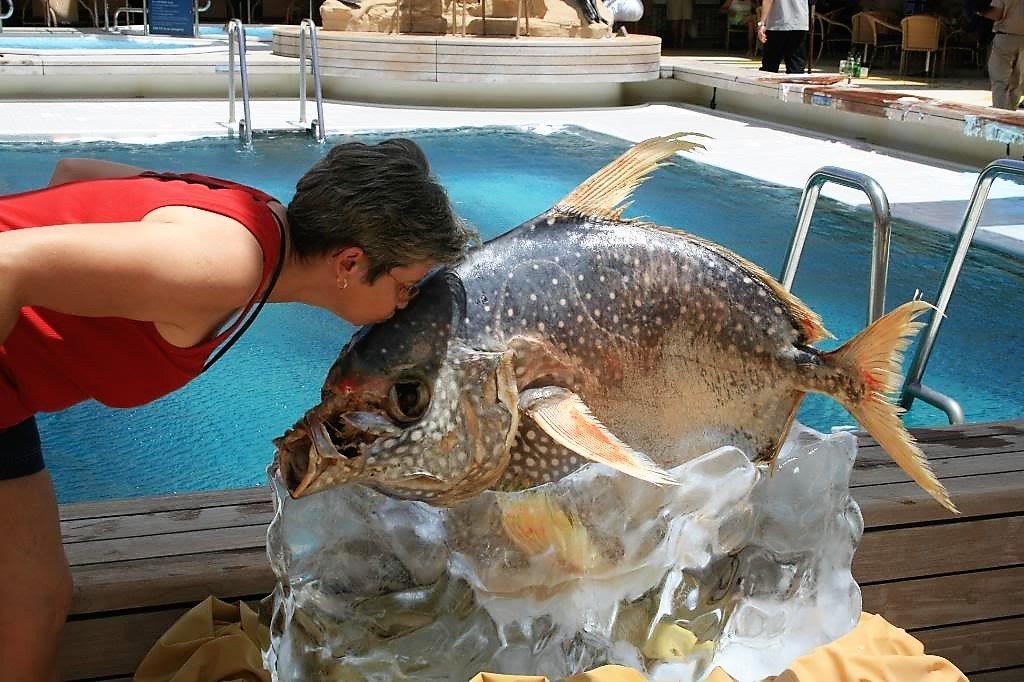
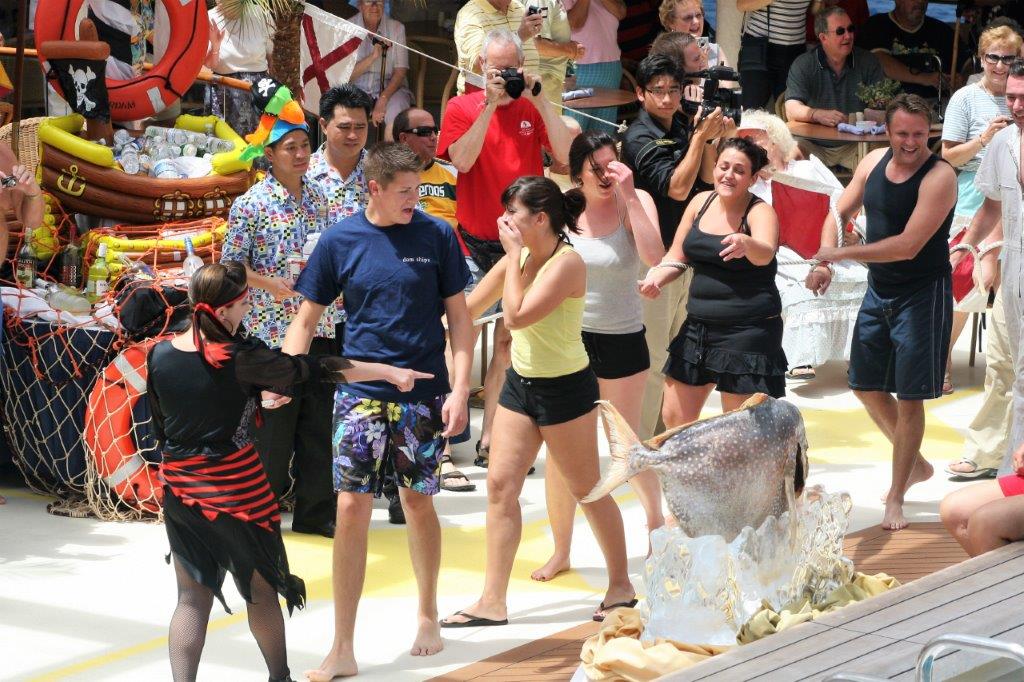
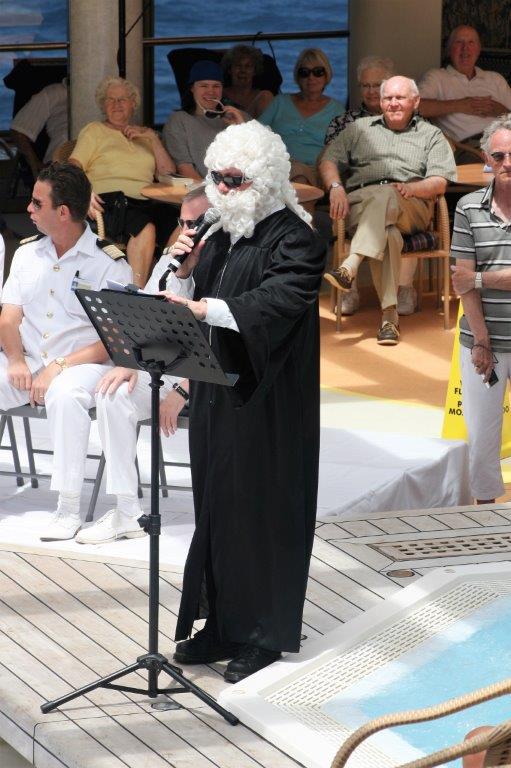
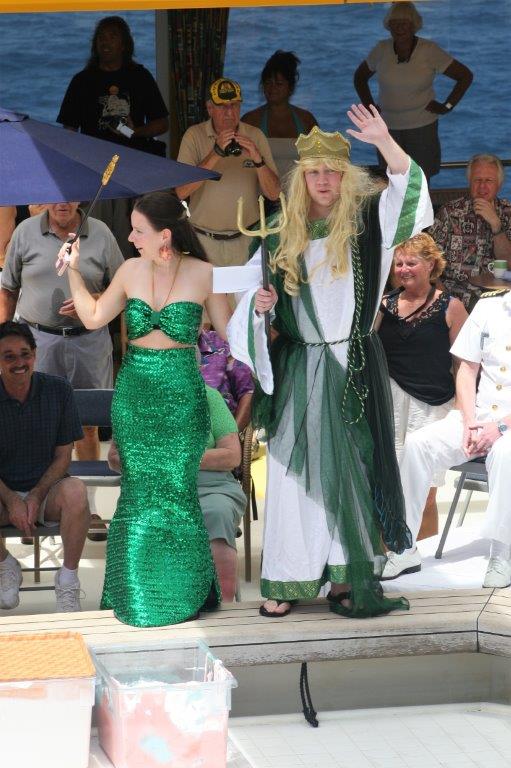
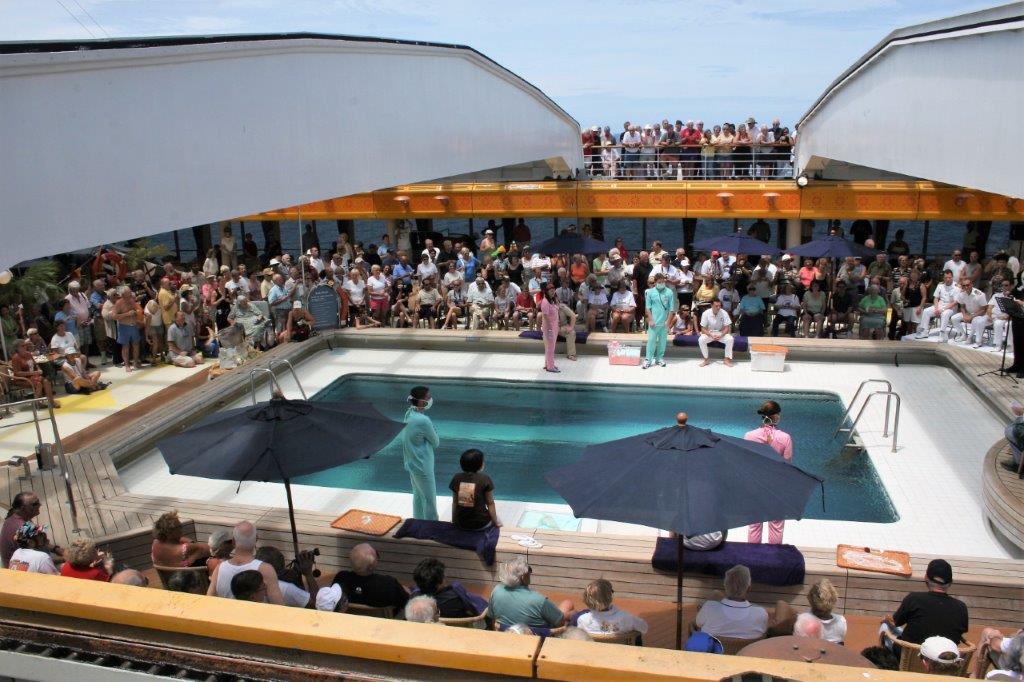
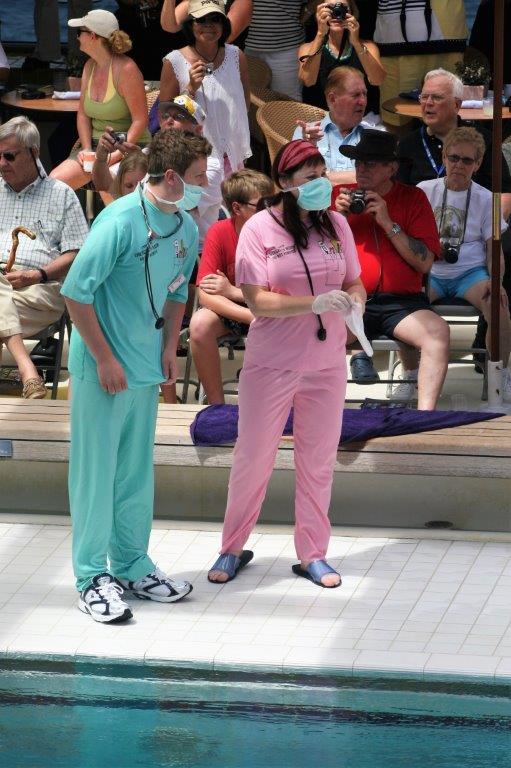
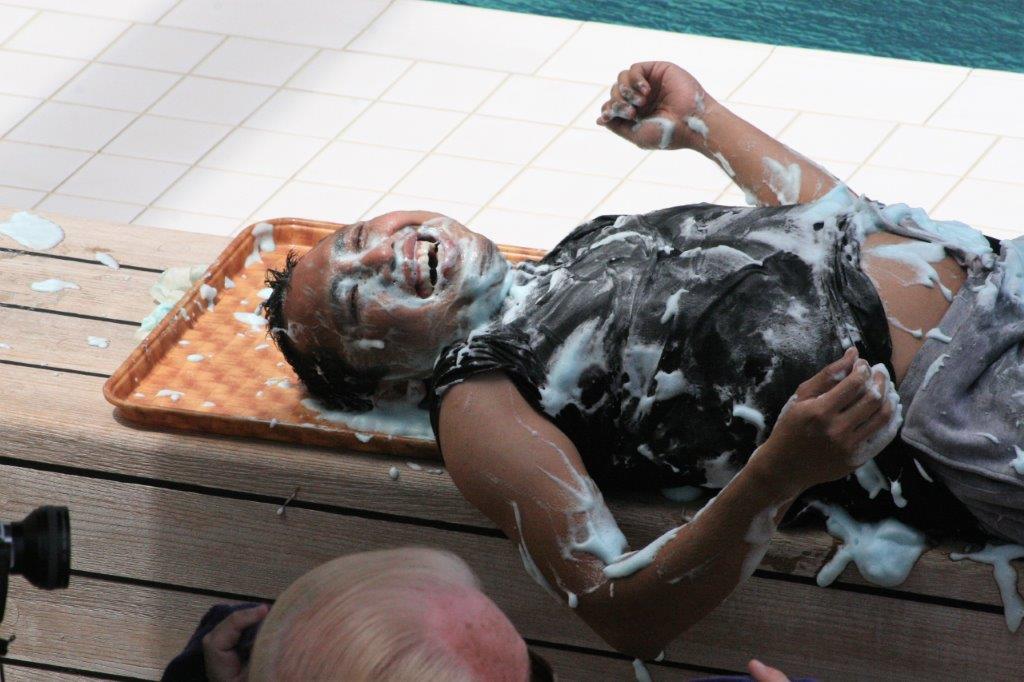
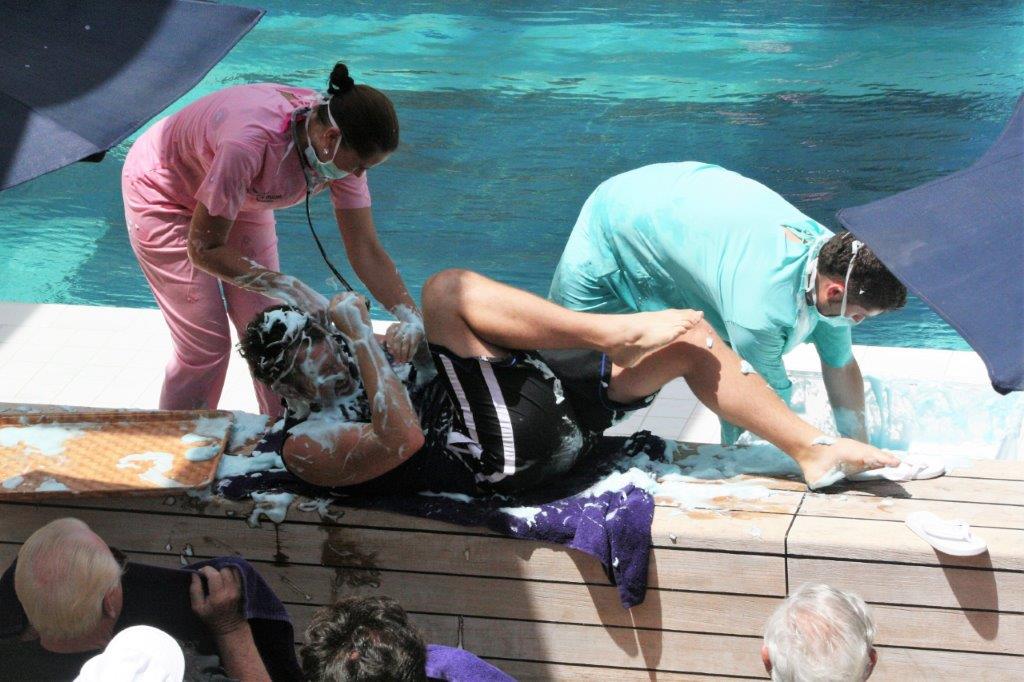
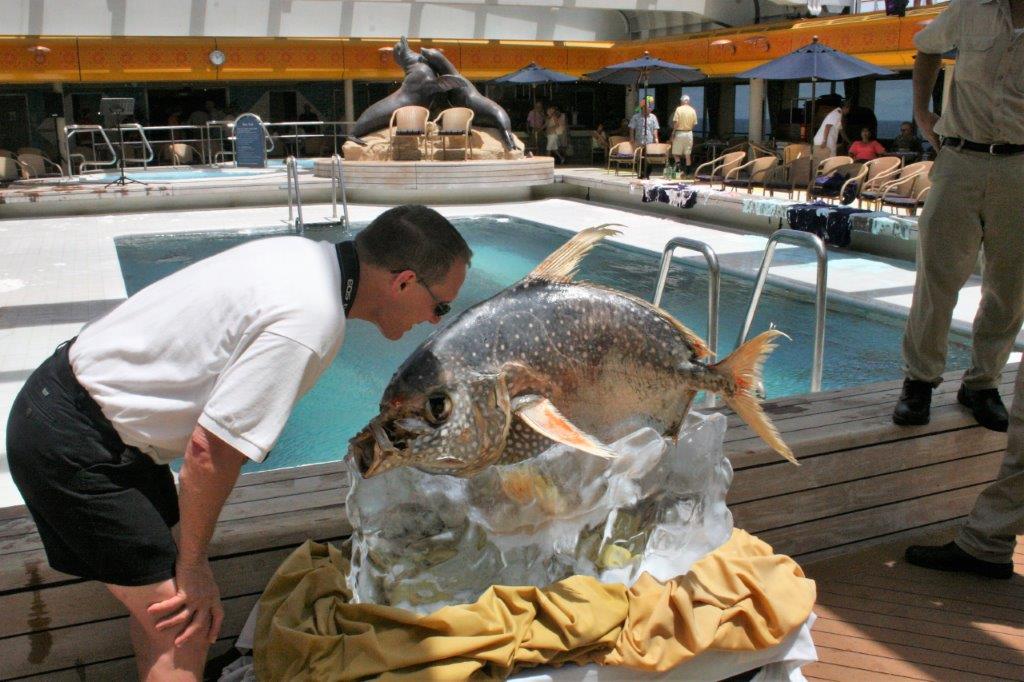
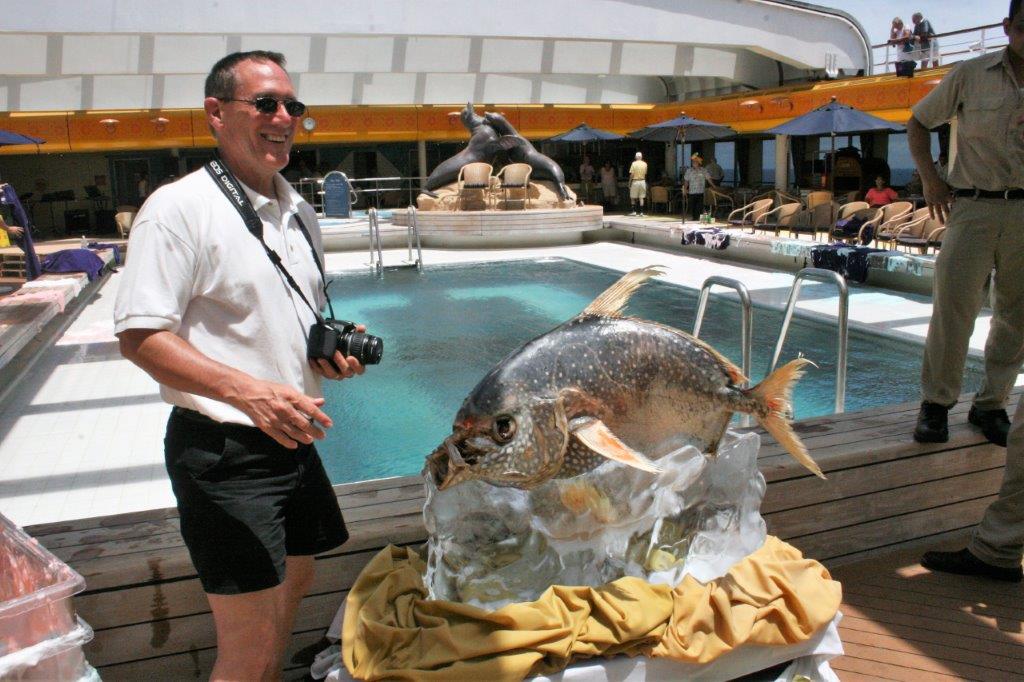
We were four days at sea after leaving Semarang, Indonesia.  The first day out we crossed the equator again.  We will cross the equator four times altogether on this voyage.  The first time was the Golden Line crossing between Hawai’i and Vanauatu where we crossed the equator at the International Date Line, and now we crossed it once again on our way through the China Sea.img_4787It is tradition on ships (all kinds of ships – from navy to fishing boats) to have an initiation ceremony for anyone who crosses the equator for the first time.  The ceremony confers on all ‘polliwogs’ the Order of the Shellback when they receive permission from King Neptune to cross his waters.  All crew members who had never before crossed the equator were brought out to the pool where a very funny initiation ceremony took place.  A ‘judge’ would read the charges, King Neptune and his mermaid consort would pronounce sentence – either innocent (the newbie got to sit on a bench poolside) or guilty (whereupon the crew member would be covered in foam by the ‘medical team’ and have to jump in the pool).  All the crew polliwogs were required to ‘kiss the fish’ and guests who wished to do so could as well.  It was quite fun and all guests received honorary certificates that give us safe passage from that day forward.

img_4894 img_4899 img_4905 img_4915 img_4898 img_4928 img_4932 img_4947 img_4948Then it was a few relaxing days at sea on the way to Hong Kong.  When we arrived it was a cloudy, drizzly day and the weather did not improve much.  The ship was to stay in Hong Kong for two days, then sail two days to Shanghai and stay there for two days.  We only spent one day in Hong Kong and then we flew to mainland China for an overland excursion before flying to Shanghai at the end of the ship’s first day in port.  This left us a full day to see some of the sights of Shanghai.

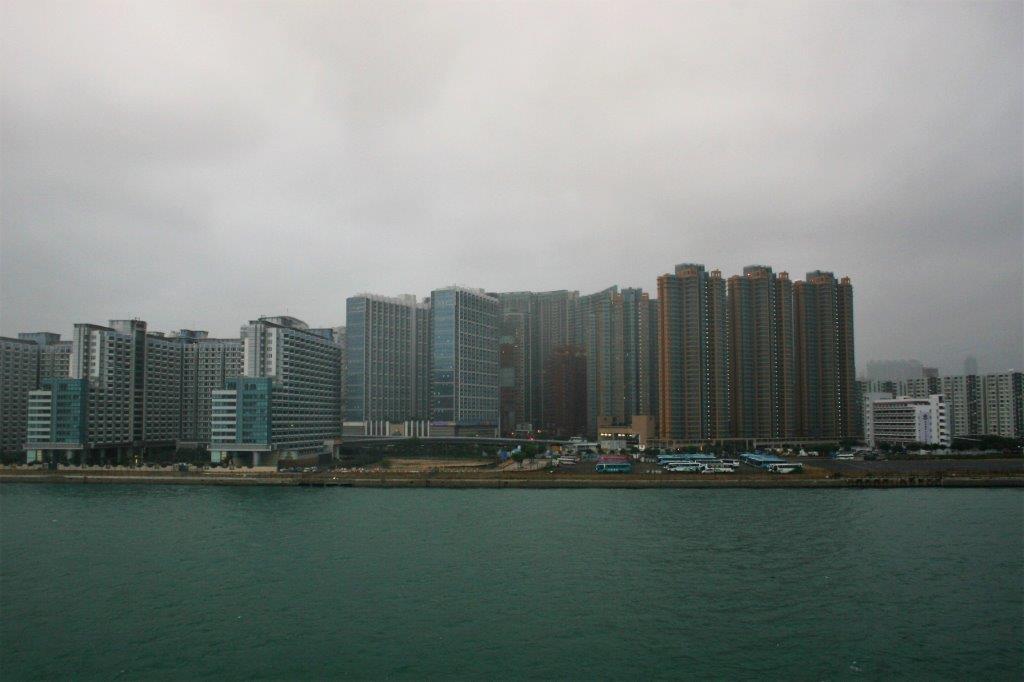
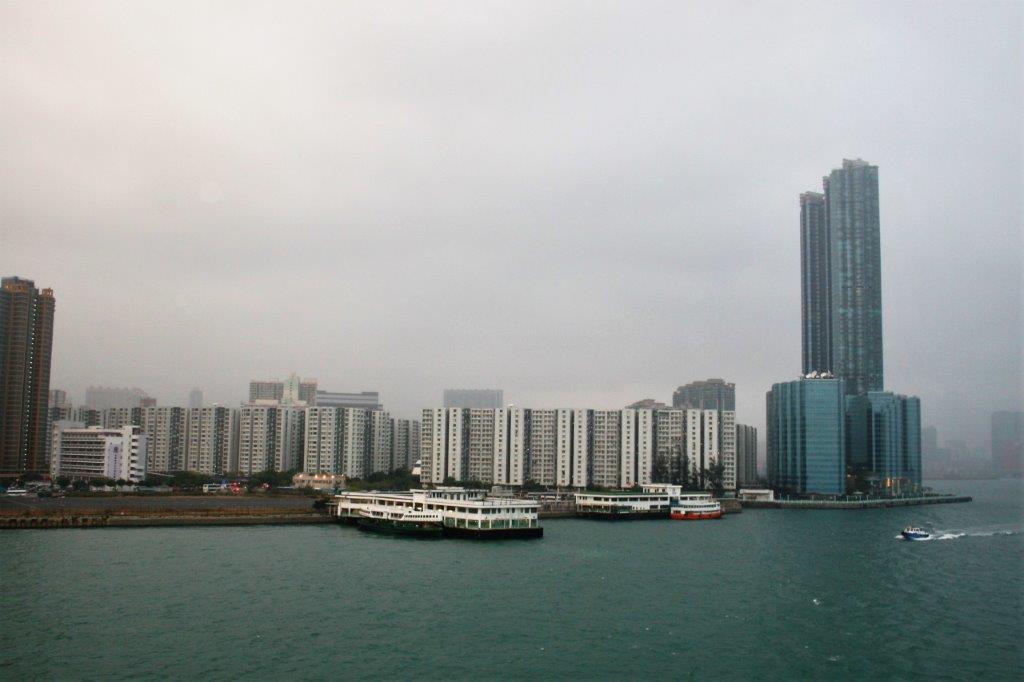
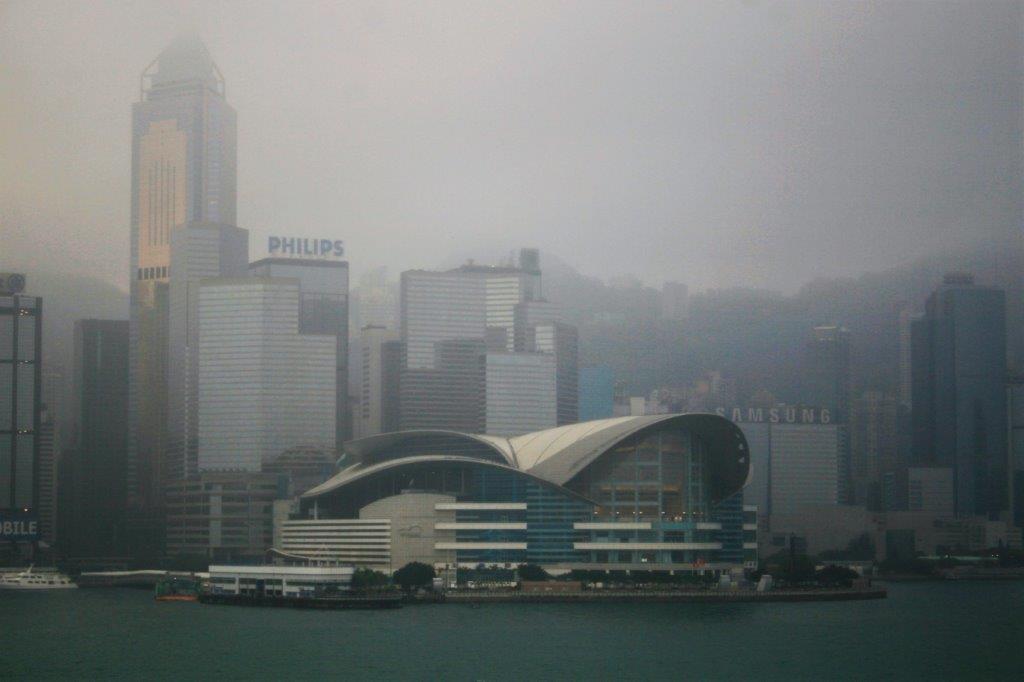
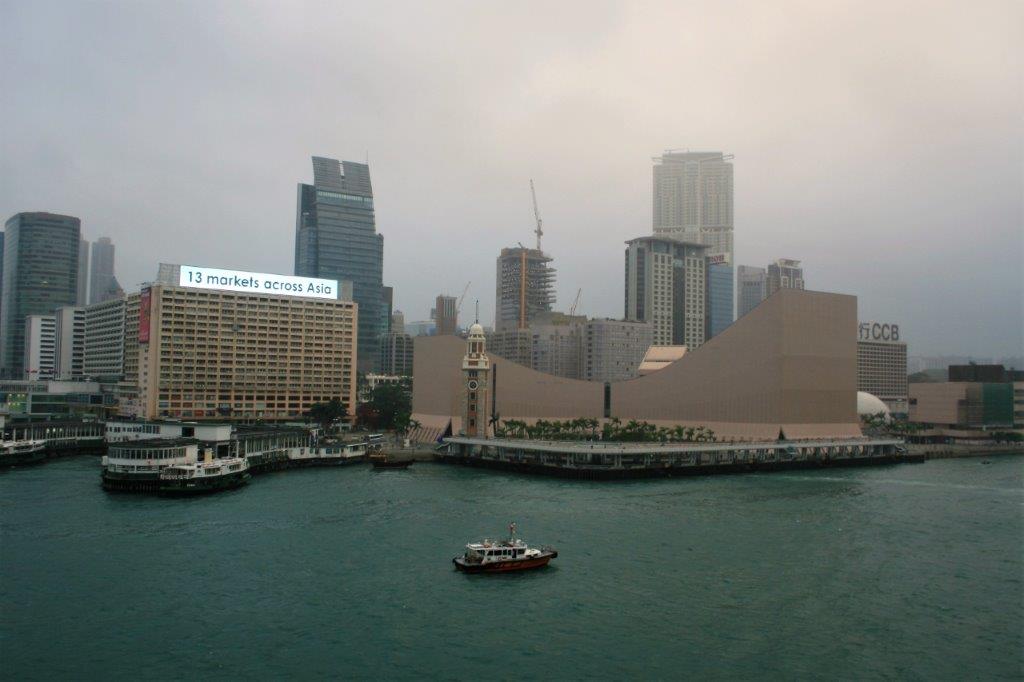
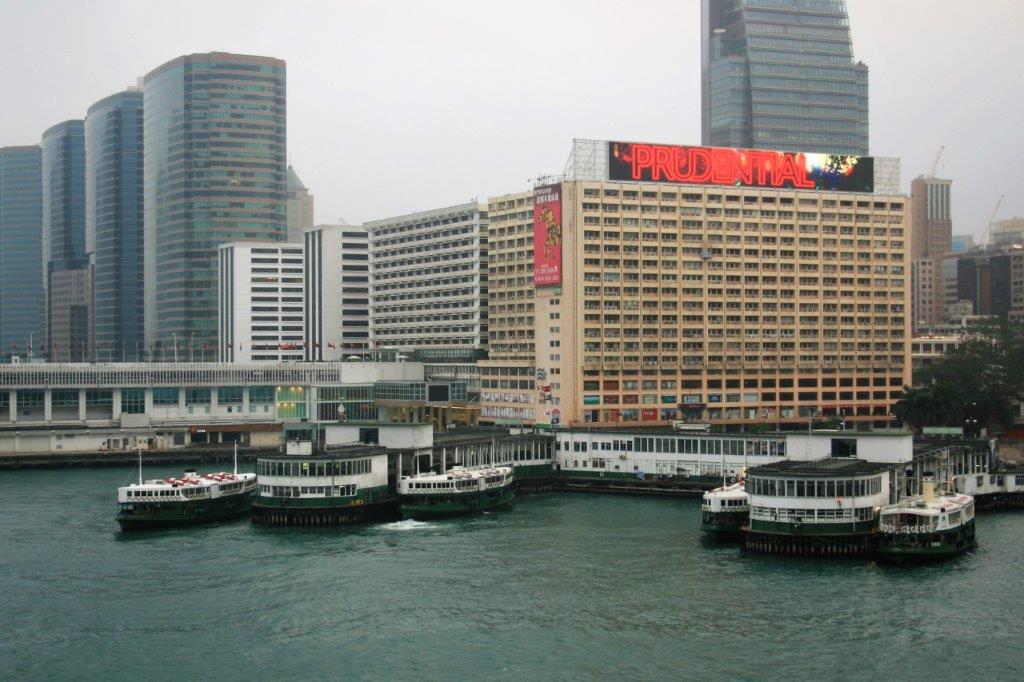
We got up early and went out on deck to watch the sail-in.  Despite the cloudy conditions it was nice to pass along the shoreline of the city.  Hong Kong covers an area of 244 sq. miles plus another 707 sq miles on the mainland and some islands.  Over 7 million people make their home here so it is very densely populated.img_5016 img_5015 img_5020 img_5026 img_5022 img_5028 img_5029Our 8-hour tour was called The Best of Hong Kong and we were on the go all day.

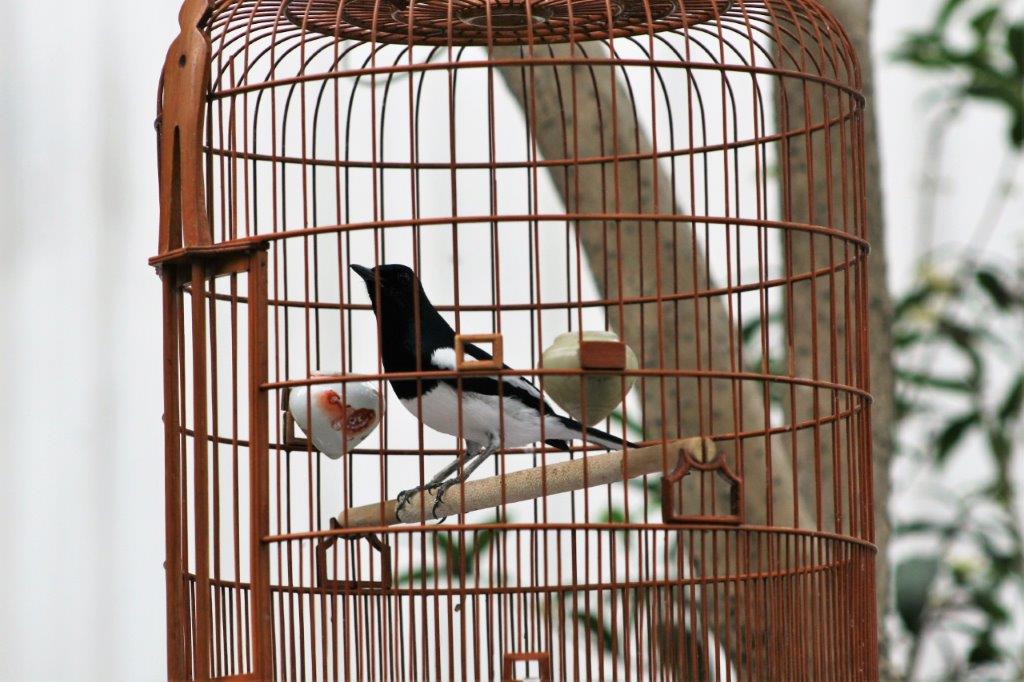
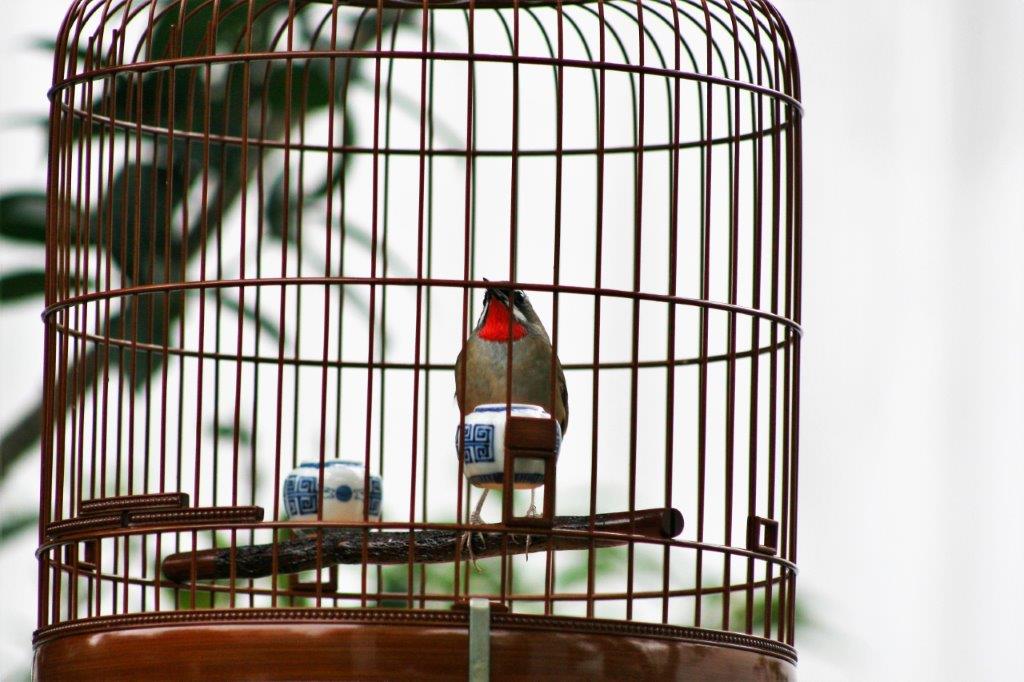
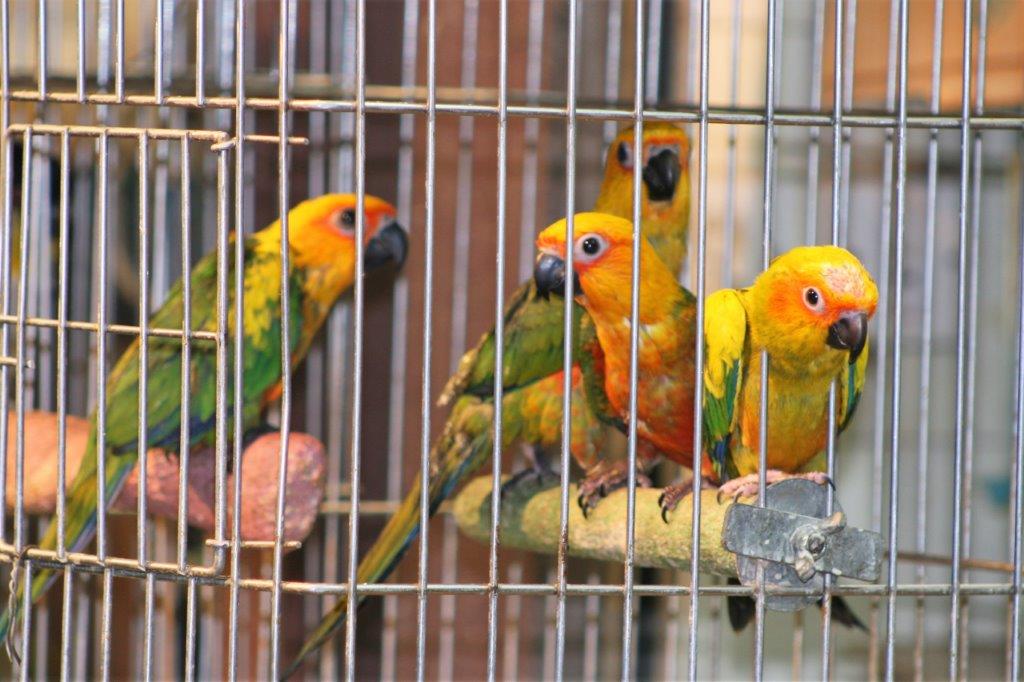
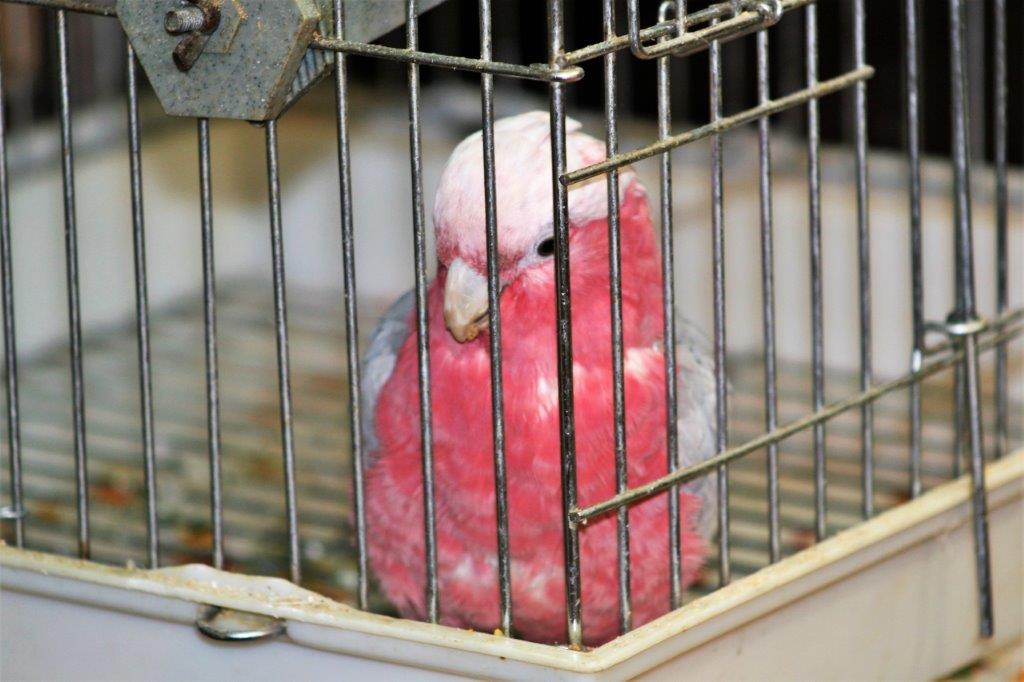
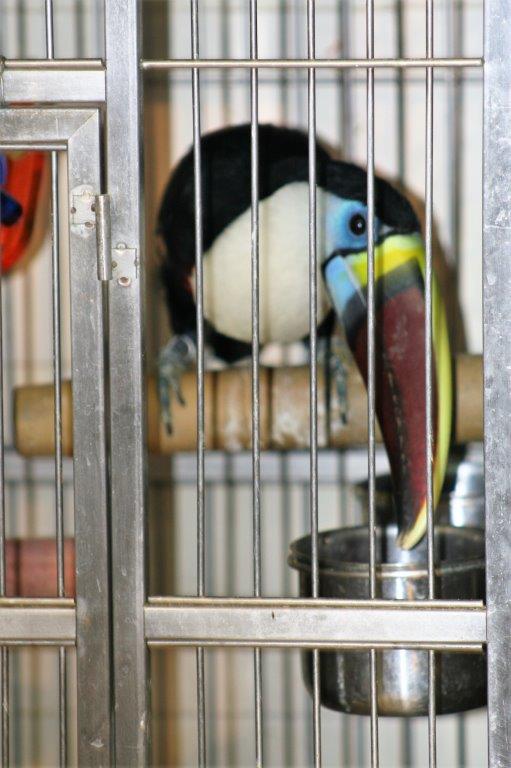
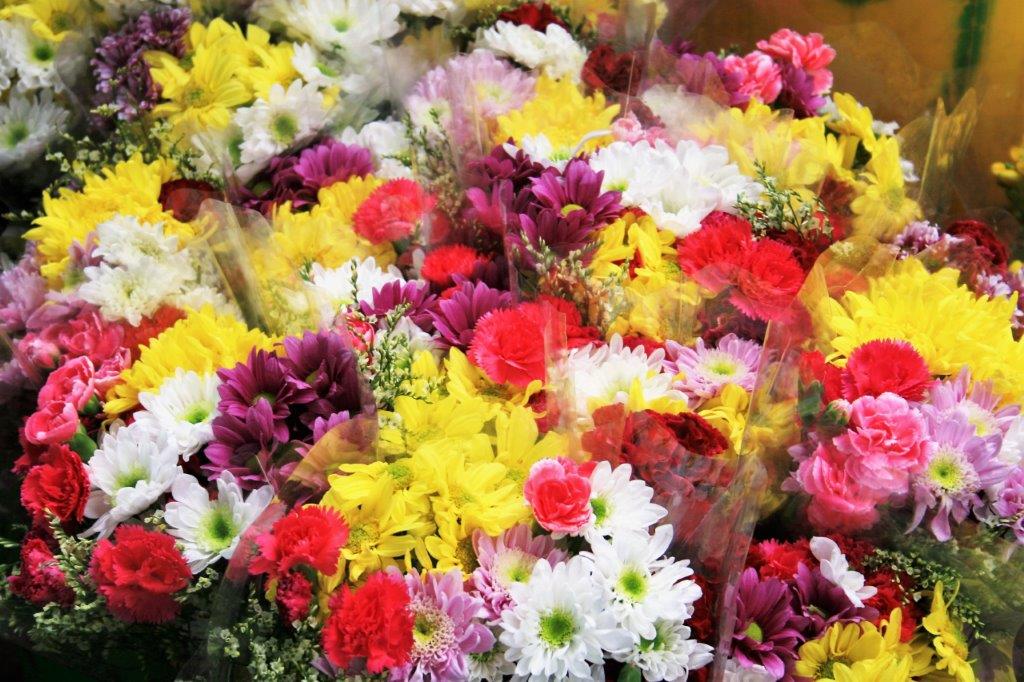
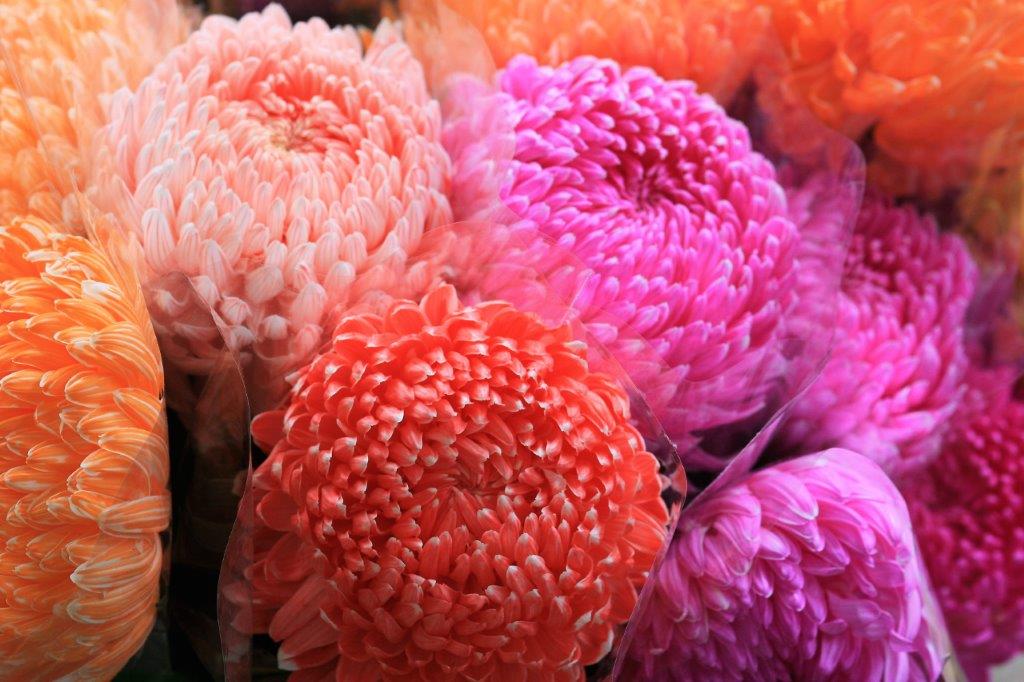
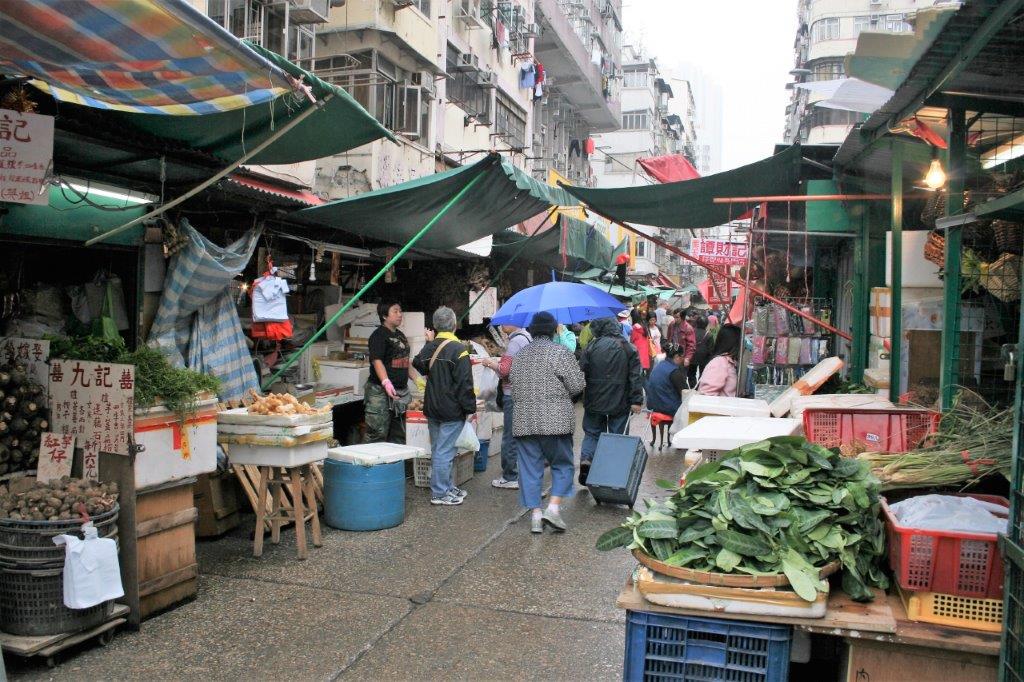
img_5032 img_5034First stop was the Bird Park.  Because of the large population very few people keep dogs or cats as pets.  The preferred pet, especially for the elderly, is a bird.  Every morning the men bring their birds to the bird park where they can enjoy the outdoors and sing.  (Our guide told us that while the men are out of the house, the women do the cleaning and laundry and such and when the men return in the afternoon and have a nap the women gather to gossip and play Mahjong.)  At the Bird Park there are shops where you can buy birds, cages, dishes, seeds and live insects for your bird.img_5036 img_5037 img_5041_edited-1 img_5042 img_5049 img_5051 img_5062Next we visited Flower Market Street (which really is an entire street with shop beside shop beside shop of flowers).img_5070 img_5064 img_5063 img_5074And we made a quick tour through the Fruit, Vegetable and Fish Market.  The people like fresh food so most of them shop twice a day for their meal ingredients.img_5079img_5085

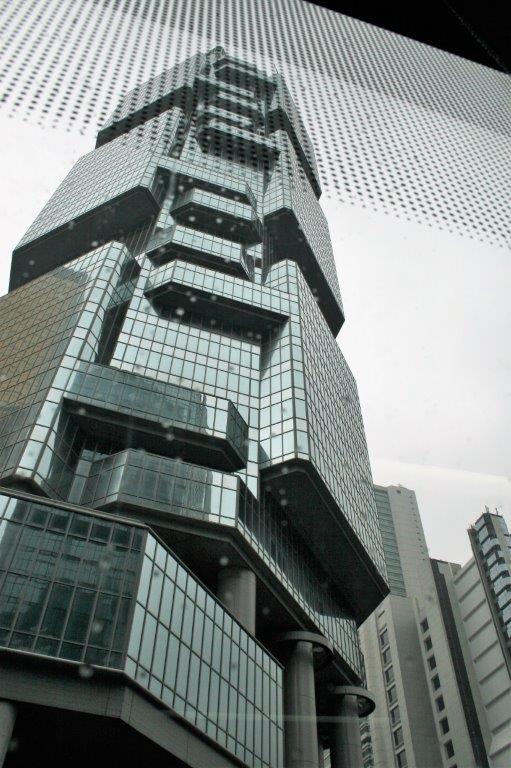
I loved the reflection of this building on the other building.

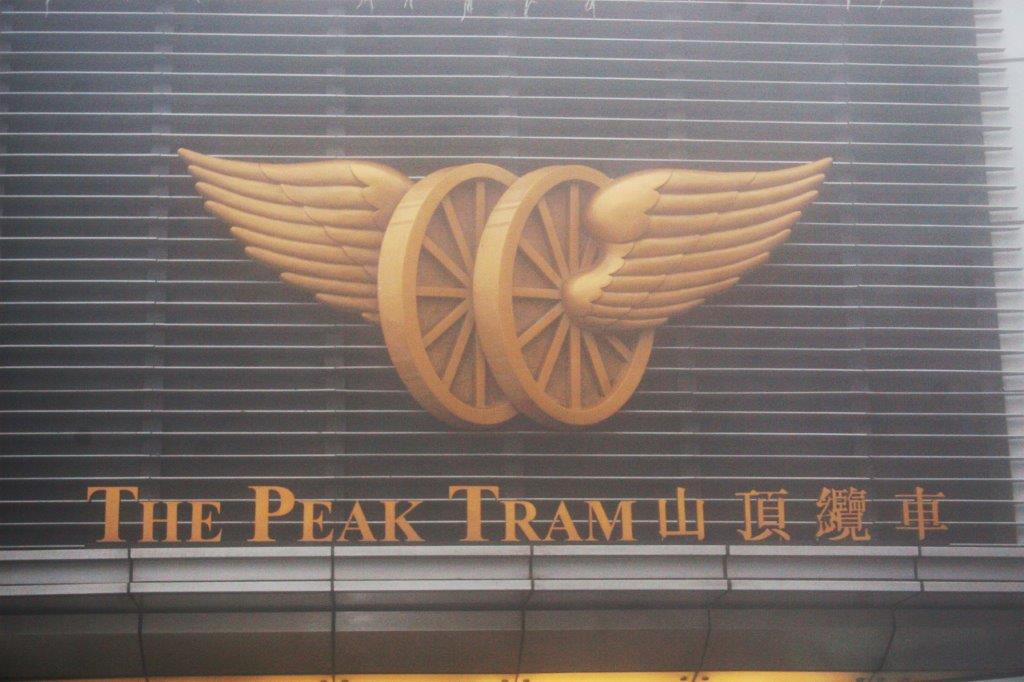
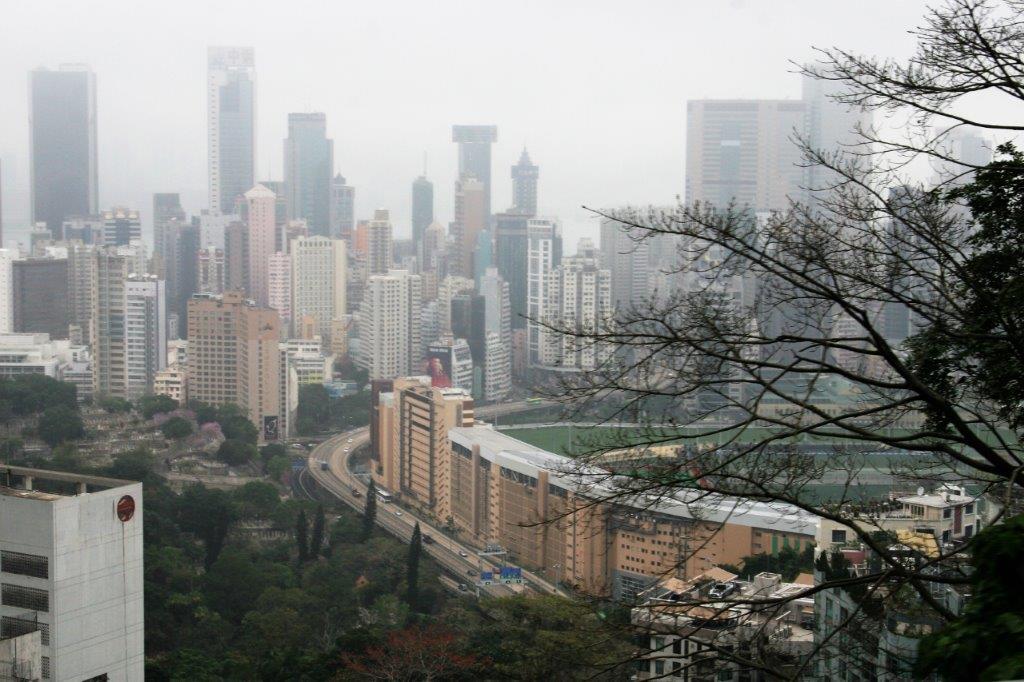
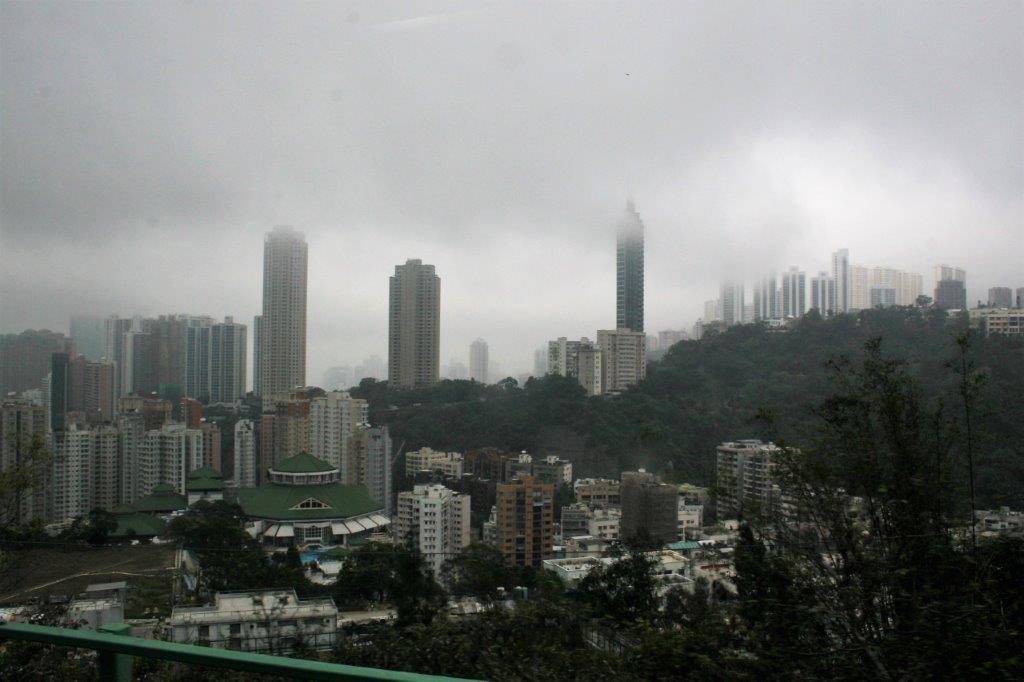
We rode the funicular tram to the top of Victoria Peak where there is usually a panoramic view of the city of Hong Kong and the Kowloon Peninsula.  Unfortunately most of our view was obscured by the clouds.

img_5091img_5101 img_5107We had lunch at Café Deco atop Victoria Peak then went down the south side of Hong Kong Island for a trip to the Boat Village in the harbour.

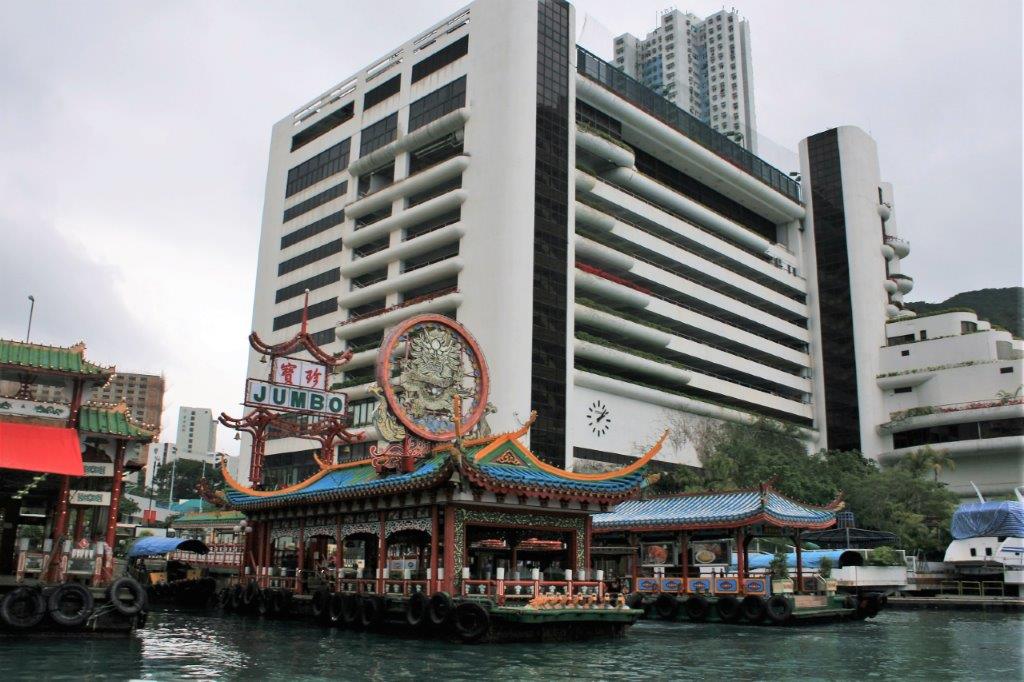
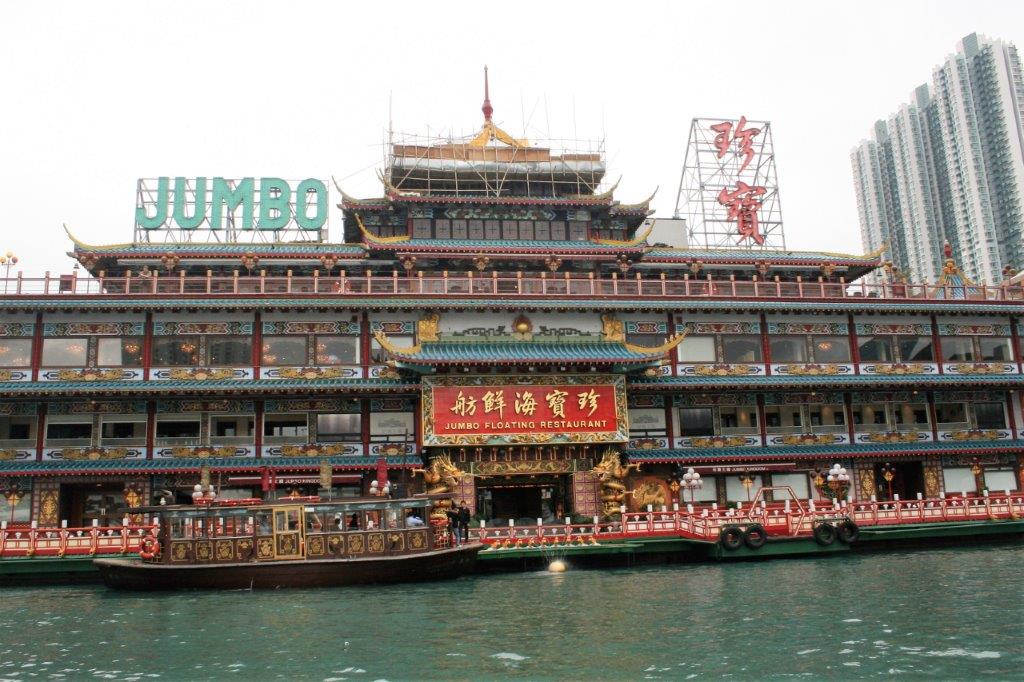
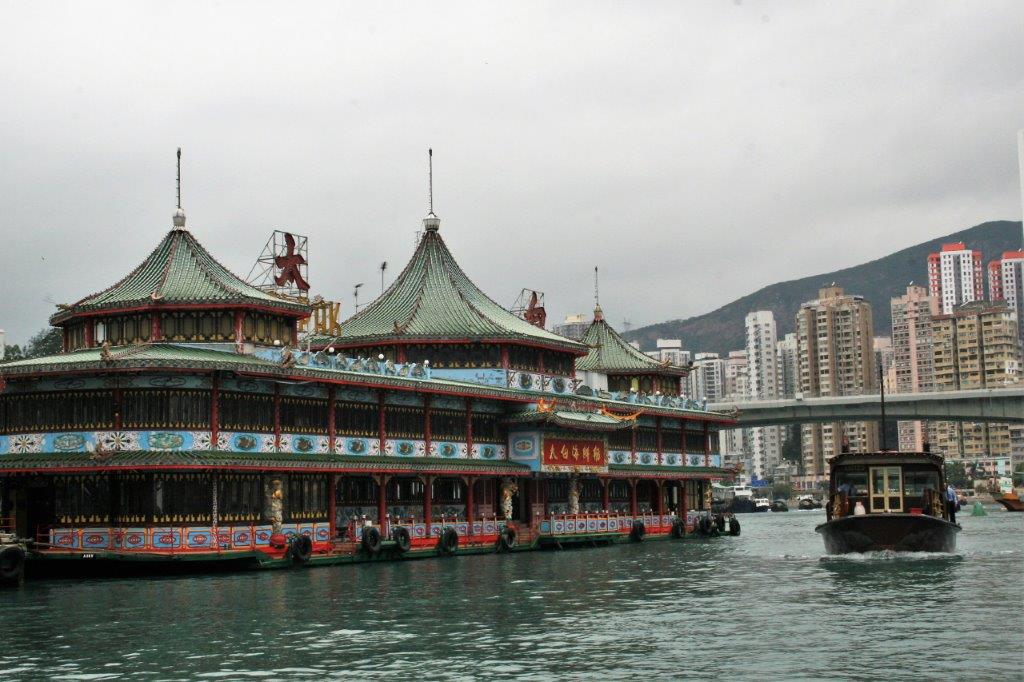
img_5128 img_5126 img_5133 img_5136                                           Two big floating restaurants.

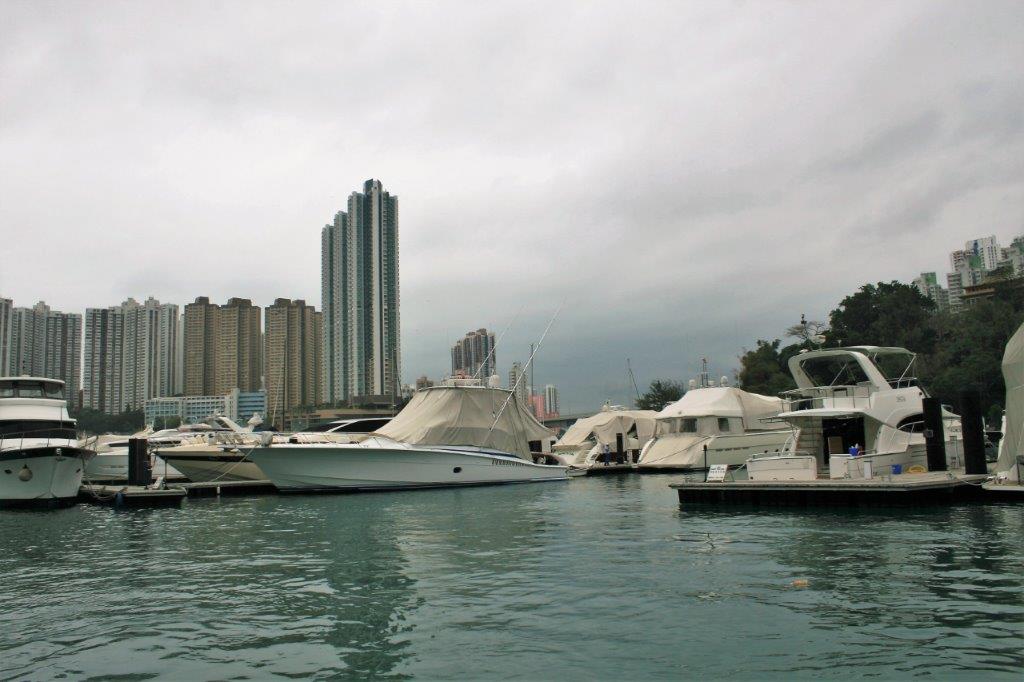
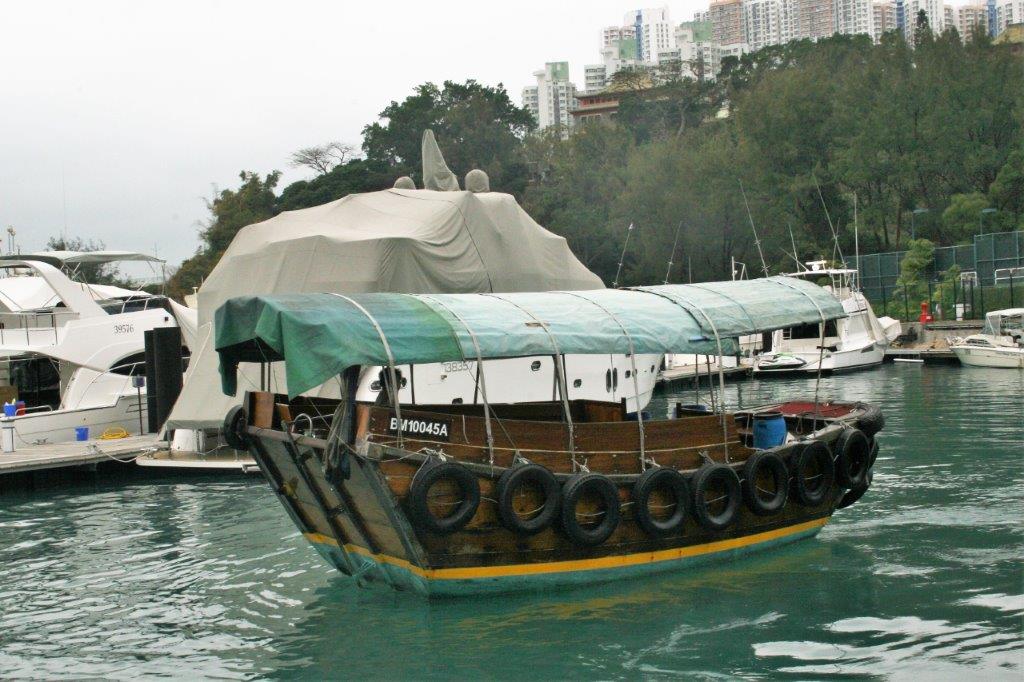
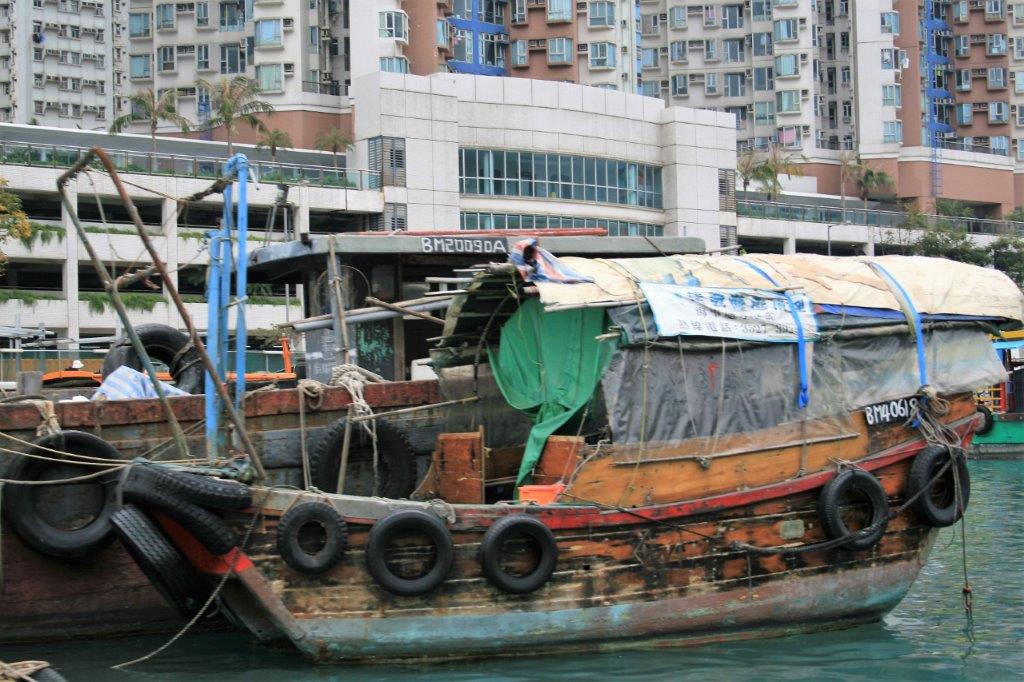
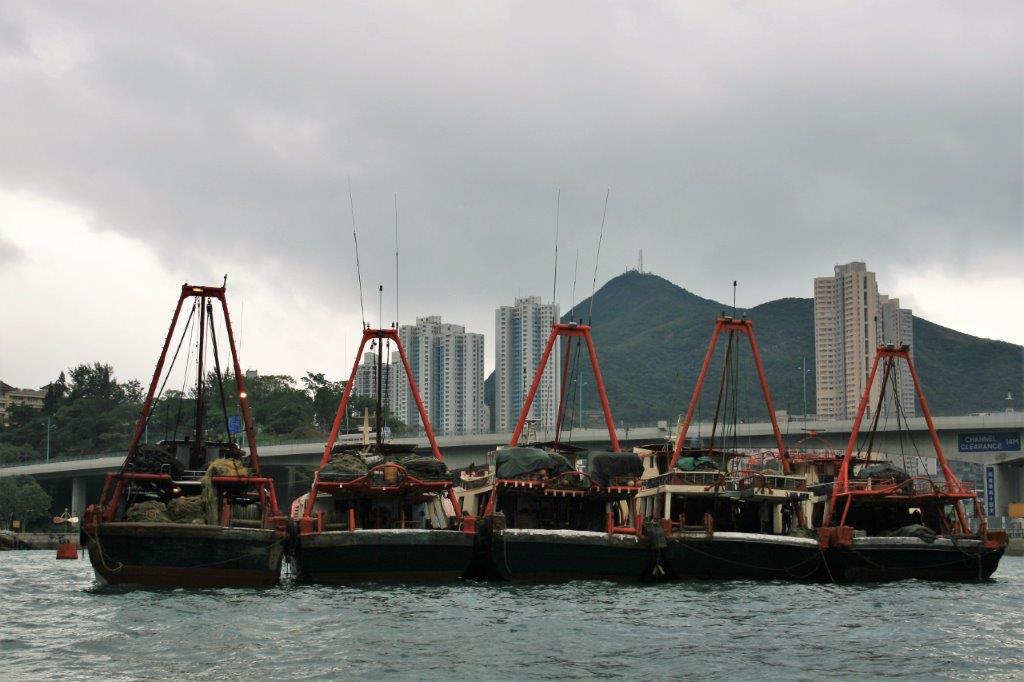
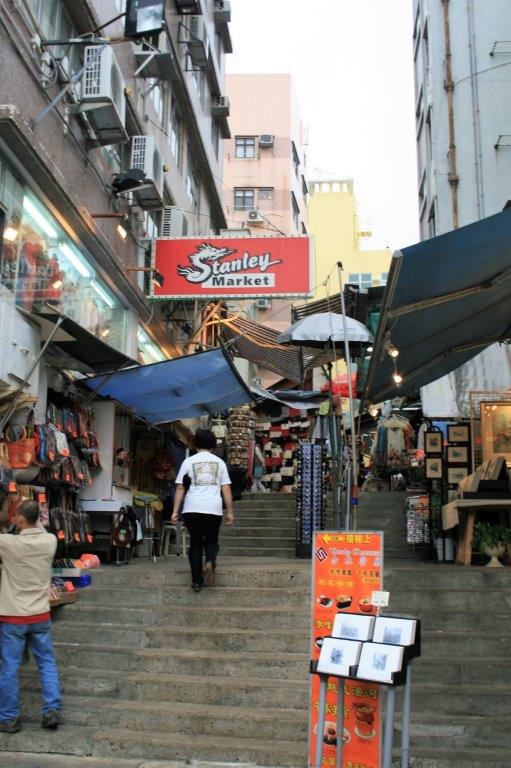
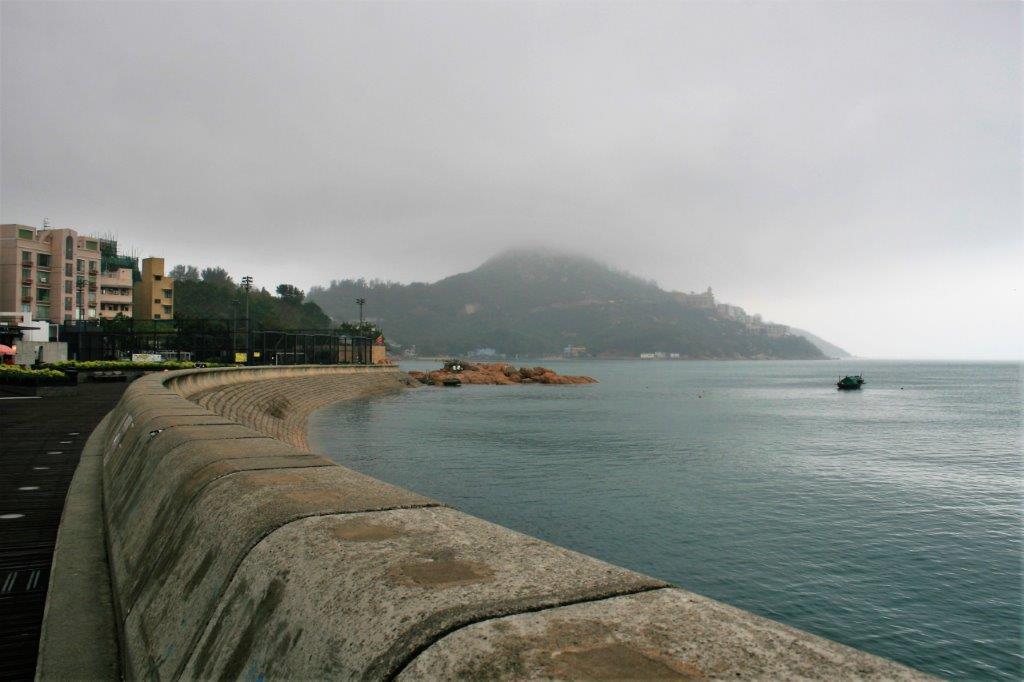
Entire generations of families have lived in these boats anchored in Hong Kong Harbour.  Most of the young people have no desire to continue the lifestyle so the government is supplying subsidized housing to move the older residents to a better place.  It was quite interesting to see these small, semi-ramshackle boats at the base of the modern high rise apartments just across the water.img_5124 img_5146 img_5151 img_5150 img_5158 img_5165_edited-1 img_5170We made the requisite shopping stop at the famous Stanley Market where you can literally buy anything and enjoy haggling over the price.

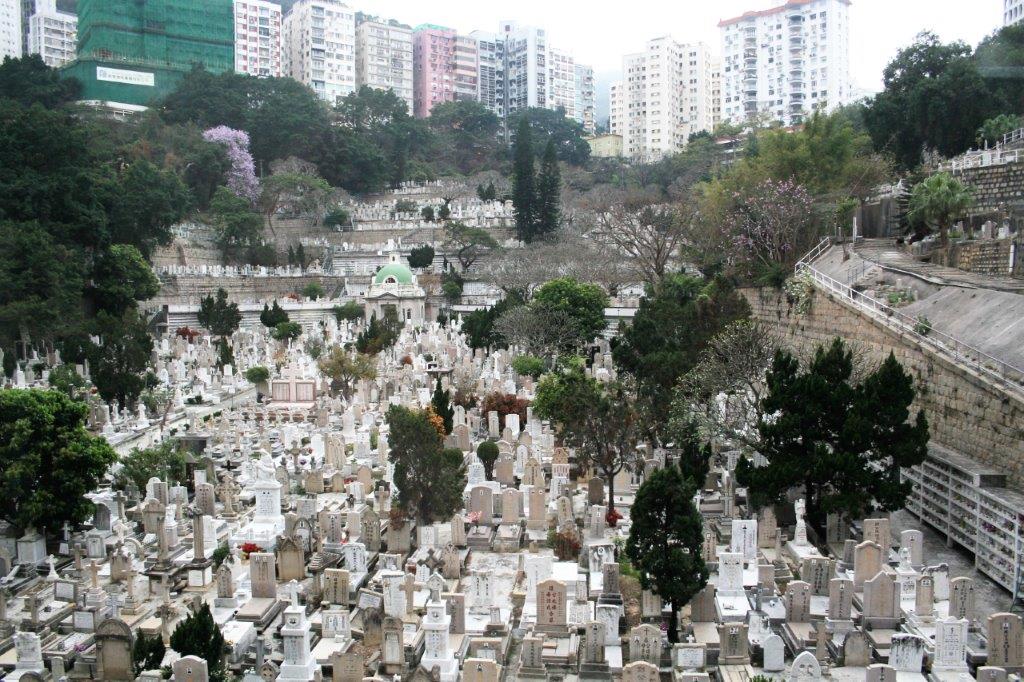
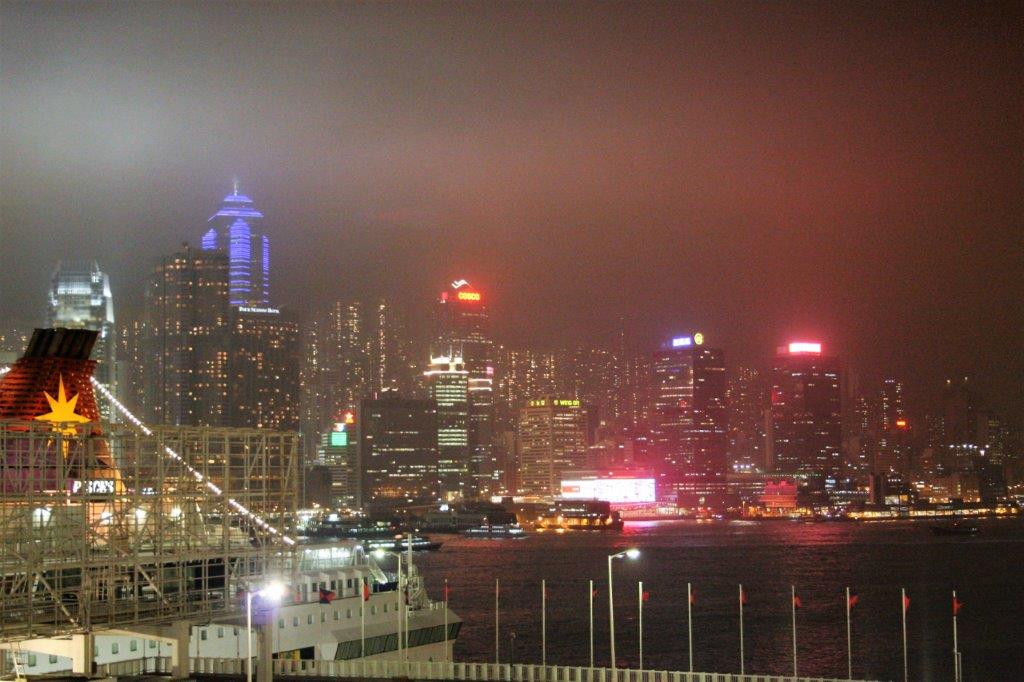
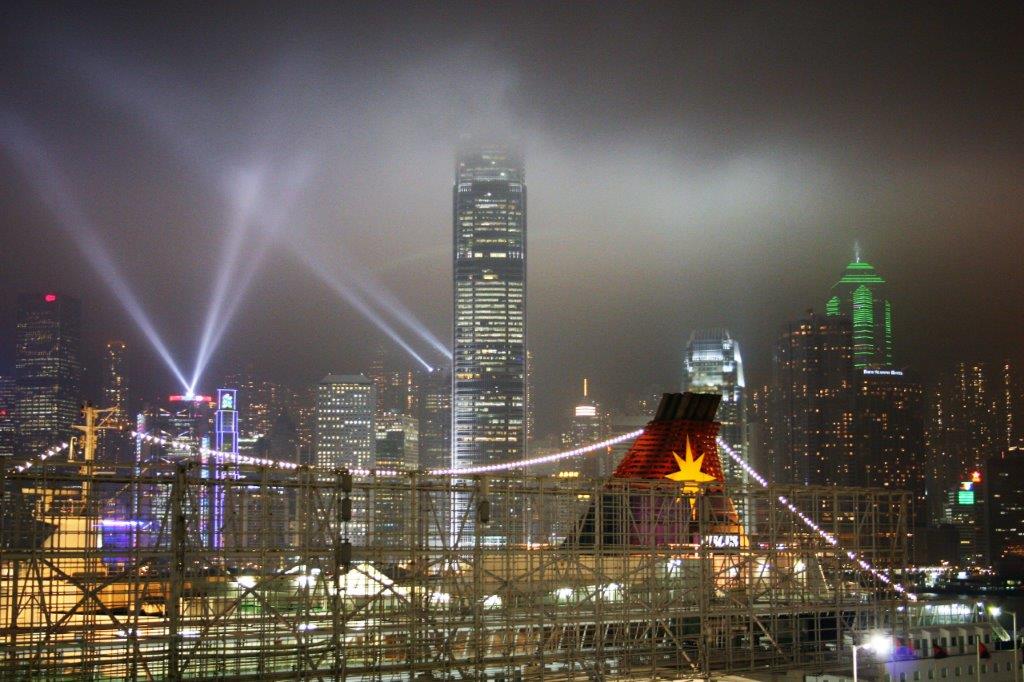
img_5202img_5205When you have that many people in that small a space burial grounds become very crowded.img_5239We returned to the ship just in time for dinner and then went out on deck to watch the laser light/music show that plays for 15-minutes every evening at 8 pm.

img_5256 img_5257 img_5271 img_5272 img_5279 img_5280What a full and fabulous day to complete the first half of our voyage!


2009 World Cruise – Feb 27 – Day 53 – Semarang, Java, Indonesia

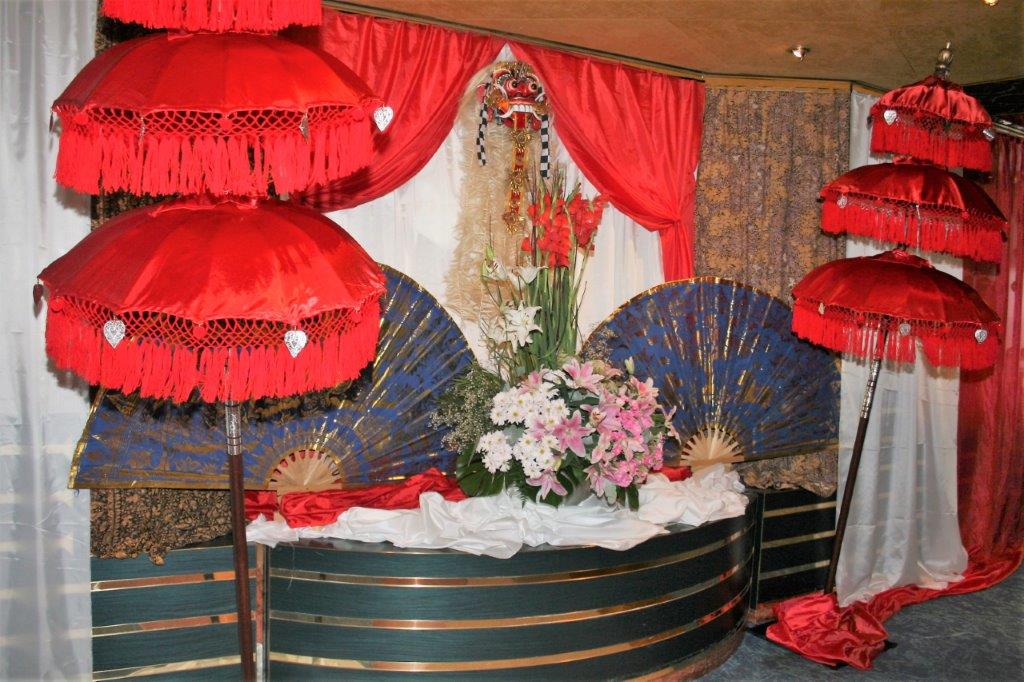
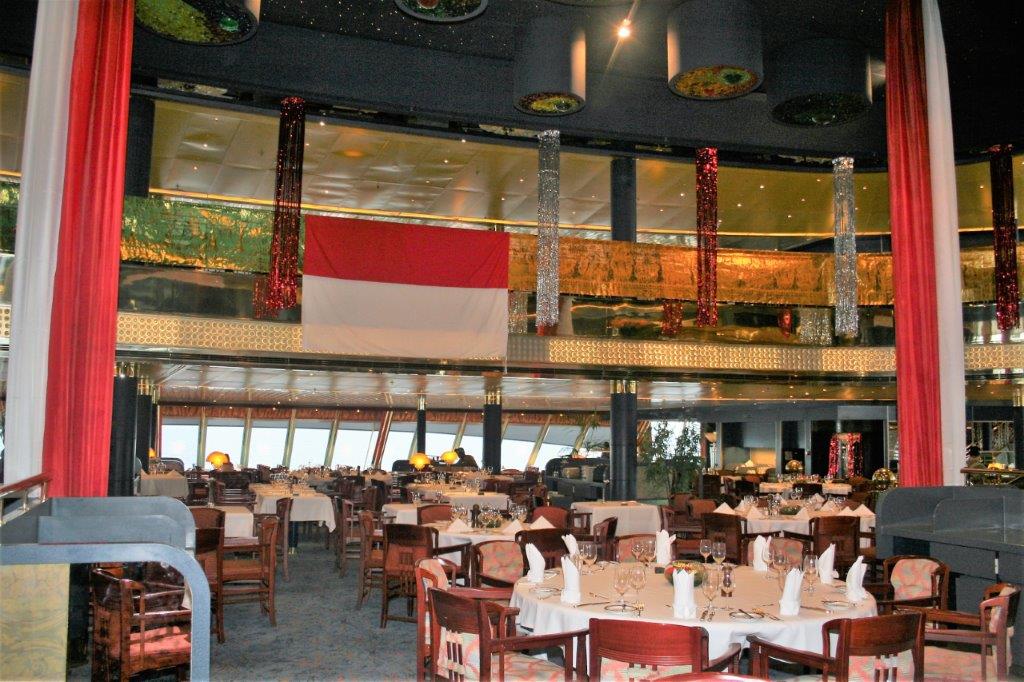
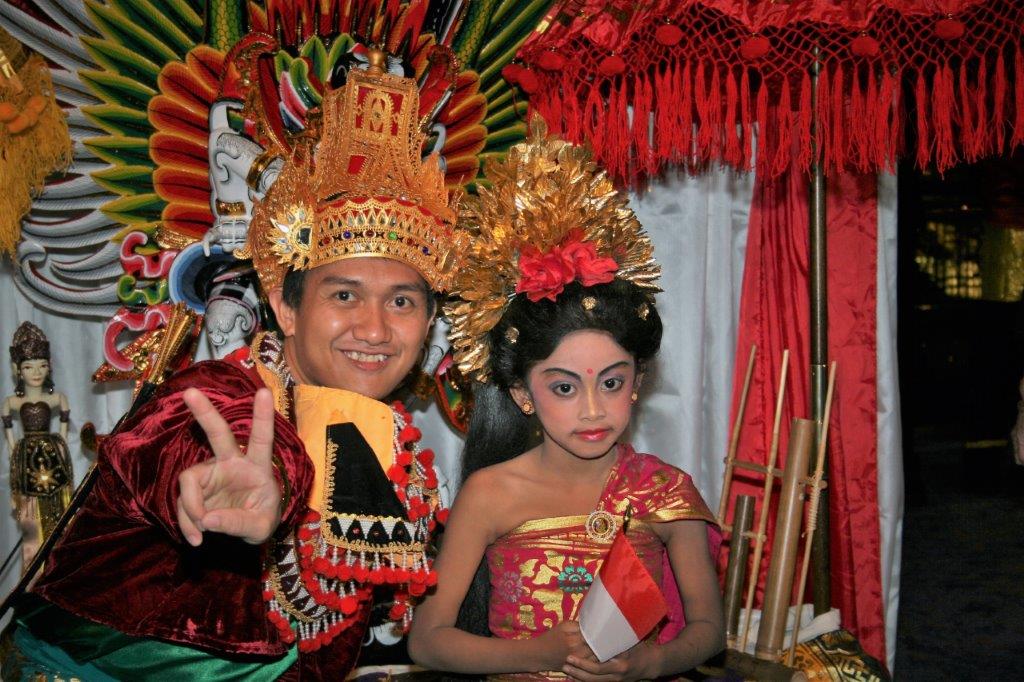
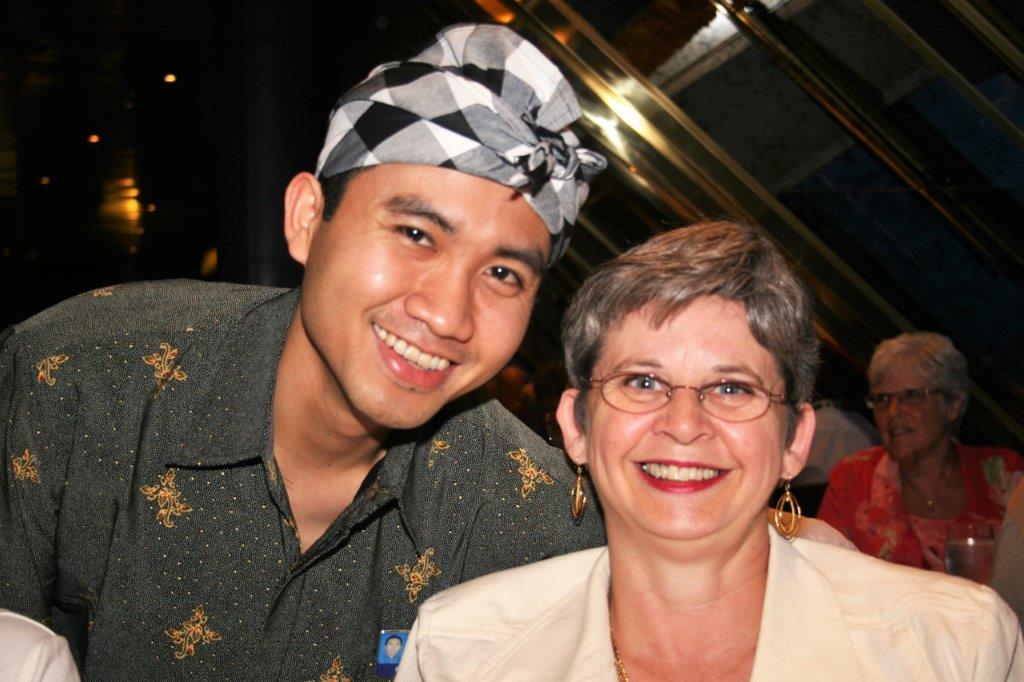
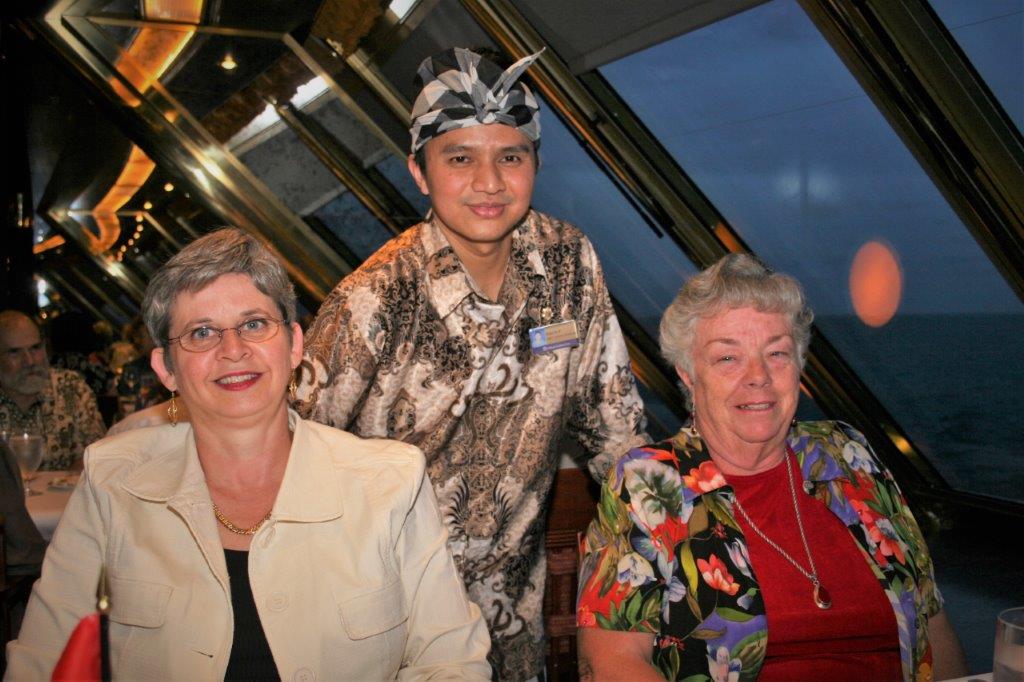
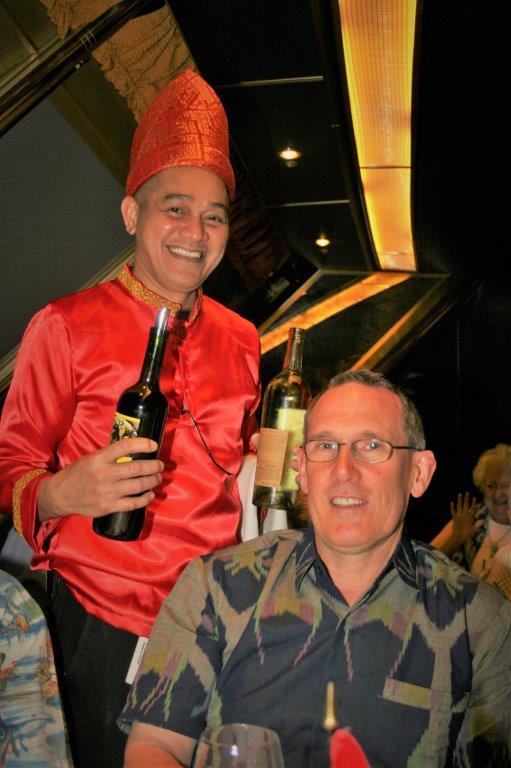
2009 World Cruise – February 26 was a sea day and Indonesian Night in the dining room.  John wore his Indonesian shirt and I made a wrap skirt from fabric I had purchased in Lembar.  The wait staff fellows all immediately recognized John’s shirt as an Indonesian pattern and were quite tickled to see him wear it.img_4587 img_4588img_4589 img_4590 img_4594 img_4593 img_4601img_4600img_4602Assistant Dining Room Steward – Agus and Wine Steward -Ceasar.

I ordered the T-bone steak for dinner that night.  When my plate arrived all you could see was the steak!  All the veggies were underneath.  It was a 12-oz steak.  I did not eat it all.img_4603I was up at 6:30 the next morning when we docked in Semarang.  Already there were young ladies and men standing behind the security fence waiting for a chance to see their family member who was part of our crew.  As the day progressed more and more wives and children arrived.  By day’s end over 1000 guests had been brought on board for dinner,  a tour of the ship, and a visit with their husband/wife/sister/brother, etc.   Really cool!img_4607_edited-1img_4610_edited-1 Our cabin stewards were two young Indonesian men called, Totok (Toto) and Taufik (Toffee).  Totok’s wife and 8-month old son were coming to Semarang by an 8-hour train ride in the hope of having an hour or so together while the ship was in port.  We told them they need not clean our cabin that day and to ensure they would not get in any trouble with management we put a note on our door that we did not want the cabin cleaned.  We told many people on our deck that was our plan, others did the same, and there were notes up and down the halls all over the ship in the hope the men and women would have more time with their loved ones. (Toto was so happy the next day telling us about the time he spent with his active little boy.)

img_4624_edited-1 img_4629_edited-1We left the ship at 8:30 for the 2 1/2 hour bus ride to Borobudur Temple.  This ancient wonder of the world was a very popular tour and there were 12 buses of guests.  Every two buses was escorted by a police car with two officers inside.  They drove all the way to the temple with lights flashing and sirens blaring.  (We had a police escort on our excursion in Lembar the other day as well.)  This is not a security measure; it is a traffic necessity.  The roads are so congested that without an escort to make a path it would take over 8 hours to get to Borobudur.

I was very glad to be sitting in the middle of the bus and not near the front.  It was a hair-raising ride.  The police cars wove back and forth across lanes and even drove down the wrong lane or made a third lane in the middle.  Cars, trucks, carts, motorcycles, and bicycles all had to veer out of the way of our long convoy.  I even saw some motorcycles fall over to avoid the police and buses.  Good thing that all the congestion keeps traffic speeds quite low.  I don’t think anyone got hurt.  Certainly an experience to remember – not really eager to repeat it either.

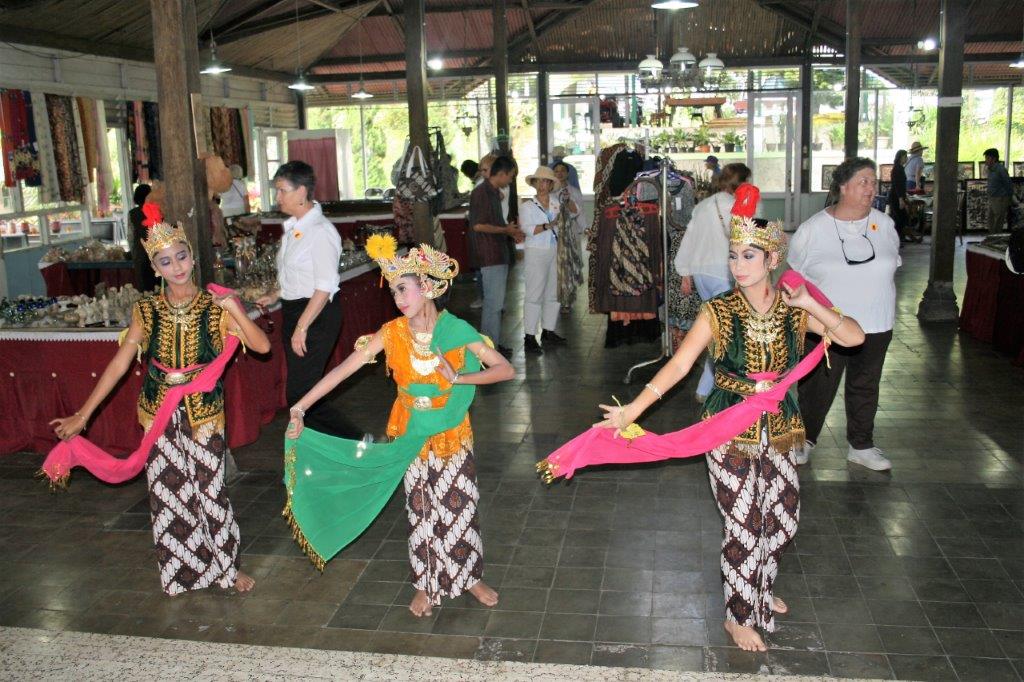
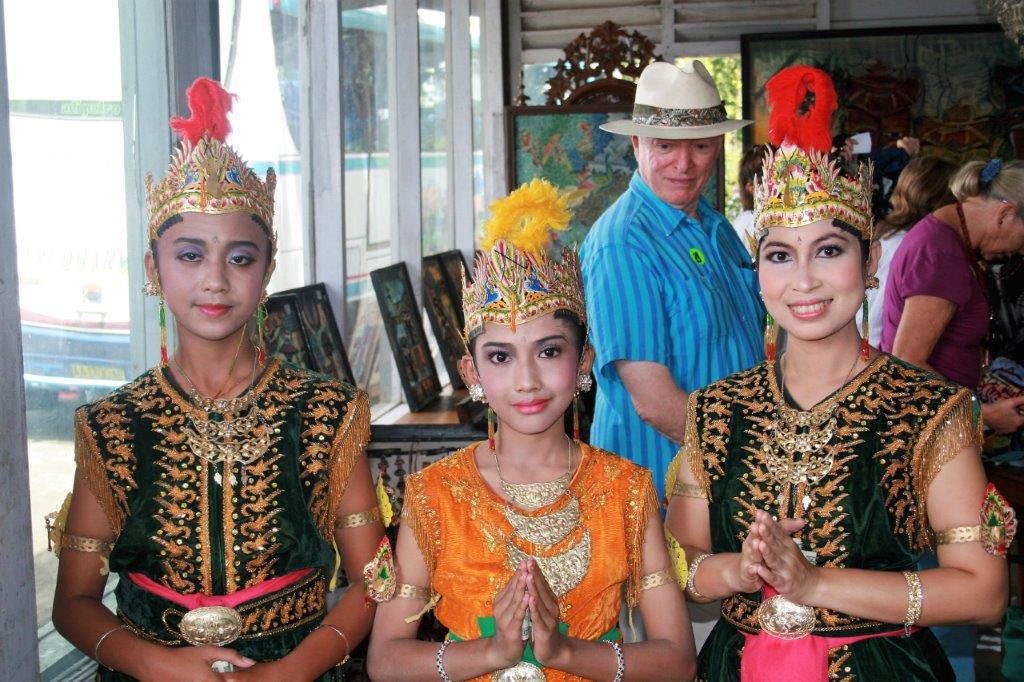
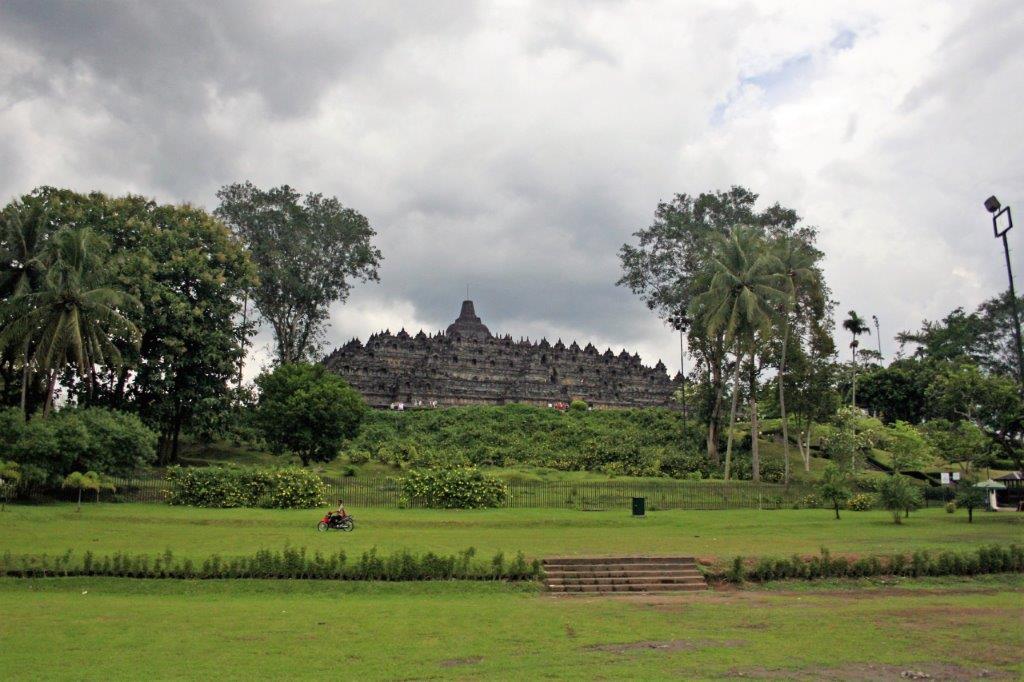
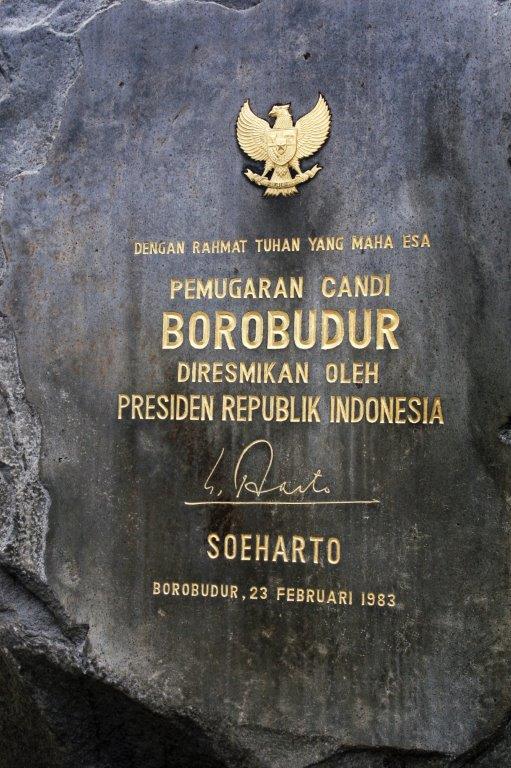
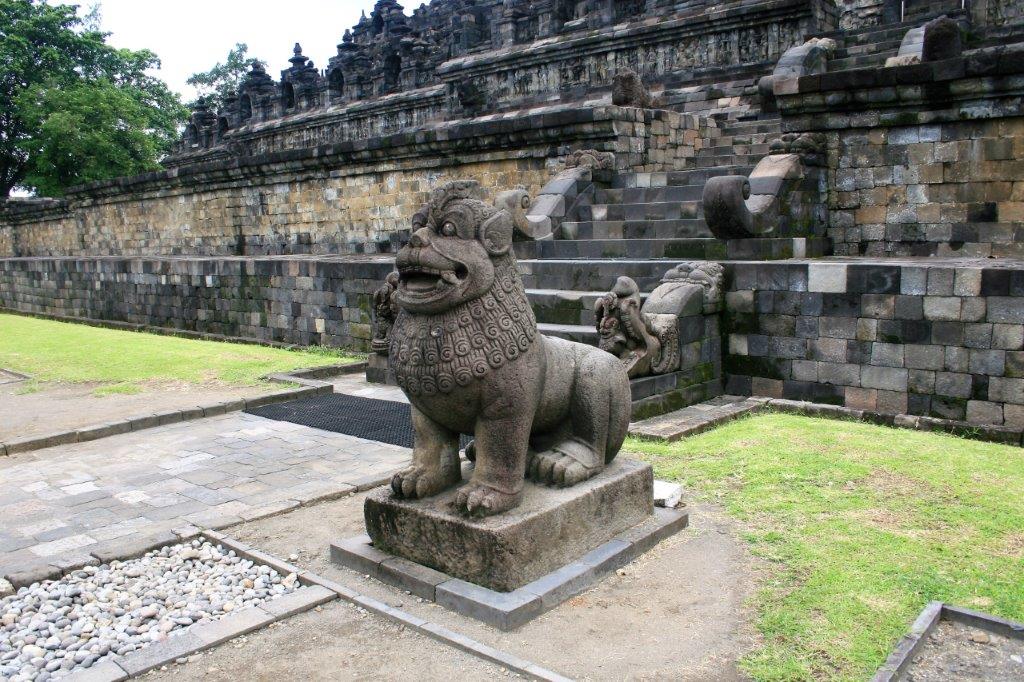
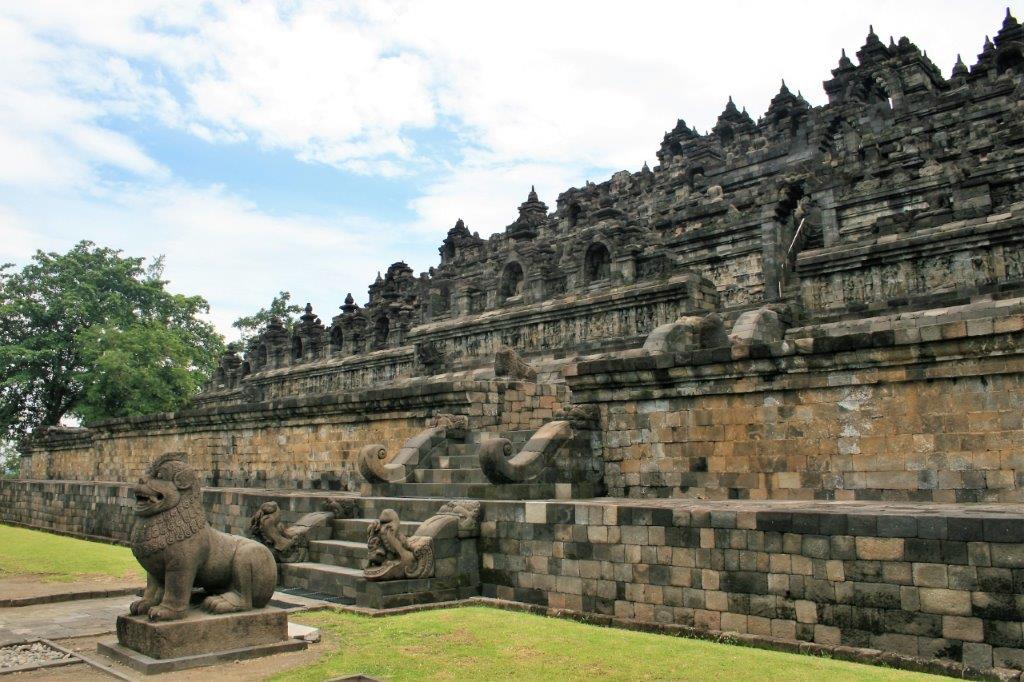
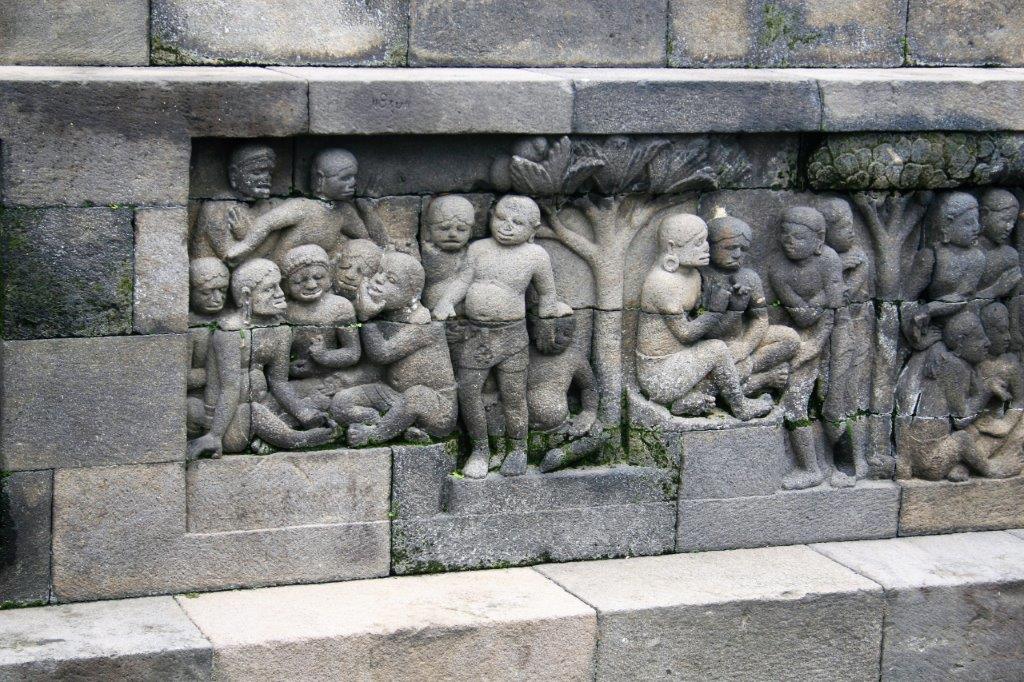
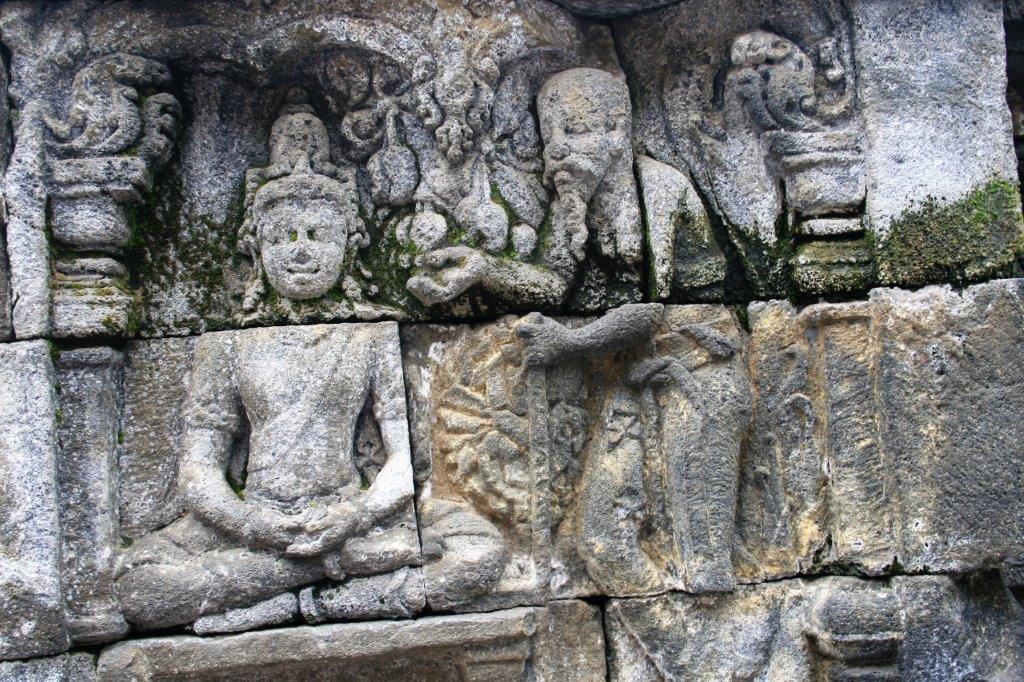
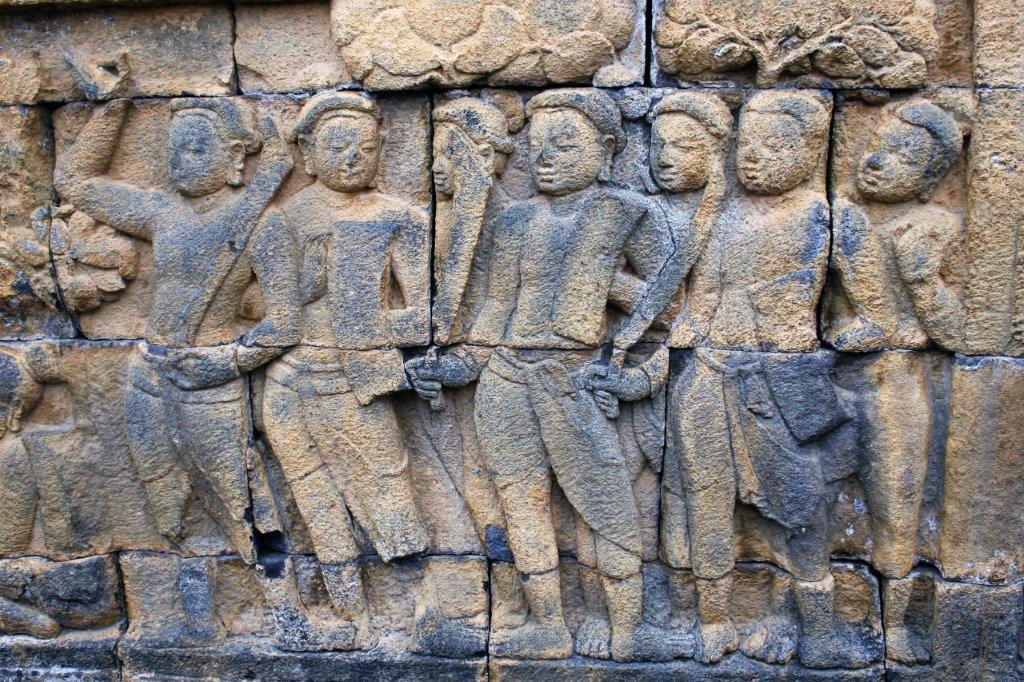
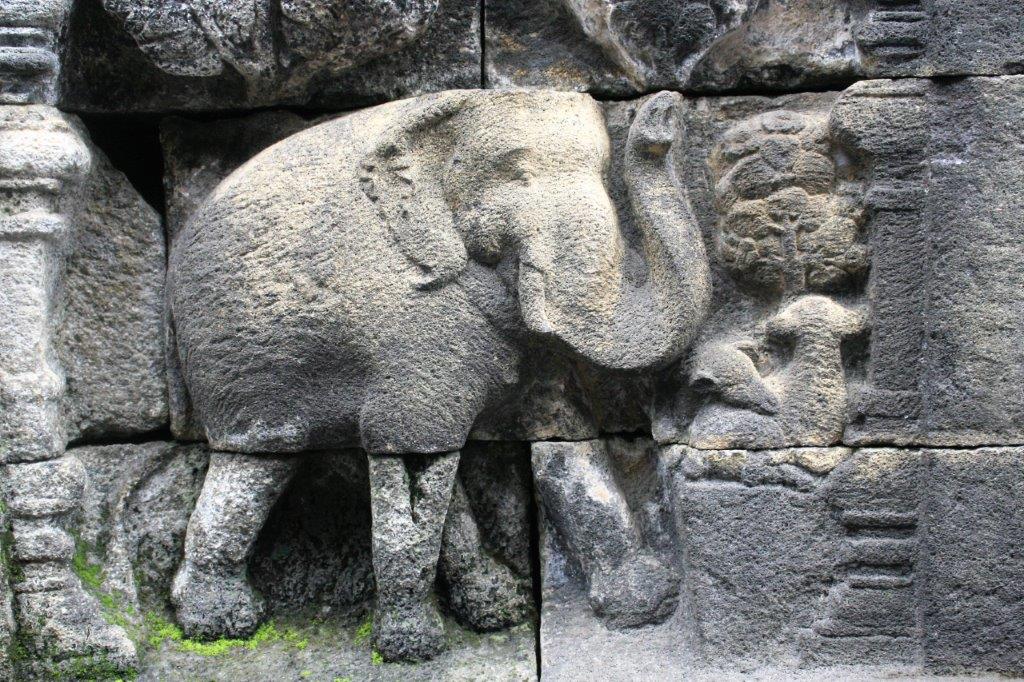
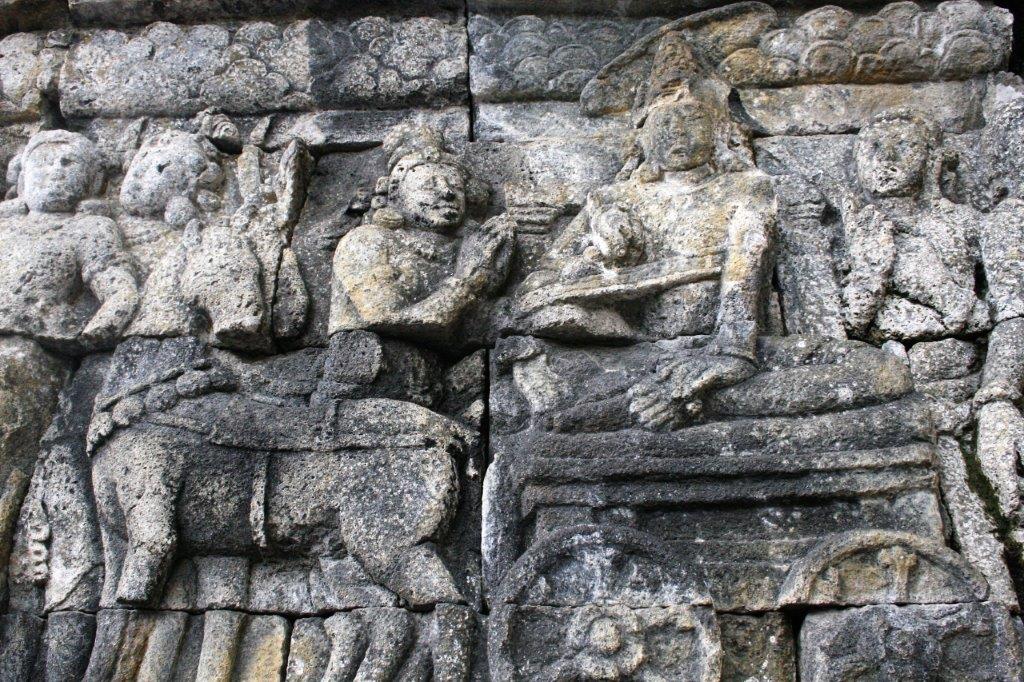
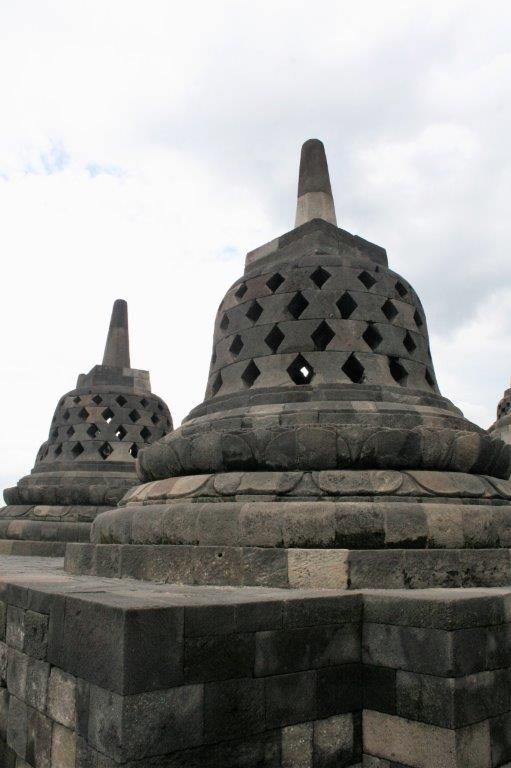
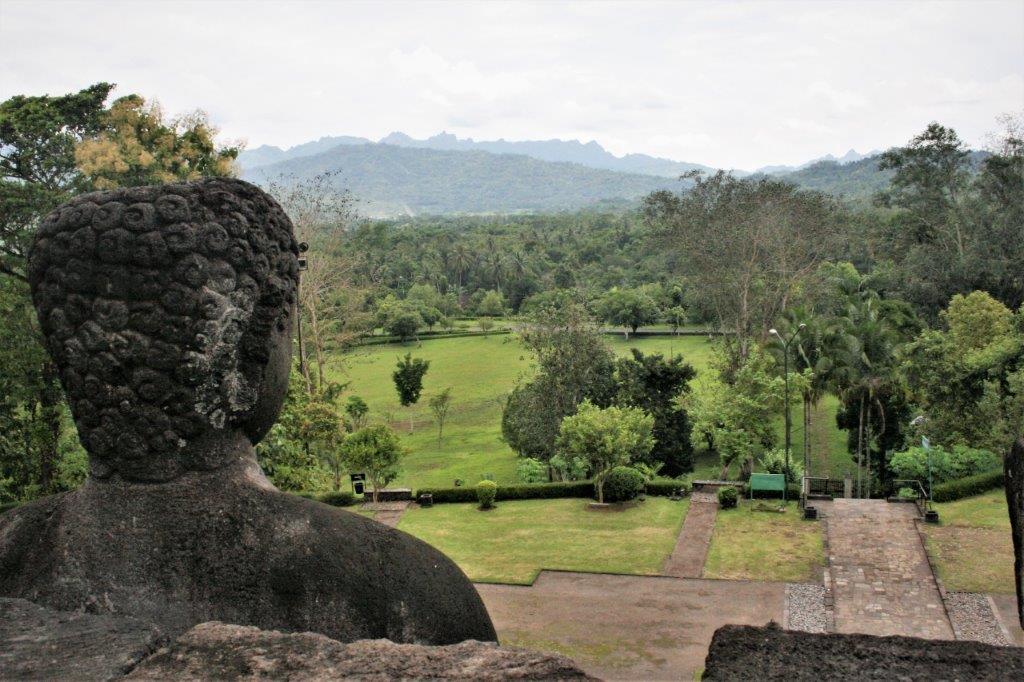
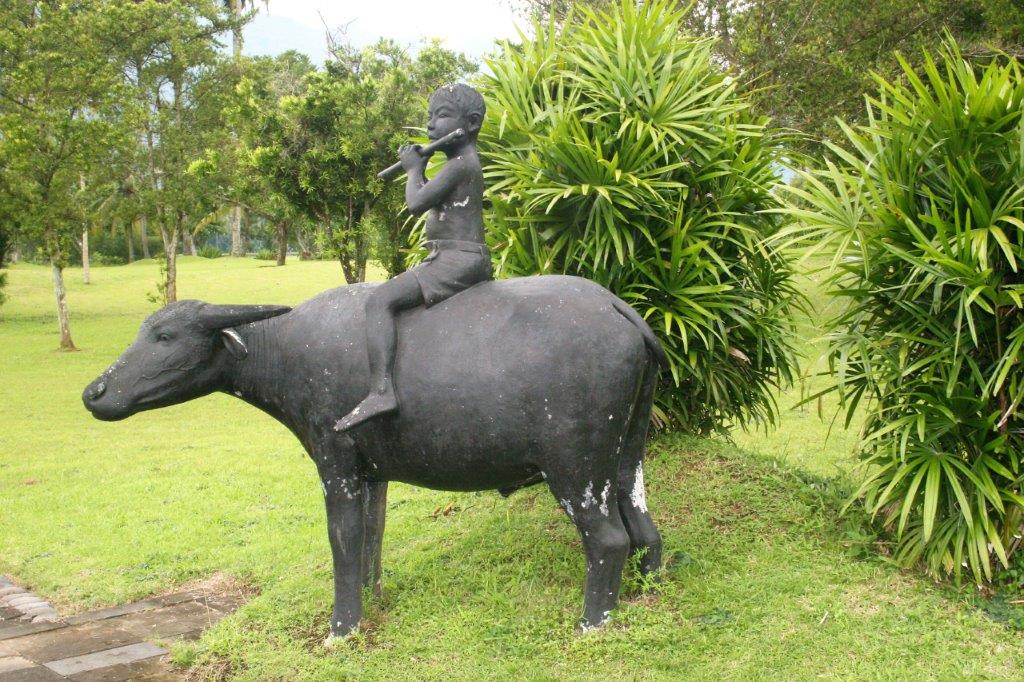
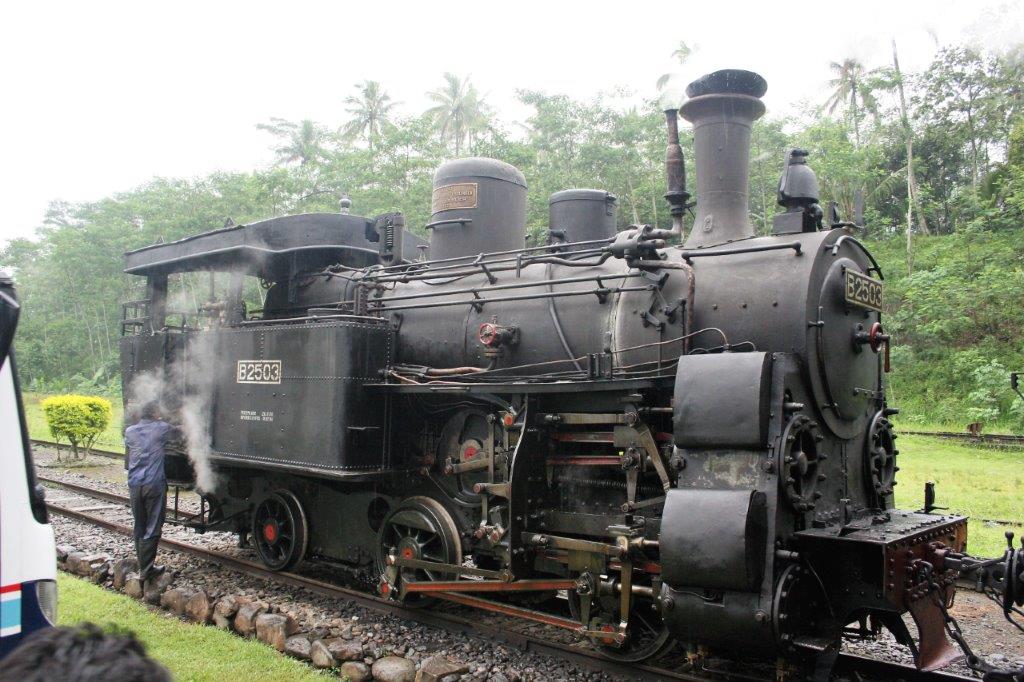
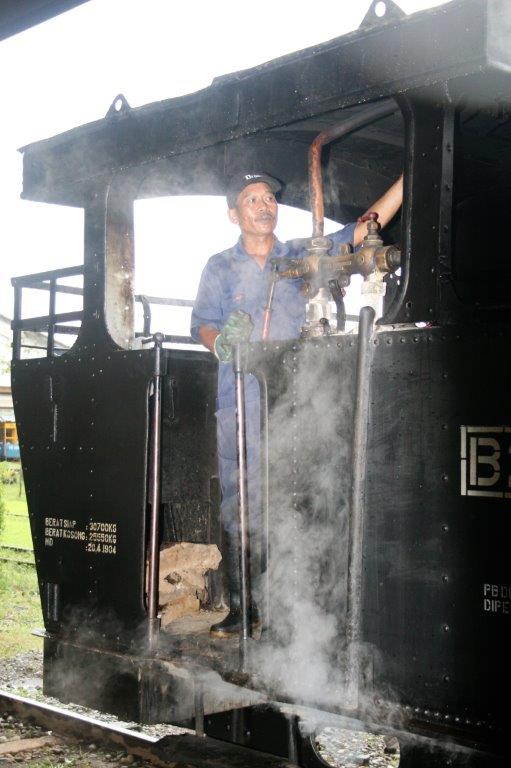
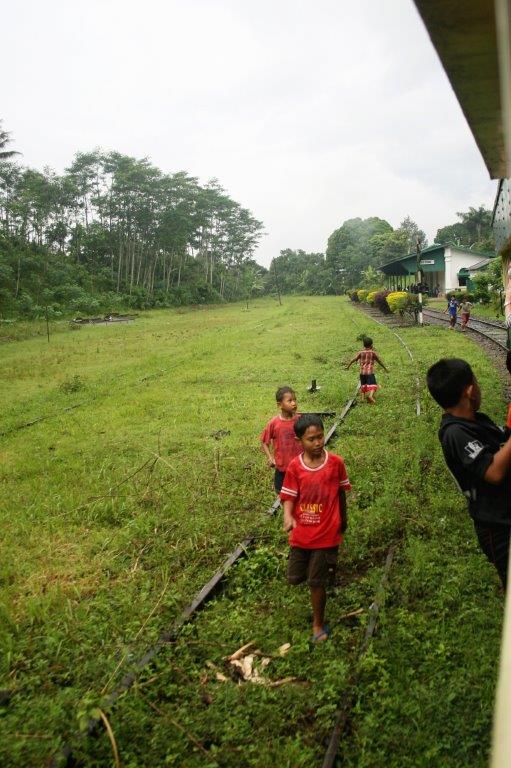
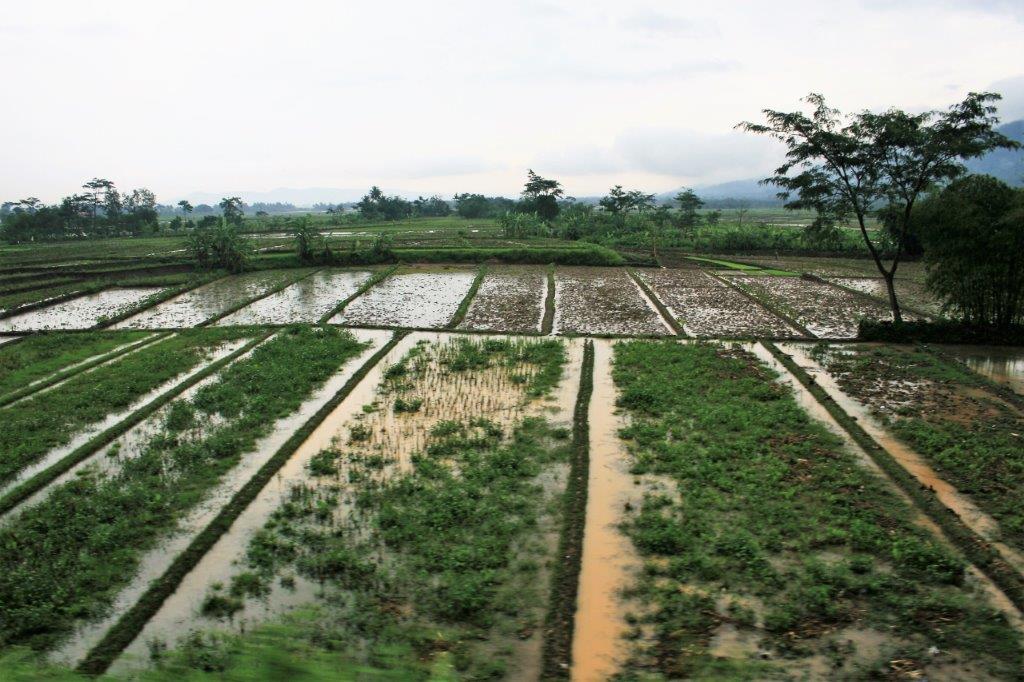
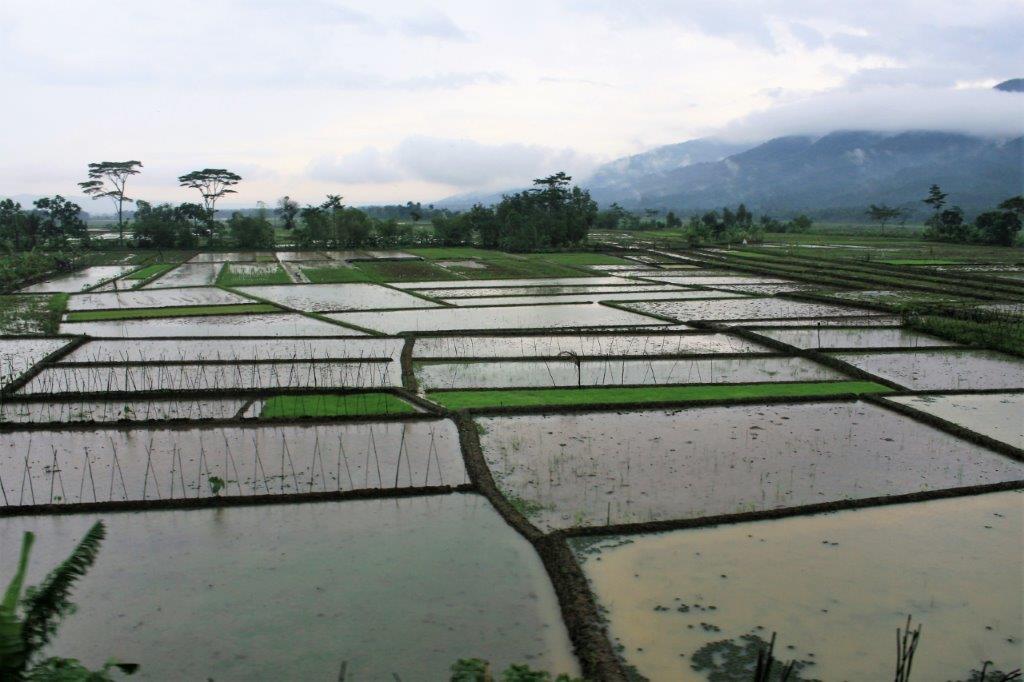
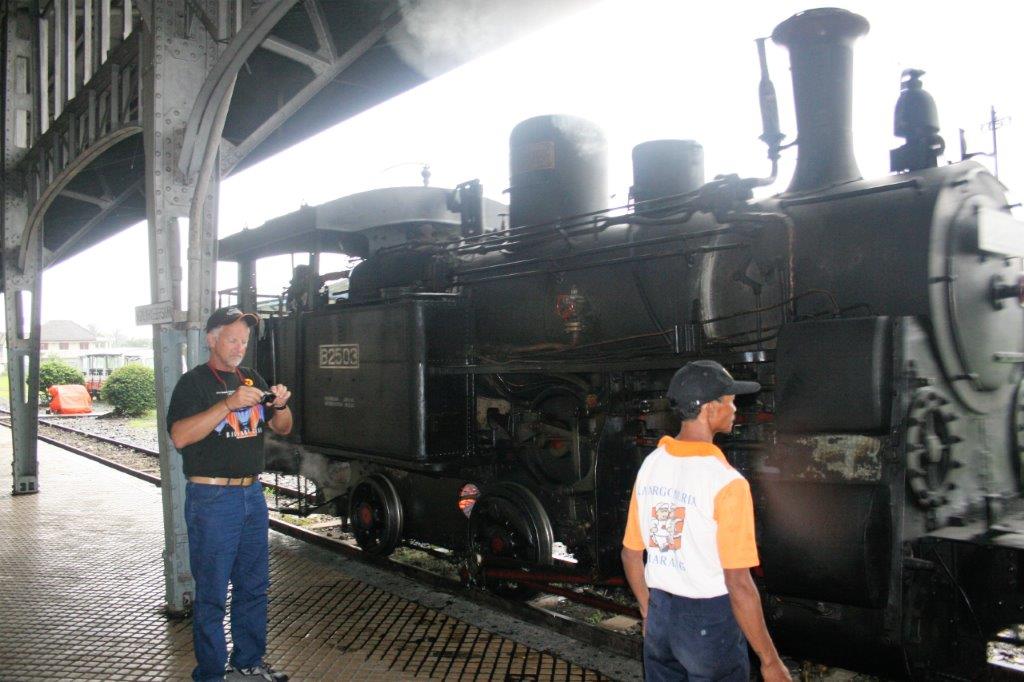
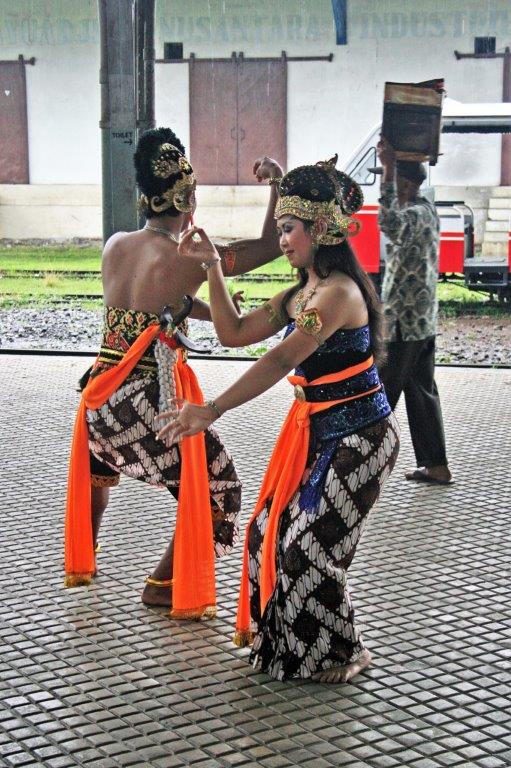
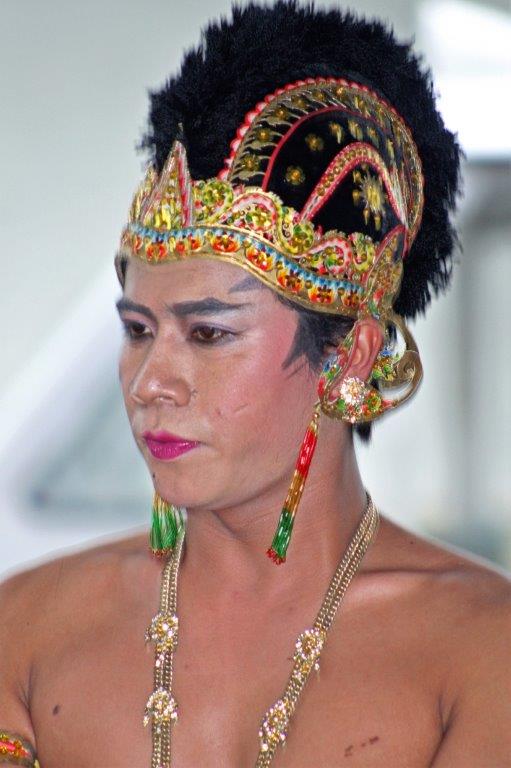
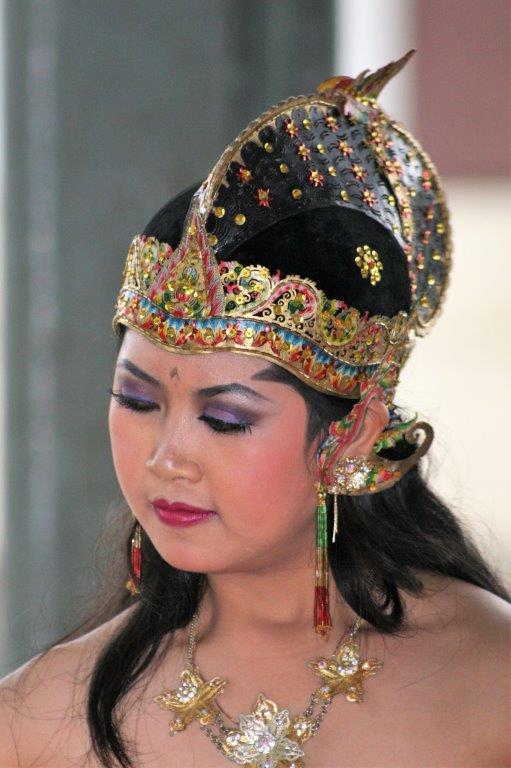
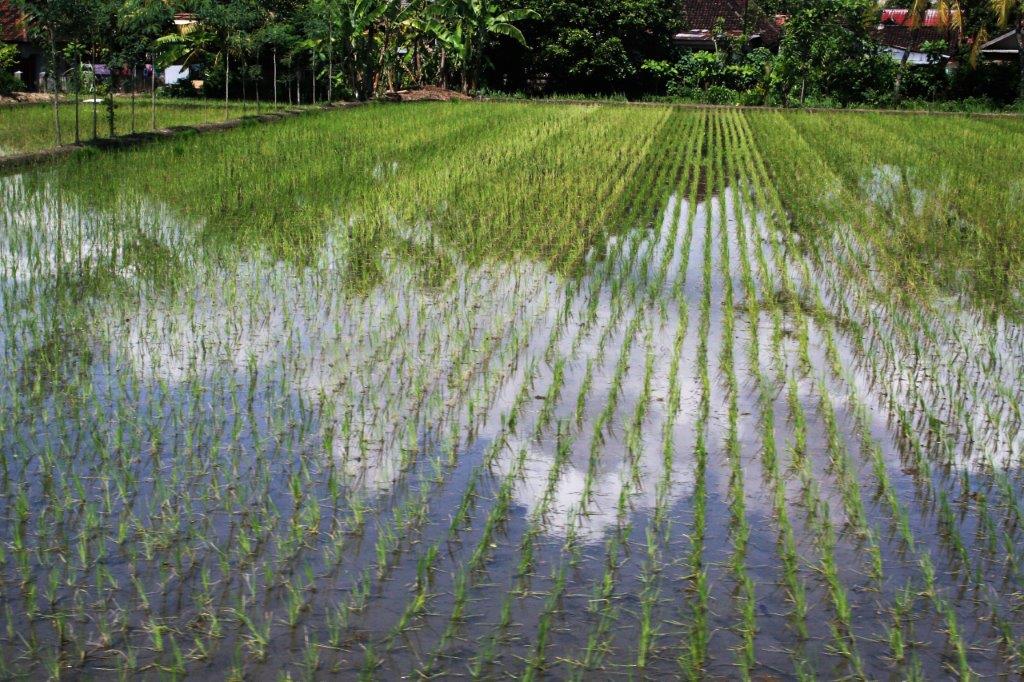
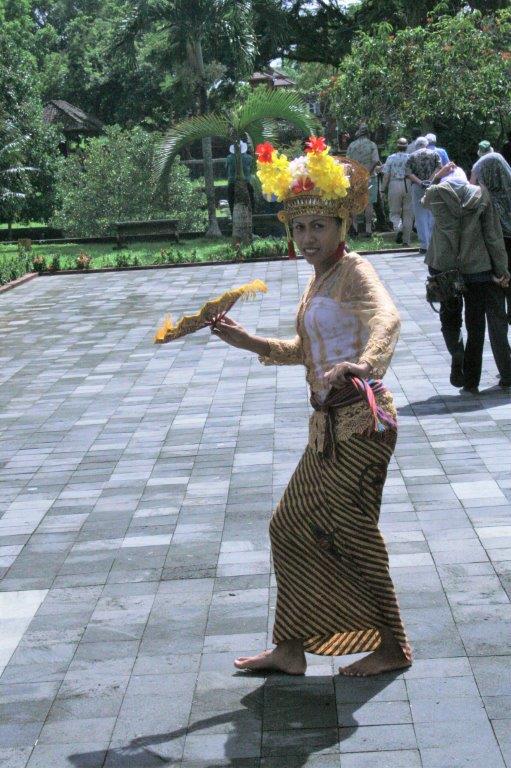
Half-way on the journey to the temple we stopped for coffee and  a break at the Eva Coffee Plantation.  As always, there was opportunity to shop. I made a huge purchase.  I bought a package of three fans for $2.  (I still have them and will take one with me to a concert or show or something if I expect it to be hot and stuffy.)  There were three young girls in traditional dress and make-up who danced very beautifully and gracefully for our entertainment.img_4638 img_4643Borobudur Temple was built around 850 AD and is the largest single monument in the Southern Hemisphere.  It is believed that the temple was only used for about 75 years before being abandoned because of a change in ruler.  It is over 100′ tall and comprised of about 2,000,000 stone blocks built around a central dirt core.  It is covered with the finest stone reliefs, carvings and images of Buddah in the world.  There are 10 terraces symbolizing the path to Nirvana and at the top there is the Great Stupa, which towers above the other 72 stupas and statues.img_4706_edited-1After it wimg_4654as abandoned the temple was covered by lava flows and jungle and disappeared.  It was re-discovered in 1814 by Sir Stamford Raffles and took over a century to uncover and restore.  It was truly incredible to see something so large and beautifully designed knowing it was built so long ago with simple tools by thousands of men over, they estimate, 75-100 years. img_4664 img_4665 img_4660 img_4670 img_4675 img_4676 img_4680 img_4682 img_4687 img_4691 img_4690 img_4688 img_4683After spending a couple of hours exploring the temple we were provided a buffet lunch at a near-by hotel.  We were then driven to a village on top of a hill where we boarded a steam train for a 1 hour trip down to the Bedono Valley.img_4712 img_4716 img_4835As the train began to pull out and gather speed a group of boys ran along side and those that could reach the train hopped on and clung to the side for the ride.  It was pouring rain the whole time but they didn’t mind.  They could sure run in those flip flops!img_4728 img_4735 img_4737 img_4744 img_4749We saw many rice fields as we traveled down the to the valley.img_4769 img_4801 img_4806 img_4809There was a train museum at the bottom and we had time to check out some of the old engines.img_4837 img_4840 img_4861_edited-1 img_4856 img_4852_edited-1 img_4849We also were treated to a beautiful traditional dance before we boarded the buses again and the police cars escorted us back to the ship.  We arrived with minutes to spare to get into the dining room for dinner.
img_4877 img_4878 img_4880


2009 World Cruise – Feb 25 – Day 51 – Slawi Bay, Komodo, Indonesia

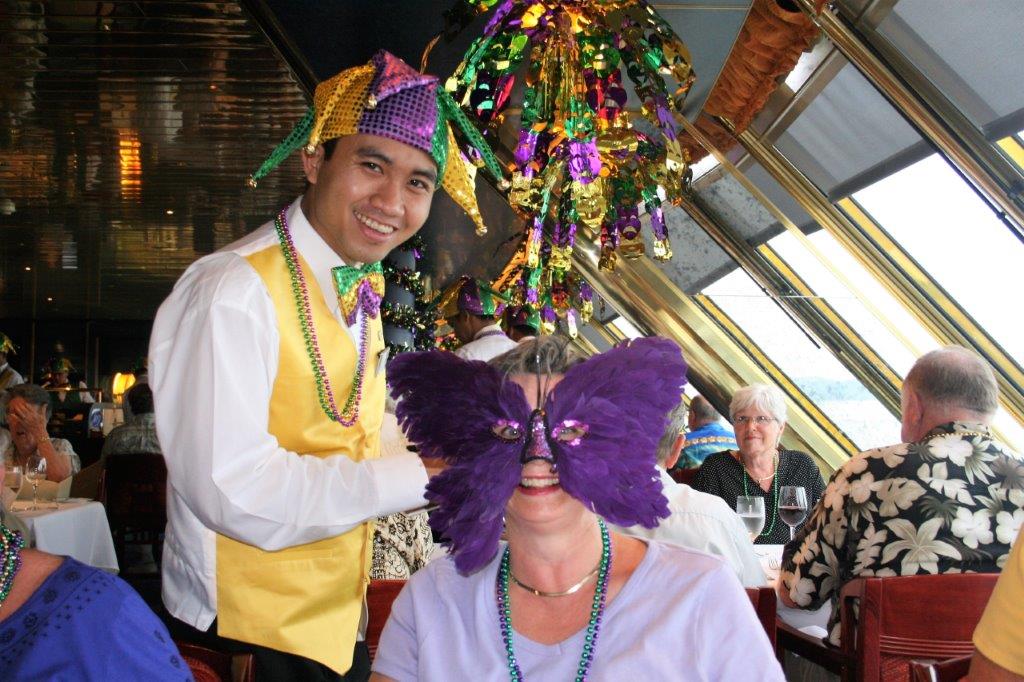
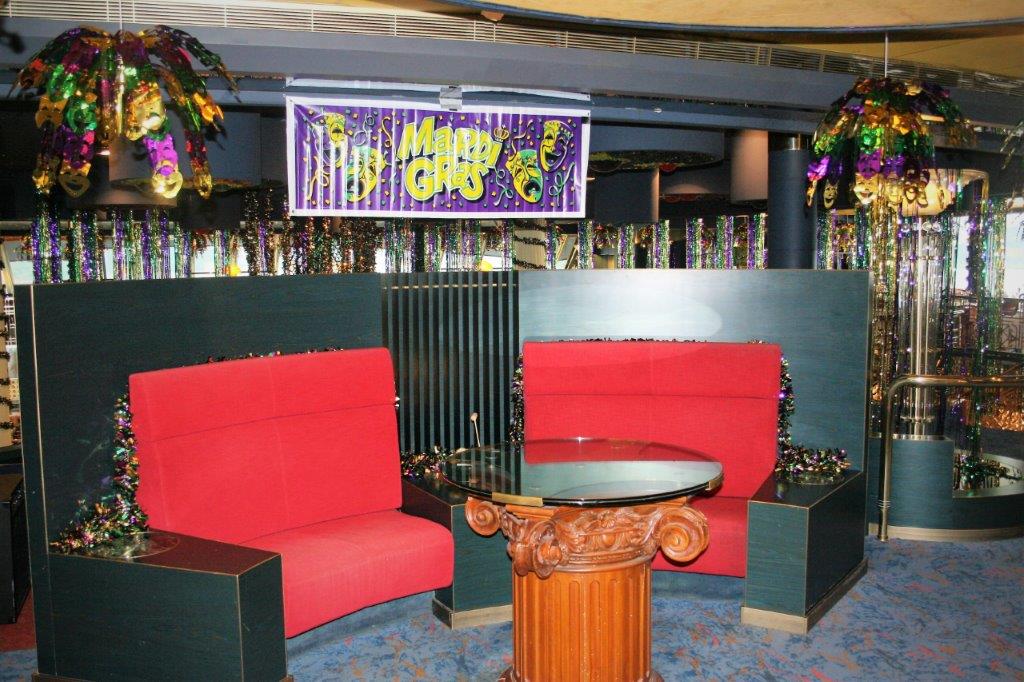
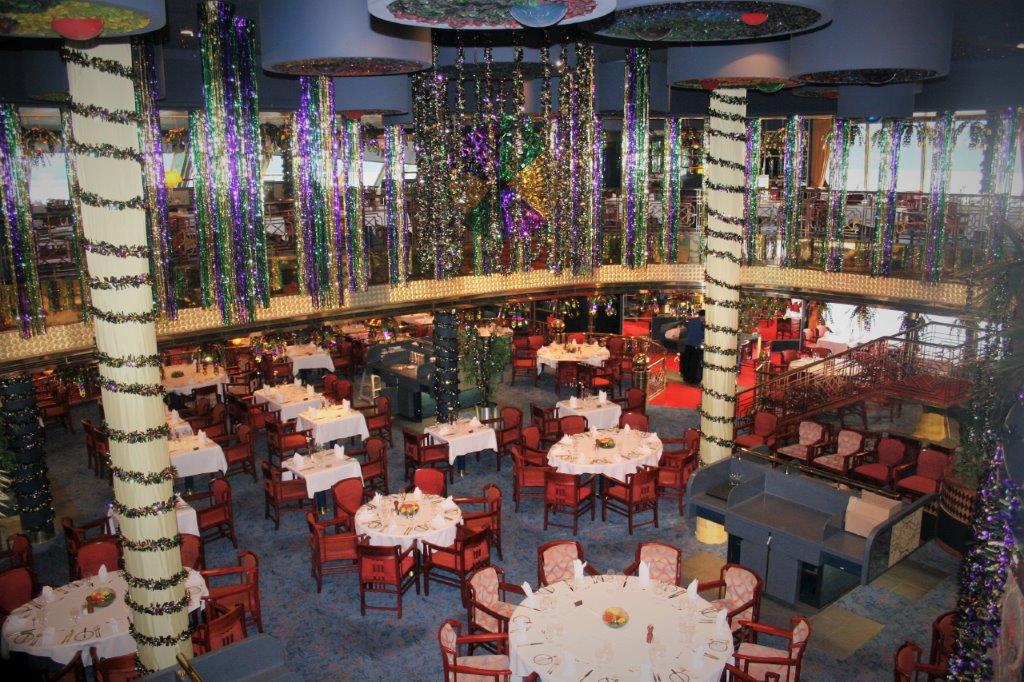
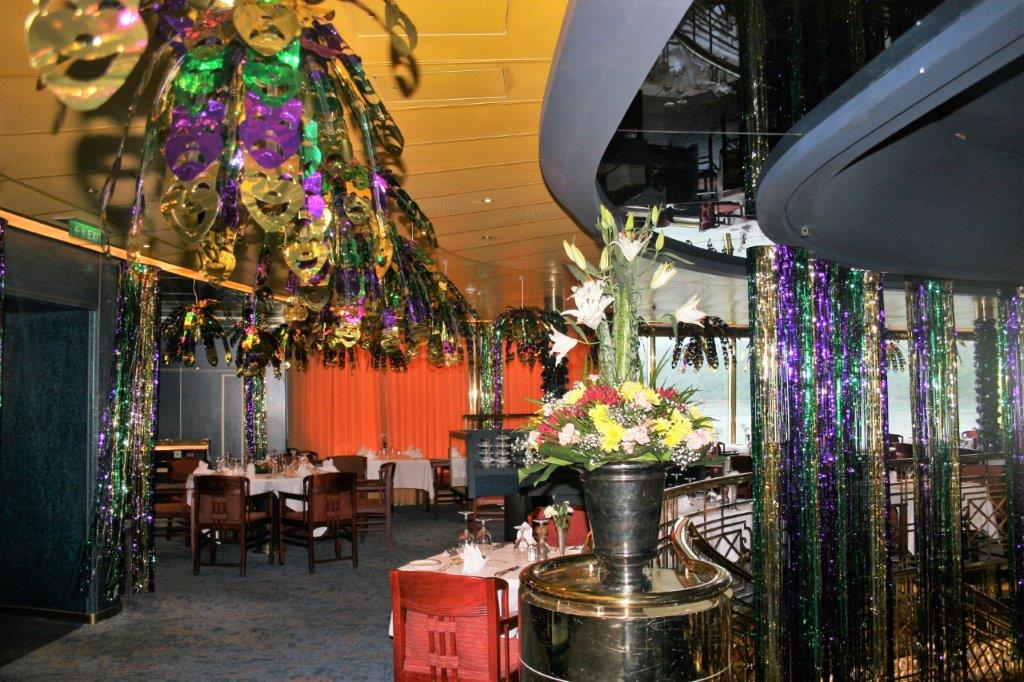
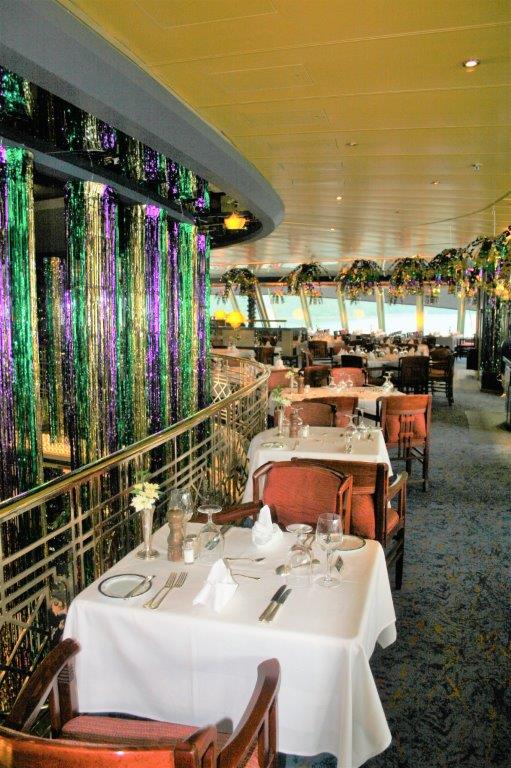
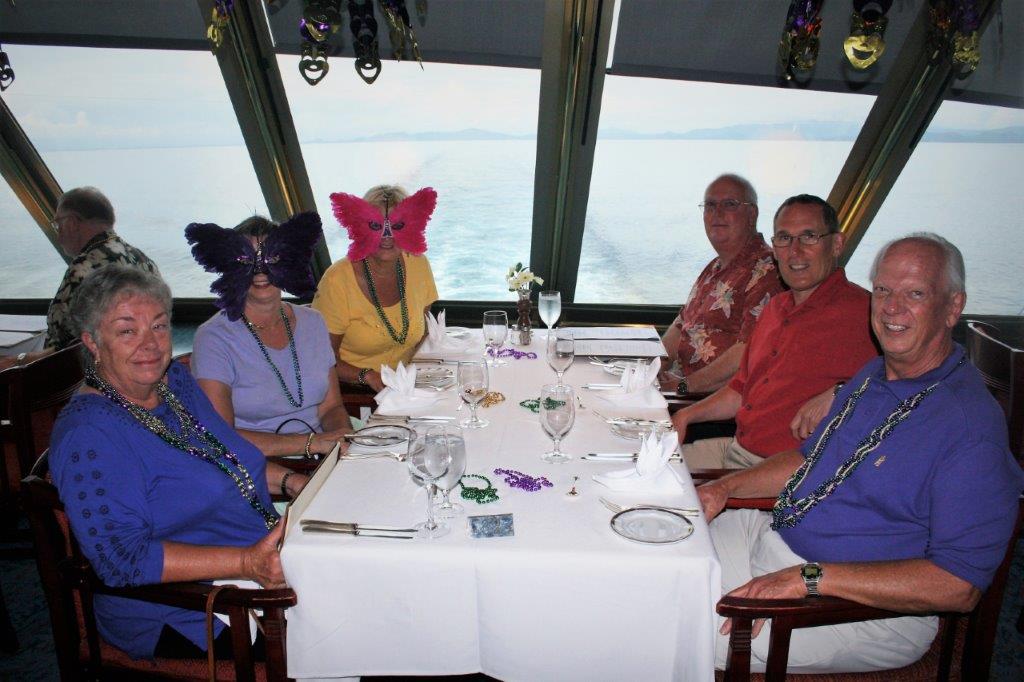
2009 World Crusie – Feb 24 is Mardi Gras and, once again, Komang and his helpers did a great job decorating the dining room, Crow’s Nest Lounge and other areas of the ship.  There was also a pile of purple, green and gold bead necklaces on the table for us to wear. The colors represent justice, faith, and power – in that order.img_4491 img_4483 img_4484 img_4486 img_4487 img_4489Elaine had brought along a couple of Mardi Gras masks so she and I were decked out quite royally.  The young Indonesian chap in the photo with me is our server André.  He, and many of his fellow Indonesians on the ship were getting very excited because our next port is Semarang, Java.  Many of their wives, husbands and children would be waiting at the pier.   This was a tremendous opportunity for everyone to have a visit, even if it would be quite short.  It is very rare that the staff gets near family during their 10 month contracts.

At the end of their contract they go home for 4-5 weeks and then sign on for another 10 months.  HAL maintains a training school in Indonesia and the Philippines as these are the two nationalities they prefer to staff their ships.  For the men and women who work on board it is a great opportunity to improve the lives of their families.  They make a lot more money than at most jobs at home.  And even though they are not home a lot, both of these cultures are very family and service oriented so wives and children are taken under the wing of extended family.

Indonesia has excellent cell phone rates so as soon as we got into range off Lombok any crew that had a few minutes would go out on the promenade deck and phone home.  Indonesia is made up of over 17,000 islands so obviously all crew members will not have family meeting the ship in Semarang.  But, they could phone cheaply and they did.  We saw lots of mechanical and laundry staff as well as wait staff, bartenders and cabin stewards out on the deck talking on their phones.

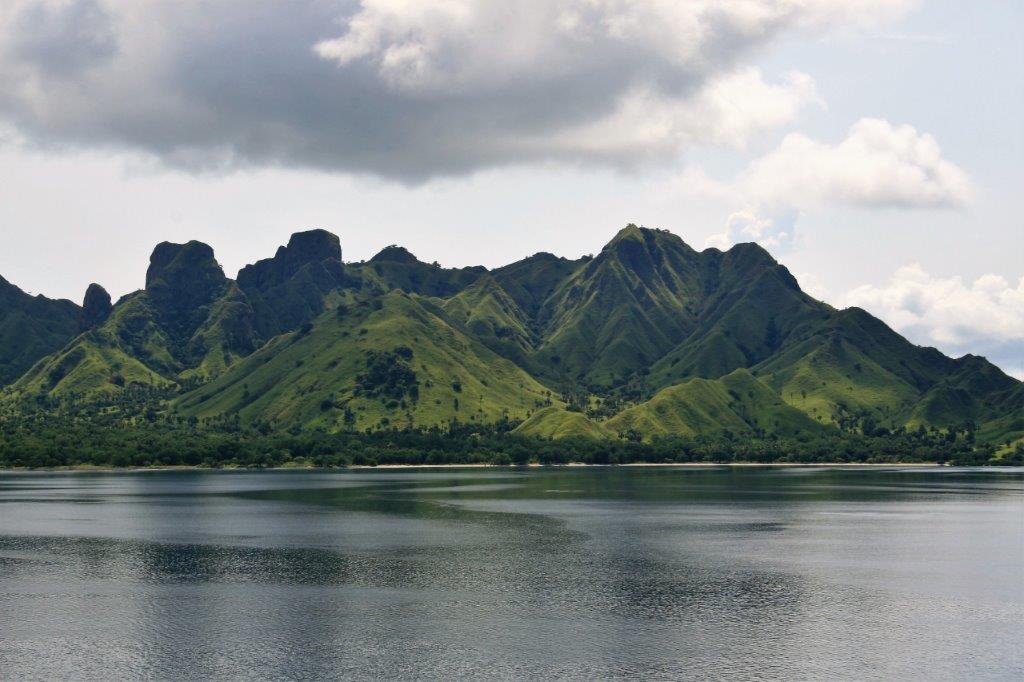
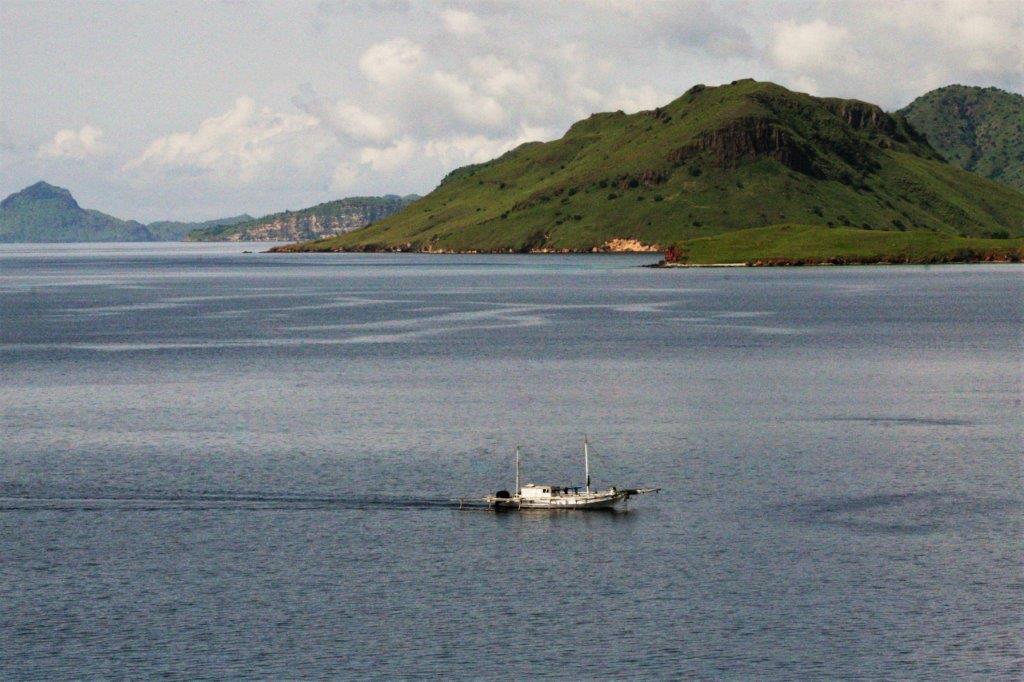
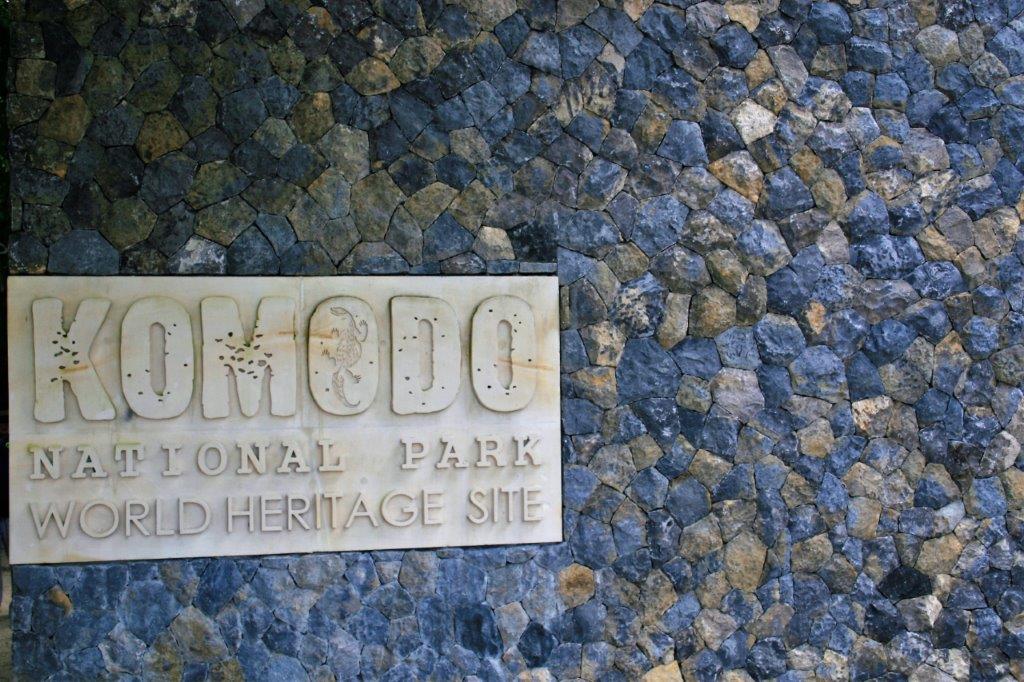
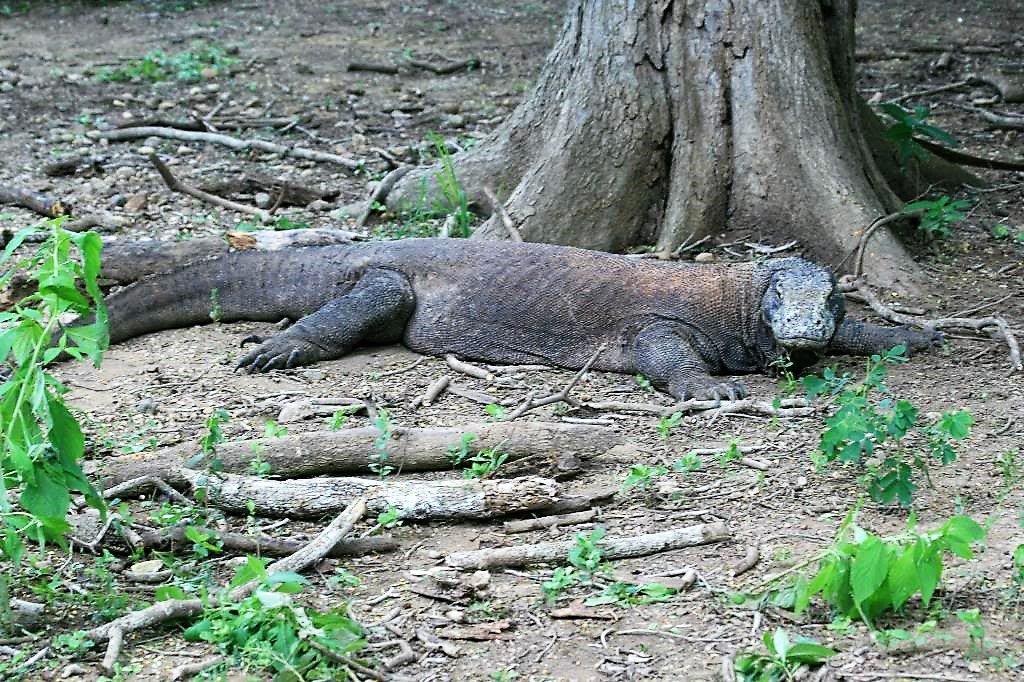
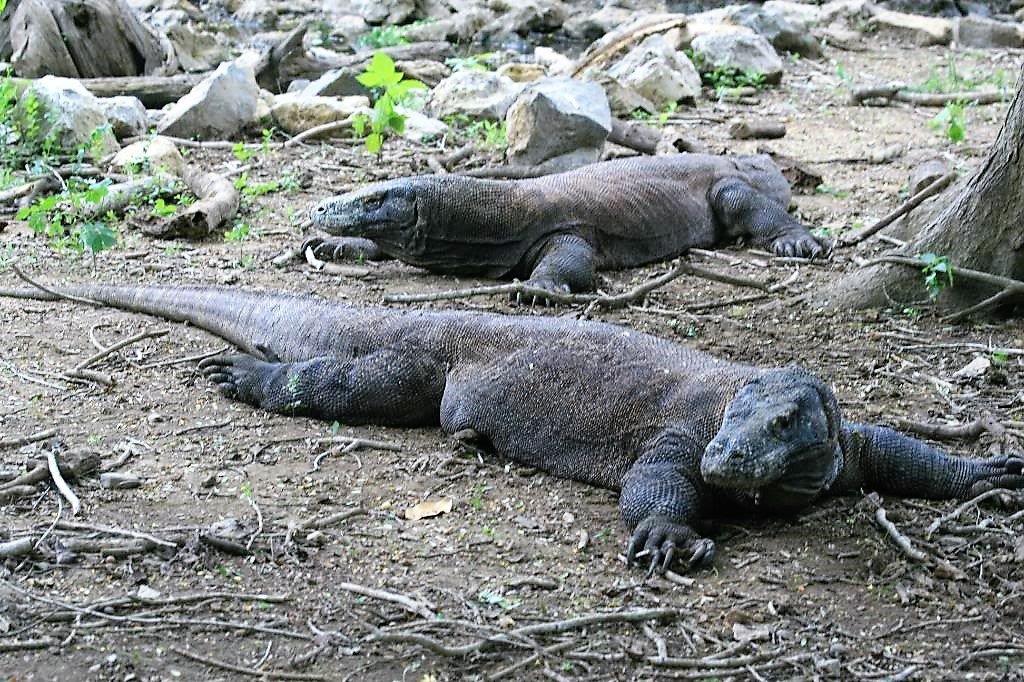
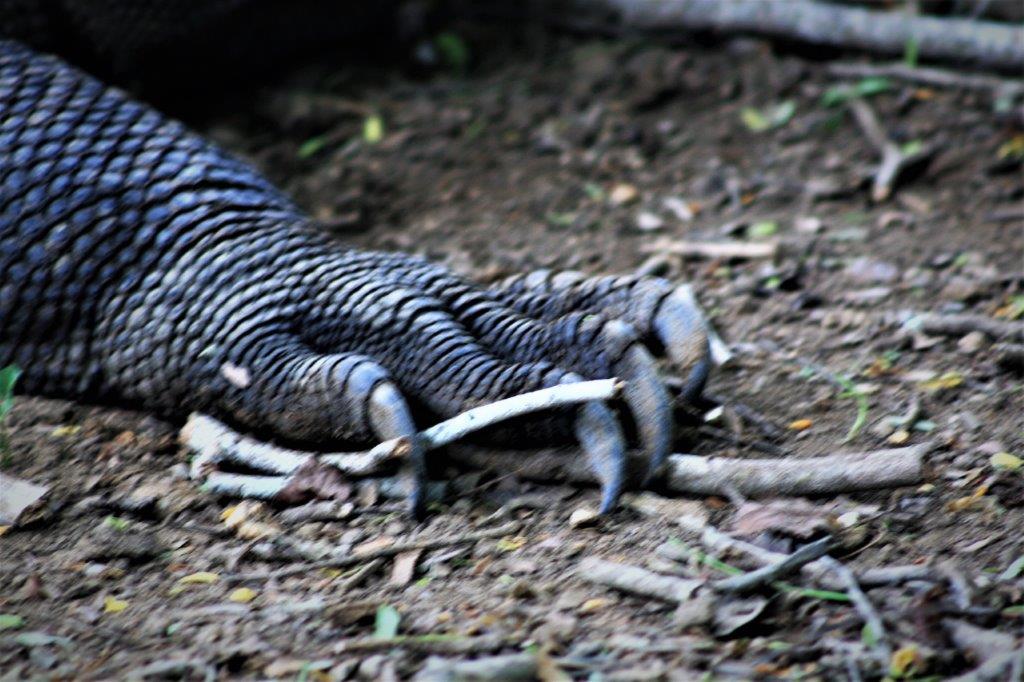
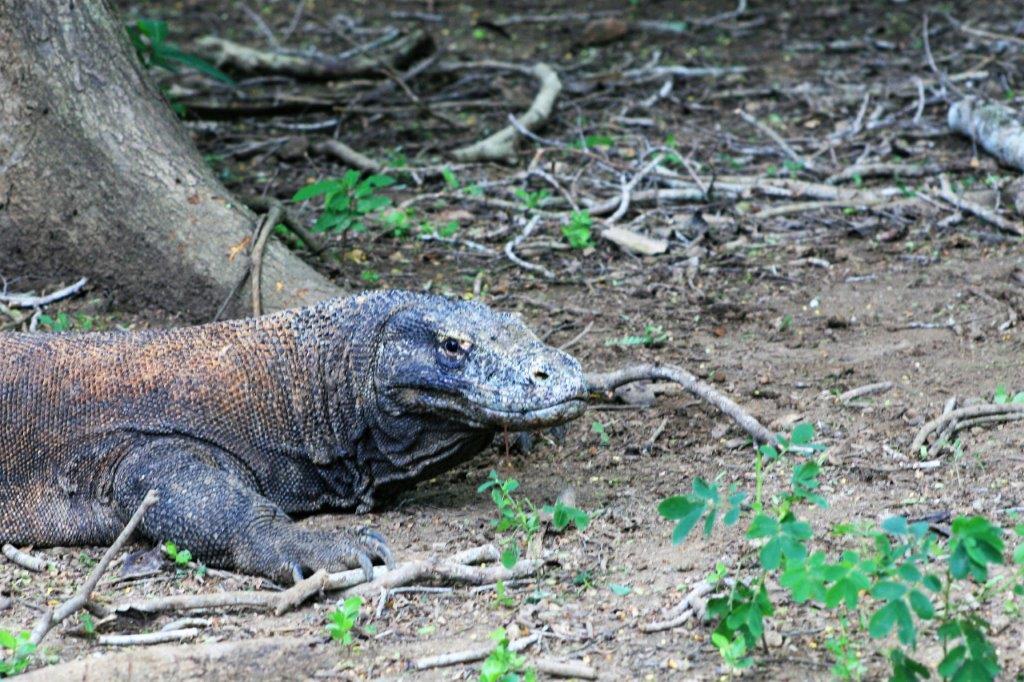
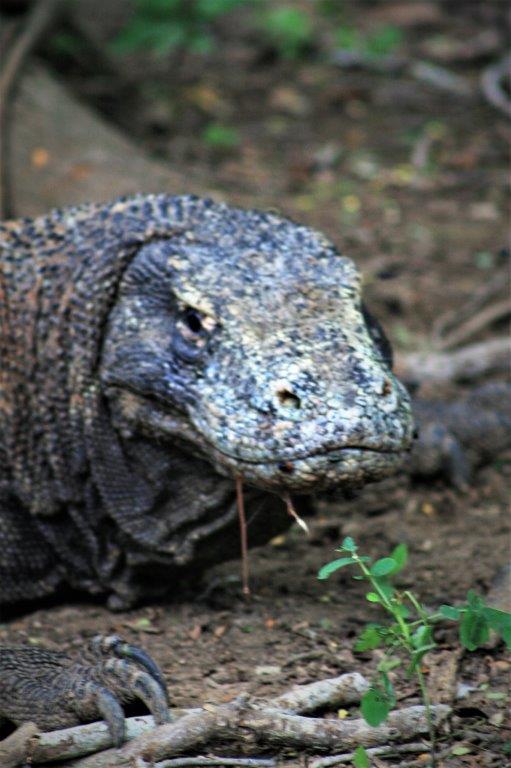
The next day we anchored in Slawi Bay off the coast of Komodo.  The entire island is a National Park to protect the Komodo Dragons.  You could only go ashore if you were on a guided tour.img_4534 img_4531 img_4529 img_4527 img_4526img_4535The famous Komodo Dragons are a type of Monitor Lizard.  They were discovered in 1910 and caused a sensation in zoos around the world.  The island of Komodo, plus two other large islands and several small ones were designated a National Park to protect them in 1980.  The focus has enlarged to protect several others species as well.  It became a UNESCO World Heritage Site in 1991. The dragons are carnivorous, eating mostly carrion, deer and wild pigs, but they will also ambush birds and invertebrates.img_4537 img_4538It was a very hot and humid day.  Walking through the bush to the area where some park guides had spotted some dragons was exhausting.  The Komodo Dragon grows up to 11′ (3 m) long and weighs up to 300-400 lb ( 120 kg).  Despite their size they are very fast; up to 20 mph for short distances. There are only about 300 dragons left in the wild and they live 40-50 years.

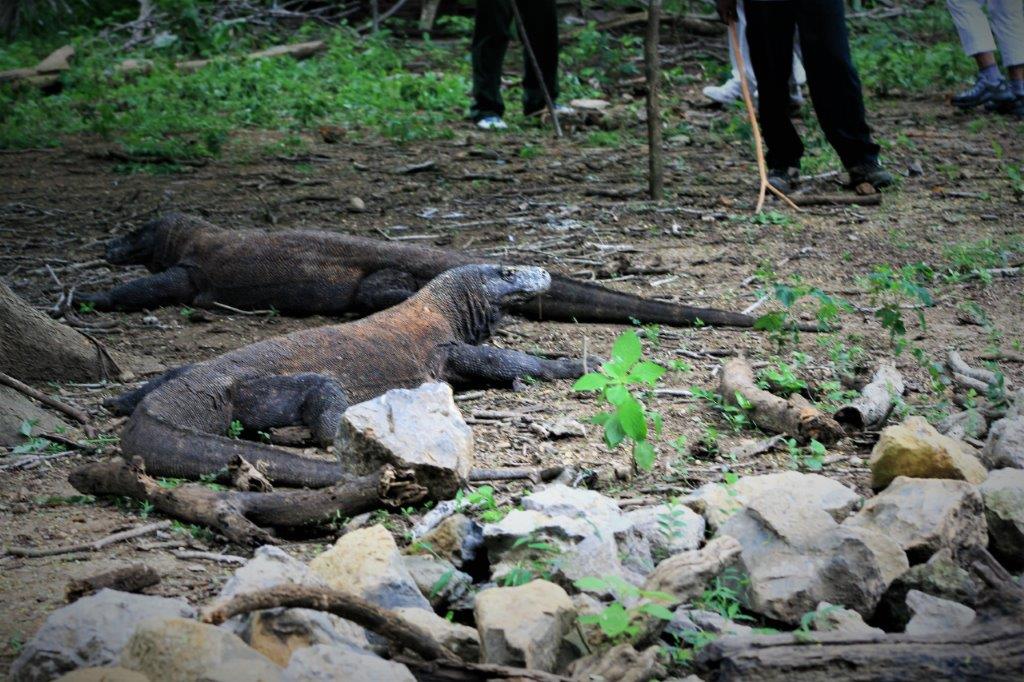
The guides kept the two dragons under the trees for most of the day so all the tours would be guaranteed to see them.  Their only protection is a forked stick that they will position beneath the head to encourage the lizard to go in a different direction or stop them from coming close.  It is not uncommon for someone to be killed each year so no one is allowed to wander the  island alone.

img_4452-1 img_4455 img_4543 img_4547 img_4553 img_4546 img_4548Their saliva is red.  It is absolutely crammed with bacteria.  If the dragon can get close enough to a large animal to rush in and bite it, it will then track the animal until the rampant infection causes it to collapse and then the dragon will kill it.

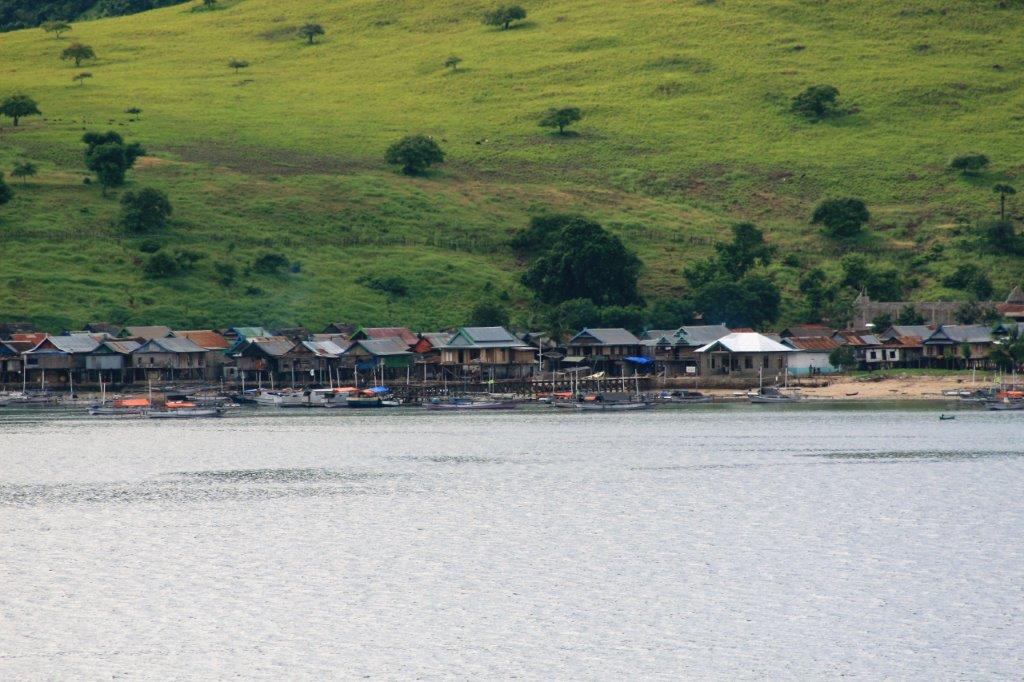
There is a village on Komodo.  Most of residents are descendants of convicts exiled to the island who have mixed with the indigenous people.  The main occupations are fishing and working as park guides.

img_4578 img_4575 img_4569 img_4585 img_4584 img_4572Even though about half of the crew is Indonesian most had never seen a Komodo Dragon.  After the last passenger tour was completed the ship provided opportunity for crew members to go to the island and see the dragons.  It was a wonderful experience to see such a rare and interesting animal.
We now have a day at sea before we reach Semarang.

2009 World Cruise – Feb 24 – Day 50 – Lembar, Lombok, Indonesia

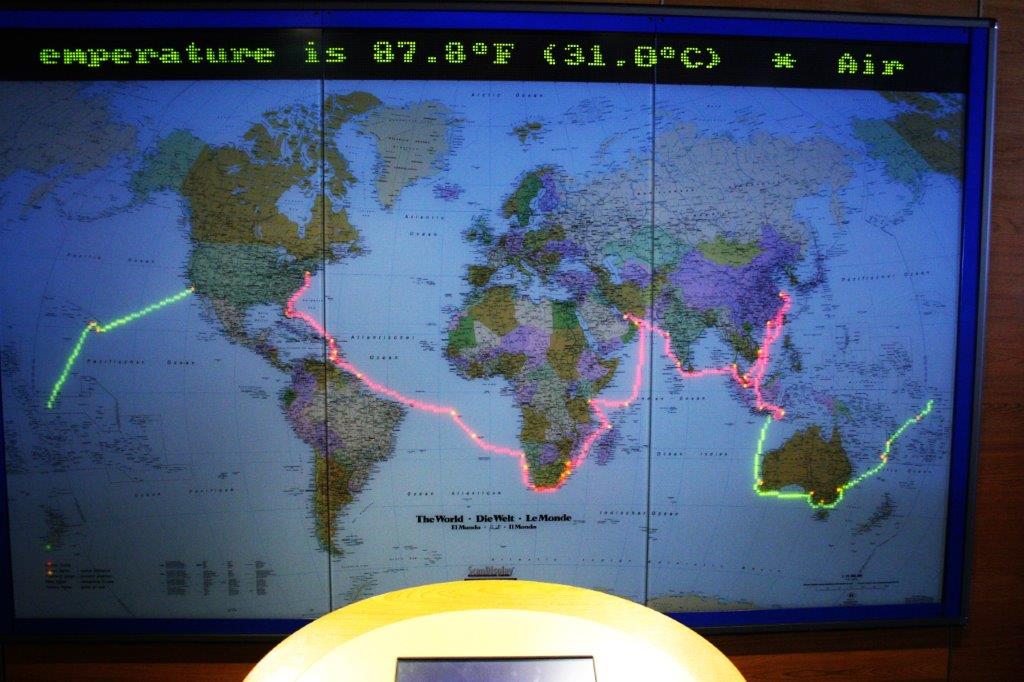
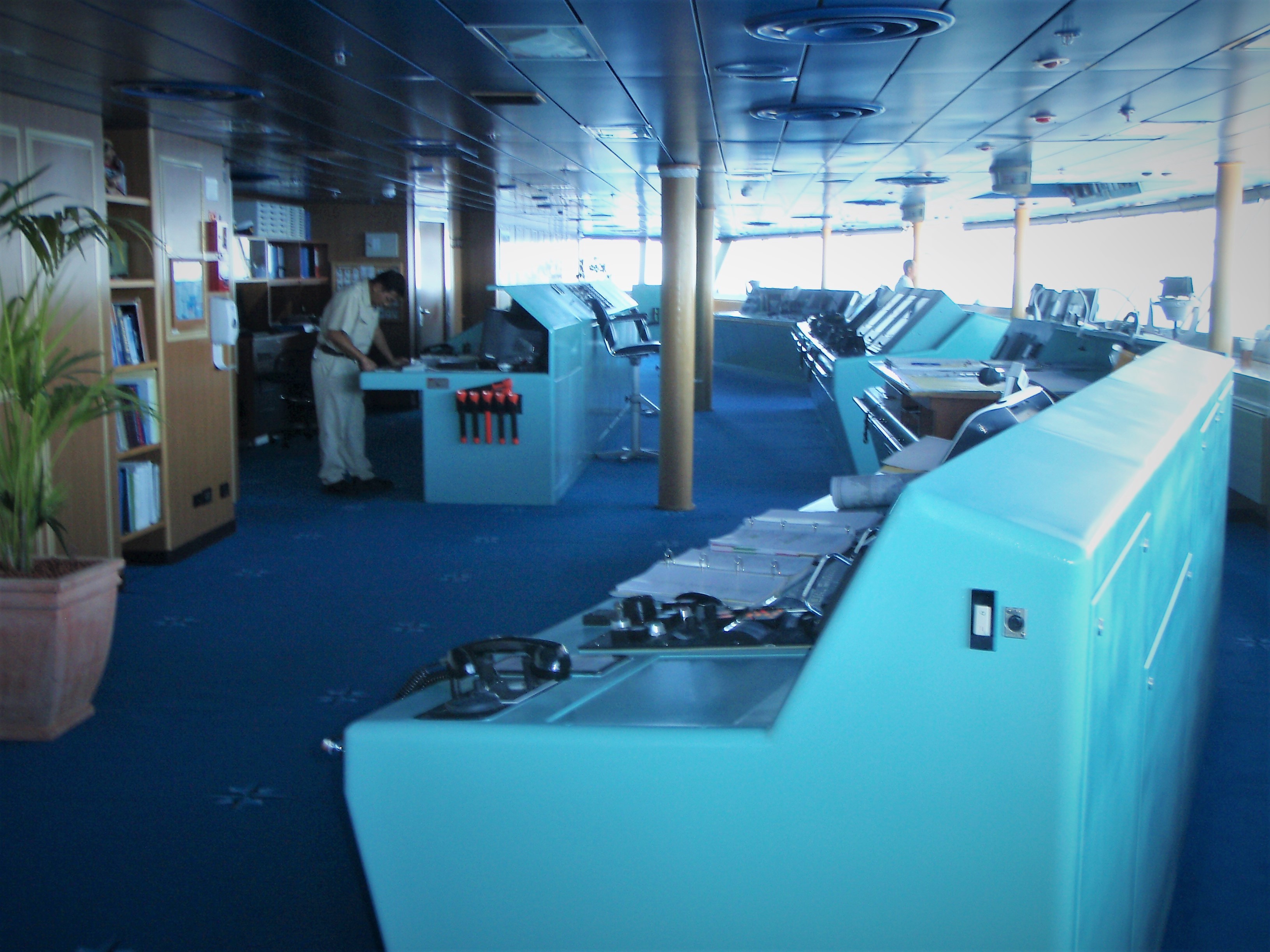
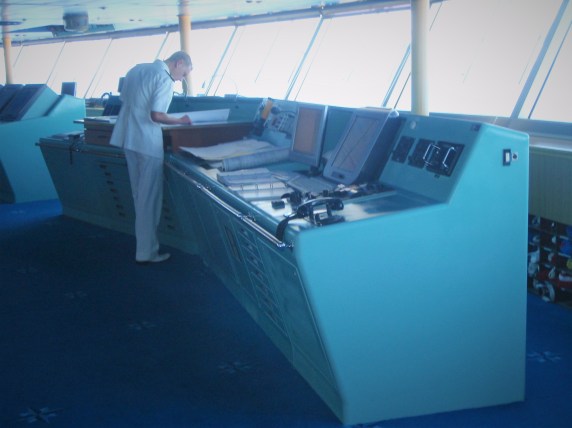
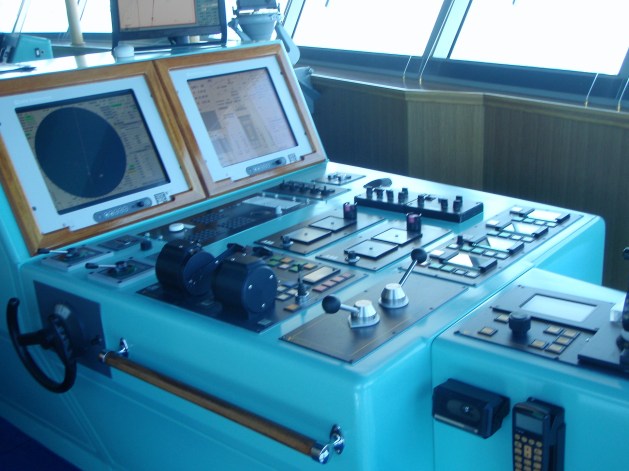
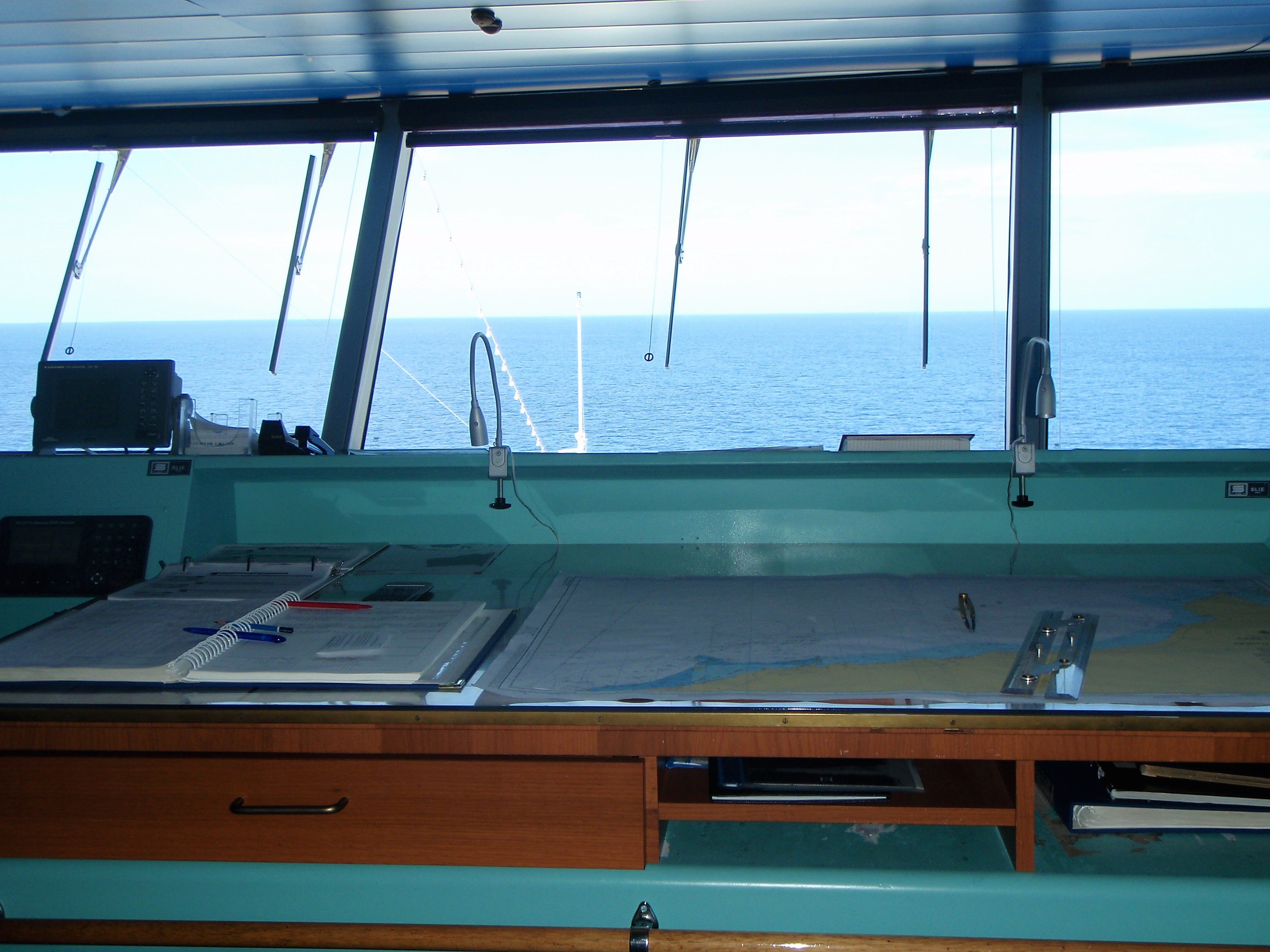
2009 World Cruise – Where we have been (green), where we are going (red).img_4304-1There were four sea days between Perth, Australia and our first port-of-call in Indonesia.  The second day out we received an invitation to go on a bridge tour the next day.  We had been told they didn’t do them anymore but I guess they still do; just not often.  I think this was another one of those balcony suite perks.  It was interesting though.

OLYMPUS DIGITAL CAMERA

OLYMPUS DIGITAL CAMERA

OLYMPUS DIGITAL CAMERA

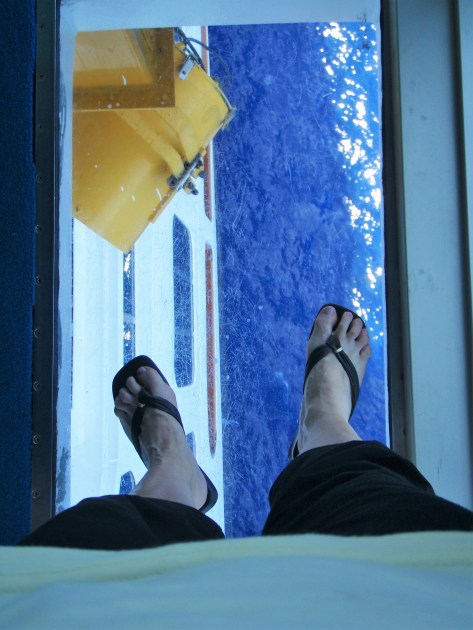
OLYMPUS DIGITAL CAMERAThe part I liked best was the glass floor panels on either side of the bridge.  This part of the bridge extends past the sides of the ship so the captain or pilot can stand on the glass ‘floor’ and get an accurate picture of where the ship is in relation to the dock. Of course, I had to stand on the glass.

OLYMPUS DIGITAL CAMERA

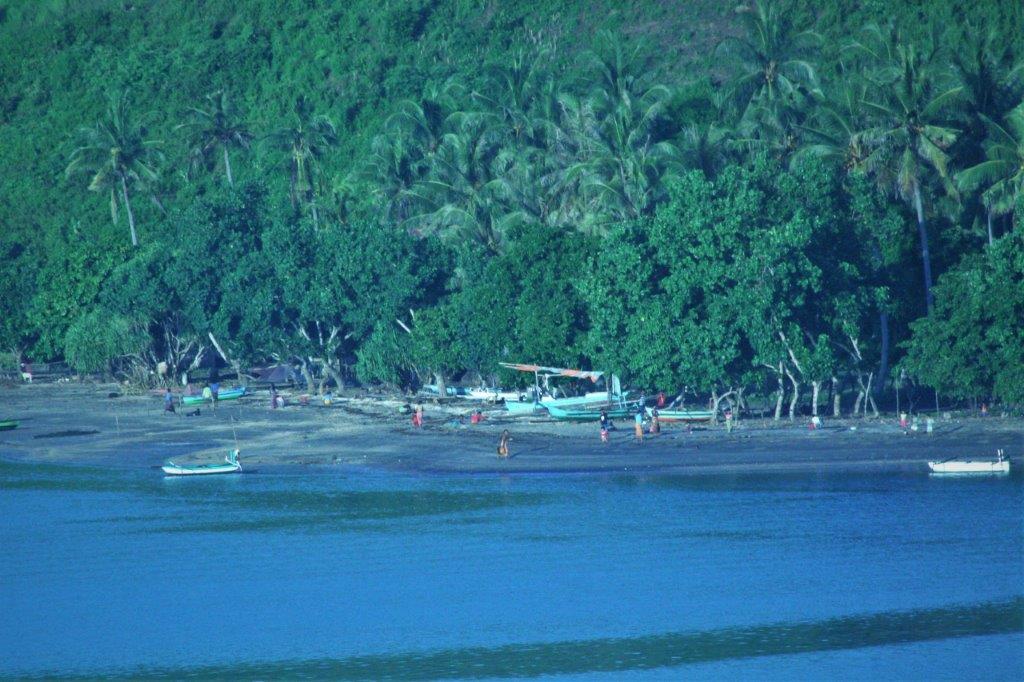
OLYMPUS DIGITAL CAMERADuring his daily broadcast on our last sea day, the captain announced that, once again, we had a medical emergency and would be powering full steam to Bali so the patient could be medi-evac’d off the ship.  By the time we arrived off the coast of Bali there was another patient that had to be taken off as well.  And that night people we had met on one of the tours told us that a lady that sat at their dining room table had died that day.  Sad.img_4309-1 img_4310-1The water was smooth as glass and a stunning turquoise.  I wish I had set myself a goal of photographing the water at each place we visited.  It changed colour and mood so many times during the voyage.
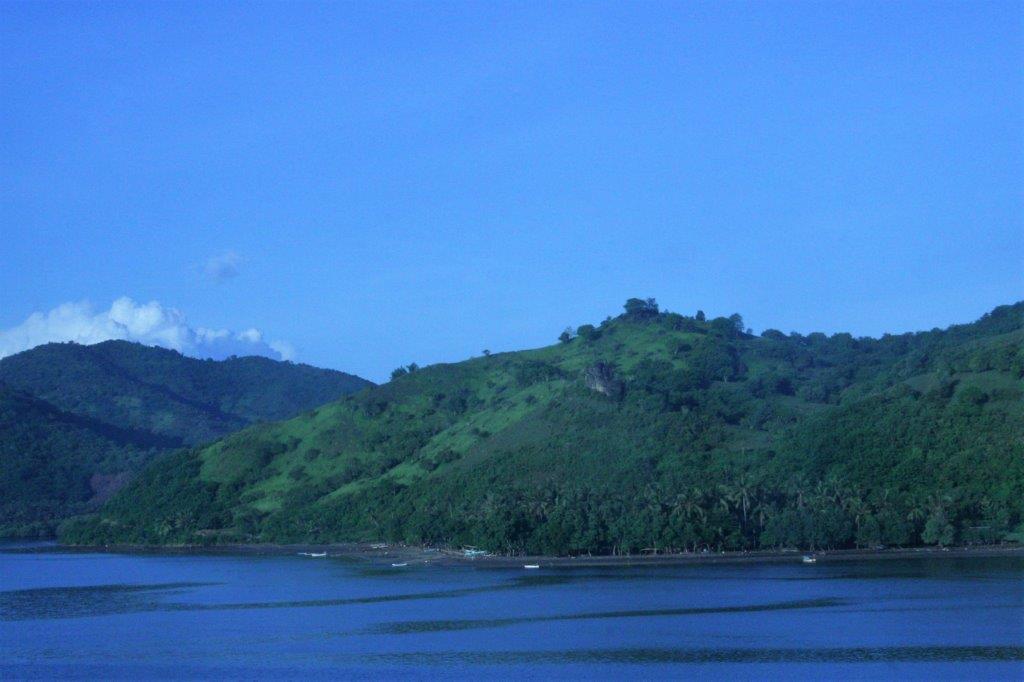
img_4295-1Bali is the big tourist draw in Indonesia.  It was not our port-of-call though.  After we got the two sick people safely off the ship we carried on to a neighbouring island, Lombok and a visit to Lembar.  This was a tender port and we had an all-day 8-hour tour so we were first off the ship.

Lembar is really trying to draw more tourists so if you go there you are made very welcome.  The town mayor, police band, dancers in traditional dress, singers, and tourist information people were all waiting under a tent with a big welcome sign and a red carpet on the dock.

img_4386-1There were also vendors!  Very tenacious vendors!  We made several different stops on our tour that day and the vendors knew where we were going.  As soon as we started boarding the bus to move on they got on their motorcycles and booted it to the next place so they were waiting when we arrived.  It was quite funny.

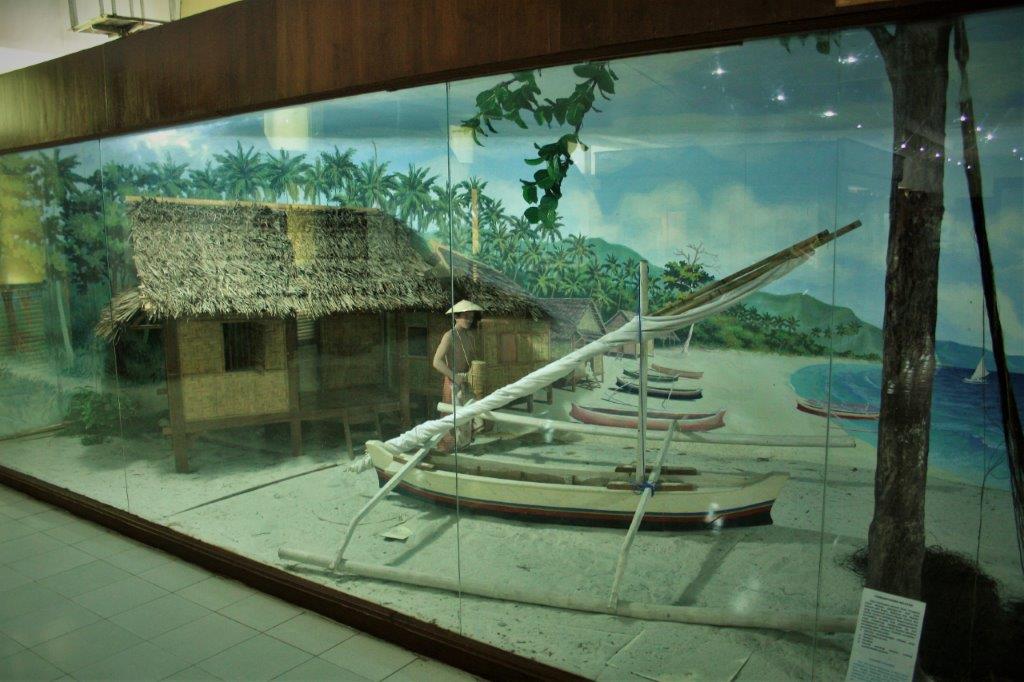
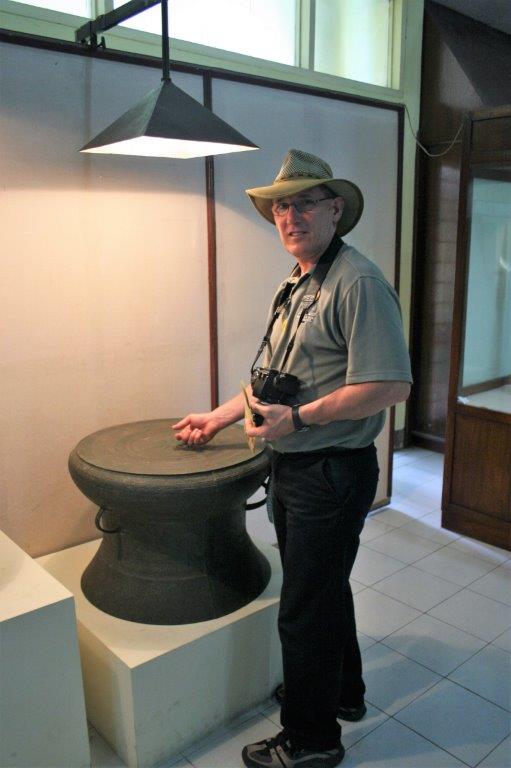
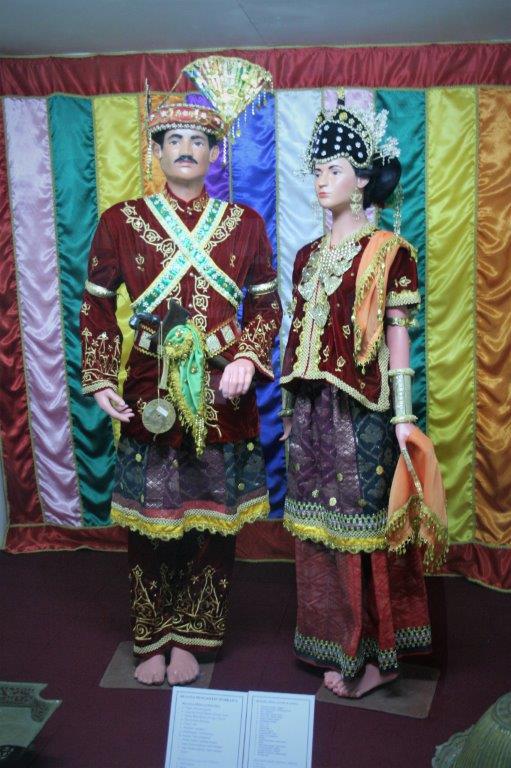
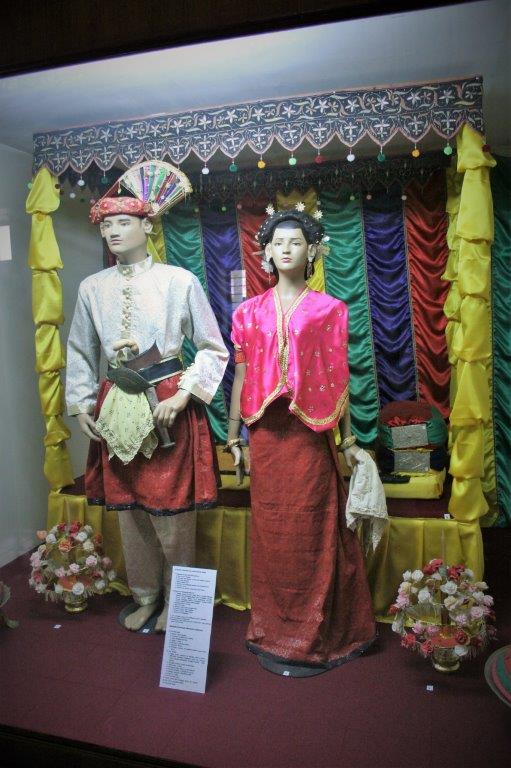
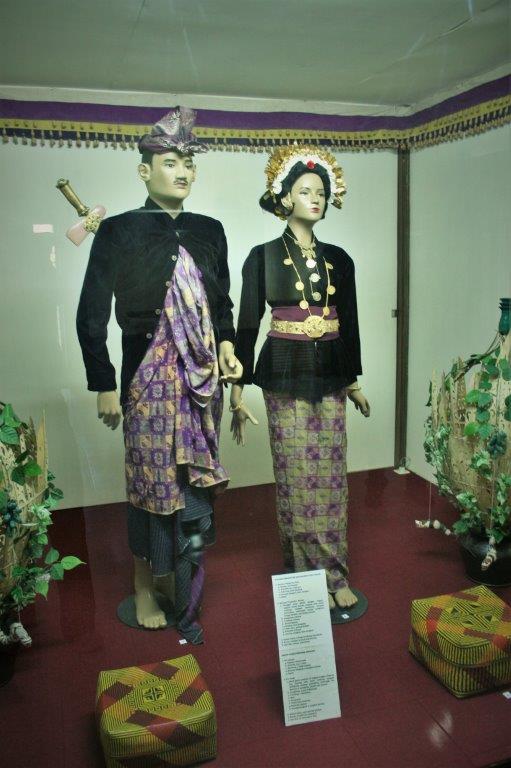
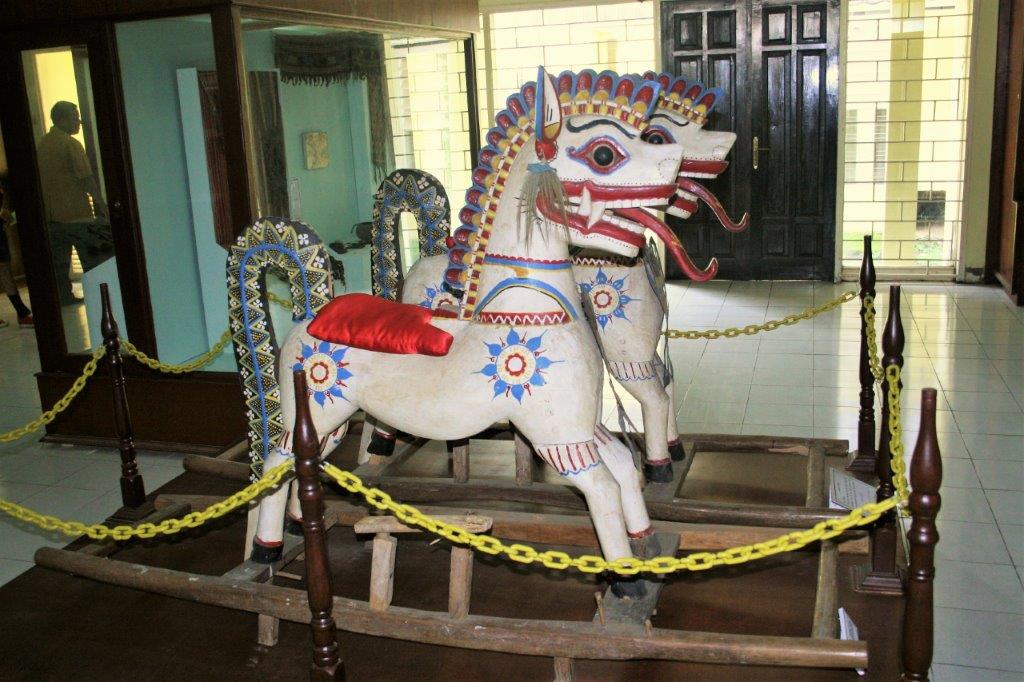
Our first point of interest was the Provincial Museum. They had collections of knives, a Dongson drum, and a very nice cloth collection displayed in outfits on mannequins.img_4332-1img_4331-1 img_4334 img_4335img_4333-1img_4336-1 img_4337                  This “rocking horse” was a circumcision distraction.

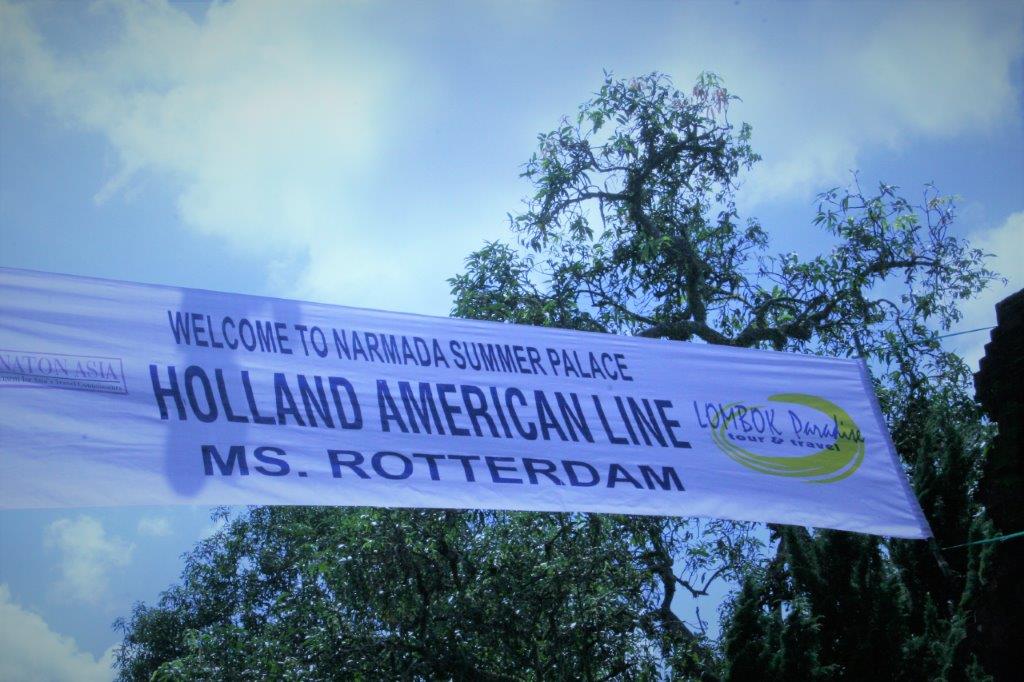
We carried on to the Narmada Water Palace which was built by an aging Raja in 1805 because he could no longer make the journey to the caldera of Rinjani Volcano to make his offerings.  The large, artificial lake was built in the same shape as the volcano’s lake.img_4351-1 img_4352-1img_4384-1 img_4355 img_4359-1 img_4362-1img_4324img_4325img_4330img_4377-1img_4383-1img_4380-1 img_4368-1 img_4369-1 img_4372-1 img_4373 img_4357-1img_4371-1img_4388-1The Lingsar temples on the grounds of Narmada are still used for an annual celebration.  There are places of worship for both Islam and Hinduism  side by side.

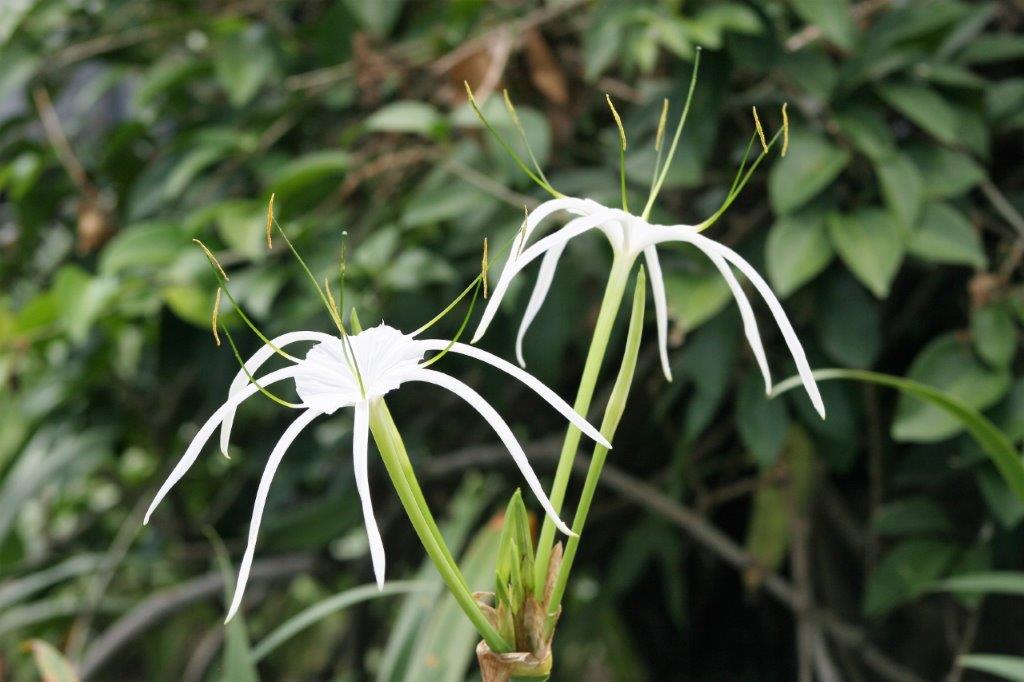
img_4394-1 img_4391-1_edited-2 img_4395-1 img_4403-1 img_4400-1 img_4404-1Our lunch stop was at the beautiful Santosa Villas and Resort where we enjoyed a buffet of Indonesian foods.img_4419-1 img_4420 img_4423-1 img_4429 img_4430 img_4416-1 img_4437           Spider Orchid

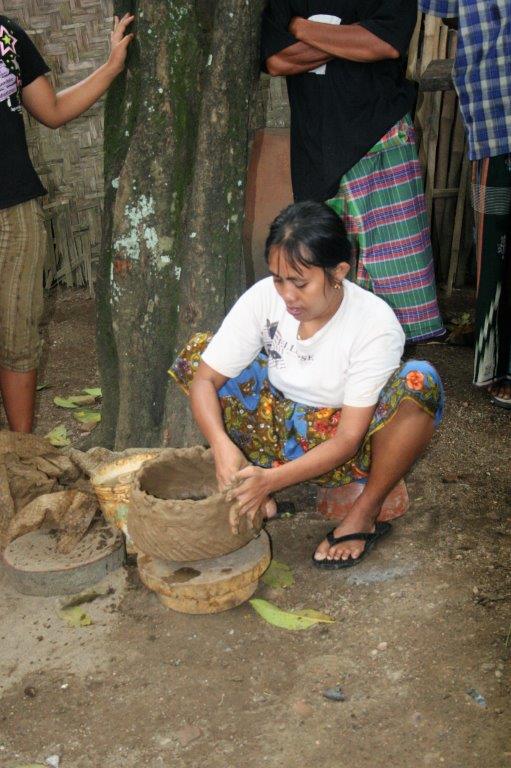
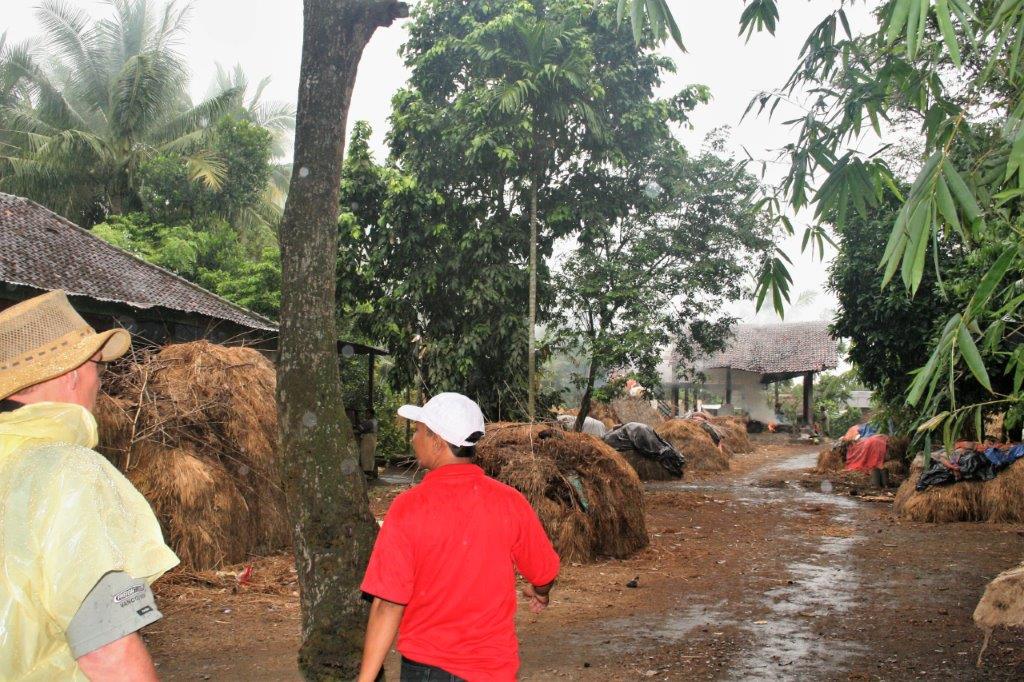
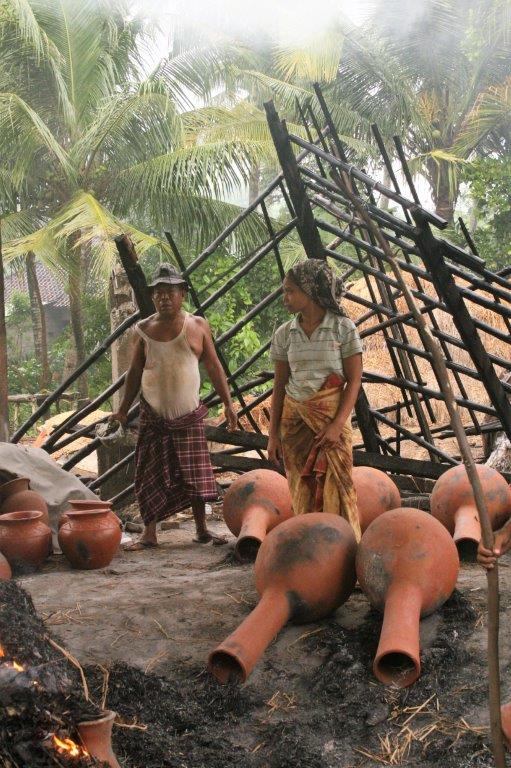
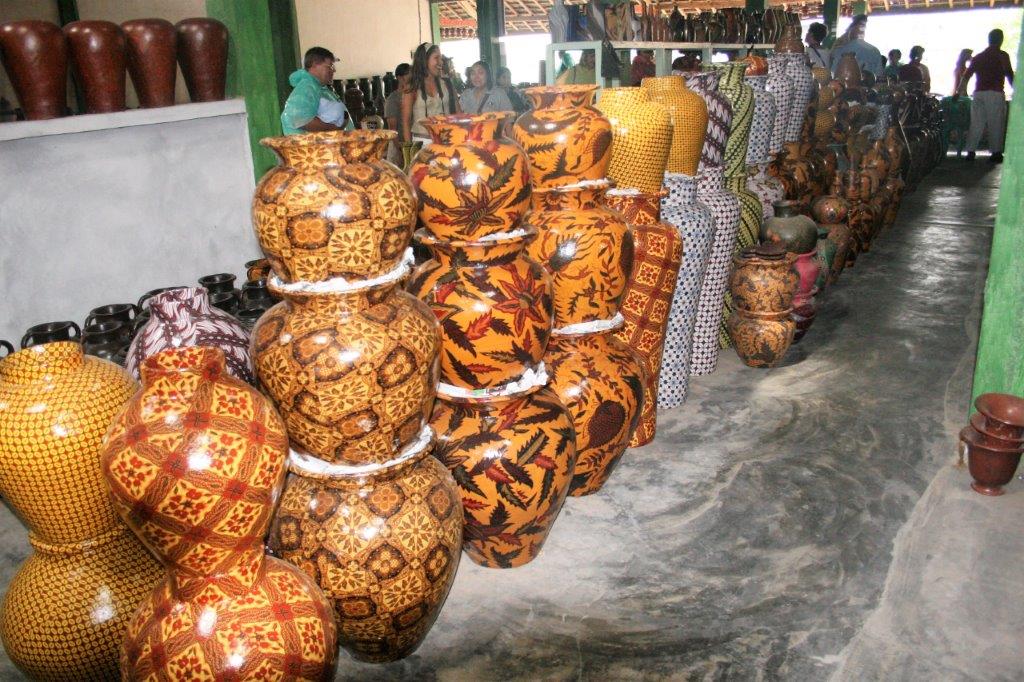
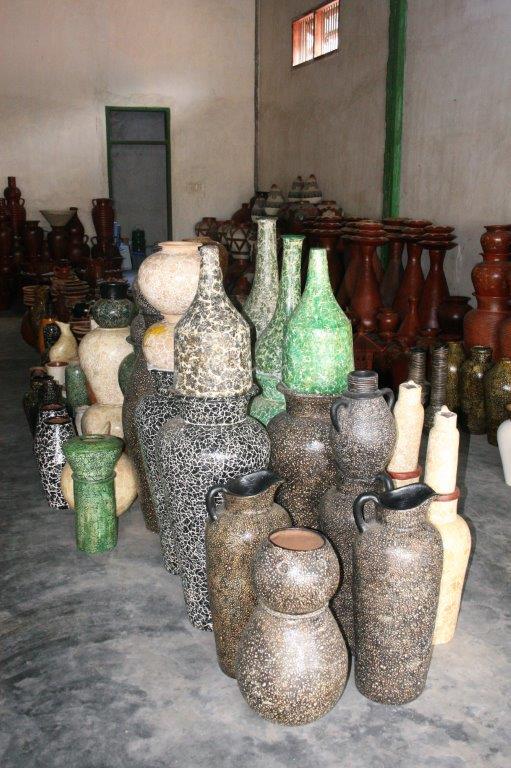
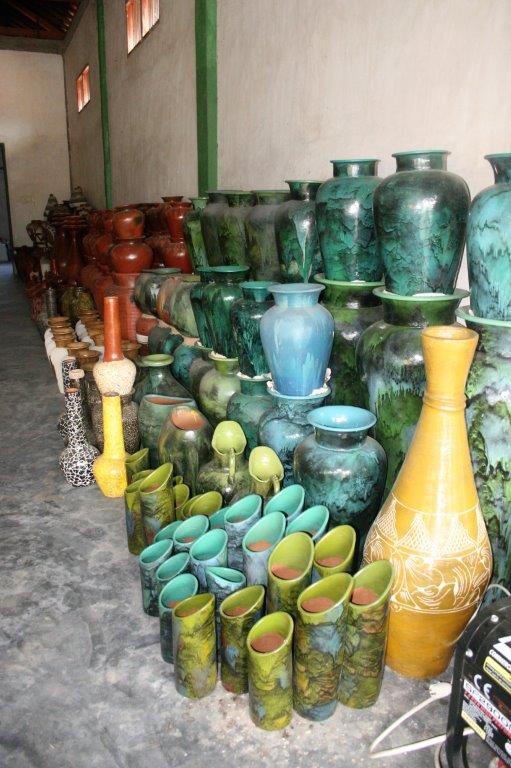
There was soon to be an election in Indonesia.  The ballot is three feet long and lists several hundred names of candidates.  In each district there are many candidates for each party and all of their names go on the ballot.  And we think it can be hard to vote!img_4433 img_4434 img_4435 img_4440After a short shopping stop (apparently it is mandatory that tours give an opportunity to shop – unfortunately) at a pearl store – where John bought himself an Indonesian shirt – we went to our last place of the day.img_4442We visited a small village called Banyu Mulek where only the women hand-make pottery.  The skill is passed down from mother to daughter.  The men and elderly take care of the ‘kiln,’ which is a huge pile of leaves and rushes.  The various colours of the pottery is produced by the different organic material used in the kiln’s coals.  The women joined together to form a co-operative and have a large store where they sell their beautiful products.

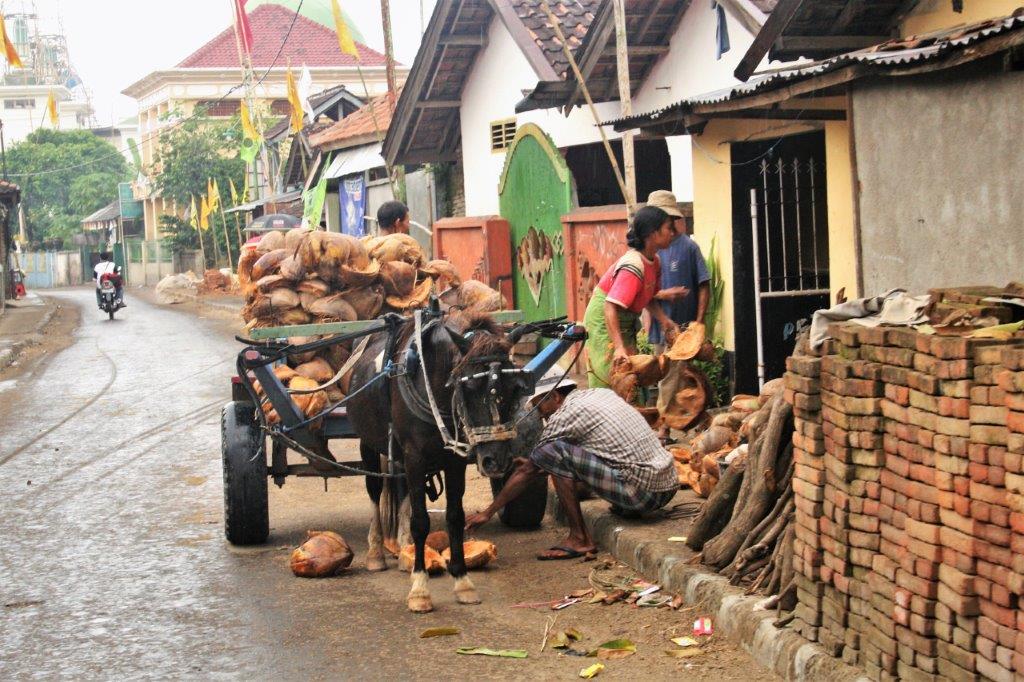
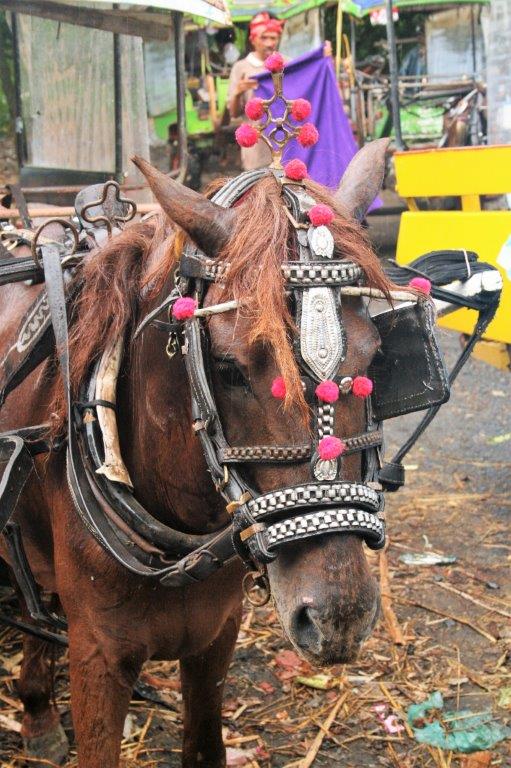
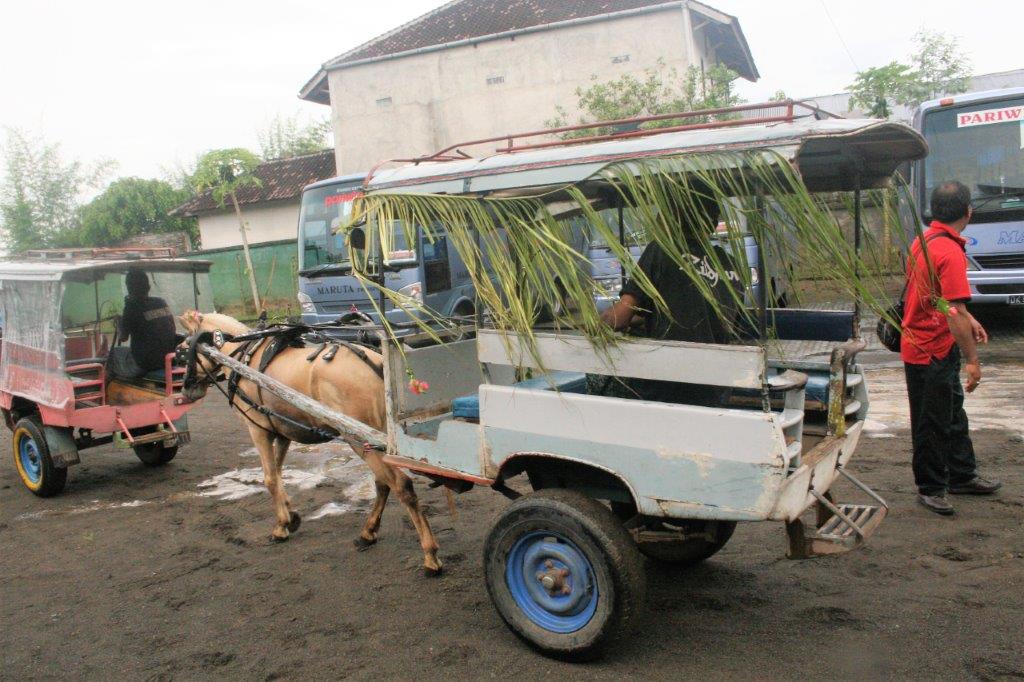
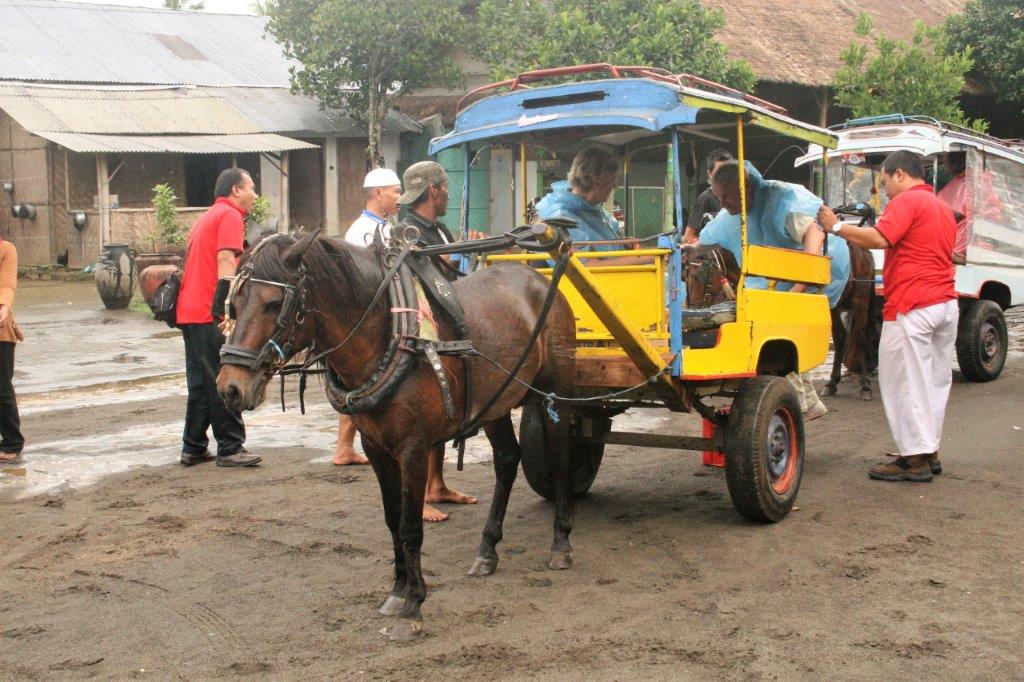
img_4447 img_4449 img_4450 img_4451 img_4462 img_4466 img_4467It was raining as we walked through the village learning about the pottery craft and we were thankful to get into the back of a ‘cimodo’ horse cart for a ride through the village.img_4446 img_4453 img_4457 img_4458We were constantly greeted by men, women and children who came out of buildings or ran along after the carts saying, in English, “Welcome.  Thank you for coming.  Welcome.”  A young man on a motorcycle followed our cart for quite awhile and asked us where we were from and about our lives at home and thanked us several times for coming to his village.img_4375_edited-1John got this great photo of these two little guys.

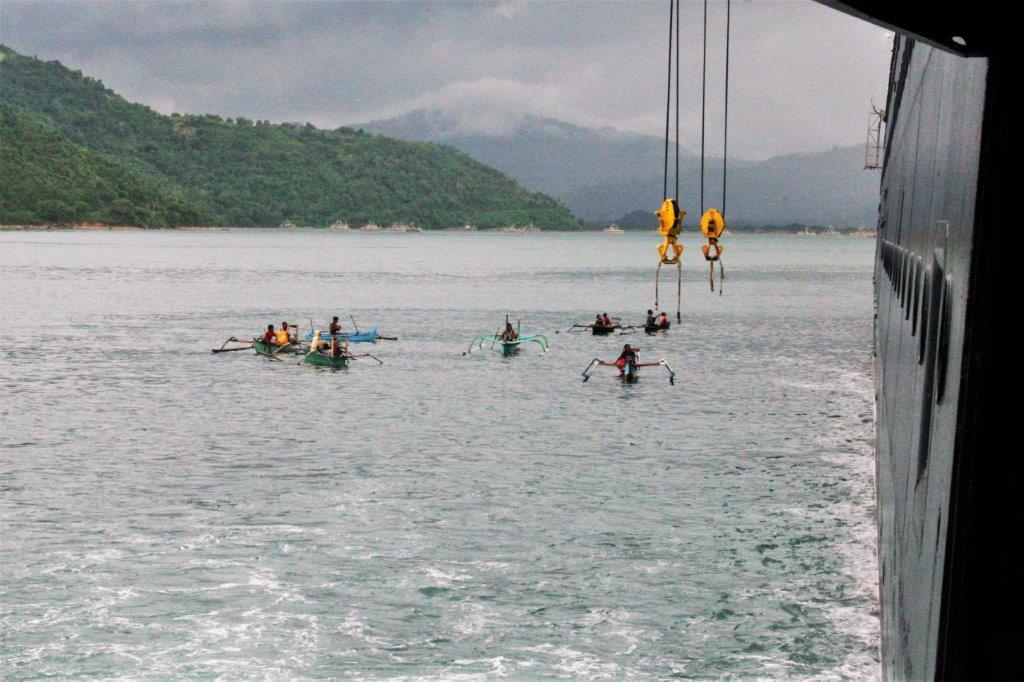
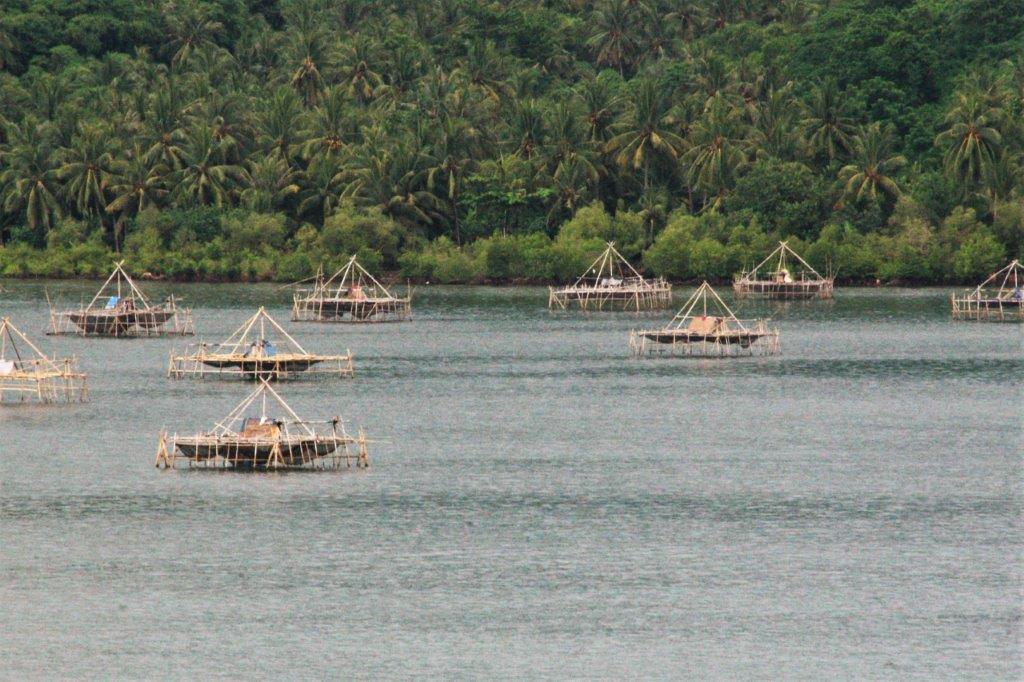
As the ship was preparing to set sail boats loaded with families or young children pulled up alongside hoping to have coins thrown down to them.  This is a practice that is discouraged by the cruise lines as people can get injured, but some folks did it anyway.img_4472 img_4475 img_4476 img_4478These are fishing platforms.

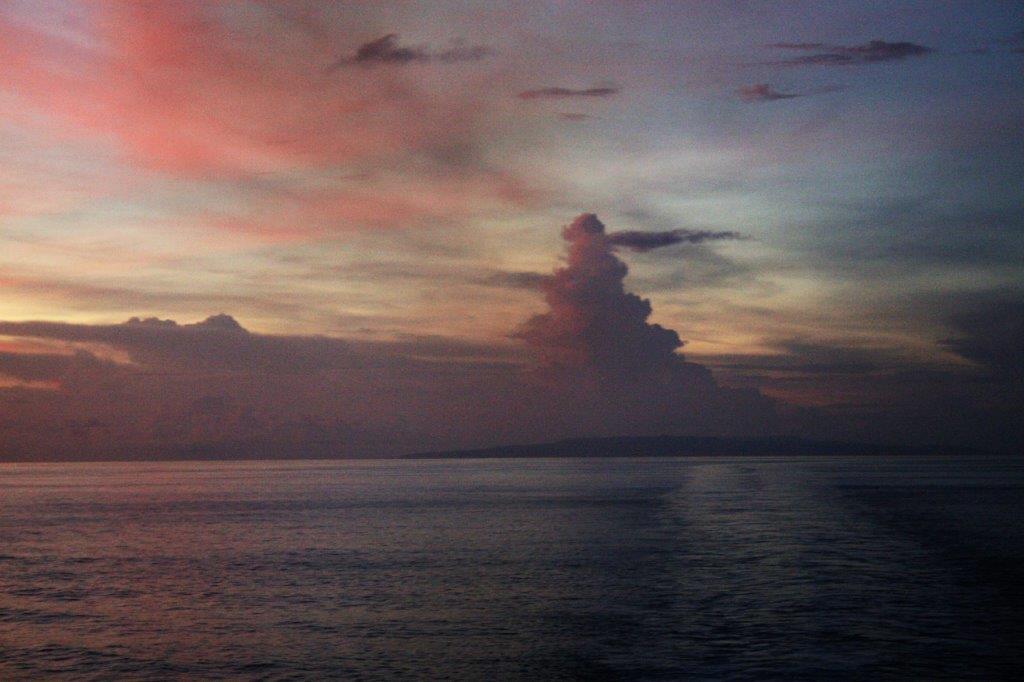
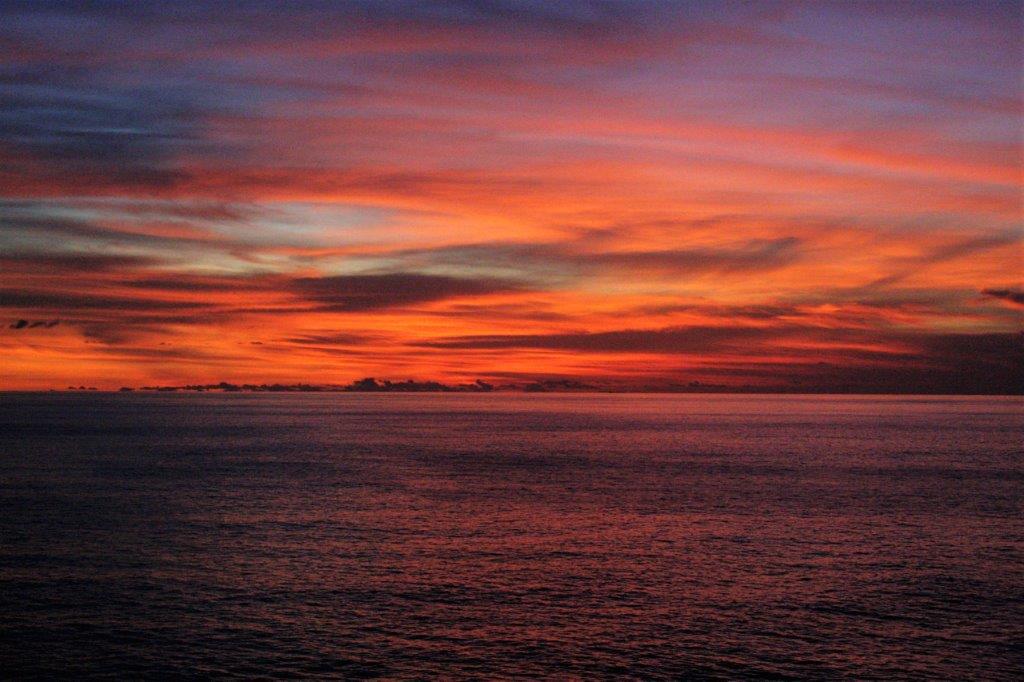
The sunset on a wonderful day with brilliant shades of coral and pink.

img_4499 img_4495


2009 World Cruise – Feb 19 – Day 45 – Freemantle/Perth, Australia

2009 World Cruise – We had three days at sea before arriving at the port city of Freemantle.

Our second day we entered and sailed through the Great Australian Bight, a large section of ocean bay off the coast of southern Australia (the inward curve along the bottom of the continent is the Bight).  This is a very bio-diverse area and home to several species of whale.  The water in the Bight flows at 9.2 billion gallons per second so it is almost like sailing through a huge fast-moving river.

There are about 1000 passengers on the ship; approximately 700 are doing the entire World Cruise.  The remaining passengers are doing a section or two.  The first leg was from Los Angeles, CA to Sydney, AUS.  There were passengers that departed the ship in Sydney and other passengers that came on board and who will leave at the end of the second leg; Singapore.  (The legs were: 23-days LA to Sydney; 33-days Sydney to Singapore; 36-days Singapore to Capetown, South Africa; 22 or 25-day Capetown to either Ft. Lauderdale or New York City.)

img_4049-1 img_4048-1It was quite amazing how quickly you get into a routine and how you become comfortable friends with people.  We sat in the dining room with Tim and Elaine and Charles and Evelyn – and, 8 years later, we are still in touch with them both.  We usually sat in the theater for the show in the upper balcony beside Sally and Angelo – whom we have seen again on other voyages.  I joined a Trivia team on Feb 15 where I met Bill, and he and his wife Lynn are still friends of ours.  We soon learned that people’s preferences in the type of excursions they enjoyed would put many of the same people on our buses and we had great chats with them as we drove too and fro in the various countries.

We met James and Sherry on the Swan River dinner cruise in Freemantle and really enjoyed talking with them on and off at various places for the rest of the voyage.  Scott initiated a conversation about our cameras when we were going through the Panama Canal.  He and is wife Rowena had a balcony suite on our deck so we often passed each other going into or coming out of our cabins.  Because Rowena is from the Philippines, and half of the HAL cruise staff is Filipino, she and Scott made friends with many of the staff and would be invited down to the crew quarters to visit.  Scott treated all the Filipino staff (50-75 of them) who had time off to drinks in a bar in Freemantle.

On our third sea day between Adelaide and Perth we joined a galley tour to see how the food is prepared and served to so many people at so many different places on board.  Organization, that’s how!!!  We were standing near the front desk after our tour and Scott came along and told John he had arranged with the captain for an engine room tour – since 9/11 they no longer offer engine or bridge tours  – and John was welcome to come along.  Which he very happily did.   Scott and the captain became friends and Scott was going to take the captain swimming with the sharks in Australia but he found out they would be in a protective cage so he didn’t want to do it.  (Personally I wouldn’t get in the water with sharks even with a cage.)

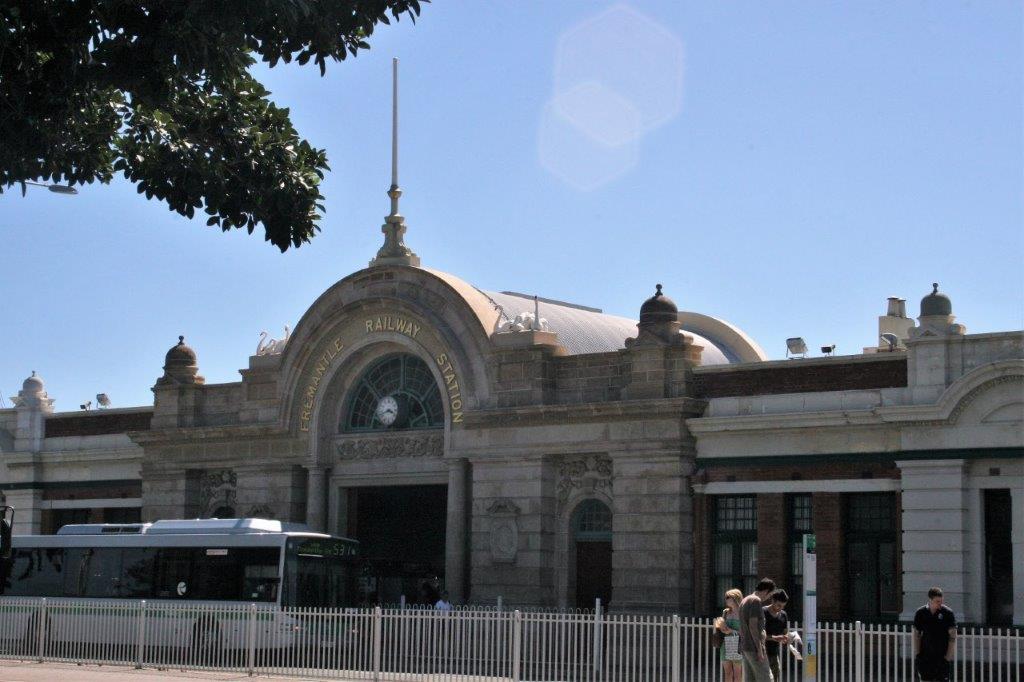
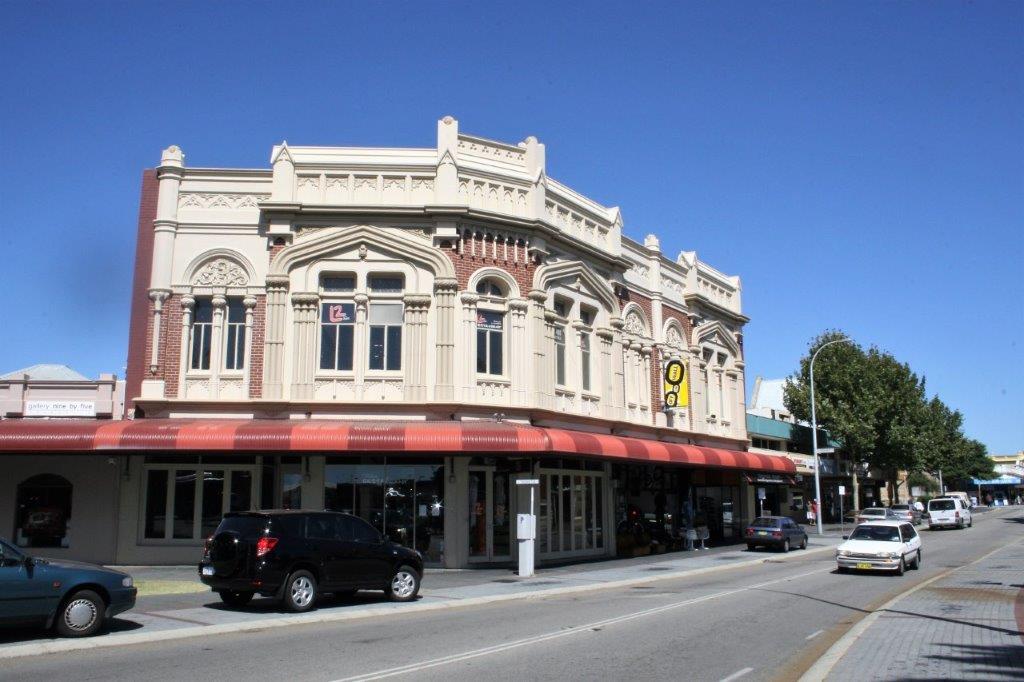
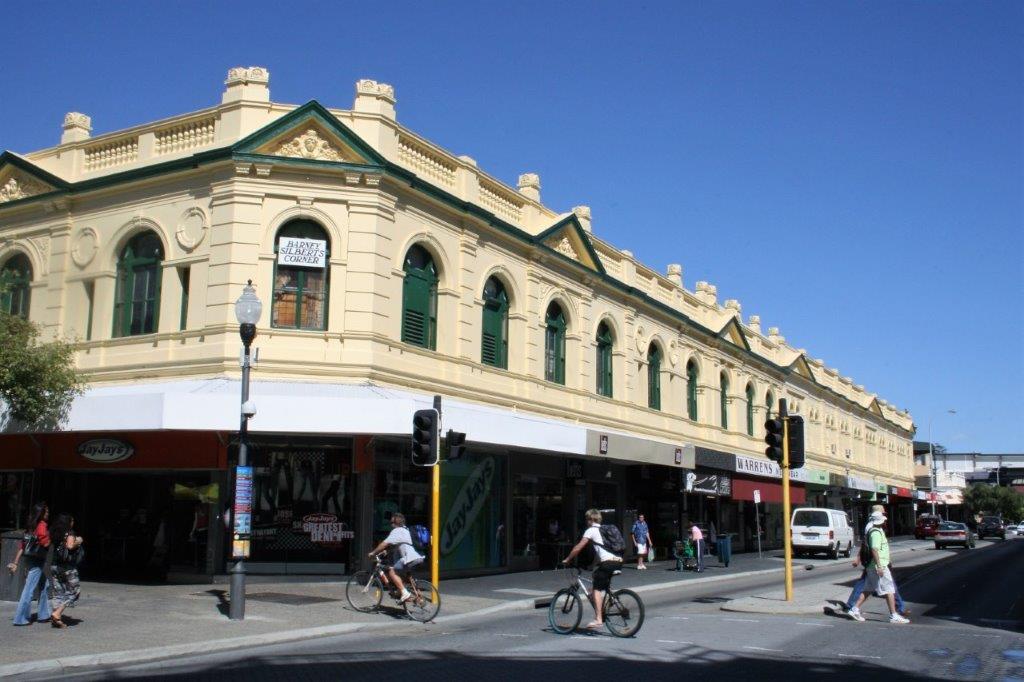
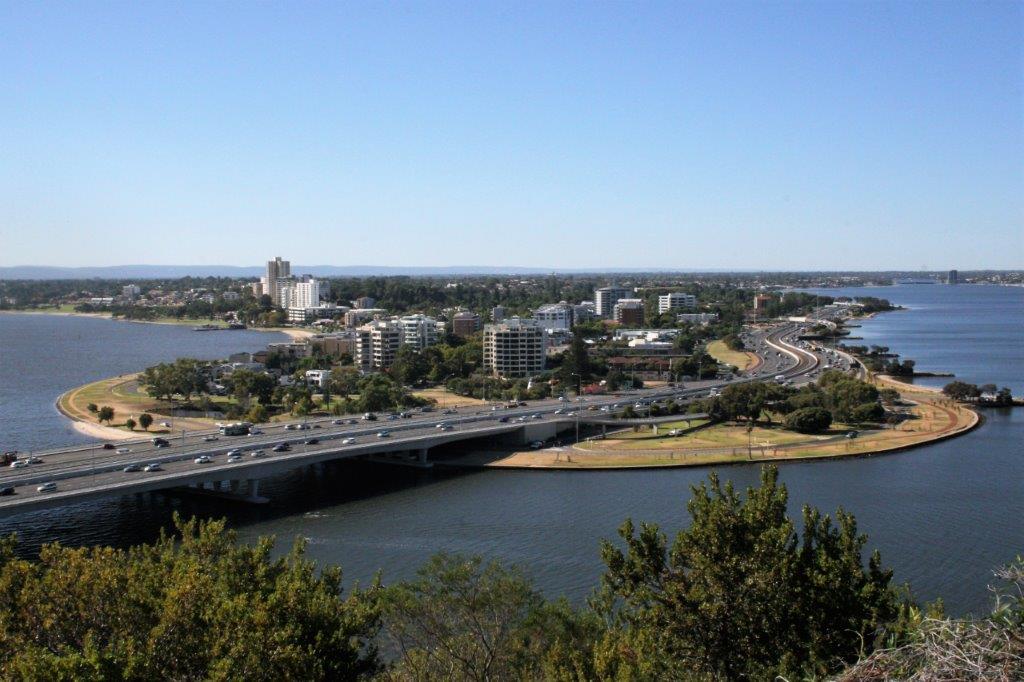
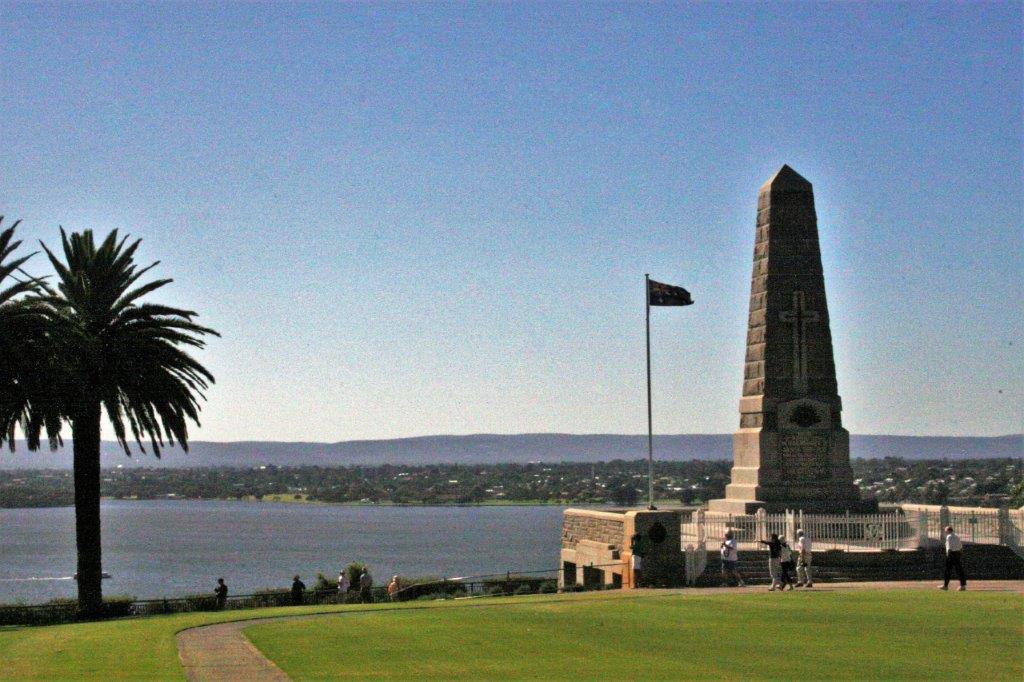
We eventually rounded the southwest end of Australia and docked at Freemantle, which has its own identity but has been absorbed into the Perth urban sprawl. Perth was founded in 1829 but grew very slowly due to it’s remoteness.  In 1850 convicts were brought in to alleviate the labour shortage.  Many of Perth’s fine buildings, like Government House and the Town Hall, were built by convicts.  It wasn’t until gold was discovered in the 1890’s that the population had substantial growth – increasing four-fold in a decade.  Perth is the capital of the state of Western Australia and is one of the most isolated metropolitan cities in the world.  It is actually closer to Singapore and Jakarta, Indonesia than it is to Sydney.  The state of Western Australia is greater than the size of Texas and Alaska combined, yet has a population of less than 2 million, 75% of whom live in Freemantle/Perth.img_4216-1 img_4220 img_4221We did two tours in Freemantle/Perth.  The first was a seven-hour tour to Yanchep National Park – to see what?  Koala’s and kangaroos of course.  On the way we made a one hour stop at King’s Park, which overlooks the city of Perth and the Swan River.  The park is also War Memorial Park.  After WWI, when the Australian/New Zealand forces fought so hard and suffered so many losses, every town and city in the country built a memorial to their fallen soldiers.  AnZac day in April is a huge national holiday with parades and recognition of those who paid the ultimate  price for Australia and New Zealand’s freedom.

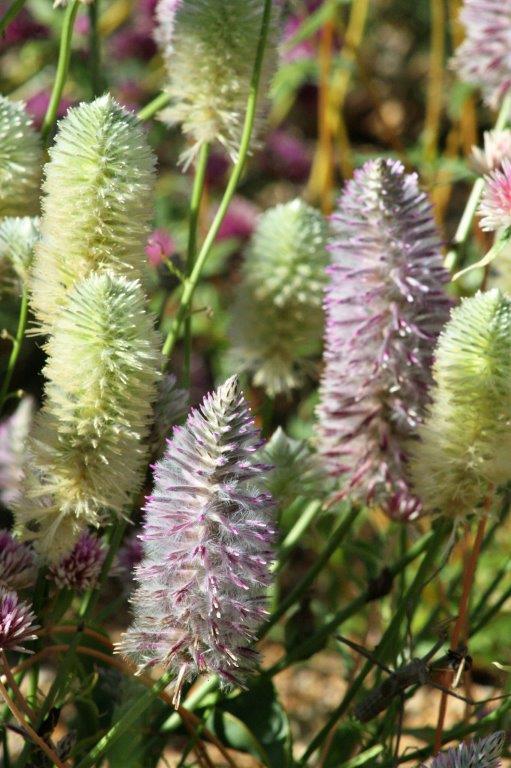
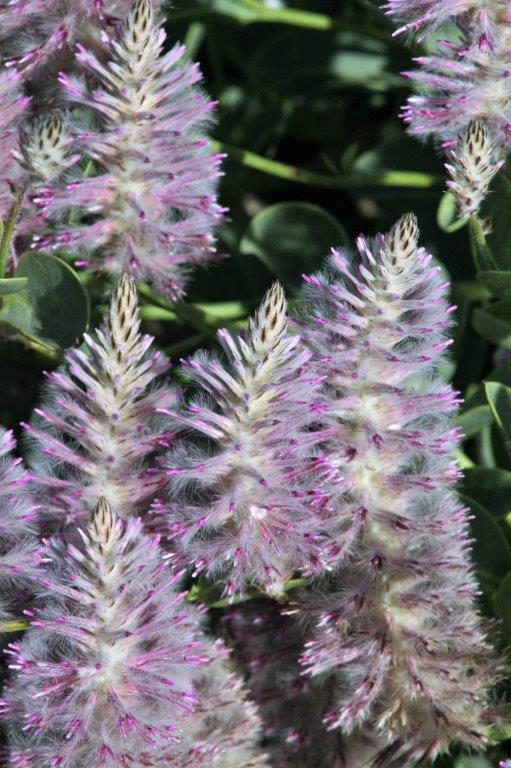
img_4064-1 img_4065-1 img_4073-1_edited-1 img_4072-1img_4058-1img_4062 Featherheads

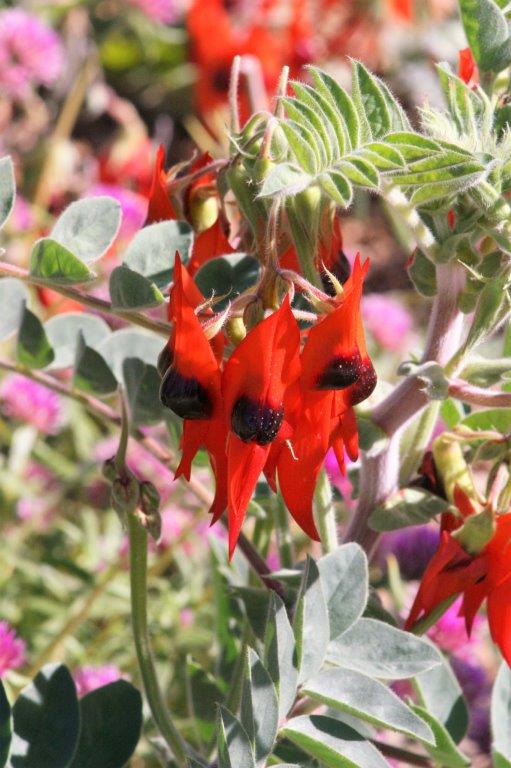
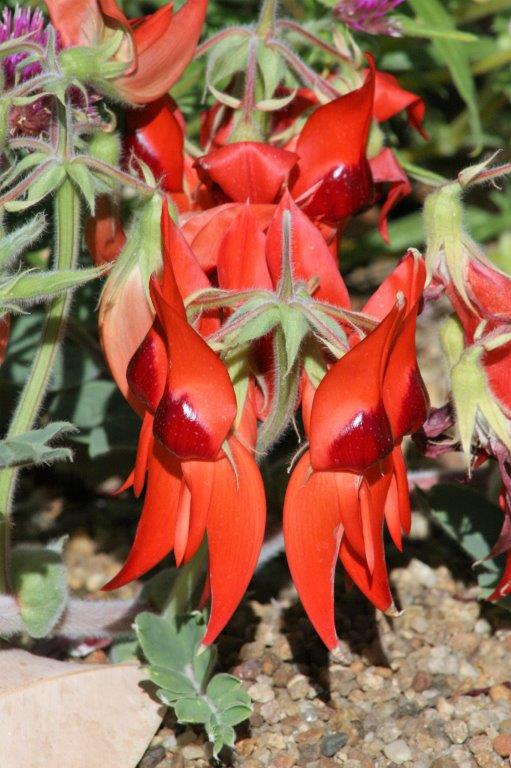
img_4077-1 img_4078-1Sturt’s Desert Pea blossoms

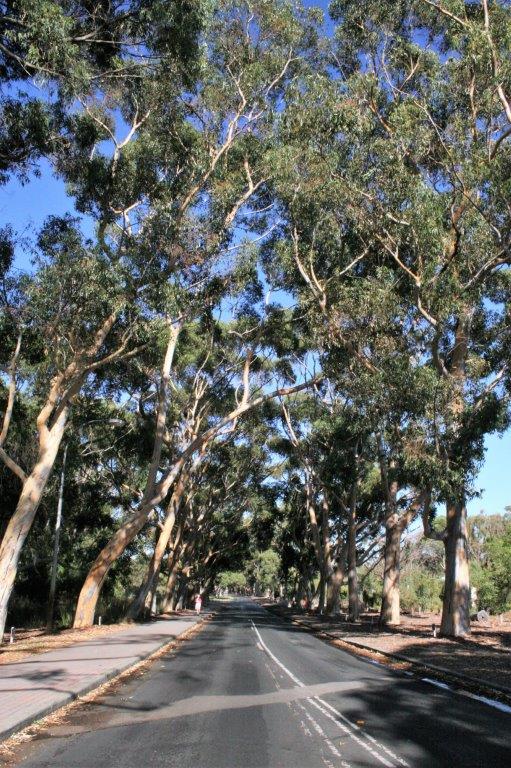
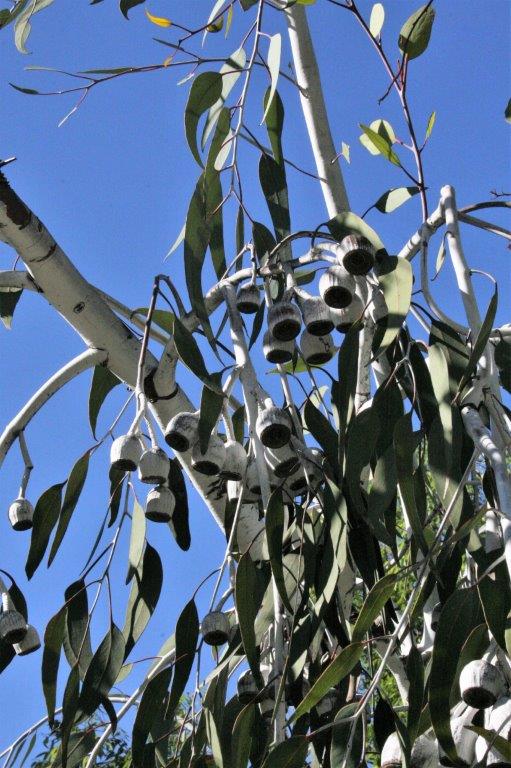
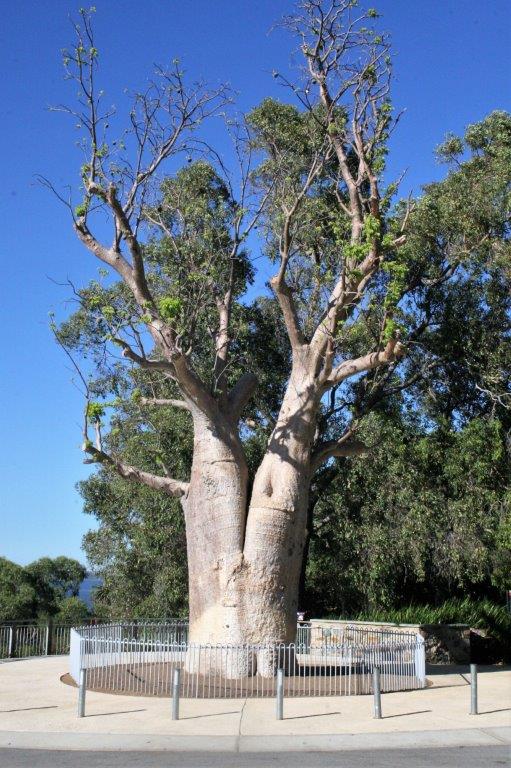
img_4082 img_4052-1The lovely white bark of a Eucalyptus Tree and the inverted Baobab Tree

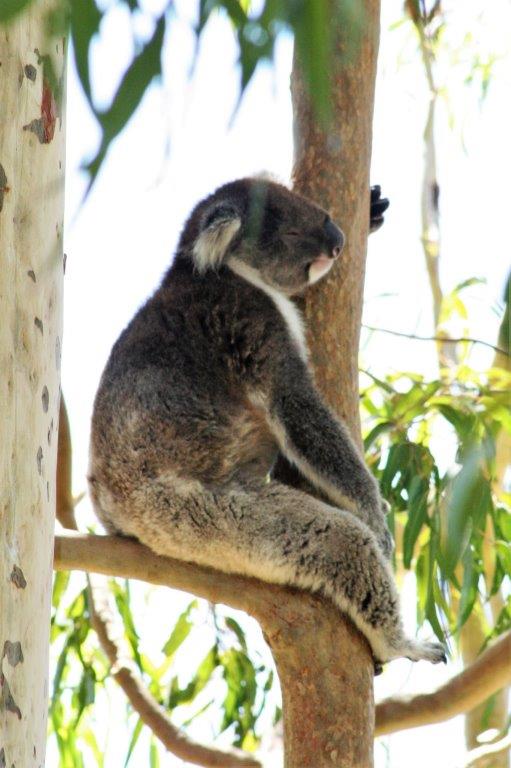
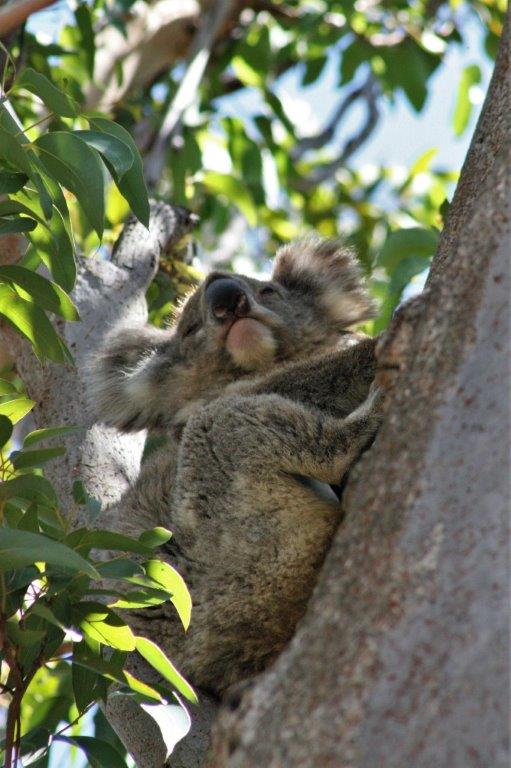
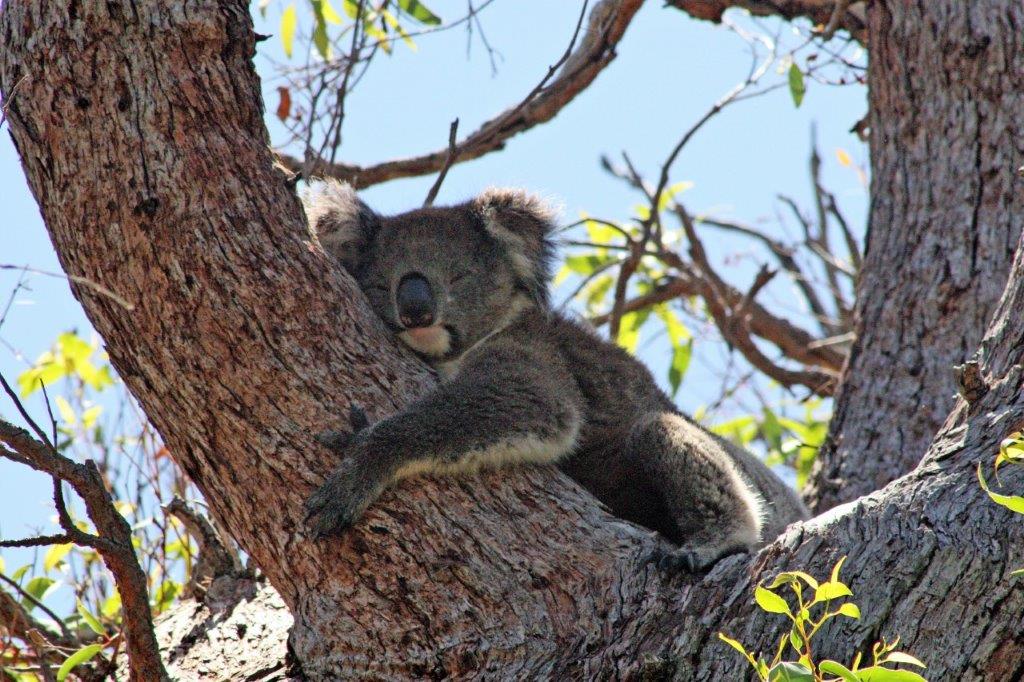
At the preserve we walked along a 240′ boardwalk where we enjoyed finding koalas nestled high up in the trees.img_4156-1 img_4172_edited-1 img_4182_edited-1And visited Mongor Lake, famous for it’s black swans – who rudely stayed on the far side of the lake.

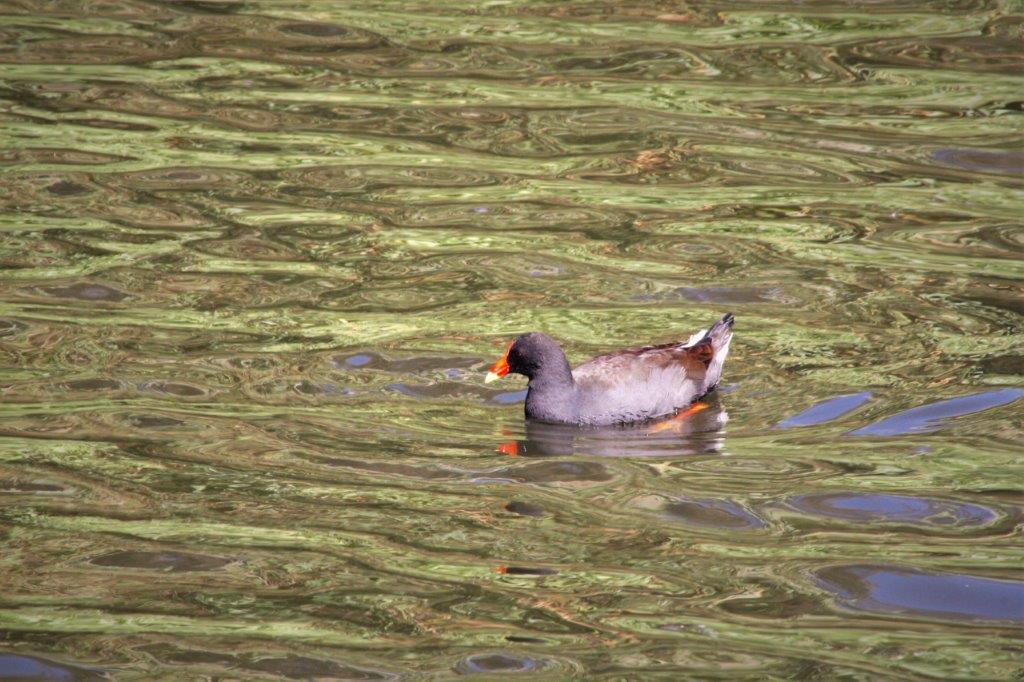
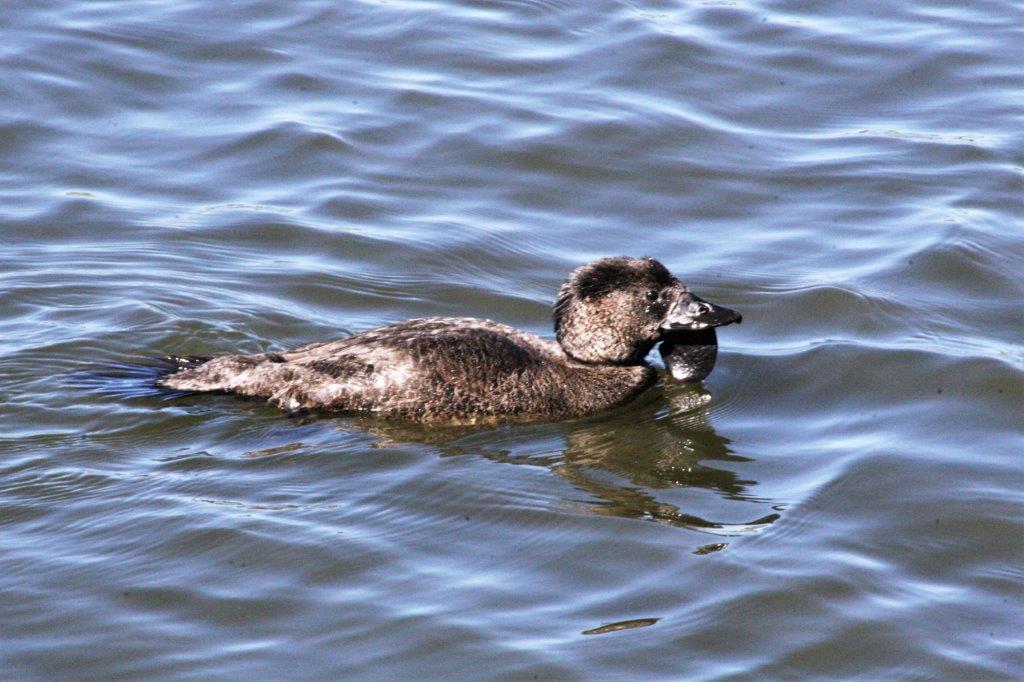
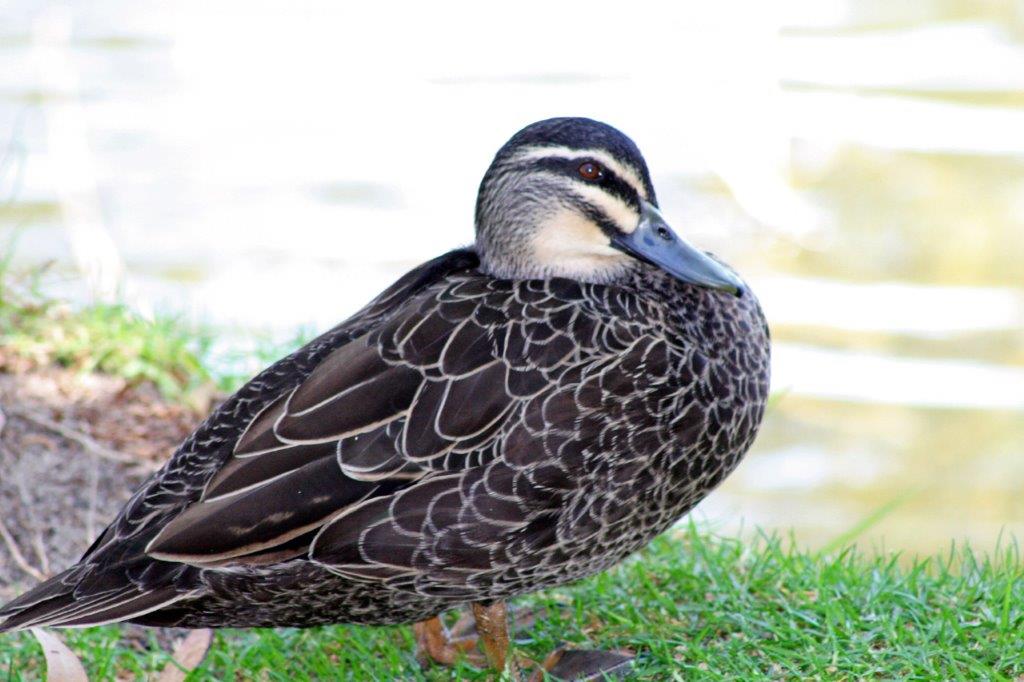
img_4095 img_4102-1                                                                                                        Musk Duckimg_4130-1_edited-1 img_4133-1_edited-1                                                        Pacific Black Duck

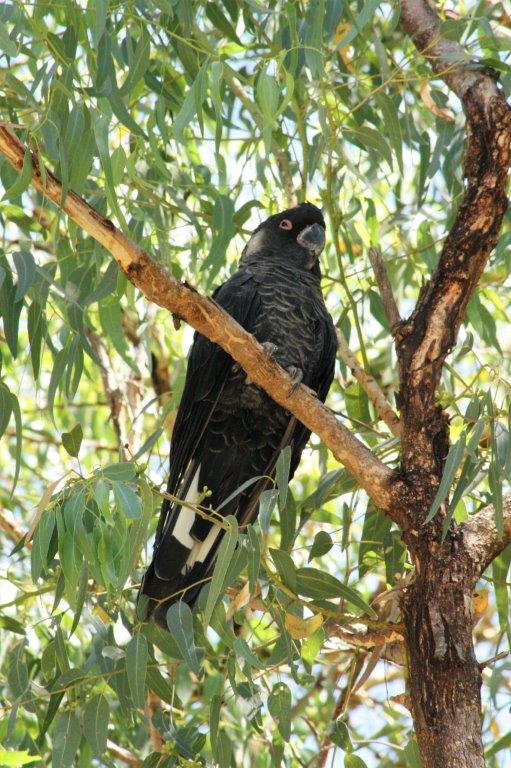
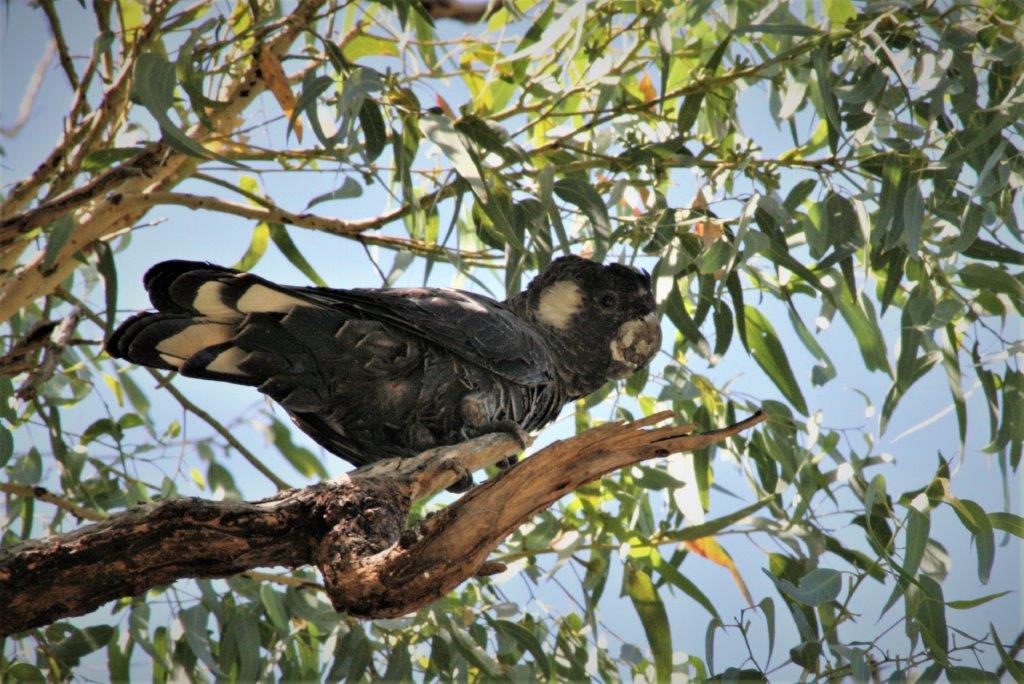
img_4122 img_4126_edited-1     White-tail Black Cockatoo

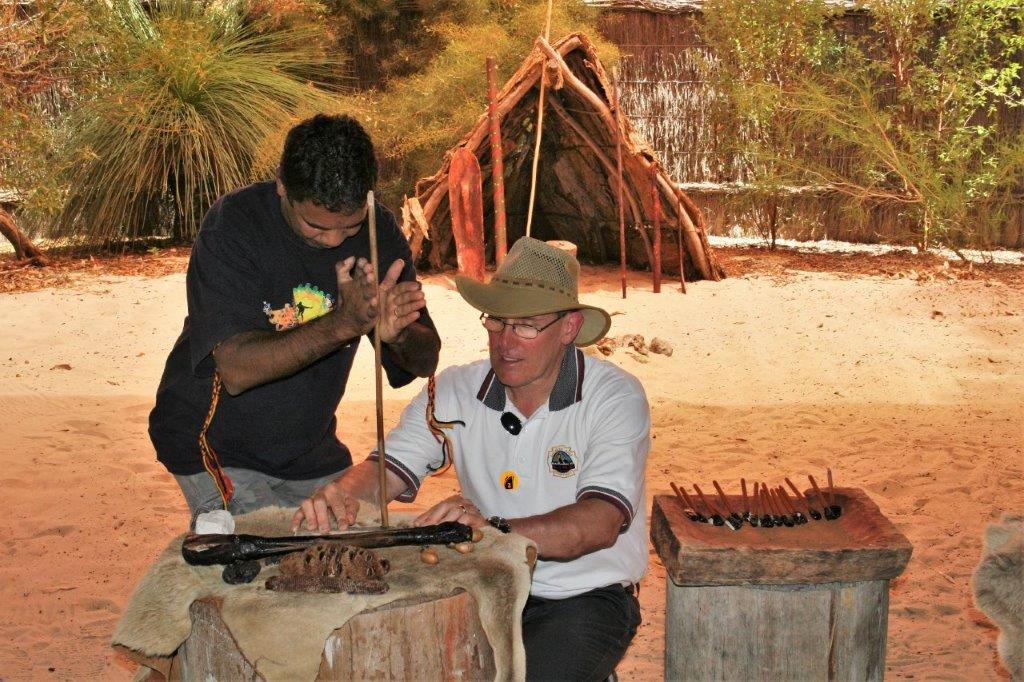
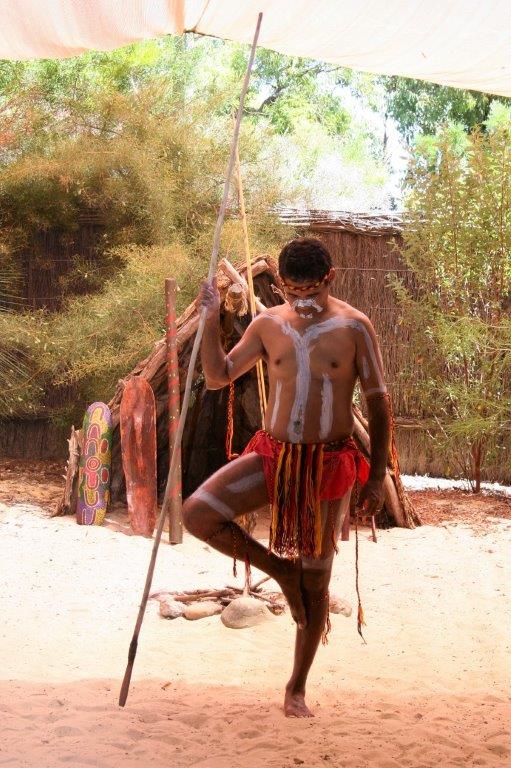
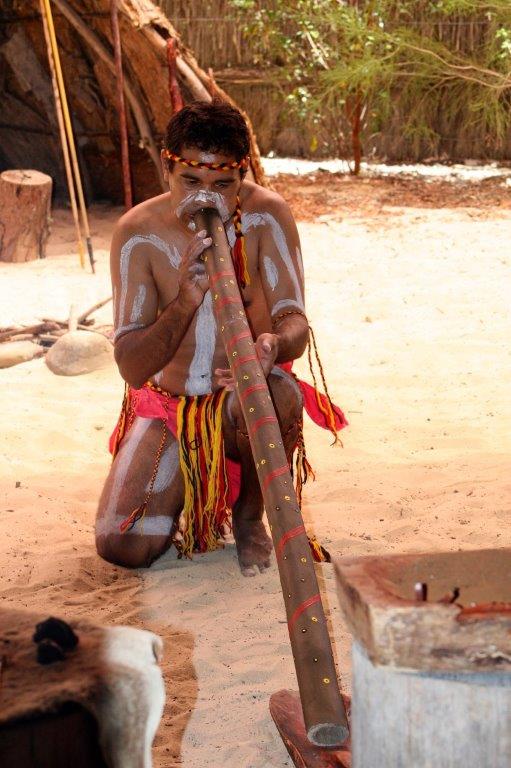
Afterward, we gathered in an Aboriginal Cultural Inter-action Center where a young man named Benton showed us how the aboriginal people made fishing spears, tools, and weapons. (They make a super-glue compound out of ground up resin from a Grasstree (after it has been burned), kangaroo dung and charcoal that cemented rocks onto sticks to make an axe.)  The Aboriginal people of Australia were the first people to hone a stone to make a sharpened axe-head and the first to grind wheat.img_4196Benton showed us how they made fire,img_4199-1_edited-1 img_4205-1_edited-1Demonstrated a fishing dance                              Played the didgeridoo.  And told us many stories of his people.

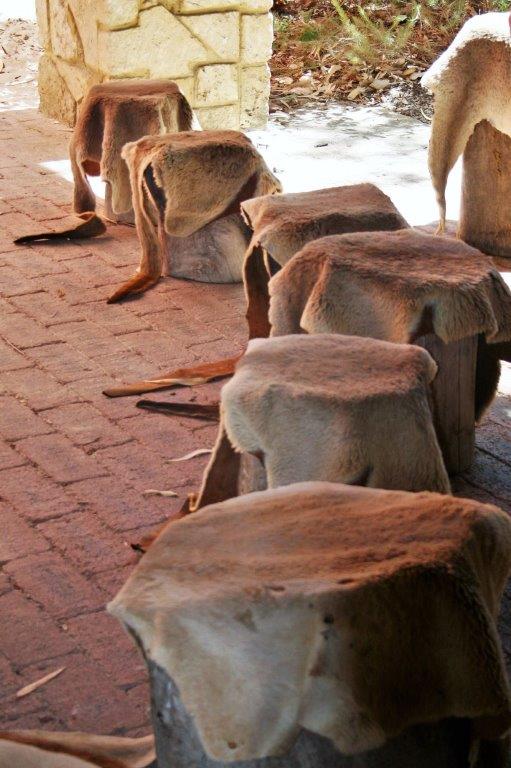
img_4208-1_edited-1img_4209-1We sat on kangaroo hide stools.

We returned to the ship at 4 and at 6 we left again for a dinner cruise on the Swan River.  We enjoyed a lovely meal and a relaxing sail down the river, re-entering Perth after dark.

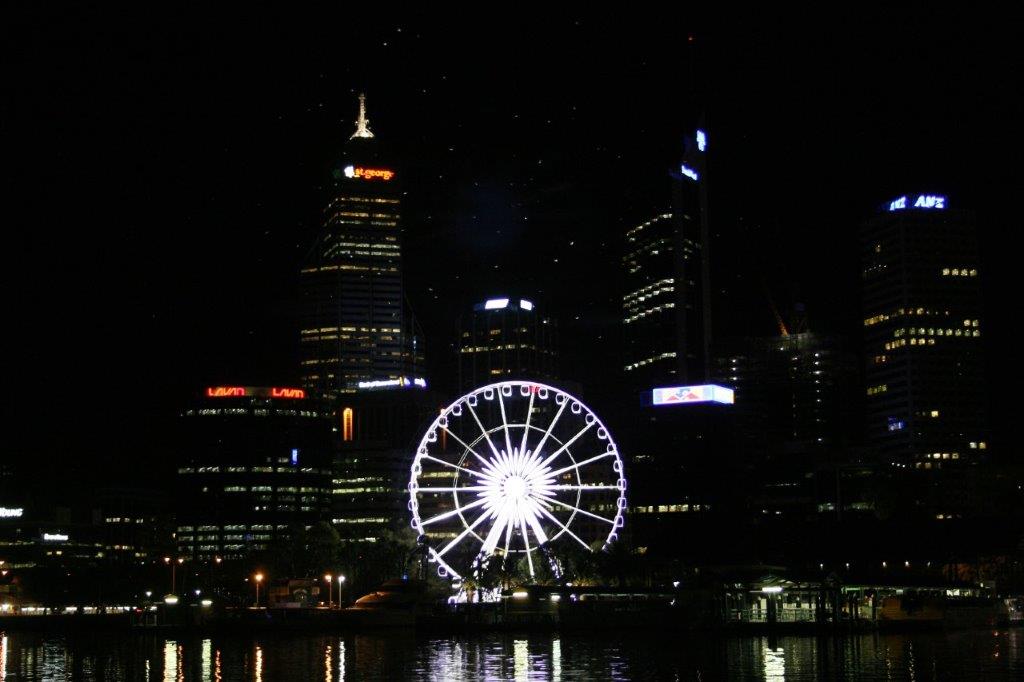
.img_4234 img_4233 img_4231 img_4240 img_4250 img_4255It was a long, full day, but we loved Perth and would like to return someday.


2009 World Cruise – Feb 15 – Day 41 – Adelaide, Australia

2009 World Cruise – Adelaide is the capital of South Australia.  The city was founded in 1836 and designed  by Colonel William Light.  It was a planned city set out in a grid pattern with many parks and green spaces.  Silver was discovered in 1841 and mines popped up all over the state.  During the economic downturn that hit Australia in the  1890’s Adelaide was spared by its silver and lead.  It is now a notable wine country and agricultural area.  After the two World War’s the government enticed industries like General Motors and Chrysler to utilize the no-longer-needed wartime manufacturing plants.  Today Adelaide is also home to 70% of Australia’s defense technology and industries.
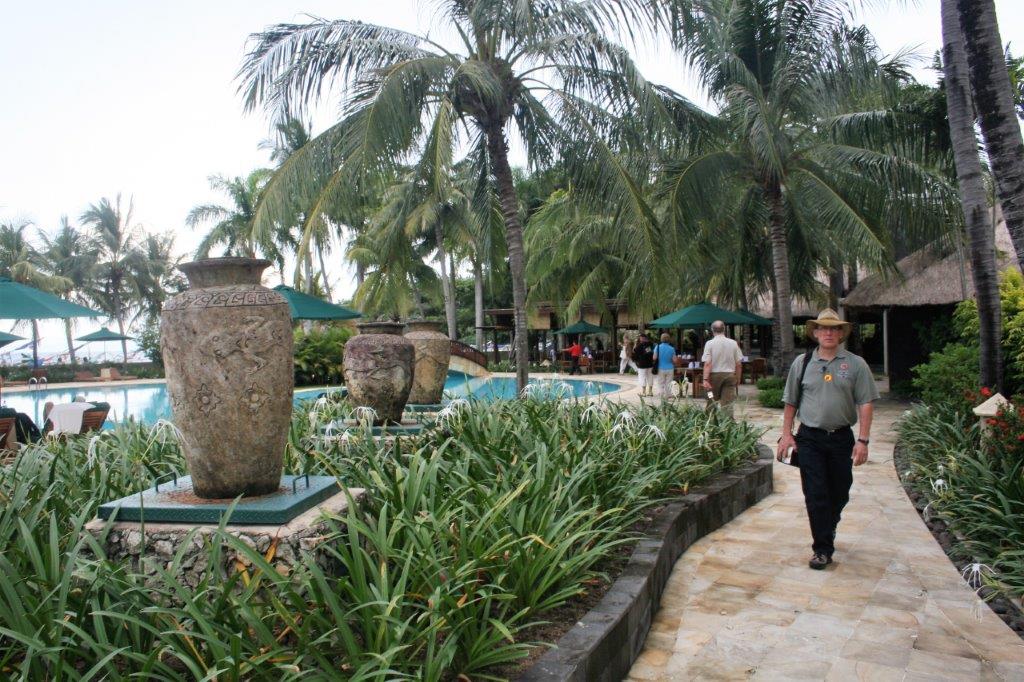
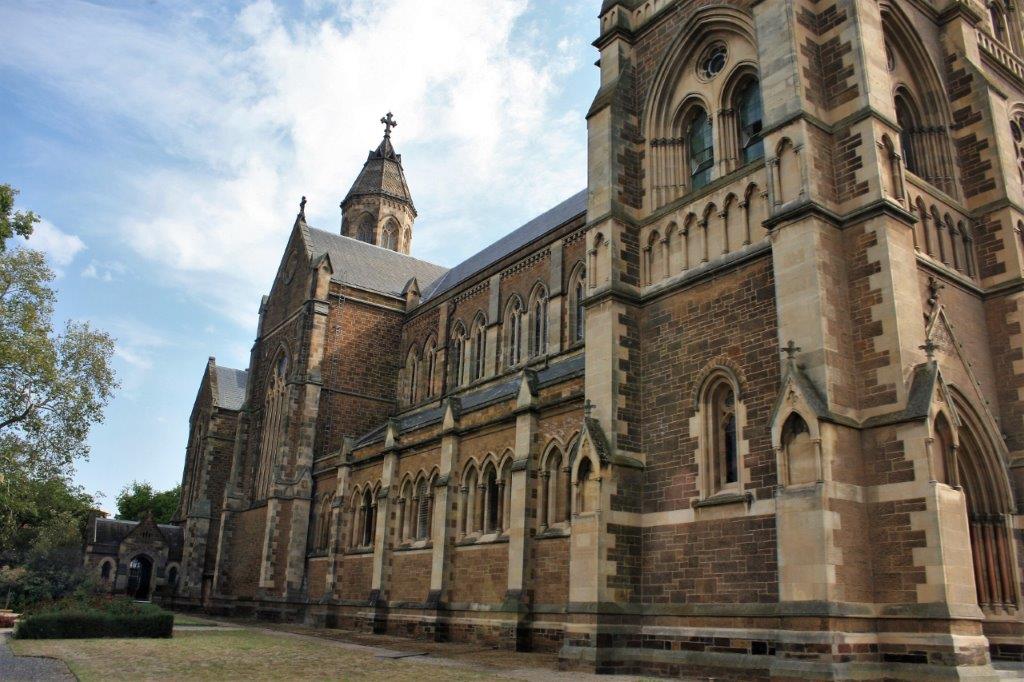
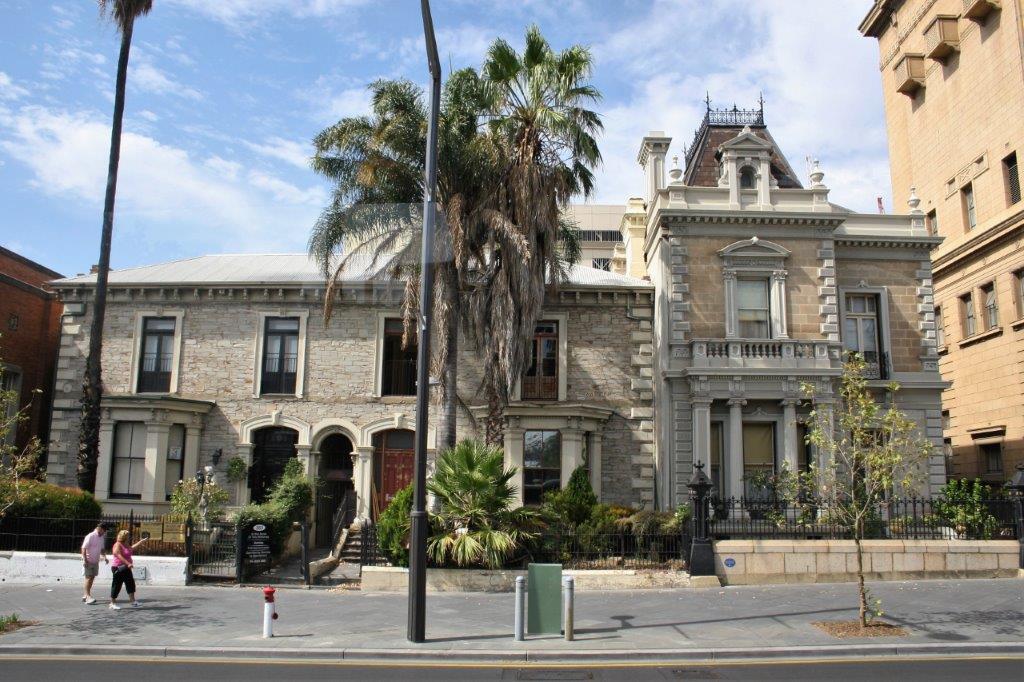
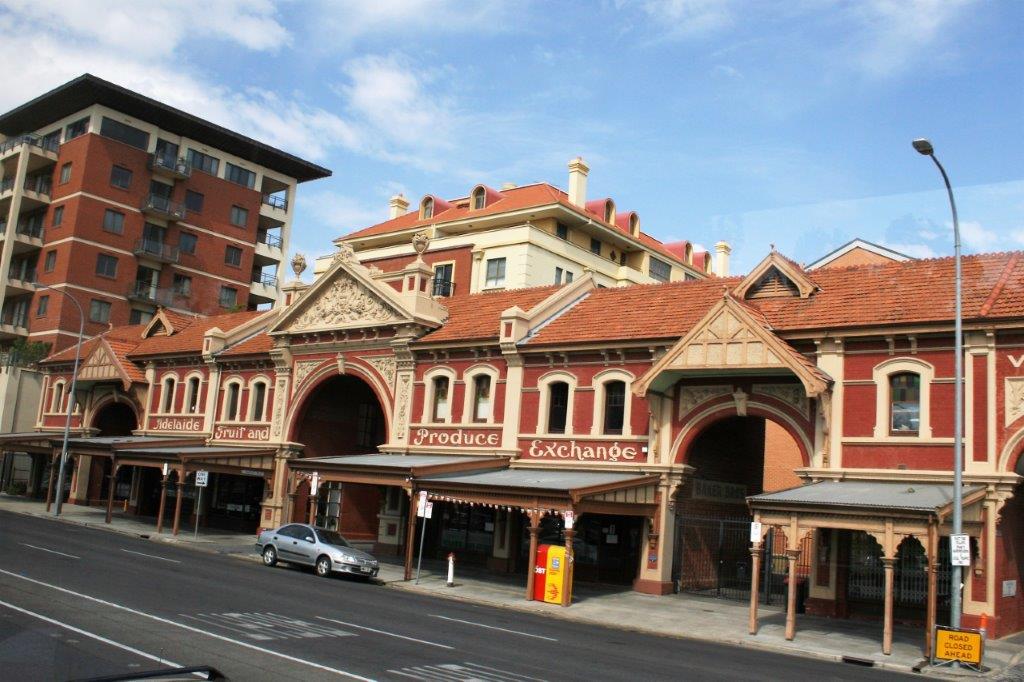
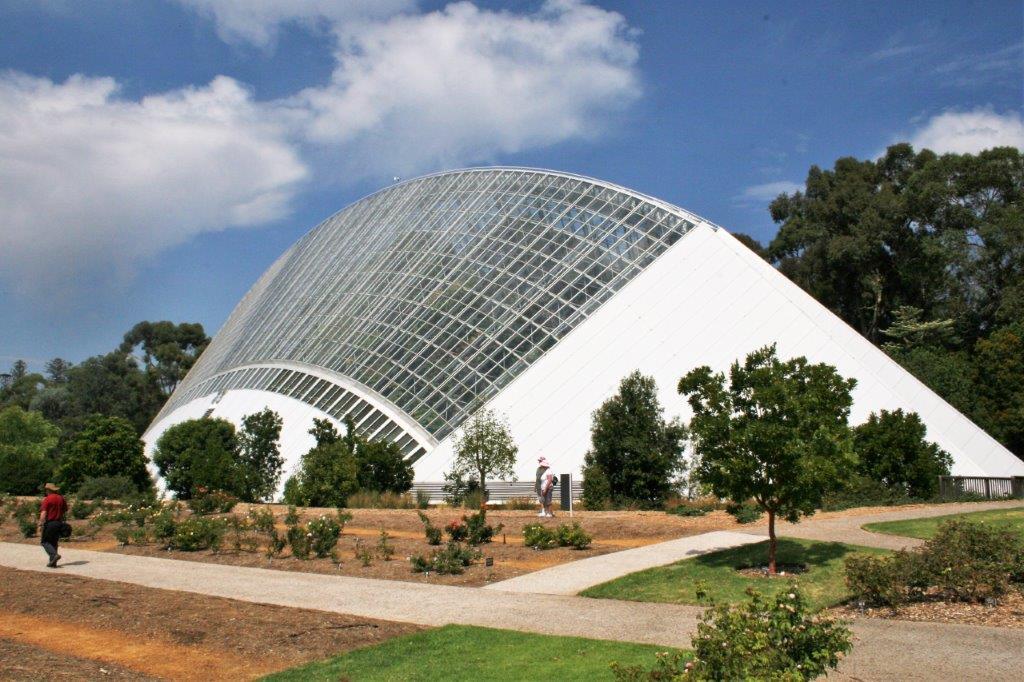
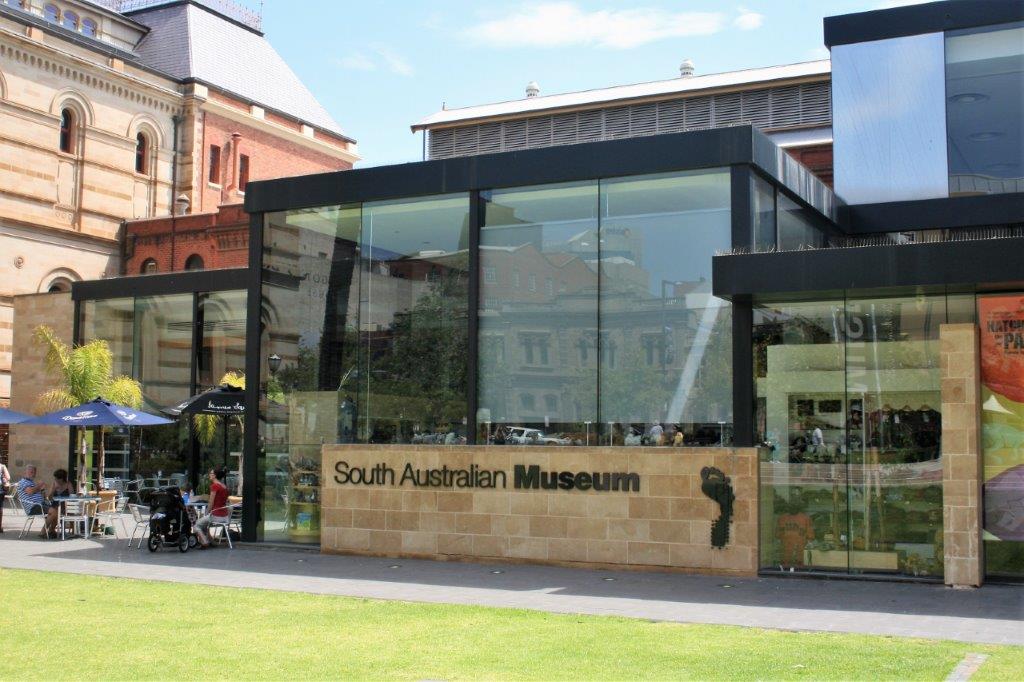
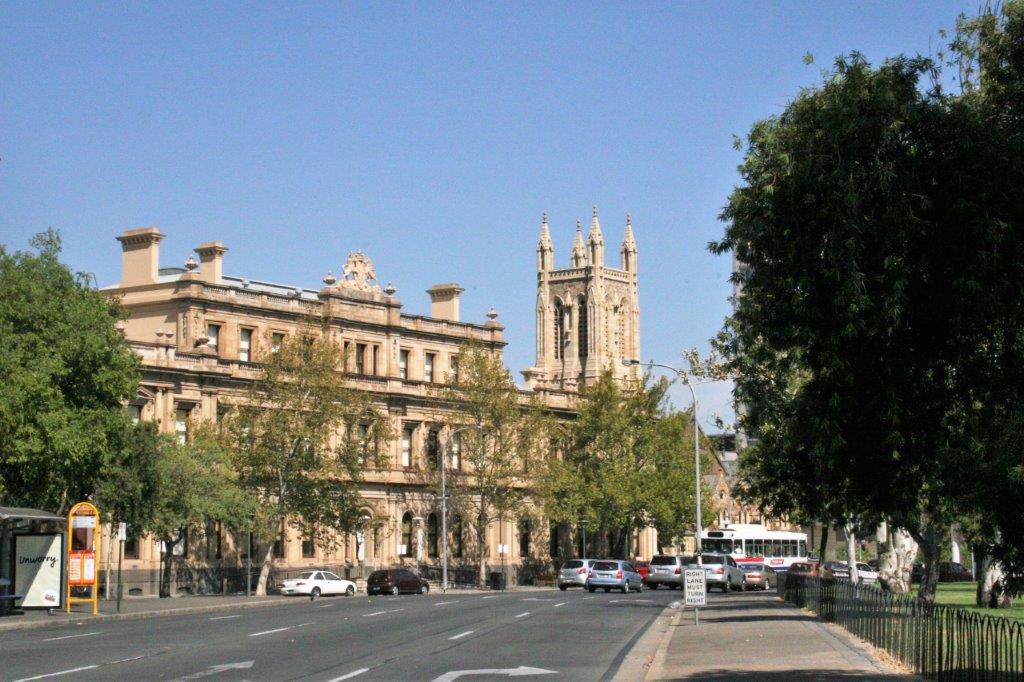
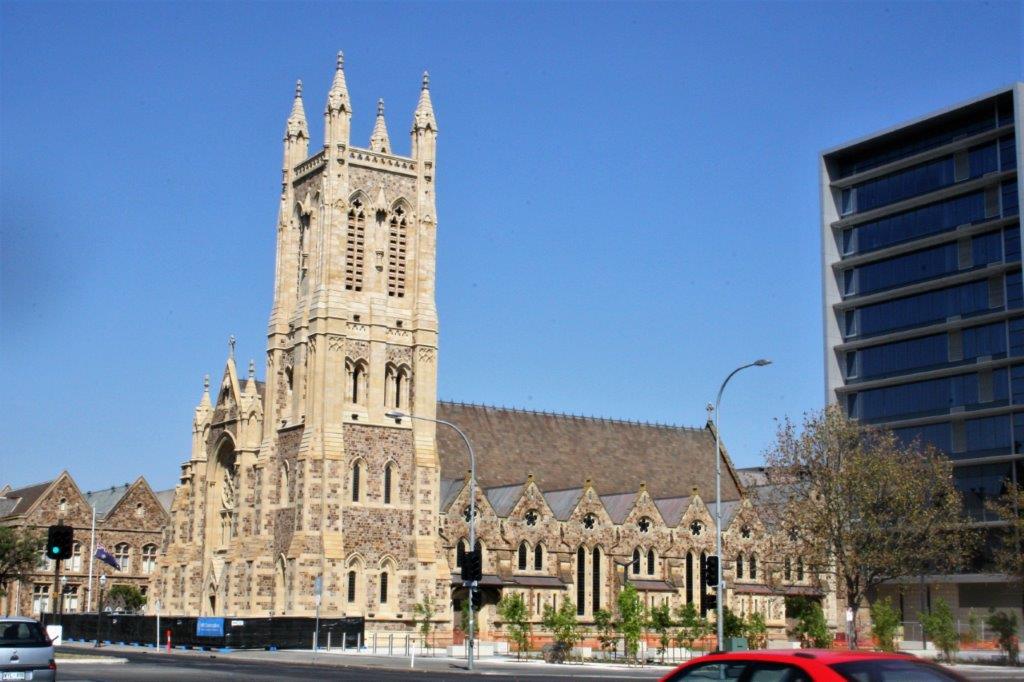
The city had organized free shuttles that ran from the port into town every 30 minutes until 7:15 pm.  We had a tour that took us on a drive around interesting parts of the city and out to the Bicentennial Conservatory at the Adelaide Botanic Gardens. img_3946-1 img_3947-1St. Peter’s Cathedral

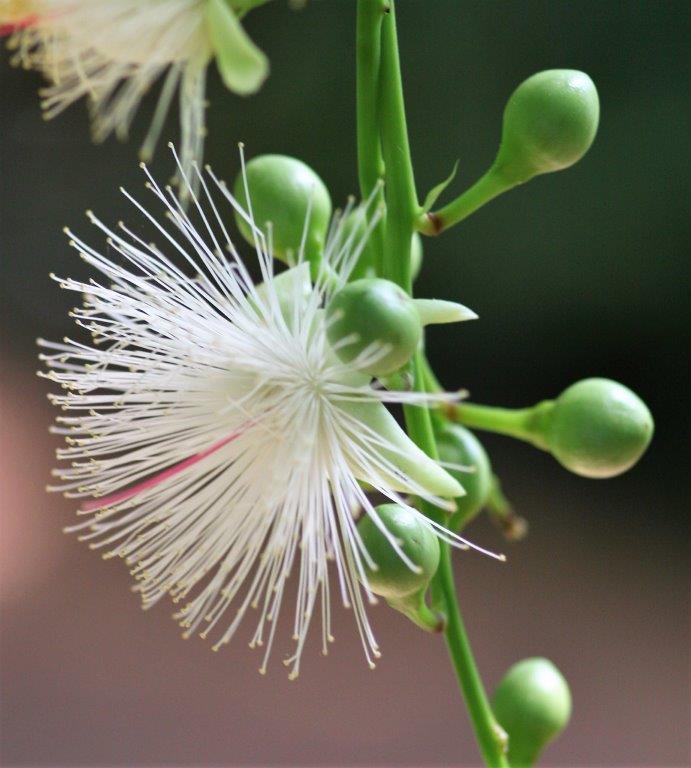
img_3968-1img_3967 img_3969-1 img_3970-1 img_3971-1Our guide at the conservatory was told we were running late so only had a half hour before we needed to be on our way to the South Australia Museum for the second part of our tour.  I think she did her talk so often she didn’t know how to change it.  She was unable to walk and talk and she stopped at every tree and bush for 5-10 minutes.  I wandered off and looked around the conservatory on my own.img_3986img_3975-1_edited-1 img_3976-1                                                     Fish Poison Tree.

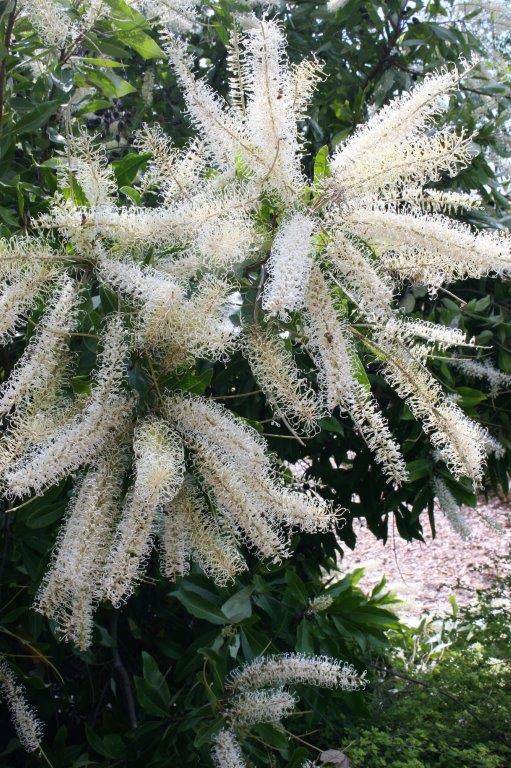
img_3983_edited-1 img_3999-1 img_3973                                                                                                      Bottlebrush

By the time we got out of there and to the museum we were very short of time and could only give a cursory look at a few of the aboriginal displays.

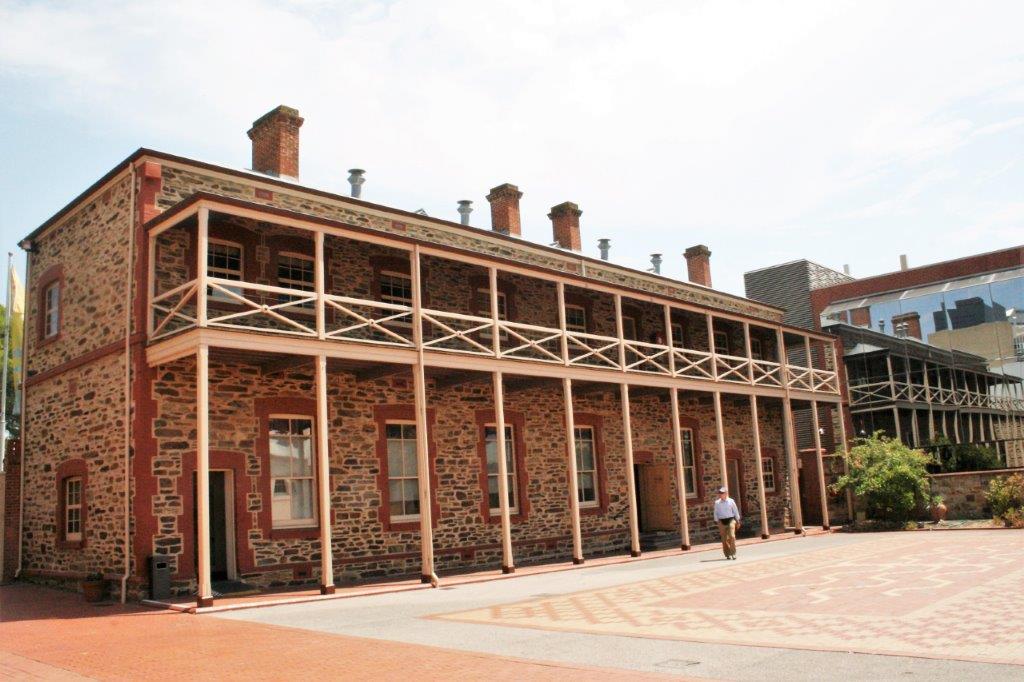
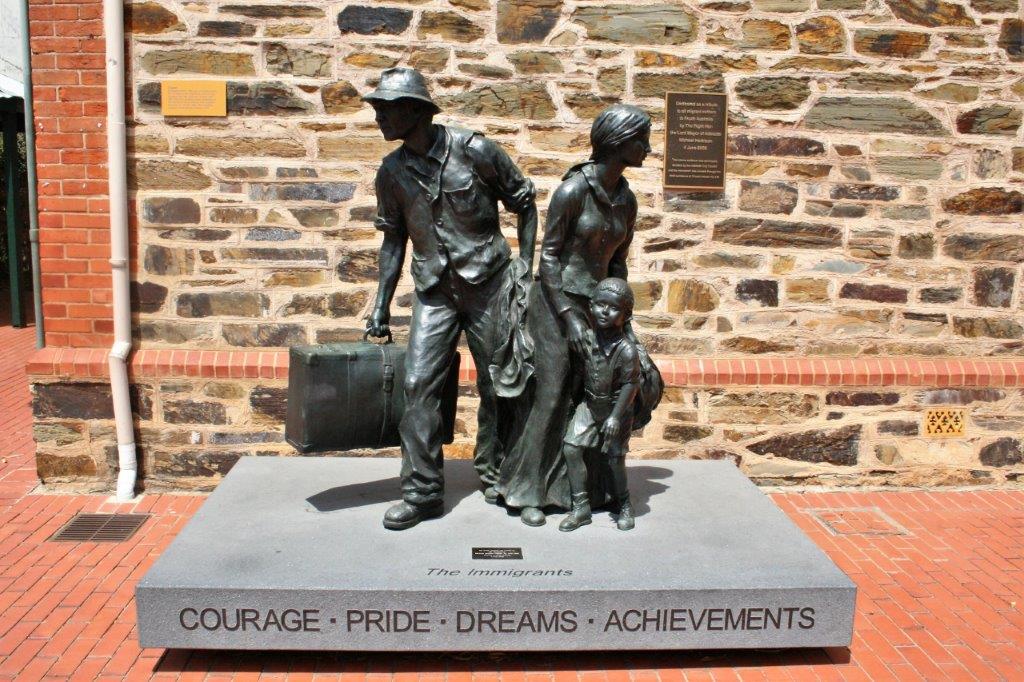
img_4000At the back of the South Australia Museum was The Migrant Museum.  I wish we had been able to go through it; there would have been interesting stories.

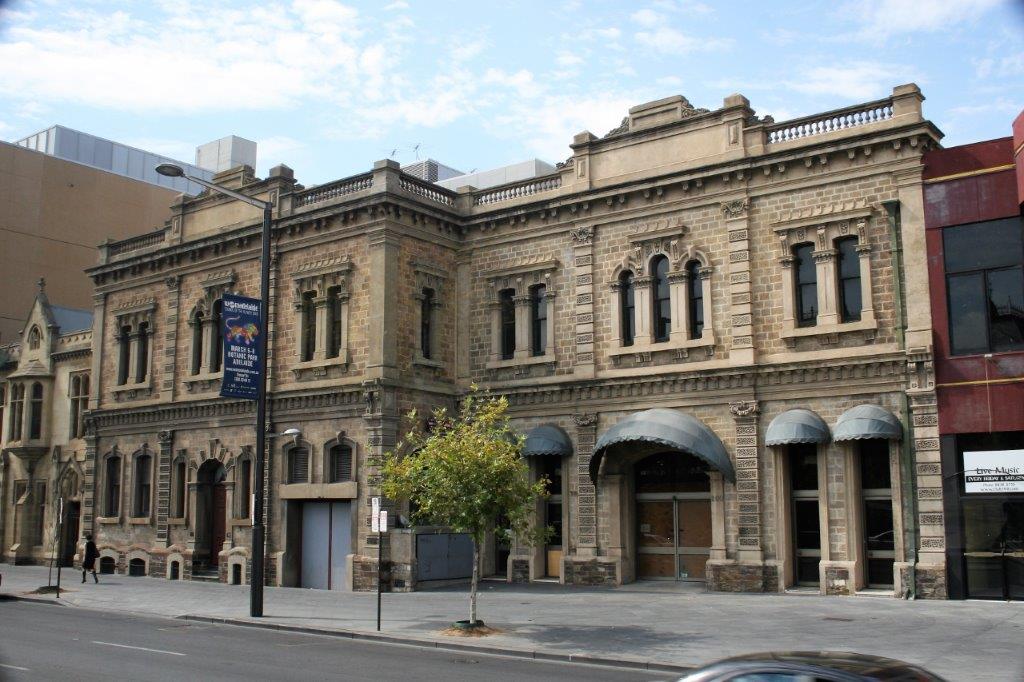
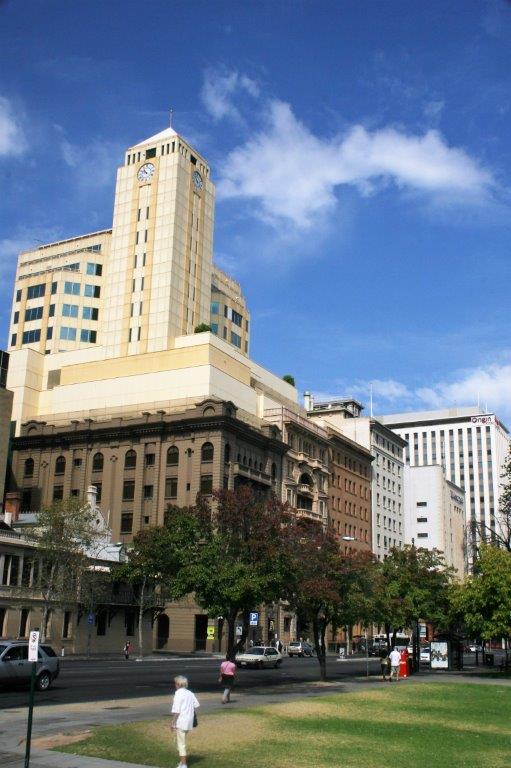
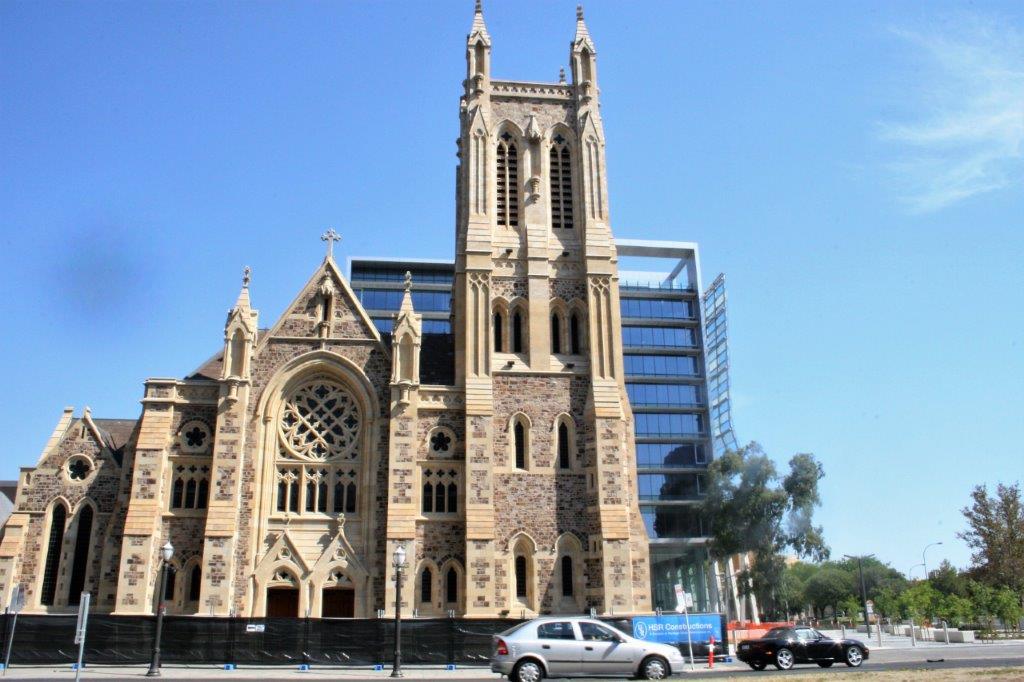
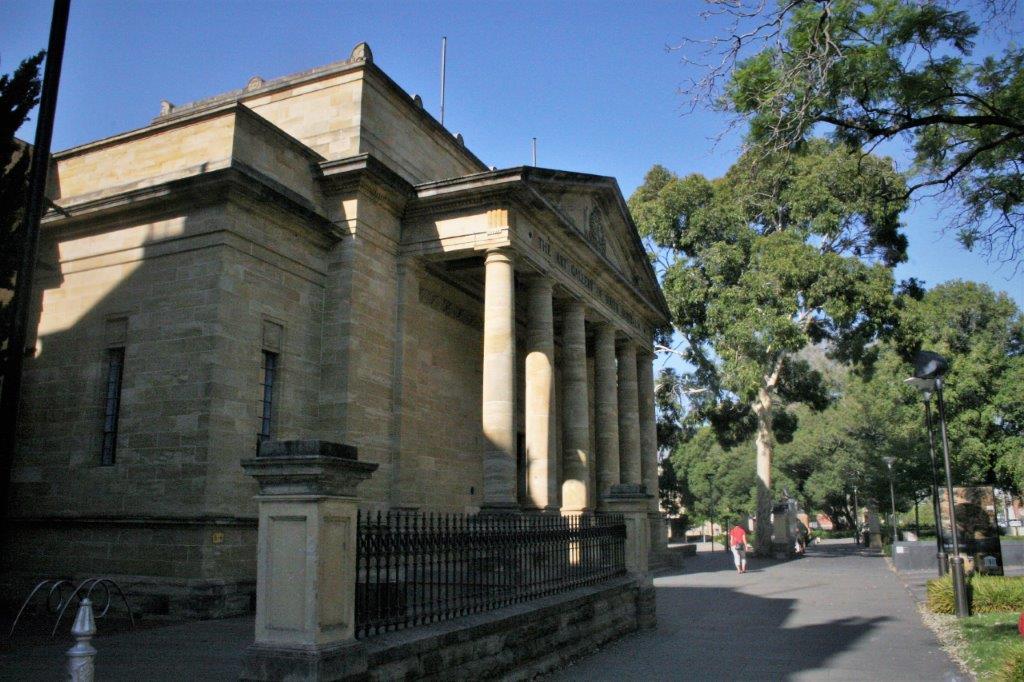
img_4004 img_4006 img_4005We returned to the ship, had a quick lunch and caught the shuttle into town.  We walked around the main blocks, through Victoria Square and onto the University of Adelaide campus.img_4014-1 img_4023-1 img_4024-1St. Francis Xavier’s Cathedral.

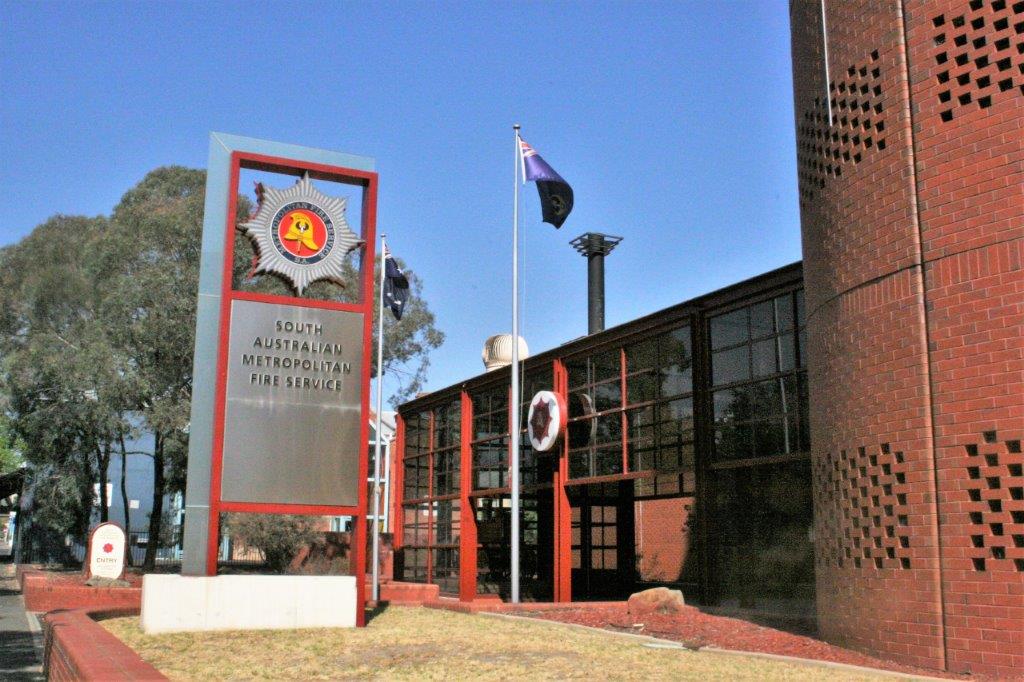
John was really hoping a fireman would walk by so he could talk shop, but despite lingering for a photo and checking out a firetruck parked at the curb, no one appeared.

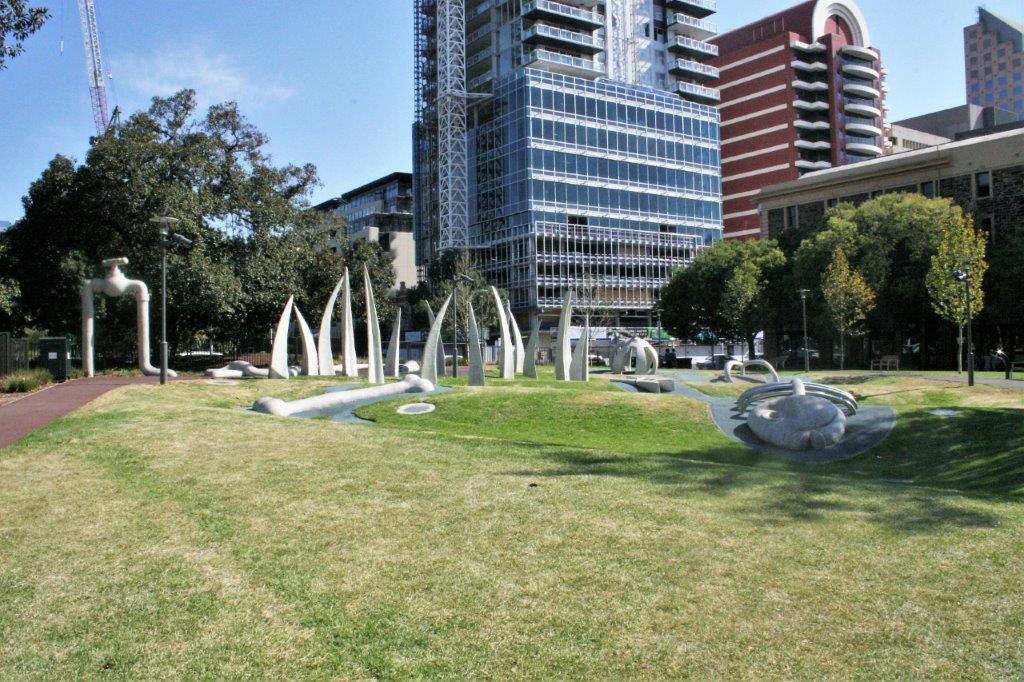
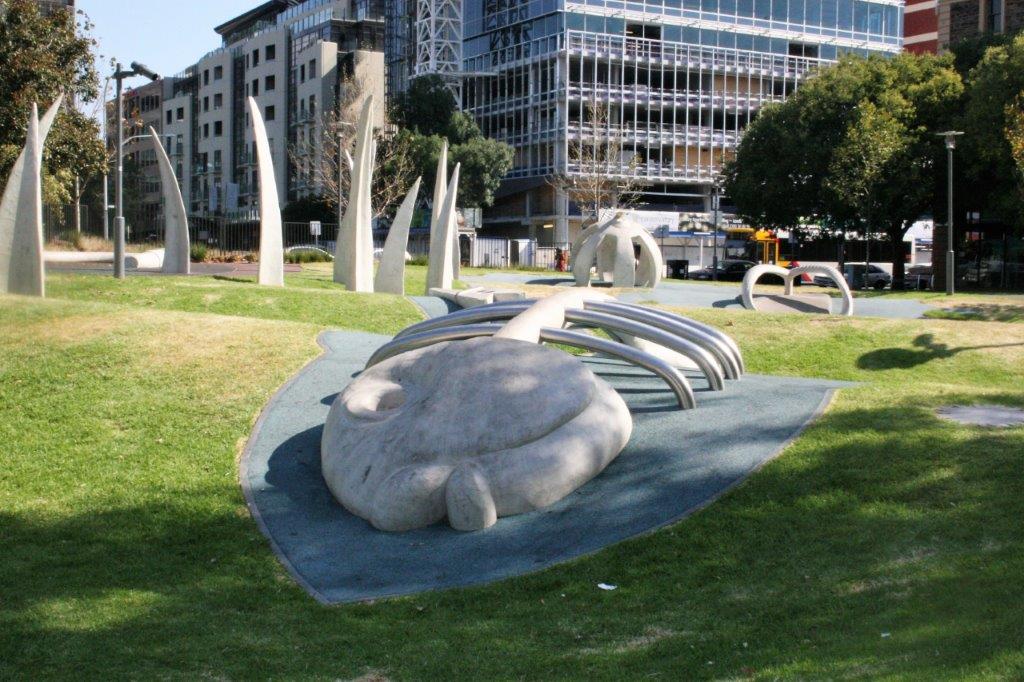
img_4026-1 img_4028-1We discovered this interesting child’s park.  Very creative climbing apparatus. Hindmarsh Square Playground.
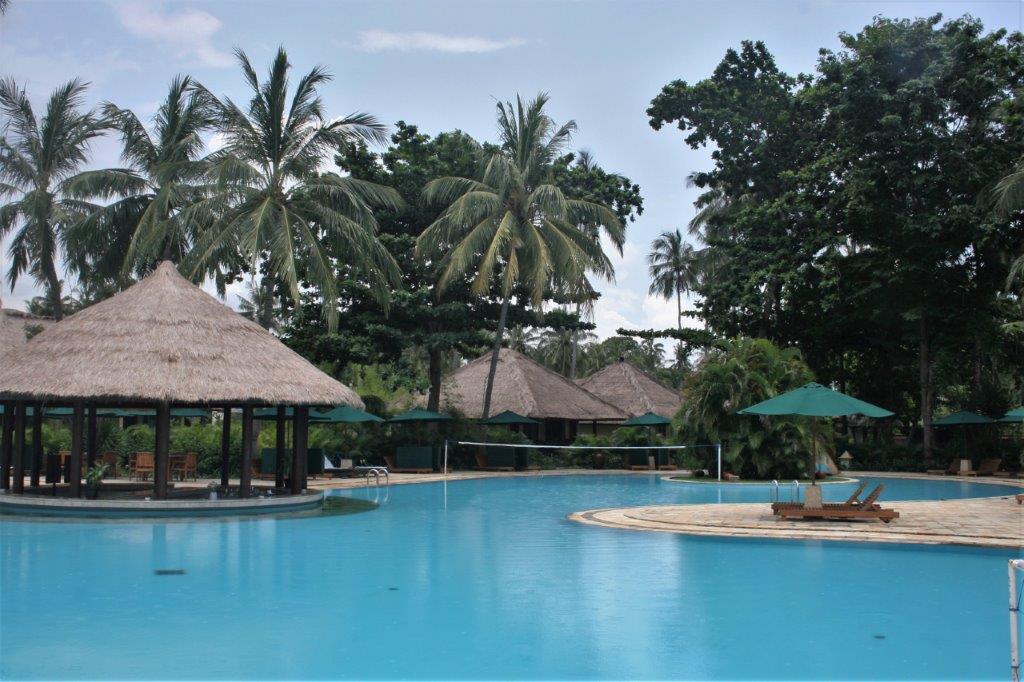
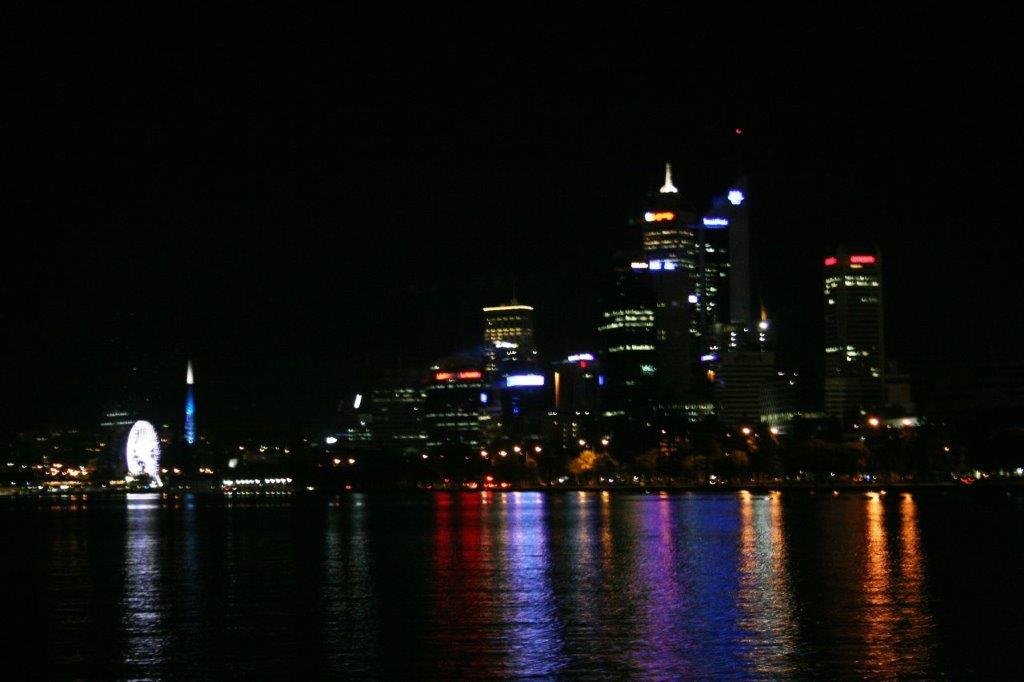
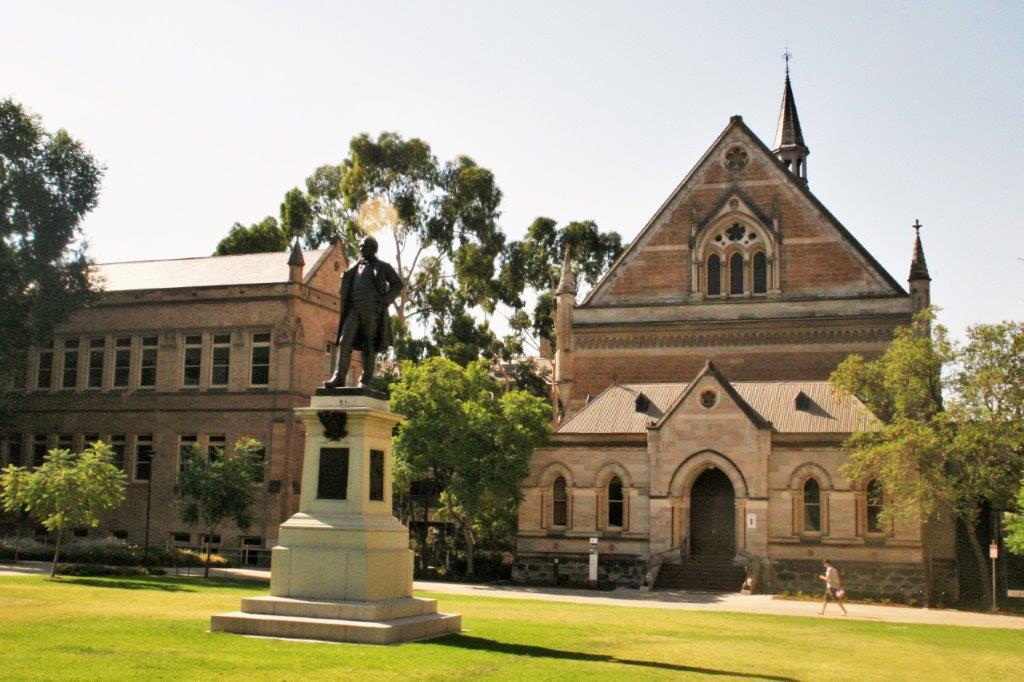
img_4029-1 img_4030img_4038-1Goodman Court on University of Adelaide campus.img_4035 img_4037-1img_4044-1

Despite the somewhat disappointing tour we enjoyed our day in Adelaide.  The final port-of-call in Australia, after three days at sea, was Freemantle; the port city near Perth in Western Australia.