All posts by jj1951

My husband and I retired in 2007 and decided to spend the kid's inheritance by travelling as much as we could until either the money or our health runs out. So far so good.

2009 World Cruise – April 25 – Day 110 – Walvis Bay, Namibia

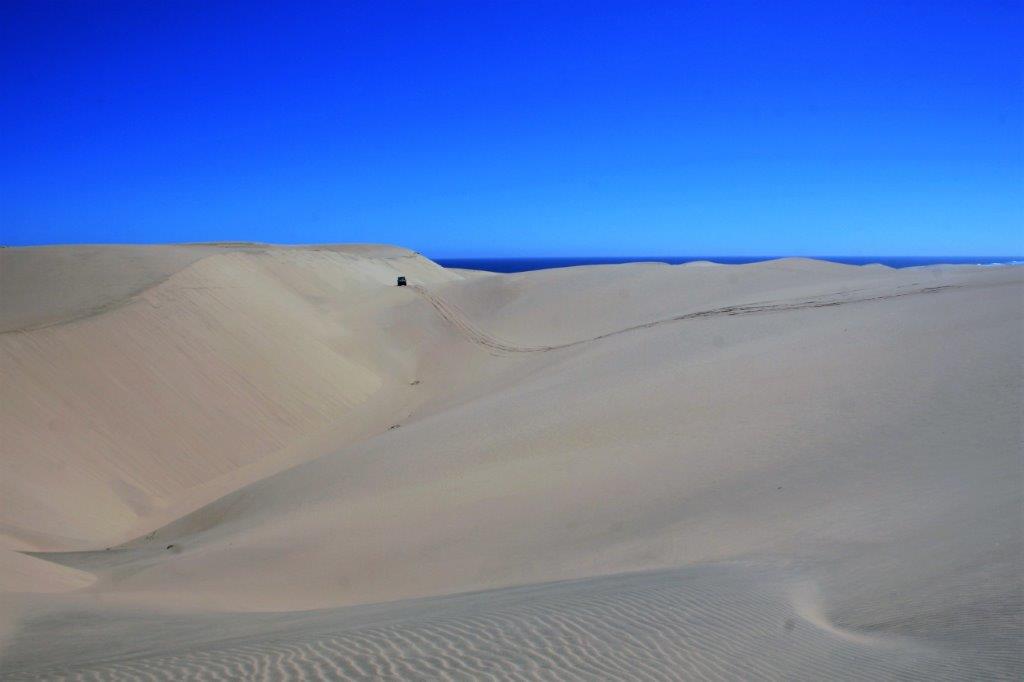
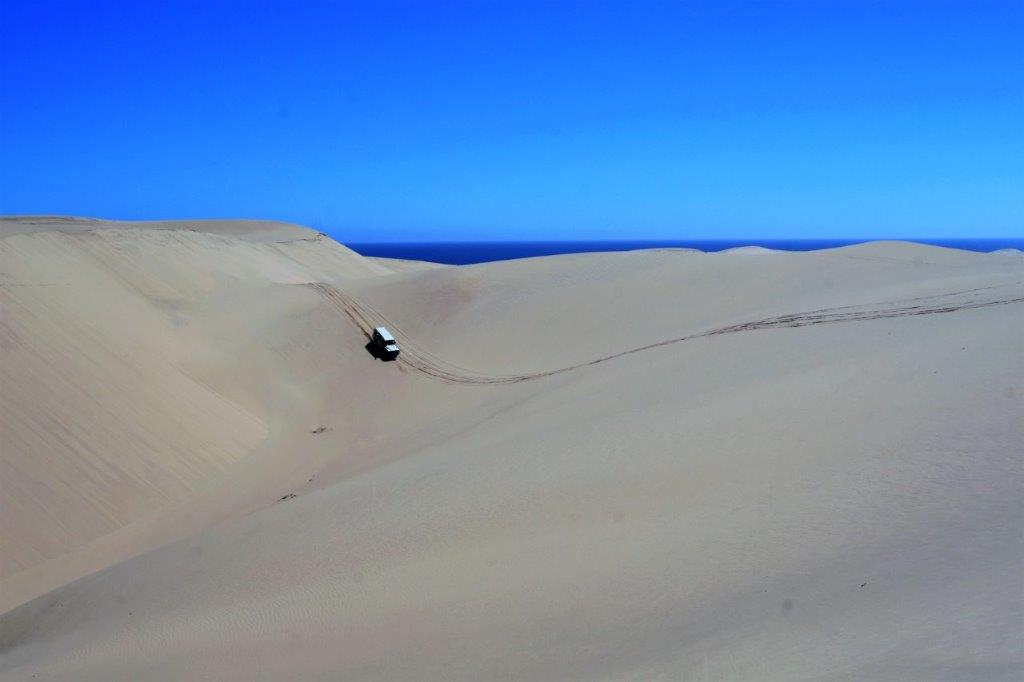
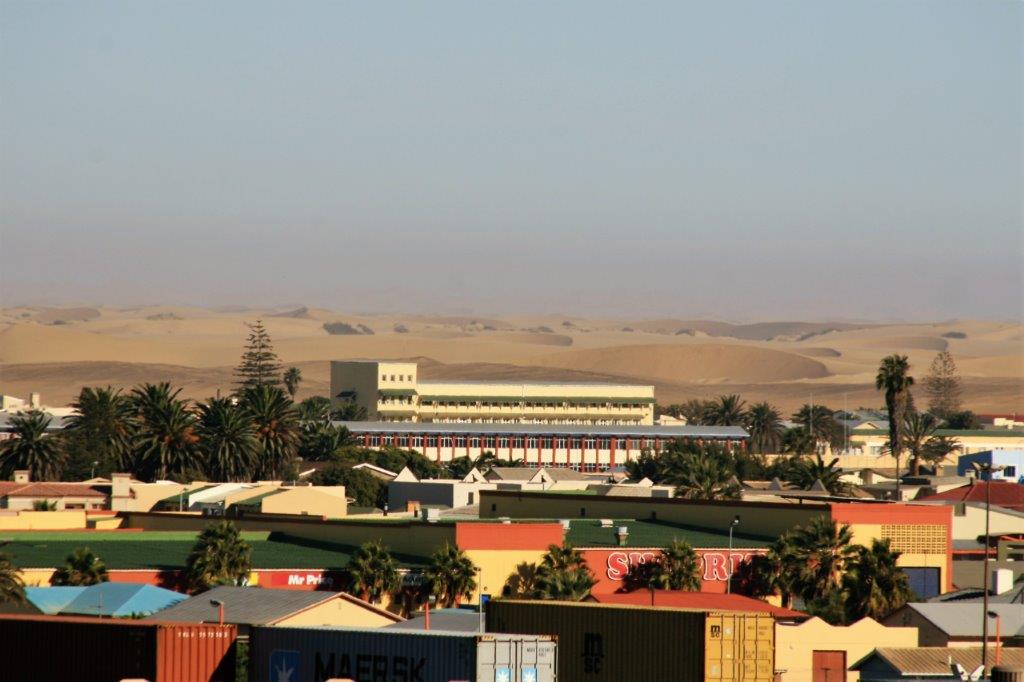
Walvis Bay had one of the shore excursions I was really looking forward to with anticipation: 4WD in the dunes of the Namib Desert.We sailed from Luderitz 240 nautical miles to Walvis Bay with the  foghorn sounding all night, which does not make for a restful sleep!  Fortunately the fog was lifting as we entered port and we were blessed with a beautiful day.
Walvis Bay is the only natural harbour of any size along the country’s coast.  It was annexed by the British to prevent the Germans from getting the harbour as everyone was scrambling for pieces of Africa, and Britain needed a safe route around the Cape for British ships.  Toward the end of the 19th century the country of Namibia was annexed by Germany, except for the enclave of Walvis Bay, which was taken in 1878 by the British for the Cape Colony.  The nation was battled over by Germany, Britain and South Africa – especially once diamonds had been discovered near Luderitz – for many years. German control was lost after WWII and Britain finally transferred Walvis Bay to Namibia in 1990.

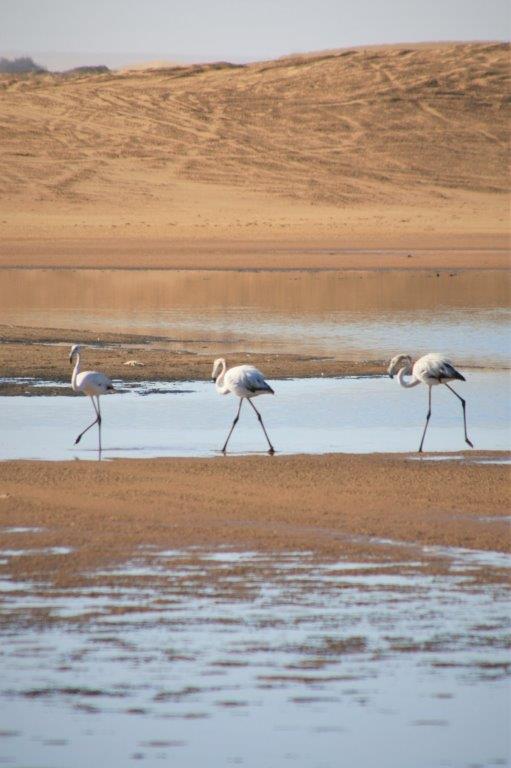
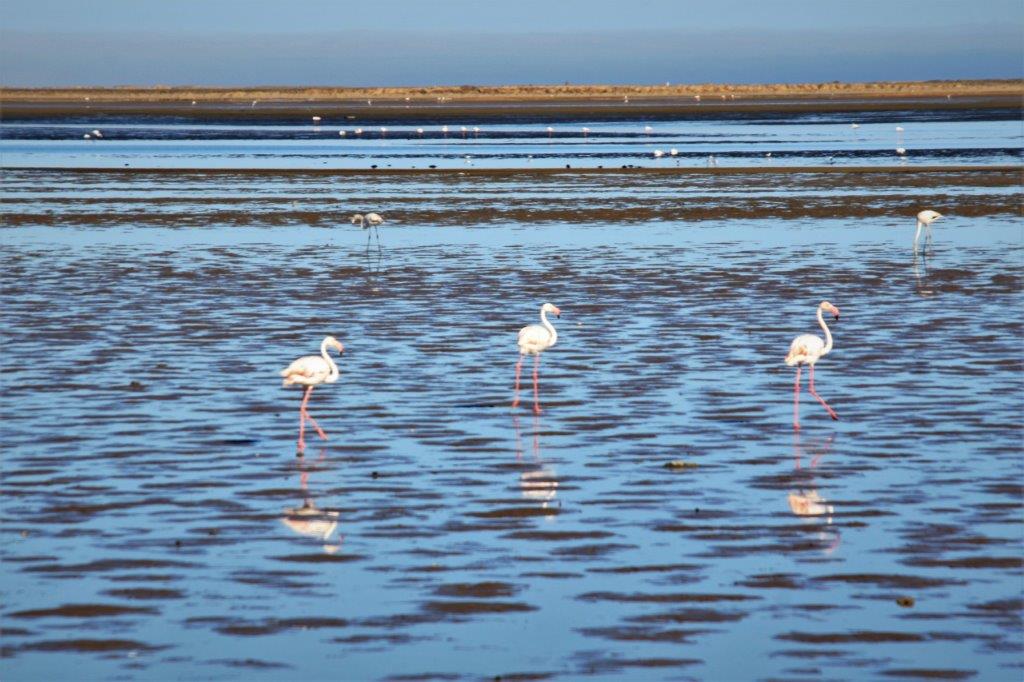
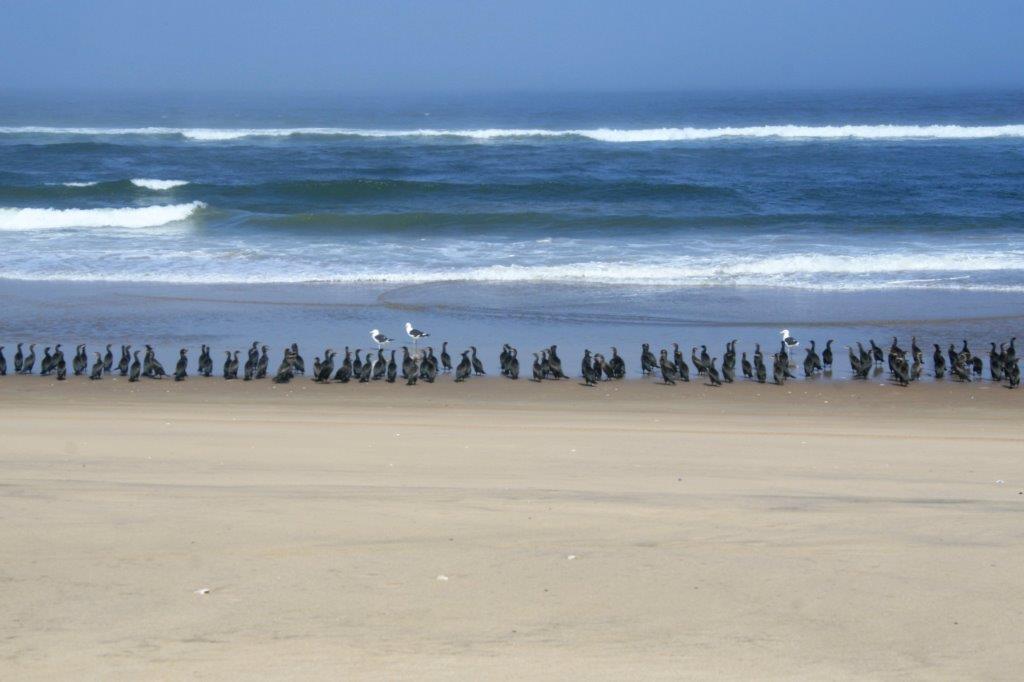
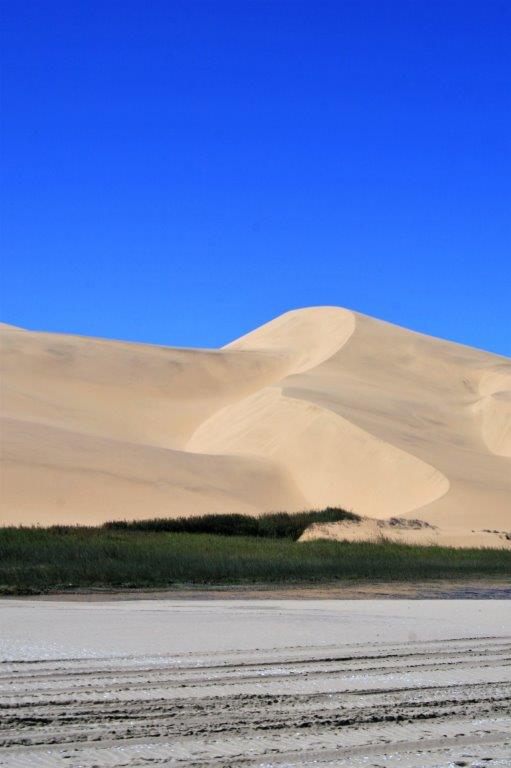
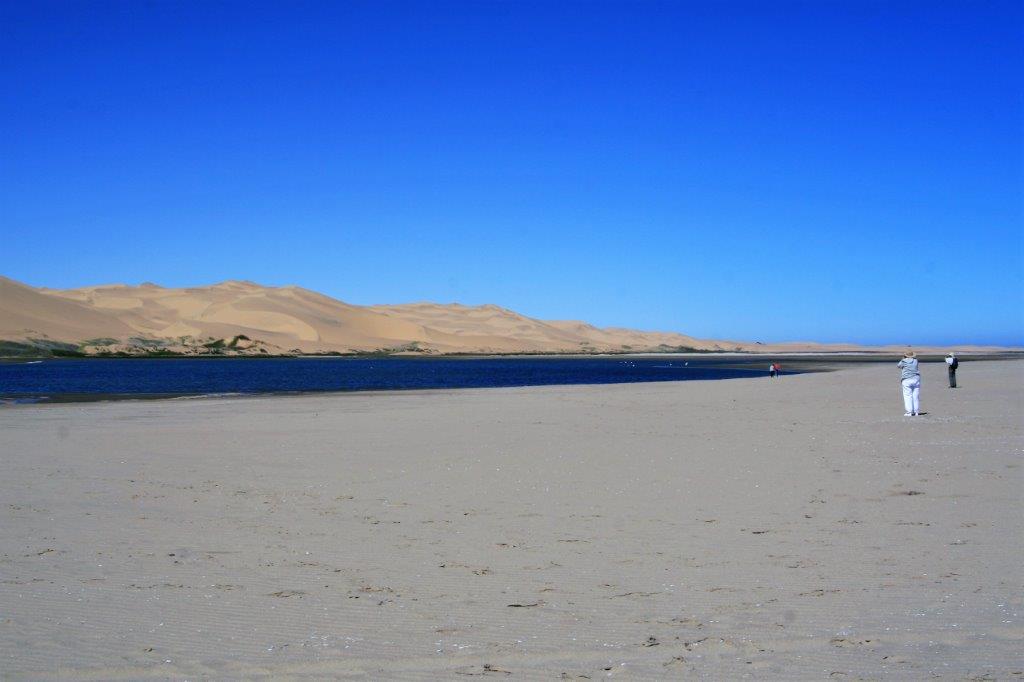
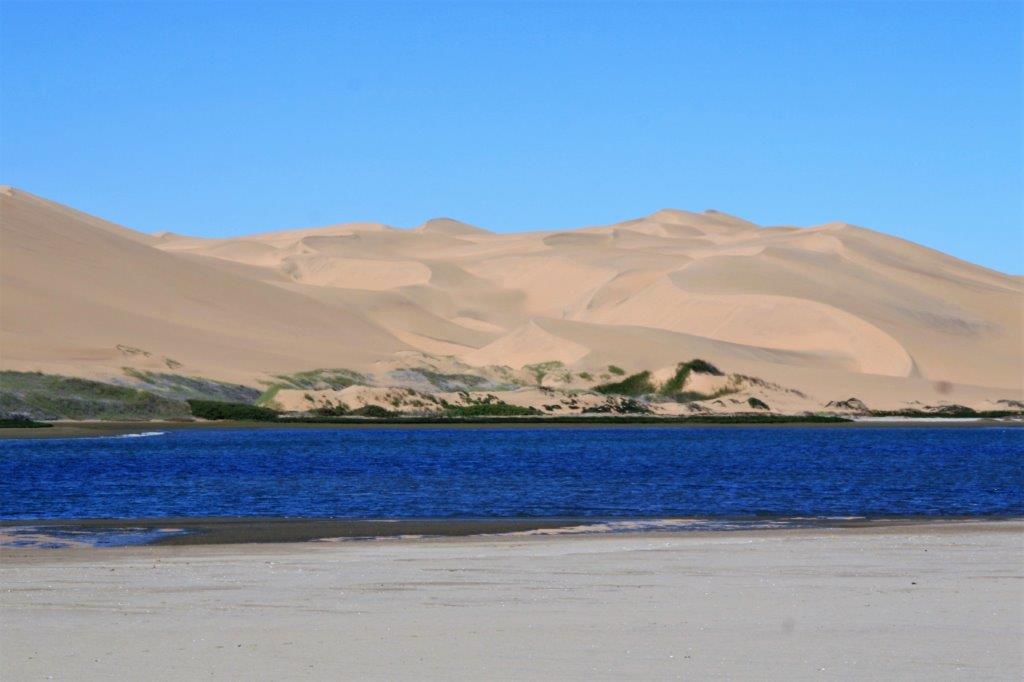
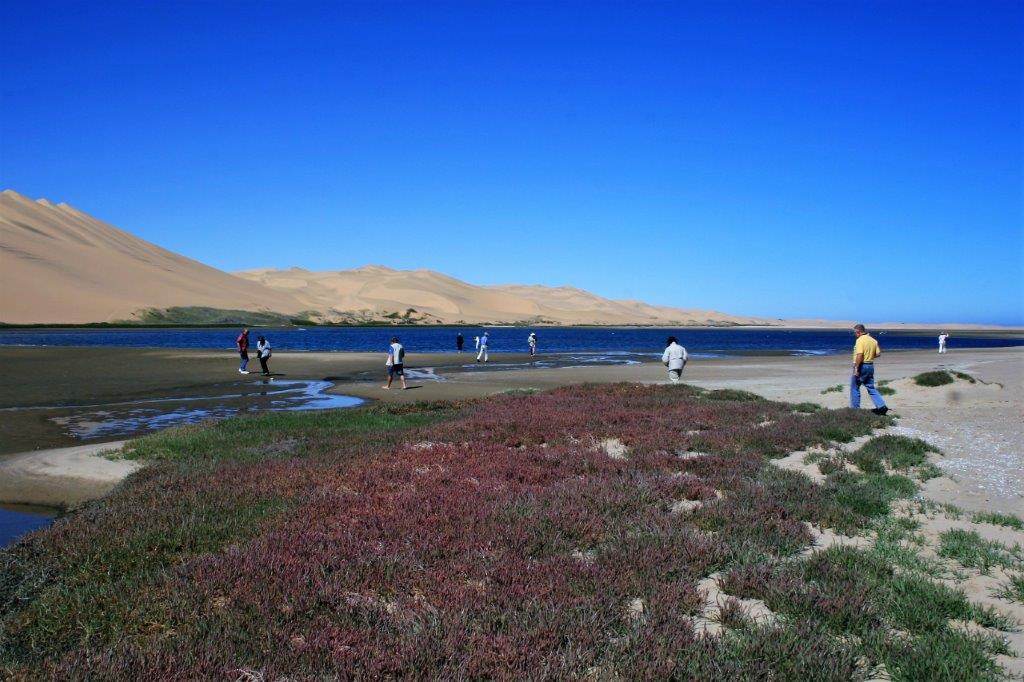
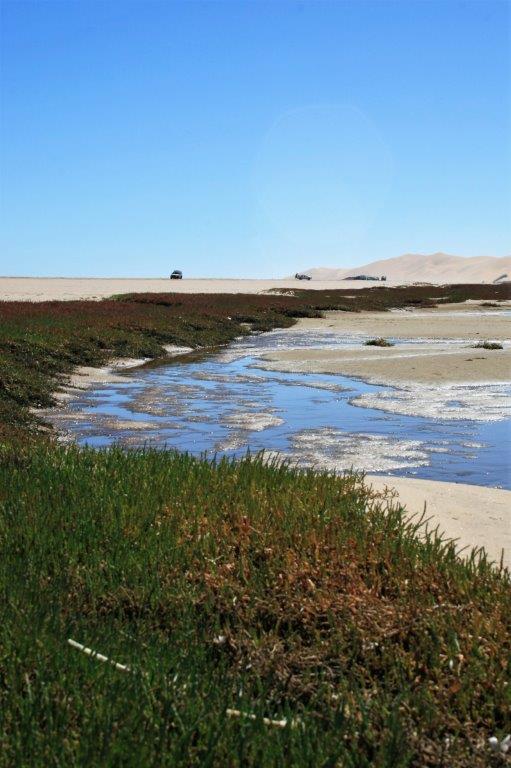
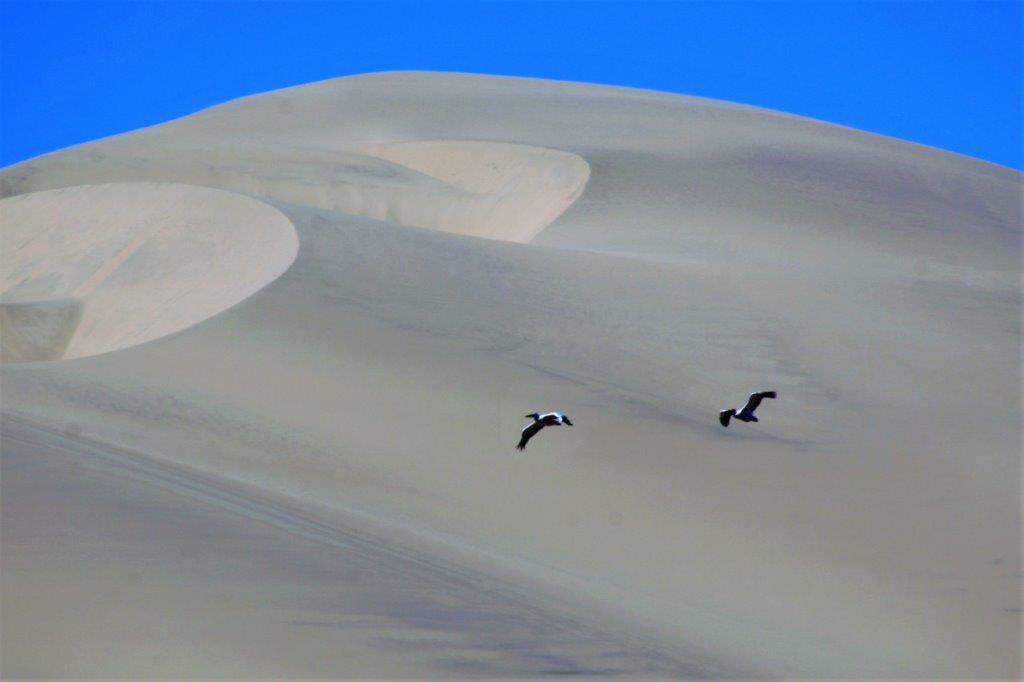
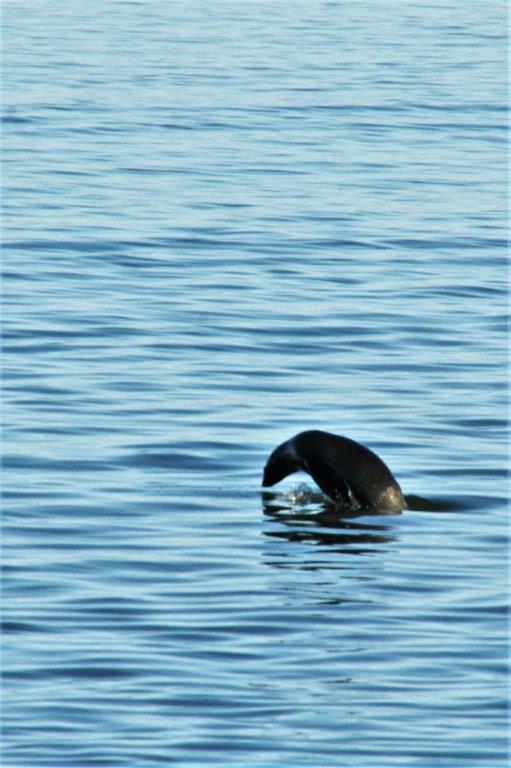
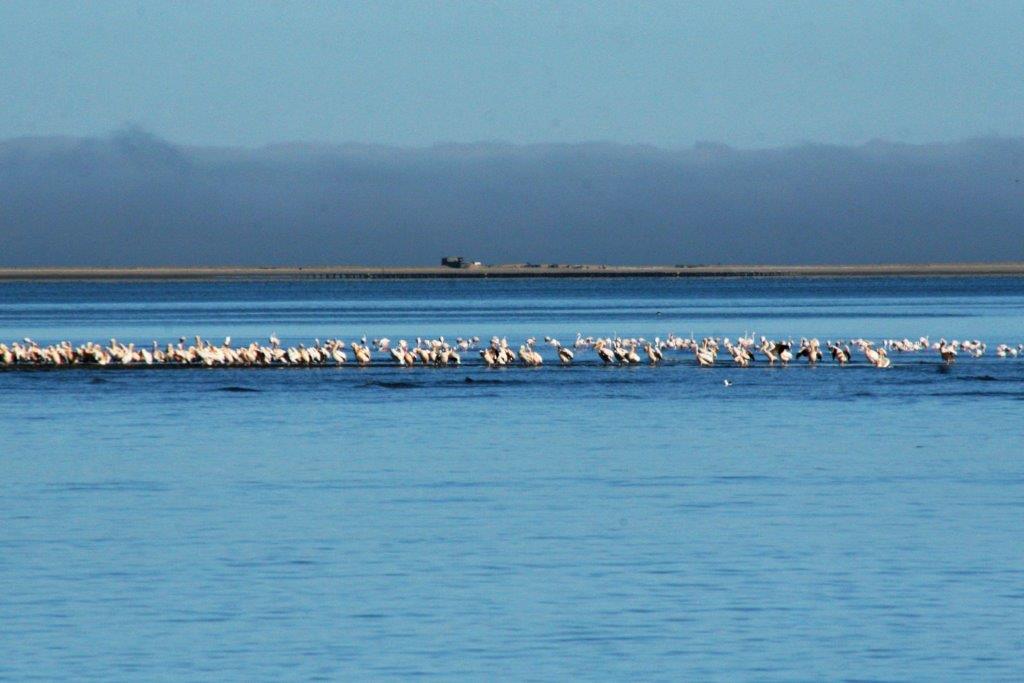
We were driven out of the port to a loading area where we climbed into 4X4 trucks; some held three passengers, some five, ours was seven.  John and I, the driver, our friends Sally and Angelo and two Dutch fellows who had just come on board in Cape Town.It was a 55 mile drive to Sandwich Harbour, one of southern Africa’s richest and unique wetlands.  Potable water seeps up from an underground aquifer and sustains freshwater vegetation at the base of the Namib Desert dunes.  The area is a center of concentration for migratory shorebirds, waders and flamingoes.  We saw a lone seal, lots of pelicans and flamingoes and a large Cormorant convention; not sure what they were watching and waiting for but they were intent about it.
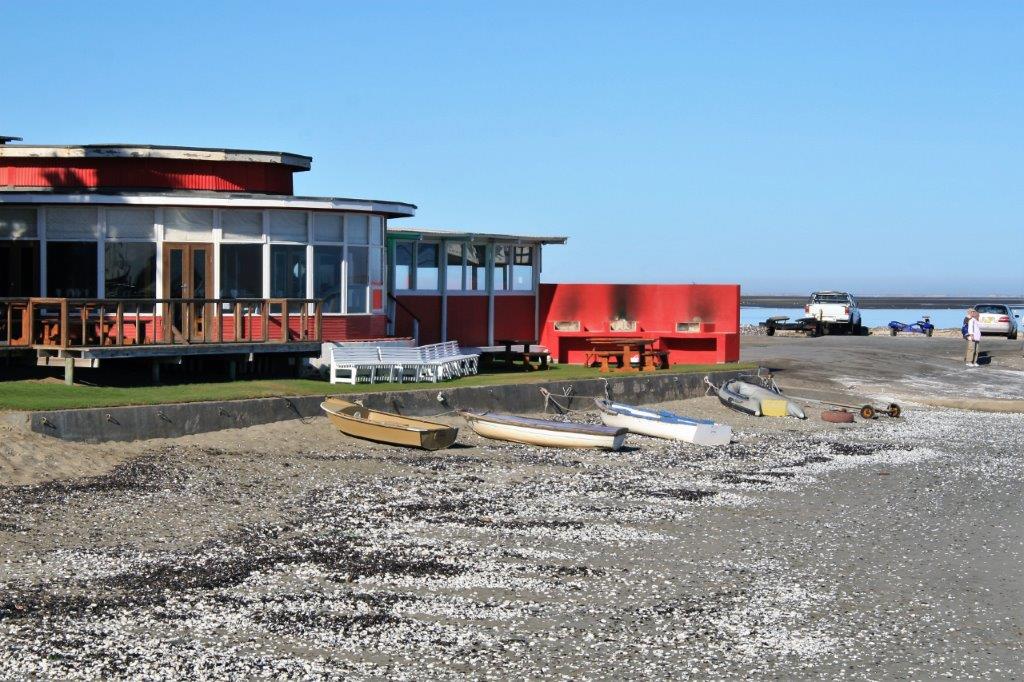
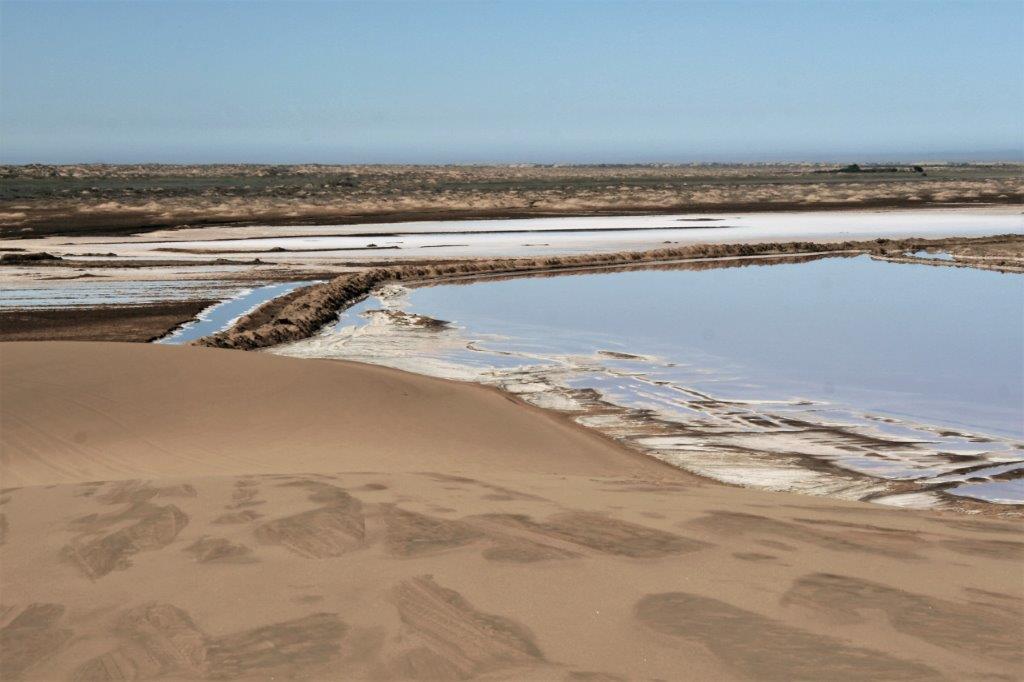
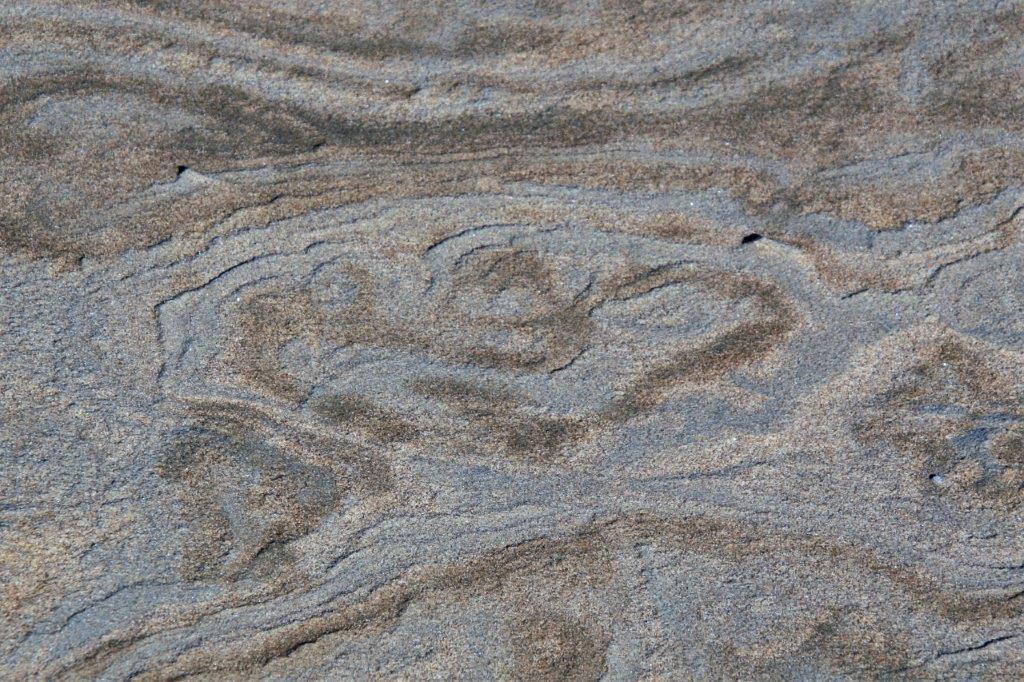
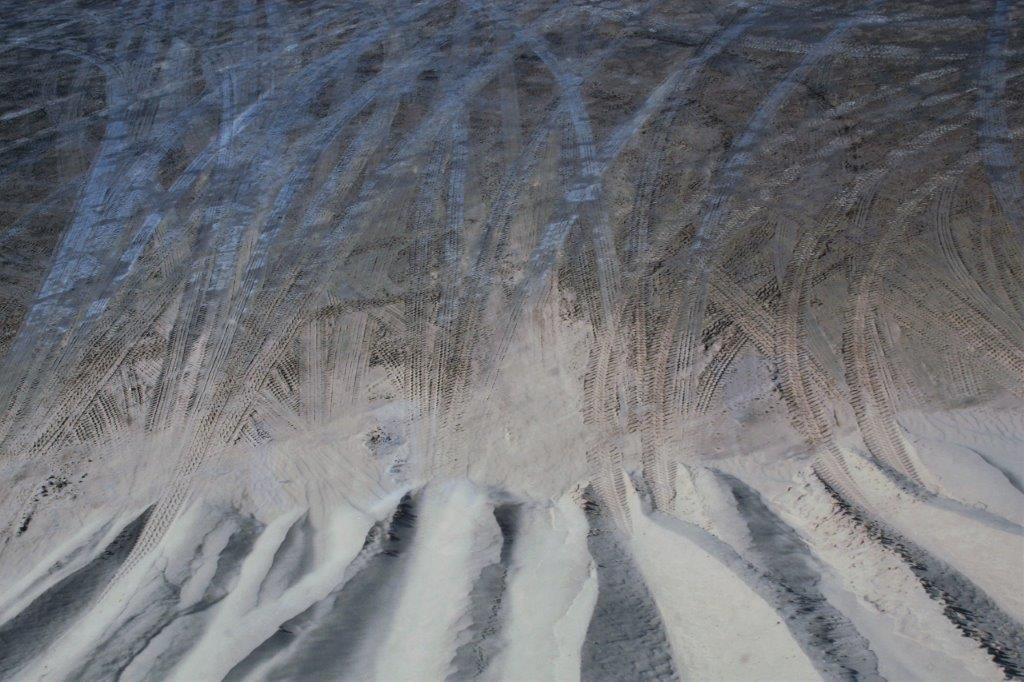
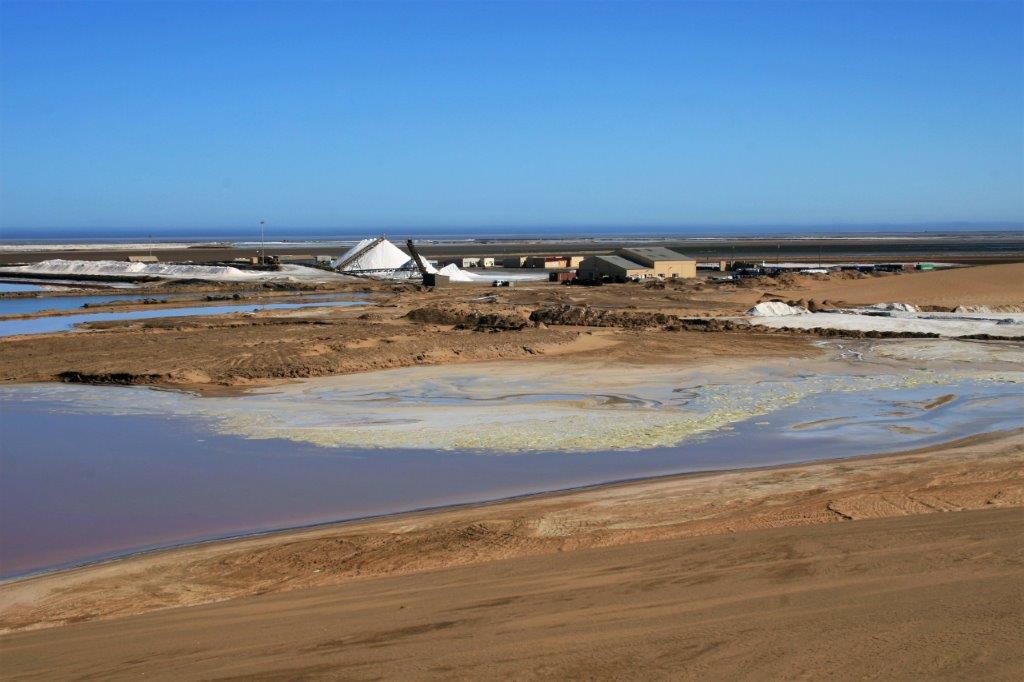
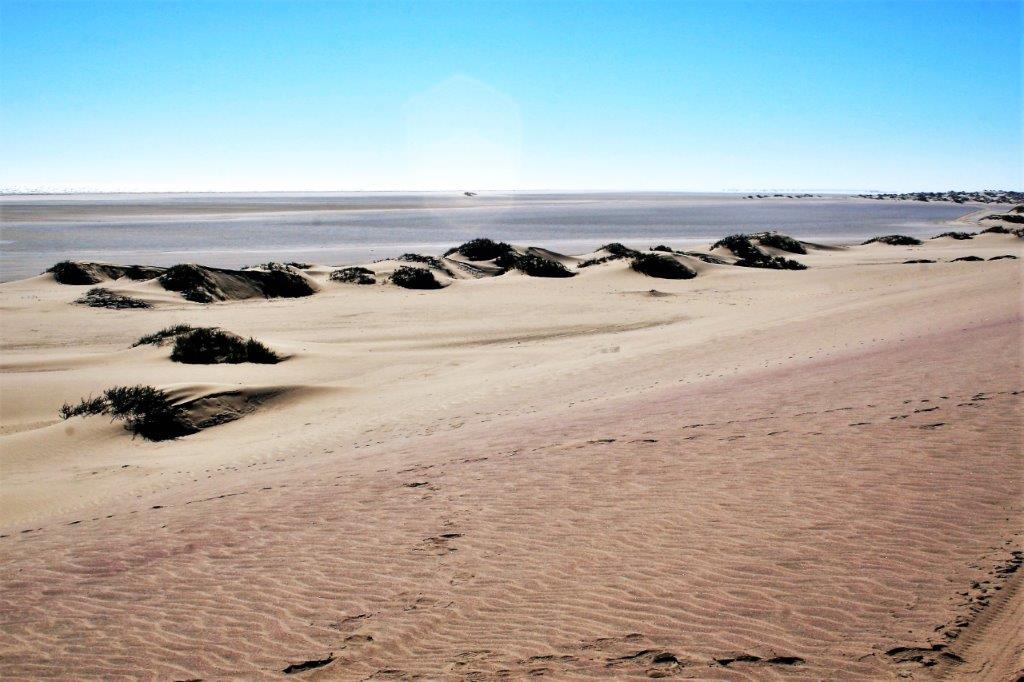
The Namibia Salt Works was our first stop.  There were huge dyked squares along the shoreline.  The even temperatures and ocean breeze create a perfect combination to extract salt from sea water. To get the salt, they flood the squares with a shallow level of sea water and it evaporates in about two days, leaving  behind the salt crystals.  The salt works processes 50 million tons of sea water into 700,000 tons of solar sea salt annually.  It is exported to Nigeria, Cameroon, South Africa and Europe.  They harvest the sea salt for the chemical industry, high quality table salt and refined sea salt.          I liked the patterns in the sand left by the outgoing tide.
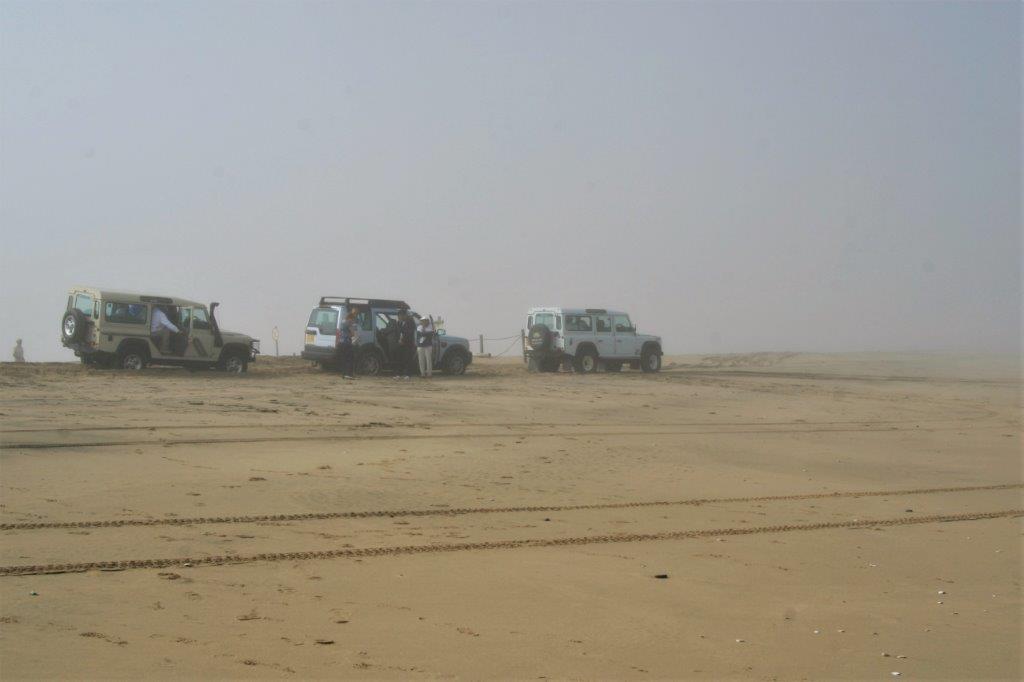
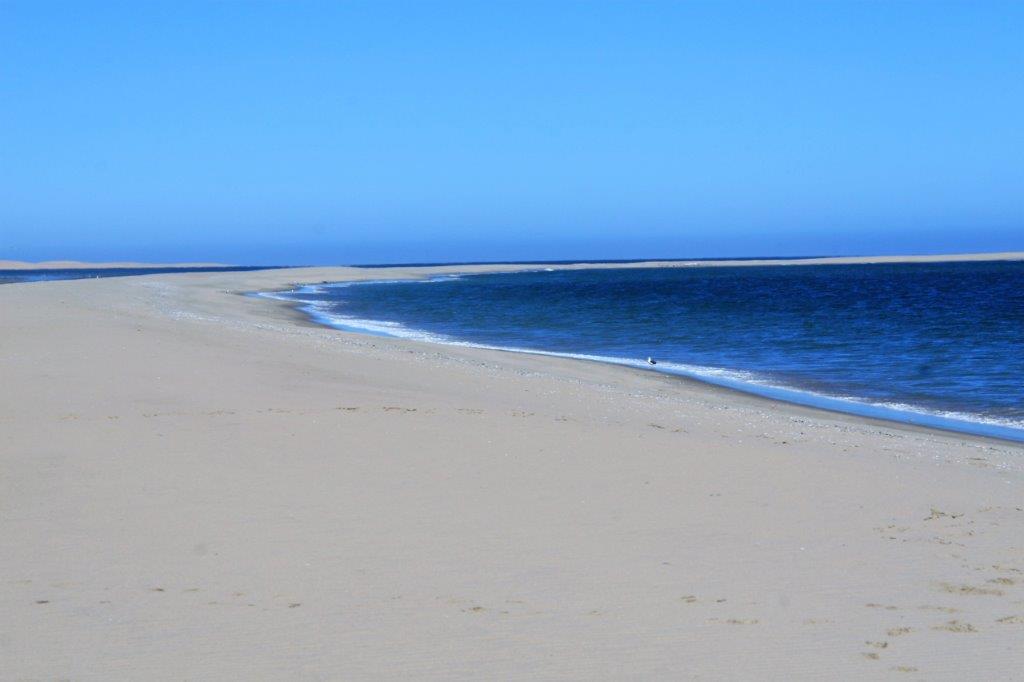
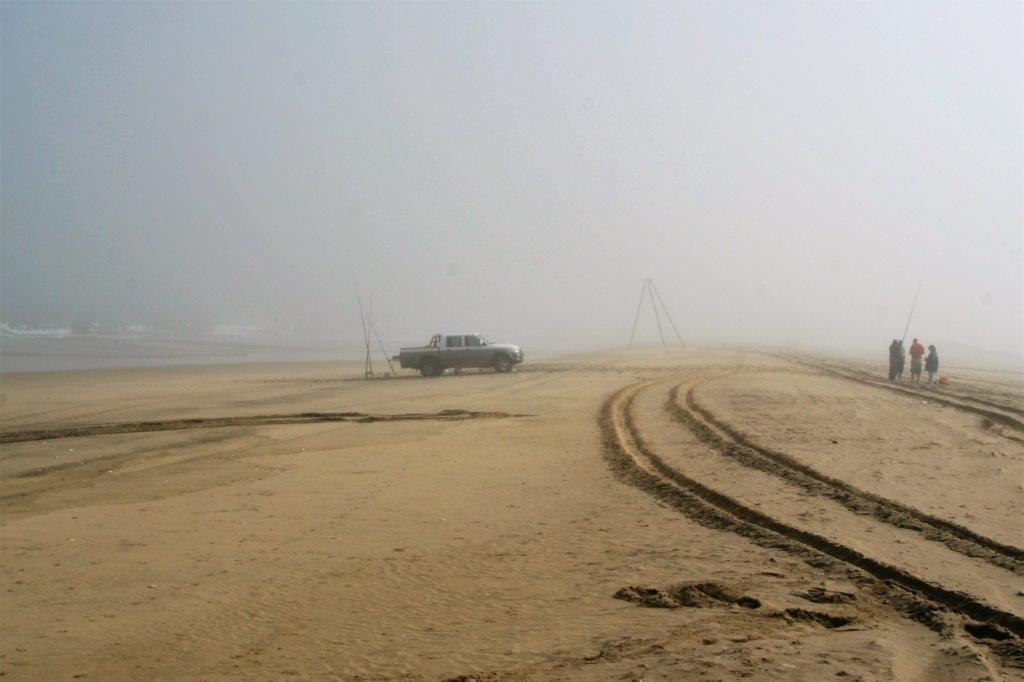
The tide was out so we drove out to Sandwich Harbour – which is really a bay where the main dune meets the ocean before continuing down the coast to Luderitz – along the shore, stopping to watch some fishermen casting their lines and looking very misty in the fog. To give us a taste of what was to come our drivers drove up and slid down one of the small dunes near the shore.
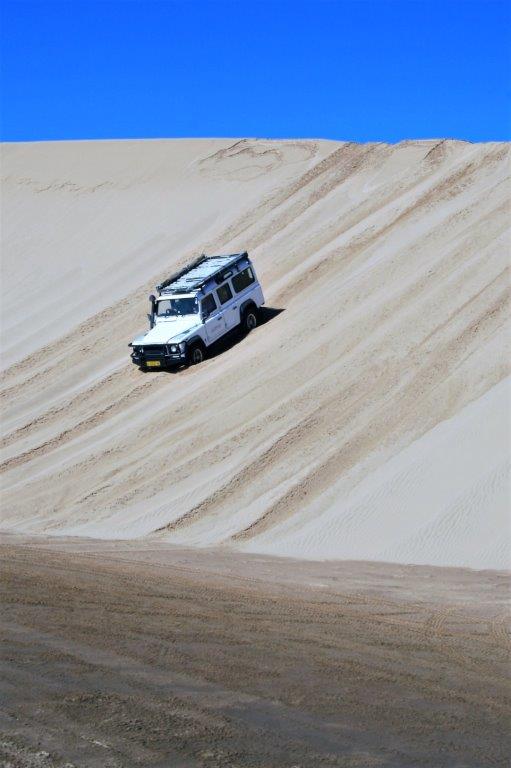
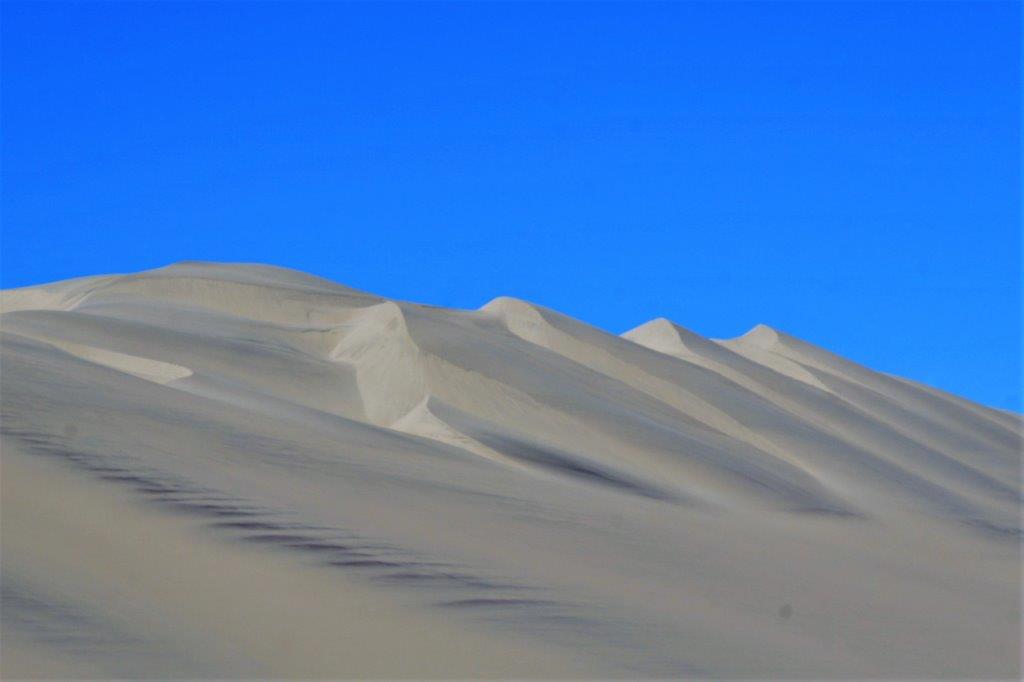
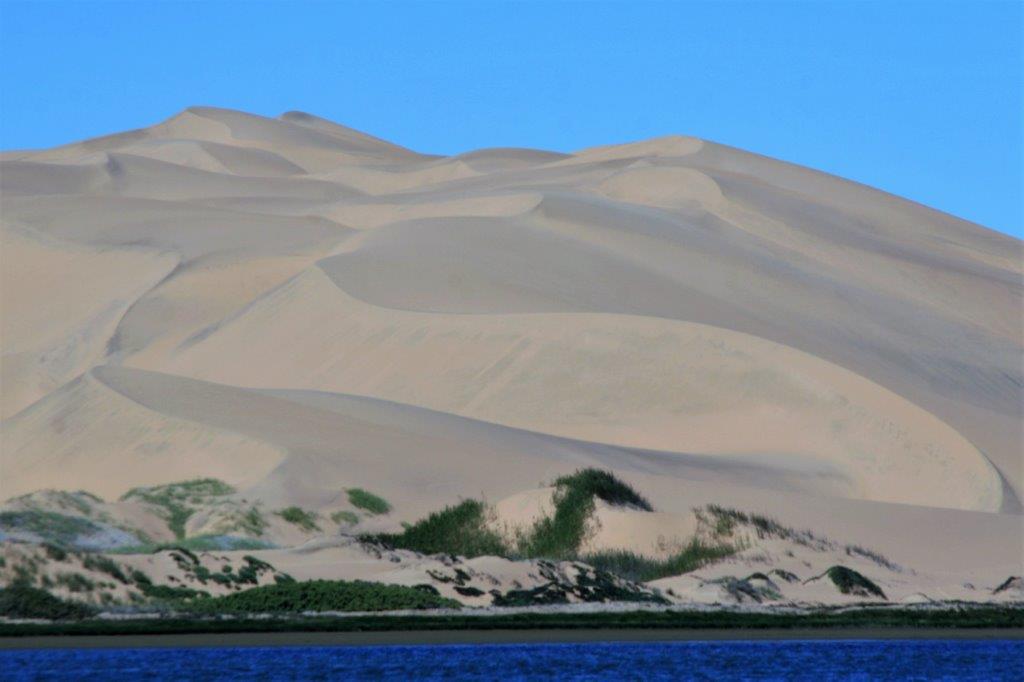
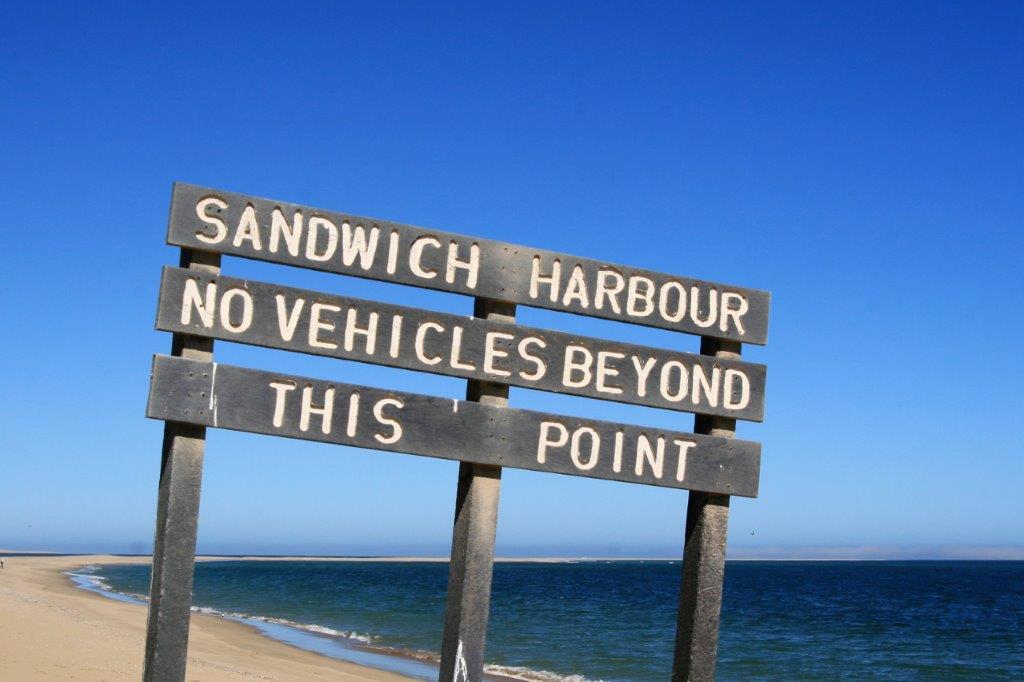
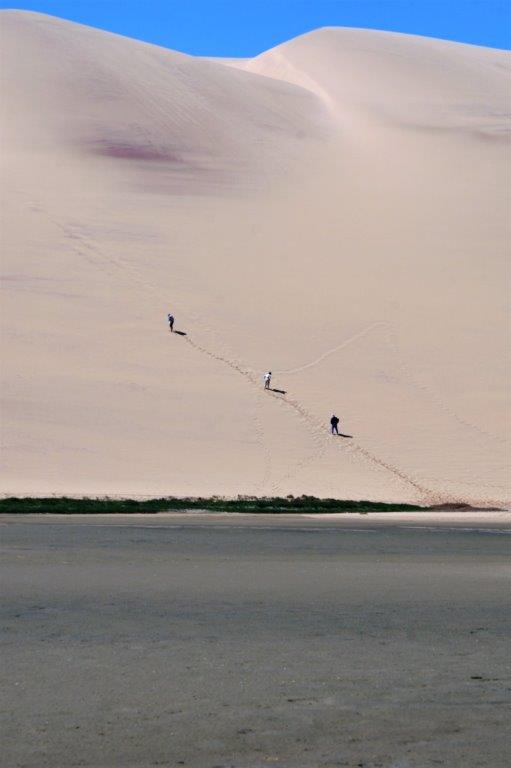
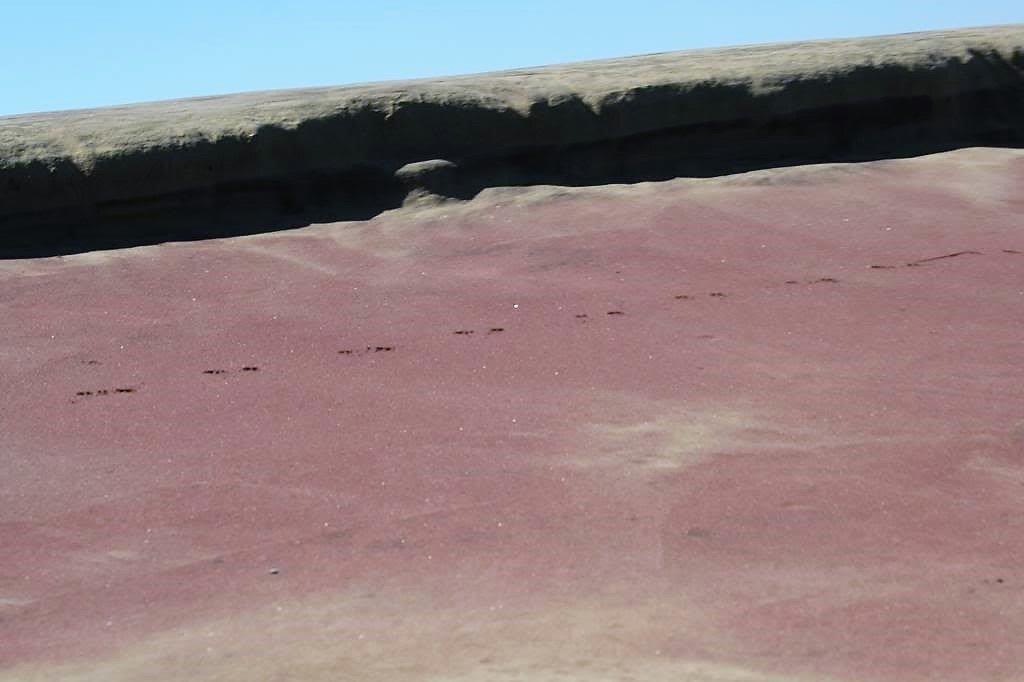
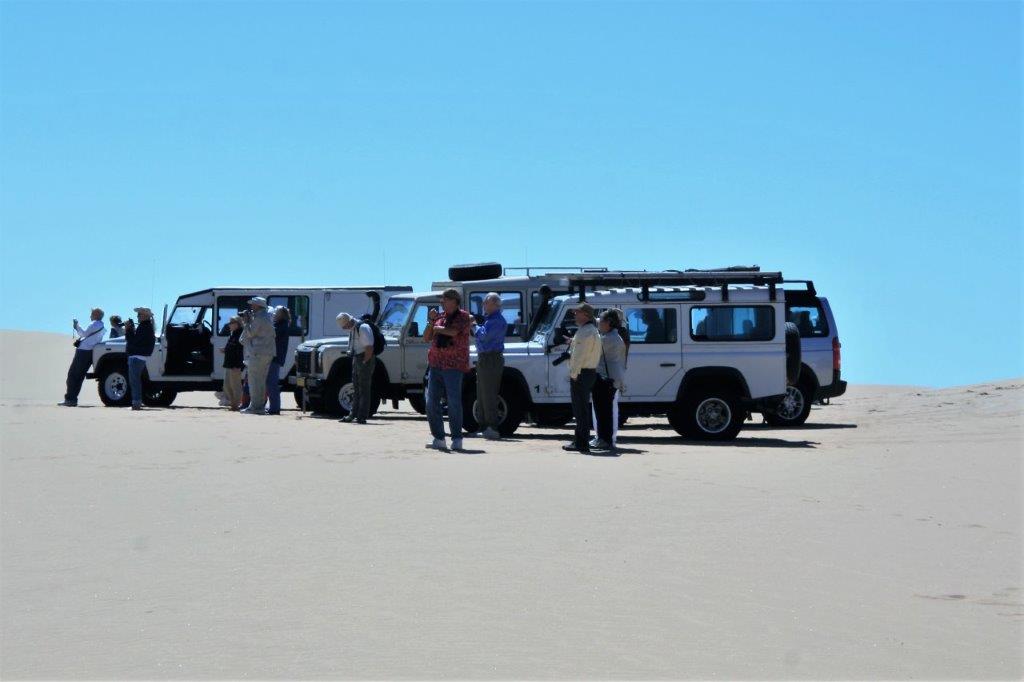
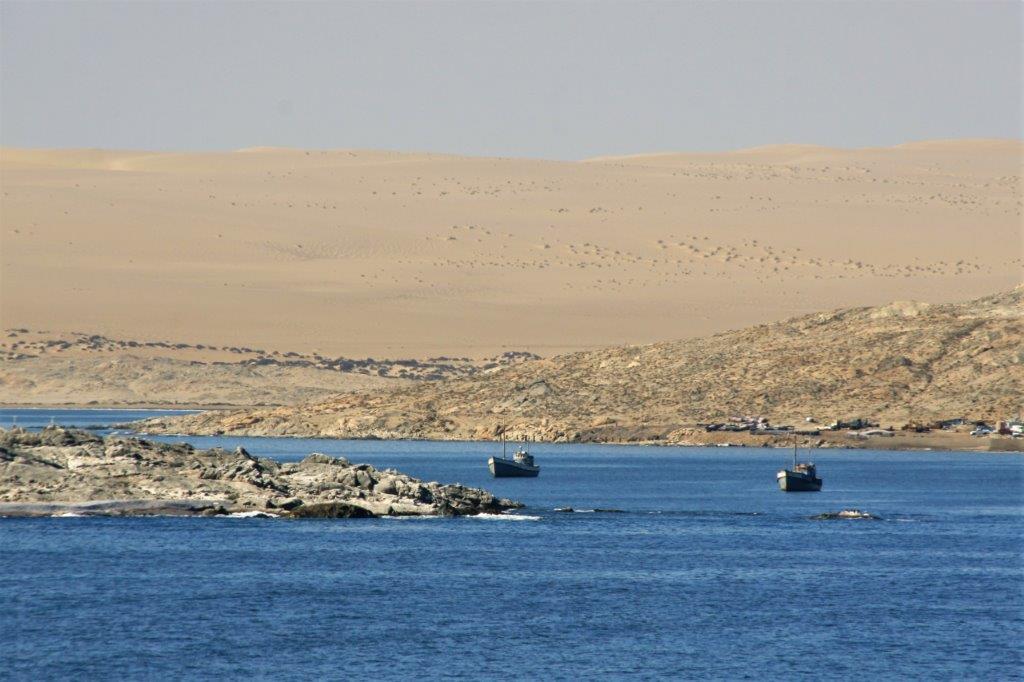
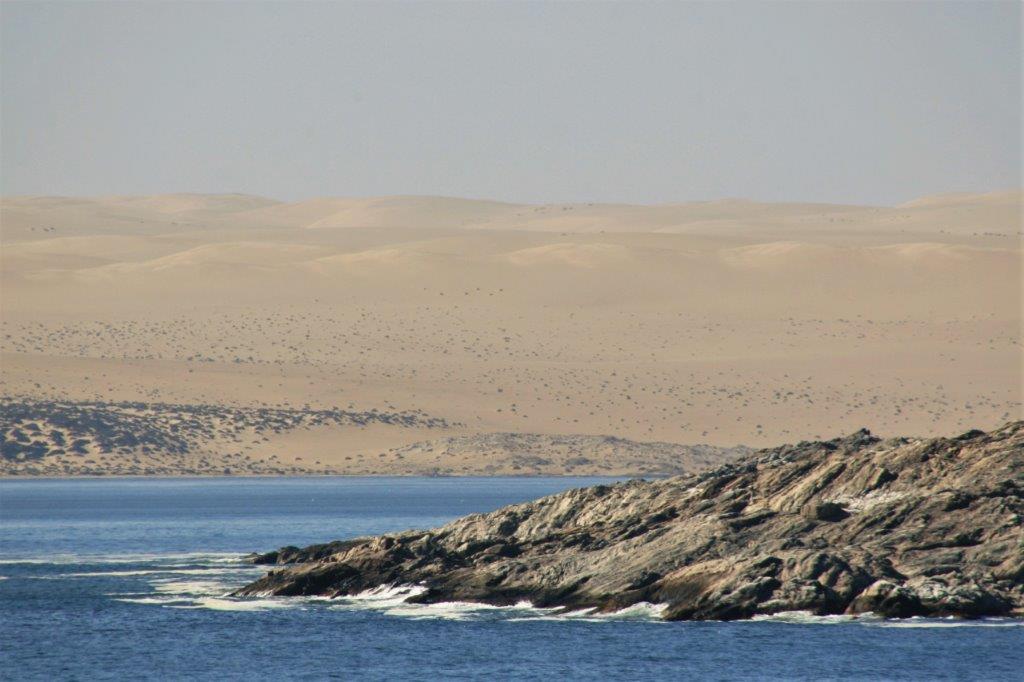
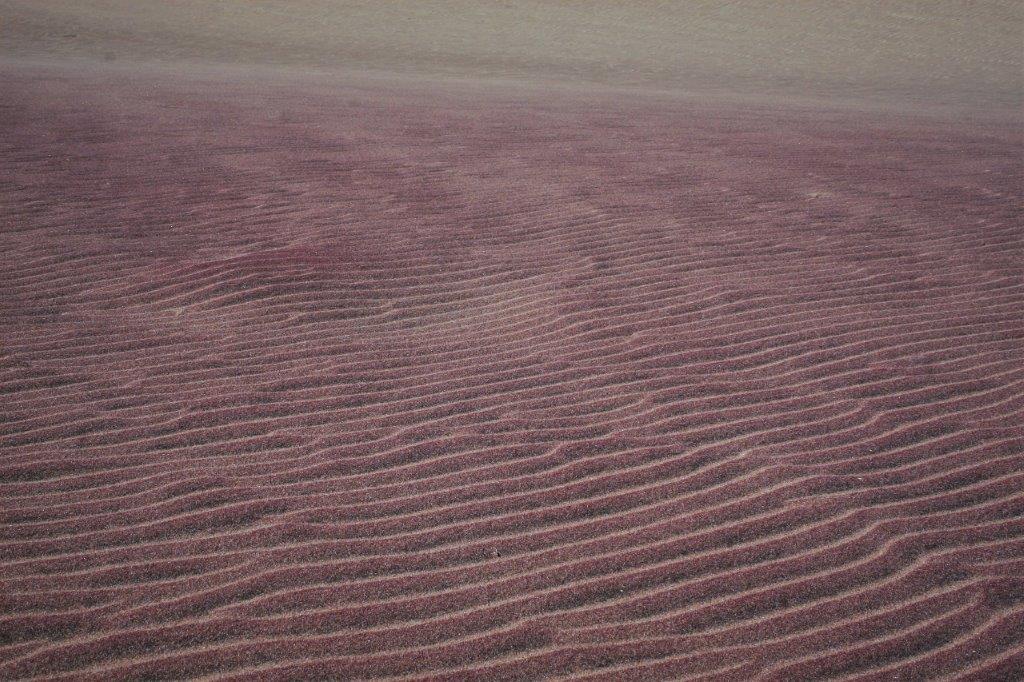
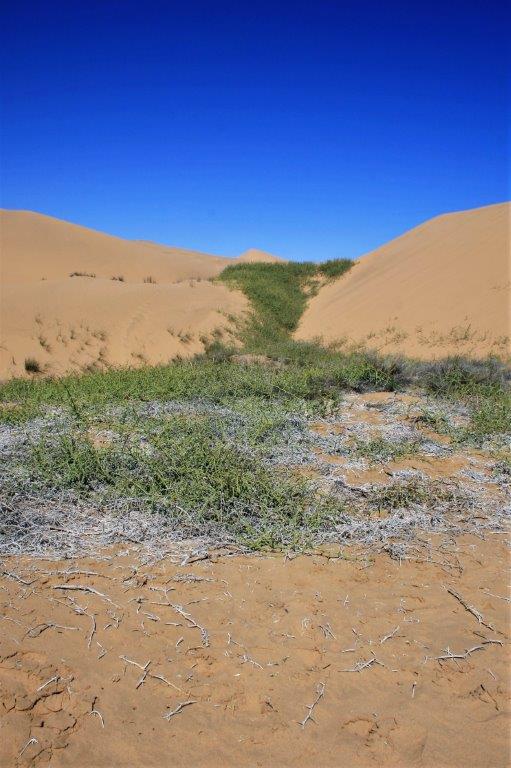
Once we arrived at Sandwich Harbour we had to leave the coast as the entire wetland is protected and no vehicles are allowed.   While we were stopped at the edge of Sandwich Harbour people had a chance to climb the dunes.  It was not an easy task. Notice the purplish spot on the right hand photo above.  We came across areas like this as we drove out to Sandwich Harbour and later as we drove in the dunes.  I asked our driver what made the sand pink and he told us it was garnets.  Just like other rocks that wind up in the sea, the garnet stones are ground down in the ocean currents to a fine purple/pink sand that collects in small recessions on the side or top of dunes.   I gathered some in a tissue and brought it home.  The grains are so small it would be impossible to use the gemstones for anything but it is a nice souvenir to have.  You don’t see garnet sand every day! Namib comes from the word Nama meaning ‘vast place.”  The Namib Desert stretches 2,000 km (1200 miles) along the coasts of Angola, Namibia and South Africa and, at its widest point, goes 200 km (120 miles) inland to the edge of the Great Escarpment.  Annual precipitation at the coast is 2 mm (0.79″) and at the higher elevation near the escarpment 200 mm (7.9″) which makes the Namib Desert the only true desert in Africa.  It is estimated that the Namib has seen arid or semi-arid conditions for 55-80 million years, which would make it the oldest desert in the world.
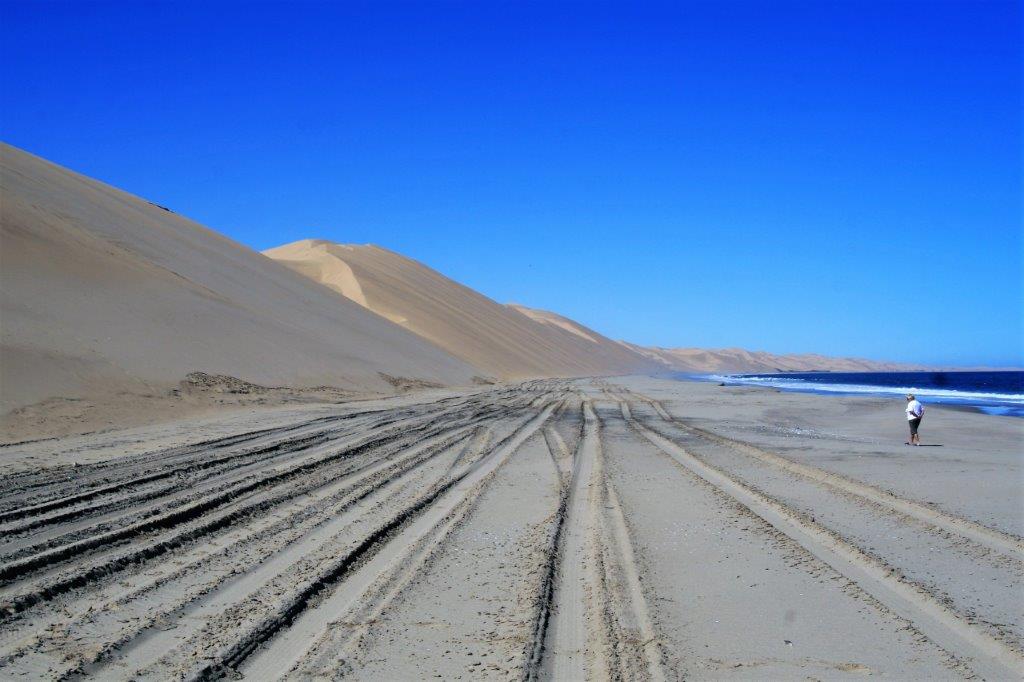
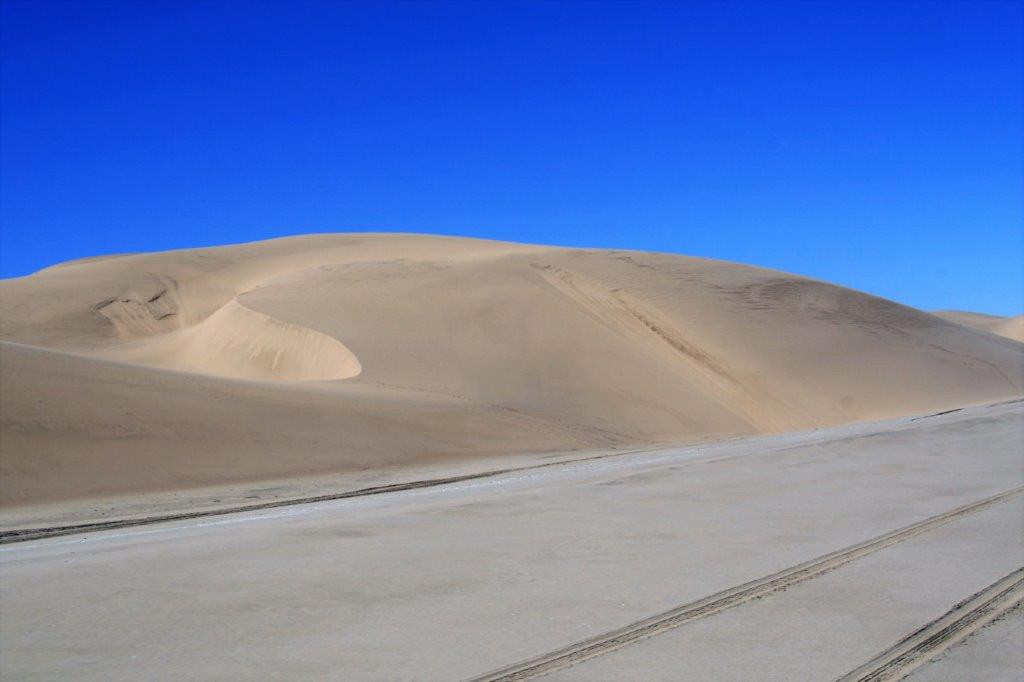
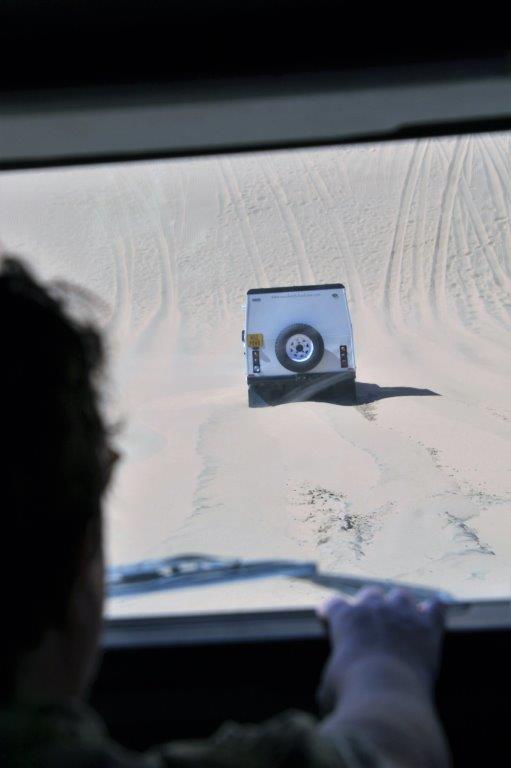
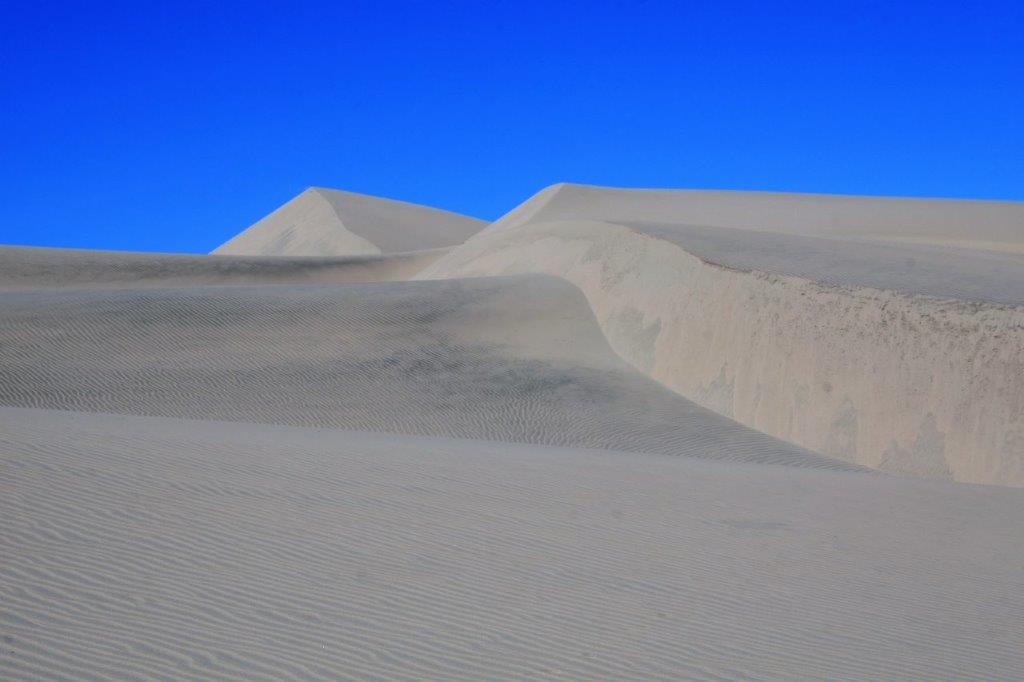
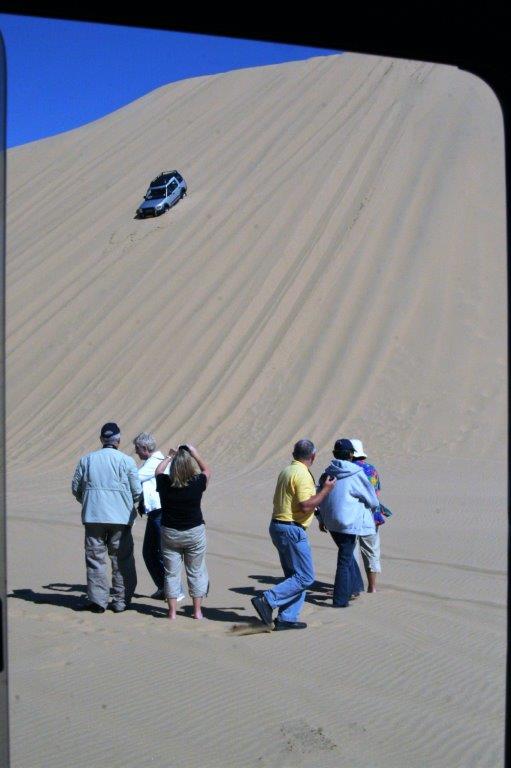
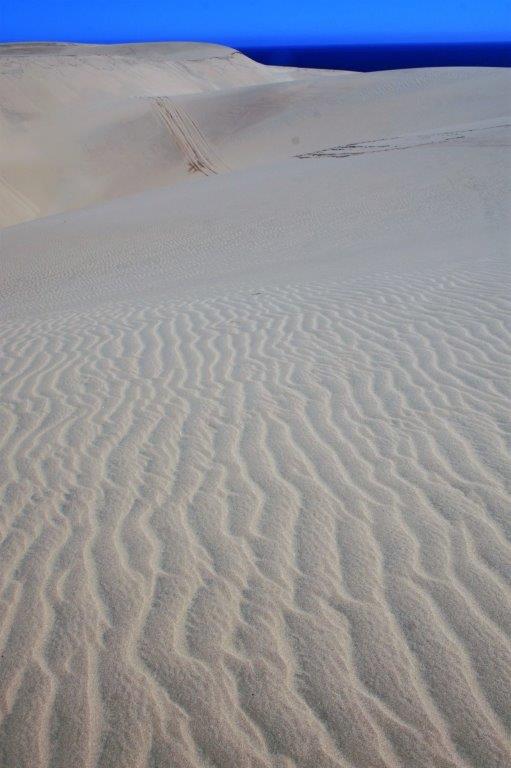
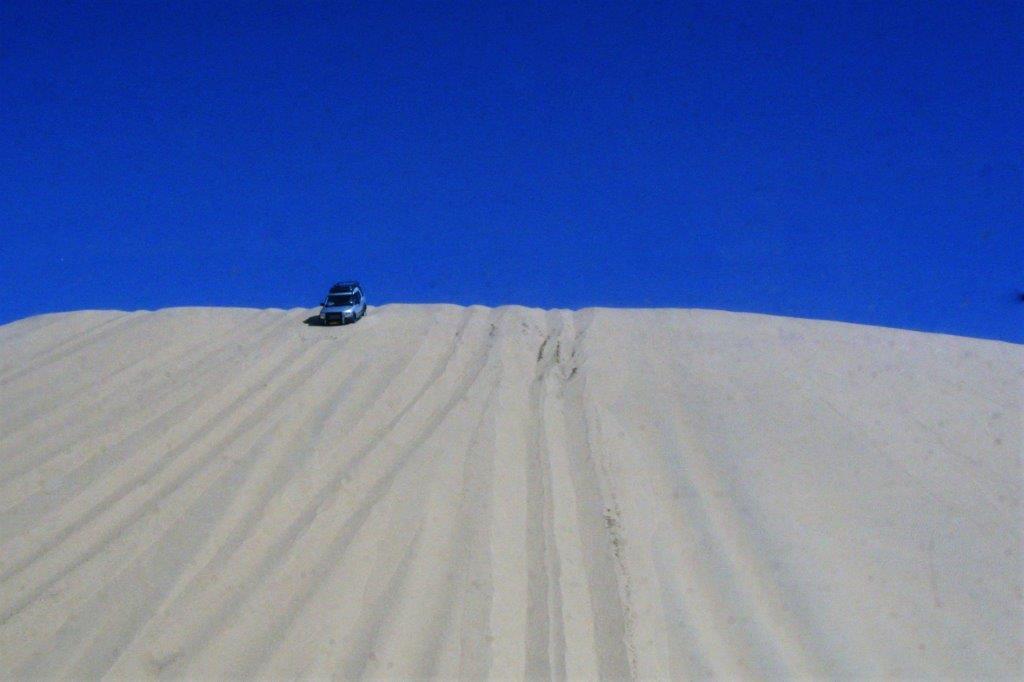
The dunes are second largest in the world after the Badain Jaran Desert in China and reach heights of 300m (980’) and 32 km (20 miles) long.  We drove up some VERY high dunes – hundreds of feet high, sped along the ridgeline of others and slid down the steep sides of some more.  It was a total blast!  Sally was sitting in the front beside our driver and she was not too sure about many of our descents.  I think her hands were cemented to the dash bar.
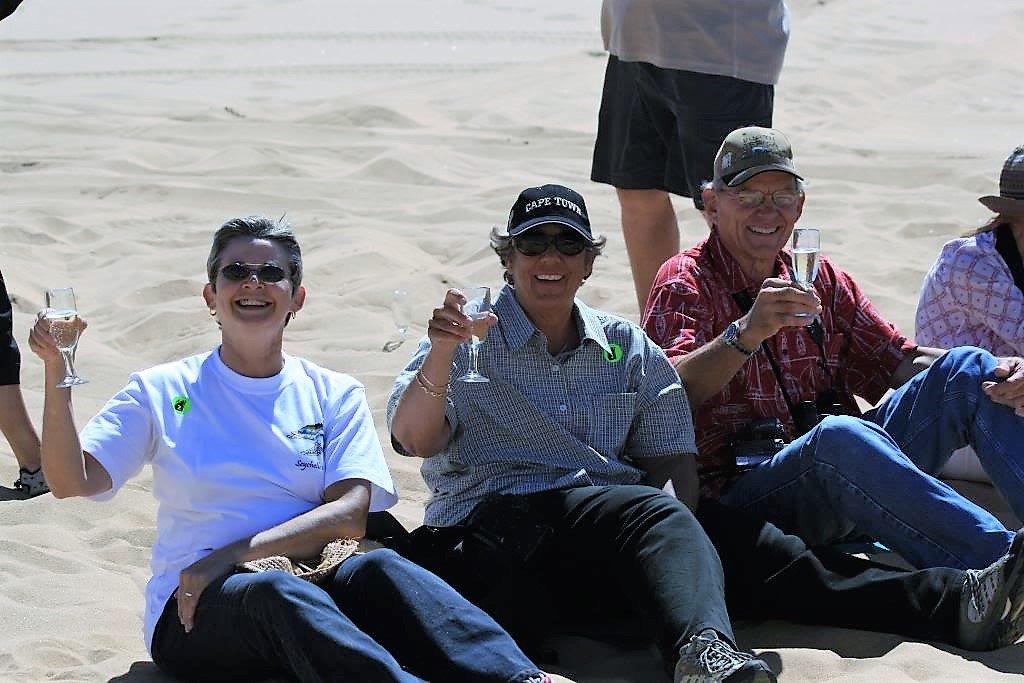
It seemed to us that we were just aimlessly roaring around sand dunes but our drivers had a destination in mind.  We eventually stopped in a large knoll and were told to go strolling where ever we liked.  When we returned from our walks we were given flutes of champagne to drink while they finished getting everything ready for lunch. Within a half hour the drivers had erected tents, set up chairs, unfolded tables that were covered with linen tablecloths, and opened ice chests filled with platters of oysters, kalimari, meatballs, fish balls, eggs, cucumbers, pasta salad, bread and desert squares.  What a feast in an amazing setting.
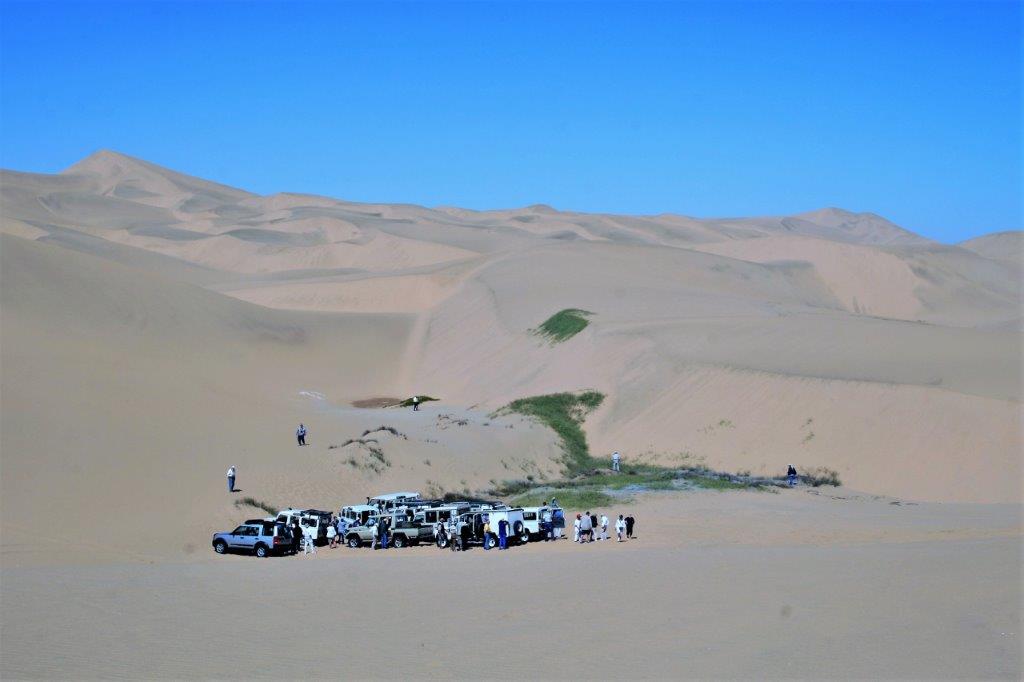
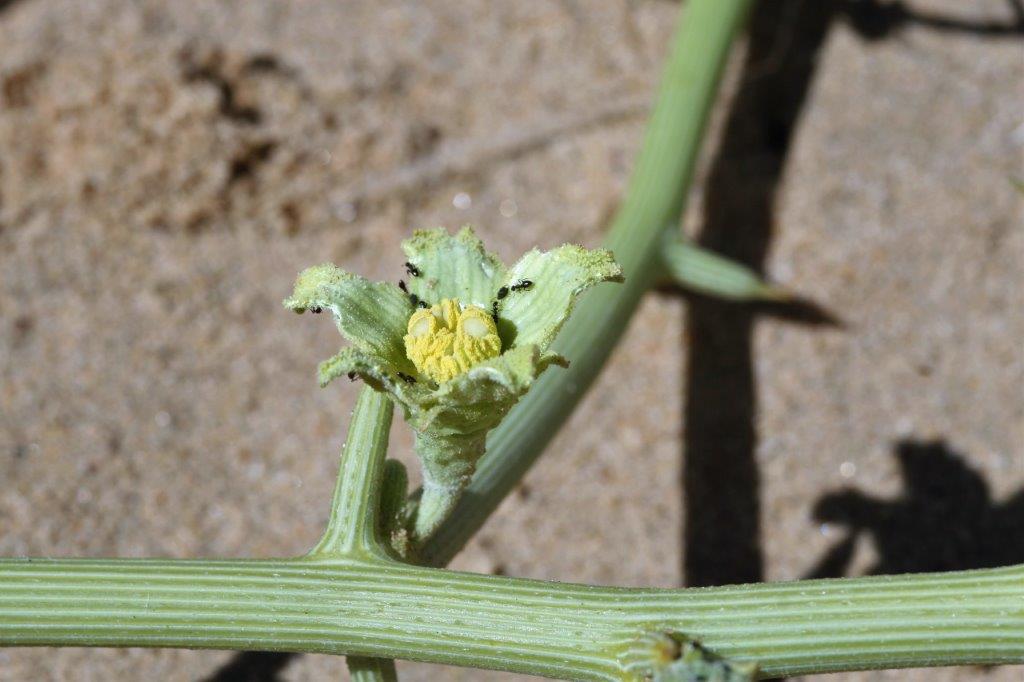
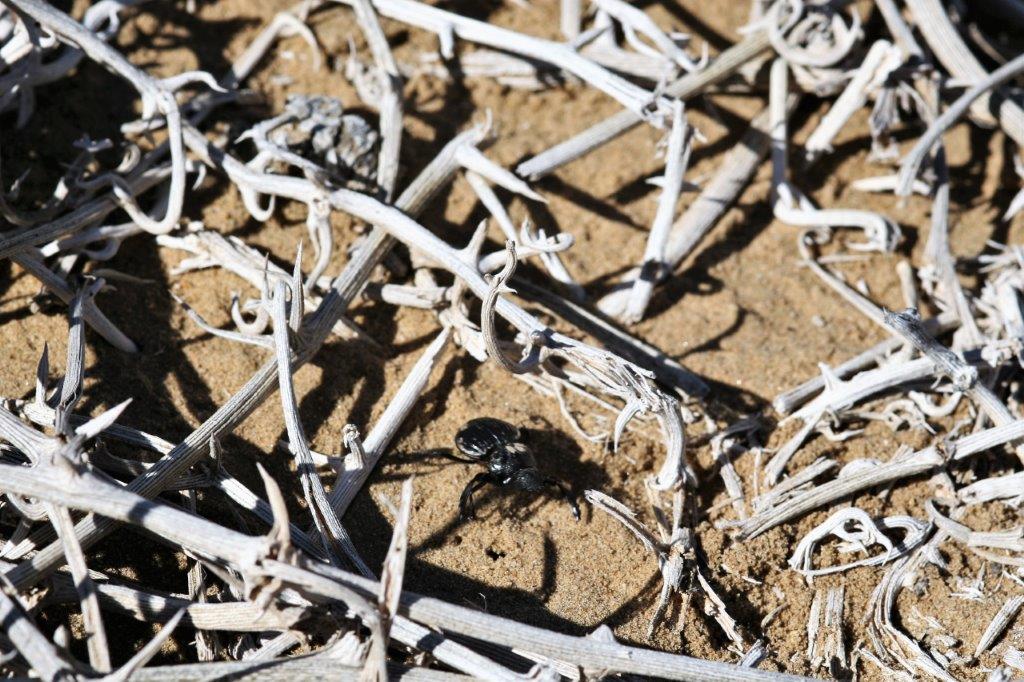
After we had eaten, a naturalist told us about the few plants and insects that survive in the harsh desert environment and the drivers packed everything back into the trucks.
The journey back to Walvis Bay was a trip up and down massively high dunes.   The tide was in so we had to drive the dunes on the way back as there was no longer any shoreline.  When we arrived back at the very first dune we had climbed we were told it was no  longer safe to go down and our driver turned the truck around.  Then he backed up, over the edge and went down the dune backwards!  So much fun!! We returned to Walvis Bay at 3 o’clock.  Sailaway was scheduled for four but another medical emergency delayed the ship by an hour.  This was a fantastic day that capped a wonderful couple of weeks sailing around Africa.  I had to pinch myself numerous times to believe I was really there and seeing all the amazing animals I had so longed to see.  The entire voyage was surreal in many ways, but going to Africa was truly a dream come true.
The adventures continue for another two and half weeks.  Next port of call: Jamestown, St. Helena, 1200 miles west of Africa, which meant two sea days before arriving at the island where the Emperor Napoleon was exiled after loosing the Battle of Waterloo in 1815.

 

2009 World Cruise – April 24 – Day 109 – Luderitz, Namibia

We arrived in Luderitz very early in the morning; under overcast skies and a light rain.  Luderitz averages about 2 days of rain per year so we were continuing to drag our rain cloud behind the ship as we had done often on this journey.  Because of low water the Captain was unable to dock so at 6:30 am they lowered the tenders, followed by announcements over the PA that tenders to shore were available as of 7.  So….sleep was over.
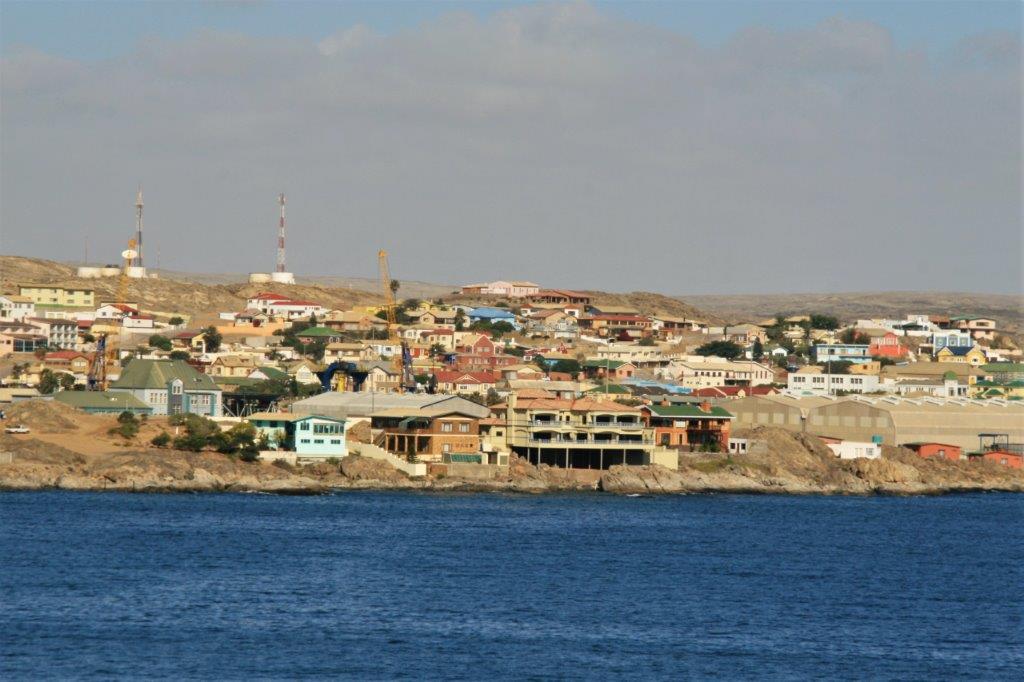
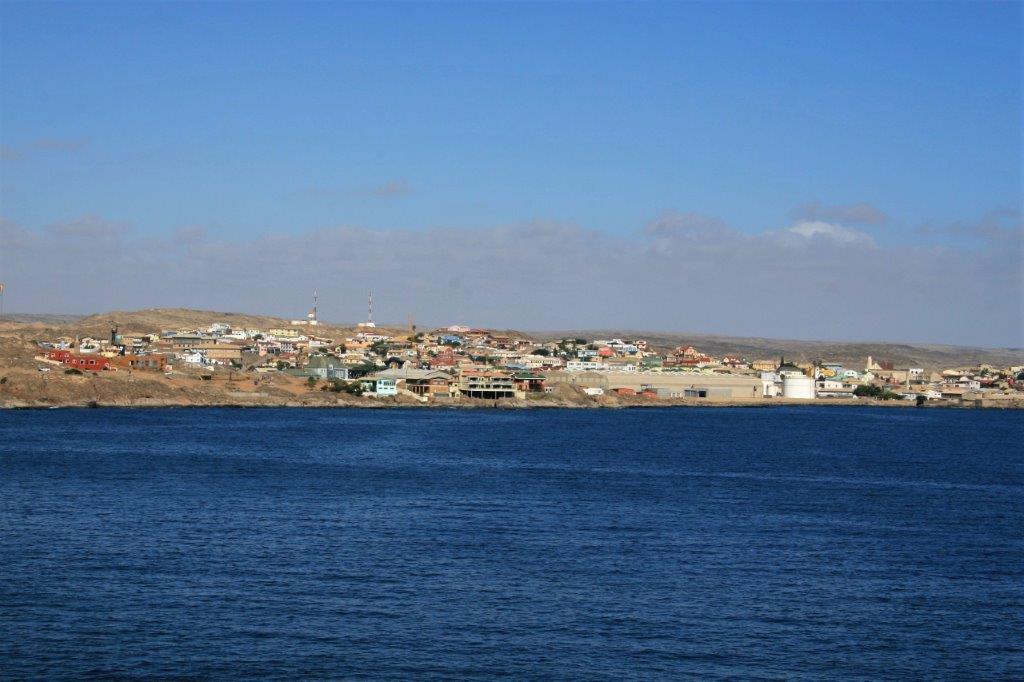
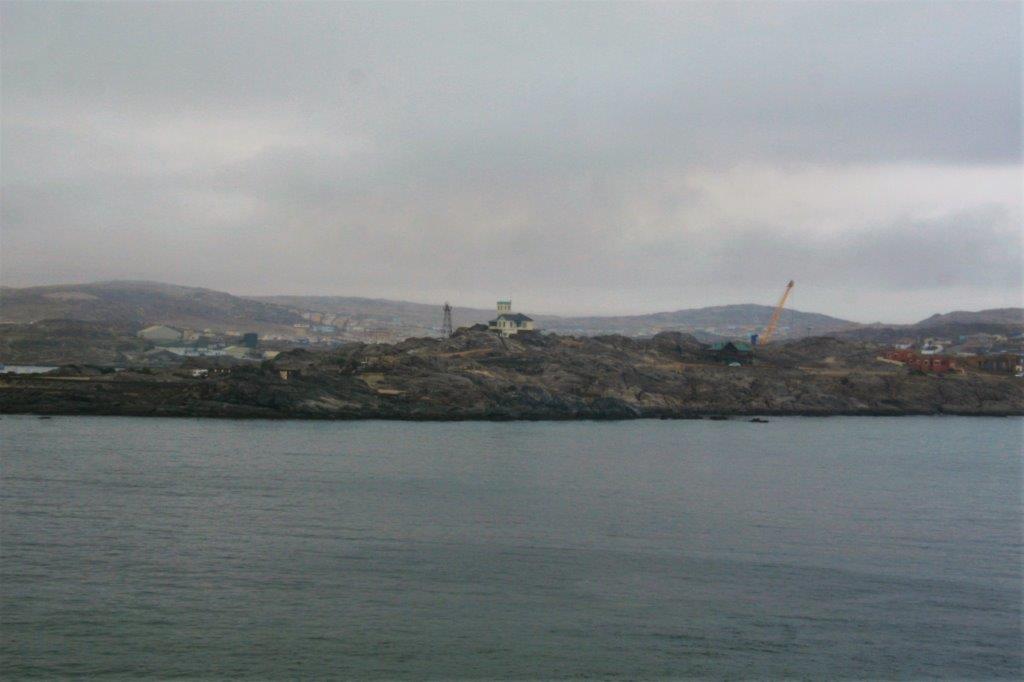
Luderitz is a small town with a nice harbour tucked between the Atlantic ocean and the Namib Desert.  The community was established as a trading post and fishing port by the Germans in 1883.  The area had a “white gold” rush for a few years as Europeans poured into the area to harvest the guano – bird droppings – and send it back to Europe.  They so decimated the habitat that many of the birds fled the area or were hunted to extinction. 2009-04-24_7894 2009-04-24_7893

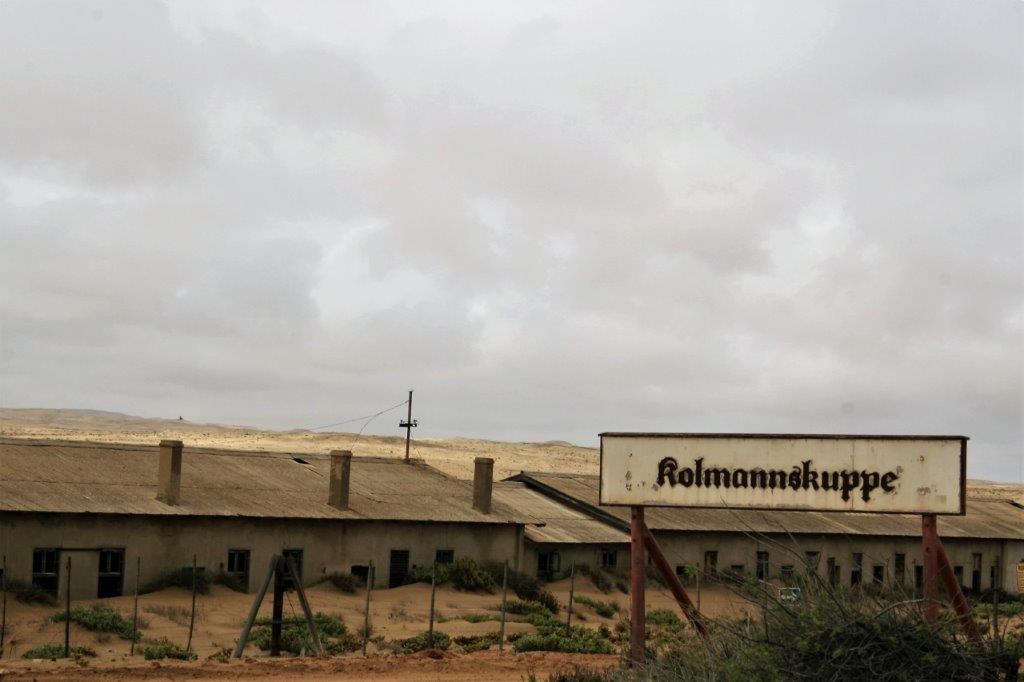
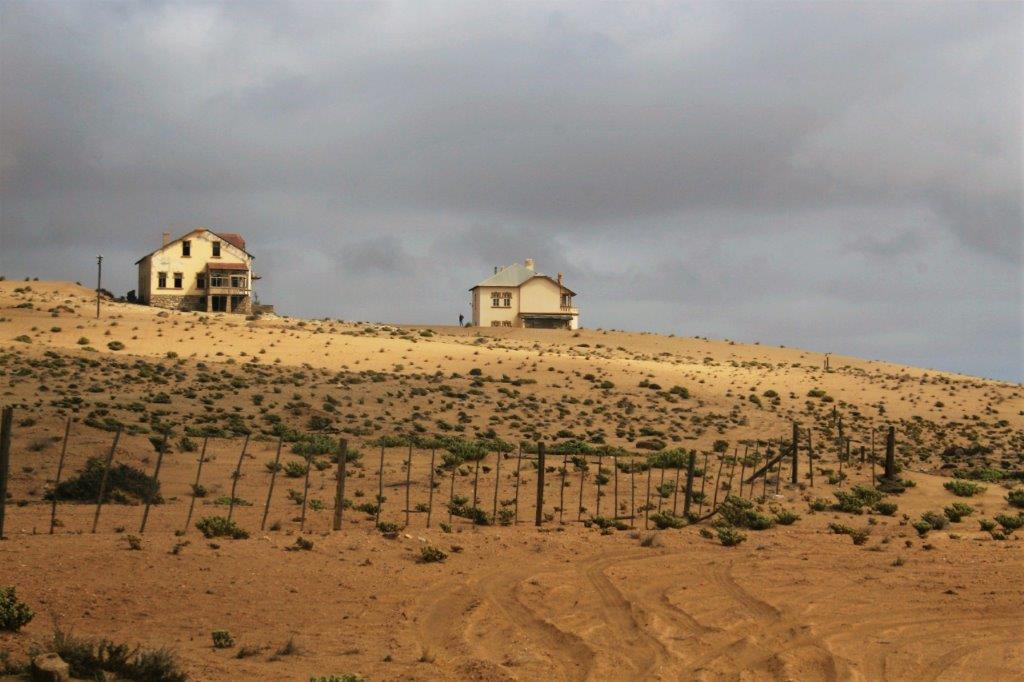
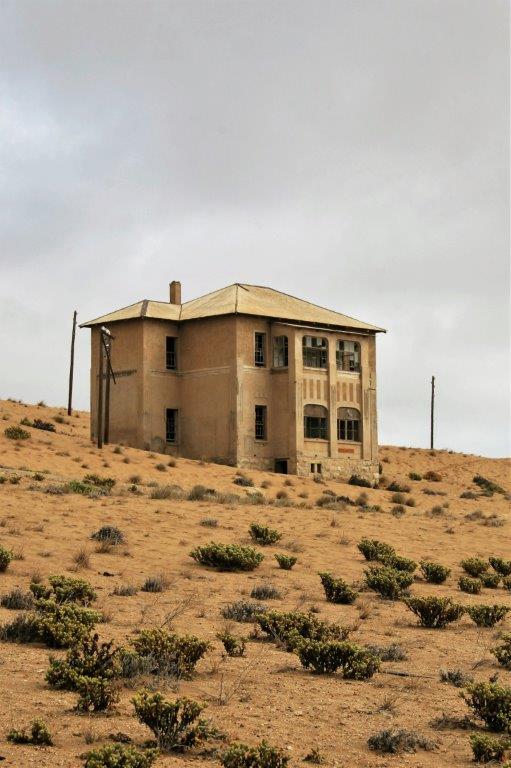
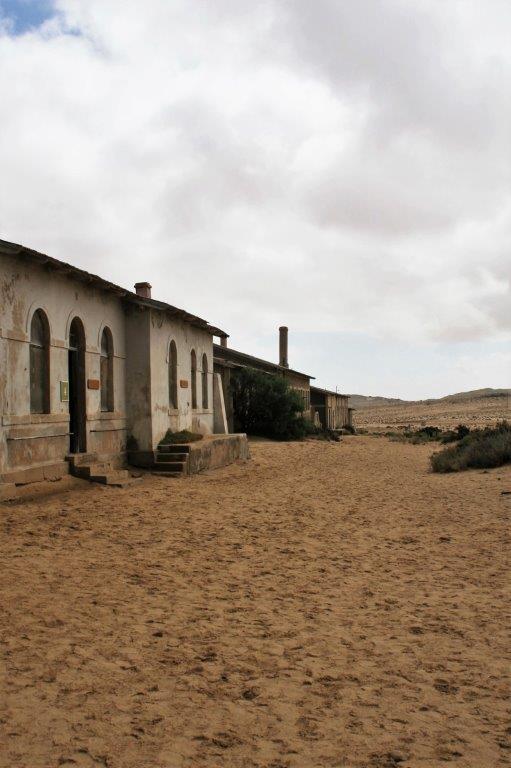
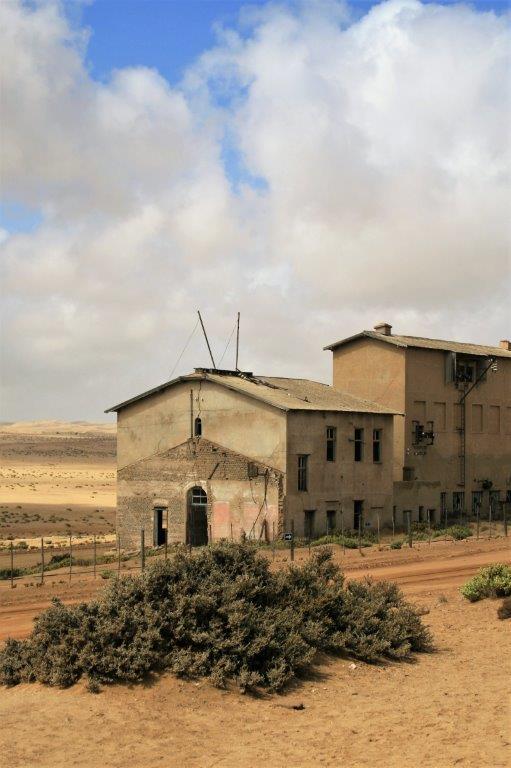
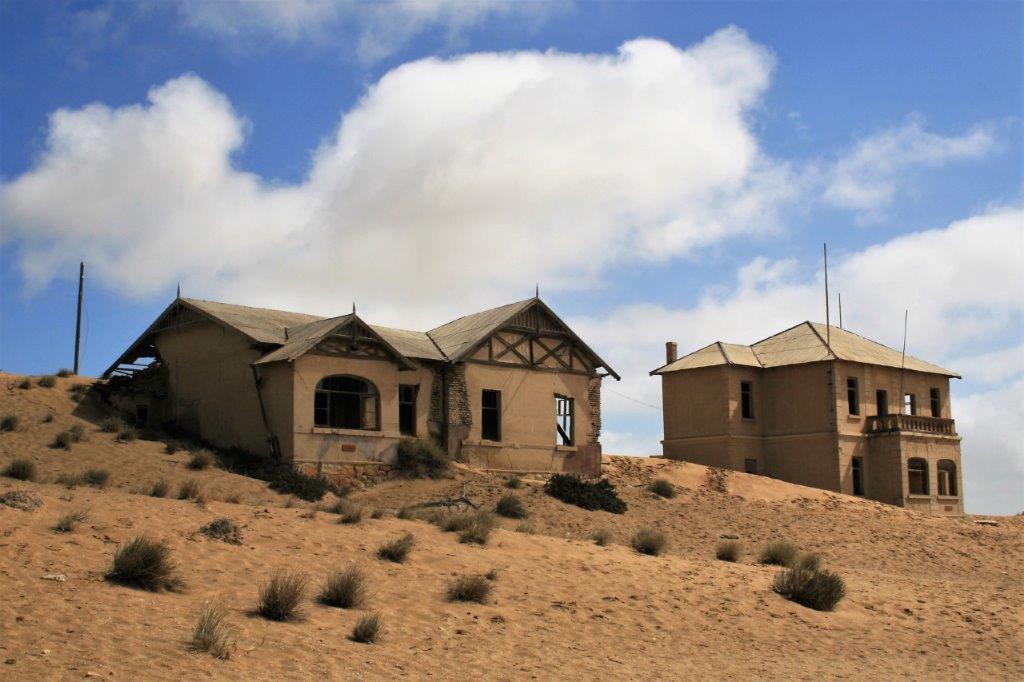
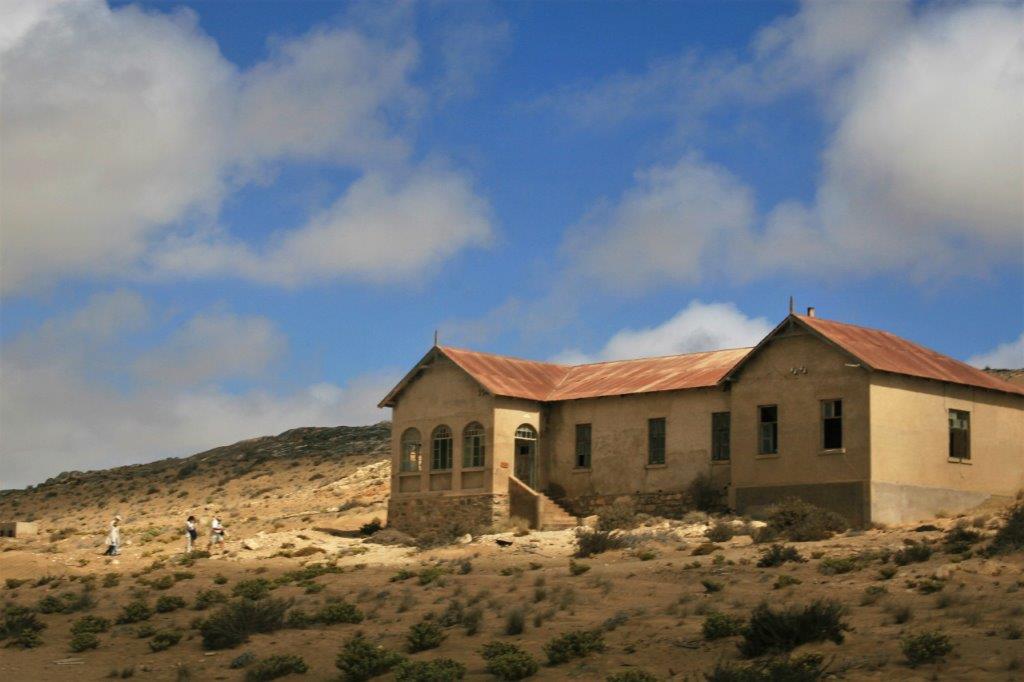
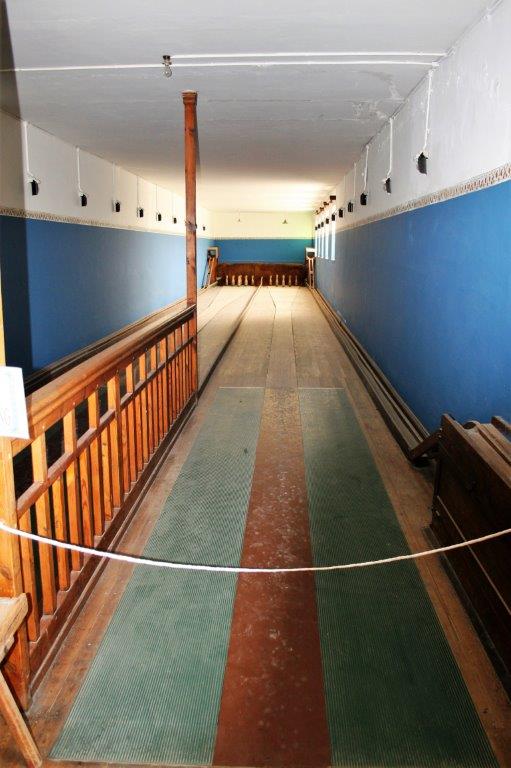
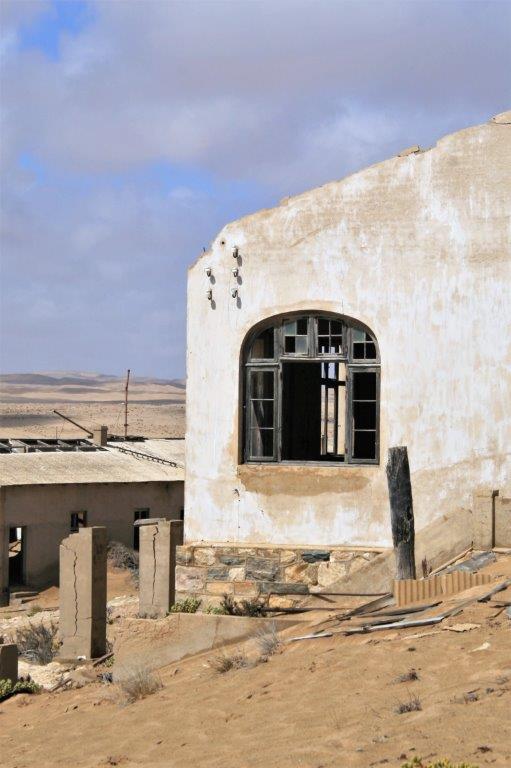
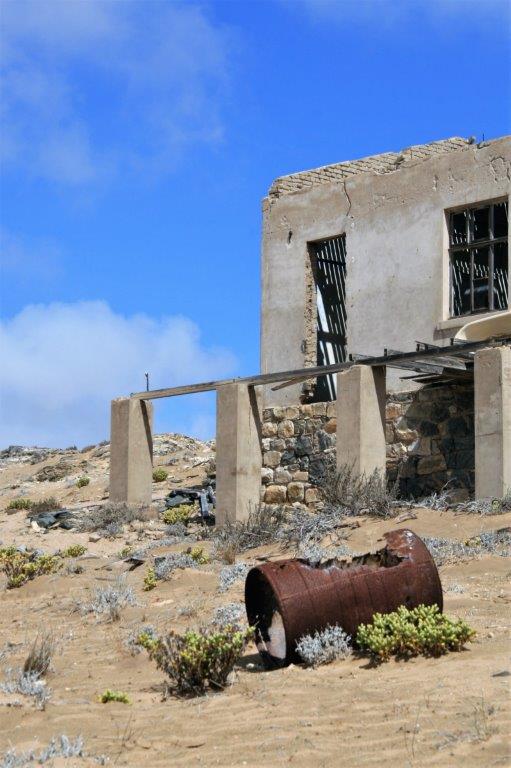
The area settled into semi-obscurity until Jan Kolman, a transport driver abandoned his ox-team about 8 km from Luderitz during a sand storm .  He decided to settle down and named the place Kolmanskop.  Kolman was a hobby geologist and asked the people in the surrounding area to bring him any interesting rocks they found.  In 1908 a man named Zacharias Lewala brought him a white stone he had picked up off the ground and south African diamond mining began.2009-04-24_7907 At one time Kolmanskop was a bustling community with large Germanic-style buildings.  It had a theatre, a casino, a hospital with the first x-ray station in the southern hemisphere, a school, ice factory, power station and ballroom with an attached al a carte restaurant.2009-04-24_7903 2009-04-24_7904 2009-04-24_7908 2009-04-24_7909 2009-04-24_7912 2009-04-24_7914 2009-04-24_7928 2009-04-24_7929  2009-04-24_7910                                                           This is the bowling alley in the hotel basement.

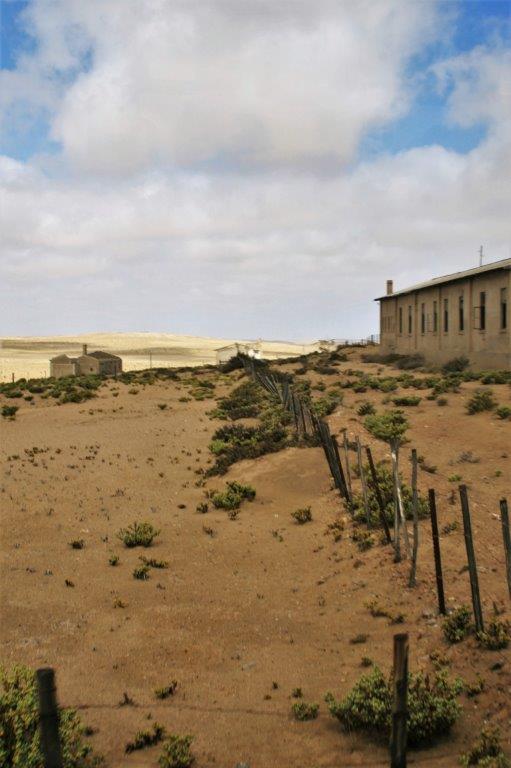
We were told that the diamonds could be picked up off the ground by the handful. Over time the easy-to-get-to diamonds were all found and the small mines were bought up one man.  Those who did not wish to sell their mines agreed to combine them all with the fellow and became shareholders in NamDeb (Namibia De Beers).  By 1954 it was no longer viable to work the mines and Kolmanskop became a ghost town. Today all the land from the along the coast from Luderitz Harbour and 150 miles inland is owned by NamDeb and the company runs Kolmanskop as a tourist attraction.  Without the company clearing the roads for access the entire town would soon be buried by the desert.2009-04-24_7916 2009-04-24_7919 2009-04-24_79212009-04-24_7920 With new equipment and technology diamond mining is once again ongoing in the area so we were warned to NOT cross the fenceline around the old town.  Video surveillance is diligent and you would be immediately questioned and searched.

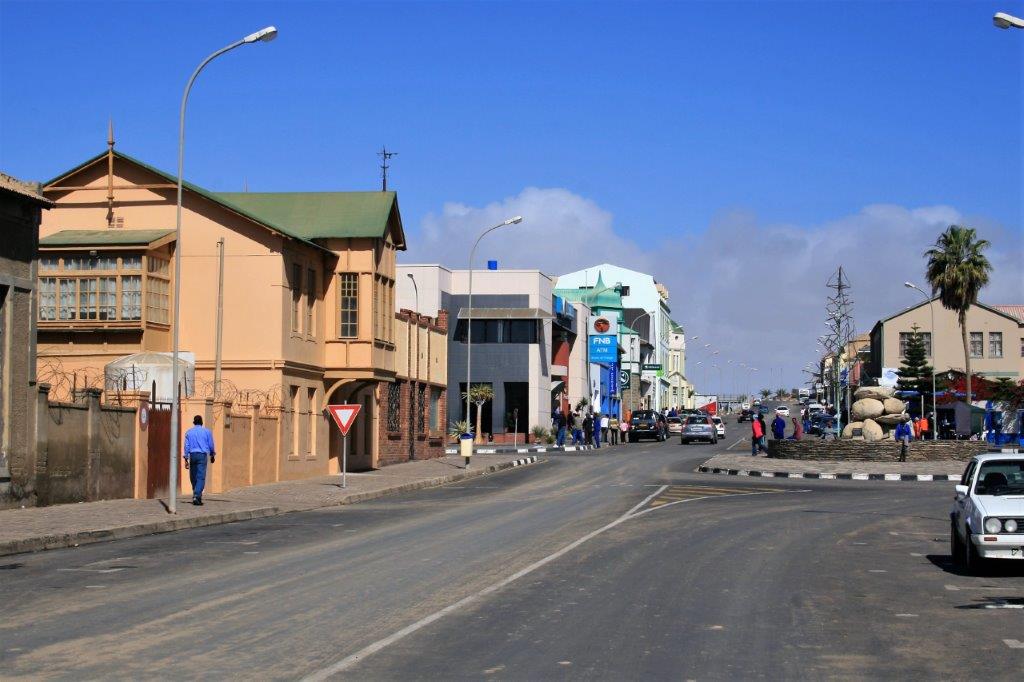
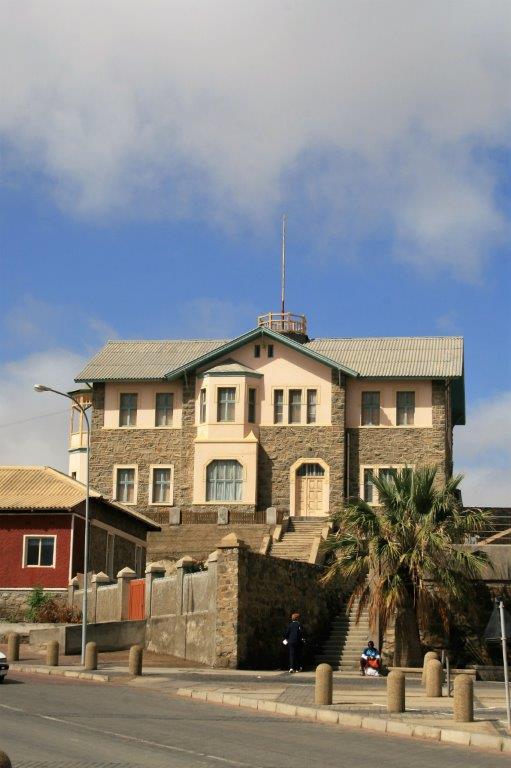
During our time at Kolmanskop the sun came out and it turned into a lovely day. When we returned from our tour we wandered around the town of Luderitz before taking a tender back to the ship.2009-04-24_7937 2009-04-24_7934 2009-04-24_7936 2009-04-24_7939 2009-04-24_7941 20090424_7854_edited-1 20090424_7846 2009-04-24_7947_edited-1At four o’clock the Captain set sail for our last port in Africa, Walvis Bay, where we went dune bashing in the Namib Desert.2009-04-24_7948 2009-04-24_7960 2009-04-24_79512009-04-24_7956 2009-04-24_7964

2009 World Cruise – April 22 – Day 107 – Cape Town, South Africa

Part of our tour for our last day in Cape Town was a drive up the famous Chapman’s Peak where you could see incredible ocean views.  However, the Peak road was closed indefinitely due to landslides so we were driven a slightly different route.  We had a good overview of the area around Cape Town.

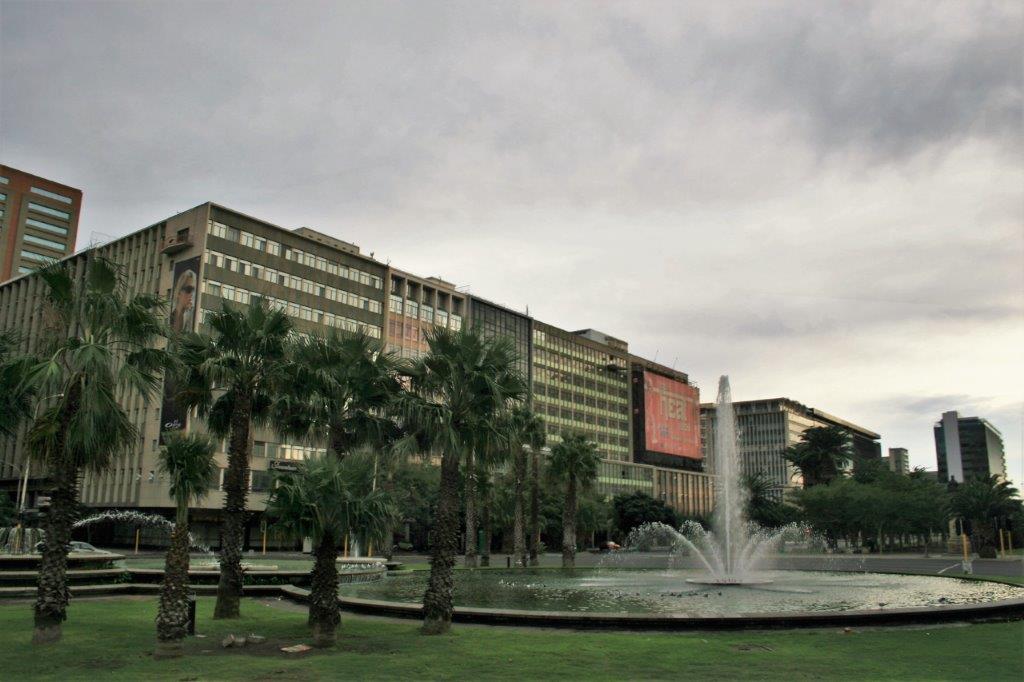
Our driver took us through a fair amount of the city before heading south along the coast.  
2009-04-22_7560
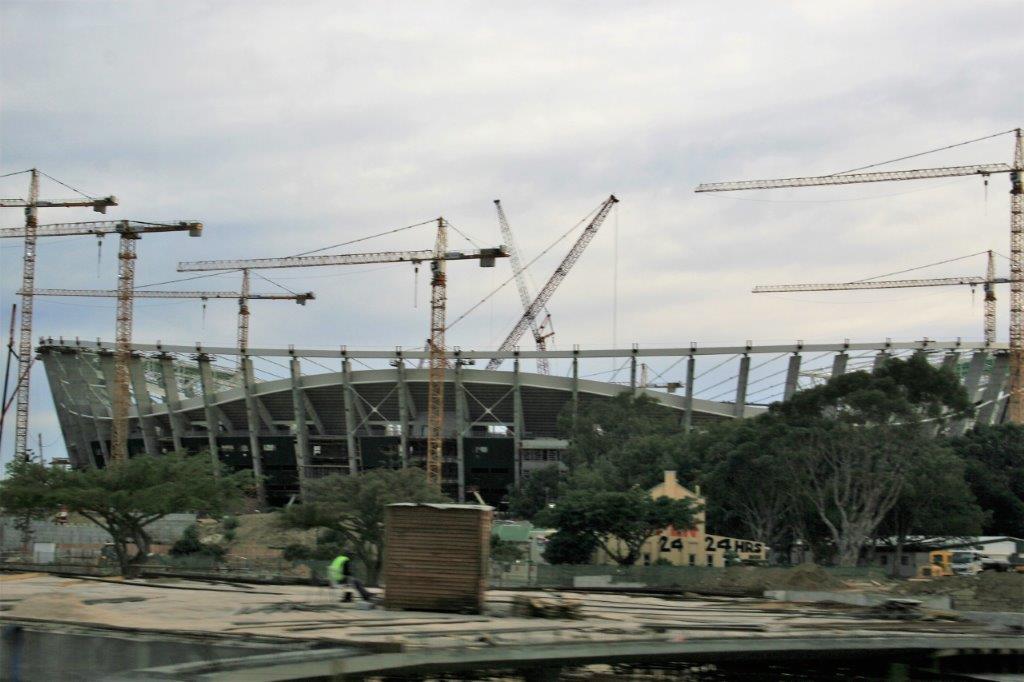
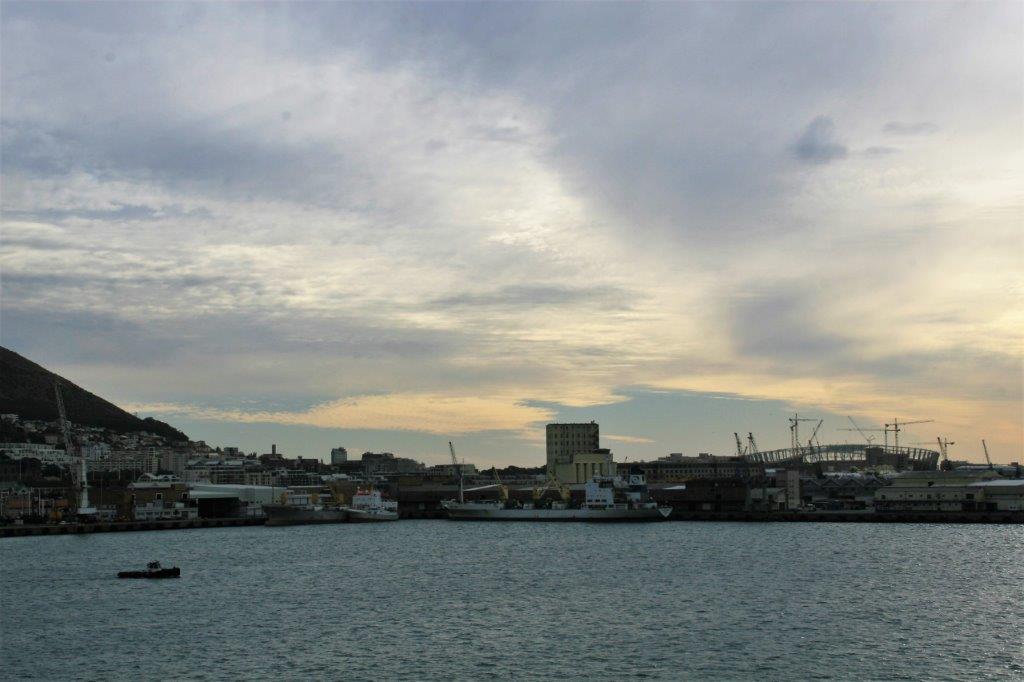
2009-04-22_7562 2009-04-22_7563 2009-04-22_7565This is the stadium that was being built for the Soccer World Cup that was to take place in Cape Town in 2010.

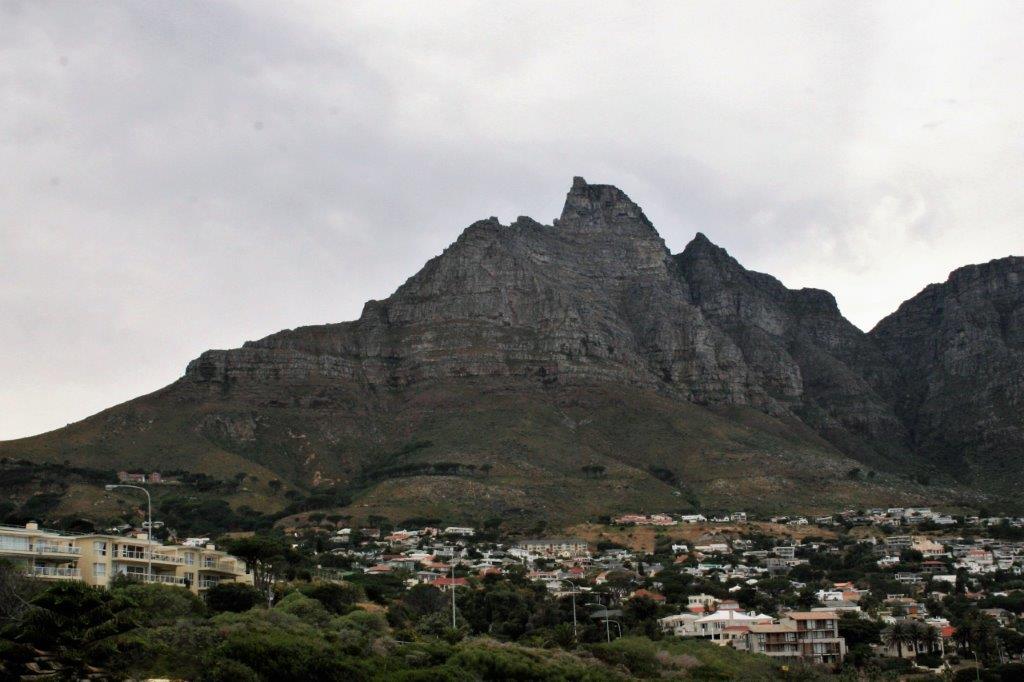
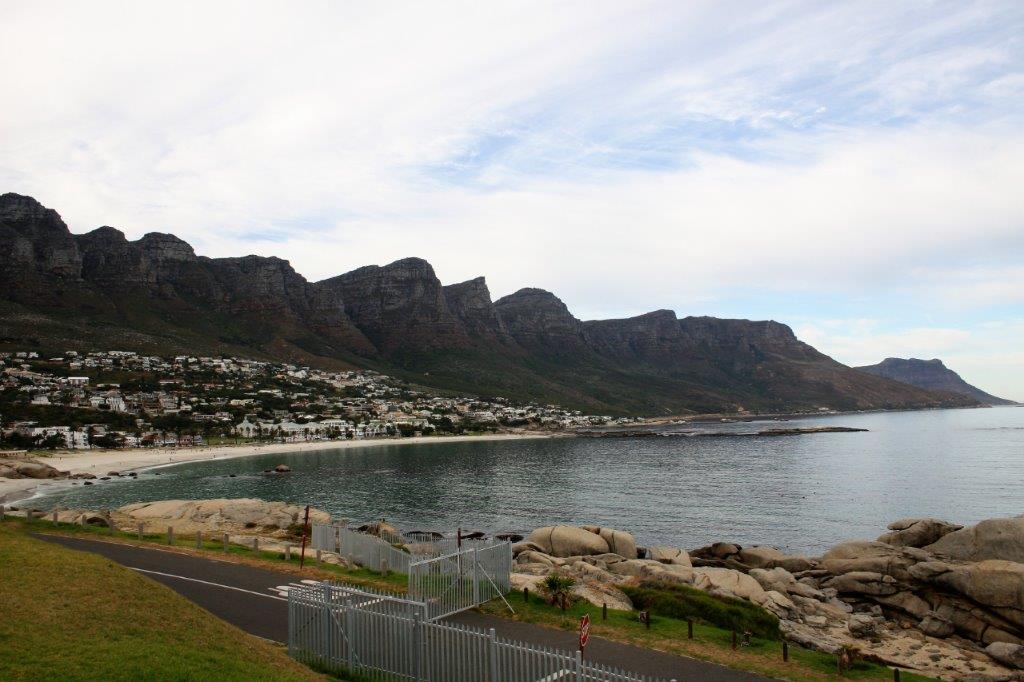
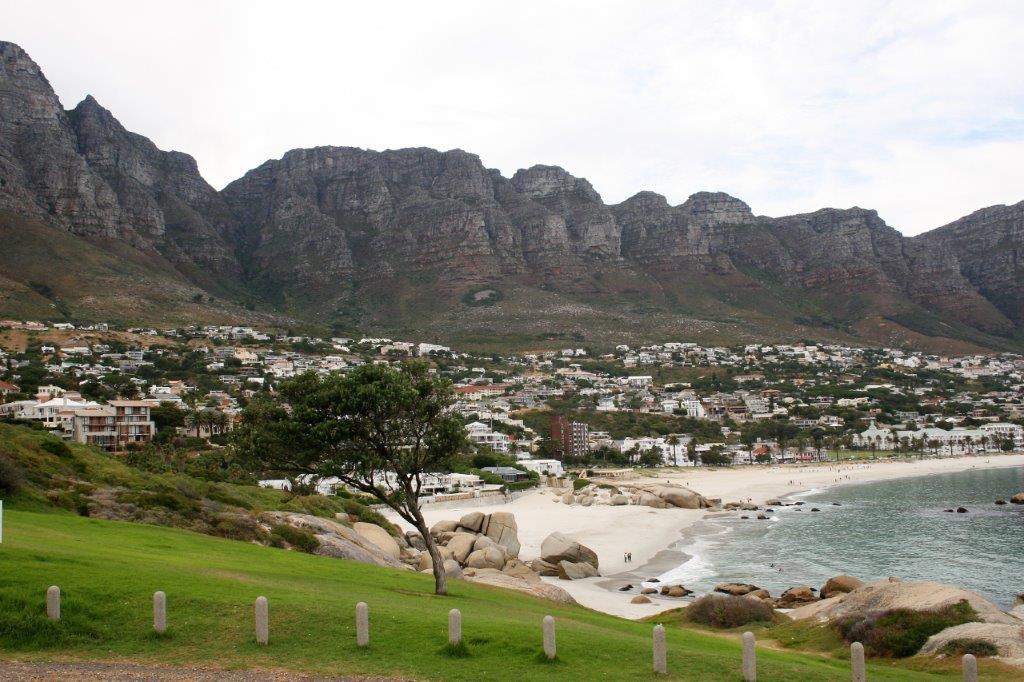
Our frist stop was Maiden’s Cove where we could see the Twelve Apostles mountain.  Judging from the many people walking around taking photos this was one of the ‘must see’ spots when in Cape Town.
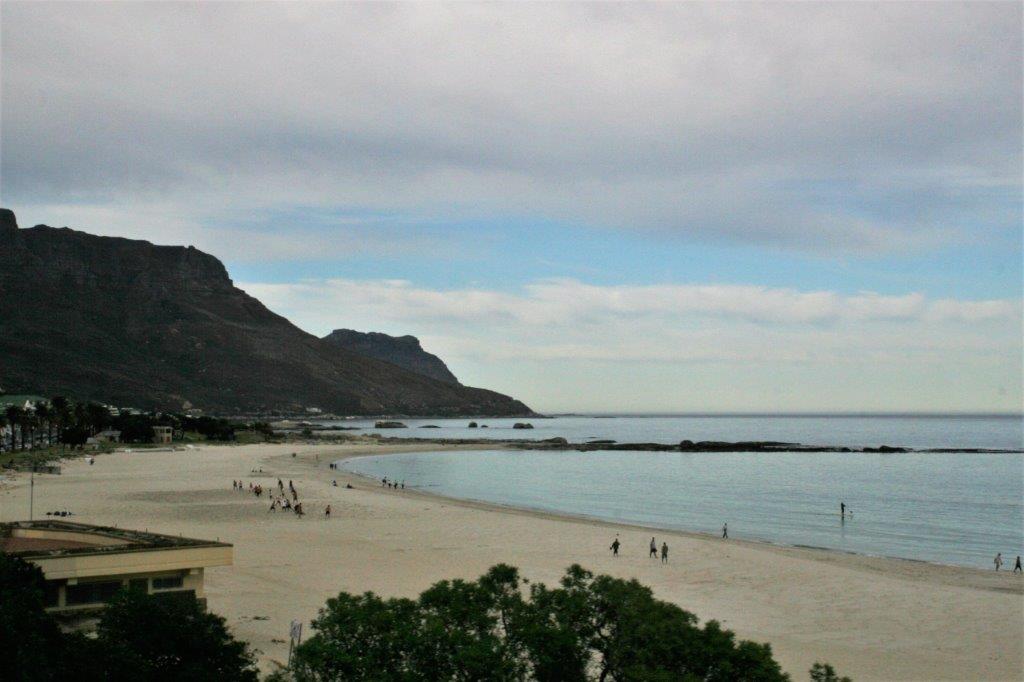
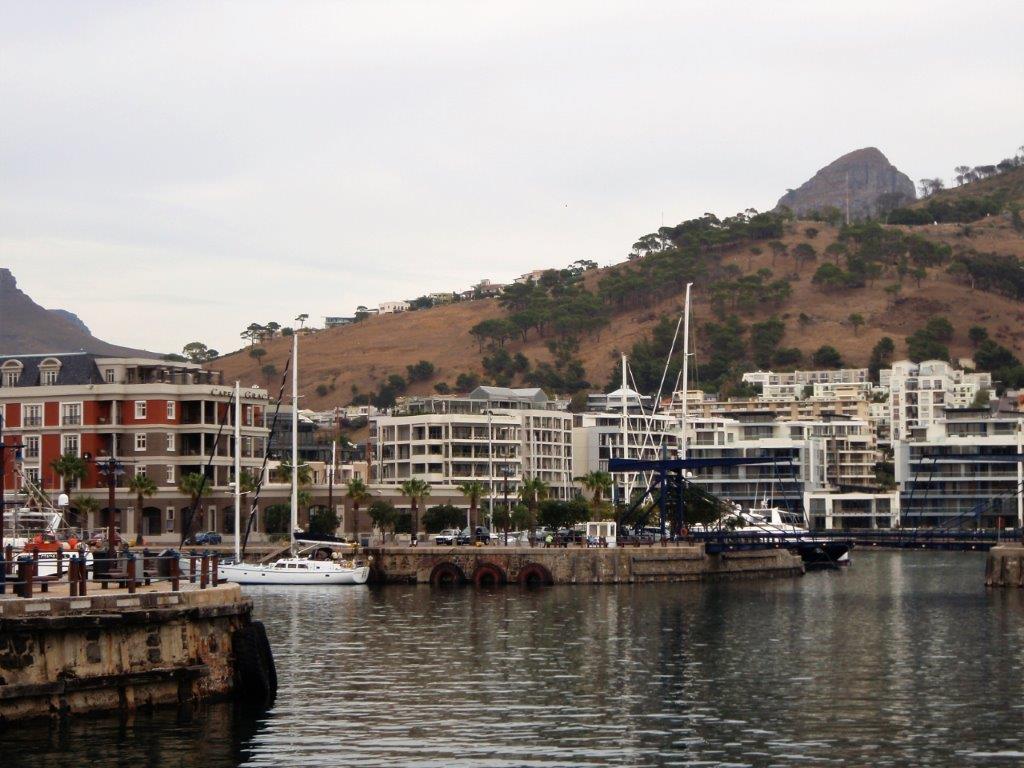
12-apostles2009-04-22_7571 2009-04-22_7590 2009-04-22_7589 2009-04-22_7582 2009-04-22_75872009-04-21_7771_edited-1With the continuing wind, the waves at Camps Bay were calling to the surfers.2009-04-22_75922009-04-22_75932009-04-22_76032009-04-22_7602False Bay was named by sailors over three hundred years ago when it would be confused with Table Bay to the north. When sailing in from the east the identifying mountains at the entrances to the two bays are very similar and would cause ships to enter False Bay when looking for Table Bay. 2009-04-22_7609 2009-04-22_7611Upon our return to the ship we had lunch then took the port shuttle into town and wandered around the Victoria and Albert Waterfront which was very picturesque and had many street entertainers and vendors.  We purchased the CD of a great African Street band which, when we listen to it, takes our memories right back to that day.2009-04-22_7616 2009-04-22_7617The Captain set sail at 7 pm.  Cape Town is located on the southwestern edge of the African continent so we did not have to sail too far before we began going north up the coast on our way to Namibia. We ran into fog about 1 am and listened to the fog horn blow every few minutes the rest of the night.  We didn’t see the sky until mid-afternoon the next day.

On our day at sea after leaving Cape Town there was a Garage Sale on the Lido Deck around the swimming pool.  The cruise ended in Ft. Lauderdale, FL on May 13 or New York City on May 16, about three weeks away.  Many of the shoppers on board were beginning to realize they had acquire more stuff than they could fit in their bags for the flights home.  Among many other things, people had purchased 6′ carved giraffes and sandstone rhinos the size of rocking horses in Mombasa for screaming hot deals and then found out it would cost $500-$600 to ship it home from Florida or New York.  If you had a veranda deck or penthouse the quantity of luggage pieces was not an issue because one of the perks for the expensive cabins was free shipping.  We had friends that brought eight pieces of luggage when they boarded, shipped four boxes home of things they purchased on the 14-day cruise between Ft. Lauderdale and Los Angeles and then shipped a further18 boxes when the arrived back in the US.

Every formal night, which were about once a week, the cruise line gave every passenger a gift.  The final gift was a duffle bag to put all the rest of the gifts in.  Some people no longer wanted some of the things they had impulsively purchased or some of the HAL gifts so tables were set up to sell it off to others that may want it.  All proceeds would be given to a Namibia AIDs orphange so it wasn’t something a person did to re-coup some of their spent money.

There were about 300 passengers that got off in Cape Town and 250 new ones that got on for the last leg of the voyage to the USA.  One person flew from northern Europe to Cape Town to get on the ship because we are stopping at Pitcairn Island, Ascension Island and Devil’s Island and their personal goal is to go to as many of the world’s populated islands as possible.  Everyone needs a hobby I guess.


2009 World Cruise – April 18 – Day 103 – Durban, South Africa

South Africa is a land with abundant natural resources. They have deposits of every mineral, except oil, and are among the world’s largest producers of coal, gold, and diamonds.  They have 90% of the world’s titanium.  And they are self-sufficient in food production – not necessarily in food distribution though.  The only thing they must import is oil.

Many of the issues our guide in Richards Bay told us about were very true.  In 2009 AIDS was rampant among the rural black population where polygamy is common (4-5 wives is average), there was massive unemployment, especially among the unskilled black population so crime is rampant.  The country has 11 official languages and long-standing tribal fueds that need to be navigated.  Add in corruption at all levels of government and services, plus horrendous poverty and you have a plate-full of serious issues to work on.

However, there has been much change for good, first being education is compulsory for all children – although sadly there are often not enough class rooms for all children in an area, nor teachers, nor money for uniforms and supplies.  So many social and judicial issues are intertwined that it is difficult to unravel enough strings to begin setting things right.  Time can be an constant enemy to change.

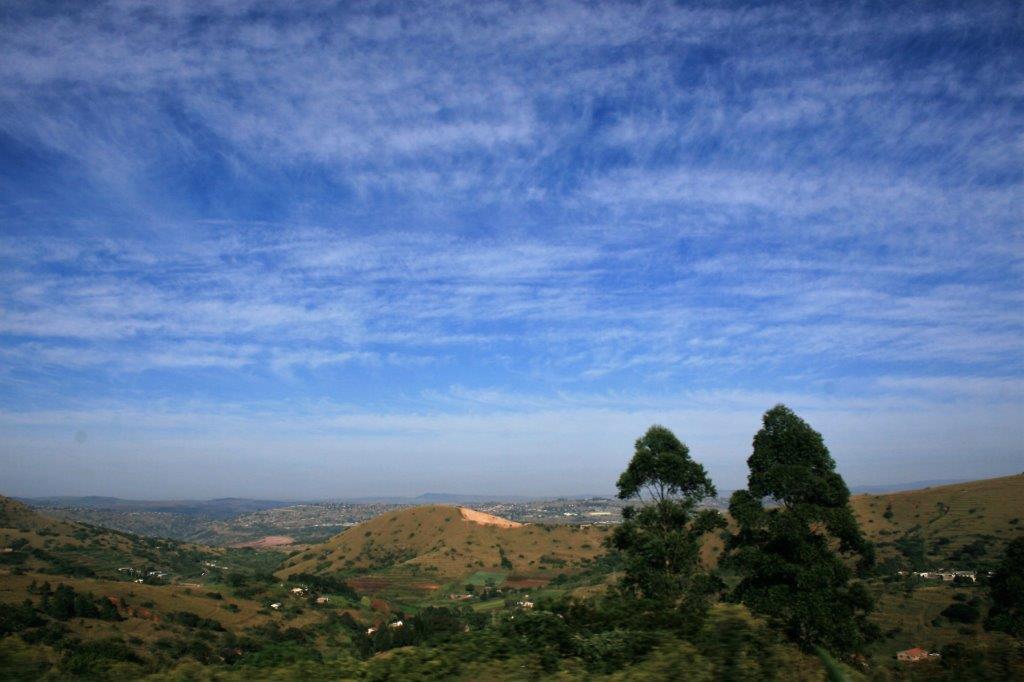
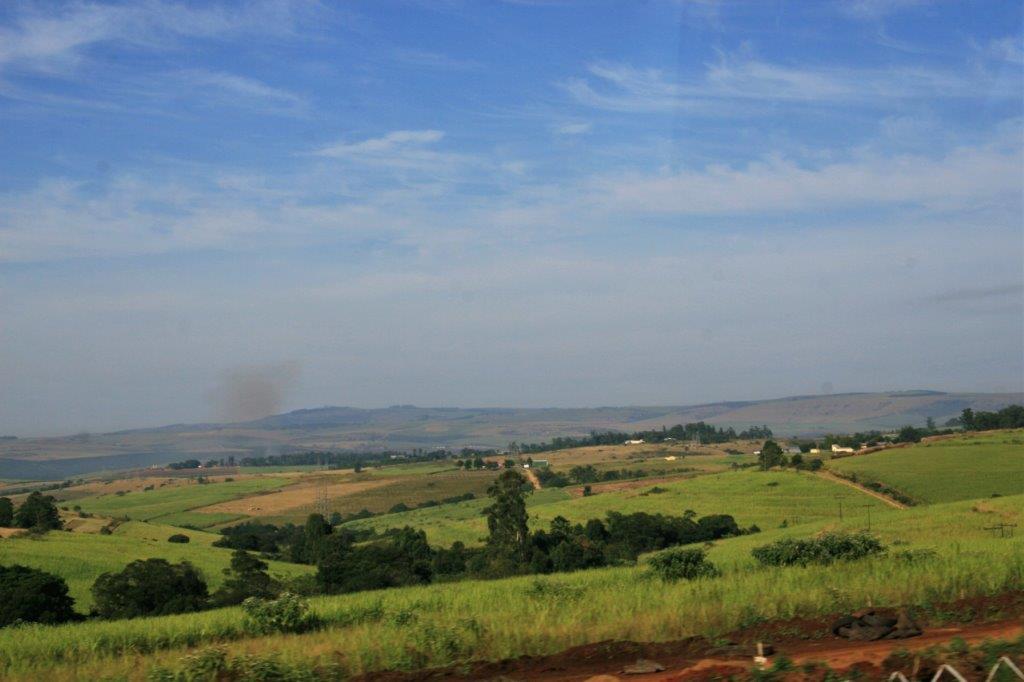
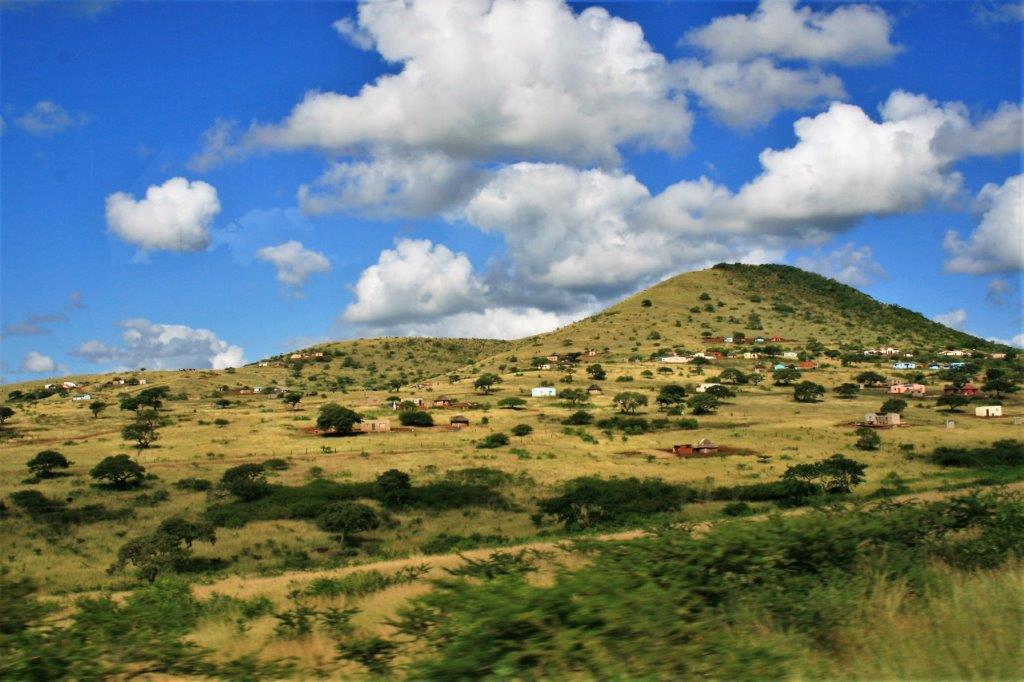
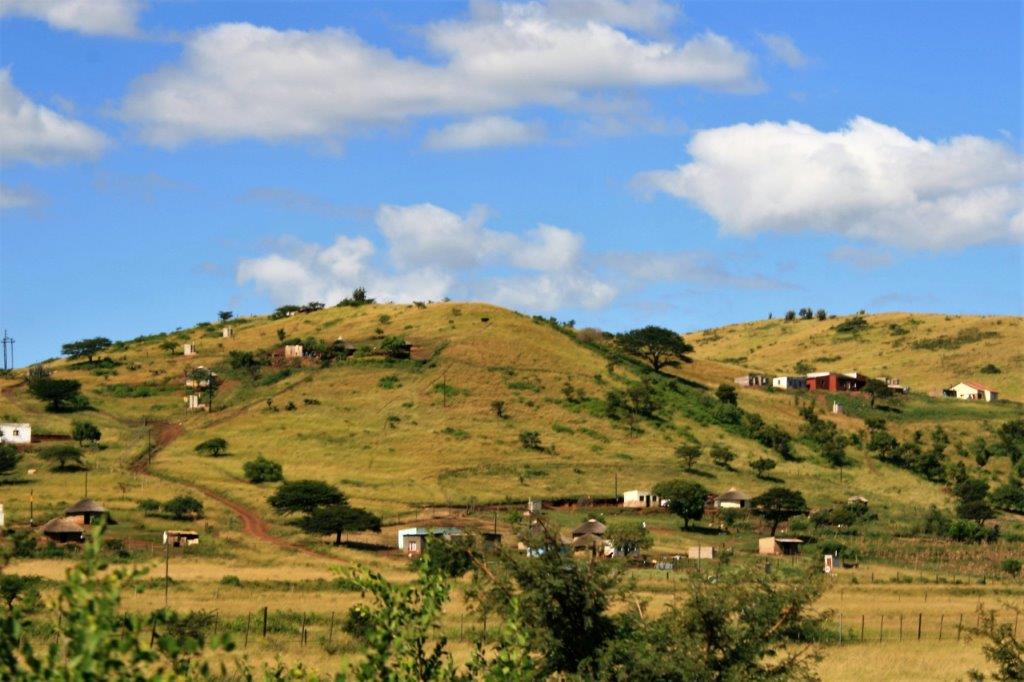
But the countryside is lovely; with rolling hills, grasslands, vineyards, and farm land.  And critters.  I never get enough of seeing animals.

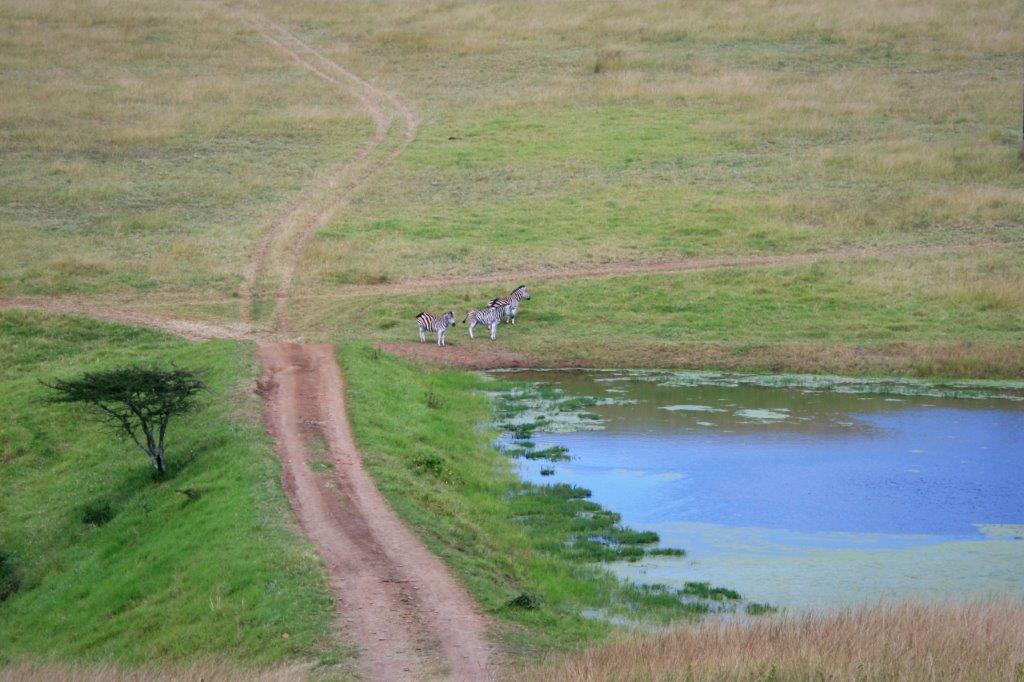
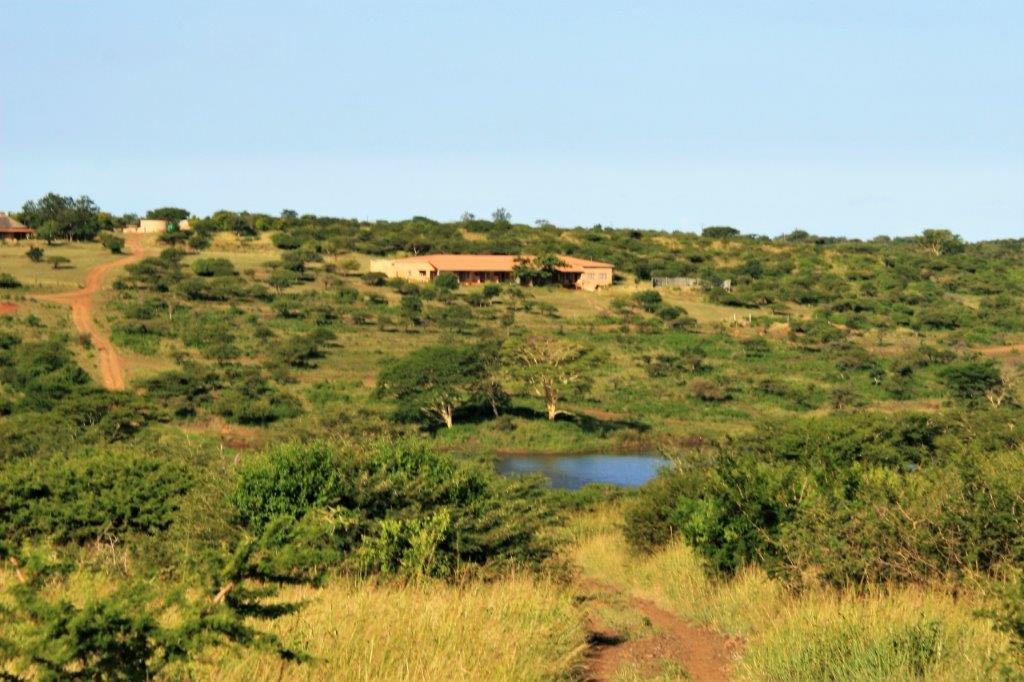
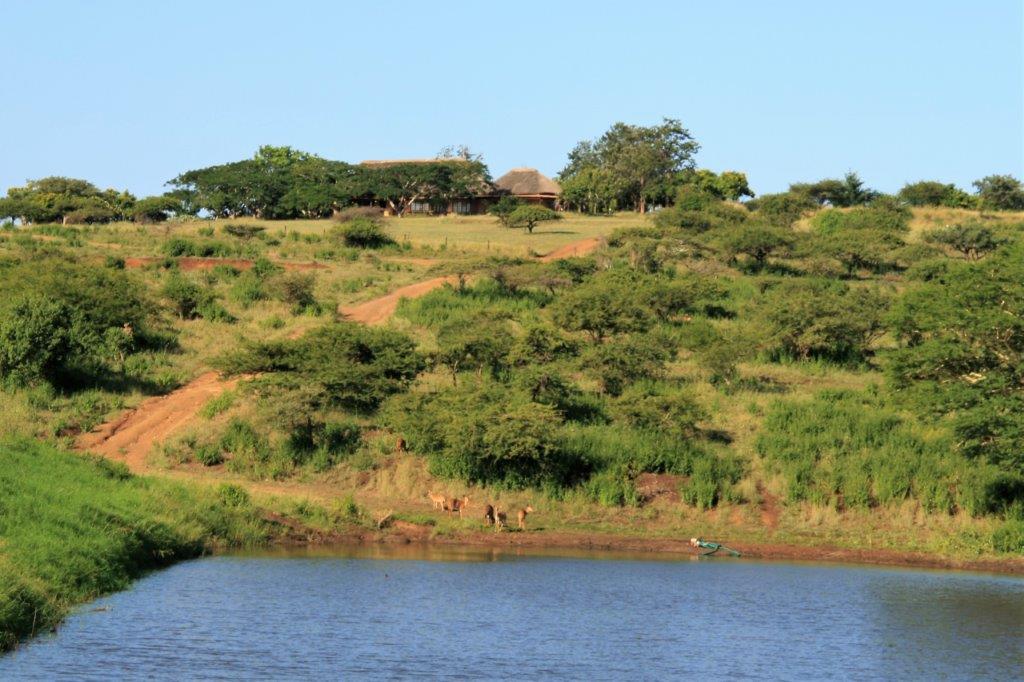
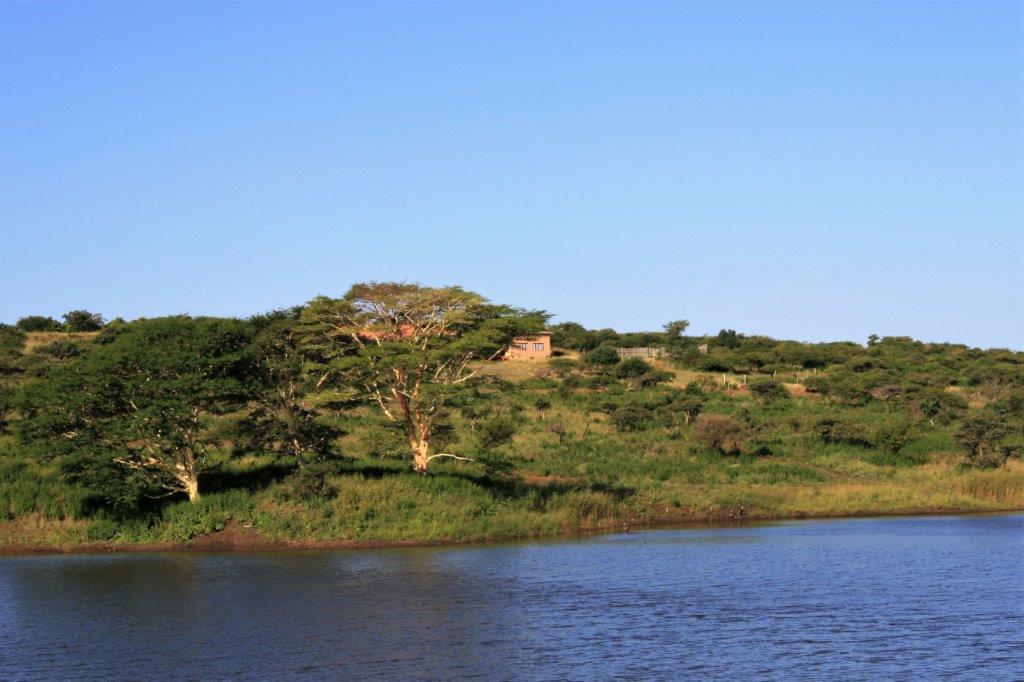
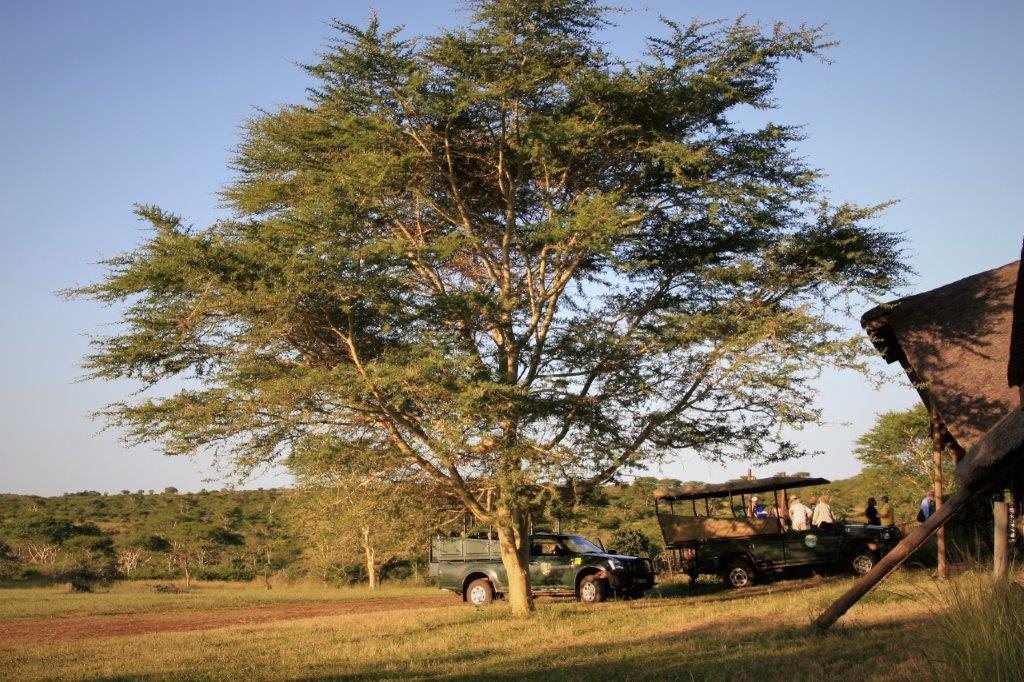
The city of Durban is situated on the southeastern coast of South Africa and has a natural harbour. The area is the beginning of a paqrticular weather phenomenon which can cause extremely high seas, which, fortunately we did not experience on the sail in or out.  Durban is not only the busiest container port in South Africa but the busiest in the Southern Hemisphere.  Due to the warm climate and beautiful beaches Durban is a favoured holiday spot and tourism is a large part of the economy.2009-04-18_6879 2009-04-18_6881 2009-04-18_6882As per the plan to see as many animals as possible we once again went on a game drive: this time to Tala Private Game Reserve, a private 3000 hectares (7500 acres) of grassland, thornveld and wetlands.  Twenty years ago it was a massive sugar plantation and vegetable farm.  The owner turned it into a game reserve, re-introduced all the indigenous plants that attracted animals.  There are no elephants (they are too destructive to the environment) and none of the big cats, but many of the other animals are plentiful.2009-04-18_6888 2009-04-18_68902009-04-18_6896The drive through the Tala lands was very enjoyable.  Our ranger guide was a young lady who was knowledgeable about the animals and the reserve.2009-04-18_6899

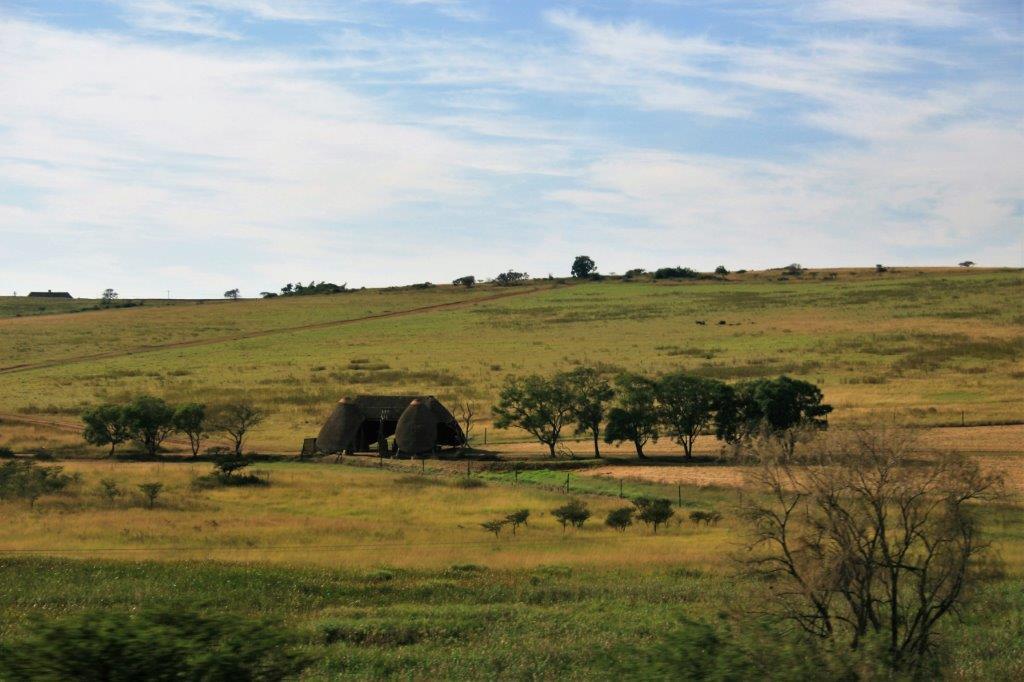
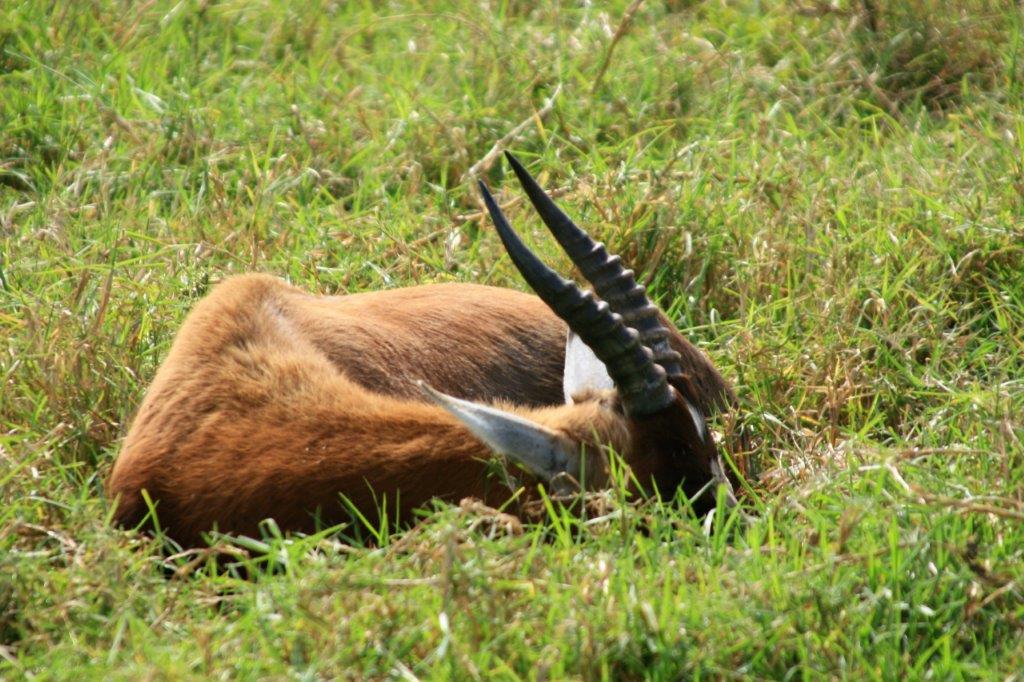
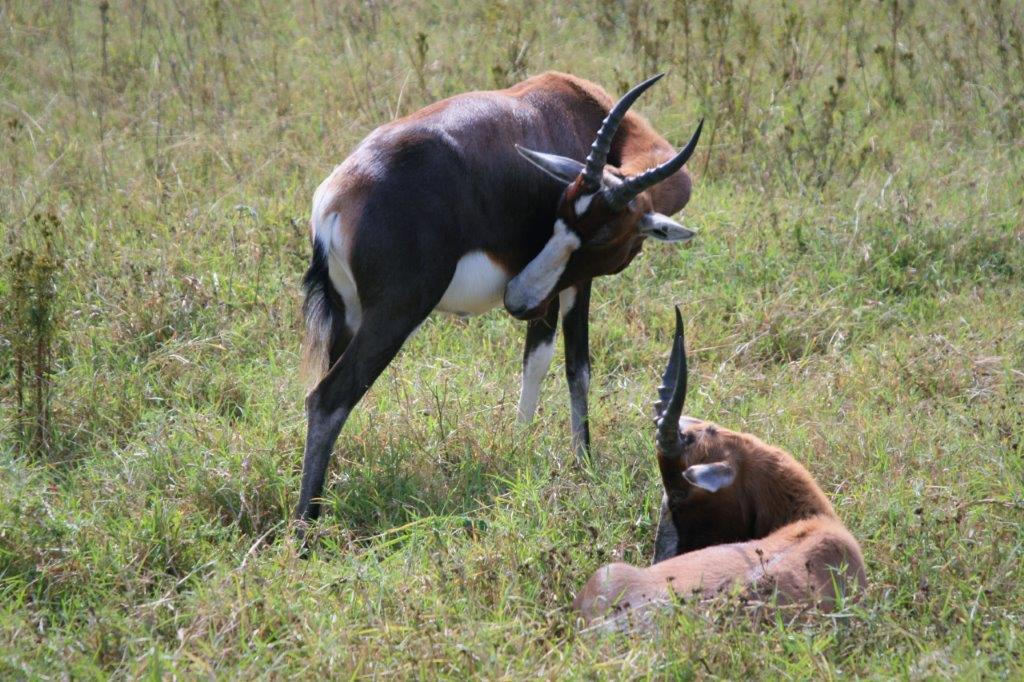
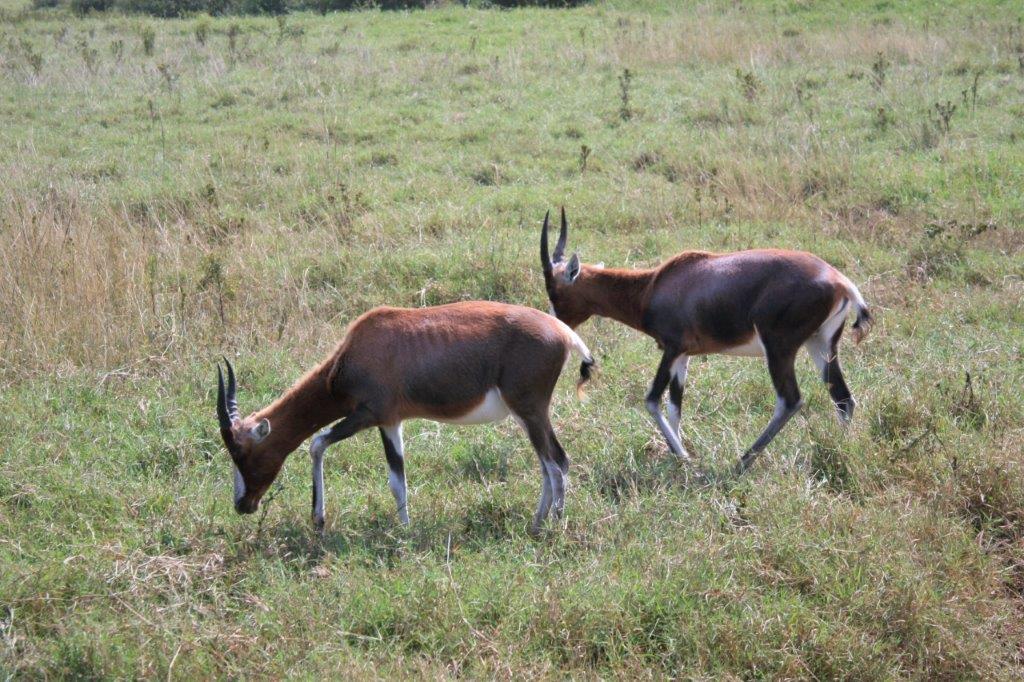
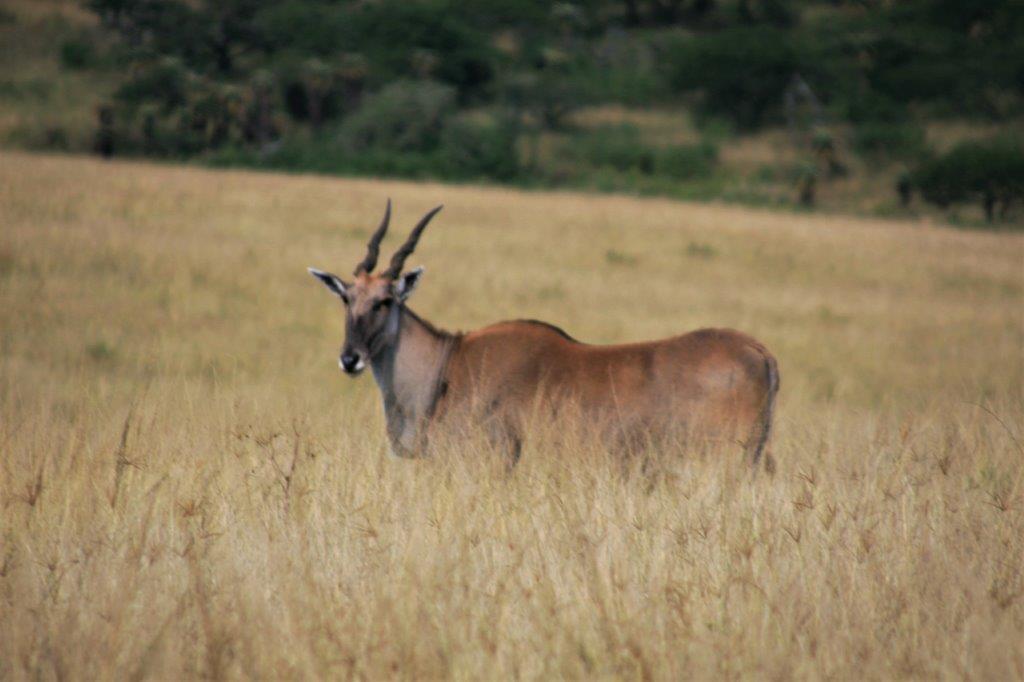
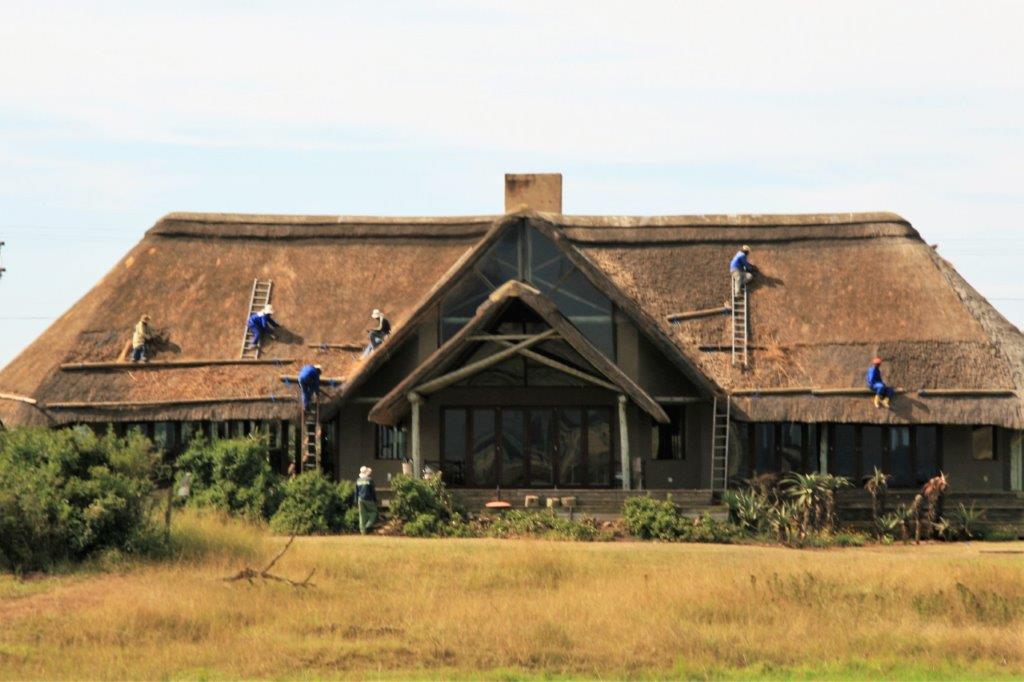
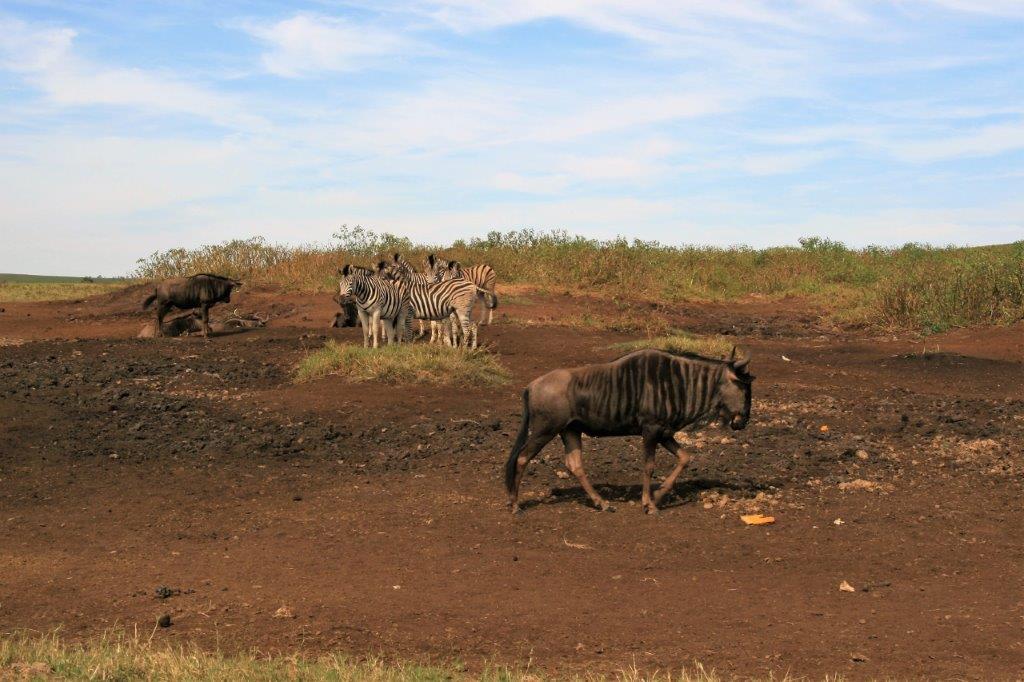
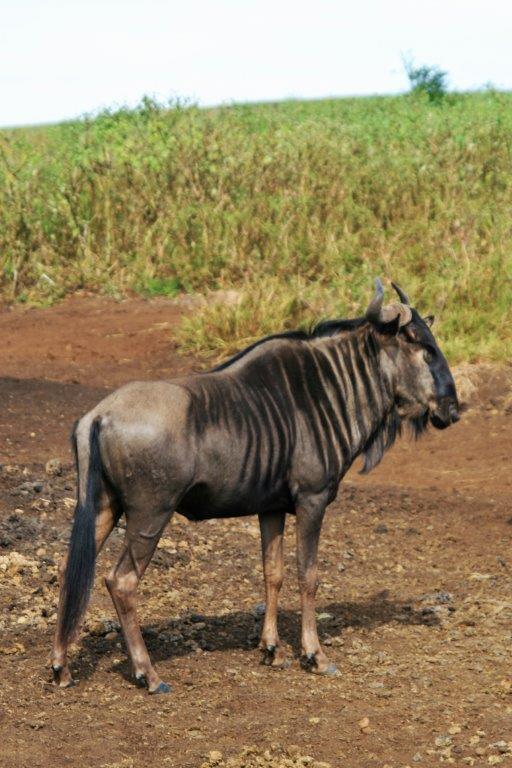
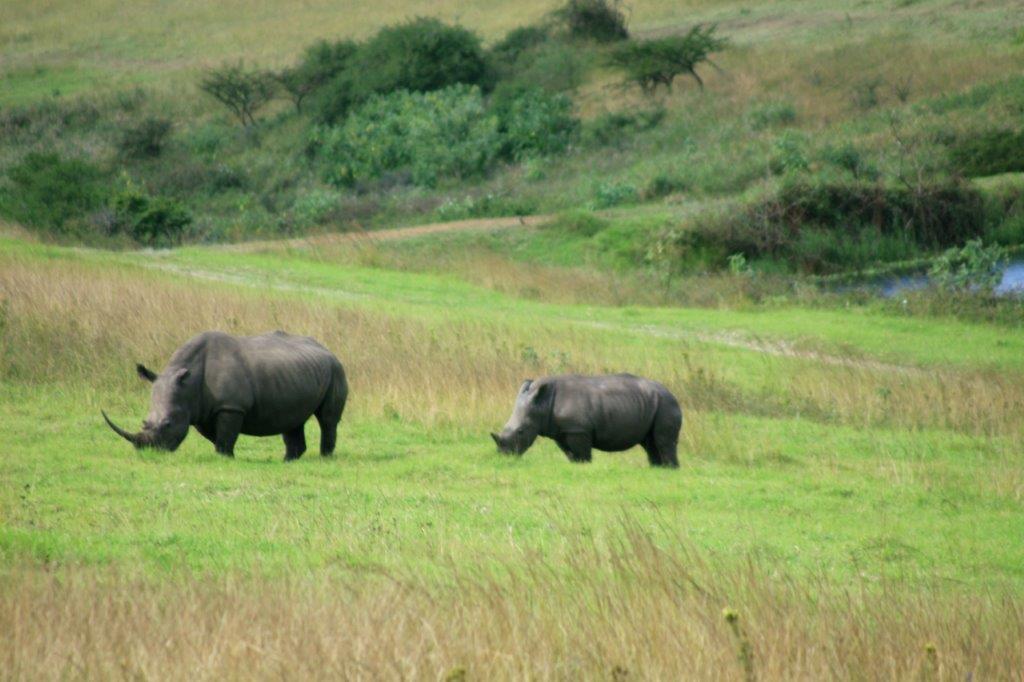
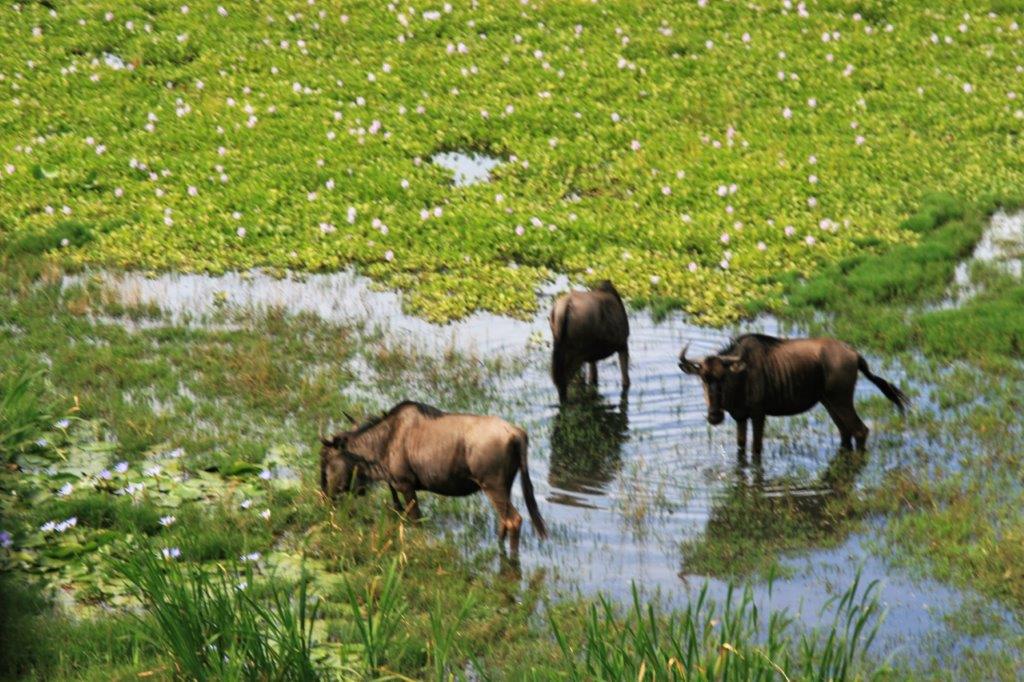
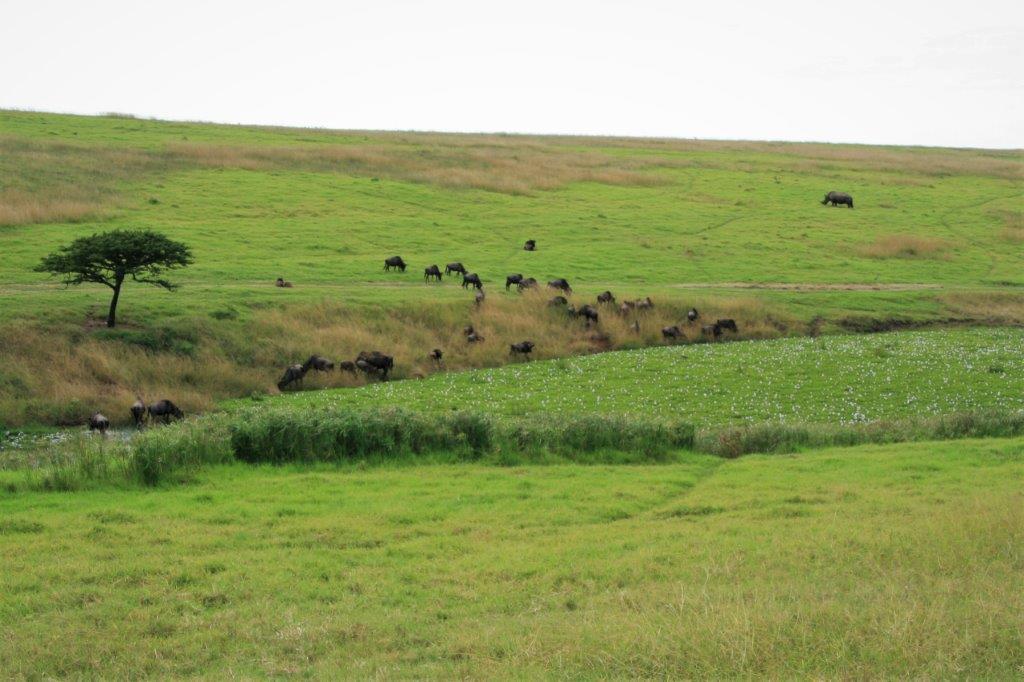
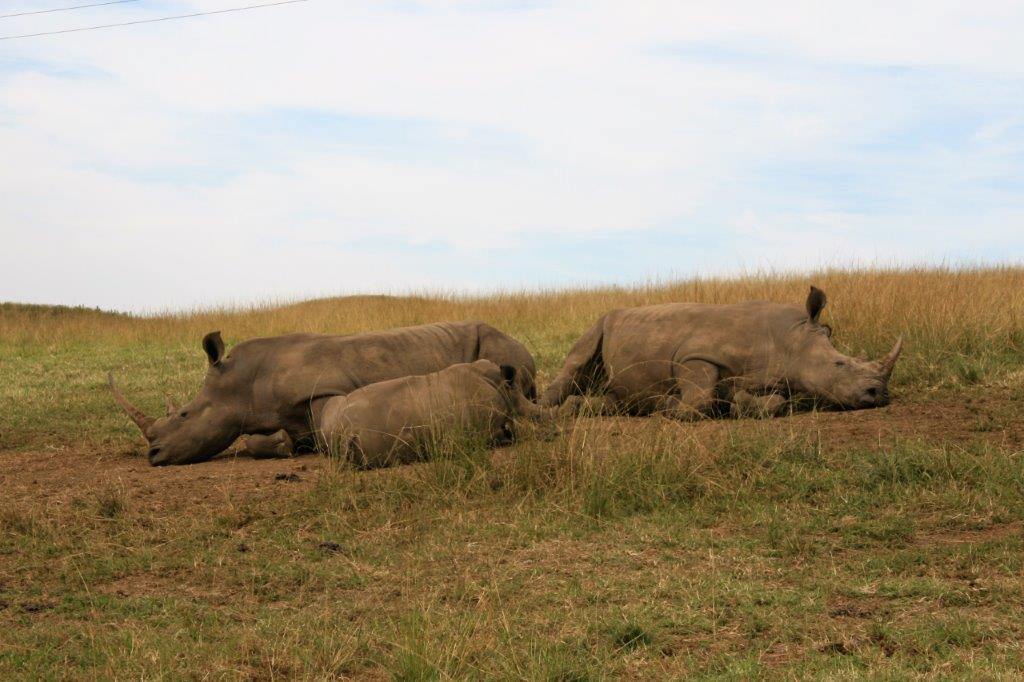
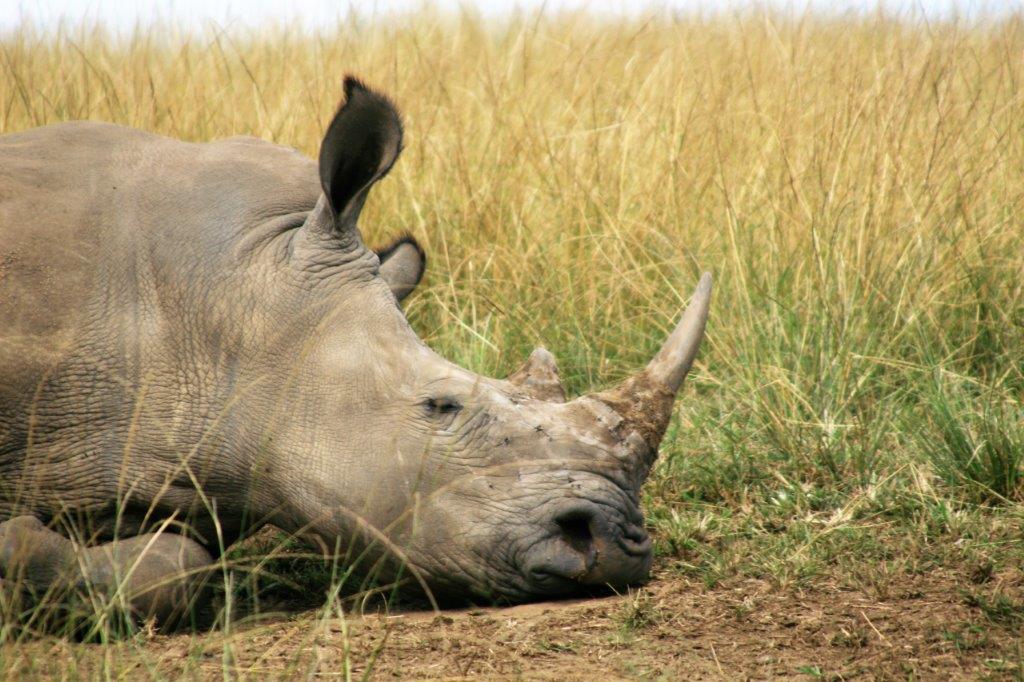
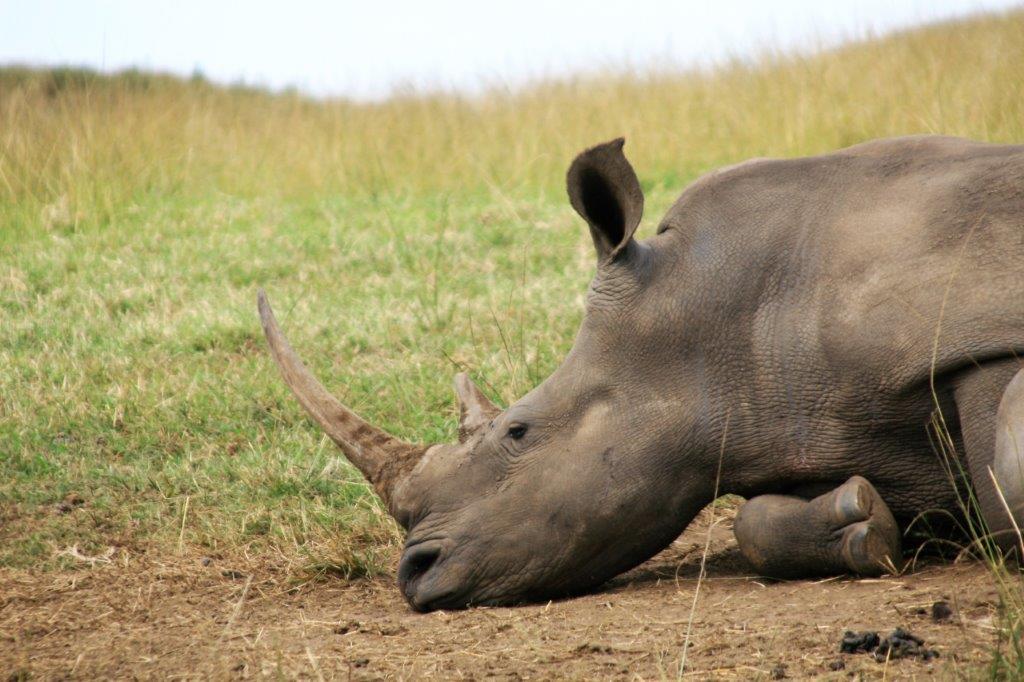
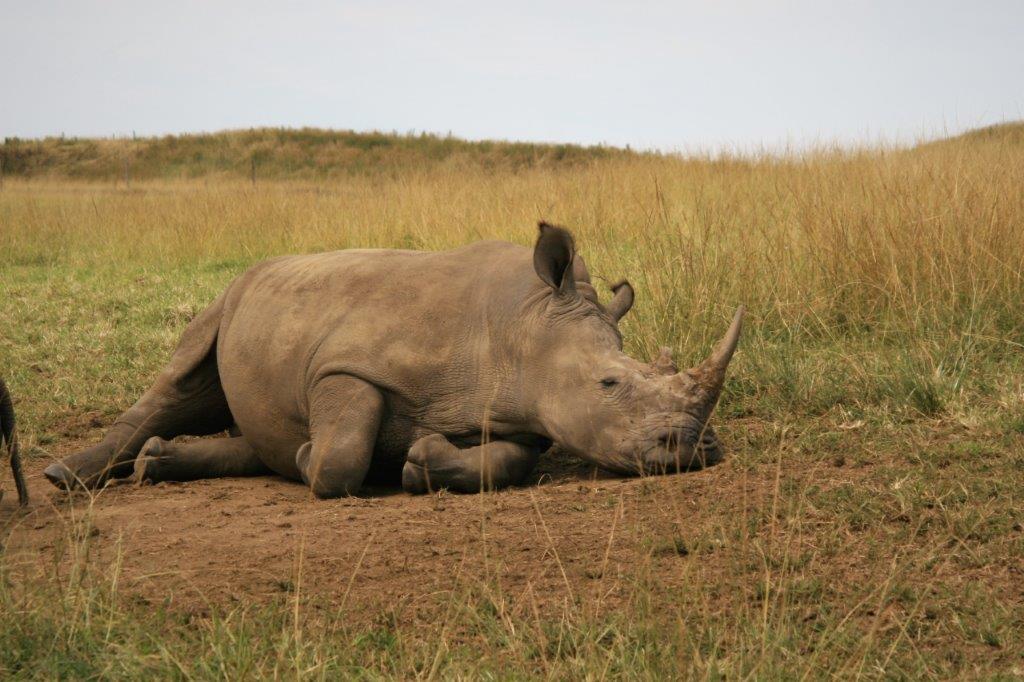
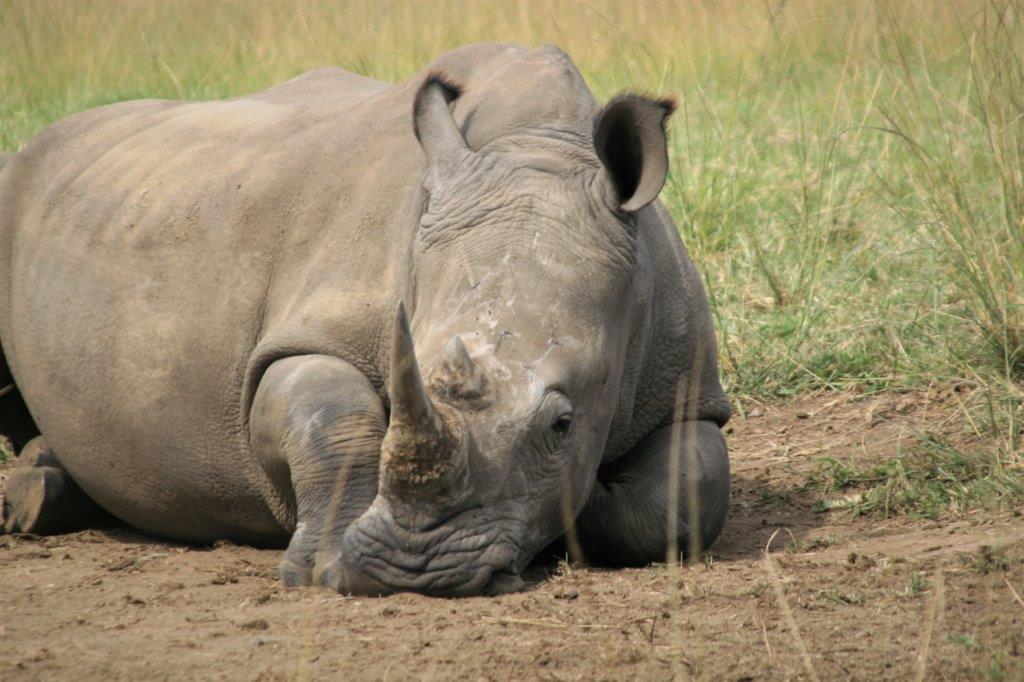
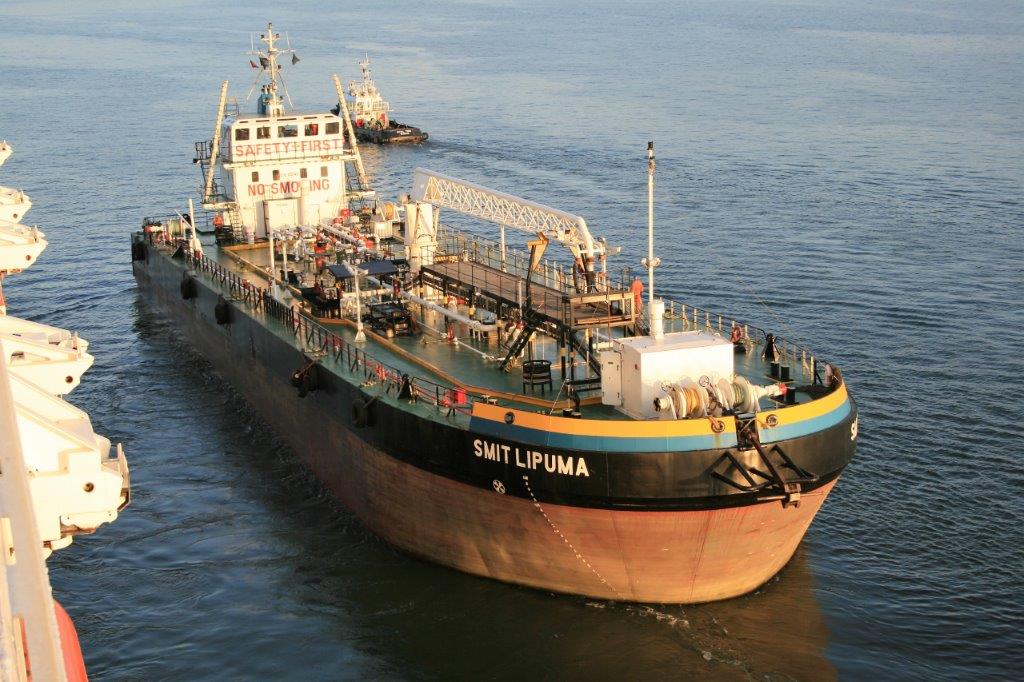
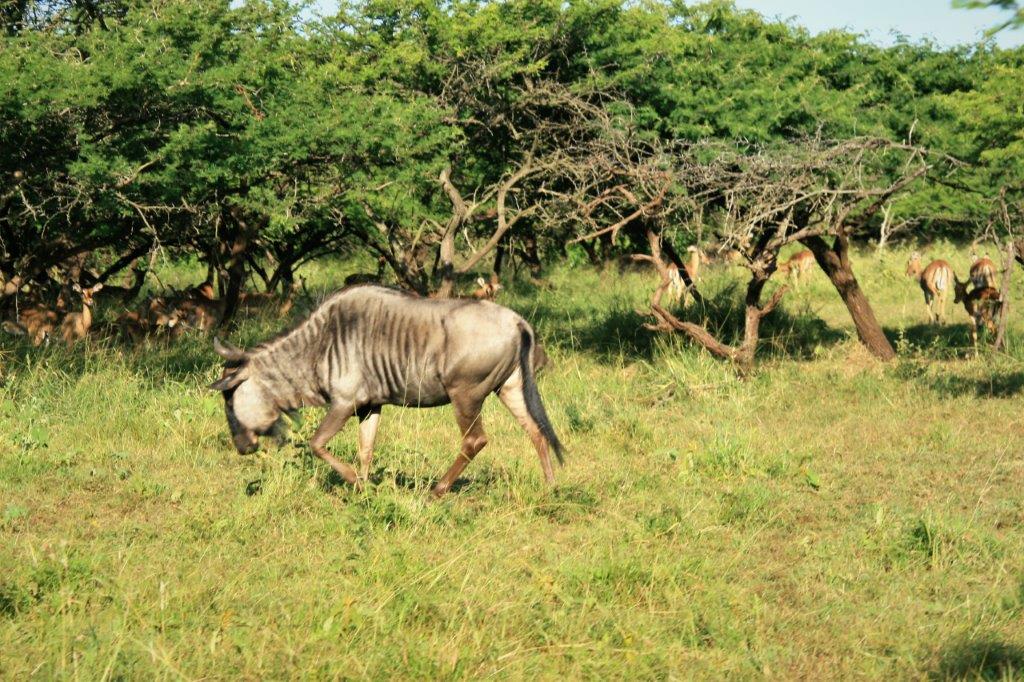
2009-04-18_69042009-04-18_69052009-04-18_6910We saw two new animals – the Blesbok (an Africaan’s word for the wide white stripe down the face) and the Eland (the largest of the antelope species).2009-04-18_6942 2009-04-18_6944 2009-04-18_6957 2009-04-18_6917 2009-04-18_6916 A large building was being re-thatched.  I don’t know how expensive it would have been in Africa but thatching is not an inexpensive way to roof a house.2009-04-18_69582009-04-18_6918 2009-04-18_6927 2009-04-18_6922 2009-04-18_6931 2009-04-18_6934 2009-04-18_6935 2009-04-18_6938 2009-04-18_6948 2009-04-18_6945 2009-04-18_6947_edited-1 2009-04-18_6949 2009-04-18_6960At one of the large water holes we saw some more rhinos and wildebeest.2009-04-18_6965 2009-04-18_6966 2009-04-18_6973 2009-04-18_6968 2009-04-18_6970 2009-04-18_6972_edited-1Not too far from the water hole there was a dusty hillock that was a comfort spot for a couple of rhinocerous and we were able to drive up quite close to them.2009-04-18_6983 2009-04-18_6984 2009-04-18_6985 2009-04-18_6988 2009-04-18_6992 2009-04-18_6999 2009-04-18_7009 2009-04-18_7012We drove back through Durban in the late afternoon.2009-04-18_7015 2009-04-18_7017 2009-04-18_7019 2009-04-18_7022The re-fueling tanker was finished and we set off for a day at sea before reaching Cape Town, where we were to stay for three days.2009-04-18_7032 2009-04-18_7038


2009 World Cruise – April 20 & 21 – Days 105 & 106 – Cape Town, South Africa

The day at sea was pretty rocky as we navigated the Mozambique Plateau; two currents flowing in a southerly direction along the coast – the Mozambique and the Agulhas.  The information from the navigator had warned us about abnormal high waves preceded by a deep trough that may be encountered between Durban and Cape Town.  It was even too windy to walk on the rolling deck.

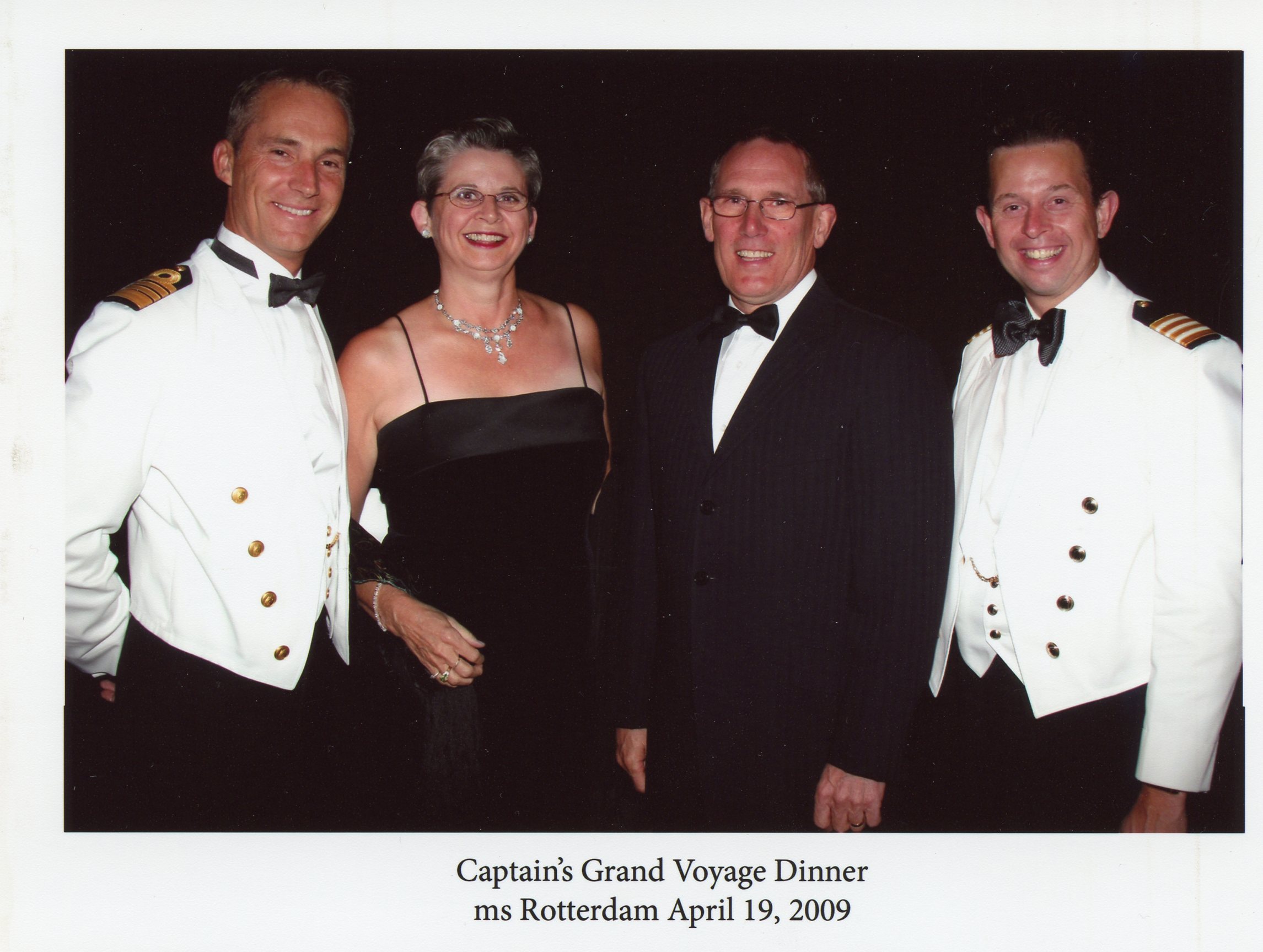
We were invited to dinner with the Captain that night – well us and about 20 other people.  We sat with the Comptroller who was from The Hague, Netherlands and three  other couples from our deck.  We got all gussied up and had our photo taken by the ship’s photographer.2009-apr-16 2009-apr-19-world-cruise-captains-dinnerThe coast at Cape Town was a multi-layered hazy silhouette as we approached the harbour the next day. 2009-04-20_7317 2009-04-20_7320We were due to dock at Cape Town at 1 o’clock but the high seas and gale force winds closed the port.  We had been scheduled to go on tour at 2 PM but the excursions were cancelled (I really wanted to go on that one too.  It was a trip to the Gold Museum where they collect, design and make gold jewelry followed by a trip to the diamond showroom.)  We dropped anchor at three and the pilot came onboard, but the wind rose again and he left.  We were able to walk the deck for our ten laps.  It was a struggle on the starboard side but the port side was alee so it was much better.

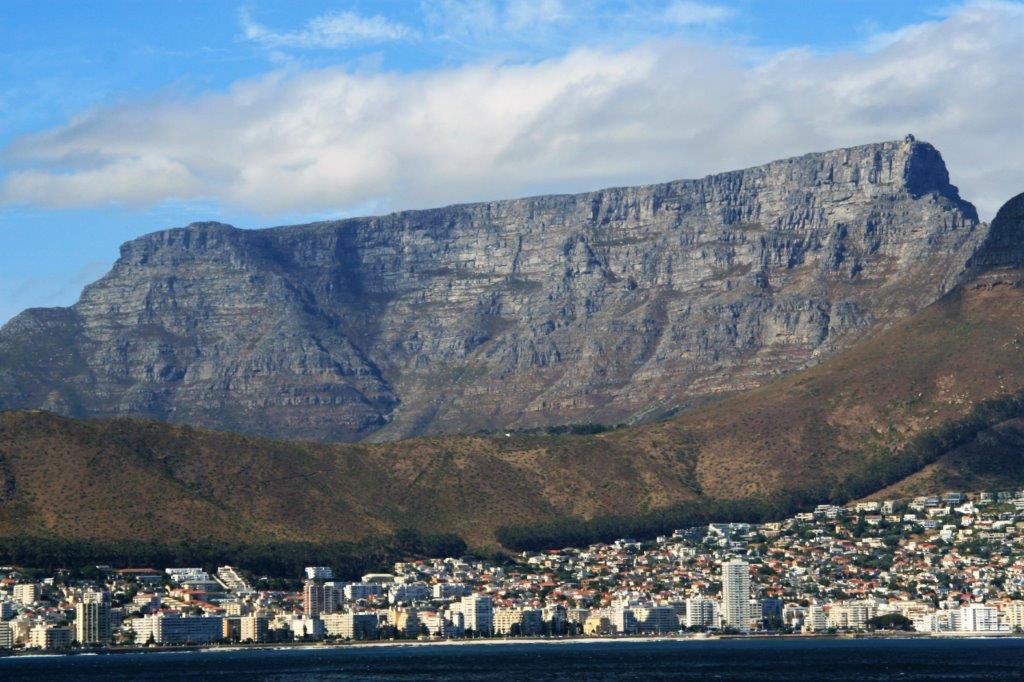
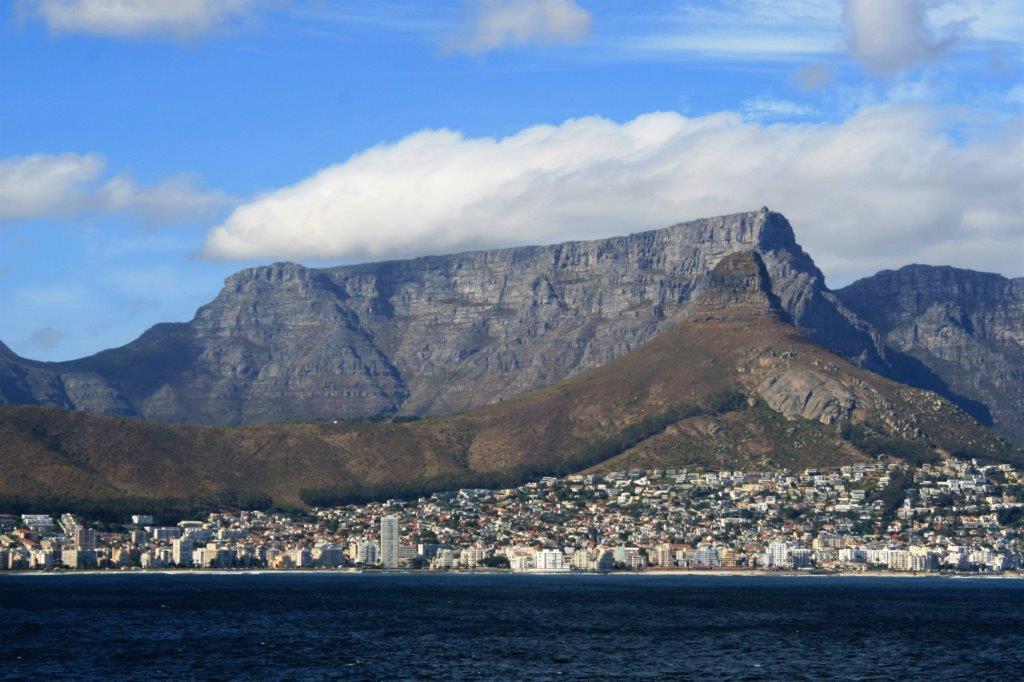
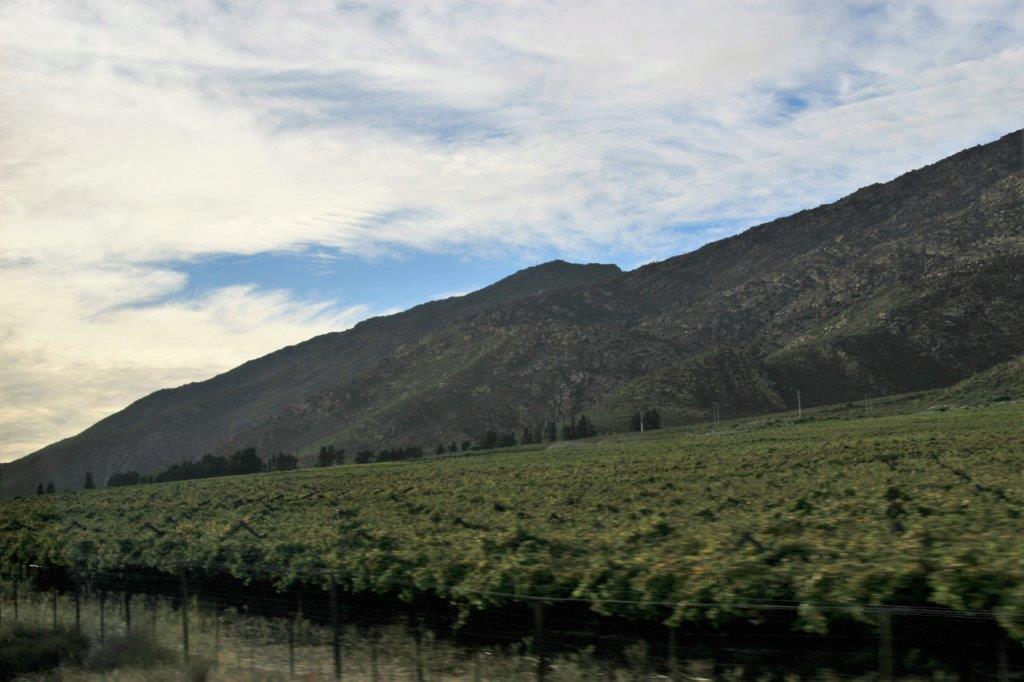
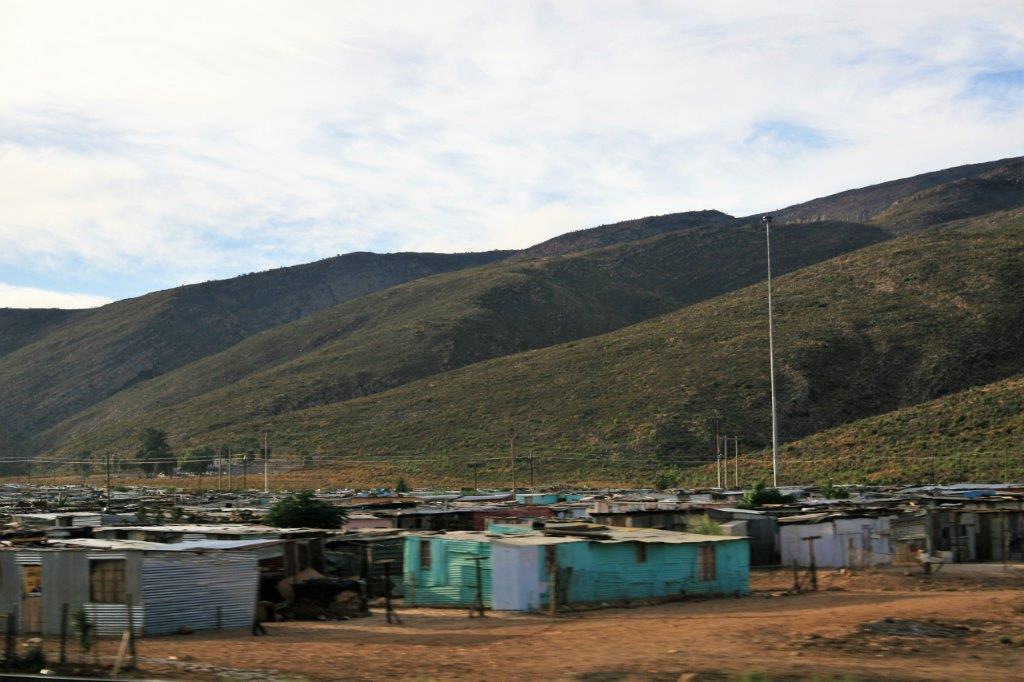
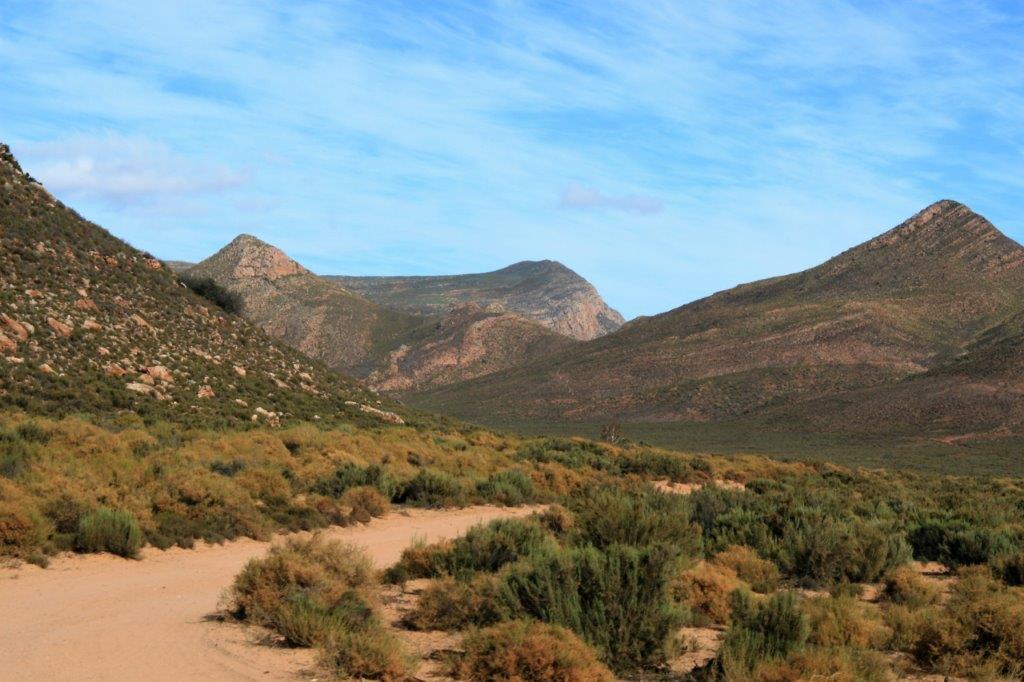
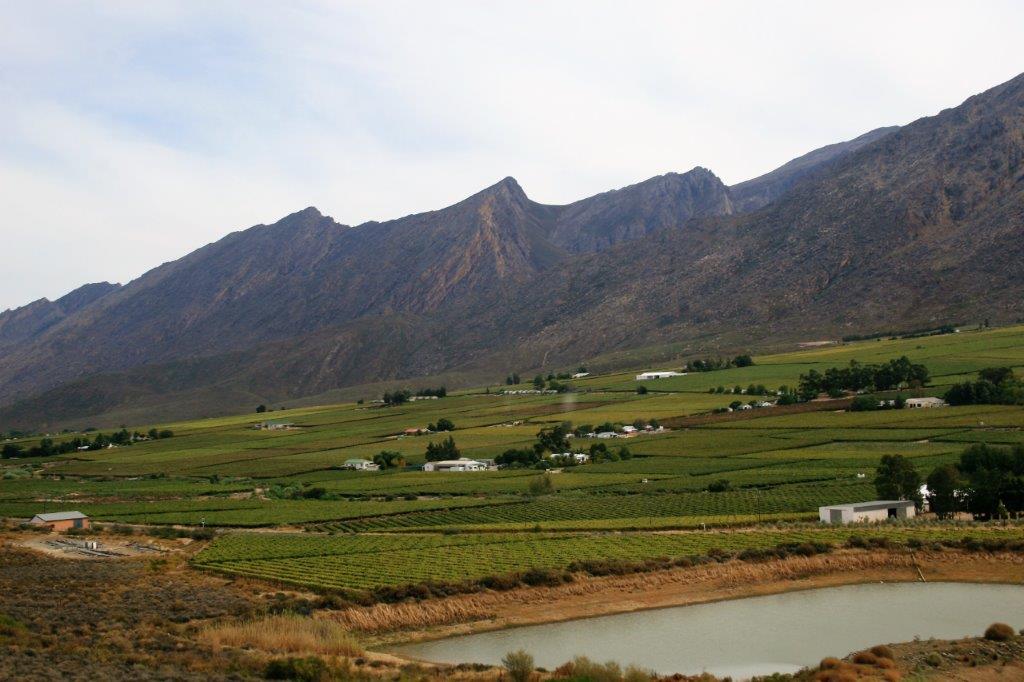
The motion calmed enough to take some photos of Table Mountain from the deck.  All excursions were cancelled at 4:30 and we spent the night anchored off shore.2009-04-20_7329 2009-04-20_7322 2009-04-20_73312009-04-20_7330 2009-04-20_7325 2009-04-20_7333 2009-04-20_7336When  a cloud settles on the top of Table Mountain they call it a table cloth.2009-04-20_7321The next morning we were able to dock and we set off for our last game drive.  Once again we had a long drive – almost 2 1/2 hours – and we left the ship at 6:30 am.  The sun wasn’t even up.2009-04-21_7127 2009-04-21_7144We headed north and east out of the city, past rocky terrain with sagebrush scrub, but once we passed through the 4.5 km Huegonott Tunnel we were in grape and citrus country.  It was beautiful countryside.  There were vineyards in all directions as far as you could see; something like driving through California’s Napa Valley – but with the occasional shanty town.

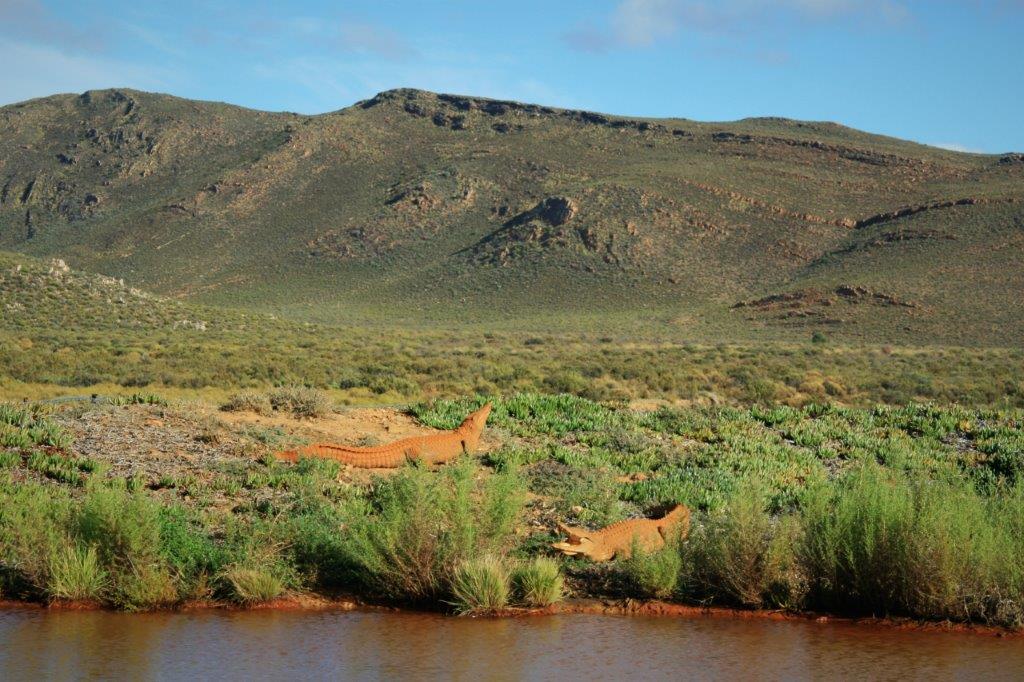
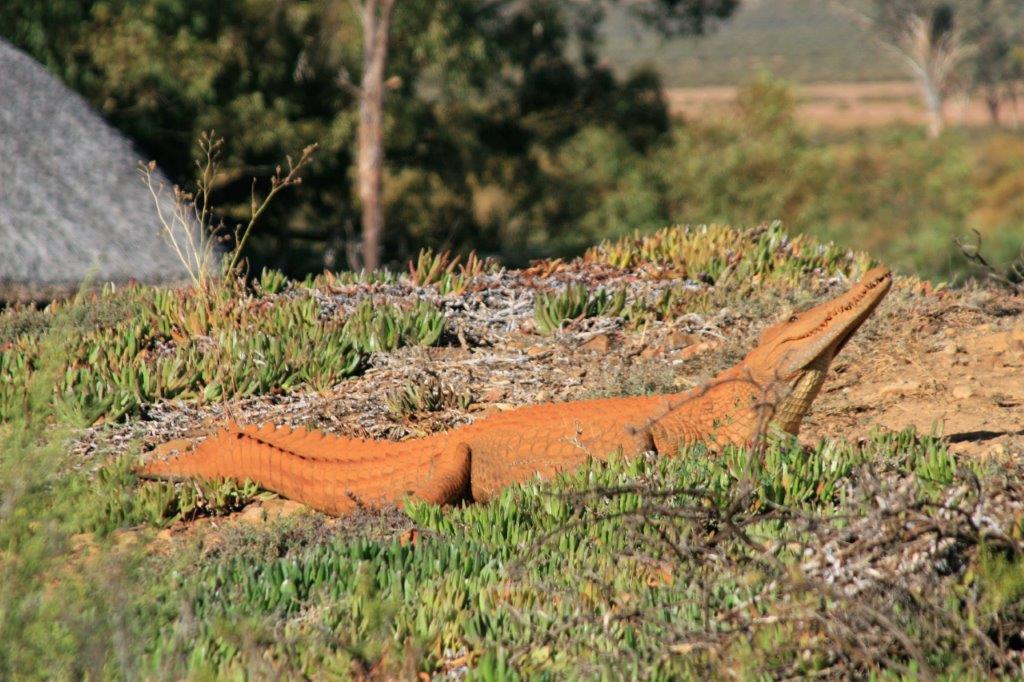
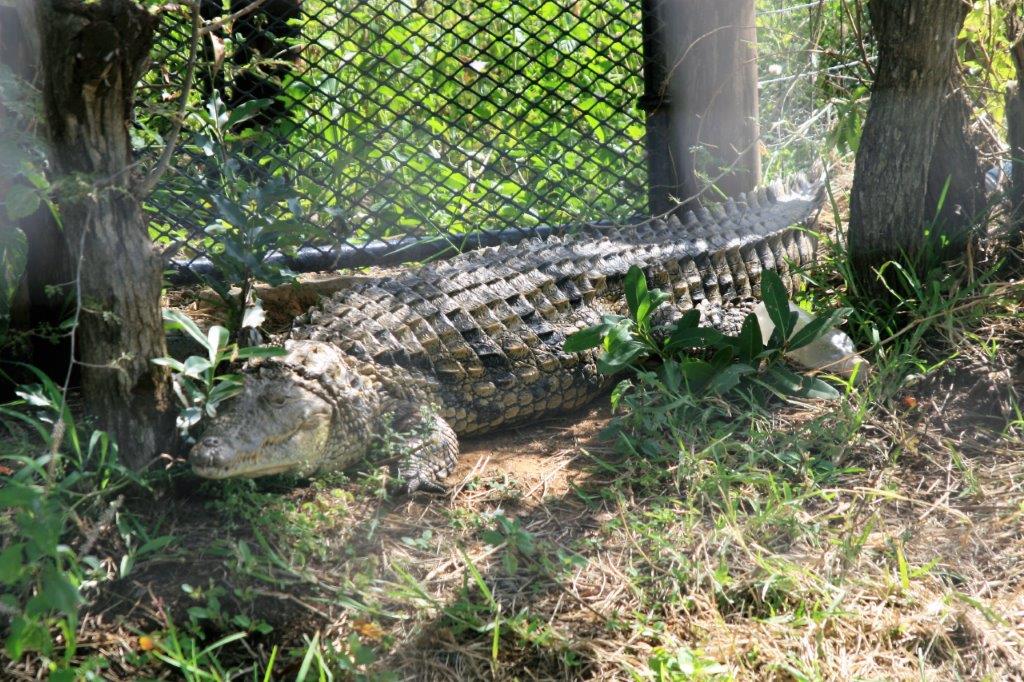
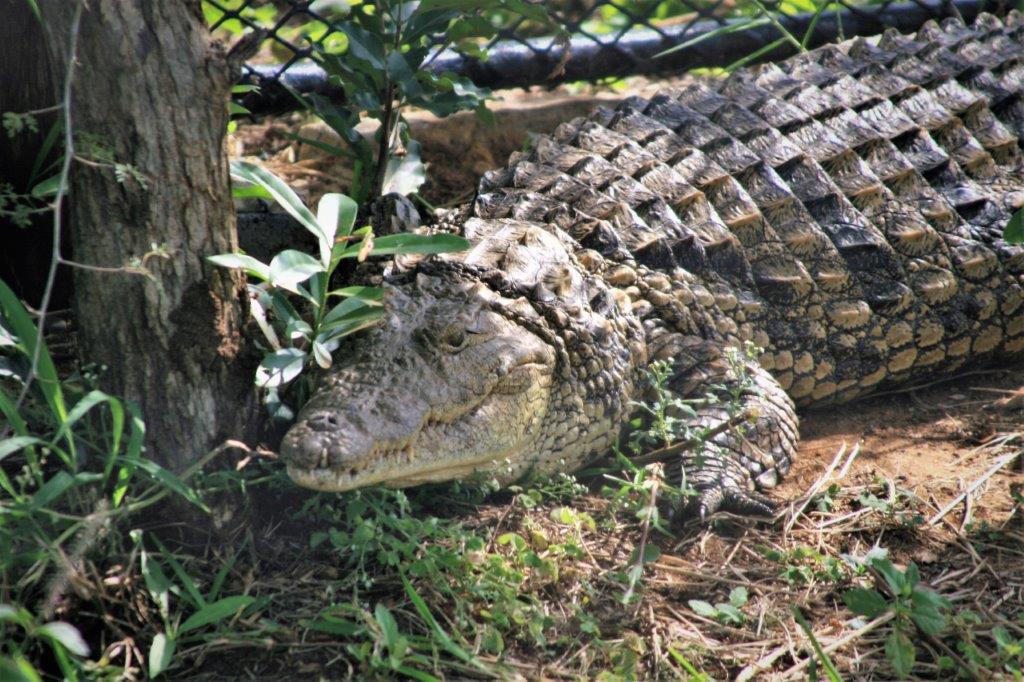
There were two types of grape trellises; those growing on vines up and down rows like we see at home or in California, and others that were like overhead carpets where the vines grew up the trellises and accross the top to form a huge green blanket.  The grapes on the vines were for wine, the grapes hanging from the ‘blankets’ were table grapes.2009-04-21_7121 2009-04-21_7122 2009-04-21_7124 2009-04-21_7125 2009-04-21_7126We were given breakfast upon our arrival at the Aquila Private Nature Reserve.  As we departed for our game drive the wind was still blowing and it was quite cold.  We were out for 2 1/2 hours and we were somewhat disappointed as Aquila was not so much a Game Reserve as a Game Farm/Rescue Facility.  If we had been told this from the beginning it would not have been an issue because people would have had the choice to go or not.  As it was many people were displeased to learn the animals are partially fed because the land is quite barren and could not provide the required nutrional levels and that they were ‘rescues’ that, it was hoped, could be released to the wild again.  This was not in any way a bad thing and the animals had plenty of space and looked well cared for, it just was not what people had been told to expect.2009-04-21_7139 2009-04-21_7135 2009-04-21_7134                  These crocs have spent too much time in the red mud.

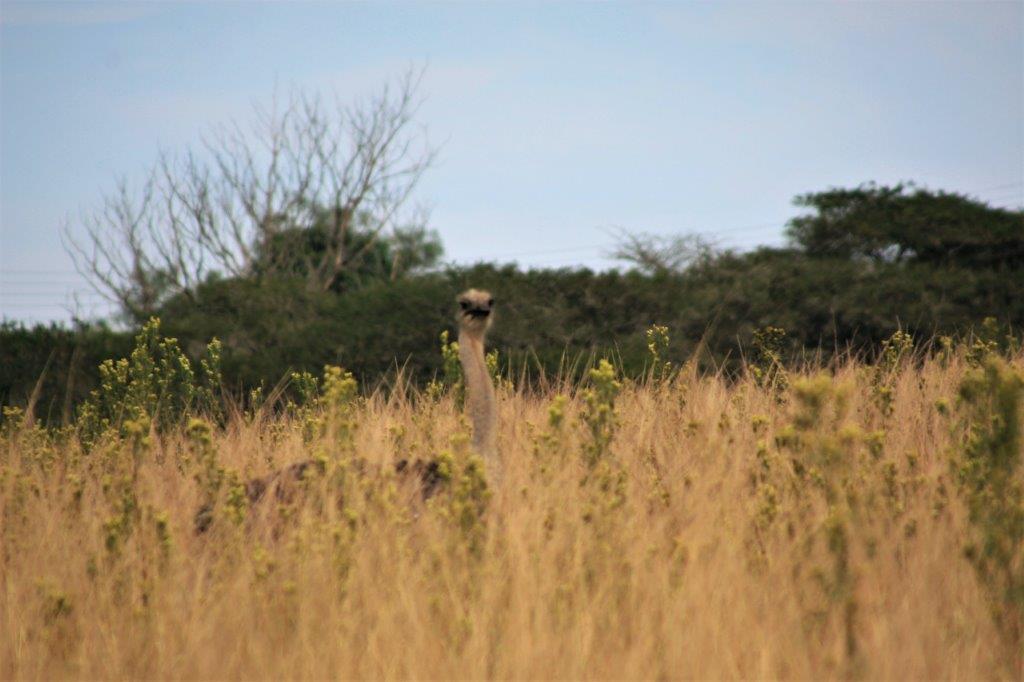
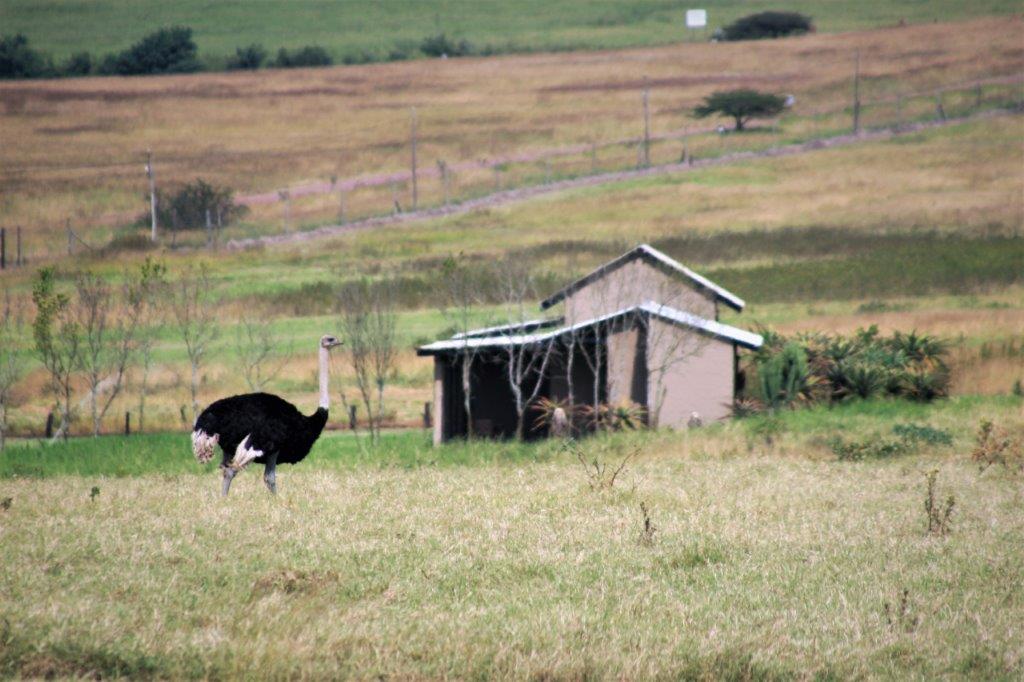
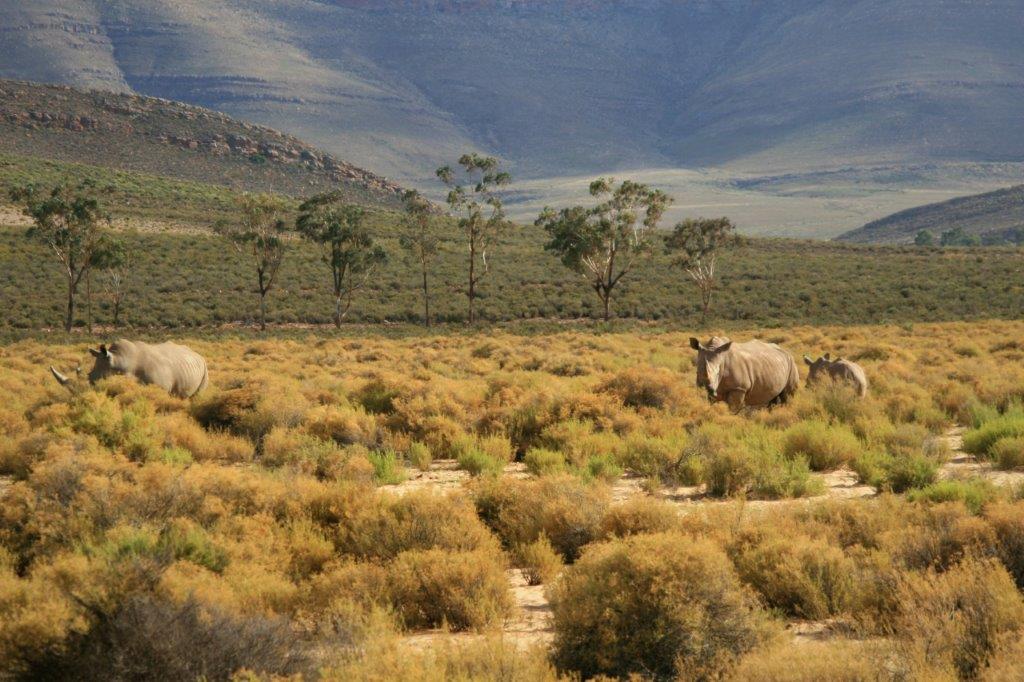
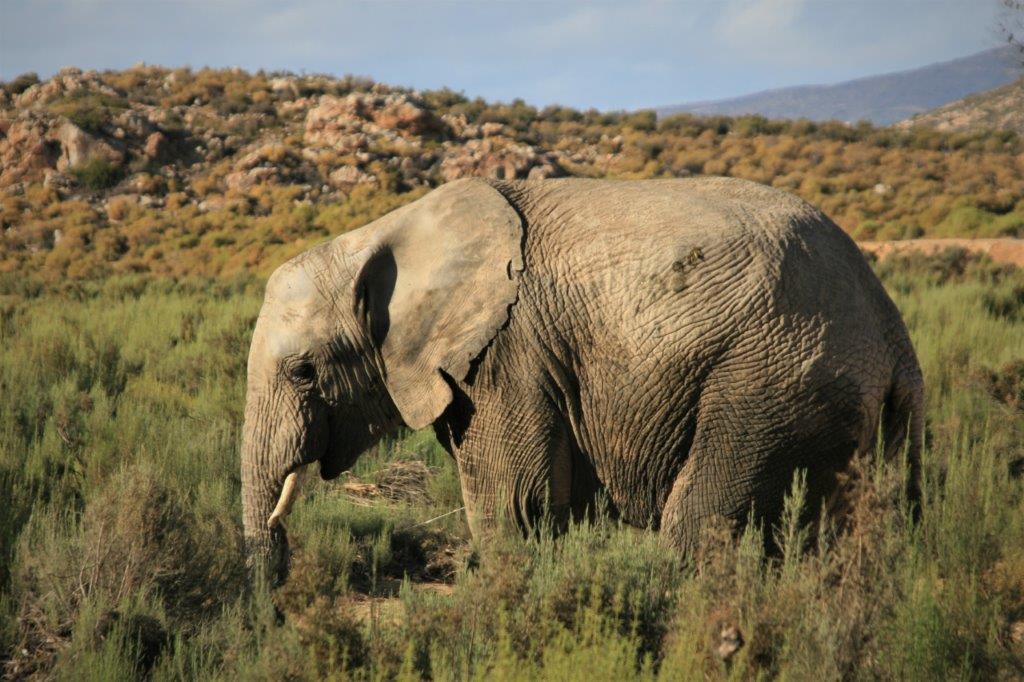
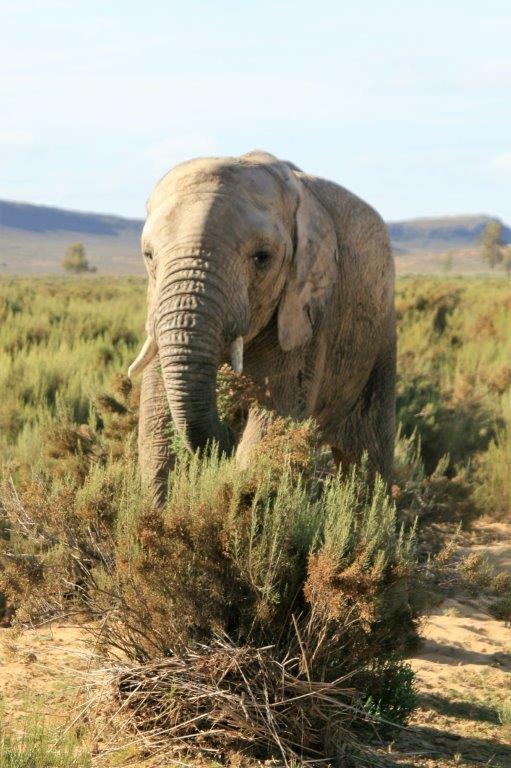
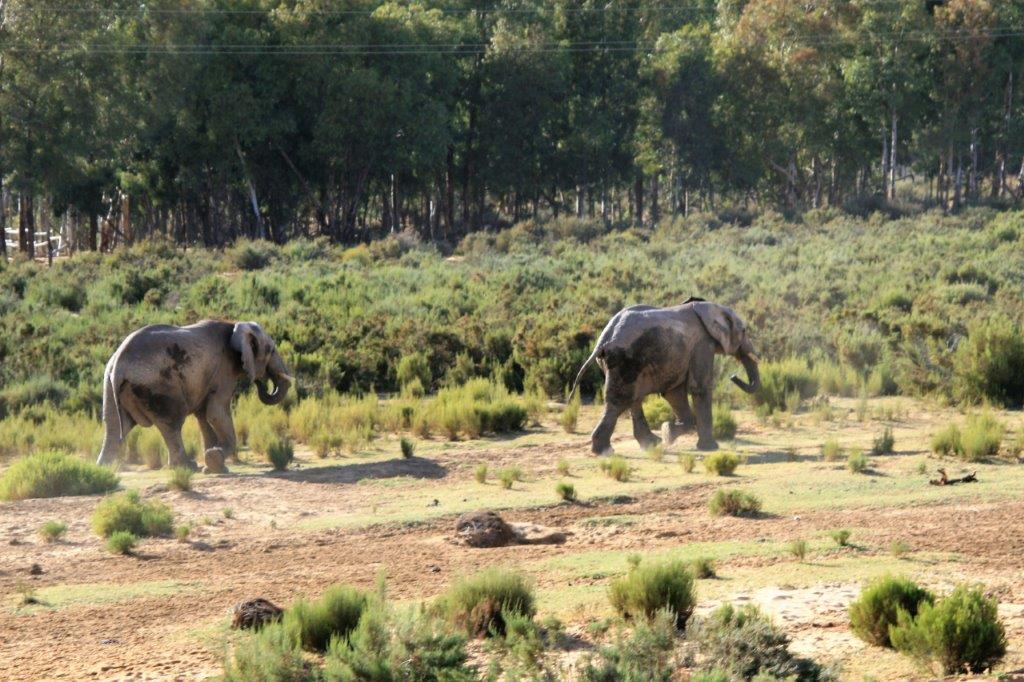
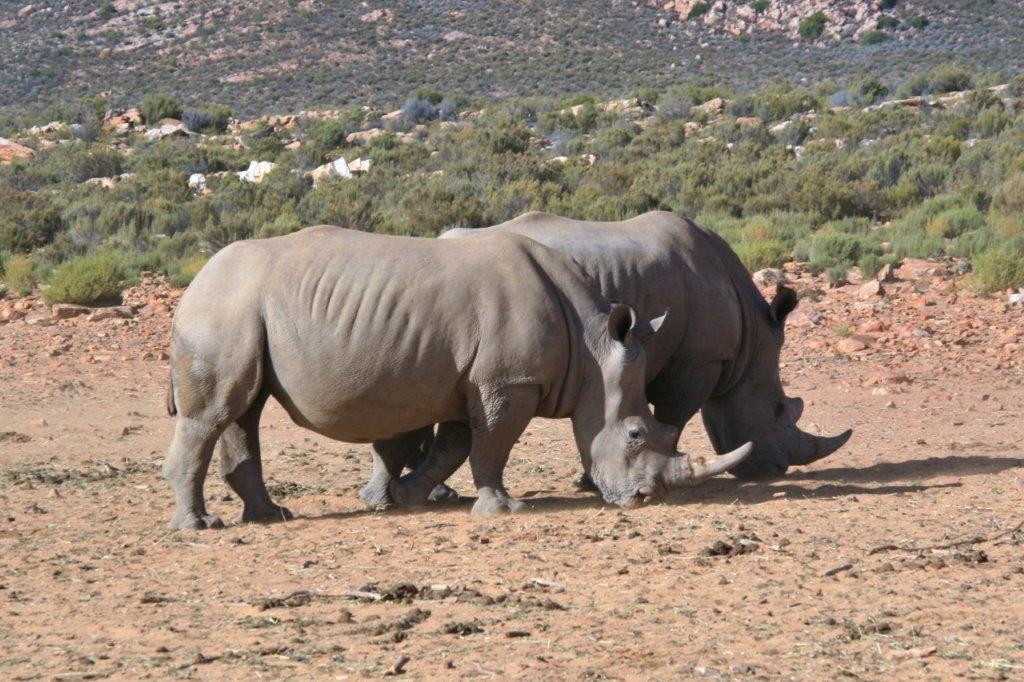
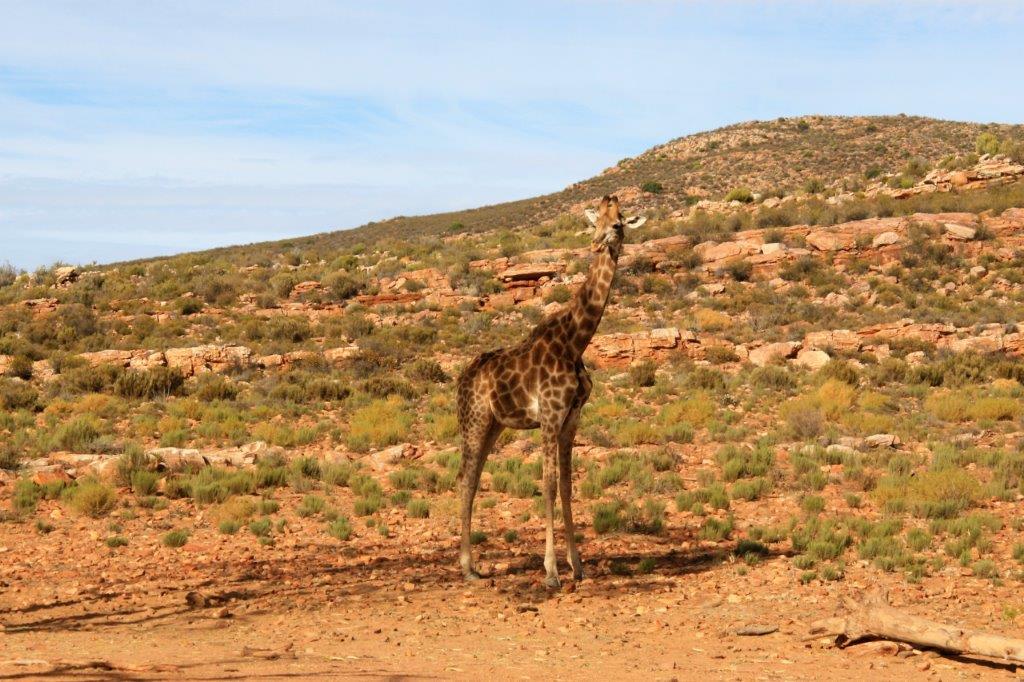
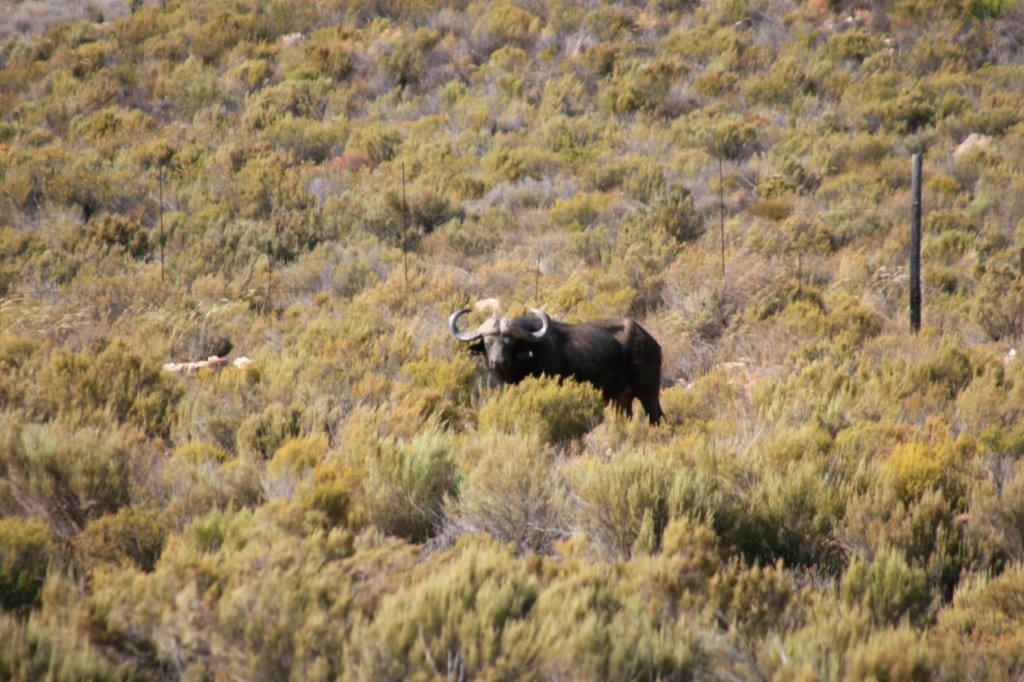
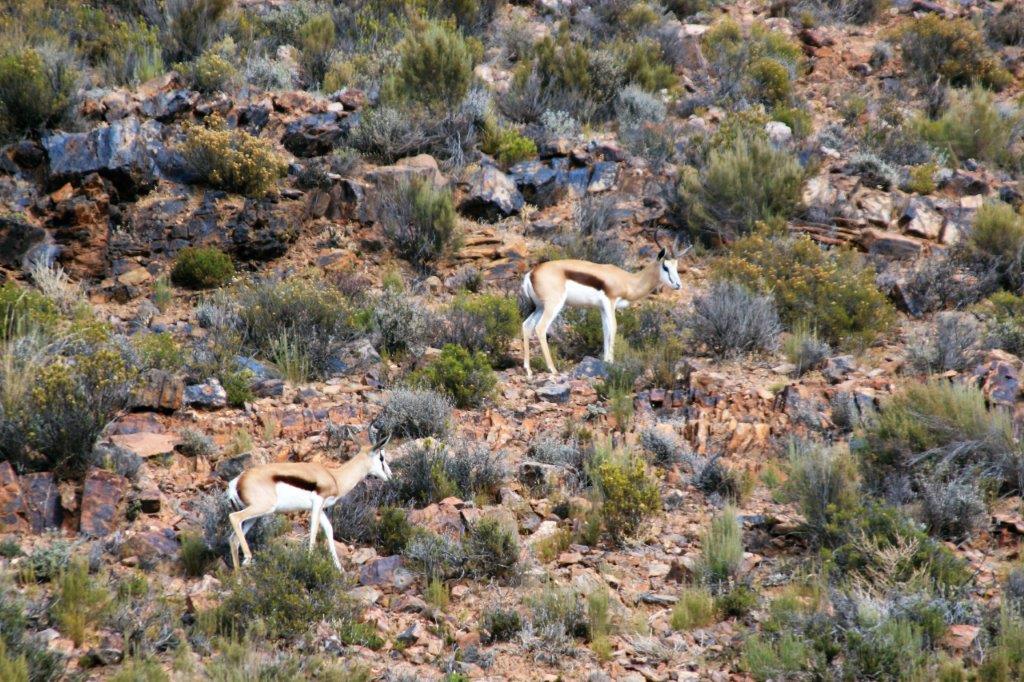
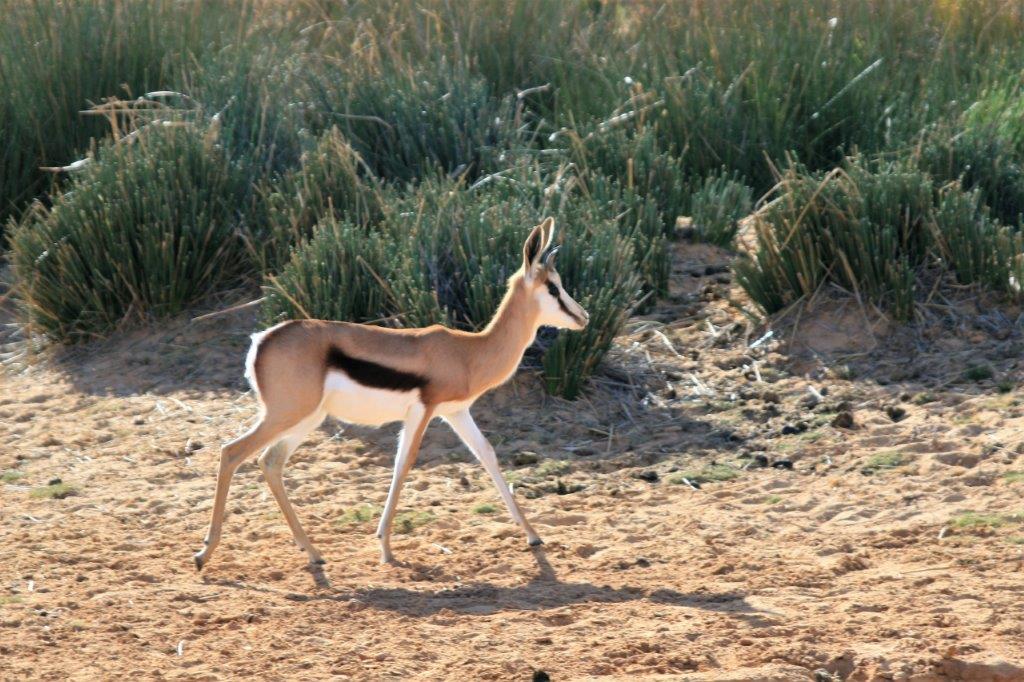
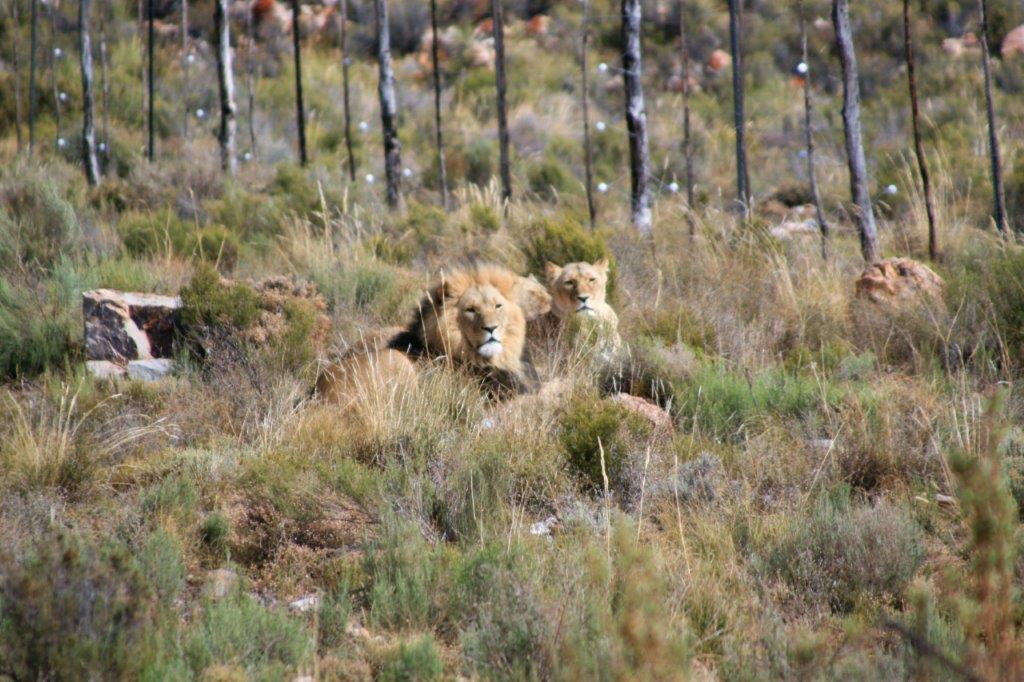
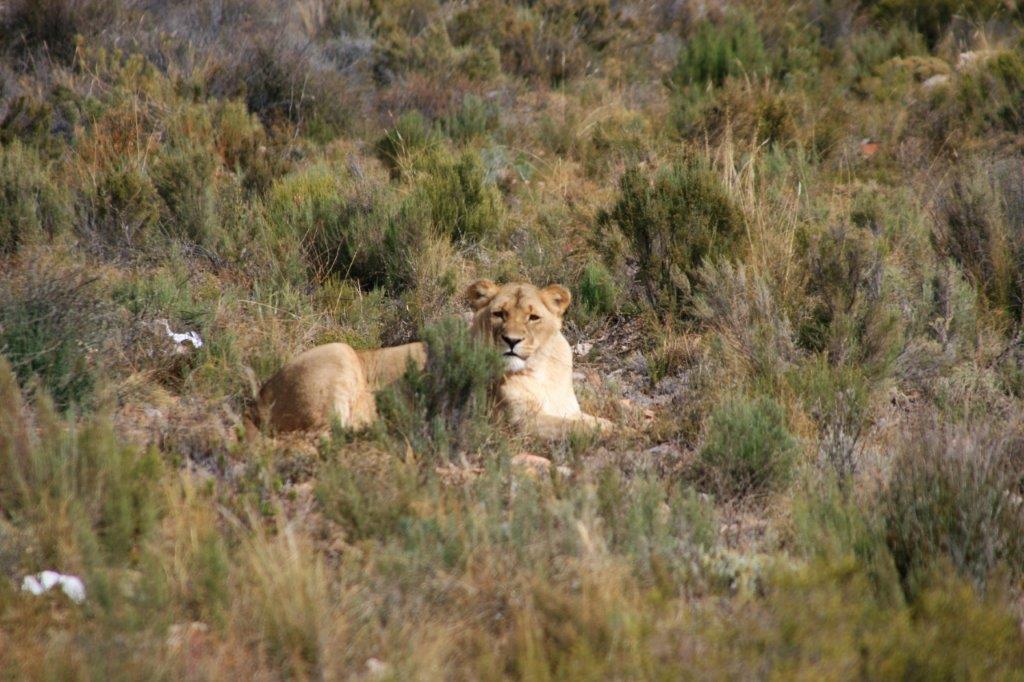
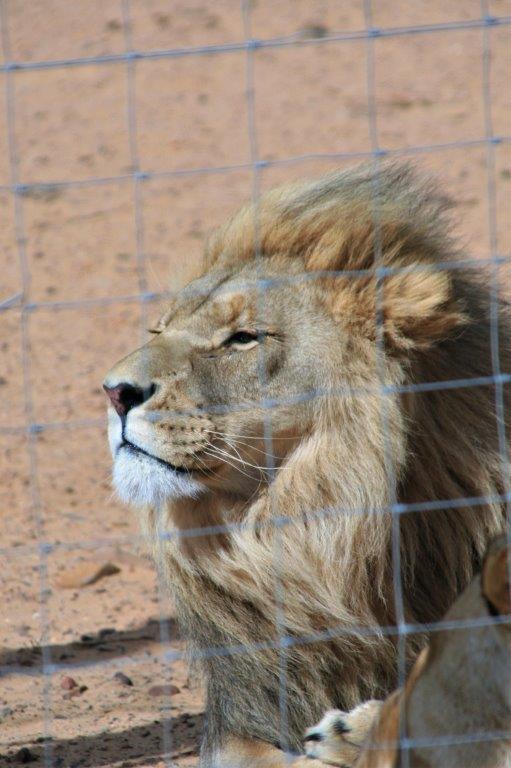
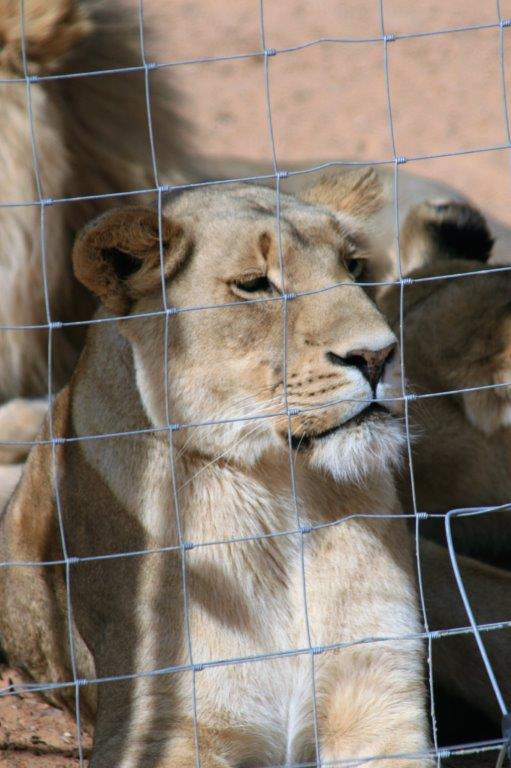
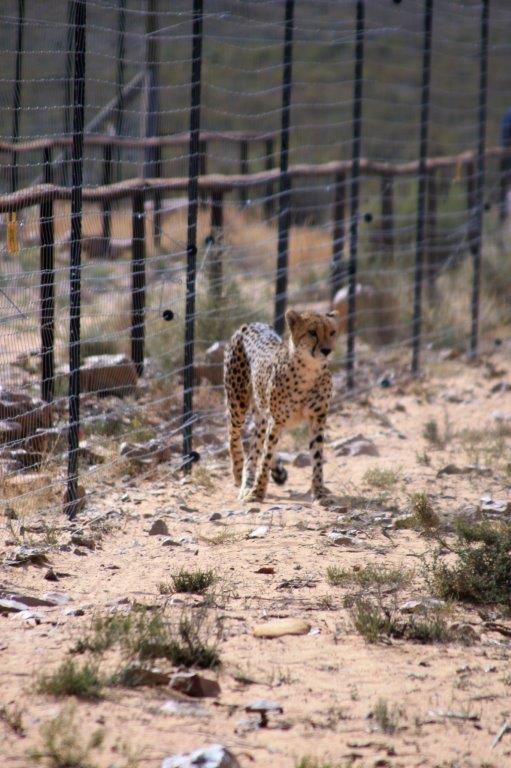
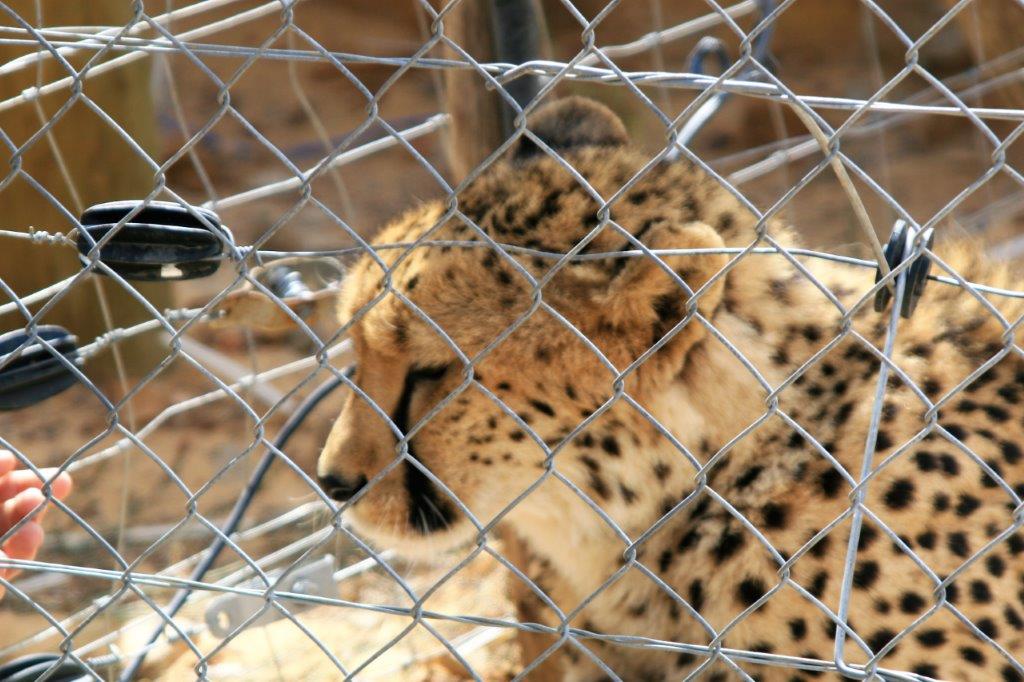
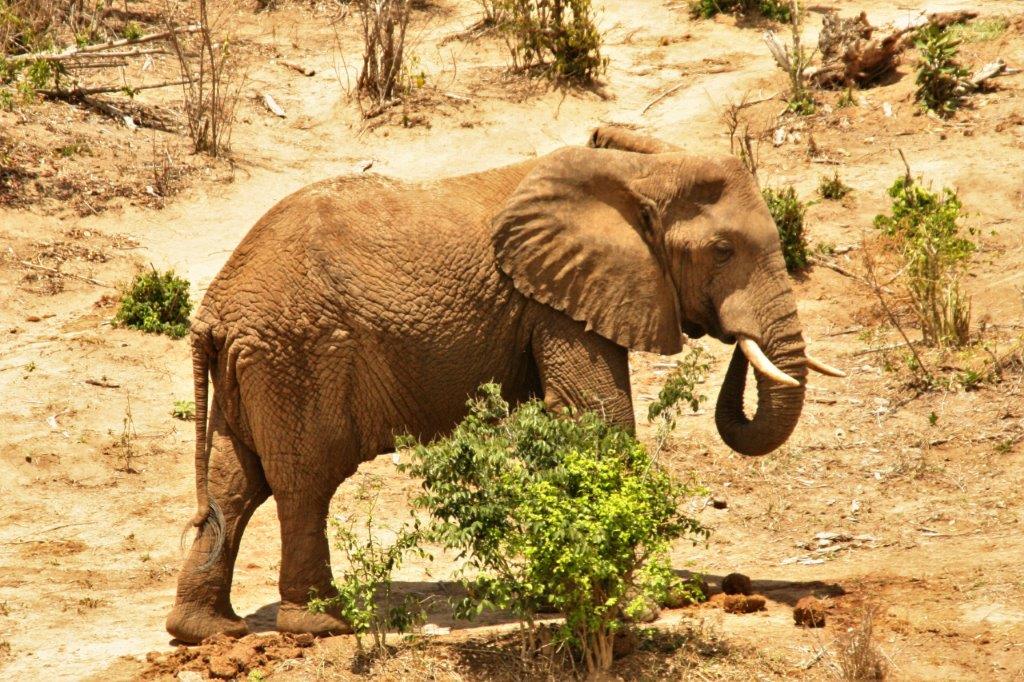
There was a lot of semi-arid land for the hoofed animals, but we only saw 2 young elephants, 1 giraffe, 5 rhinos and 6 hippos, a distant Cape Bufallo and a couple of ostrich.  2009-04-21_7187 2009-04-21_7189 2009-04-21_7150 2009-04-21_7159 2009-04-21_7166 2009-04-21_7176 2009-04-21_7178 2009-04-21_7194 2009-04-21_7170 2009-04-21_7195 2009-04-21_71962009-04-21_7264We did see several types of antelope, both blue and black wildebeest, and springbok which we had not seen before, but none of the ‘free roaming herds’ as advertised.  2009-04-21_7201 2009-04-21_7174And all the big cats were kept in enclosures.  I will admit it was nice to see lions and a cheetah up close and it would have been unlikely we would ever have seen them in an open setting, but again, not quite as advertised.  They were lovely animals though, and were relaxed.  None of them exhibited the stress pacing we had seen before in zoos or parks.2009-04-21_7226 2009-04-21_7207 2009-04-21_7206 2009-04-21_7281 2009-04-21_7275 2009-04-21_7278 2009-04-21_7290 2009-04-21_7285 2009-04-21_7268 For the first we returned early from a tour.  Many of the people on the bus were not very happy and I think the shore excursions people would be getting some negative feedback on the day.  People were not upset with the animals they saw or the setting, guides or vehicles, it was more that the reality did not live up to the information we were given in the brochure.  So many of the people on a world cruise are regular travellers (some people do the World Cruise every year!  Or, at least, every other year.), so they are very aware of ‘advertising hype’ in tour write-ups.  It wasn’t at all a bad day, just a somewhat disappointing one in a general sense.  And I was very happy to see the cats.  My strategy of booking lots of animal tours worked out and we did see all of the Big Five except the very elusive leopard, plus many, many more of Africa’s amazing animals.    ( And I like cheetahs better than leopards anyway.)2009-04-21_7300 2009-04-21_7310We have one more day in Cape Town before we Round the Horn and sail up the west coast of Africa.

2009 World Cruise – April 17 – Day 102 – Richards Bay, South Africa

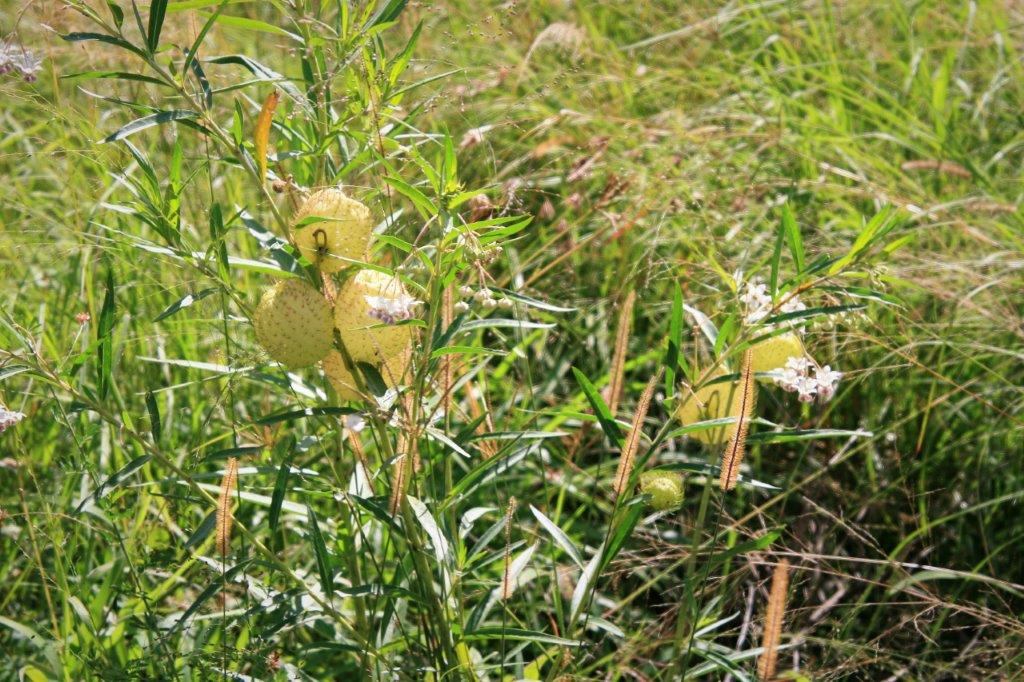
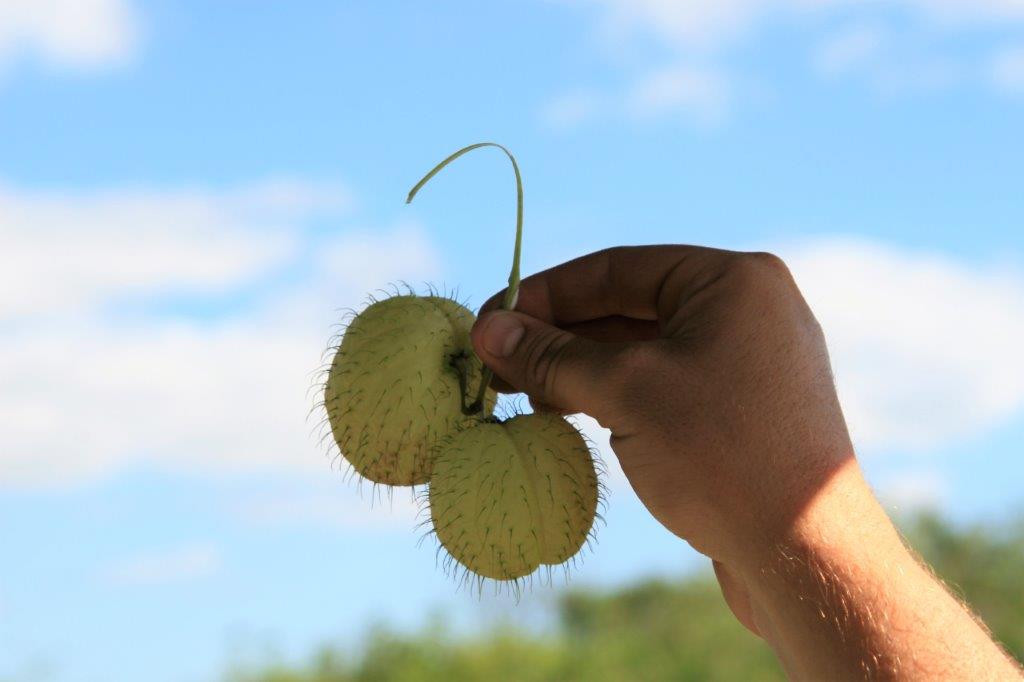
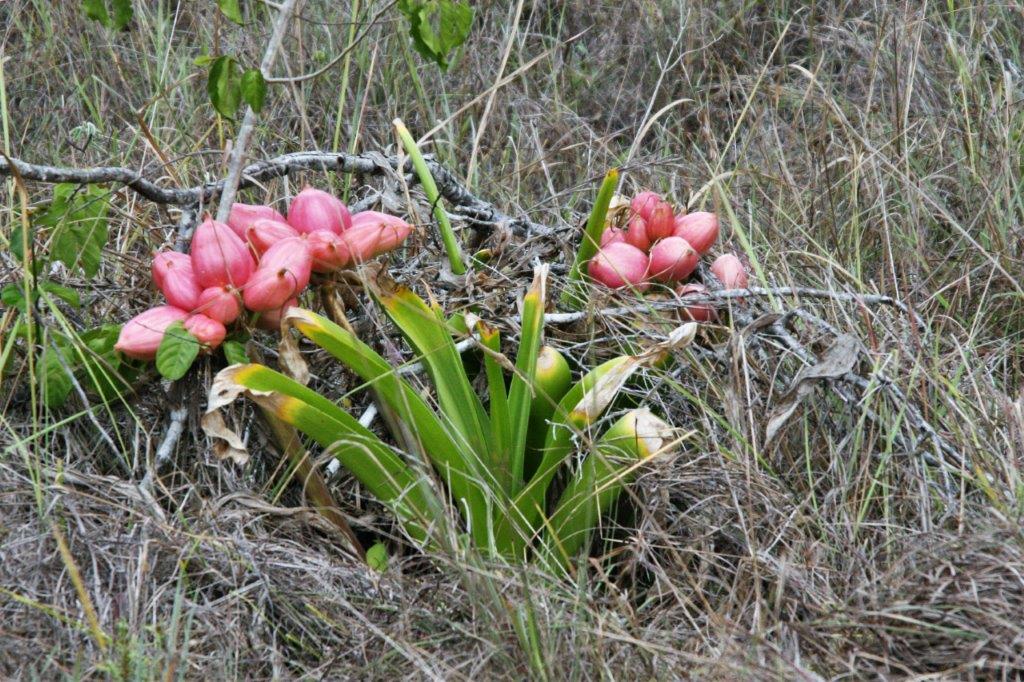
On our second day at Richards Bay we visited the Hluhluwe-Umfolozi Game Reserve.  The park name is pronounced nothing like the letter combinations look.  It is Shoo sloo wee-Um fō lō zee.  I can only remember this because it was so unusual I made a point of learning it.  At one time there were too different parks with a corridor in between.  Hluhluwe was mostly for game and Umfolozi, since it was on the wetlands, had mostly birds.  The corridor lands were acquired and the parks joined together.  It is government owned and managed.  2009-04-17_6067 2009-04-17_6071 2009-04-17_6072 2009-04-17_6073 2009-04-17_6076Once again we had a lengthy (90 minute) drive to the Reserve.  Our guide, Helmut, was a one-man South Africa bashing team.  For the entire trip (there and back) he regalled us with all the reasons people should not come to South Africa;  the crime rate, unemployment, lack of education, issues with tribal areas, AIDs, big factories, brain drain (skilled doctors, engineers, etc, leaving for work overseas), currency de-valuation, inferior housing, power black-outs and illegal users.  I think he covered just about every aspect of the economy and life-style.  A really cheerful fellow.  Not really a good spokesman for his country.  He also spoke insensitively about the black population even though our driver was black.2009-04-17_6097 2009-04-17_6098The common name for the fruit of this plant is “Old Man’s Testicles.”

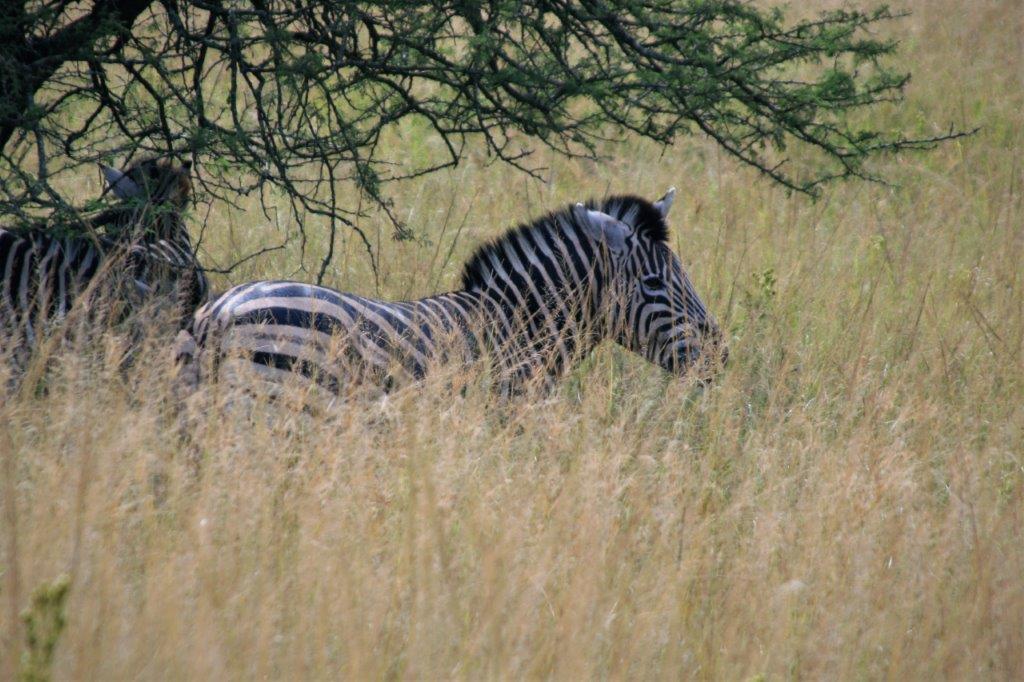
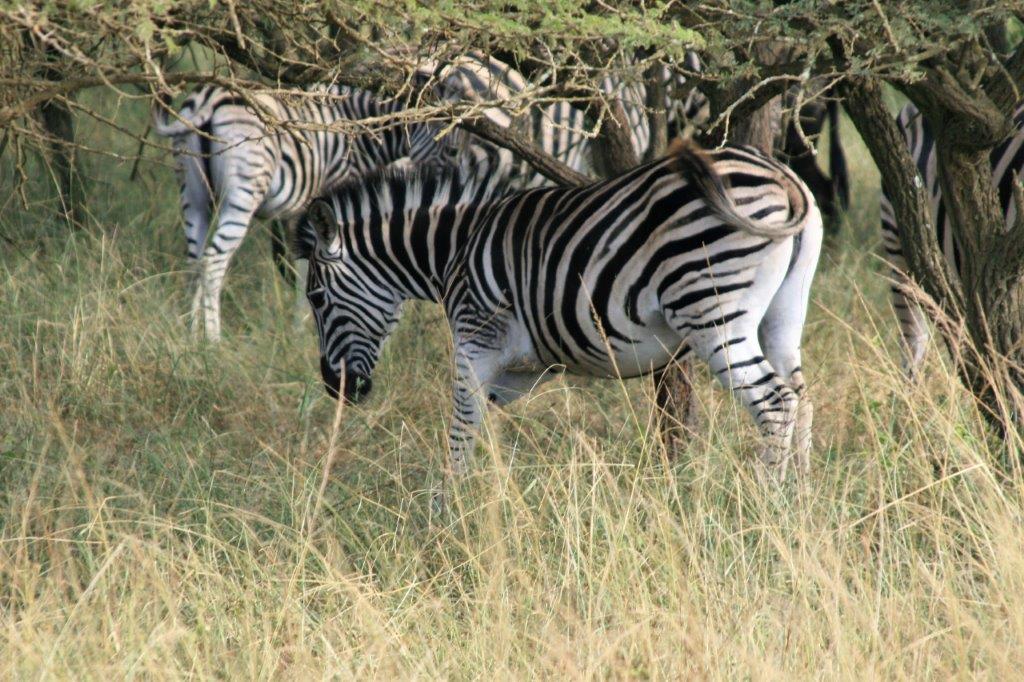
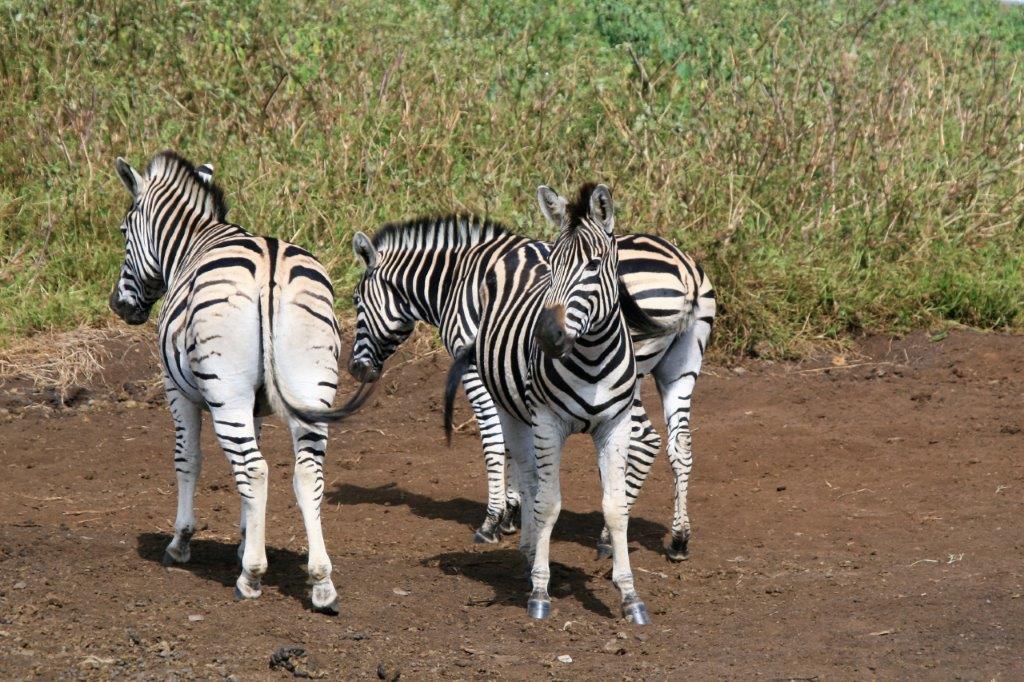
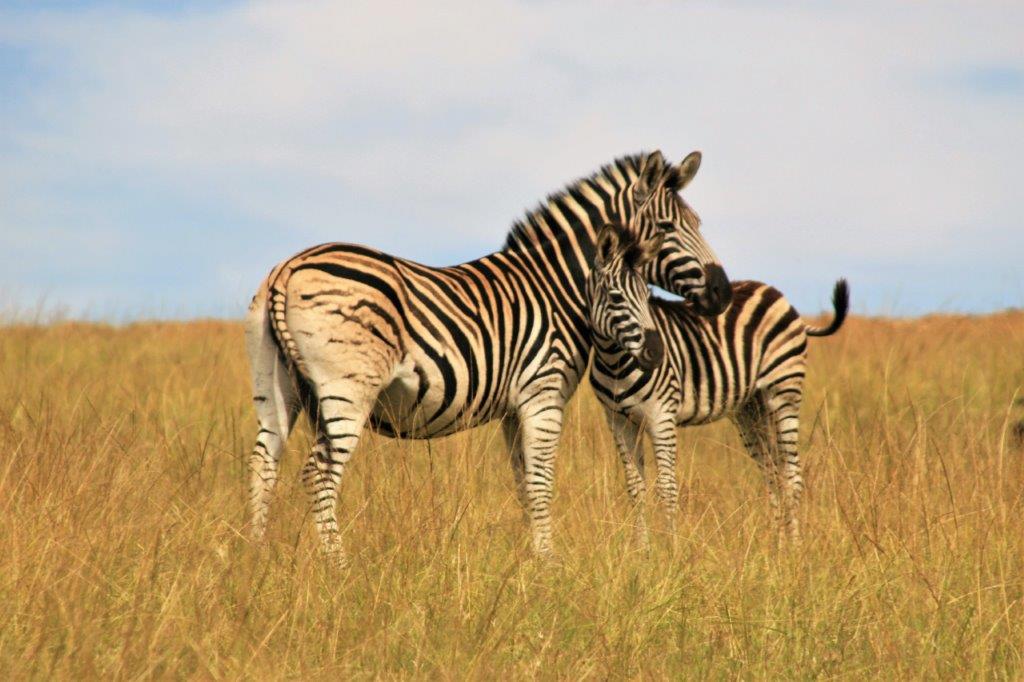
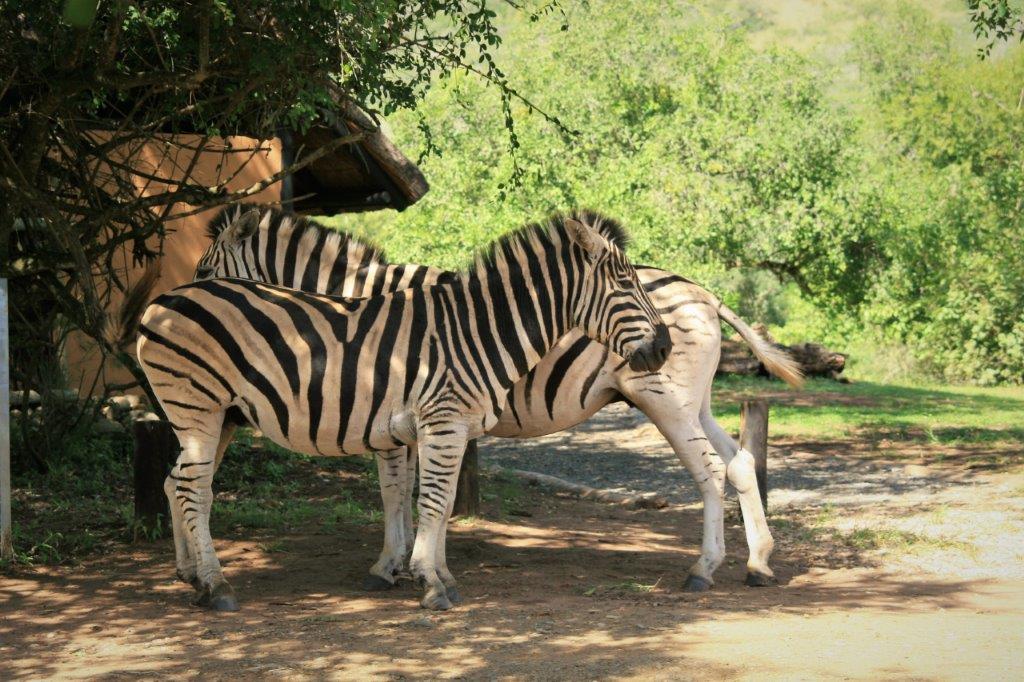
The driver of our truck at the reserve did not seem too motived to locate any animals and for the first part of our game drive he stuck to the paved roads – but we still saw animals.  When he moved off onto the dirt roads, though, we saw more.2009-04-17_6084 2009-04-17_6086 2009-04-17_6093_edited-1 2009-04-17_6101 2009-04-17_6107_edited-1 2009-04-17_6117These zebras were enjoying the shade at one of our pit stops.  I noticed that they usually stand like this, one facing one way and the other right alongside facing the other.  I am sure it is a survival instinct so there are eyes and ears on the lookout in all directions.

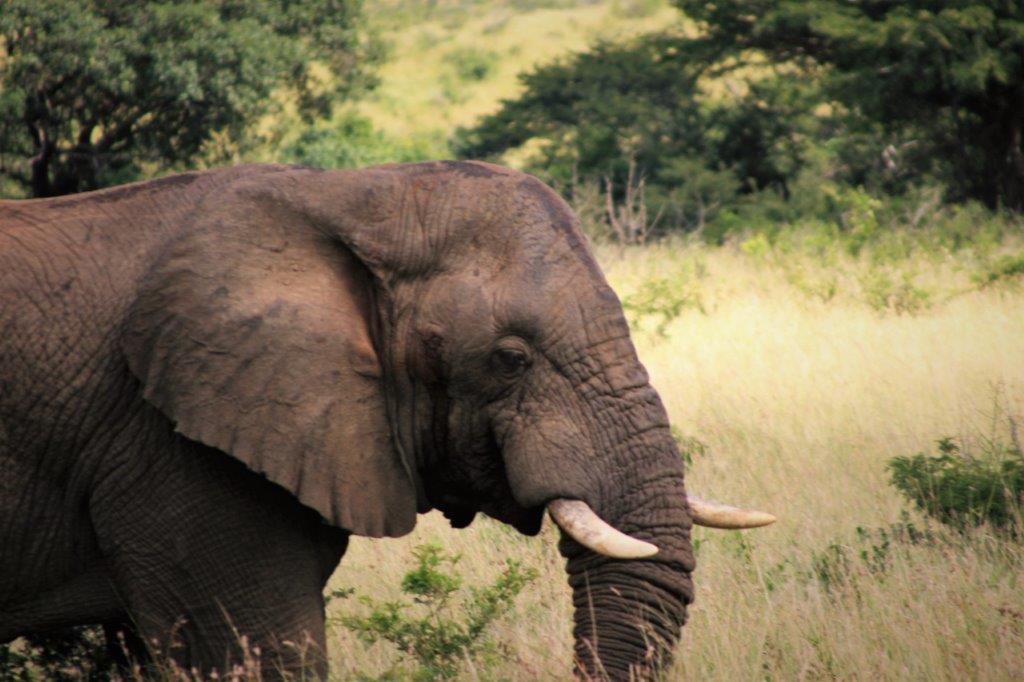
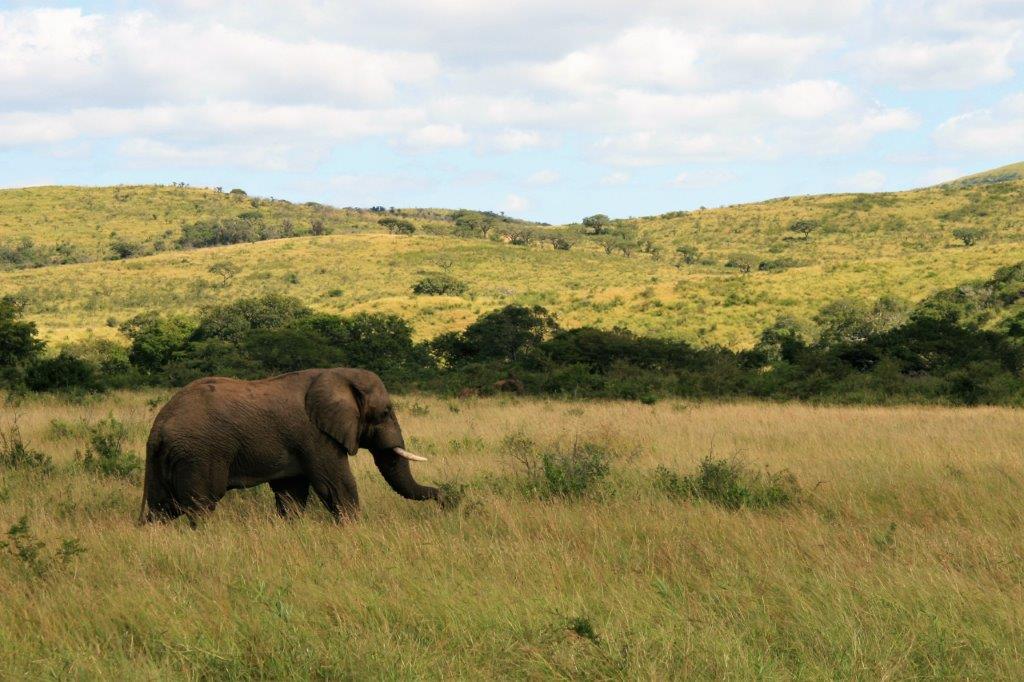
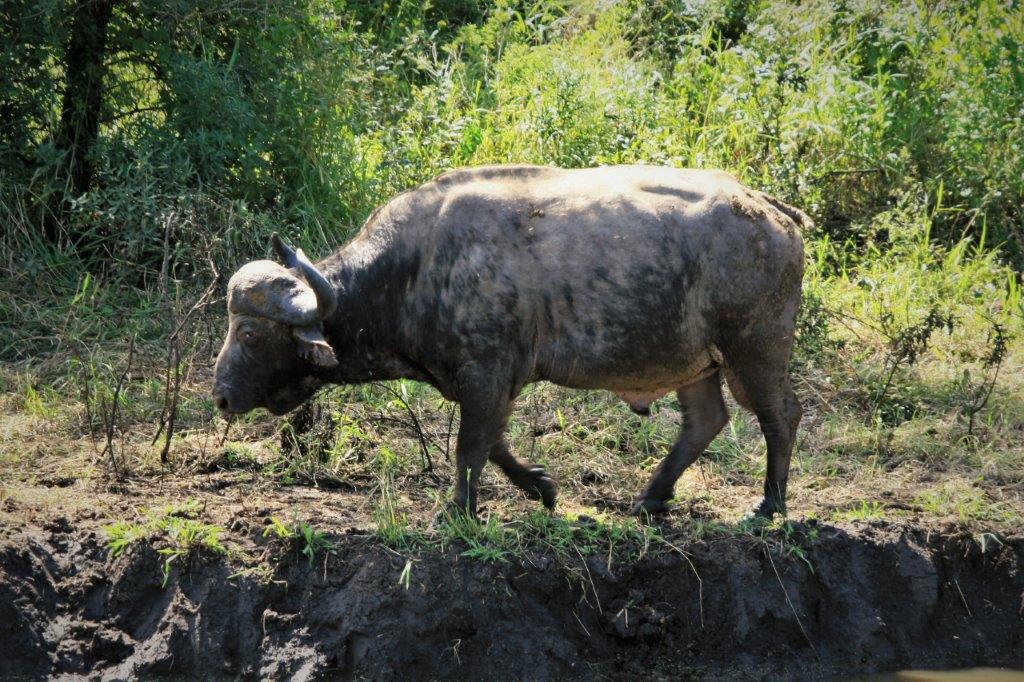
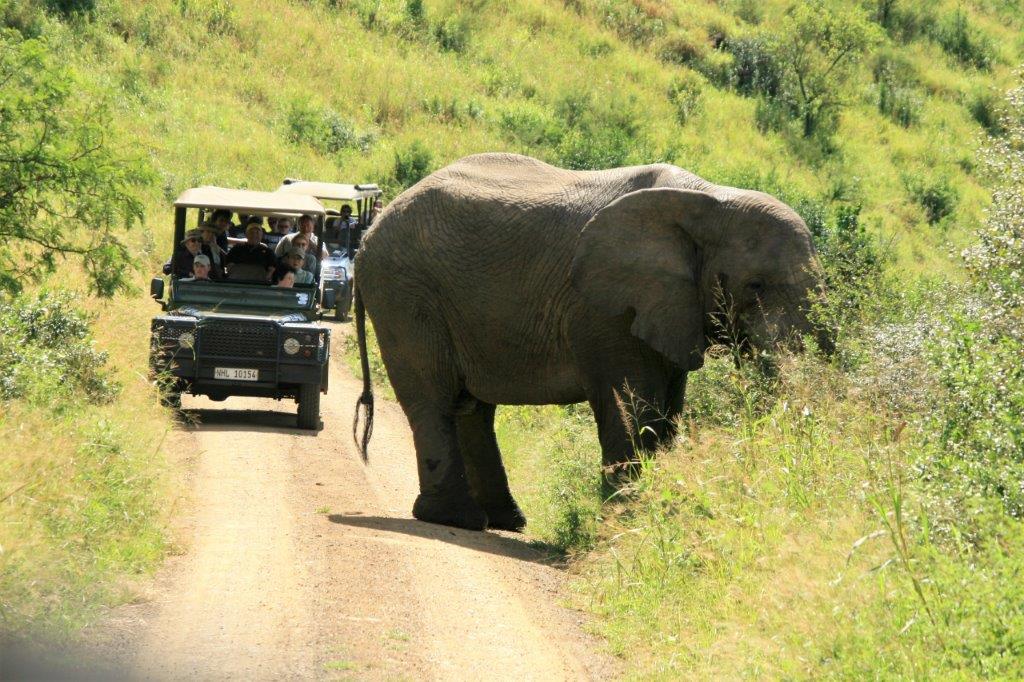
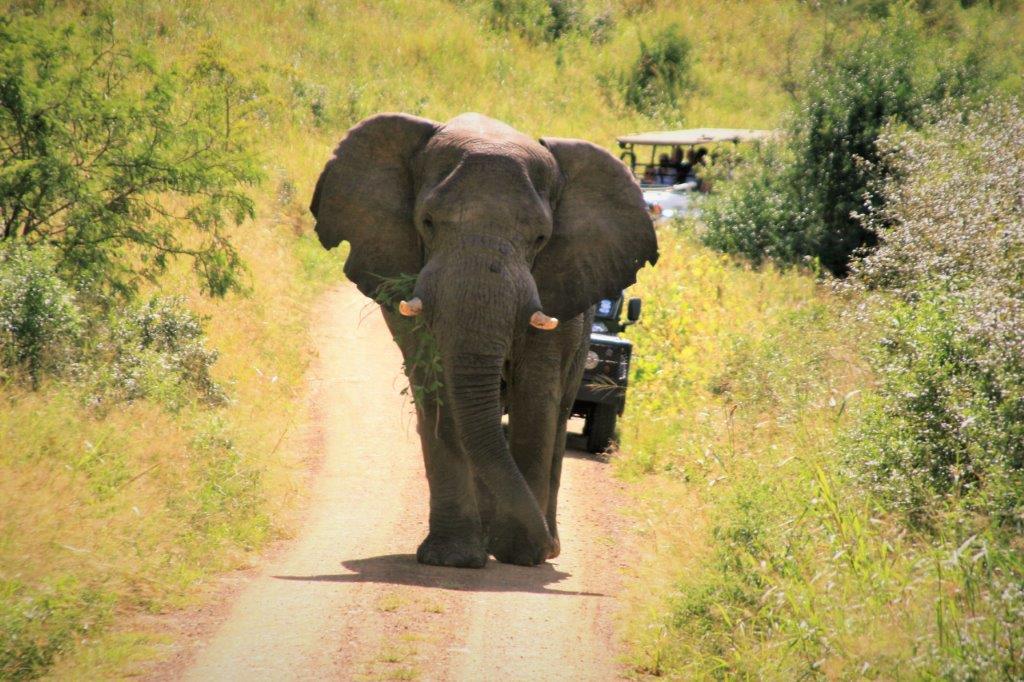
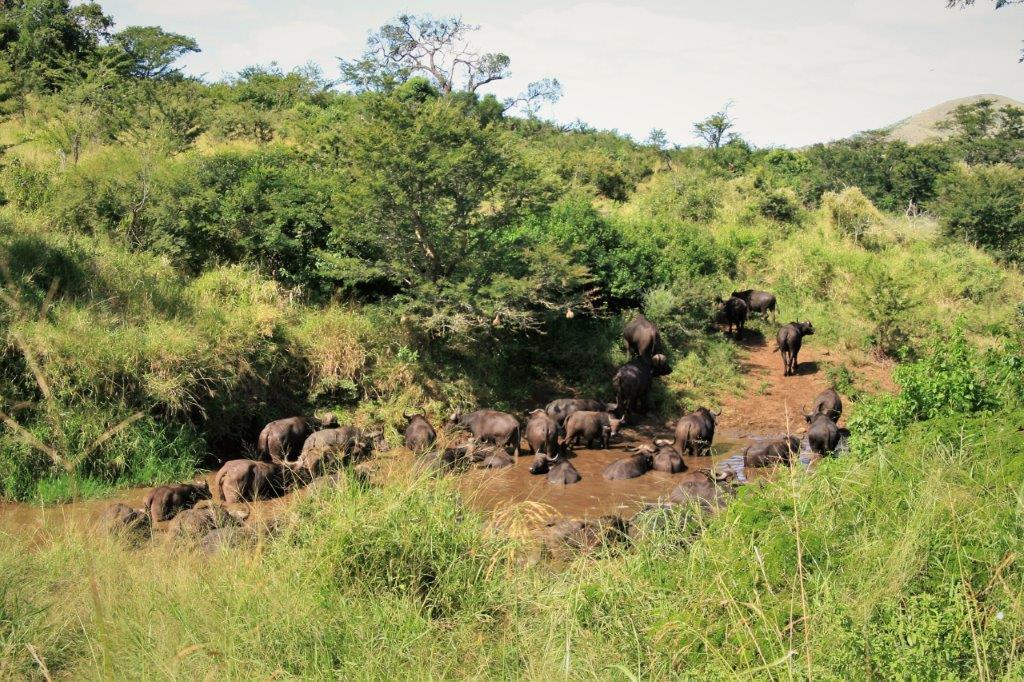
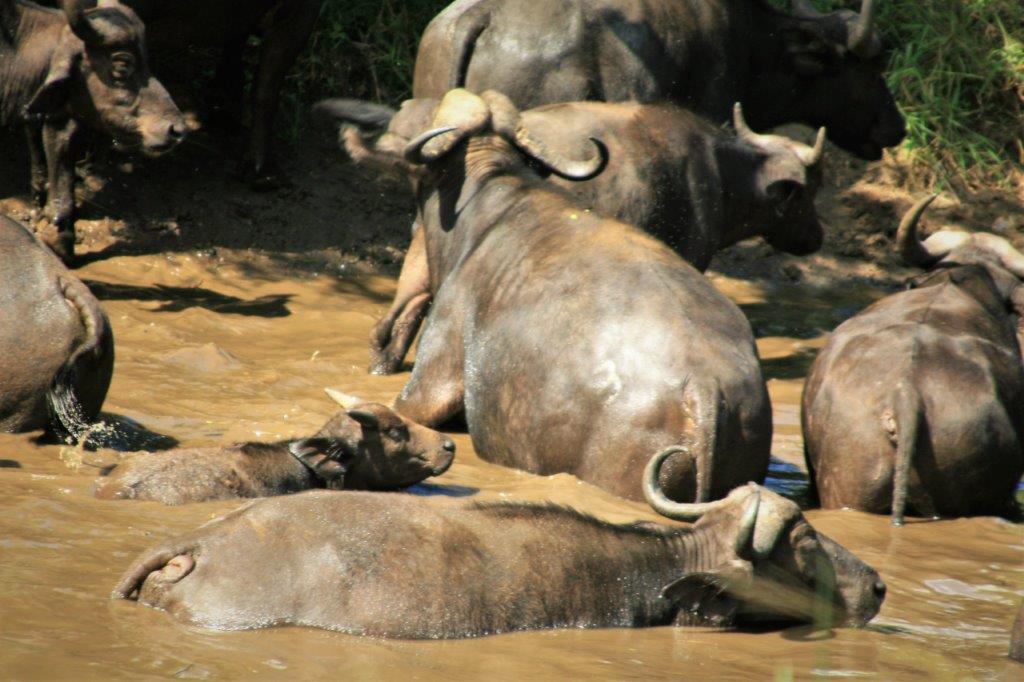
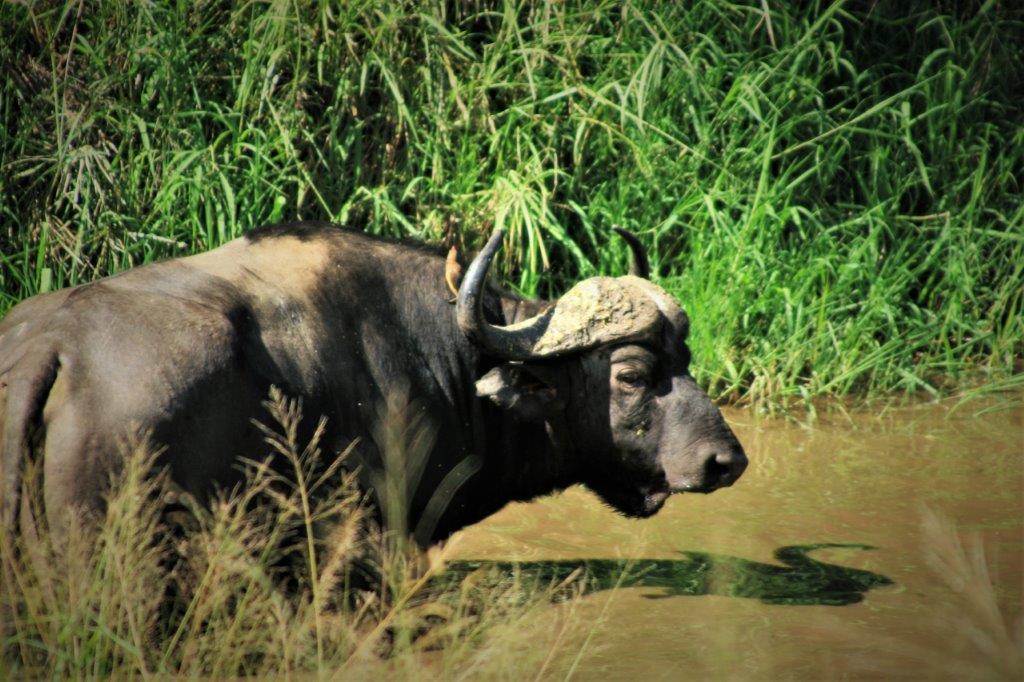
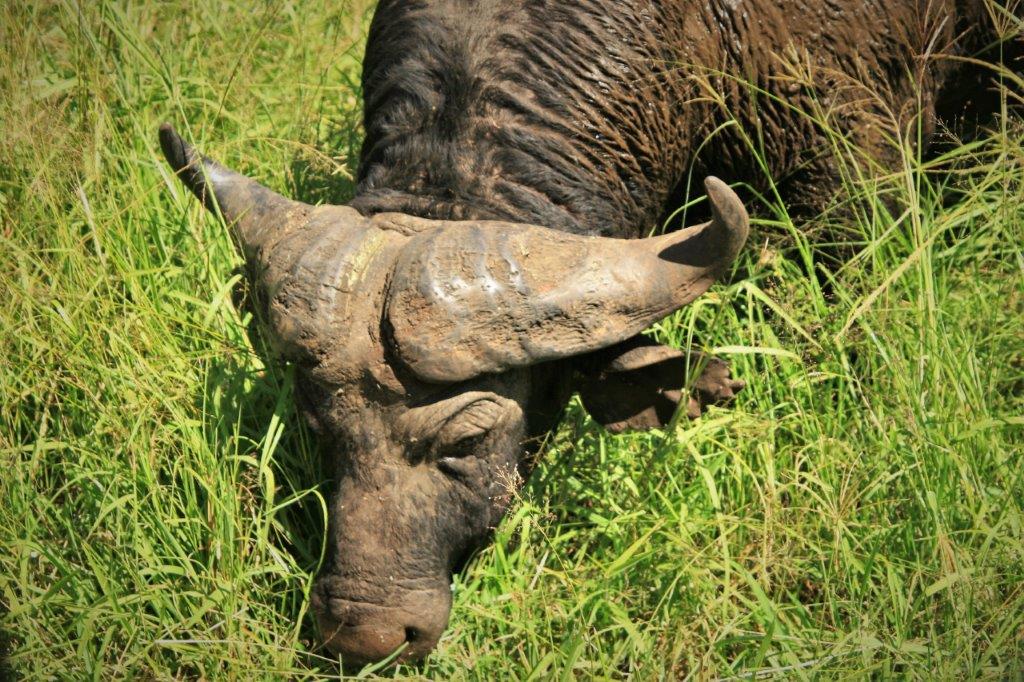
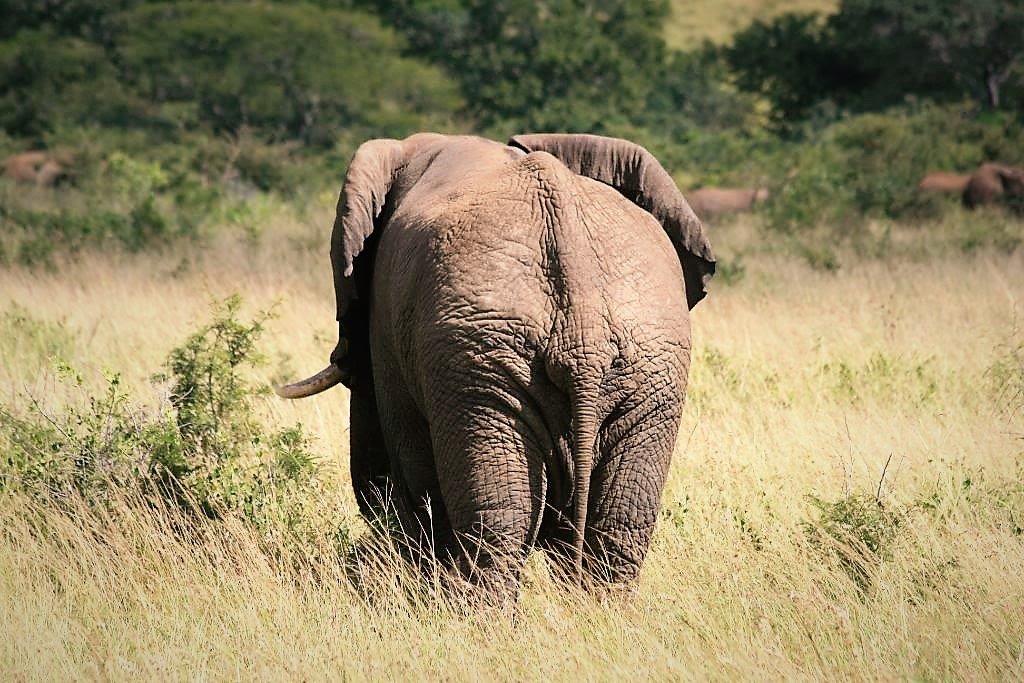
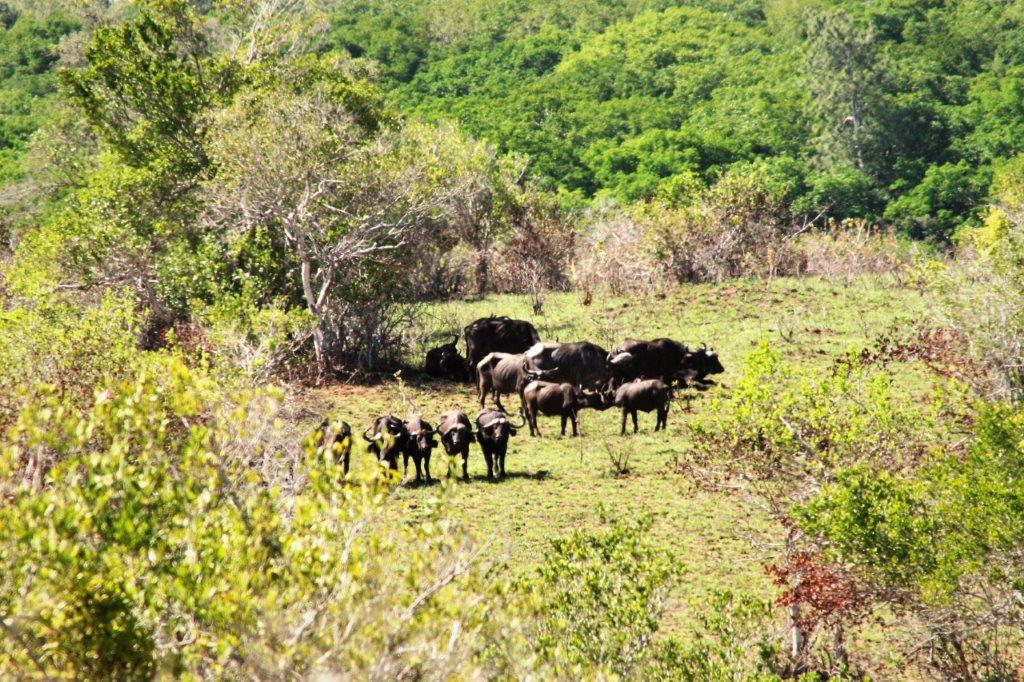
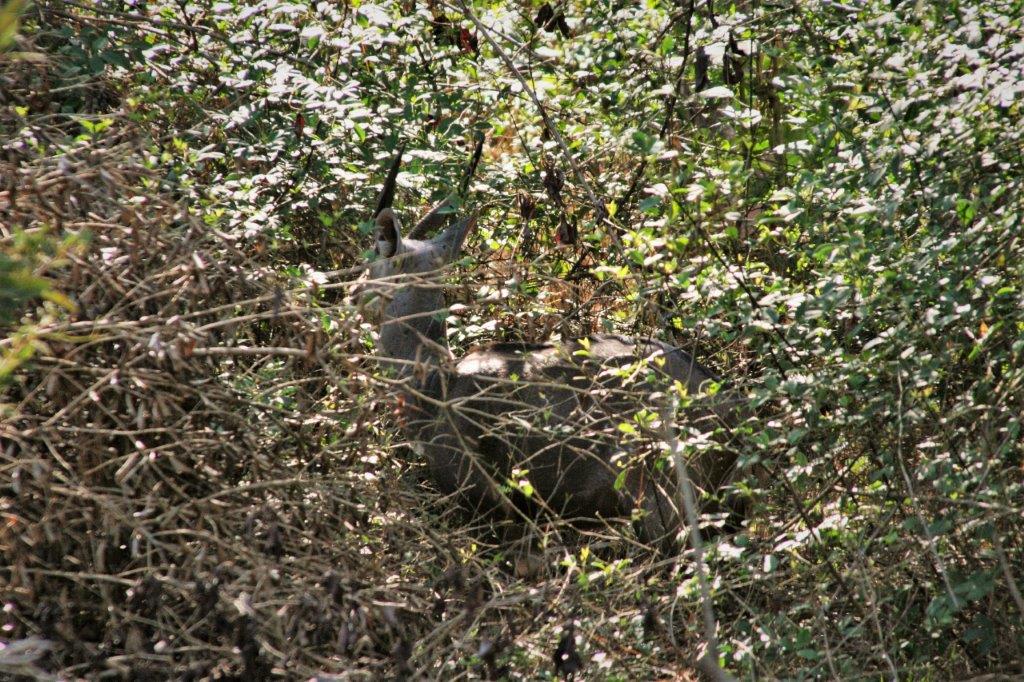
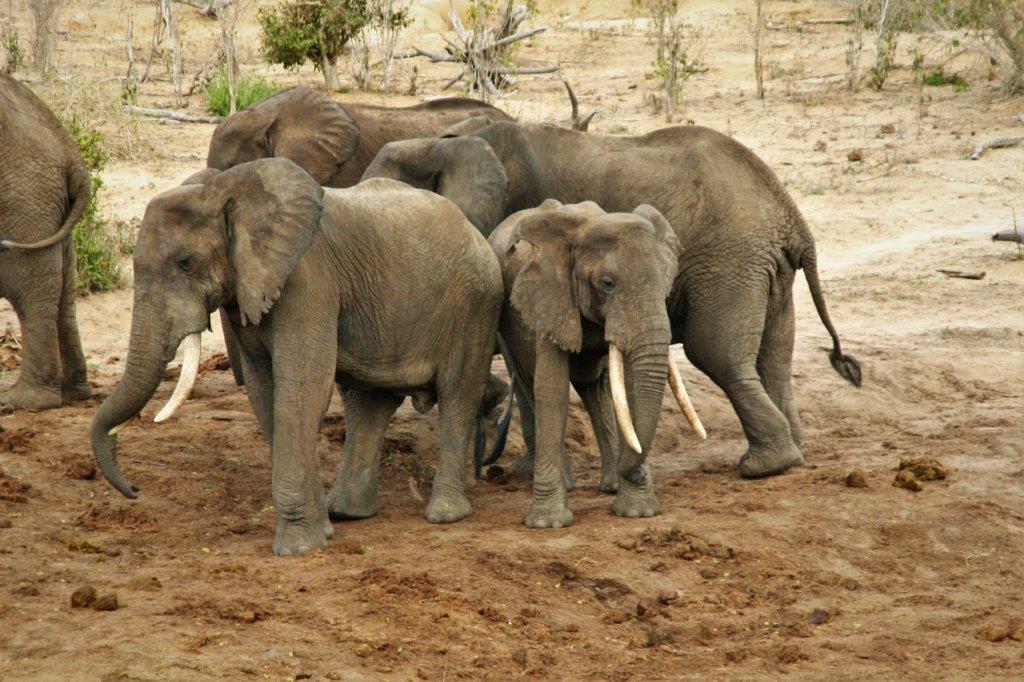
This old Cape Buffalo moved along very slowly.  I don’t think its remaining lifetime was very long.2009-04-17_6121We had been warned that all animals have the right-of-way in the reserves and when we encountered an elephant snoozing in the middle of the road all the vehicles just stopped and waited to see where he wanted to go.  By the time he moved there were five tour trucks, a dump truck and two private cars sitting at a standstill. 2009-04-17_6132 2009-04-17_6136There was another bull elephant off in the brush somewhere that was calling out and the fellow in front of us did not like what he was saying.  Eventually he wandered down the road and then off into the bush to investigate and we were all able to resume our drives.2009-04-17_6137 2009-04-17_6140 2009-04-17_6141There was quite a large herd of Cape Buffalo crossing the river.  2009-04-17_6151 2009-04-17_61582009-04-17_61542009-04-17_6146We saw a herd of Gazelle wandering down the road,  another Nyala Antelope, and some more giraffes and elephants before we left the park and headed back to the ship.

2009-04-17_61682009-04-17_6170

20090416_592520090416_6384 2009-04-17_616420090417_6537                 All in all it ended up being a pretty decent critter day.2009-04-17_6177


2009 World Cruise – April 16 – Day 101 – Richards Bay, South Africa

Richards Bay is South Africa’s largest harbour.  It is situated on a large lagoon off the Mhlatuze River on the northern coast of KwaZulu-Natal.  Originally it was a make-shift harbour during the Boer War of 1879 (used by Commodore of the Cape, Sir Frederick Richards).  The first sanctuary was created here in 1935 to protect the ecology around the lagoon but by 1943 it was expanded into the Richards Bay Park.  In 1954 a plan for a community was laid out and a formally recognized town was proclaimed in 1969.

The harbour is linked to Johannesburg by railway and an oil/gas pipeline. Both an aluminum smelter and a fertilizer plant were constructed at the lagoon and titanium is mined from the nearby sand dunes. Diamonds and gold were discovered in South Africa in the 19th century and mining became the foundation for rapid economic development.  By the 1990s services contributed almost 60% of the GDP, with industry providing 35% and the final 5% comes from agriculture.

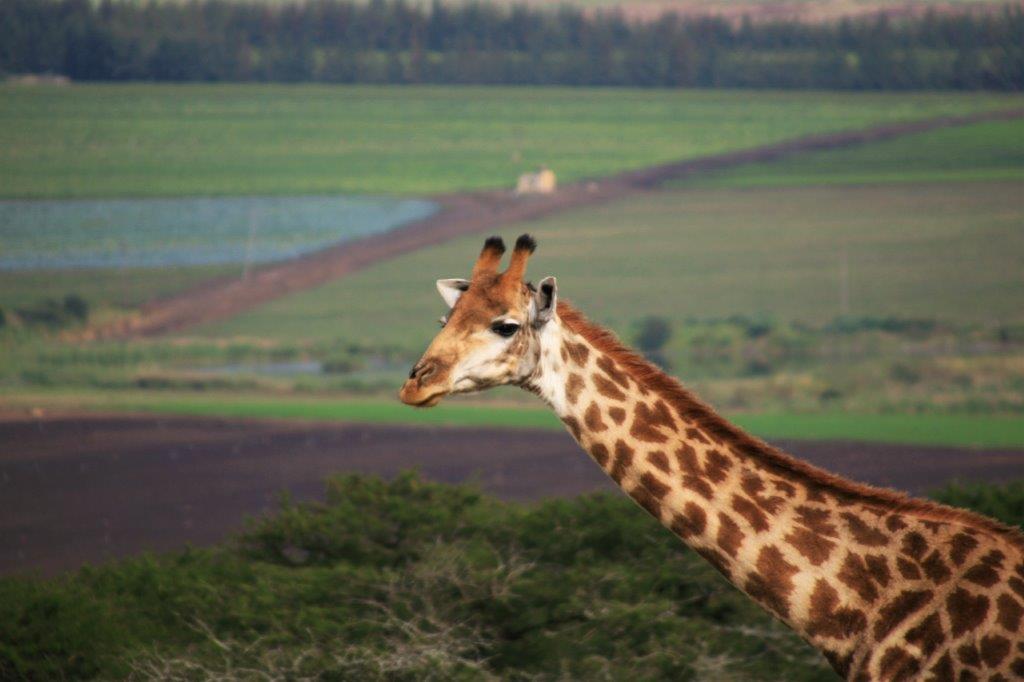
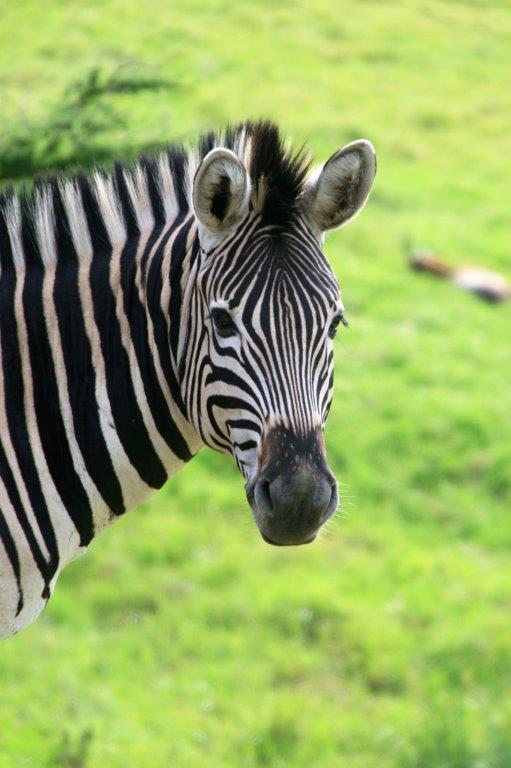
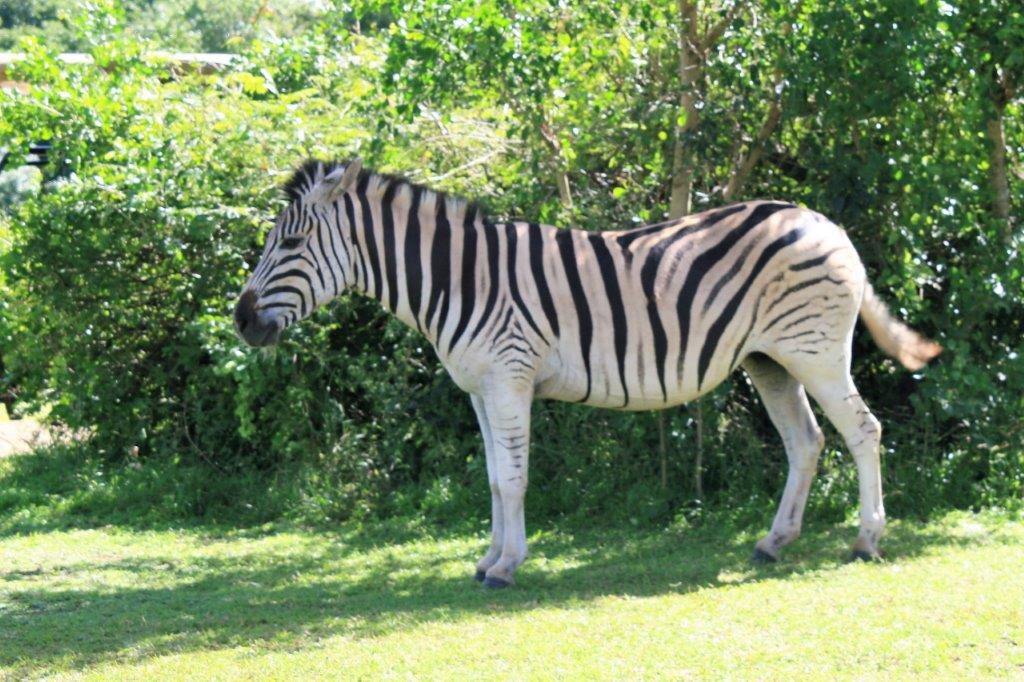
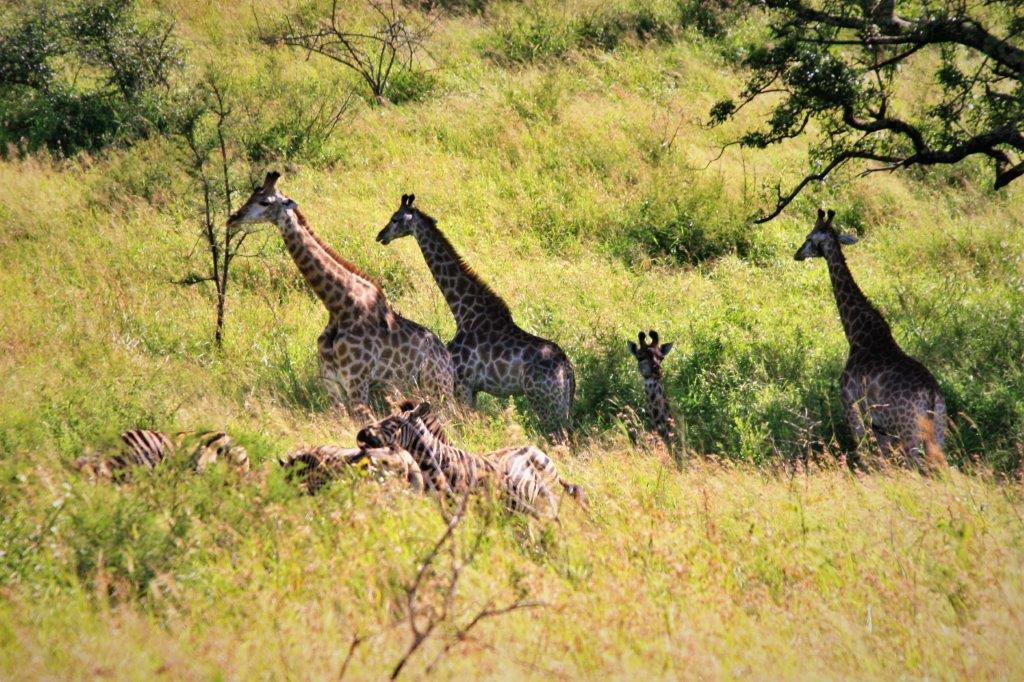
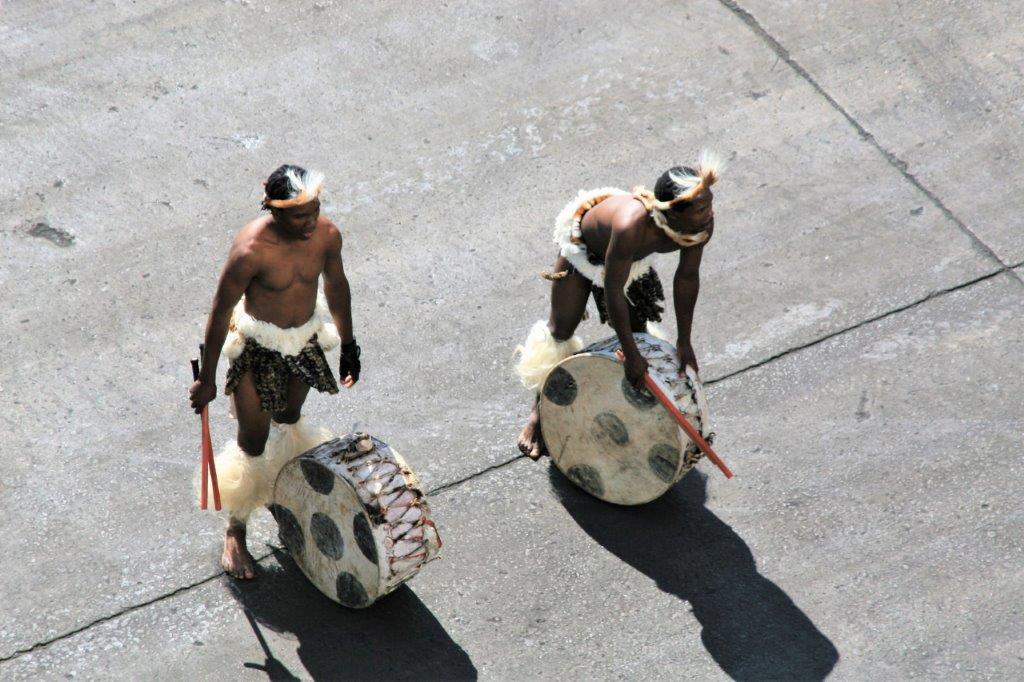
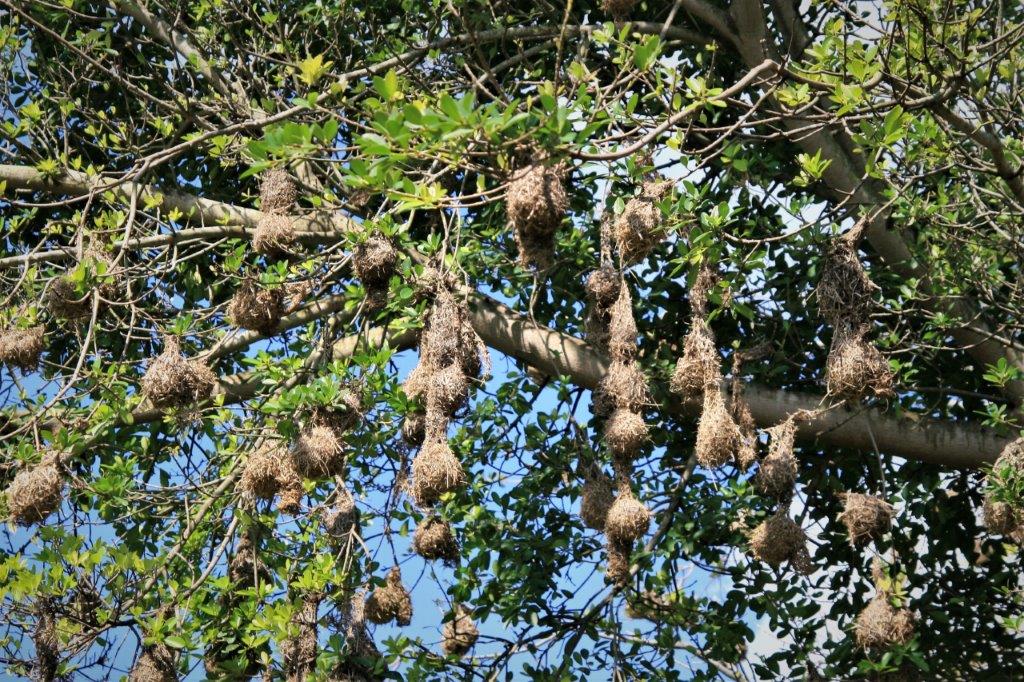
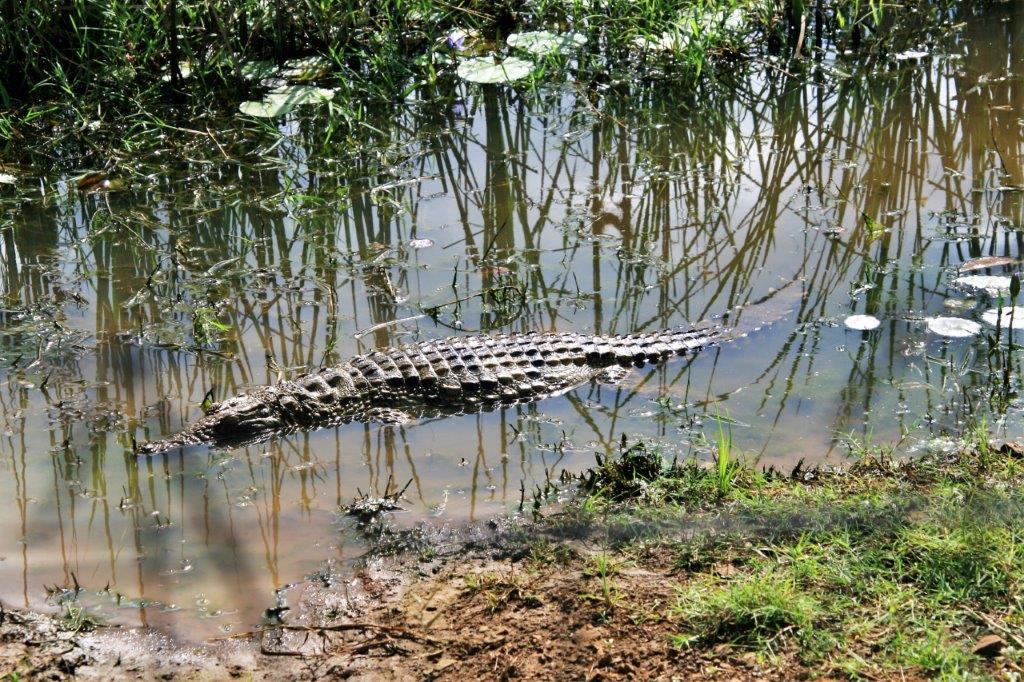
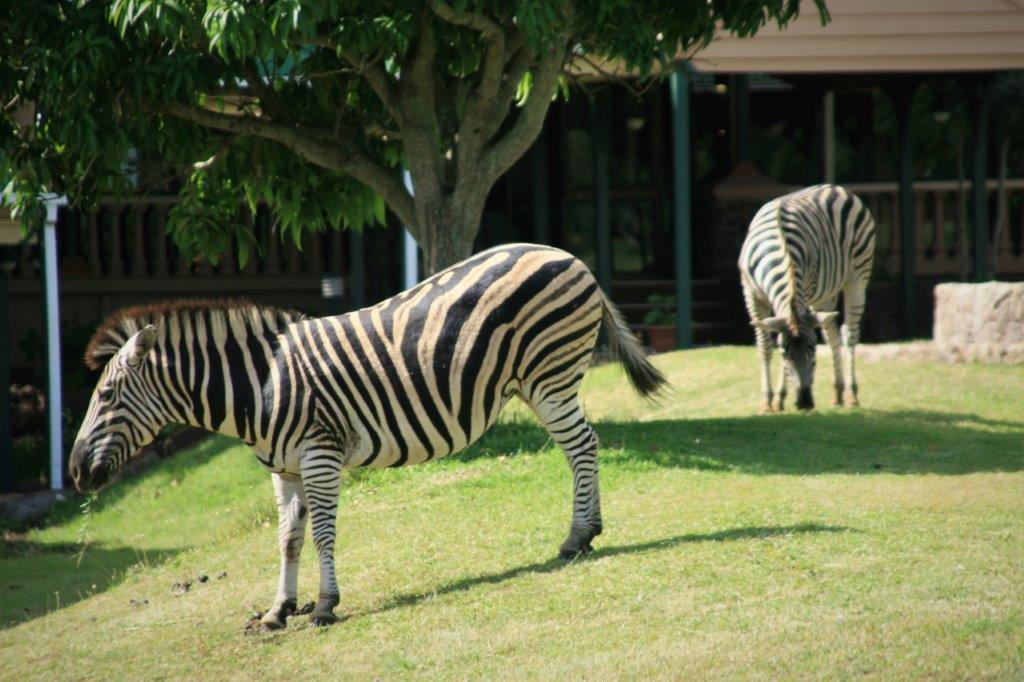
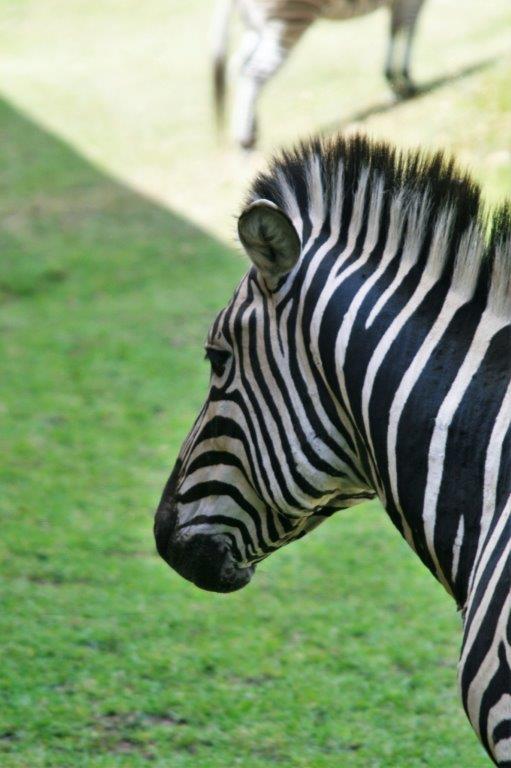
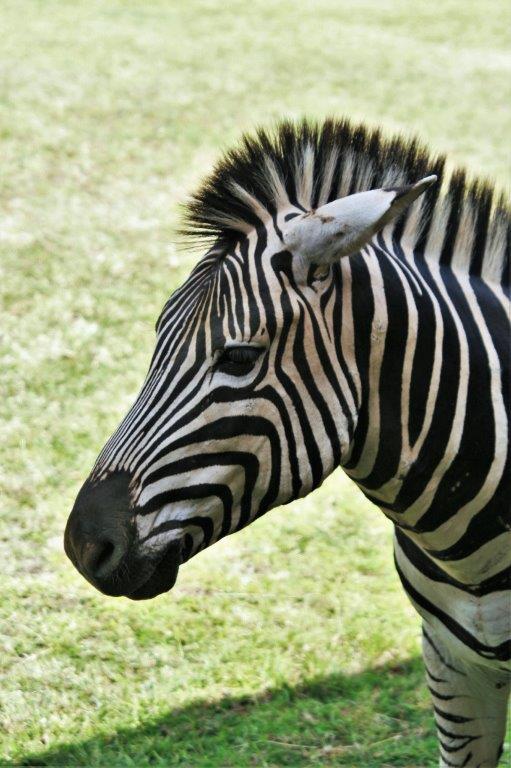
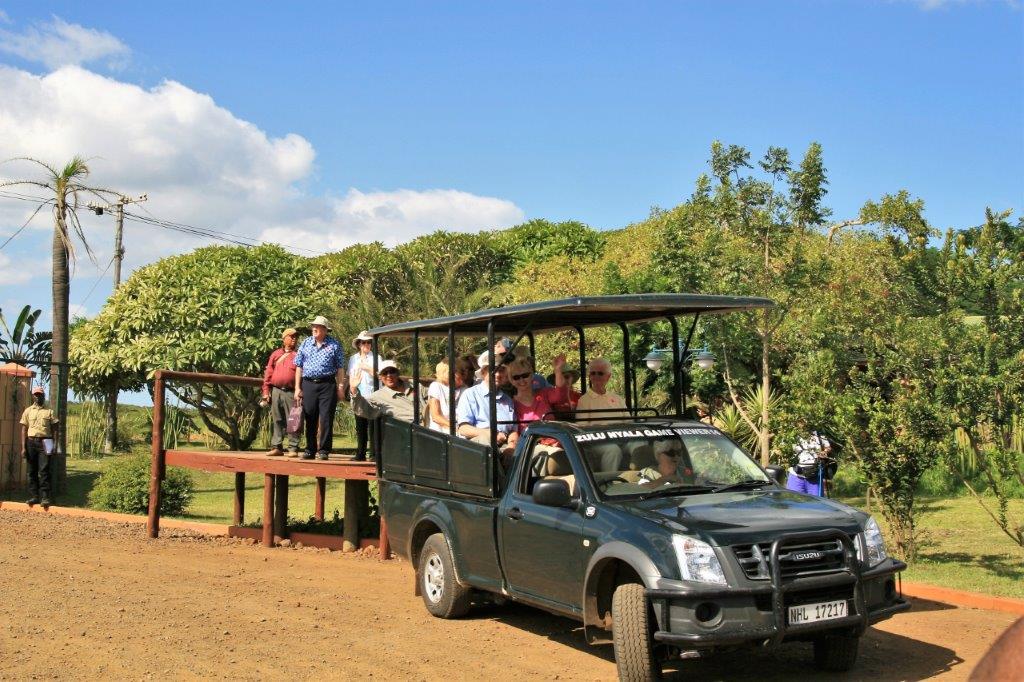
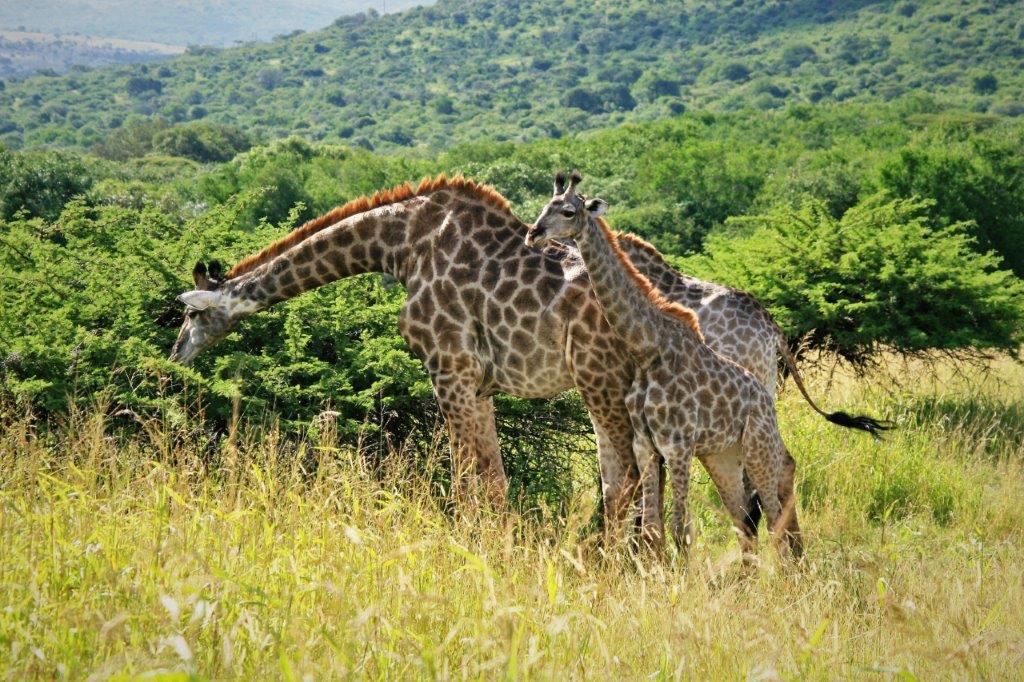
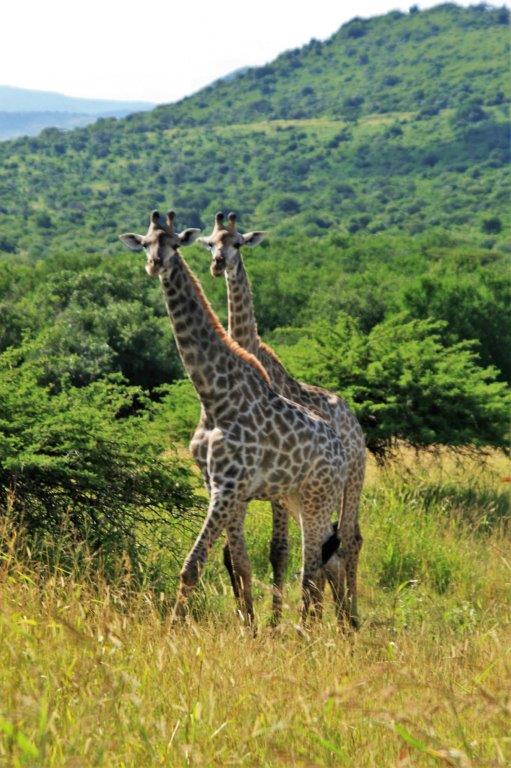
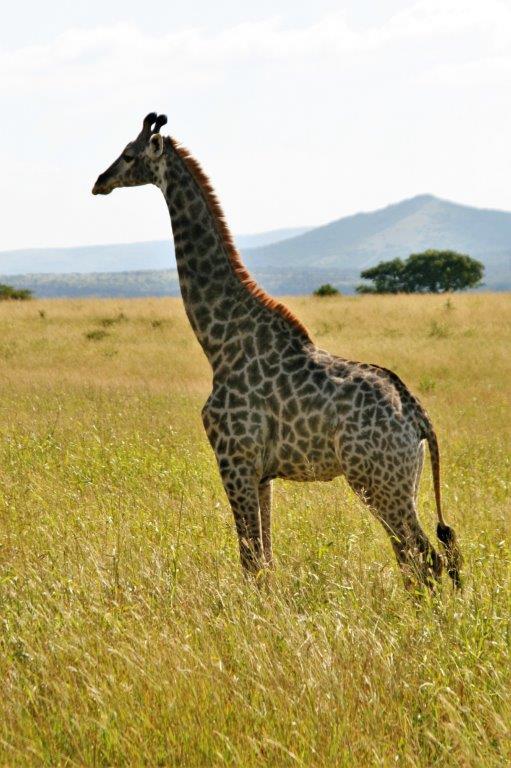
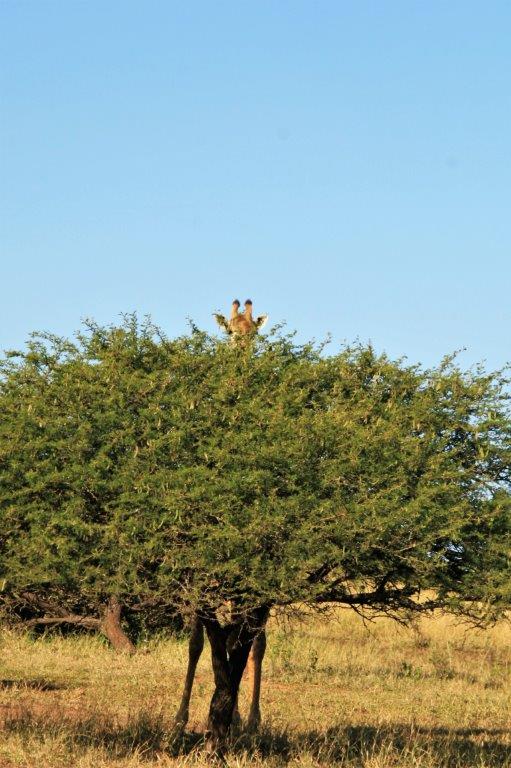
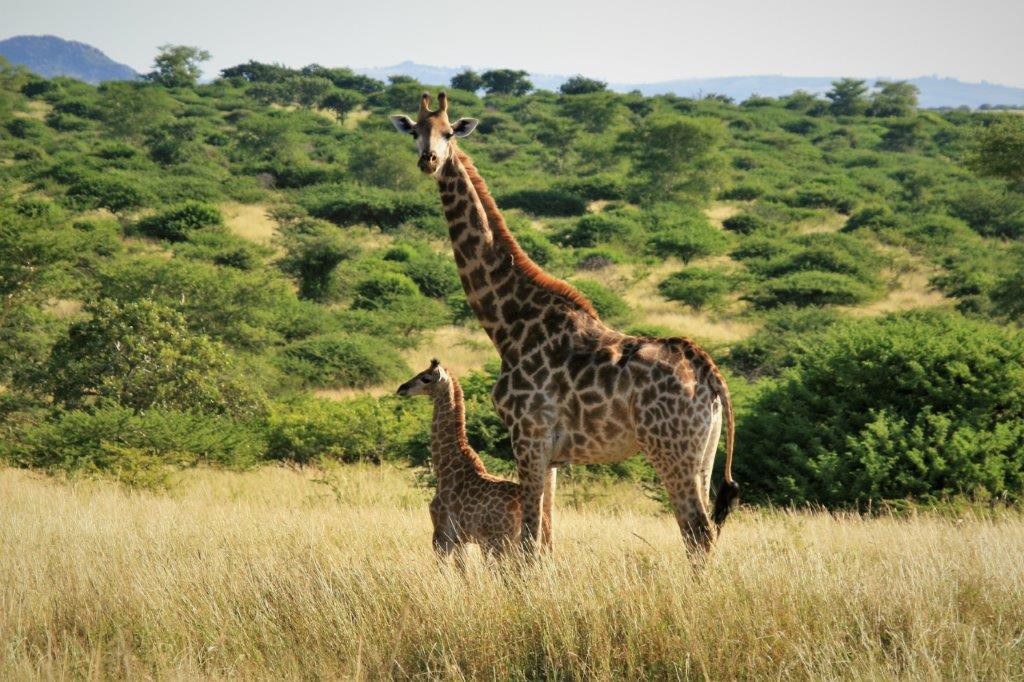
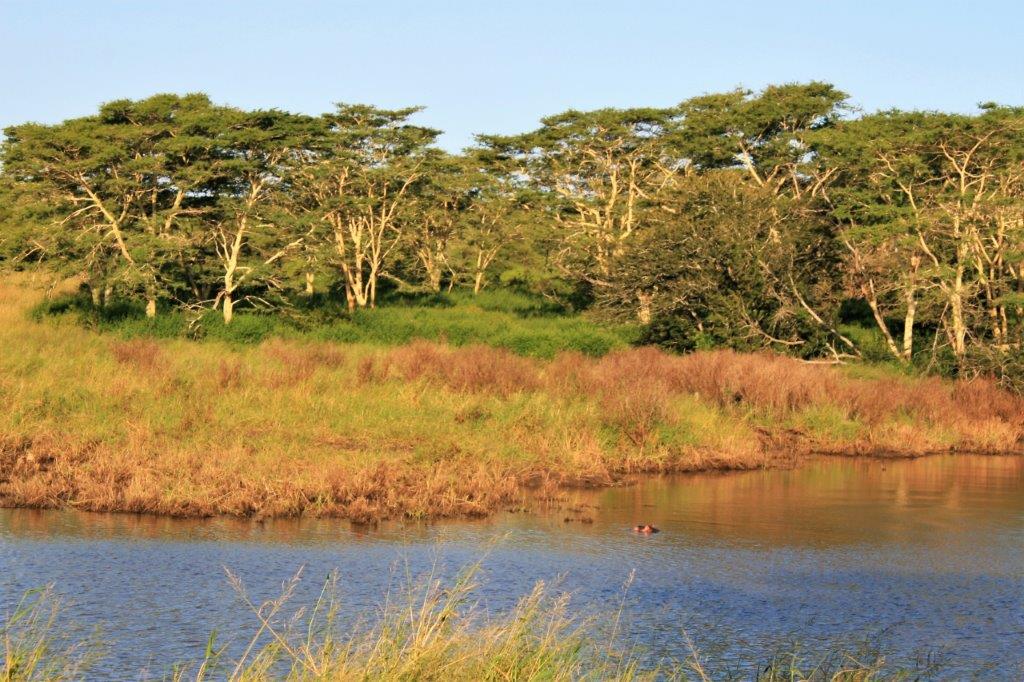
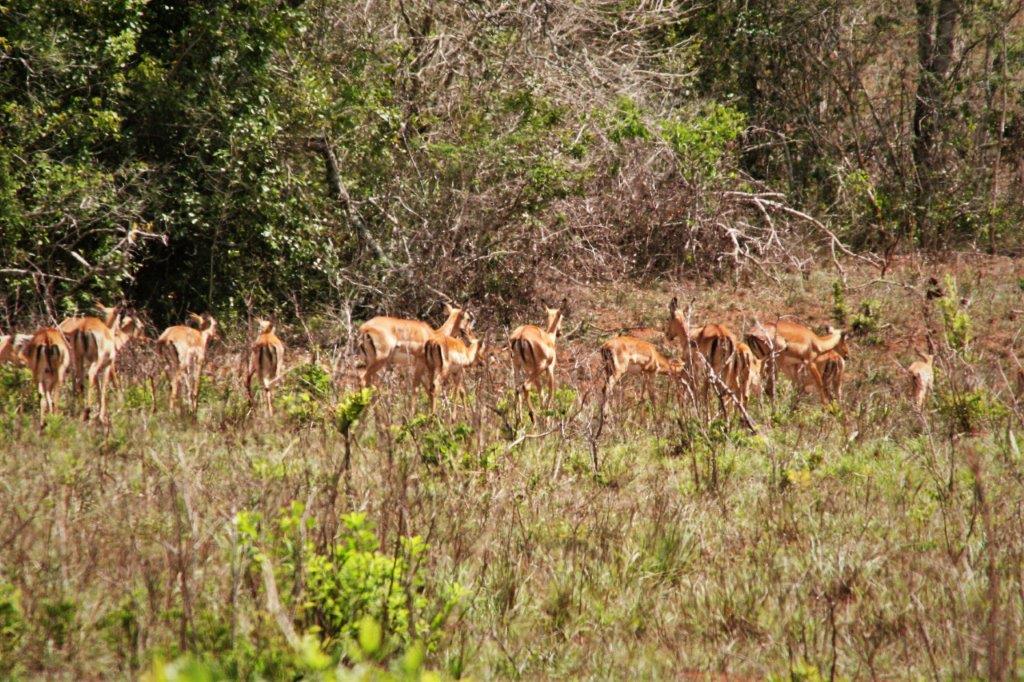
Despite the hot temperatures we were welcomed by Zulu Dancers – with bare feet. They were extremely agile and did not appear to be bothered by the hot pavement or temperatures.2009-04-16_6190 2009-04-16_6195_edited-1 2009-04-16_6196The April 16th day in Richards Bay was an add-on due to itinerary changes with the cancellation of another port-of-call, French Comoros – so we were able to schedule another game drive to Zulu Nyala, a private reserve 90-minutes drive from the port. Upon our arrival we were served a delicious lunch (HAL definitely makes sure you are fed, and fed well, on these shore excursions) before climbing into the back of open-sided trucks.  2009-04-16_6203 2009-04-16_6204 2009-04-16_6206At the lunch stop we saw the nests of Weaver Birds in the trees.  These clever birds build numerous hanging nests to disguise which nest holds the eggs as a way to trick predators.2009-04-16_6207 2009-04-16_6209 2009-04-16_6210_edited-1Also on the grounds were a couple of  nice, gentle crocodiles.  Probably not.2009-04-16_6211 2009-04-16_6215 2009-04-16_6216A few Plains Zebra (pronounced like the British zed, not the American zee) roamed freely on the grounds.  I guess they liked the lawn grass.2009-04-16_6217 2009-04-16_6221 2009-04-16_6225 2009-04-16_6227Each of the open sided trucks could carry 10 passengers.  We were on the last one be to loaded (a good strategy for avoiding full buses or vehicles) so there were only 6 of us.  Friends James and Cherie and I had the upper front seat and John was on his own in the seat behind. We were on different sides of the truck so any animal photos I might miss, John could get.2009-04-16_6231zulu-nyala-027 2009-04-16_6232Our driver was named William and he, like Patrick in Kenya, asked us which animals we most wanted to see and did his best to locate them within the park grounds.  He did well too.  We saw giraffes, hippos, rhinos, wildebeest, antelope, and many other animals and birds.2009-04-16_6233 2009-04-16_6236 2009-04-16_6239 2009-04-16_6242_edited-1 2009-04-16_6247 2009-04-16_6255I don’t think there is another animal more stately than a giraffe.  They just have such great posture and presence.  Even when they walk they look regal.

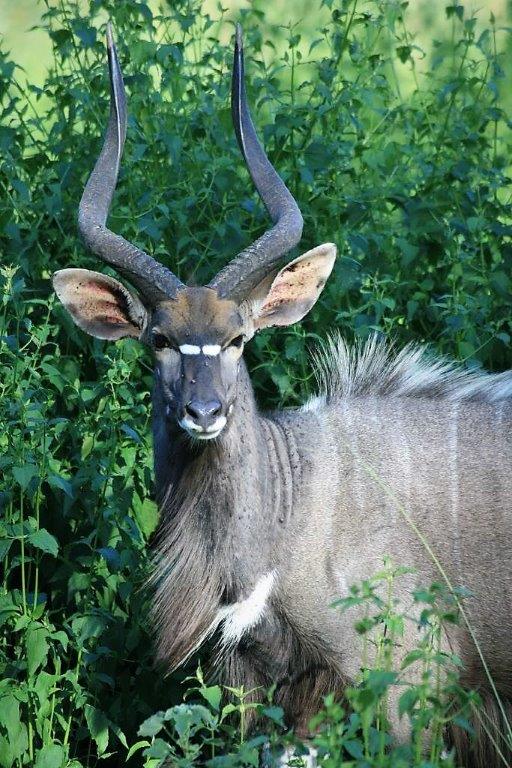
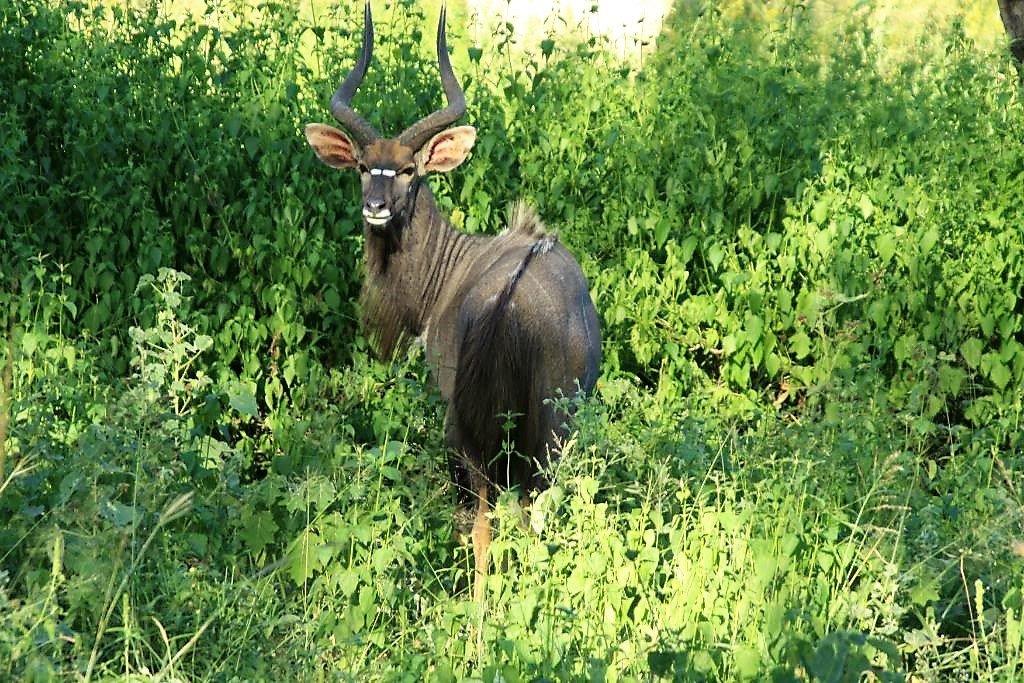
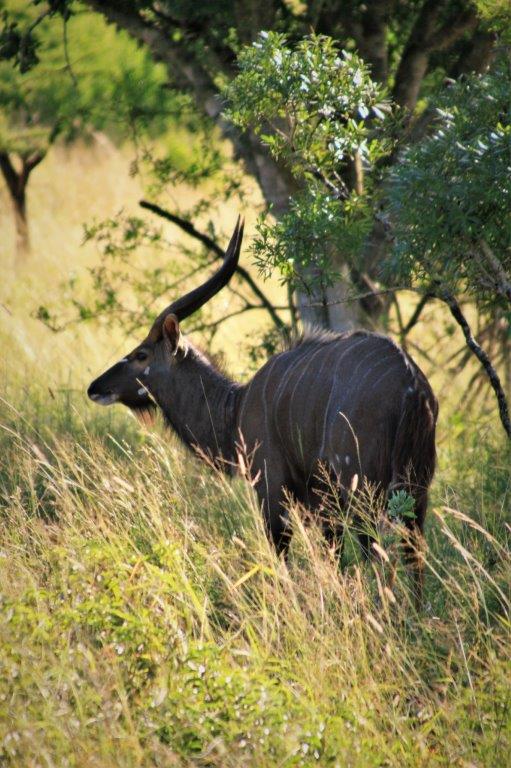
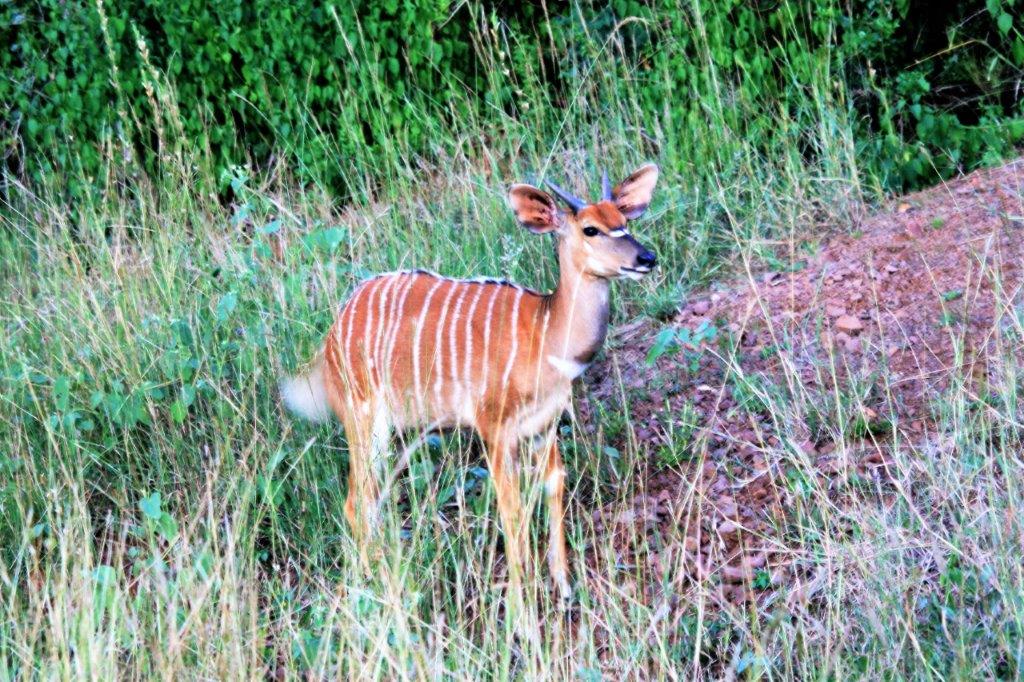
2009-04-16_62762009-04-16_6384  2009-04-16_6484                                         These are Nyala antelope.

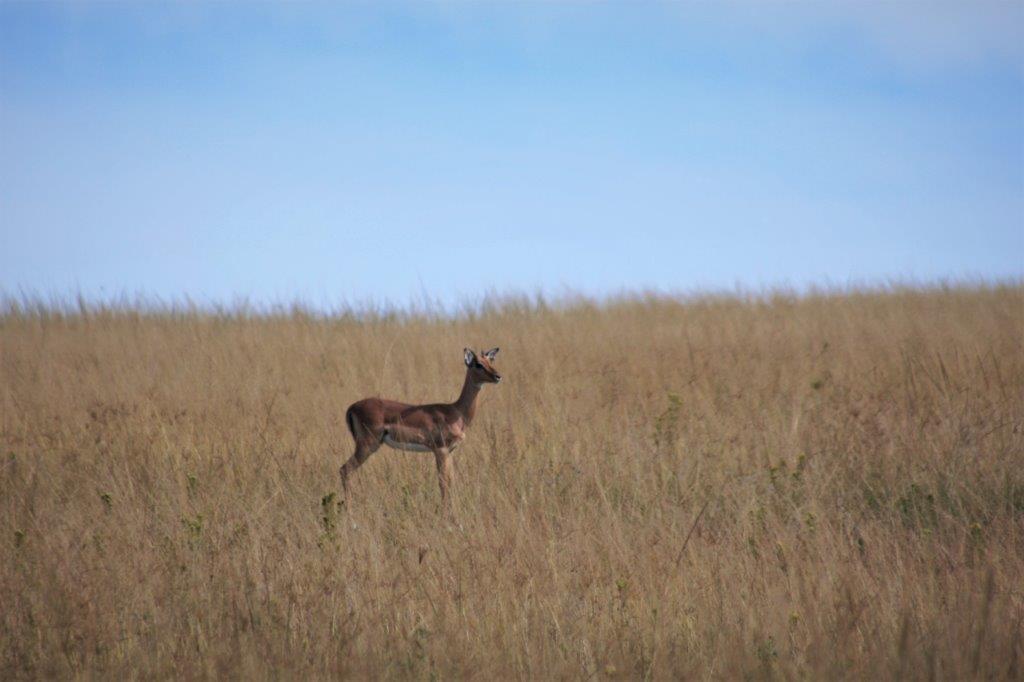
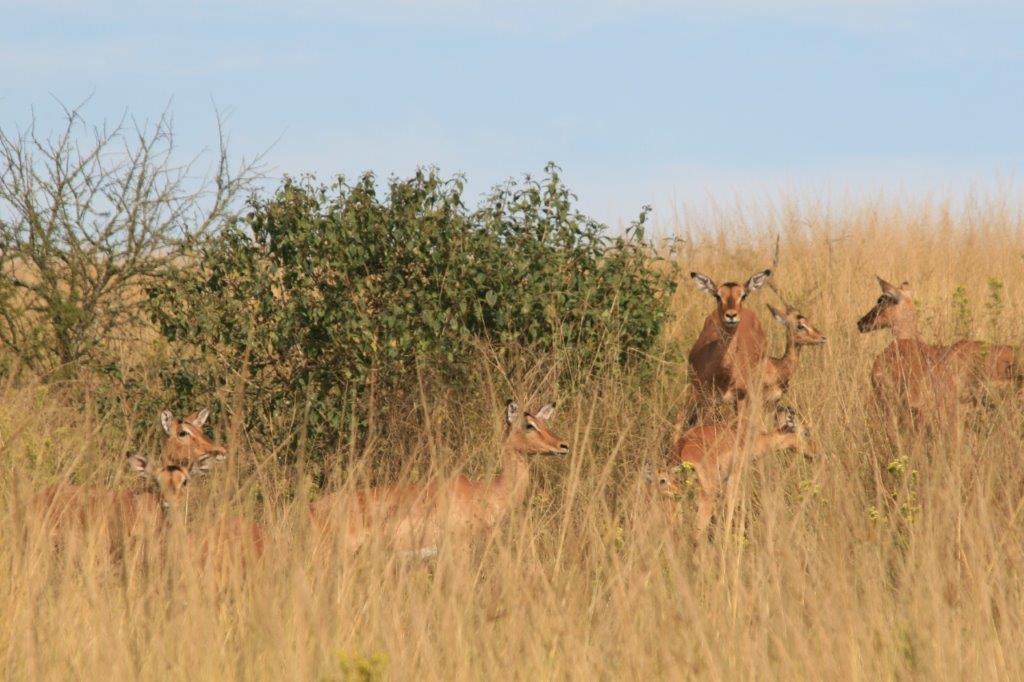
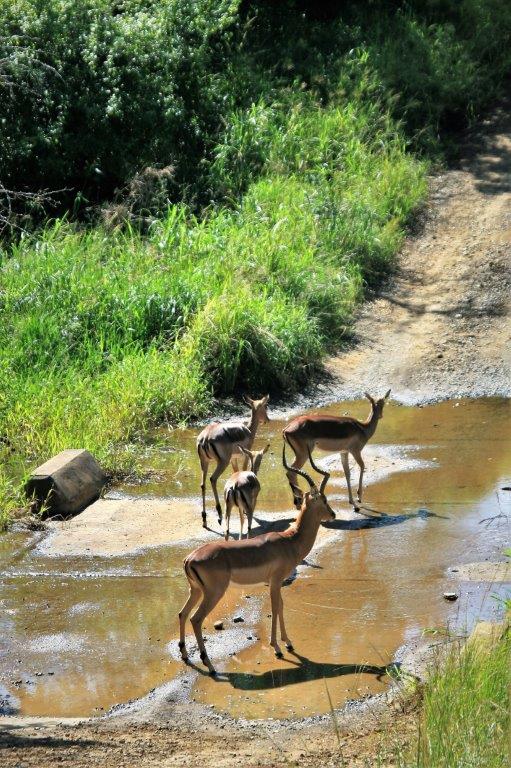
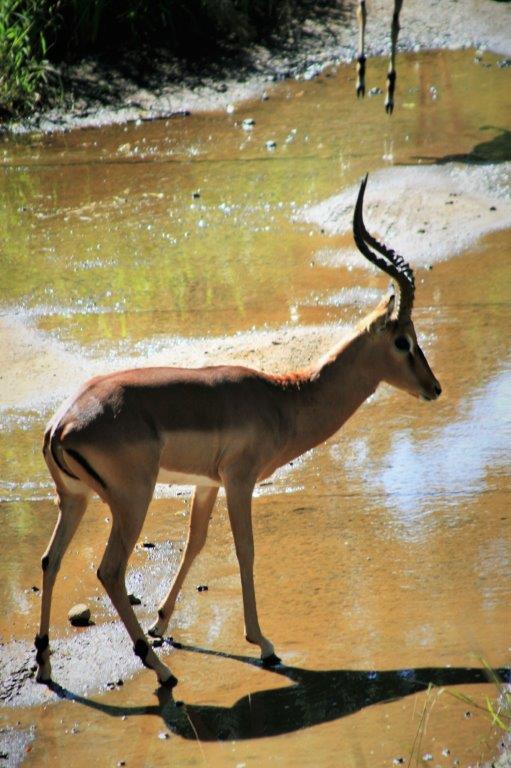
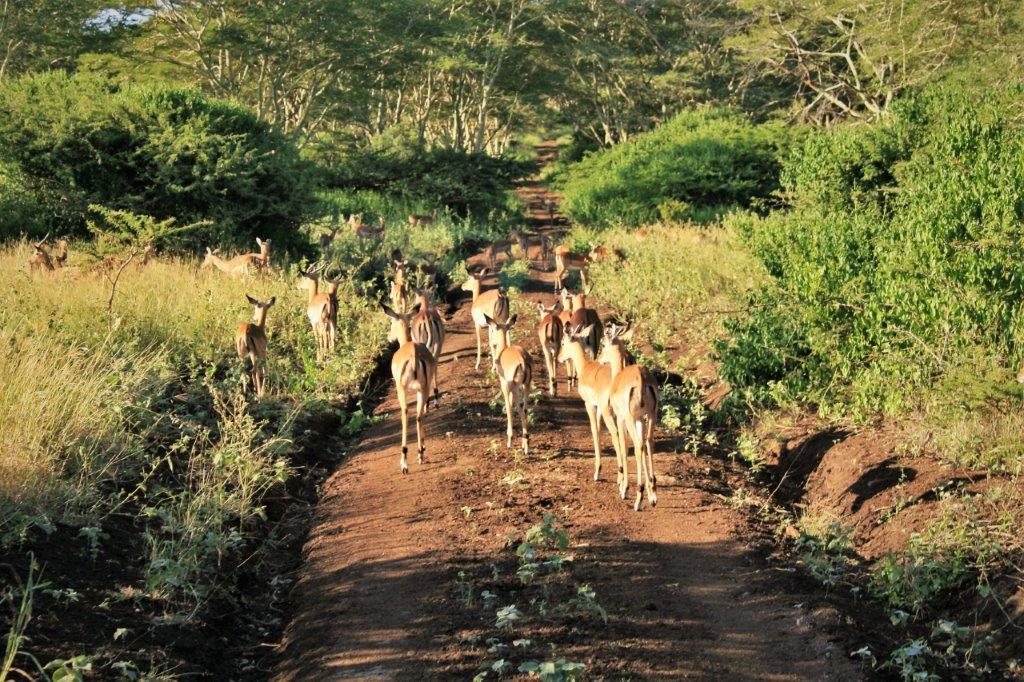
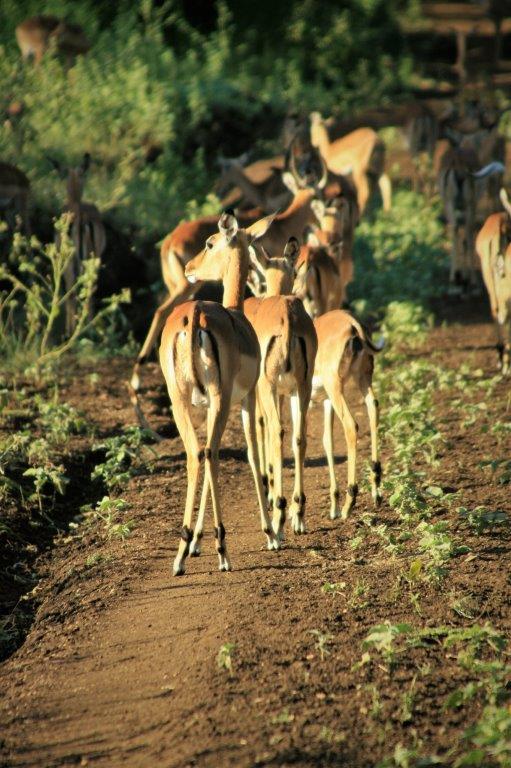
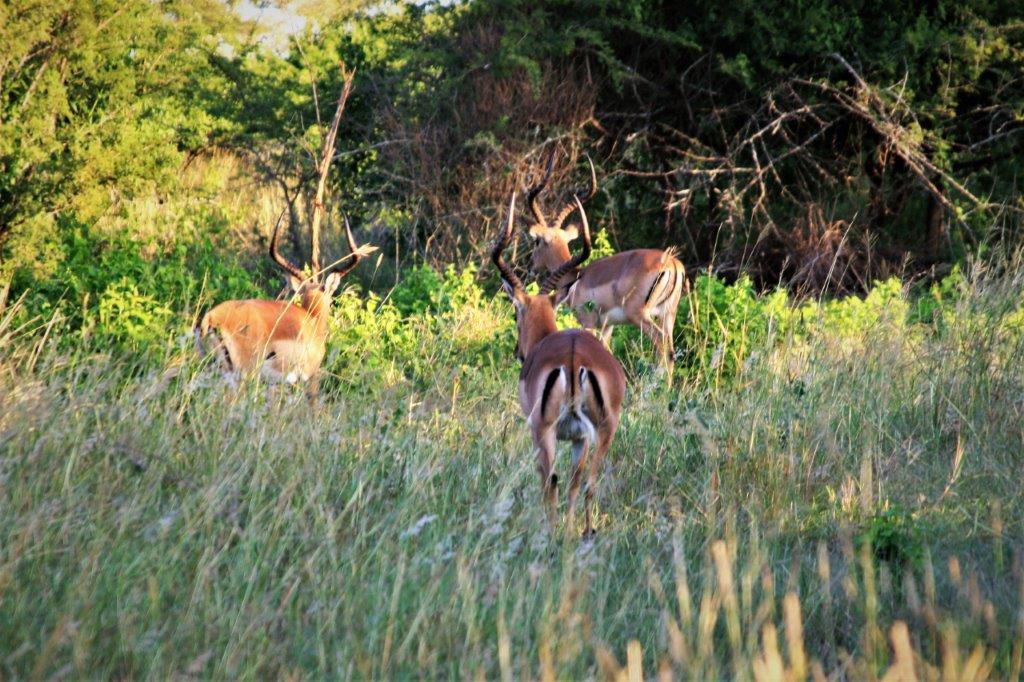
Of course, giraffe are also quite comical and very ungainly when they bend down to eat grass or drink water.  Personally, I think this injures their pride so they try to stick to eating leaves from the trees.2009-04-16_6287 2009-04-16_63272009-04-16_62972009-04-16_62992009-04-16_63052009-04-16_63092009-04-16_63402009-04-16_63472009-04-16_63482009-04-16_63502009-04-16_6354_edited-12009-04-16_6366                                                          Blue Wildebeest2009-04-16_6373 2009-04-16_6376 2009-04-16_6381_edited-1 2009-04-16_6454Impala – the McDonalds of the Savannah – notice the M symbol.

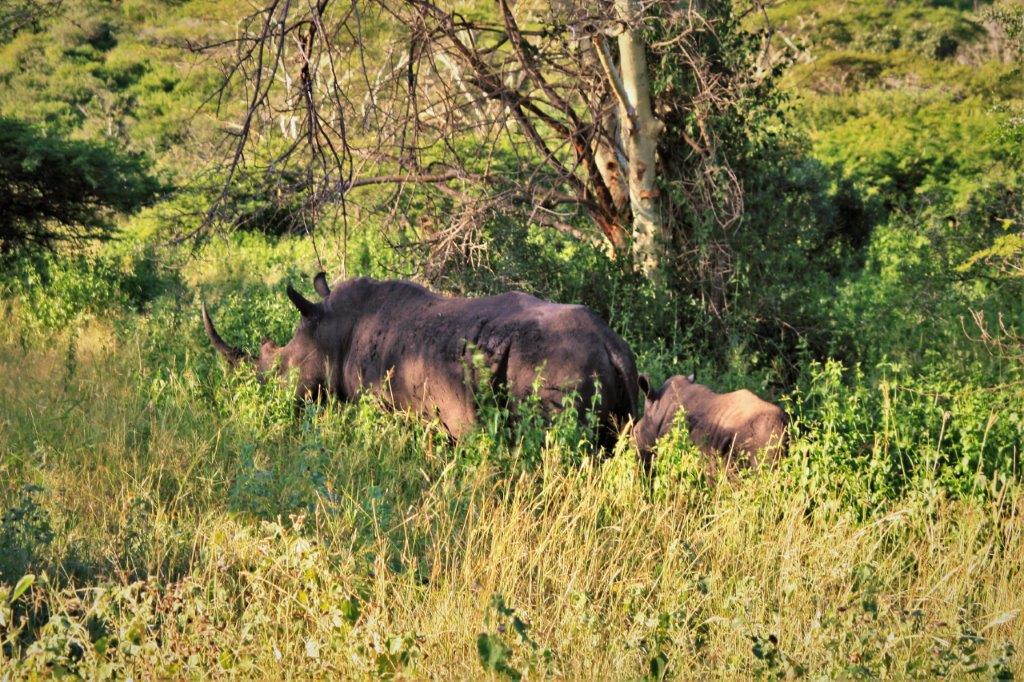
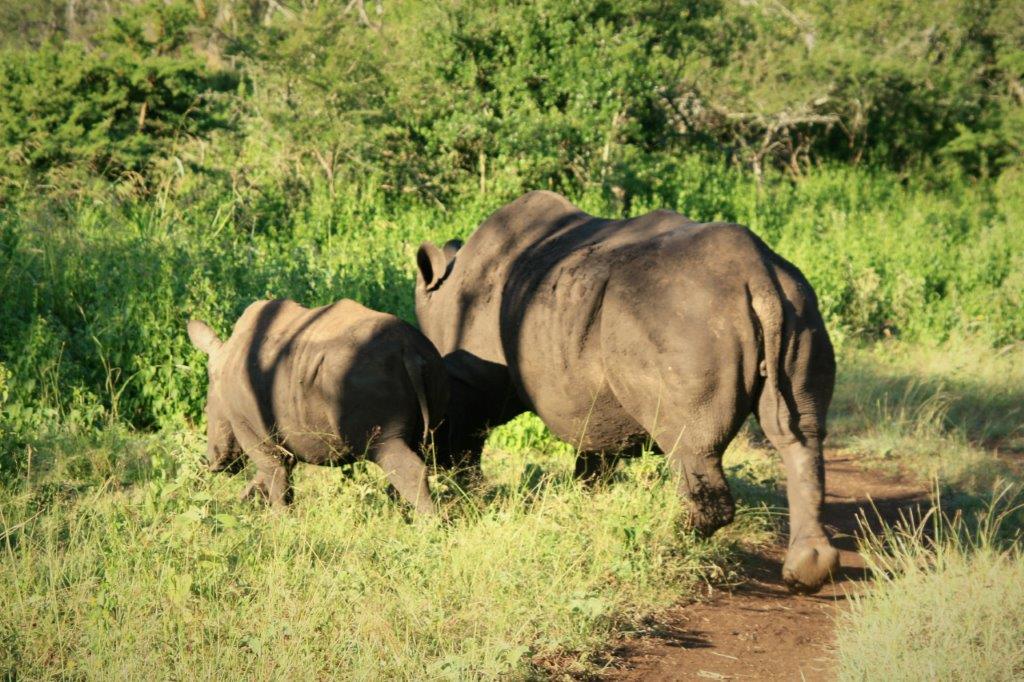
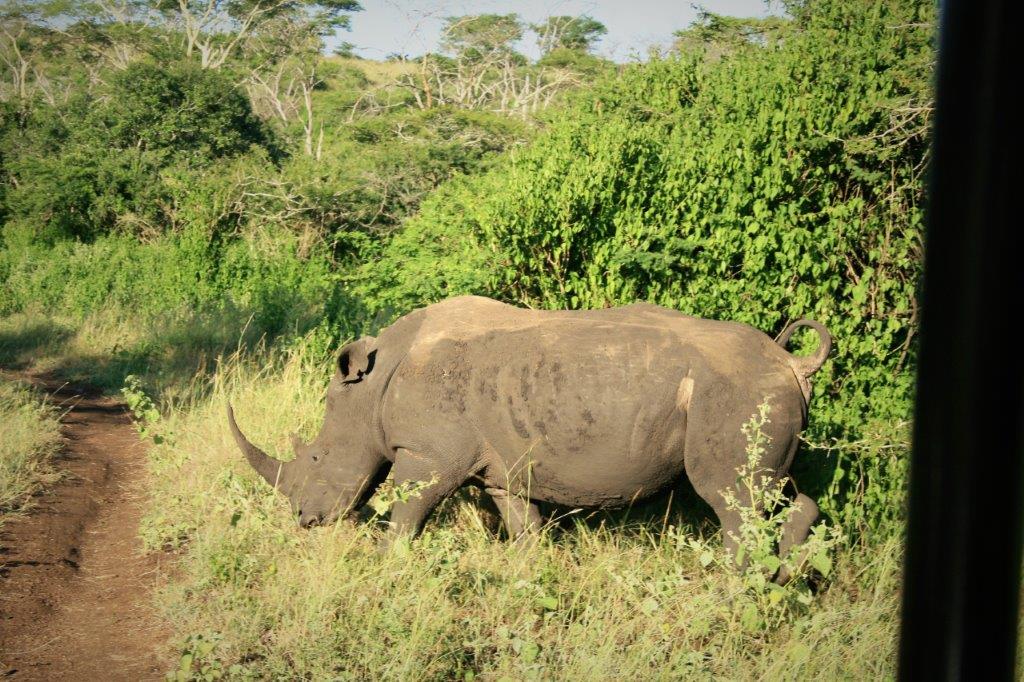
There are six white rhinos and one black rhino at Zulu-Nyala.  We did not see the black but we did see all six of the white.  The name difference has nothing to do with the animals colour; they are all pretty much the same, from grey to brown.  White Rhinos have a wide, square upper lip, which the Afrikaans (Dutch origin) people called Wyd – anglicized to White.  The Black Rhino has a narrow, hooked lip.  Black Rhinos are extremely endangered and several of the sub-species are already extinct.  The Northern White Rhino is also severly threatened.

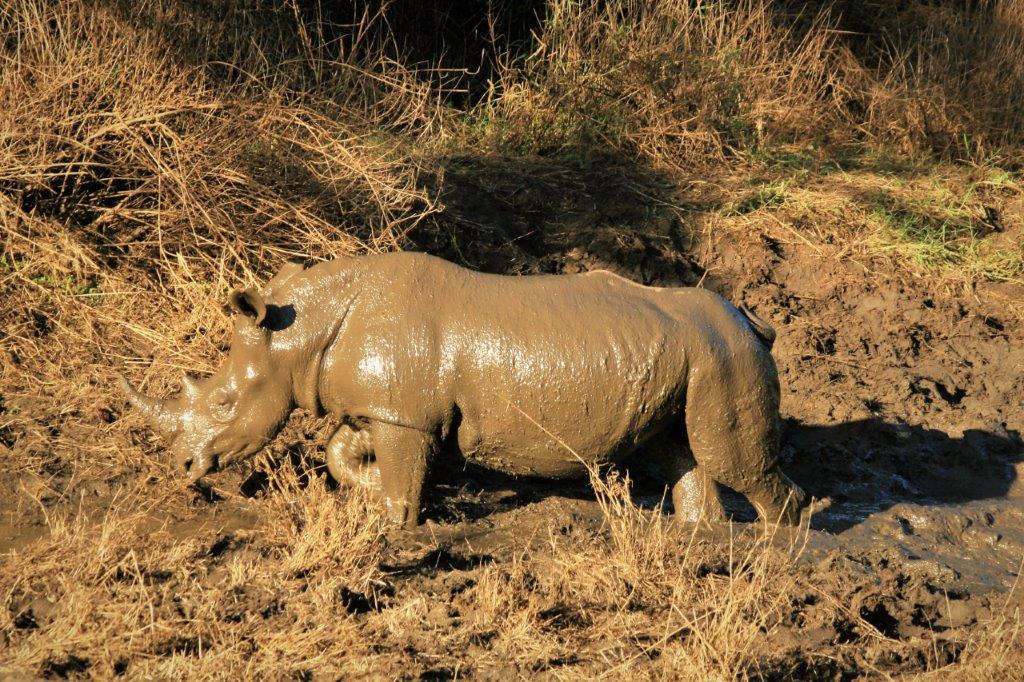
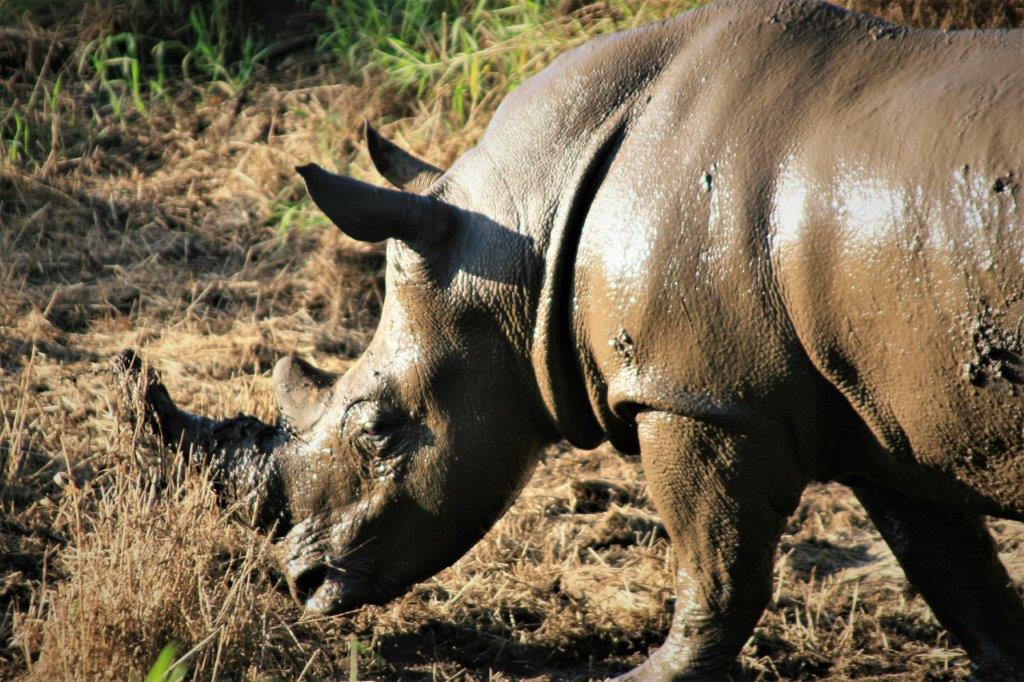
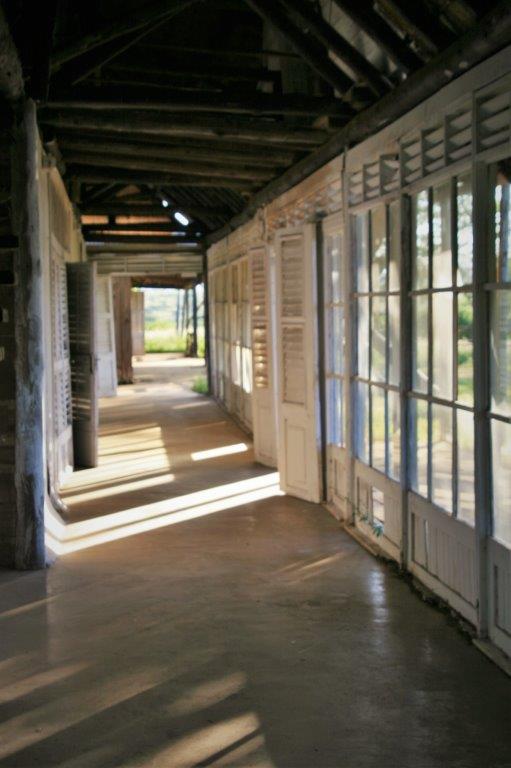
Poachers are very sophisticated these days and use social media to read the geo-tags on photos that people post.  This gives them the date, time and location in various parks and open plains where they know rhinos have been and makes it easy for the poachers to locate and kill them.2009-04-16_6397_edited-1 2009-04-16_6399 2009-04-16_6405 2009-04-16_6408 2009-04-16_6429 2009-04-16_6436                               Rhinos like to wallow in mud to keep cool.2009-04-16_6441Much of the movie “Out of Africa” starring Kate Bassinger was filmed at Zulu-Nyala.  Part of the agreement was that the house ‘set’ that was built for the film was to be left standing after shooting was completed.

2009-04-16_6456 2009-04-16_6460 2009-04-16_6461 2009-04-16_646920090416_6032 2009-04-16_6463 2009-04-16_6462 2009-04-16_6467_edited-1 2009-04-16_6468William tried very hard to find the elephants for us without success, but that was okay as we had seen them in Kenya. It was 6 pm by the time we returned to the parking lot.  All of the buses were loaded and waiting since one person from each bus was on our truck.  Oops. 2009-04-16_65012009-04-16_6475                                       That was a great, great day!

2009 World Cruise – April 15 – Day 100 – Maputo, Mozambique

2009-04-17_6178The day after we left Mombasa was Easter Sunday and we received a nice large chocolate rabbit.

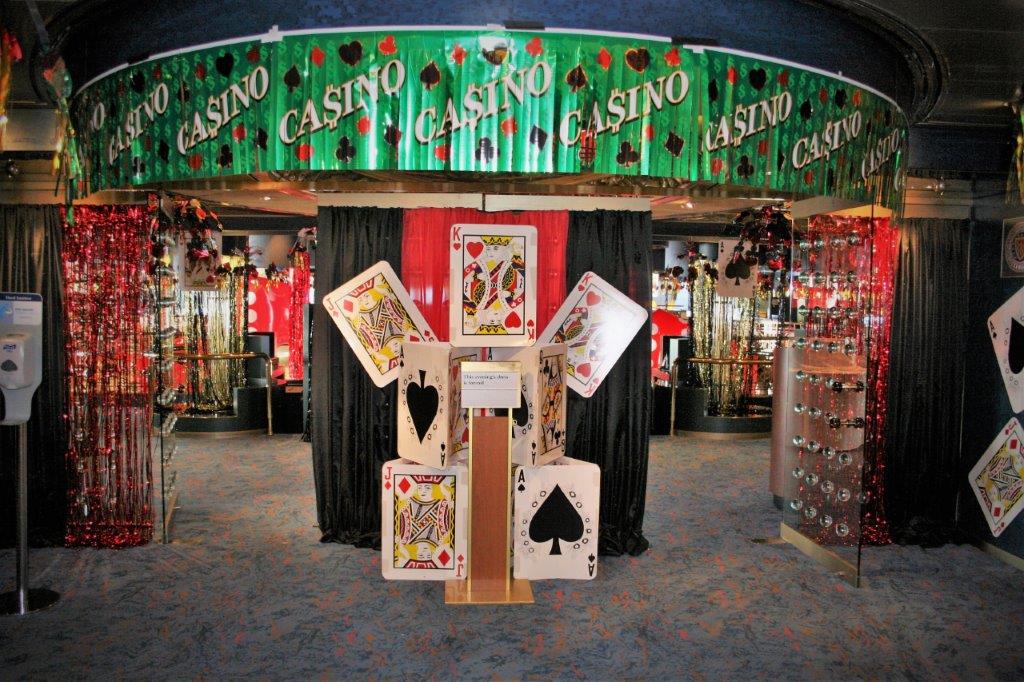
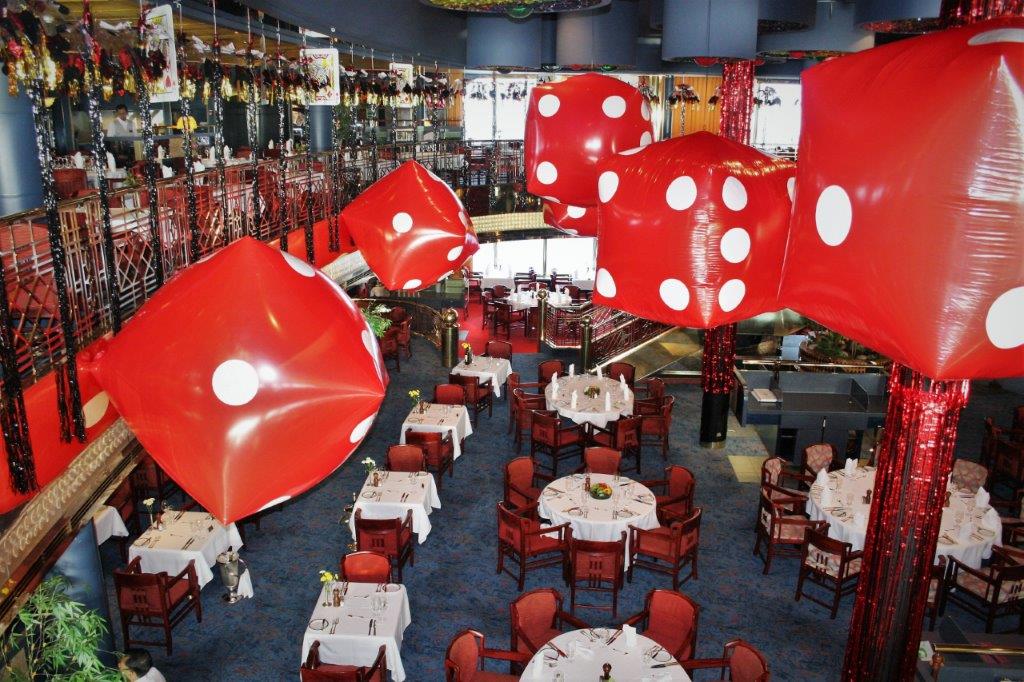
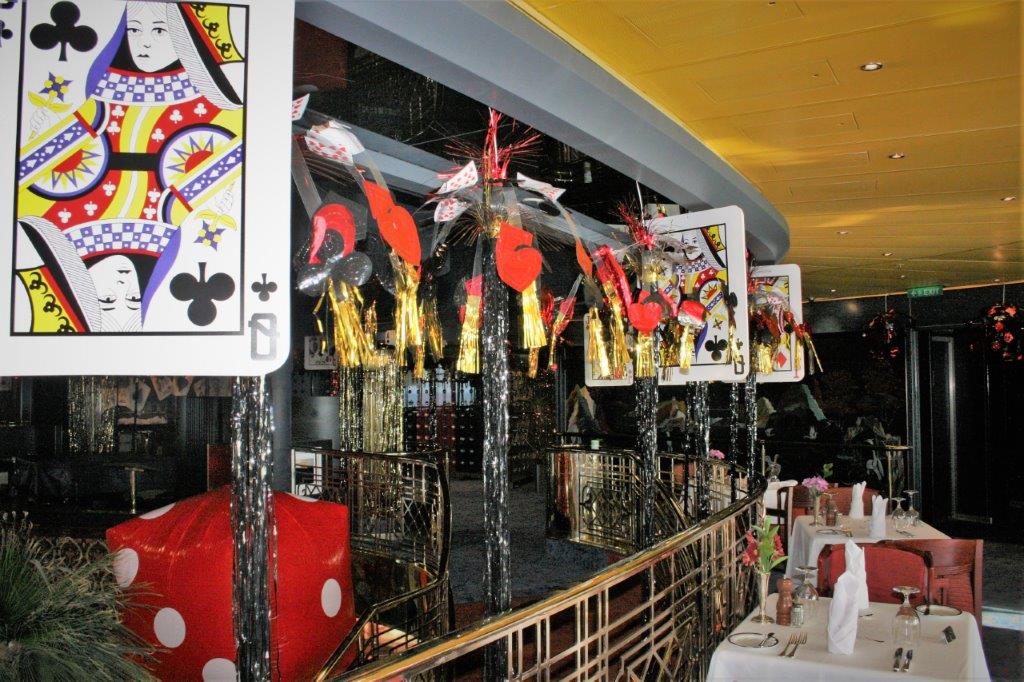
Two days later it was another formal night and the theme was Casino Royale.  There were large playing cards, dice, and black and red streamers all over the ship.  I was always impressed by the effort they made to decorate for special nights.  They only did it every few weeks so it was always a treat.2009-04-13_5650 2009-04-13_5653 2009-04-13_5654 2009-04-13_5660 2009-04-14_56252009-04-14_5641                       The sunset that night was pretty nice as well.

Maputo, Mozambique was the first of four consecutive days in port. We arrived in Maputo, the largest city and capital of Mozambique at 8 AM.  Mozambique was a Portuguese colony for many years until independence was granted in 1974.  Over 250,000 ethnic Portuguese left the country virtually overnight leaving no skilled professionals to maintain  the infrastructure.  The economy plummeted as a result.  The governing party turned to the Soviet Union and East Germany for help, but by the early 1980s the country was bankrupt.  The Civil War, which lasted until 1992, further weakened the economy, but with the war ended growth and stability are returning.  Tourism is playing a large role in the country’s recovery.

Obviously, with such recent political and economical storms there were not a vast selection of tours available.  We did a five-hour excursion that was basically an overview of the area in and around Maputo.

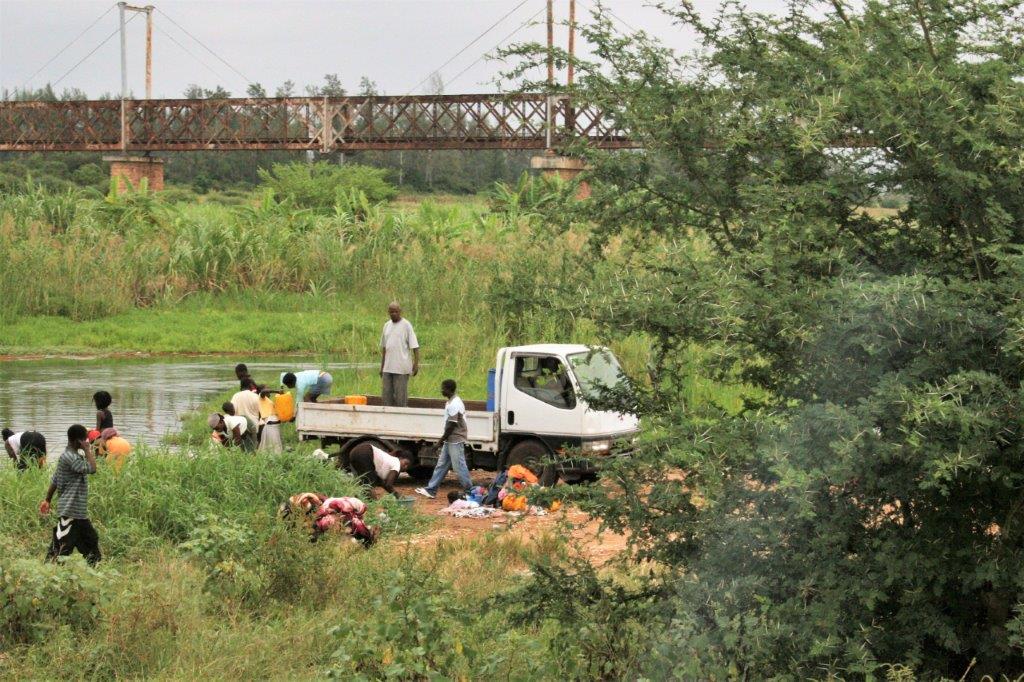
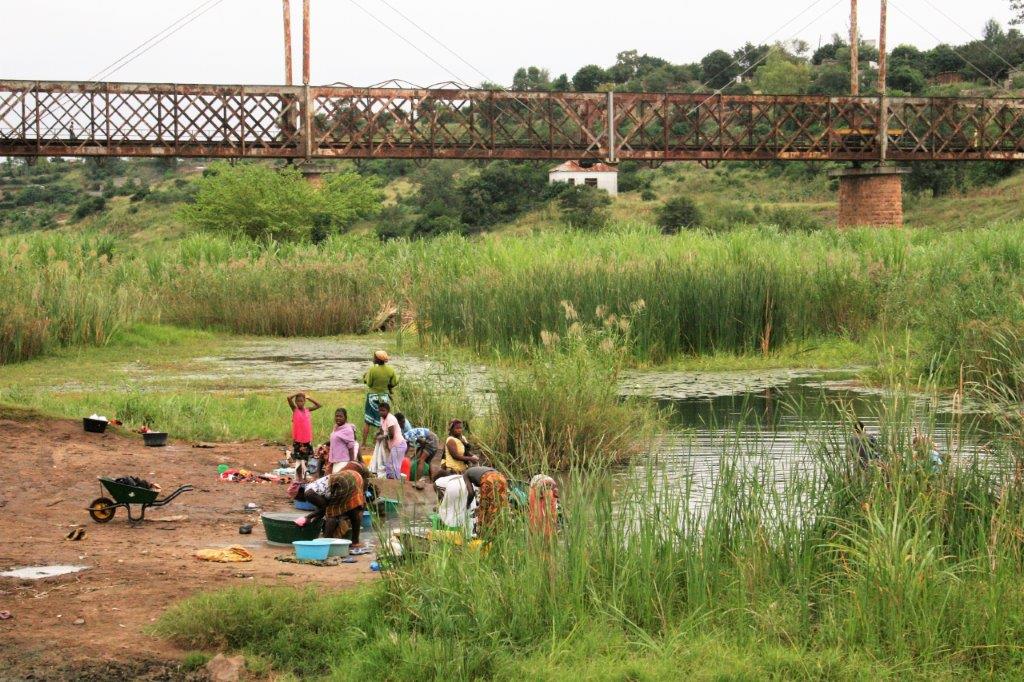
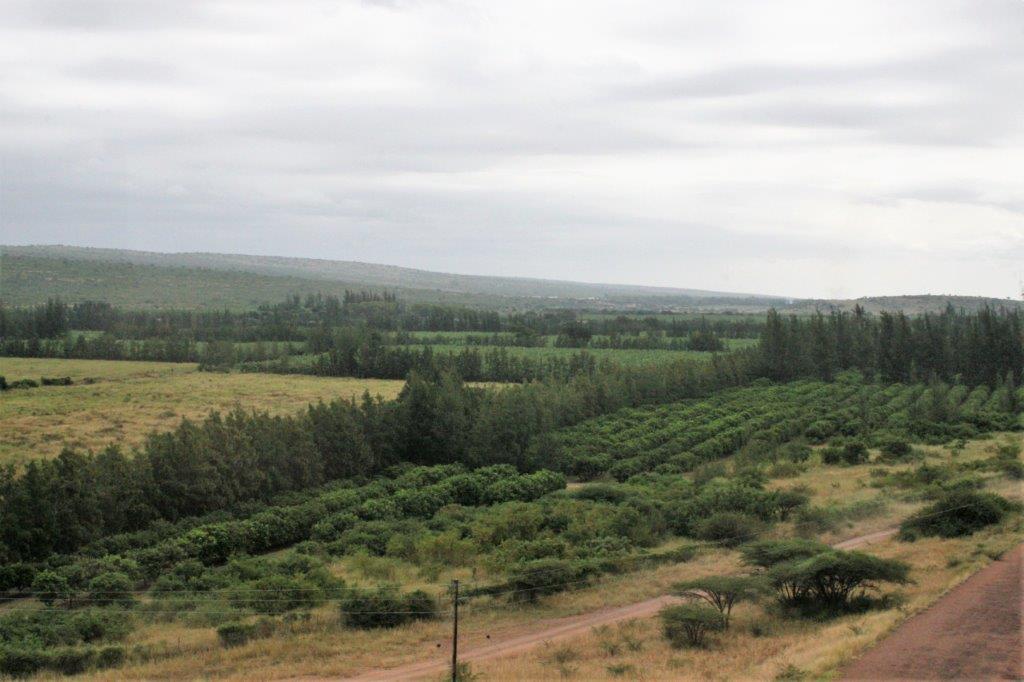
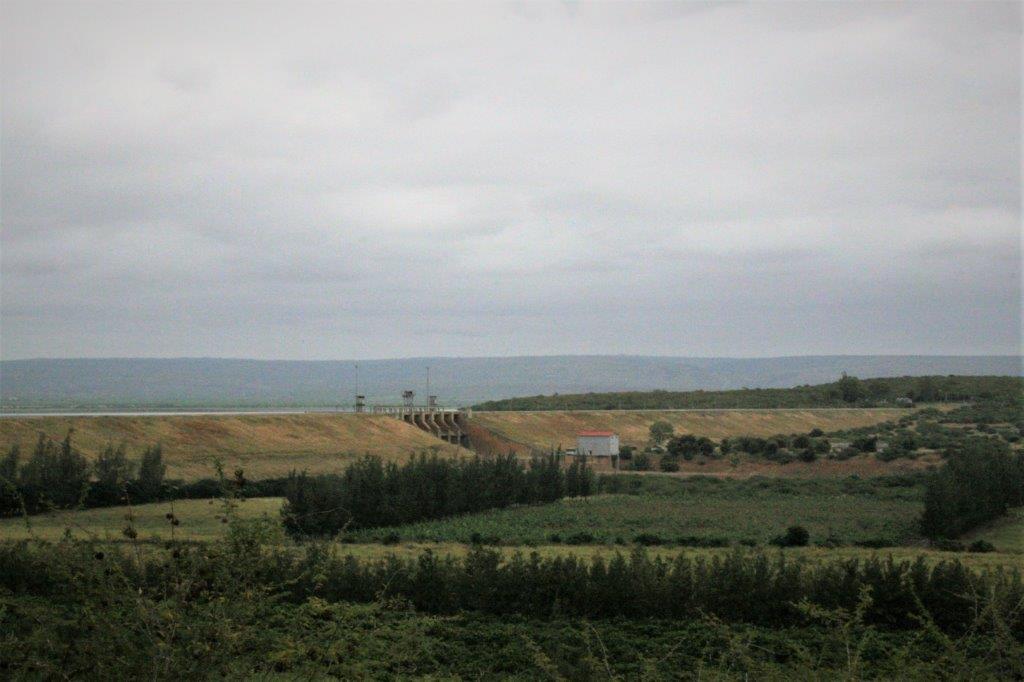
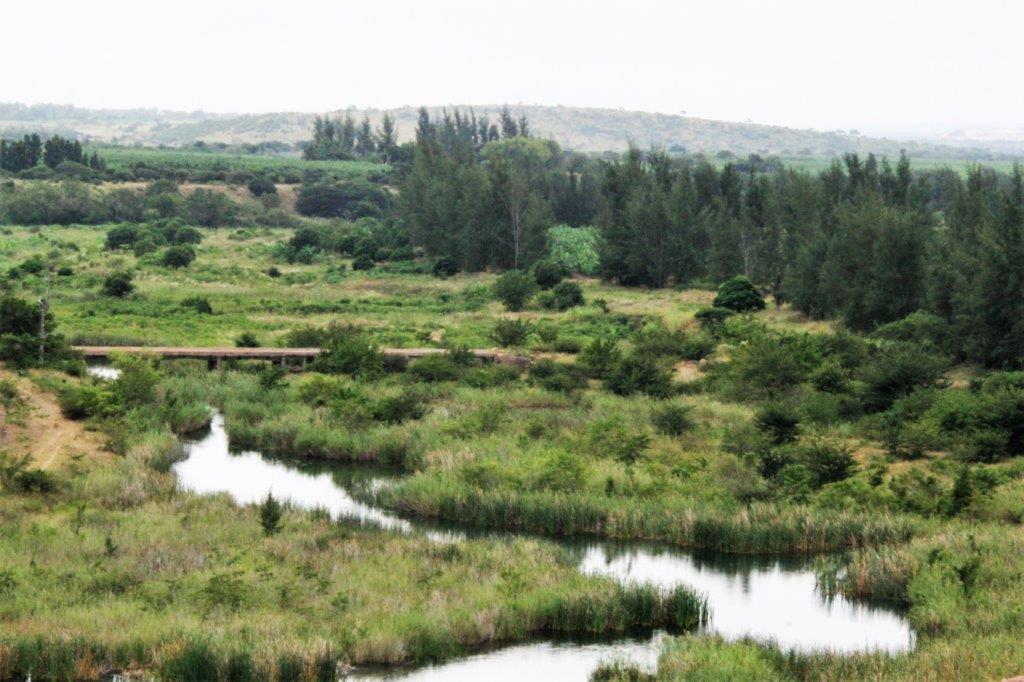
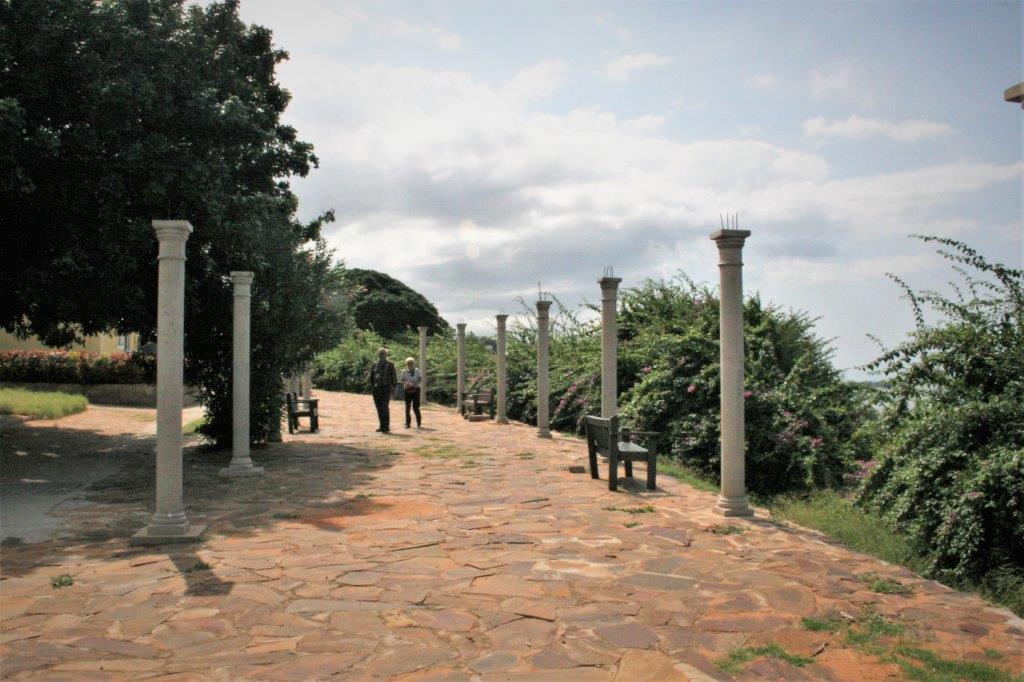
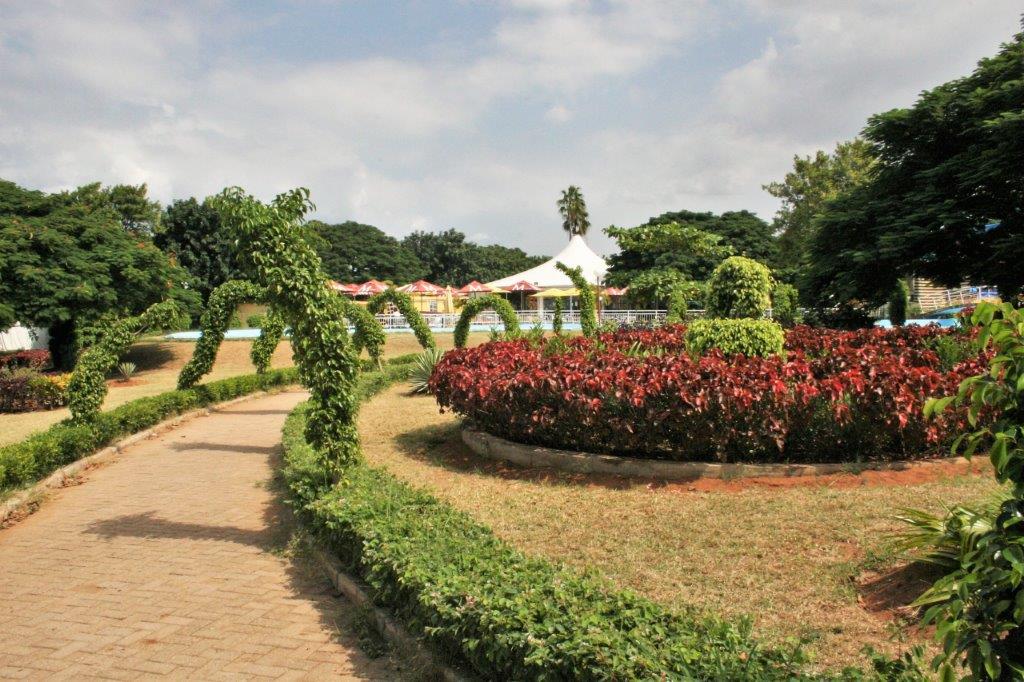
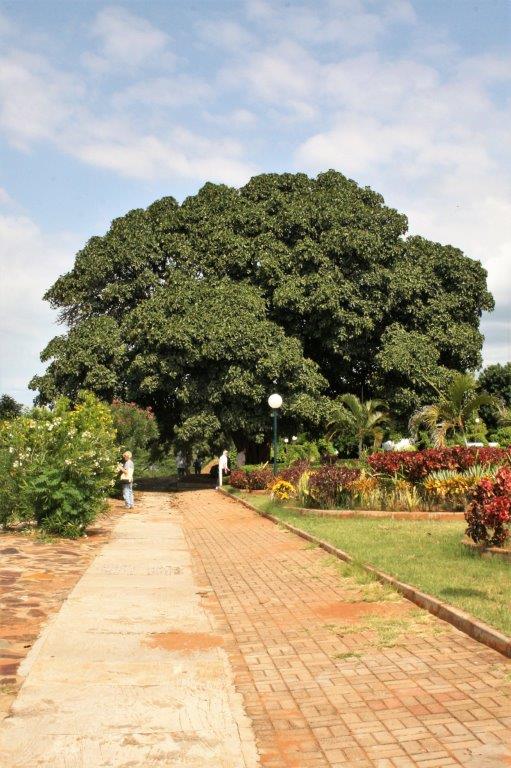
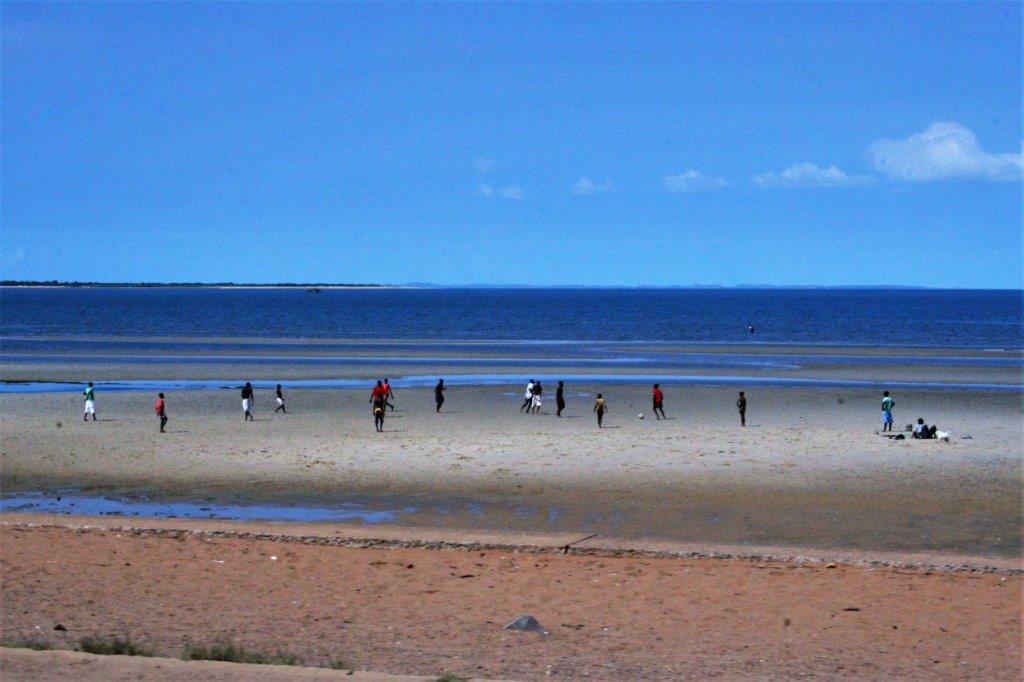
We were first driven out to the countryside, past the river where ladies do the laundry and to the Pequenos Libombos Dam.2009-04-15_5550 2009-04-15_5552 2009-04-15_5563 2009-04-15_55622009-04-15_5571 2009-04-15_5574 2009-04-15_5584 2009-04-15_5585 2009-04-15_5586 2009-04-15_5587 2009-04-15_5549 2009-04-15_5588 2009-04-15_55892009-04-15_5599Upon our return to Maputo we had a walk around the Jardim dos Namorados (the Public Garden) and a drive past the Costa Del Sol (beach front).

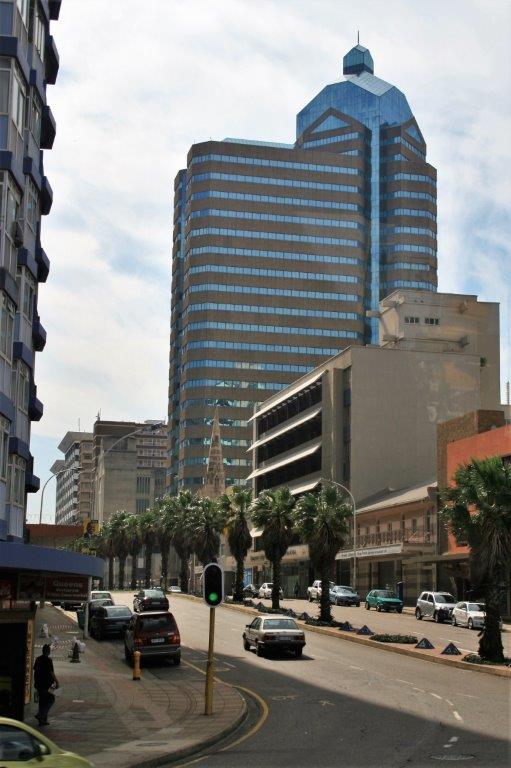
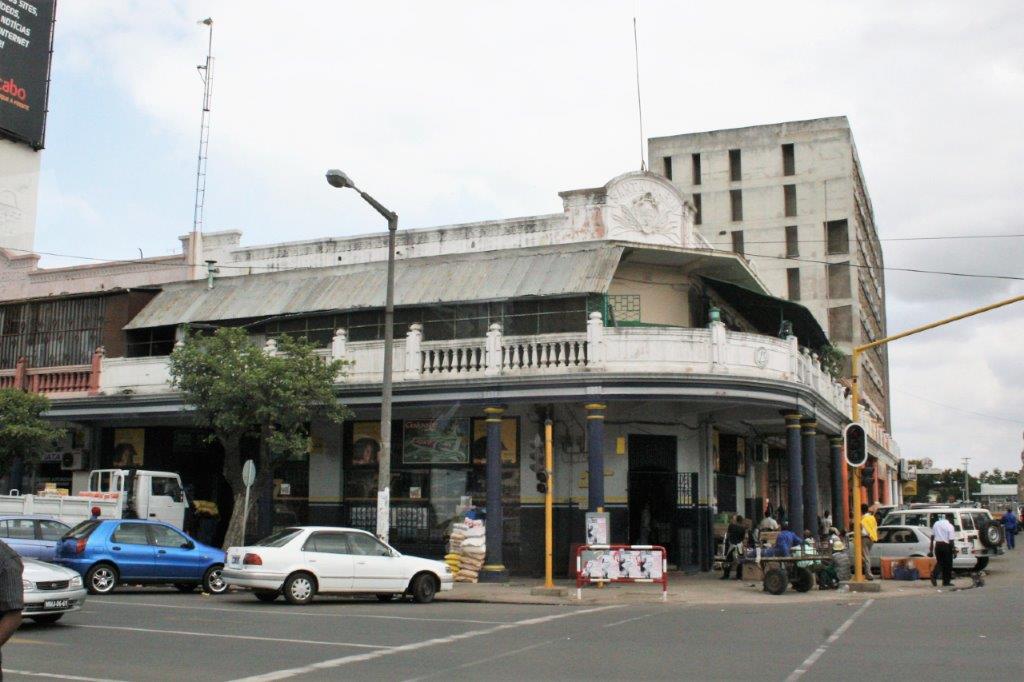
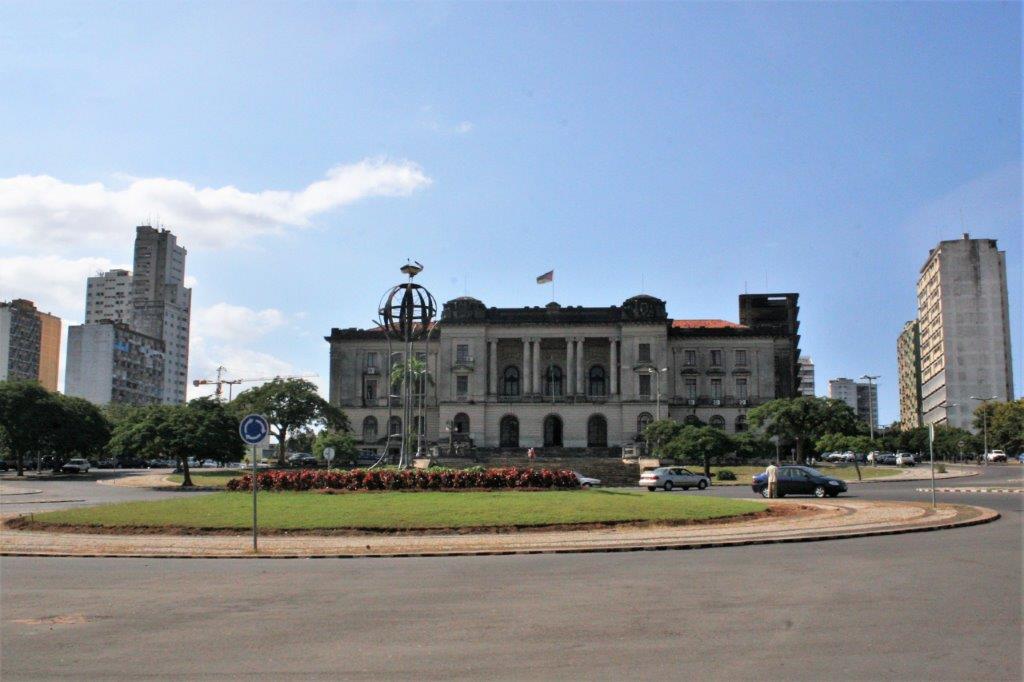
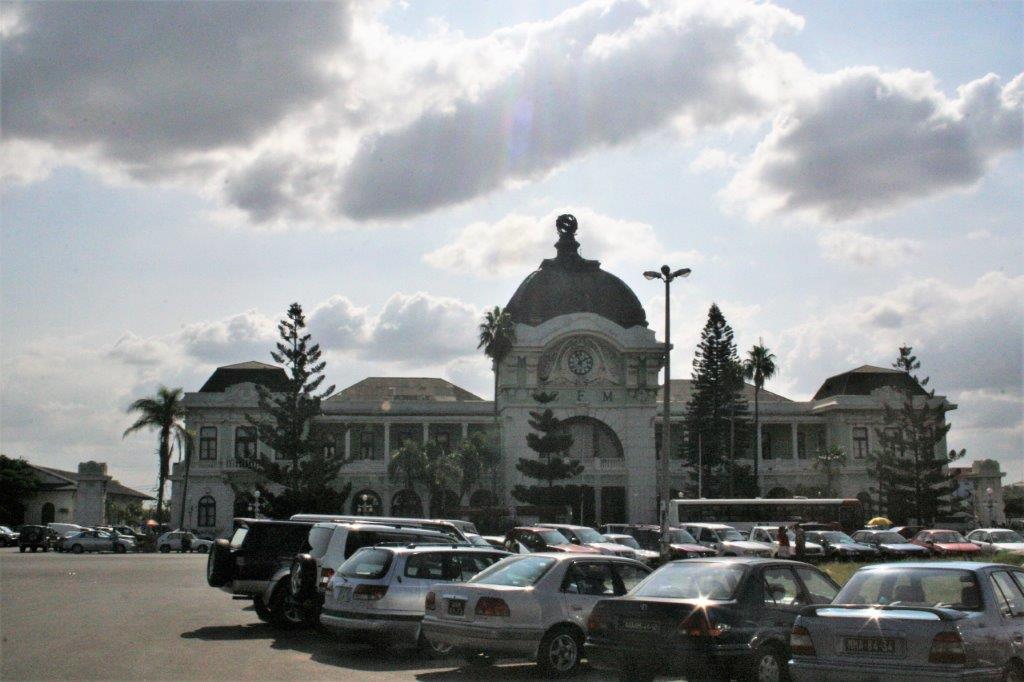
2009-04-15_5592 2009-04-15_55962009-04-15_5594 2009-04-15_5595 2009-04-15_5600 2009-04-15_5604  We were pleasantly surprised at the modern high-rise buildings in the city and the clean streets.

2009-04-15_5544 2009-04-15_5591 2009-04-15_5607 2009-04-15_5608 2009-04-15_5612 2009-04-15_5614 2009-04-15_5618 It was a nice overview of an area that, unfortunately, is still riddled with unrest, so we were blessed to be there during a time of welcome and peace.

2009 World Cruise – April 10 – Day 95 – Mombasa, Kenya

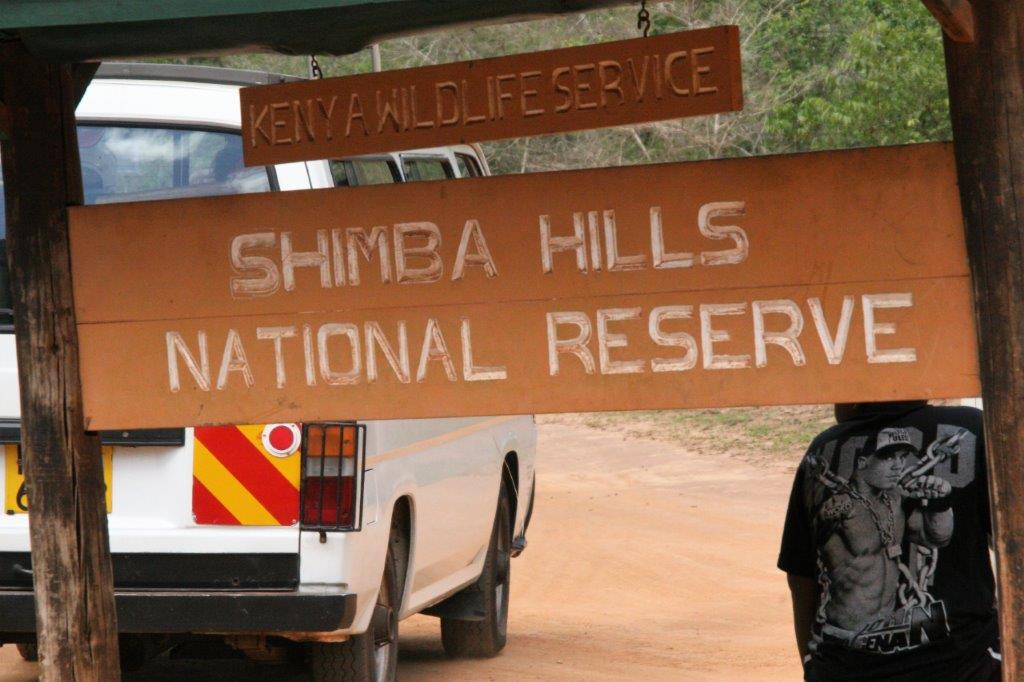
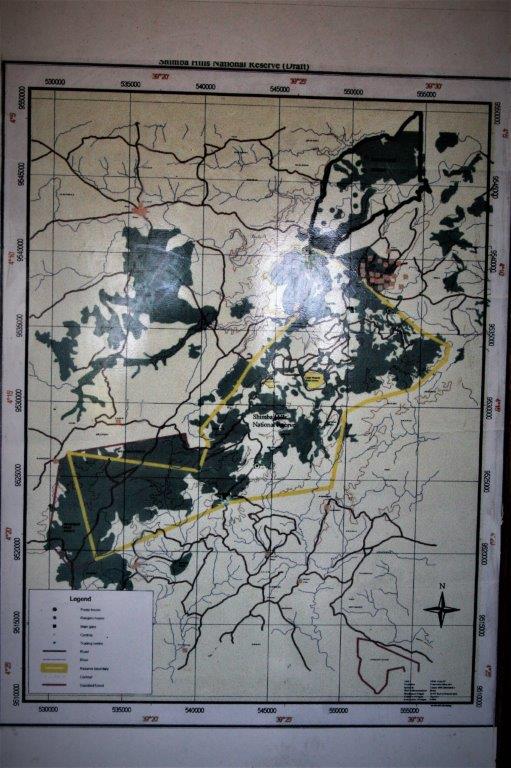
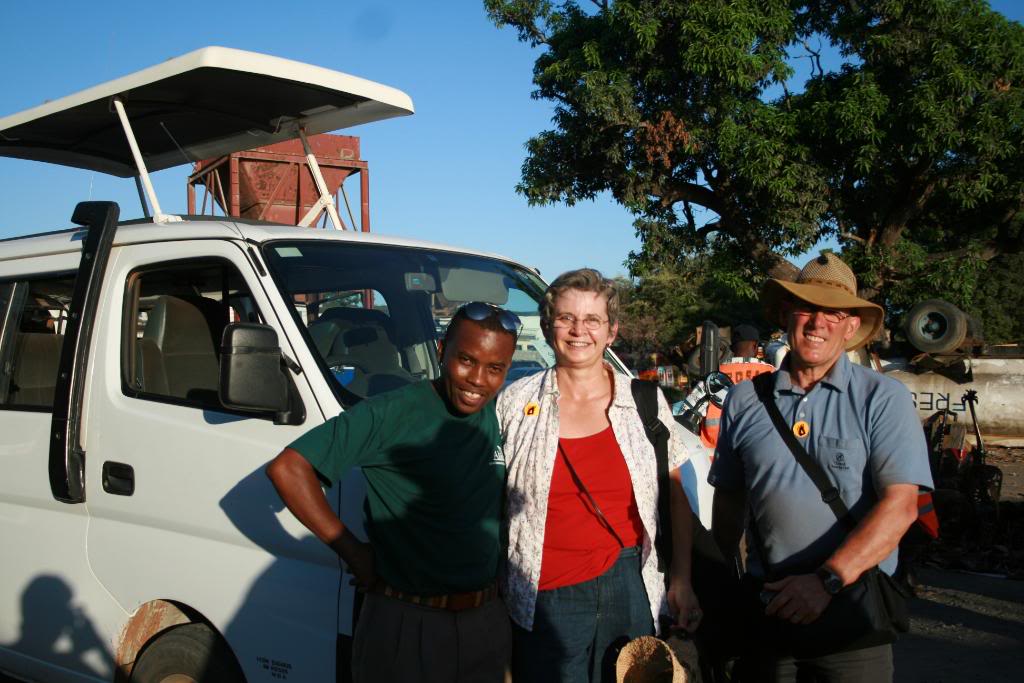
The second day in Mombasa was slightly cooler than the previous day.  We drove 90 minutes to Shimba Hills National Reserve.  Our driver, Patrick, was a Christian with a heart for mission.  He partners with an organization in Spokane to provide medical clinics, school uniforms & tuition, and sponsorship for 126  chuildren in Kenya.

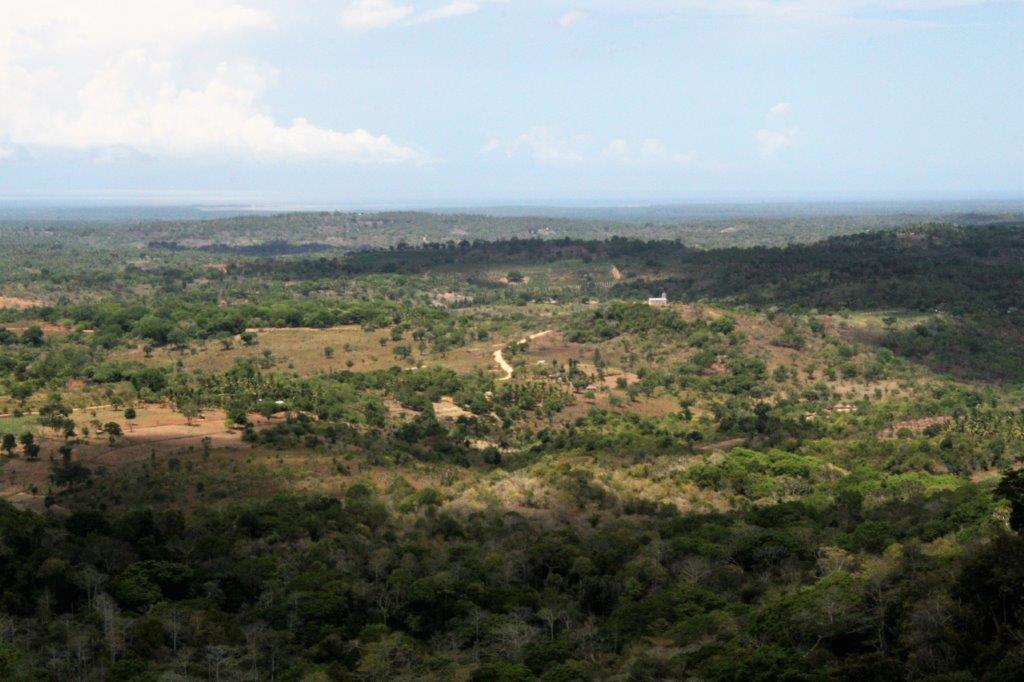
We saw different scenes and scenery on our drive to the reserve than the day before, yet they are located in the same area.  We actually passed the entrance to Shimba Hills on our way to Mwaluganje Elephant Sanctuary the day before.

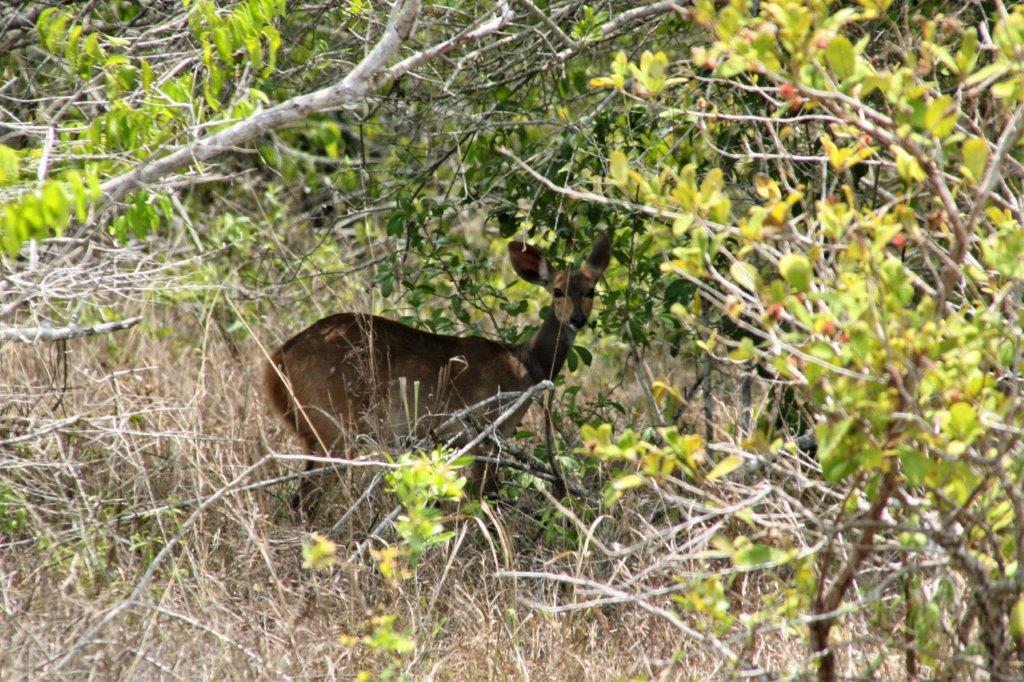
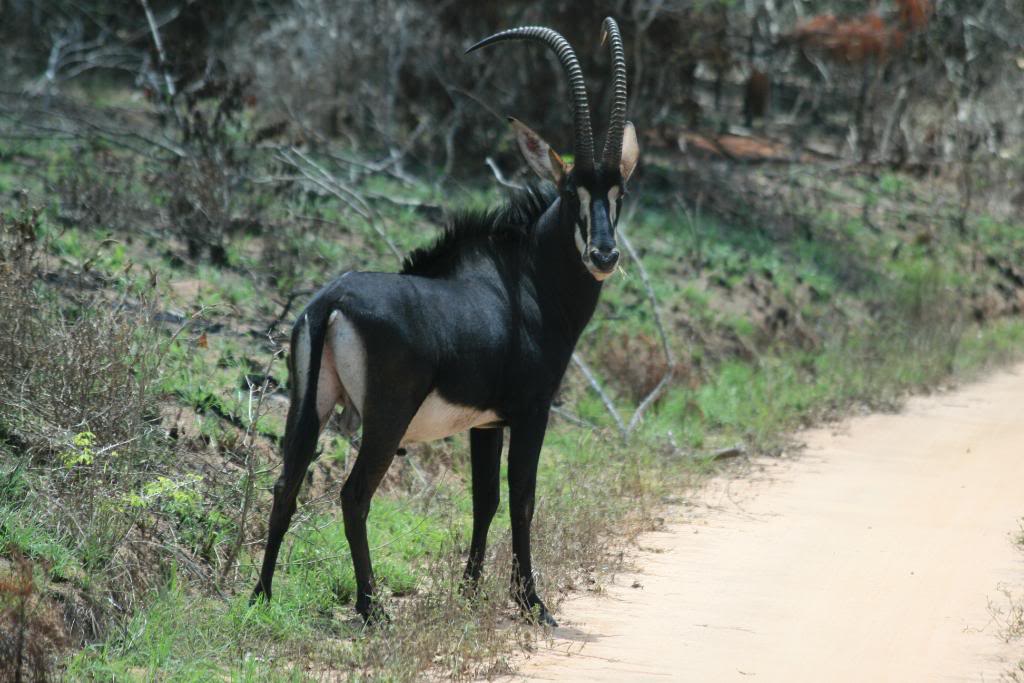
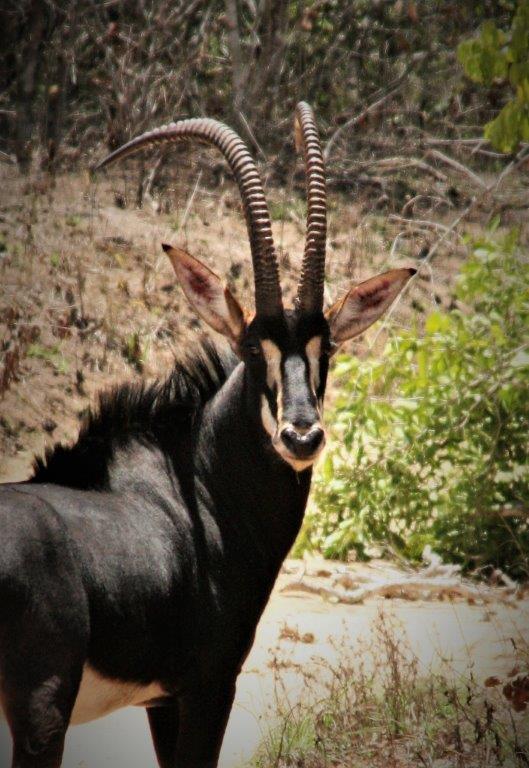
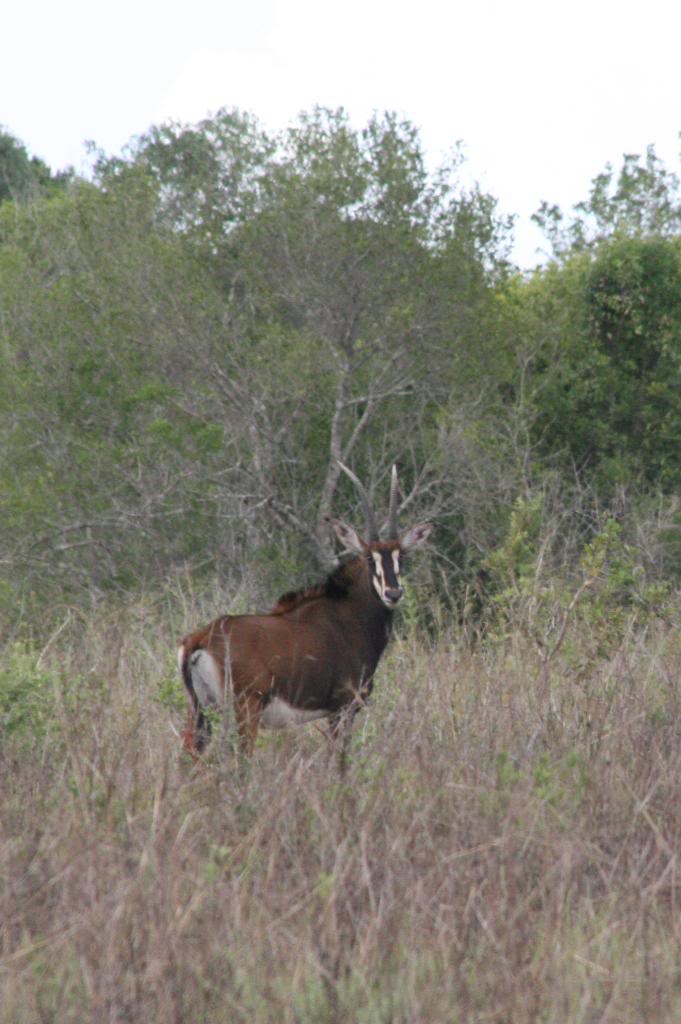
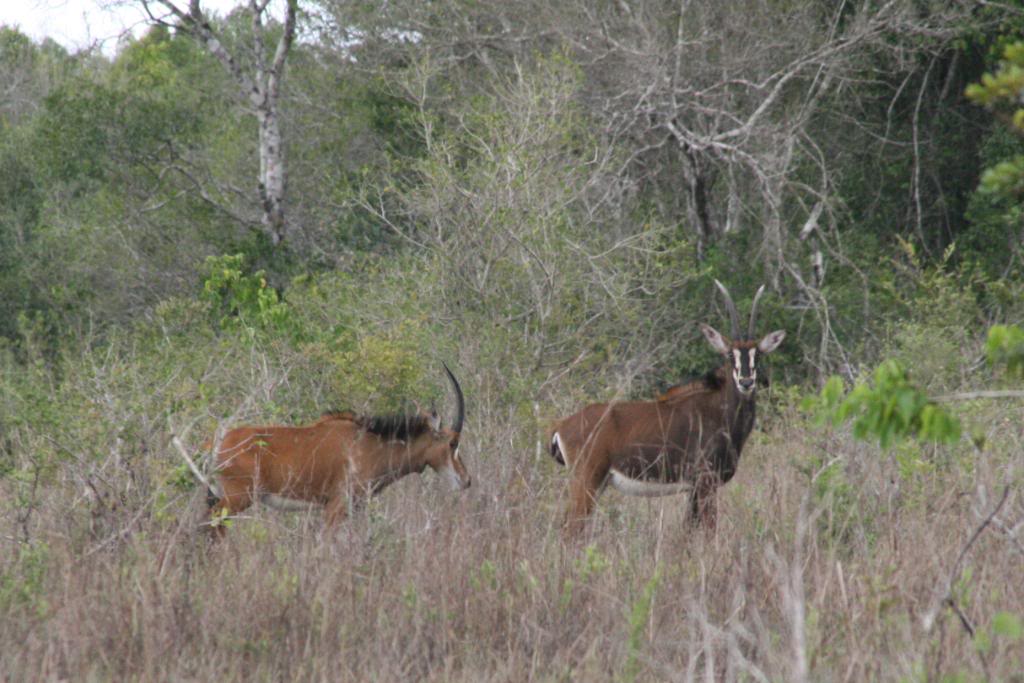
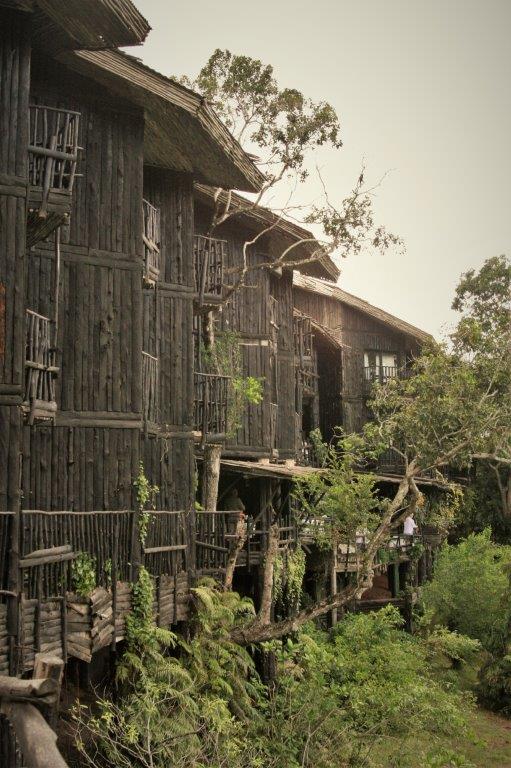
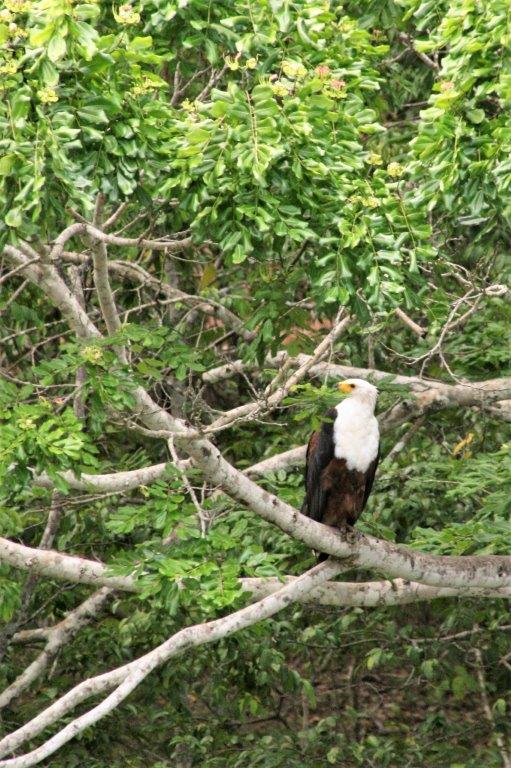
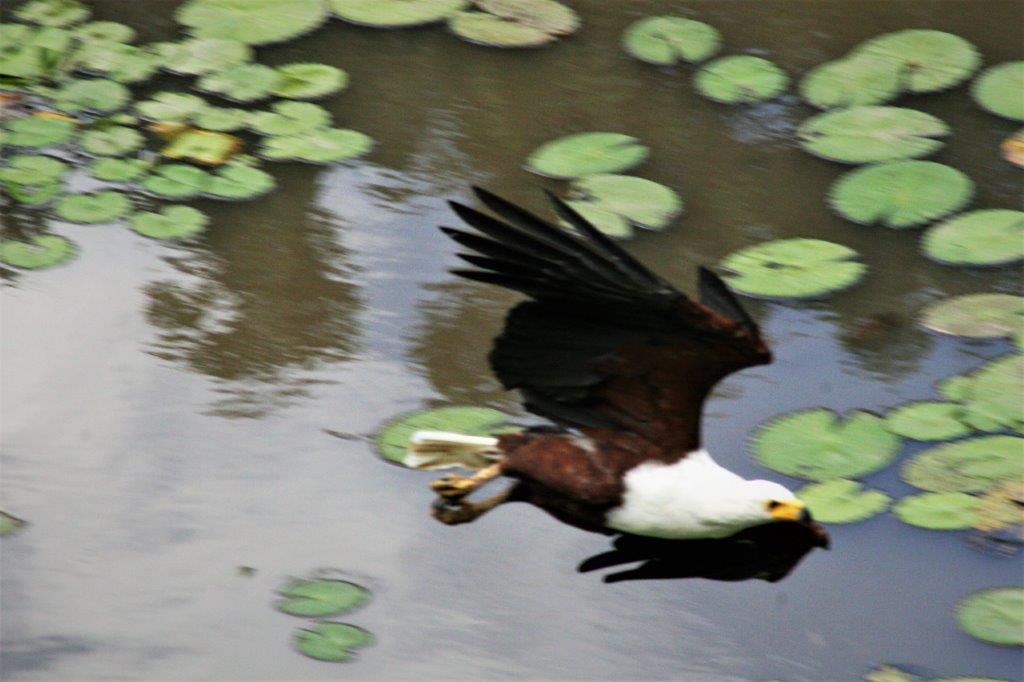
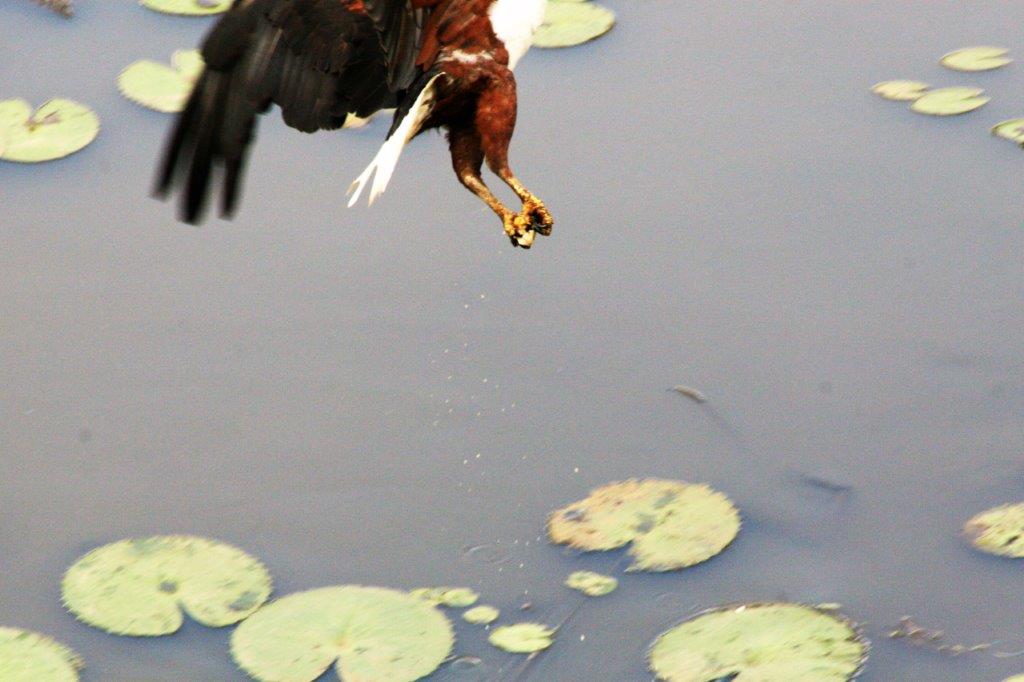
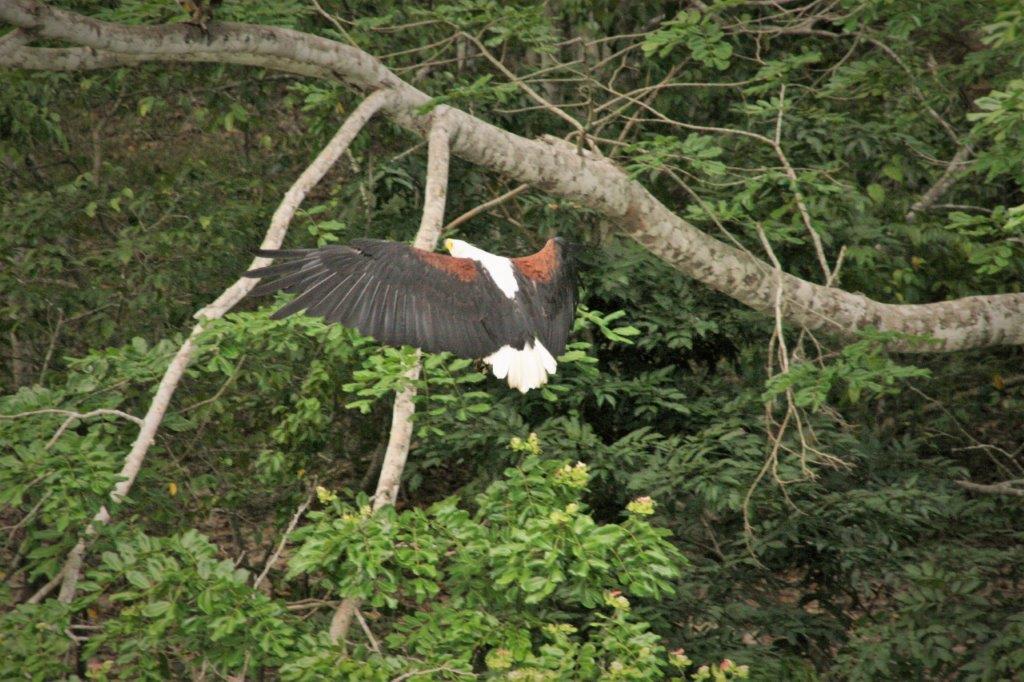
2009-04-10_3964 2009-04-10_3965 2009-04-10_3966 2009-04-10_3967 2009-04-10_3968 2009-04-10_3969 2009-04-10_3972 2009-04-10_3974 2009-04-10_3980Patrick asked the five of us in his van which animals we most wanted to see, and since he knows the park well, he did his best to find them. 2009-04-10_3982 2009-04-10_4051 2009-04-10_4024 2009-04-10_4029 2009-04-10_3988 2009-04-10_3993 2009-04-10_406420090410_4058_edited-1 2009-04-10_4036 2009-04-10_4041Shimba Hills is the only reserve in the country where one may see the rare sable and roan antelopes, one of the most handsome species of antelope.  We were fortunate to see both the black and the roan.  Loved their big pointy ears.20090410_4189 2009-04-10_4071_edited-1 20090410_4008_edited-1 20090410_4012_edited-1At our lunch stop at the hotel restaurant we enjoyed watching the fish eagles and walking the boardwalks.

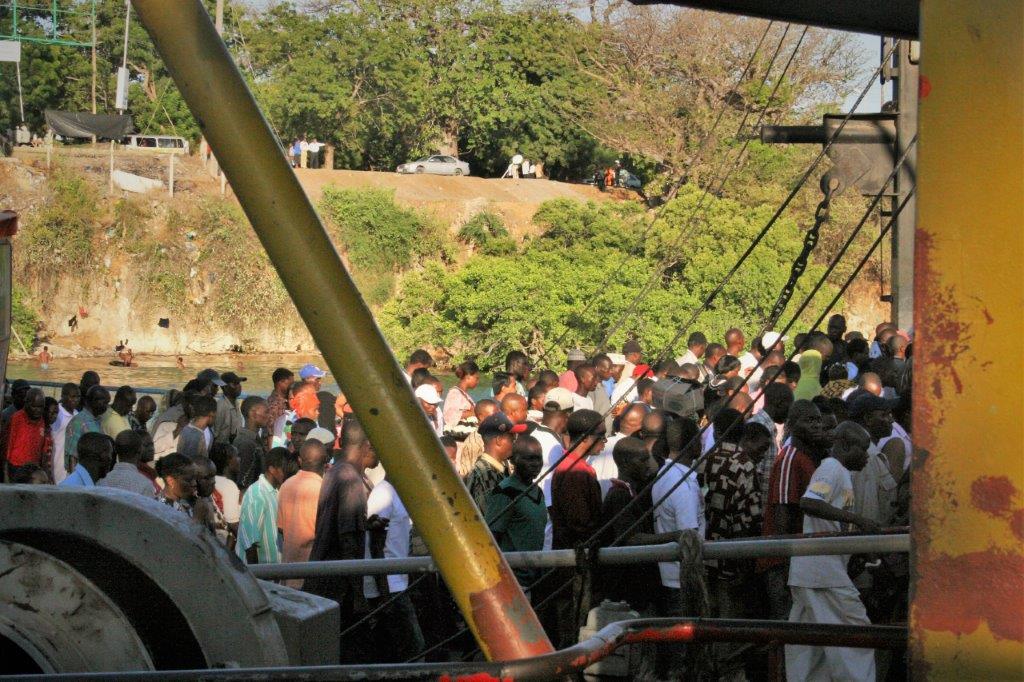
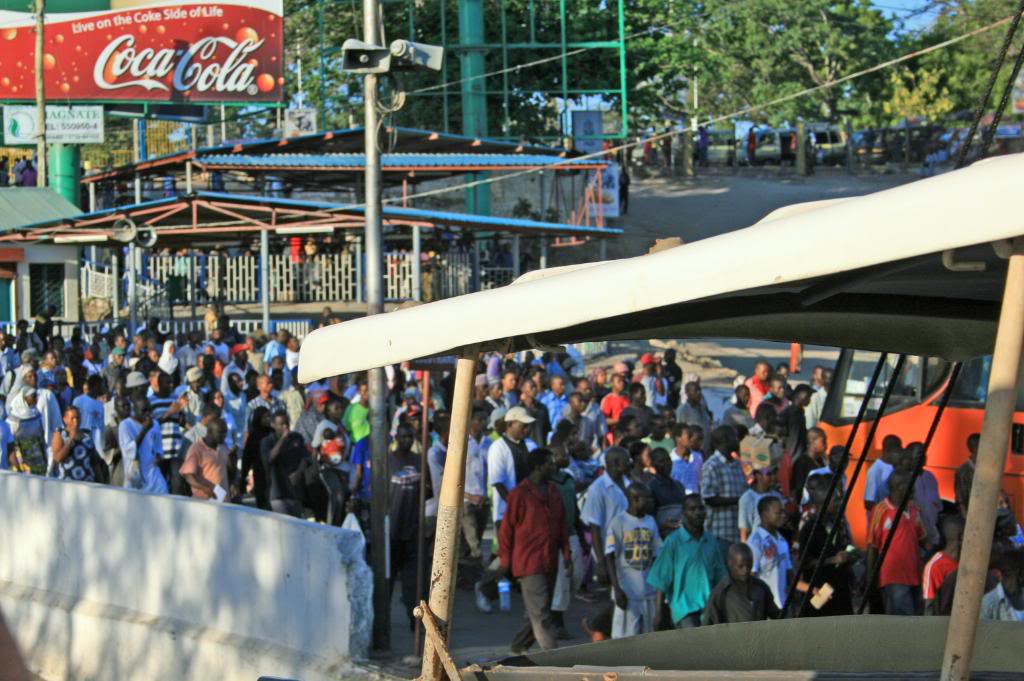
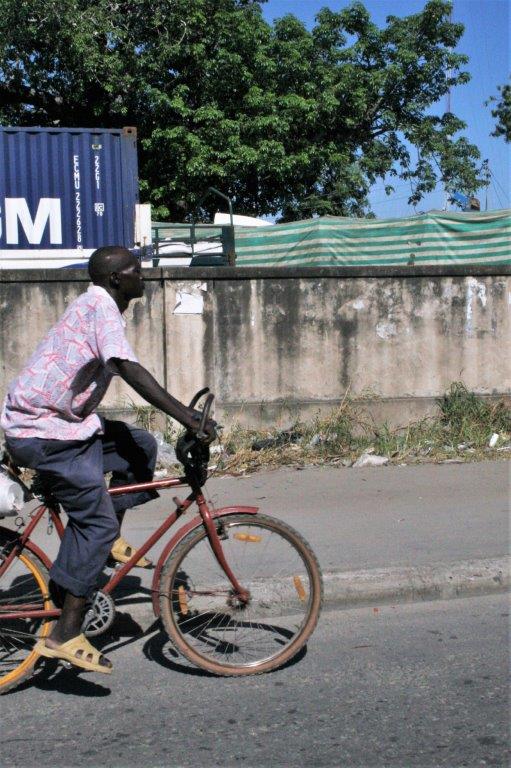
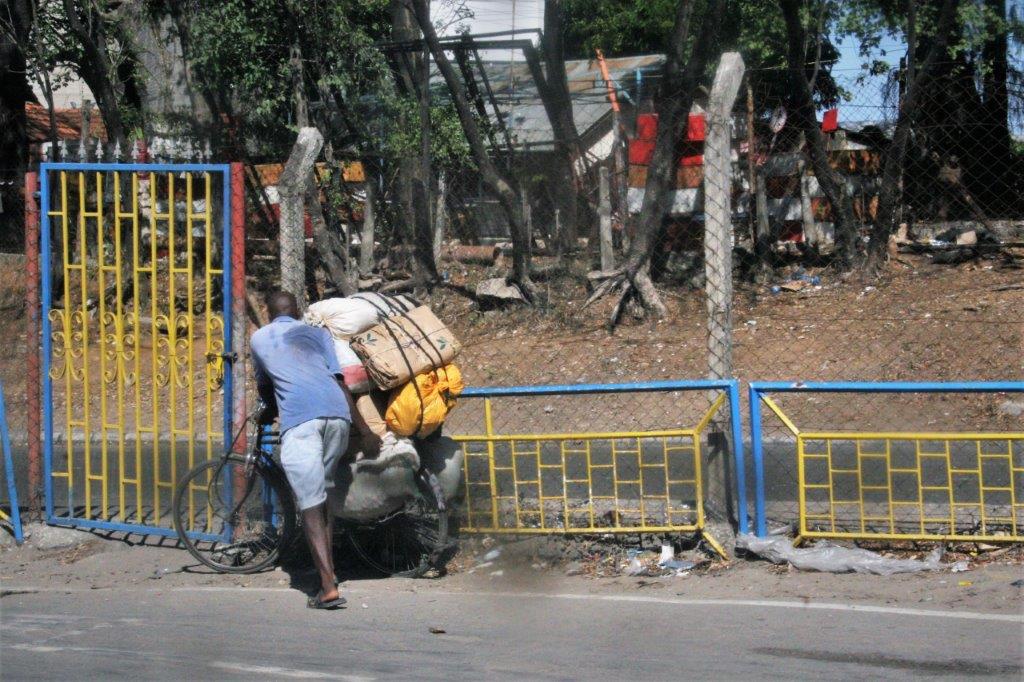
2009-04-10_4095 2009-04-10_4099 2009-04-10_4108 2009-04-10_4104 2009-04-10_4079 2009-04-10_4082 2009-04-10_4084 2009-04-10_4087 2009-04-10_40932009-04-10_4089 2009-04-10_40902009-04-10_4091 2009-04-10_4101We were scheduled to be returning to the ship after lunch, but Patrick took us on a second game drive to try find the elusive giraffe – with no luck unfortunately.2009-04-10_4117 2009-04-10_4129 2009-04-10_4135 2009-04-10_4137We were due to return on board at 2:30 and we didn’t get back until 6 pm.  We had a wonderful day with new friends Hanson and Janice and her 93-year old father John; who was a real trooper and great fun.20090410_4265 2009-04-10_4140 2009-04-10_4142 2009-04-10_4148 2009-04-10_4150We had a short wait while the ferry unloaded before we could drive on and go across to the port.  It was interesting to see all the different people and their burdens getting off.2009-04-10_41622009-04-10_41532009-04-10_4156 2009-04-10_4157_edited-1 2009-04-10_4161This fellow is talking on his cell phone while he pulled that load of fuel tanks up the ramp!20090411_43542009-04-10_4163         And another group is waiting at the other side to get on.

We had a third day in Mombasa due to itinerary changes but the two tours we had done were the ones offered for the third day as well.  This gave us the opportunity to have a lazy morning, do some laundry while so many people were off the ship, write emails, and read our books.  About three o’clock we wandered down the gangway to the huge market that was set up on the pier; and even bought a few things.

2009-04-11_5666 2009-04-11_5668 2009-04-11_5669 2009-04-11_5670 The ship sailed away in the late afternoon and had four sea days before our next stop at Maputo, Mozambique.

2009 World Cruise – April 9 – Day 94 – Mombasa, Kenya

Let the critters begin!!

As per the new schedule arranged before we went to the Seychelle Islands, we were three days at sea before reaching Mombasa, Kenya.  The Captain sailed quite far south and then came north along the coast of Tanzania to avoid pirate activity.  The day before we docked in Mombasa we heard that pirates had commandeered five ships in the previous 48 hours, one of which had re-taken the vessel; one pirate was in custody and three others had fled in their boat.  They were getting braver and going after ships much further offshore than had been the case for quite a long time.  I am sure our Captain and crew were very happy to be safely out of those waters.

There was an overland excursion offered when we arrived in Kenya; a three-day trip to Maaisa Mara National Reserve.  I seriously considered booking it but decided not to since we had taken two expensive tours (overland in China and the flight to the Taj Mahal) already.  My rationalization was that if I booked a safari tour at every one of our African ports of call the chances were very good that we would see all of the Big Five (lion, cheetah, elephant, rhinocerous, and water buffalo), plus many other of the continent’s animals for less cost than the overland.  I worried that this might not be the best decision but as I say, “You can only do the best you can do with what you know at the time.”  That’s my story and I’ll stick too it (for now).

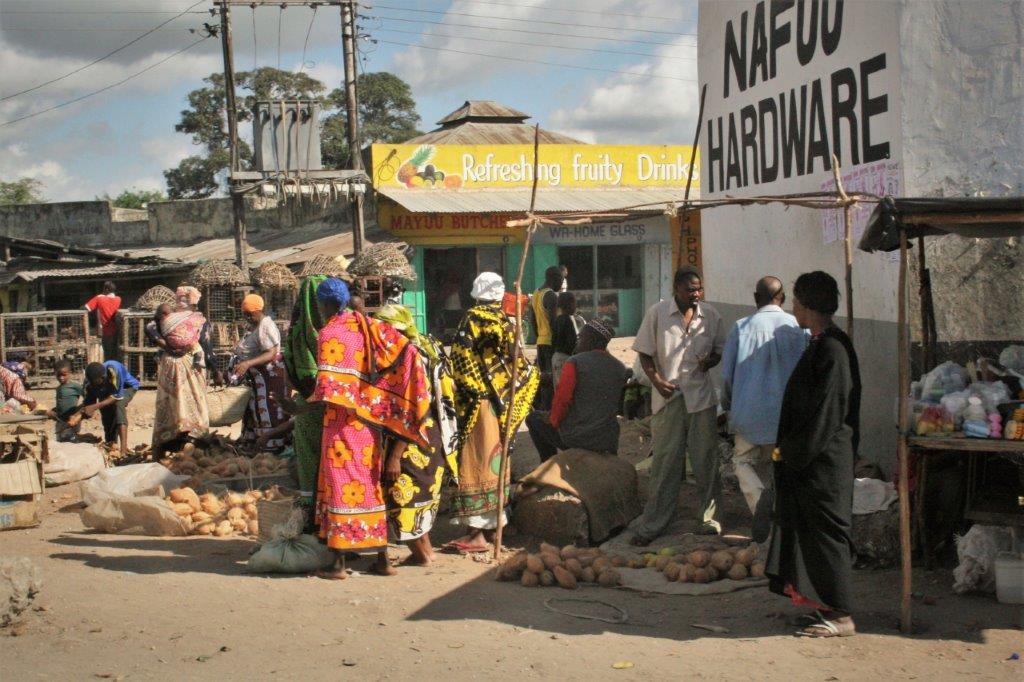
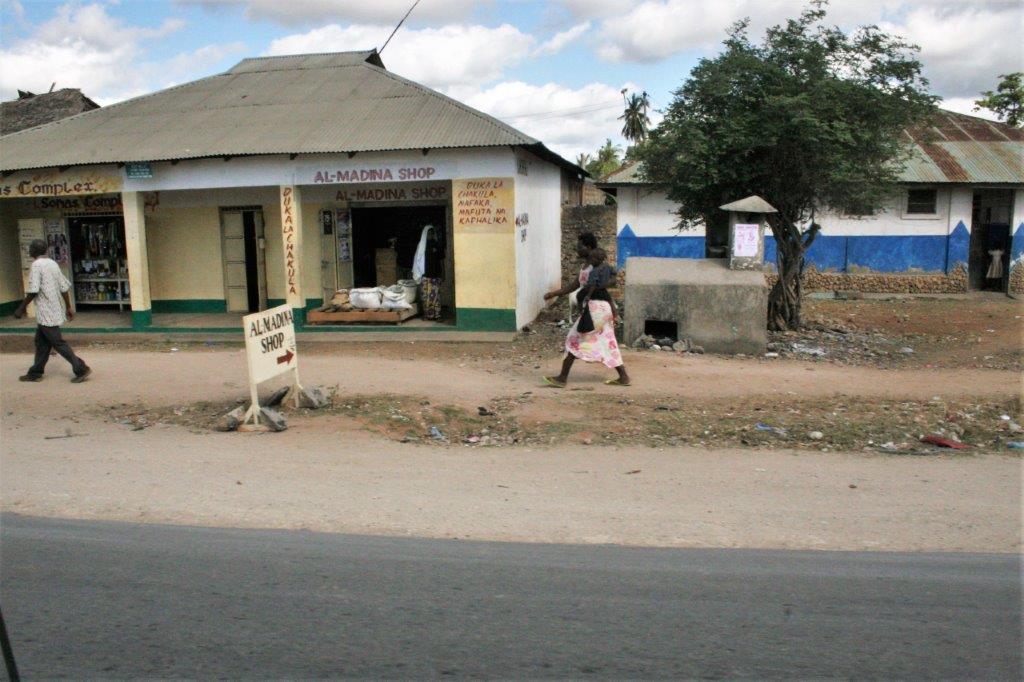
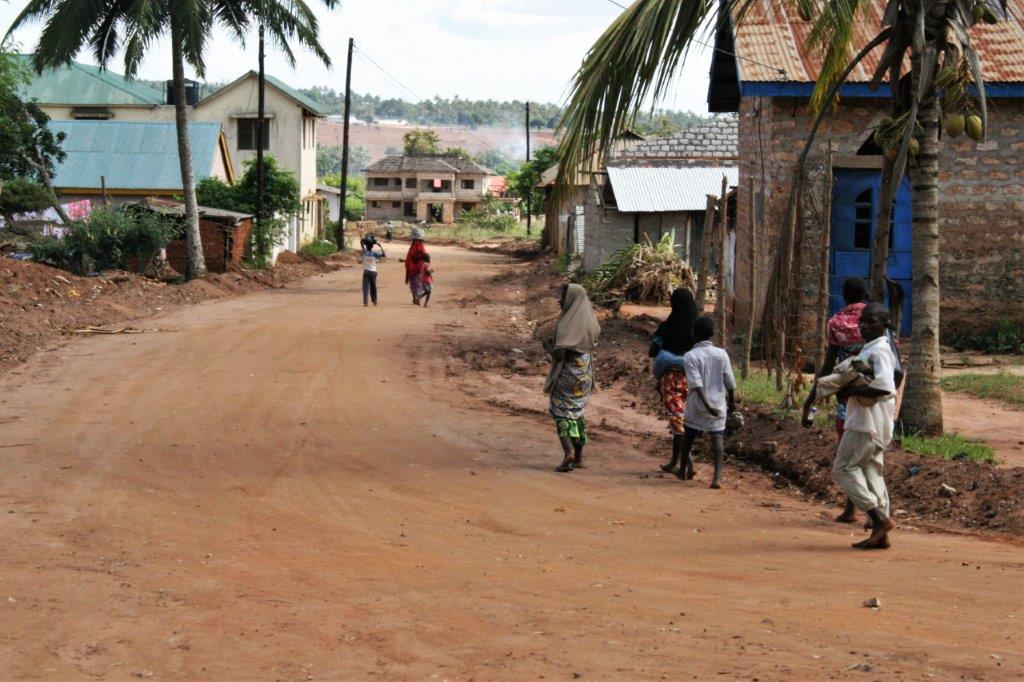
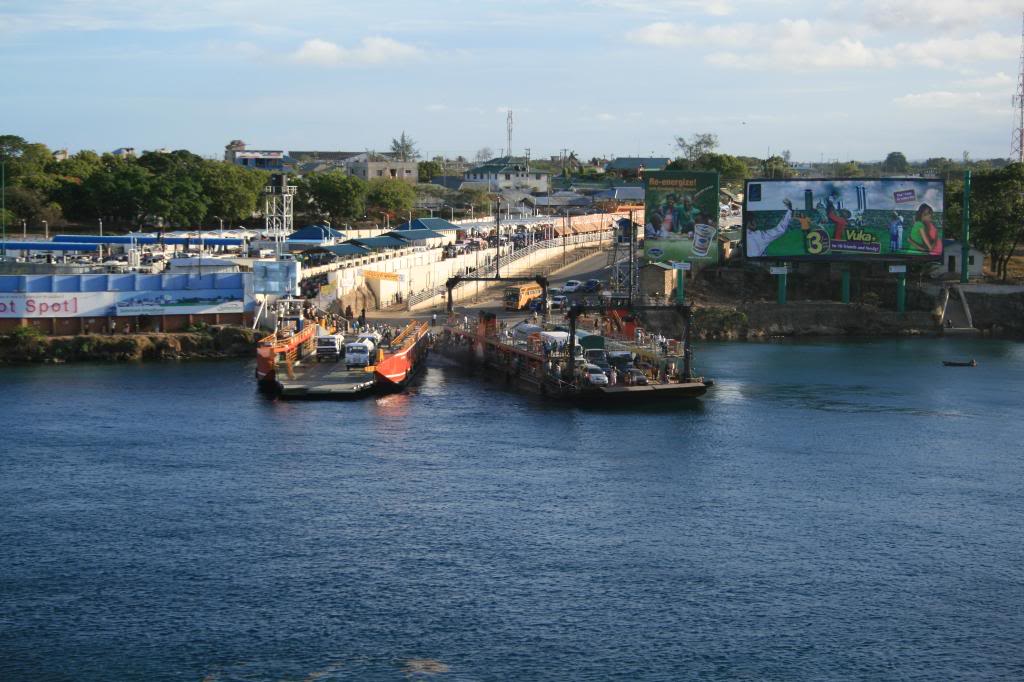
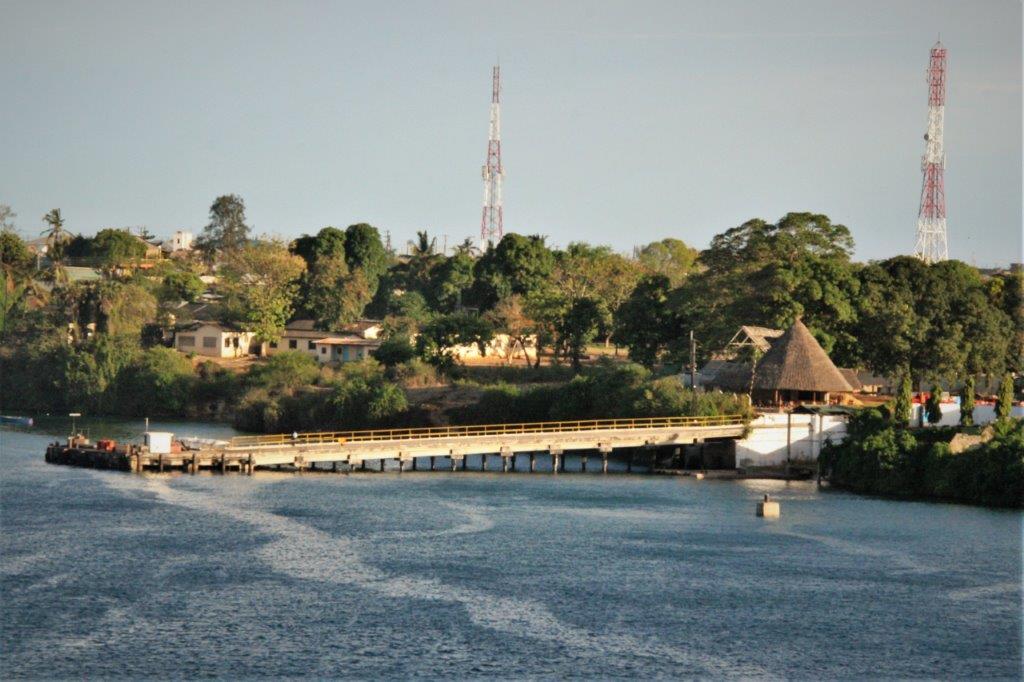
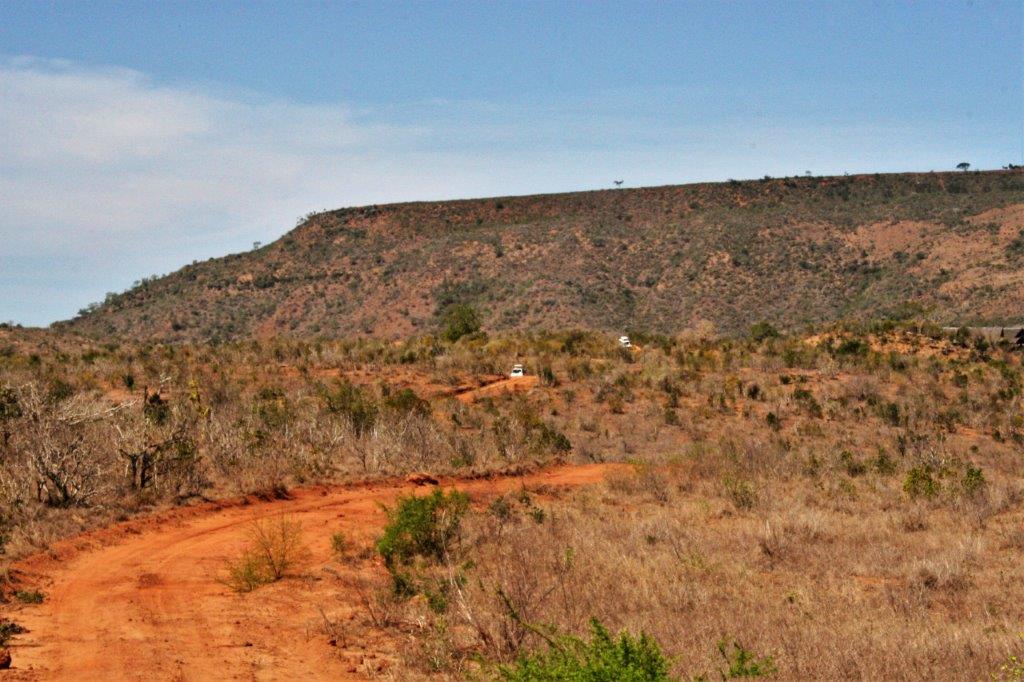
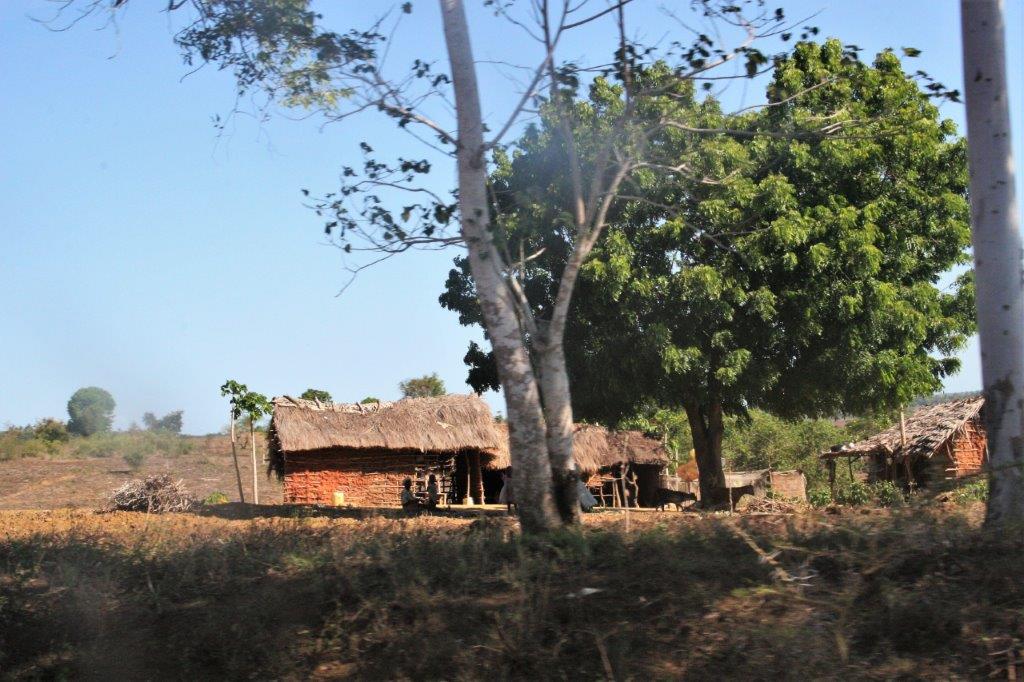
From the port we had to take a very short ride on the Likoni Ferry to the mainland; a couple of hundred meters, but it was packed with people and vehicles. There were as many waiting on the other side to board for the return trip.  The vehicles drive on first and there is literally a ‘holding yard’ – covered enclosure – where the pedestrians wait until the cars and buses are on board, then as many people as fit in the space are allowed on.  Rush hour every ten minutes!20090410_4256_edited-1The nine-hour tour to Mwaluganje Elephant Sanctuary included almost 5 hours of driving on bumpy, dusty roads to get there and back.  As I have said before, the long drives to go inland on some of these excursions don’t bother us because we get to see so much of the countryside, local people and communities. During the drive John was transported back to 2008 when he and our daughter went on a mission trip to build a medical clinic at an HIV/AIDs orphanage in Zambia.  So much of the landscape, buildings and the activities of the people were the same.

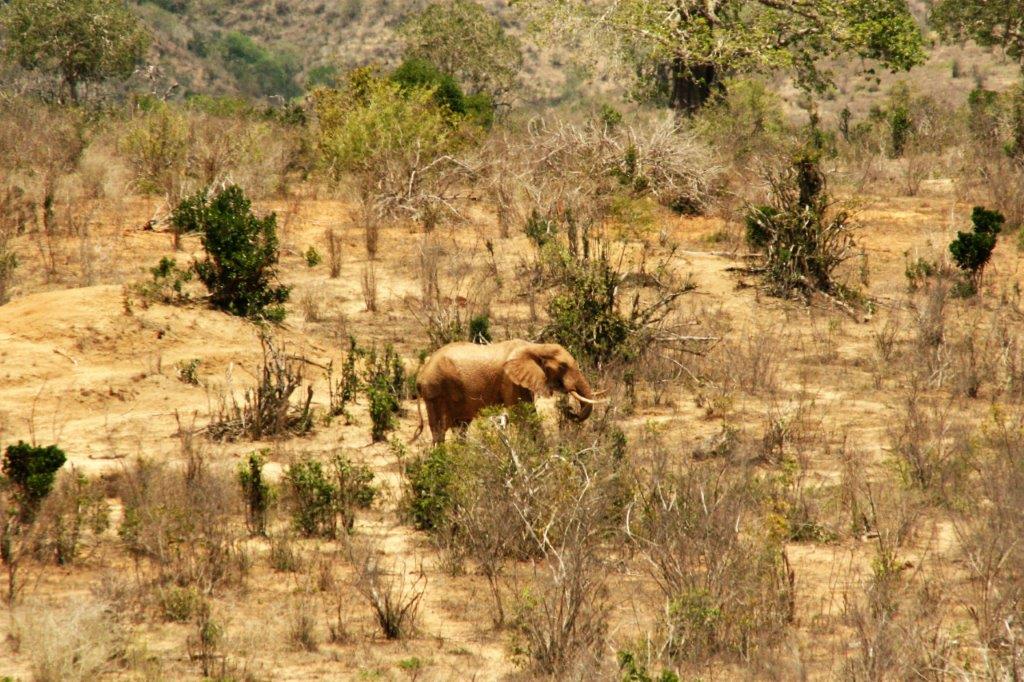
2009-04-09_3761 2009-04-09_376220090409_4279_edited-1 2009-04-09_3763 2009-04-09_3765 2009-04-09_3766 2009-04-09_37682009-04-09_3769Within the sanctuary we only saw elephants from a distance half-hidden by brush.                                                2009-04-09_3784

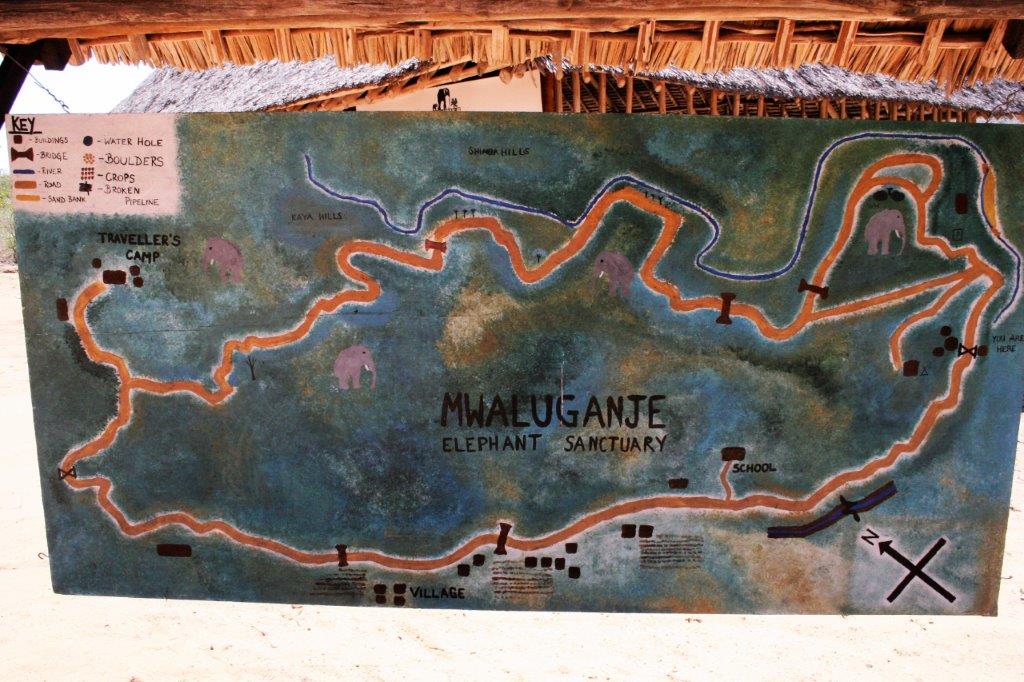
2009-04-09_38022009-04-09_3838 2009-04-09_3805_edited-1The Mwaluganje Elephant Sanctuary was created to provide a safe corridor from Shimba Hills Reserve (where we were going the next day) to the forest.  It is ‘historically’ a bull’s area although you can see the occasional female and her calf.  The sanctuary is a community-based project that supports 200 families who voluntarily contributed the communal land for the preserve; agreeing not to farm this important elephant habitat.  The people live nearby and manage the sanctuary, earning more from tourism than from farming.  It has enabled them to build school classrooms and enjoy a steady water supply.

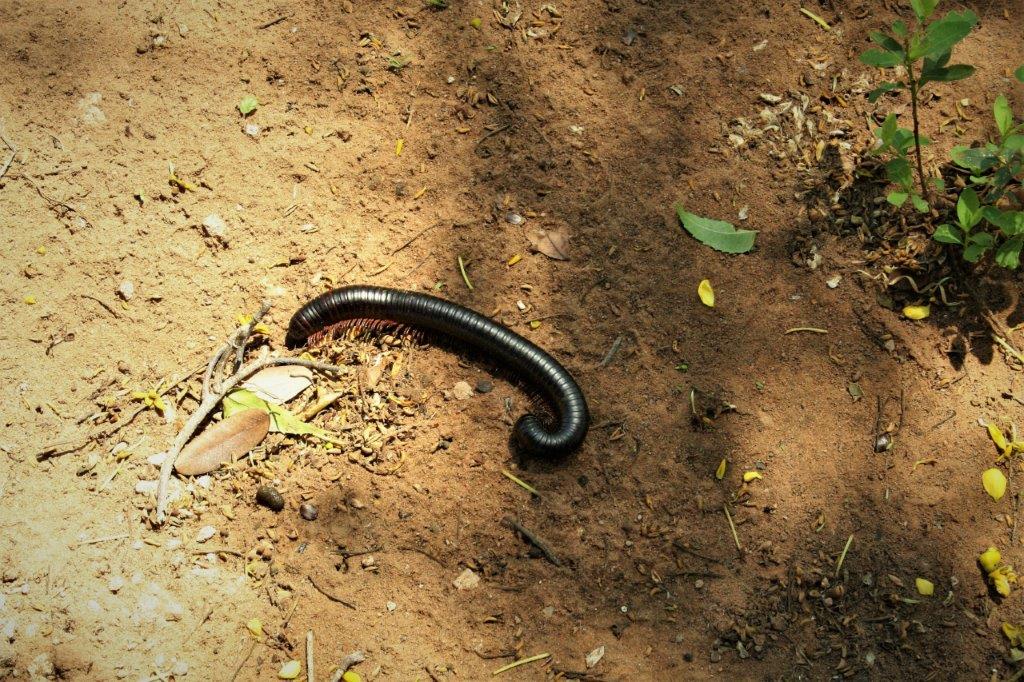
20090409_36552009-04-09_38392009-04-09_37852009-04-09_39152009-04-09_3792 2009-04-09_3786      This is a very large millipede that you do not want to bite you.

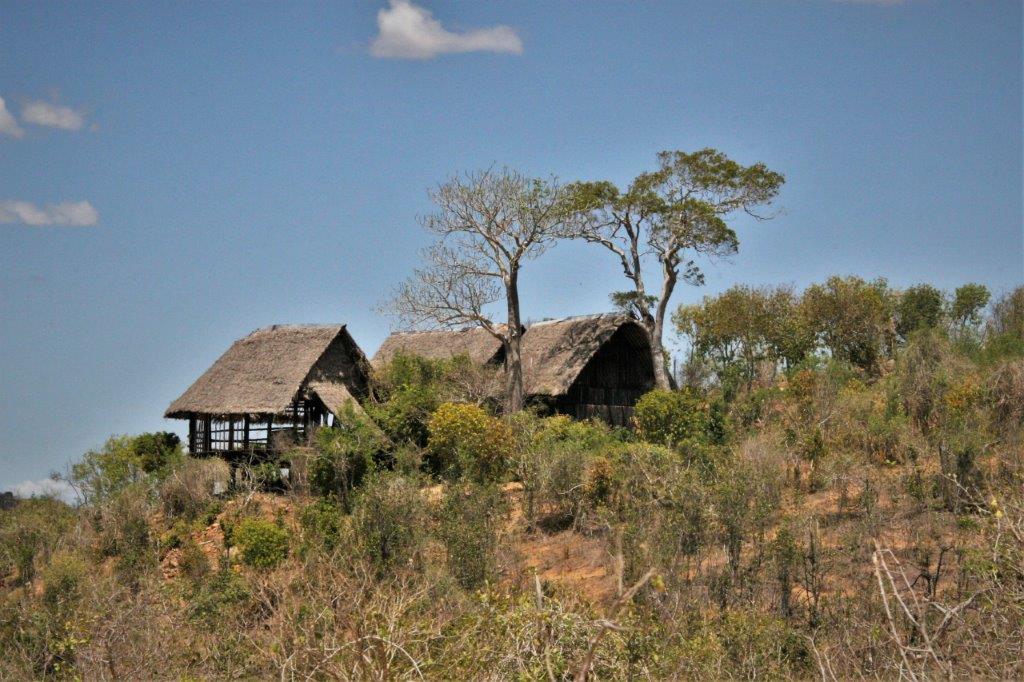
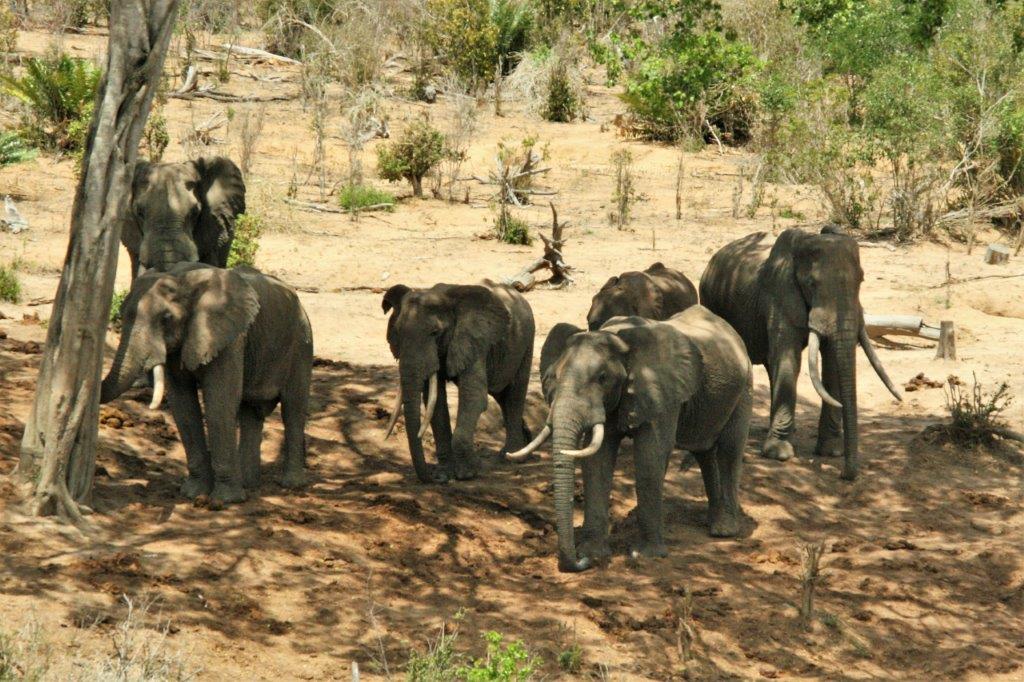
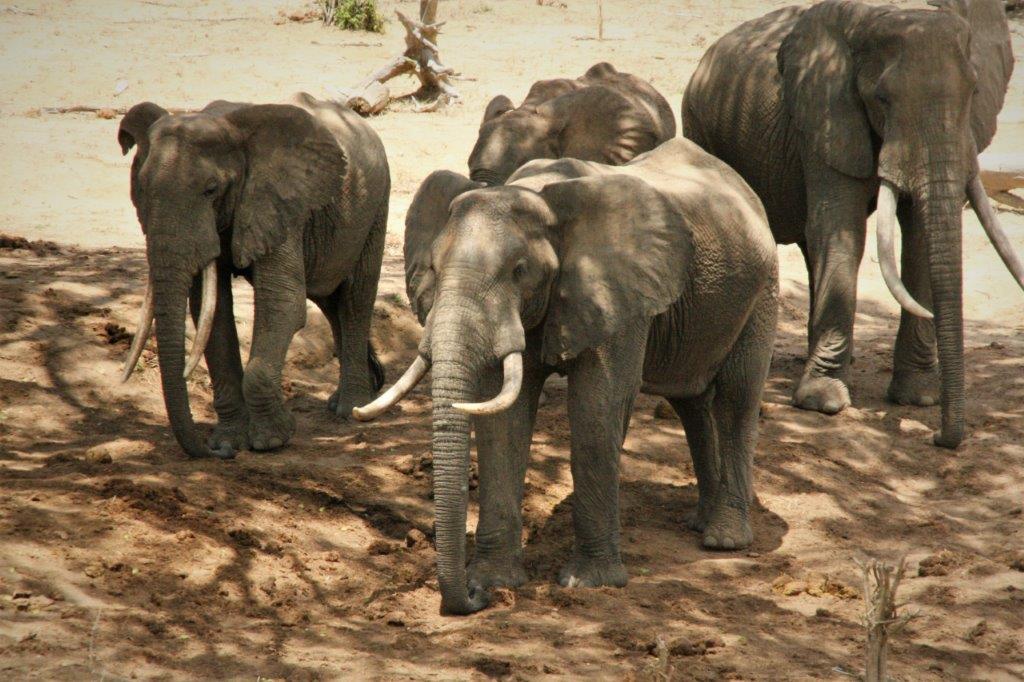
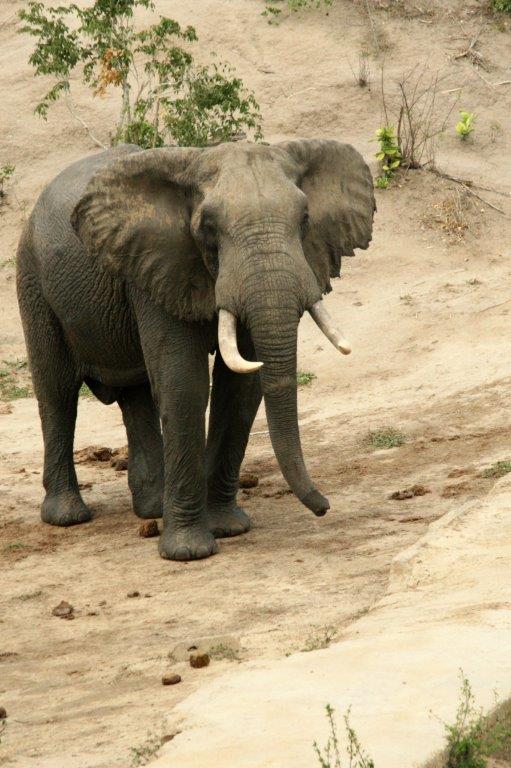
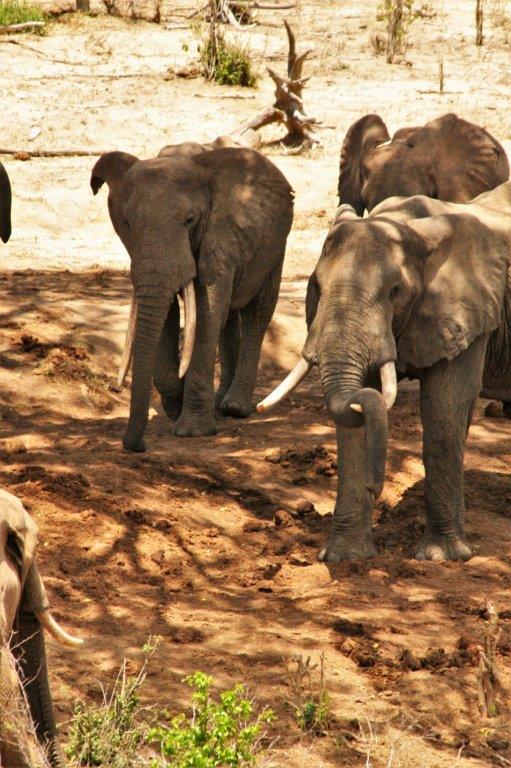
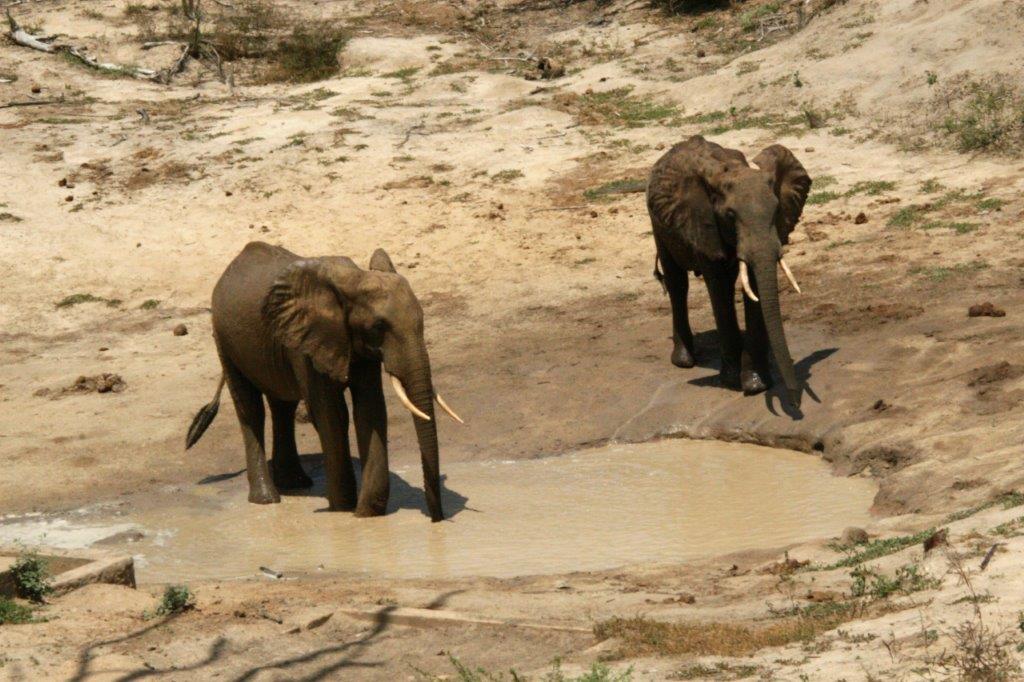
At the Hotel/Camp where we had lunch we had a great view of a watering hole where a small herd of elephants congregate.2009-04-09_3841 2009-04-09_3842 2009-04-09_3843 2009-04-09_3865 2009-04-09_3864 2009-04-09_3849Elephant trunks apparently are heavy and a tusk is a good place to take the weight off.

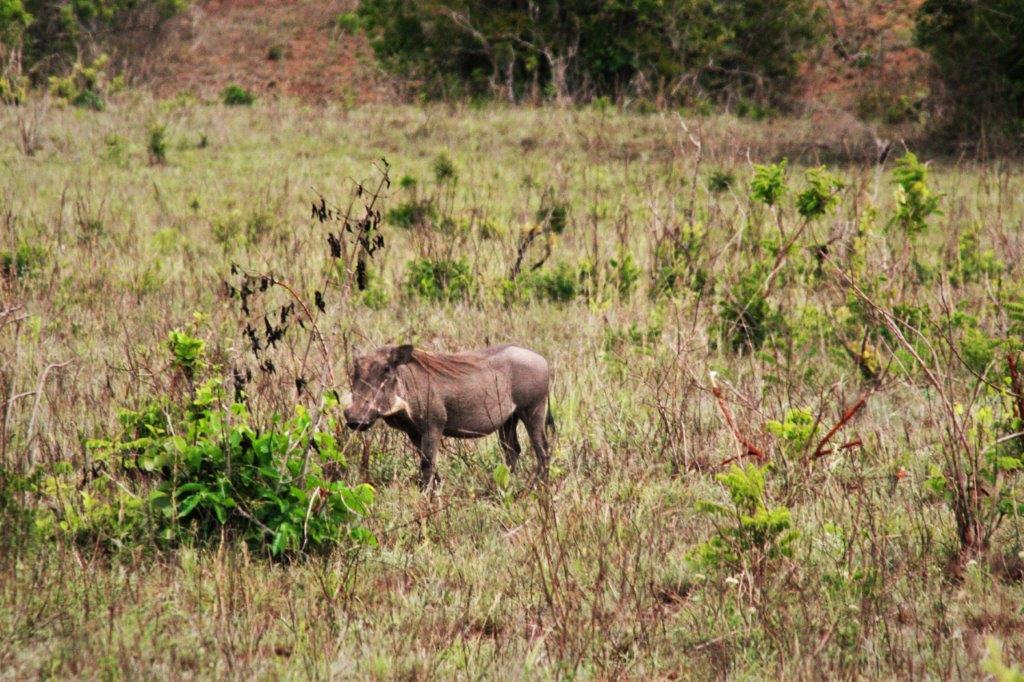
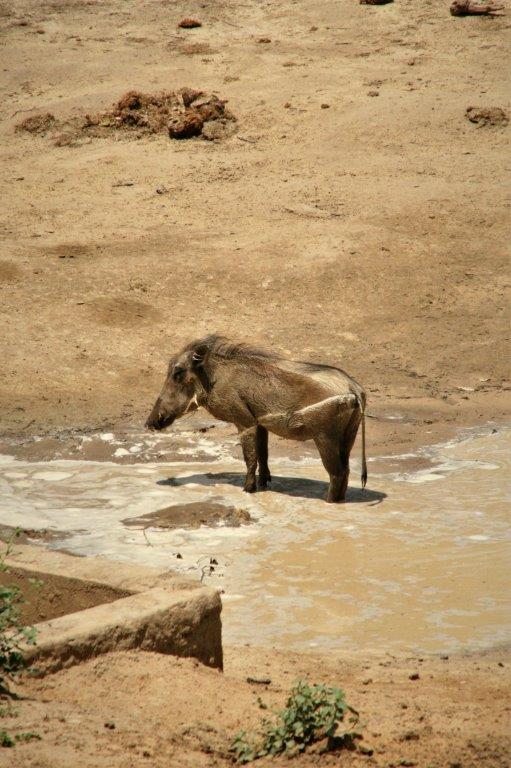
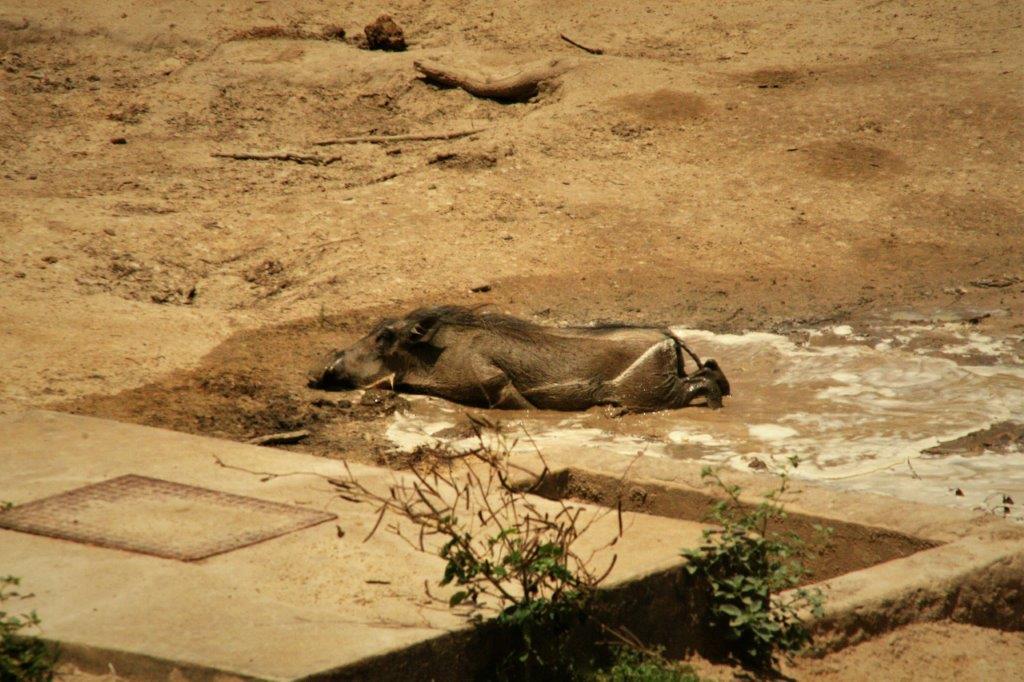
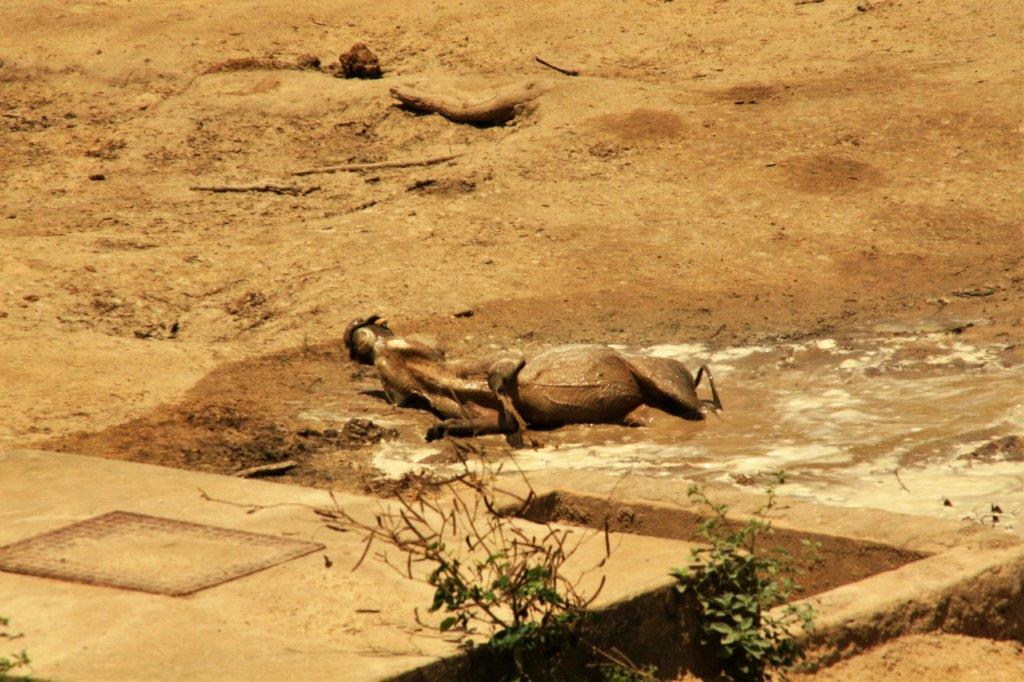
There was also a big warthog that like to wallow in the mud at the edge of the waterhole.

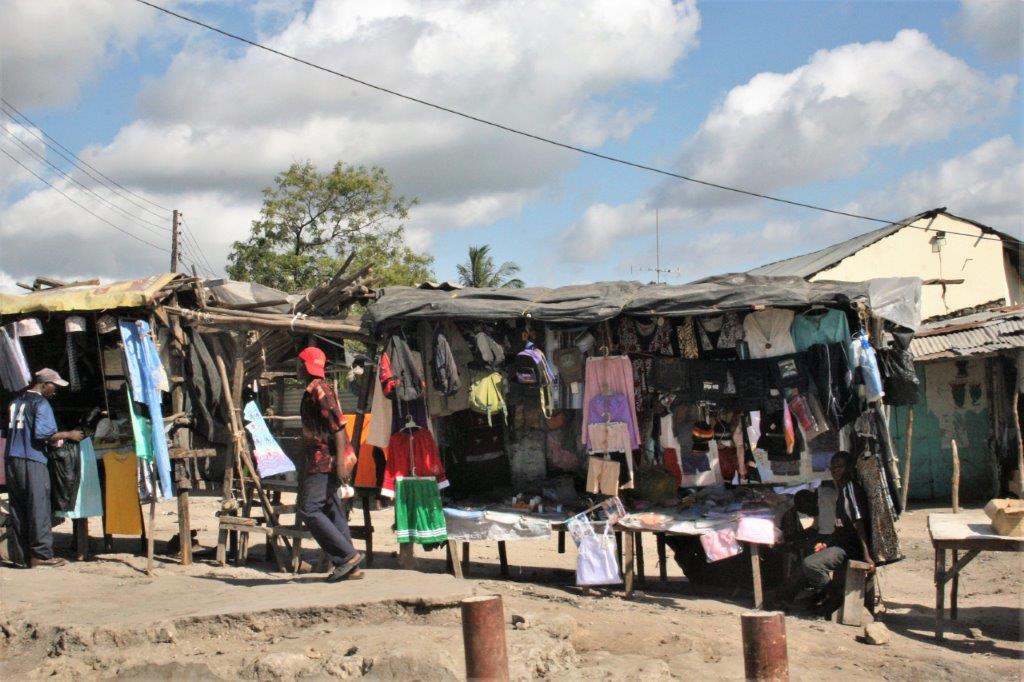
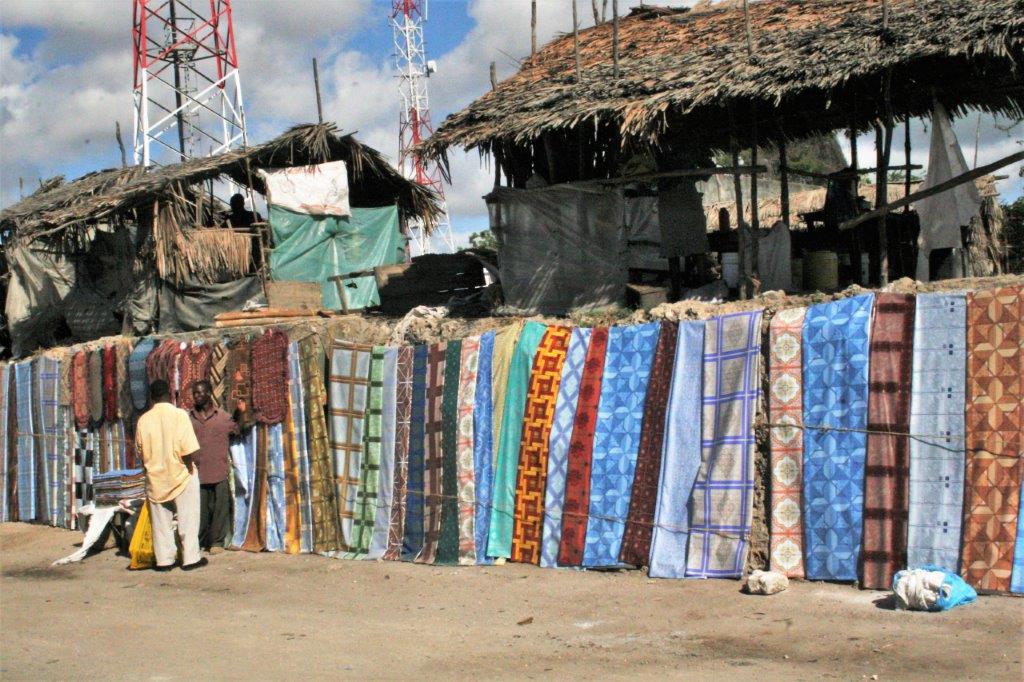
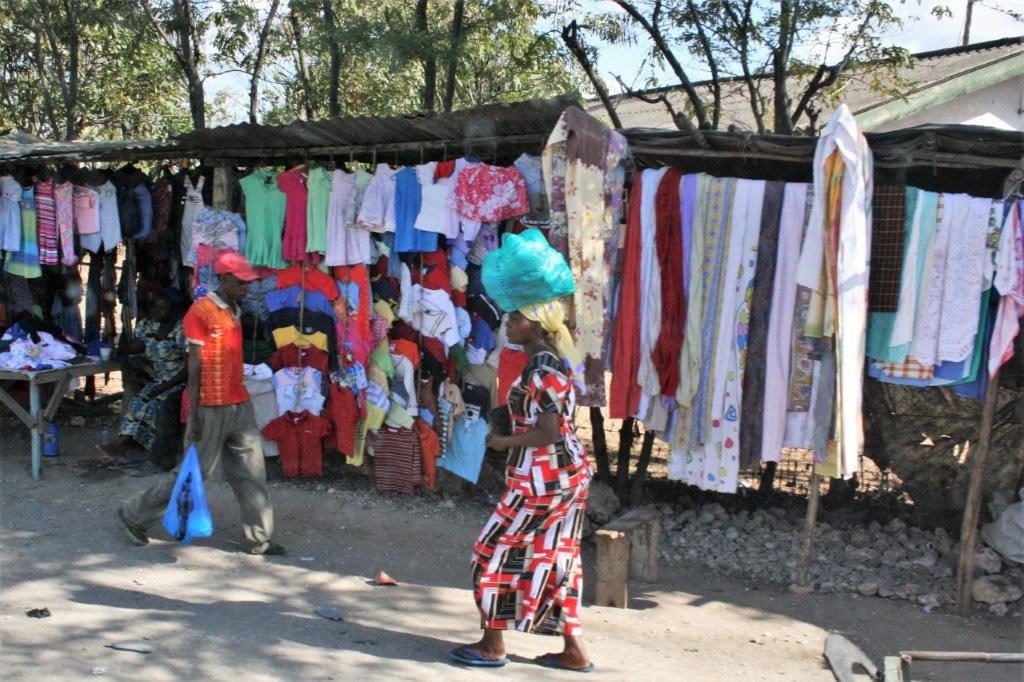
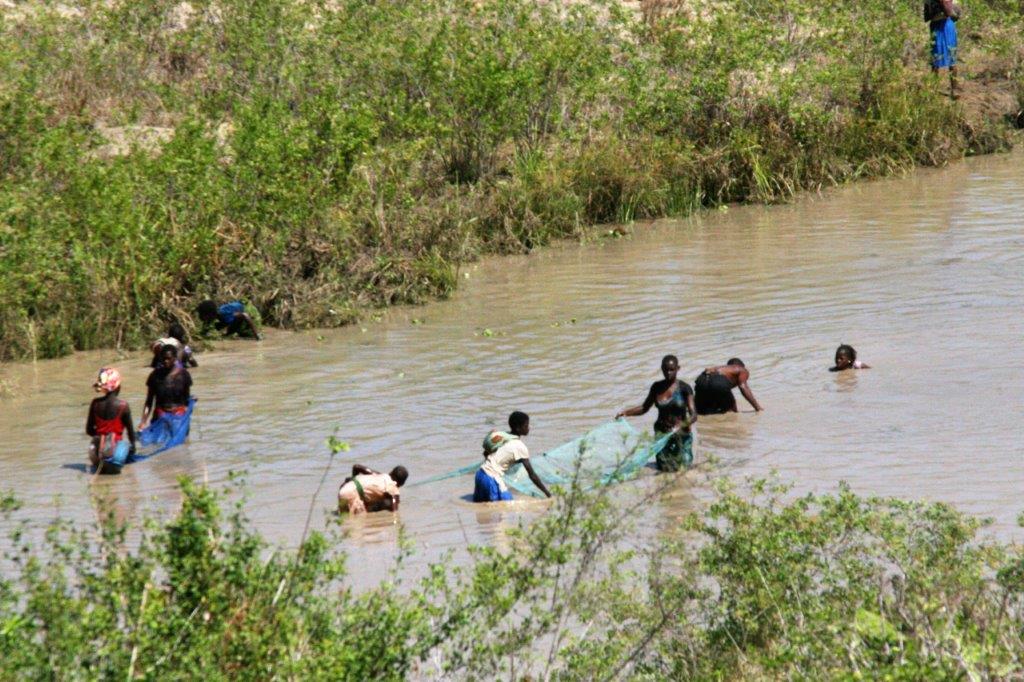
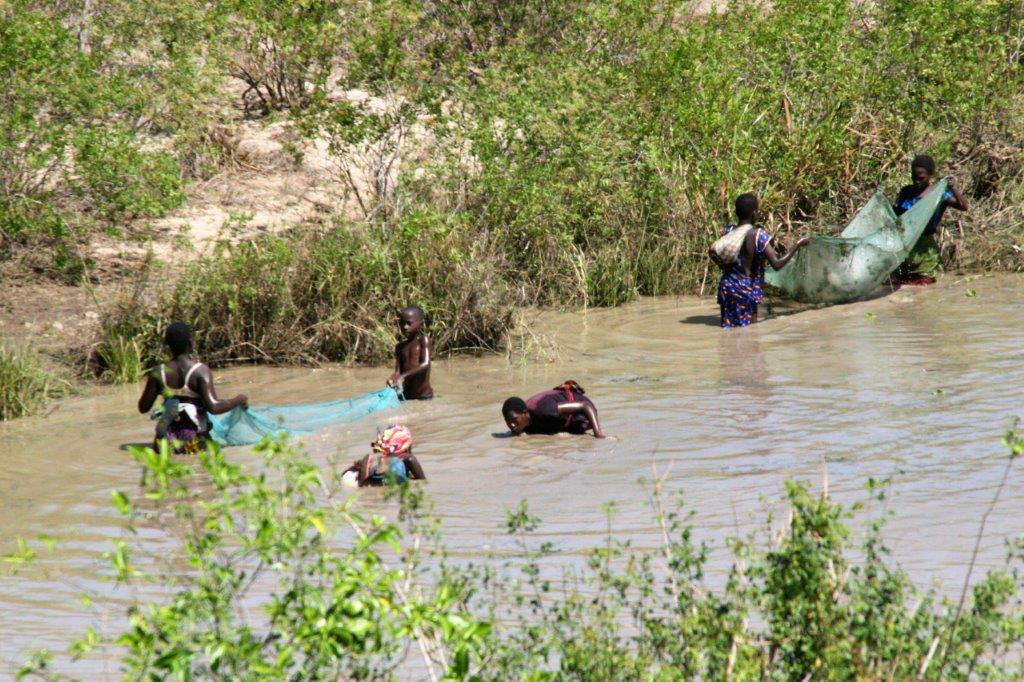
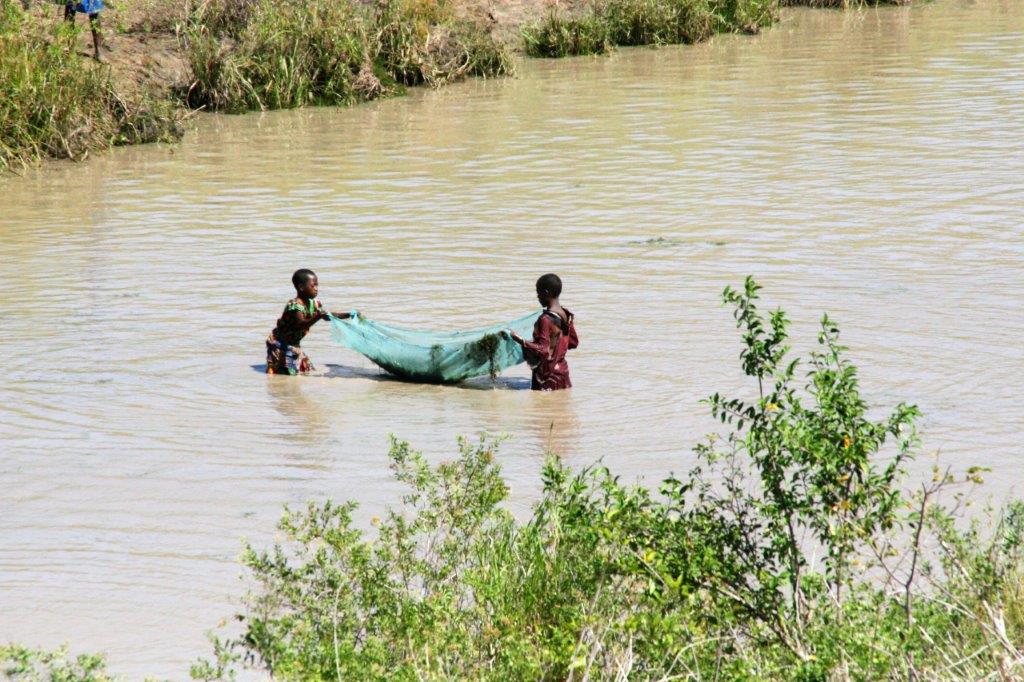
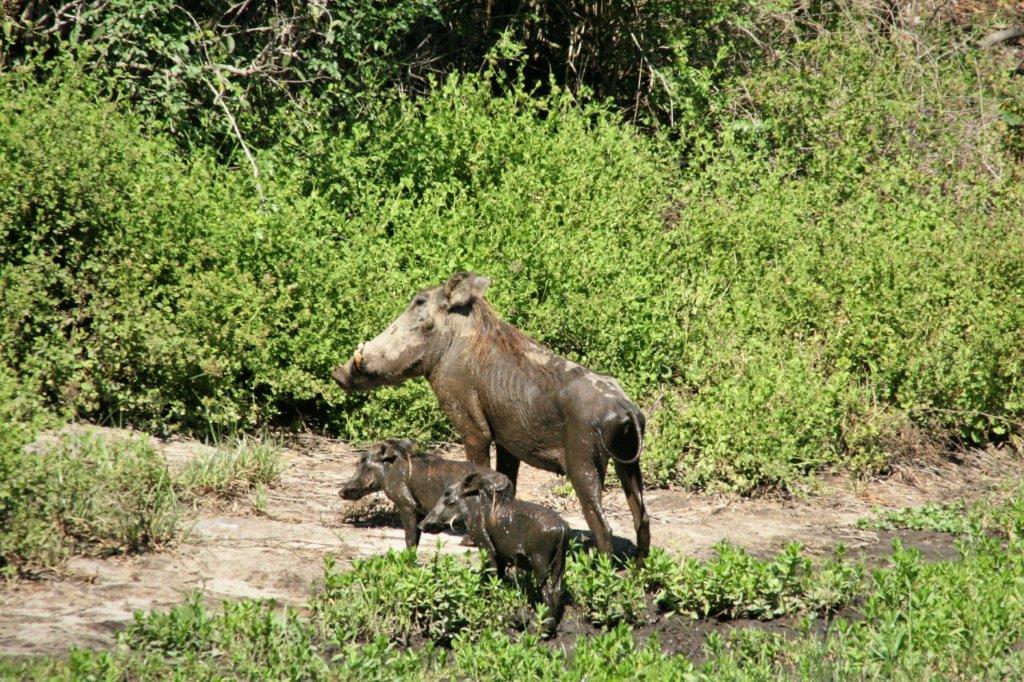
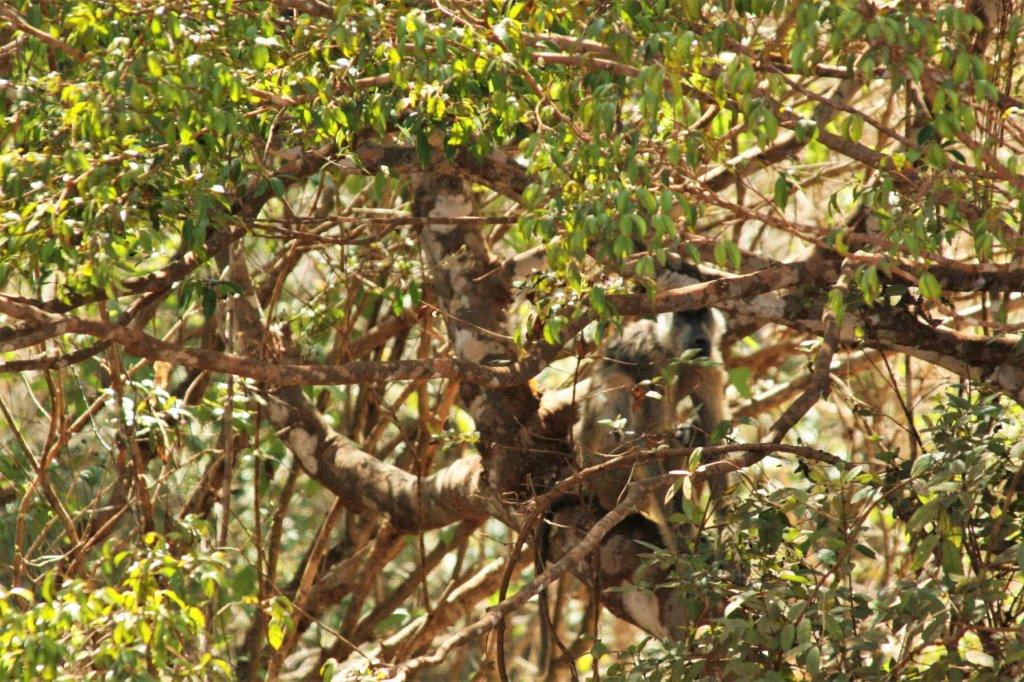
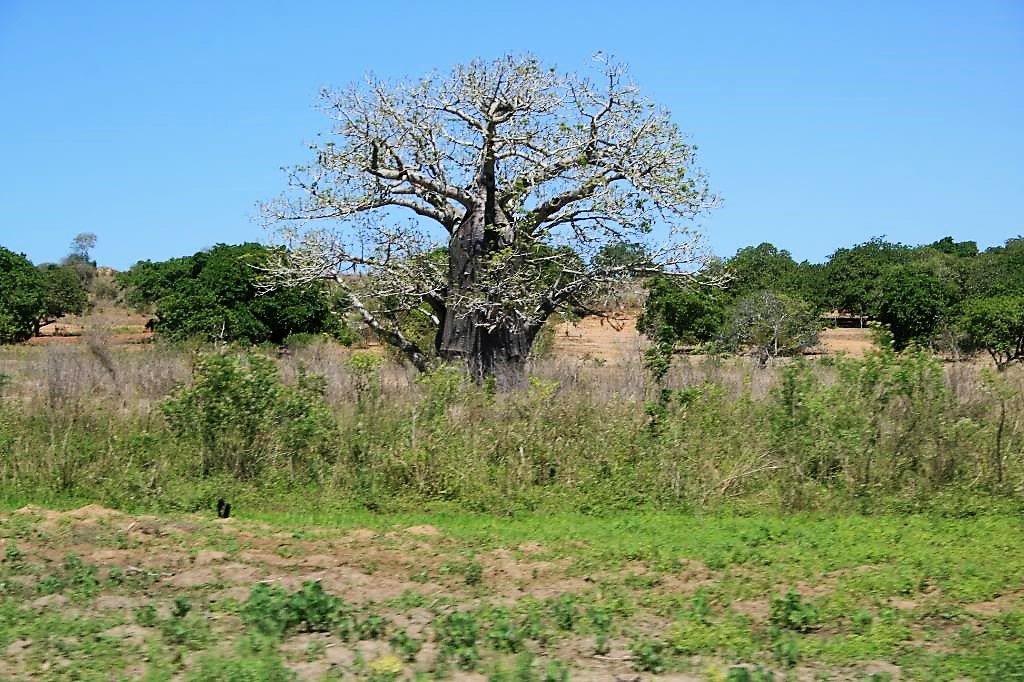
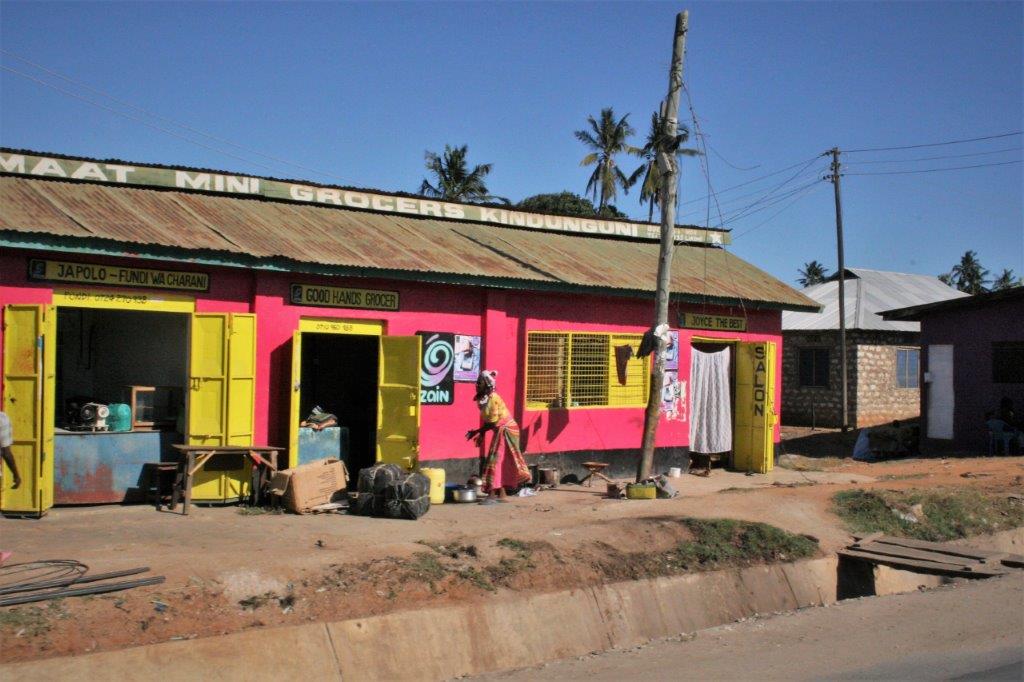
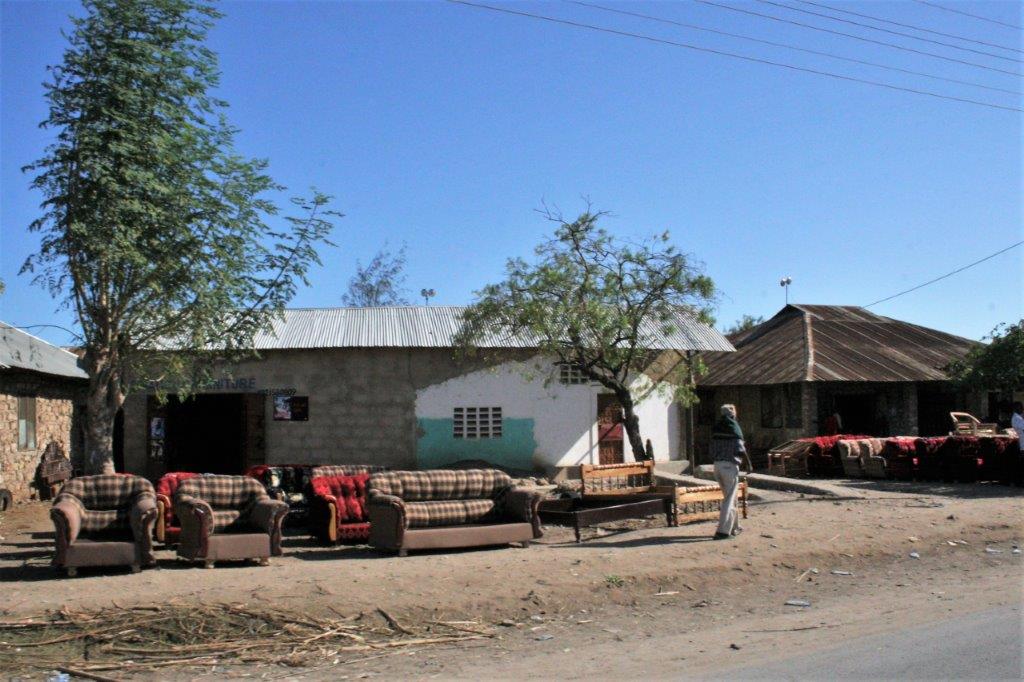
2009-04-09_3871 2009-04-09_3874 2009-04-09_3875One of the elephants took exception to the presence of a couple of other elephants in the water and would come stalking over to chase them away.2009-04-09_3894 2009-04-09_3884 On the drive back to the port we saw all these people with nets standing in the river.  It looked more like they were collecting the weeds or grass than fishing.2009-04-09_3916 2009-04-09_3917 2009-04-09_3918 2009-04-09_3920We had a short game drive at the end of the tour and saw this warthog and her three babies scurry into the brush as the vans drove by.  2009-04-09_3932 2009-04-09_3935And this colobus monkey was making sure she wasn’t too visible.2009-04-09_3937 20090409_3546            I really like the thick-trunked Baobab Trees.2009-04-09_3944 2009-04-09_3946 2009-04-09_3948The dry season allows much of a store’s merchandise to be displayed outside.

We returned to the ship in time to clean-up and attend the Maundy Thursday service provided by Pastor Jack.  The next day was Good Friday and we would be off to Shimba Hills for most of the day.  Holland America has a Protestant Pastor, Catholic Priest, and Jewish Rabbi on all of their long Grand Voyages.  They provide worship services for guests and crew, and there are also prayer and instruction times available for the predominantly Muslim Indonesian crew members.

We had an enjoyable first day in Africa.  We had two more days in Mombasa, then a stop in Mozambique, before Richards Bay, Durban and Cape Town, South Africa – animals every day until we reach Namibia on the west coast.