All posts by jj1951

My husband and I retired in 2007 and decided to spend the kid's inheritance by travelling as much as we could until either the money or our health runs out. So far so good.

2017 Aug 2-3 – BC Home to Lethbridge, AB

We are heading out on a 5-6 week road trip into the American mid-west.  John has booked two week-long stays with our time shares; one in Branson, Missouri and one in Pagosa Springs, Colorado.  Yesterday we headed south to Nelson for the first night amid thick smoke all day.  I even wore my mask in the truck.

We only stopped to find a few caches since I didn’t want to be out in the smoke for very long.  And, besides, we have been over these roads many times before and seen many of the spots of interest.

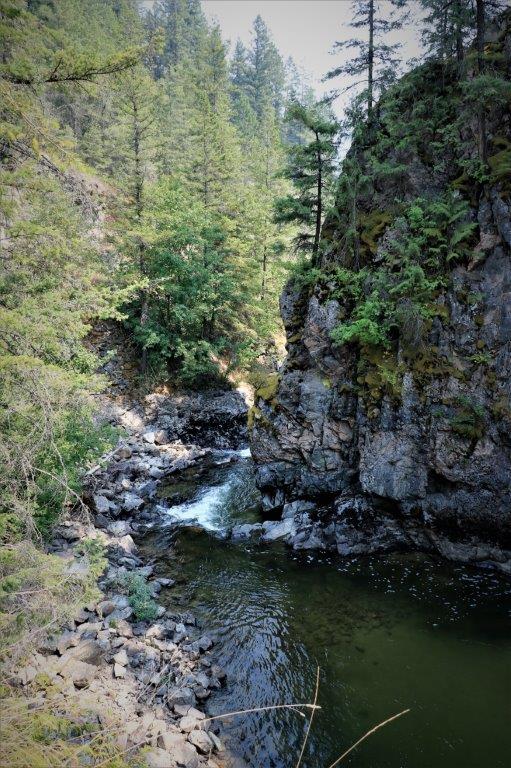
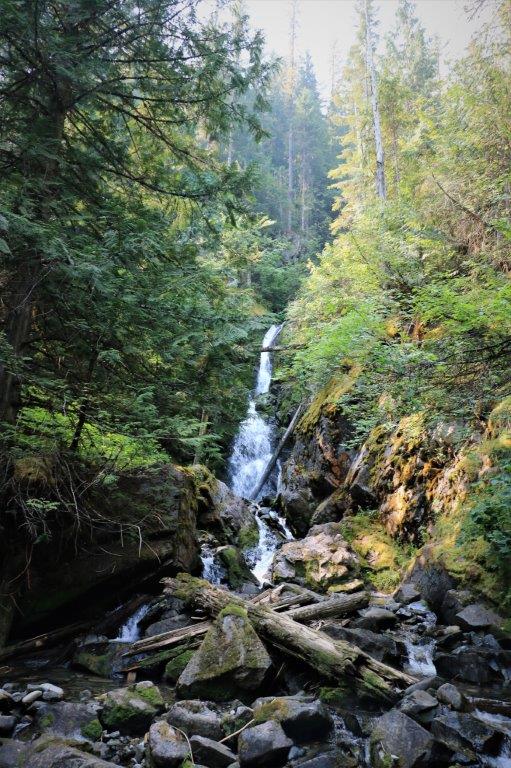
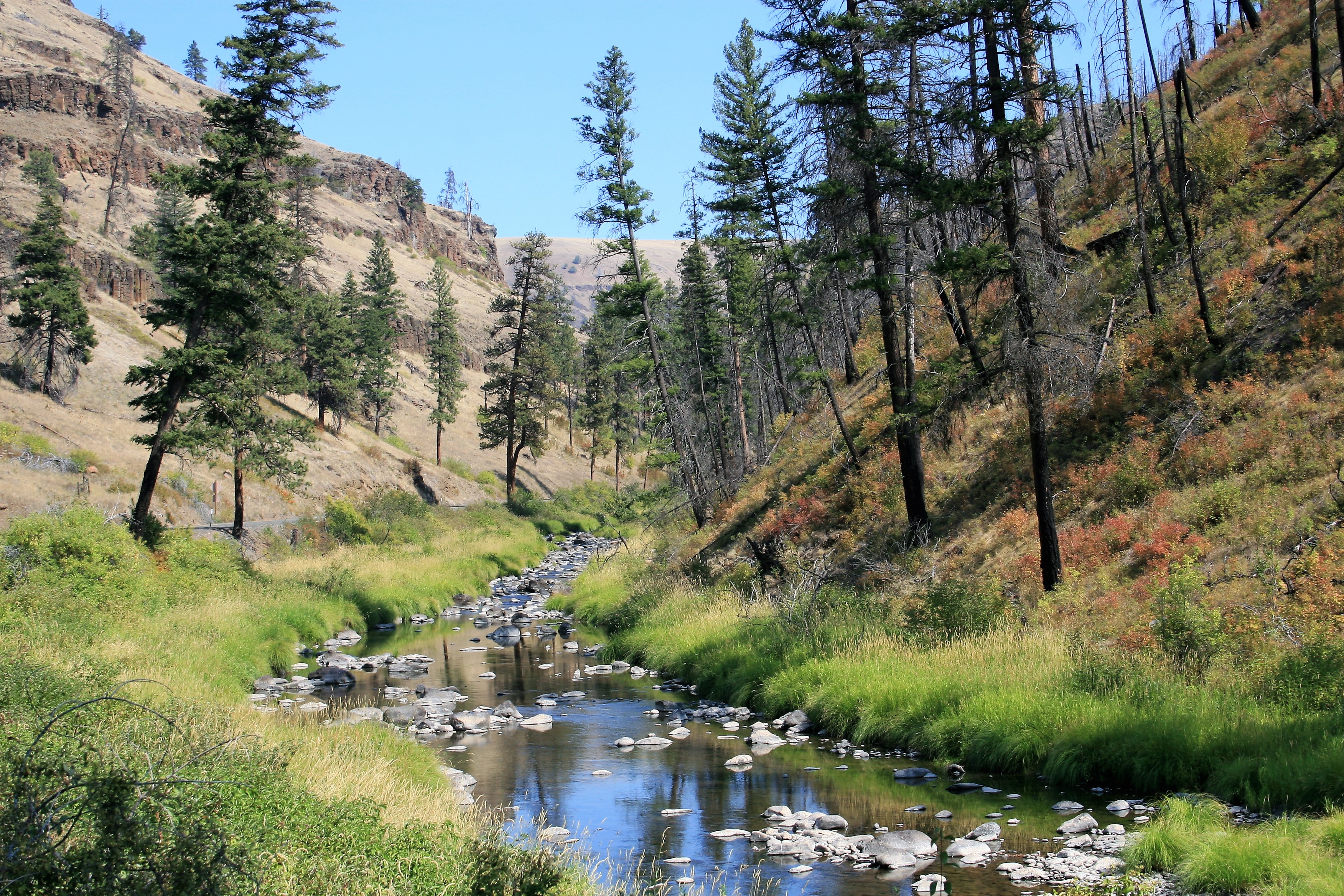
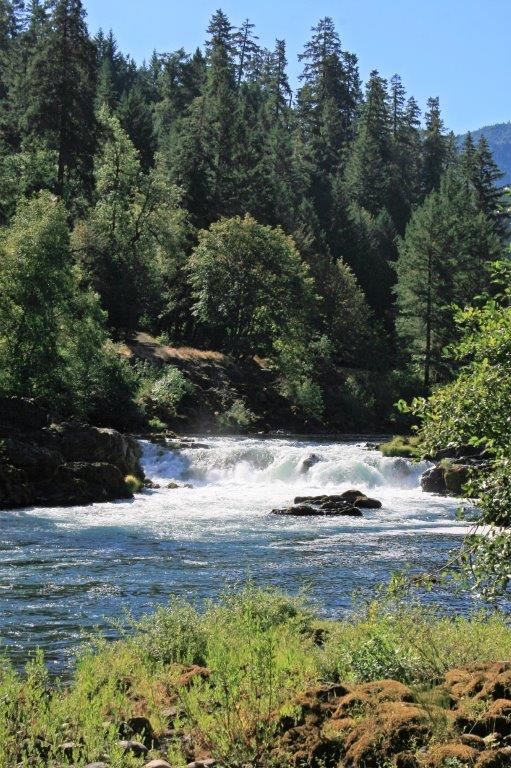
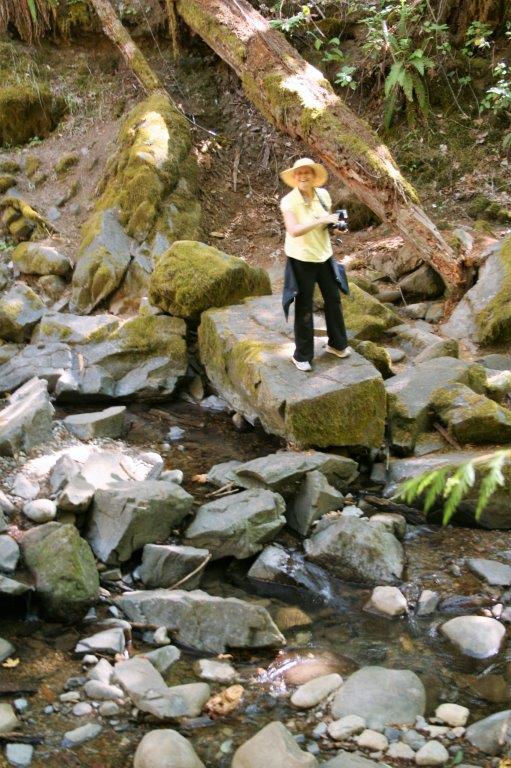
At  Half Mile Creek while John was signing the geocache log  I went for a little walk up a trail and saw this tumbling creek.

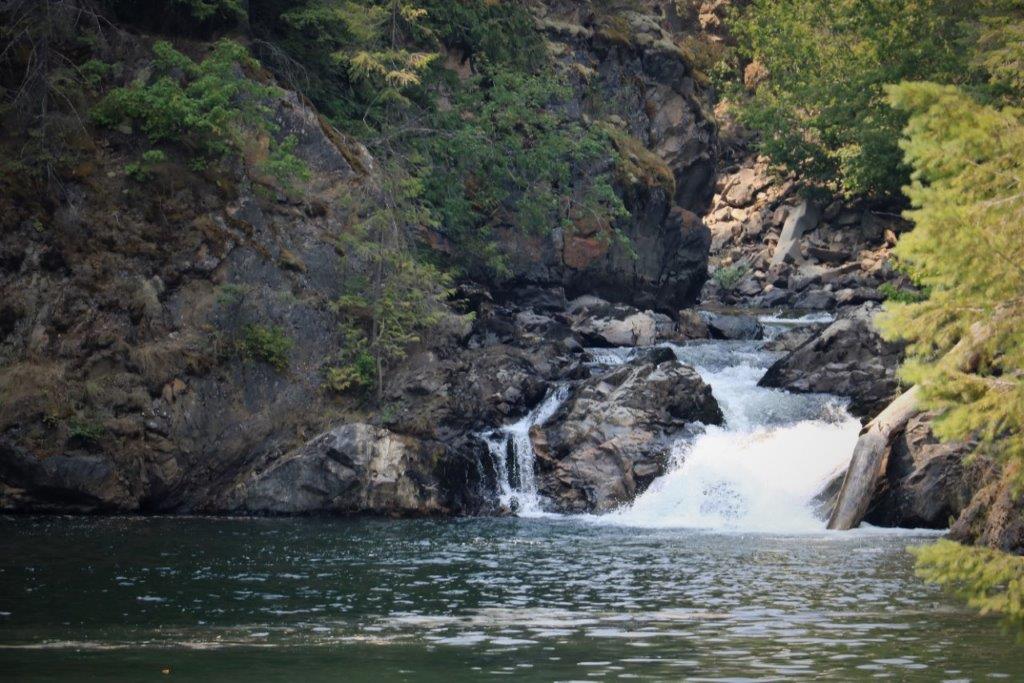
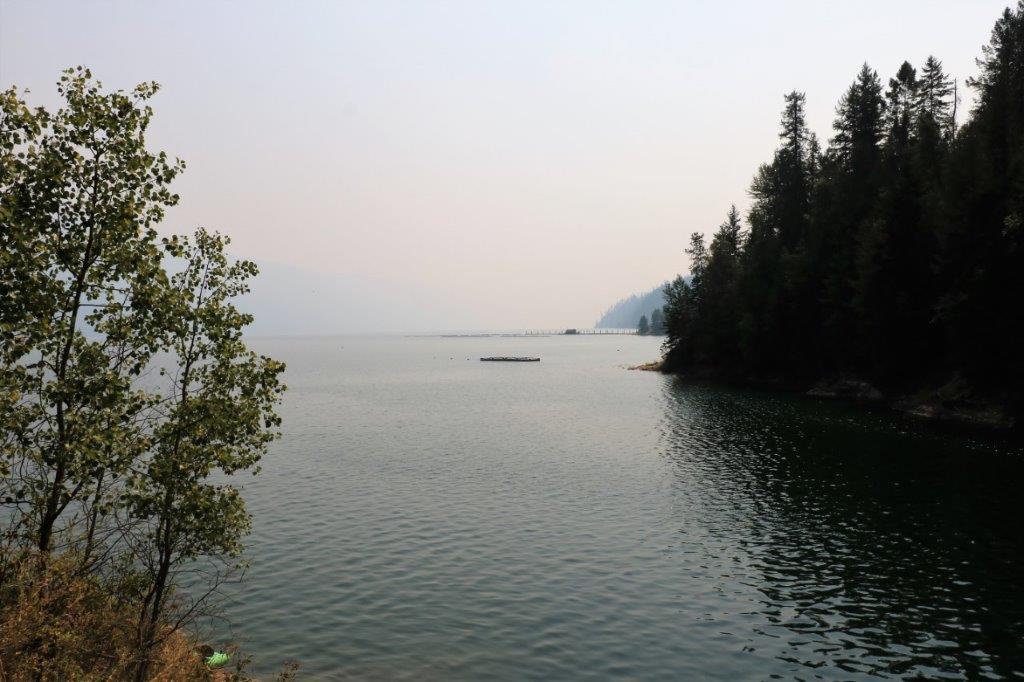
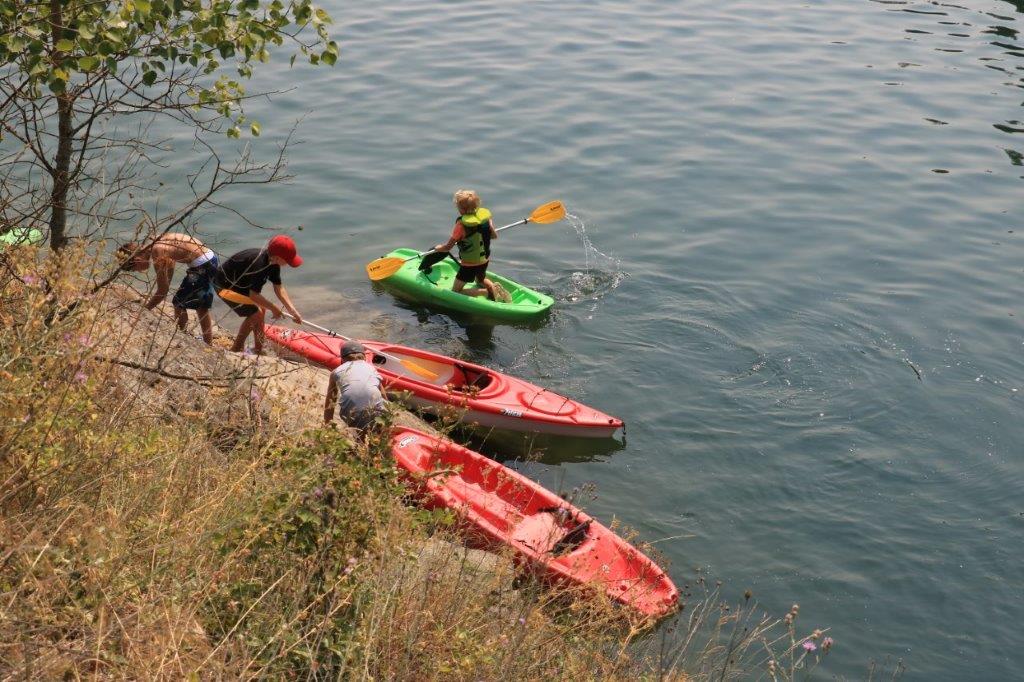
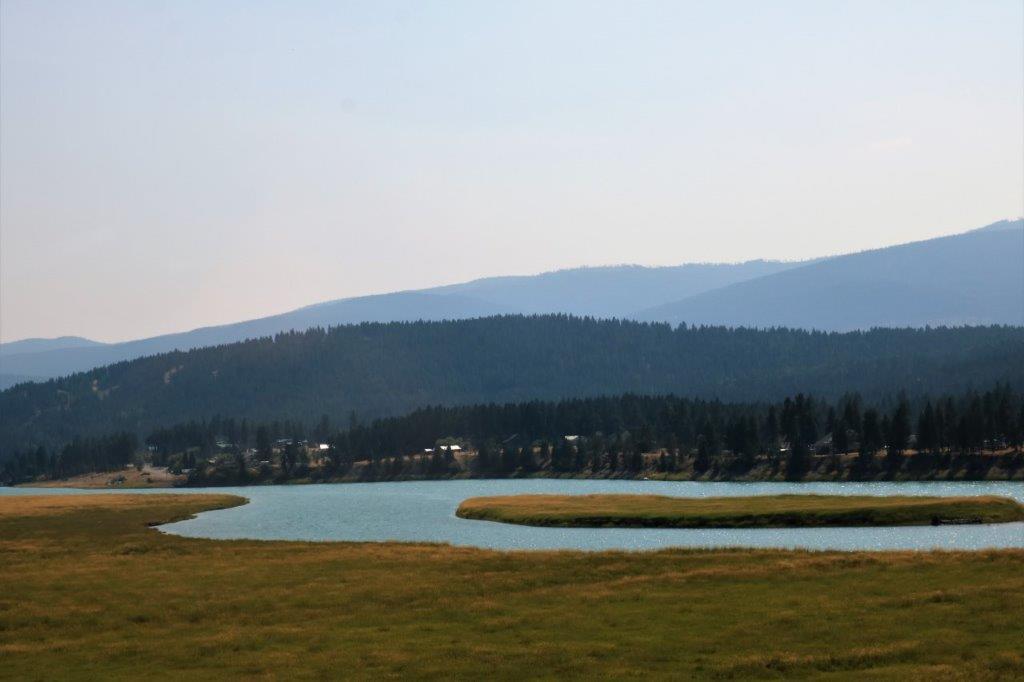
We took a little detour down, almost, to Edgewood to find a that cache was hidden near the lake shore at and we saw this little waterfall.Smoke was pretty thick everywhere. This was taken overlooking the lake at the Edgewood cache.These boys were doing a combination of fishing and kayaking.Today we had stopped at Stewart Creek rest stop and walked up to the little waterfall. When we got back to the truck John brought up the geocache map on his phone thinking it was a likely spot for a cache.  He was right.  So back up to the waterfall we went to find it. We decided it would be a good idea to get out of the truck about once an hour so each hour I would bring up the map and see where a cache was located near the road up ahead.  It worked well to get us out and moving about for a few minutes every once in awhile.  There are hundreds and hundreds of caches in the Kootenay area. We will have to come back and do a caching holiday sometime.

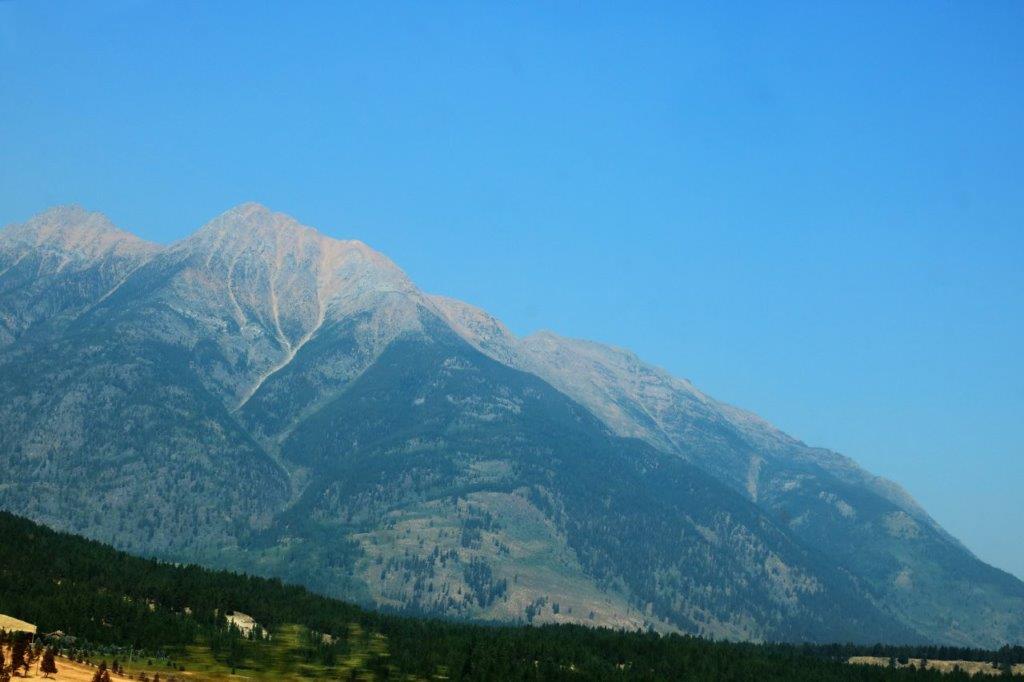
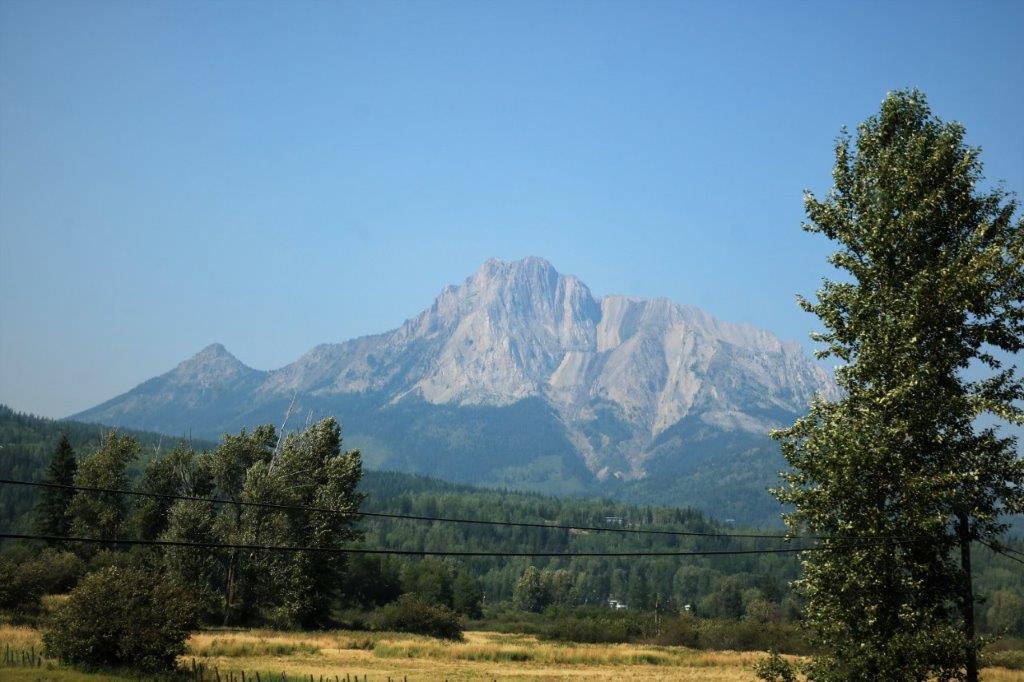
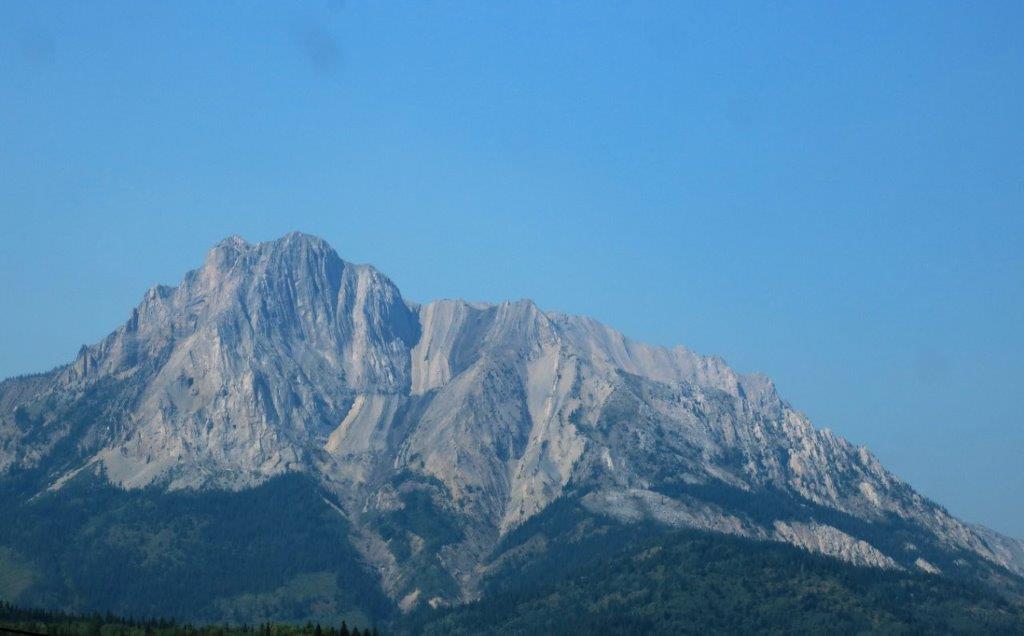
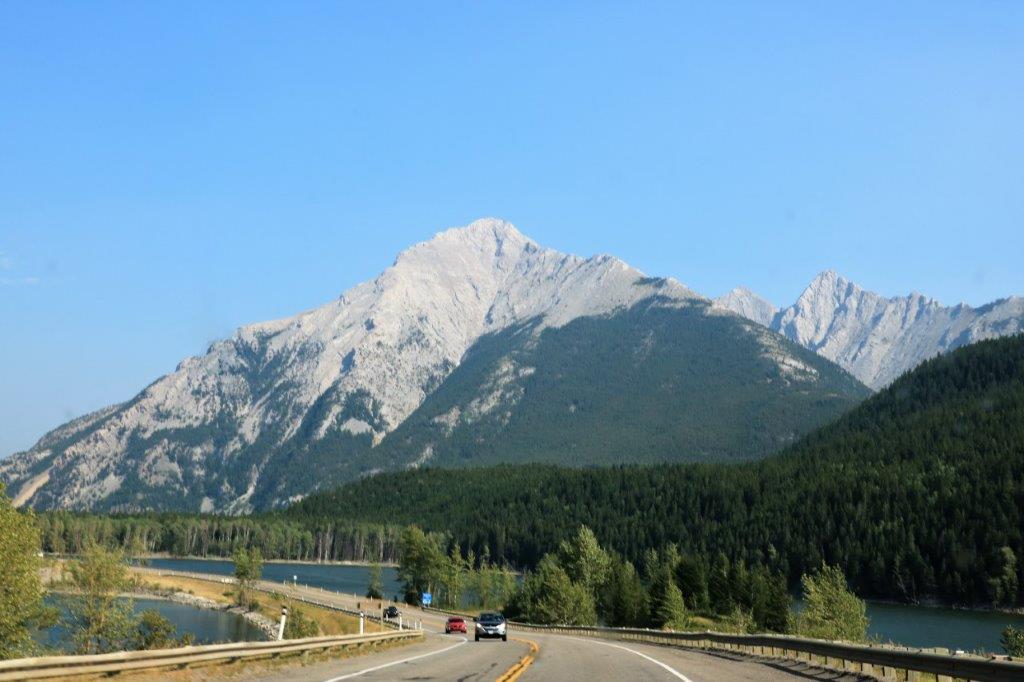
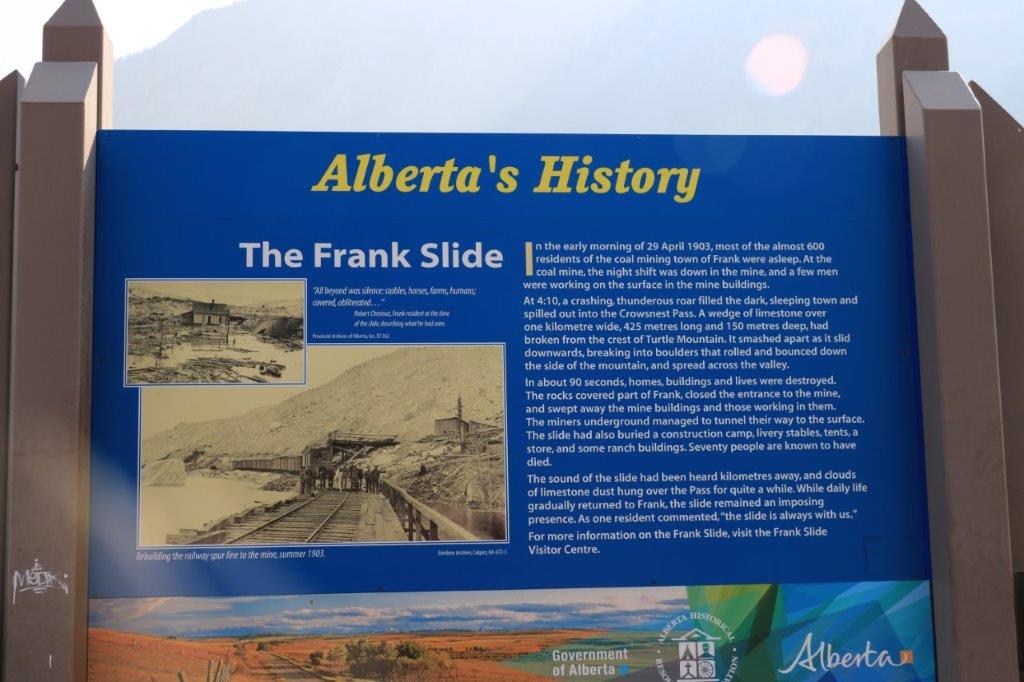
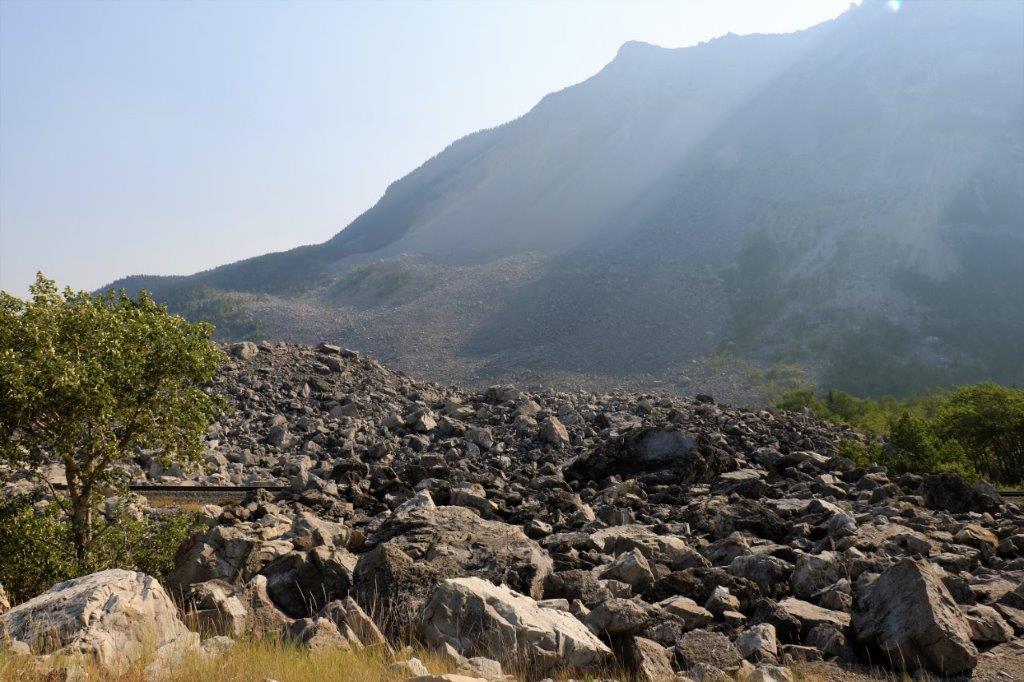
Even after we traveled through the Crow’s Nest pass to the other side of the mountains we still had smoke.  I took a few pictures of the mountains through the window but the smoke haze made most of them look pretty faded. We stopped again at the Frank Slide site as we often do when we go over this road. It is amazing to think that such a huge piece of the mountain broke off in one piece and tumbled down onto the town.  The boulders that were created when the limestone hit the valley bottom are huge and over 150′ deep.  The sound could be heard for miles.   We arrived in Lethbridge at 7 o’clock Alberta time, had dinner, found our hotel and settled in for the night.  Tomorrow, once we get to Gull Lake past Medicine Hat we plan to drop south onto some of the smaller roads and go about half-way across Saskatchewan.  We’ll see how far we get.  Perhaps we will leave the smoke behind at last.

2011 January 15 – Day 11 – Callao (Lima), Peru (Day 2)

It was a beautiful sunny day in Peru, with a slight breeze to keep everyone comfortable. The first stop of our all-day tour was the National Museum of Anthropology and Archaeology in Lima.

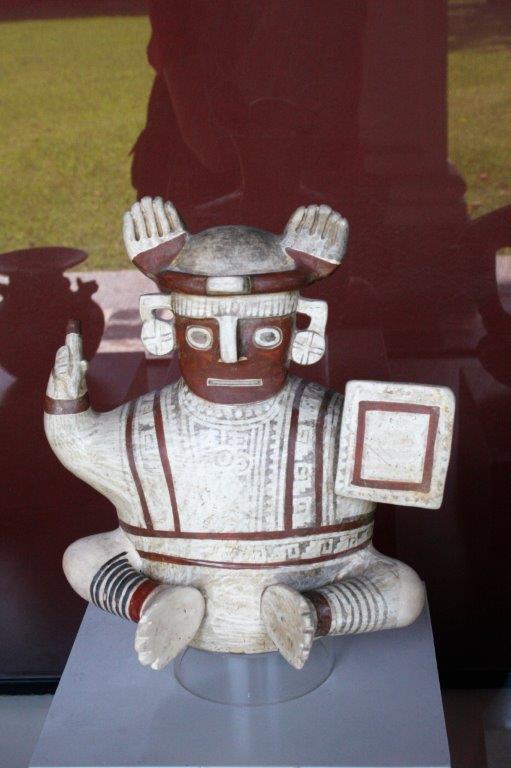
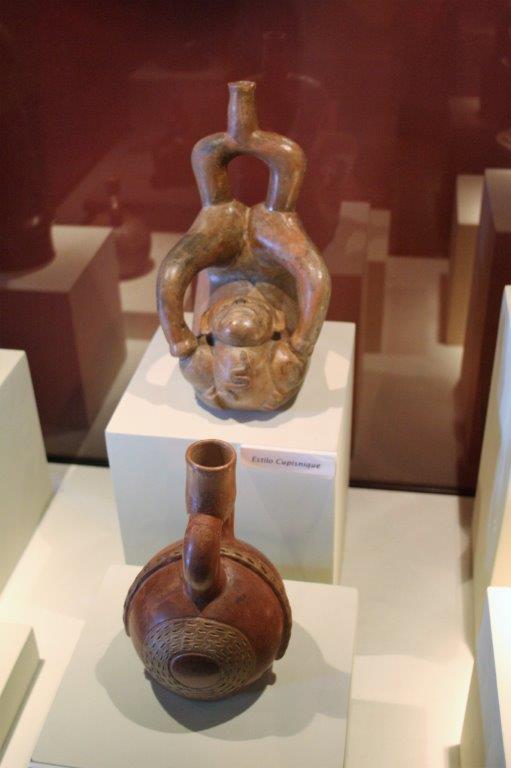
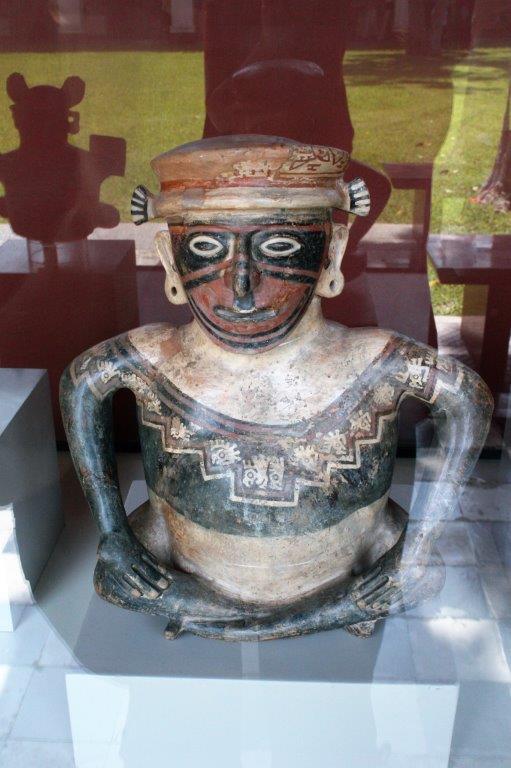
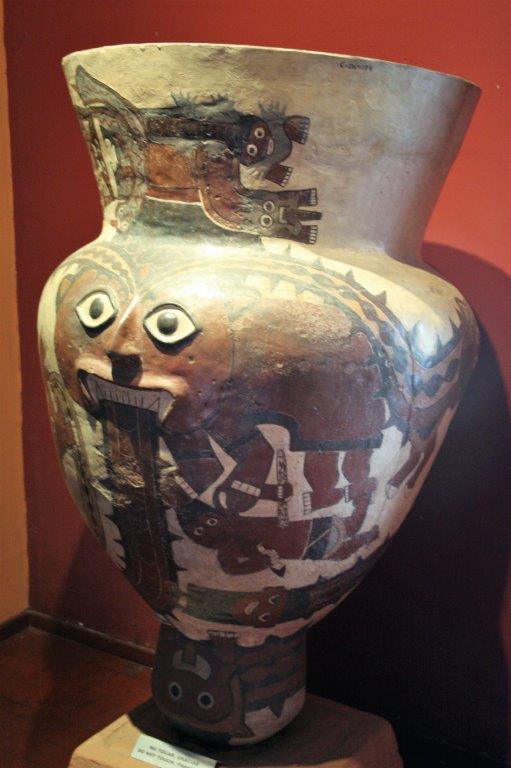
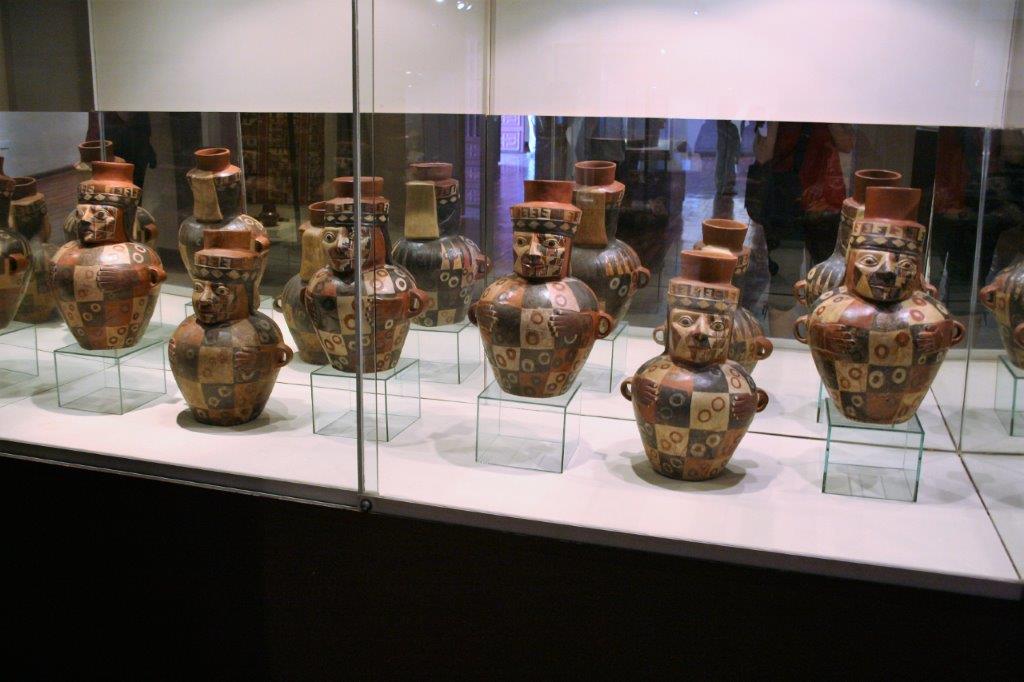
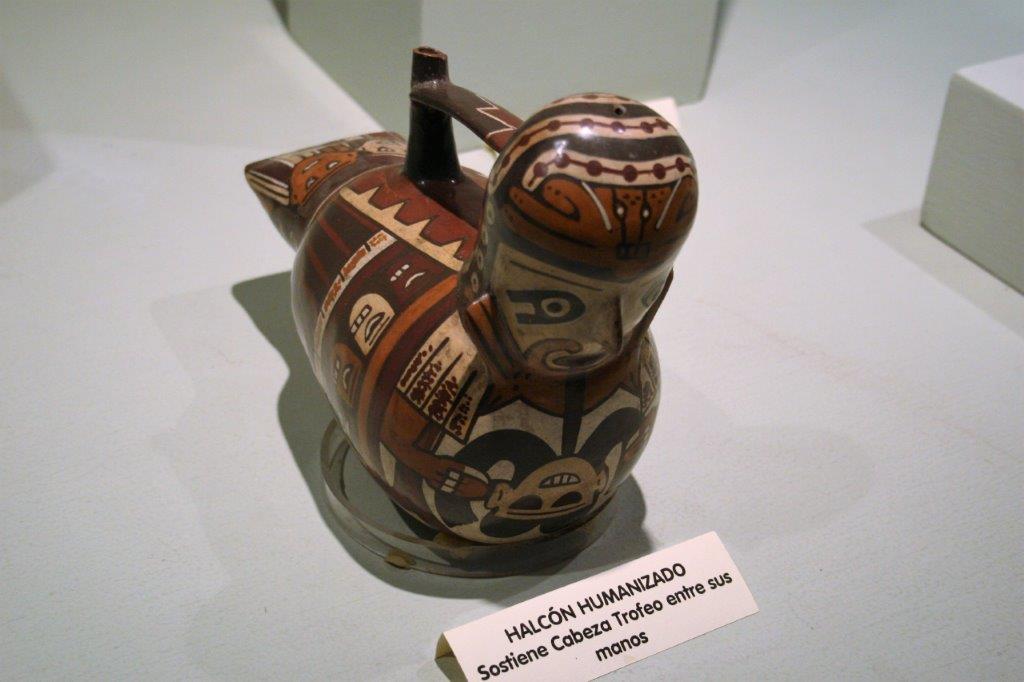
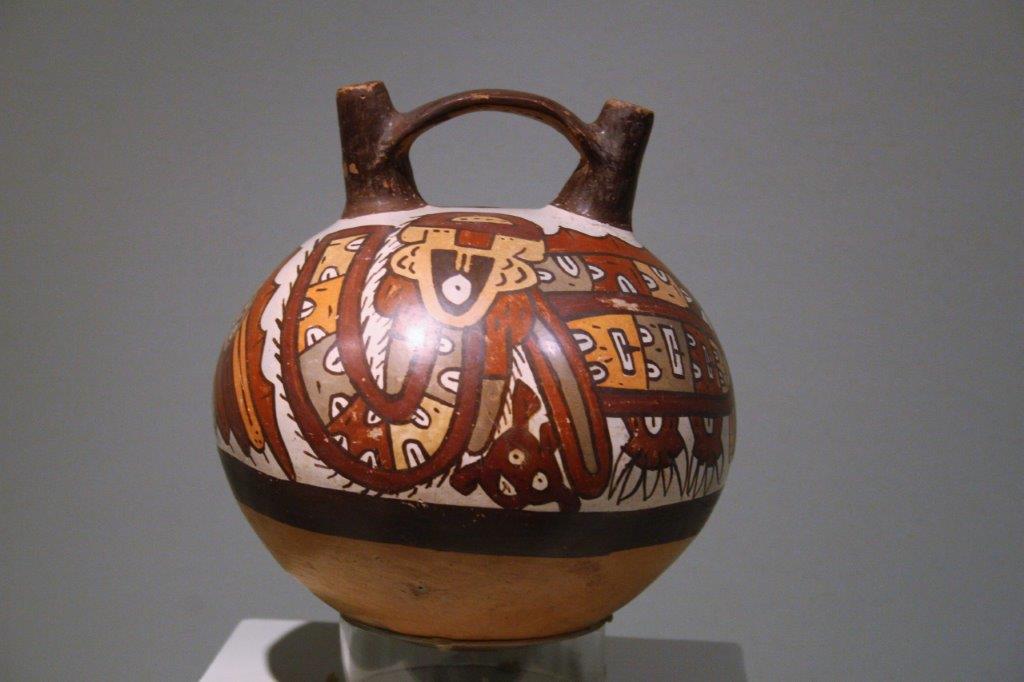
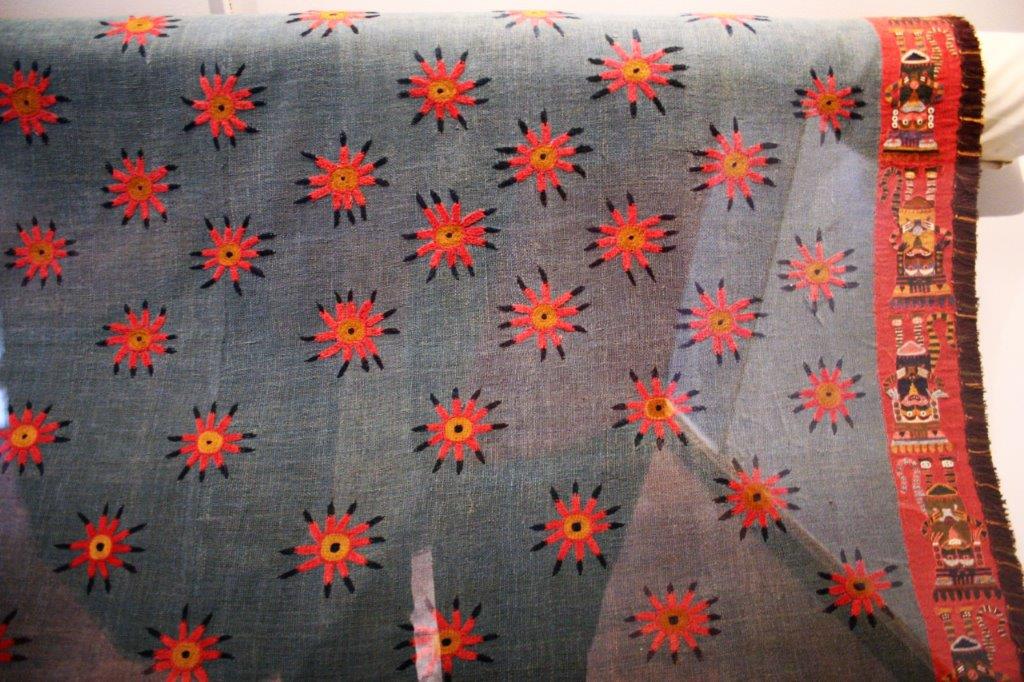
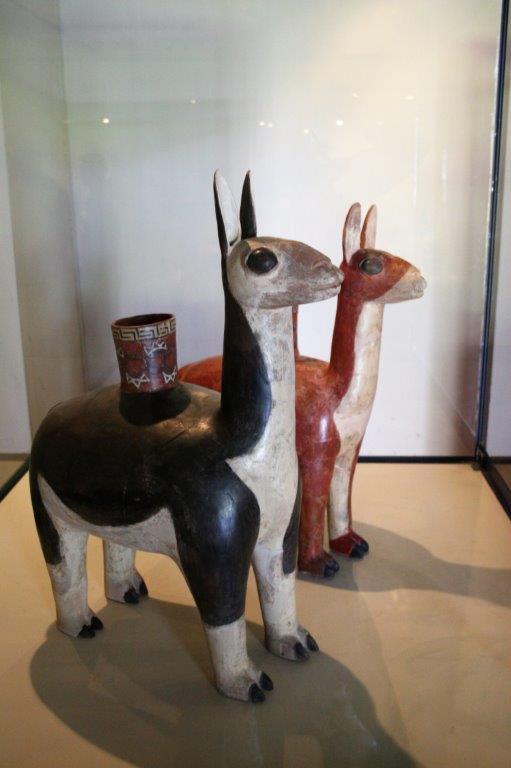
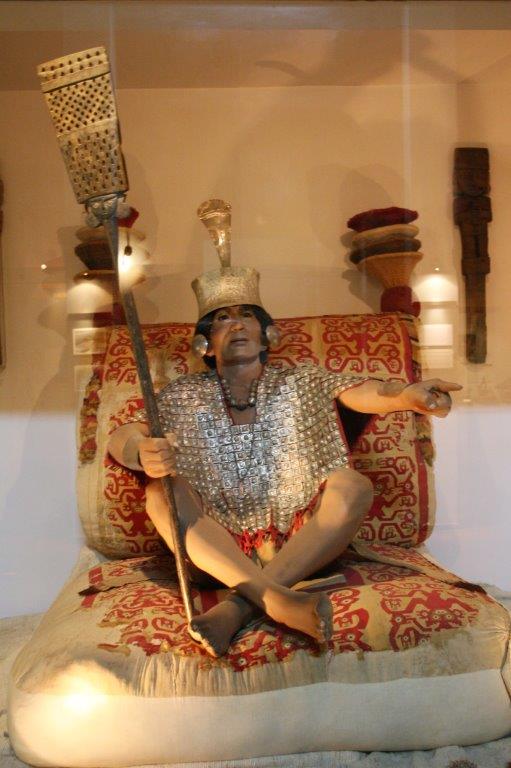
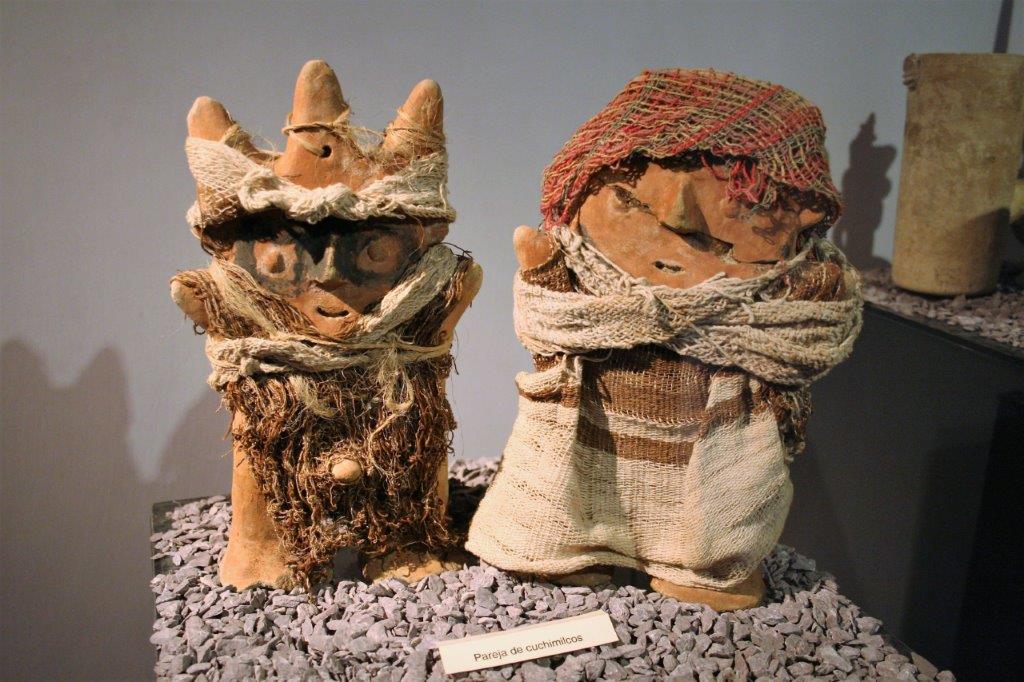
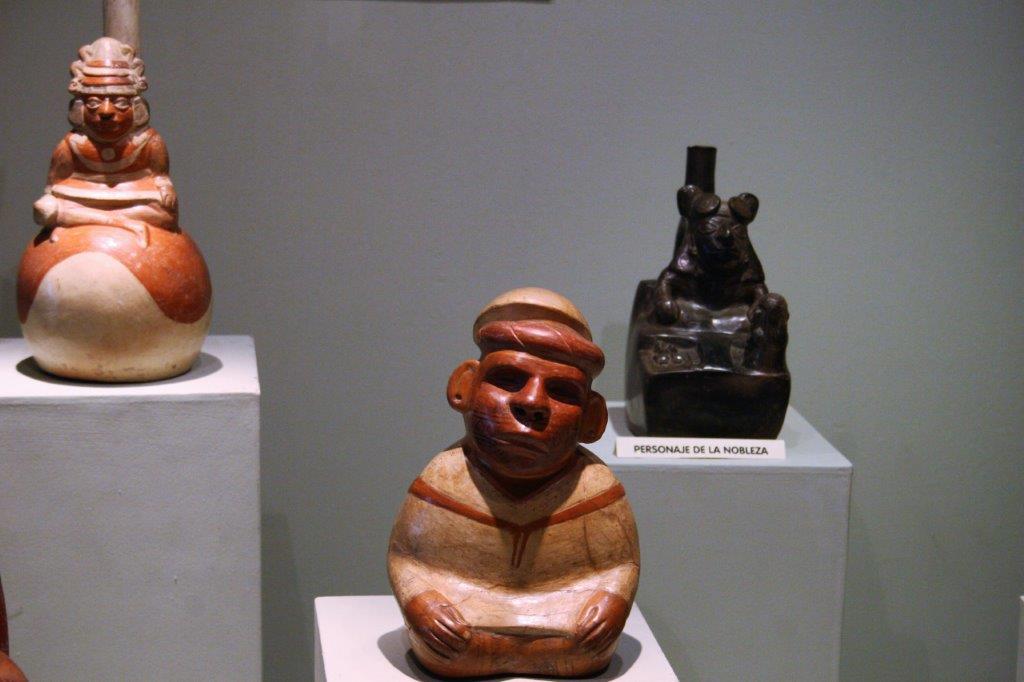
This museum has a very large collection of pre-Inca cultural artifacts with several very, very old tapestries and really fascinating bowls, containers, and figures; plus a lot of mummies.

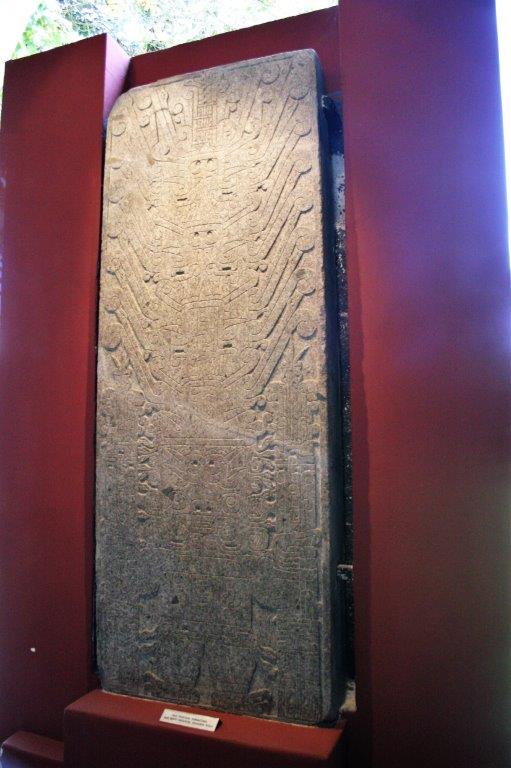
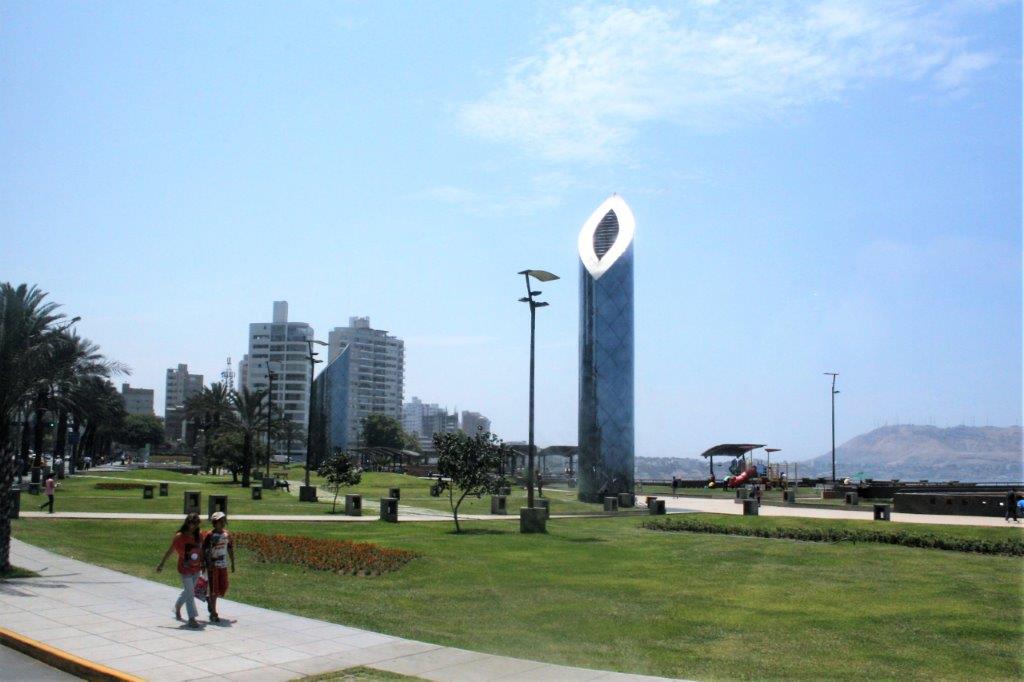
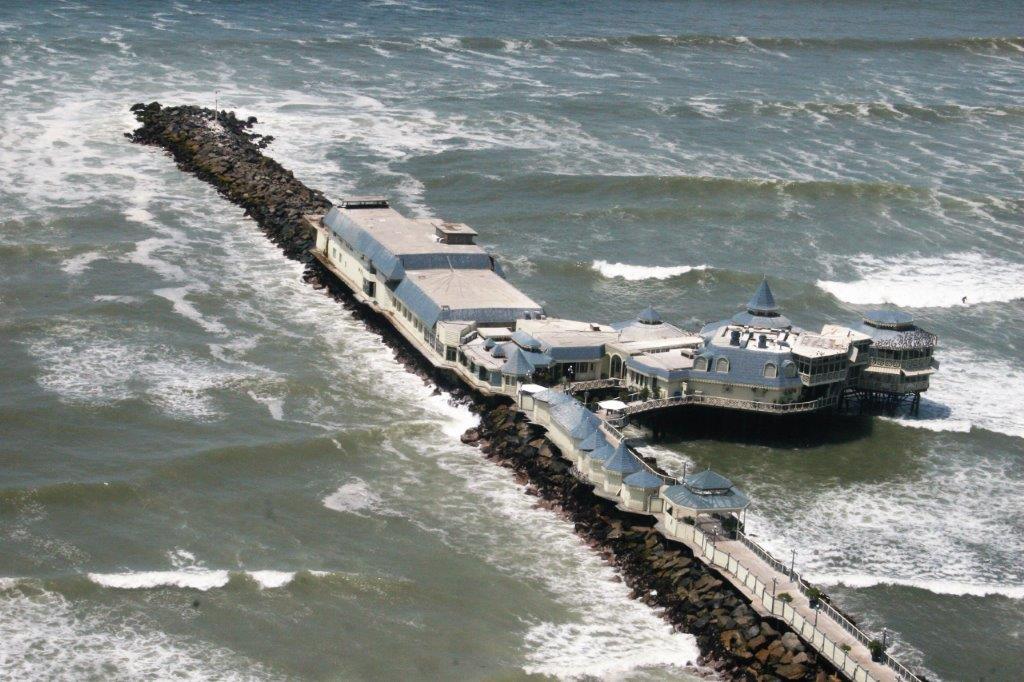
.  This piece is similar to a North American totem pole with the carving in the rock telling a story.  The tablet was upside down and used as a table in a peasant’s house.  A guest, who was an archaeologist, reached under the edge to wipe his fingers and felt the carving so he got down on hands and knees to take a look and discovered this ancient, precious artifact. We were able to wander around for an hour and a half, which was not nearly long enough and yet, was not a rush through from entrance to exit either.  Since I love museums I rarely feel I have enough time when I am in one.  We had an excellet guide who was very knowledgable about the various civilizations and their impact on the formation of Peru. It was an hour’s drive (through insane, crazy traffic) past some lovely parks and lots of beachside shops to get to our next stop; the archaeological site of Pachacamac.

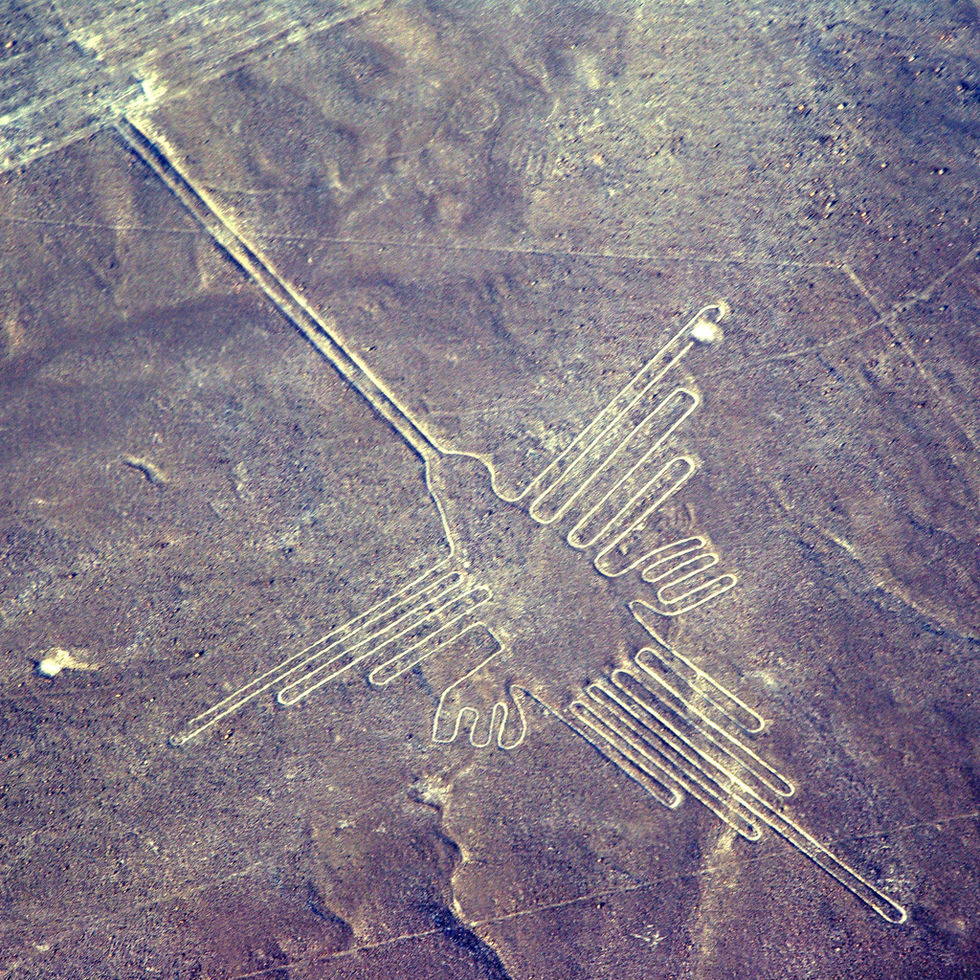
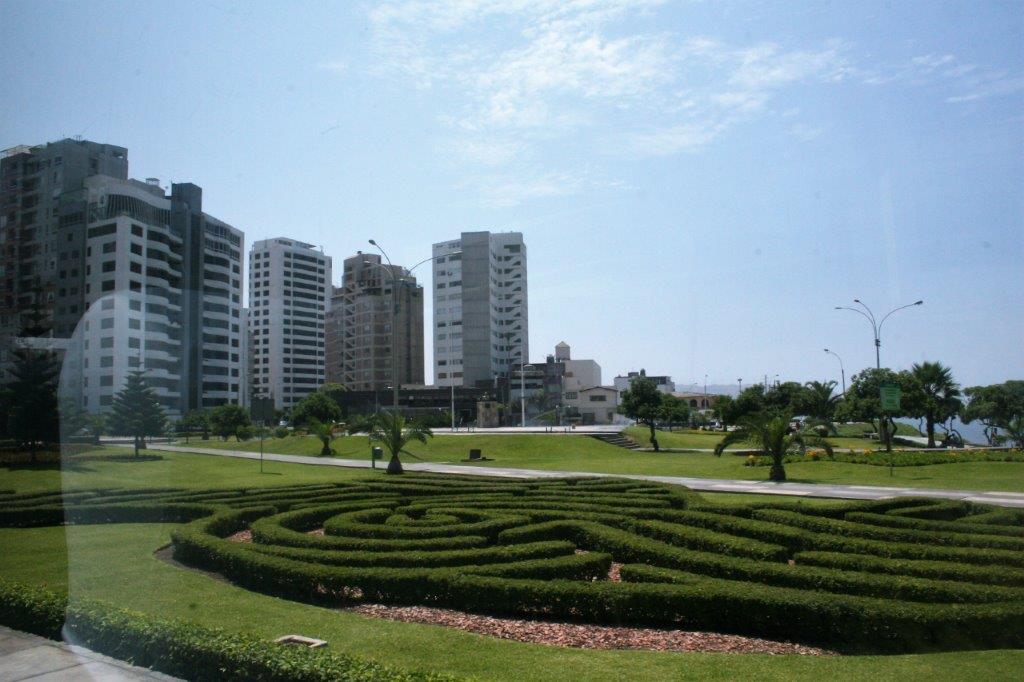
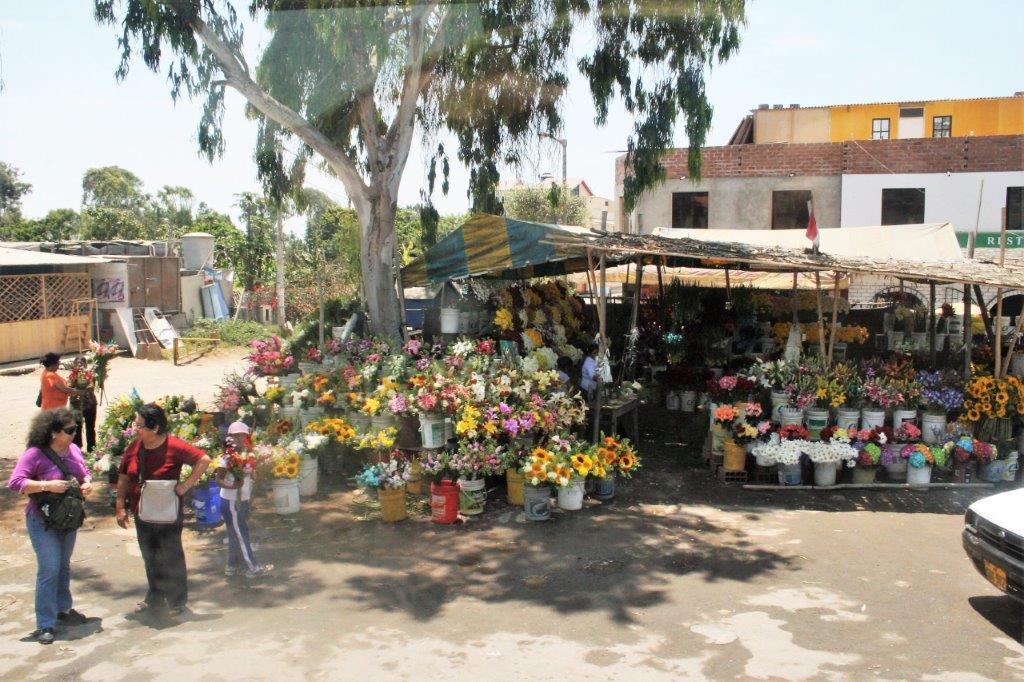
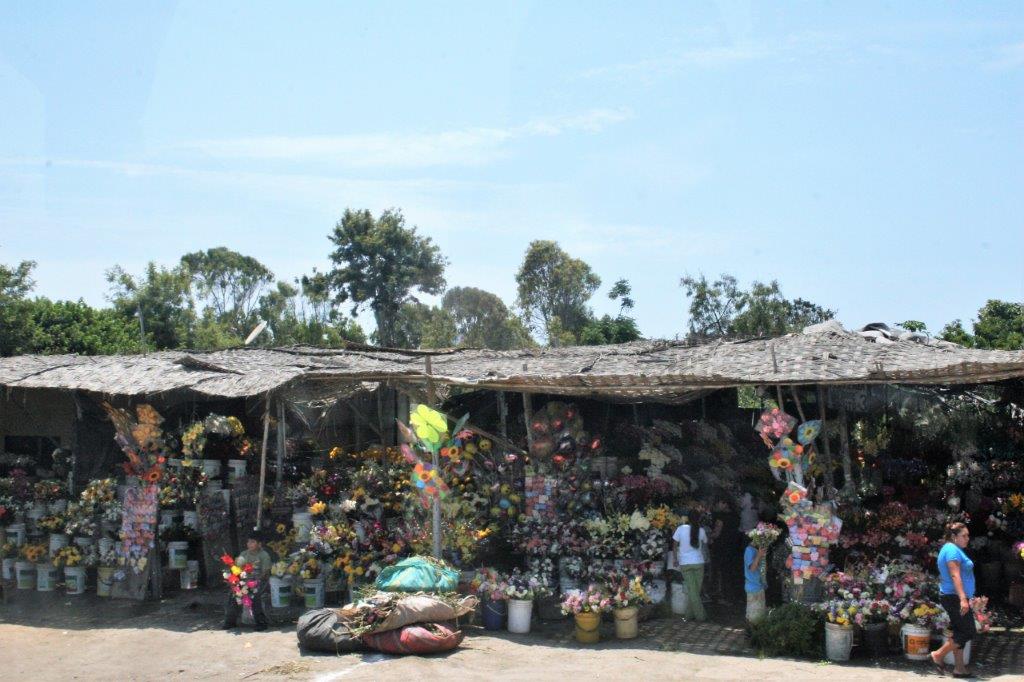
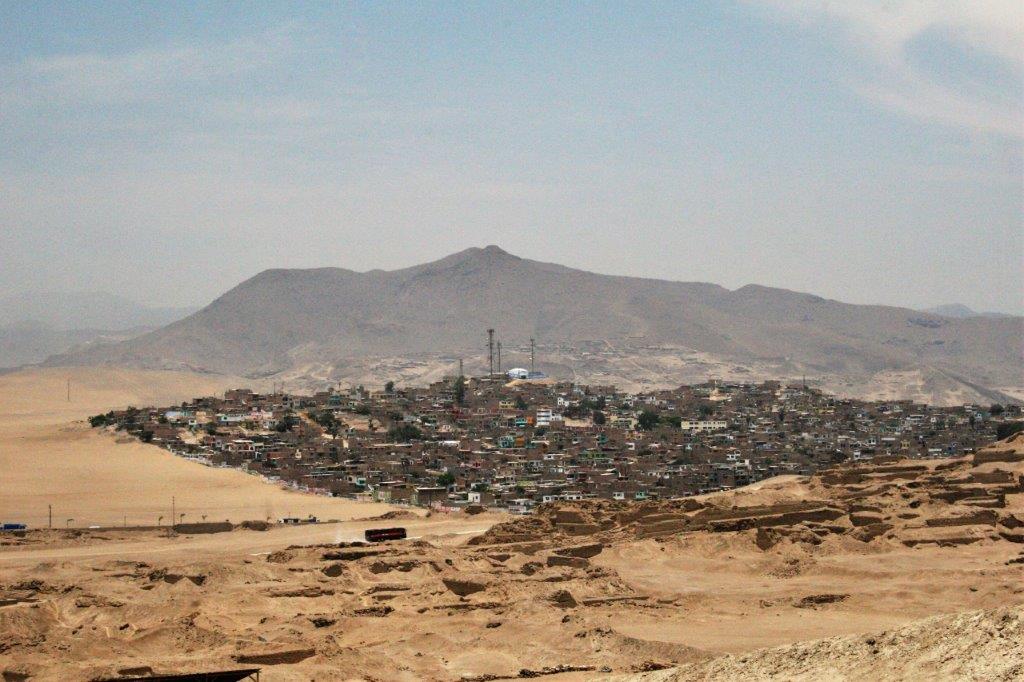
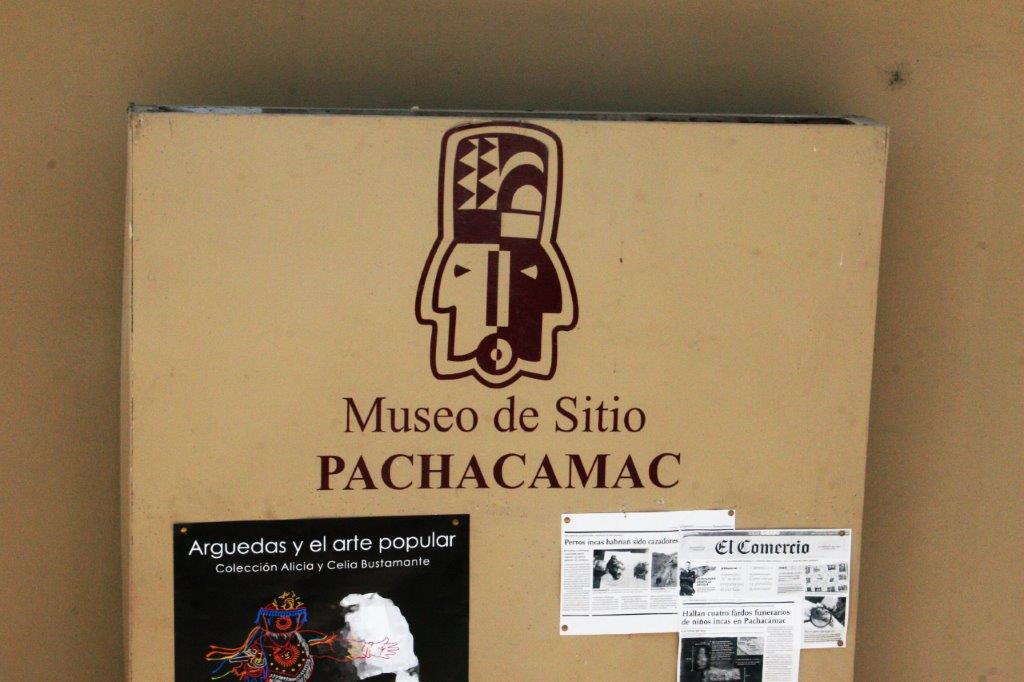
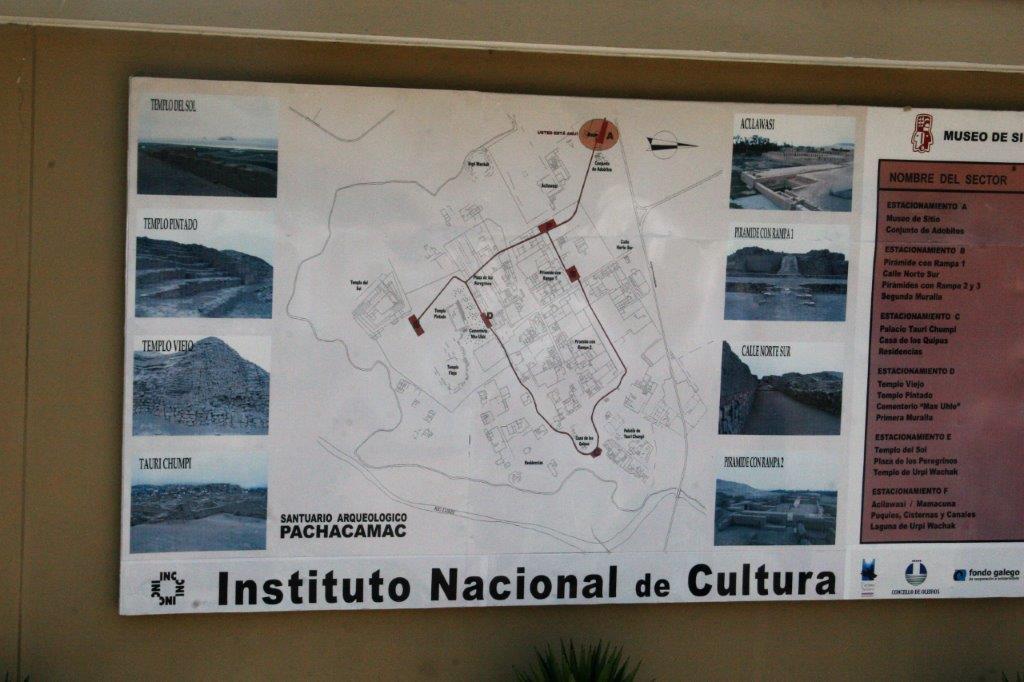
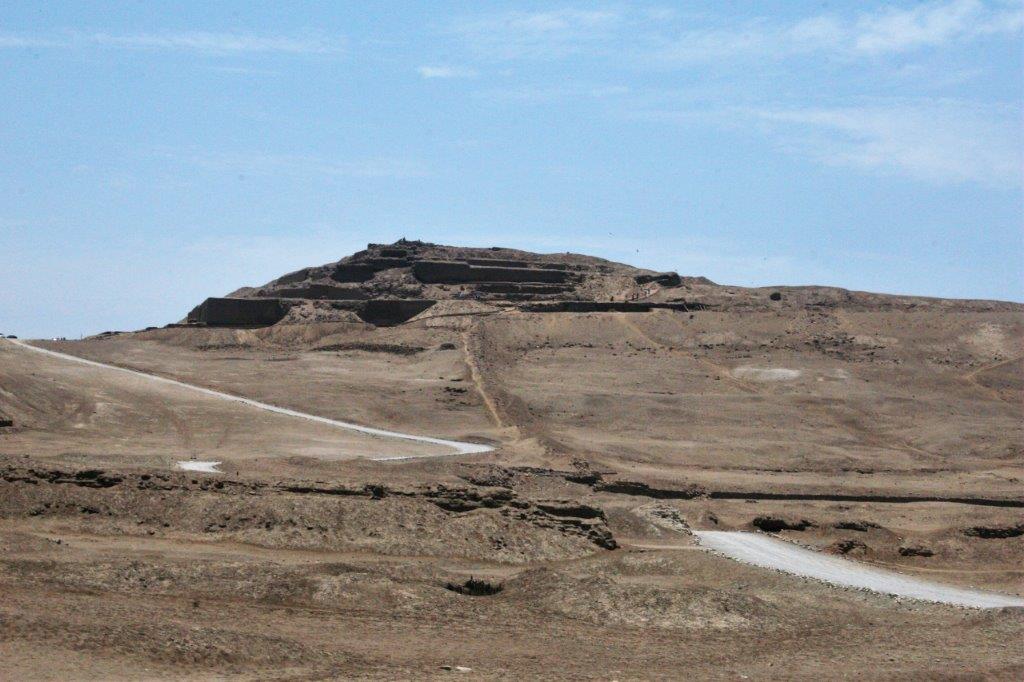
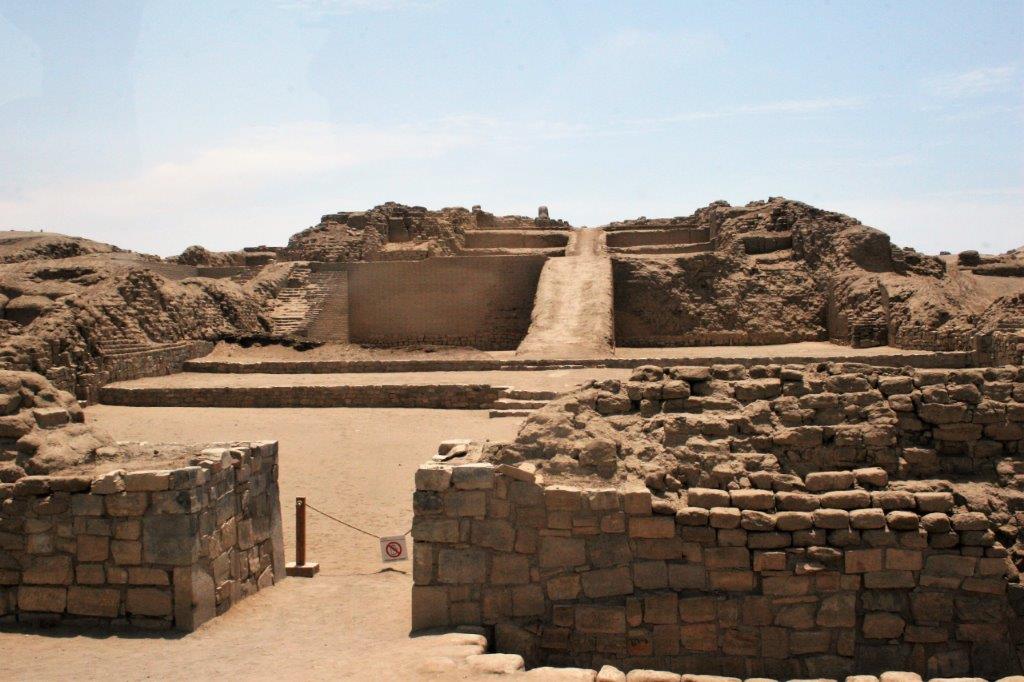
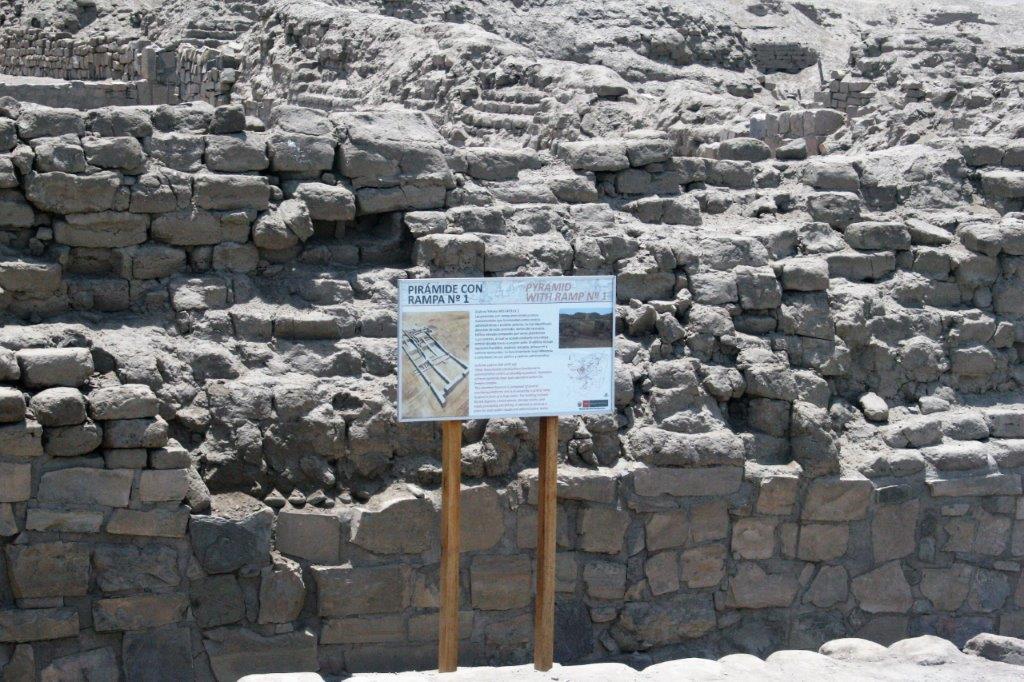
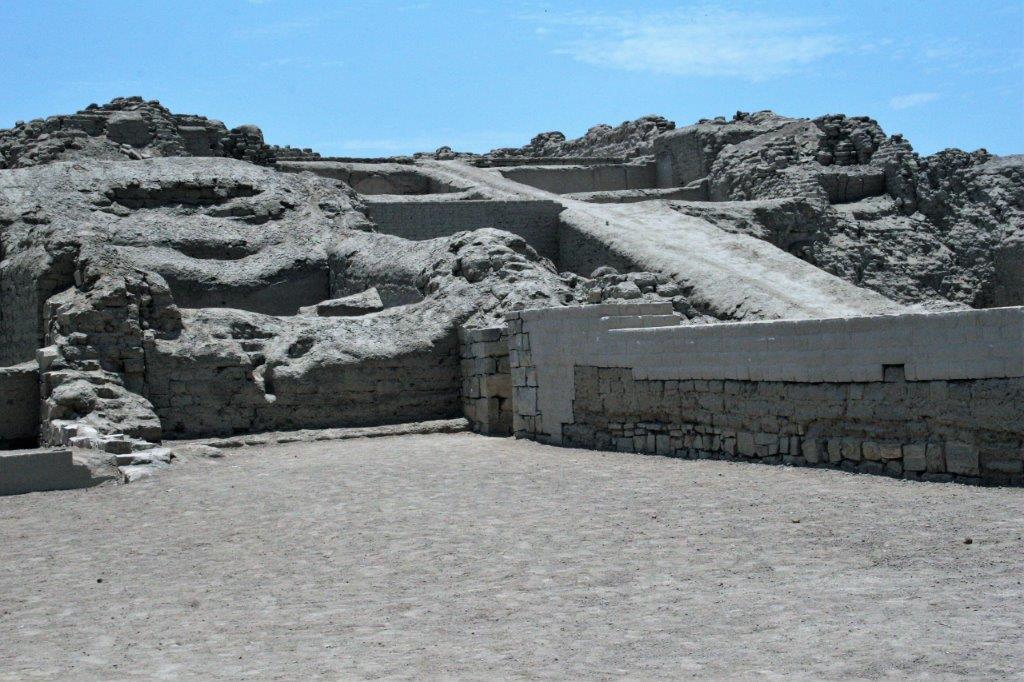
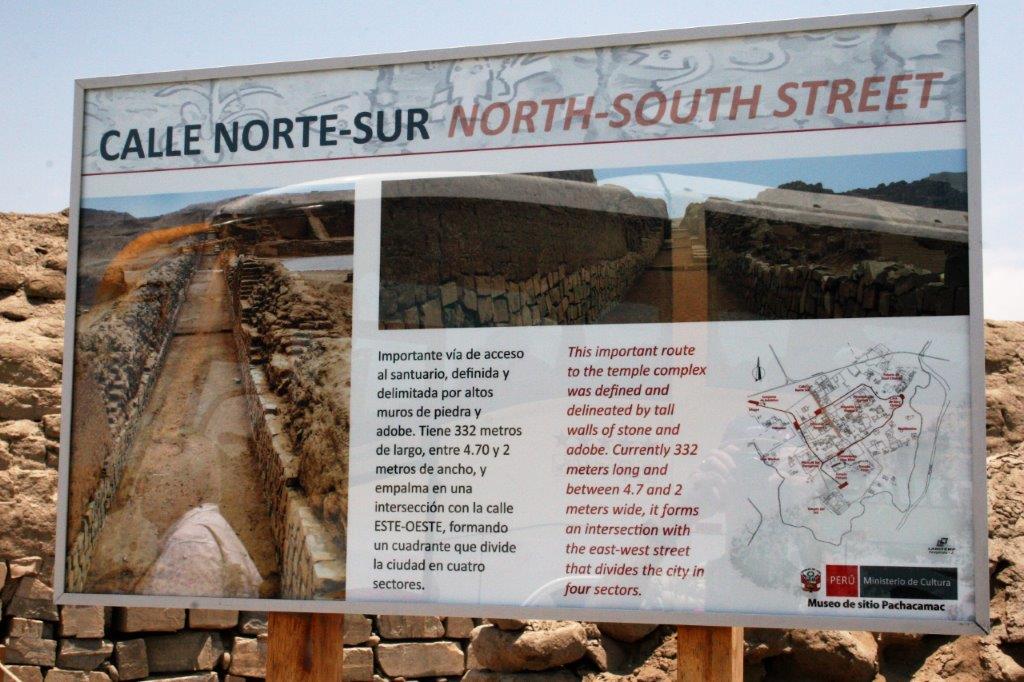
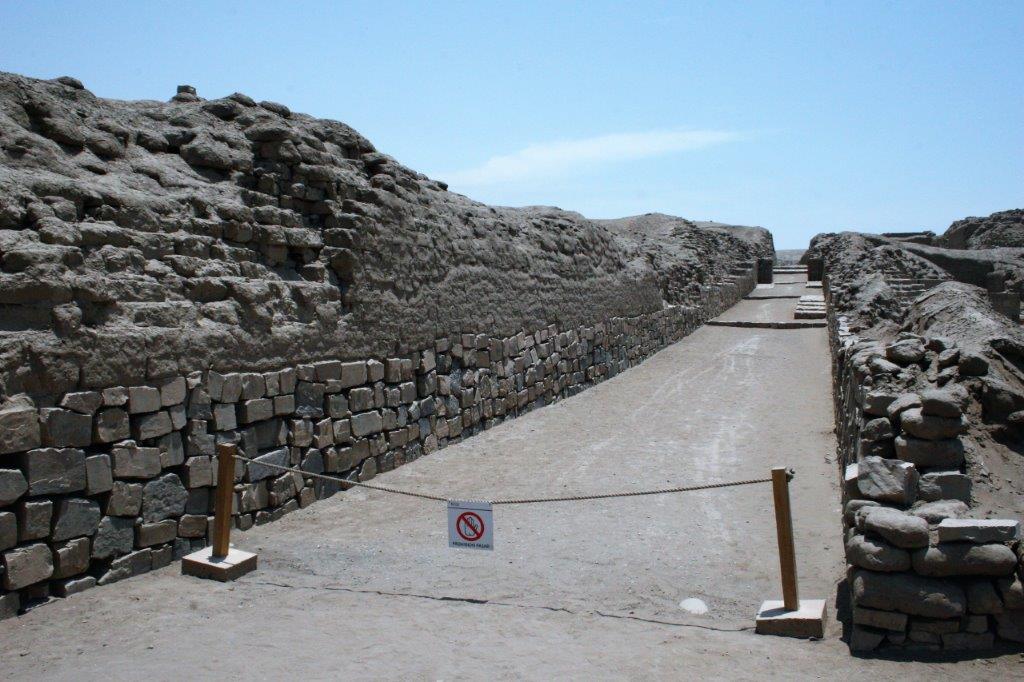
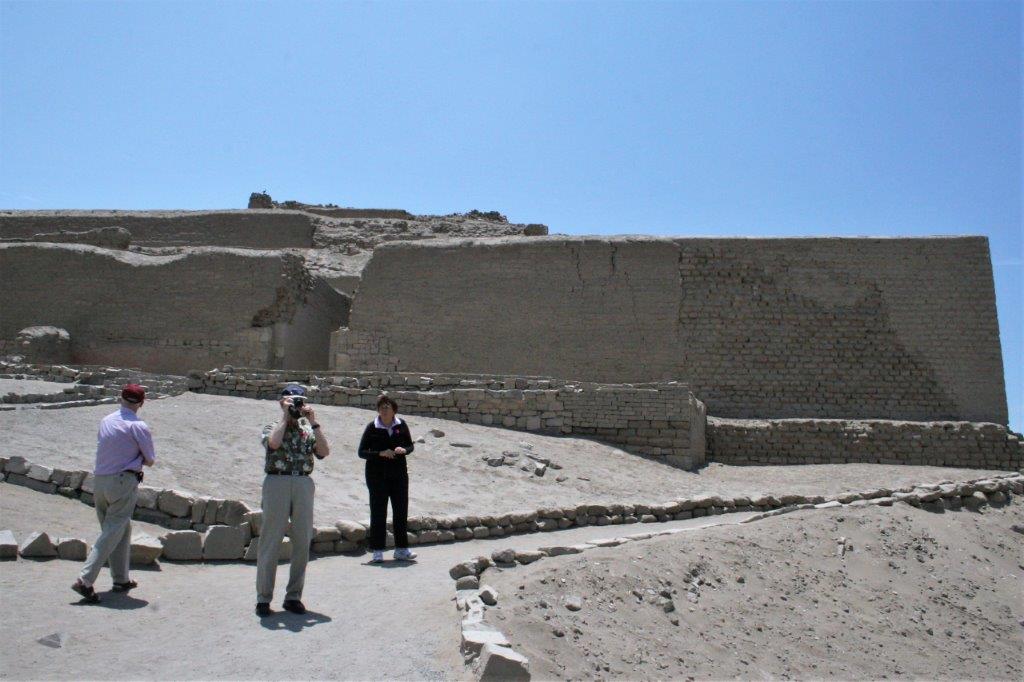
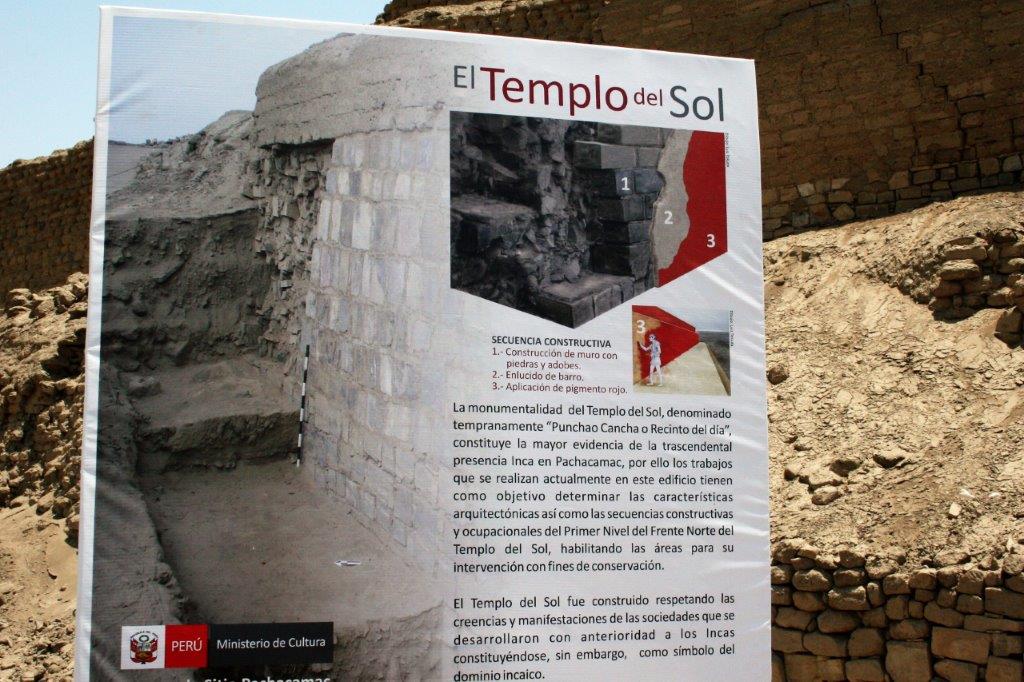
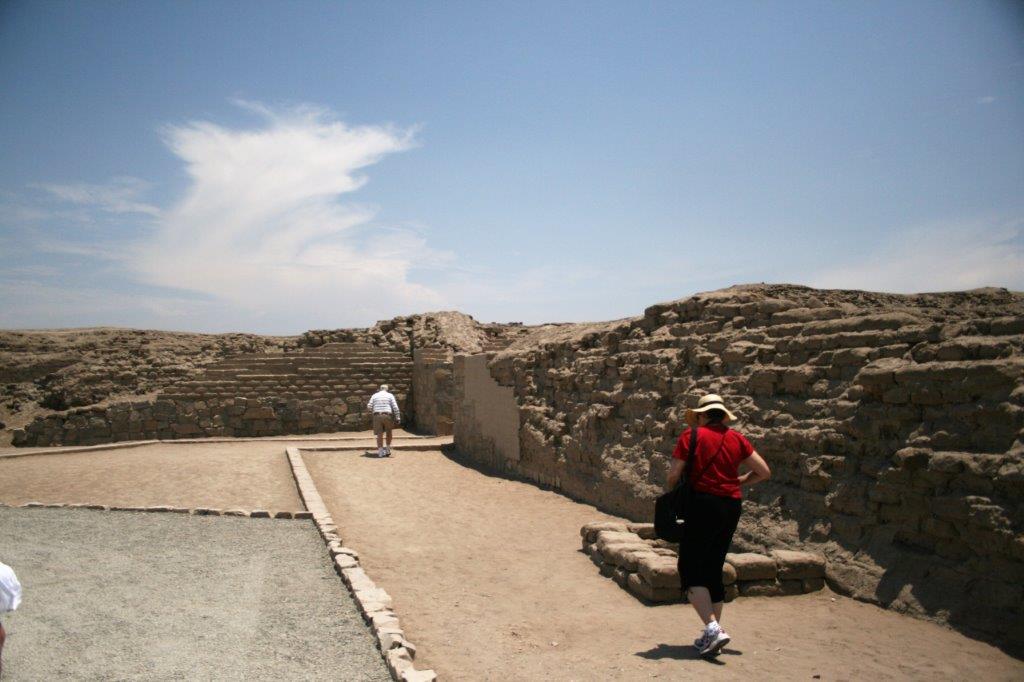
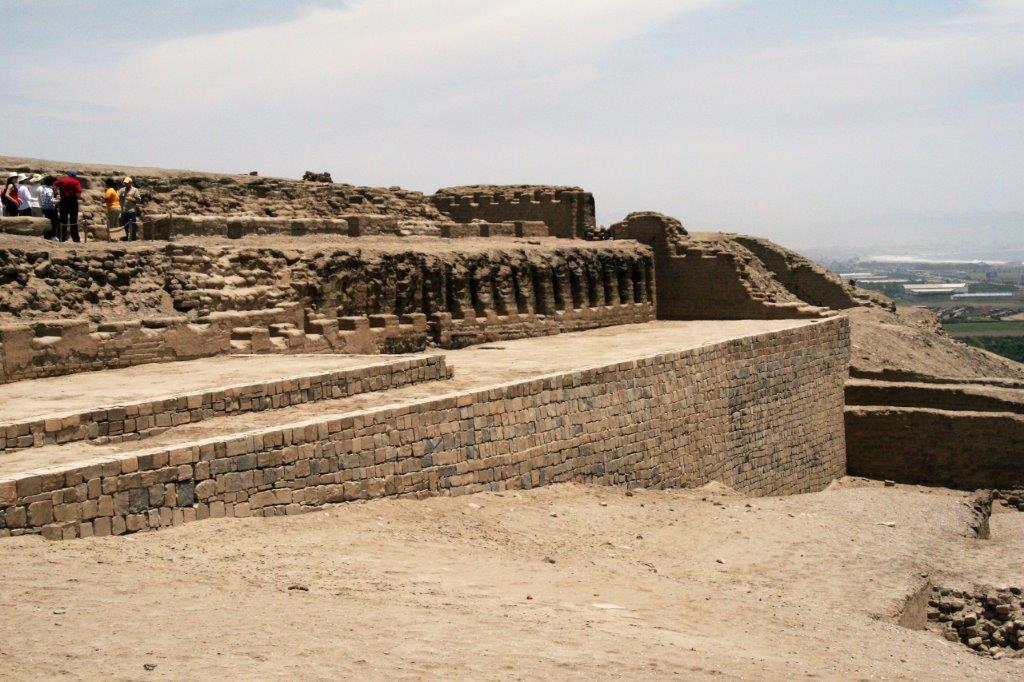
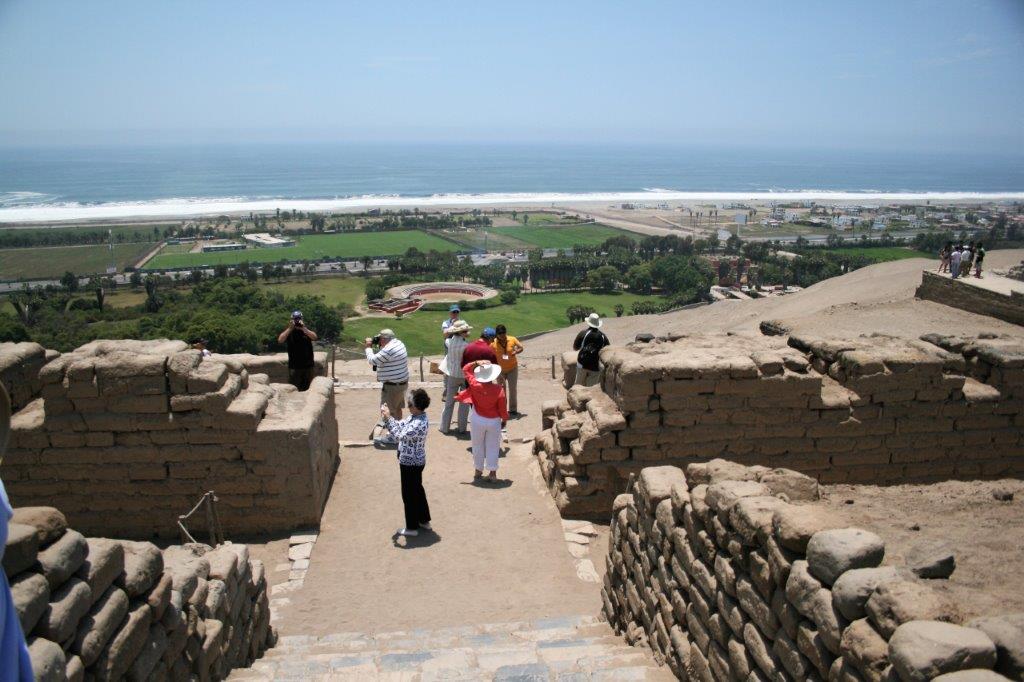
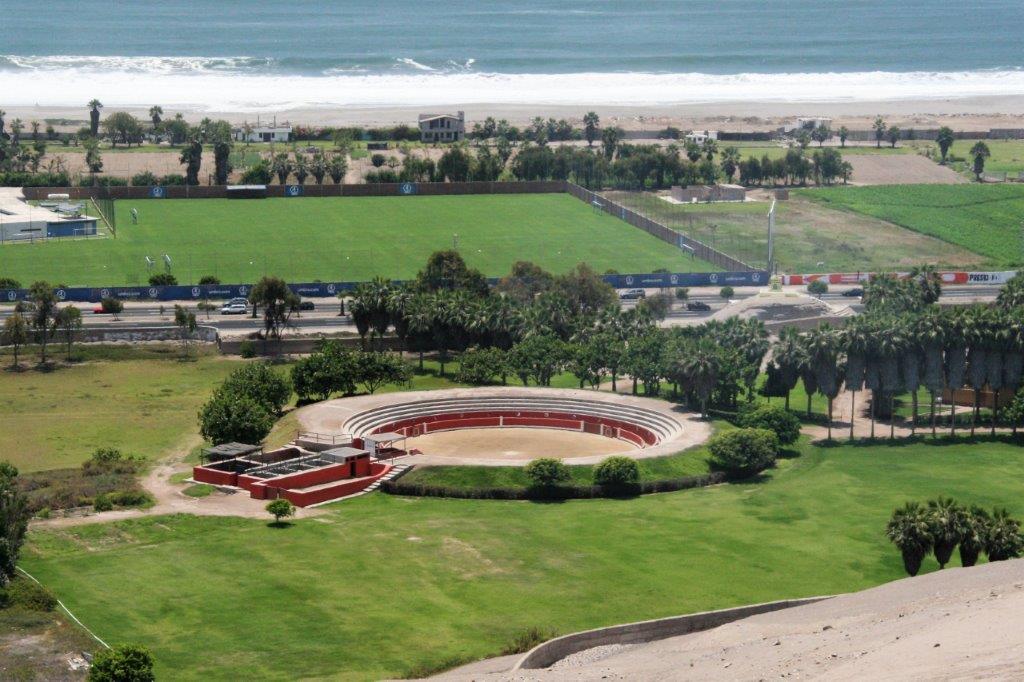
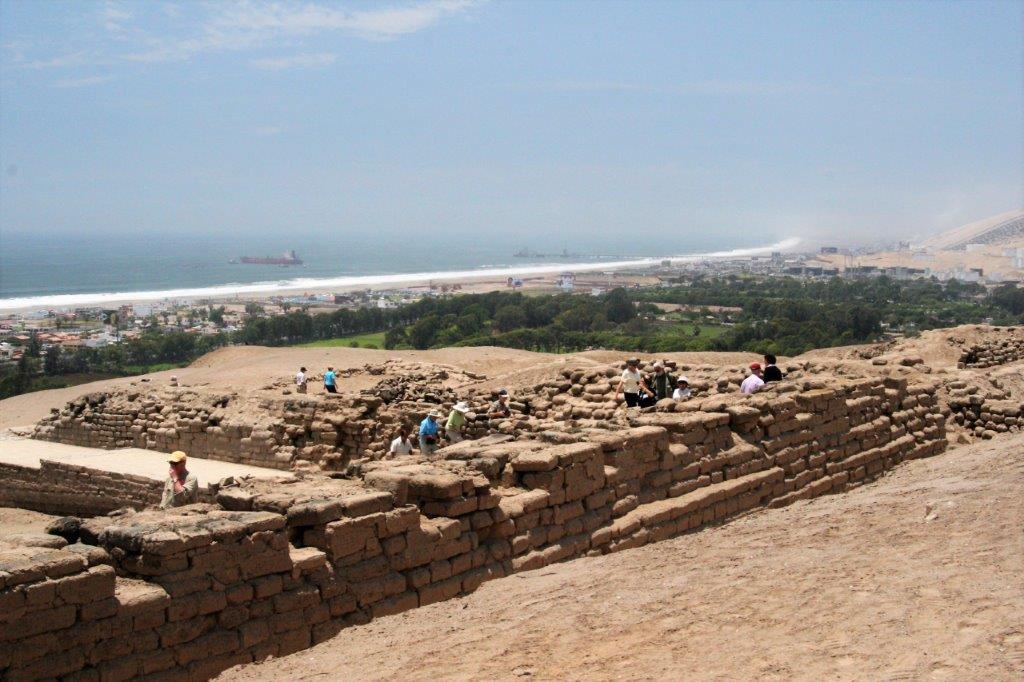
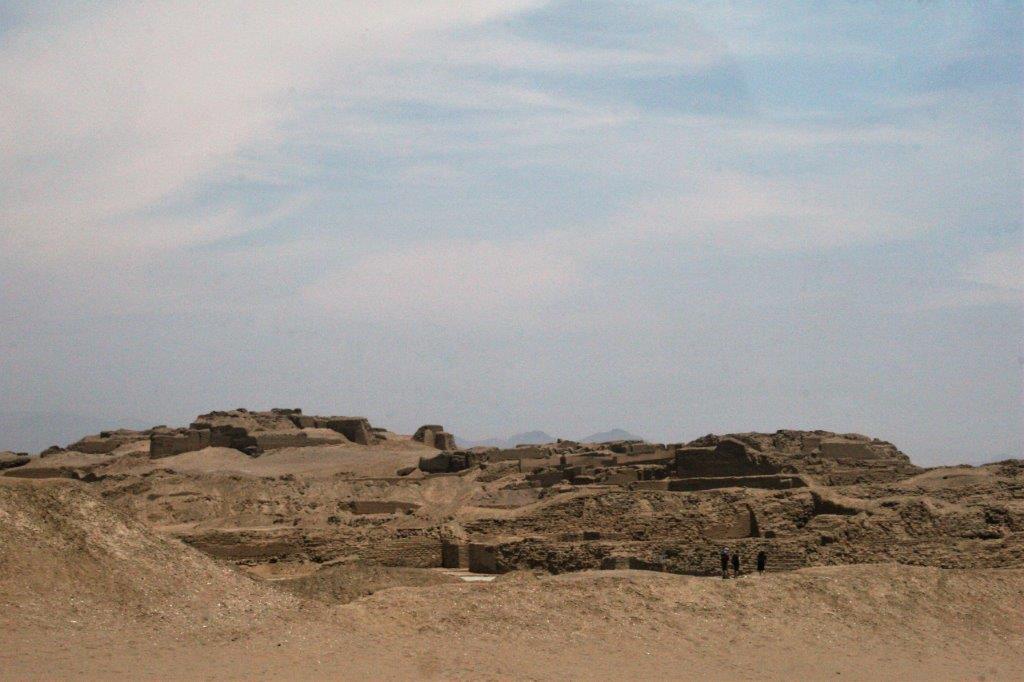
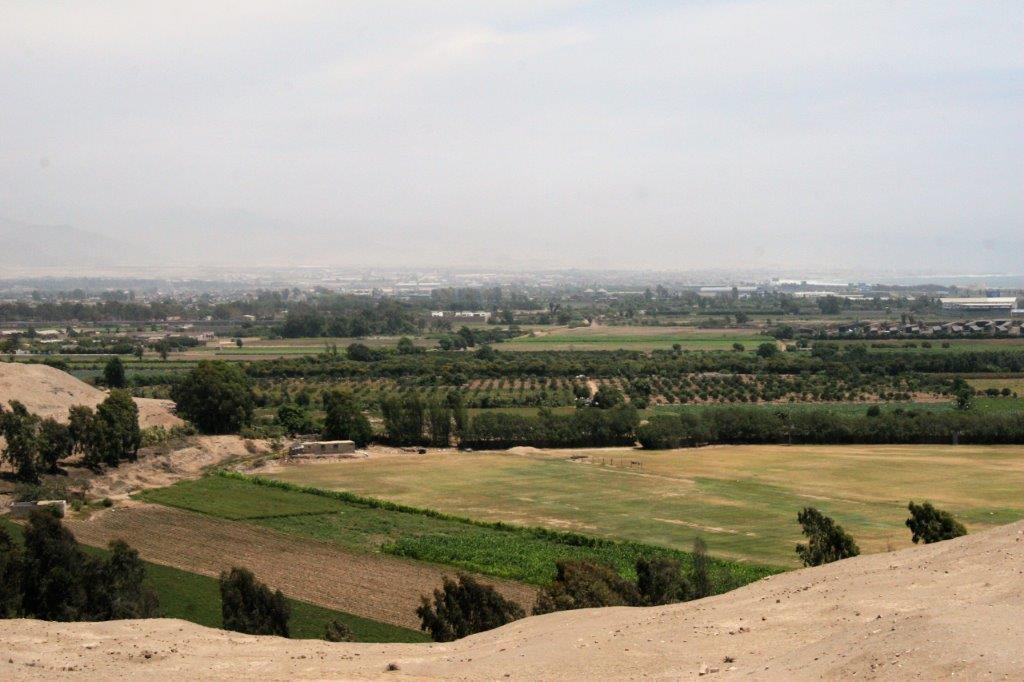
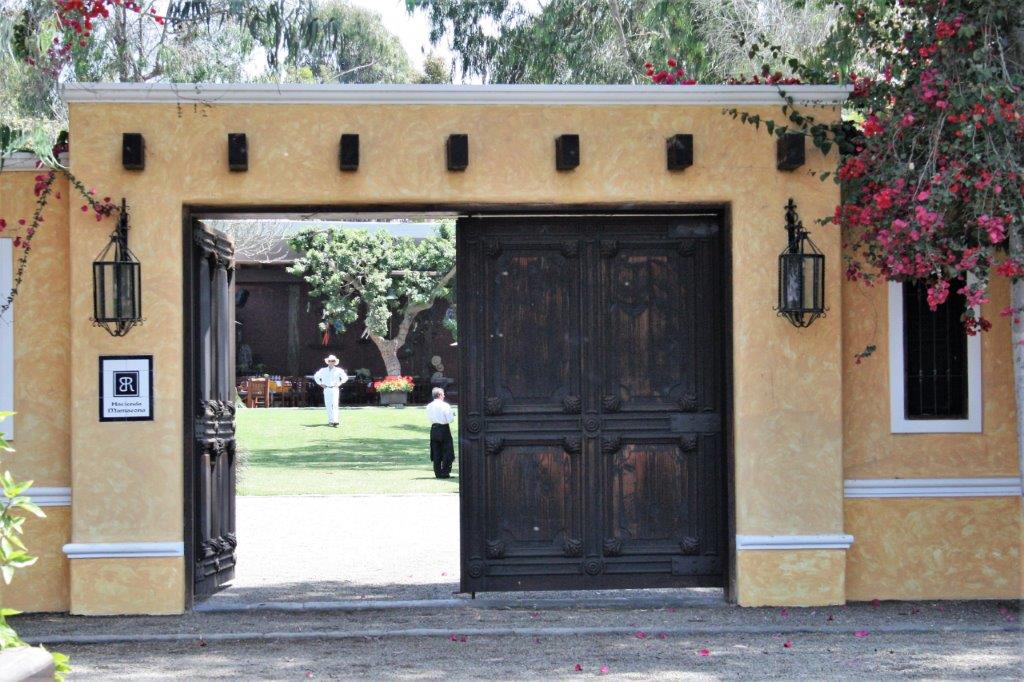
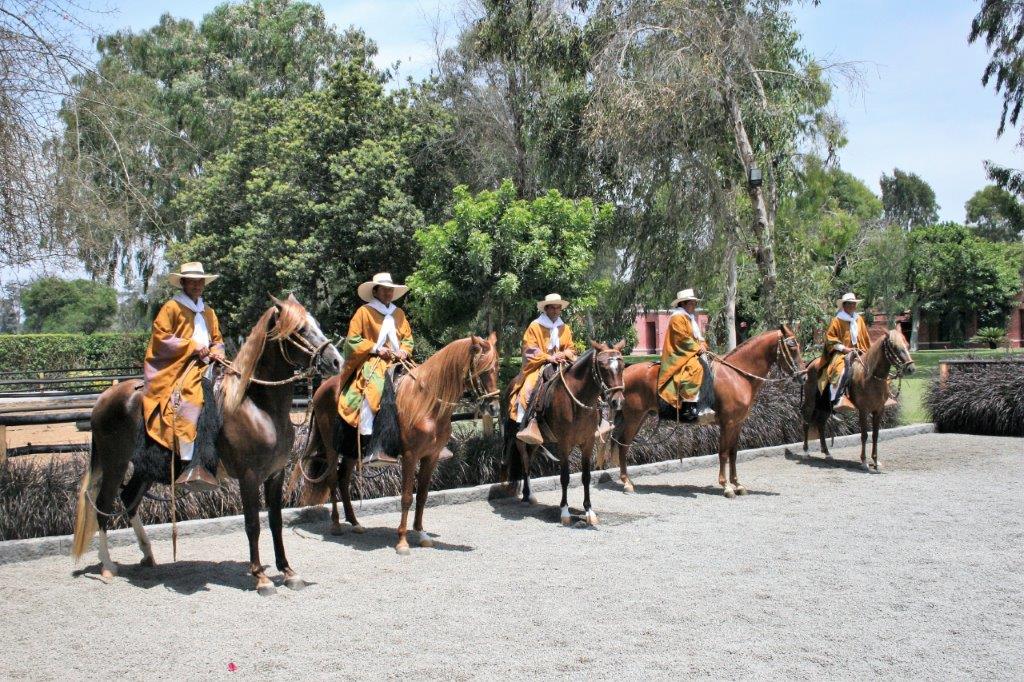
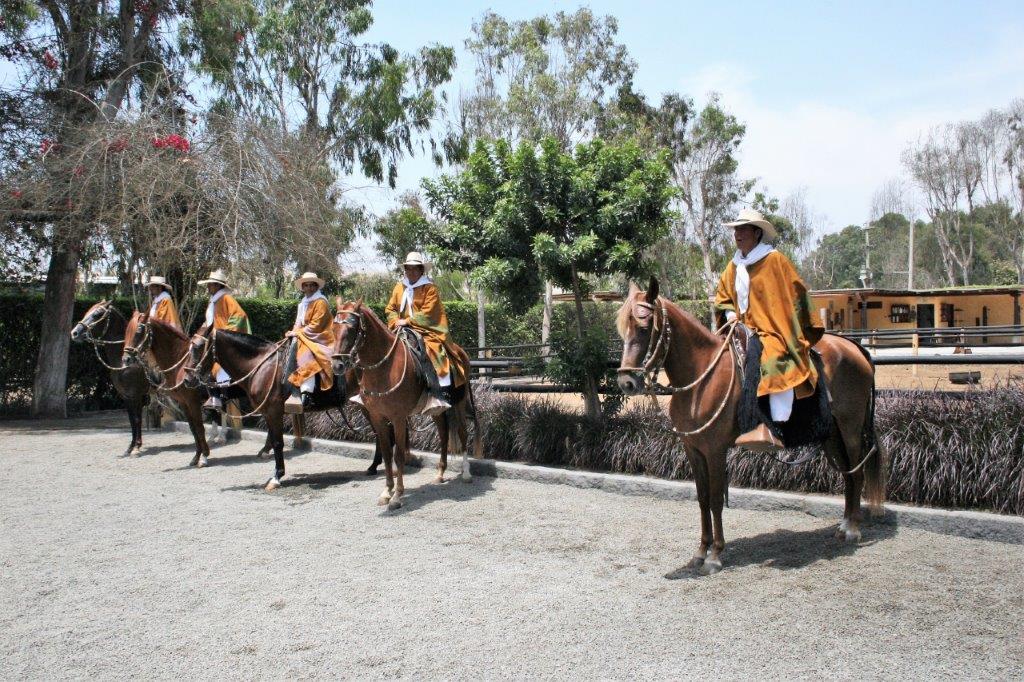
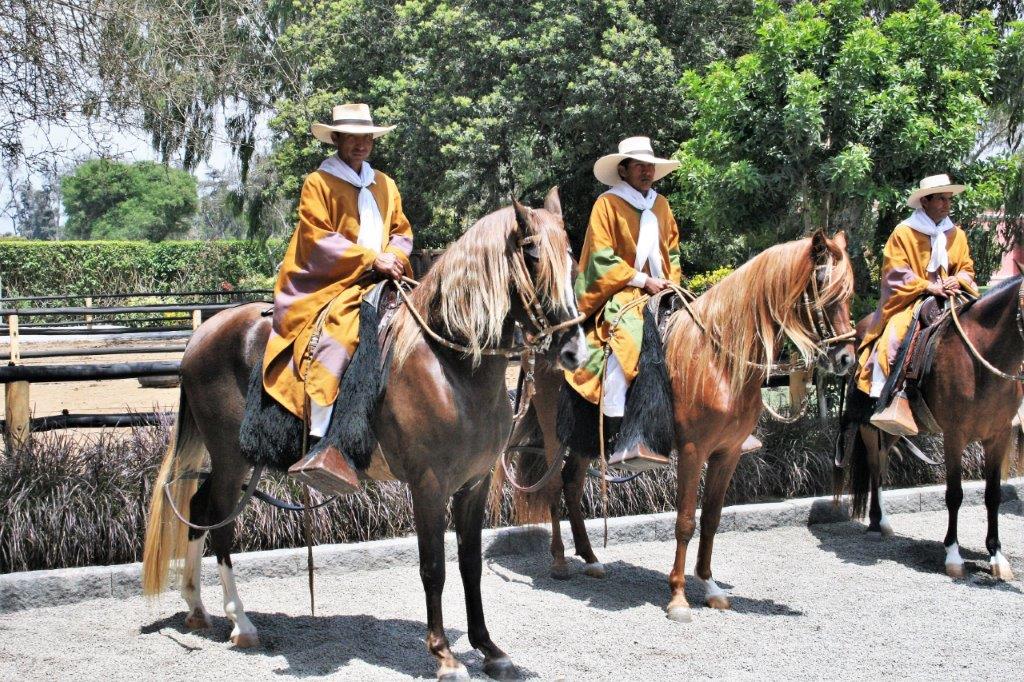
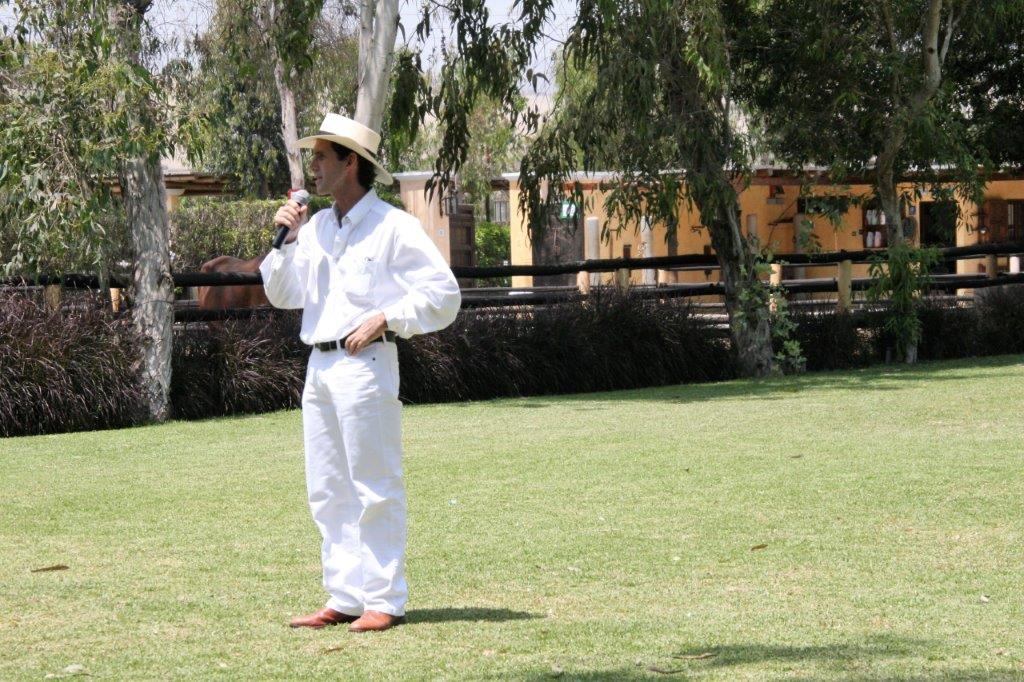
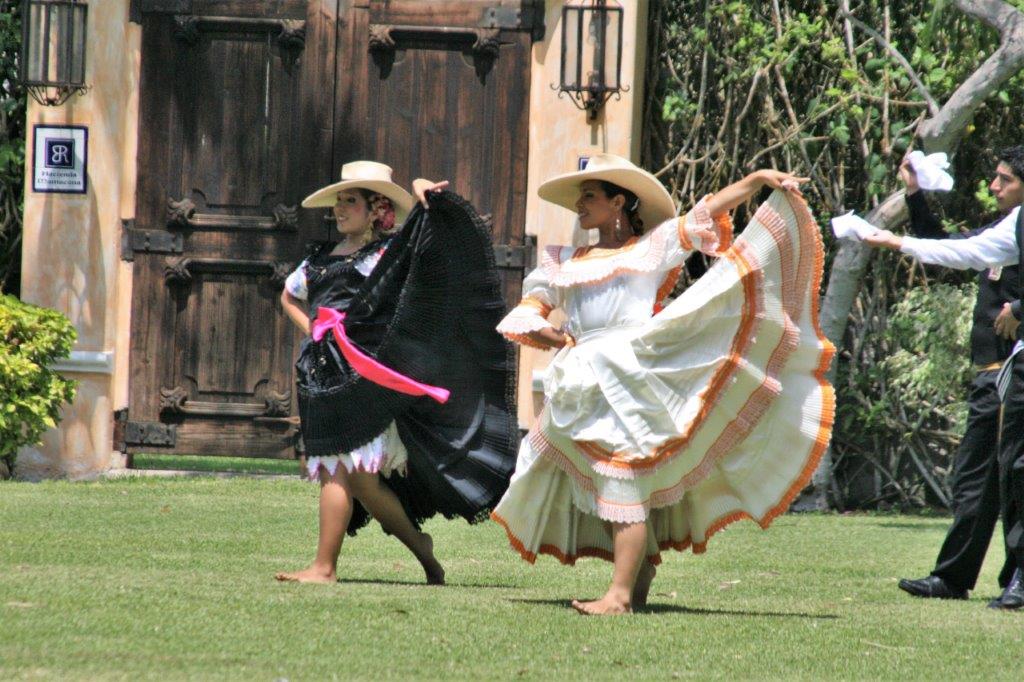
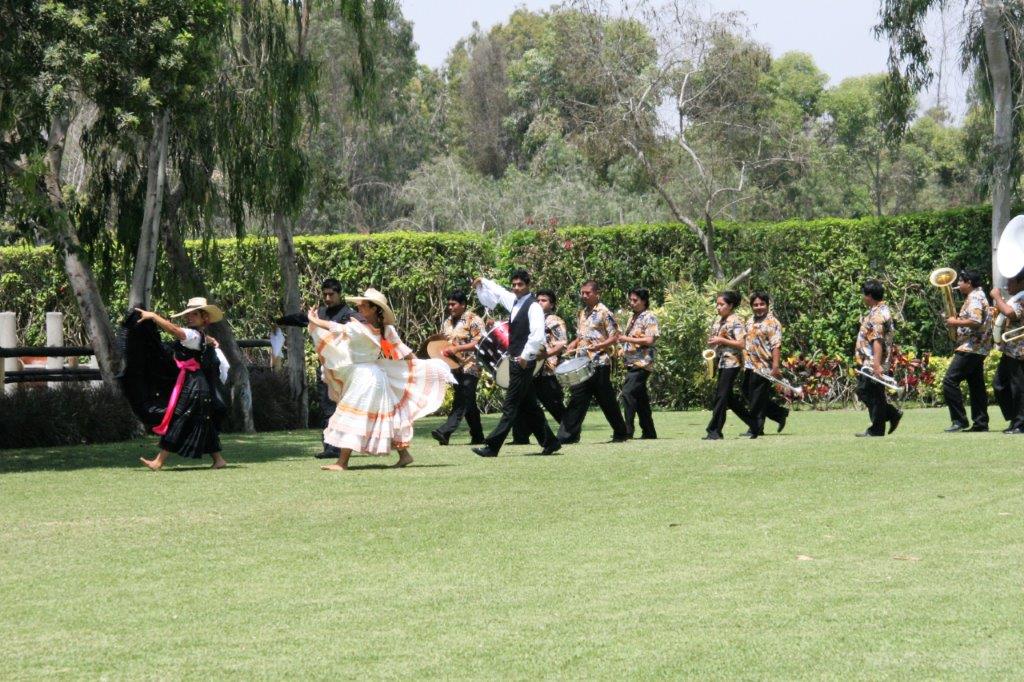
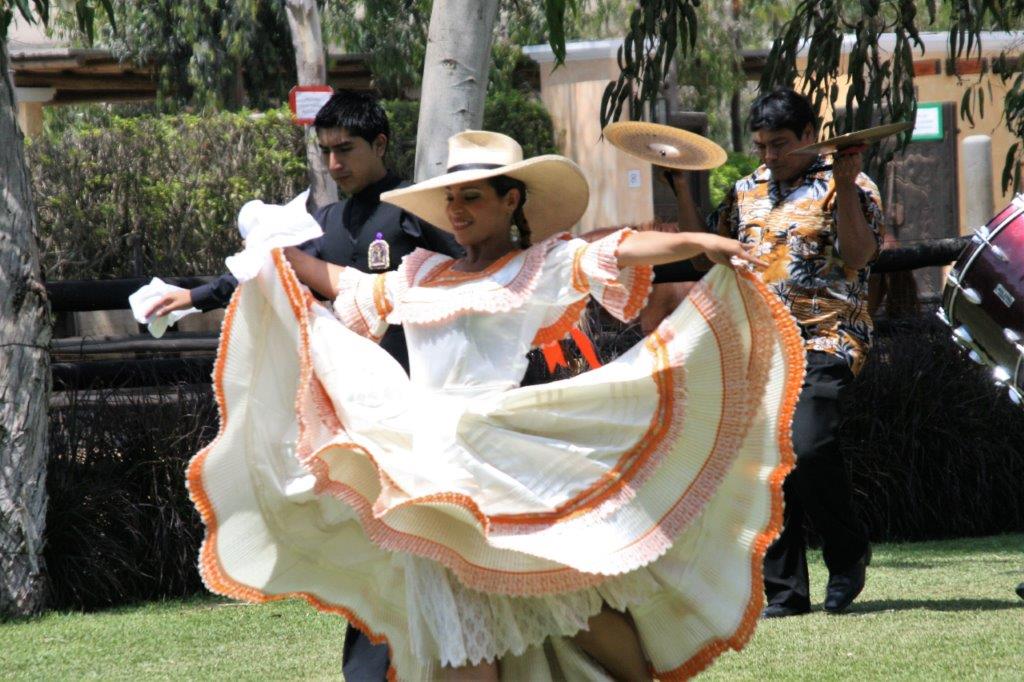
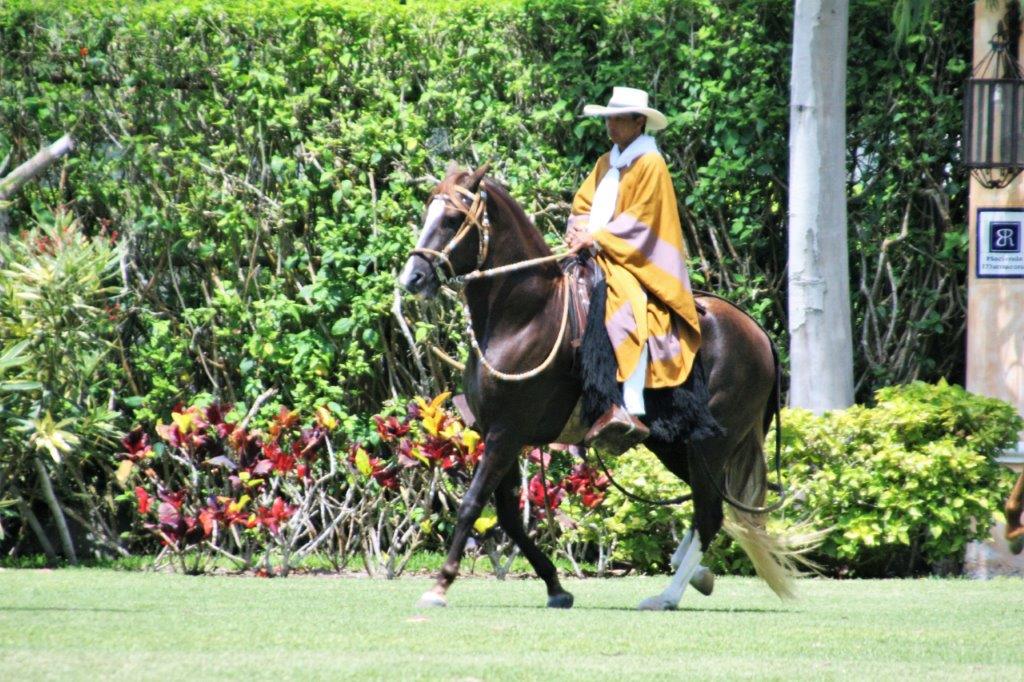
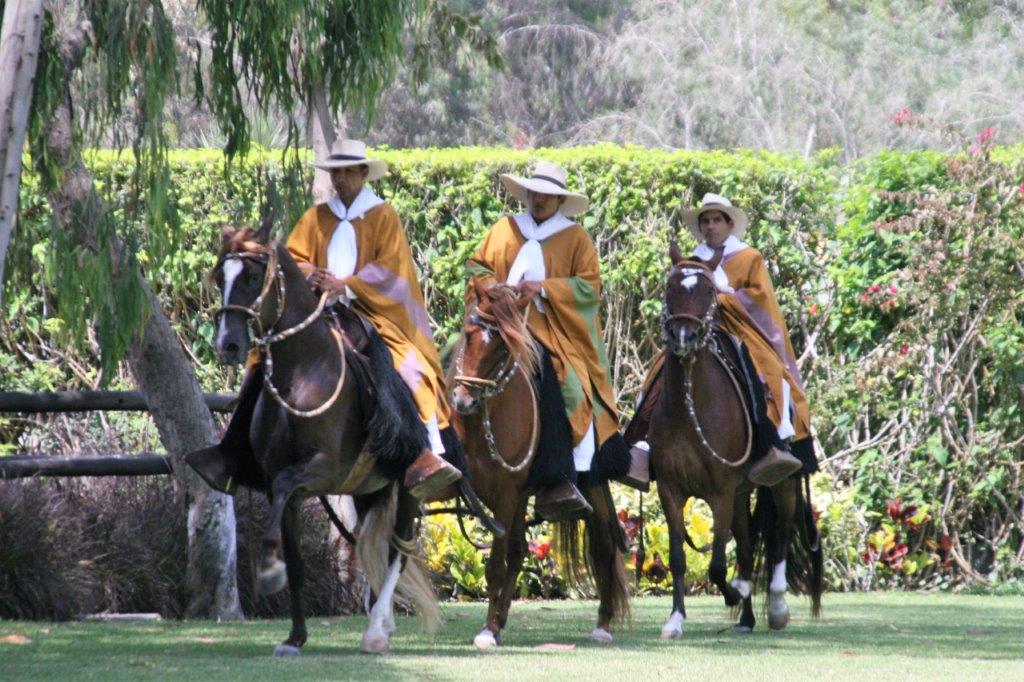
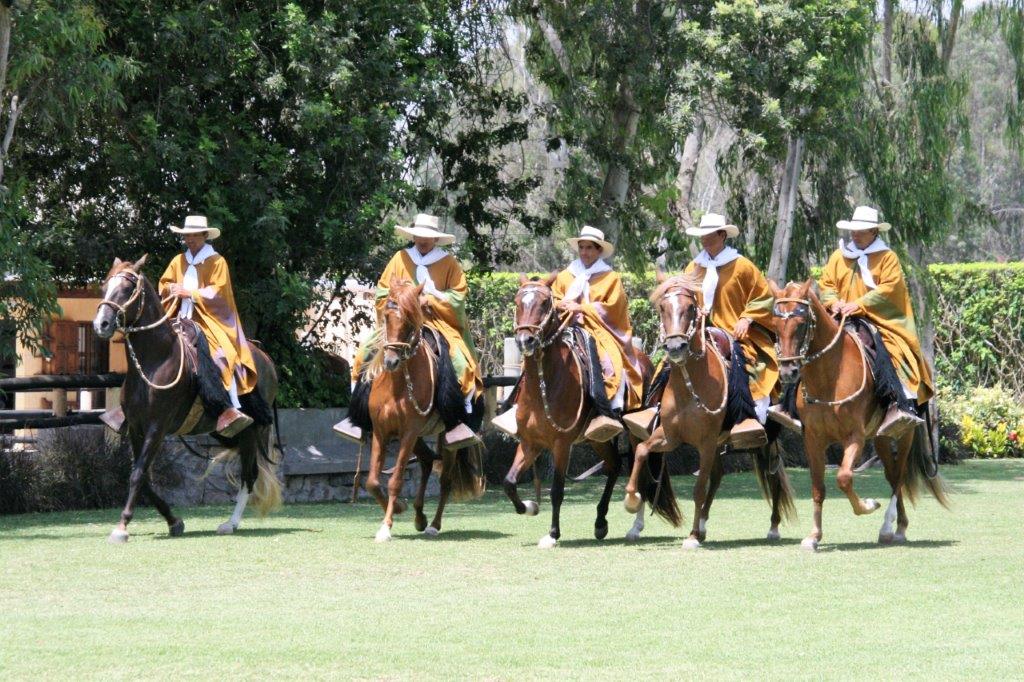
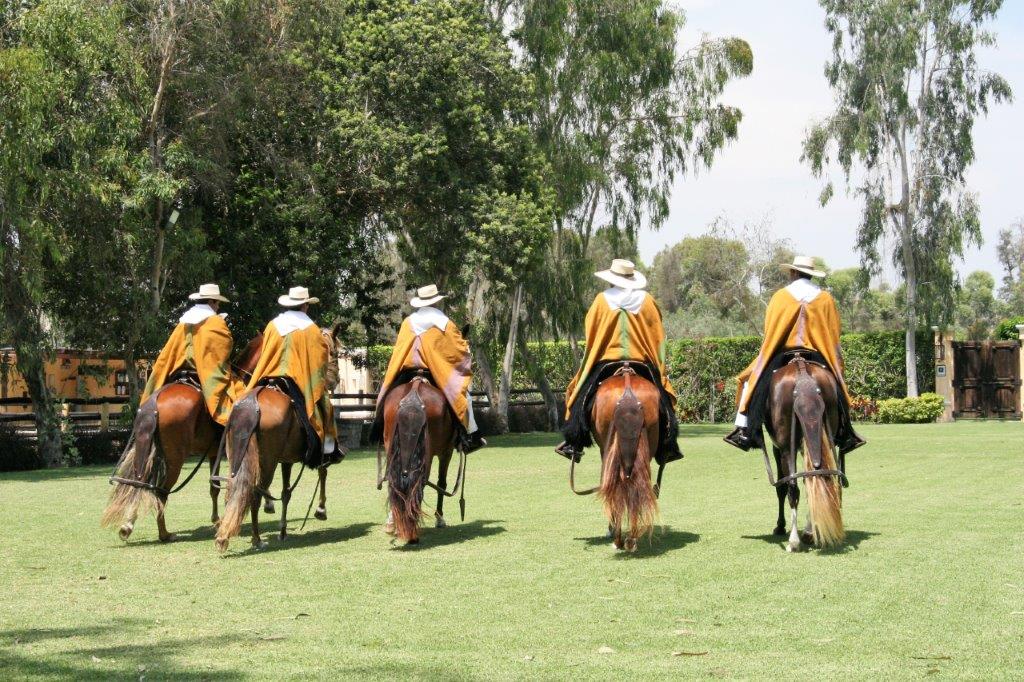
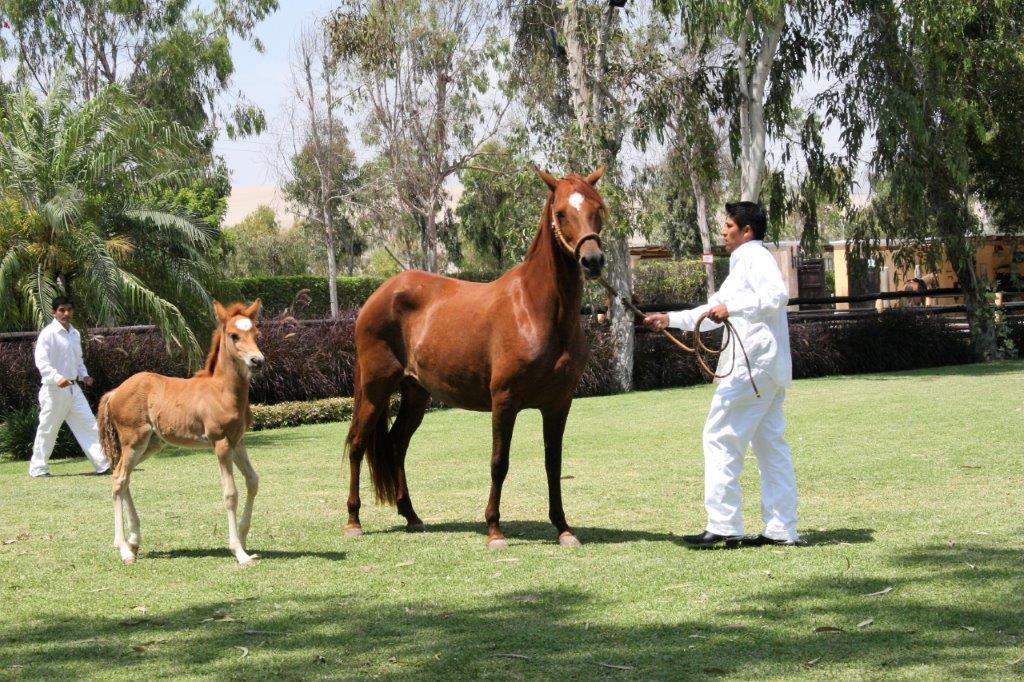
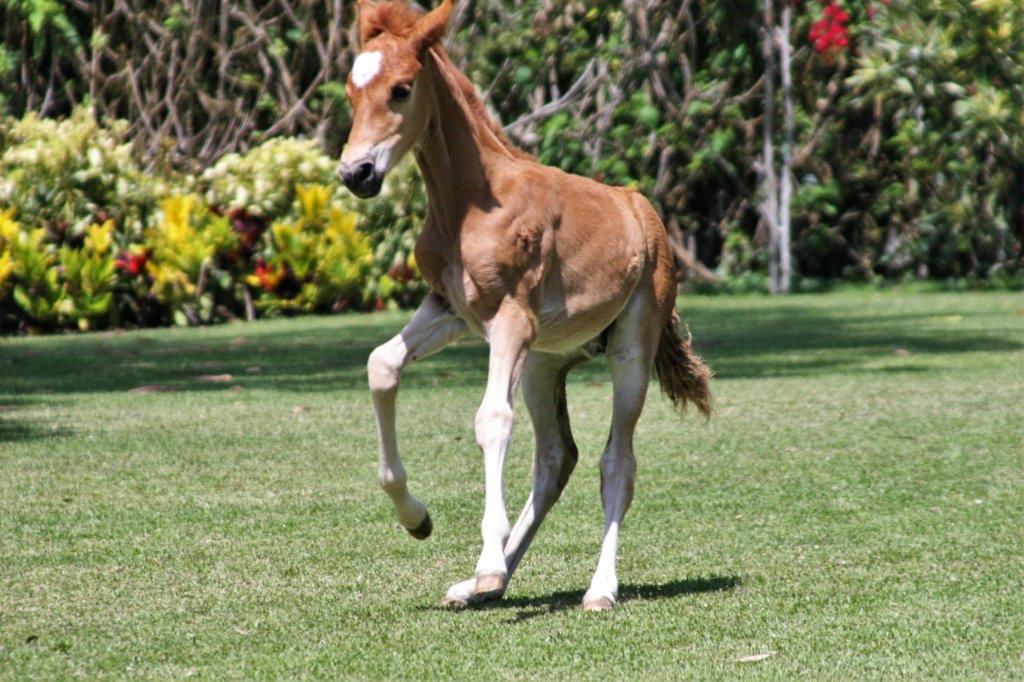
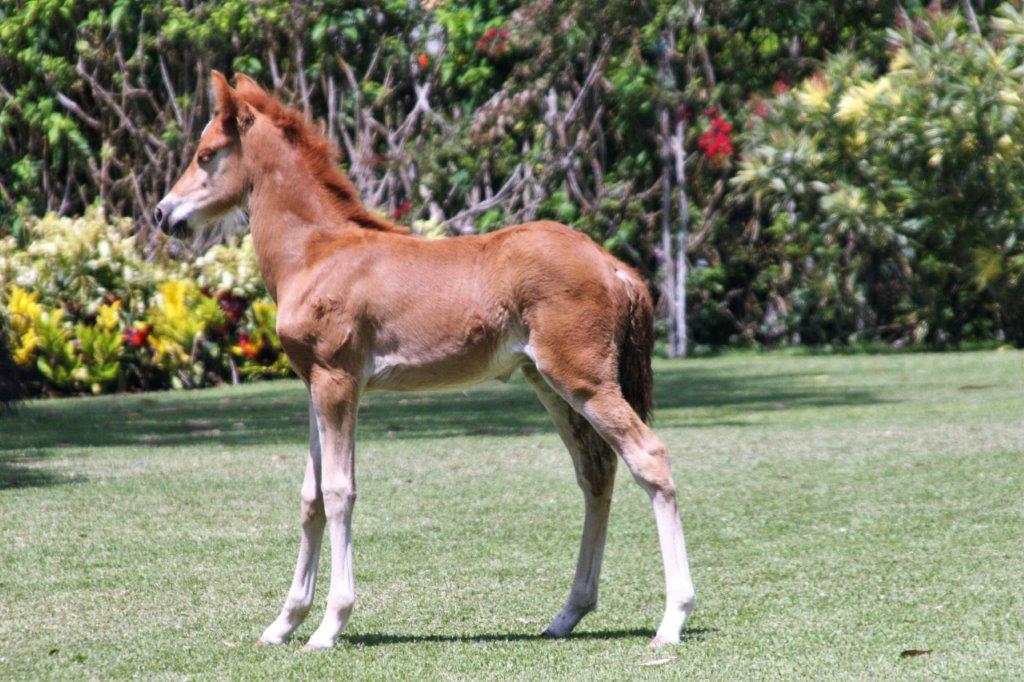
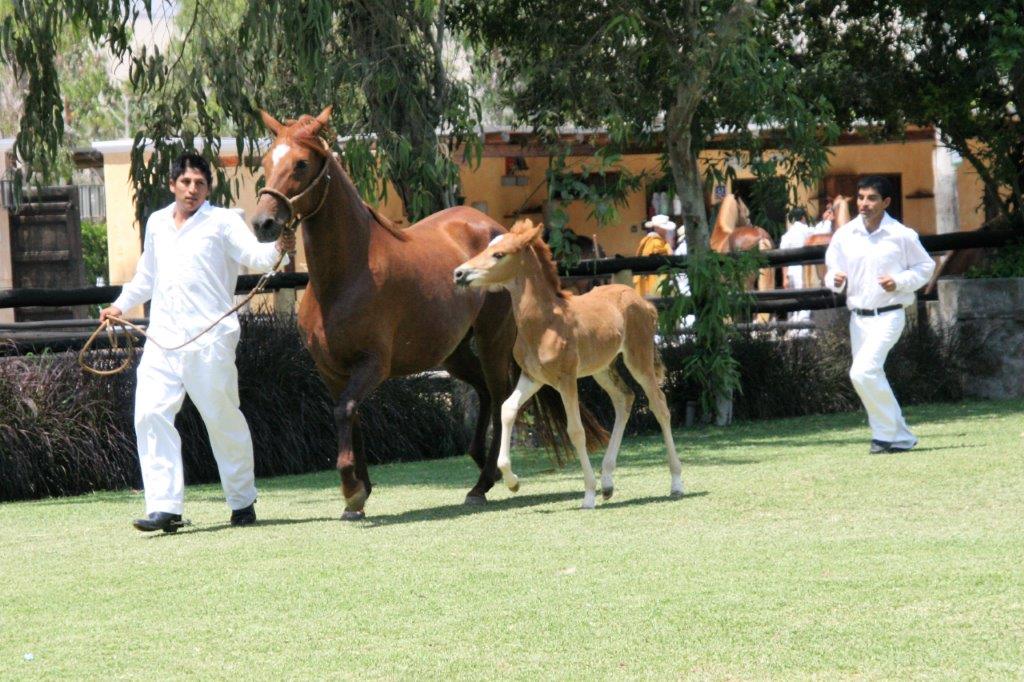
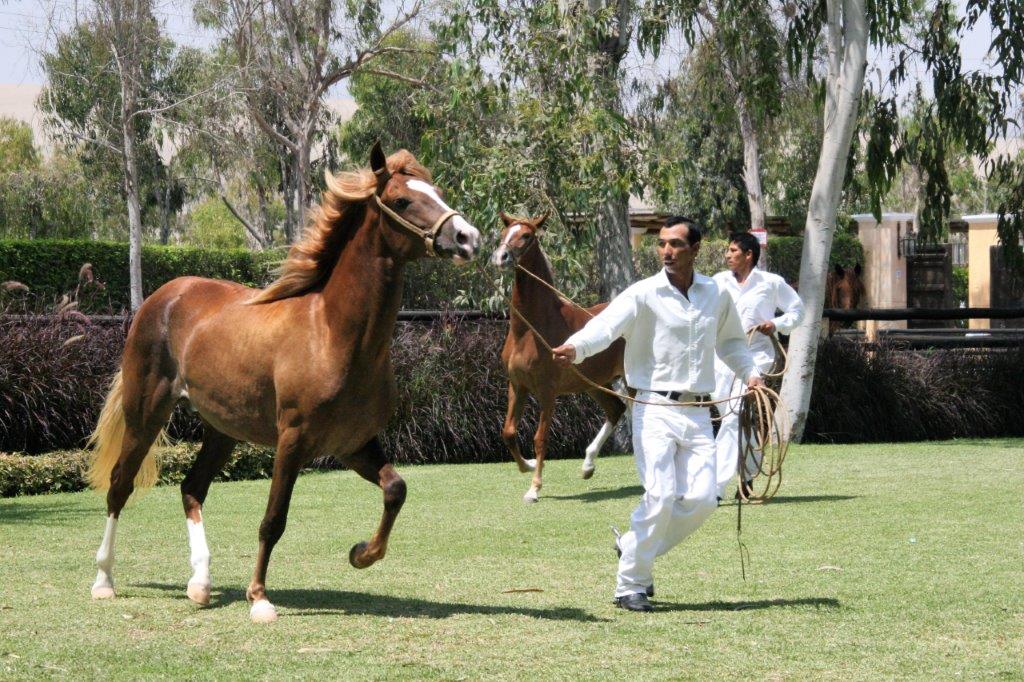
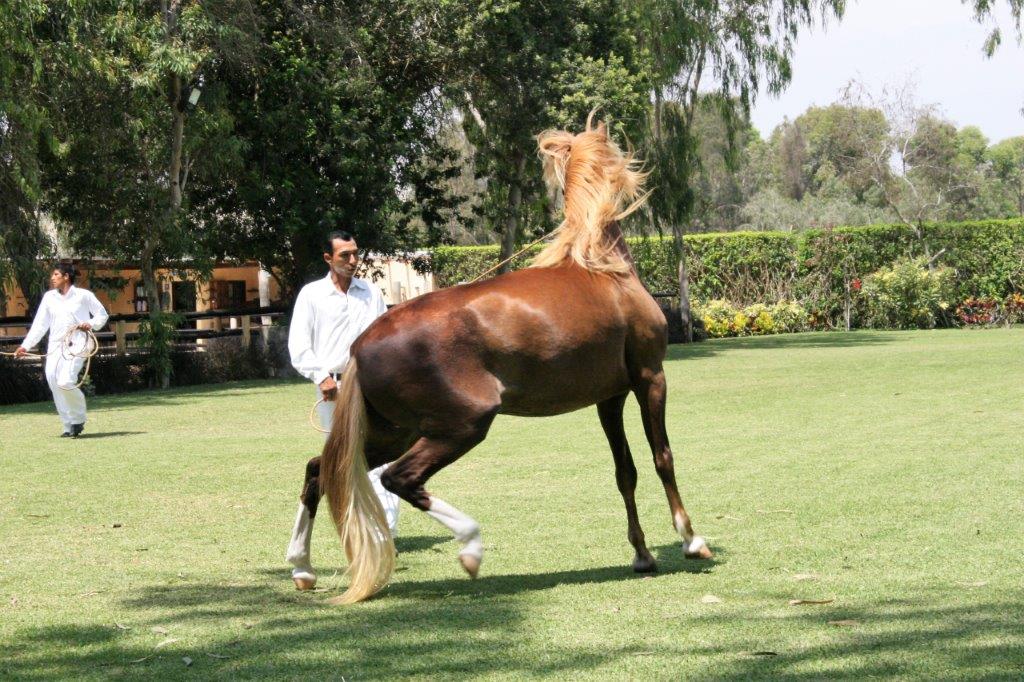
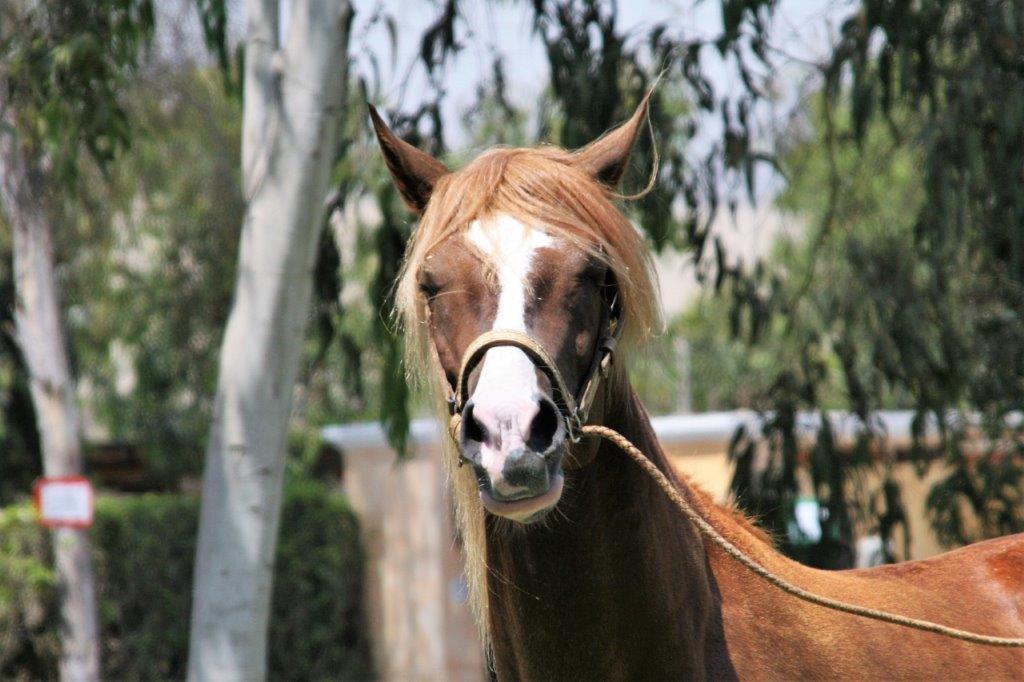
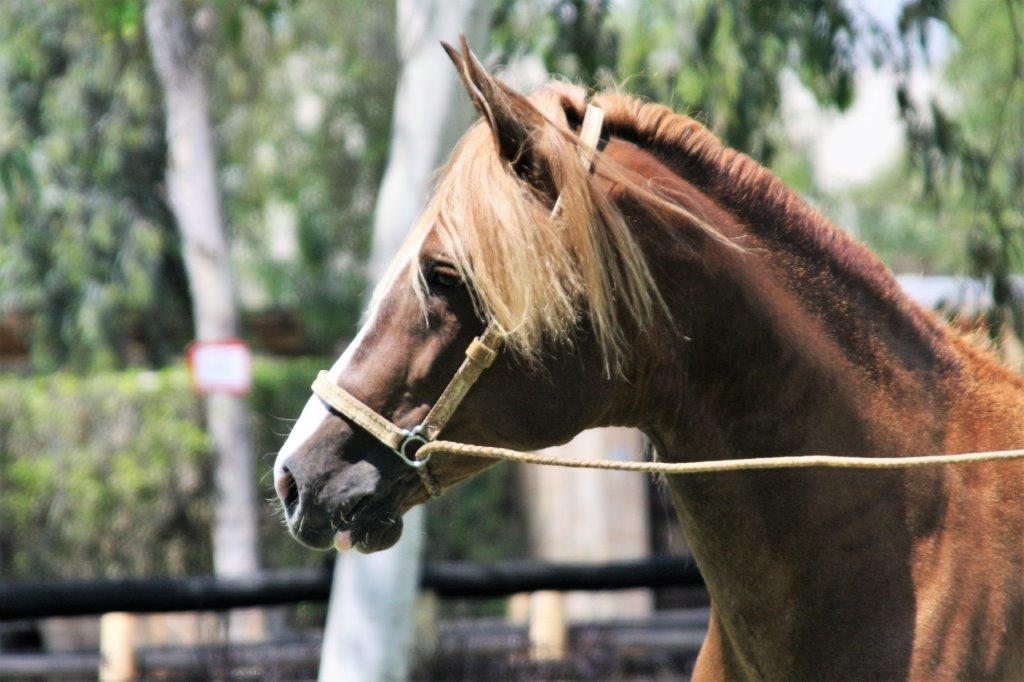
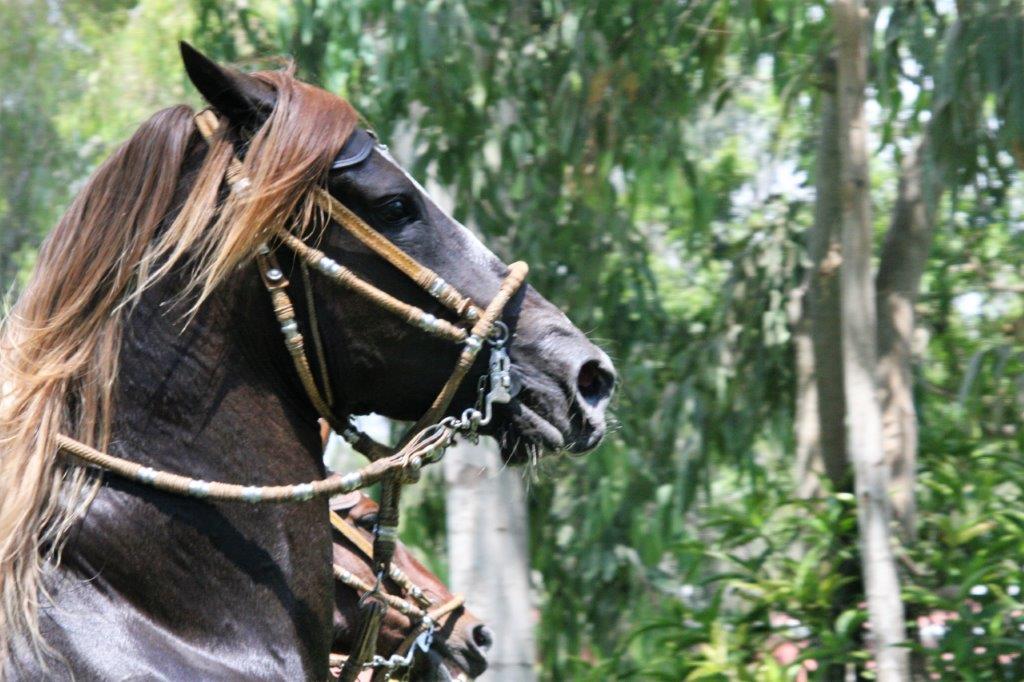
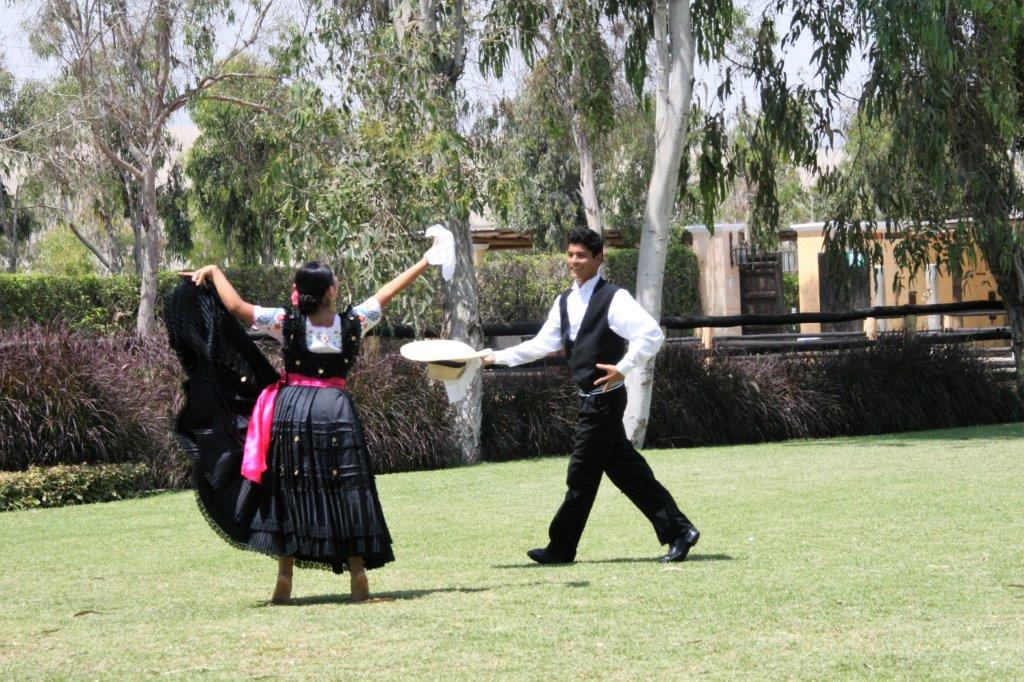
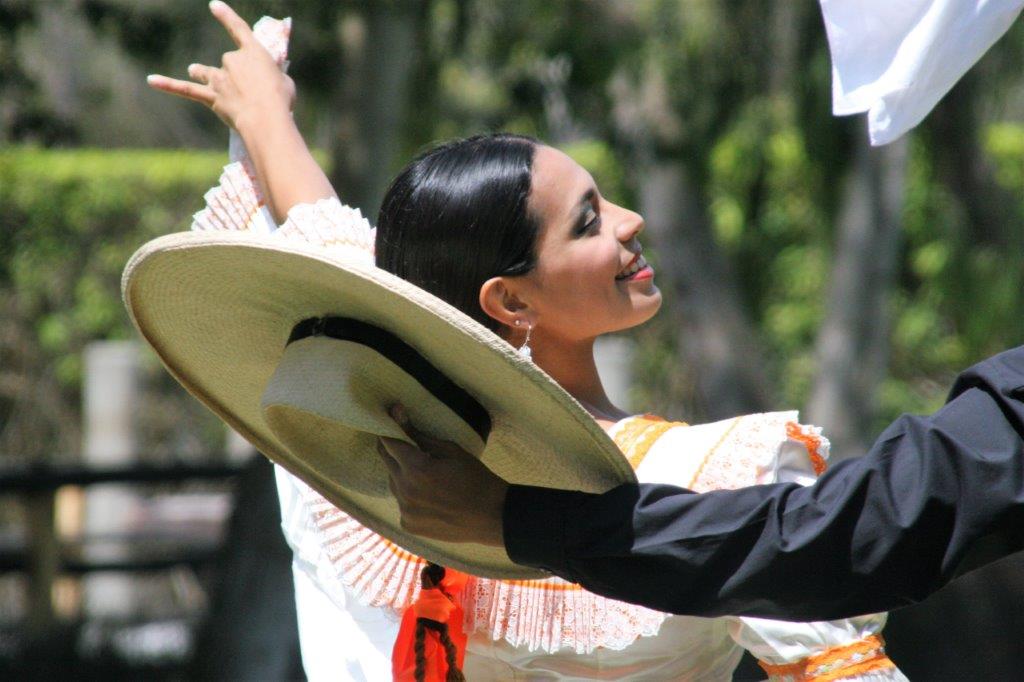
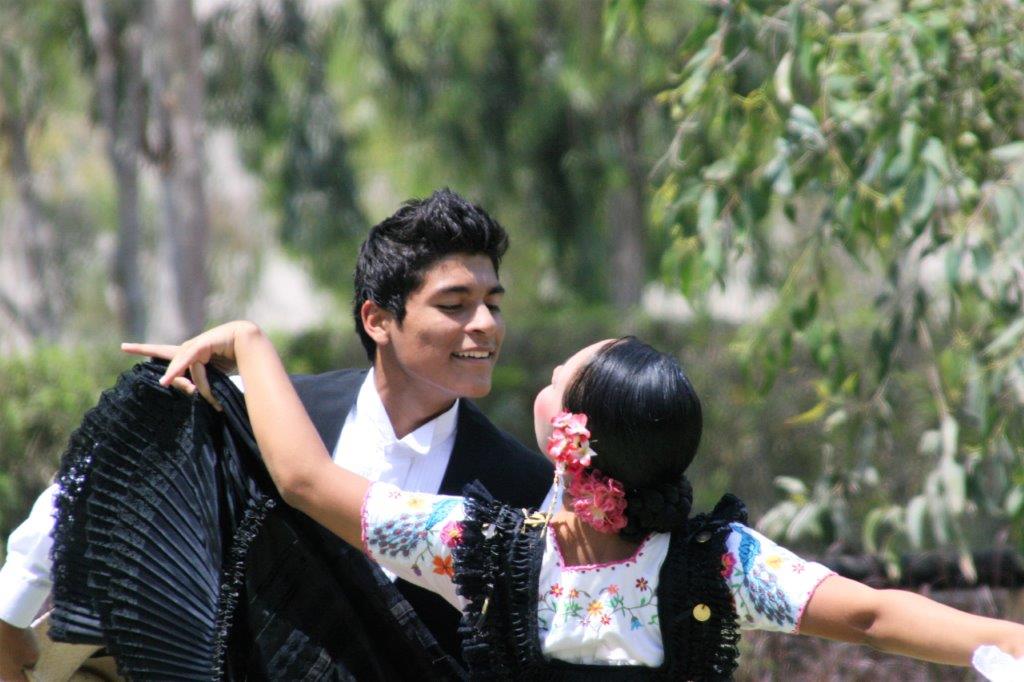
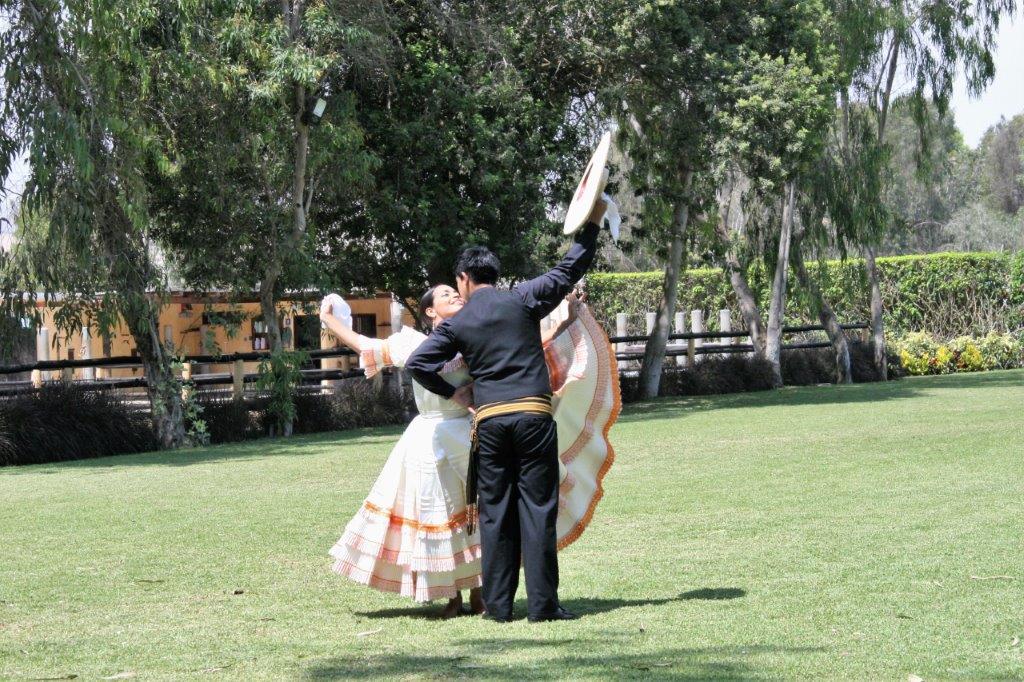
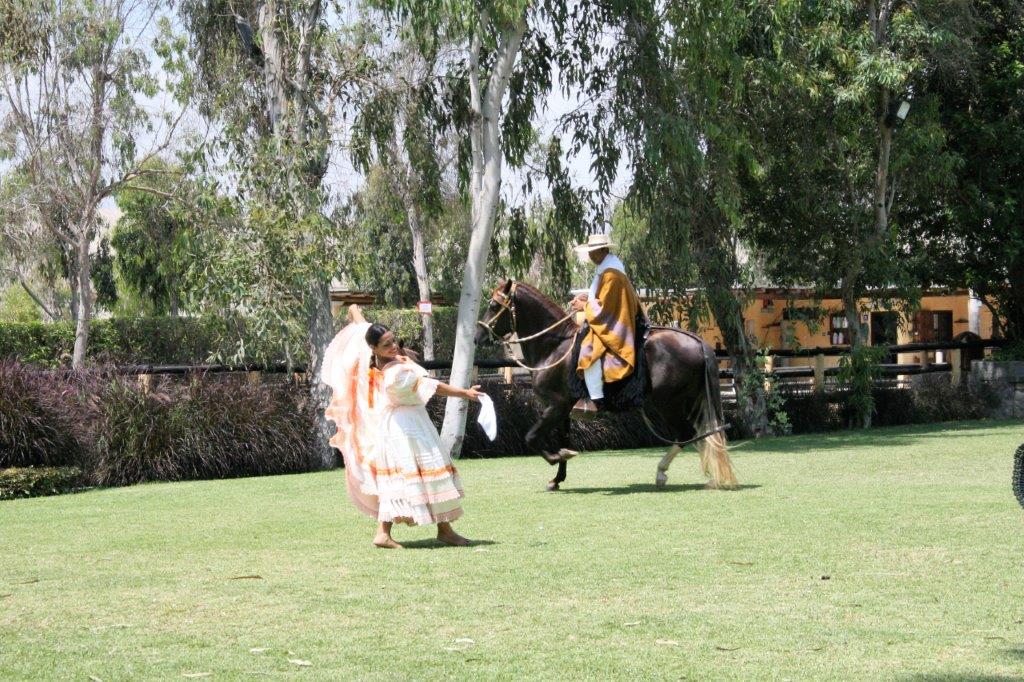
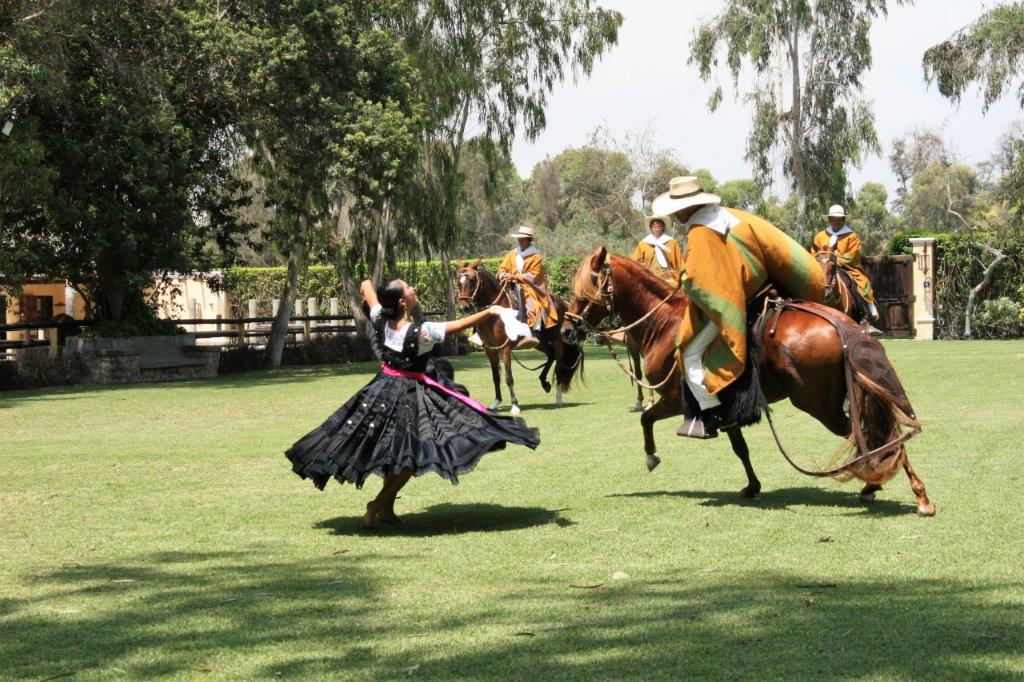
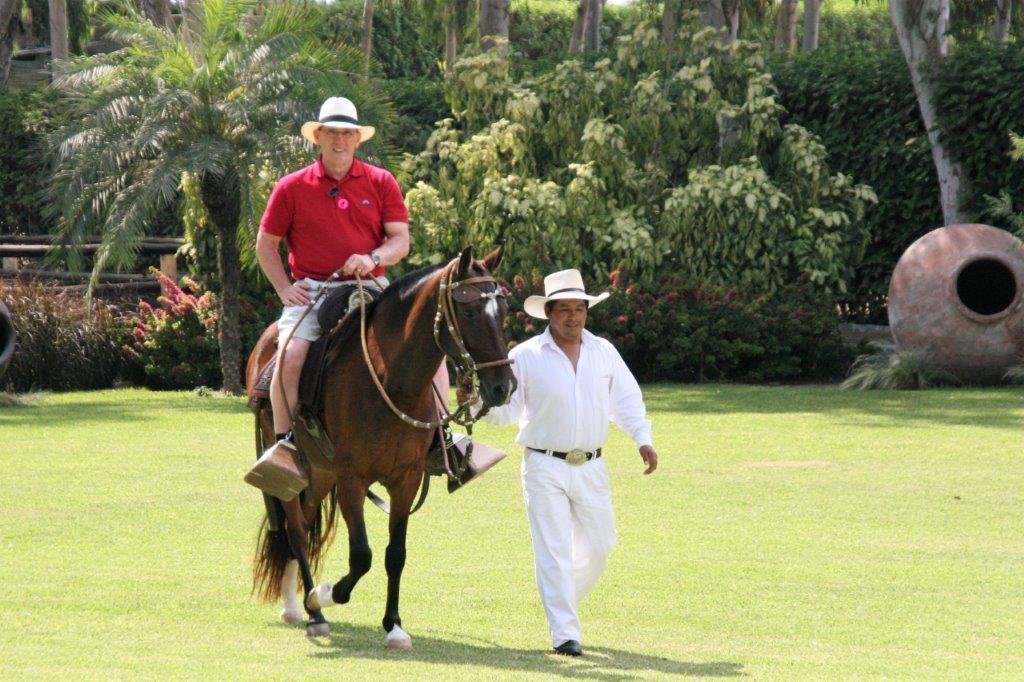
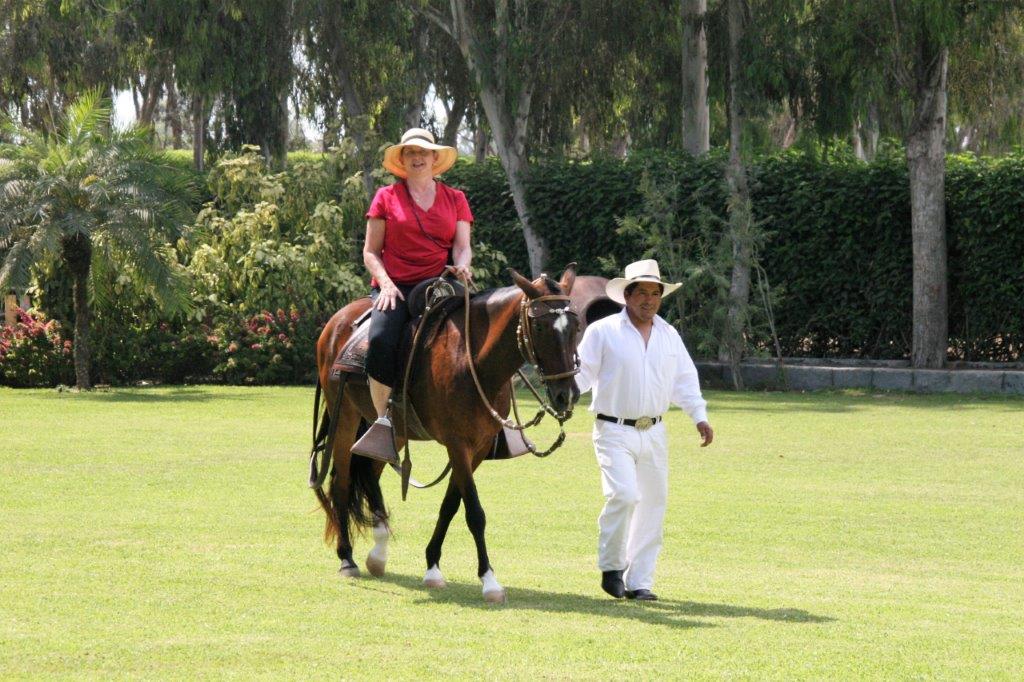
 These fellows are laying out the pattern of one of the clifftop Nazca Lines (I think it is the hummingbird) that will be planted with yew to make a hedge pattern like the one below. Pachacamac is a large temple site dedicated to the Sun and the Moon.  Pachacama means “The One Who Ordains the Universe.” The ruins cover about 100 acres and are likely even larger but over the years shanty slums have been built nearby so no exploration can be done there; although archaeologists are very sure there is more to the temple site and many more artifacts that could be discovered.  Finances are limited but they are protecting some of the other land in the area.   The area has about 1/2″ of rainfall per year so everything is very dry but the people that built the temple city around 700 AD created a sophisticated irrigation and resevoir system. We spent quite a bit of time roaming around the site and were able to climb right to the top to enjoy the lovely ocean views.  They have unearthed 15 different temples so far. This site is believed to be about 1500 years old. There is river that flows into the ocean not far from the temple ruins and there is fertile river bottom land where Mamacana Hacienda is located.  It is a beautiful Andean-style ranch that breeds, raises and trains Caballo de Paso horses, a breed unique to Peru.   The breed was protected by governmental decree in 1992 and were declared a Cultural Heritage of the Nation. We were welcomed at the gate by the owner and walked a roadway between two rows of Paso horses with a mariachi band playing at the end. (Truth be told, it was the chance to see these lovely horses that made me take this tour.  I loved the museum and the ruins, but I was thrilled to see the horses.) Two couples entertained us with a display of traditional dances.  After the dancing the men provided a display of the Paso horse’s unique gait and riding skills. This four-beat lateral gait (left fore with left hind, right fore with right hind) makes for such a smooth ride you can carry a water glass on your head.  It is not a trained motion, it is inherent in the breed and even young foals move that way.  They were absolutely beautiful animals. A mare with her champion three-week old colt were brought out so we could see that even young animals exhibit their unique gait.  The horses don’t trot, but move from a walk, to the four-beat lateral gait, then to a canter. Several other horses were brought out for us to see, then we watched some more dancing that culminated with a routine between the two ladies and two men on horseback.  Really cool. The best part – although disappointing to those of us that can ride a horse – came after a delicious Peruvian lunch, when we were given the opportunity to ride a Peruvian Paso.  I totally understand that they would not allow novices to ride these valuable animals unassisted but it was a bit of a let-down to be led around the field on a lead.  Still how ofen do you get the chance to ride a Paso?  That will probably be my only one so I am very, very glad we could do it.  Especially in their native country and such lovely surroundings.  Many of the people on the tour had never been near a horse let alone ridden one so there were lots of big smiles on faces.

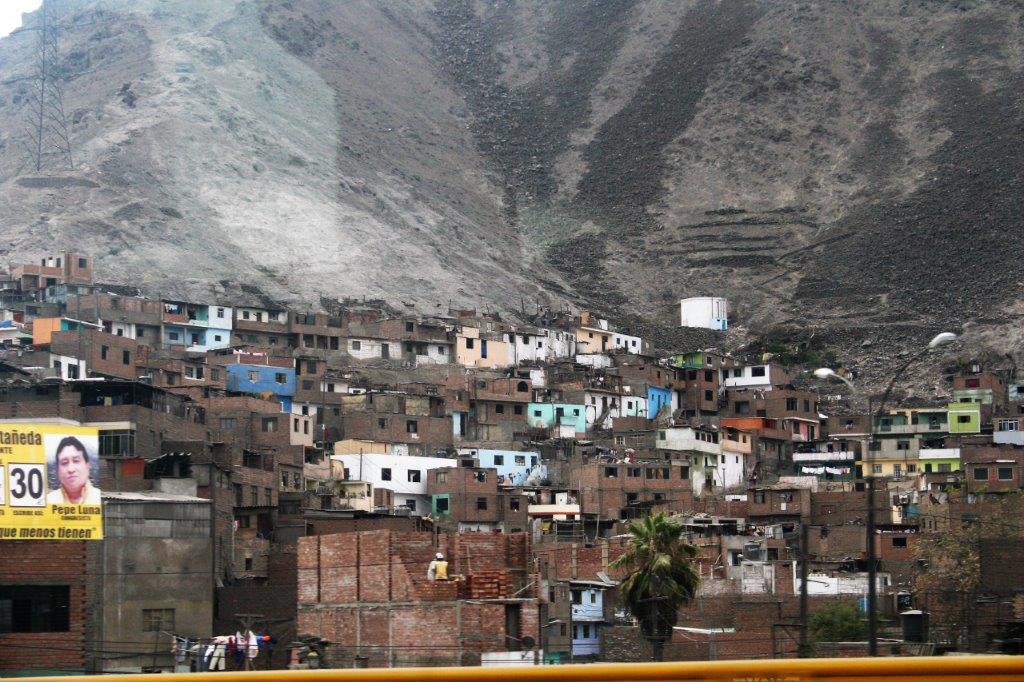
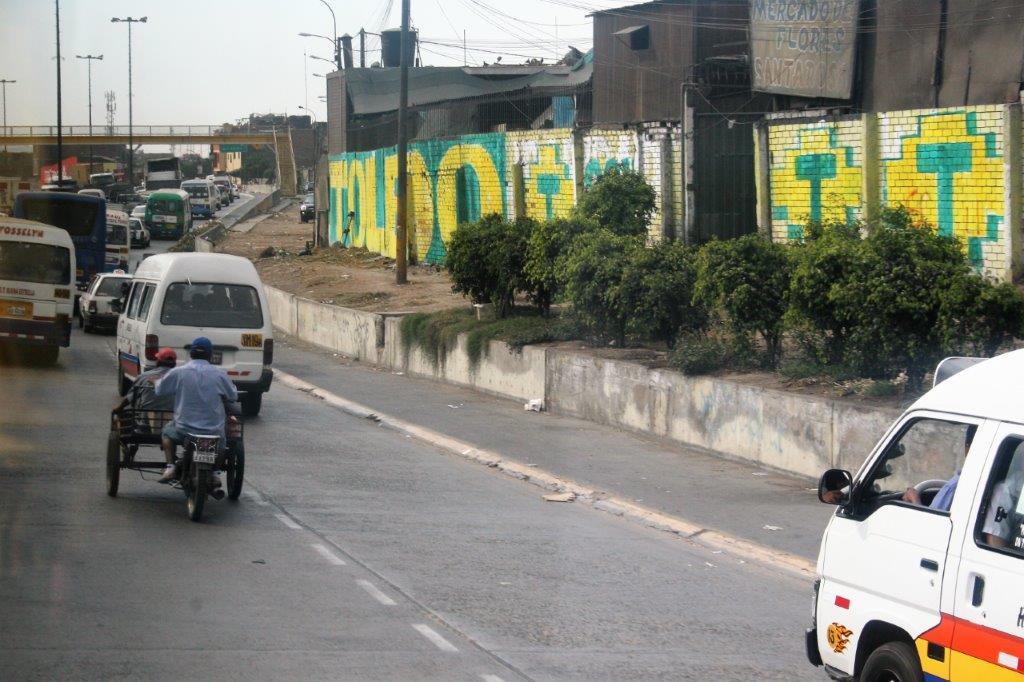
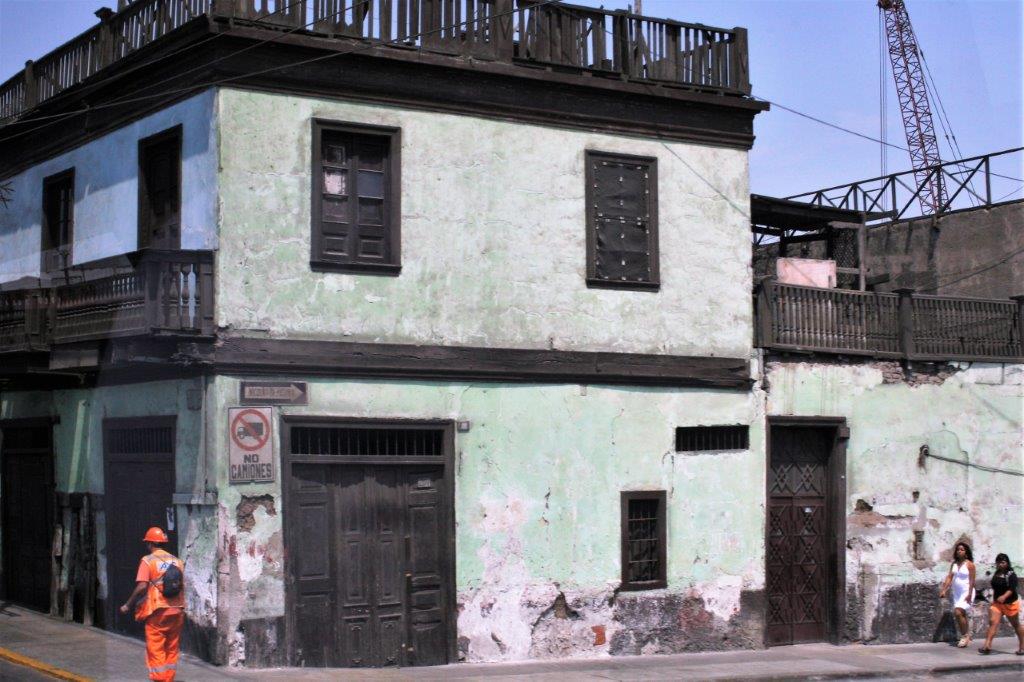
After that it was back on the bus for the drive back to Callao in time for dinner. Shanties are built everywhere and often, eventually, the government provides power and water since the people are not going anywhere and the neighbourhood is established. These guys were almost run over by the van behind them. Traffic was nuts. It was a great day!  The ship set sail at 10:45 pm, a little later than scheduled but we had four days at sea before we reached Easter Island so there was no big panic if we were a bit late for sail-away.


2011 January 14 – Day 10 – Callao (Lima), Peru

The ship was docked in Callao for two days and we did two very different tours.  The first day was all about nature and the second day was archaeology (and Peruvian horses).

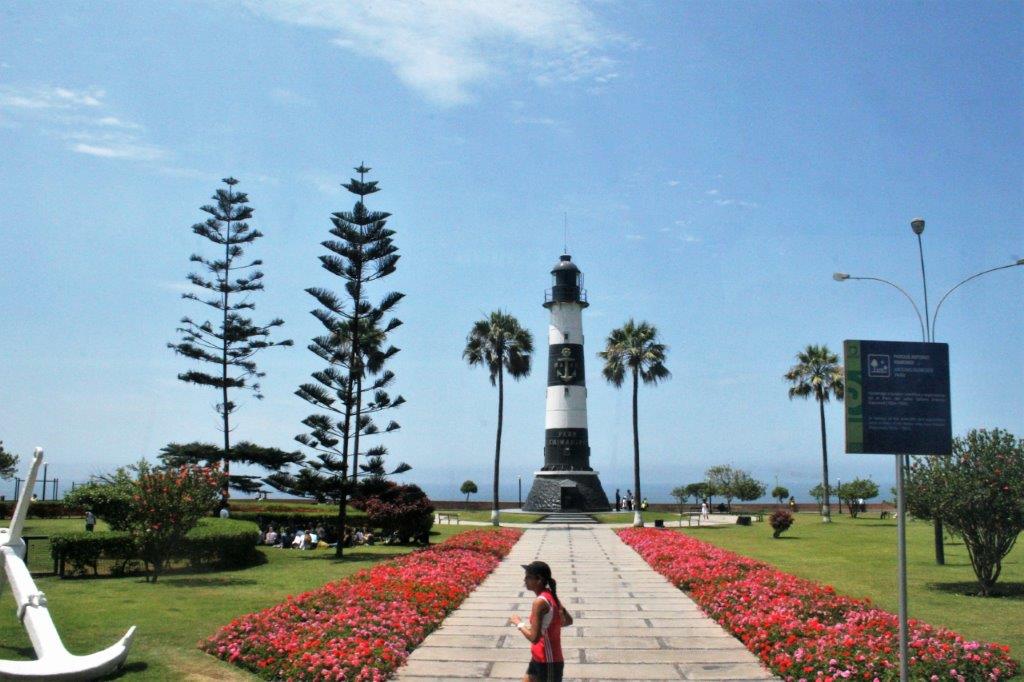
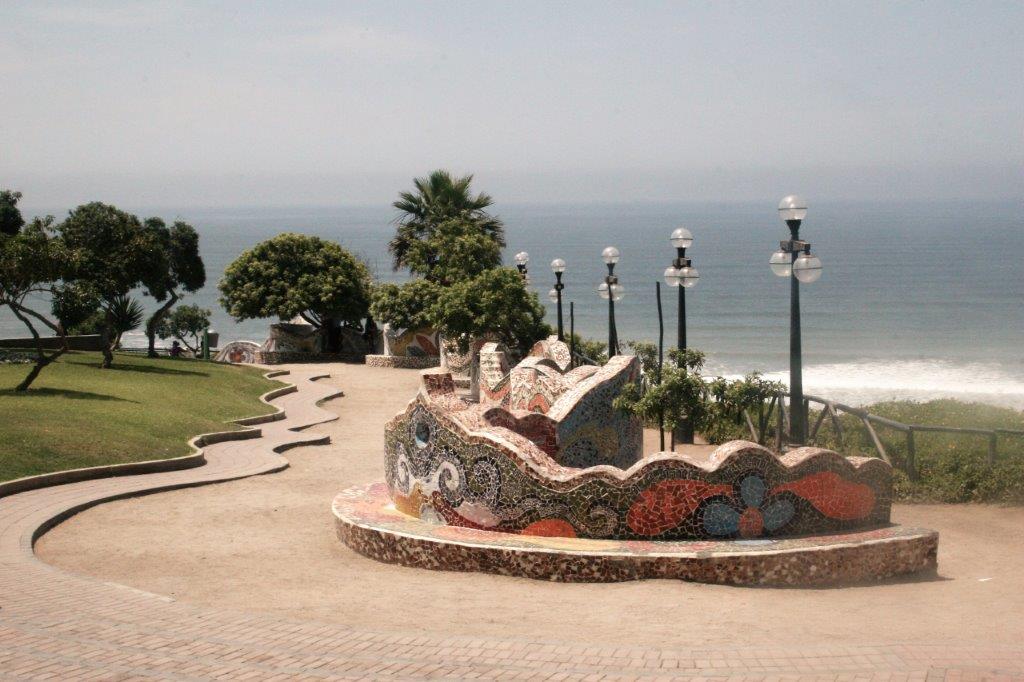
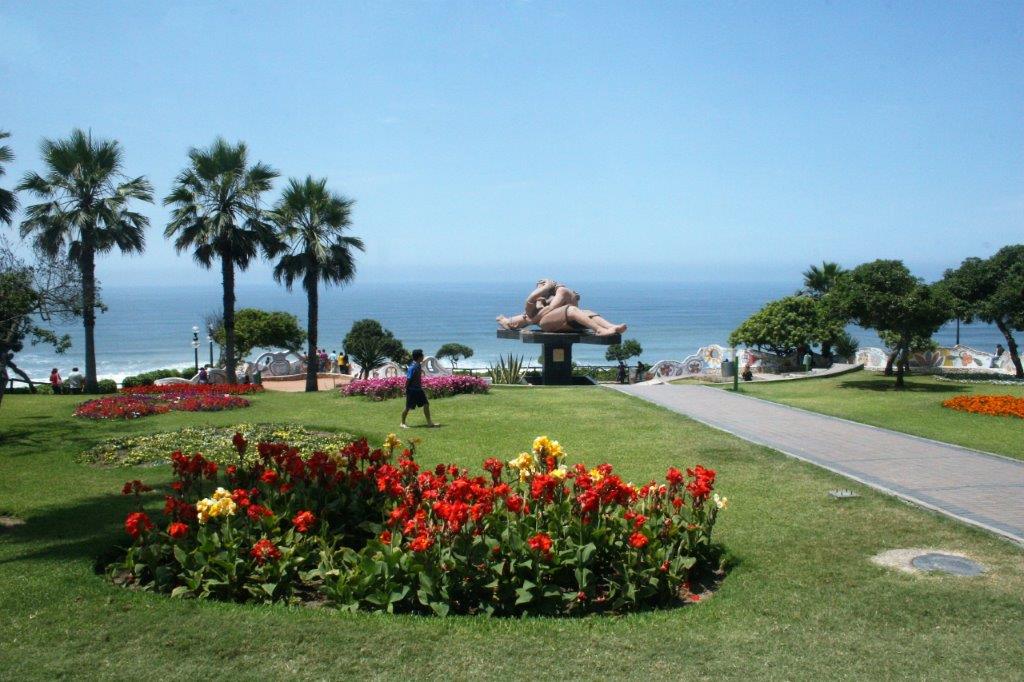
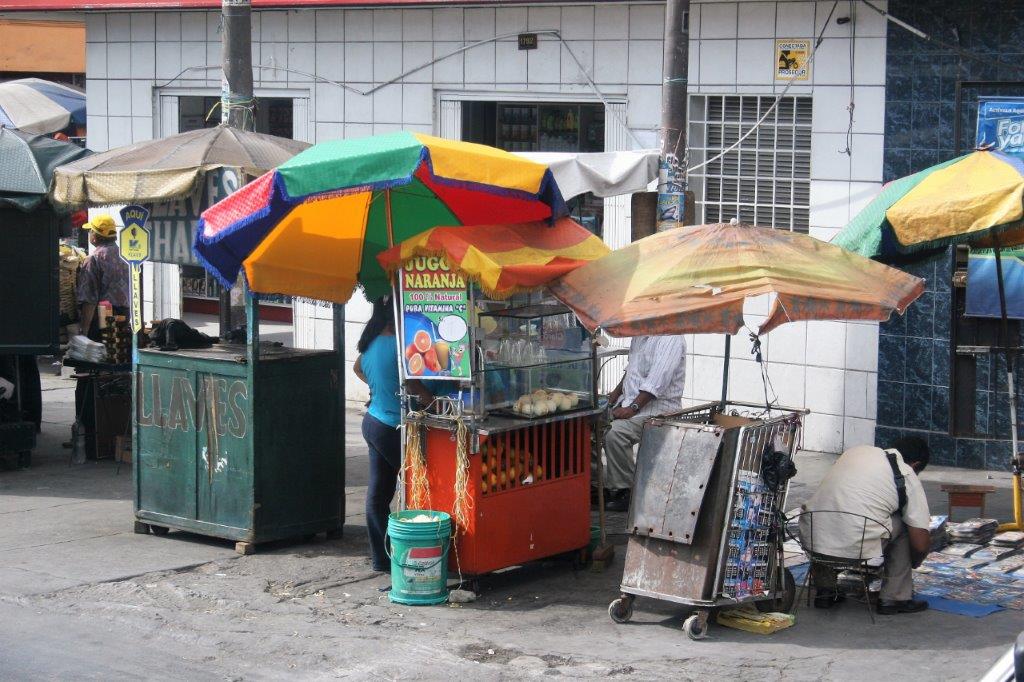
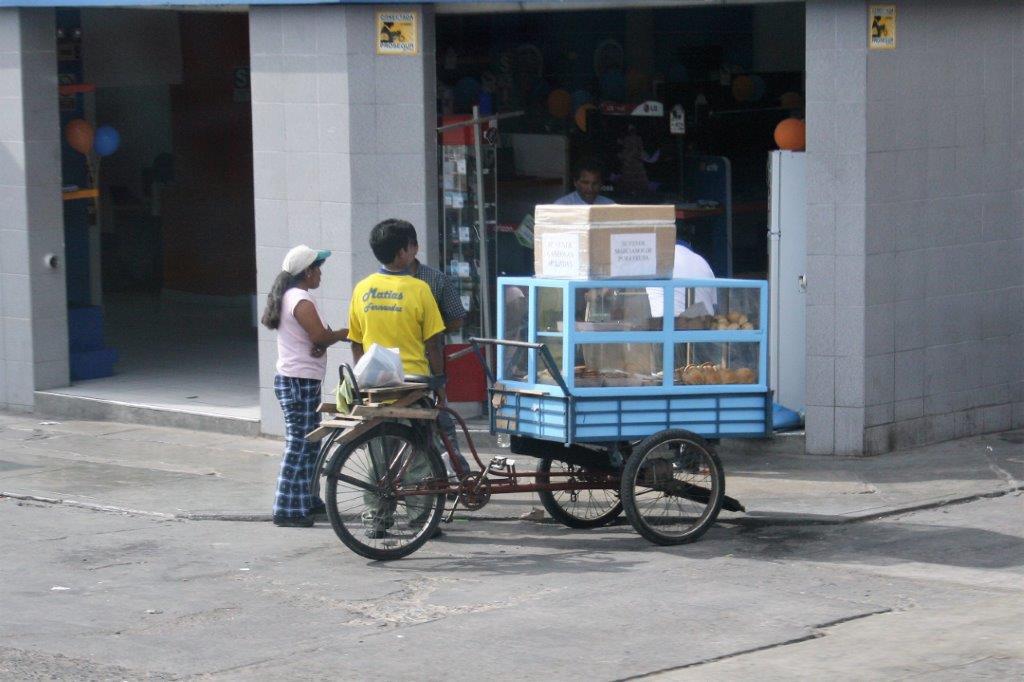
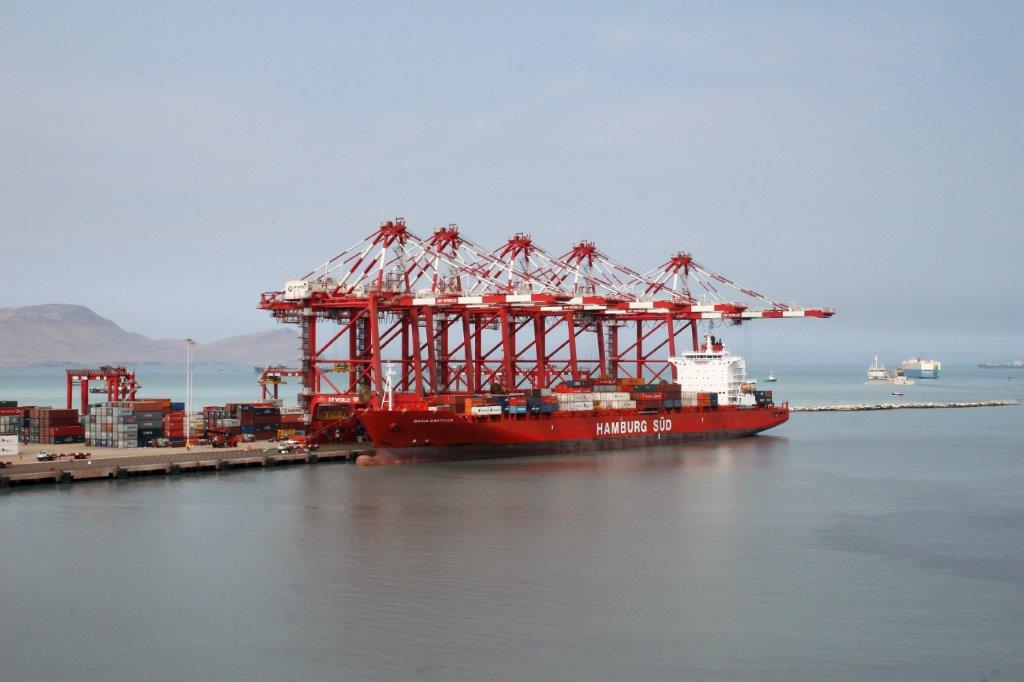
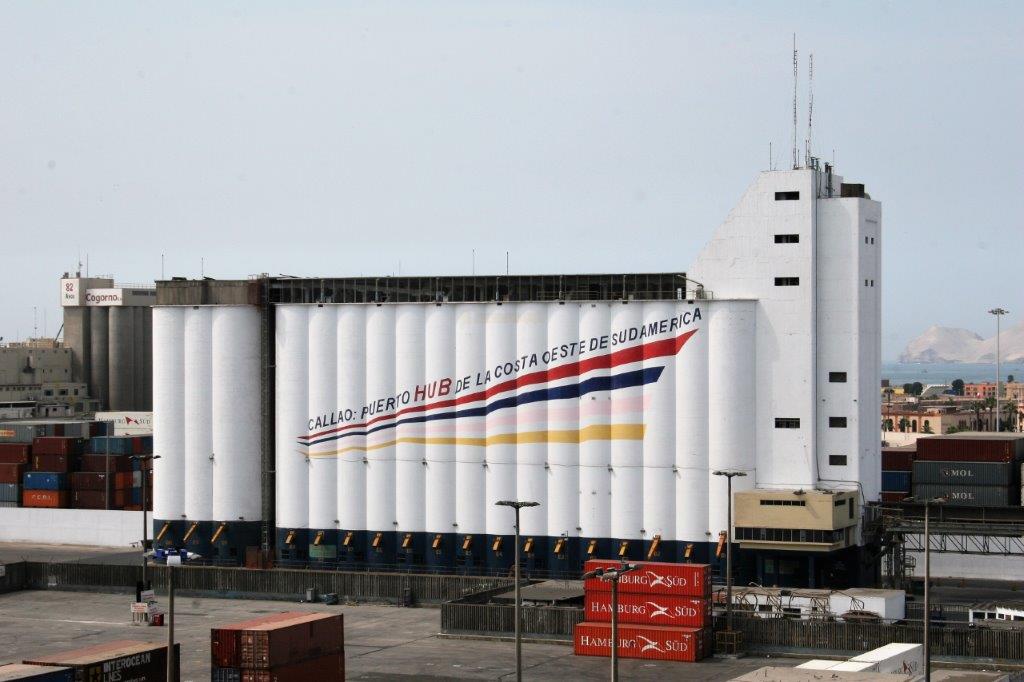
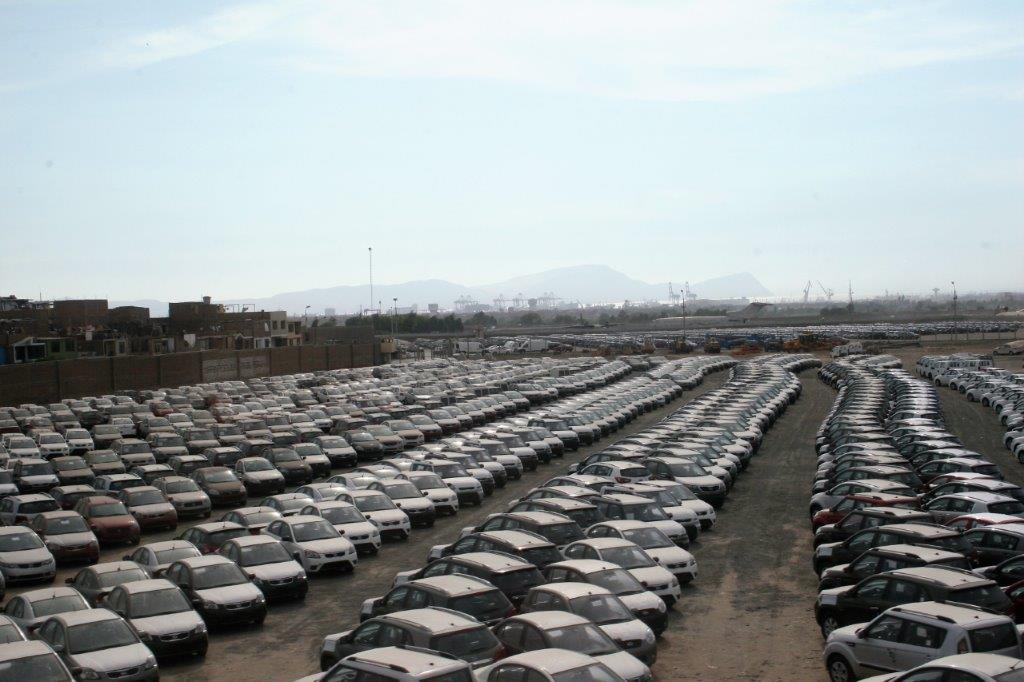
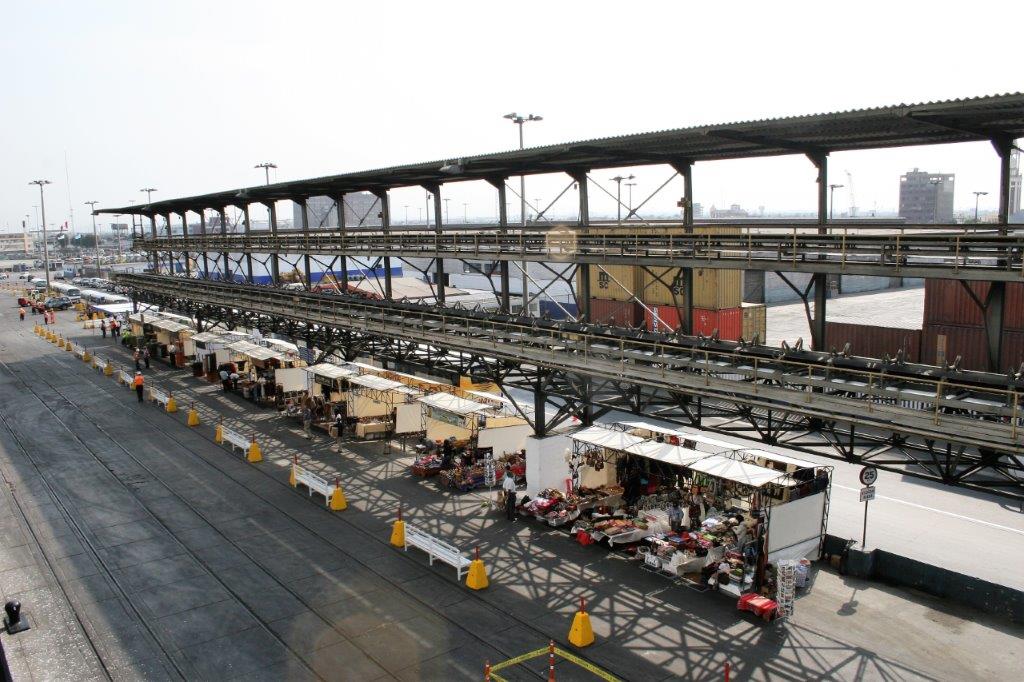
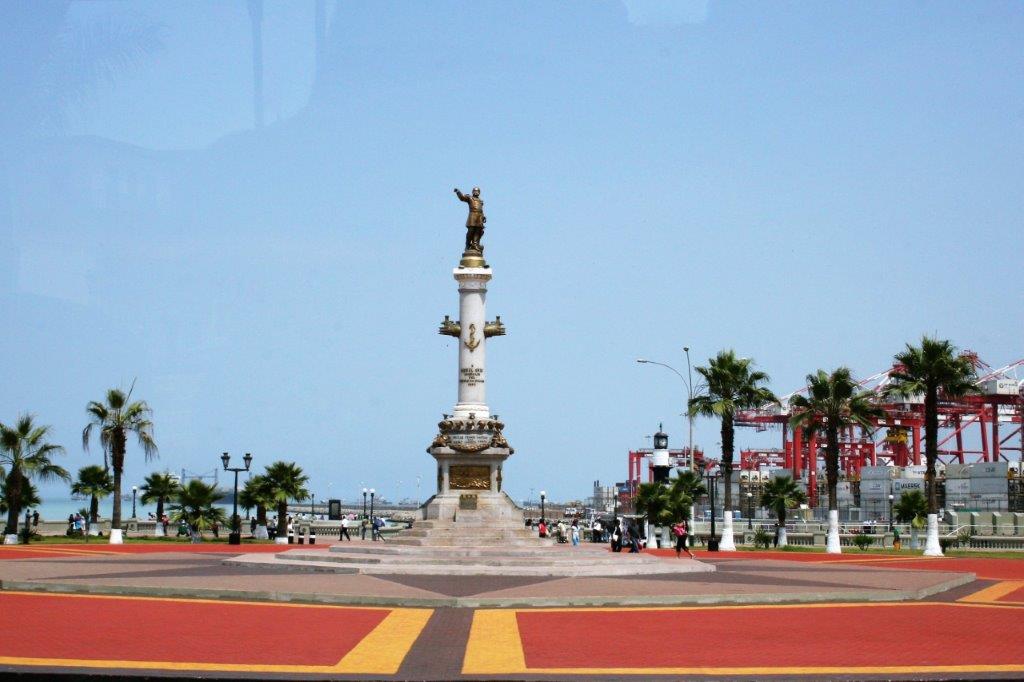
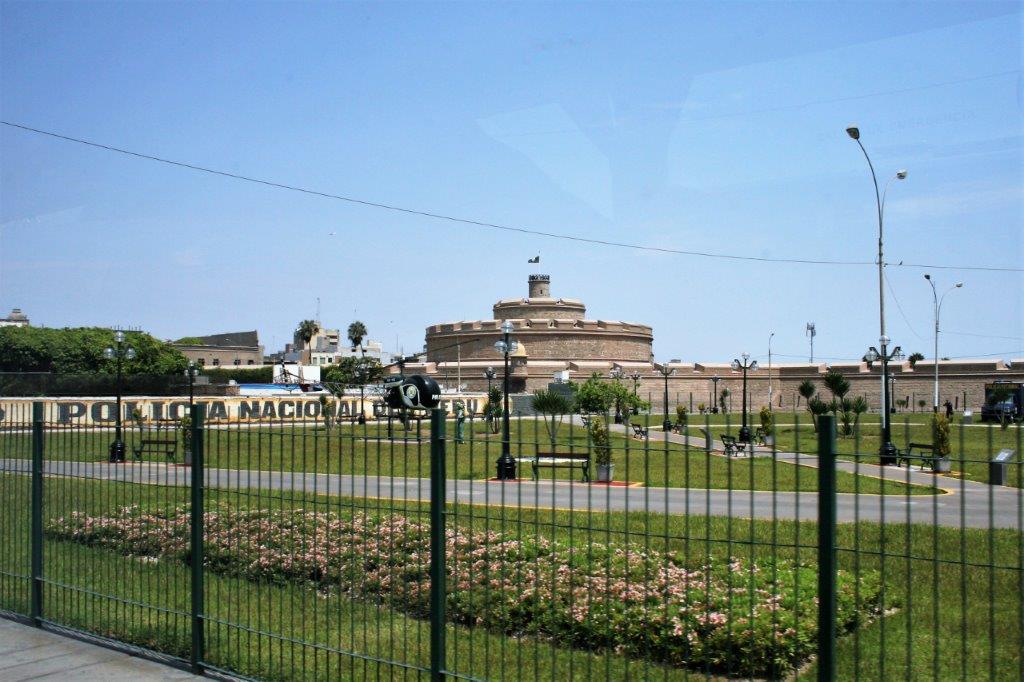
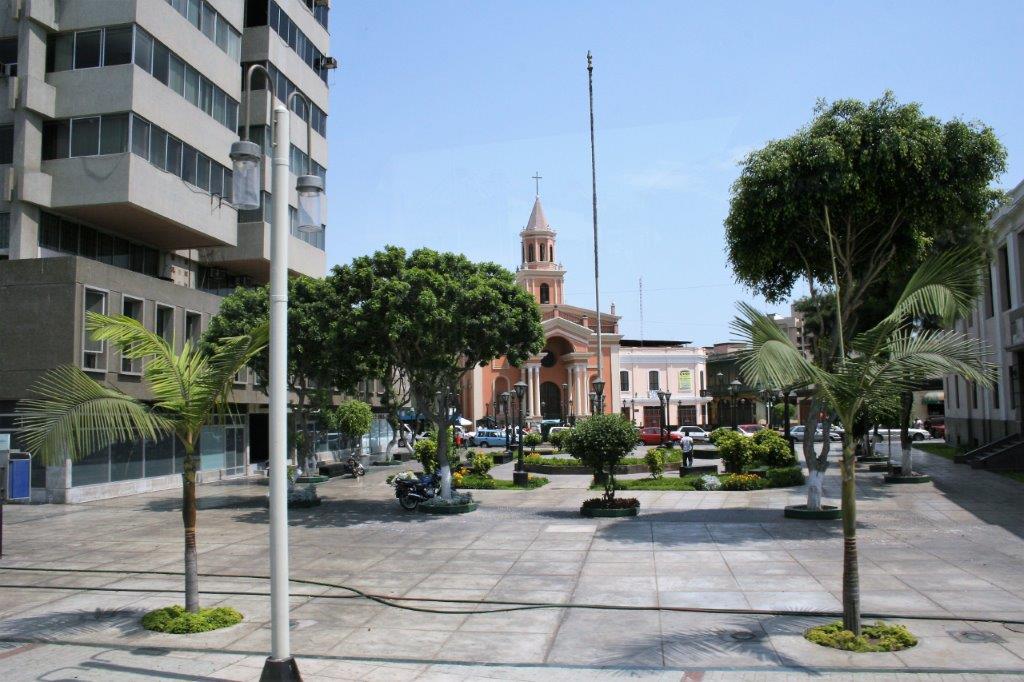
Callao is the major hub port on the South American west coast.  It was established in 1537 when the majority of shipments contained items looted from the Inca nation that were being sent back to Spain.  Callao is a huge port and there were several massive cranes for loading and unloading ships.  The port area is just over 10 km (about 6 miles) from the capital city of Lima so many of the tours available took people to Lima. As usual there were plenty of opportunities to shop if you were so inclined. We weren’t.

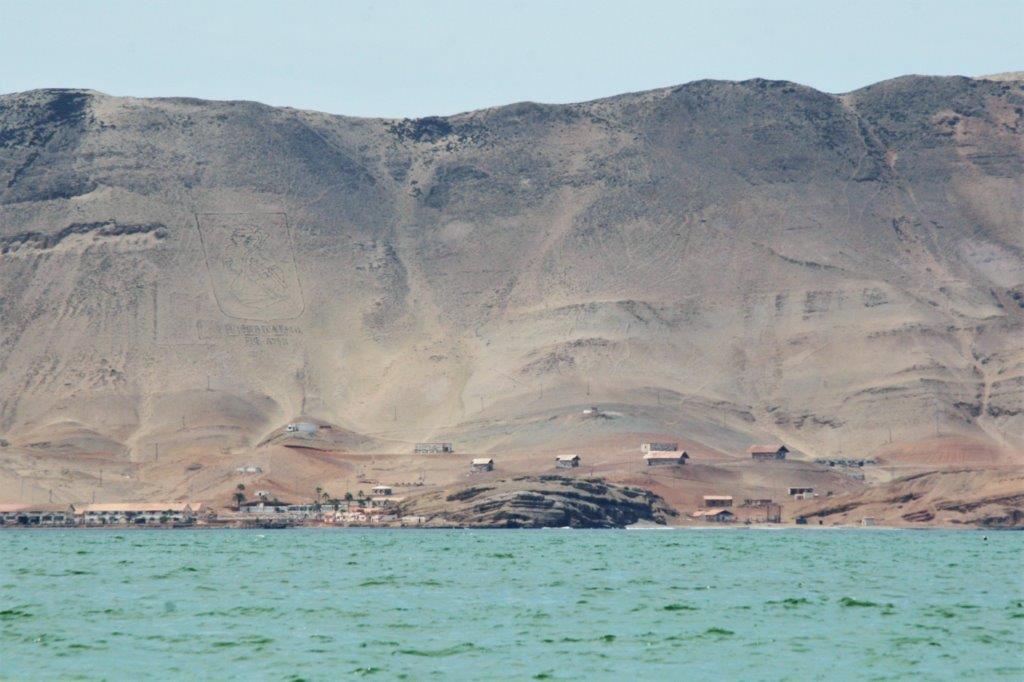
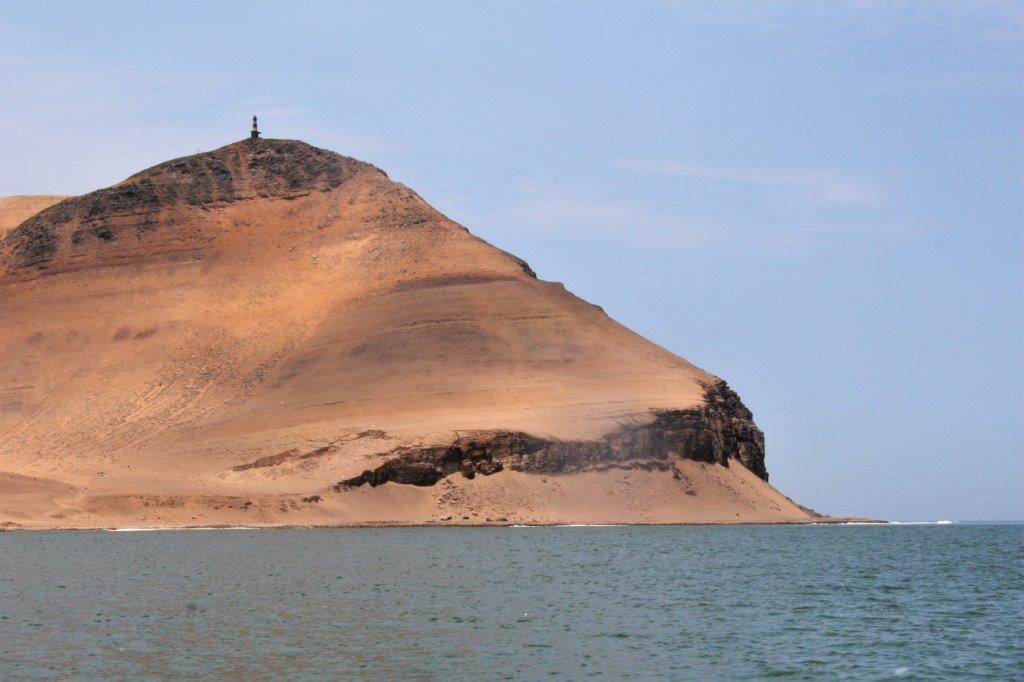
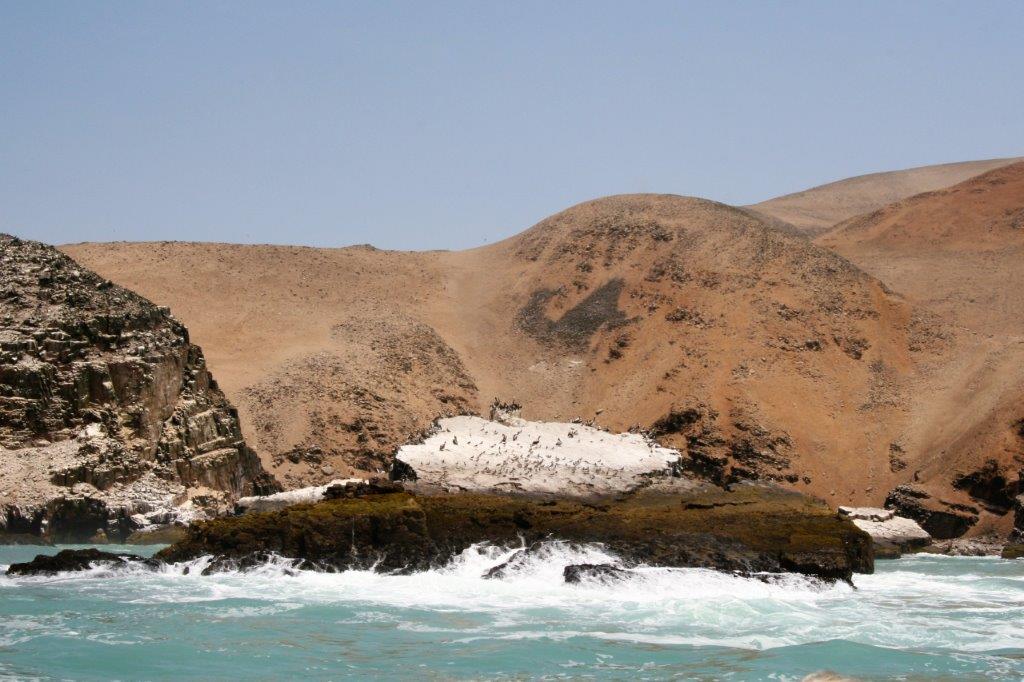
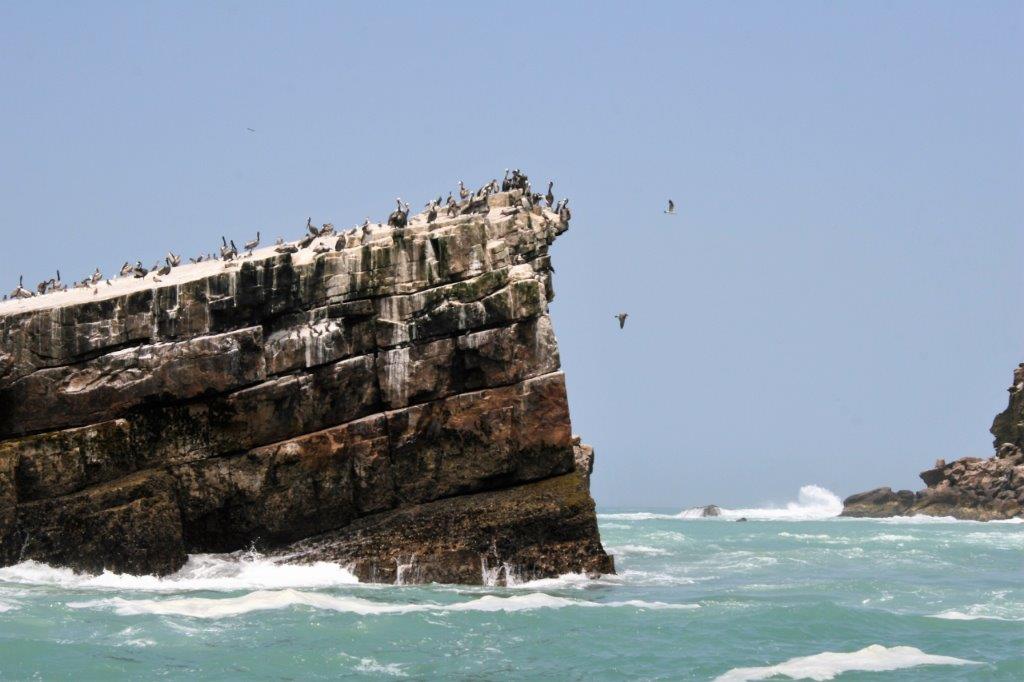
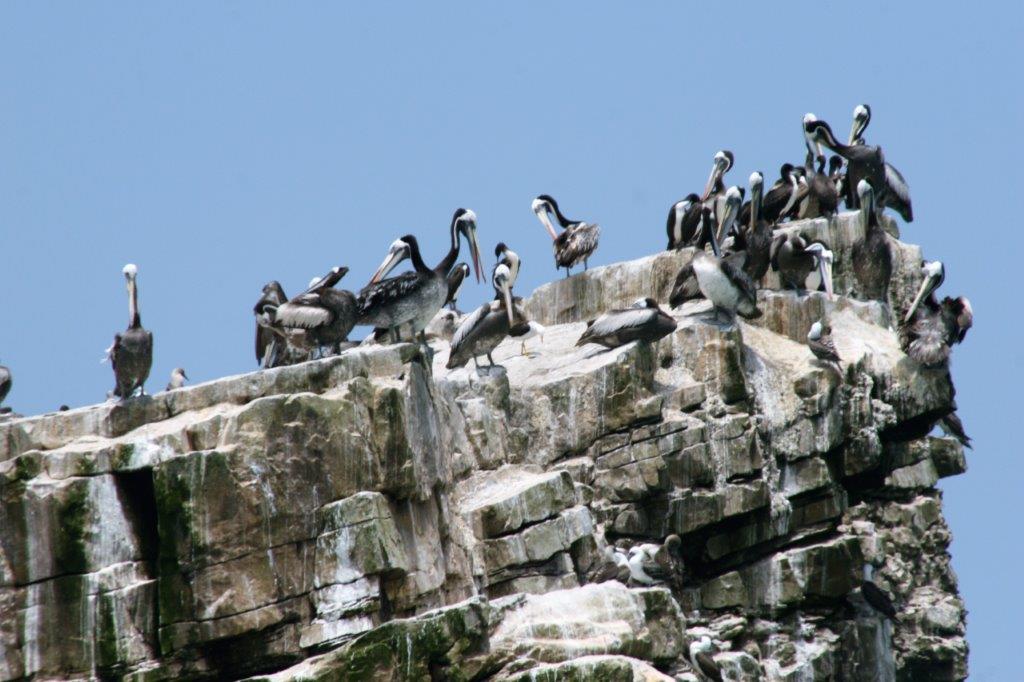
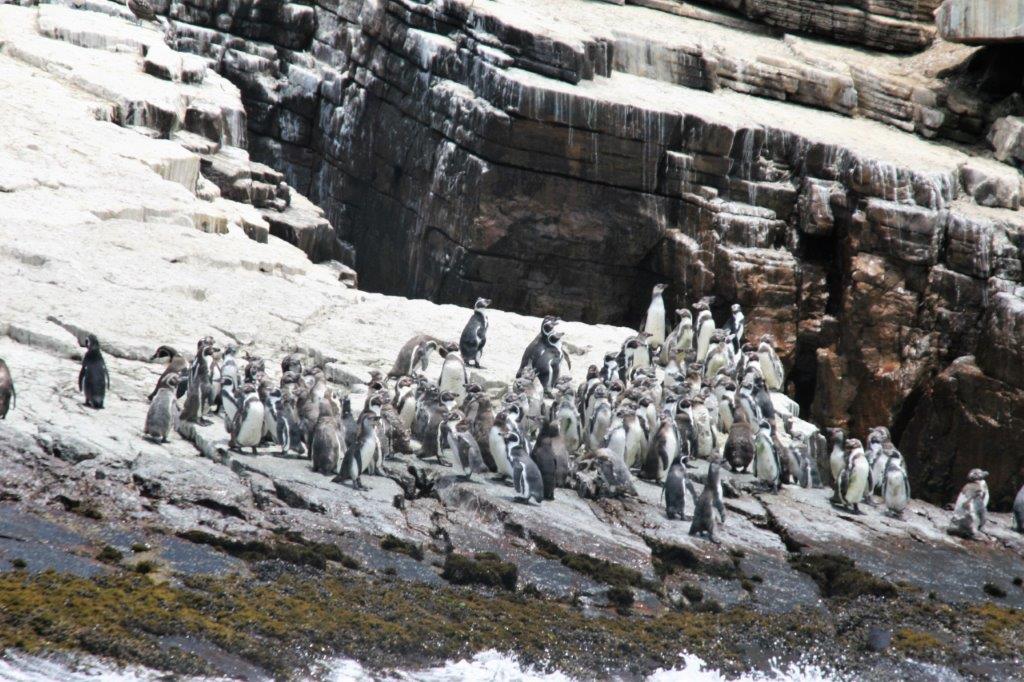
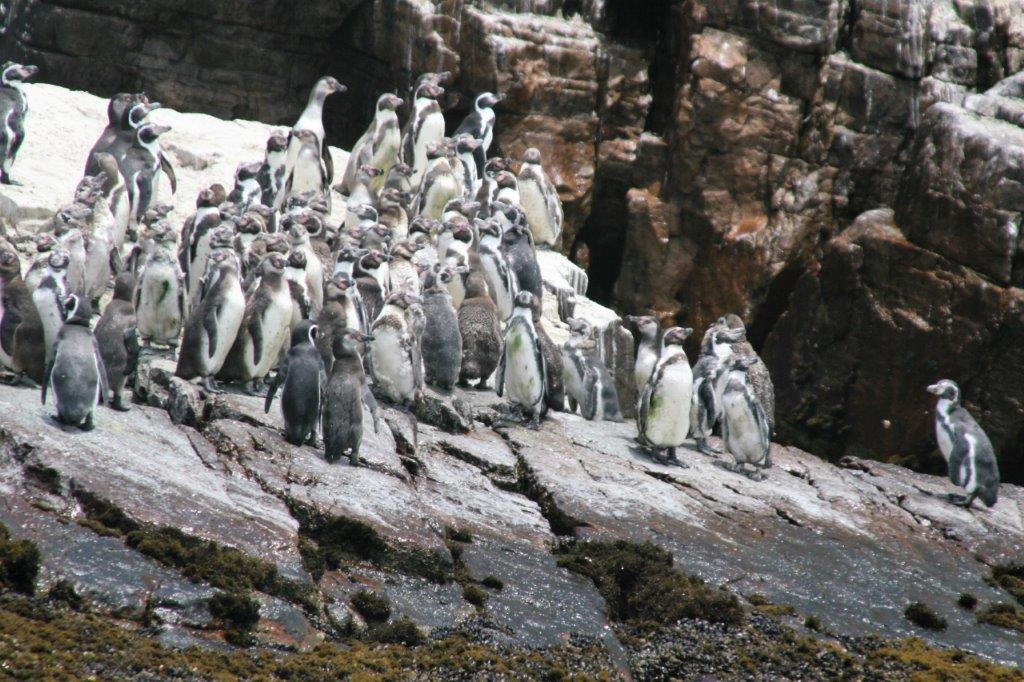
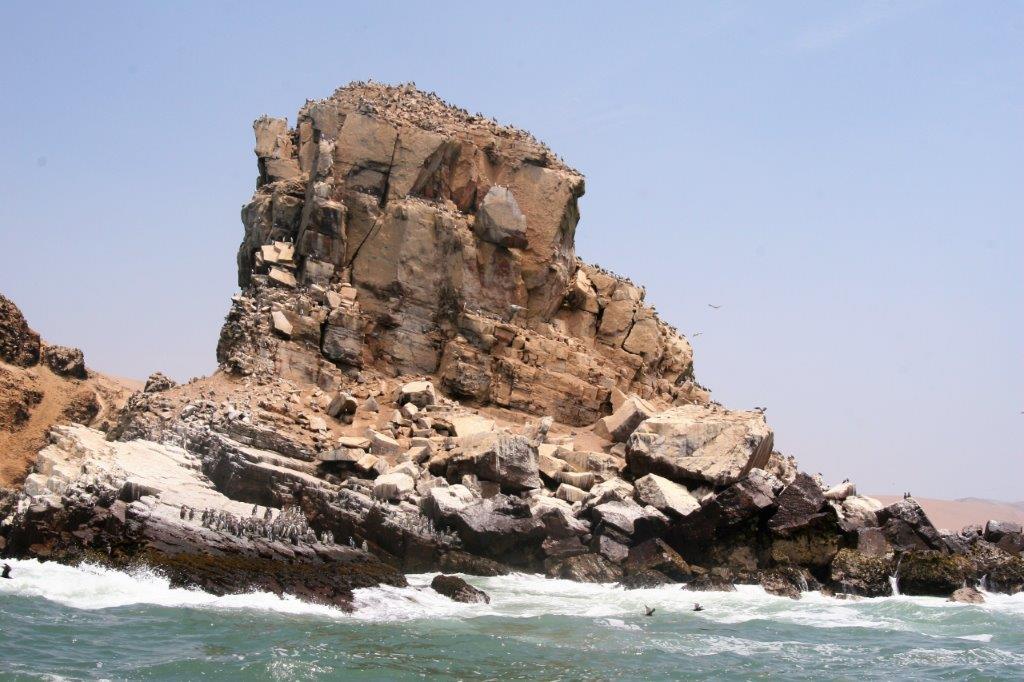
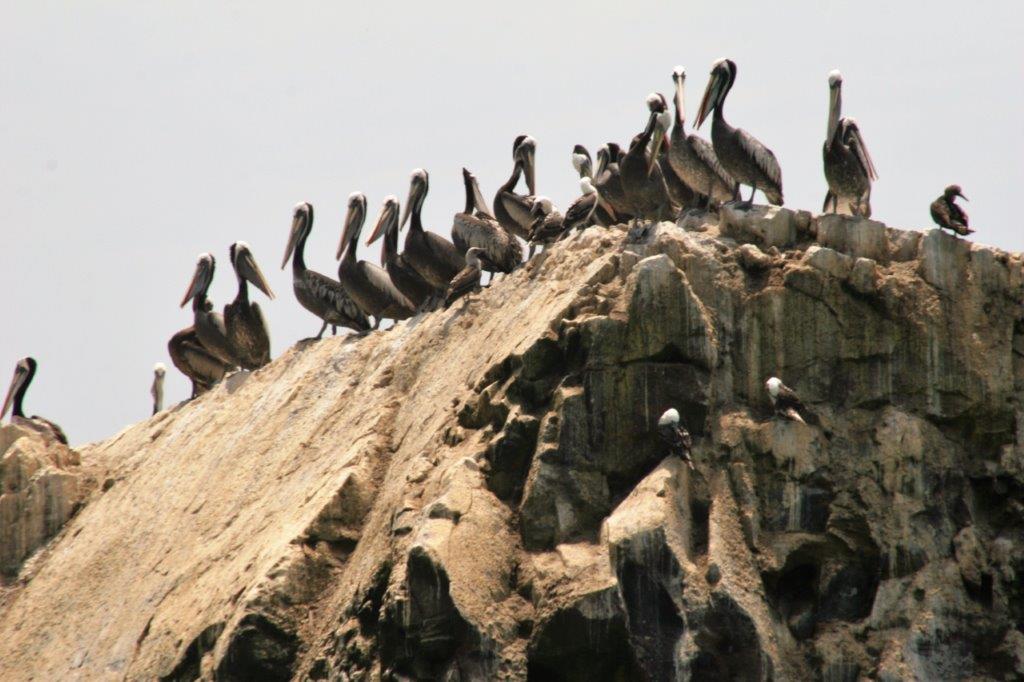
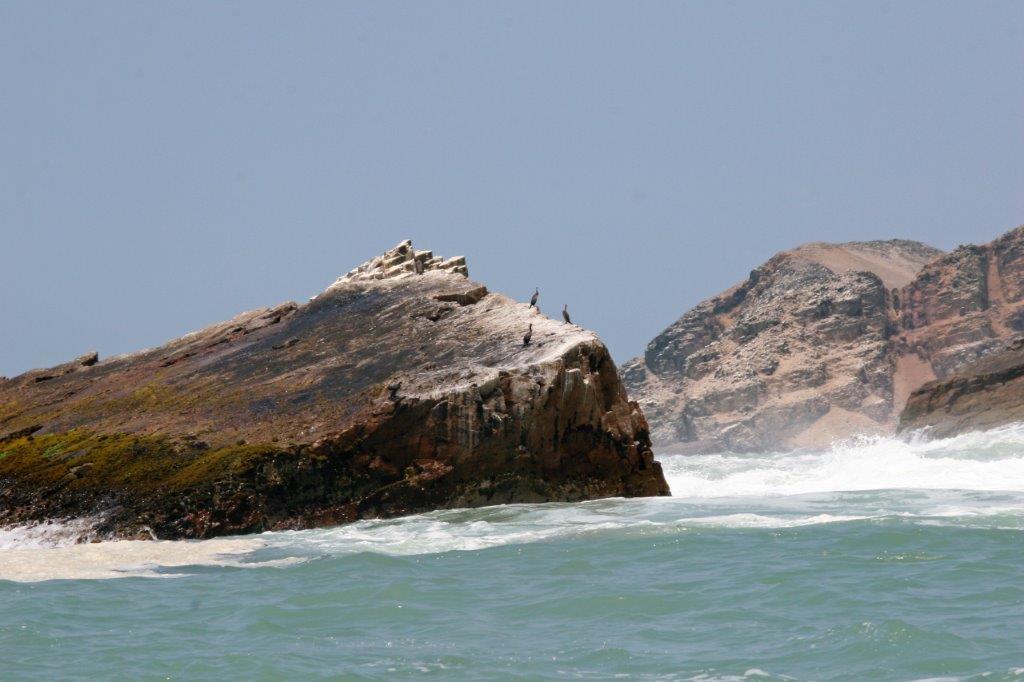
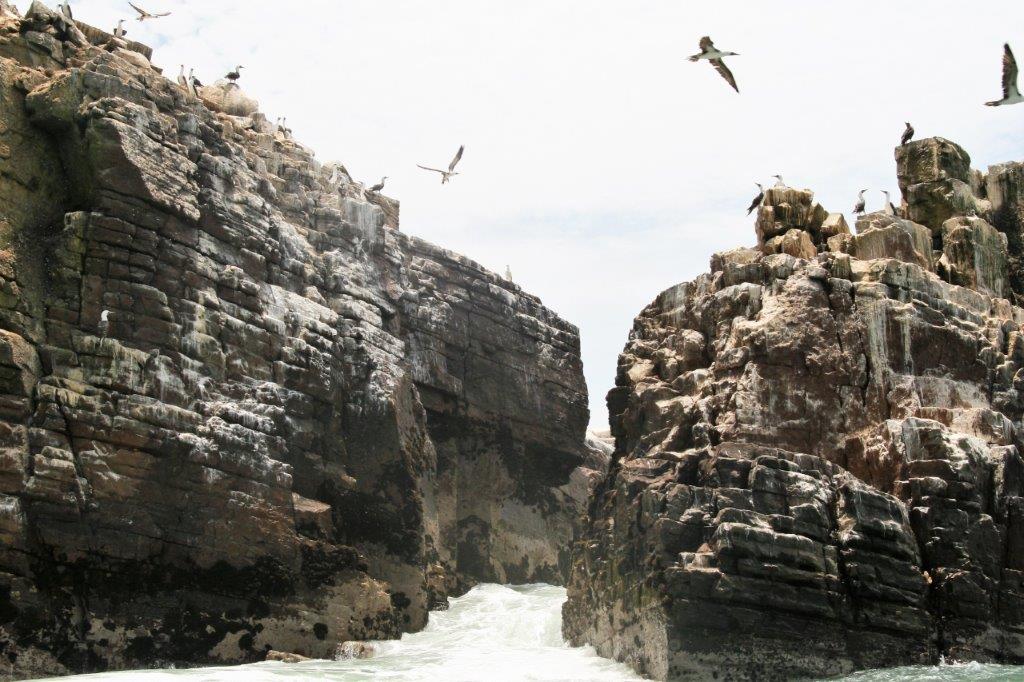
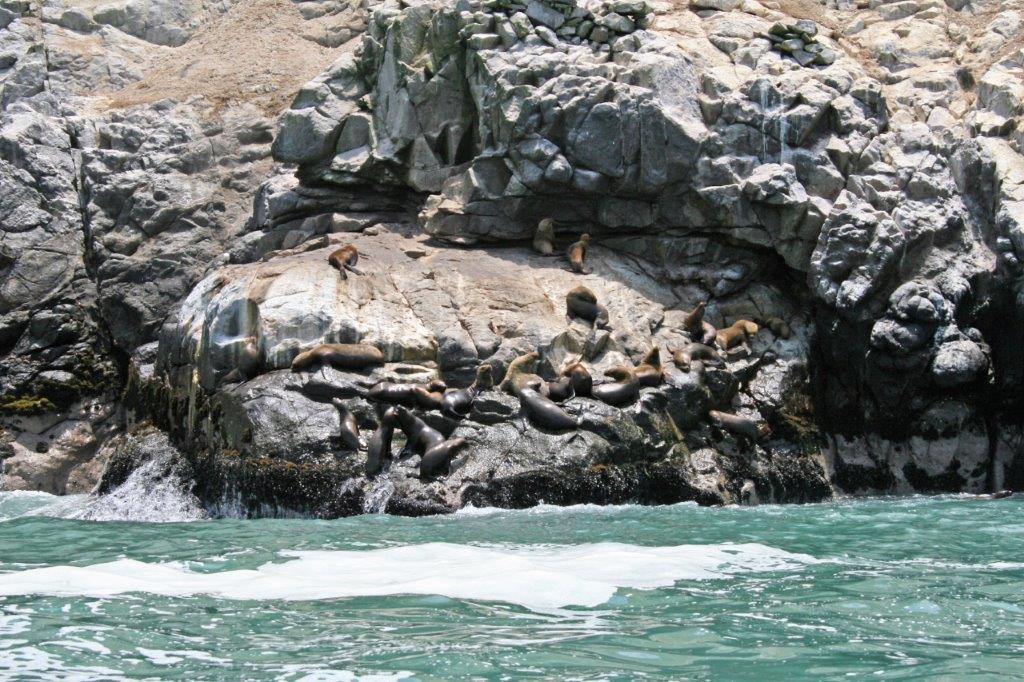
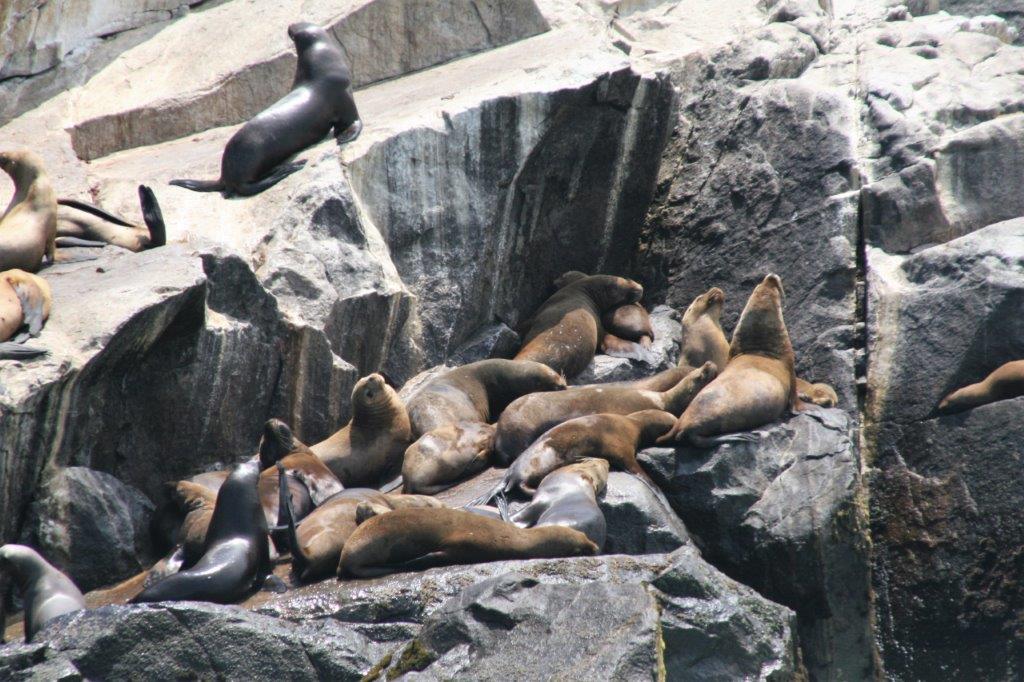
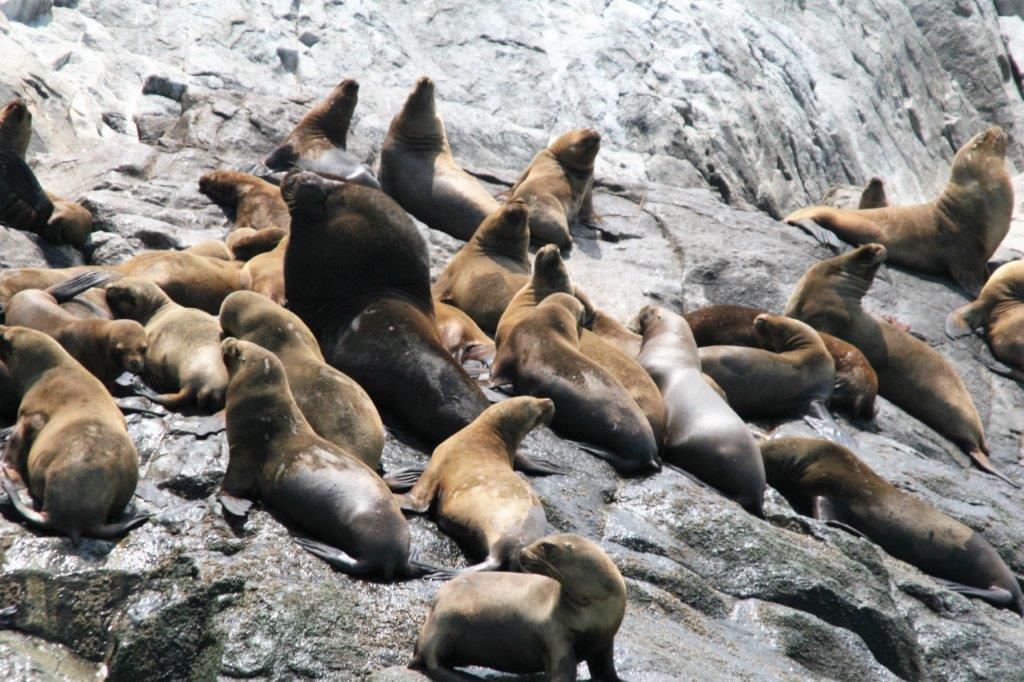
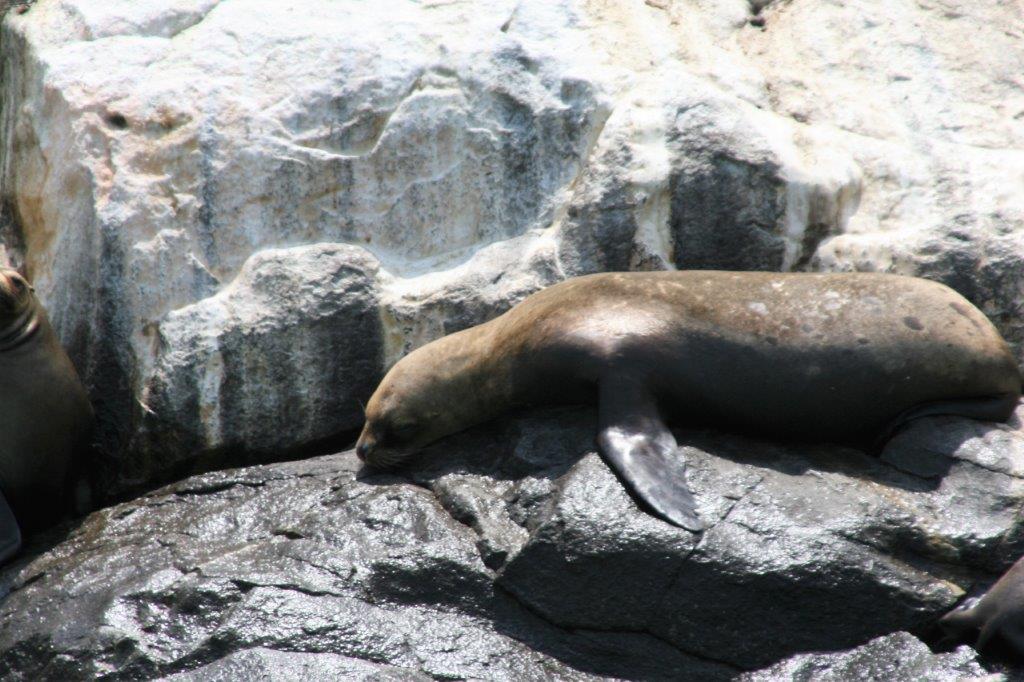
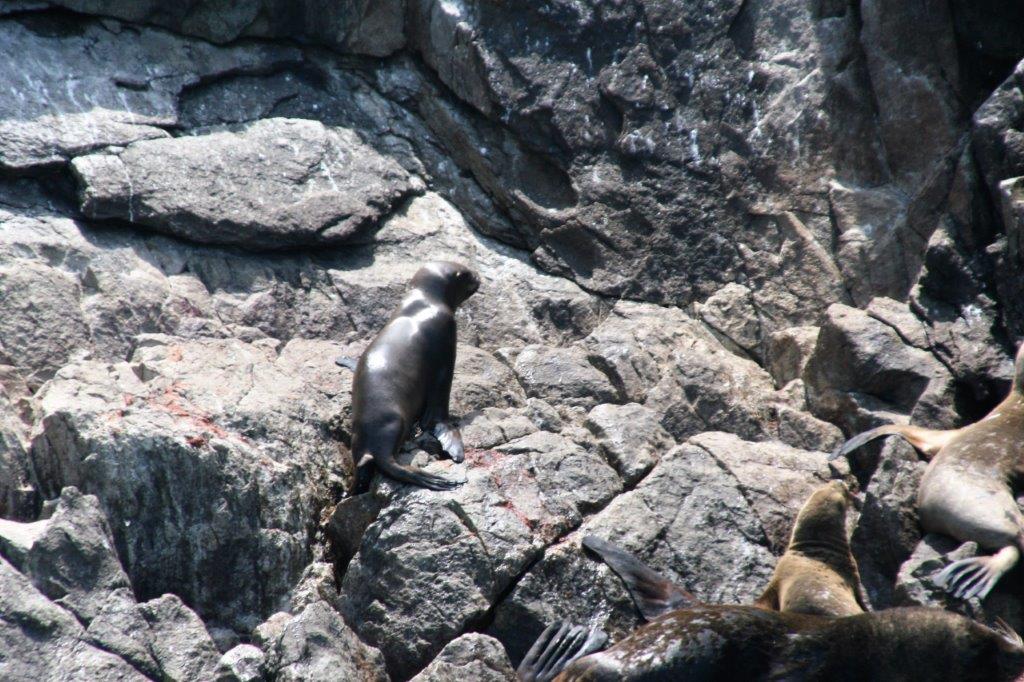
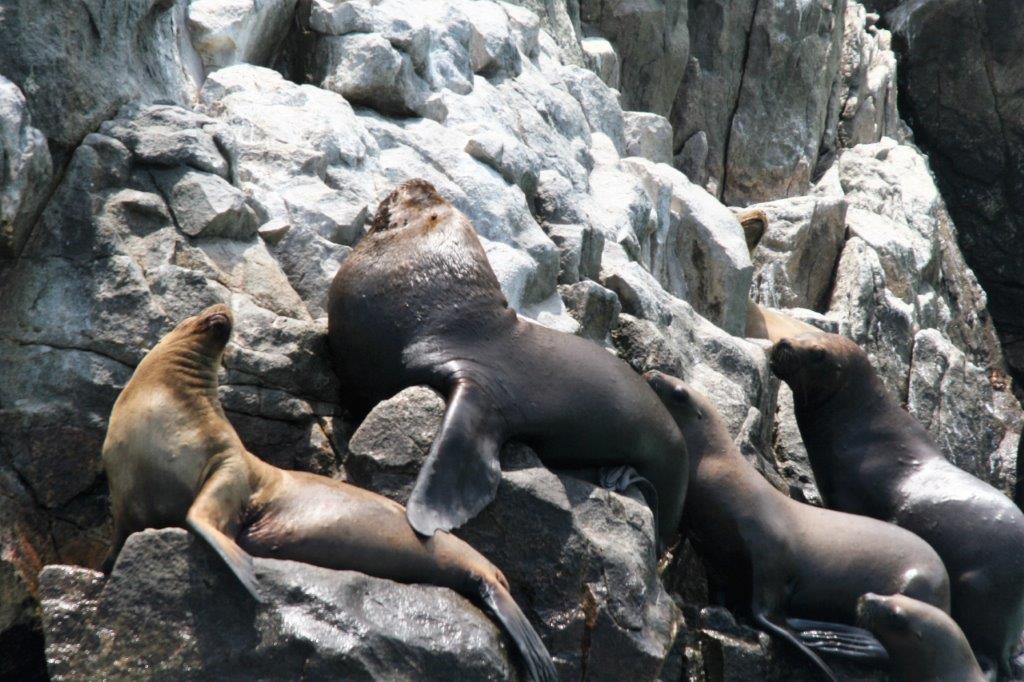
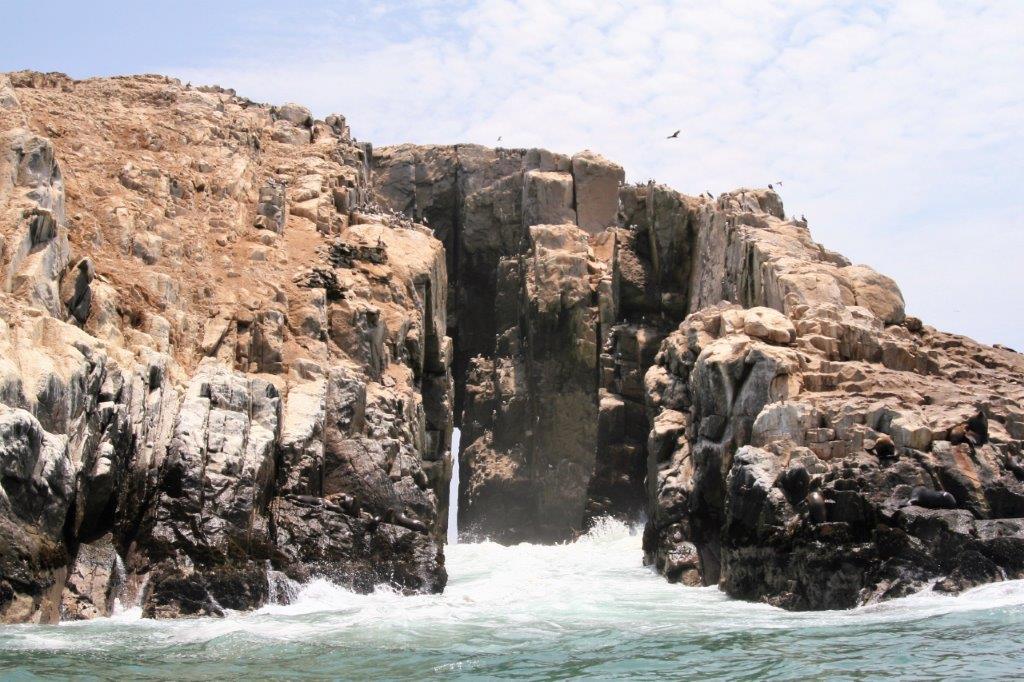
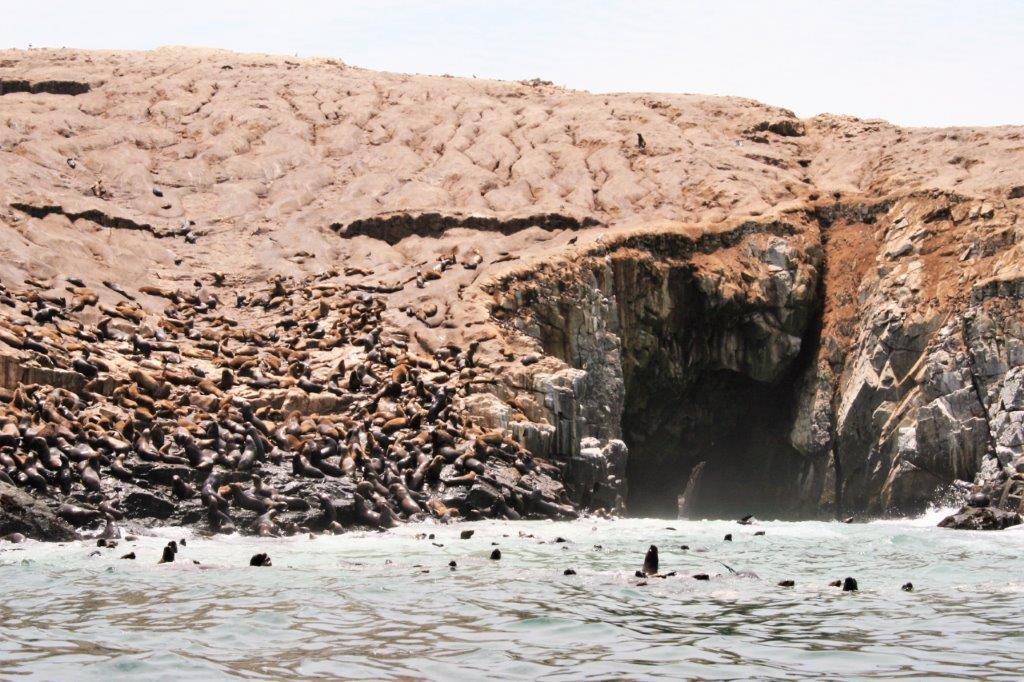
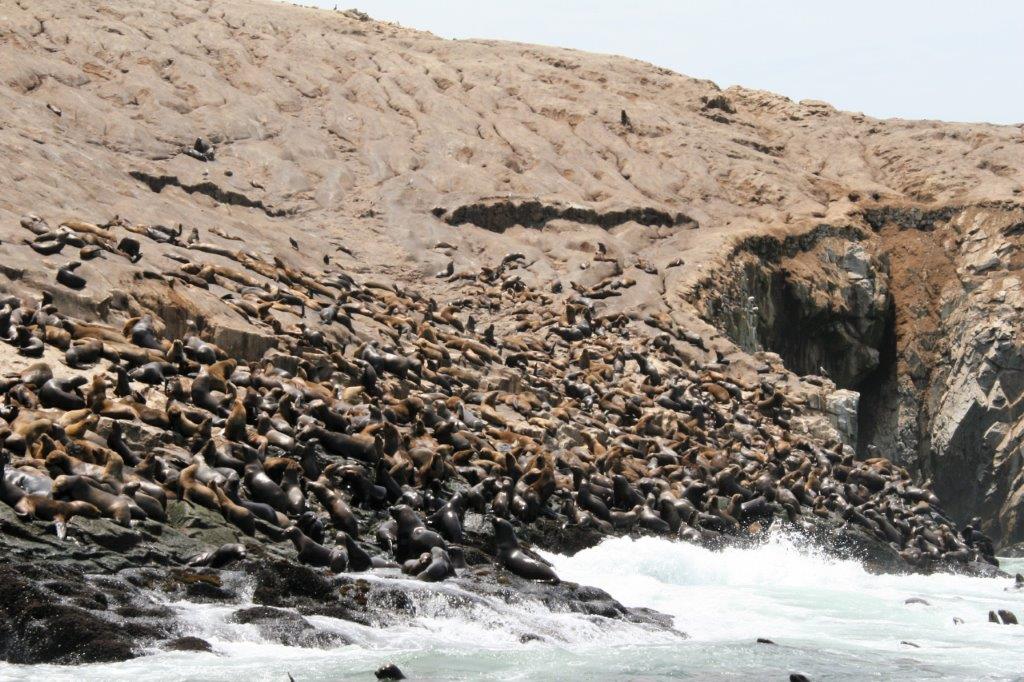
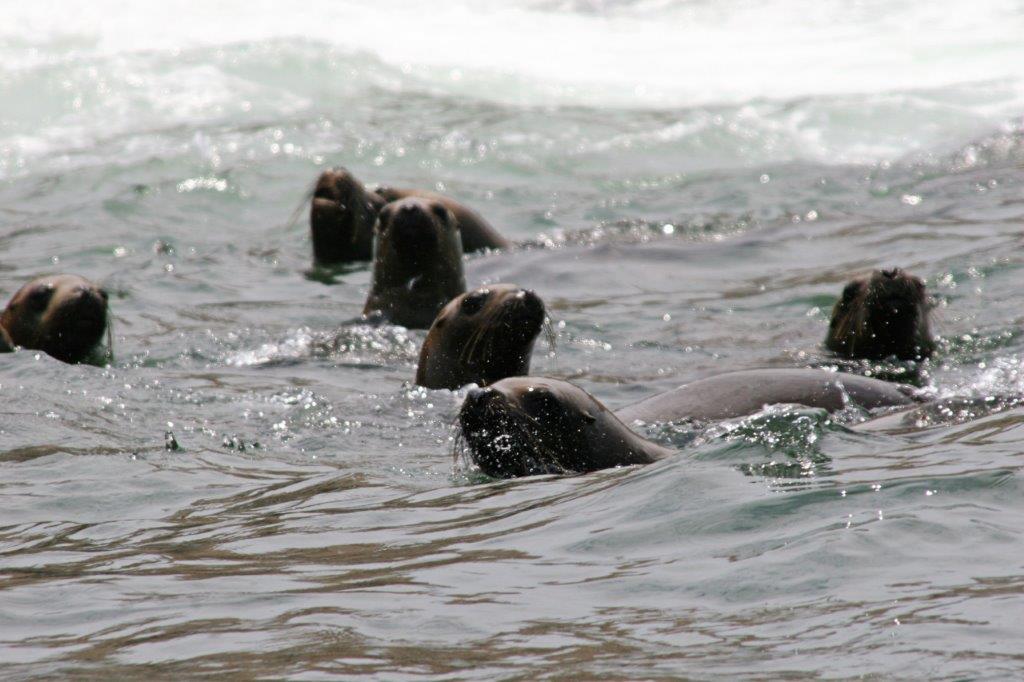
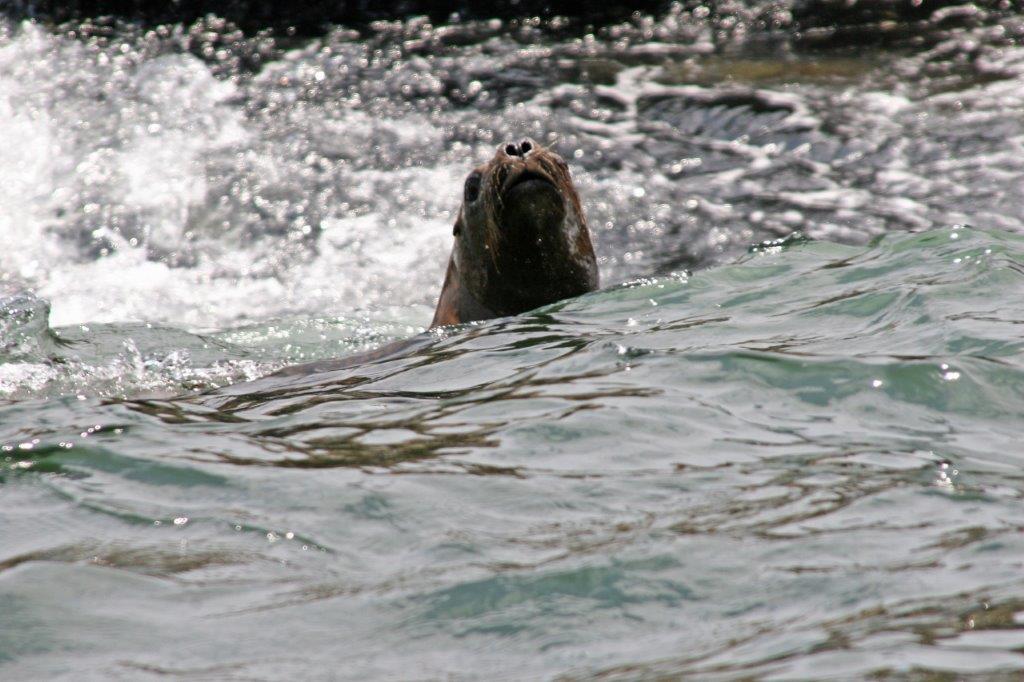
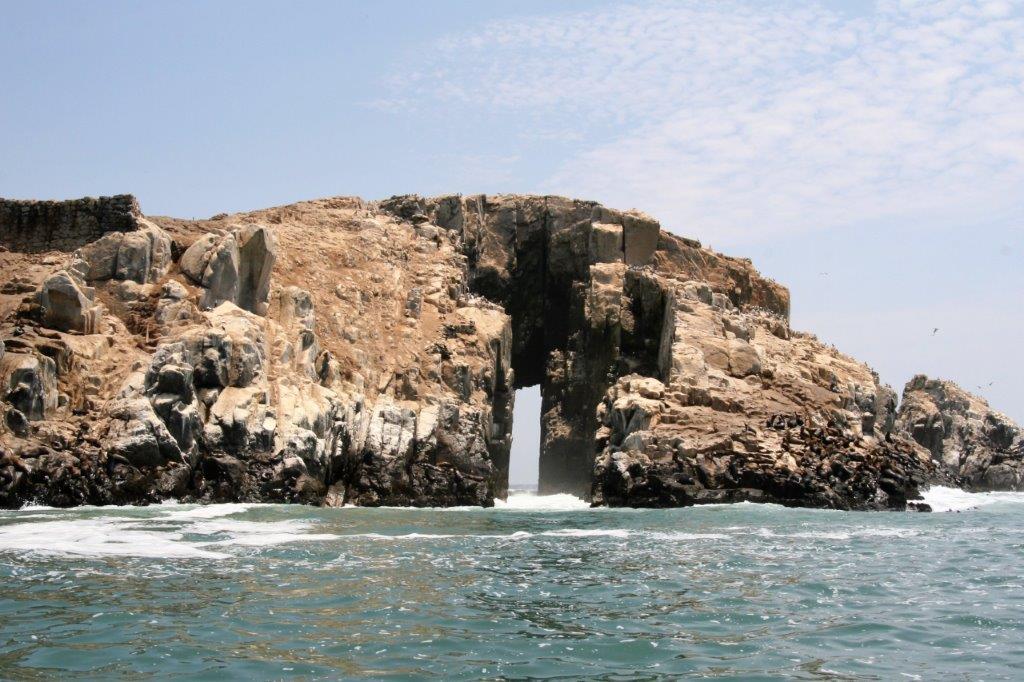
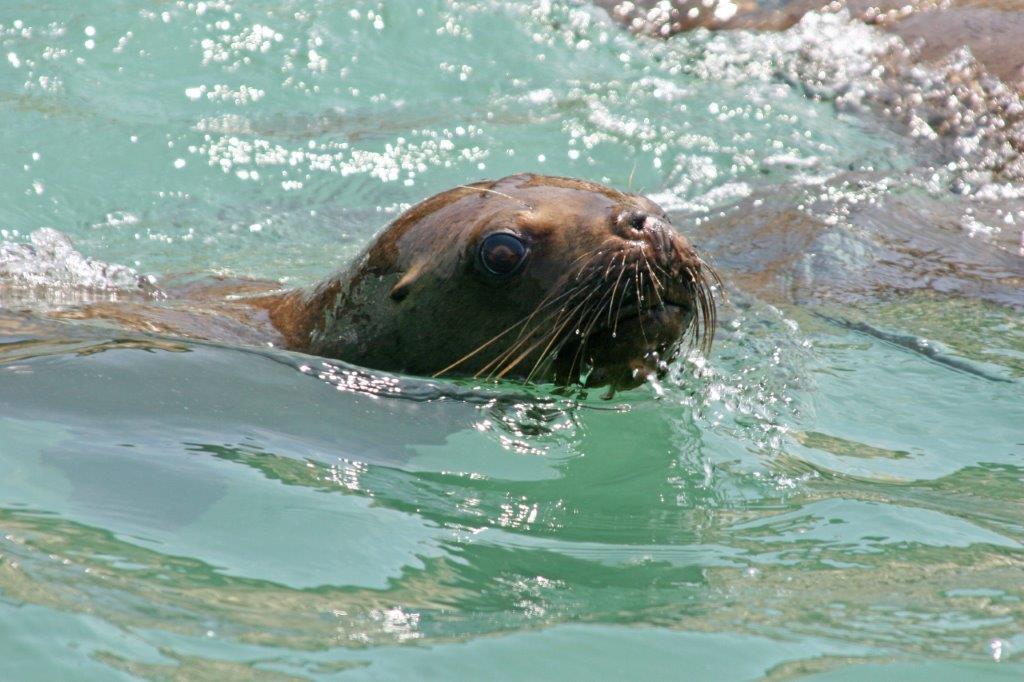
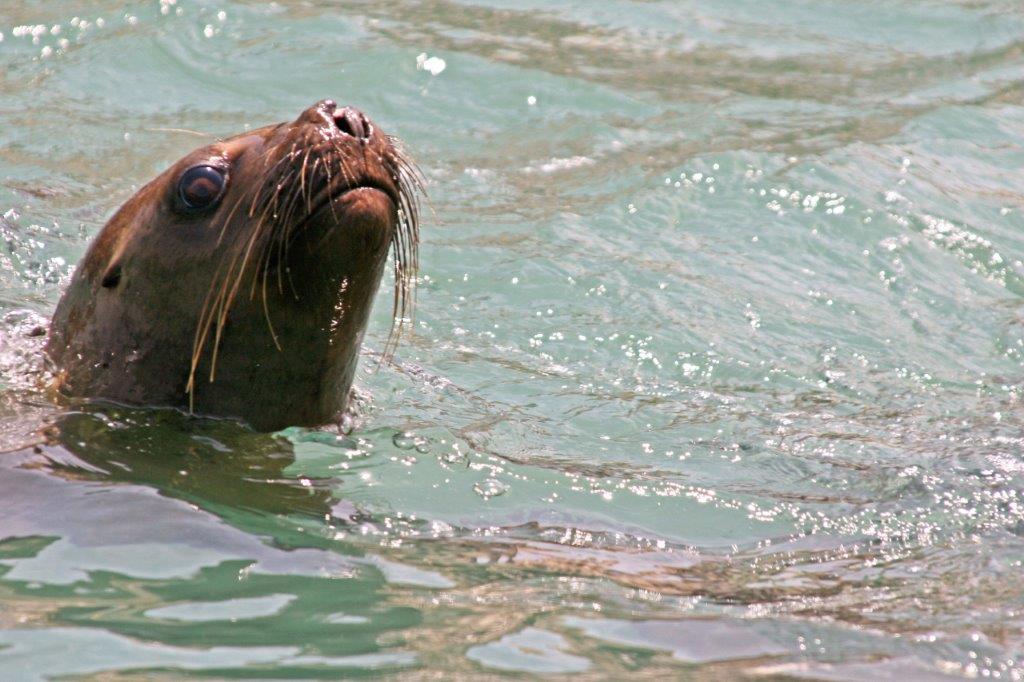
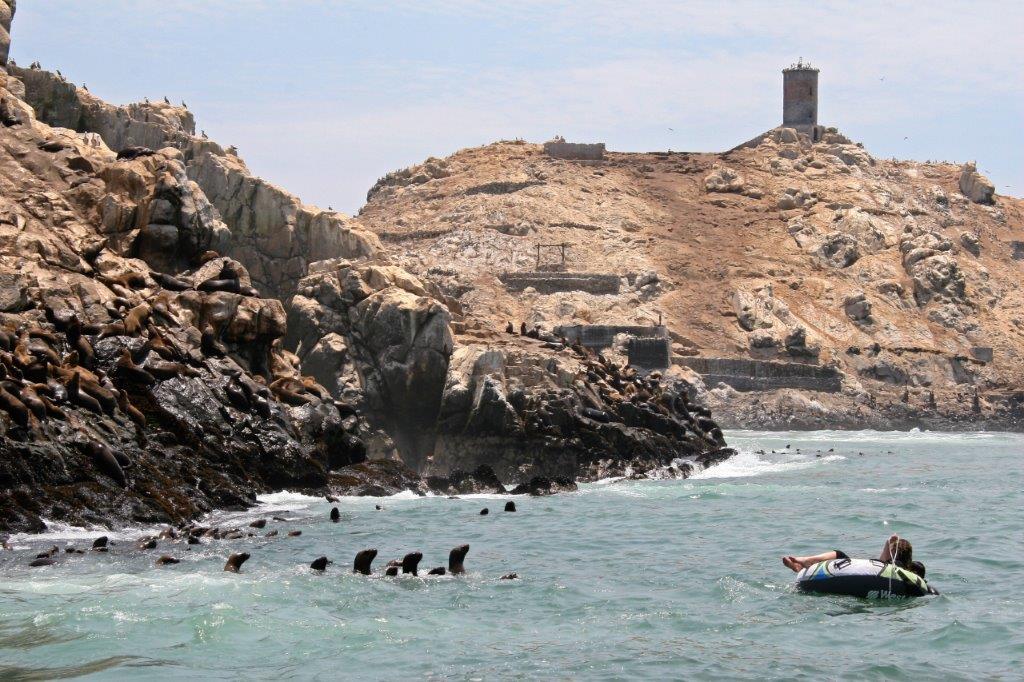
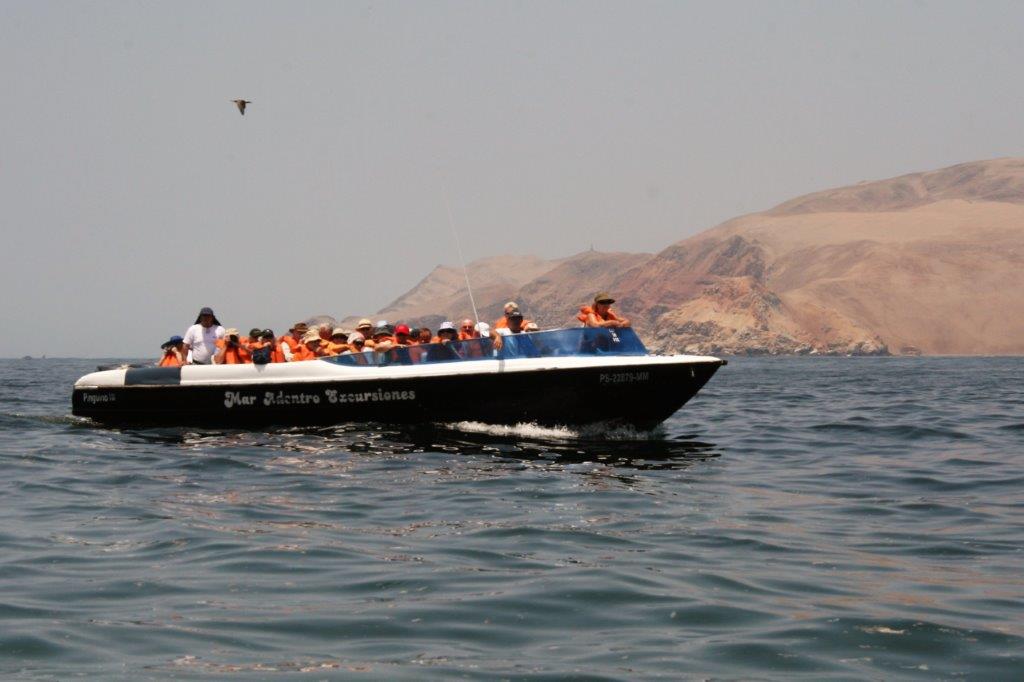
We went off-shore on a boat excursion to see the sea lions and Humboldt penguins on the Palomino Islands.  On the way to the Yacht Club we drove through the lovely Miraflores district. The boat ride took a half hour to get to San Lorenzo, the largest island in Peru – 8 km long and 3 km wide and then carried on from there to the Palominos where a very large colony of Humbolt penguins live as they have no predators in the area. After watching the penguins for awhile we went back to the north side of San Lorenzo to see the sea lions. I am sure the tour boats go out to the islands regularly but, still, the sea lions were curious and swam quite close to the boat.  If you chose there was time allowed to go swimming with them.  You could not have paid me enough to get in that water with all the guano flowing off the rocks.

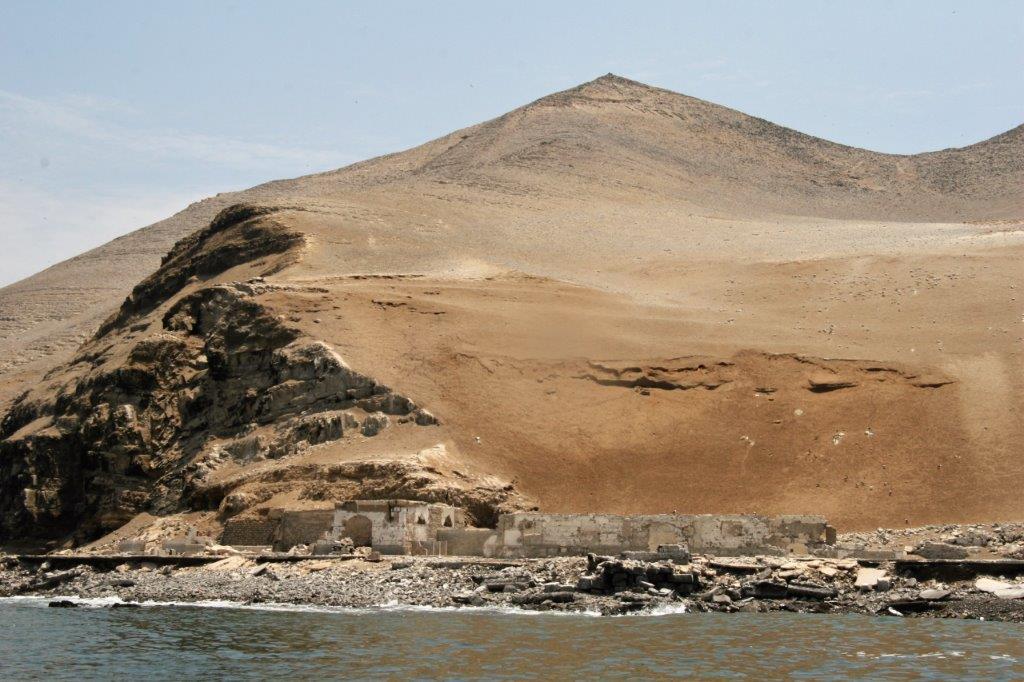
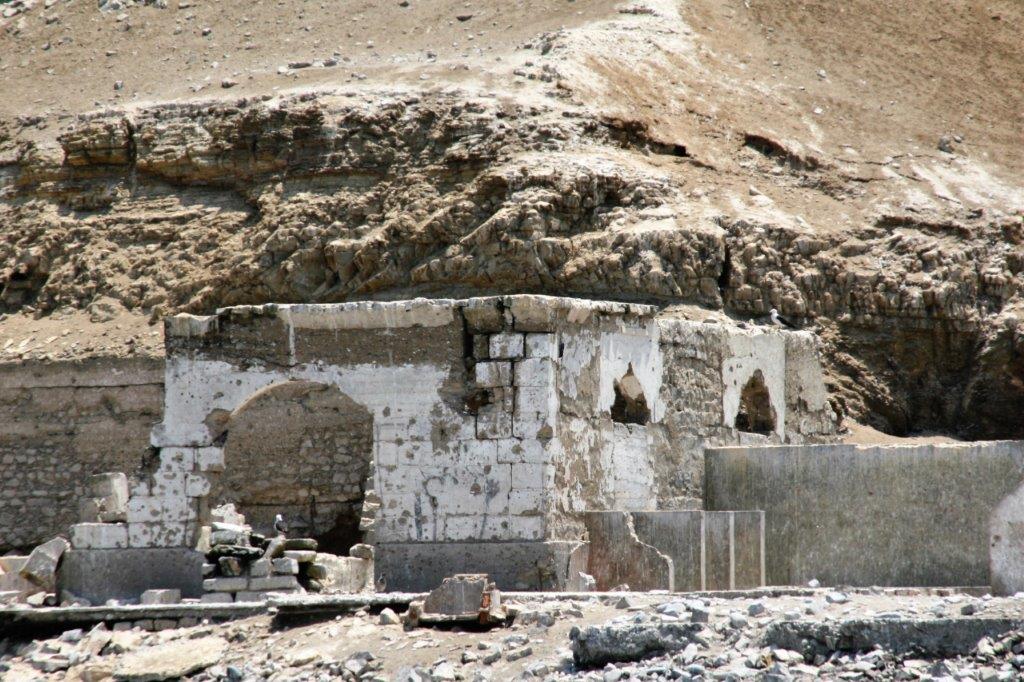
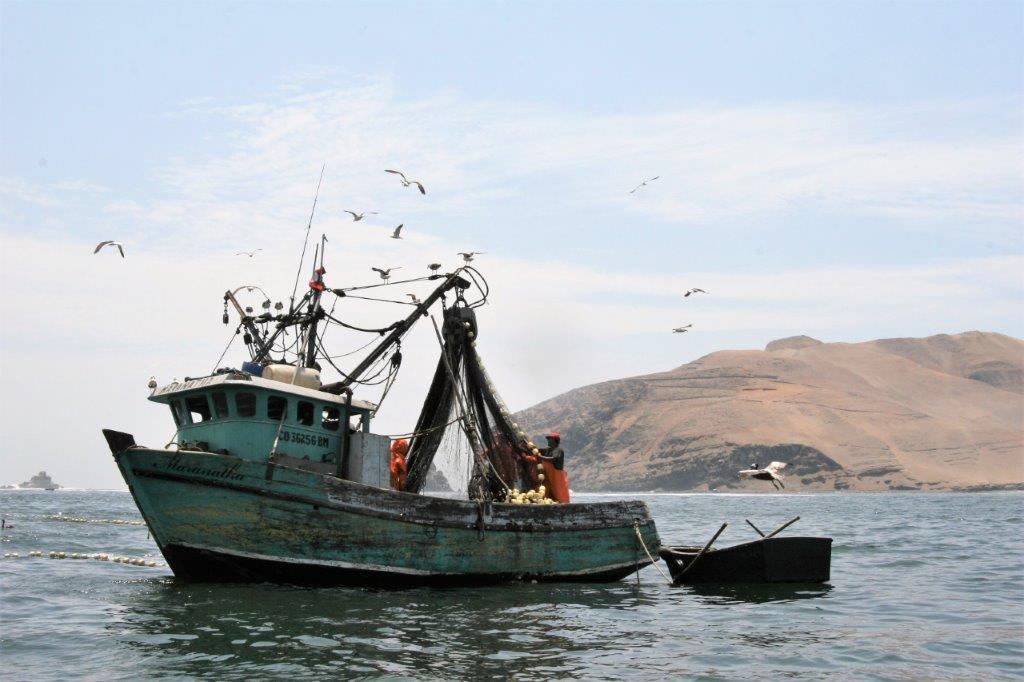
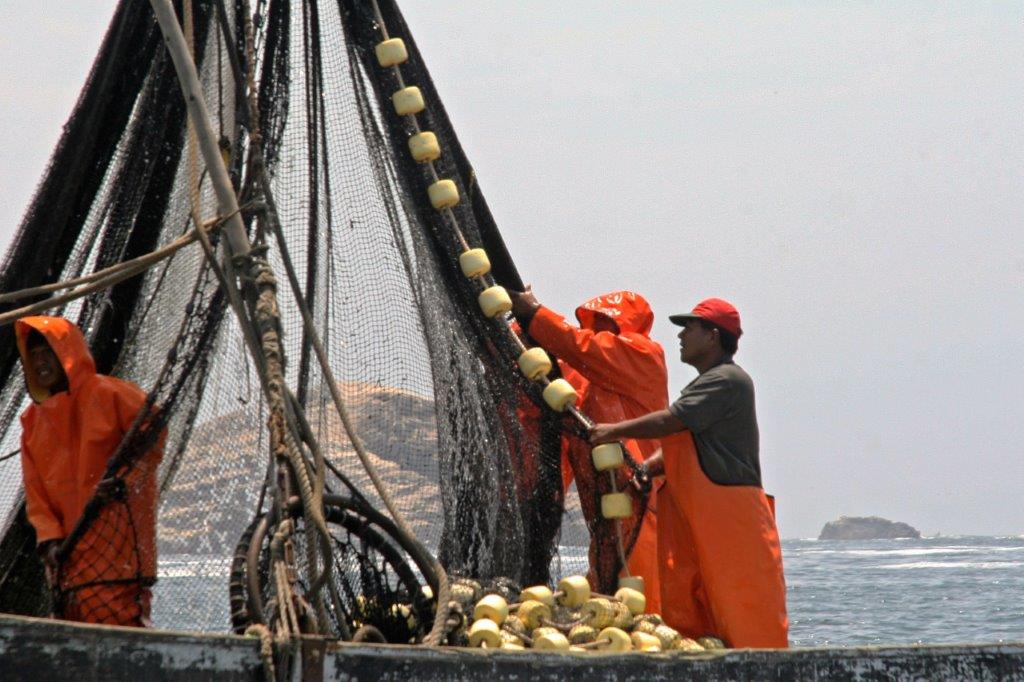
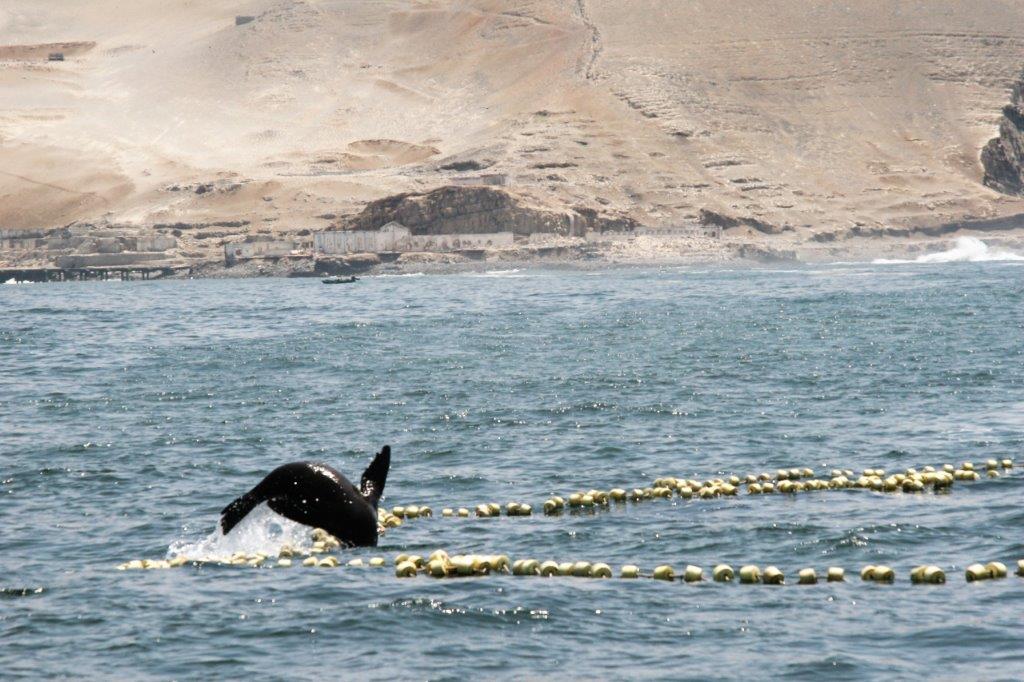
I have often wondered how to tell the difference between seals and sea lions and the easiest way is to see how far from the water they are.  Seals cannot climb.  They do not have a tensile back flipper so you will only see them close to the shore, on the beach.  Sea lions can  climb quite a distance up steep rocks.  There are obviously other differences a marine person would know but the climbing one stuck with me as an easy tell. On the way back to Callao we passed the remains of an old prison on one of the islands.  Now that would have been a hot, desolate place to be interred. This fishing boat was pulling in its catch and a couple of sea lions decided to help themselves to the easy fish.

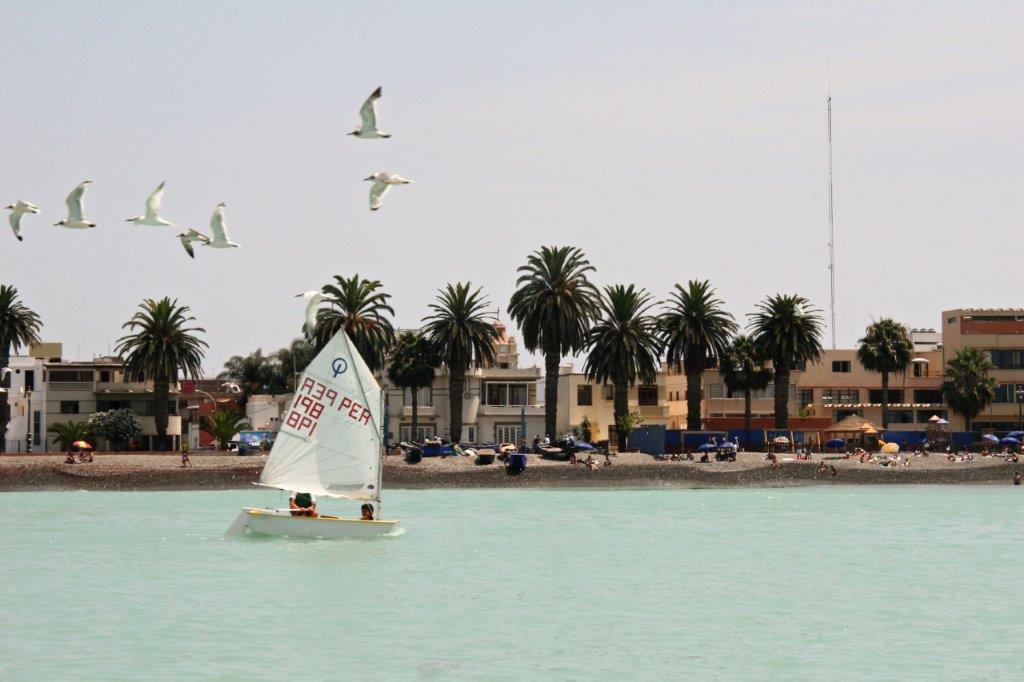
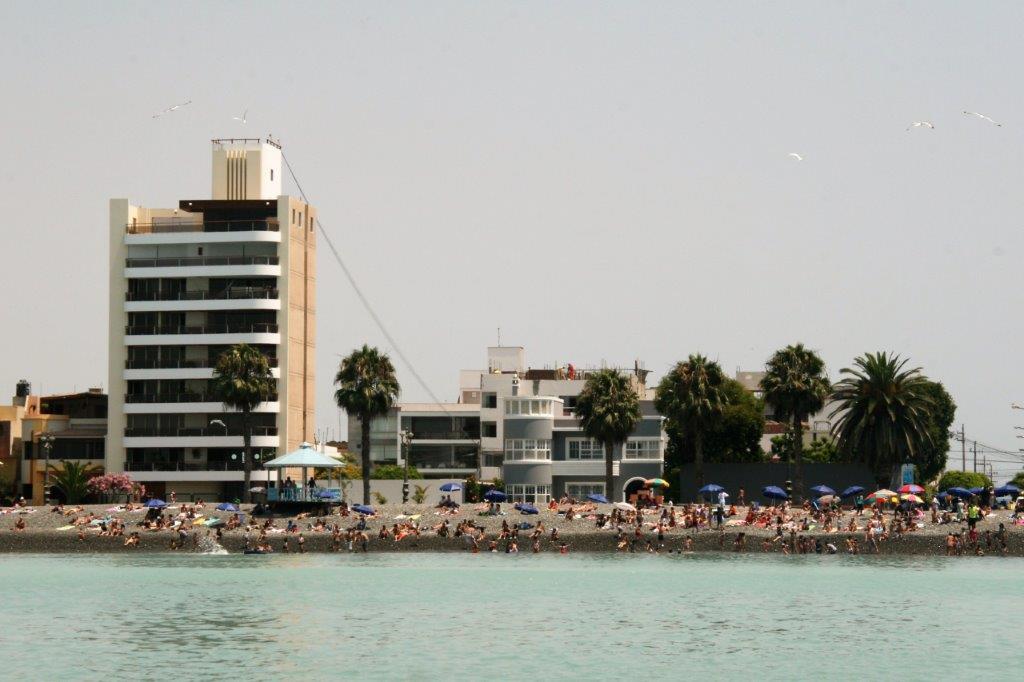
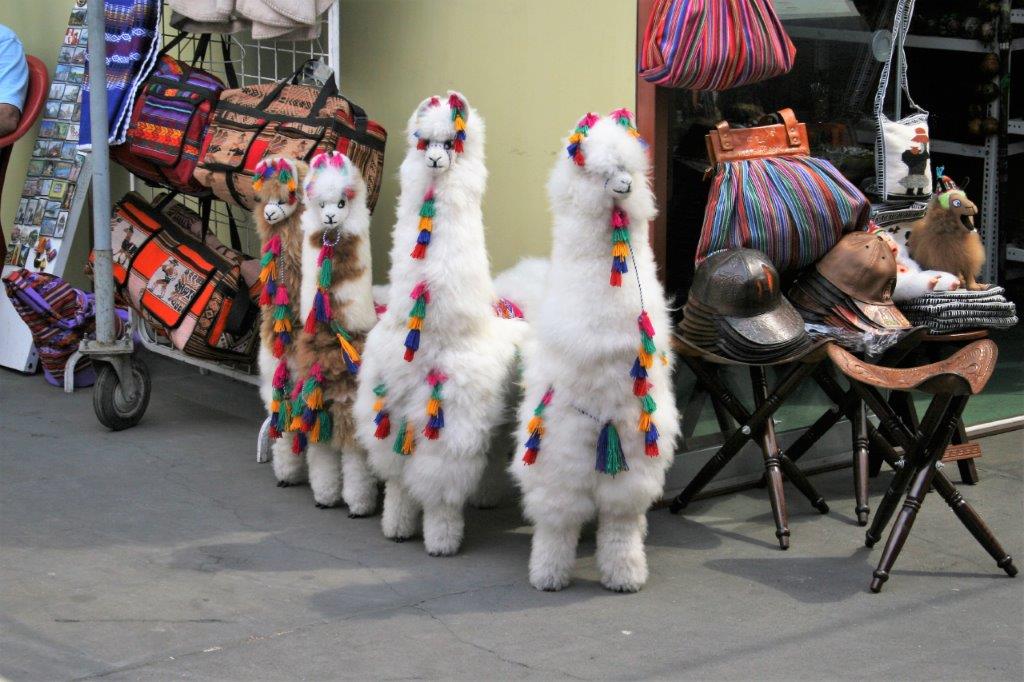
The boat ride back took us past some lovely beaches. These lovely llamas almost tempted me to make a purchase.  But I wasn’t tempted enough.  Besides how would I have packed it around Australia for two months?

2011 January 12 – Day 8 – Manta, Ecuador

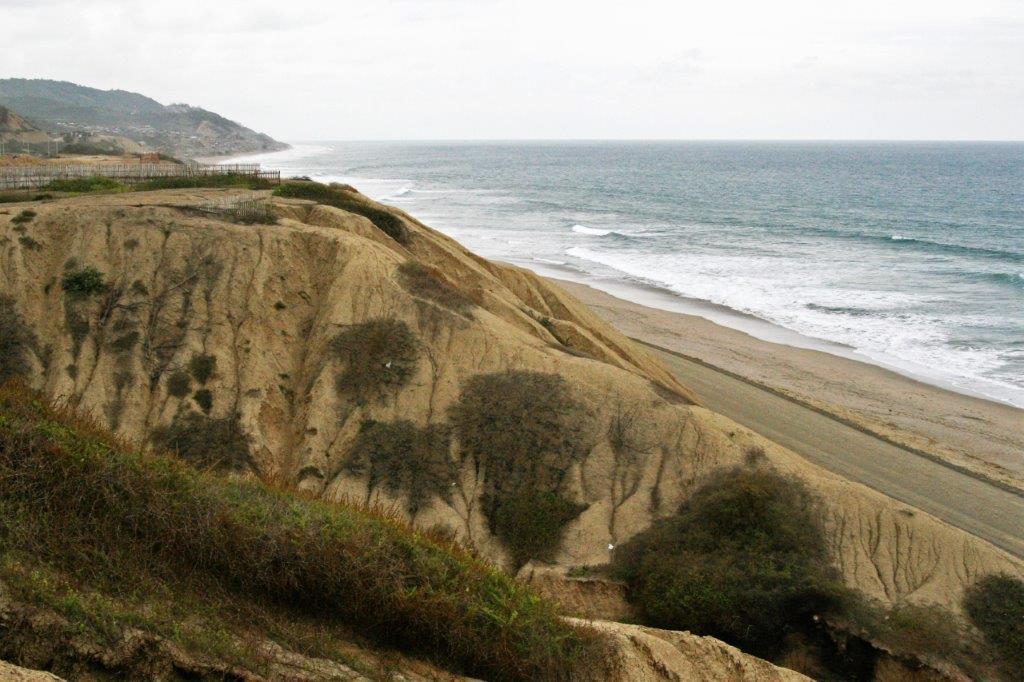
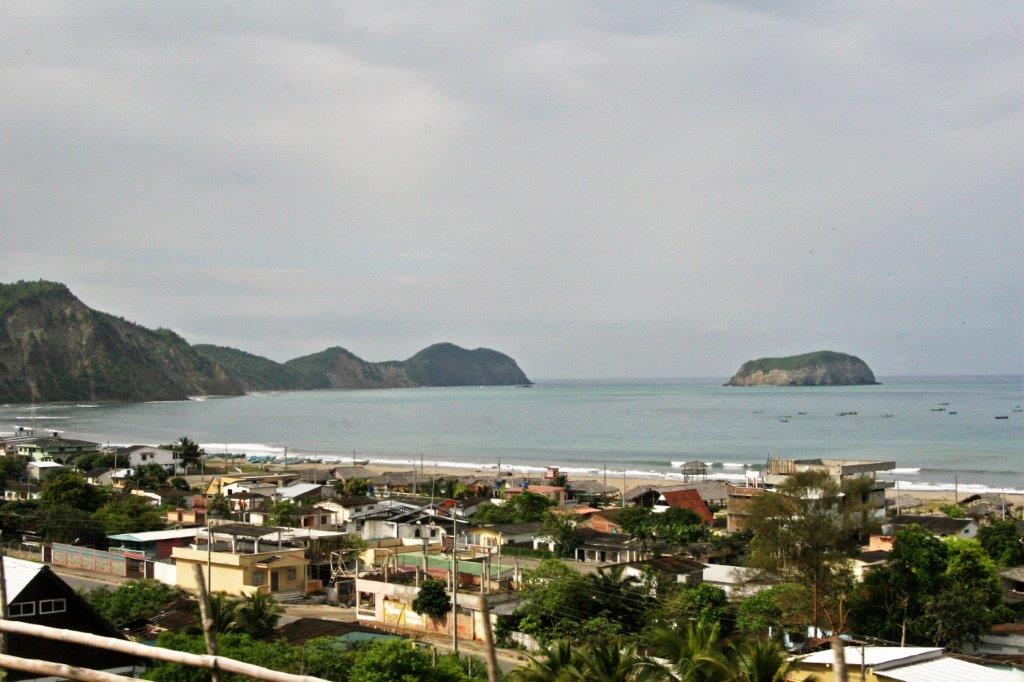
Our day in Manta had an early start as we had a 9 hour tour.  We were up a 6 am and left the ship at 7:30 for the two and a half hour bus ride to Machalilla National Park.  The park was established in 1979 and protects 30 miles of beach, 40,000 acres of dry and cloud forest and about 20,000 hectares of ocean, including two islands and the only coral formation on the Ecuadorian mainland coast.

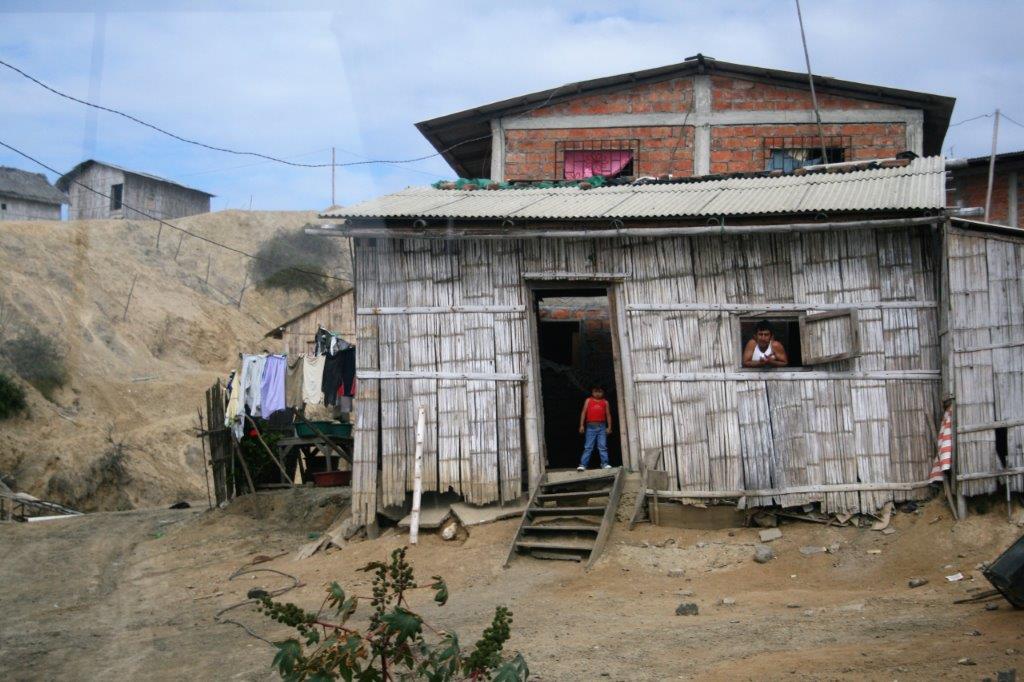
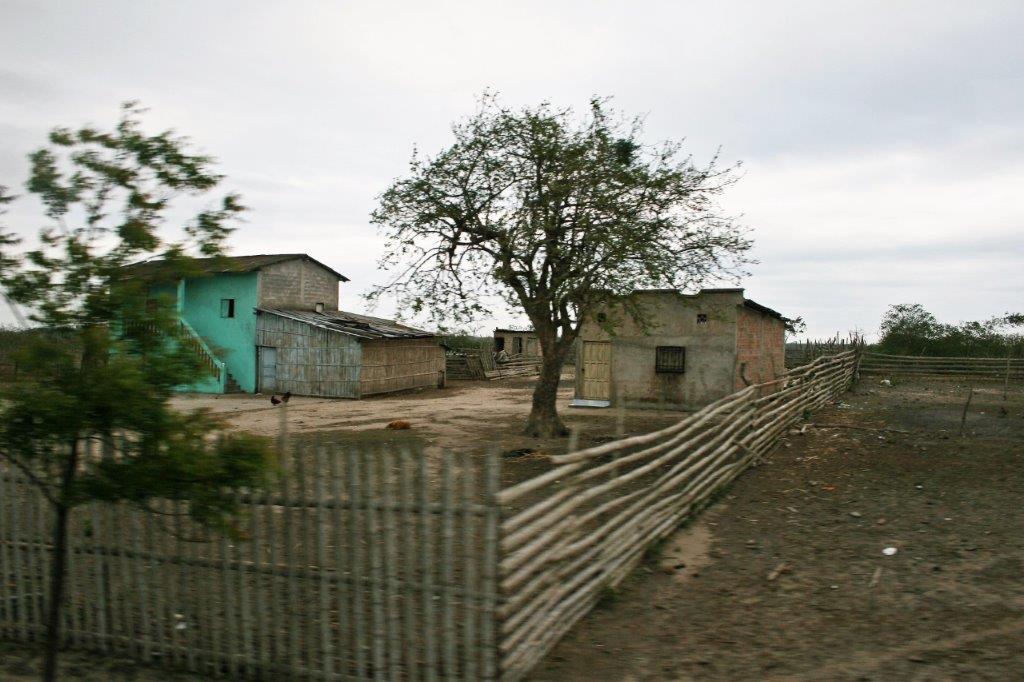
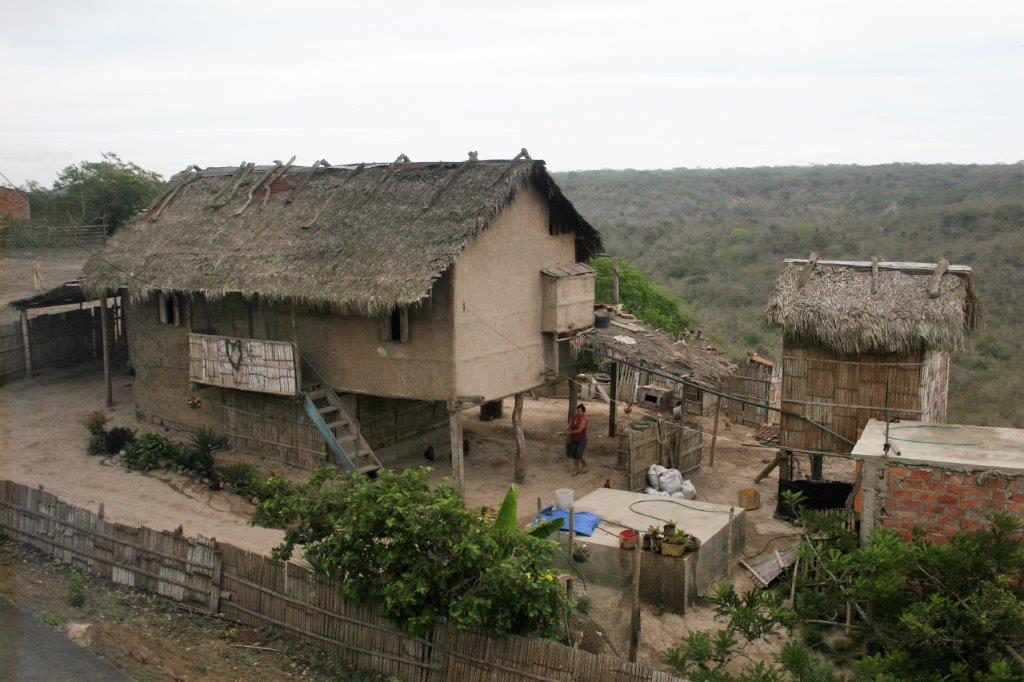
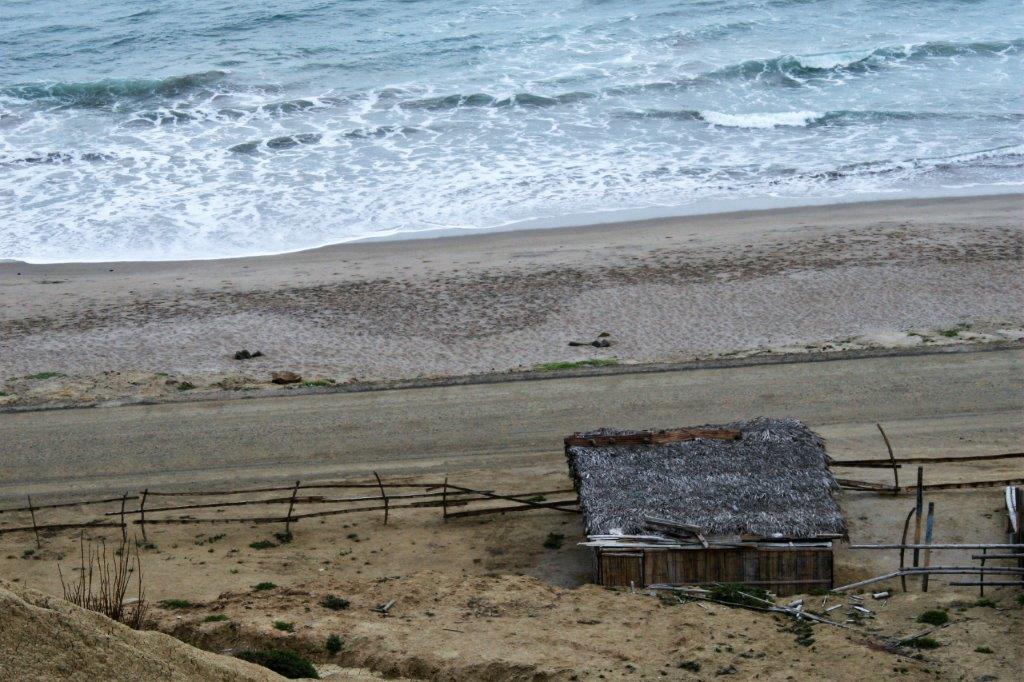
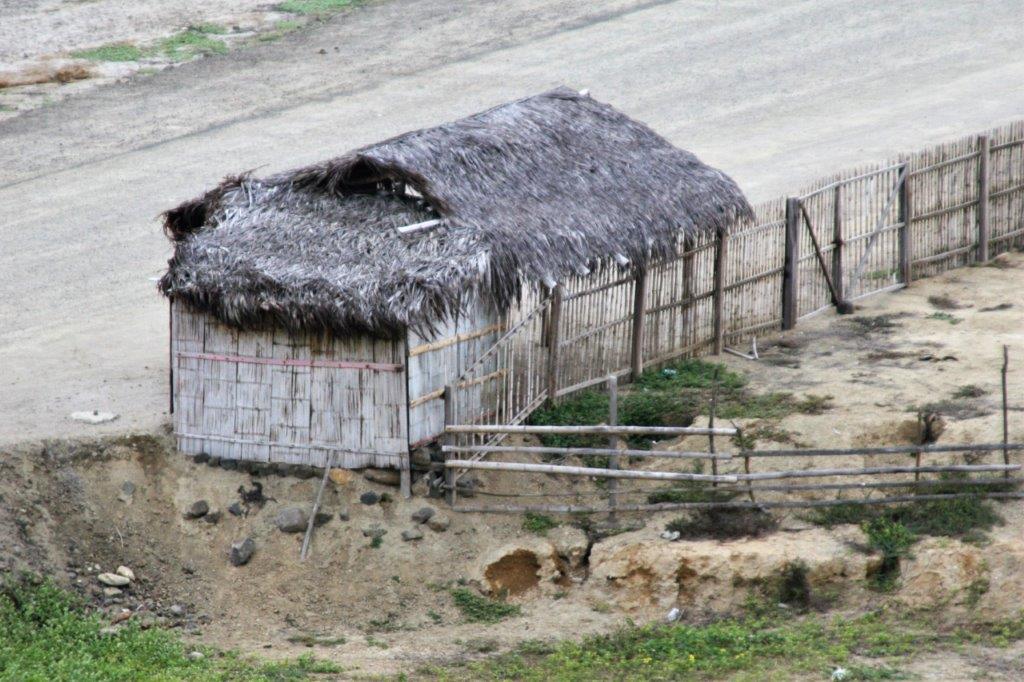
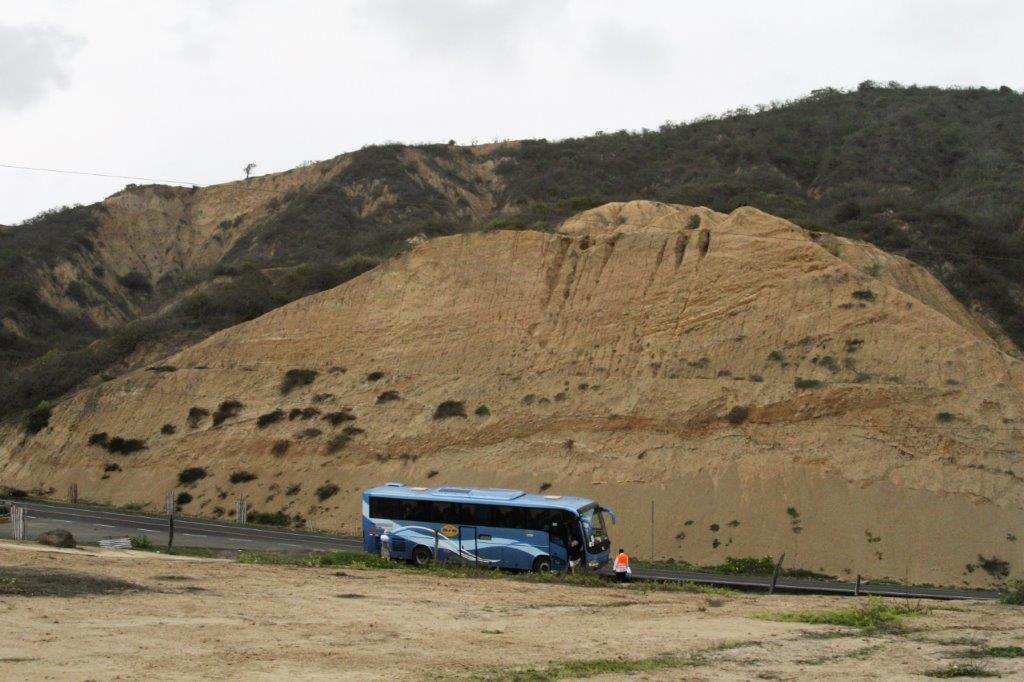
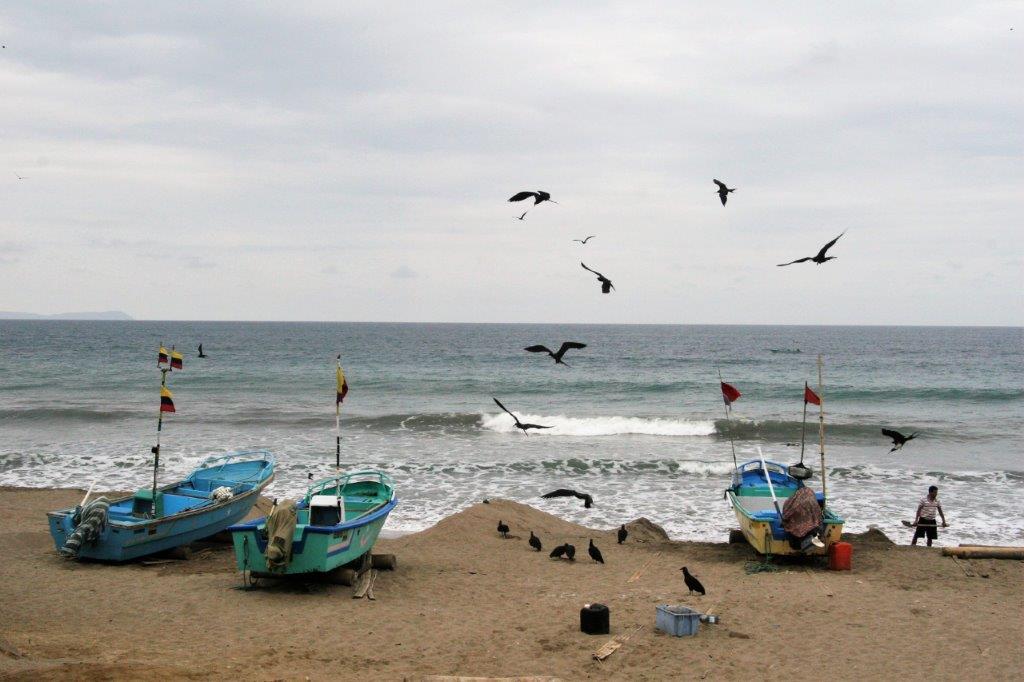
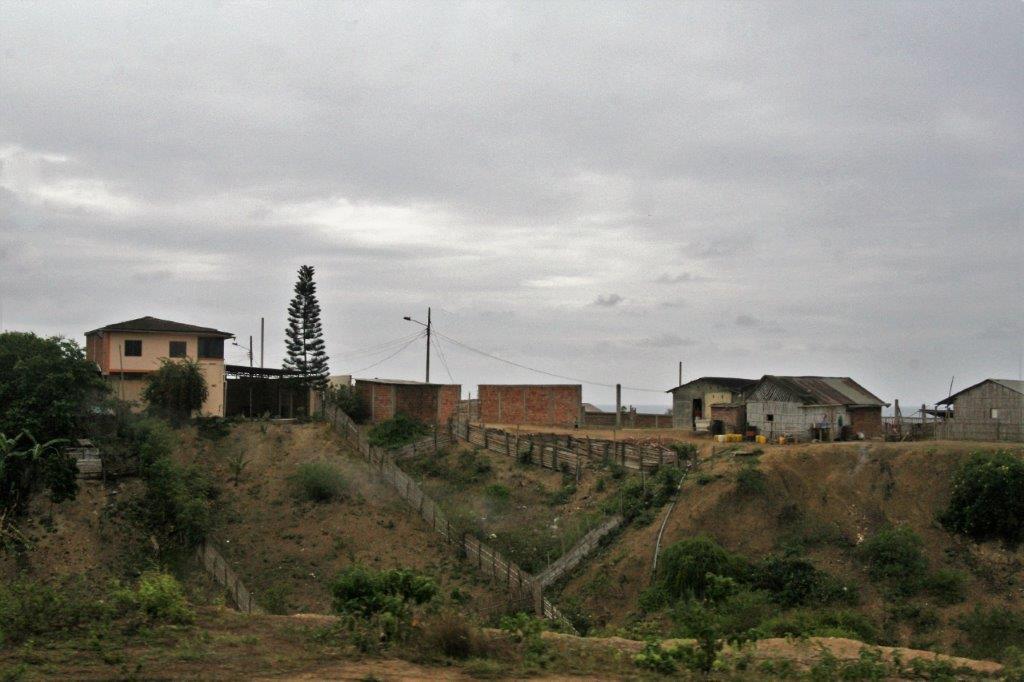
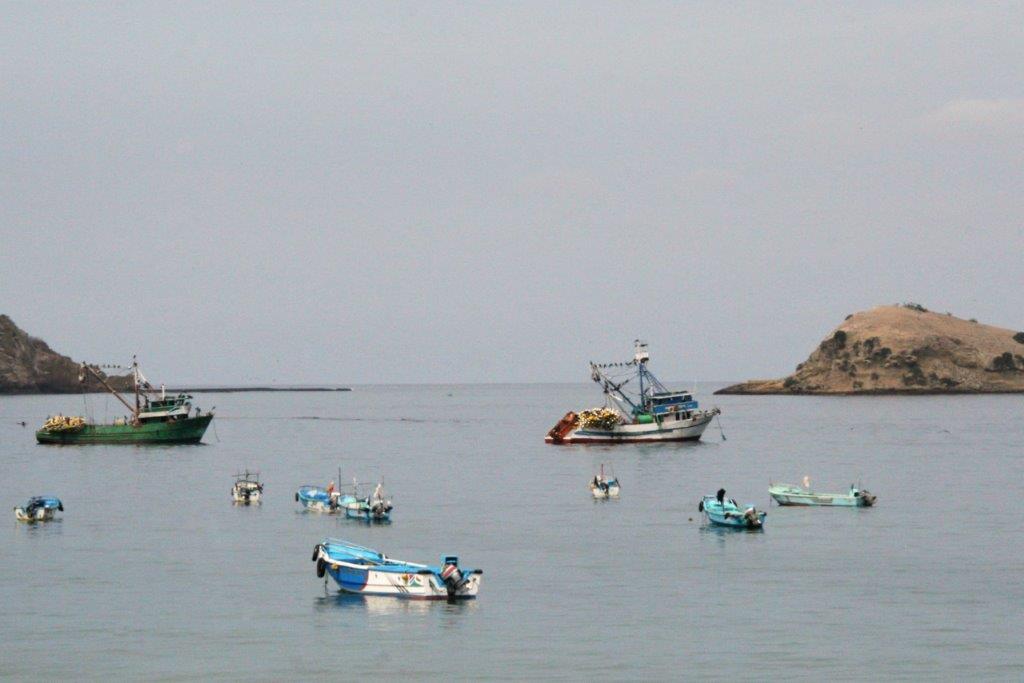
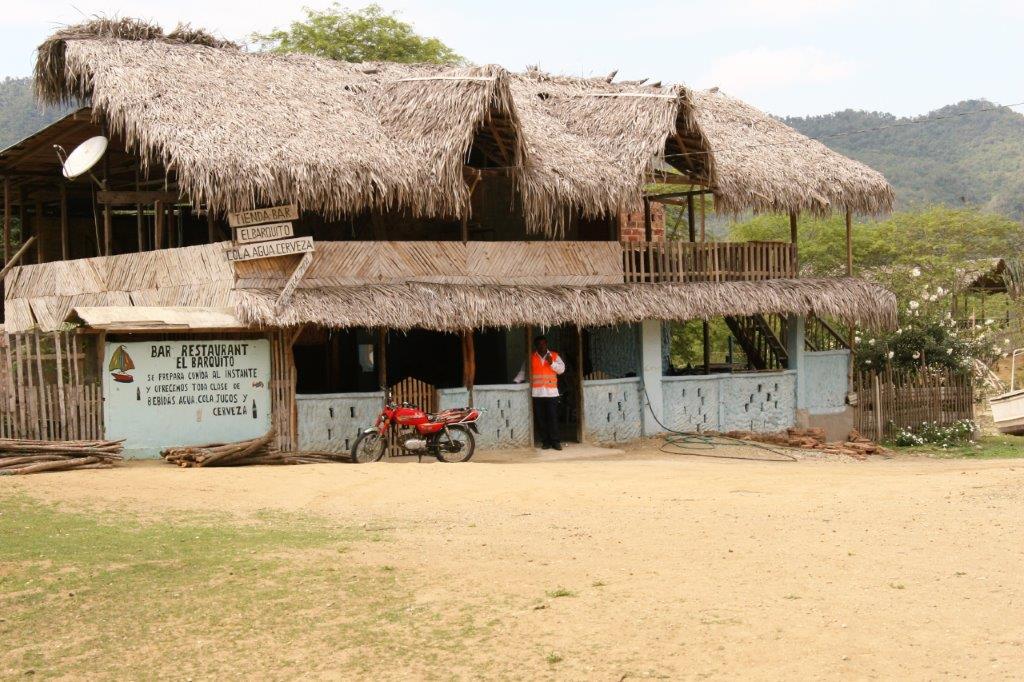
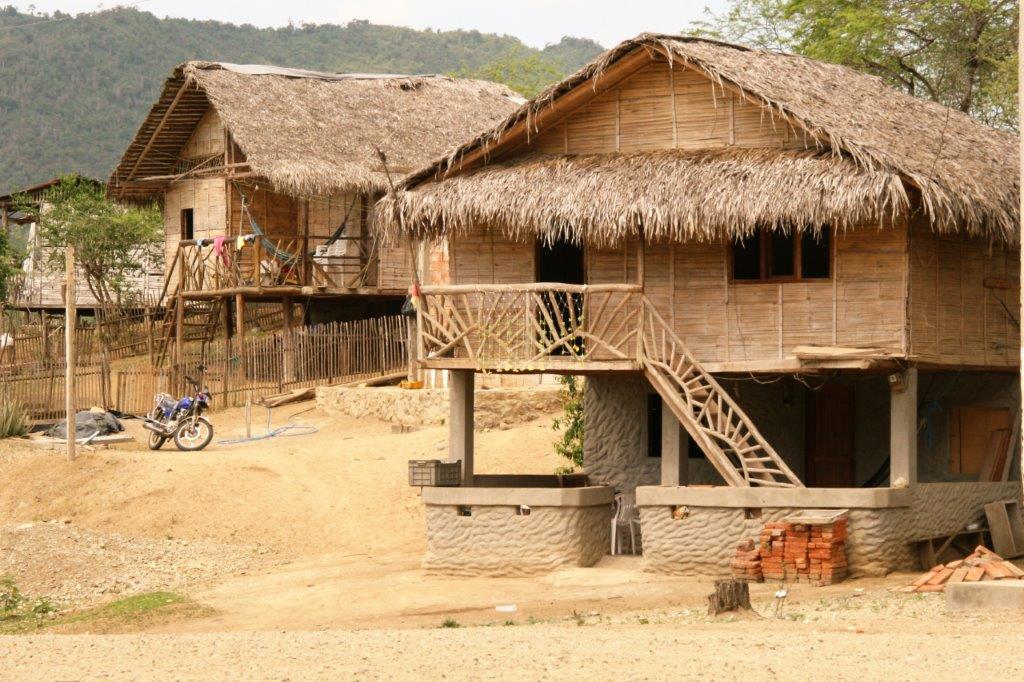
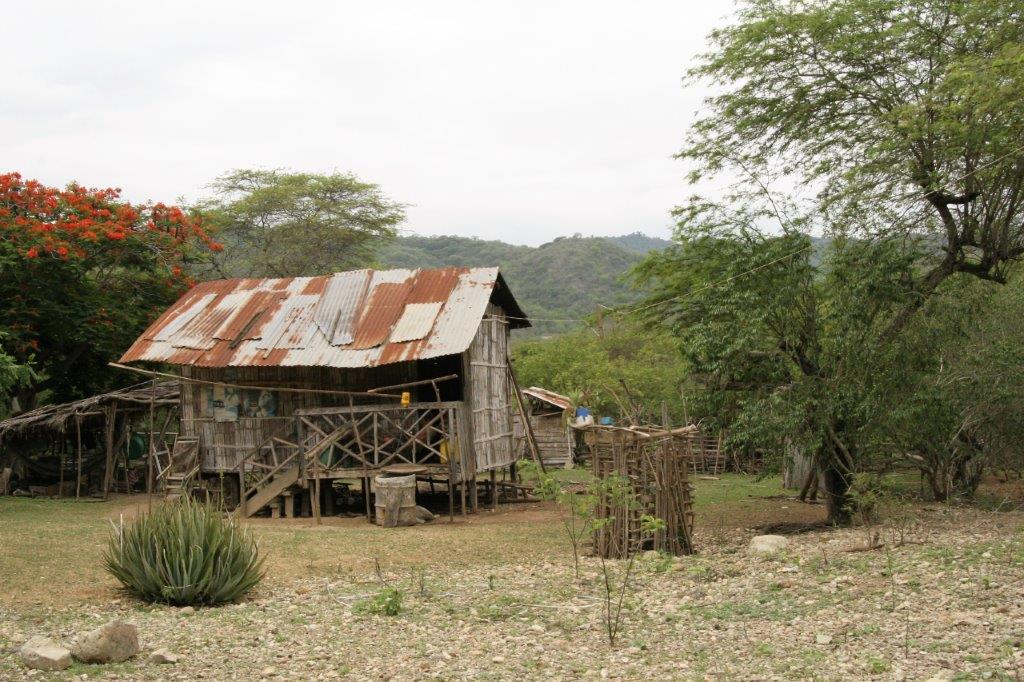
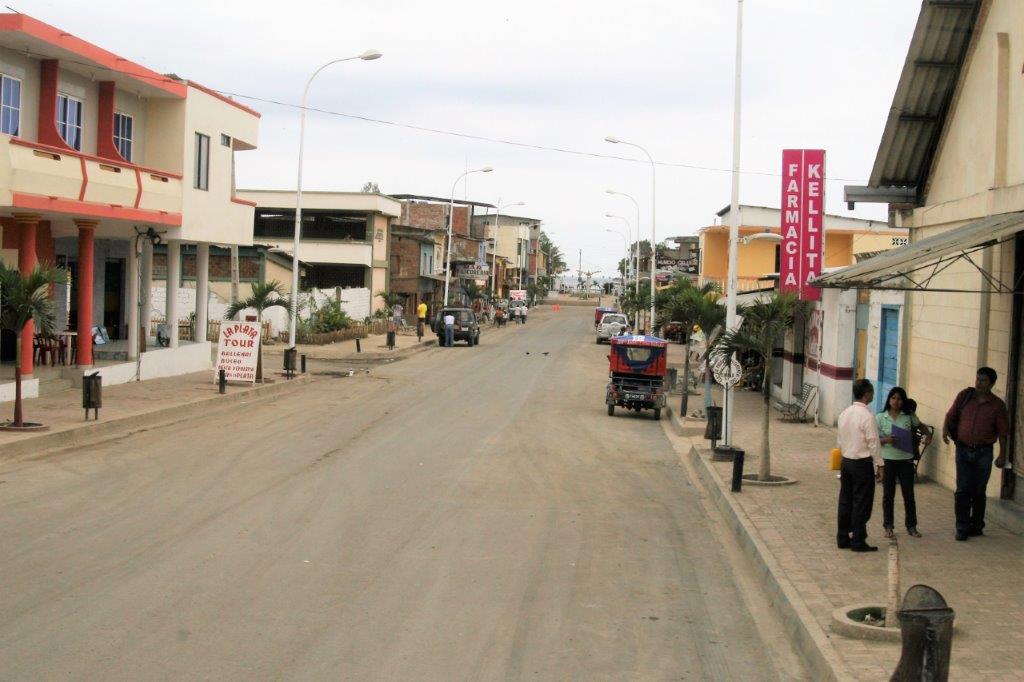
As we left the port we drove through an up-and-coming, upscale residential area but once we left the city behind the housing and villages were a great deal more simple and rustic.  The surrounding countryside was very barren and dry. For anyone living near the ocean it was obvious that fishing was the way of life and provisions.

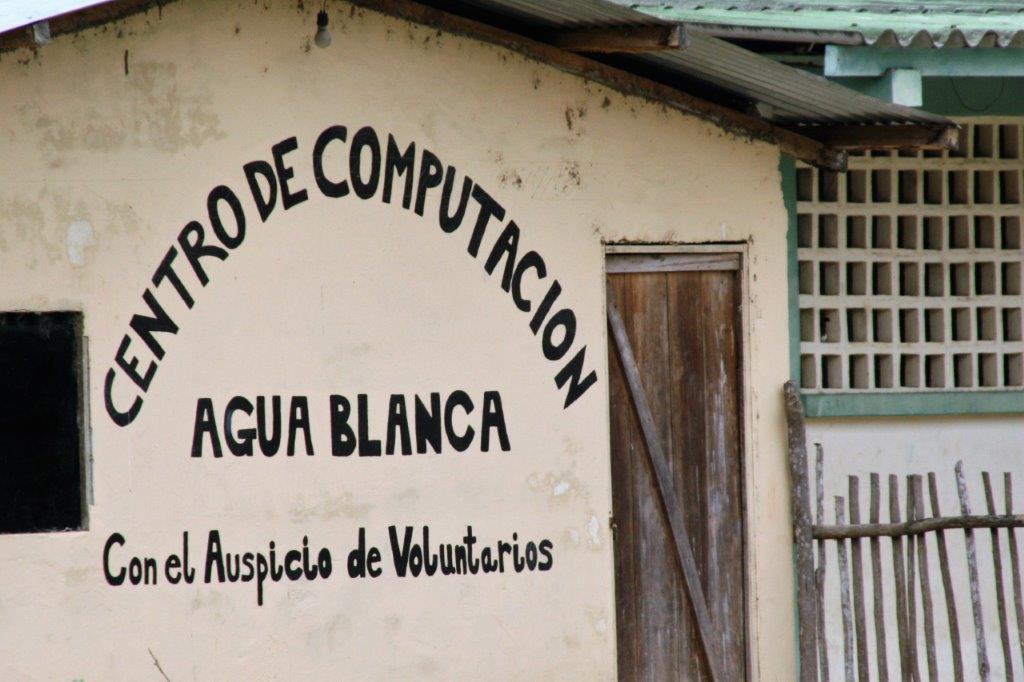
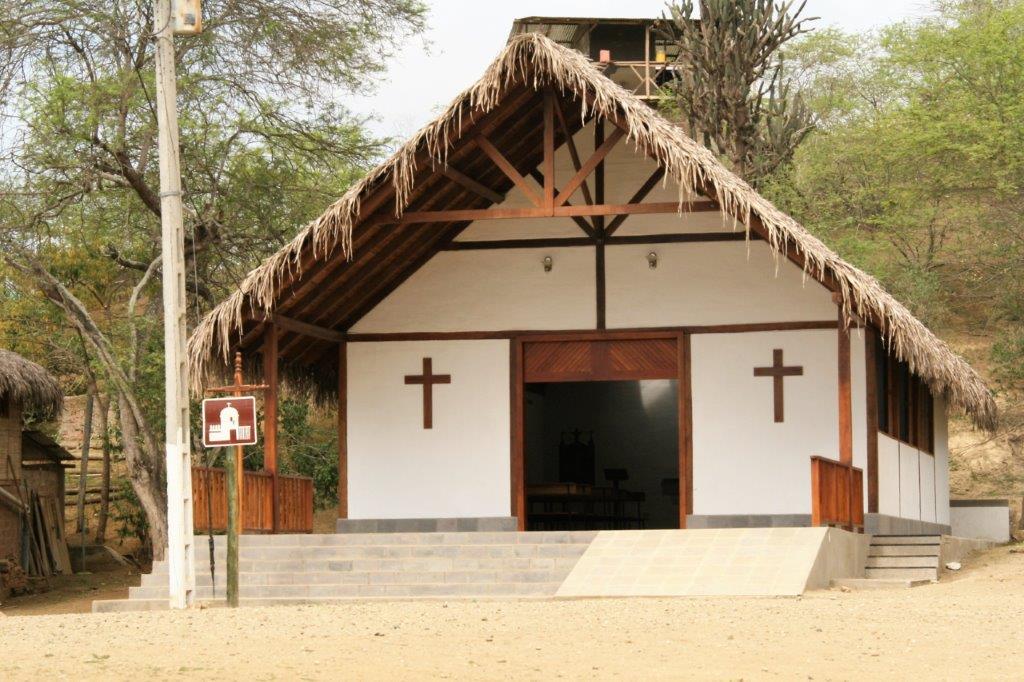
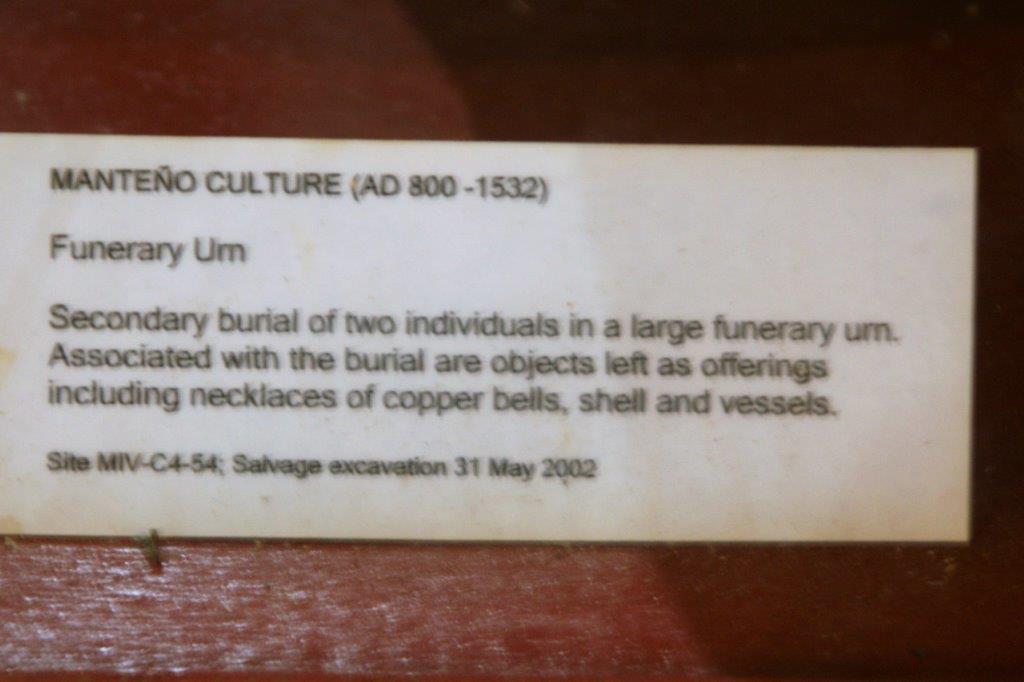
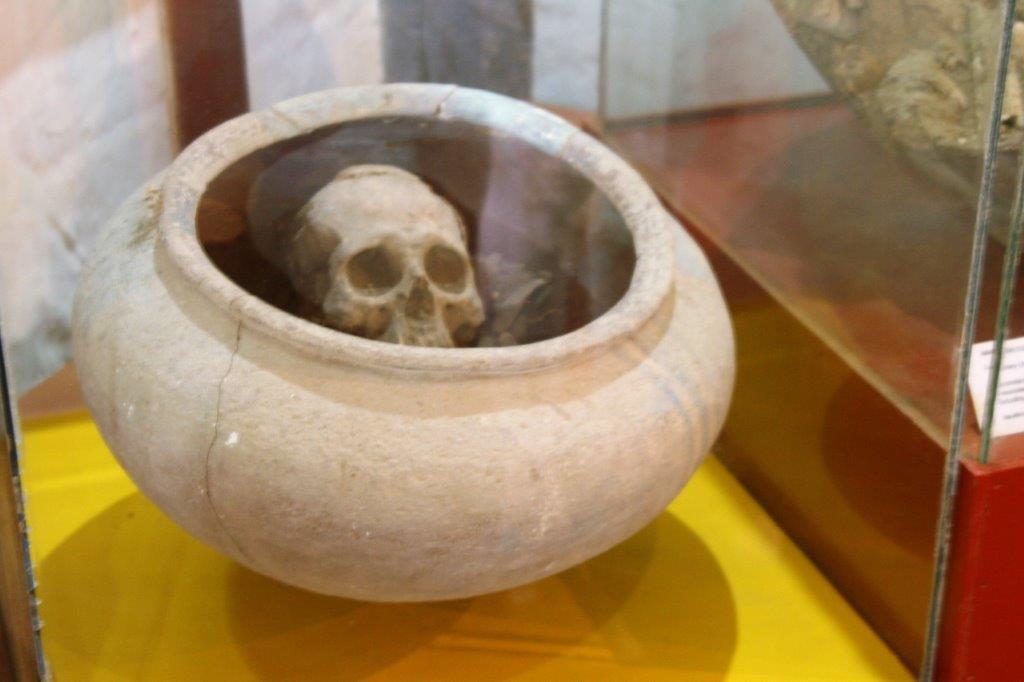
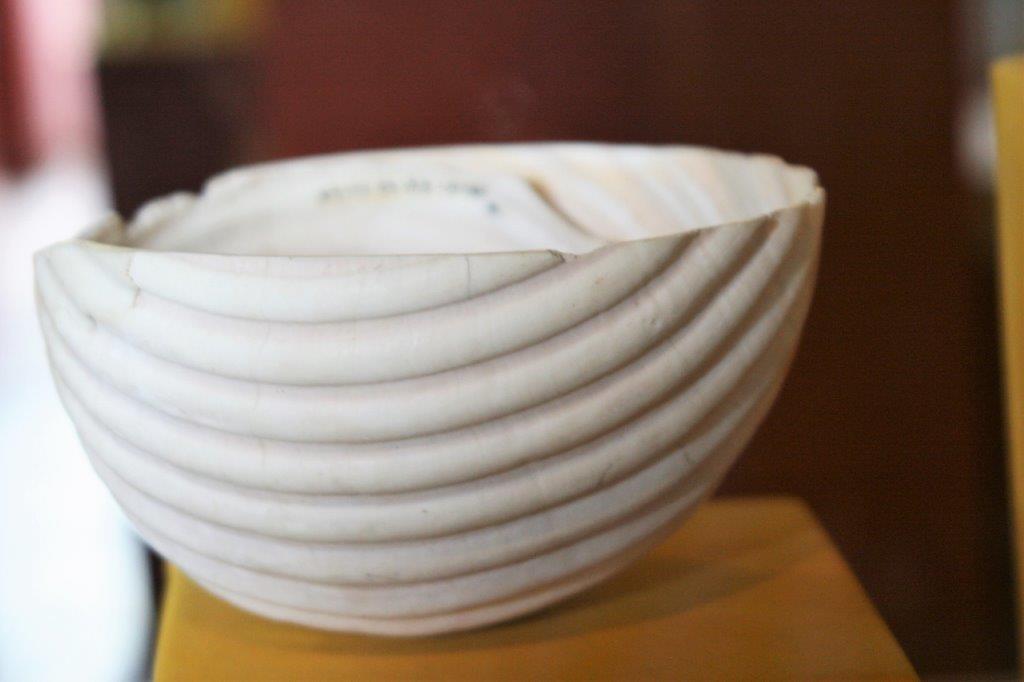
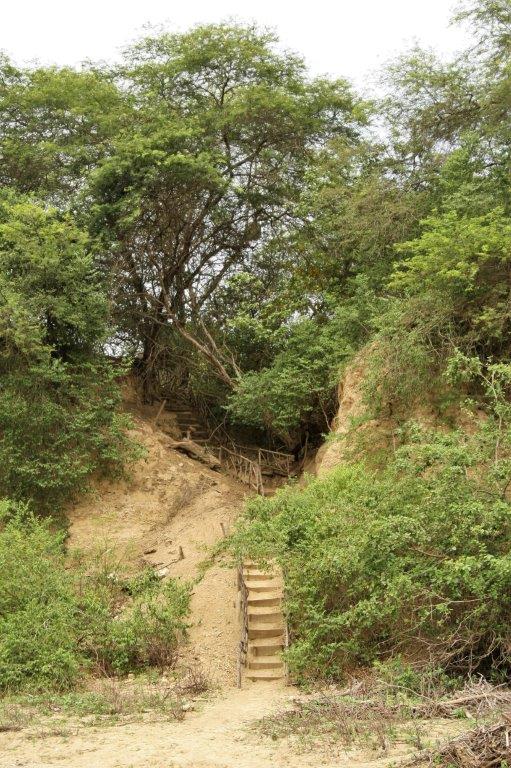
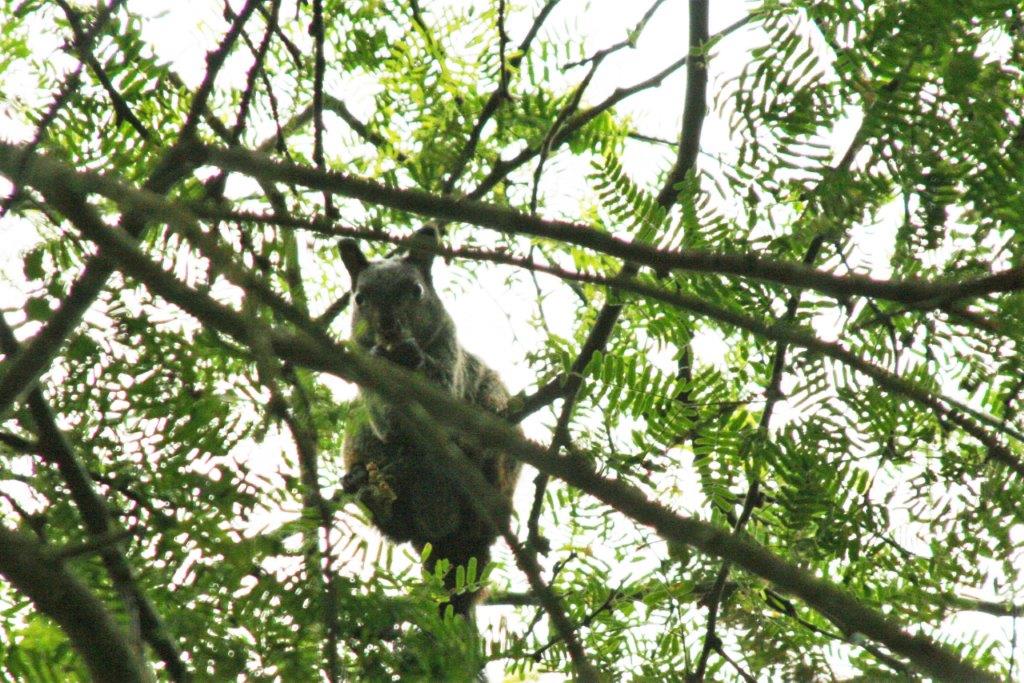
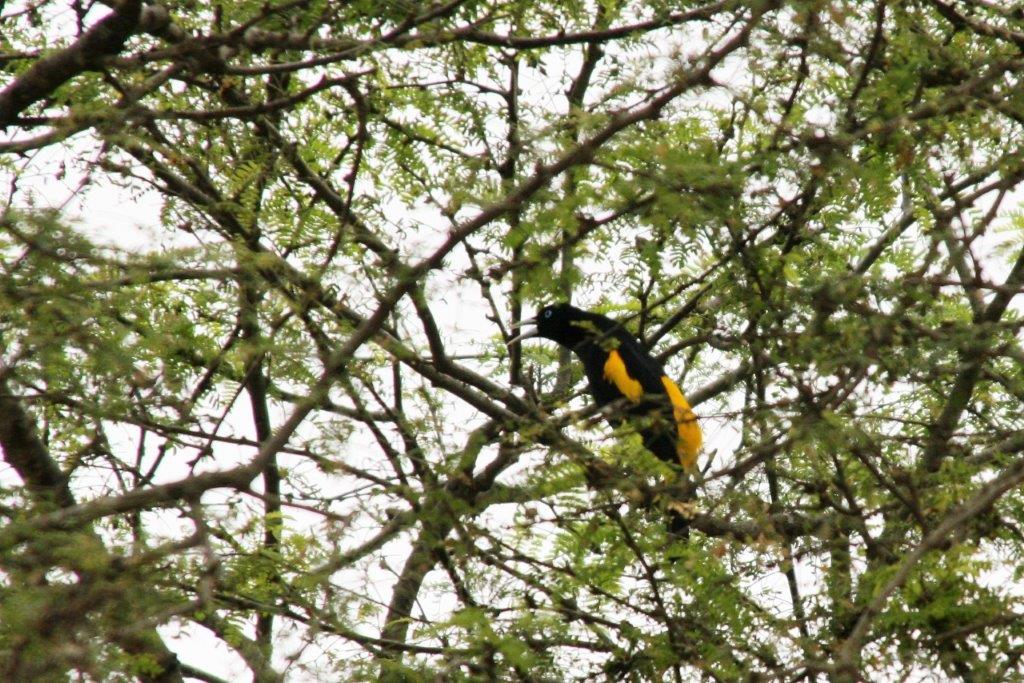
Within the park is Aqua Blanca, a small archaeological site museum where 40 or so families live and are dedicated to the preservation of their culture.   There were some very interesting burial jars from ancient times, beads and vases, and other items in the small museum. We had over an hour to wander the trails around Agua Blanca.  We only saw the one critter and I don’t know what it was, plus a few birds.

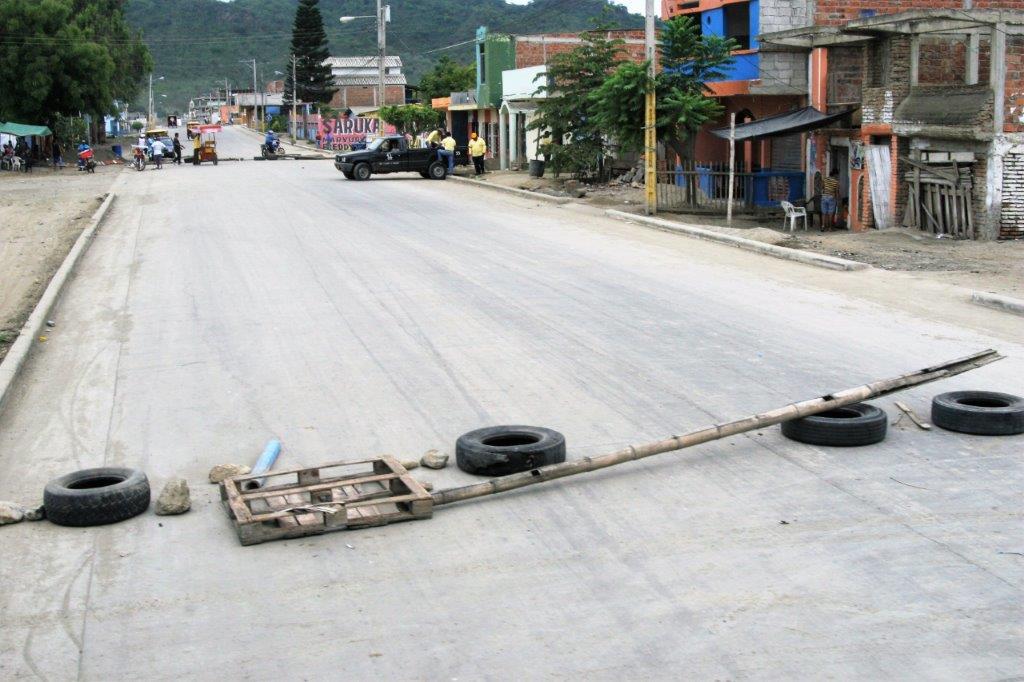
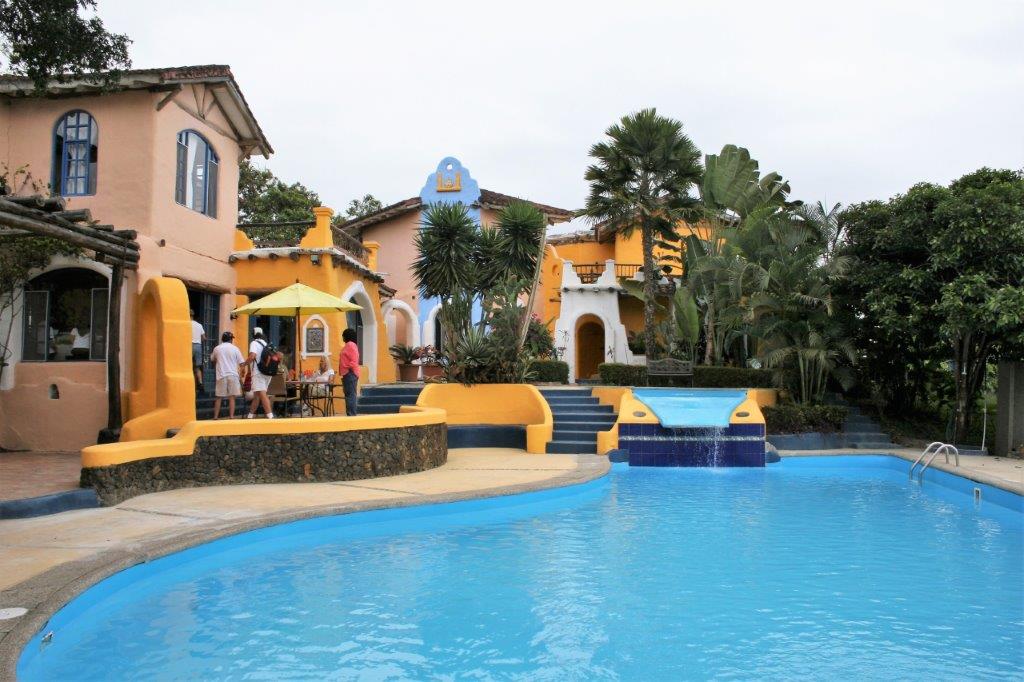
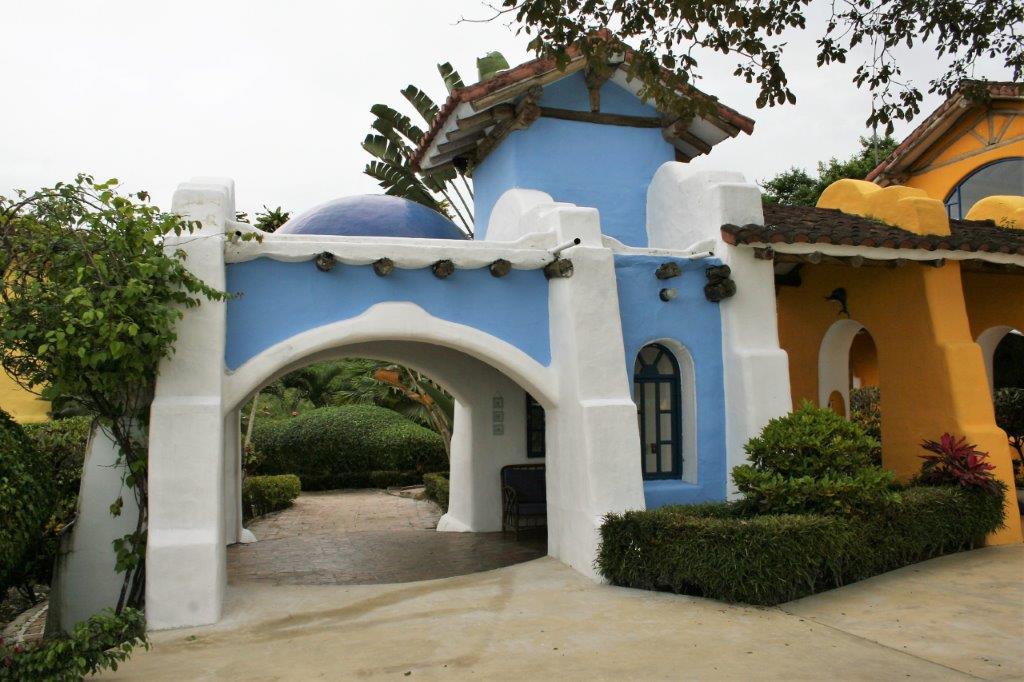
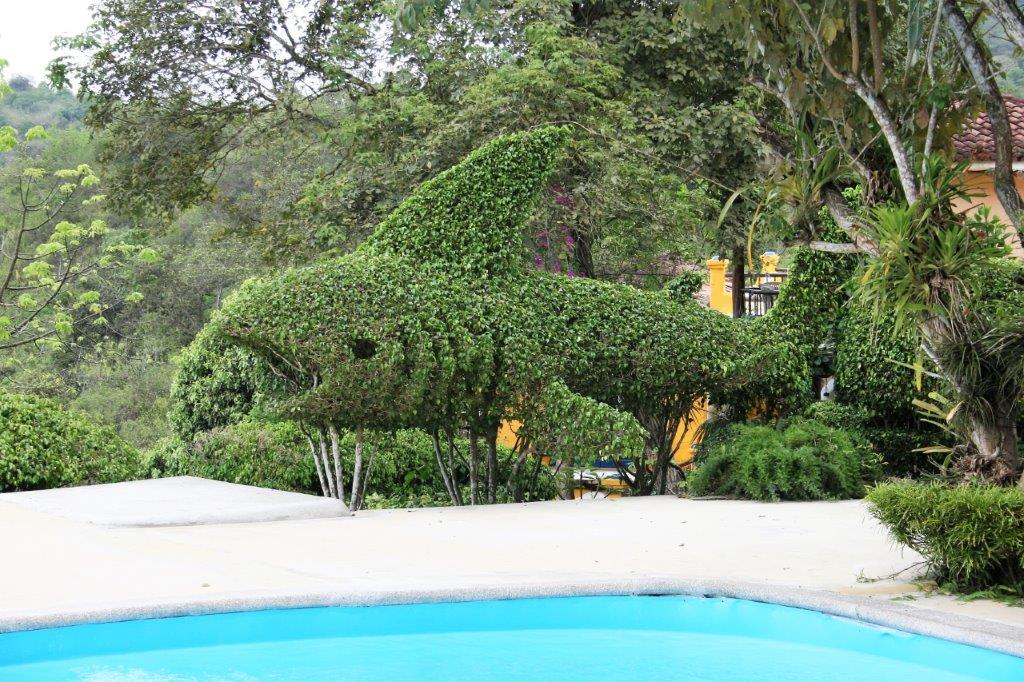
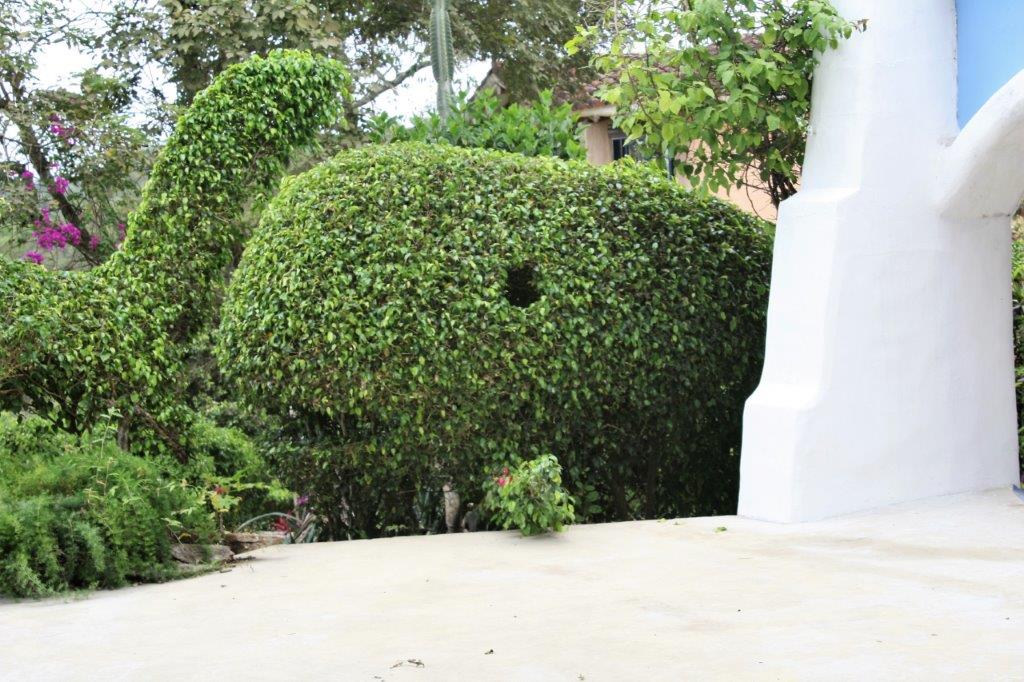
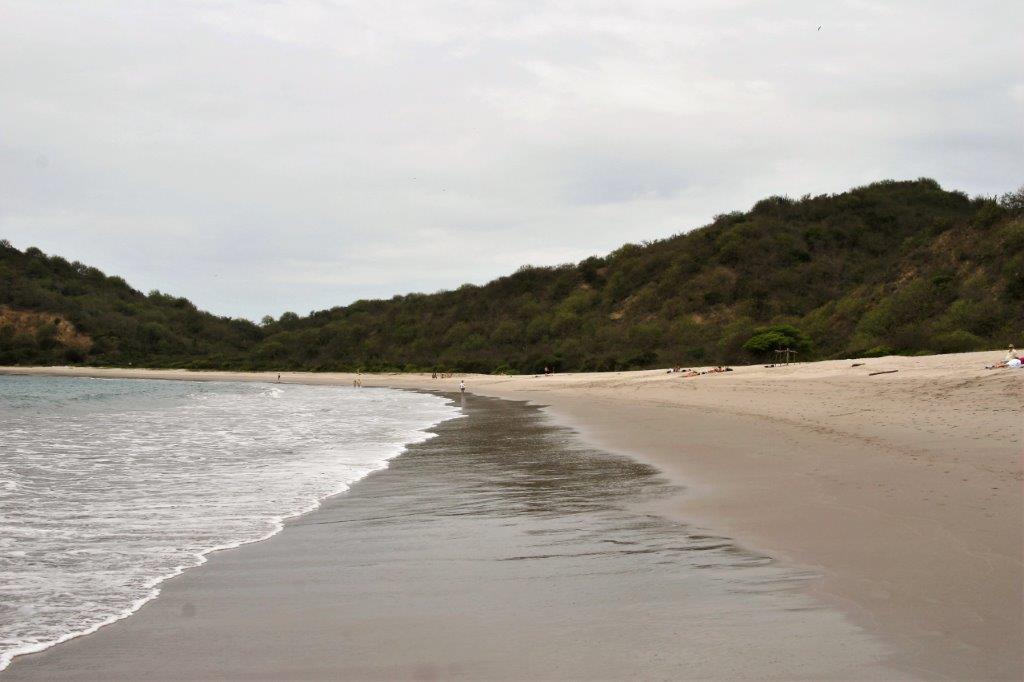
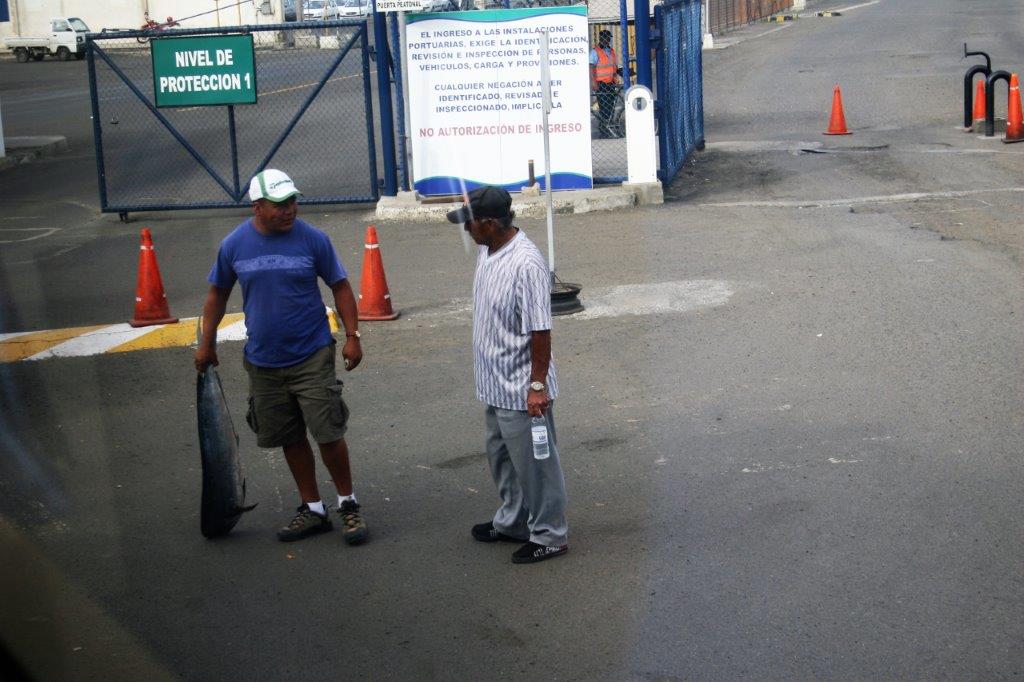
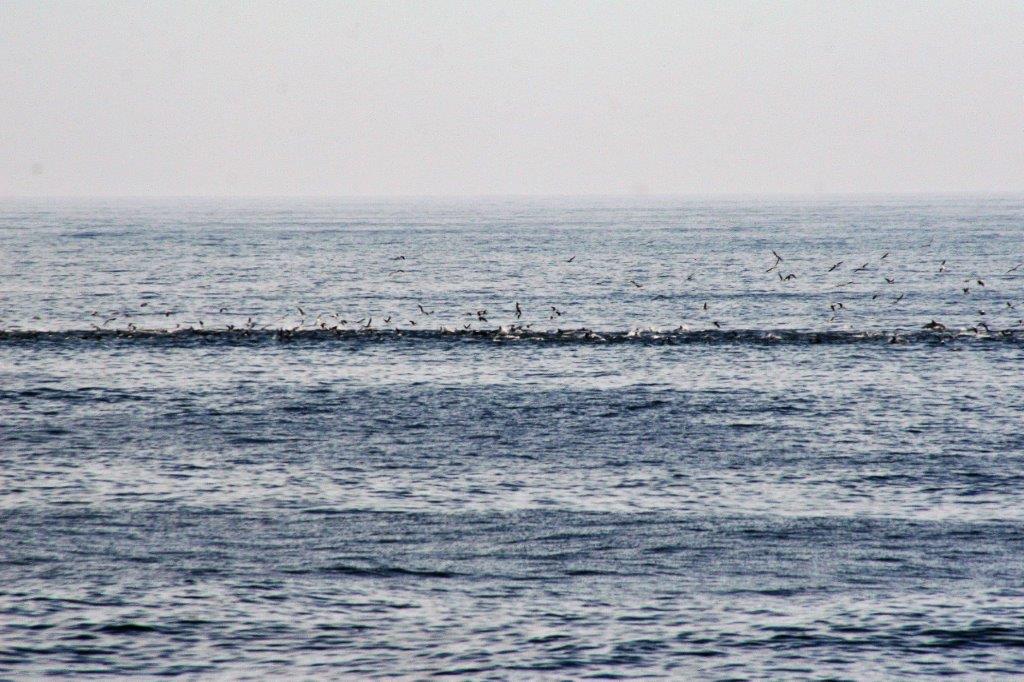
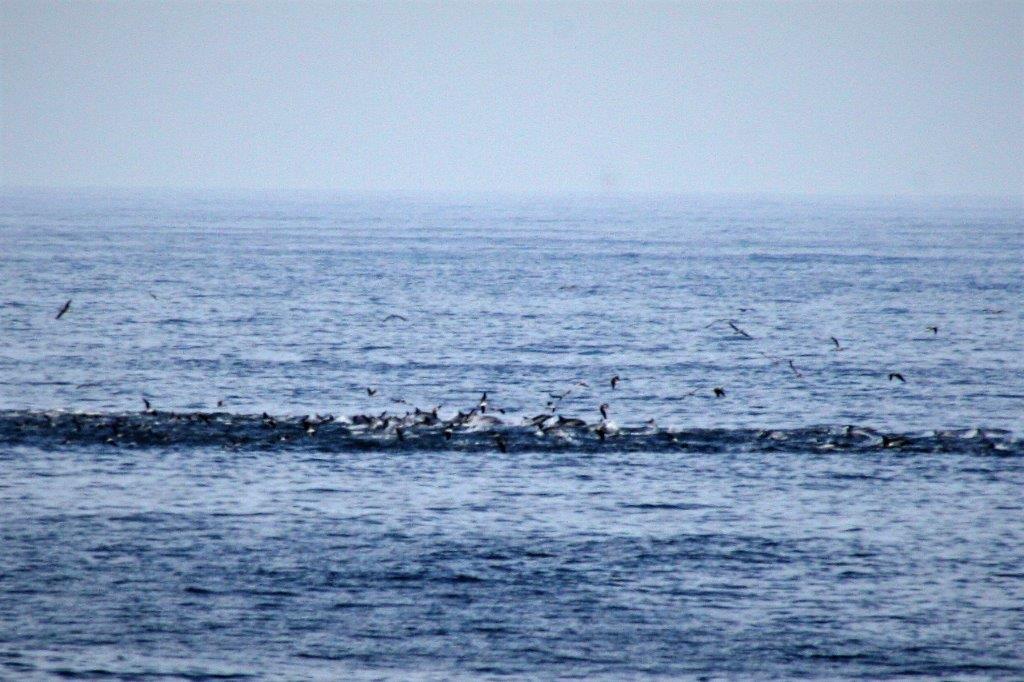
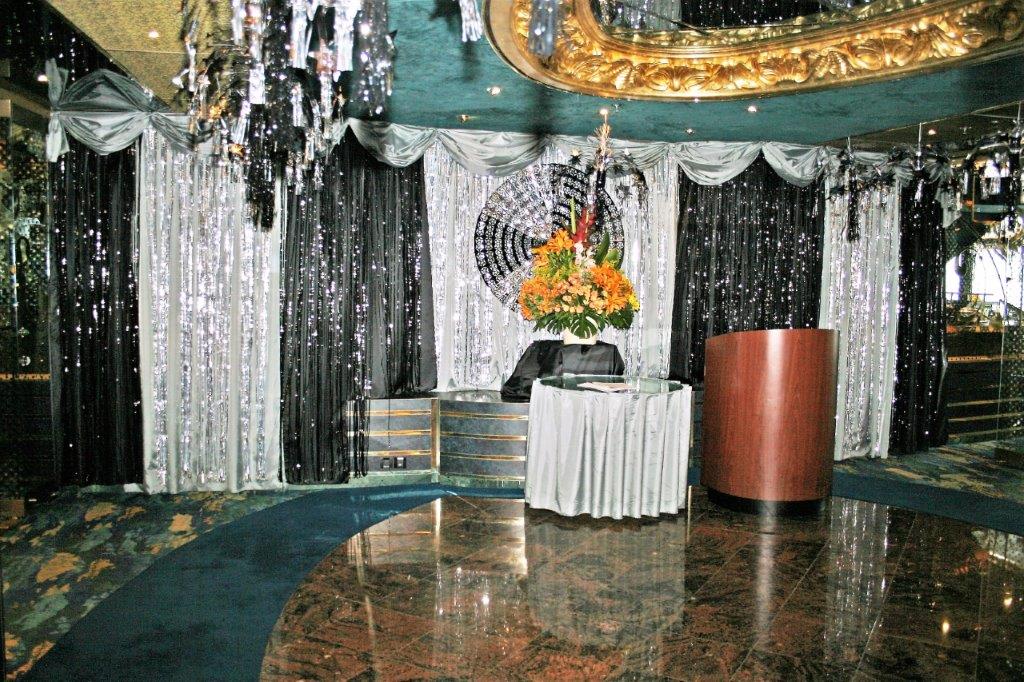
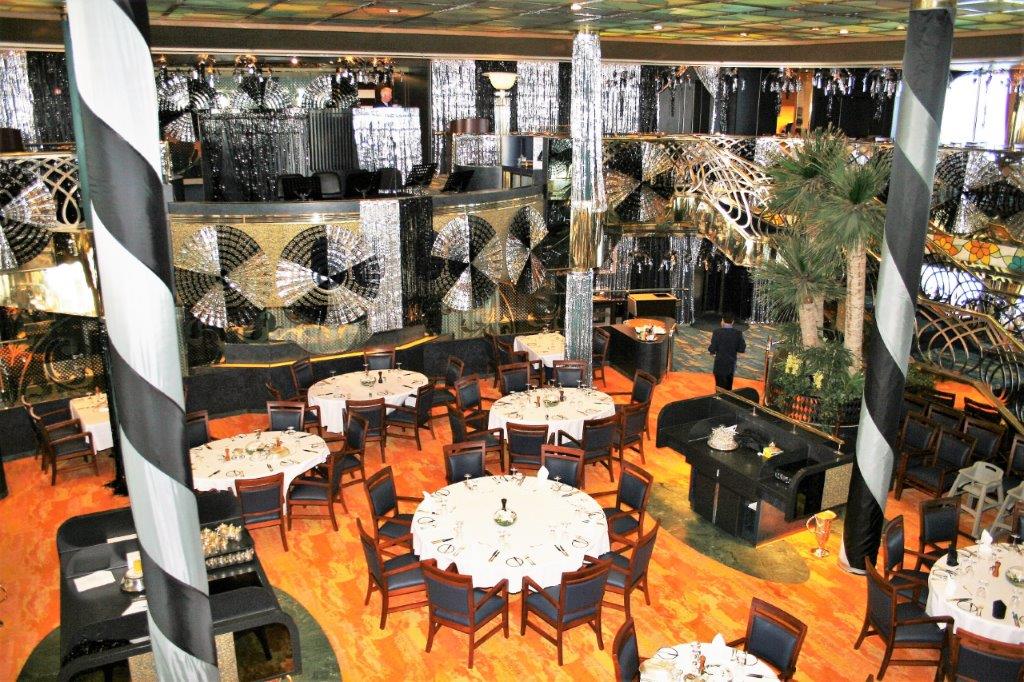
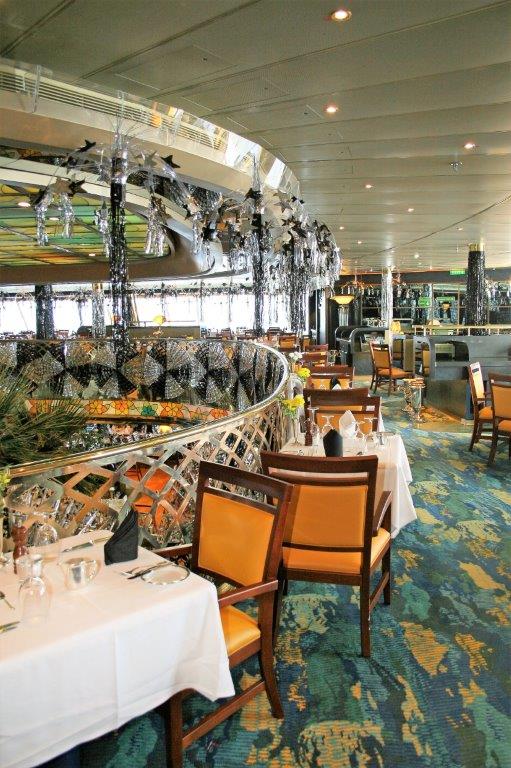
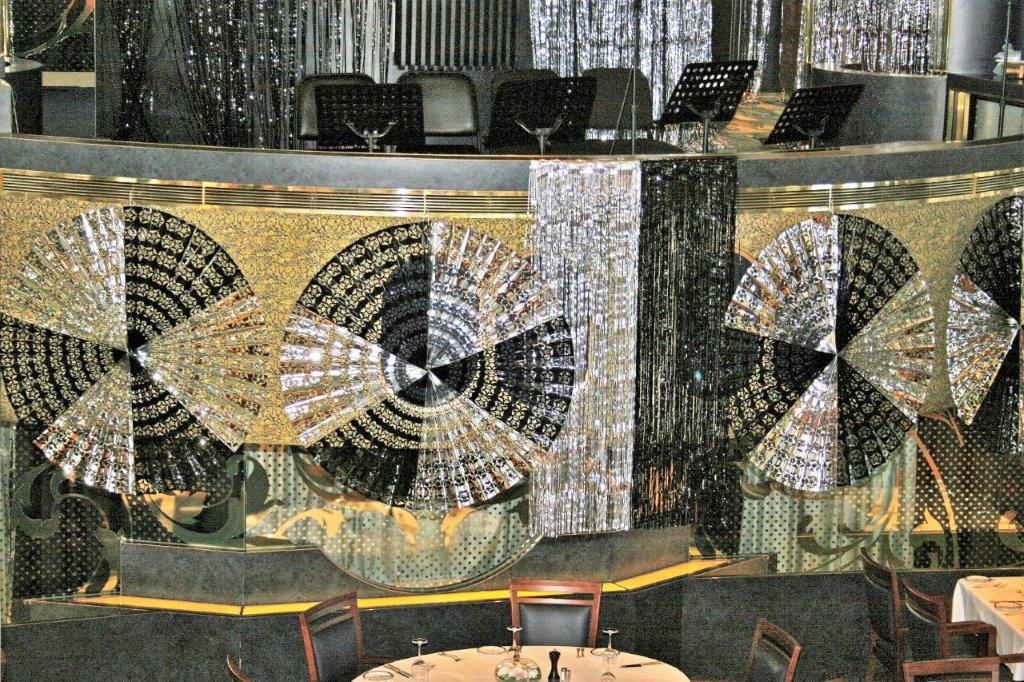
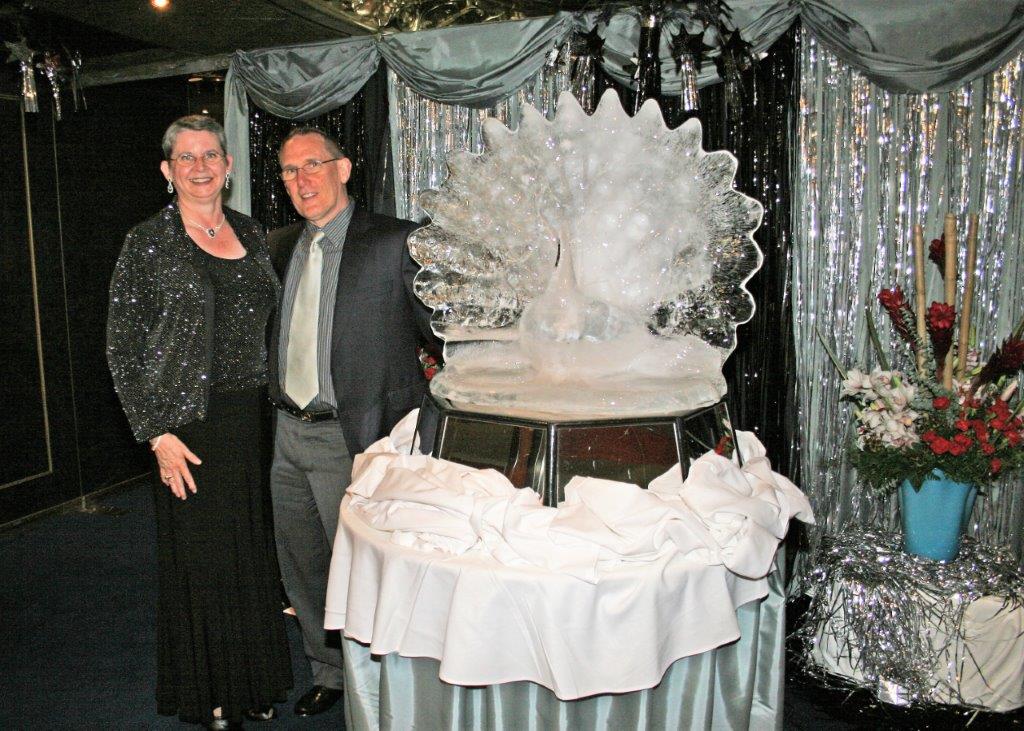
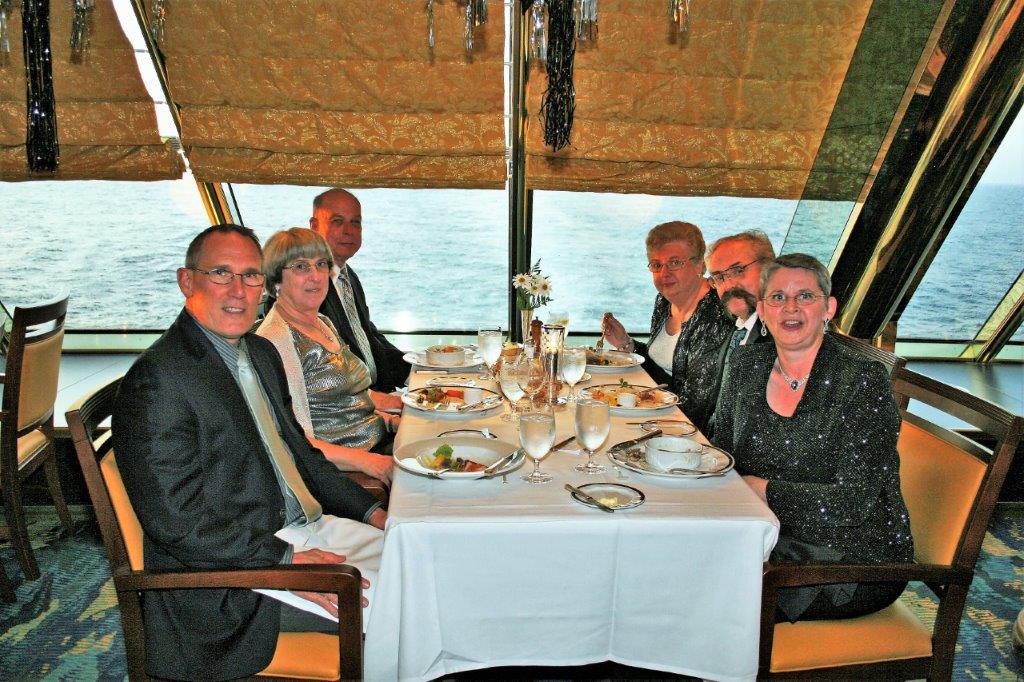
On the way to our lunch stop we drove through this village where the bus had to detour a few blocks due to a funeral that closed the road. Our lunch stop was a beautiful resort with lots of topiary. The final stop of the day was Playa Los Frailes, a lovely sandy beach where people had the opportunity to go for a swim if they chose. This fellow had made the catch-of-the day and was chatting to the security fellows as the bus entered the port.The next day was a sea day and we went on deck to read for awhile. However, since the ship is sailing southeast  (we were still in the Eastern Time Zone) under the affect of the antarctic Humbolt Current it was windy and chilly and we decided instead to walk laps.  As we were walked around the deck we noticed a pod of about 6 dolphins near the ship.  About half- way around we spotted a huge feeding frenzy some distance off the ship’s bow.  There was a large dophin pod, probably over 100, that had worked together to gather a school of fish into a tight ball and drive them to the surface where the dolphins could dart in and out and enjoy lunch.  The air was alive with Brown Booby birds taking advantage of the buffet as well.  Not too long before we set sail on this trip we had seen an episode of the BBC series Planet Earth where they documented how dolphins work together to do this very thing.  It was fascinating to watch.  The photos are not really clear since it was taking place quite a distance from the ship and I had to do some serious cropping. That night was the first formal night in the dining room.  There was a Black and Silver Ball in the Crowsnest that evening so everything was decorated beautifully for the event.

2011 January 10-11 – Days 6 & 7 – Panama Canal Crossing and At Sea.

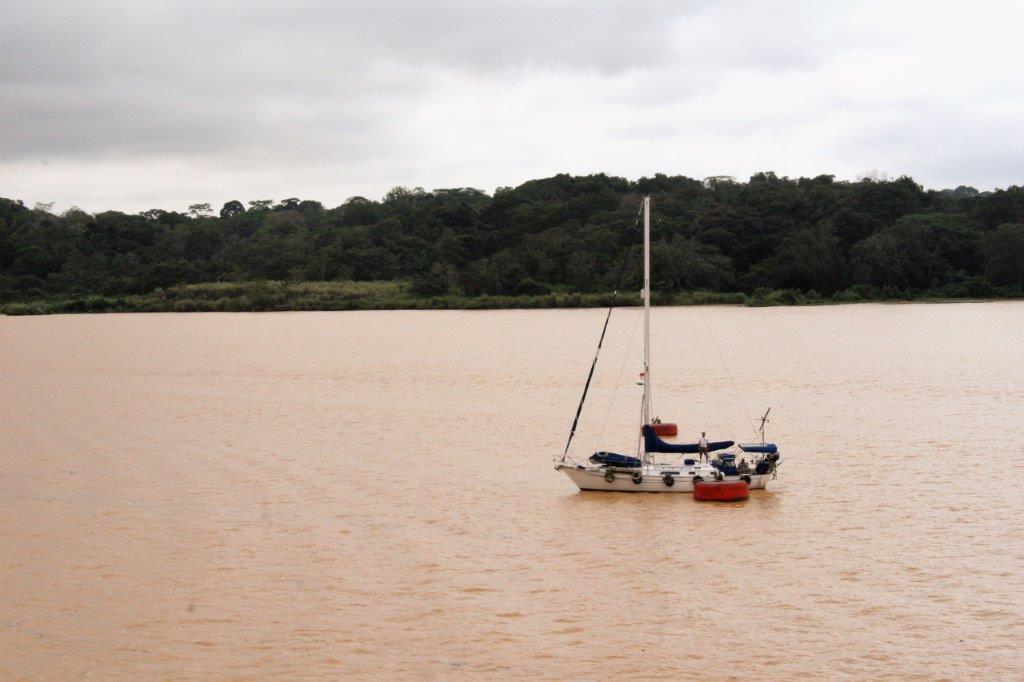
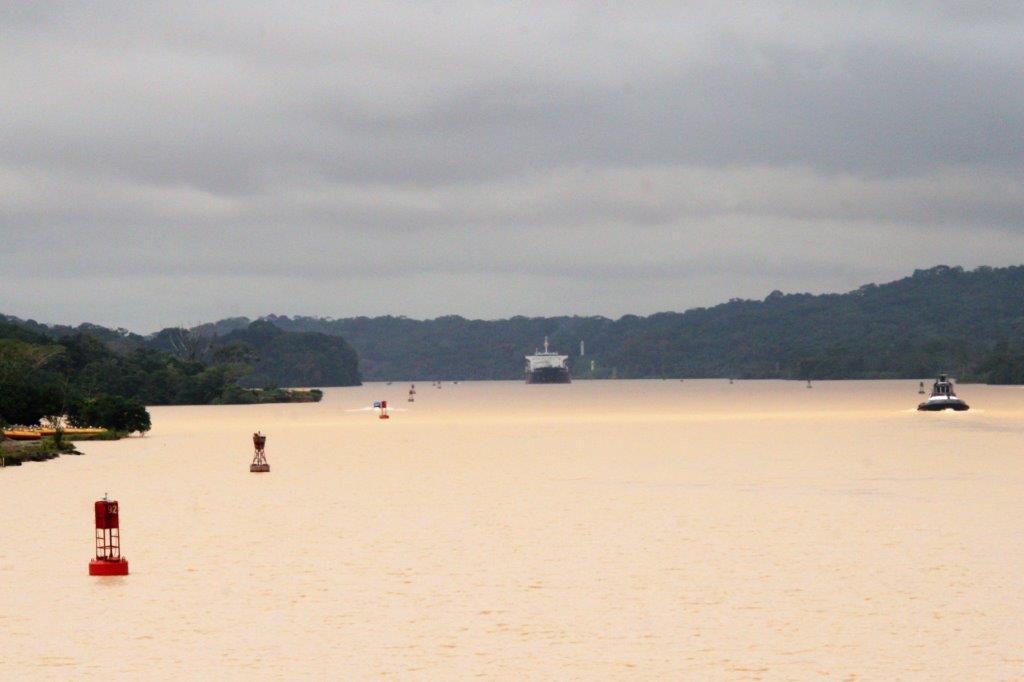
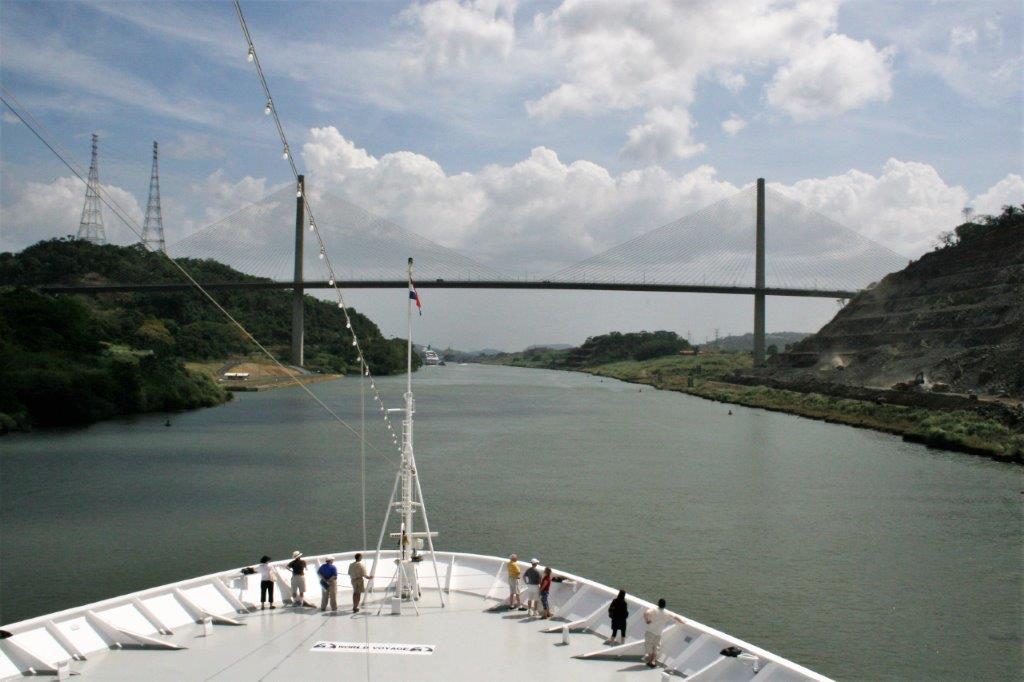
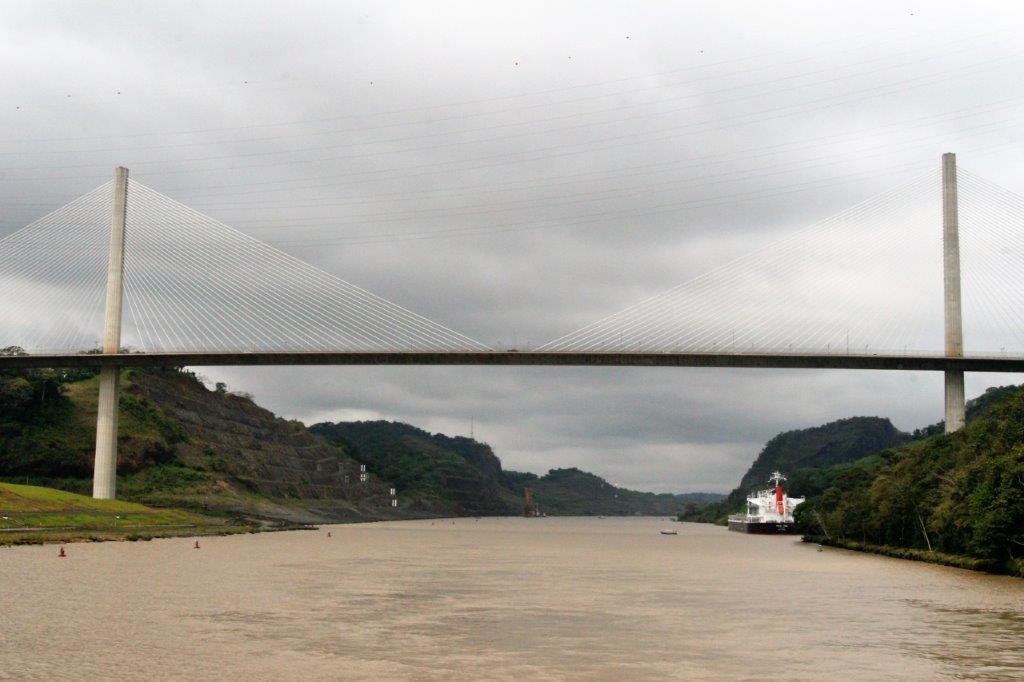
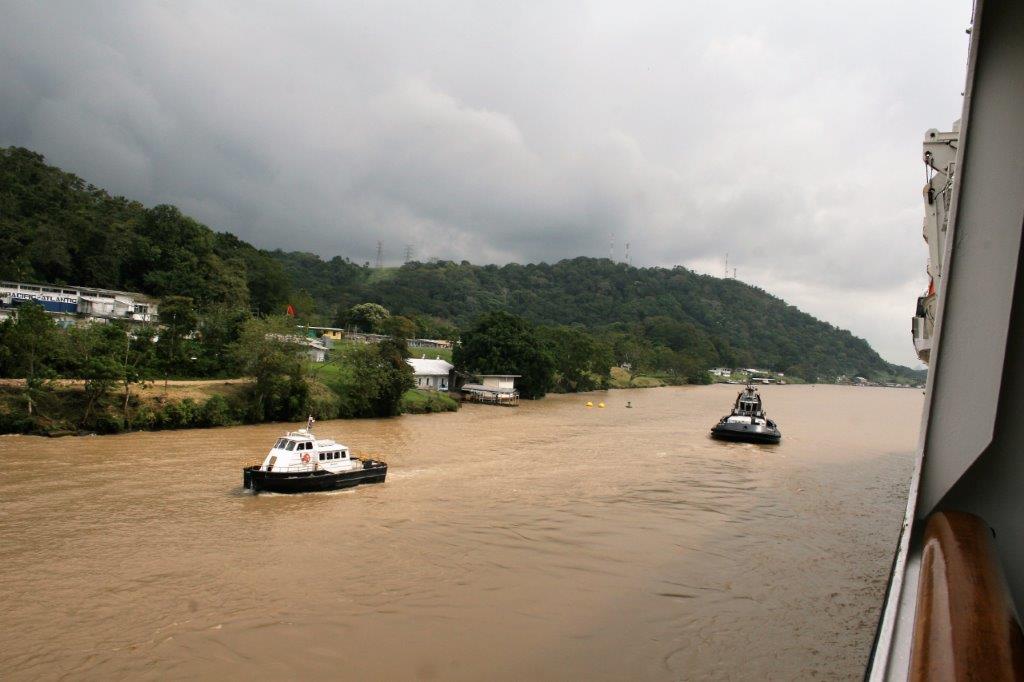
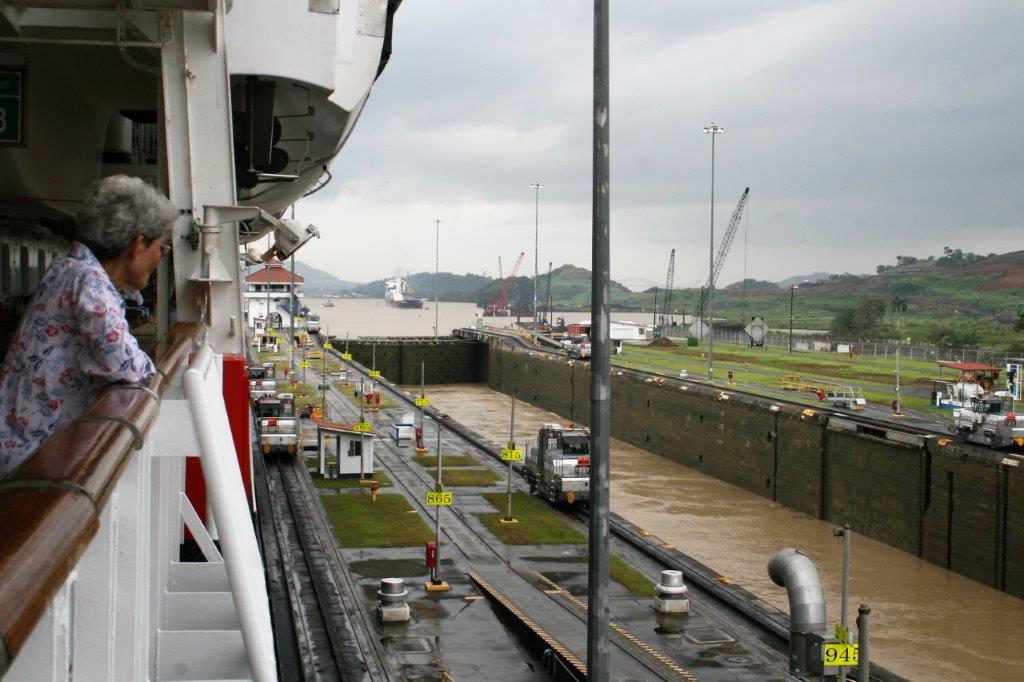
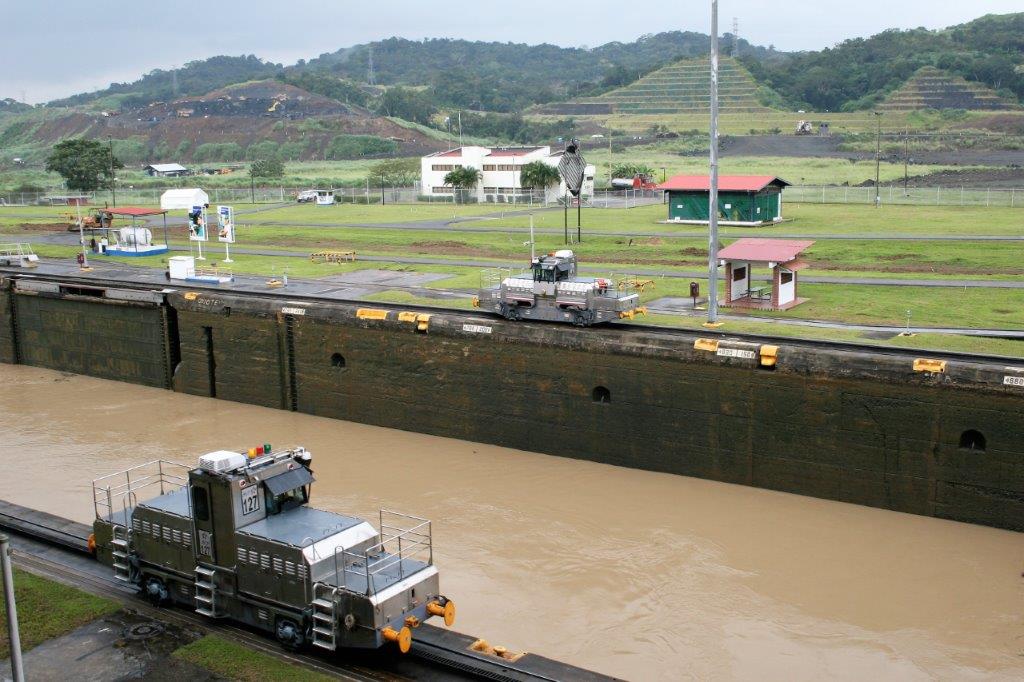
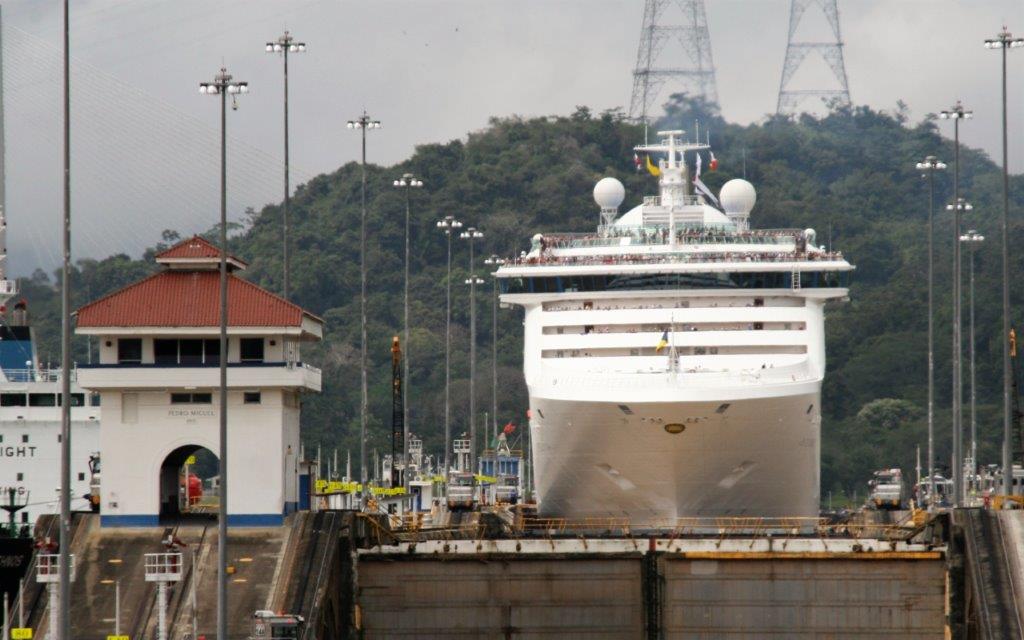
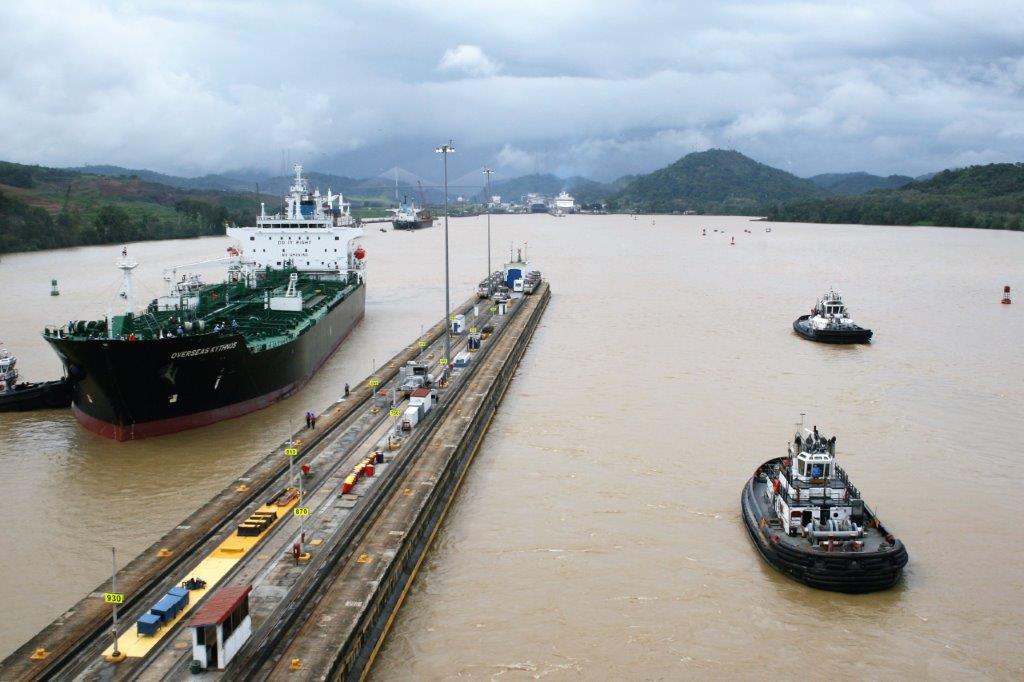
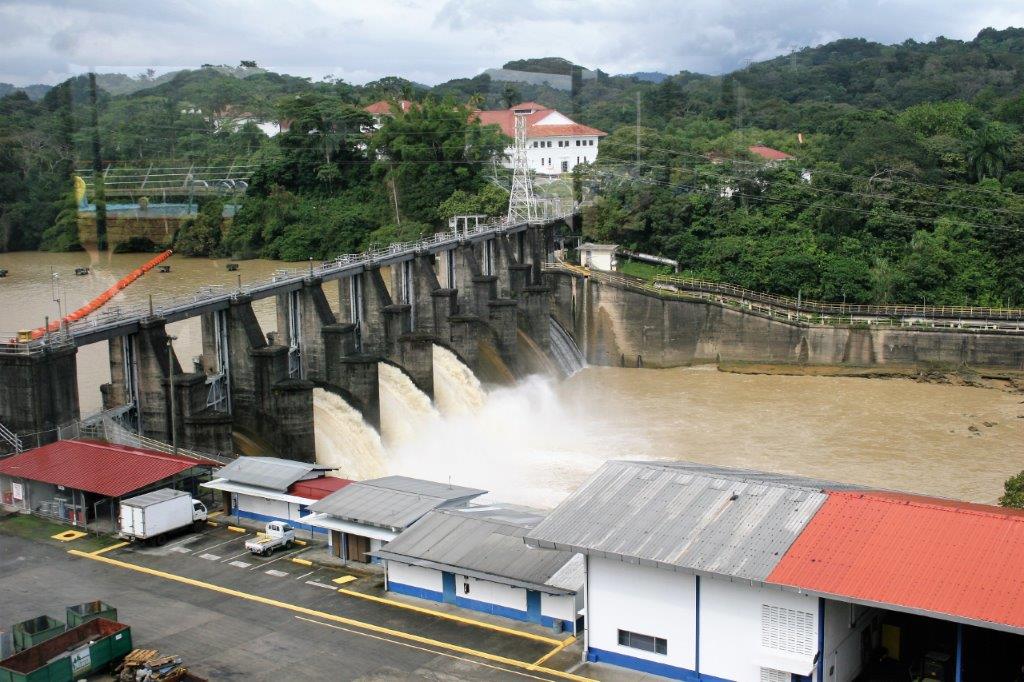
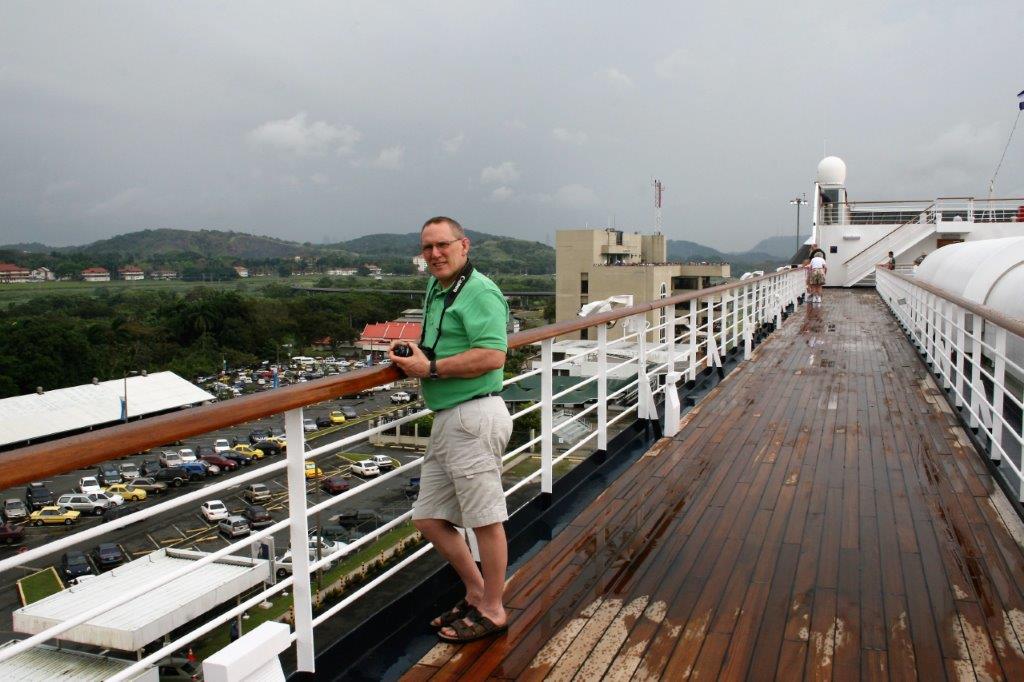
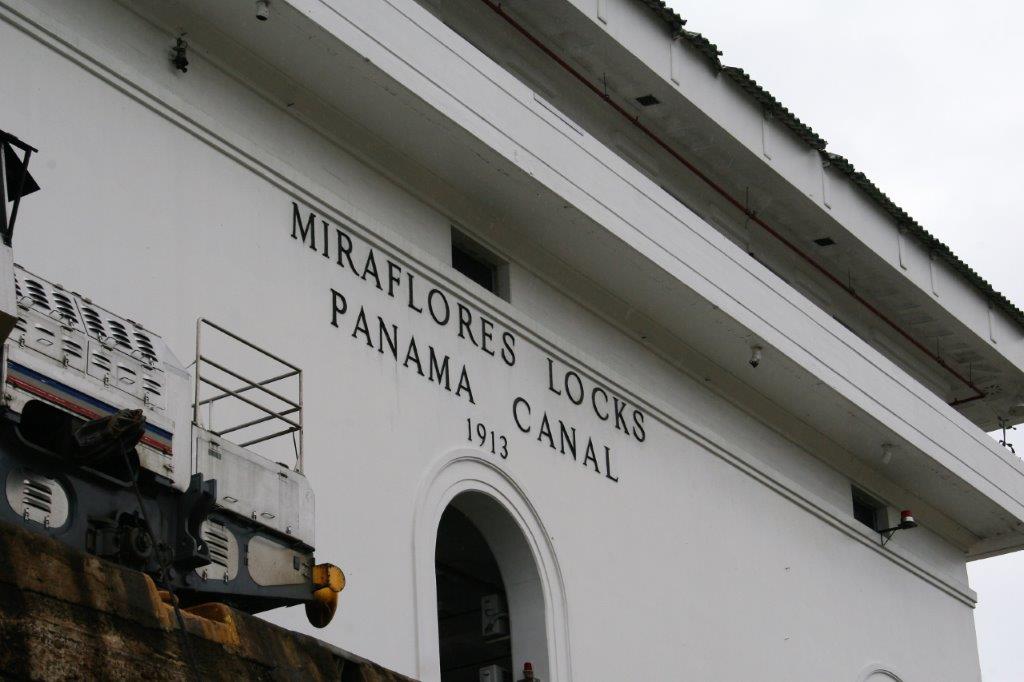
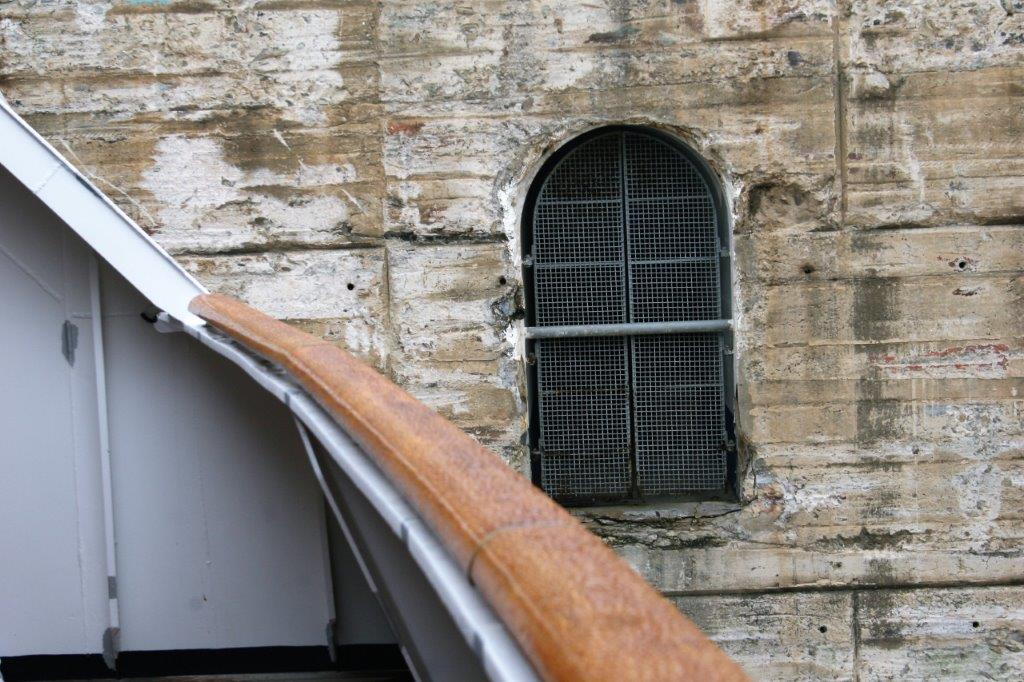
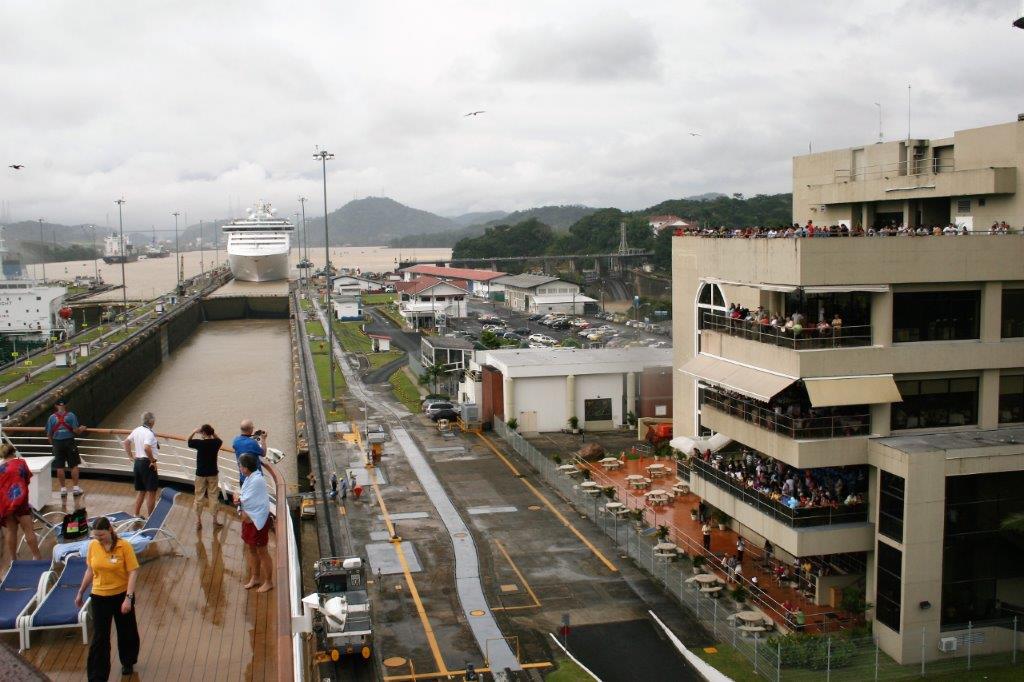
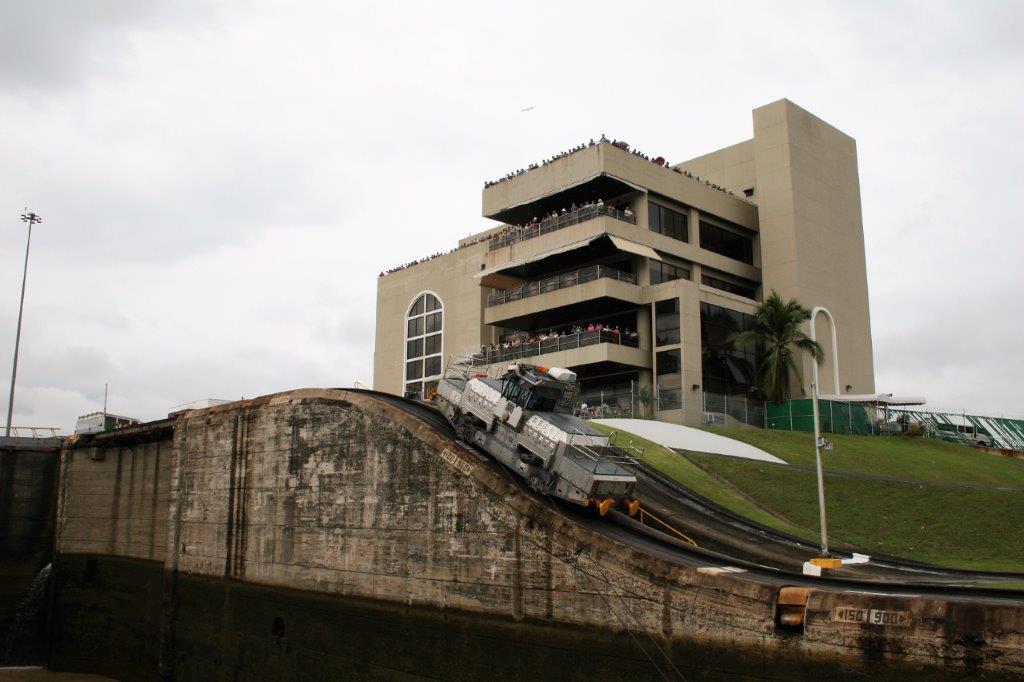
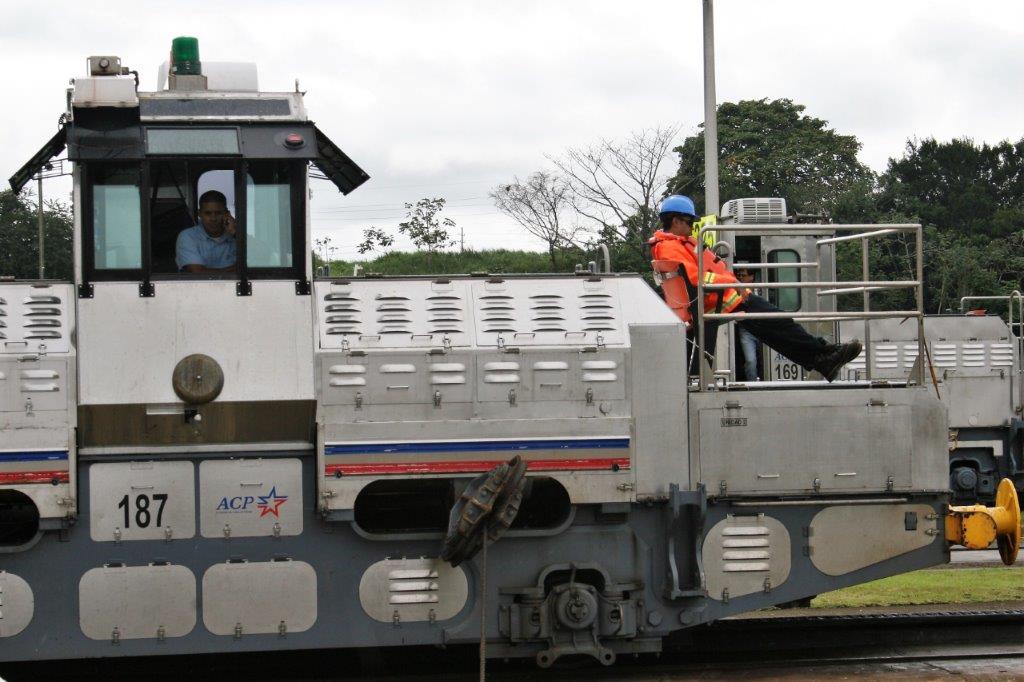
Our ship entered the Panama Canal at 6 am.  When we did the crossing the first time we got up to watch the vessel enter the first set of locks.  This time we were too lazy so we didn’t get up and on deck until 8:30 or so. It was a typical tropical day with high temperatures, high humidity and rain off and on.  The biggest difference between our 2009 canal crossing and this one in 2011 was the water.  Obviously there had been lots of rain and lots of run-off as the water was brown.  Still, watching the electric mules guide the ship and the huge doors on the locks open and close as we were raised to the level of Gatun Lake and down again to the Pacific side was still pretty interesting and we spent much of the day on deck.

                          The Bridge of the Americas in 2009                           The Bridge of the Americas in 2011

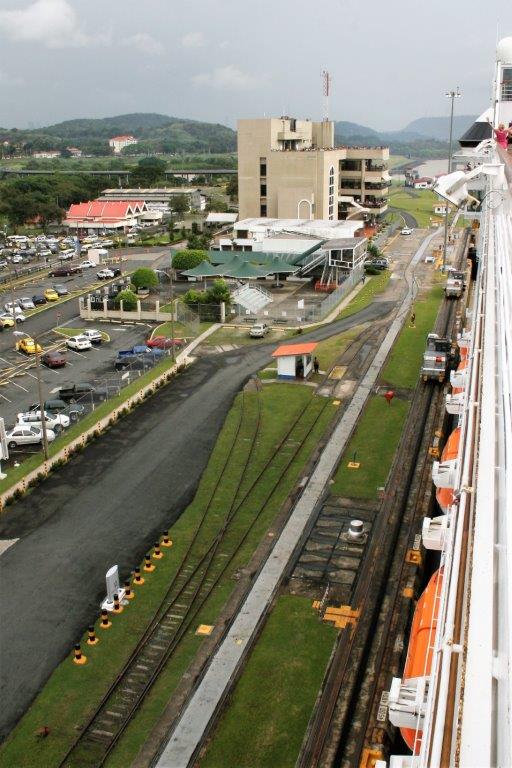
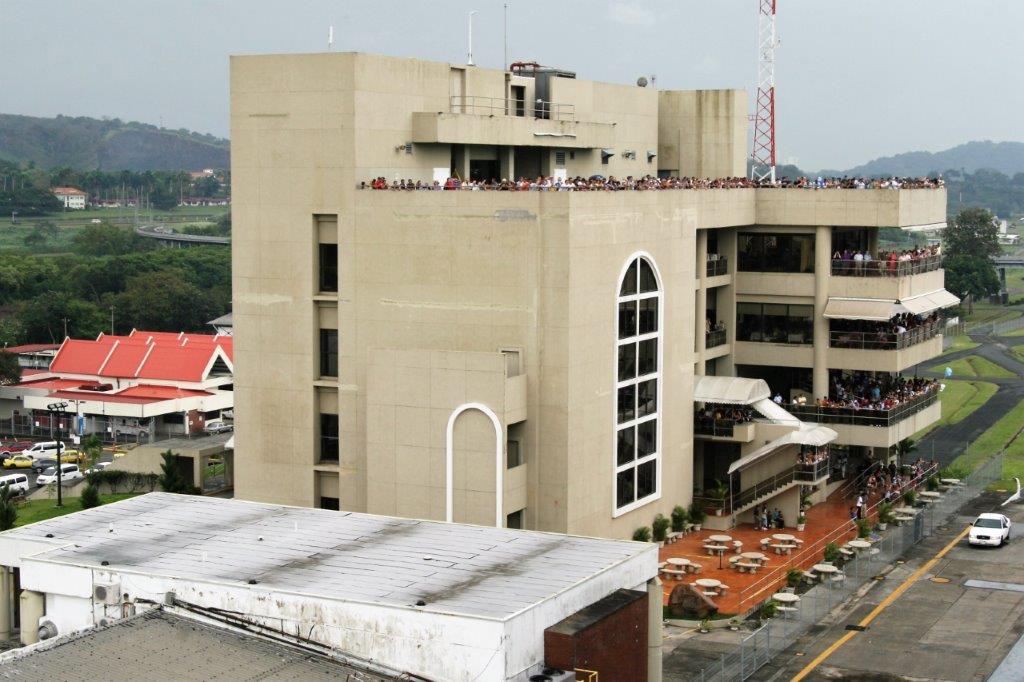
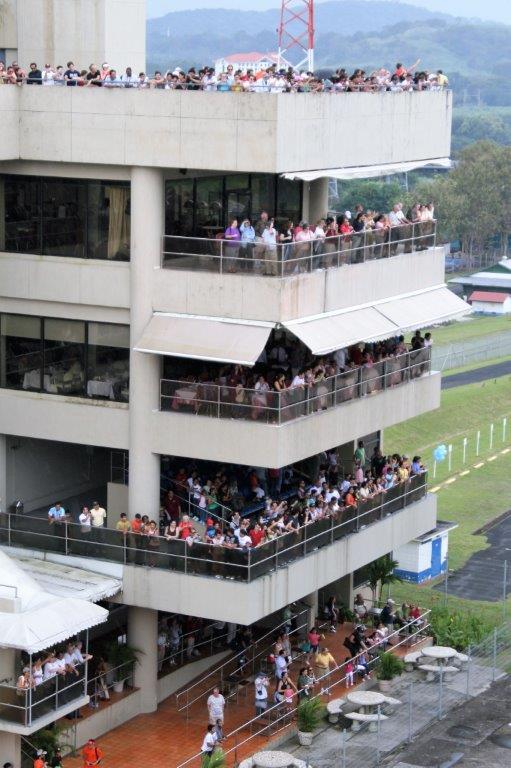
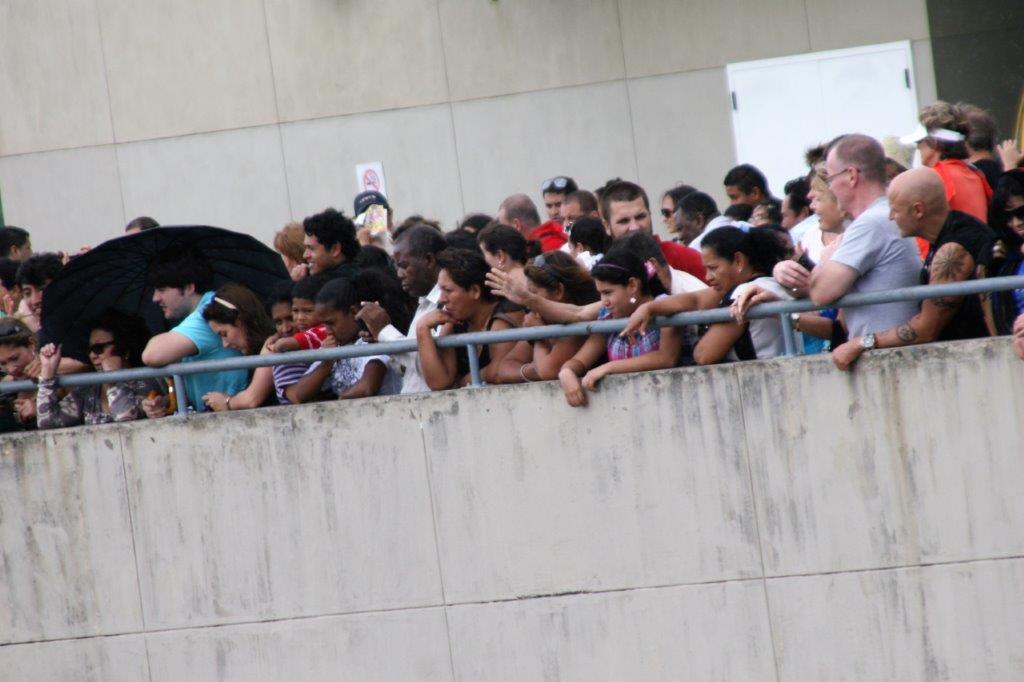
It requires about 50 million gallons of water to move one ship through the locks and almost 20,000 vessels make the crossing every year.  In the first decade of the canal (1904-1914) the annual traffic was about 1,000 ships.  At this time work was ongoing on a second, wider canal to accomodate the larger freight and cruise ships that are too big for the current canal. (The new locks opened in June 2016.) The visitors center at the western side of the Panama Canal is a popular tourist spot.  All of the viewing decks and roof are packed with people all day, every day, watching the ships enter and exit the locks.

The day after we went through the Panama Canal was a day at sea going southward down the South American coast to Manta, Ecuador, which was our next port-of-call.

2011 January 9 – Day 5 – Puerto Limón, Costa Rica

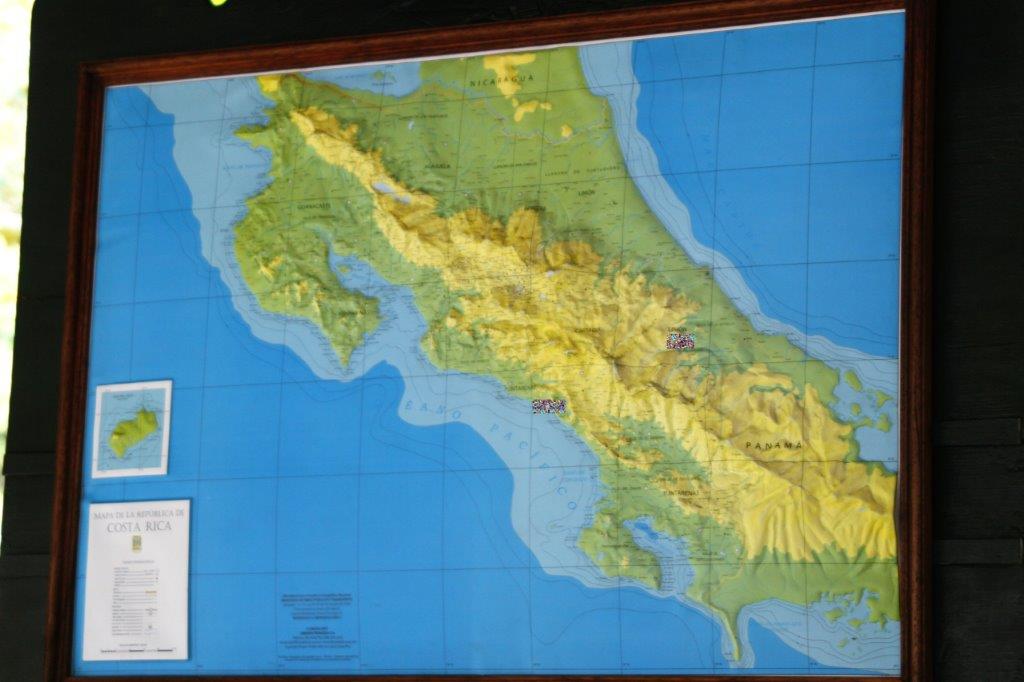
We had stopped in Costa Rica in 2009 on the Grand World Voyage, but in Puerto Caldera, so Puerto Limón was a new port for us. Puerto Limón is on the eastern side of Costa Rica almost directly across from Puerto Caldera on the west.It is a bit hard to see but I have added a multi-colour square below  the two places on the map to show you where they are located.

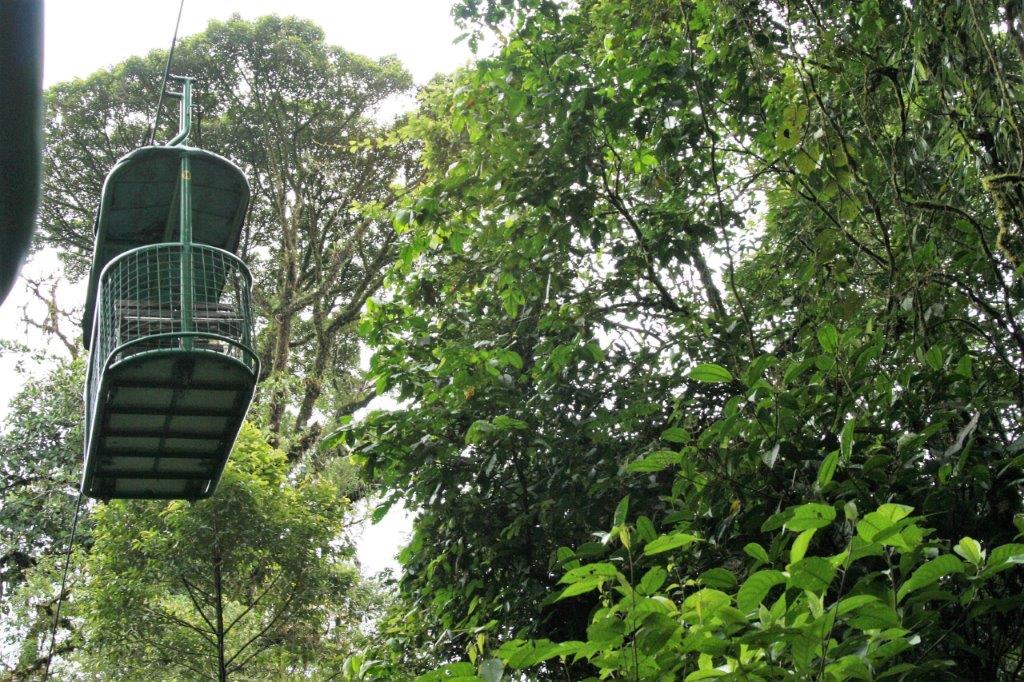
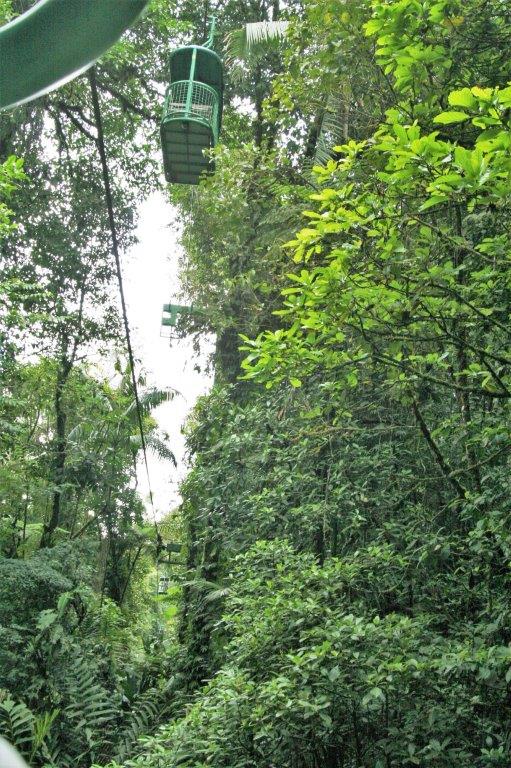
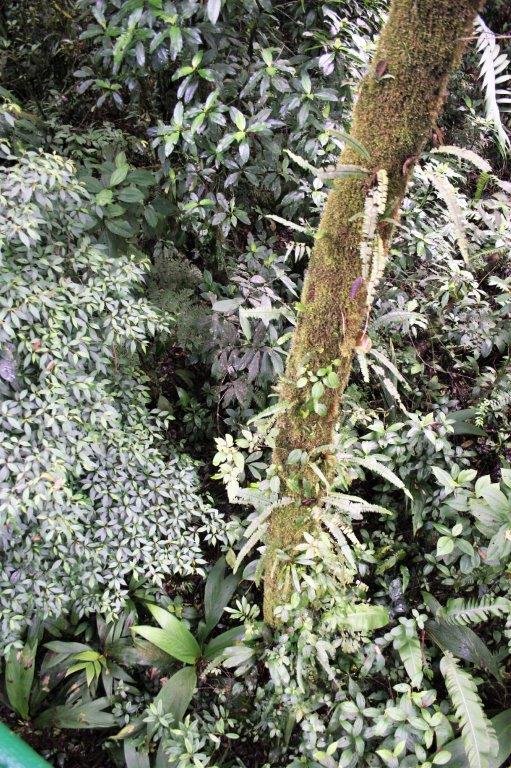
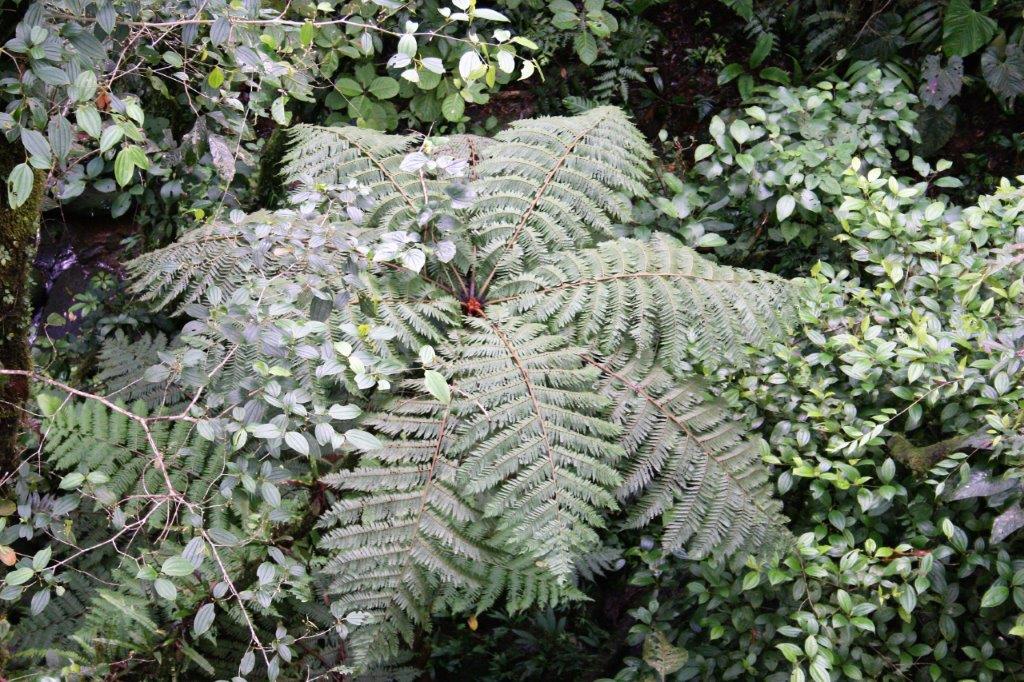
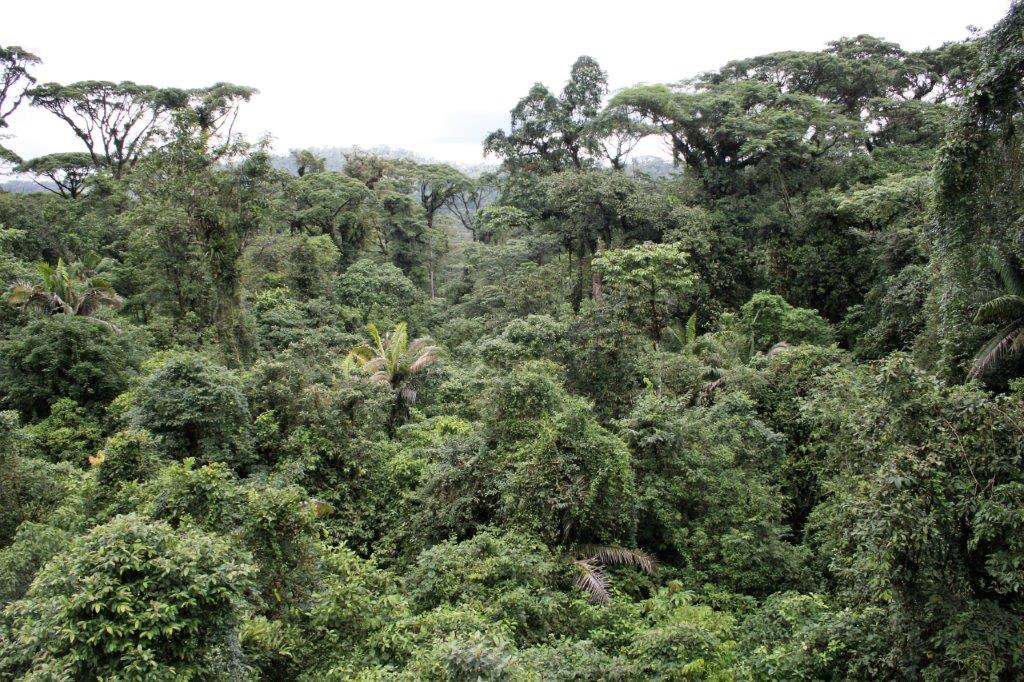
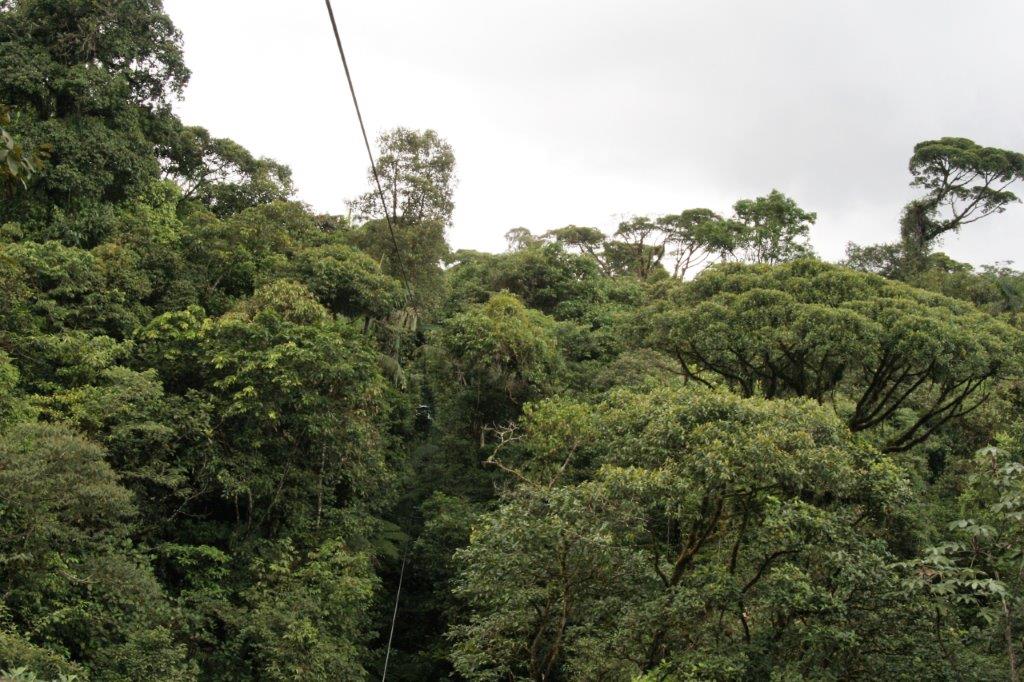
It was a two-hour bus ride to the Rainforest Aerial Tram which takes you on a 70-minute excursion through the canopy of the rain forest. The tramway runs through a private reserve that borders the Braulio Carrillo National Park.  This contributes to the protection of one of the richest canopy communities in the world.

The lower, outbound leg of the tram ride goes over hilltops and the subcanopy.  The return leg is a journey through and above the high rainforest canopy about 120′ up.

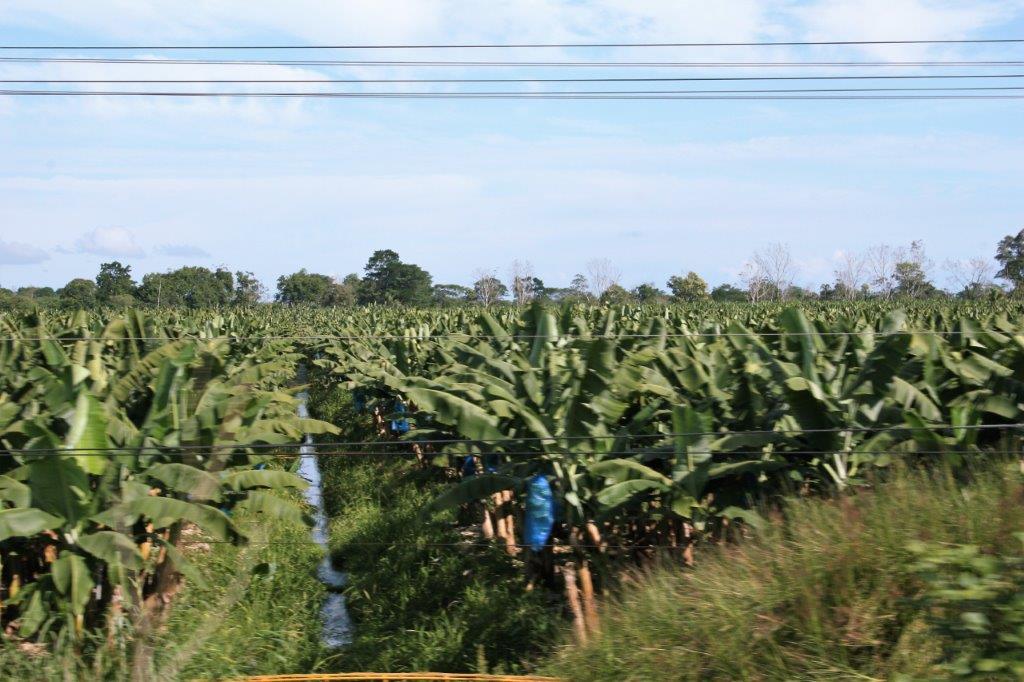
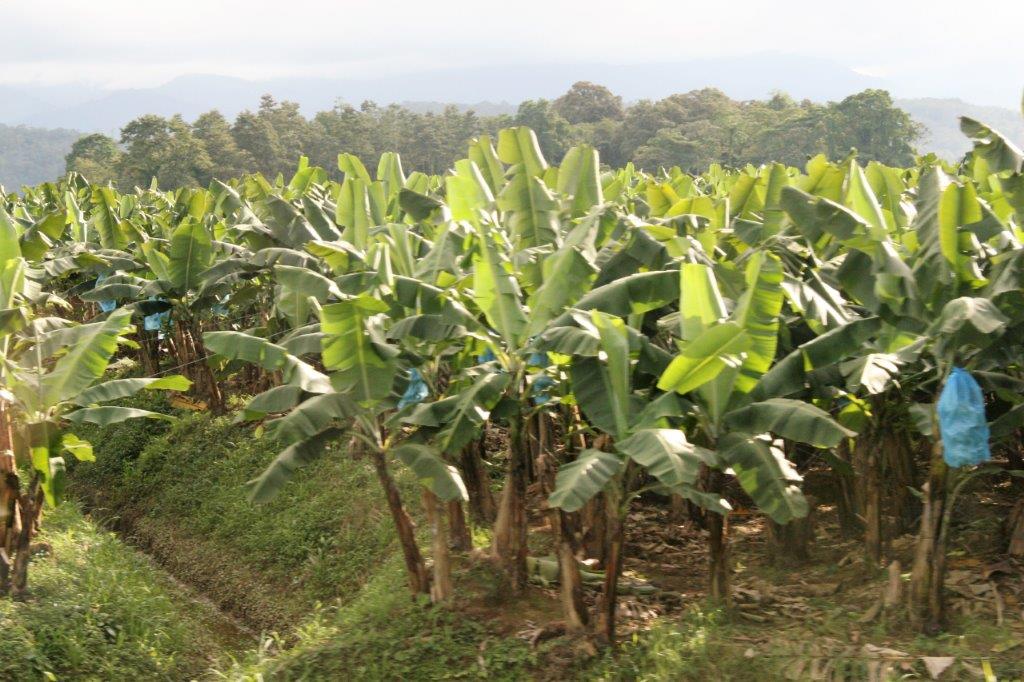
On the bus ride we passed many banana and pineapple farms, saw some three-toed sloths, vultures, a toucan and a poison dart frog.

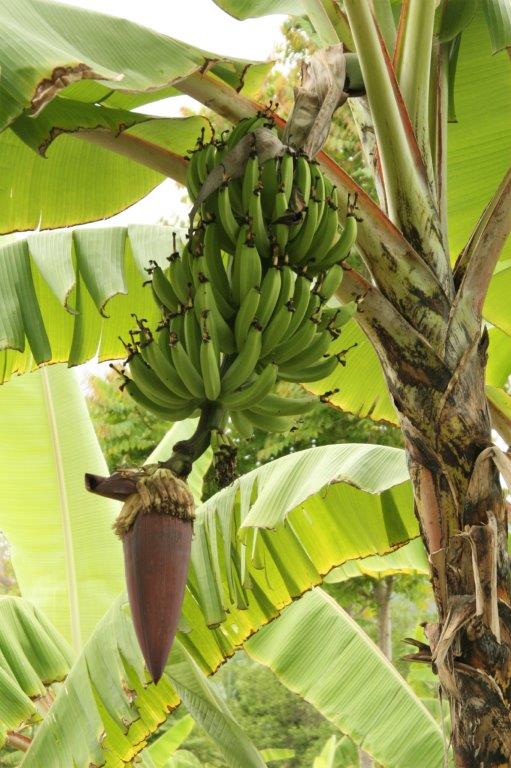
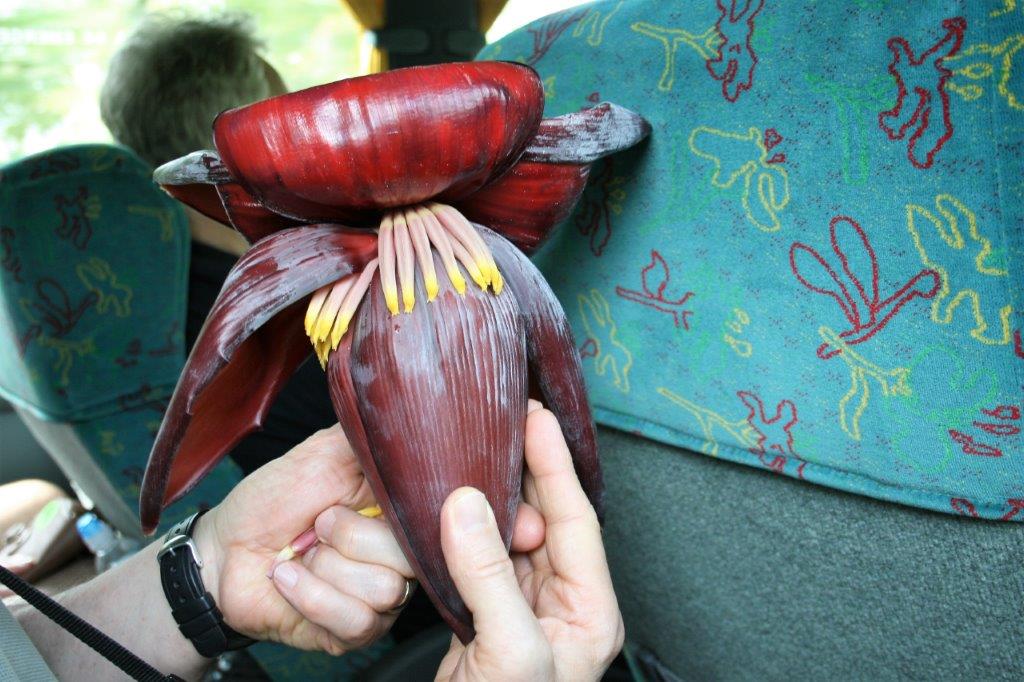
Only one bunch of bananas grows per year as it takes 9 months for the fruit to mature.   After four years – so four bunches – the tree is cut down and a new one is planted.  The blue plastic bags are placed around each bunch of bananas to help them mature and to protect them from pests and animals.                       The blossom of a banana tree is huge.

Our guide, Jason, told us that a farmer can make double the money growing pineapple which bear fruits twice in the one year before being replanted.

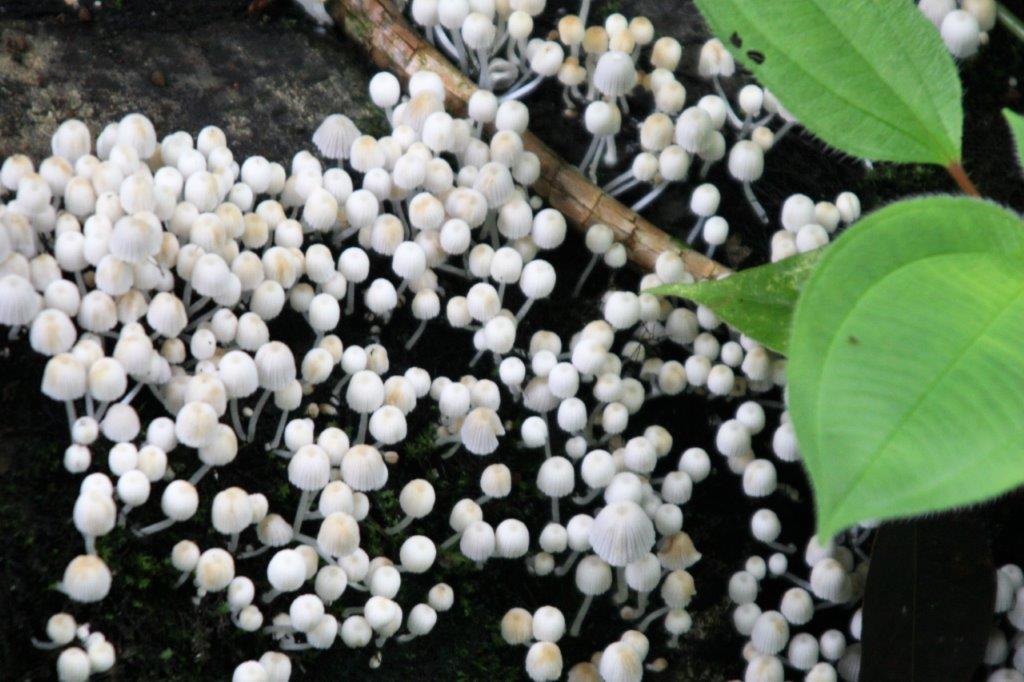
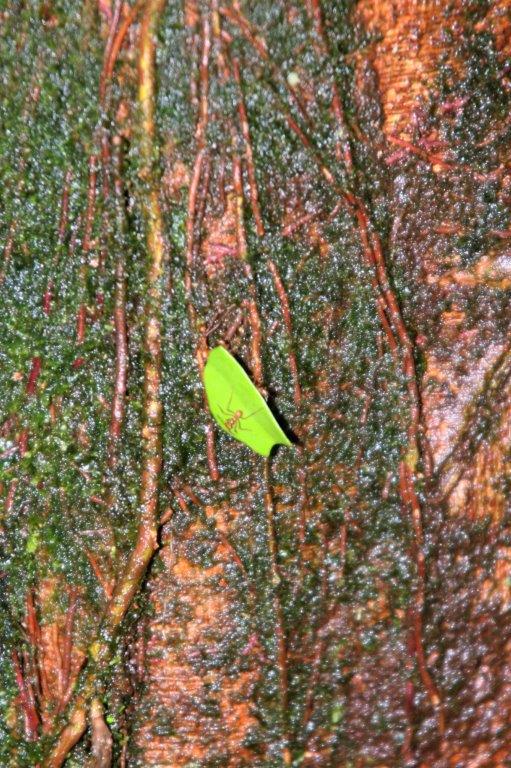
On the walk to the tramway we passed some very tiny mushrooms, lots of twisty branches, and busy leaf-cutter ants that make roadways with edges that run long distances between the nest and the trees they are working on.  Fascinating creatures. Not a lot of wildlife to see on the actual tram ride as most of the animals are nocturnal and most of the birds are out feeding and only return at sunset.  Still, it was an interesting experience to see the lushness of a rainforest from above. We always like taking tours that get us out of the cities and into the countryside and that introduce us to nature or history in the place.  Much more interesting and enjoyable than shopping and driving around cities.   We returned to the ship a little before four pm and the captain set sail at 5.  The next day we made our second Panama Canal crossing in very different conditions than when we first made the trip in 2009.

2011 January 5-7 – Days 1-3 – Home to Ft. Lauderdale to Grand Cayman

Many, many years ago when I was a young girl there was a show on television (in black and white) called “The Flying Doctor.”  Each episode was about some accident or illness in the Australian Outback that required the services of the flying doctor team.  I loved that show and I loved the idea of a country so vast and sparsely populated that medical services were provided by airplane.  I fell in love with the Red Center of Australia and it was the Number One place I always wanted to visit.

We were fortunate to stop in Sydney, Melbourne, Adelaide and Perth when we took the World Cruise in 2009, but all of those cities are on the coast and I still did not get to see the Outback.  John and decided that we would take a nice long trip to Australia in 2011.

I love the take-off and the landing in an airplane but the rest of the trip is a dead bore, stuck in seat with nowhere to go.  It takes 15-16 hours to fly non-stop from Vancouver, BC to Sydney, AU.  Much too long for my liking.

We are on the mailing list for Holland America Cruise Line since we did the 2009 Grand World Voyage and received an email with the itinerary for the 2011 World Cruise.  All of the HAL Grand World Voyages are divided into sections so people can do part one, or part three, or whichever of the four segments they like if they are not wanting to do the entire four-month cruise.  The first leg of the 2011 Grand World went from Ft. Lauderdale, FL to Sydney, AU in 45 days, via the east coast of South America, the South Pacific, New Zealand and Tasmania.  This, we decided, would be a much nicer alternative to 16 hours in an airplane. We flew to Ft. Lauderdale on January 4, spent the night and boarded the MS Amsterdam the next day.  The ship set sail about an hour late due to the volume of luggage that had to be loaded. (Many of the guests bring LOTS of luggage on a World Cruise.)

There was a day at sea before our first stop and we spent it as we usually do; walking laps of the deck (4 1/2 laps = 1 mile), reading and eating.  We had the pleasure of seeing several staff members from the ’09 World Cruise and becoming re-acquainted with a few couples we had met on that trip as well.

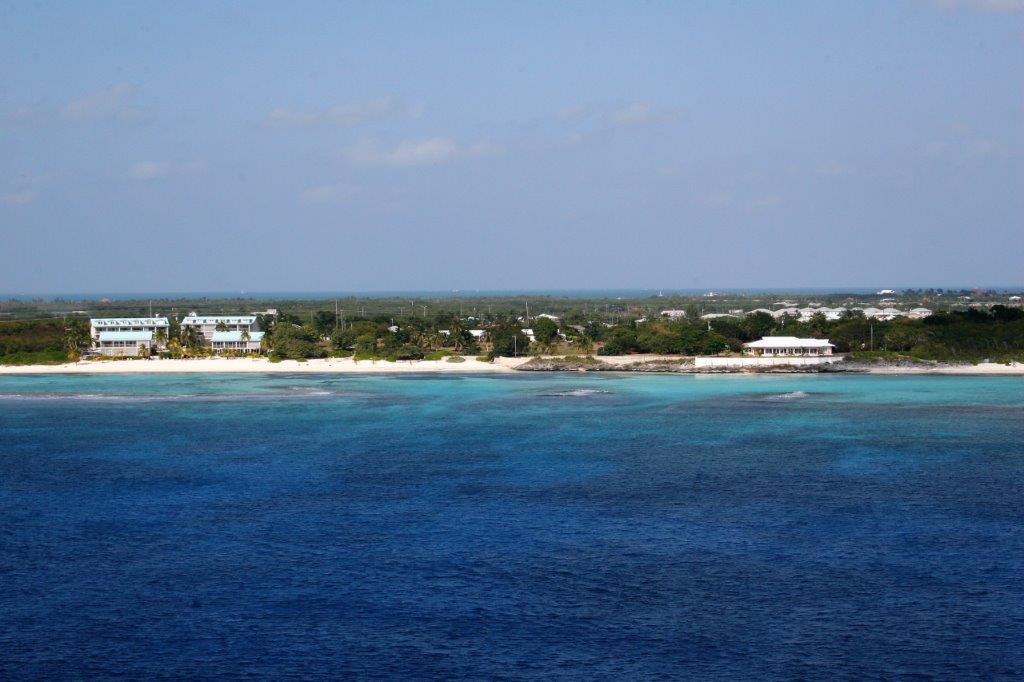
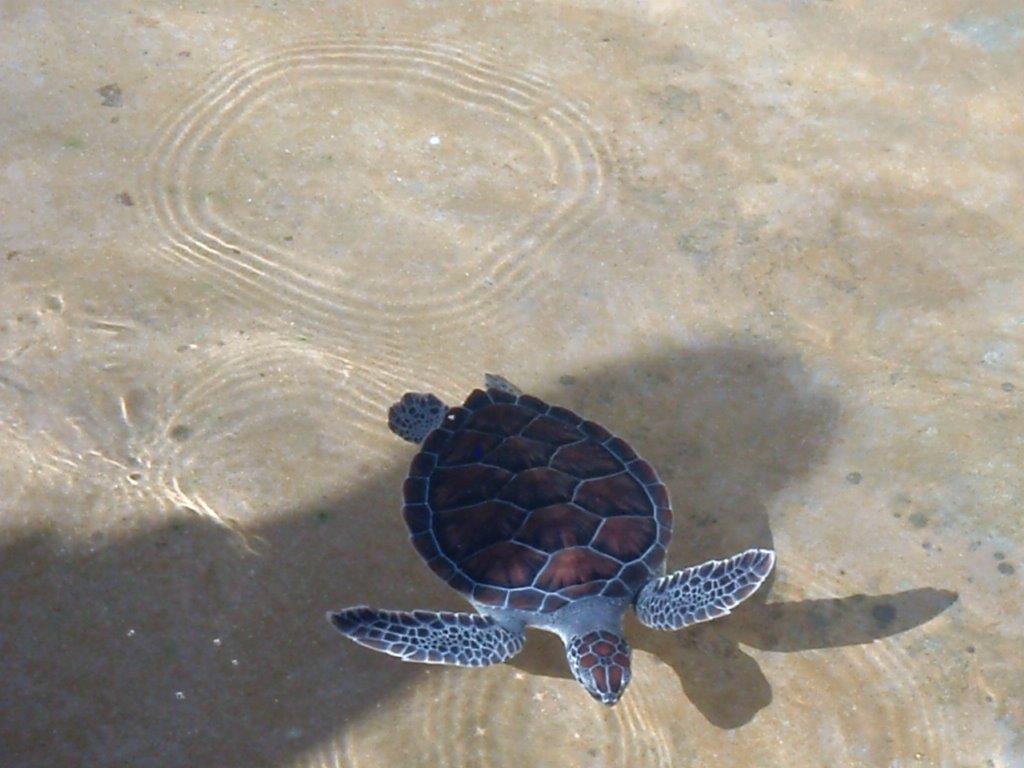
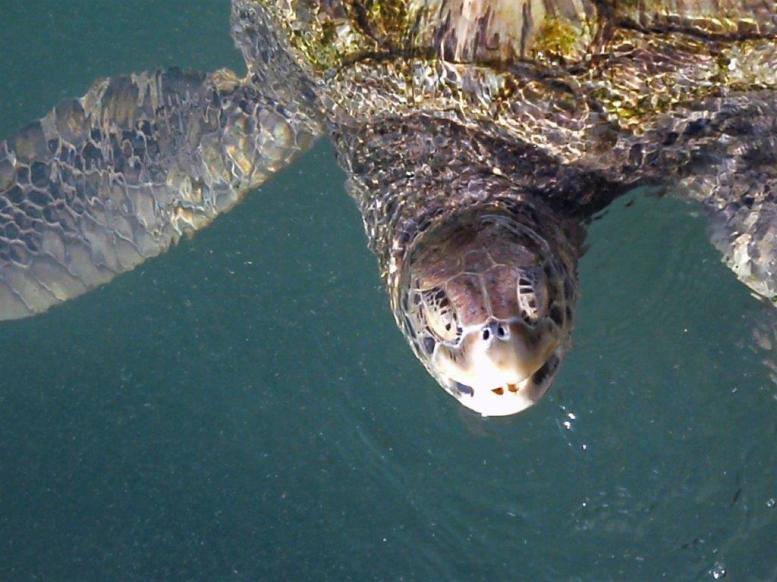
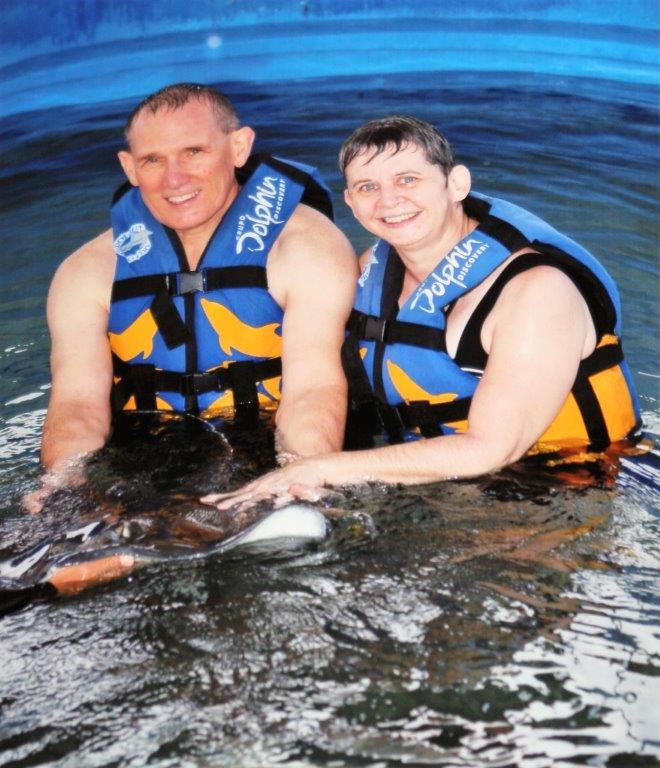
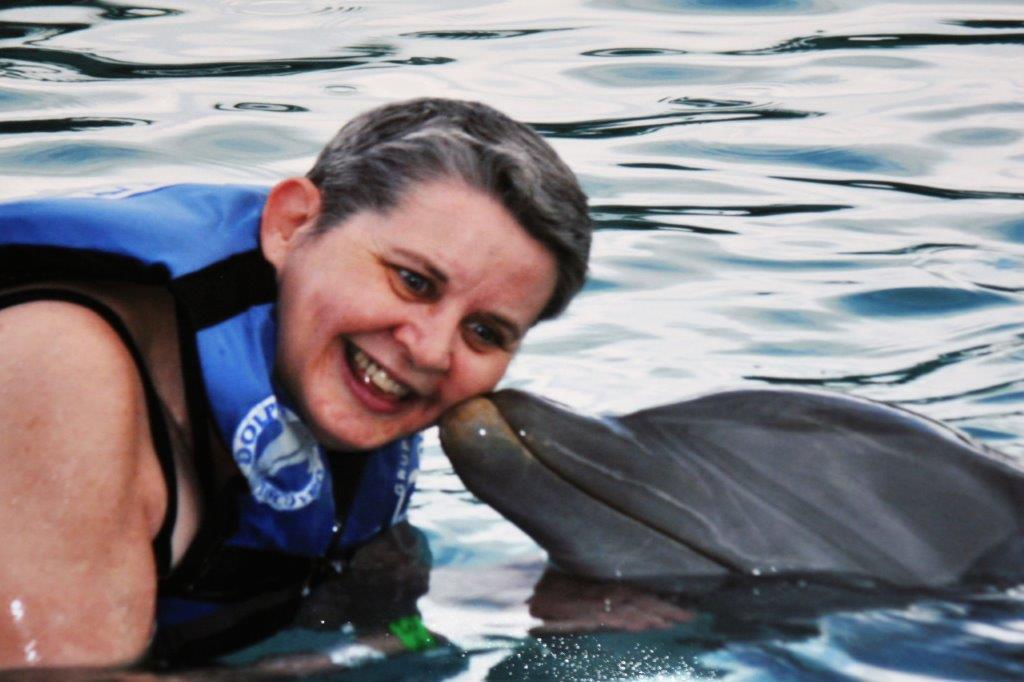
We were to anchor off the coast of Georgetown, Grand Cayman at 8am but due to turbulent swells the captain chose to anchor on the opposite side of the island.  He arranged large local tenders to ferry guests ashore and shuttles to take people into Georgetown.Our excursion took us to the Cayman Turtle Farm and then to a dolphin marine center where we were able to swim with the dolphins.  We had a great day.  How could you not have fun when you get pulled across a swimming pool on the back of a dolphin.  So cool! 


This dolphin was so happy to see its trainer that it followed her all along the poolside as she arrived and again as she departed after our swim.

We even got to pet a sting ray.  They are silky soft.The ship set sail at 5pm for our next port-of-call, Puerto Limón, Costa Rica.  So began another exciting adventure; seeing new places, doing new things, enjoying new and formerly-met people.

I plan to write a blog about this journey over the next few weeks or months as time permits and inspiration hits.  We are about to embark (next week) on a 5-6-week road trip to the American mid-west and as is my custom I will probably write a blog as we travel along.  Therefore my Australia holiday blog will be intermittent but I felt like starting it; so I did.


2009 Sep 13-16 – Days 19-22 – John Day, OR – Home

Now that we are on the way homeward our days were much more driving days than sight-seeing days.  It is a short drive from John Day, to Pendleton, and according to my photographs I only took – or at least I only kept – three photos, and two of them are almost the same.

When we arrived in Pendelton we bought tickets for the Underground Tour.  The tour takes you to the seedy side of Pendleton as it was in the 1890’s.  There are tunnels under the city streets that connect various buildings and within that warren were gambling dens, brothels, and an active Chinese community providing the various vices.  There were no photos allowed on the tour so I can’t show you stuff, but it was very interesting.  Buy a ticket if you are ever in Pendleton, Oregon.

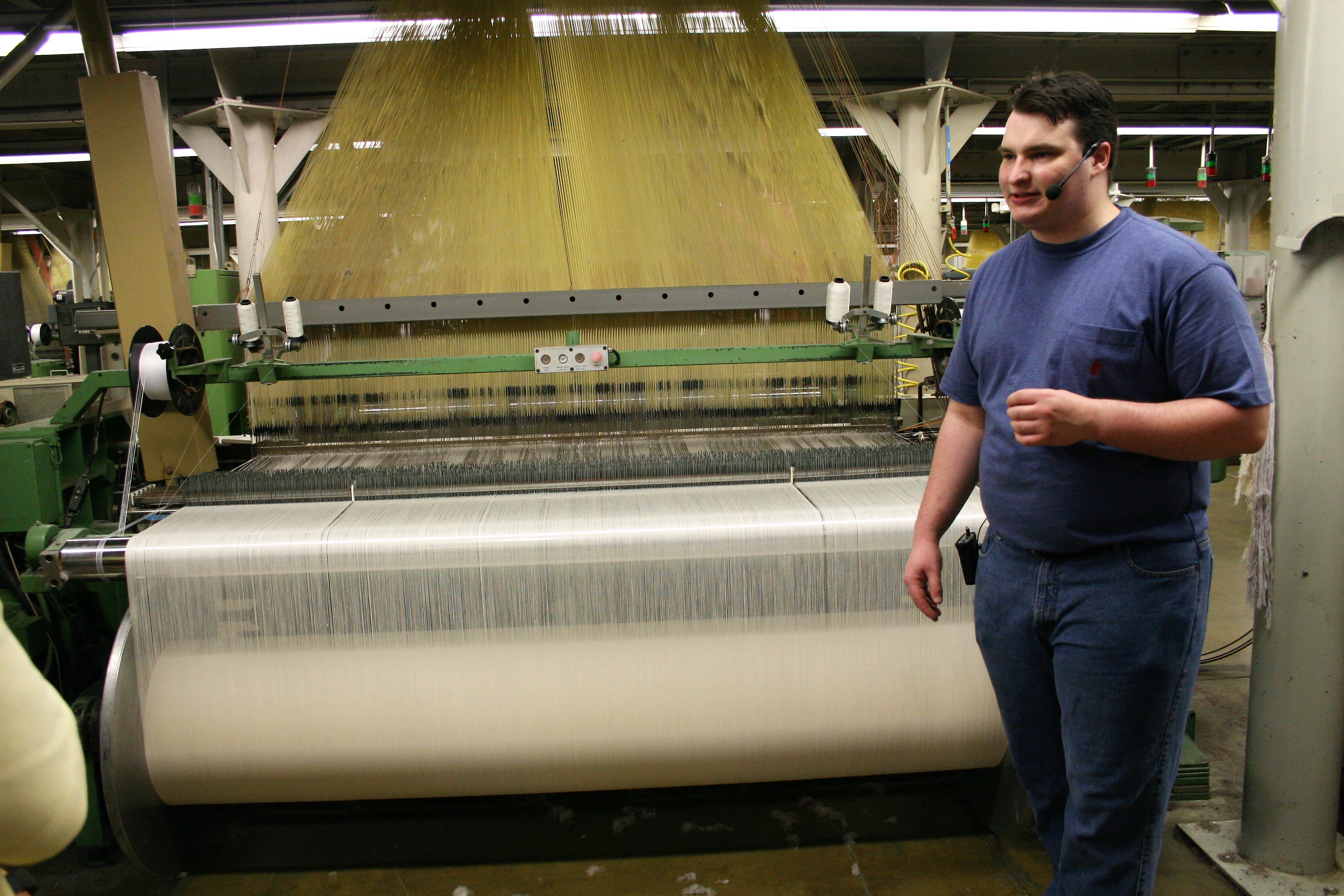
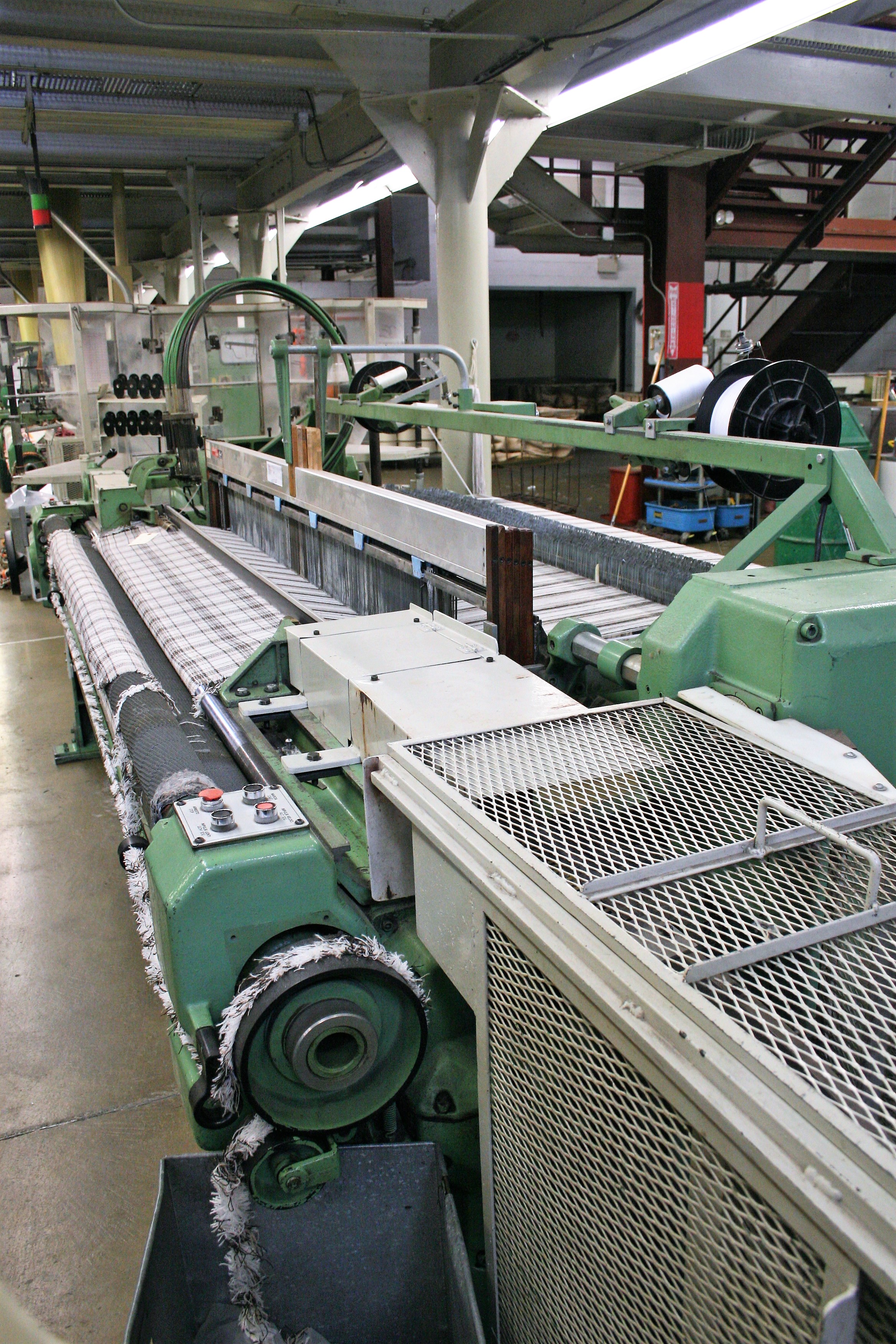
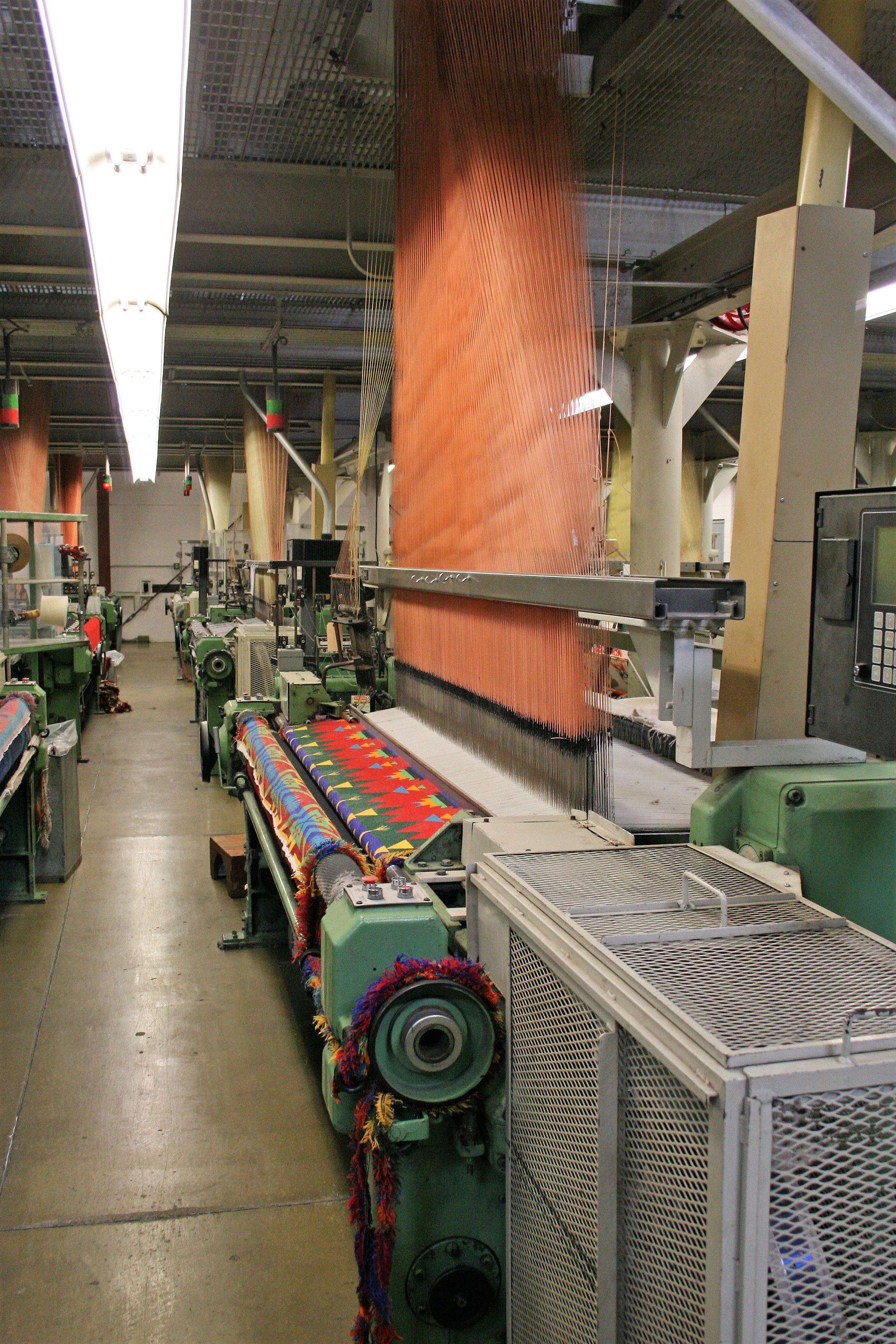
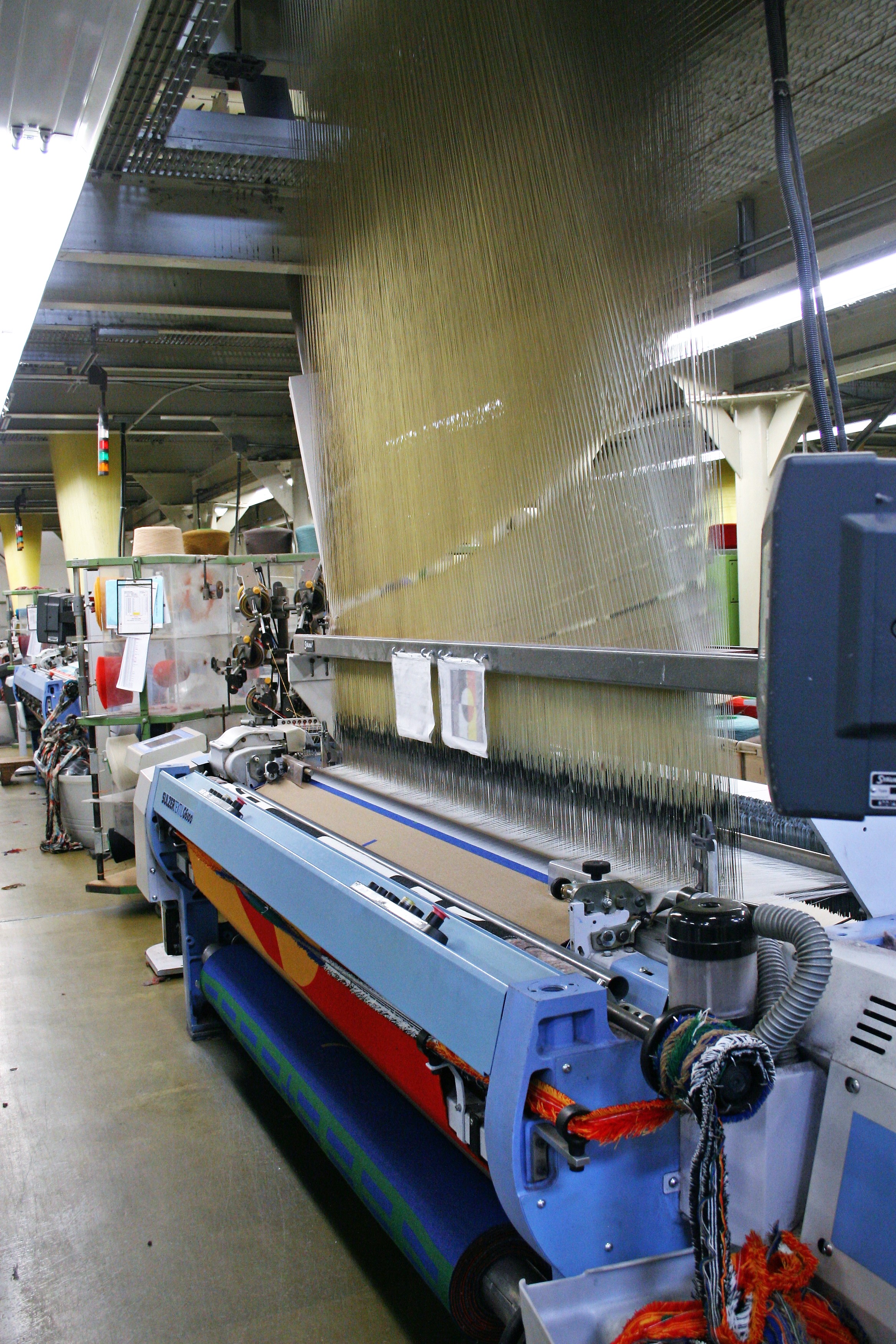
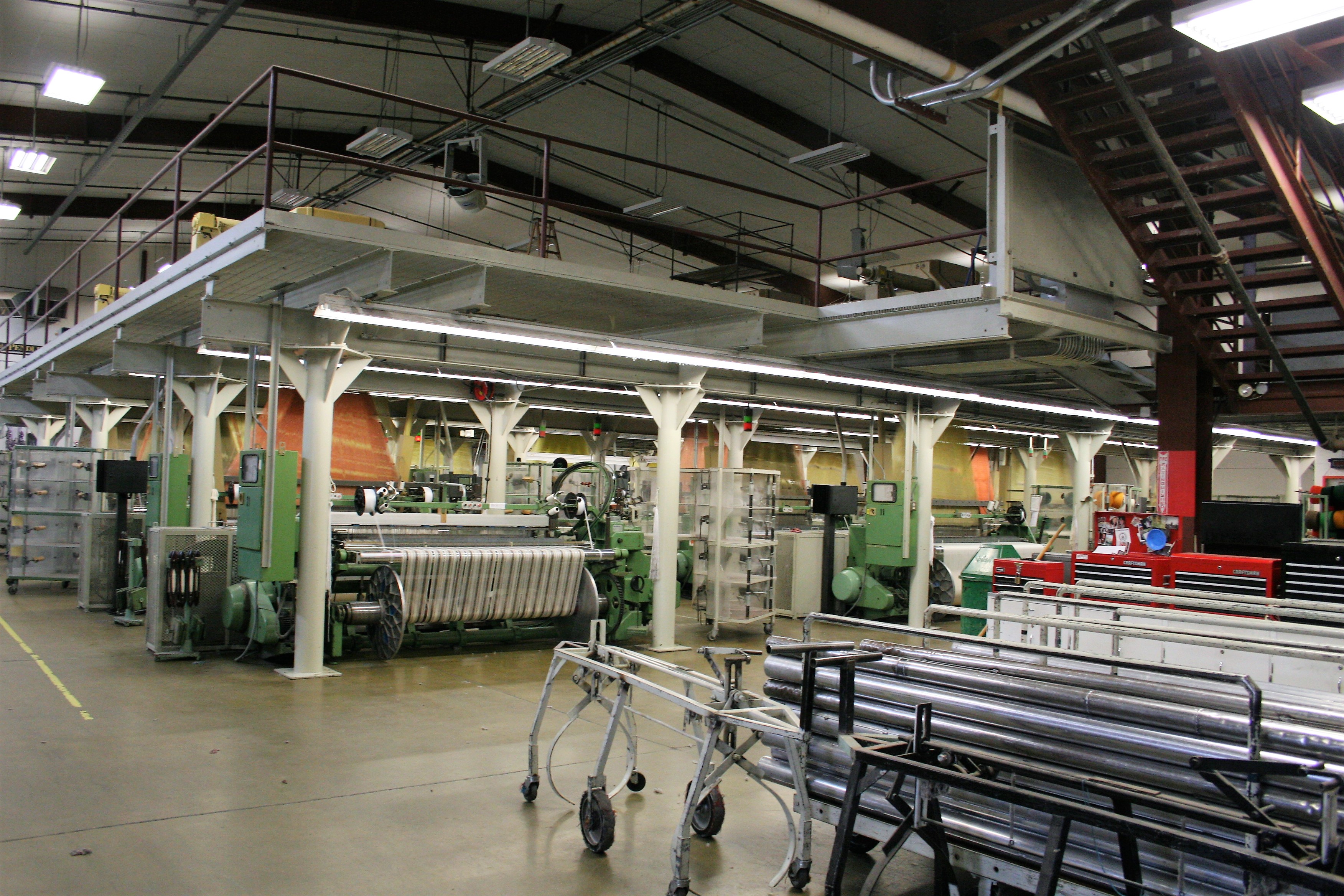
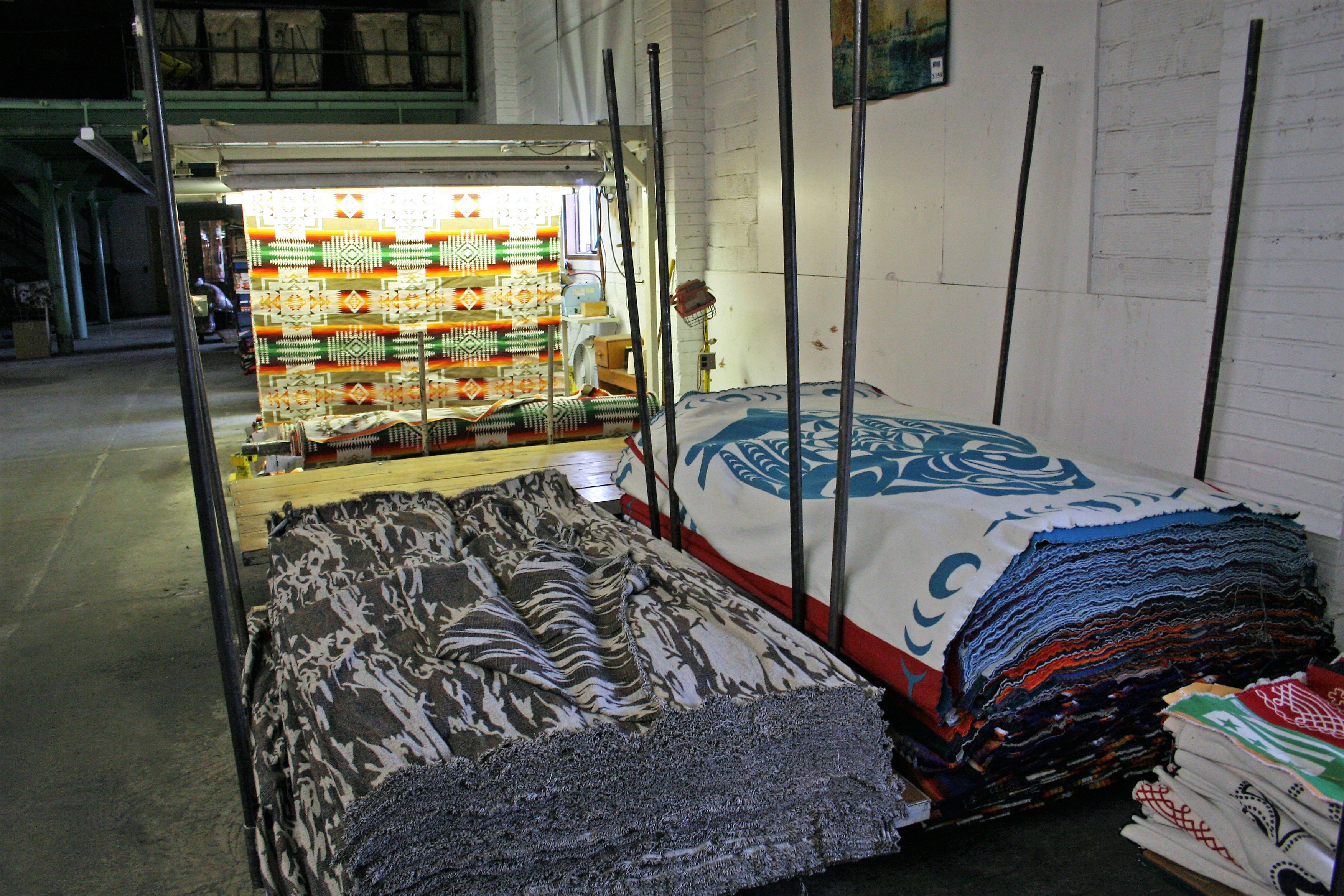
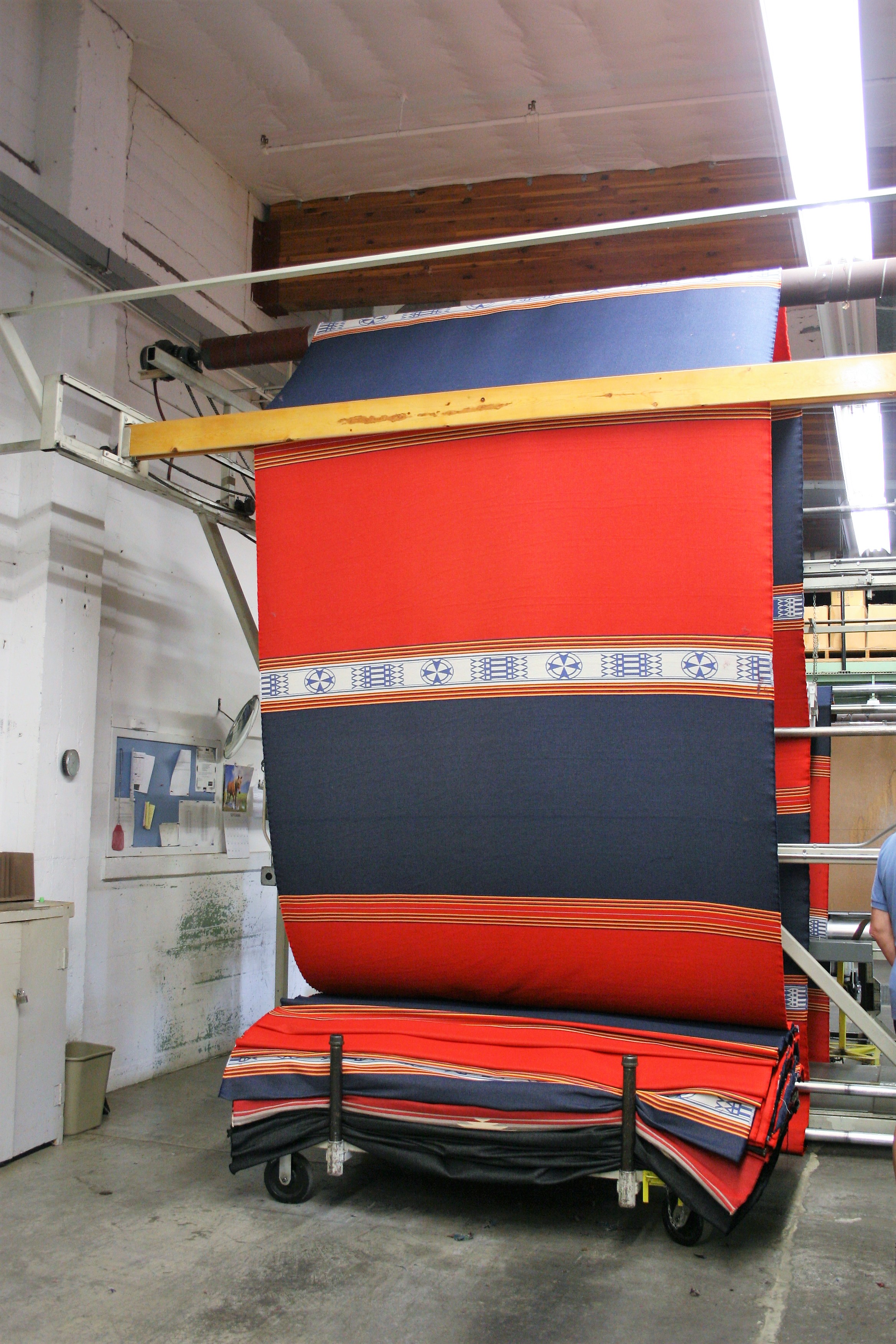
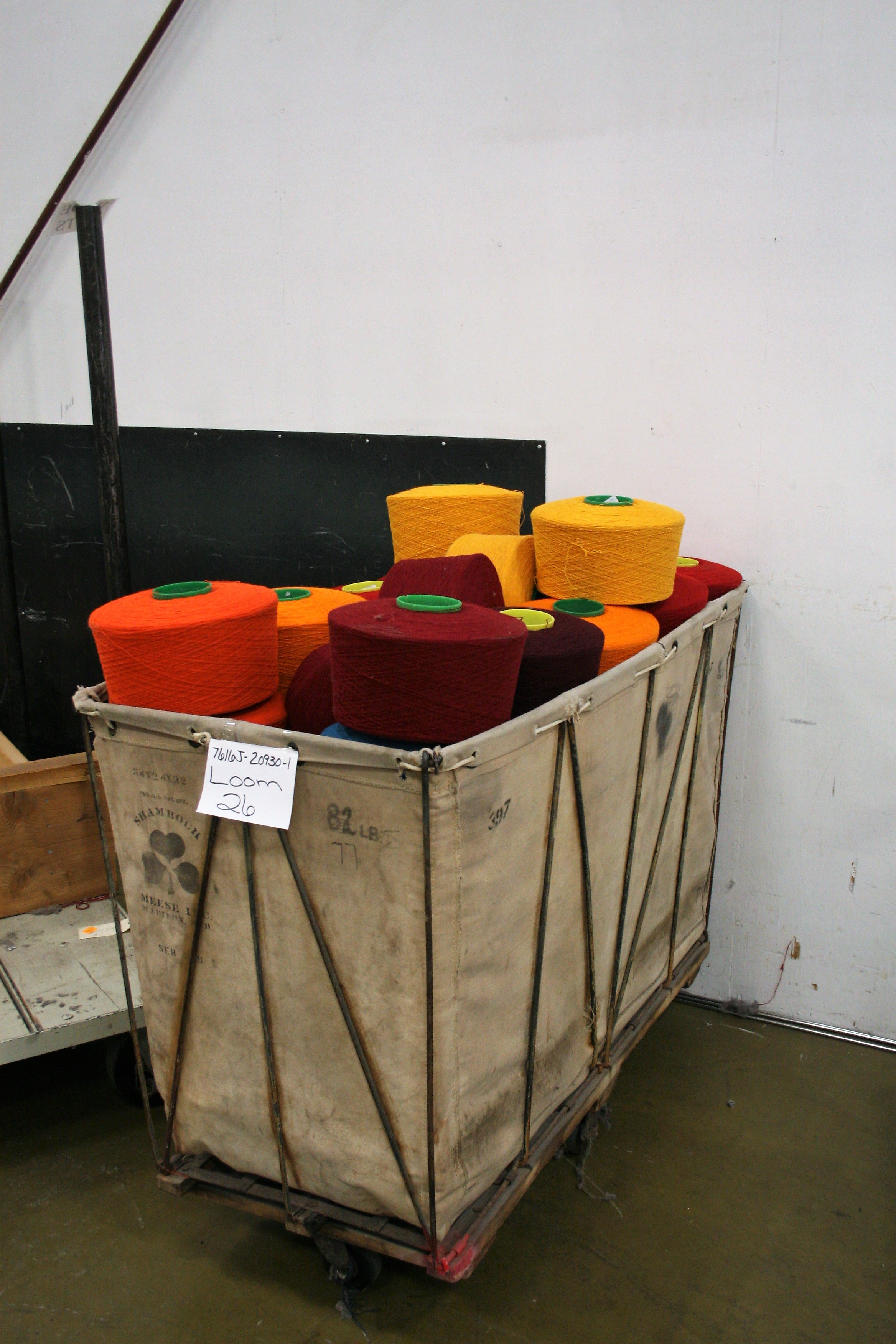
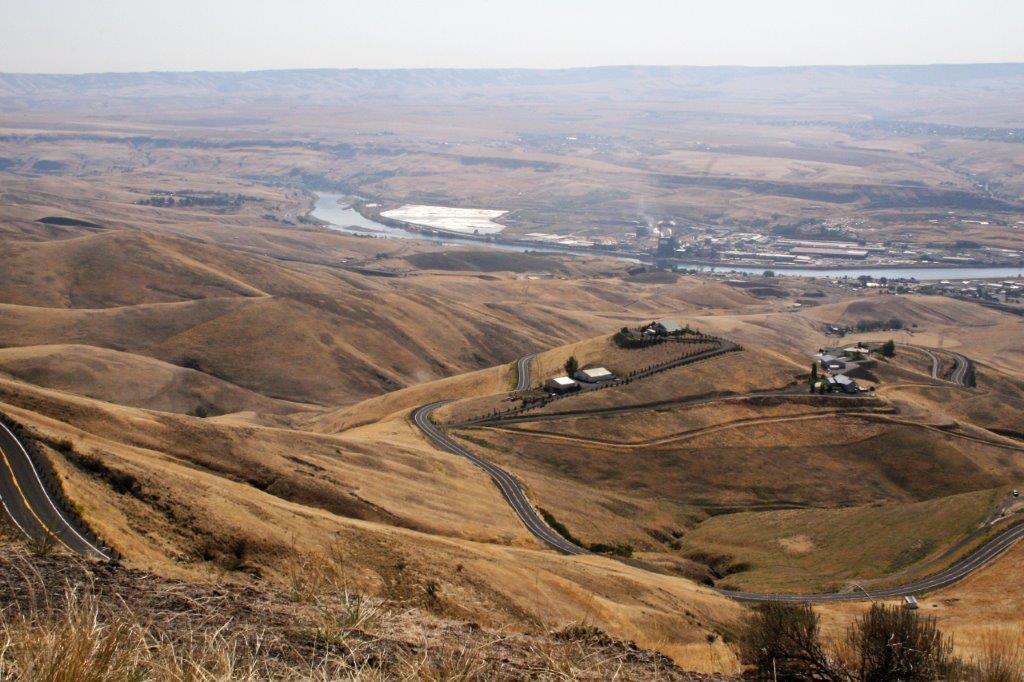
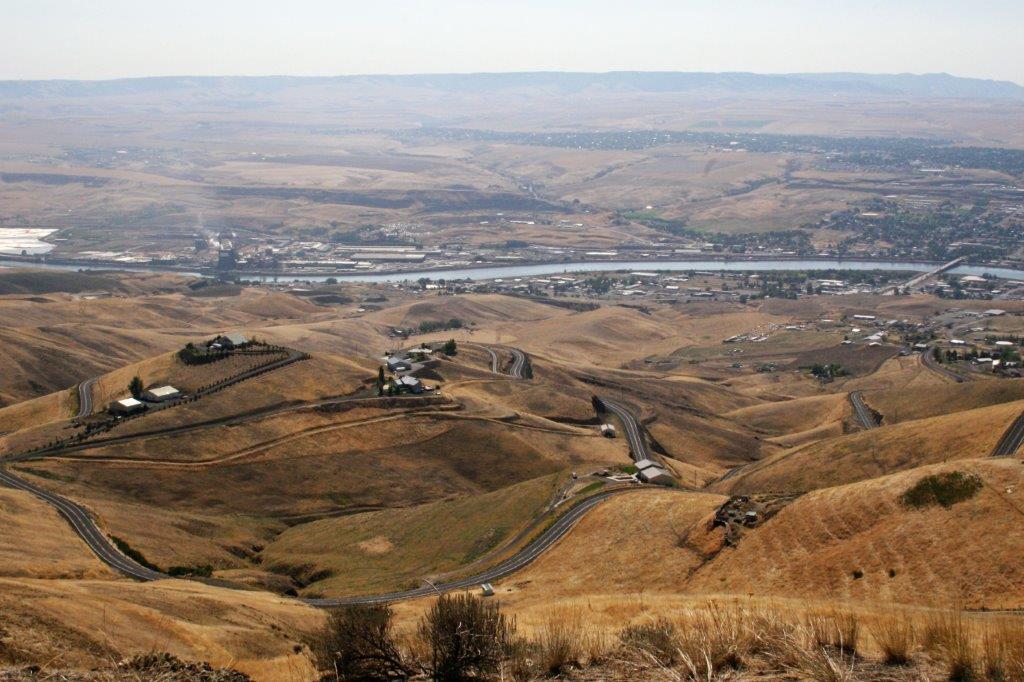
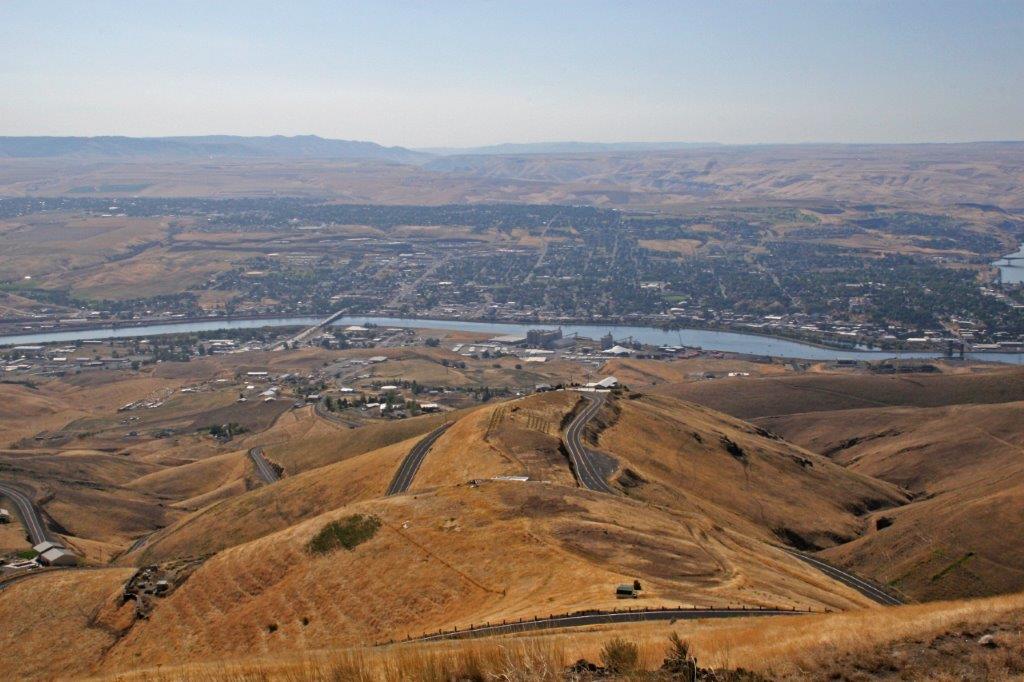
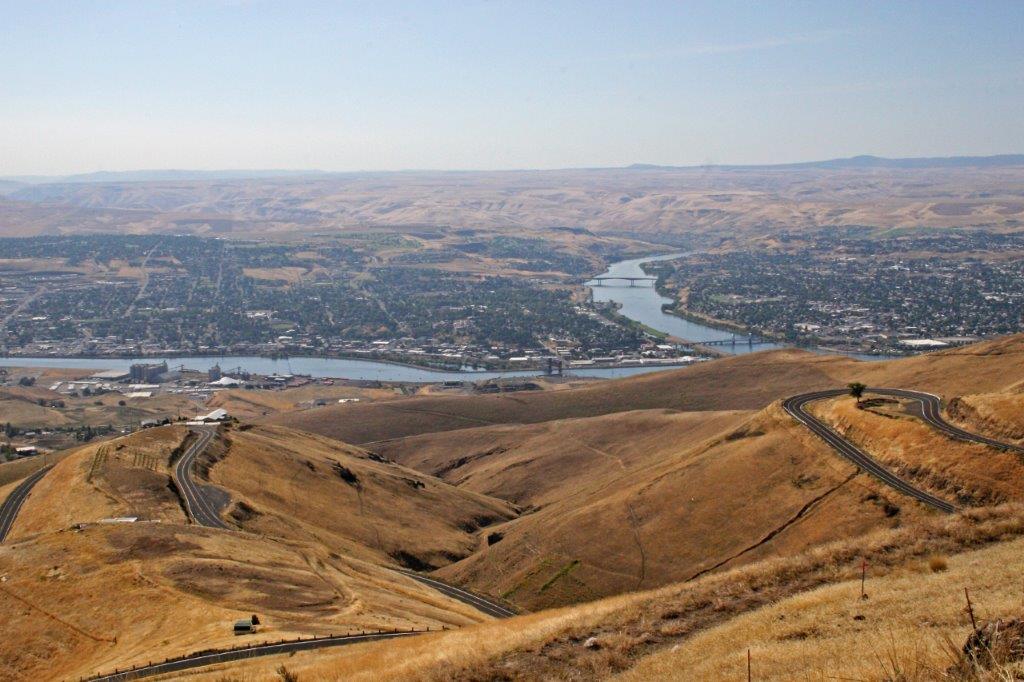
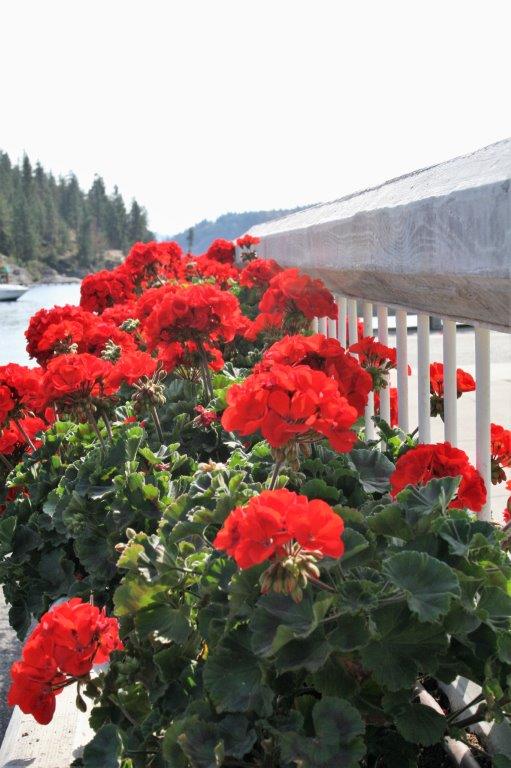
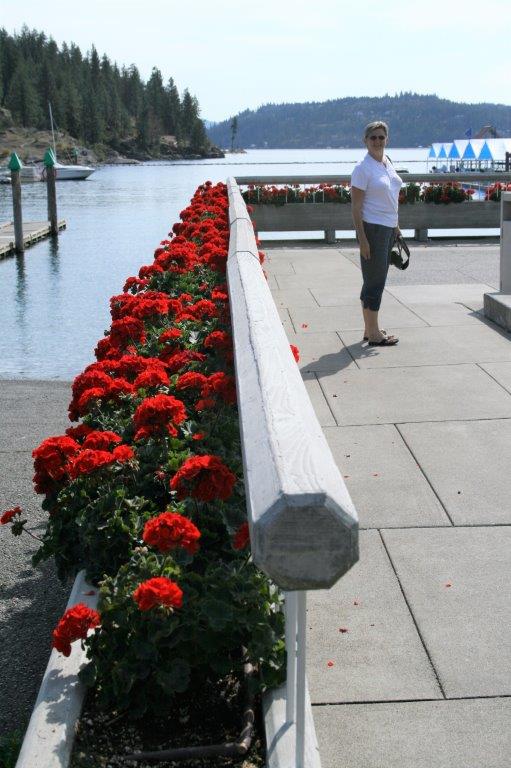
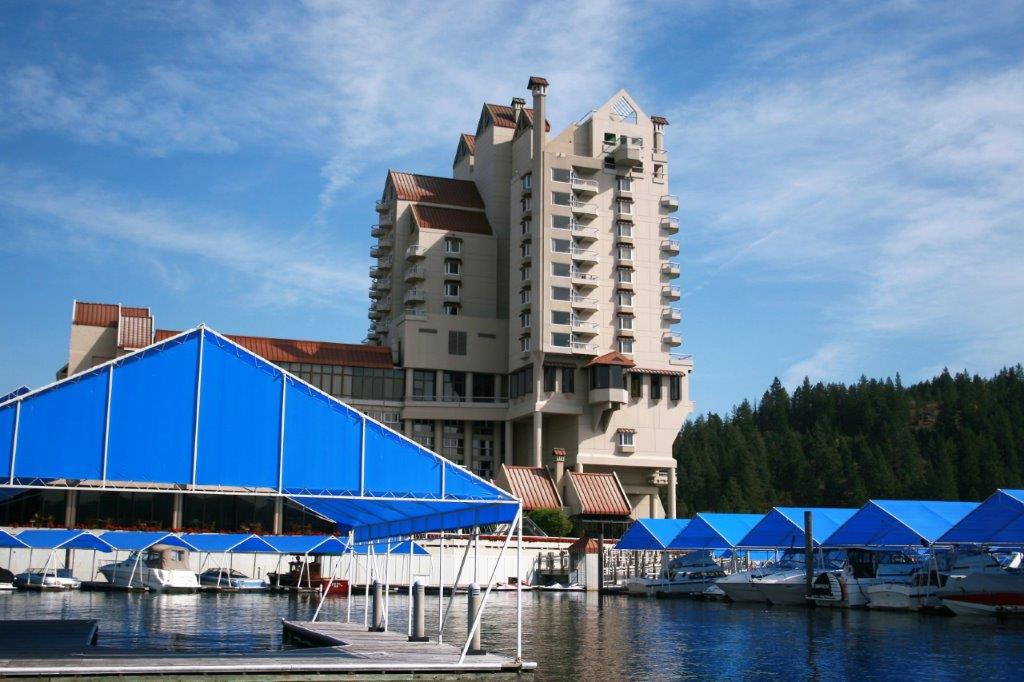
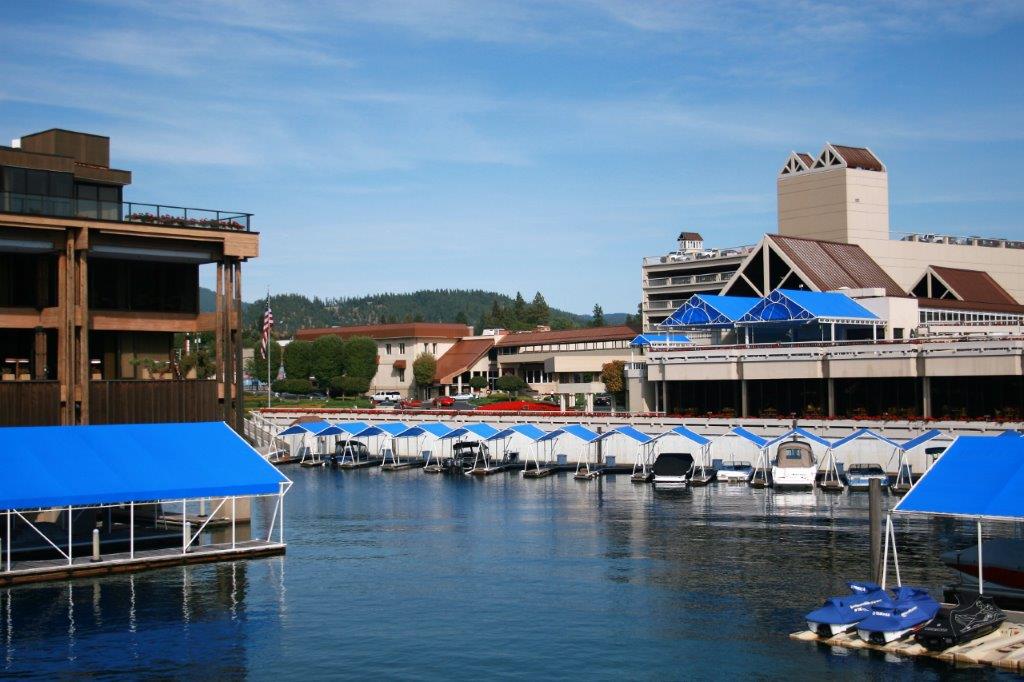
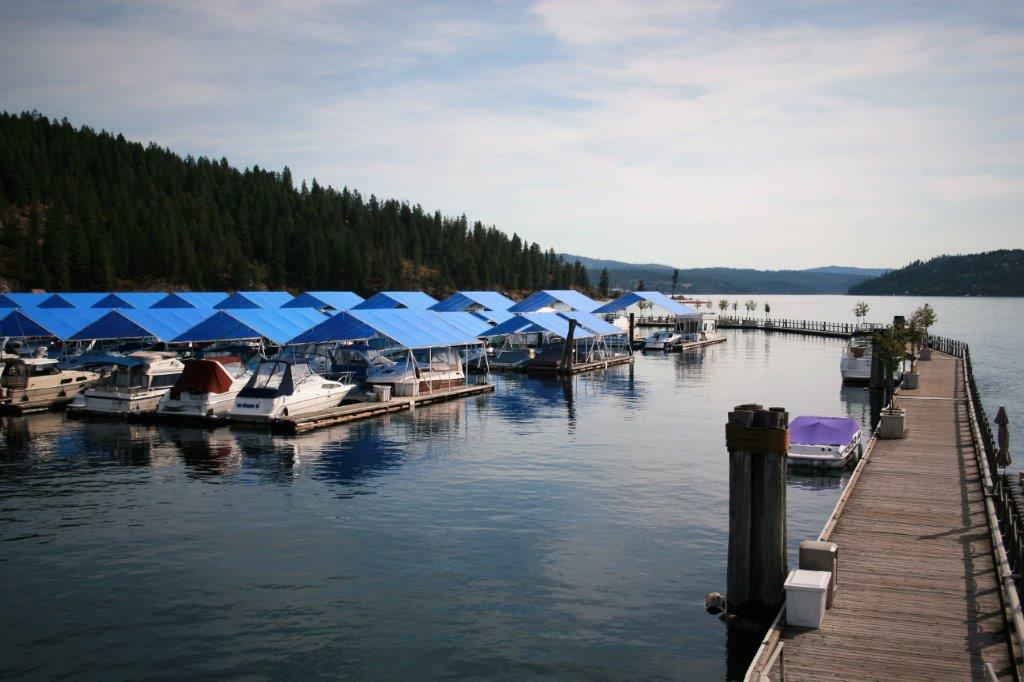
The next day, before we left town, we toured the Pendelton Woolen Mill.  Pendleton Woolen specializes in blankets and clothing. Their Native American patterned blankets are well known across the west.  The mill was opened in 1909 by Thomas Kay and his daughter and son-in-law.  Pendelton, located in eastern Oregon sheep country allowed the mill to be located near the resource, thus creating significant savings in shipping costs.  Pendelton is also a major railhead so easy access to markets was readily available.  We had a very amiable guide on our tour and he answered any questions people had.  The looms are automated and the patterns produced are all computer generated.  I loved all the bright colours. From Pendelton we cut across the SE corner of Washington state and spent our next night at Clarkston, WA.  Lewiston, ID is across the river.  The two communities, obviously, are named for the famous exploration duo of Lewis and Clark who mapped much of the western waterways. From Clarkston we crosssed the river into Idaho and headed north, pausing in Couer d’Alene for a walk around their lovely waterfront, before carrying on to Sandpoint for the night. From Sandpoint it was a day’s drive home again and our first long road trip came to an end.

2009 Sep 11-12 – Days 17-18 – Crater Lake and Painted Hills

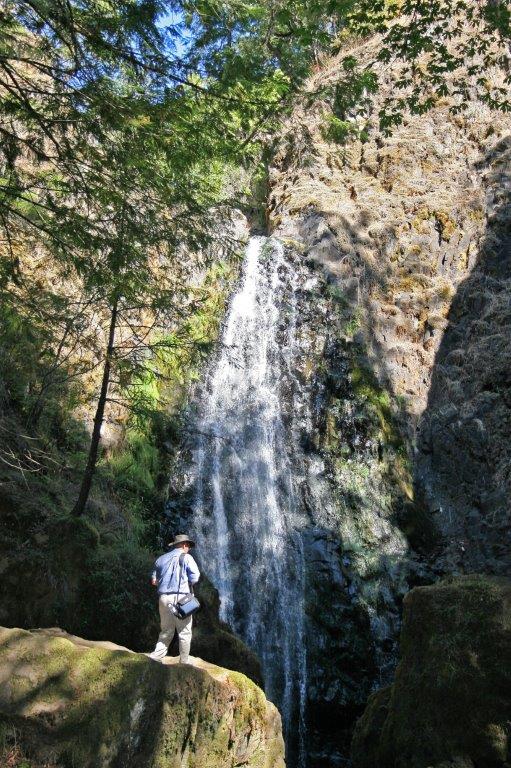
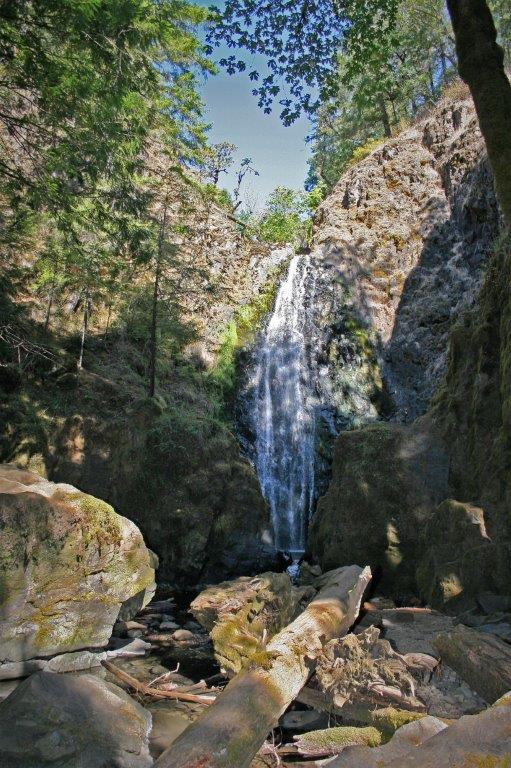
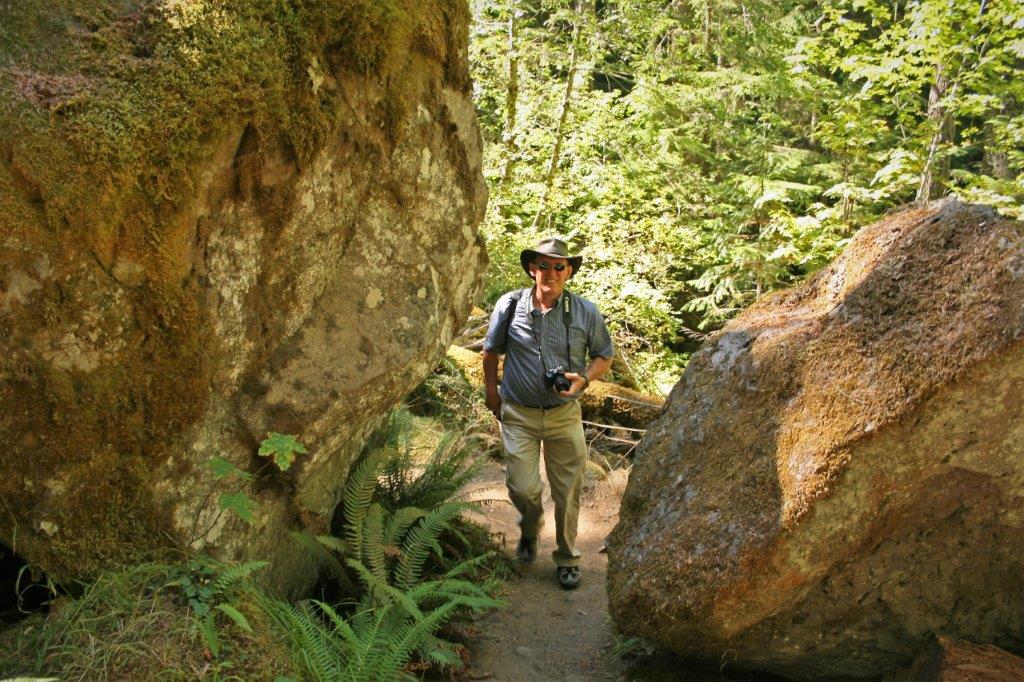
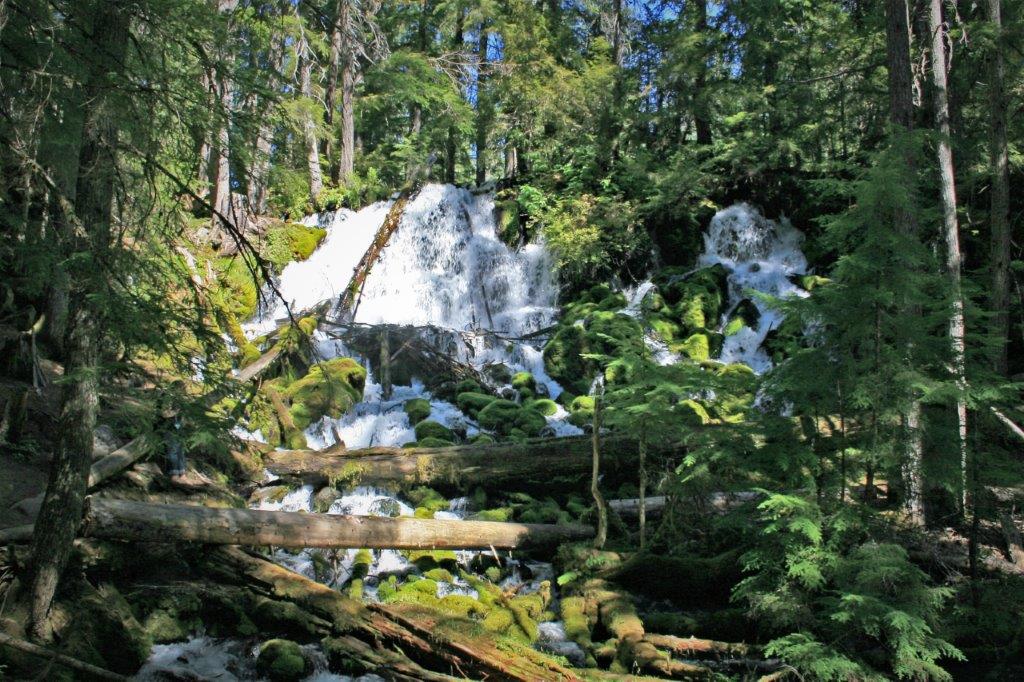
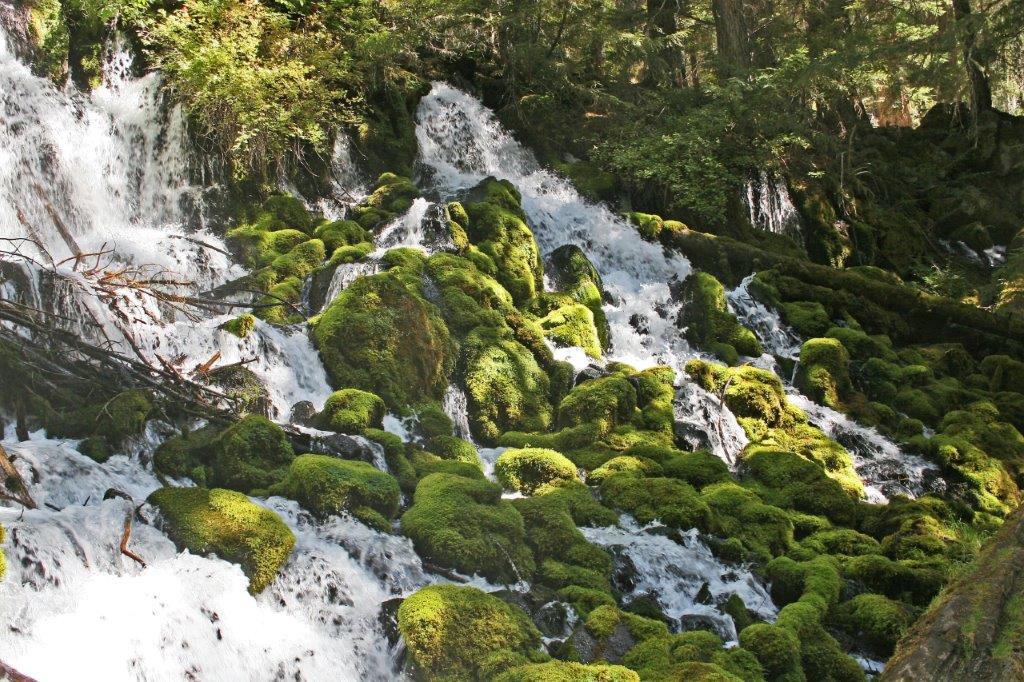
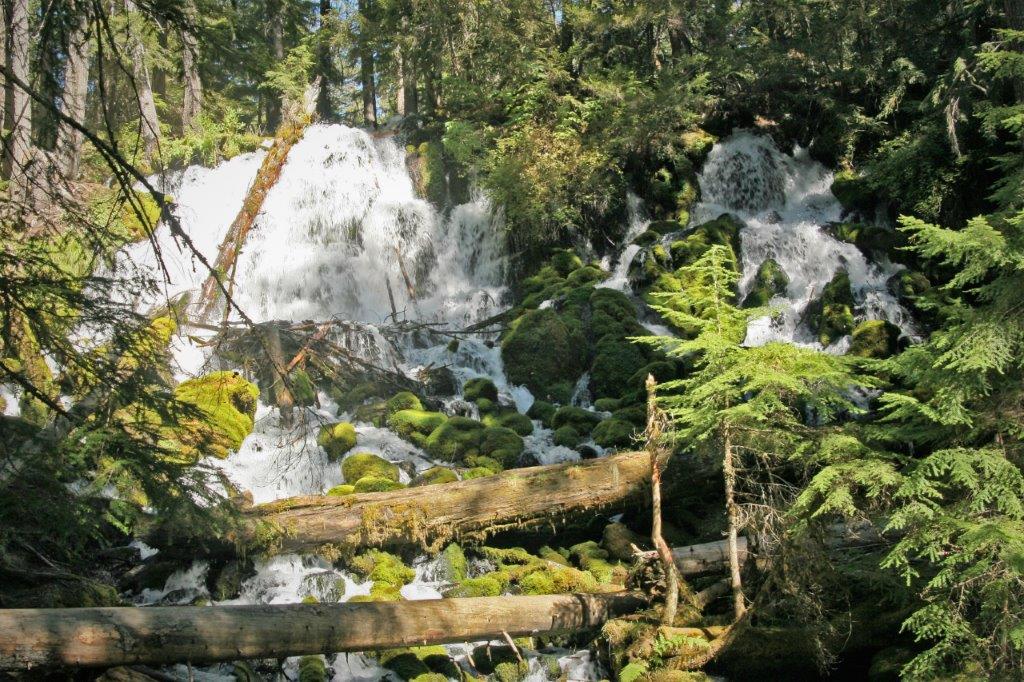
We left Roseburg and headed east.  About an hour later we pulled into the parking lot by the trailhead to Susan Creek Falls.  It is only a 3/4 mile easy hike and the falls are not spectacular – they  only drop 35′.  Still, it was a lovely area with all the wet moss on the criss-crossed logs.

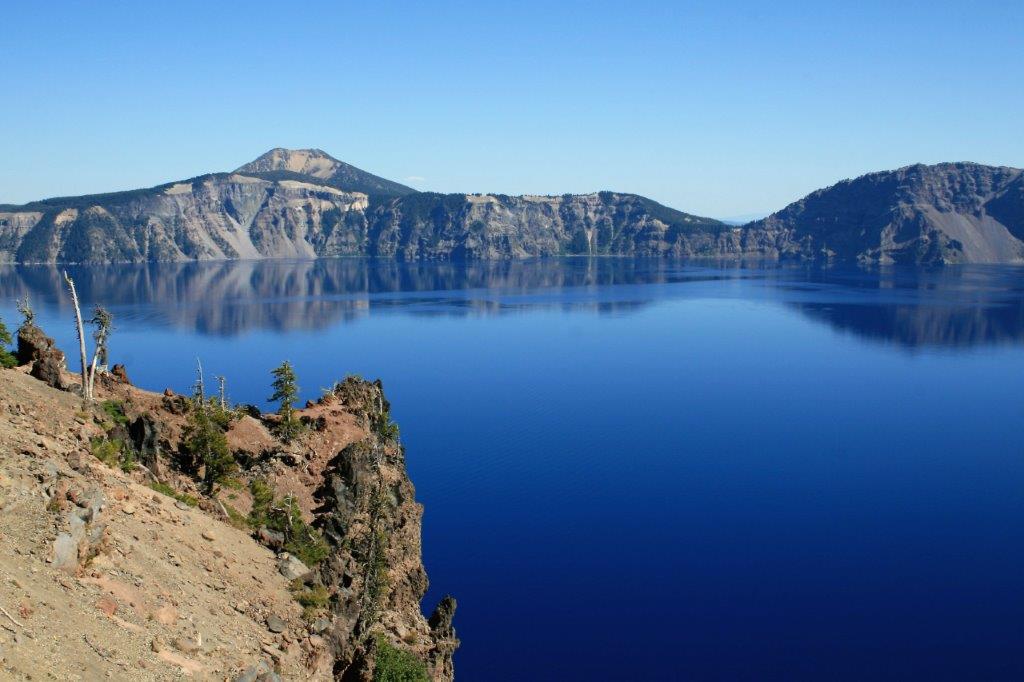
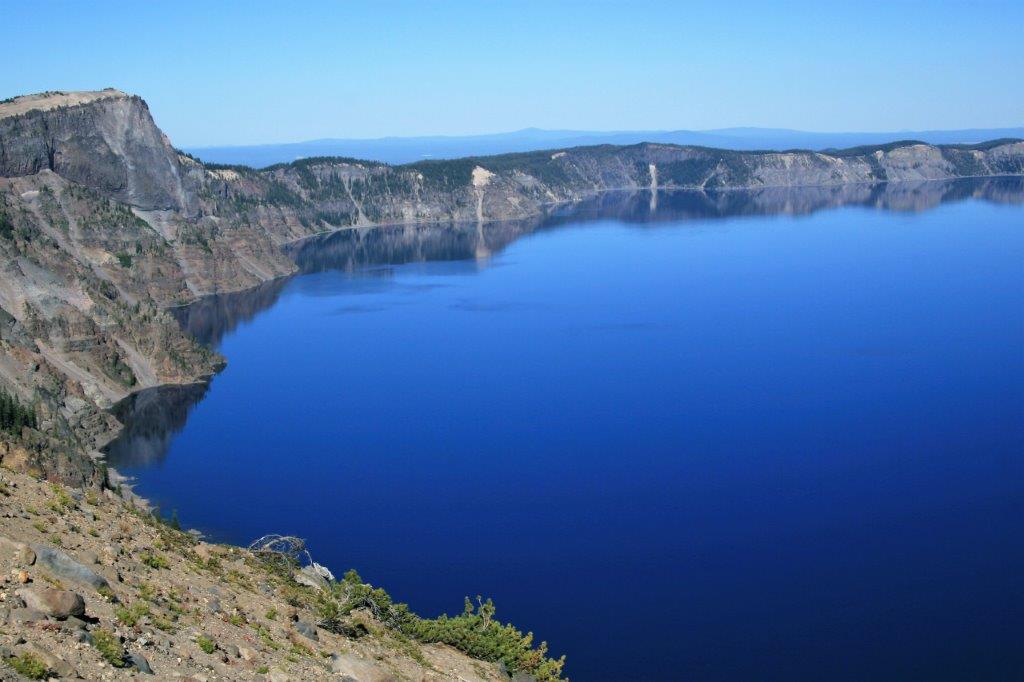
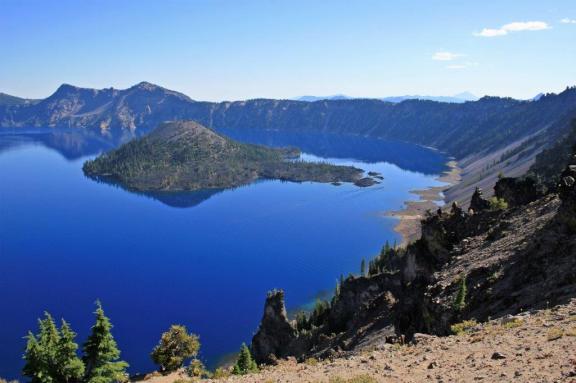
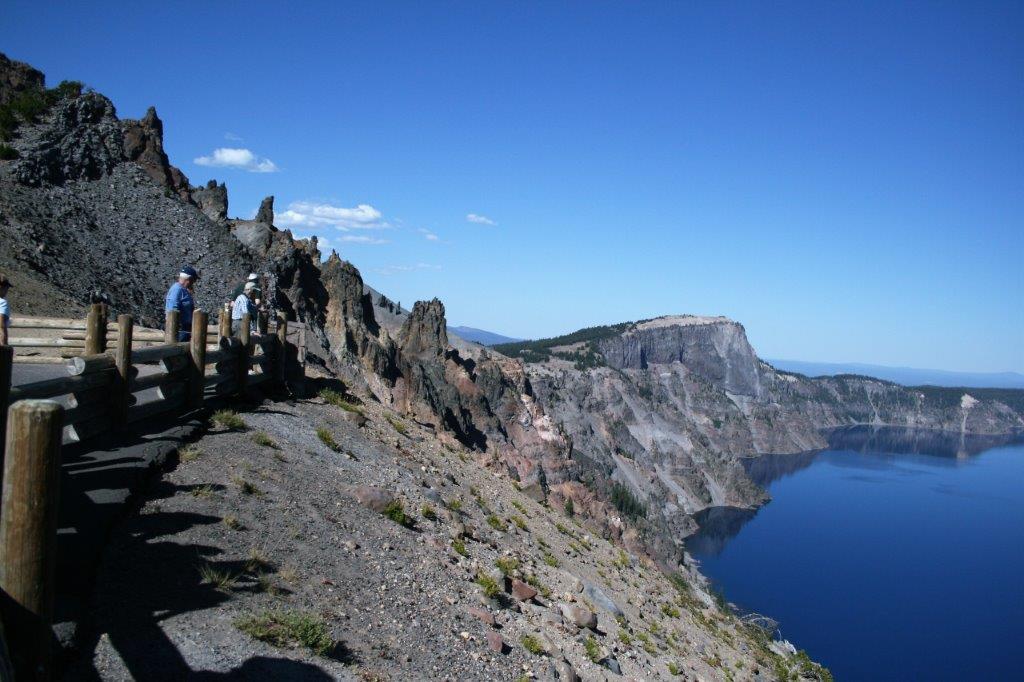
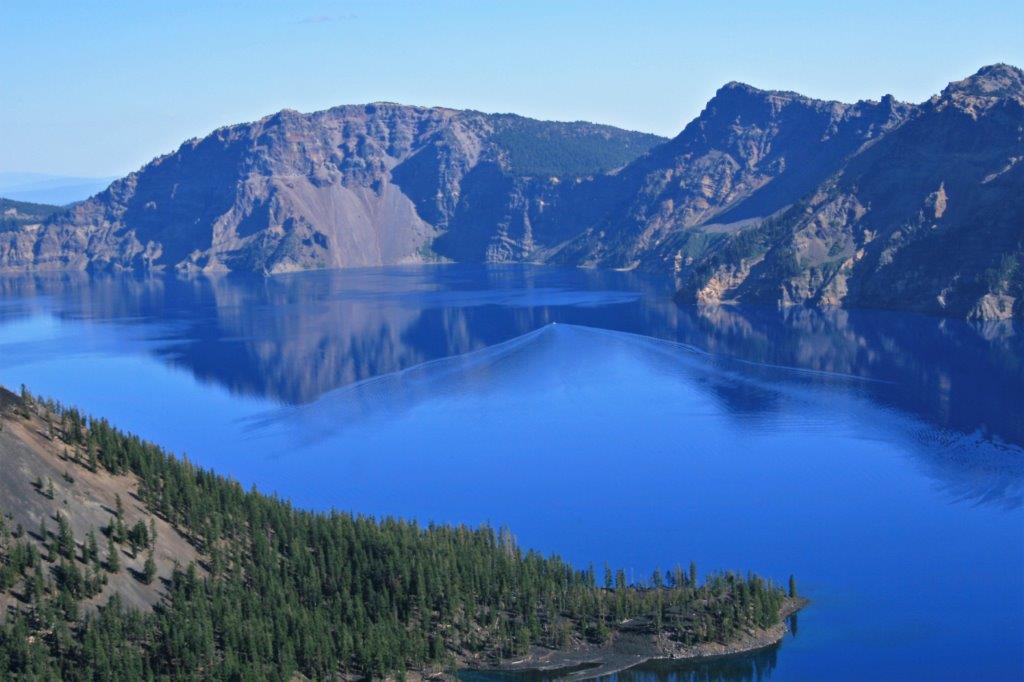
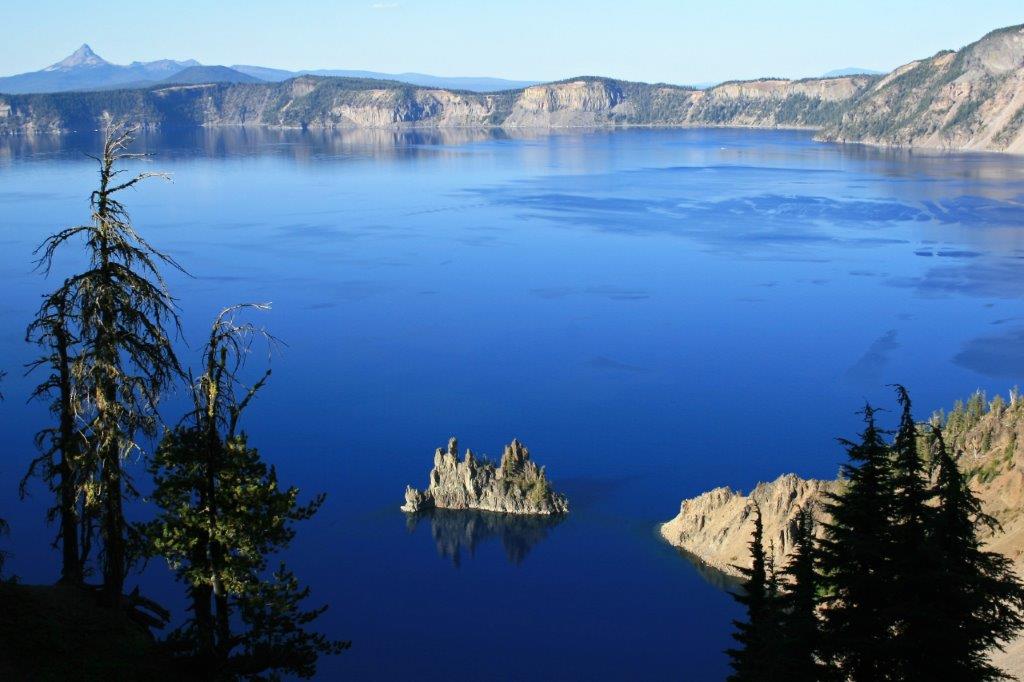
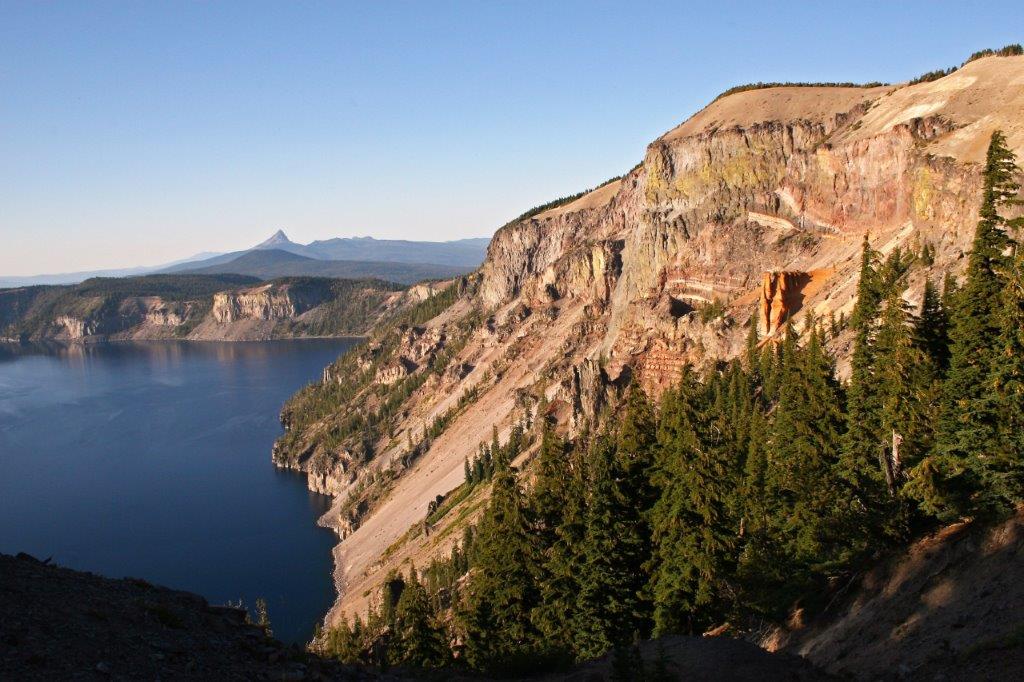
I search the maps as we drive along and suggest stops to make each day as we travel.  I love National Parks and I noticed Crater Lake NP was located in our general direction inland, so we decided to go have a look-see.  I have since learned that Crater Lake is considered one of the seven natural wonders of Oregon and is considered a true jewel within the American National Parks system.  And I wholeheartedly agree!  It was a magical place.We drove up the narrow switchback road to the summit and got out at the first viewpoint.  Holy cow!  You find yourself standing at the edge of a massive volcanic caldera that is filled with sapphire blue water.  The crater was formed 7,700 years ago when the volcano Mount Mazama collapsed.  The caldera is over 2000′ deep making the lake the deepest in the United States at 1949′.  It is estimated that it took about 720 for the lake to fill to its current level.  The lake is 5 by 6 miles wide and there is a rim road that will take you all the way around.

There are no rivers flowing into or out of the lake so it is kept full only by snow and rain, making it some of the purest water on earth.  The caldera rim averages from about 7,000 to 8,000 feet above sea level so the park is only open for a few months in the summer and early fall.
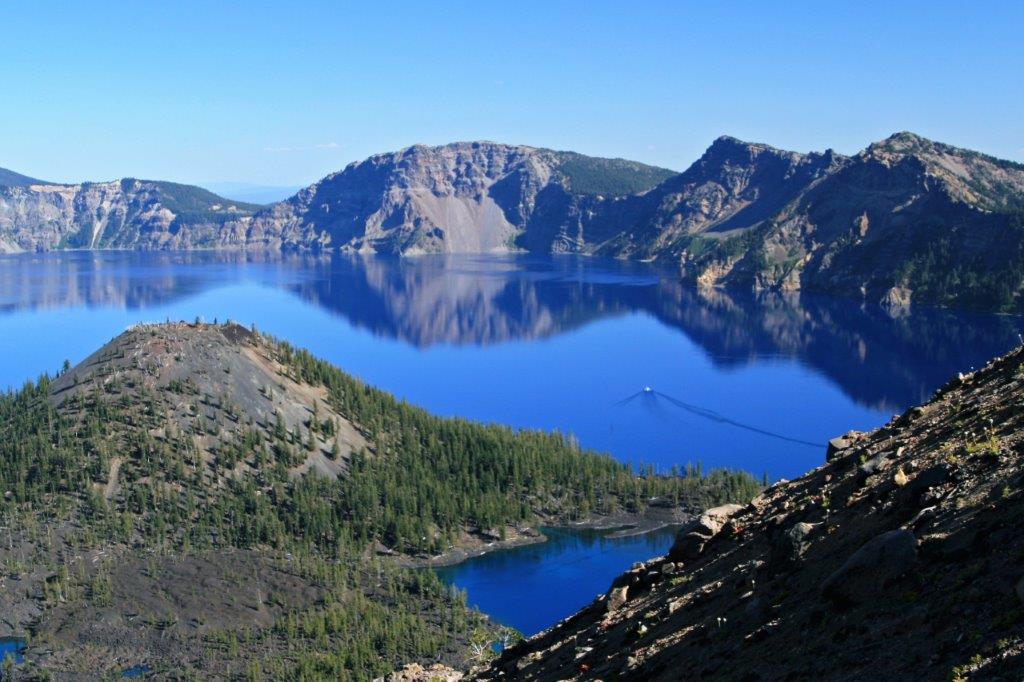
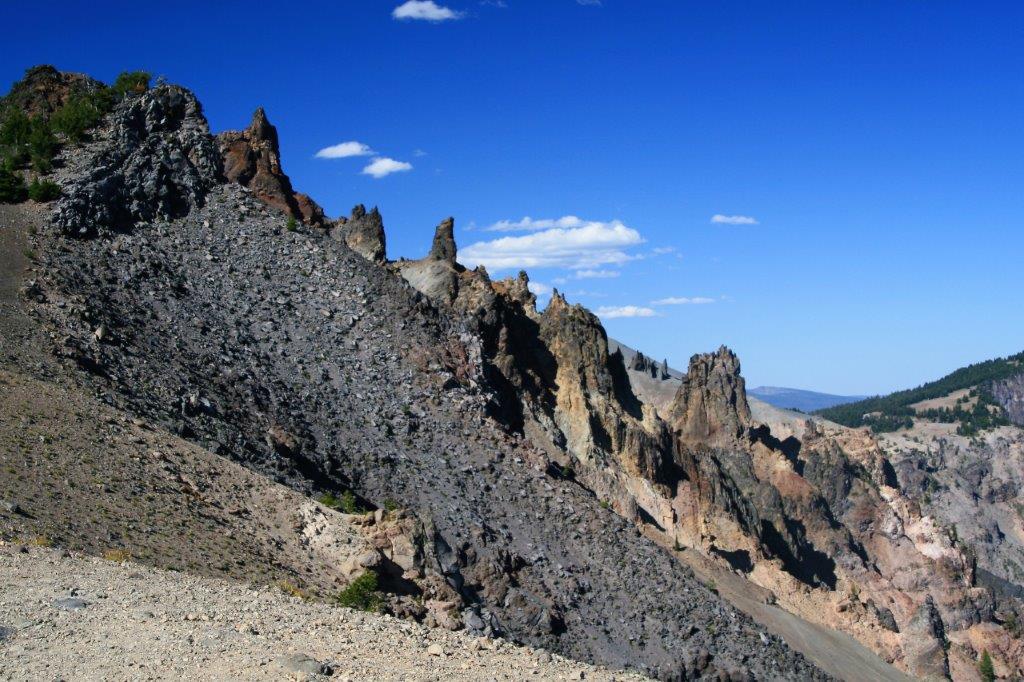
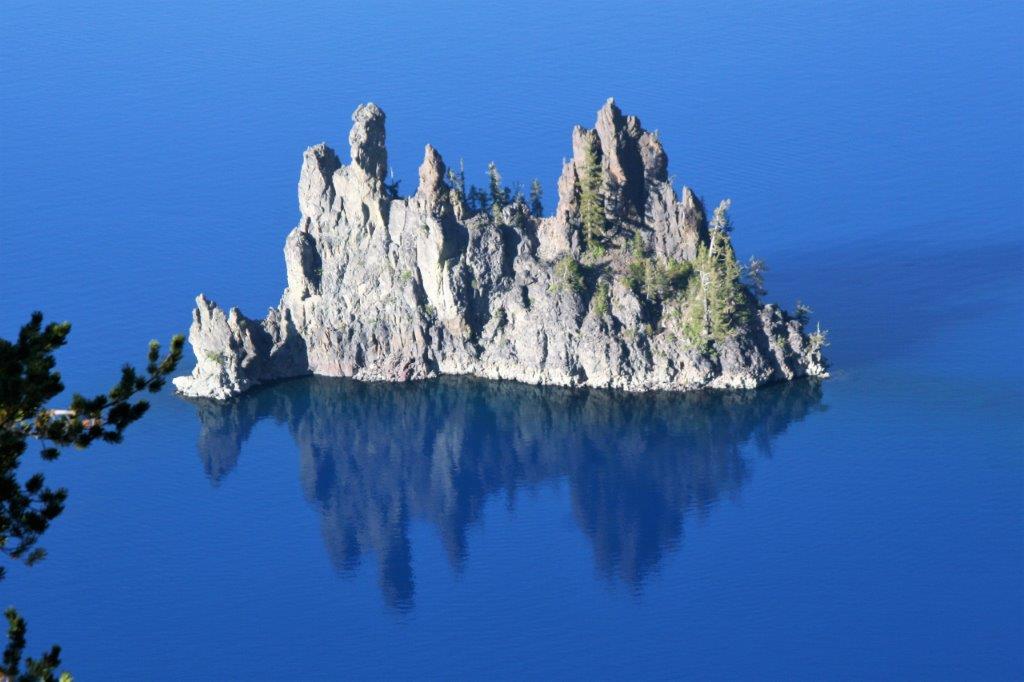
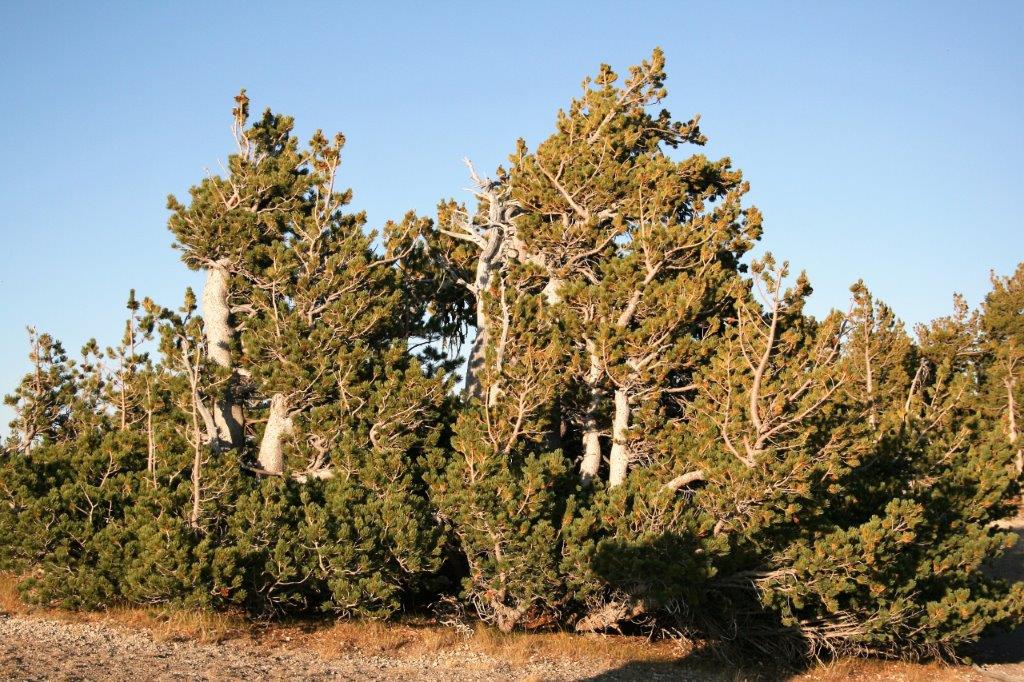
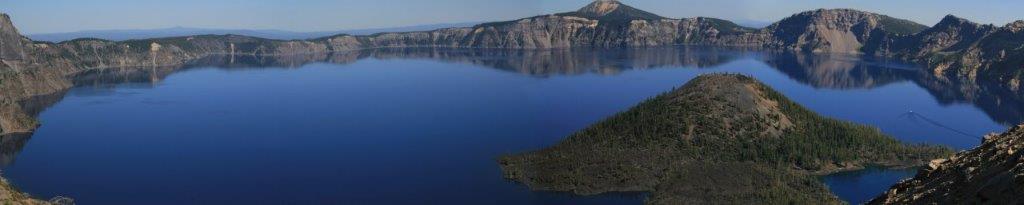
           Later lava eruptions created Wizard Island.The view outward from the rim road was pretty nice as well.The sides of the crater down to the lake are almost vertical and drop hundreds of feet before reaching the water.There is a access to the lake via a steep, narrow road on the far side.  The lake is also stocked with fish for the enjoyment of anglers. On the far side you can see the smaller island called Phantom Ship. This shot was taken holding my camera out over the rim edge, pointed straight down.  Those boats are a long distance away. I made a stitched photo of Crater Lake.  It is pretty narrow, but you get the idea about its incredible beauty.We descended down the back side of Crater Lake National Park, turned north when we reached Highway 197 and drove up to Bend where we spent the night.

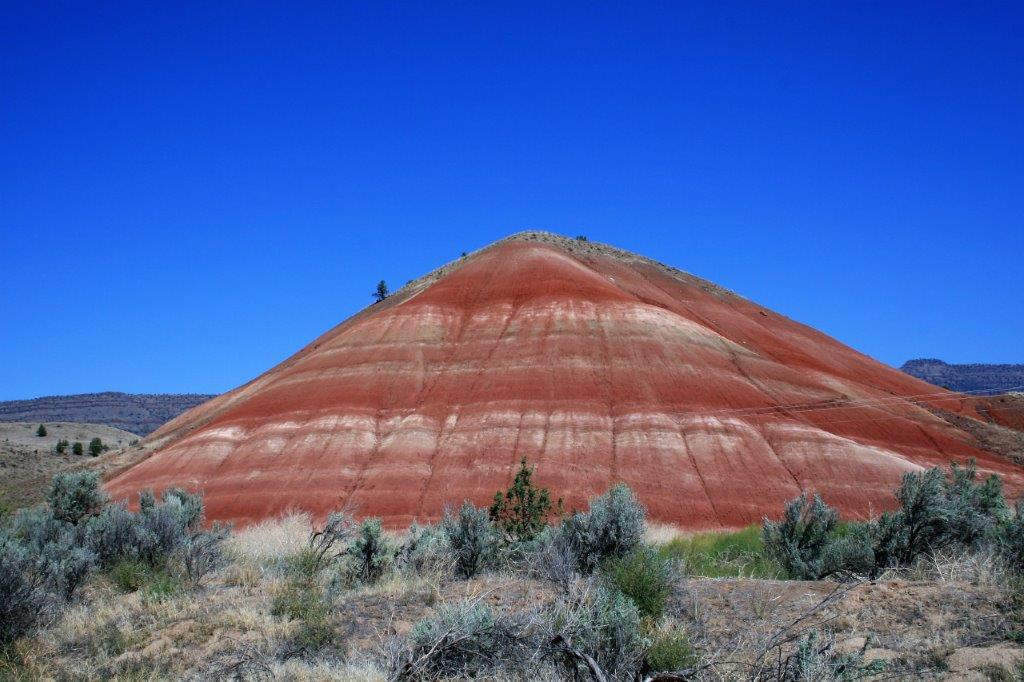
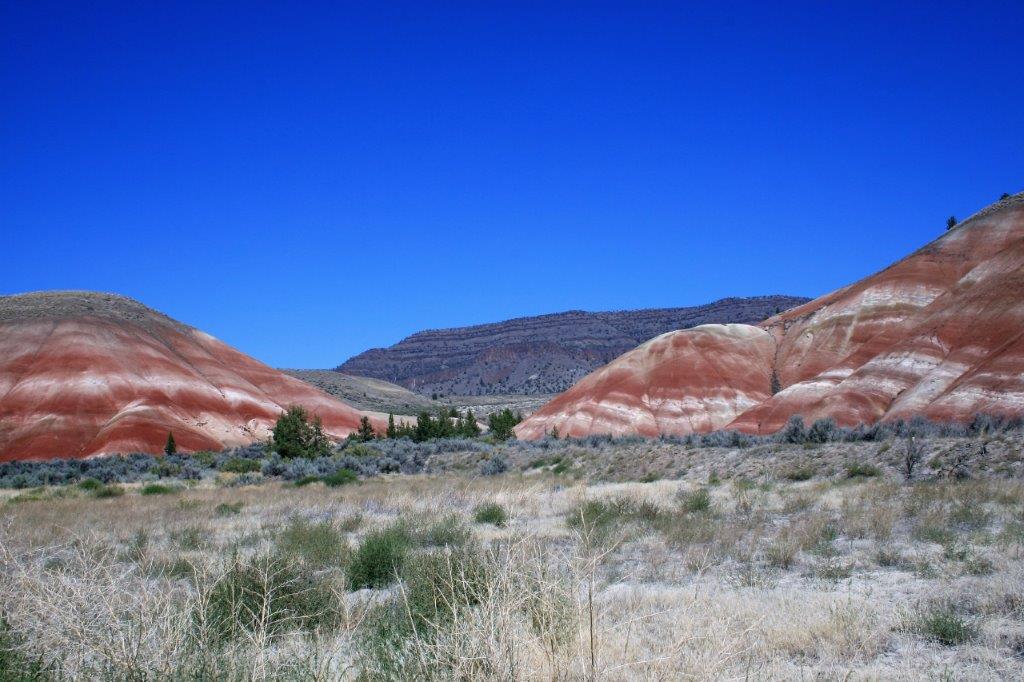
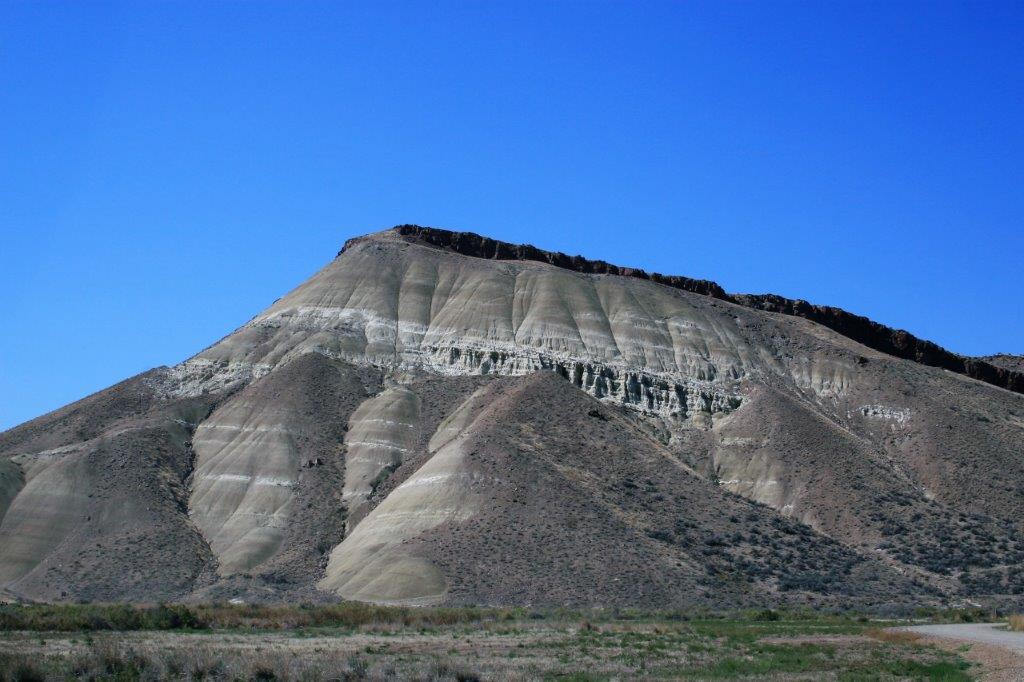
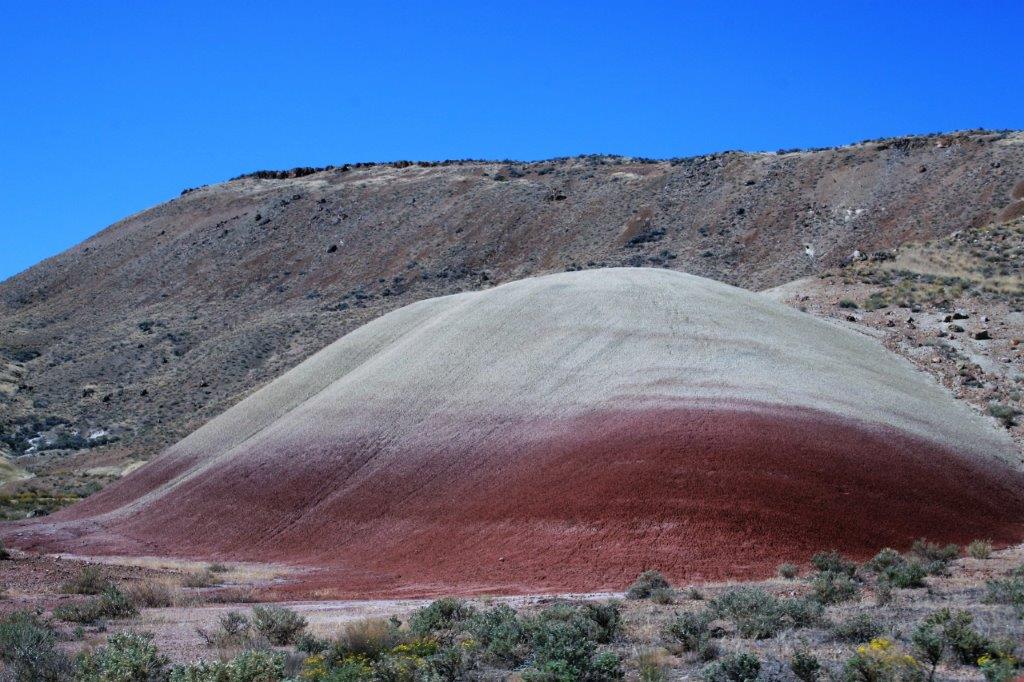
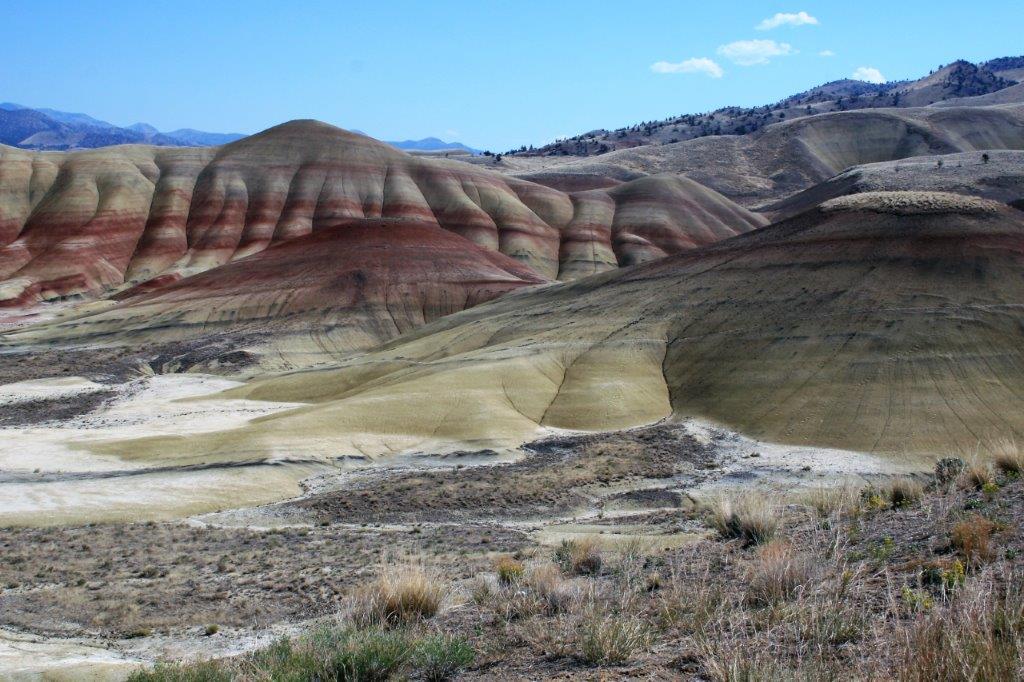
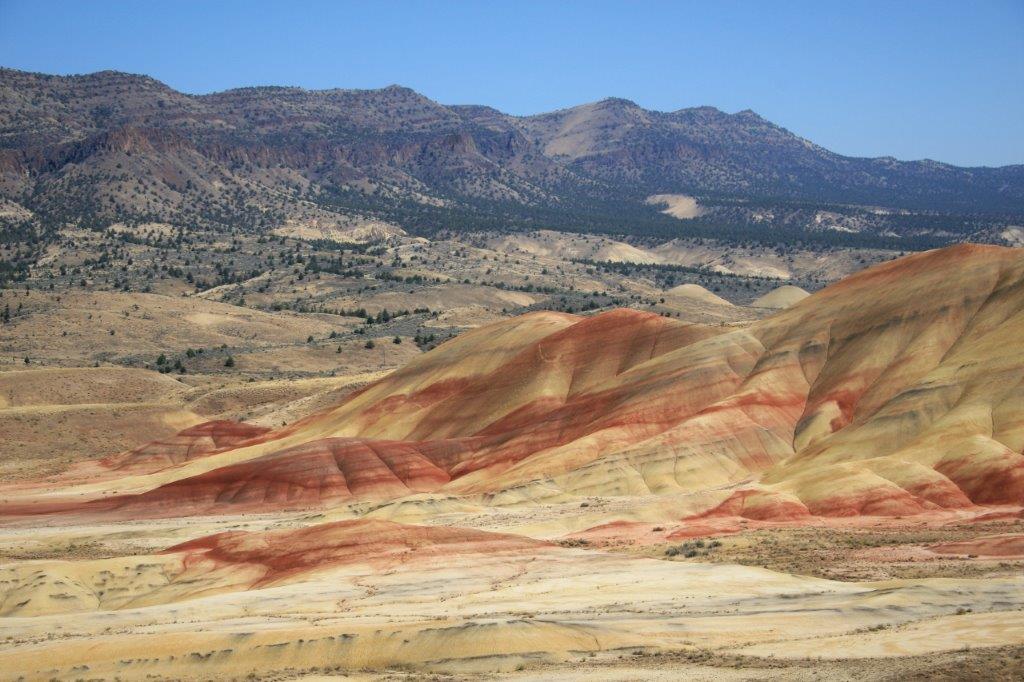
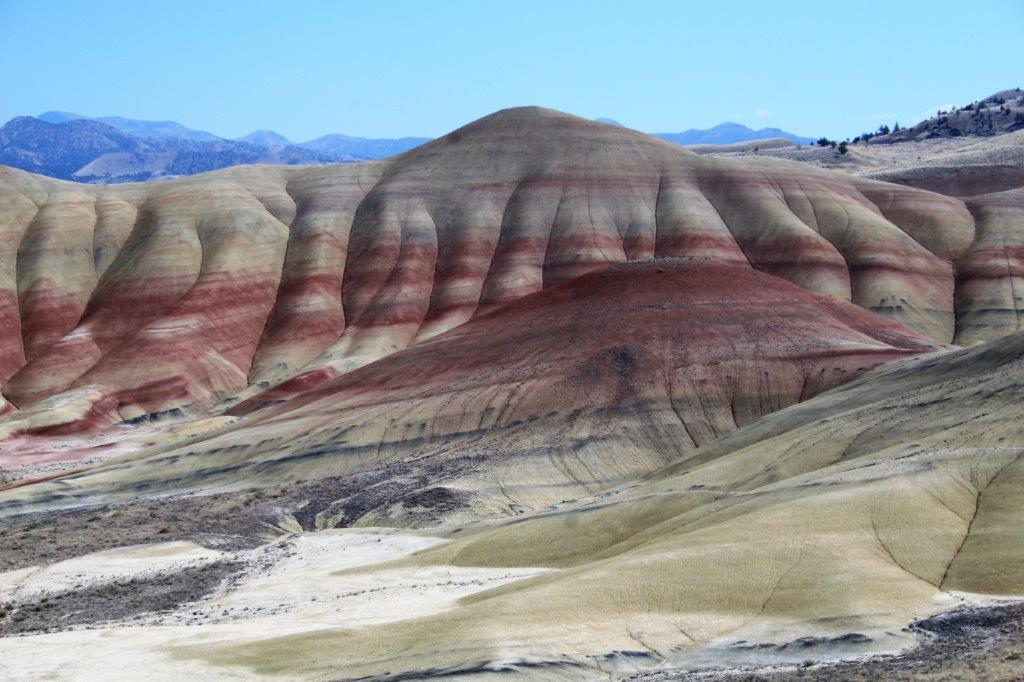
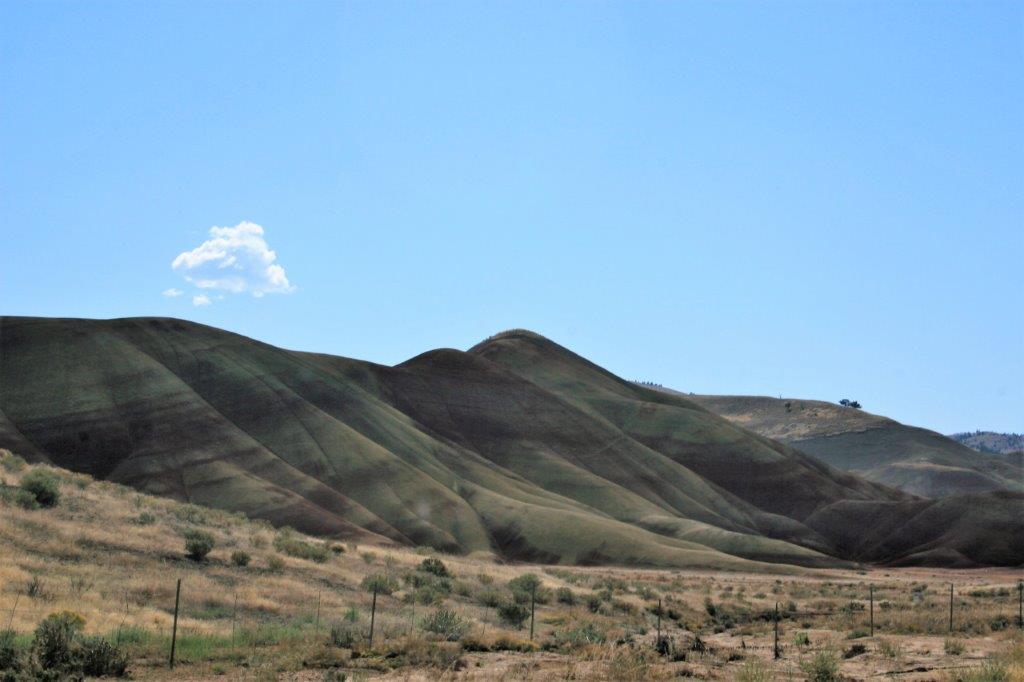
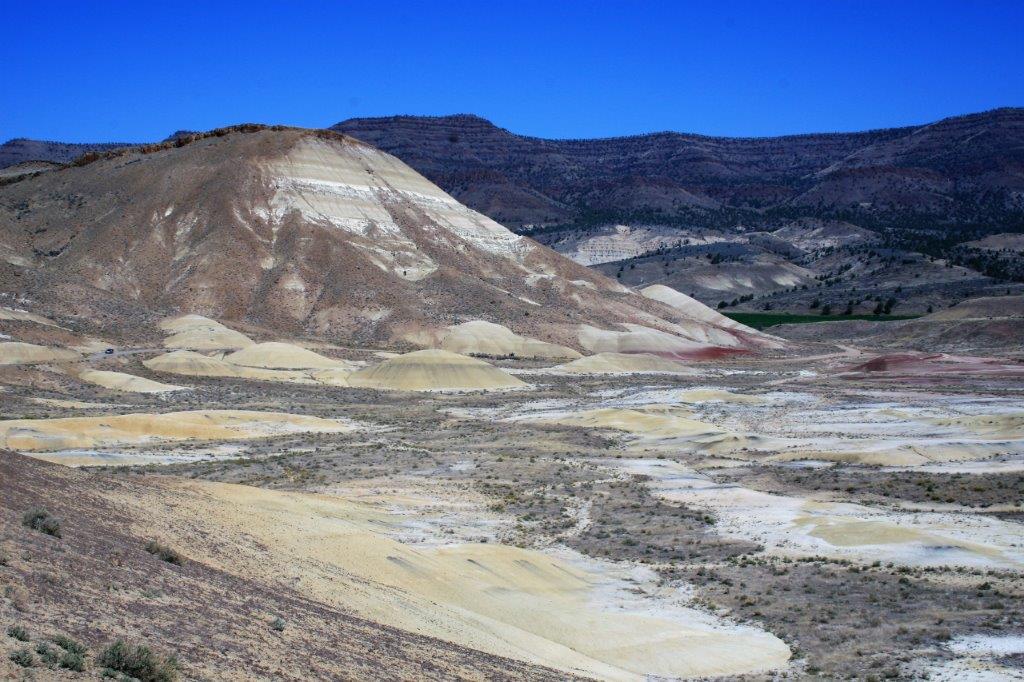
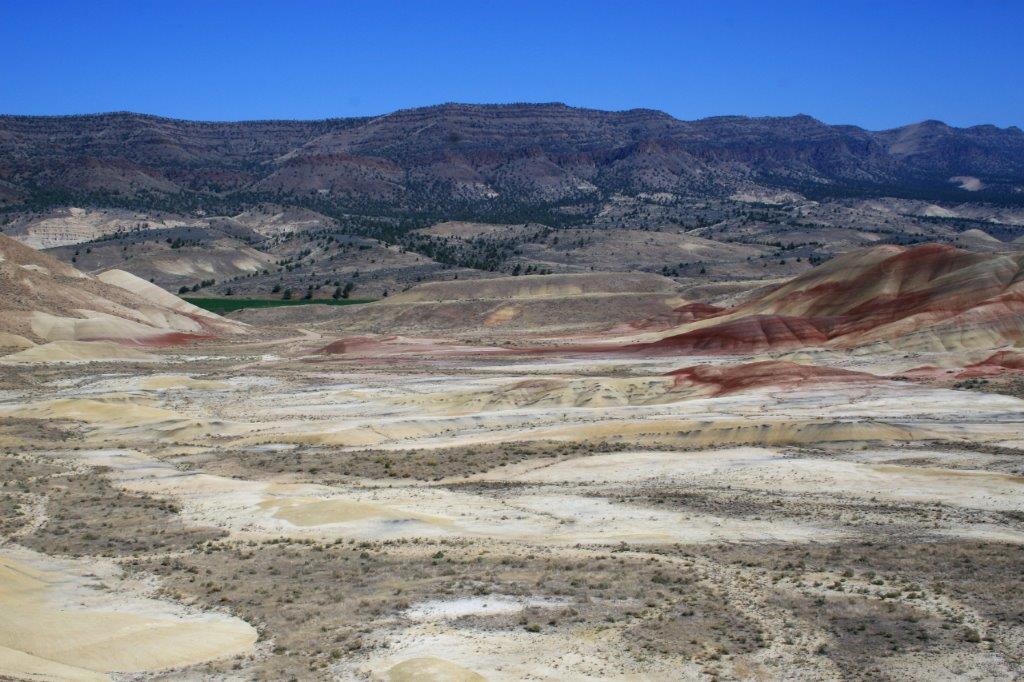
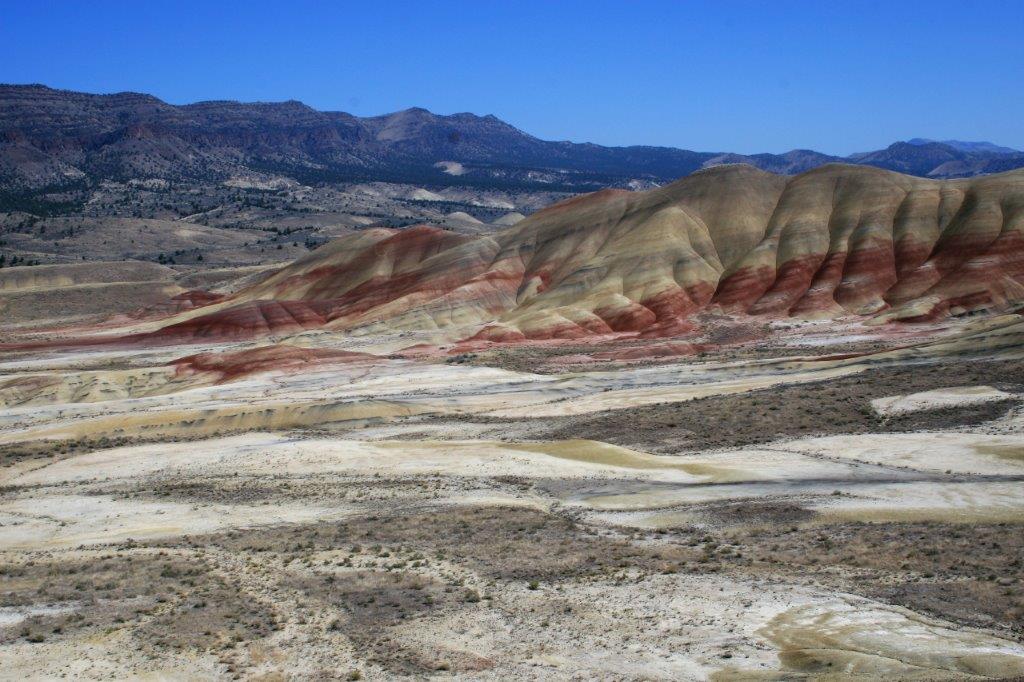
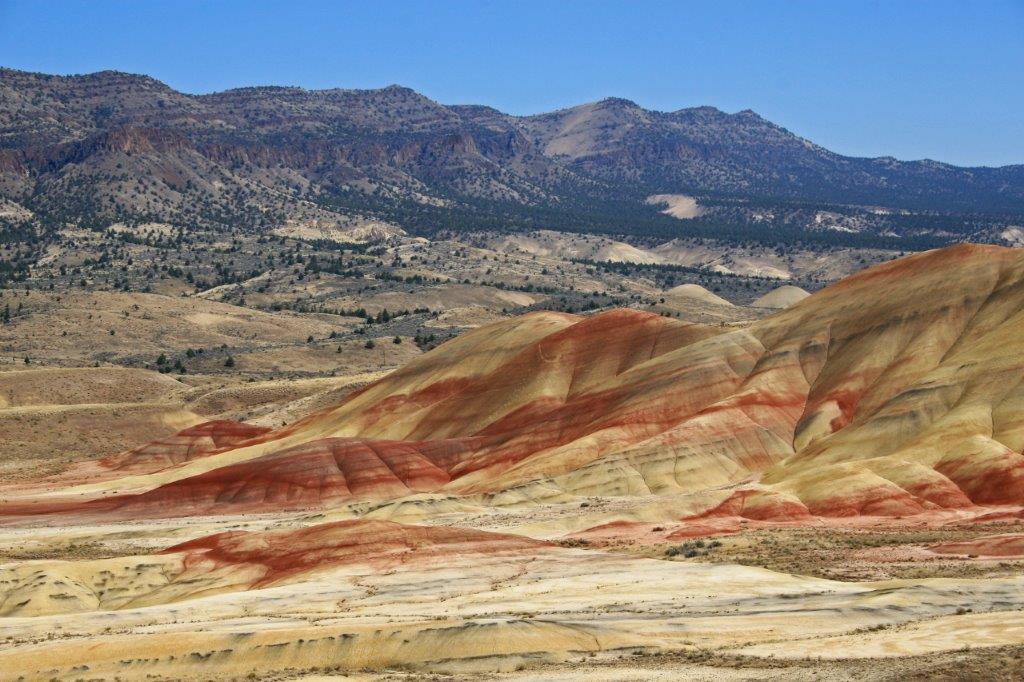
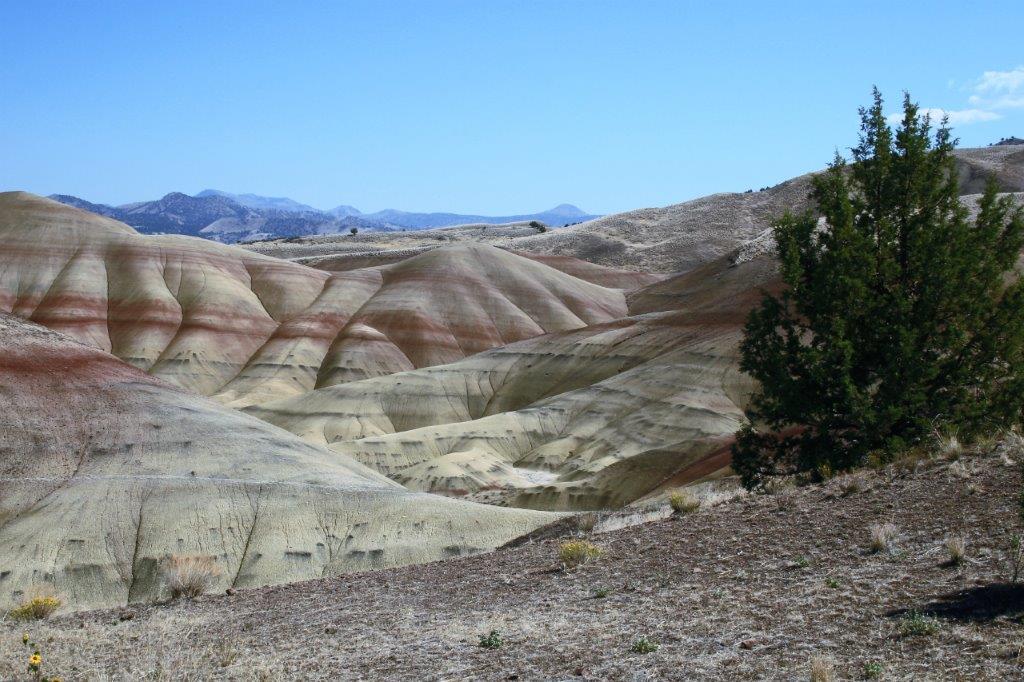
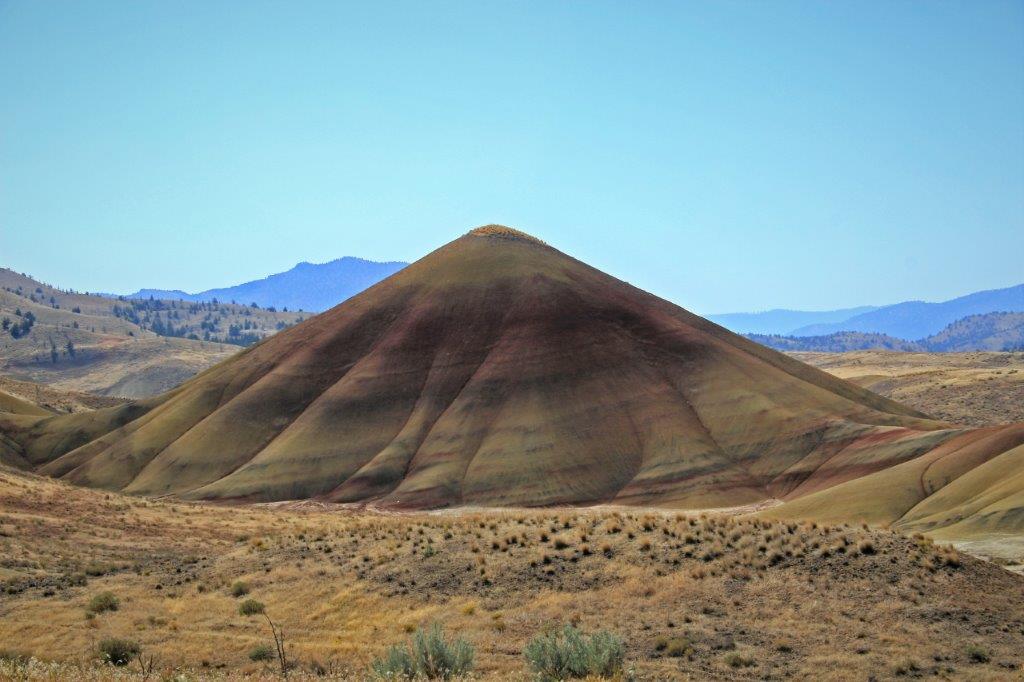
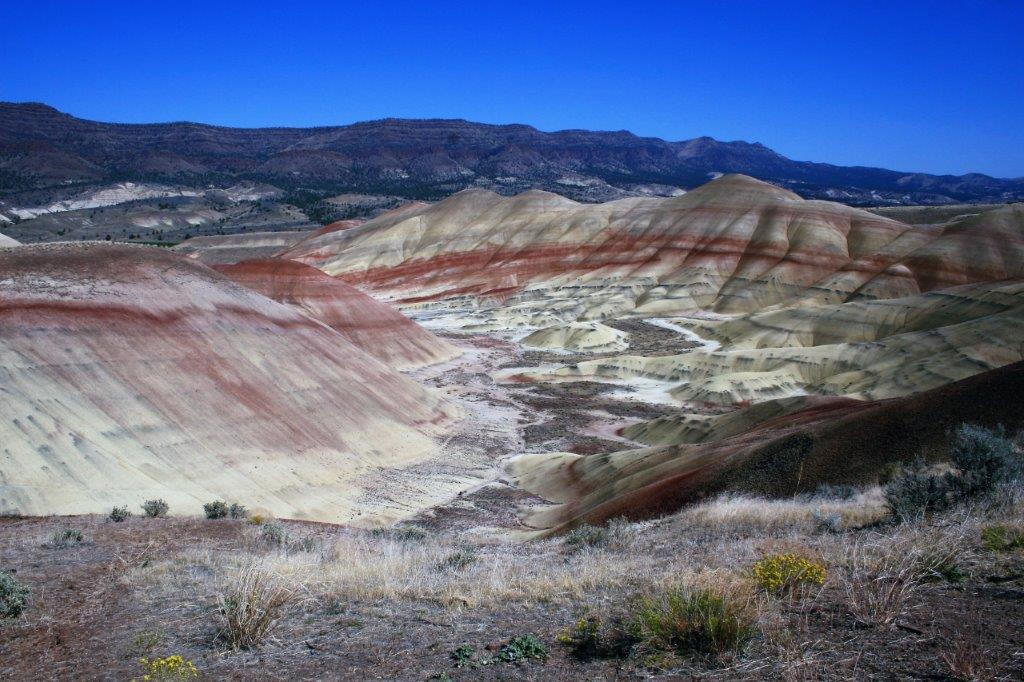
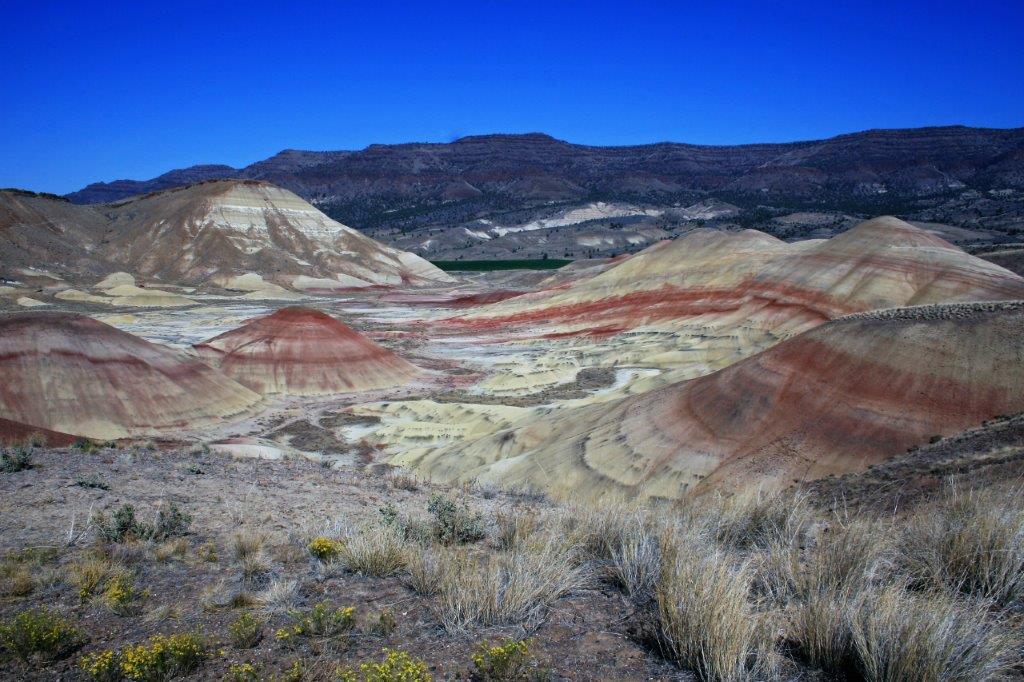
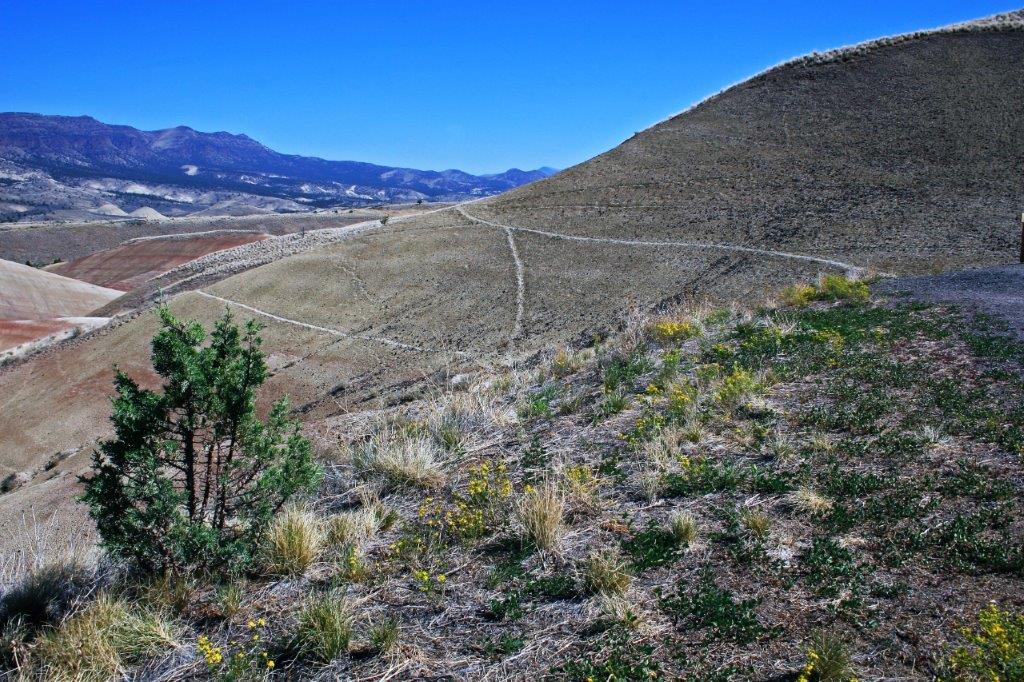
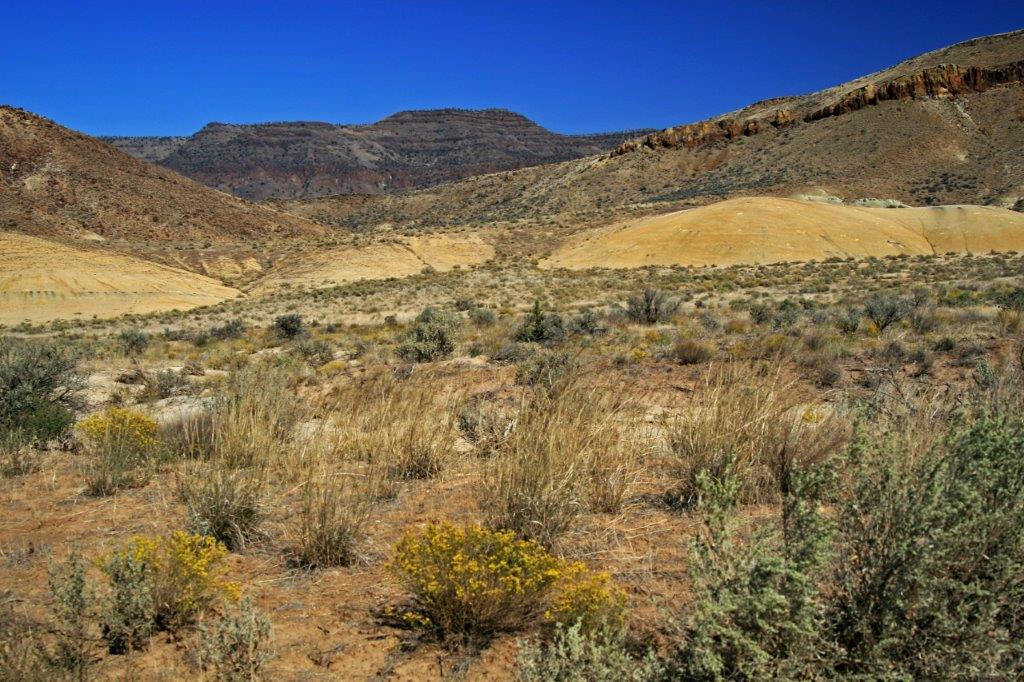
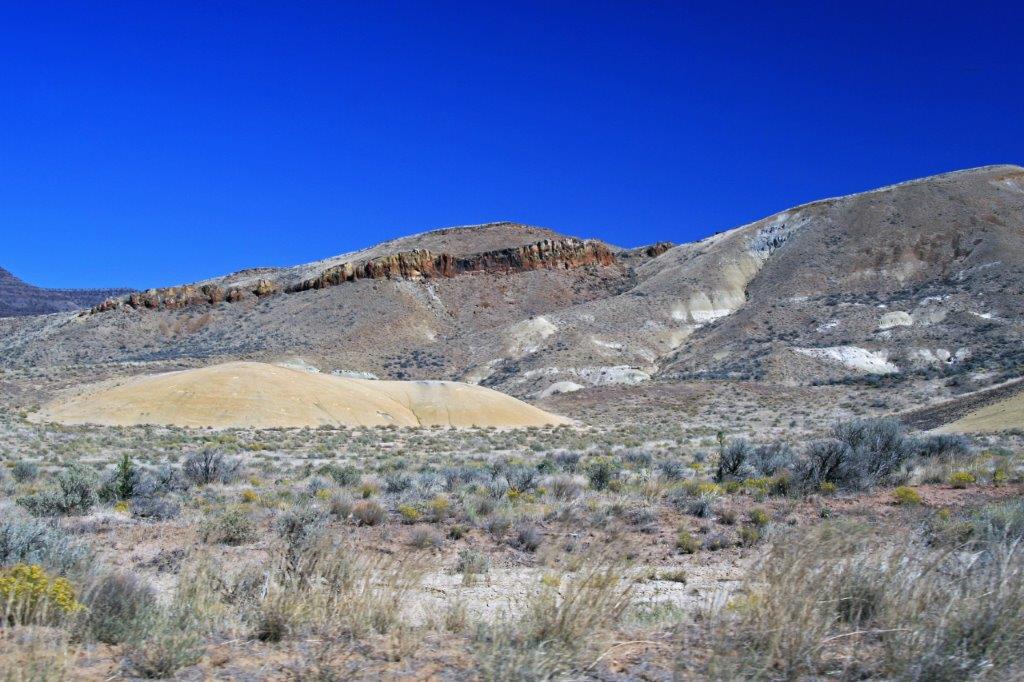
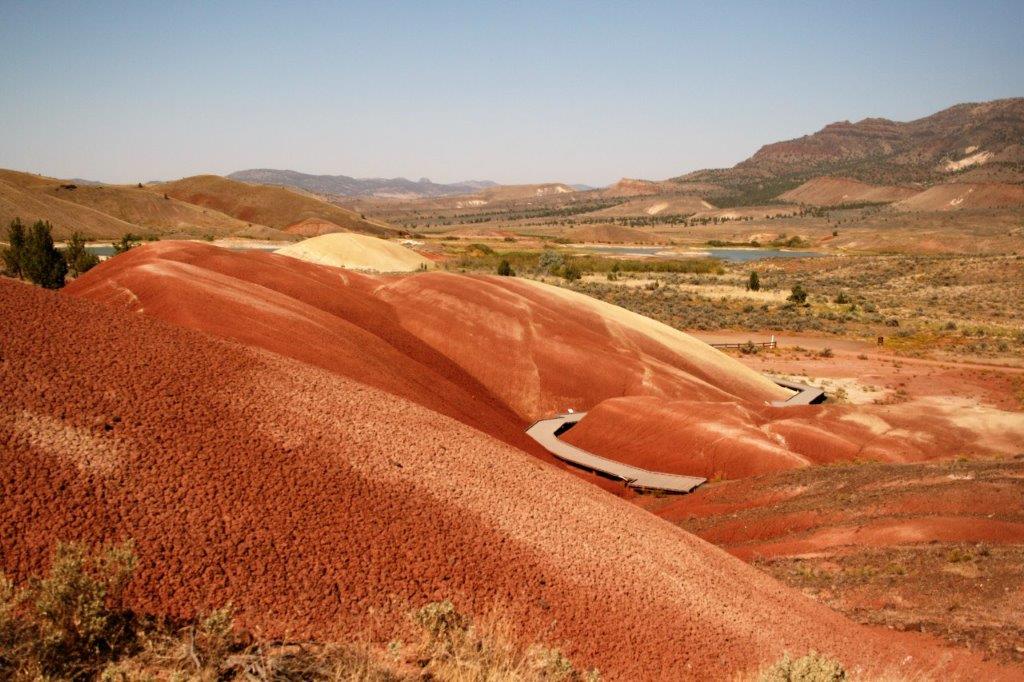
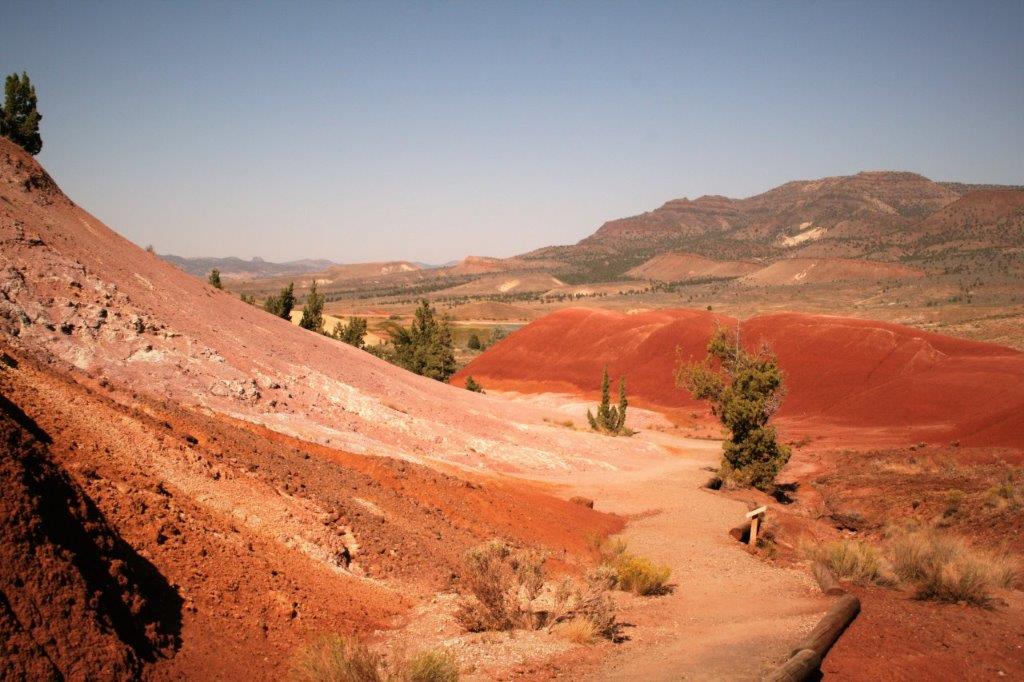
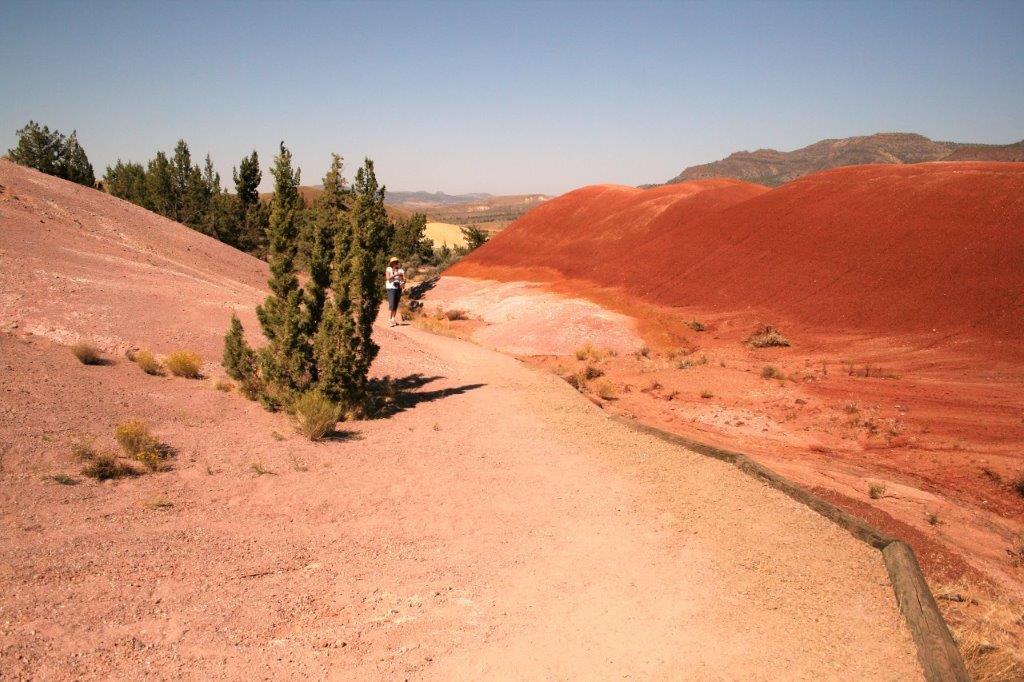
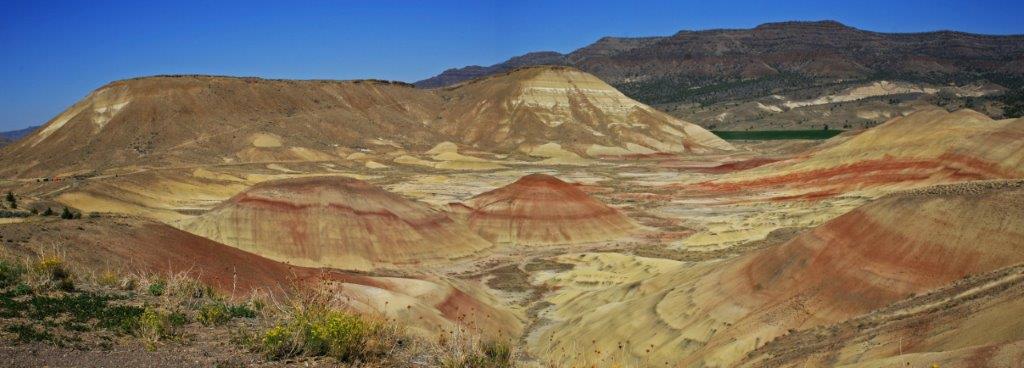
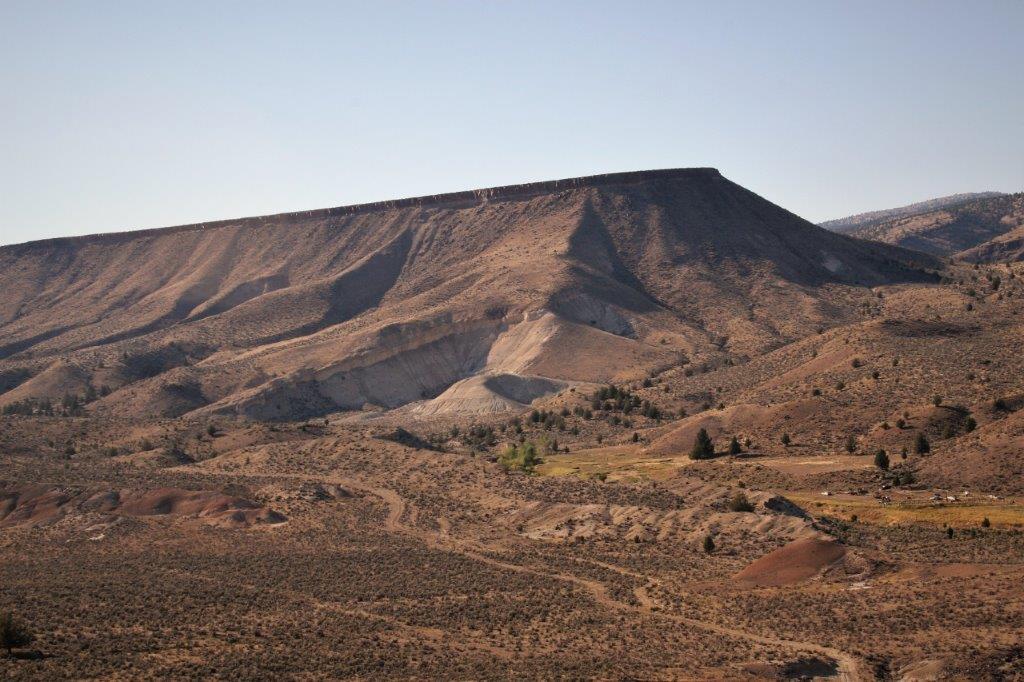
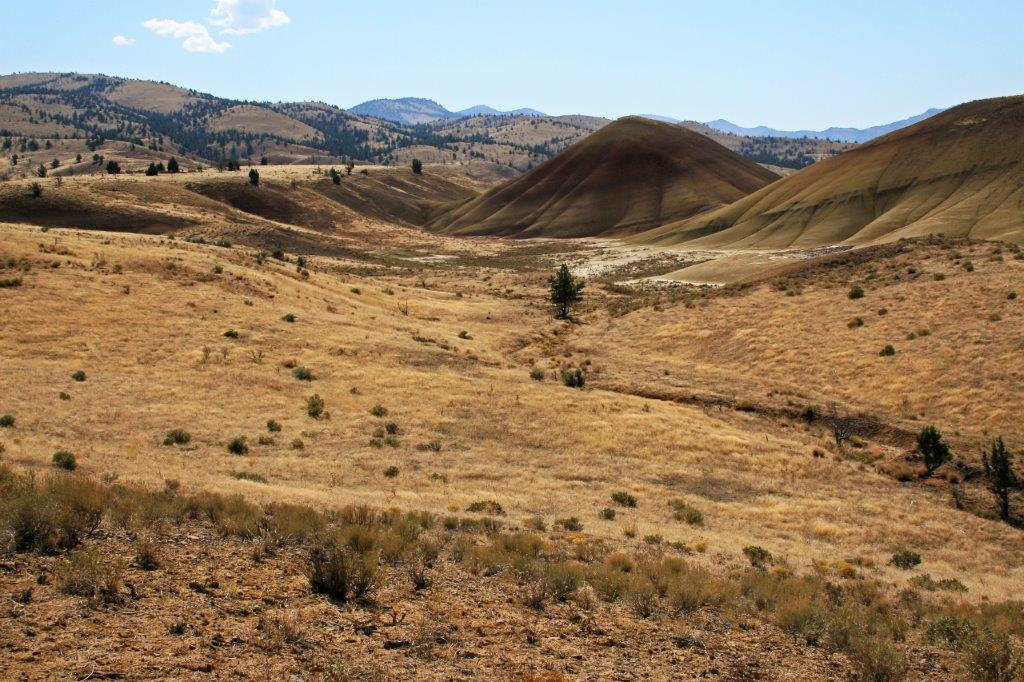
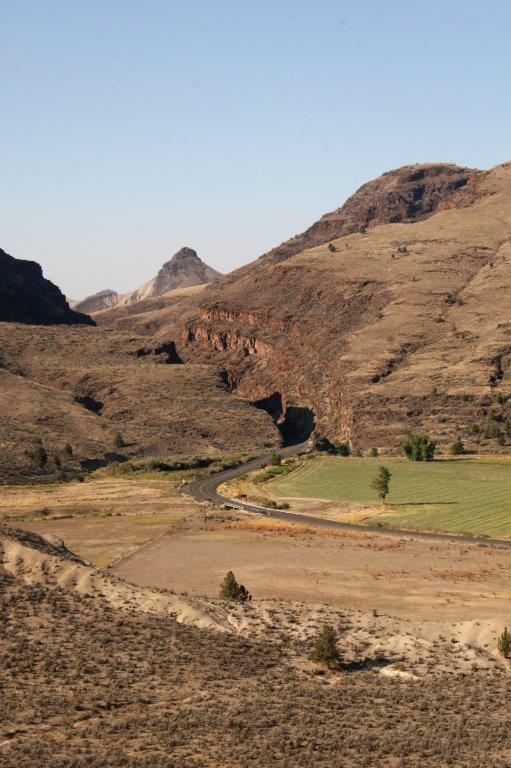
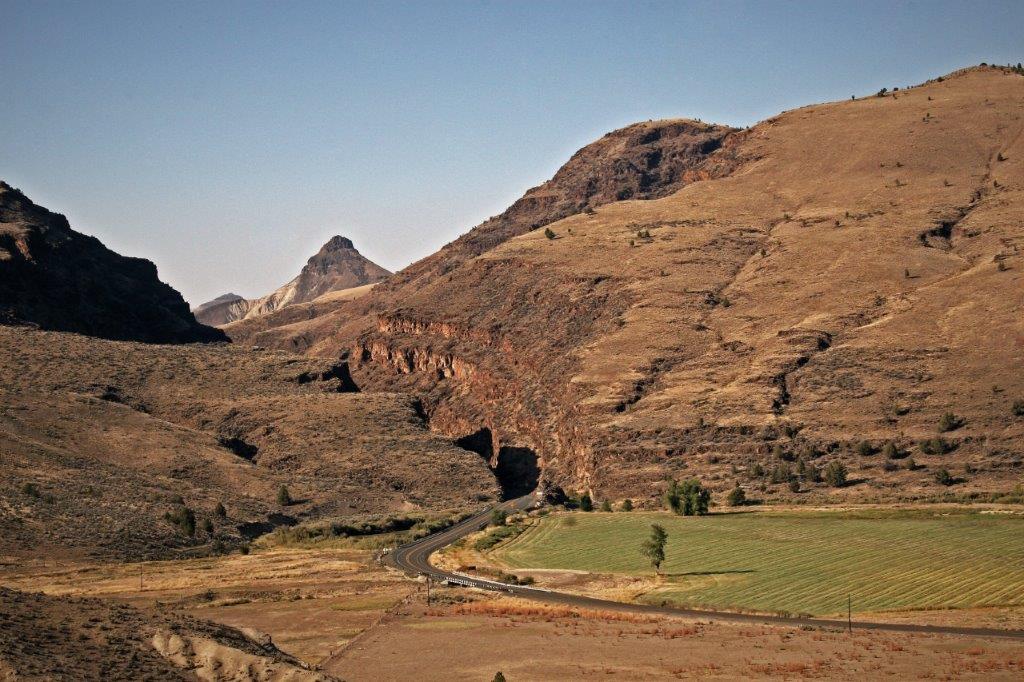
In the morning we continued north to Redmond then turned east on Highway 126.  One and a half hours later we turned off at the entrance to John Day Fossil Beds National Monument (Painted Hills Unit).  A little further up the road is the Sheep Rock Unit, but we spent so much time in the Painted Hills that day that we had no time to see what there was at Sheep Rock.  We will save it for another trip.

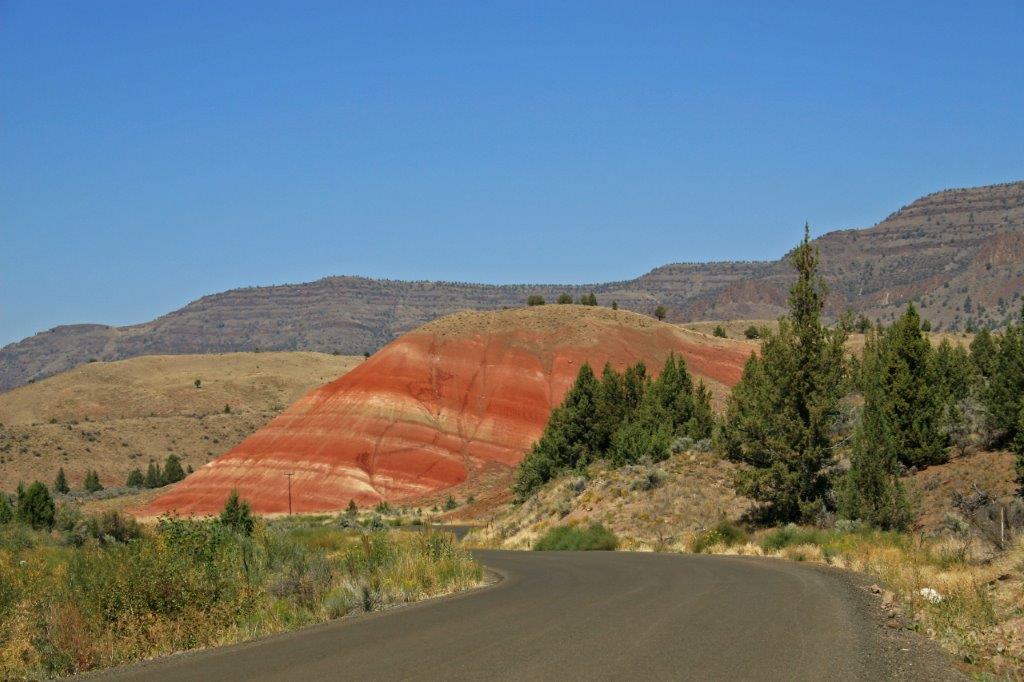
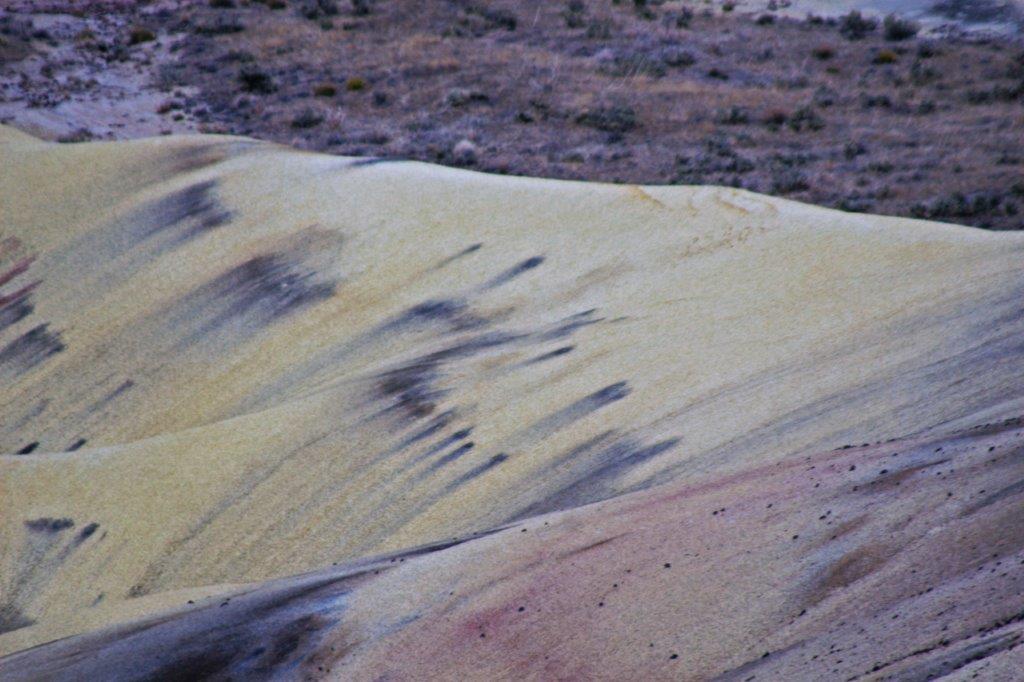
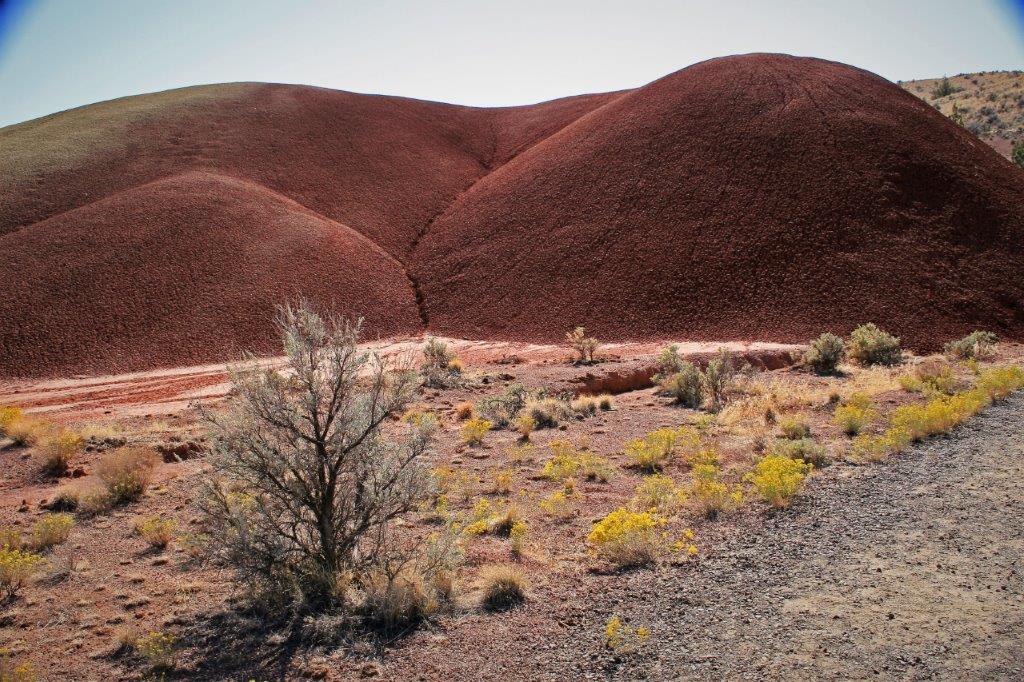
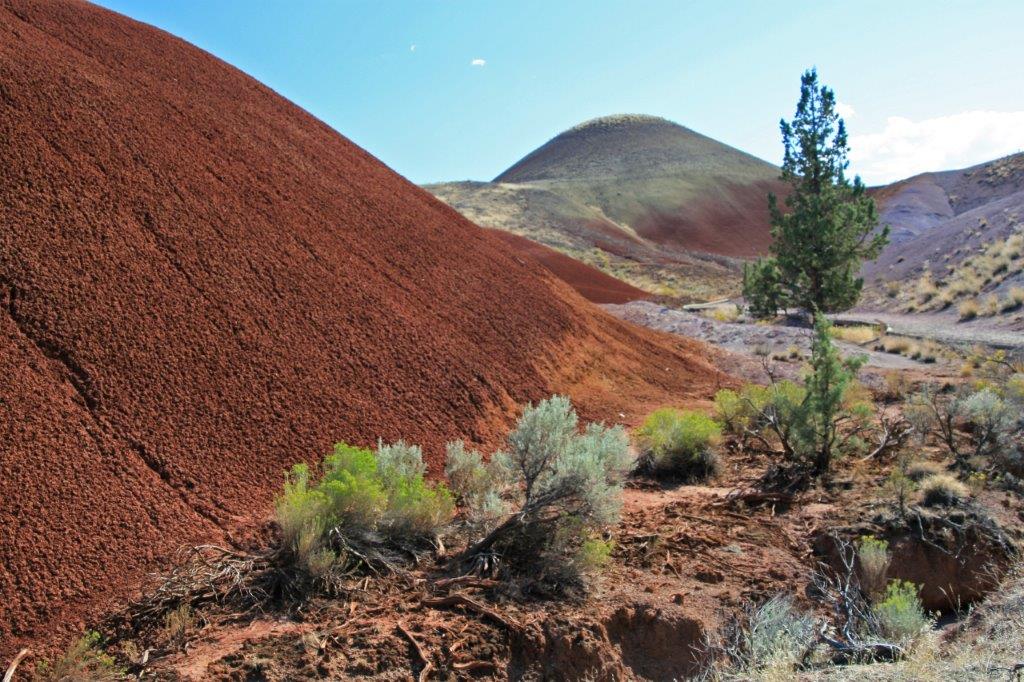
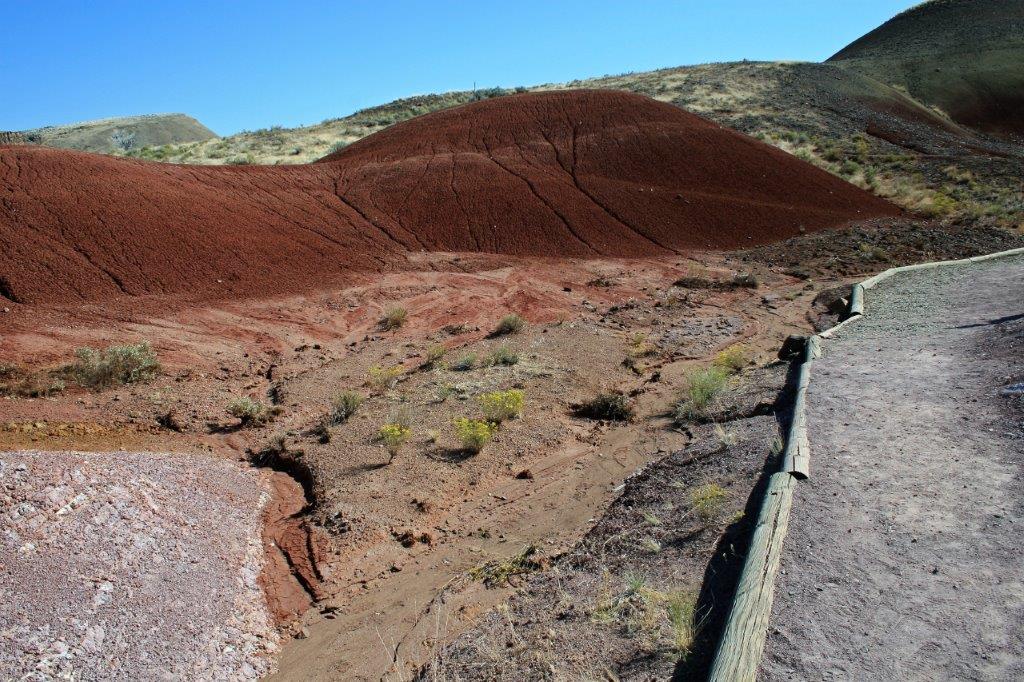
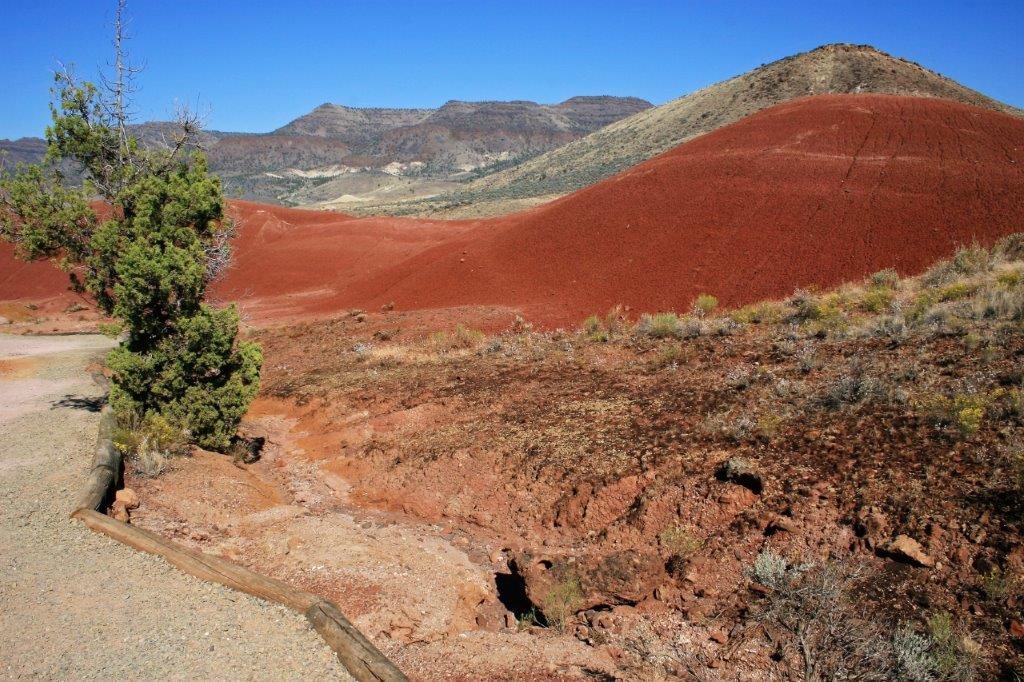
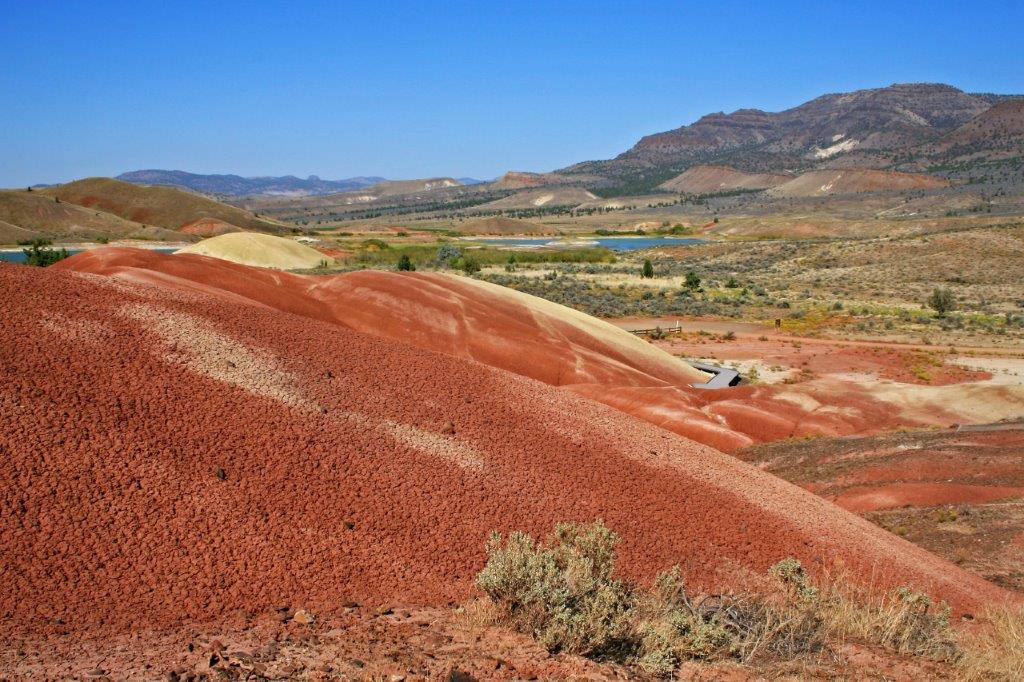
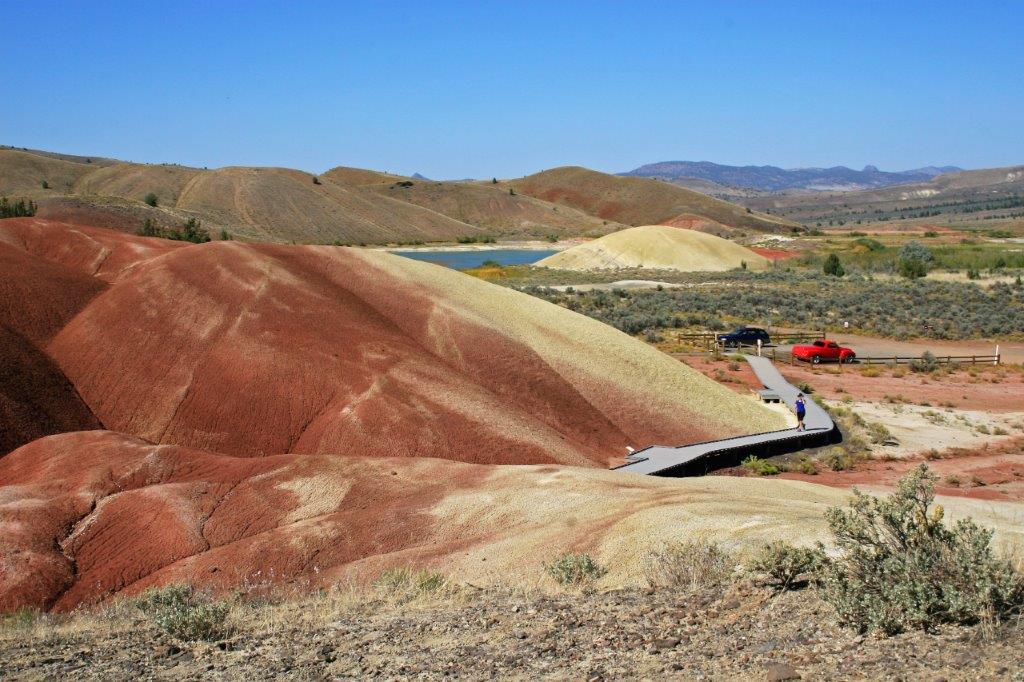
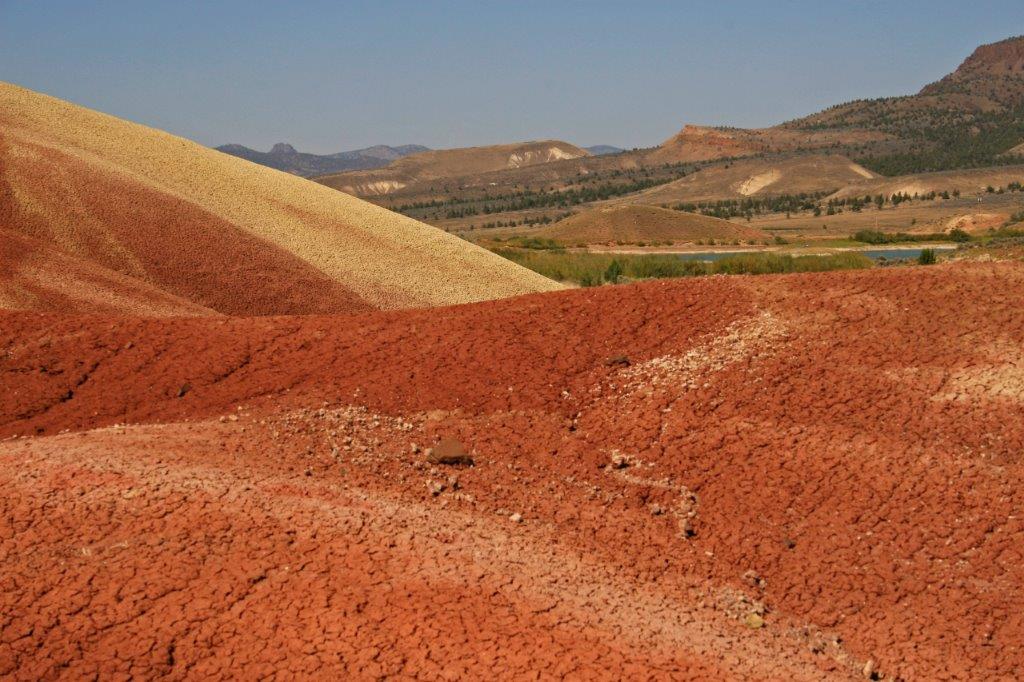
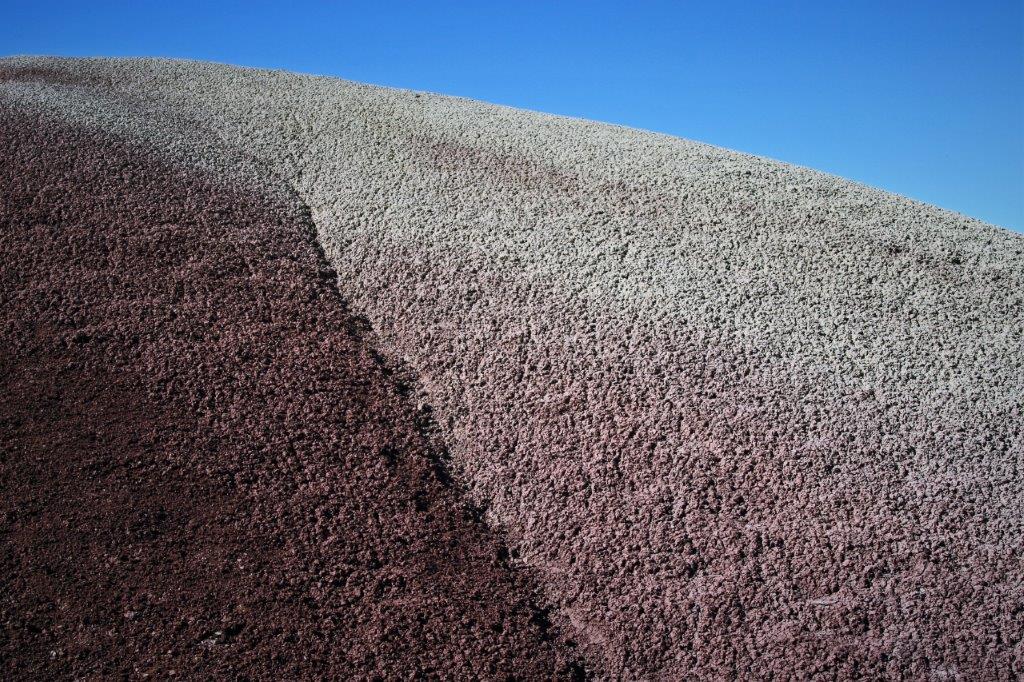
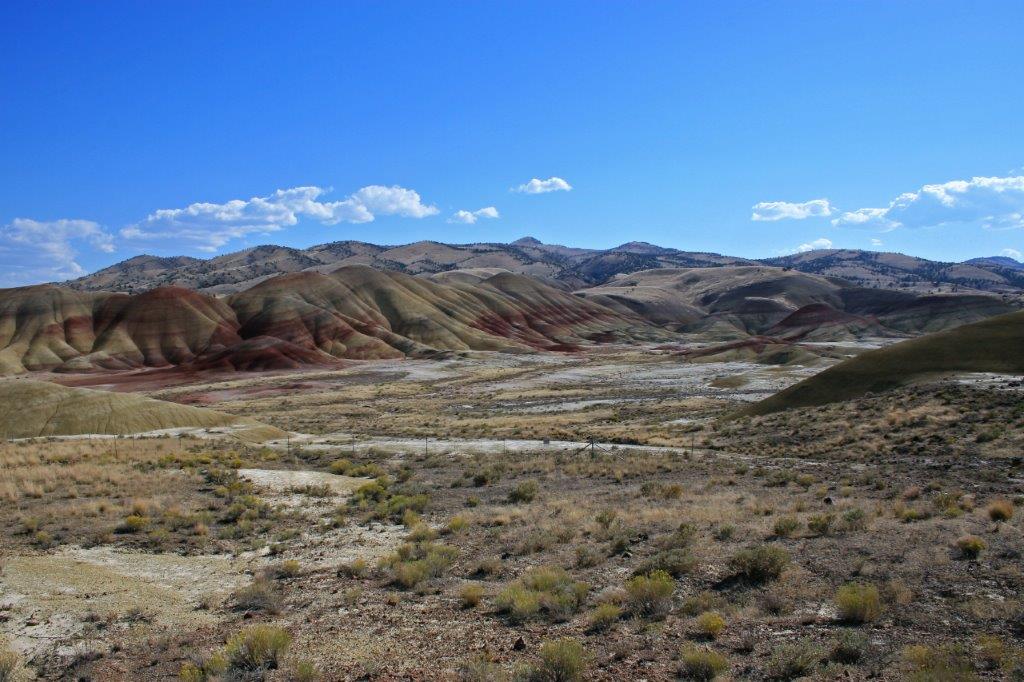
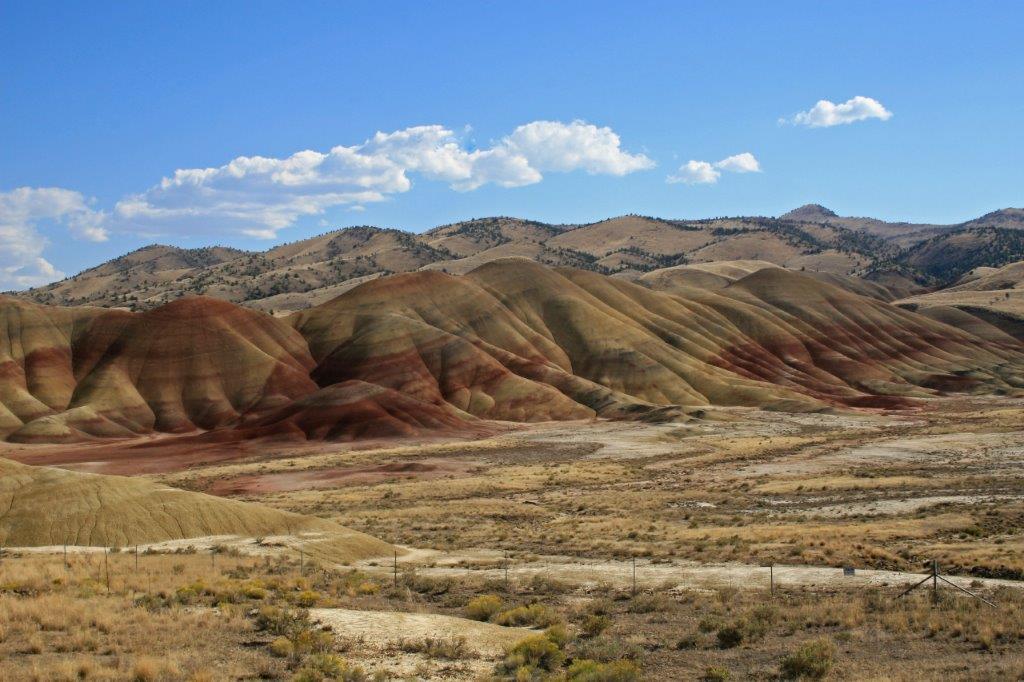
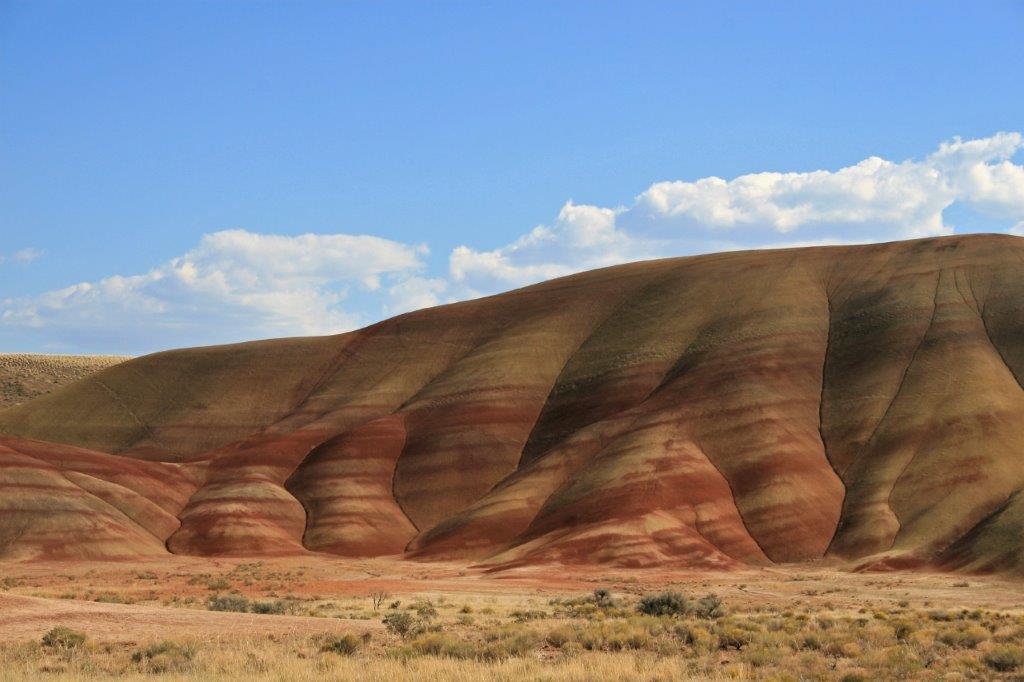
Just as I loved Crater Lake, I also loved the Painted Hills. I had never seen anything like them before (there are similiar striping in the cliffs and hills near Drumheller, AB but we hadn’t seen them at this point).  Both John Day and Drumheller are areas rich in prehistoric fossils.

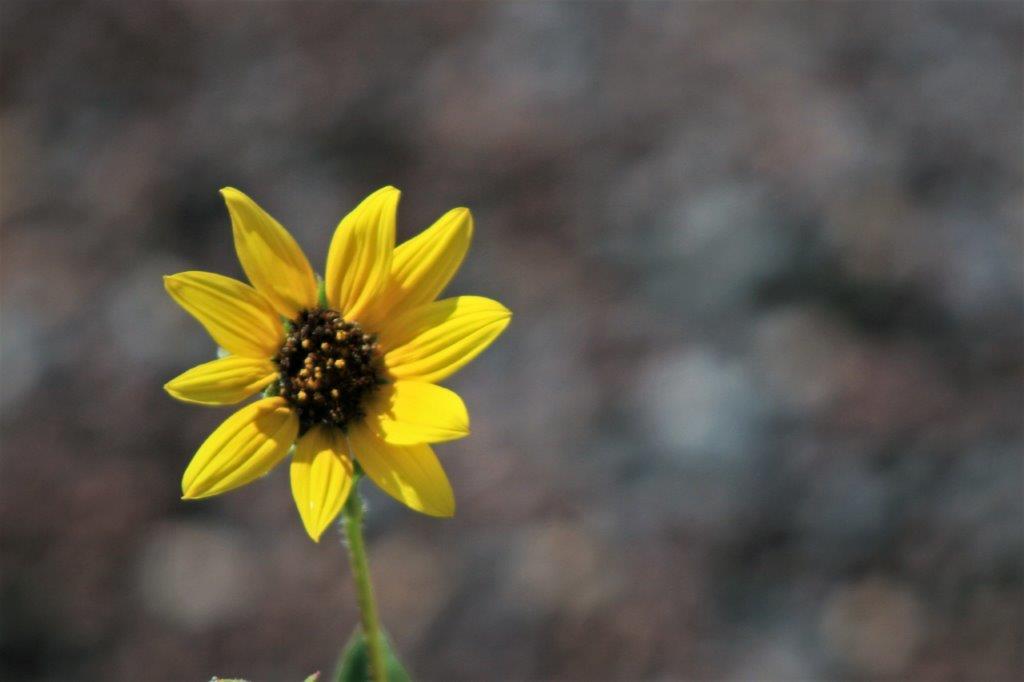
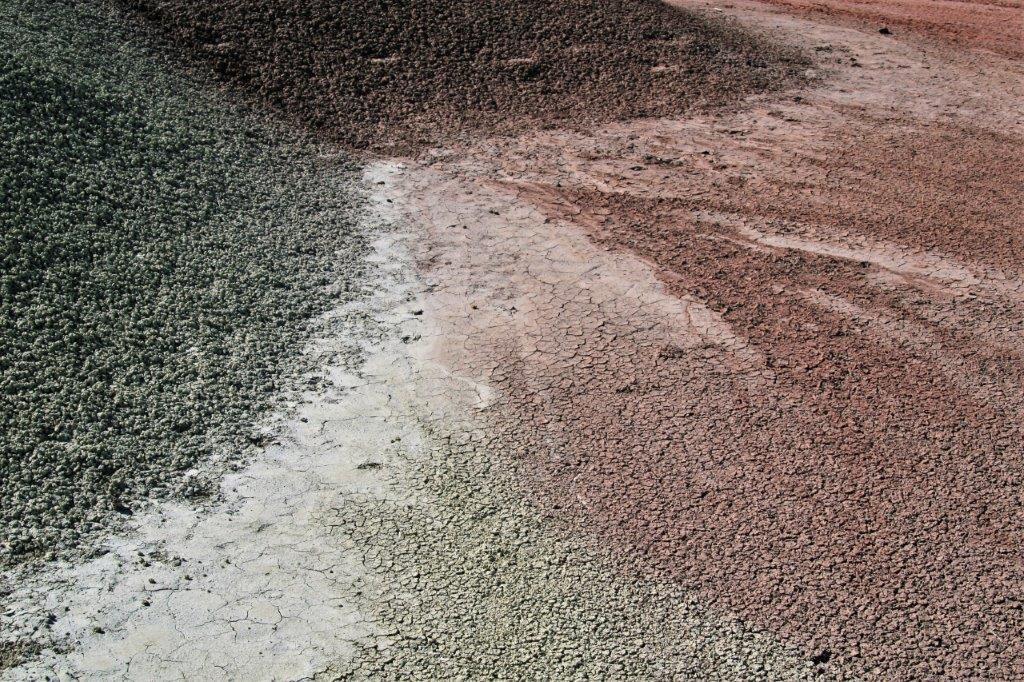
I probably took about 200 photos.  Everywhere you looked there were different colours and patterns.  Truly, truly my kind of place.  I will definitely go there again, and this time I will be sure to have time to stop at the Sheep Rock Unit as well.  Lots of photos to follow – The hills are composed of a clumpy granuale and each colour is a different material.  You will have to look up all the scientific information if you want the details.  Just google Painted Hills.   We eventually left the wondrous painted hills and made our way to the community of John Day where we spent the night. Those two days were a photographers dream.  I had so much fun!

2009 Sep 8-10 – Days 14-16 – Oregon Coast

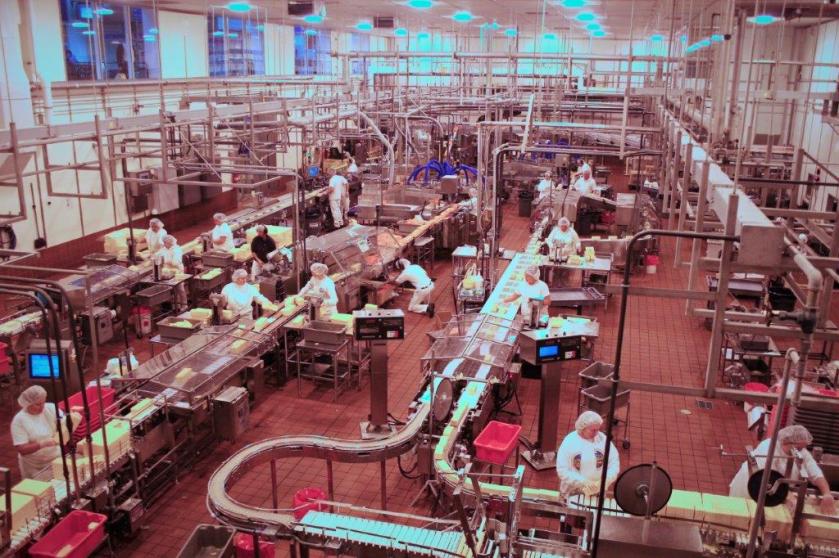
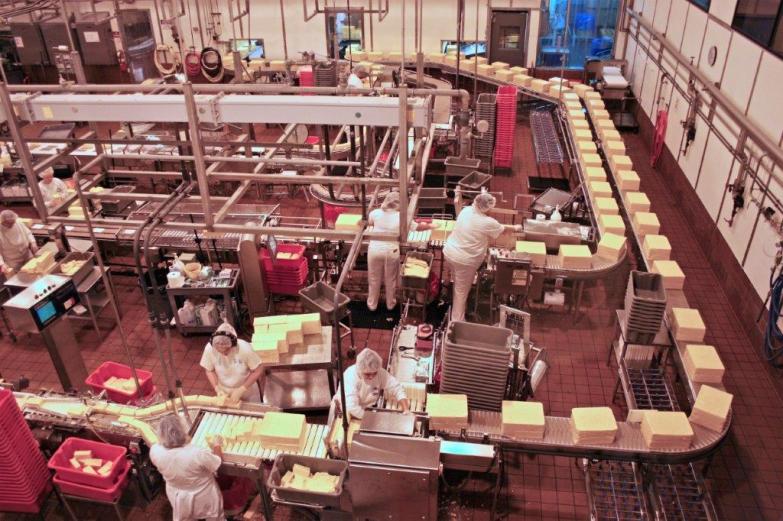
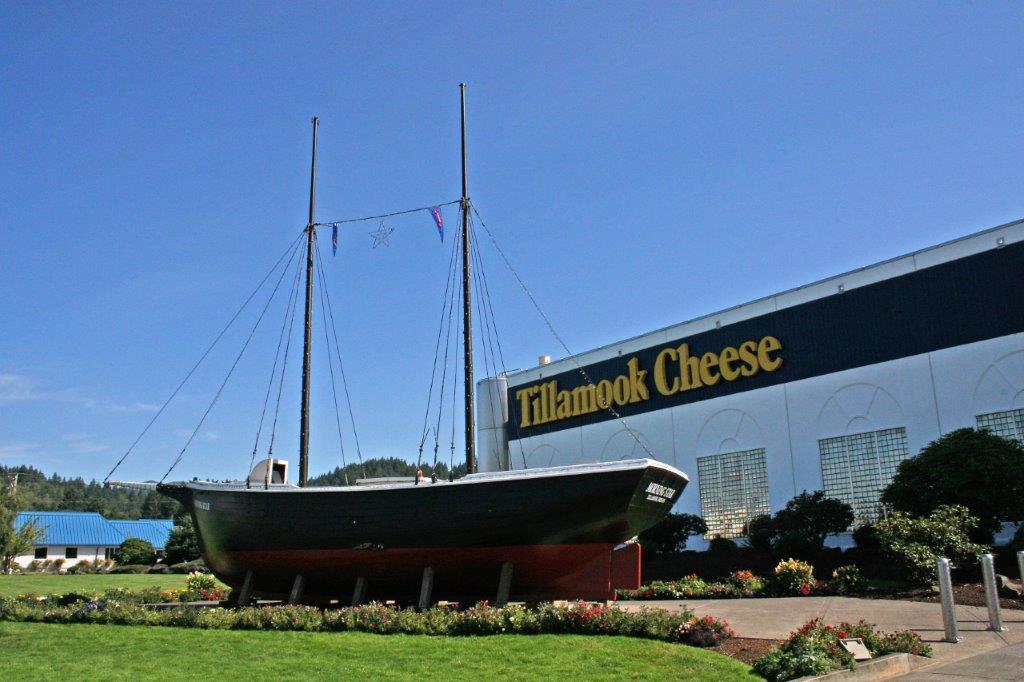
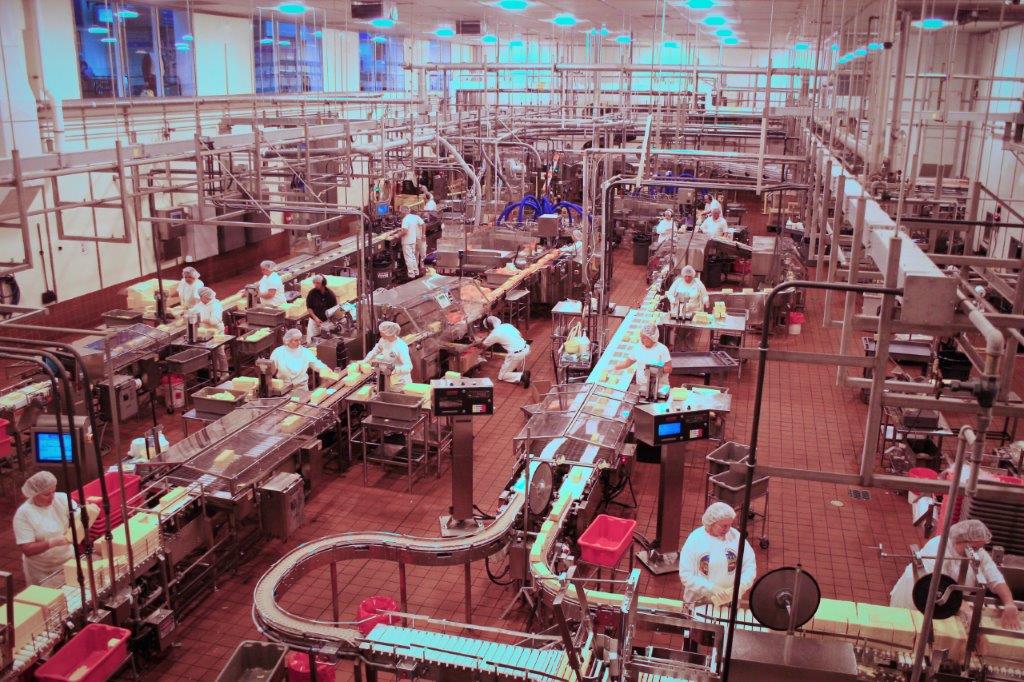
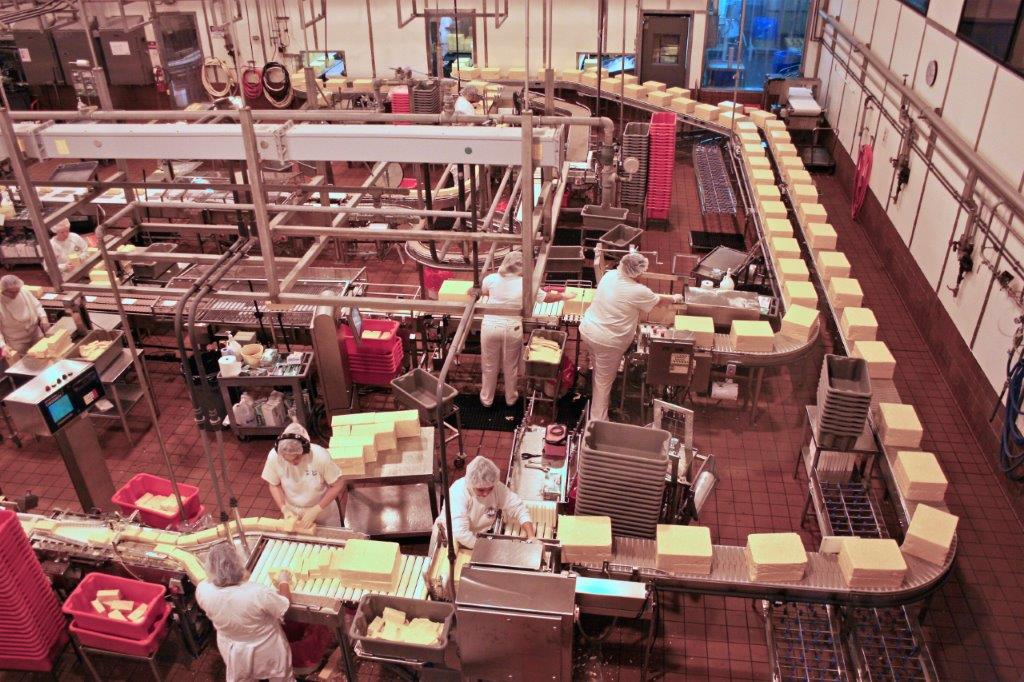
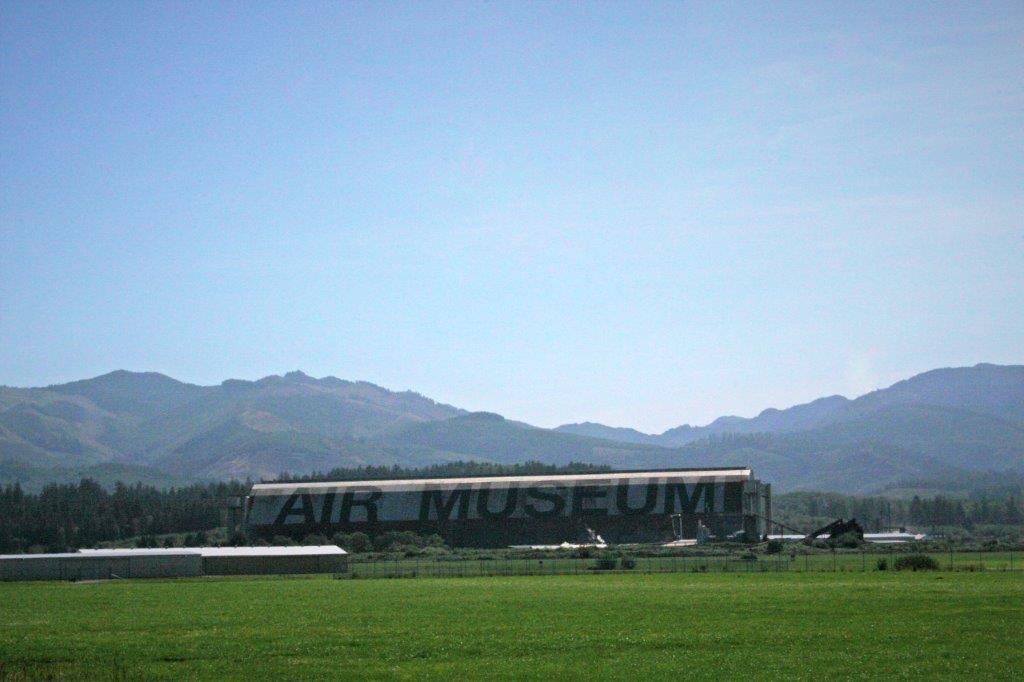
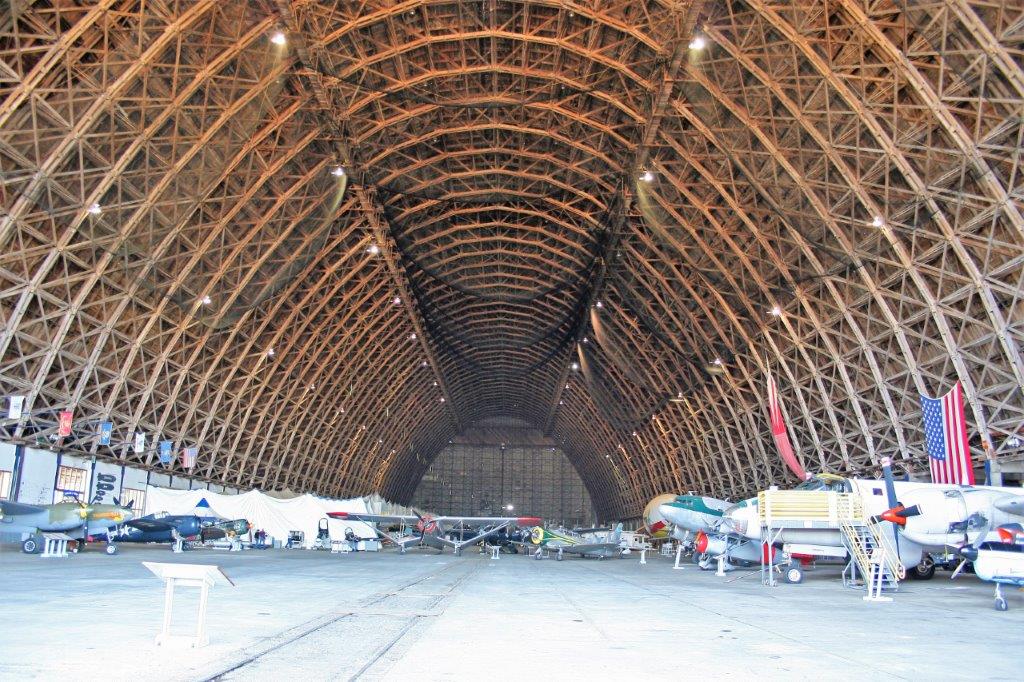
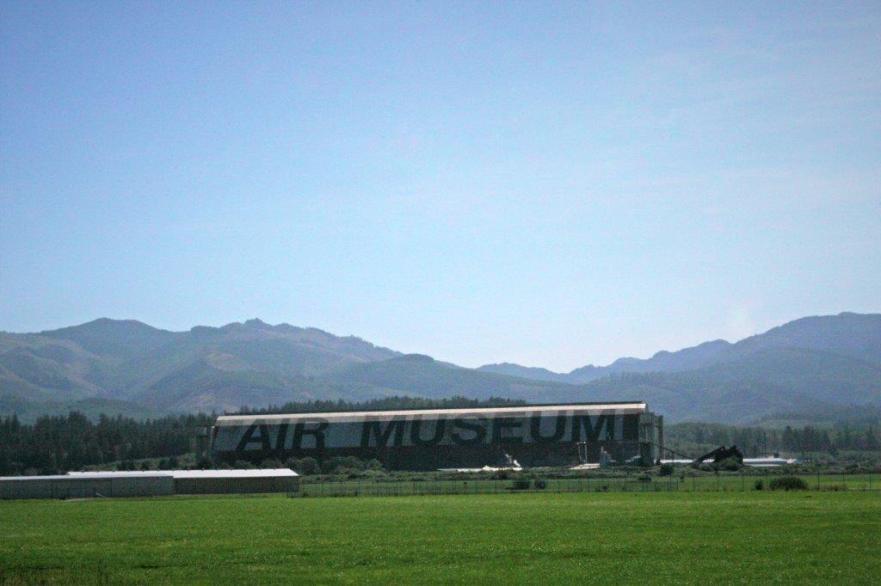
Before leaving Tillmook we toured the cheese factory and the Air Museum.   Tillamook Cheese is well know all along the northwestern US.  The moving assembly line of huge cheese blocks was pretty interesting to watch.

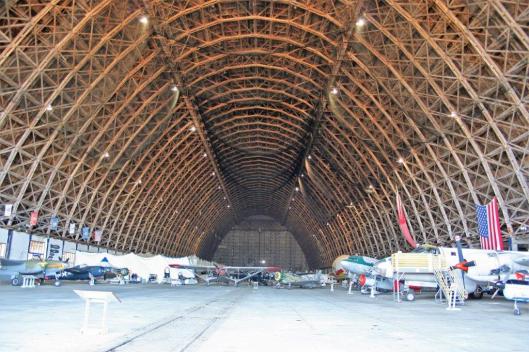
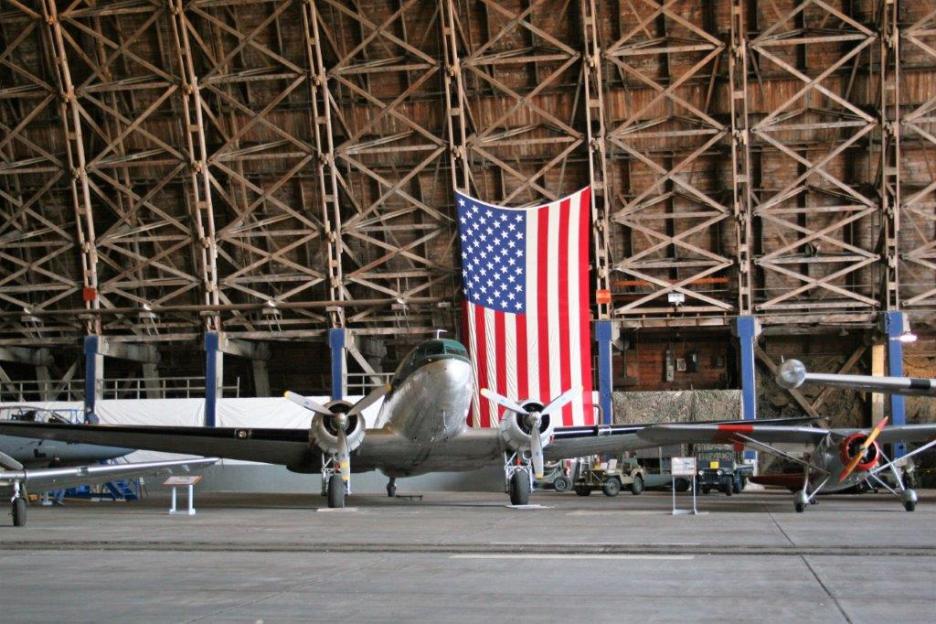
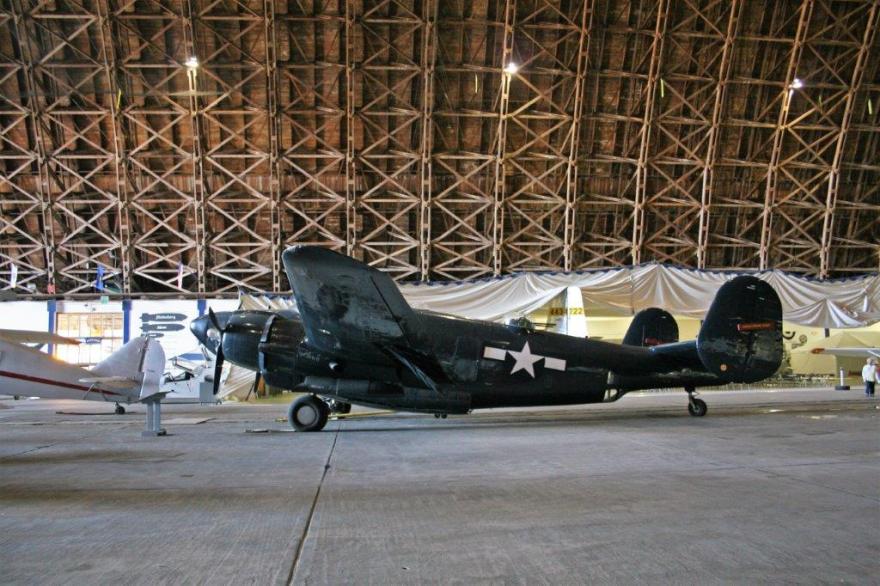
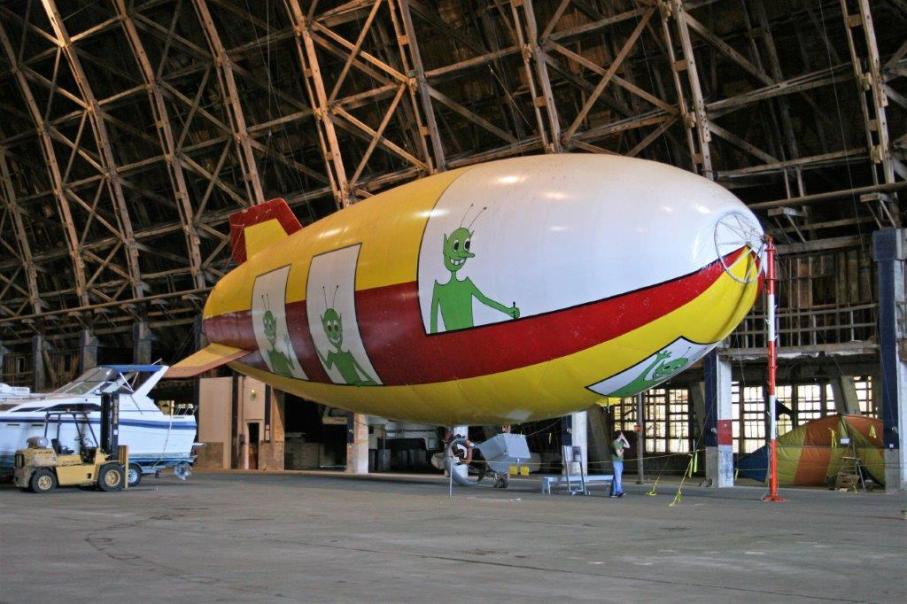
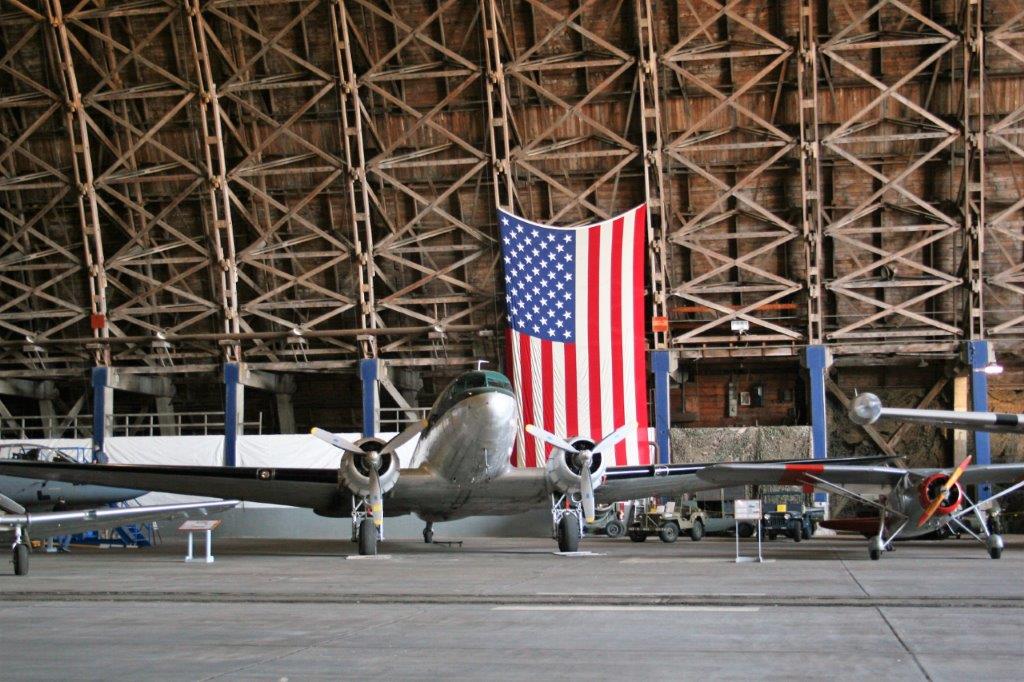
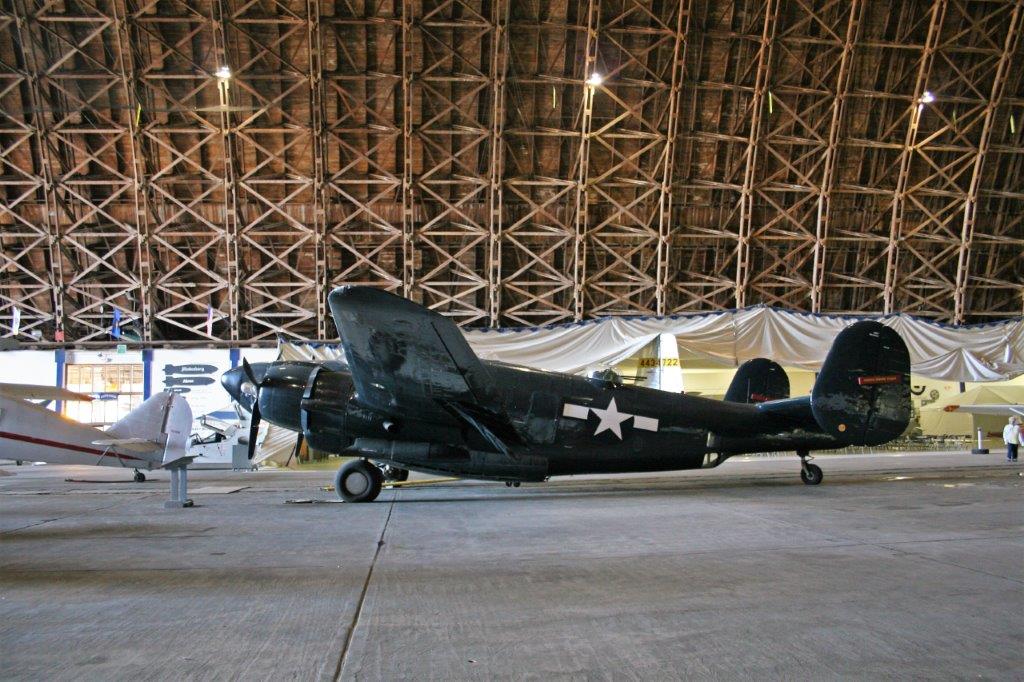
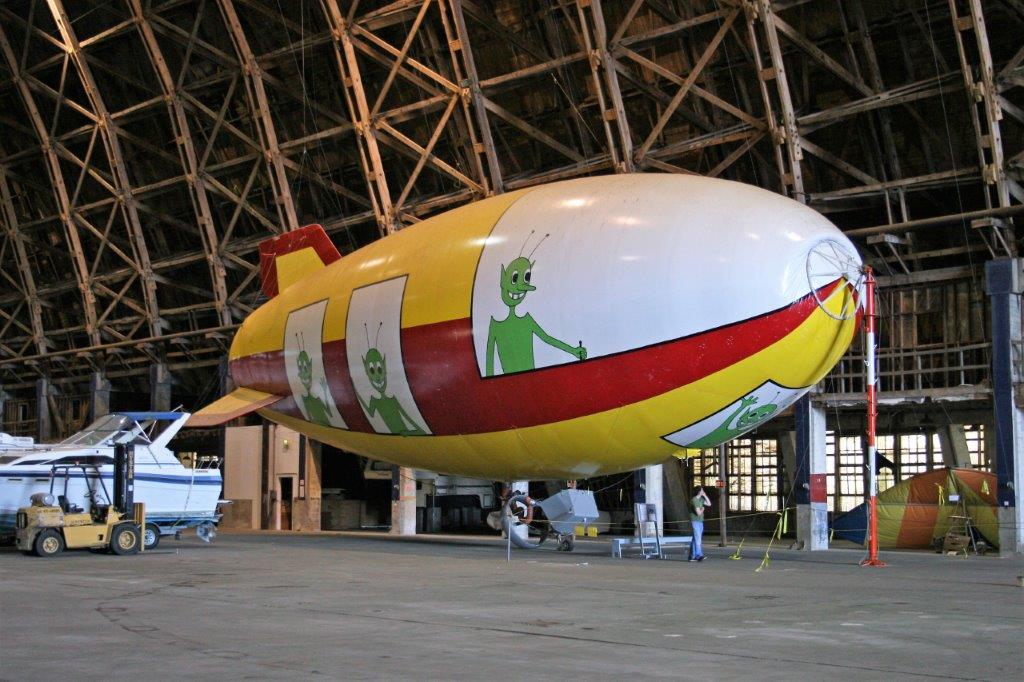
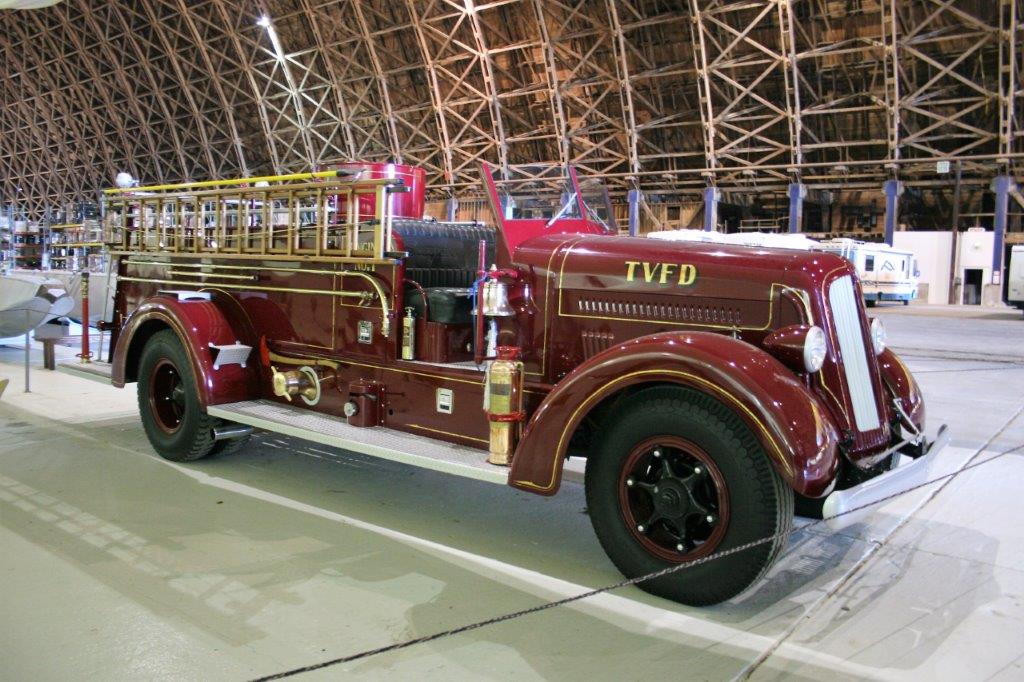
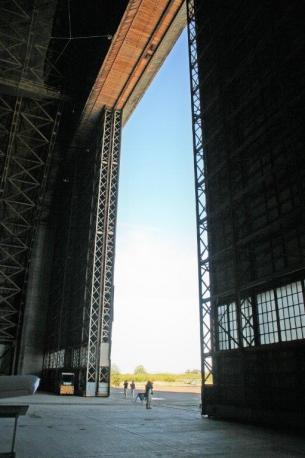
The museum is housed in a former WWII airship hanger.  In 1942 the U.S. Navy built 17 of these massive structures along the western coast to house K-Class airships that would provide anti-sub patrols and convoy escorts.  Two were built at Tillmook.  Hanger “B” was the first one completed in August 1943.  Hanger “A” was built in only 27 days!  It was destroyed in a fire in 1992.  The airships were 252′ feet long and 80′ in diameter.  They carried 425,000 cu. ft. of helium and could stay aloft for three days with a range of 2,000 miles.  Hanger “B” houses the Tillamook Air Museum. John had a great time checking out all the planes.And the Tillamook Volunteer Fire Department had spent many, many hours restoring this beautiful 1943 Seagrave Fire Engine.
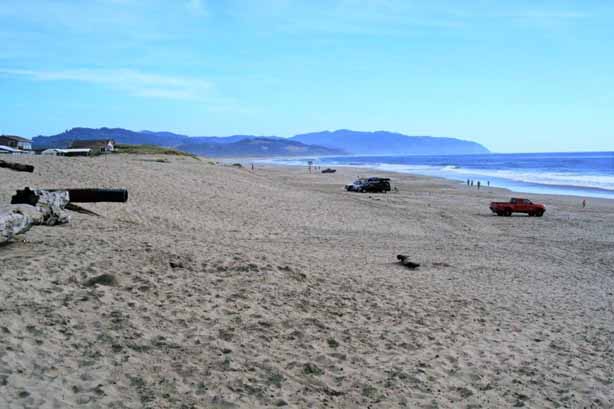
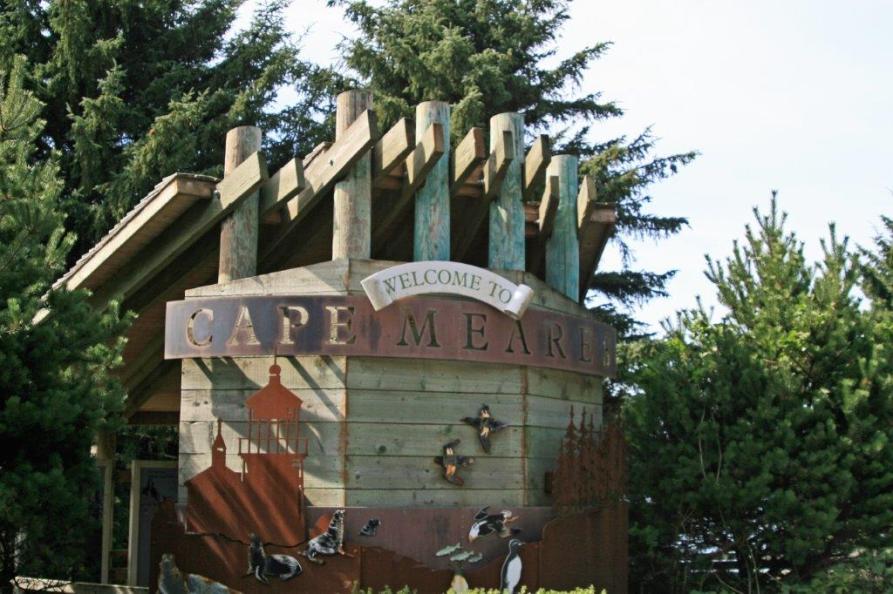
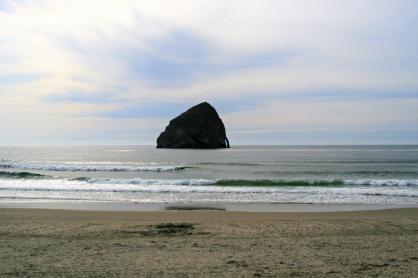
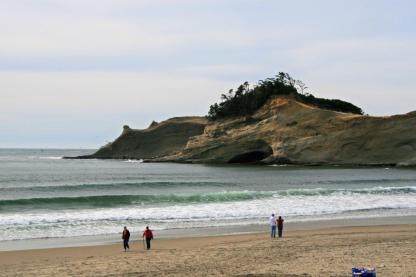
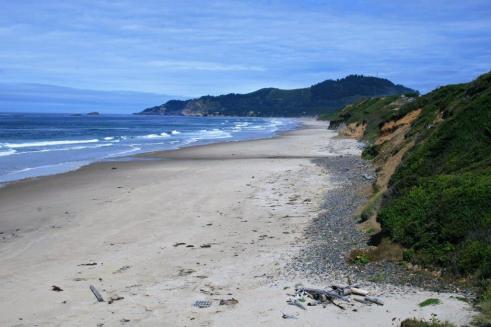
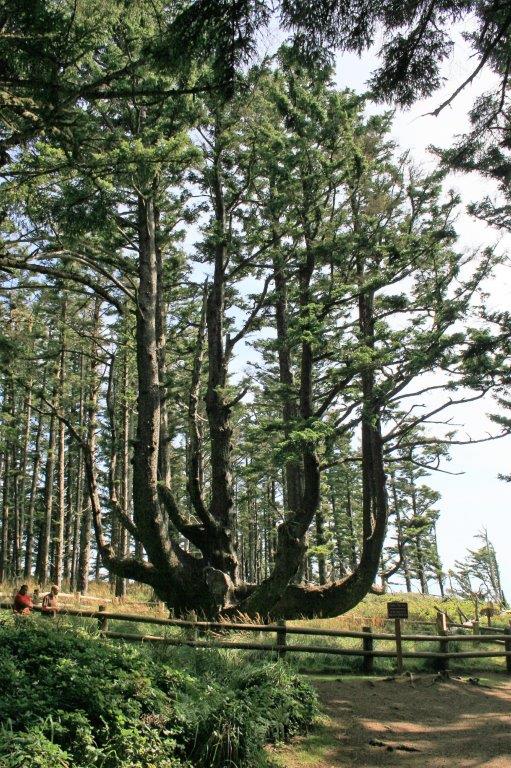
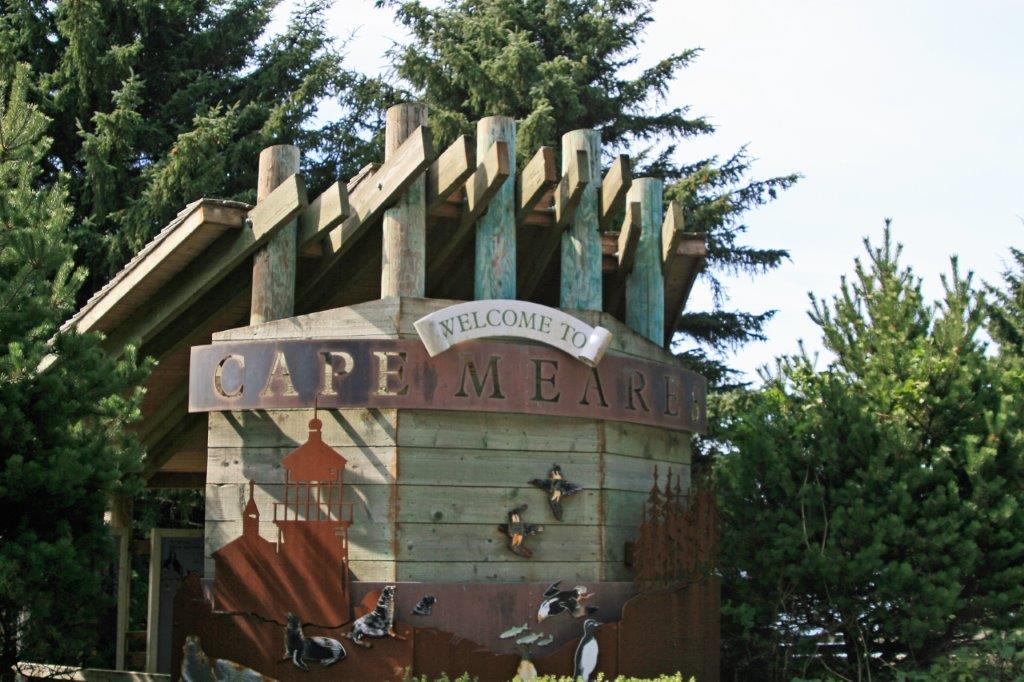
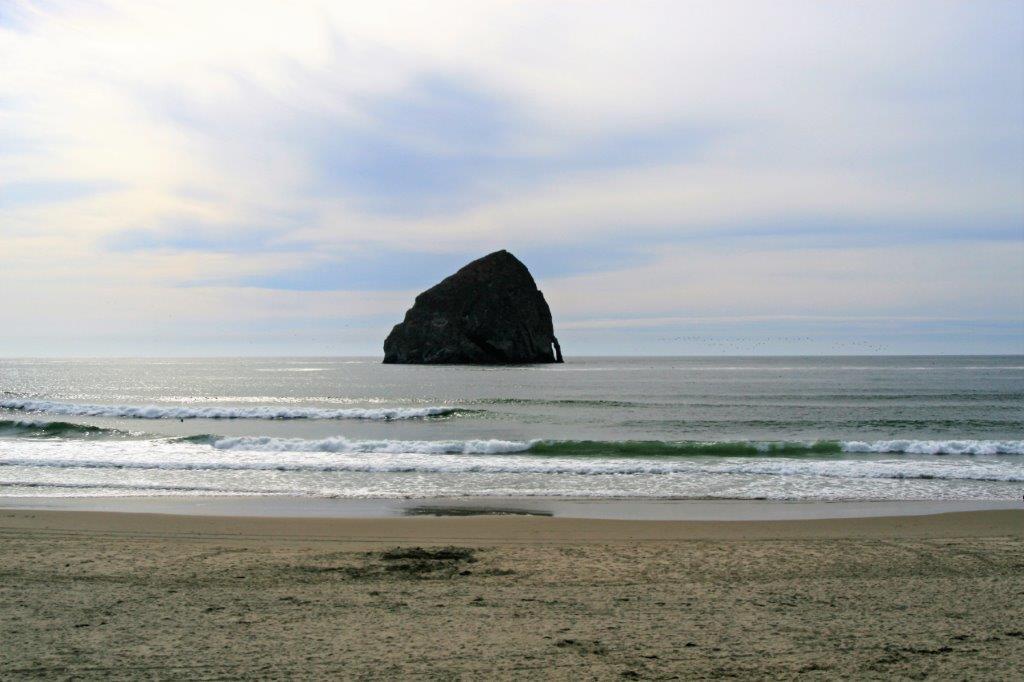
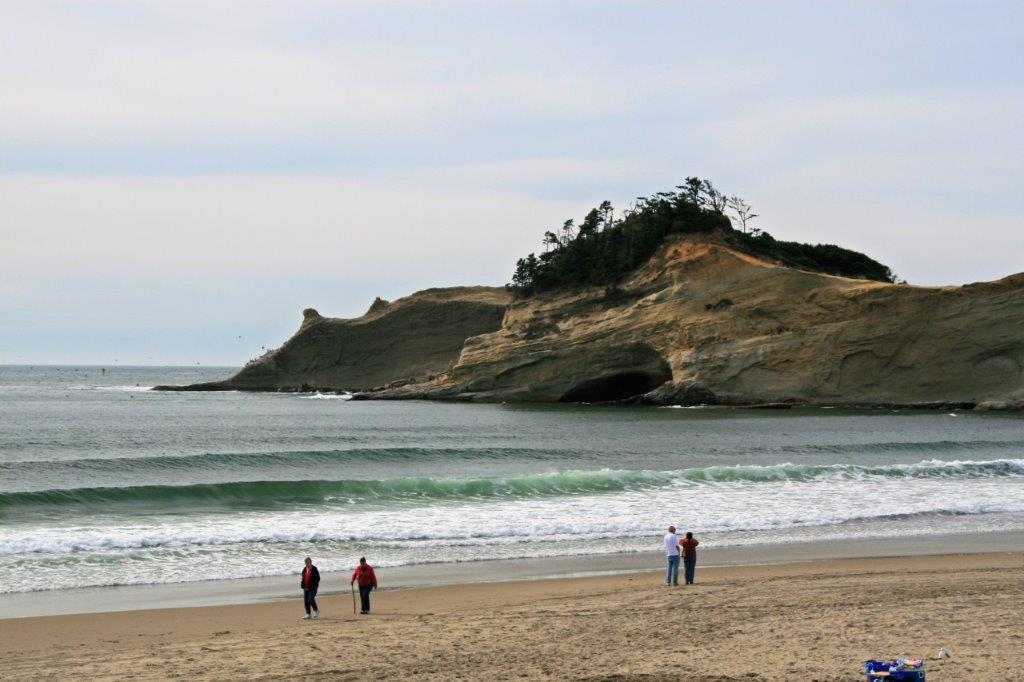
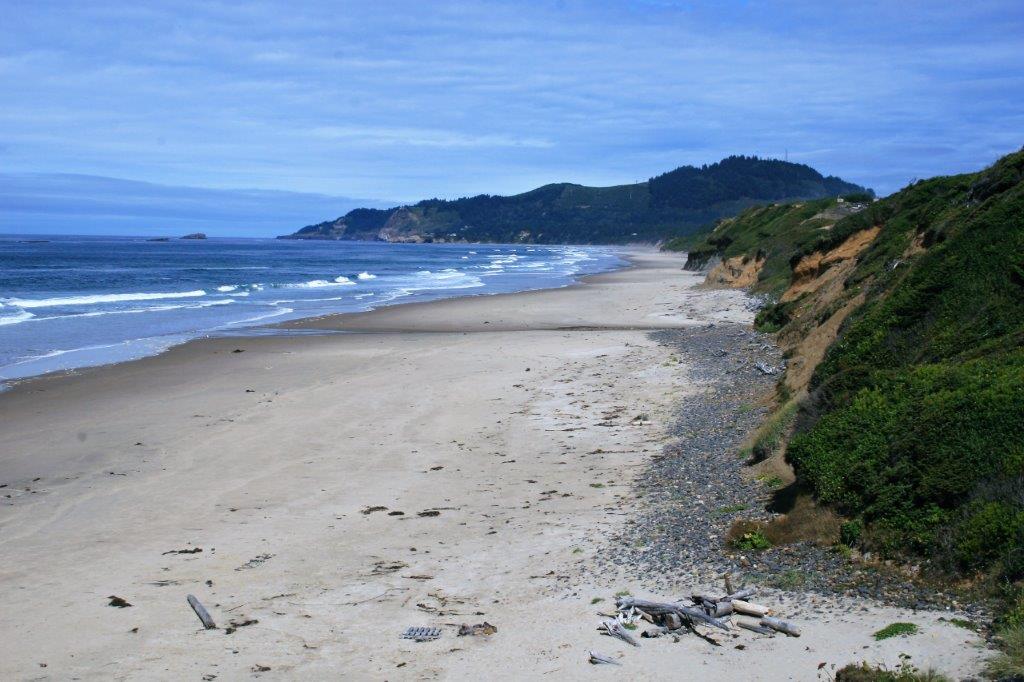
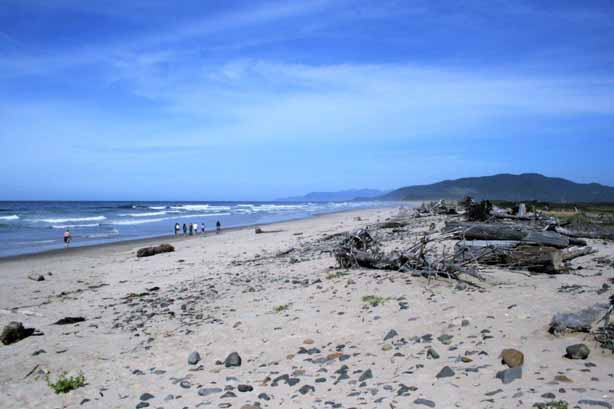
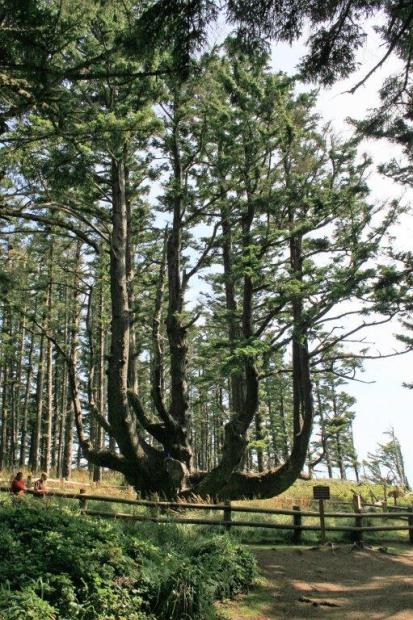
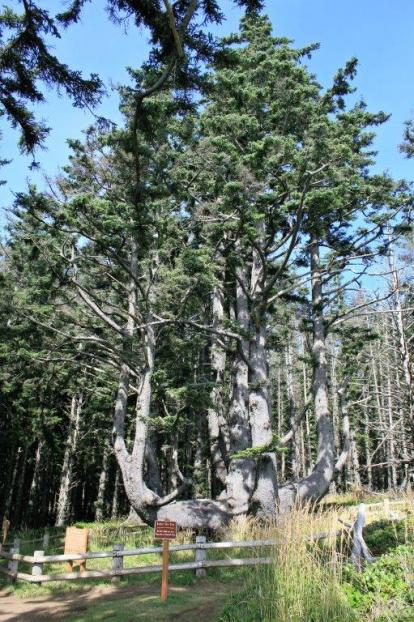
Oceanside Beach was a lovely long stretch of white sand.Not too far from Tillamook is Cape Meares where you can find the Octopus Tree, which is actually a Sitka Spruce that grew lots of low branch “arms.”
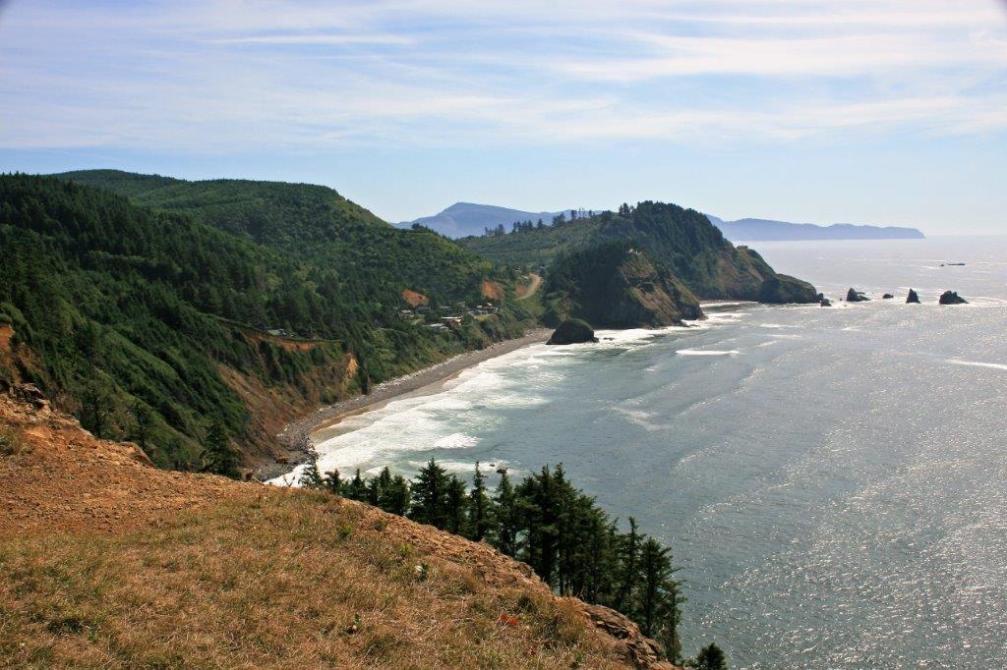
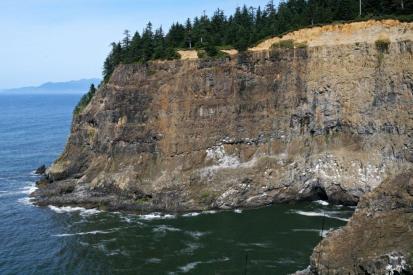
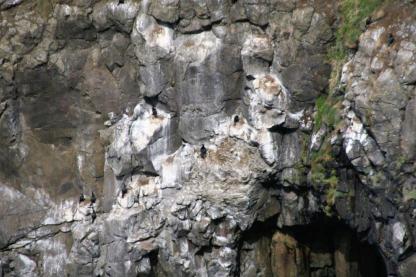
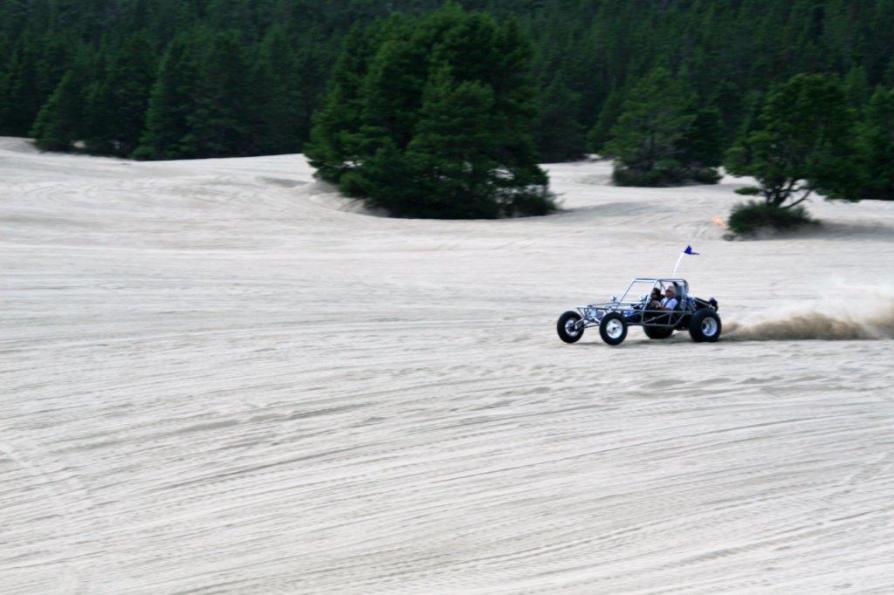
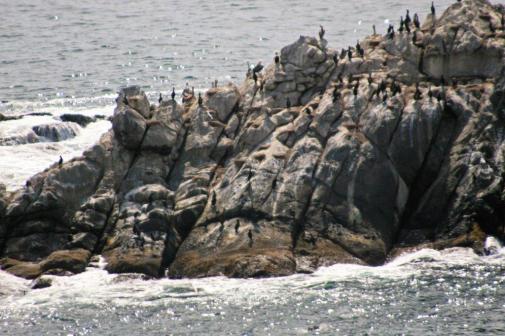
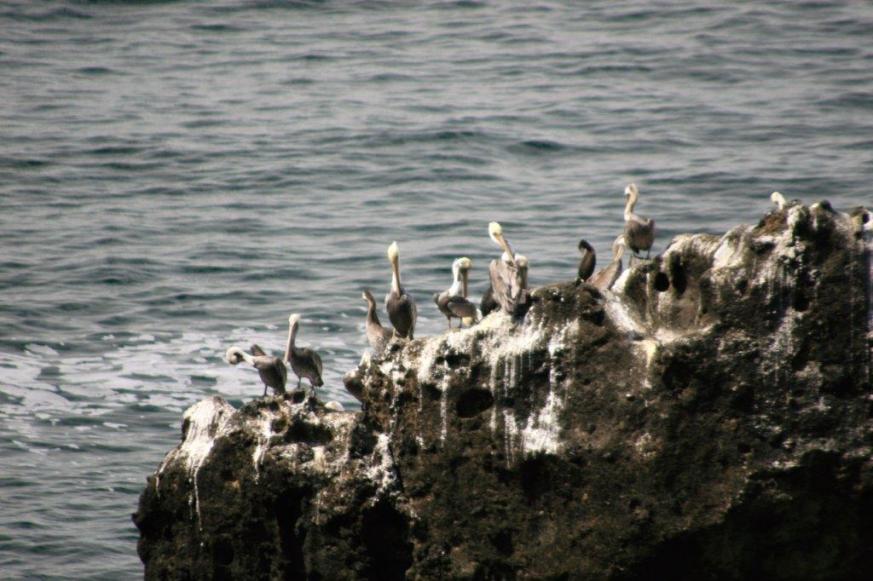
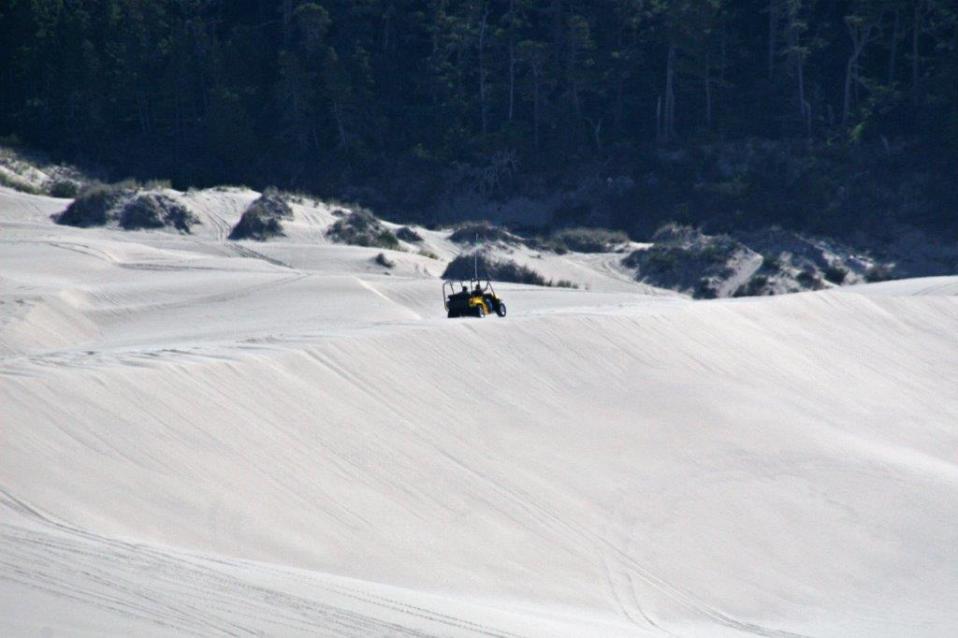
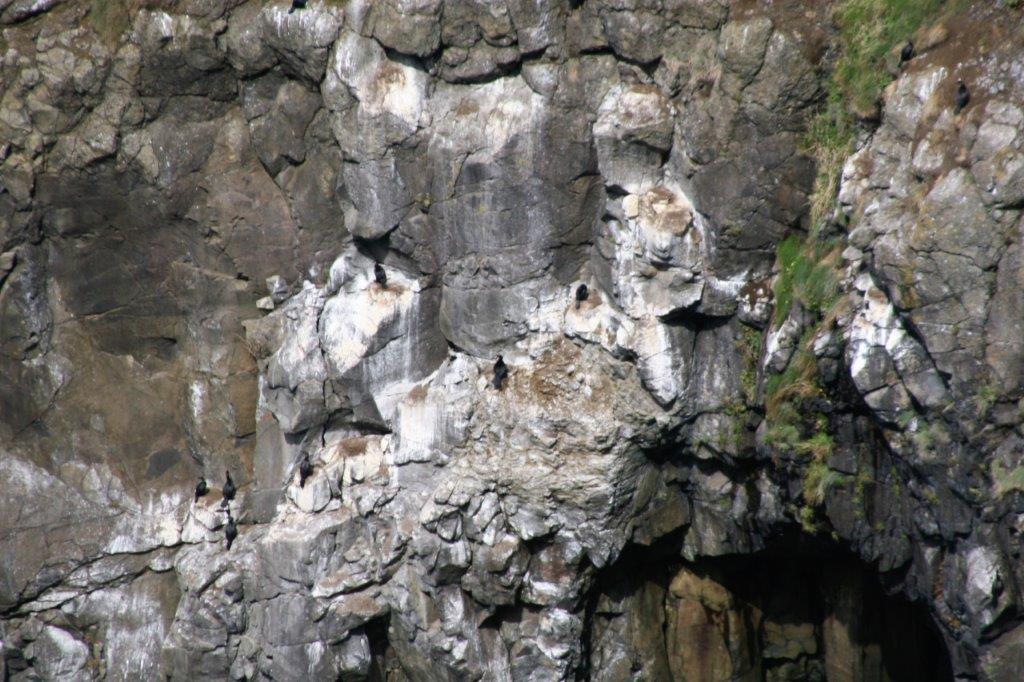
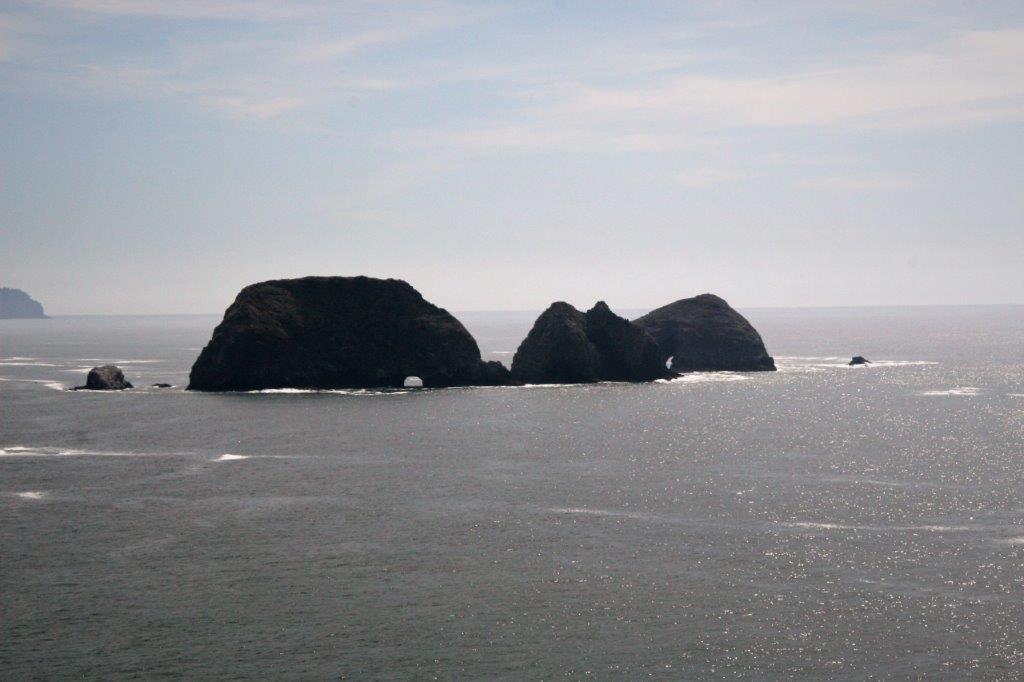
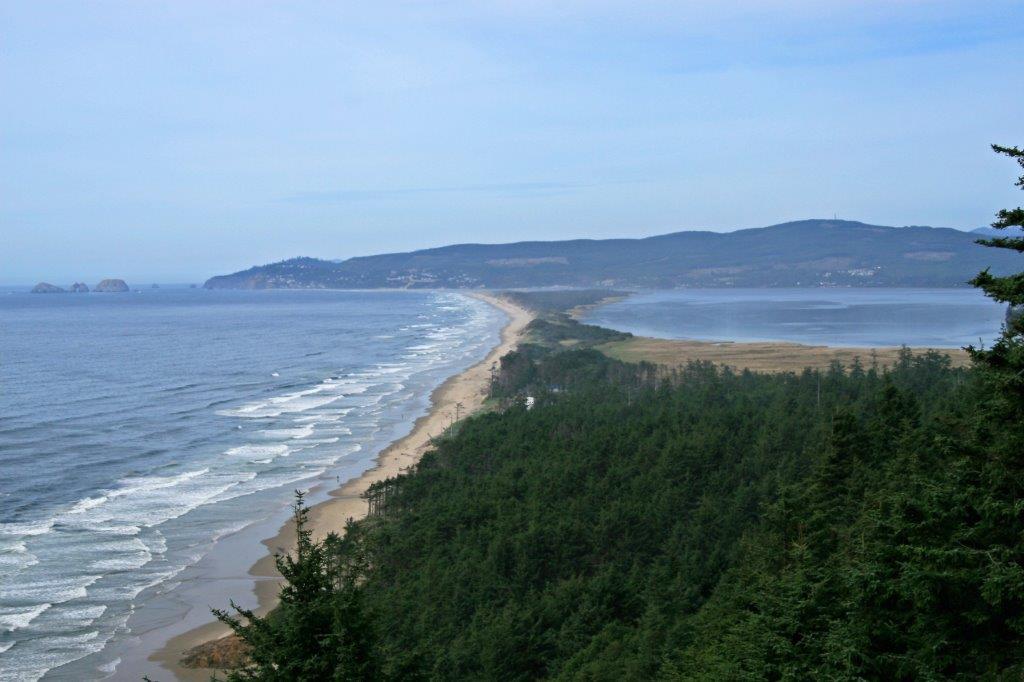
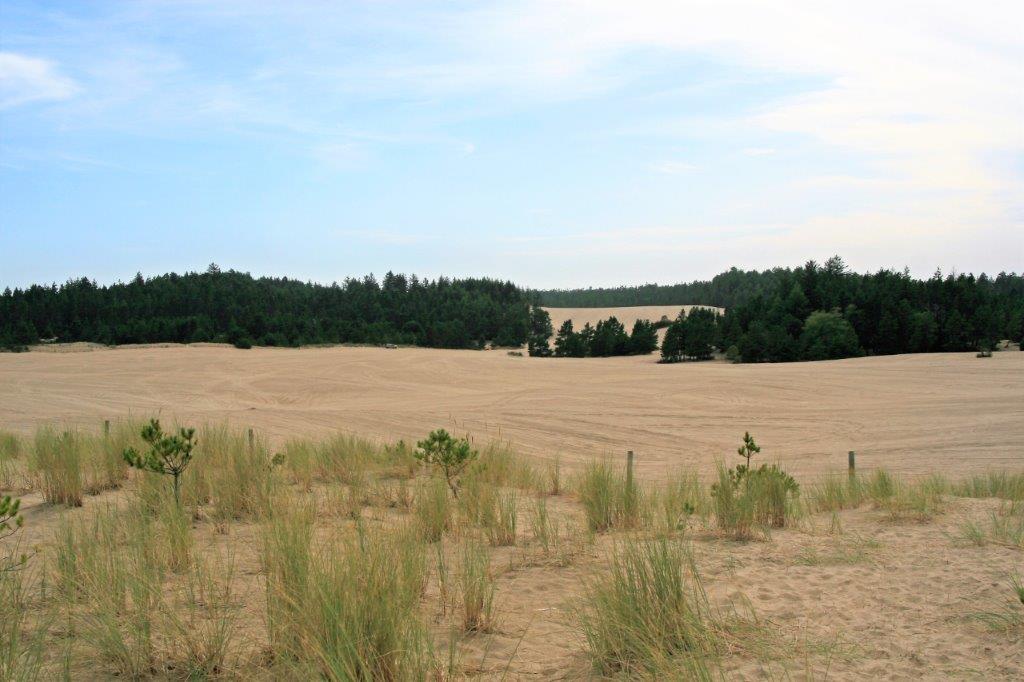
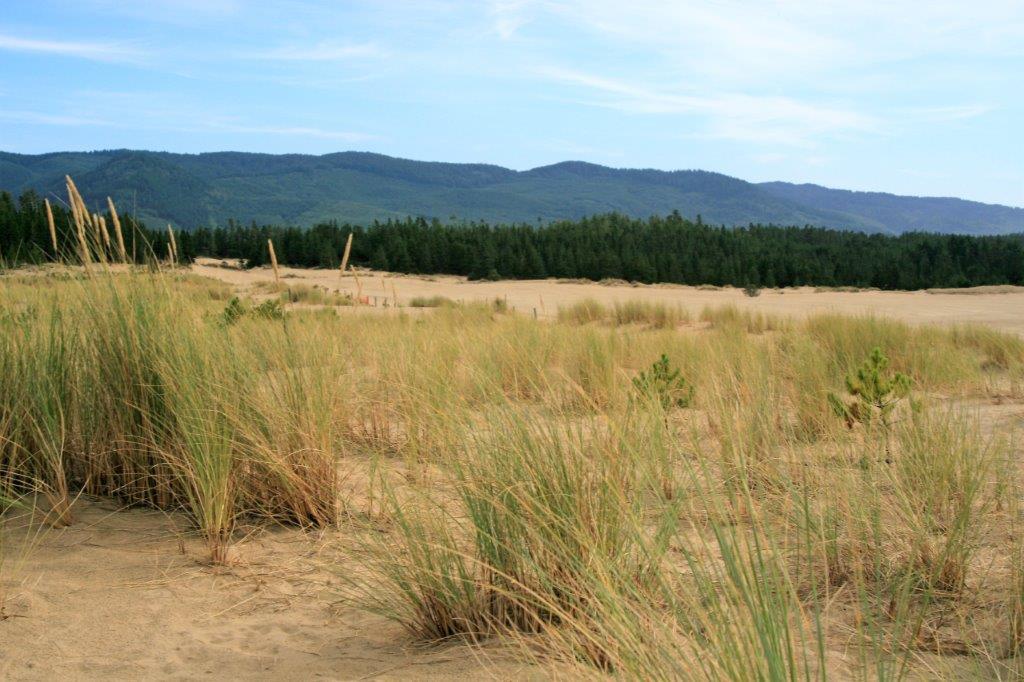
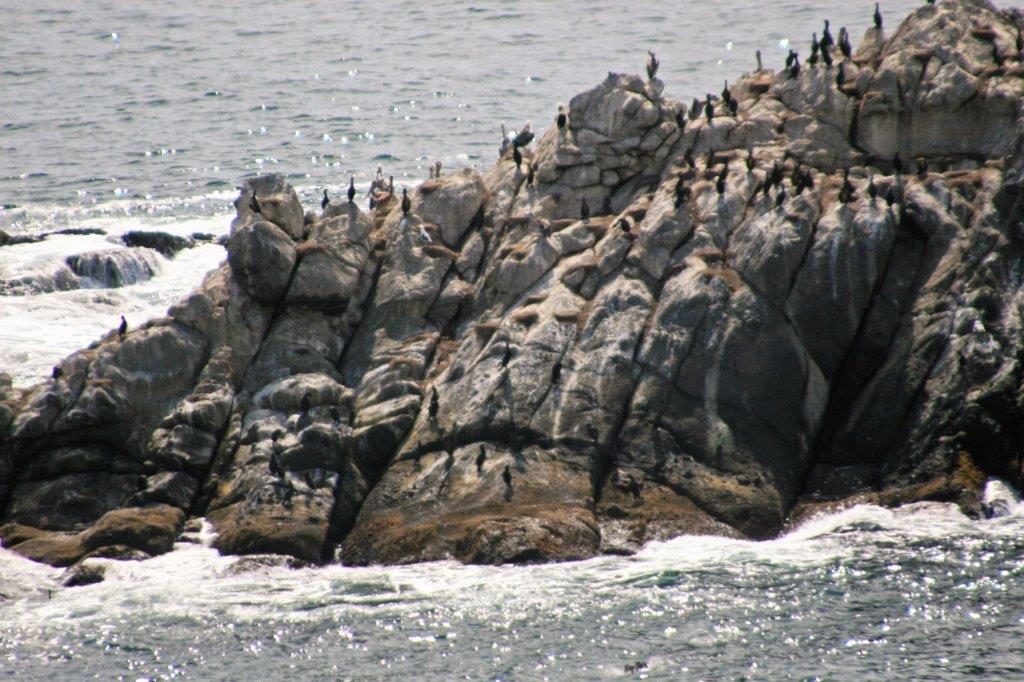
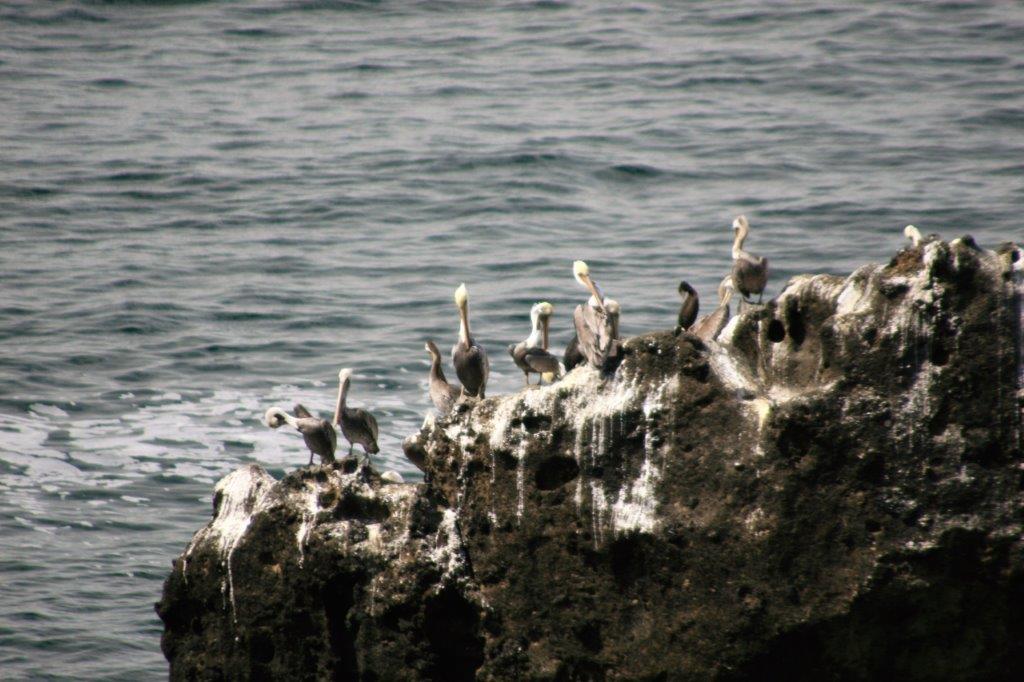
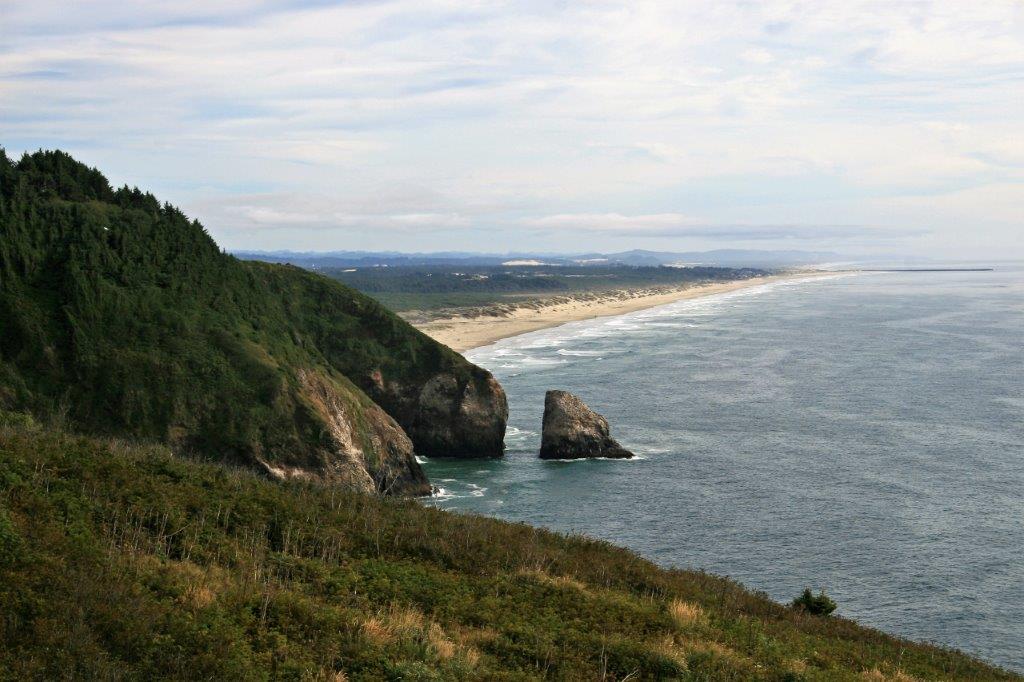
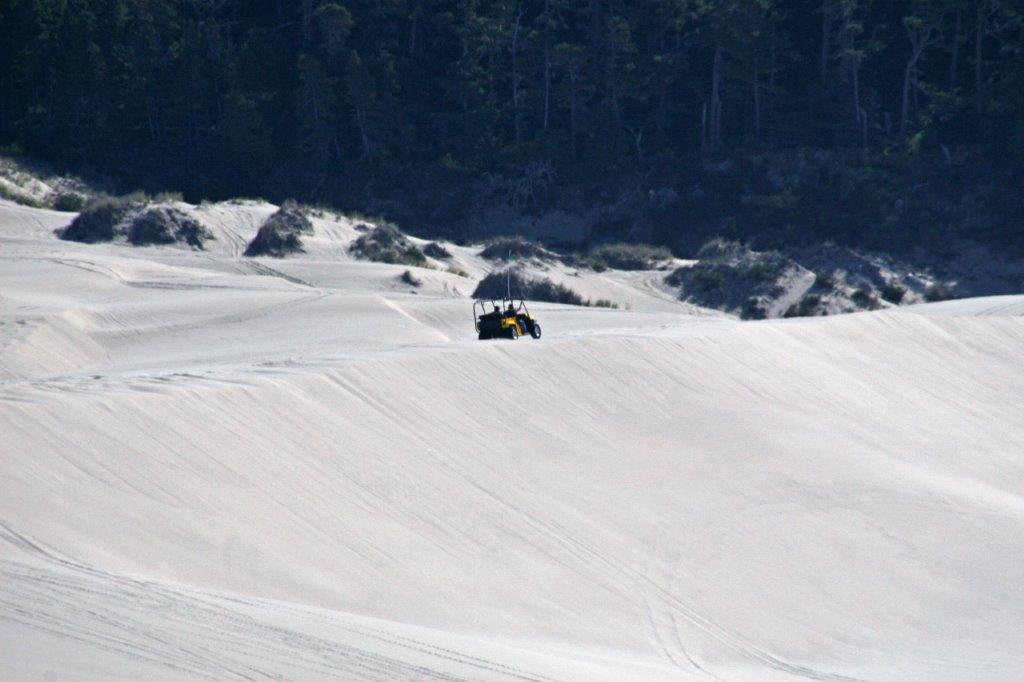
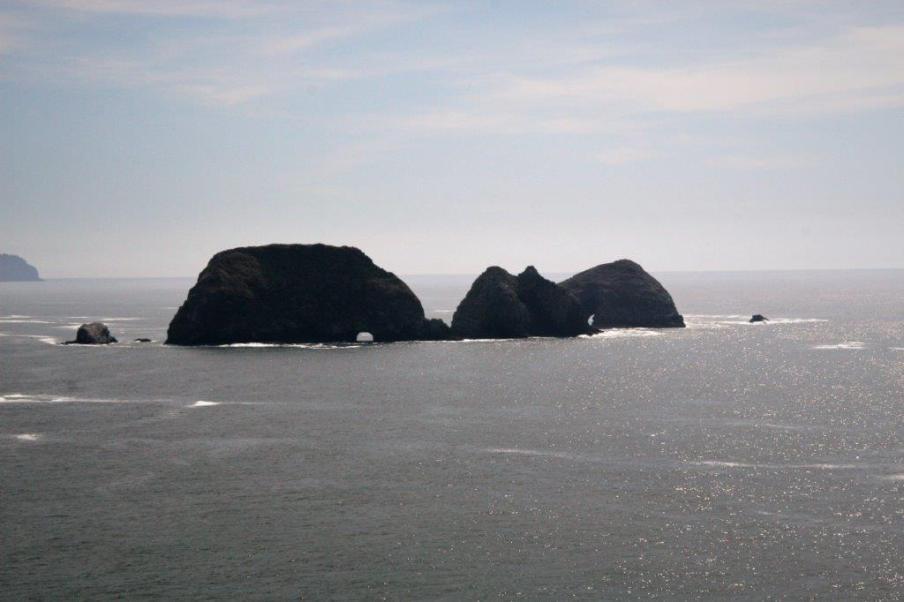
     As is always the case, any seaside cliff will become nesting grounds for birds.Three Arch Rocks can be seen just a little bit south of Cape Meares. Sand Lake Recreation area is a popular spot for beach driving.We had entered the Oregon Coast Dunes area.  From north of  Lincoln City to Florence and North Bend there are miles and miles and miles of golden sand dunes.  There are only a few places you can see them from the road, but plenty of recreation area accesses if you look for them.  We had taken a dune buggy ride on the sand when we drove down to Disneyland and San Diego Sea World with our friends in 1999 so we knew where to turn off to check them out. We spent the night at Lincoln City after driving an incredible 45 miles in the day.  No one ever said we rush on road trips….
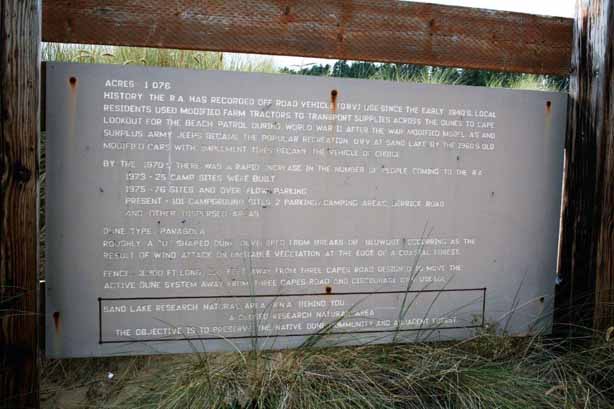
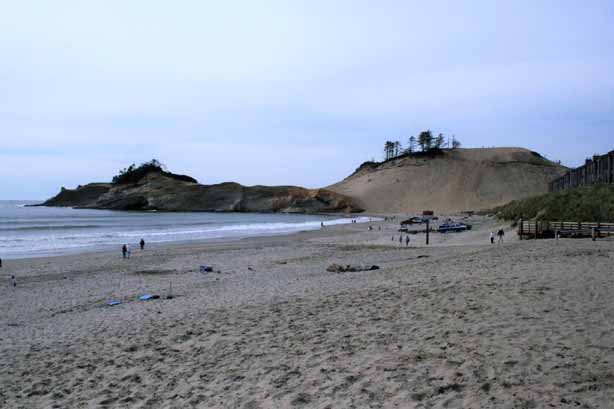
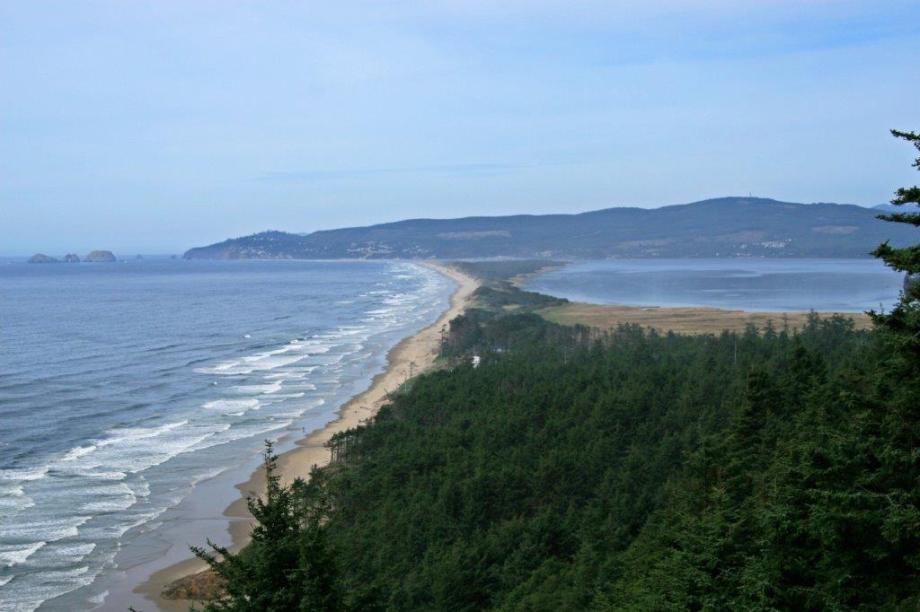
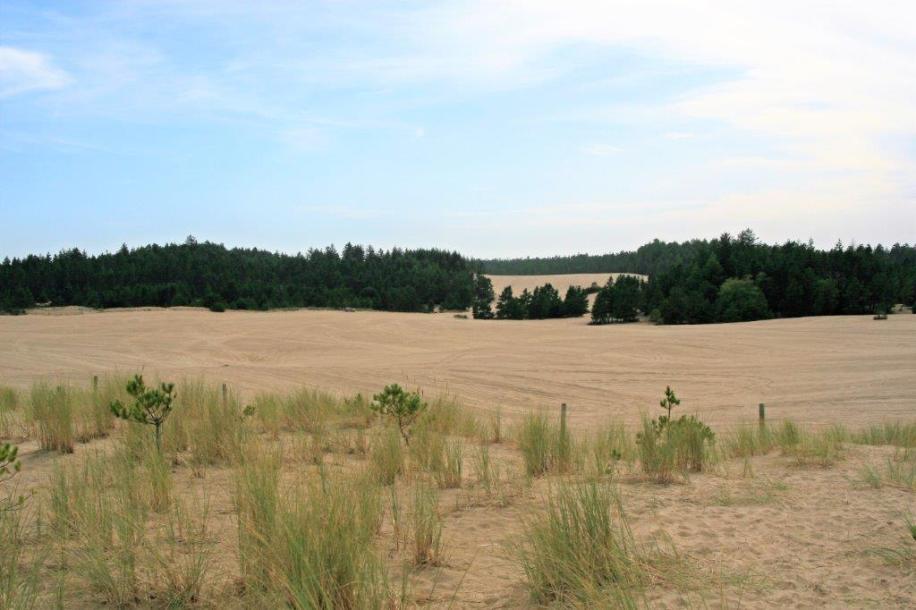
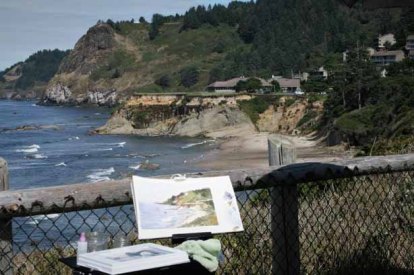
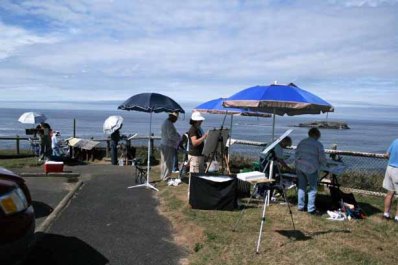
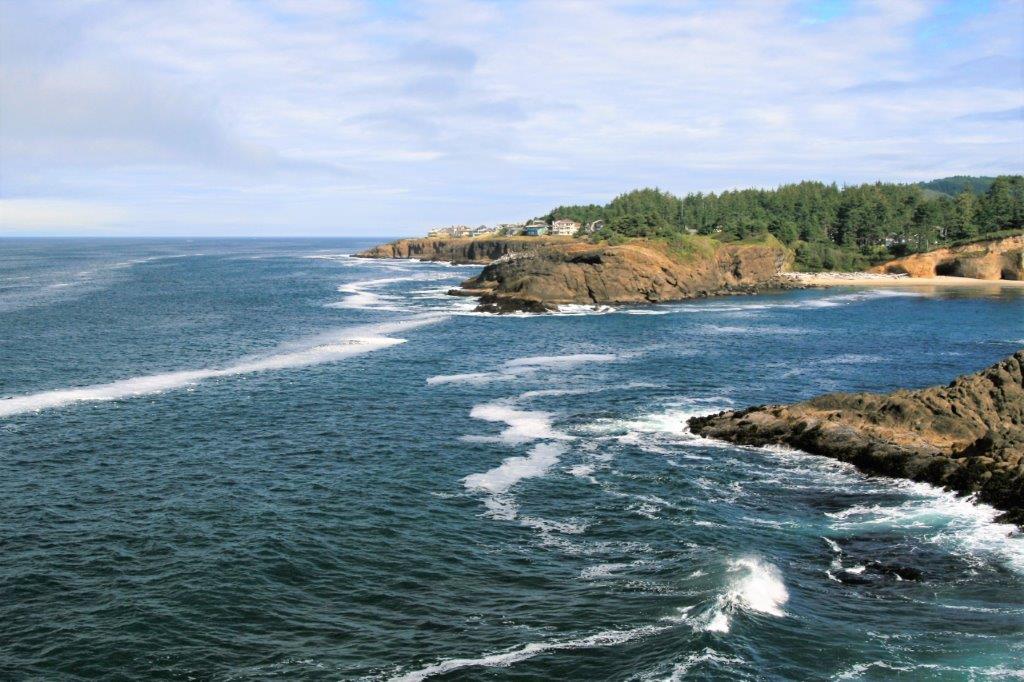
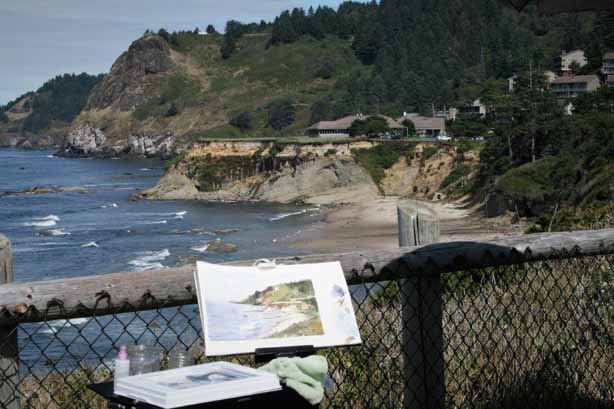
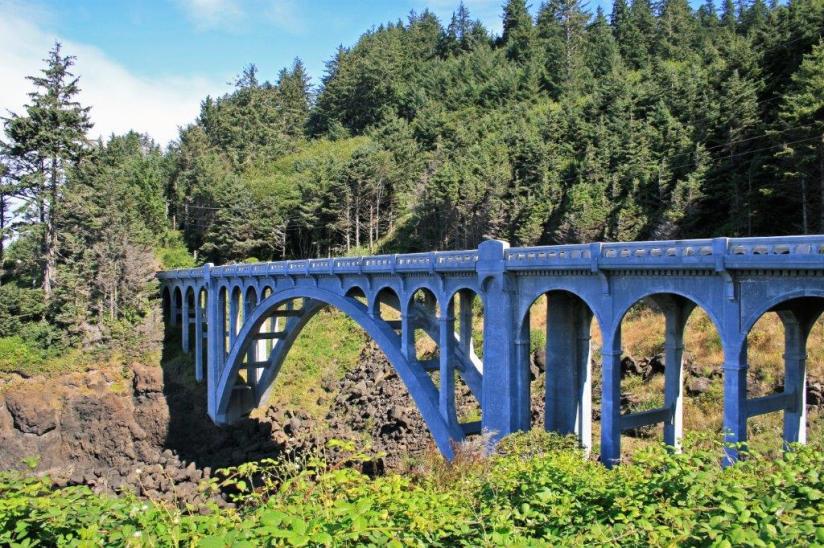
Every time we have driven the Oregon Coast road one of our favourite lookout spots is the Rocky Creek Scenic Viewpoint.  On a nice day, which we had, it is a gorgeous place to get out and stretch your legs.  Beware the wind though, it can knock you over if you are not prepared. This visit we were able to watch a group of local artists do live scene watercolour painting.  You would be hard pressed for a more beautiful and inspiring spot.I like the arches of the Rock Creek Bridge; they remind me of the railway arches in the Harry Potter films – but much shorter and not nearly as high.  We rode over those bridges in 2013 when we toured Scotland and rode the Jacobite Steam Train from Ft. William to Mallaig.
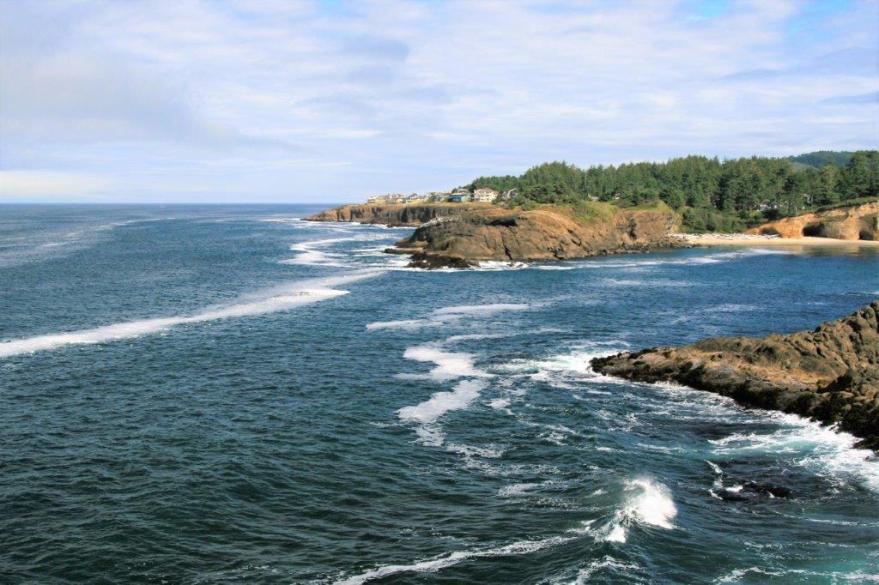
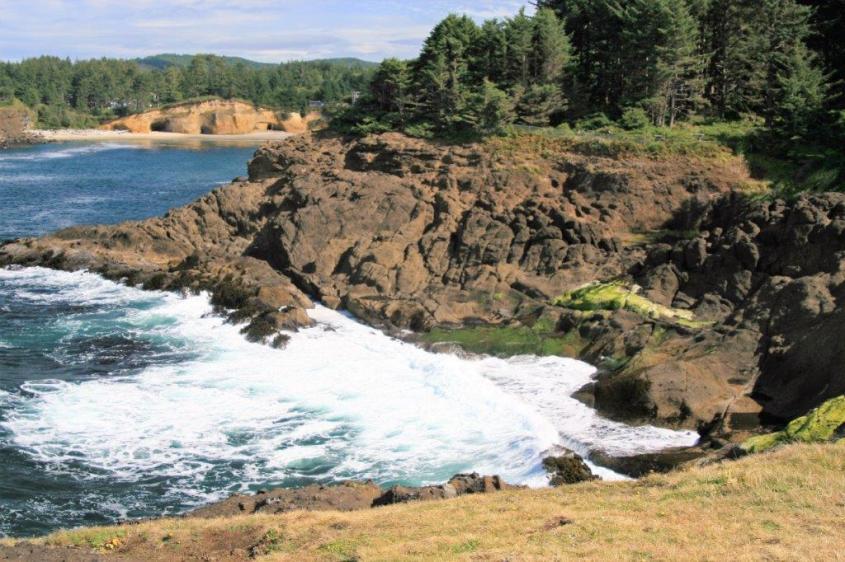
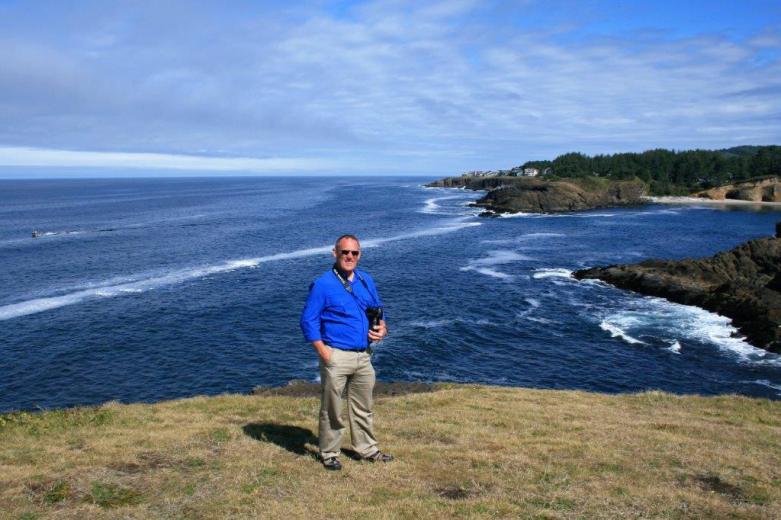
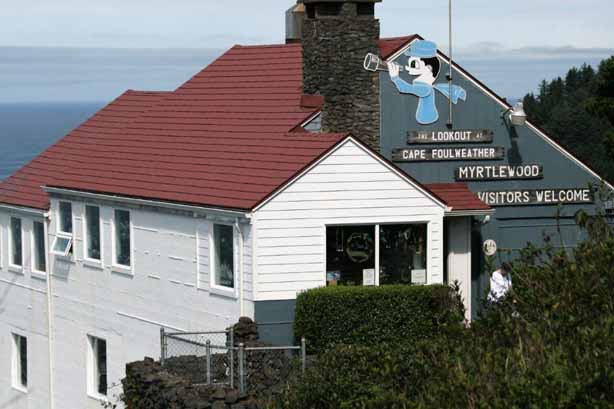
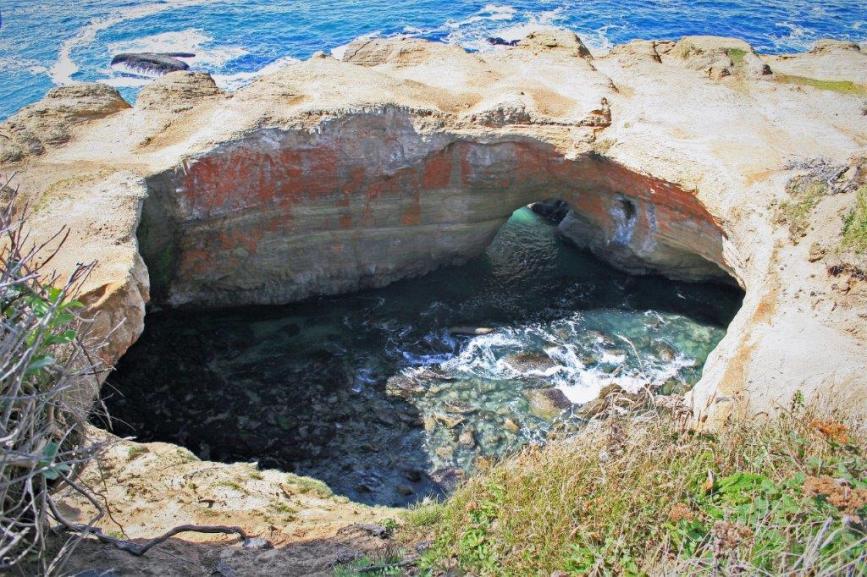
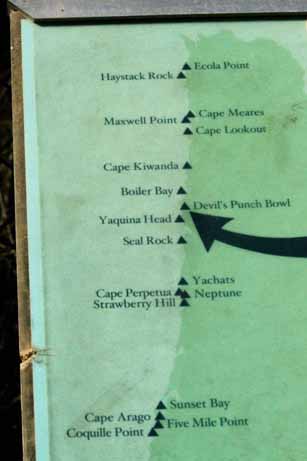
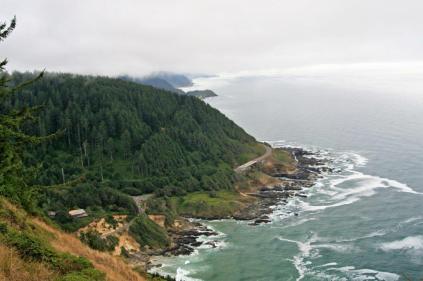
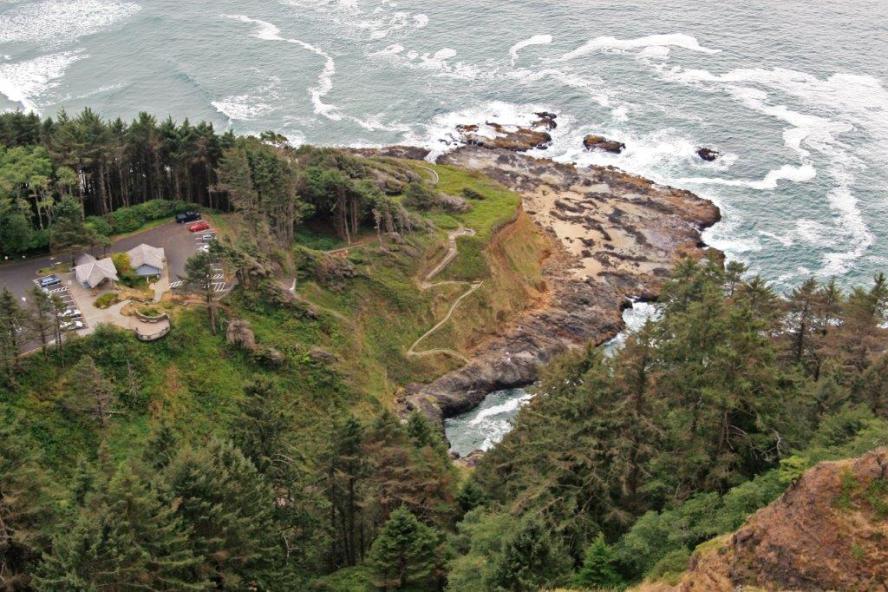
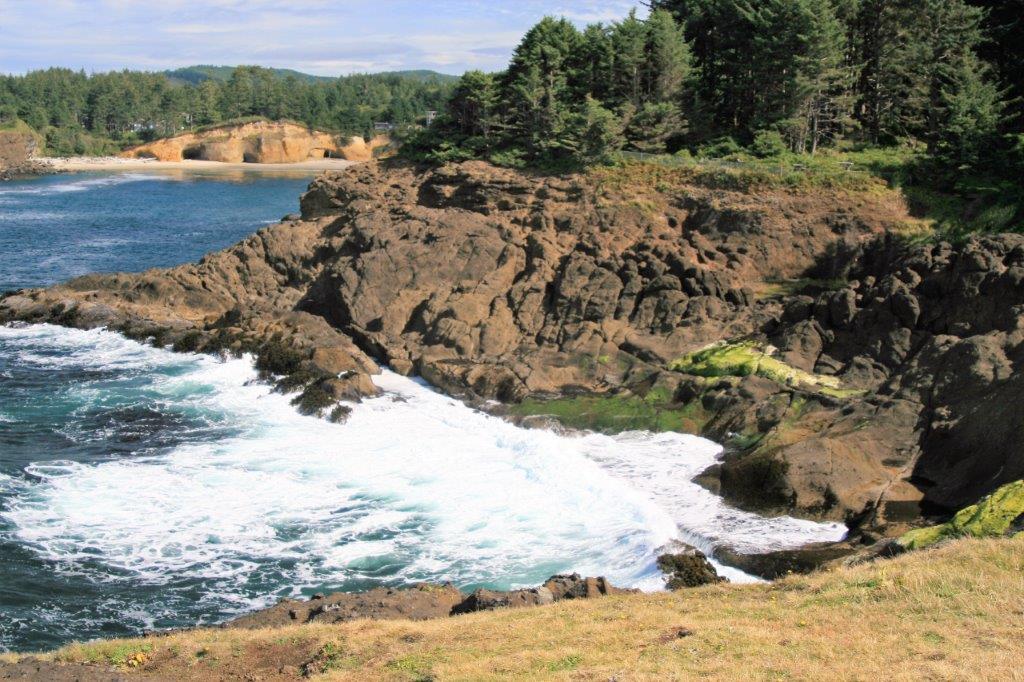
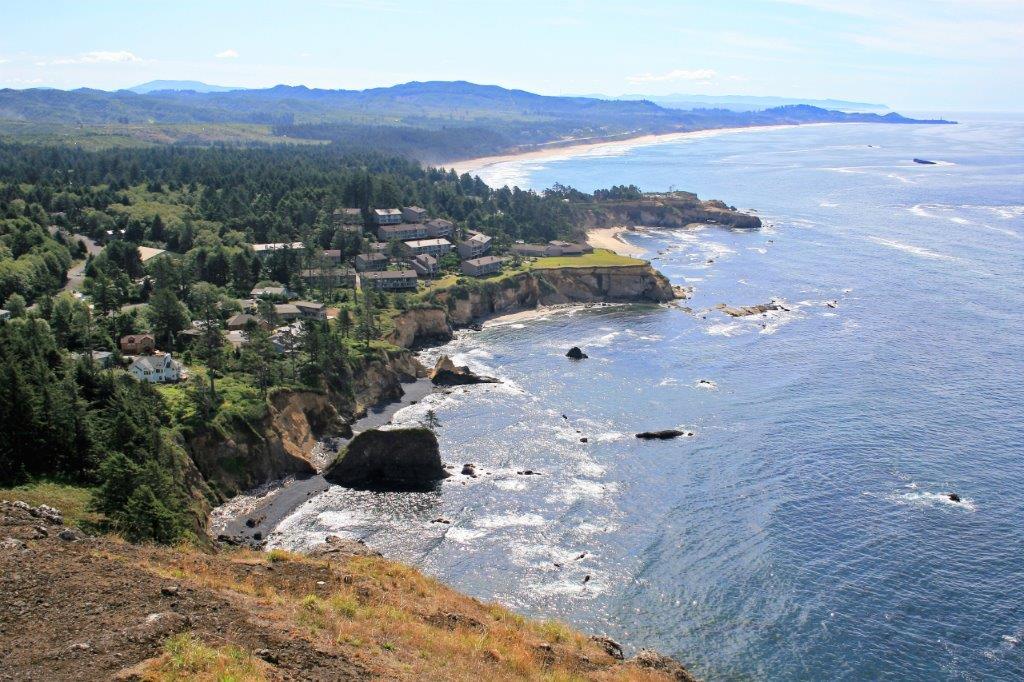
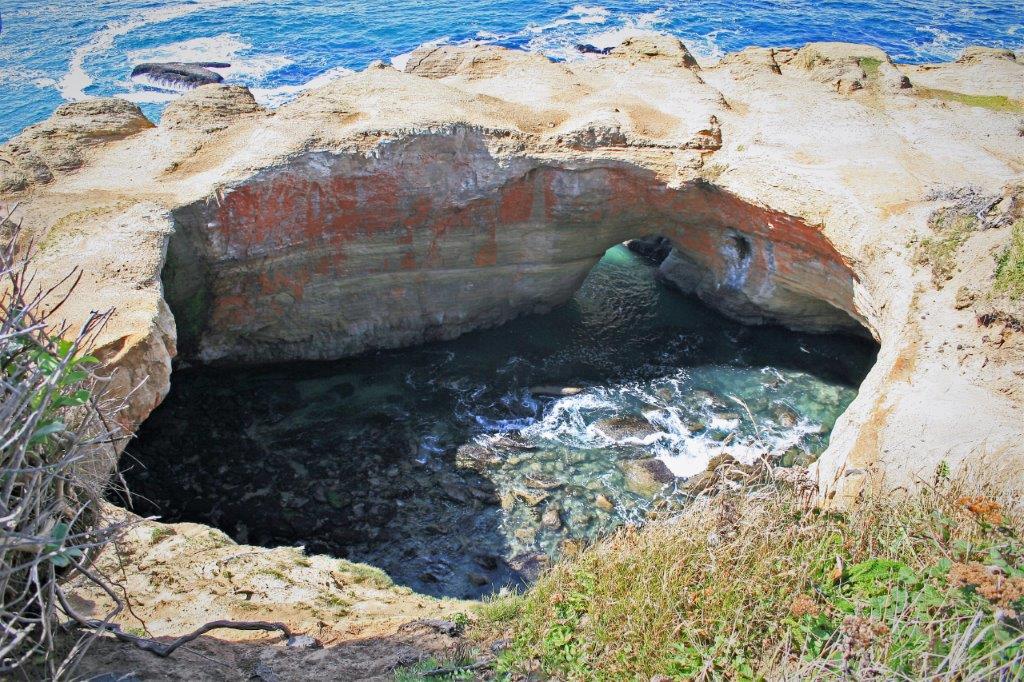
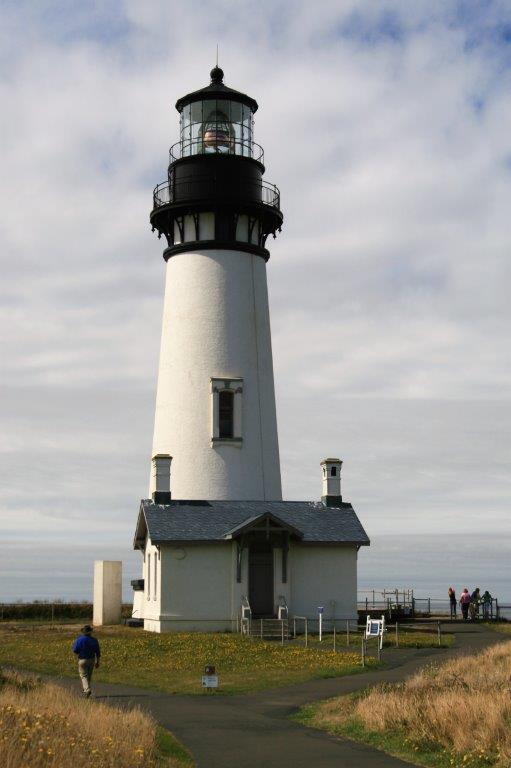
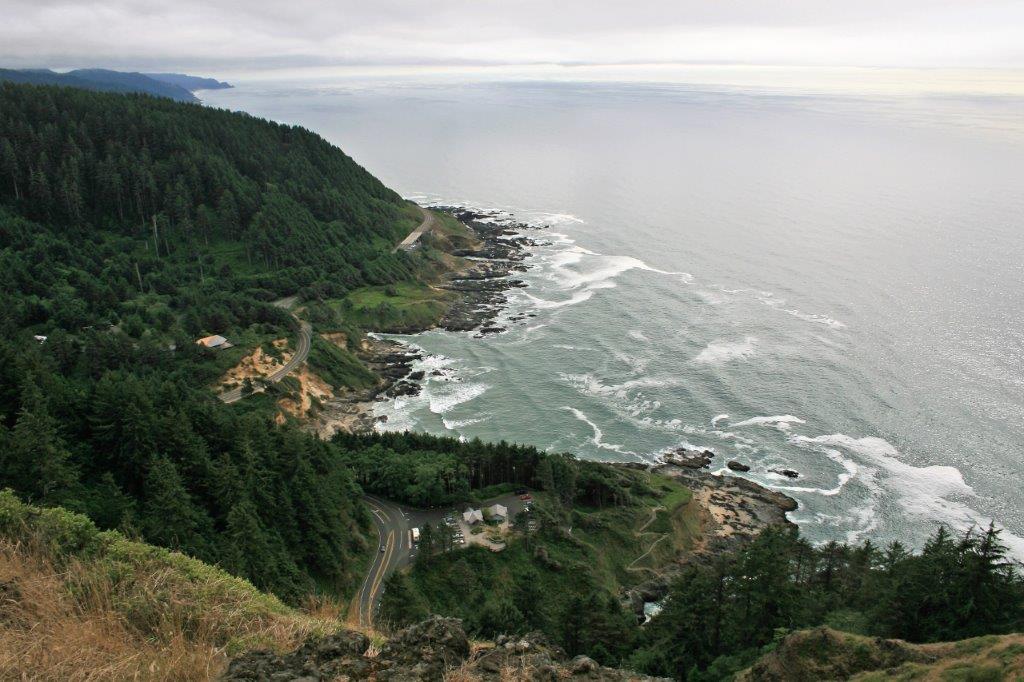
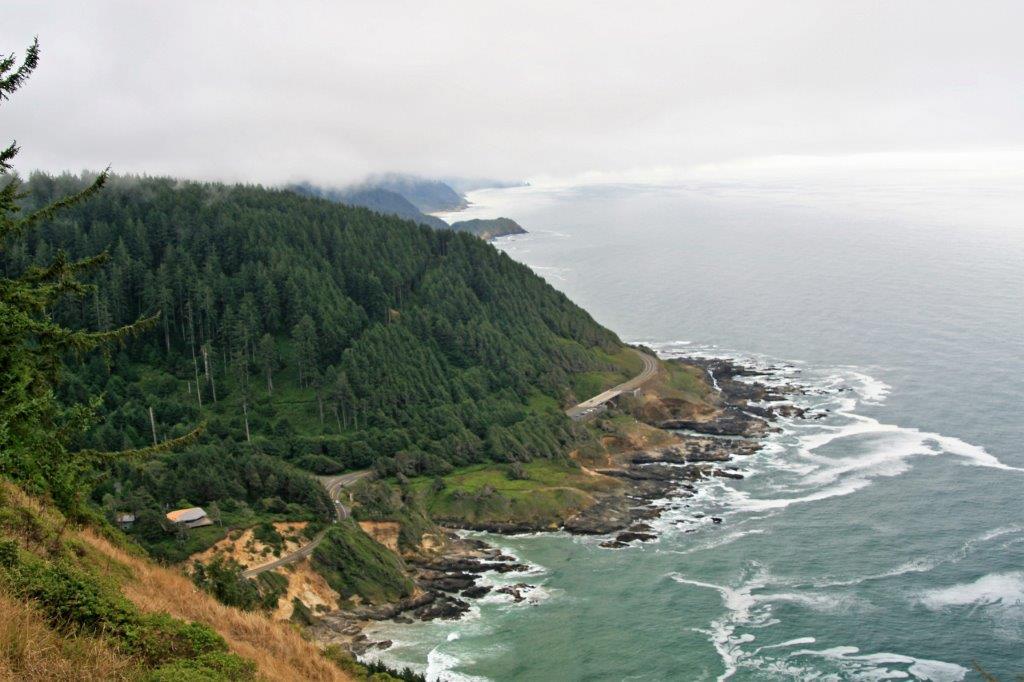
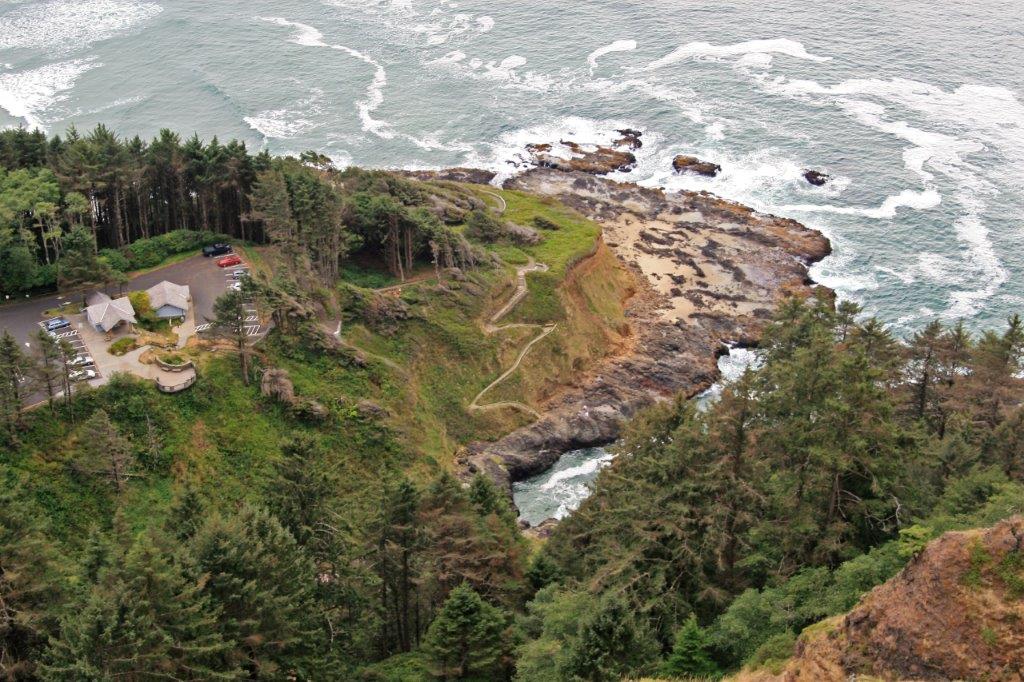
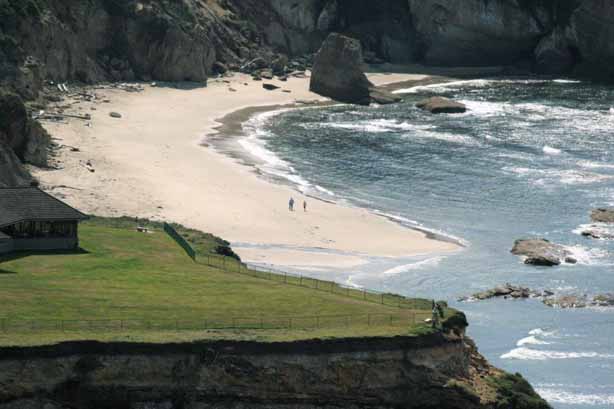
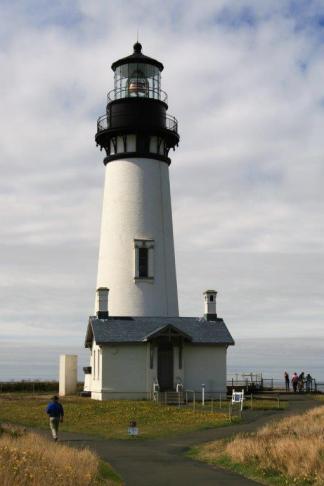
We pulled into Otter Crest Scenic Viewpoint and the Lookout at Cape Foulweather 500′ above the coast.  The view on a clear day, such as were were blessed with, was spectular. A few miles south of Cape Foulweather is the Devil’s Punchbowl.  The tide wasn’t coming in so there was no wave action going on. On this trip we climbed hundreds of winding steps to the top of lighthouses.  If it was open to climb, we climbed.  Below is Yaquina Head lighthouse.
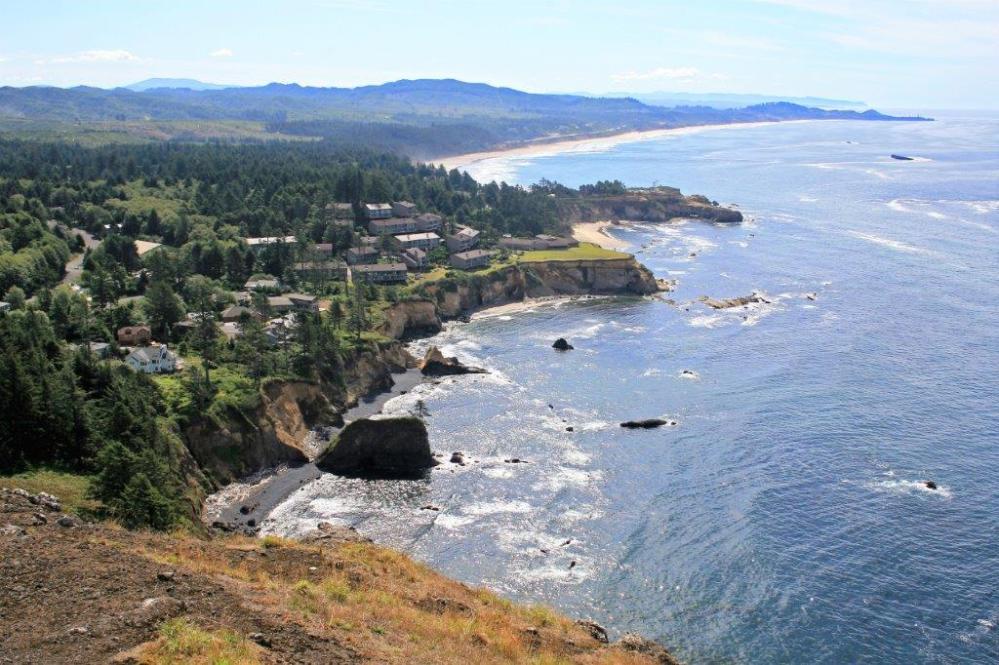
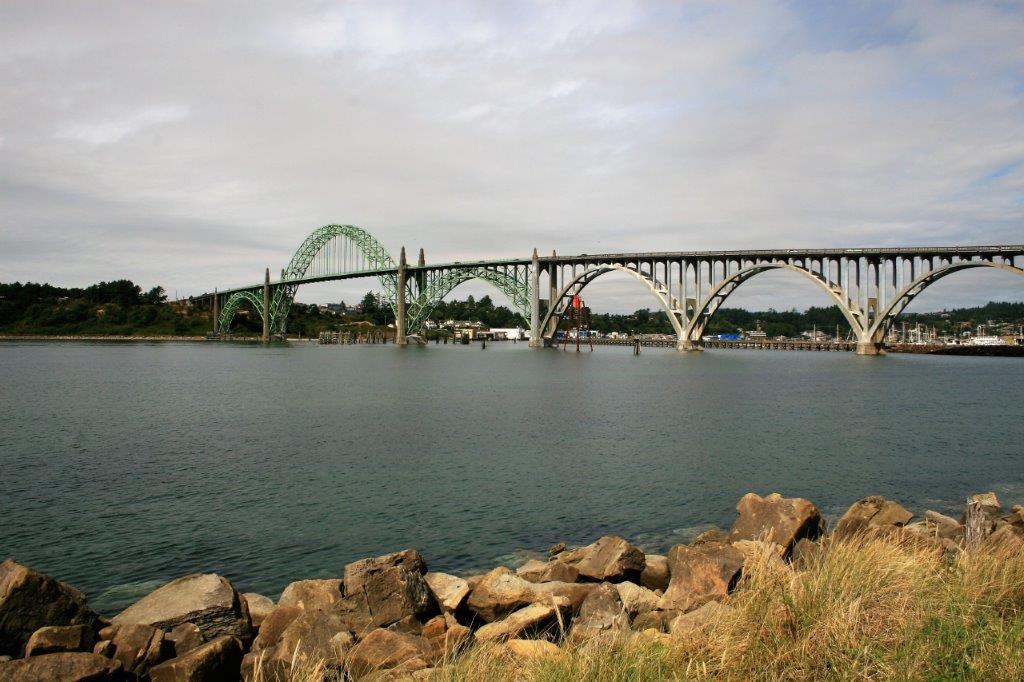
The Yaquina Bridge spans an inlet just north of Newport, Oregon.

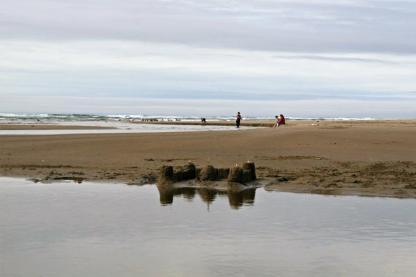
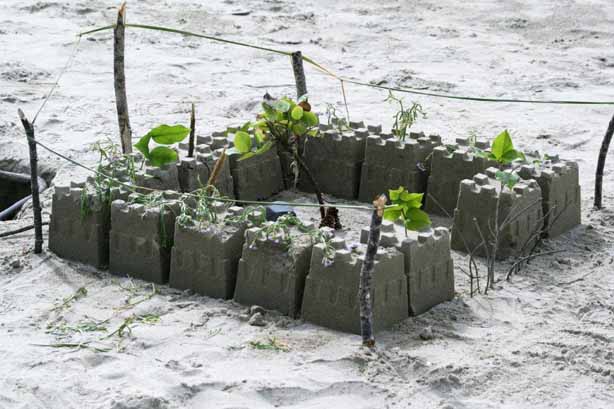
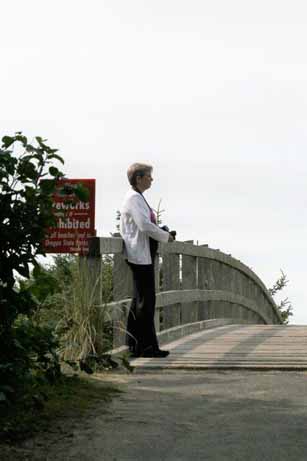
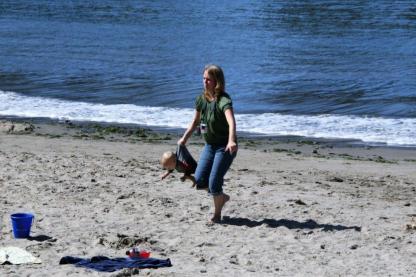
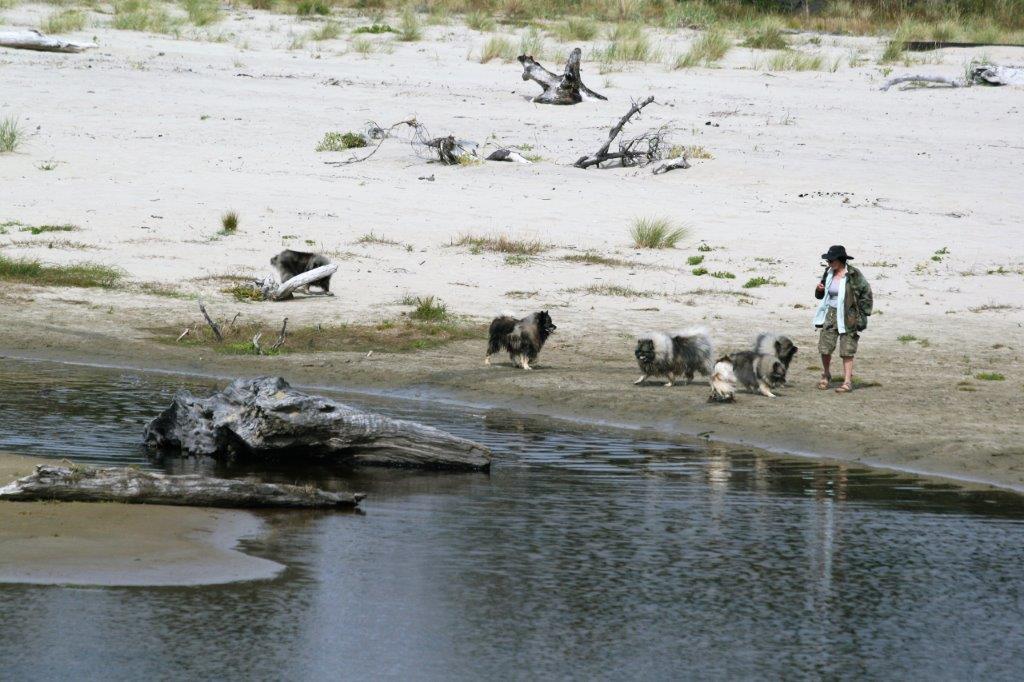
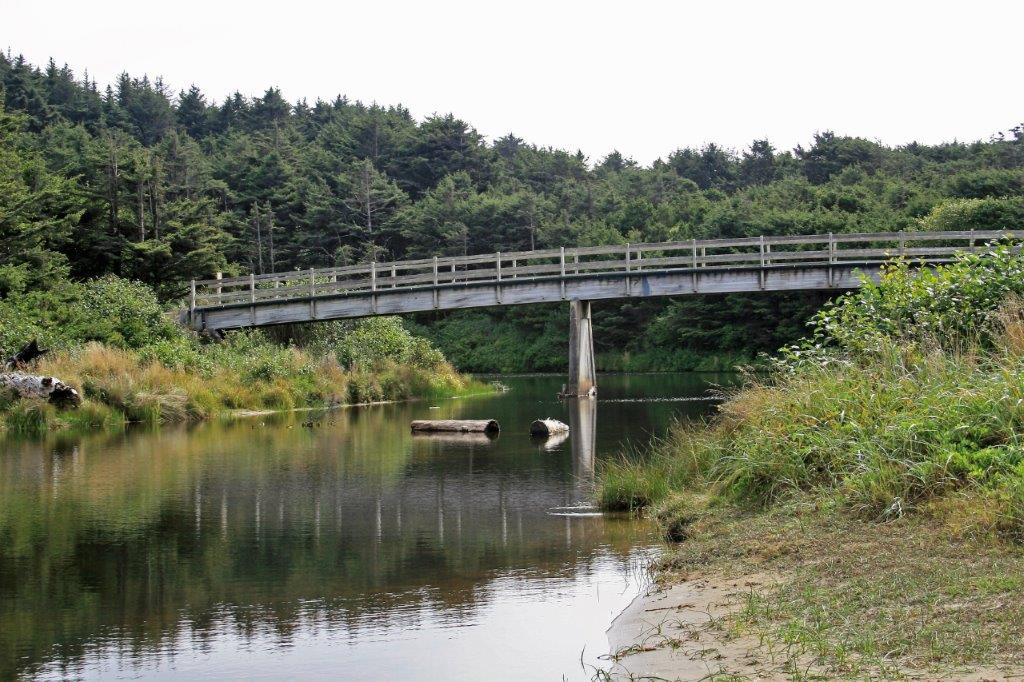
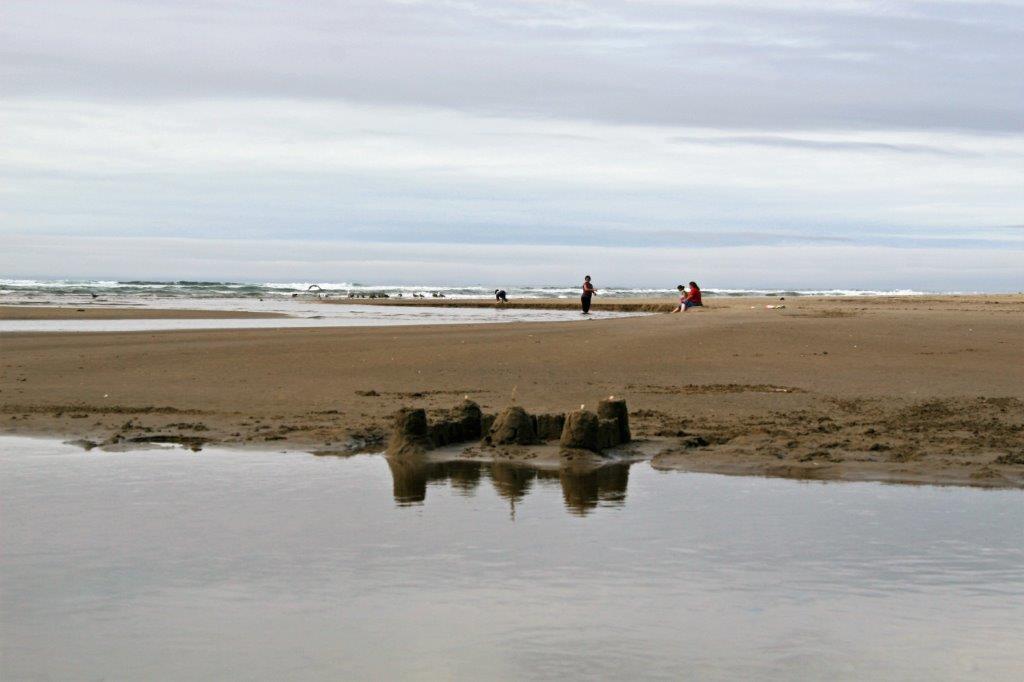
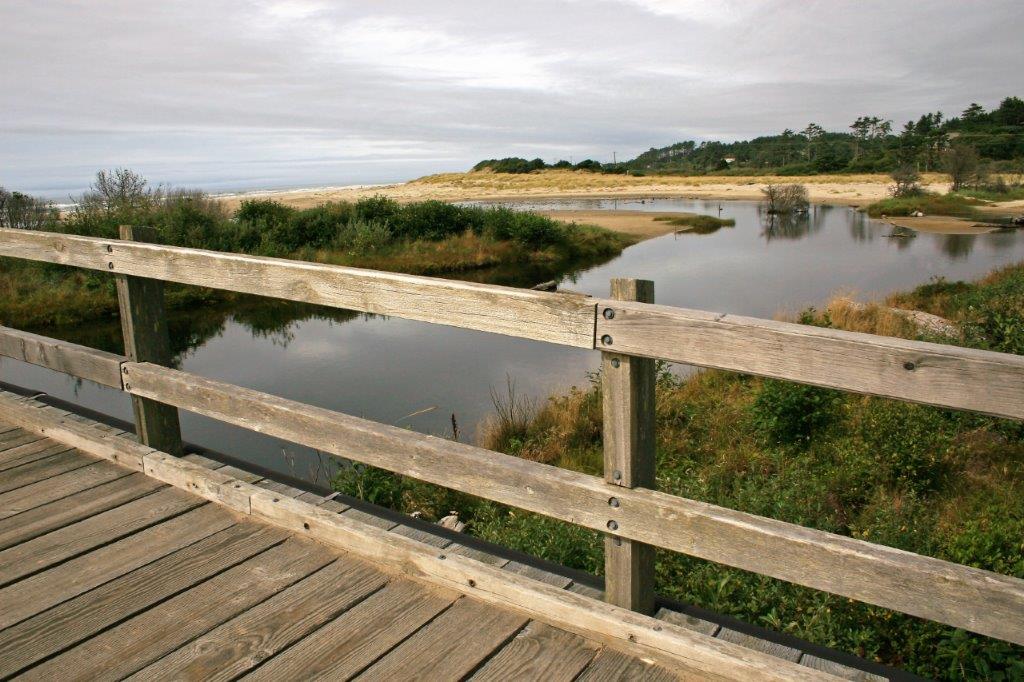
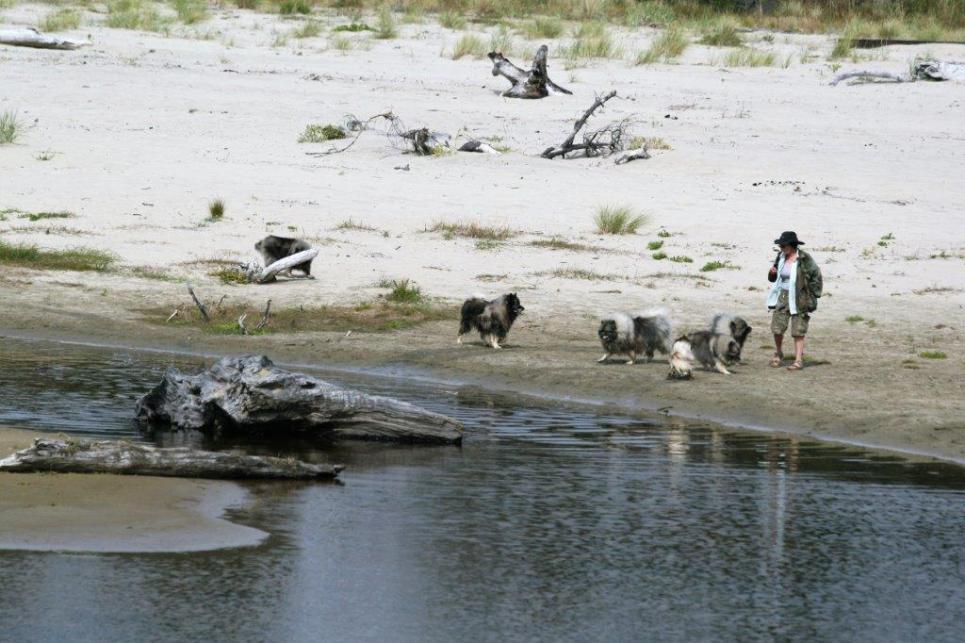
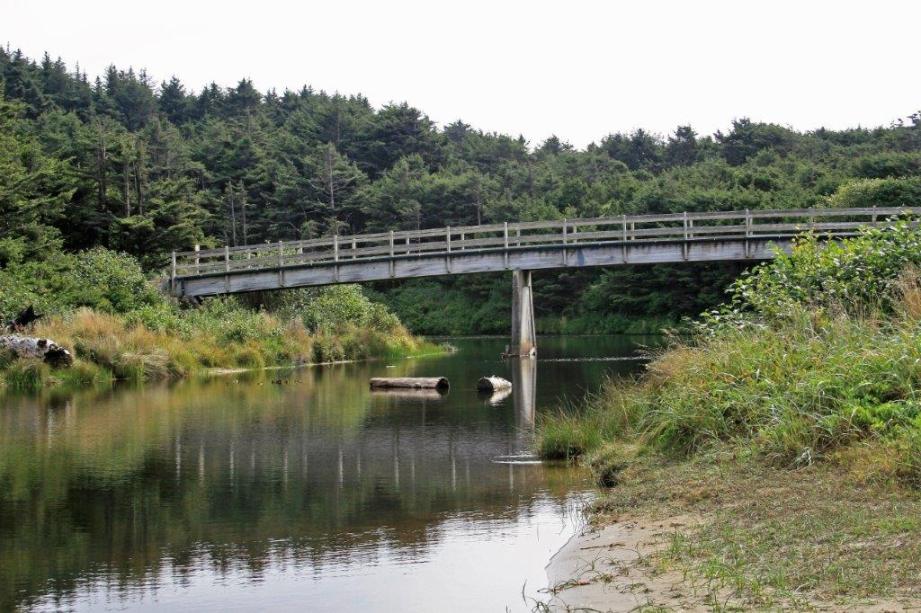
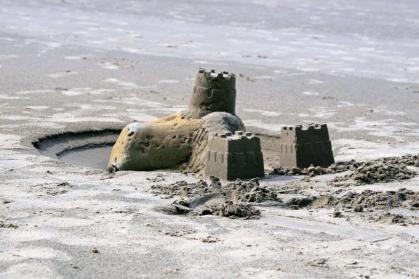
At Ona Beach we had a good wander around.  Several folks had made sand castles and a lady was exercising her dogs.  I think she had about 7-8 Keeshunds. This nice wooden bridge is in Brian Booth State Park at Ona Beach.
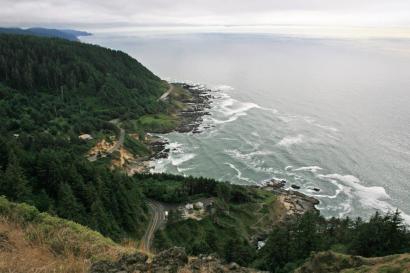
Cape Perpetua was our next stop. We took a walk up to the end of the trail and the little folly.
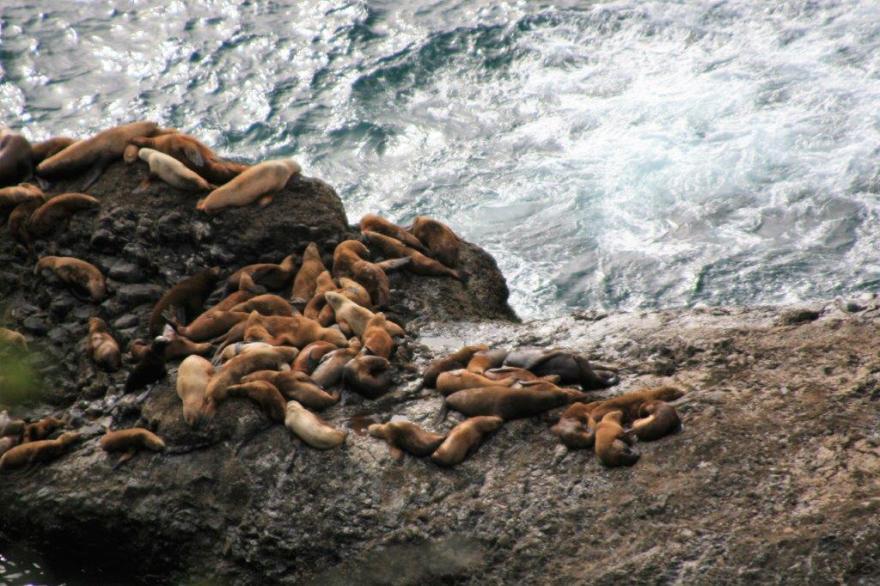
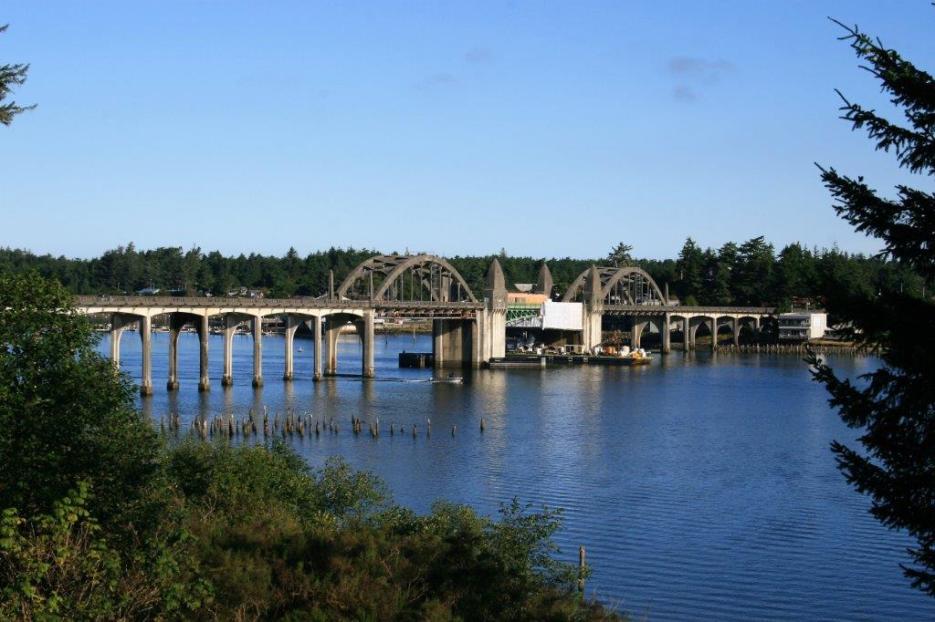
This resting group of Sea Lions were on the rocks not far from Sea Lion Caves.  We toured the caves on our 1999 trip and all-to-well remembered the smell so did not feel the need to do it again. The night of Sept. 9 was spent in Florence.  With all the inlets along this coast we crossed over a lot of bridges.  This is the bridge at Florence.
The next day we headed further down the coast as far Bandon before turning inland to begin our trip northward.

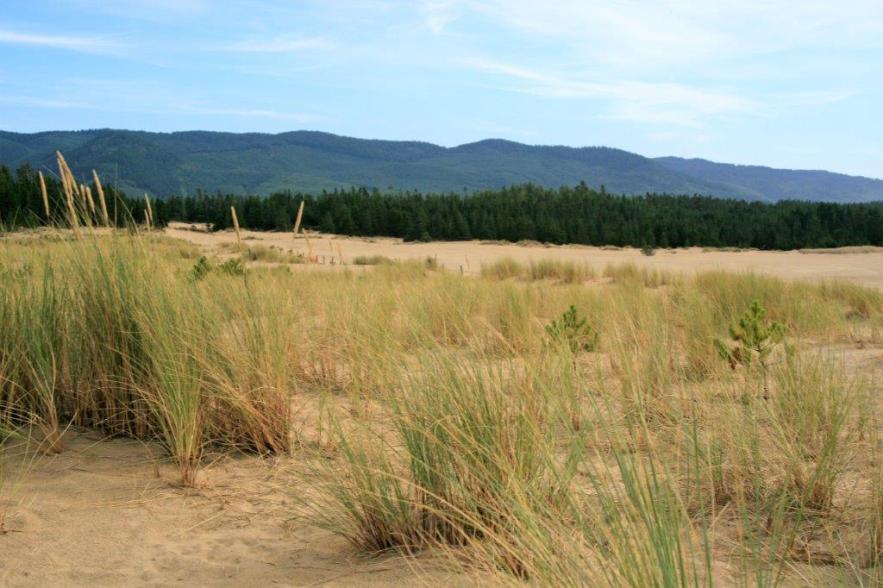
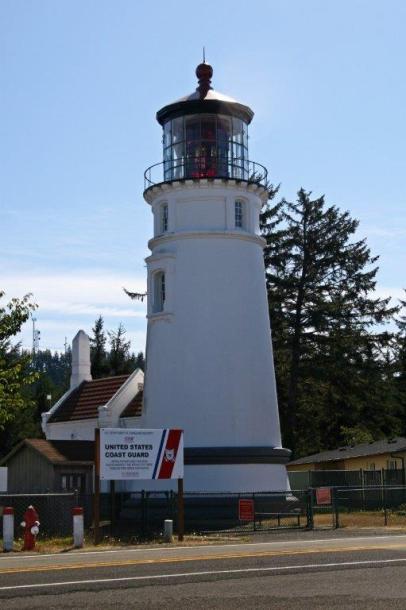
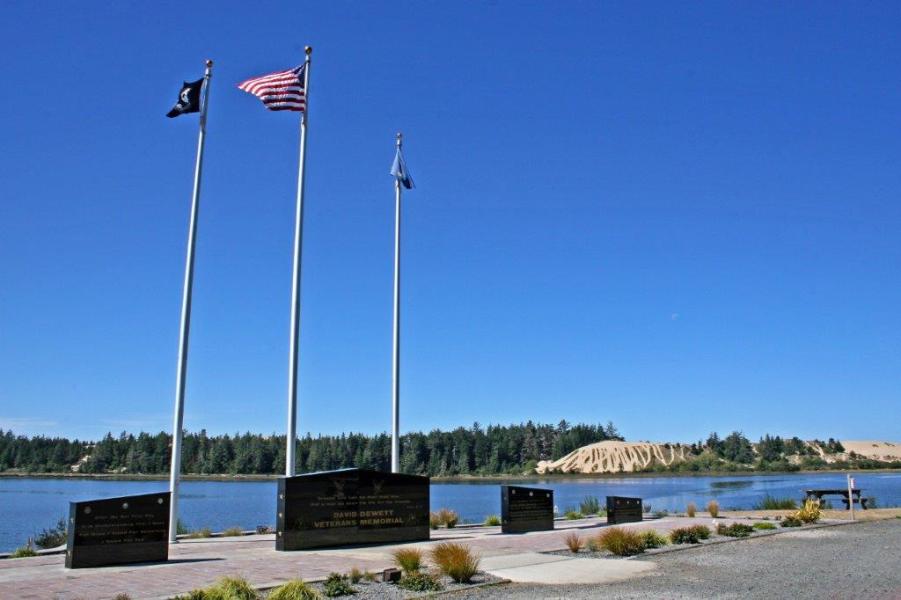
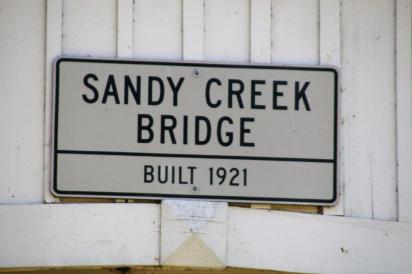
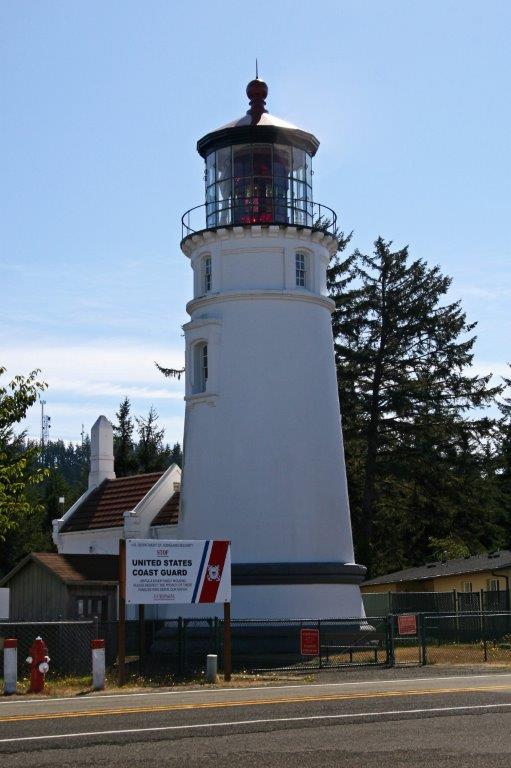
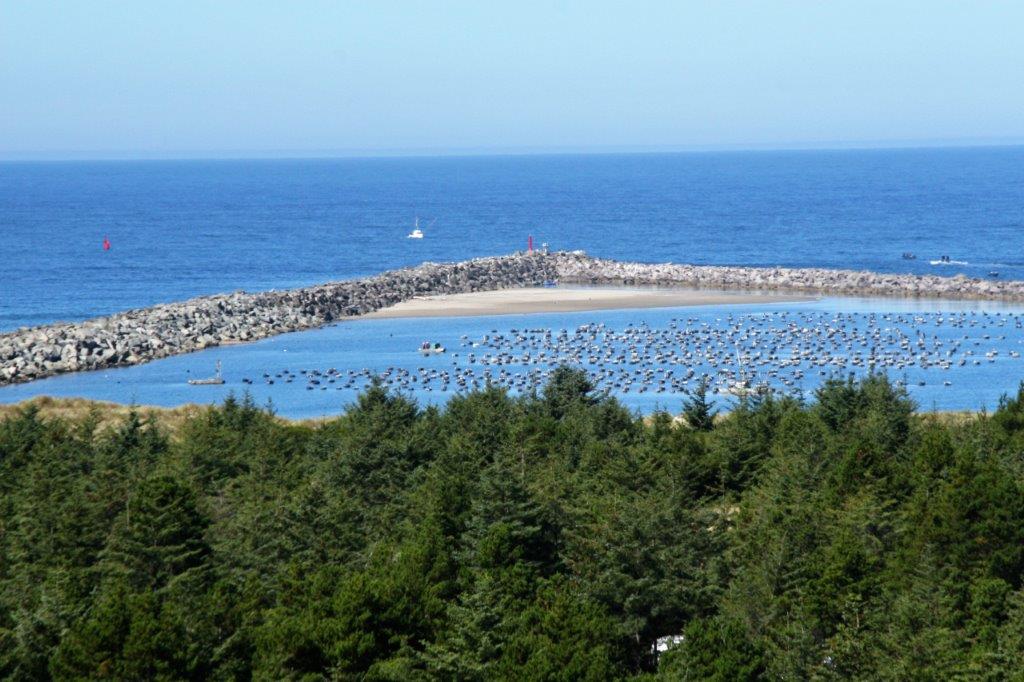
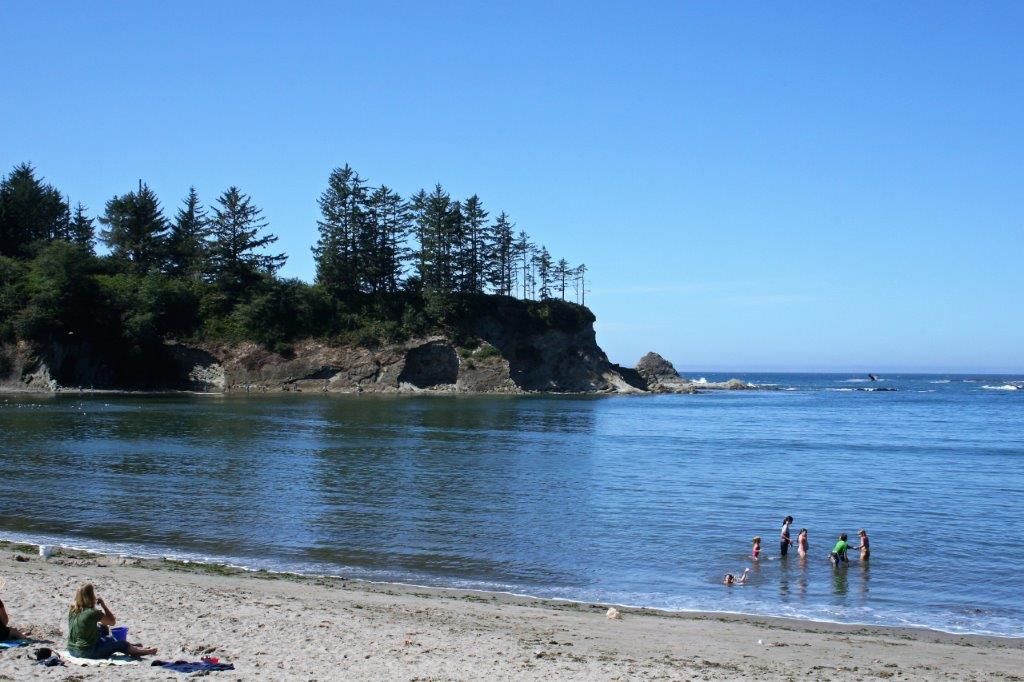
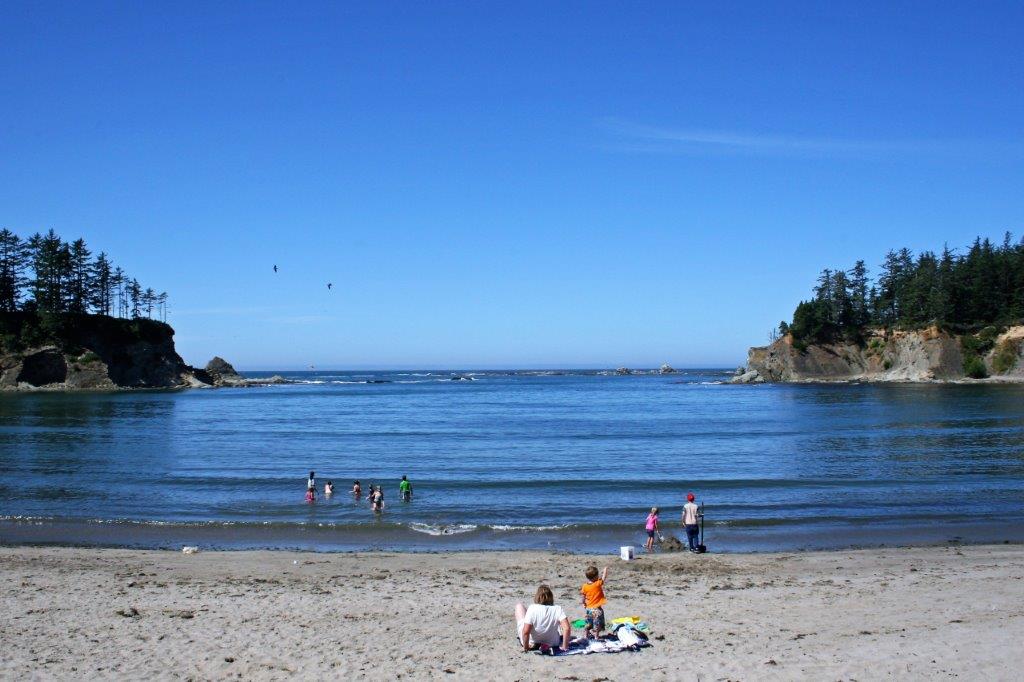
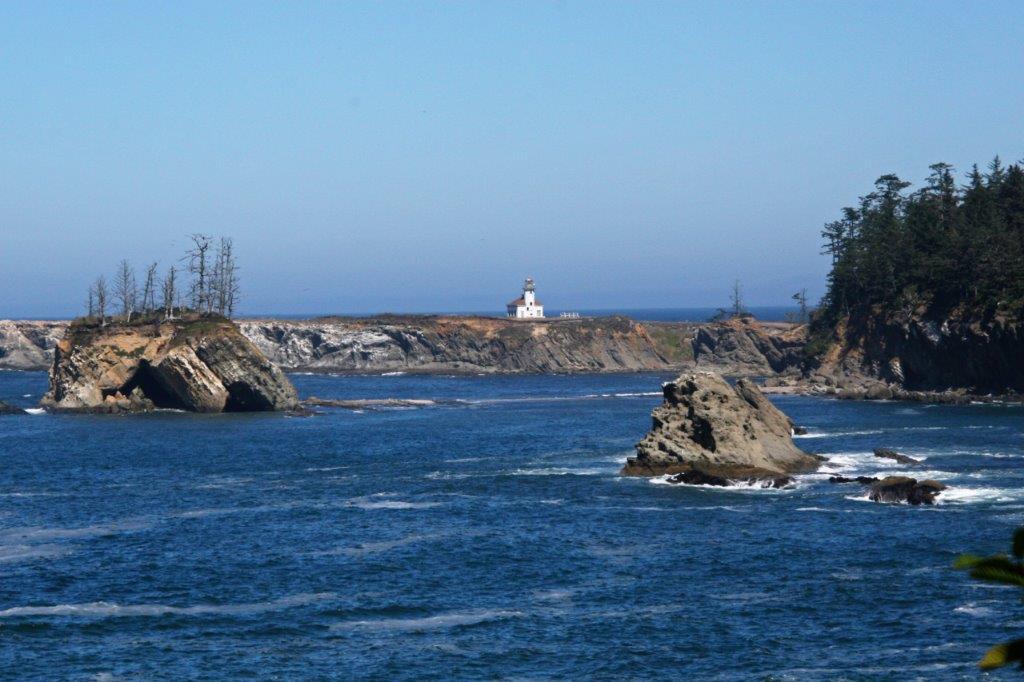
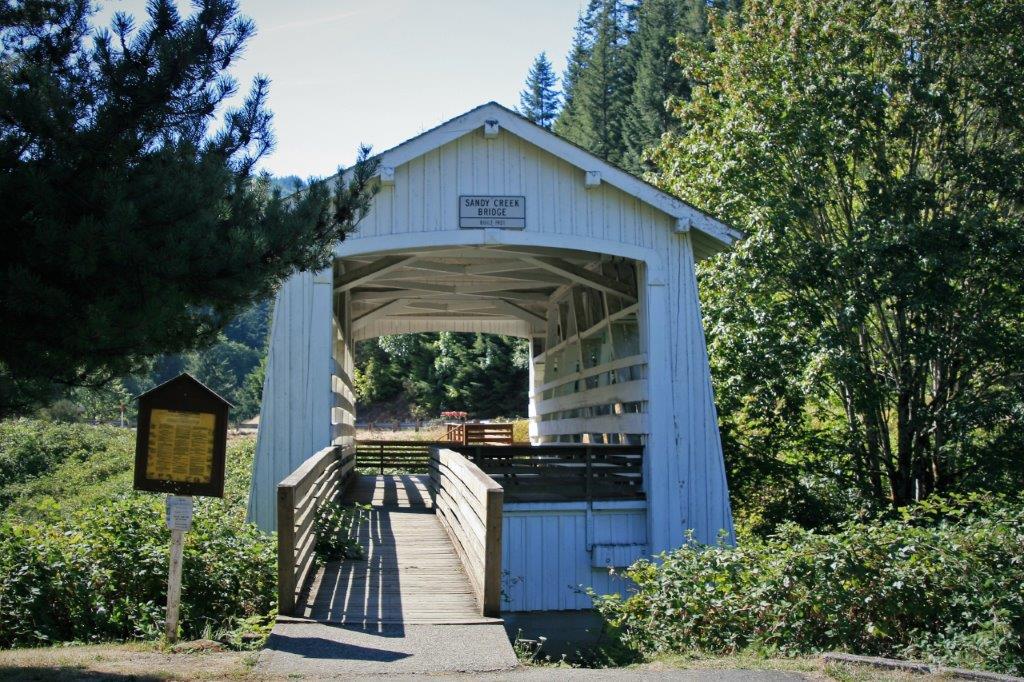
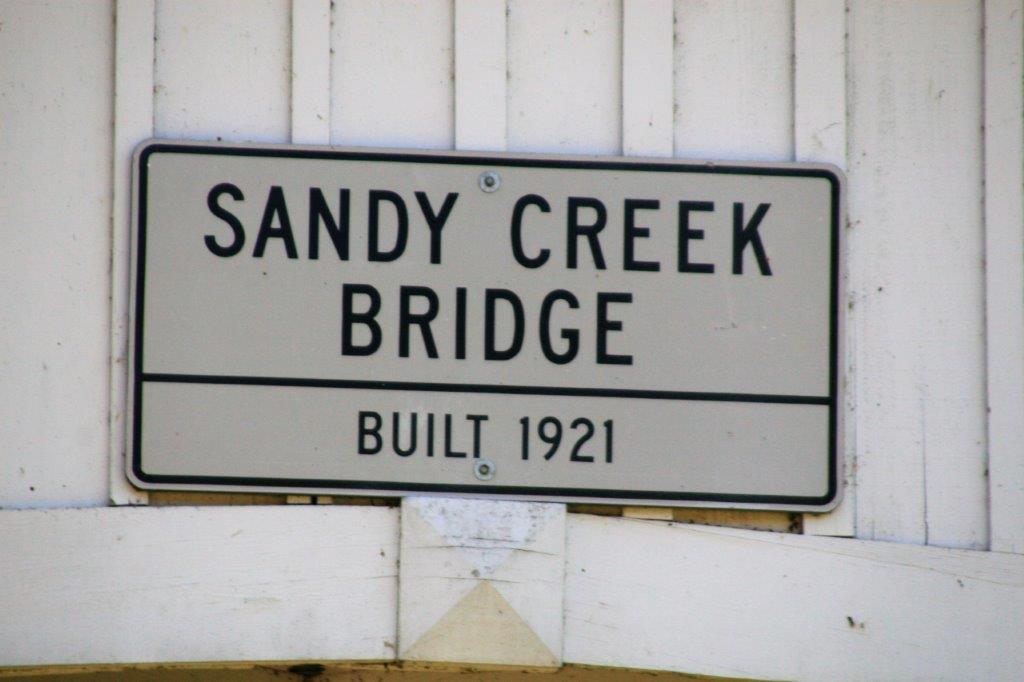
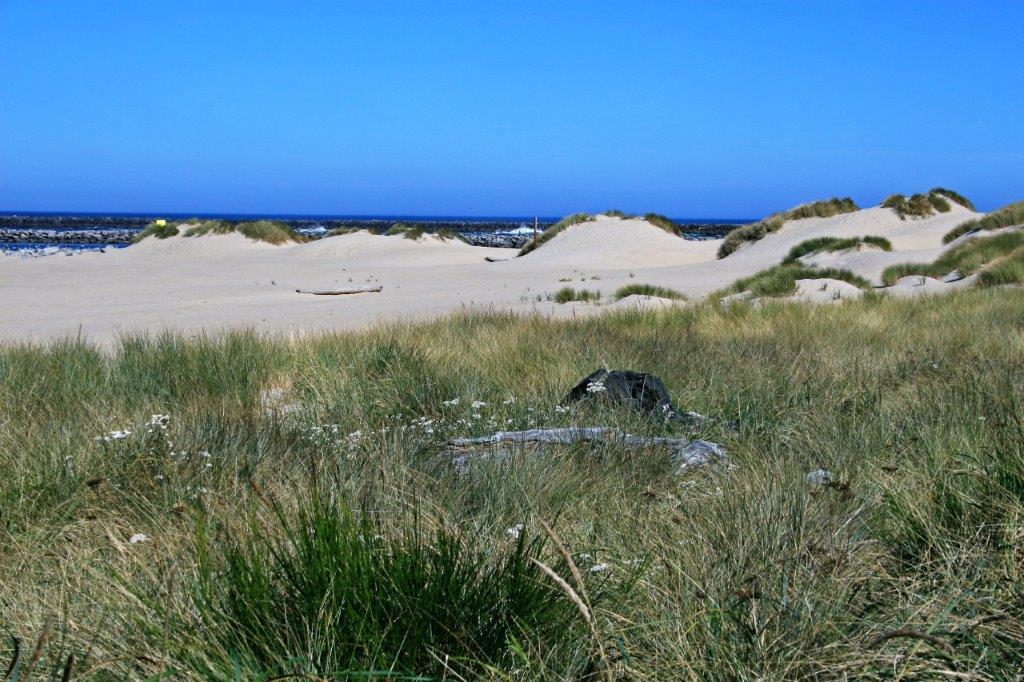
Florence is about mid-way along the Oregon Sand dunes and is in the heart of Oregon Dunes National Recreation Area.  We took quite a few photos of the hardy bunch grass growing in the sand. One of my favourite lighthouse is Umpqua Light.  It was built in 1855 and lit in 1857.  The original lighthouse was located on the sandy shore on the north side of the Umpqua River mouth.  Two violent storms in 1861 and 1863 severely undermined the foundation and the lighthouse began to tilt.  Plans were put in motion to build a new lighthouse, this time 100′ atop the cliff so the light would be easily seen by passing ships who would be able to use it for navigation rather than just an aid to approaching the river mouth as was function of the first lighthouse.  The new light became operational Dec. 31, 1894 and has a Fresnel lens, originally powered by mineral oil.  The light makes a complete revolution every two minutes and in that time produces a signature of two white flashes followed by one red flash.At Coos Bay there is a beautiful Veteran’s Memorial.   We did the Cape Aragos Loop and spent some time at Shore Acres.  You could see the Cape Aragos Light from the beach. At Bandon we headed inland, stopping at Sandy Creek Covered Bridge near Remote, Oregon.
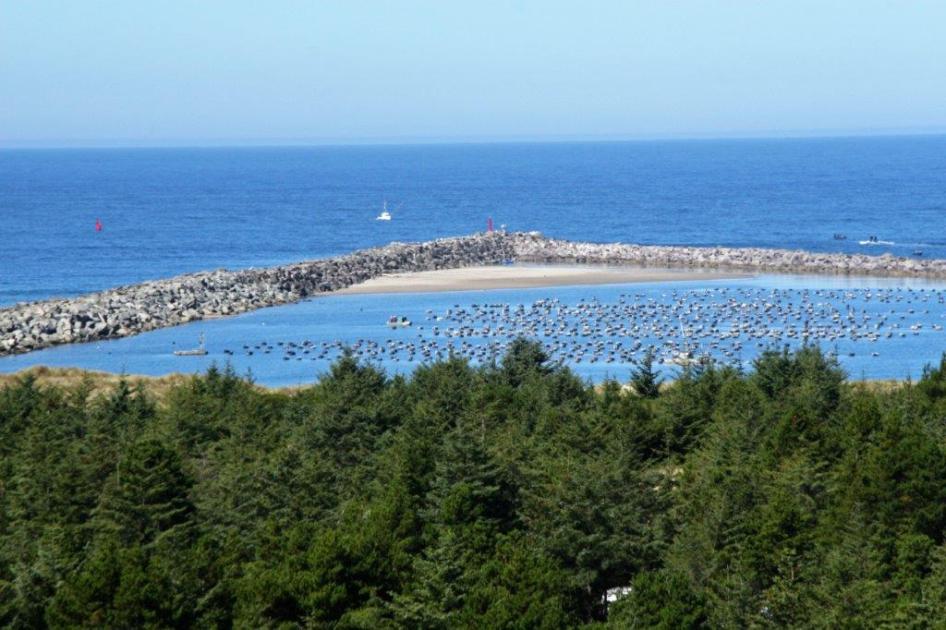
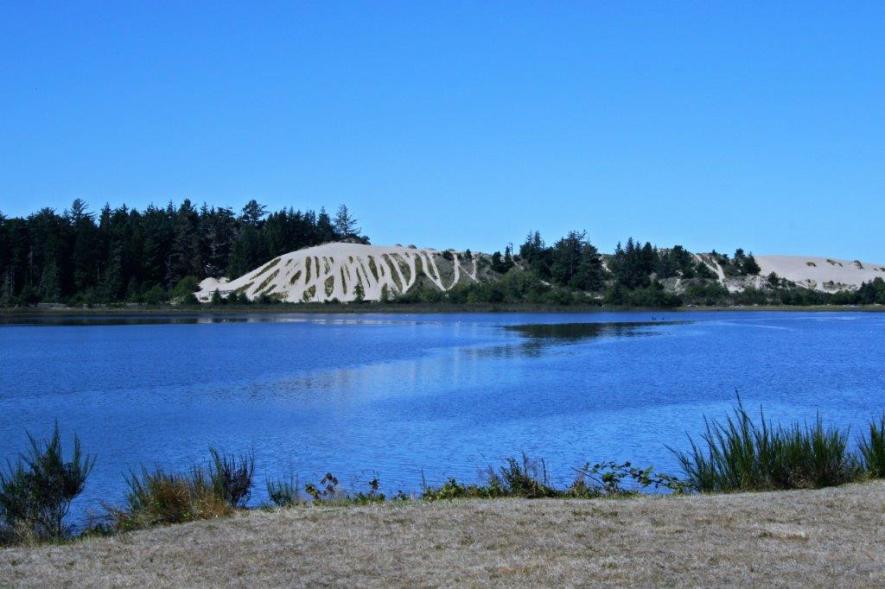
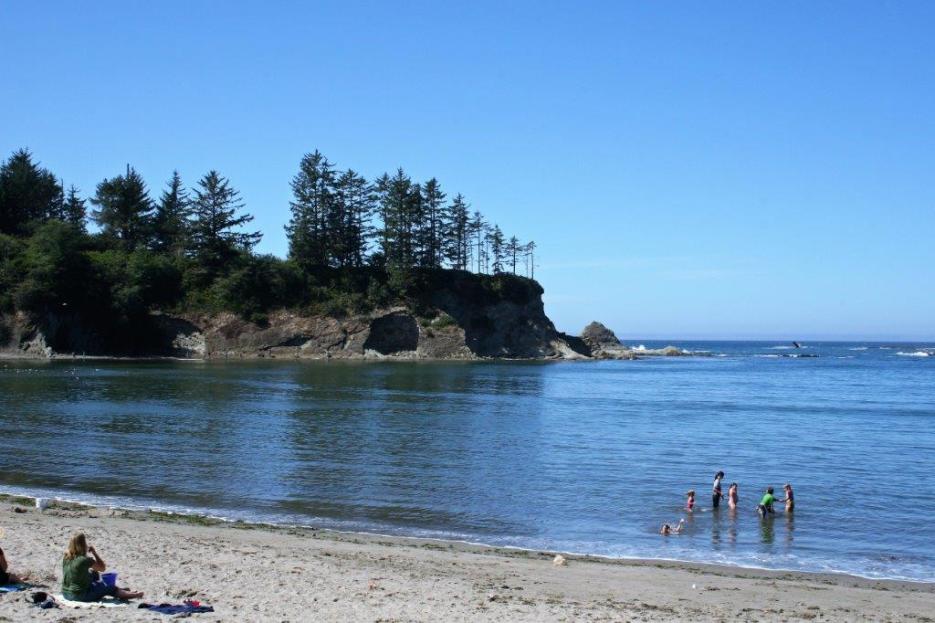
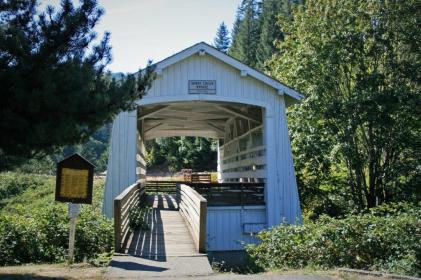
From Remote, it is only about 40 miles to Roseburg where we spent the night.