All posts by jj1951

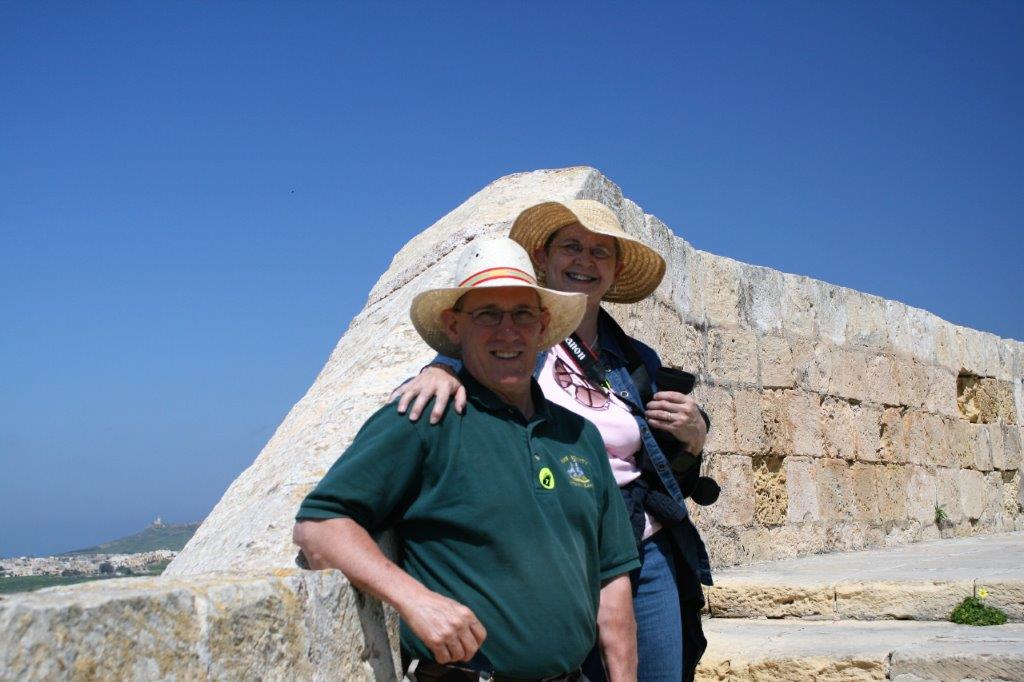
My husband and I retired in 2007 and decided to spend the kid's inheritance by travelling as much as we could until either the money or our health runs out. So far so good.

2012 April 7 – Day 27 – Istanbul, Turkey (Day 3)

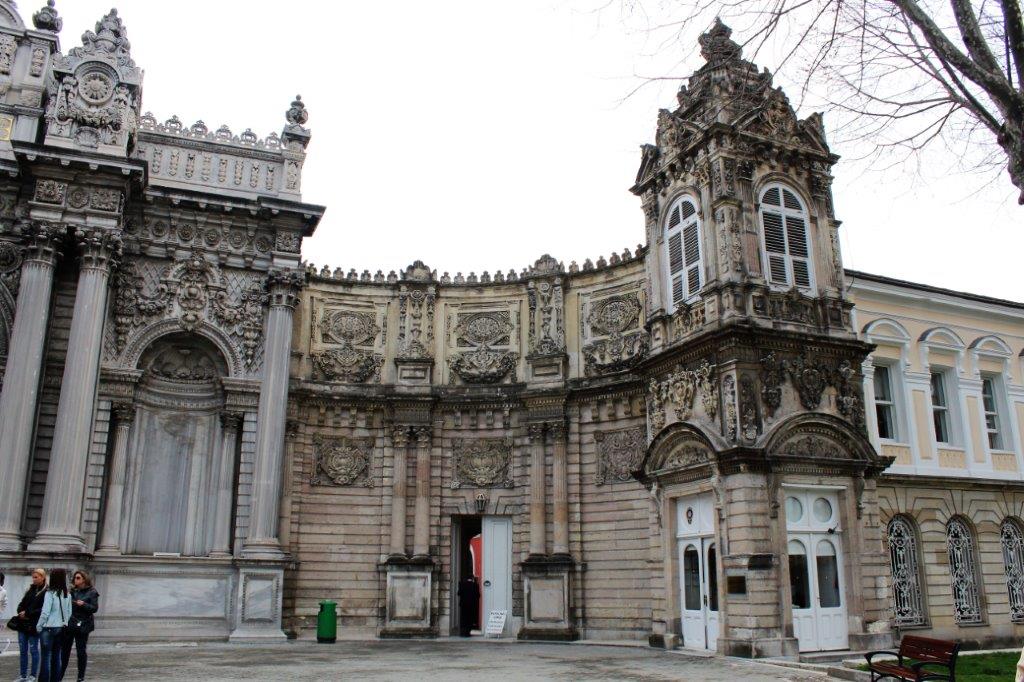
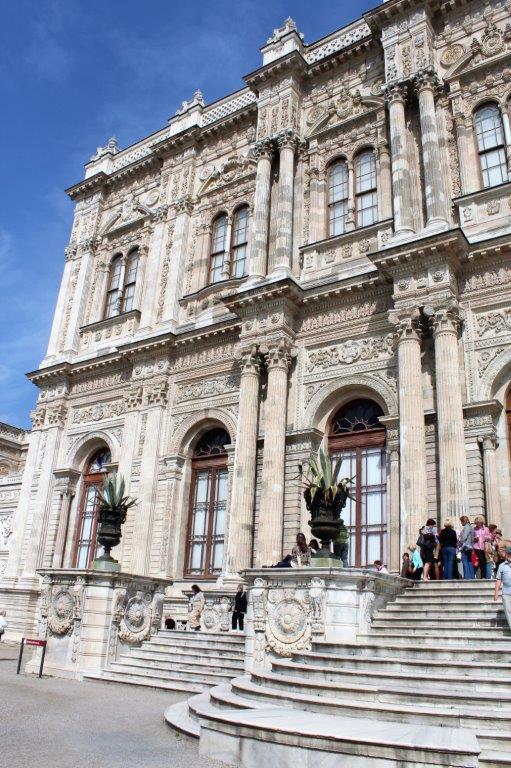
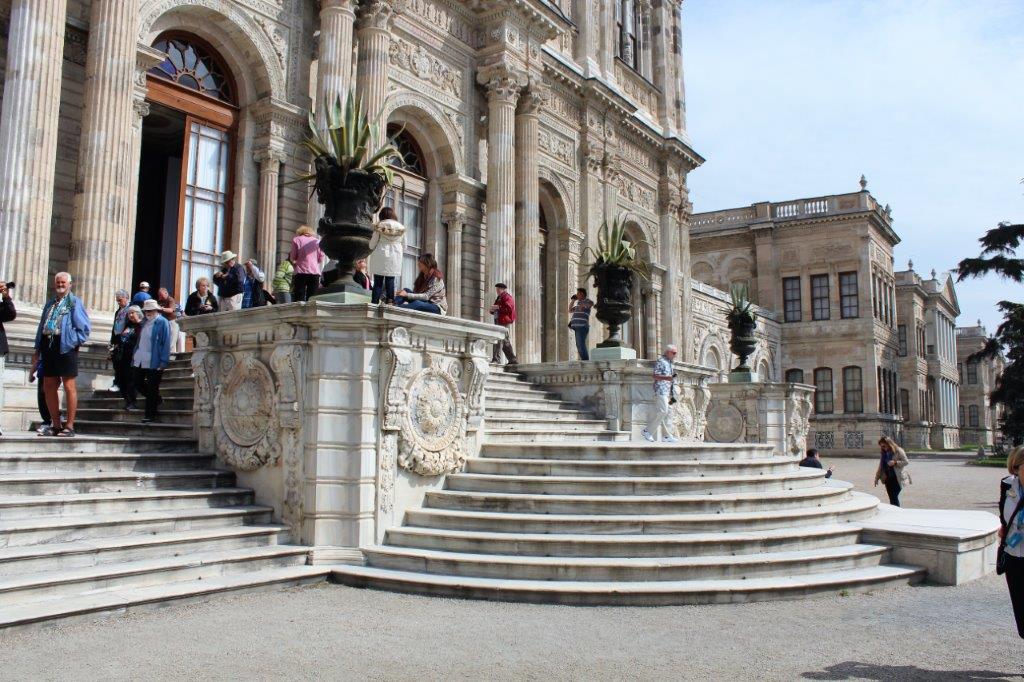
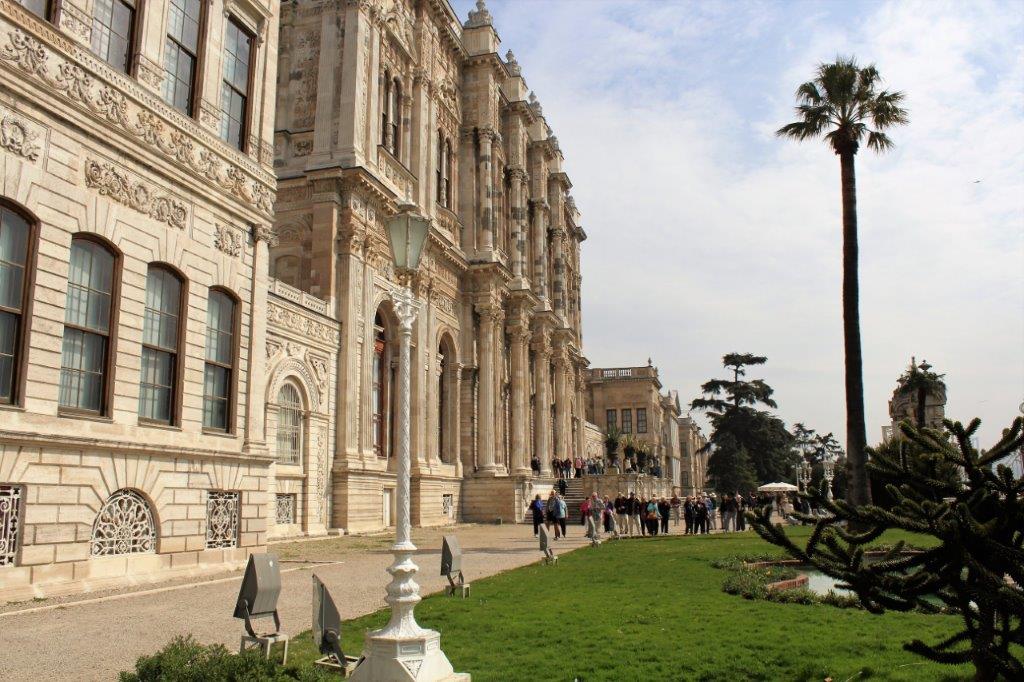
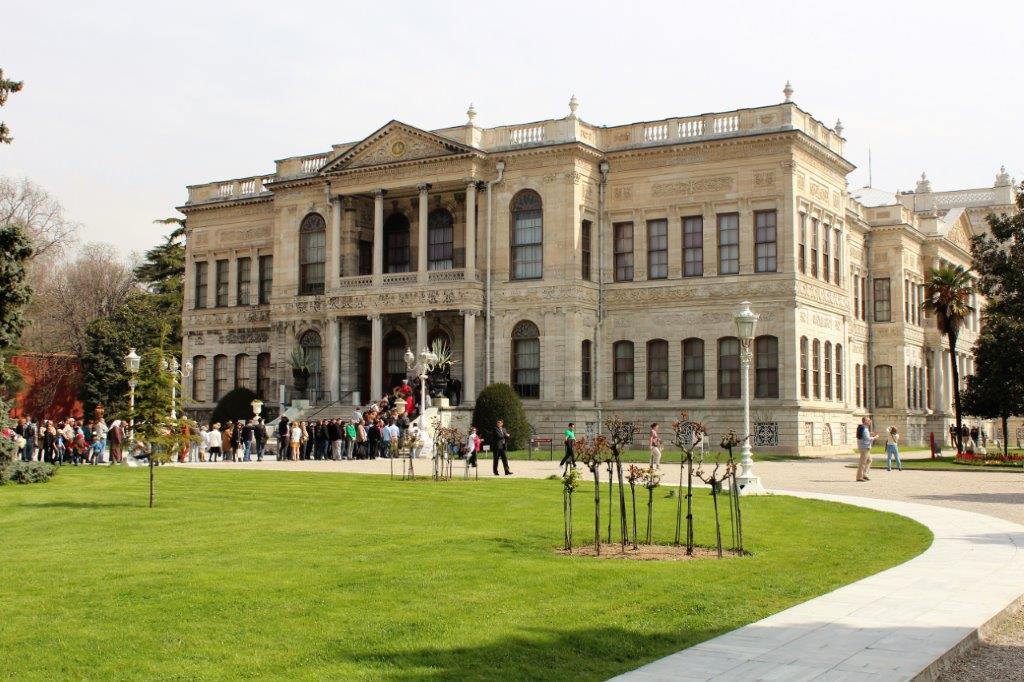
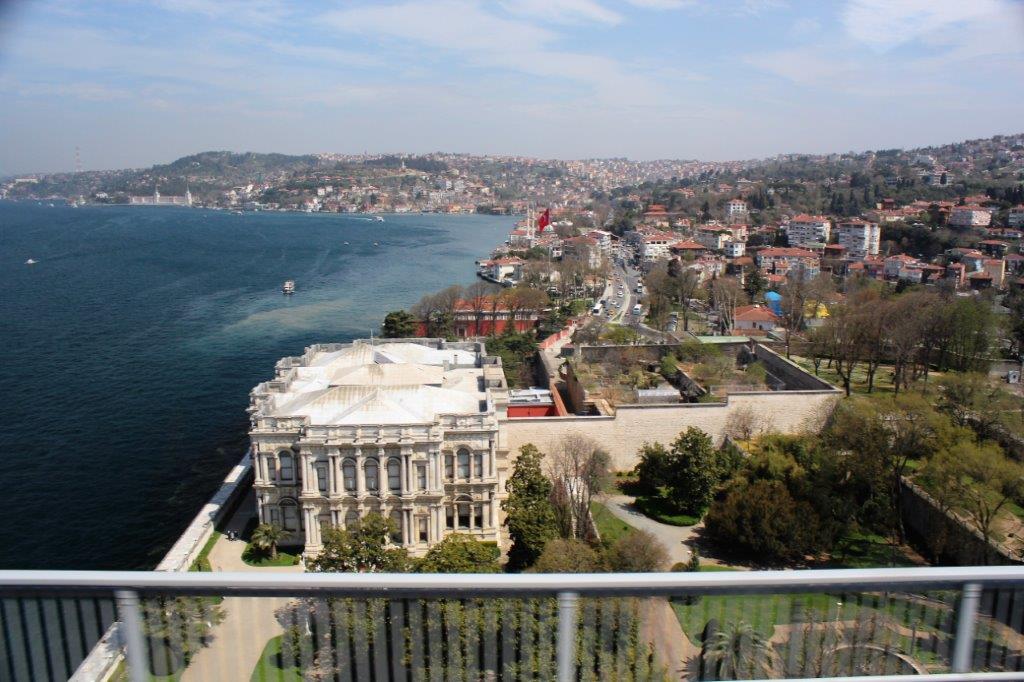
The ship remained docked in Istanbul until five o’clock, so we had another opportunity to see some of the historic sites.  This day we visited two of the famous palaces built by the sultans.  First was the absolutely massive Dolmabahçe Palace, located on the European side of the Bosporus, which stretches almost 580 m (1990′) along the shore.The palace was constructed on land created in the 17th century when the bay used by the navy fleet was filled in.  The new land was used as an Imperial Garden.  There were several buildings on the site but they were demolished and construction of Dolmabahçe Palace took place between 1843 and 1856.
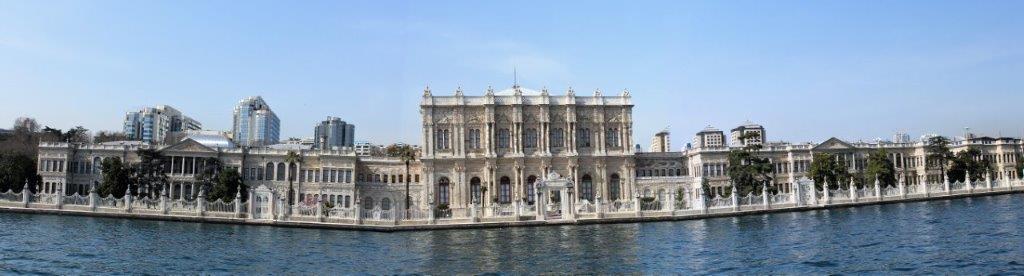
Since completion the palace was the home of six sultans and the last Caliph.  Mustafa Kemal Atatürk, the army officer, revolutionary, and first President of the Republic of Turkey stayed in the palace for about four years between 1927-1938.  Up to 1949 it was used a a Presidential House.  It was opened to the public as a palace-museum with its original furnishings in 1984.

The various arms and annexes on the building used to house a glass factory, smelter, aviary, stable, and other specific uses.  The main building was divided into three functional spaces.  The first was the Administrative section where the country affairs were discussed, the second is The Privy Chambers (Harem) where the Sultan and his family lived.  The final part was the Grand Ceremonial Hall where dignitaries of state were received on religious or ceremonial days.

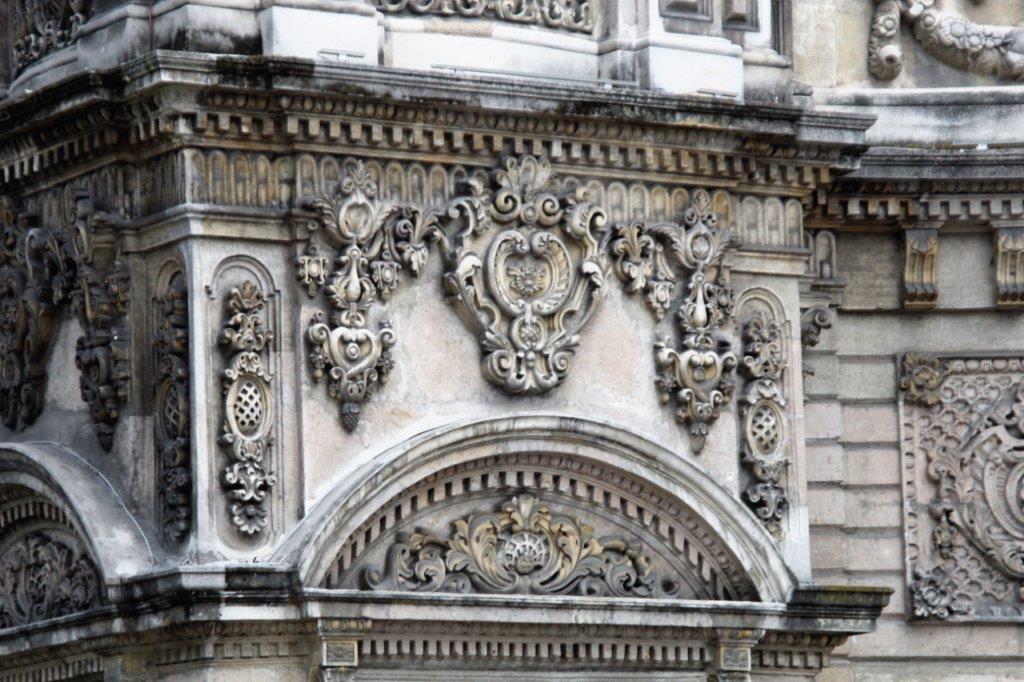
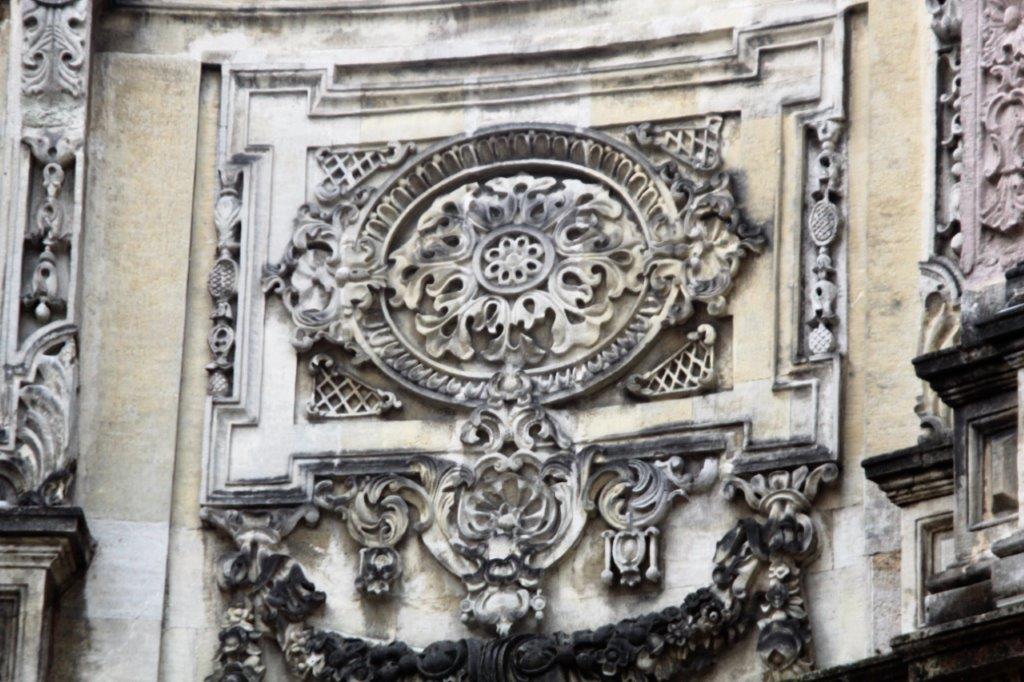
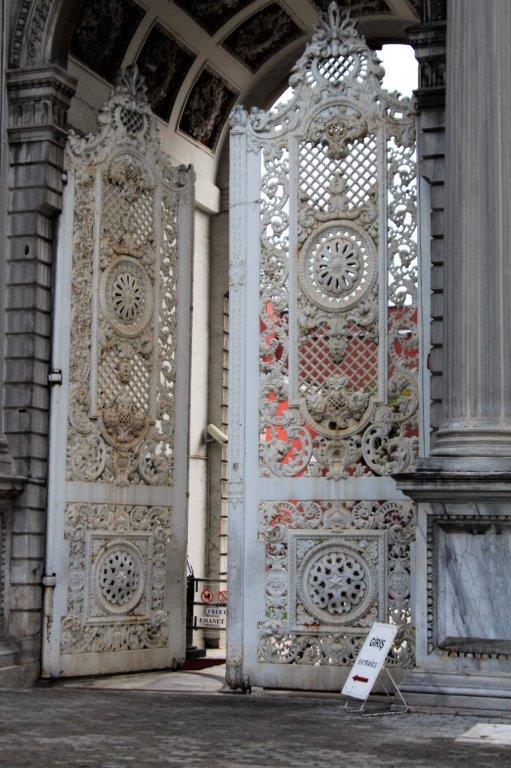
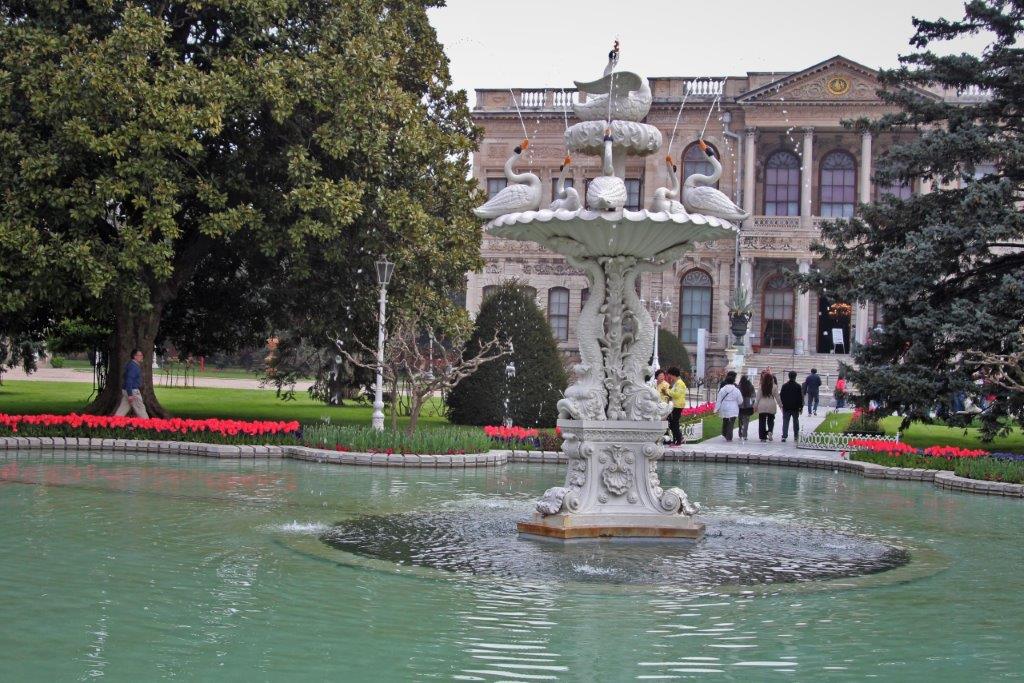
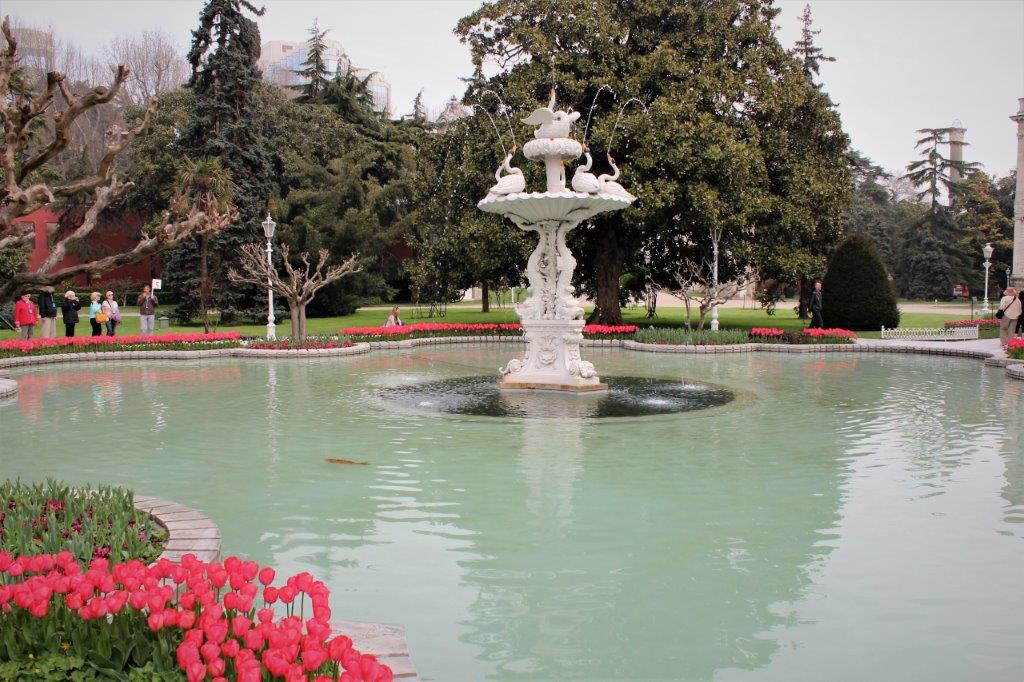
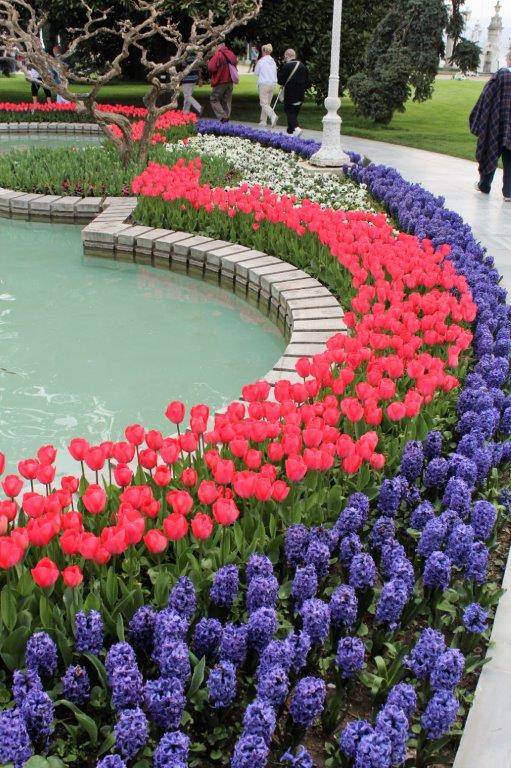
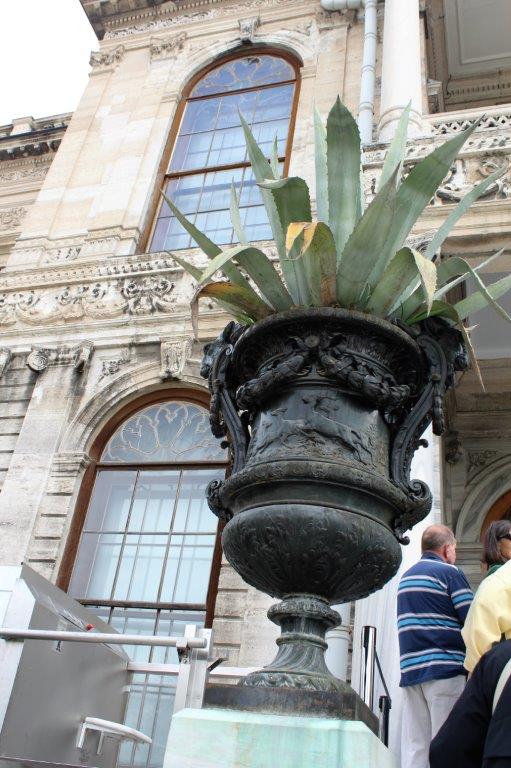
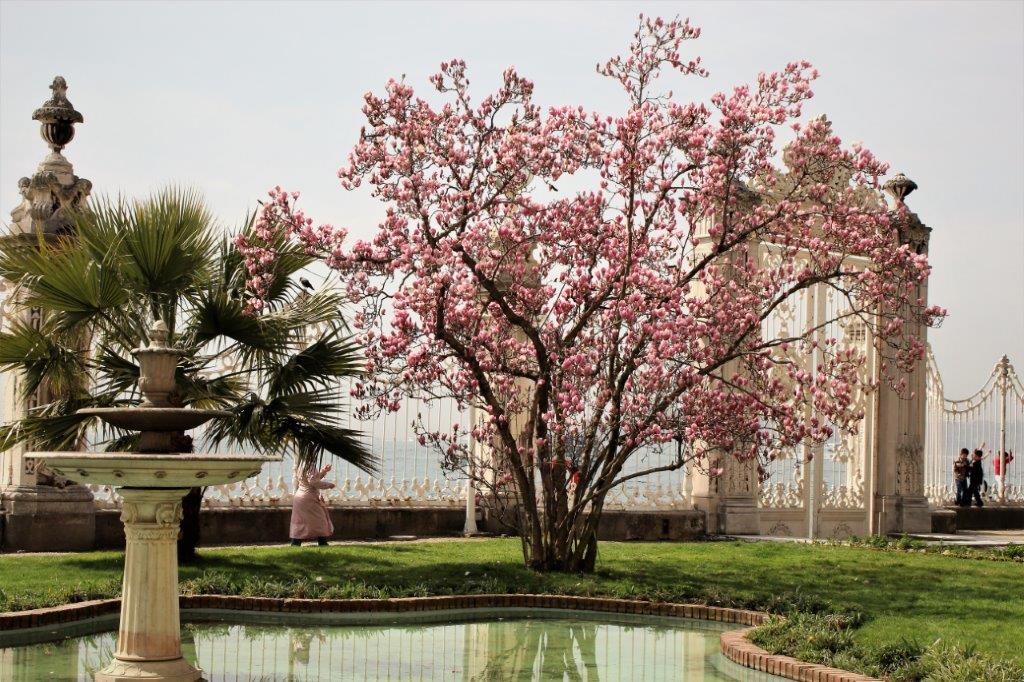
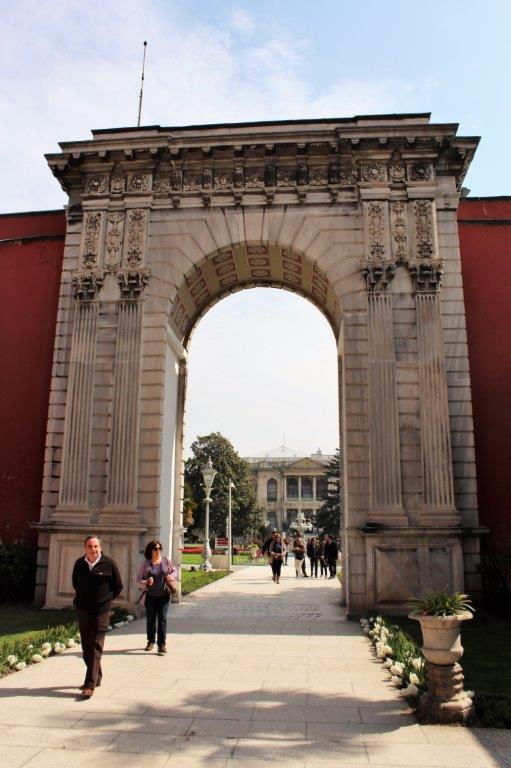
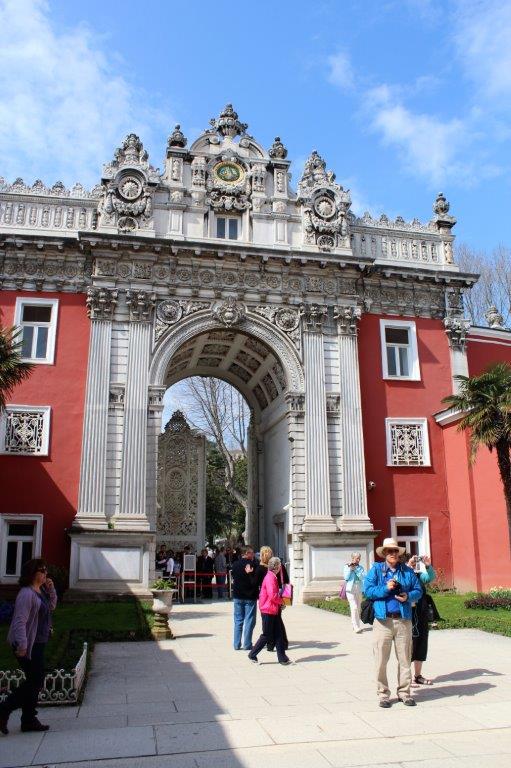
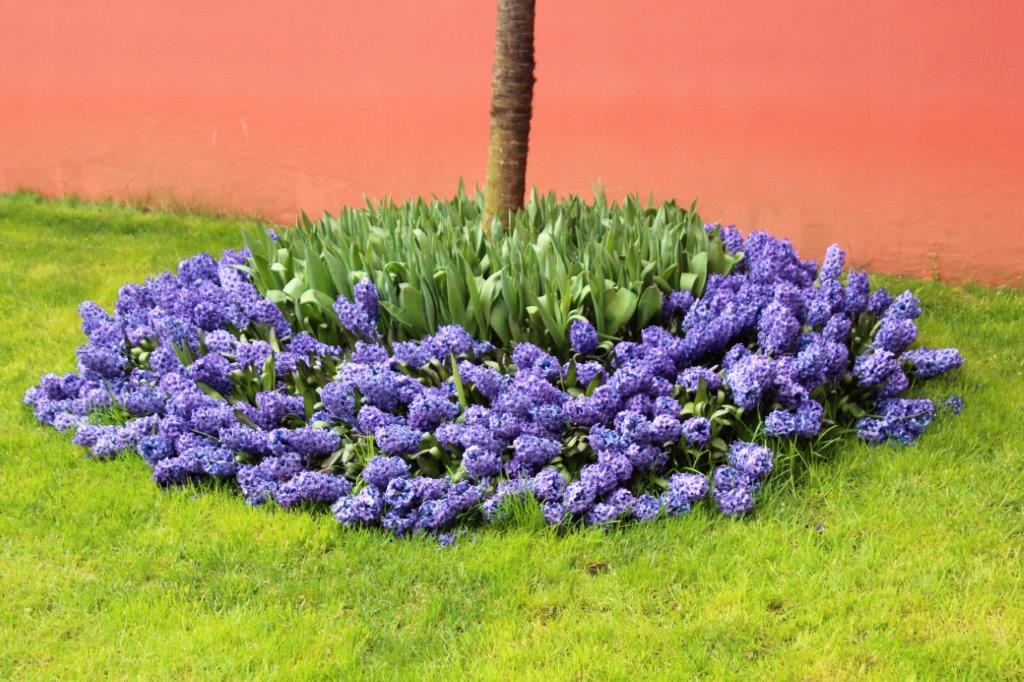
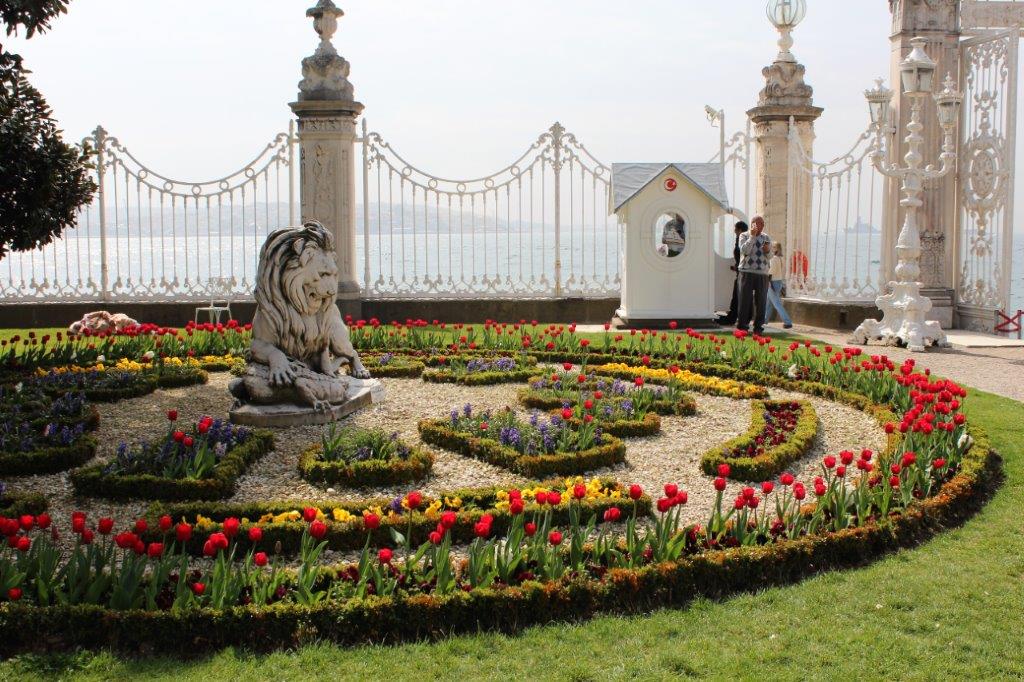
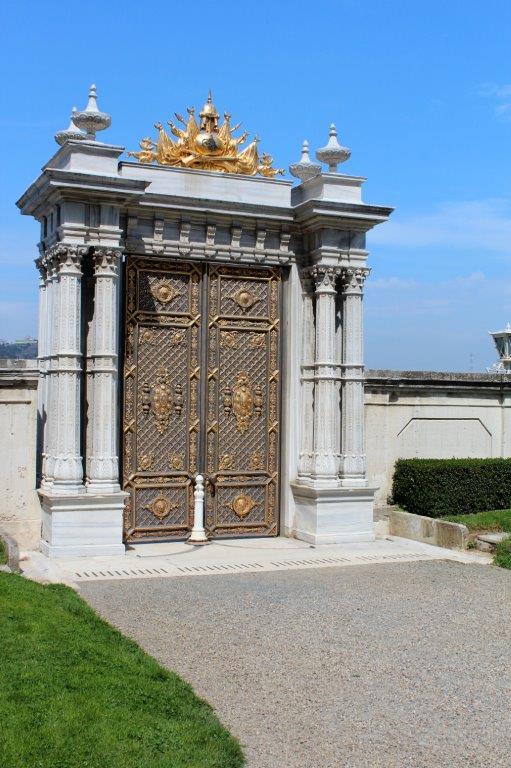
There was a mix-up over our entrance tickets and we (all three bus loads from the ship) had to wait about an hour until a person from the tour company could arrive and straighten it all out.  These things do happen sometimes.  The tour staff person arrived on the run to fix the problem for us.  Fortunately it was a nice day so not a major hardship to stand around outside. We walked through a beautiful garden to the palace entrance.             Oh, the glorious hyacinths!  I love the perfume.                                                  The Imperial Gate
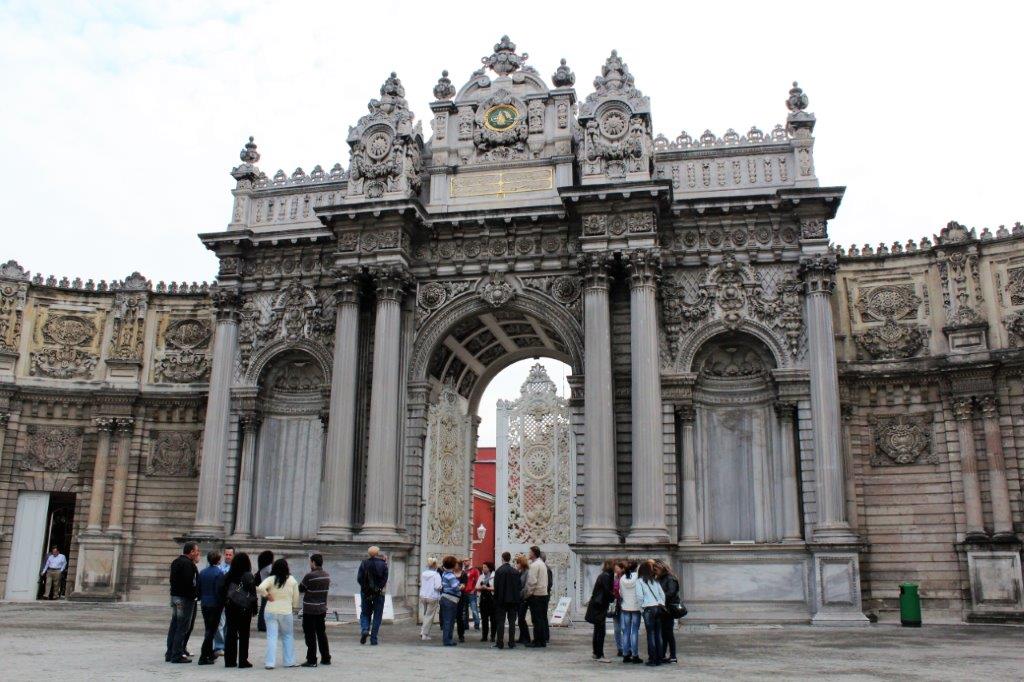
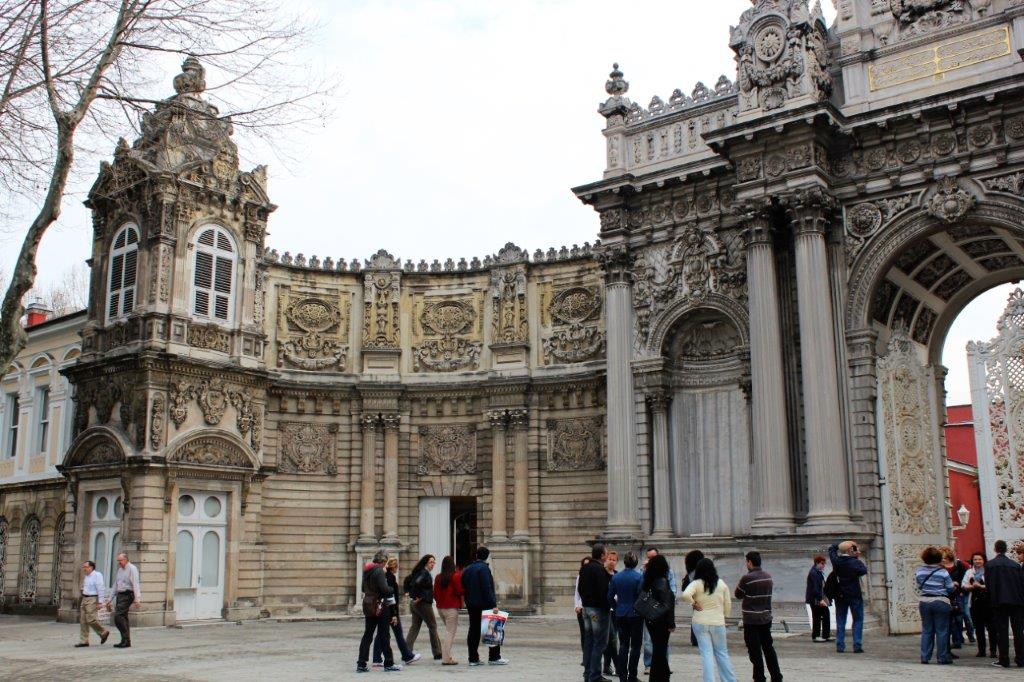
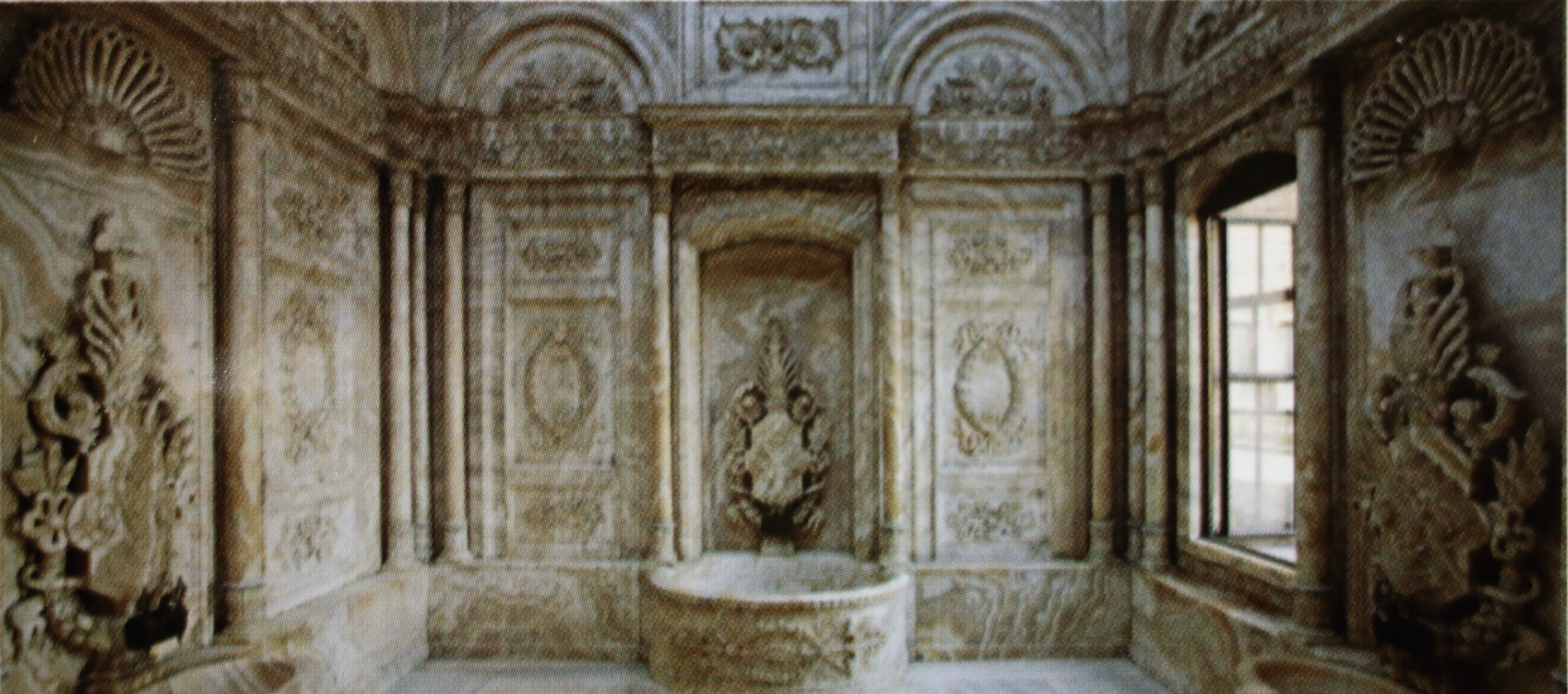
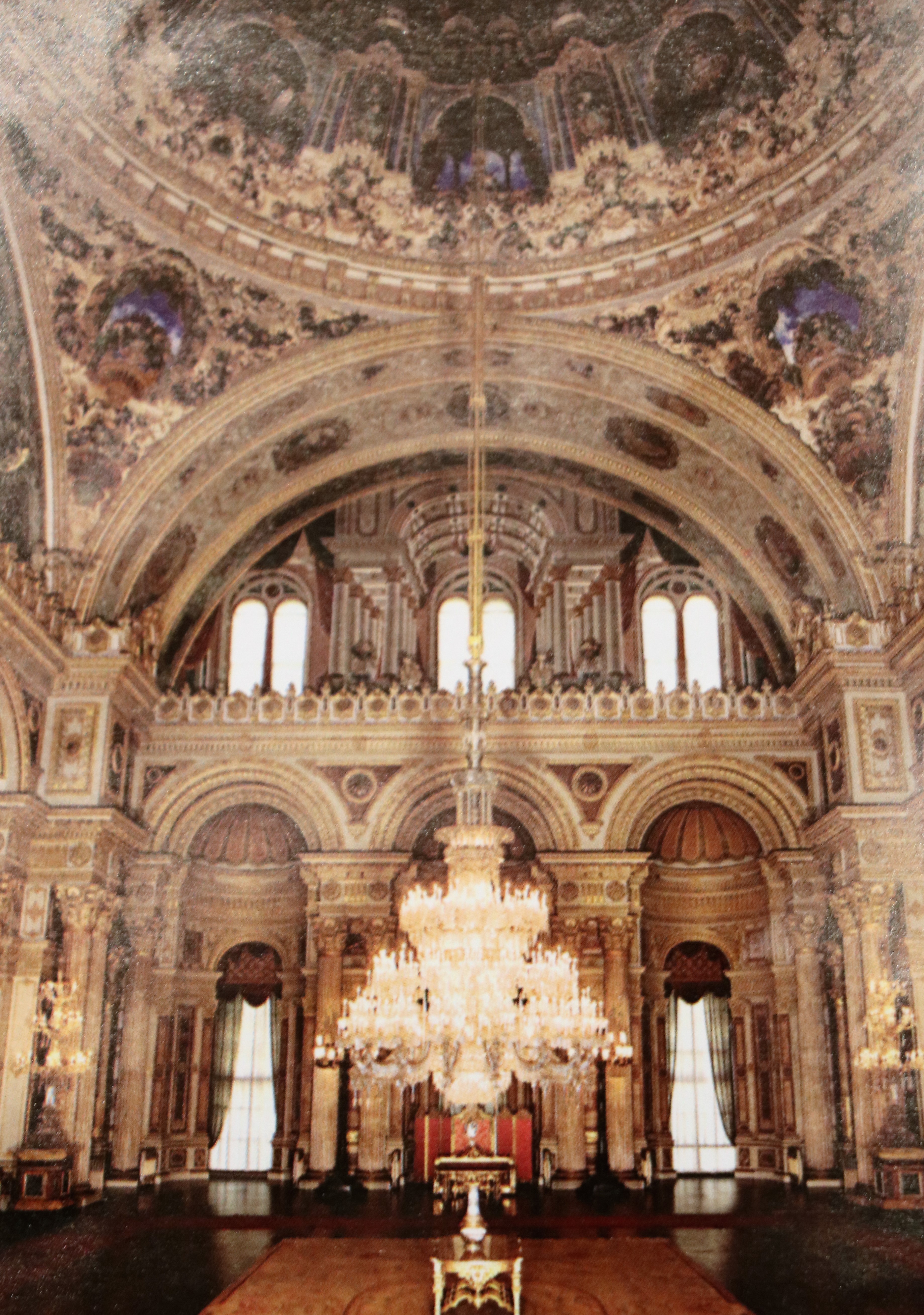
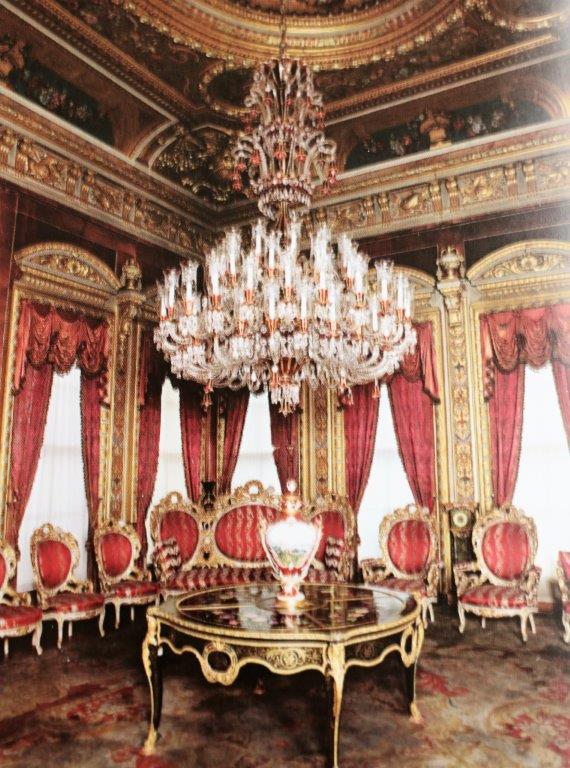
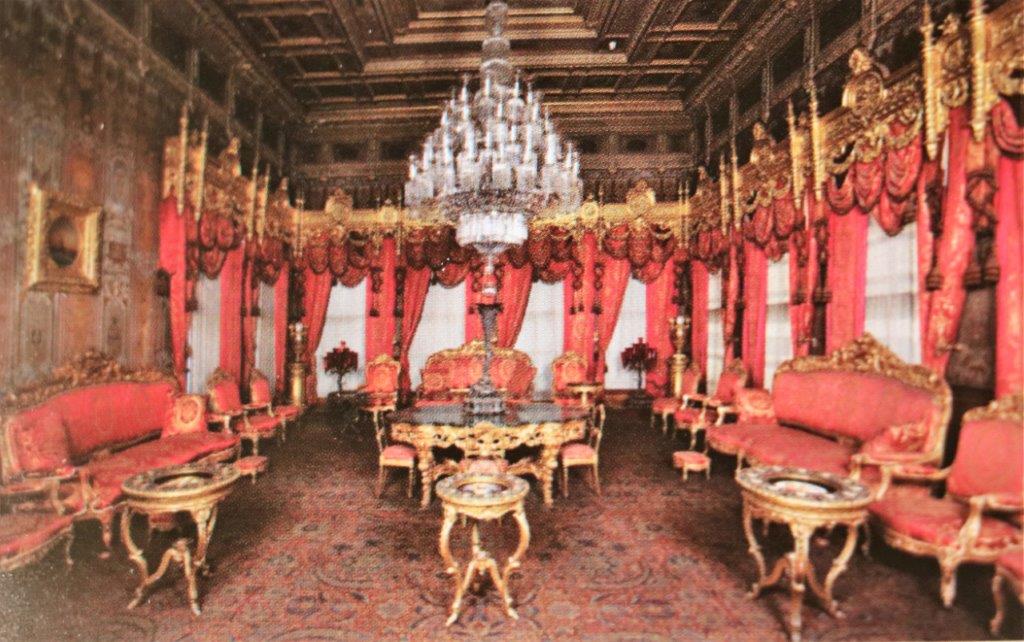
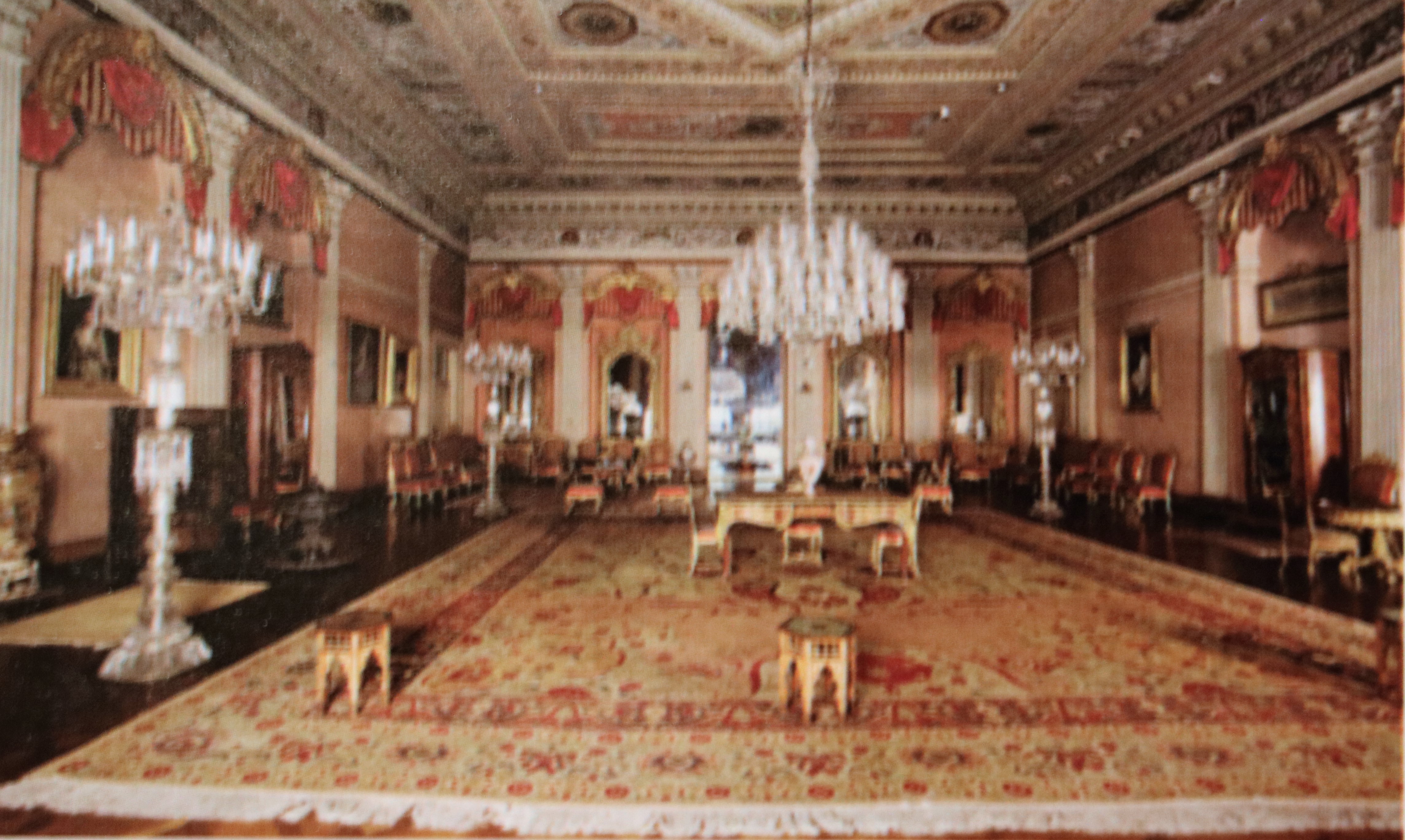
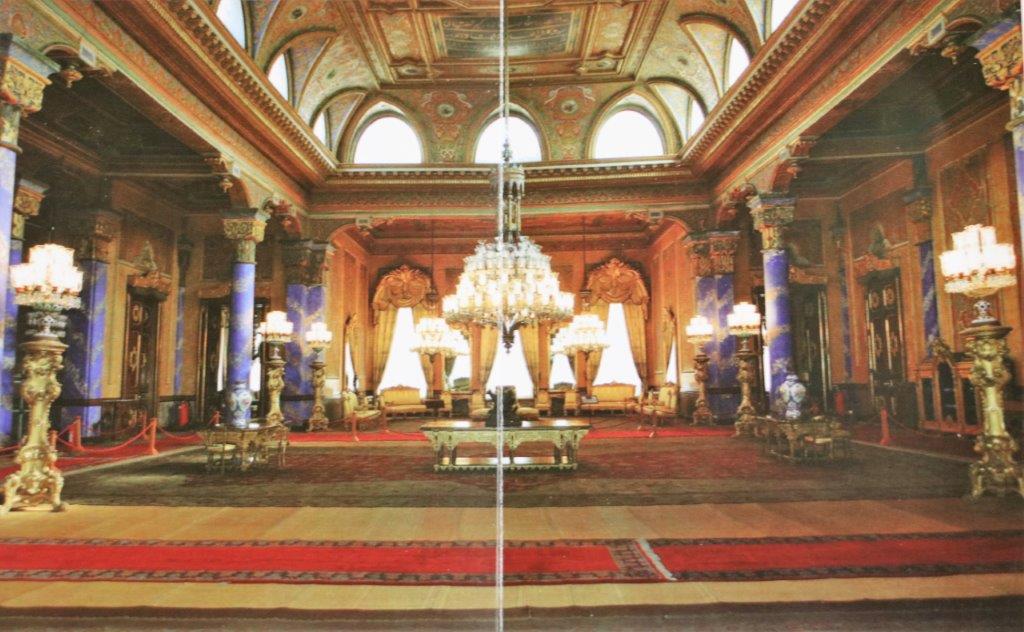
The palace has 285 rooms, 44 halls (ceremonial reception rooms), 68 toilets and 6 Turkish baths.  It is the largest palace in Turkey covering 14,500 square meters (157,000 square feet).  It was beyond ornate!  Gilt covered everything.  It is said that 15 tons of gold was melted for the decorating.  There were no photos allowed inside but I took some photos of the pictures in the brochure to give you an idea.  (They are not really sharp photos, I’m afraid.  I was too lazy to set up the tripod.)                        President Mustafa Kemal Atatürk’s bedroom             The Library of Caliph Abdülmecid (the last Caliph of Turkey)                                            The Crystal Pavilion                                        Sultan’s Private Bathroom   The Grand Ceremonial Hall                                   The Red Room                                                          The Blue Room                                         The Reception Room                                                            The Pink Hall
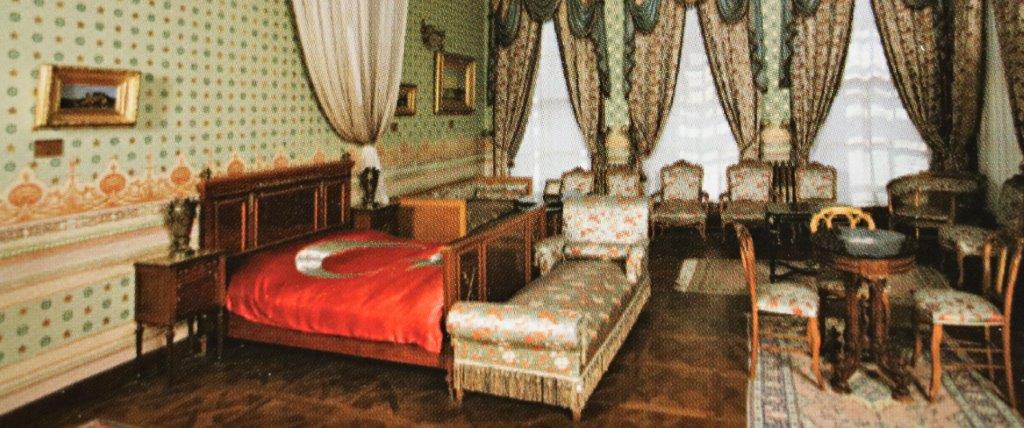
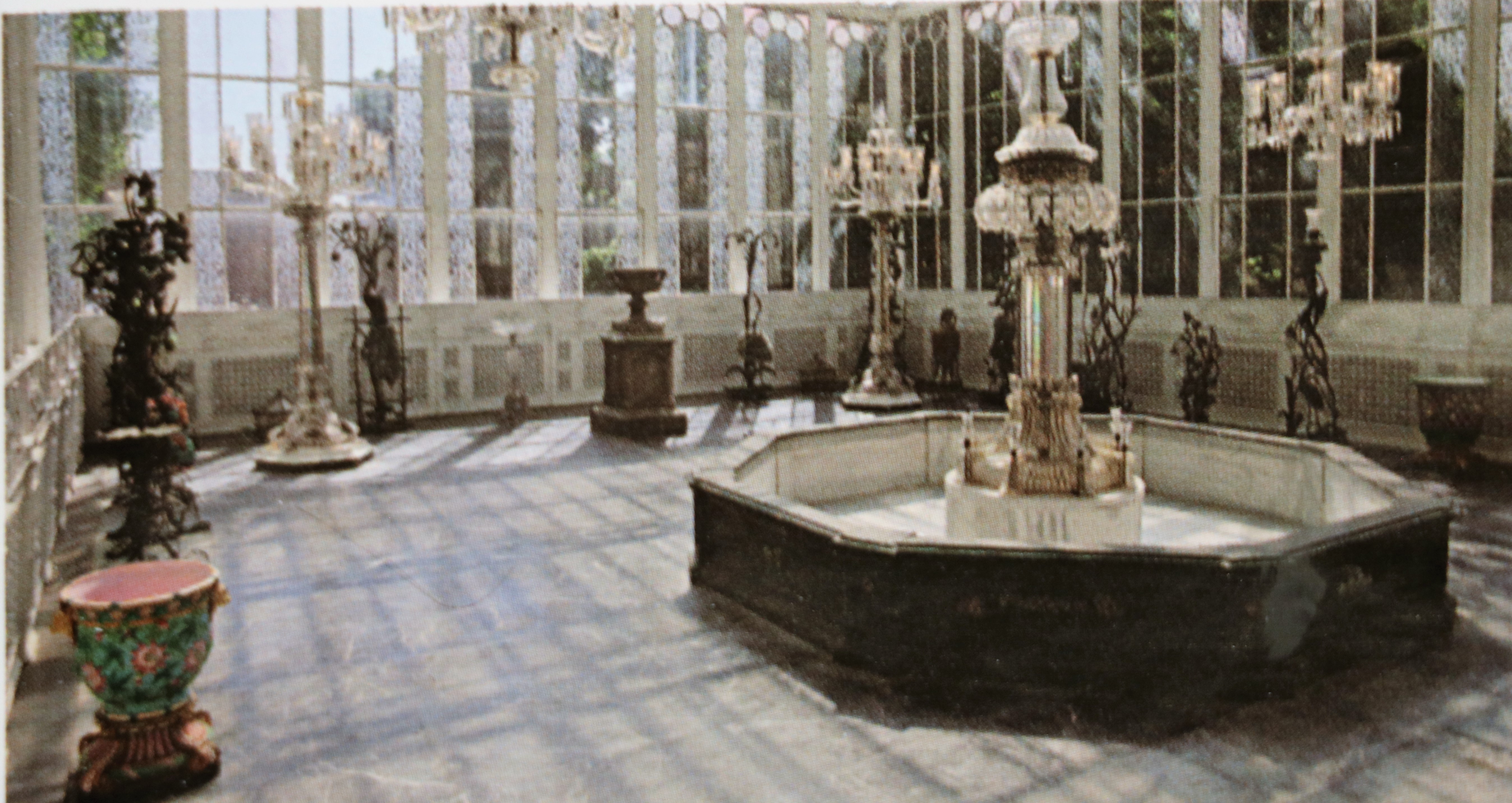
The place was chock-a-block full of priceless artwork, vases, furniture and incredible chandeliers.  Obviously money was not in short supply!
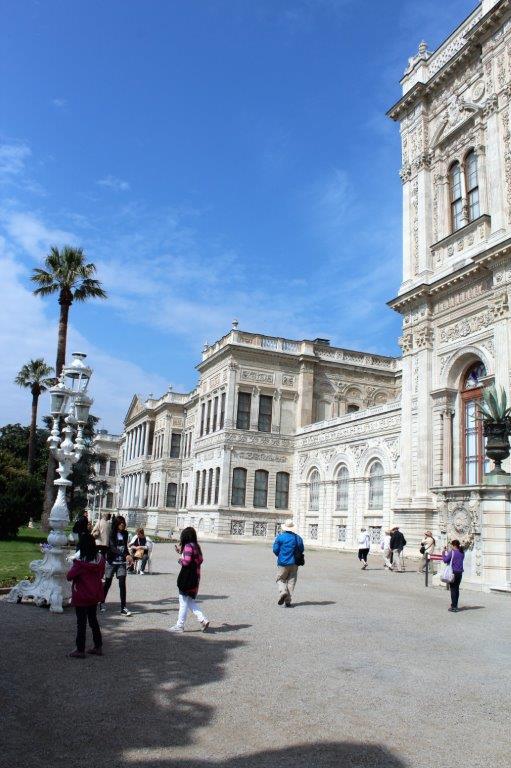
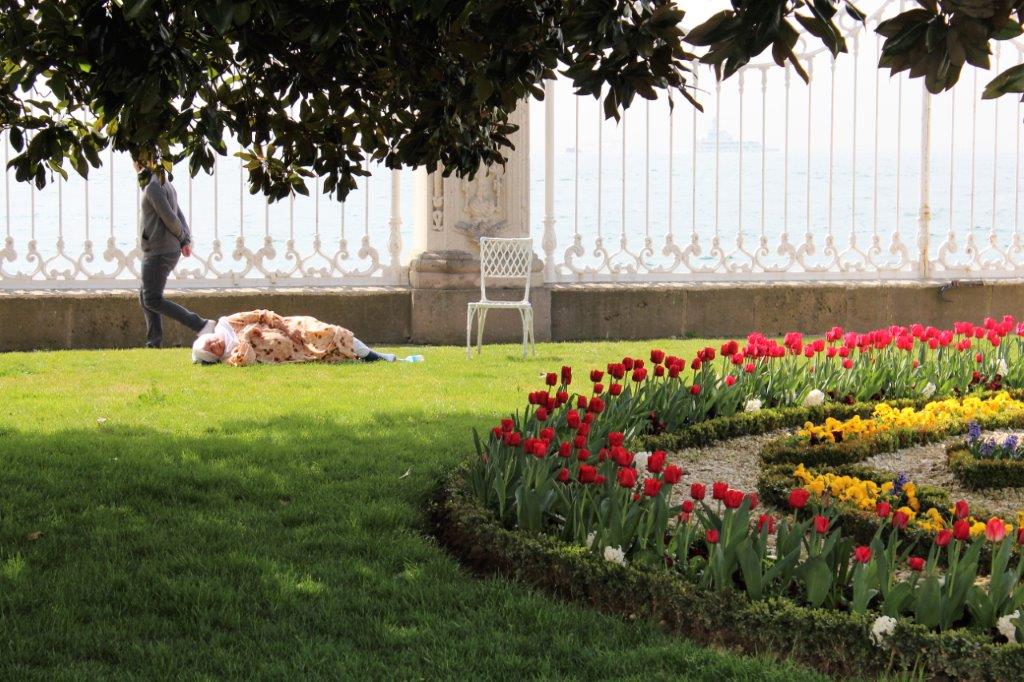
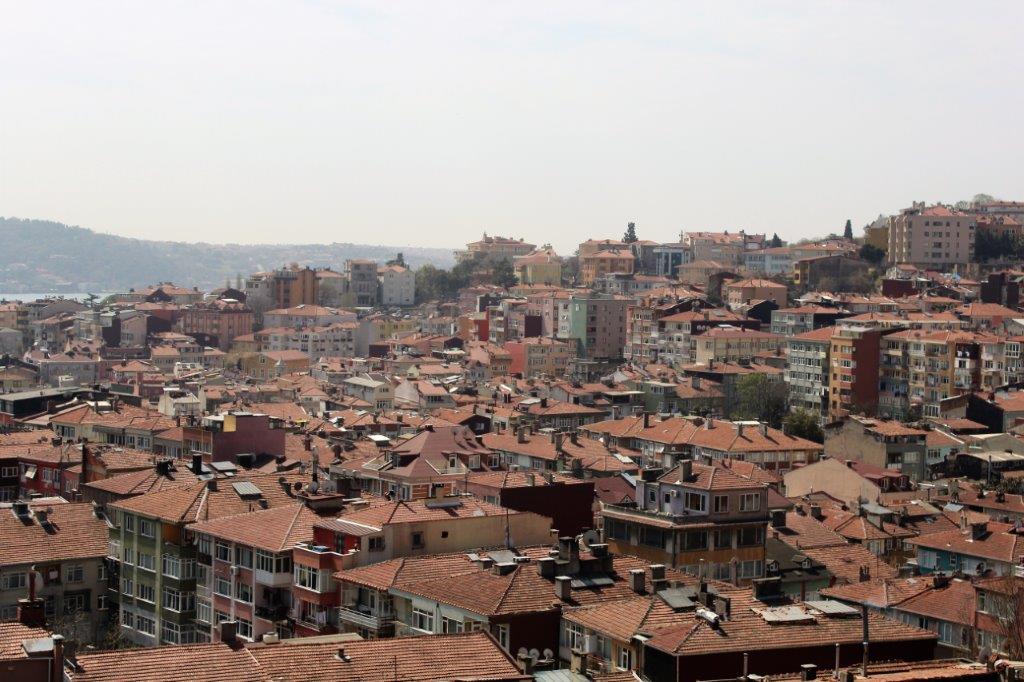
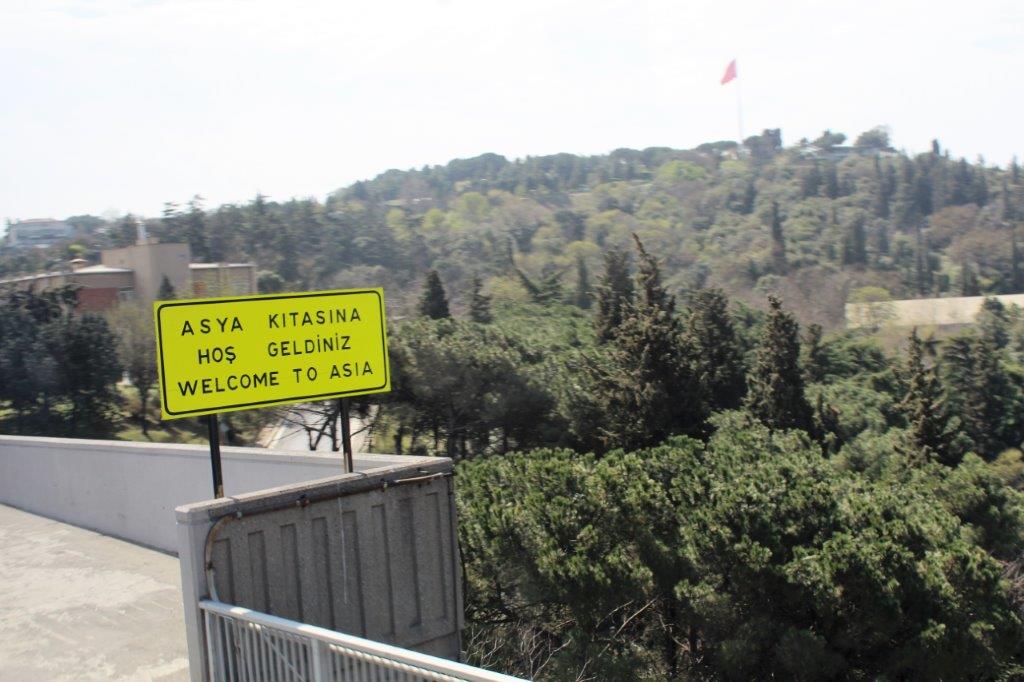
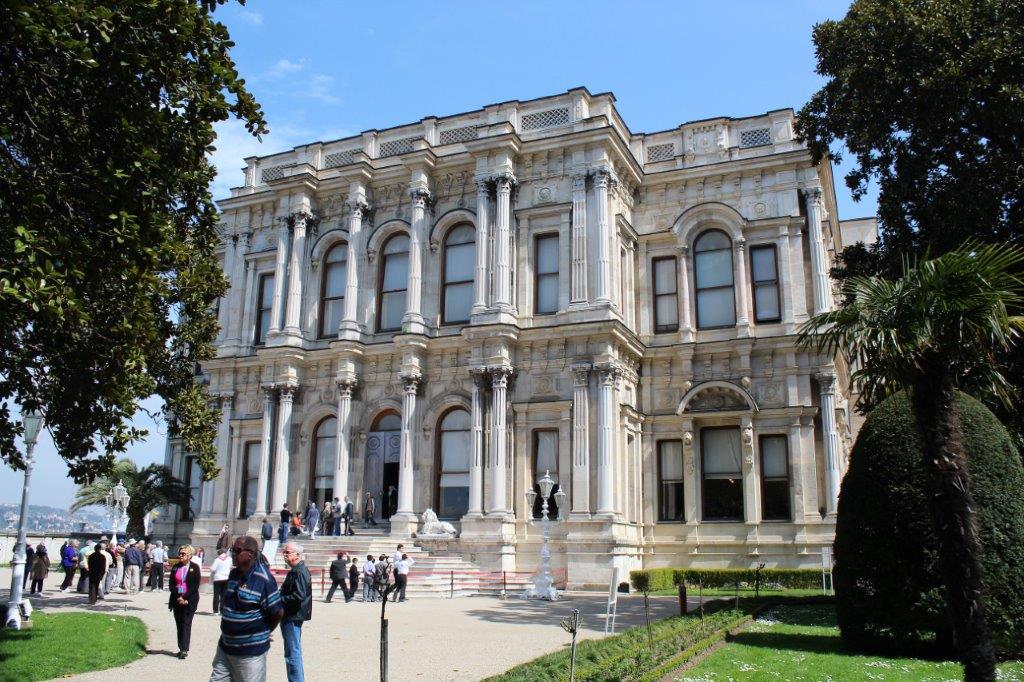
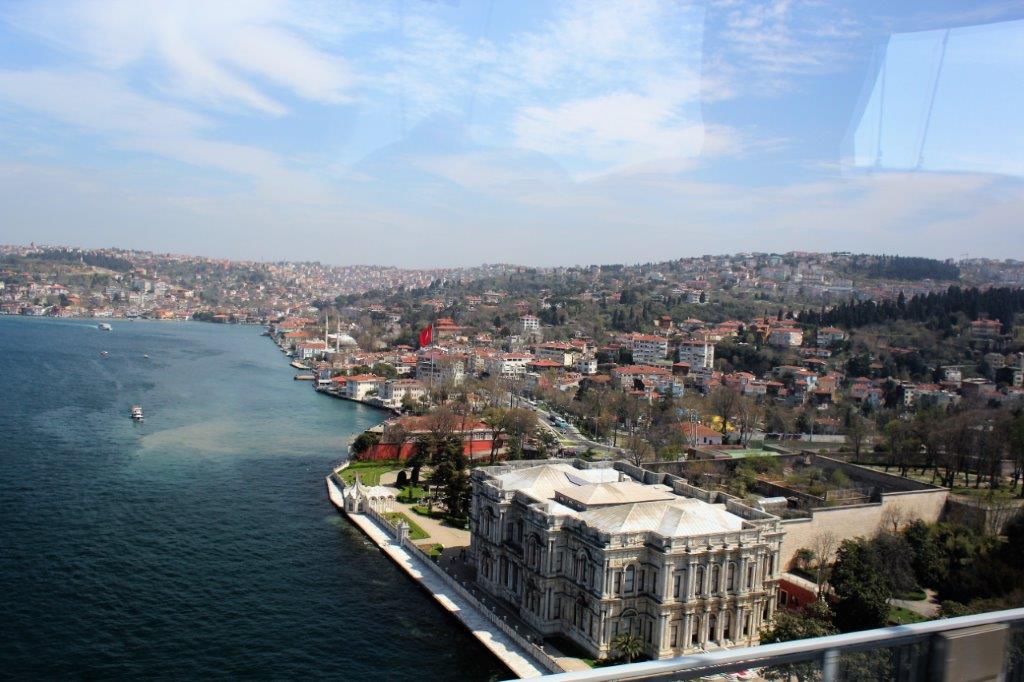
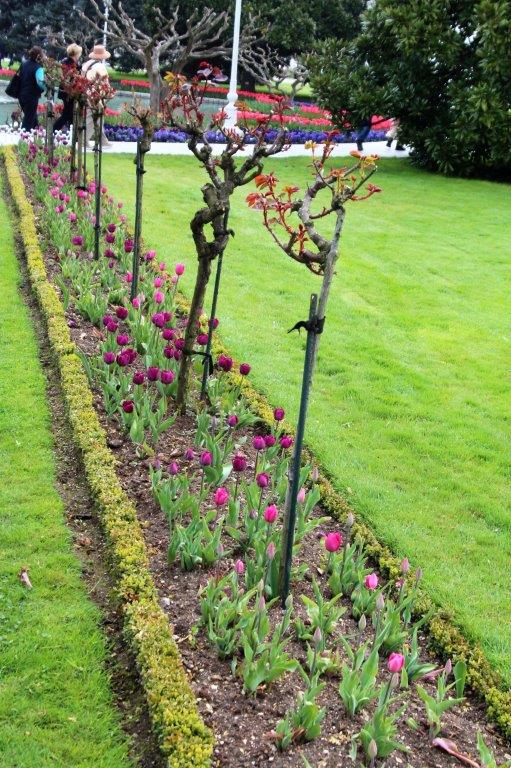
I guess if we are tired we can just lie on the lawn and have a nap.  The line of people waiting to go inside and tour the palace was still long when we left.  Dolmabahçe Palace is on the European side (not far from where the ship was docked) and our next palace, the smaller summer palace of the Sultan’s brother was on the Asian side – so a bus ride across the bridge was necessary. Beylerbeyi (means “Lord of lords”) and the surrounding hillside has been used as a residential area since the Byzantine period.  The wooden palace buildings on the site during the reign of Sultan Mahmud II (1808-1839) had burned. and a new palace was ordered by Sultan Abdülaziz and constructed between 1863-1865.
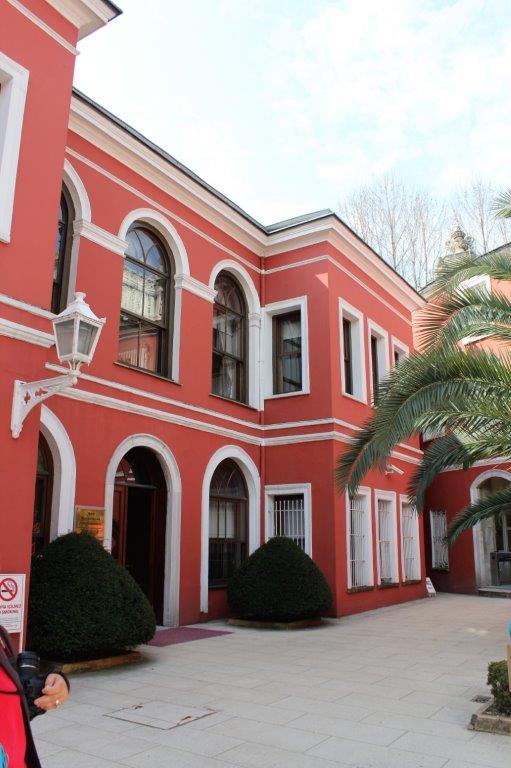
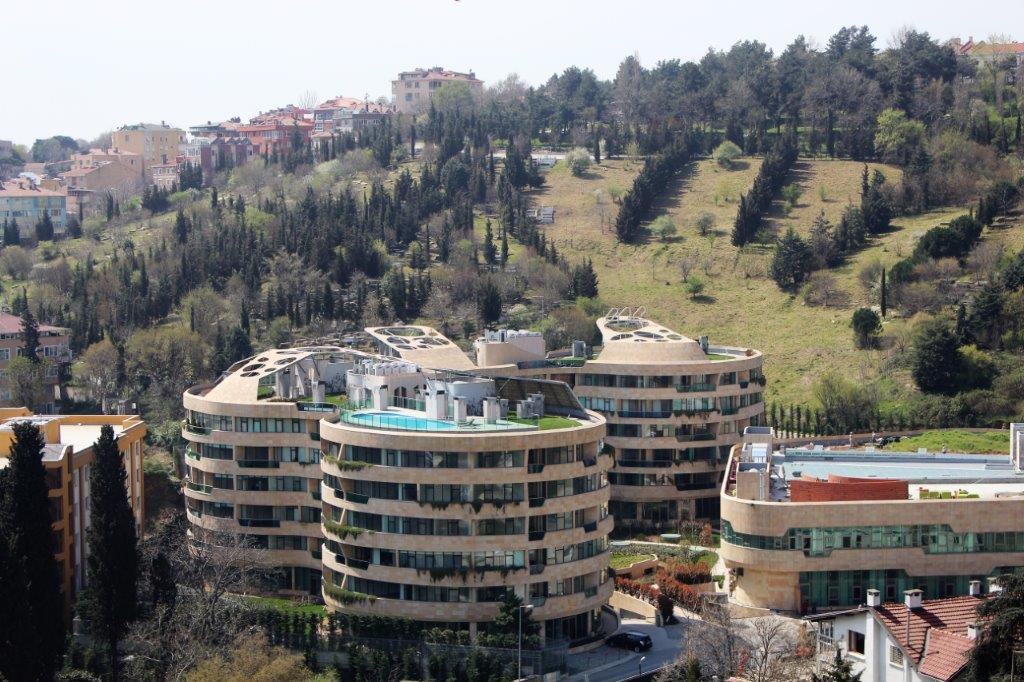
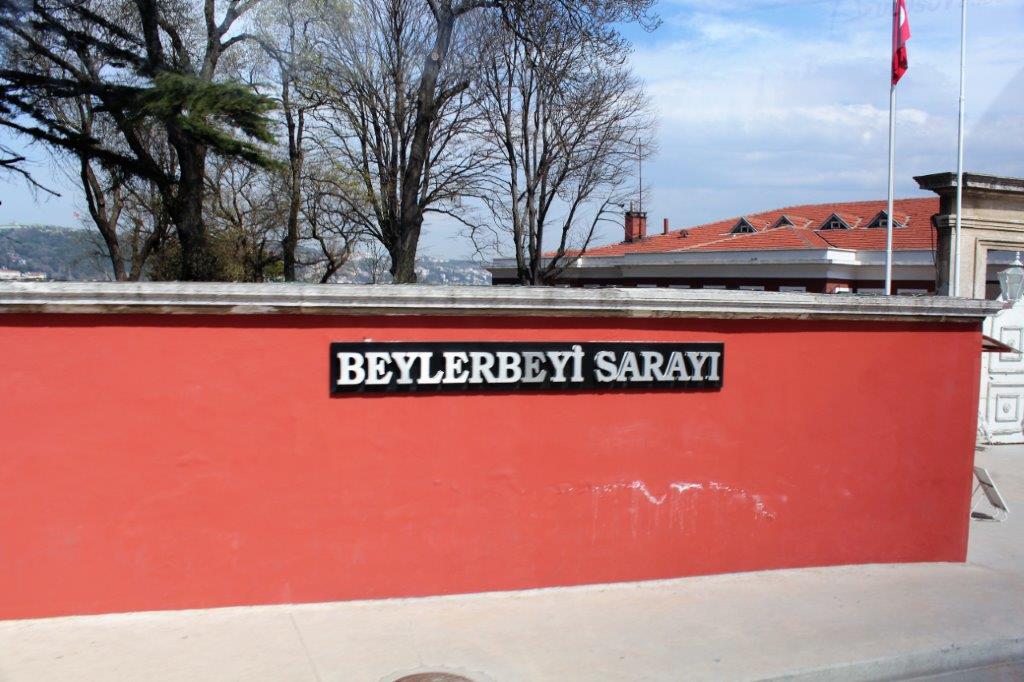
Beylerbeyi Palace is a summer residence used especially to entertain foreign statesmen. There are three stories including the basement, 24 rooms and 6 reception halls.  The floors are covered in Egyptian straw mats.  Carpets are primarily from Hereke, Turkey.  There are French Baccarat crystals chandeliers, English and French clocks, vases made in China, Japan, France, Germany and Yildiz, Turkey.  Plus, plus, plus.

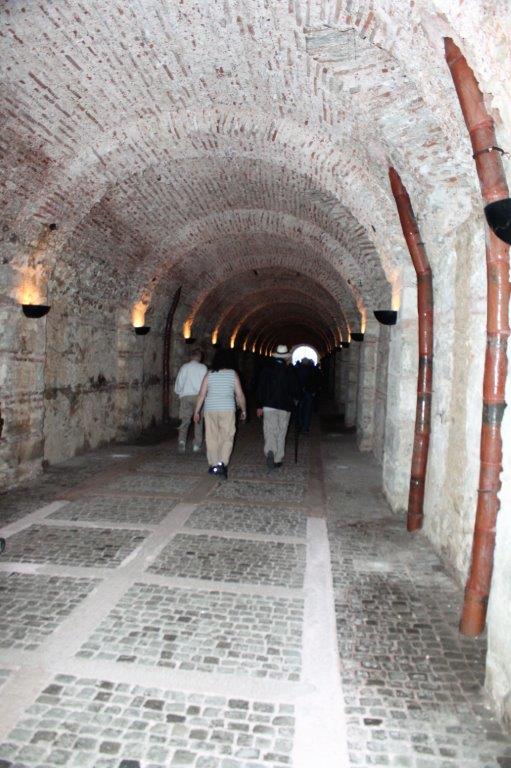
Access to the palace grounds is through a tunnel which was built between 1829-1932.  It was used as a highway but is now used for cultural and artistic events.
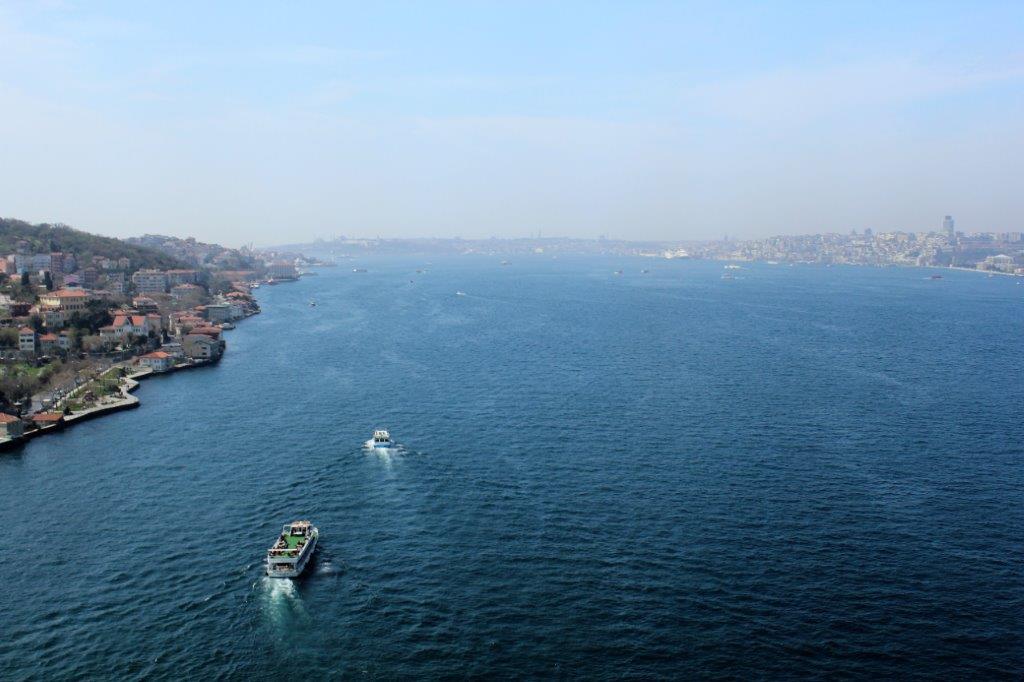
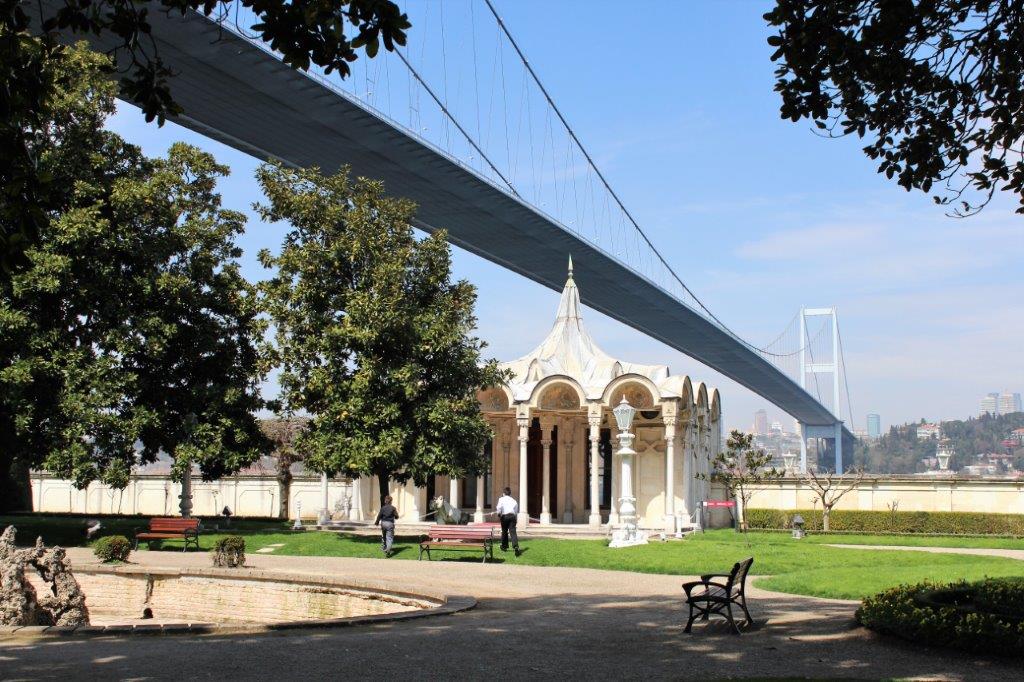
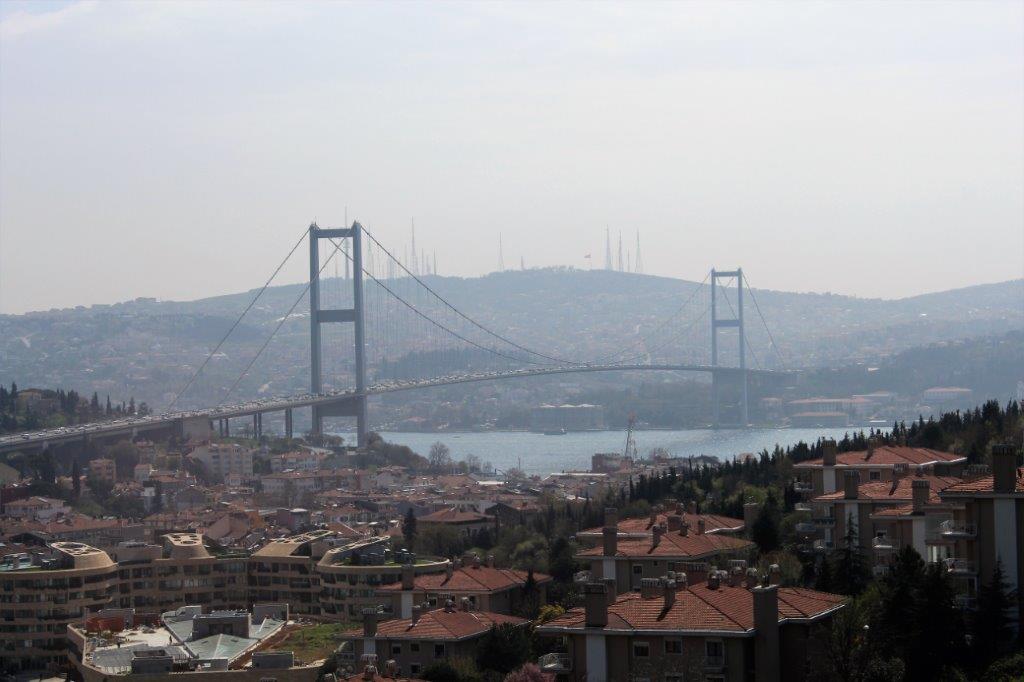
 The Bosporus Bridge built in 1973 passes just north of the Marine Kiosk.
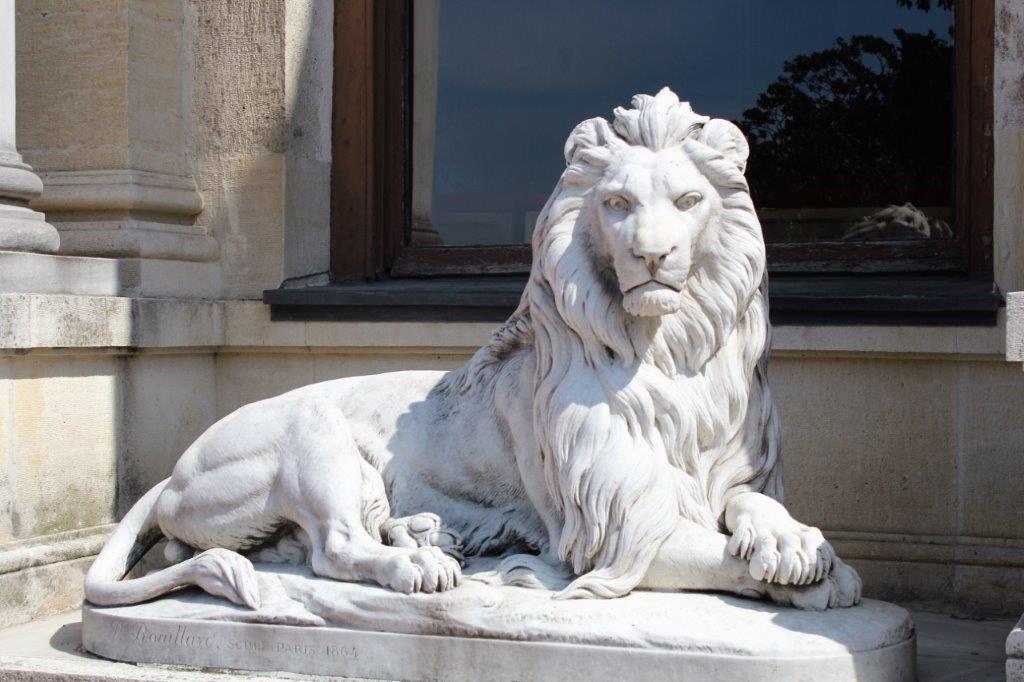
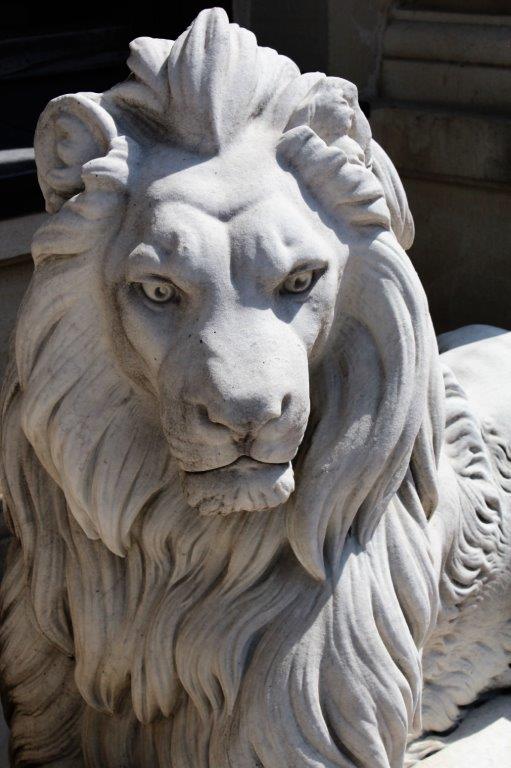
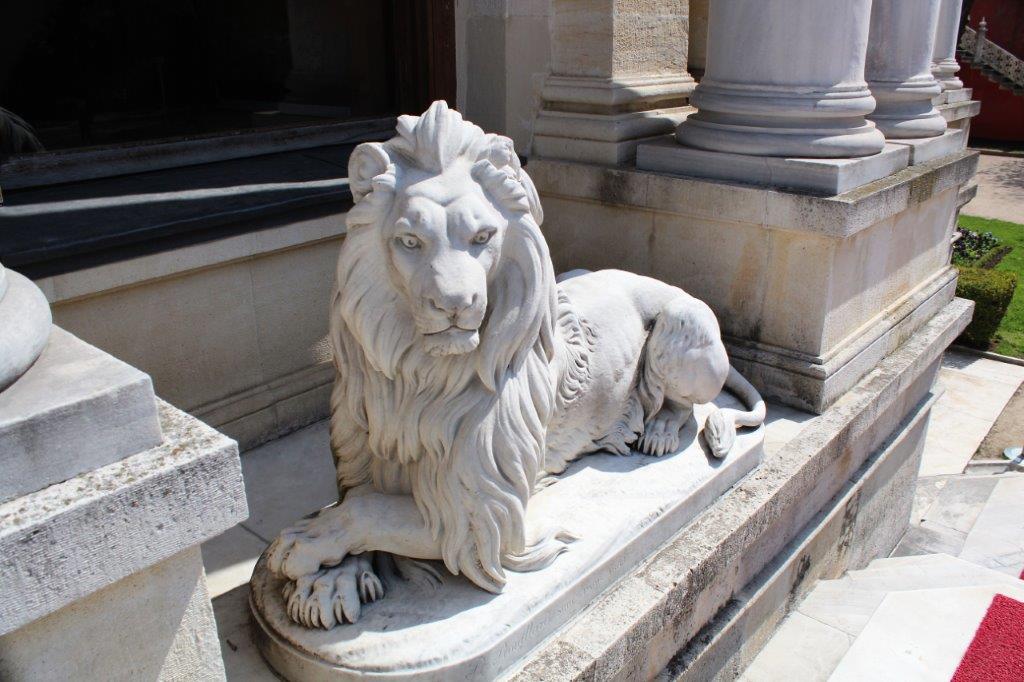
                          I loved the lions on either side of the entrance.As at Dolmabahçe there were no photos allowed inside the palace.  So, once again I have inserted some photos from the brochure.                      The Upper Terraced Garden and Yellow Kiosk.                                                                                This is simply room no. 13.This is a two page spread in the middle of the brochure so the center fold is quite prominent.  It is called the Blue Hall.                                                  And this is room no. 26.
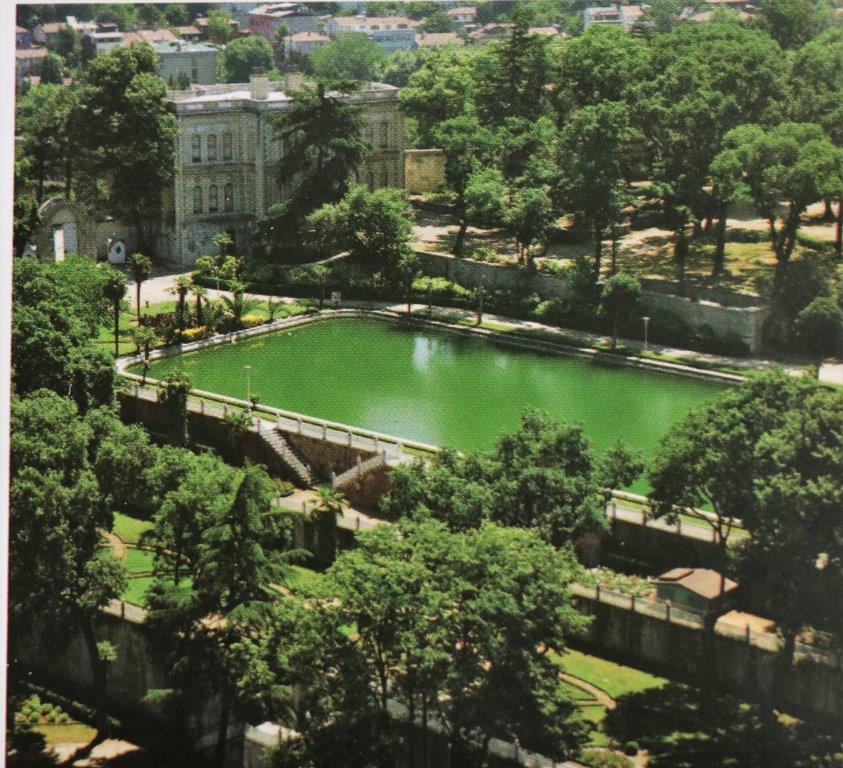
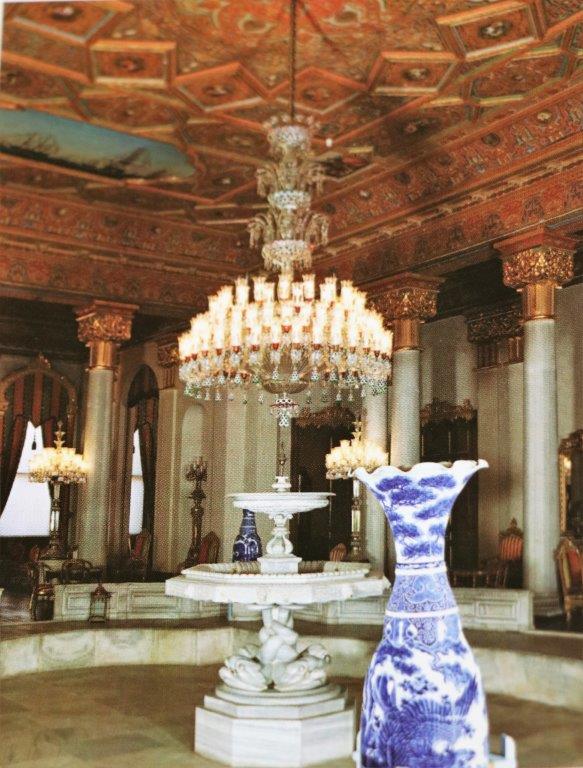
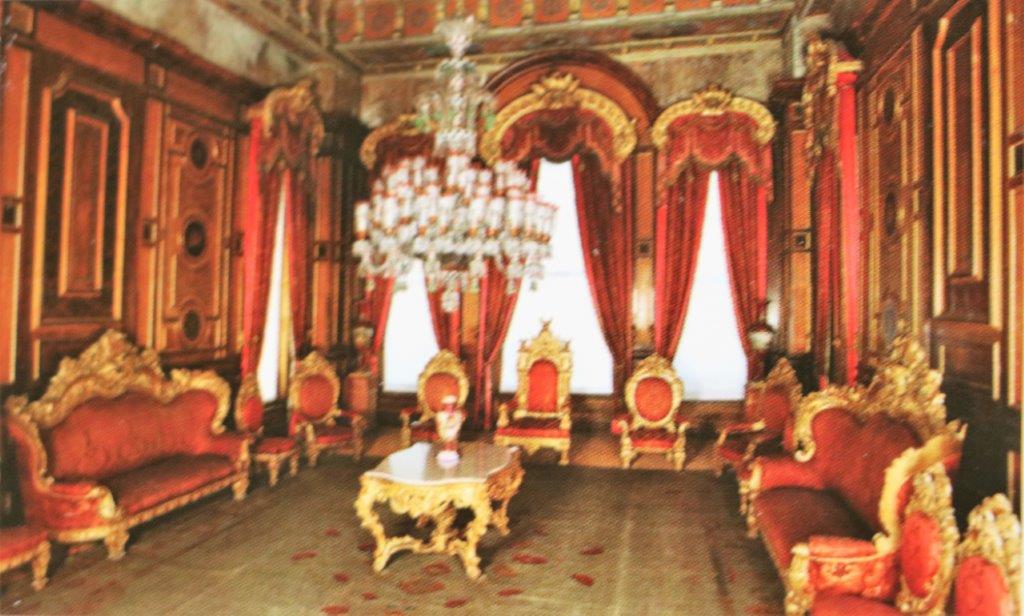
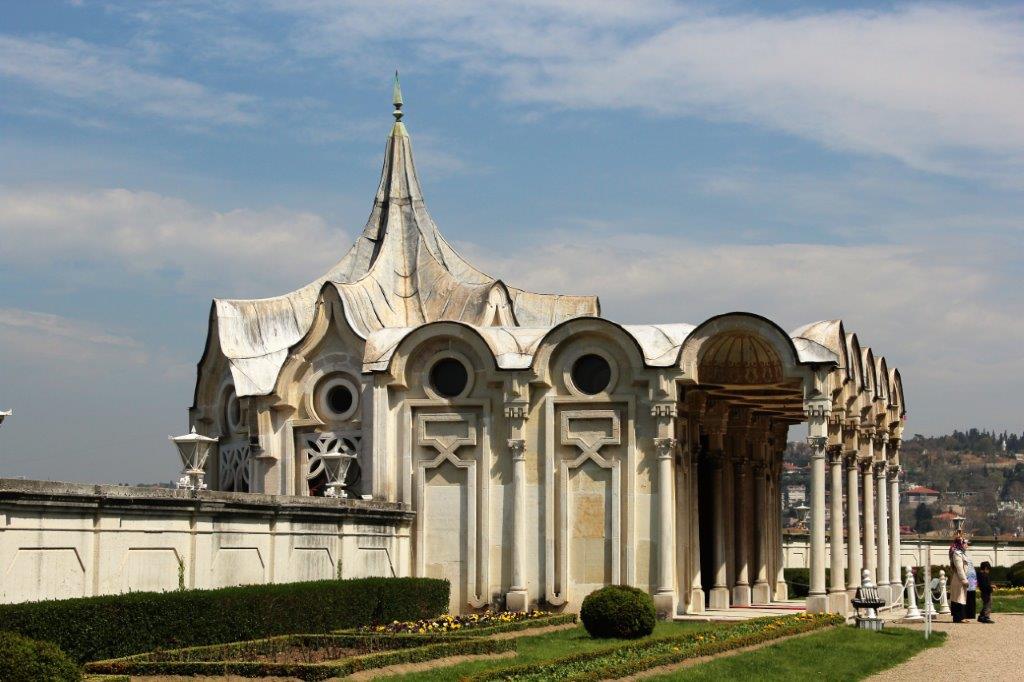
Queen Victoria gifted the Sultan of the day with a 4 1/2 ton crystal chandelier that hangs in the ballroom.  I loved Beylerbeyi.  It was as ornate as Dolmabahçe but I found it somewhat cozier due to the smaller size.  From the water you can get a lovely view of the two bathing pavilions – one for the harem women and another for the men.
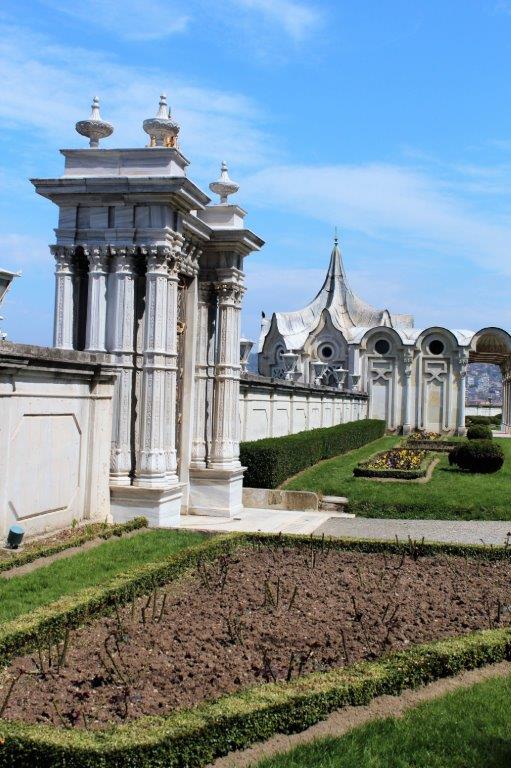
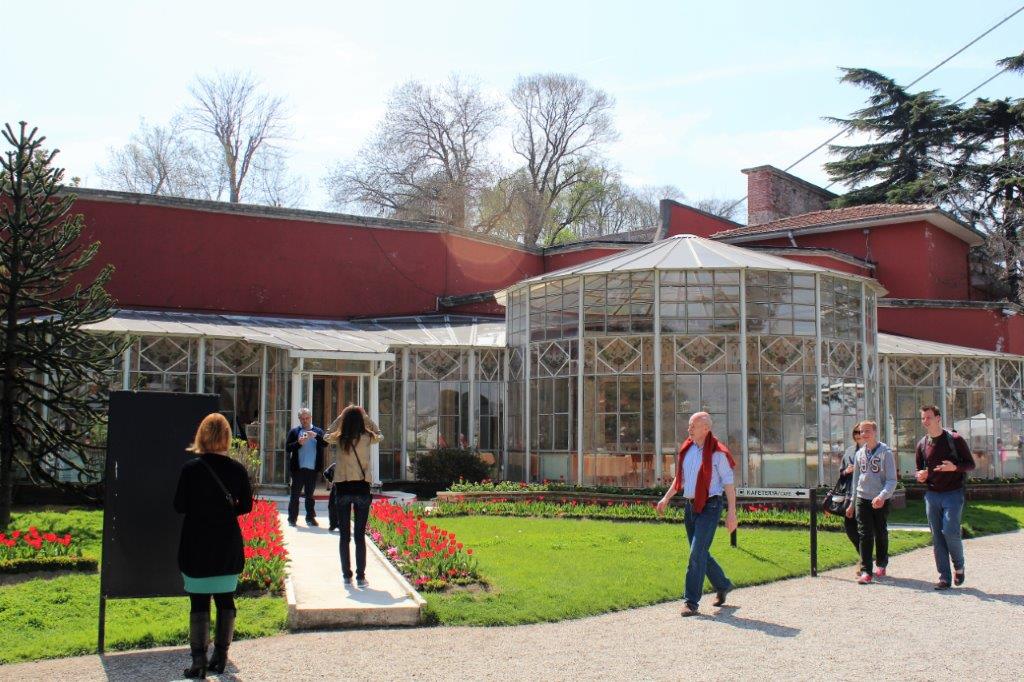
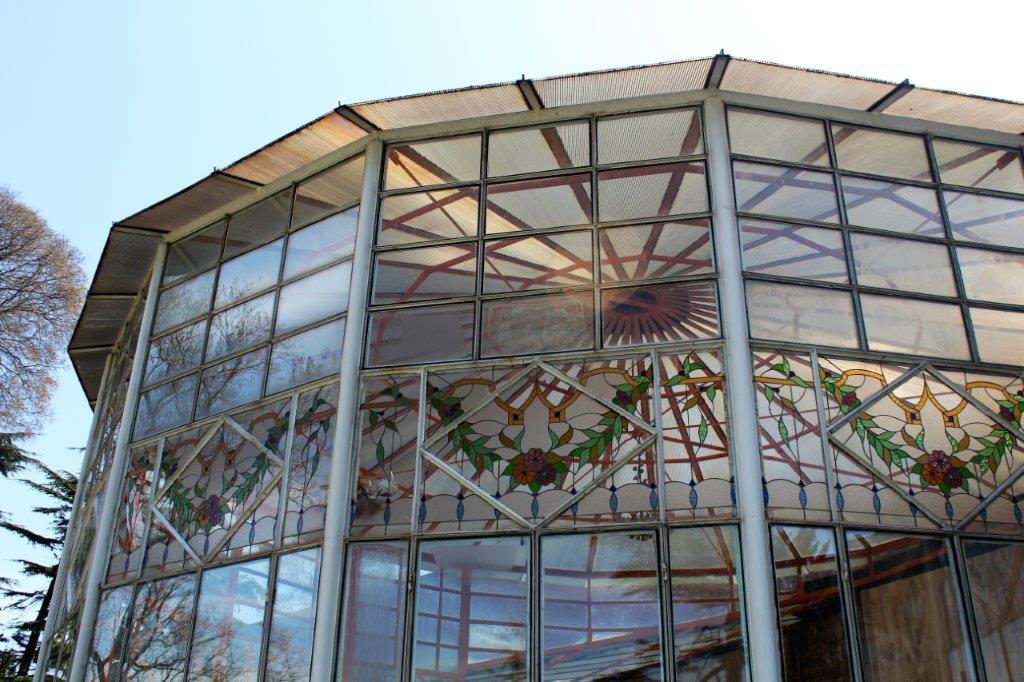
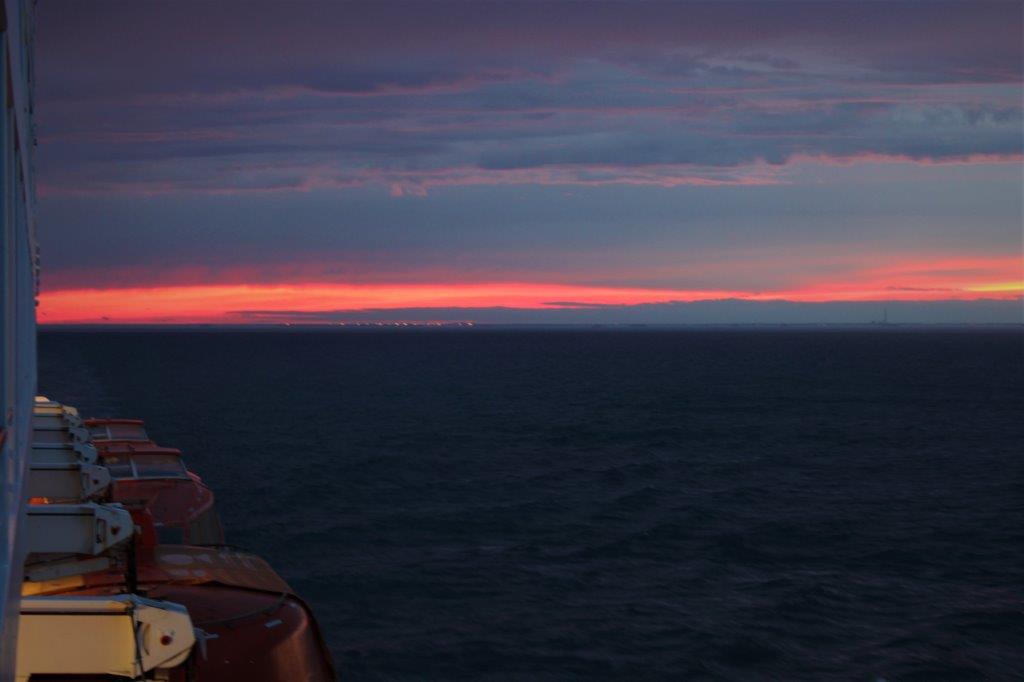
                                   This is the glass pavilion tea and gift shop.  And then, it was back on the bus for the ride across the Bosporus Bridge to the European side and the ship.  We had a few hours before sailing at 5 so we thought about finding a good internet place but we decided instead to just rest our feet in the cabin.  The captain set sail at five and we had a lovely sail up the Bosporus Strait on our way to Romania.
2012 April 4 – Day 24 – Kusadasi, Turkey (Day 2) (Part 4)

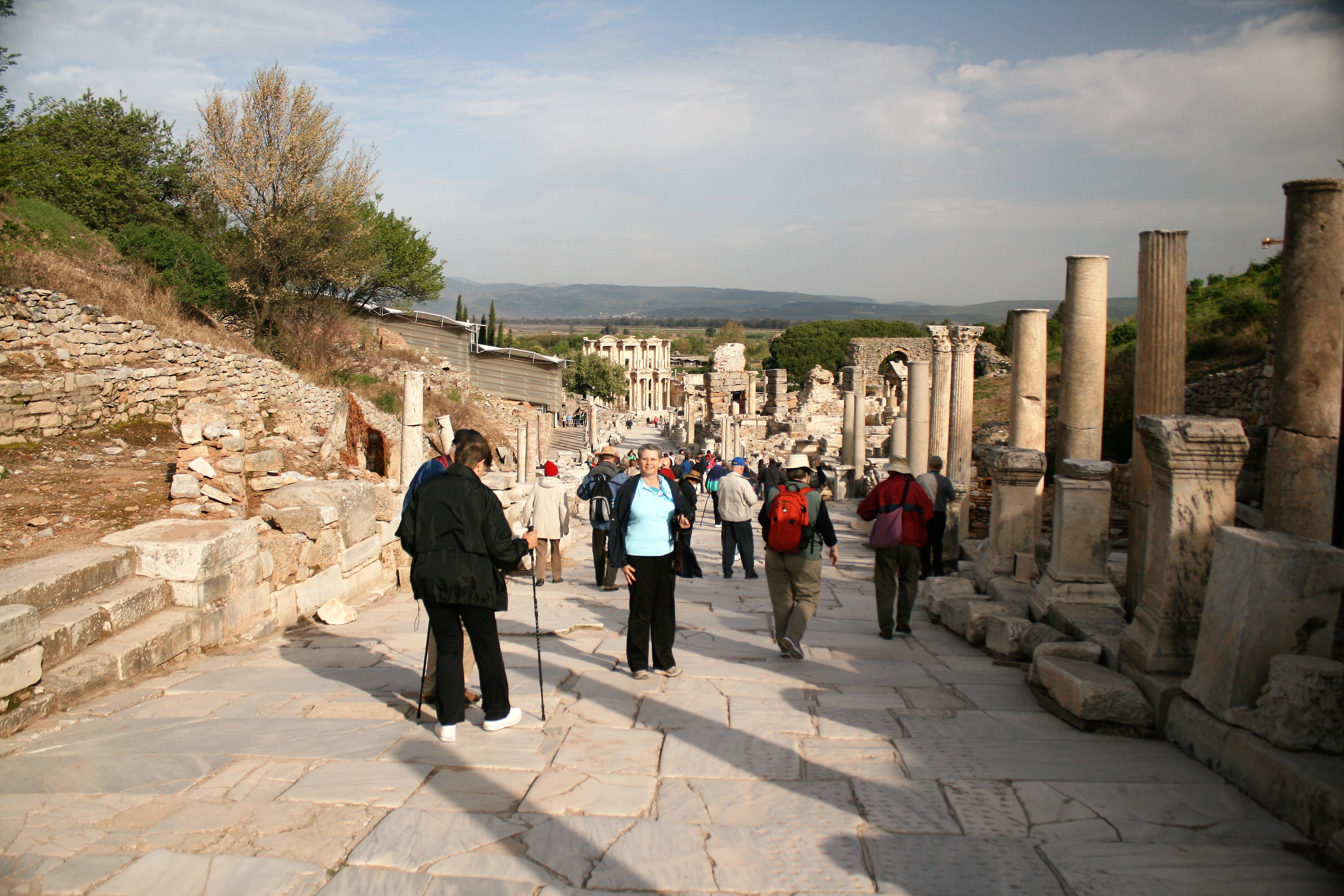
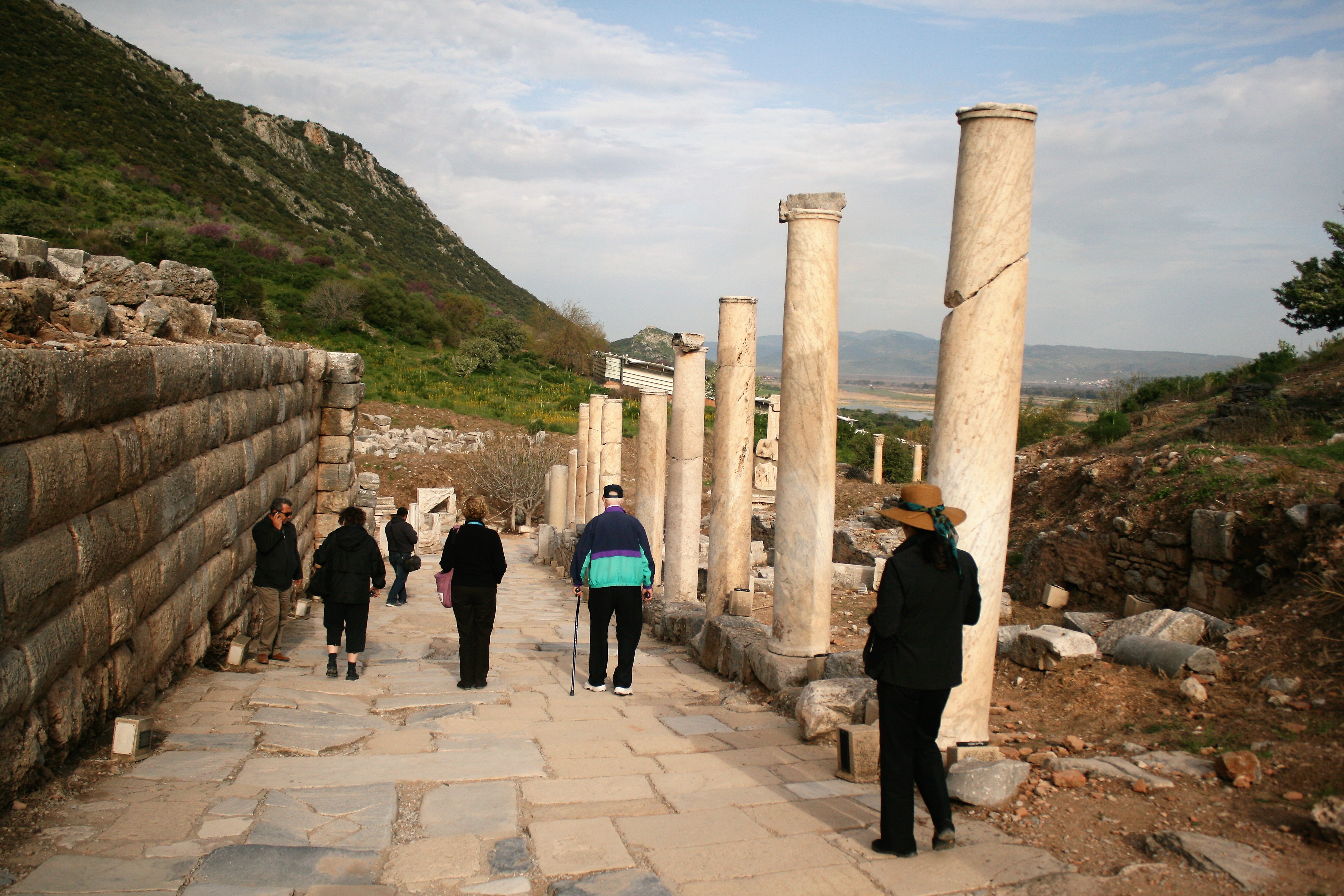
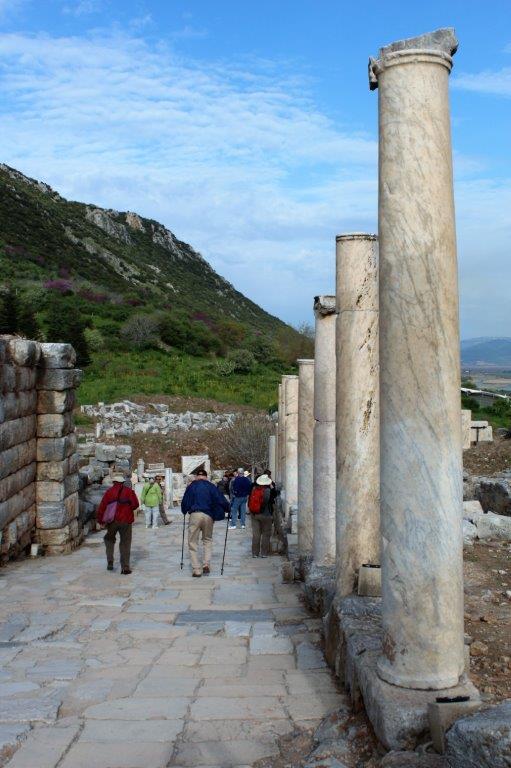
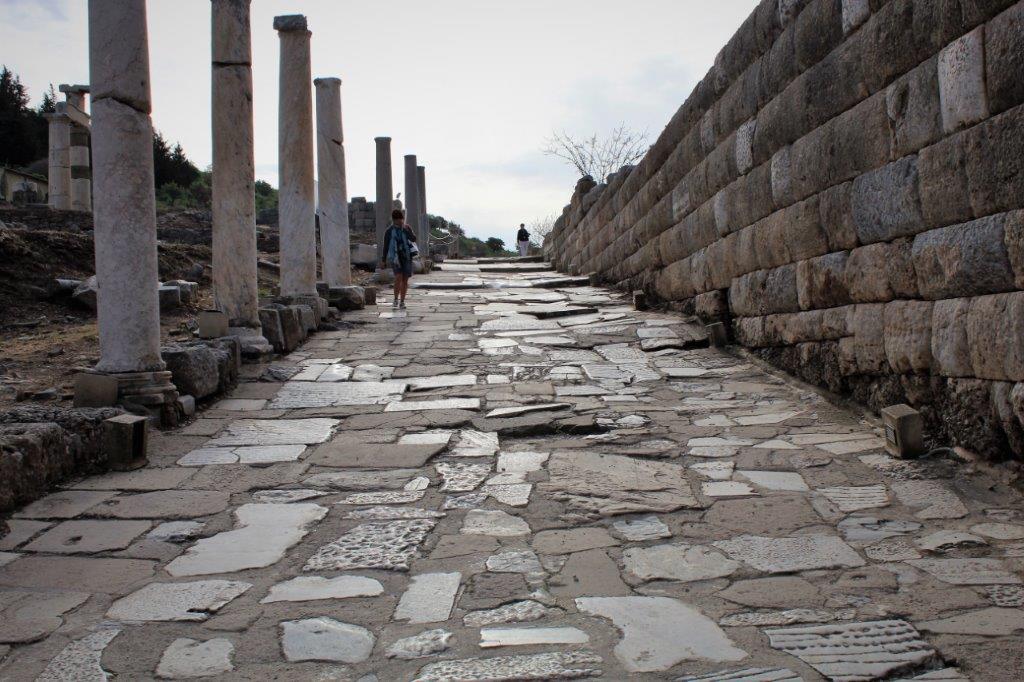
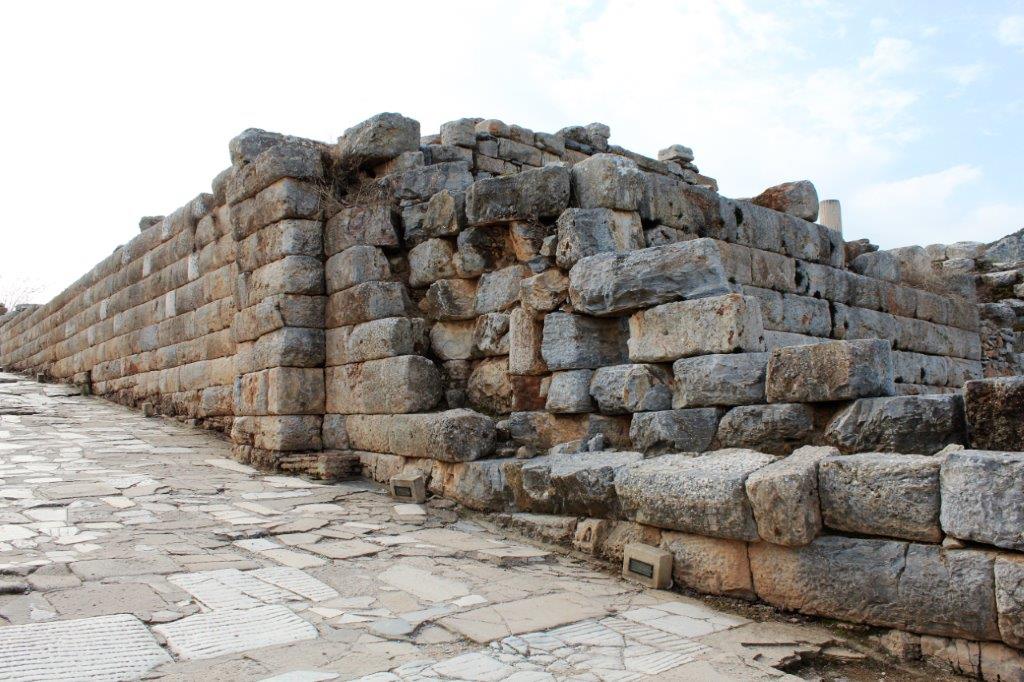
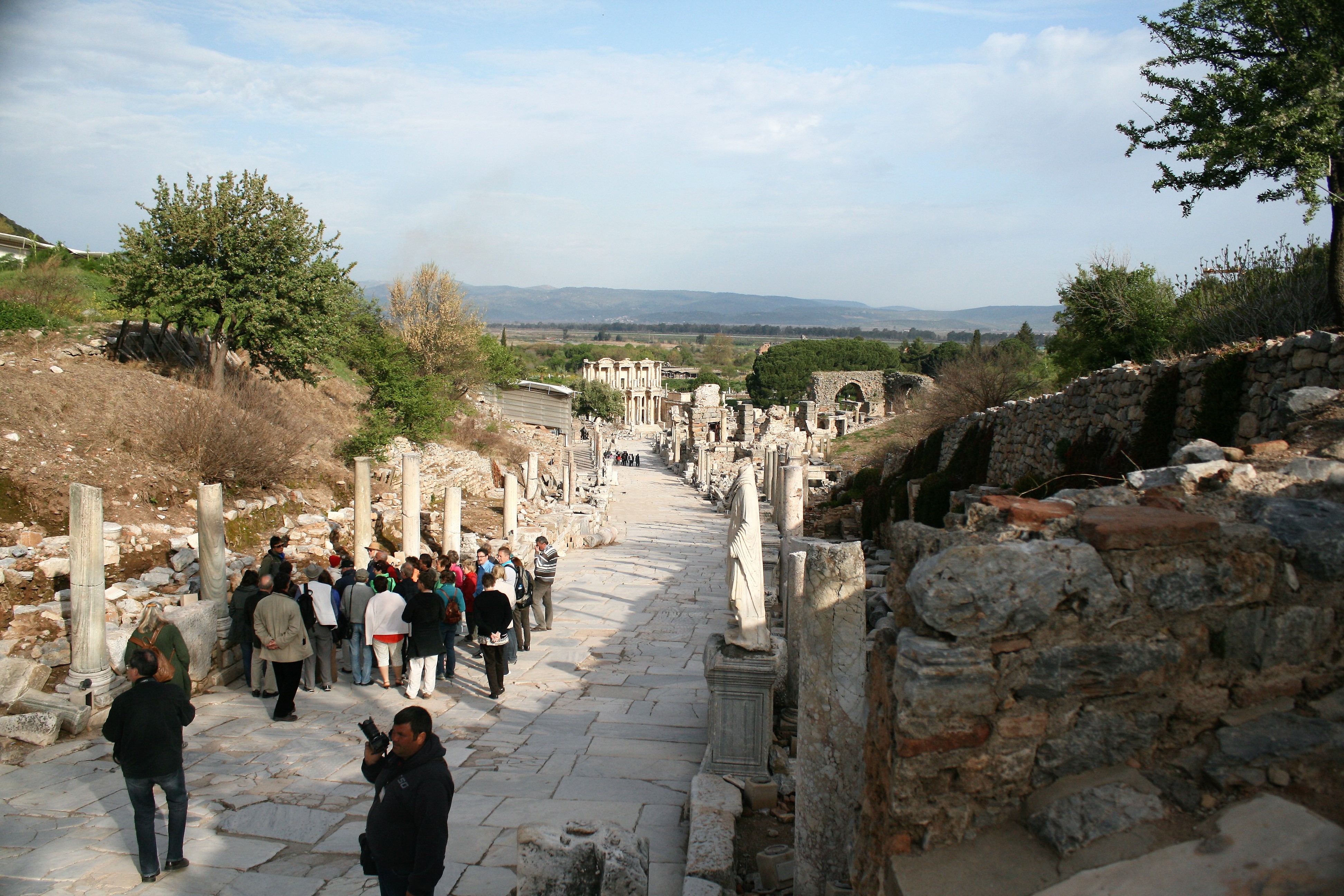
Our tour of the ancient city of Ephesus in Turkey is almost over.  We have walked through the Agora district, down Processional Way, along Curetes Street and up three levels of Terrace Houses on the hillside.

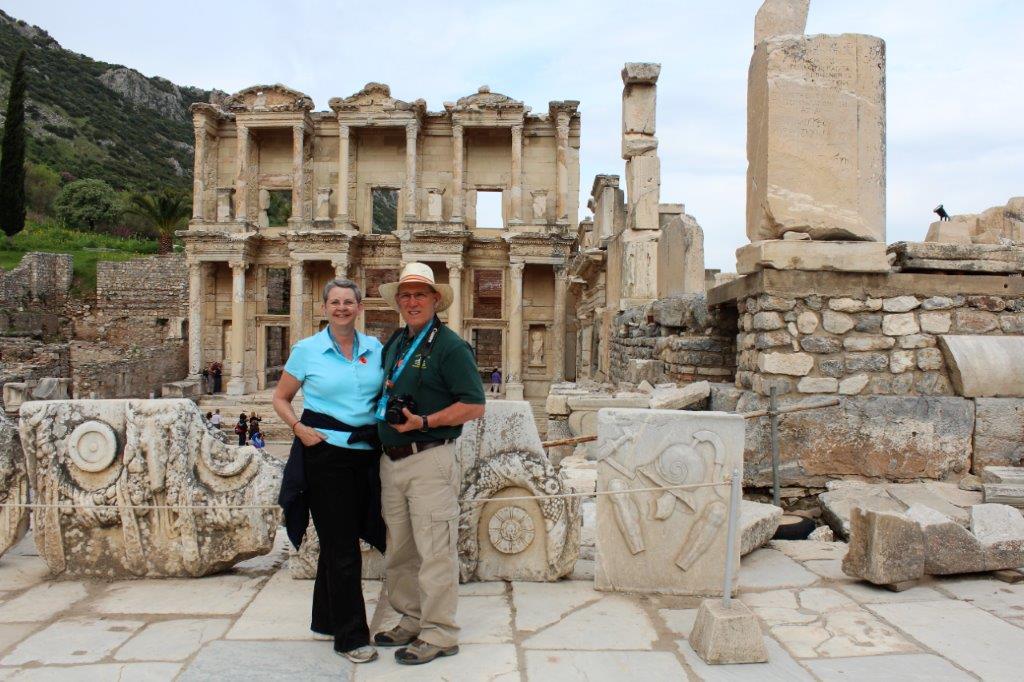
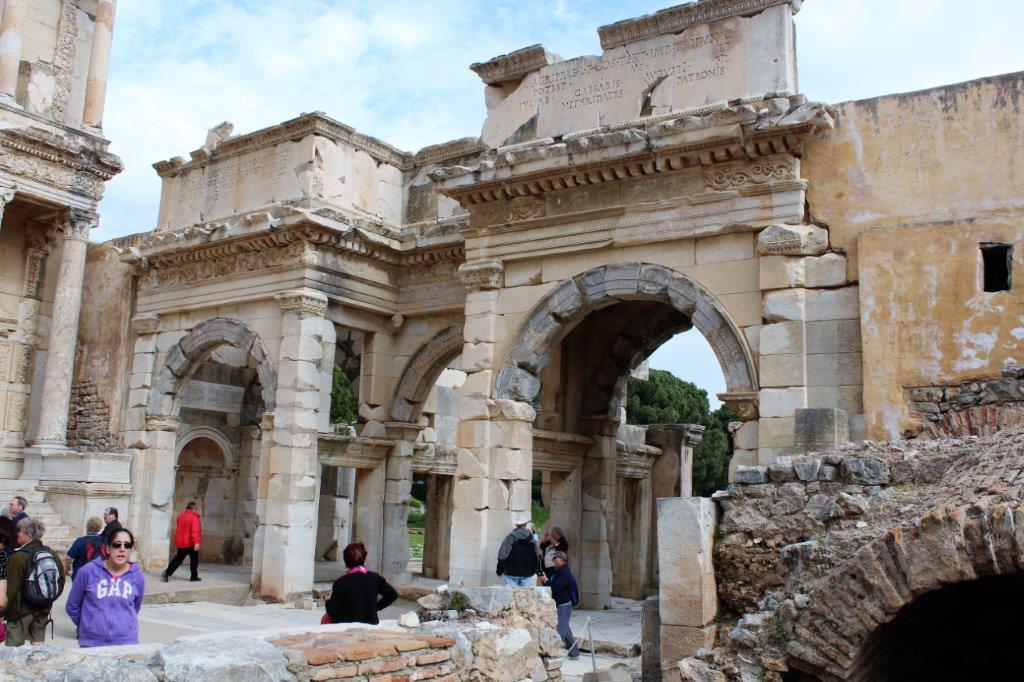
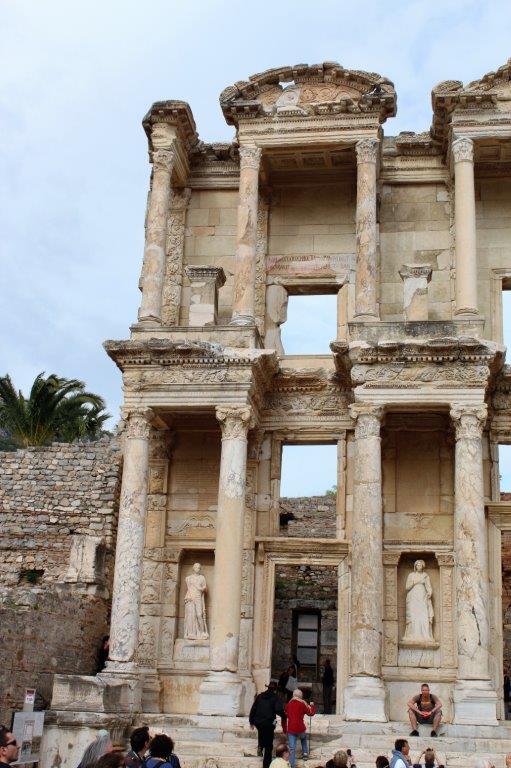
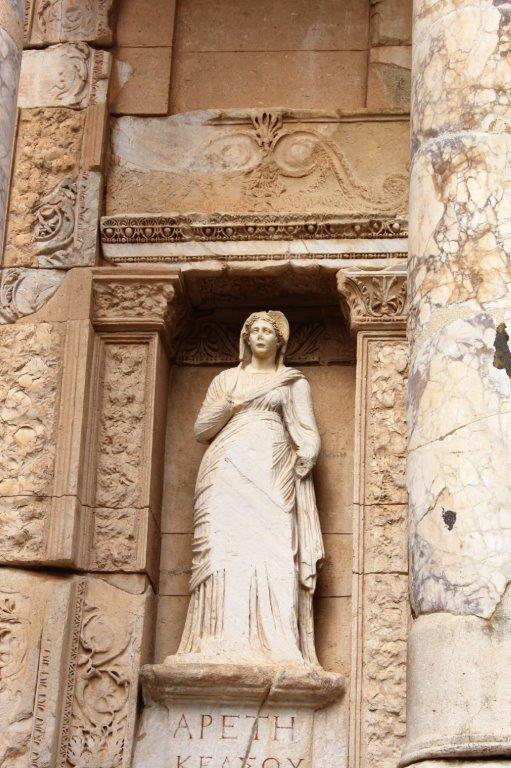
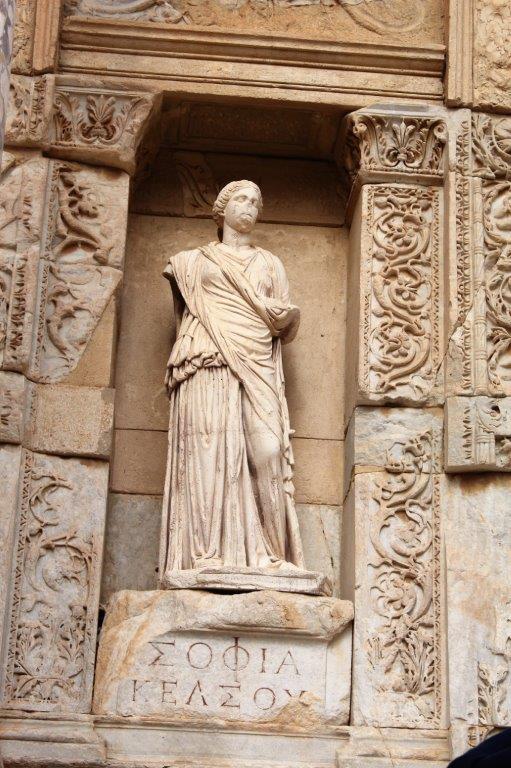
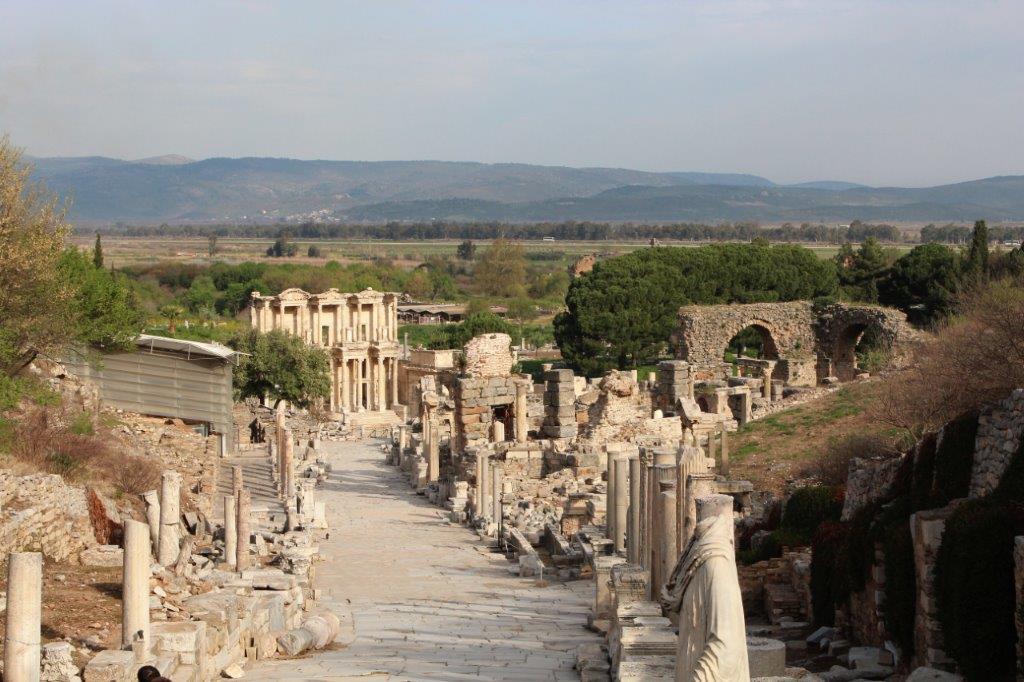
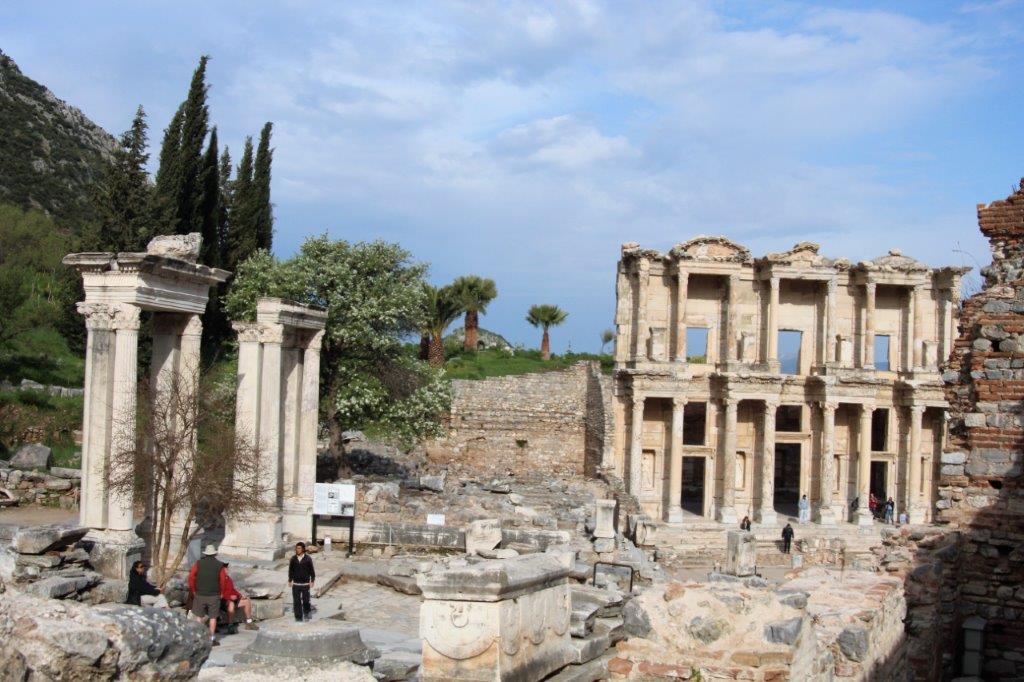
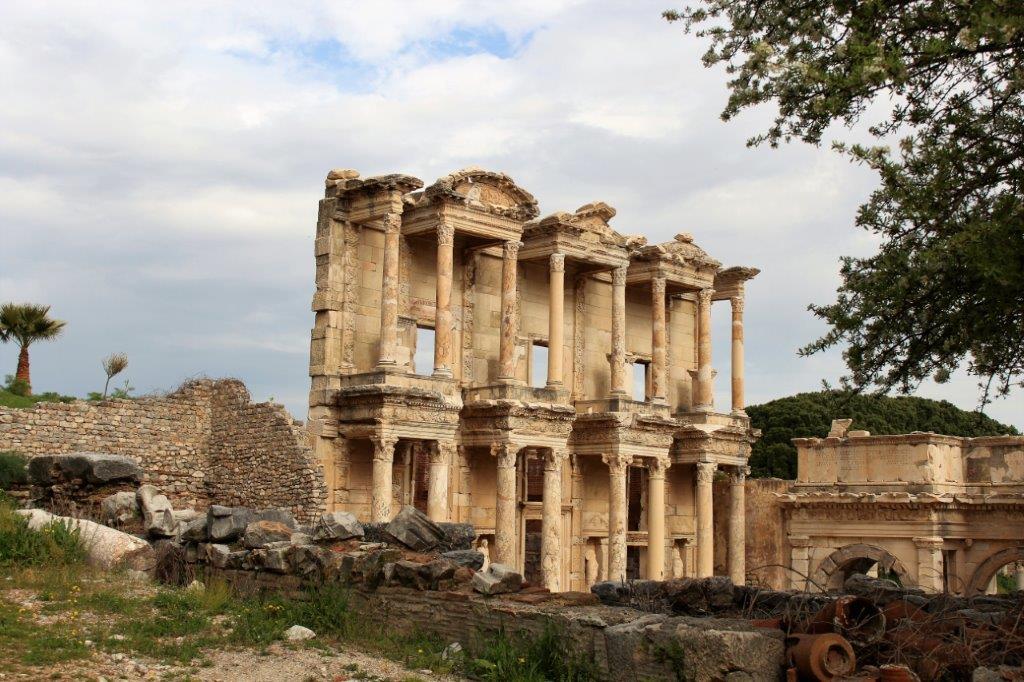
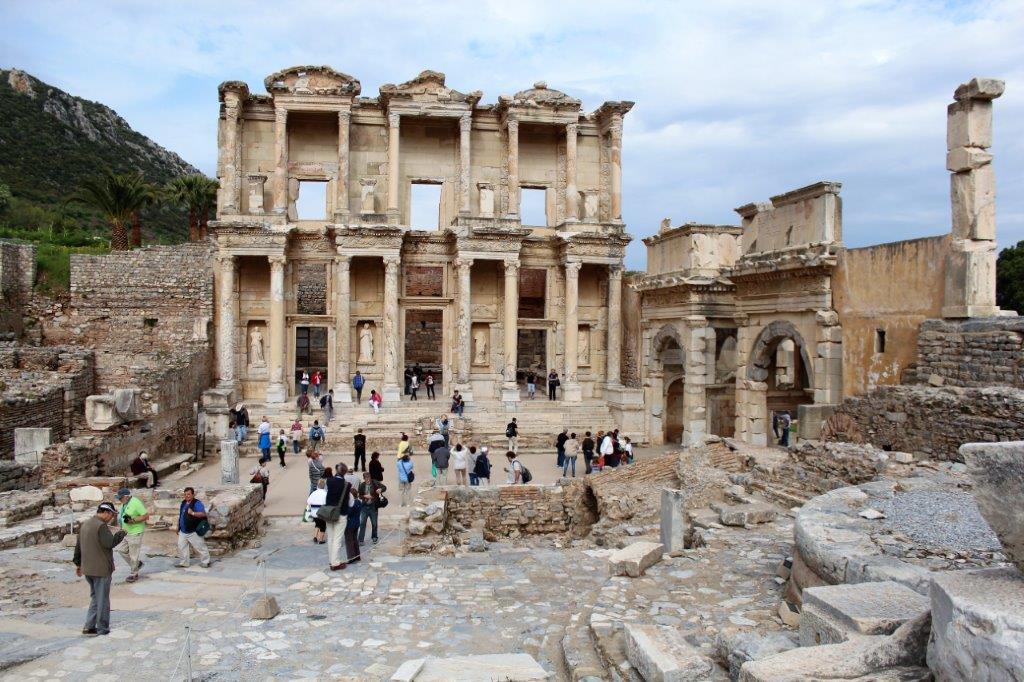
After leaving the Terrace Houses, which are right at the end of Curetes Street we turned on to Marble Street and almost immediately were at the amazing Library of Celsus.

Ephesus over the years was hit by many earthquakes so parts of the city have been built and re-built after each disaster. Such a tragedy occurred in AD 270 and destroyed the Library.  It took 8 years (1970-78) to reconstruct it according to the original. The library was built in 117 AD as a monumental tomb for the famous Governor of the Province of Asia, Gaius Julius Celsus Polemaenas by his son.  The governor is buried beneath the ground floor.  There were about 12,000 papyrus rolls kept in niches along the interior walls. The library was the third richest in ancient times.
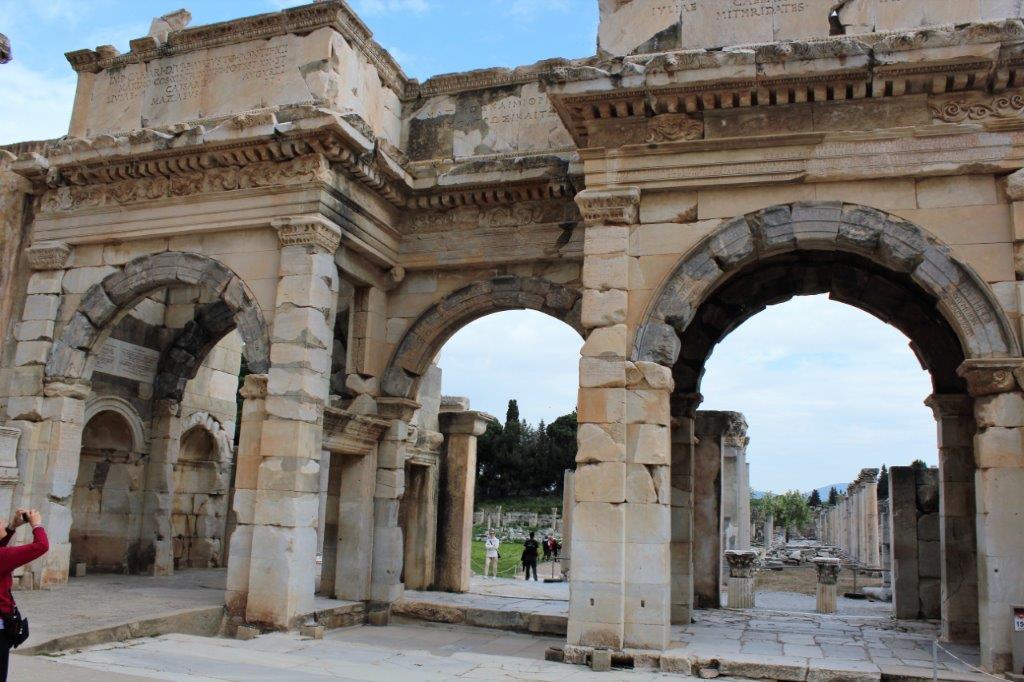
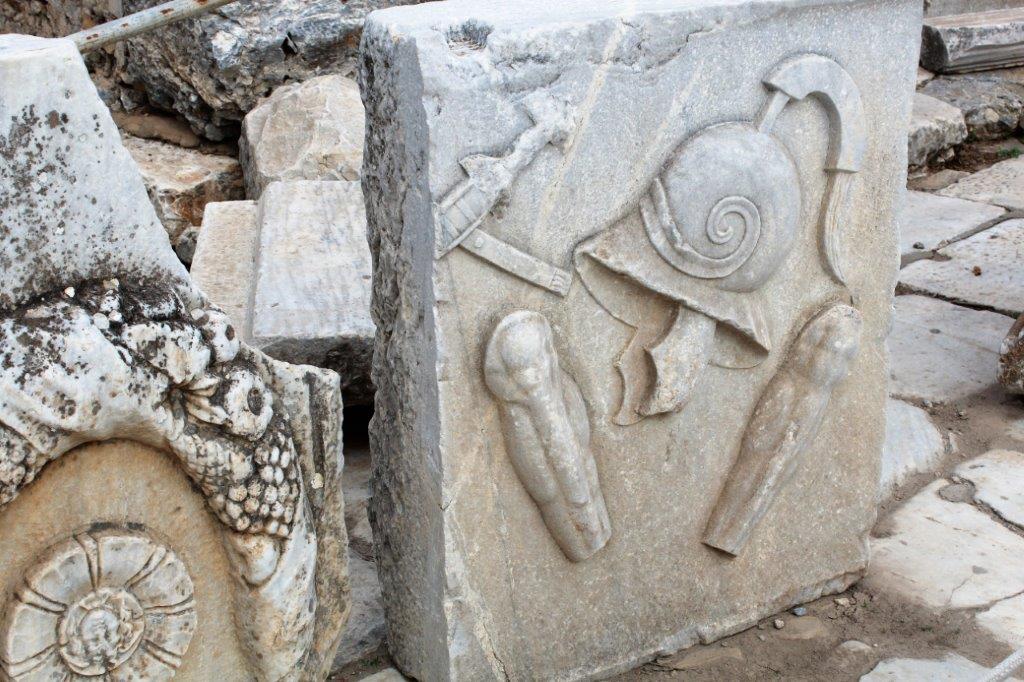
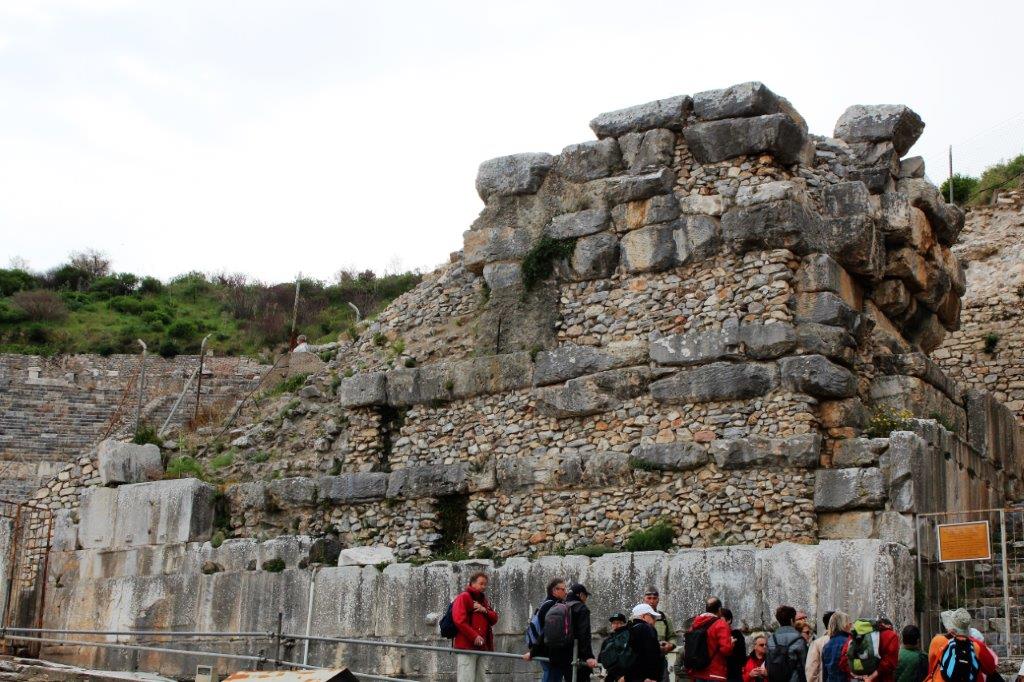
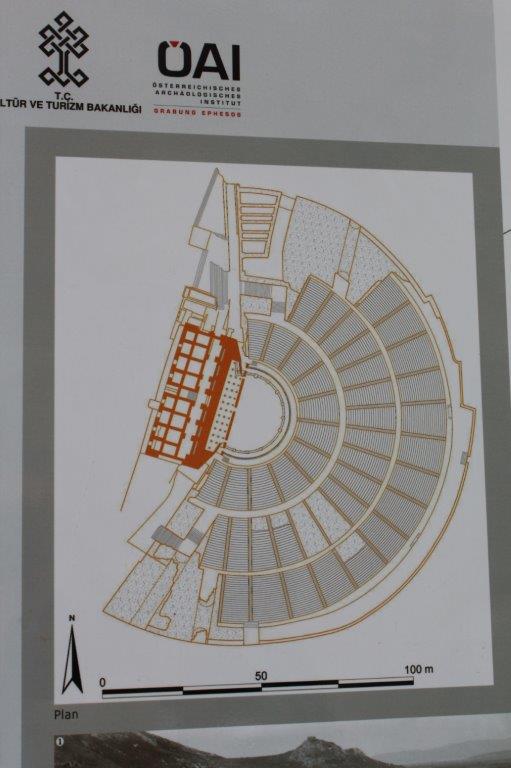
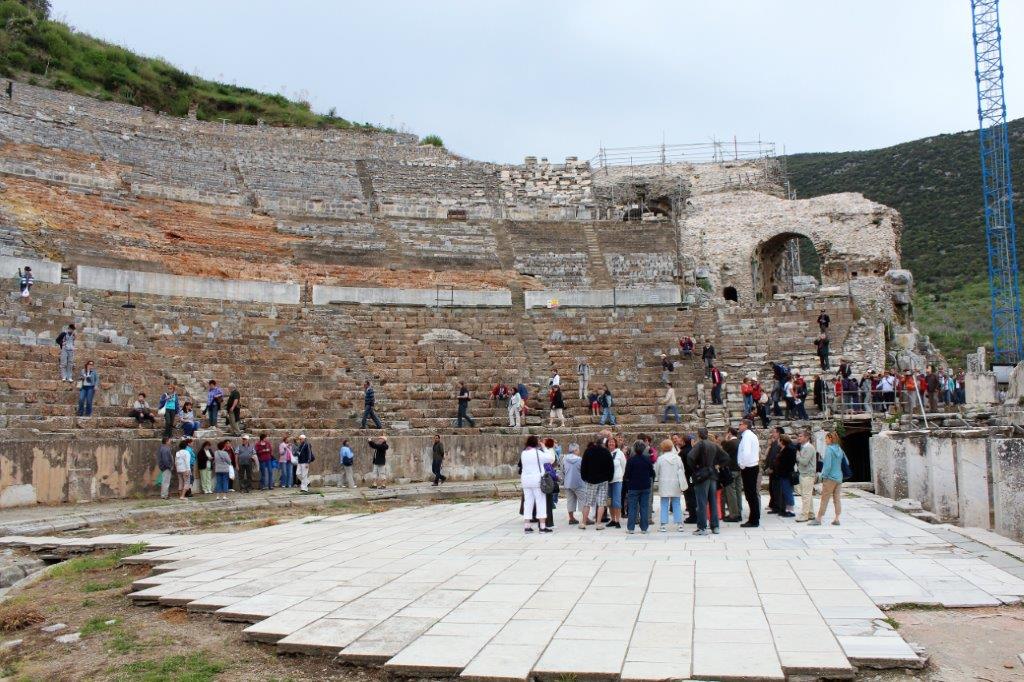
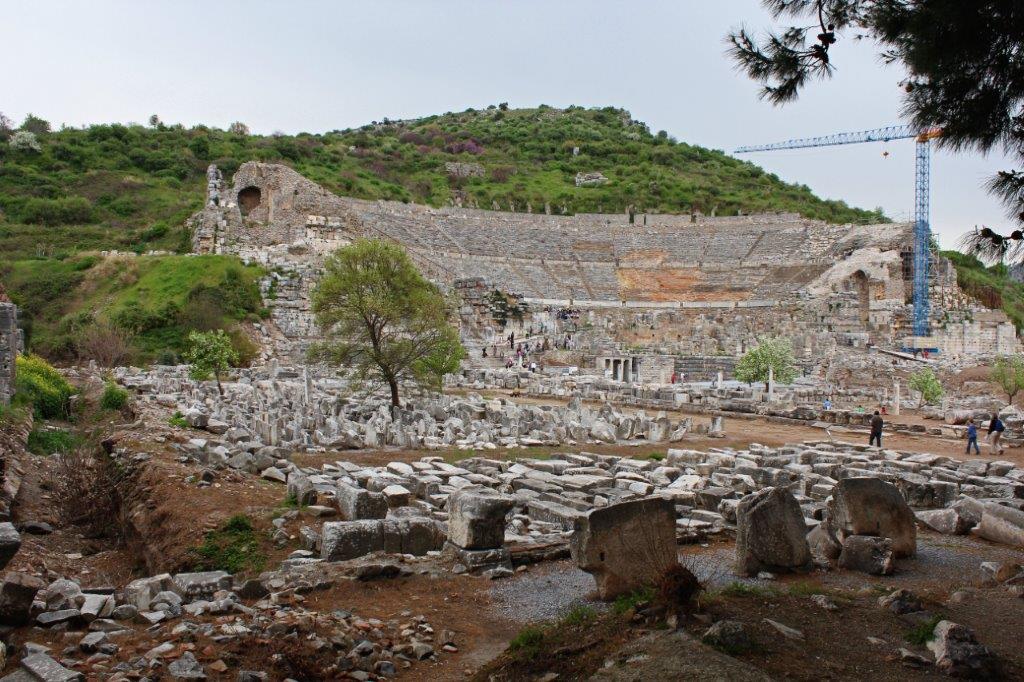
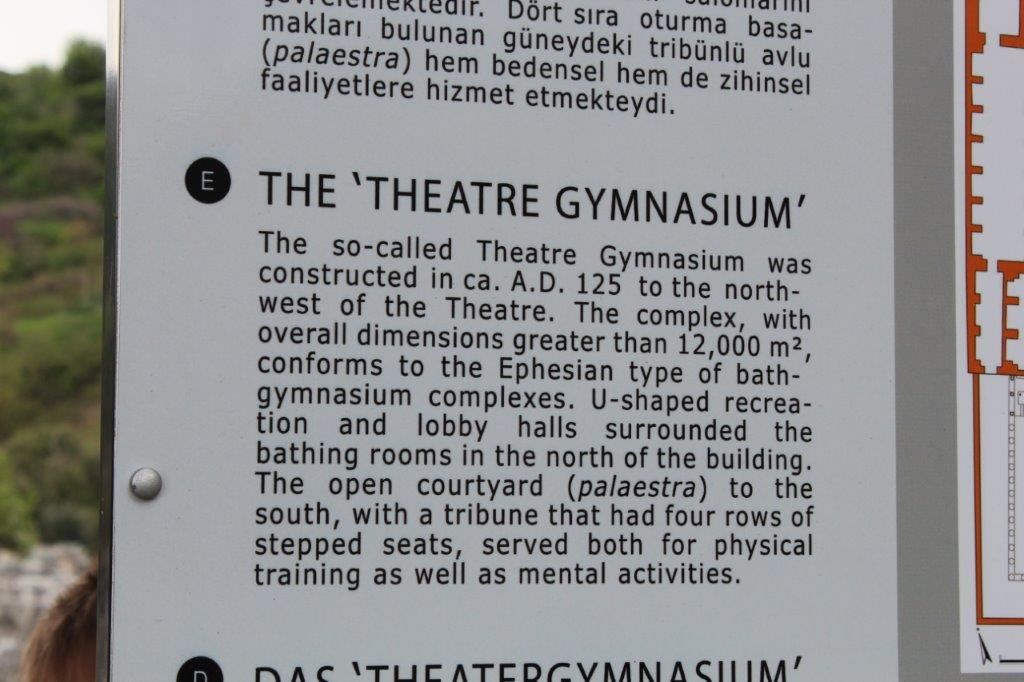
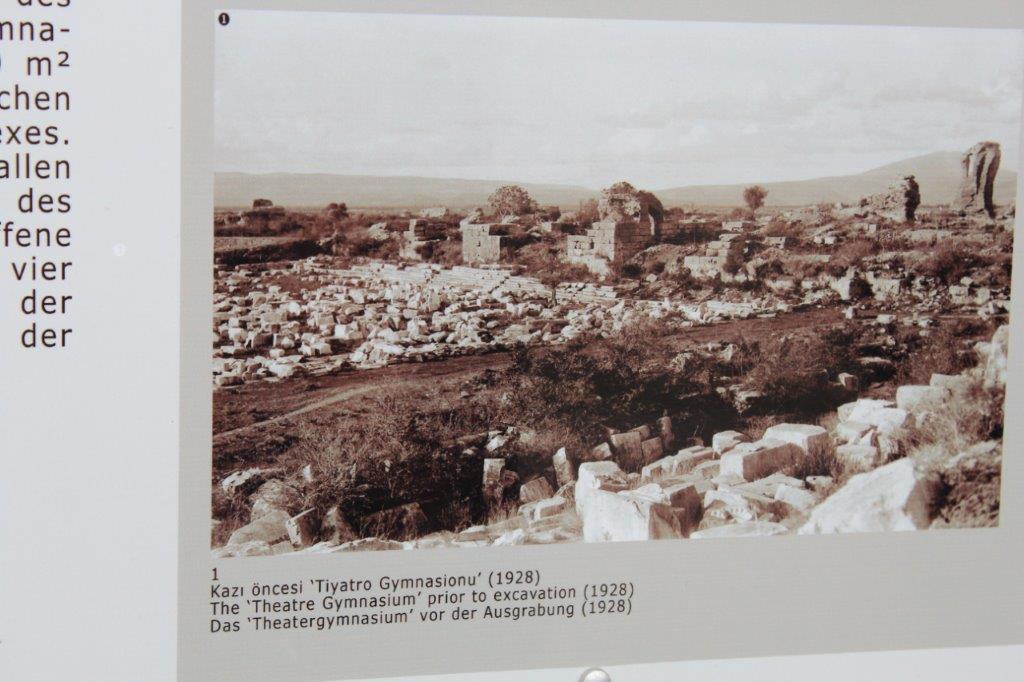
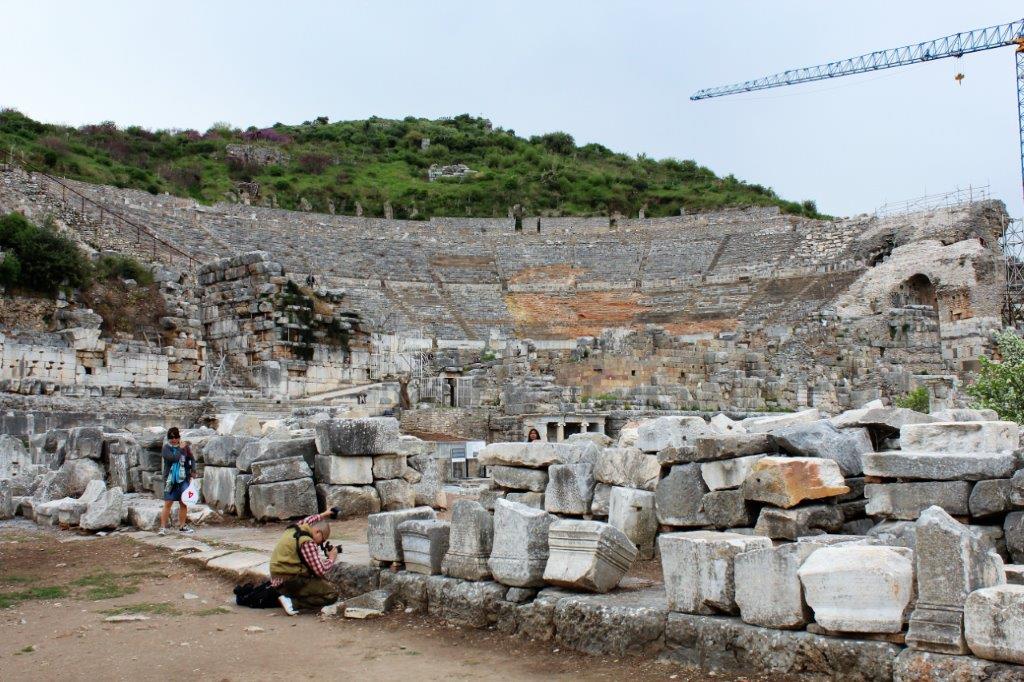
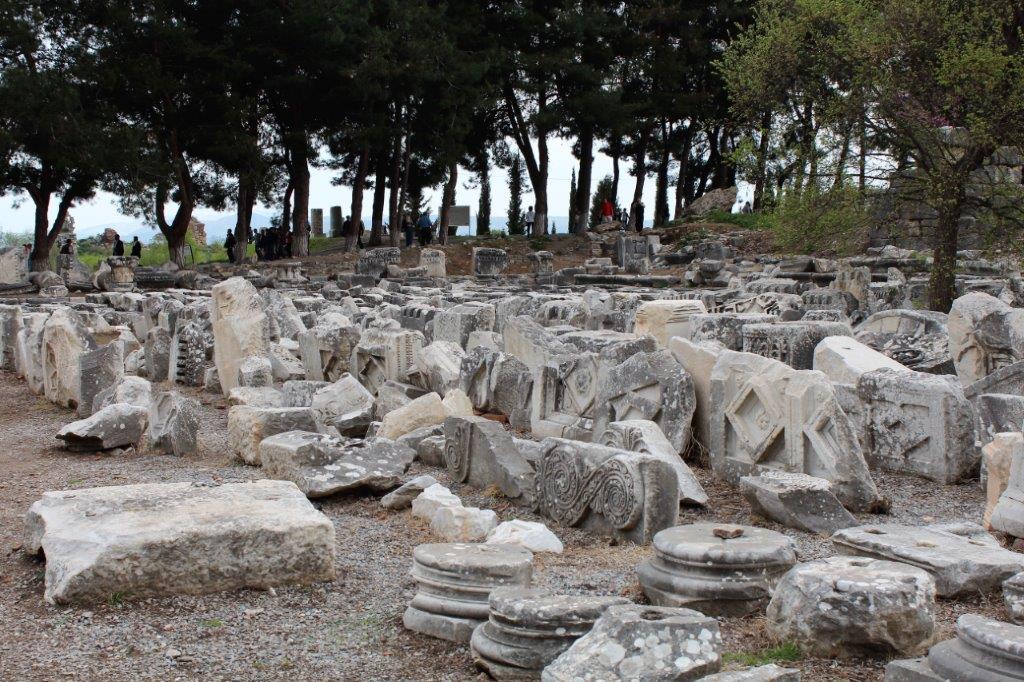
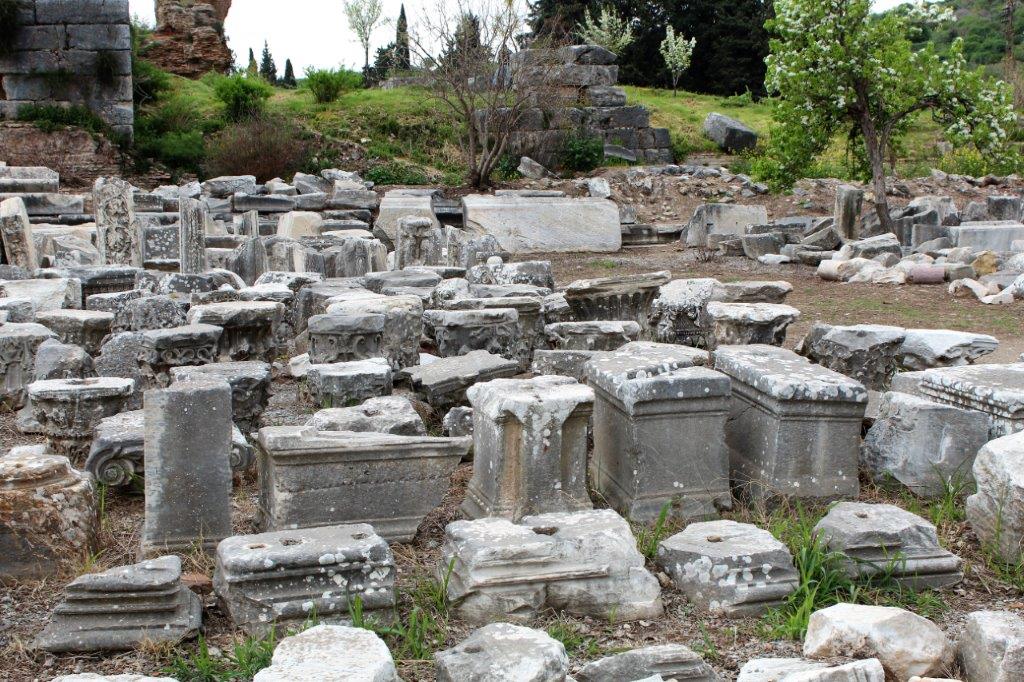
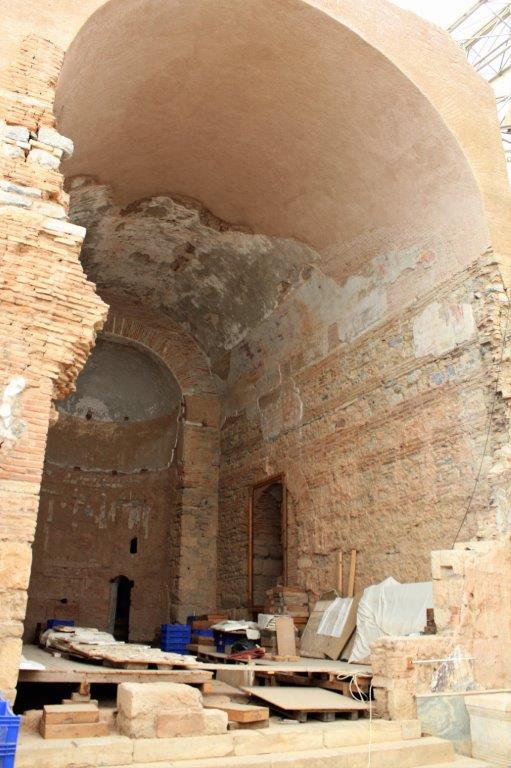
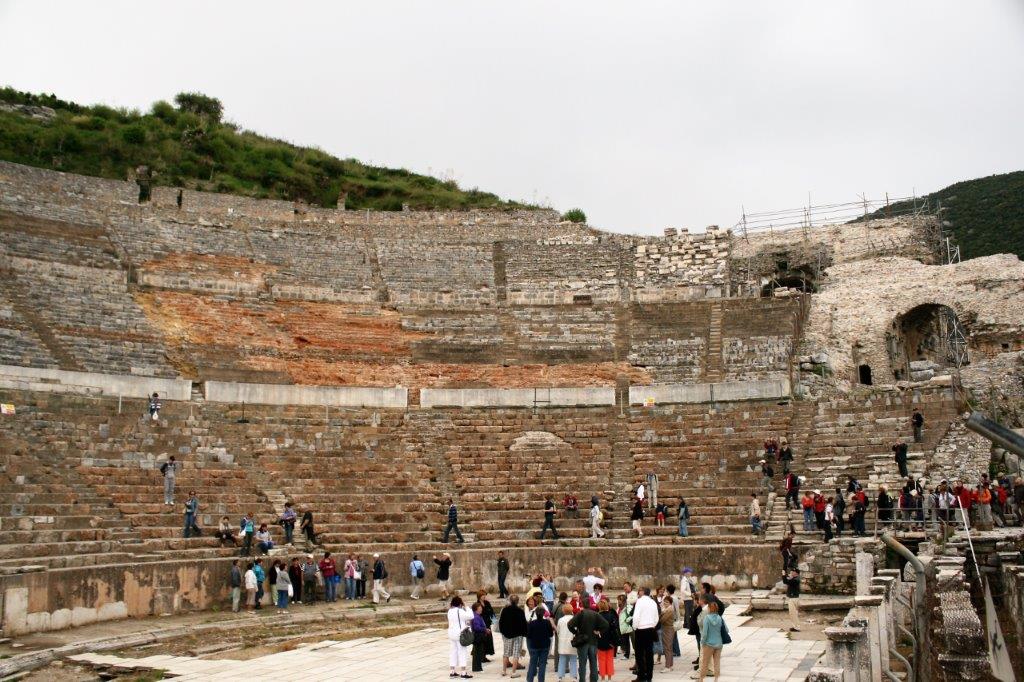
Marble Street goes past the Grand Theatre and down to Harbour Street where the Main Entrance to the city is located. At the corner of Curetes and Marble Streets there was the brothel, marked by distinct ‘signage’ in the stone. The Grand Theater of Ephesus was the largest in ancient Turkey.  It was able to seat 24,000 people and took 60 years to build.  It was originally Greek, but converted to Roman usage. On the other side of the theater was the site of the Gymnasium.  This area was being used as a sorting ground for all the pieces. Harbour Street leads directly to the Main Entrance of Ephesus and the conclusion of our tour. This four-part blog on our time in Ephesus includes less than half of the photos I took and very little of the information we were given.  It was an incredibly awesome day and I am so thankful we were able to visit such a marvelous historic site.

2012 April 4 – Day 24 – Kusadasi, Turkey (Day 2) (Part 3)

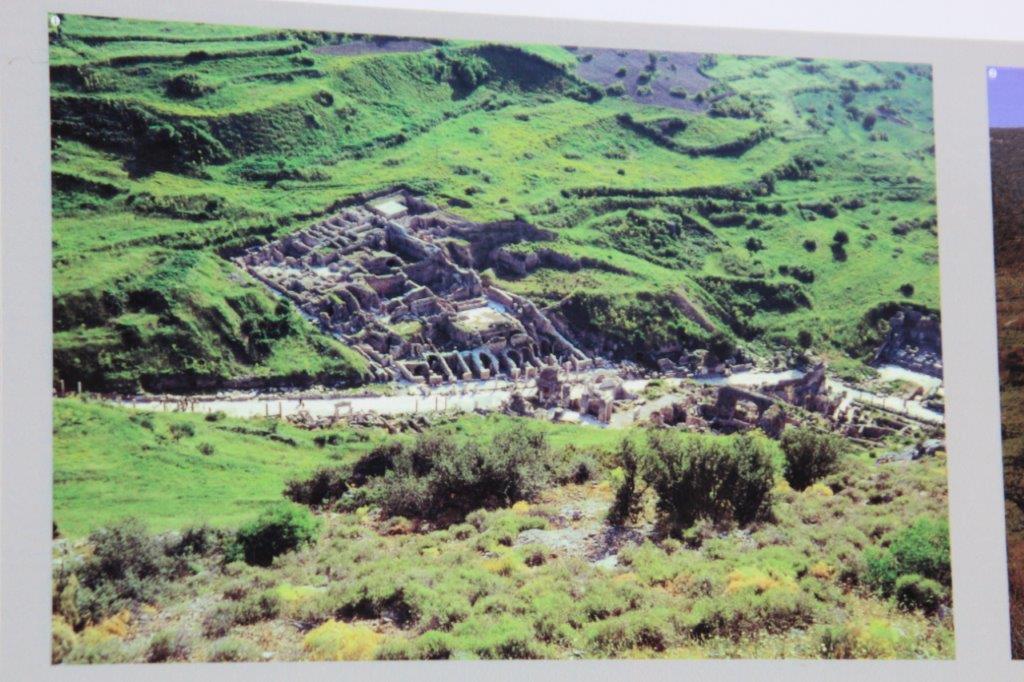
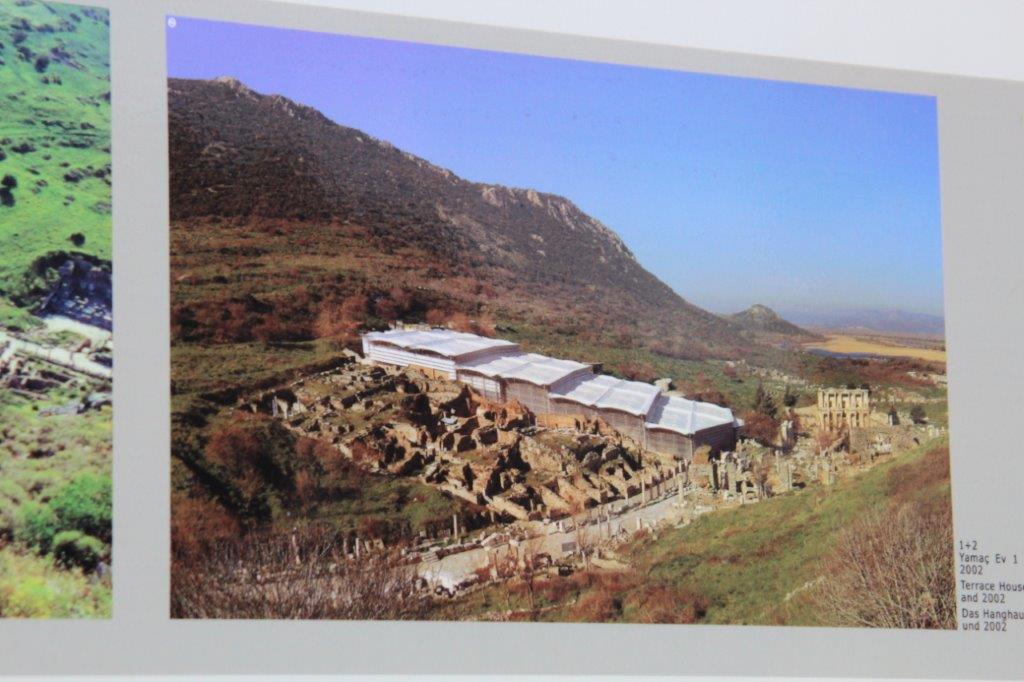
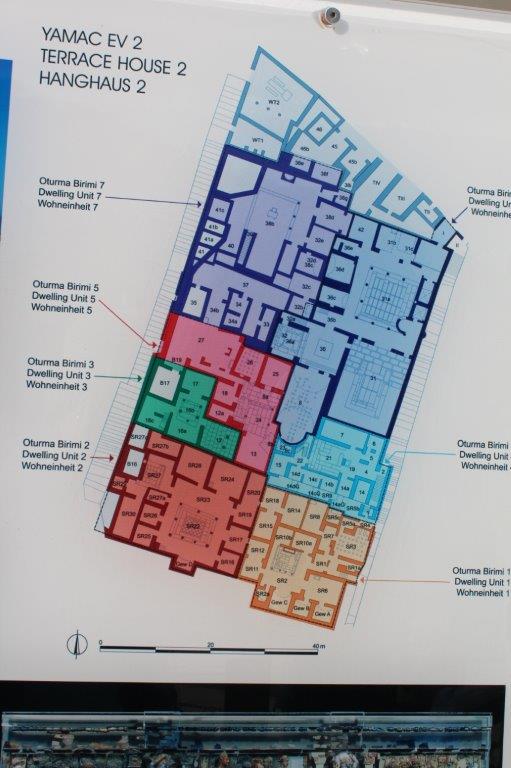
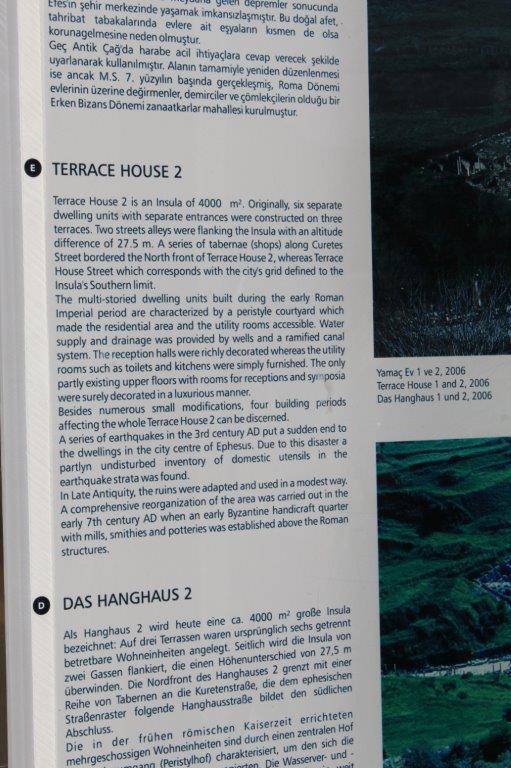
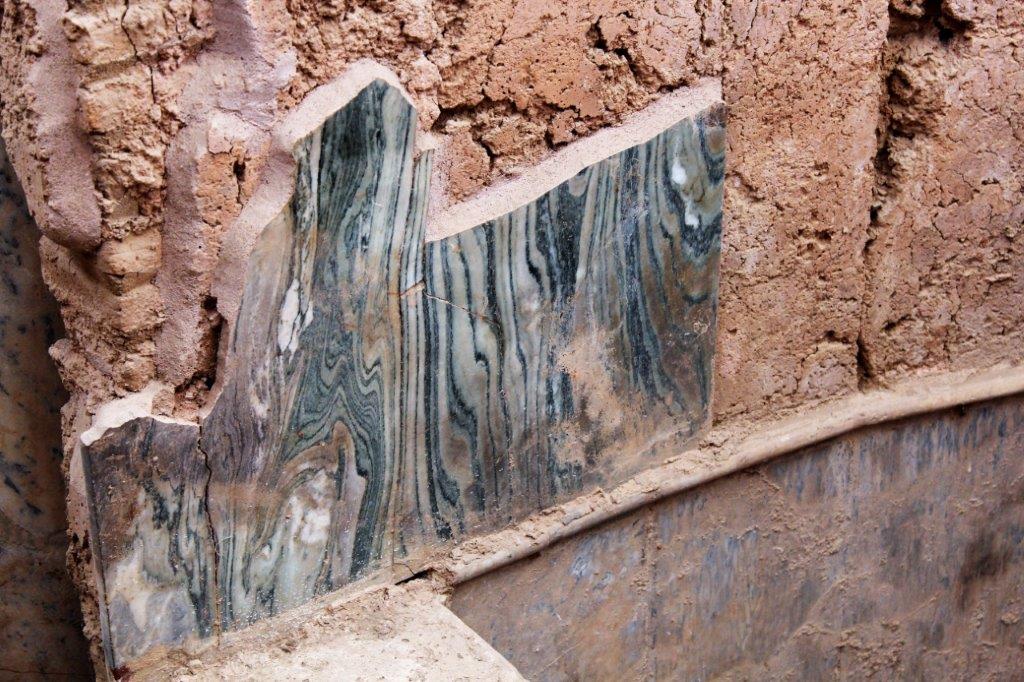
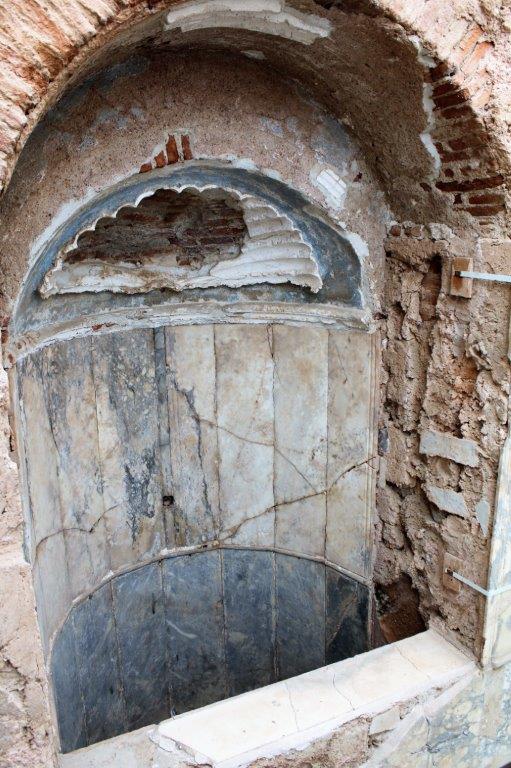
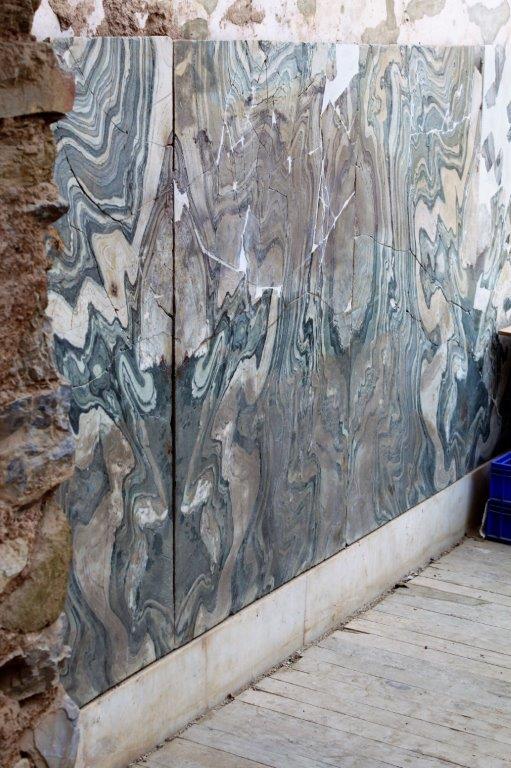
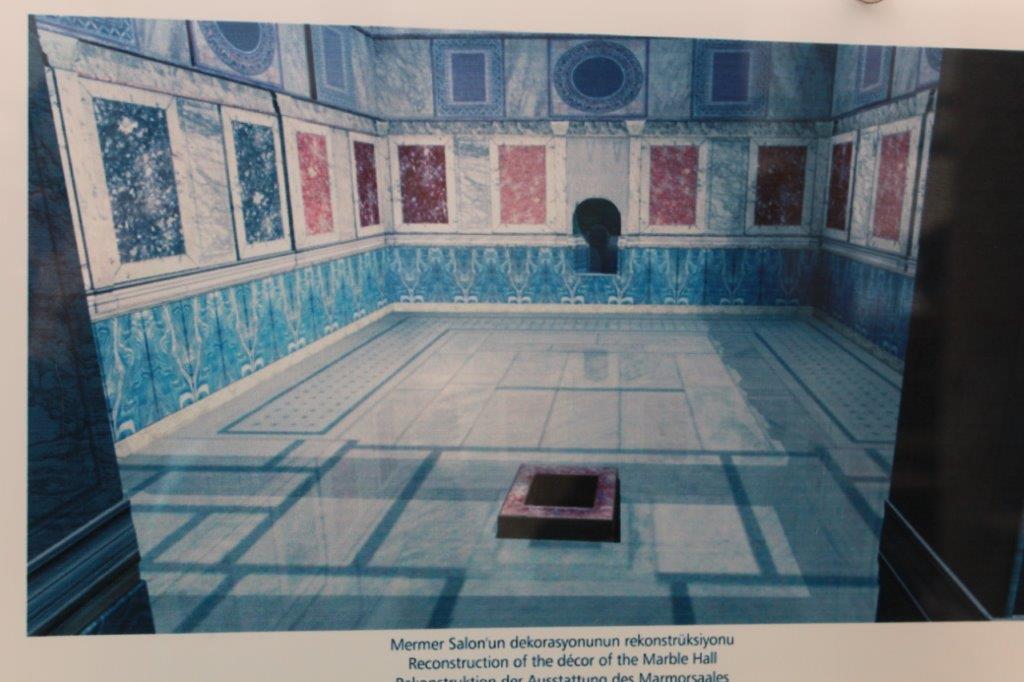
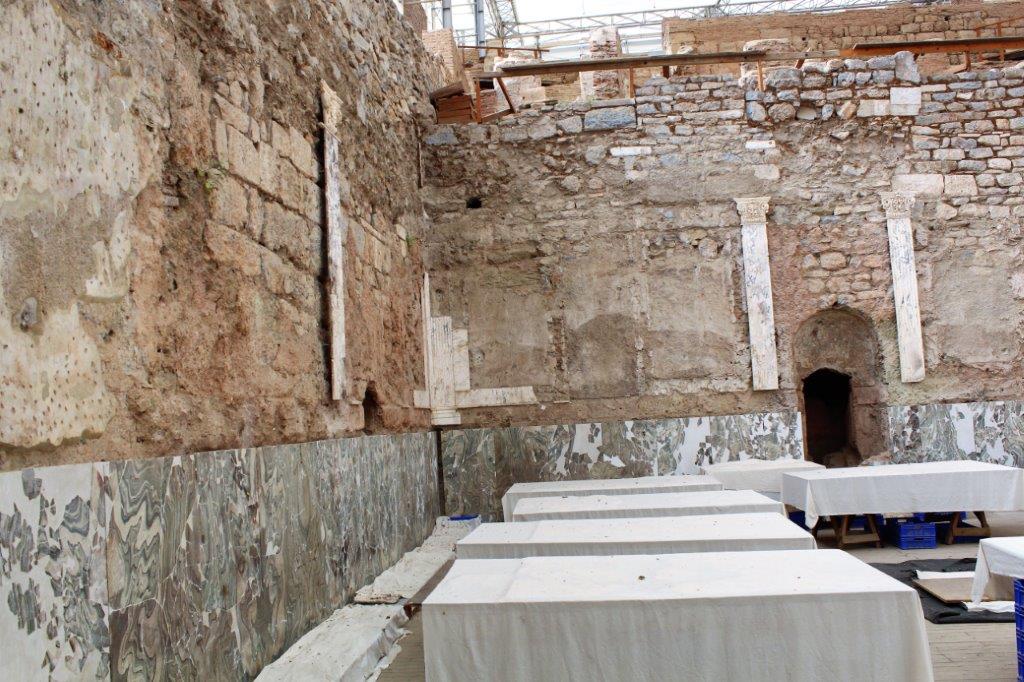
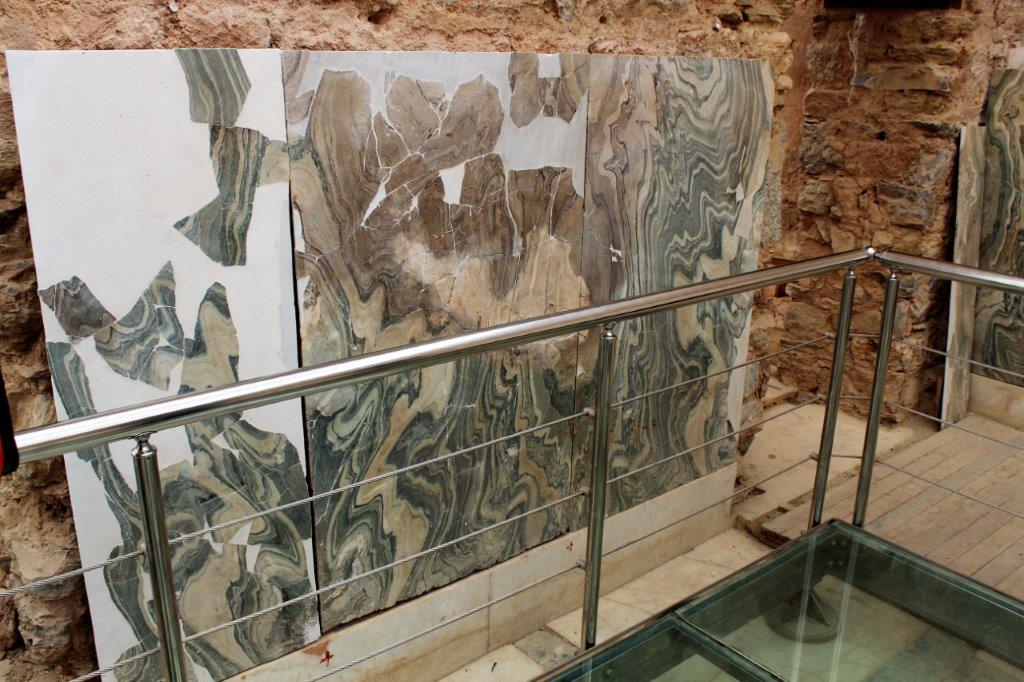
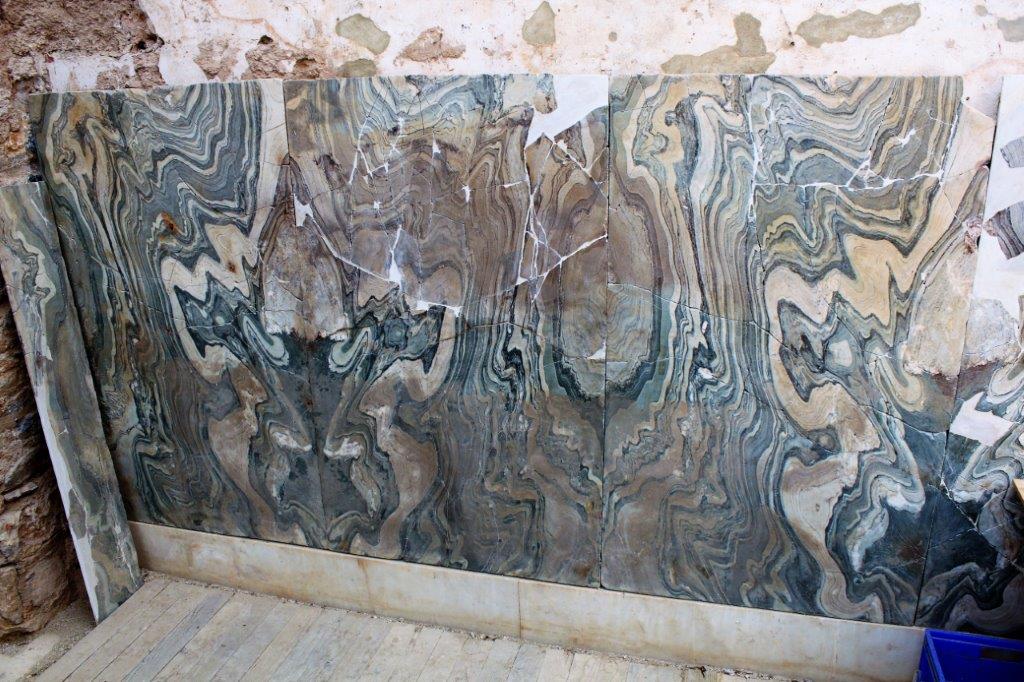
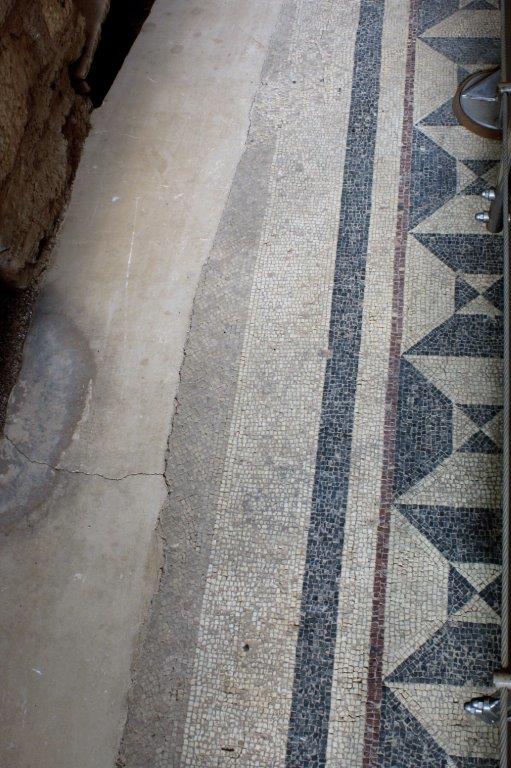
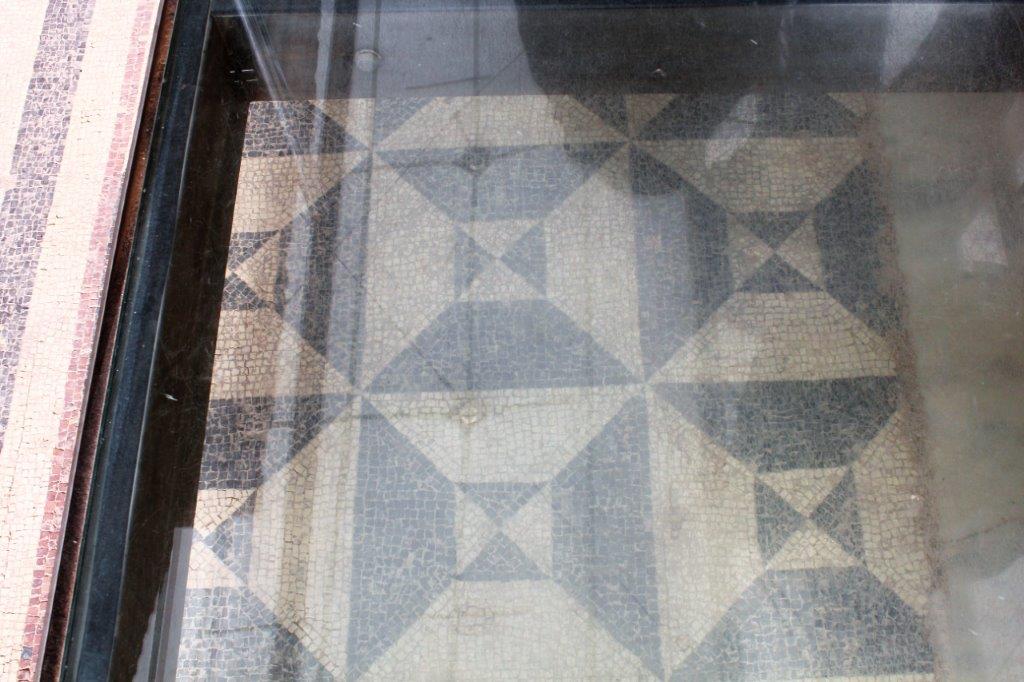
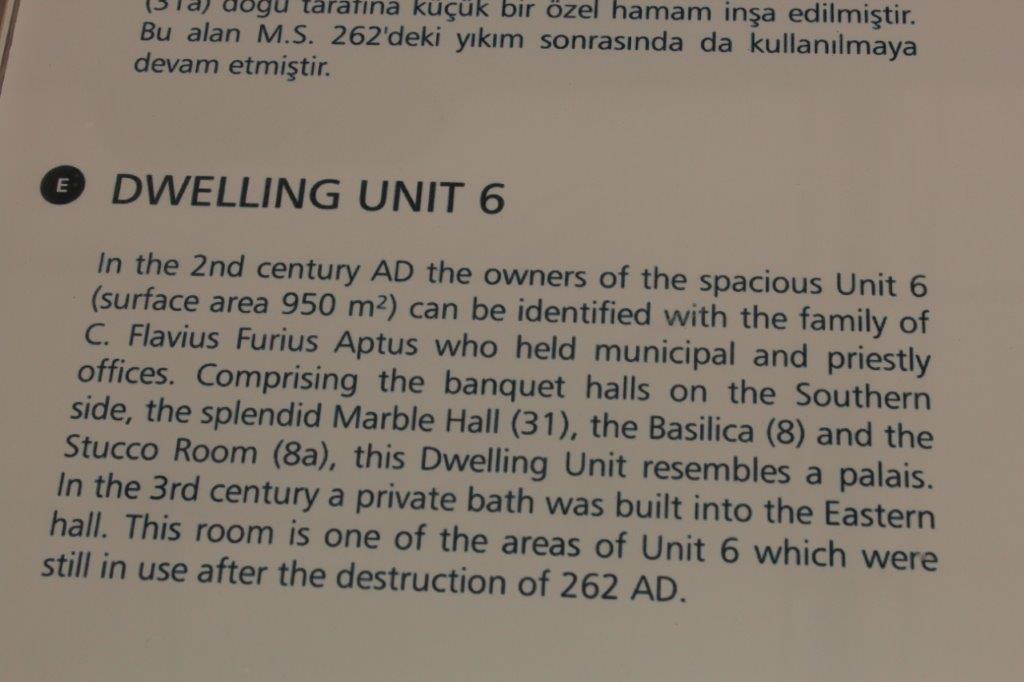
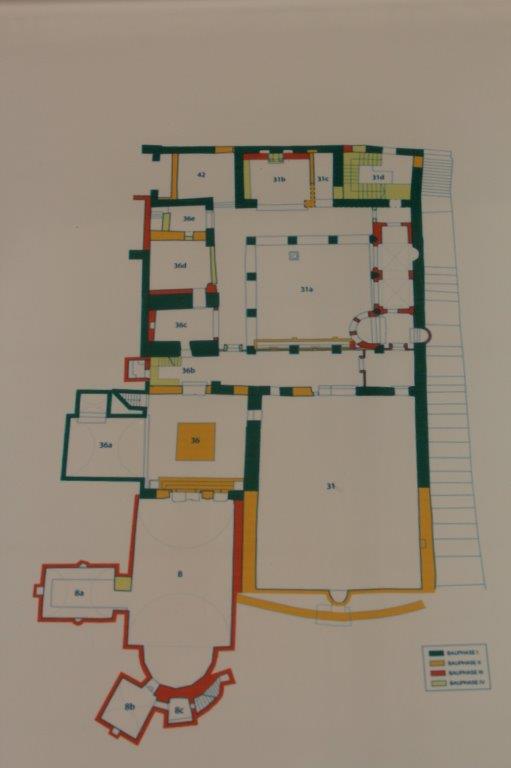
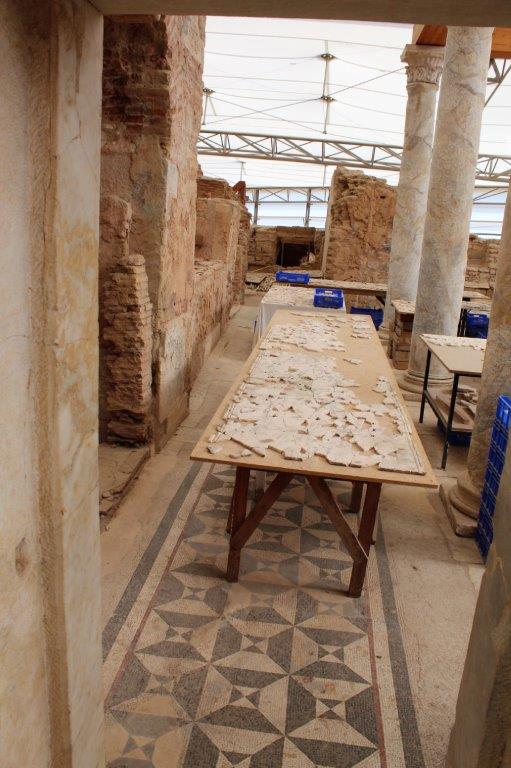
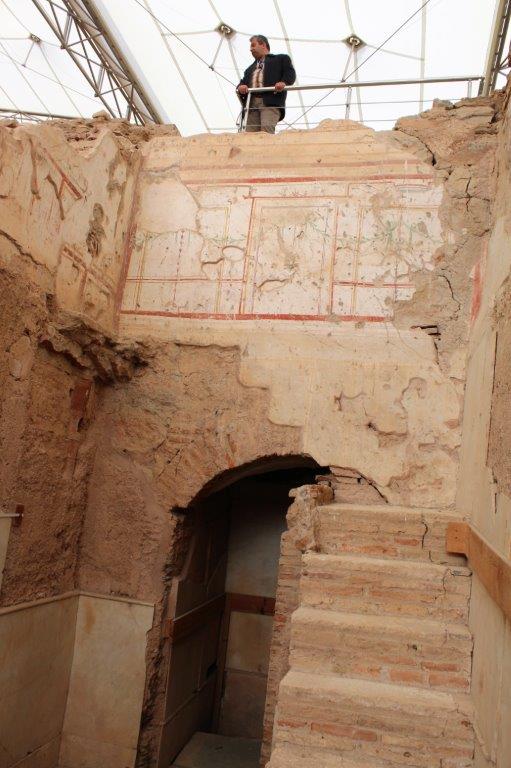
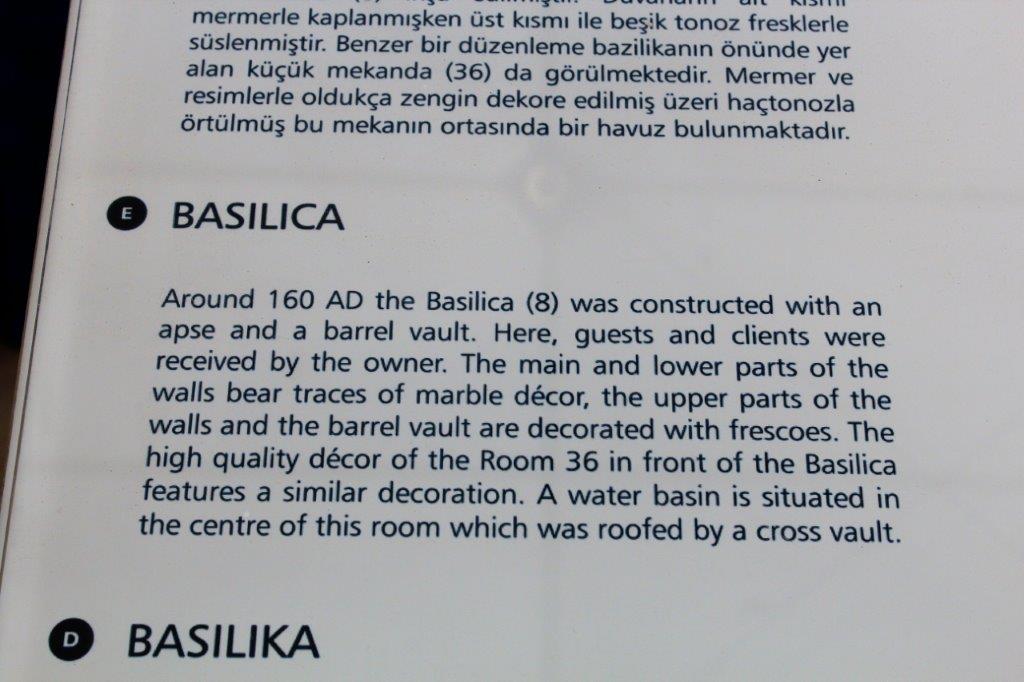
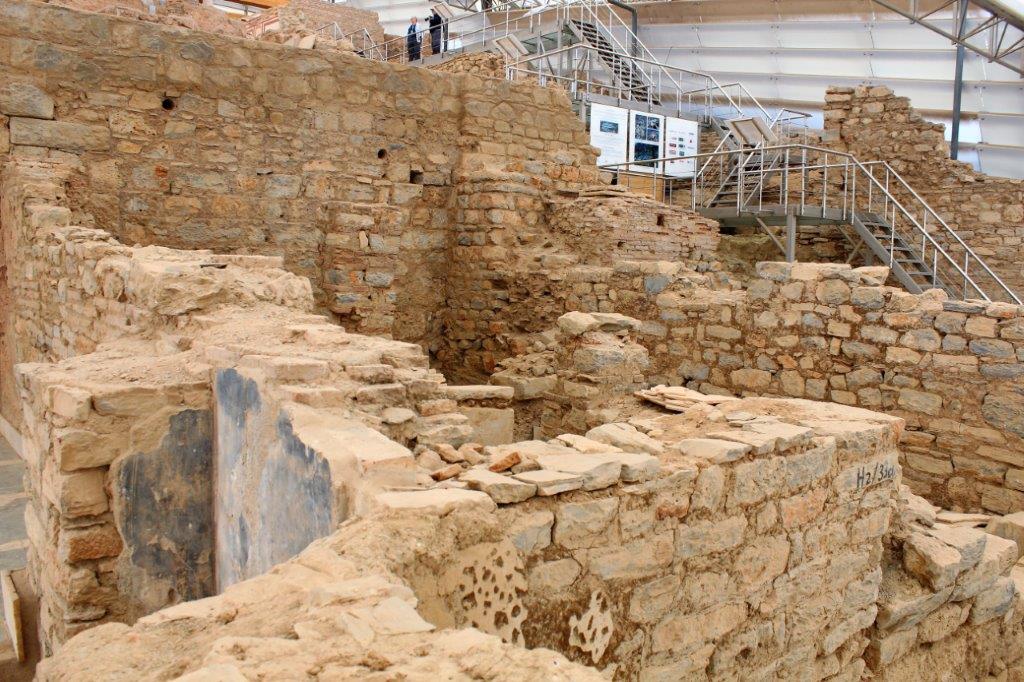
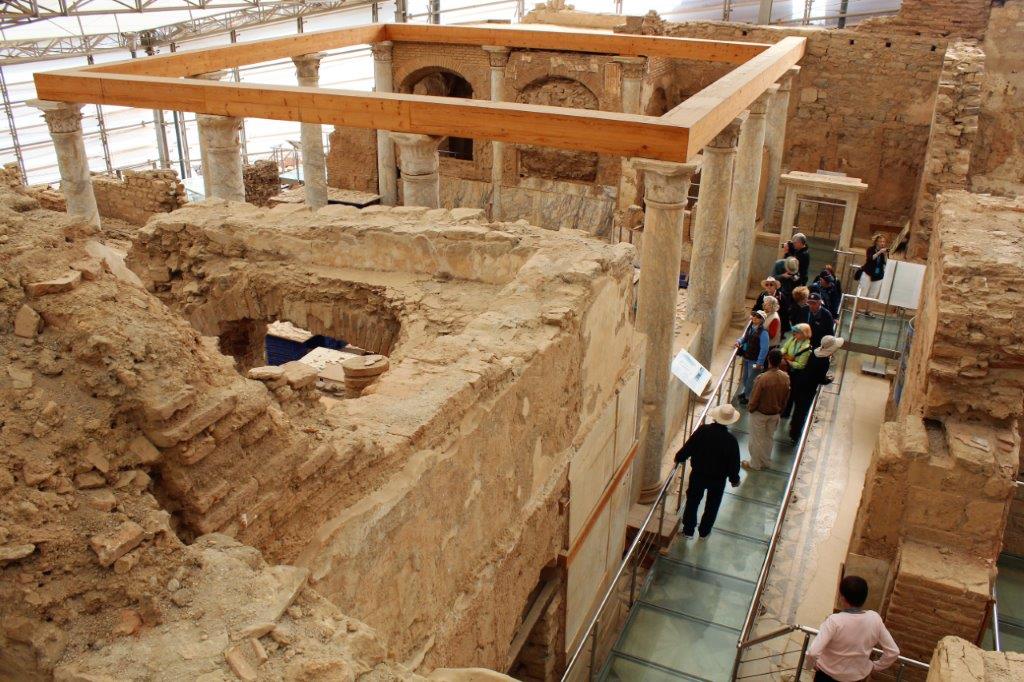
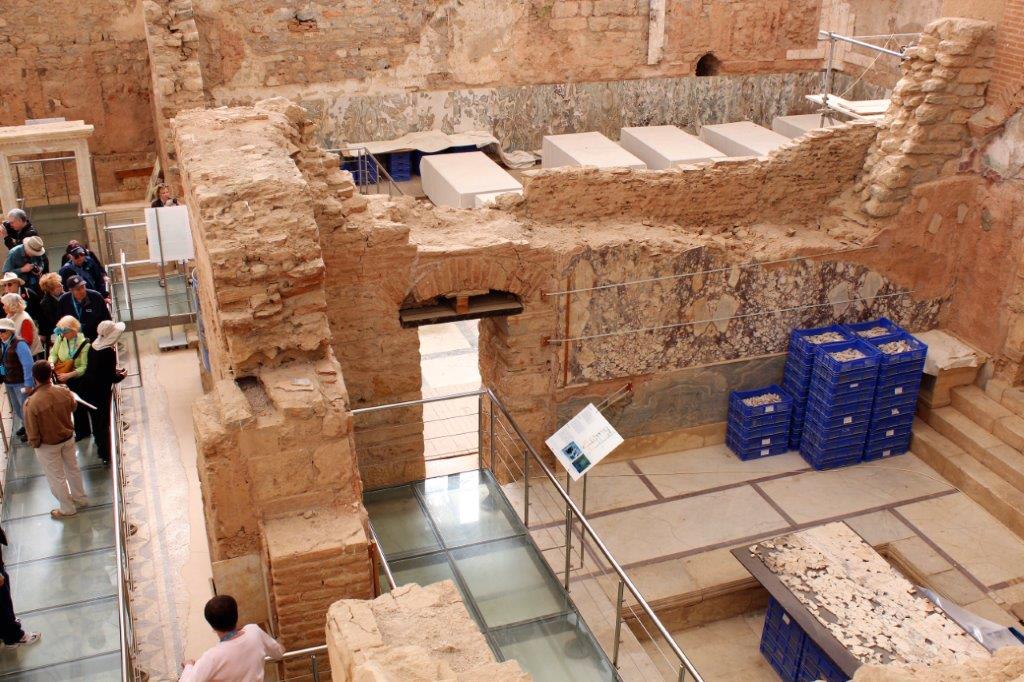
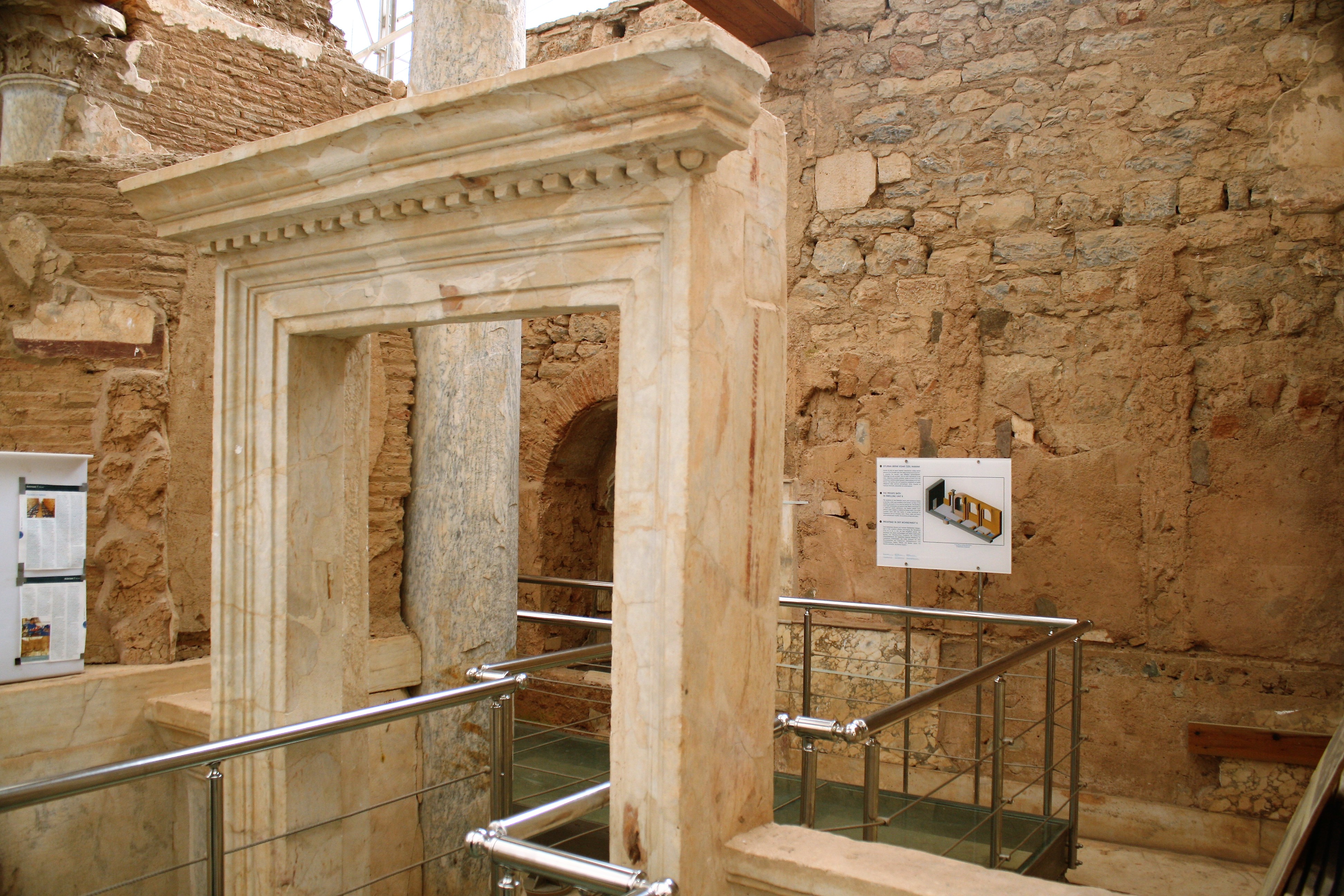
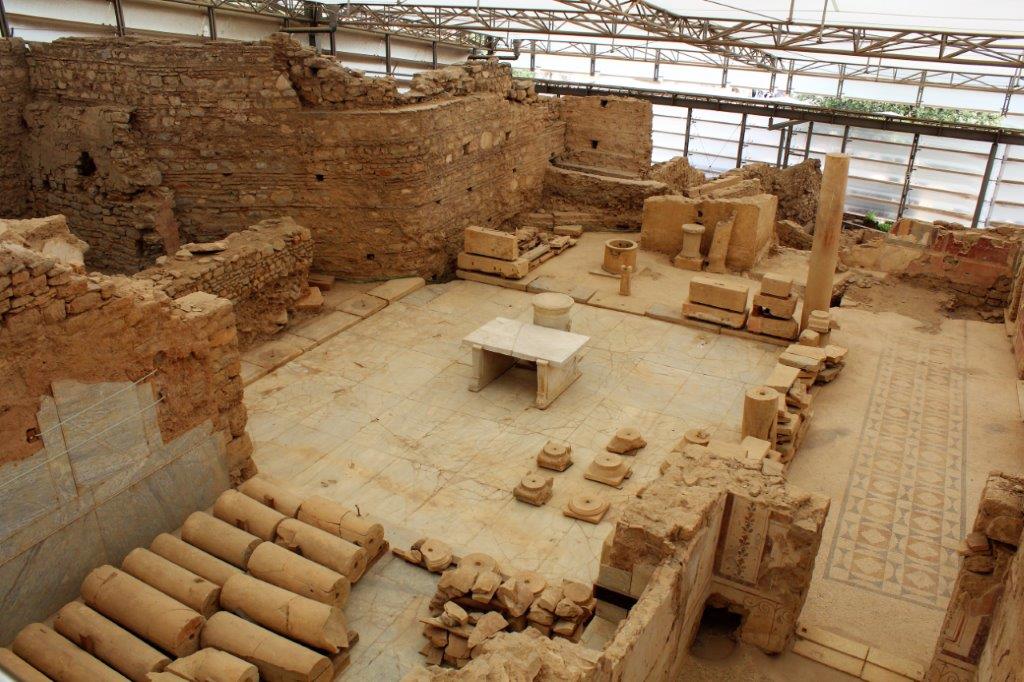
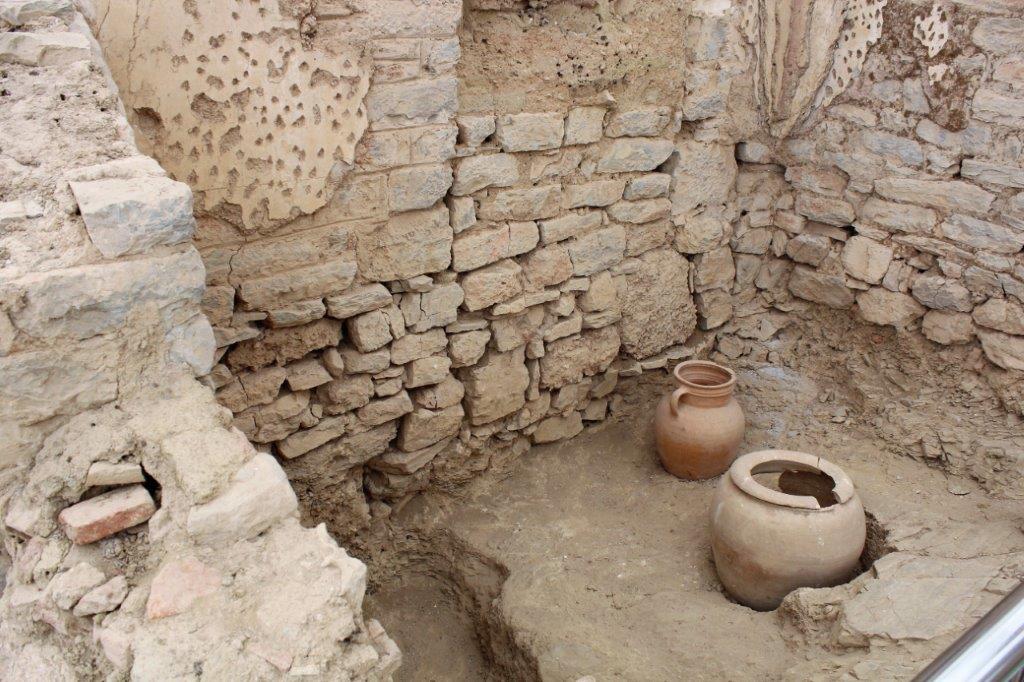
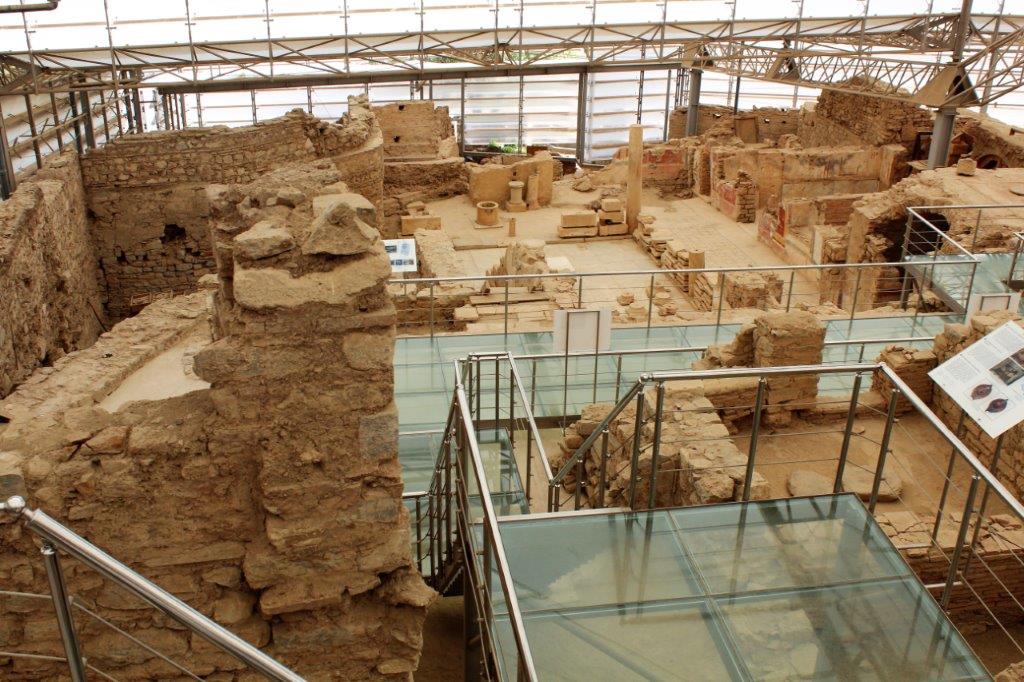
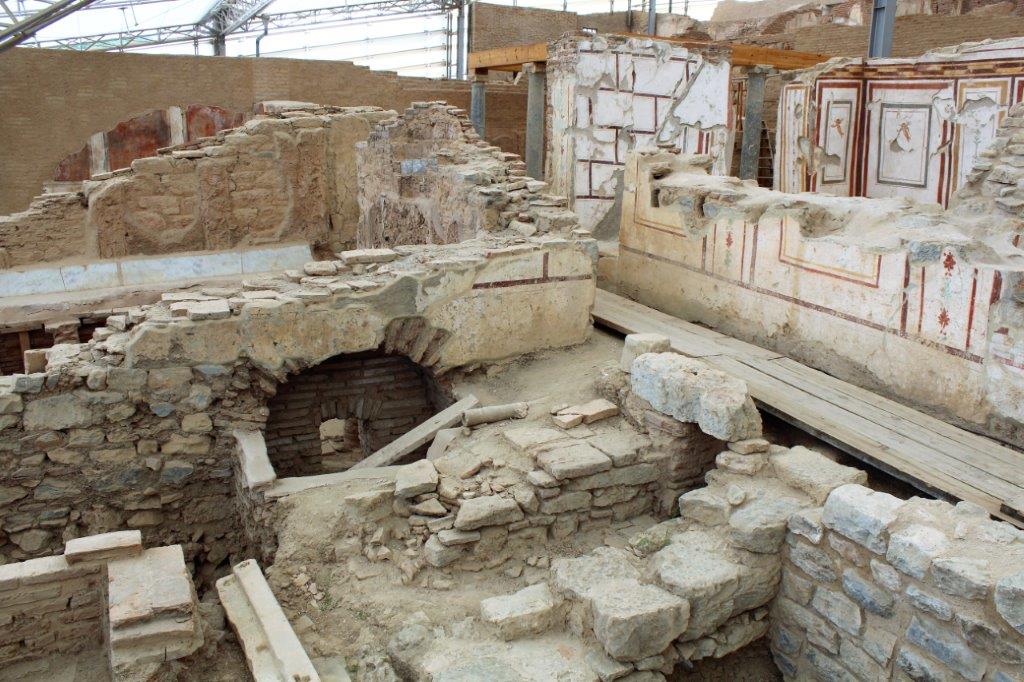
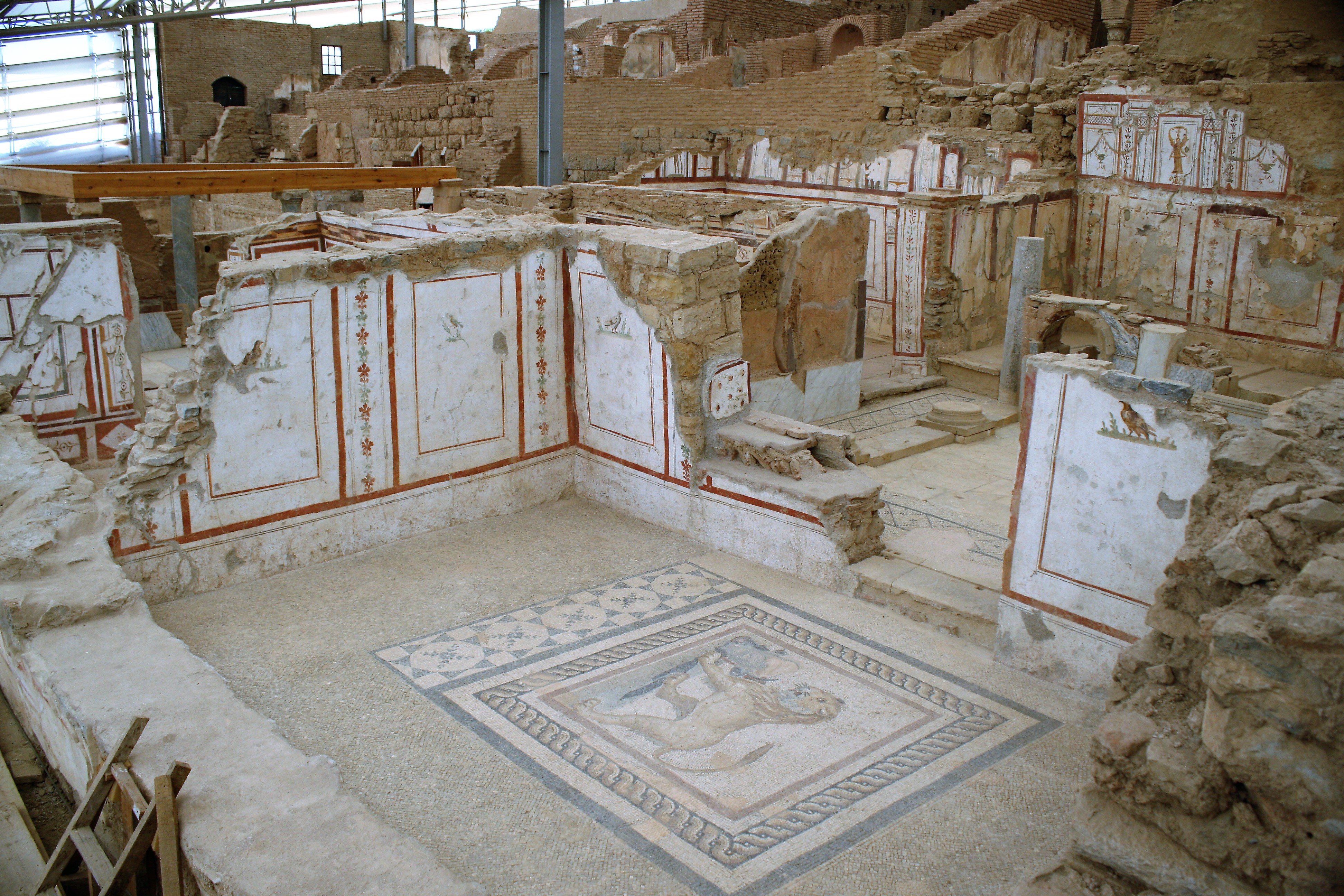
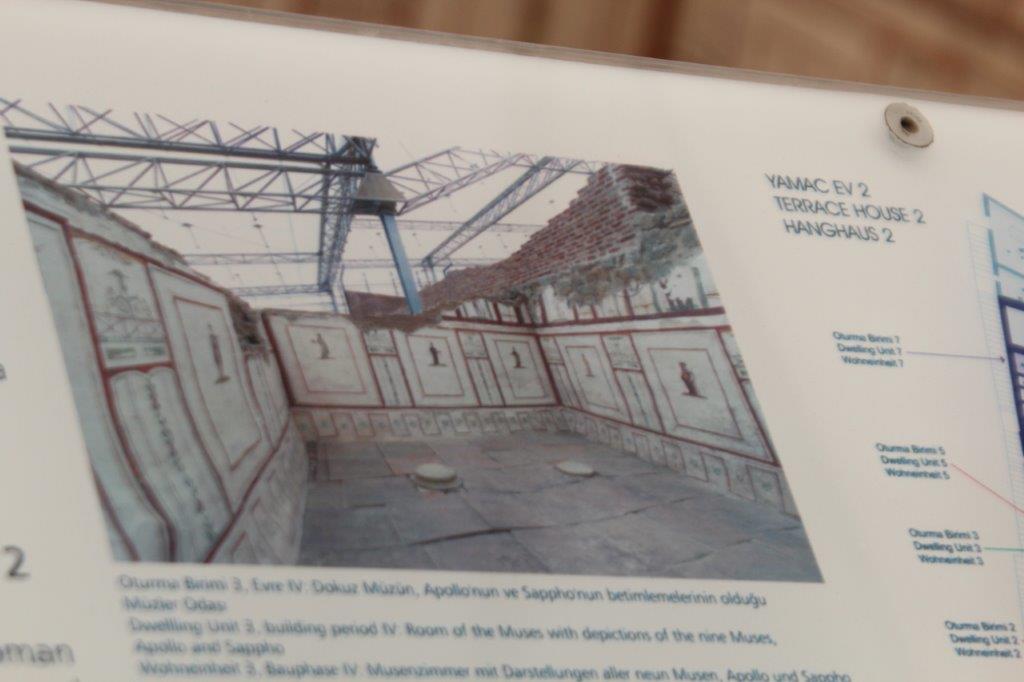
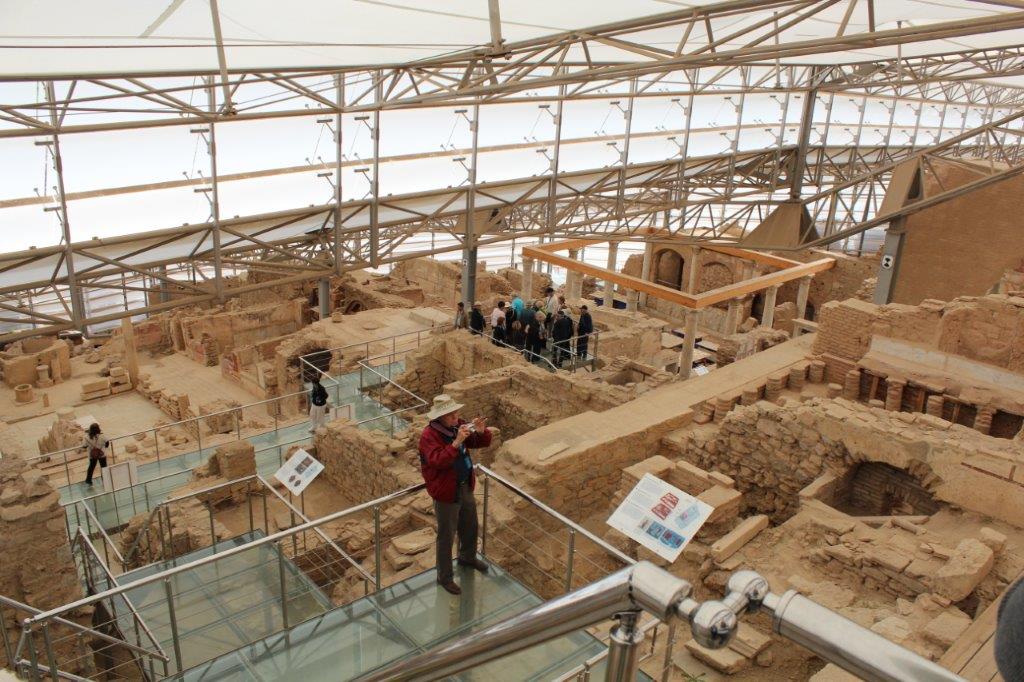
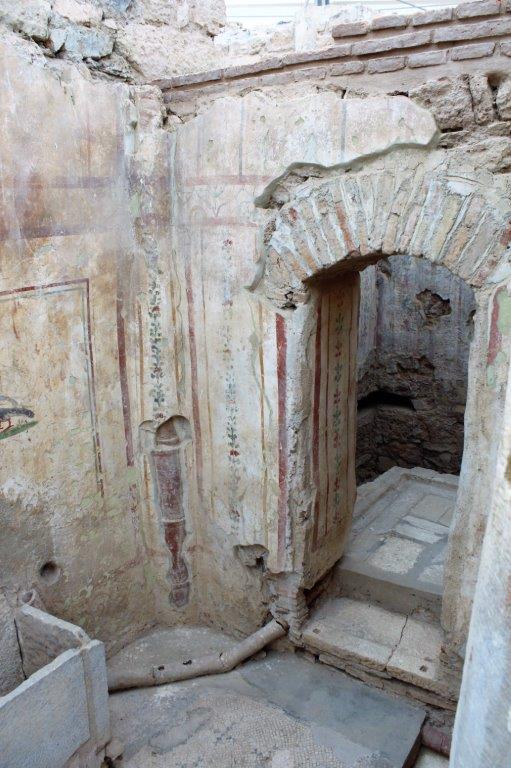
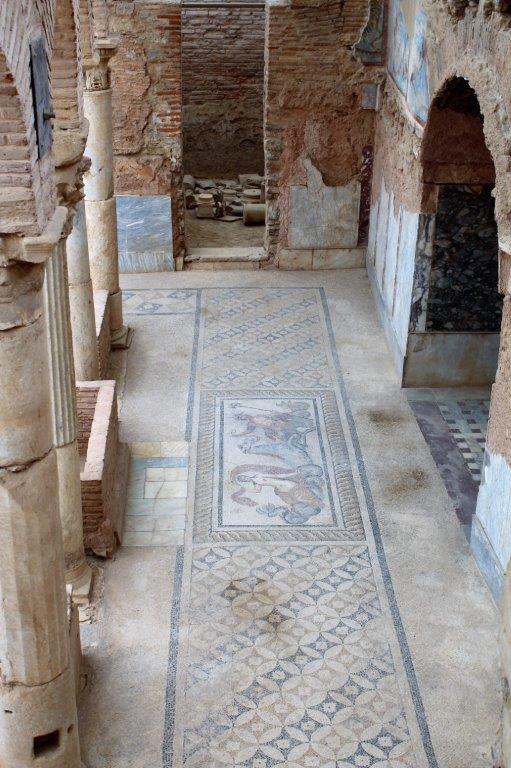
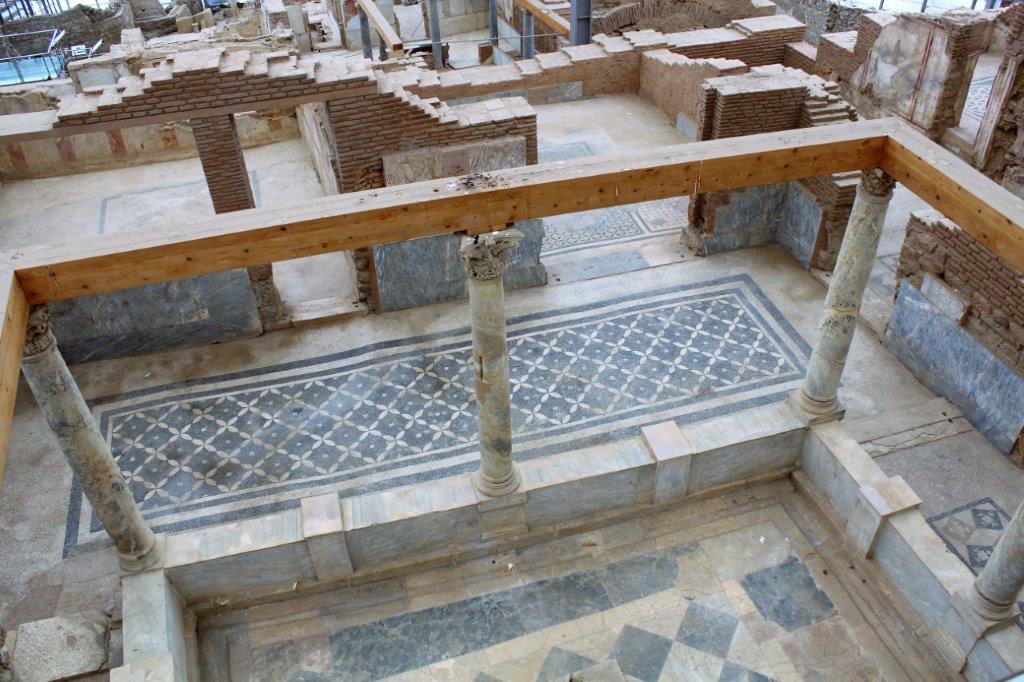
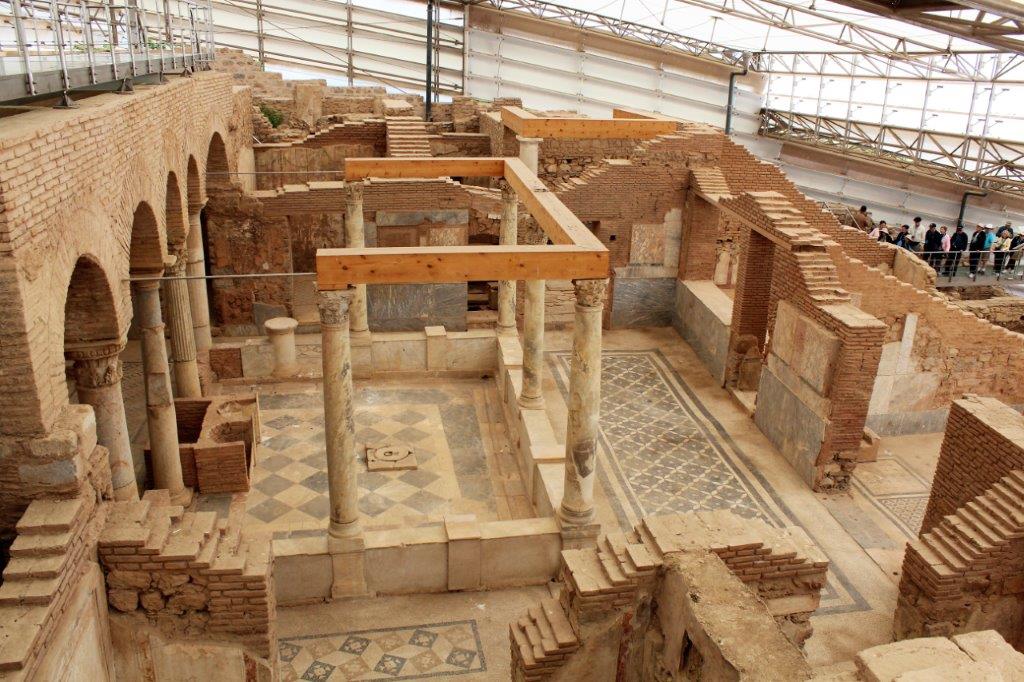
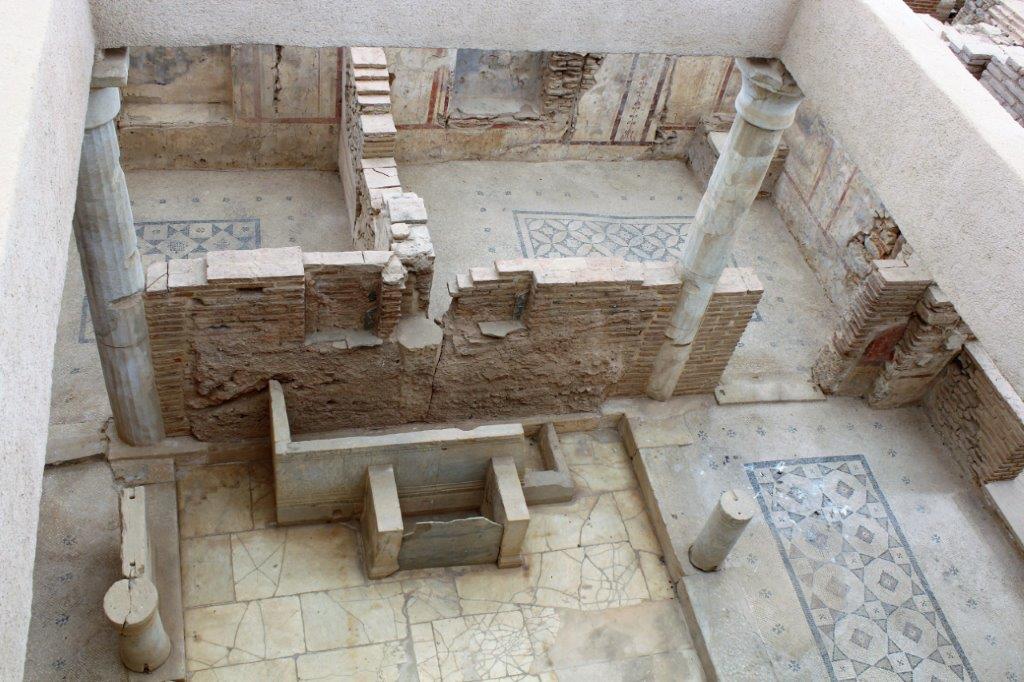
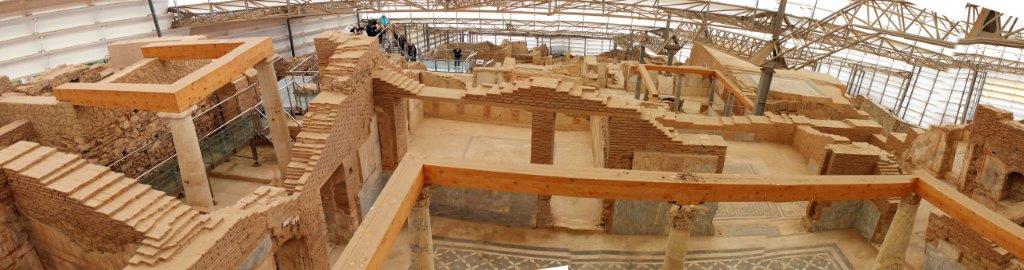
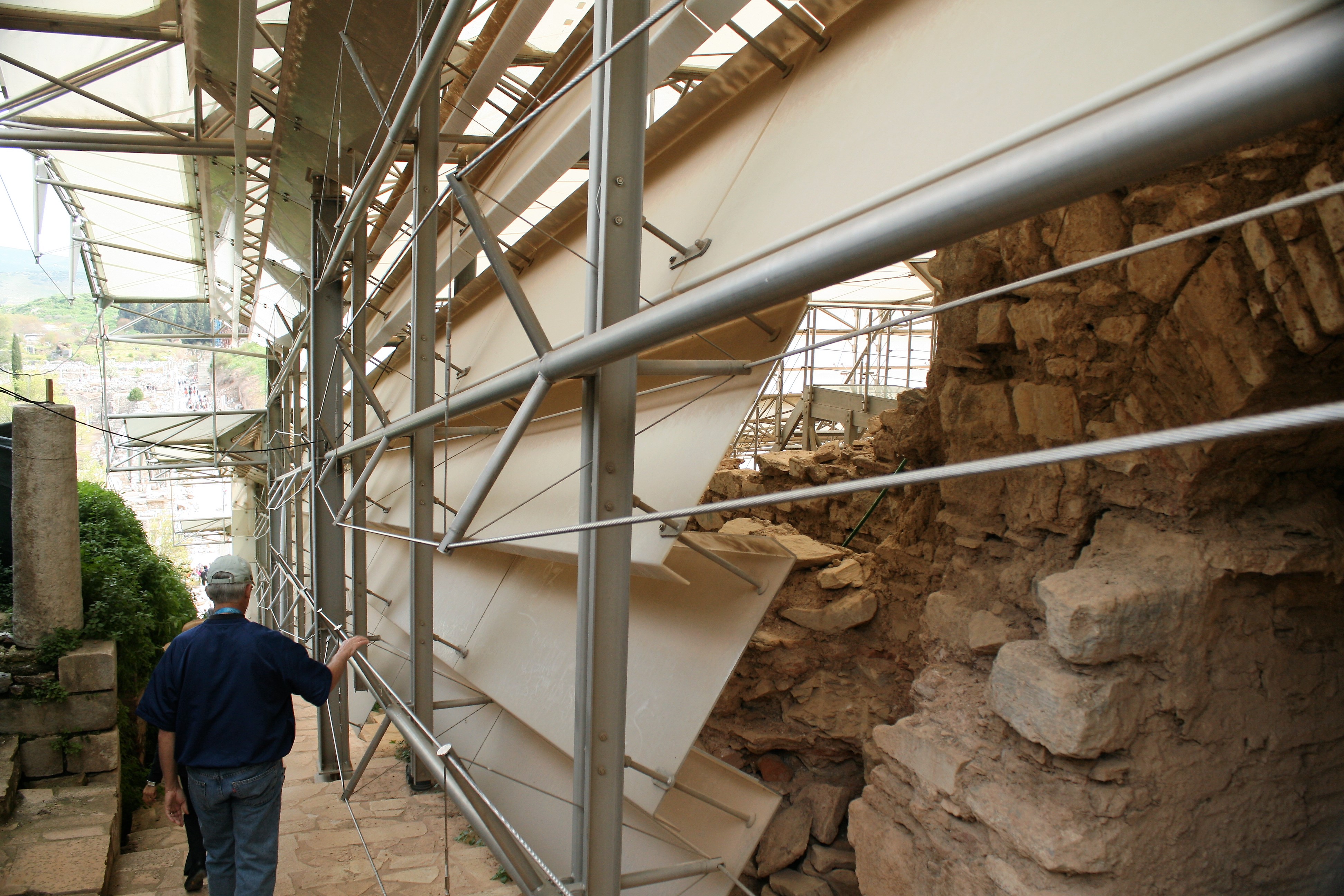
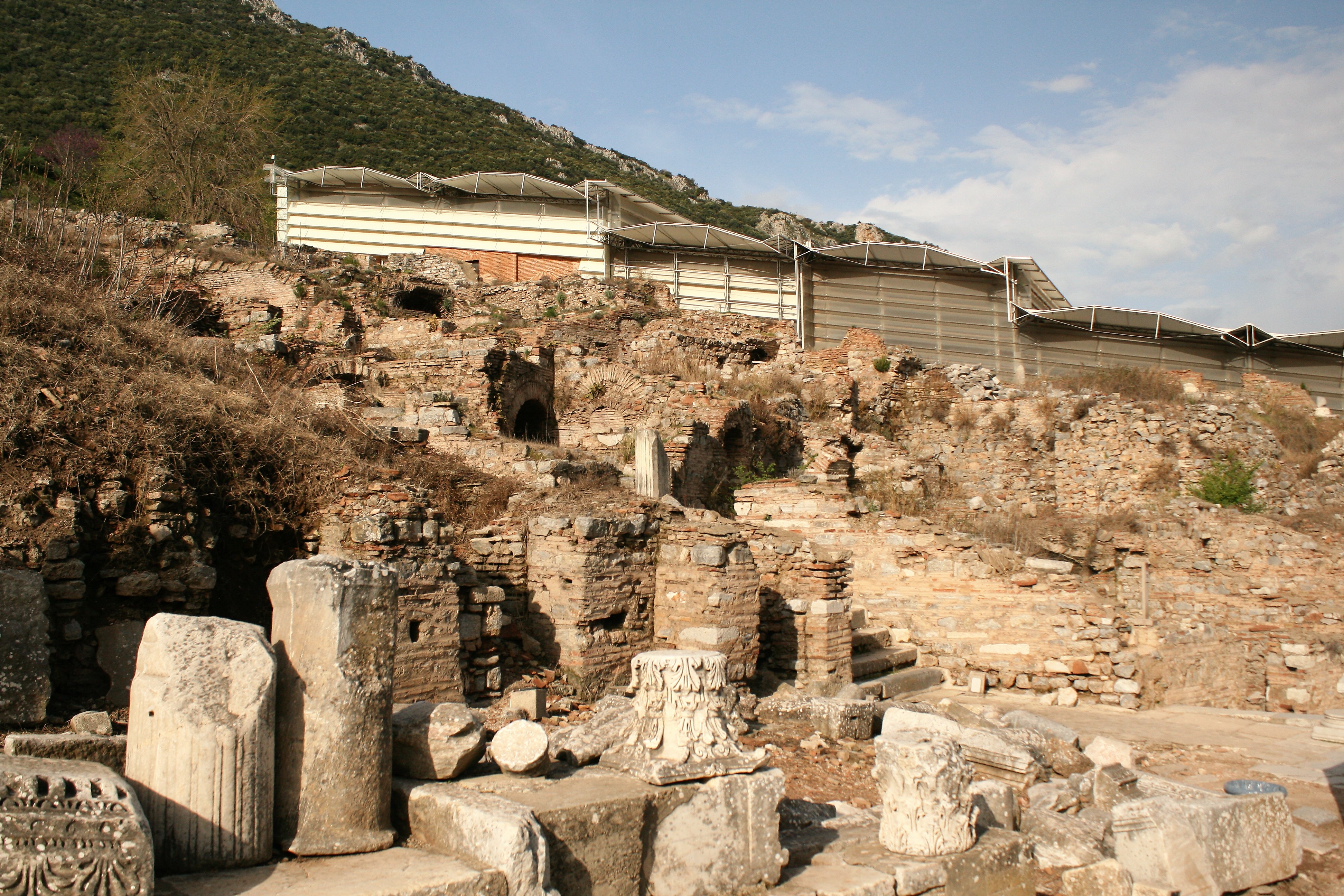
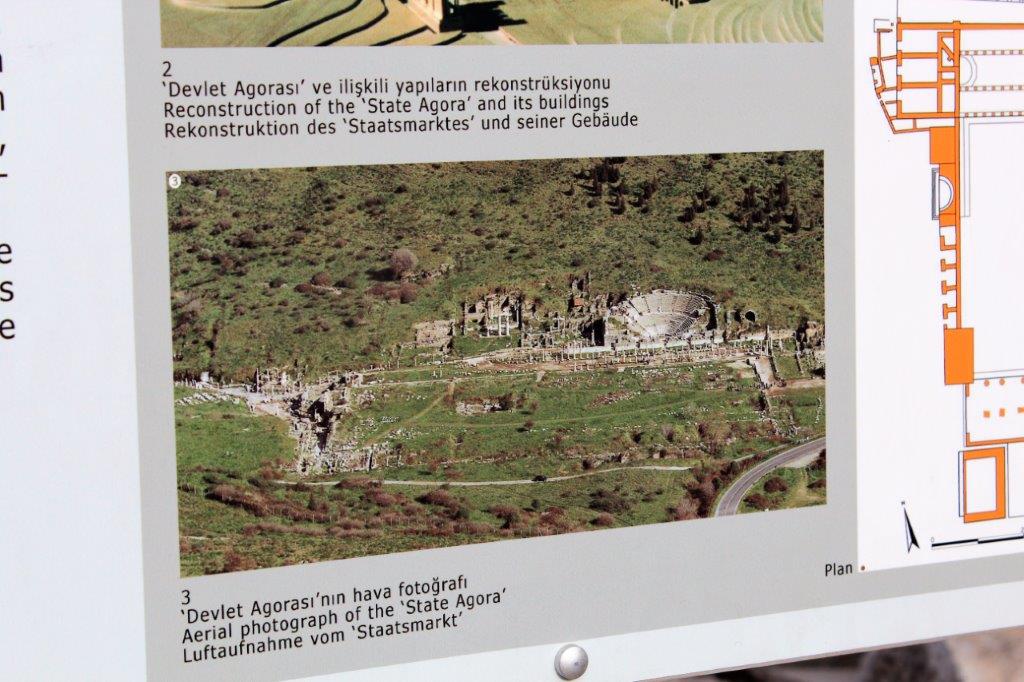
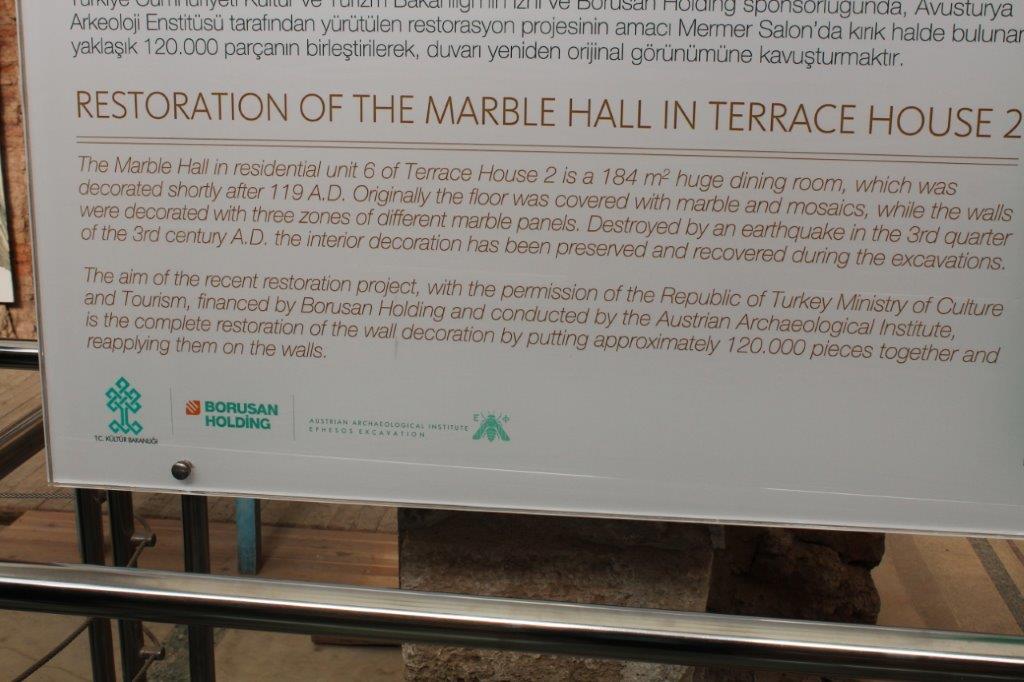
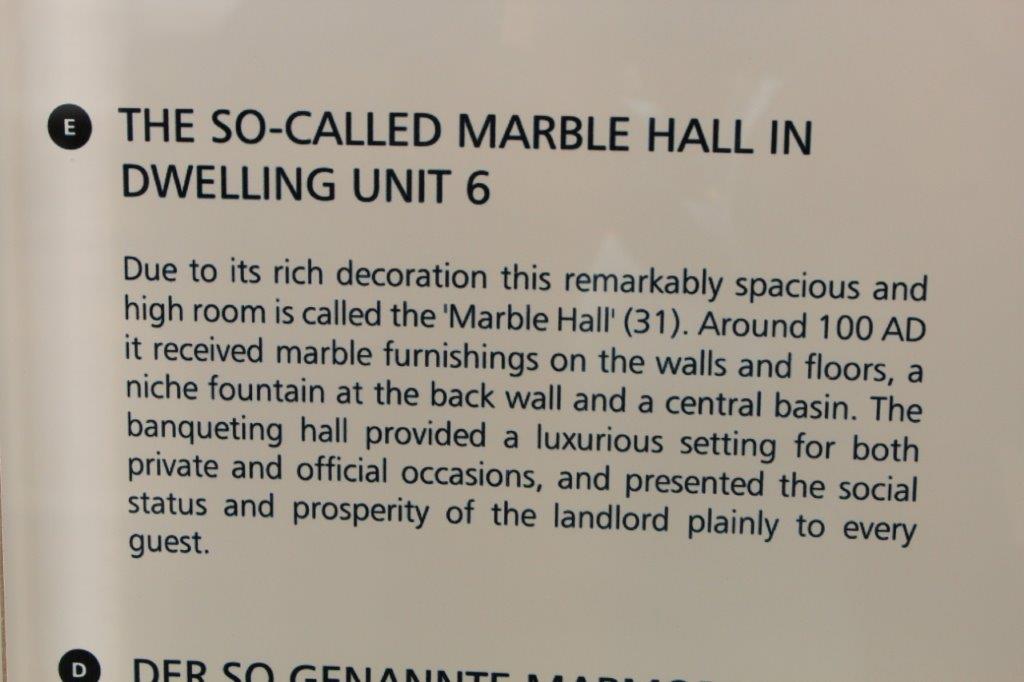
The final part of our day-long tour in Ephesus took us to the amazing Terrace Houses located on a hillside above Curetes Street.  Work on excavating these houses began in 1960 and archaeological work is ongoing every year.  The exposed shops and houses were being affected by the elements so a very airy roof was built over the six houses excavated so far.  Glass-floored platforms let you see everything as you walk through the houses and up the three different terrace levels The first thing we saw after entering the Terrace Houses was the Marble Hall which archaeologists hope to completely restore by putting 120,000 pieces of broken marble back together.  Ahmet, our guide, asked us what was the strongest material in the world?  His answer was silk.  He said that the slabs of marble put onto the walls were cut into such thin slices using silk. Twisted strands of silk-worm silk, when held taut and rubbed back and forth across stone, wet, is apparently strong enough and durable enough to cut through marble as if it was cheese.  It takes a lot longer than slicing up a block of cheese, but it’s just as effective.  How clever is that?                 You better like jigsaw puzzles to work in here.


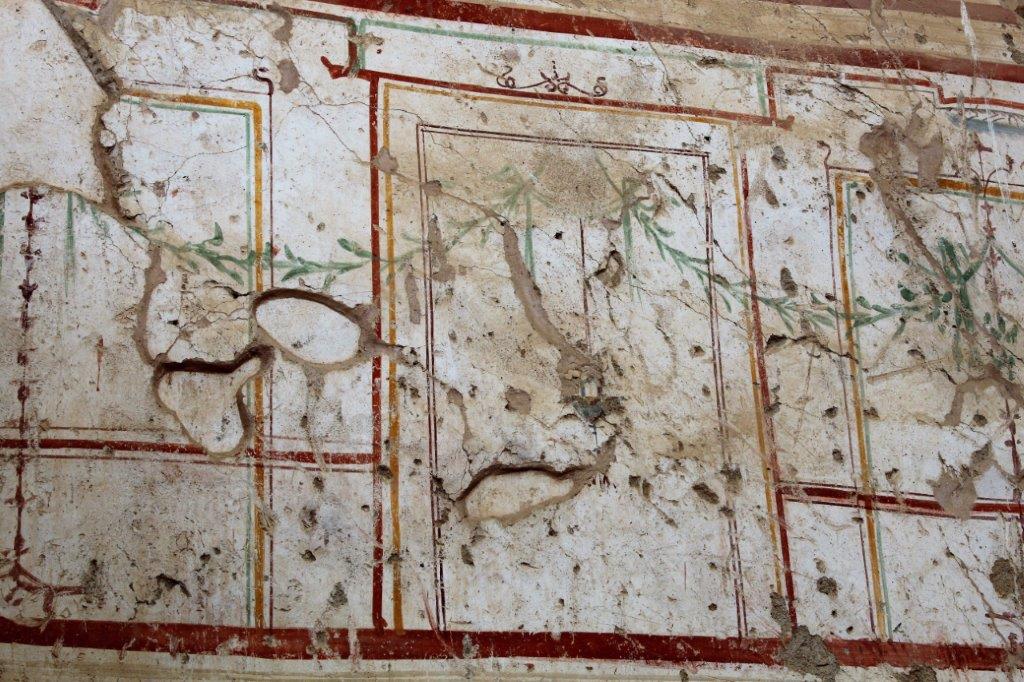
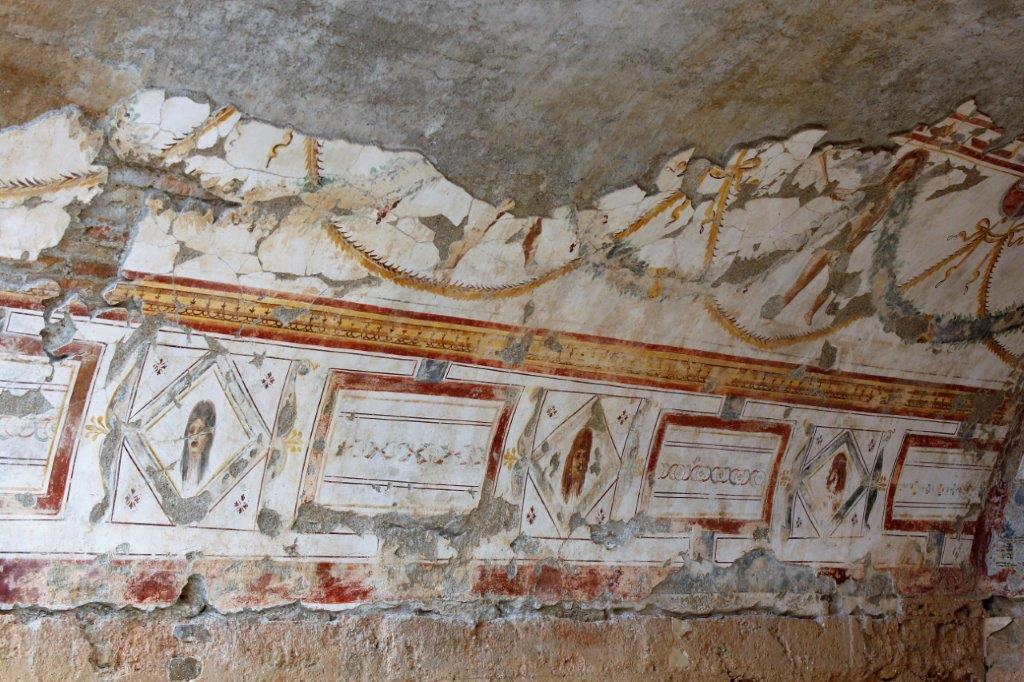
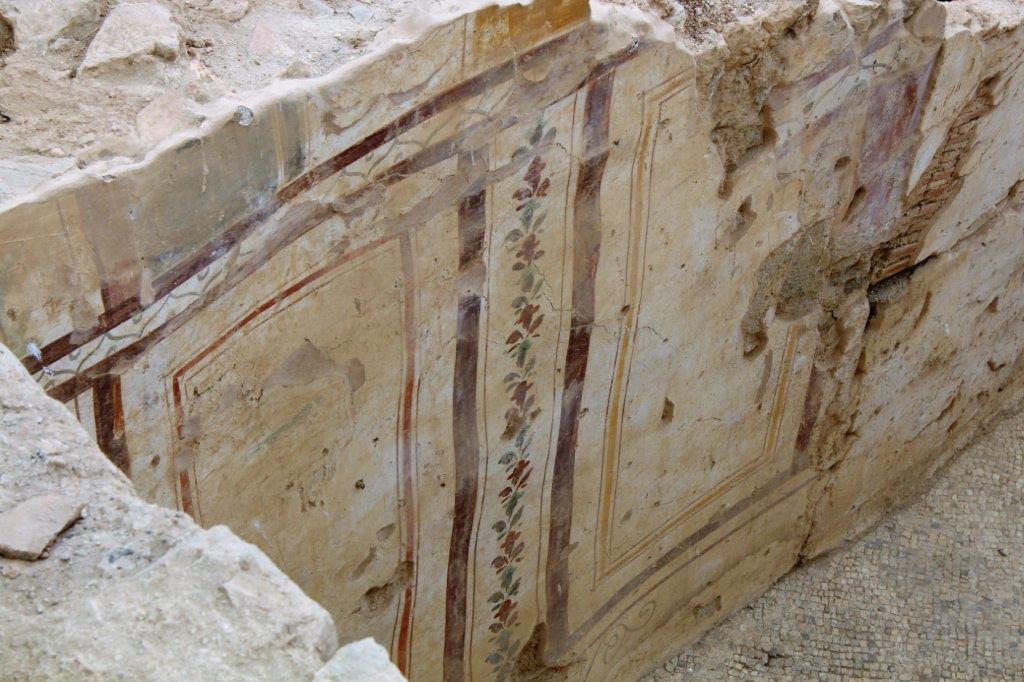
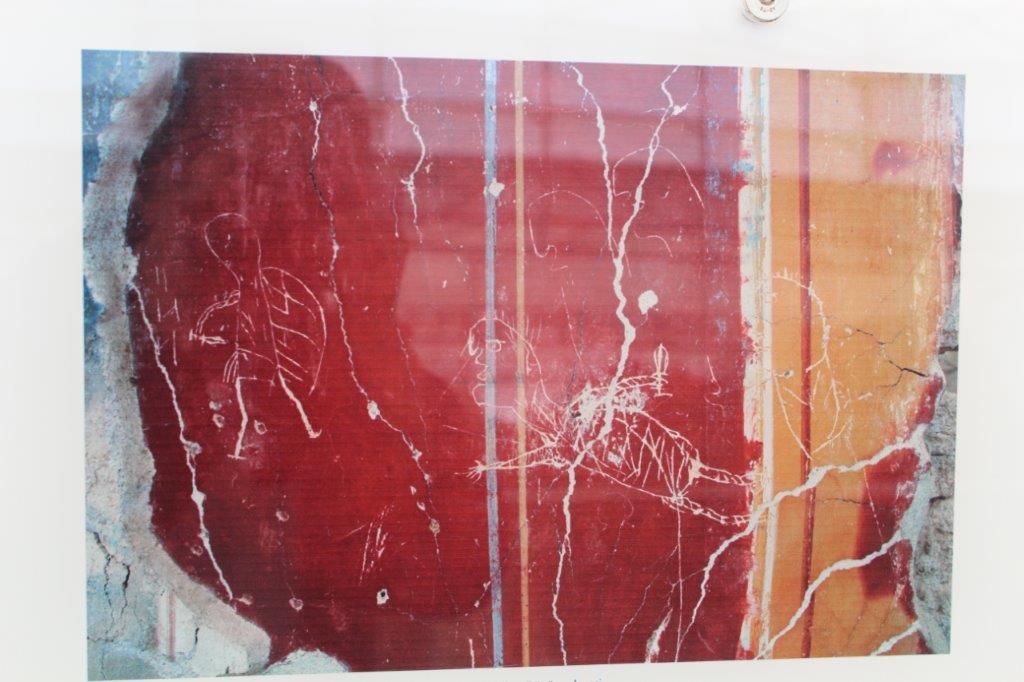
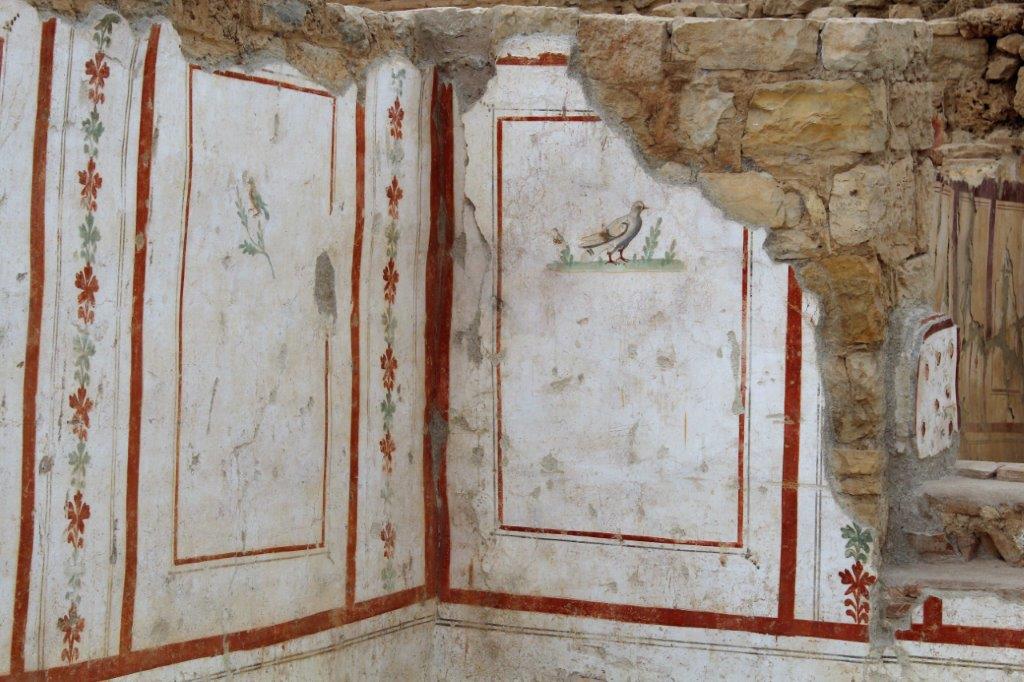
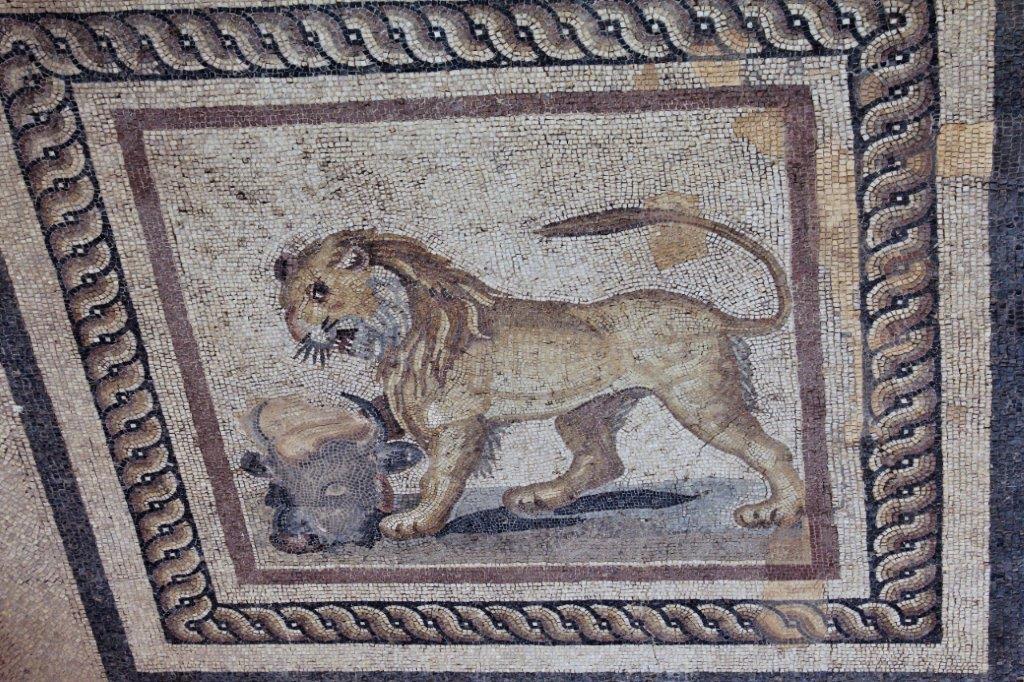
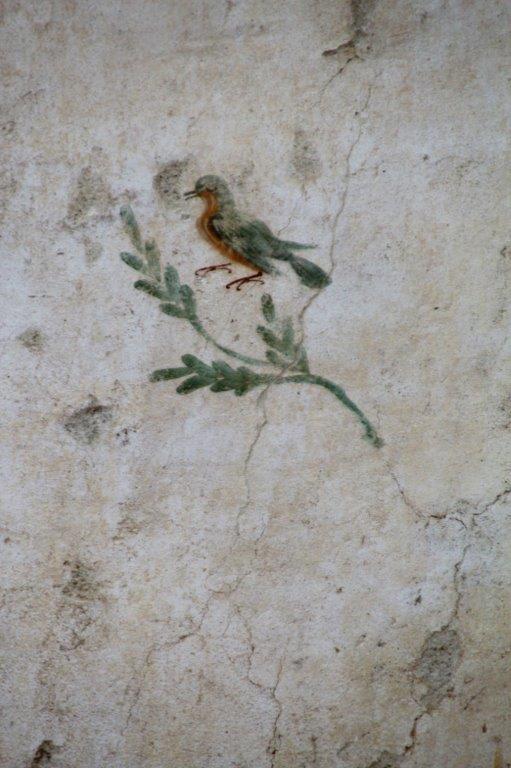
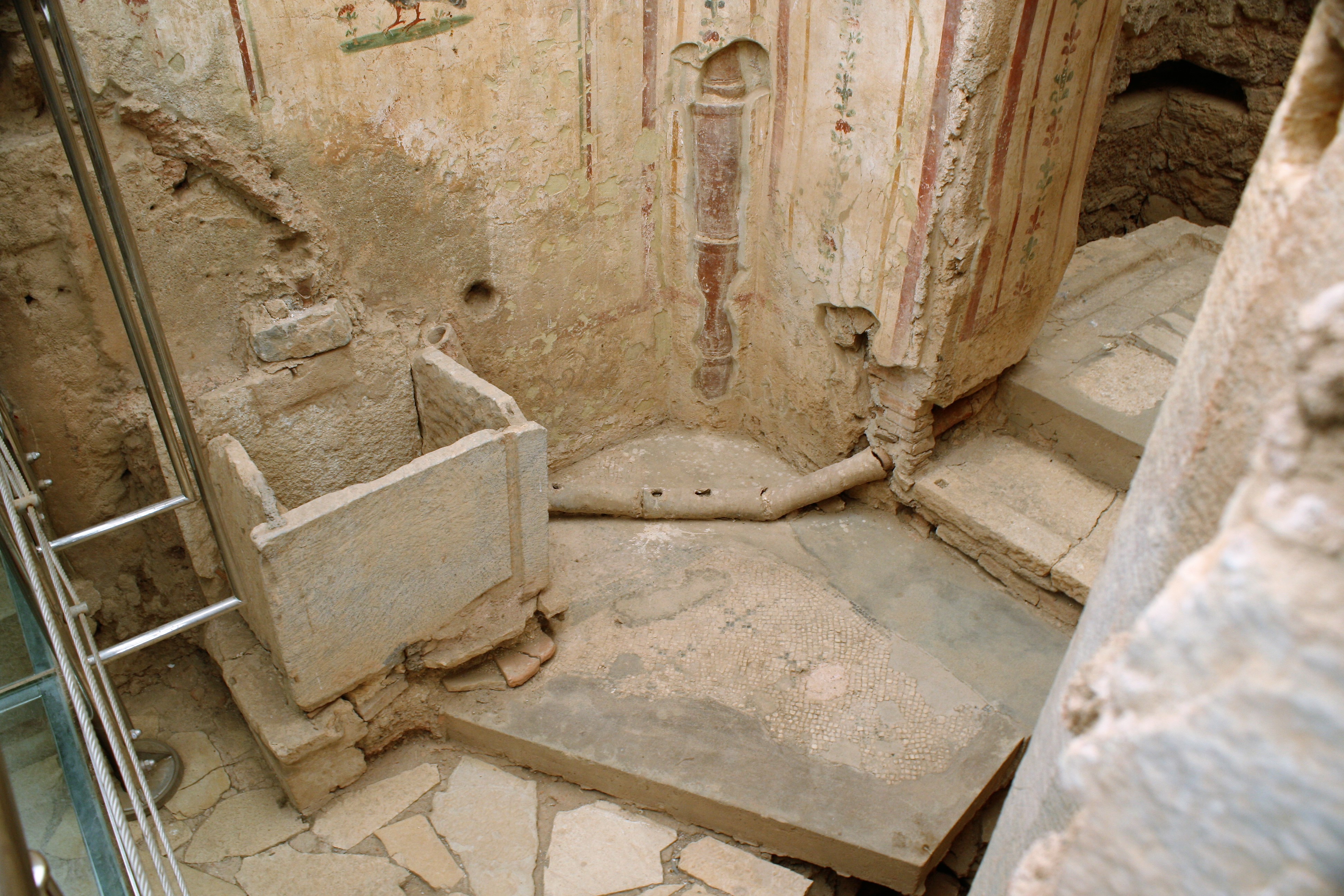
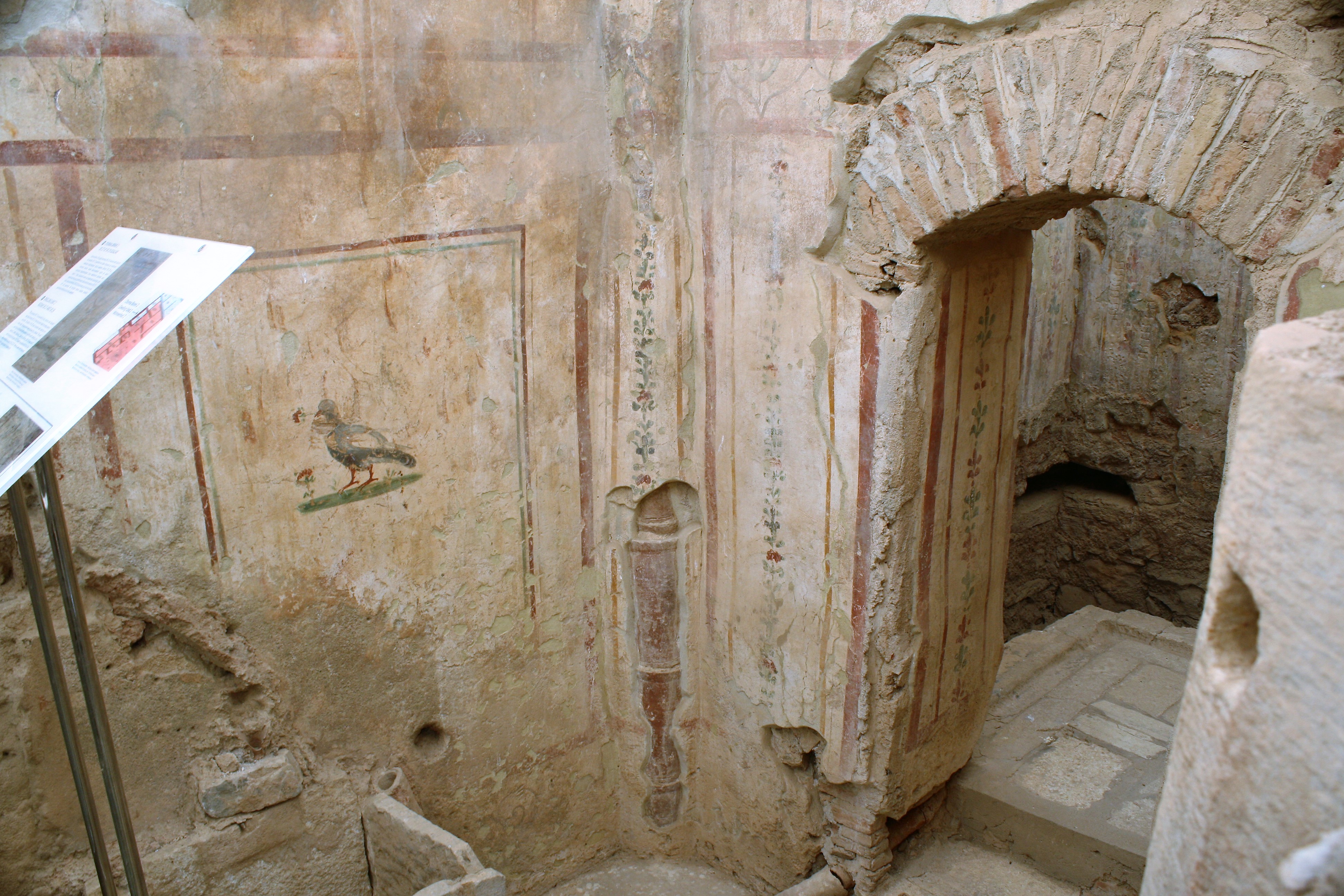
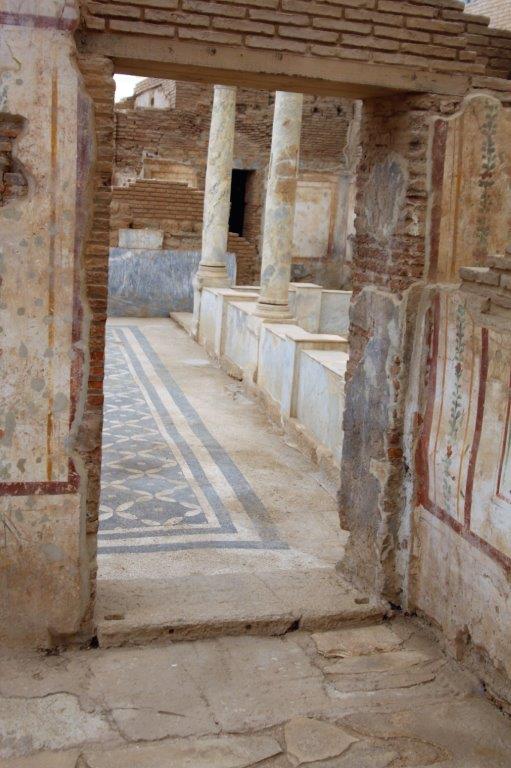
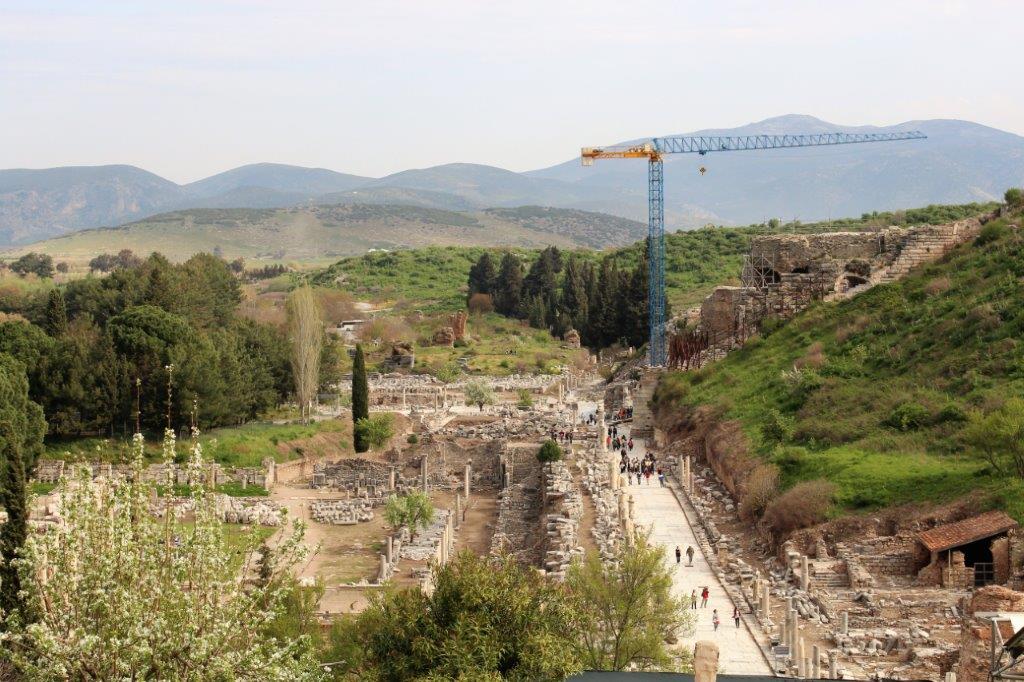
On this map, the Terrace Houses are under the white roof in the lower center of the photo, at the end of Curetes Street. It is incredible how rich the colours still are on the wall designs.  They were painted over 2000 years ago.  I bet our modern paints wouldn’t keep that well. The paintings on the walls are frescoes – water colour paintings made on wet plaster.  The paint soaks into the plaster as it dries and becomes very permanent. The two photos above are one of the bathroom.  There was running water, a heated floor and a sewer system.  From the top terrace of the houses looking down Marble Street. From the Terrace Houses we continued our tour of Ephesus, going down Marble Street, past the Library of Celsus, to the Grand Theater and out the Main Entrance.  Blog to be continued…

2012 April 4 – Day 24 – Kusadasi, Turkey (Day 2) (Part 2)

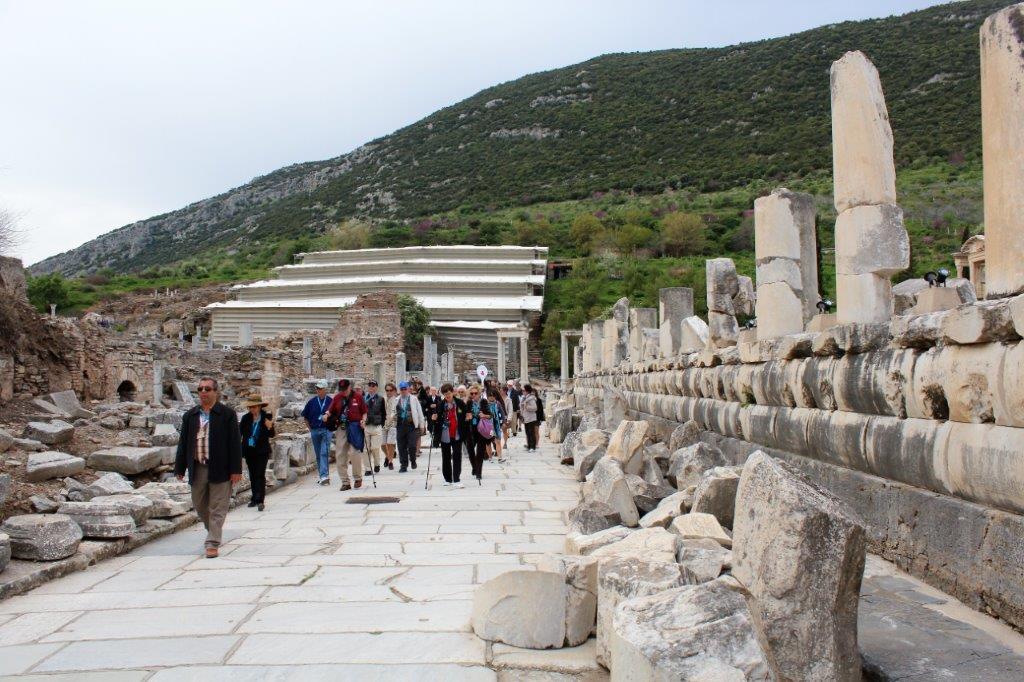
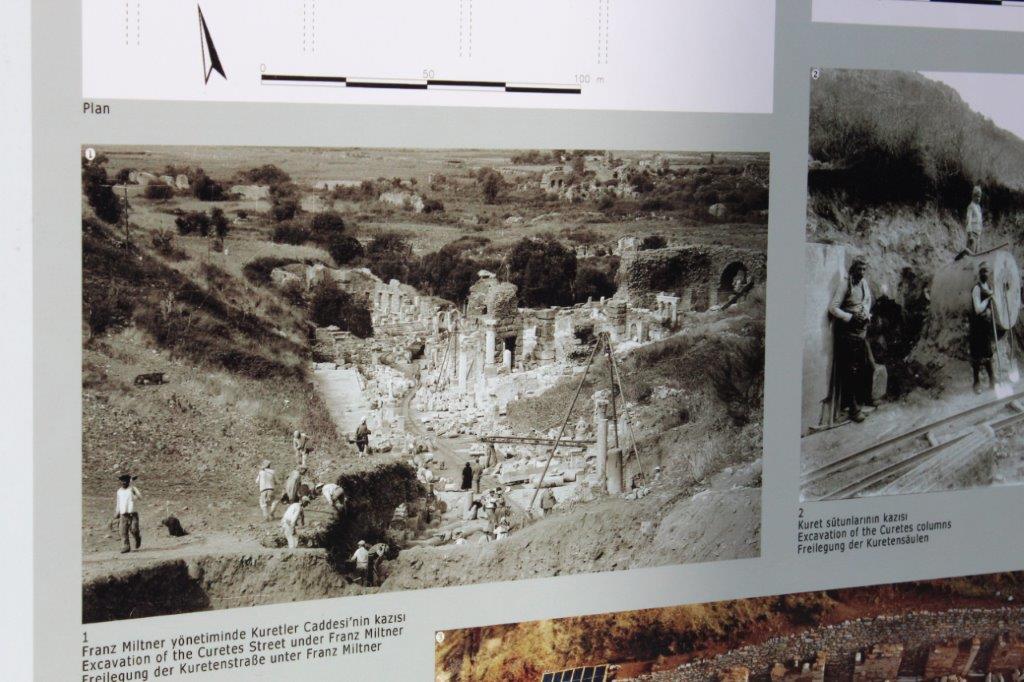
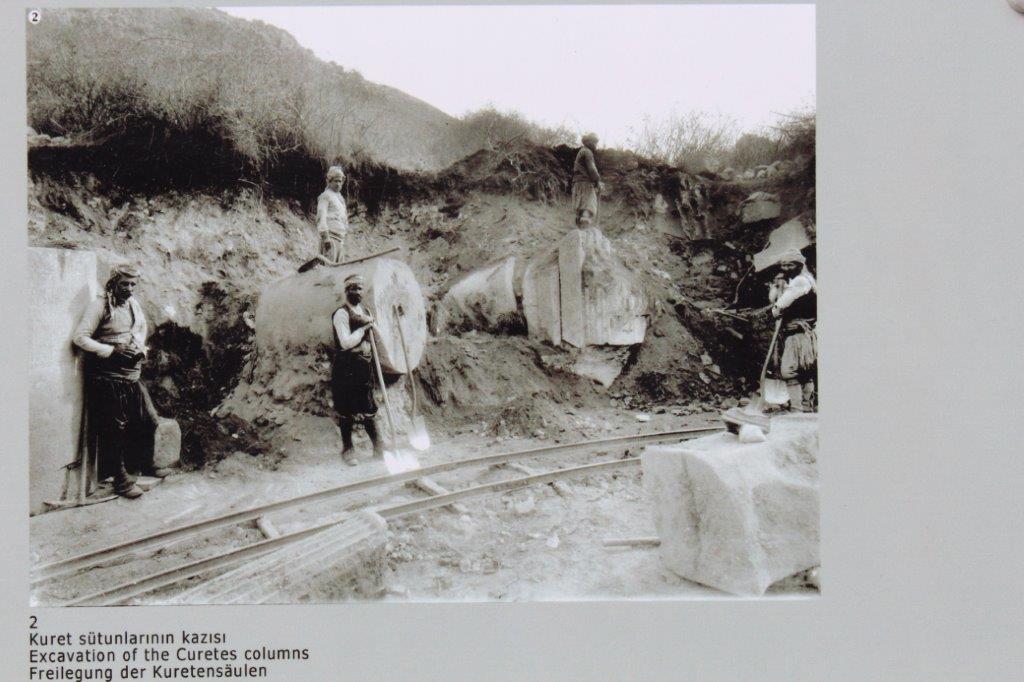
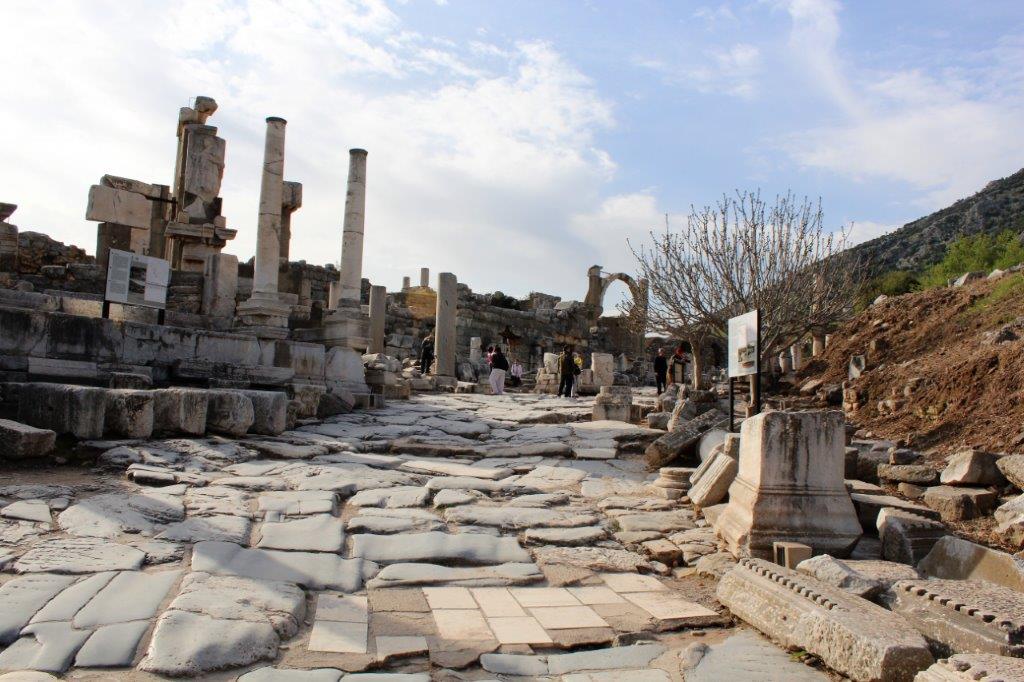
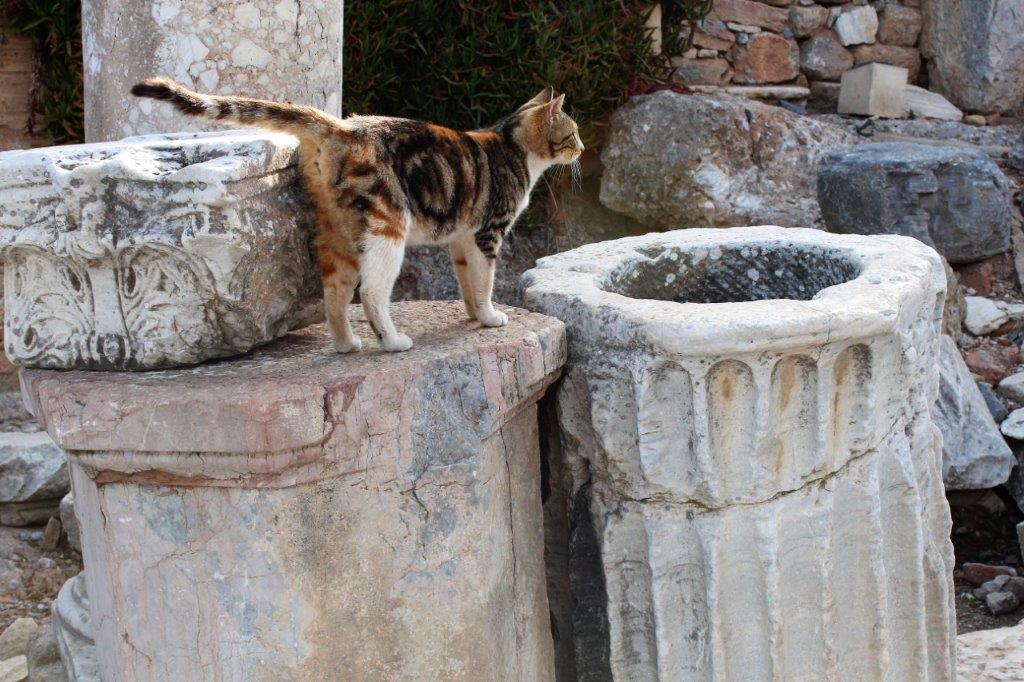
Ephesus was a bustling port city; a trading post and religious center 3,000 years ago.  During our tour of the ancient city, located a half hour drive from the port of Kusadasi, Turkey, we passed the Agora (public center of the city) and walked down Processional Way.  This brought us to Curetes Street, which was a major shopping district.Here are to two maps again to help with locations – if you can enlarge them enough to read the fine print, that is.                                Nike, the Greek goddess of Victory                                        The original “Nike” swish.

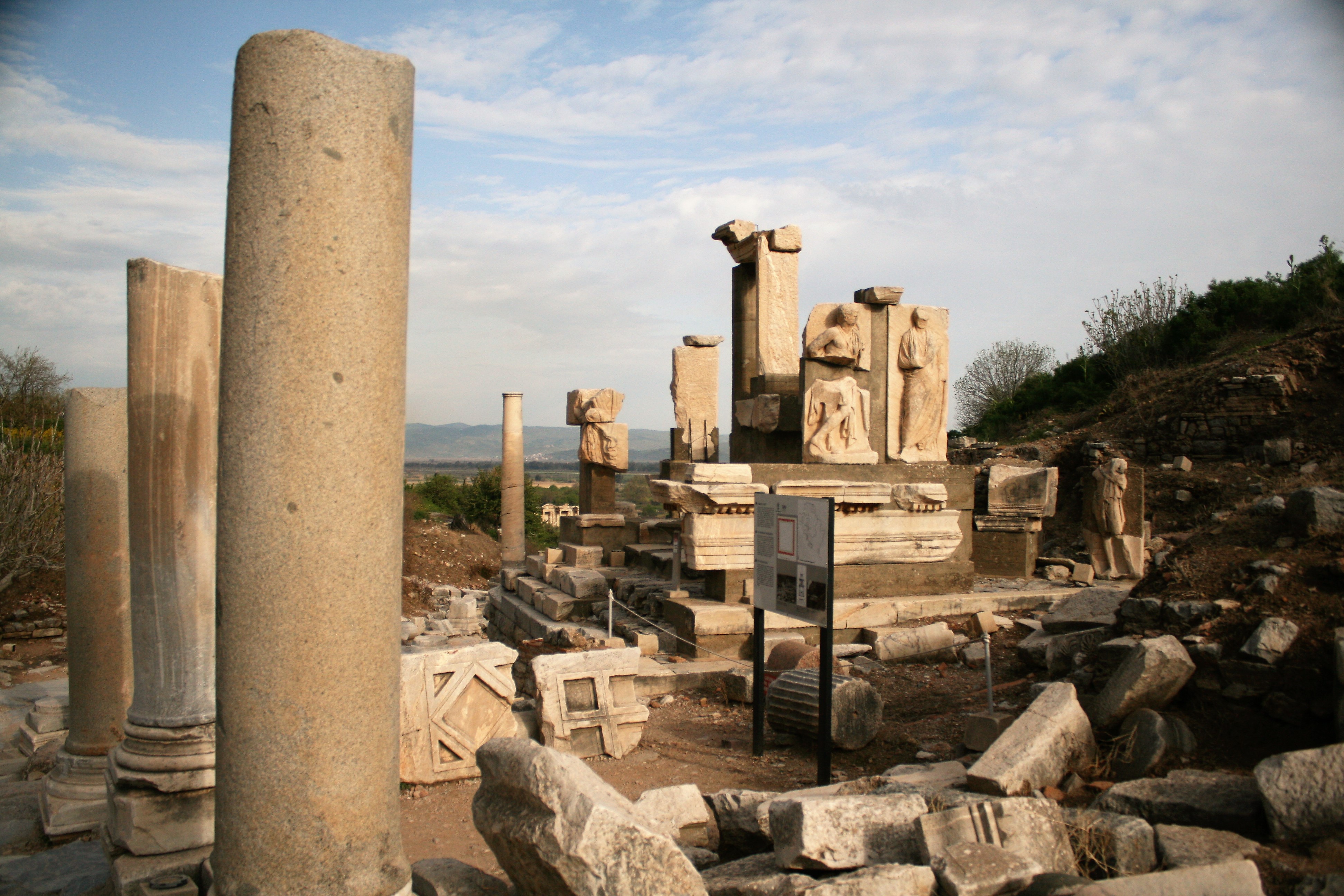
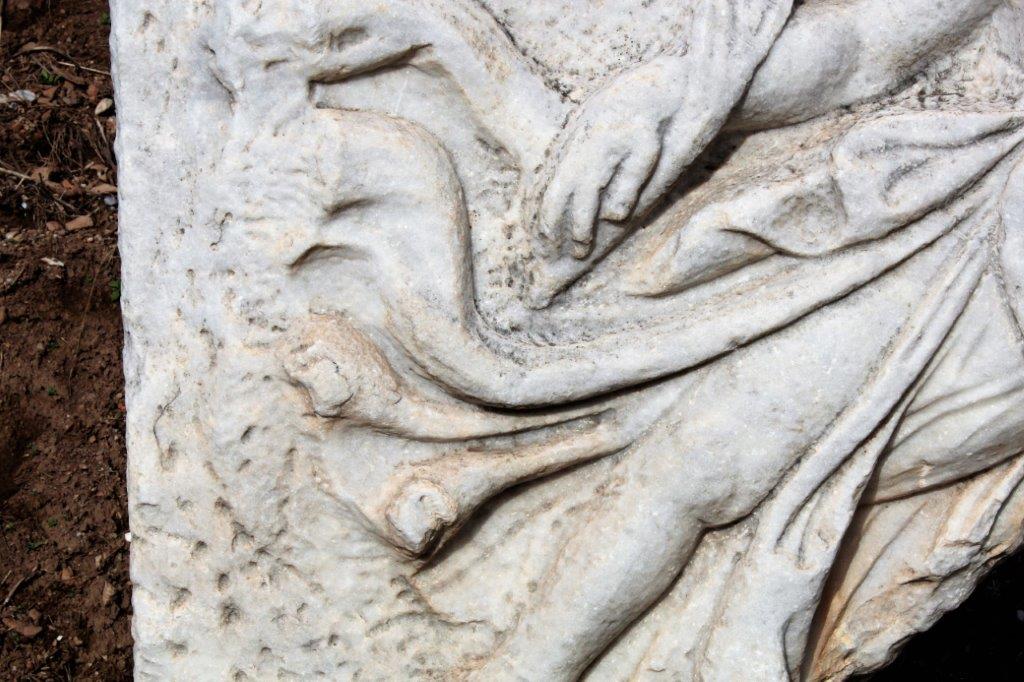
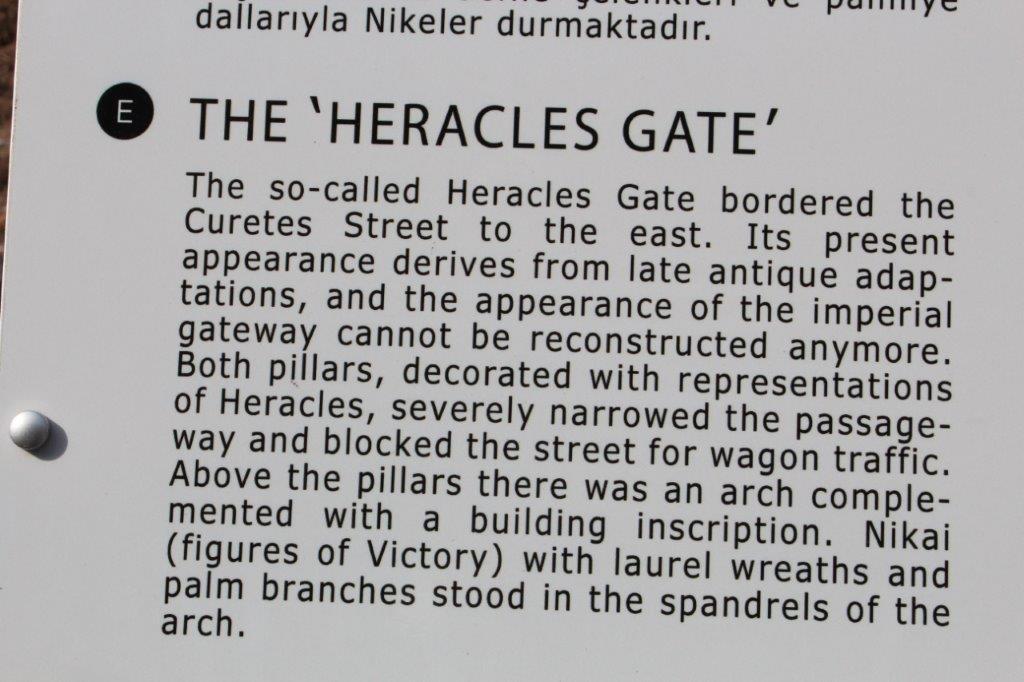
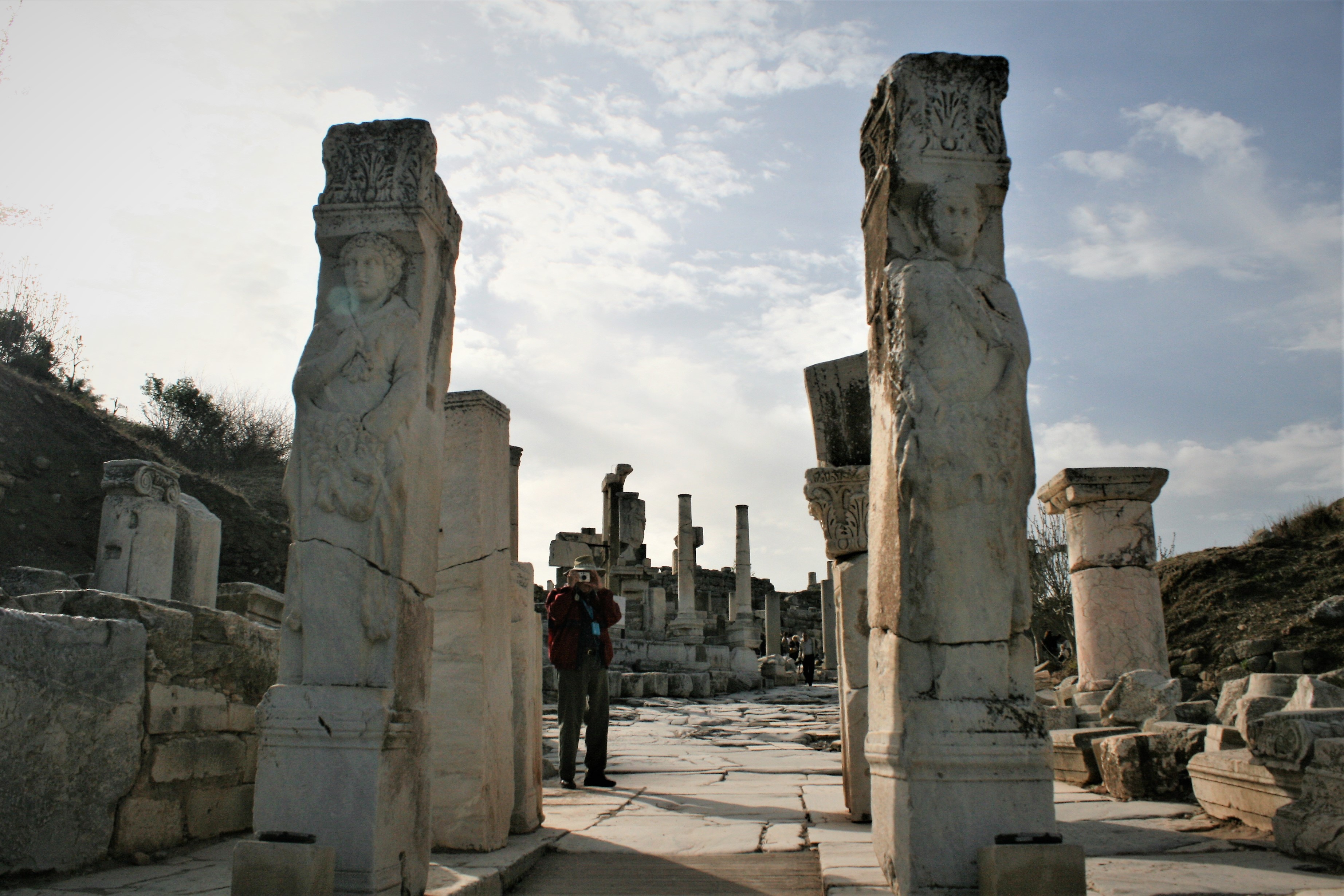
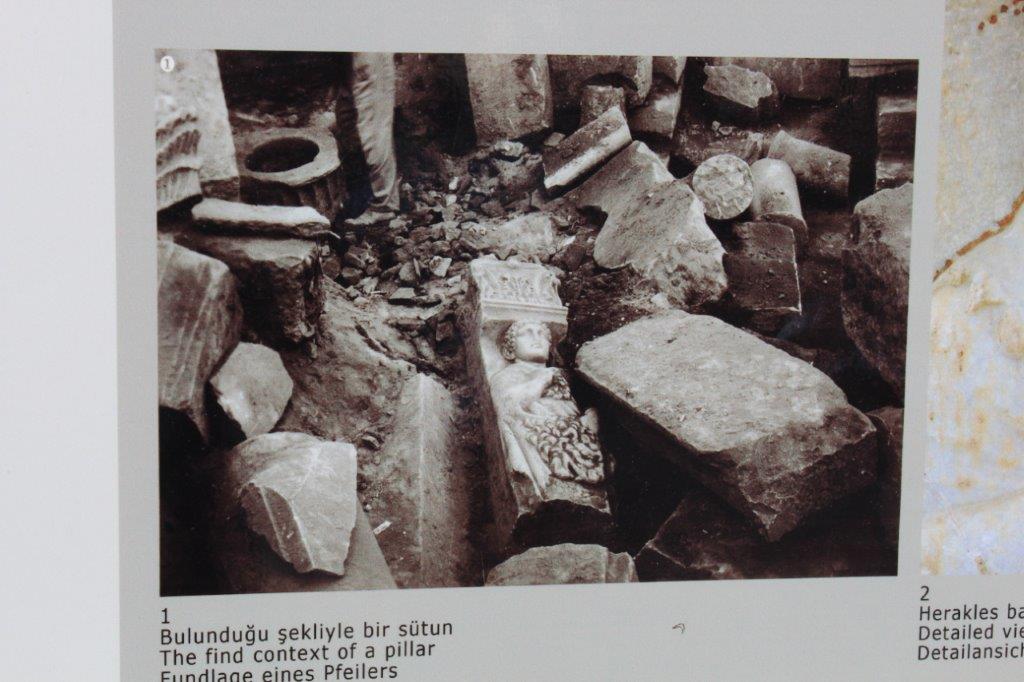
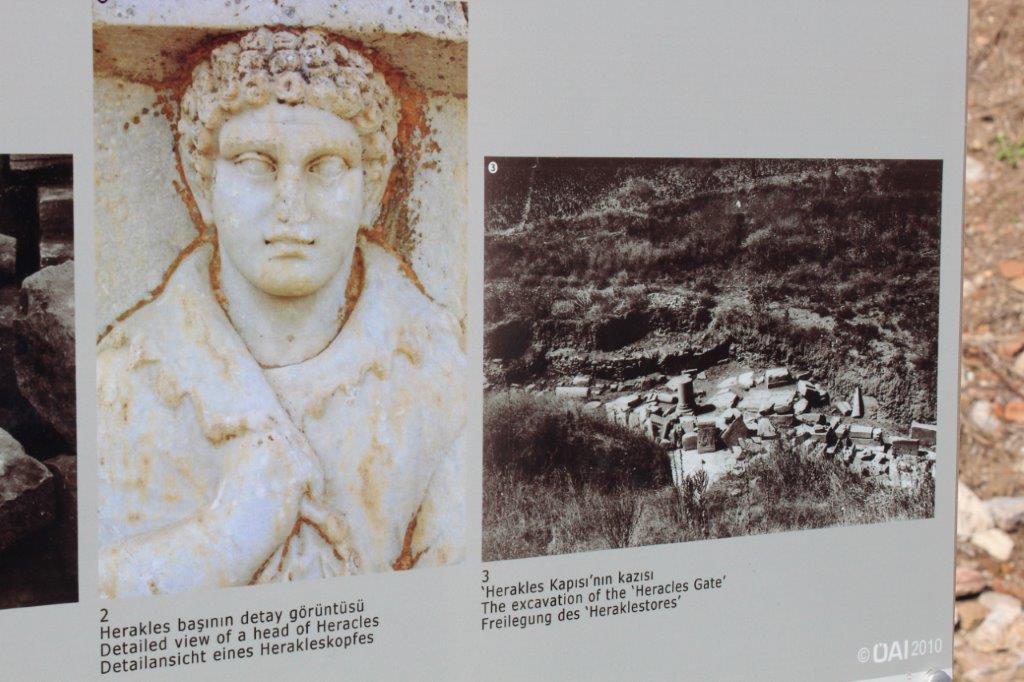
The Heracles (Hercules) Gate located at the end of Curetes Street blocked chariots and created a pedestrian walkway.  It was so named because of the relief of Hercules on it.  The gate was brought to this location in the 4th century AD but the carvings of Hercules dates from the 2nd century AD.  The relief of the flying Nike that is in Dominitian Square is believed to have been part of this gate.

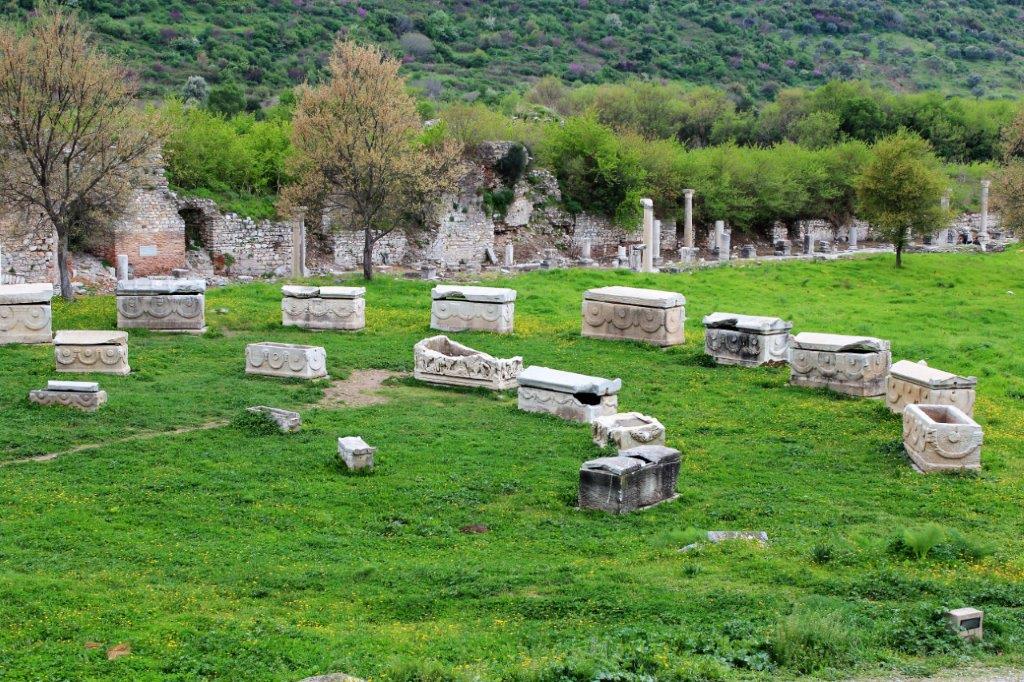
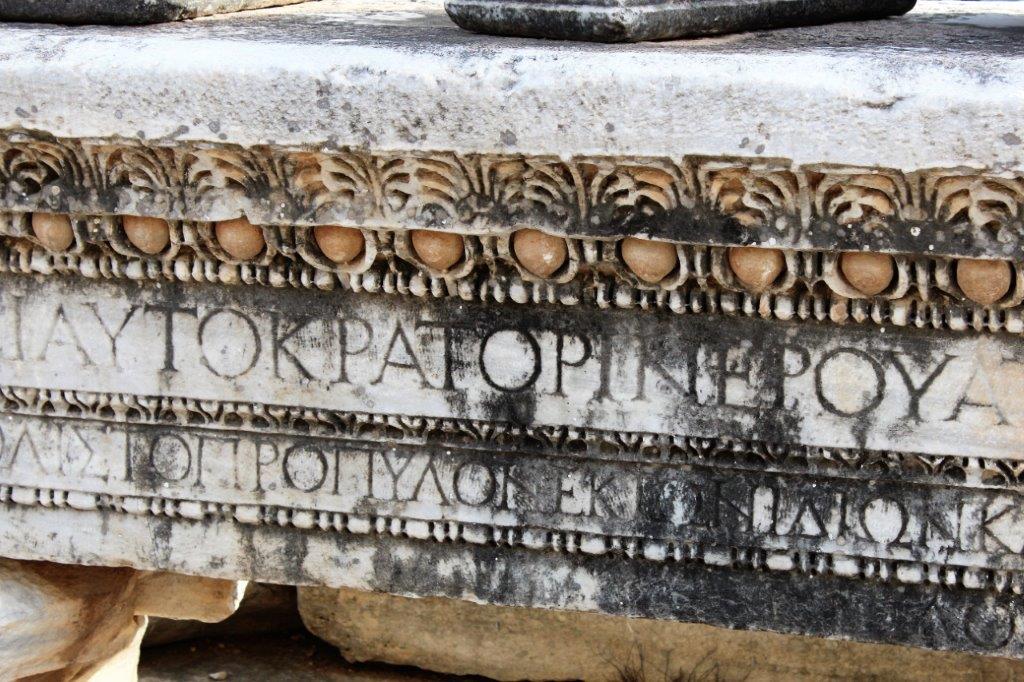
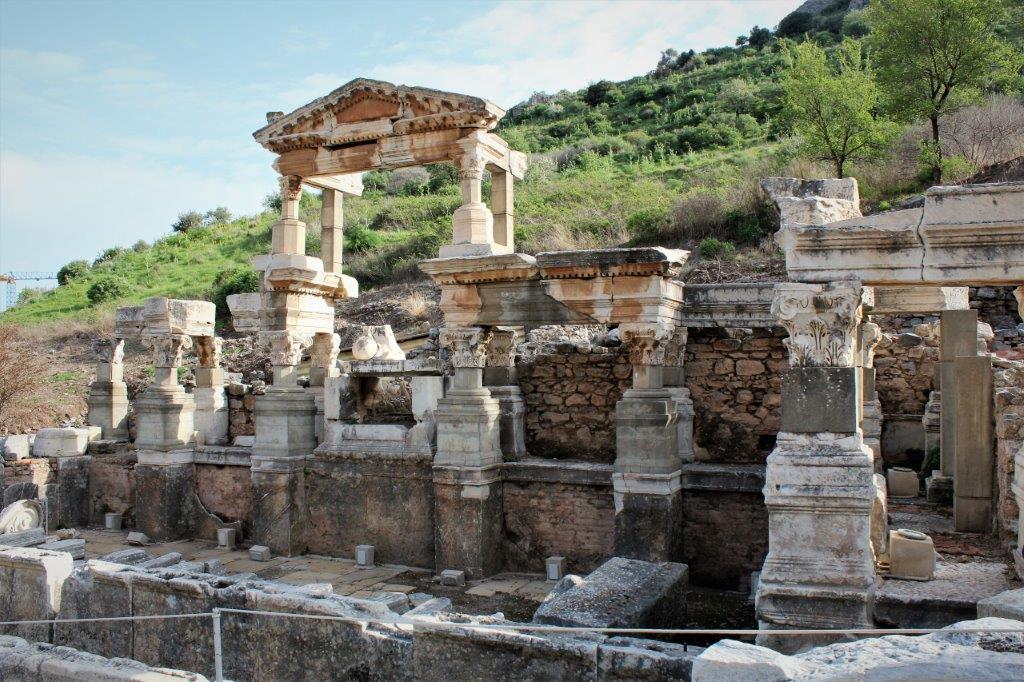
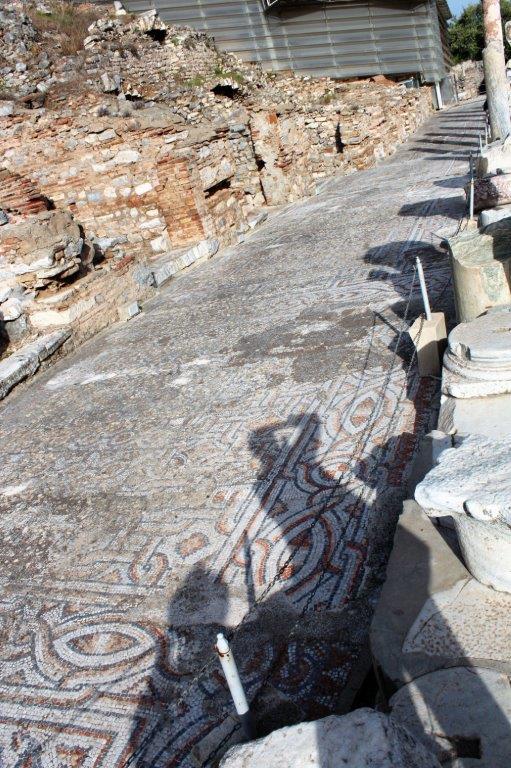
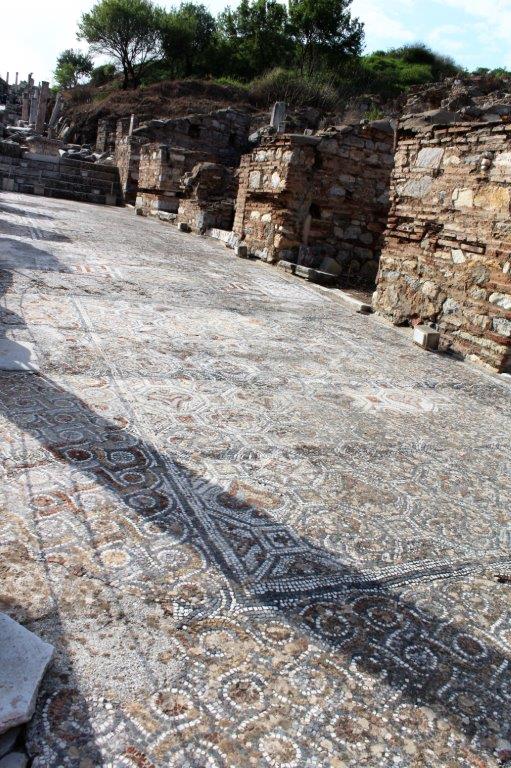
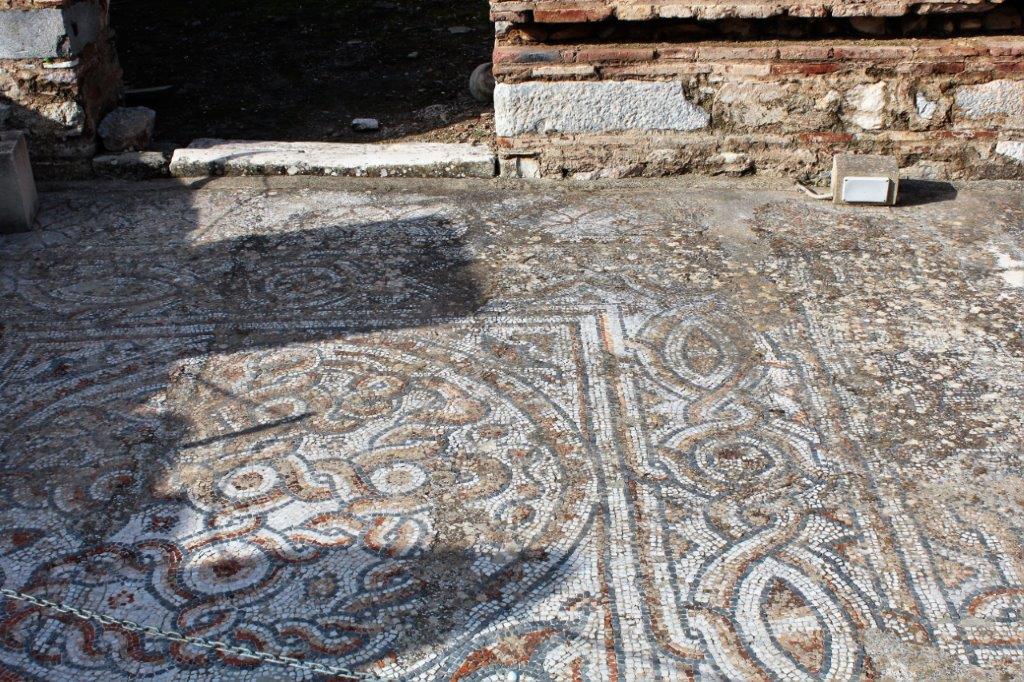
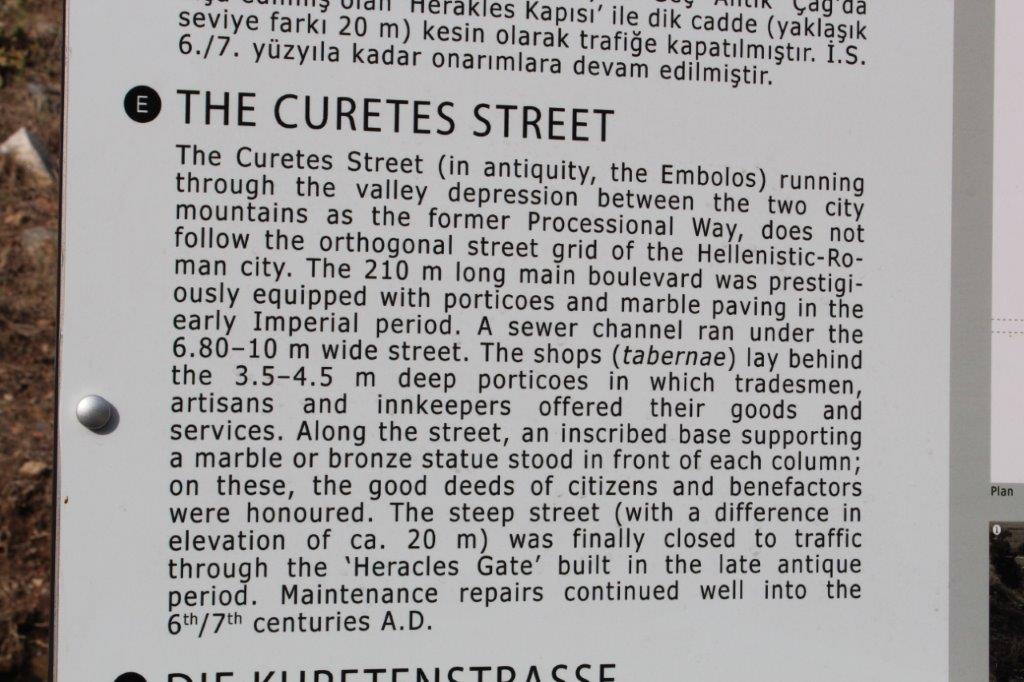
The Fountain of Trajan, one of the finest monuments in Ephesus.  It was built in 104 AD in honour of Emperor Trajan. The fountain pool was 20 X 10 meters and was surrounded by statues.There were many houses on the slope of Curetes Street.  Under the houses were colonnaded galleries with mosaics on the floor in front of the shops.  There was a roof over these ‘sidewalks’ to protect the pedestrians from the sun or rain.

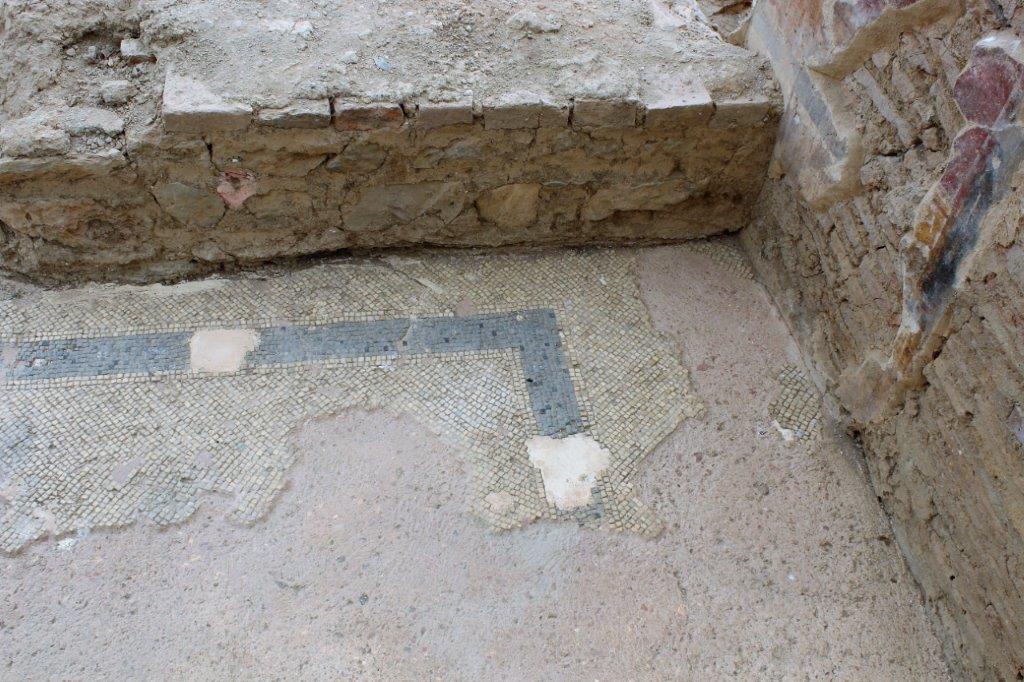
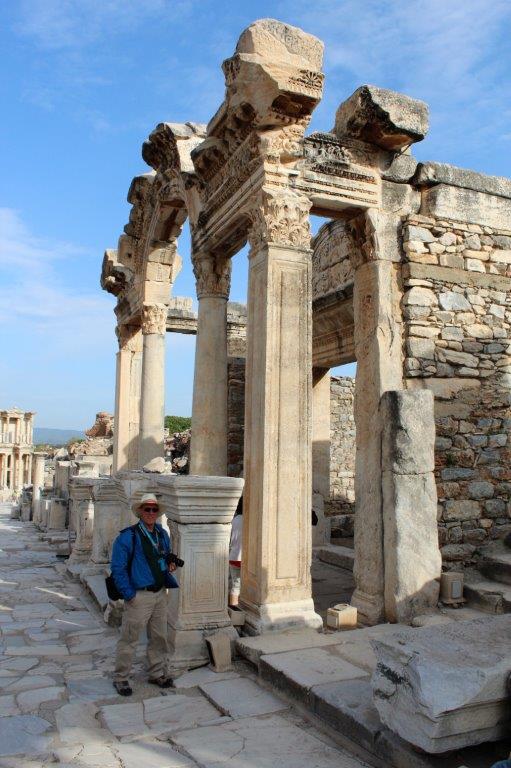
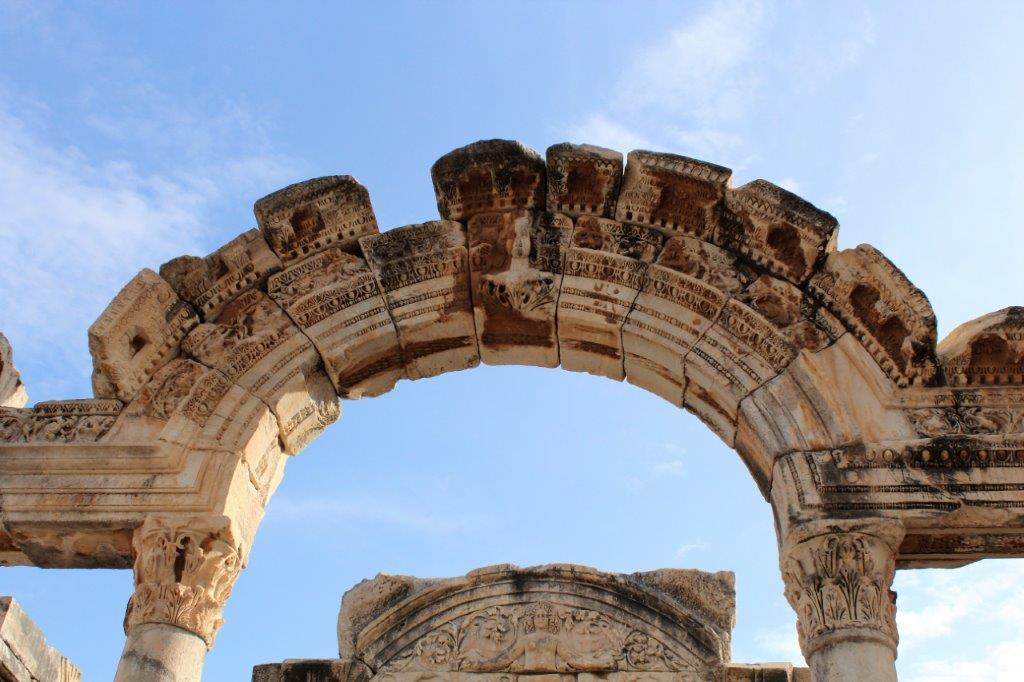
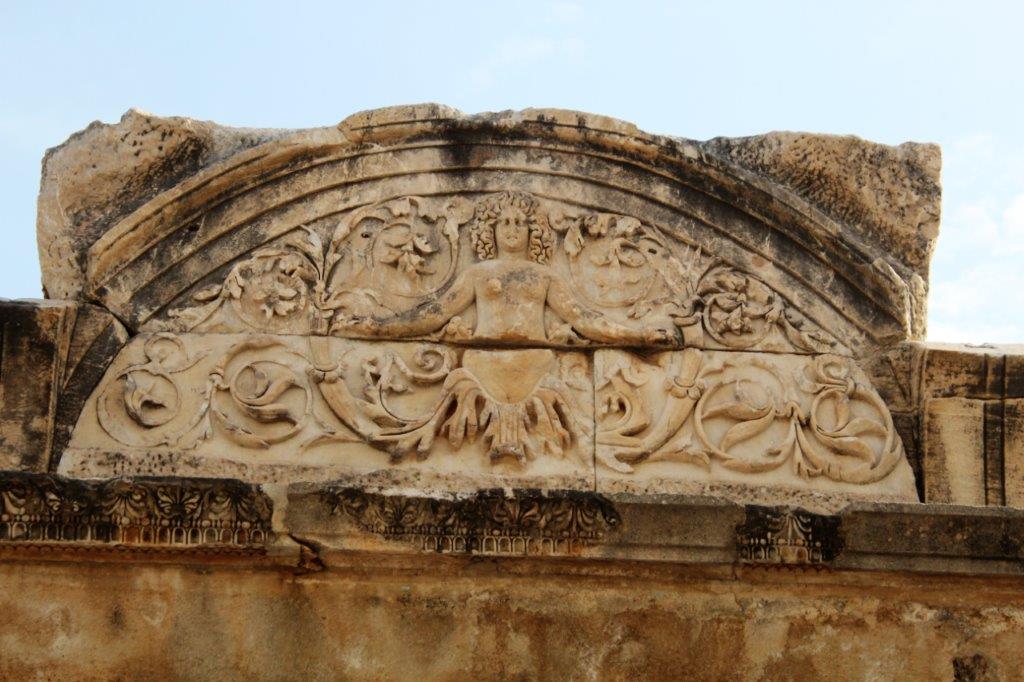
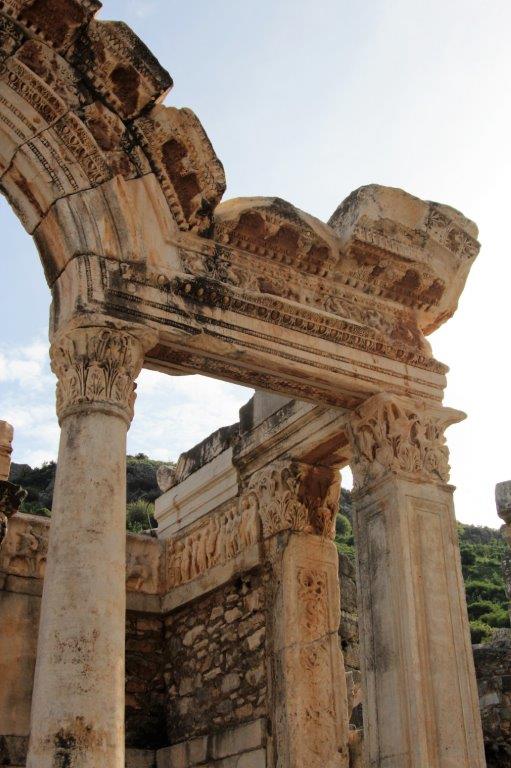
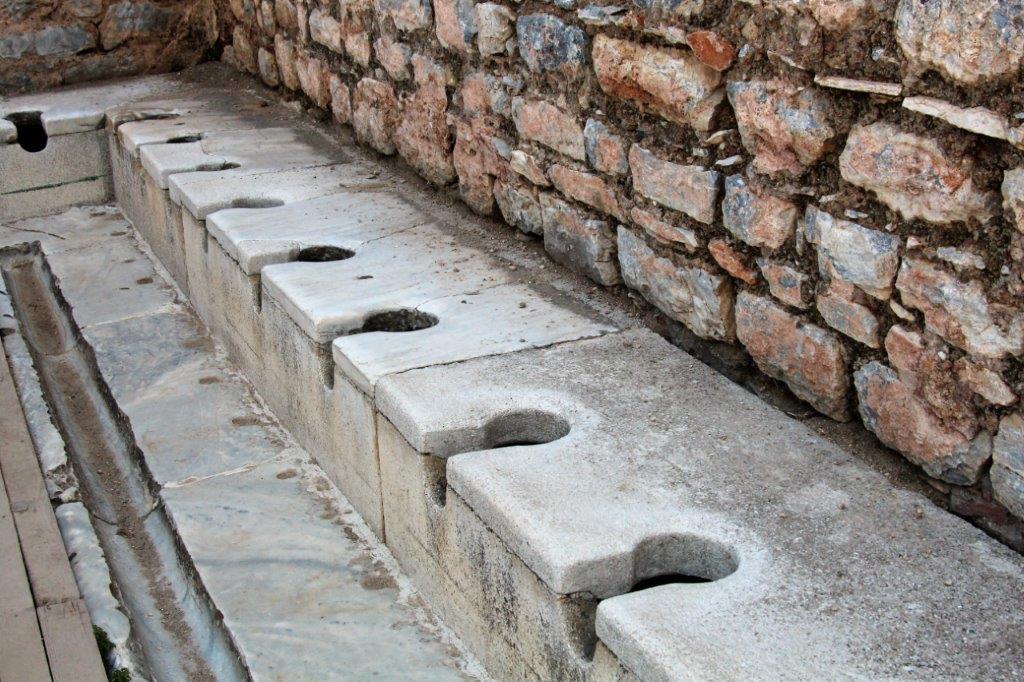
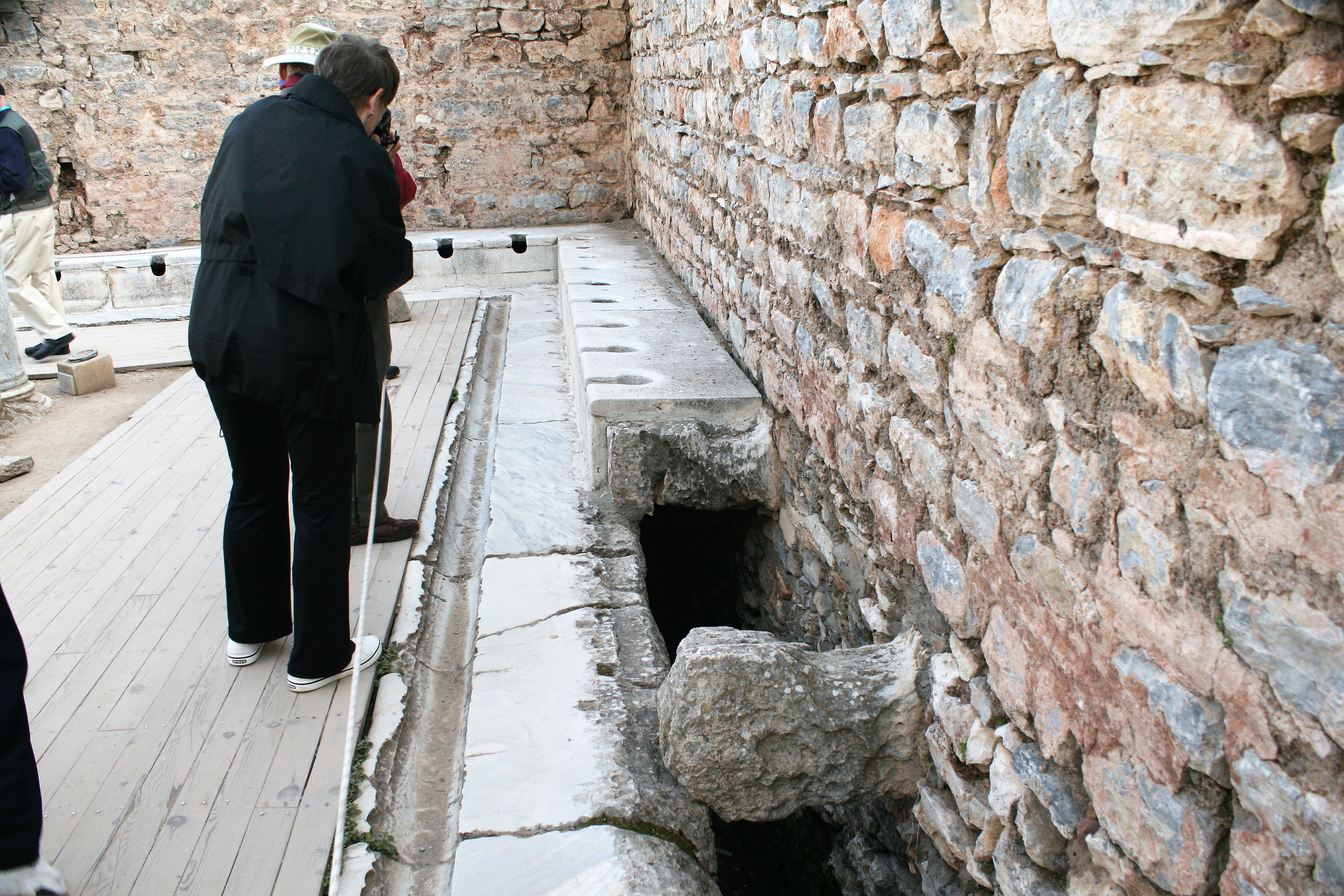
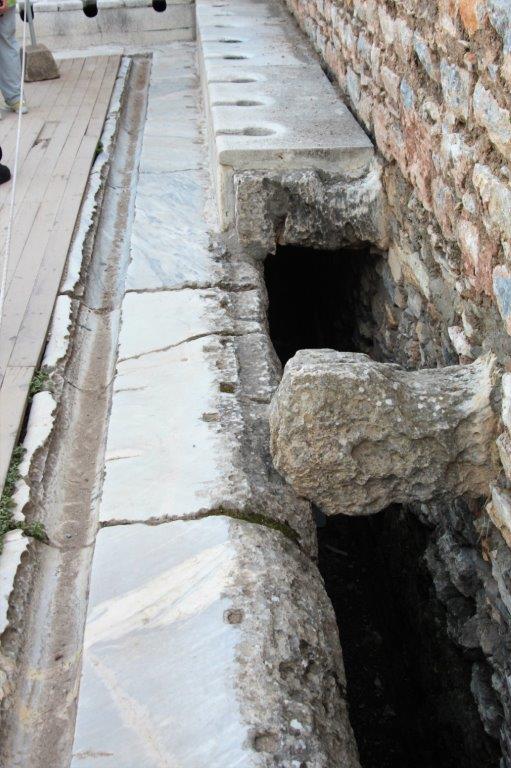
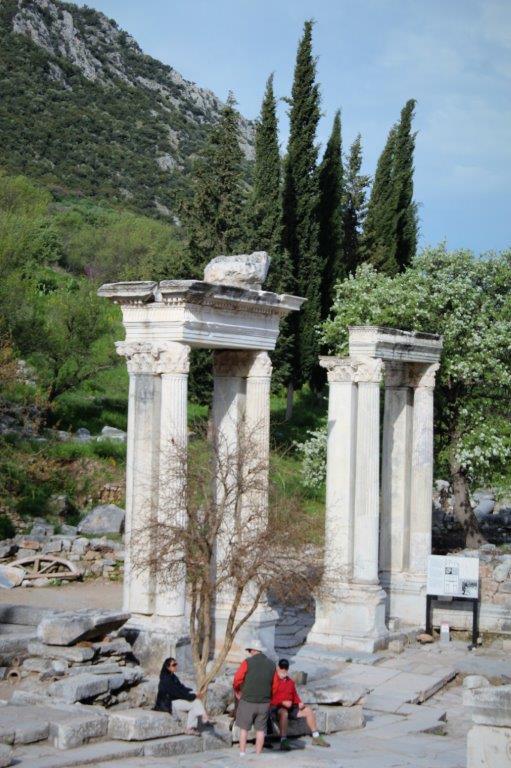
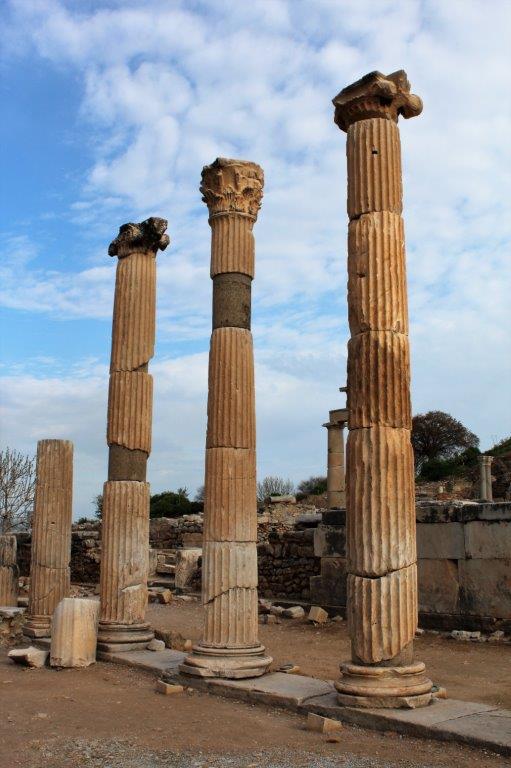
Emperor Hadrian came to visit Ephesus in 128 AD.  P. Quintilius built this, the best preserved and most beautiful structure in the city, in 138 AD and dedicated it to the emperor.Not far down the street from the Temple of Hadrian is the Public Toilets which were part of the Scholastica Bath built in the first century AD.  They were the public toilets of the city and a fee was charged to use them. On the hill across from the Hadrian Temple are the Terrace Houses, also called the “the houses of rich.”  There are six houses on three terraces, which have been covered with roofing resembling Roman houses.  The oldest of the structures dates back to 1 BC and continued in use until 7 AD.  There is a separate ticket fee to visit the Terrace Houses, so many people who visit Ephesus do not see these remarkable treasures.  We did, and I will show you photos in my next blog.

2012 April 4 – Day 24 – Kusadasi, Turkey (Day 2) (Part 1)

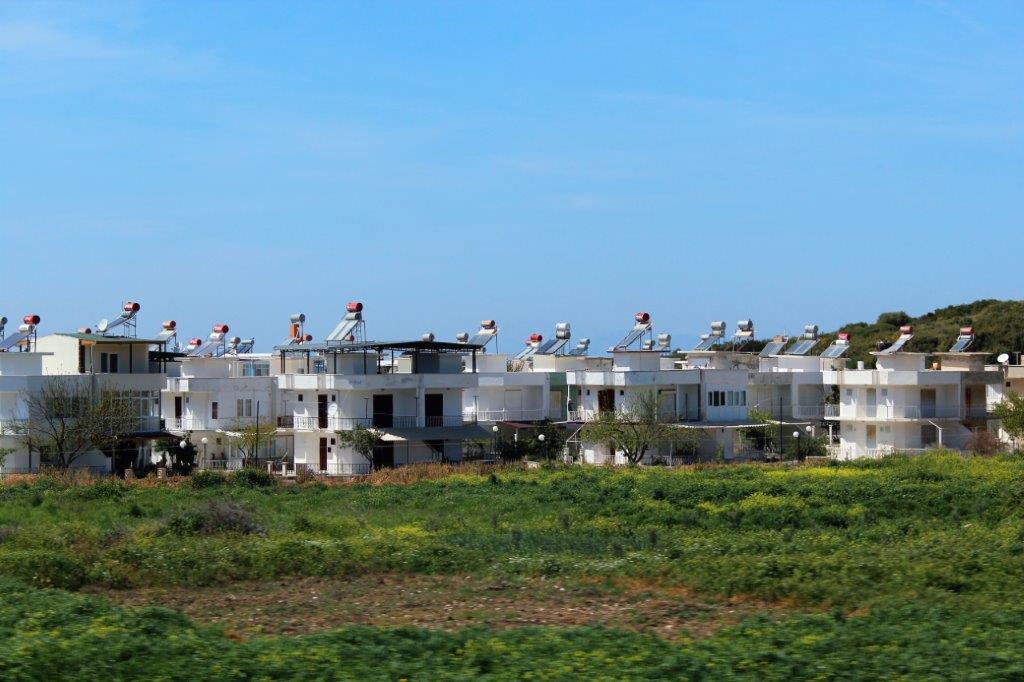
When we climbed on the bus at 8 am for our tour to Ephesus we discovered we had the same guide as the day before.  Ahmet was great and full of interesting ancedote’s and information.  Like the day before we were all given portable electronic headsets so we were able to listen to Ahmet’s commentary as we walked around and didn’t have to form a cluster around him to hear things.  Normally you would not be able to do that at most of the historic spots in Turkey anyway, and certainly not in Ephesus, as the crowds are horrendous in the summer tourist season.  150 45-person buses a day, all day, every day for months.It was a half hour drive from the port north to the ancient city of Ephesus and we traveled through the newer side of Kusdadsi, past several five-star hotels and modern buildings.

In its time, Ephesus was also a very modern city with an elaborate water and sewer system, marble streets, a library, many fancy shops along a street they call the “Rodeo Drive of the East,” and beautiful mosaic sidewalks.  Even though the work has been ongoing for over 100 years only 15% of the site has been excavated, so there are many more treasures yet to be found.

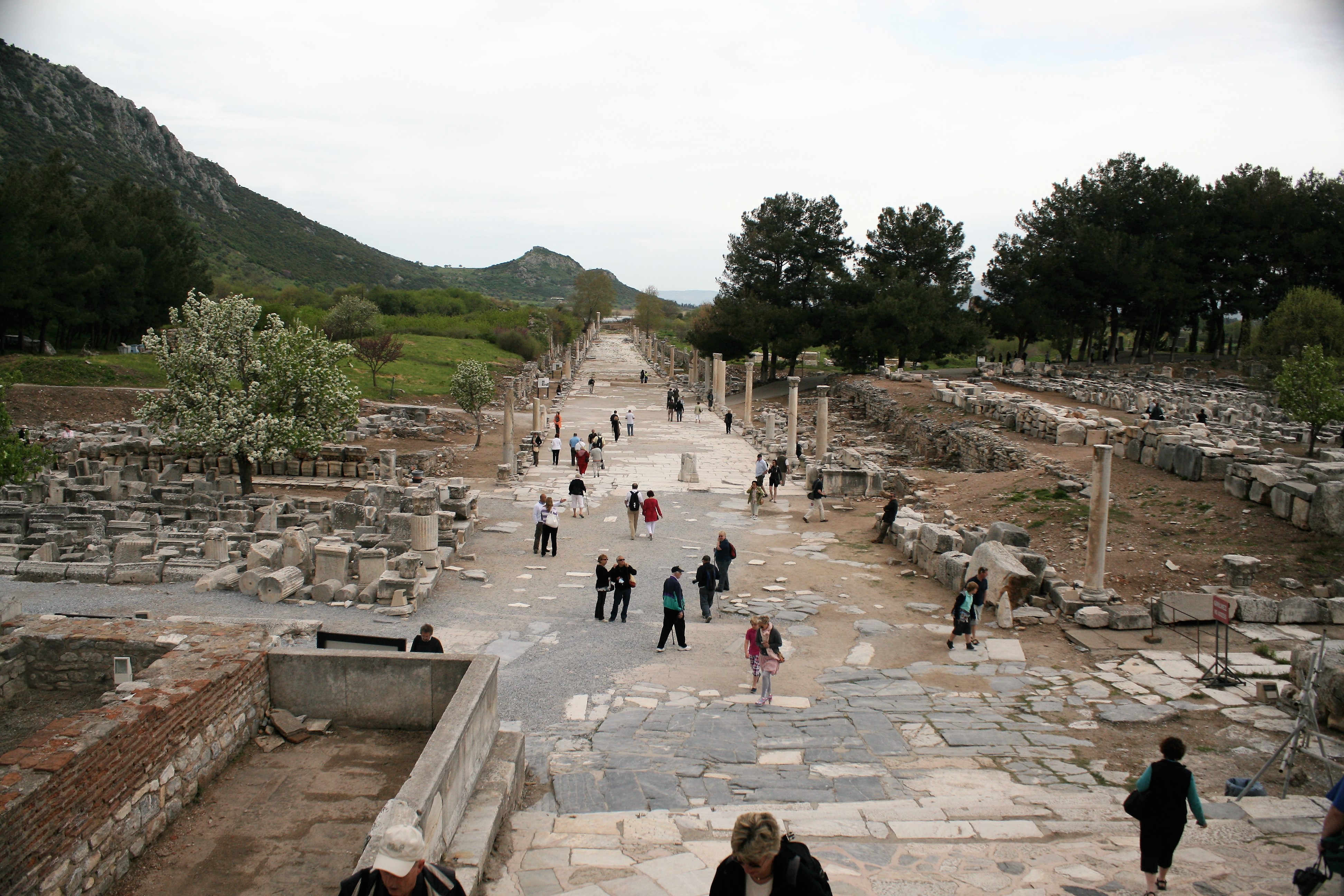
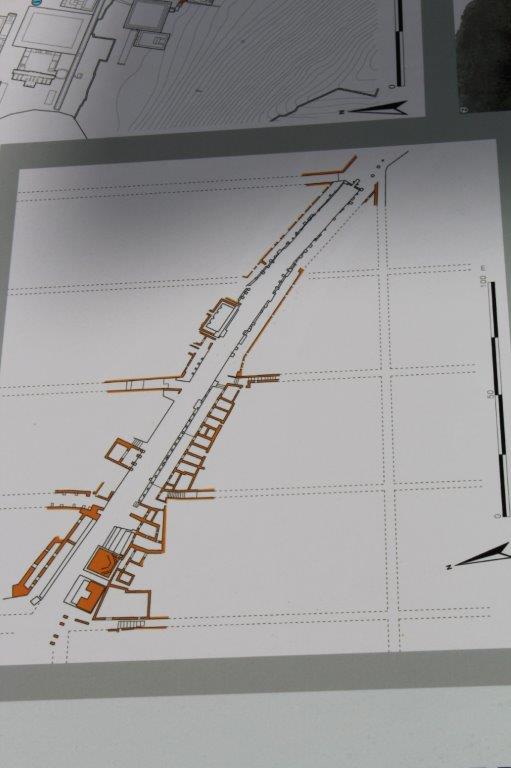
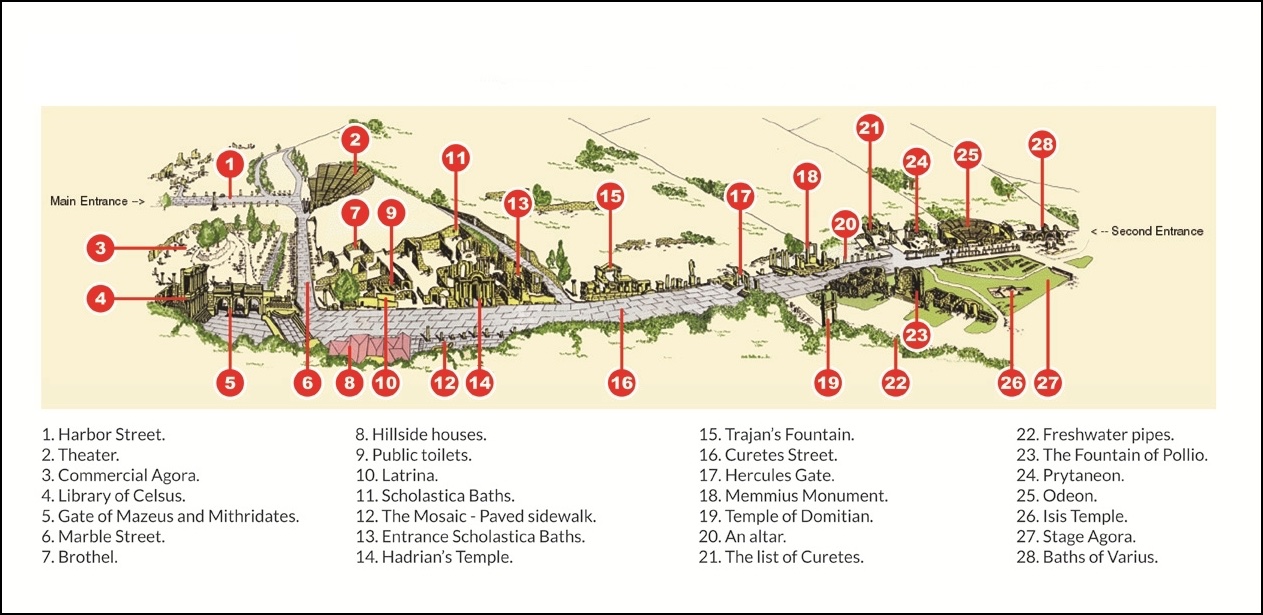
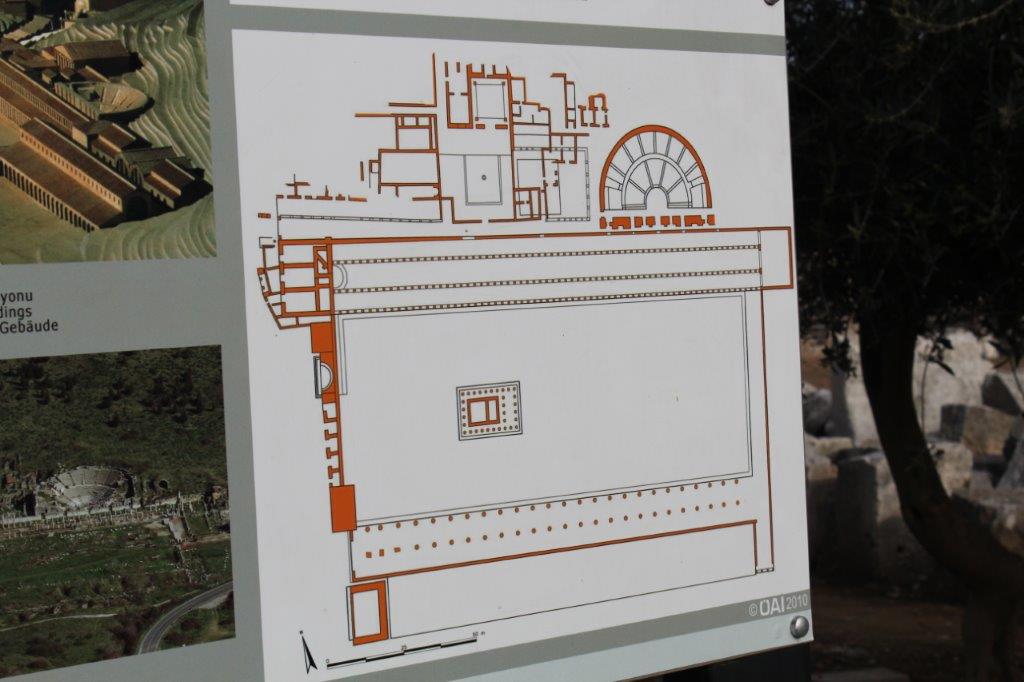
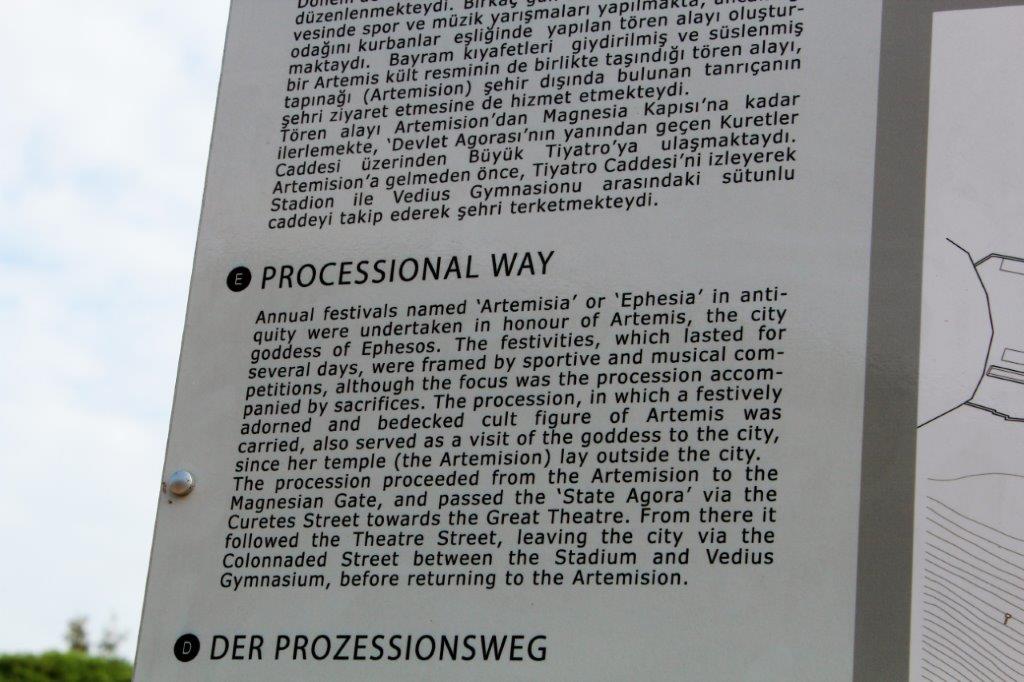
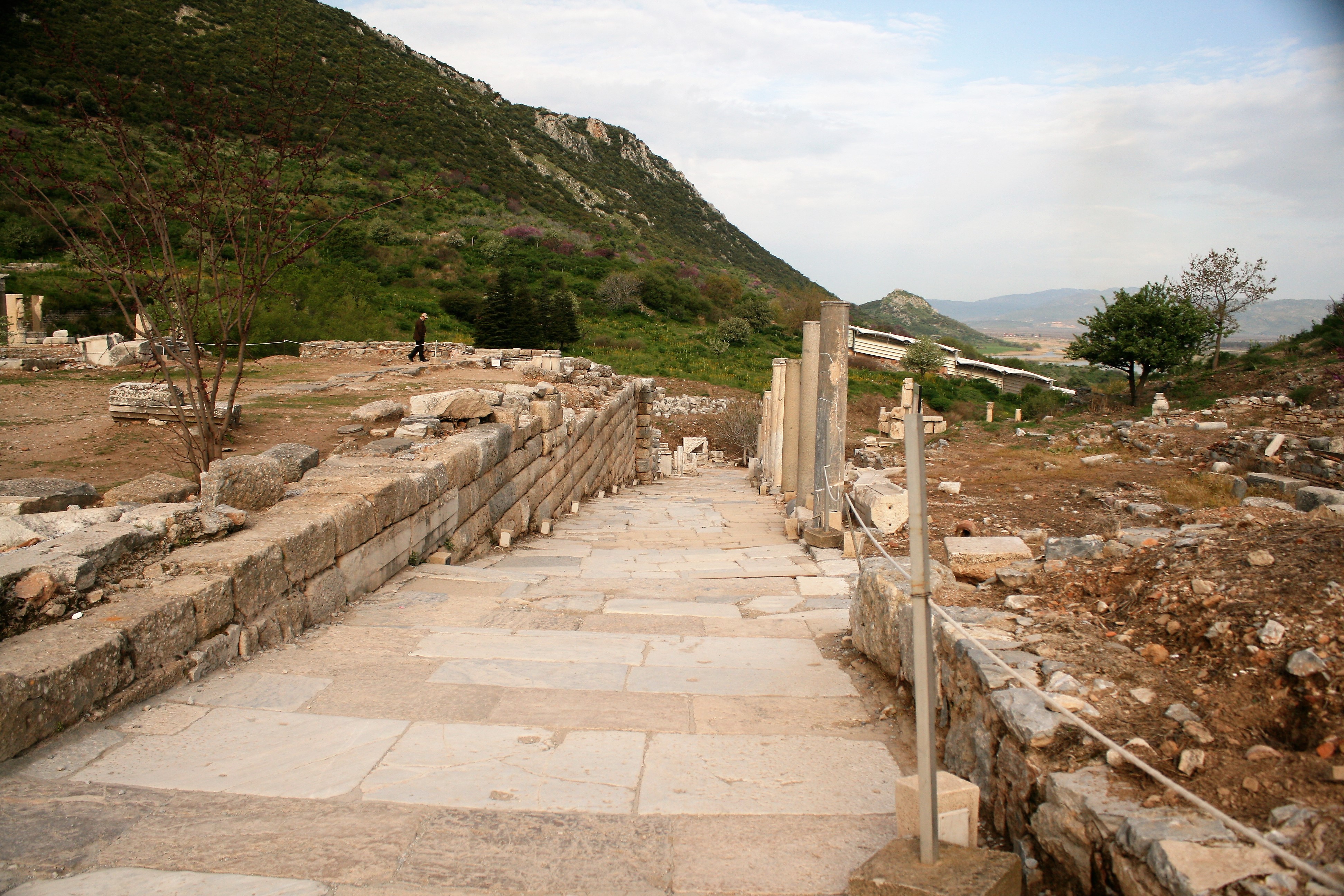
I took 494 photos and only deleted 20 when we got back to the ship!  There was so much to see.   I found these two maps on line.  They may give you a bit of an idea of where we were on the route. We entered at the Second Entrance on the right side of the maps, and walked the full length of the long street before turning up the Processional way to the Grand Theater on the left and departing through the Main Entrance.
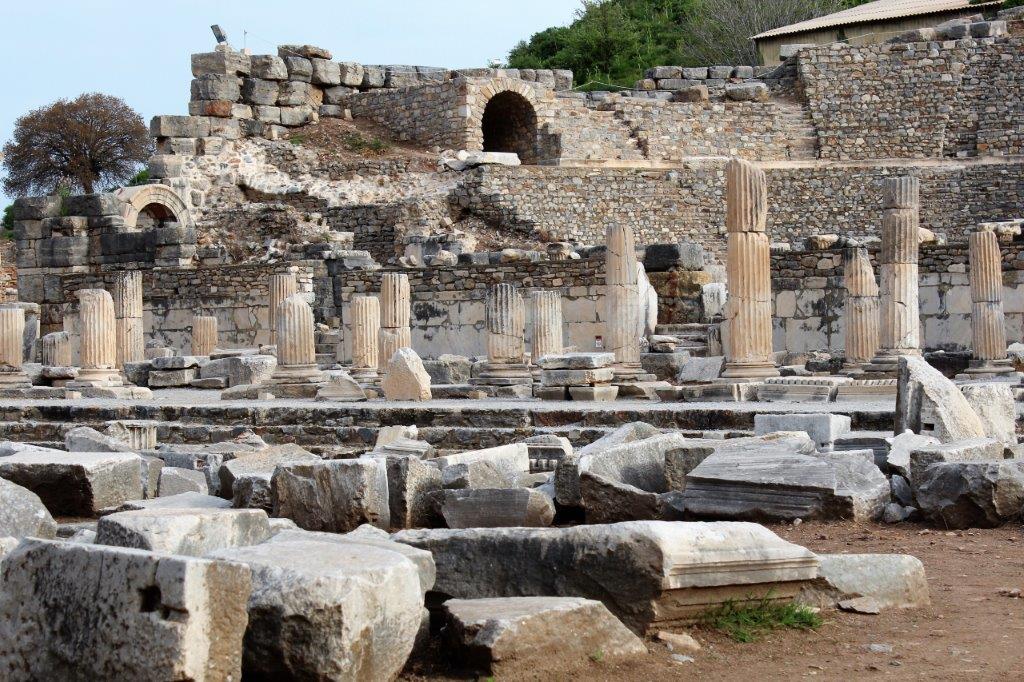
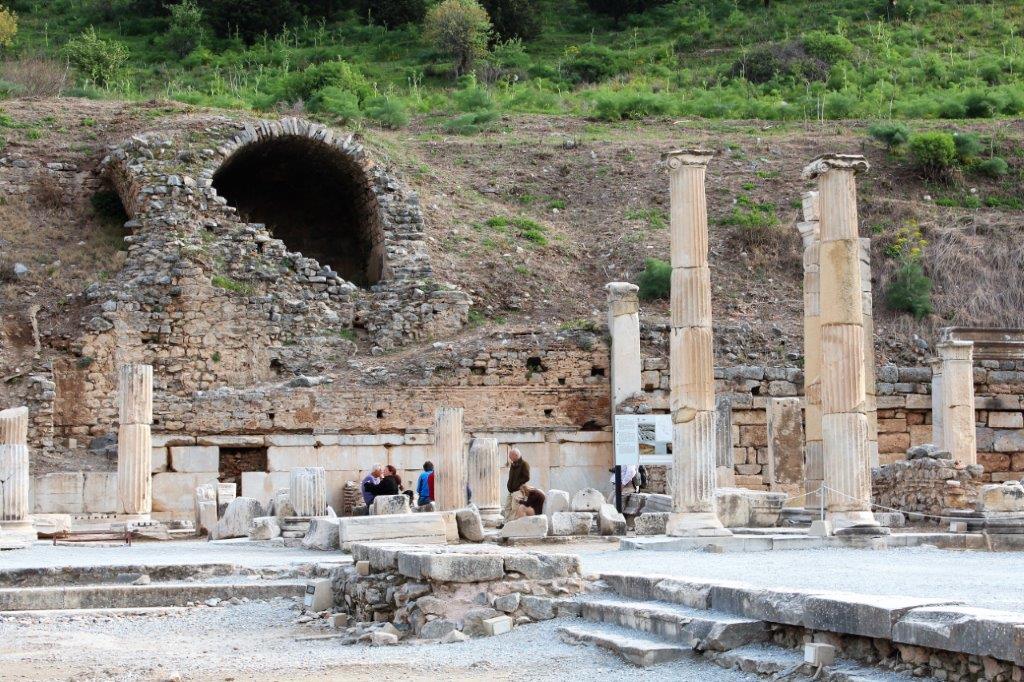
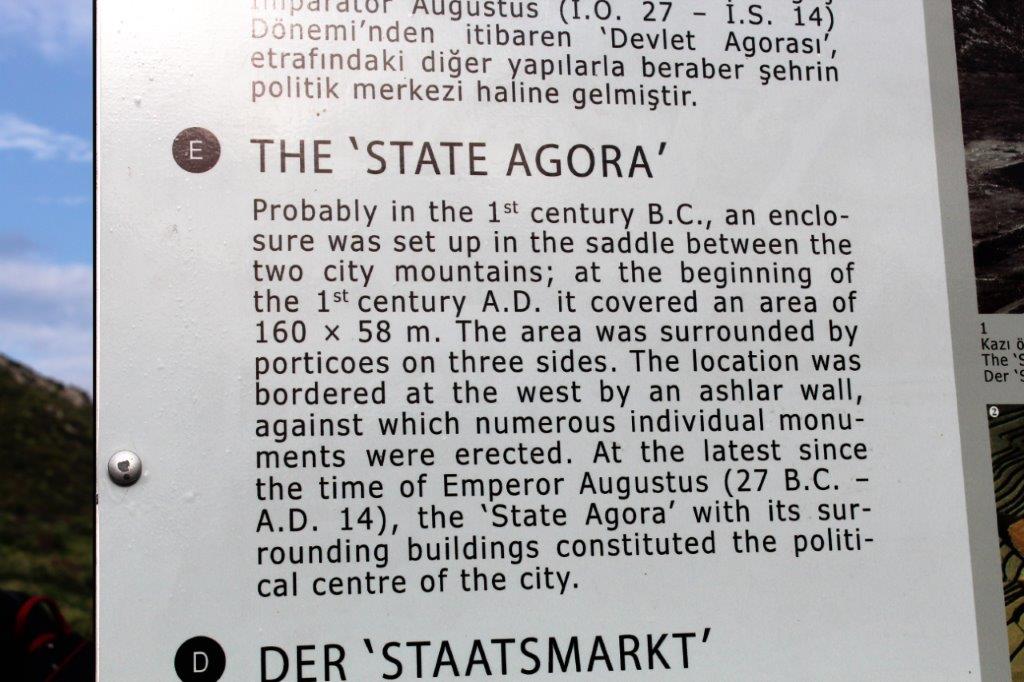
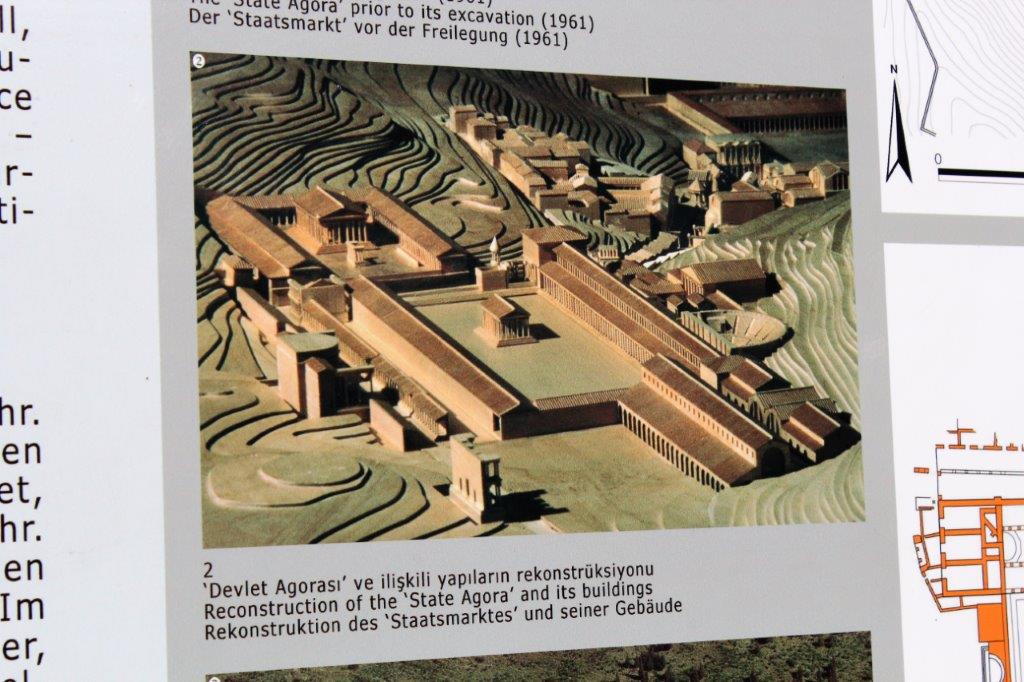
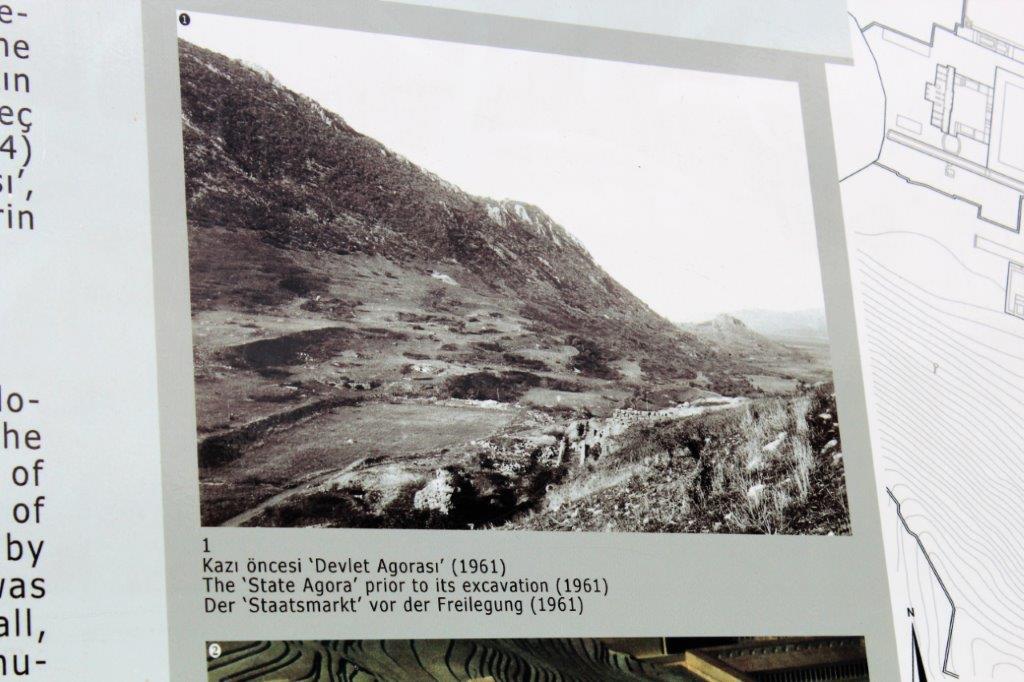
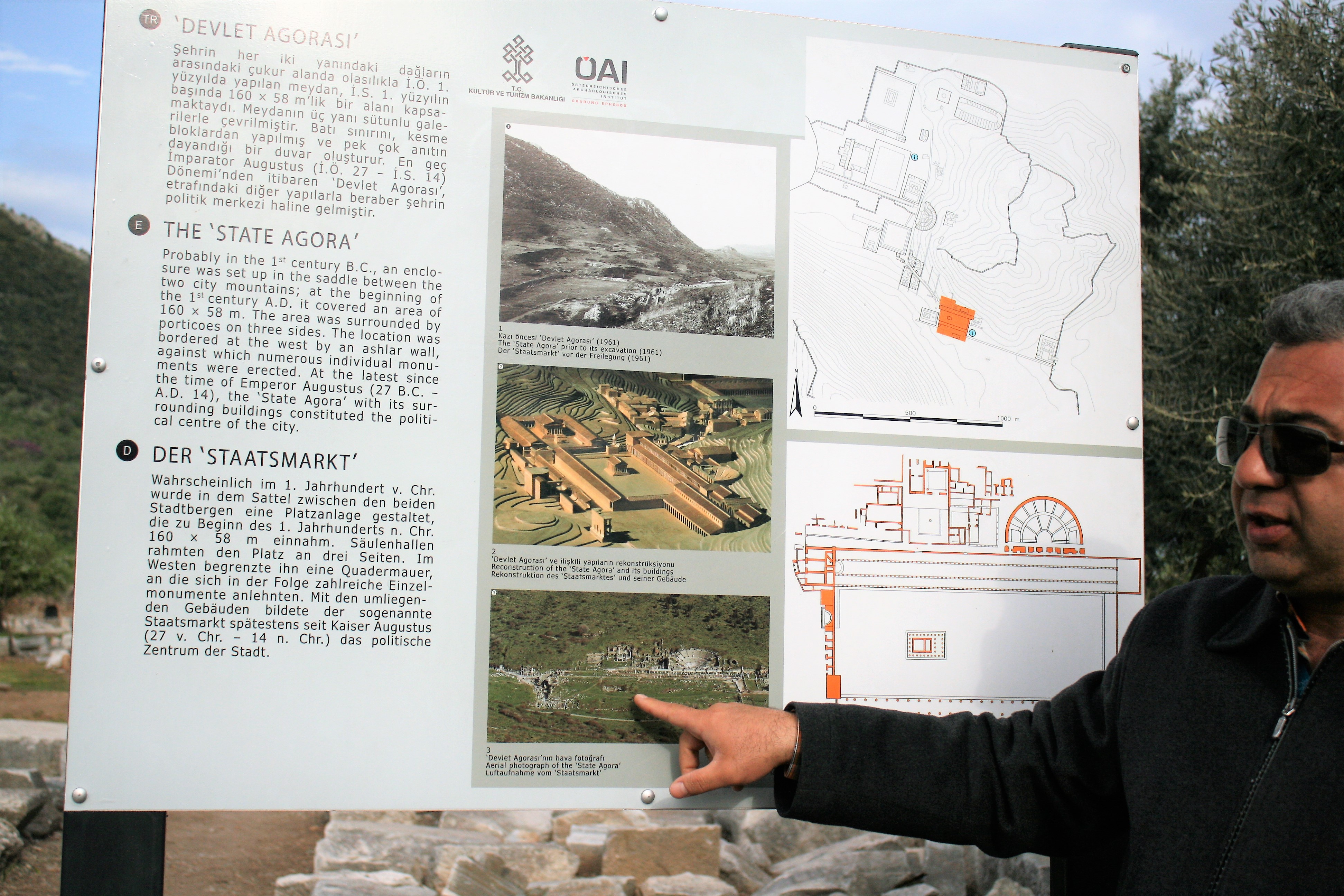
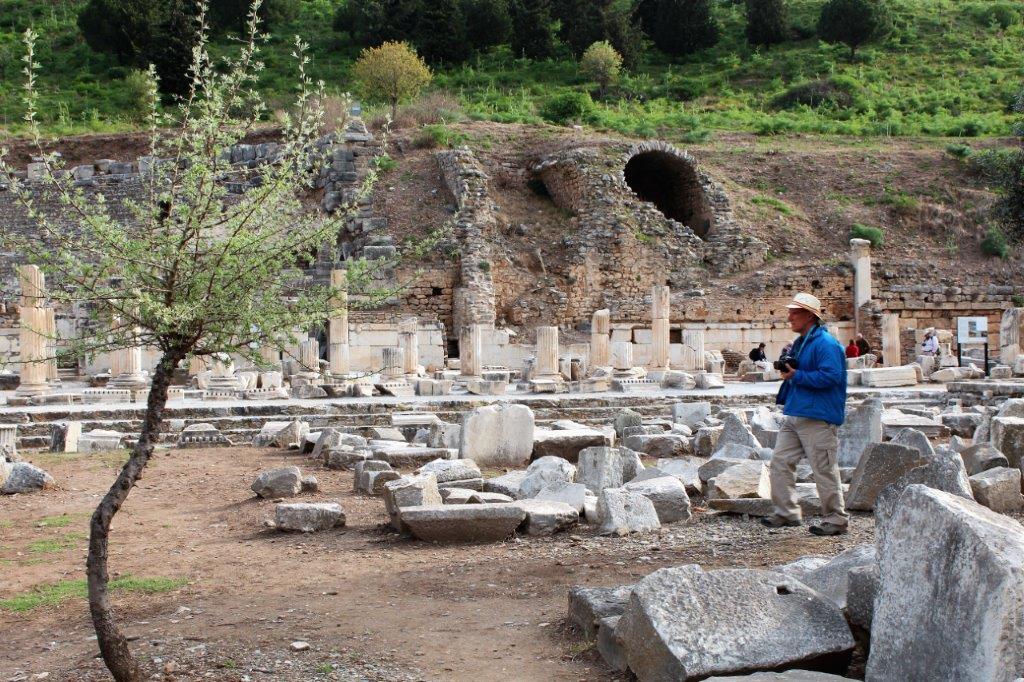
This is the Odeon or Stage Agora – a concert hall that had a stage area and an orchestra section. The Basilica – 160 meters long, that was the stock exchange, commercial business area, and law courts.

The Bath of Varius – built in the 2 century. There were baths of cold water, warm water and hot water. It was in this very place that the Apostle Paul preached the gospel to the people of Ephesus and thus he spread the word of the Lord and a fellowship of believers began to gather in Jesus name.  It was totally awesome to be walking the same streets and standing in the same places as Paul had been over 2000 years ago!

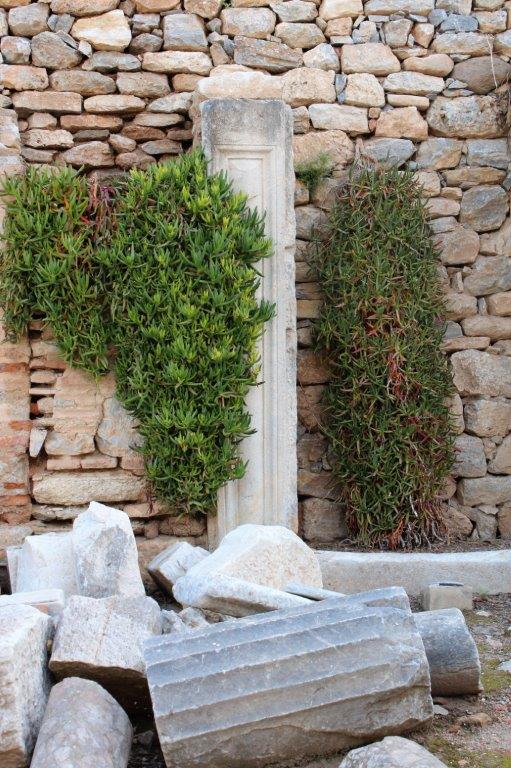
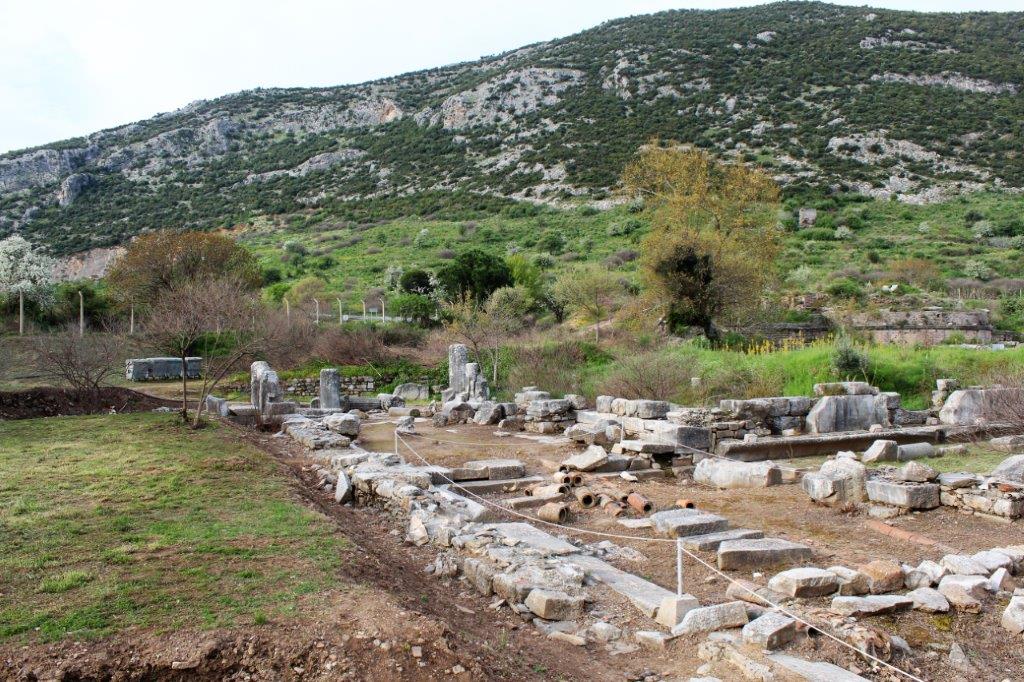
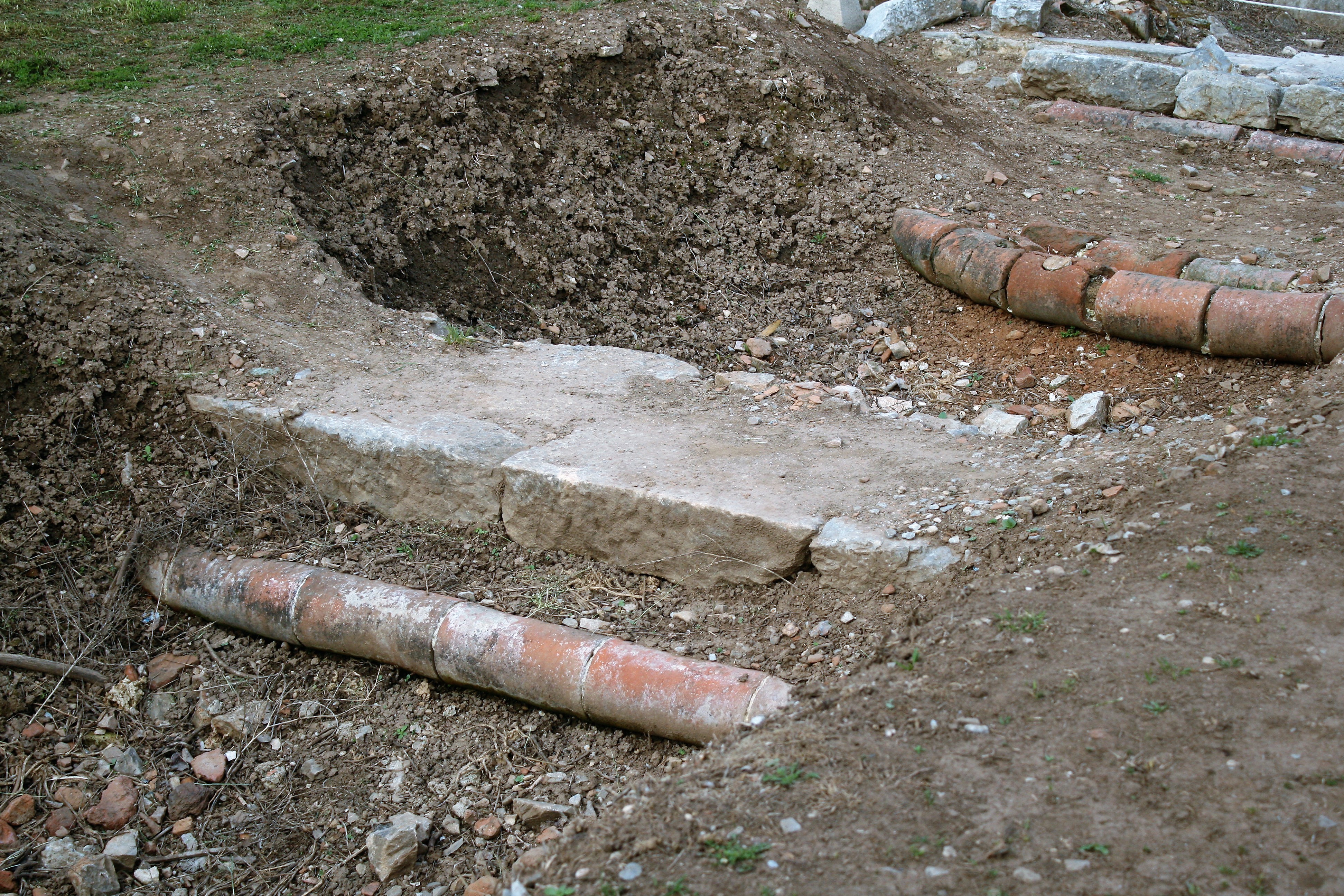
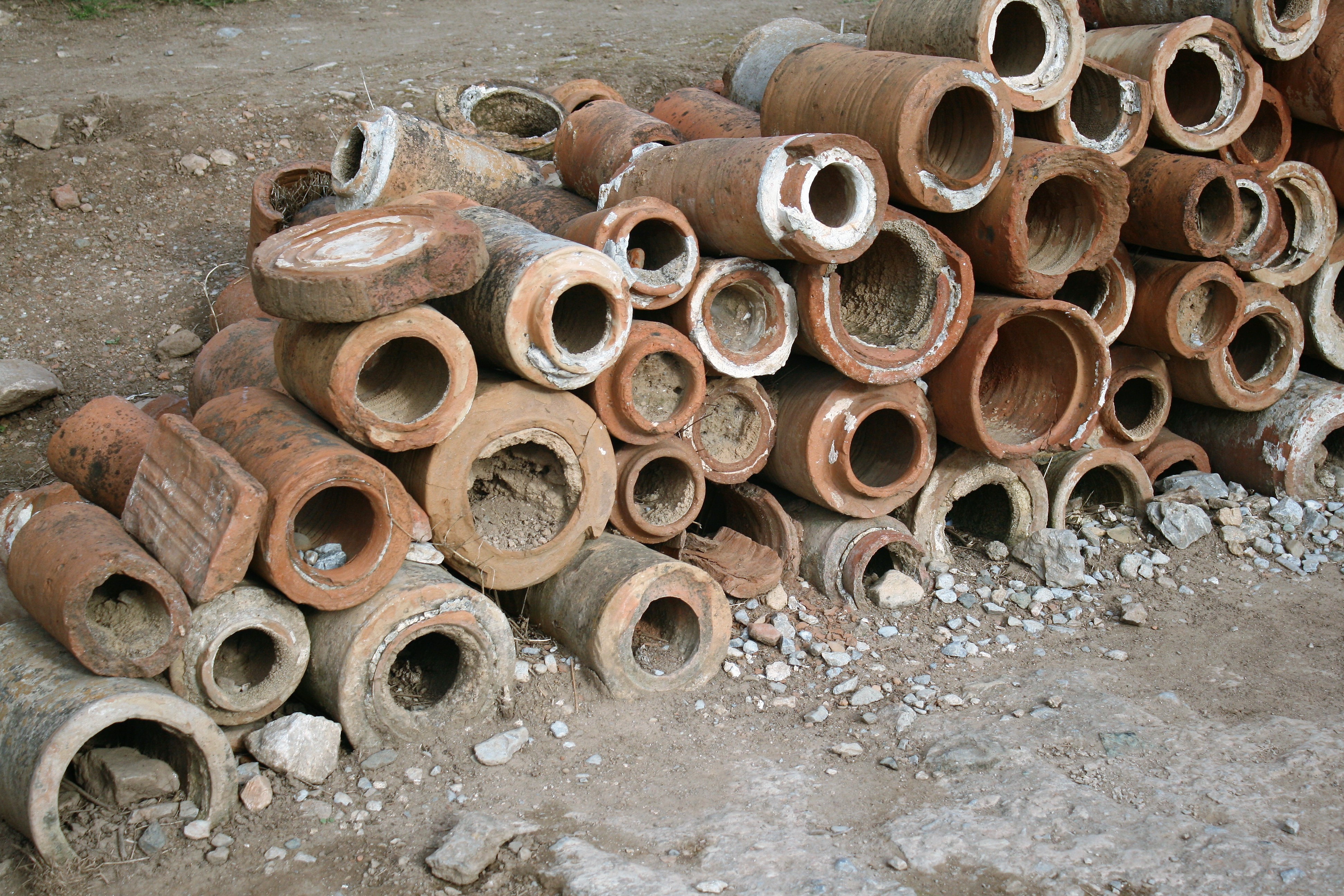
Some of the pipes from the sophisticated water and sewer system. There were pieces of columns and walls all over and many places where work of restoration or research was going on.  We were there in the first week of April so were very fortunate that the seasonal influx of tourists had not begun.  By the end of the day, as we were leaving, the place was getting quite congested though.

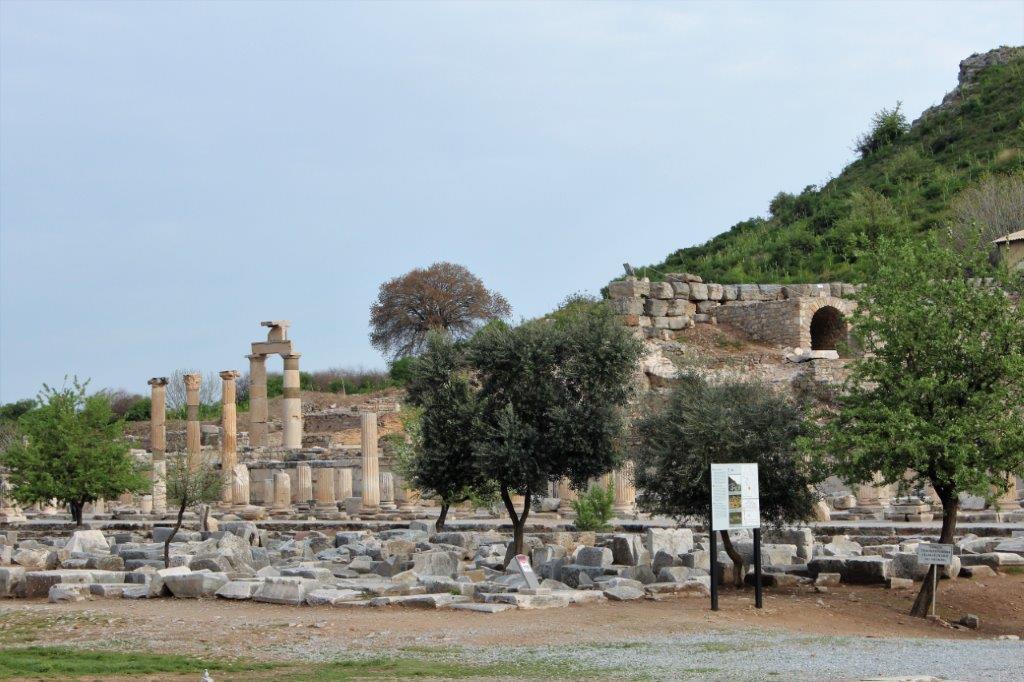
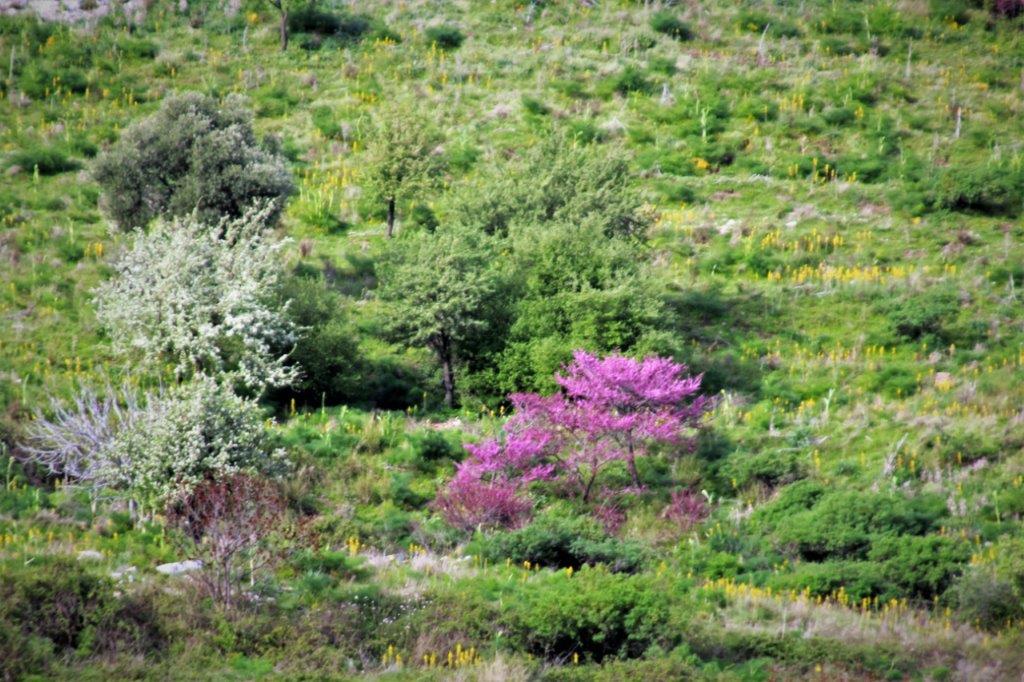
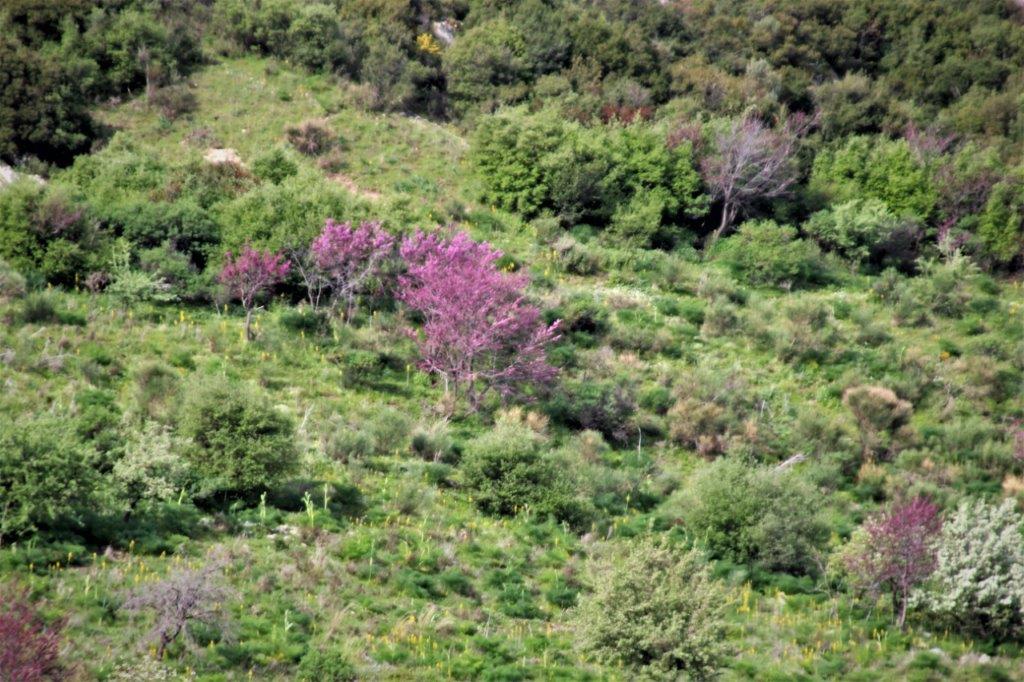
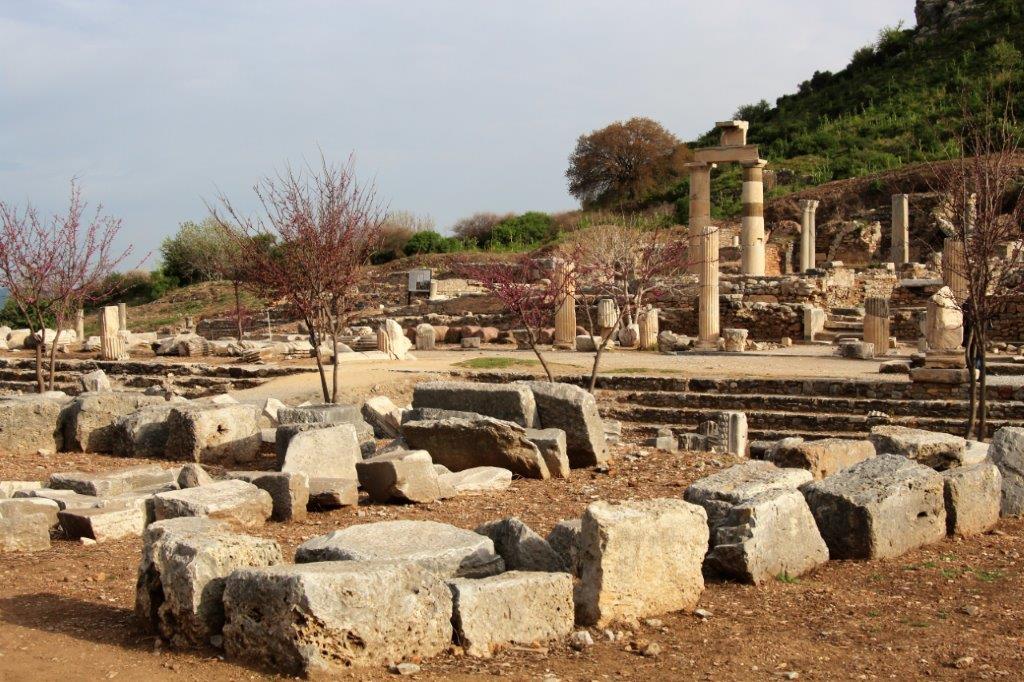
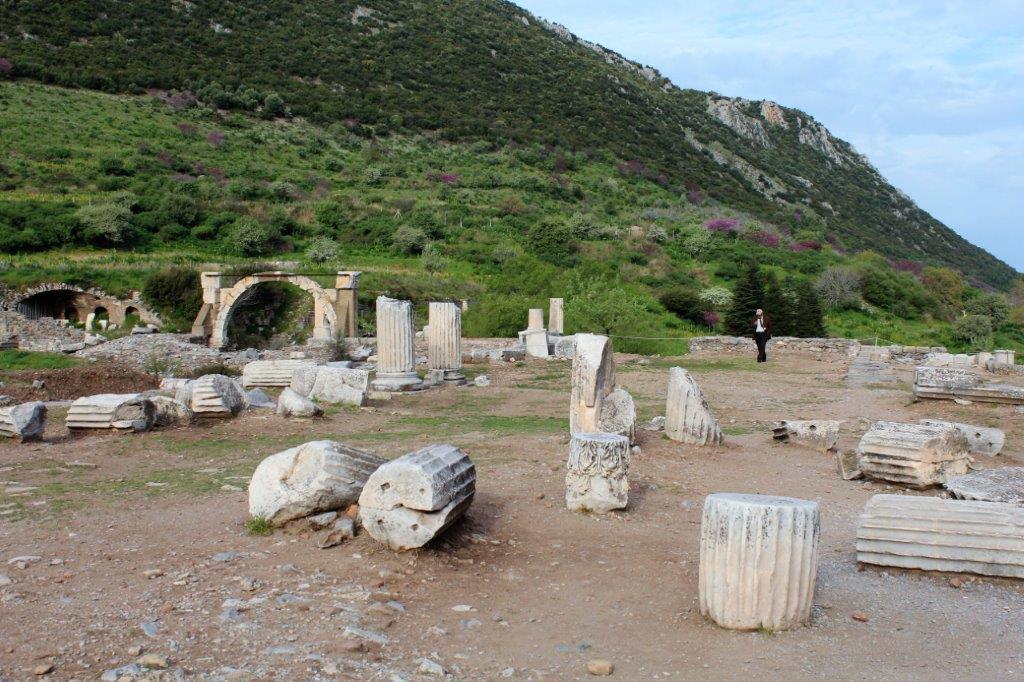
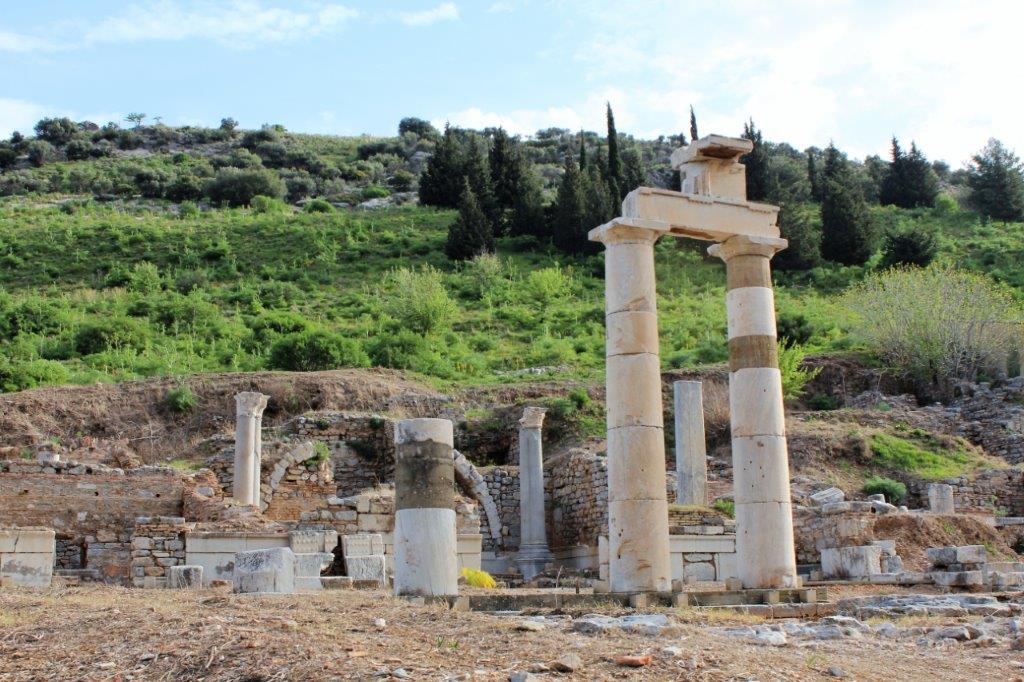
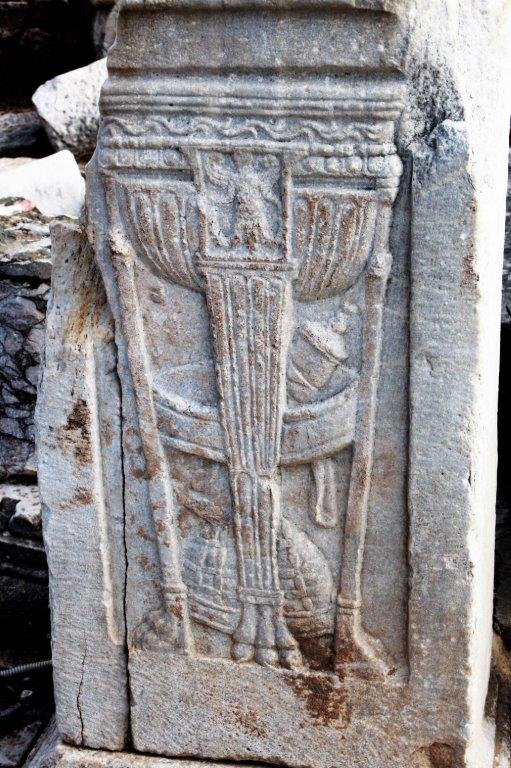
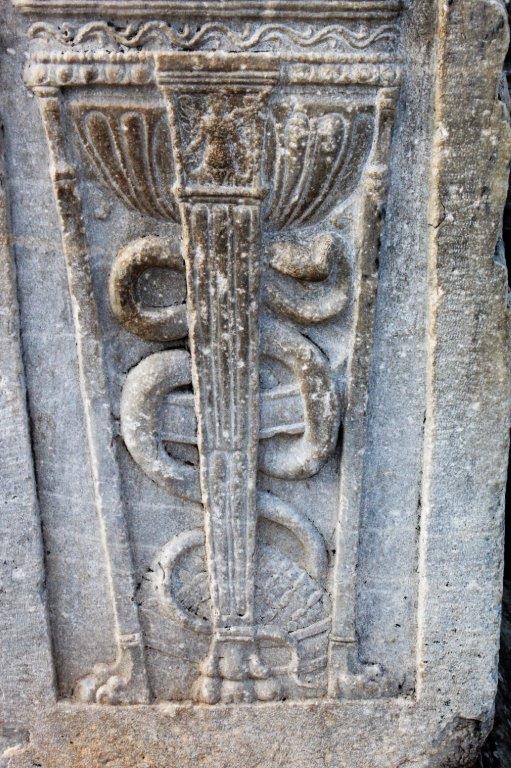
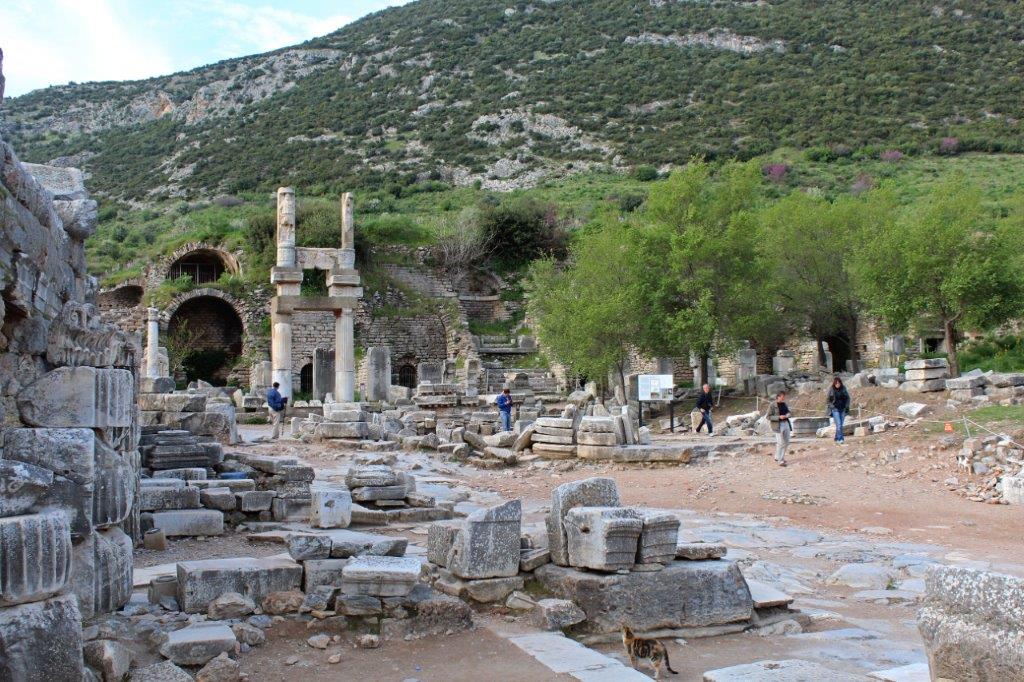
Since it was early spring the trees were lovely shades of green and flowers were blooming.  The surrounding hills were very pretty.This is the Prytaneion where religious services, official receptions, and banquets were held.The early symbols of medicine and pharmacy. Domitian Square containing the first temple built in the name of an emperor (81-96 AD)


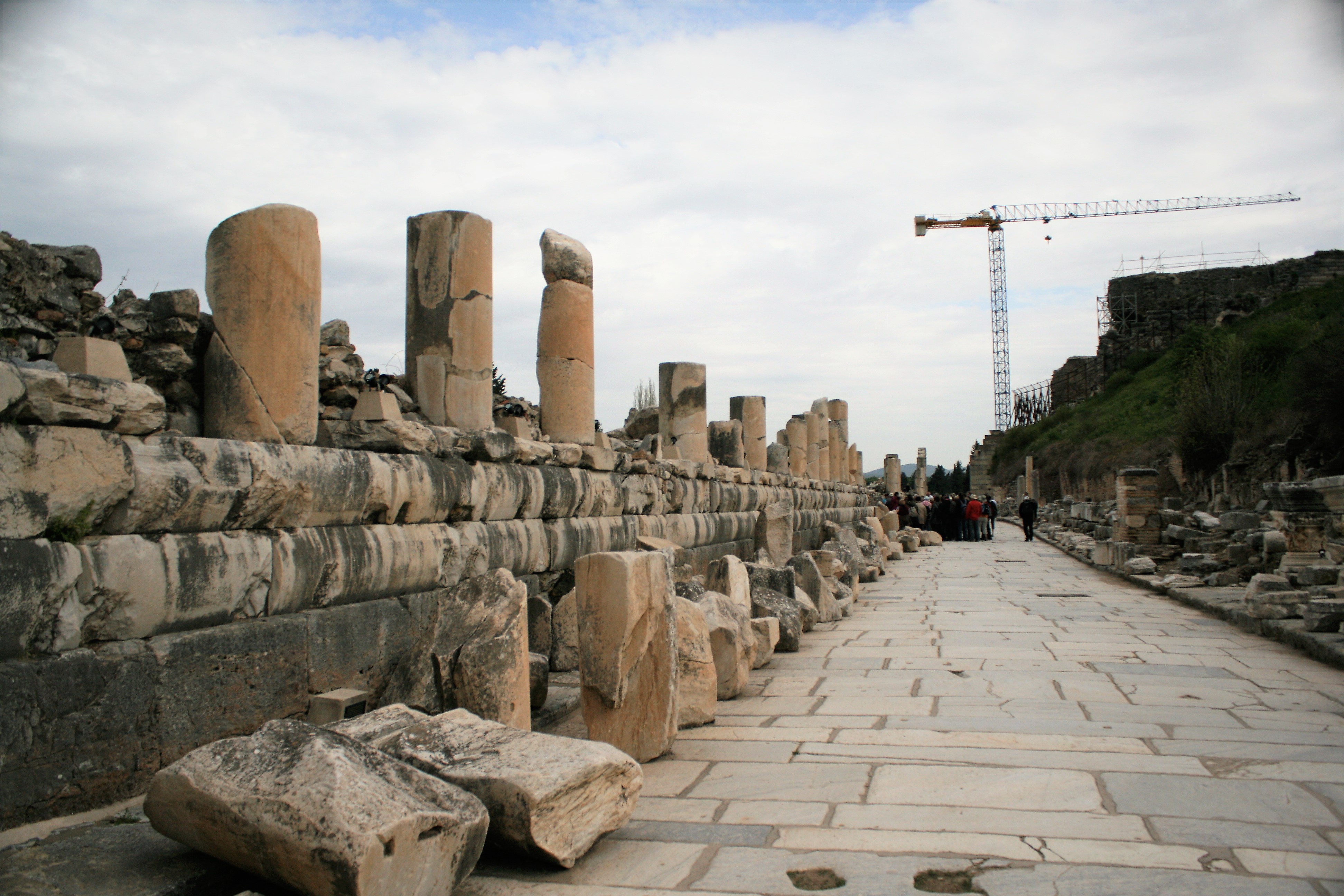
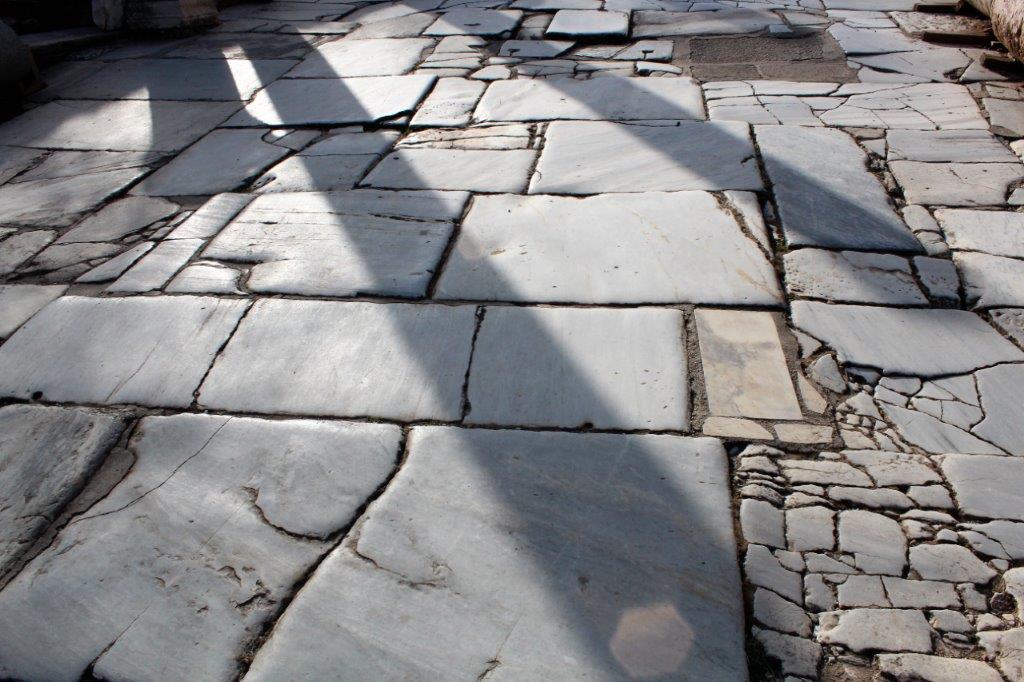
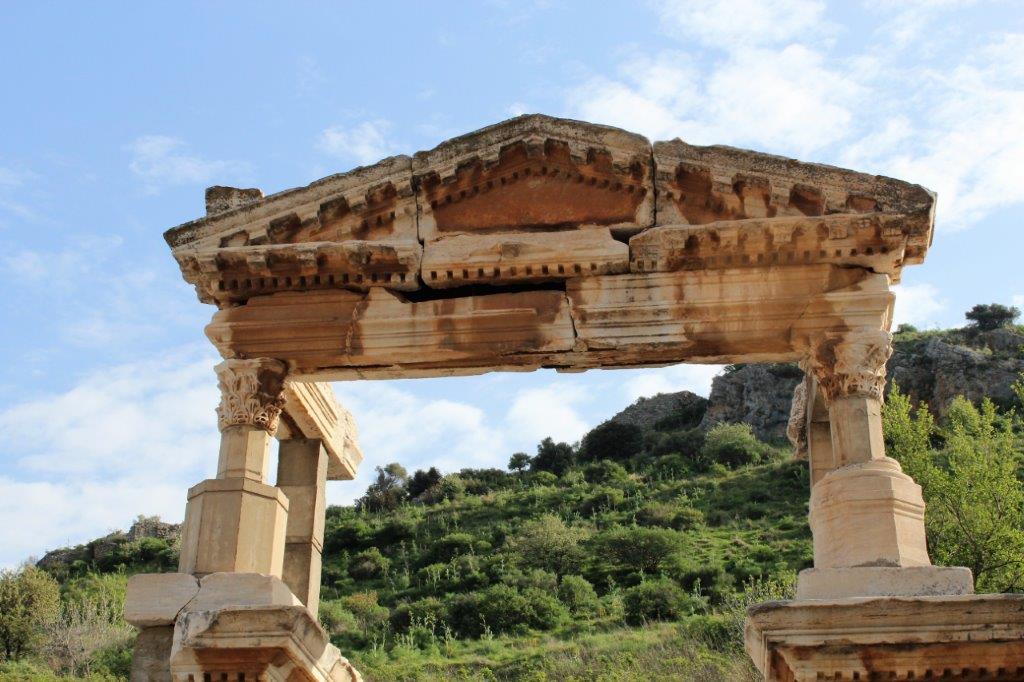
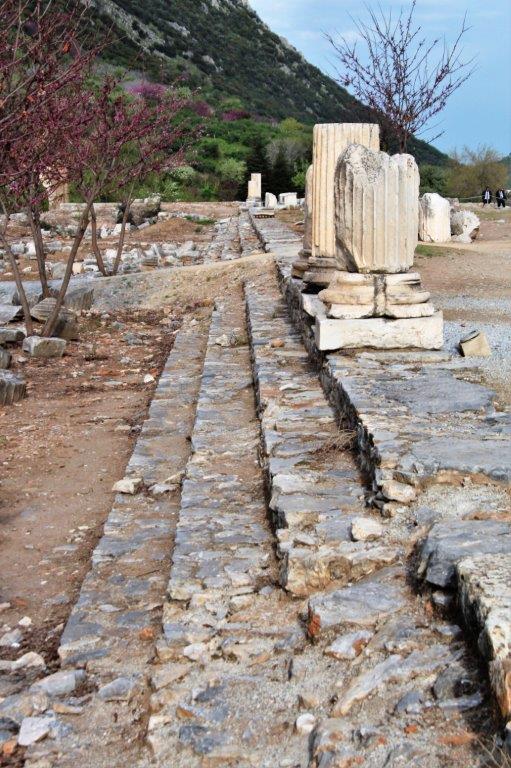
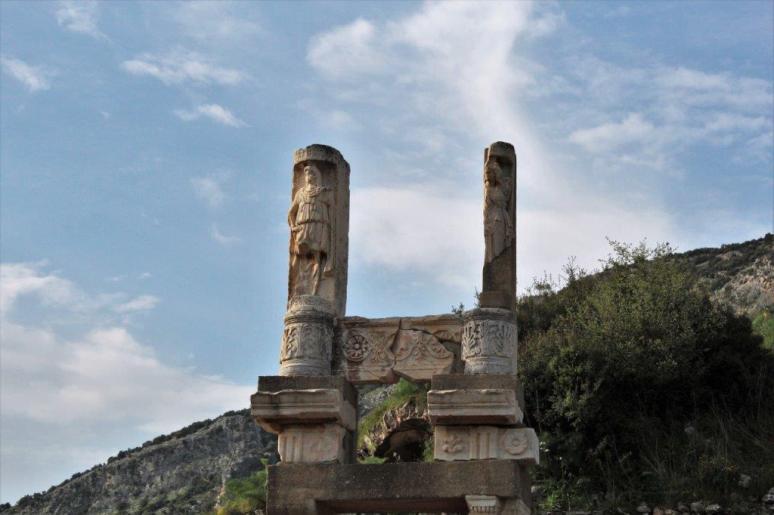
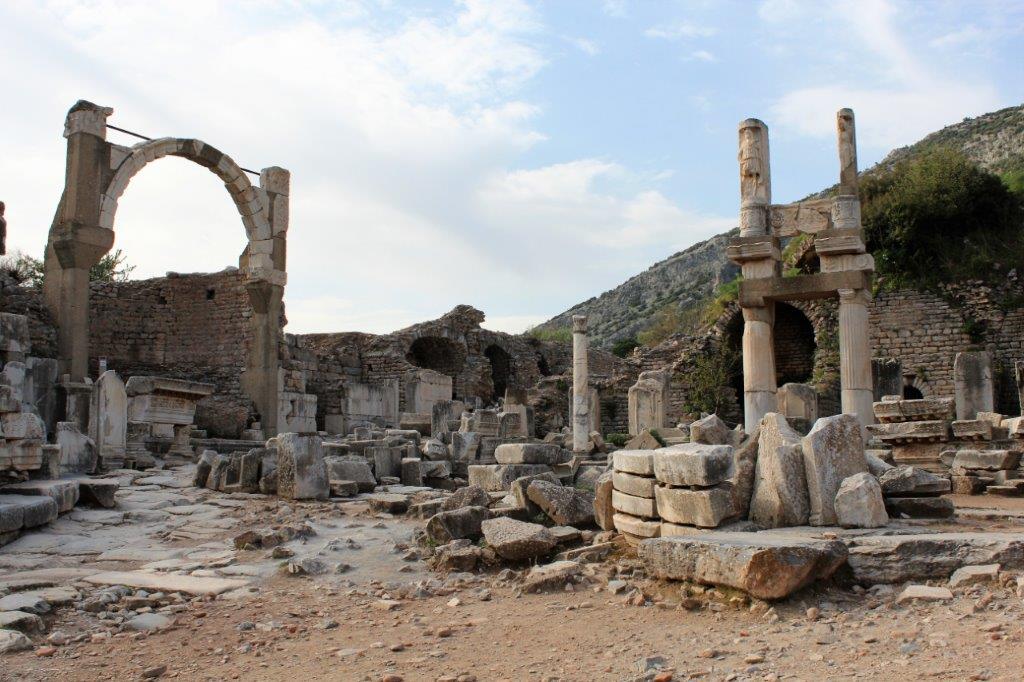
The above arch is part of the Fountain of Pollio built in 97 AD by a rich man (C.S. Pollio) and his family.  The water for the fountains of Ephesus was brought by aquaducts and distributed to the various fountains by clay pipes.At the end of Processional Way we arrived at Curetes Street, a major shopping street that was eventually closed to chariot traffic and became one of the first pedestrian malls.

I will continue the tour in another blog.

2012 April 3 – Day 23 – Kusadasi, Turkey (Day 1) (Part 3)

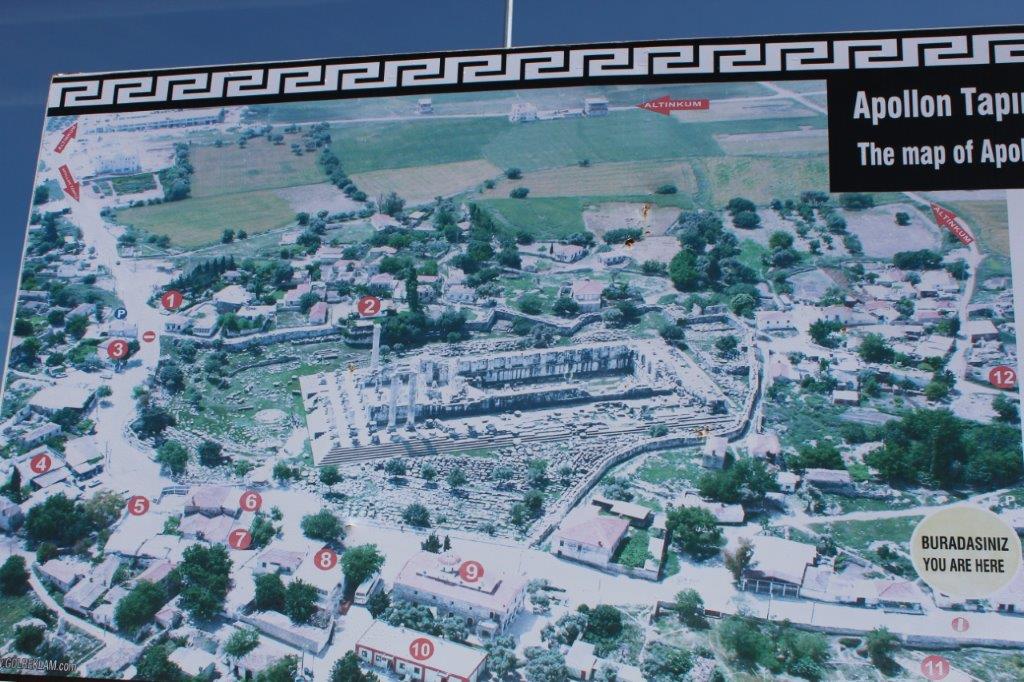
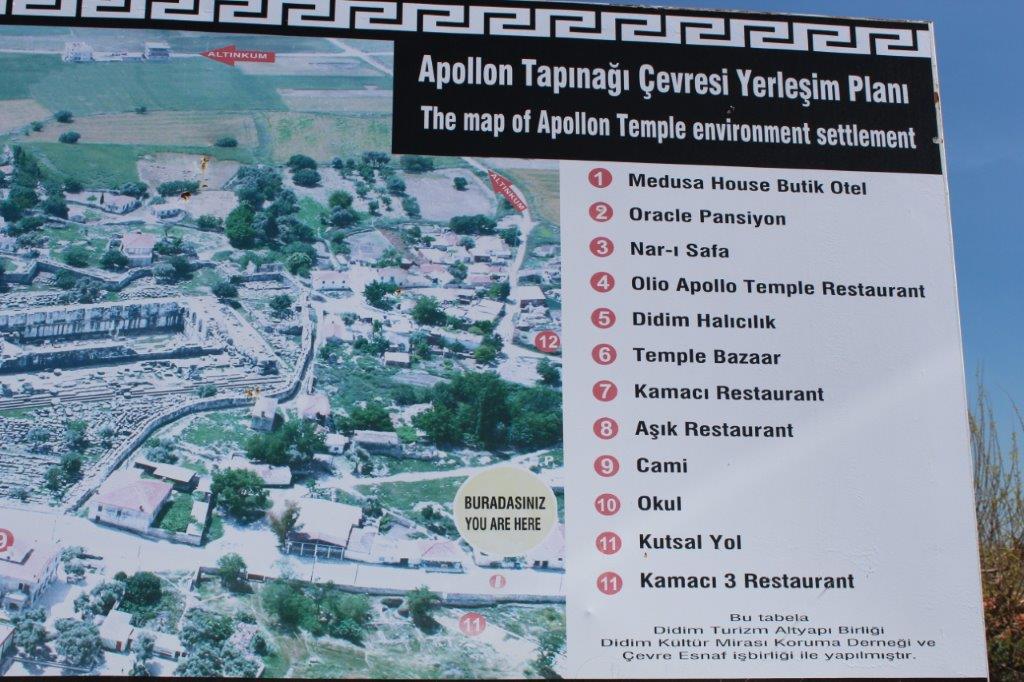
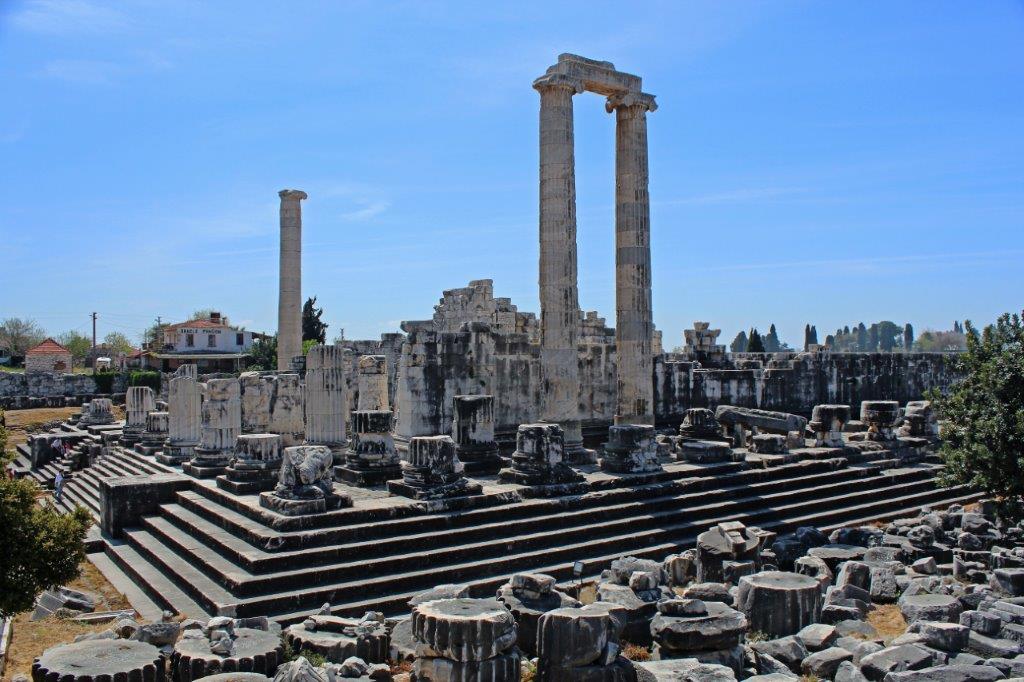
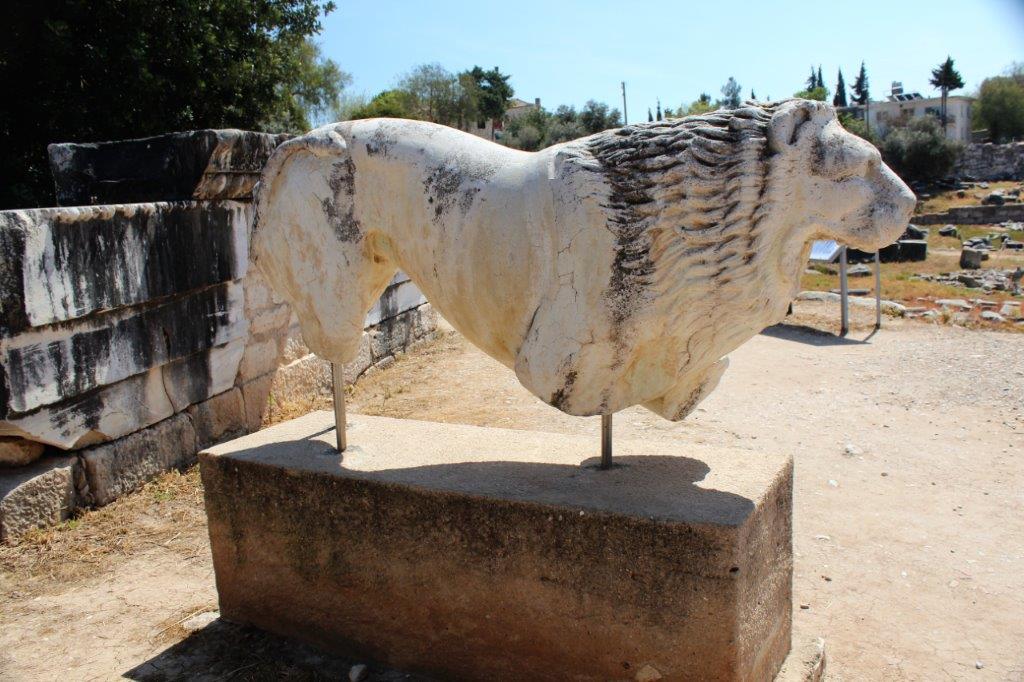
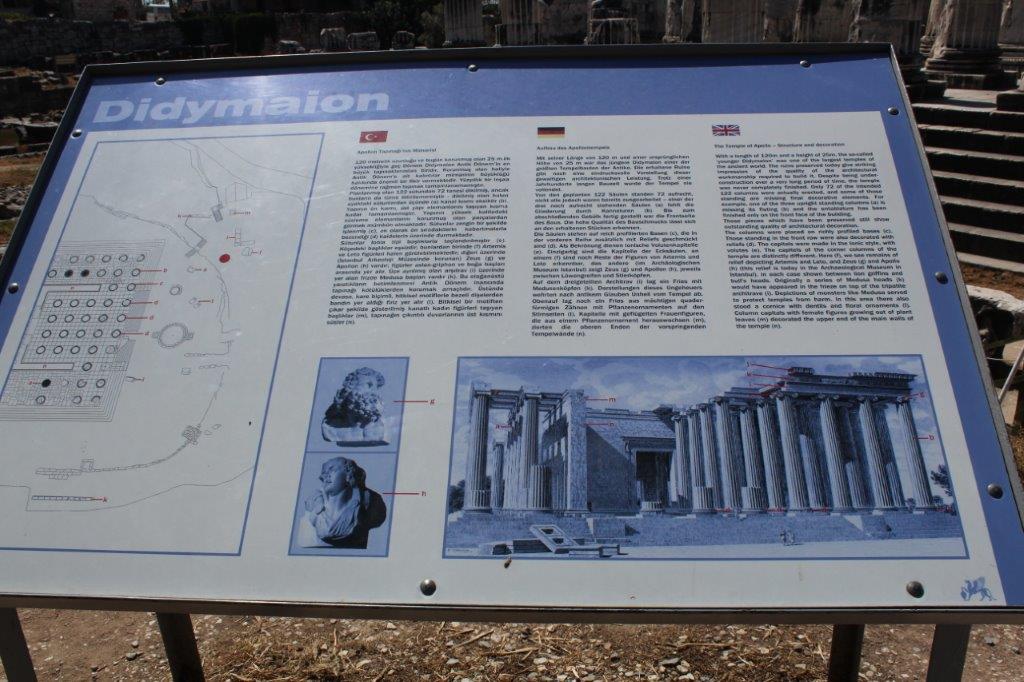
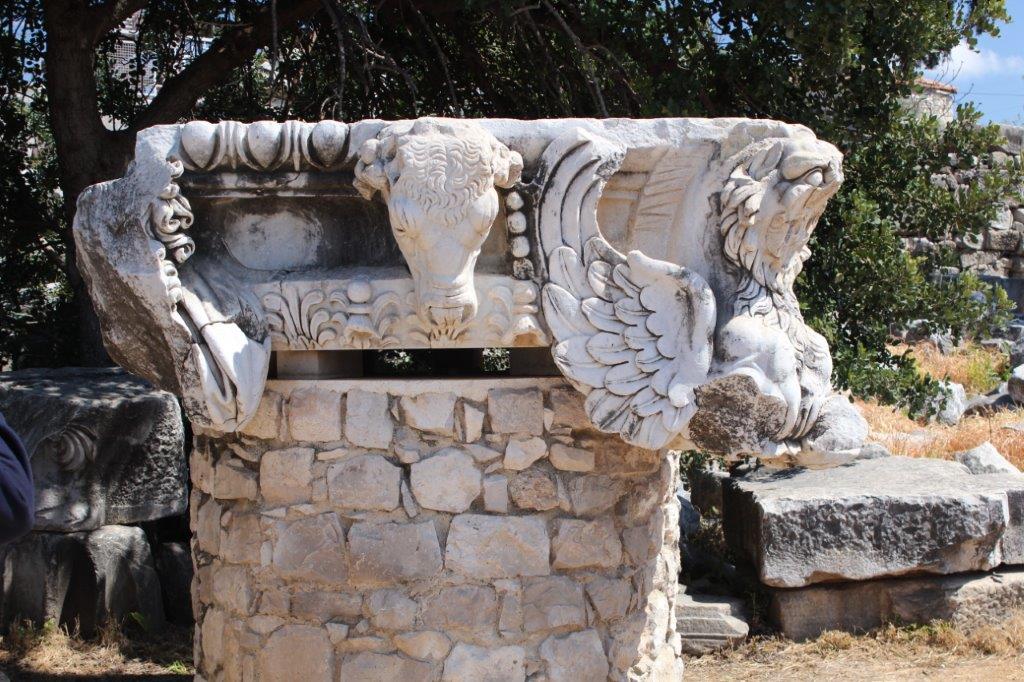
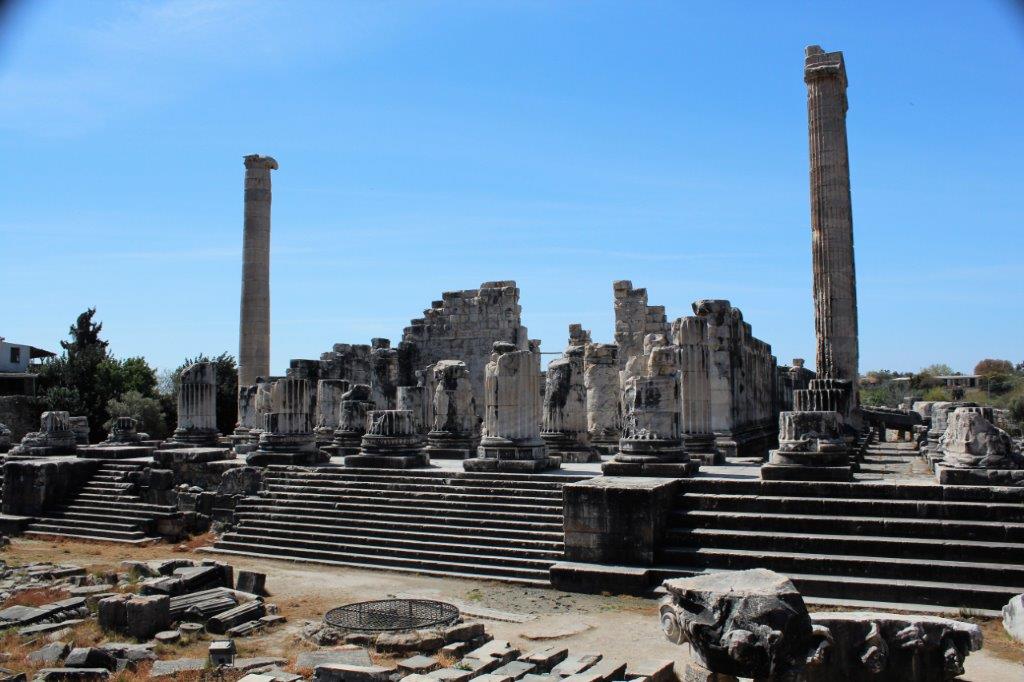
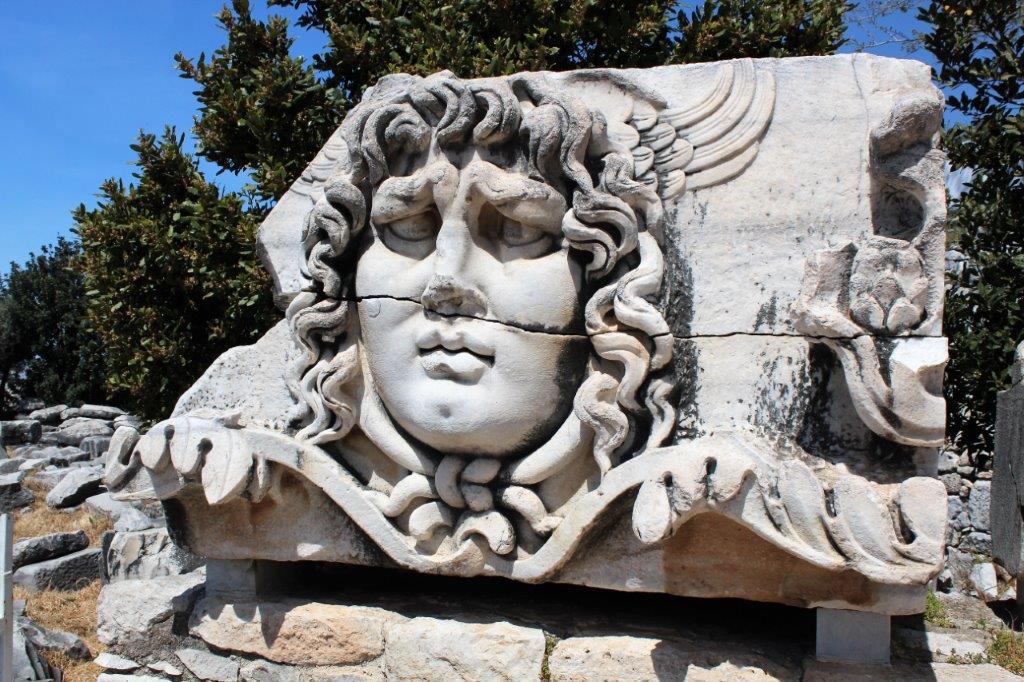
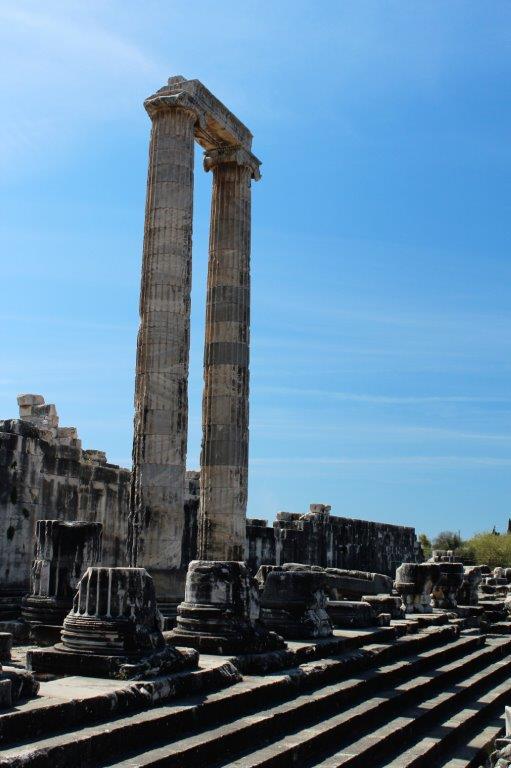
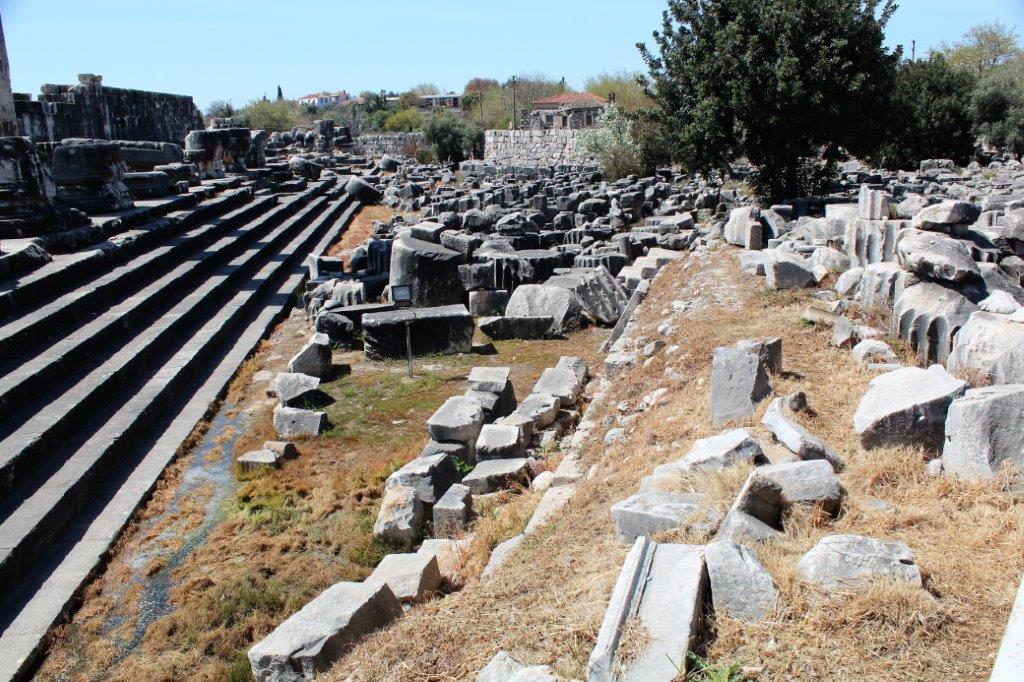
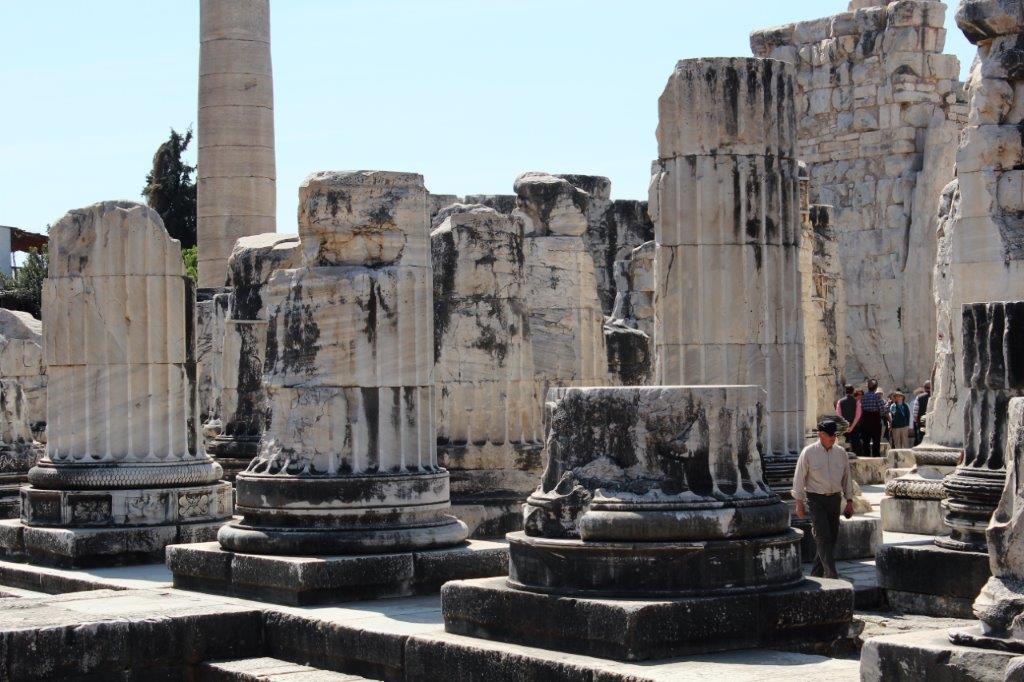
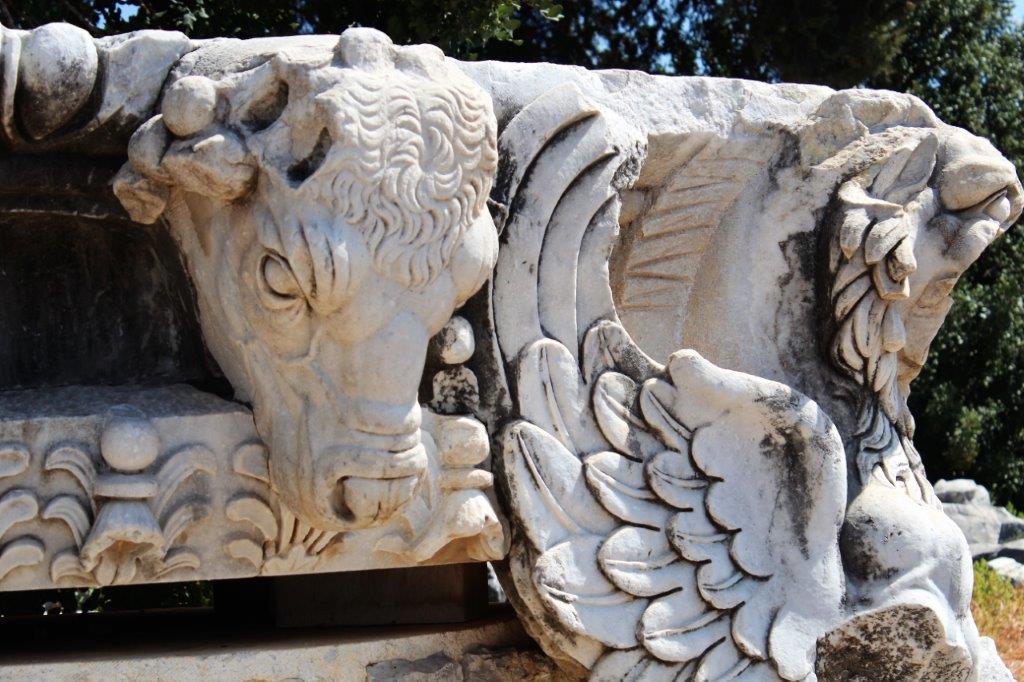
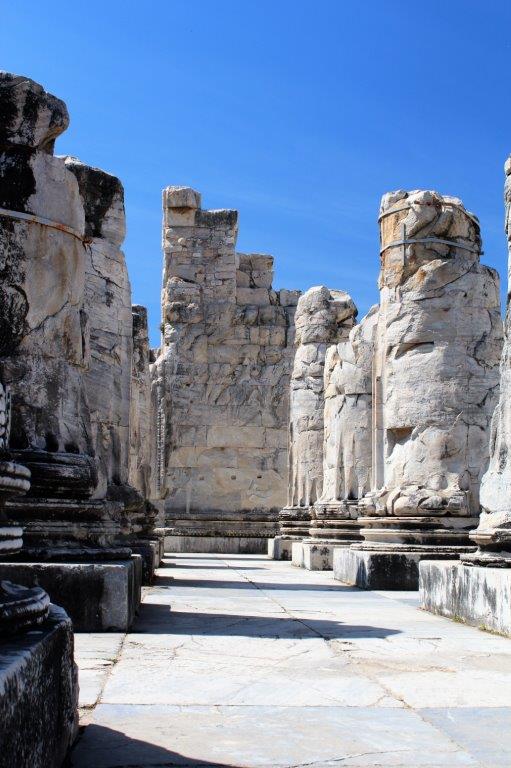
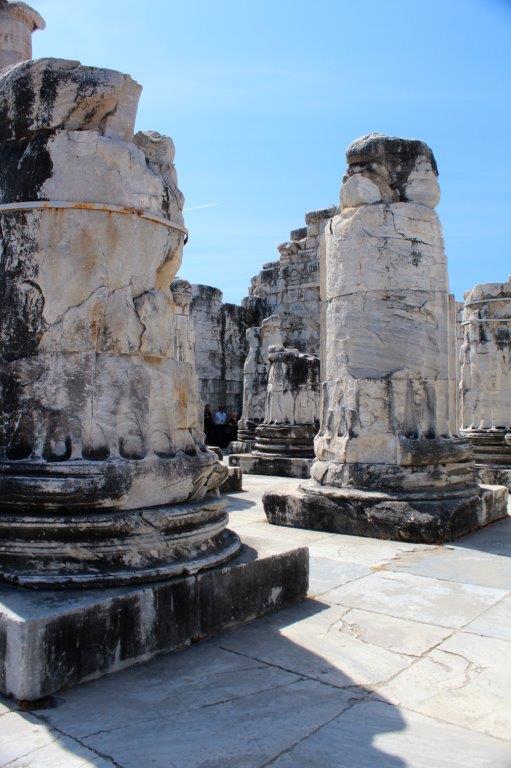
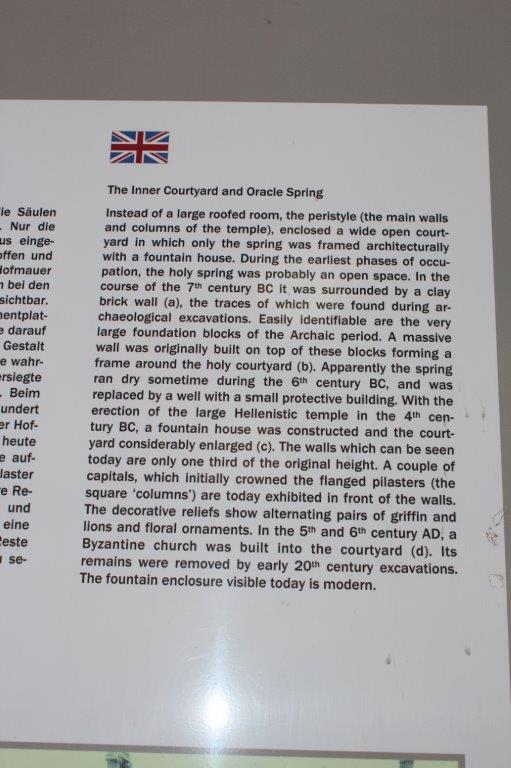
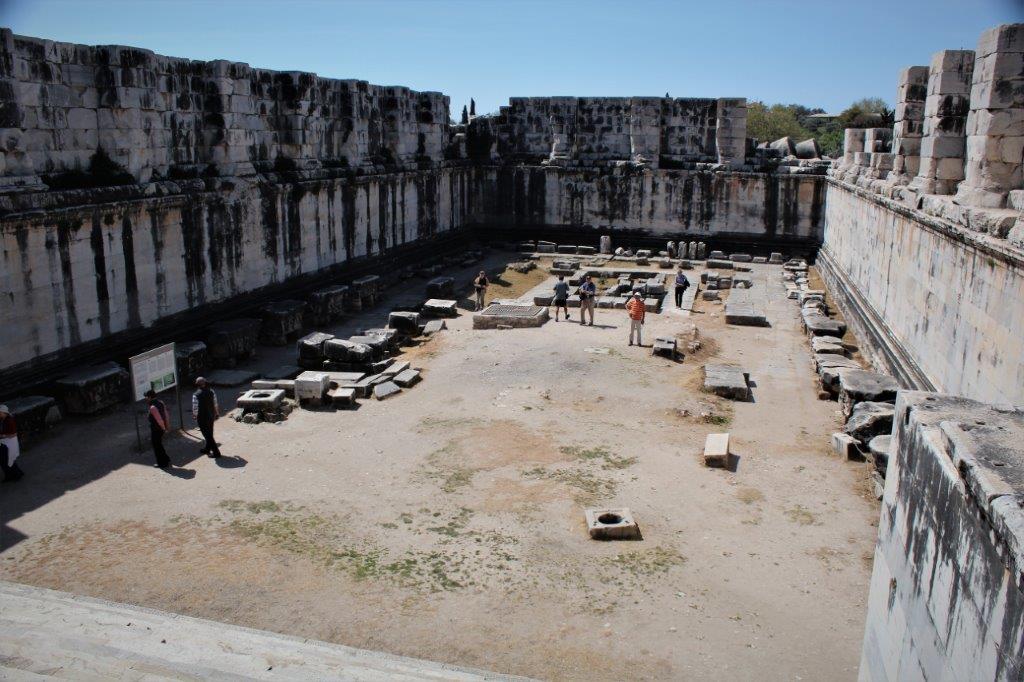
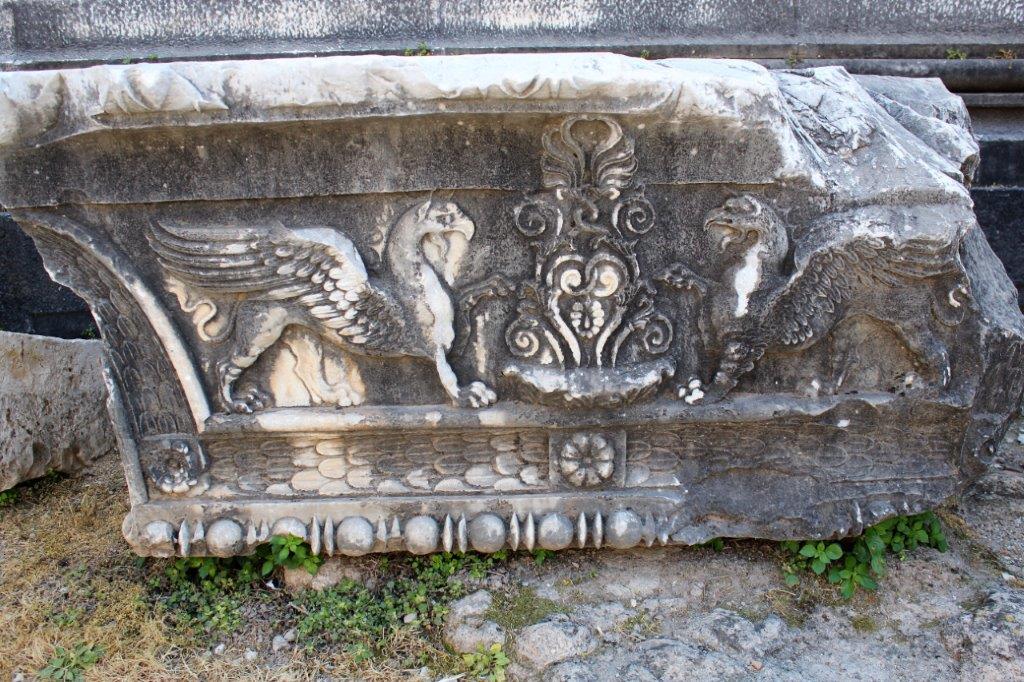
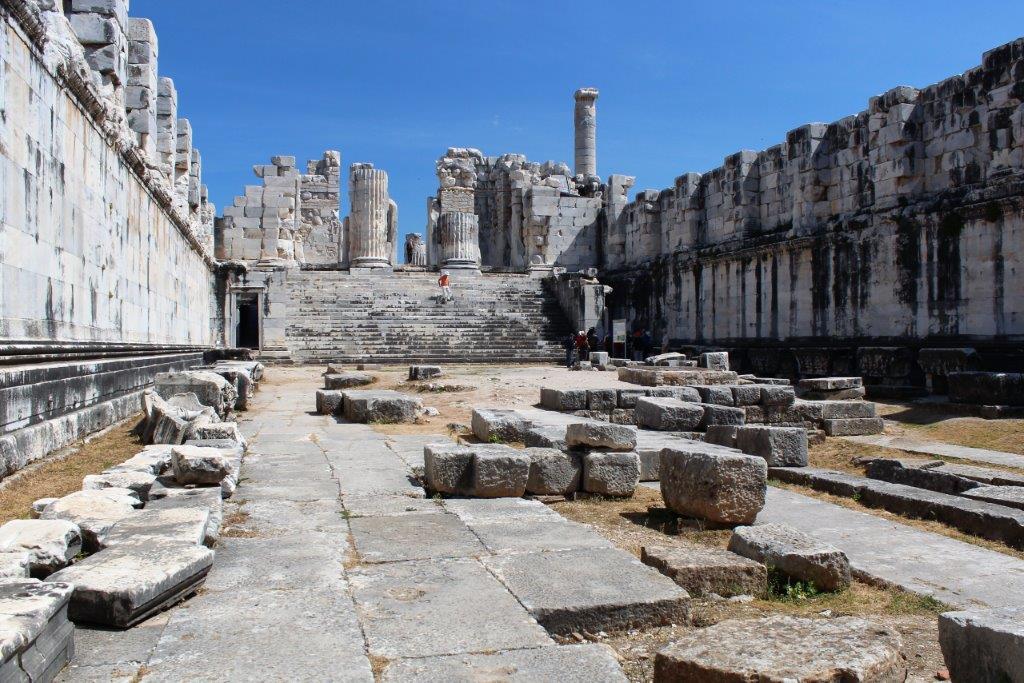
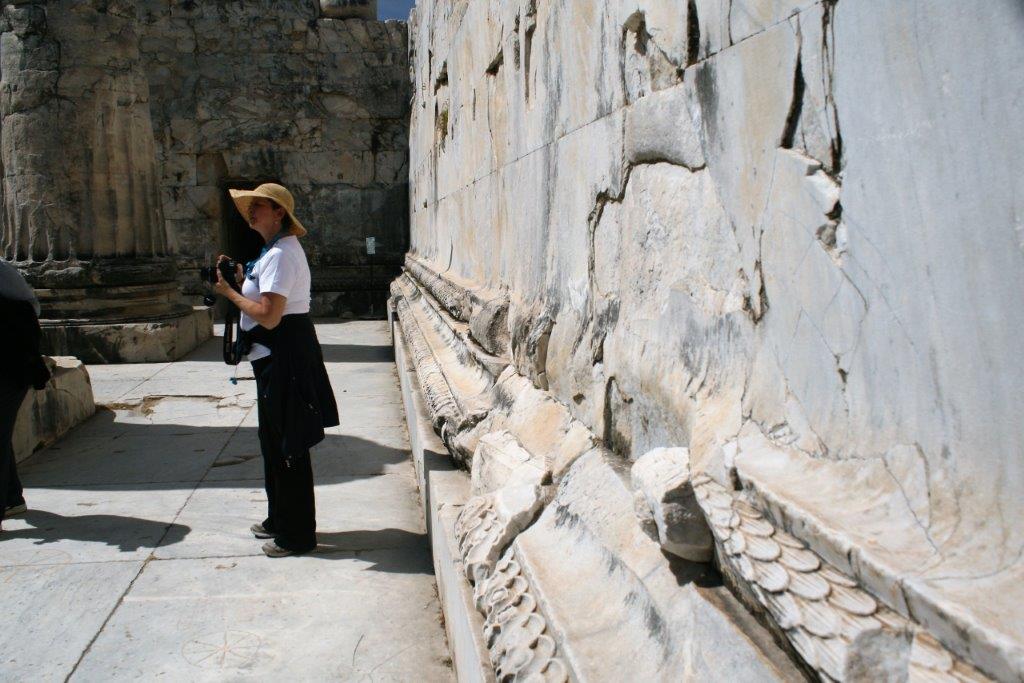
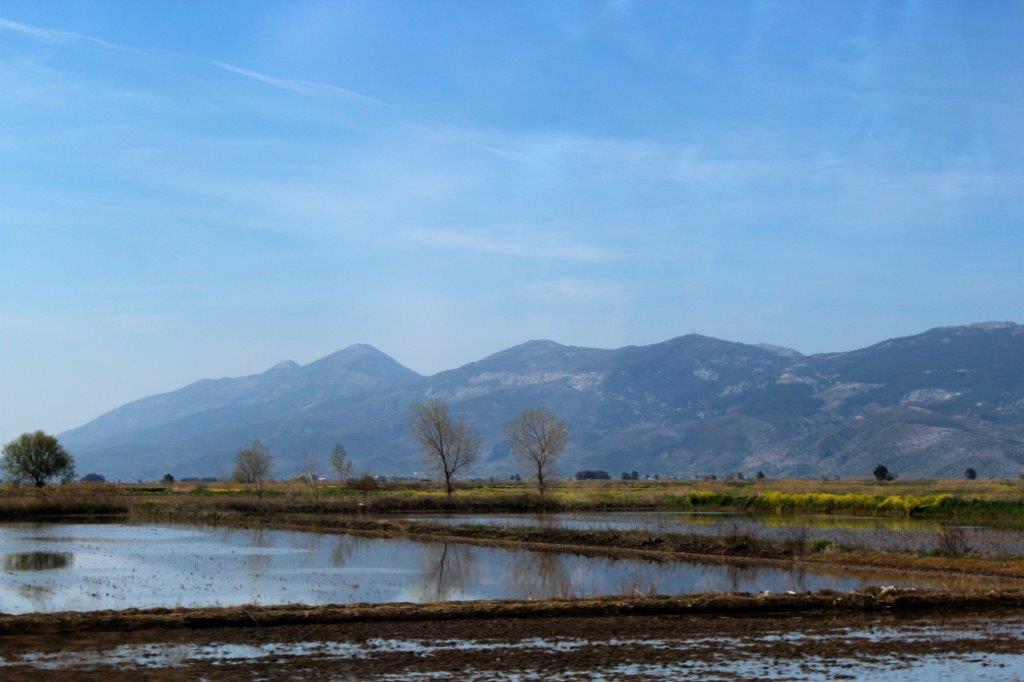
We drove over the flat land that used to be water before it silted in and to our final stop of the tour our first day in Kusadasi, Turkey.   Didyma was once the home to an oracle that rivaled its Delphi counterpart – it probably only fell to second place because Delphi was nearer to Athens.  According to legend, Apollo favoured the region, so a huge temple was built in his honour.

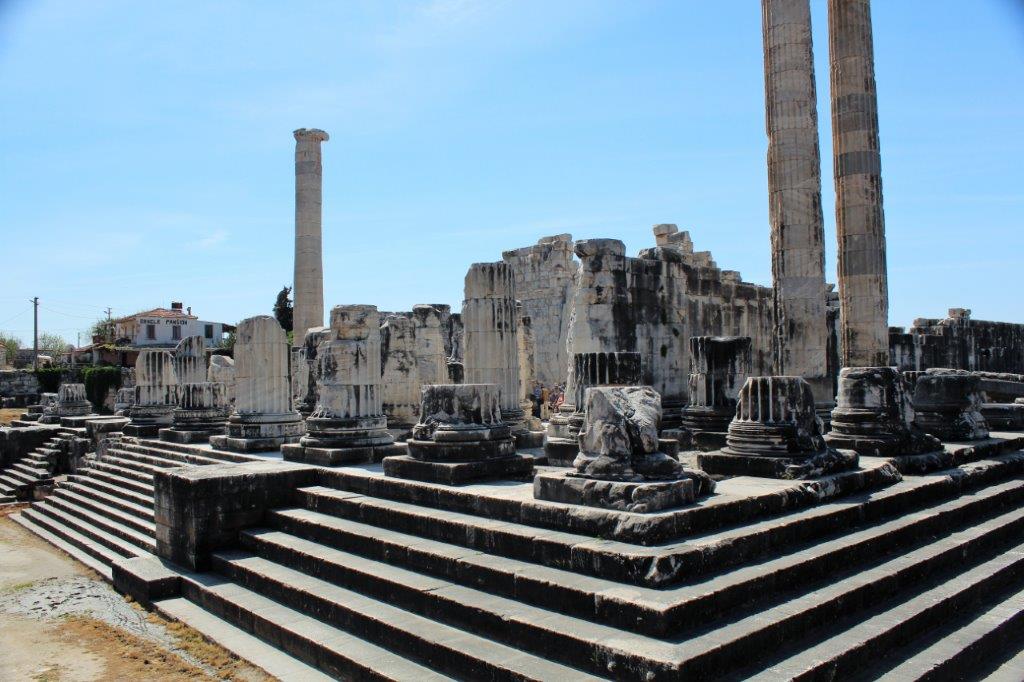
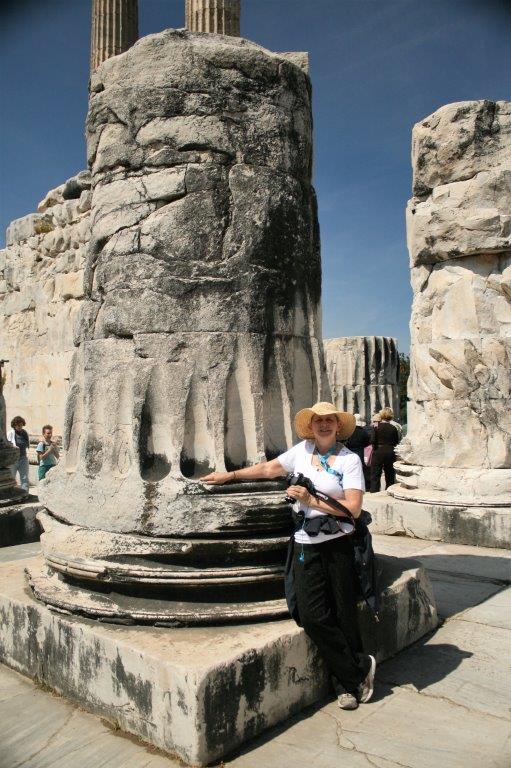
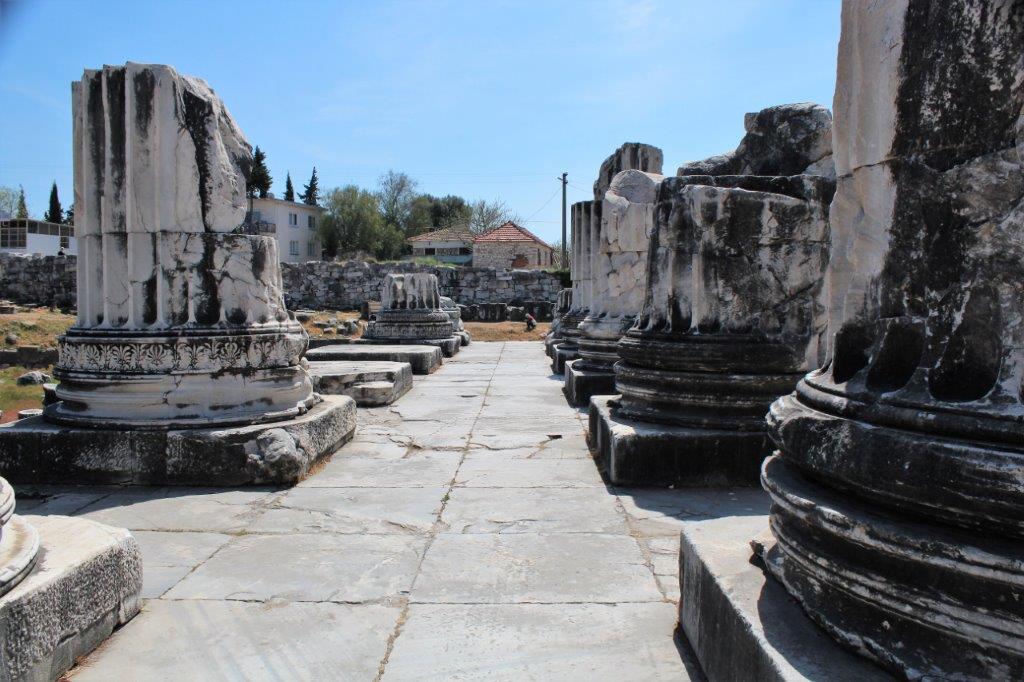
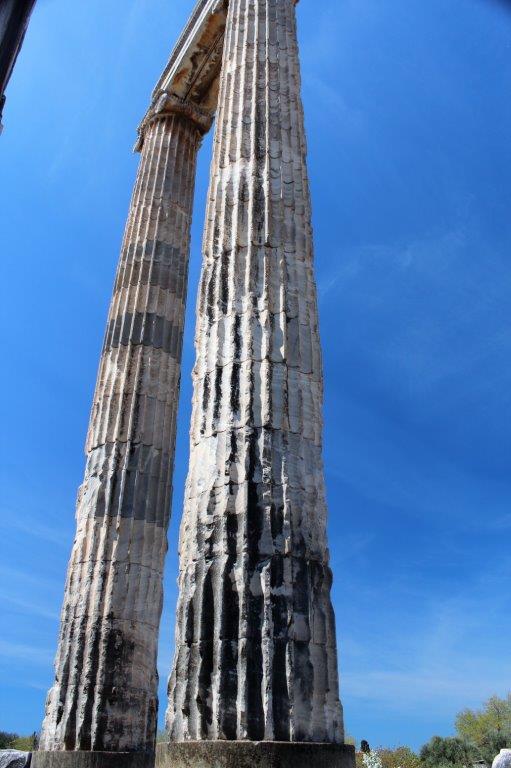
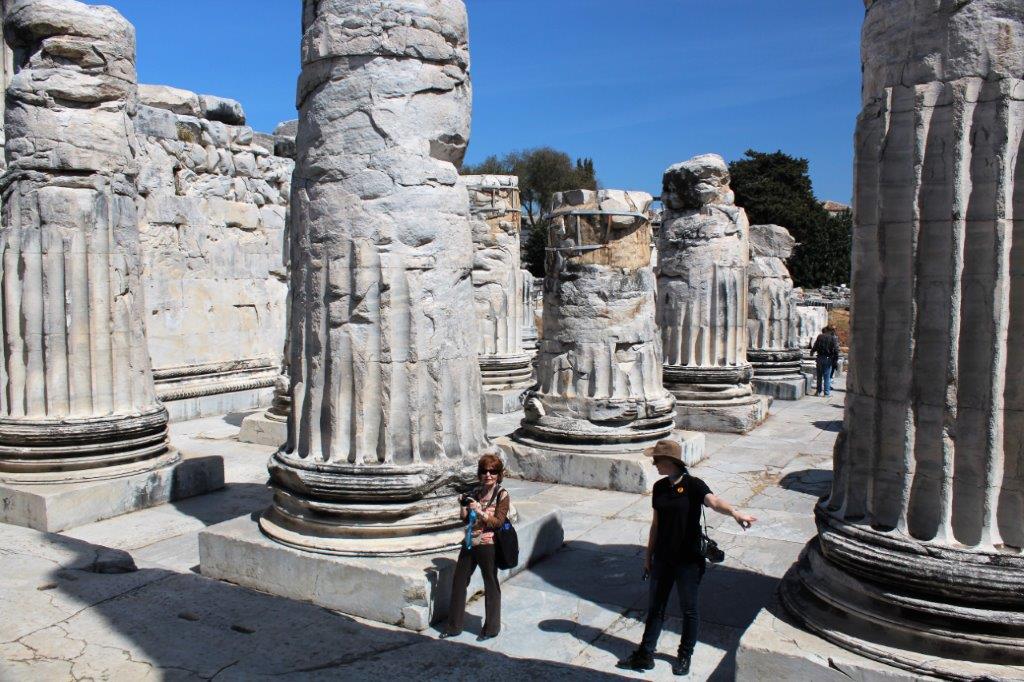
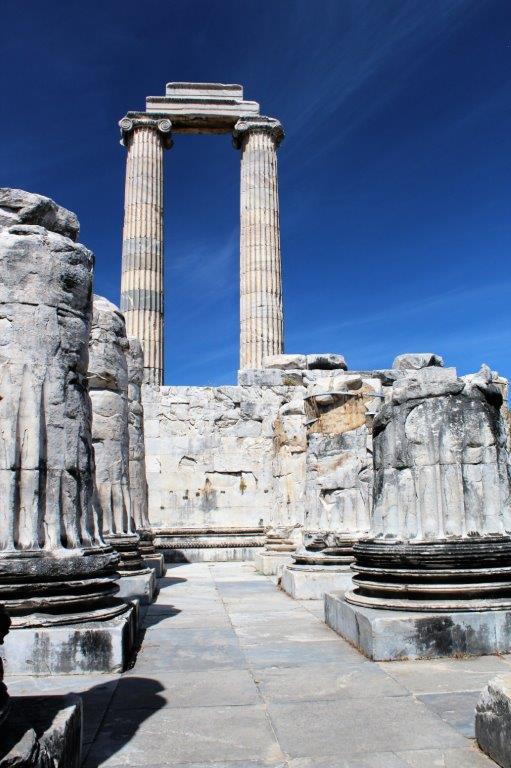
The temple construction dates from 560 BC, and even though the shrine operated for 1,000 years and major construction was undertaken three different times, it was never completed.  The two pillars are 60′ tall and 6′ in diameter.  Much of the broken pieces surrounding the temple are fallen columns. If completed there would have been 124 of them.  Each one would have cost the equivalent of almost $31 million (Cdn).

The people give you an idea of the size of the column bases.                                                          The place was massive.

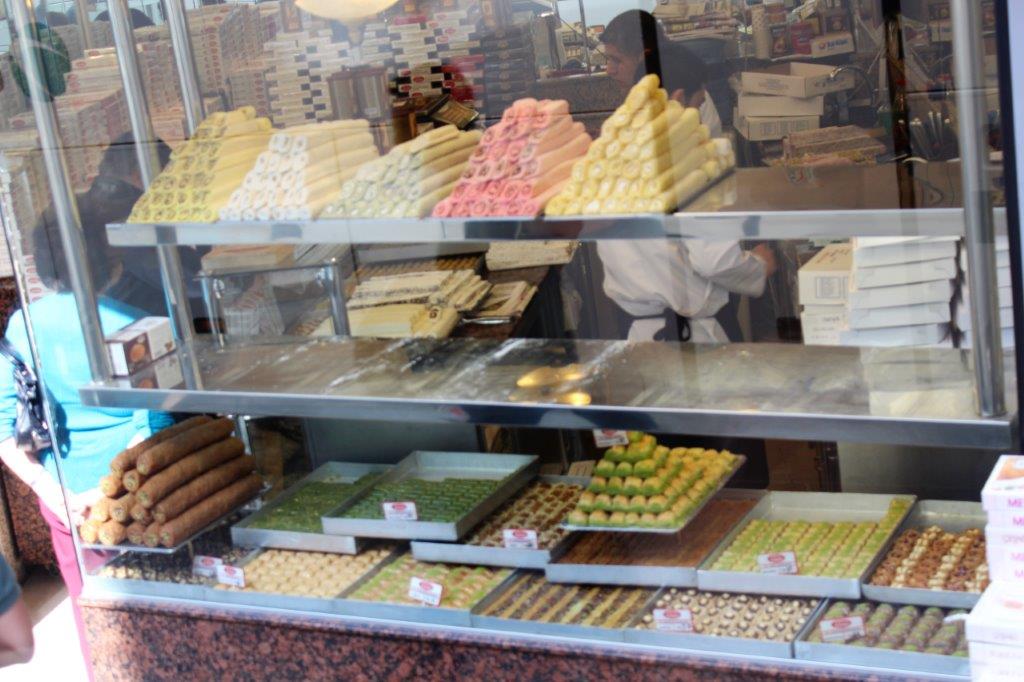
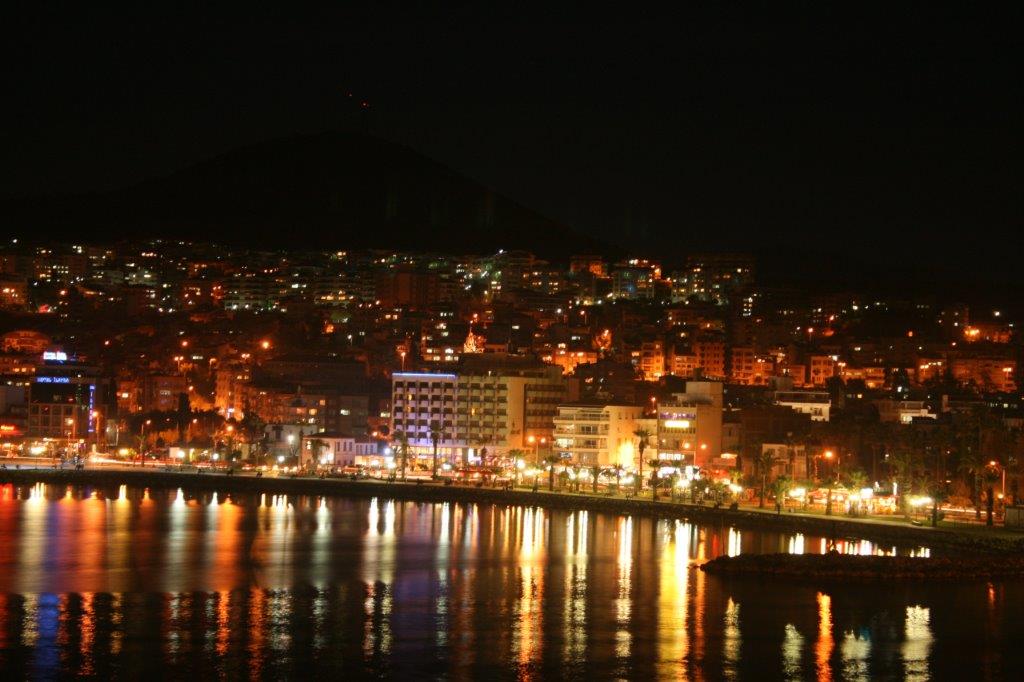
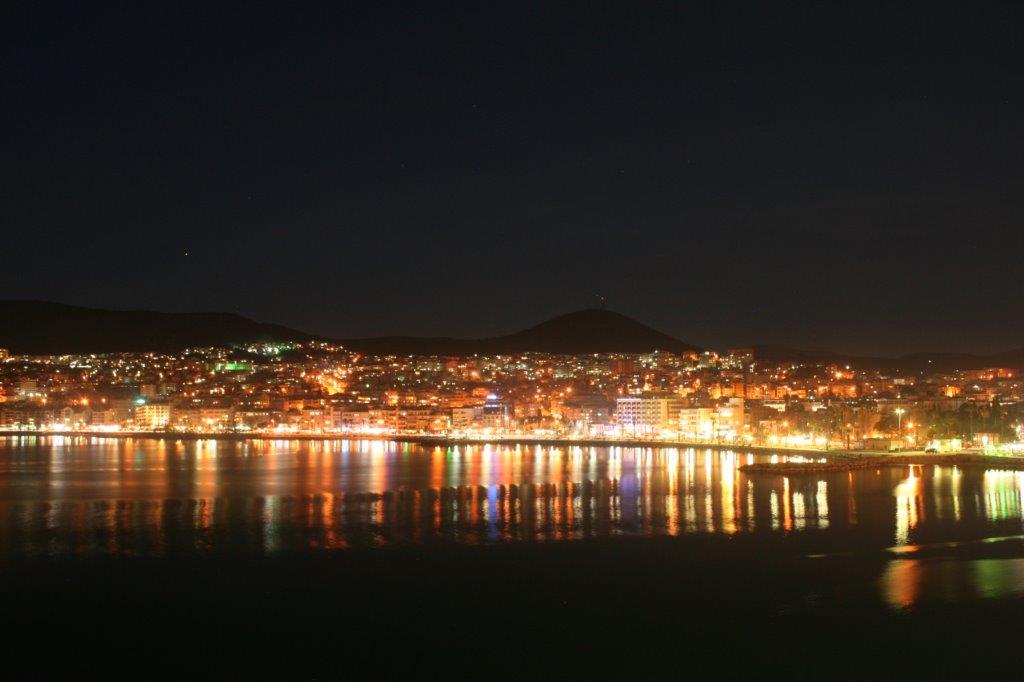
After six and a half hours of walking the path of history we returned to the ship, head stuffed with interesting facts about Turkey and each of the archaeological sites we visited, foot sore, and exhilarated from a great day.   Turkey is one of the few countries in the world that is agriculturally self-sustaining. They grow two, sometimes three, crops per year.  Turkey is a world leader in cotton production and #2 in olives.  They grow 50% of the world’s figs, grapes, and apricots and 80% of the world’s hazelnuts.  They grow EVERYTHING!  Pistachios, walnuts, chickpeas, artichoke, watermelon, celery, peaches, strawberries, cherries, plums, and on and on and on.  It was “Turkish Delight” in the dining room that night.  Turkish Delight is a very popular treat.  It is a gel made of starch and sugar and comes in all kinds of colours and shapes.  Since the ship was docked overnight we got to enjoy the city lights at night as we strolled the deck after dinner.

2012 April 3 – Day 23 – Kusadasi, Turkey (Day 1) (Part 2)

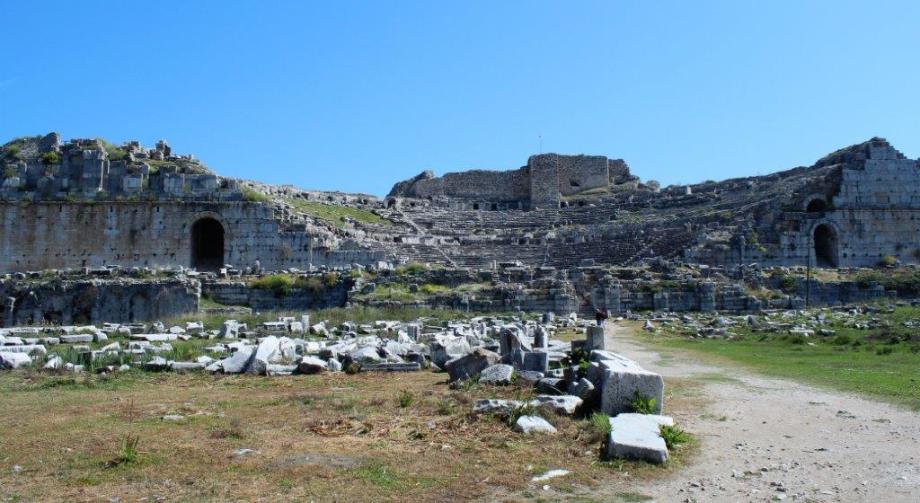
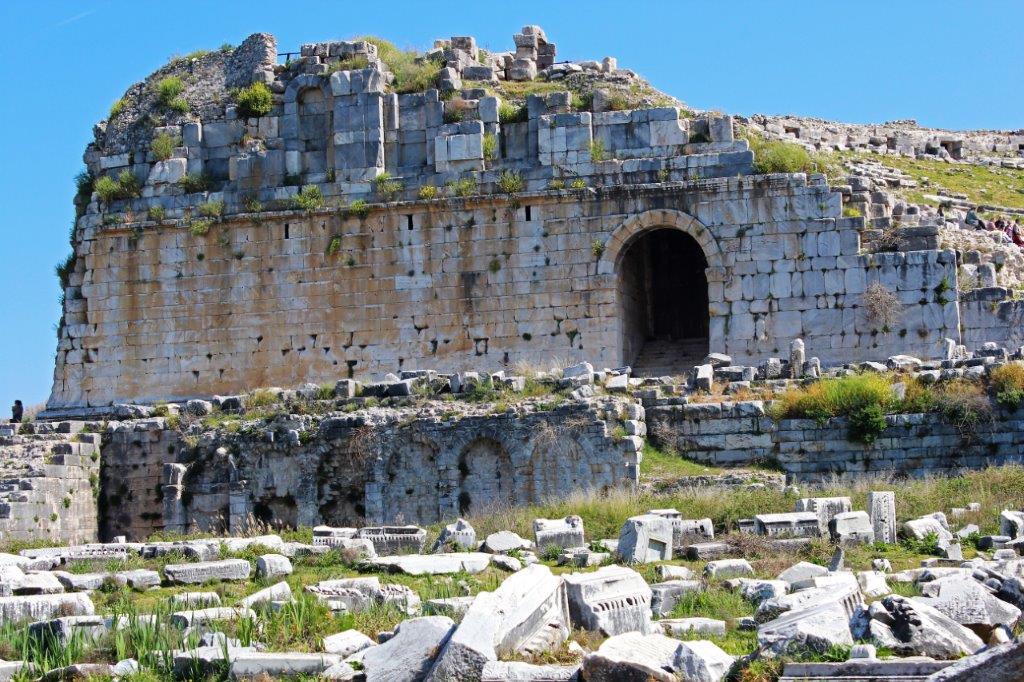
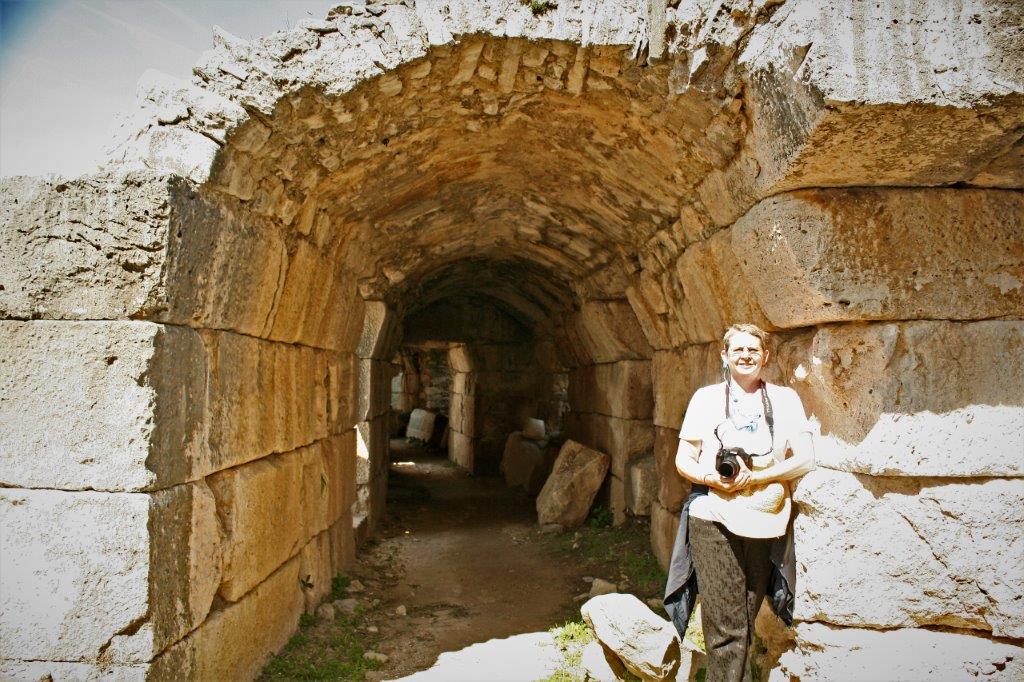
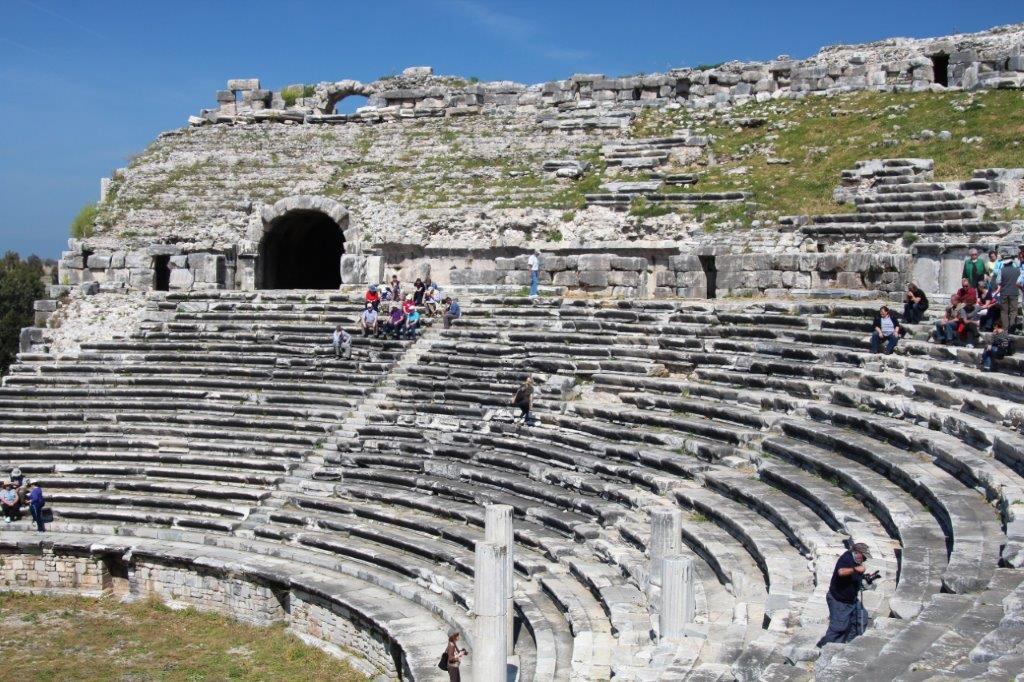
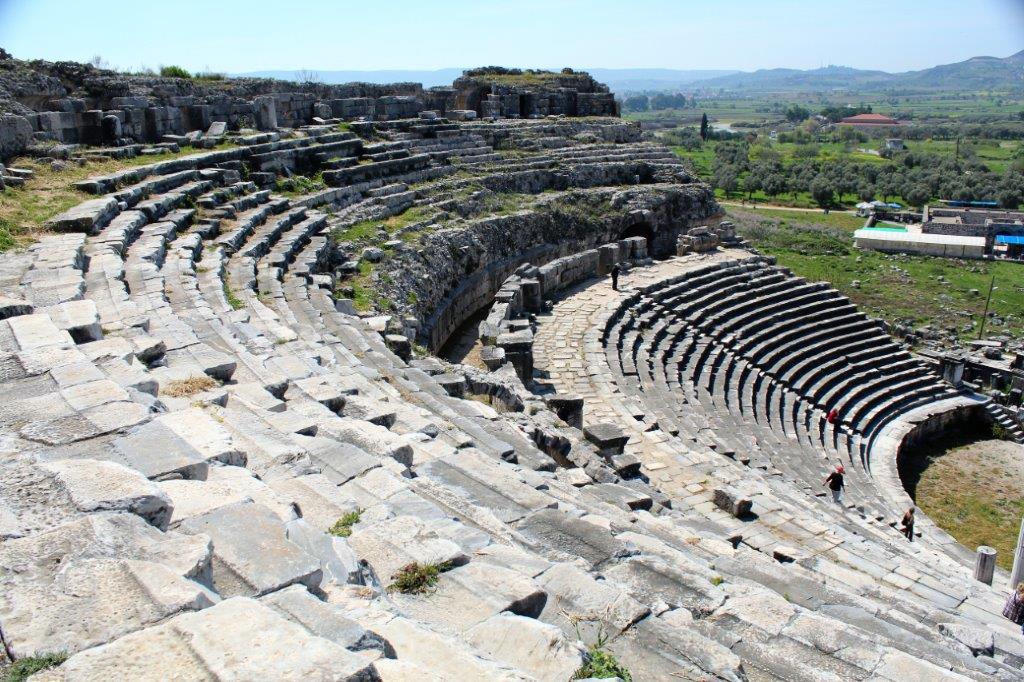
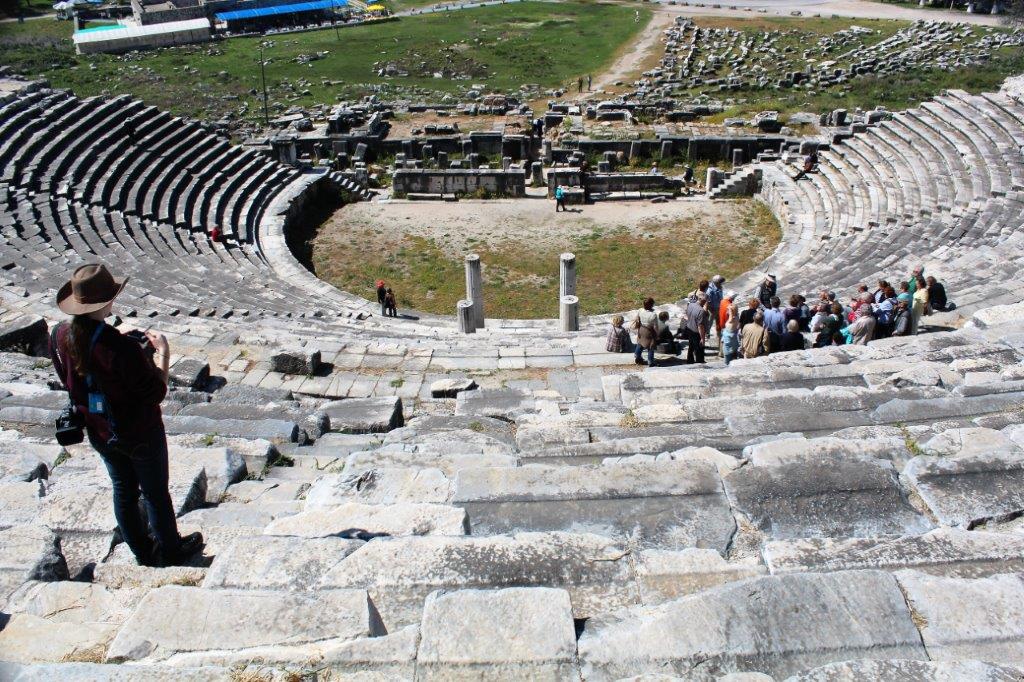
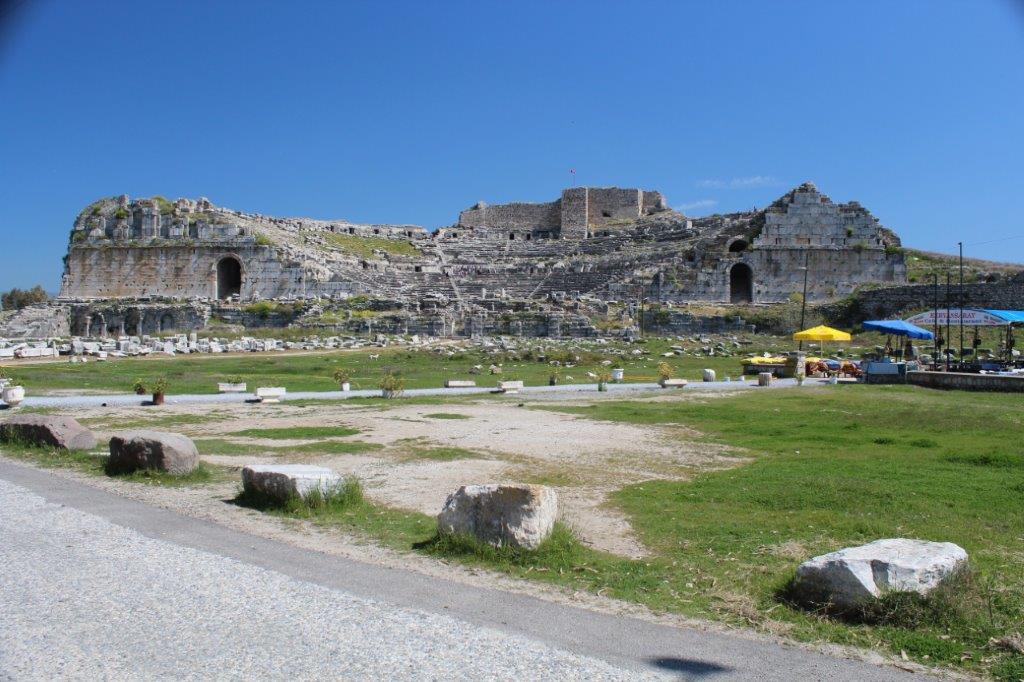
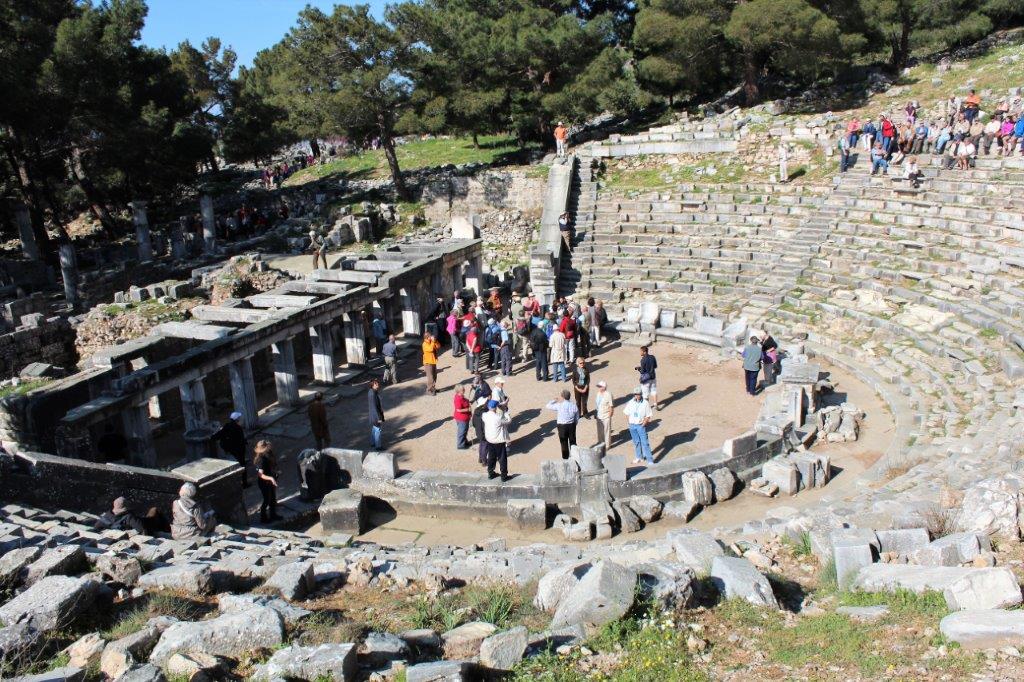
The second stop on our first day tour in Kusadasi, Turkey was the trading center of Miletus; about 20 minutes drive from our first stop at Priene.  It is said that 75 colonies were founded by the merchants of Miletus.  The city was the capital of the Ionian civilization.  It was taken by the Persians in 494 BC and recovered by Alexander the Great.

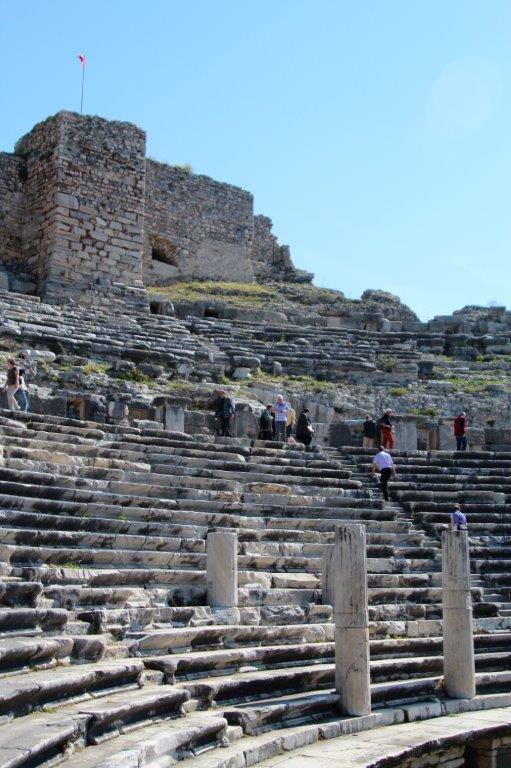
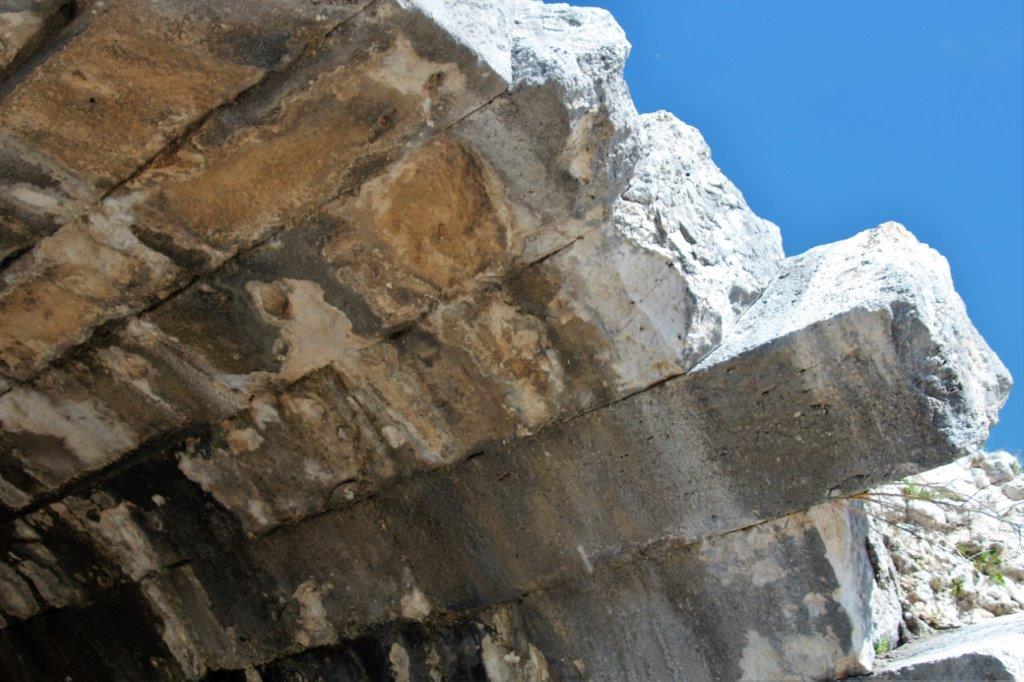
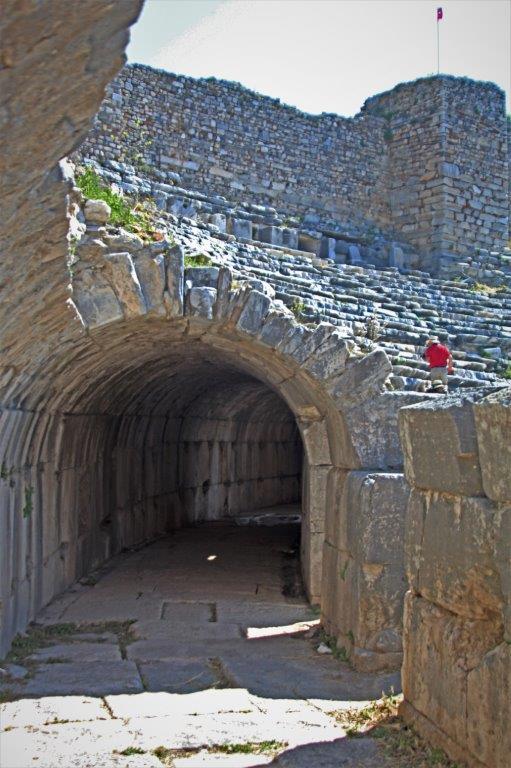
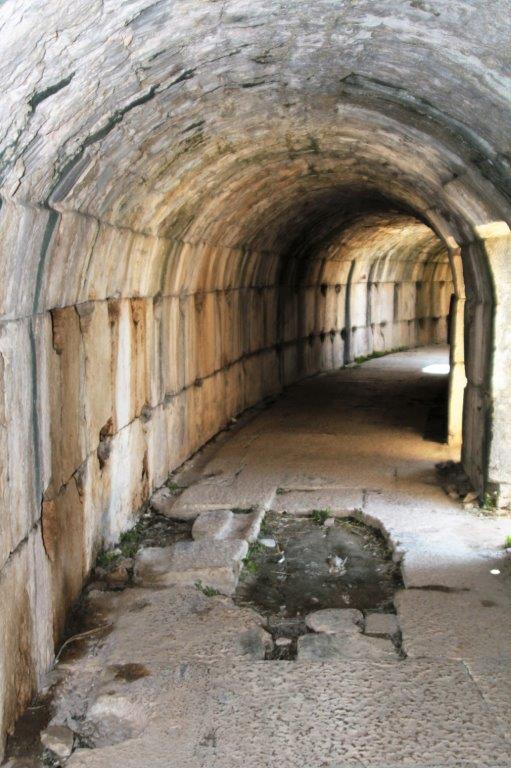
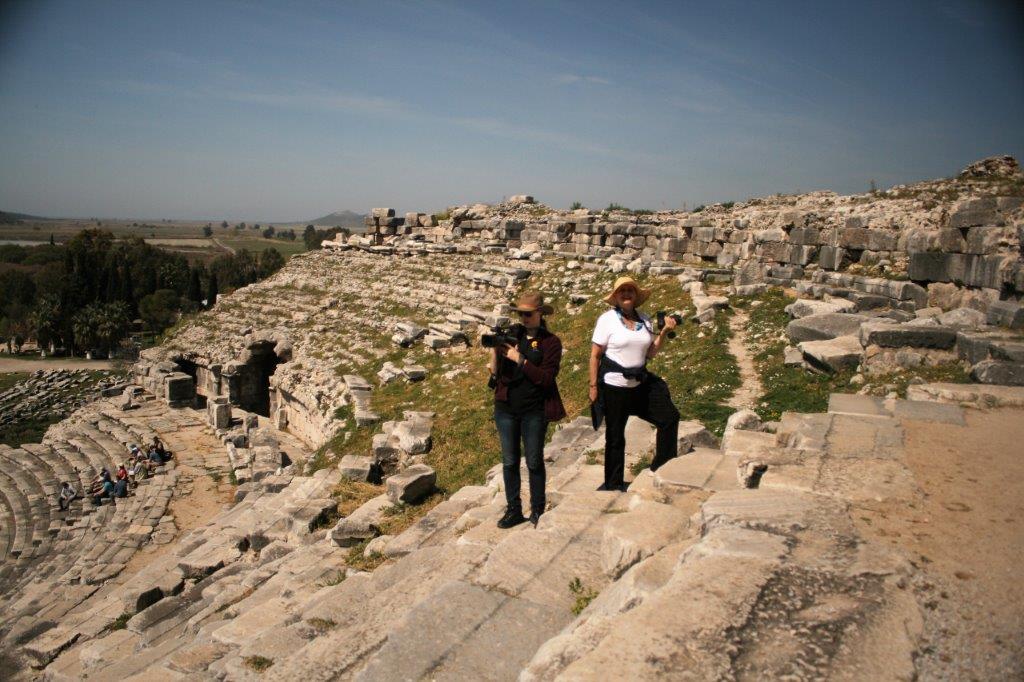
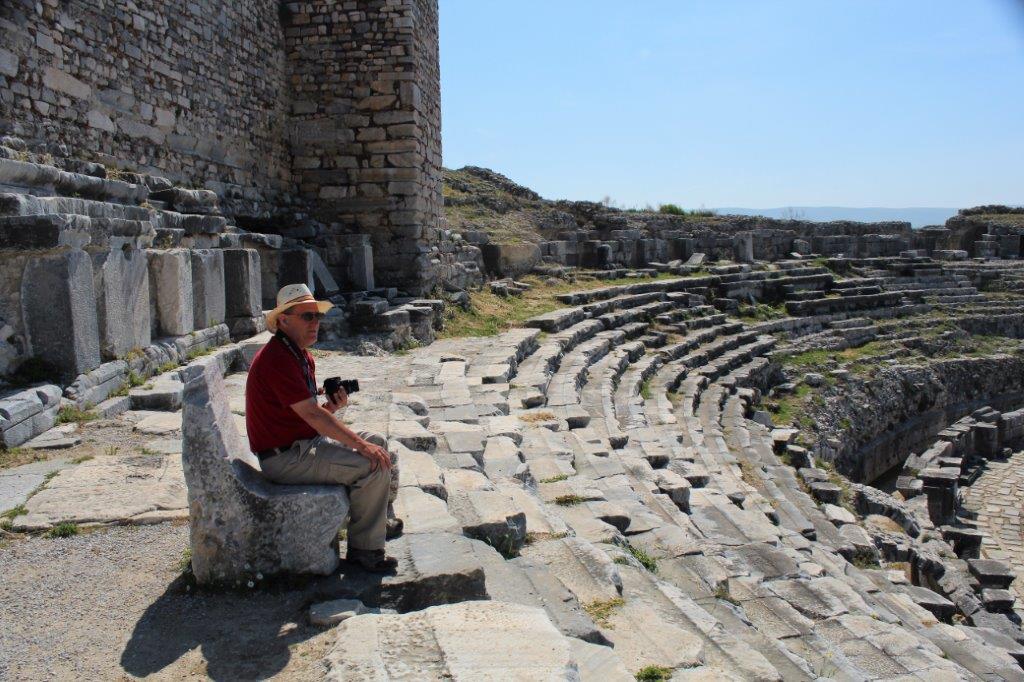
The Cretes who established the city built a huge theater, evidence of their prosperity.  It was later adapted by the Romans as an amphitheater for their contests and games.  It is the largest in Asia Minor and unlike most theaters which were built out of a hollow in a hillside, the Miletus theater was created in an open field.

The Apostle Paul visited the city twice.  It was amazing to be in Malta where Paul was once shipwrecked and now to be in a city where the great apostle walked and preached was really incredible.  The harbour at Miletus that was the source of its trade and prosperity silted shut some time after the 8th- century and the city faded into oblivion.

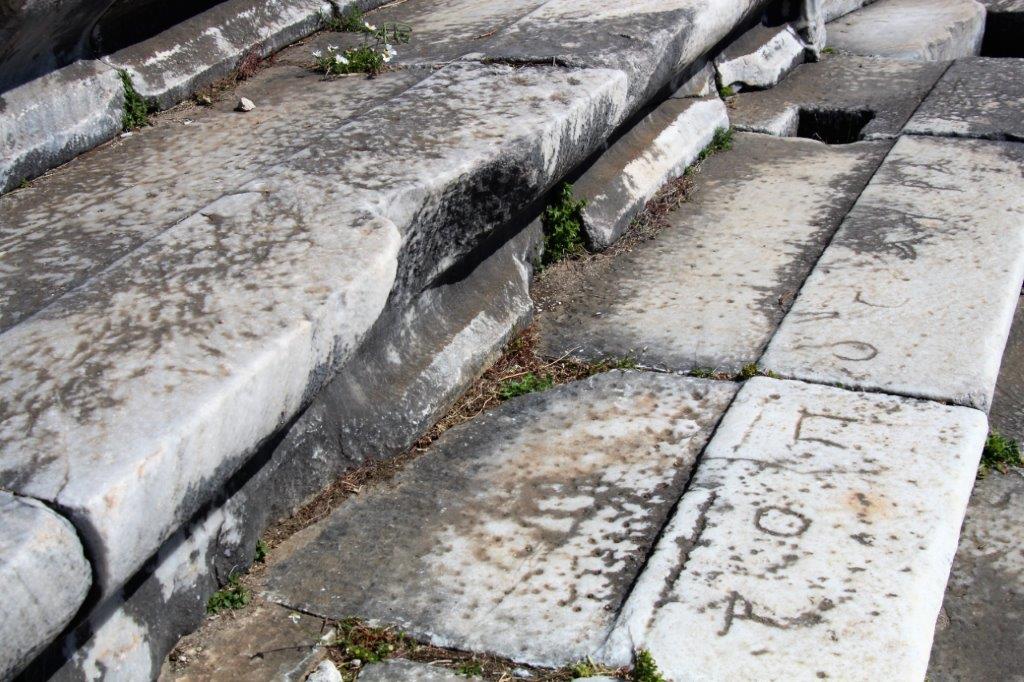
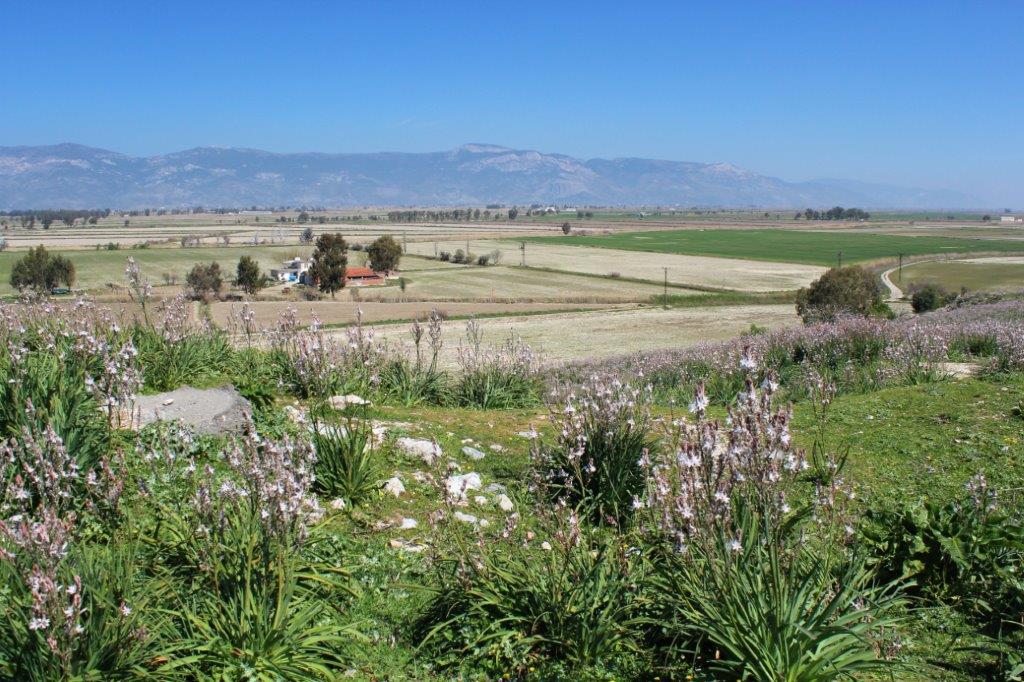
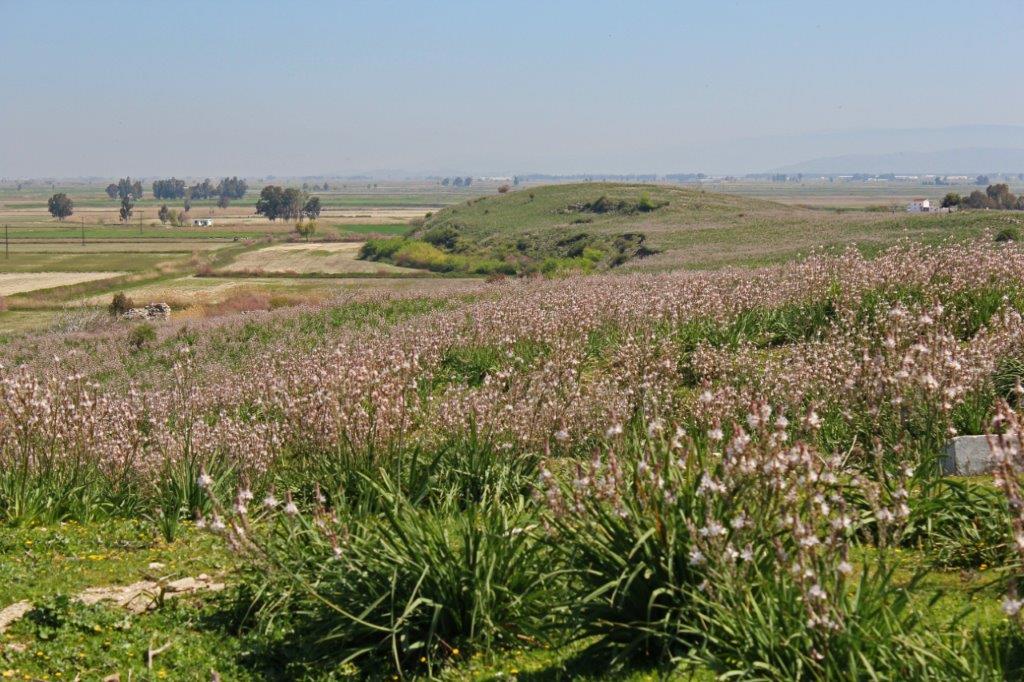
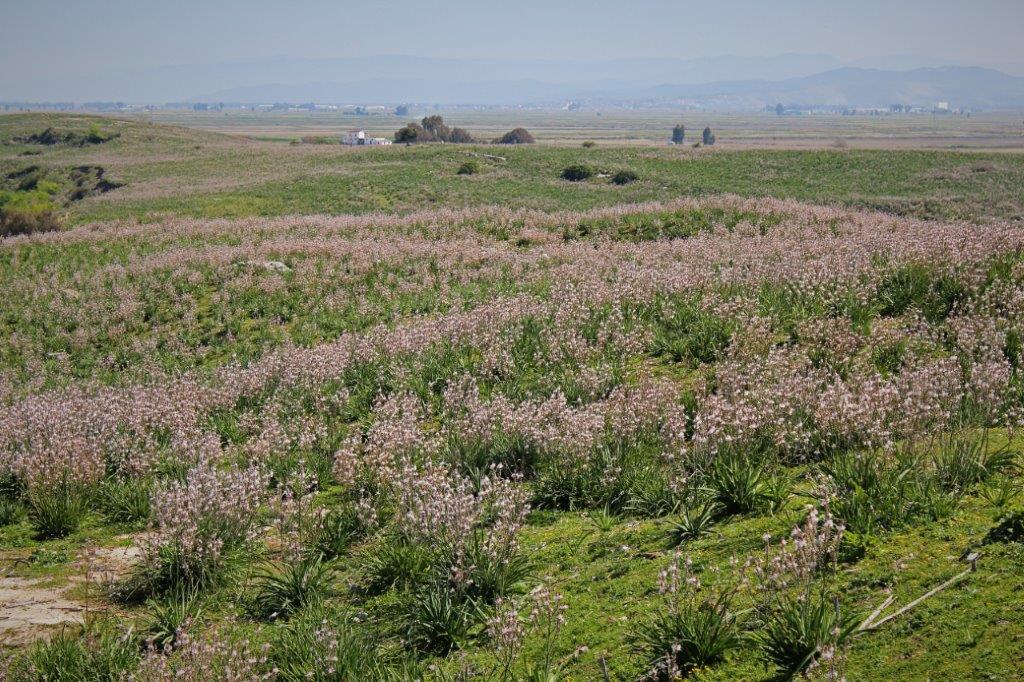
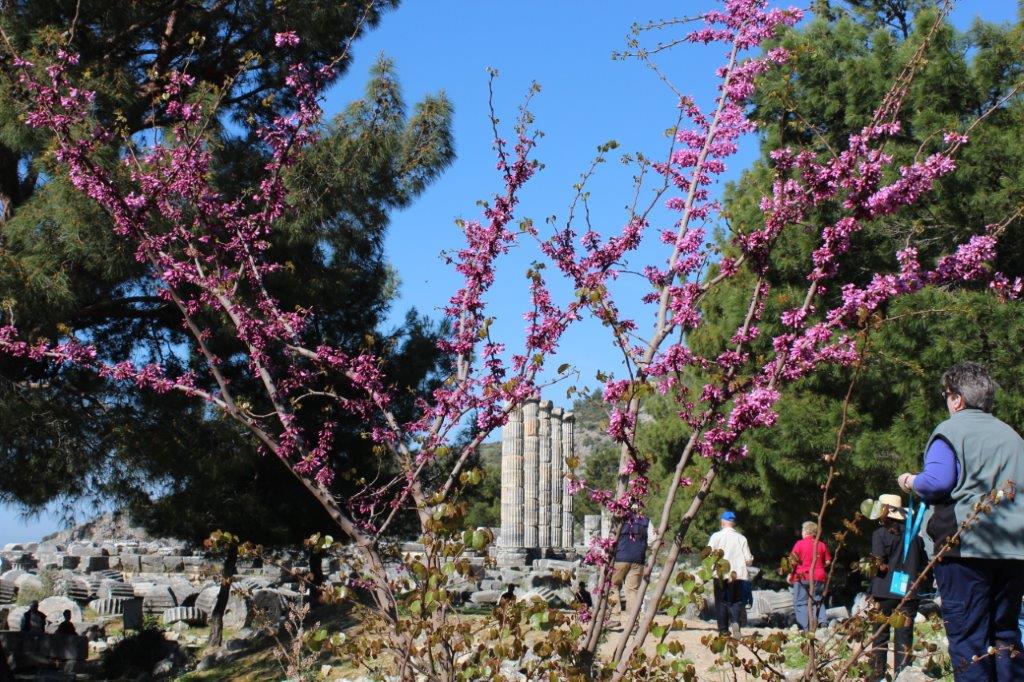
Miletus was rediscovered in the late 1800s.  The city streets were built on a grid system designed by the architect Hippodamos which is a model for many of our modern-day cities.  Less than 5% of Priene and Miletus have been excavated and studied.          Reserved seats.  Just etch your name into the stone.         Now that is some amazing stone cutting and construction.  One of the ship’s photography staff. She was on several tours with us                                    Tiers and tiers and tiers of seats.                    Must be my seat.  My birthday is in November.                      A couple of interesting lizards basking in the sun.               The view out the back from the top row of seats.                        Spring flowers were beginning to bloom. Another bus ride took us to the final stop of the day, the massive Temple of Apollo at Didyma – considered to be one of the great monuments of antiquity.

2012 April 3 – Day 23 – Kusadasi, Turkey (Day 1) (Part 1)

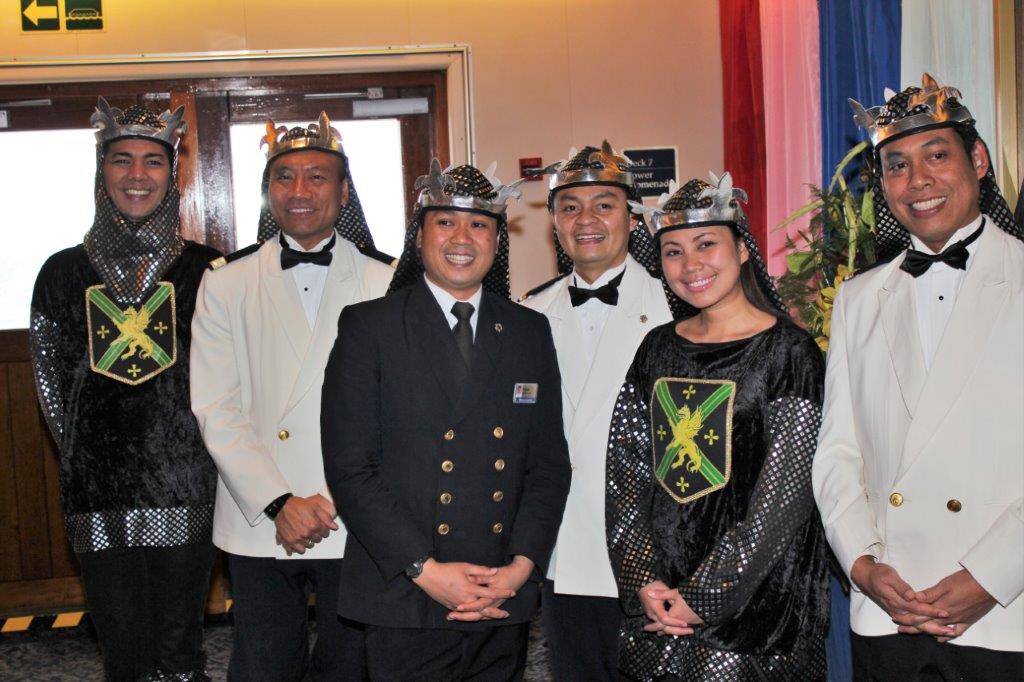
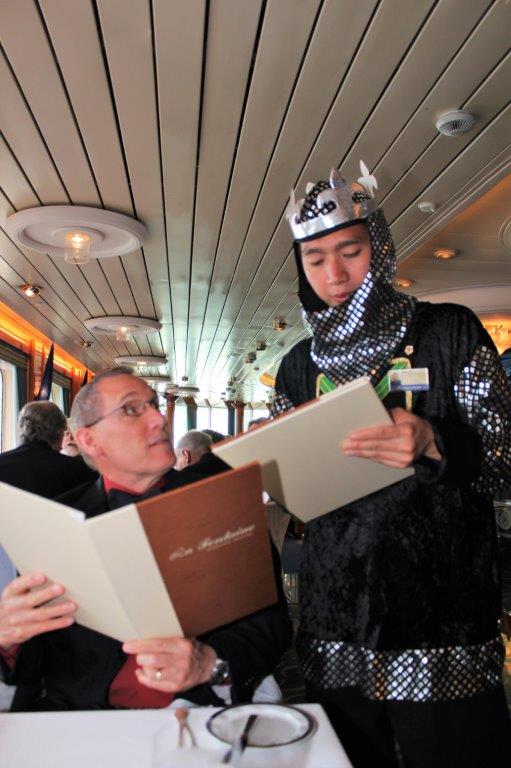
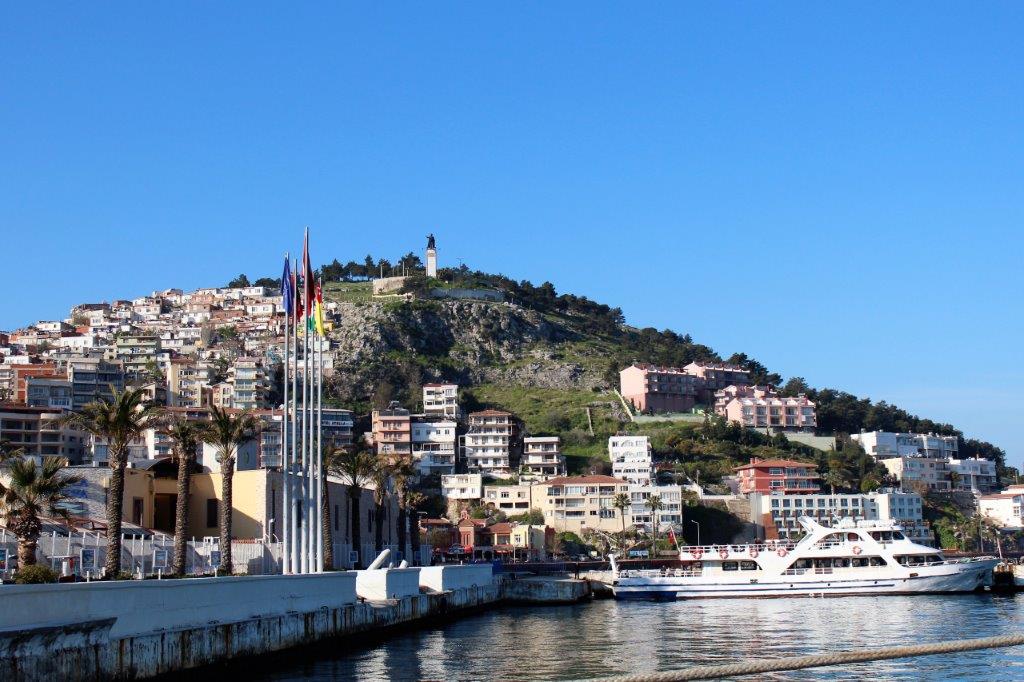
We had a day at sea after we left Malta on April 1.  Since Malta is the home of the Knights of St. John the theme in the dining room that night was, of course, Night of Knights. The next day we docked at Kusadasi (pronounced Kush a dash ee) in Turkey.  Kusadasi is an ancient city that has attracted holiday makers and  sun worshipers for many years.  The winter population is about 70,000 but during the 8 months of summer it rises to 500,000.  Tourism has been the driving force of the economy for a long time.  The area is also a sought-after location for historians since it is located a short 16 km from the ancient city of Ephesus. There are many important archaeological sites in the area (Turkey has over 2,000 ancient city sites.  It is considered the Cradle of Civilization) and they are packed with people all day, every day.  Over 150 bus loads of tourists will visit each of the sites on any given day.
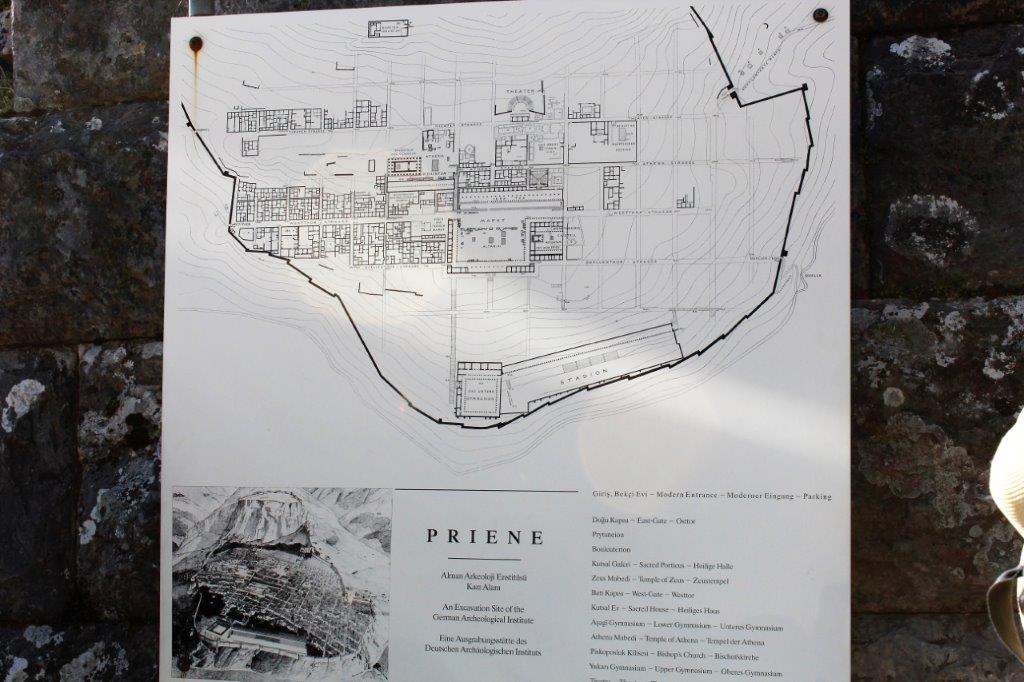
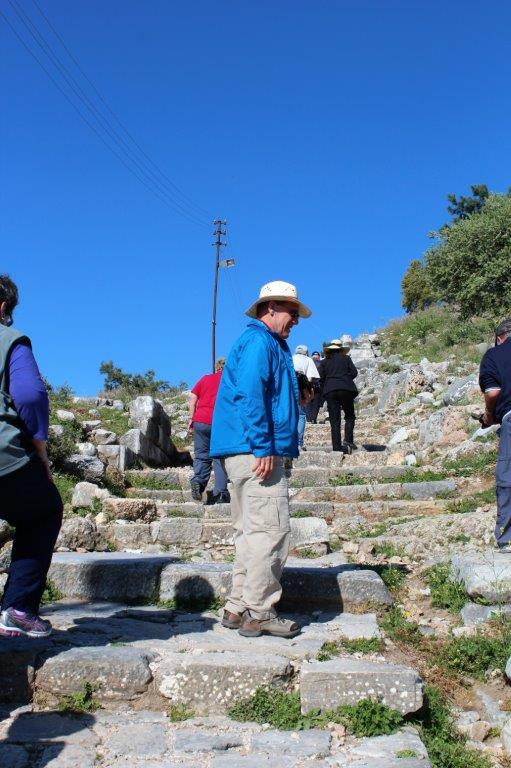
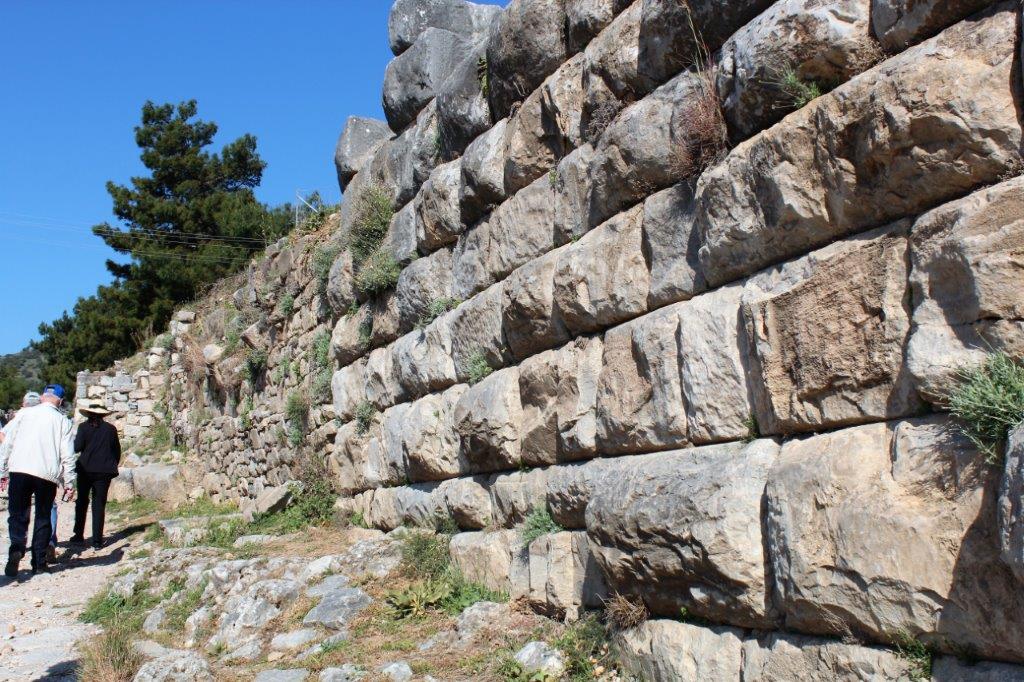
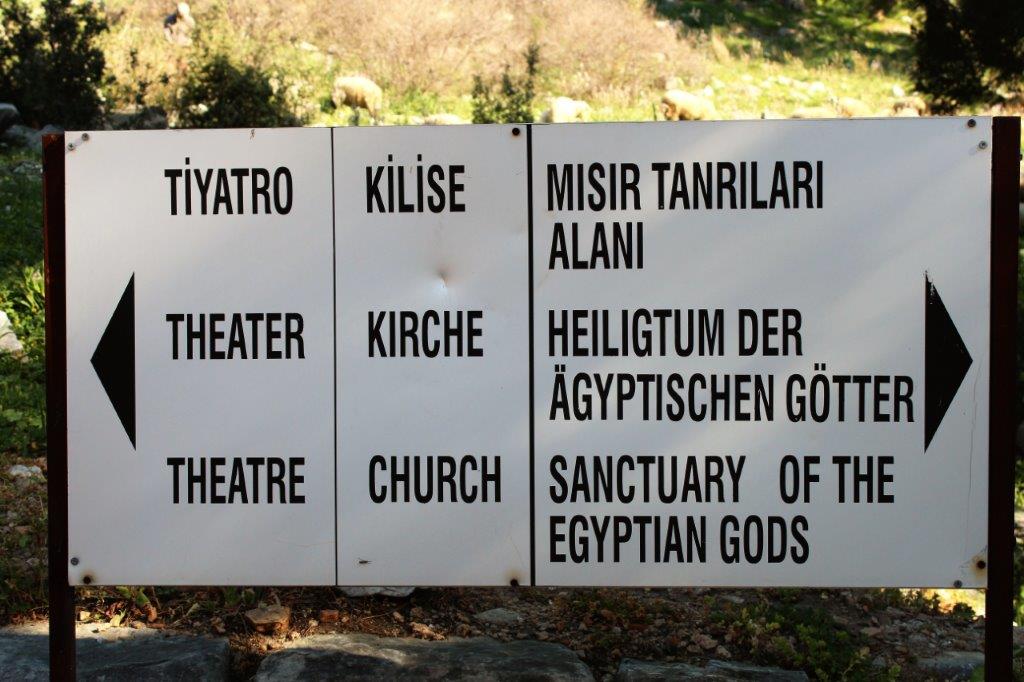
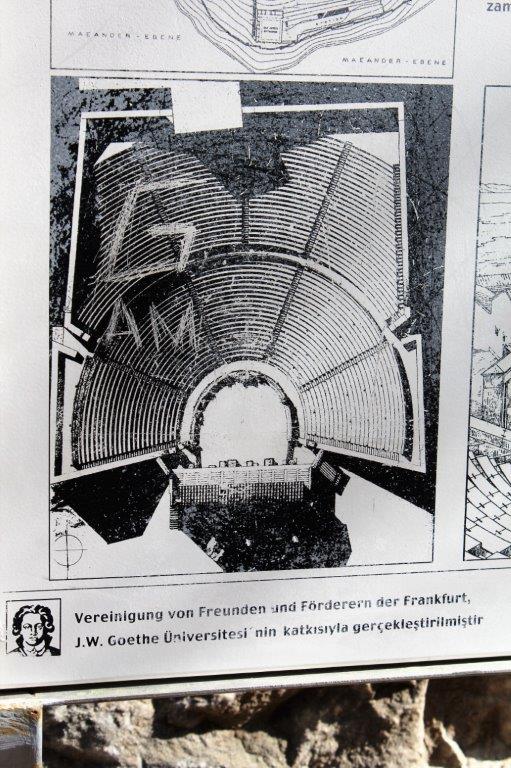
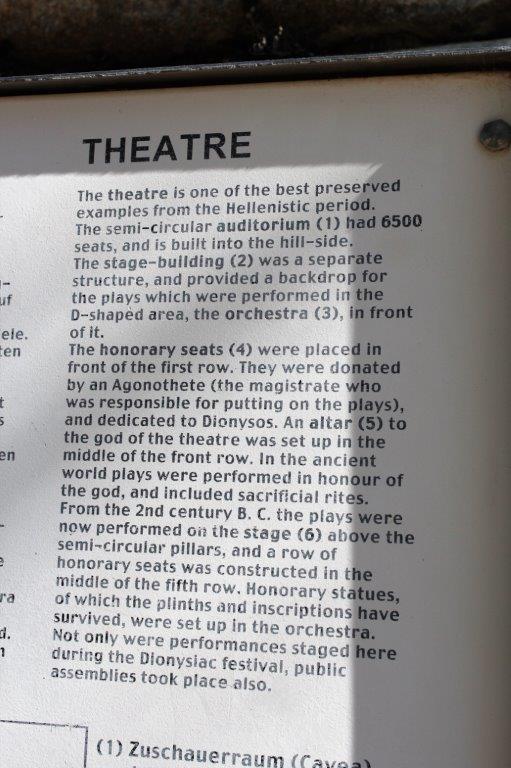
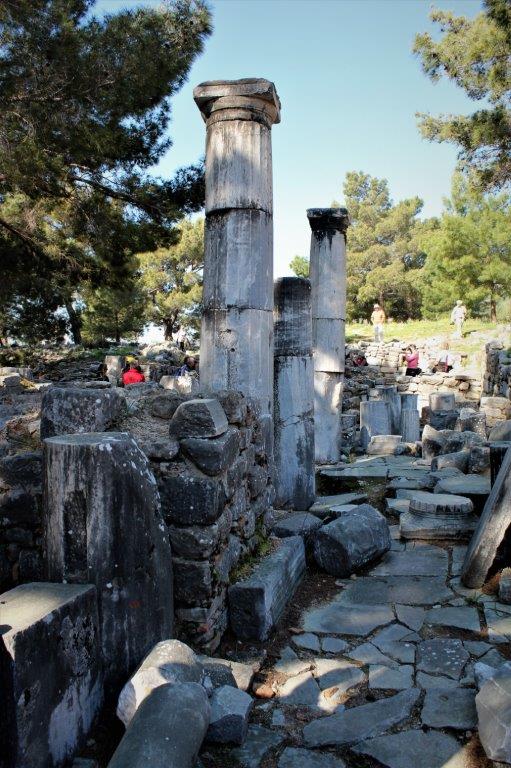
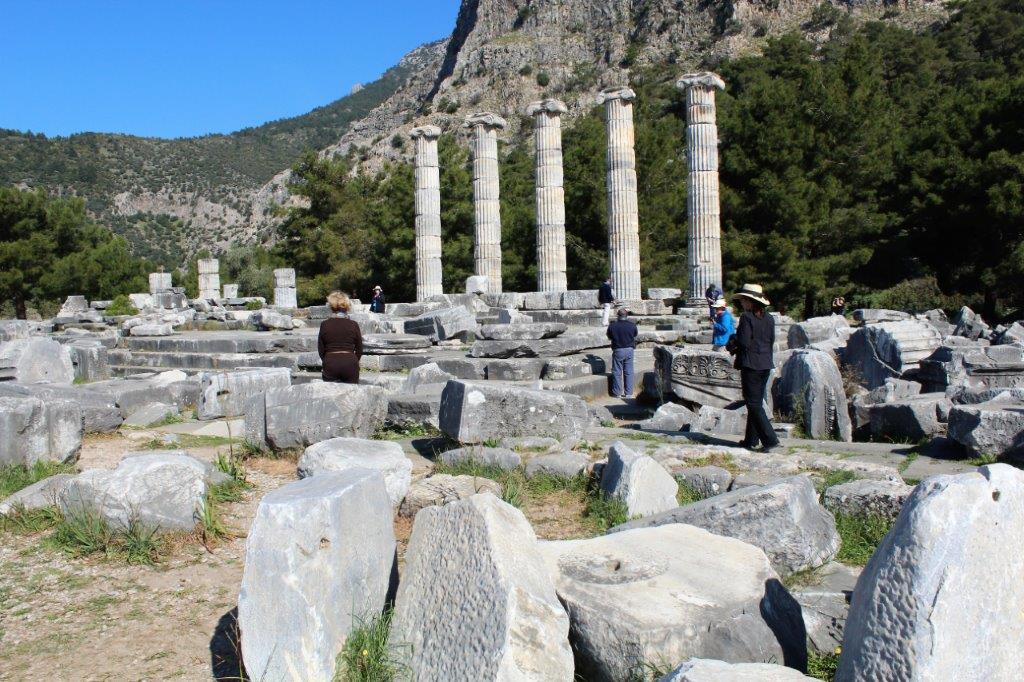
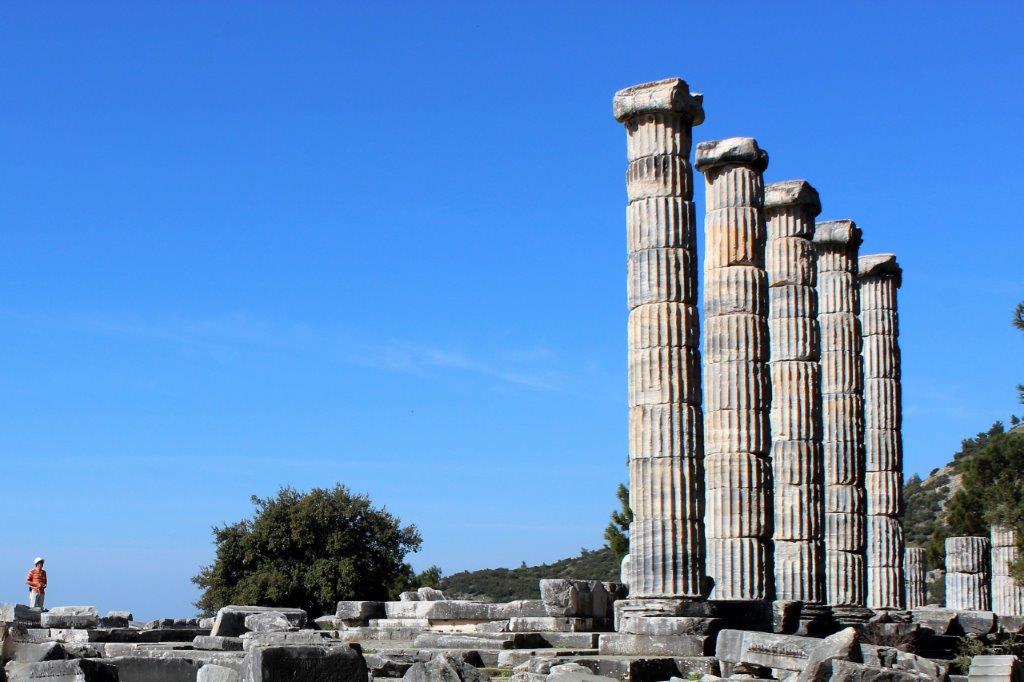
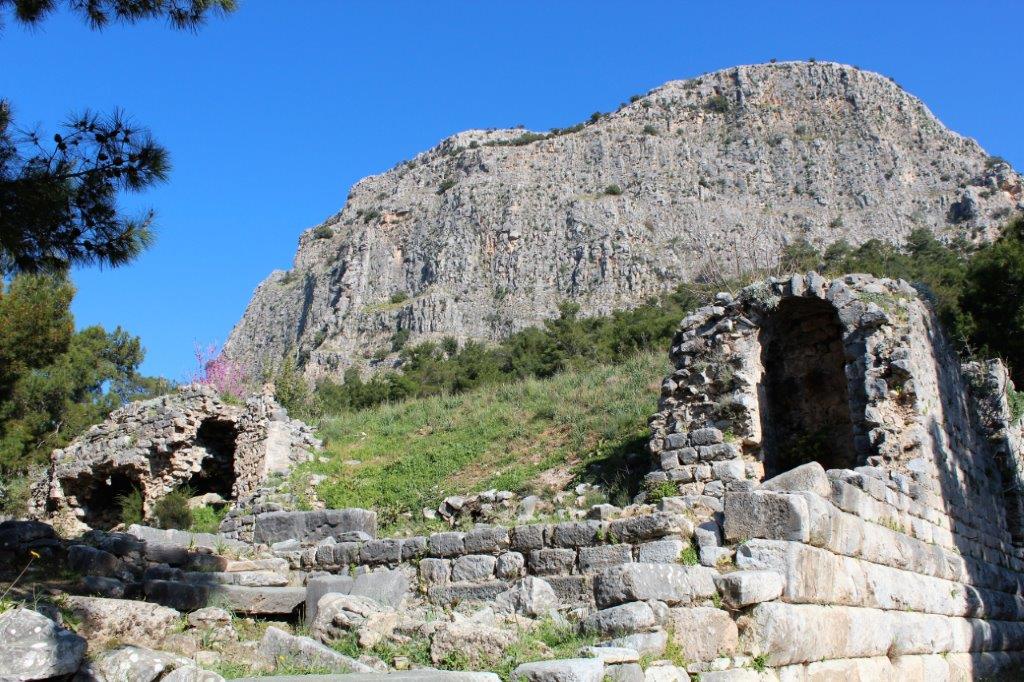
This day we took a tour to the ruins at Priene, Didyma, Miletus.  Priene is best known for its 4th-century Athena Temple bankrolled by Alexander the Great. Priene was built during the Ionic period.  The Hellenic (Greek) construction used local stone. (The later era Romans tended to use marble as a main construction material)

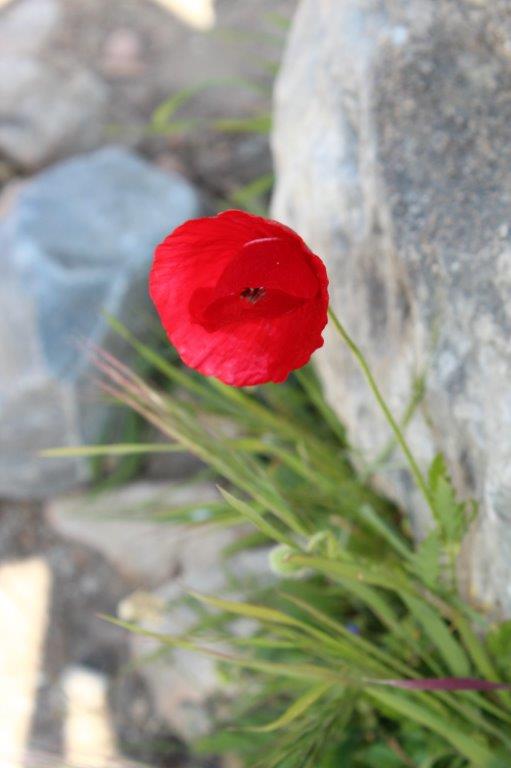
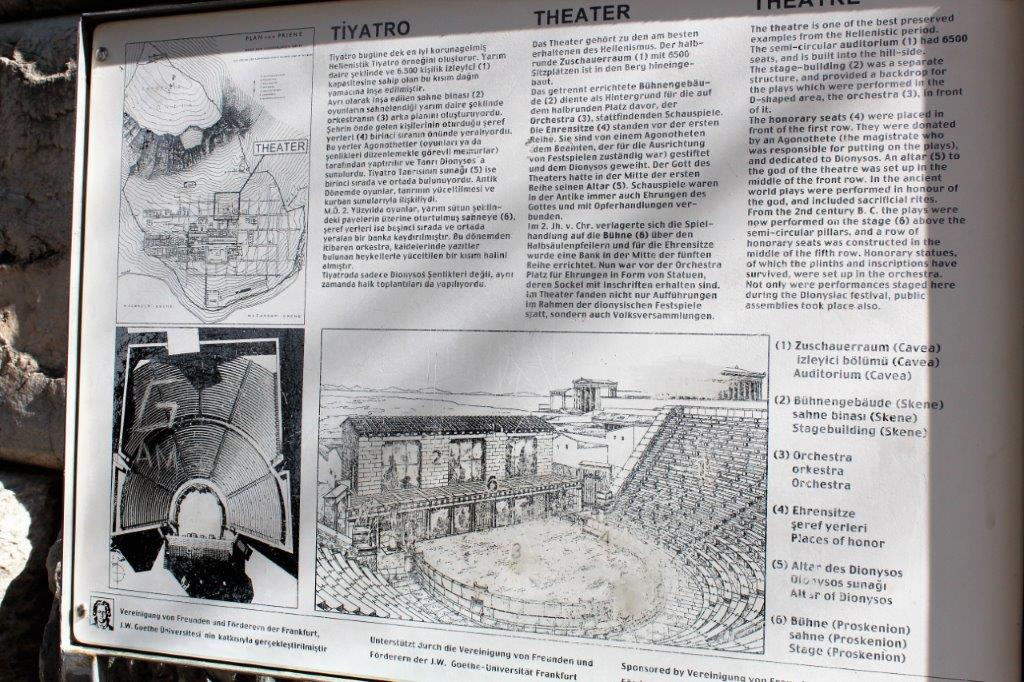
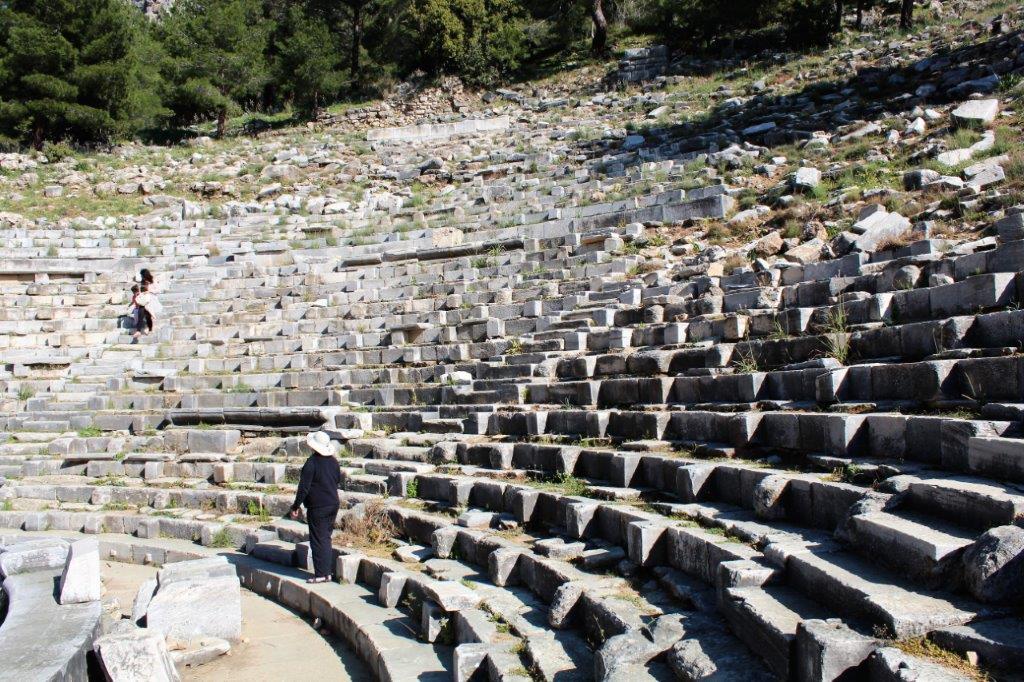
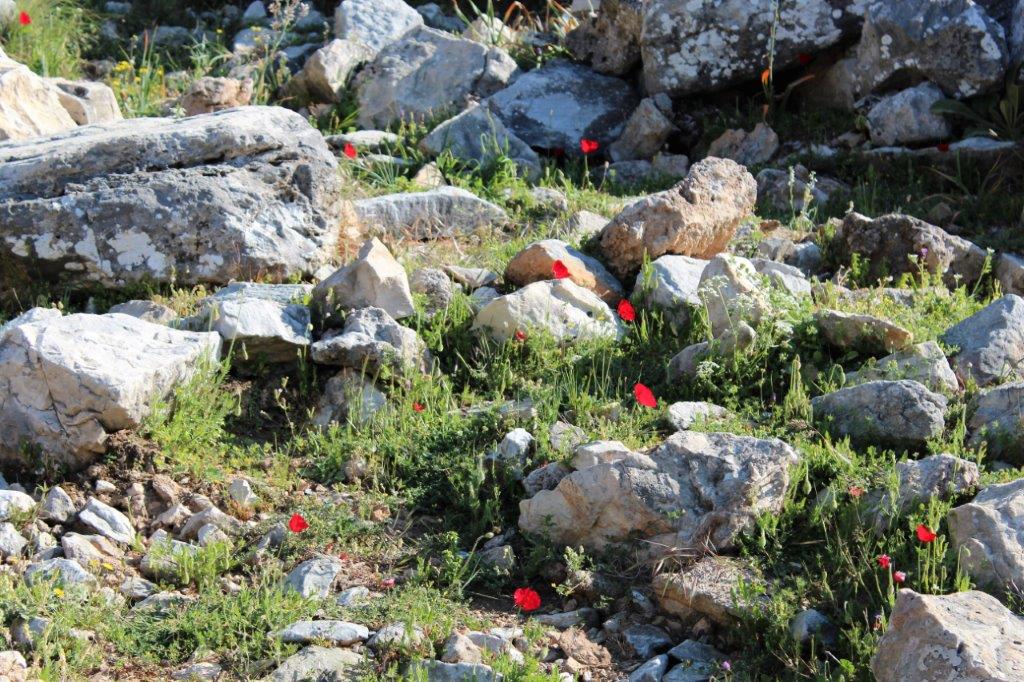
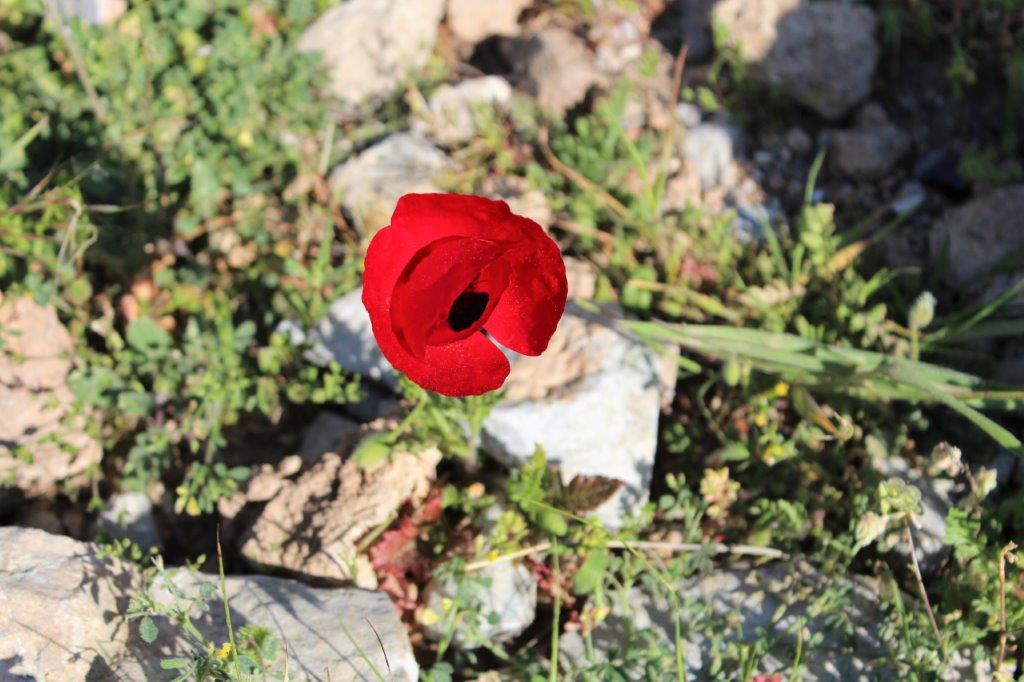
It also has a 5,000 seat amphitheater built in the third century.  It  was the responsibility of one member of each family to go to the theater to hear any important news or public announcements and report it back.  The theater had to seat 1 in 10 persons so the population of Priene was about 50,000.  The poppies were blooming in many of our ports-of-call on this cruise.  It is easy to understand why Col. John McCrae used them in his poem “In Flanders Fields.”

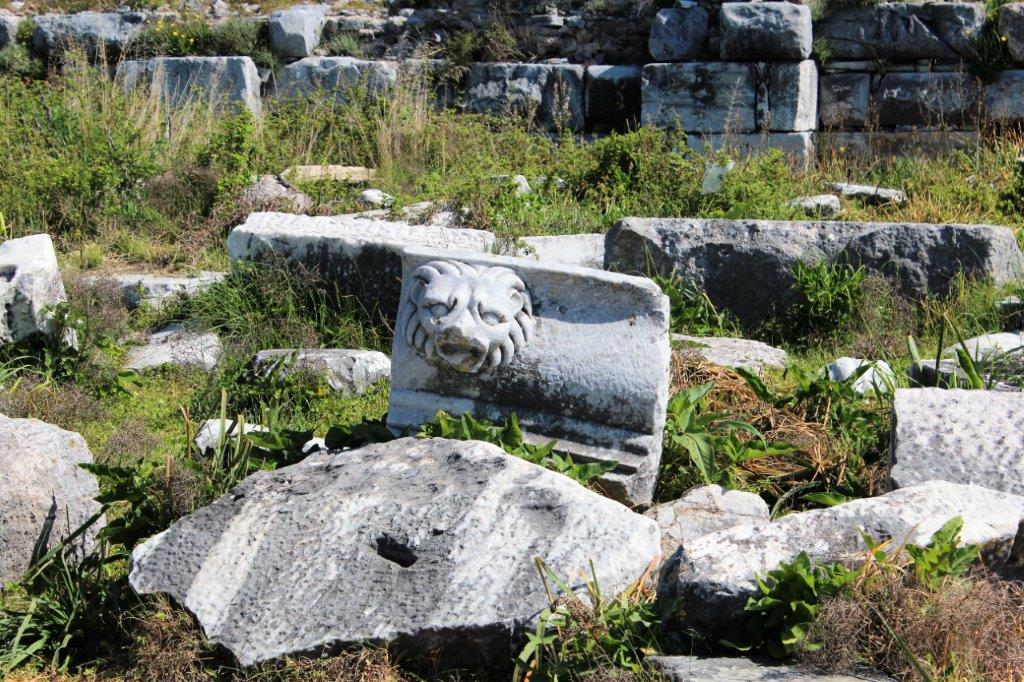
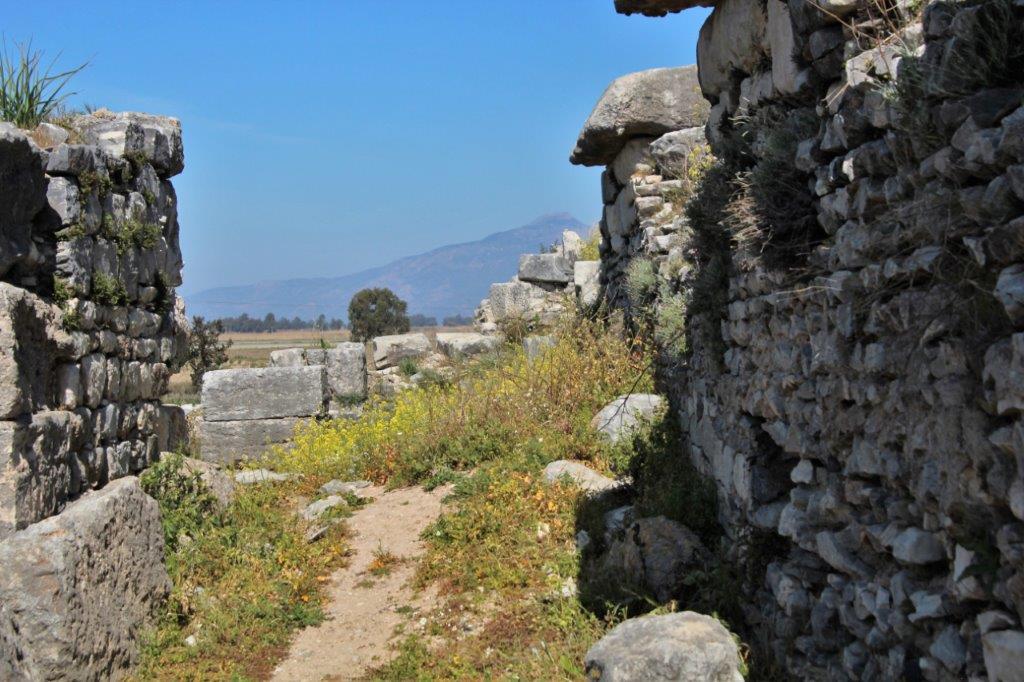
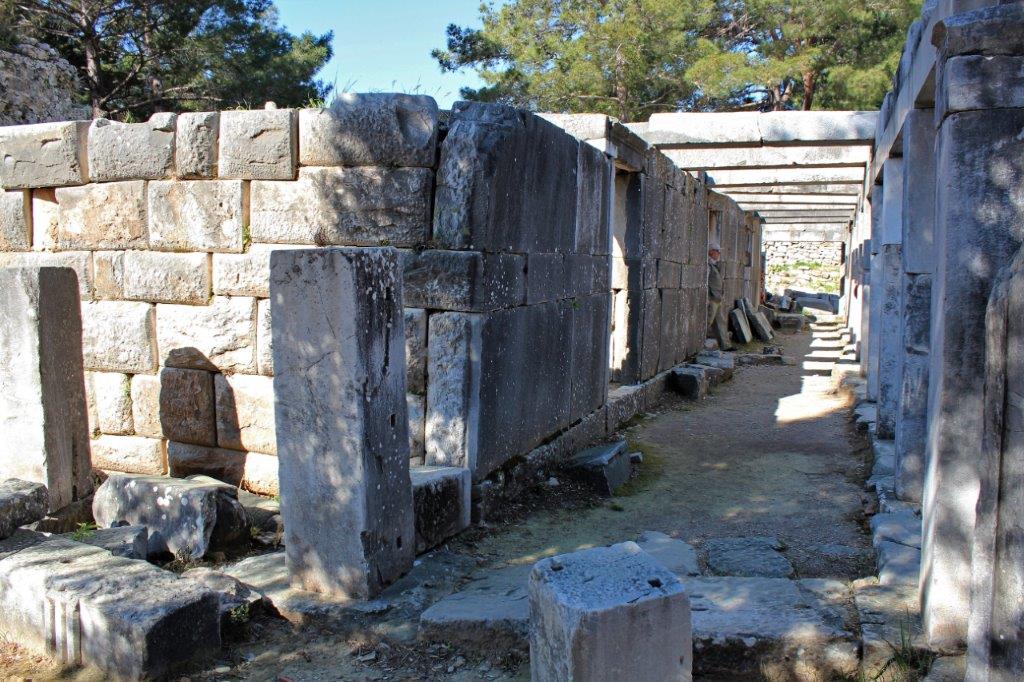
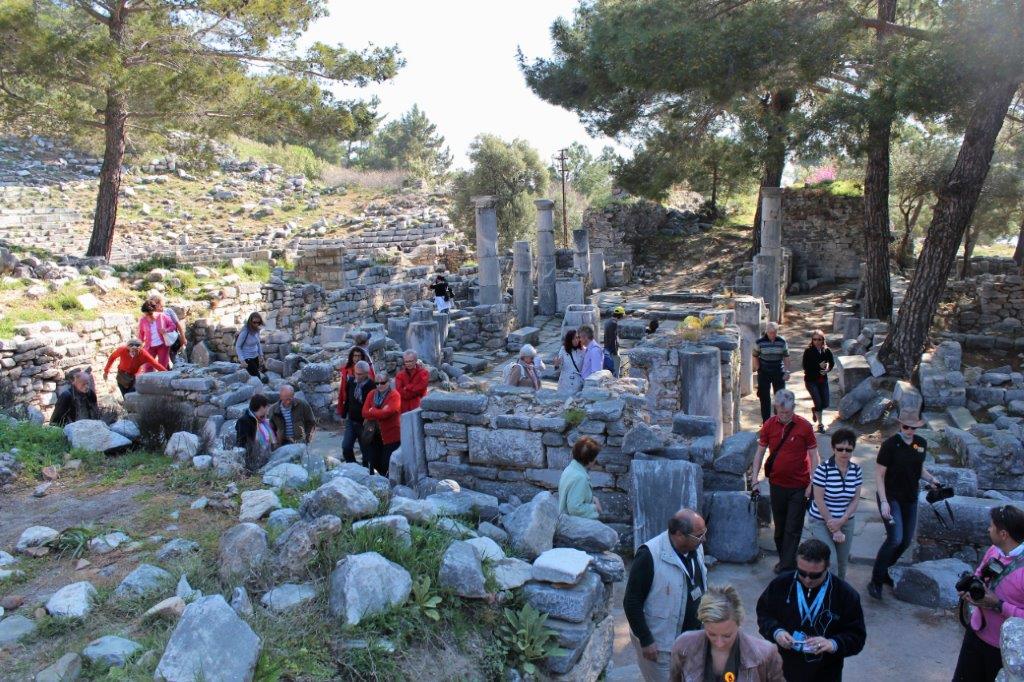
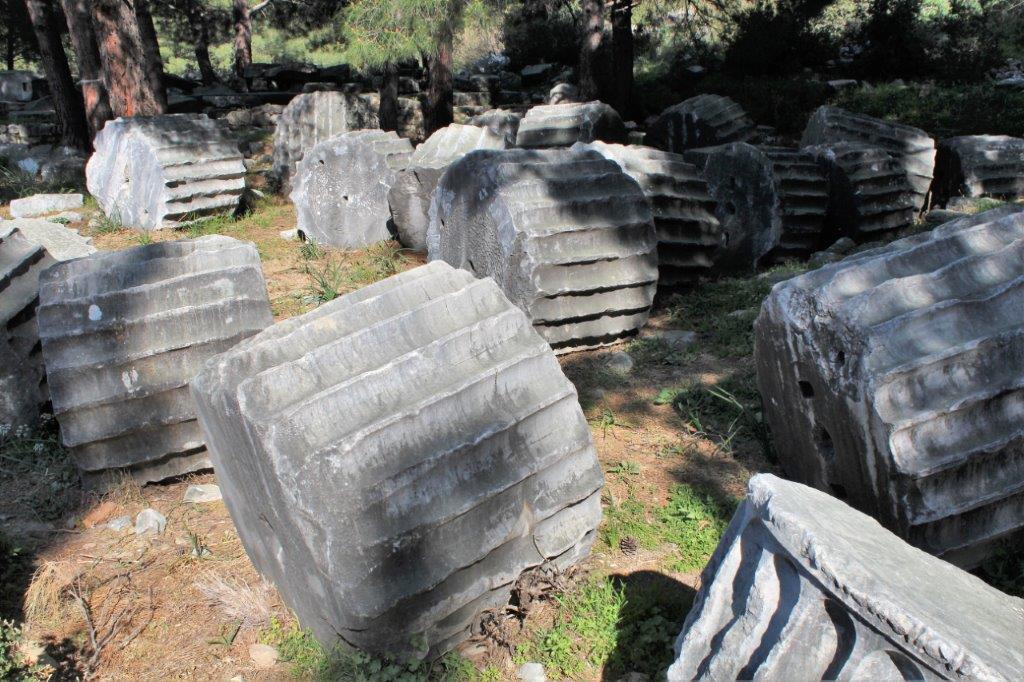
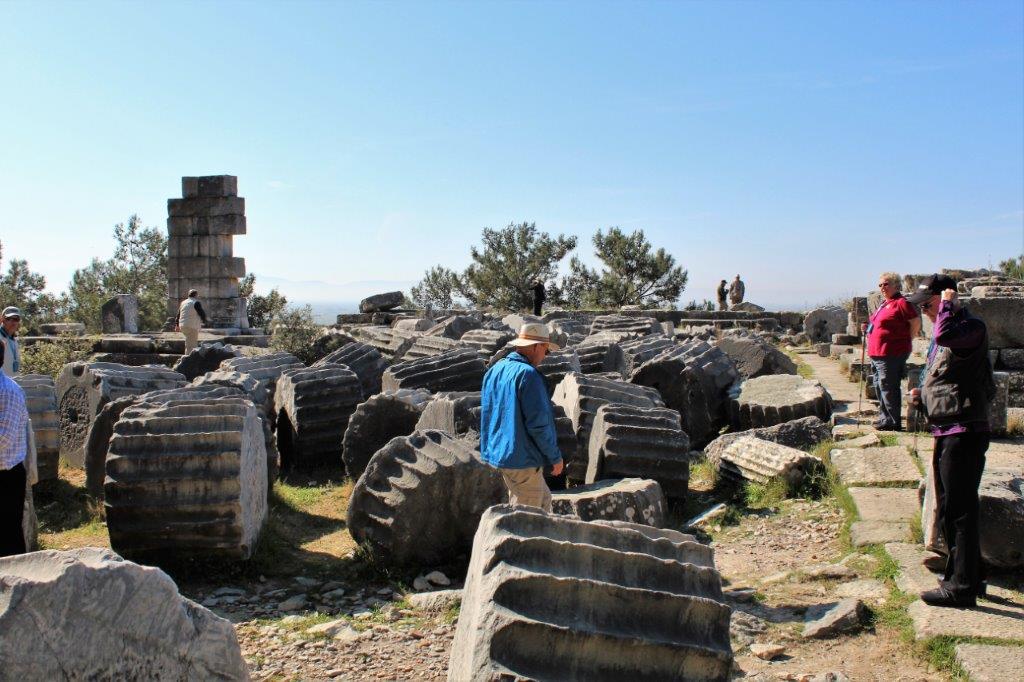
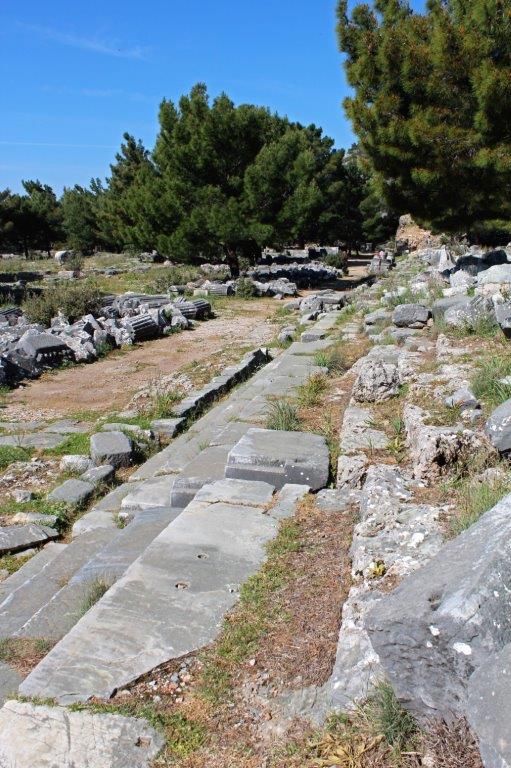
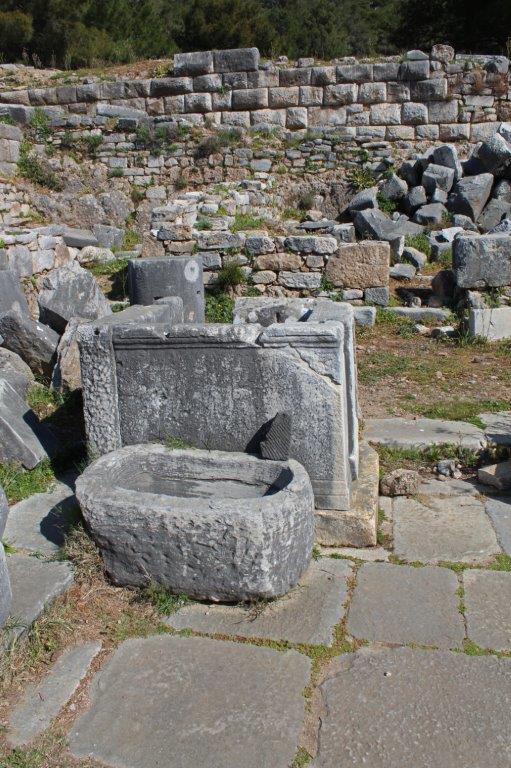
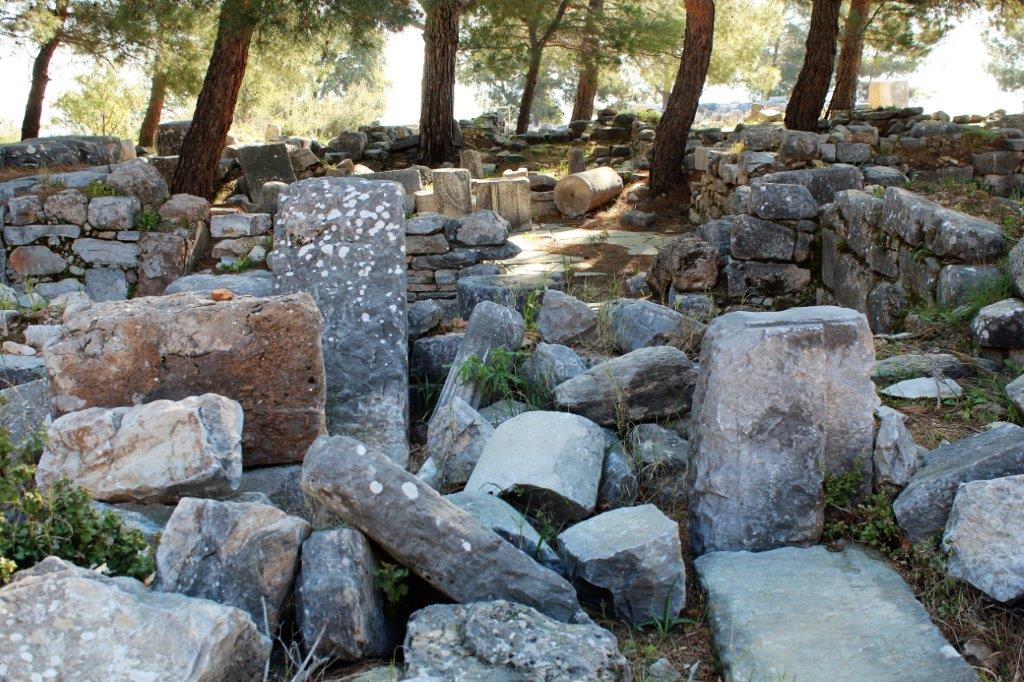
One of the unique things about the Priene site is that it was never rebuilt by the Romans after the Greek city reached its height in the fourth century so what visitors see is an unadulterated typical Ionian City.  It was really awesome for me to be walking amid such ancient ruins.  The stories these fallen columns and stones could tell…

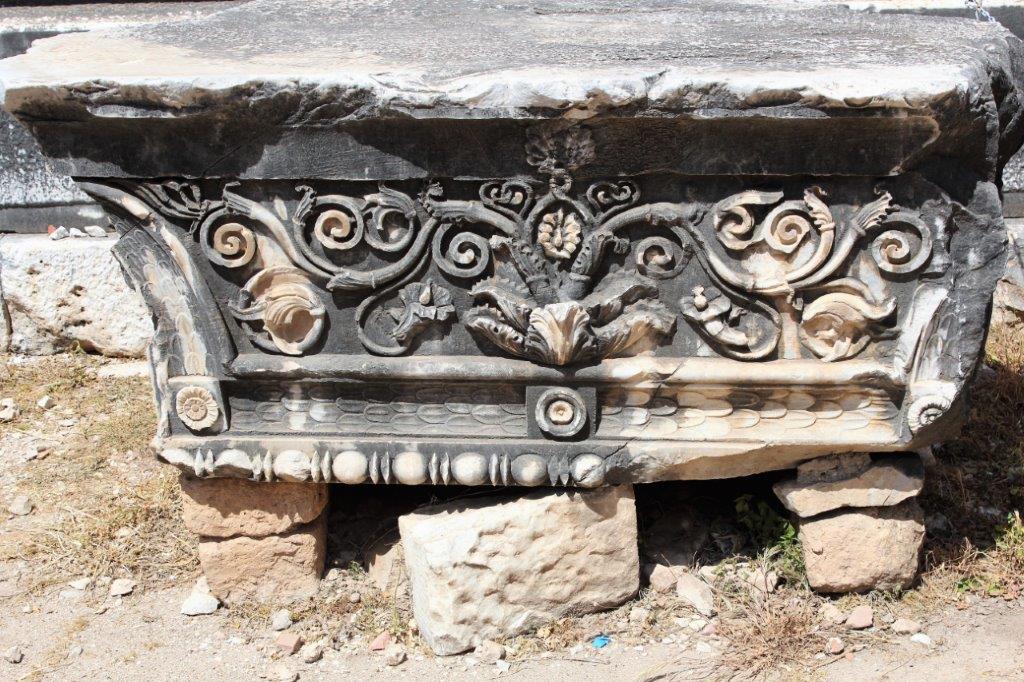
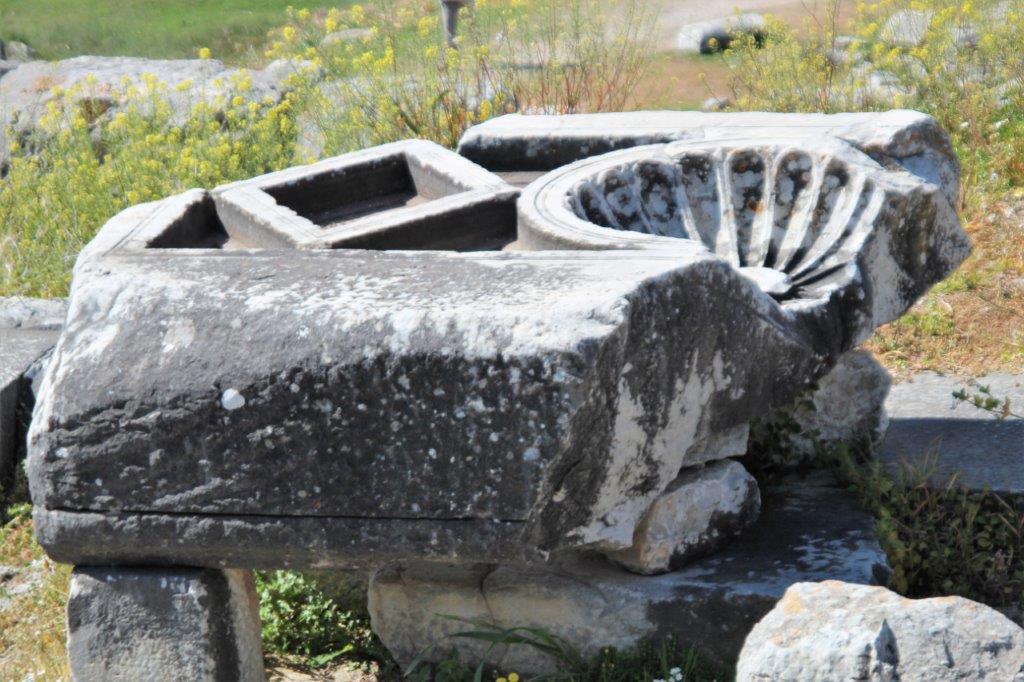
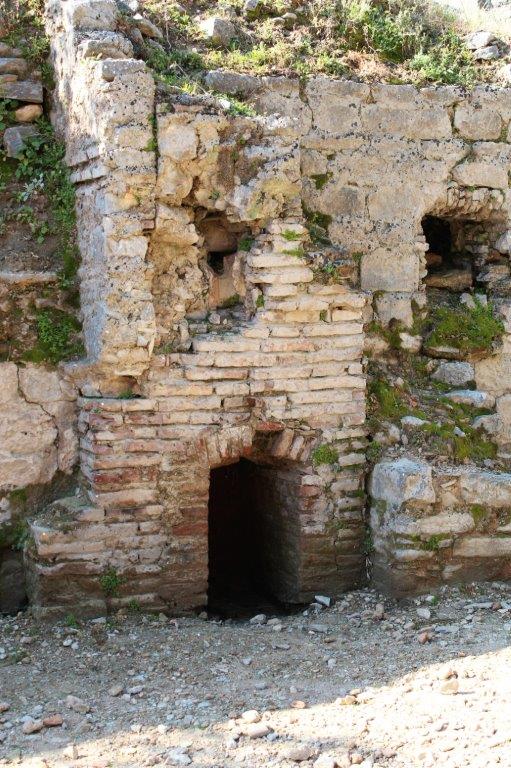
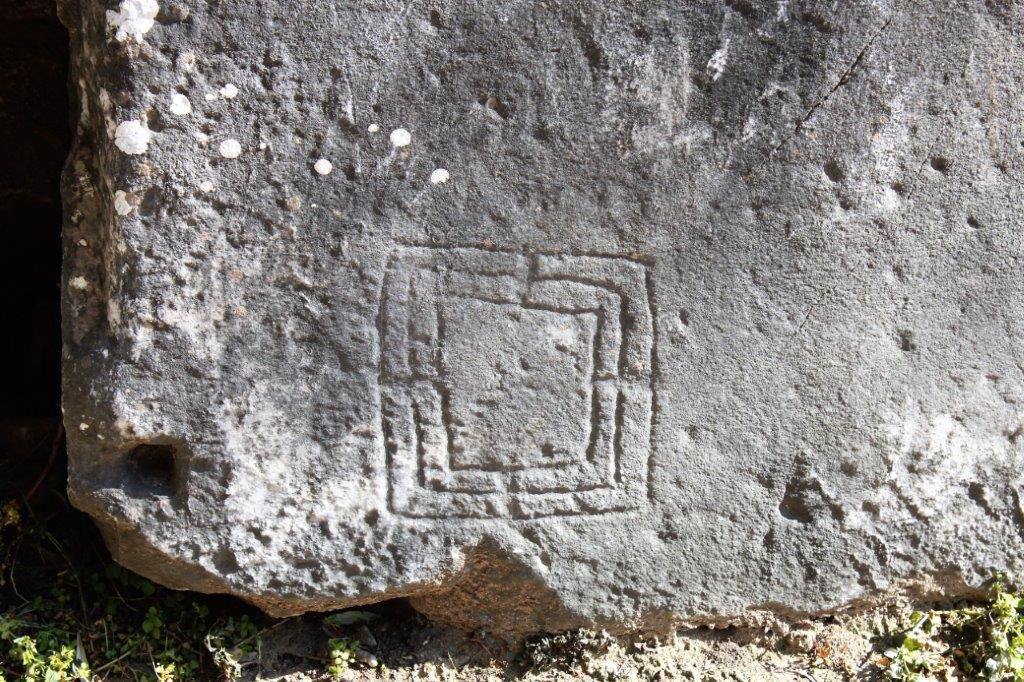
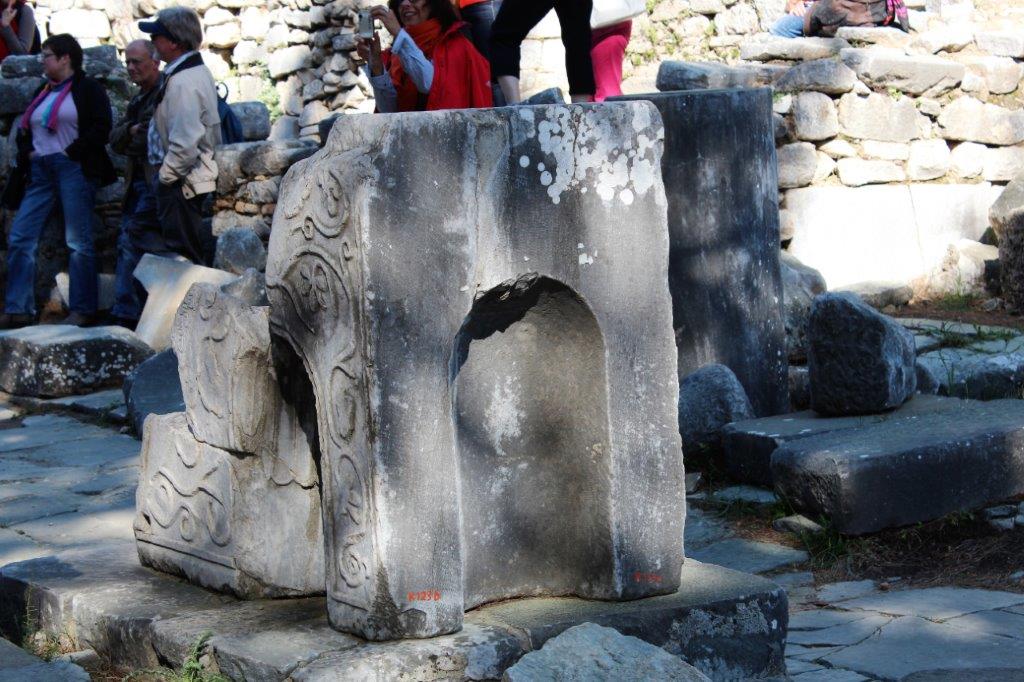
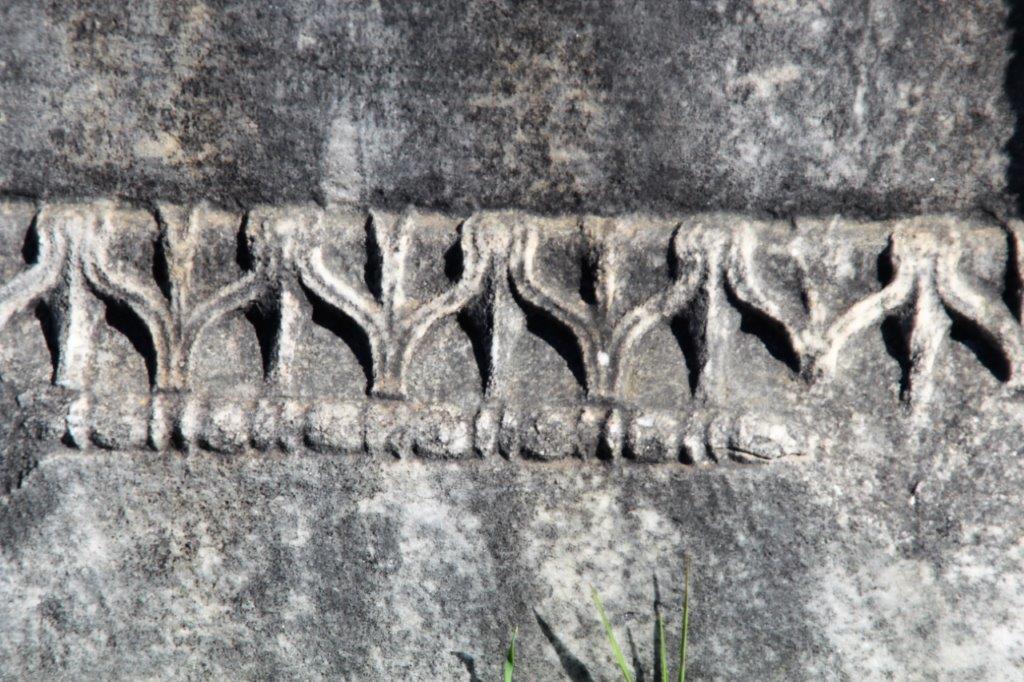
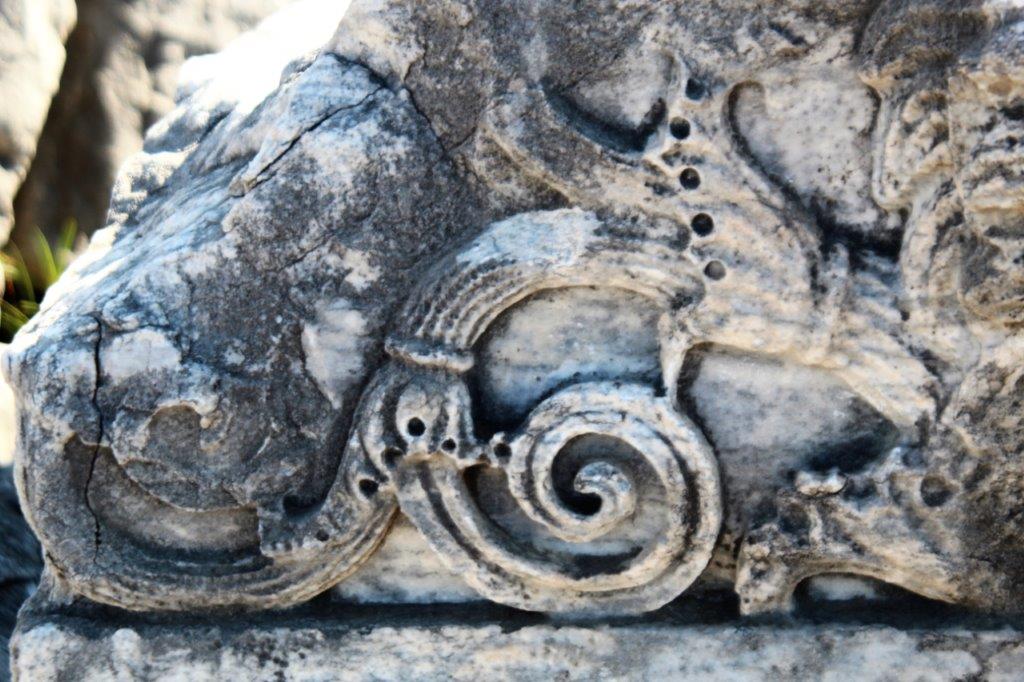
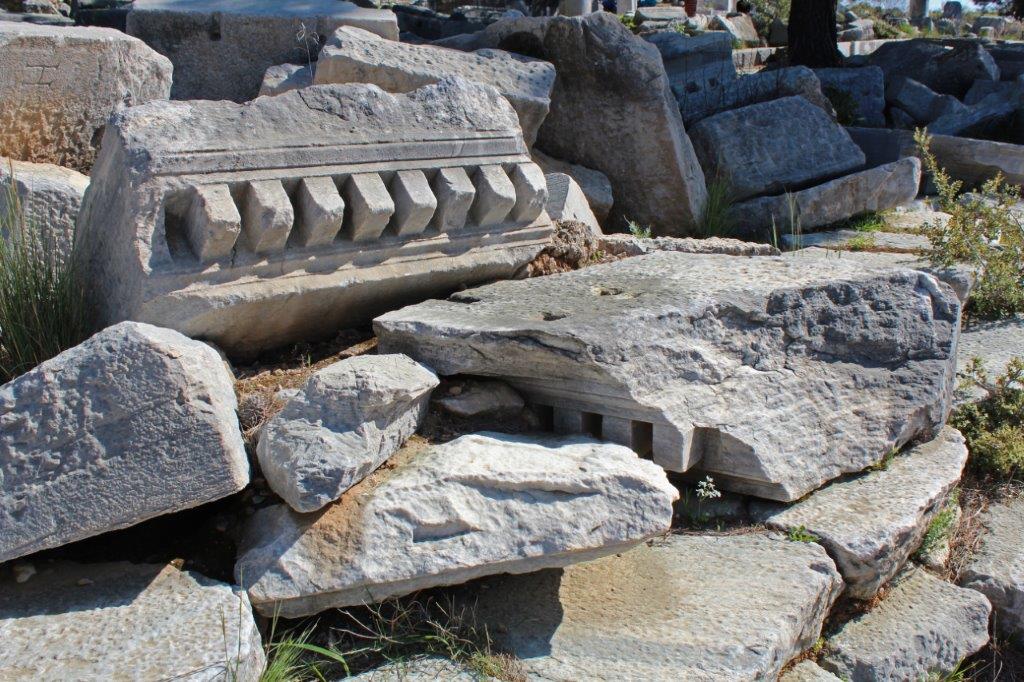
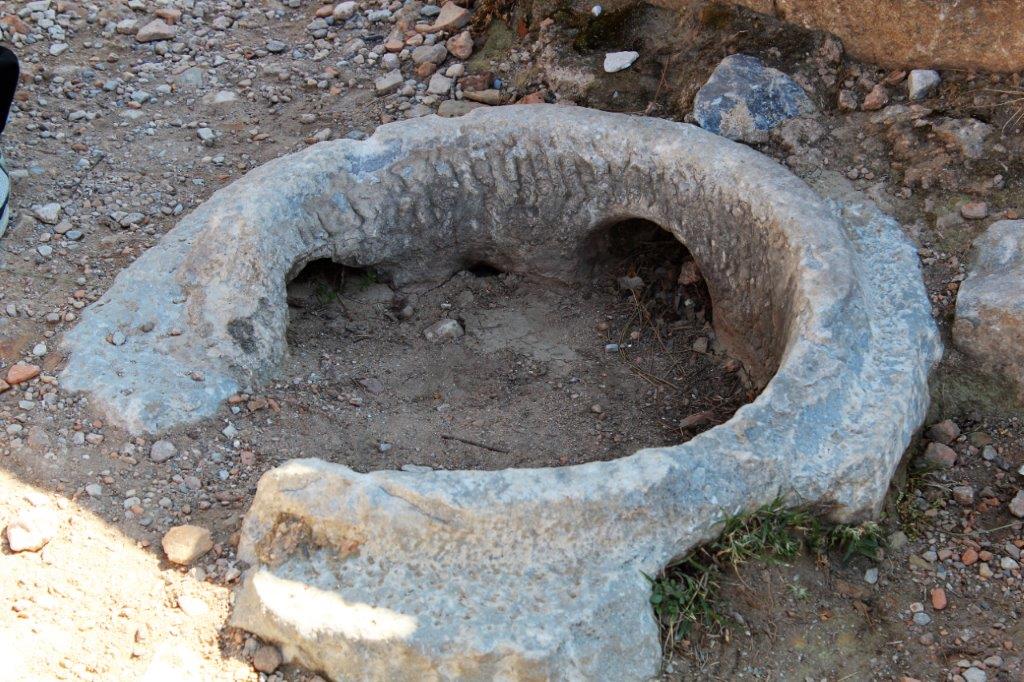
Think of the hours it would have taken a stonemason to create these designs with a hammer and chisel.  Absolutely amazing!  Look how sharp the edges are on these two pieces. A central hub for the sewer system.  And we think we in the 21st century are so smart.

And then it was on the bus for the next stop at Miletus, a trading center created by visitors from Crete.

2012 April 1 – Day 21 – Mgarr, Gozo, Malta (Part 2)

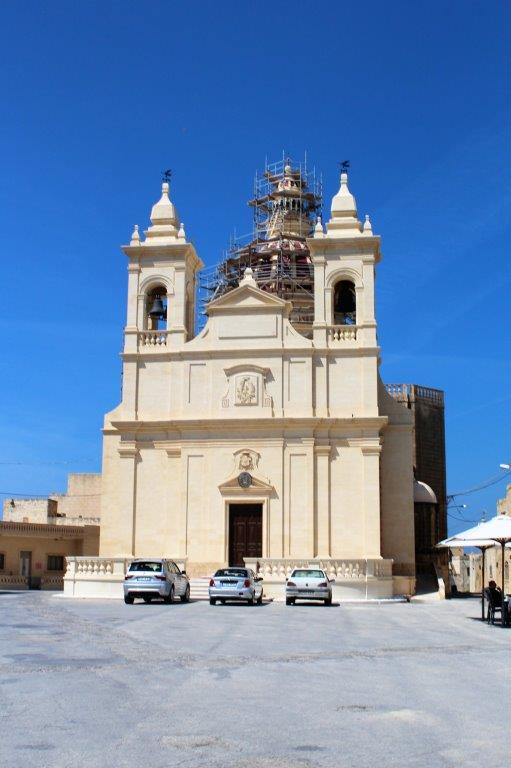
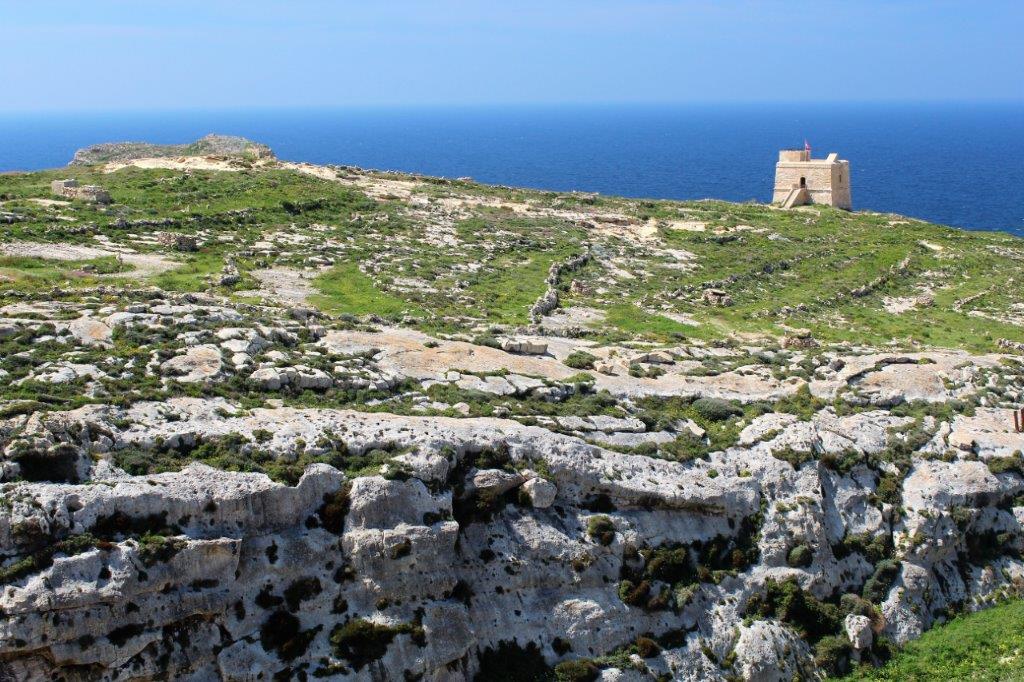
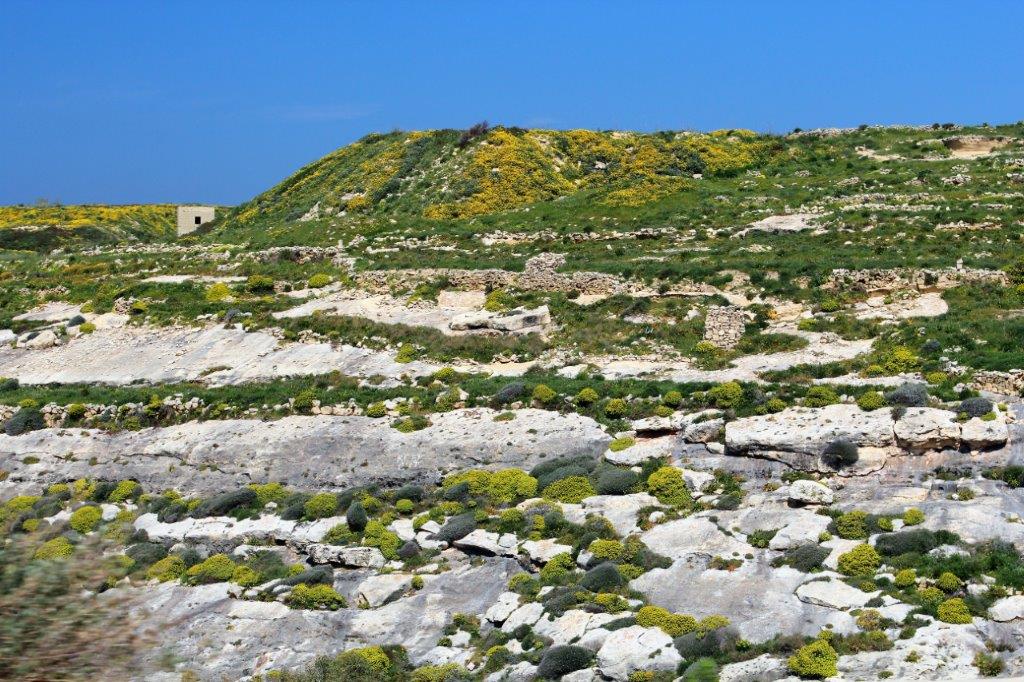
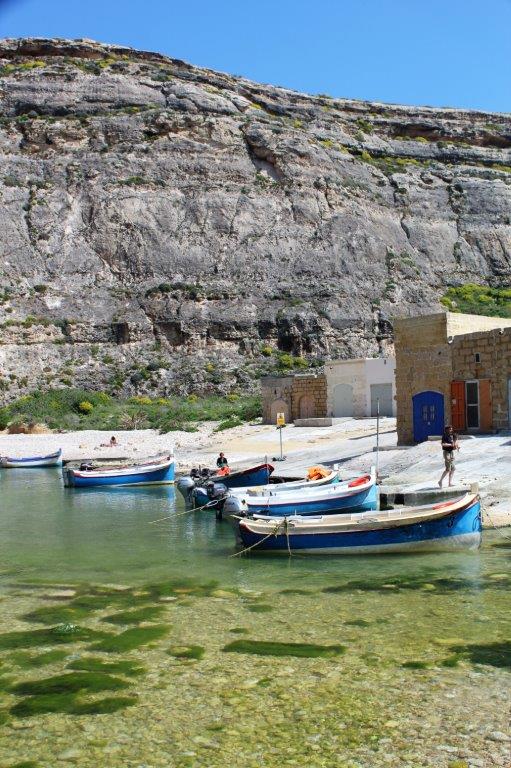
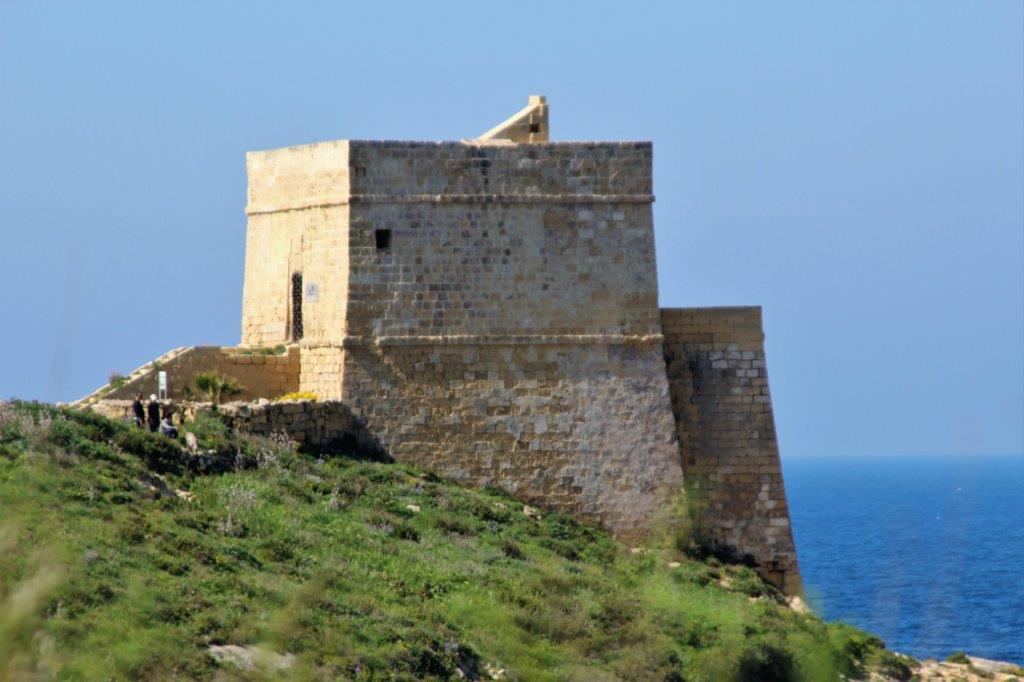
After we left the capital city of Victoria on the island of Gozo in Malta our driver took us to Dwejra Bay and the Inland Sea.  We passed the church of San Lawrenz and could see the Dwejra Watchtower in the distance. (I have absolutely no idea how any of these place names are pronounced.)
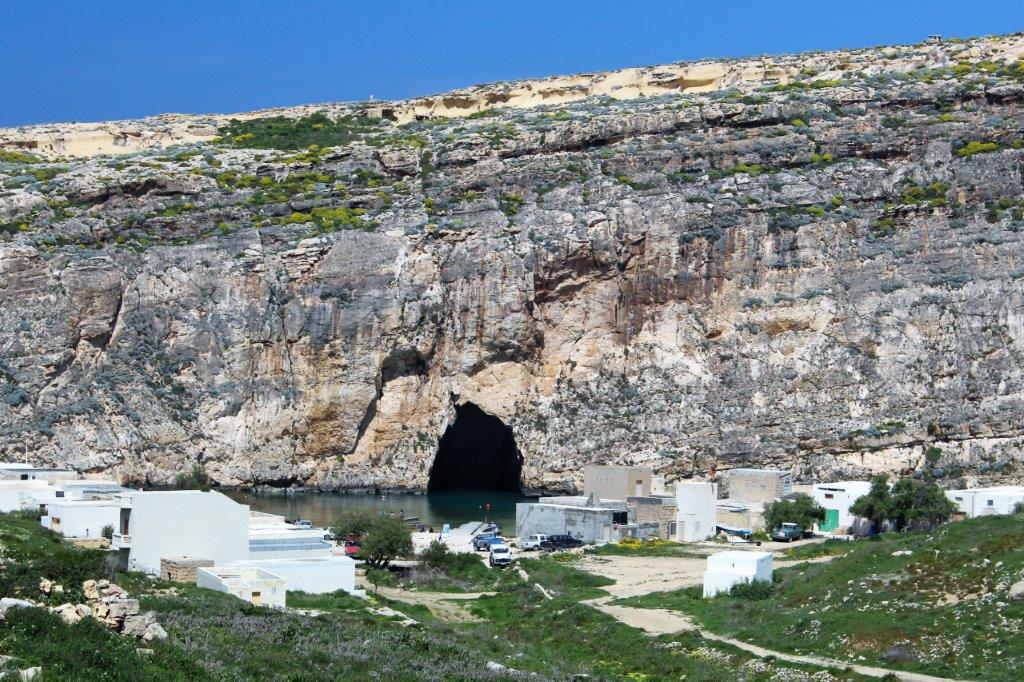
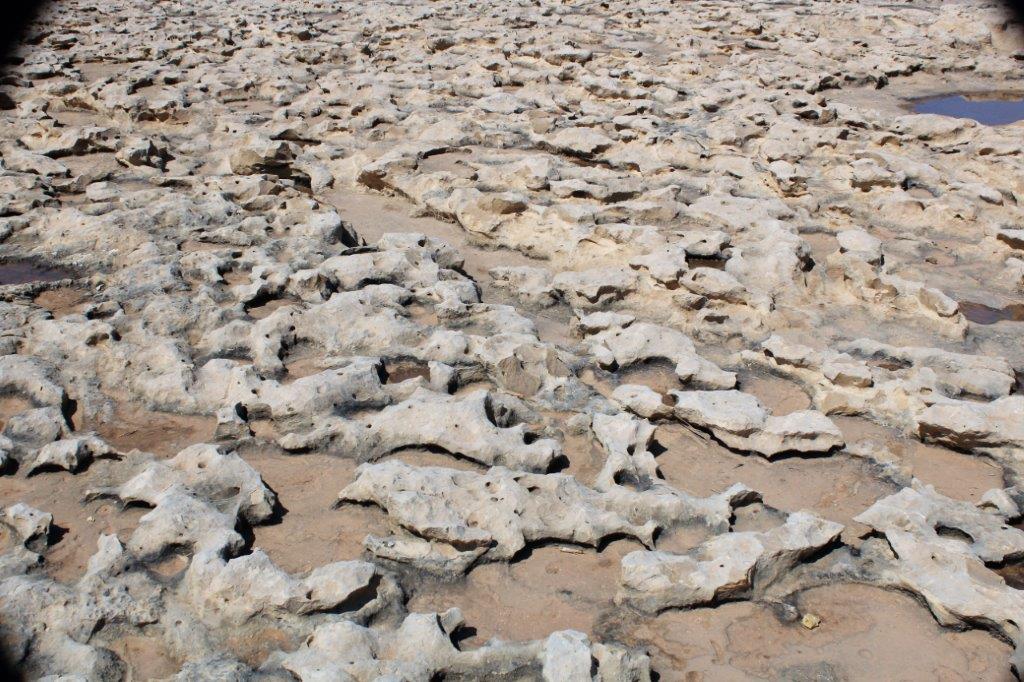
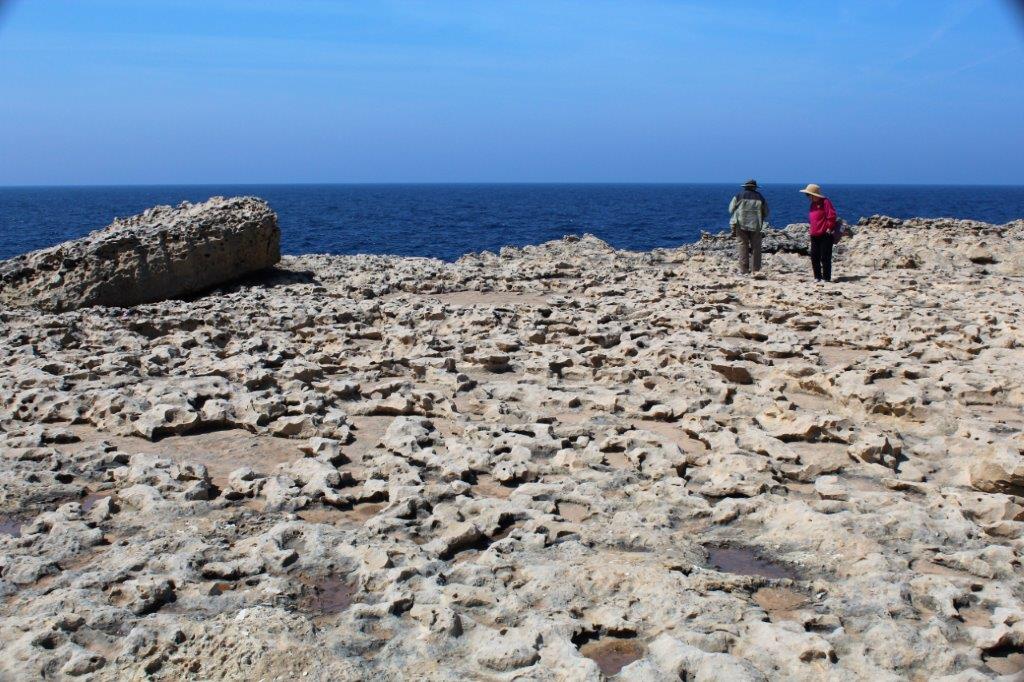
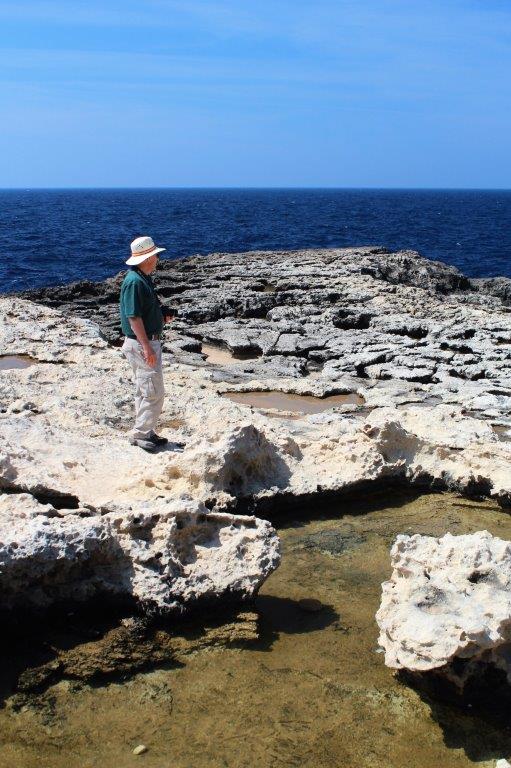
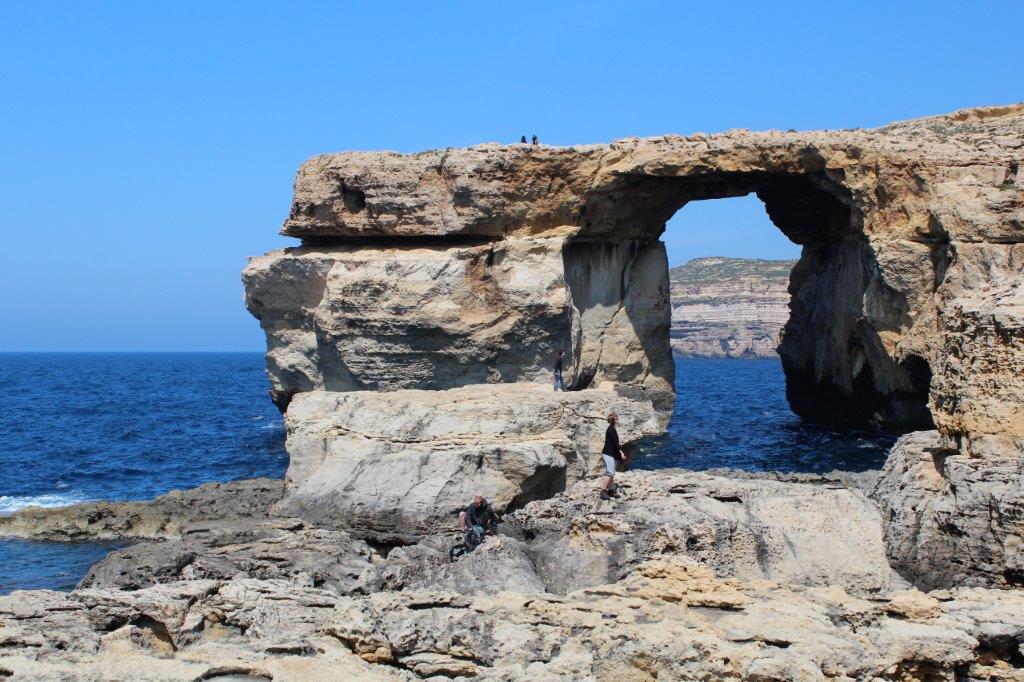
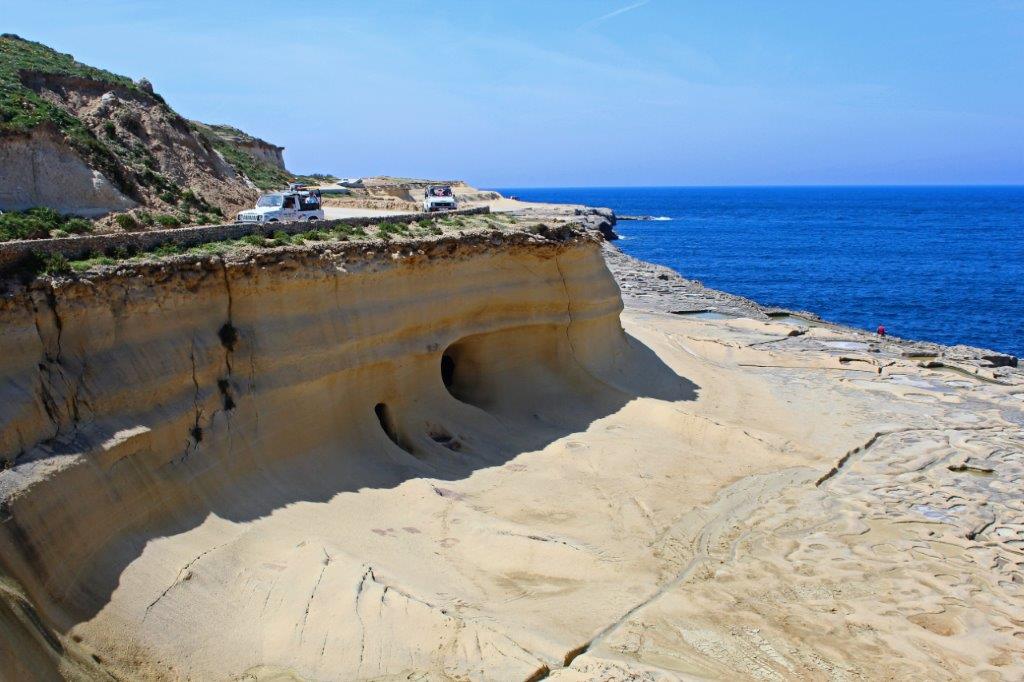
If you are here on a holiday and have time you can rent a rowboat or hire a boat and rower to take you through the cave to the Inland Sea.  Unfortunately our tour time frame did not allow us to go.  The sandstone is all chewed up by the salt and the sea.  It made some very interesting patterns, and a challenge to walk on.                                                  The Azure Window.
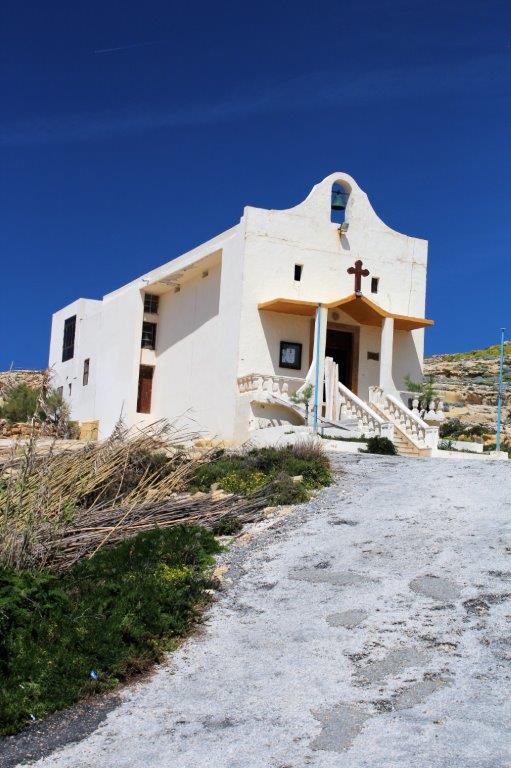
Chapel of St. Anne at Dwejra Bay.                                 Cave entrance to the Inland Sea.

The tour continued across the western side of the island and past Ta’ Pinu Shrine (the full name is The Basilica of the National Shrine of the Blessed Virgin of Ta’ Pinu – Maltese for ‘Of Philip’).  It is amazing how large and elaborate all these churches are for such a small island and a small population.  Of course they were all built a few hundred years ago.
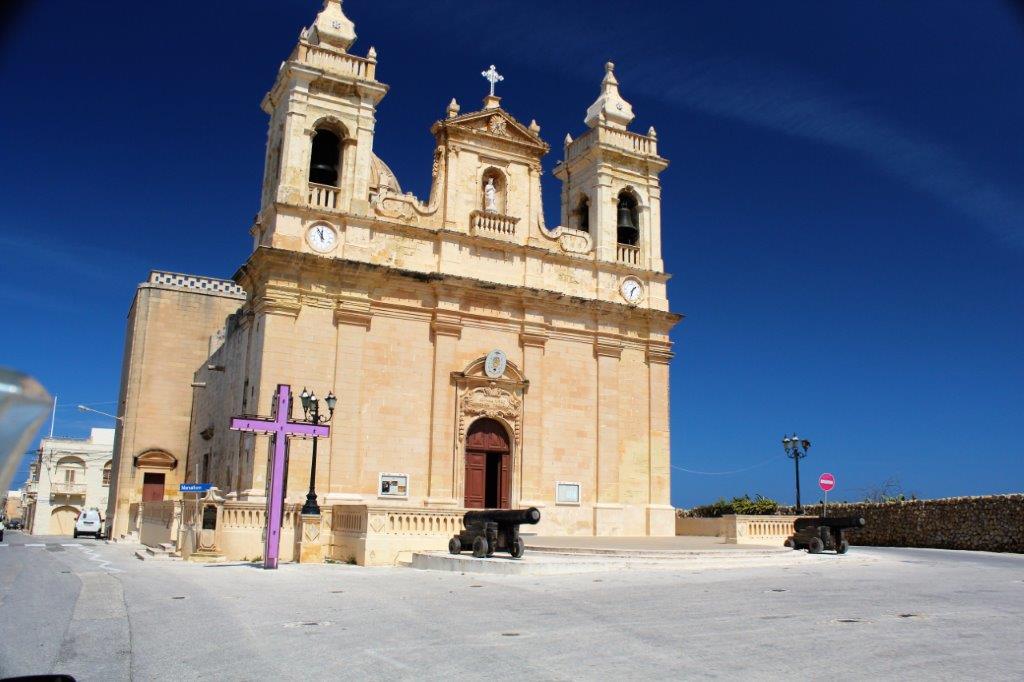
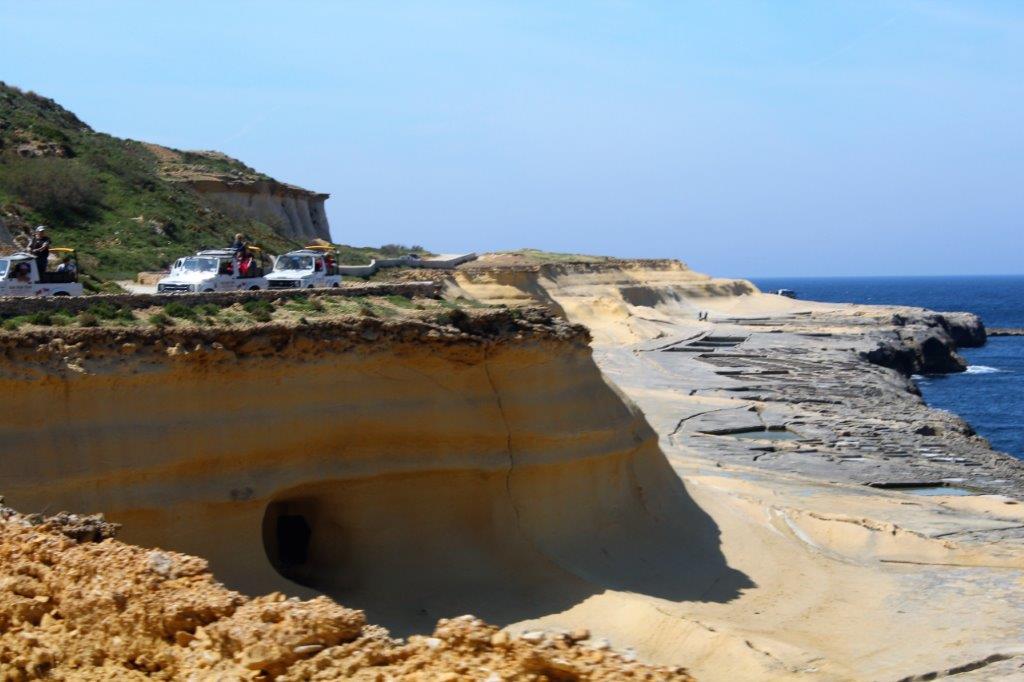
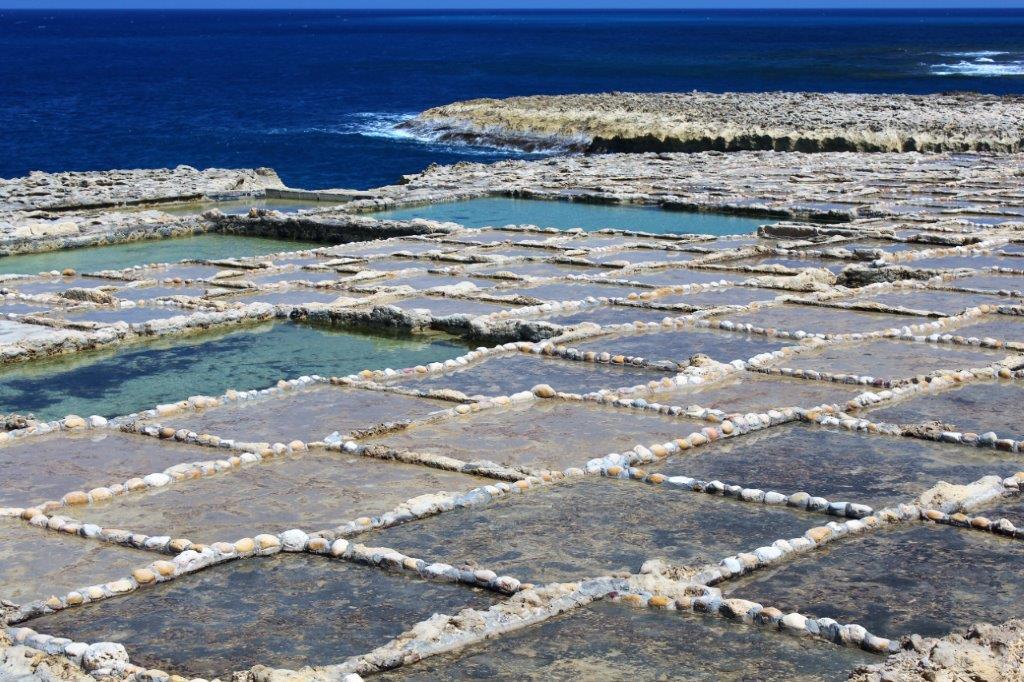
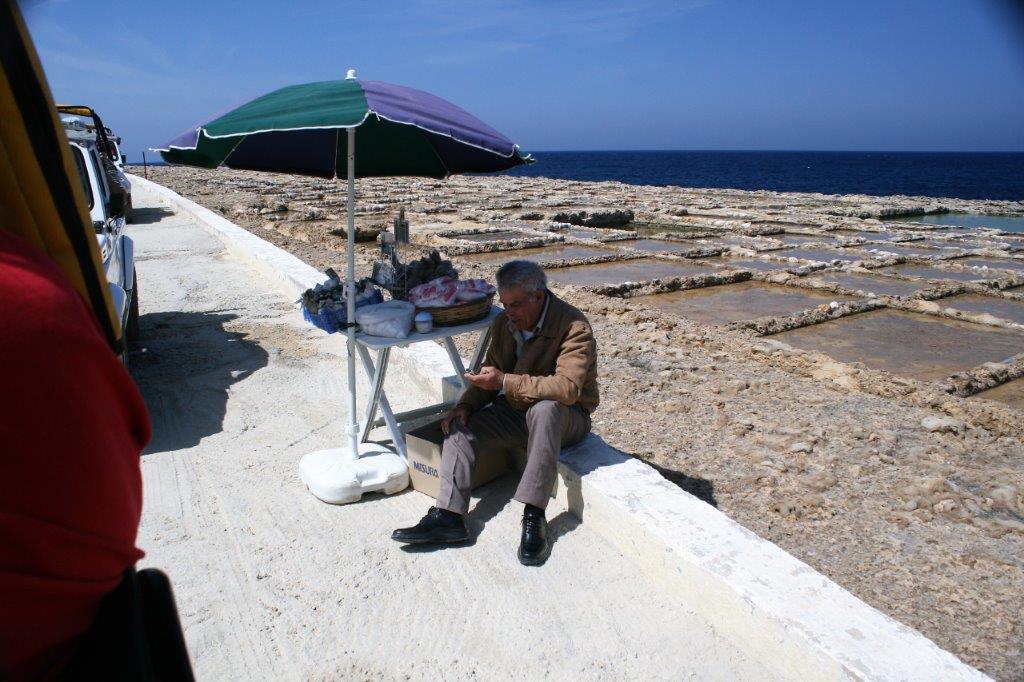
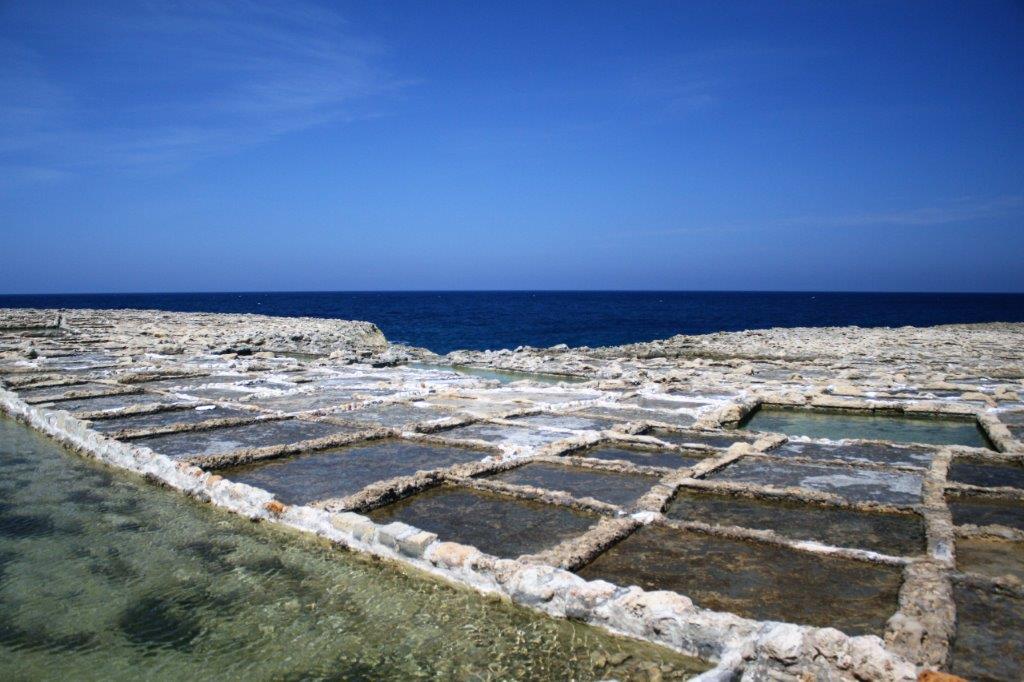
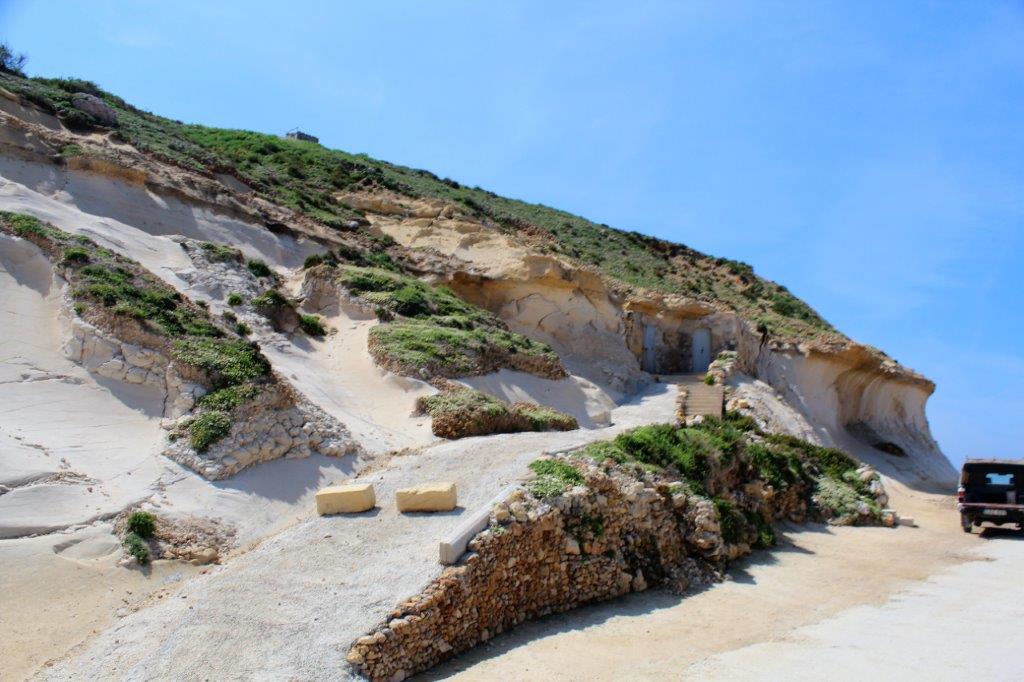
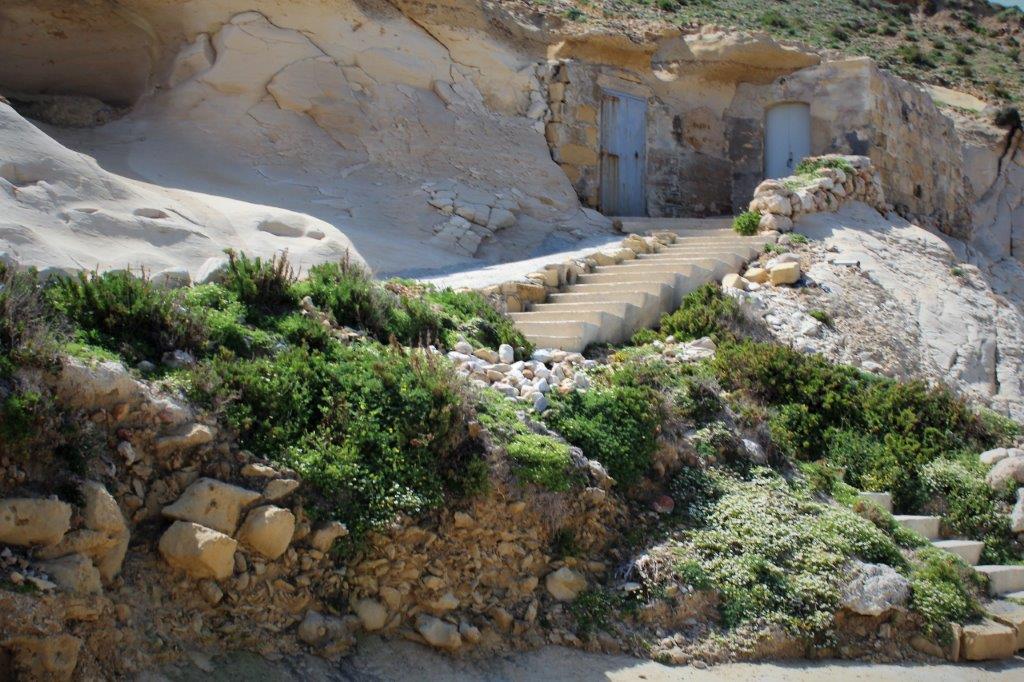
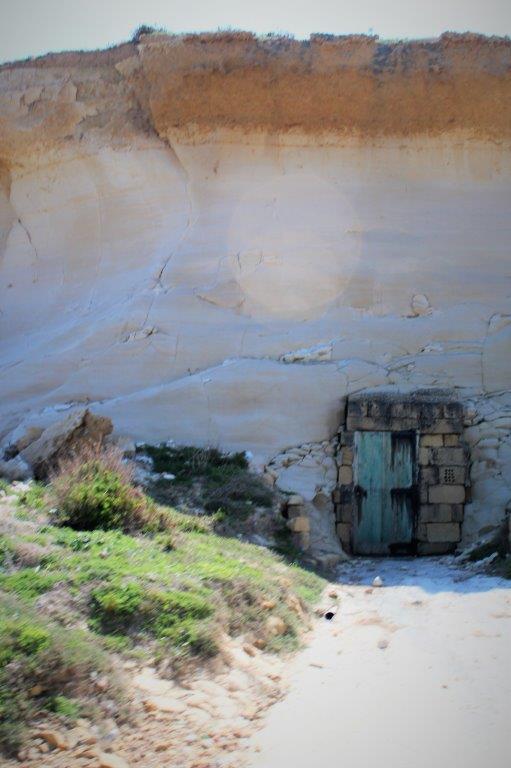
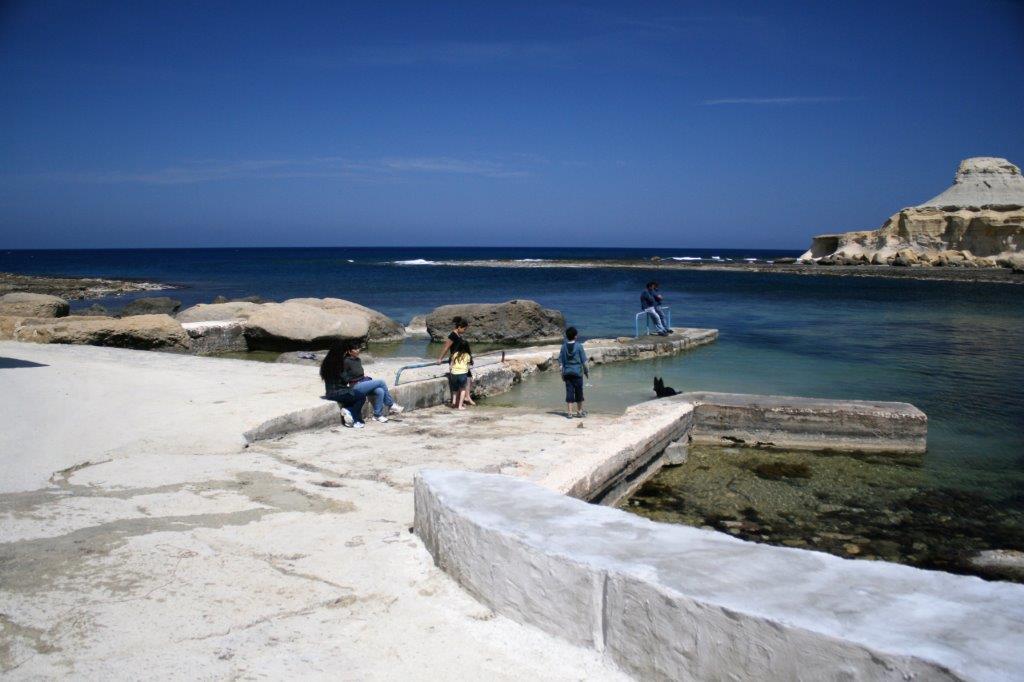
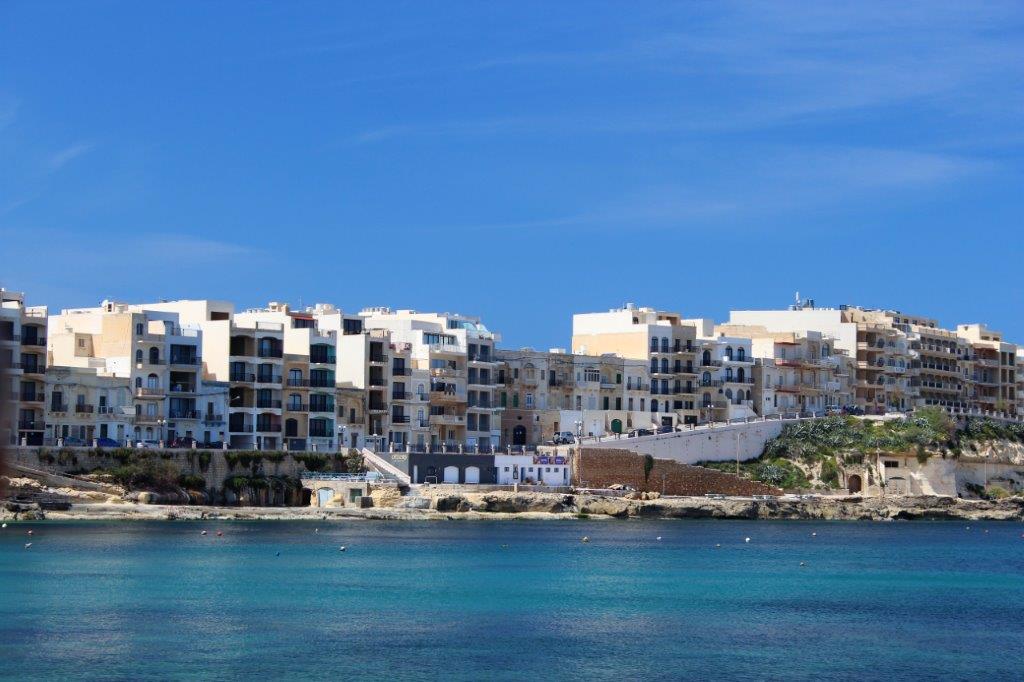
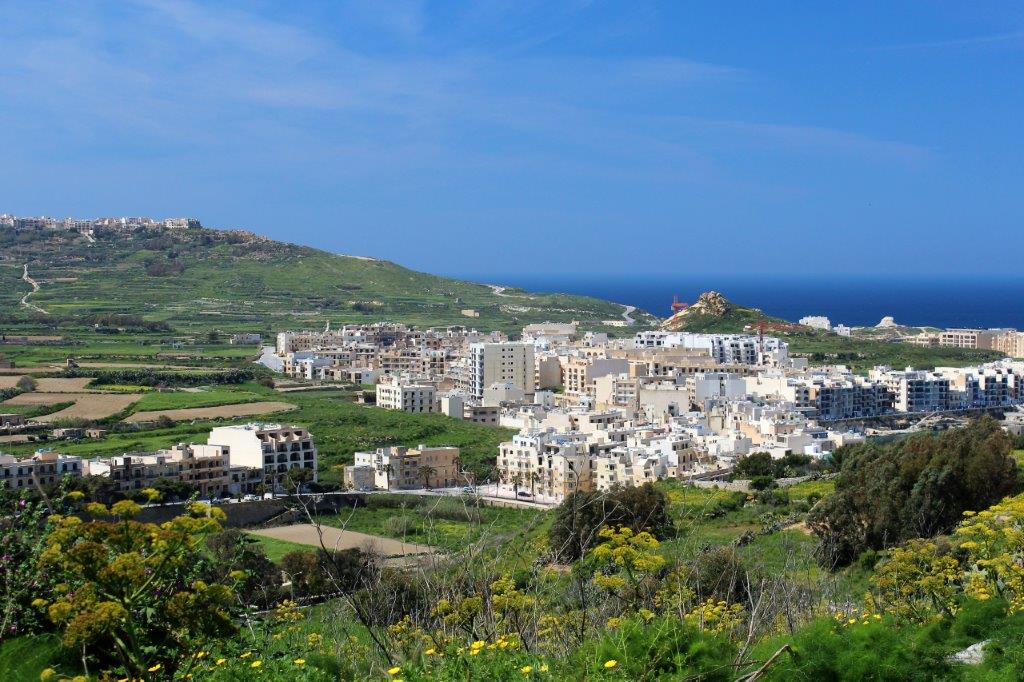
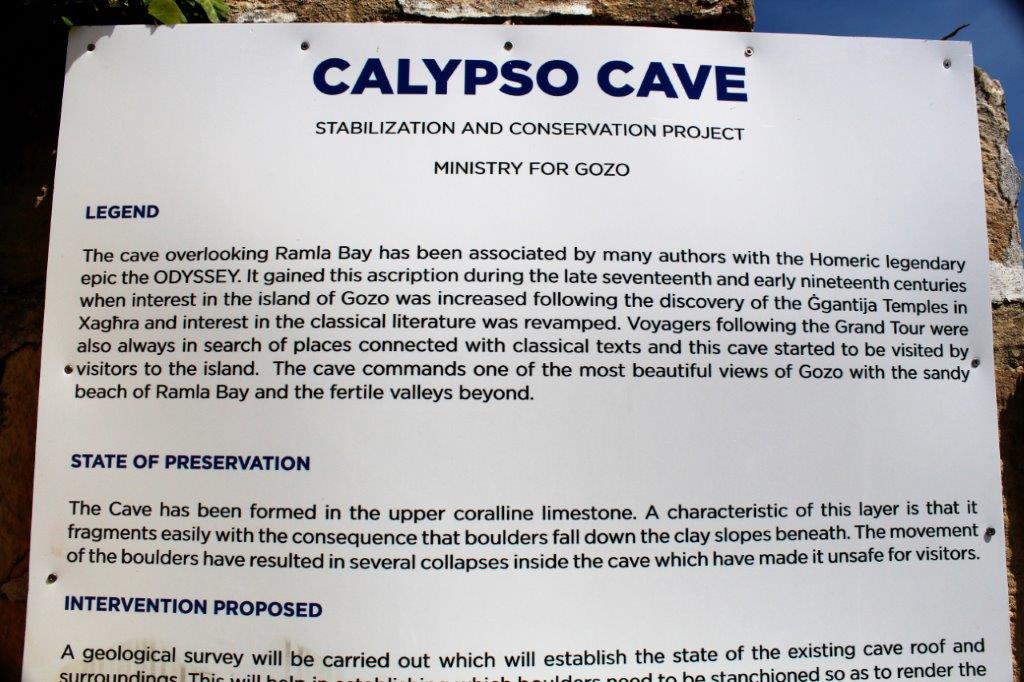
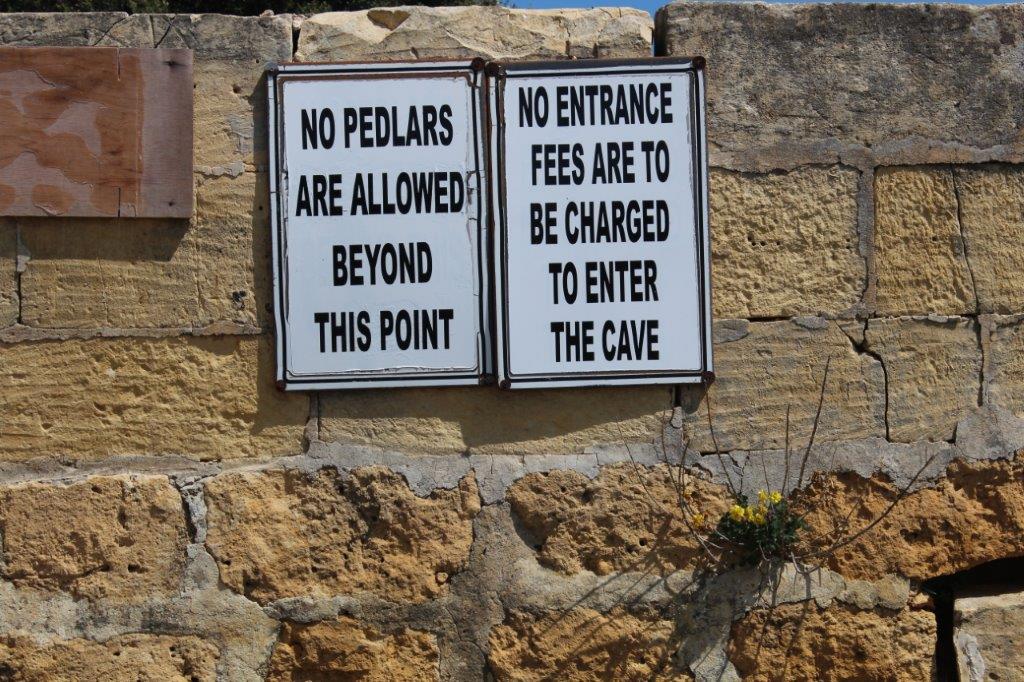
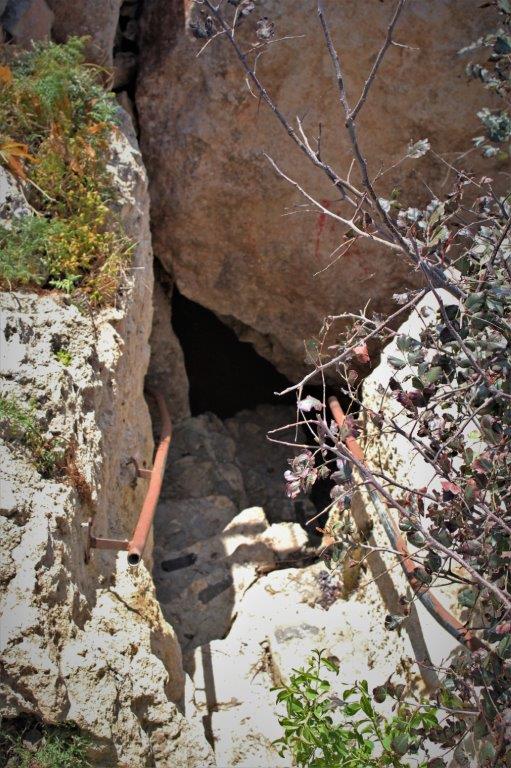
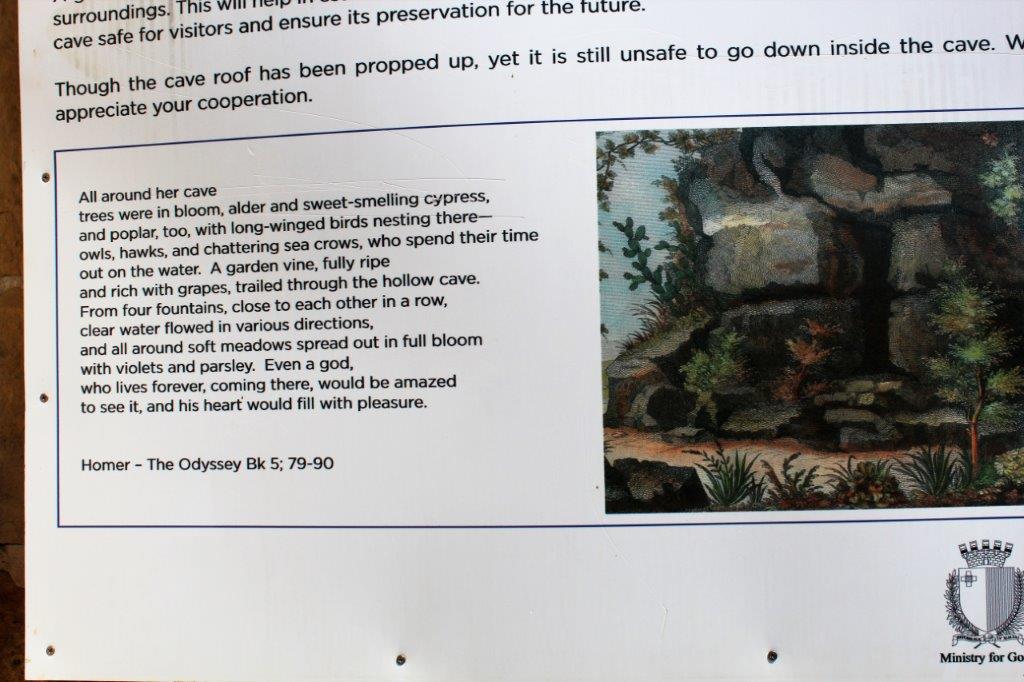
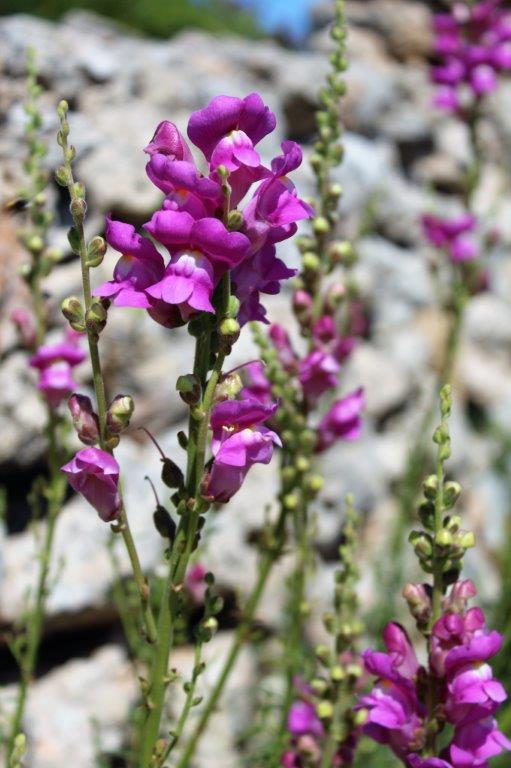
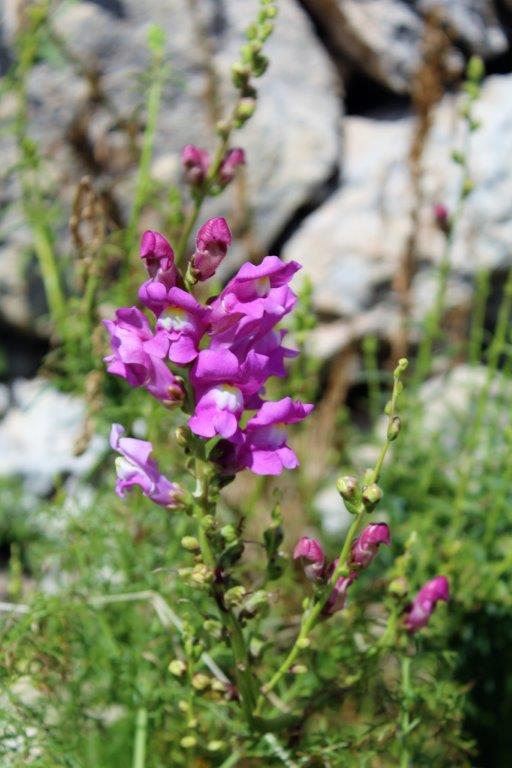
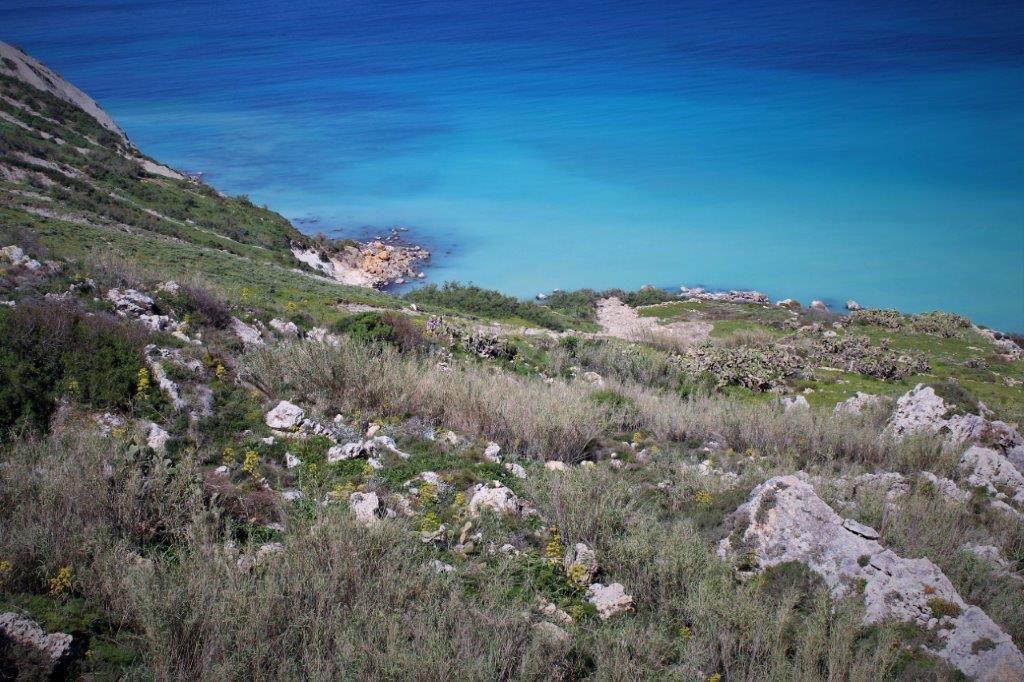
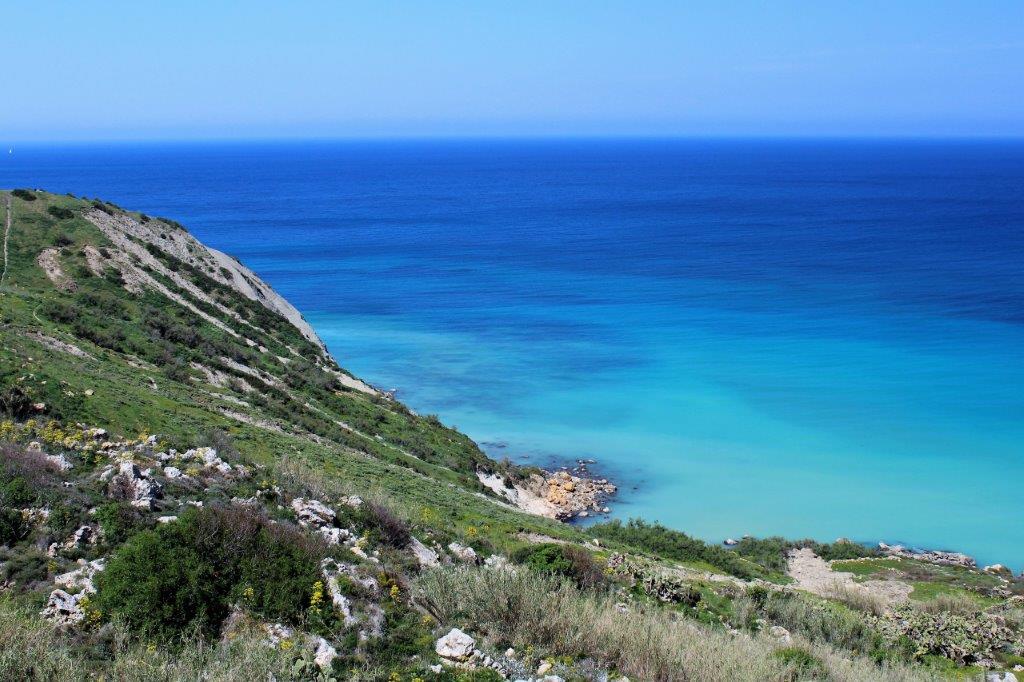
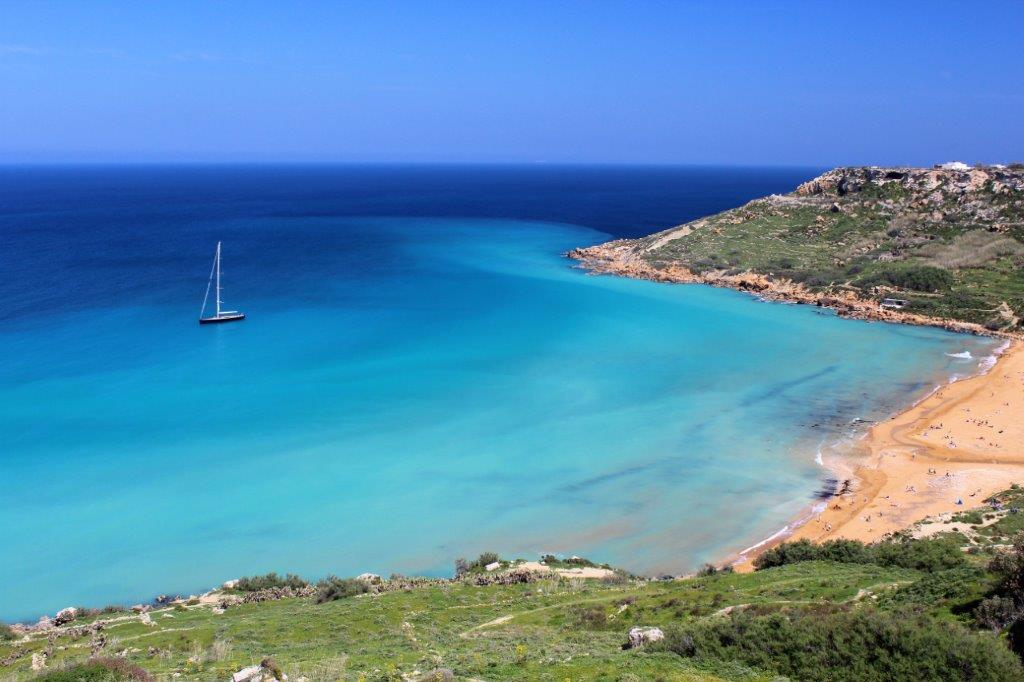
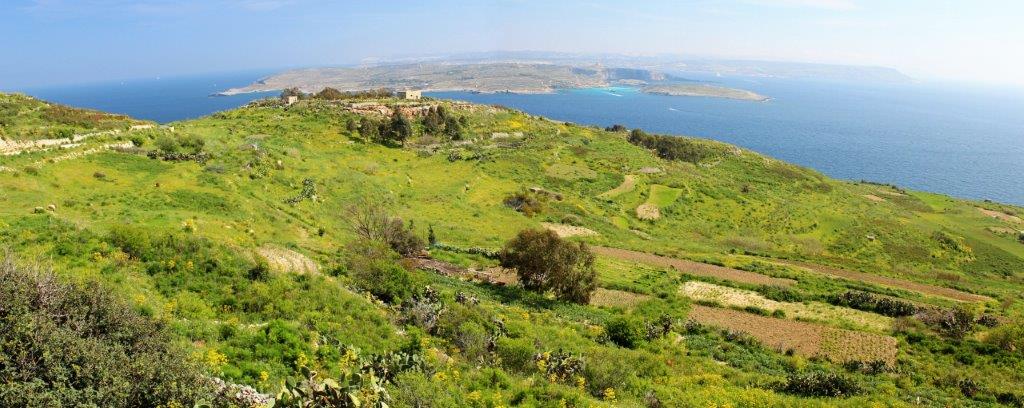
Santa Maria Asunta Parish Church of Zebbug had two cannons out front and a purple cross – something different.On the north side of the island we stopped at Qbajjar (Salt Pans) which are still used today to harvest salt from the sea.                                                  Roadside salt selling.The people that harvest the salt live in homes cut into the hillside across the road from the salt pans. Just a short distance down the road is Xwejni Bay.  I love the beautiful water all around this island.The resort community of Marsalforn is another popular holiday spot. Our ‘almost’ final stop was at Calypso Cave; the place historically accepted as the site for Homer’s epic poem, Odyssey.  The entrance to the cave is very dangerous .  You take a narrow winding staircase into a small hole in the ground.  I don’t think people are encouraged to enter it.  I like caves and stuff but I wouldn’t go down there.  Our last stop was just a few minutes to enjoy the gorgeous view overlooking the absolutely stunning Ramla Bay. From there we cut across the eastern end of the island. Another of the watchtowers can be seen on the cliff edge near the back of the photo above.  This one is Isopu Watch Tower.     The lovely water in the far distance is on Comino Island.  We got back to the port at 3:30, caught a tender back to the ship and had  time for some ice cream before we attended the Palm Sunday Interdenominational Service.  I loved Gozo and Malta.  Two places to add to my “I want to go there again” list.

2012 April 1 – Day 21 – Mgarr, Gozo, Malta (Part 1)

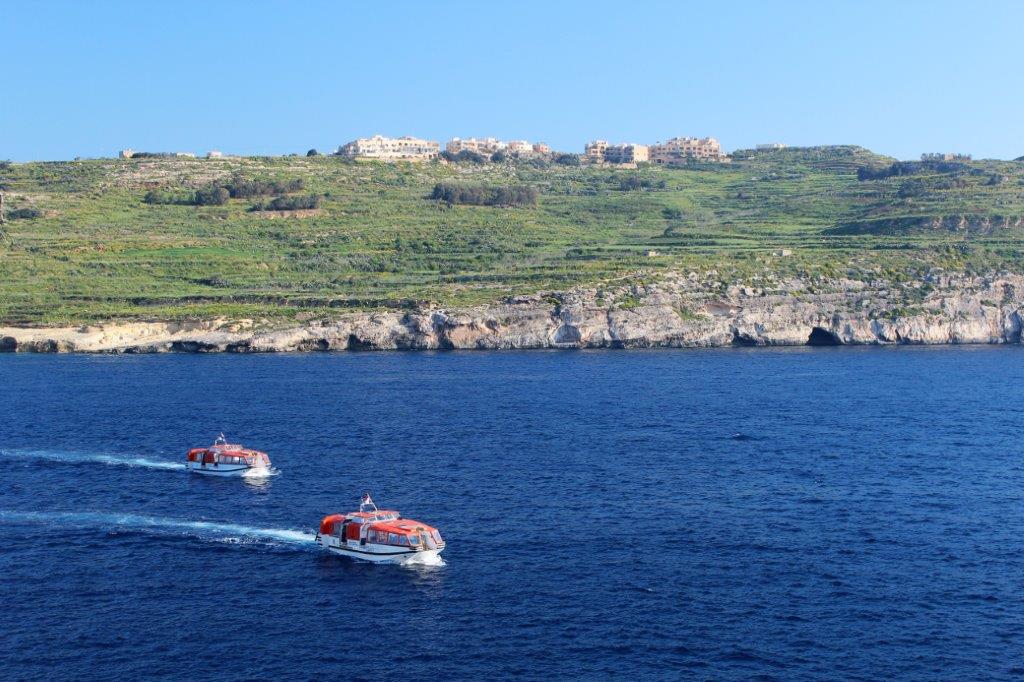
There are actually three islands to Malta; Malta, Camino and Gozo.  We spent April 1 on Gozo and covered the majority of the island during our four and a half hour tour.  Gozo is more than one-third the size of Malta but has one-tenth the population.  The island is 11 km long and 7 km wide.  Within that area there are 17 distinct villages with a population of about 30,000 and over 100 churches. (The island of Camino is tiny, only about 3/4 of a square mile and has a permanent population consisting of four residents.)
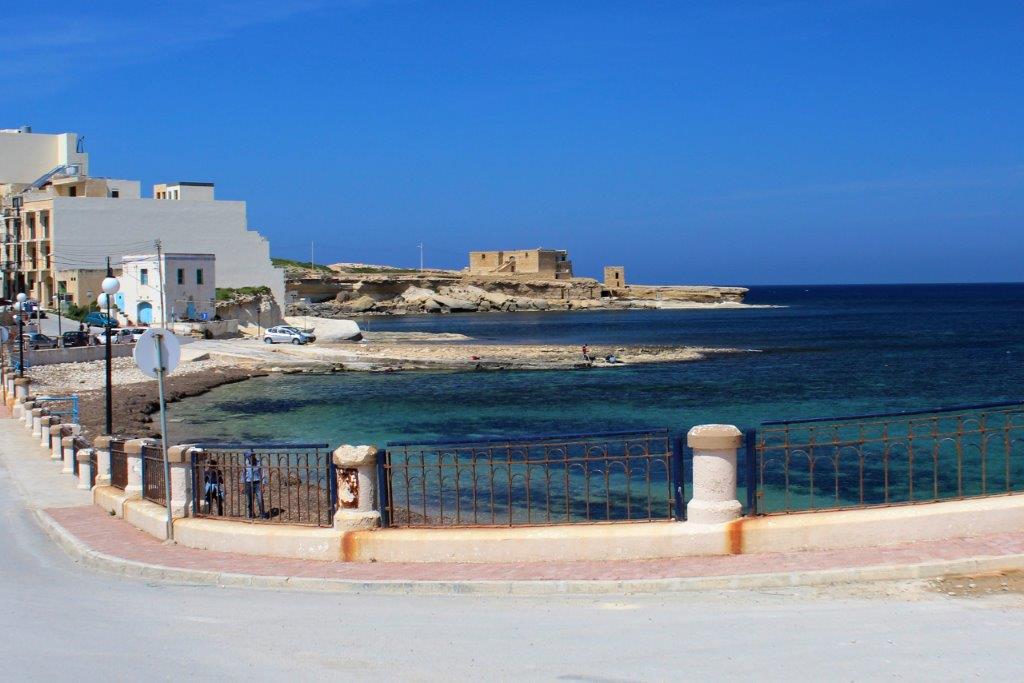
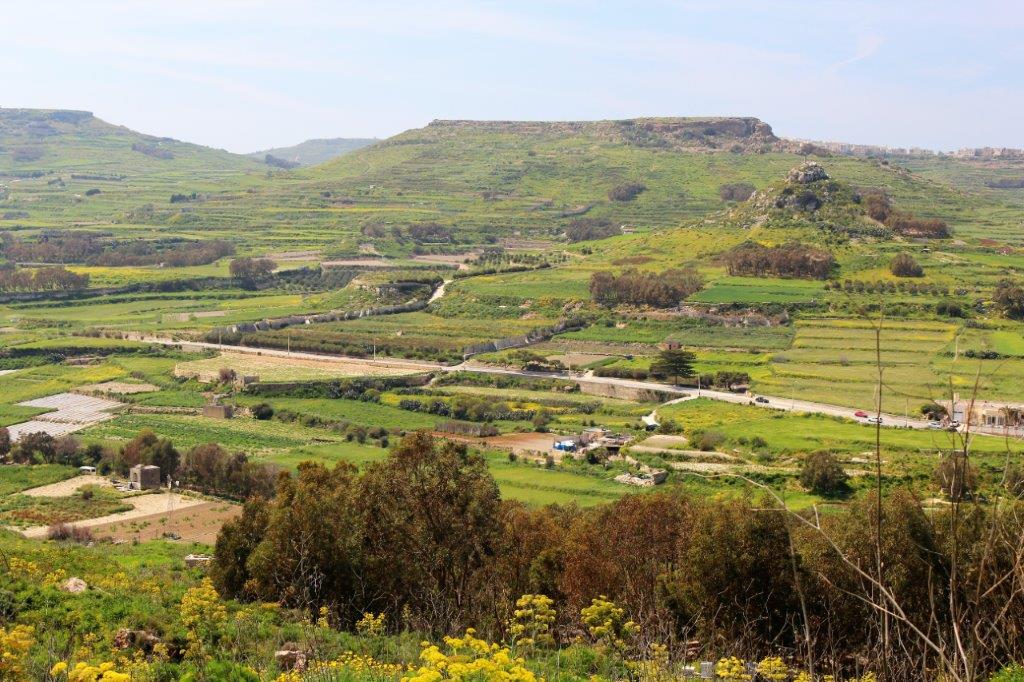
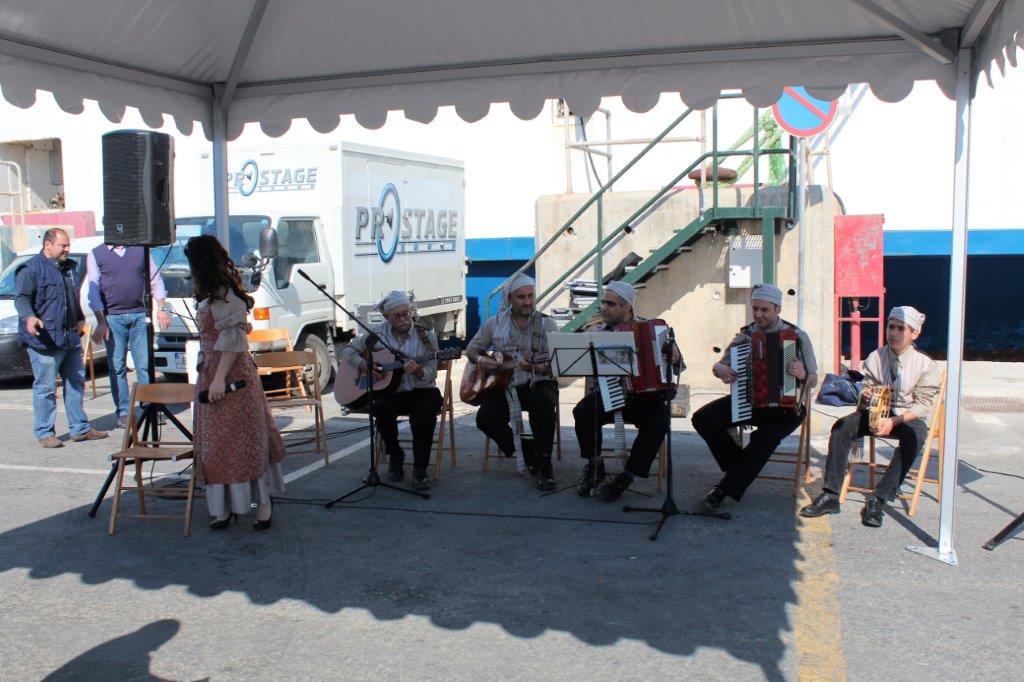
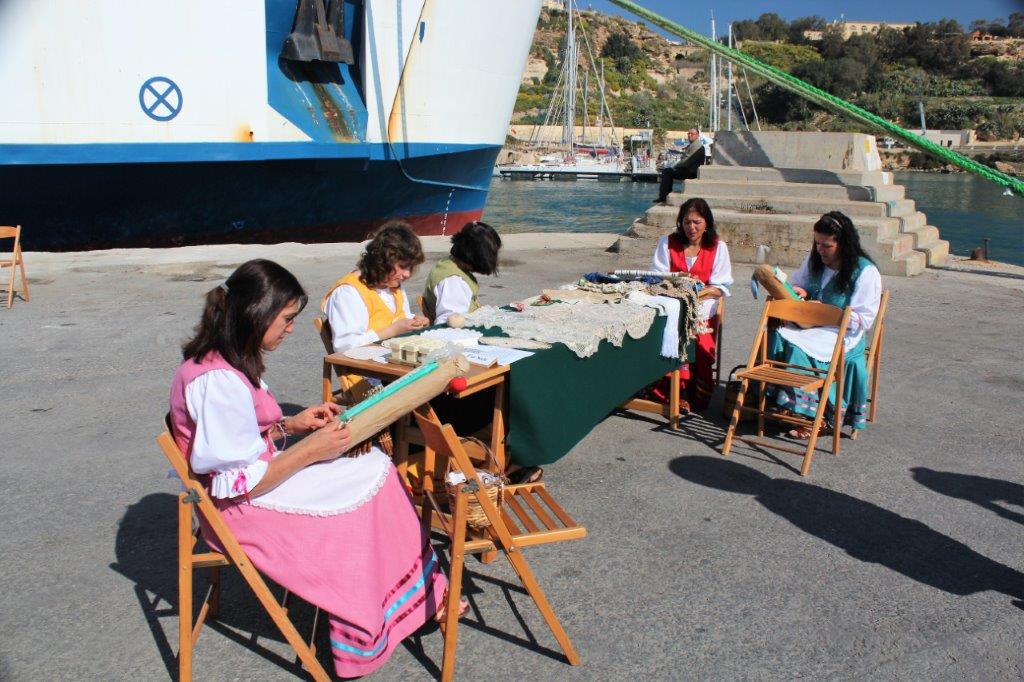
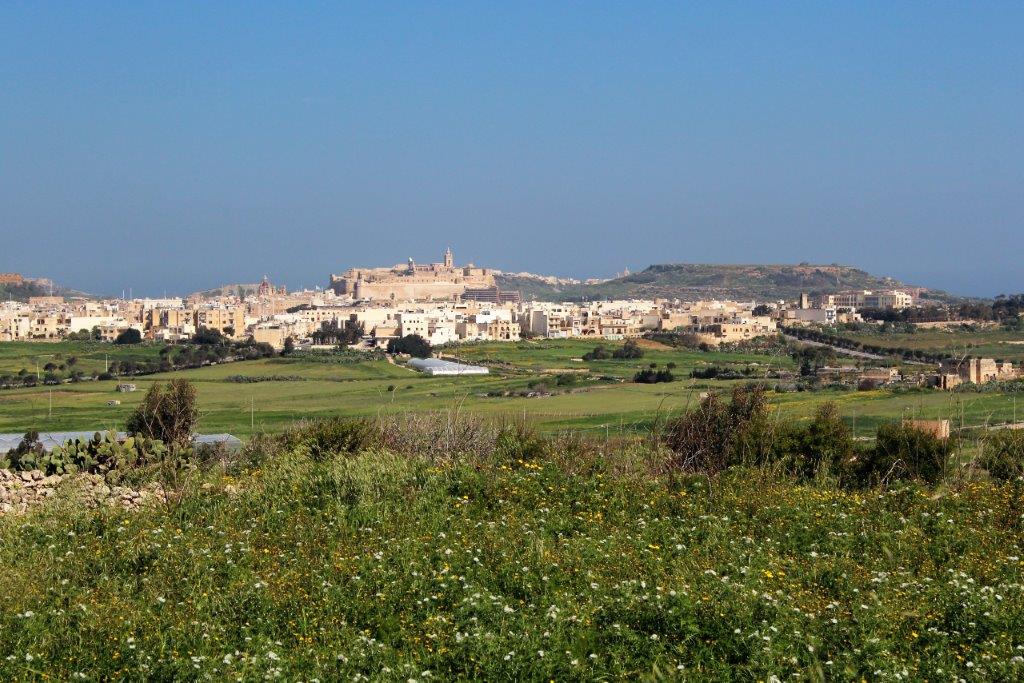
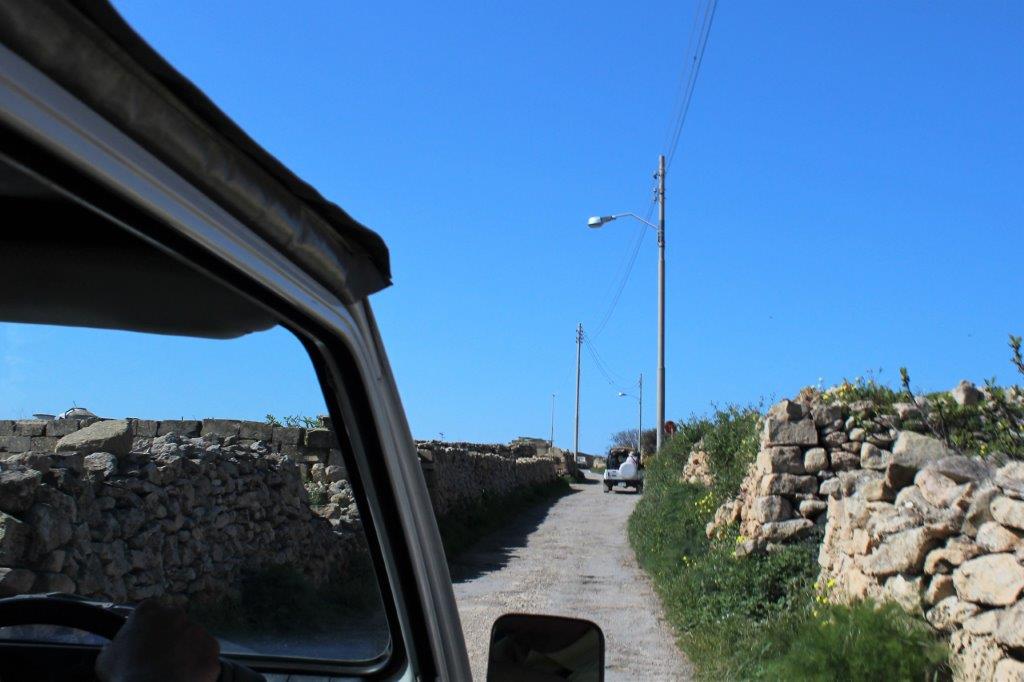
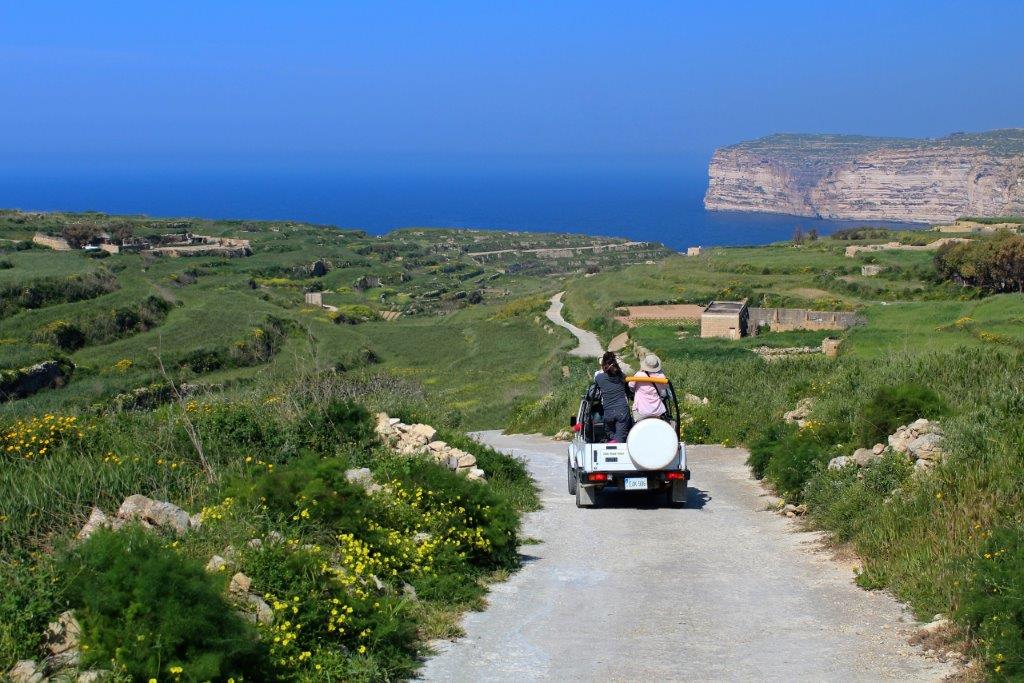
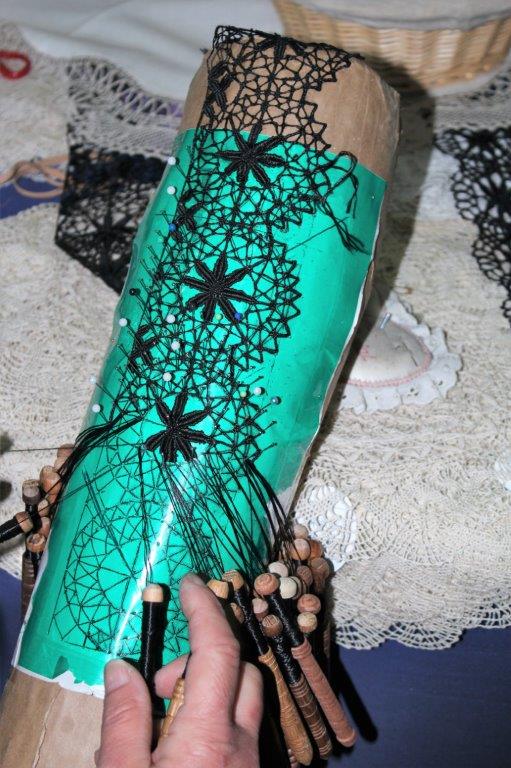
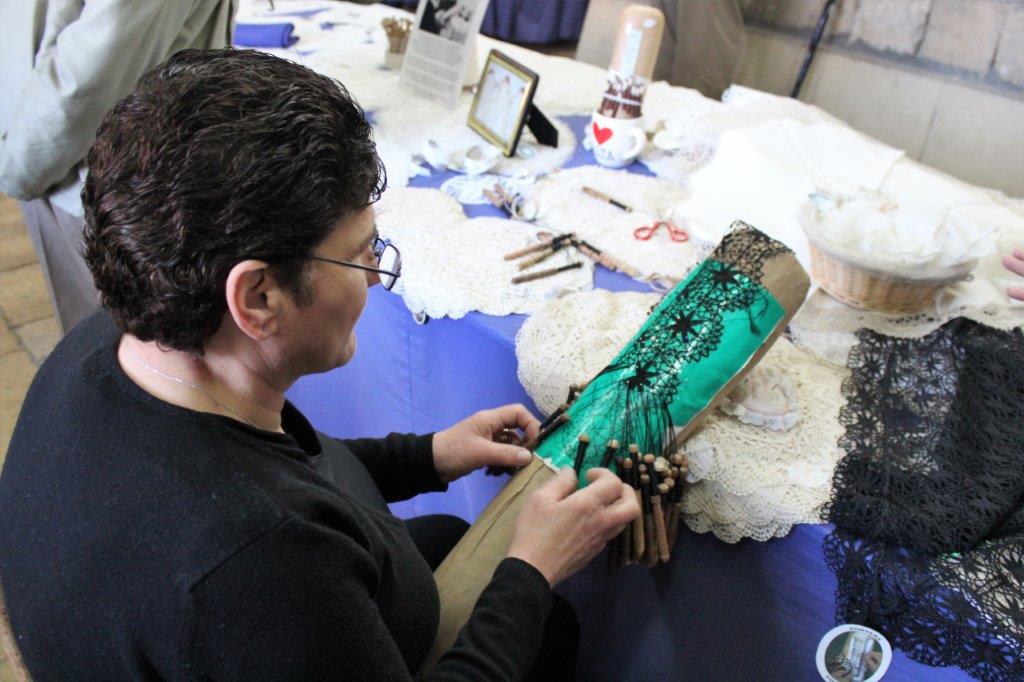
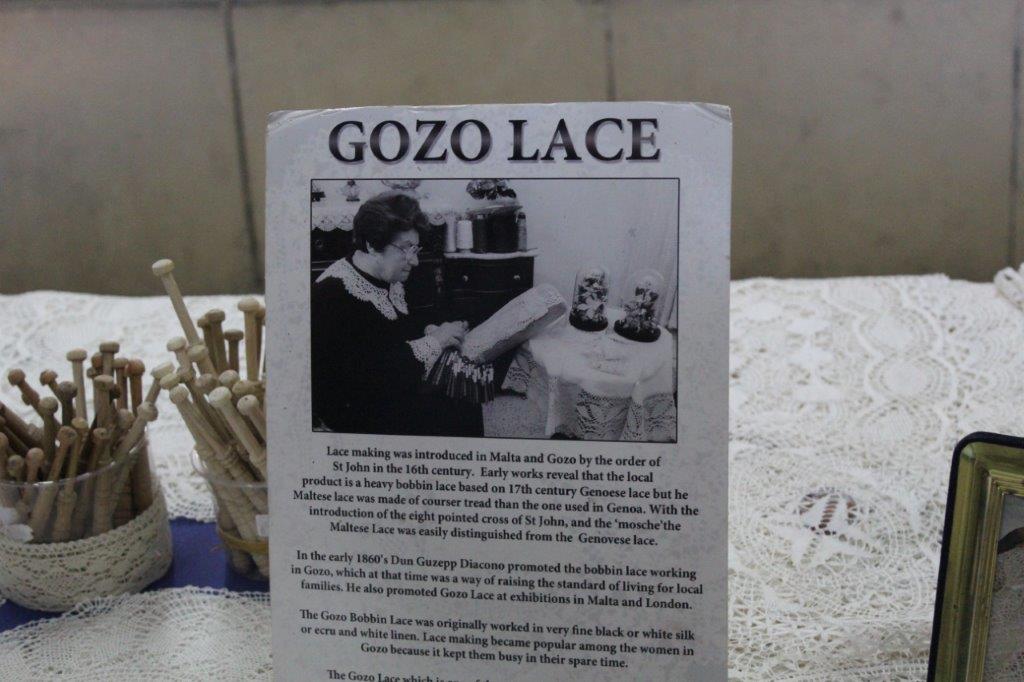
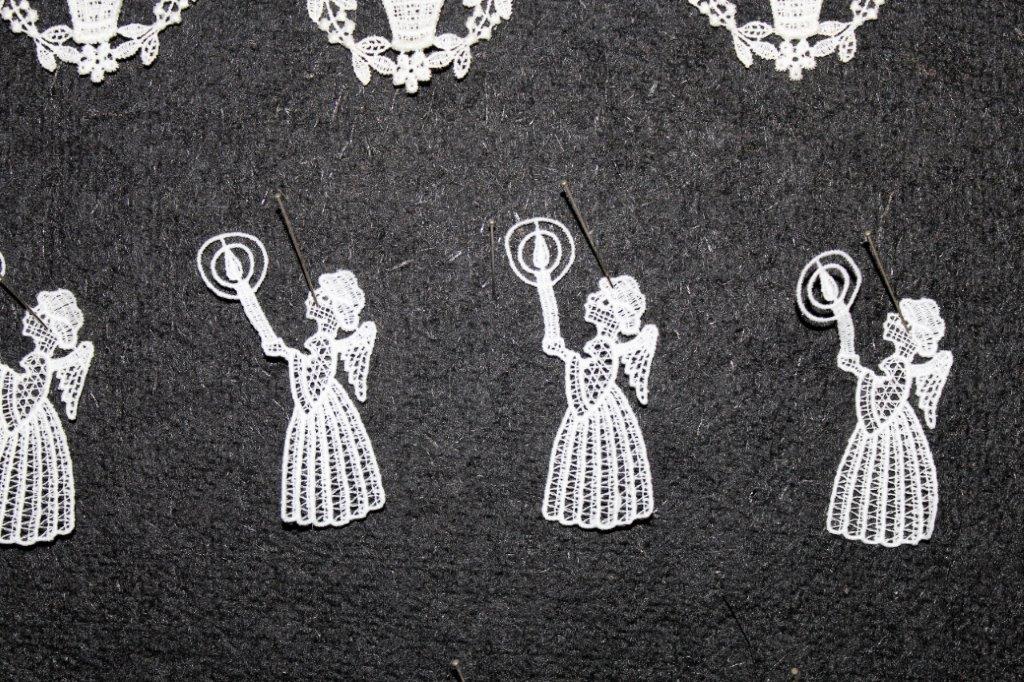
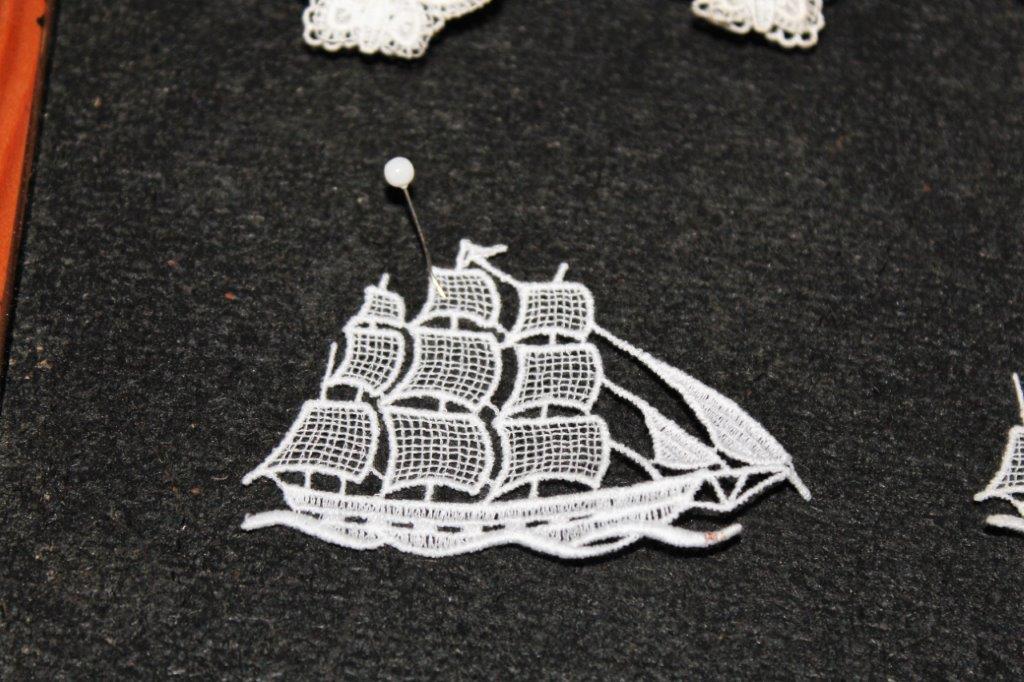
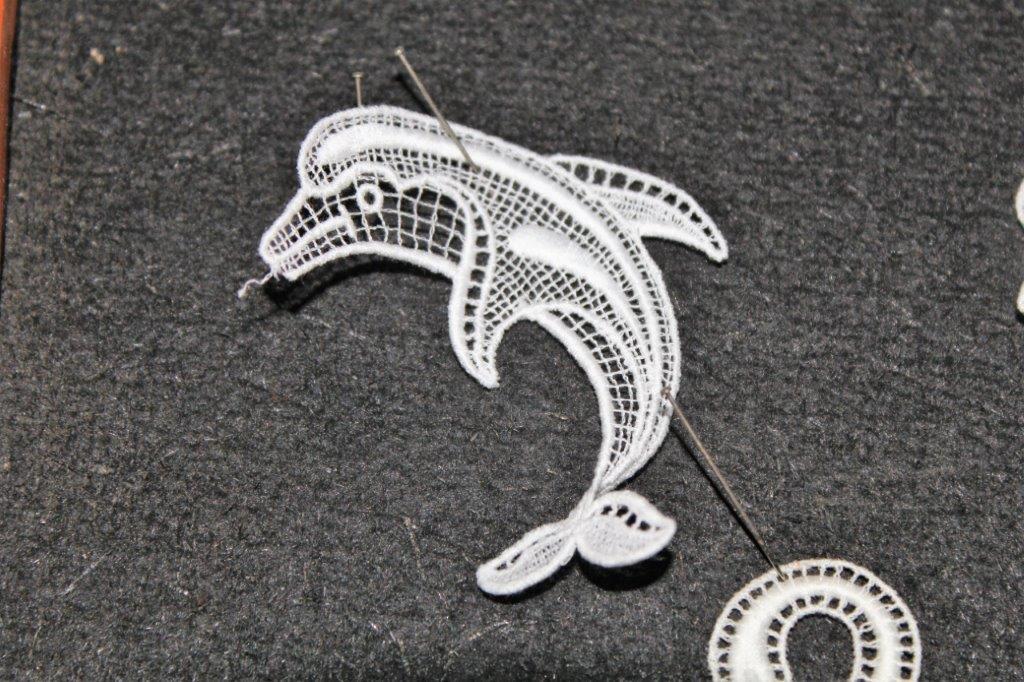
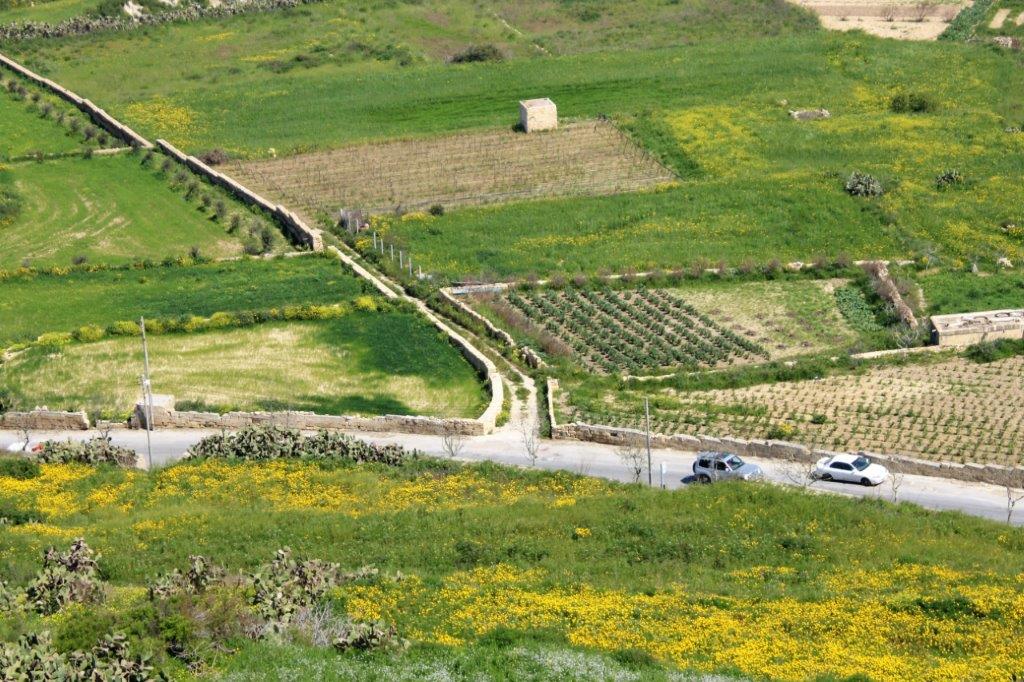
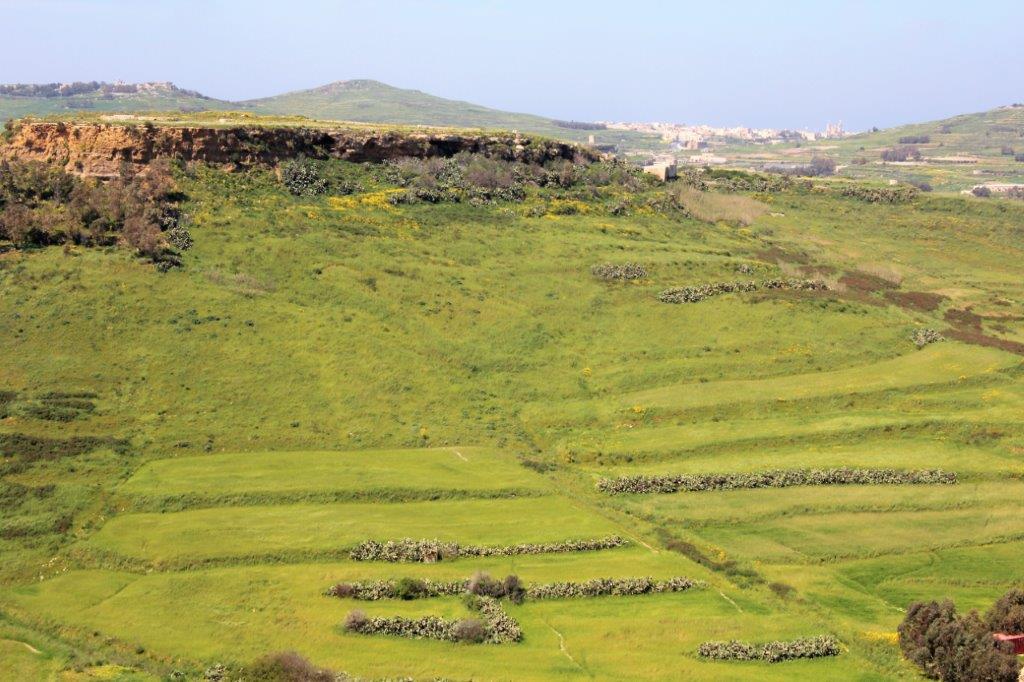
Gozo is more fertile than Malta and very green, with diverse terrain from high sea cliffs, to terraced and valley farms, to beach resorts, and caves and grottos.  The capital city is Victoria which sits in the middle of the island 6 km from the port city of Mgarr where the ship sat at anchor for the day.It was Palm Sunday when we visited so almost all the shops were closed (which bothered us not at all) and most of the people were at Mass.  The passengers were greeted by a group of local musicians and a demonstration in the making of world-famous Gozo bobbin lace by some local ladies. We spent the day in an open 4 X 4 truck with a couple from Edmonton and our driver Godrino (Godwin).  He took us in a clock-wise tour almost all the way around the island, stopping many times to let us get out and see the view and the sights.  We all agreed we could easily spend a month on Gozo.  We had an awesome day!

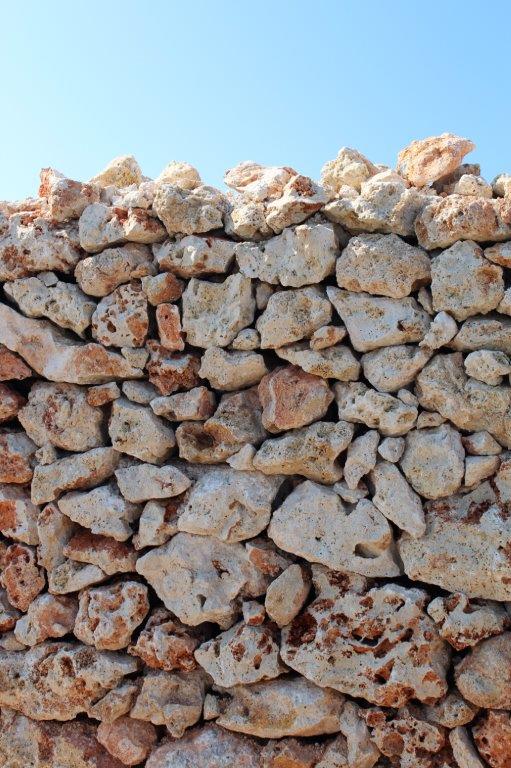
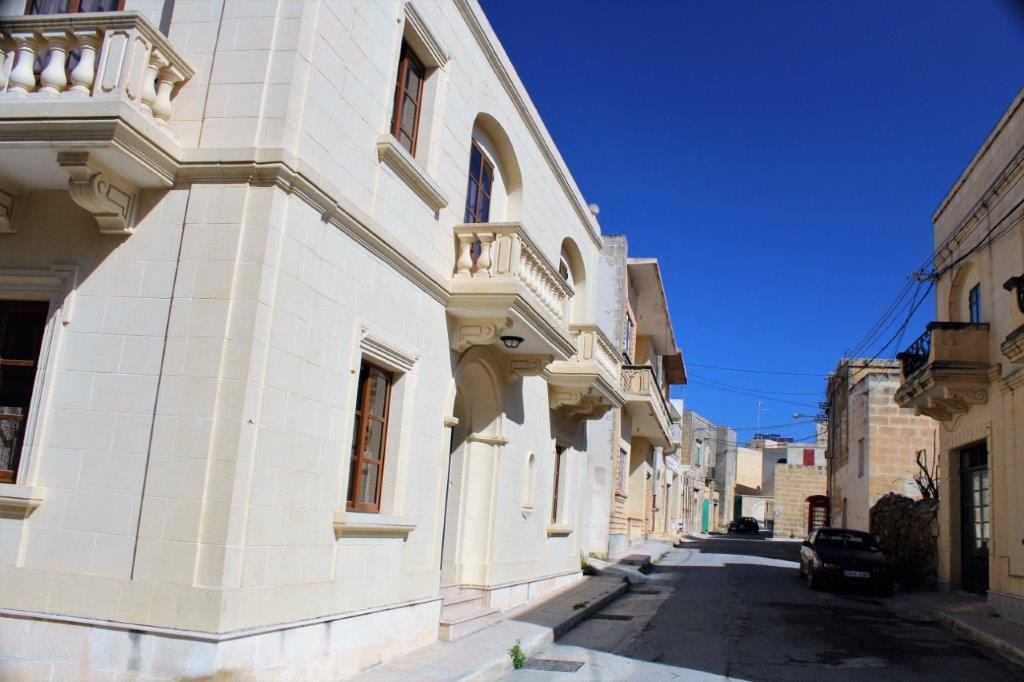
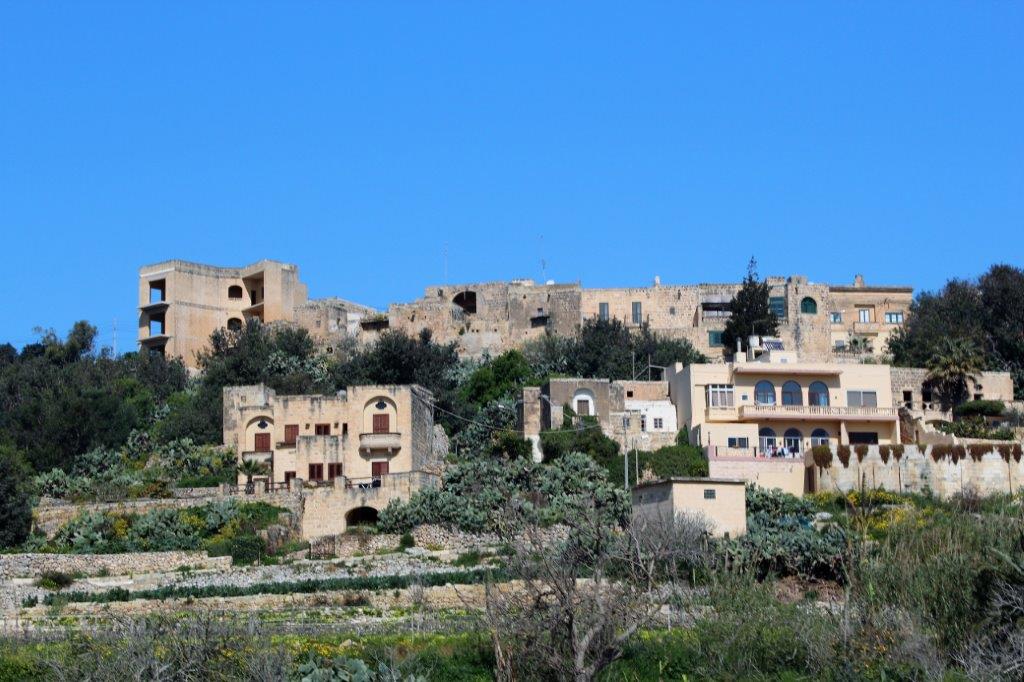
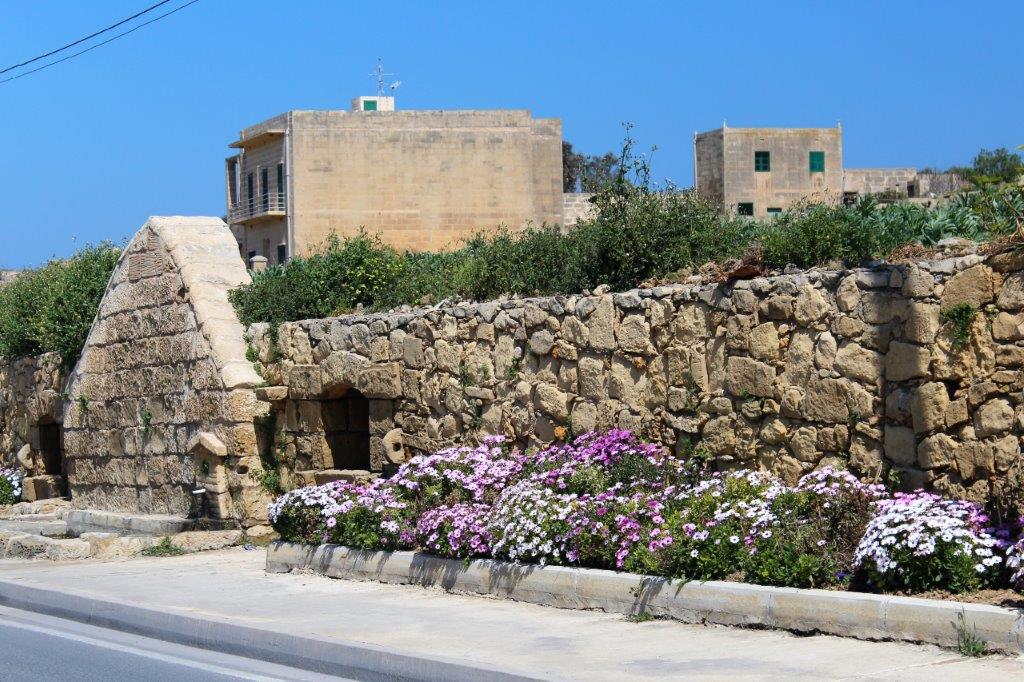
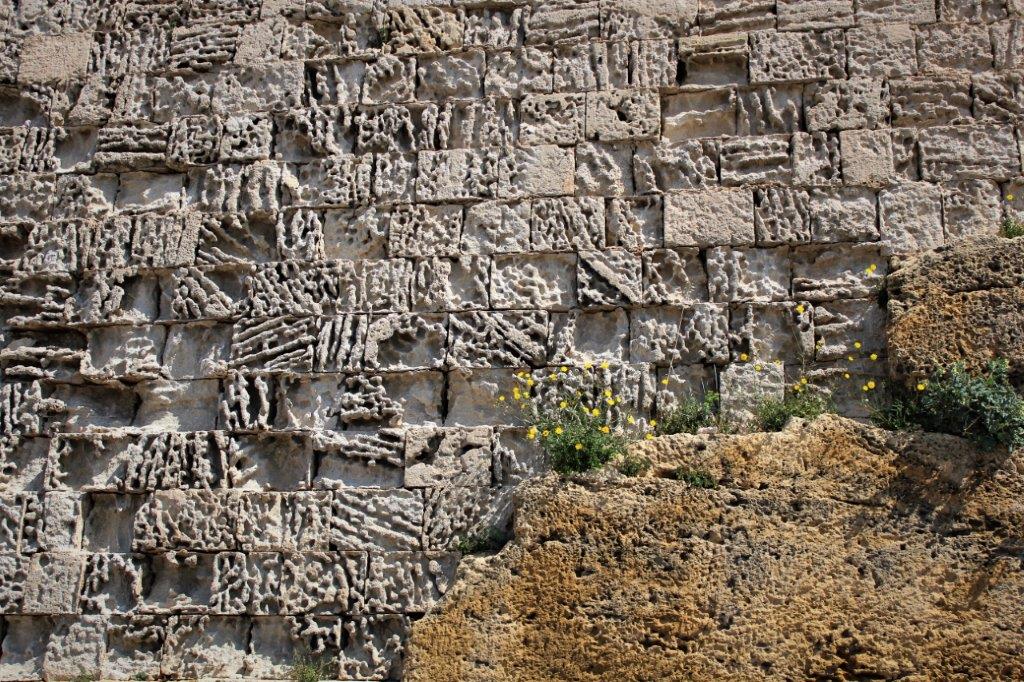
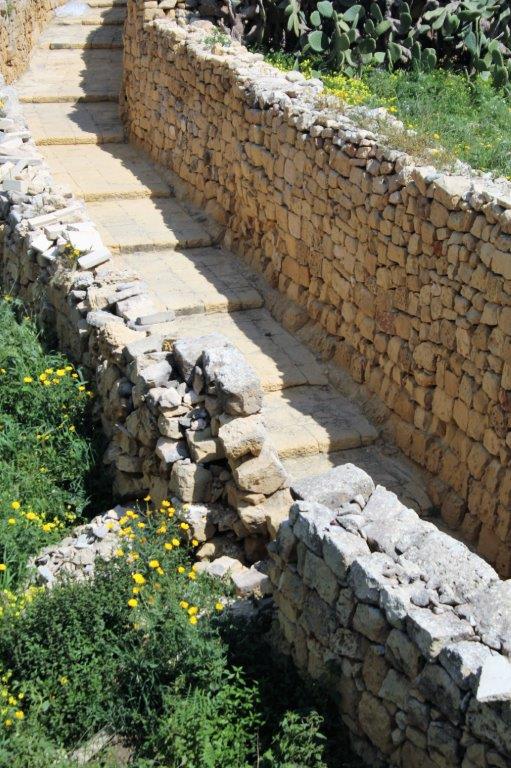
All of the buildings and the fences are made of sandstone quarried on the island.  One of the quarries is so deep it goes down to sea level.

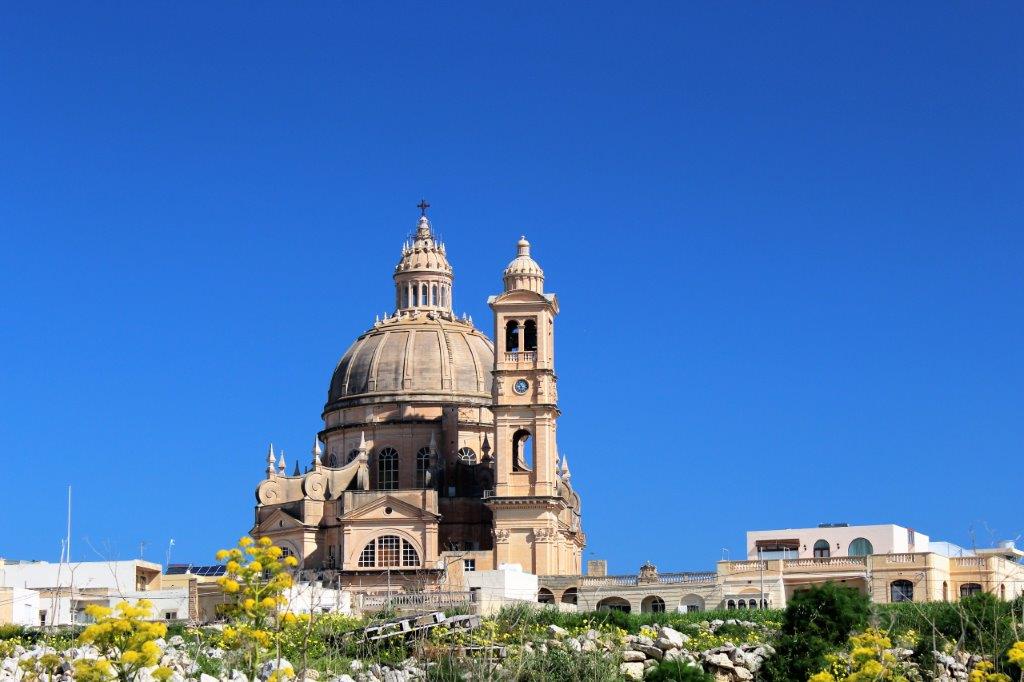
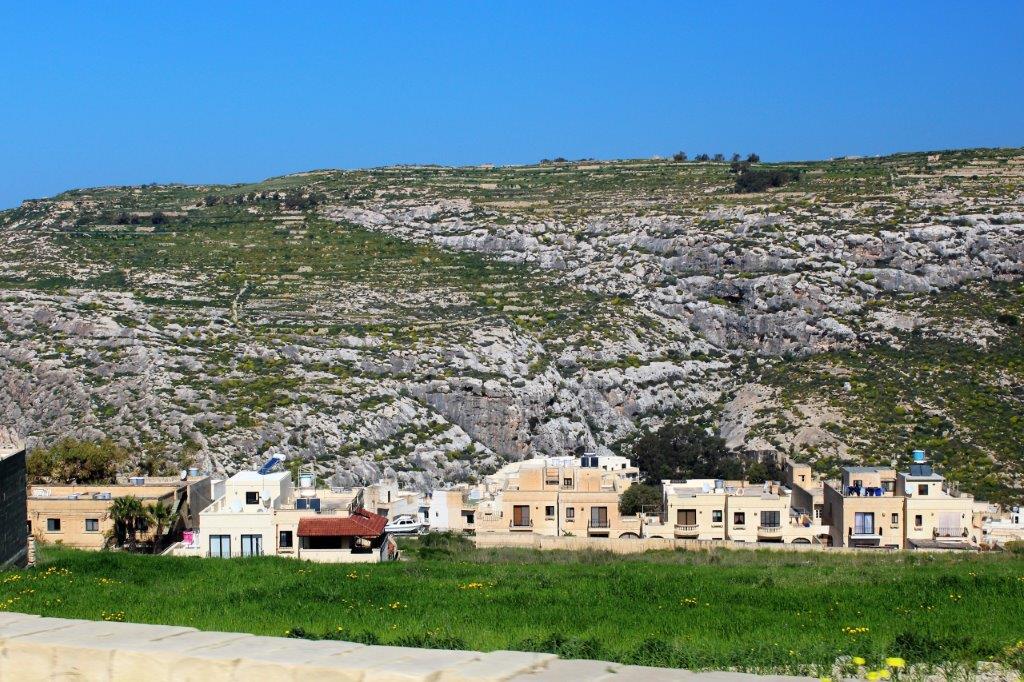
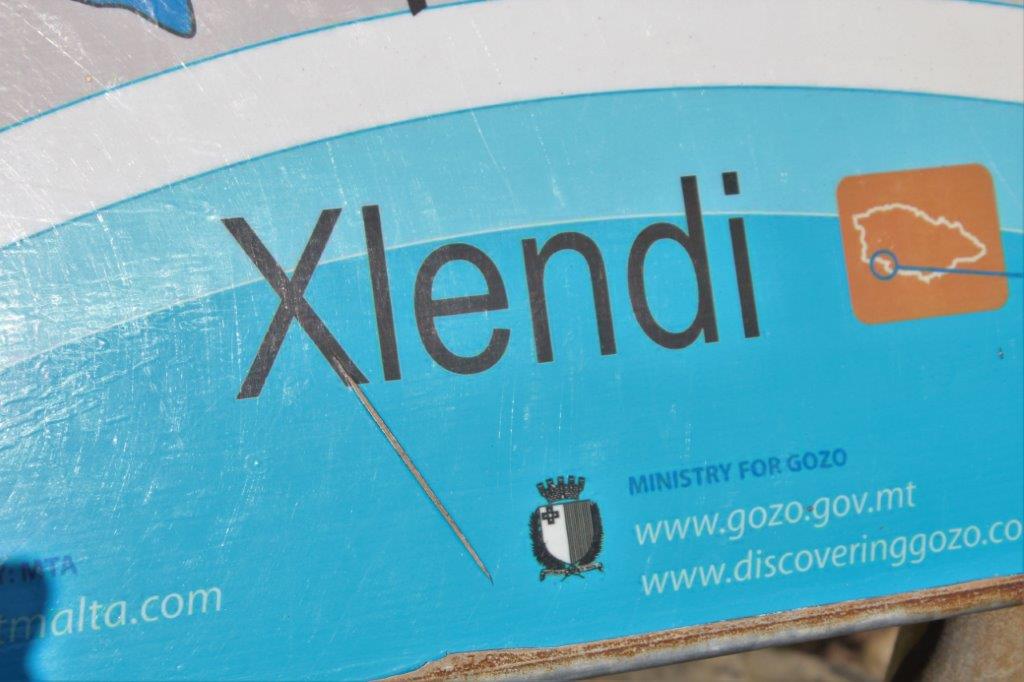
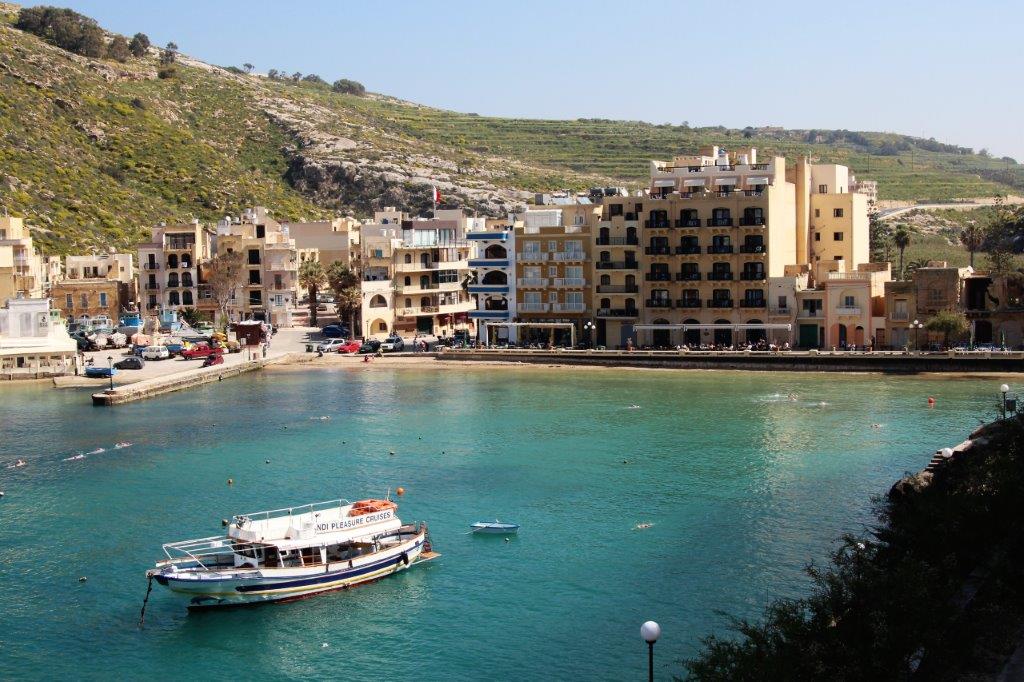
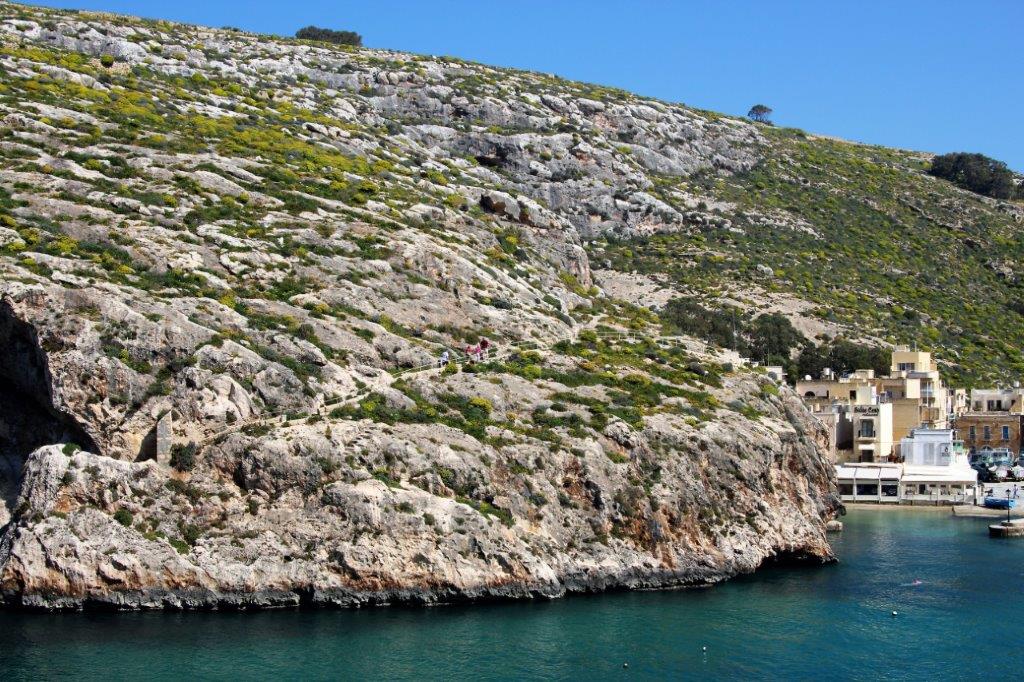
                                      Rotunda Xewkija Church. Xlendi is a resort area and sheltered harbour.  It was a beautiful place; and popular. There are people on the stair-path.  The island is very hilly so it is a good workout to go hiking around.

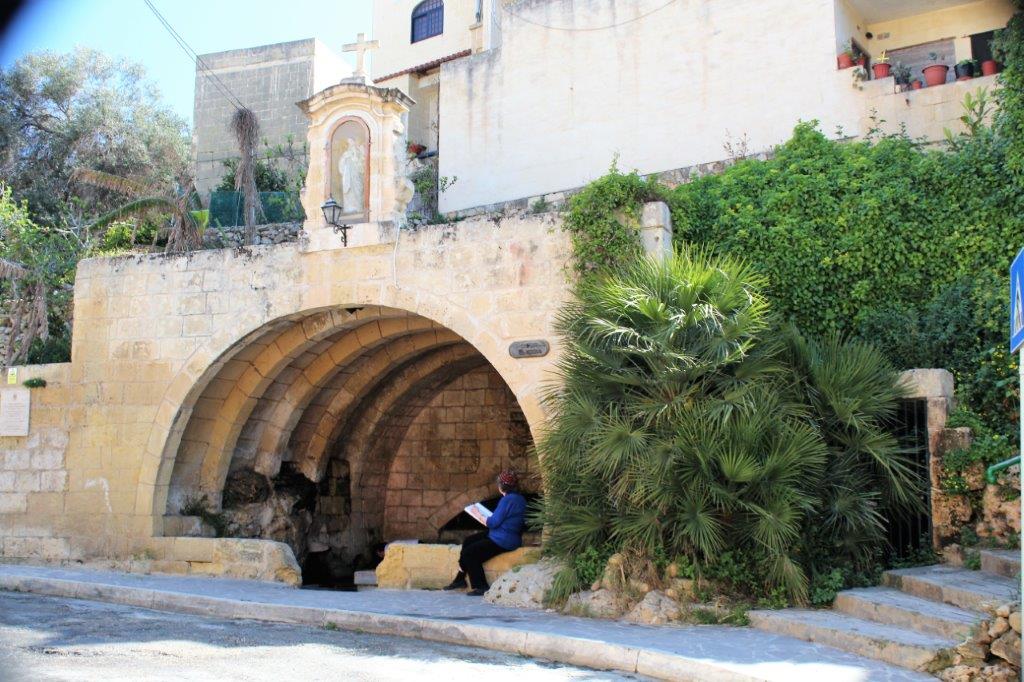
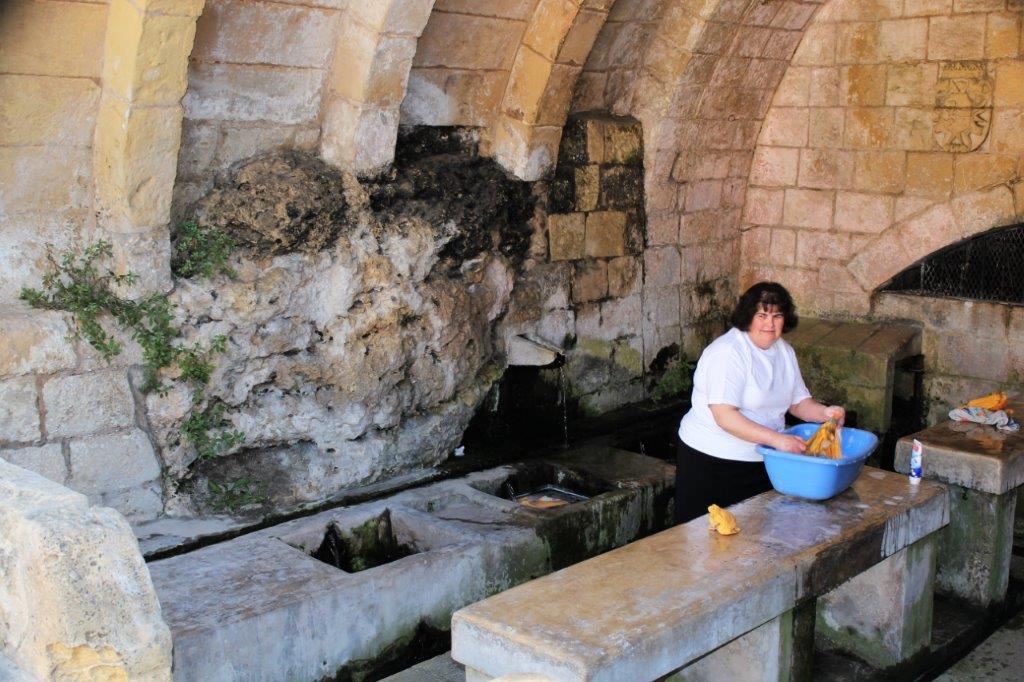
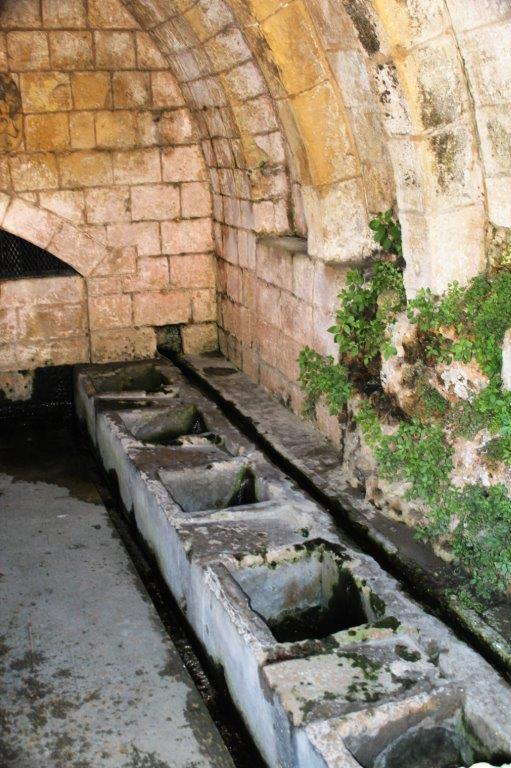
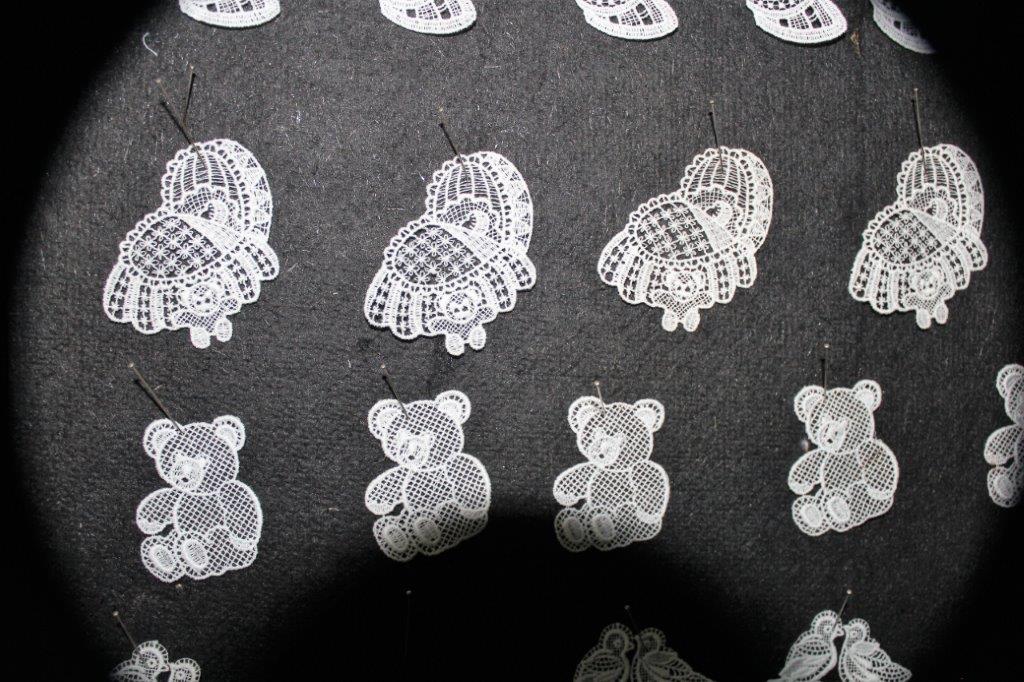
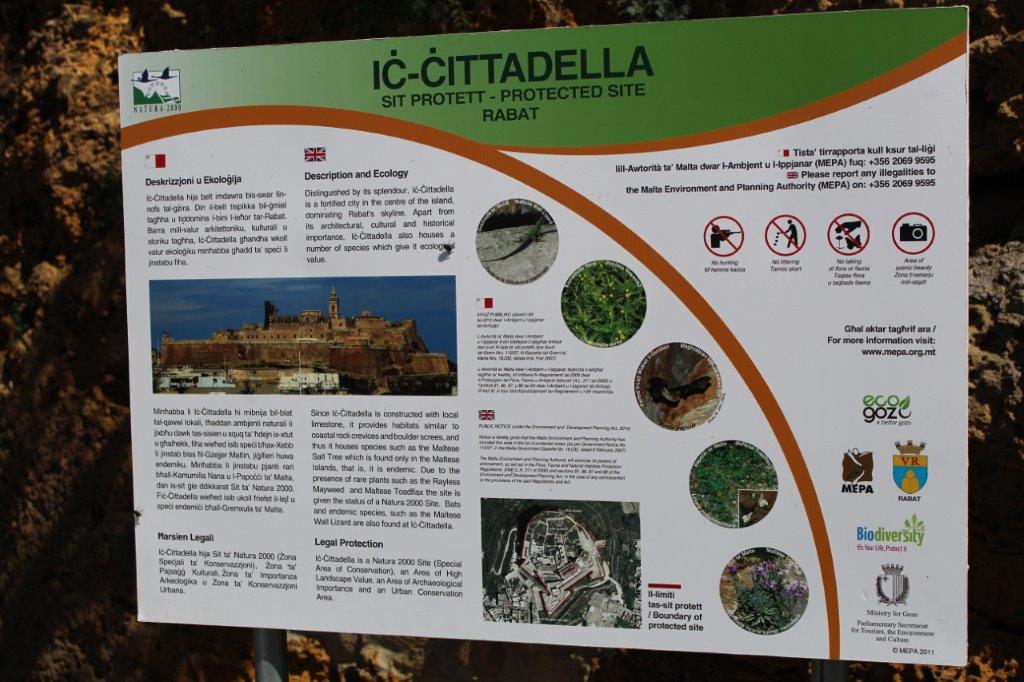
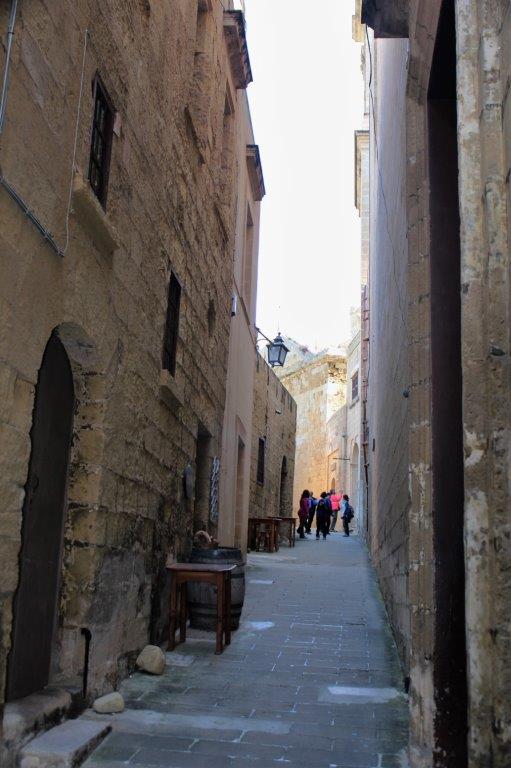
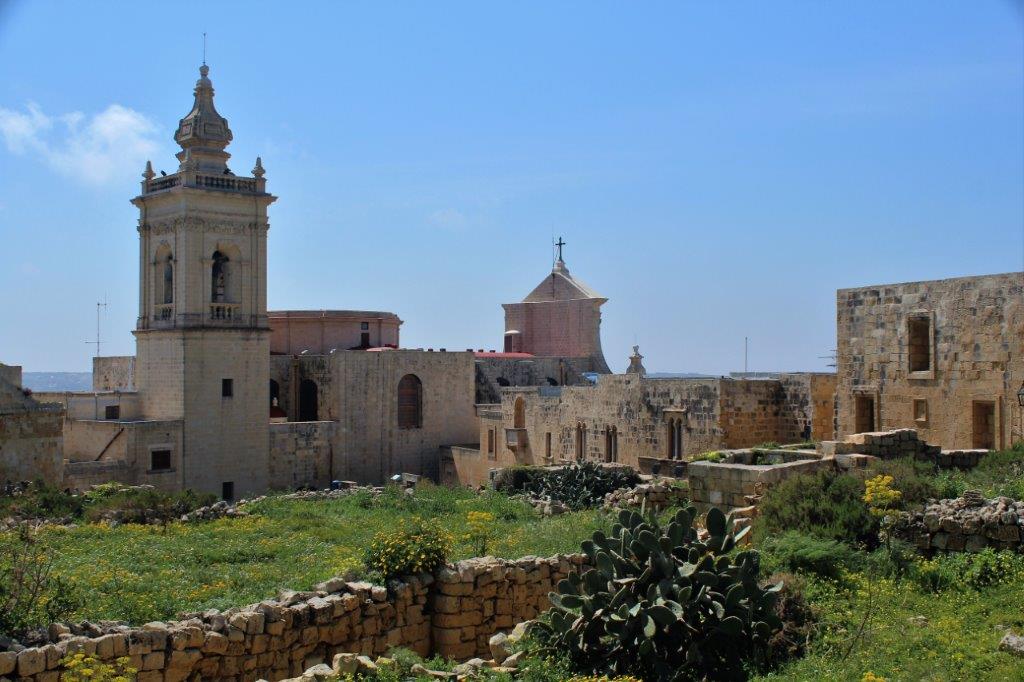
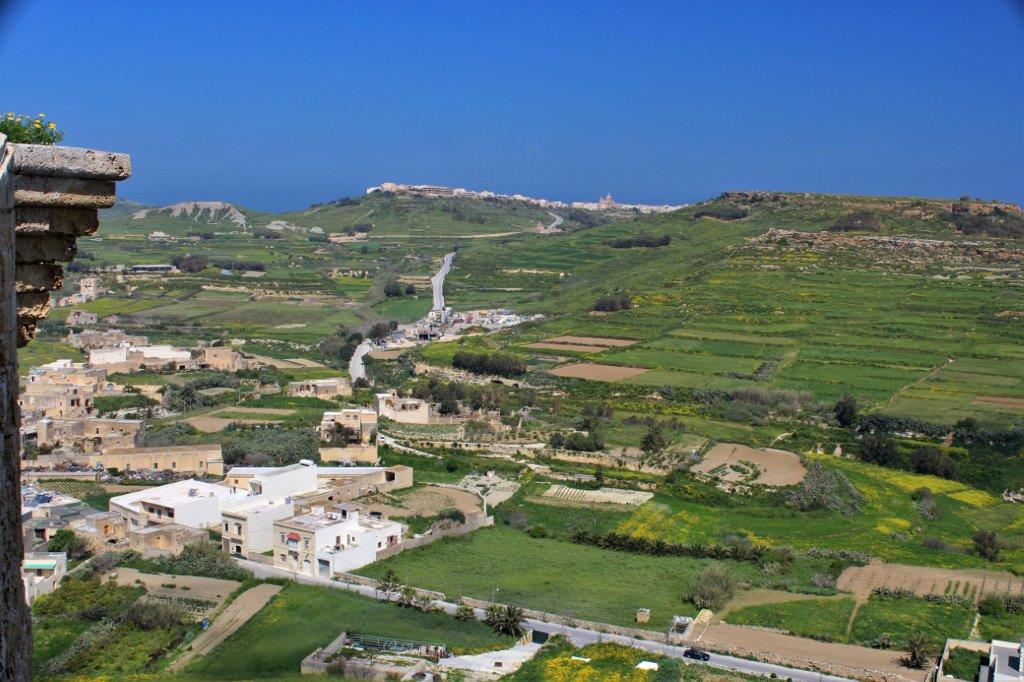
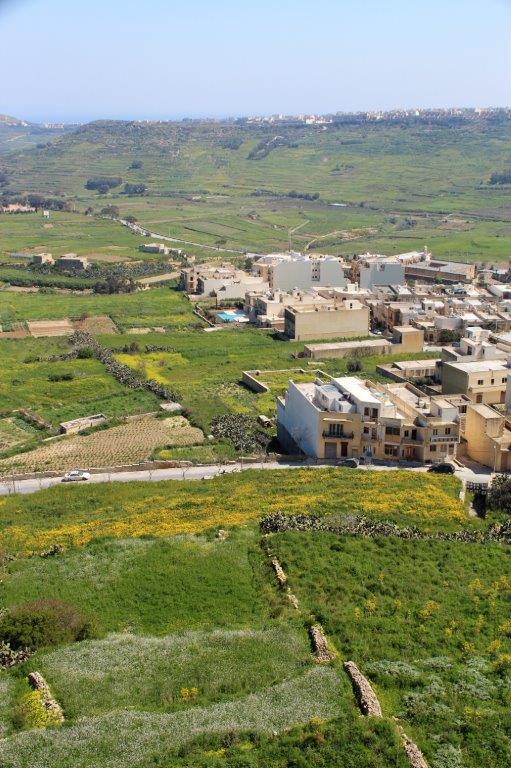
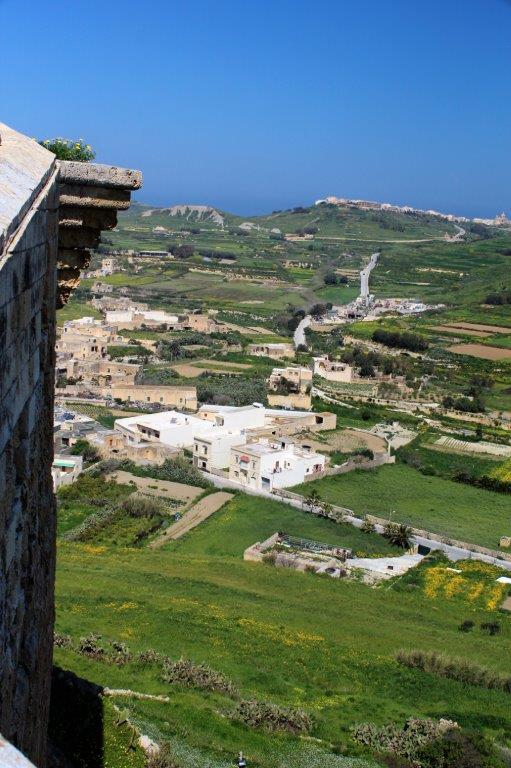
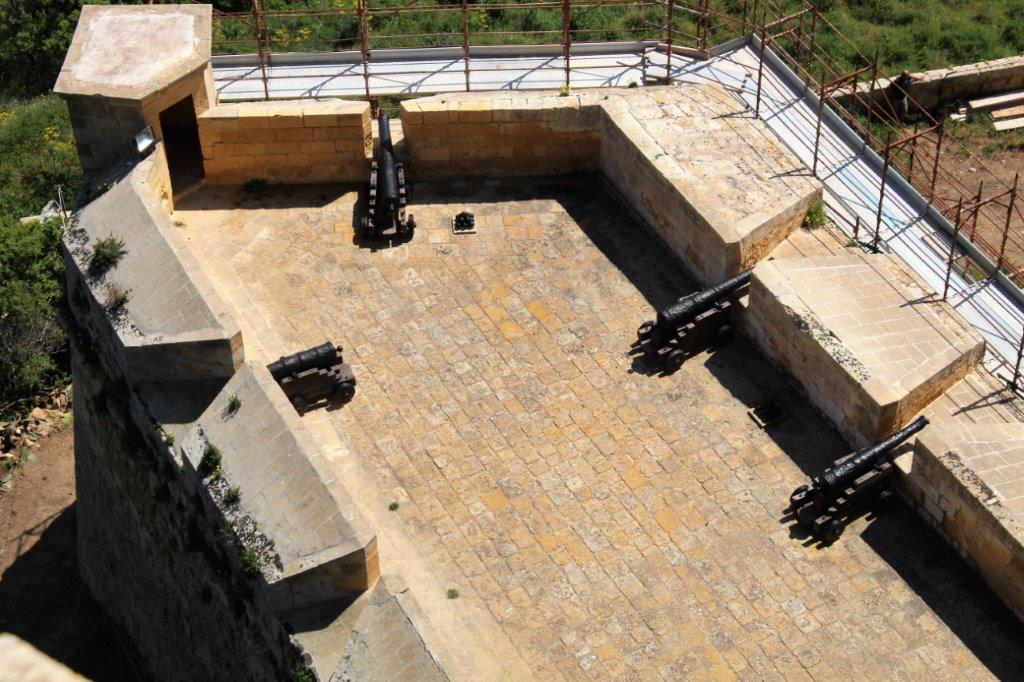
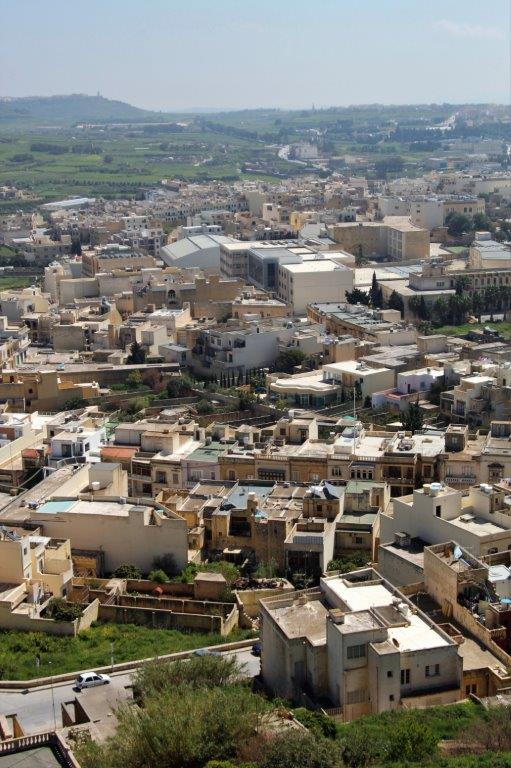
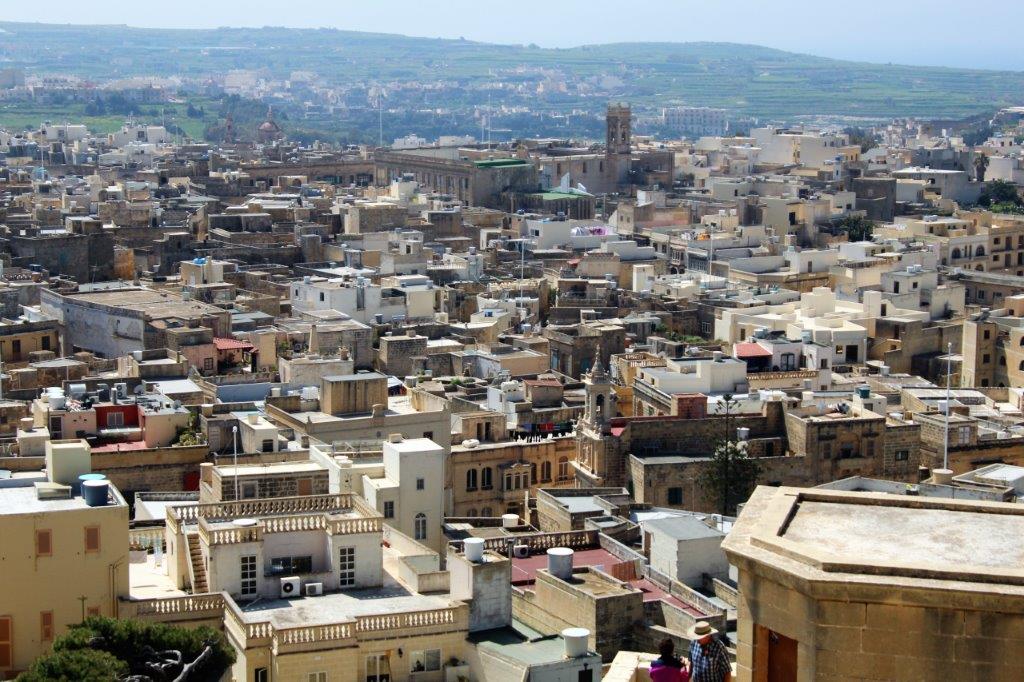
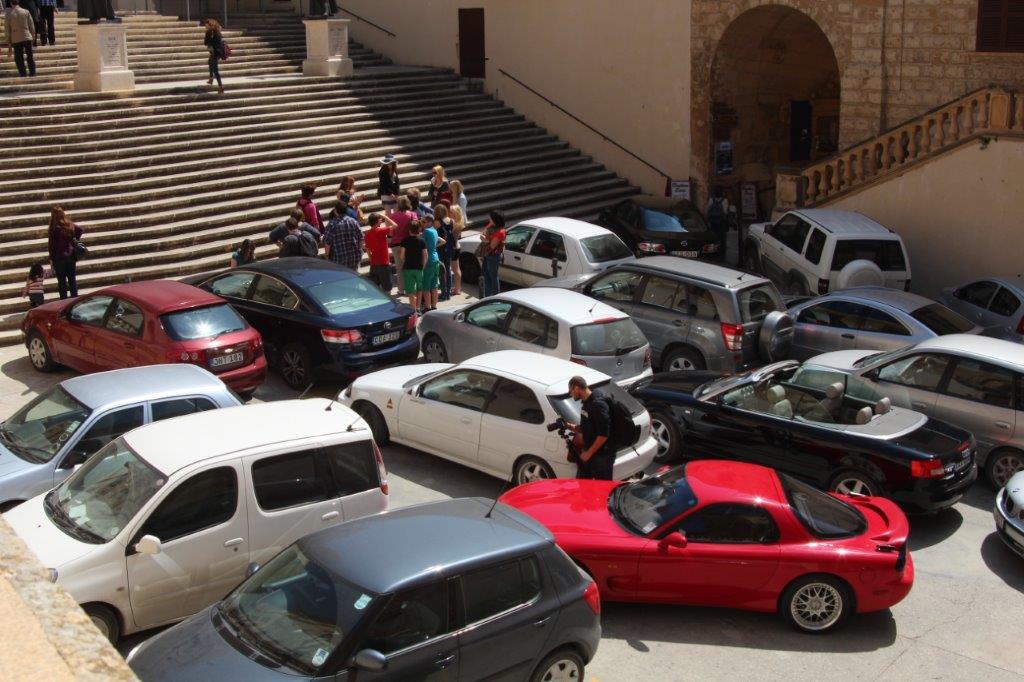
The Dwejra Watch Tower was built in 1652 to keep watch for pirates.  A system of fire and smoke was used to signal other towers.We had a stop at Fontana and saw the traditional laundry facilities where women still come to wash their clothes.  We were also give a demonstration of the fine and complex art of making Gozo bobbin lace. This lady was on the cruise with us and she took no photos. She always had her sketch pad and would draw (beautifully I may add) the memories she wanted to preserve.  A very talented lady.  How they can possibly remember which of the many, many bobbins of thread gets moved when and where to make the pattern is completely beyond me! From the top of the Citadel in Victoria you can see the entire island and the islands of Camino and Malta, each a mile away.  I guess if everyone is going to church for Mass it doesn’t matter how you park.

The other half of the tour can wait for another day and another blog.