2013 Summer (Baltic and Britain – Helsinki, Finland)

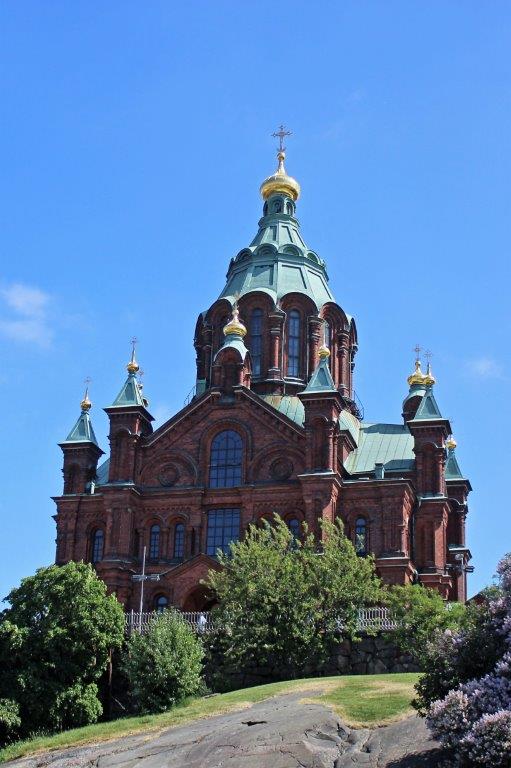
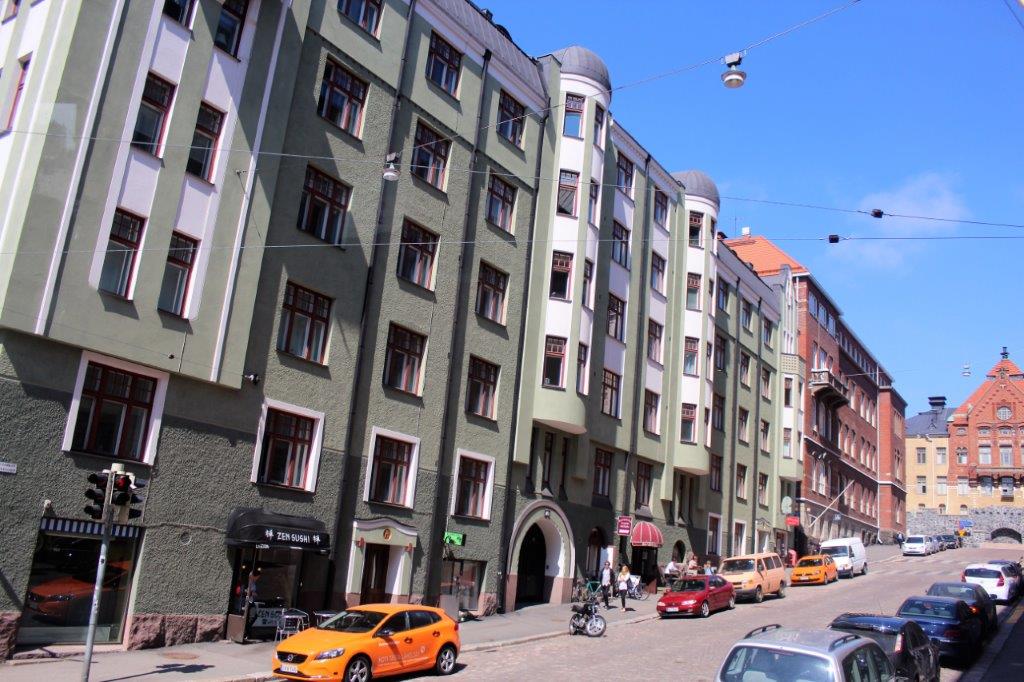
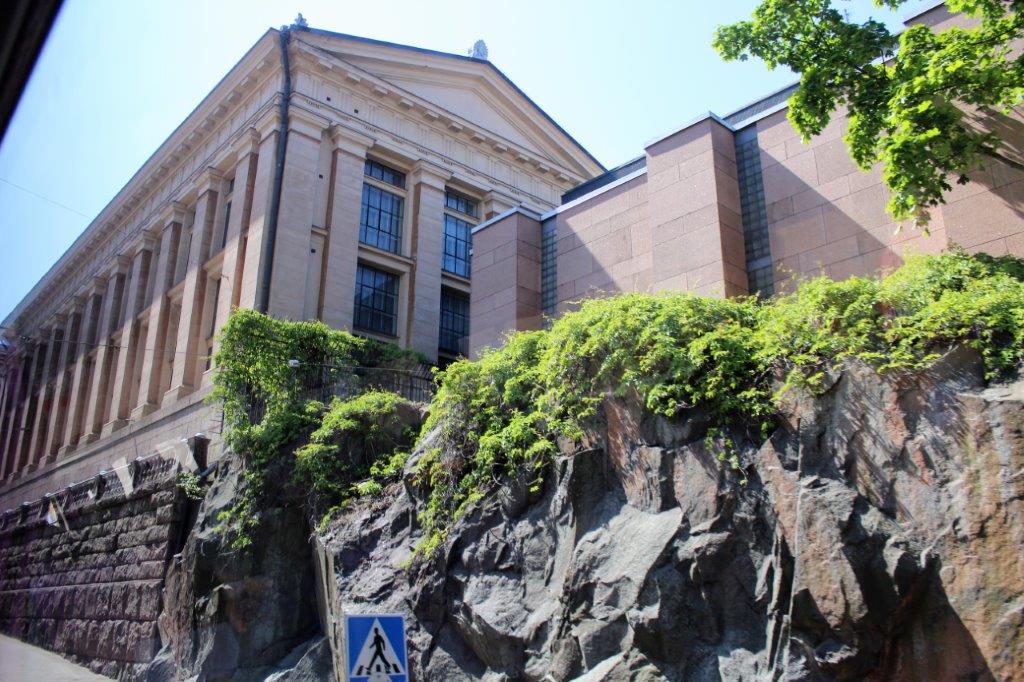
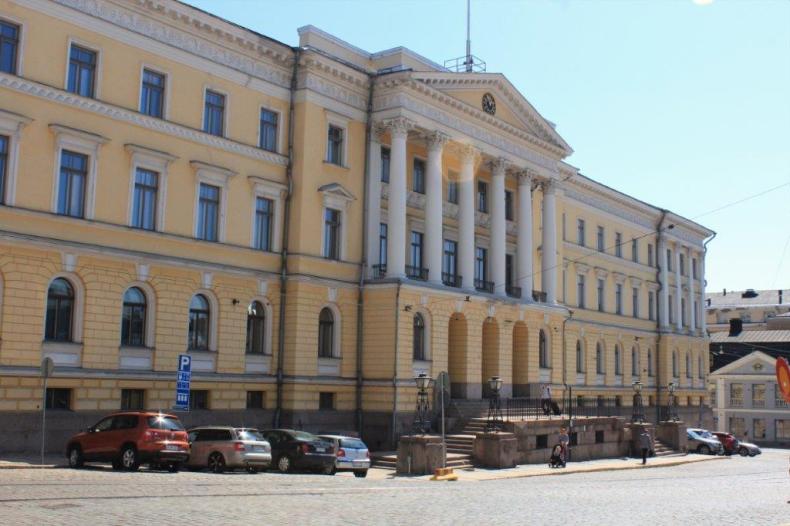
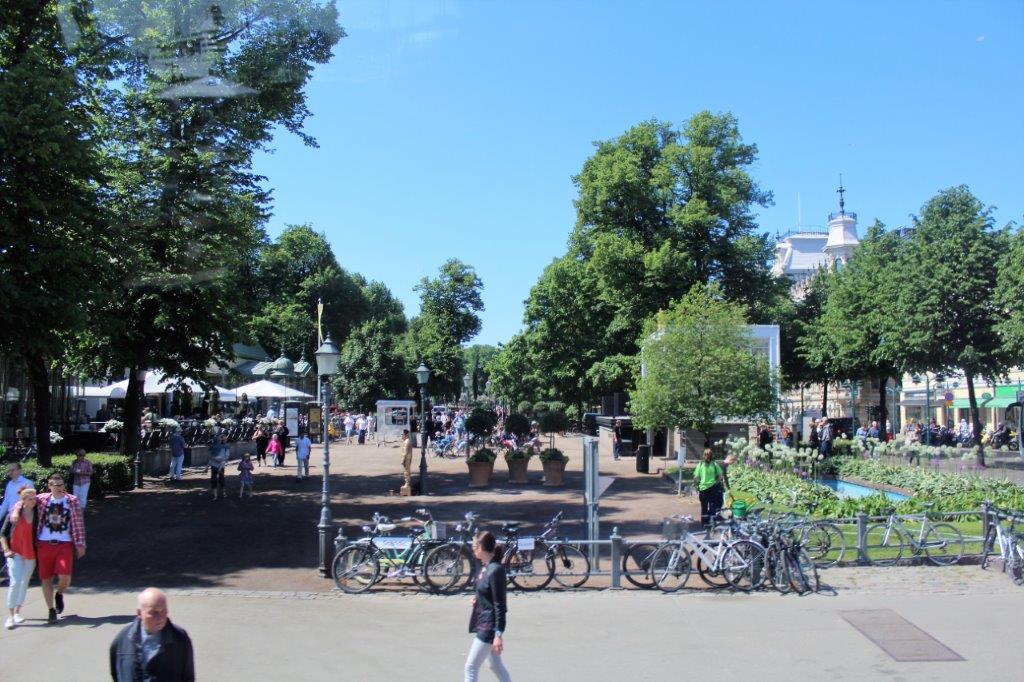
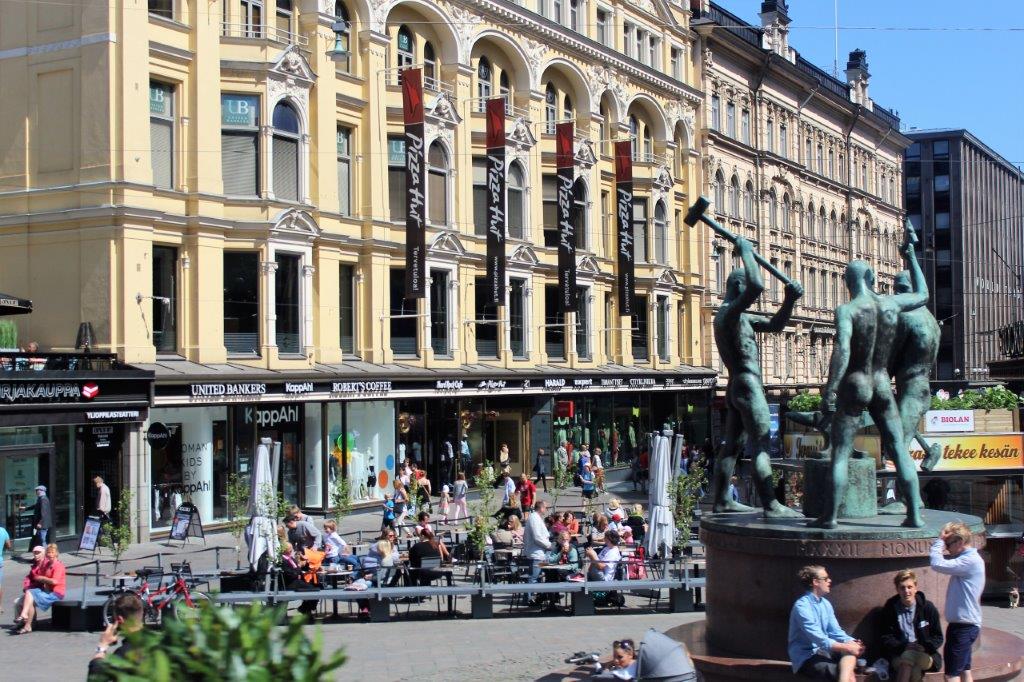
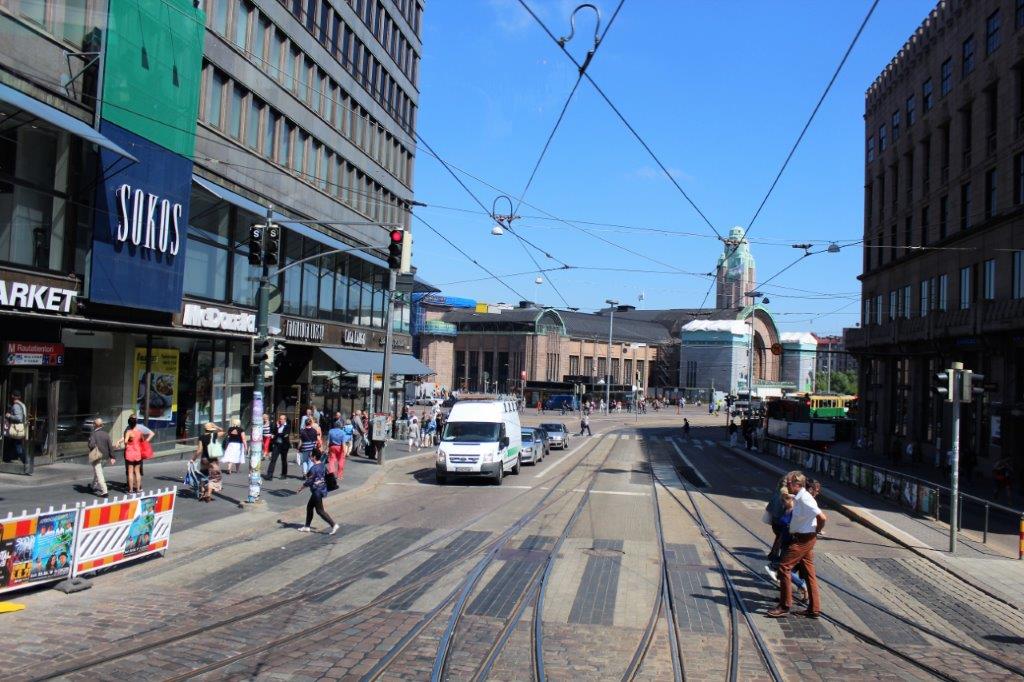
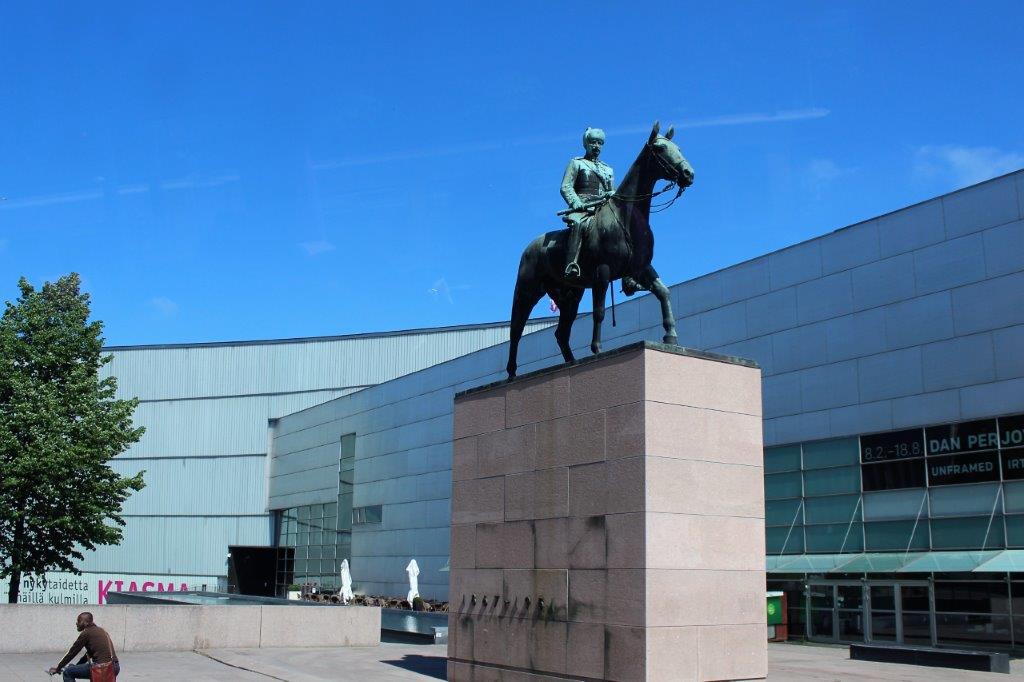
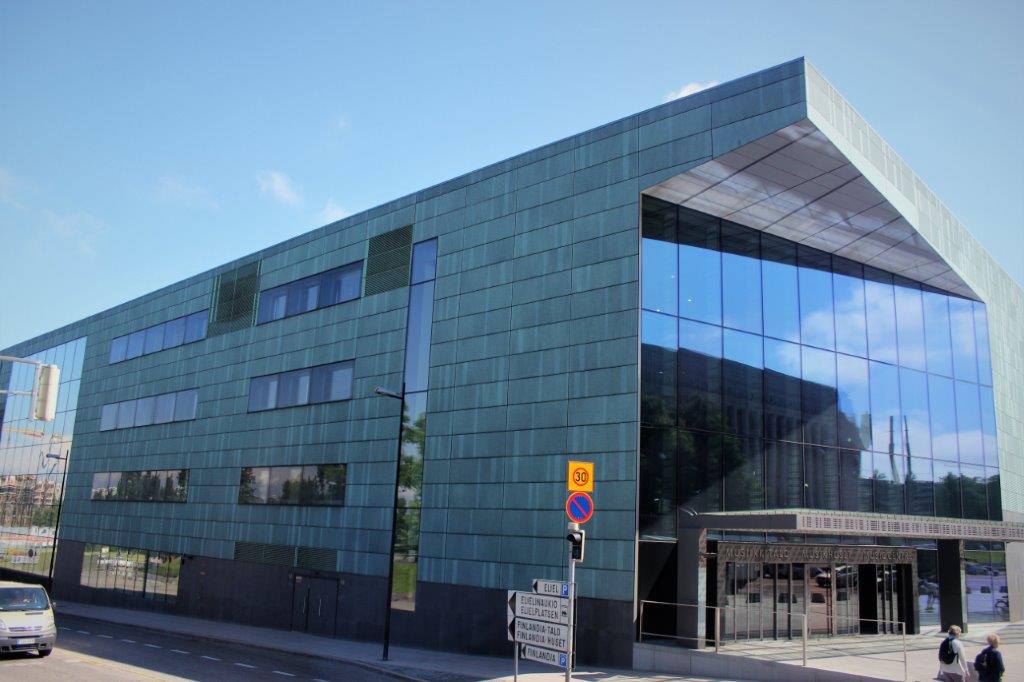
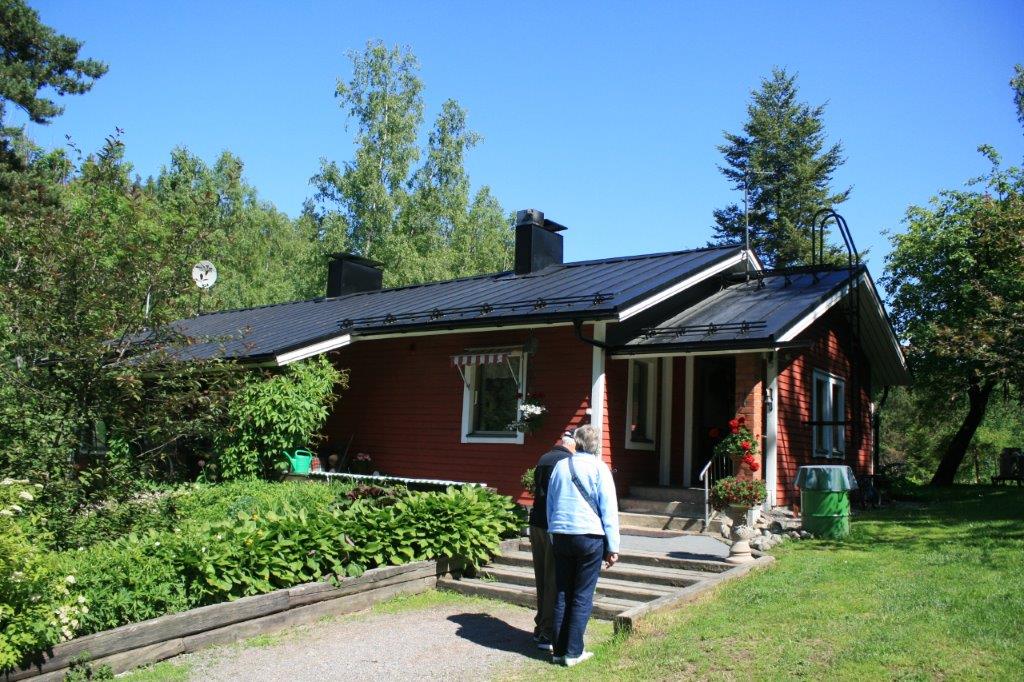
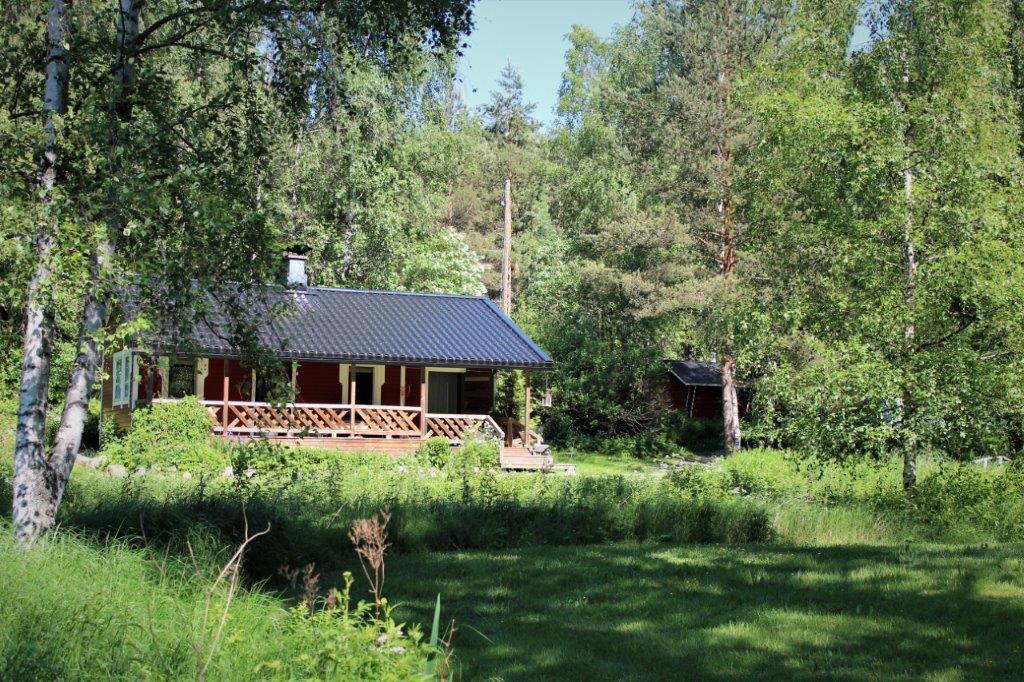
In Finland we did something a little different.  We took a drive into the countryside and visited a Finnish house.  Of course, it is mandatory for the bus driver to first take you on a short tour around the city.

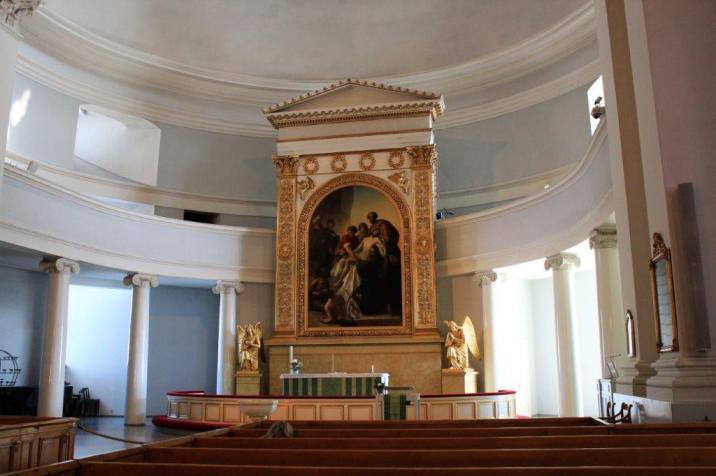
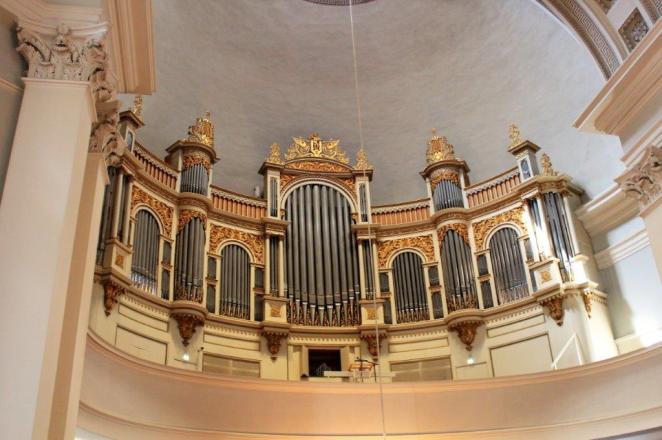
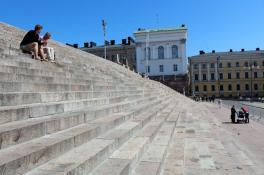
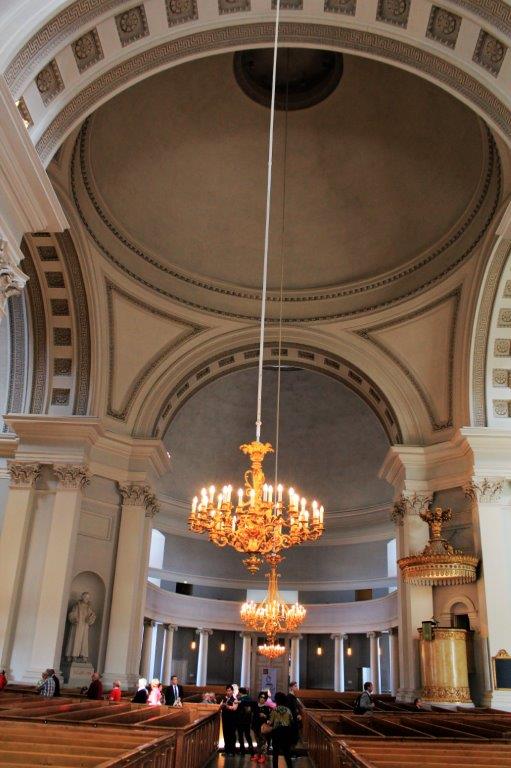
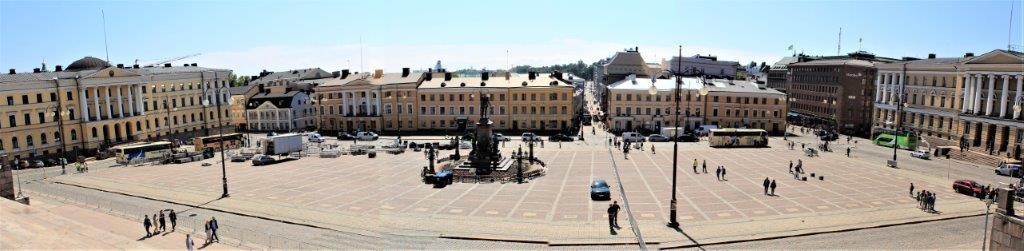
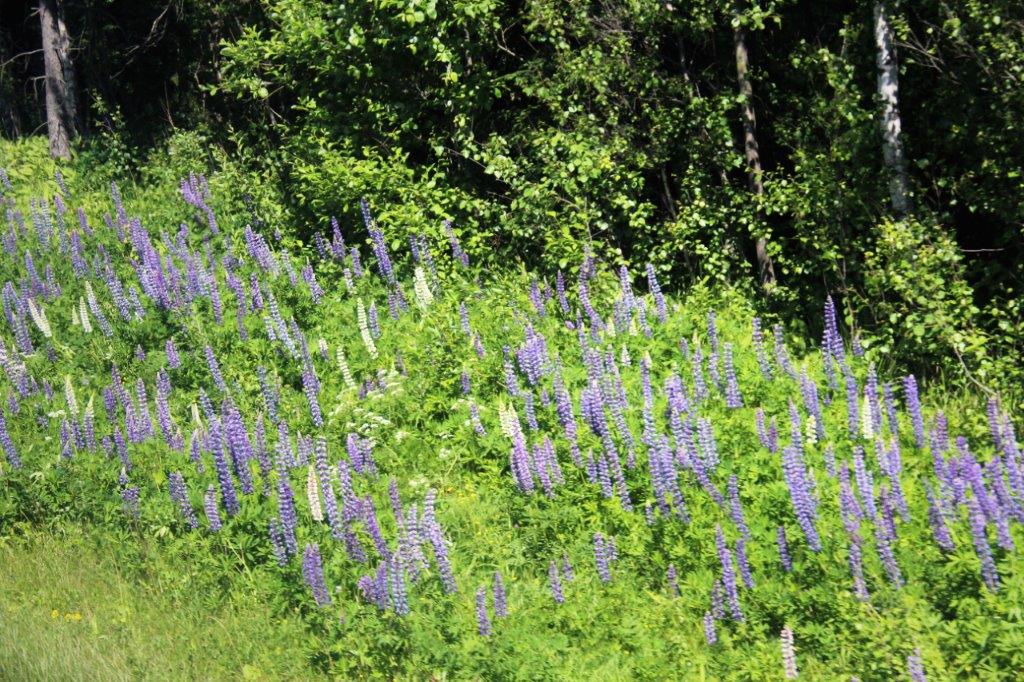
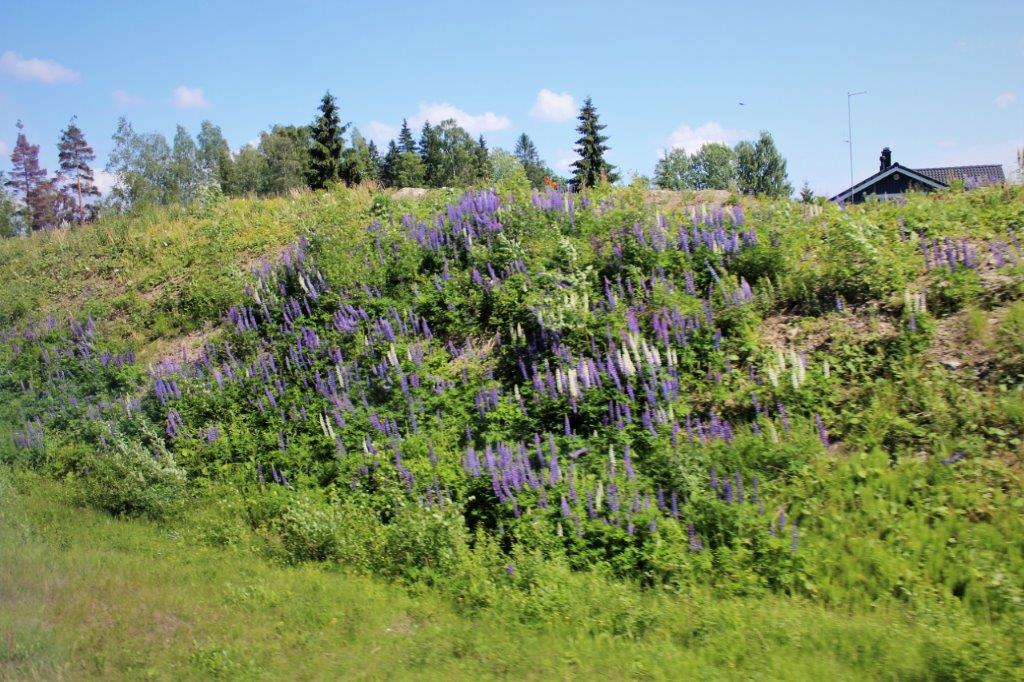
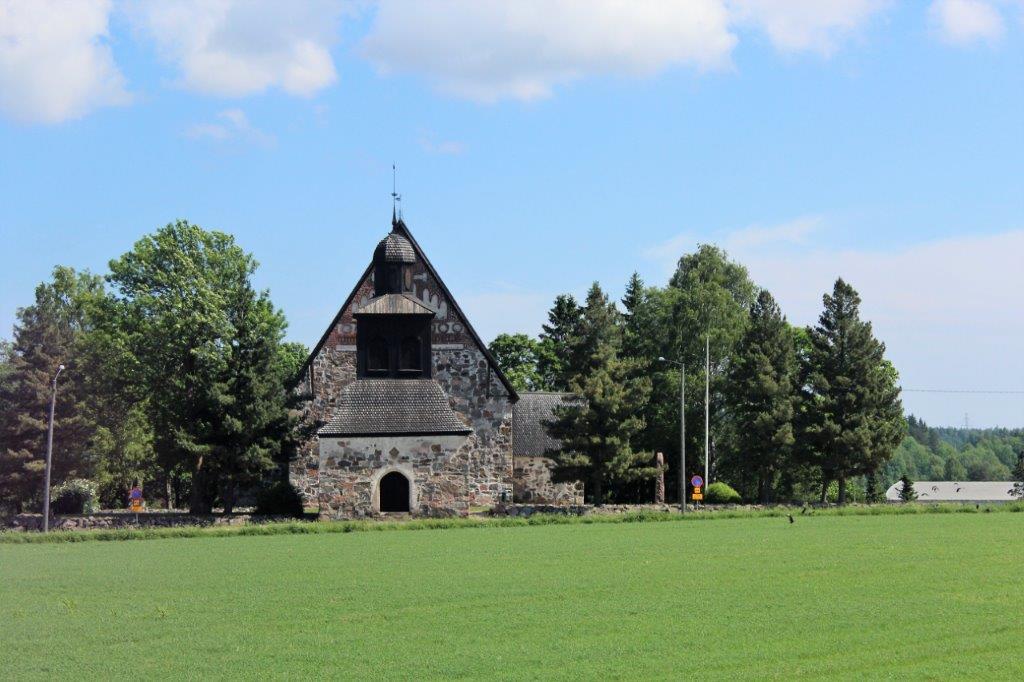
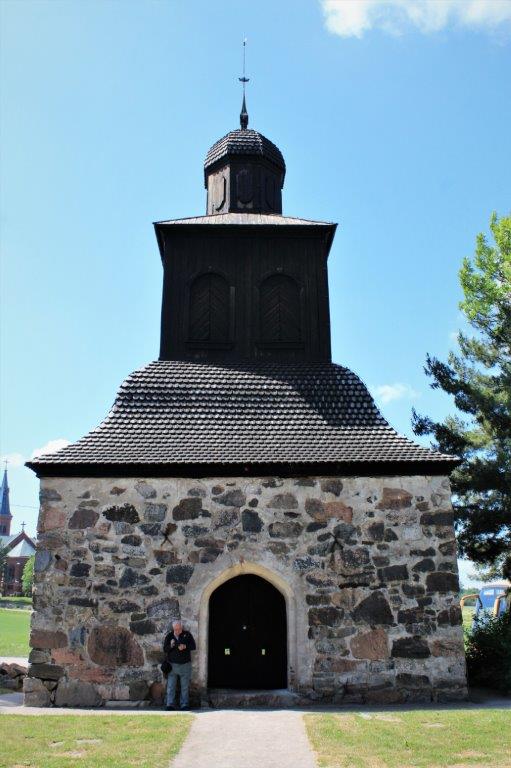
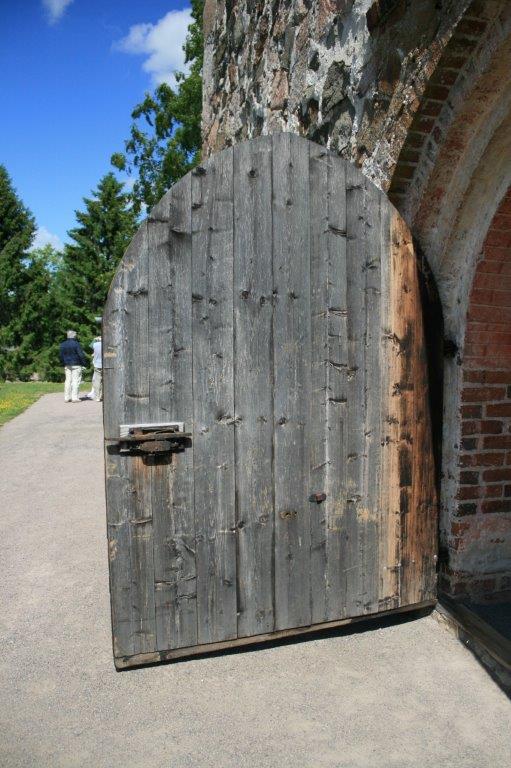
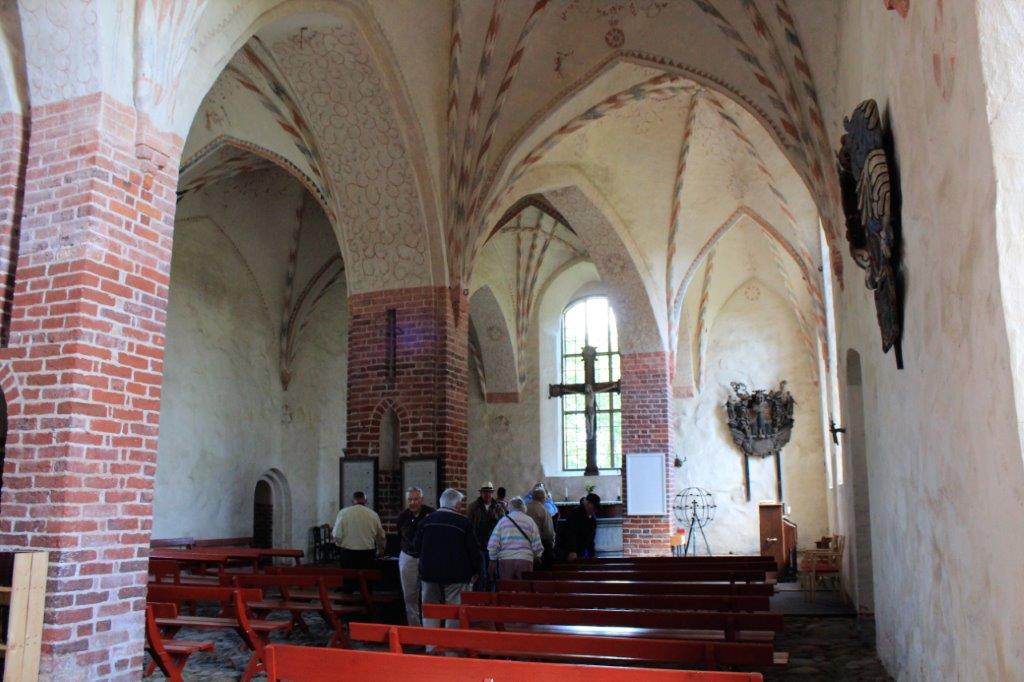
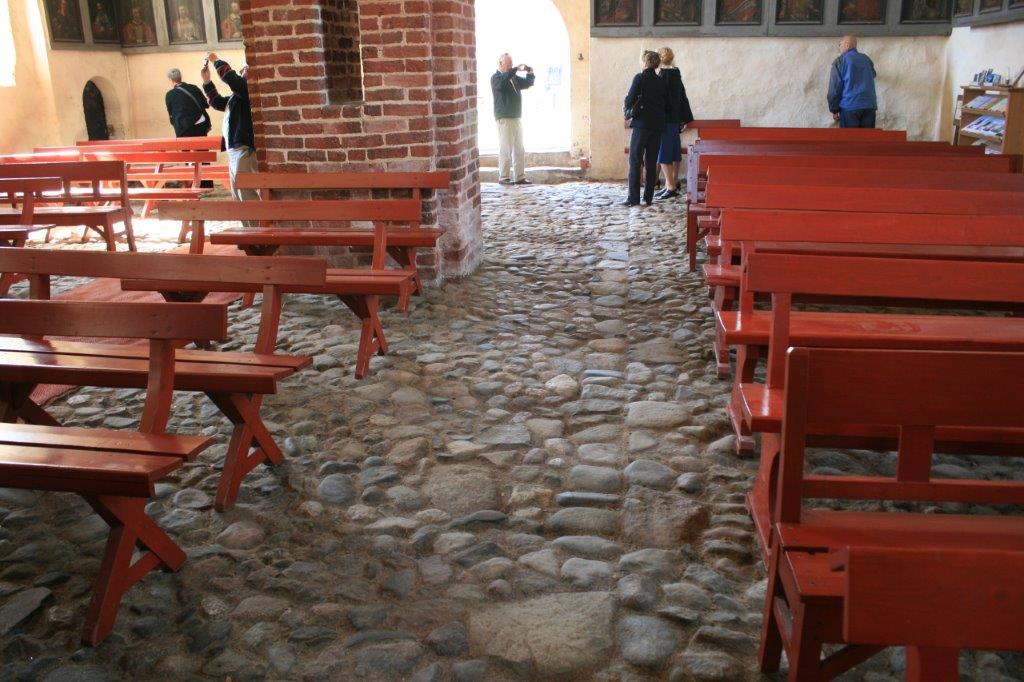
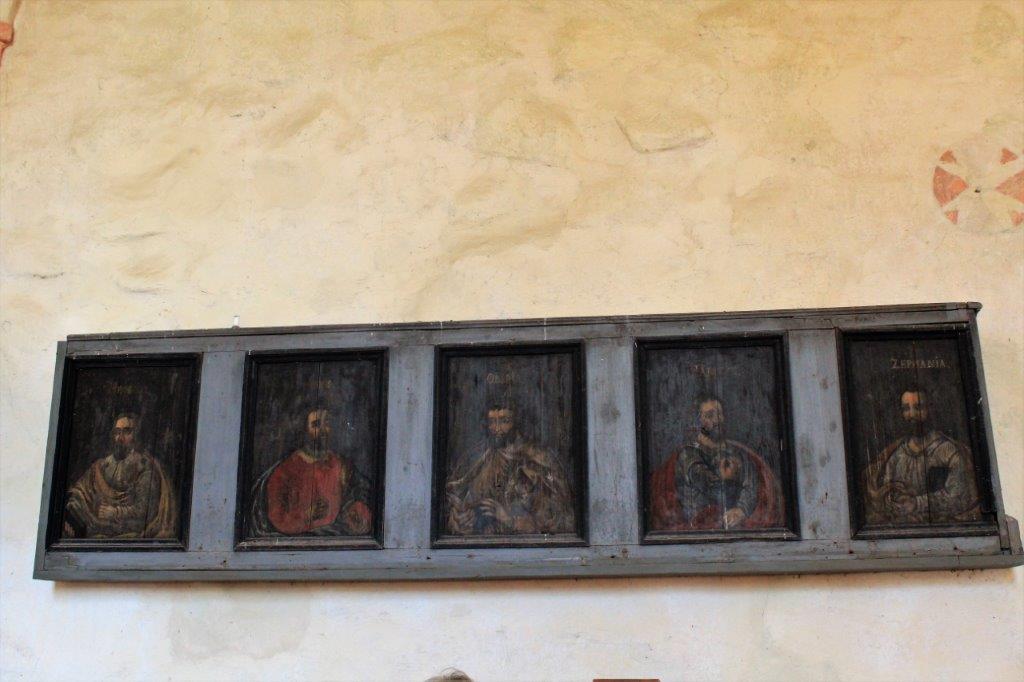
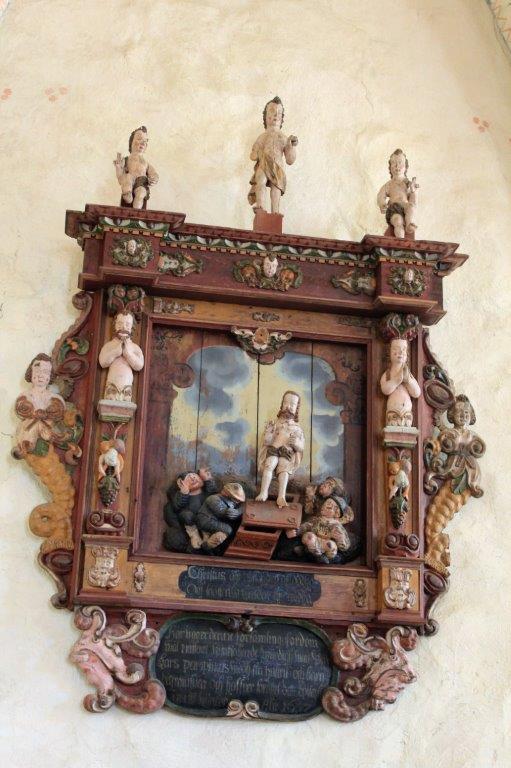
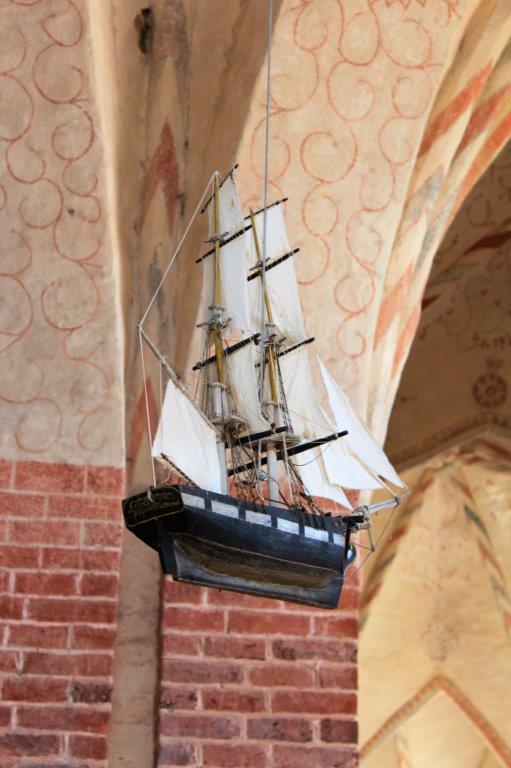
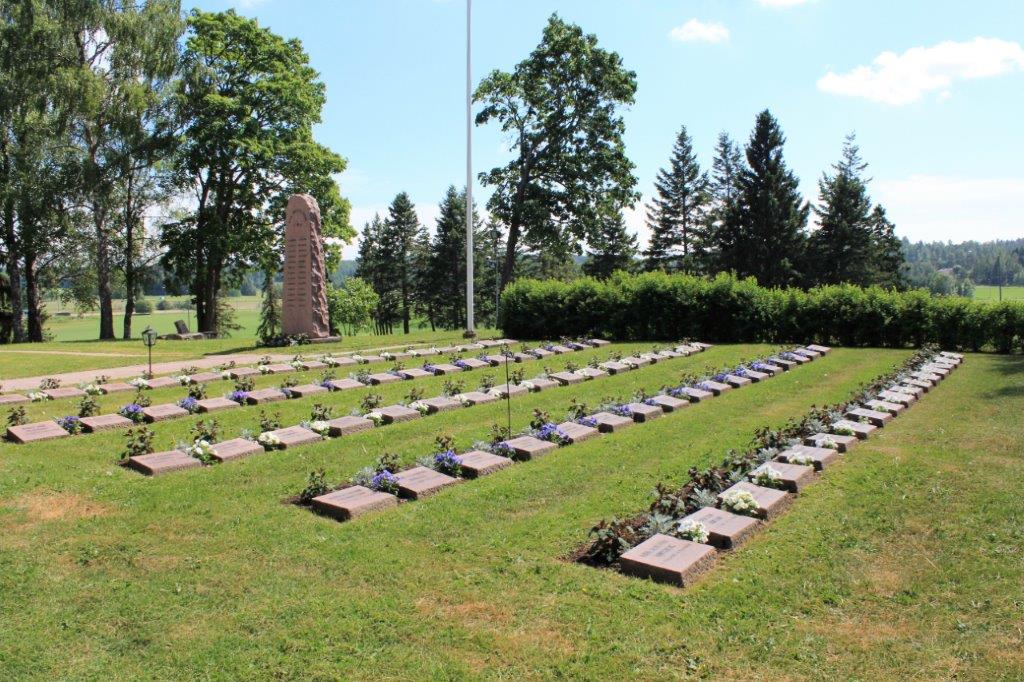
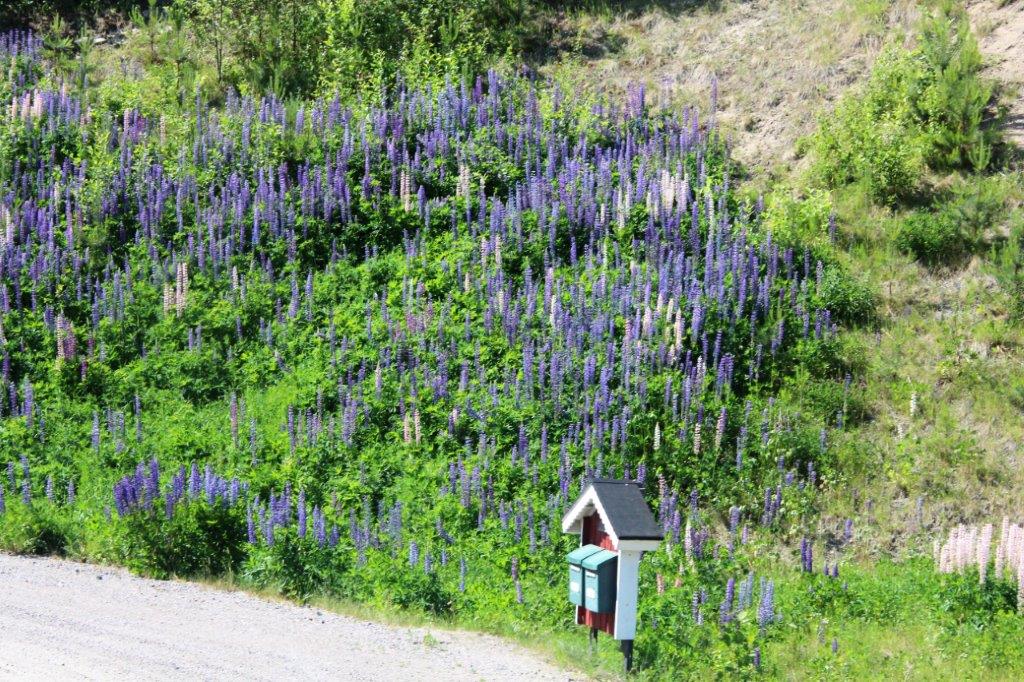
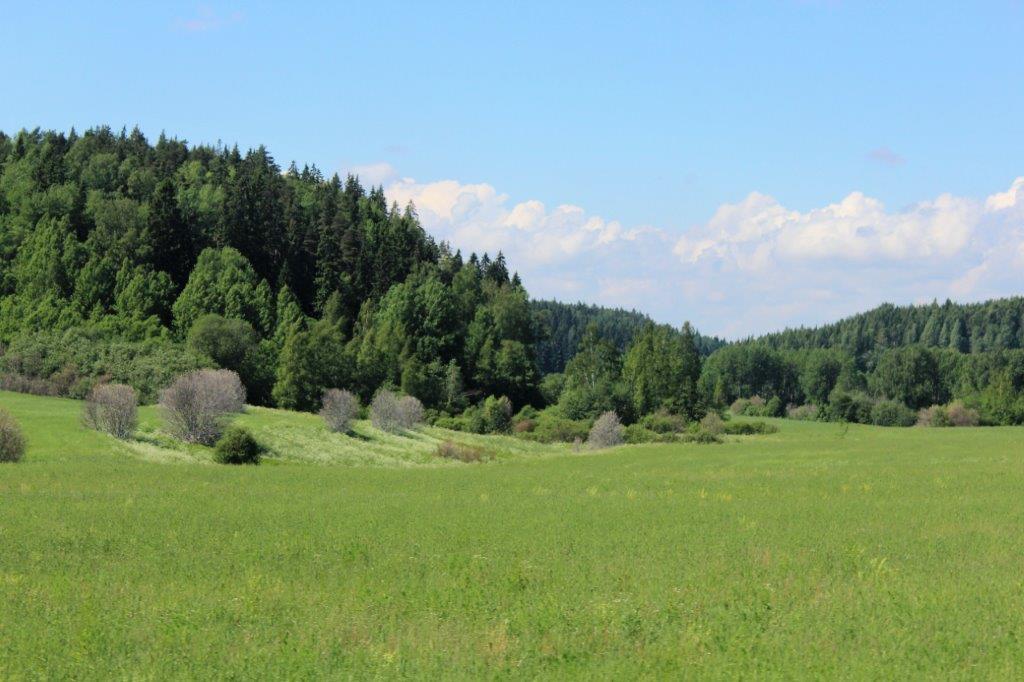
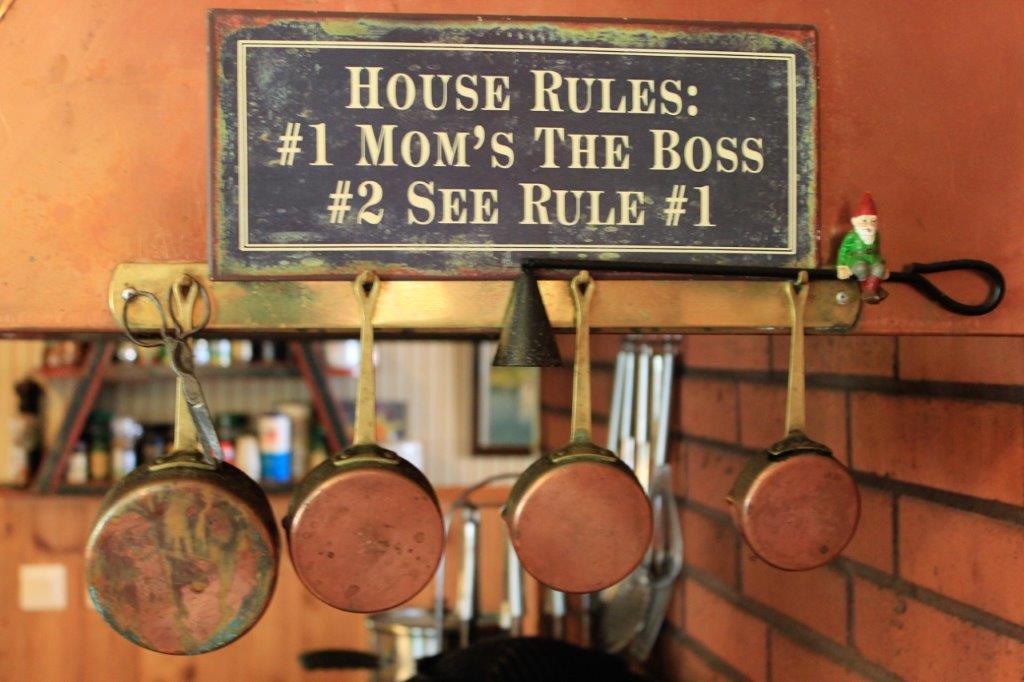
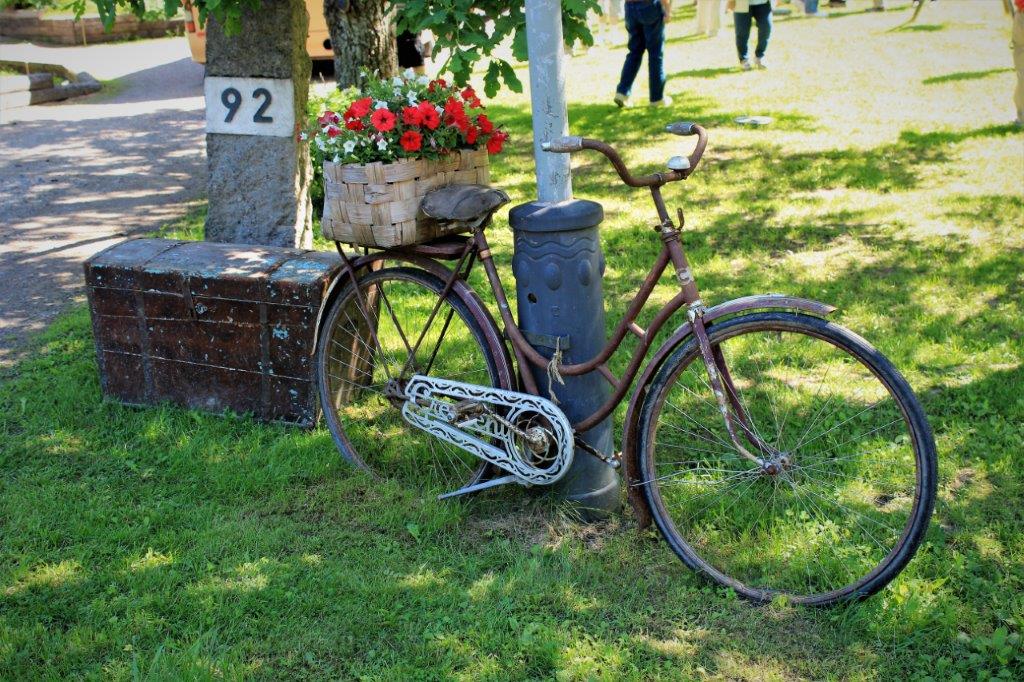
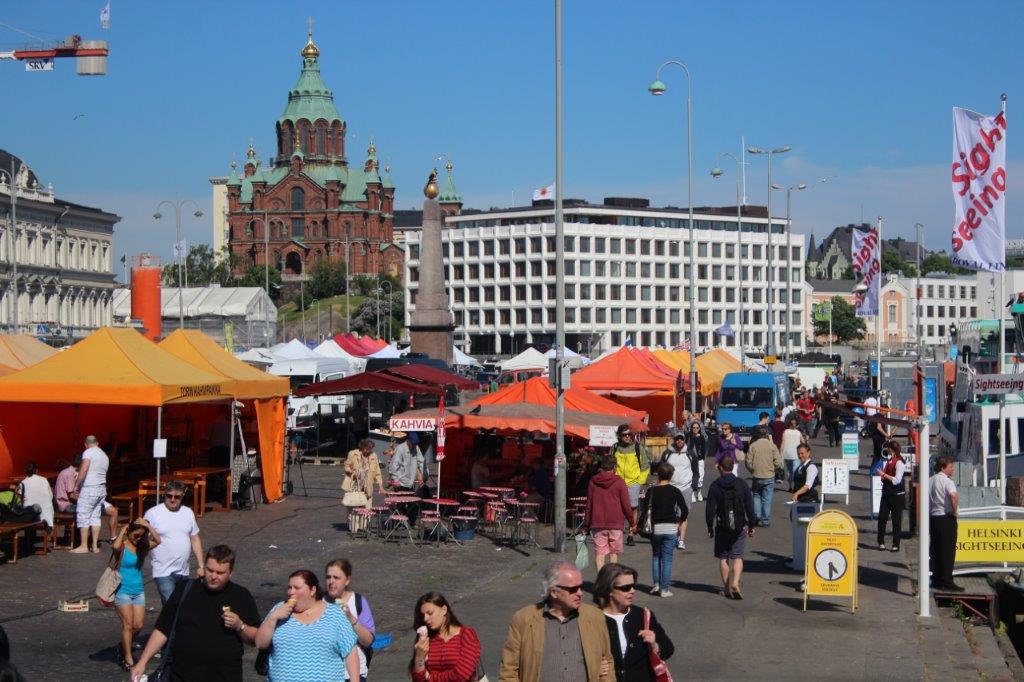
And, what would a tour be without checking out at least one church?          This one is the Helsinki Cathedral.There was a great view of the square from the top of the church steps.                                            This is a great use of space.  It was the 10th of June when we visited Finland and all the lupins and other flowers were blooming.  It was a very pretty country drive. When we arrived in the village of Sipoo we first went to view the very old St. Sigrid’s church. Lupins, lupins, lupins blooming everywhere.  So very pretty.                  The countryside looked very much like home.Our host and hostess were very friendly and welcoming.                                            I liked the posted rules.

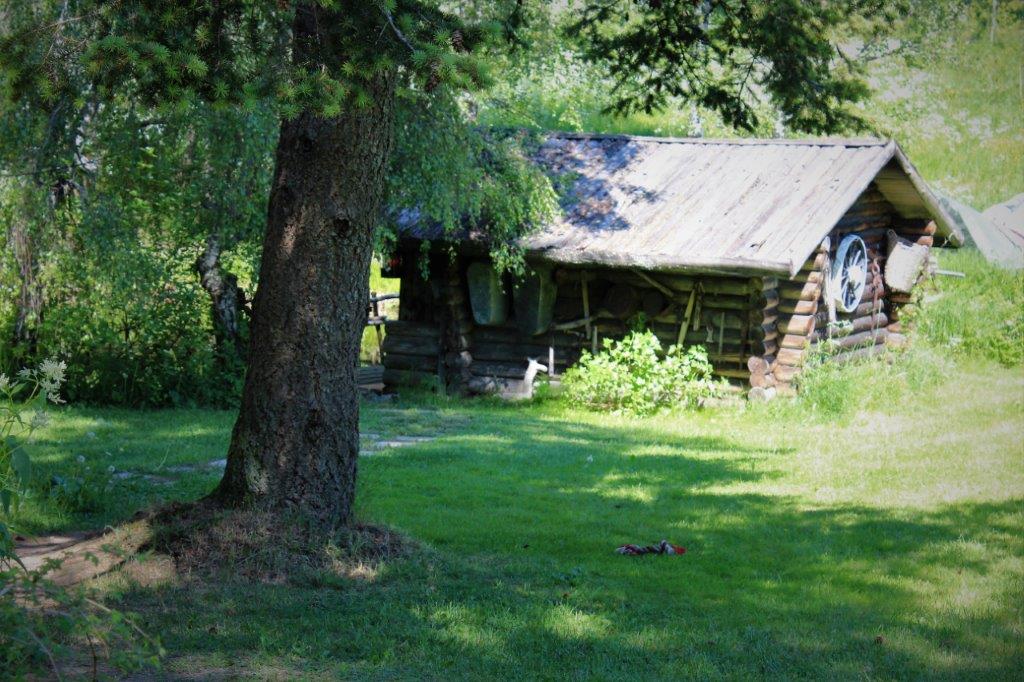
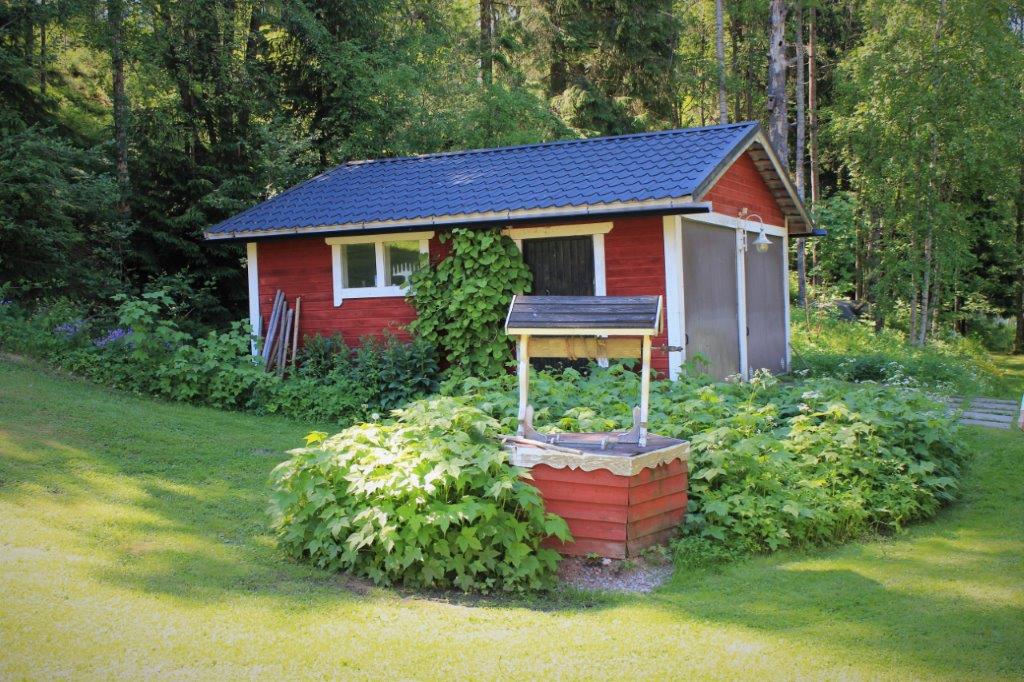
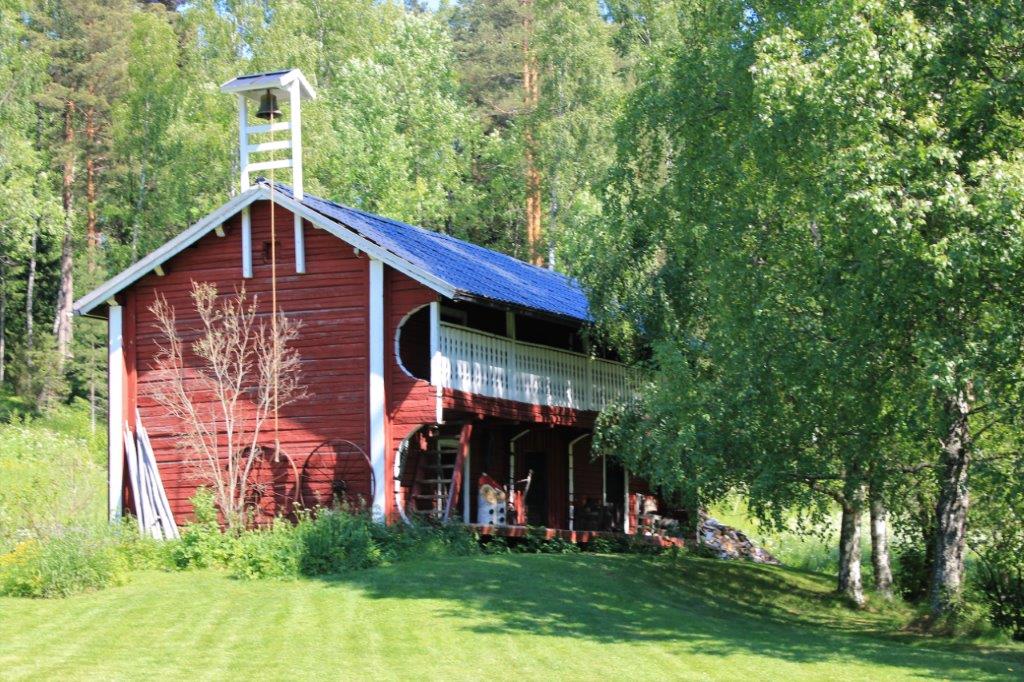
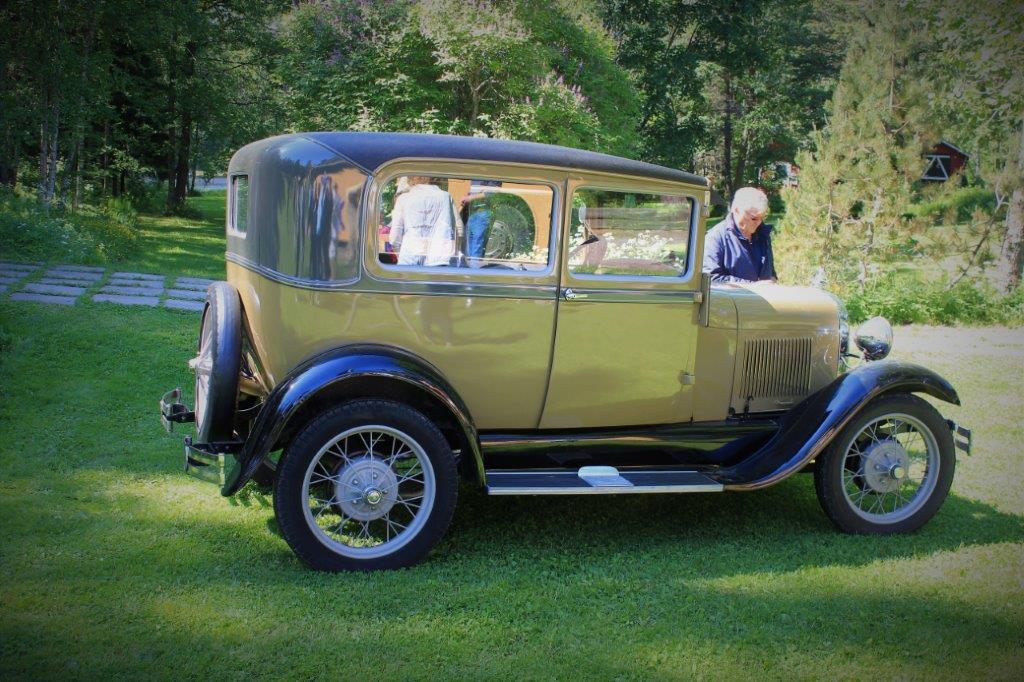
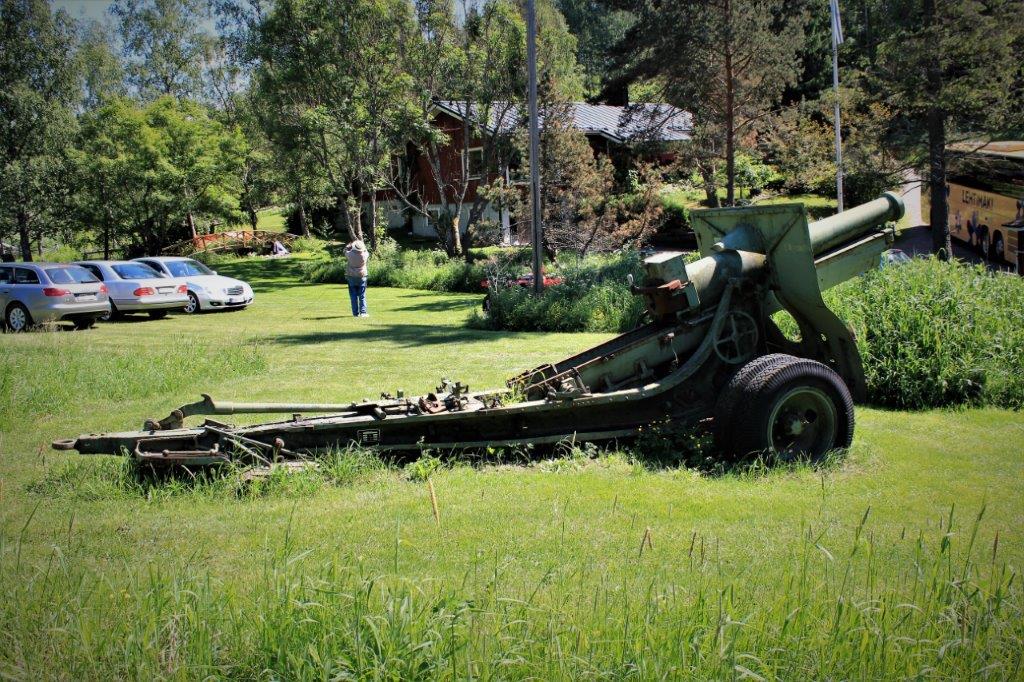
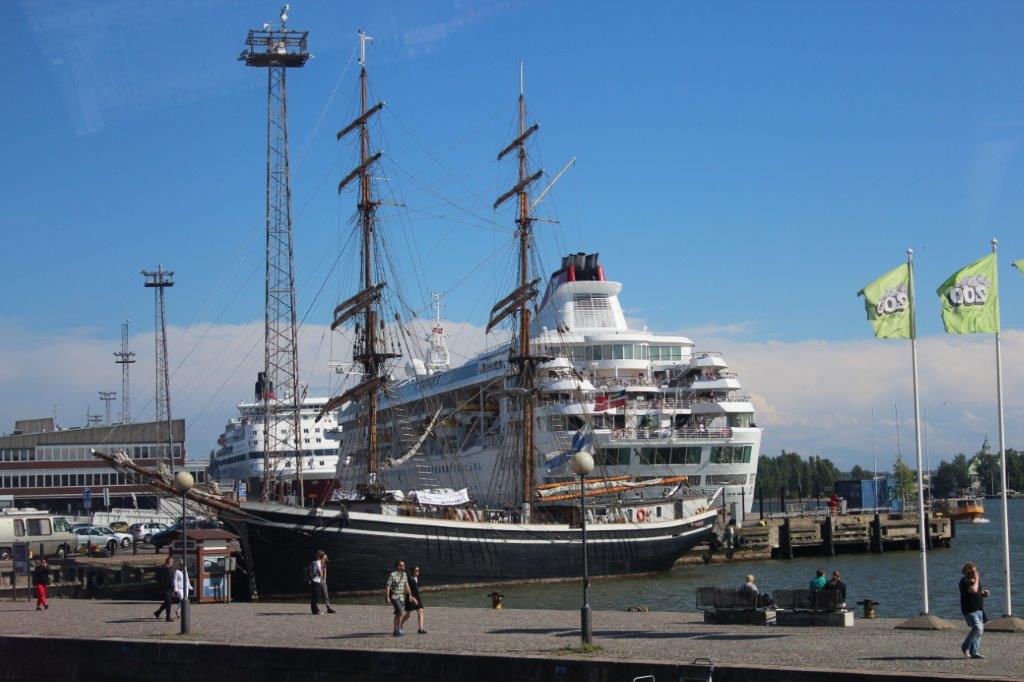
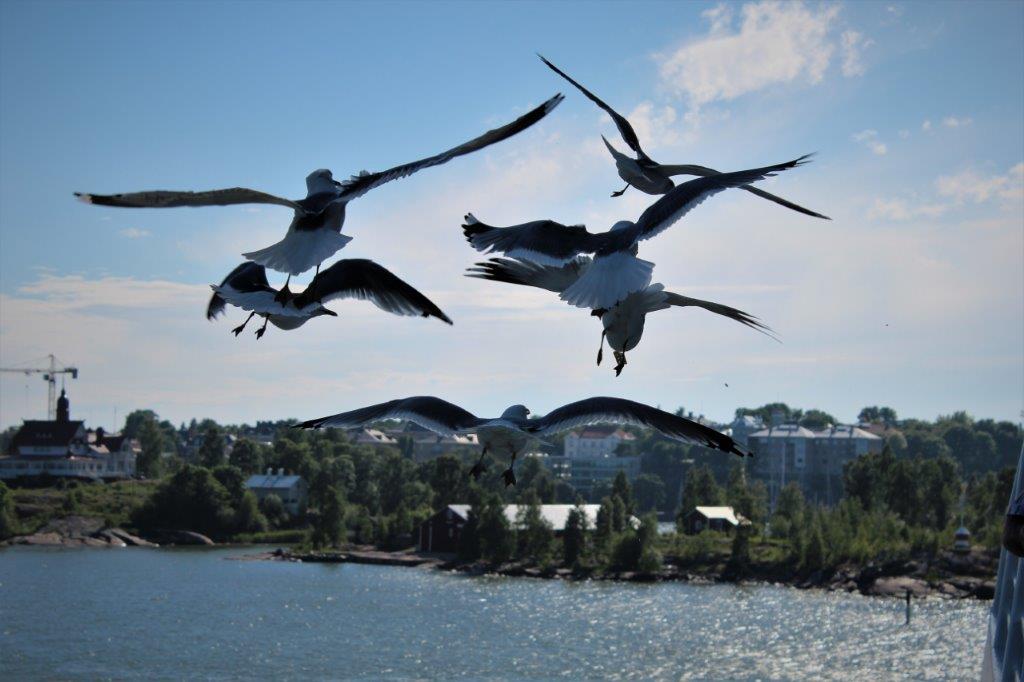
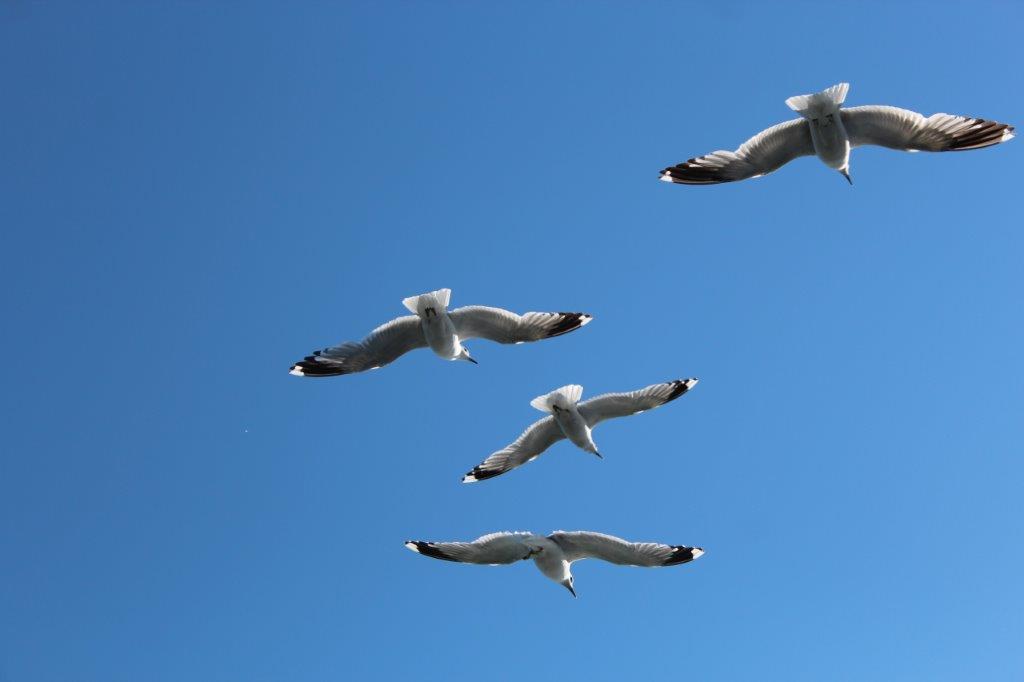
We were given refreshments and had time to relax and wander the property.                         This old car was a popular item to check out.For some reason which even our hostess could not figure out her husband decided it was necessary to buy an old rocket launcher.   Not your usual garden ornament.They even had their own small lake.  It really was a lovely spot.Back in Helsinki we wandered around the waterfront for awhile before the ship set sail again.The flight patterns of gulls can be quite comical.  It’s a wonder they don’t collide all the time.  Not my favourite bird by a long shot, but….they can look pretty against a nice blue sky.

2013 Summer (Baltic and Britain – St. Petersburg, Russia – Day 2 – Part 2)

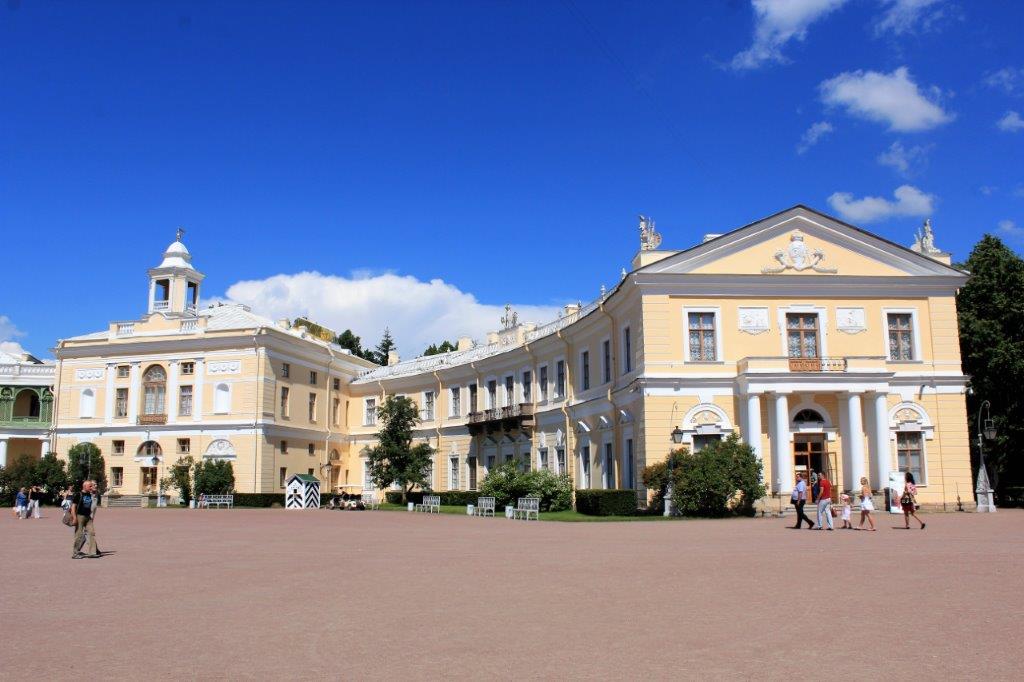
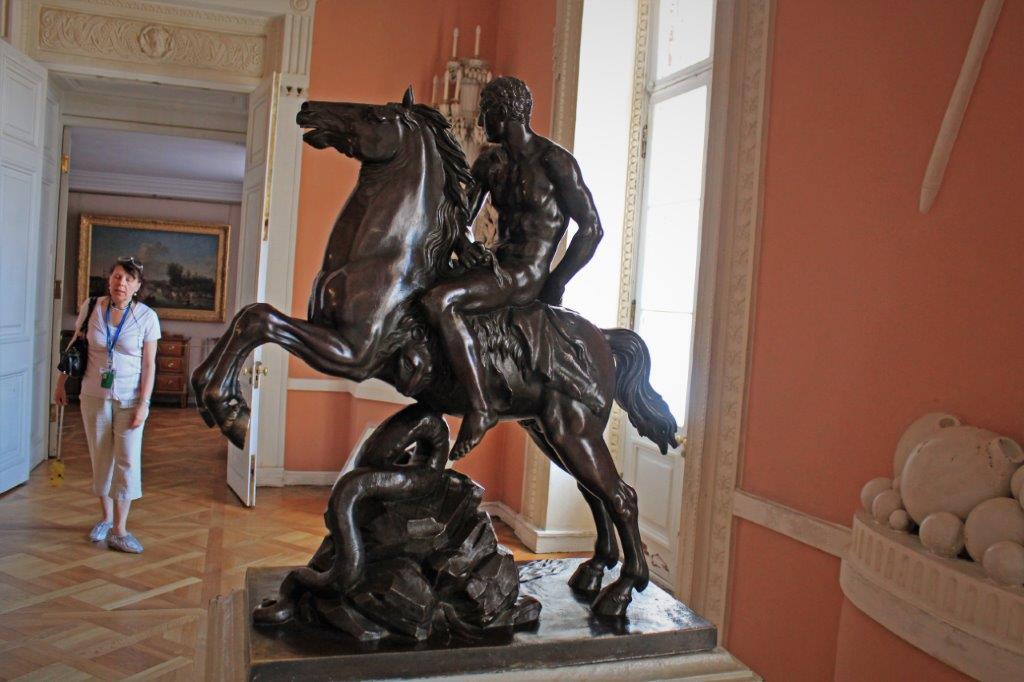
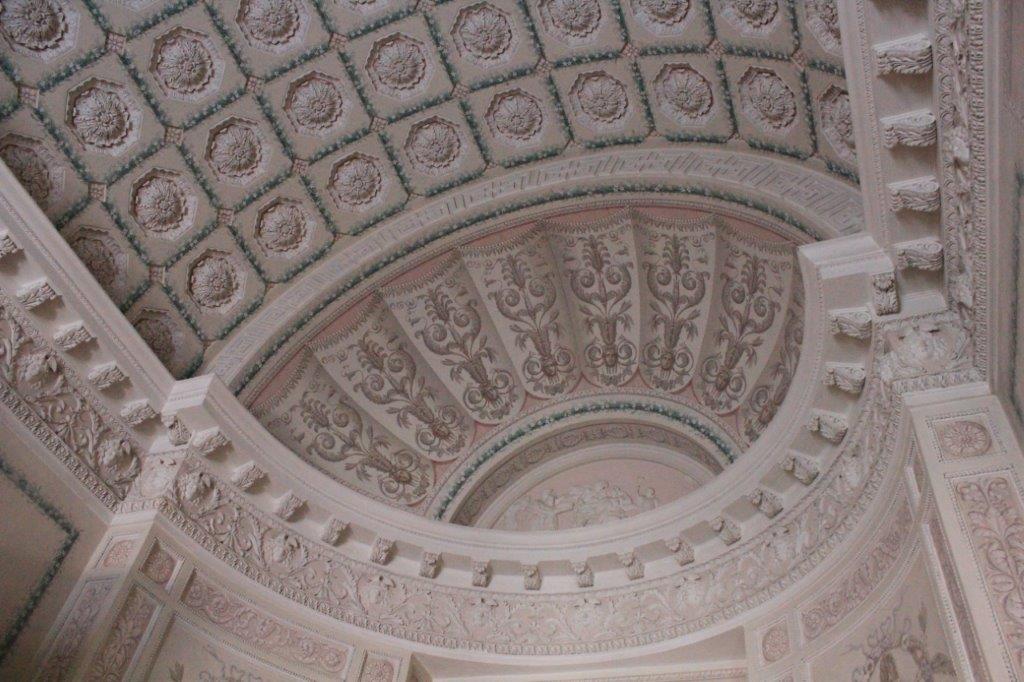
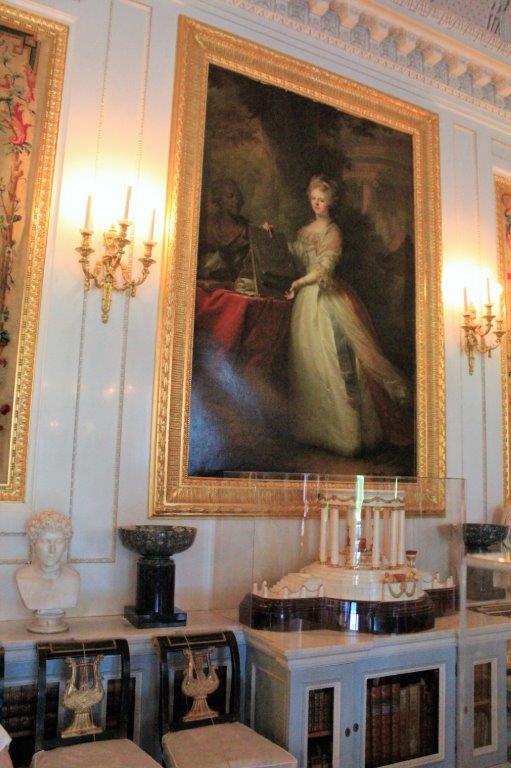
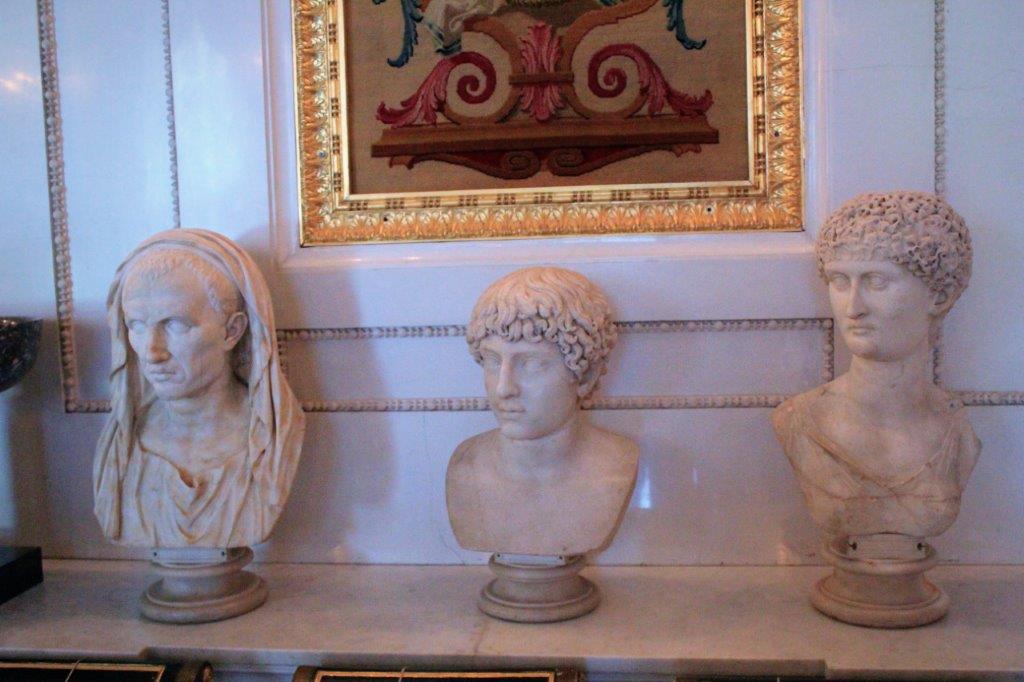
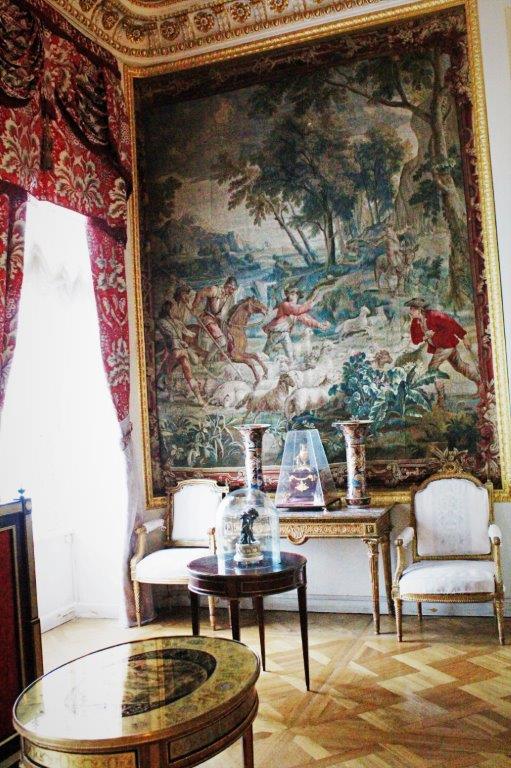
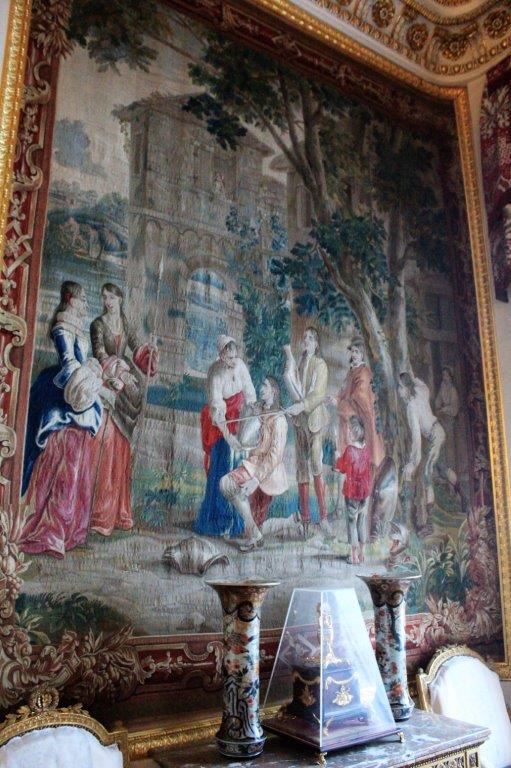
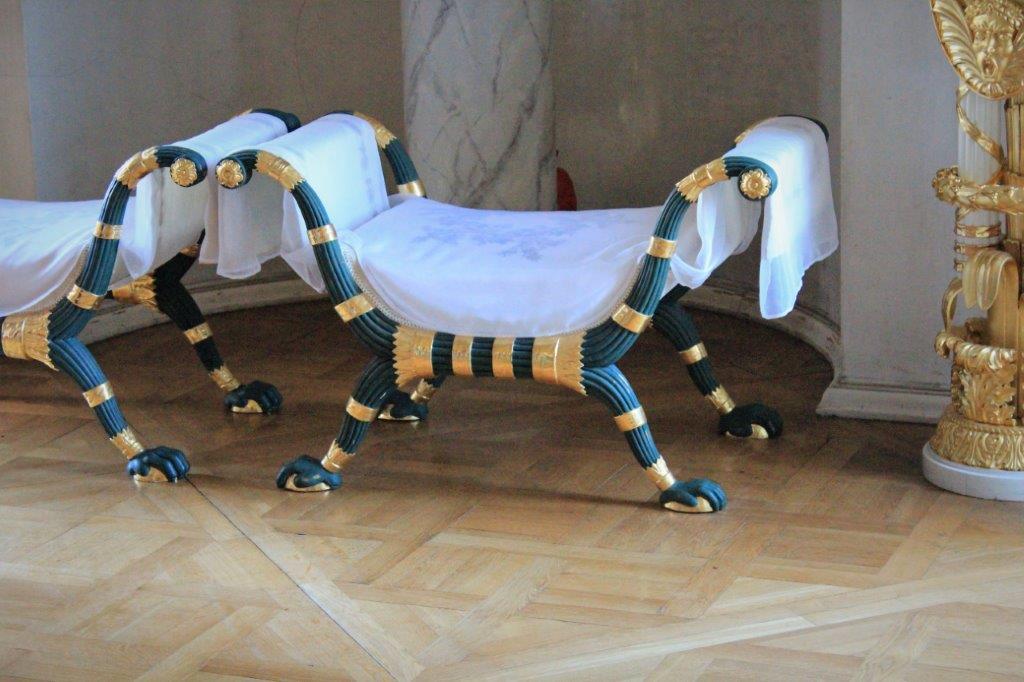
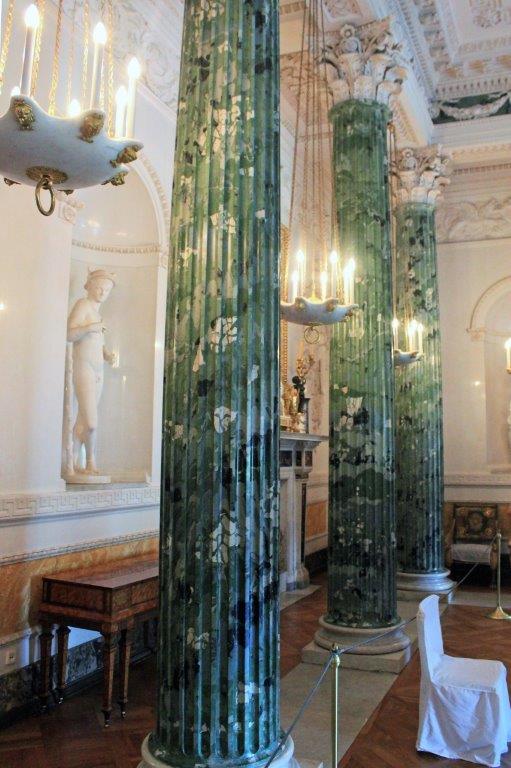
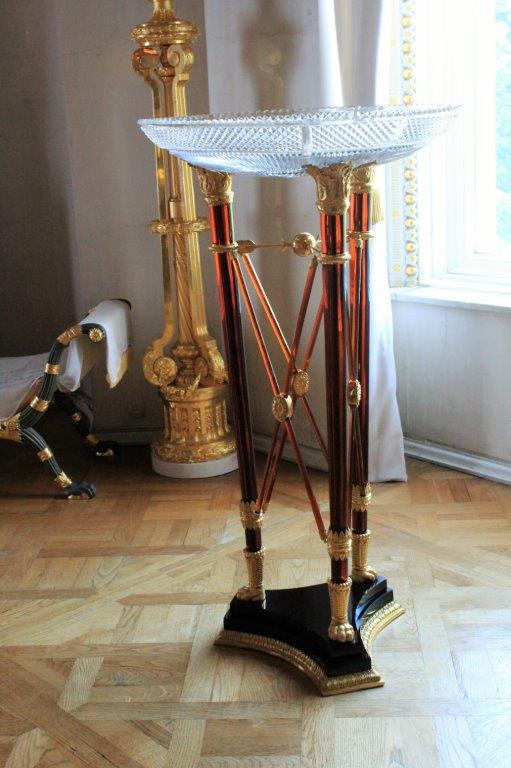
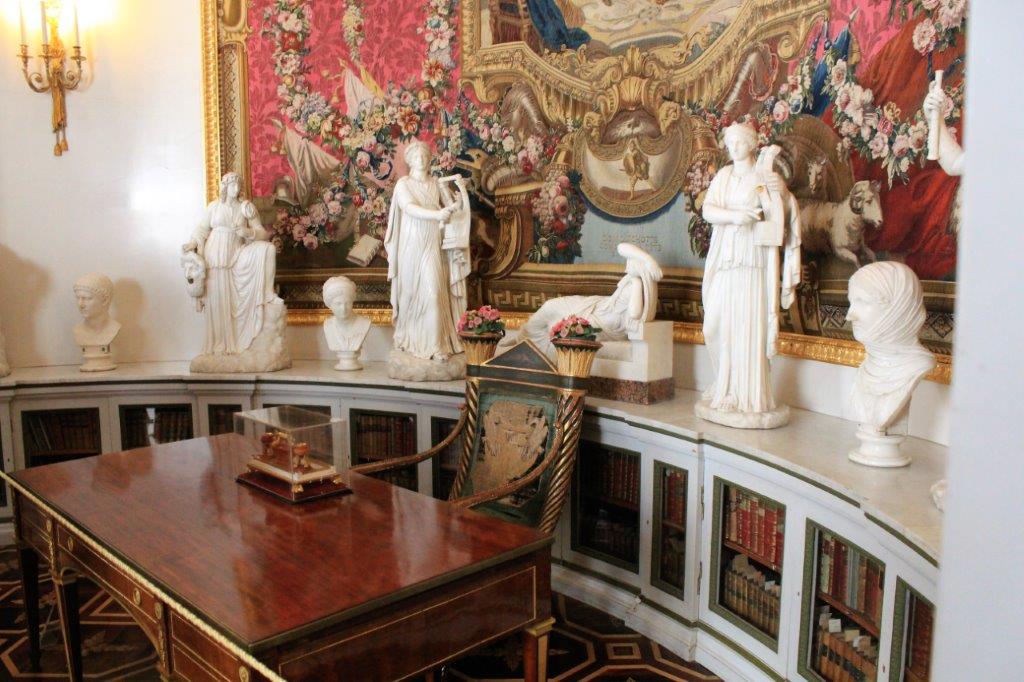
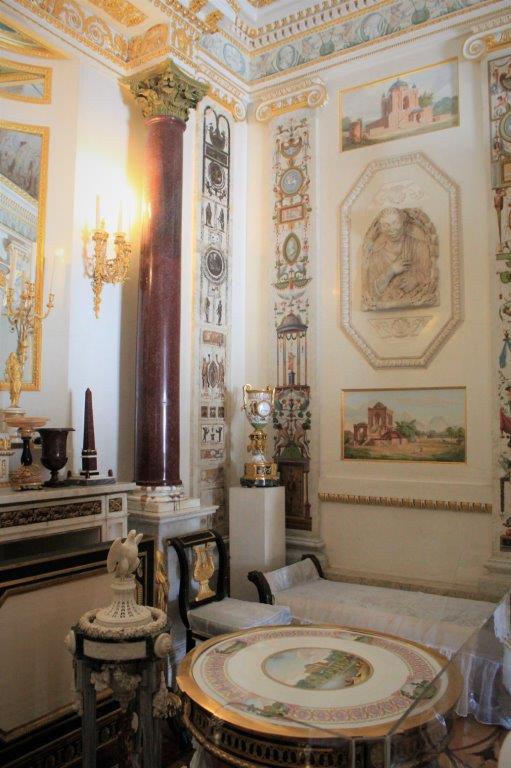
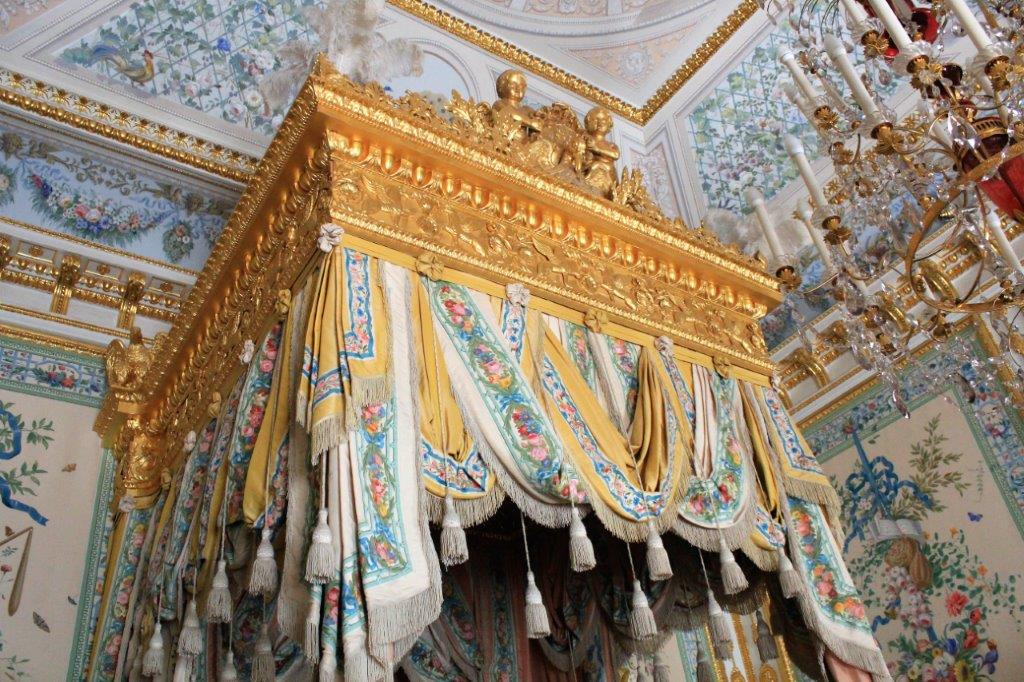
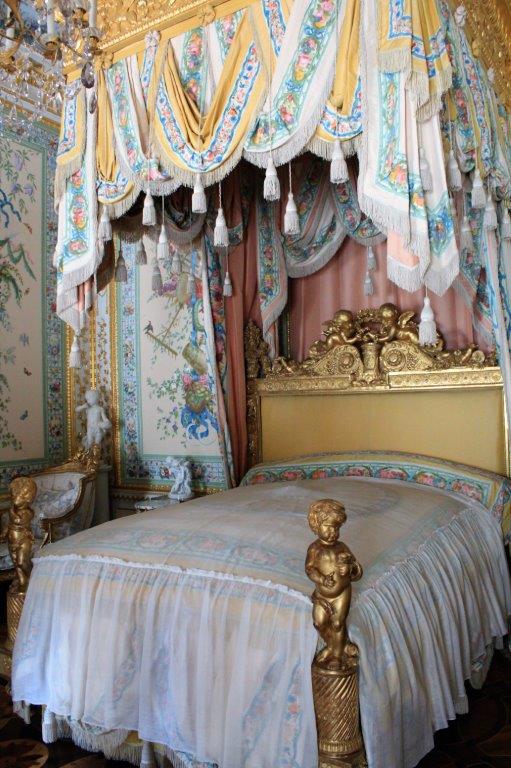
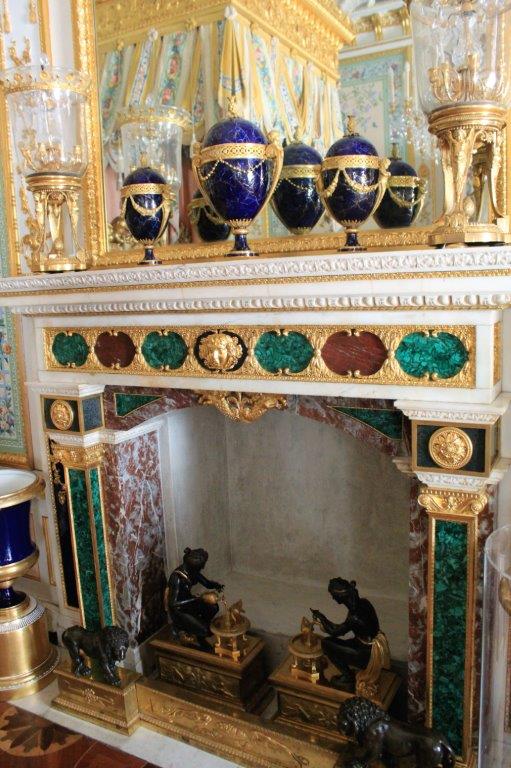
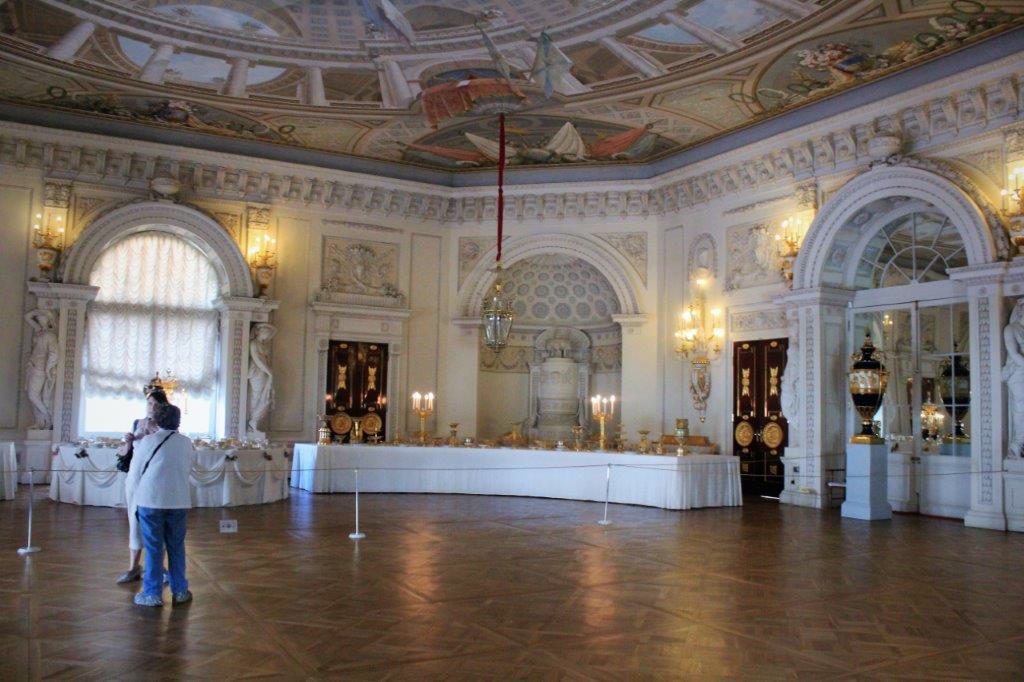
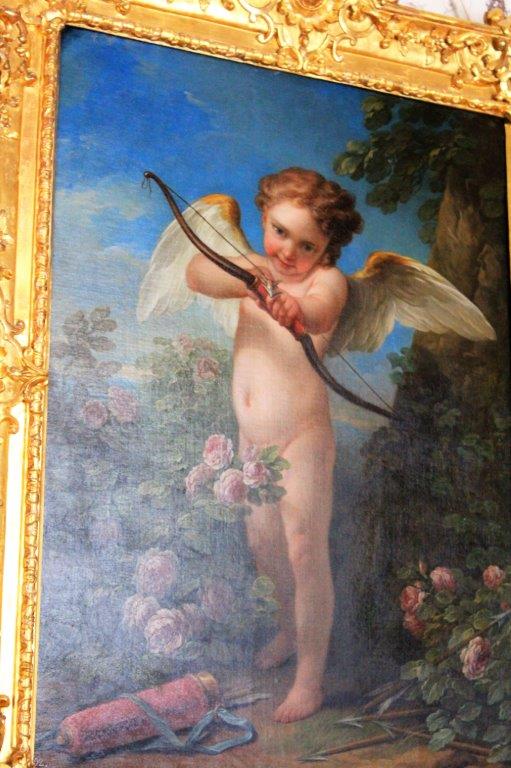
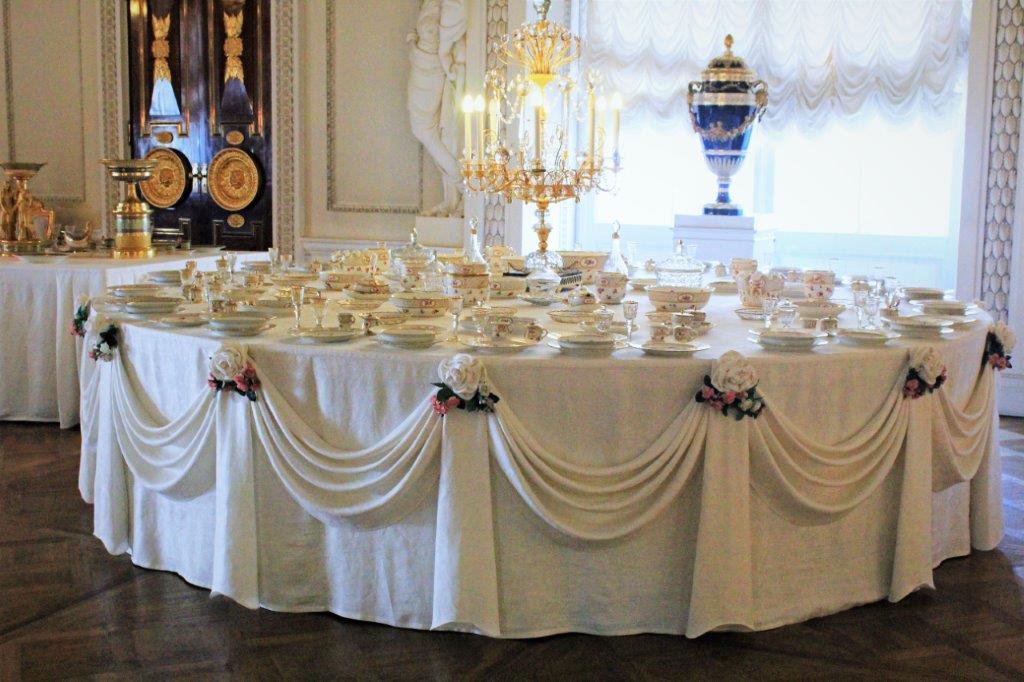
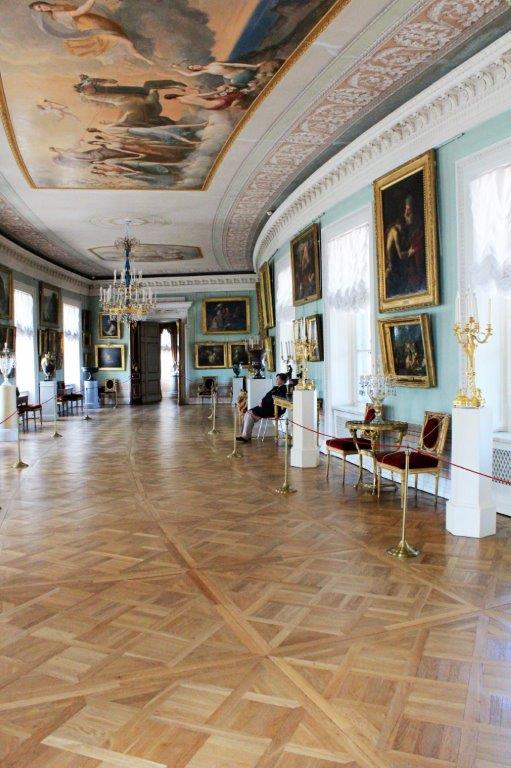
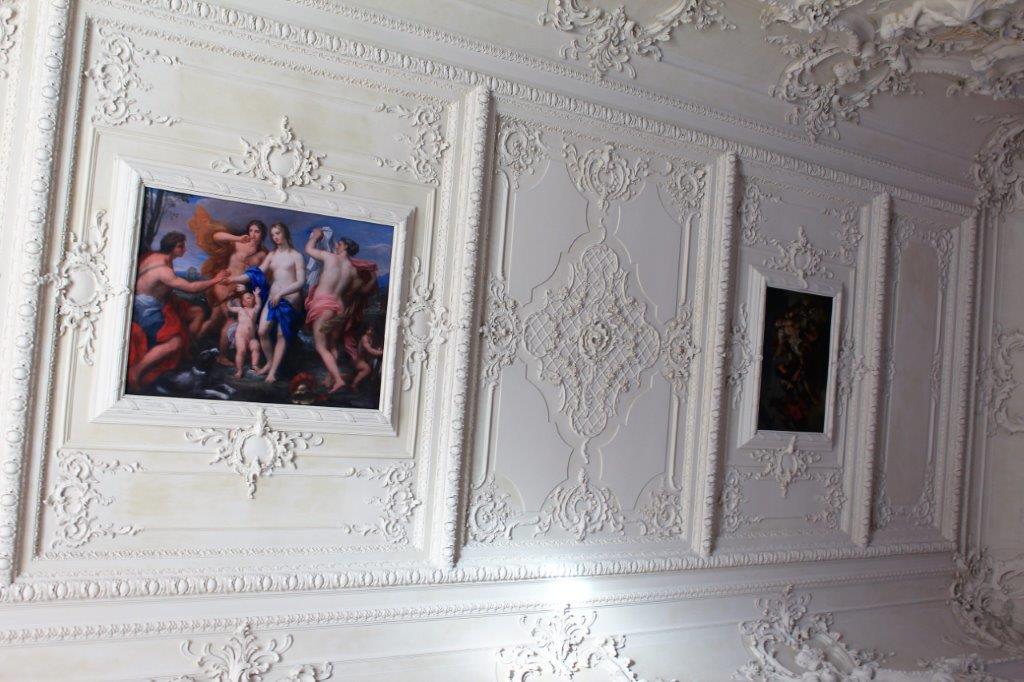
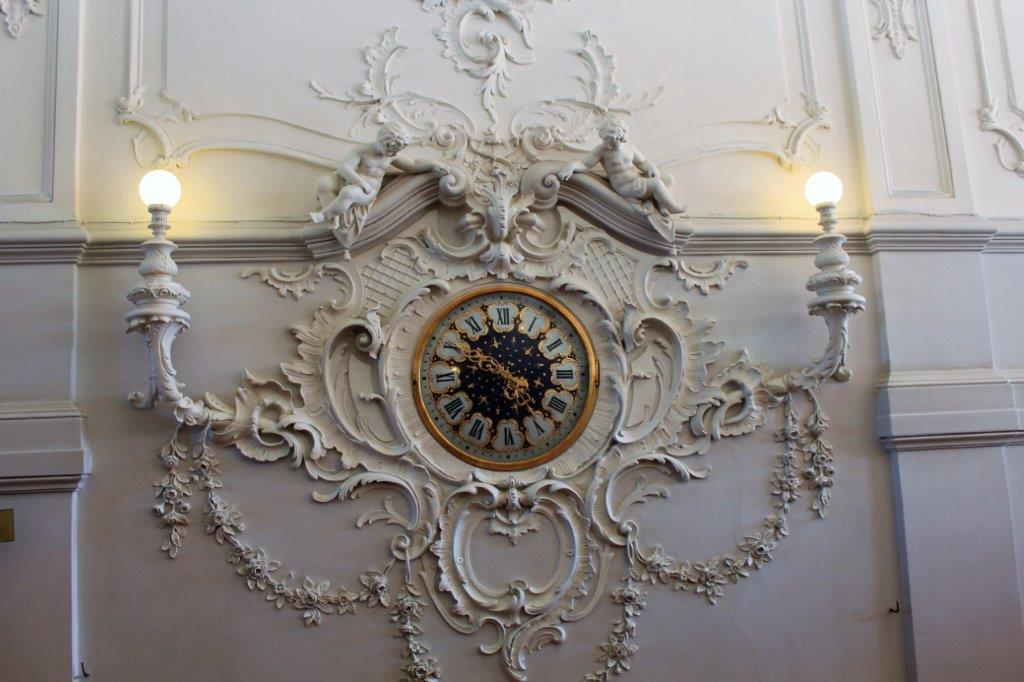
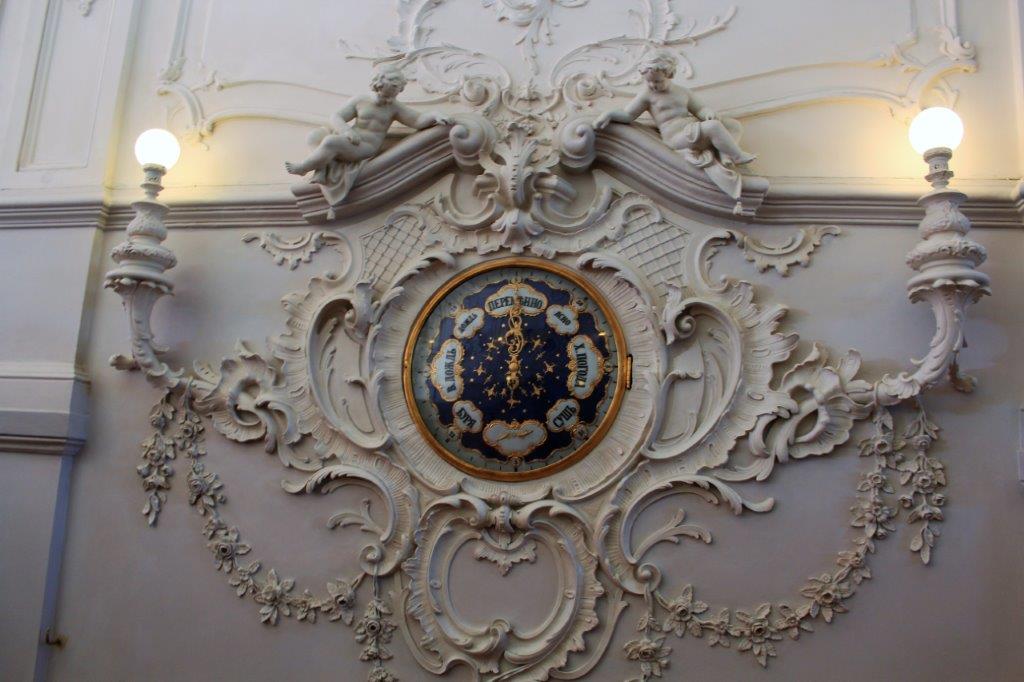
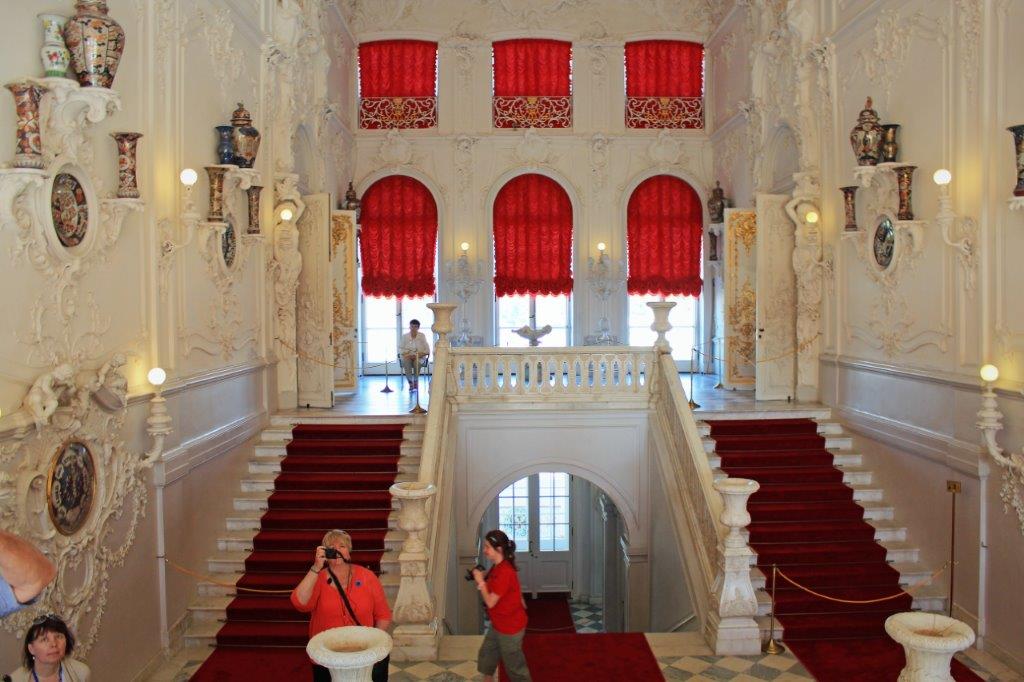
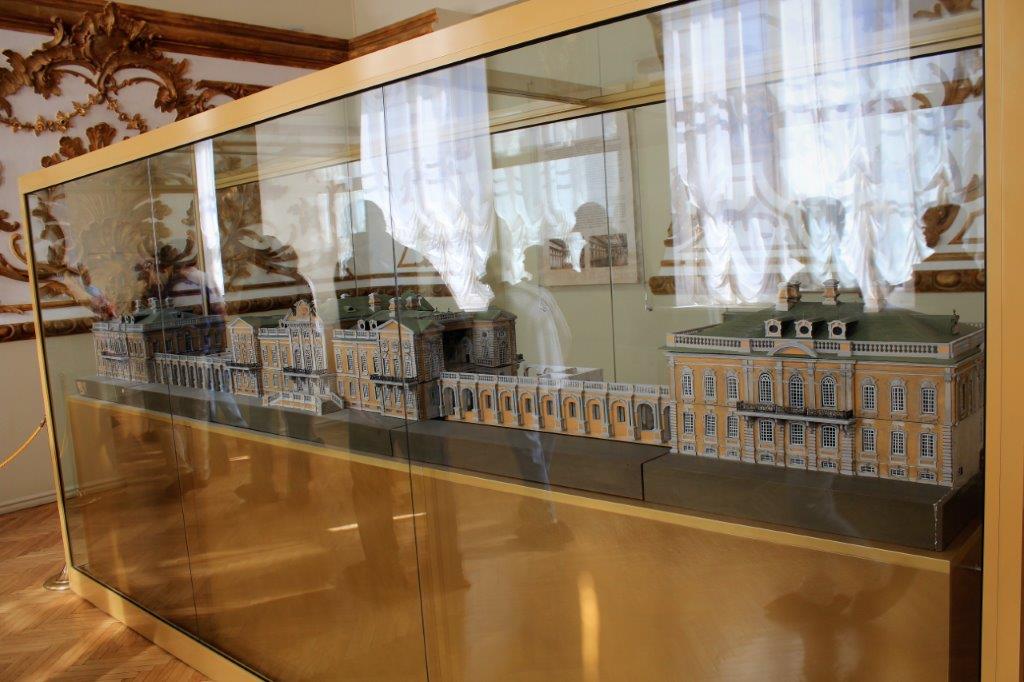
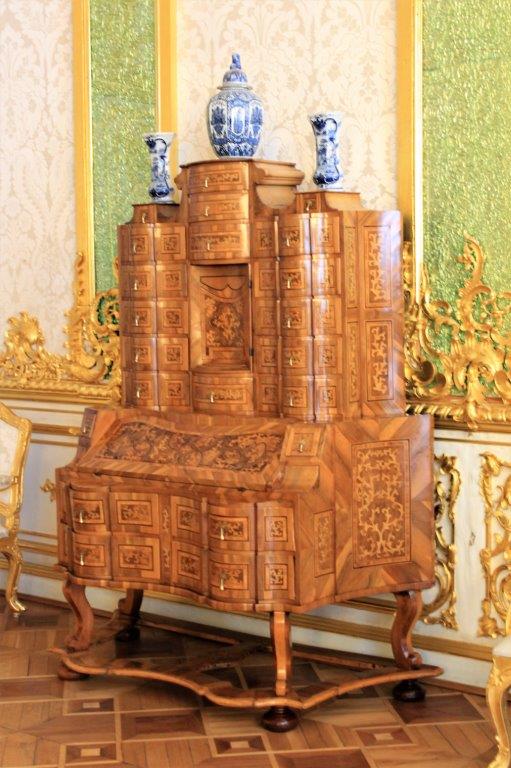
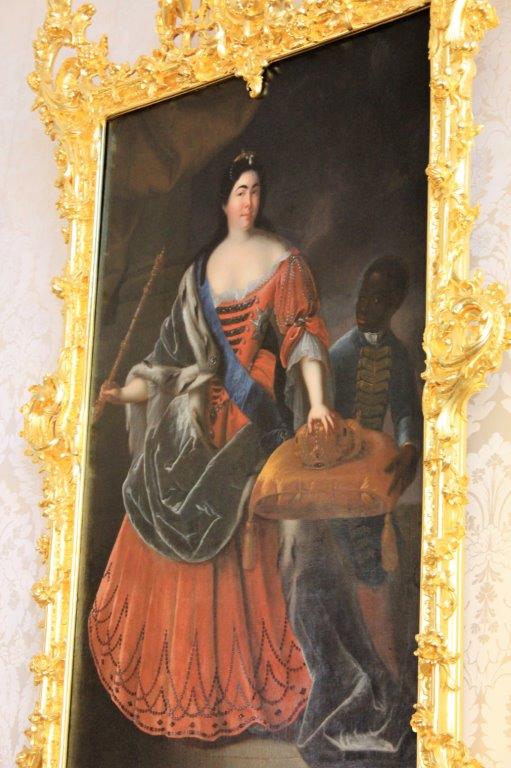
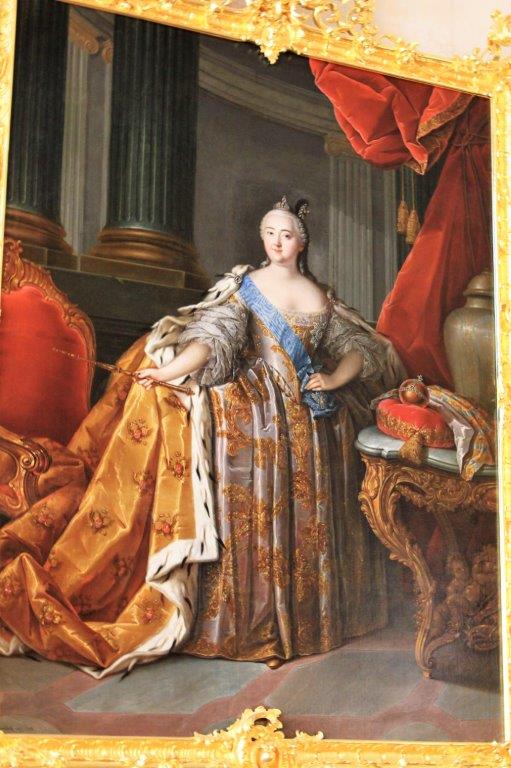
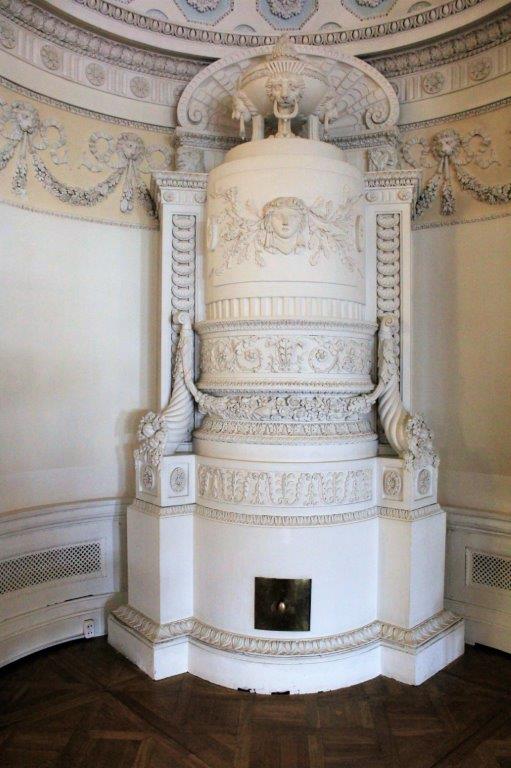
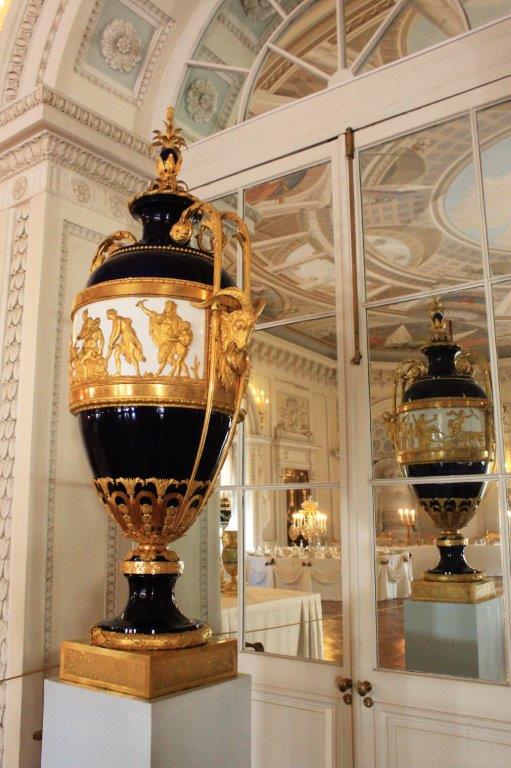
The second half or our second day in St. Petersburg was spent touring Emperor Paul I’s Palace.  It was much smaller (but still very impressive), than his mother Catherine the Great’s palace that we toured in the morning.  The palace was built on the orders of Catherine for her son in the 18th century.

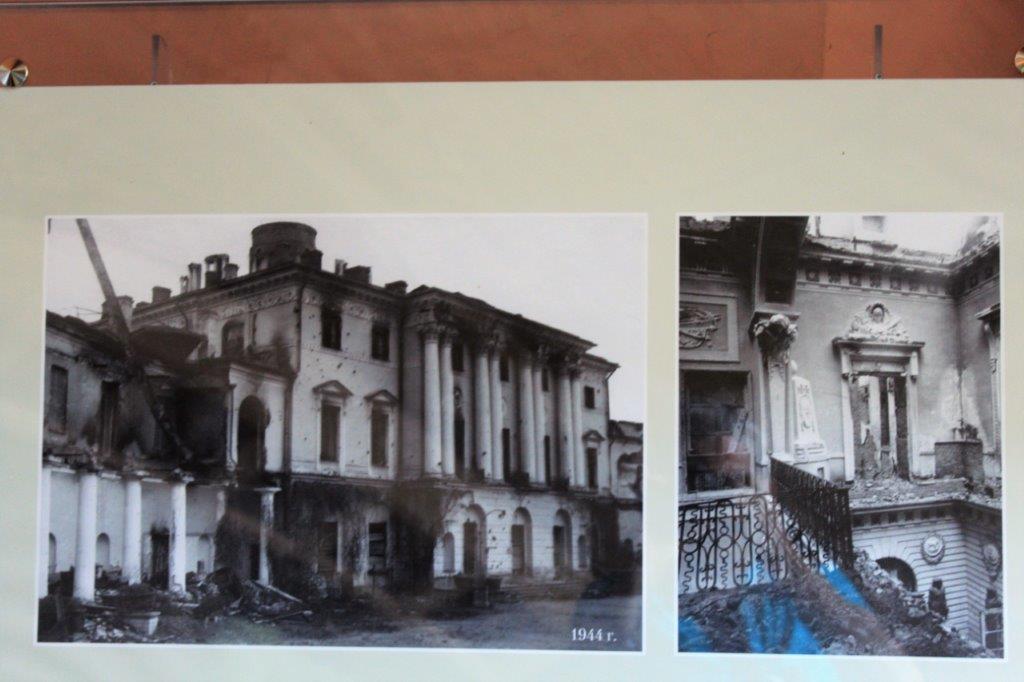
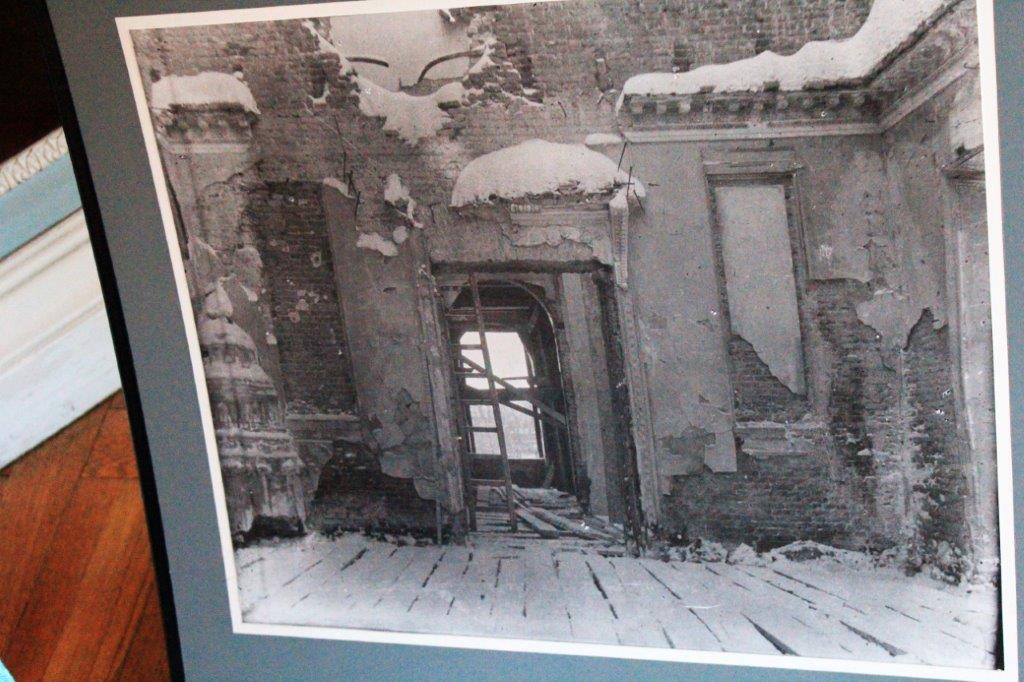
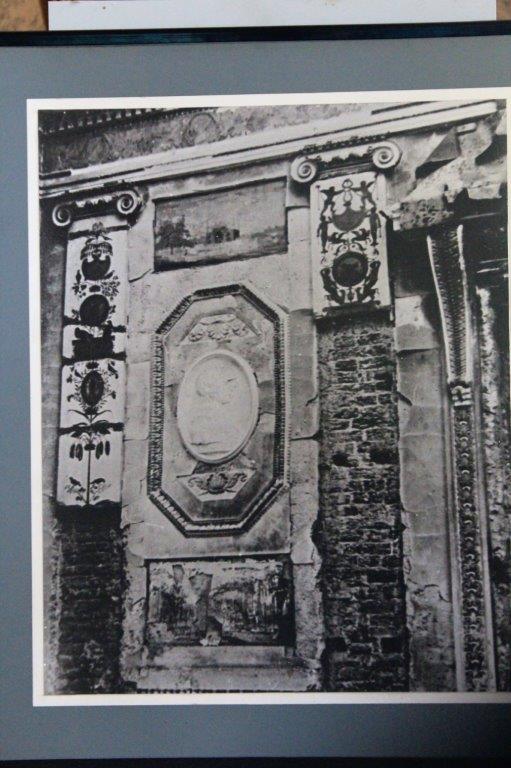
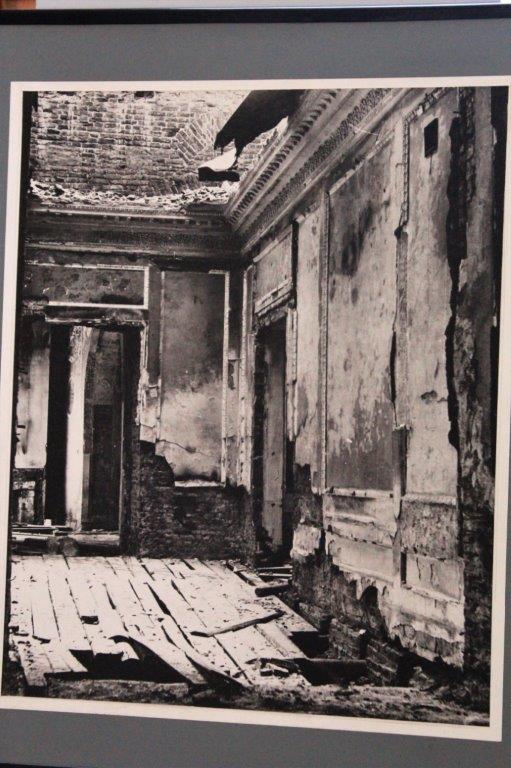
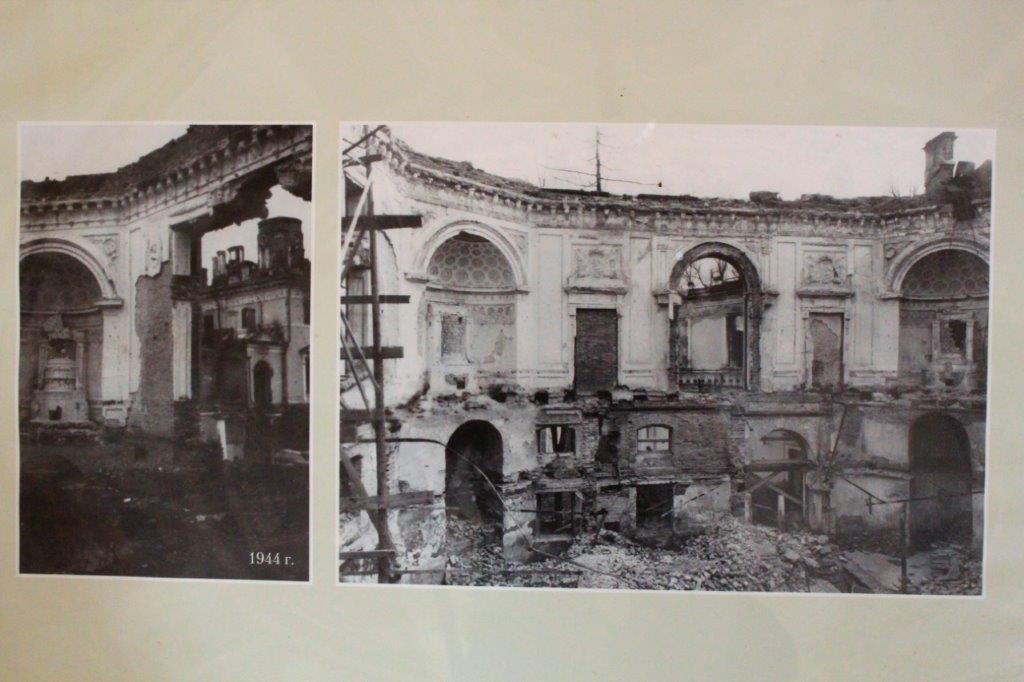
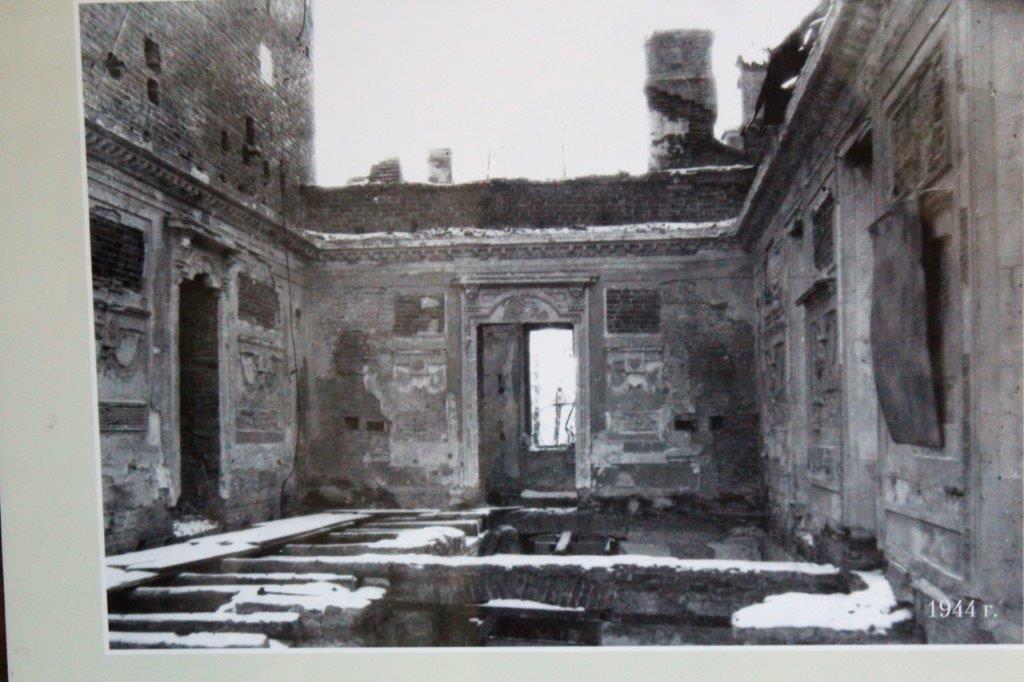
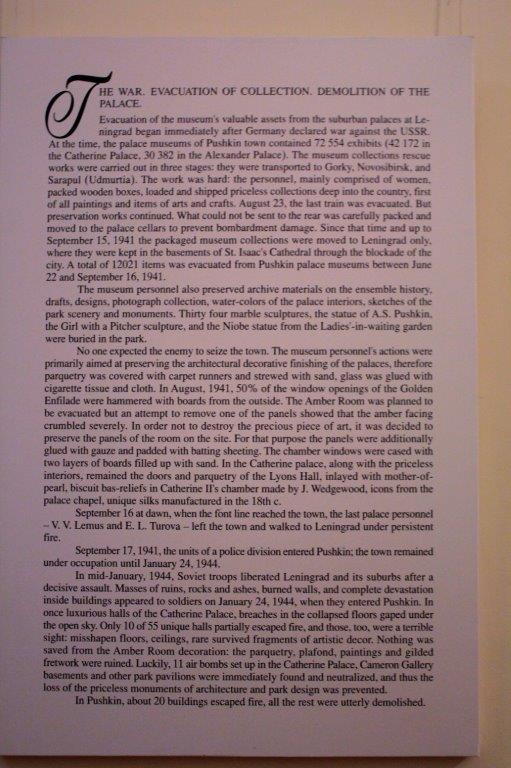
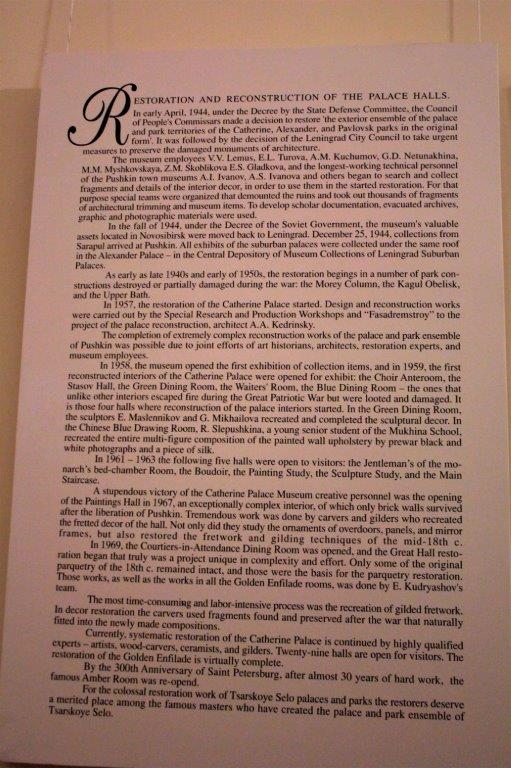
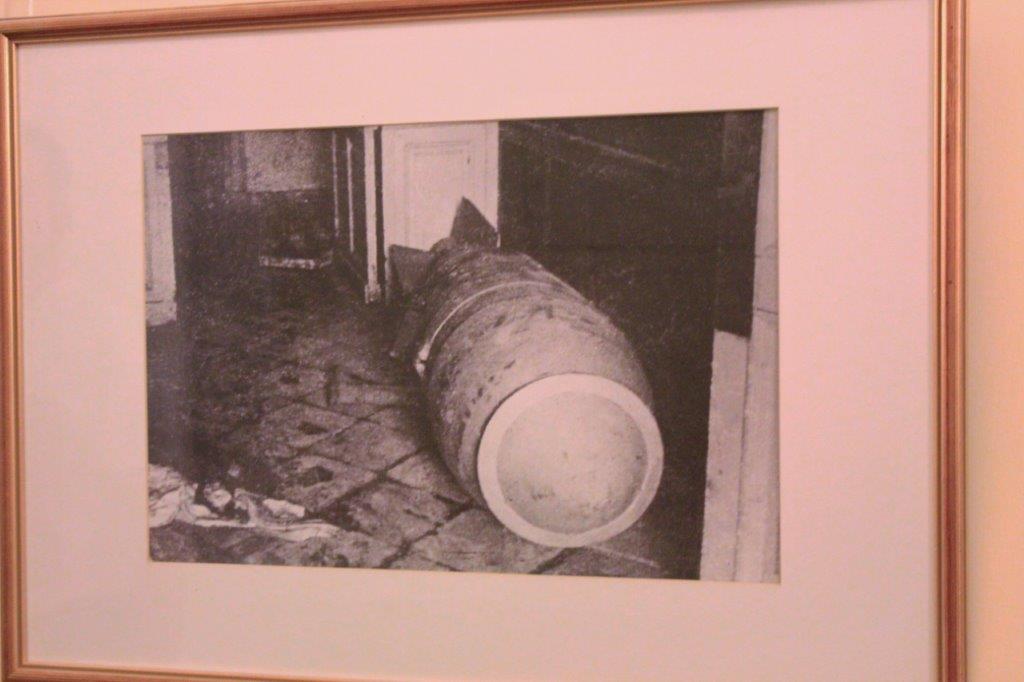
. This palace too, has undergone extensive restoration to repair all the damage the building sustained during the Second World War.  All of the Imperial residences were victims of wanton destruction by the Nazis during the time of occupation of St. Petersburg. Thankfully, all of these beautiful rooms had been photographed many times so there were ample images to show how they looked.  Most of the art treasures had been removed and hidden as the German army neared the city.

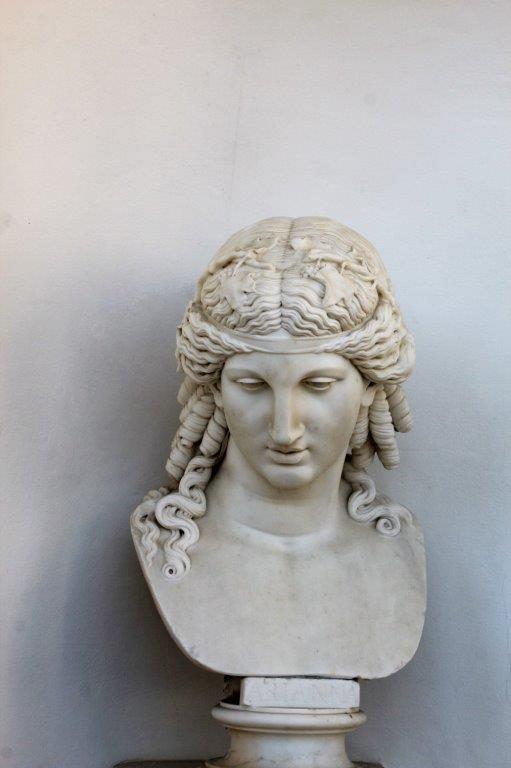
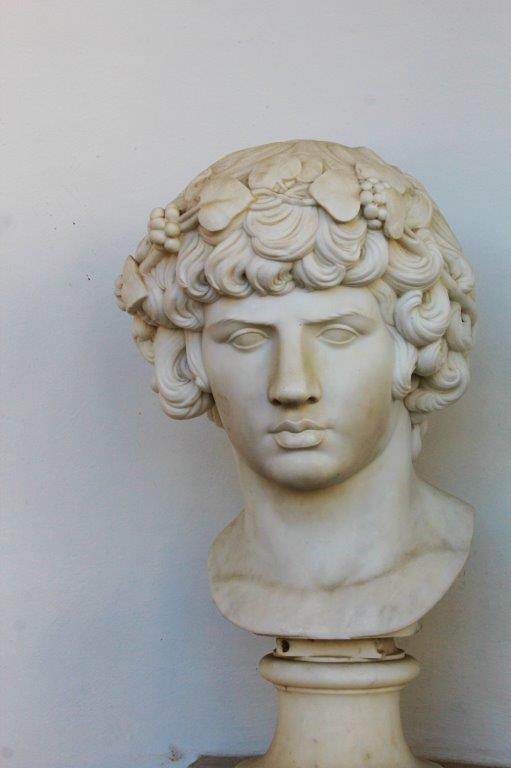
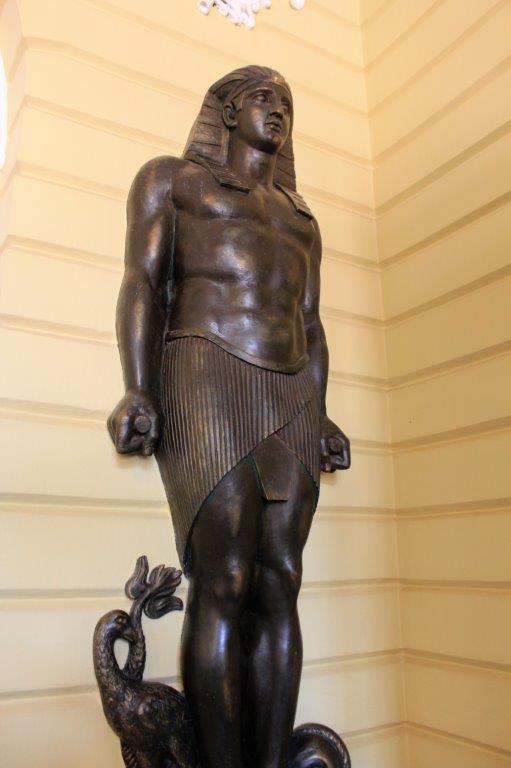
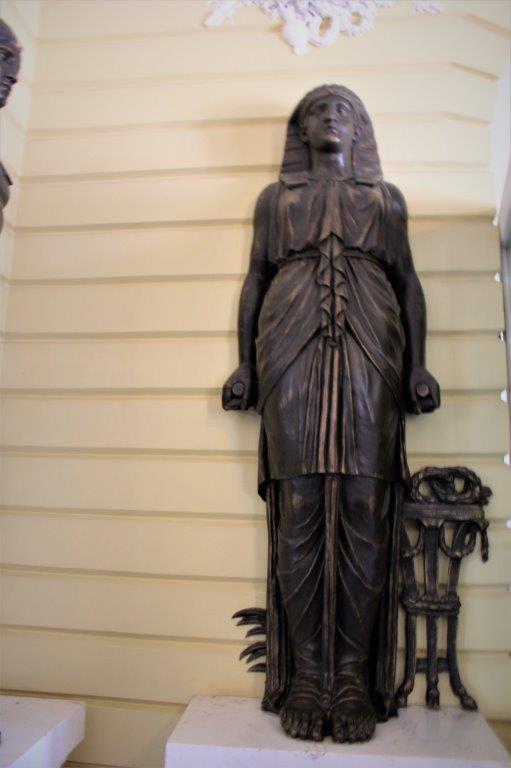
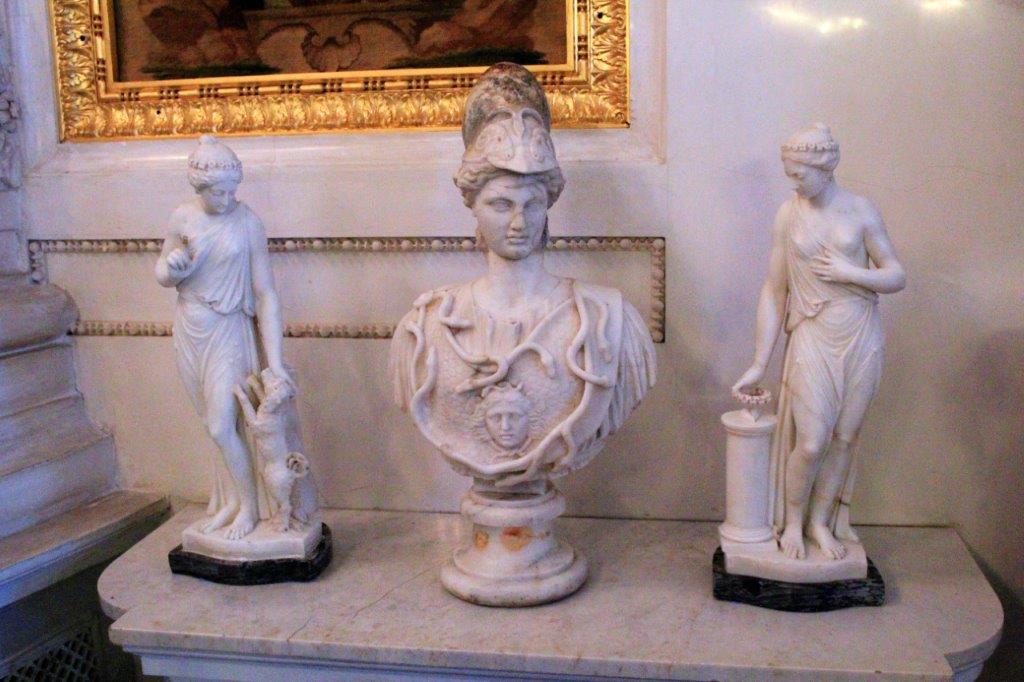
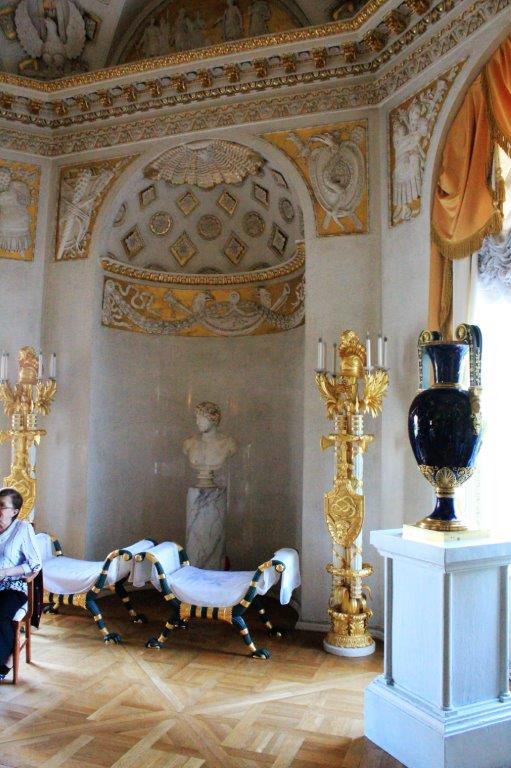
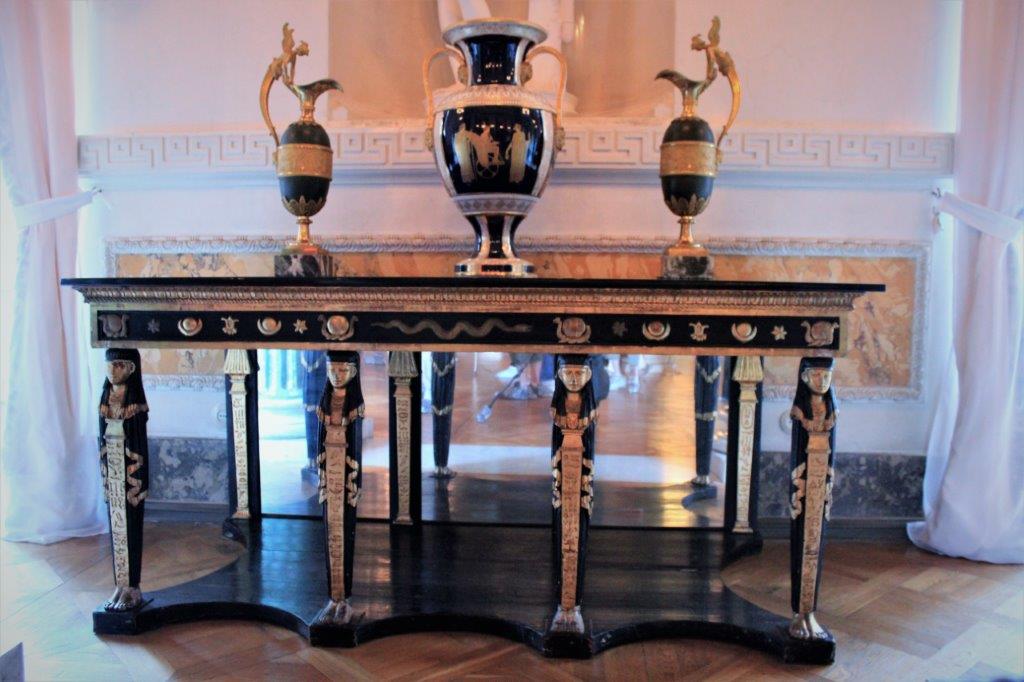
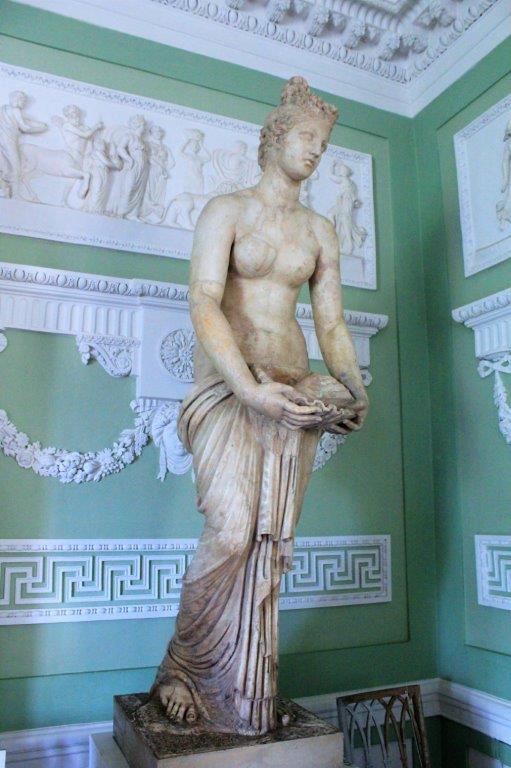
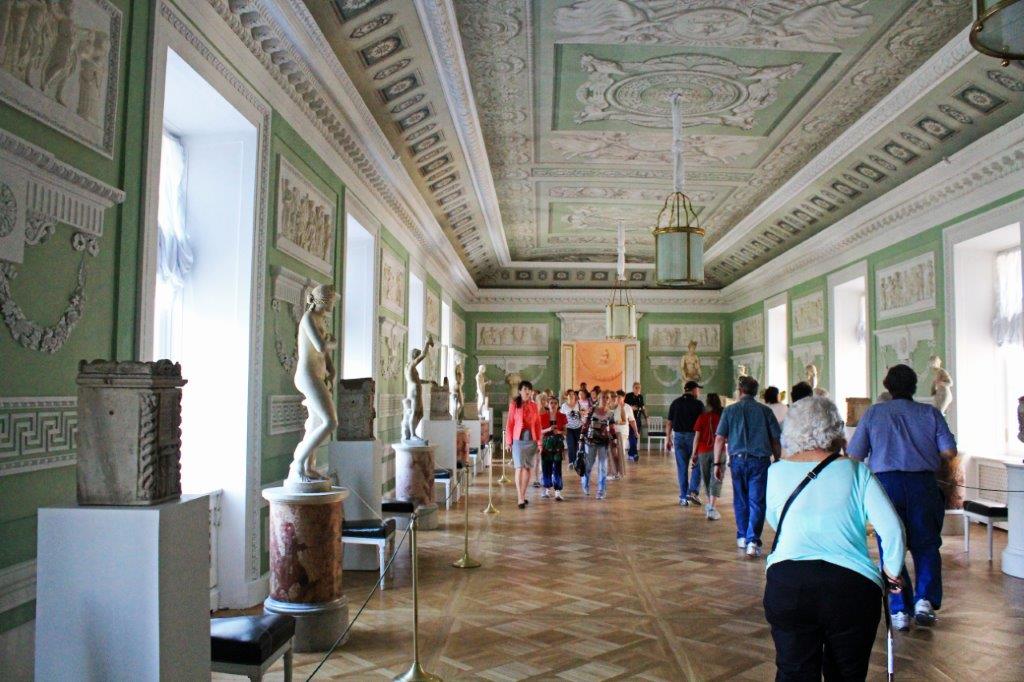
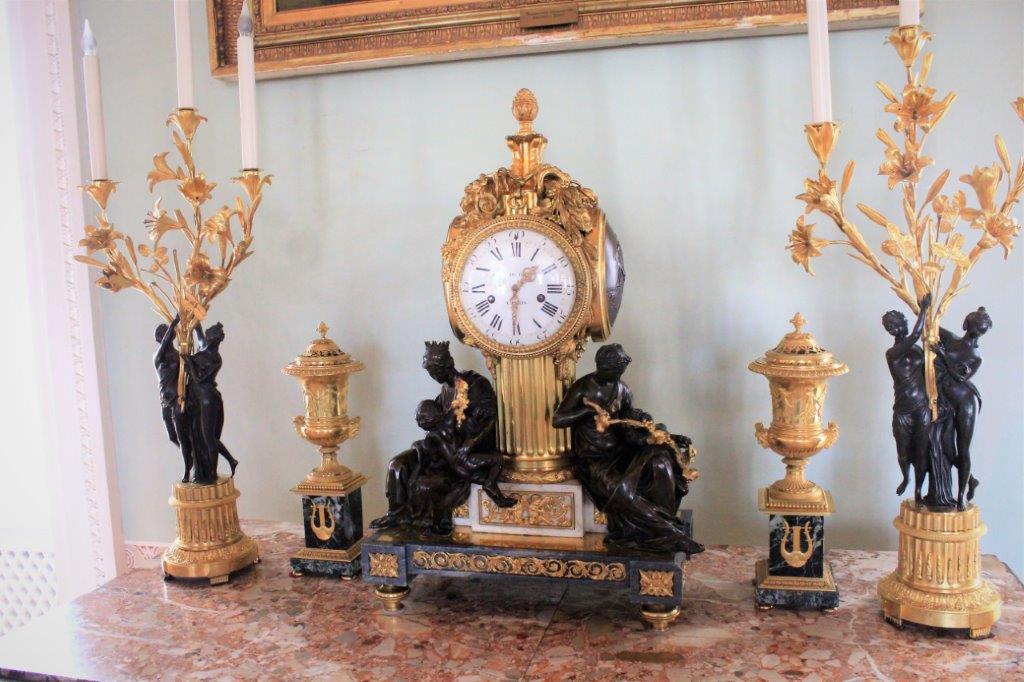
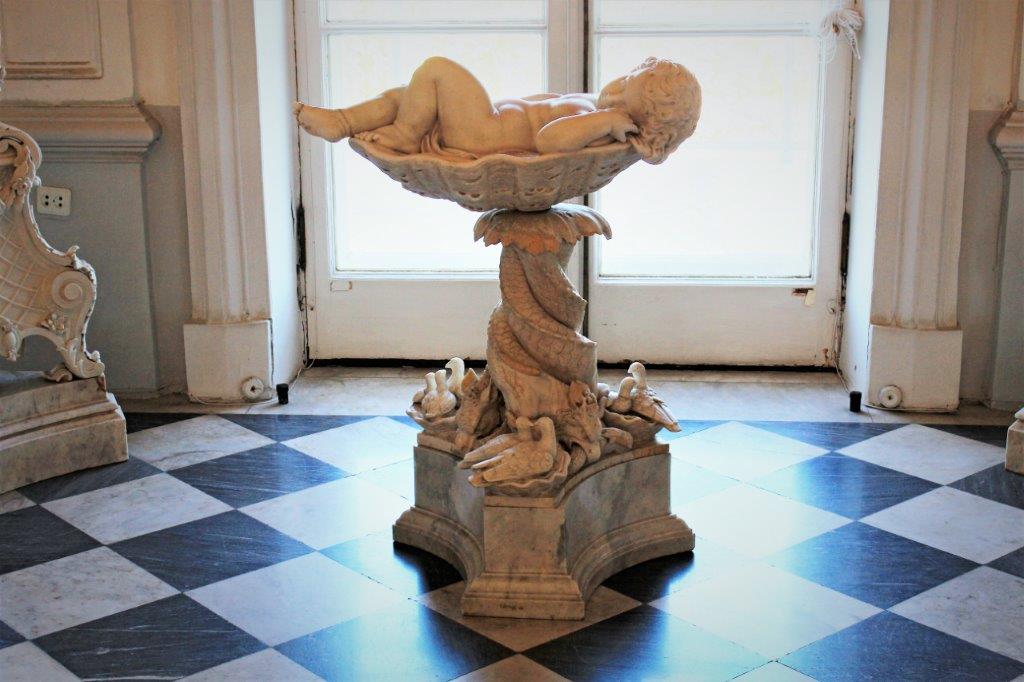
 No neo-classical mansion would be complete without an Egyptian Room.

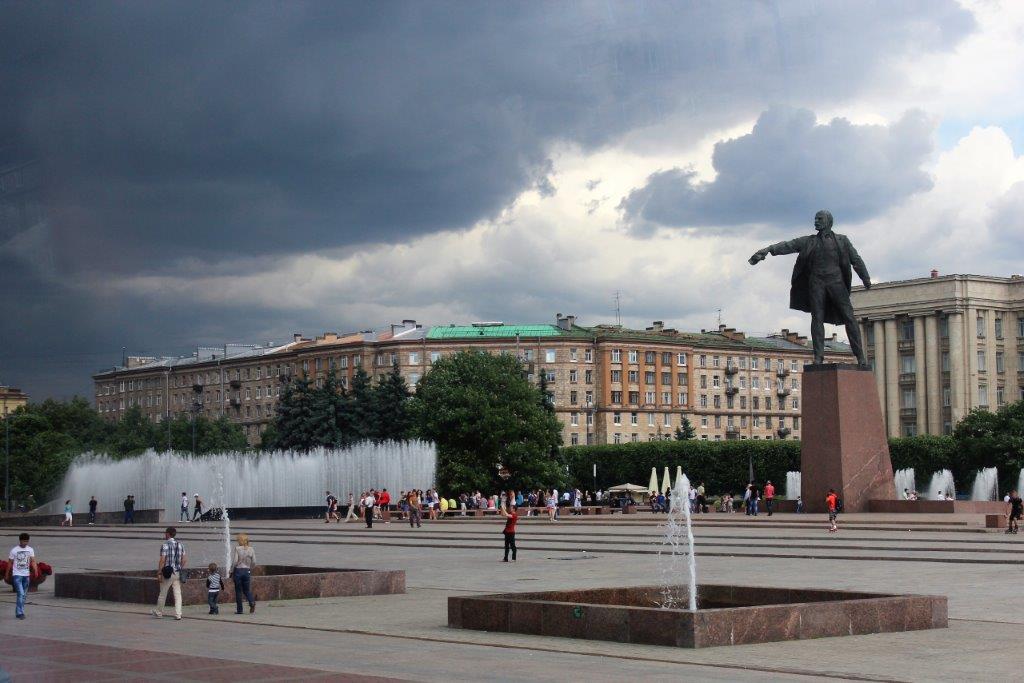
We were certainly blessed with beautiful weather for our two days in St. Petersburg

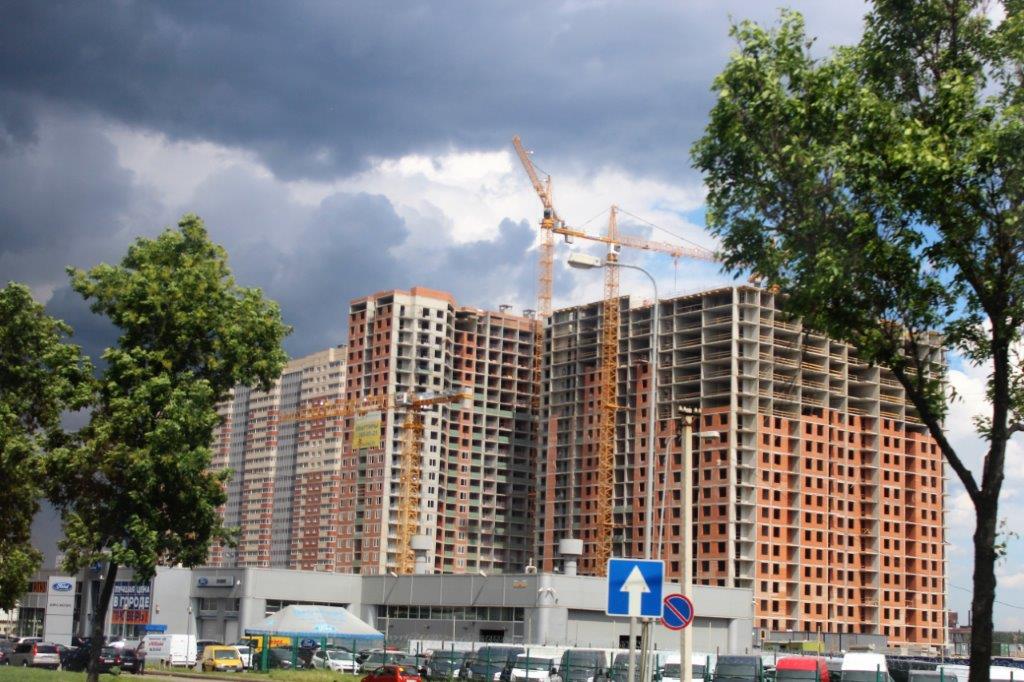
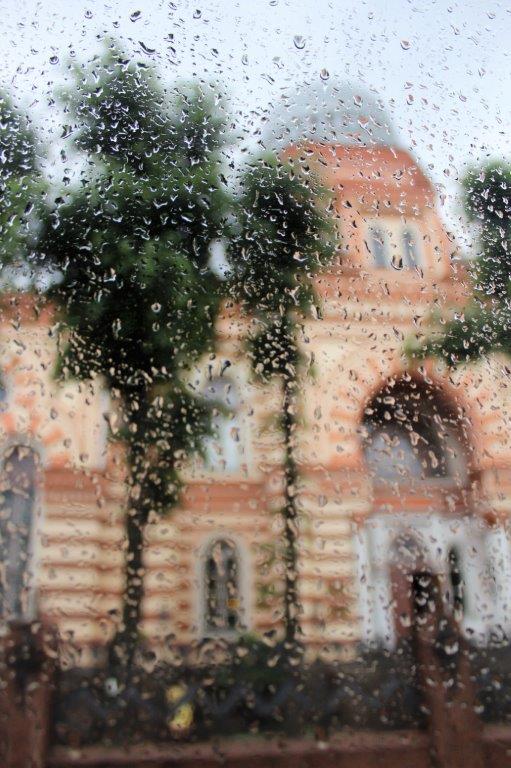
. We had a short rain shower near the end of the day and I took the photo on the left below through the wet glass of the bus window.  I kind of like the effect.

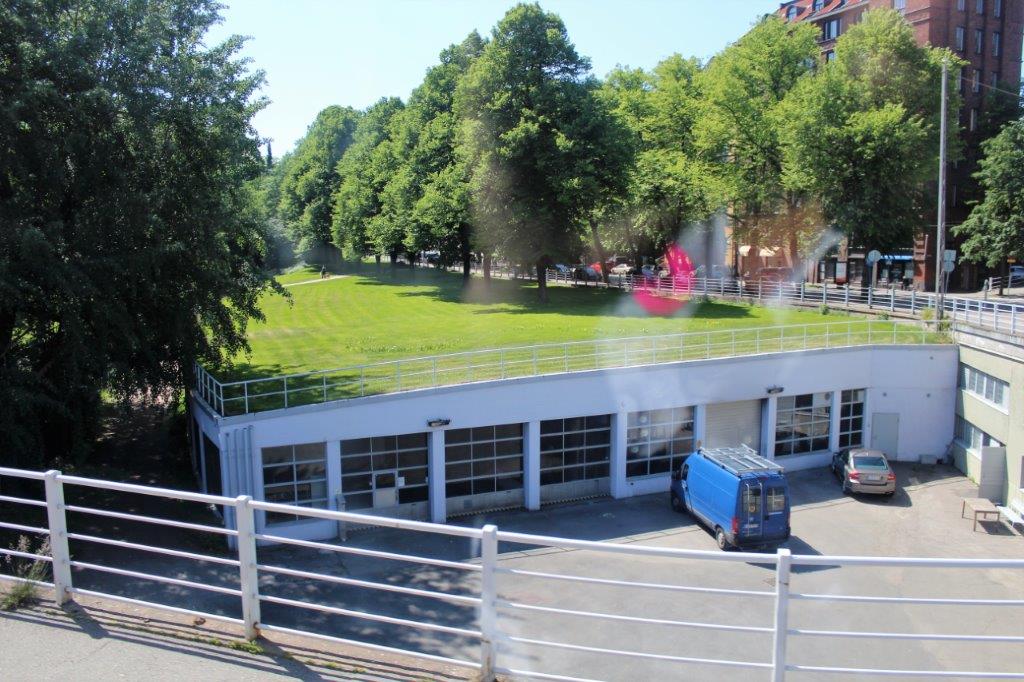
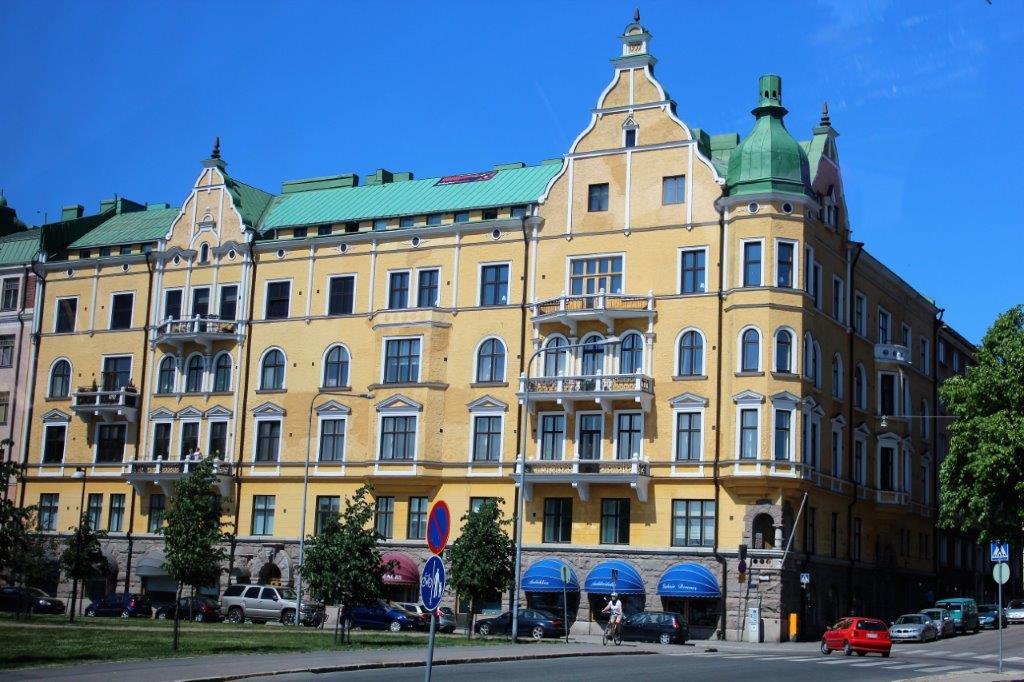
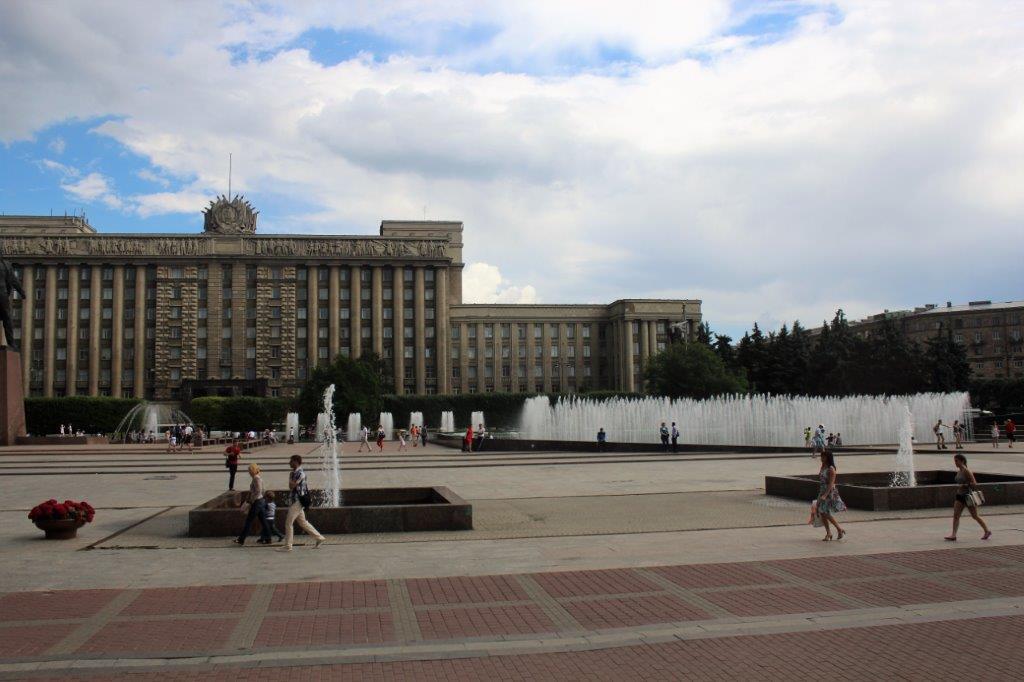
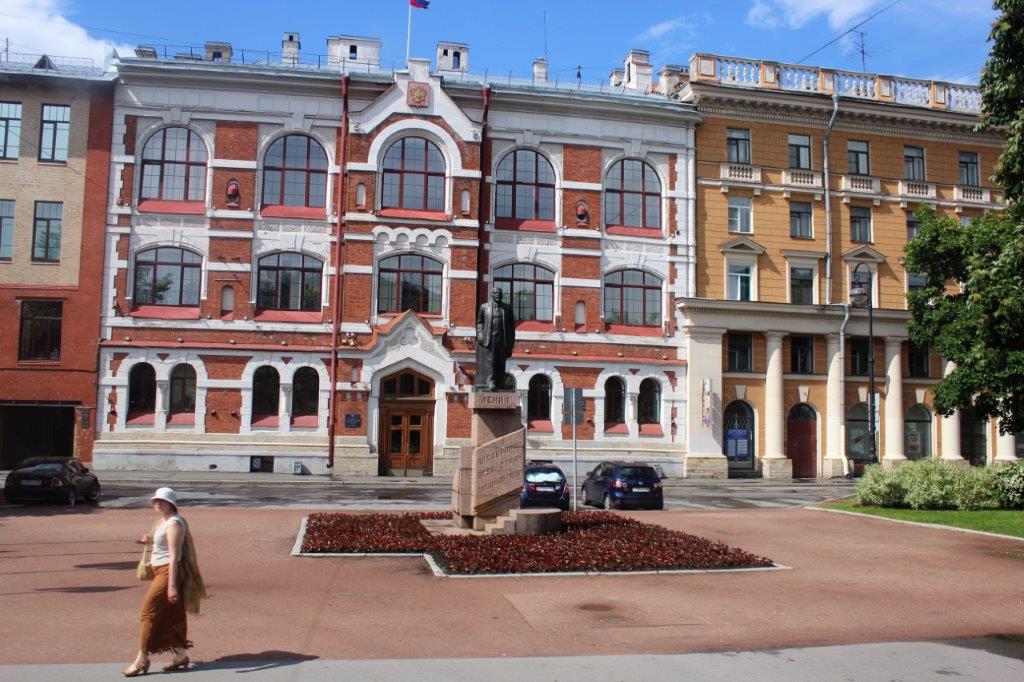
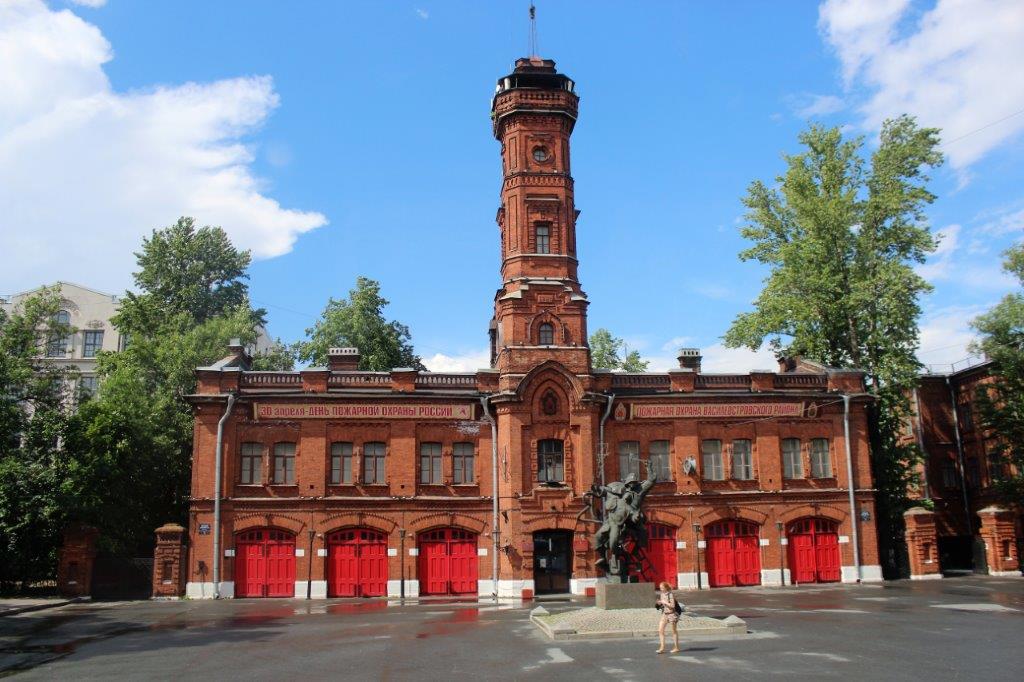
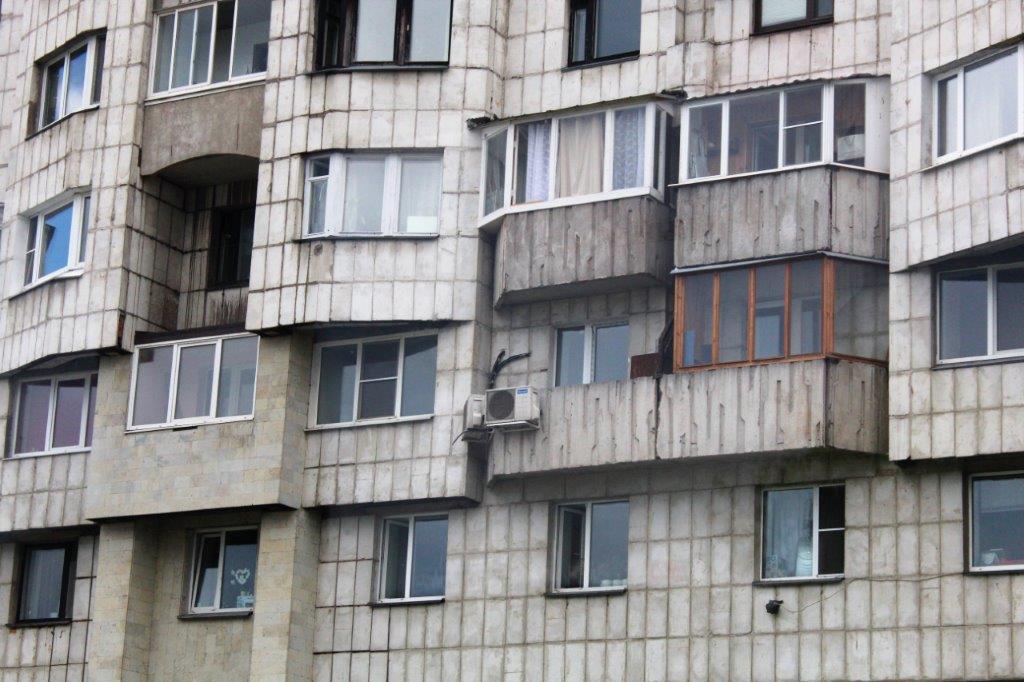
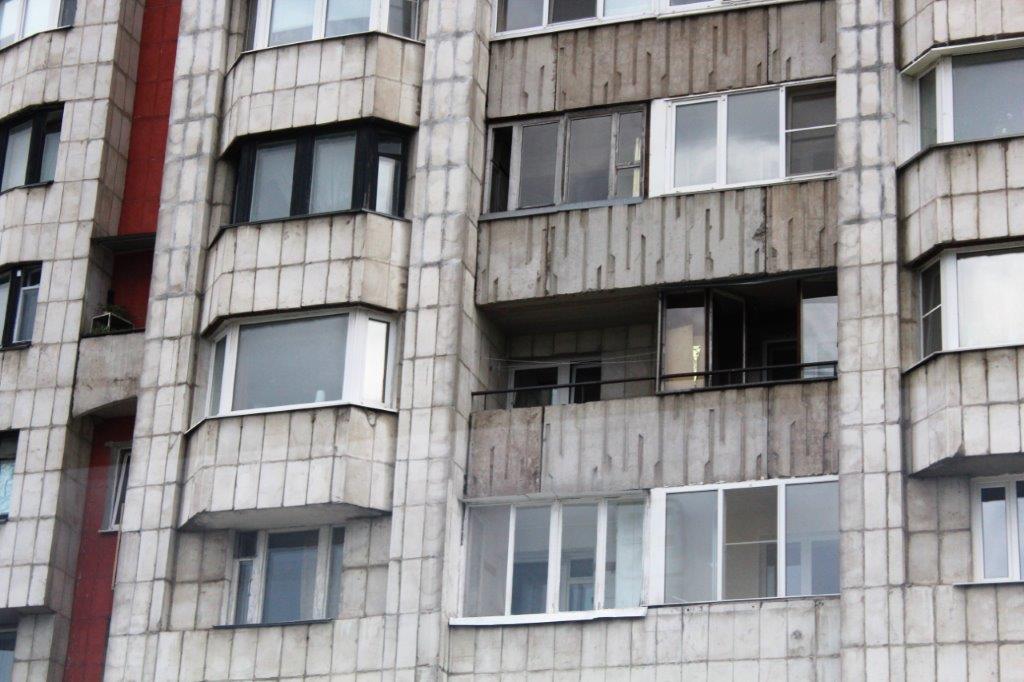
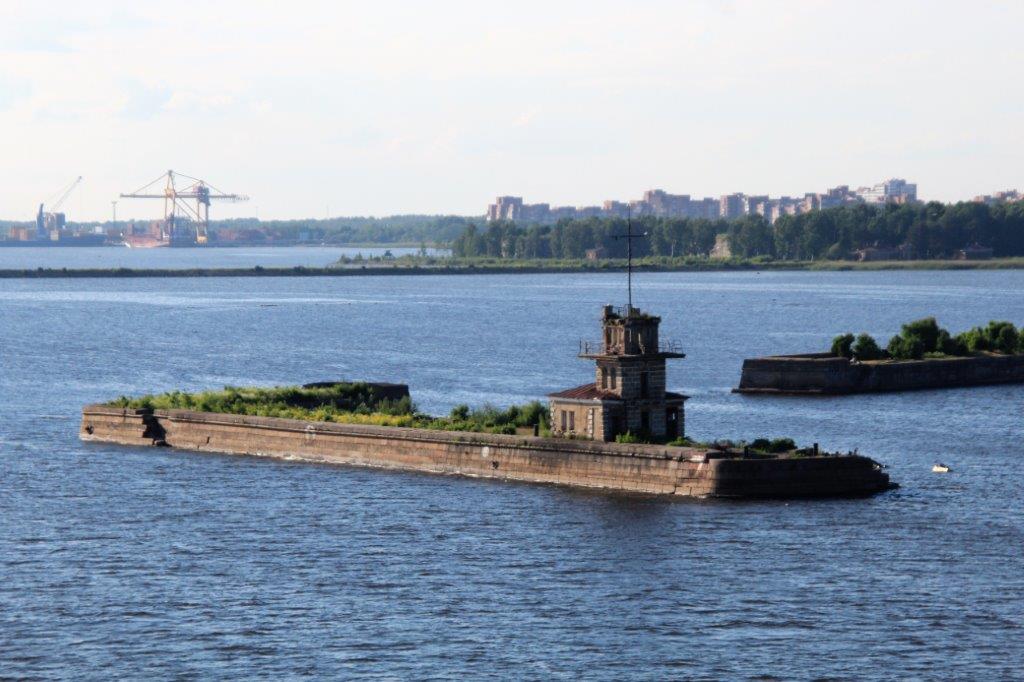
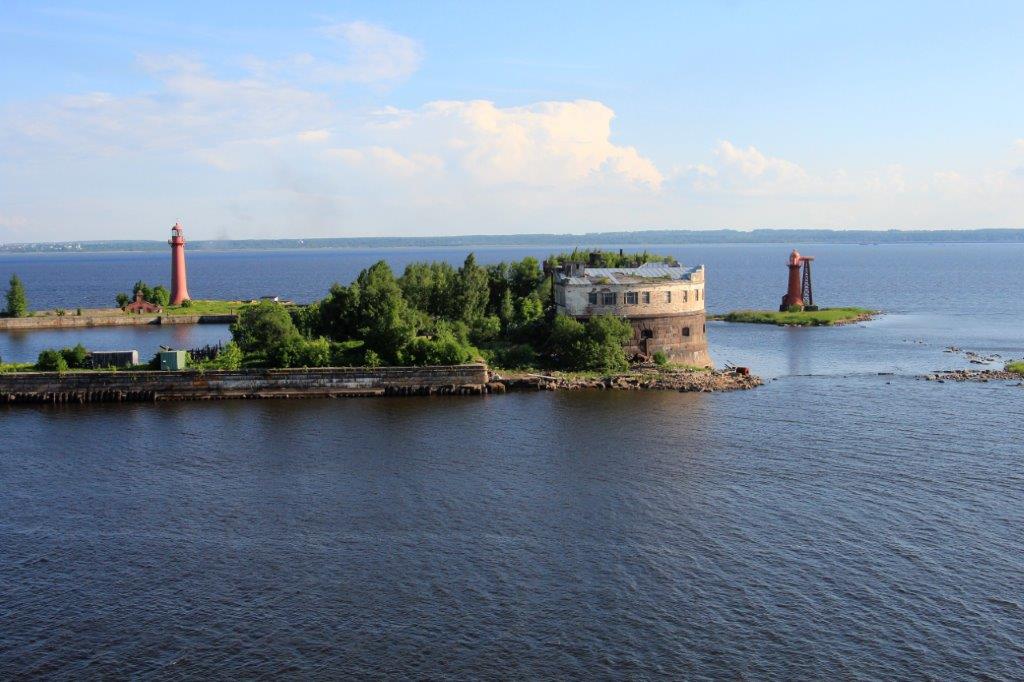
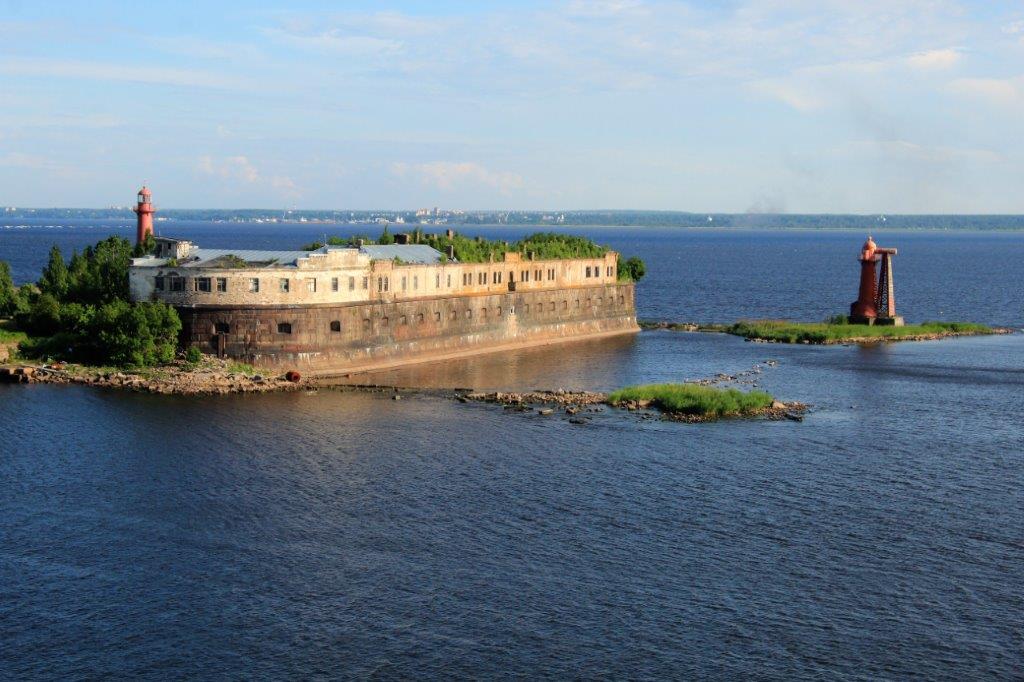
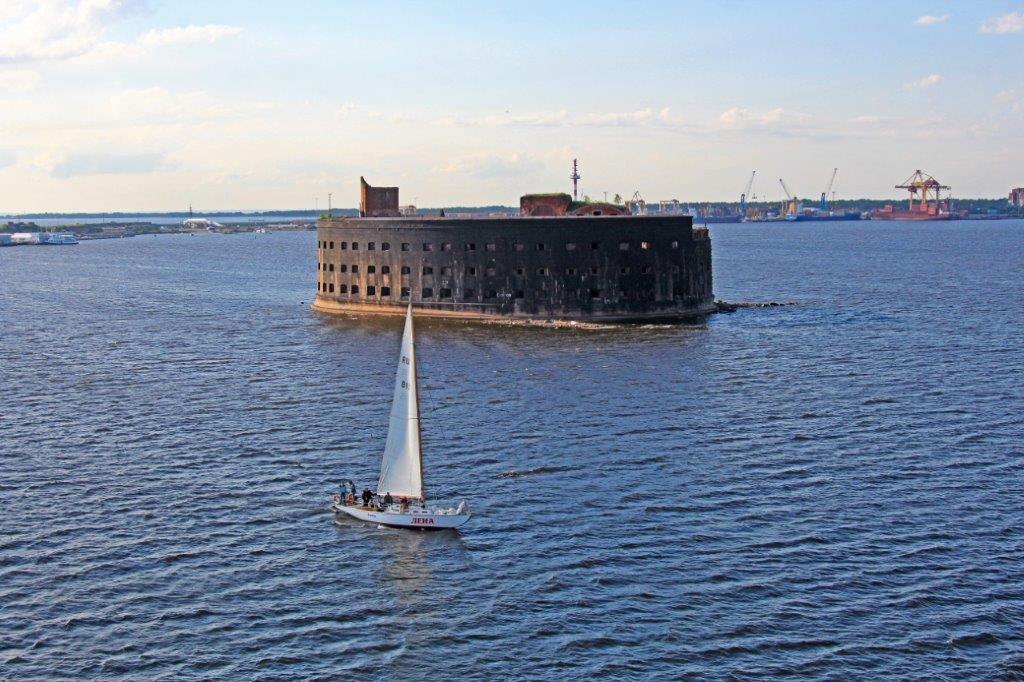
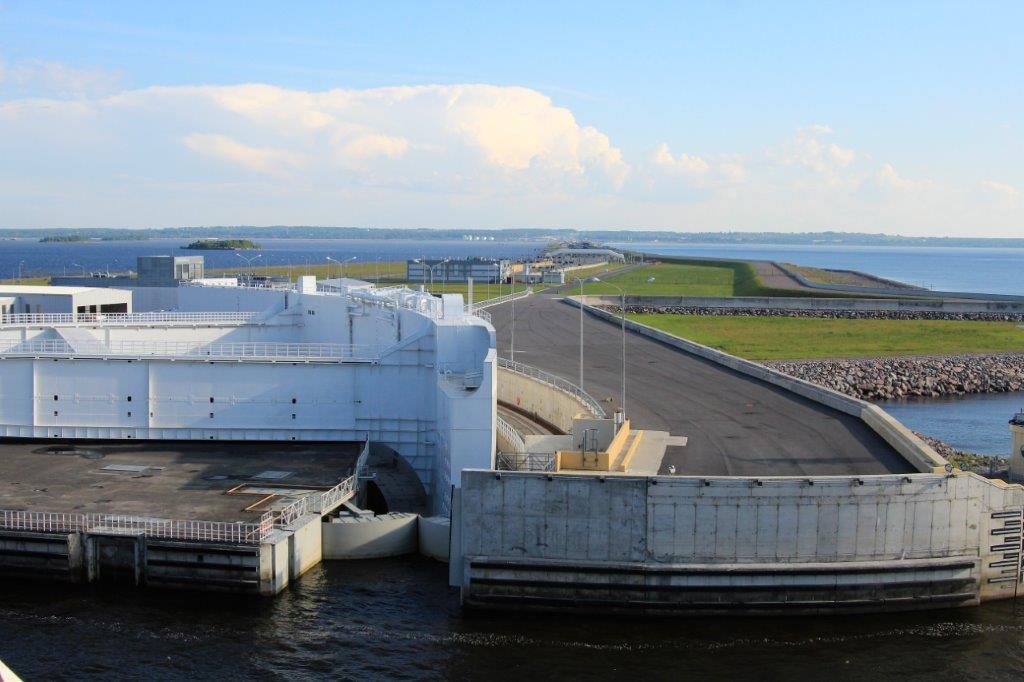
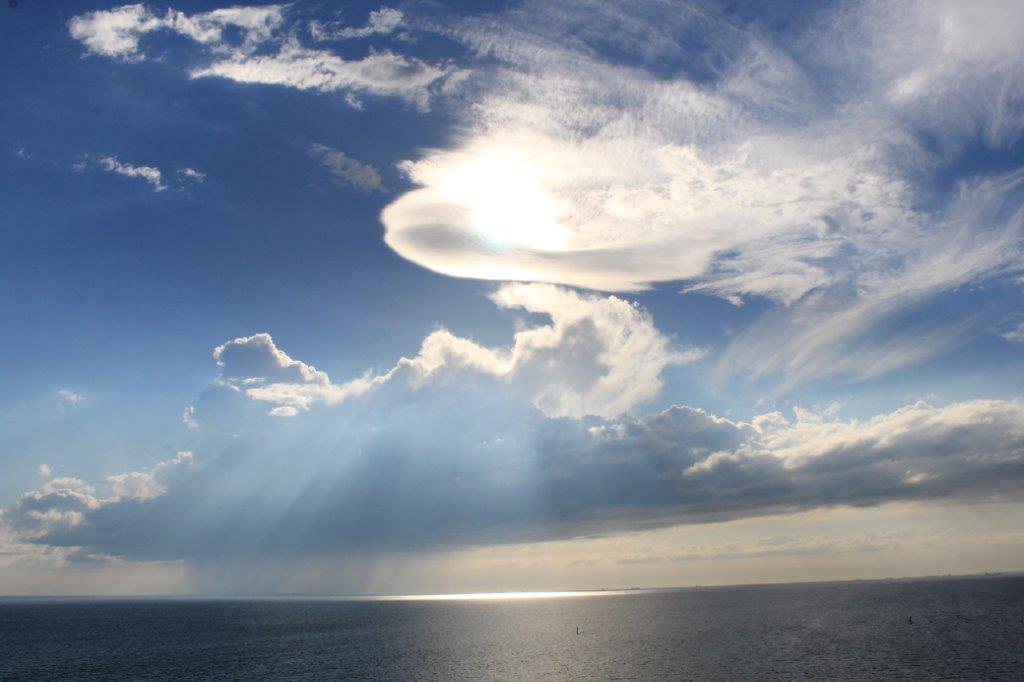
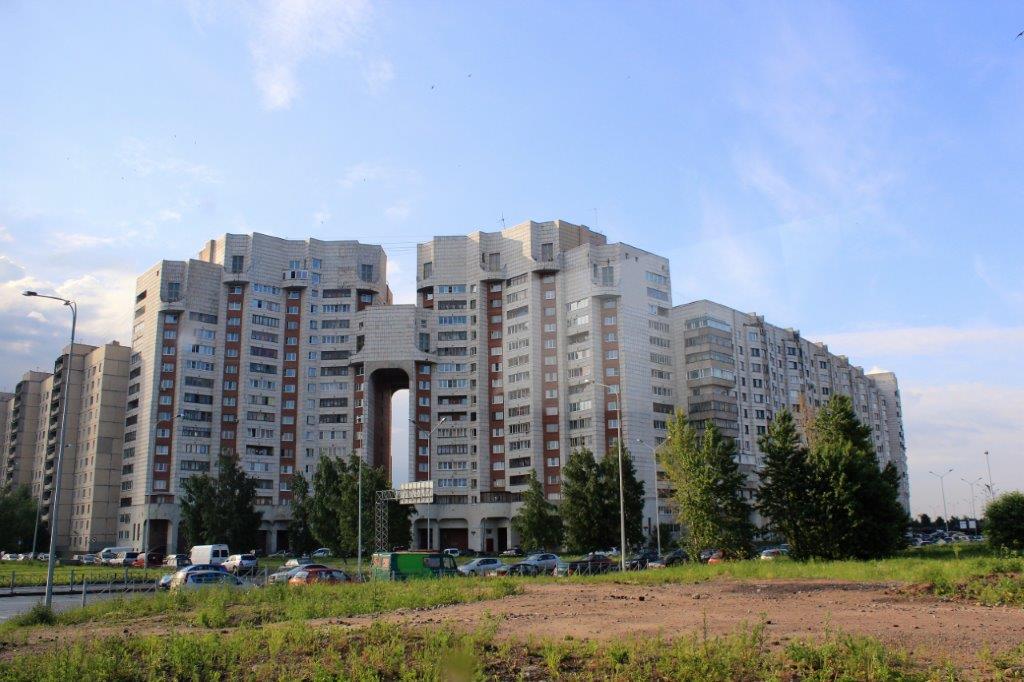
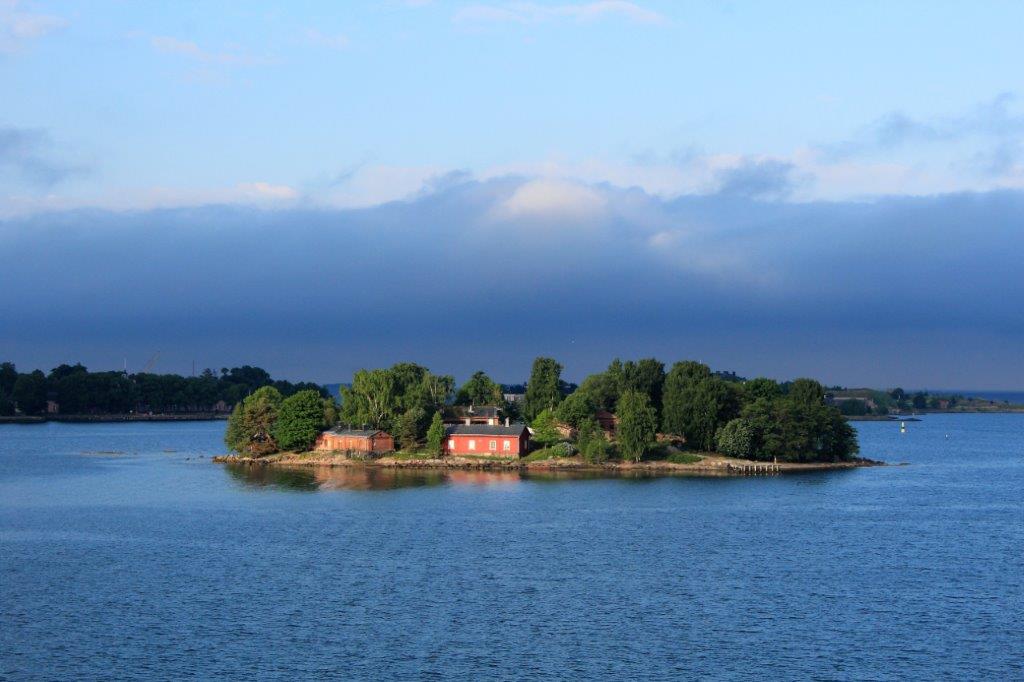
Fire Departments are recognizable anywhere.  I think the apartment building (close-ups below) could use some serious renovating.We set sail at 6 o’clock and had a nice view during dinner of several mini-man made islands, which, I am assuming, were created for defense of the harbour.The good weather continued as we sailed overnight to Helsinki, Finland.

2013 Summer (Baltic and Britain – St. Petersburg, Russia – Day 2 – Part 1)

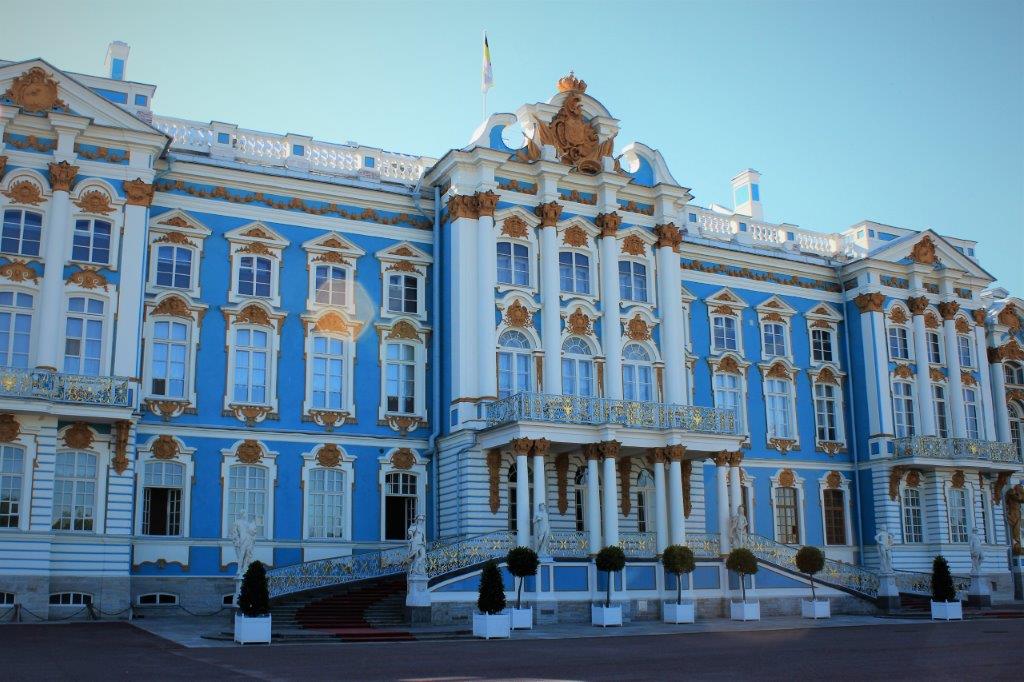
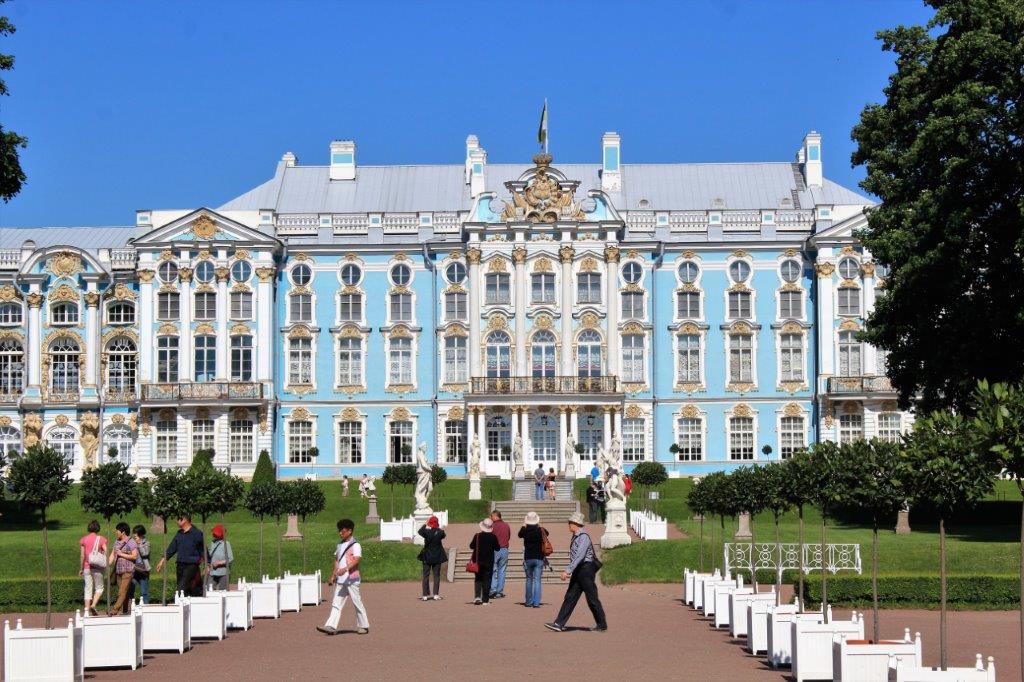
On our second day in St. Petersburg during the 16-day Baltic cruise we began on June 1, 2013, we were driven one hour to the town of Tsarkoye Selo 30 km (18 miles) from the city  in order to tour Catherine’s Palace.

When we arrived there was a mix-up about our pre-arranged tickets and the whole group had to stand around for about a half hour until a lady from the tour company came running up to straighten things out.

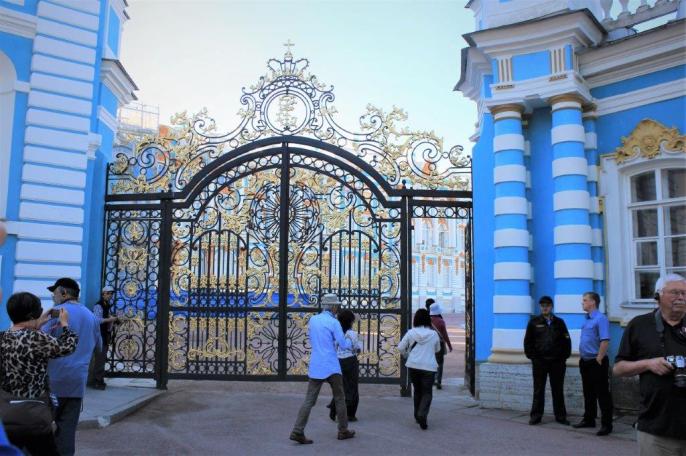
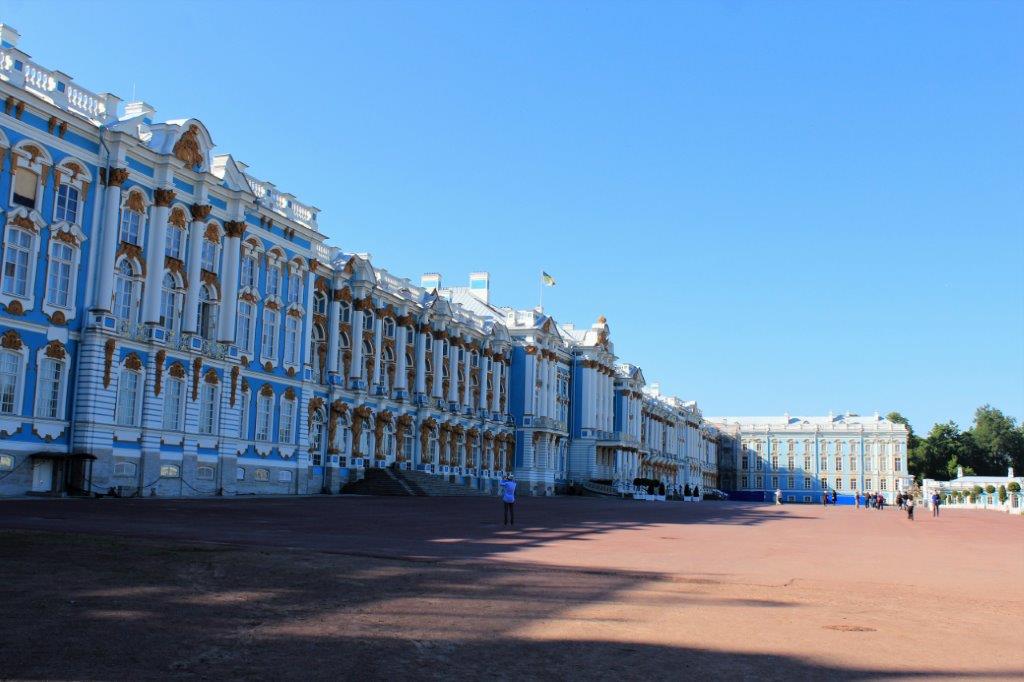
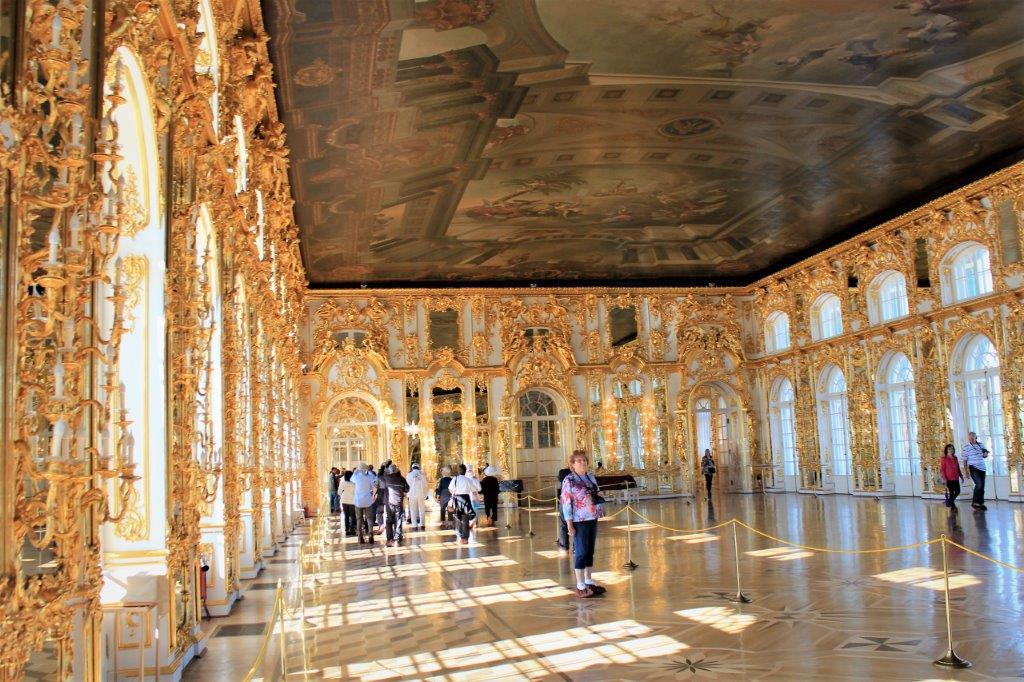
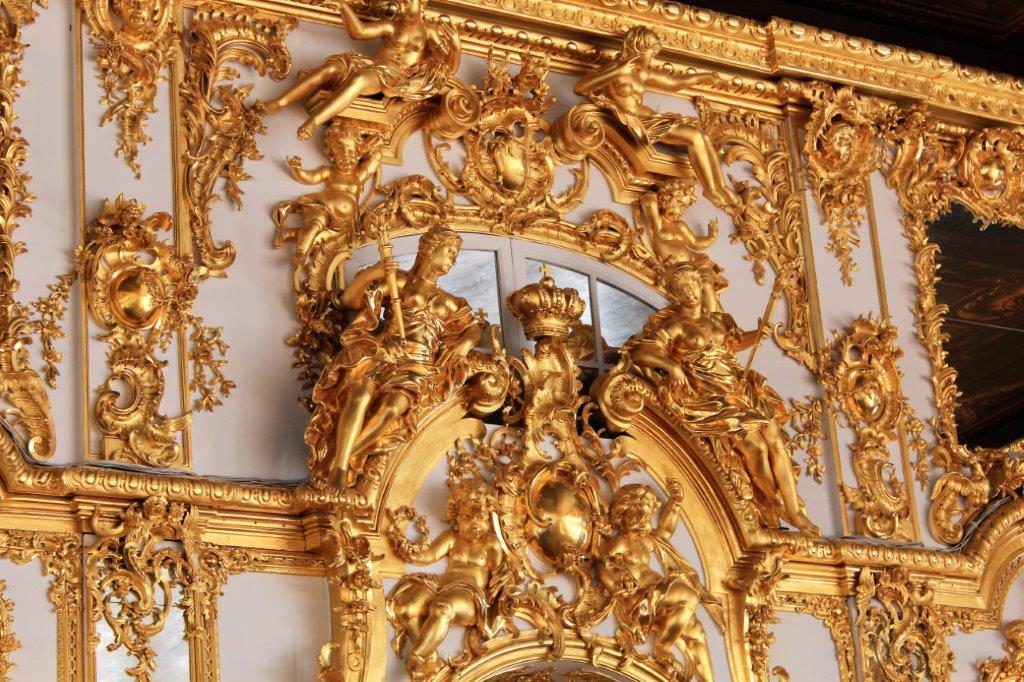
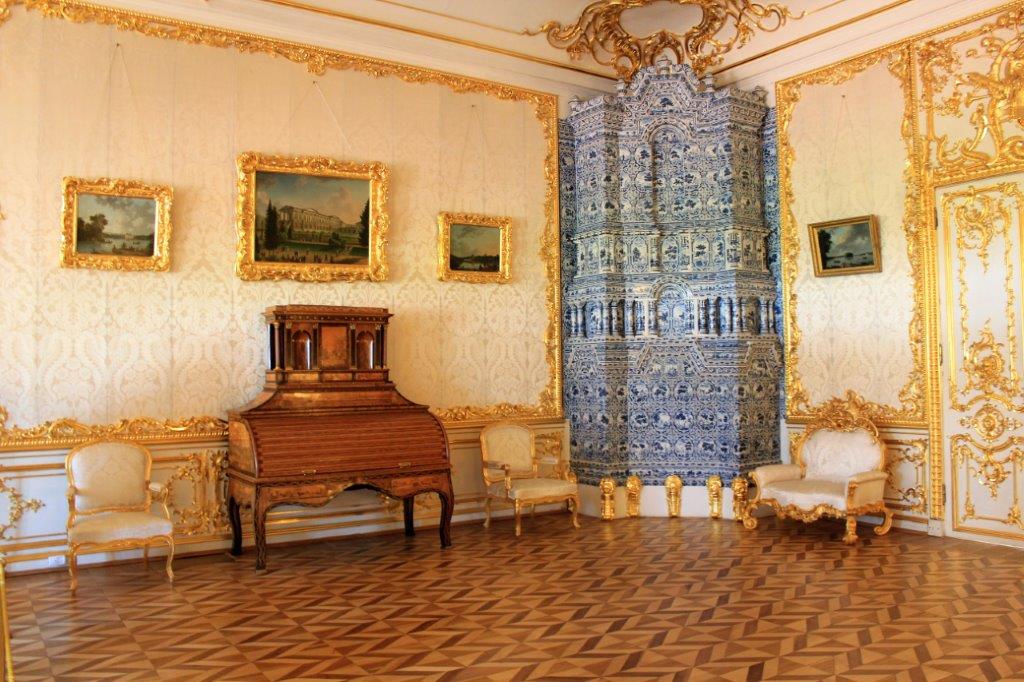
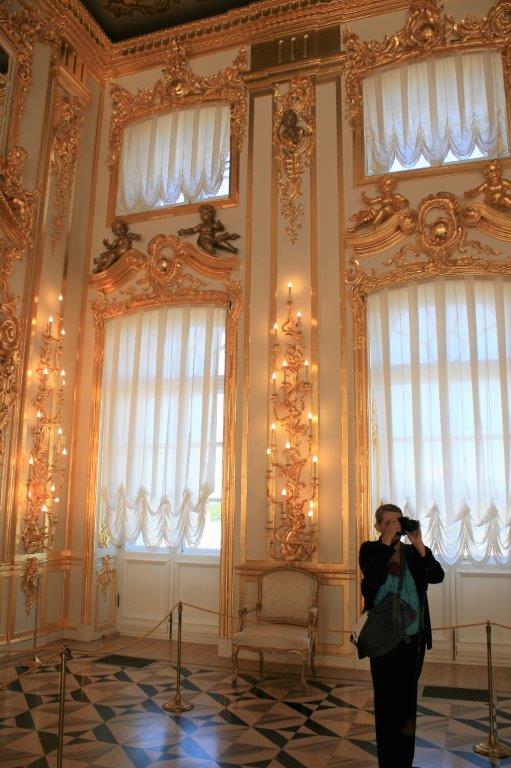
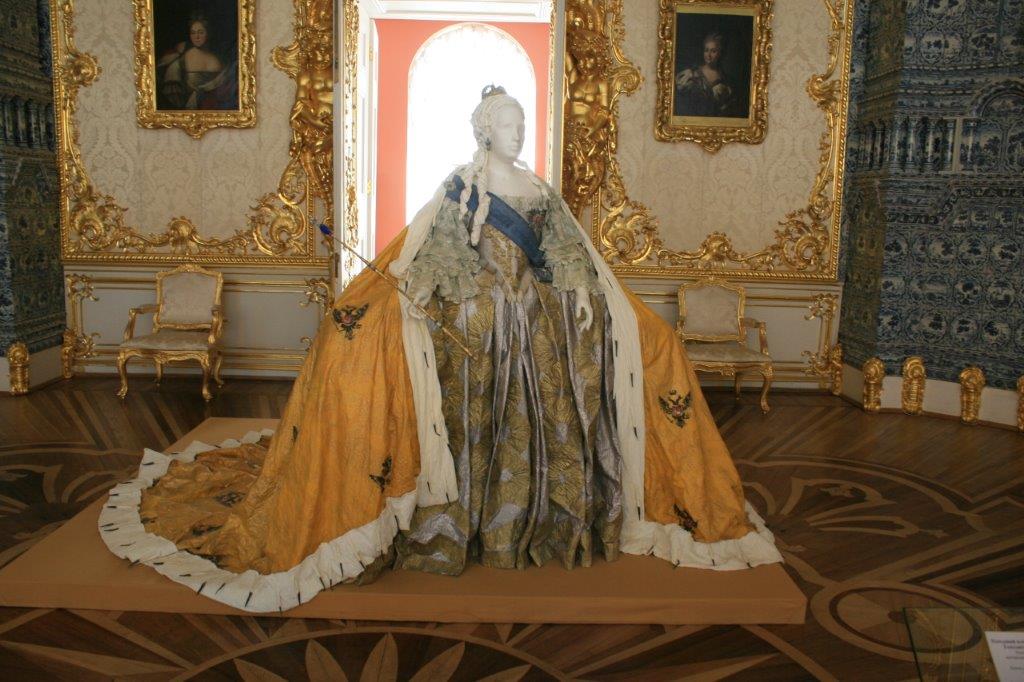
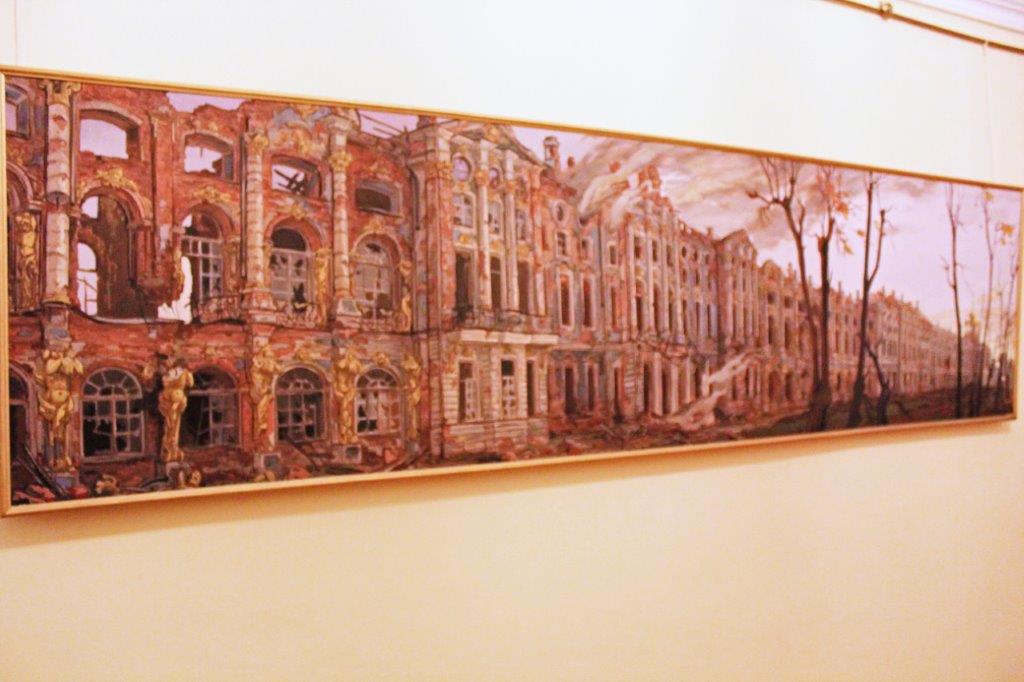
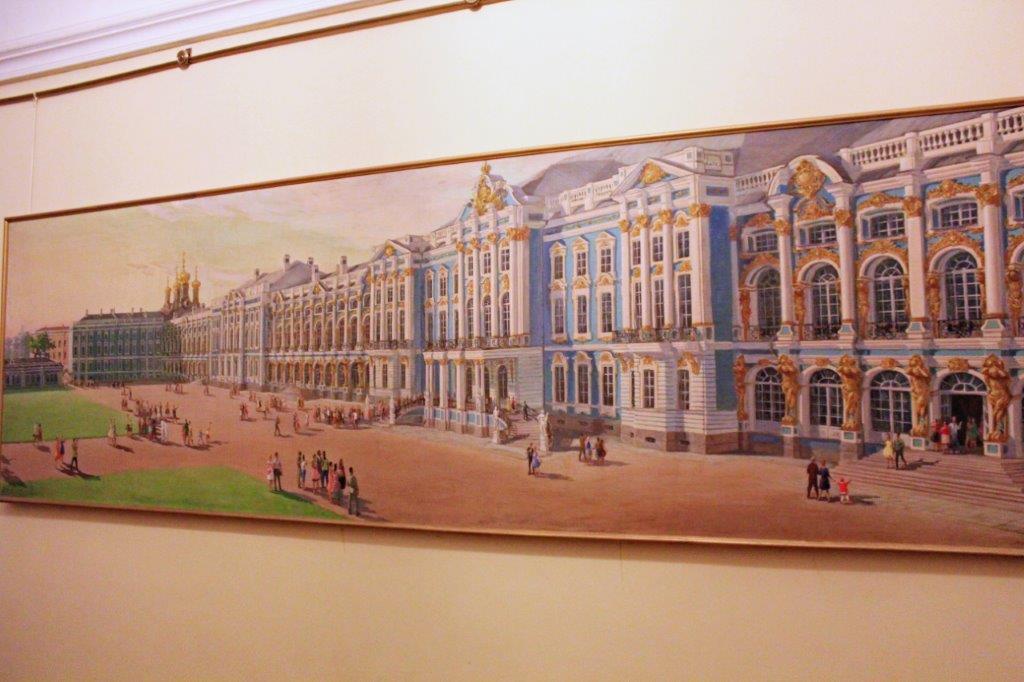
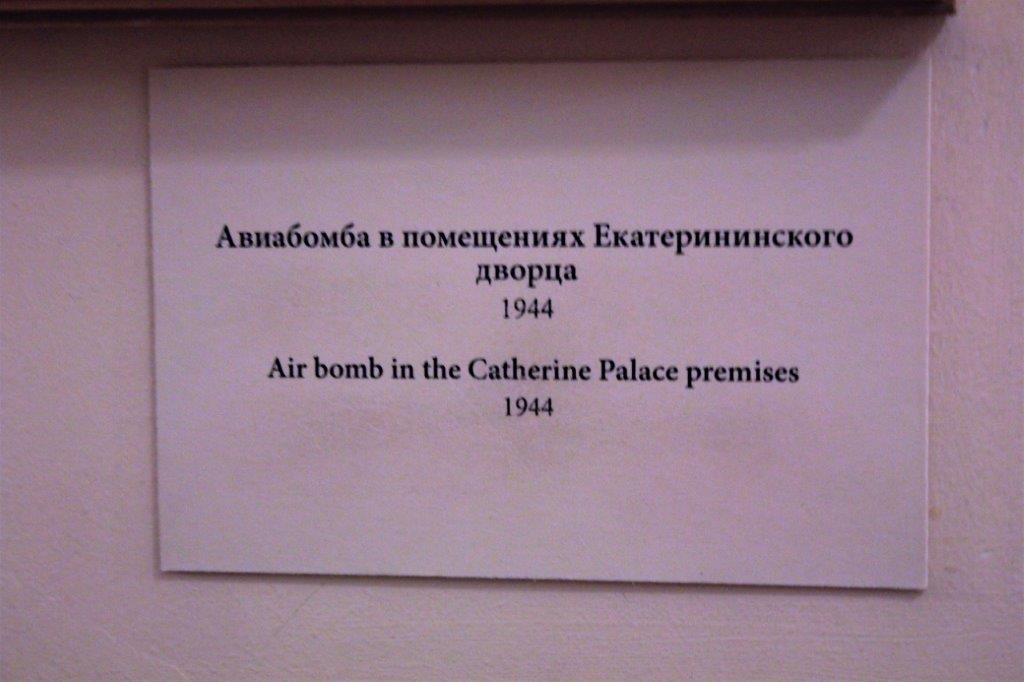
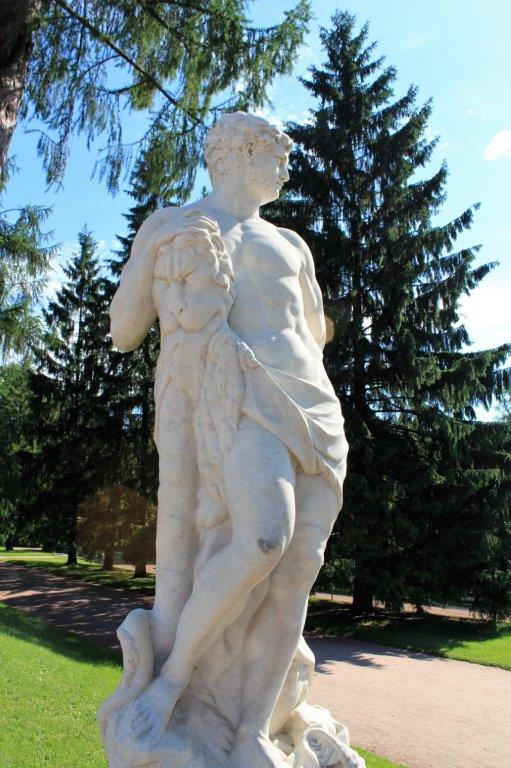
This huge building and park-like grounds were almost completely destroyed during WWII and throughout the building they had images of what the various rooms looked like before they were restored. 57 of the massive halls were ruined and  over half of the building has now been painstakingly restored its former grandeur. Thankfully, unlike the Summer Palace in Peterhof, we were able to take photos inside.

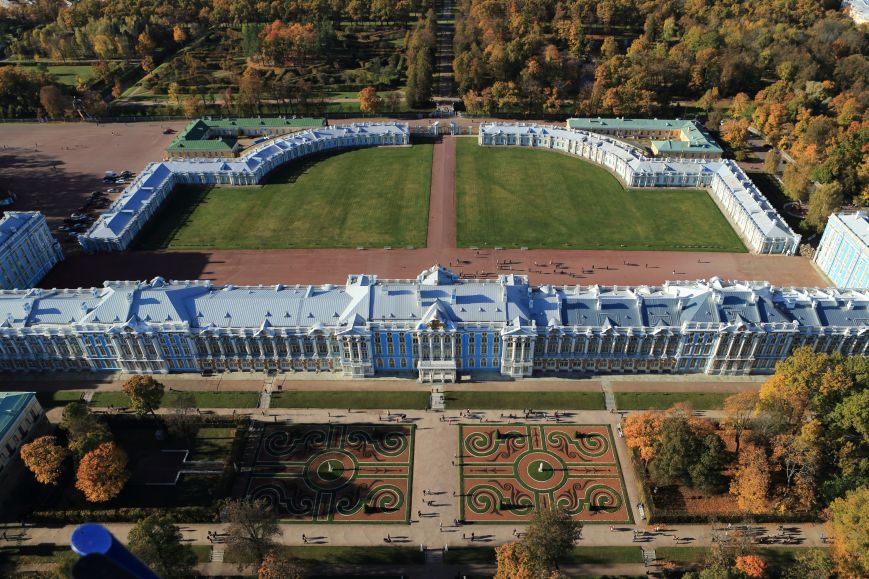
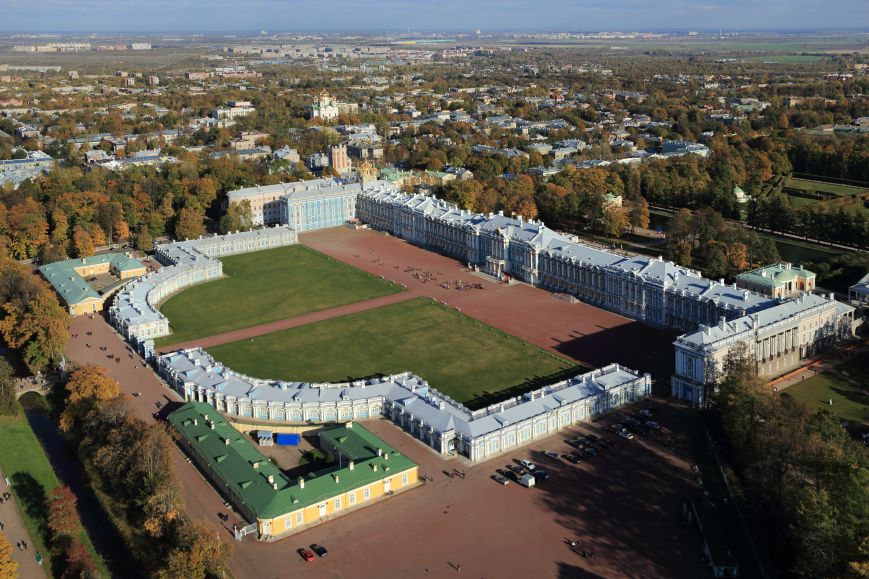
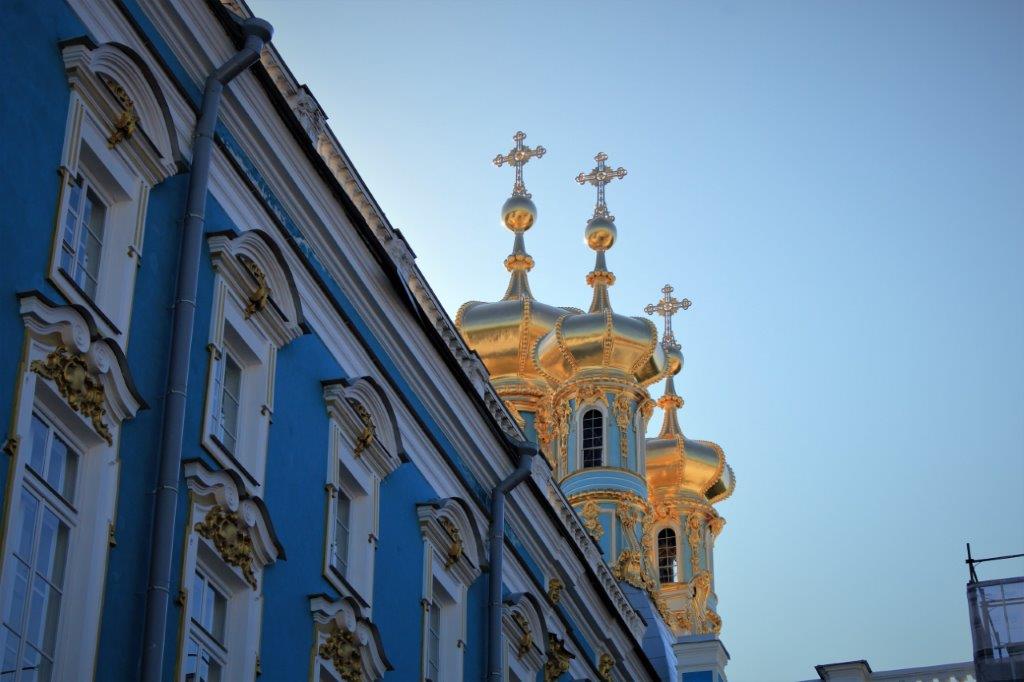
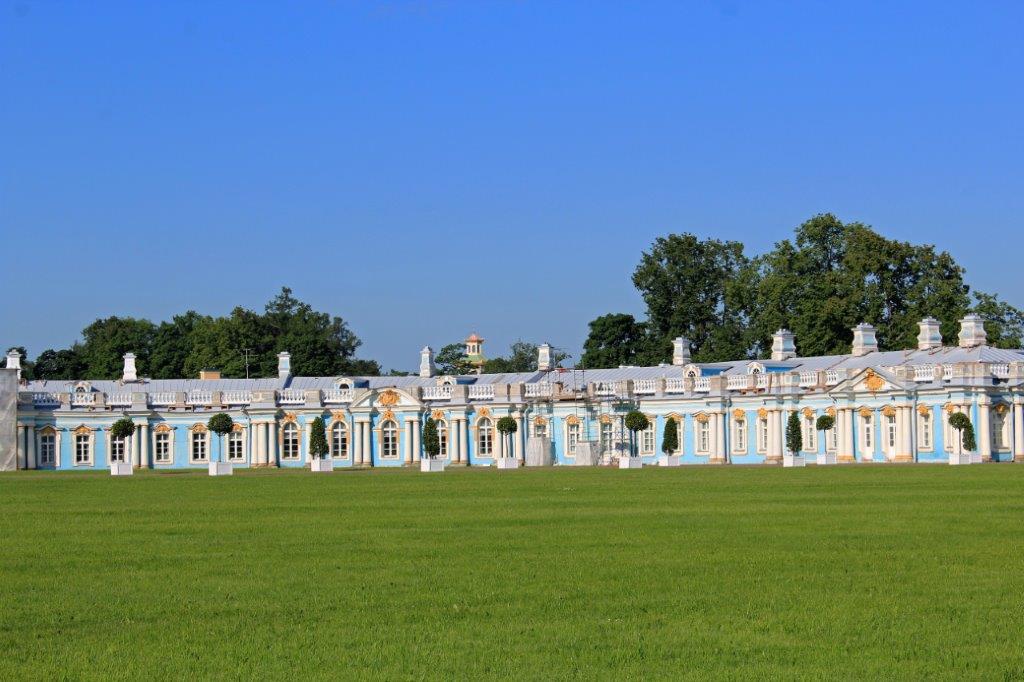
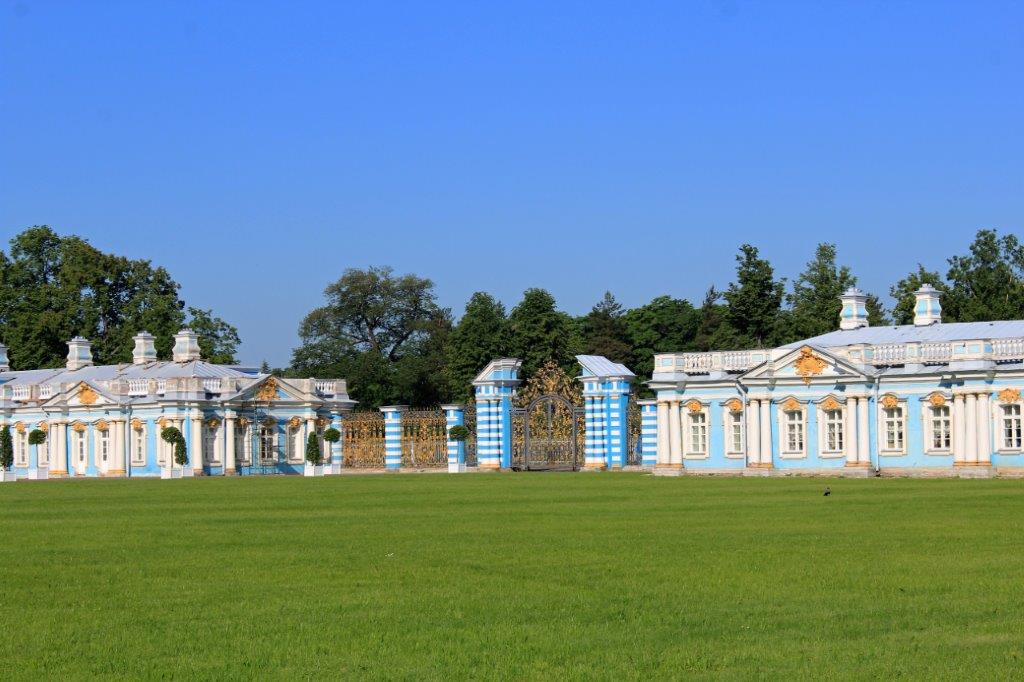
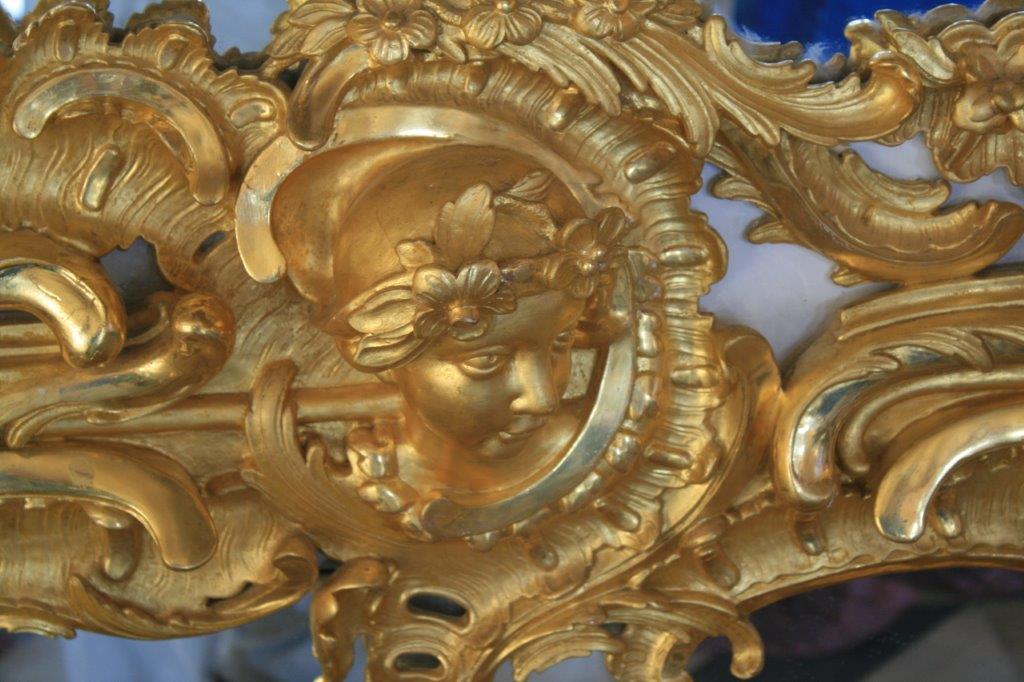
You cannot get a sense of the massive scale of this place except from the air.  I found these two photos on a tourist information site so hopefully I haven’t infringed on someone’s copyright.  I couldn’t find a credit for the images and the site was in Russian. Obviously we did not come close to seeing even the entire main building let alone the rest of the complex. And, yes, if you see something that looks like gold it is gold. There was originally over 200 pounds of gold on the exterior alone – today it is gold paint, not gilt

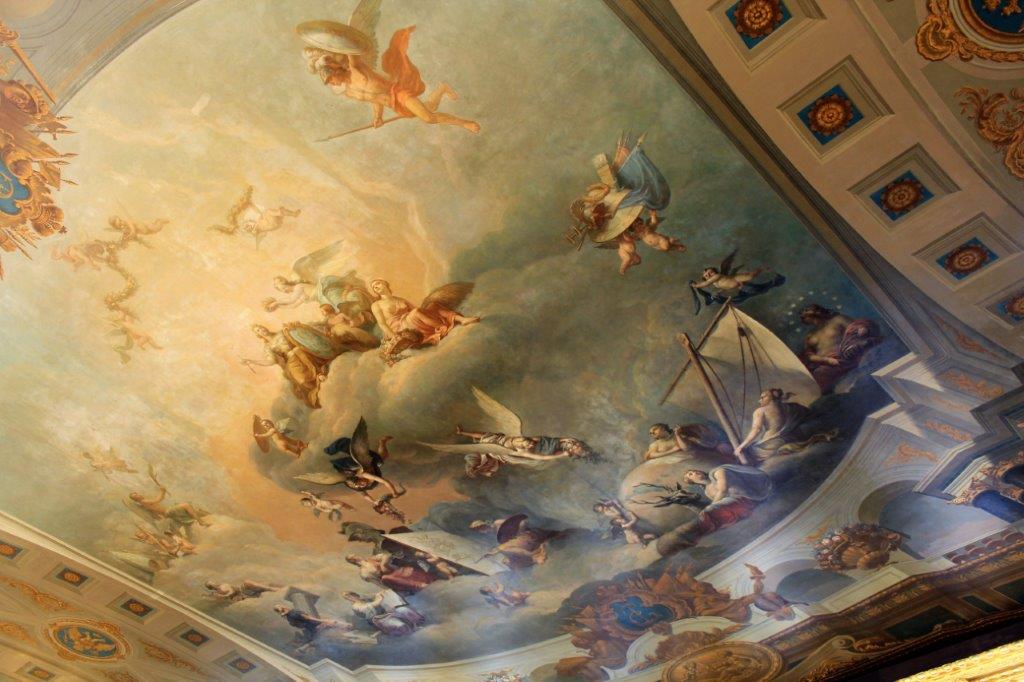
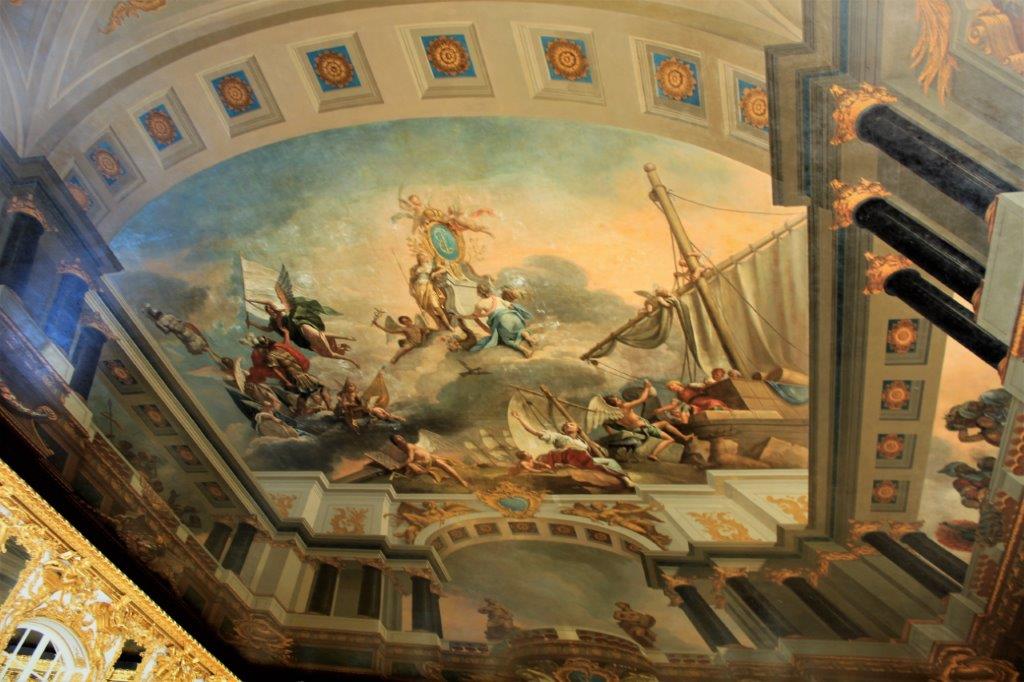
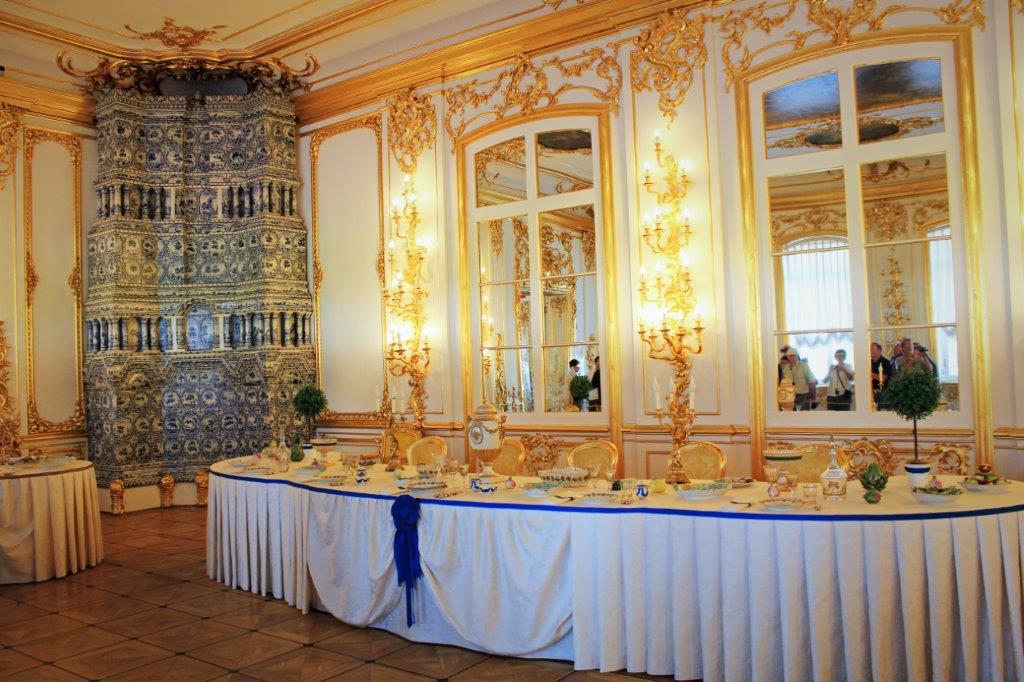
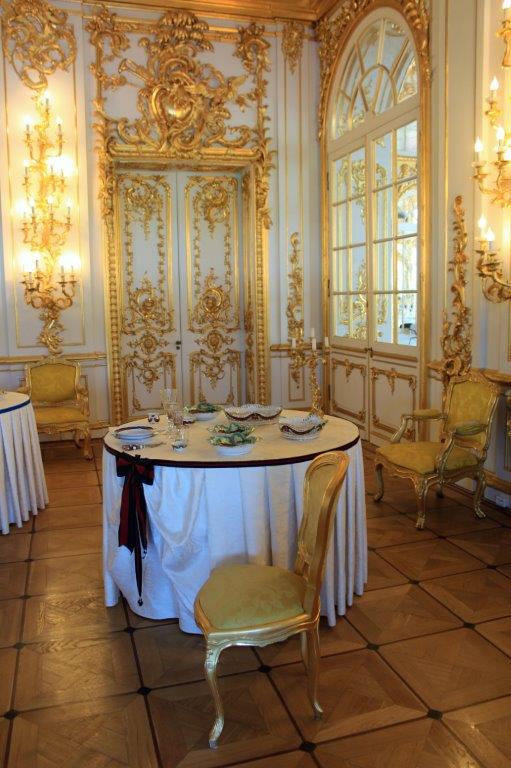
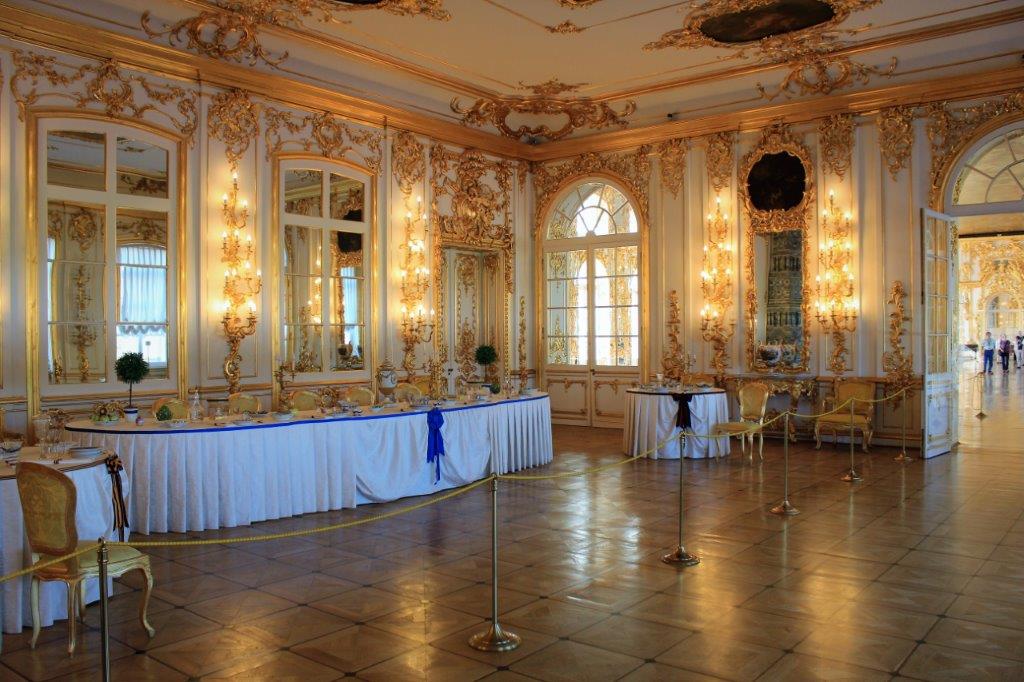
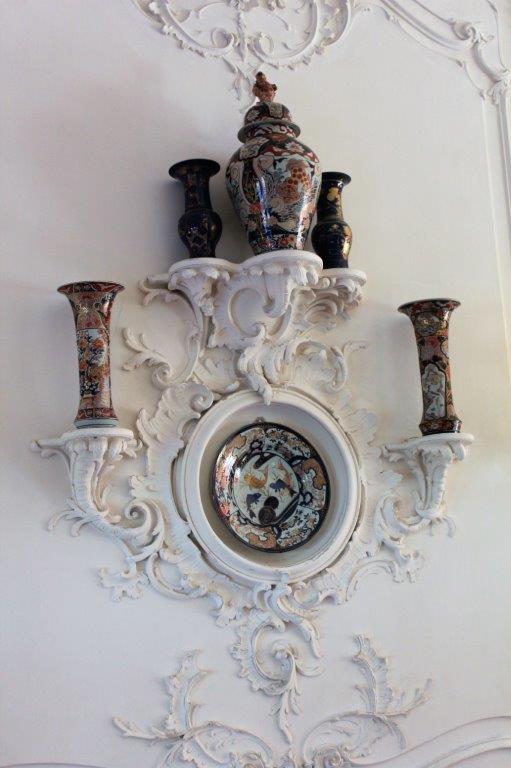
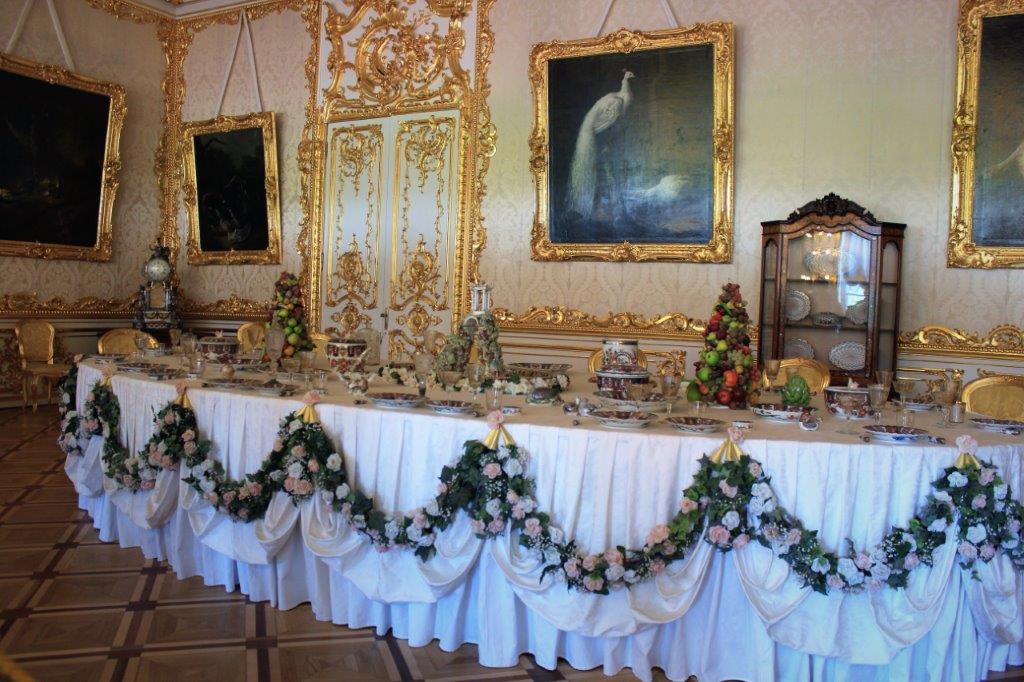
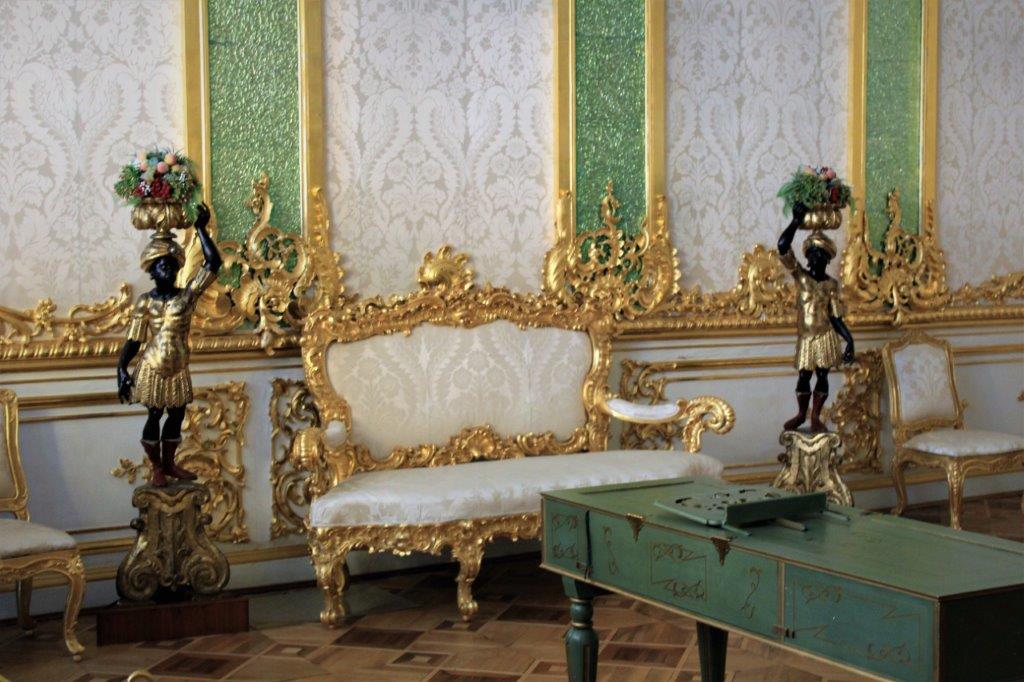
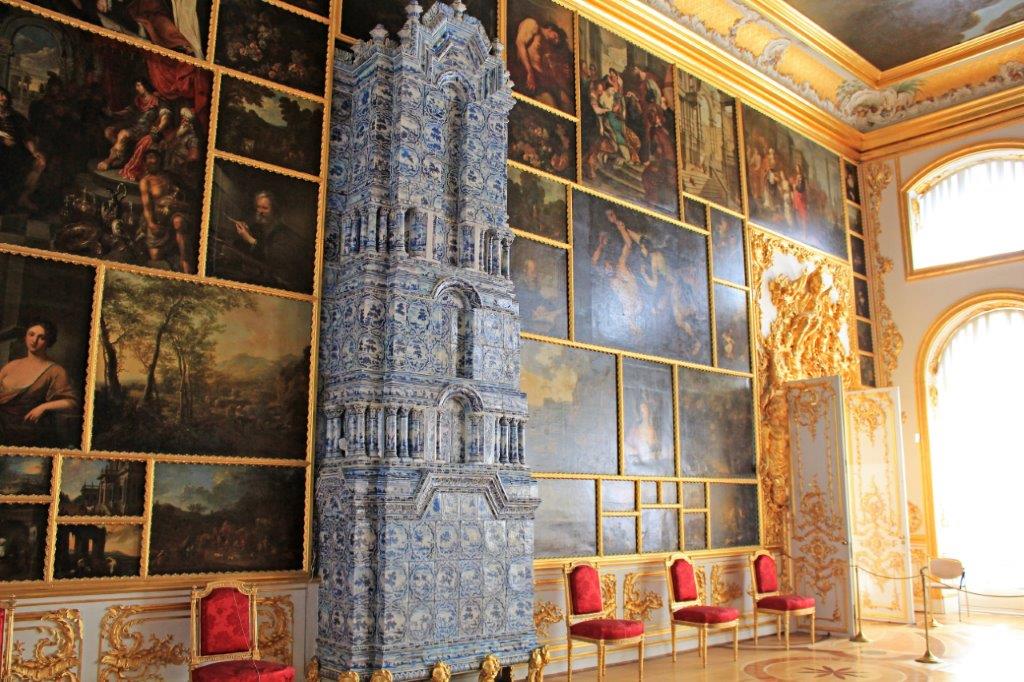
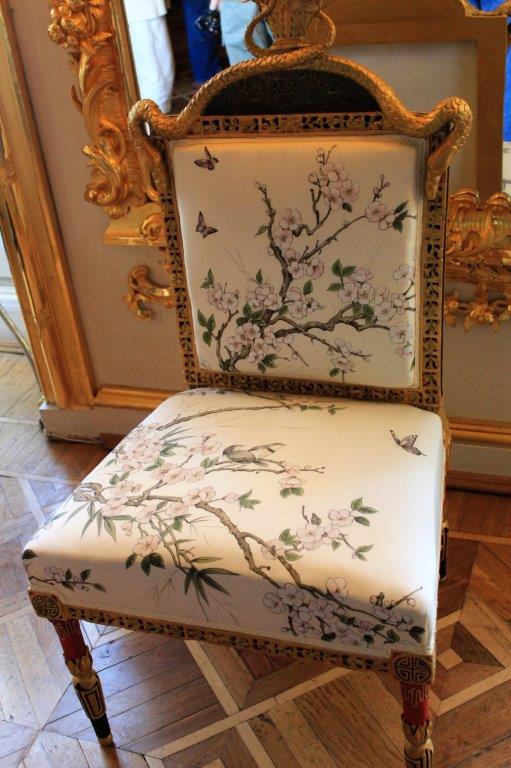
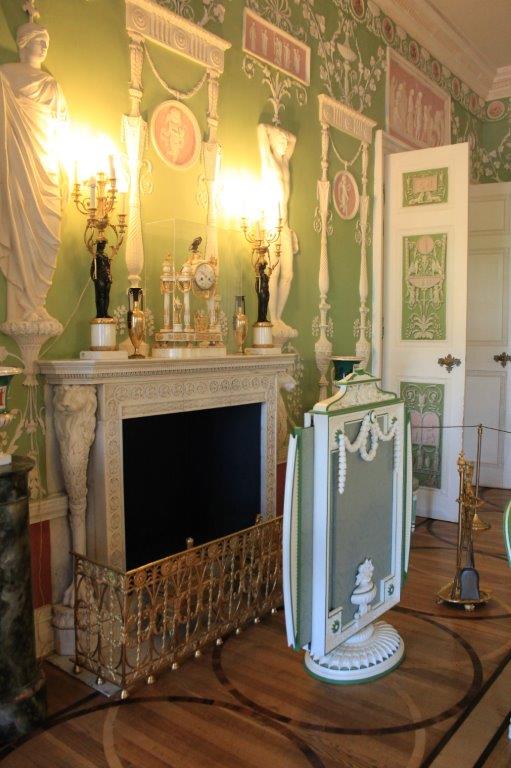
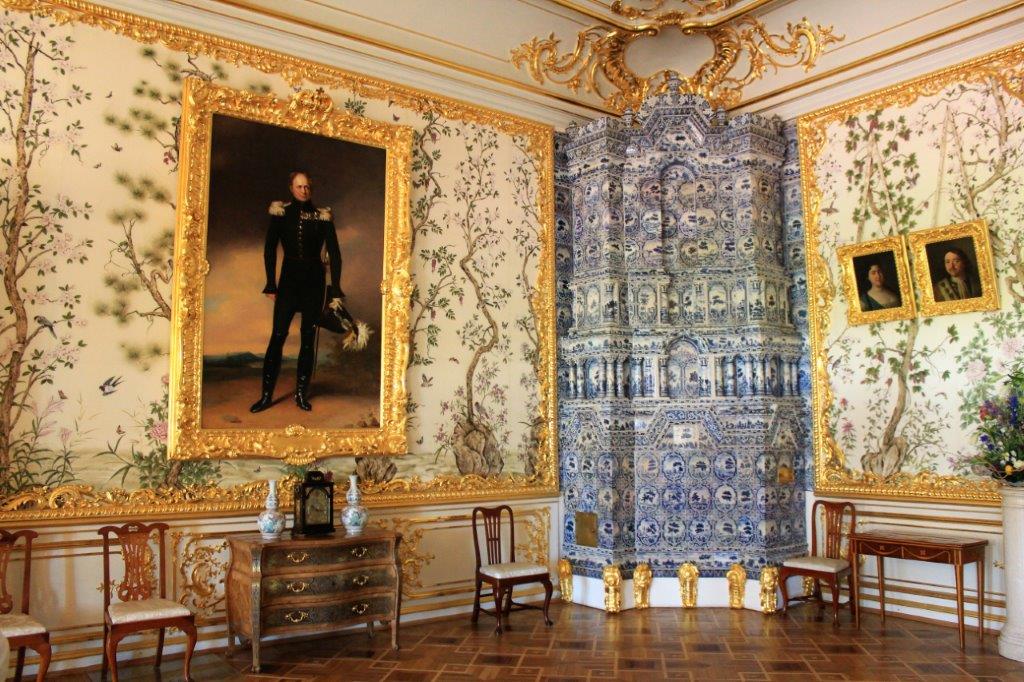
.  The magnificent Grand Hall is over 154′ long and 56′ wide (47m X 17m) and has a beautiful parquet floor and elaborately painted ceiling.  Between the light coming in from the windows and all the mirrors the room fairly sparkles.Magnificent artwork and treasured masterpieces are everywhere.                  Each chair is a different pattern of hand-painted silk.The blue and white dutch-looking columns in the rooms are fireplaces or heating stoves.

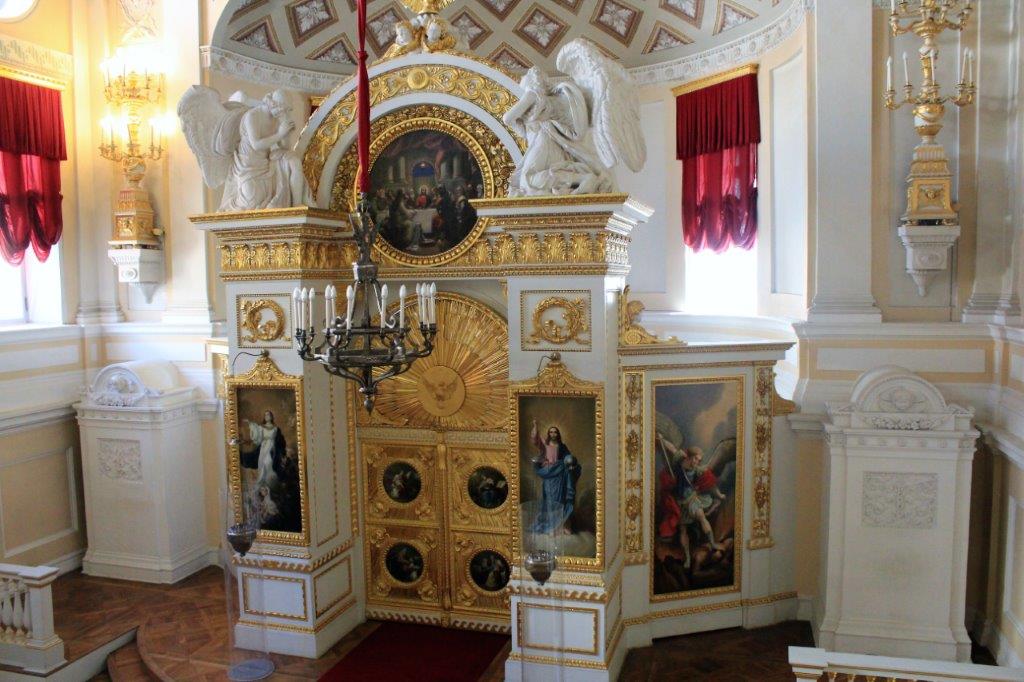
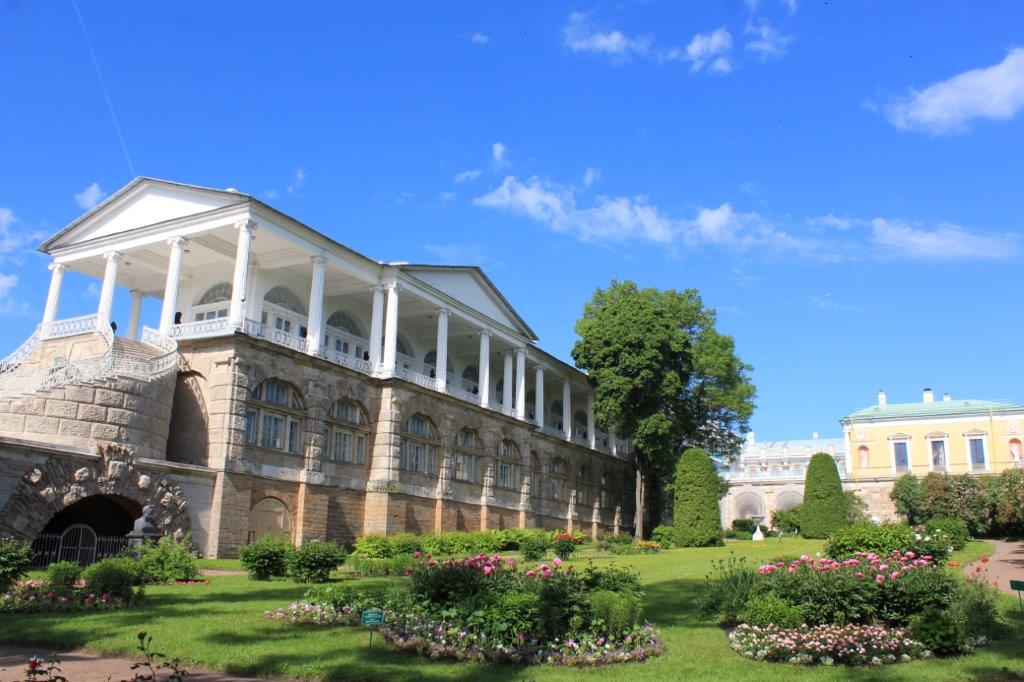
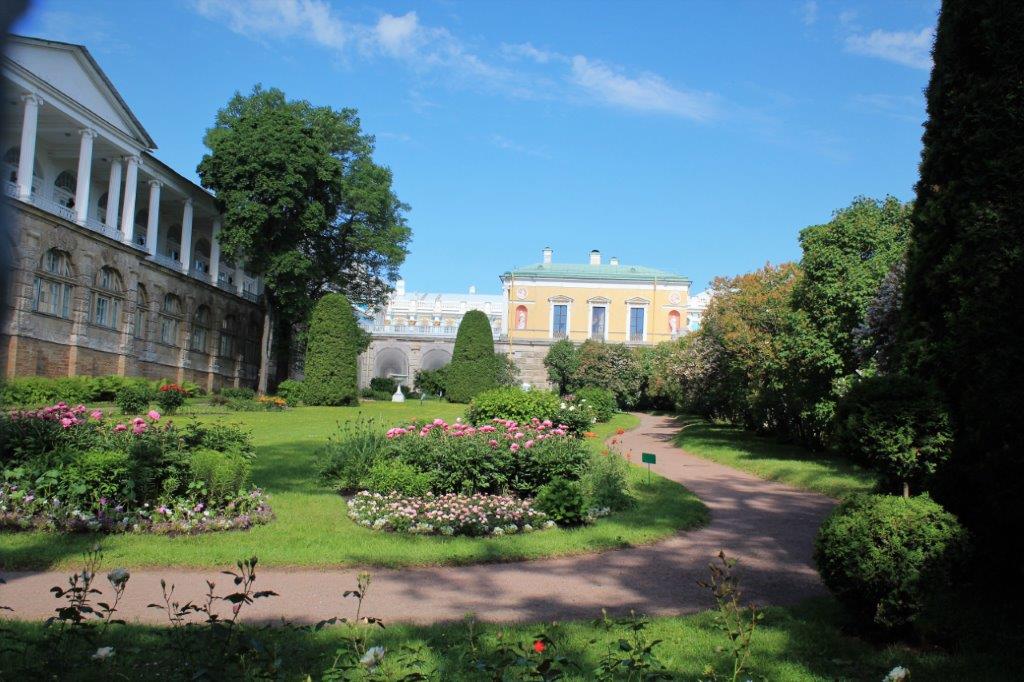
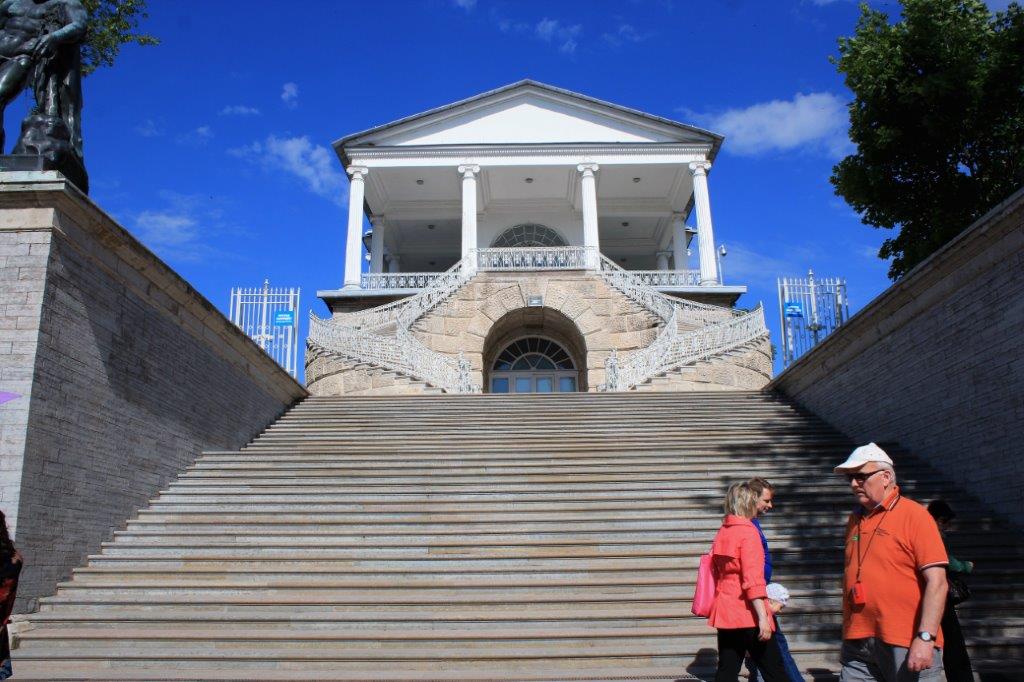
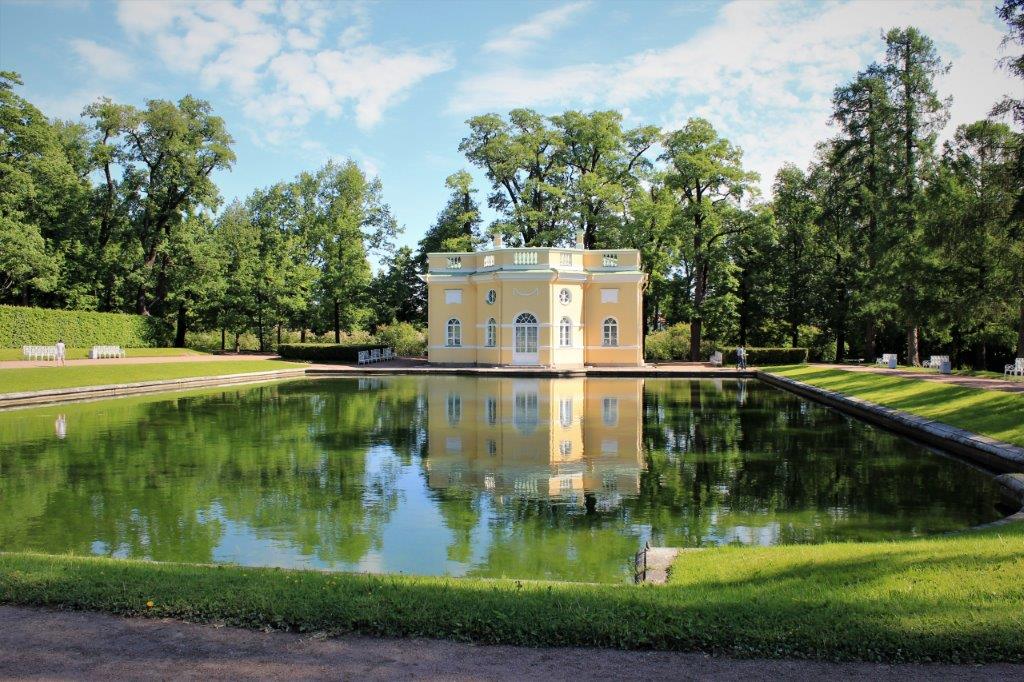
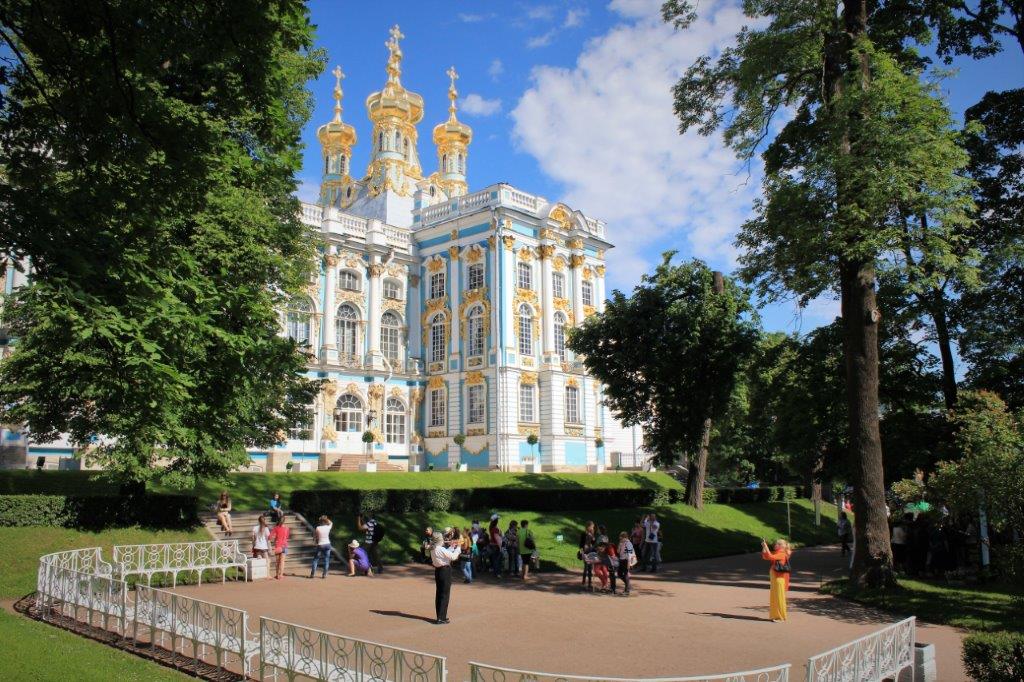
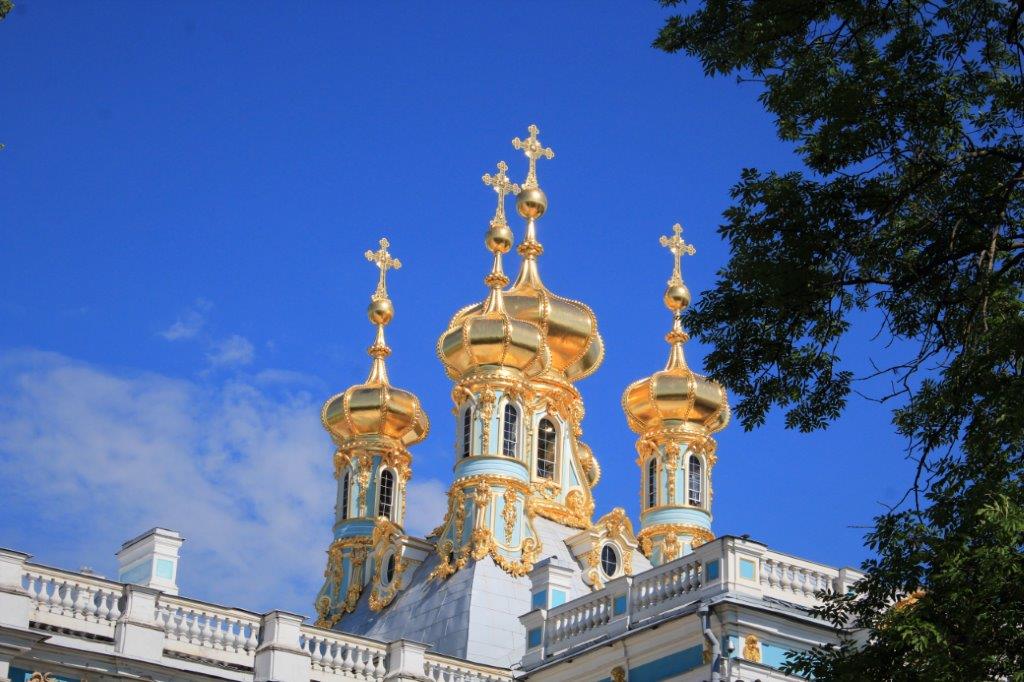
After our tour inside the palace concluded we had some time to wander around the grounds.                                                               The ChapelFrom Catherine’s Palace we were taken the short distance to Emperor Paul I’s Palace at Pavlovsk.

2013 Summer (Baltic and Britain – St. Petersburg, Russia – Day 1 – Part 2)

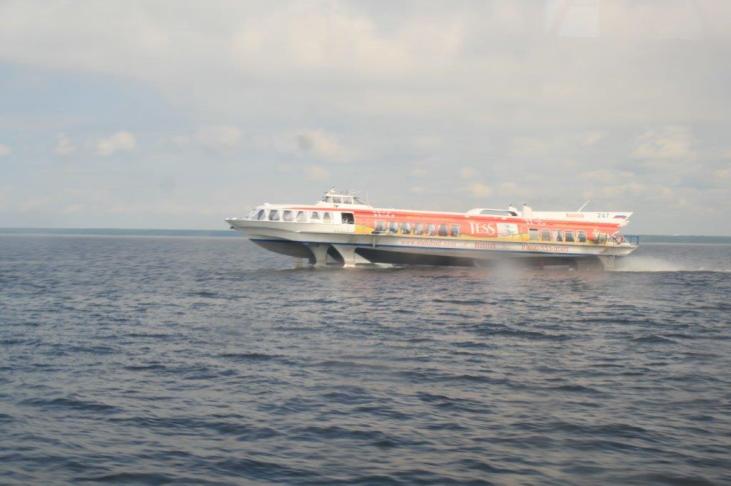
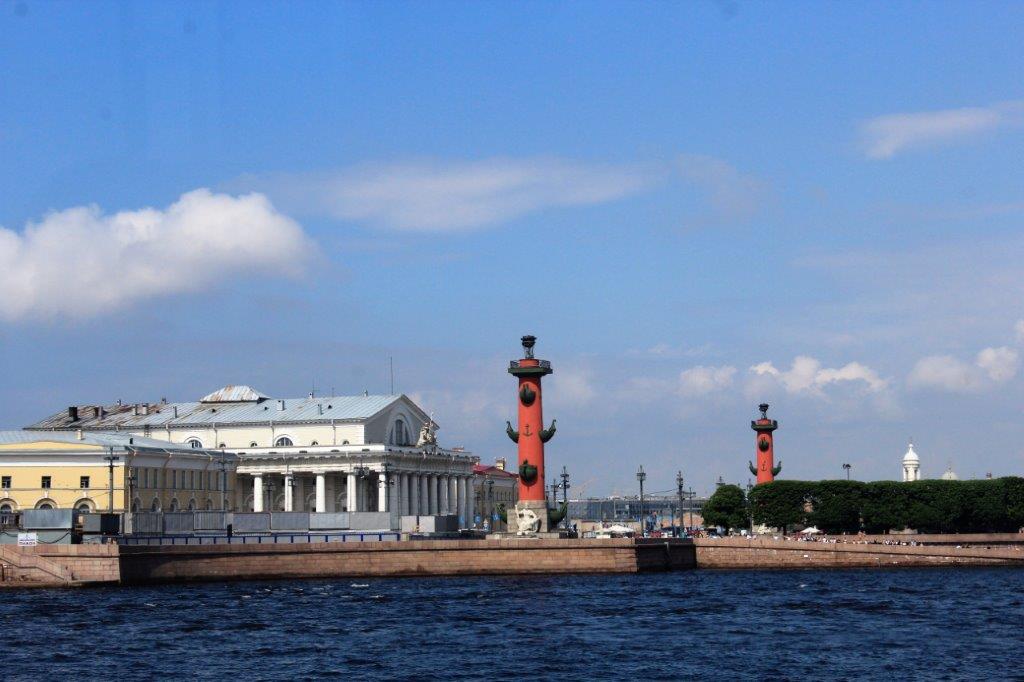
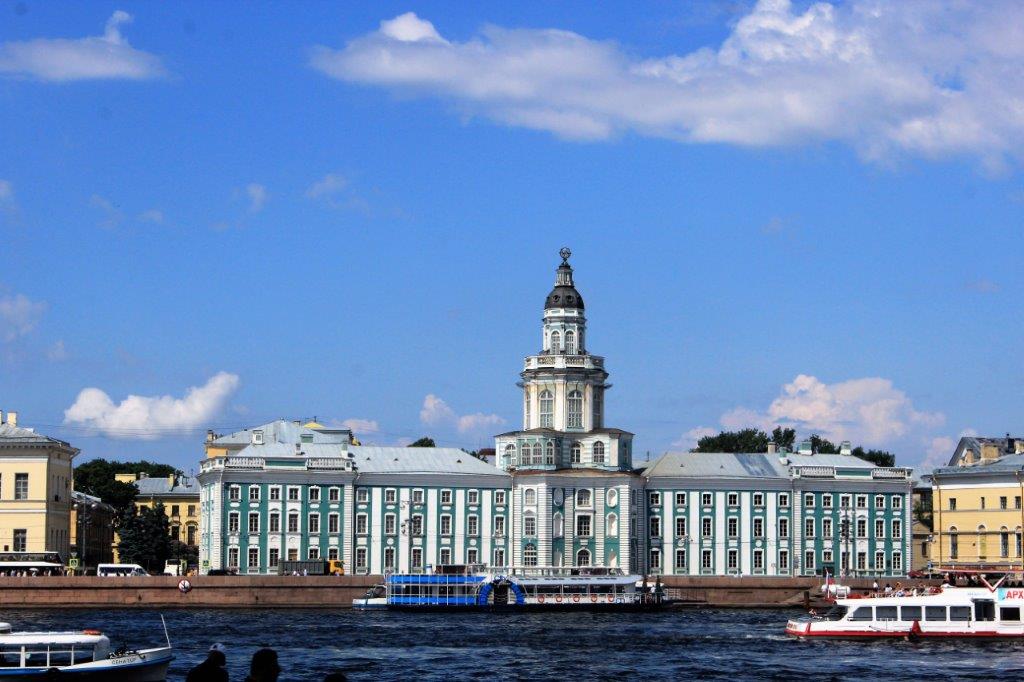
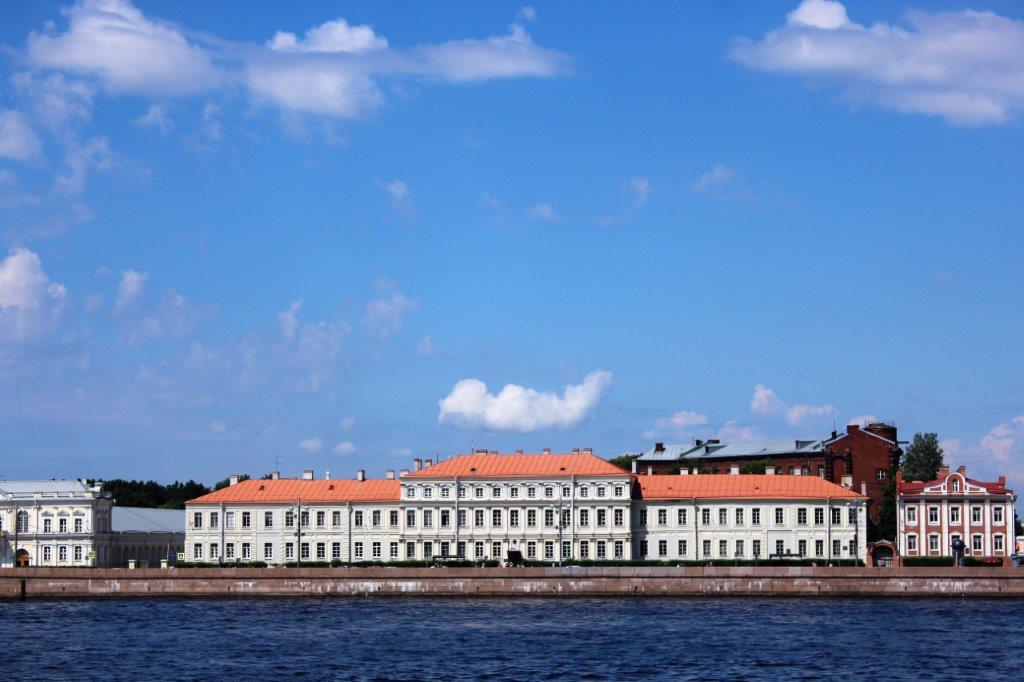
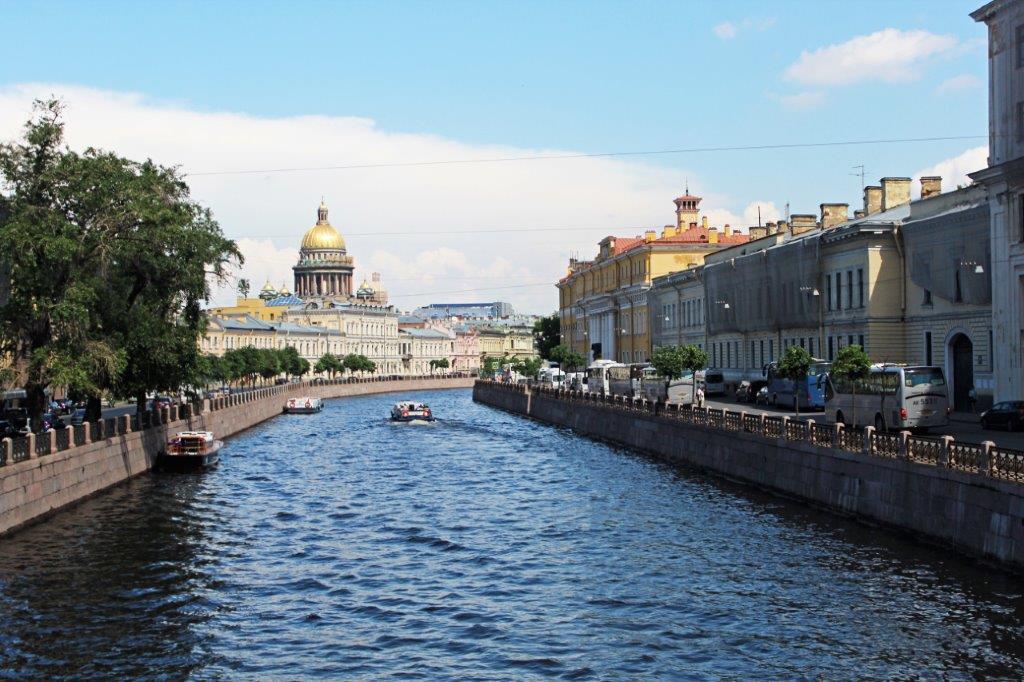
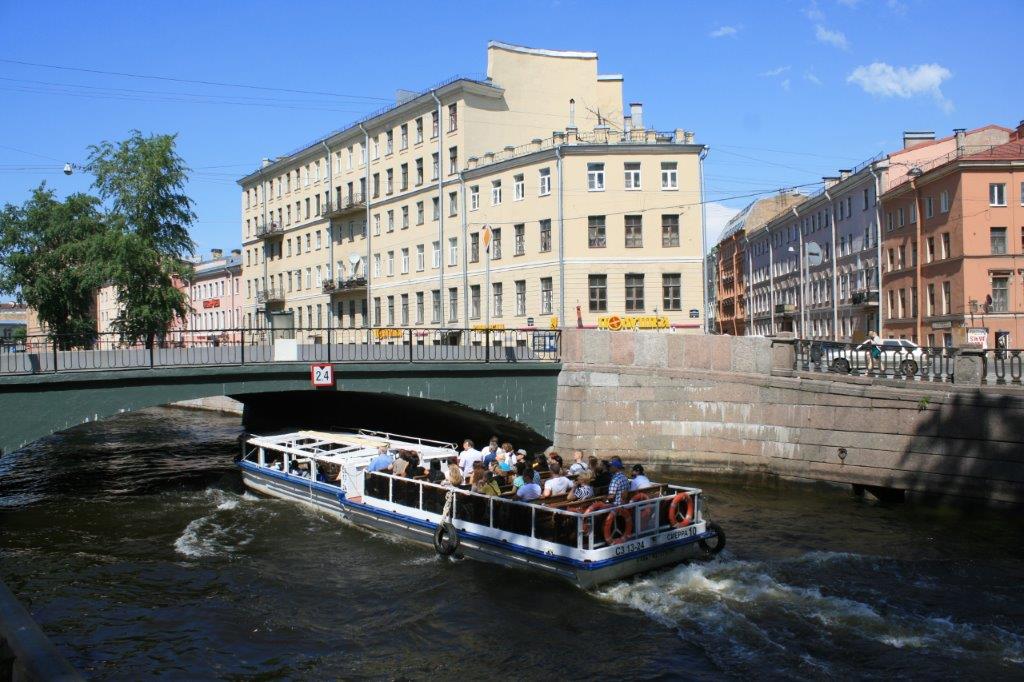
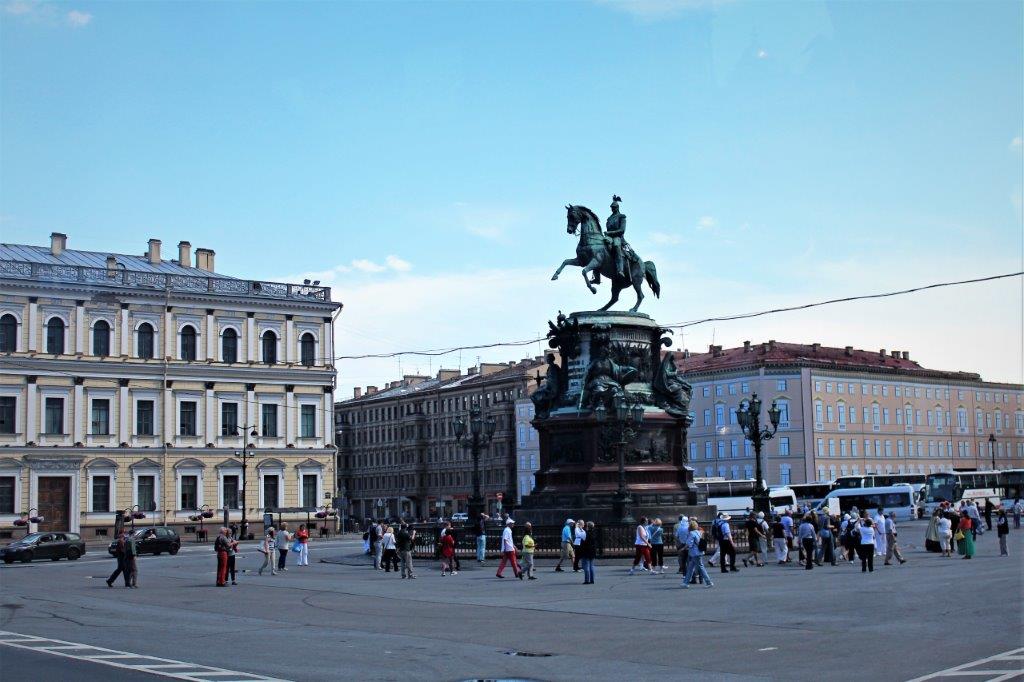
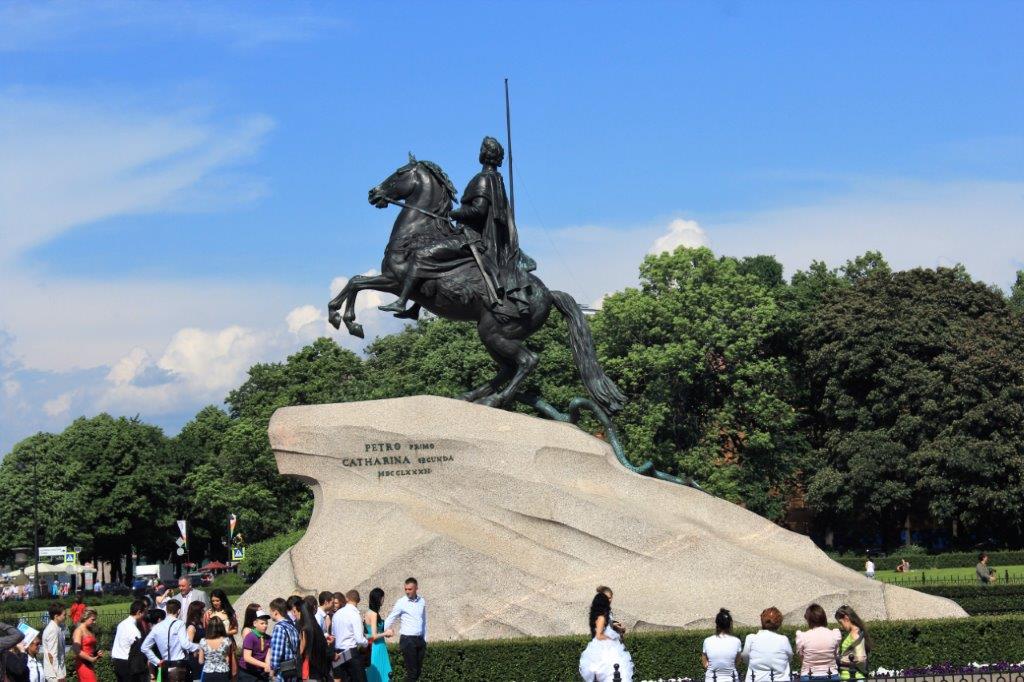
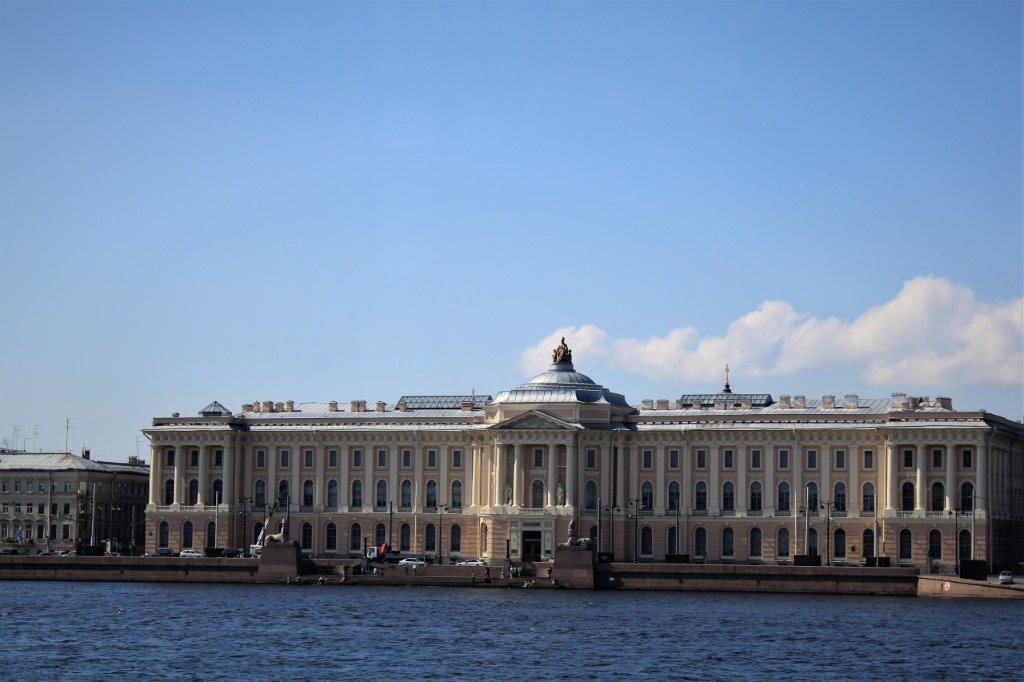
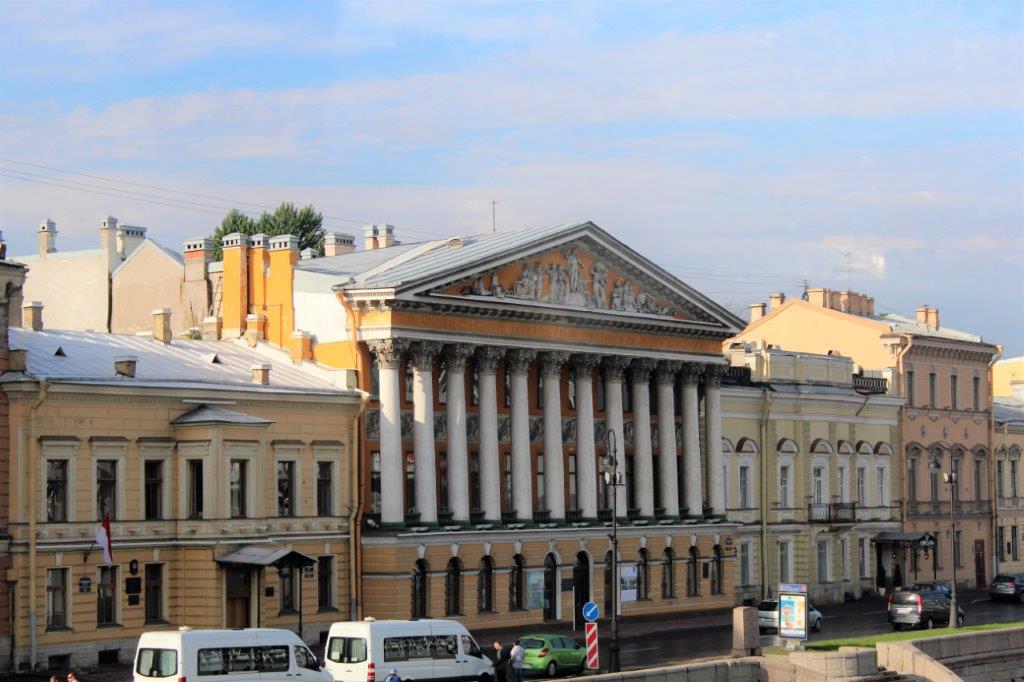
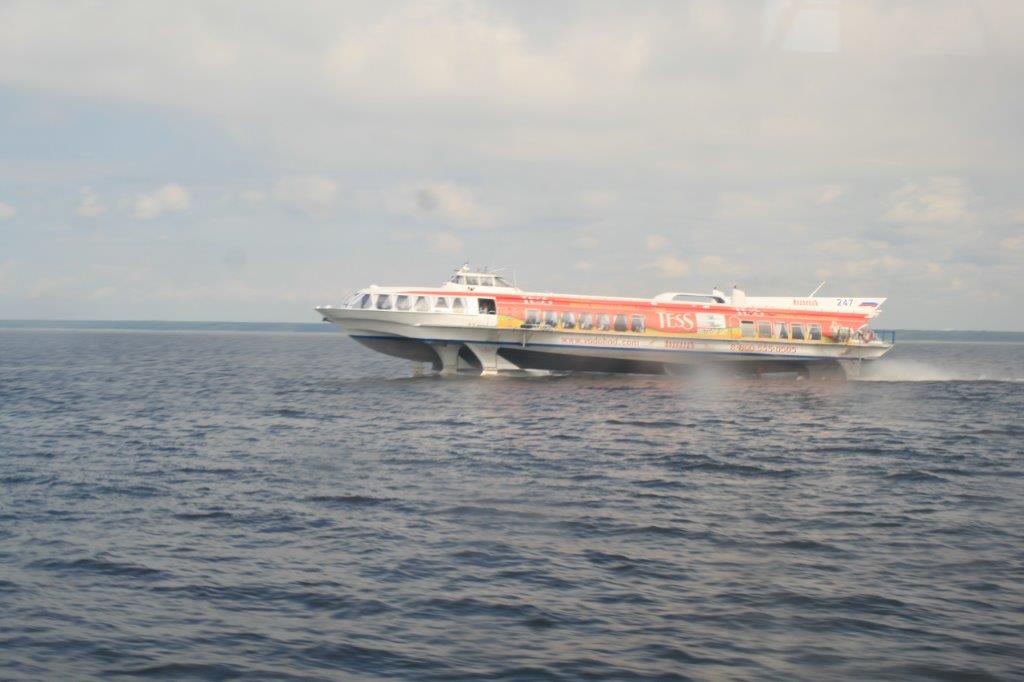
After our tour of the Imperial Summer Palace we were taken by hydrofoil from Peterhof back to St. Petersburg. St. Petersburg is the cultural and tourist capital of Russia. The population is about 5 million.  The city was founded on 101 islands and was built by Peter the Great in 1703 to take the place of Moscow as the Russian Empire capital.  In 1914 the name was changed to Petrograd so it didn’t sound so German.  The name was changed again to Leningrad in 1924 five days after the death of Soviet leader to honour him.  When Russia broke from the USSR in 1991 55% of the people voted to restore the name to the original St. Petersburg.  Much of the water between all the islands has been filled in over the years and now there are about 44 islands connected by many bridges.

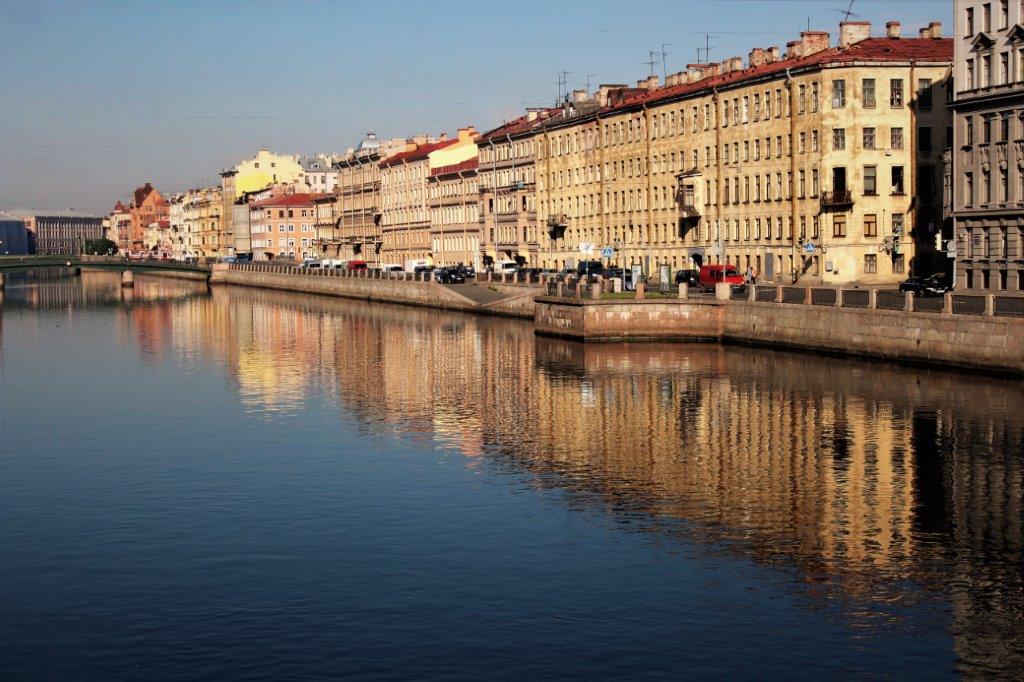
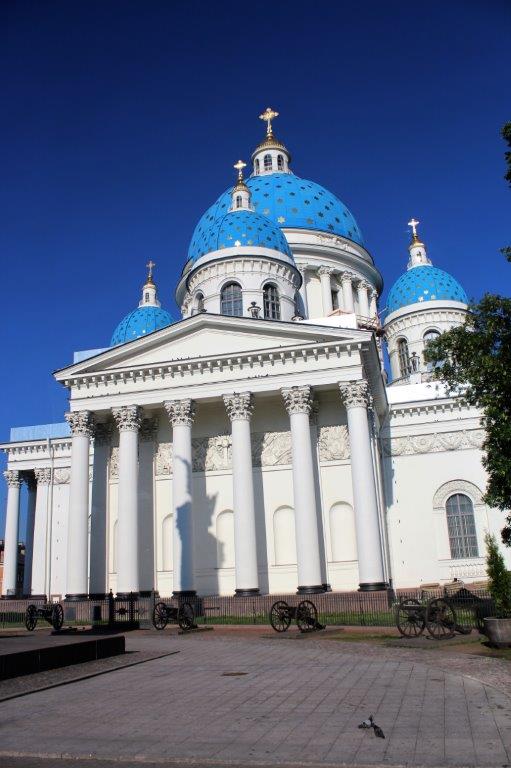
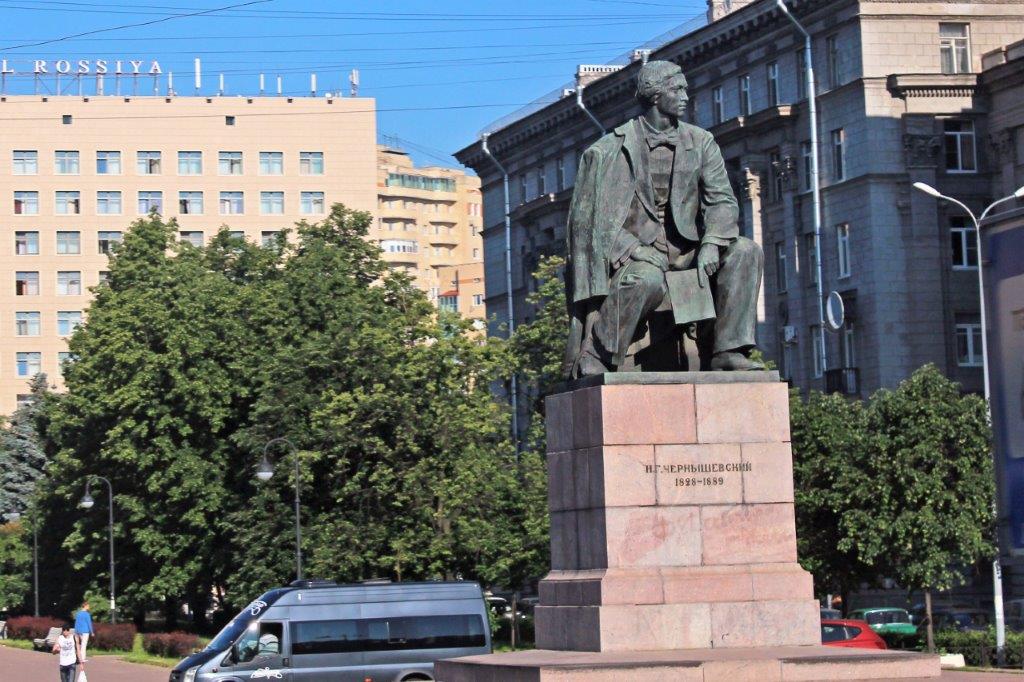
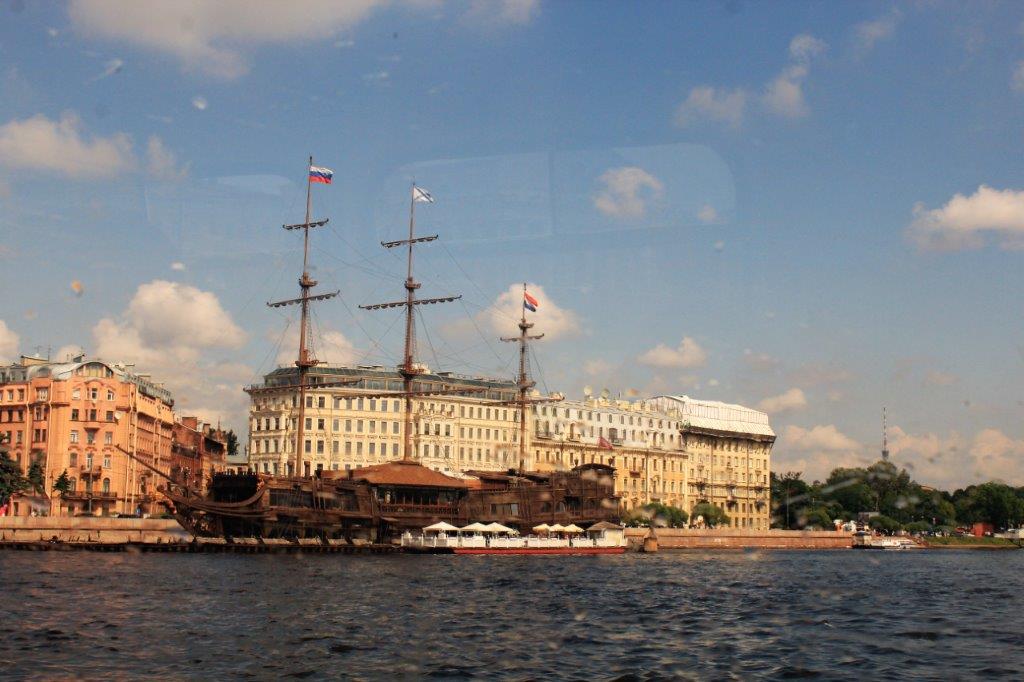
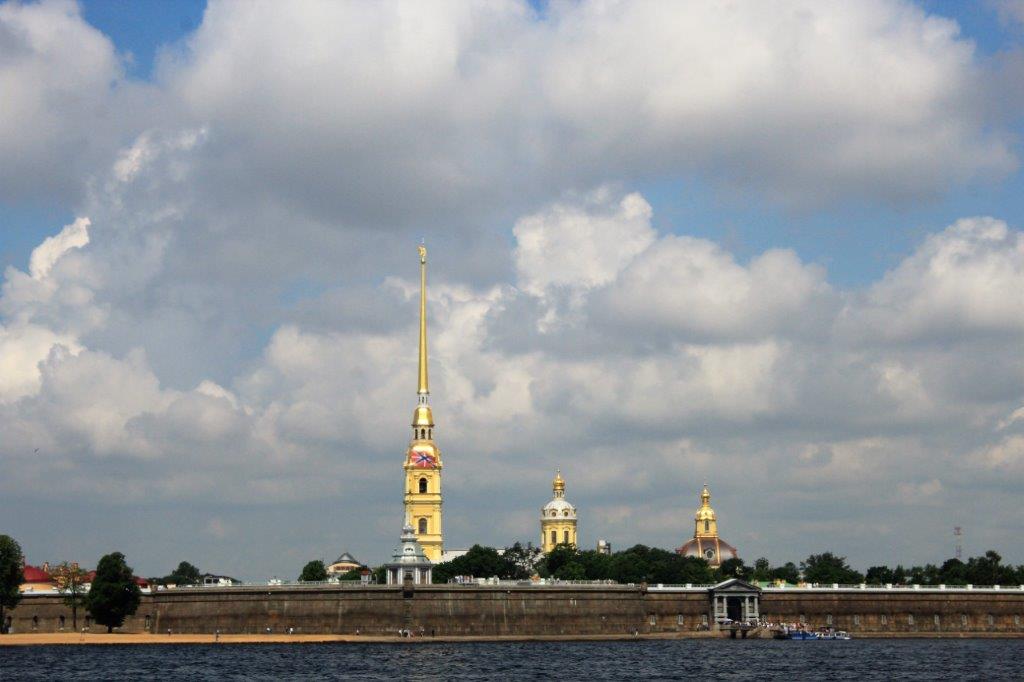
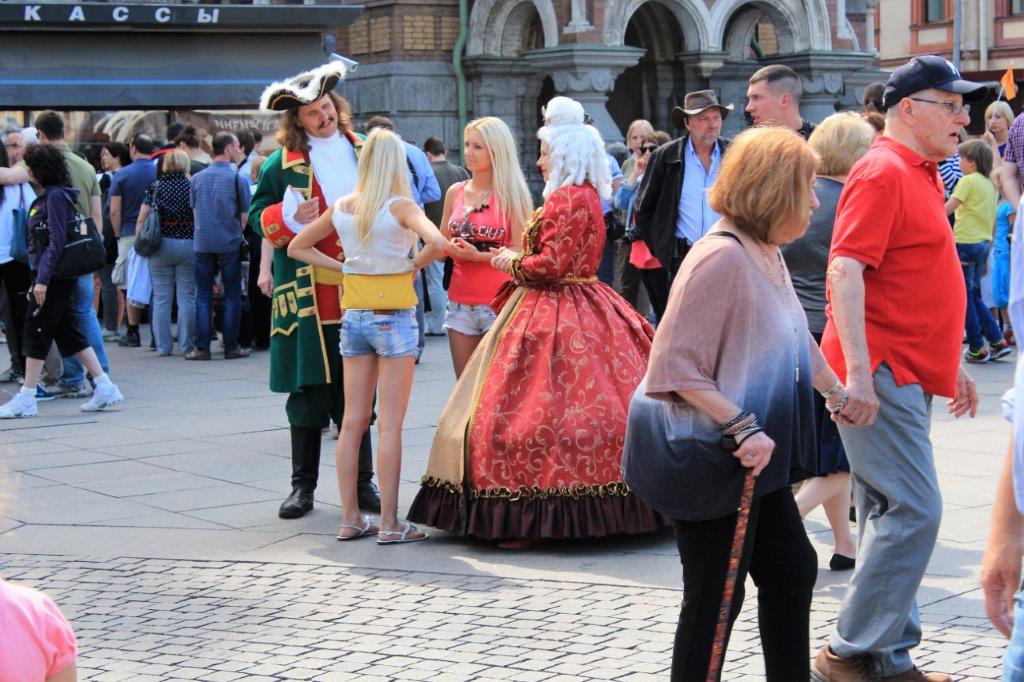
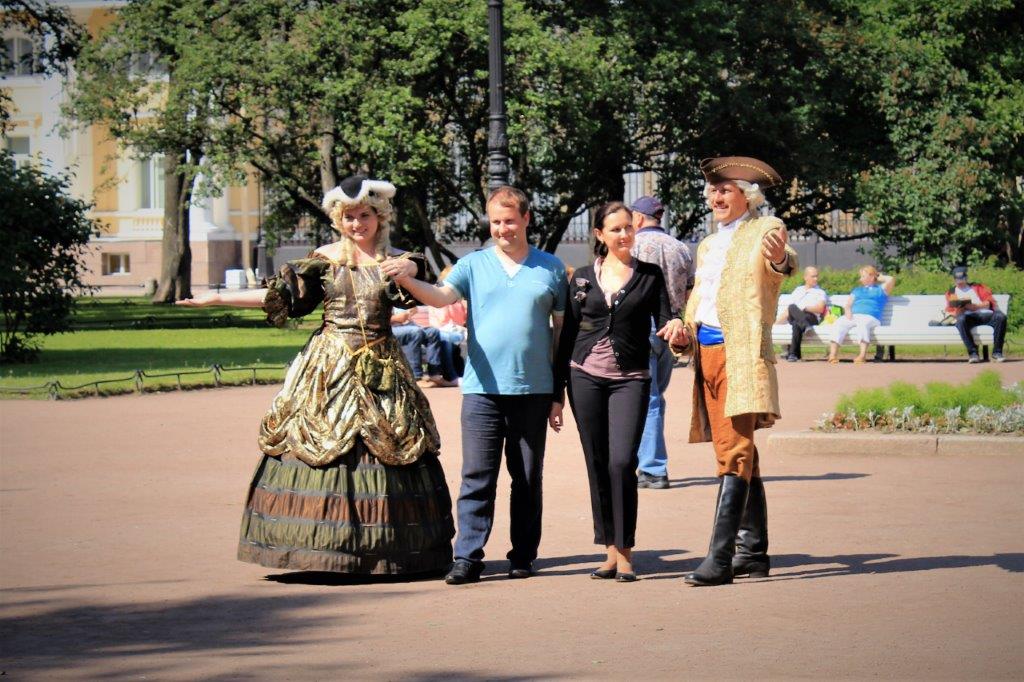
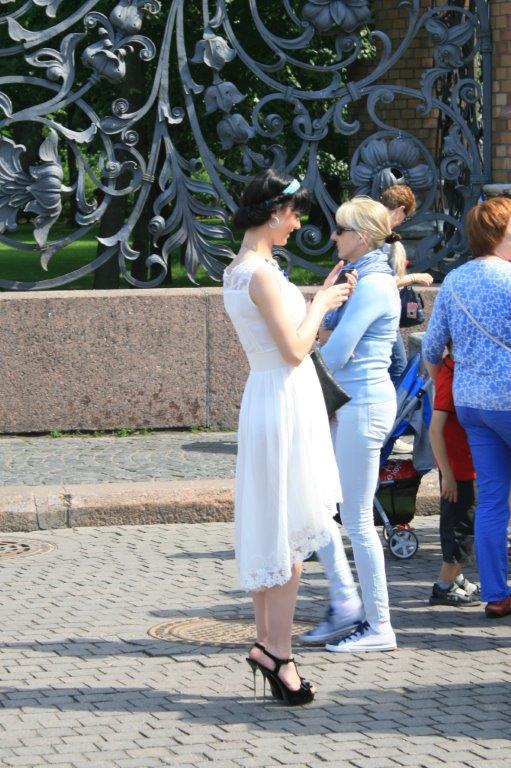
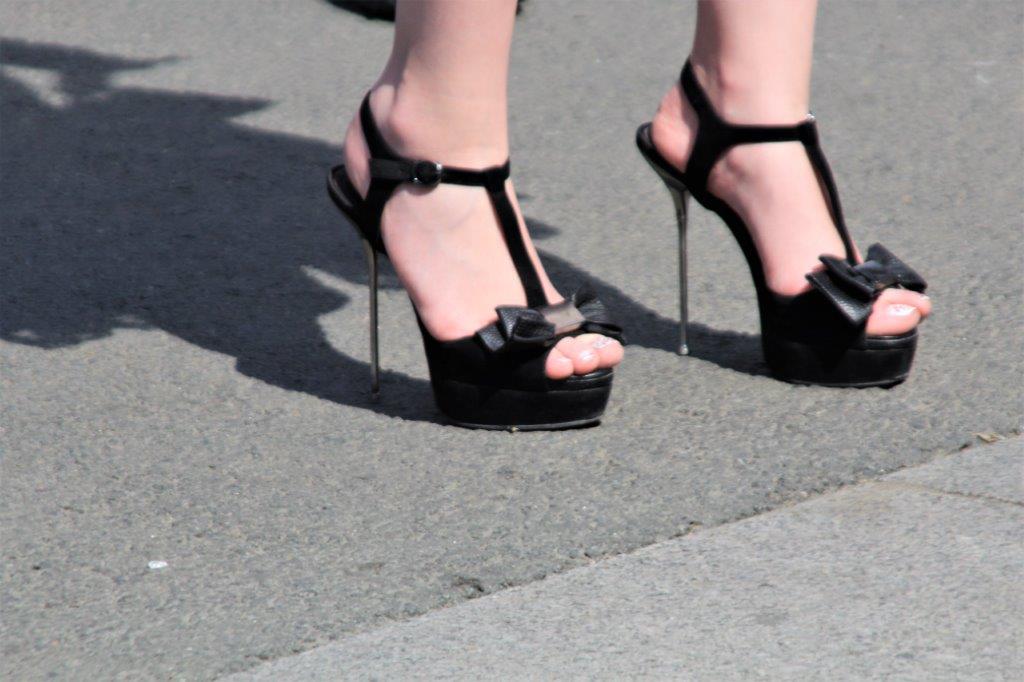
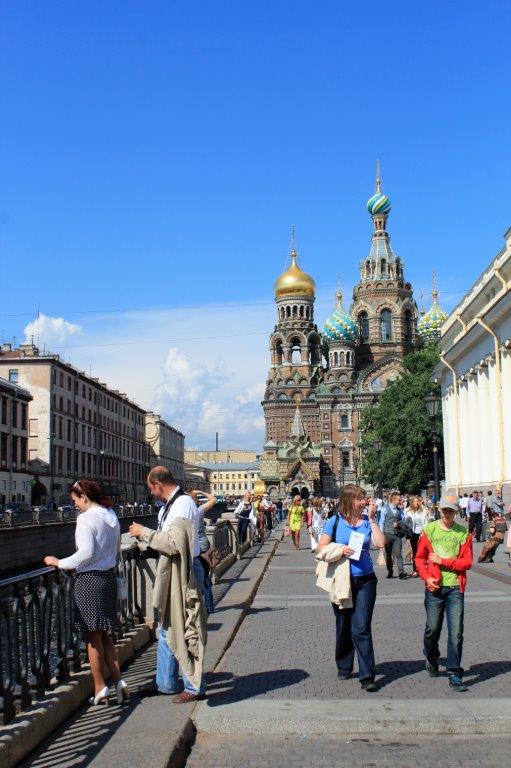
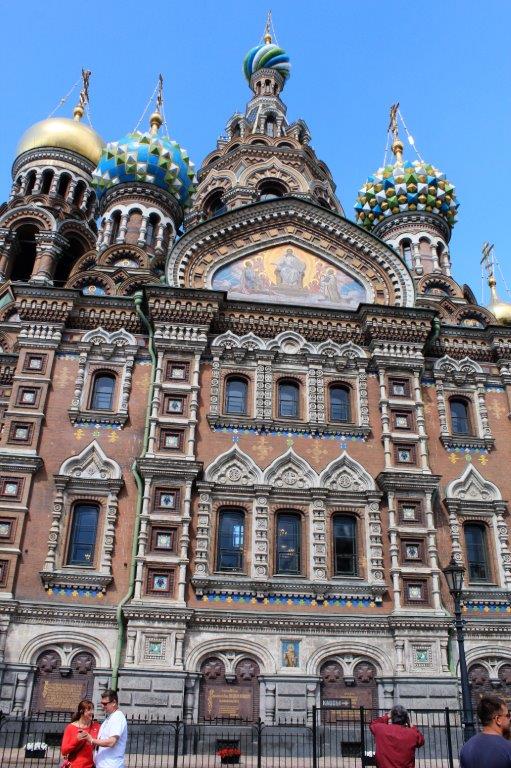
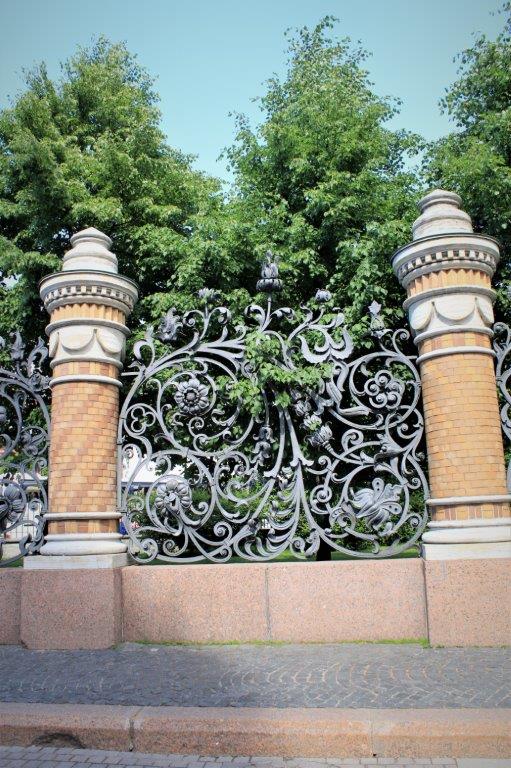
   There is certainly no shortage of impressive buildings along the shore. From the launch dock it was a short walk across the square to the Church on the Spilled Blood.                       There are lots of ‘photo ops for a fee’ available. I loved these shoes but can you imagine wearing them to walk on cobblestones?

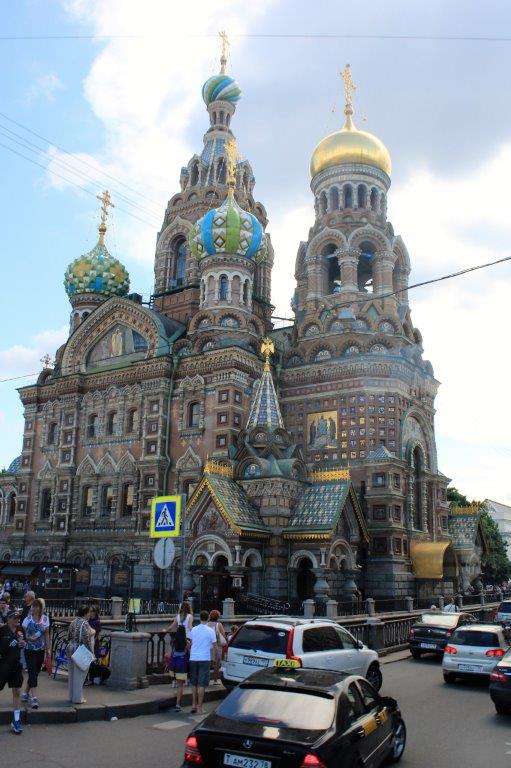
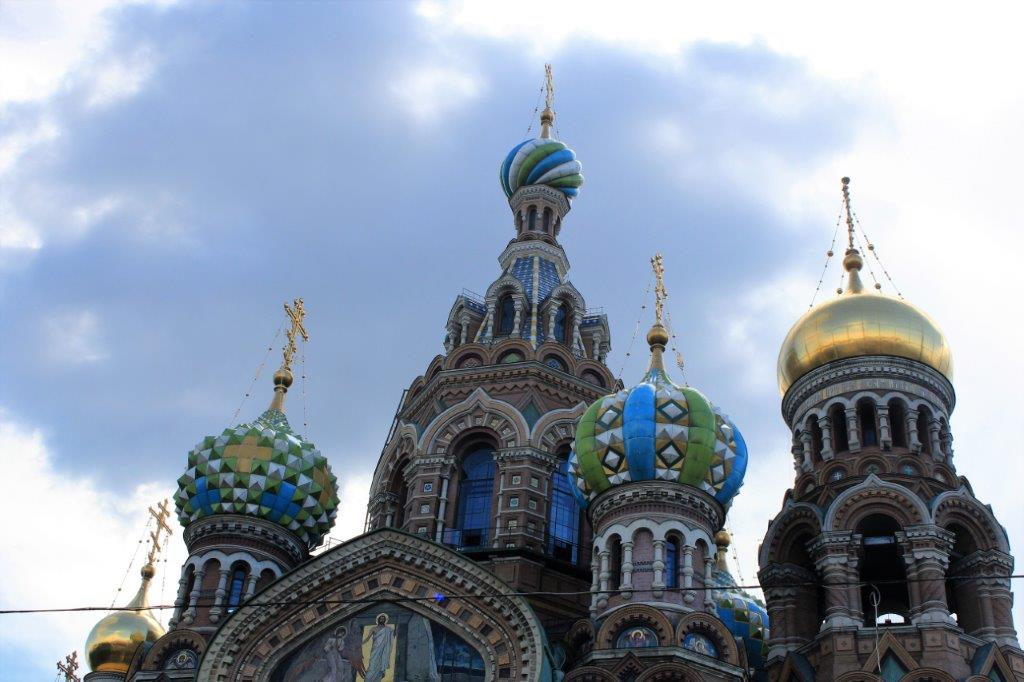
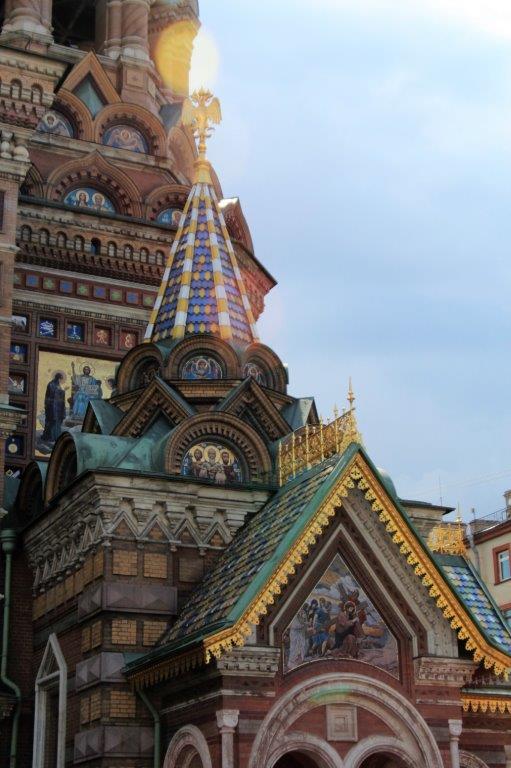
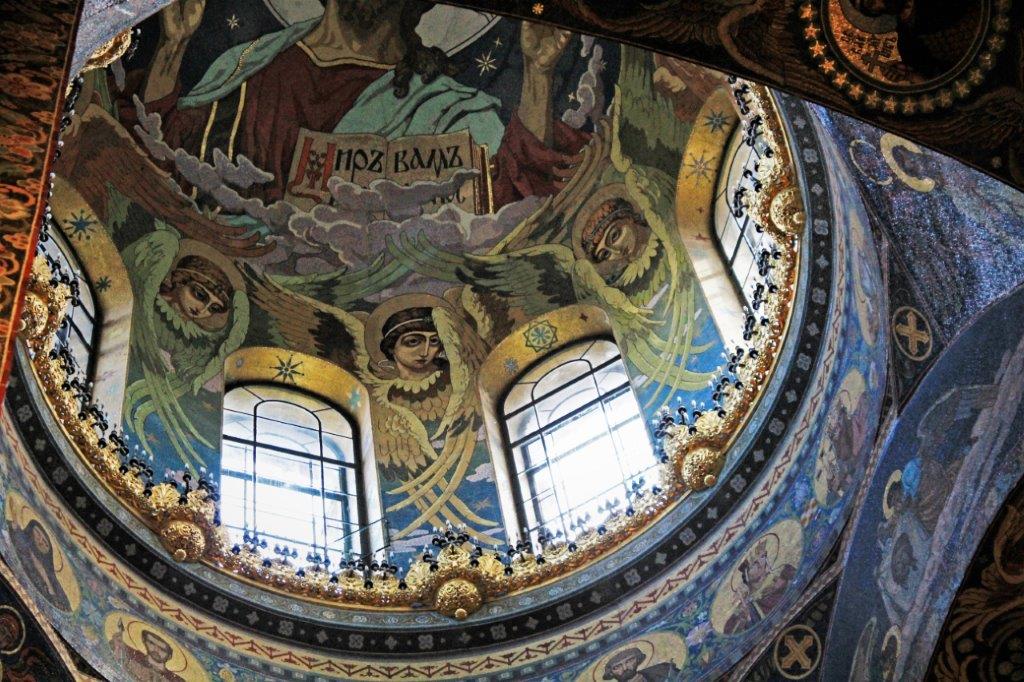
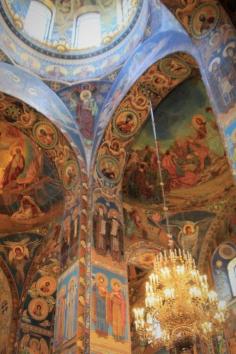
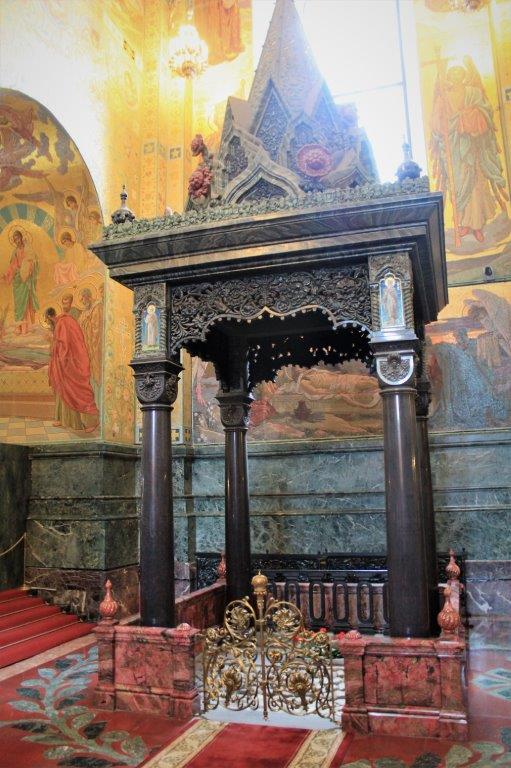
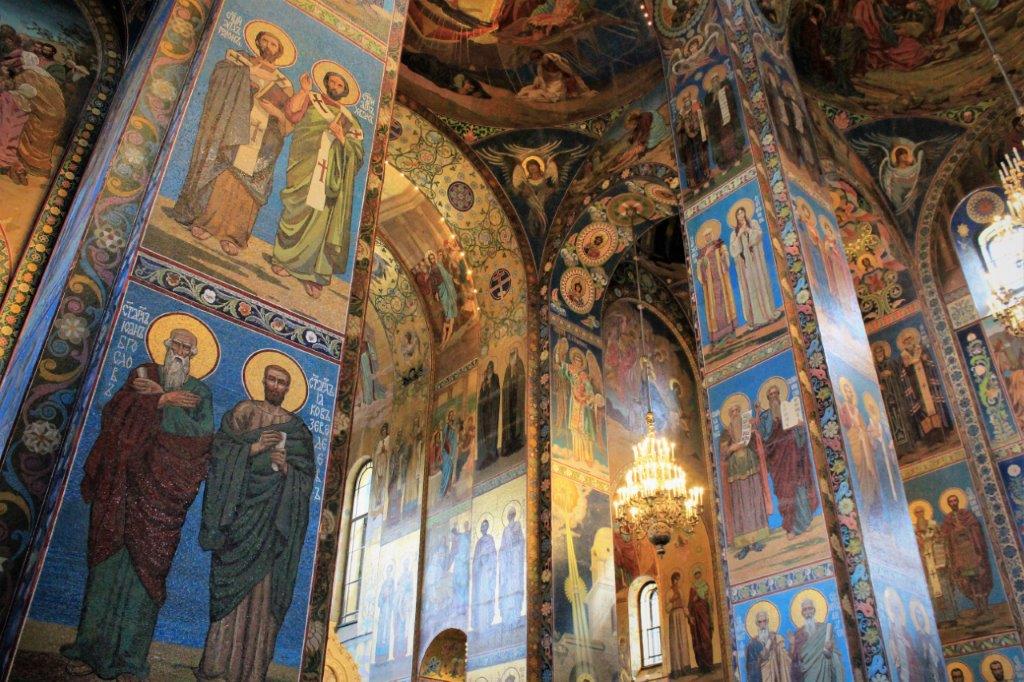
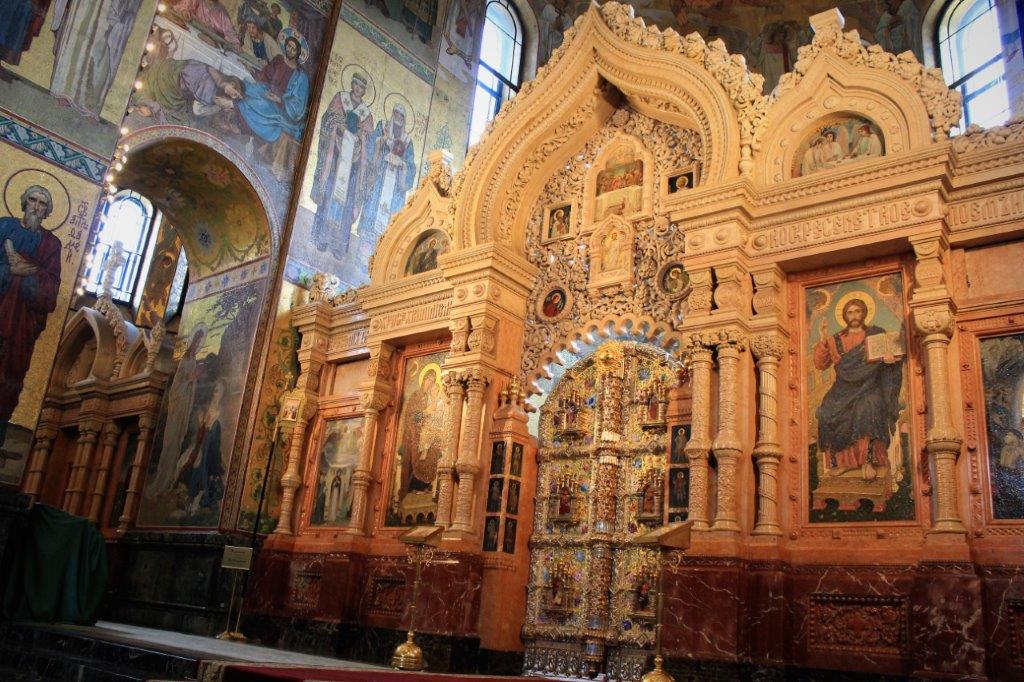
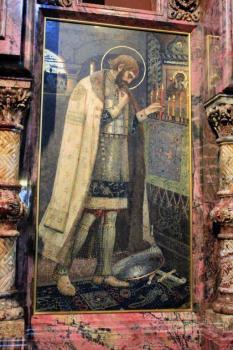
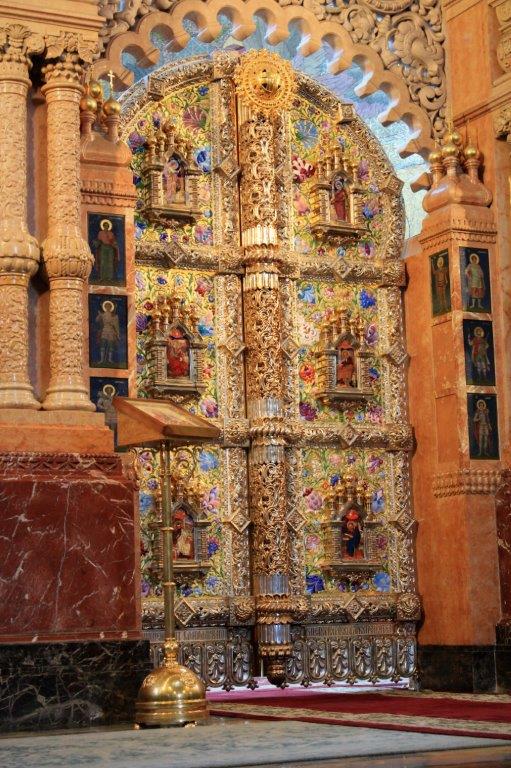
Officially called the Church of the Resurrection of Jesus Christ, it is known locally as the Church on the Blood because it was built on the spot where Alexander II was fatally wounded in an assassination attempt March 1, 1881.

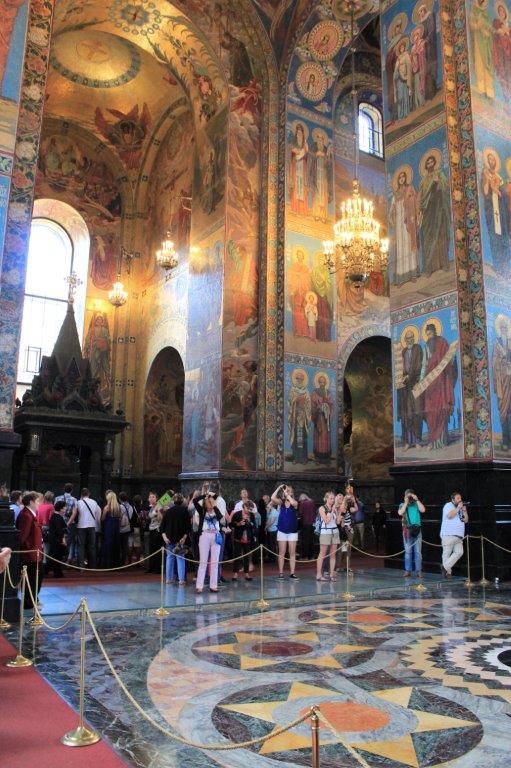
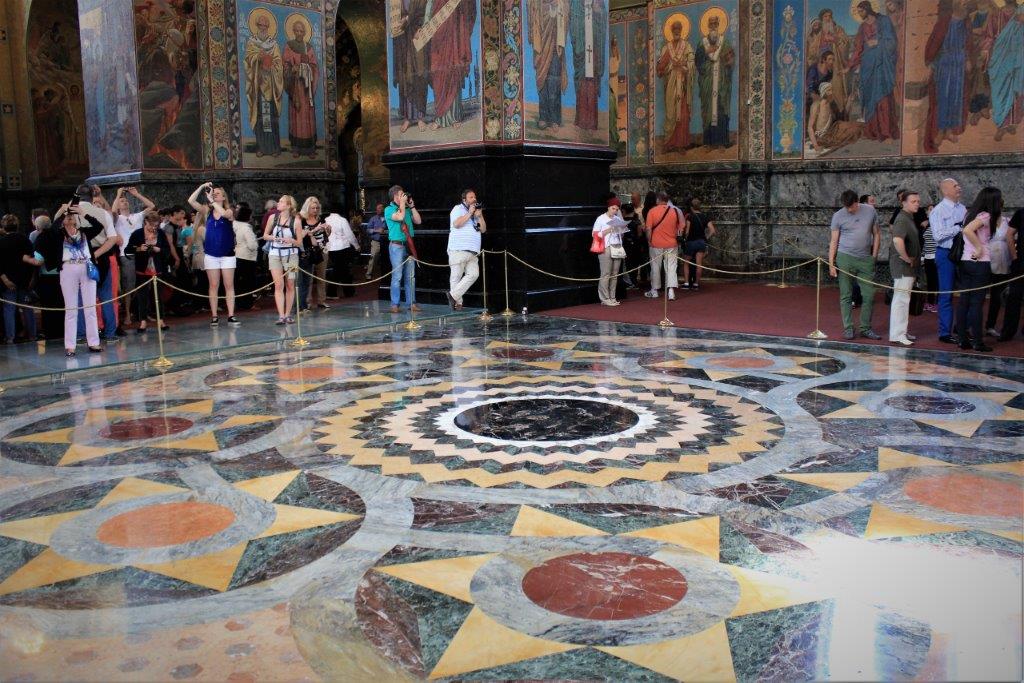
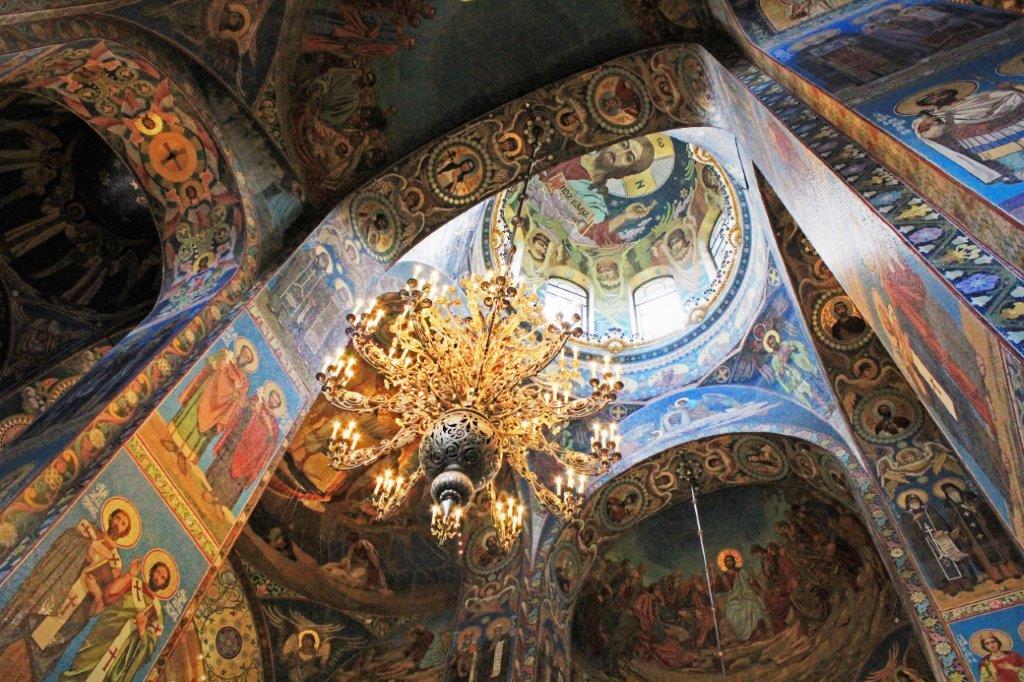
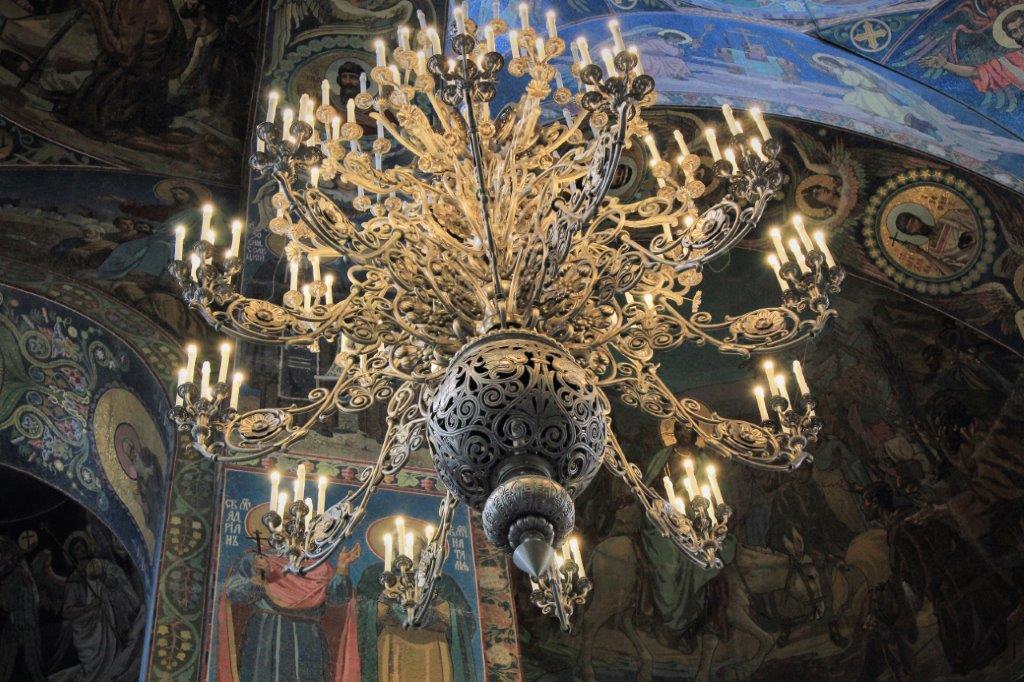
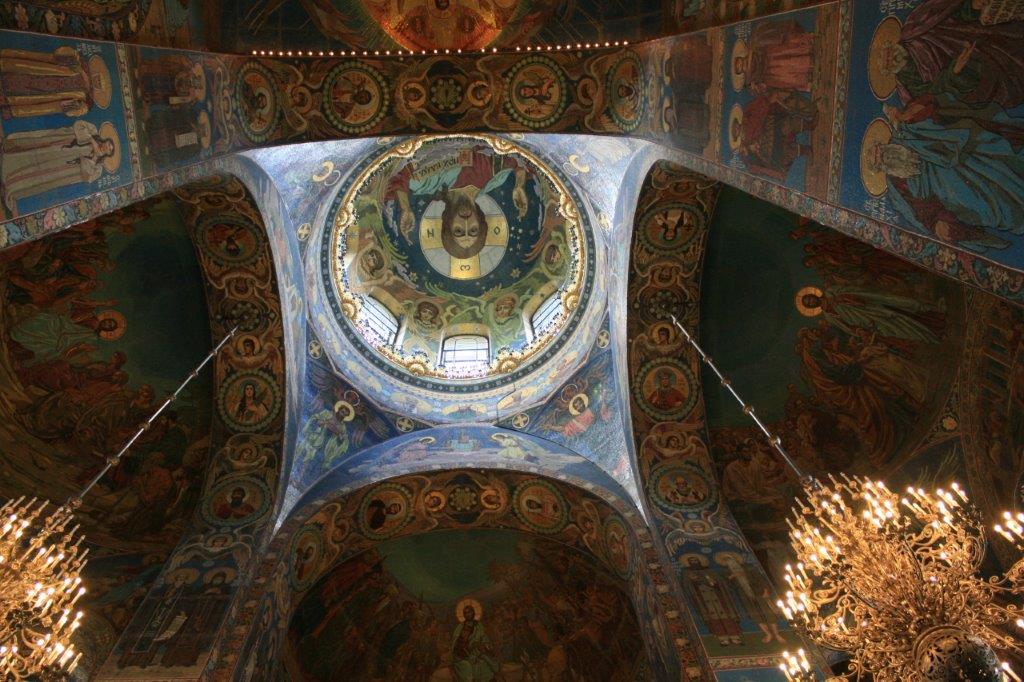
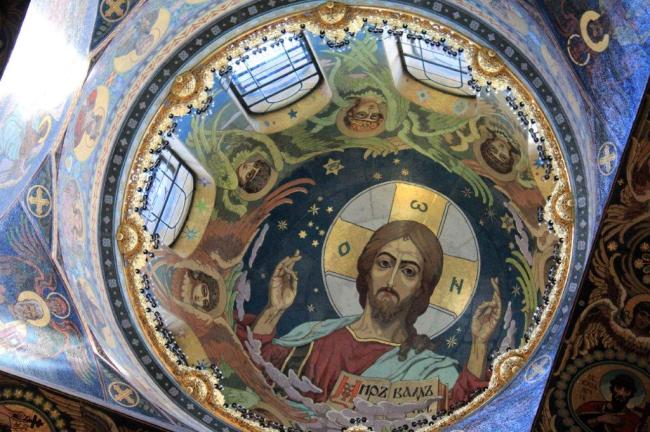
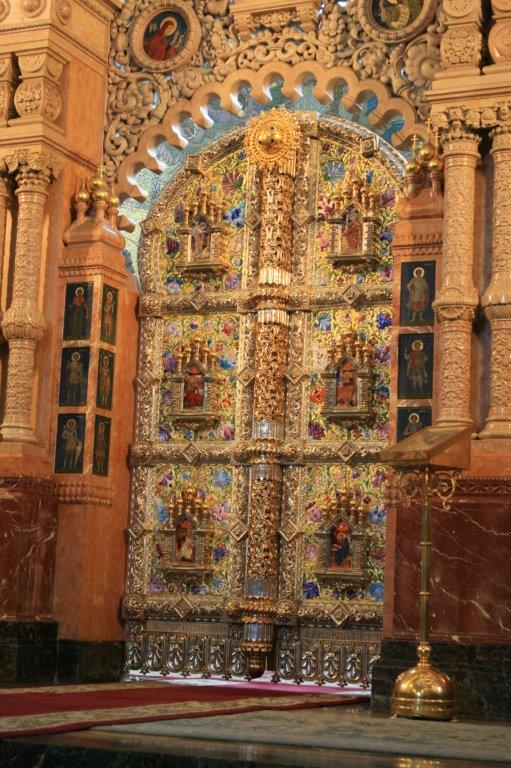
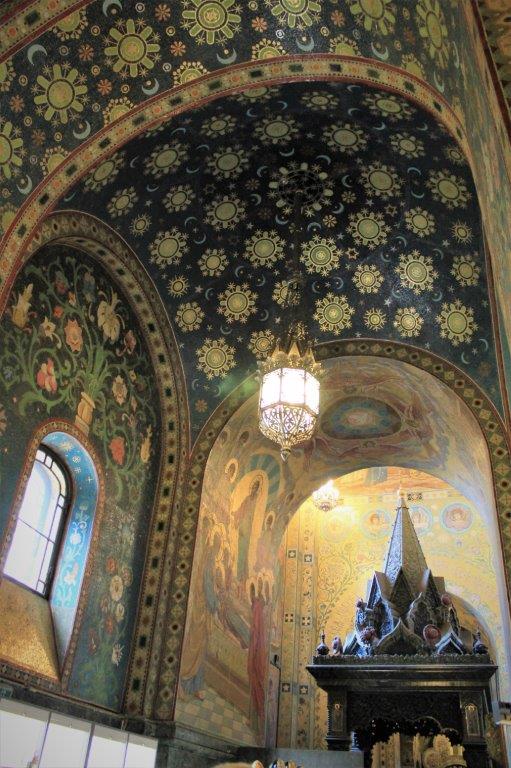
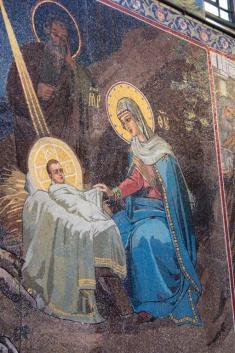
There must be a rule that Orthodox Churches cannot have any ‘unadorned’ spots.  Inside and out every single bit of surface is painted and decorated.

                             Looking up inside one of the many domes.                                             Loved the chandelier!    And then it was back to the ship for dinner and a quiet evening after a long, beautiful day.  The next day was also a palace day when we again left St. Pete’s to go see Catherine’s Palace and Pavlovsk (Paul’s Palace).


2013 Summer (Baltic and Britain – St. Petersburg, Russia – Day 1 – Part 1)

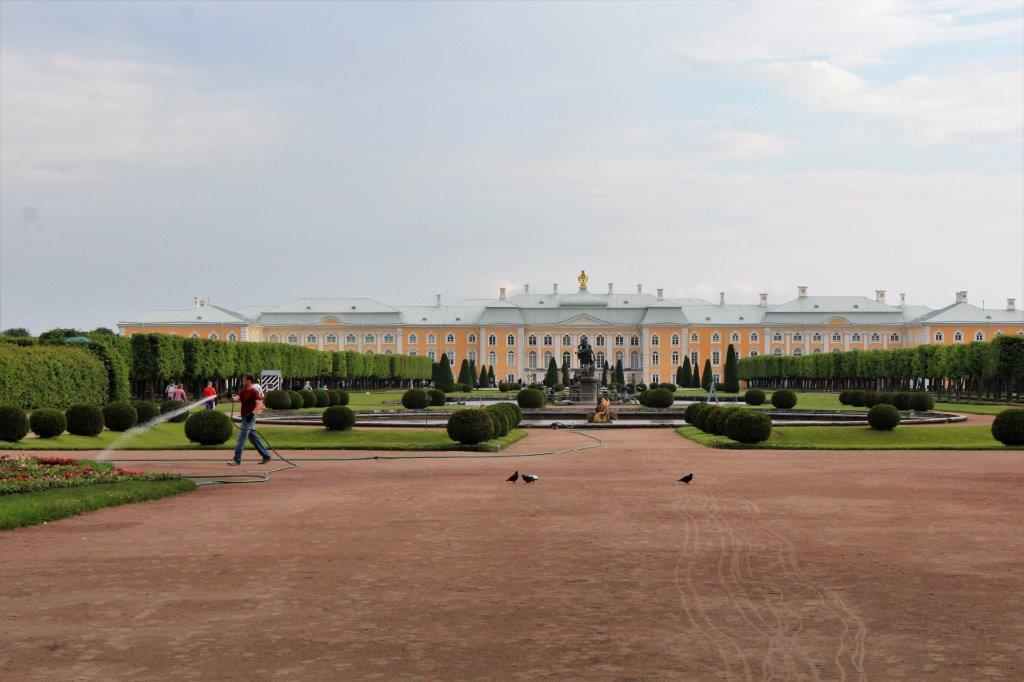
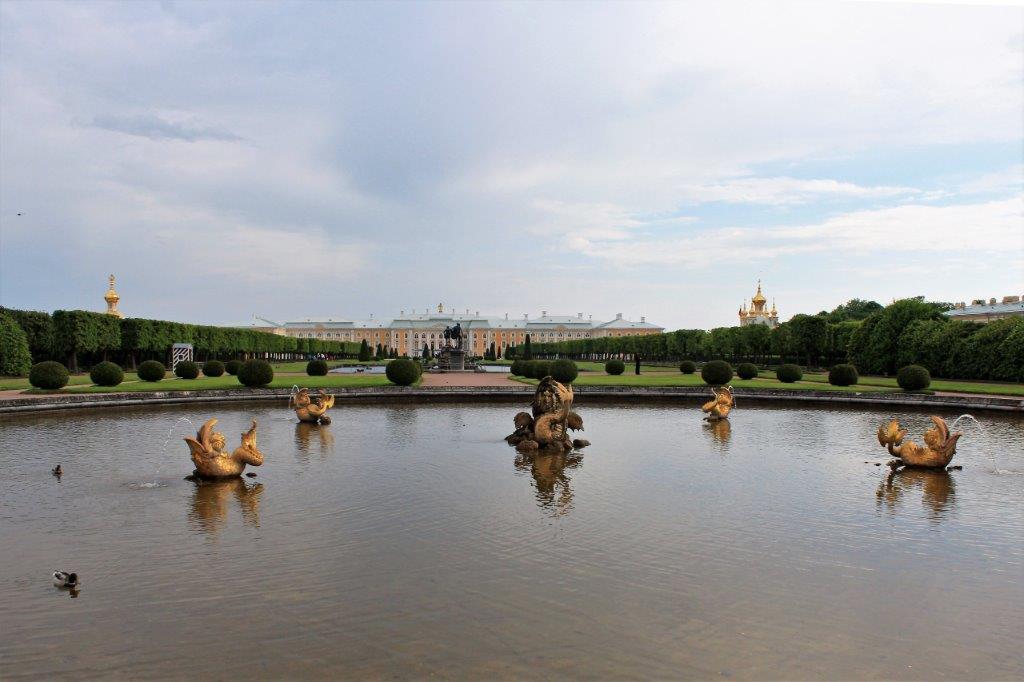
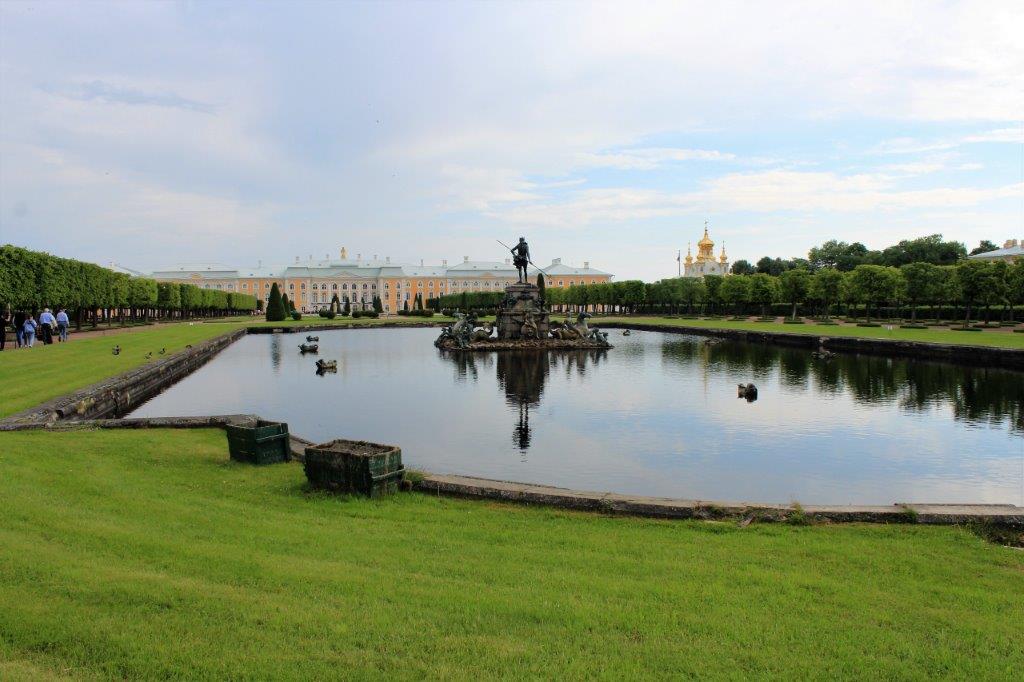
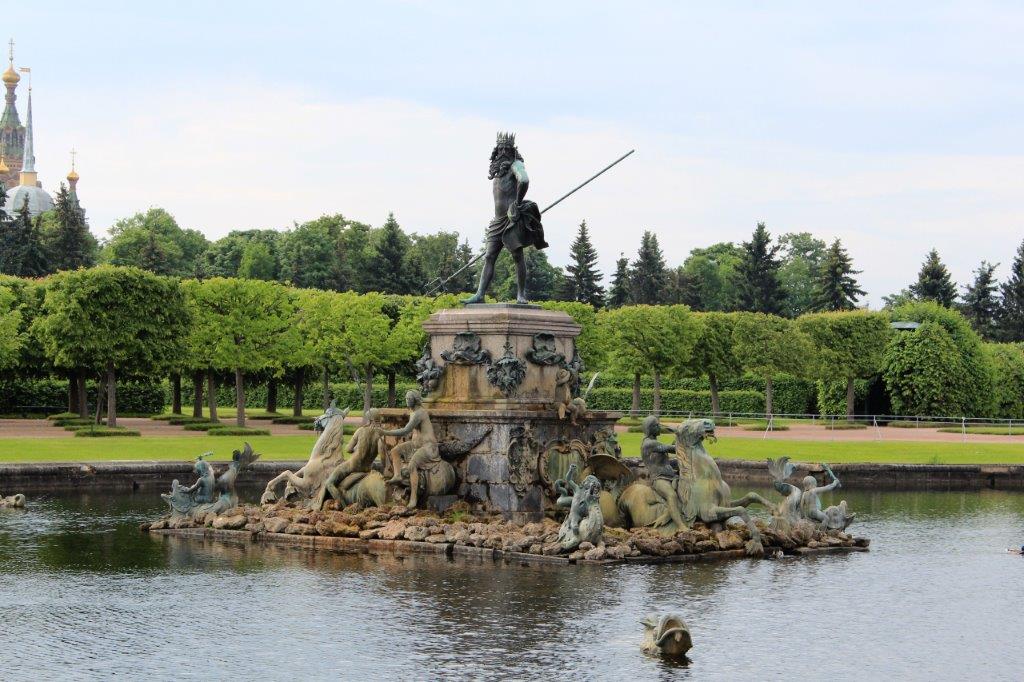
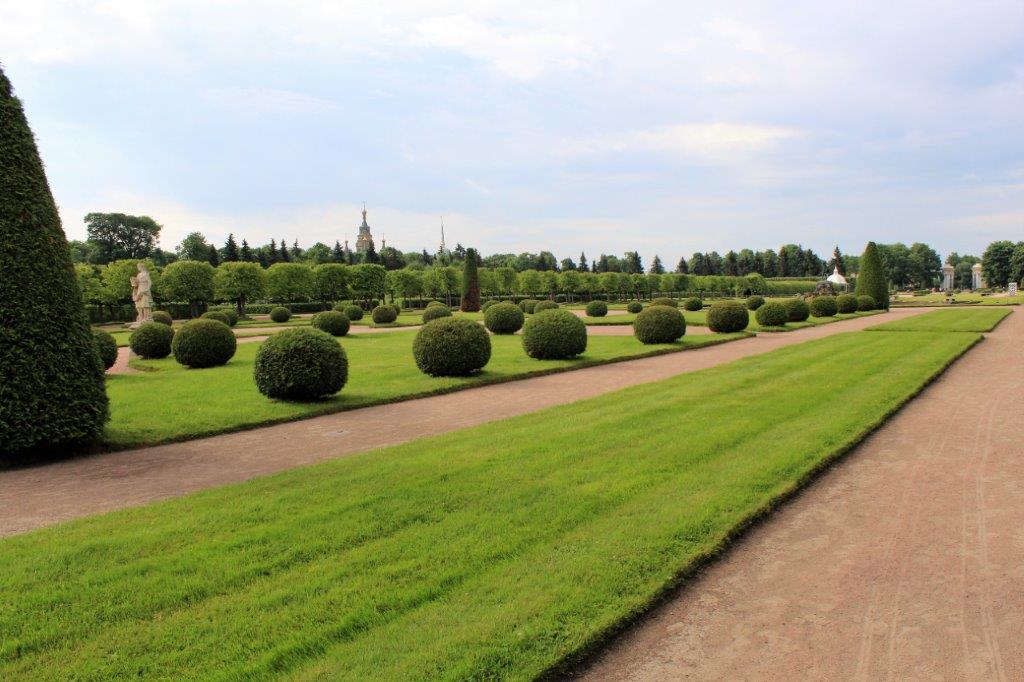
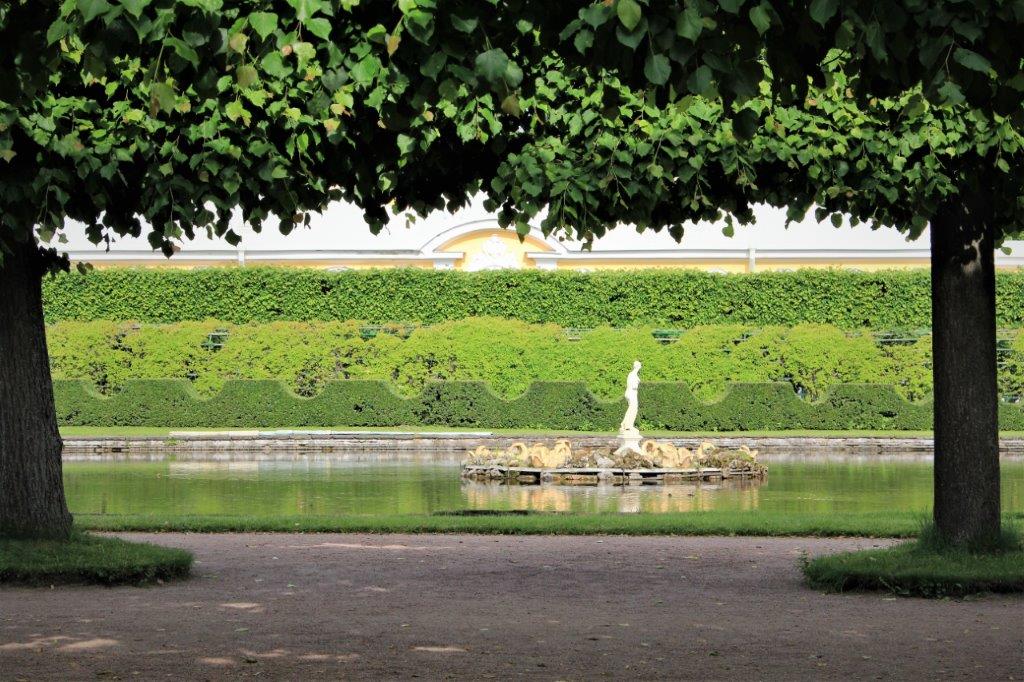
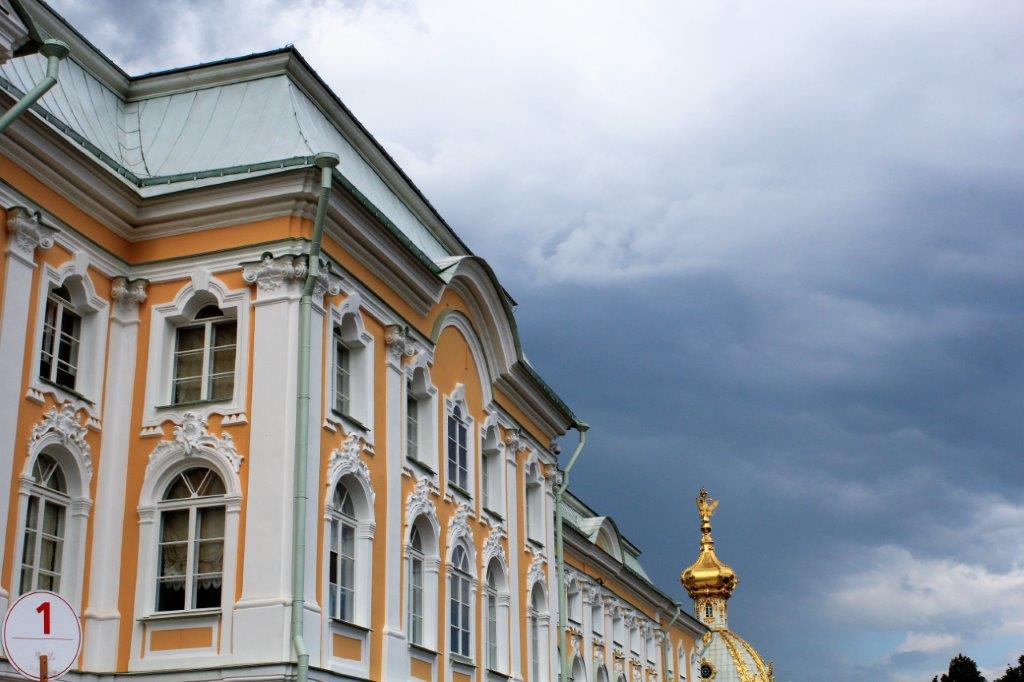
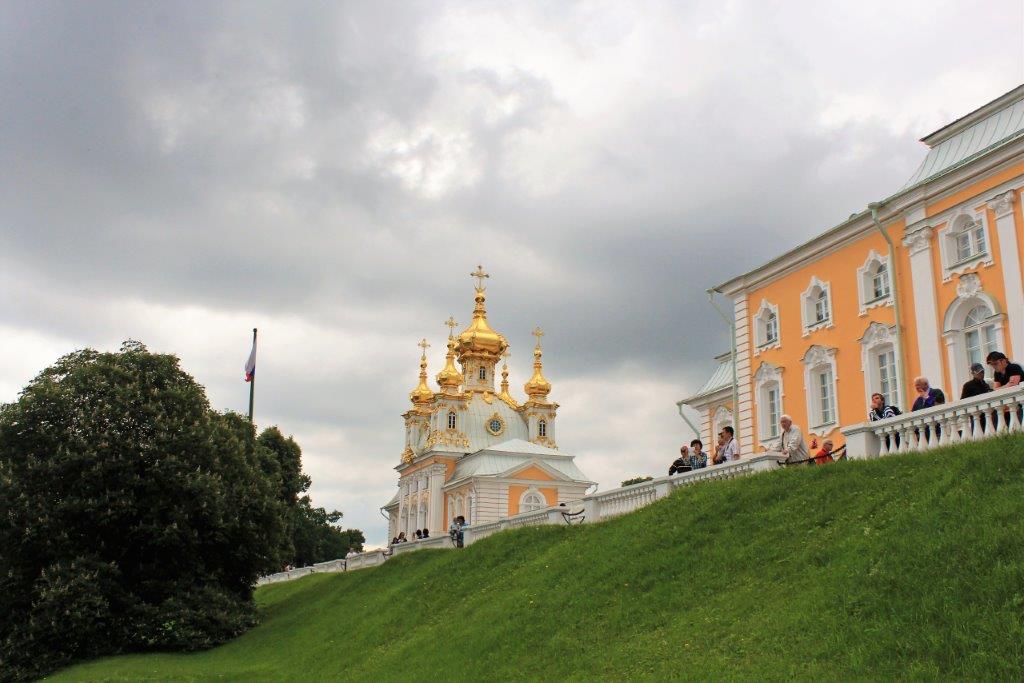
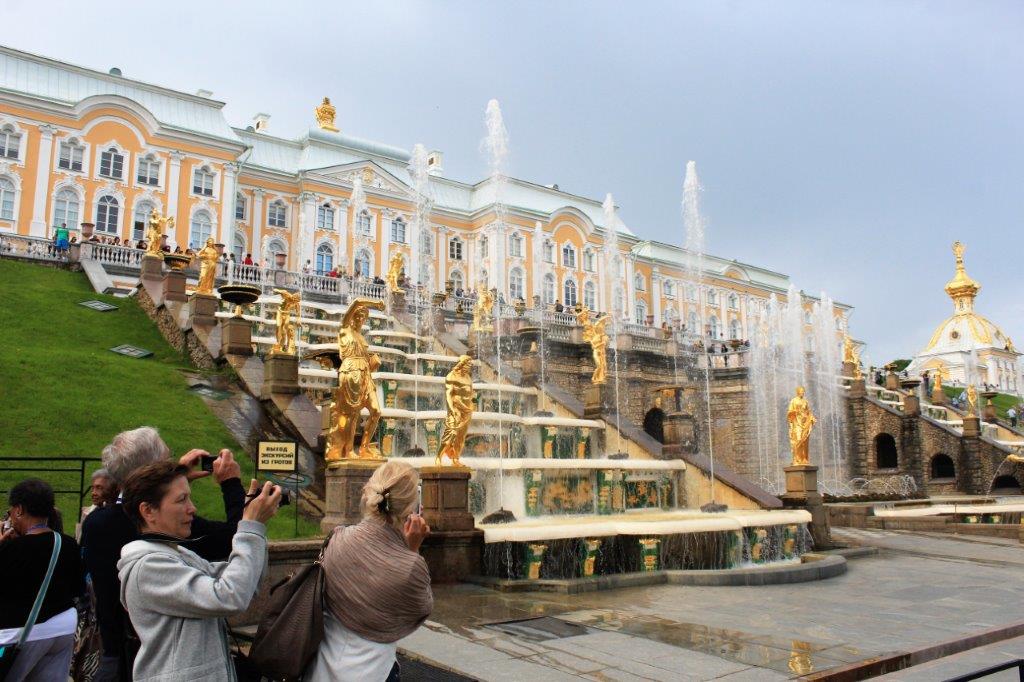
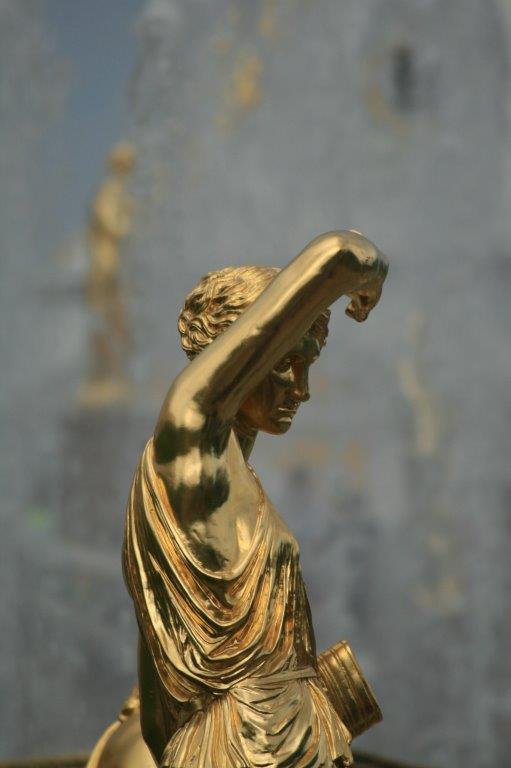
One of the tours offered on our stop in St. Petersburg was a “Night at the Hermitage.”  I seriously considered doing it because we love to visit the Hermitage in Amsterdam whenever we are in the city.  We chose instead to do the 8 1/2 hour tour that visited the Imperial Summer Palace at Peterhof.  This turned out to be a good choice.  We heard later that people were not pleased with the rushed pace through the galleries at the Hermitage.  I understand time constraints on these type of packaged tours but I too, do not like to be virtually chased from one place to another.  I am bad for being the last person to leave a room, but I hustle to catch up to the group so I don’t cause a delay. Peterhof (which means Peter’s court) is 25 km (16 miles) from St. Petersburg and is located along the shores of the Gulf of Finland.  The Summer Palace was constructed by Peter the Great.  His daughter Empress Elizabeth also loved the site and ordered the expansion of the Grand Palace and the magnificent grounds.  As with most of the Imperial residences the Summer Palace was ravaged by the Germans during WWII.  The grounds with its famous fountains were restored by the end of 1945 and the palace was re-opened in 1952.

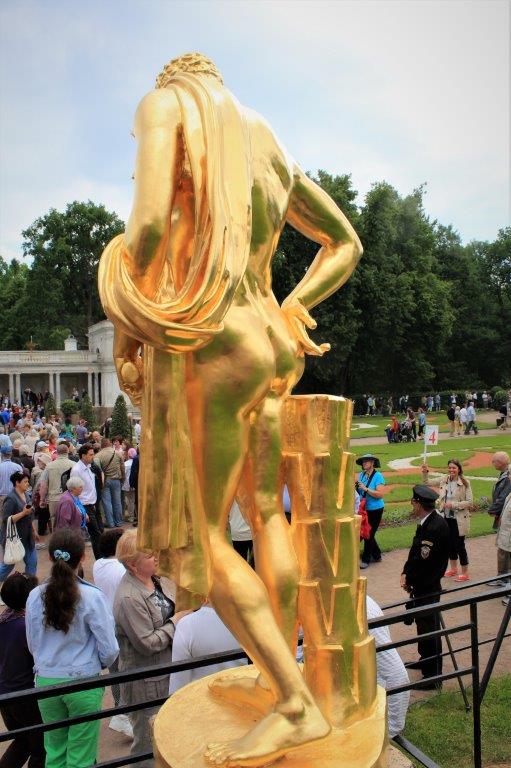
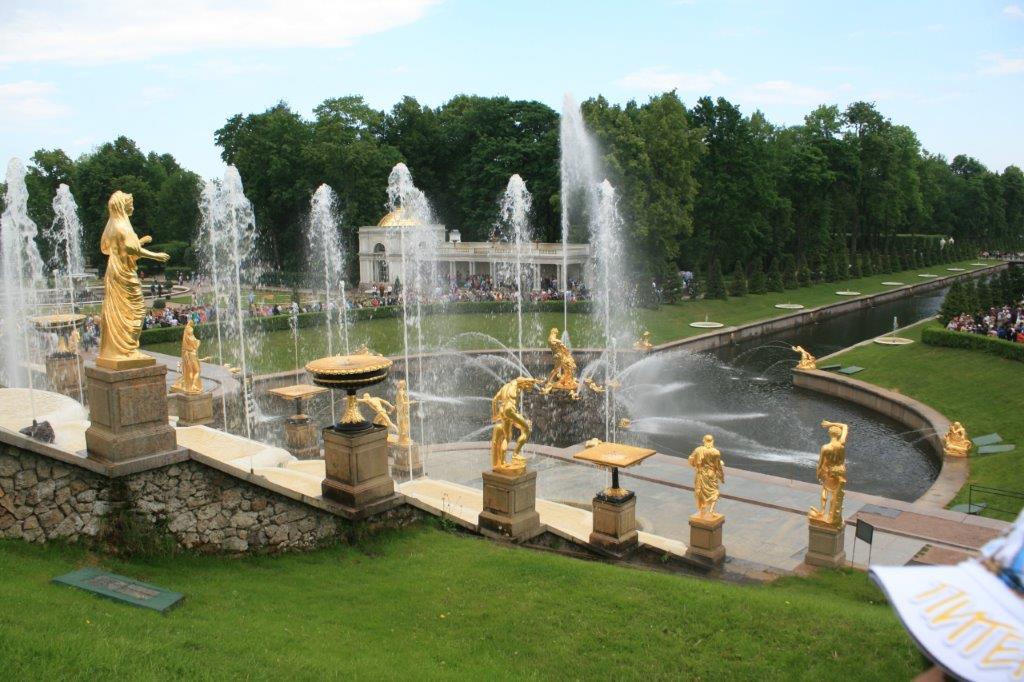
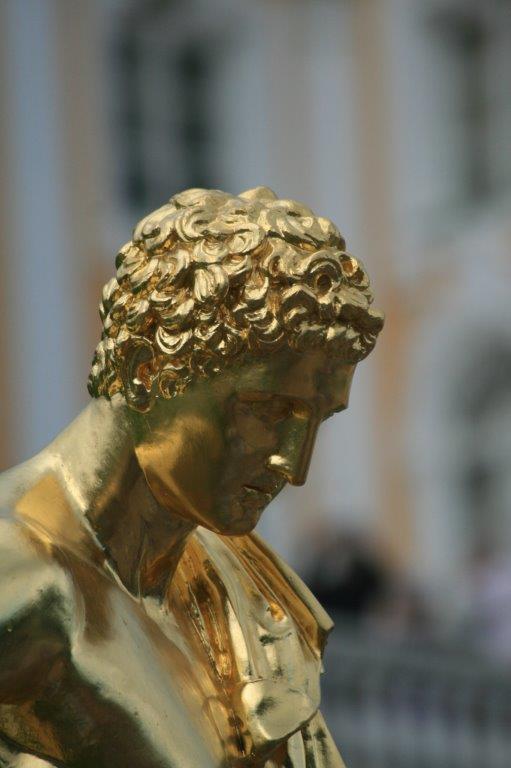
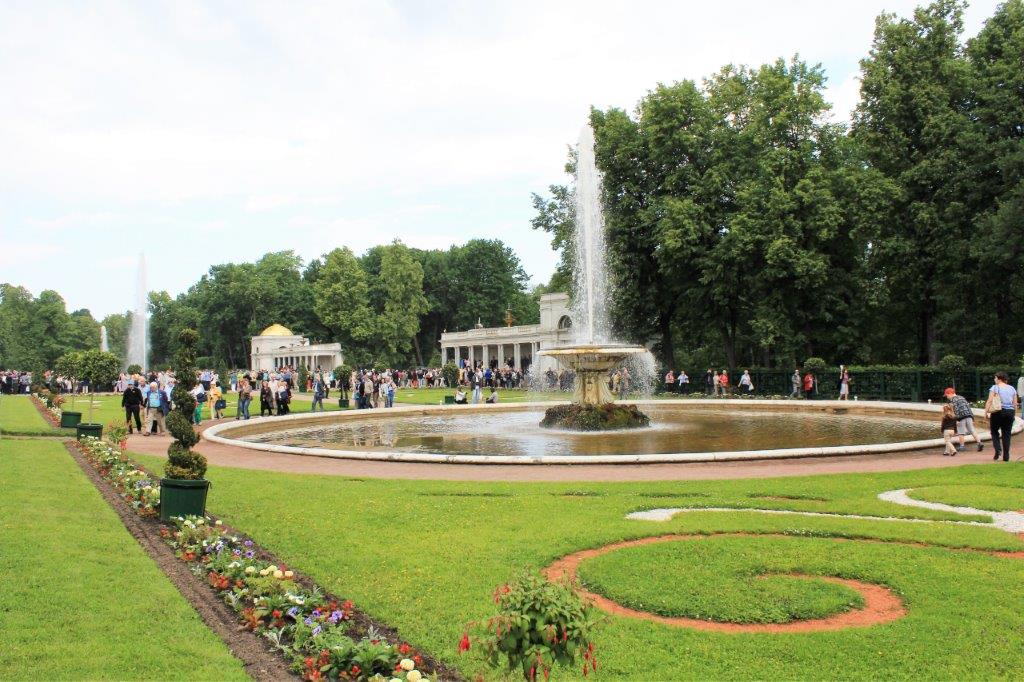
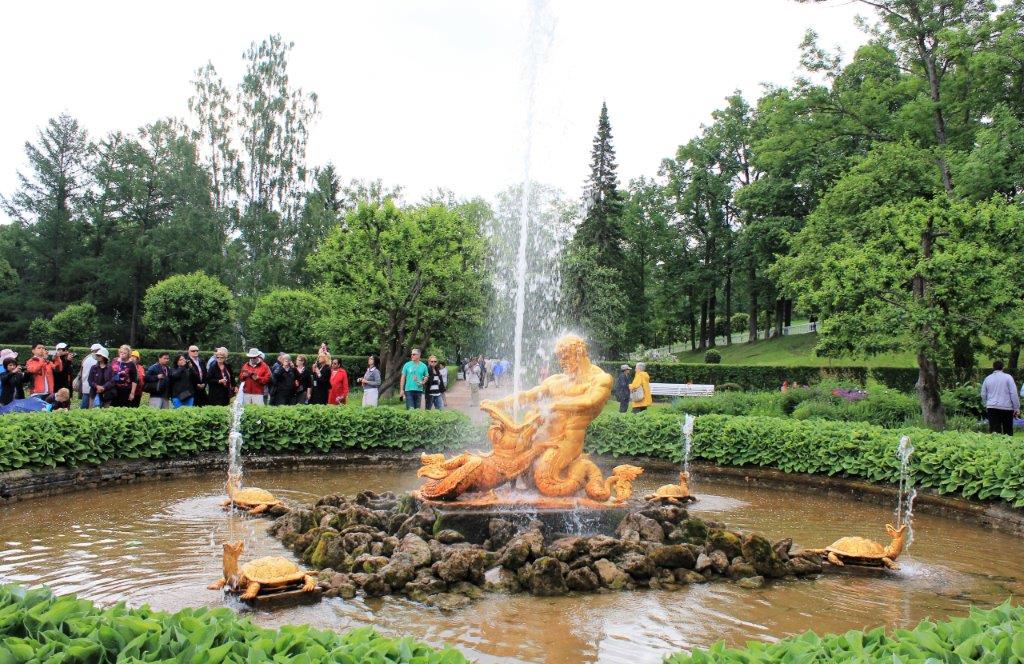
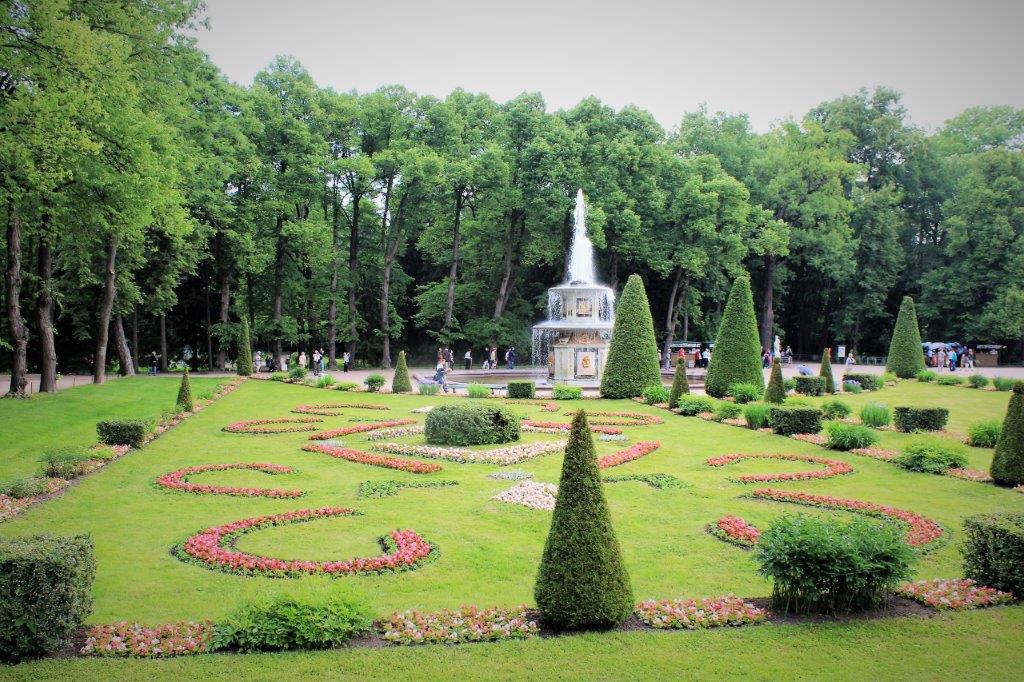
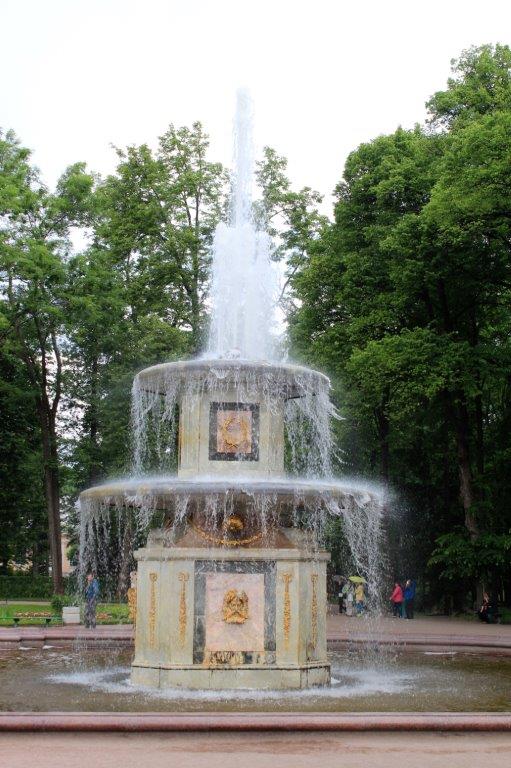
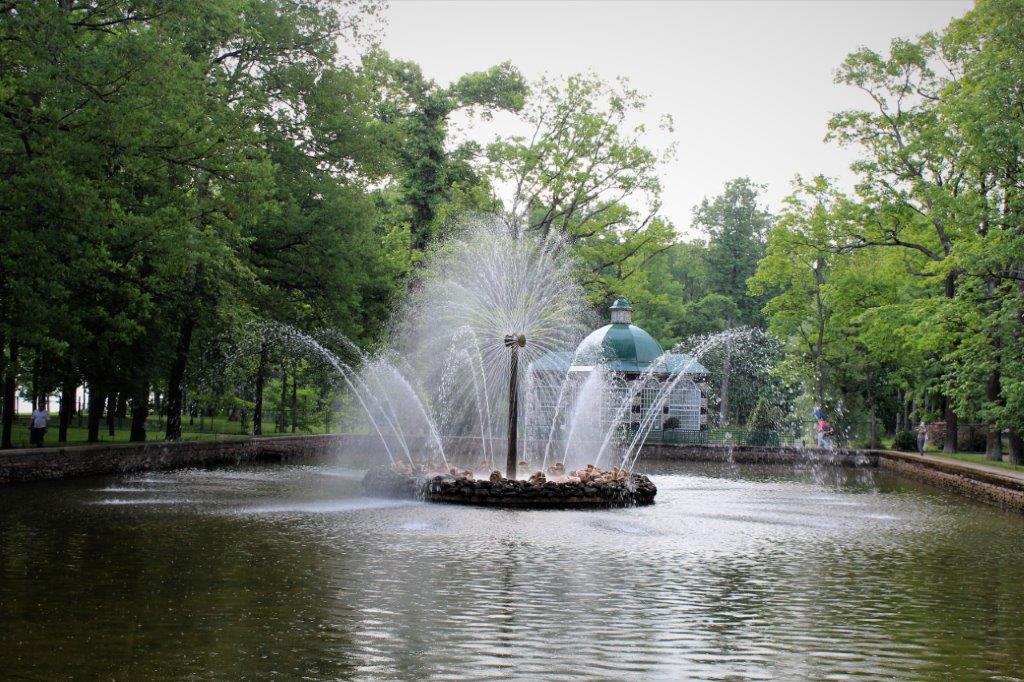
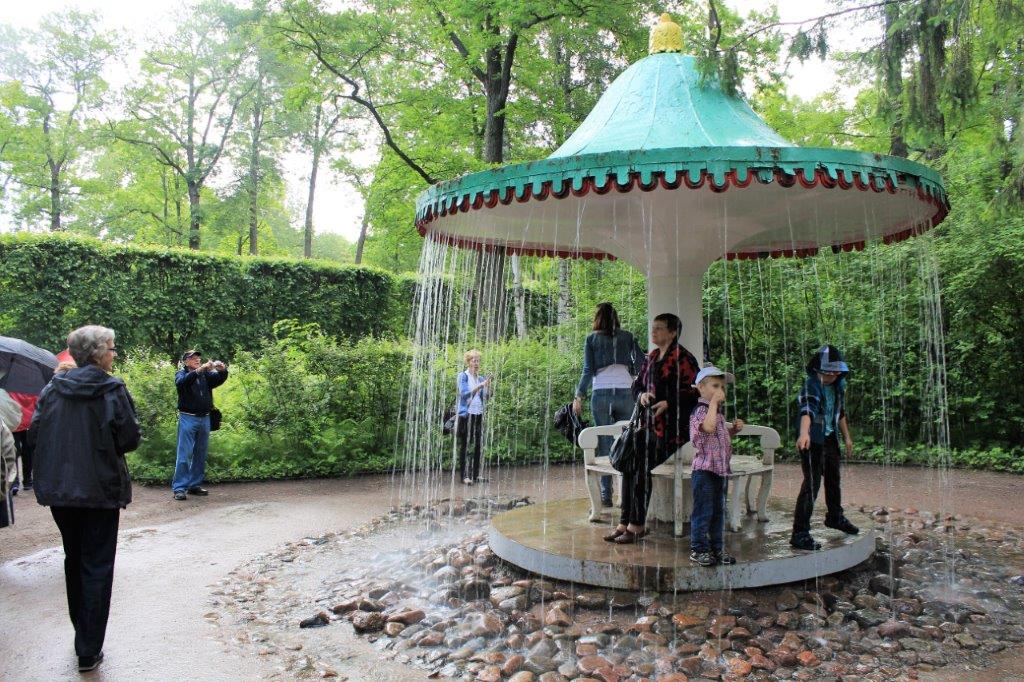
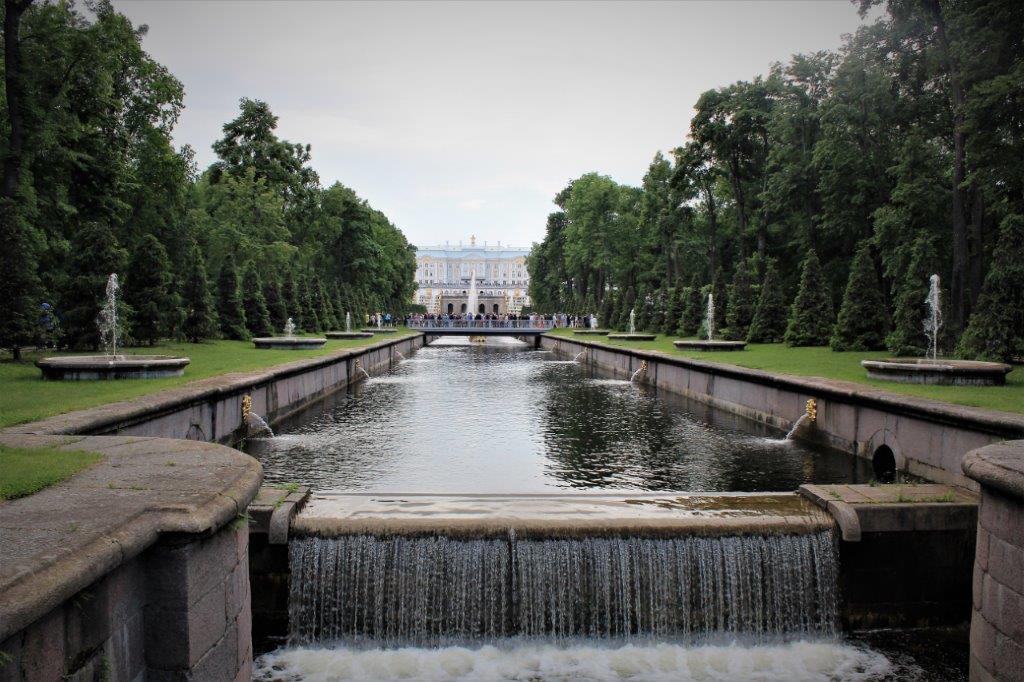
There were no photographs allowed inside which was a bummer as the rooms were truly incredible.  Most people spend the majority of their time wandering the extensive park and gardens which were enlarged by successive Emperors and Empresses over several generations. The best approach to the palace grounds is by the sea from where you get a spectacular view of the Grand Cascade, comprised of 64 different fountains with 200 gold statues and bas-reliefs.  Below is the view from the top of the balcony looking out toward the coast.  Pretty easy to envision how beautiful it would be from the other direction.The Summer Palace has been called the “Russian Versailles” due to the 150 fountains, and the park was certainly the inspiration for the new residence when Peter began construction in 1720.                                                     The Chess Cascade A very popular area is the Joke Fountain where the unwary are drenched in water when they step on certain rocks.  Looking back at the palace from the end of the grounds.  After our time at the Summer Palace ended we boarded a hydrofoil and were taken back to St. Petersburg.  There is no shortage of impressive buildings along the shoreline. To be continued….


2013 Summer (Baltic and Britain – Tallinn, Estonia)

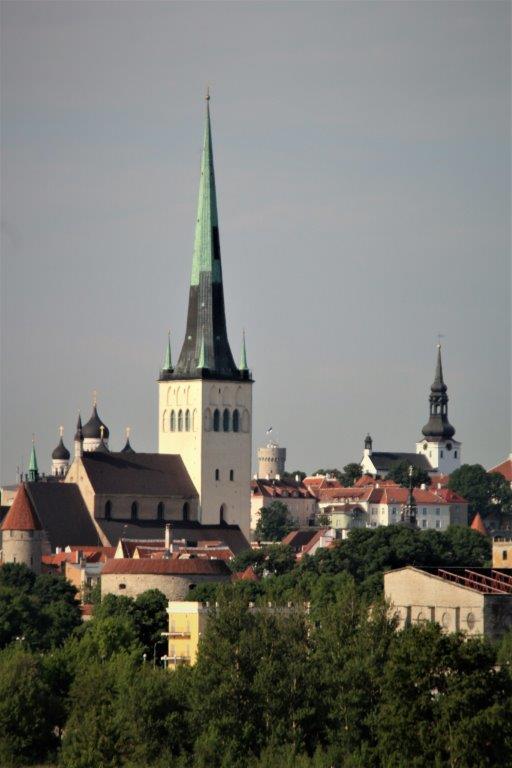
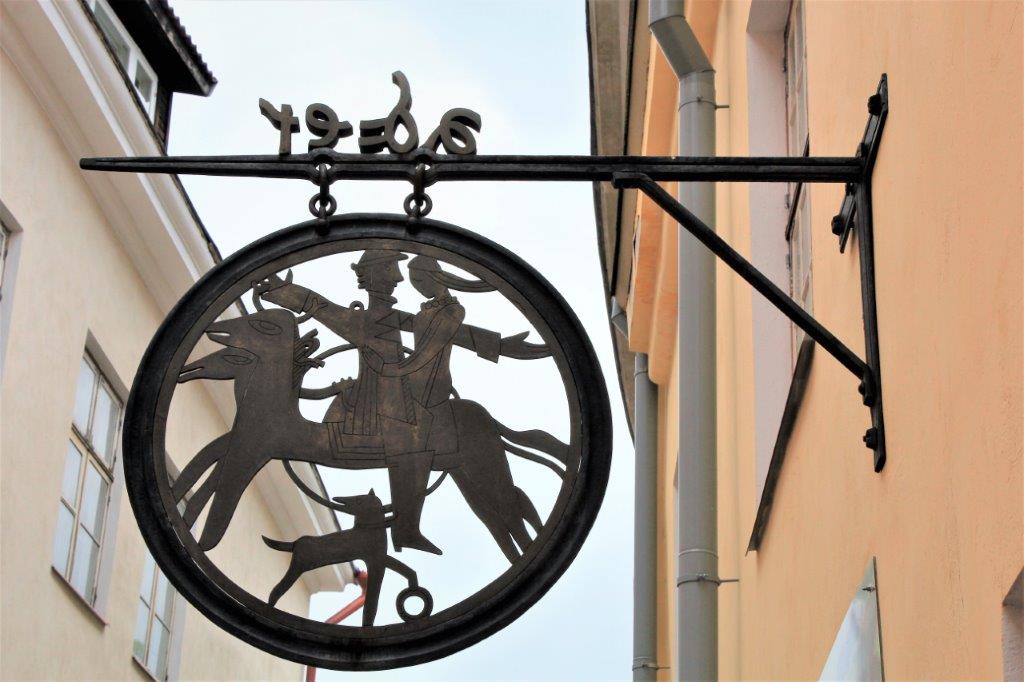
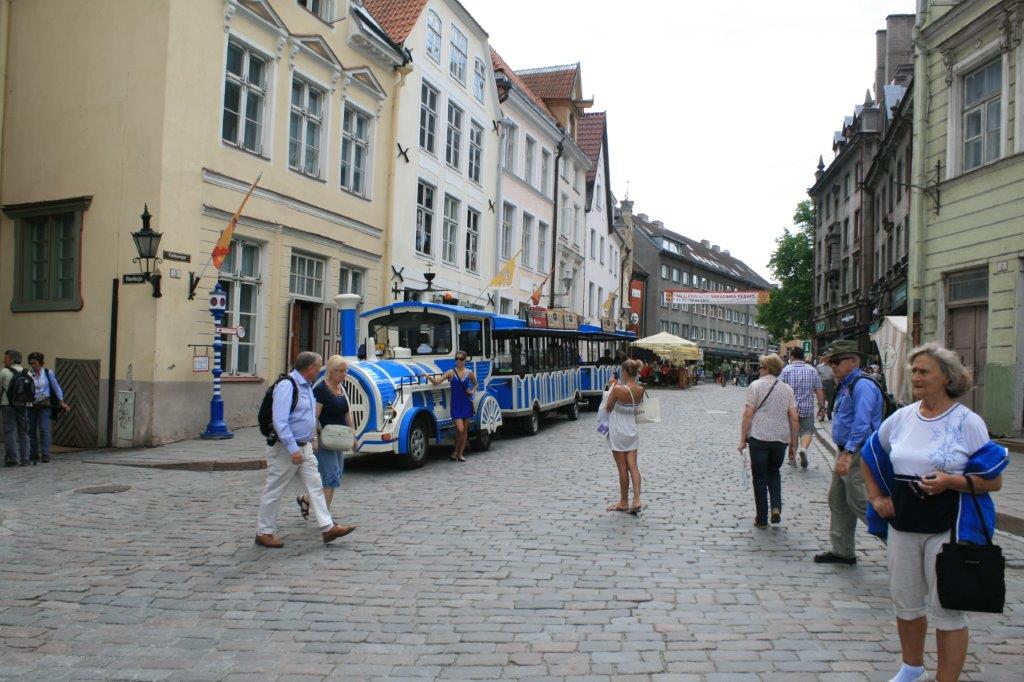
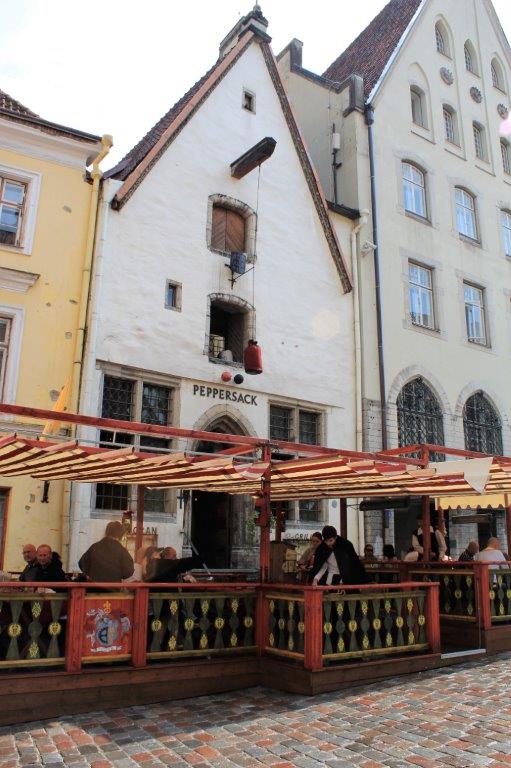
We spent a day at sea between our ports of call in Germany and Estonia.  Tallinn is the capital city and the country’s cultural hub.  Estonia was part of the former U.S.S.R. but declared independence  August 20, 1991.  The nation is located across the strait from Finland and its very strong ties to that country helped create a firm foundation for stability.

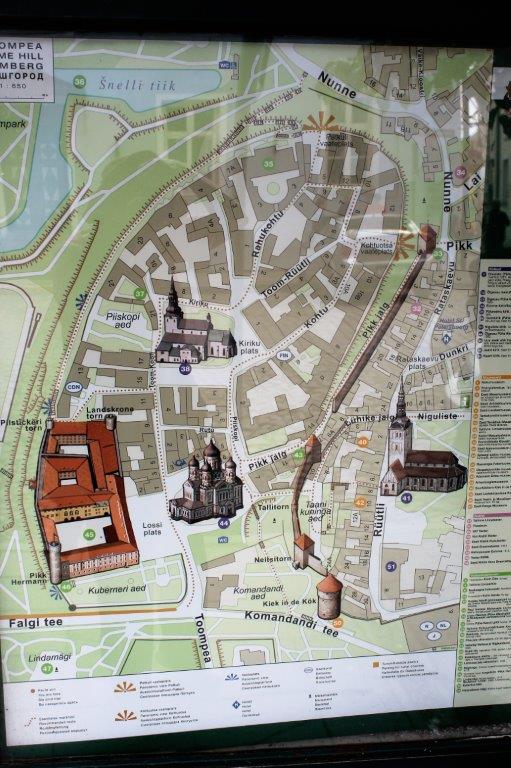
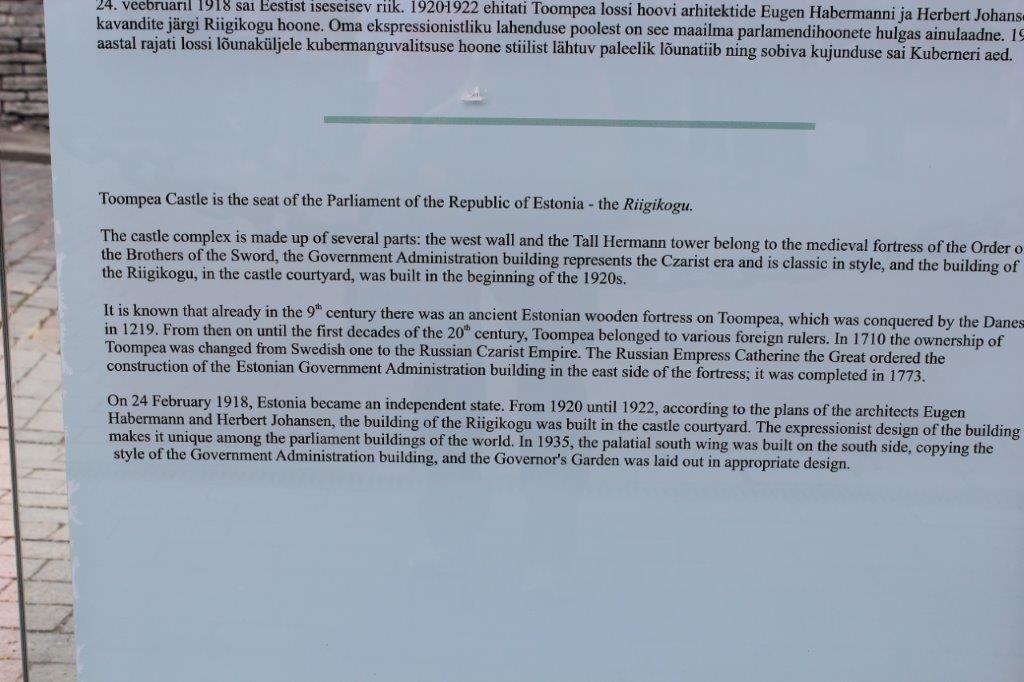
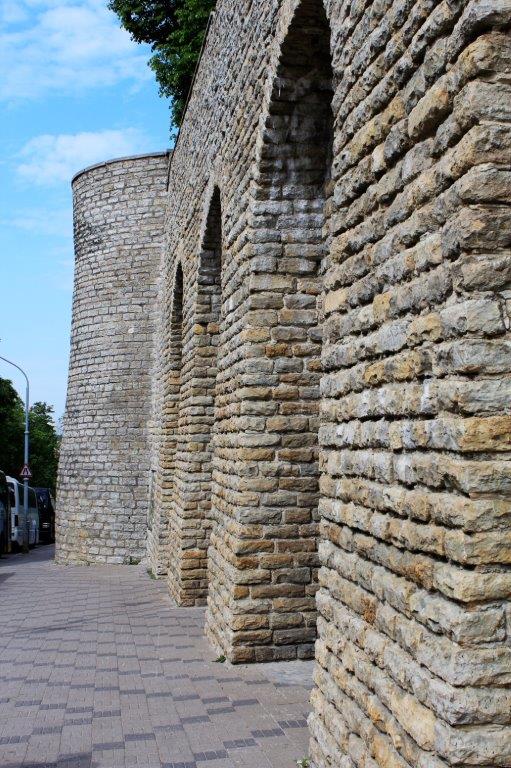
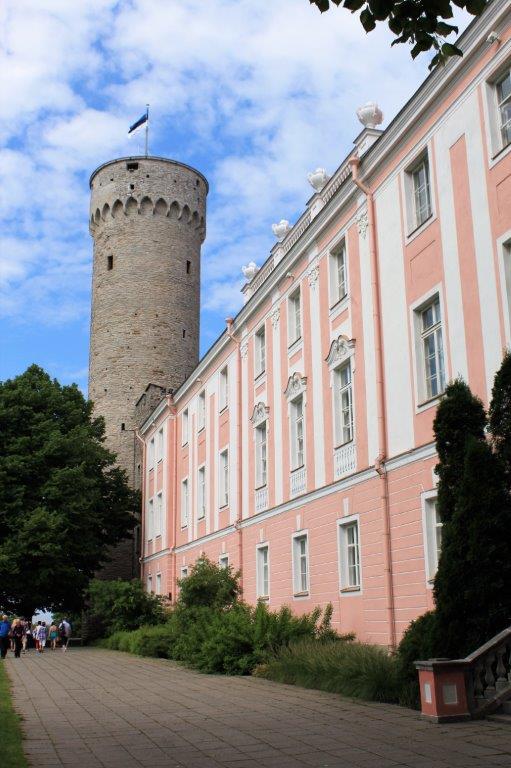
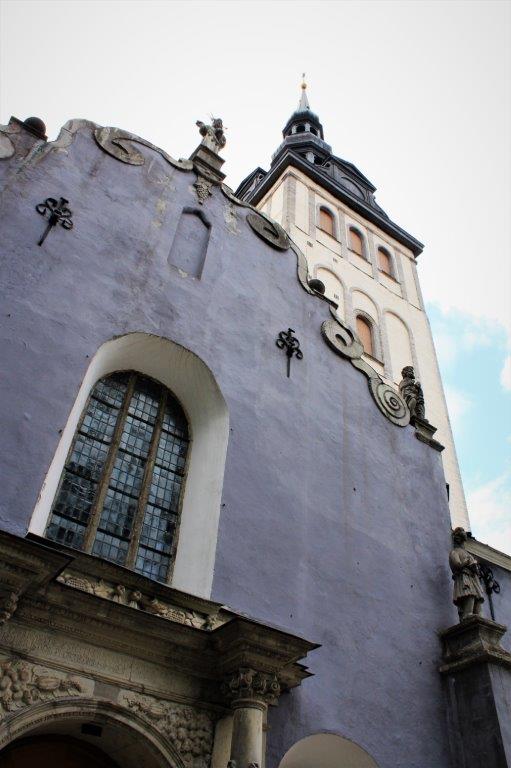
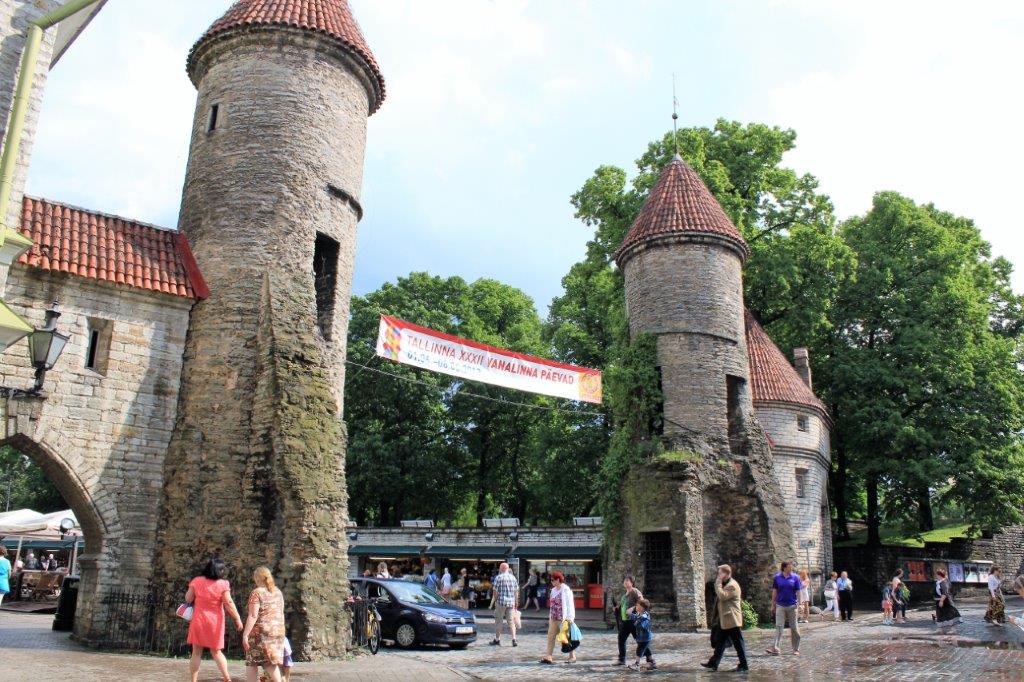
At the top of a steep-sloped hill called Toompea, the Danes built a castle in 1219.  Nothing remains of the original fortress, but the Knights of the Sword rebuilt the structure in the 13th century and some of their towers still stand.  Some of them were damaged during a Swedish raid in the 16th century but are nevertheless impressive structures.


 The Parliament Building of Estonia is located within the grounds of Toompea Loss.

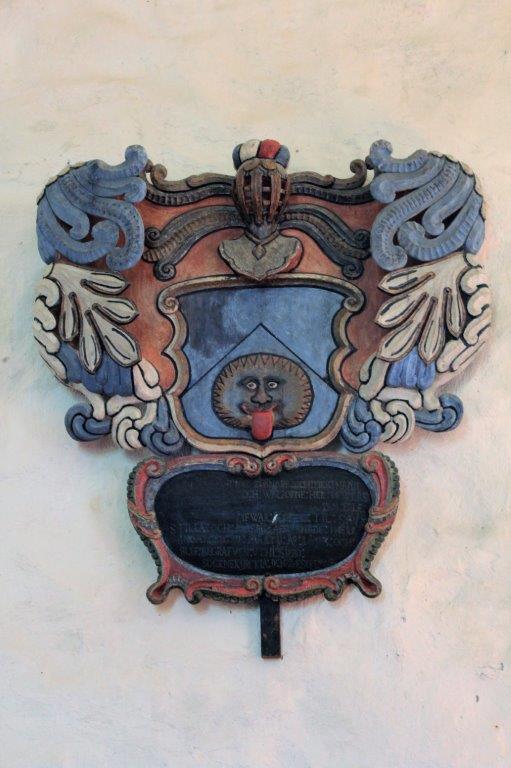
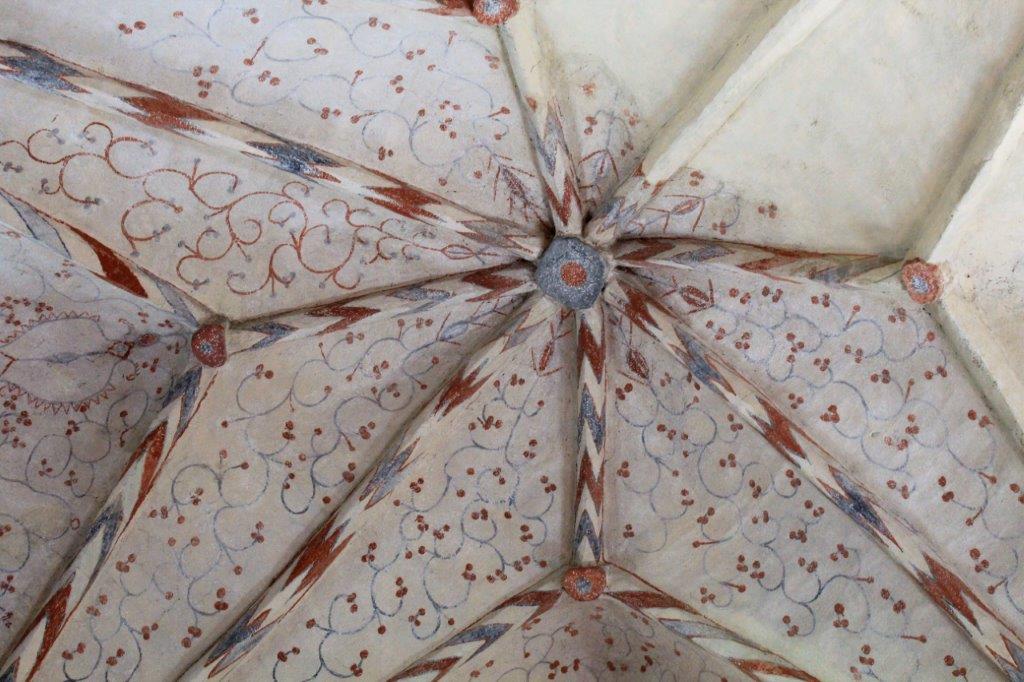
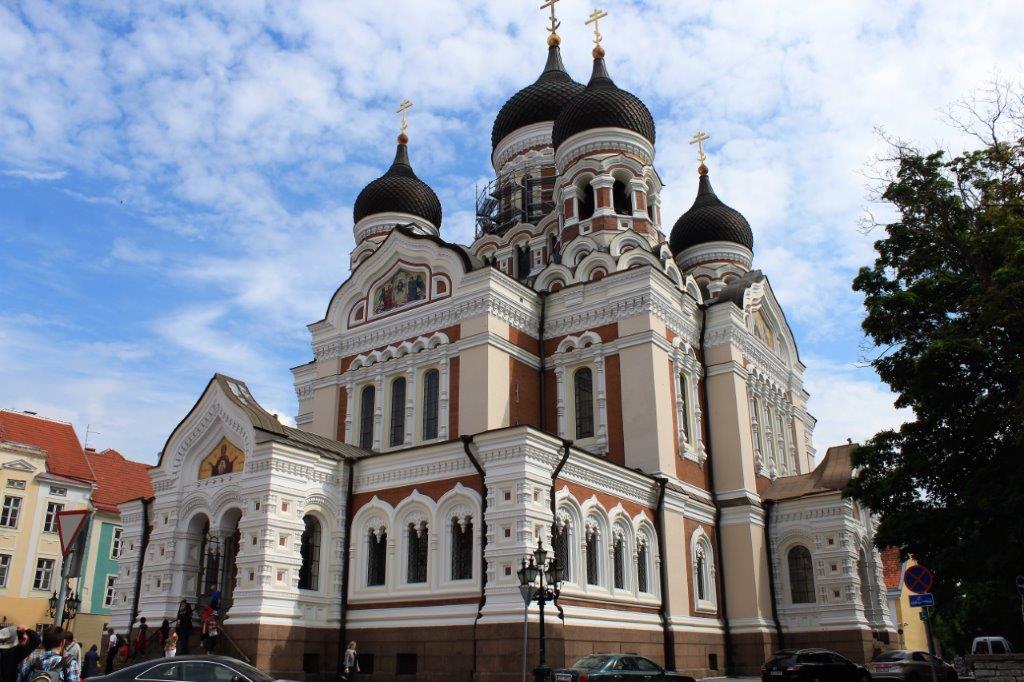
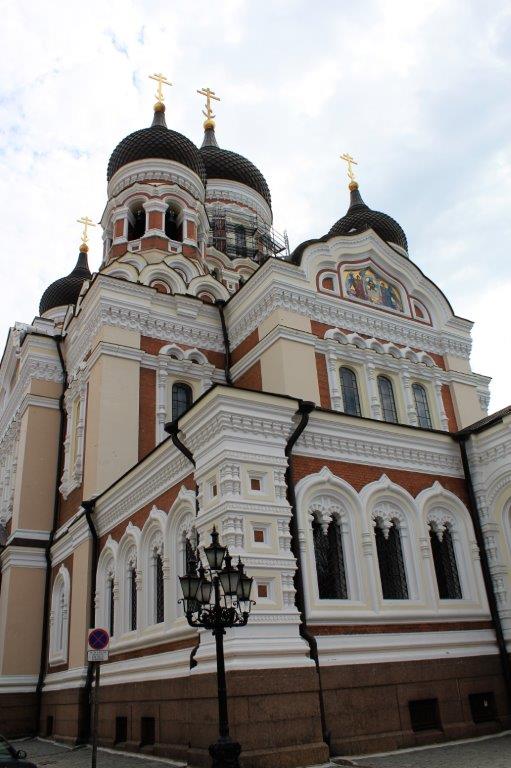
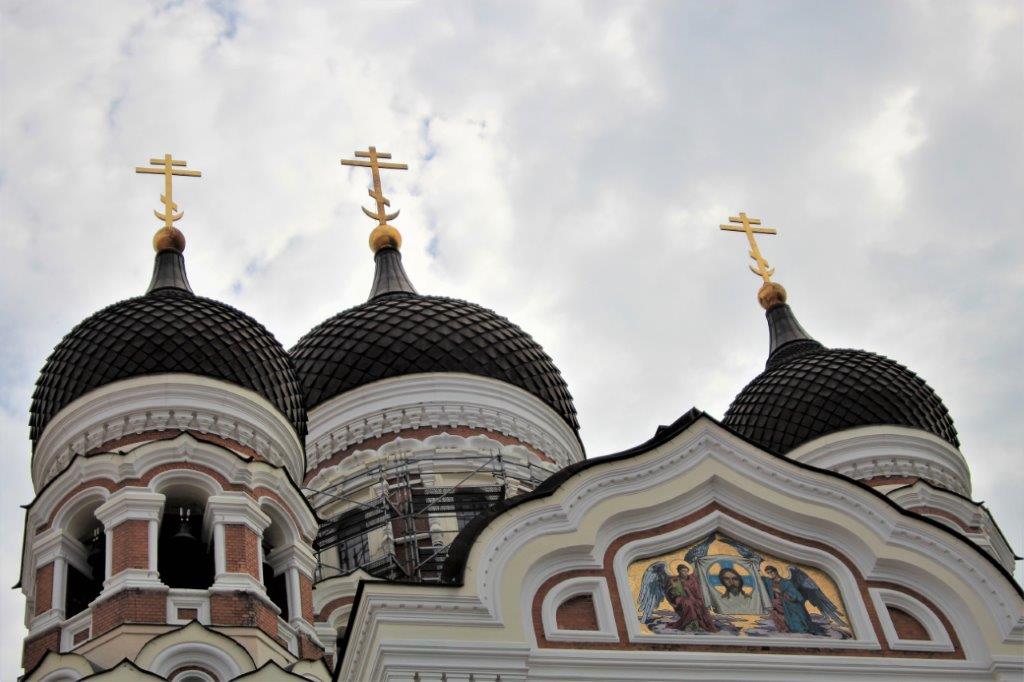
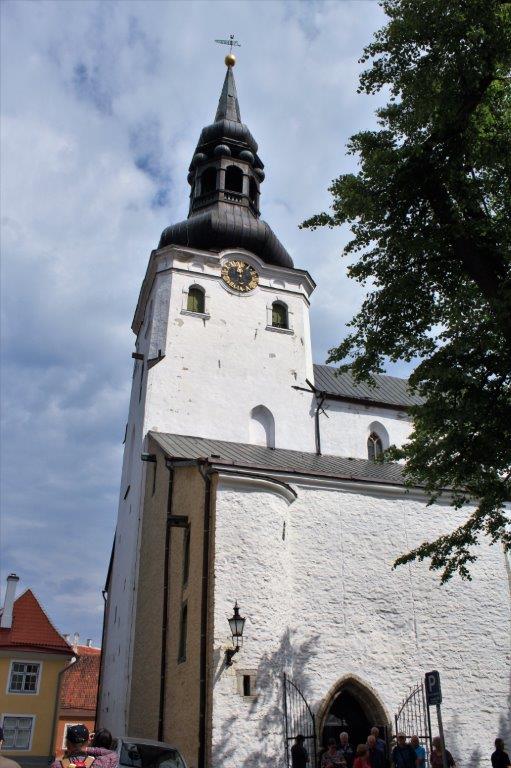
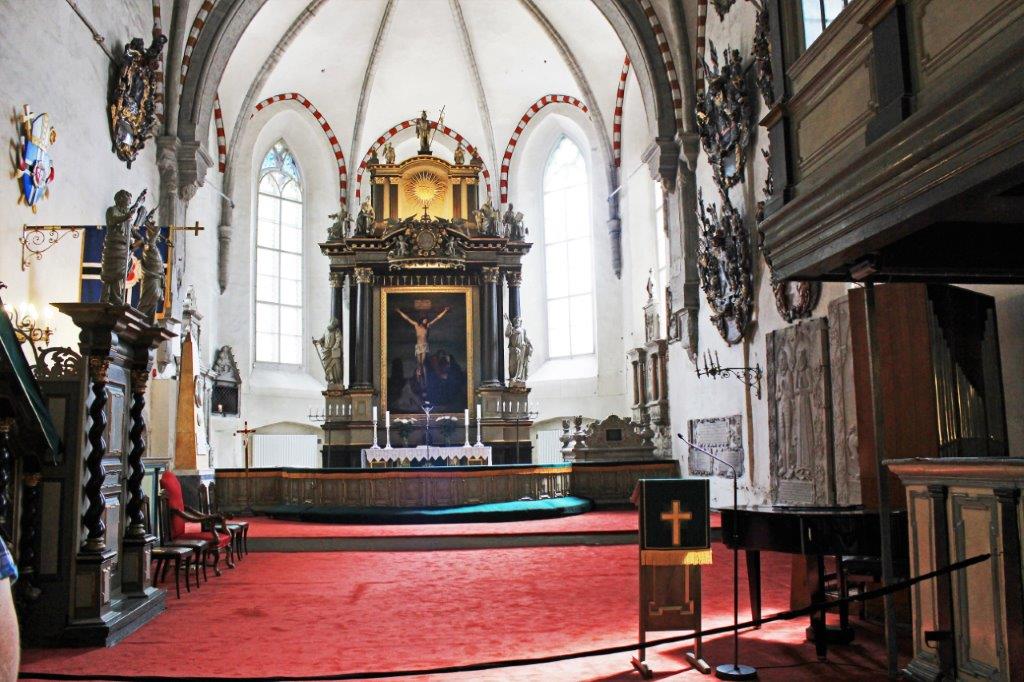
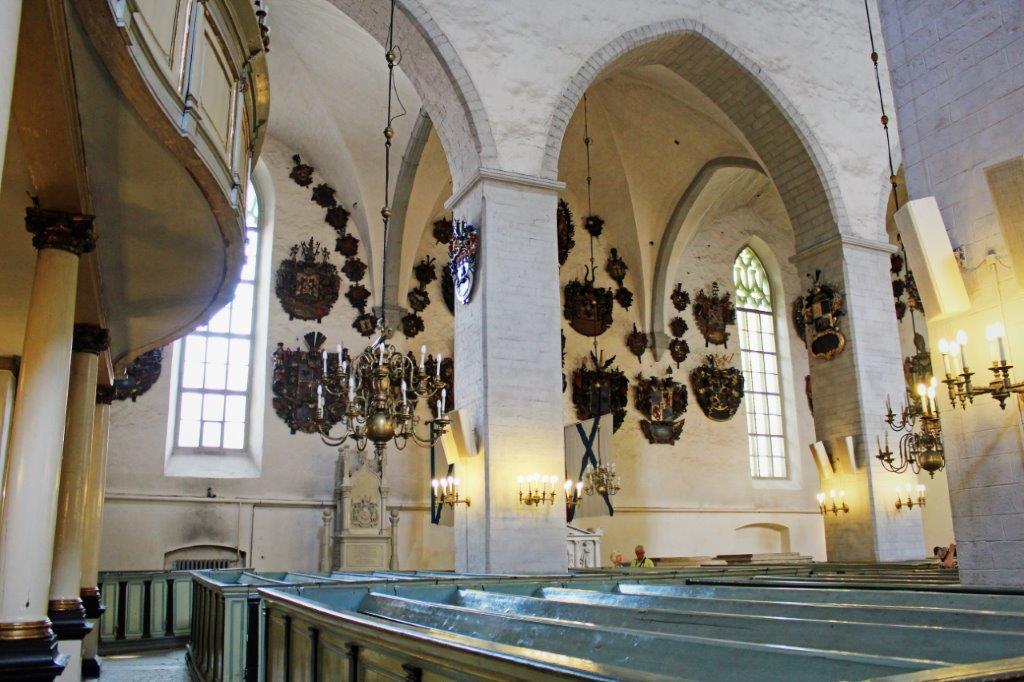
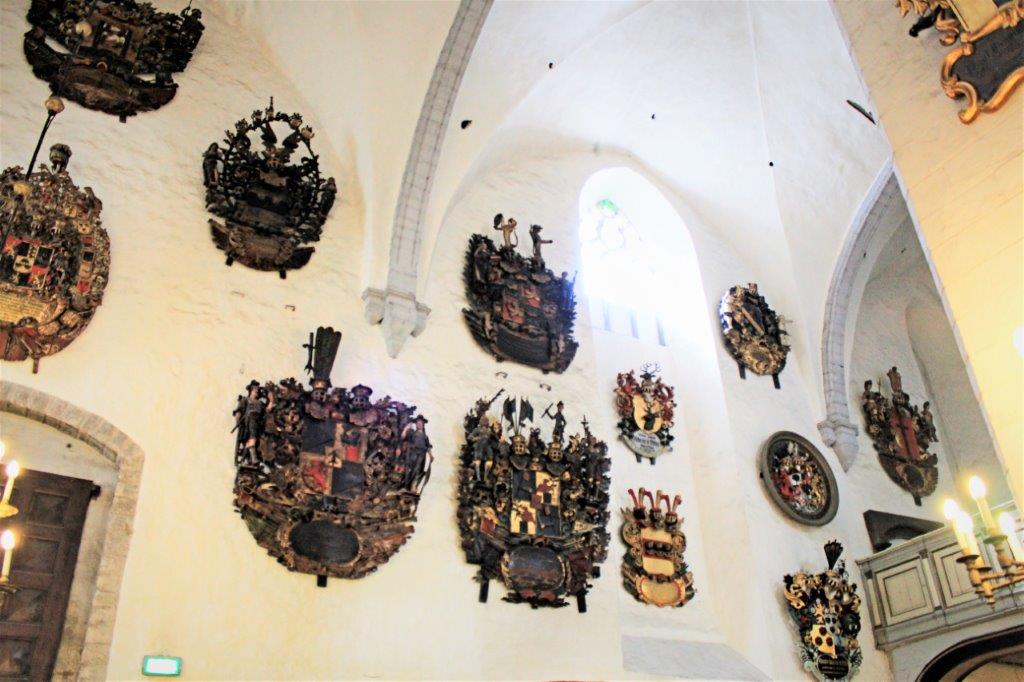
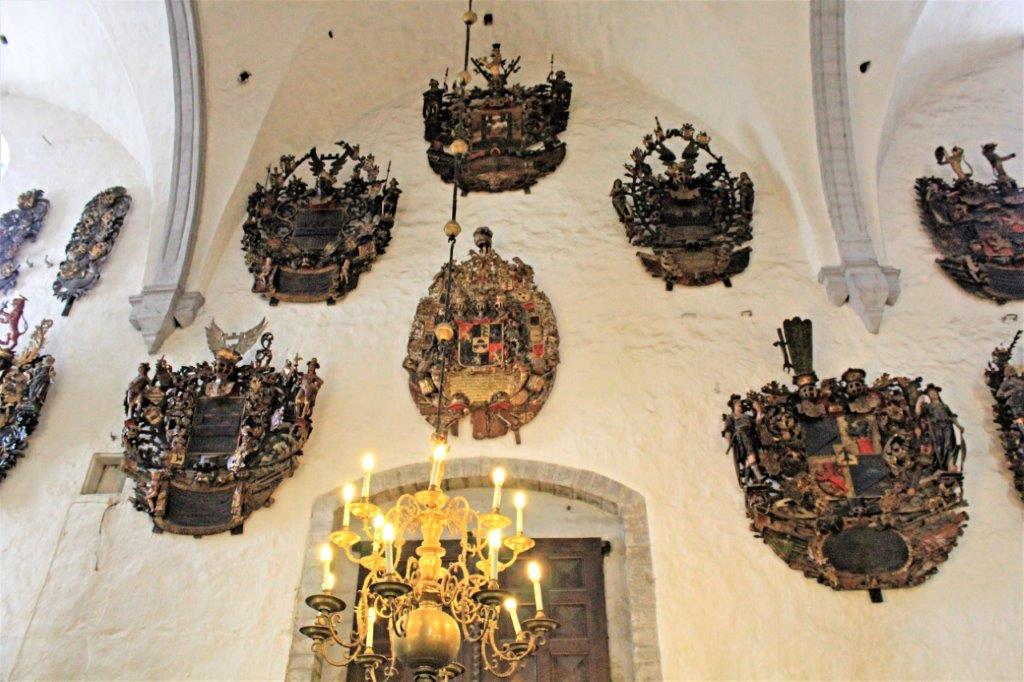
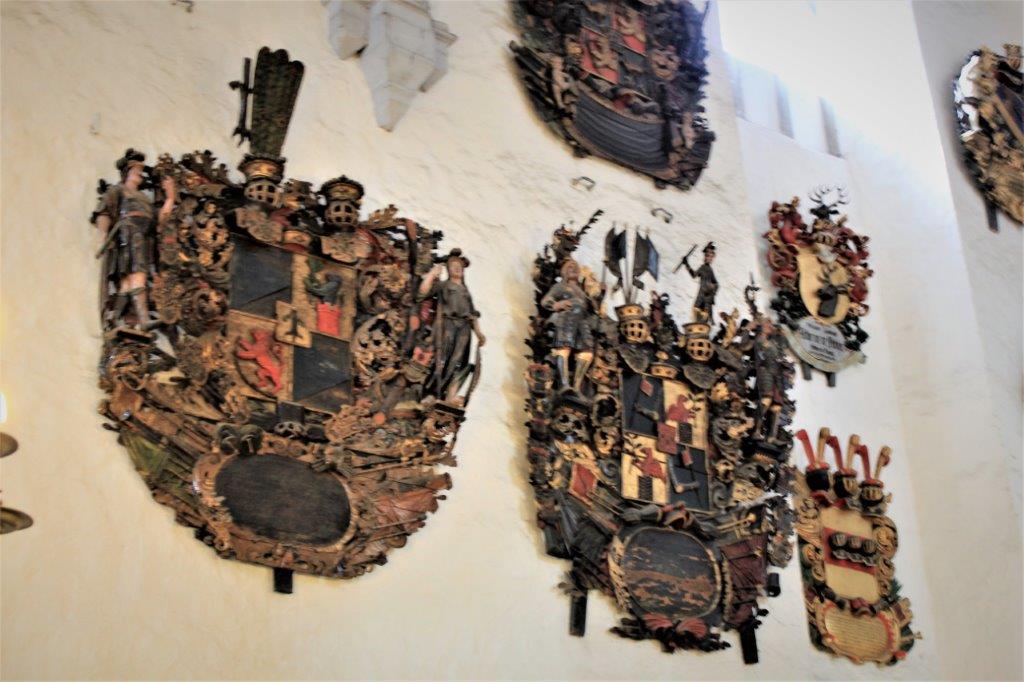
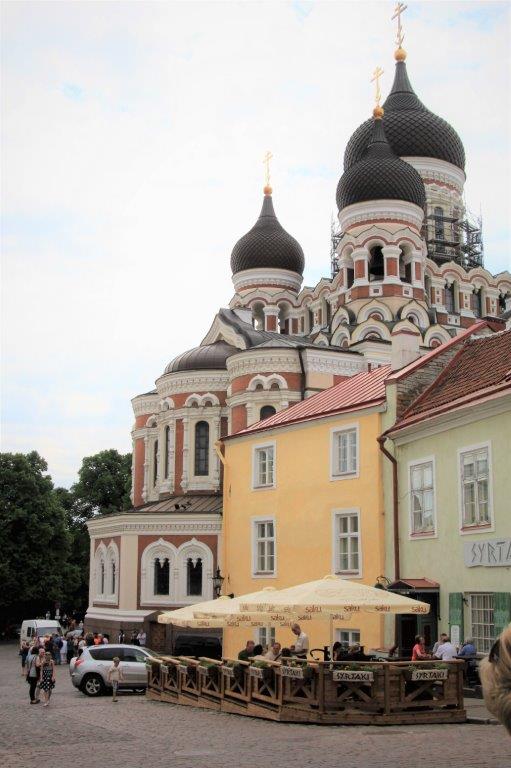
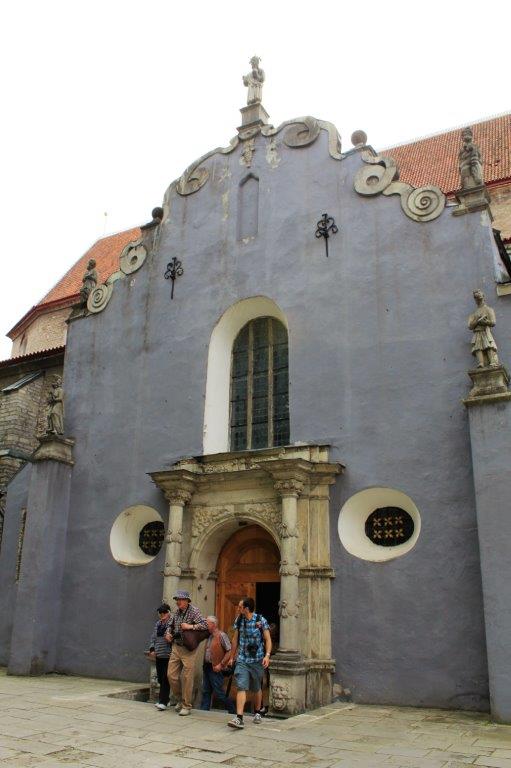
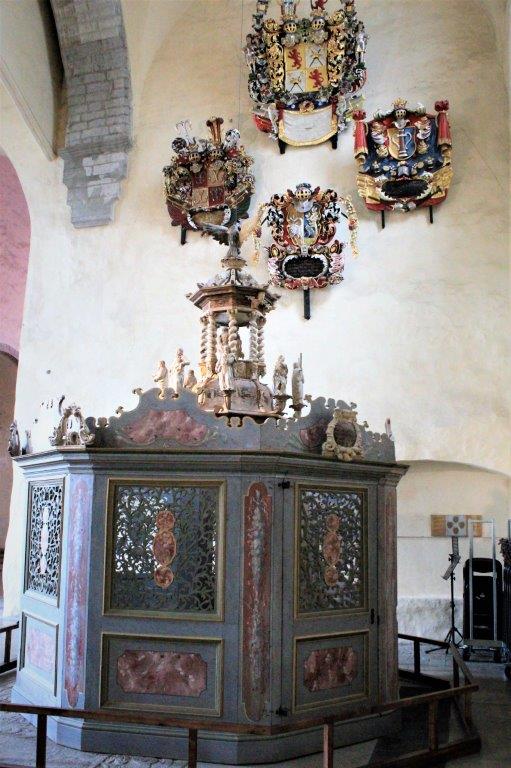
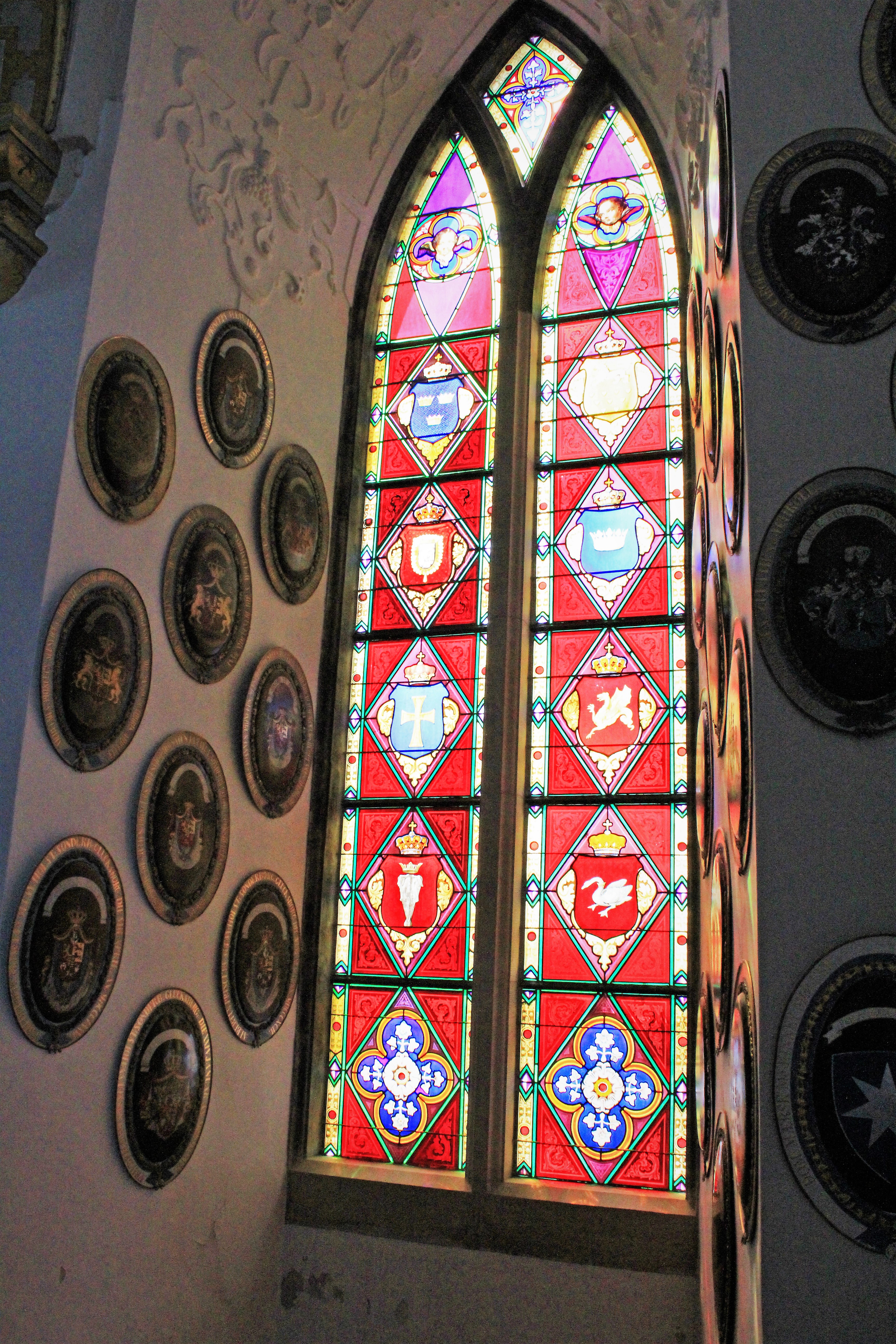
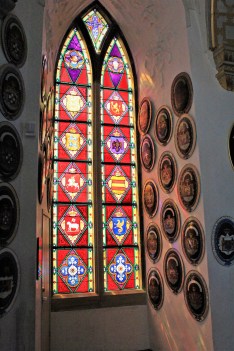
Across the square from the Parliament building is Alexander Nevsky Cathederal, a Russian Orthodox Church that is 120 years old. St. Mary’s Church (below), known to the Estonians as their beloved Toom Kirik (Dome Church) is the country’s oldest cathedral.  Still in use, parts of the Lutheran church date from 1219. There are over 100 intricately carved coats-of-arms on the walls of the sanctuary.

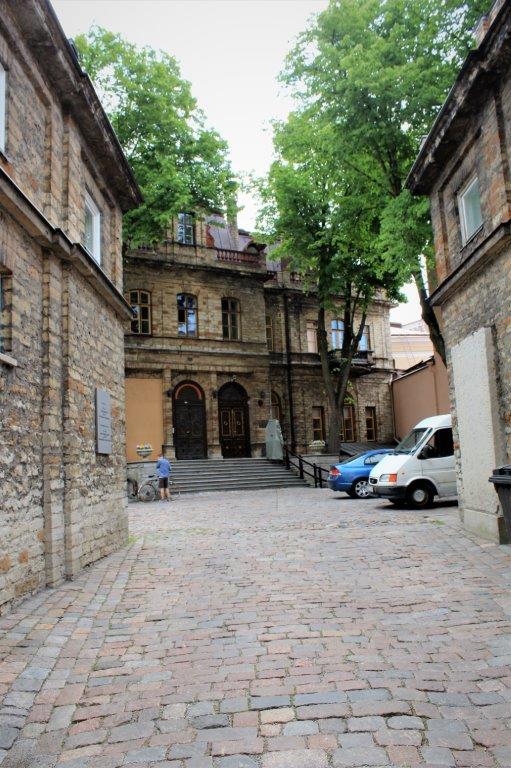
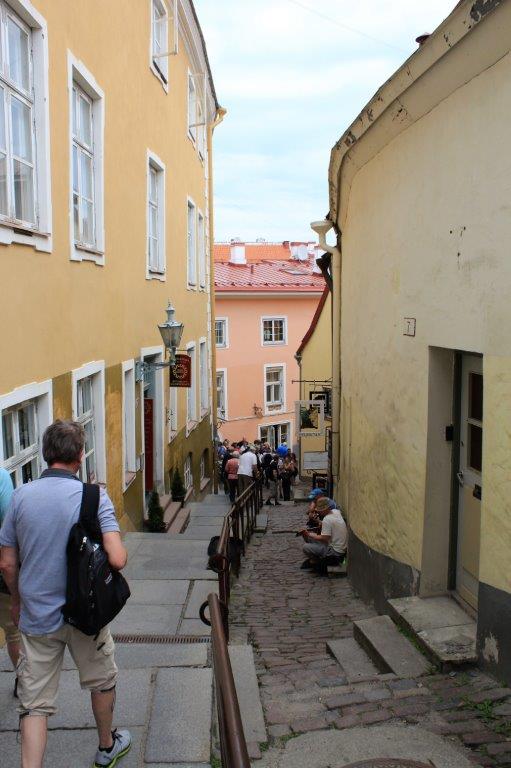
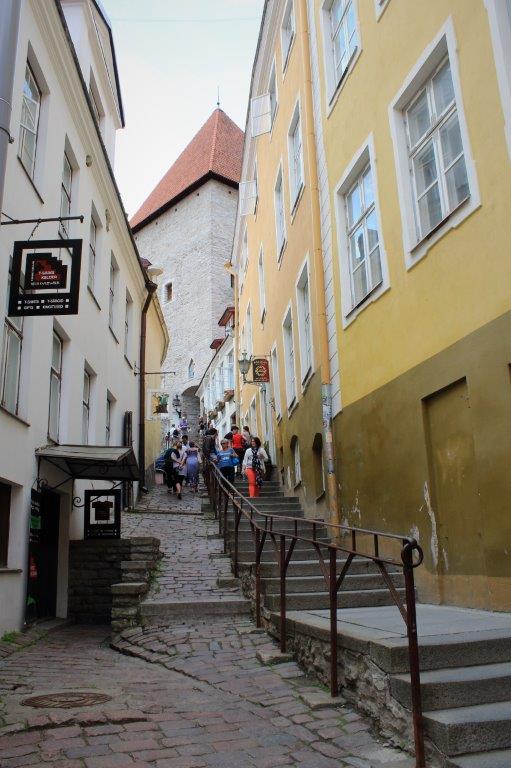
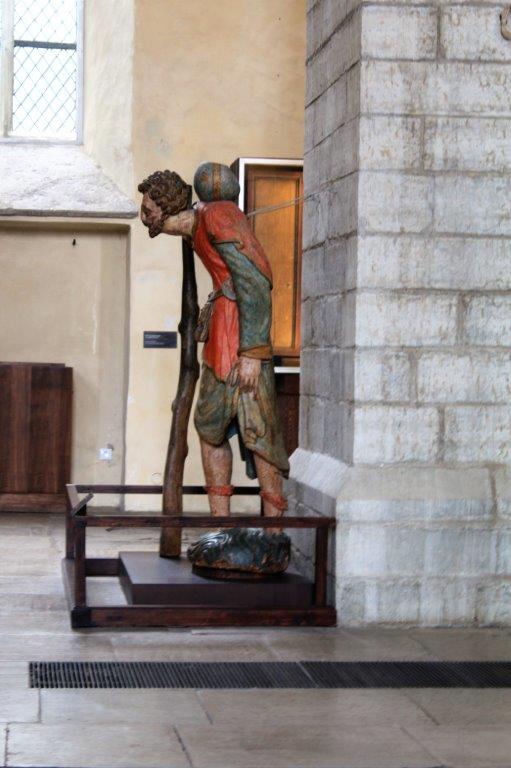
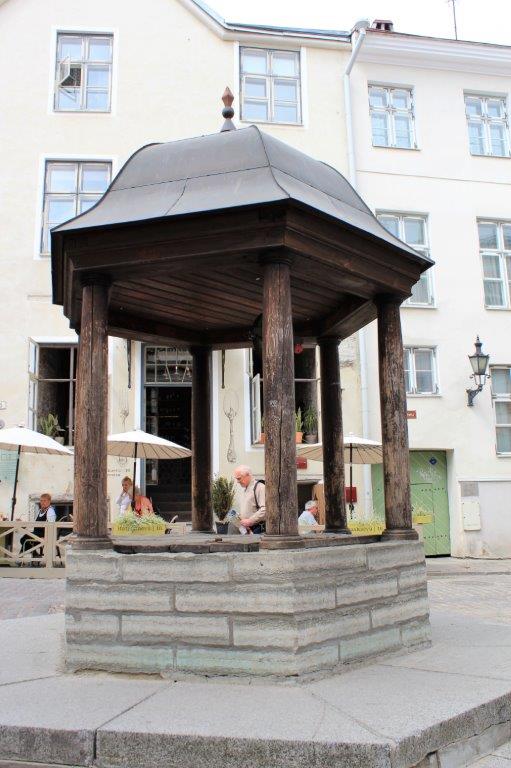
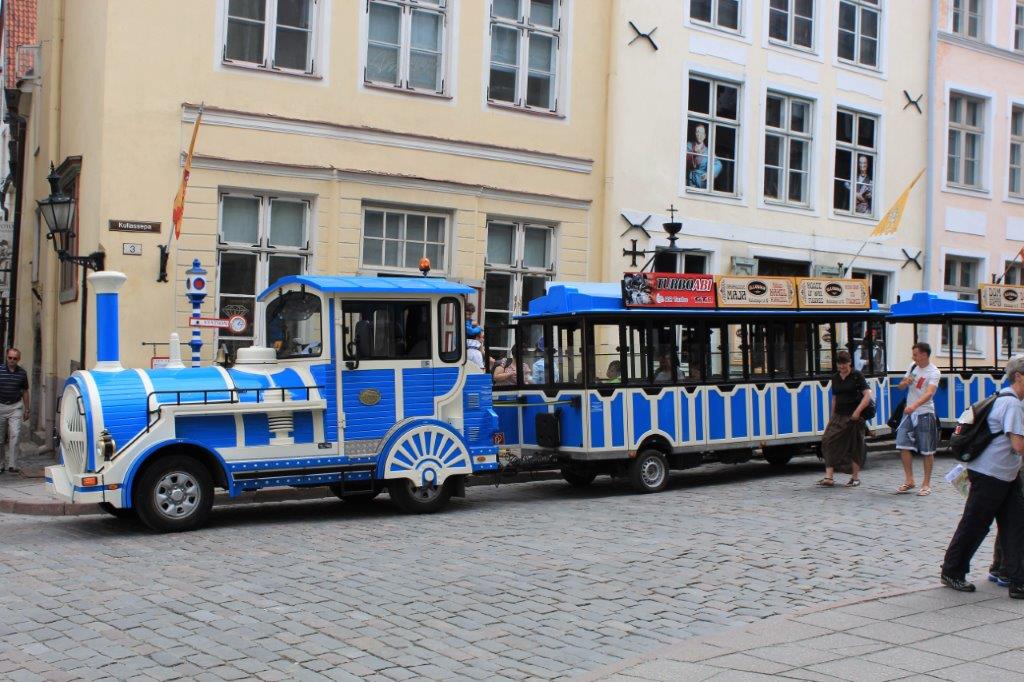
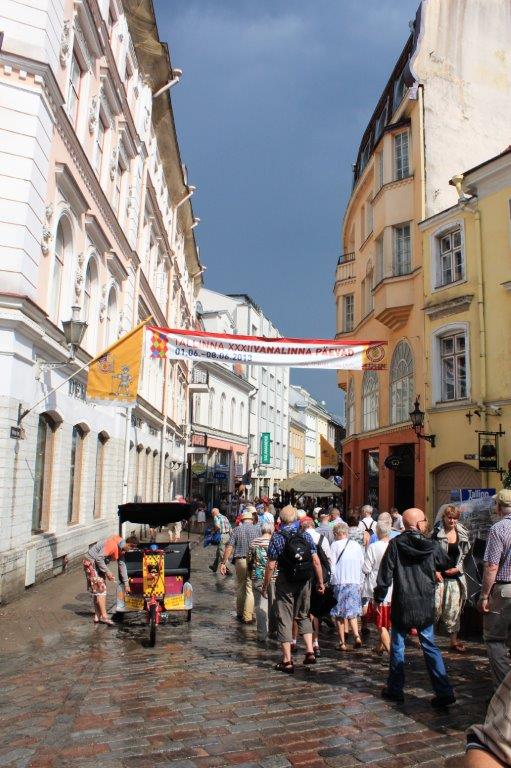
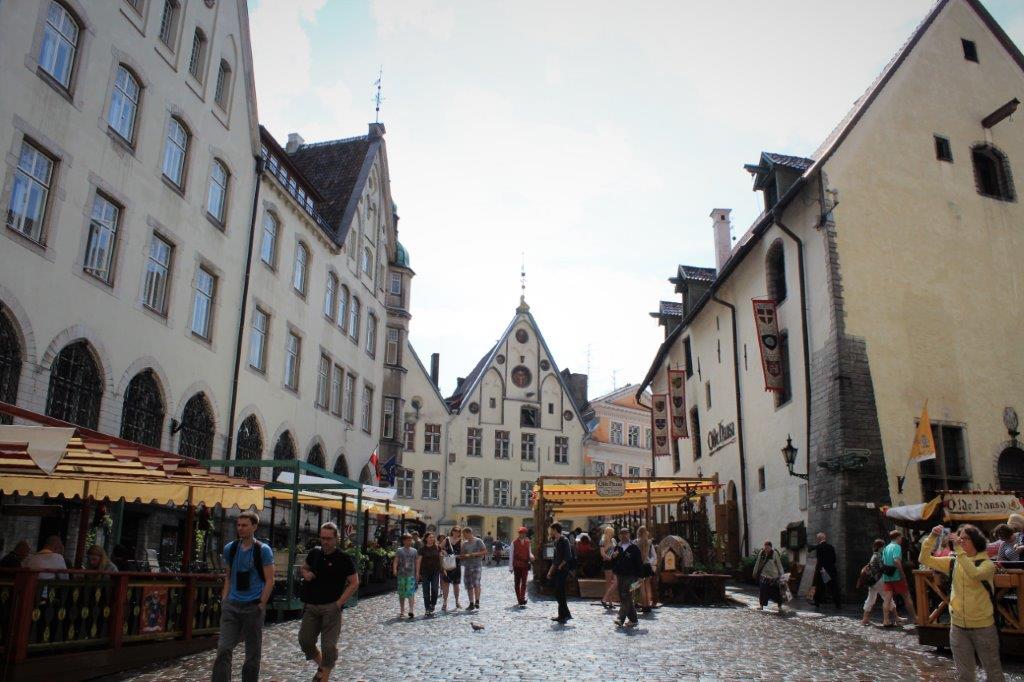
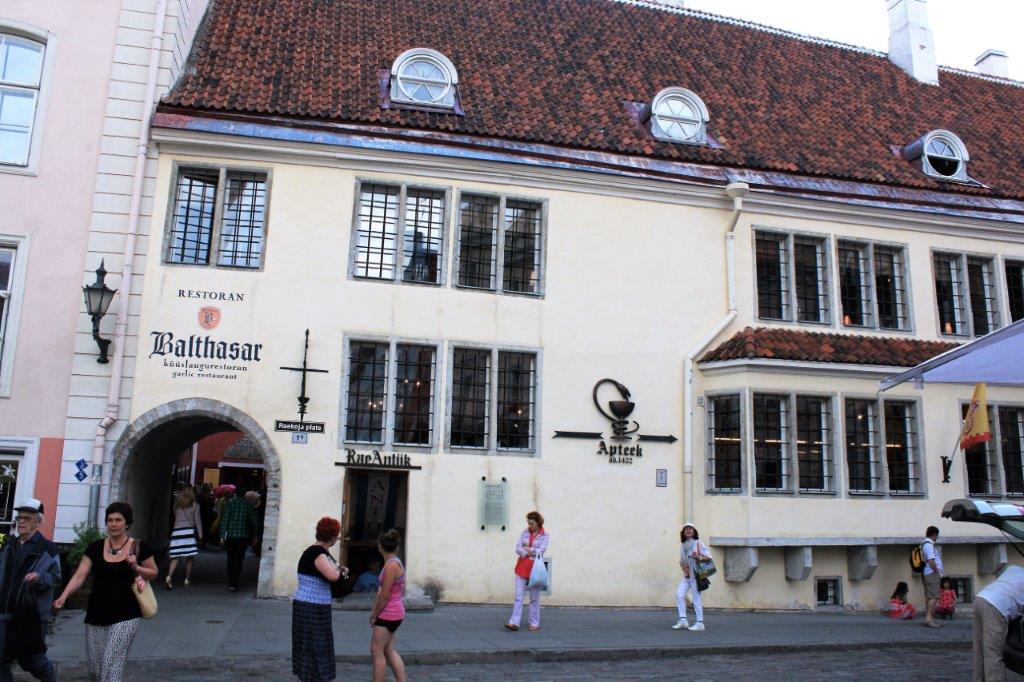
We walked back down the hill into Old Town.                  We also took a look inside St. Nicholas Church. Our guide told us about the St. Olva Hotel.  It is built of micro-concrete they say.  Every Soviet official coming to Tallinn during the years Estonia was part of the USSR had to stay at the St. Olav.  There were microphones everywhere, embedded in the concrete so every conversations could be recored and listened too.  After Estonia declared independence all of the microphones were removed. The upper floors of the building now house the KGB Museum. In our wanderings around town we came across part of the massive 16th century Fat Margaret Tower that was built for protection.  It has been restored several times and currently houses the Estonian Maritime Museum. Our next port-of-call, where we would spend two days was St. Petersburg, Russia.

2013 Summer (Baltic and Britain – Berlin, Germany – Part 2)

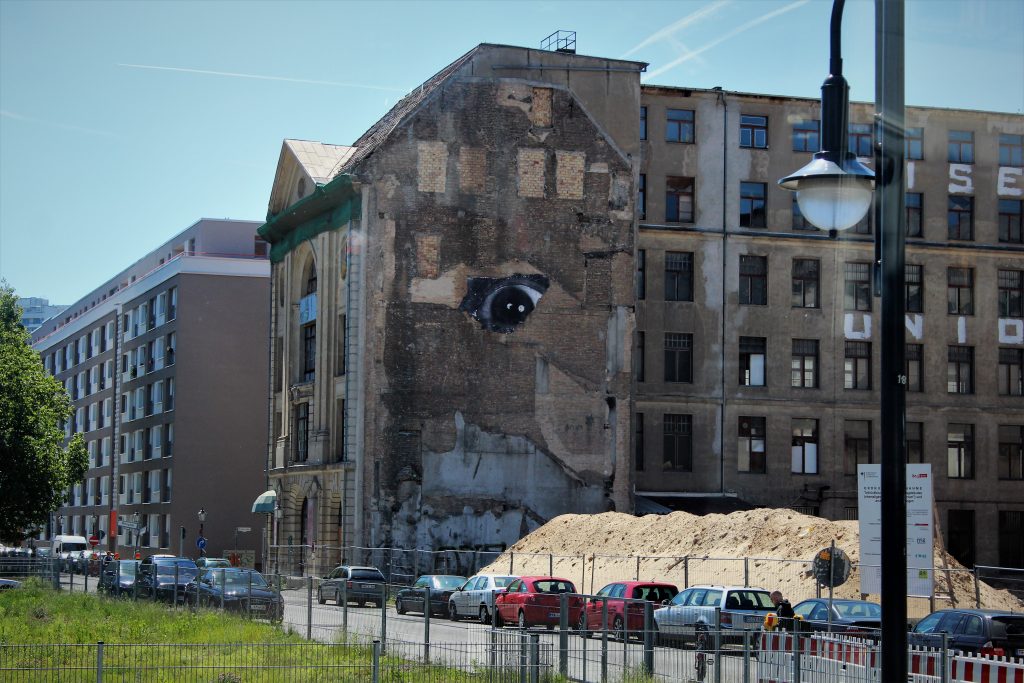
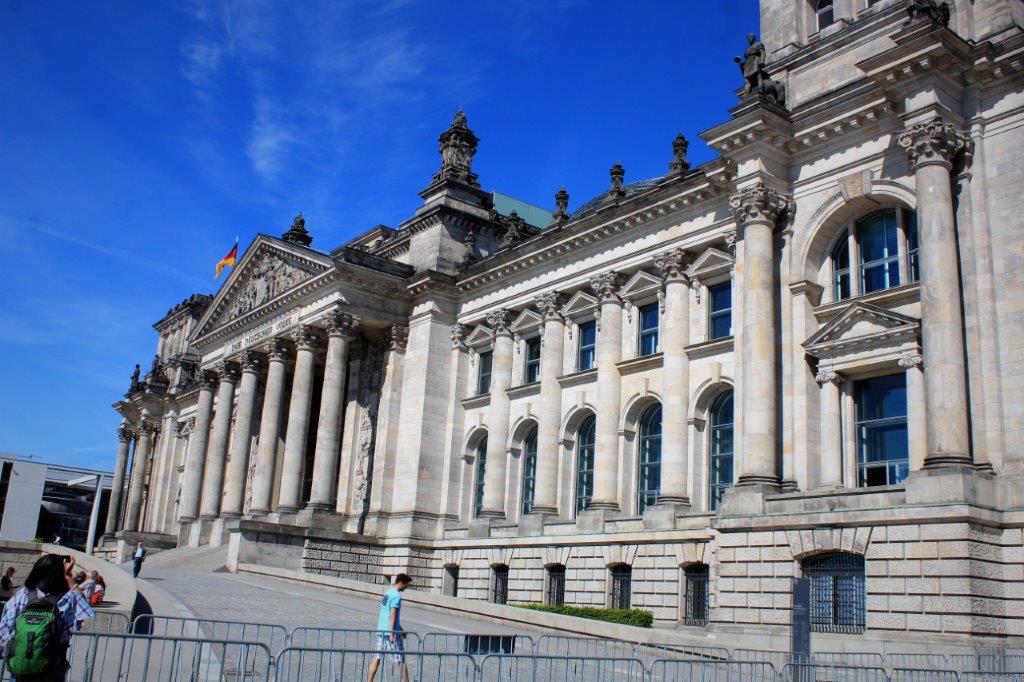
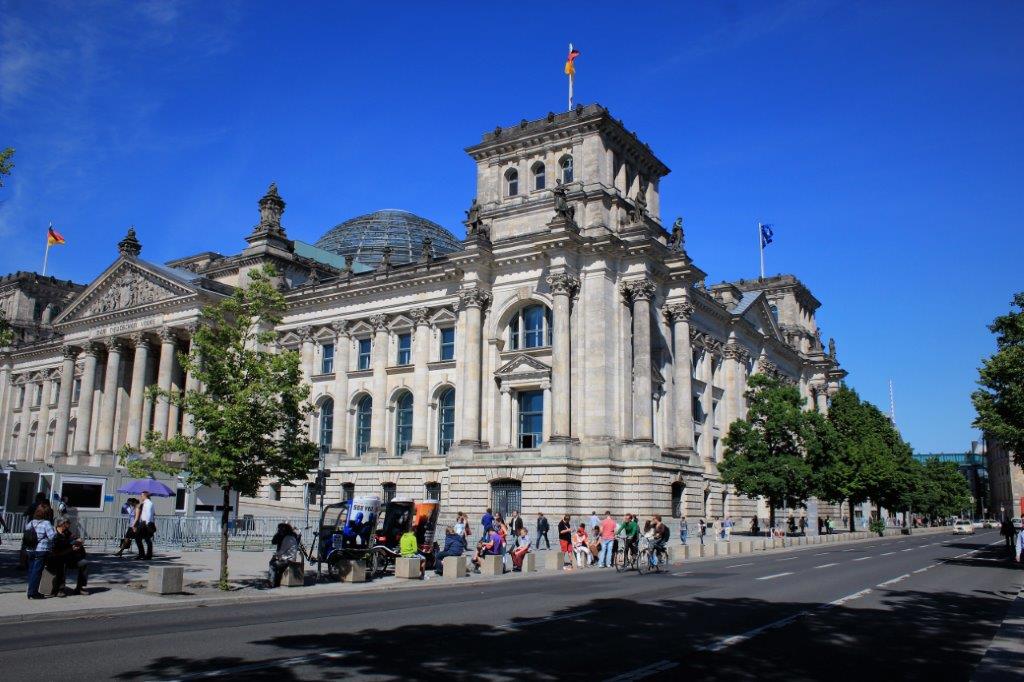
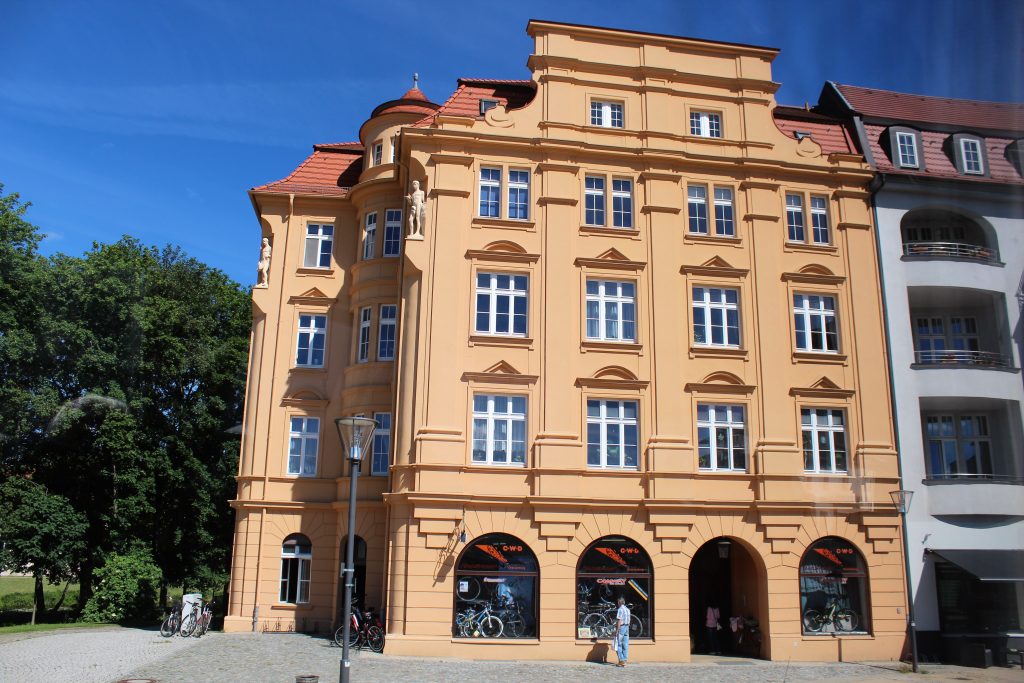
On our 16-day Baltic cruise out of Tilbury, England our second port of call was Warnemünde, Germany.  We took an all-day tour (12-13 hours) with our first stop at the former Nazis Concentration Camp of Sachsenhausen.  Once we had seen toured the former camp we got back on the bus and were driven into Berlin. What cool artwork on this building! Big Brother is indeed watching.  We were taken first to the site of the infamous Berlin Wall.  It seemed to me growing up that the Wall was always there dividing  socialist East Berlin and East Germany from West Berlin’s democratic part (supposedly to protect it from “facist” elements that would “conspire” to prevent the will of the people in building a socialist state).  What it did in reality was cut off, by land, the West Berlin part of the city from the rest of the world.  The city was cut in half but the free western portion was surrounded by East Germany so you could only get into West Berlin by air.  Construction of the wall began August 3, 1961.  As well as the wall itself there was a very wide open section on the Eastern side of the wall.  This became known as the “death strip” as anyone who was seen there was shot.

The wall was erected primarily to prevent further emigration from the east bloc policies of East Germany.  Prior to the construction of the wall 3.5 million East Germans circumnavigated the East Bloc emigration restrictions by defecting from the German Democratic Republic; many of whom crossed from East Berlin to West Berlin to do so.  Since most of the emigres tended to be young and well educated the GDR then built the wall to prevent any further “brain drain” from the east.

There was a great many additional factors going on in Germany and the rest of the world (Cold War era) that also contributed to the creation of the inner border wall.  It is estimated that between 136 to over 200 people died trying to escape in and around Berlin.  From 1961 until November 1989 when the border was re-opened over 100,000 people tried to escape East Germany and about 5,000 succeeded.

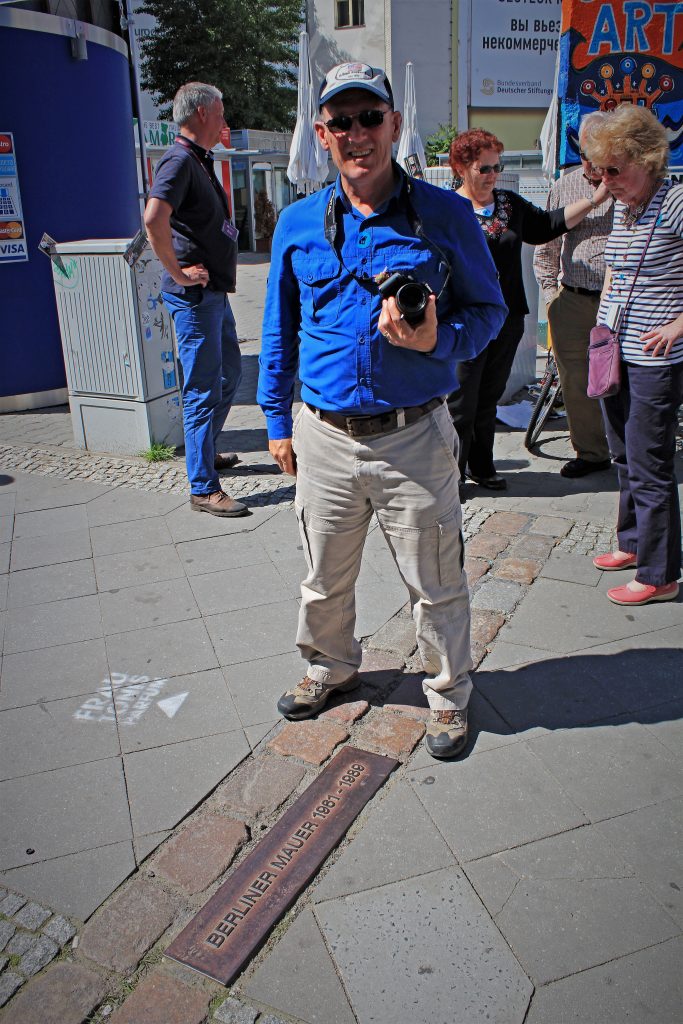
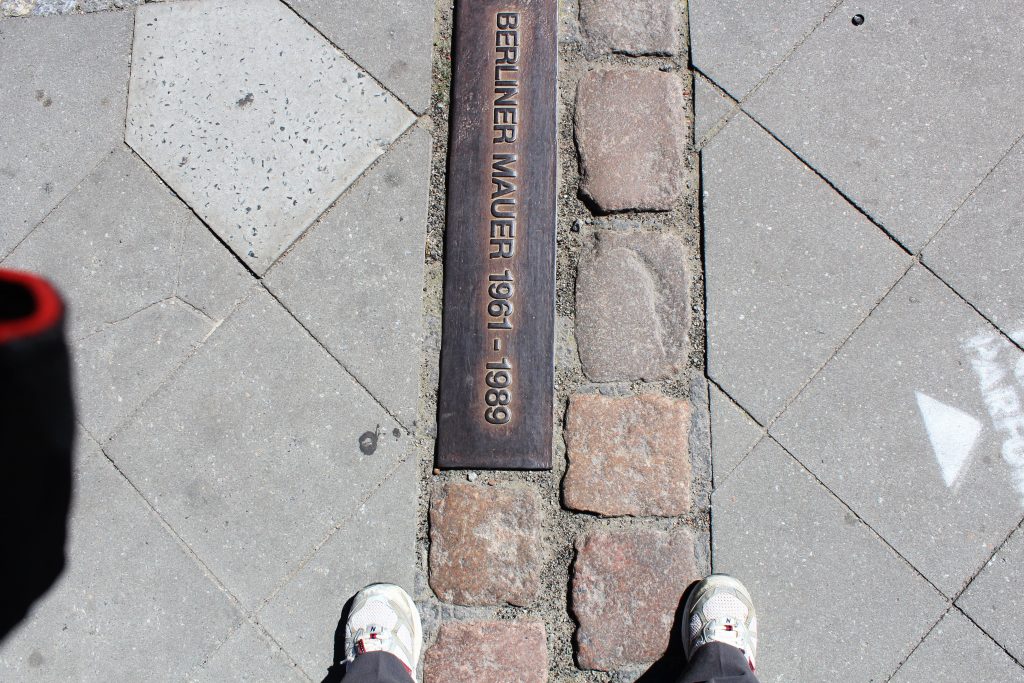
The demolition of the wall began June 13, 1990 and it was completely removed by 1992.  However, the history remains.  There is a copper strip in the pavement that marks the former location of the wall.

                        One foot in the East, one foot in the West.

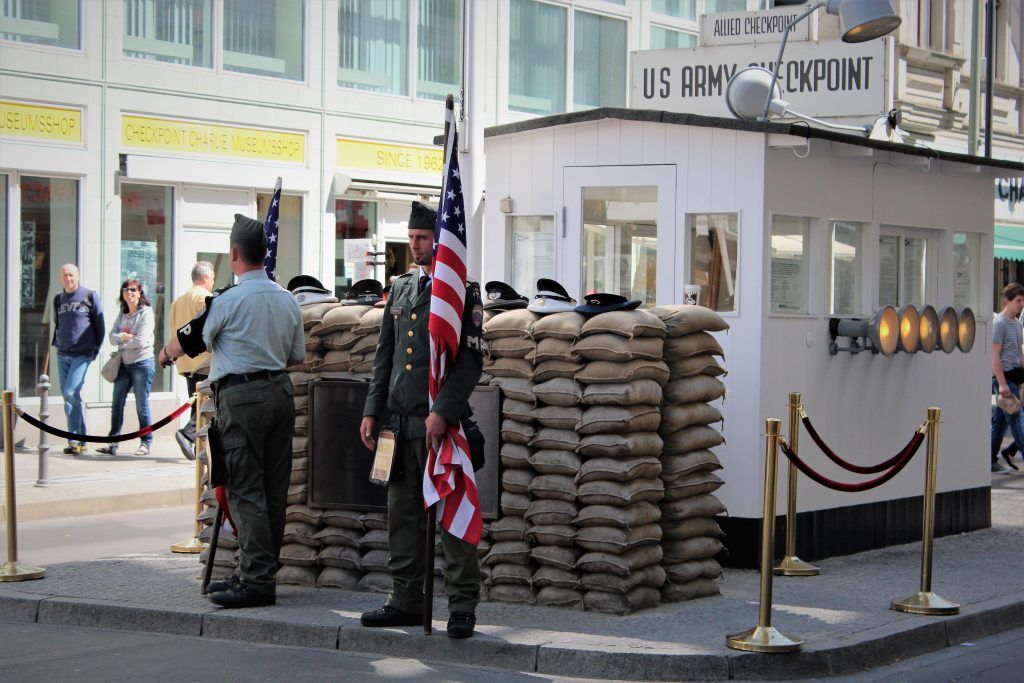
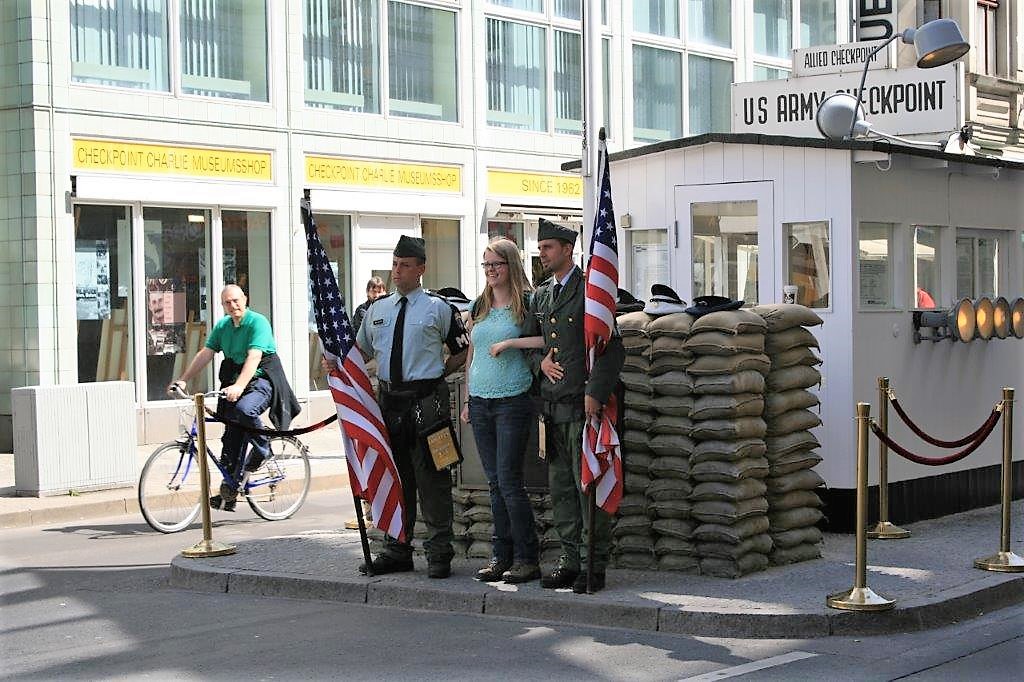
At the location of the famous American “Checkpoint Charlie” border crossing there is an opportunity (for a fee, I am sure) to have your photo taken with some men posing as American soldiers.

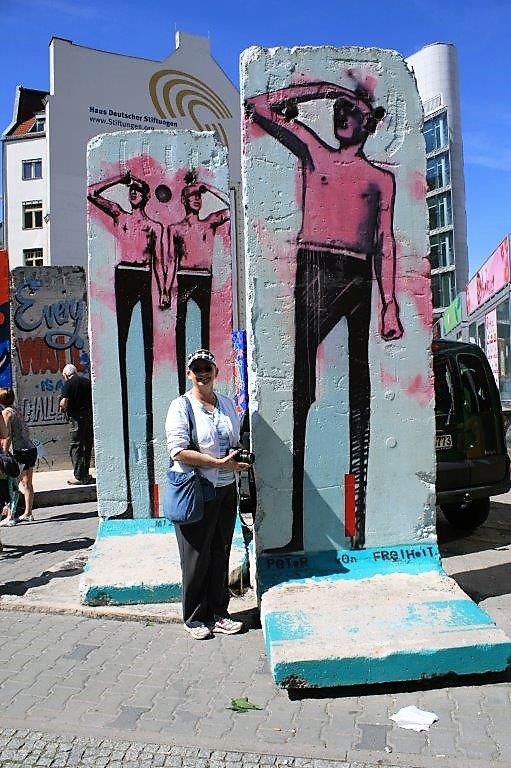
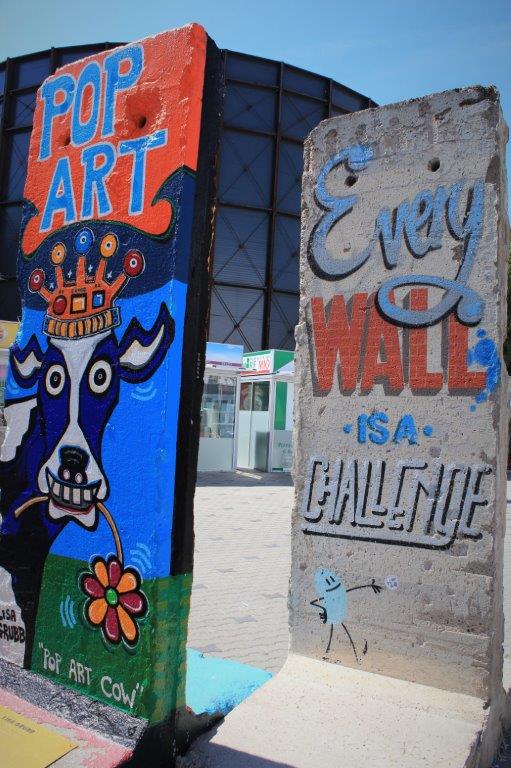
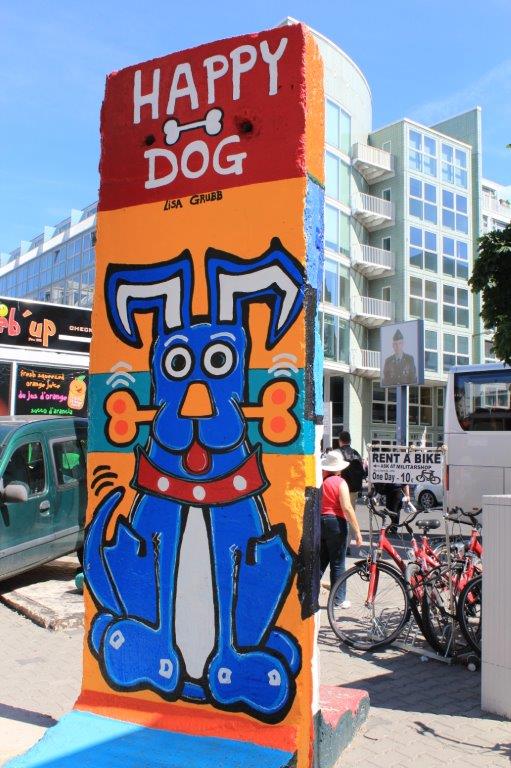
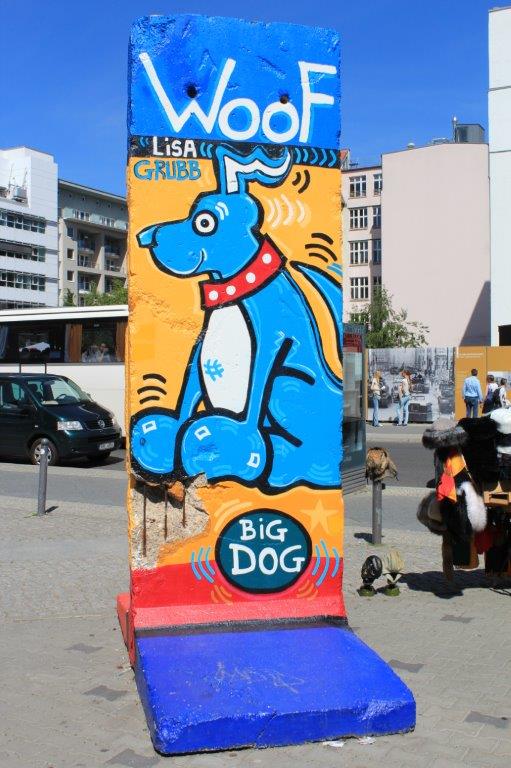
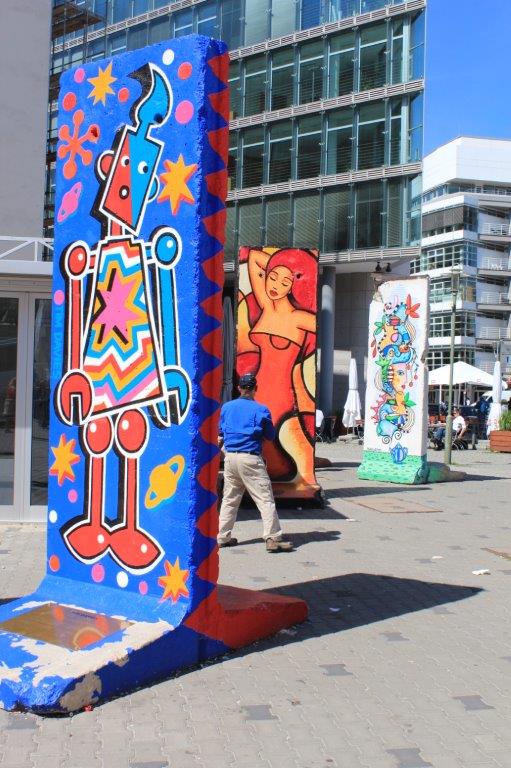
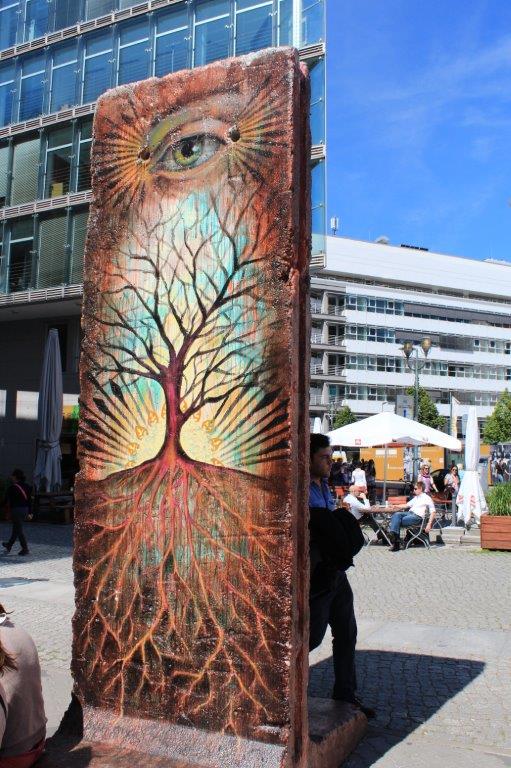
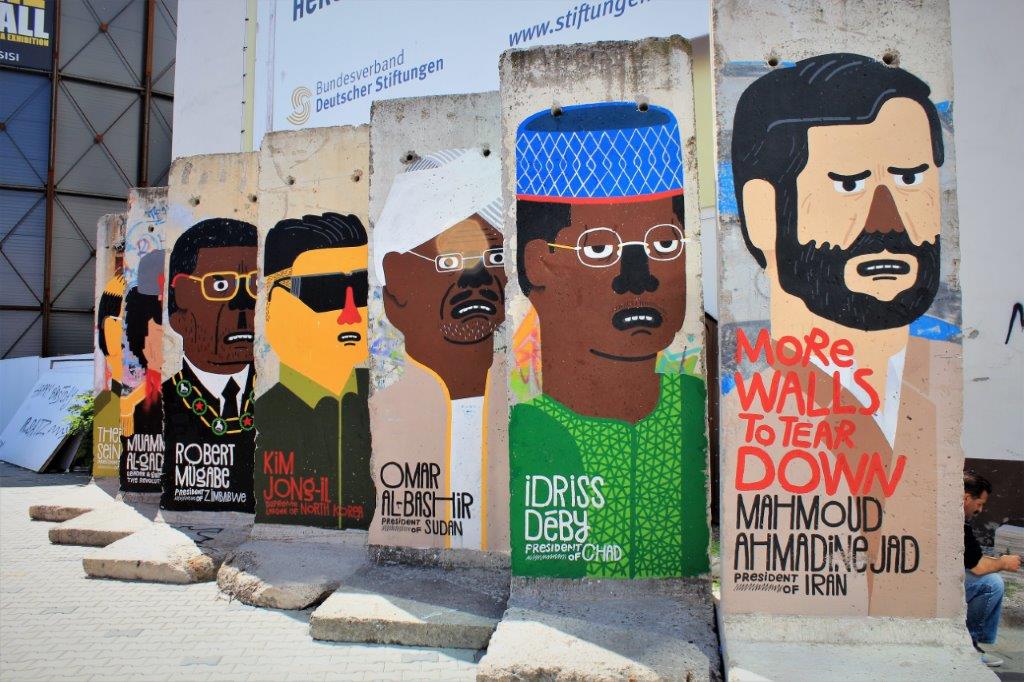
Many of the concrete sections of the wall have been painted by local artists and are on display.

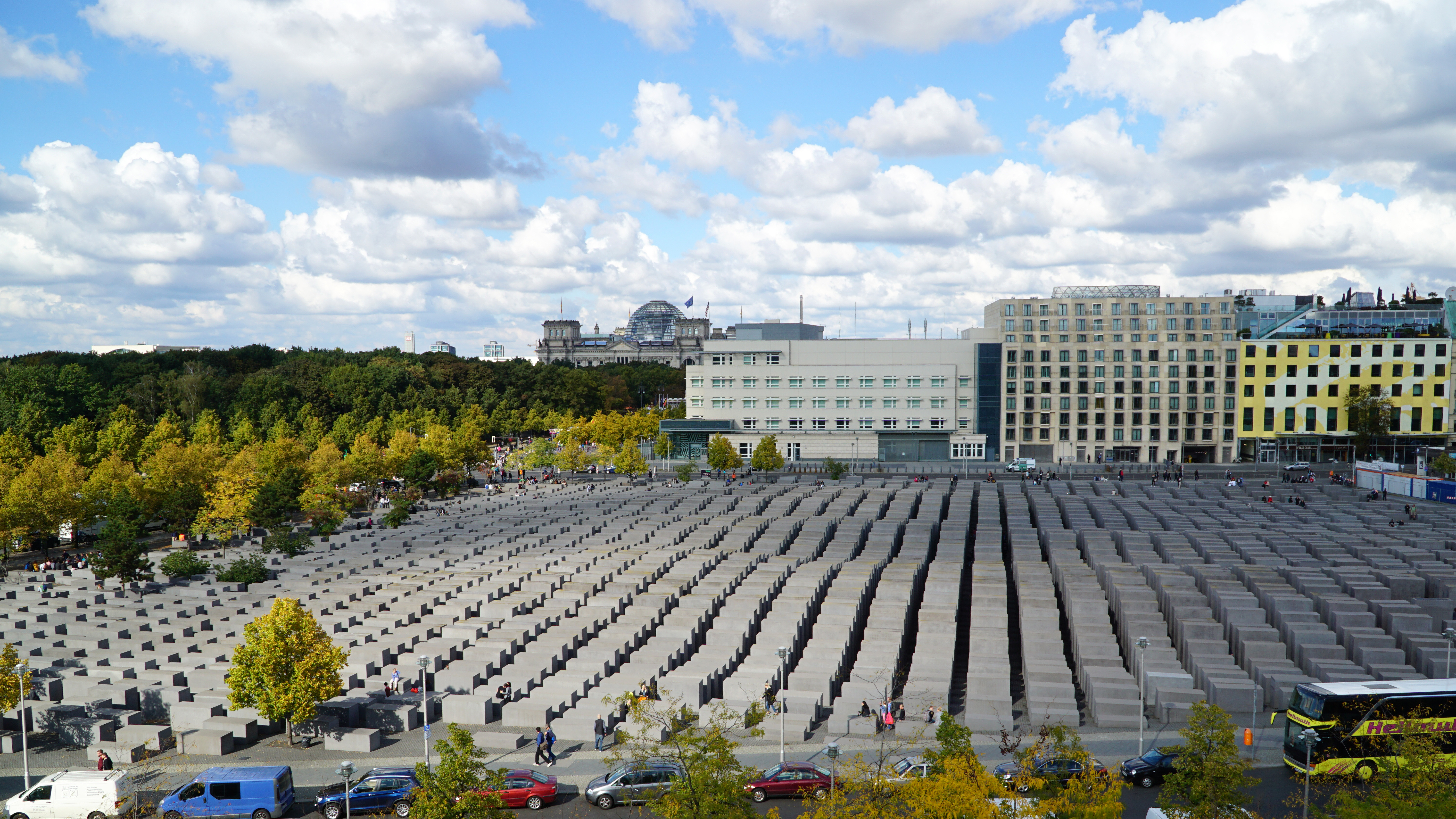
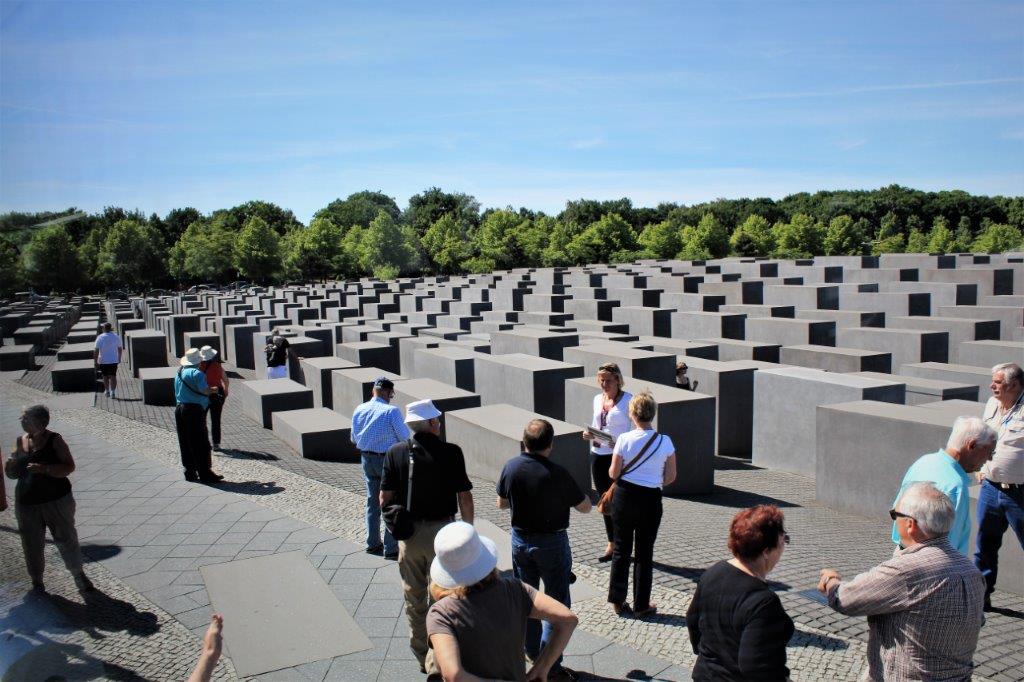
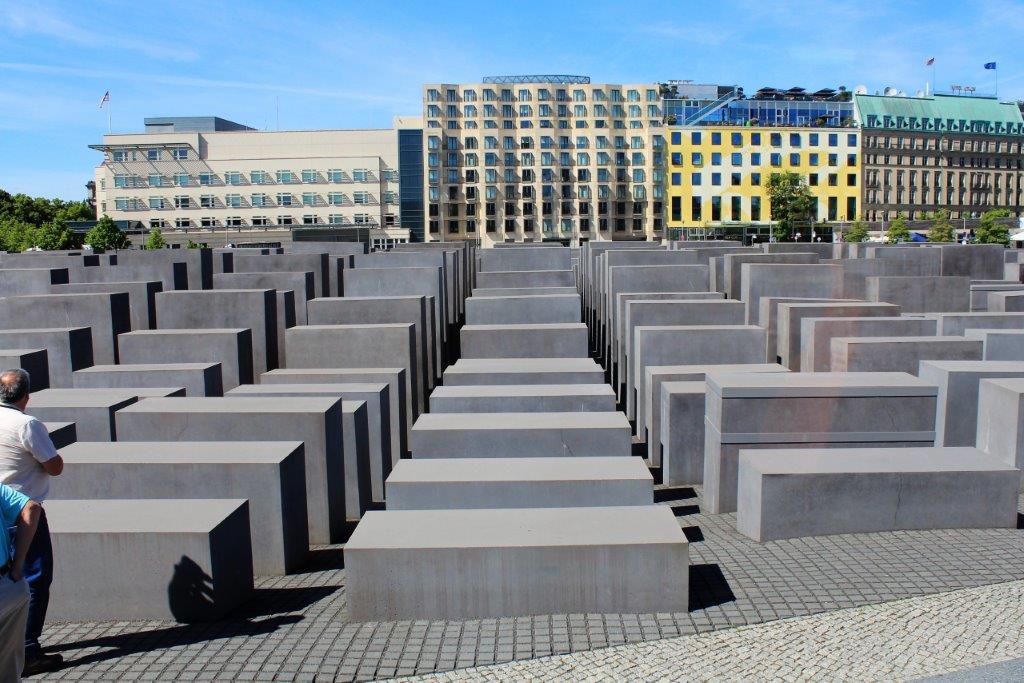
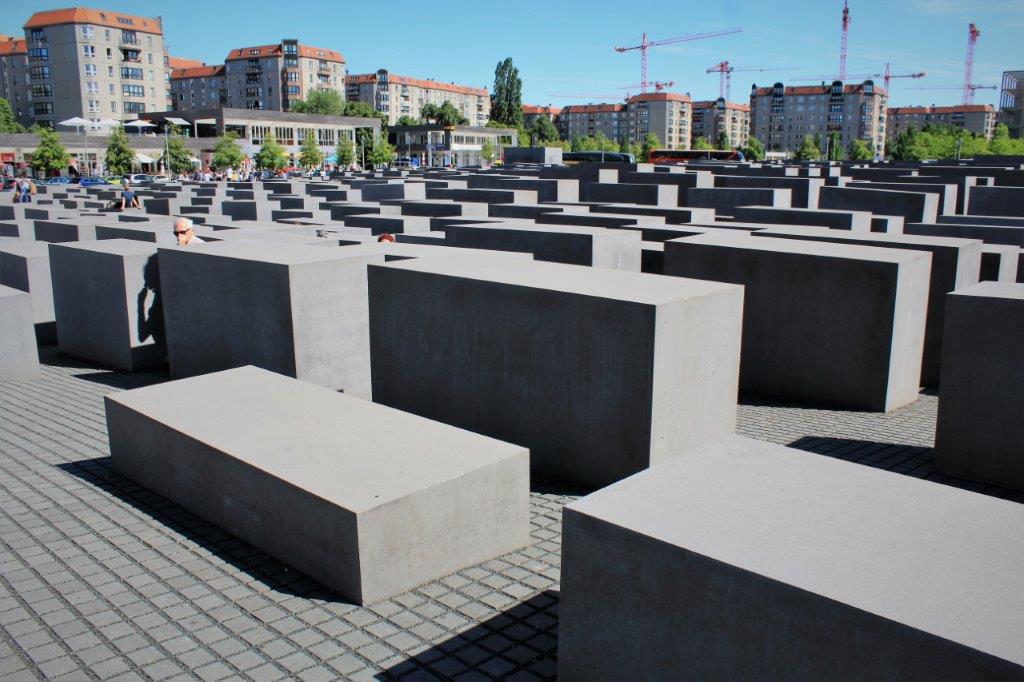
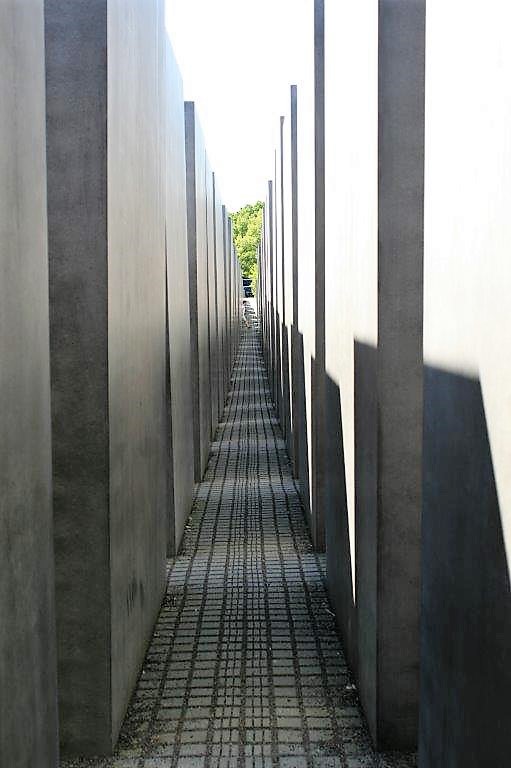
From the site of the former Berlin Wall we were driven to the Holocaust Memorial.  This huge sculpture in the middle of Berlin commemorates the millions of Jews who were executed by the Nazi’s during World War II.  It is constructed on part of the Death Strip of the Berlin Wall in an area that housed many former administration buildings of the Third Reich. The official name is the Memorial to the Murdered Jews of Europe and it covers 4.7 acres (19,000m²).  I found the image below on the internet which gives an idea of the size.  We, obviously, only wandered amid a small portion.
                     By Orator – Own work, CC BY-SA 4.0,

There are 2,711 concrete slabs (called stelae) in a grid pattern on a sloping field.  They are all the same length and width, but vary in height from less than 8 inches (0.2m) to almost 15 1/2 feet (4.7 m). They are also not perfectly aligned, nor all precisely vertical.

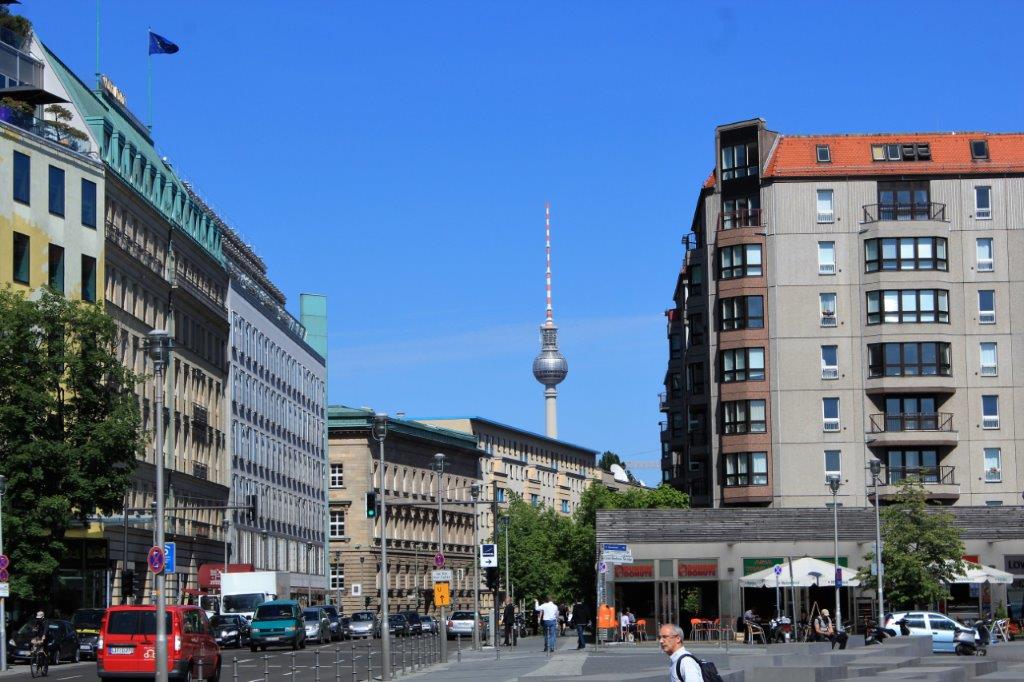
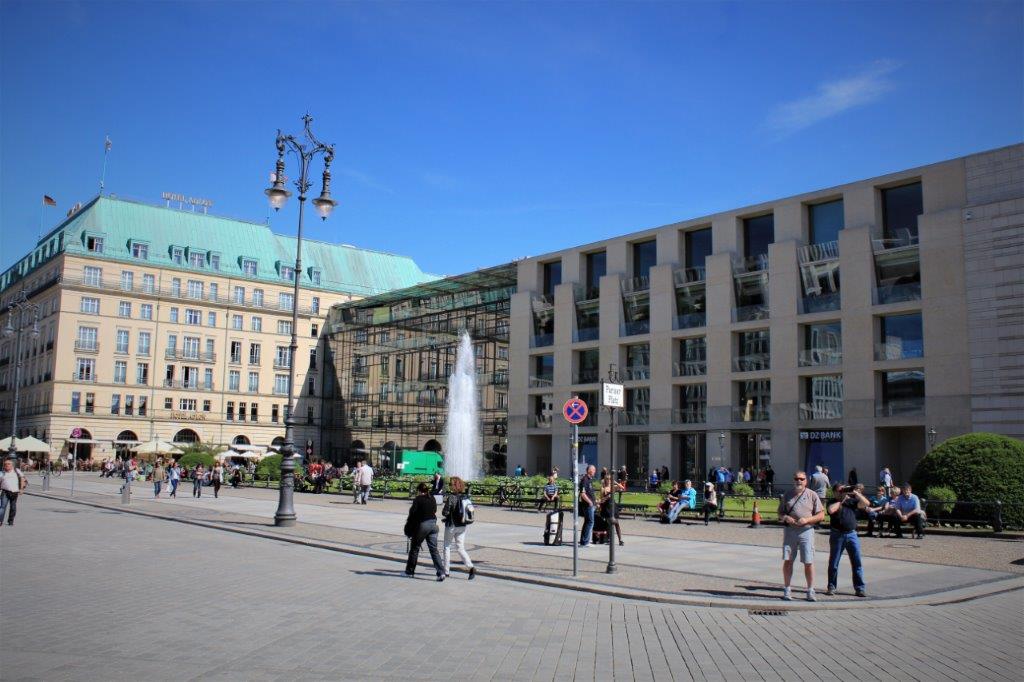
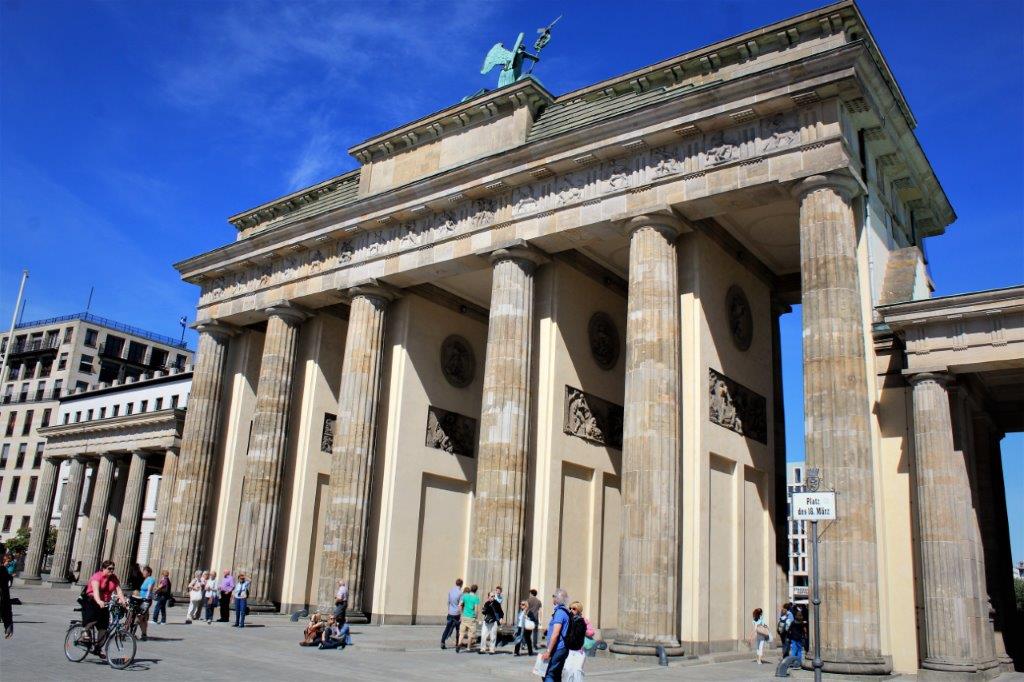
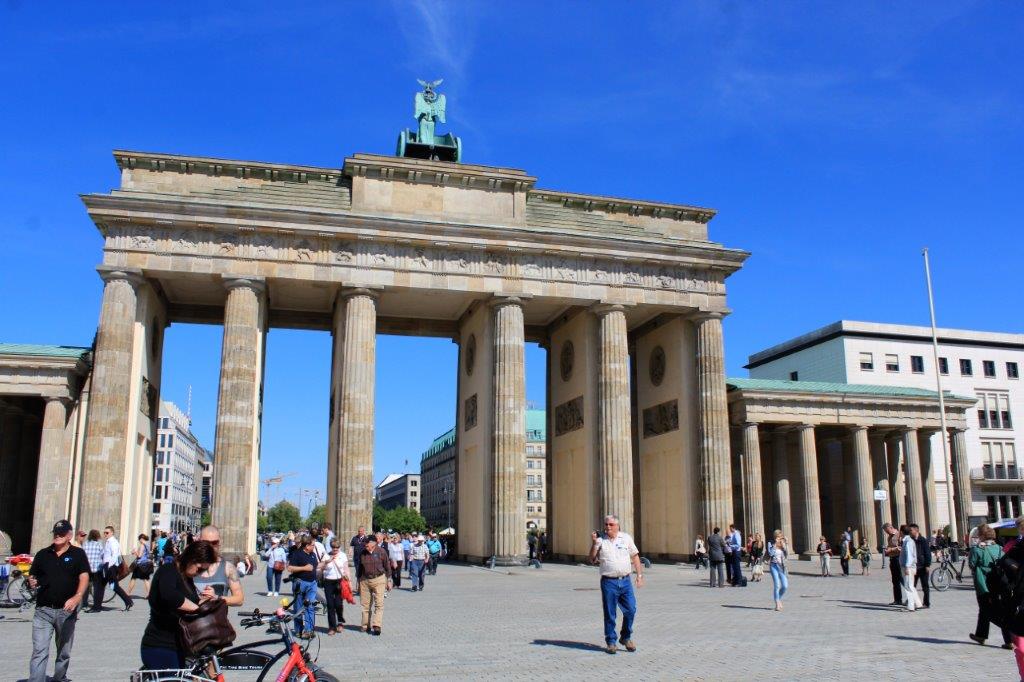
 A block away from the memorial is the Brandenburg Gate, another iconic feature of Berlin.Then it was time to make the 2 1/2 hour drive back to Warnemünde and the ship.


2013 Summer (Baltic and Britain – Berlin, Germany – Part 1)

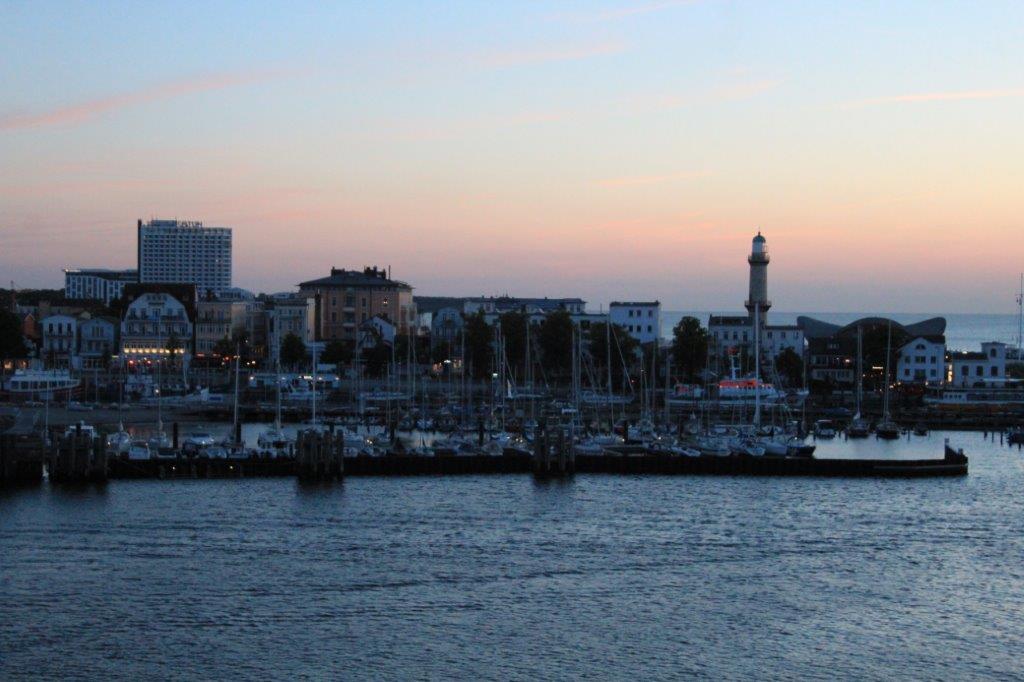
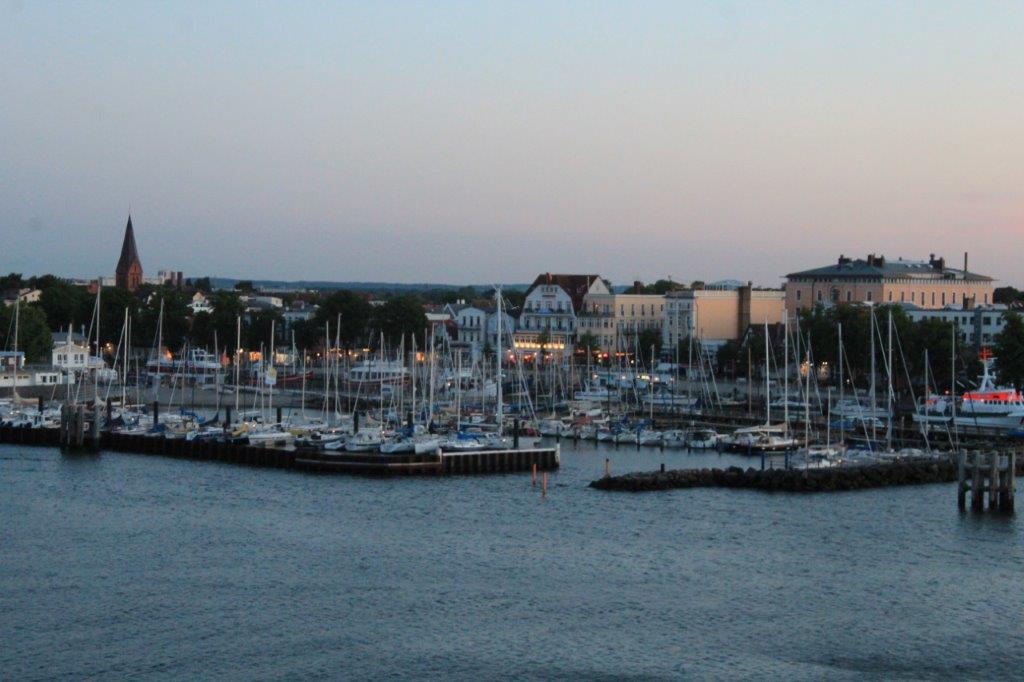
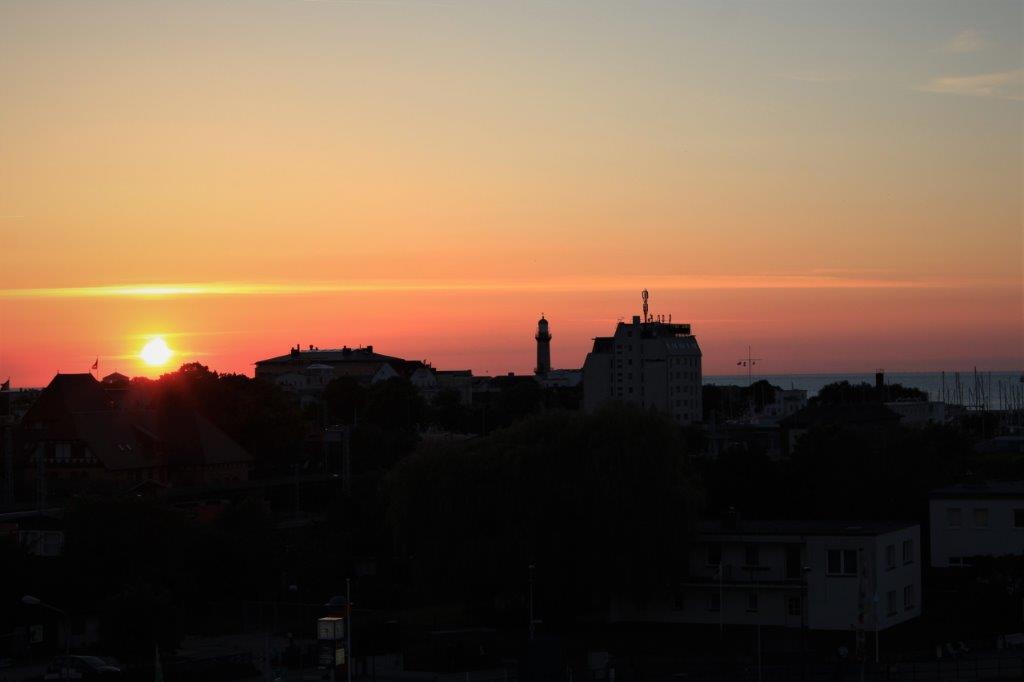
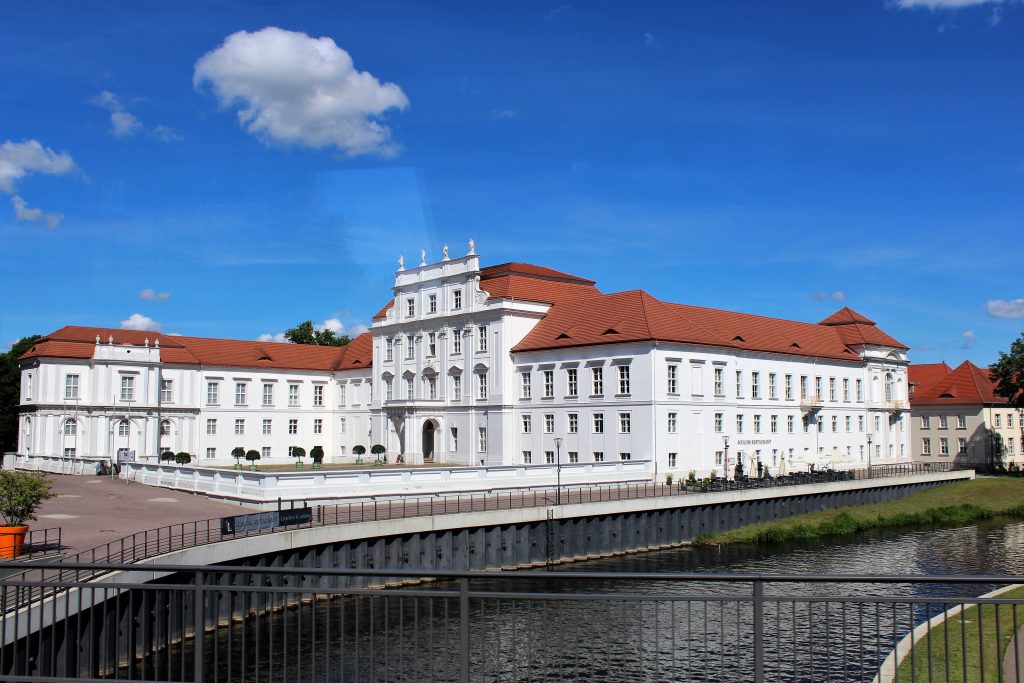
In the summer of 2013, before we explored Scotland and then attended our son’s wedding,  we took a 16-day Baltic cruise out of Tilbury, east of London.  Our second port of call was Warnemüde, Germany.  It was a 2 1/2 hour drive from the port to the town of Oranienburg, about 15 miles northeast of Berlin.

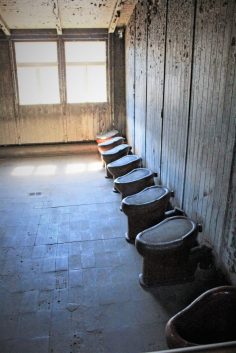
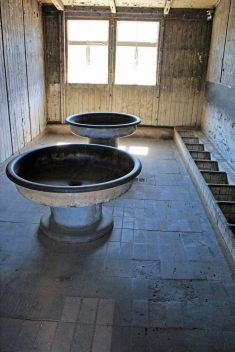
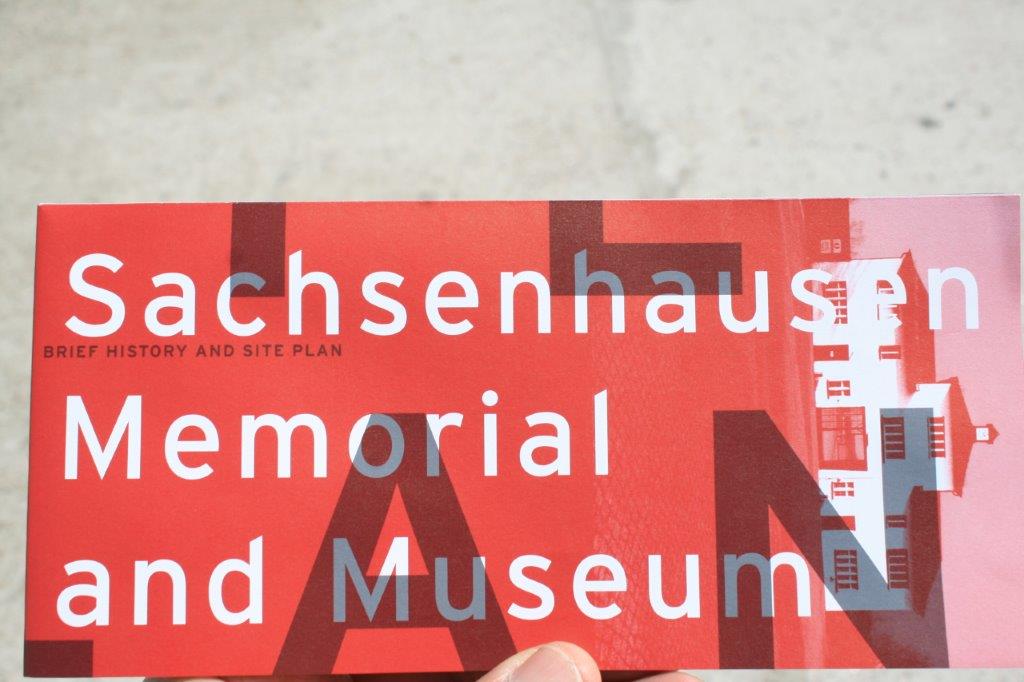
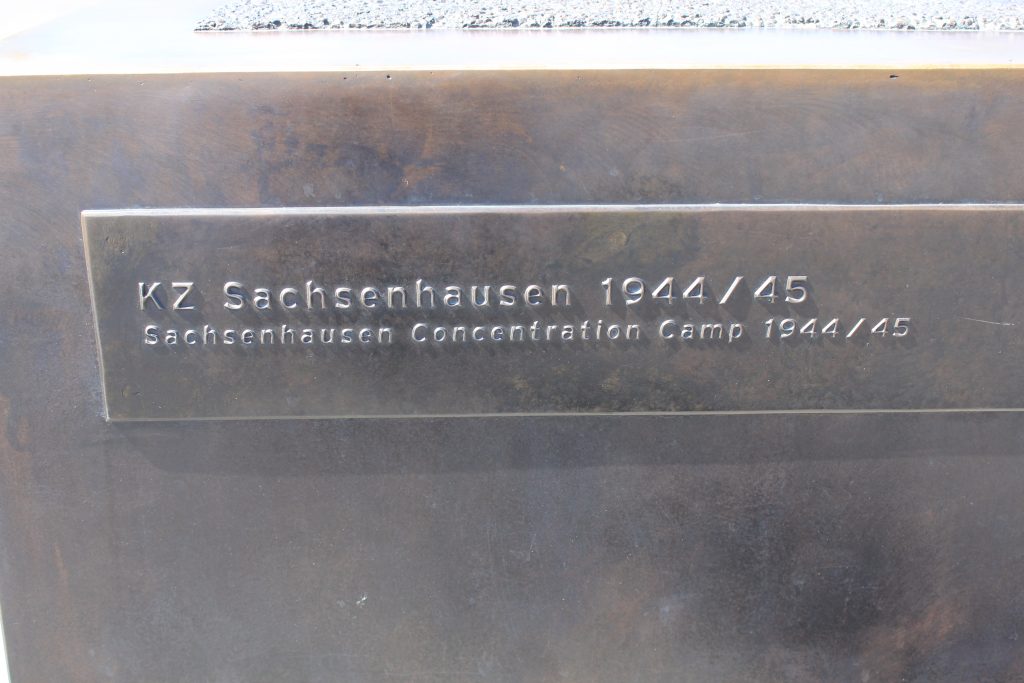
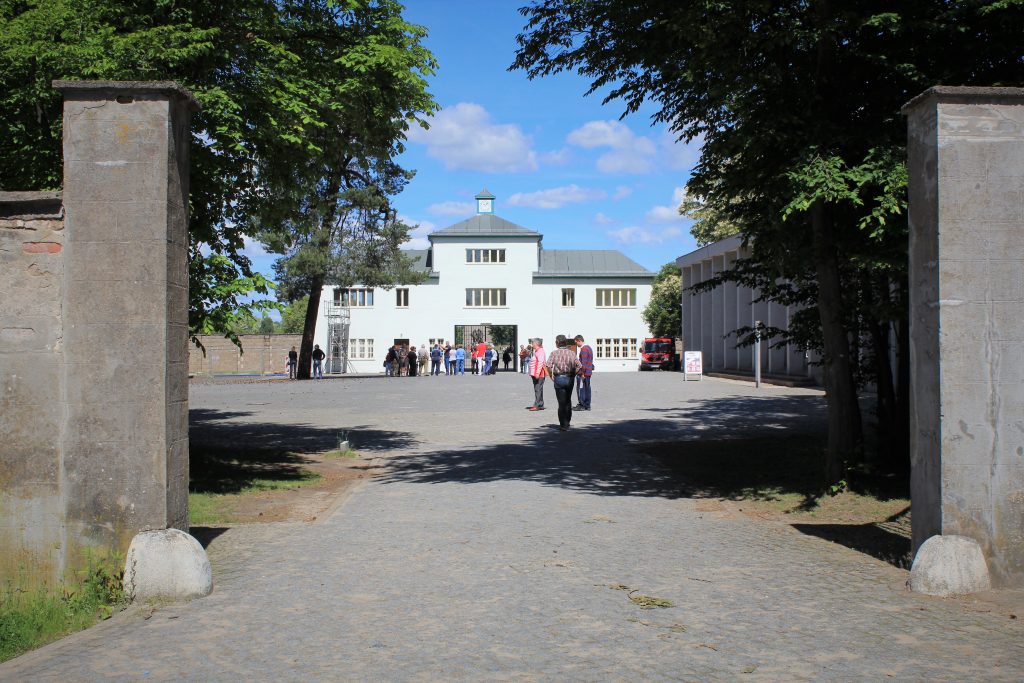
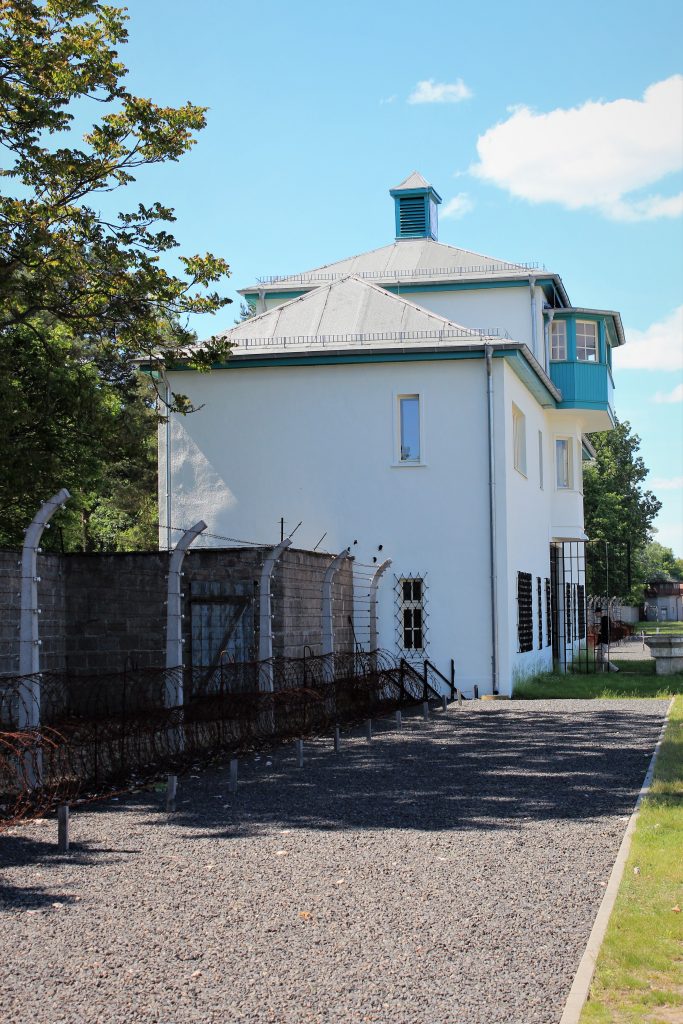
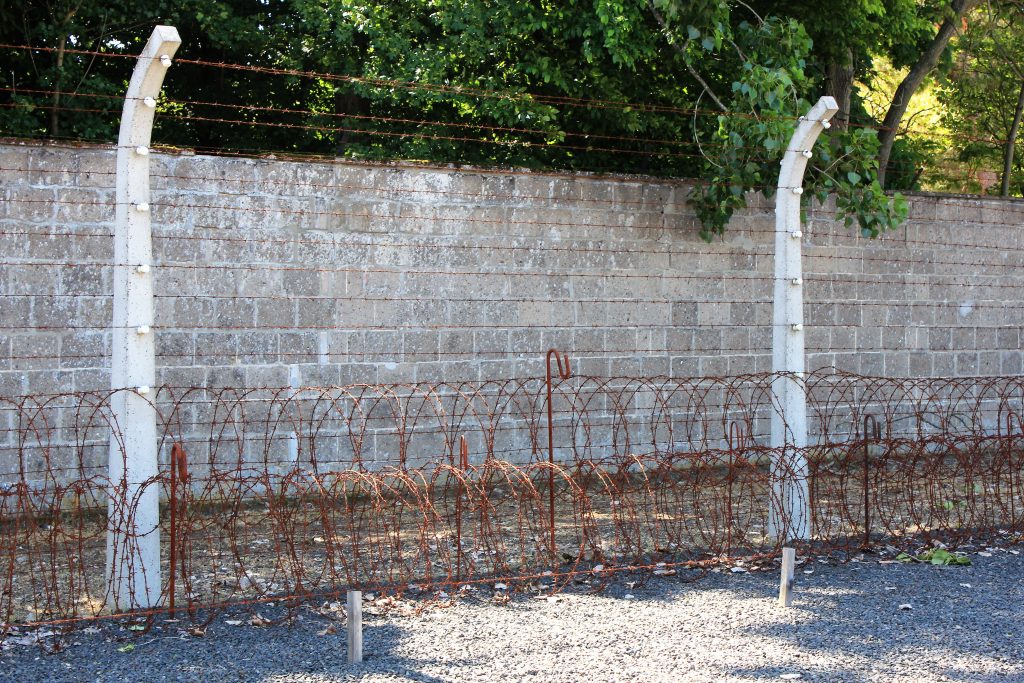
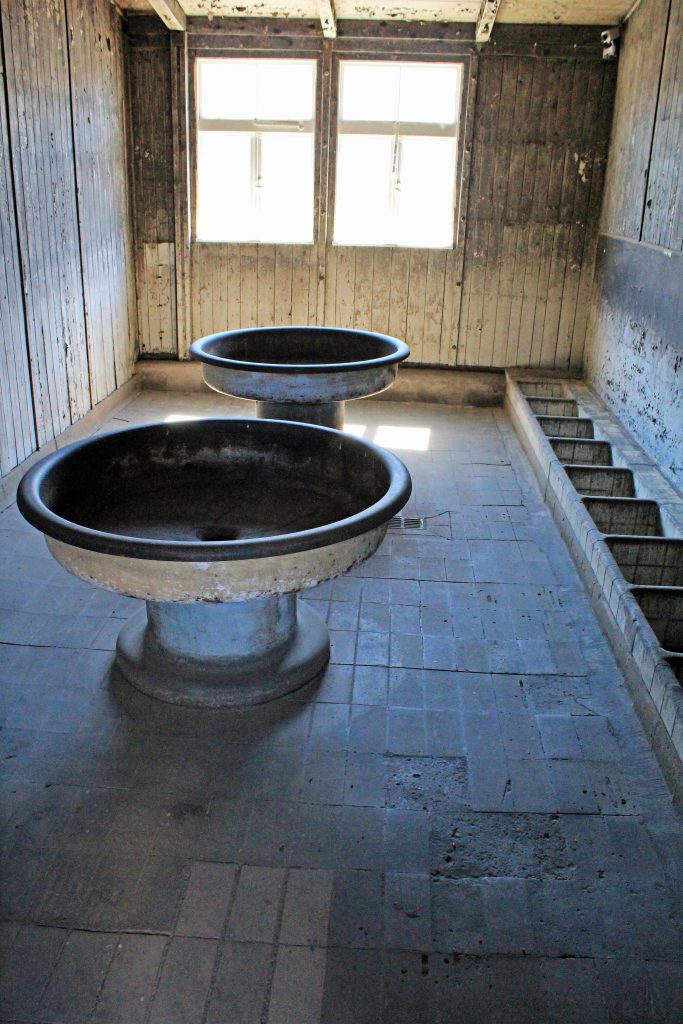
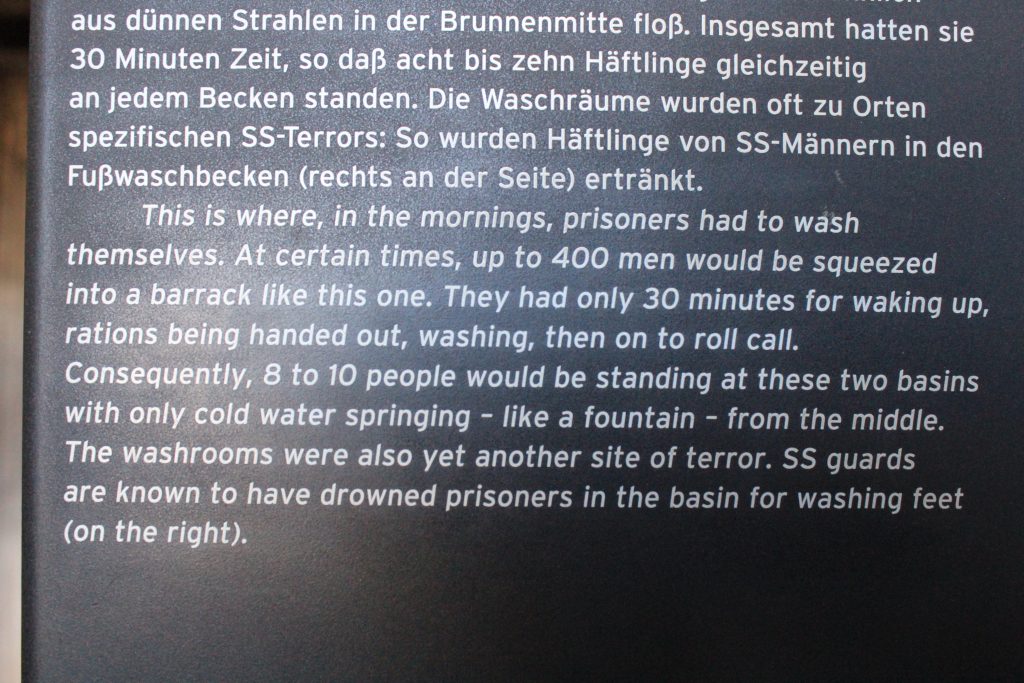
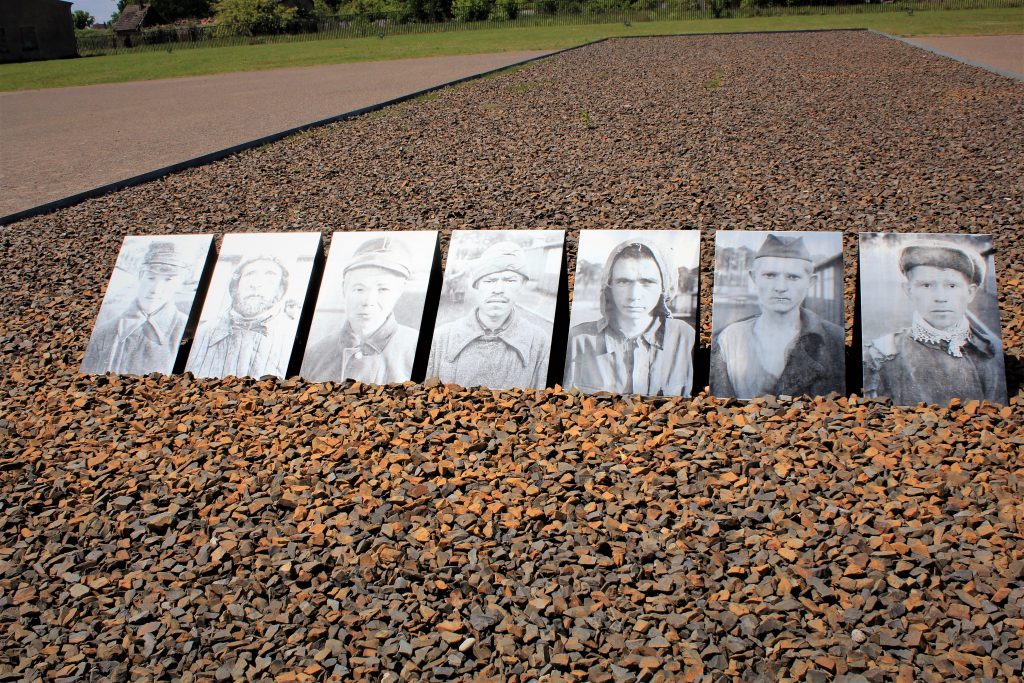
On March 21, 1936 local SS stormtroopers took over a disused brewery near the center of the town of Oranienburg and set up the first concentration camp in the state of Prussia.  Oranienburg Camp was a key site in the persecution of the opposition during the months after the National Socialists seized power, especially in the Imperial capital, Berlin.  In the aftermath of the “Night of the Long Knives” (a purge of dissidents and supporters of Hitler that he feared may act against his complete control) the camp was taken over by the SS.  By July 1934 the last of the prisoners had been  transferred to other camps but the SS kept the brewery site as a reserve camp.The Concentration Camp of Sachsenhausen was built outside the town limits (unlike the Oranienburg camp which was in the center of town) and even though it  was not specifically a “Death Camp” thousands of prisoners died there.  The camp was opened September 23, 1936.  It was one of the first built by the Germans to house the Third Reich’s political prisoners and was conveniently located close to the German capital

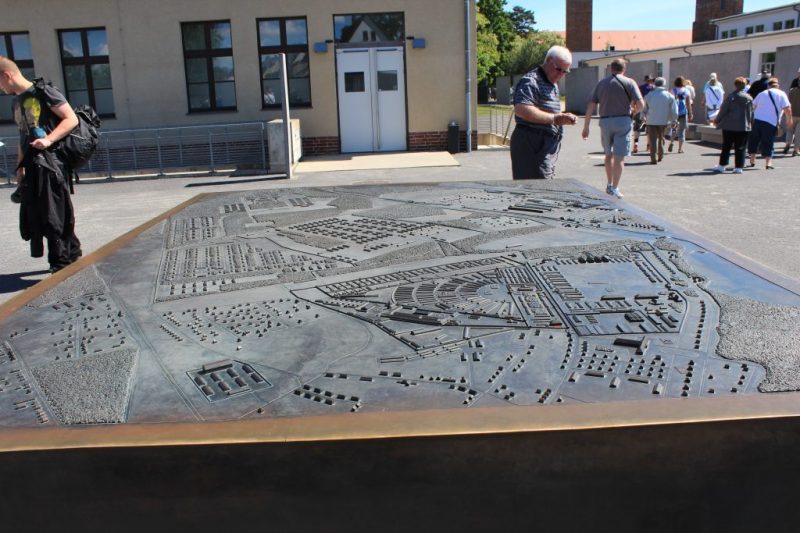
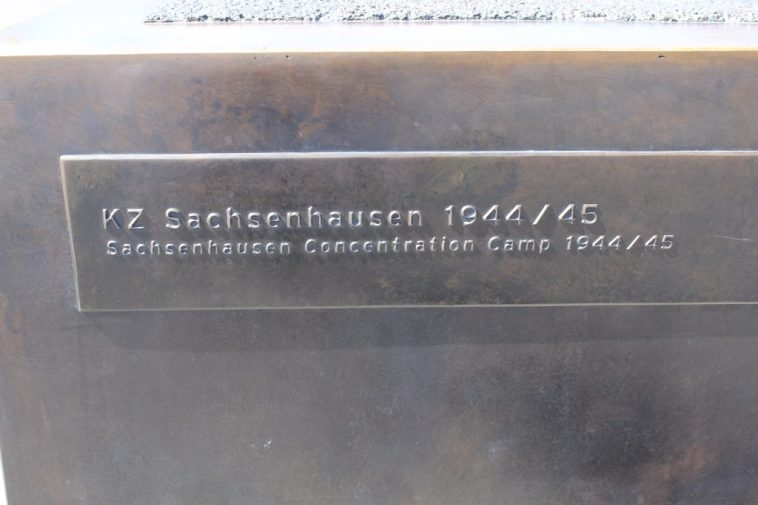
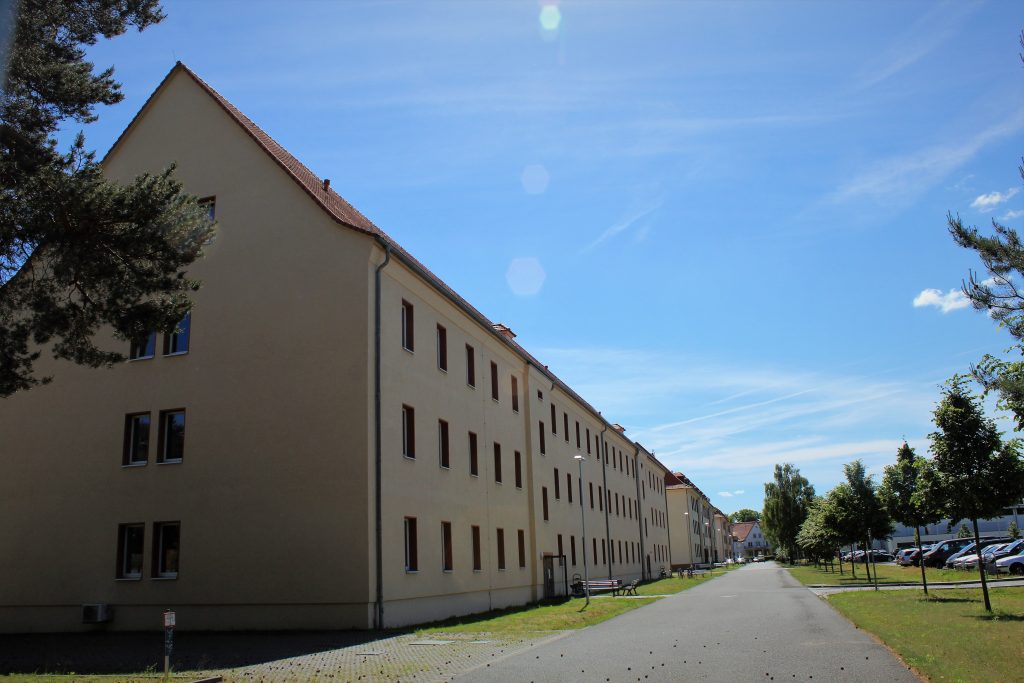
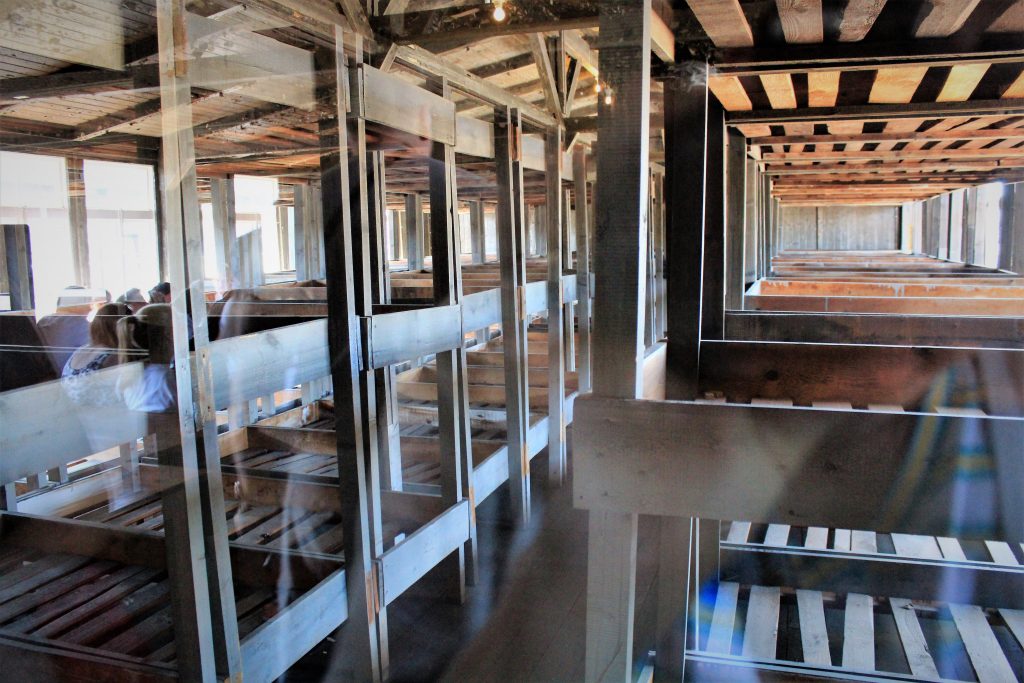
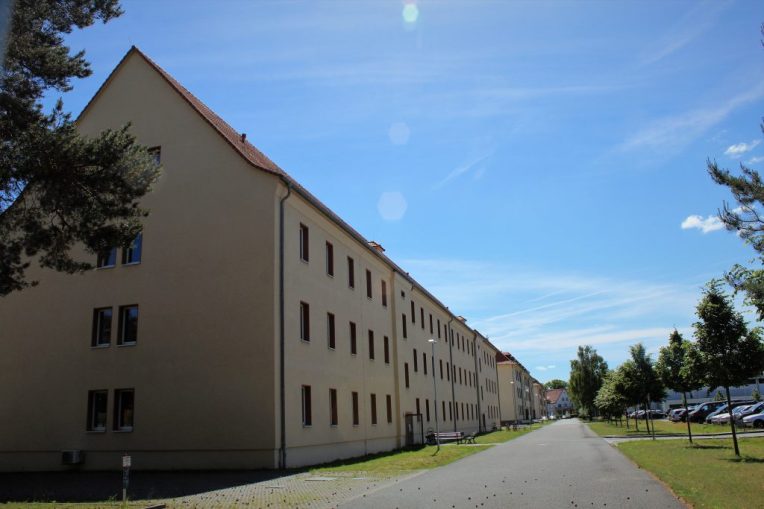
This was also a training camp for the troops of the SS and all the guards of the camp. The buildings below were used as barracks.Although the camp was used from 1936 to 1945 the model above illustrates how it look during the final years of the war.
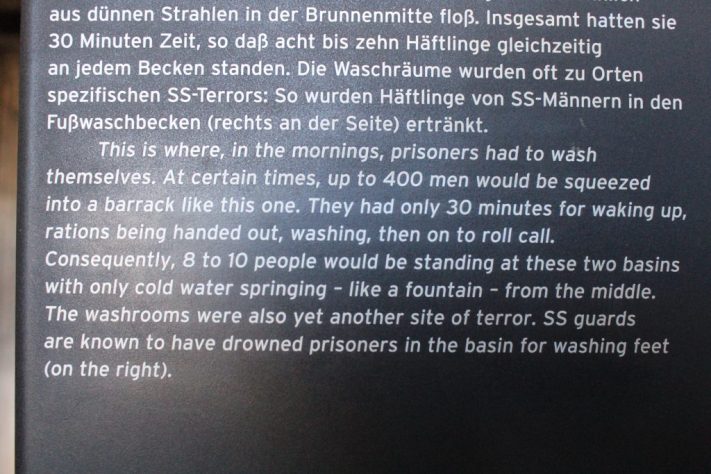
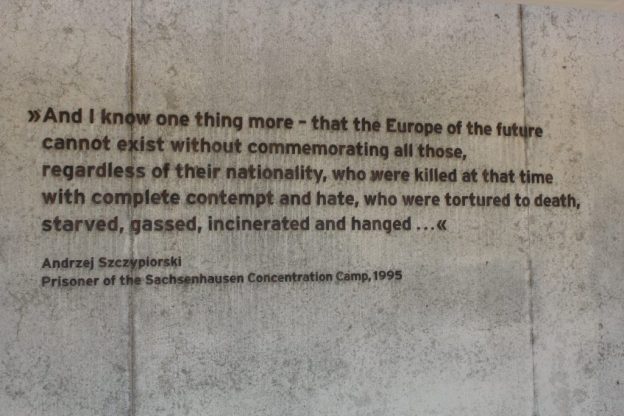
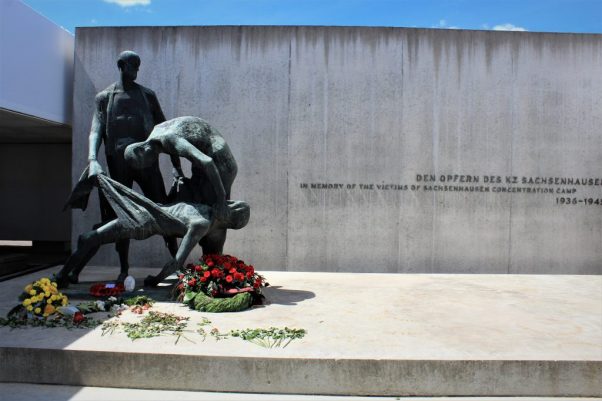
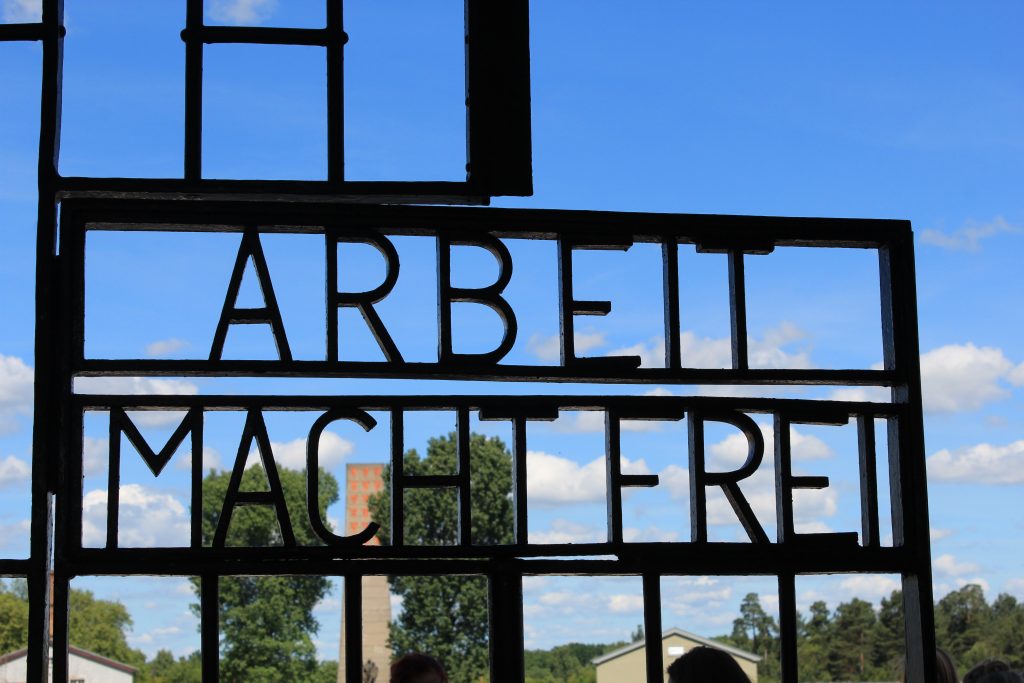
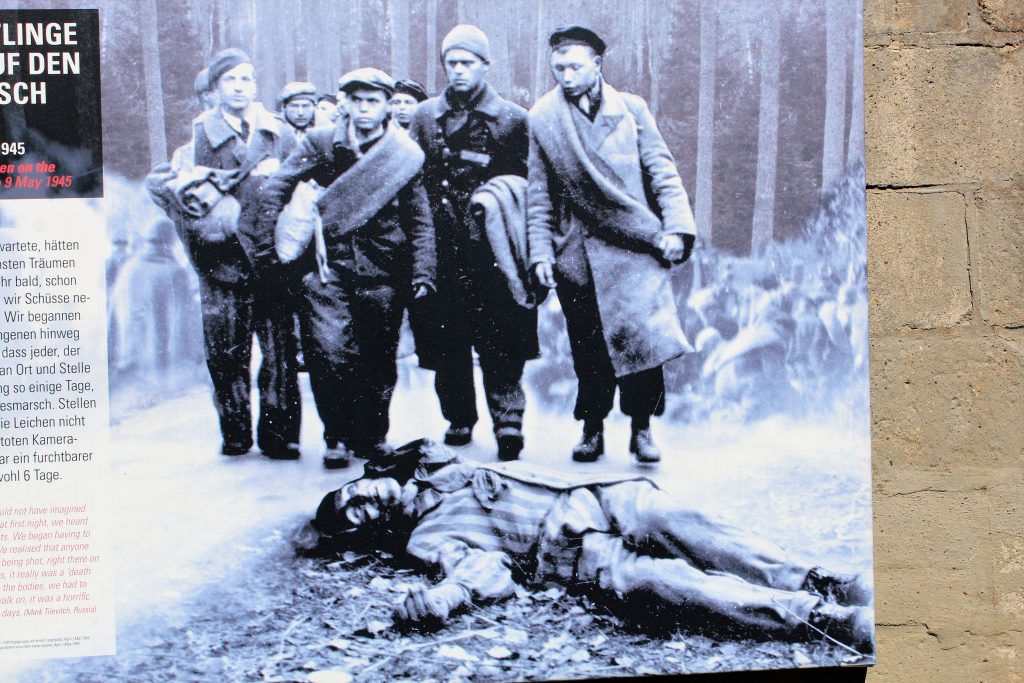
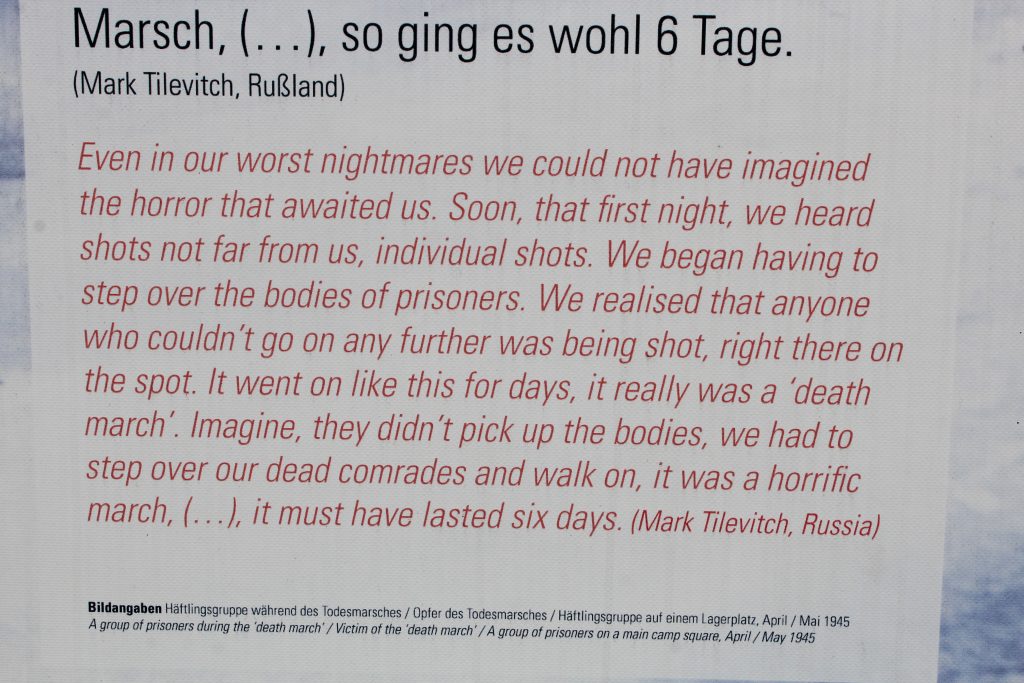
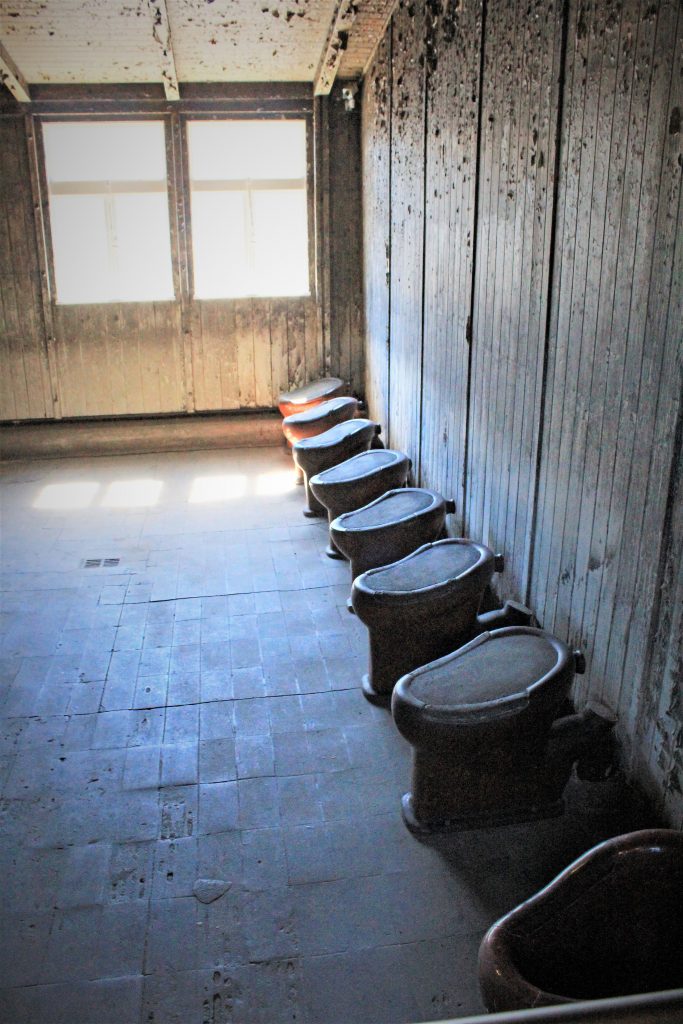
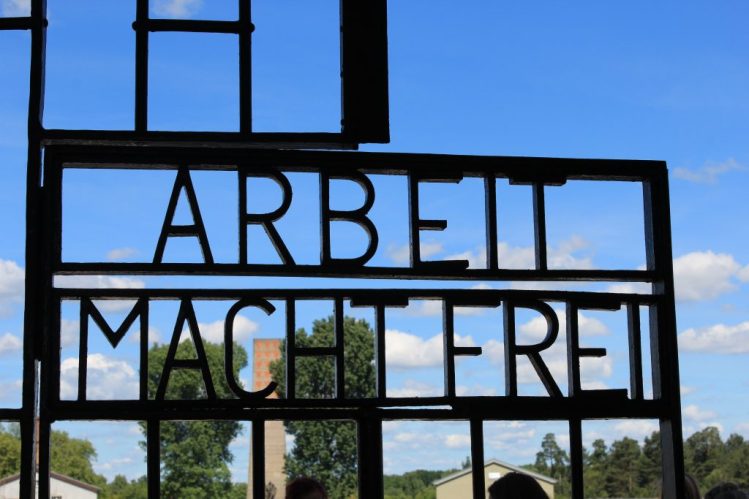
This sign was at the entrance to this camp, and many others as well.  It translates “Work sets you free.”  Which, of course, was a lie. The site is a memorial and museum.  Over 100,000 people died at Sachsenhausen between 1936-1945.  Many Jews came through the gates but most of them only stayed a short period of time before being shipped south to Poland and the death camps. The camp was primarily used to house political prisoners, writers, actors; anyone who spoke against, or was suspected of speaking against, the regime. The prisoners here were subjected to many cruel medical experiments and other debilitating and exhausting tests such as testing items for the soles of German soldier’s boots since there was such a shortage of leather.  The SS handpicked the testers and they had to walk in a figure 8 around the camp for 40 kilometers a day, in all weather conditions, to see how well the materials would stand up.  They were not allowed to stop.
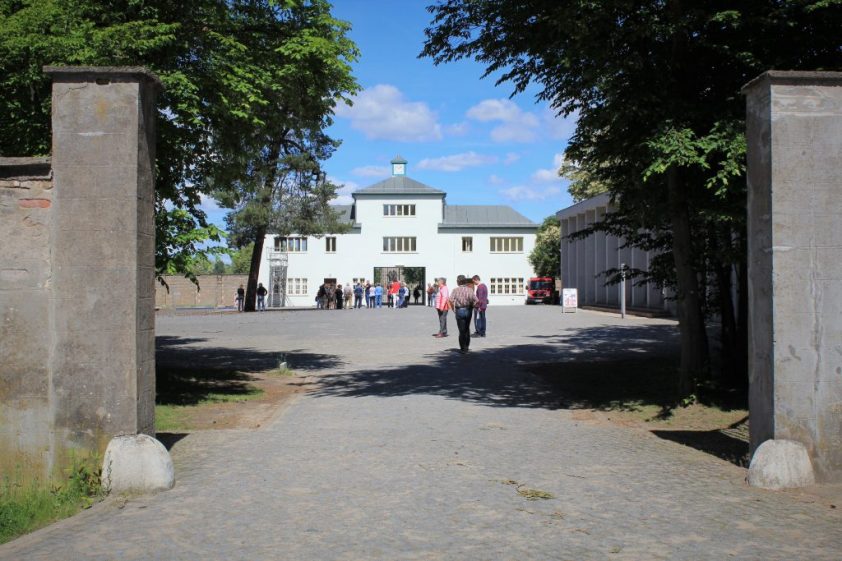
There were countless little tortures as well.  For example, in the winter the SS would keep the potatoes in the snow for 24 hours so till they were frozen and then the hands of the prisoners would freeze as they peeled them.  There were 80 cells in the Special Jail for anyone caught breaking rules, or trying to escape, or certain prisoners.  They were fed 800-1500 calories a day.  Average survival time was nine months.  There were three garrote type hanging poles for death sentences.   Hangings were called “Cultural Events” and the entire camp had to watch.  At Christmas time the soldiers would put up a Christmas tree beside the gallows.

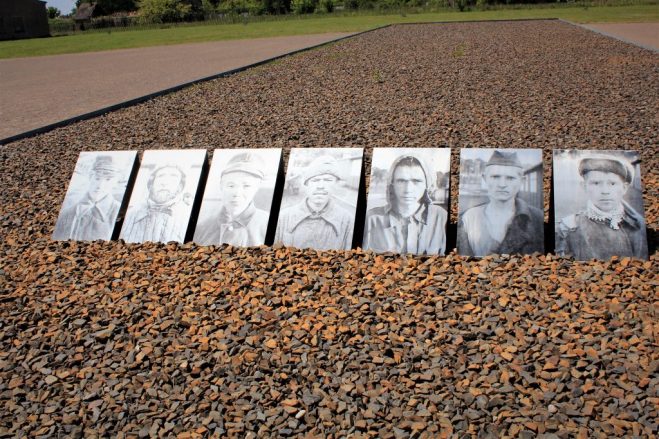
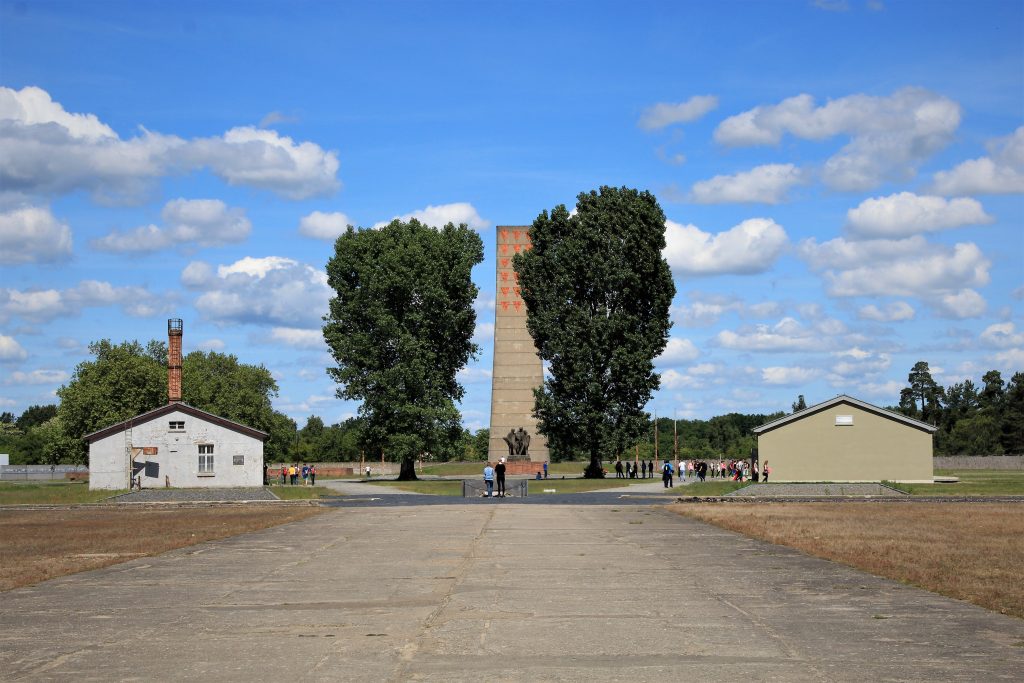
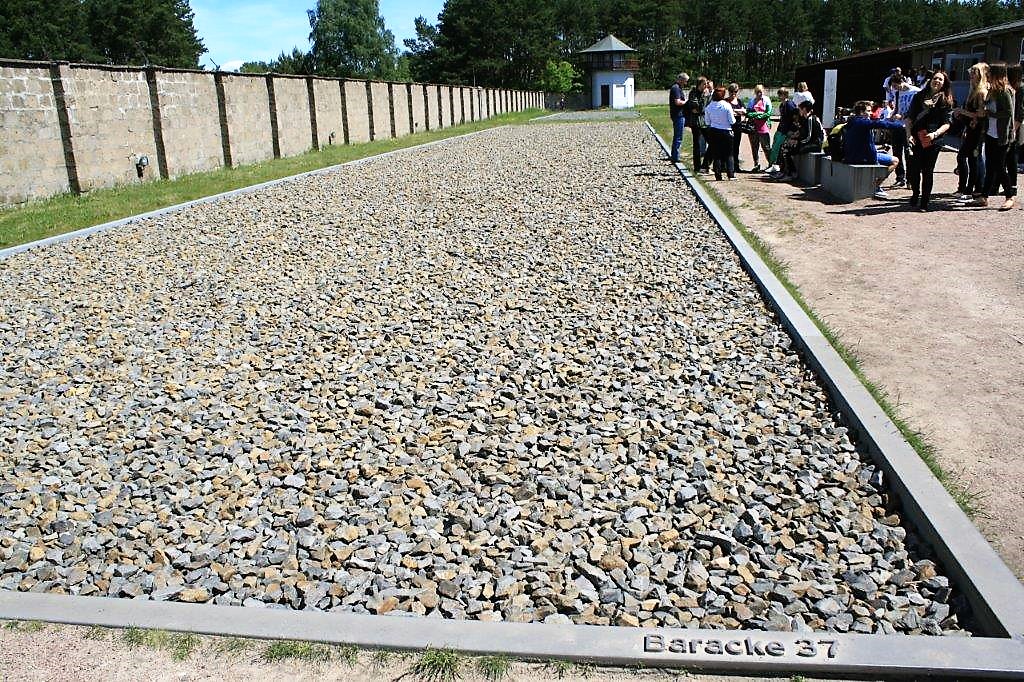
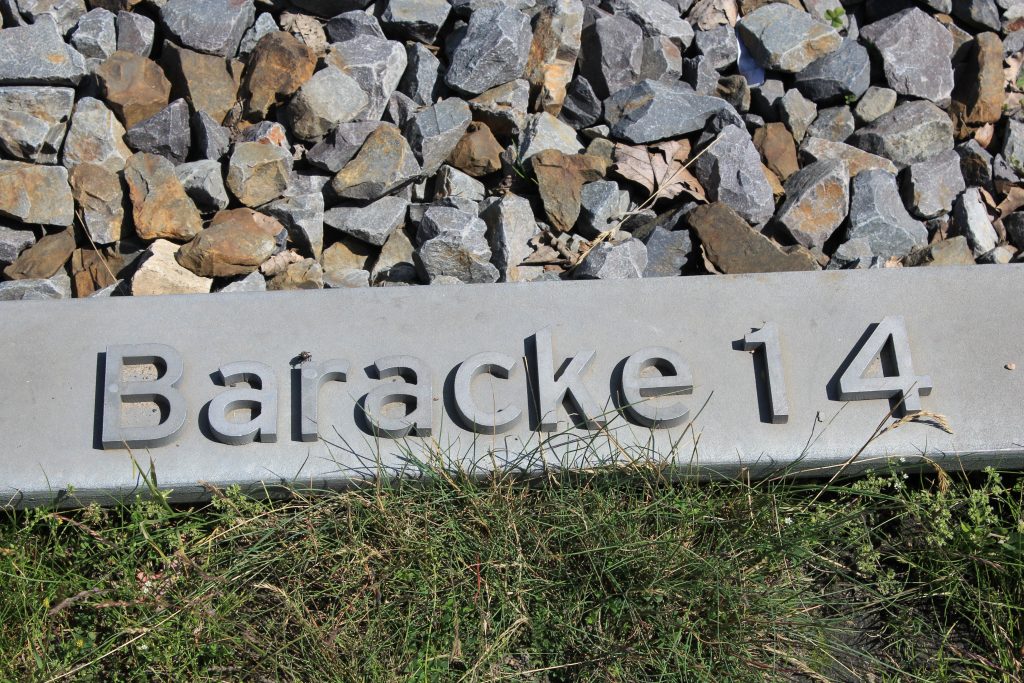
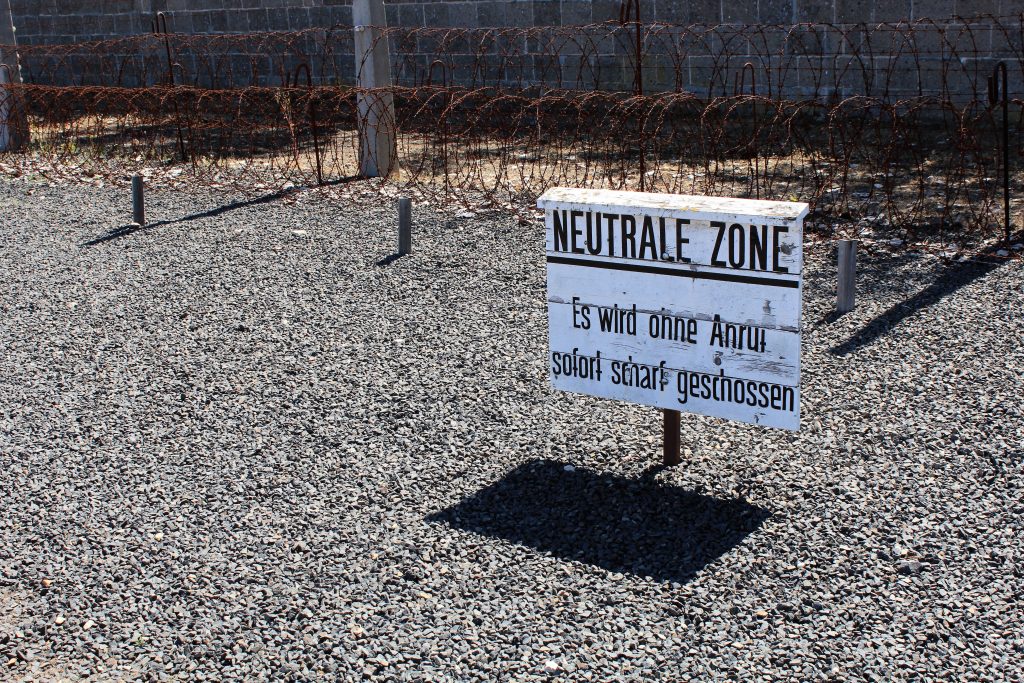
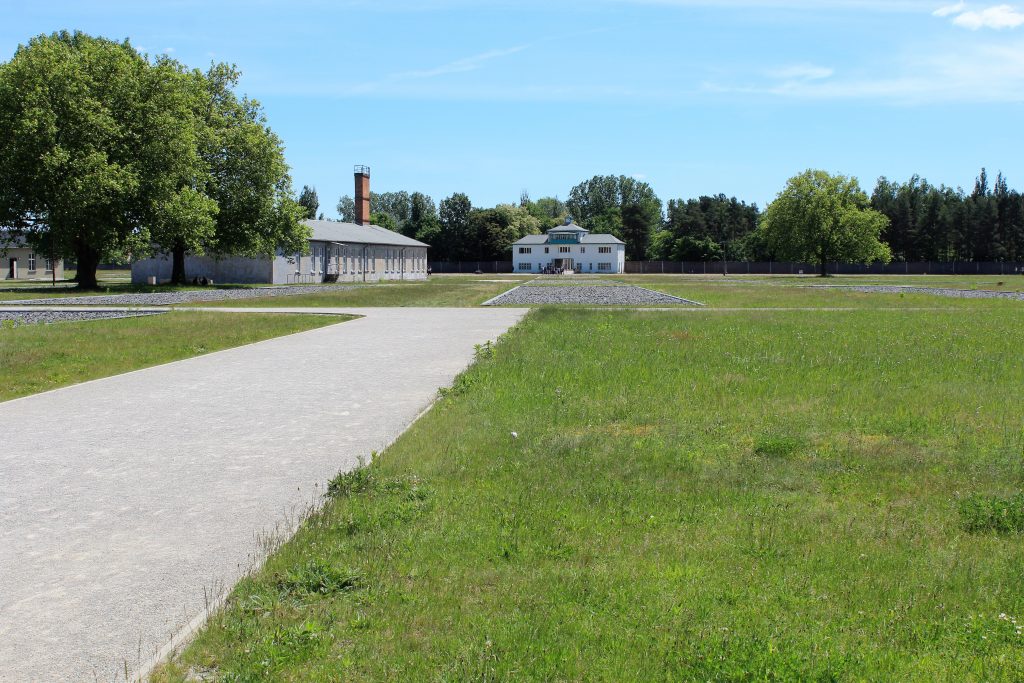
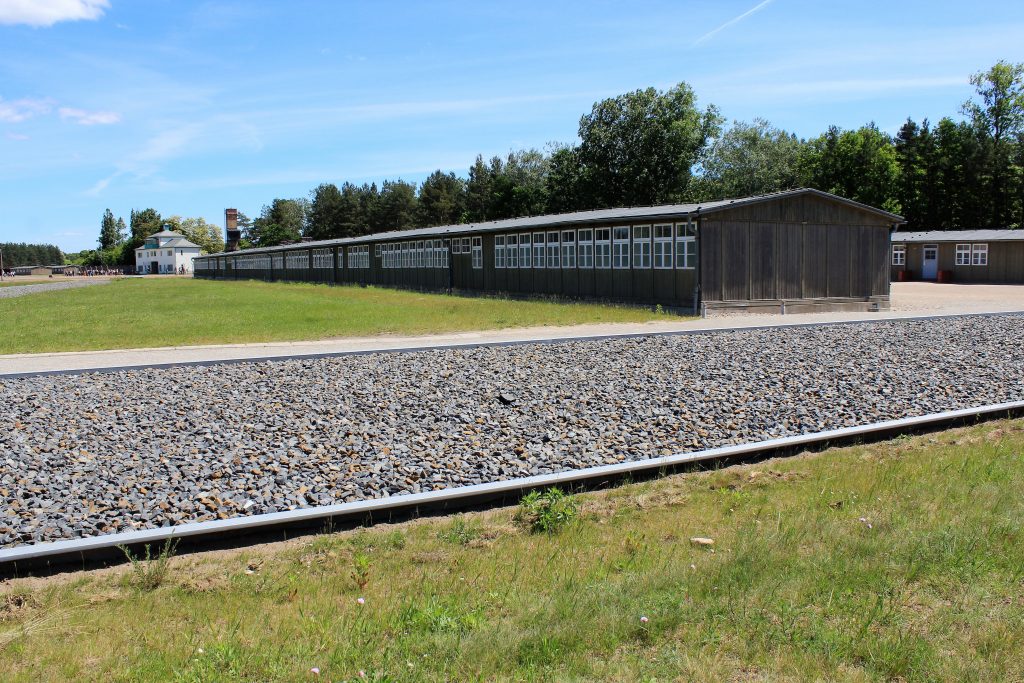
Most of the buildings have been removed.  The memorial is the tall pillar in the center of the compound.  It was built by the Russians to commemorate the deaths of so many of their soldiers at this camp and thus is painted with red symbols for their men. The large gravel rectangles below show where each of the prisoner barracks were located.  There were 39 buildings for prisoners.
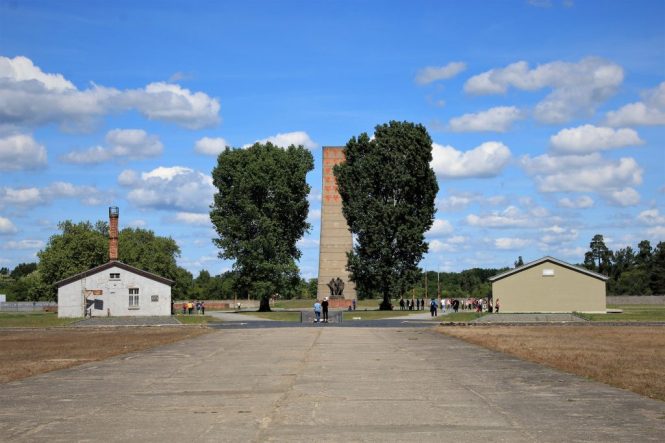
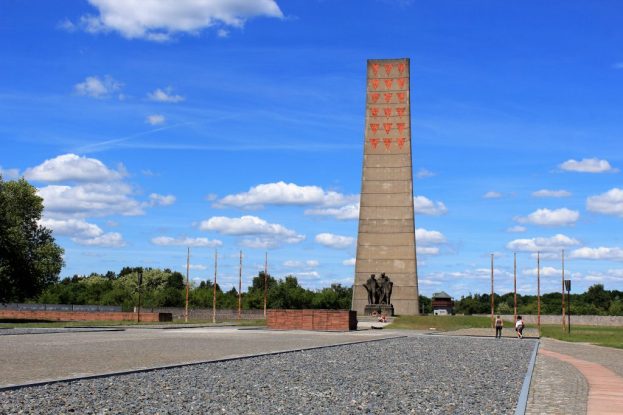
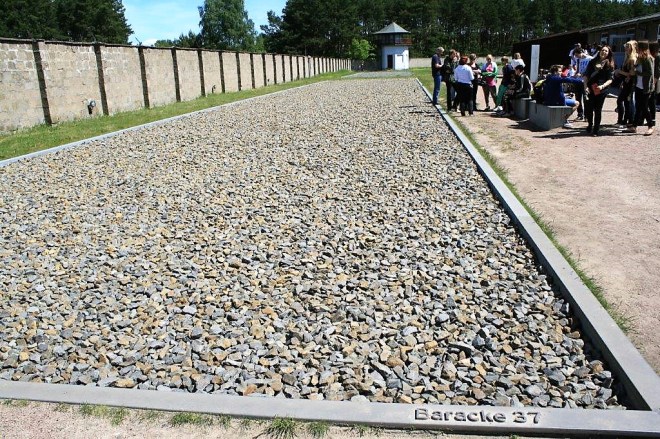
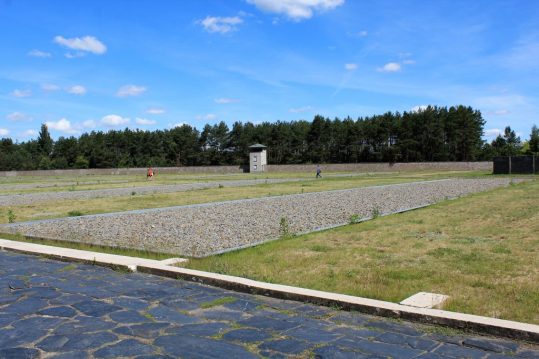
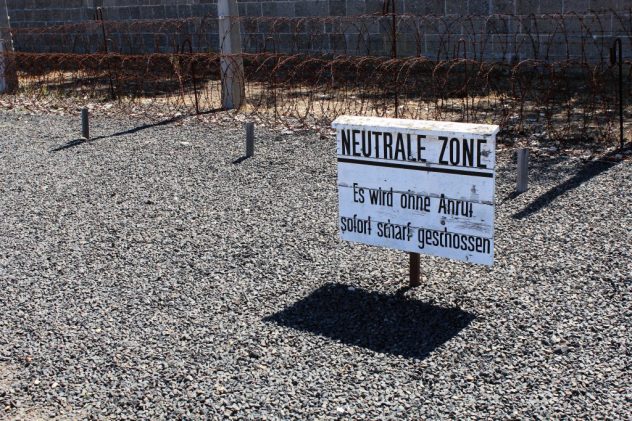
The words under Neutral Zone on this sign say, “They are going to shoot you without warning.”
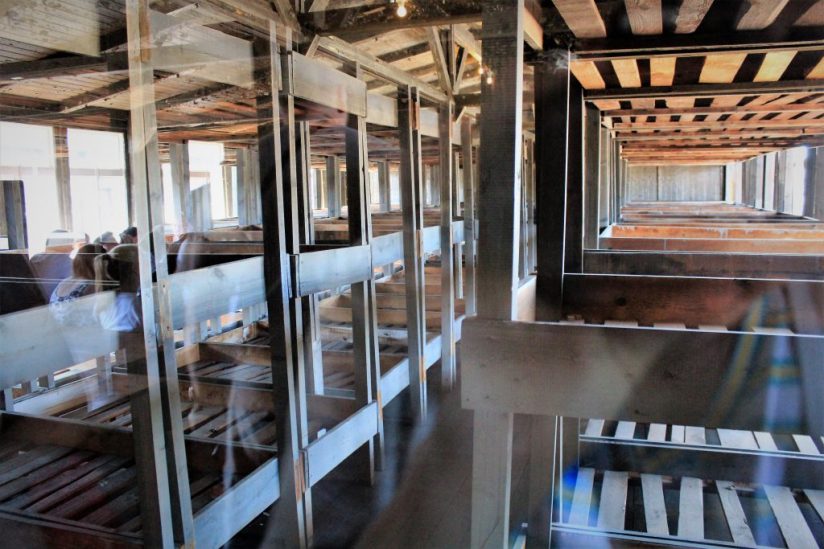
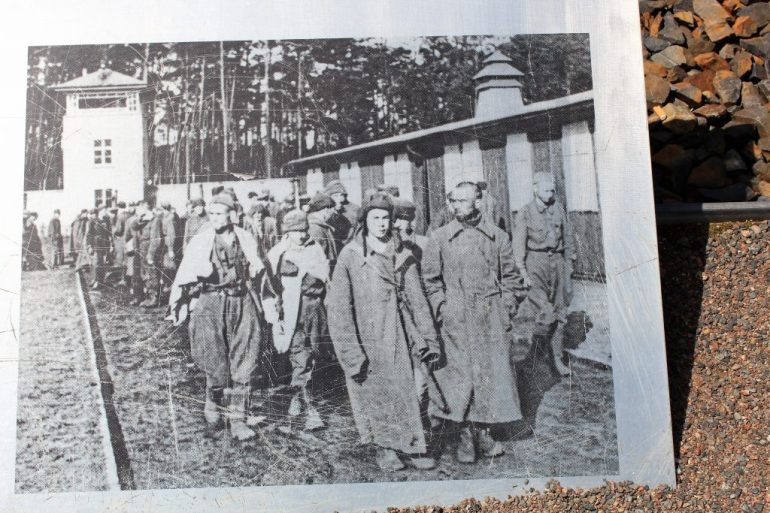
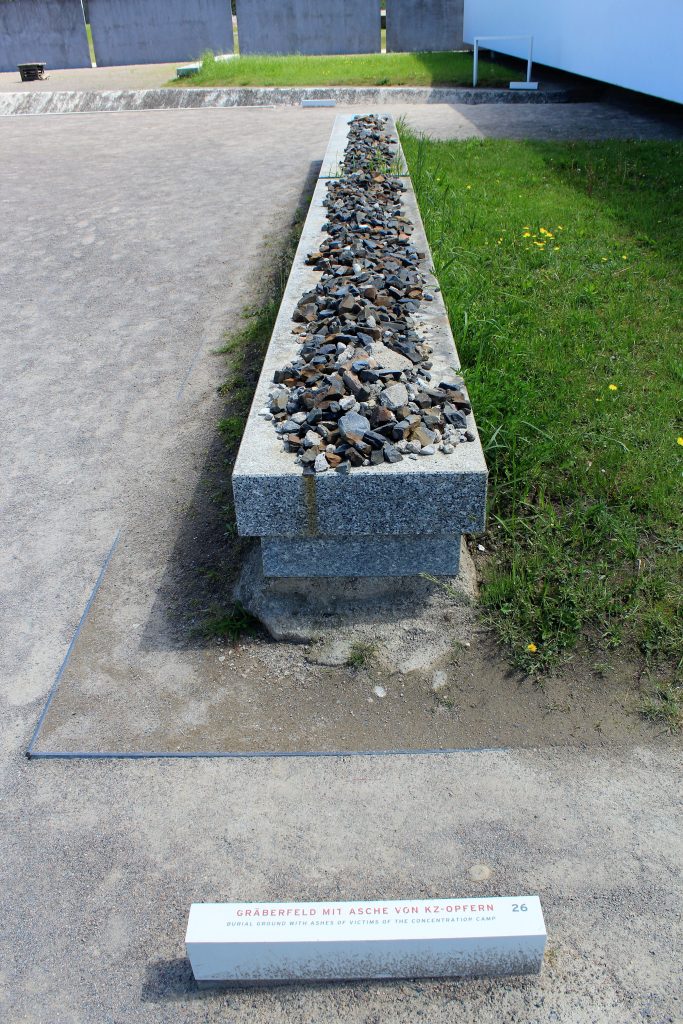
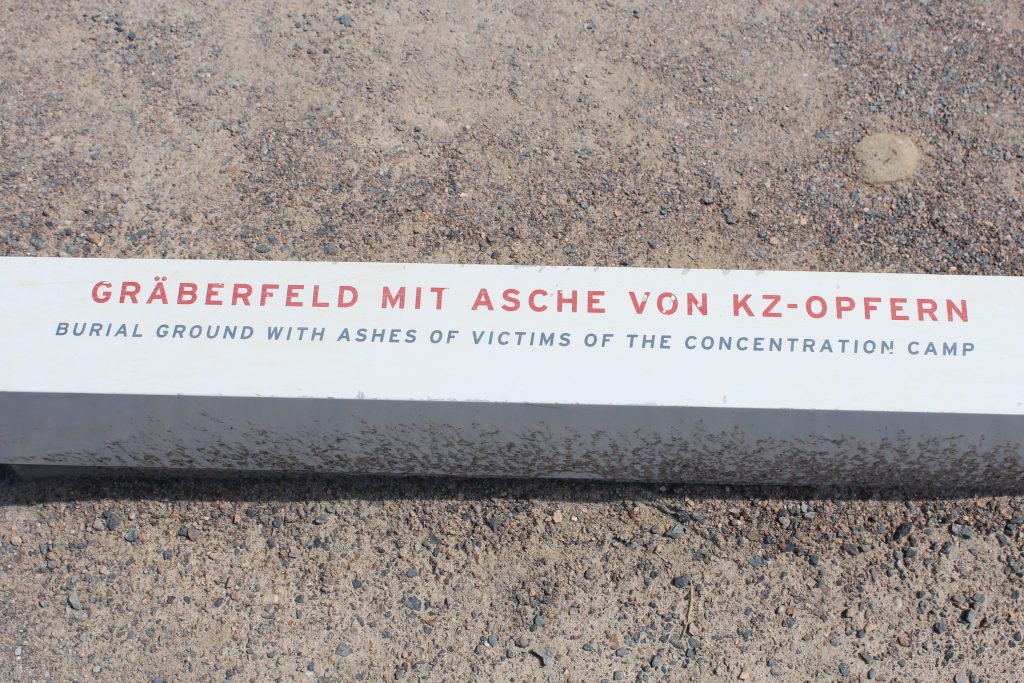
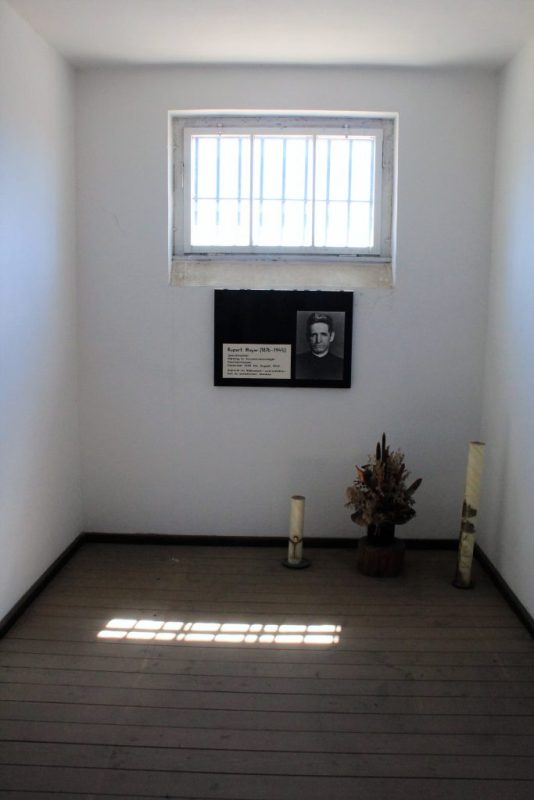
There was a “Special Soviet Camp” that housed about 60,000 prisoners between 1945-1950.  12,000 of them died from hunger and disease.  Several of the cells have commemorative plaques and memorials.  There are three mass graves near the Special Soviet Camp; the largest contains the remains of at least 7,000 people.
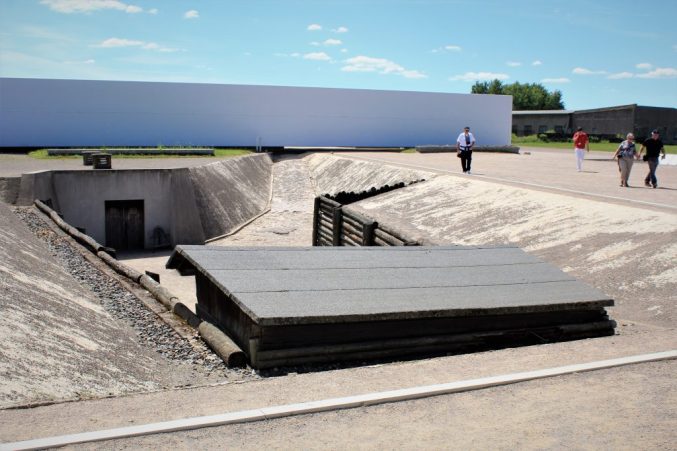
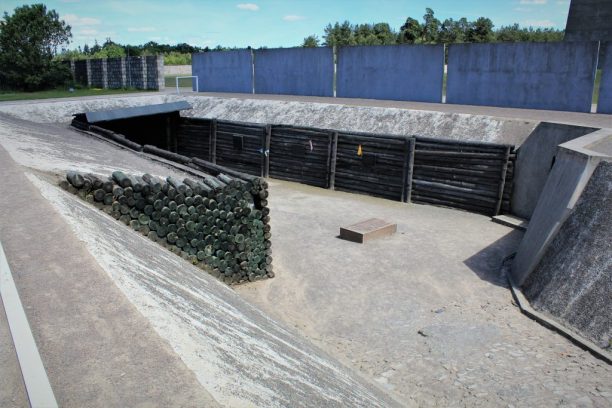
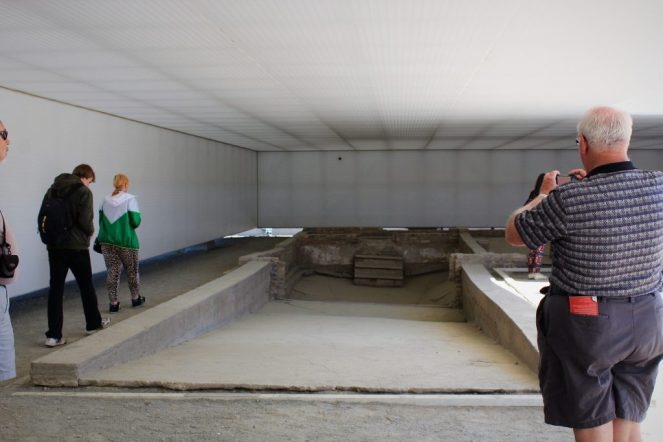
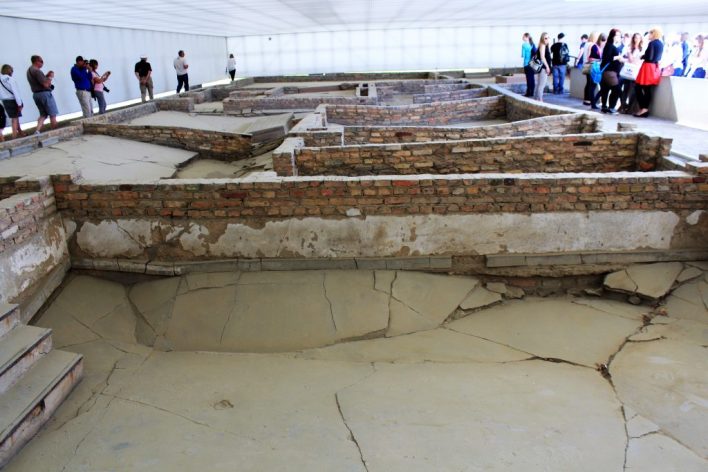
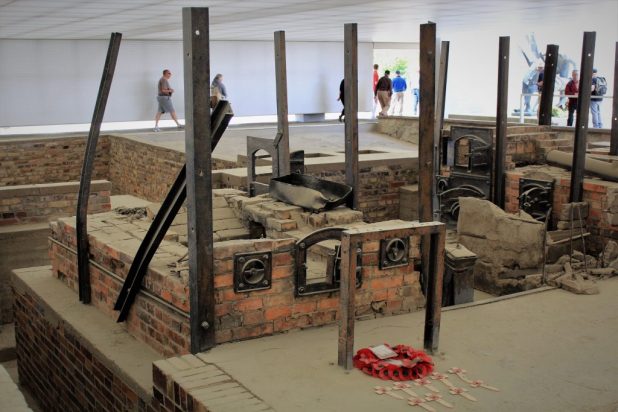
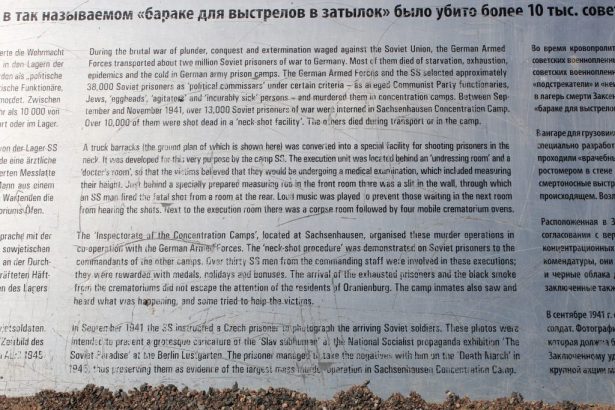
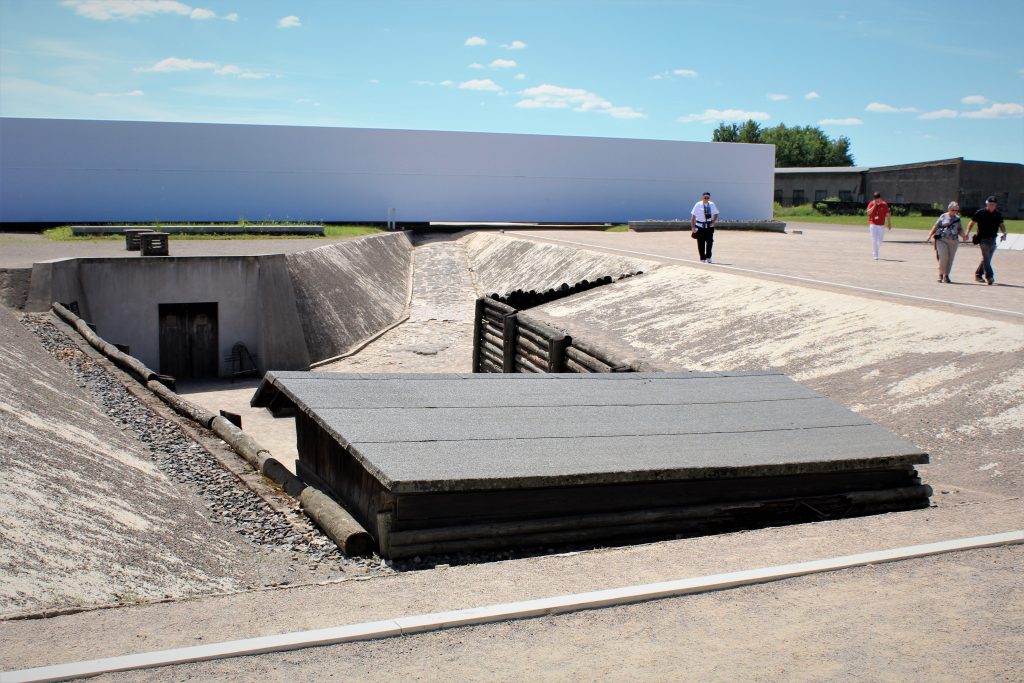
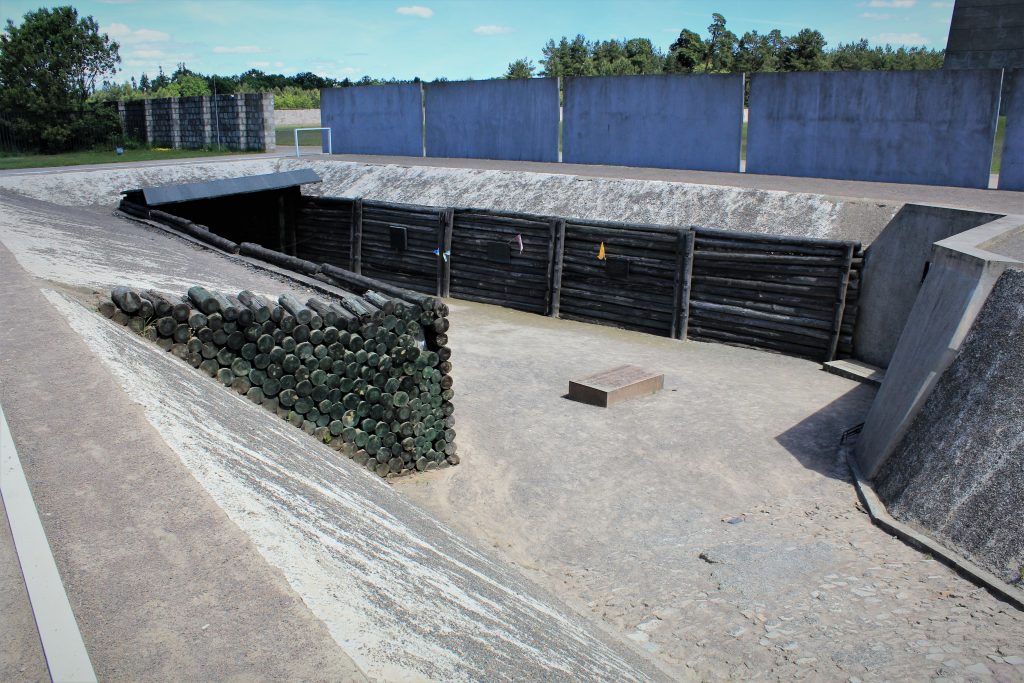
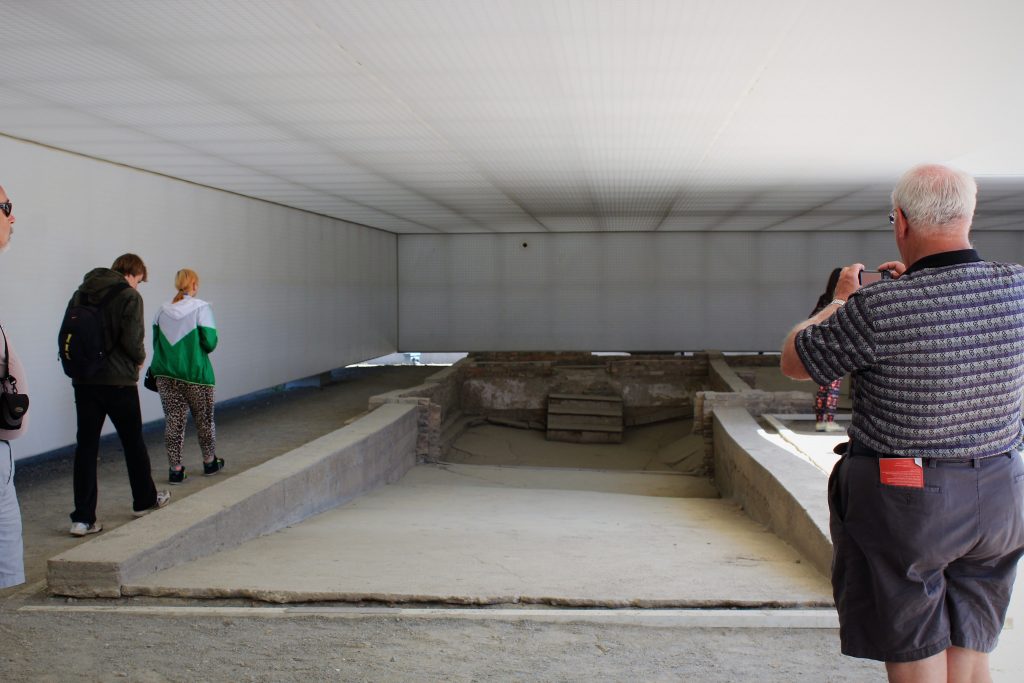
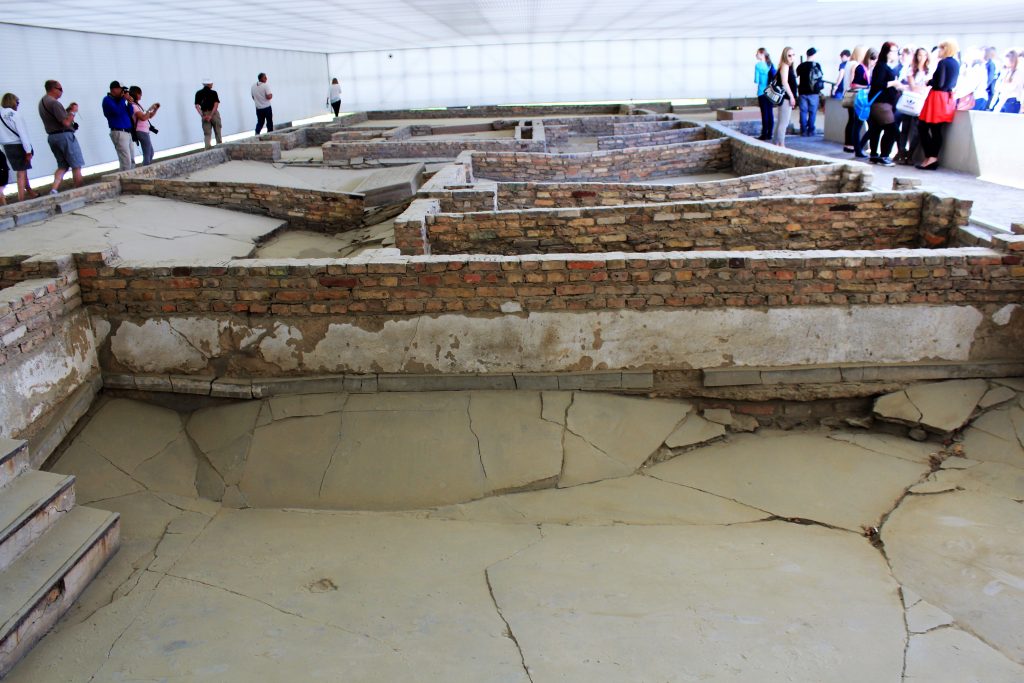
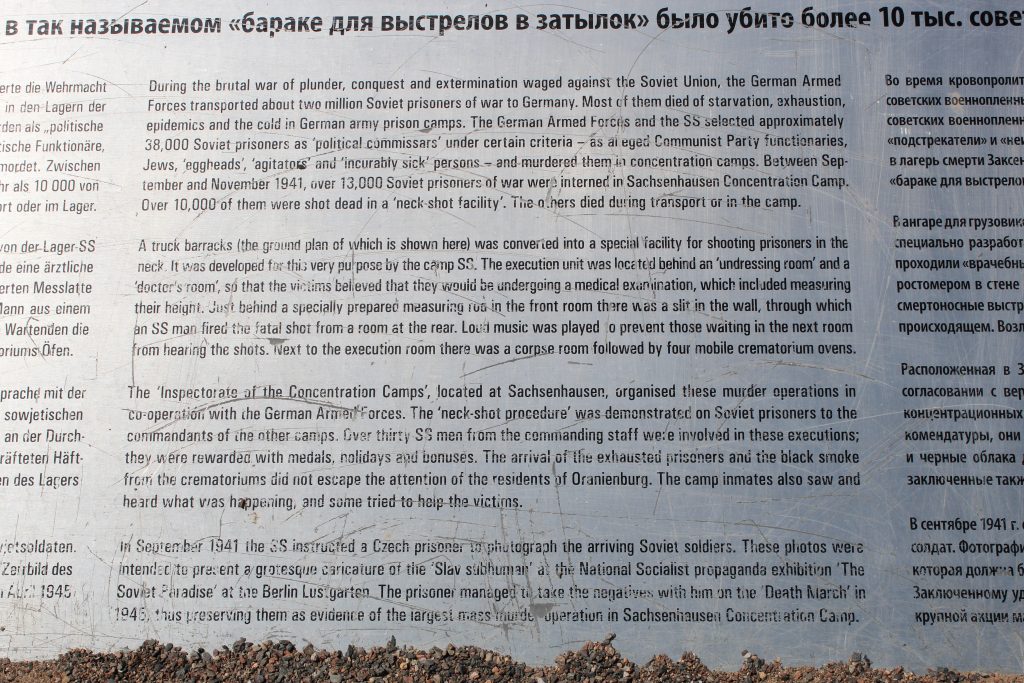
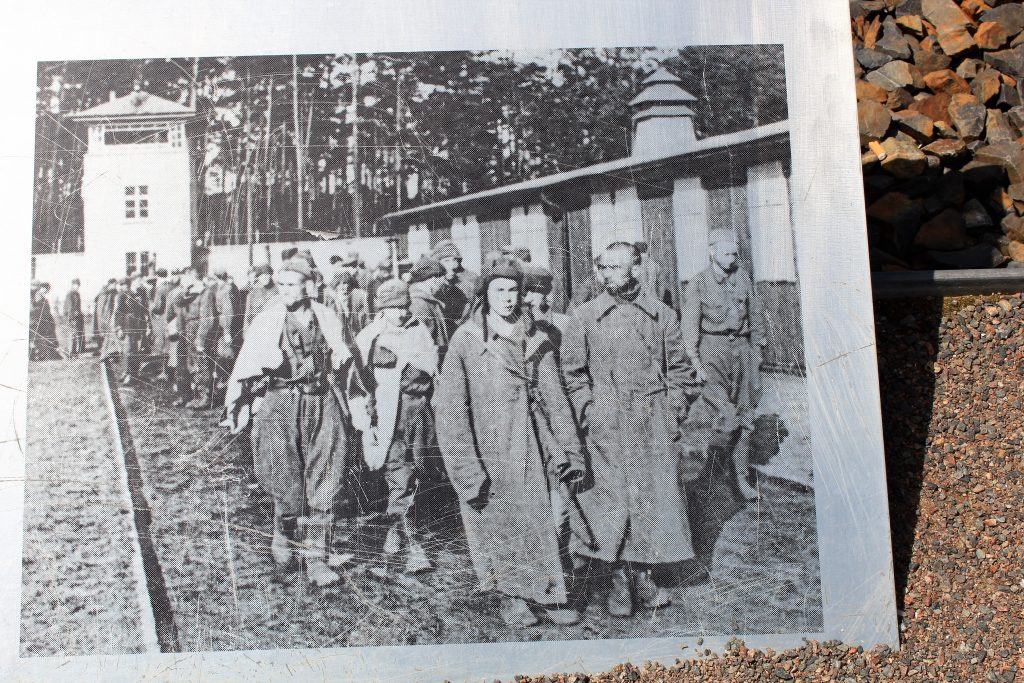
The area in the photos above was called the Killing Trench.  It was officially Station Set, named for the last letter of the German alphabet.  Ostensibly it was a medical examination area where new prisoners were to be weighed and measured. Many prisoners, especially Russians, would be line up against the wall in this trench and would shot in the back of the head by a German soldier who placed his gun through a small hole in the wall. Even though Sachsenhausen was not a mass Death Camp there were still gas chambers and cremation ovens.
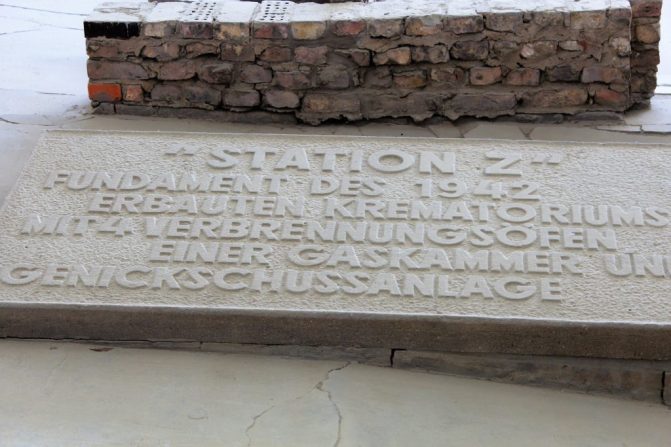
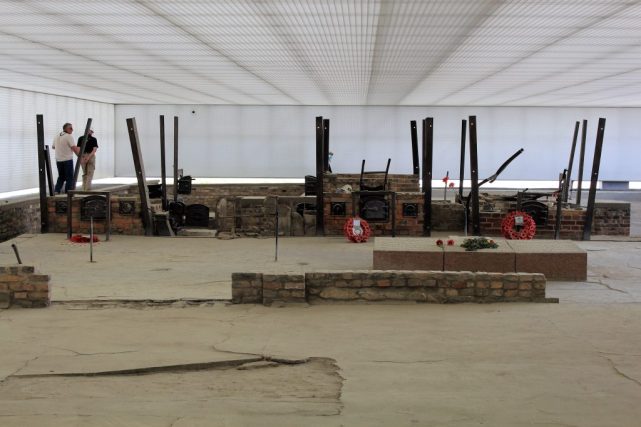
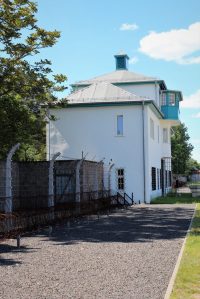
The camp Commandant had a nice house at the back of the grounds.                     The barracks above are replicas of the original.
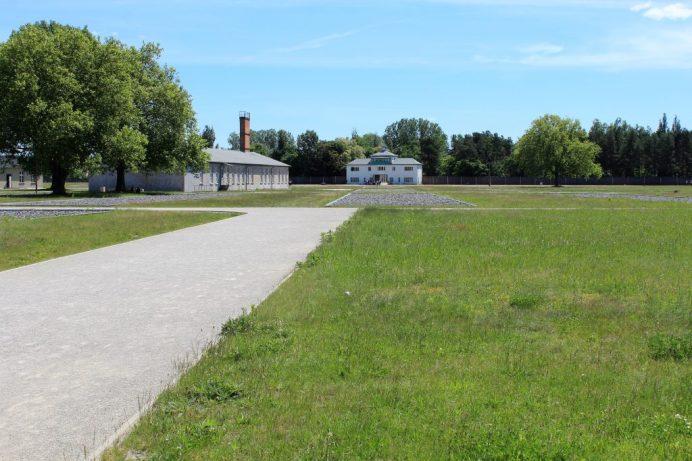
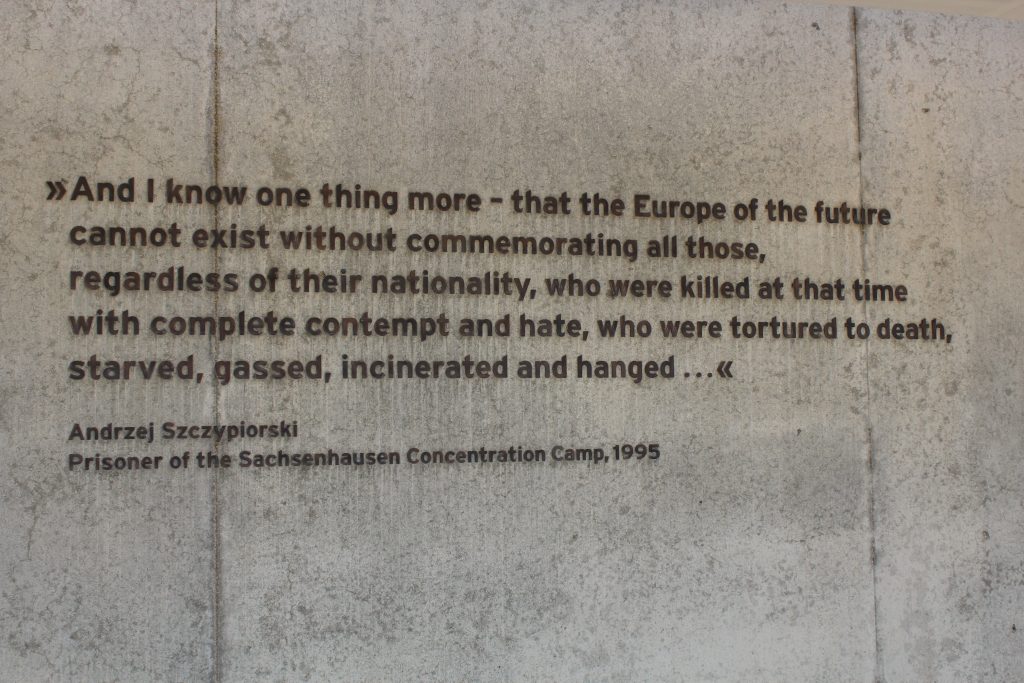
When we were looking over the shore excursions available for this port-of-call I pondered for quite awhile as to whether I would be able to tour a concentration camp site.  However, I feel very strongly that this horrific chapter in the span of human history must never, ever, be forgot or brushed aside.  Lest we forget, and it will happen again.

After we finished our tour of the concentration camp we were driven to Berlin where we saw several of the ‘must-see’ sights. (to be continued)


2013 Summer (Baltic and Britain – Copenhagen, Denmark – Day 2)

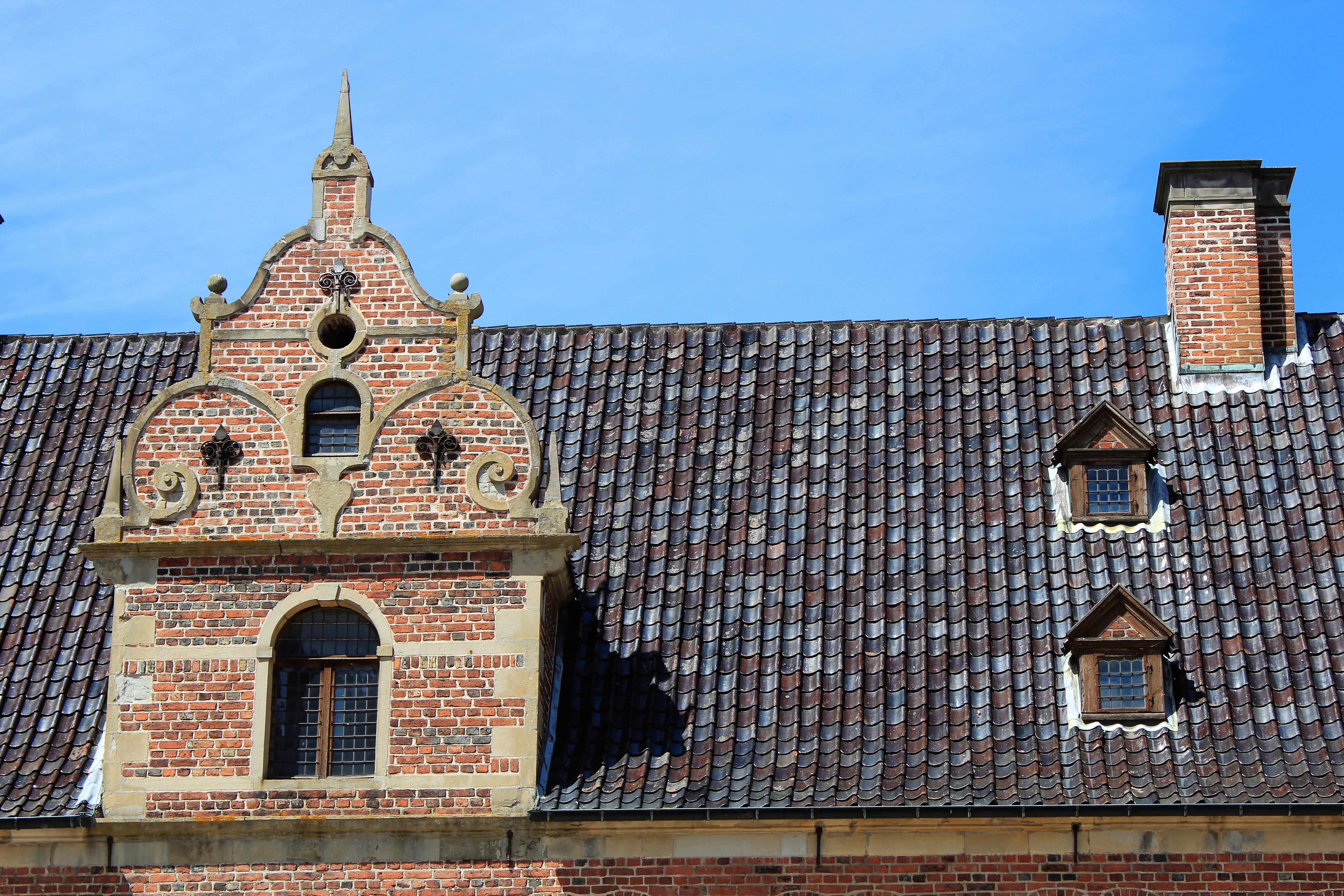
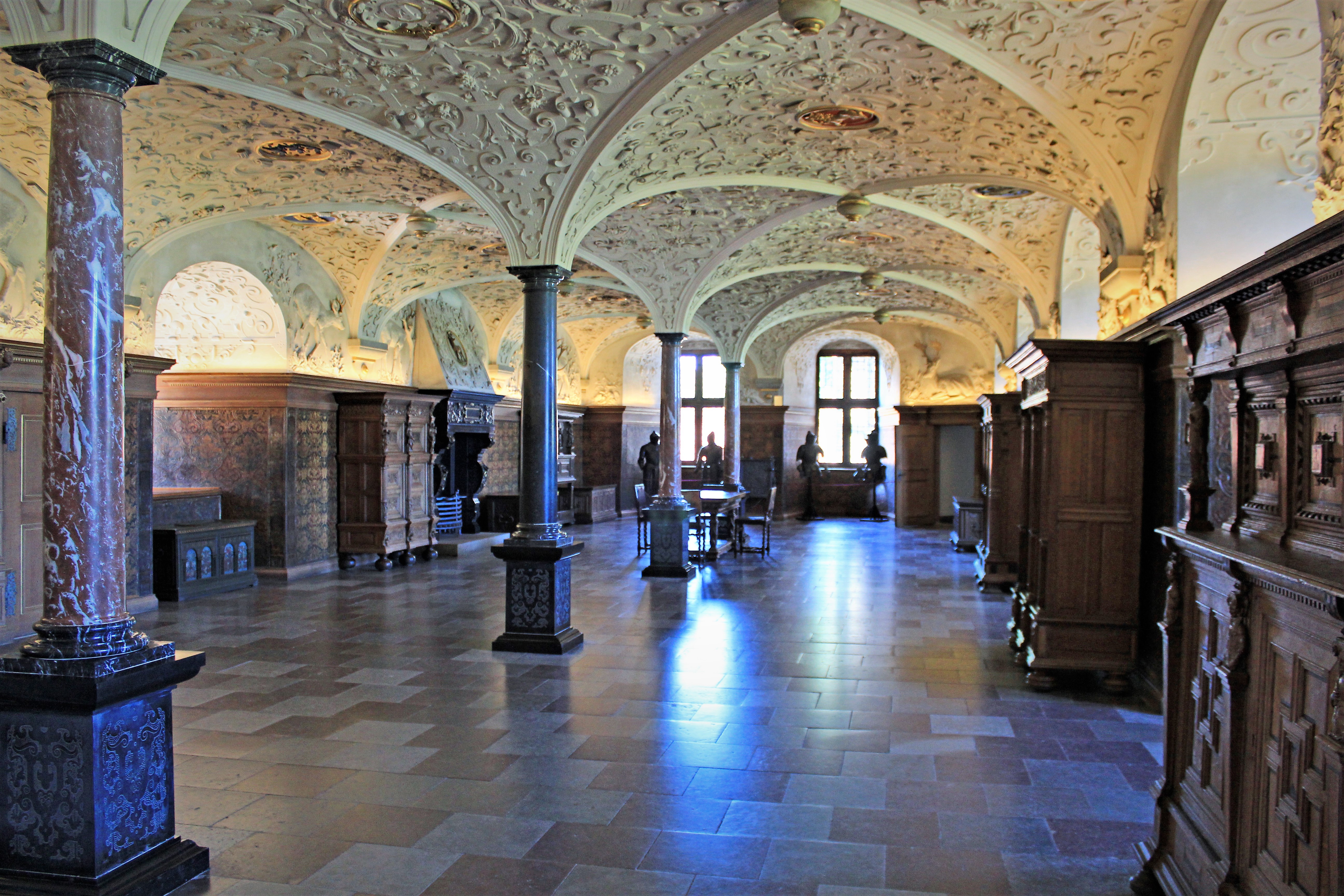
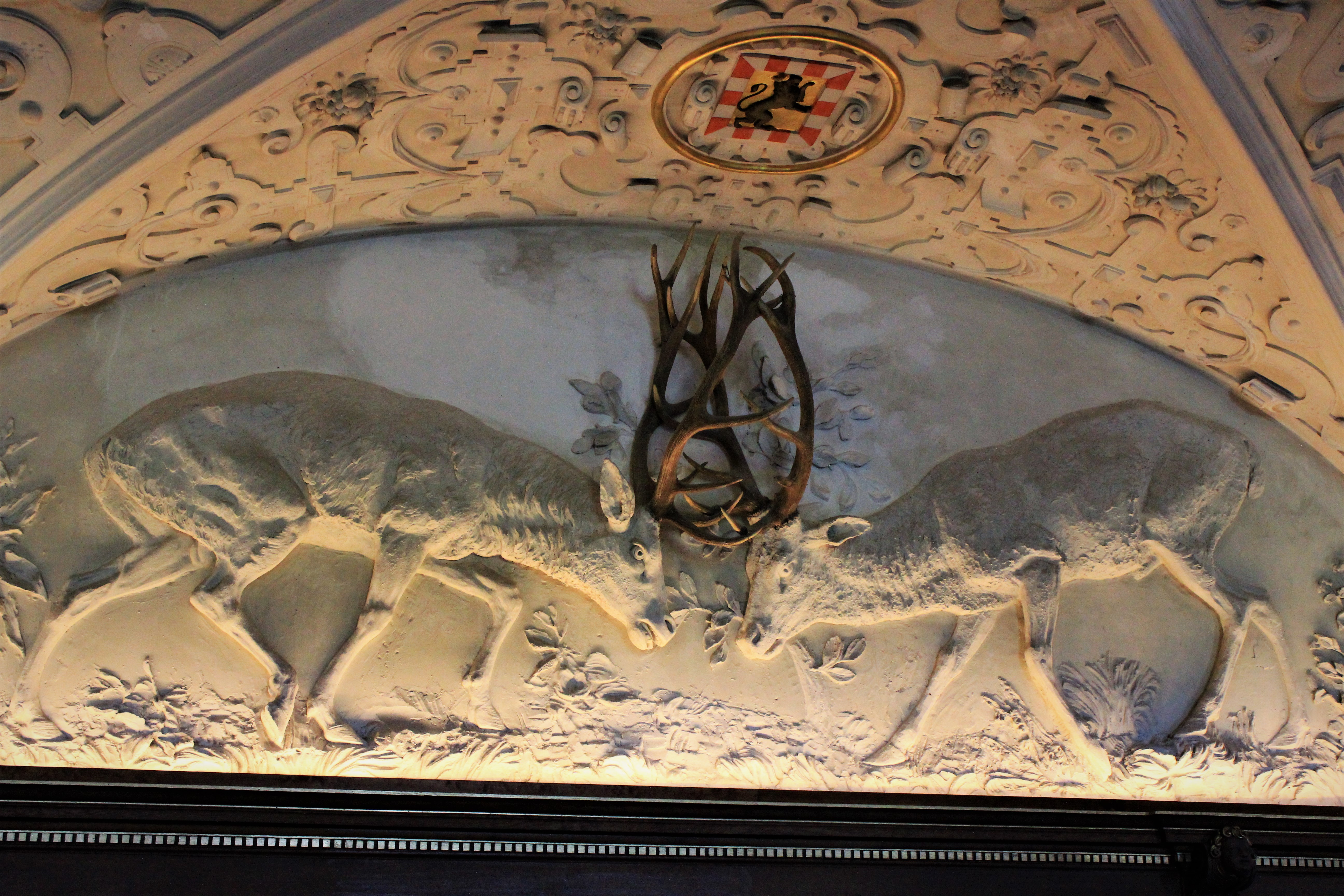
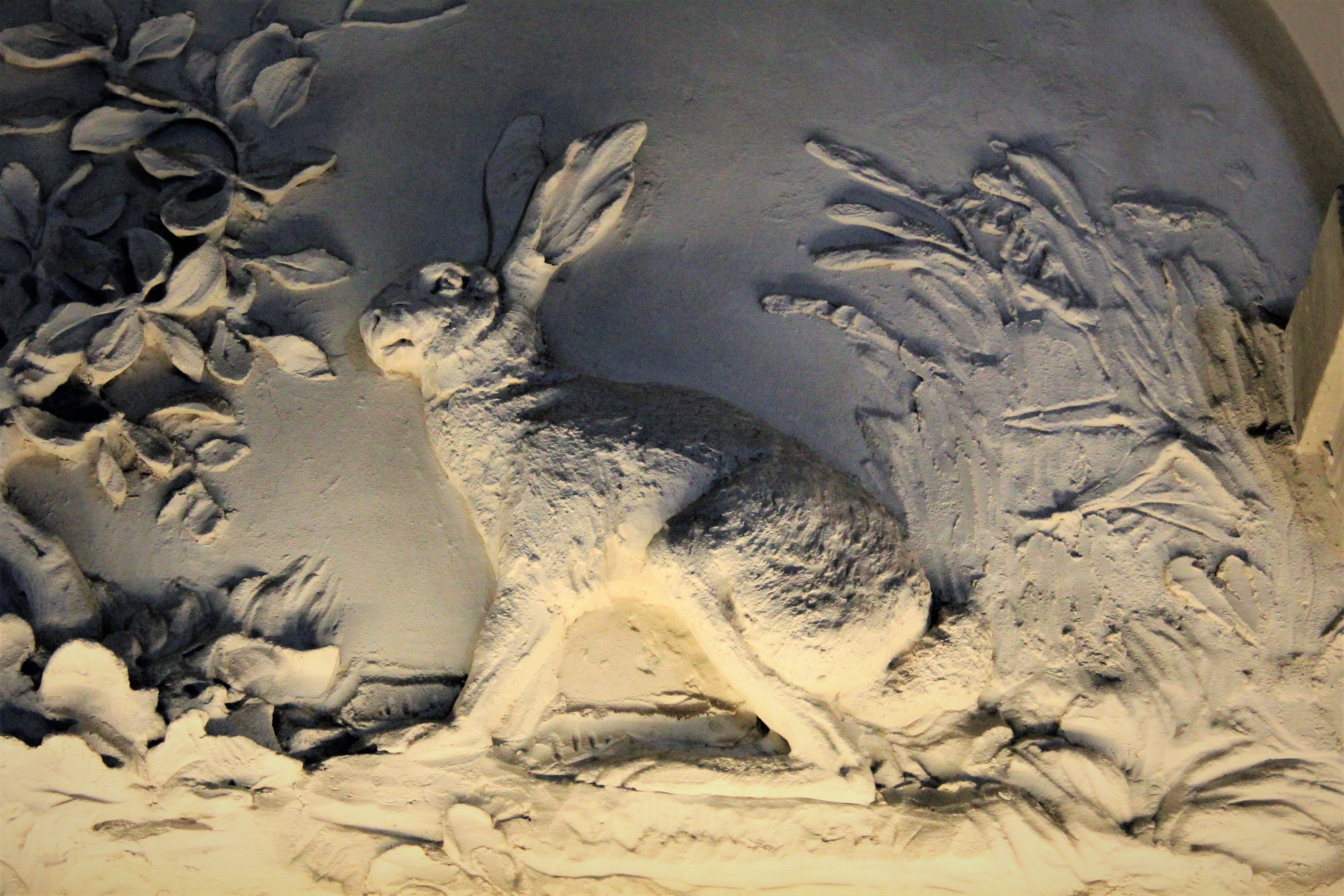
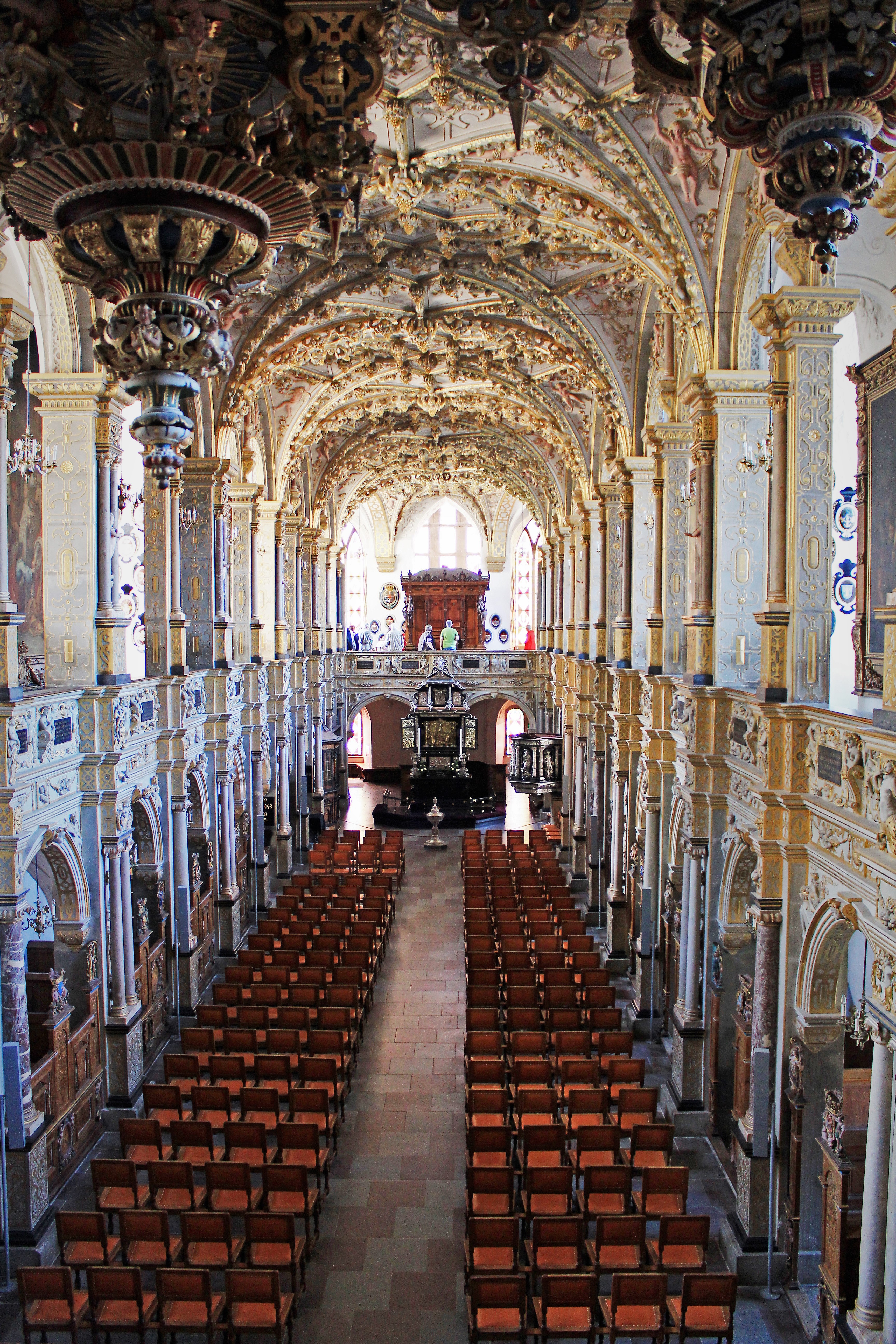
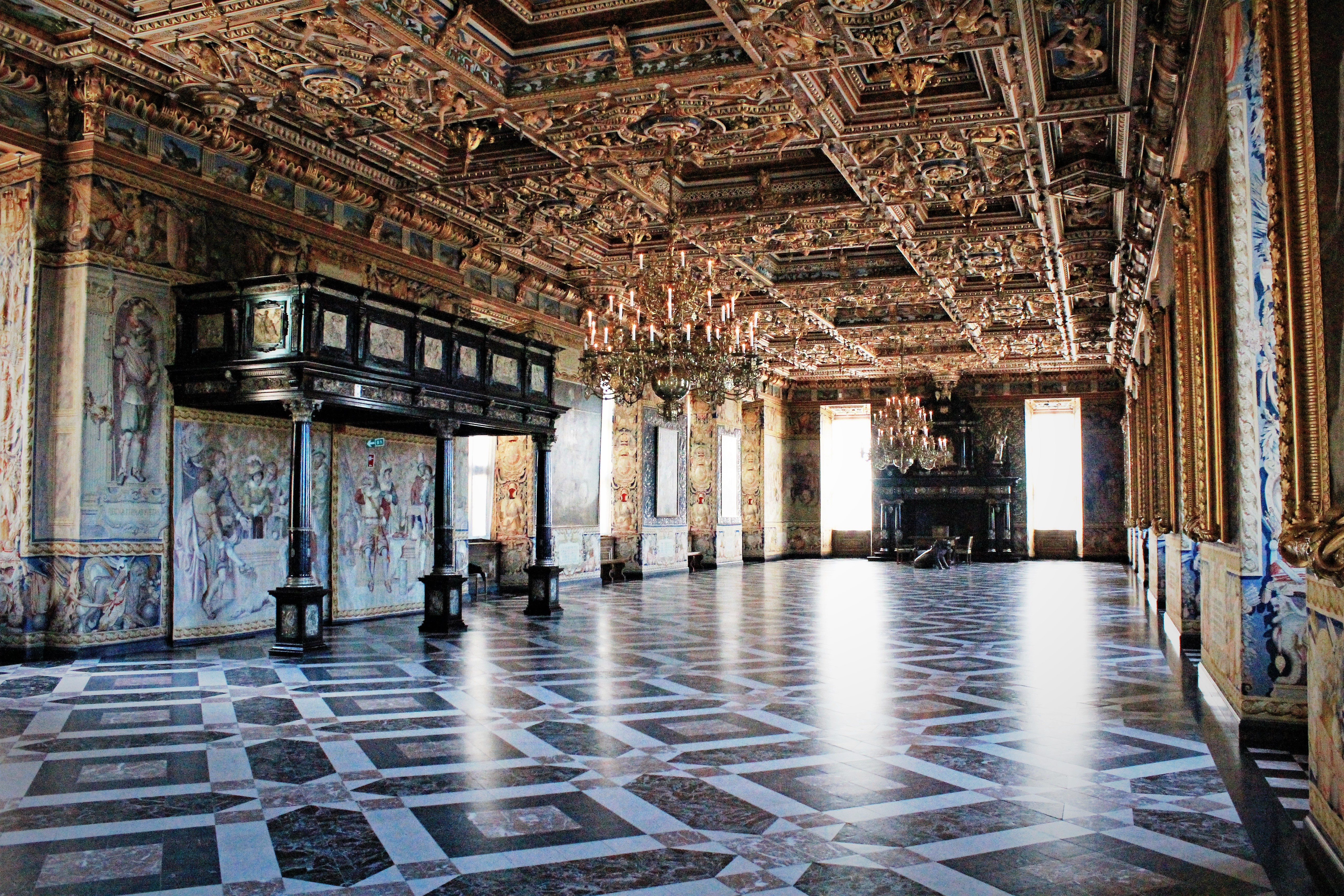
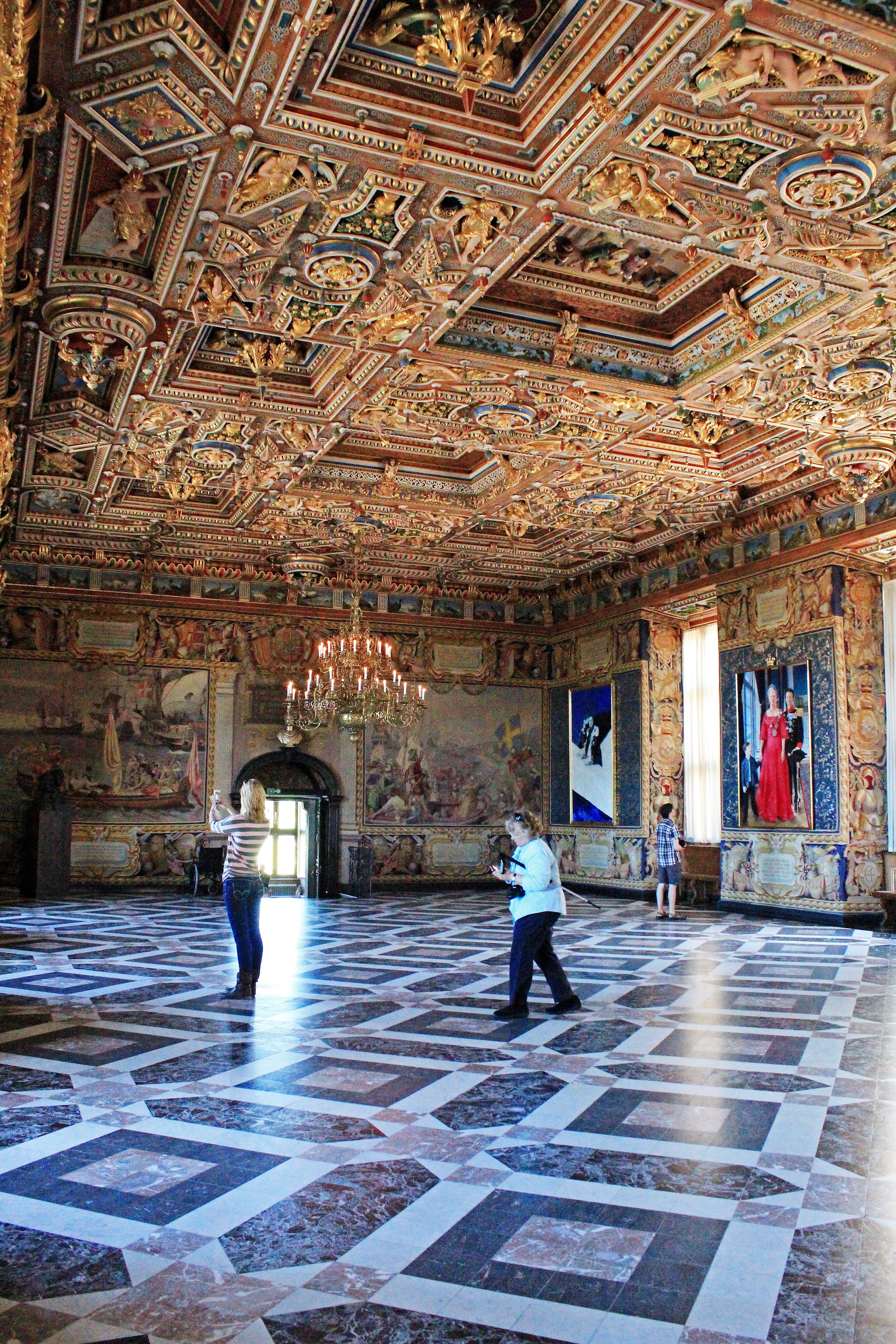
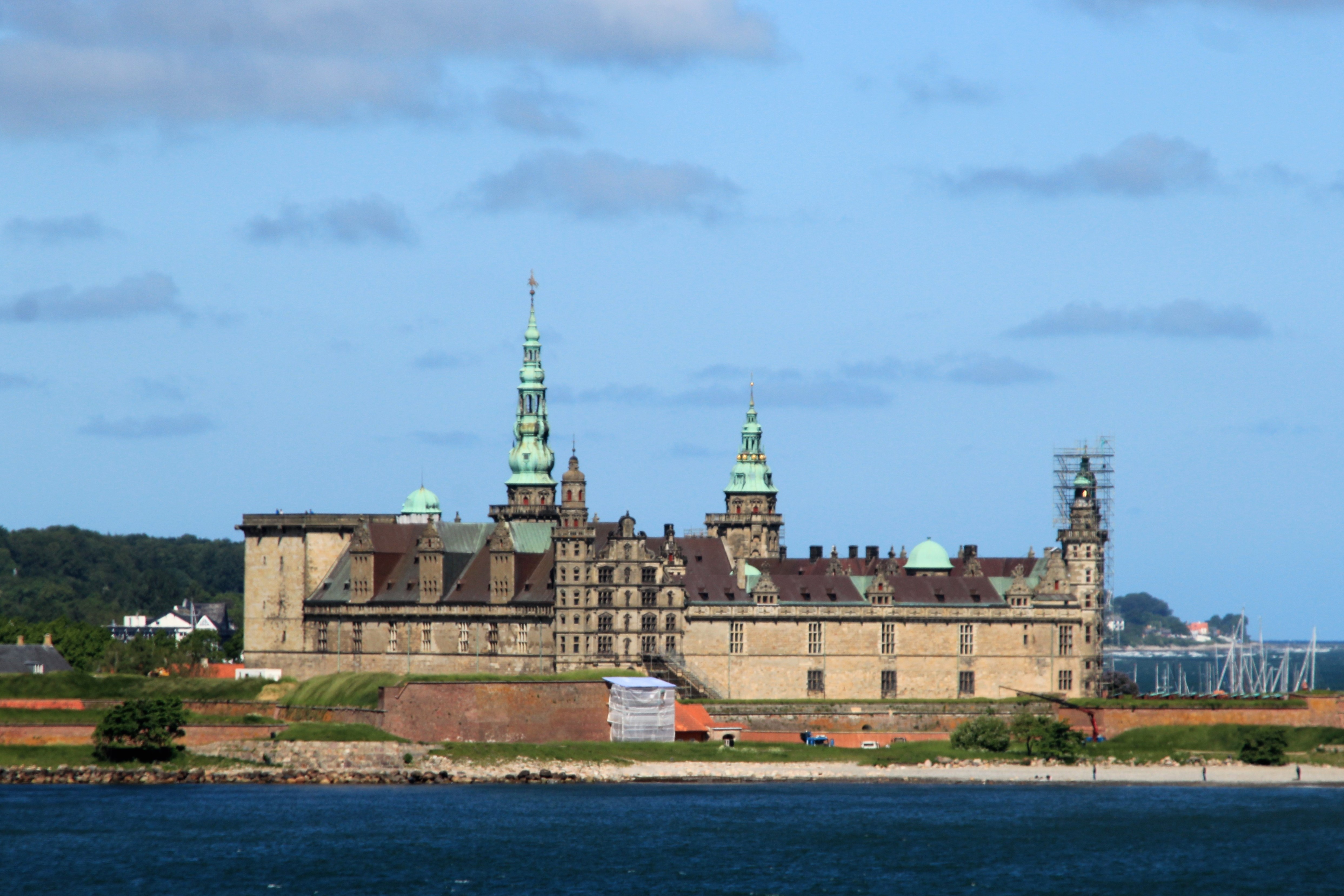
Our second day in Copenhagen on the 16-day Baltic cruise took us to two castles: Kronborg Castle, famous as the setting for Shakespeare’s play Hamlet and Fredericksborg Castle in Hilleroed, a magnificent Renaissance castle that is now the Nation Museum of History.
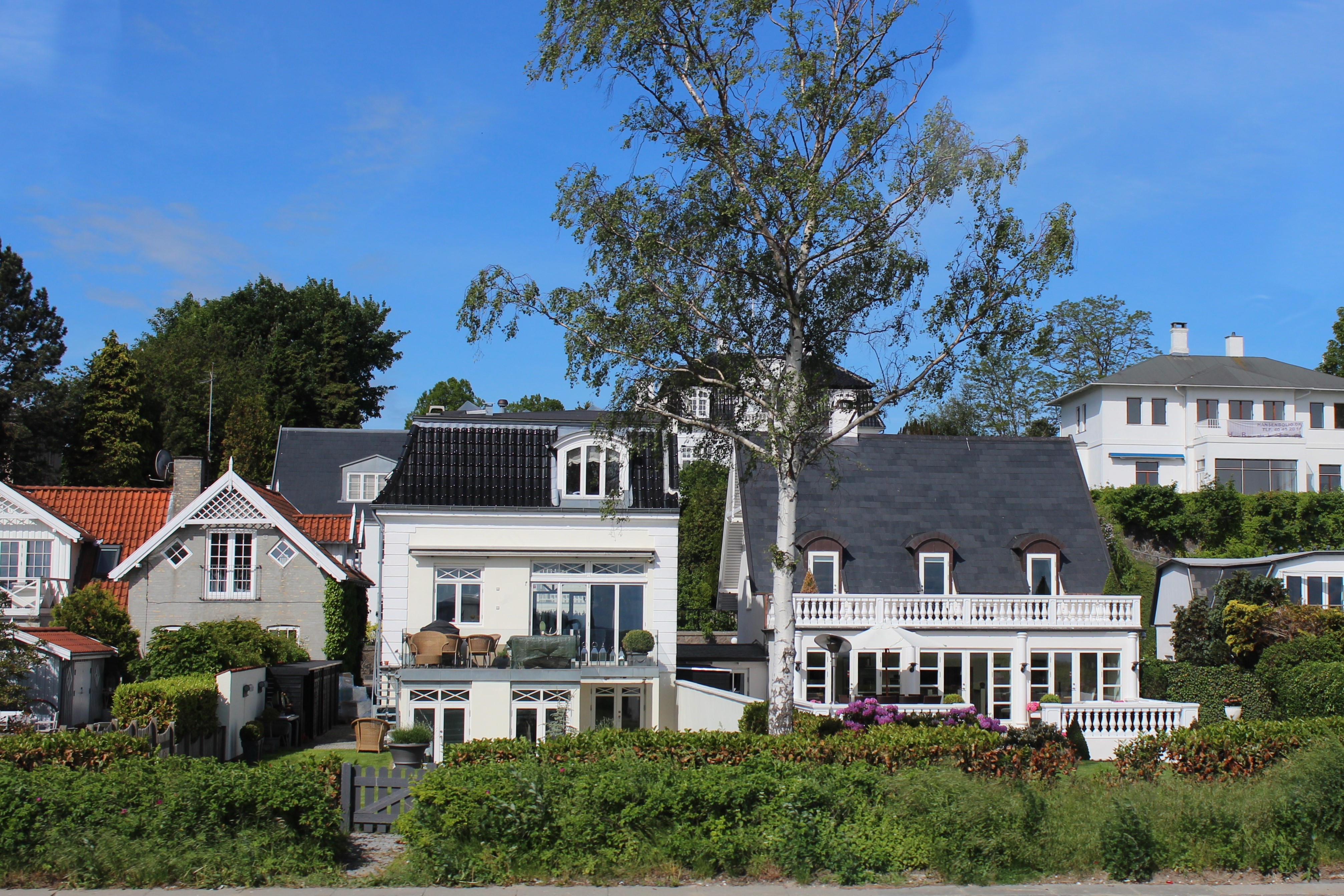
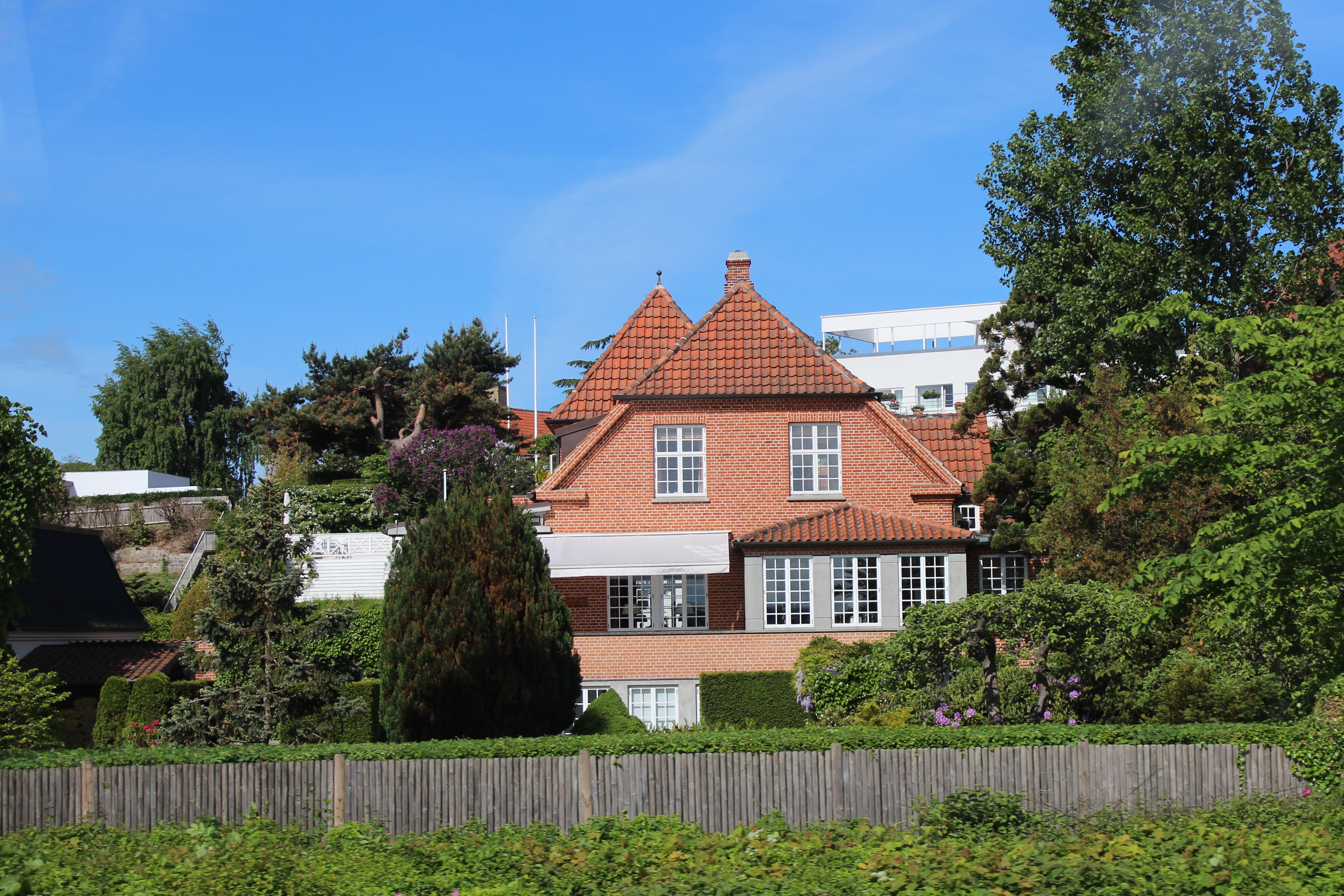
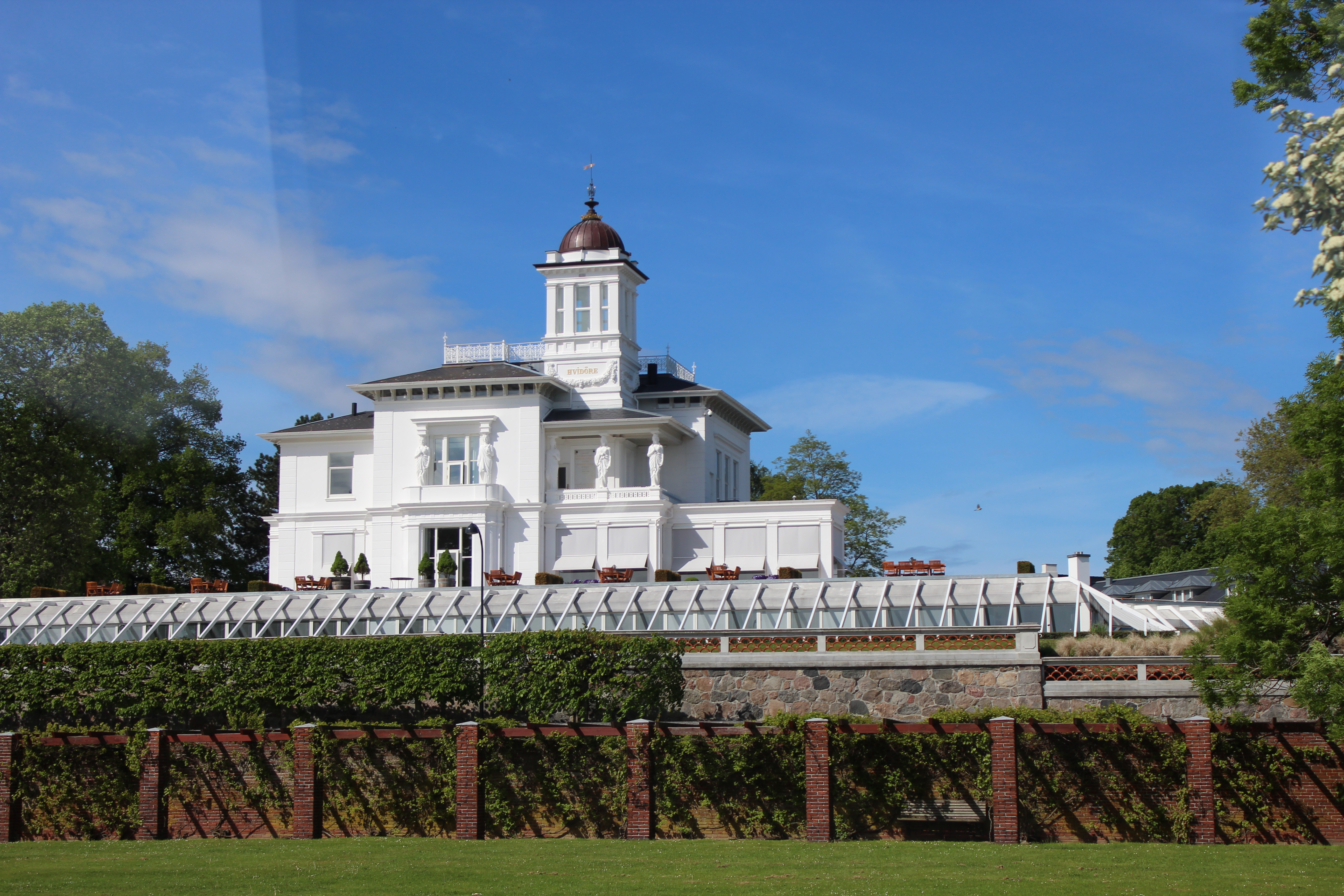
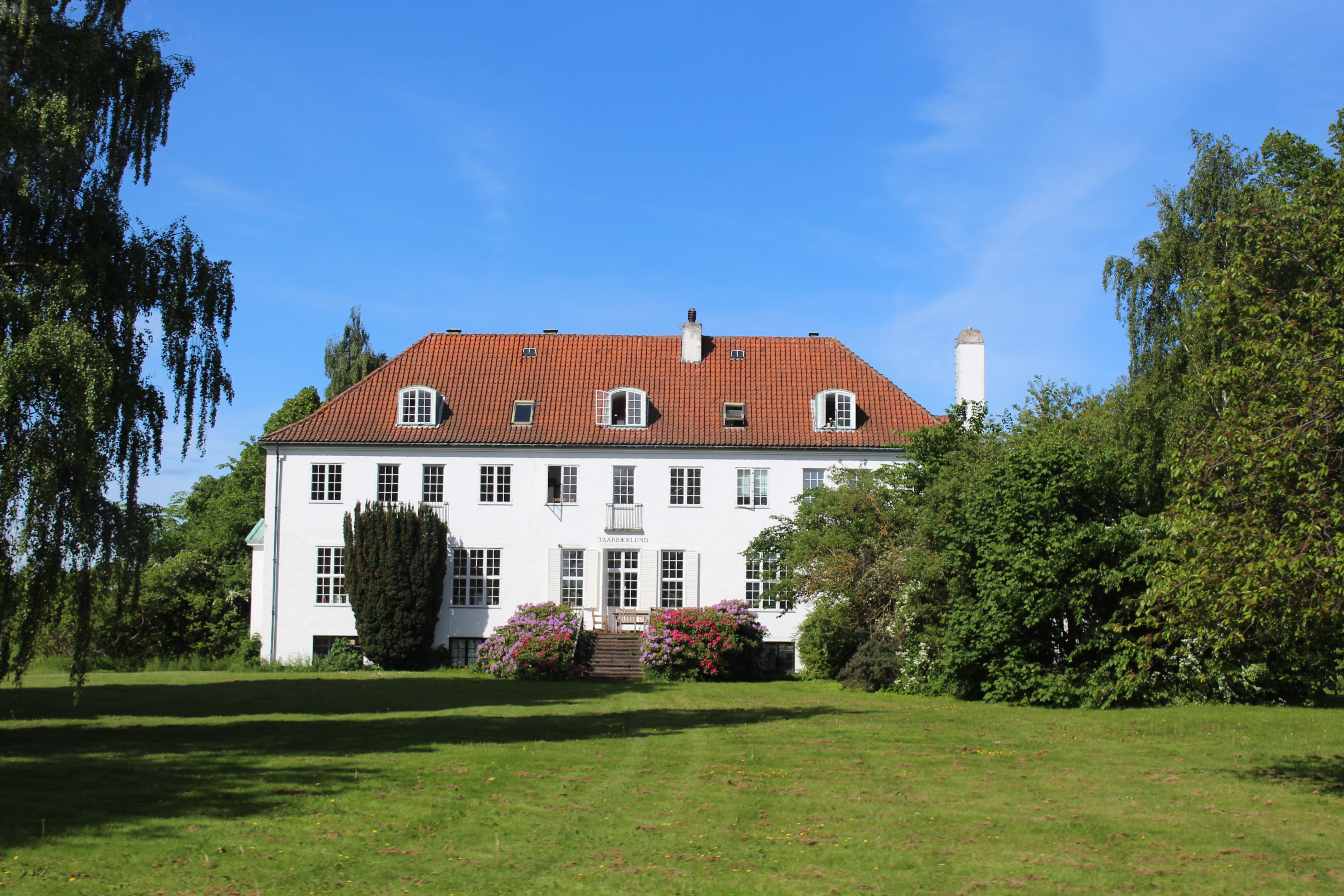
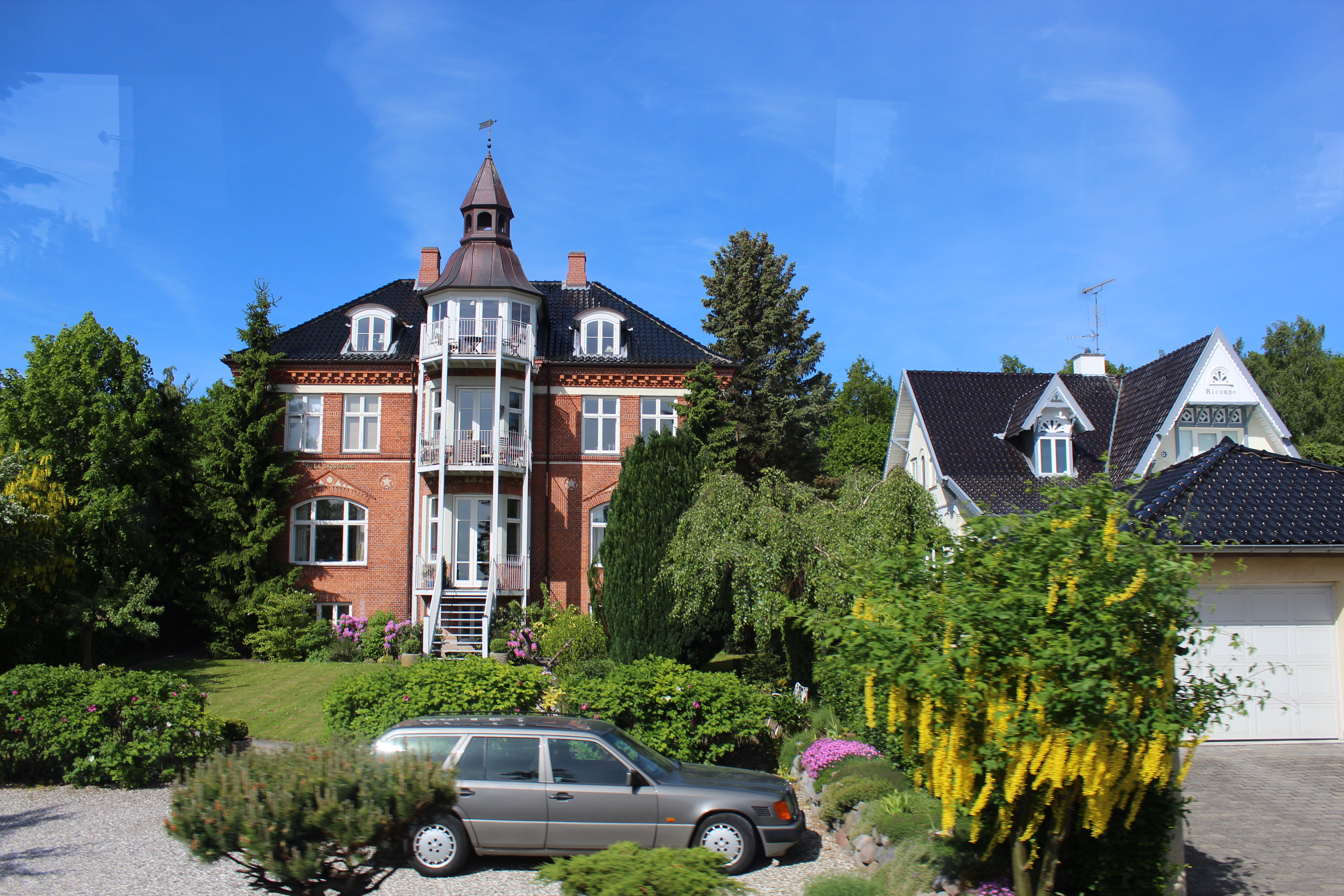
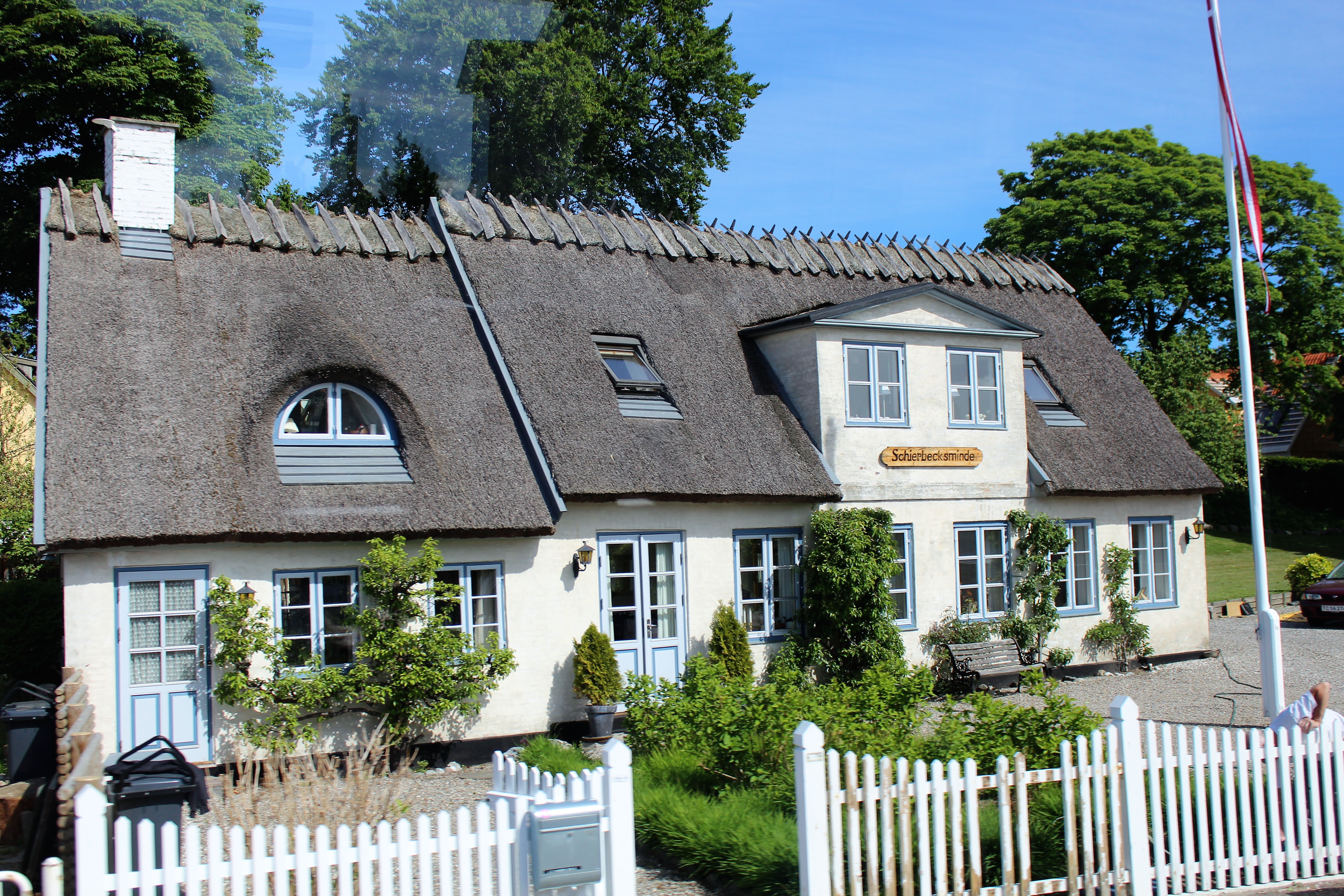
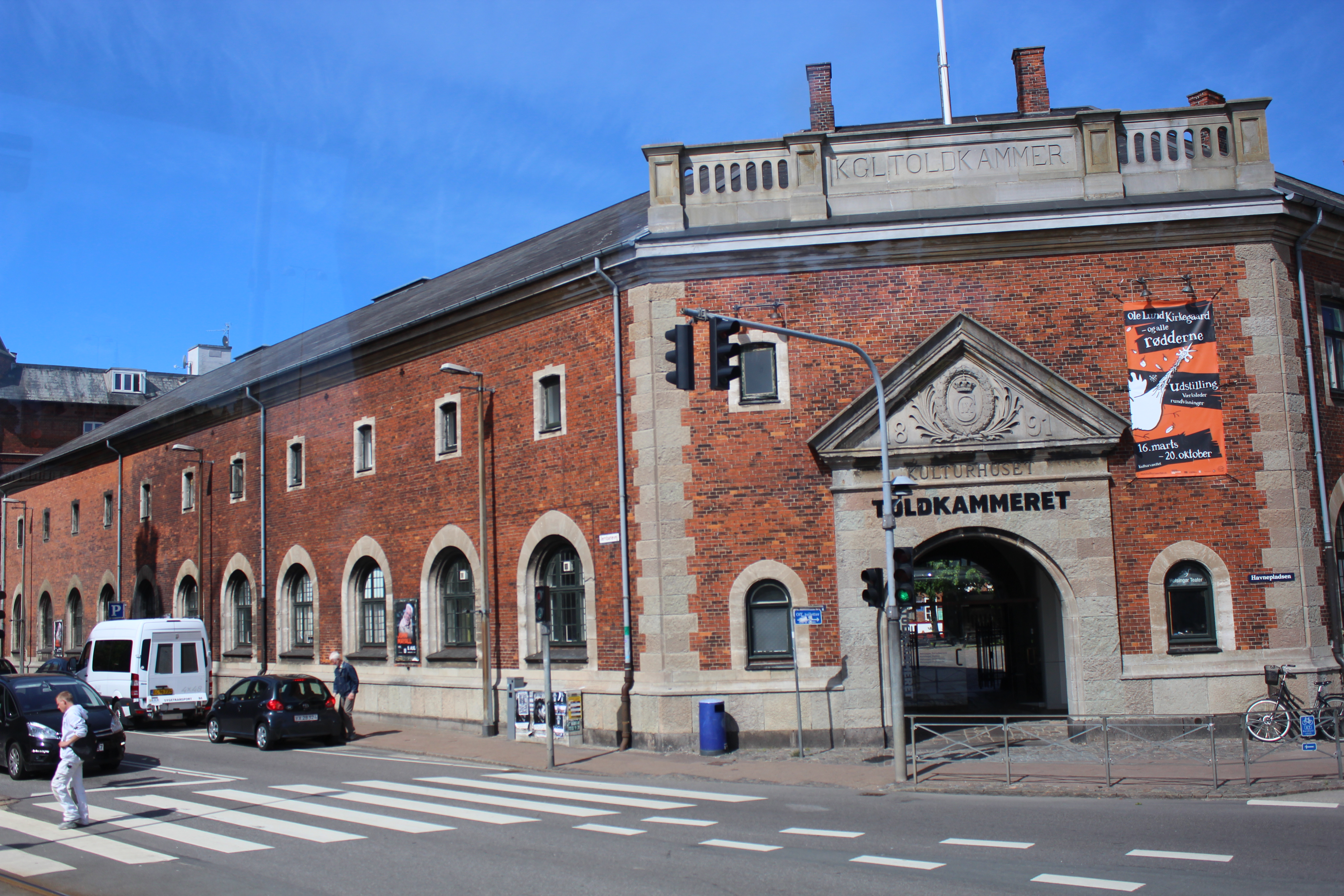
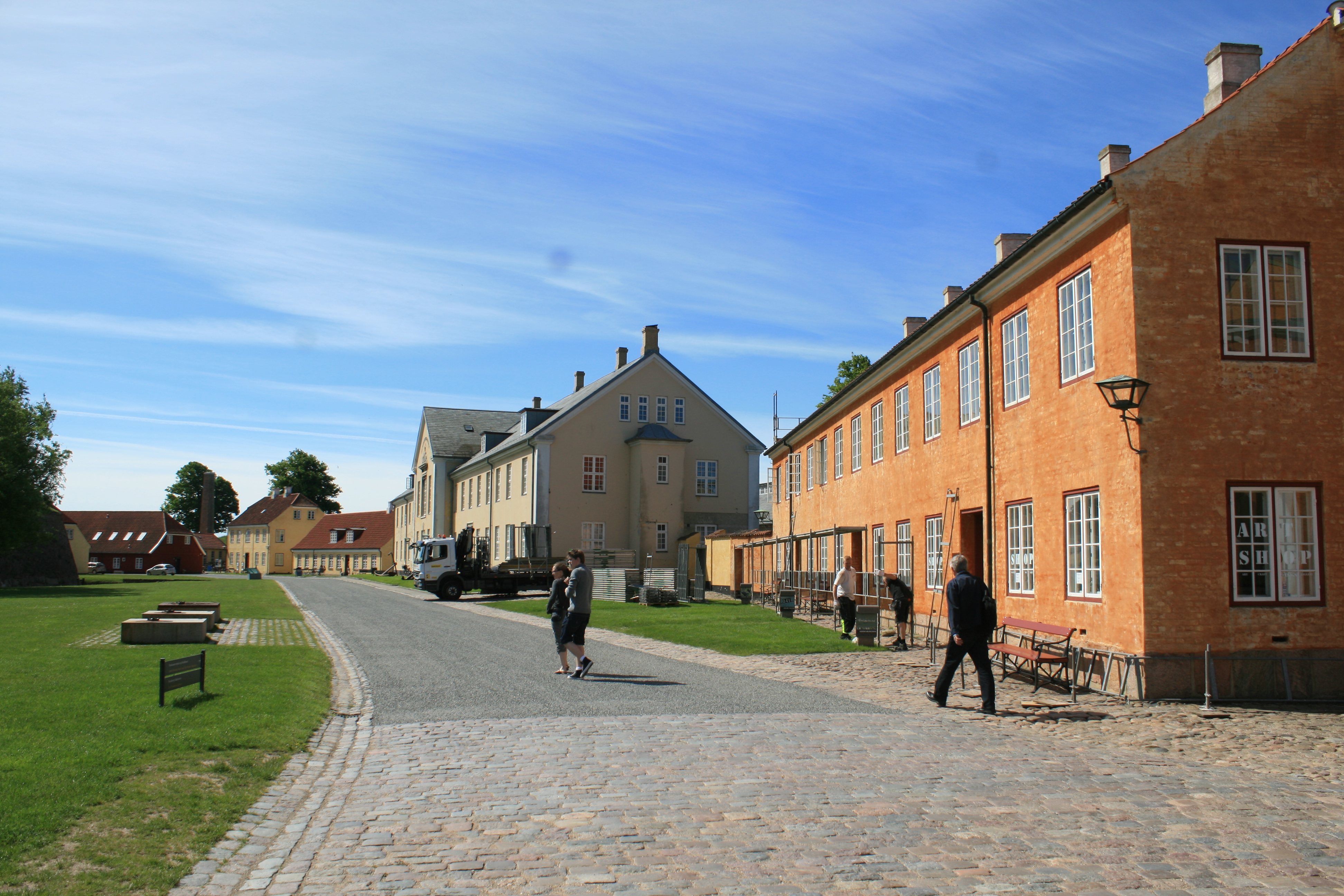
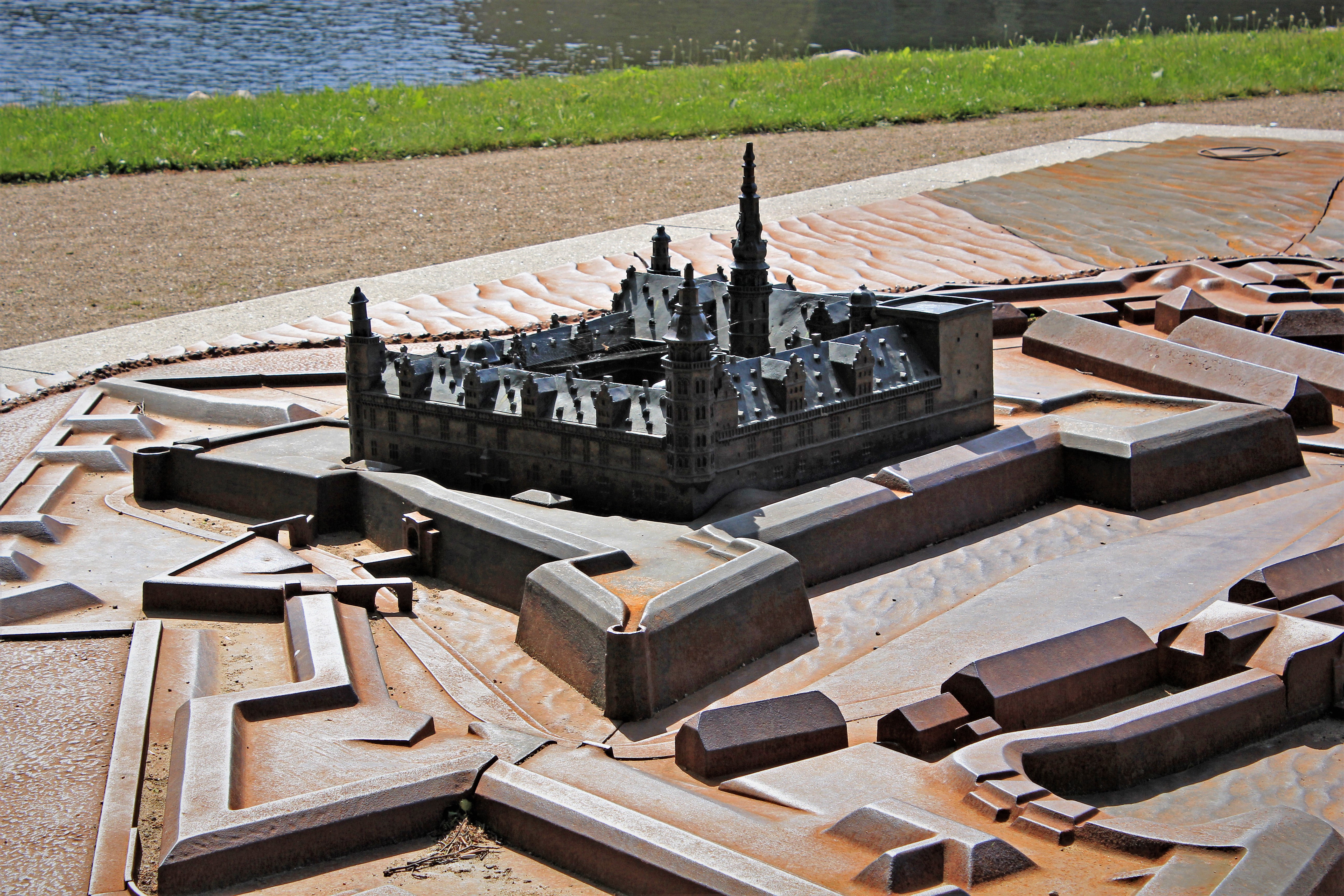
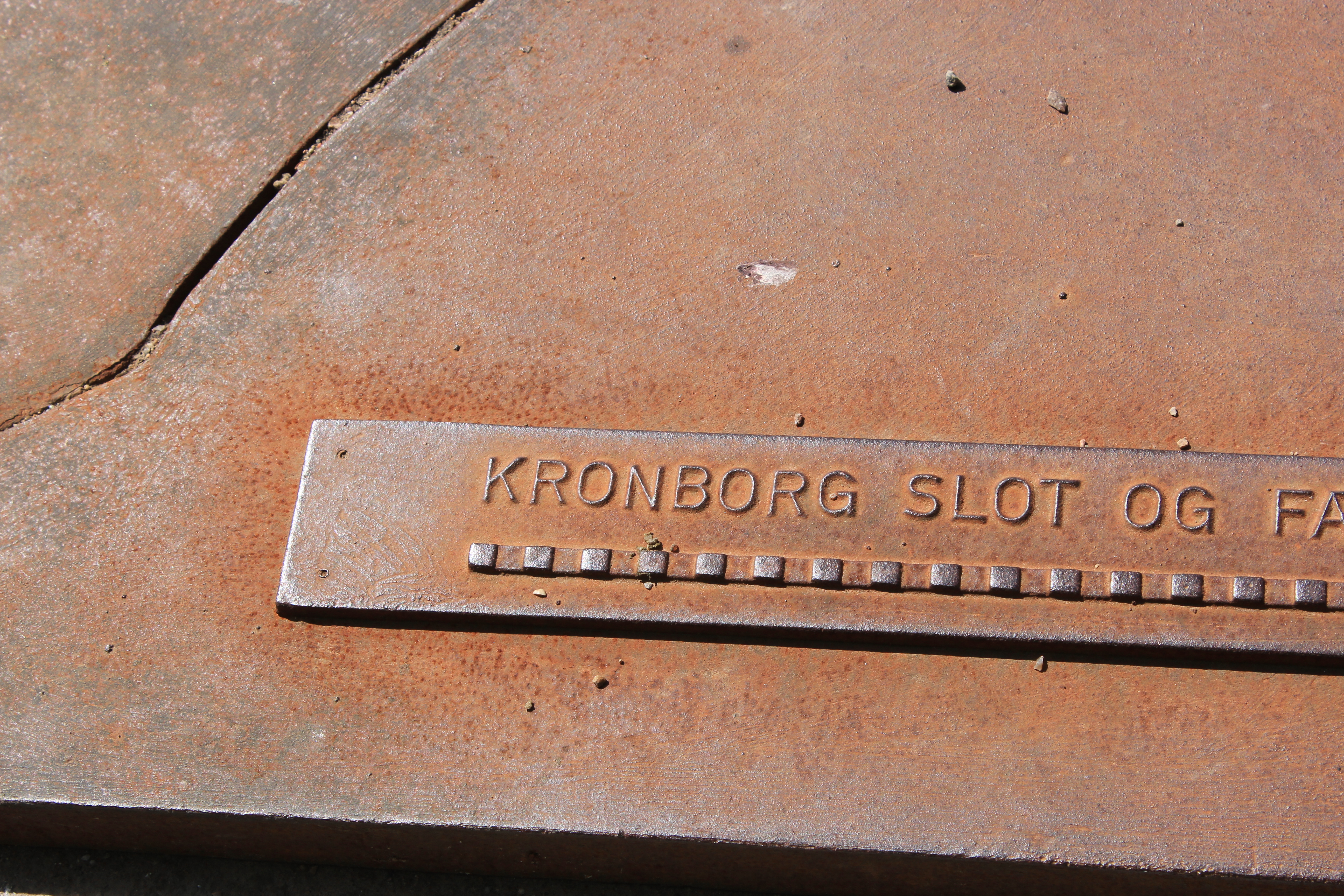
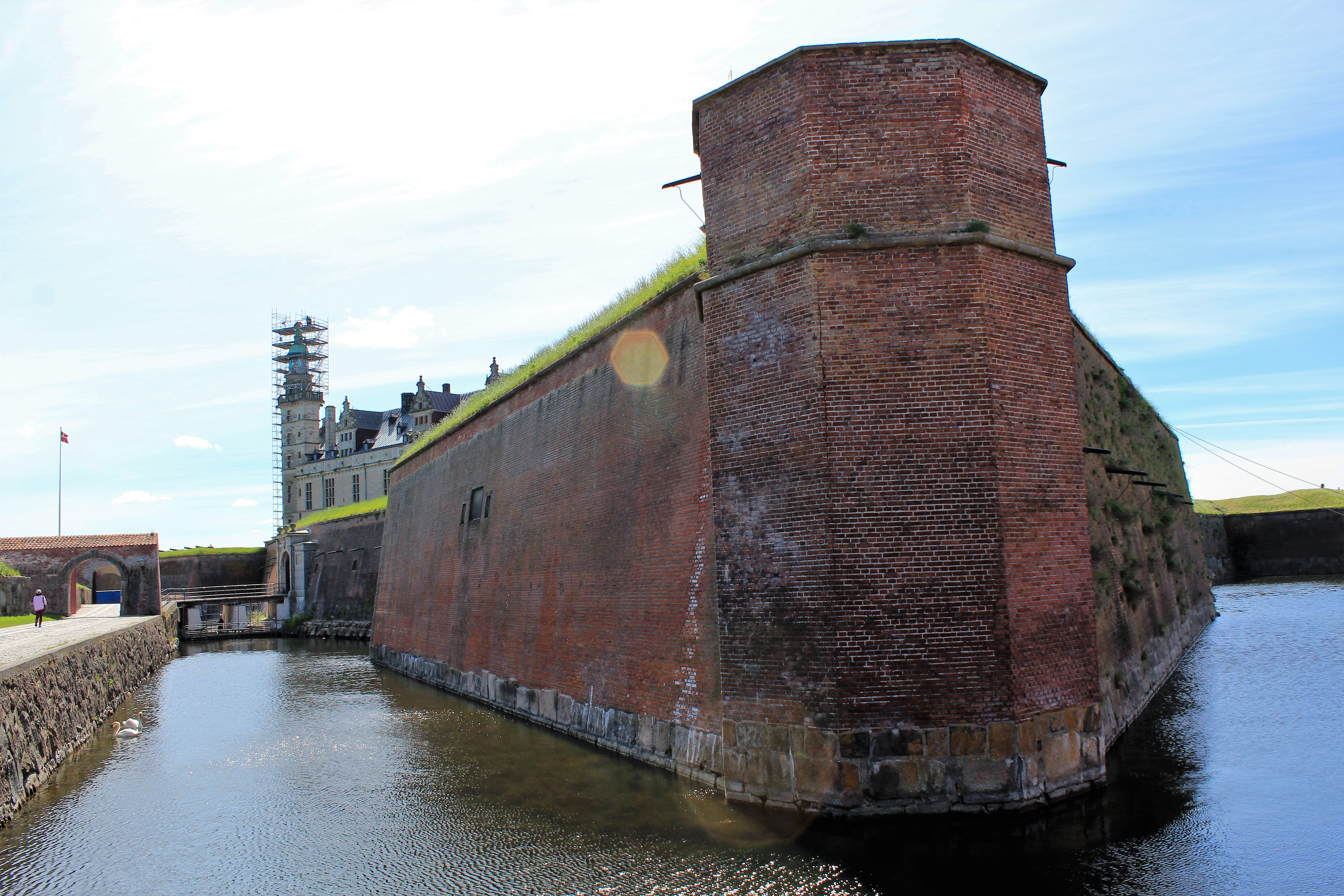
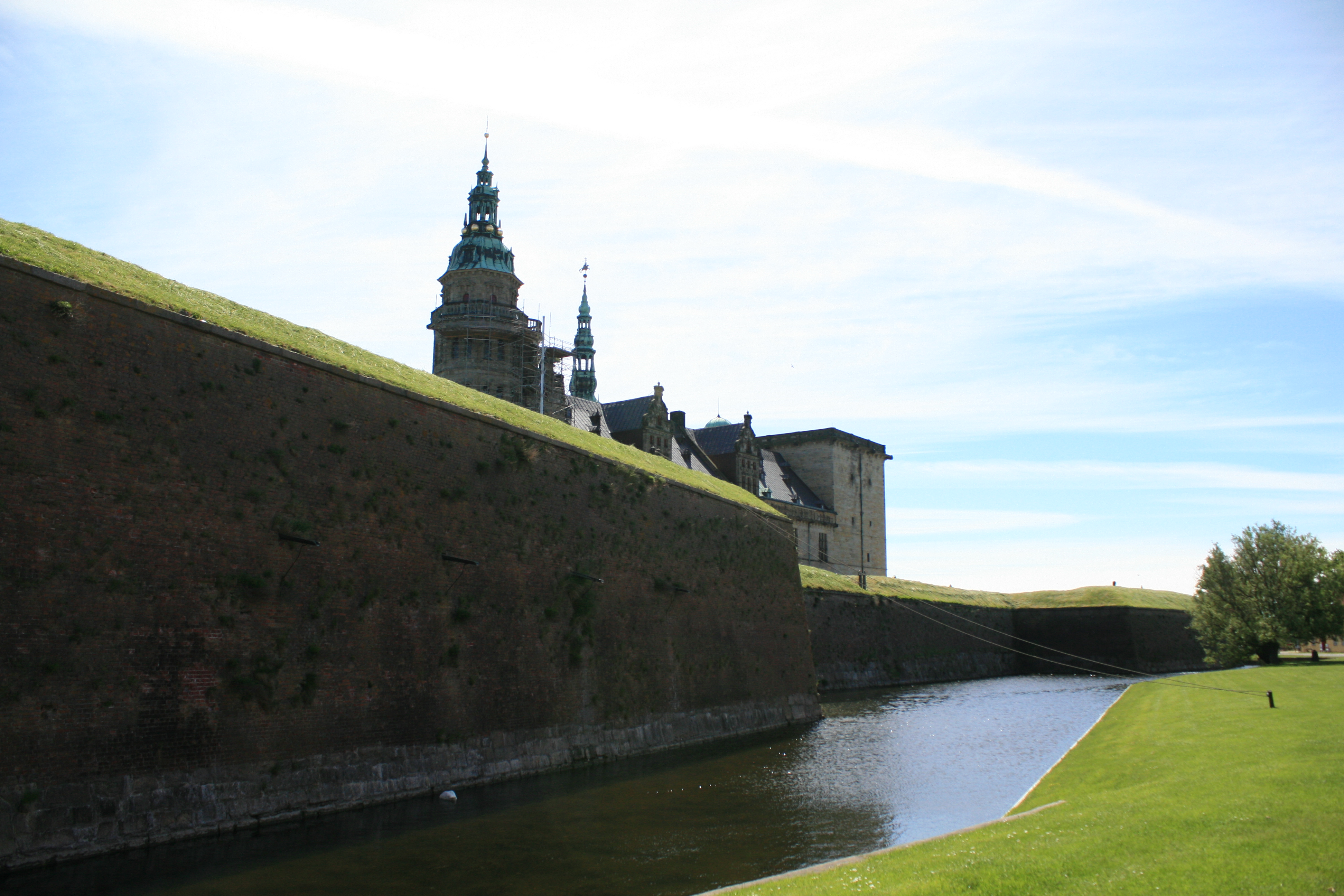
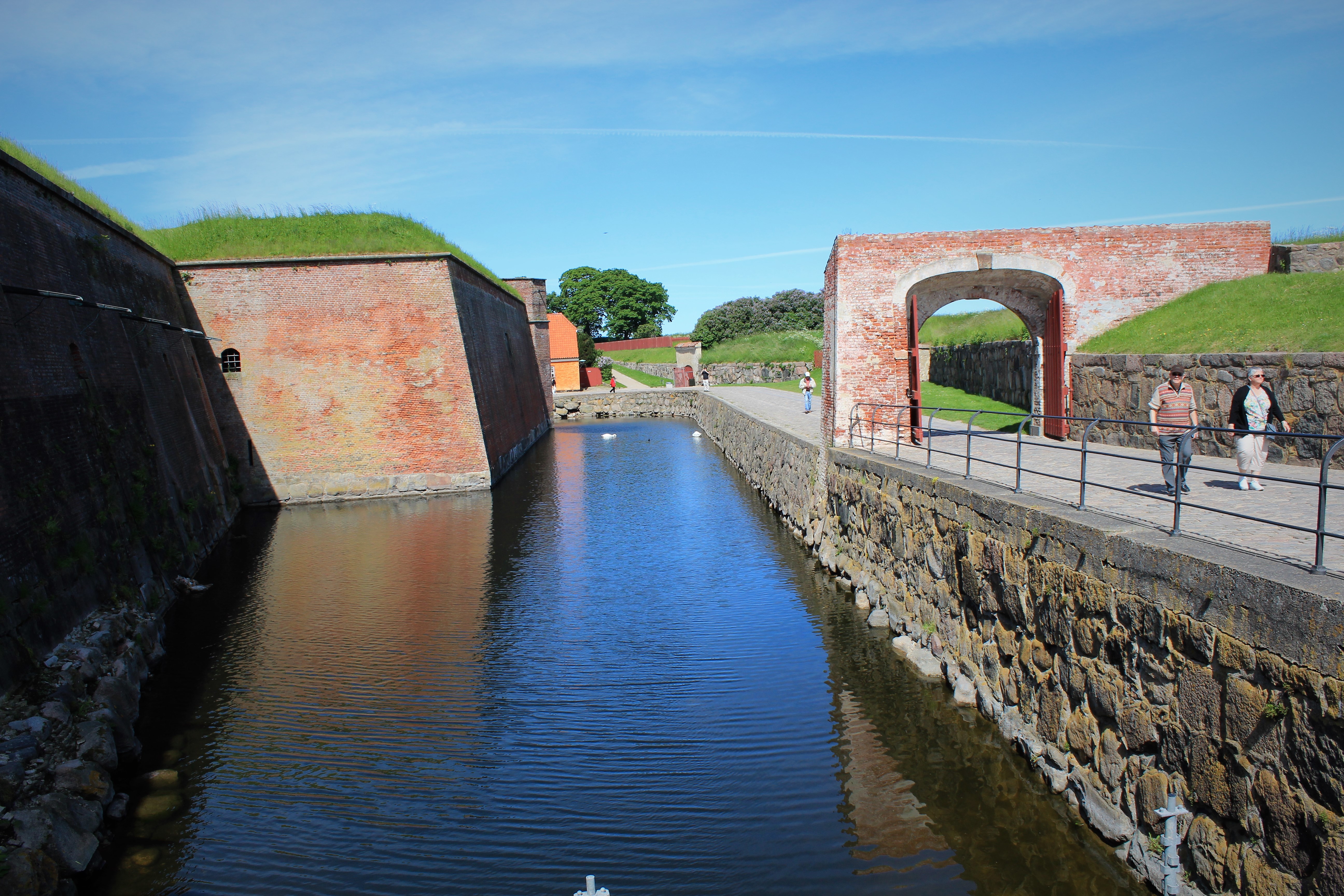
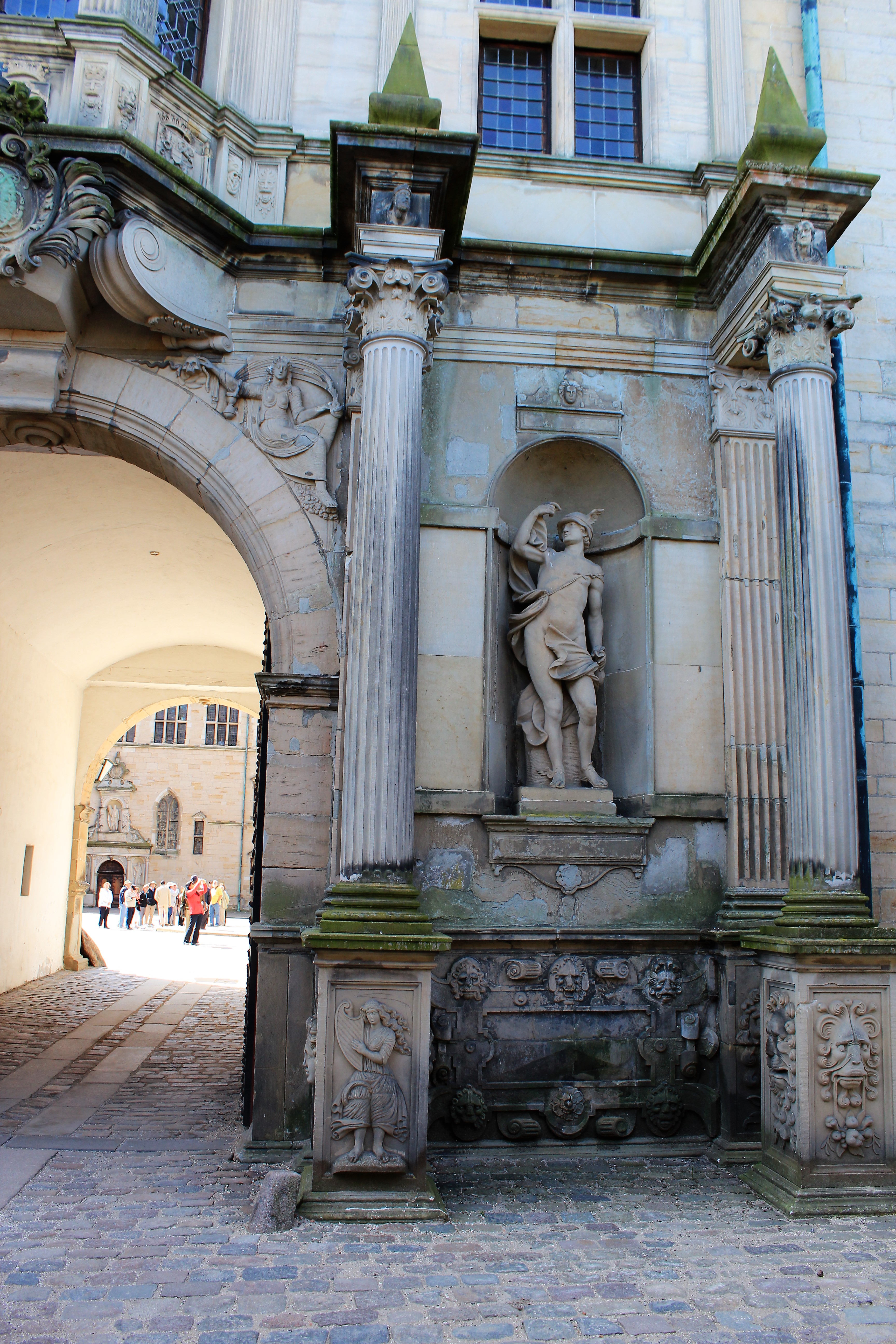
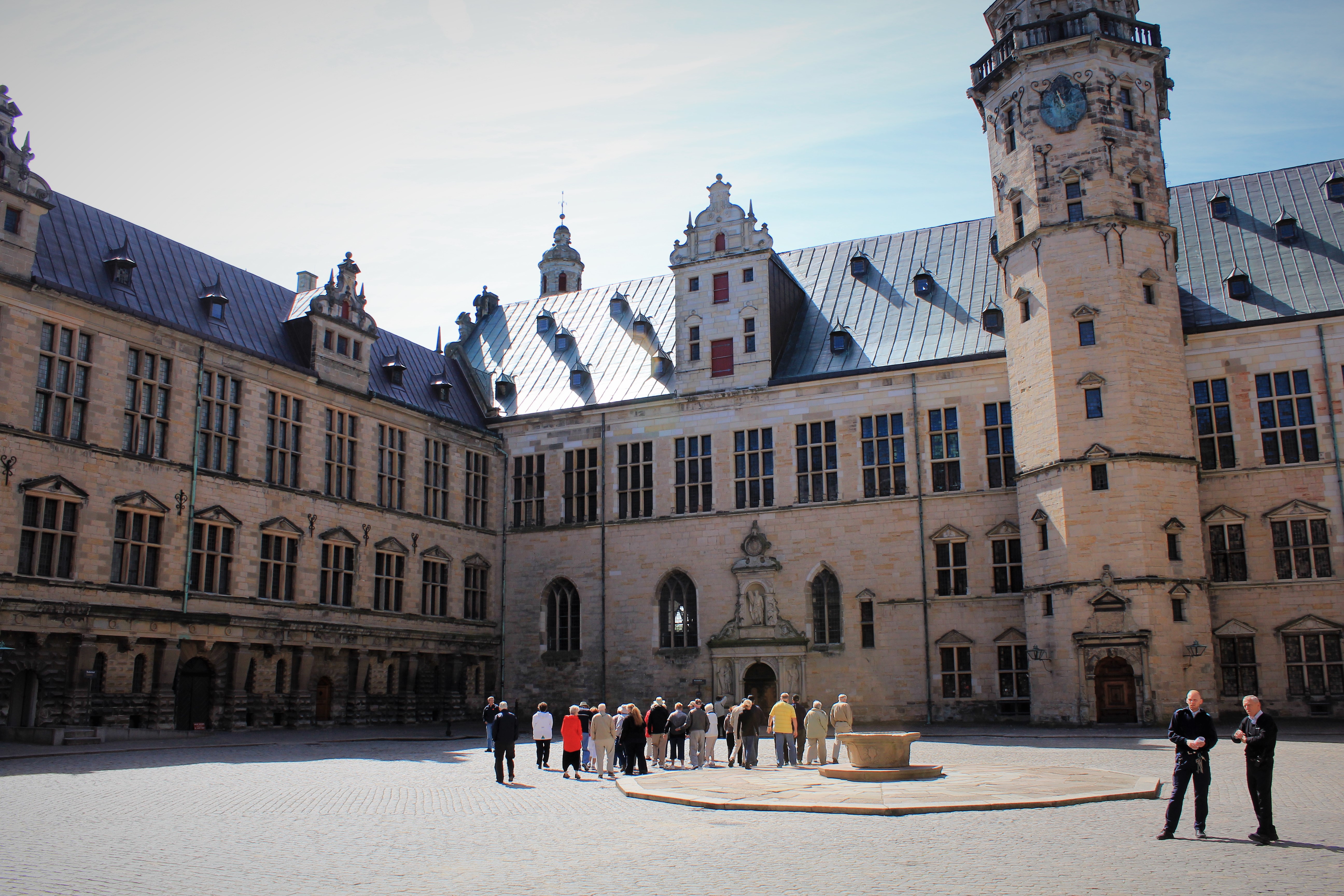
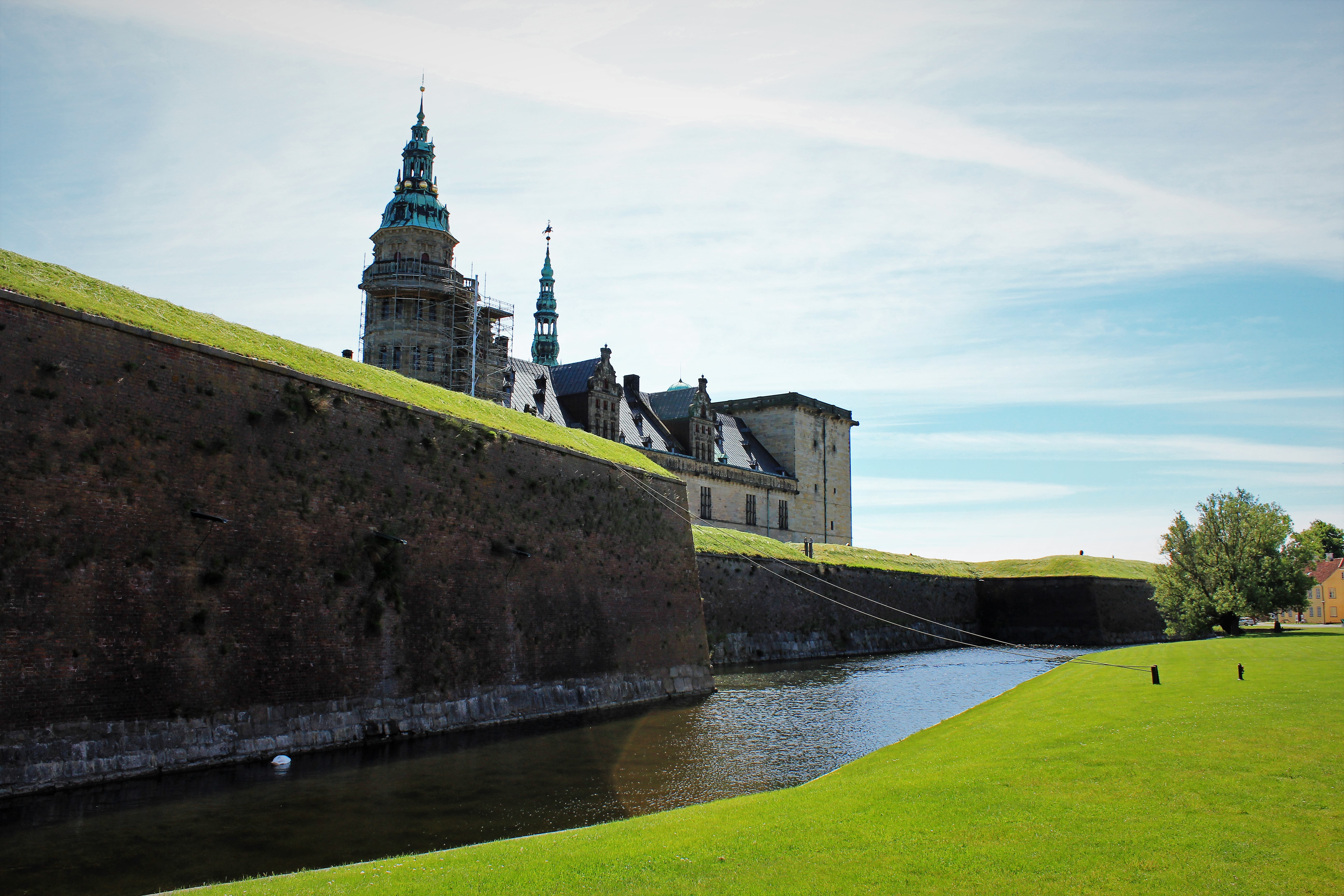
En route to Kronborg Castle in the town of Helsingør we drove through a very high-end residential area with huge houses and lovely landscaped yards. Kronborg is one of the most important Rennaissance Castles in Northern Europe.  It is a UNESCO World Heritage site located at the extreme northeastern end of the island of Zealand on the 4 km-wide (2.5 mile) sound that separates Denmark and Sweden.  The castle dates back the 1420s when King Eric VII built Krogen and Känan, Helinsborg on the opposite coast of Øresund.  The two fortresses protected access to one of the few outlets to the Baltic Sea.
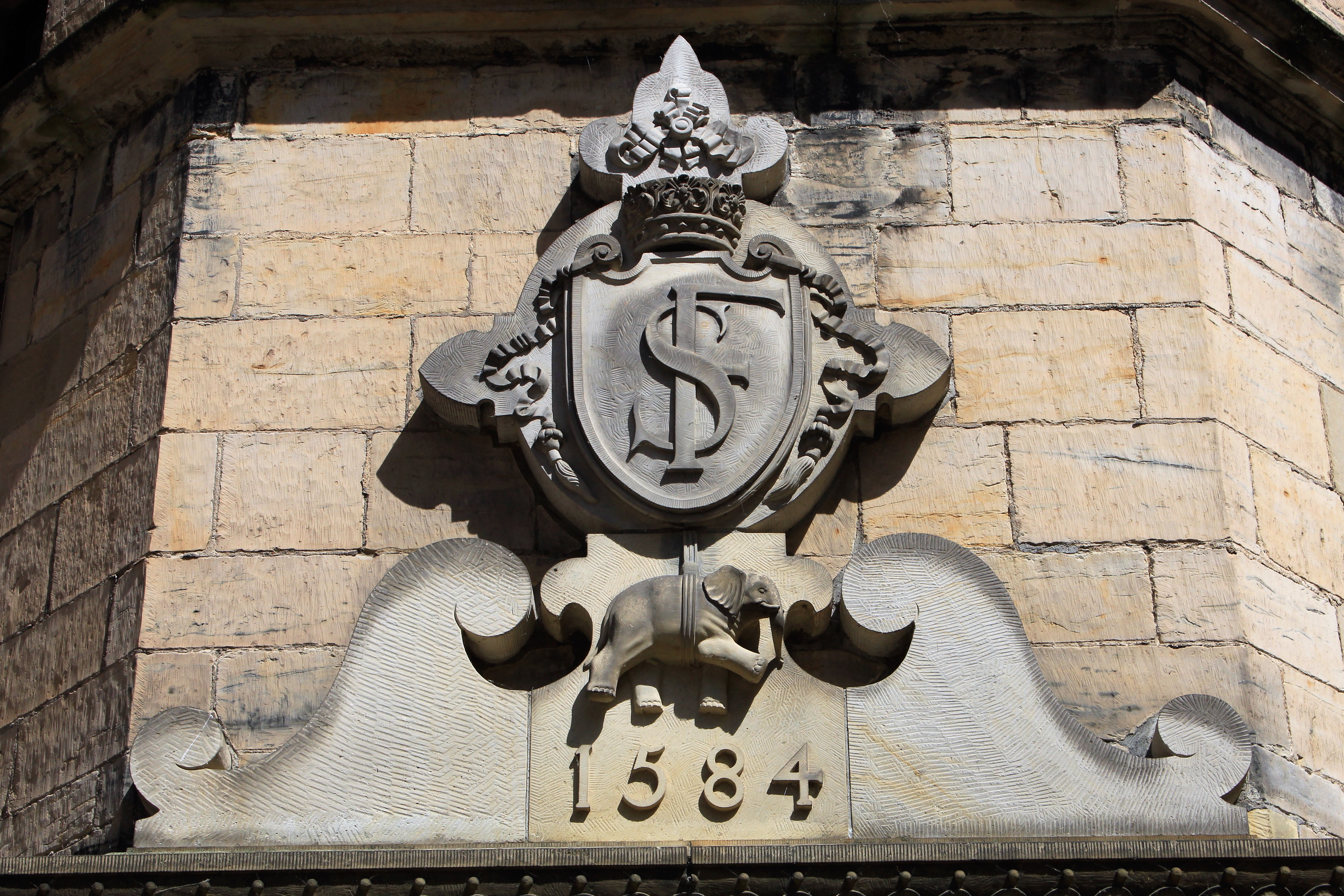
From 1574 to 1585 King Frederick II had the medieval fortress transformed into a Renaissance  castle.  The Swedes besieged and captured the castle in 1658 and took many of its art treasures as booty.  The castle ceased to be a royal residence in 1785 and was converted to a barracks for the army.  After the army left in 1923 the castle underwent extensive restoration and was opened to the public.

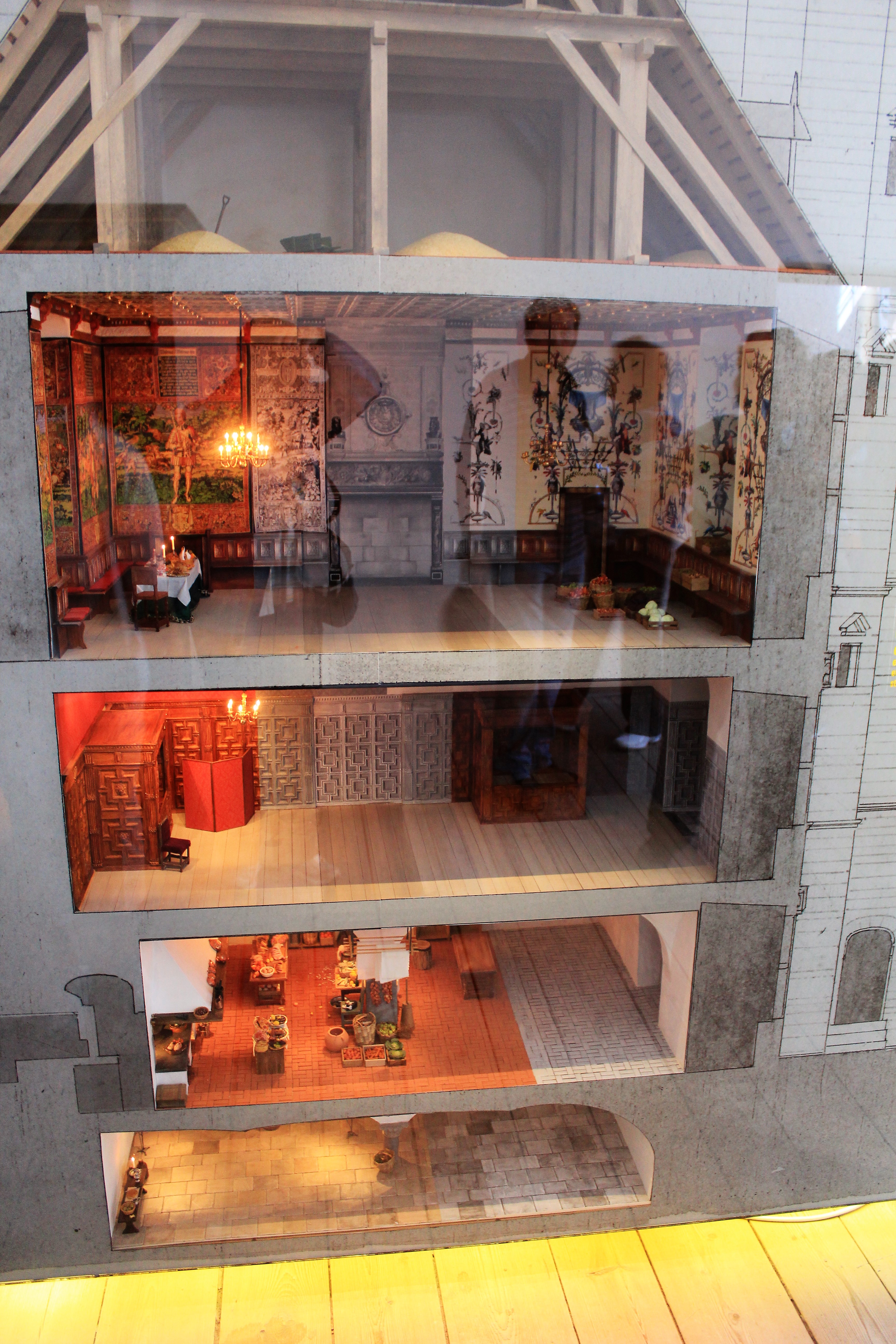
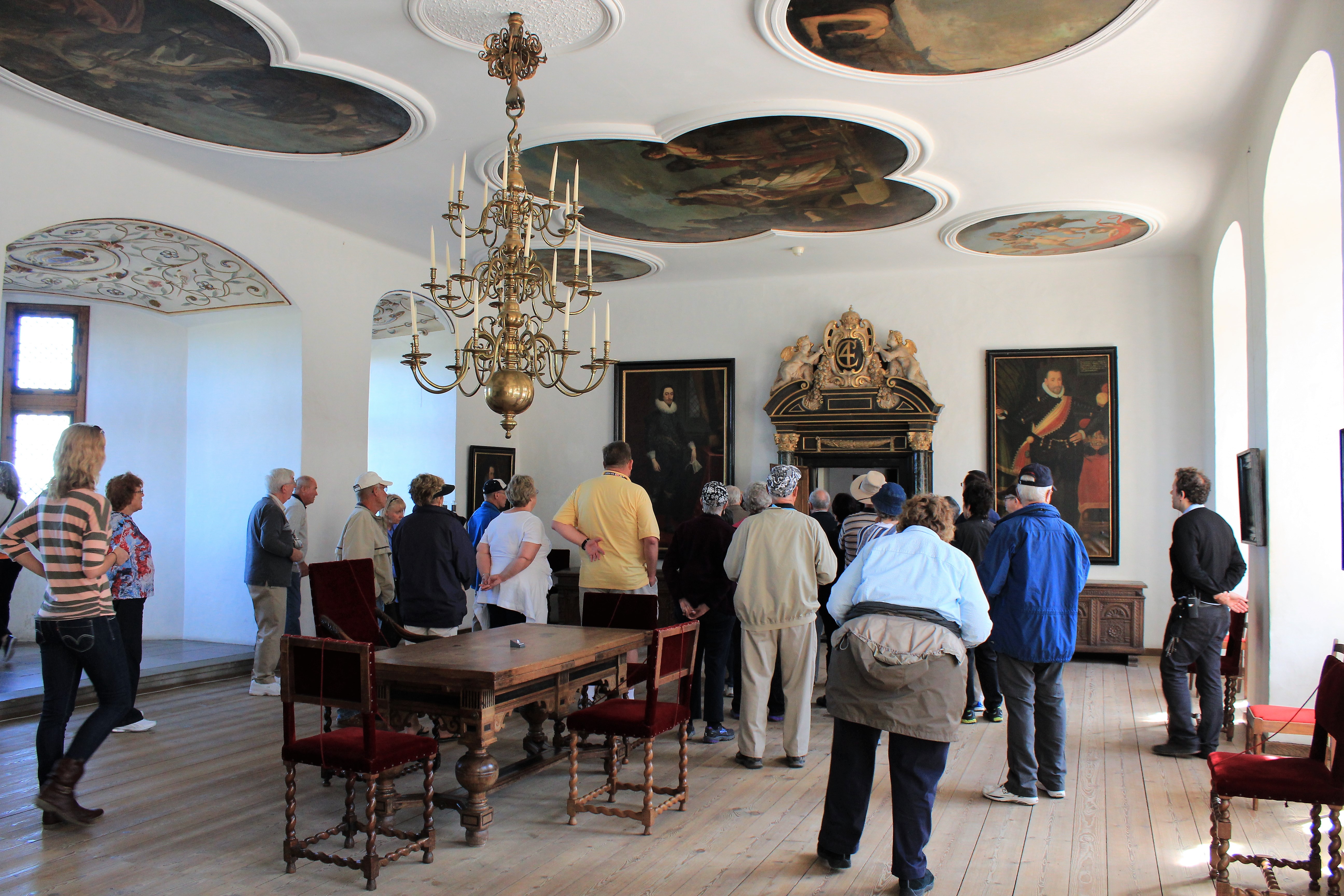
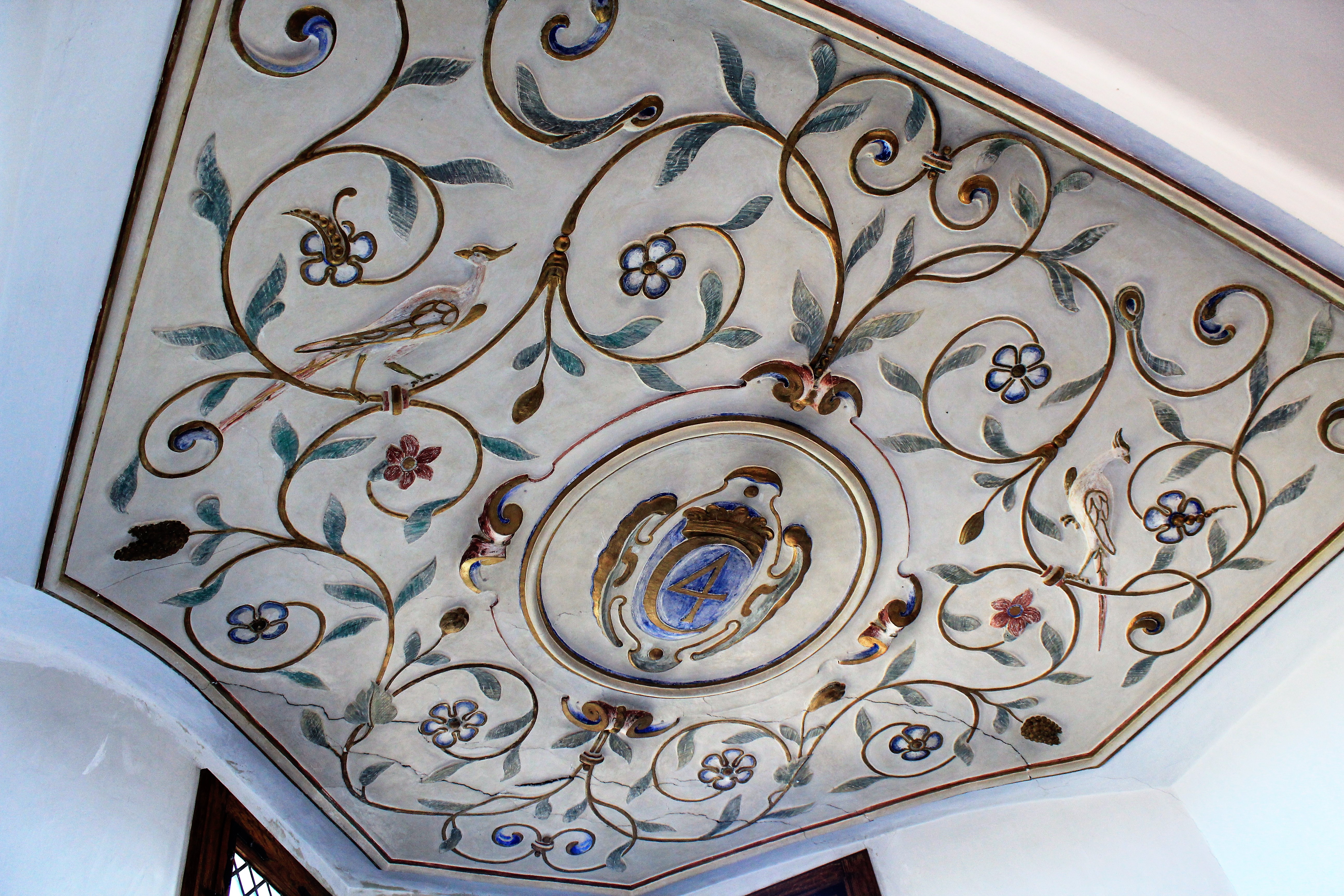
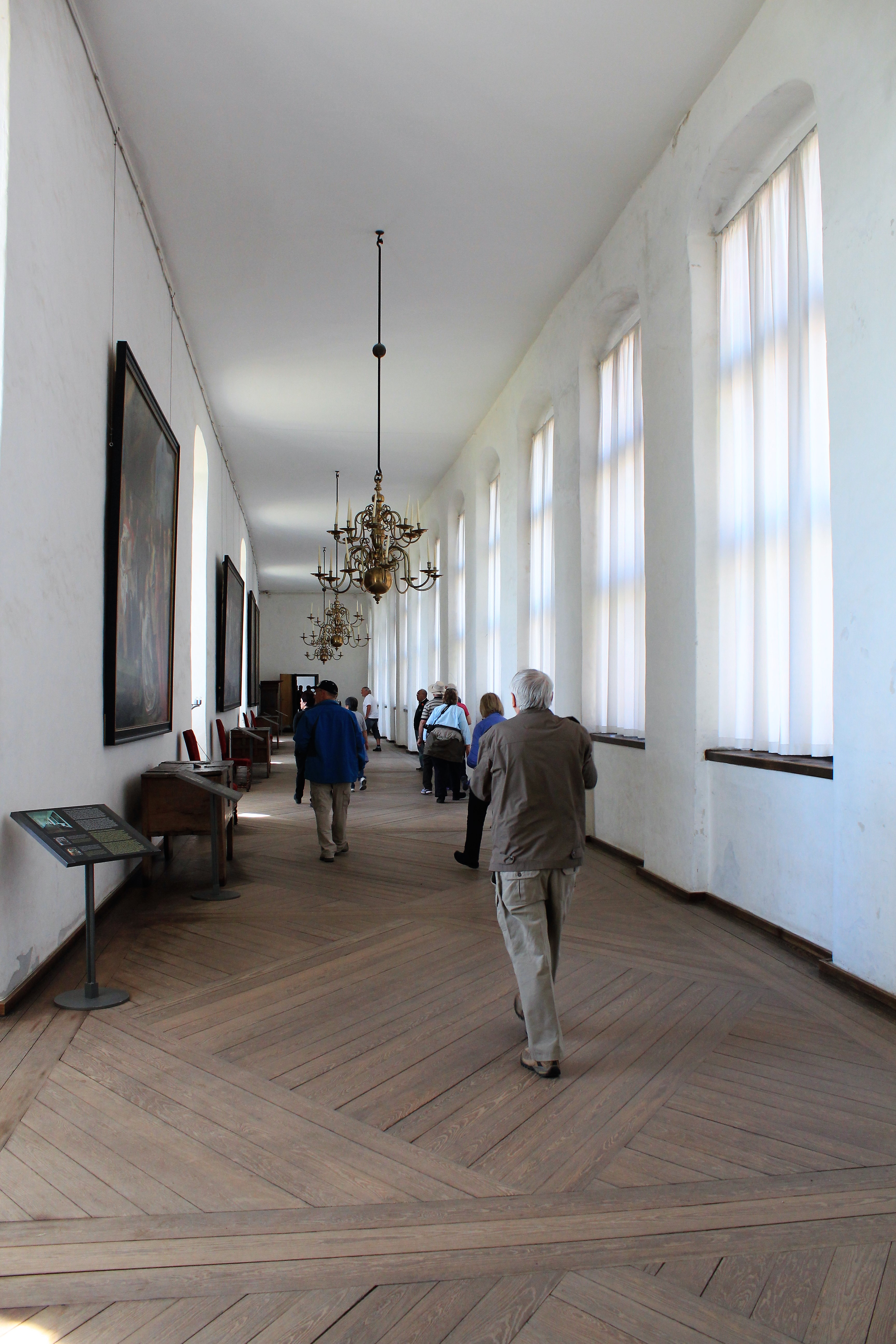
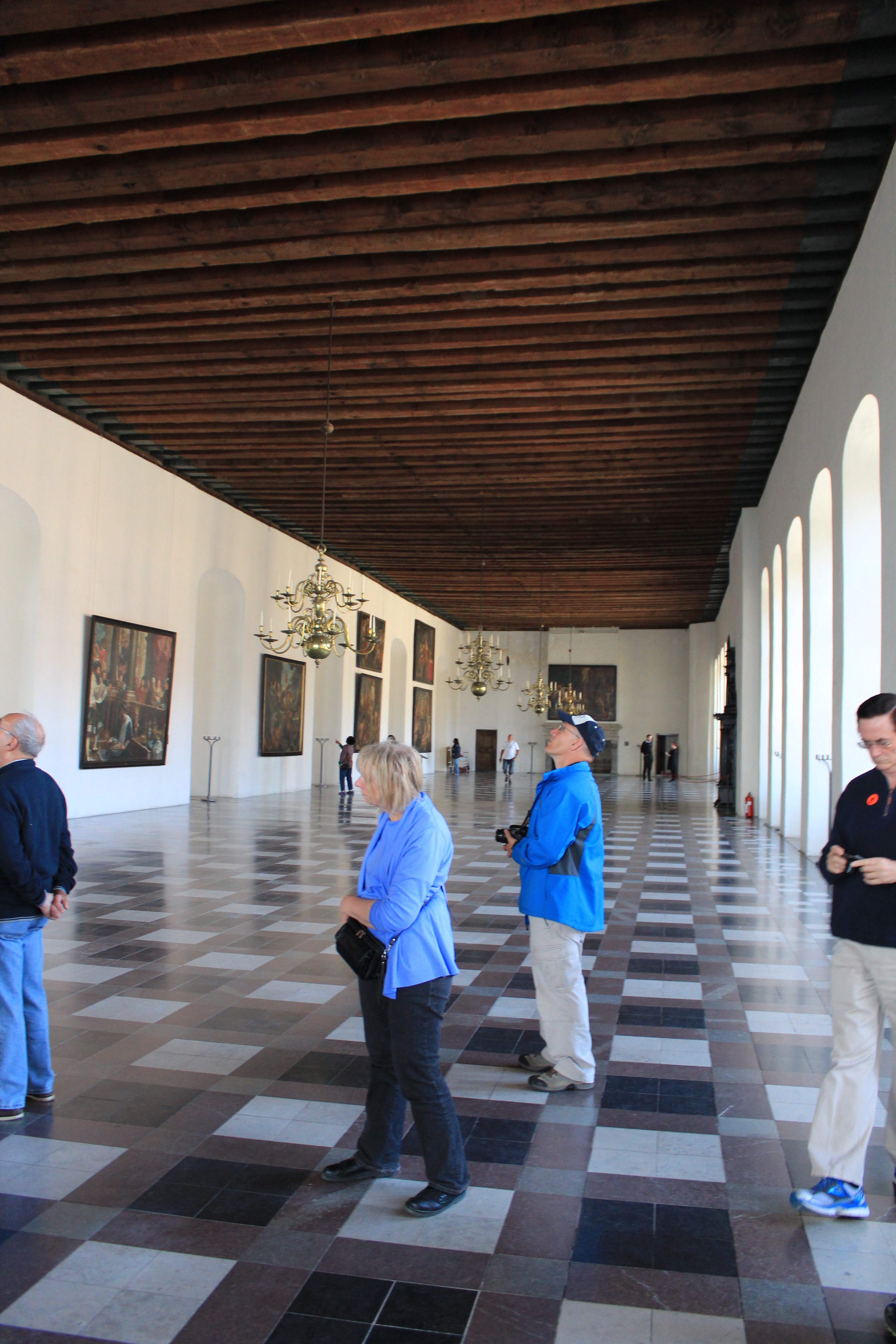
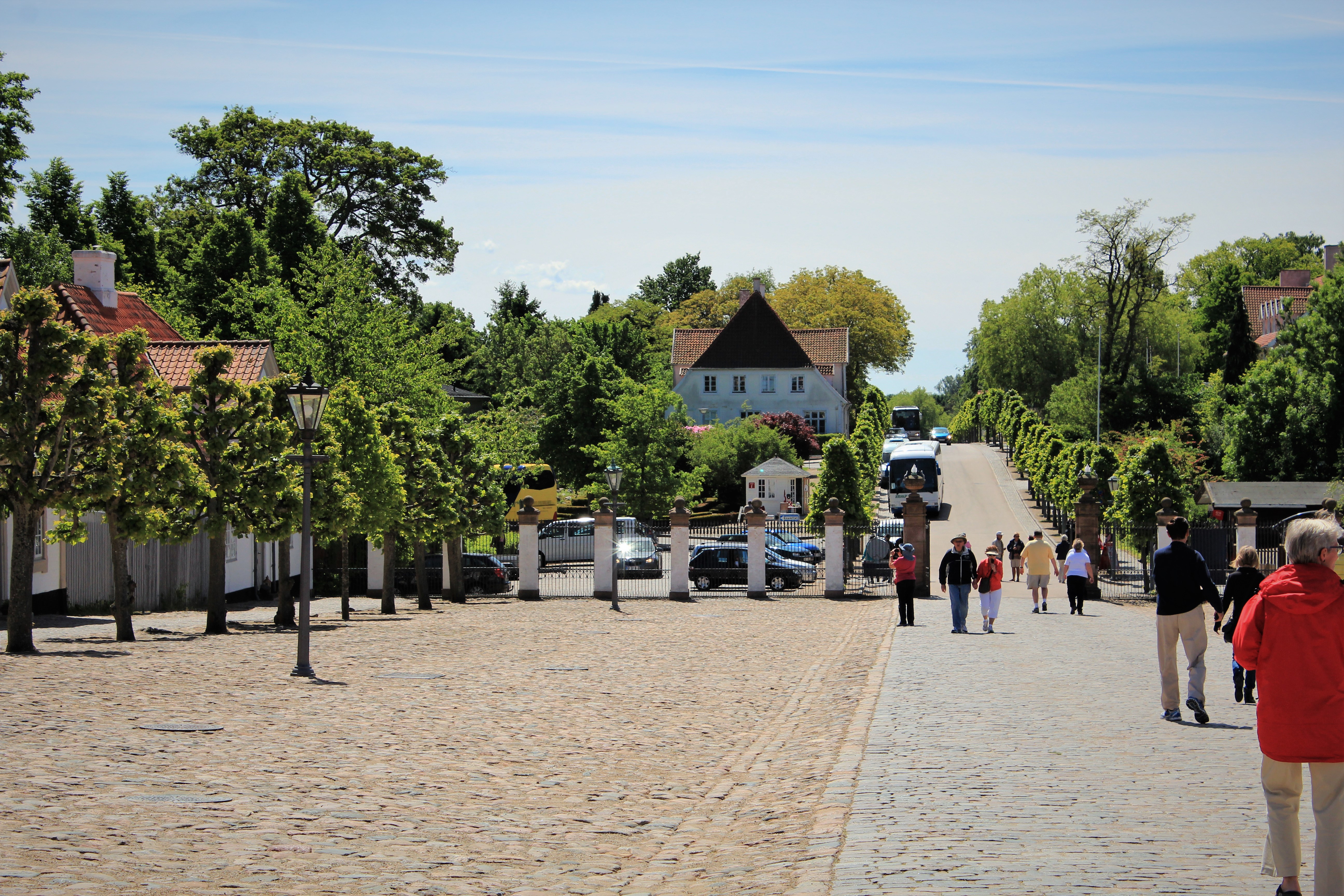
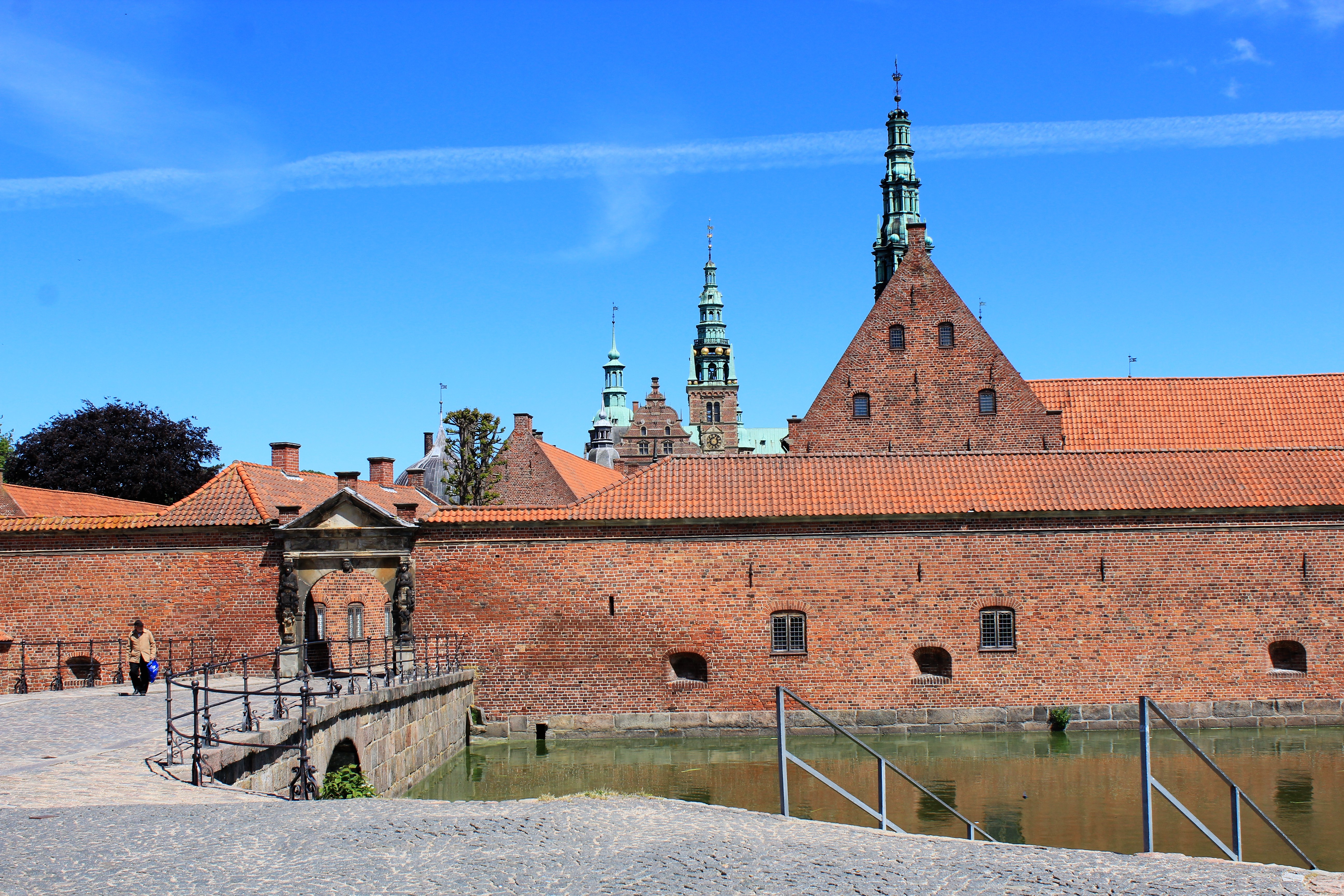
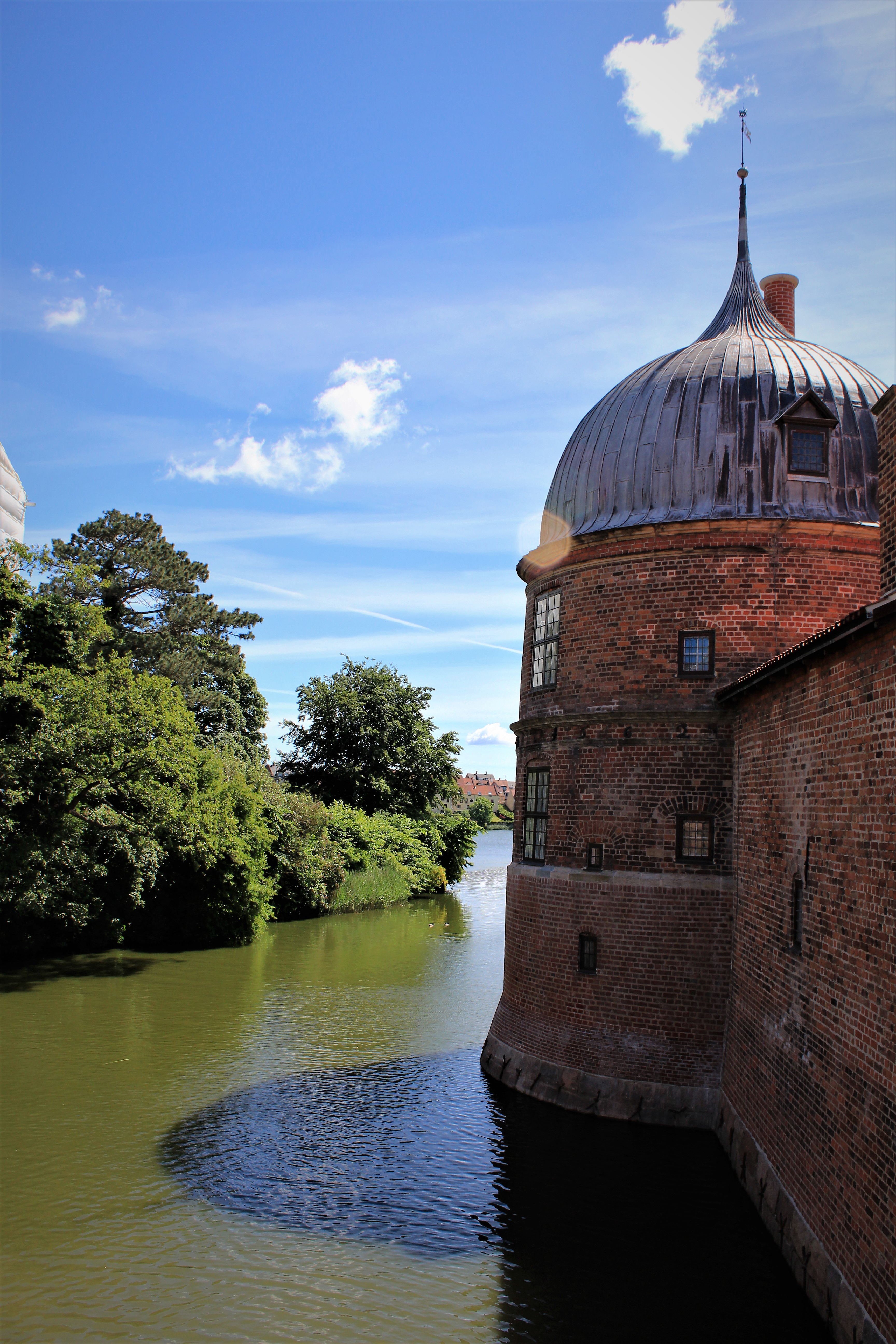
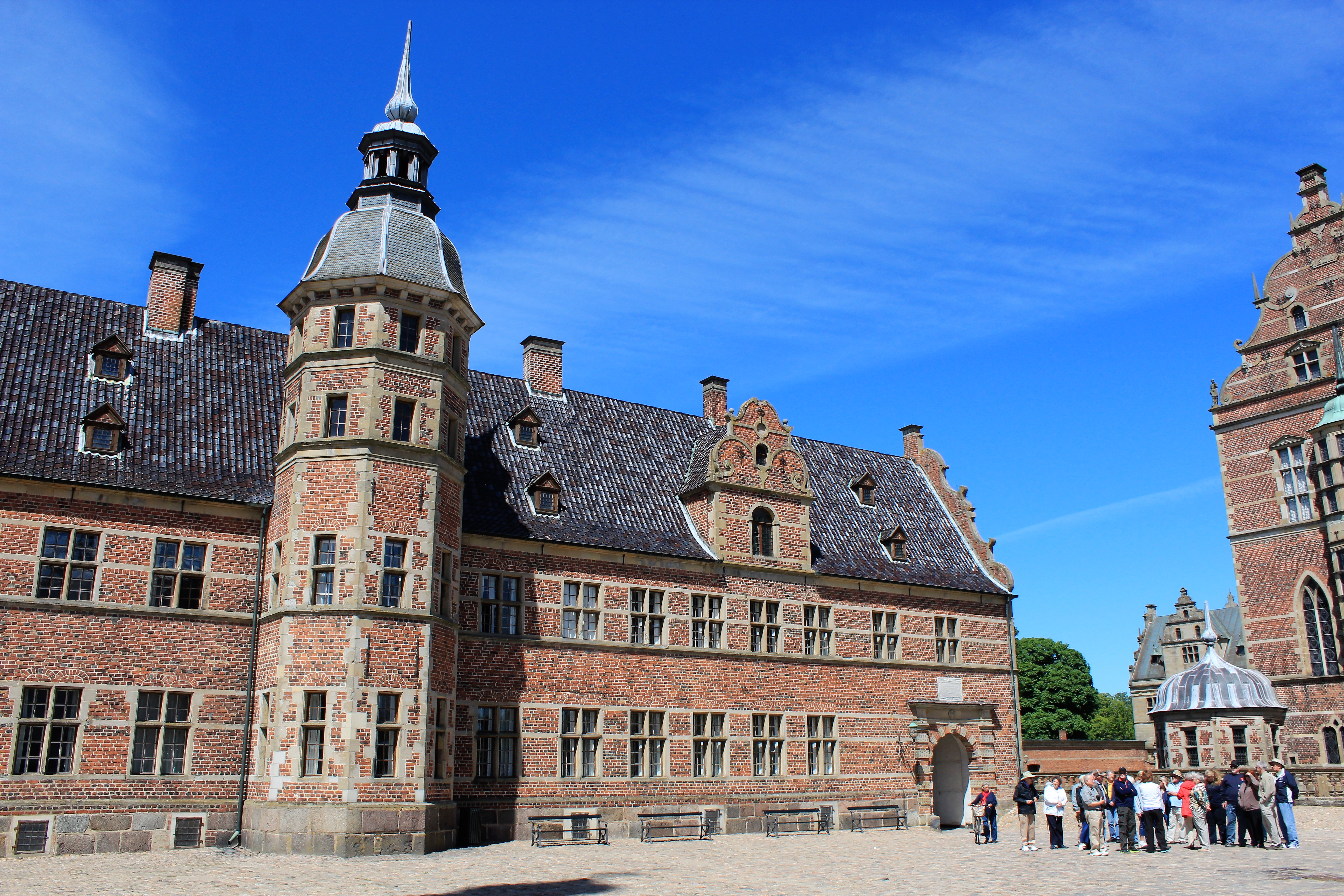
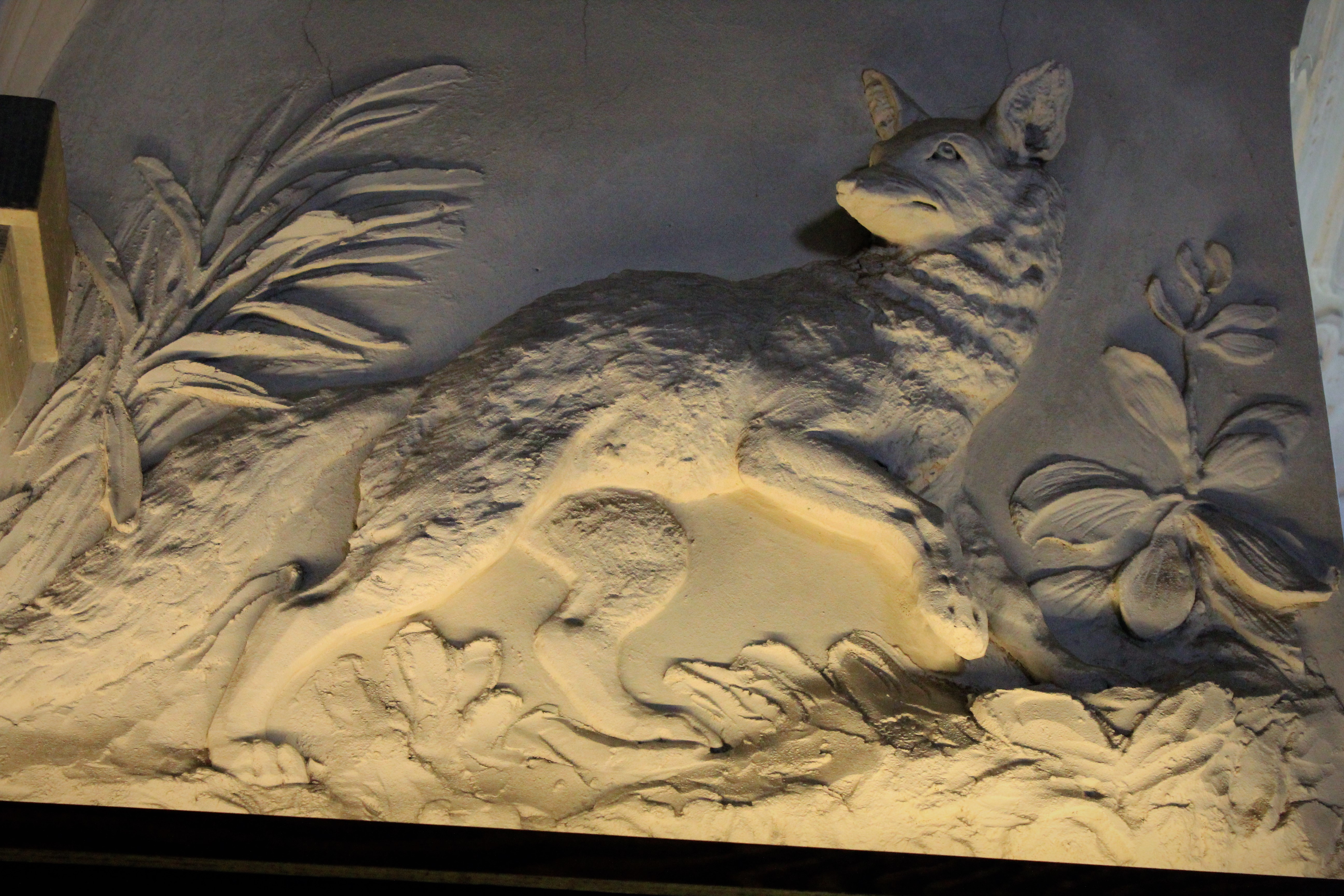
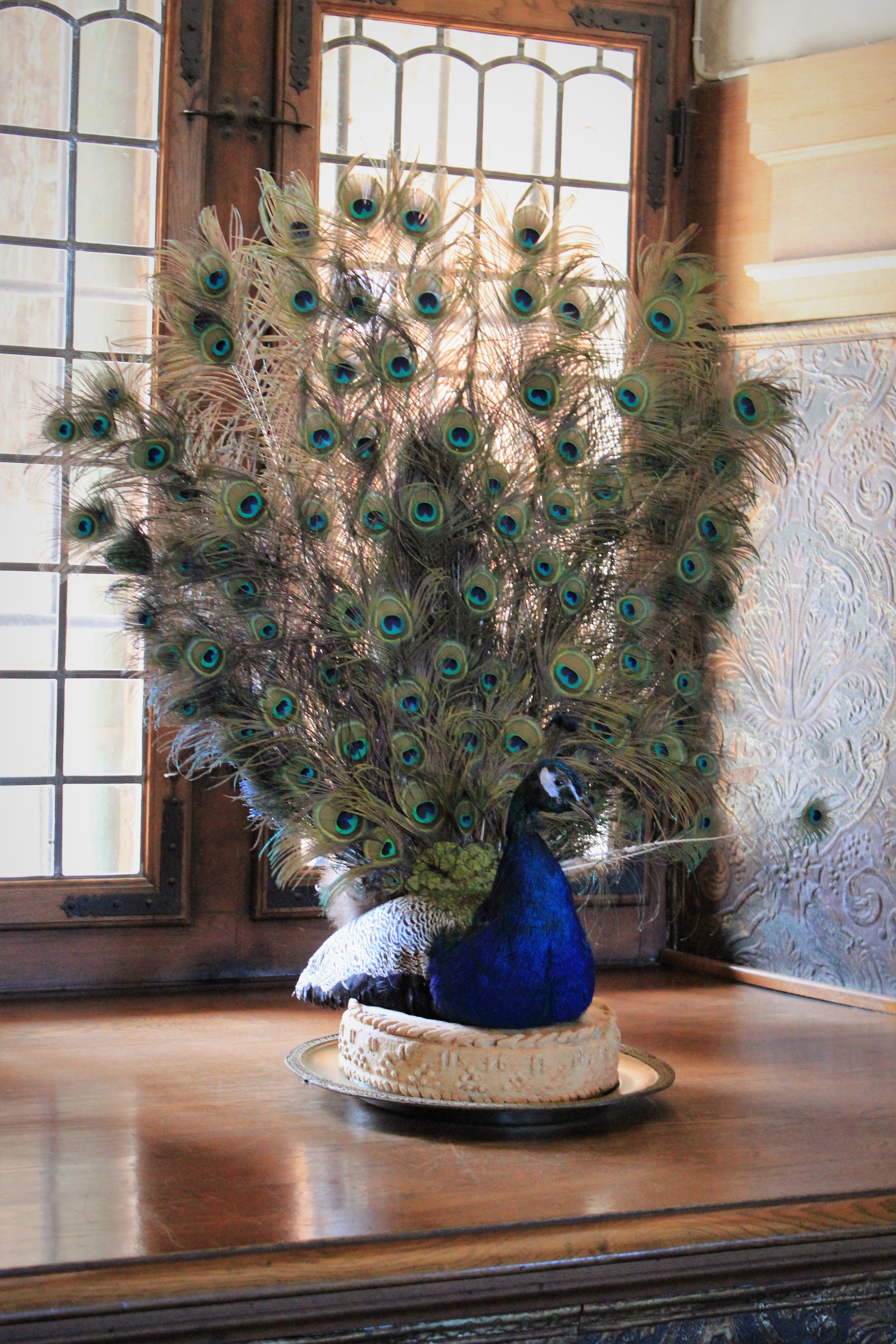
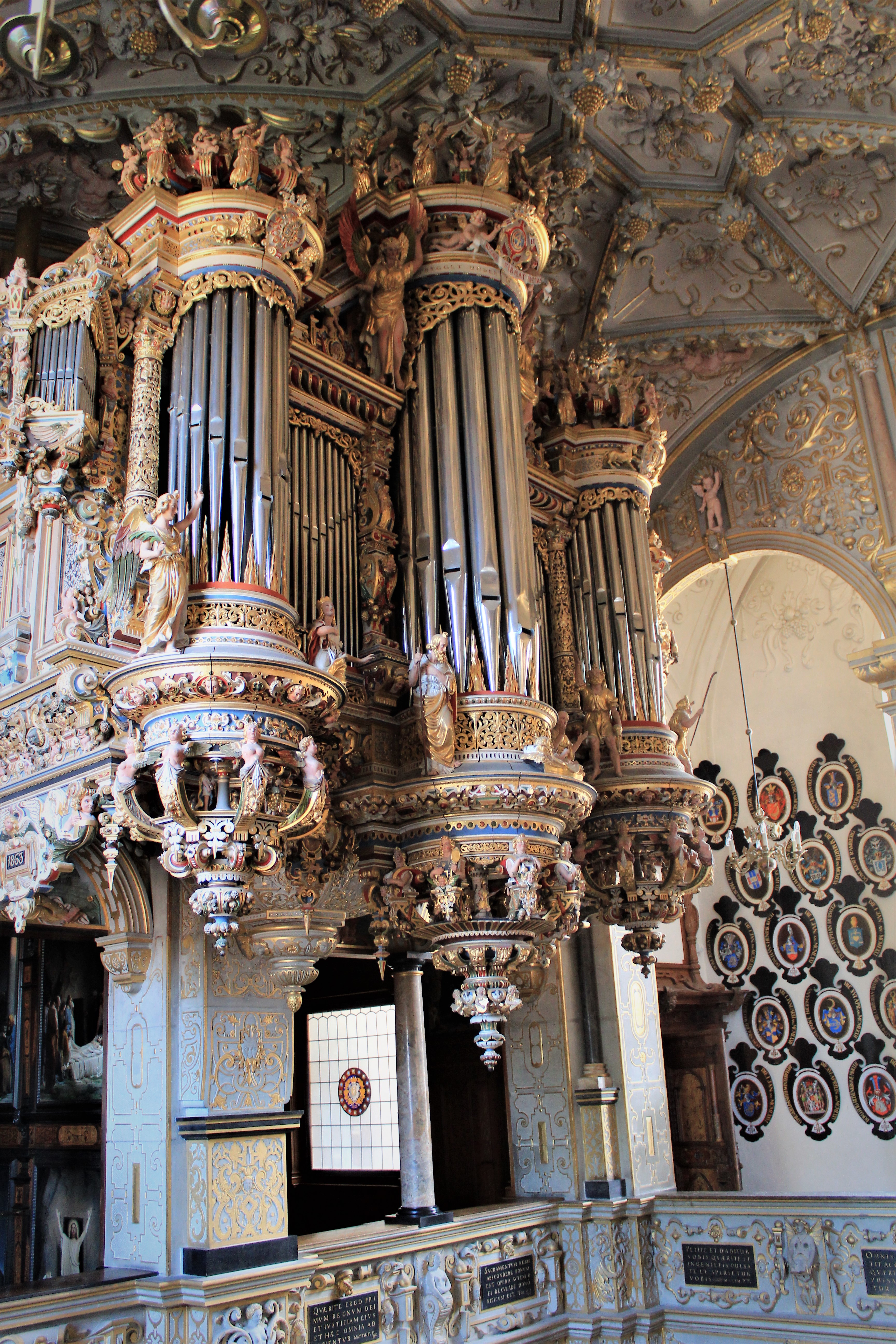
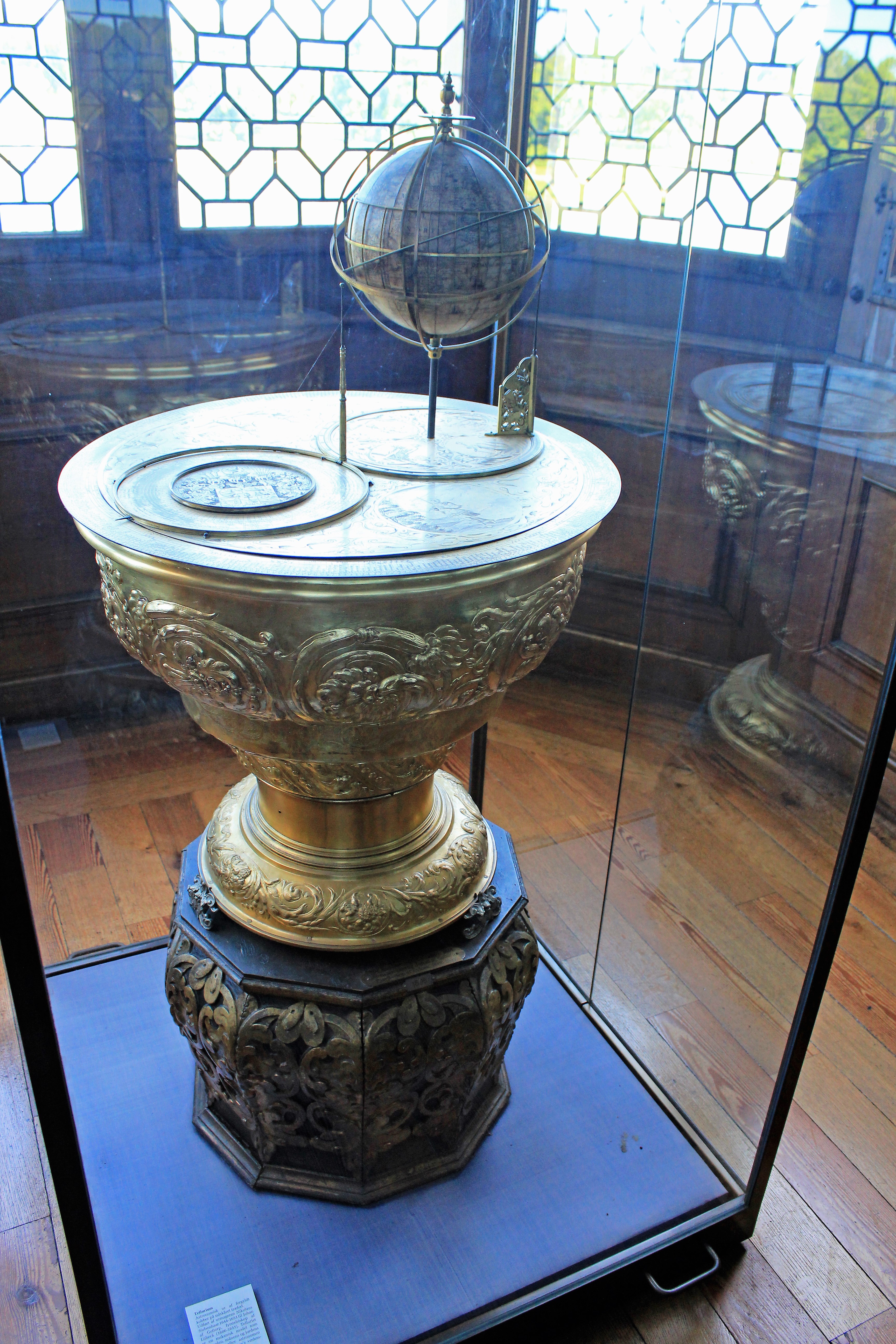
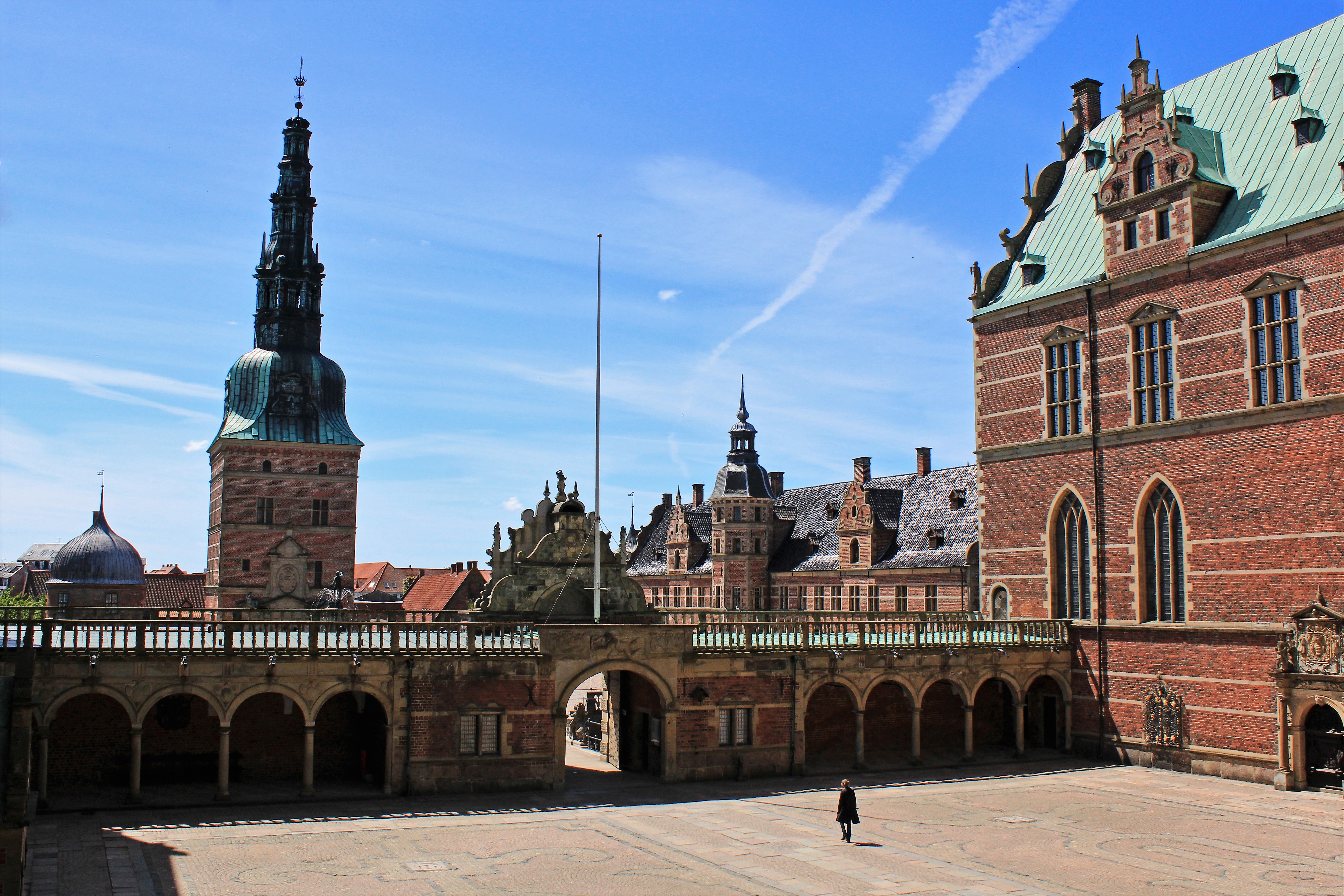
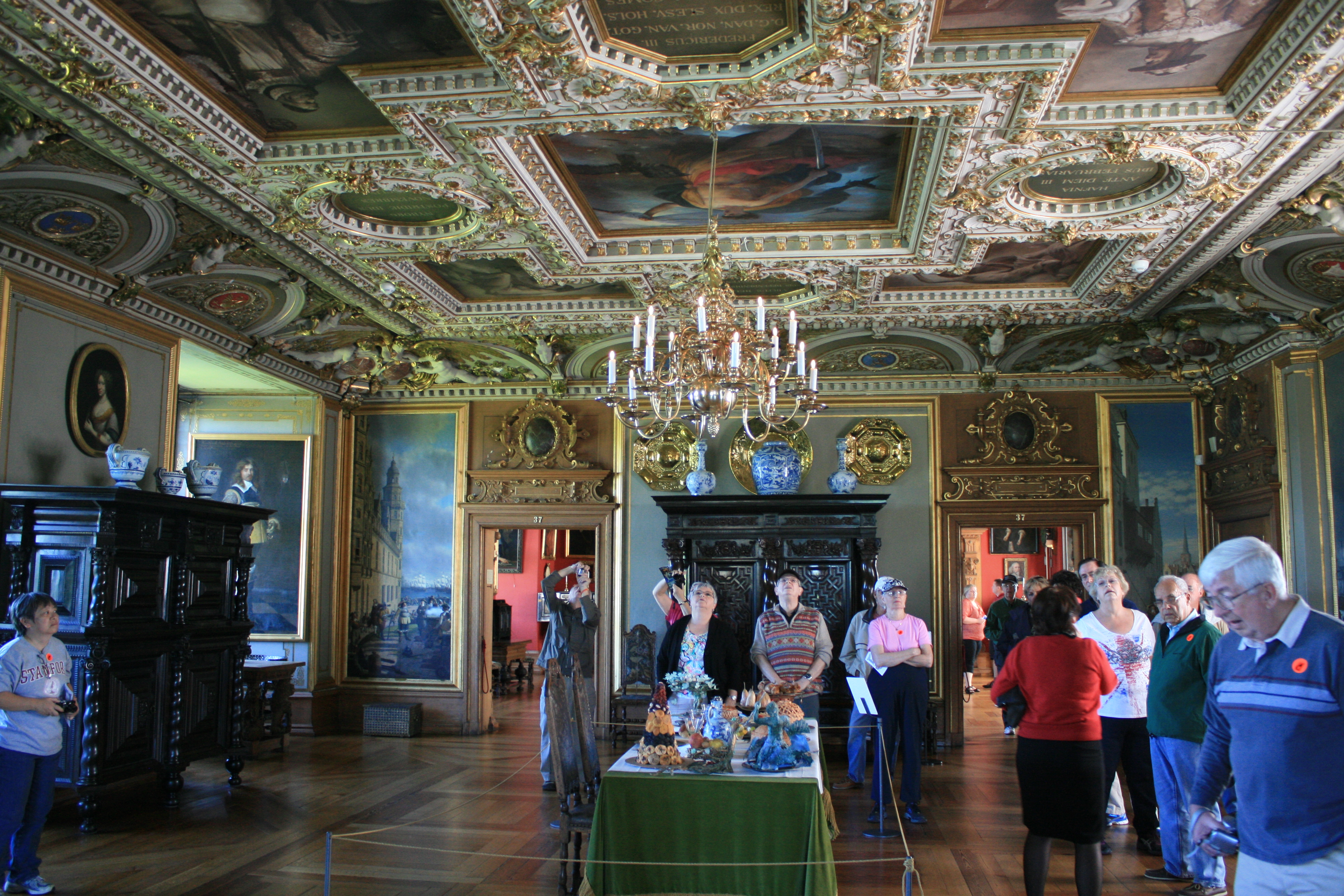
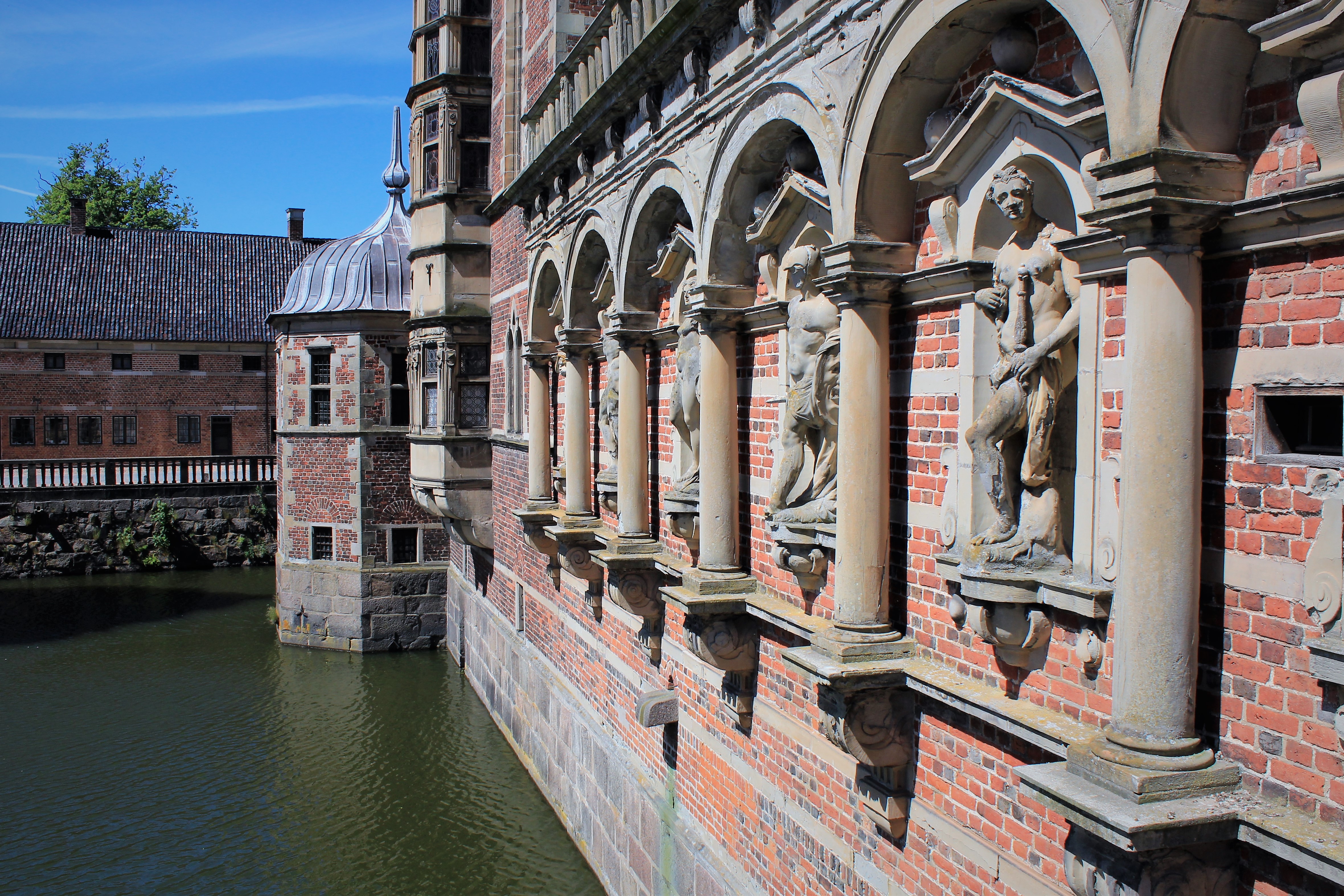
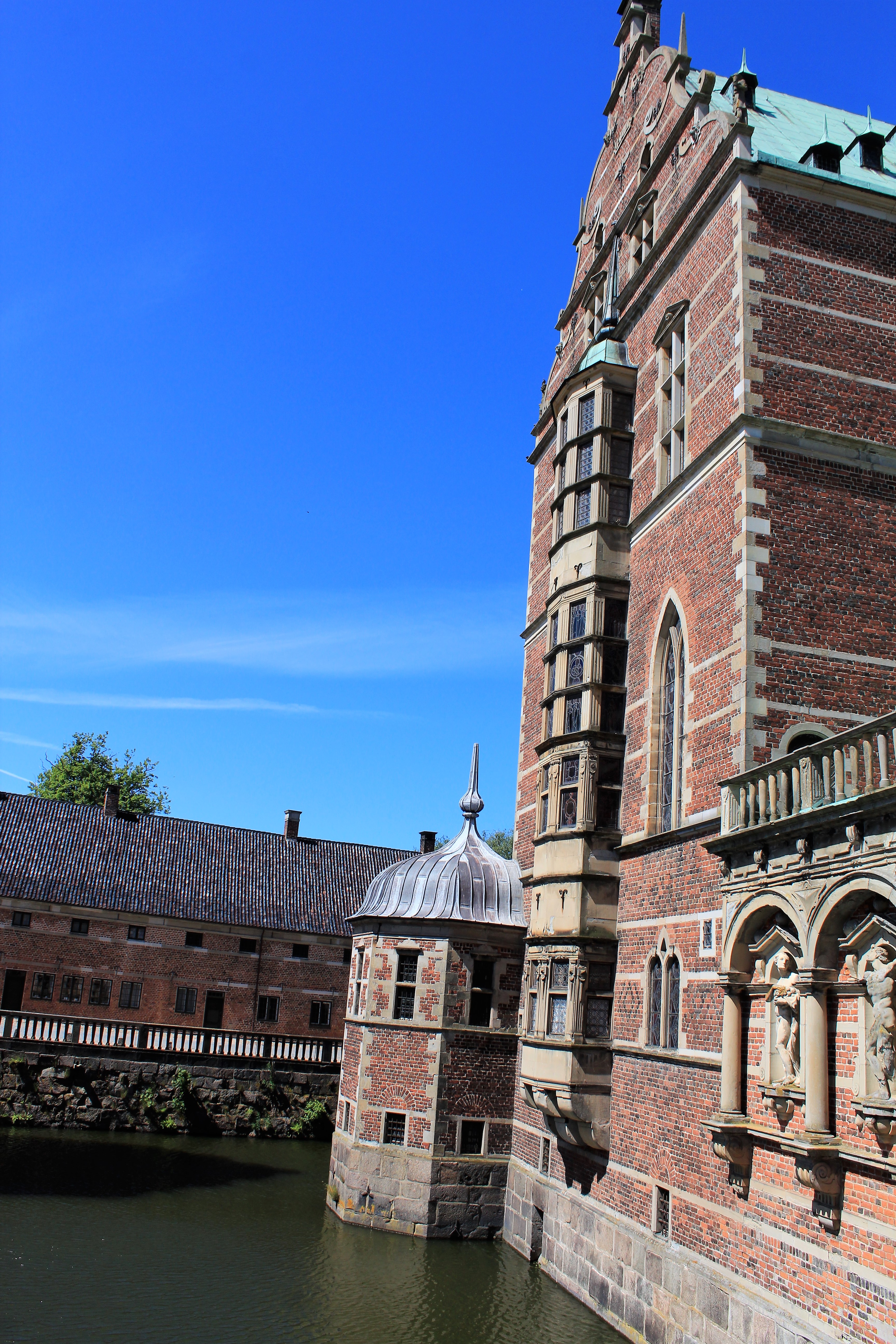
Shakespeare immortalized as Elisonore the setting of the famous drama Hamlet.  The play is enacted here all summer long. As a child I loved my doll house and as an adult I still love miniatures. After the tour of Kronborg we got back on the bus and were driven to the Frederiksborg Castle, which has been the home of the Museum of National History since 1859. There was a lengthy walk on a very old cobblestone street to get to the castle. The castle was built at the time of King Christian IV (1588-1648) and restored after a fire in 1859.

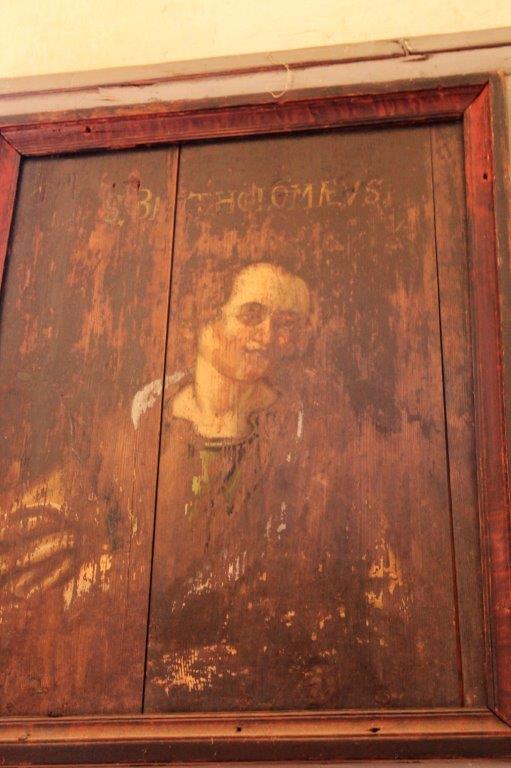
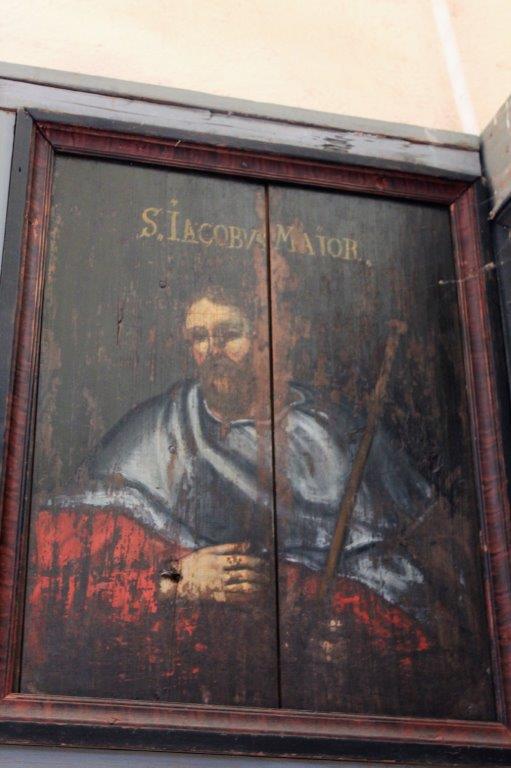
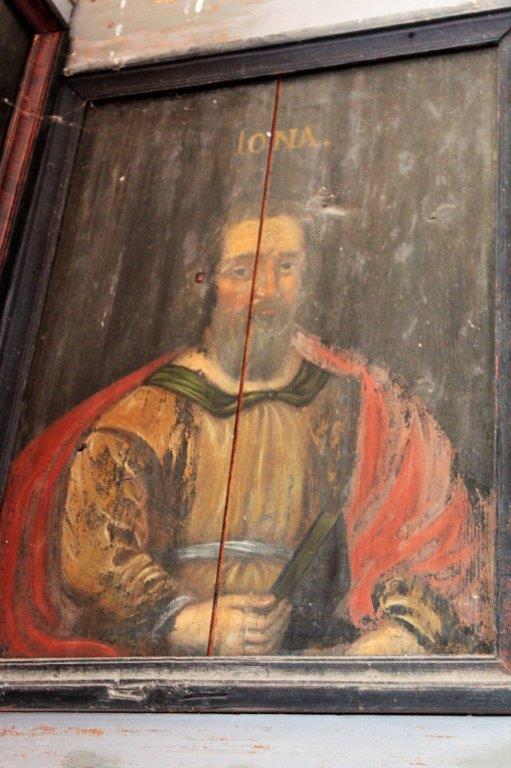
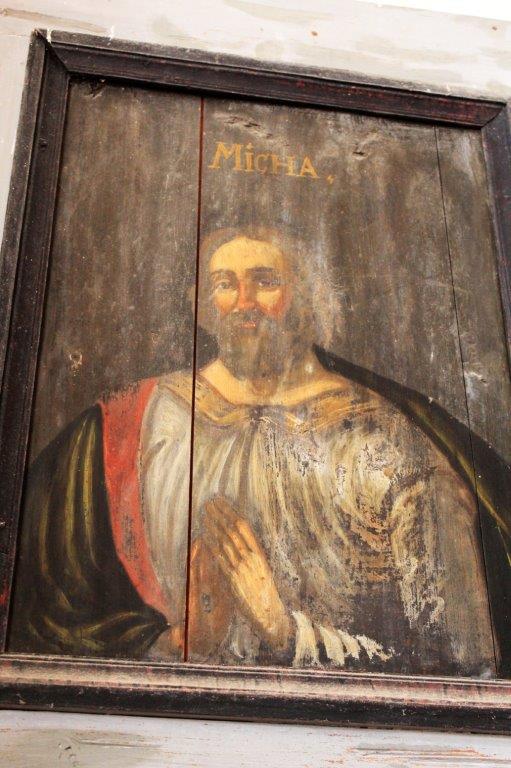
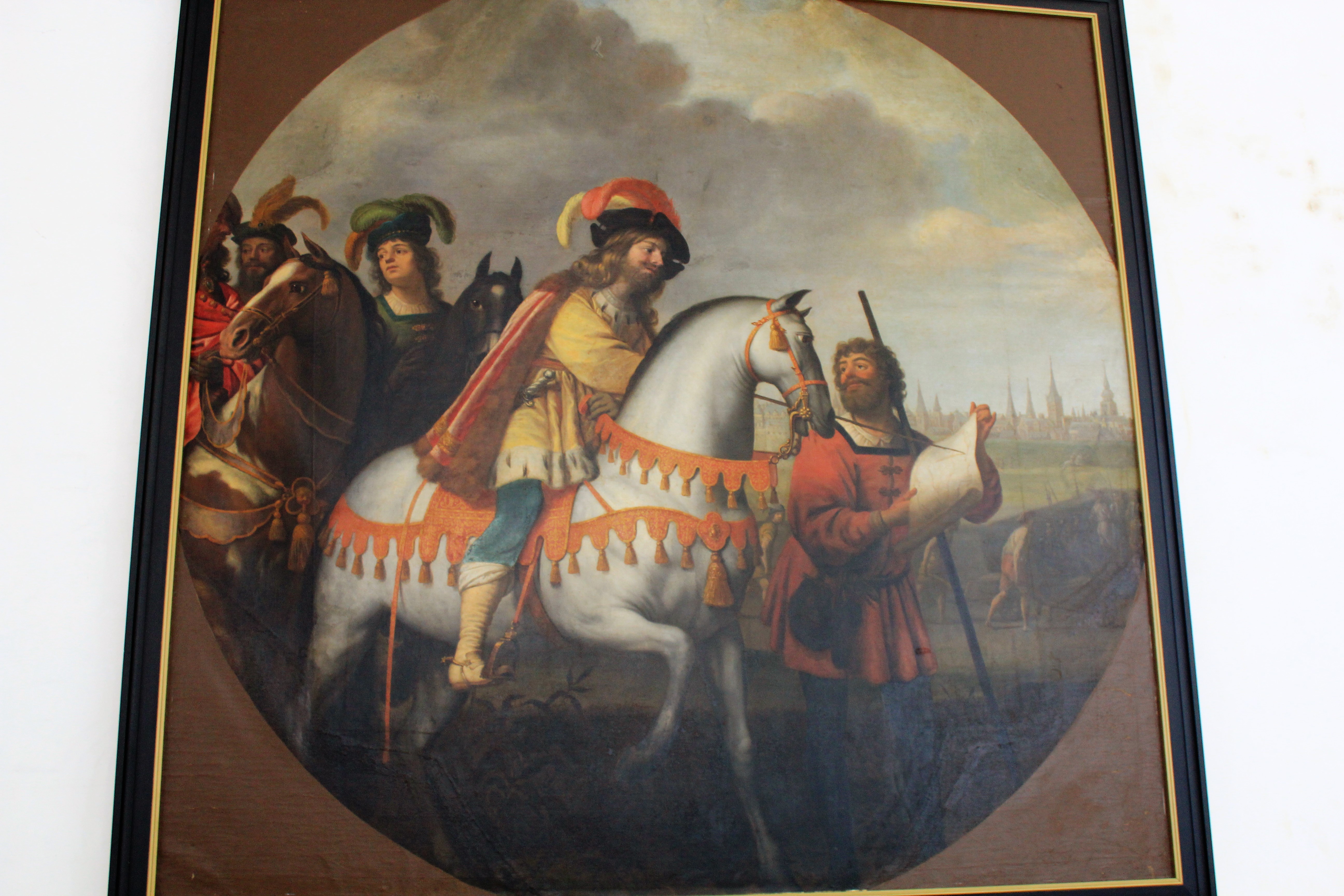
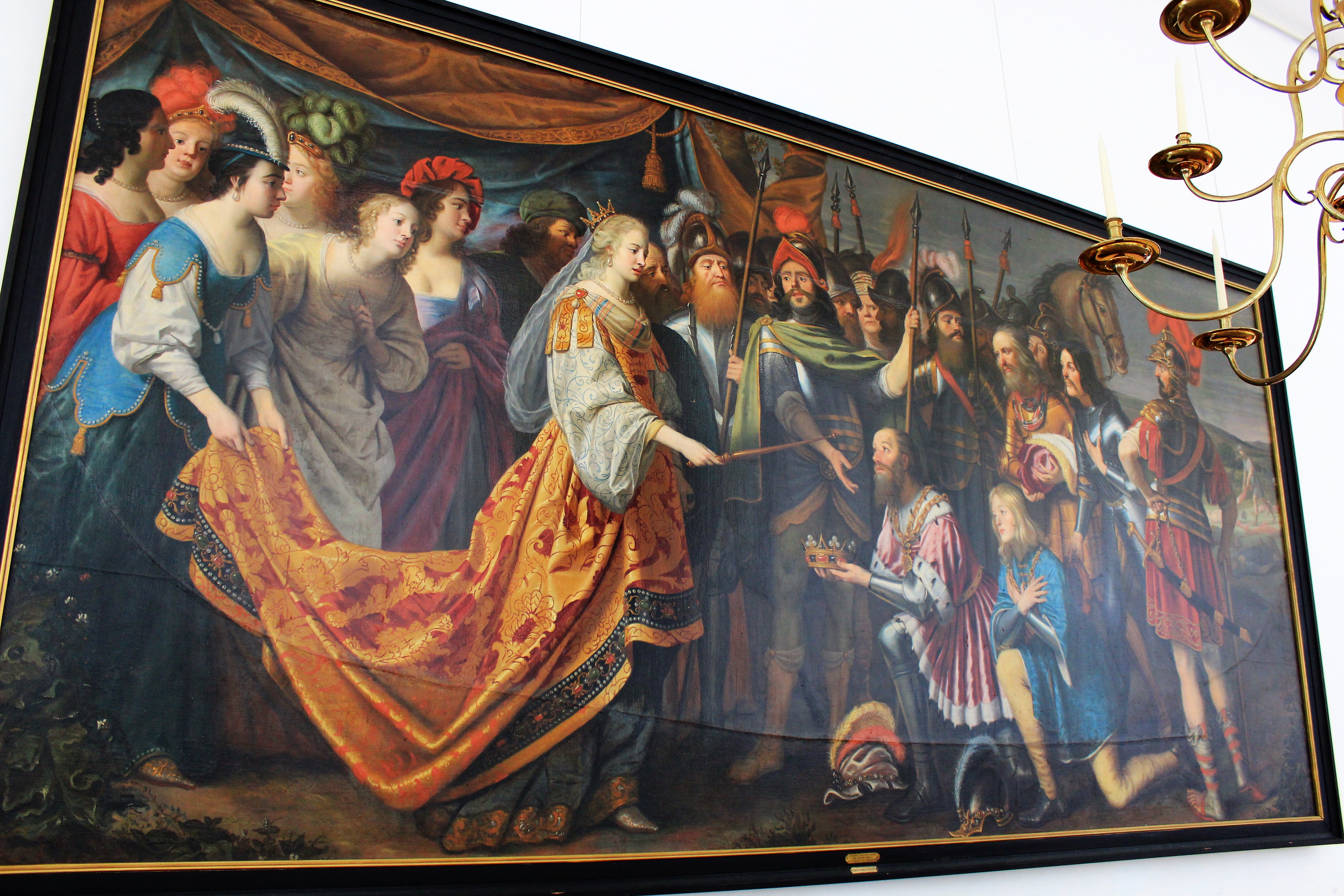
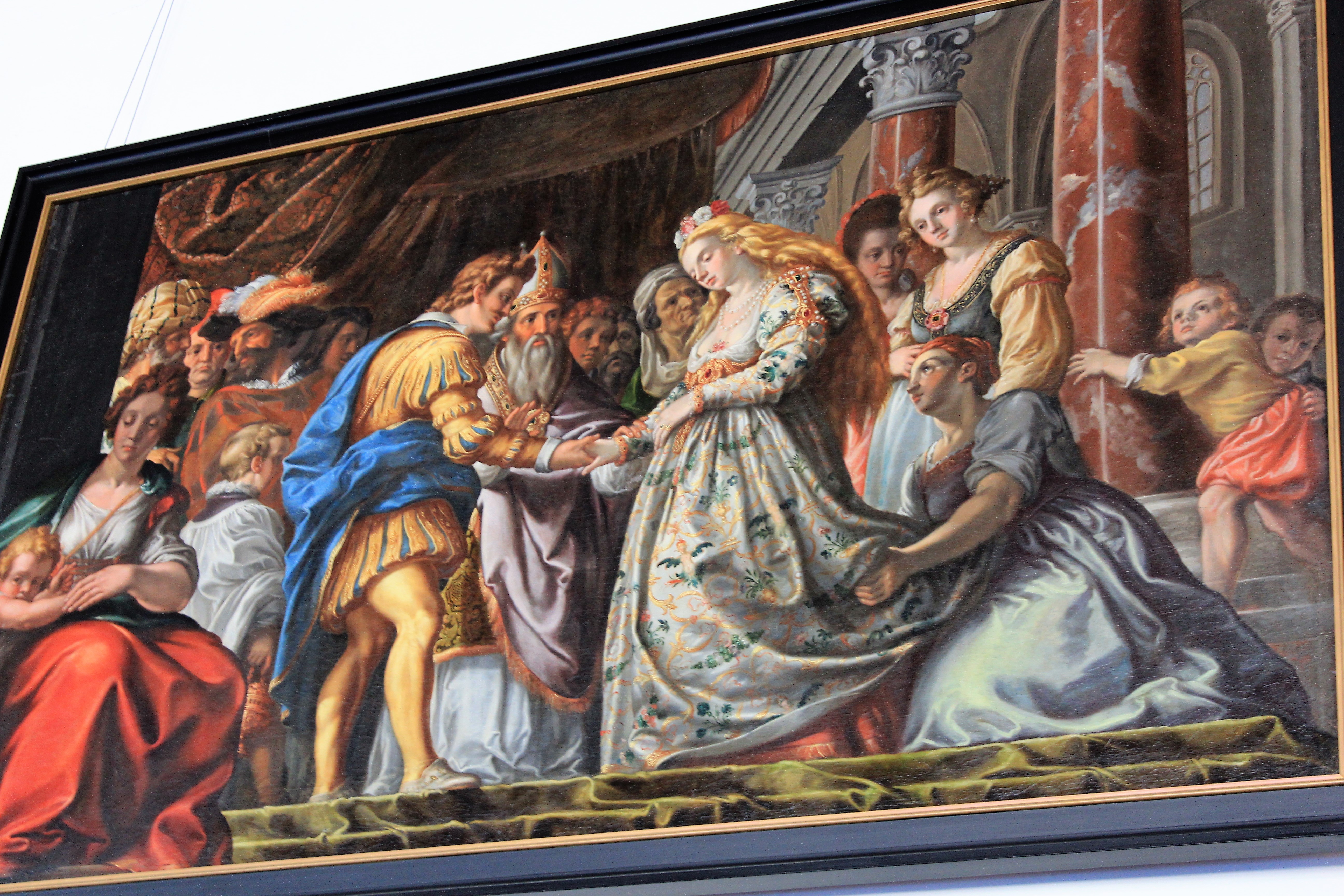
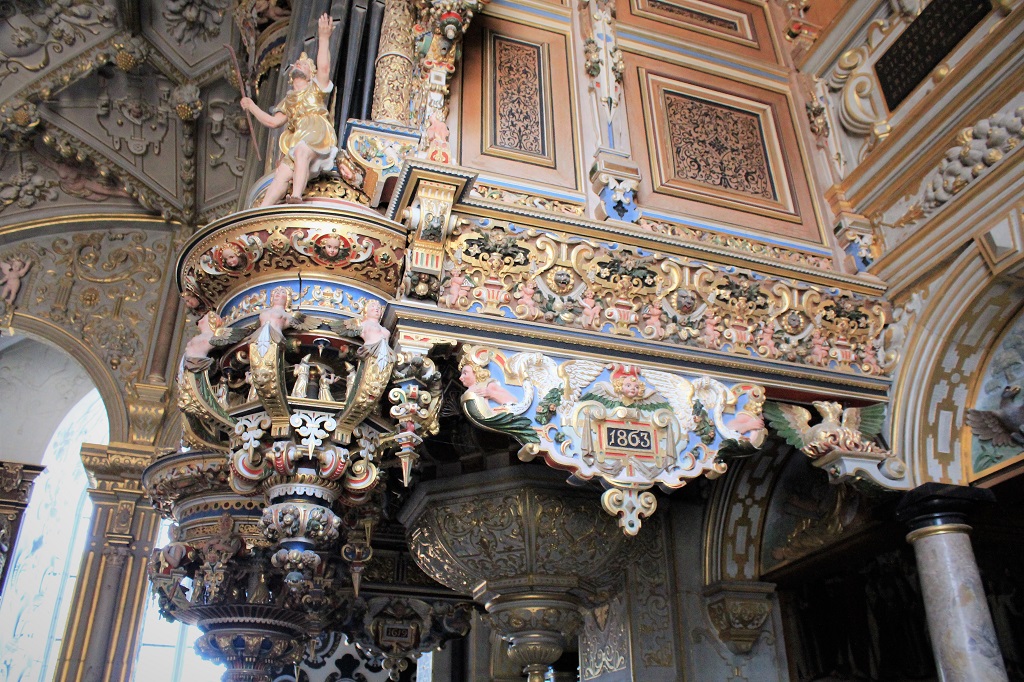
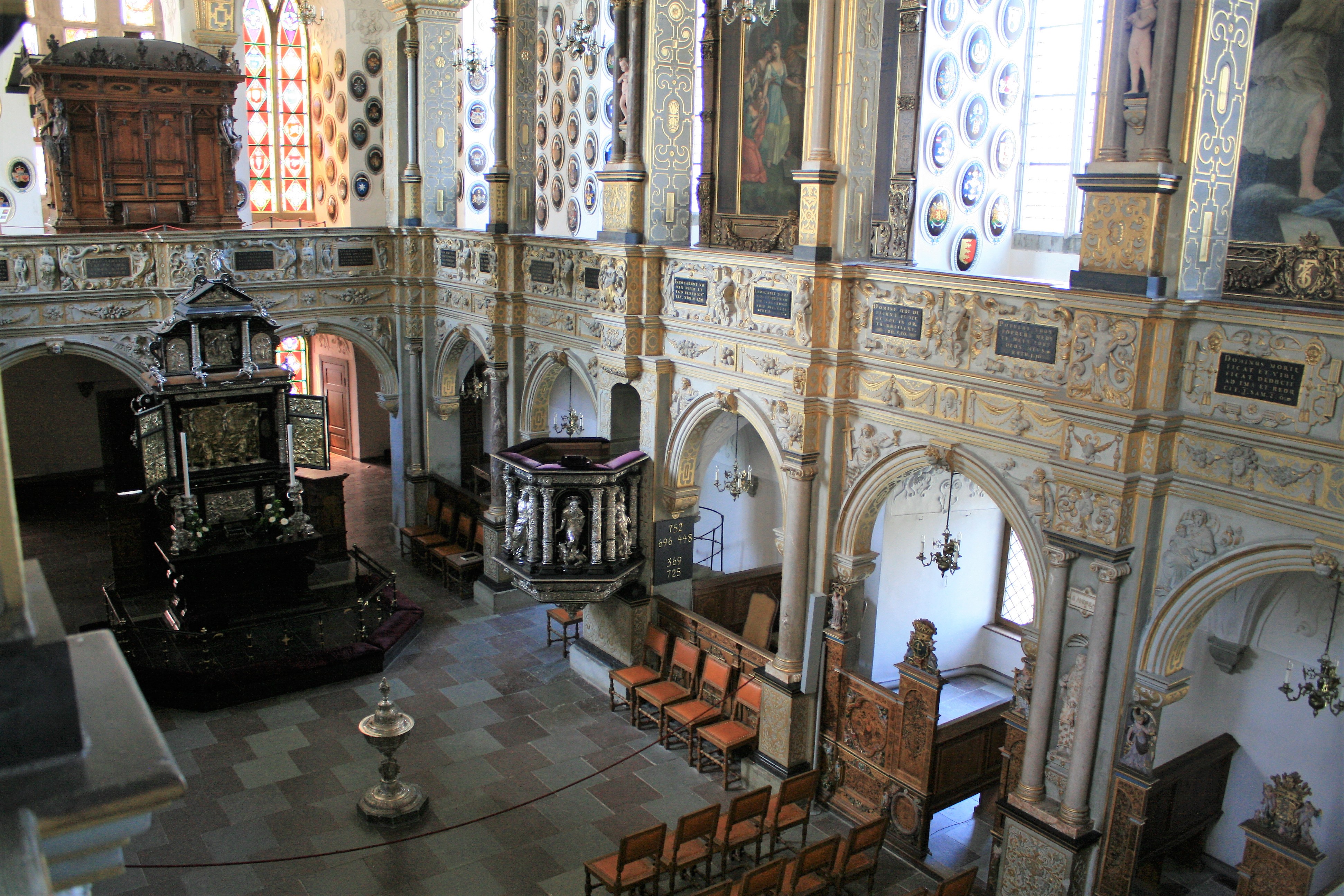
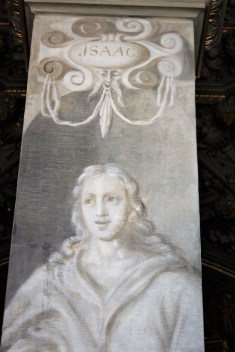
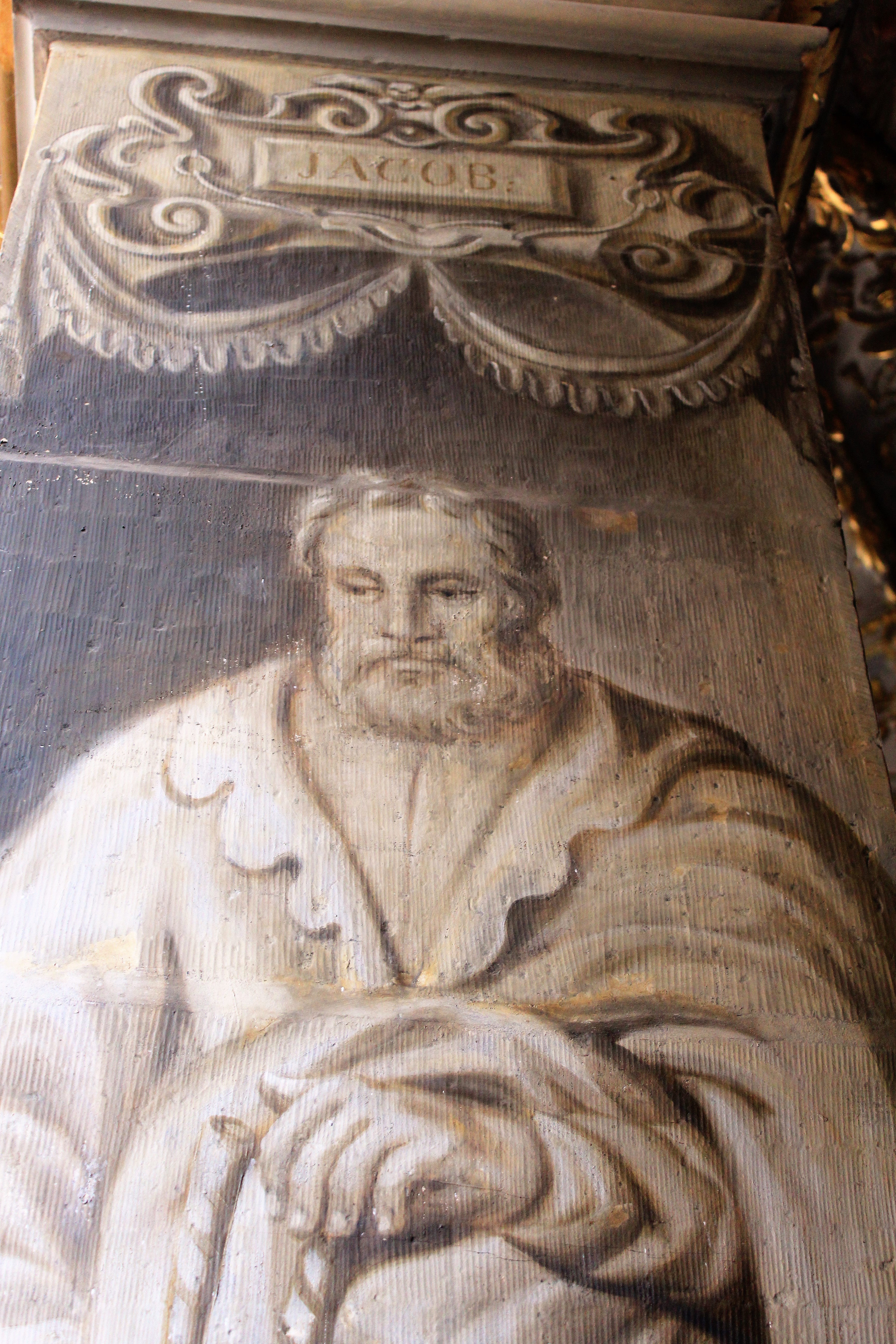
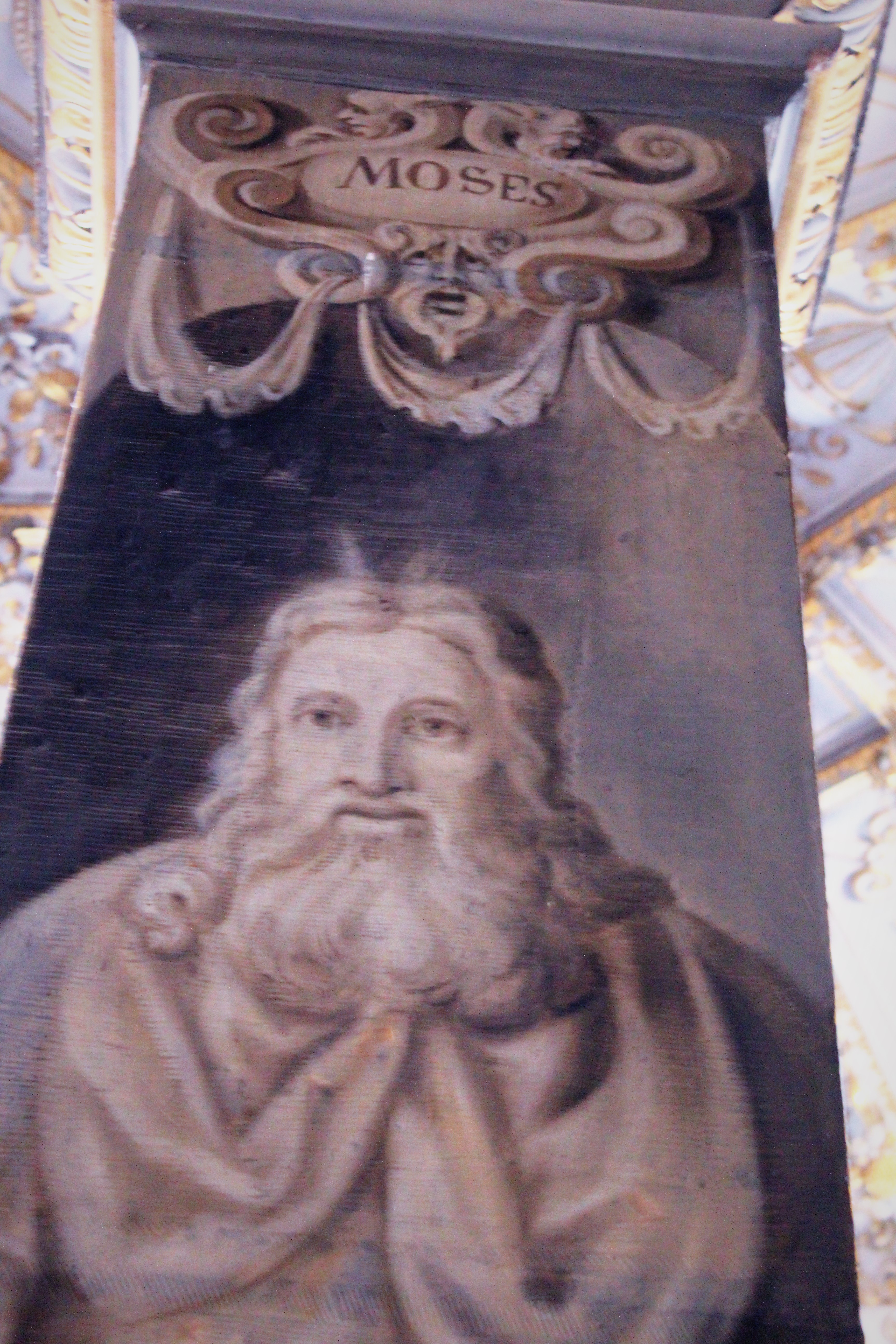
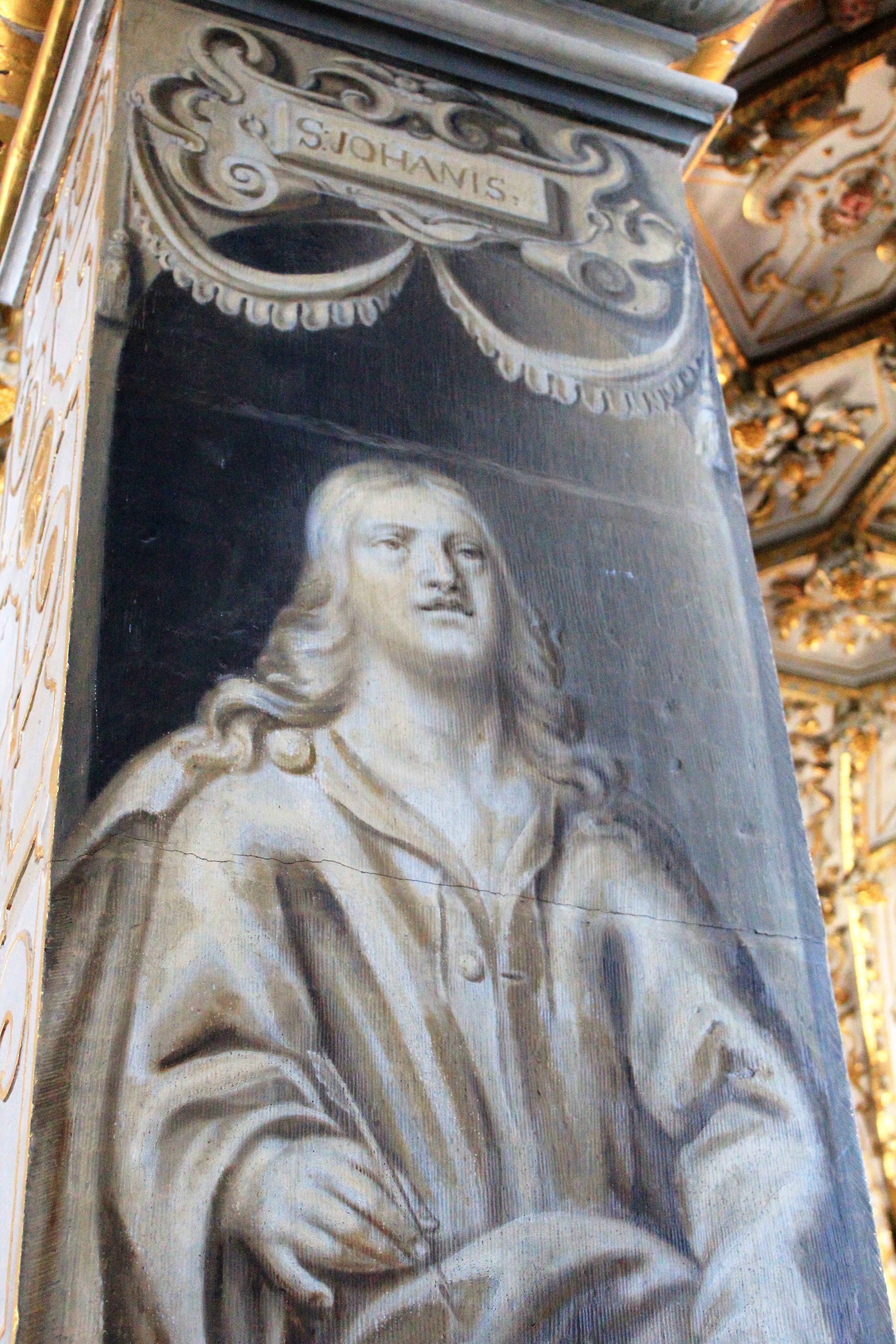
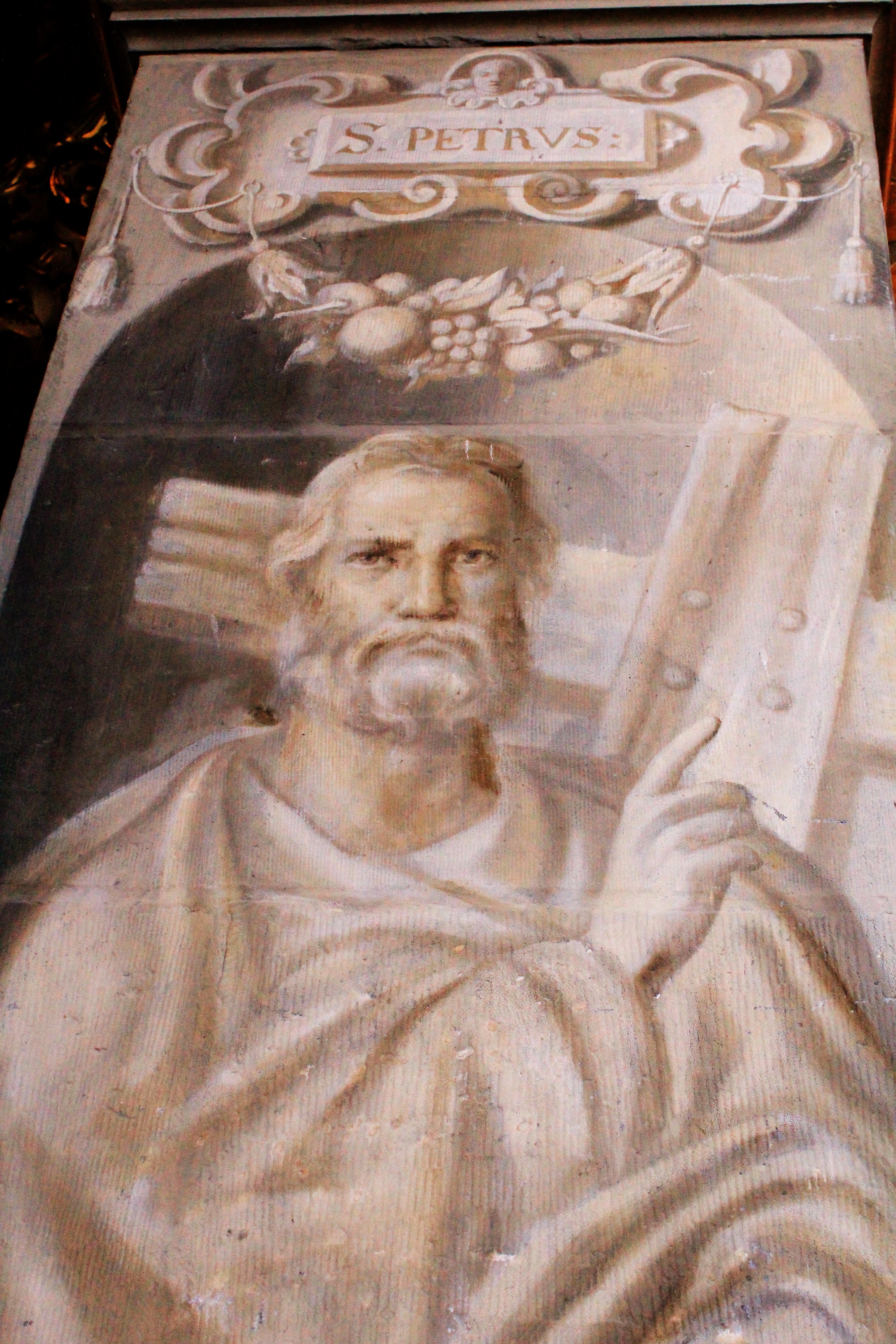
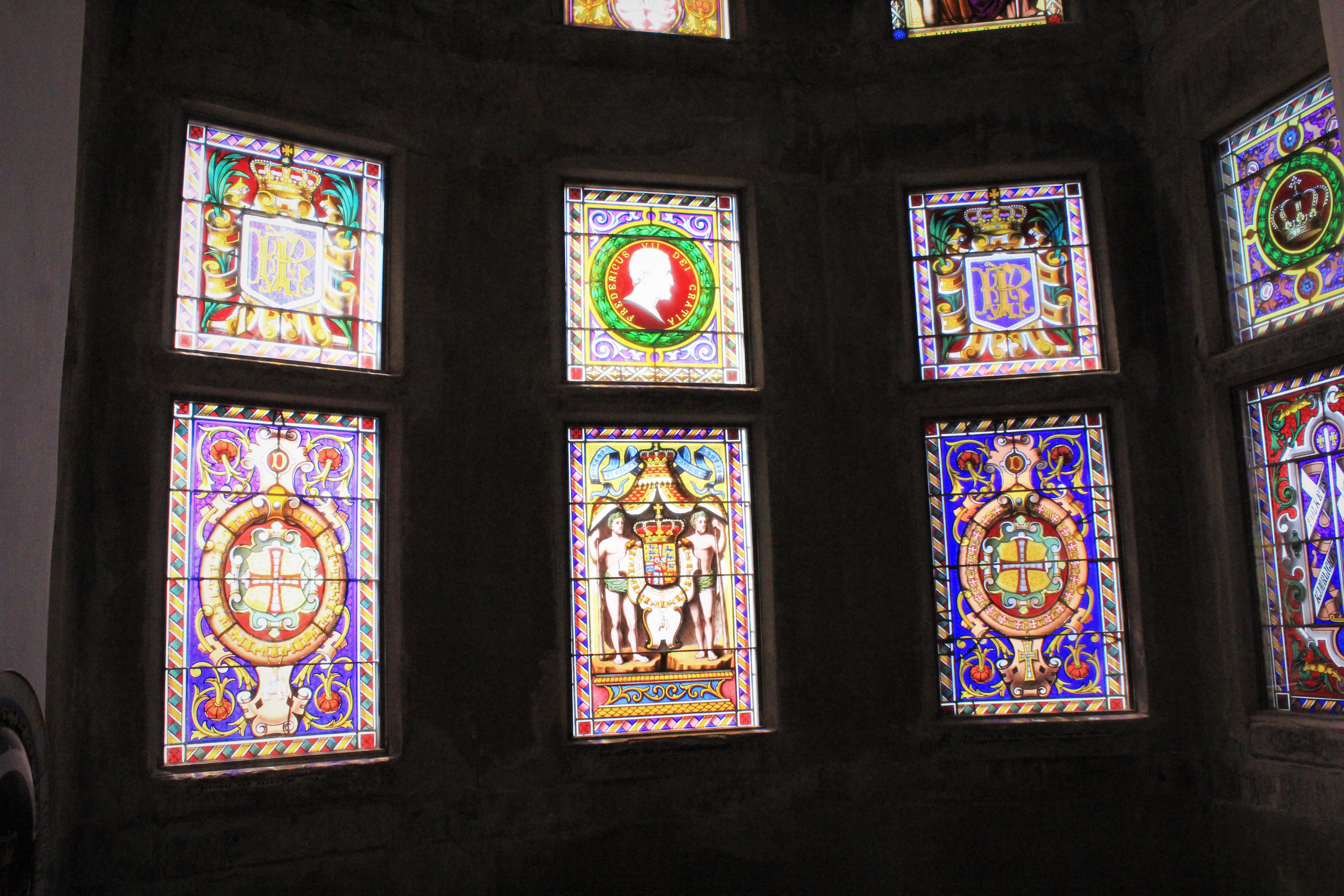
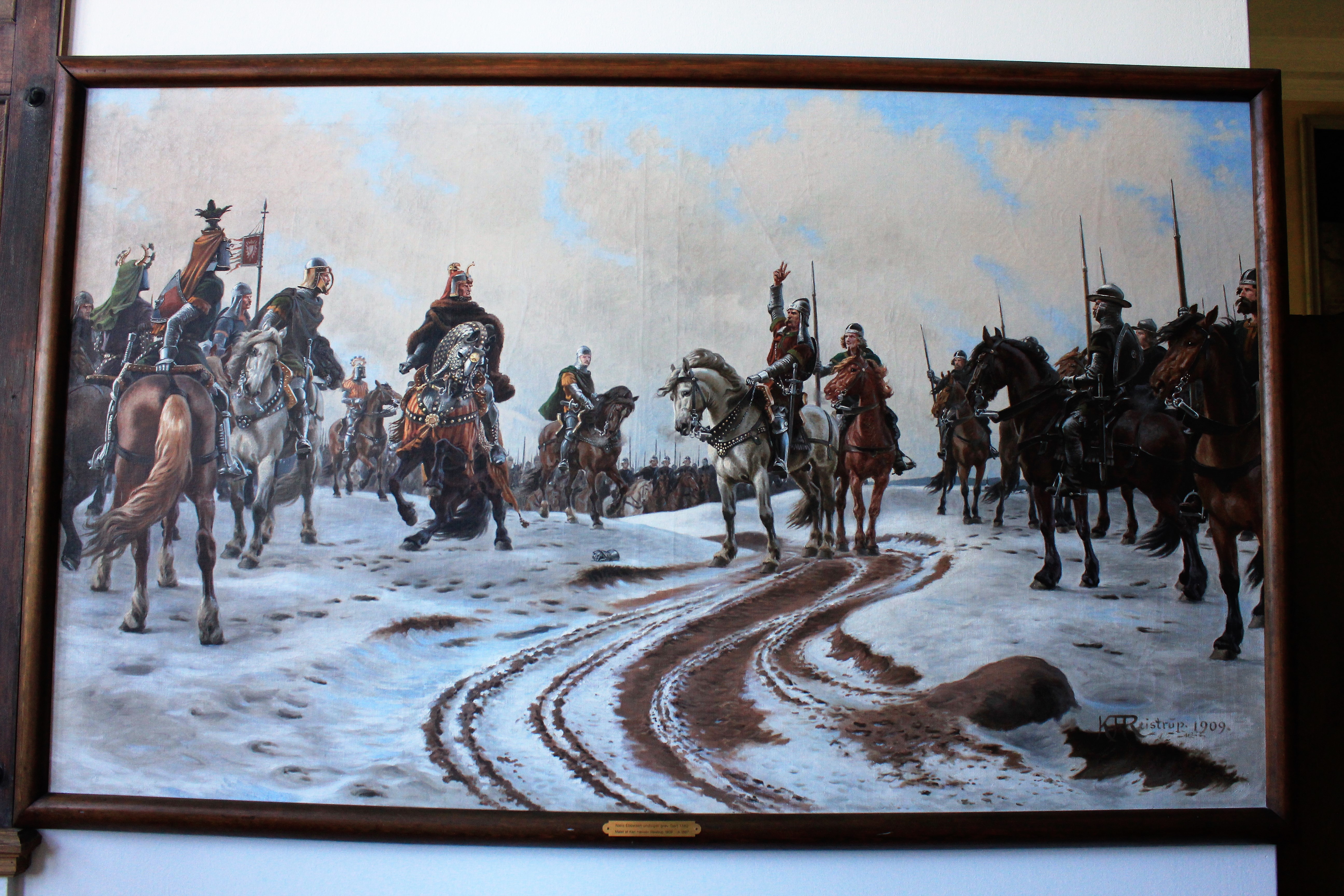
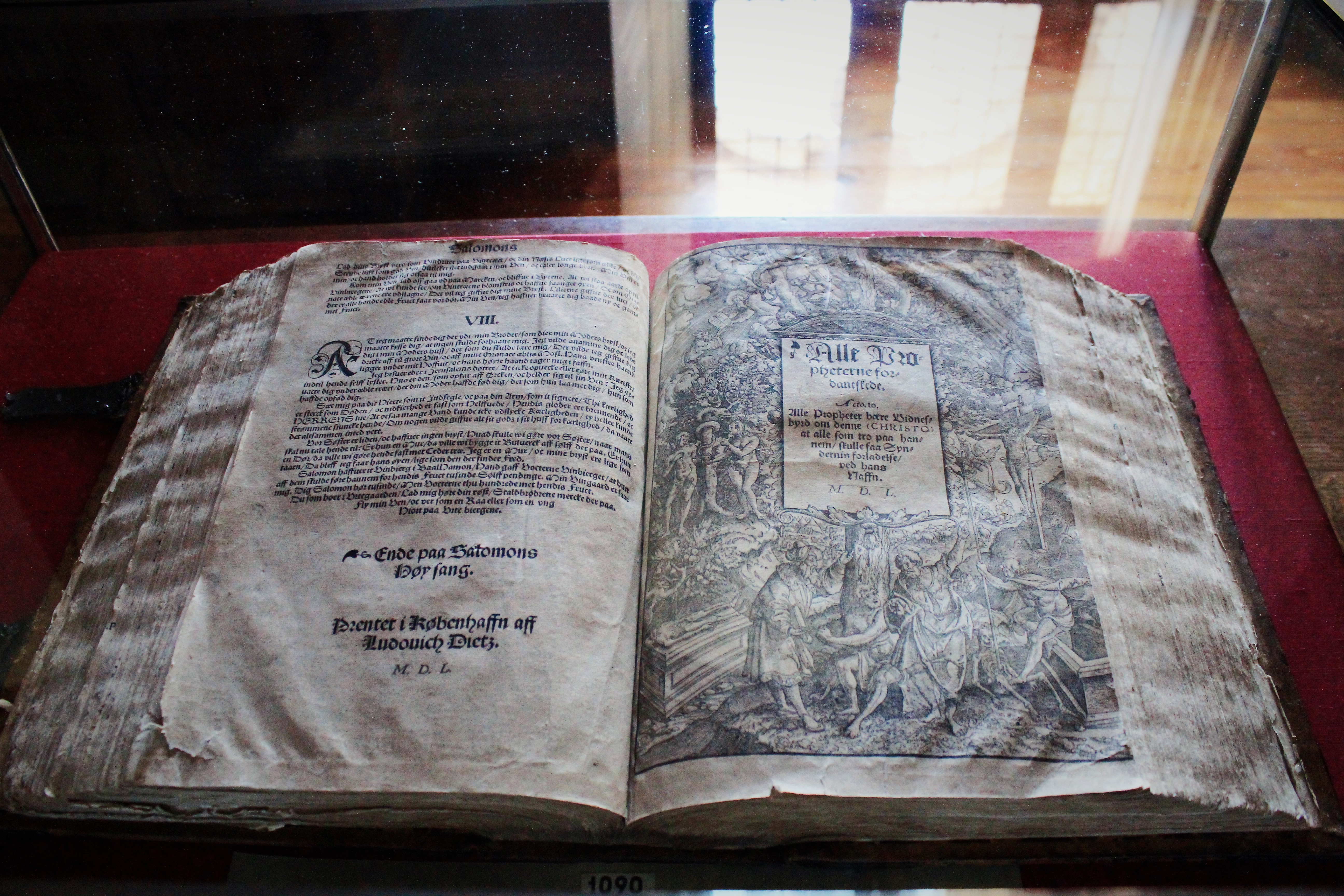
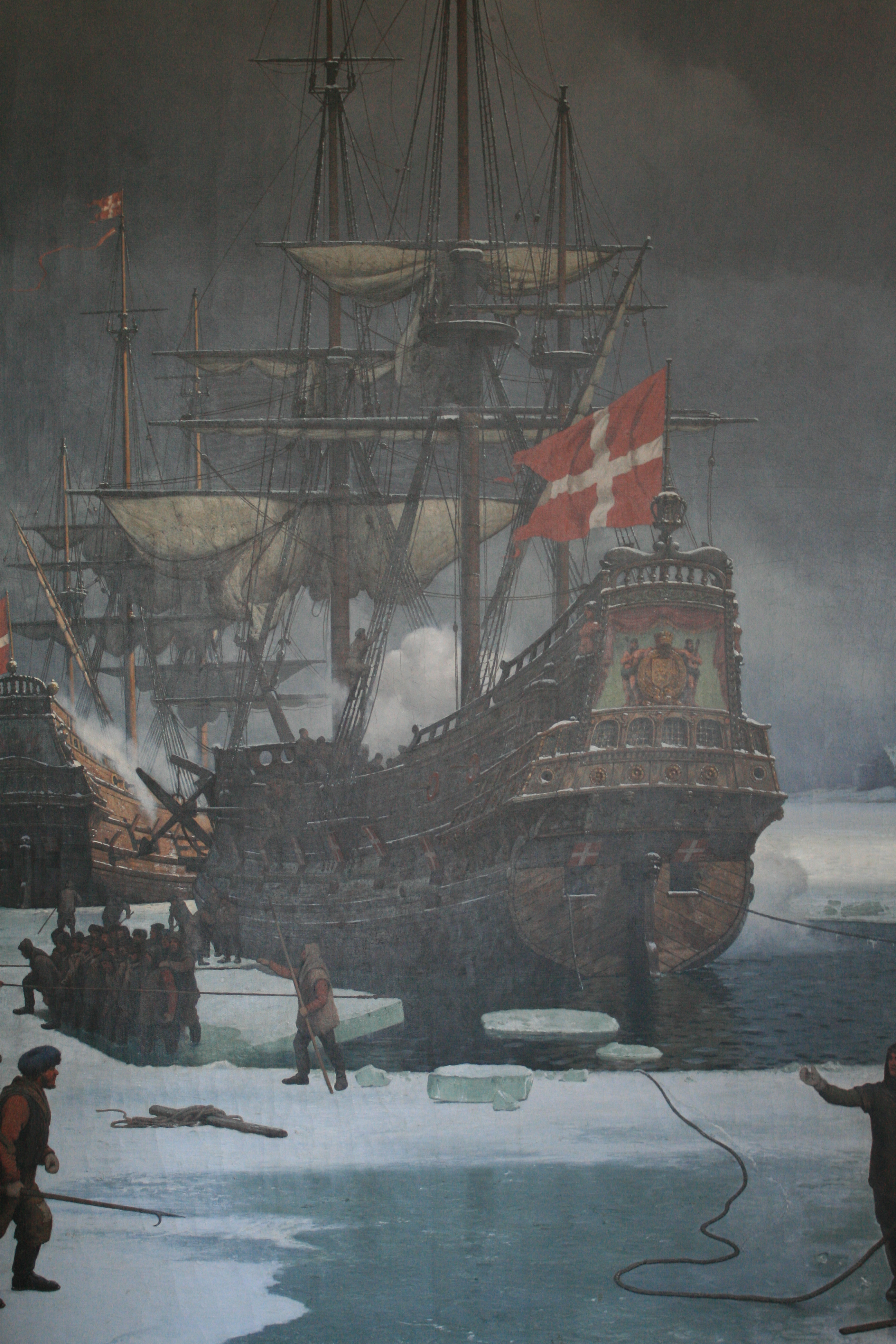
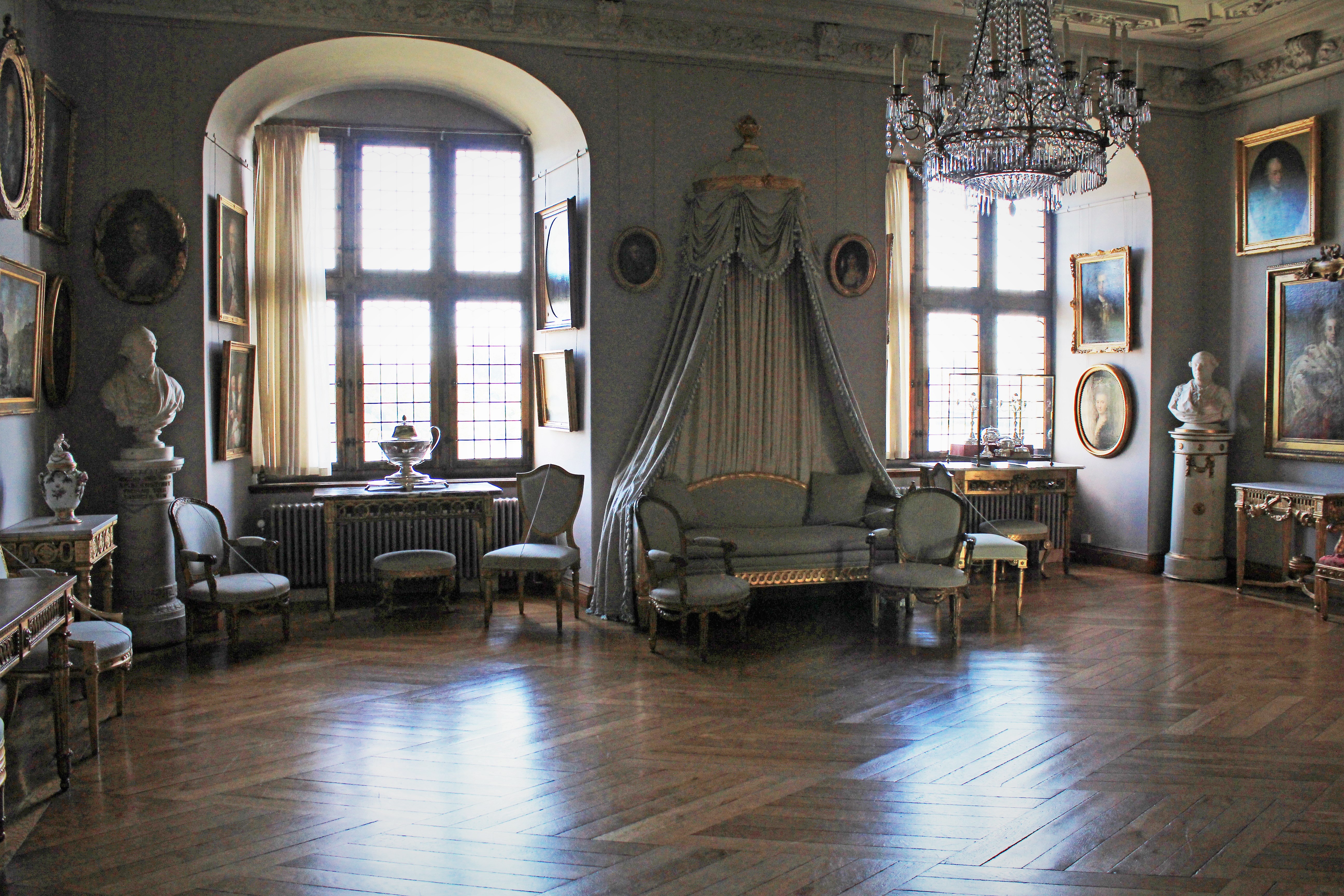
The museum contains Denmark’s most important collection of portraits and history paintings as well as many other examples of decorative art.   The Chapel dates from the time of Christian IV and contains lovely, simple images of the prophets and apostles.

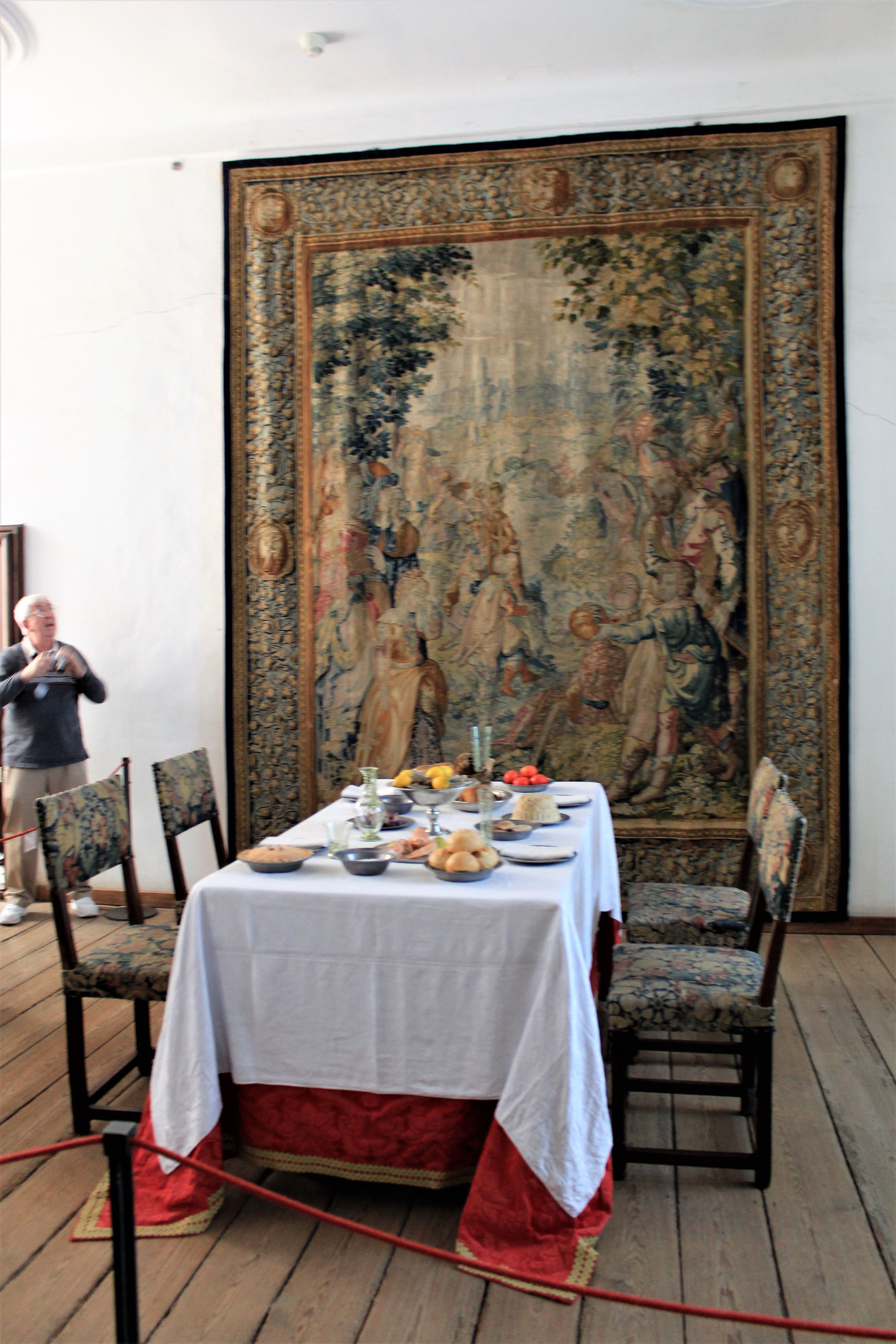
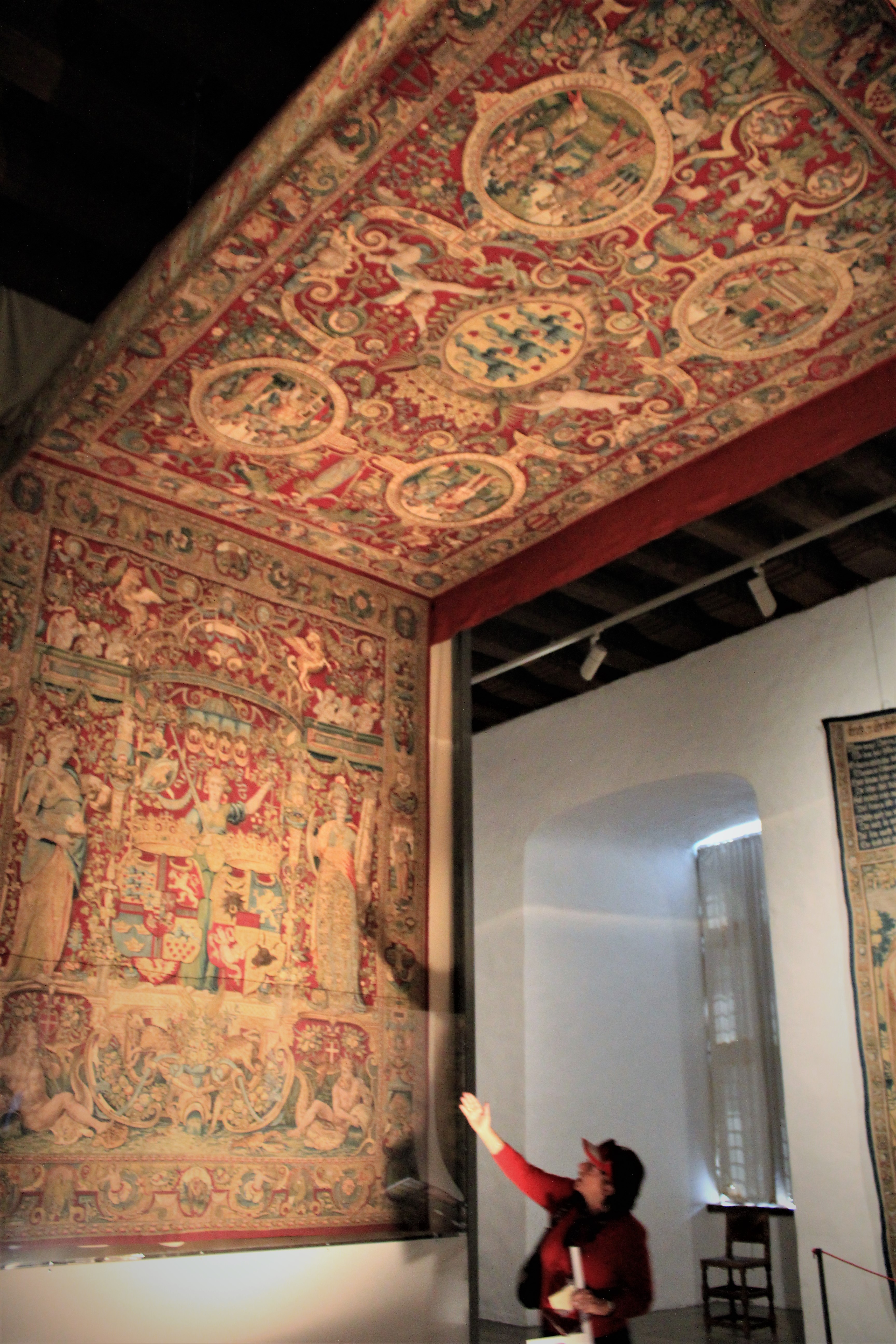
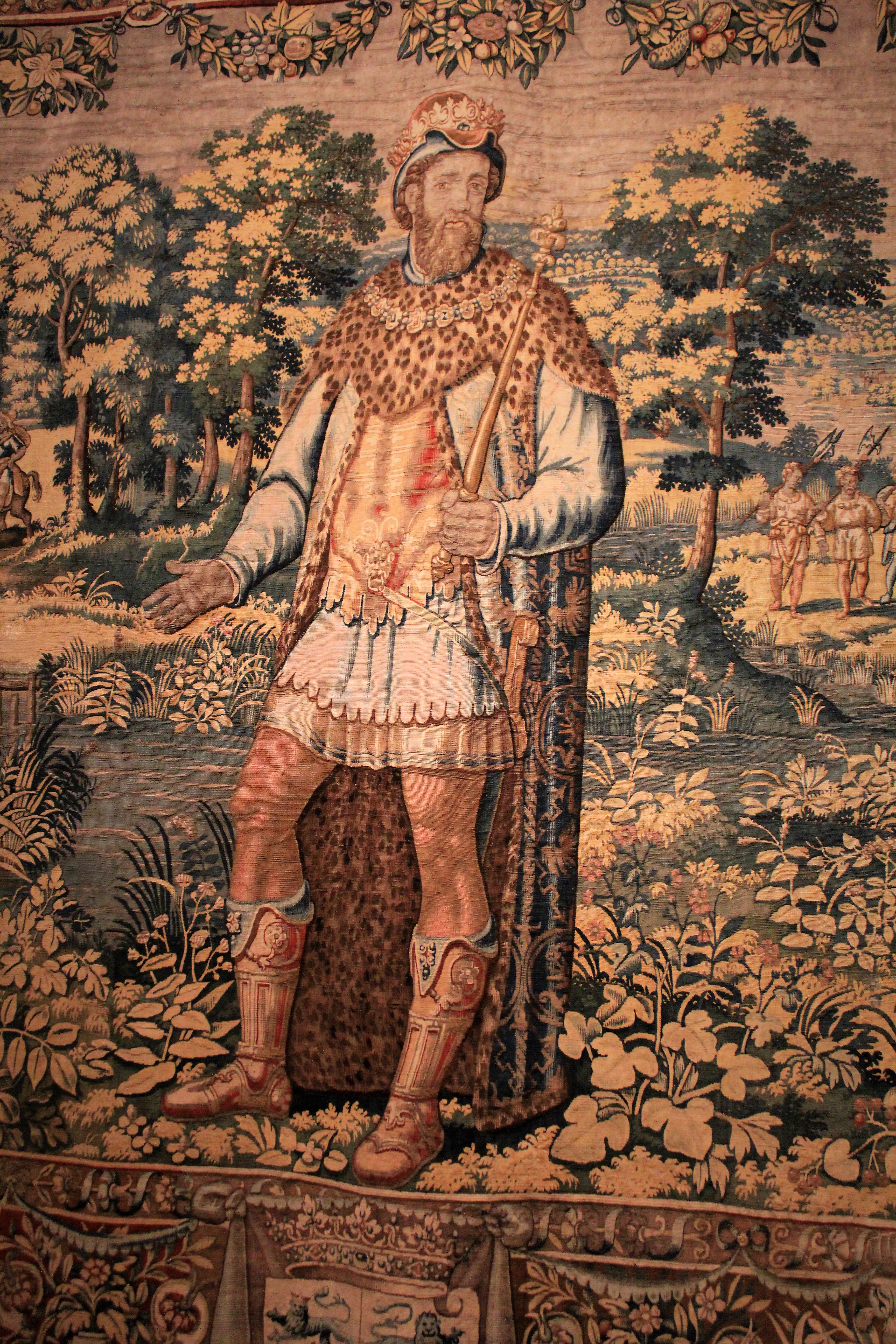
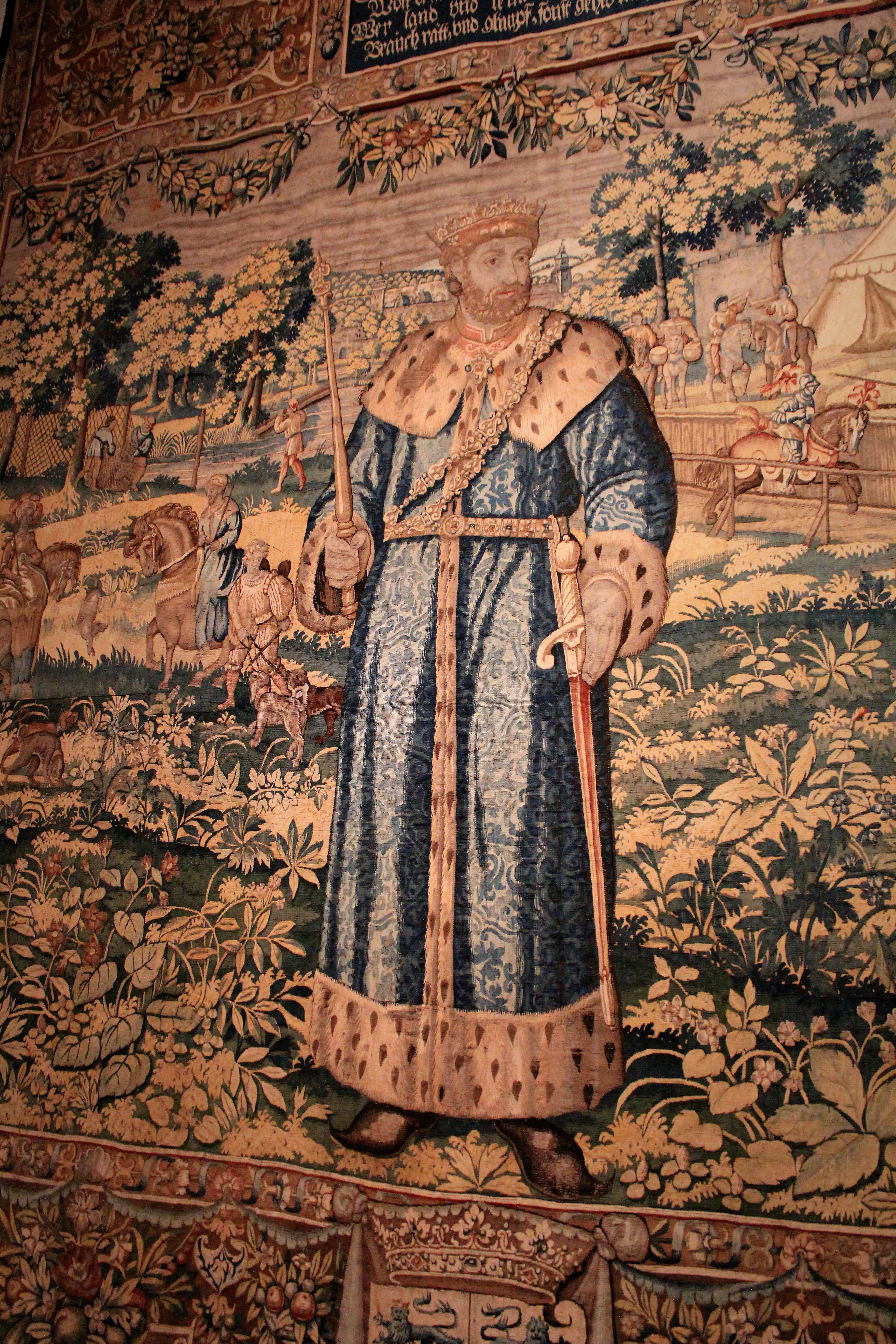
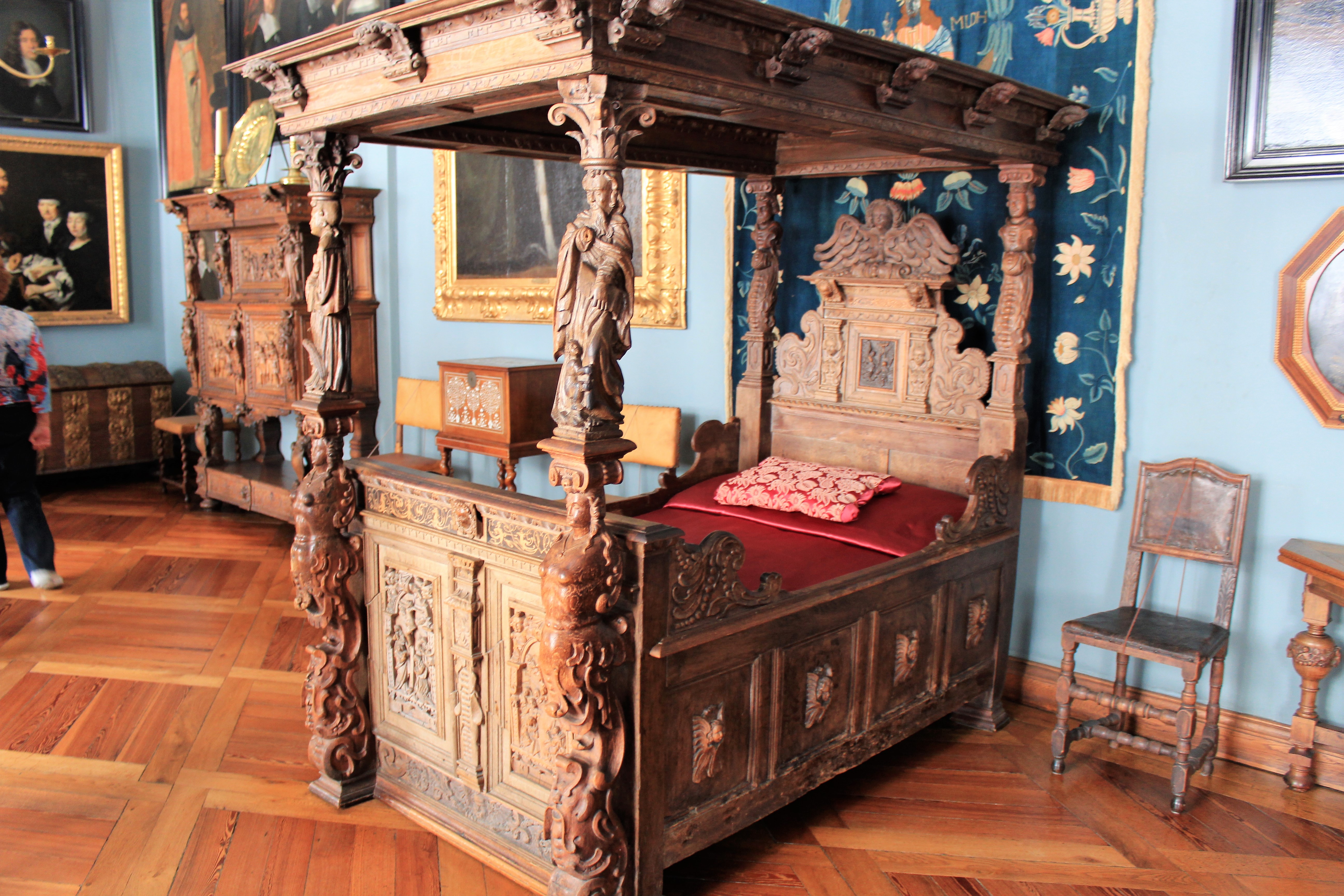
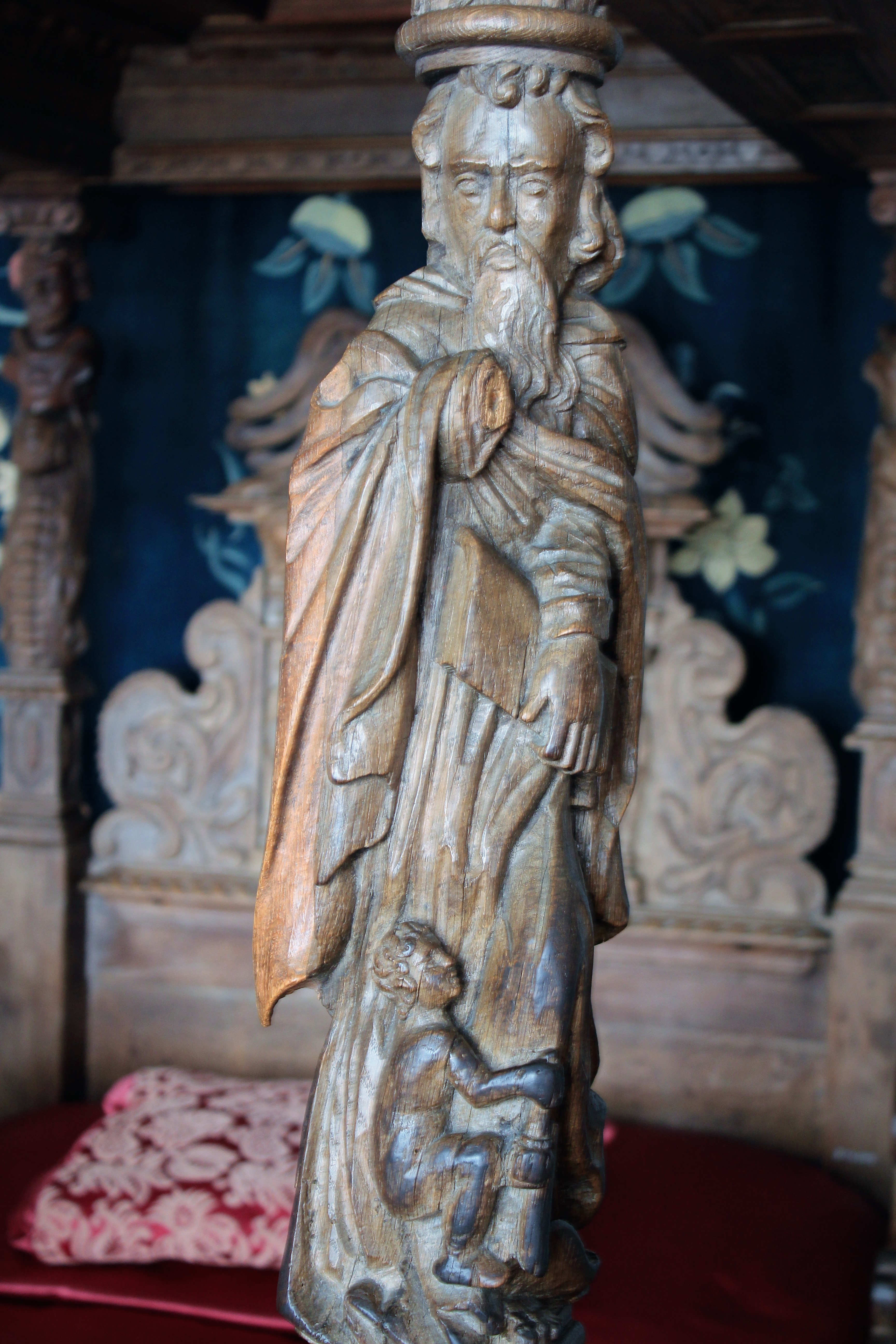
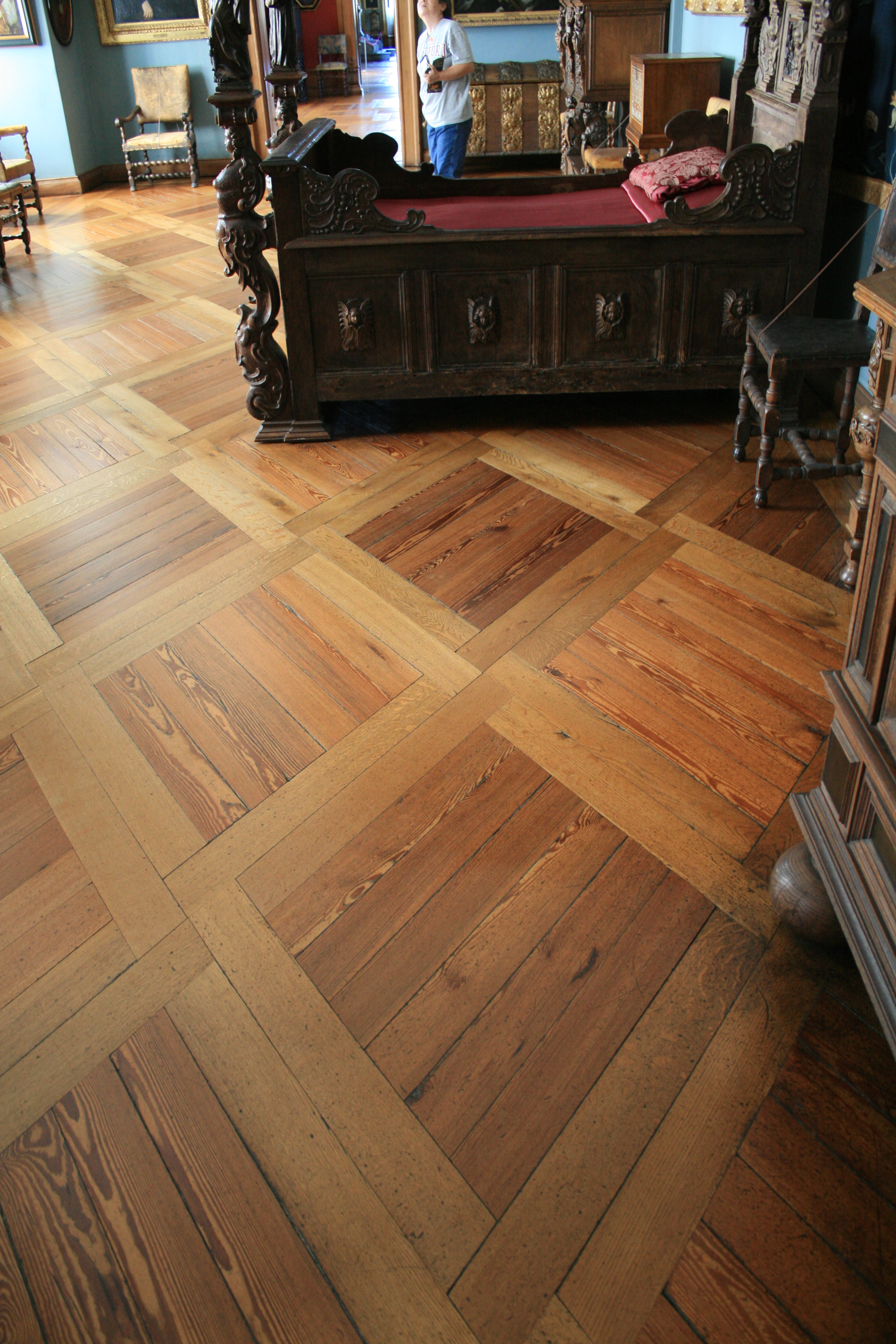
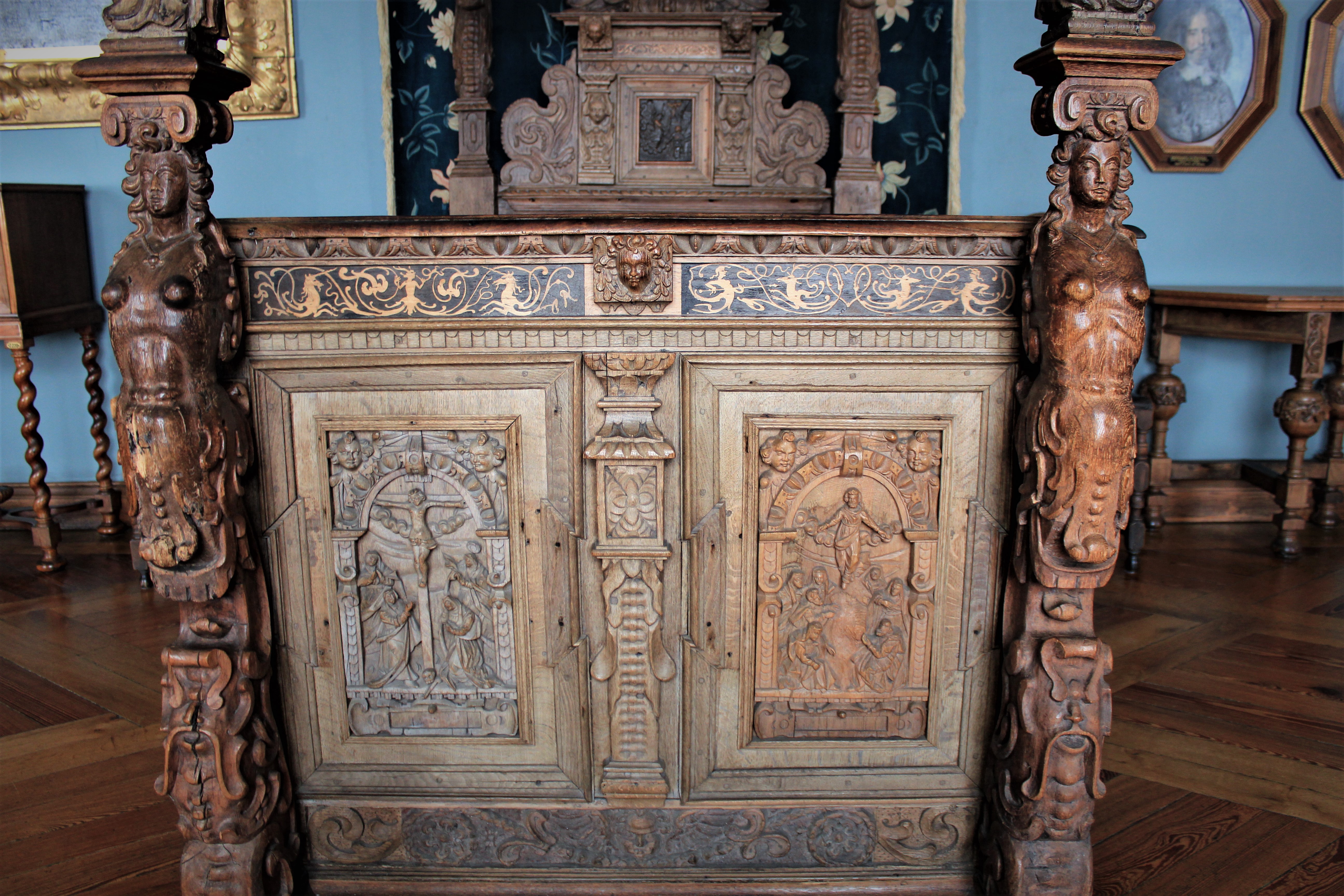
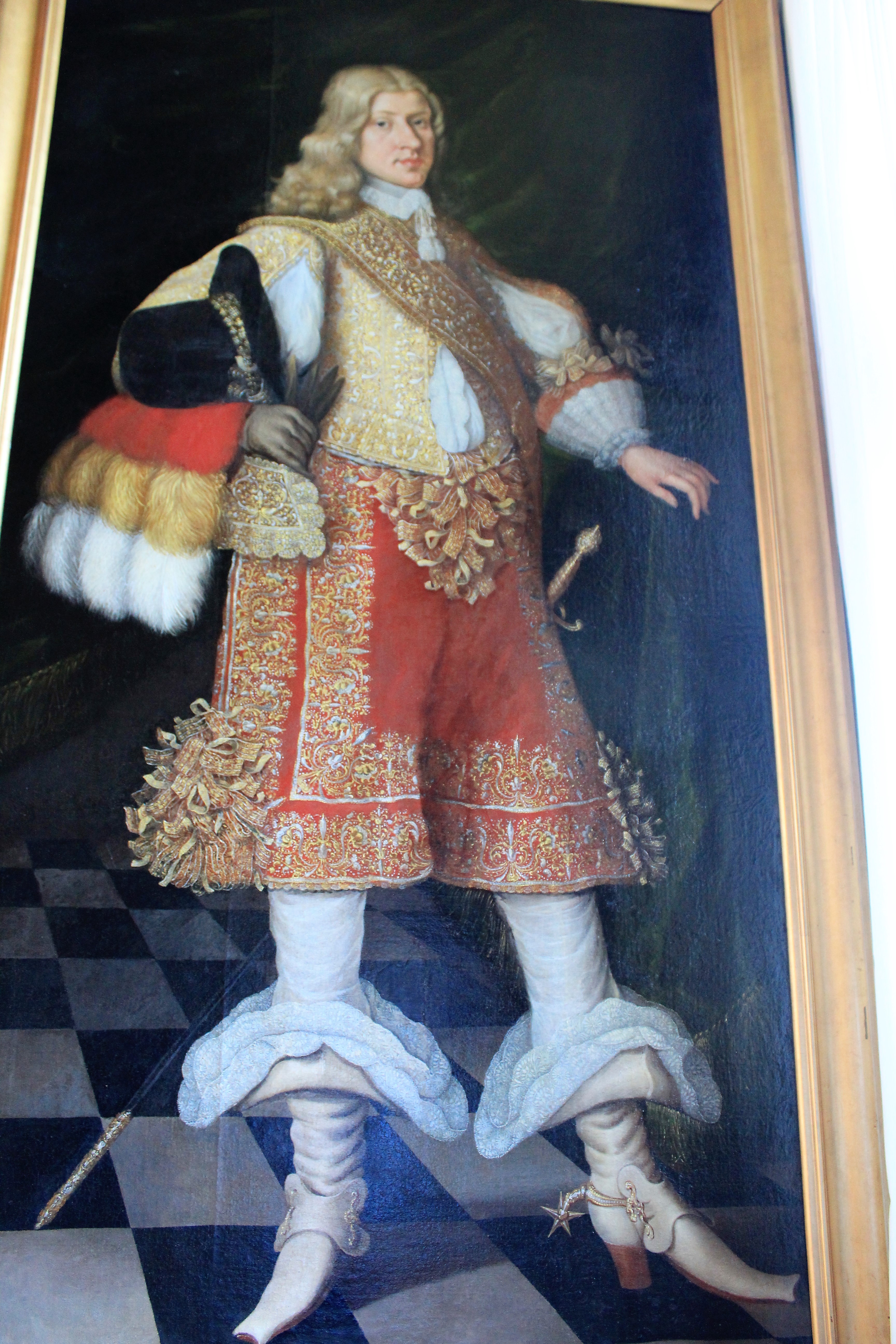
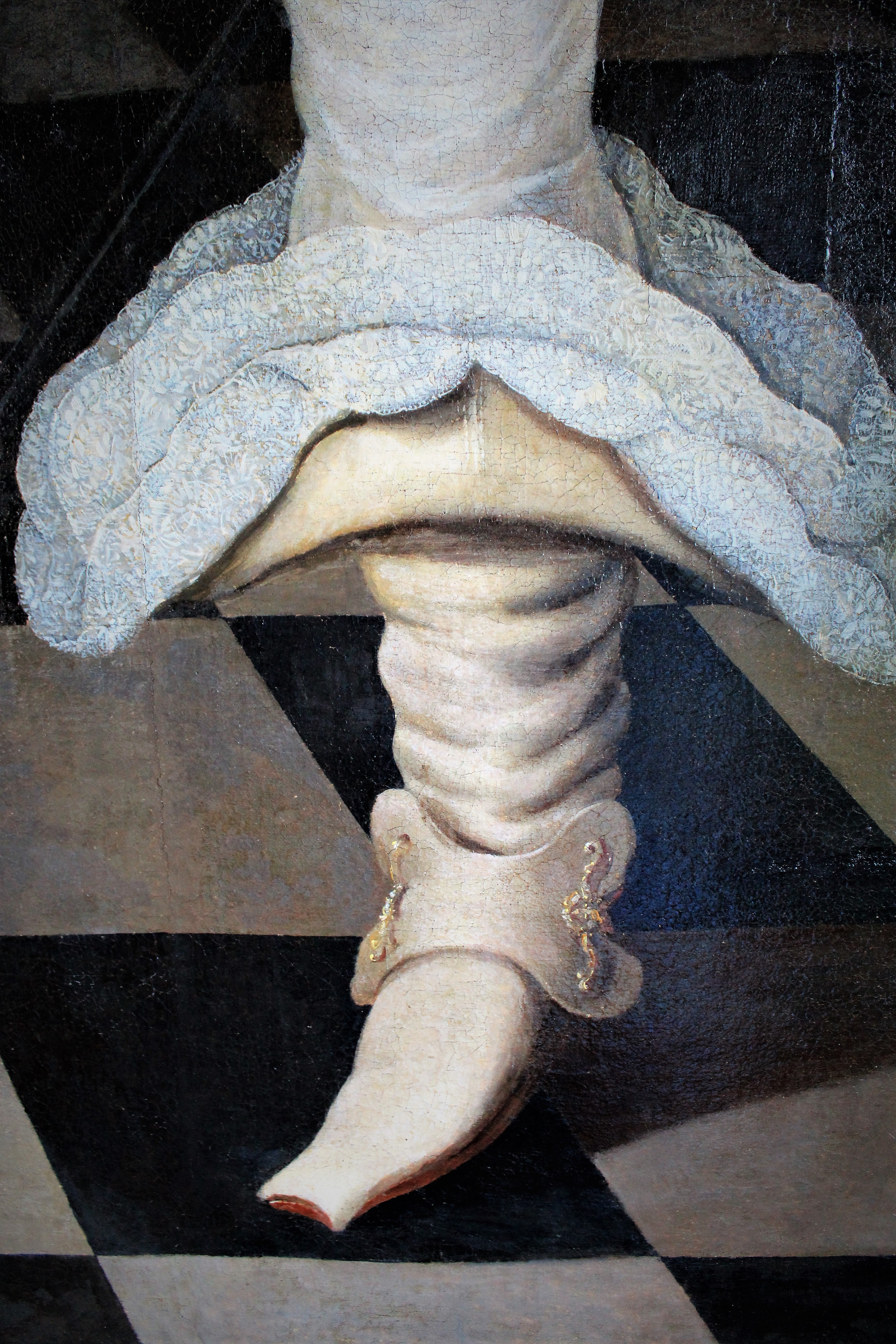
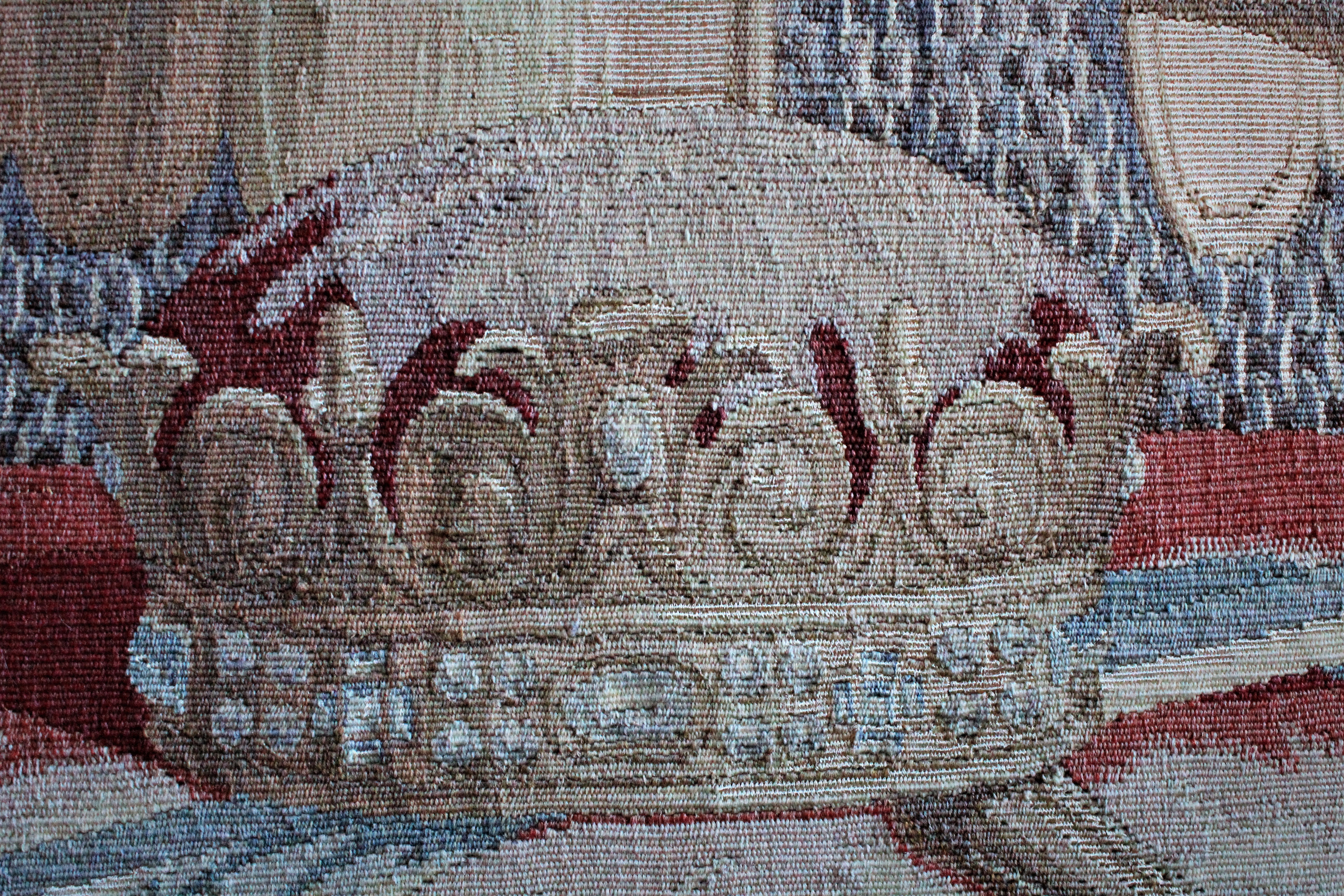
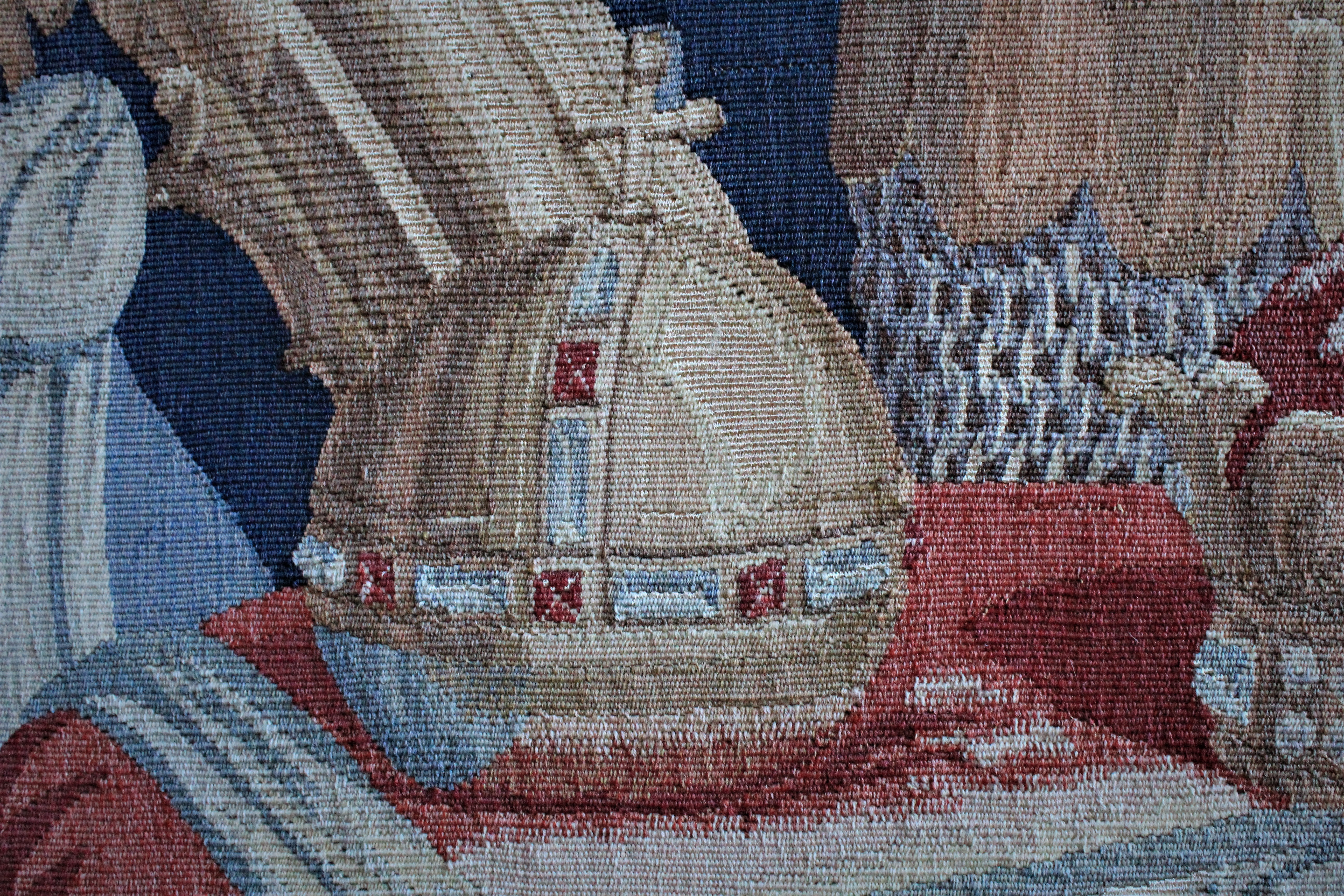
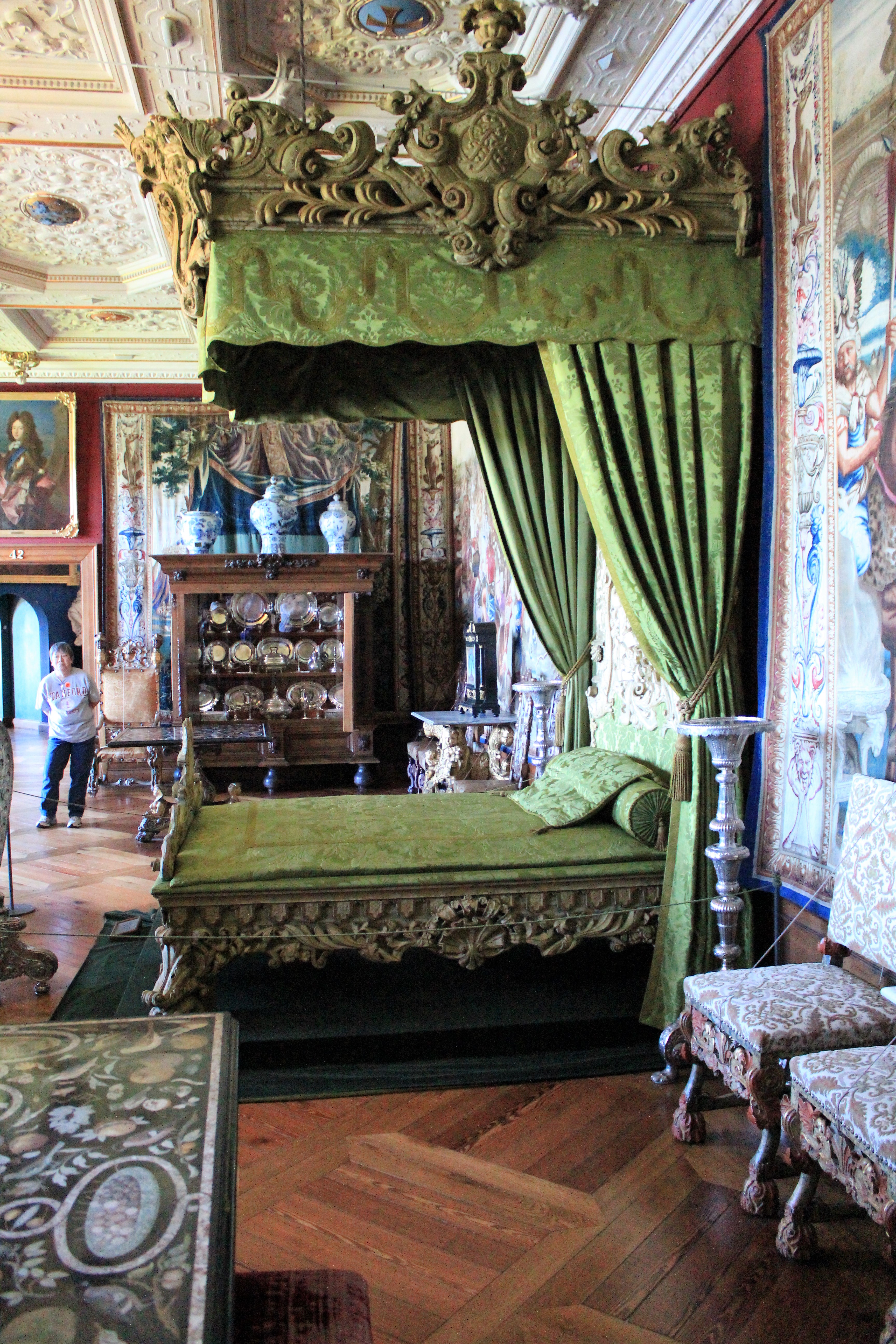
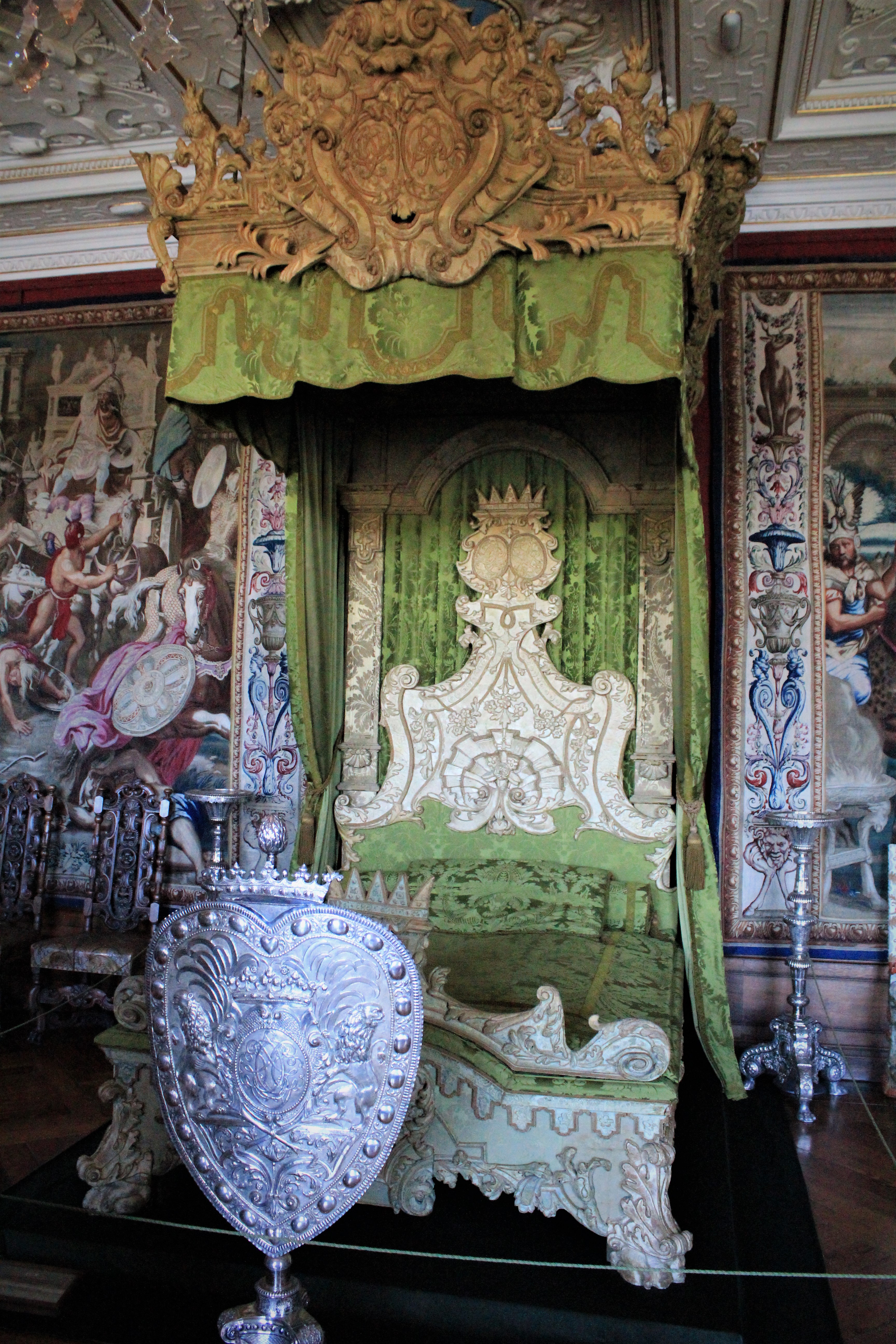
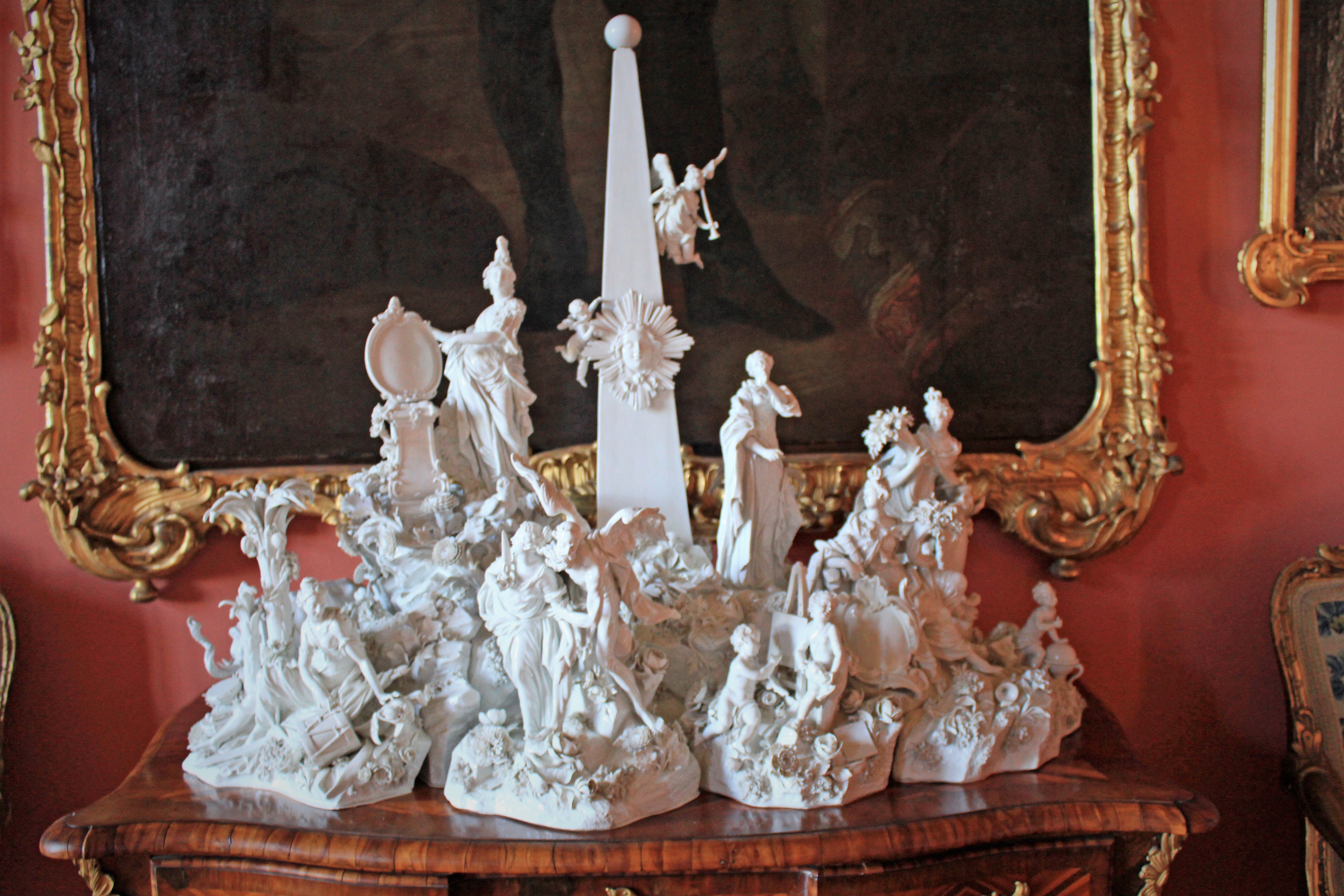
                               Loved this beautifully hand-carved wooden bed. The beds are very short because people slept sitting up.  It was considered unhealthy to lie prone. This cabinet opened up to expose a 3D hall. There are many, many drawers and secret spaces hidden in it.   Just look at the detail of the lace and leather in this painting! These huge tapestries contain hundreds of thousands, if not millions of stitches – done by hand over long periods of time.  It would take years to complete something like this.

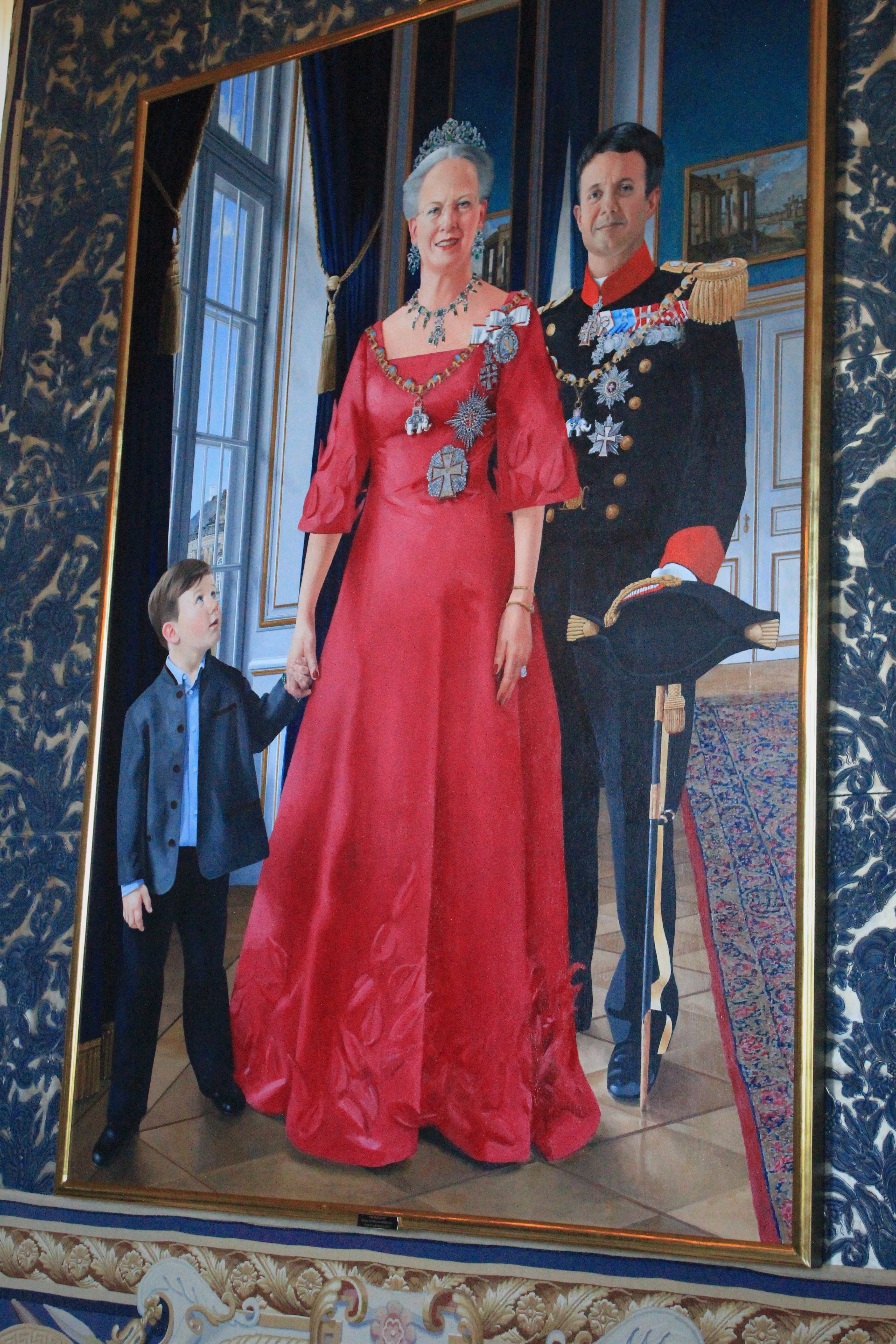
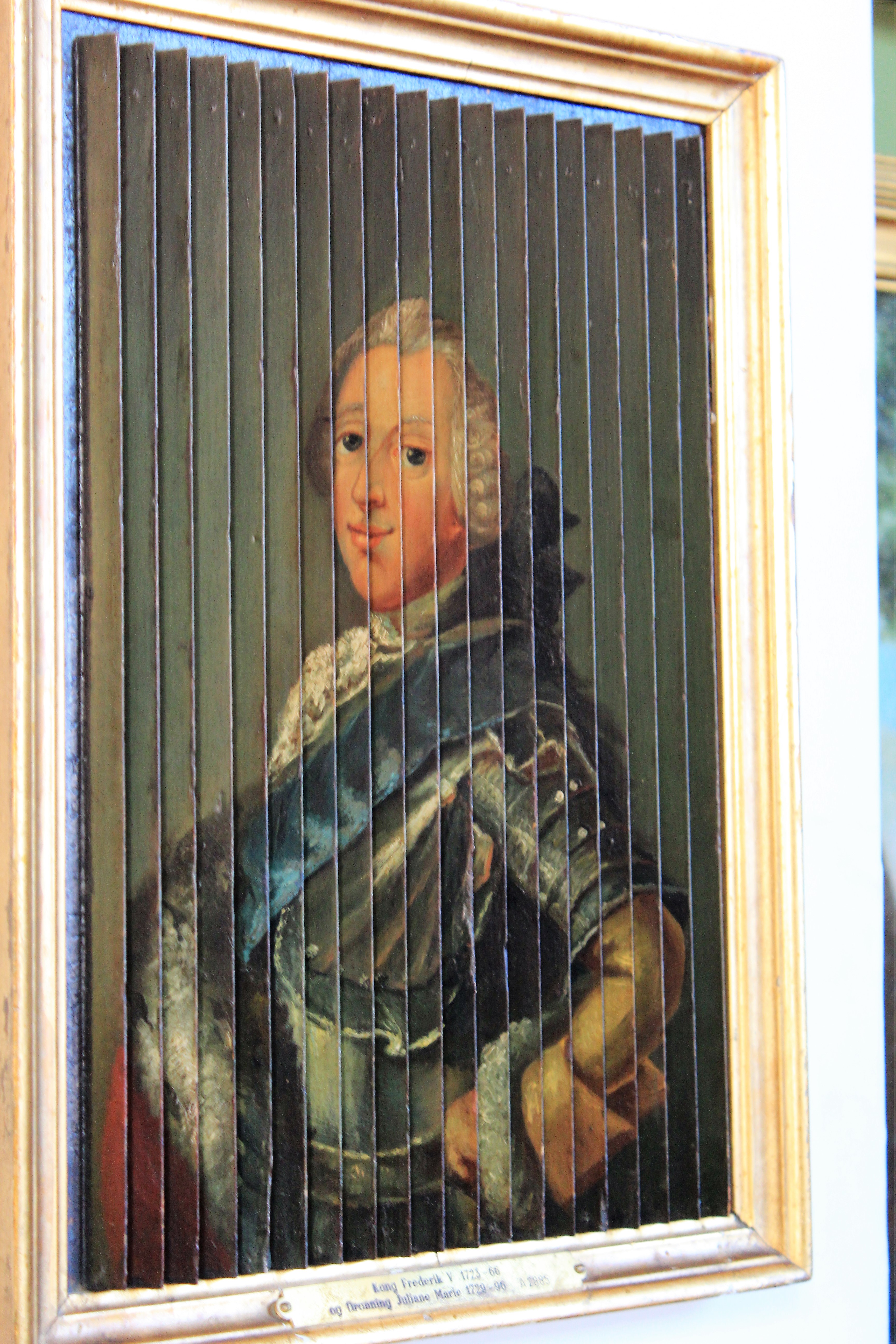
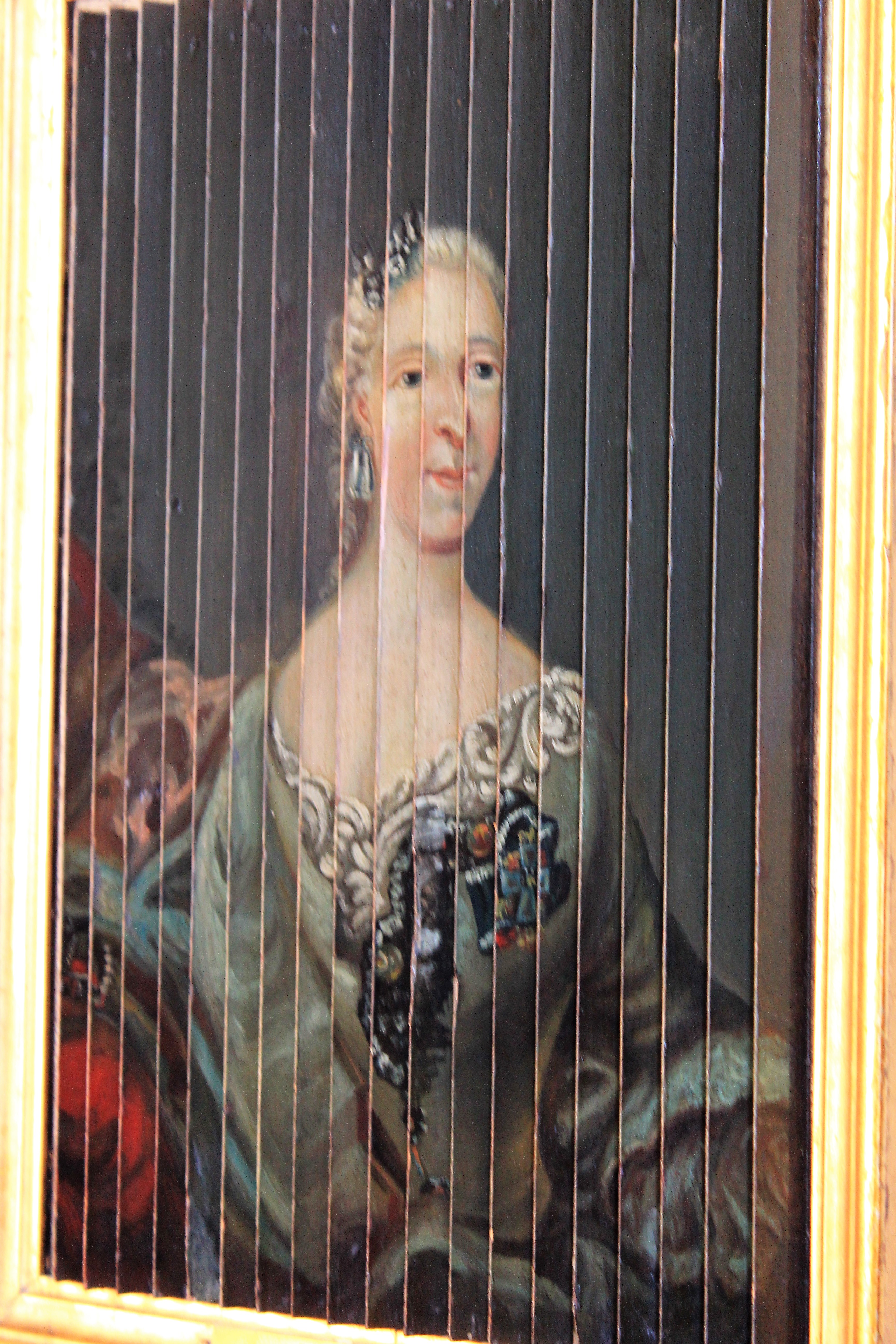
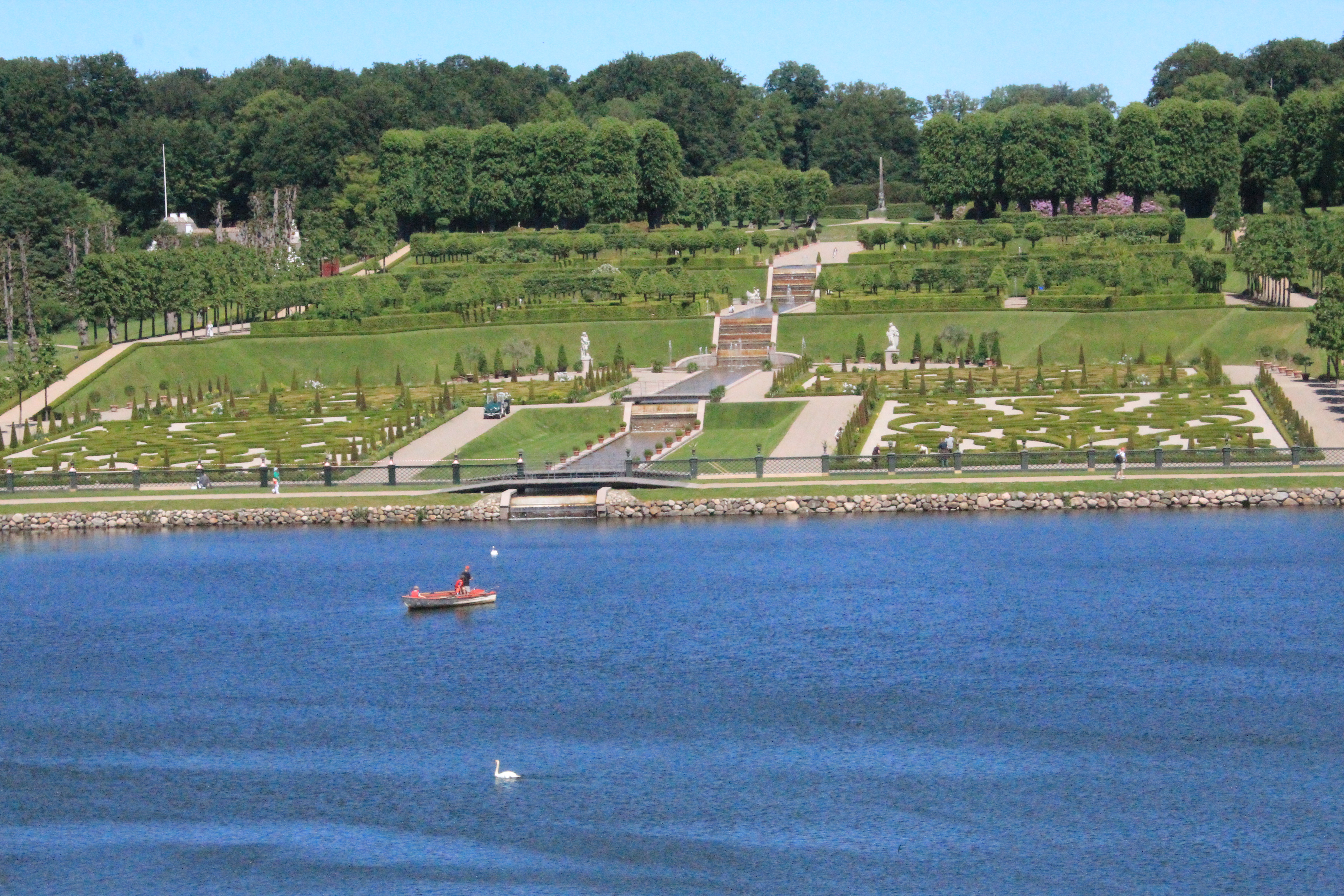
 Three generations of the current monarchy of Denmark. There were so many beautiful art pieces in every single room.  I loved the panel below.  It showed the king on one side and when the slats rotated the queen is displayed on the other side.                  Not too shabby of a garden to stroll around in.  And, once again, back on the bus and back to the ship.  Overnight the ship sailed to the port of Warnemünde, Germany; the closest port access to the capital city of Berlin.

2013 Summer (Baltic and Britain – Copenhagen, Denmark – Day 1)

This trip is the last of my pre-blogging holidays to write about.  I began my travel blog in 2014 when we drove across Canada.  We had been traveling extensively since 2009 so I have been going through notes and photos and writing a blog about all those other trips.  After this one is done, I am all caught up.

Our son was getting married in a castle in Scotland on July 22, 2013 so, obviously, we were going to the wedding.  We flew to London on May 30 in order to do some exploring before the big day.  On June 1 we went to Tilbury and boarded the Holland America ship MS Prinsendam for a 16-day Baltic cruise.
Our first port of call was Copenhagen, Denmark where we spent June 3 and 4. Denmark has a long history extending back to nomadic hunters that traveled across Jutland.  By the 7th-century a tribe crossed the Kattegat (the strait that separates Denmark from Sweden) and adopted Denmark as their new home.  This was the era of the Vikings and current Queen of Denmark, Margrethe II’s viking ancestry positions Denmark as the world’s oldest kingdom.  Centuries of war and clan fighting took place until King Valdemar IV united Sweden, Norway, Iceland, Greenland and the Faroe Islands from his Danish base.  Sweden launched several wars over several hundred years before breaking completely away from the Danish kingdom.  Norway remained under Danish rule until 1814.  Iceland gained independence in 1948 and Greenland and the Faroe Islands are still autonomous Danish provinces.
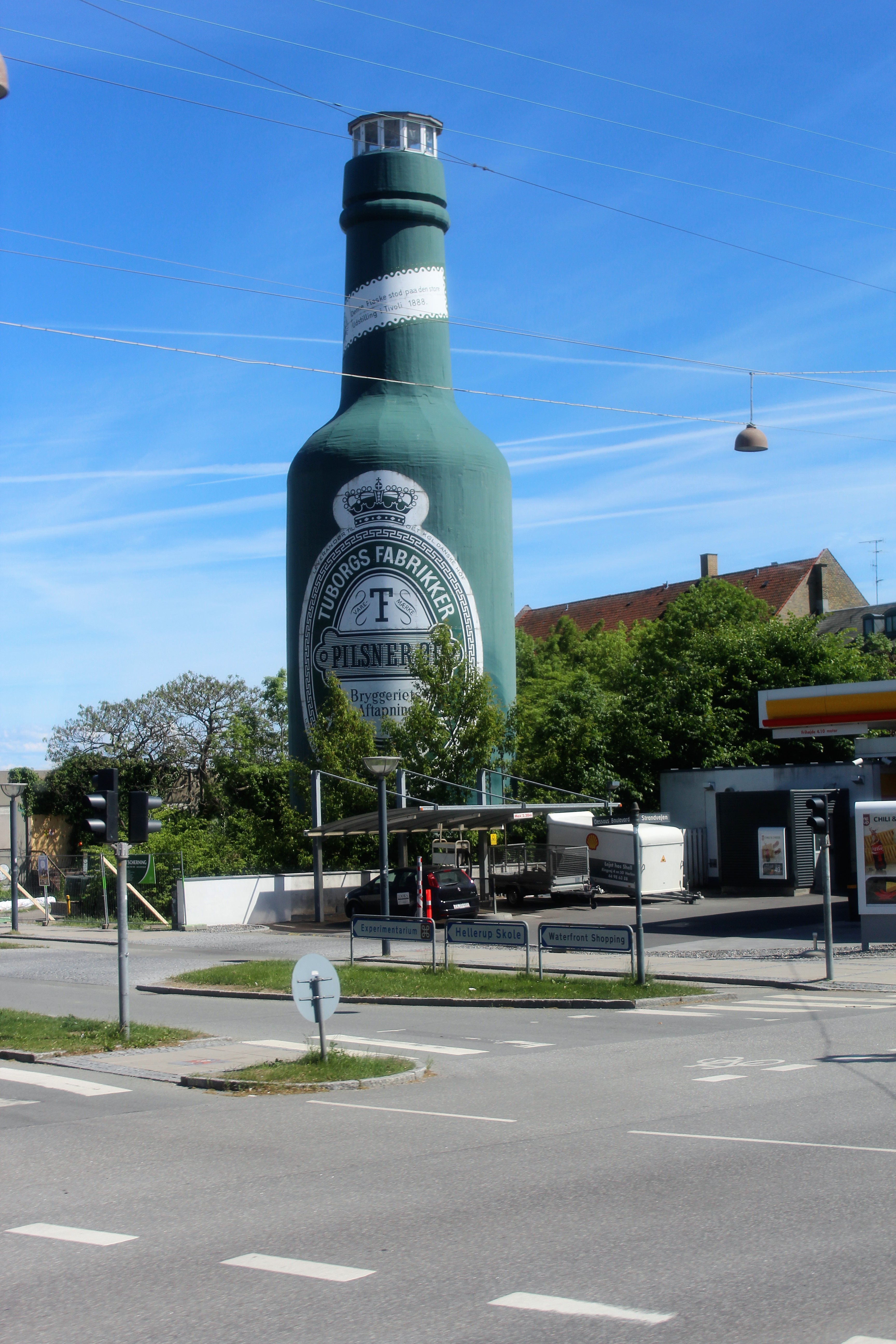
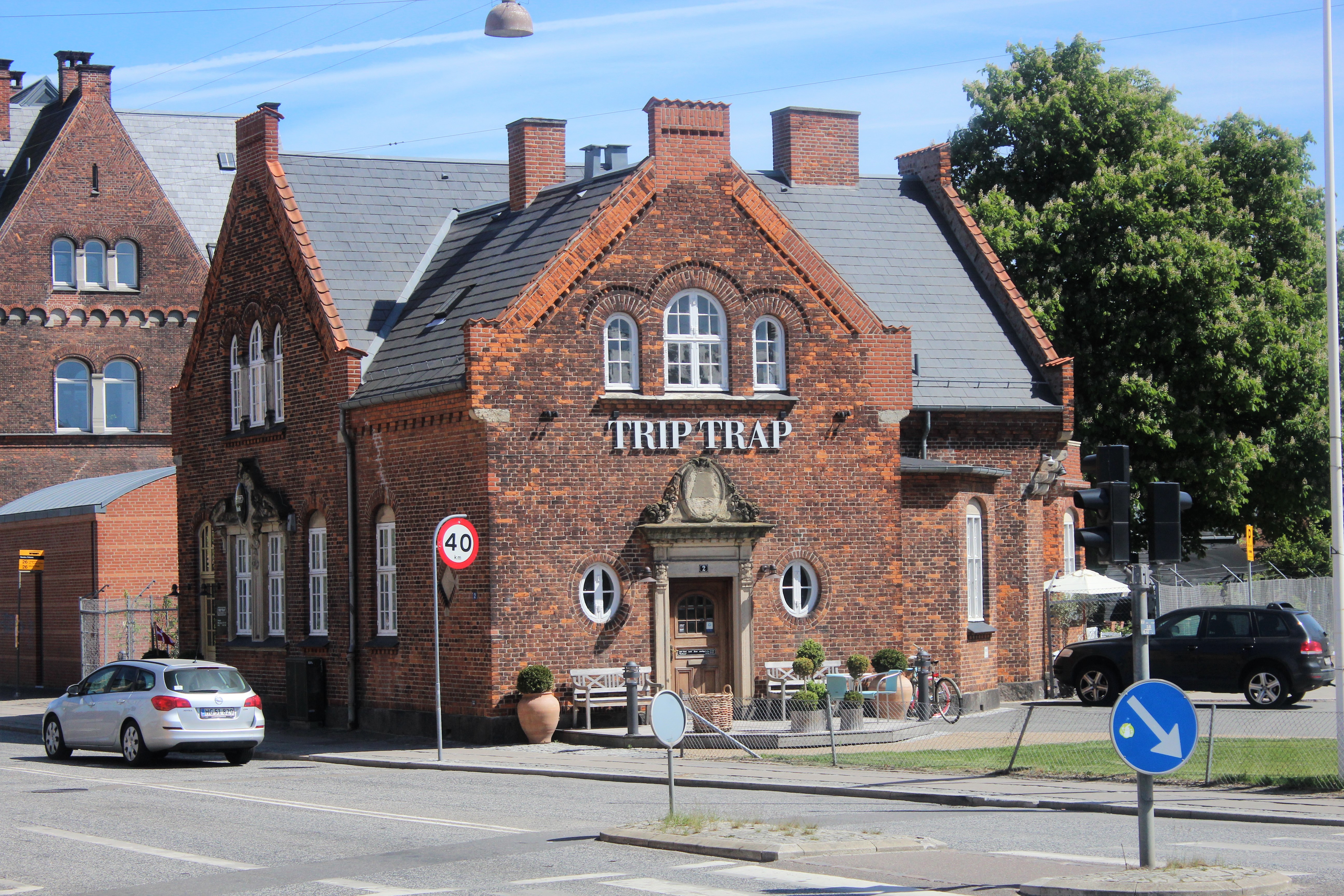
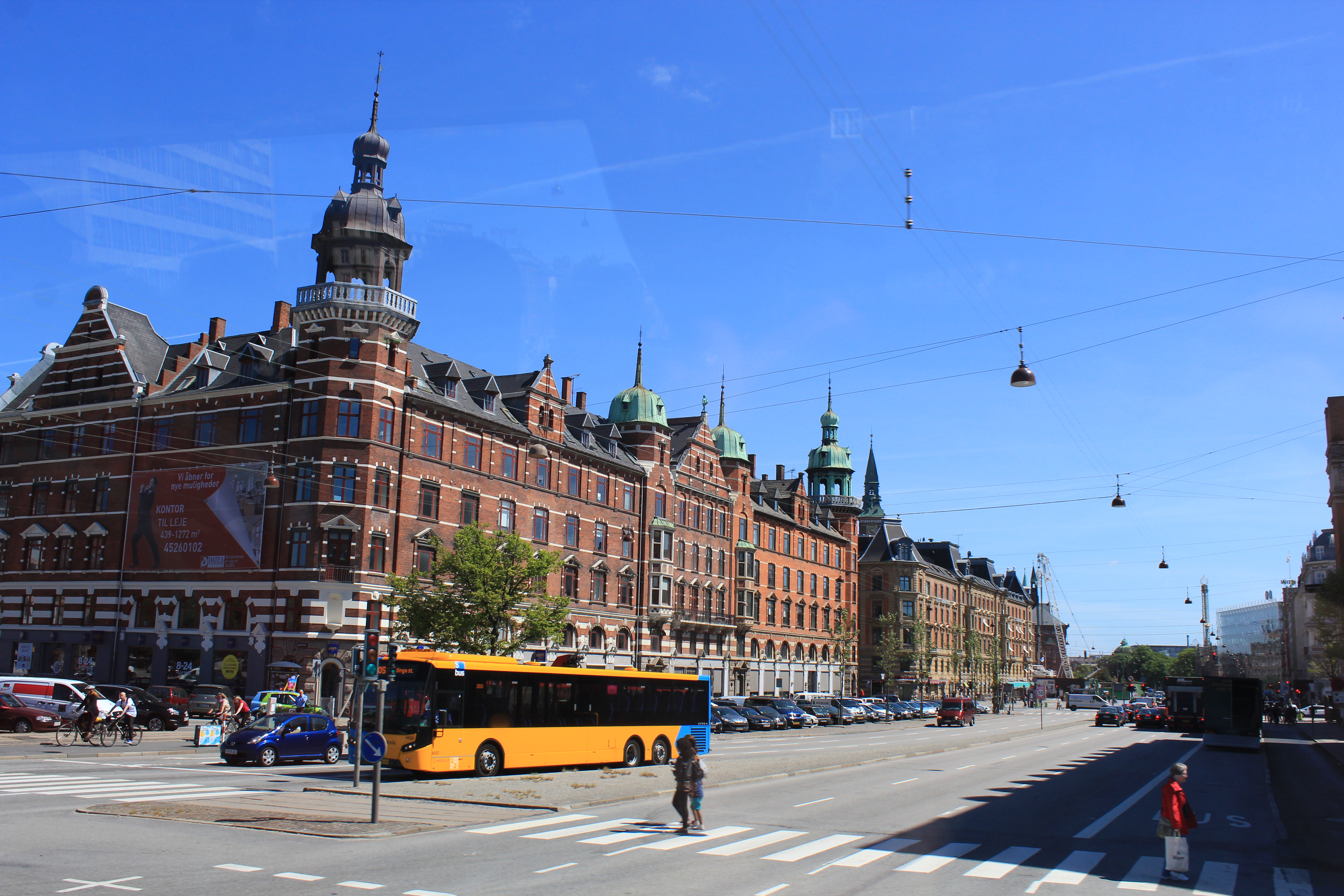
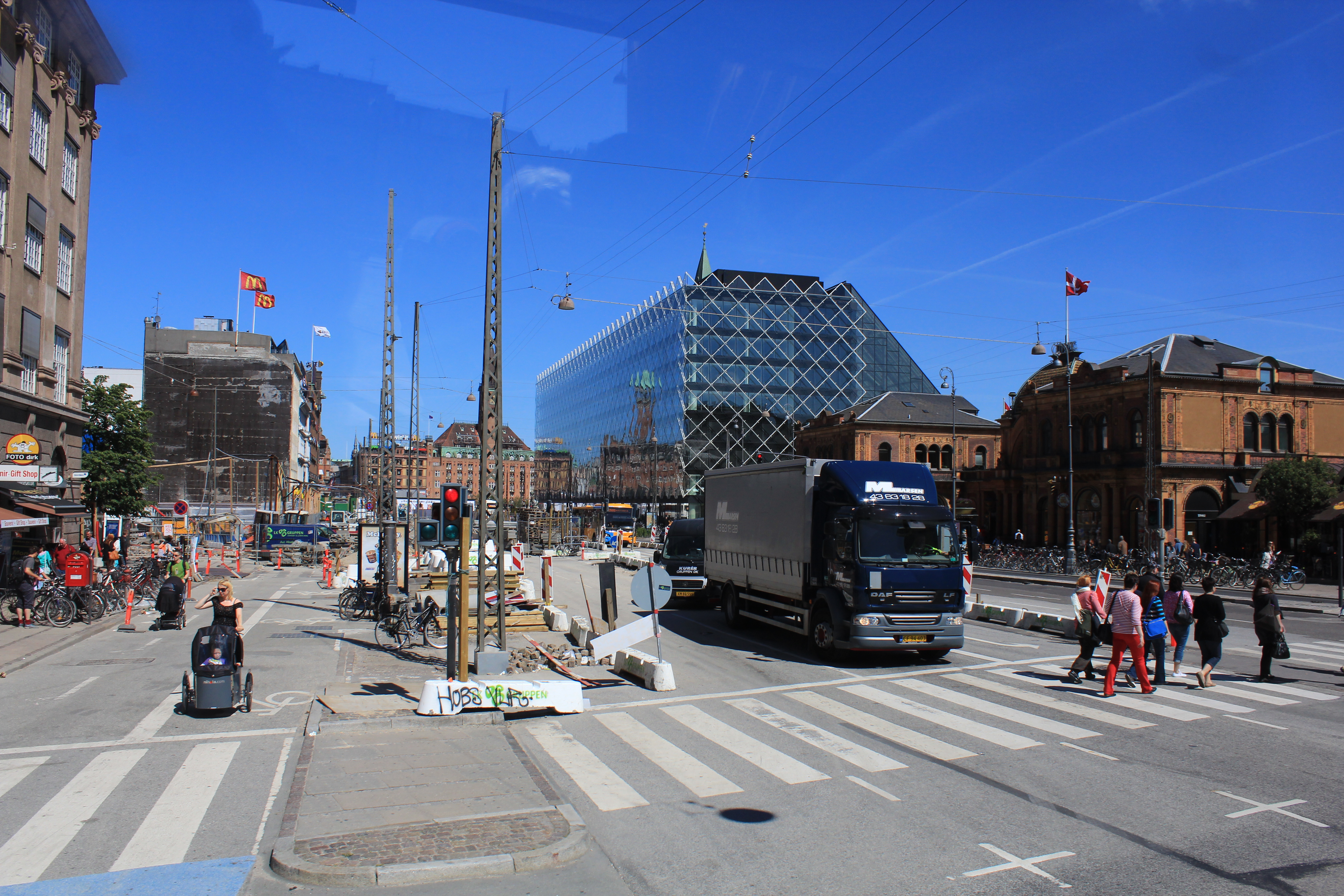
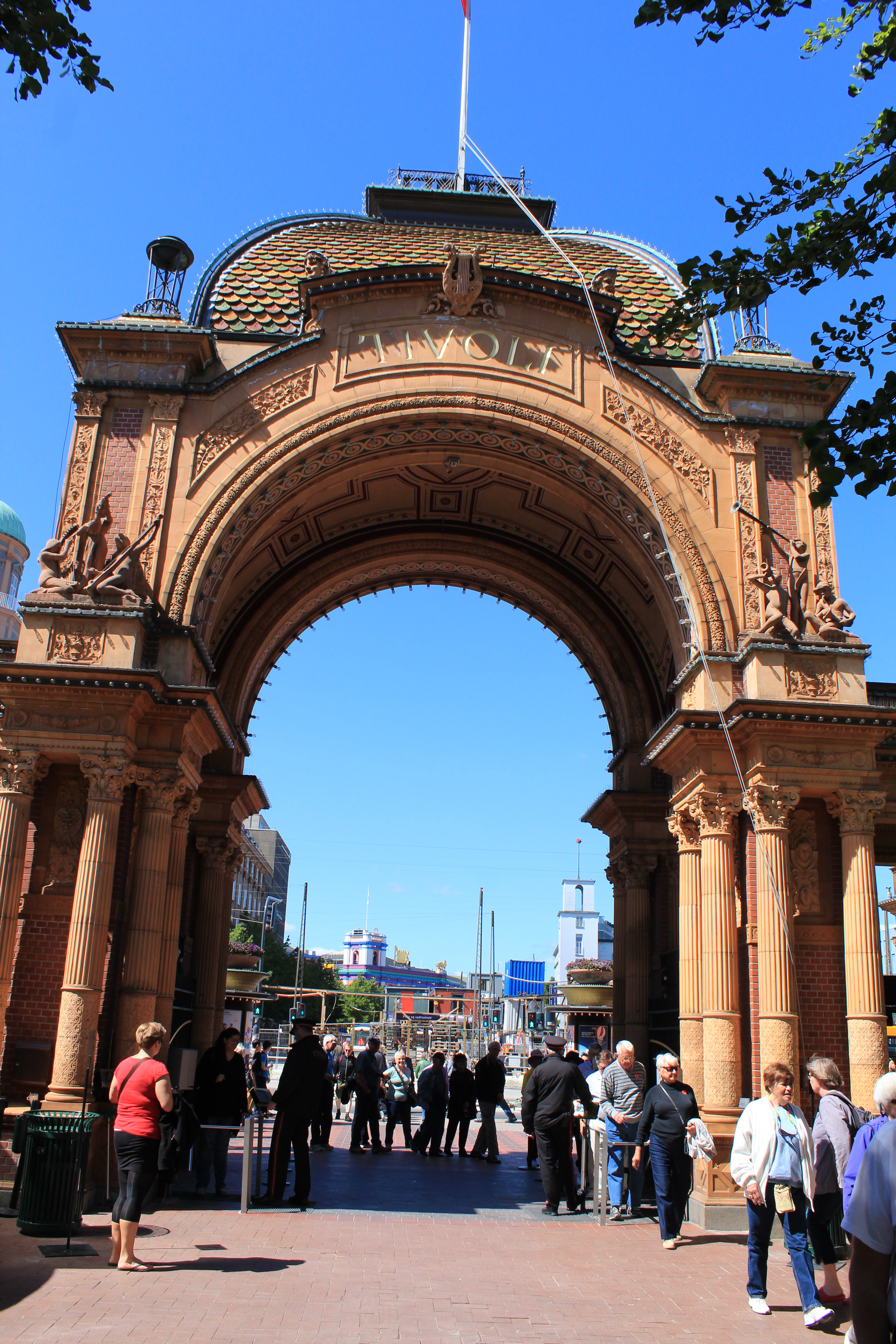
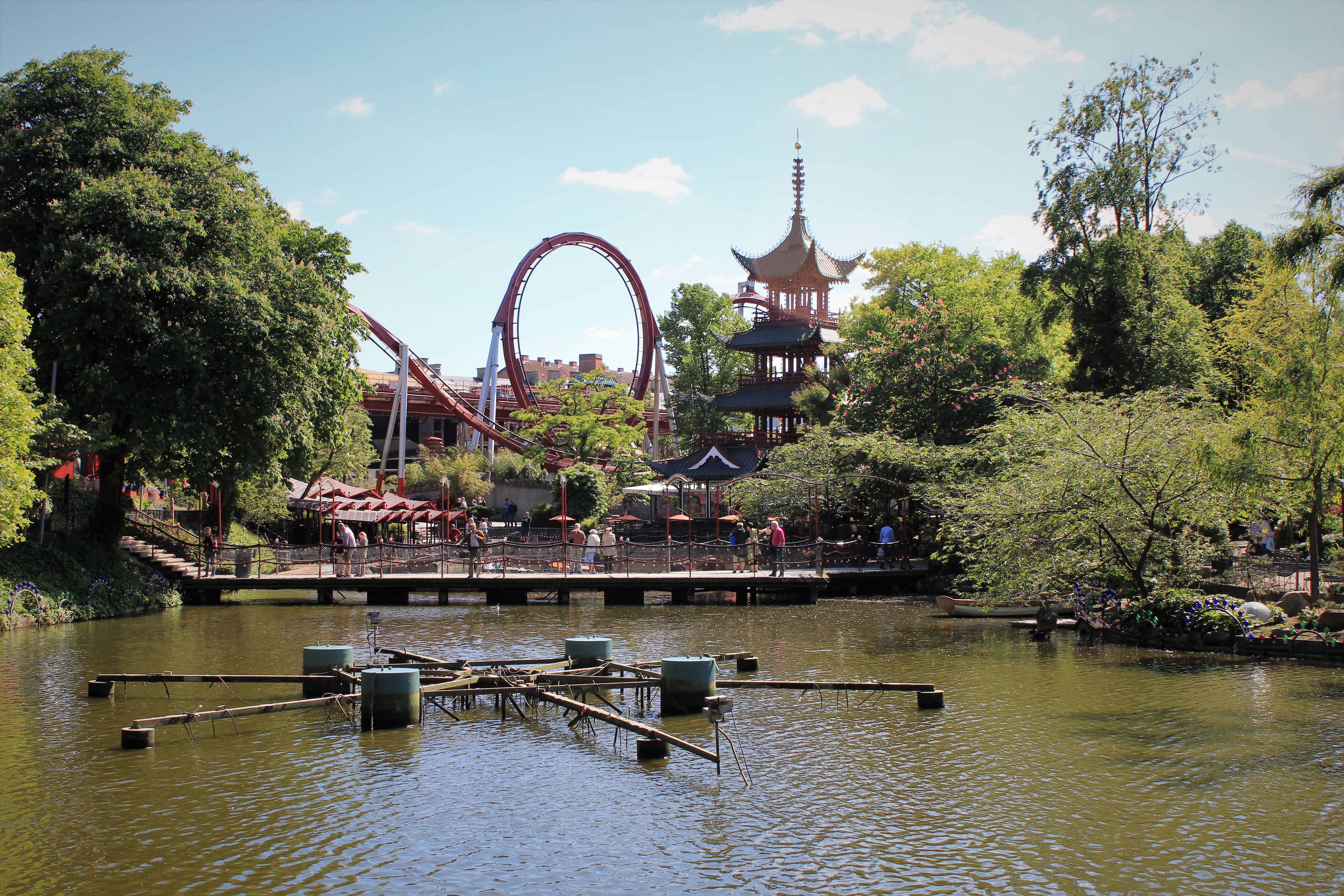
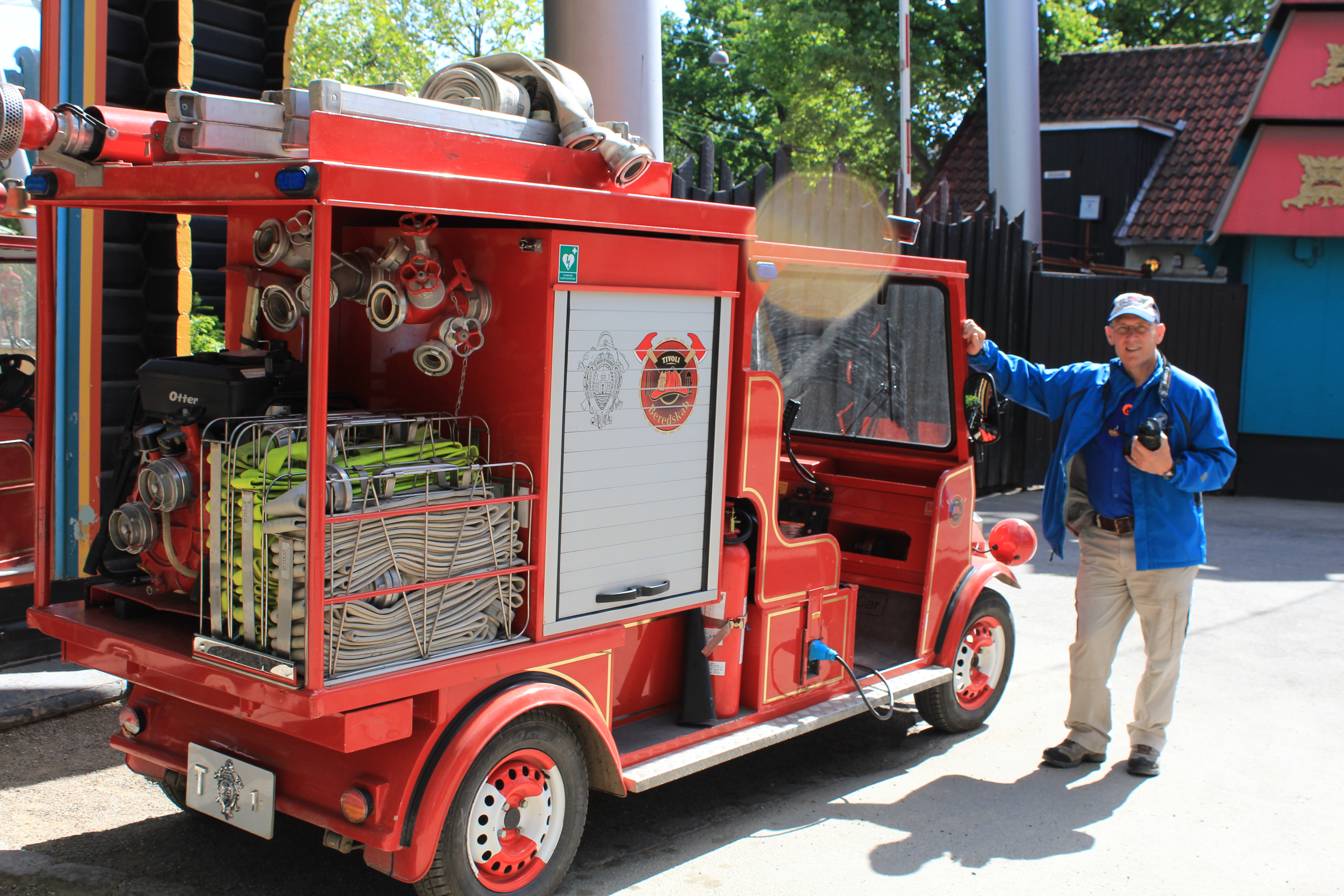
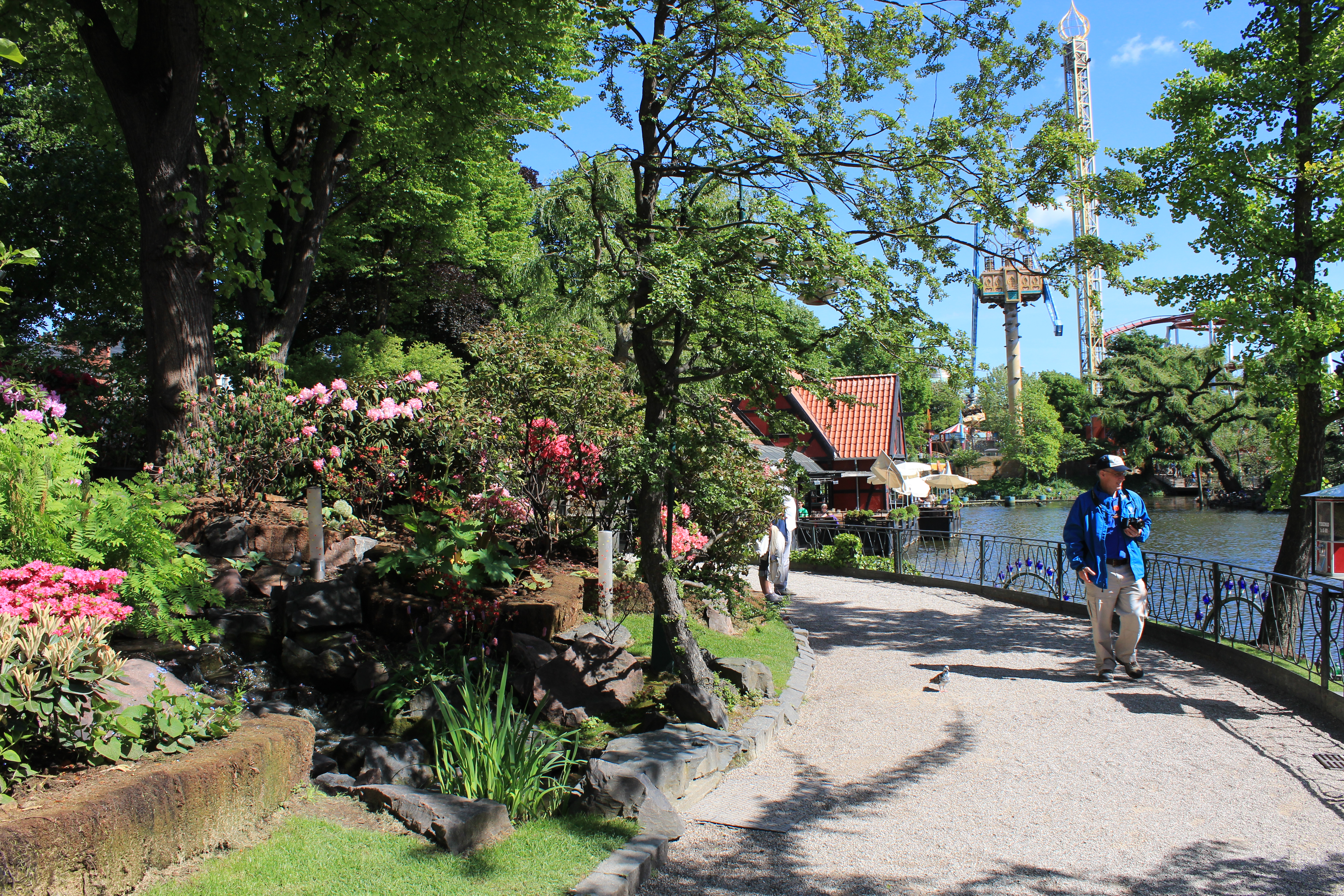
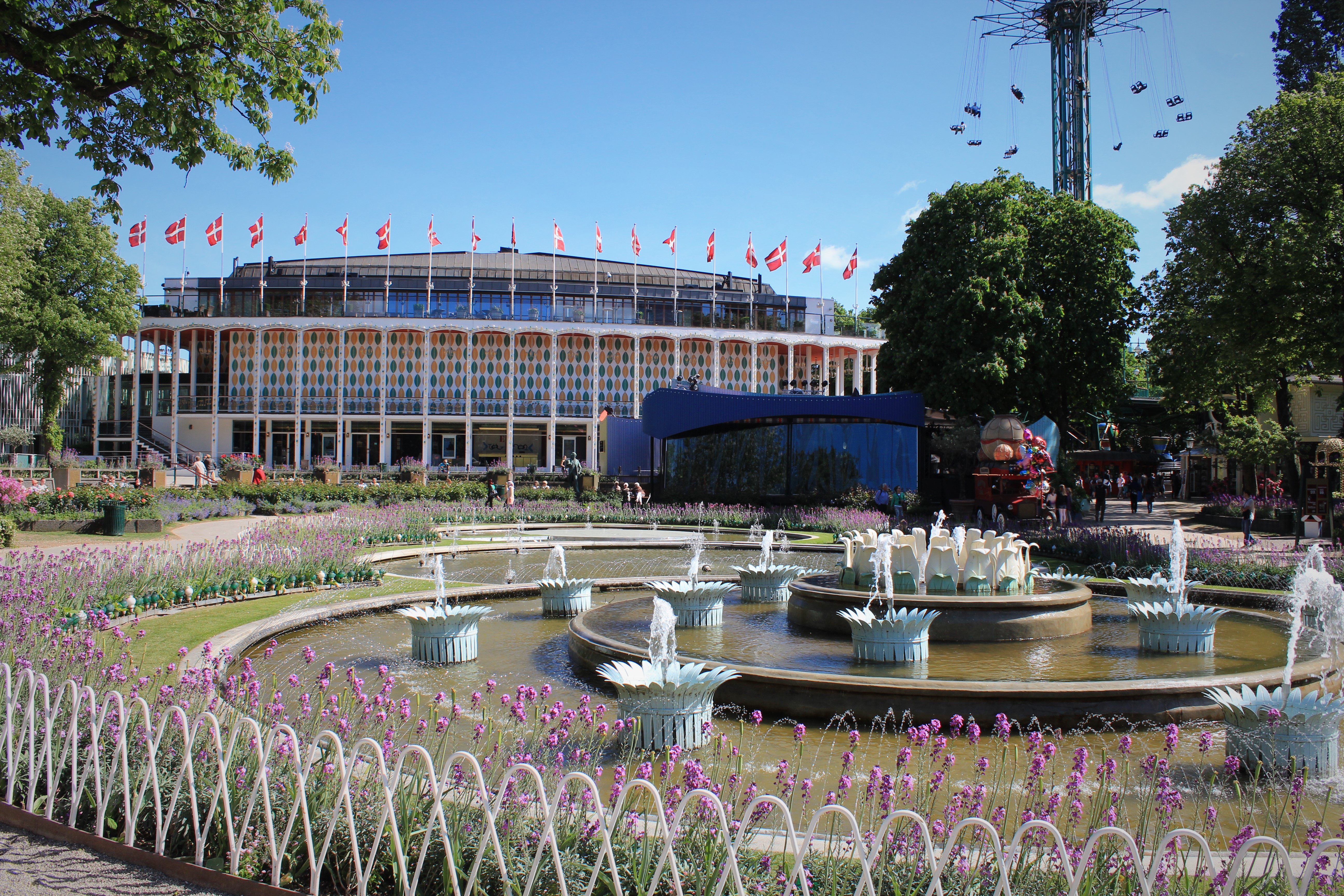
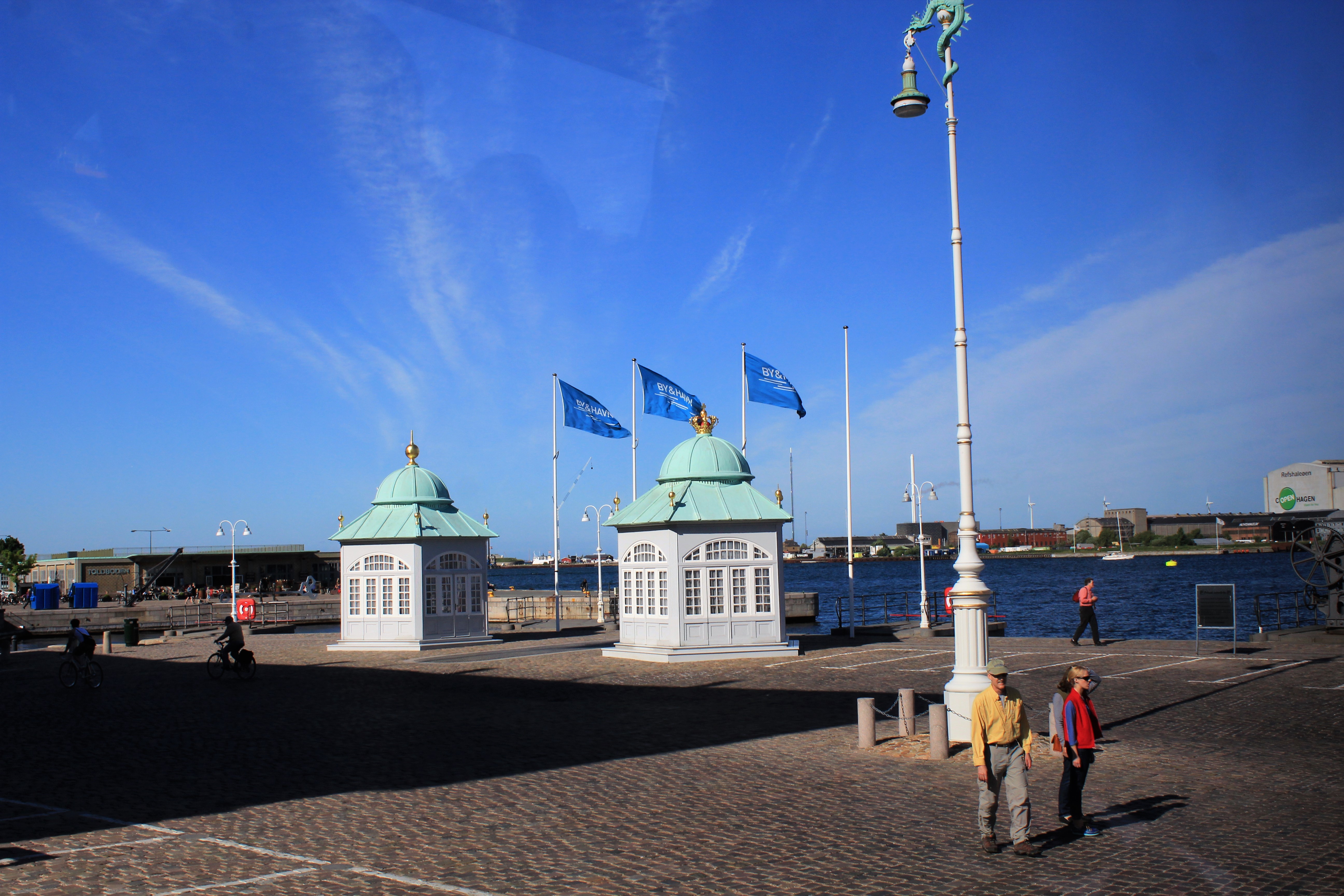
We sailed into the terminal at Copenhagen on a lovely early summer day. Our first tour took us on a drive around the city before we arrived at Tivoli Gardens; a 160-year old amusement park that Walt Disney visited as he was planning Disneyland.

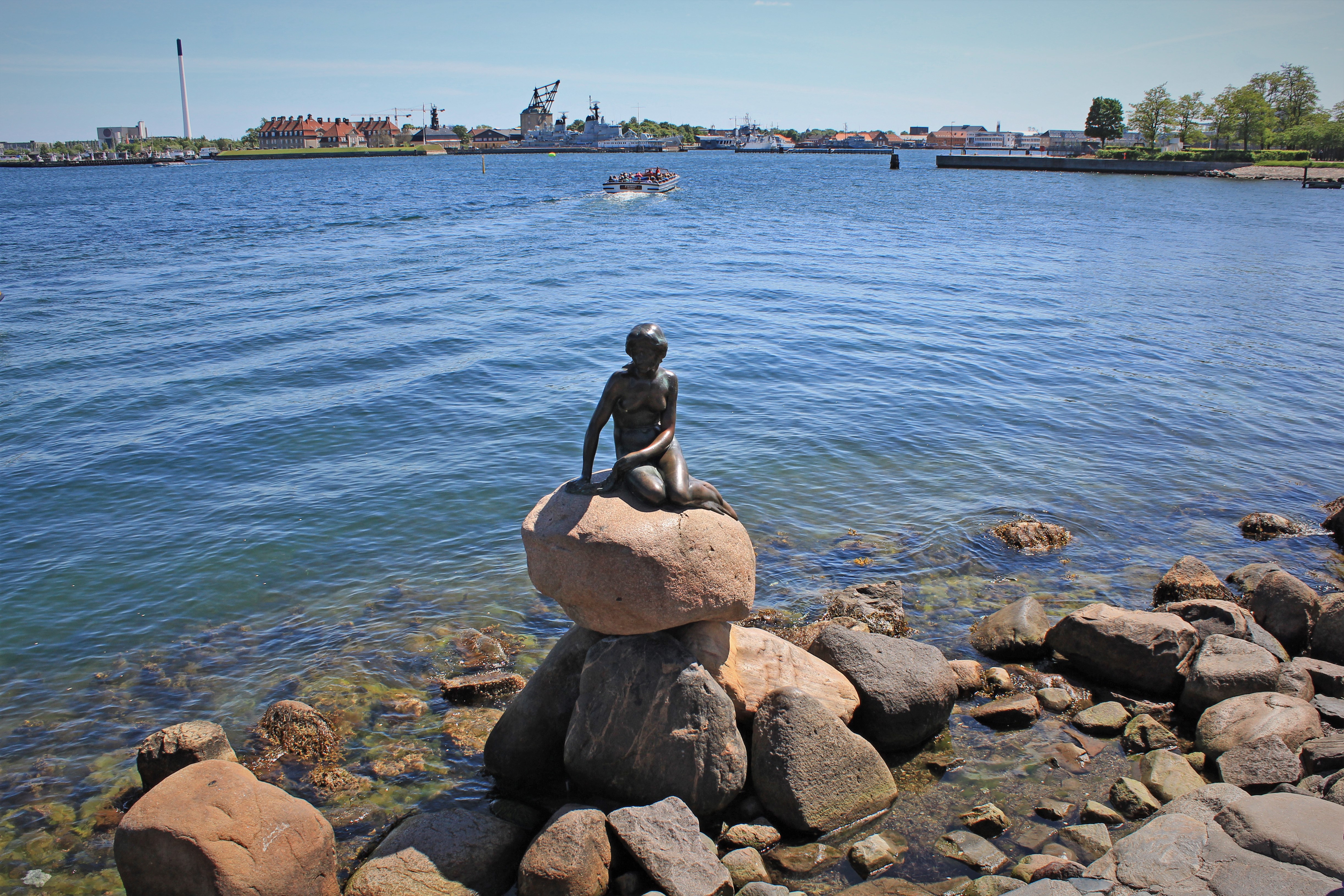
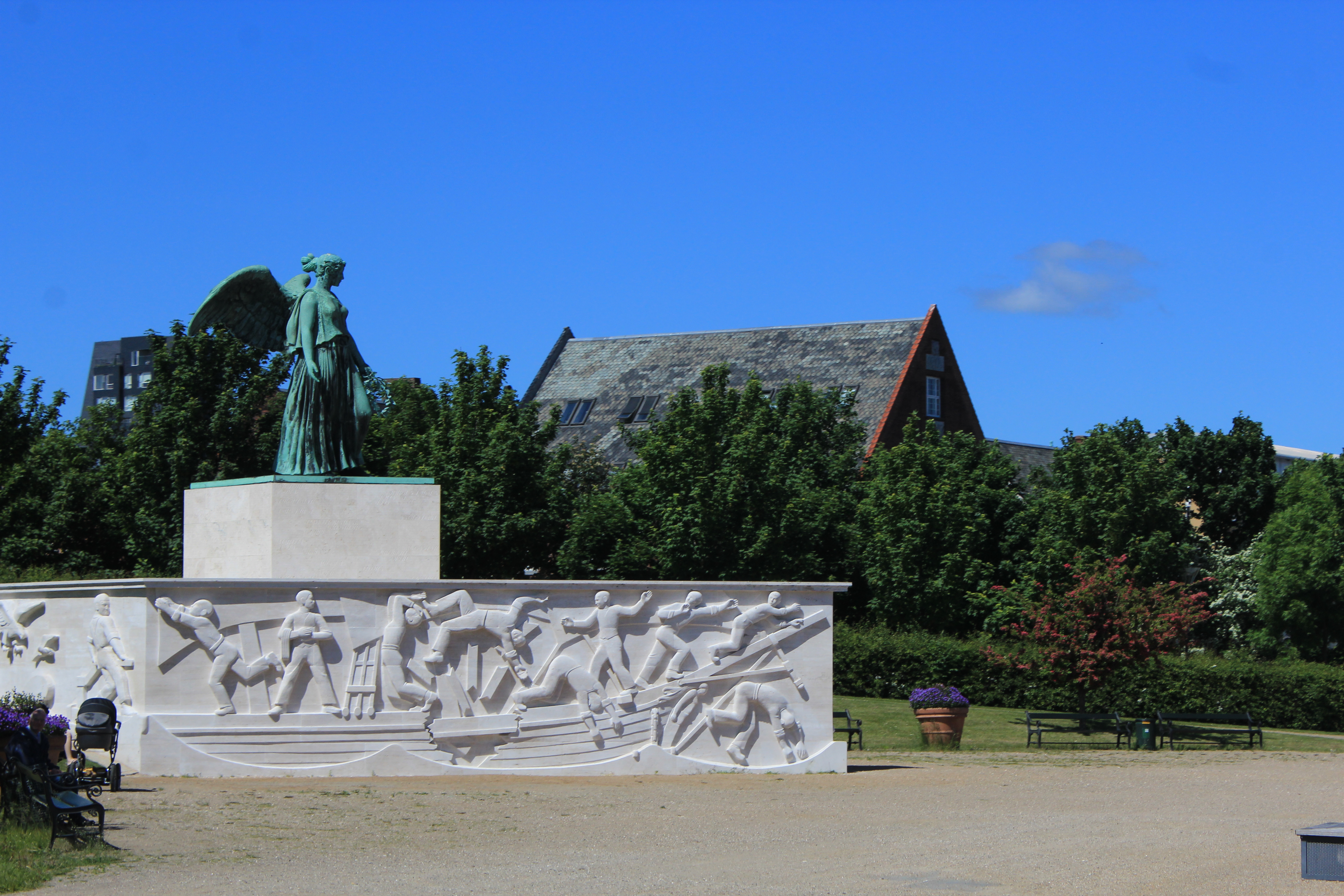
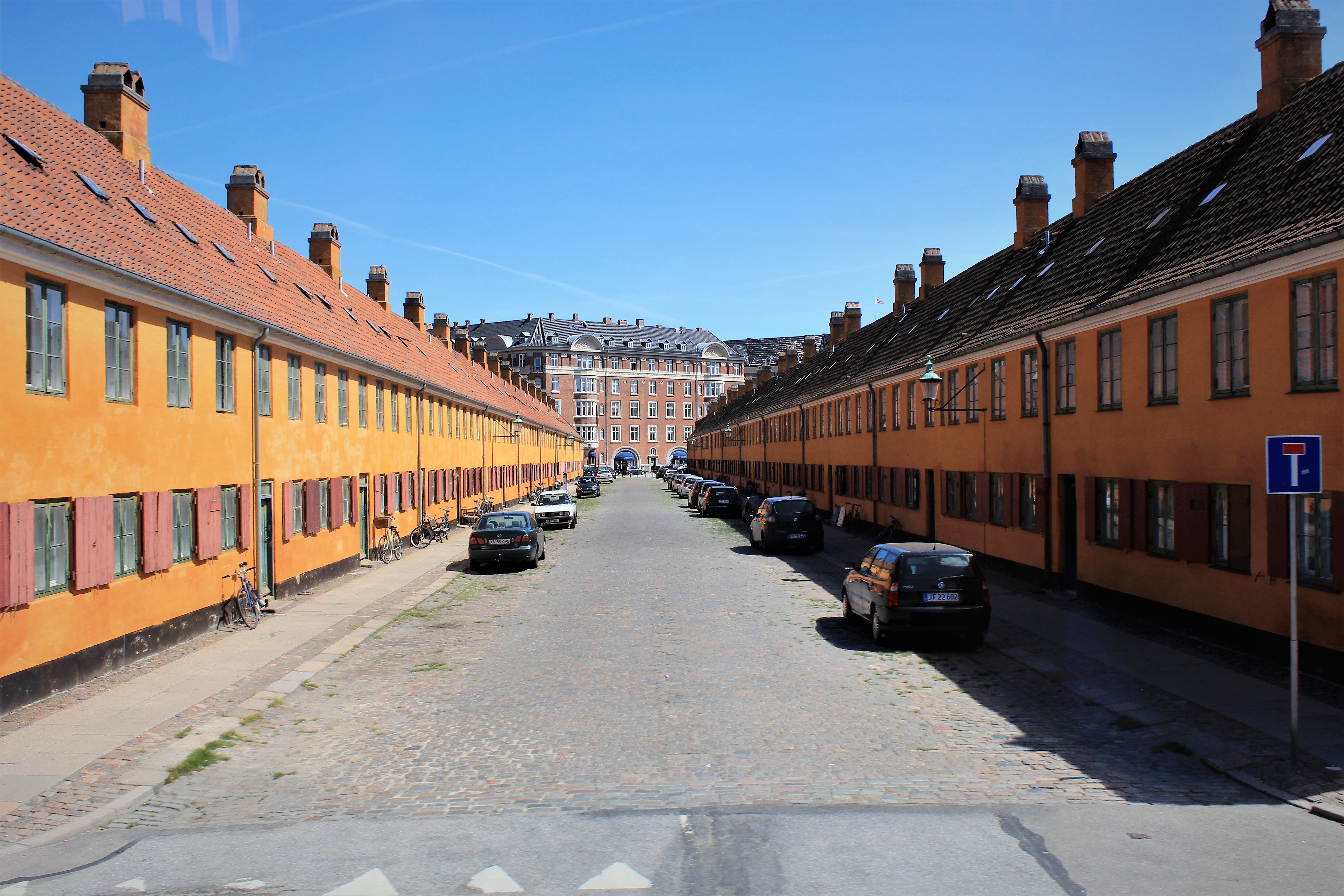
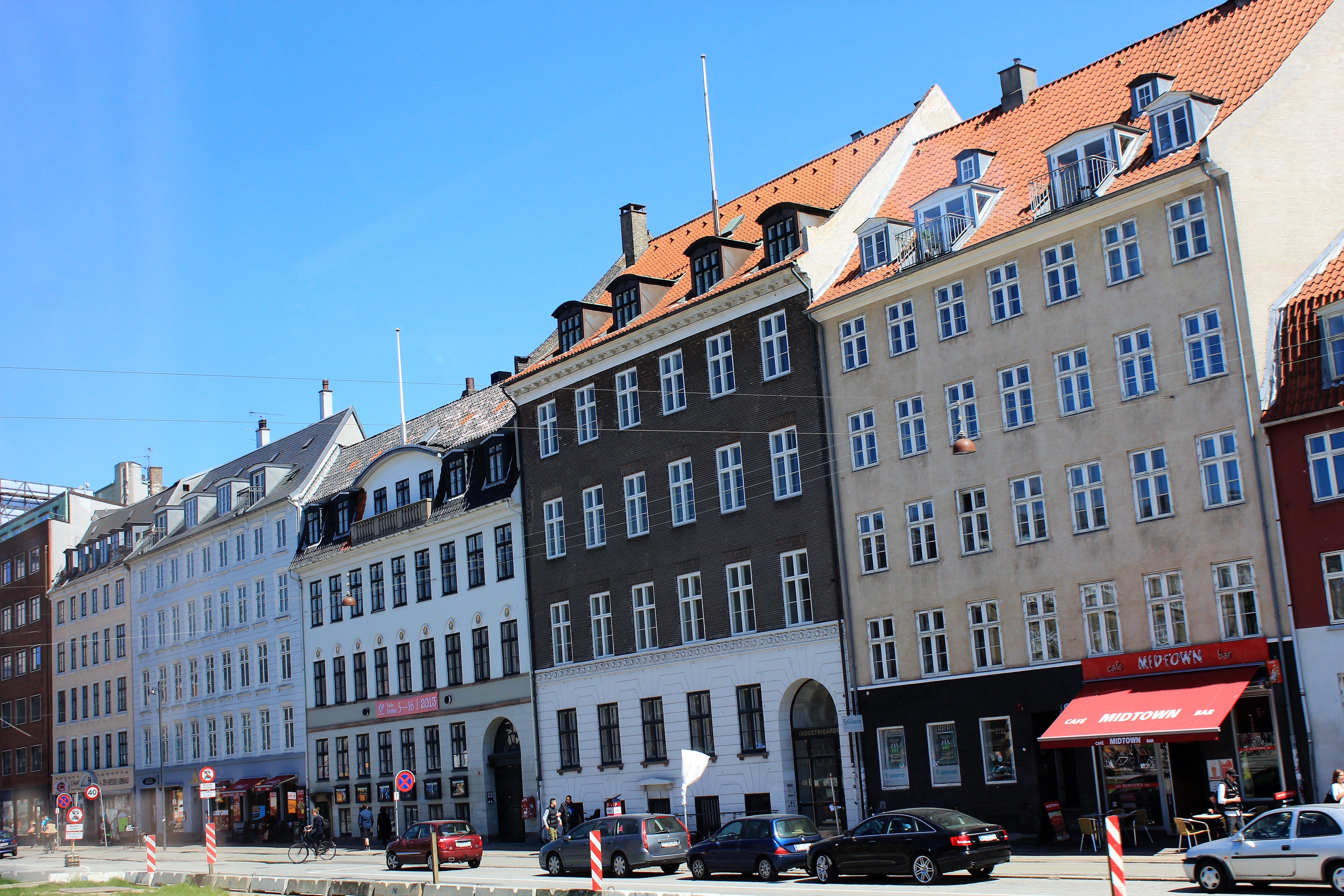
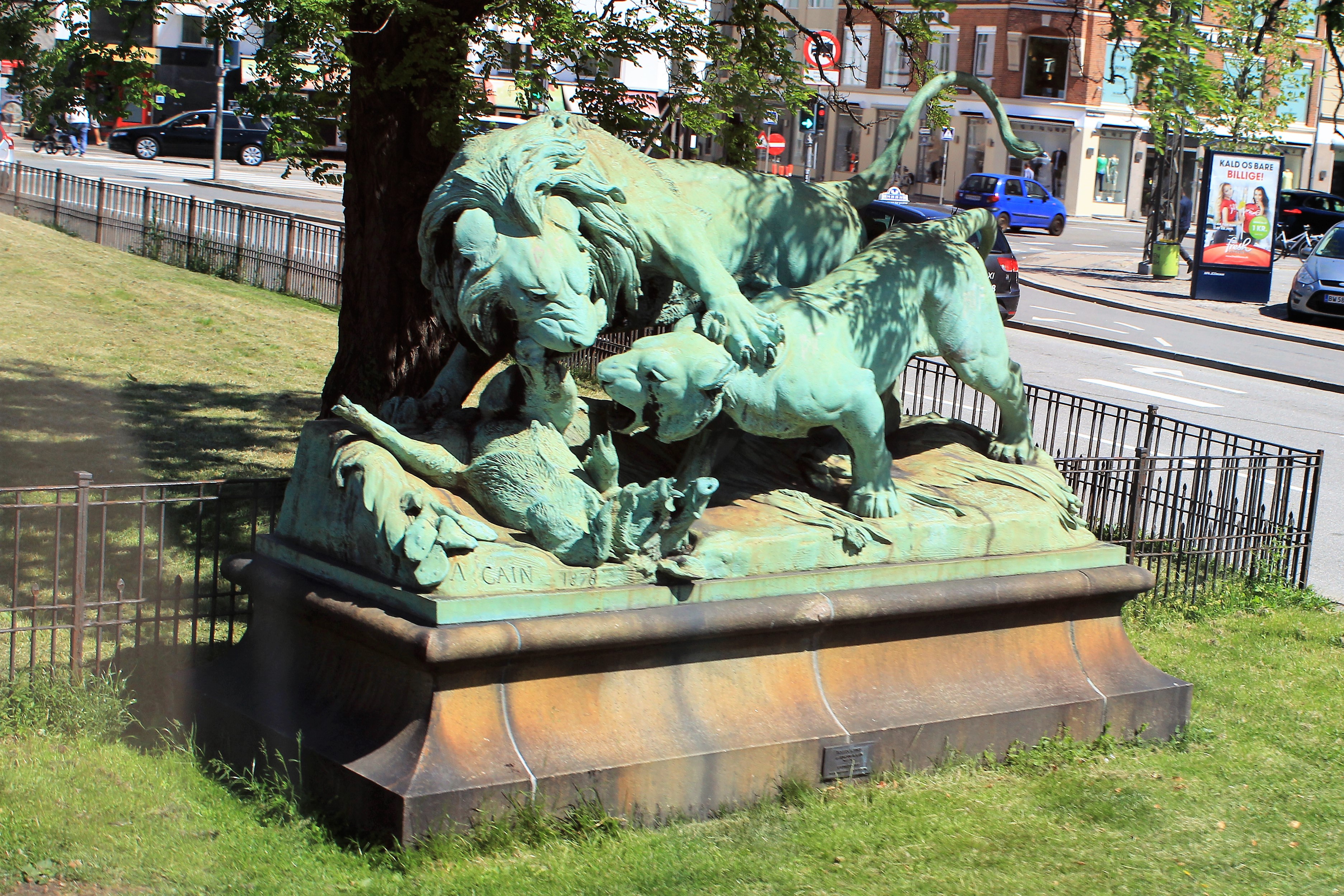
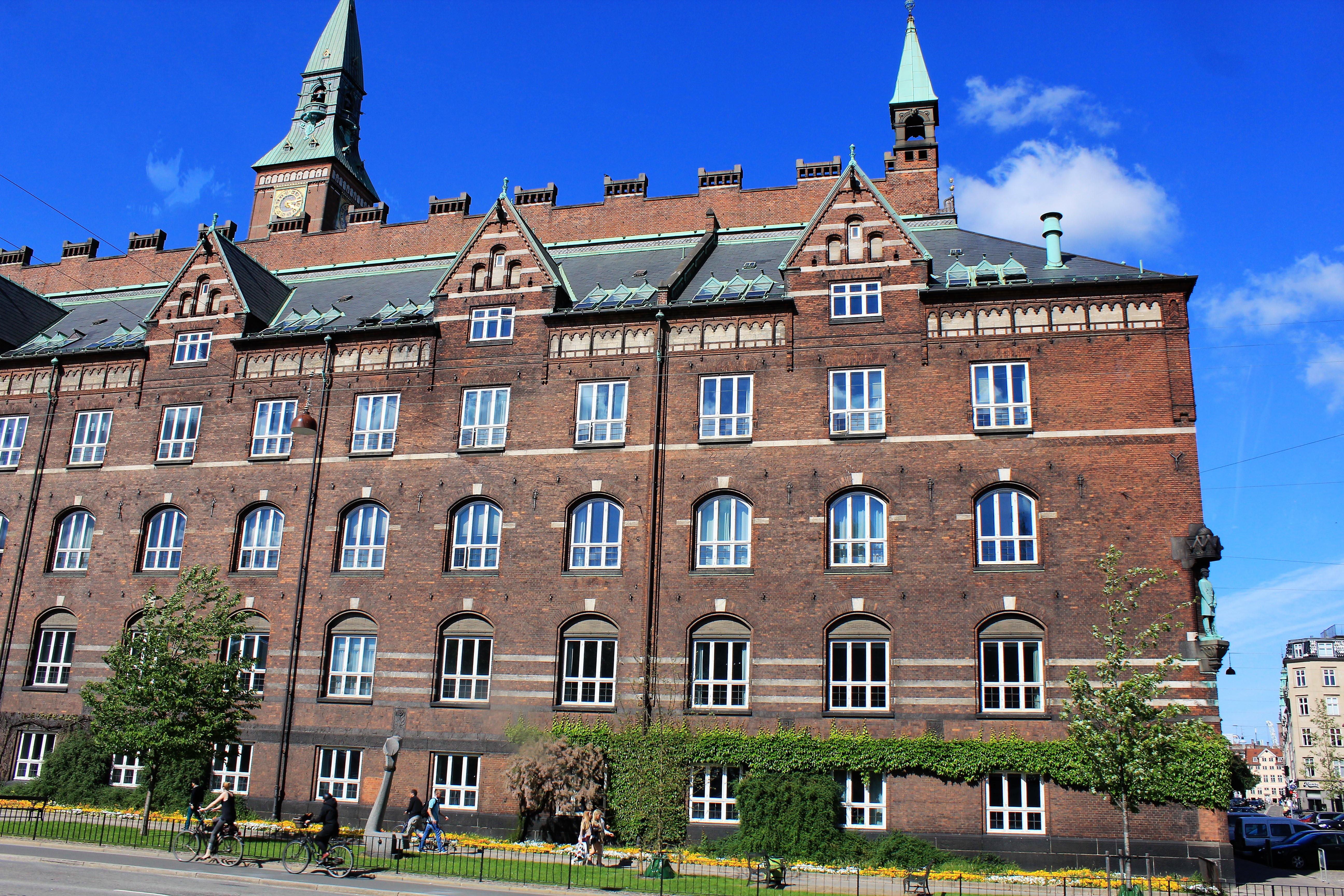
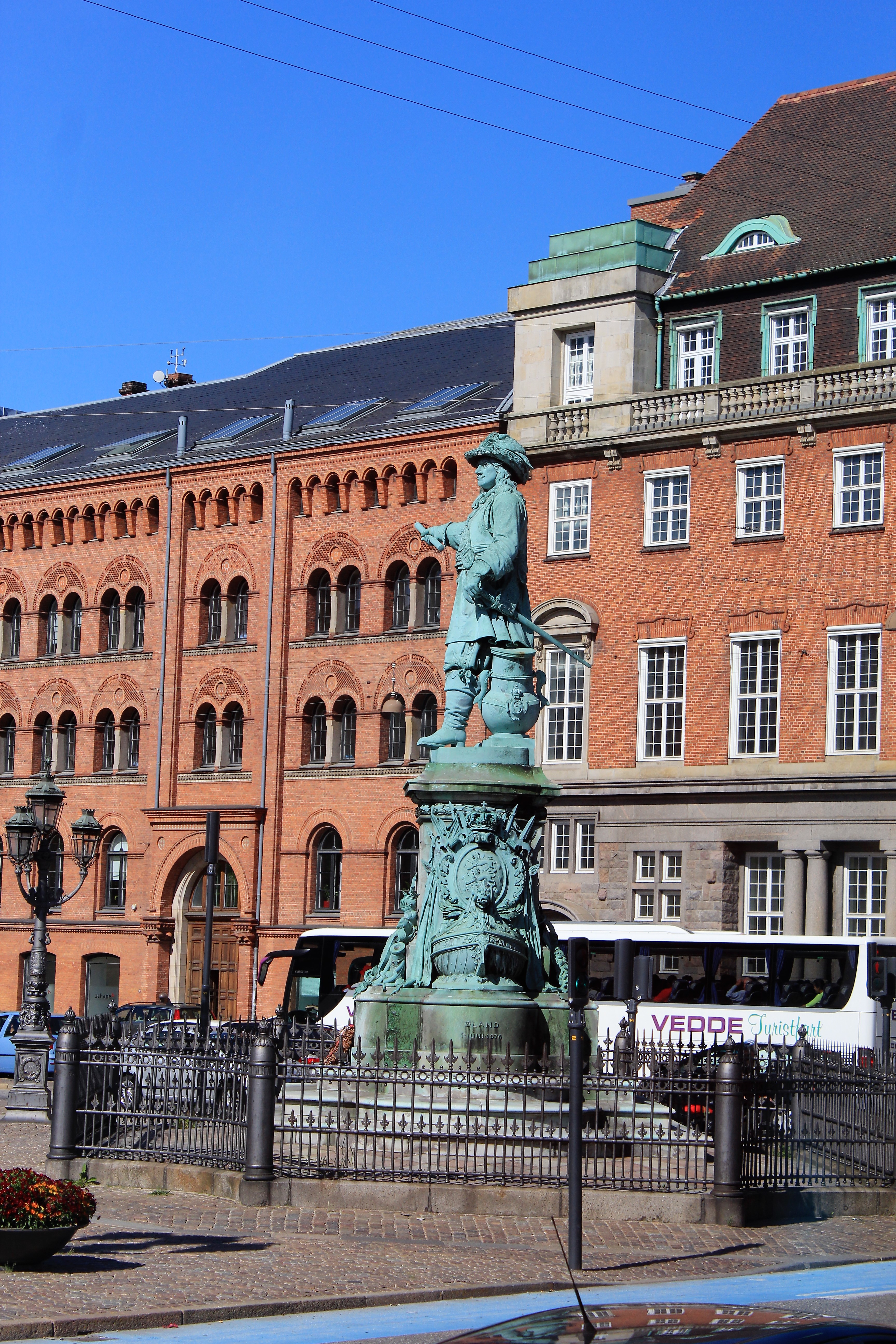
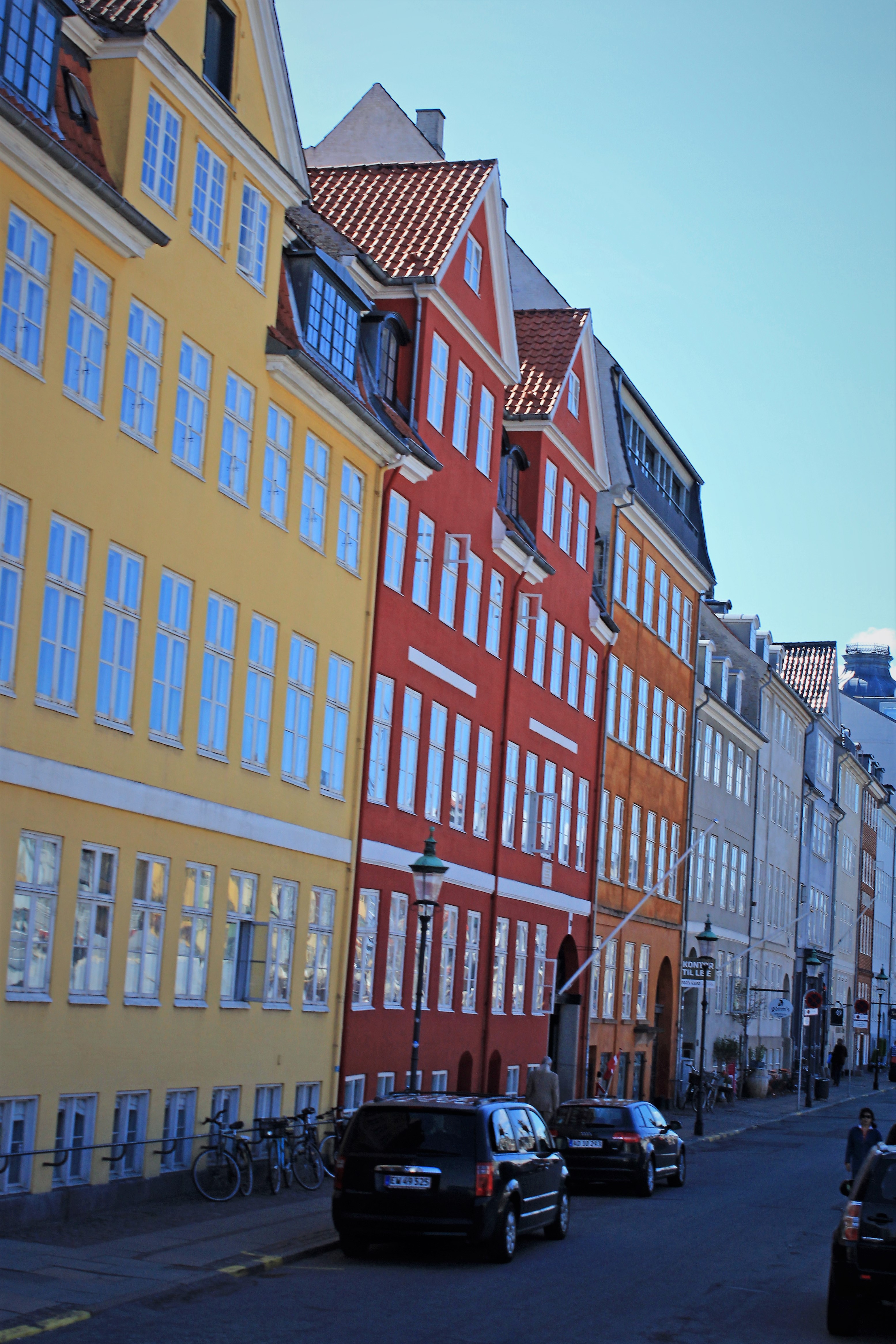
Churchhillparken (Churchill Park) is home to Copenhagen’s most famous landmark; Den Lille Havfrue (The Little Mermaid), the tiny bronze casting created by Edvard Eriksen based on the beloved Danish storyteller Hans Christian Anderson’s character. Our stop in the park was short, just long enough to take some photos of the mermaid, but there are several other noteable sculptures in there as well.The parts of Copenhagen we saw on our drive were quite colourful. Like most cities with a long history it was a mix of architectural styles.

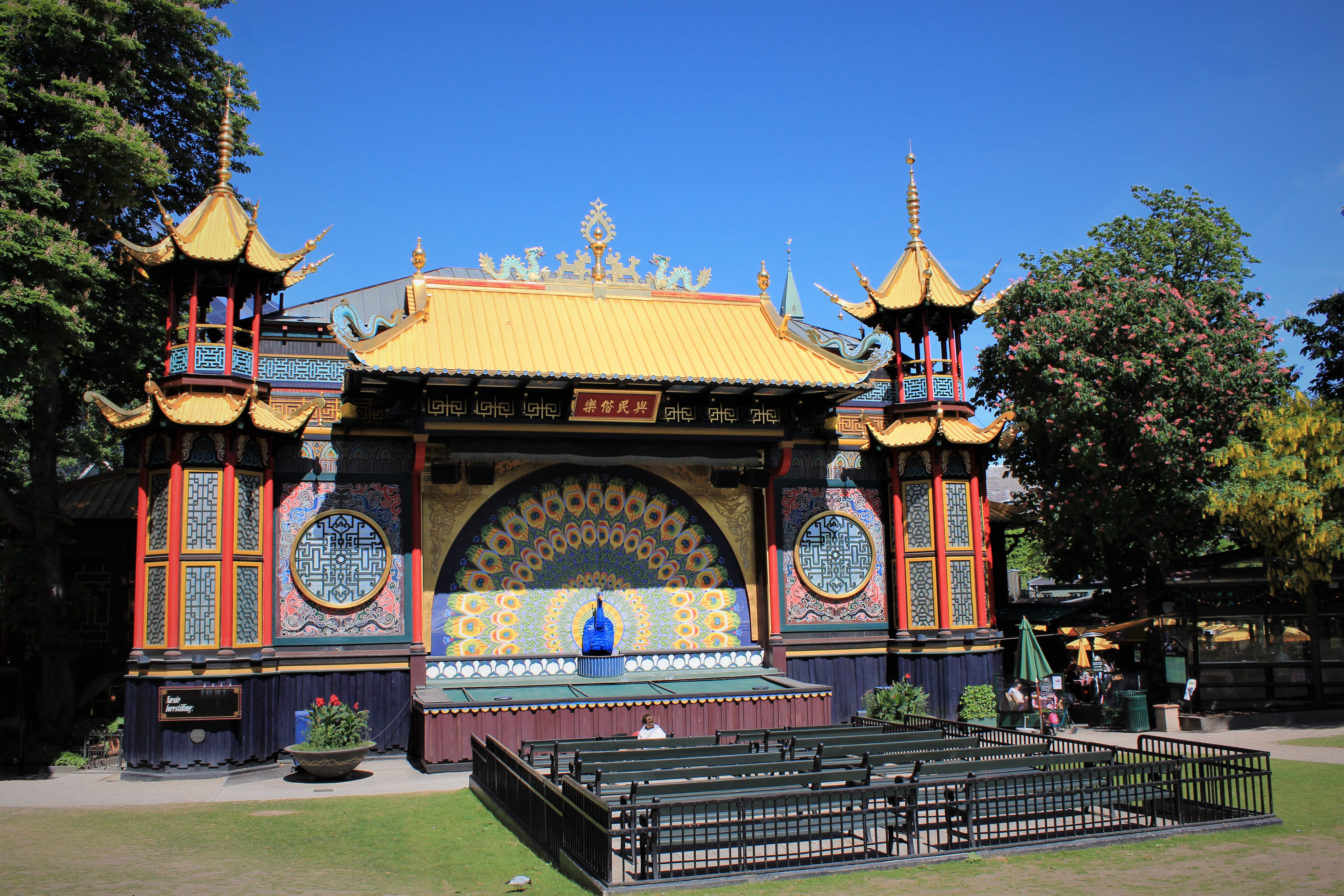
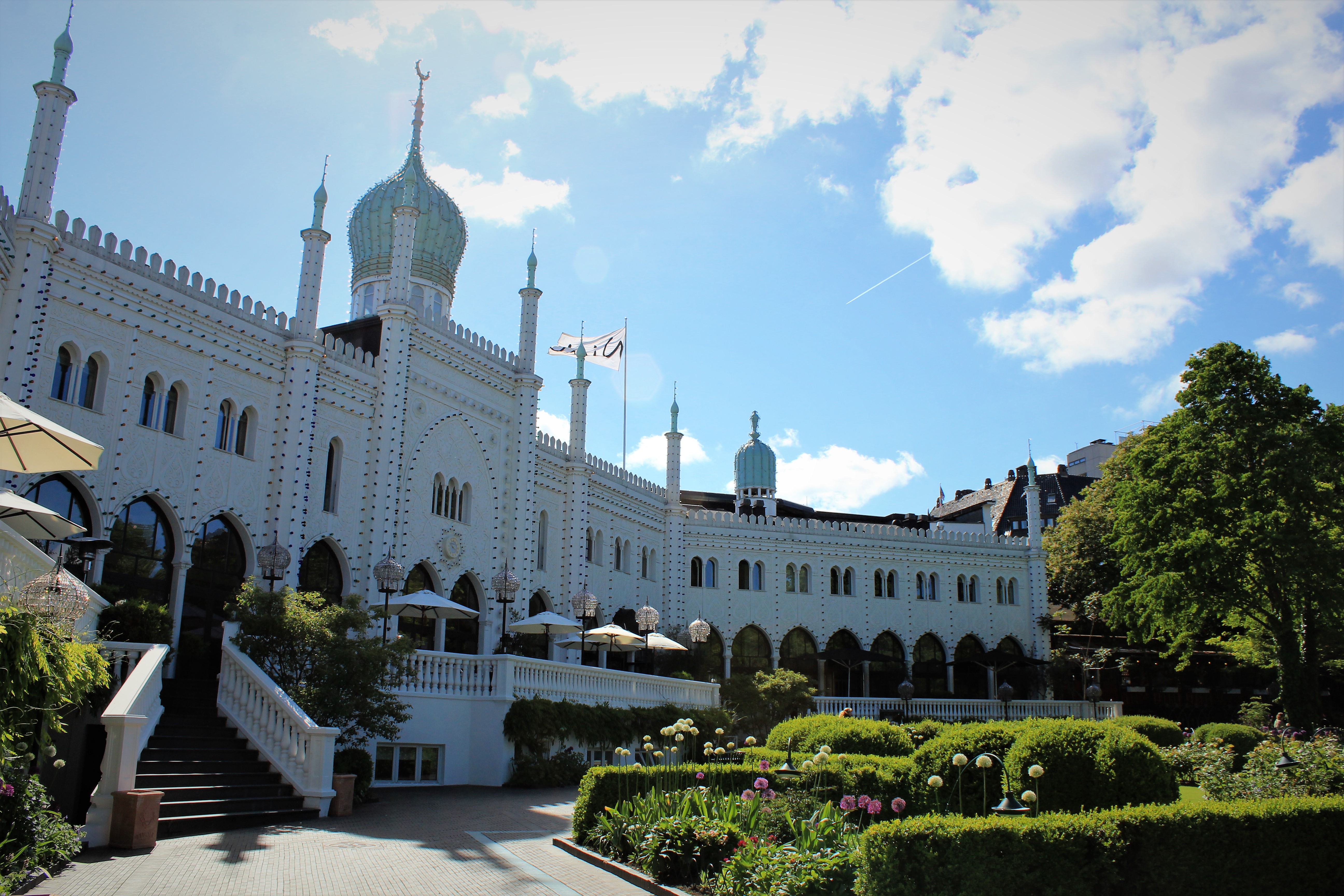
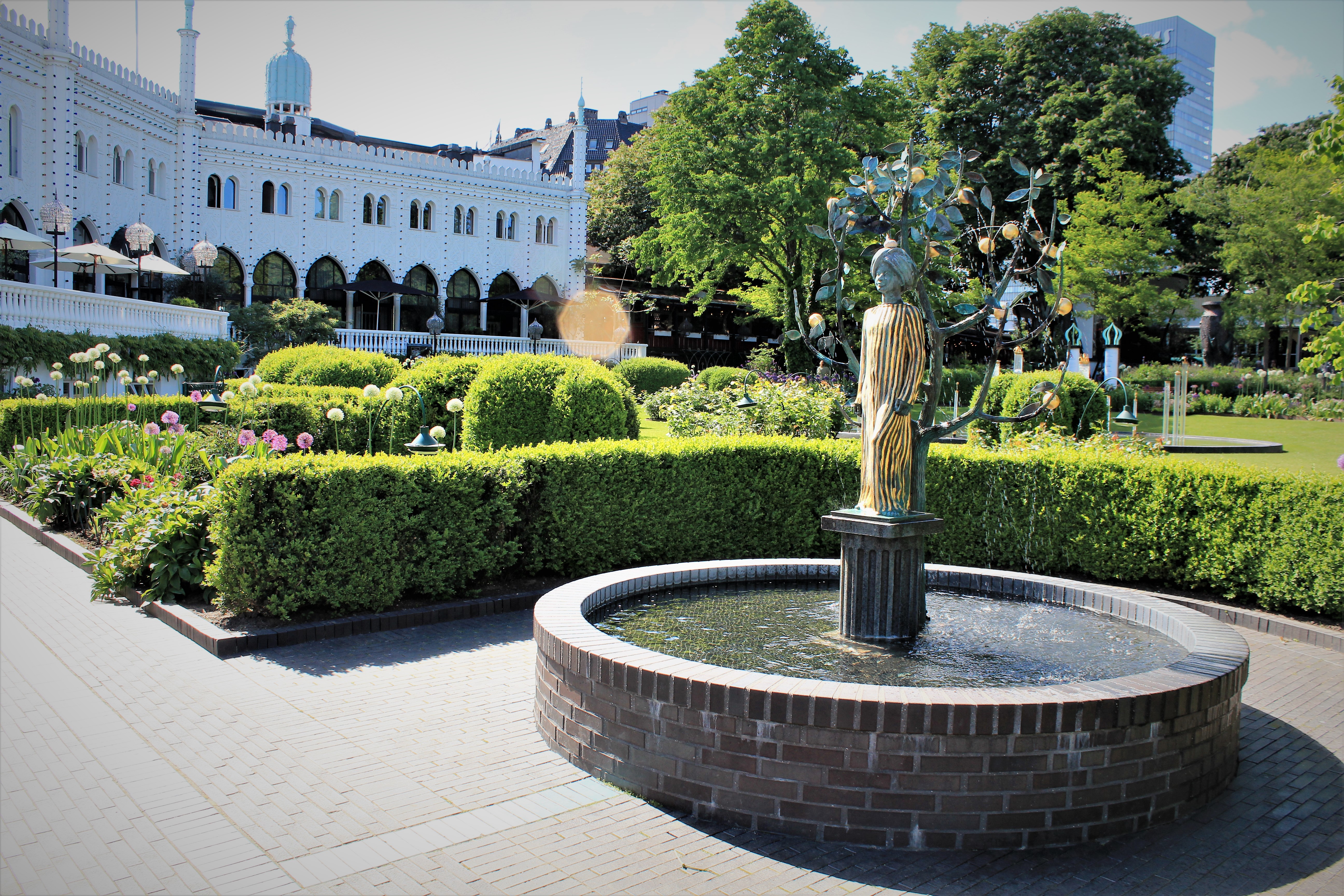
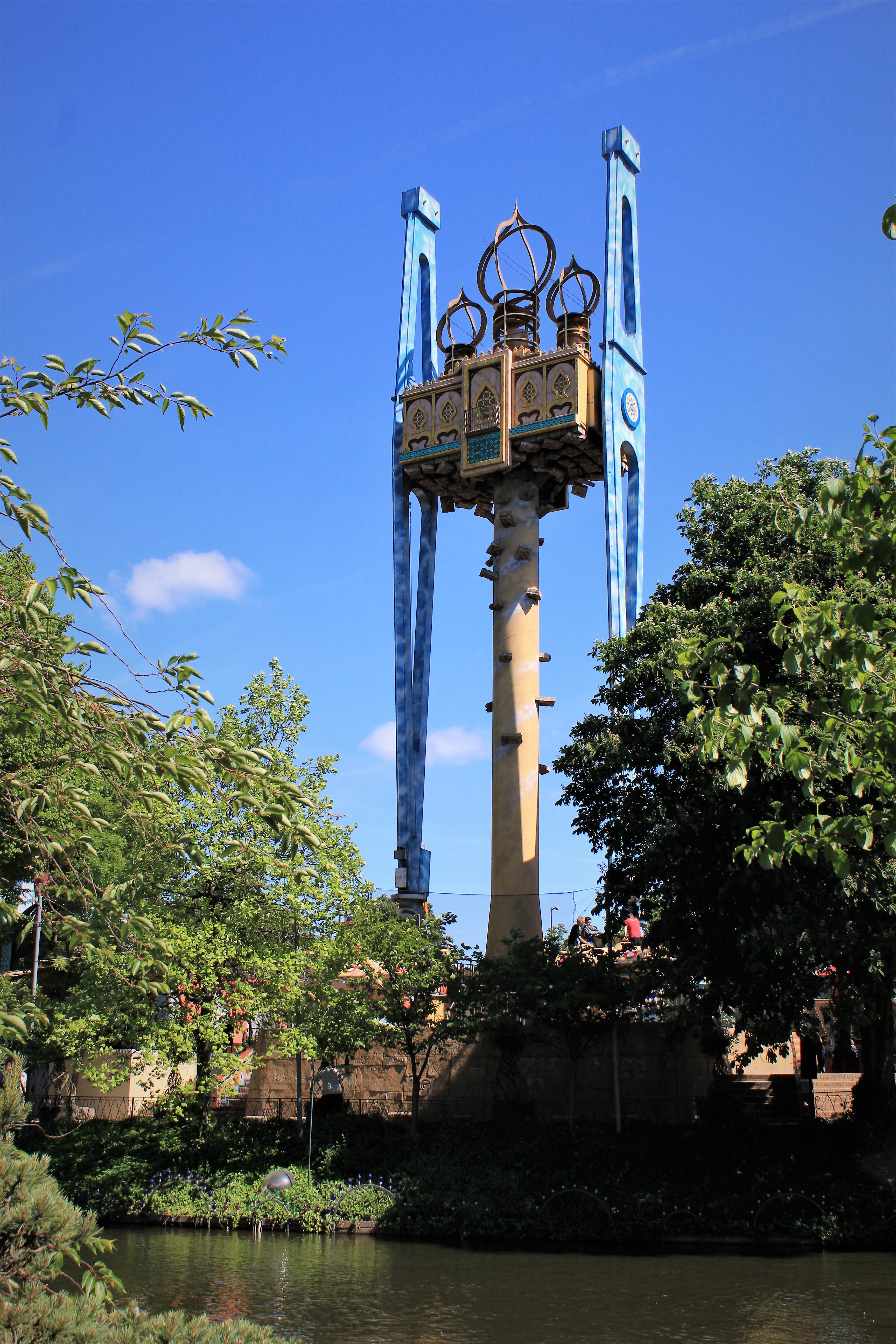
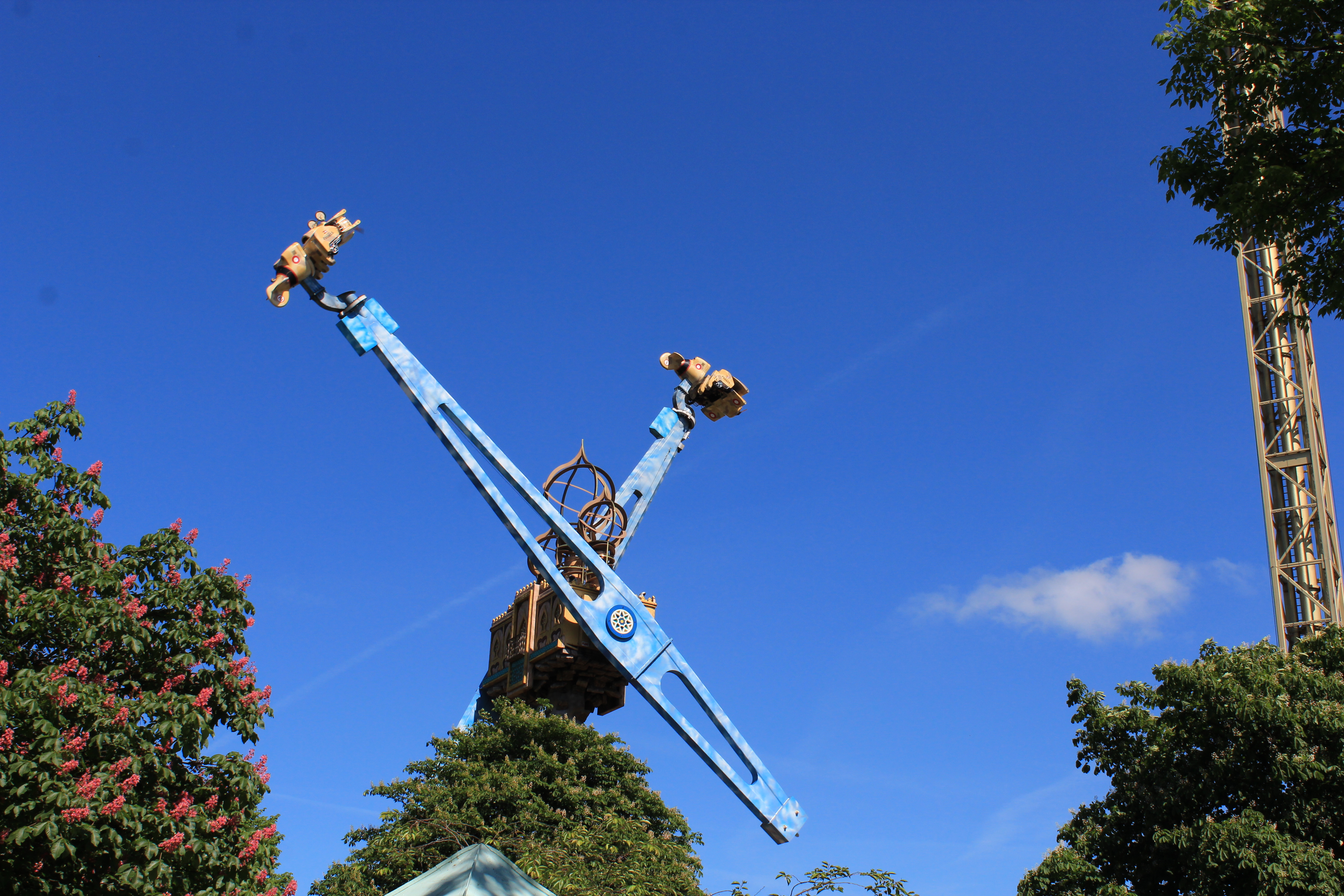
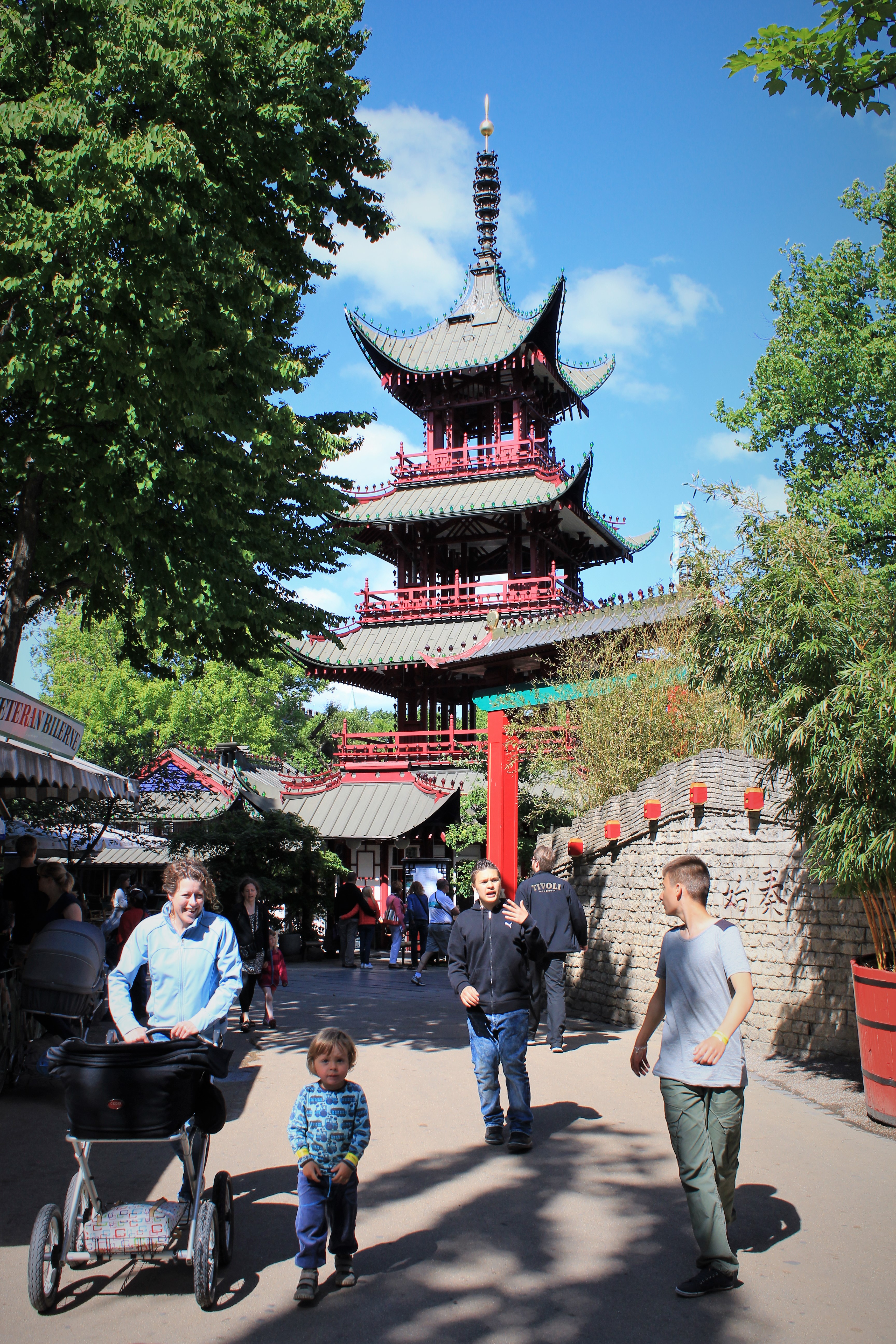
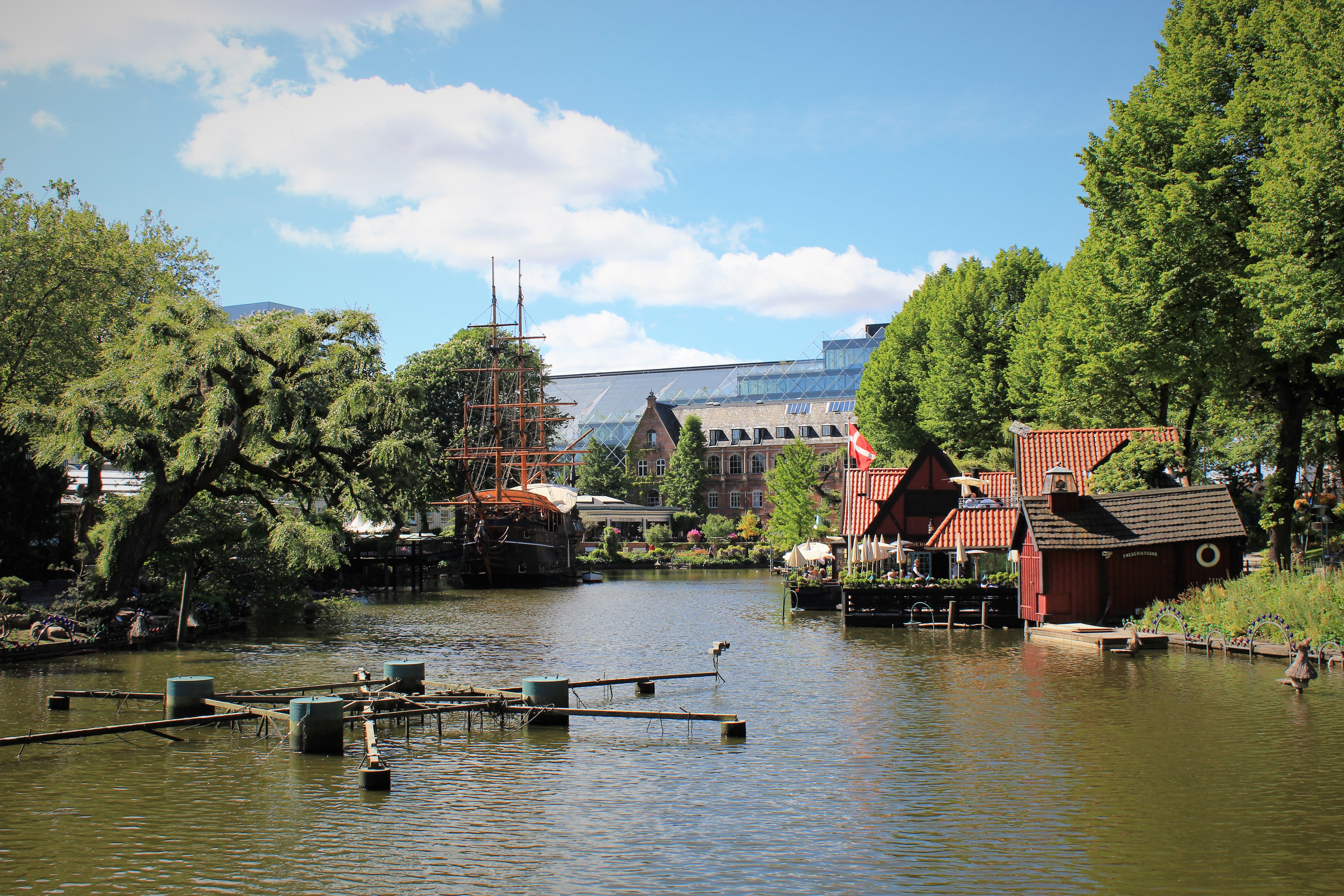
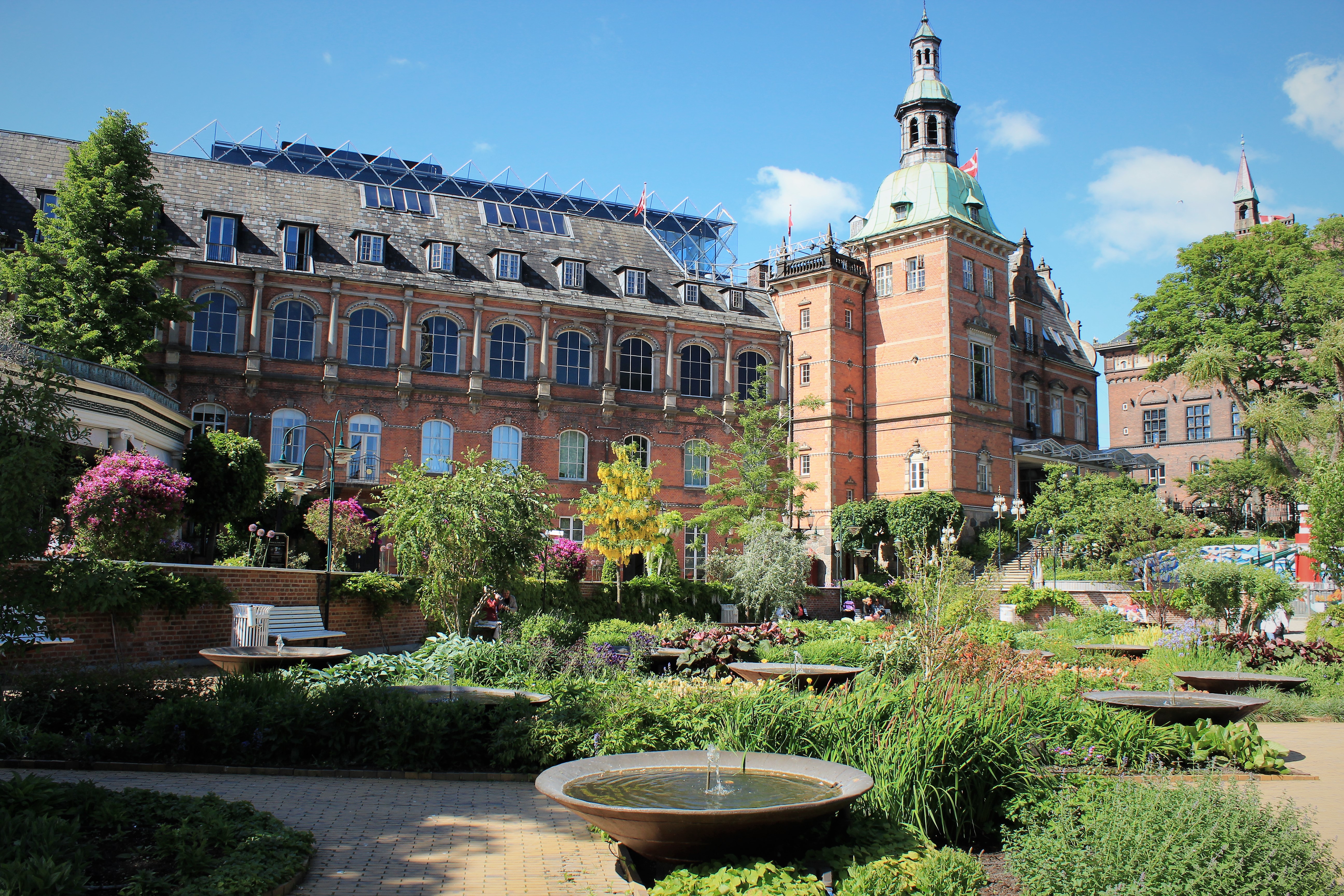
We had over two hours to wander wherever we liked around Tivoli Gardens.

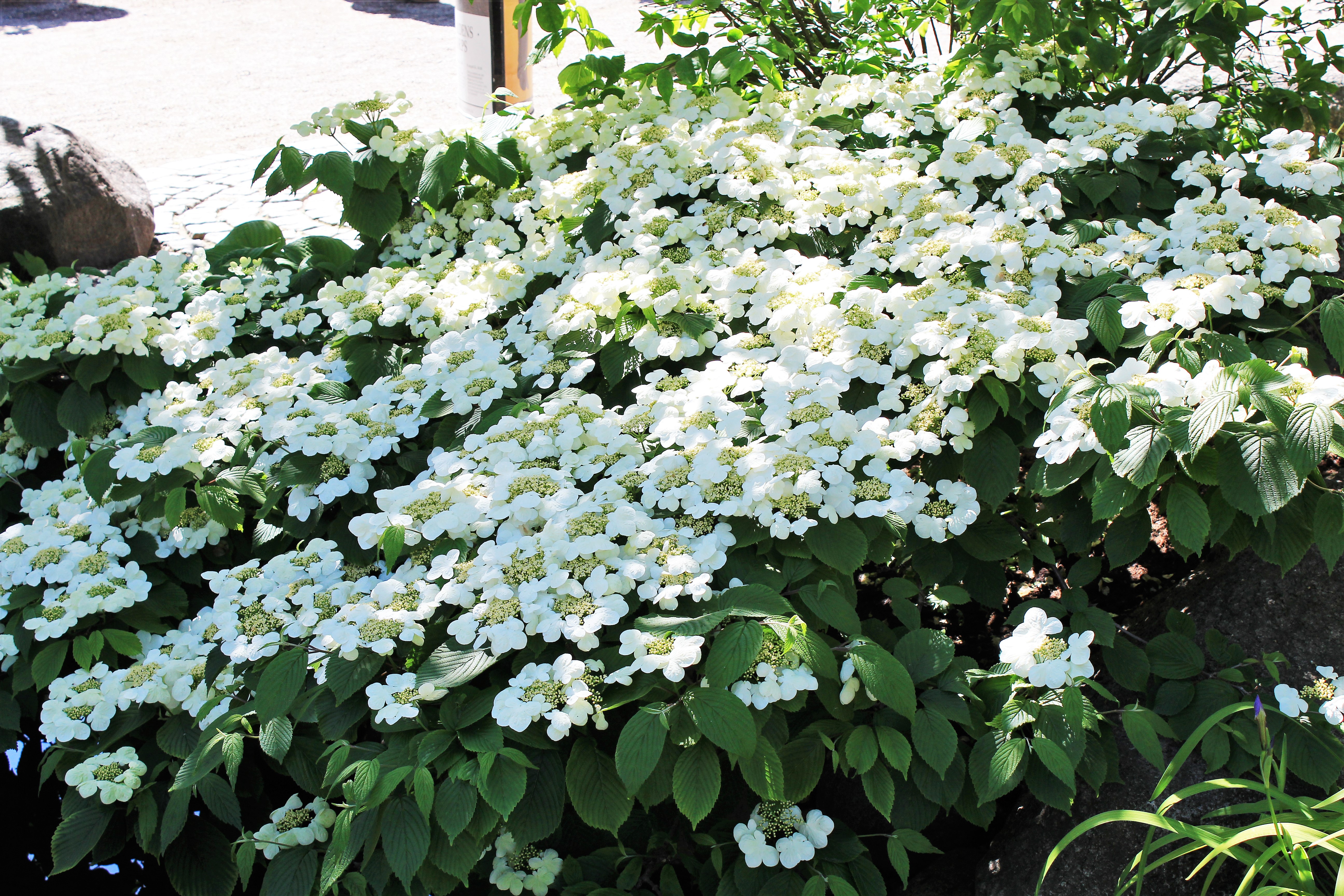
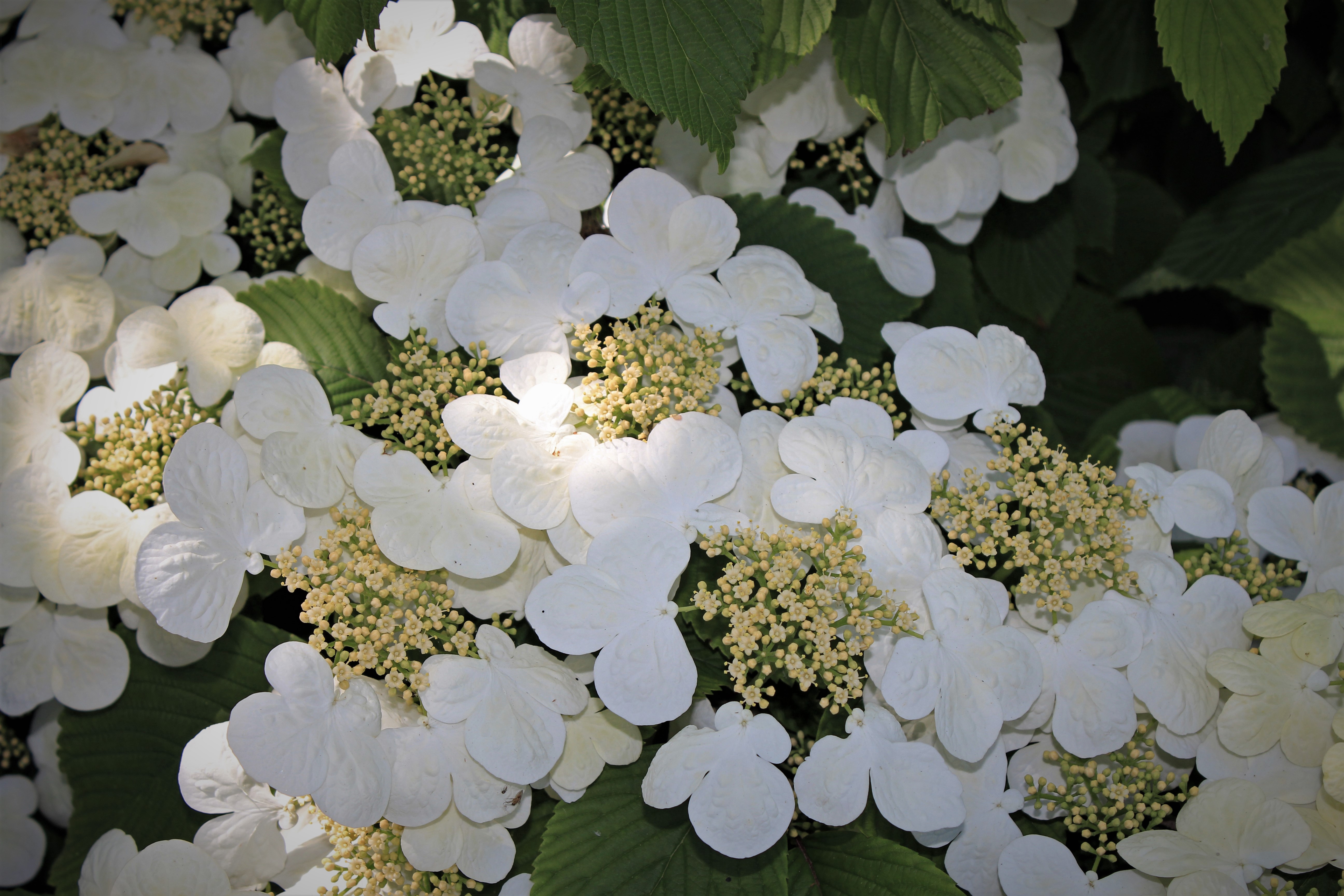
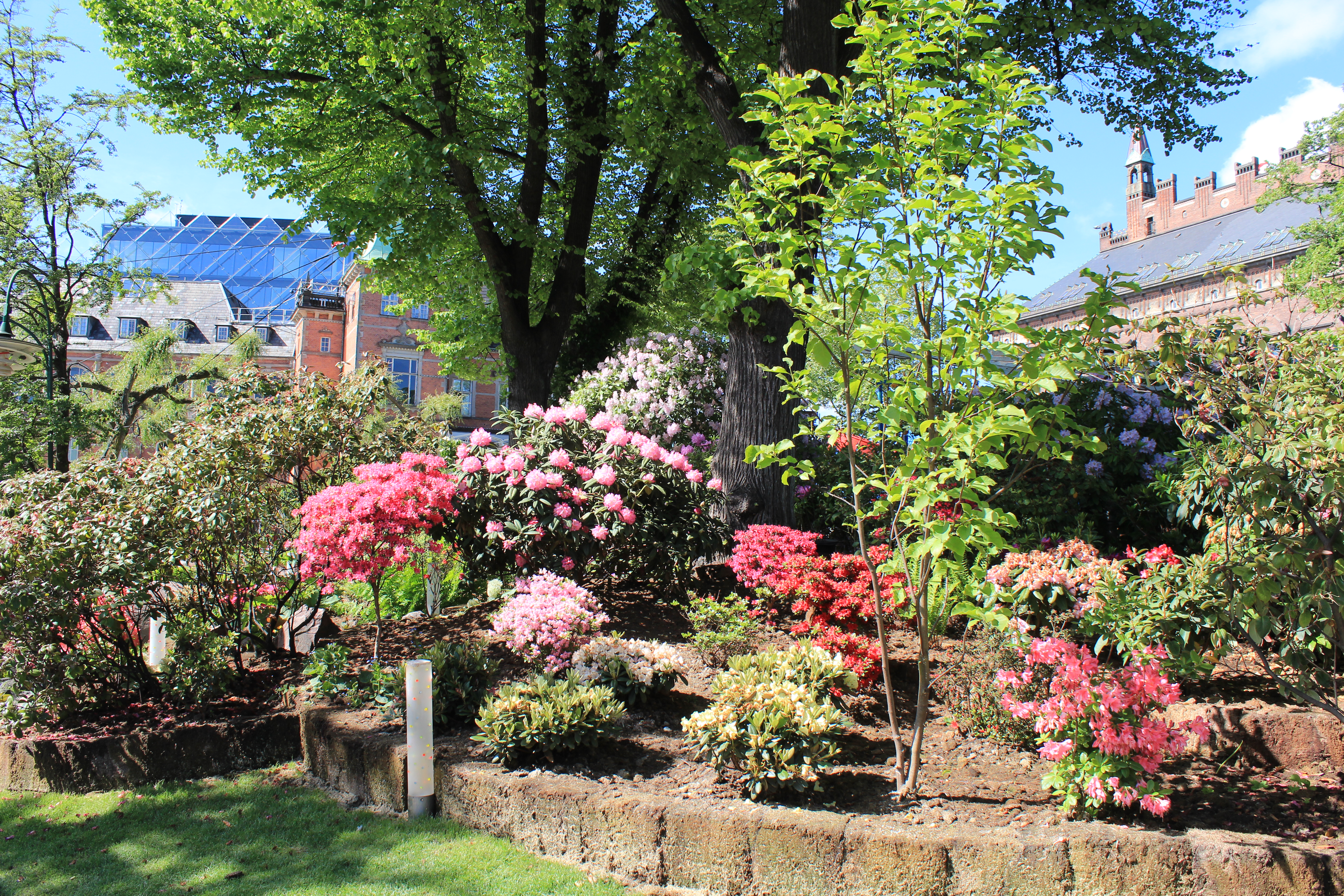
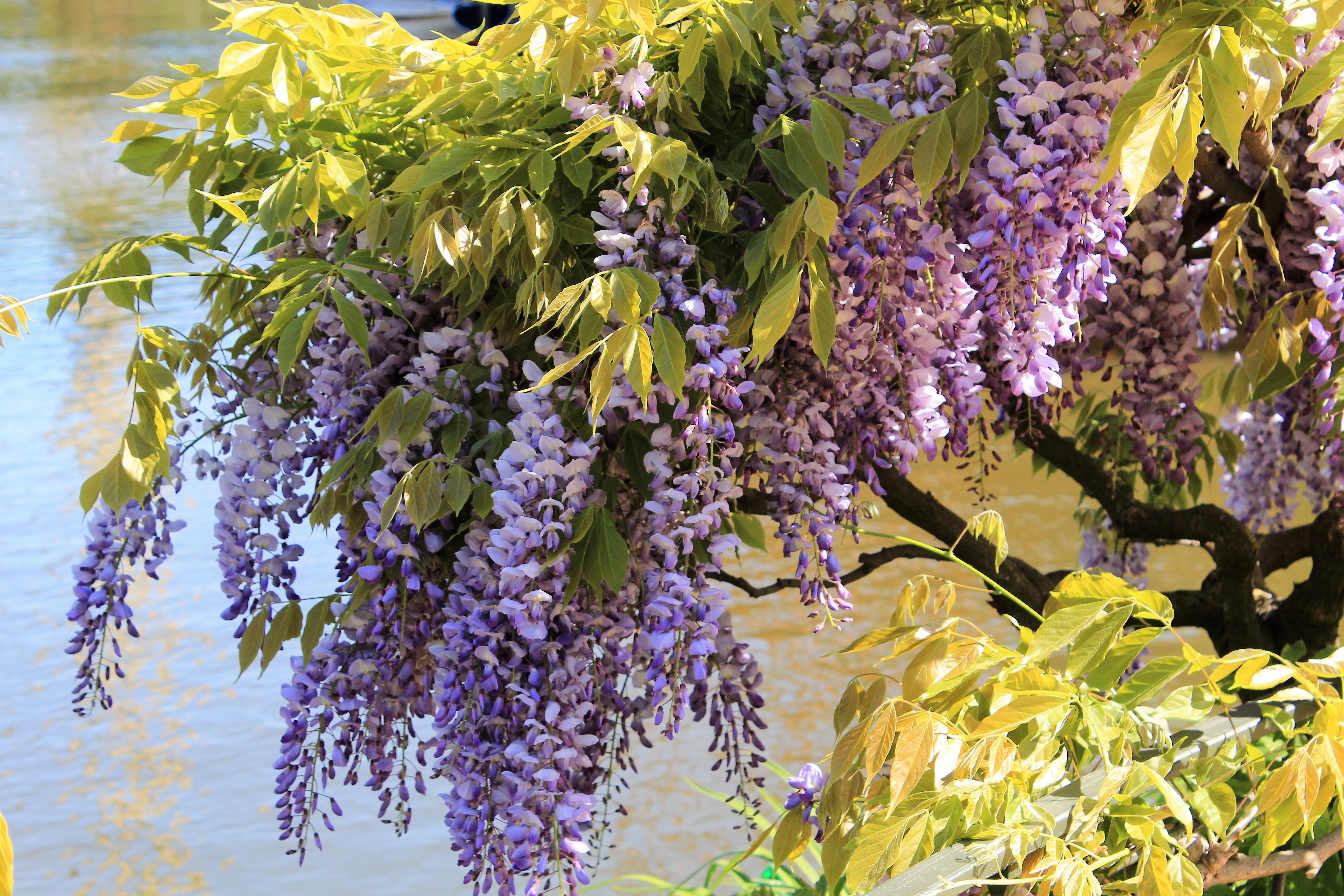
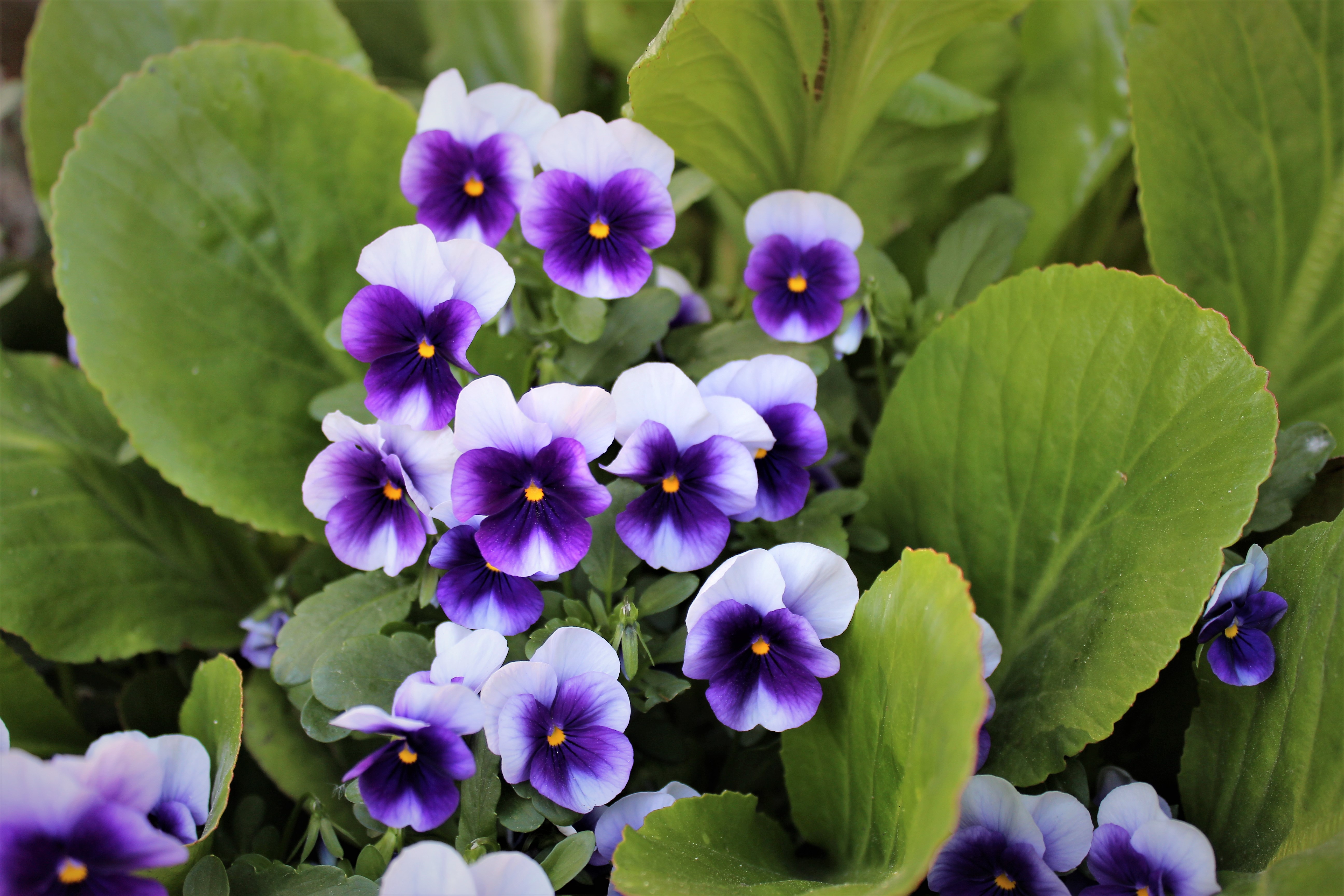
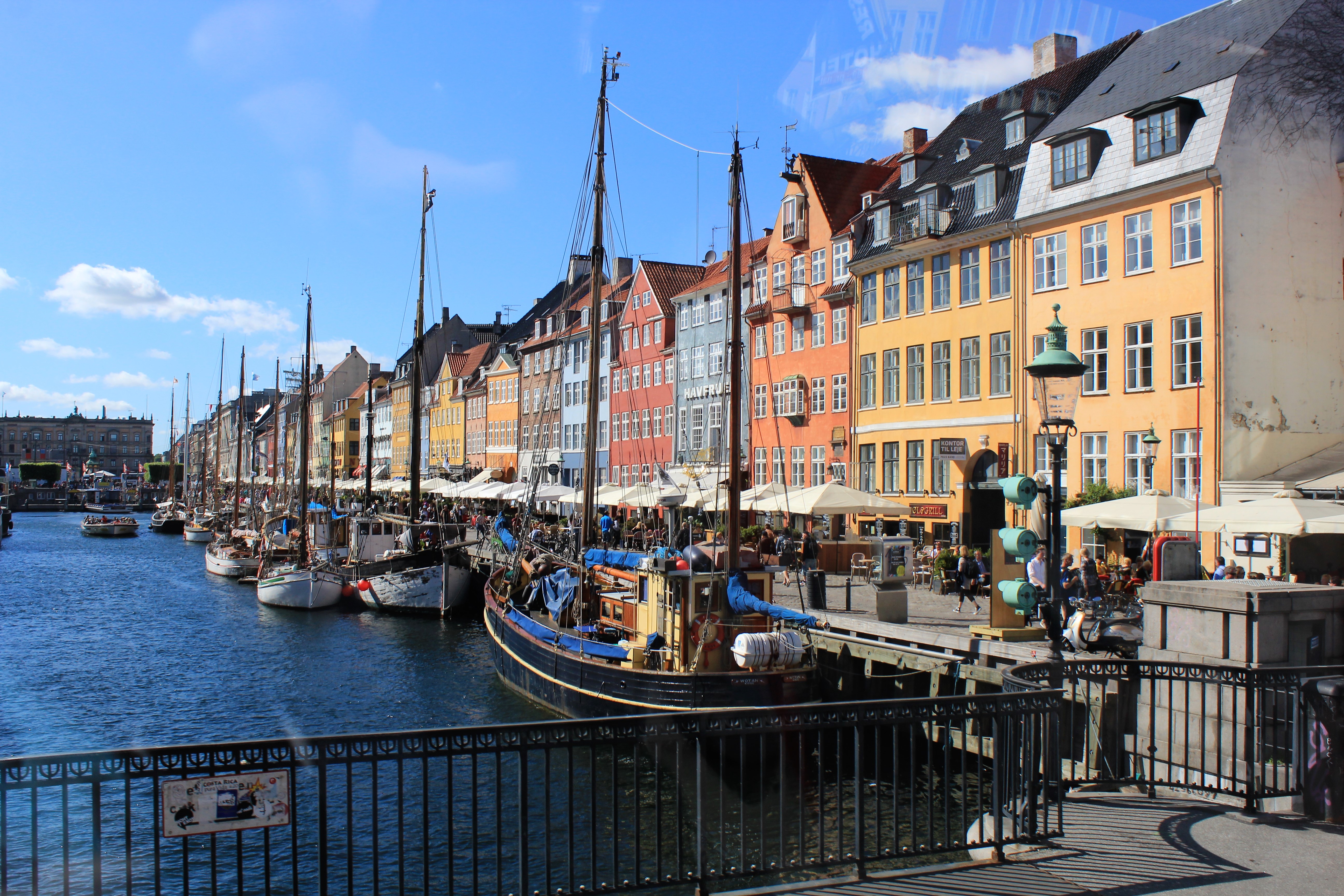
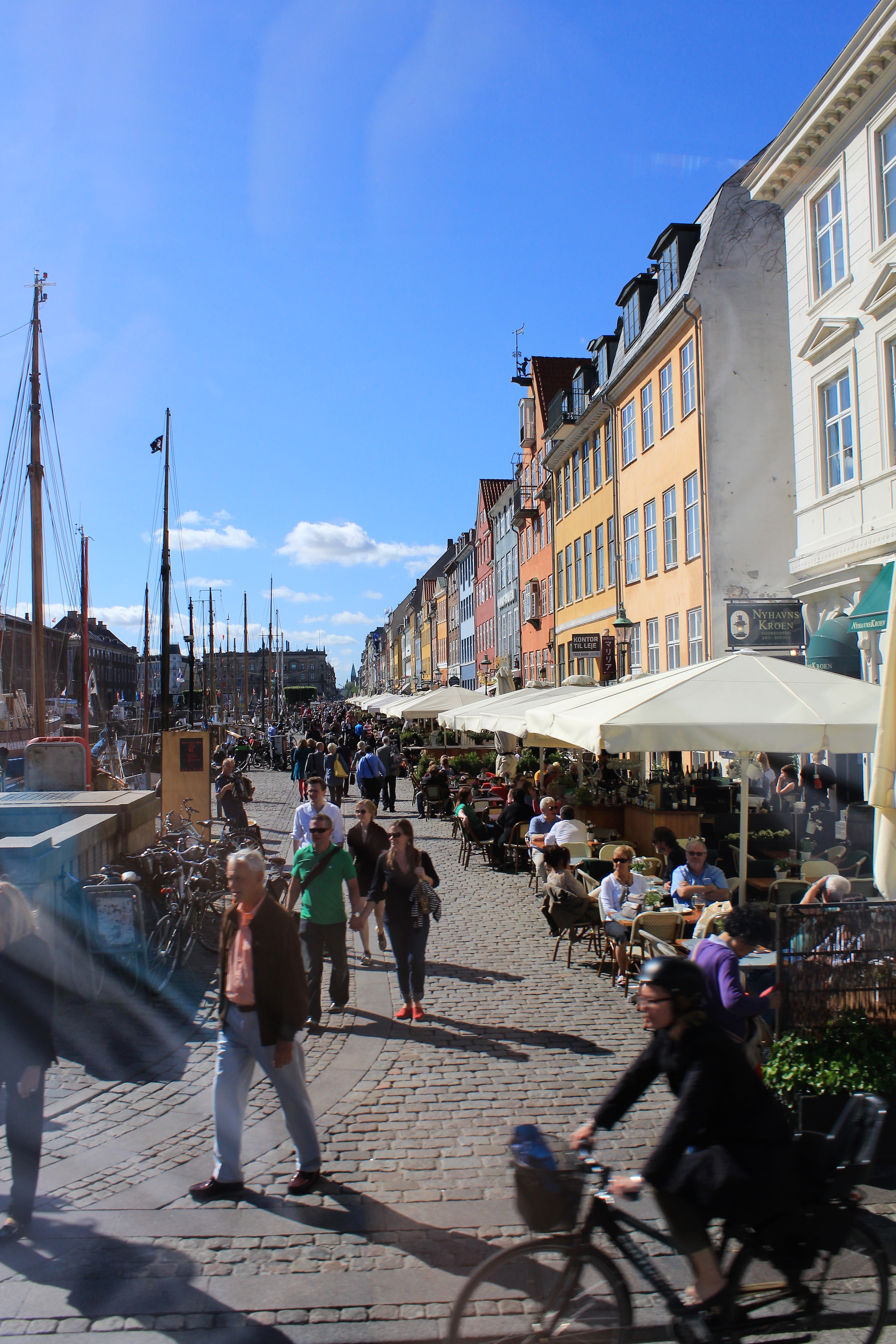
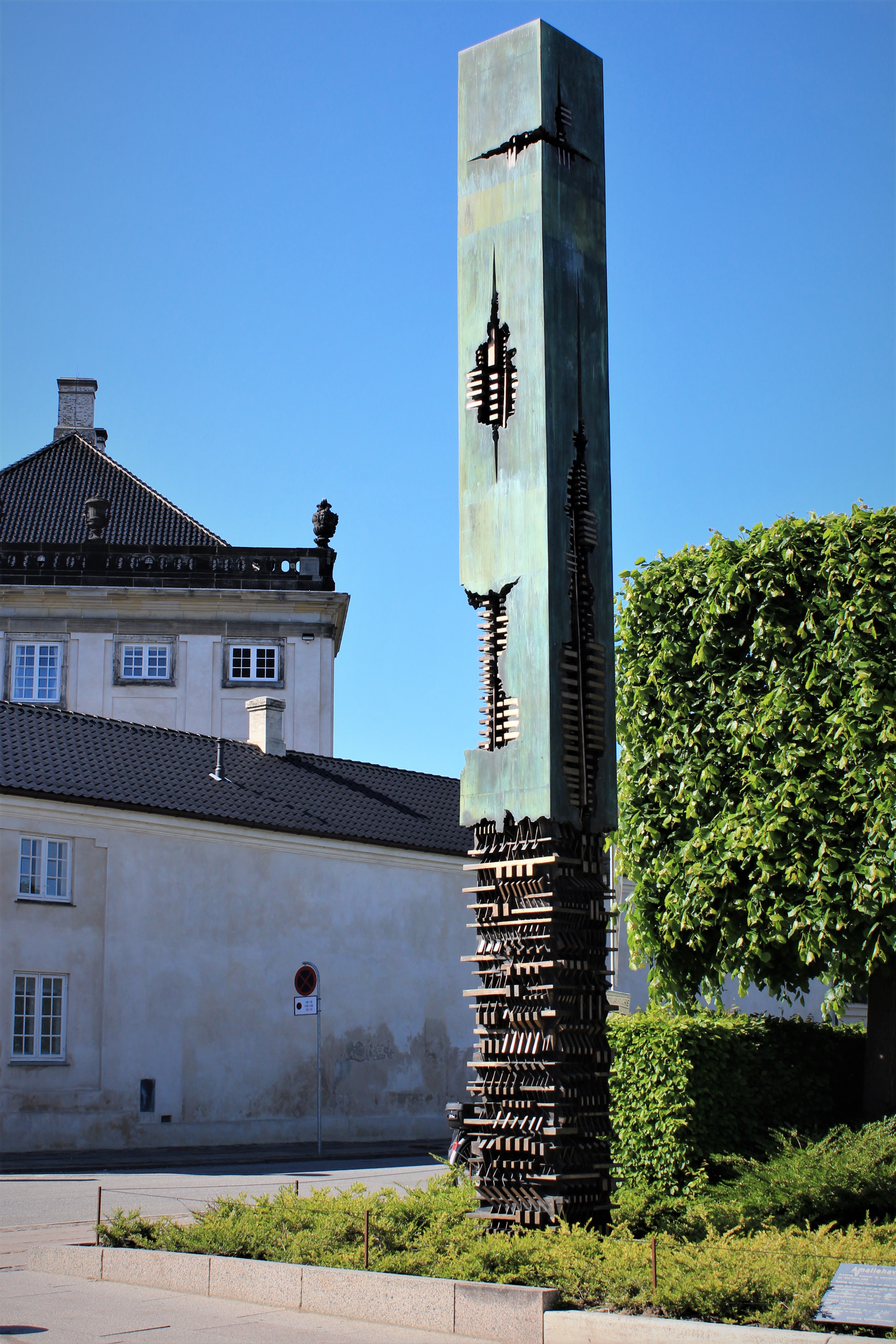
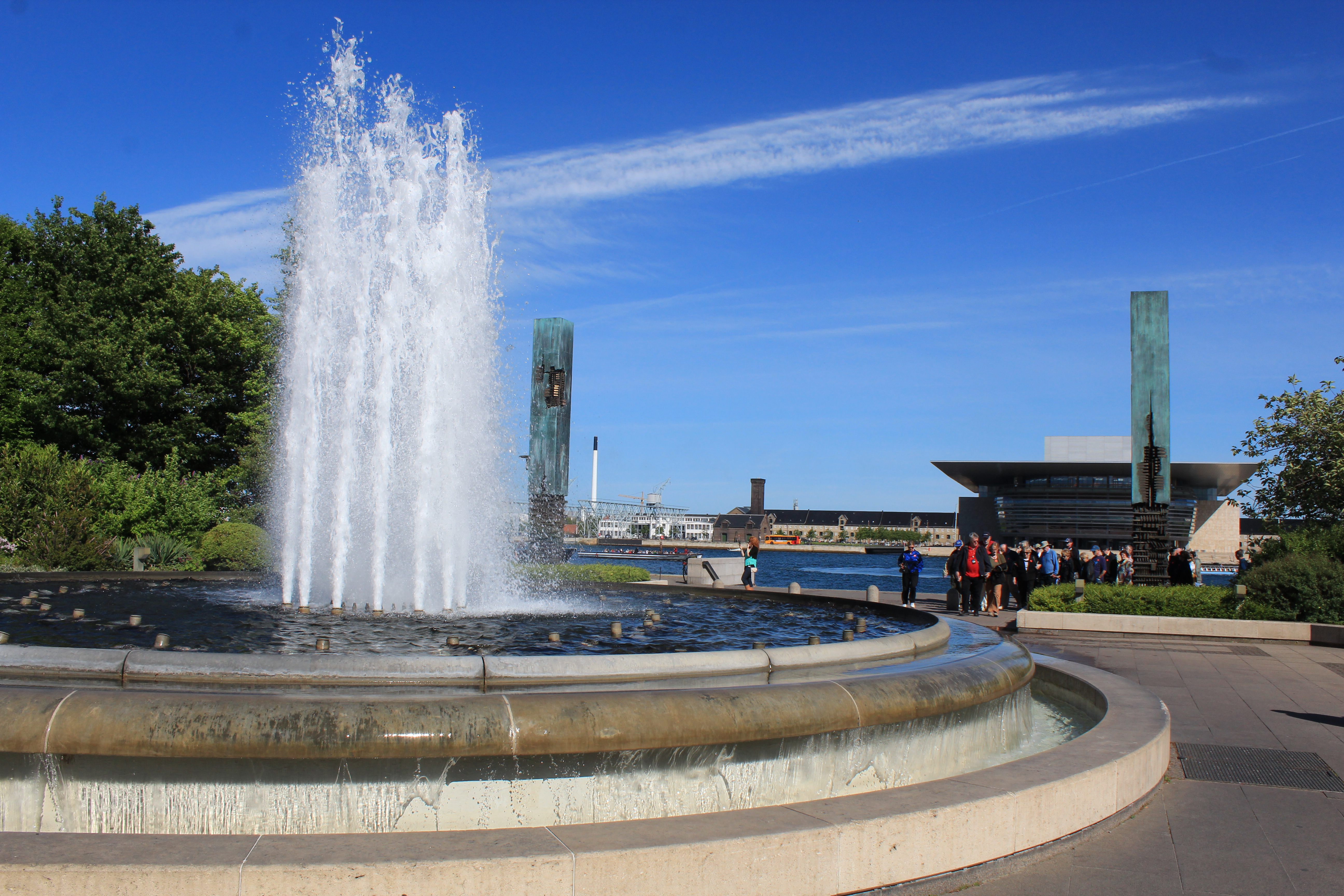
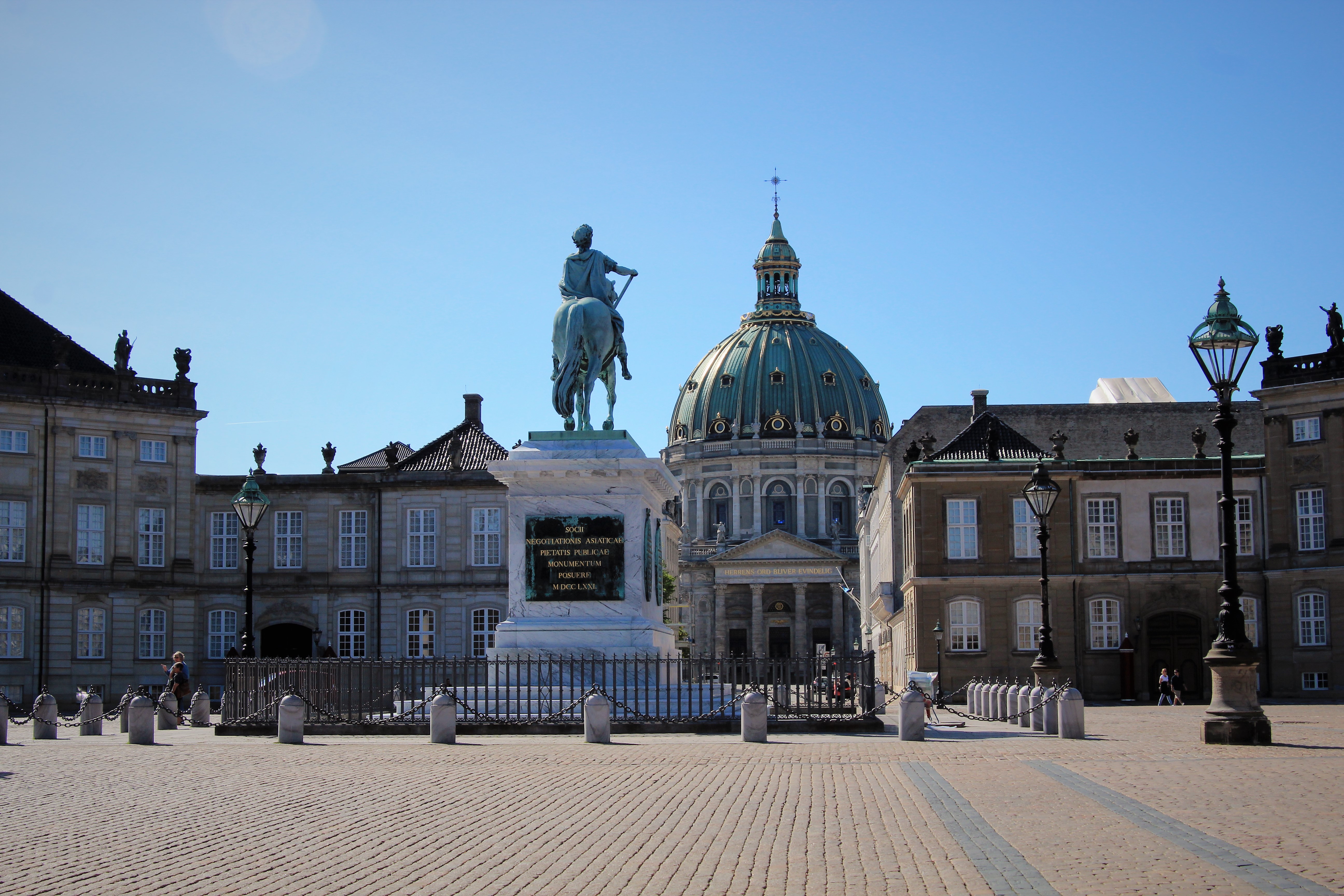
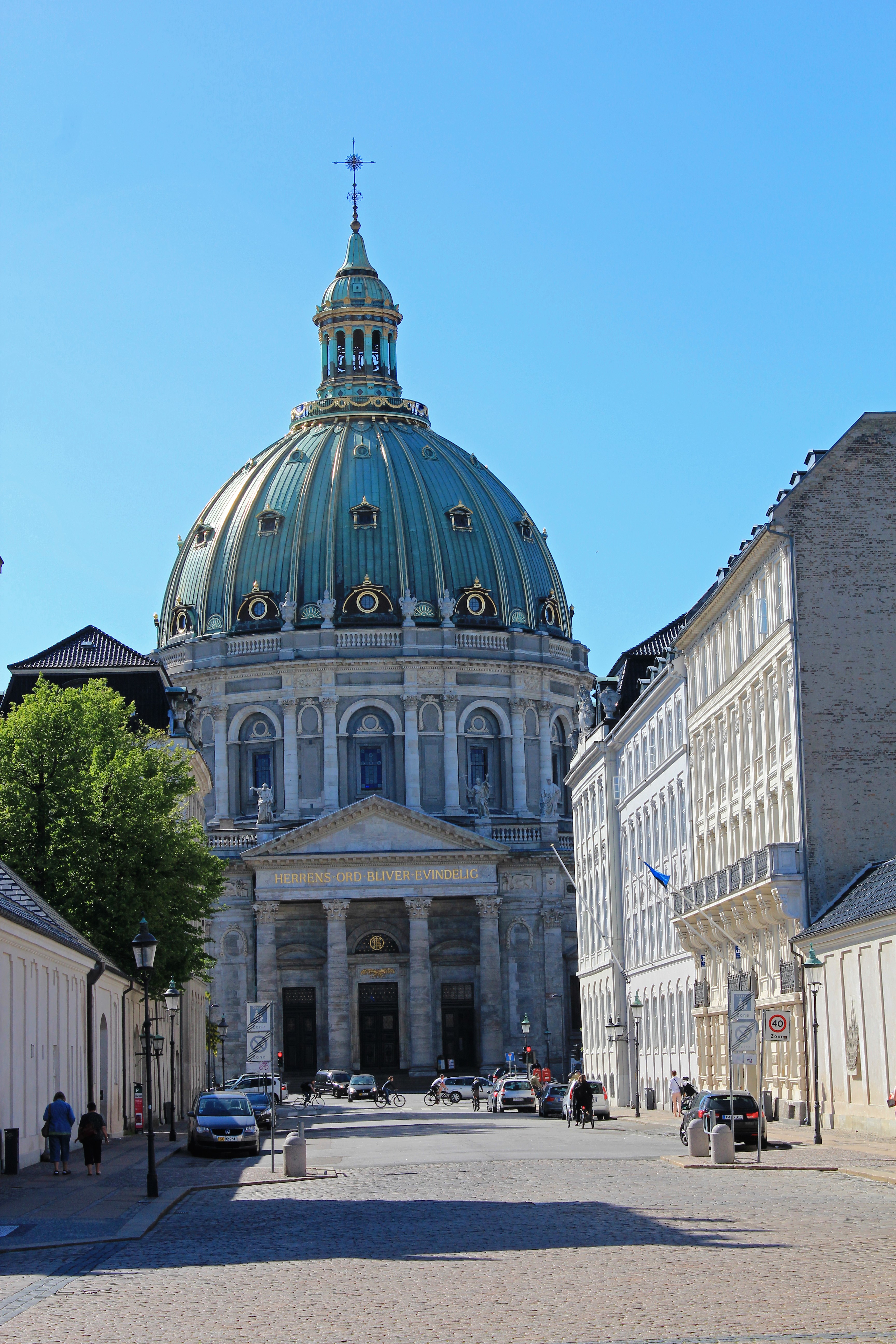
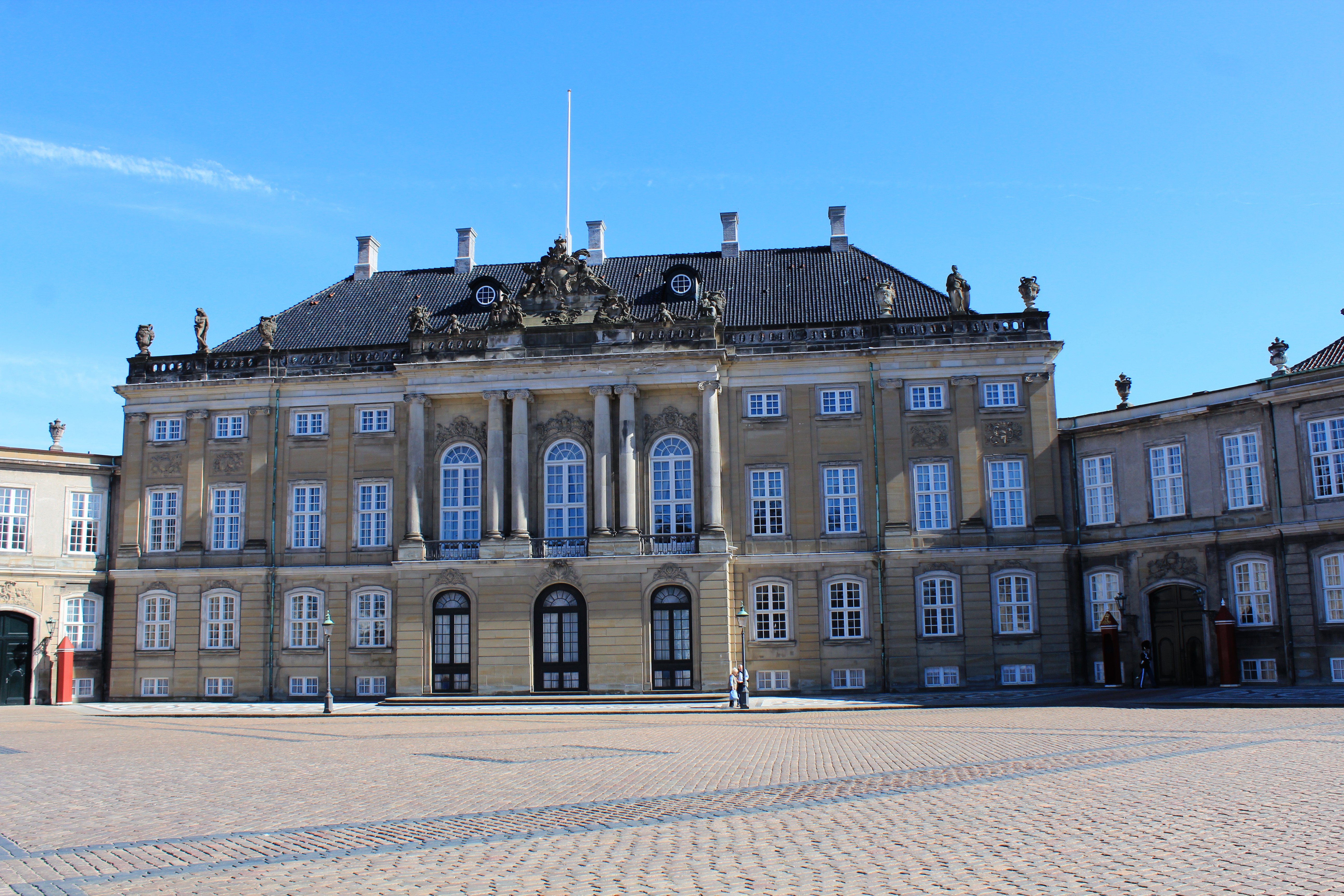
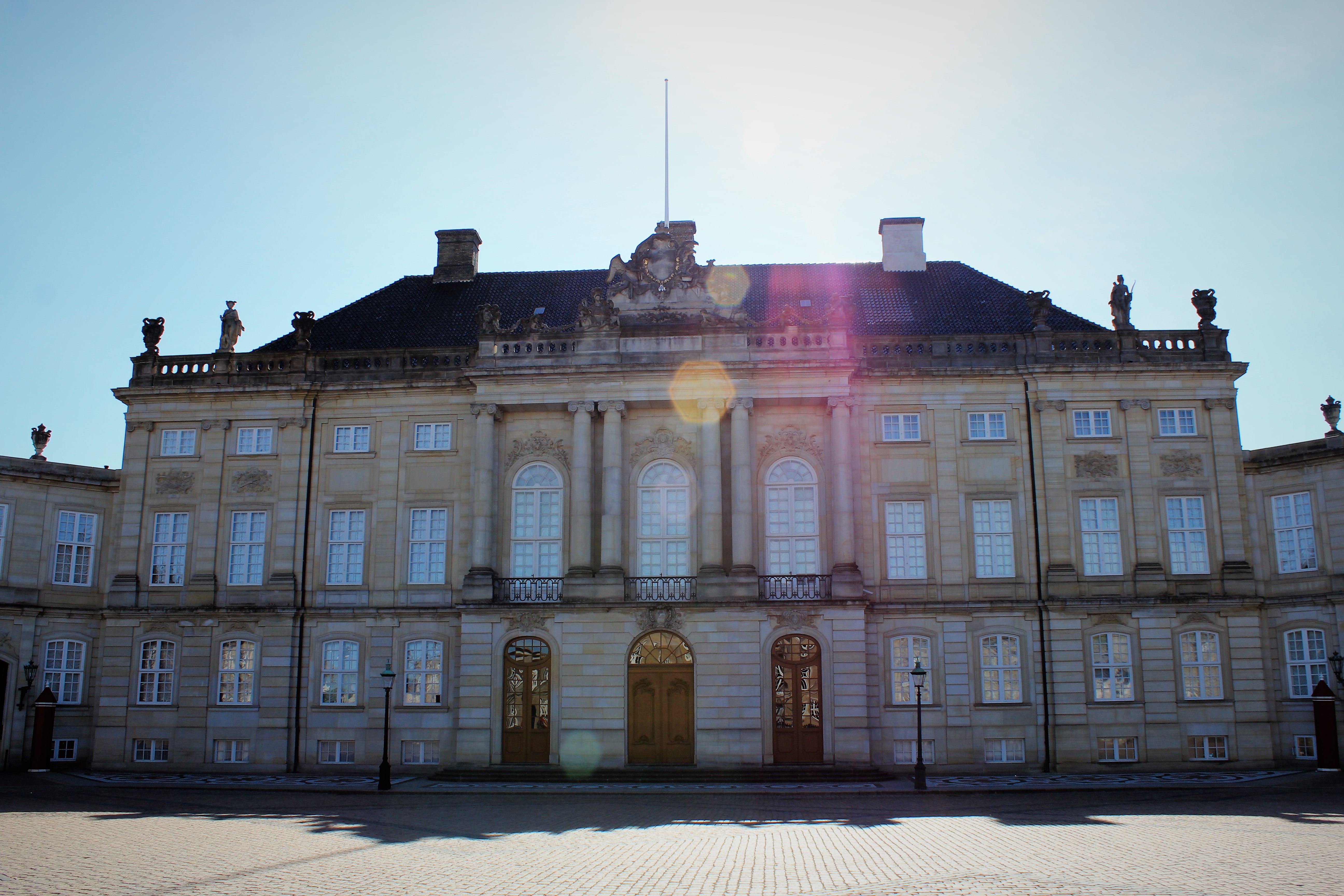
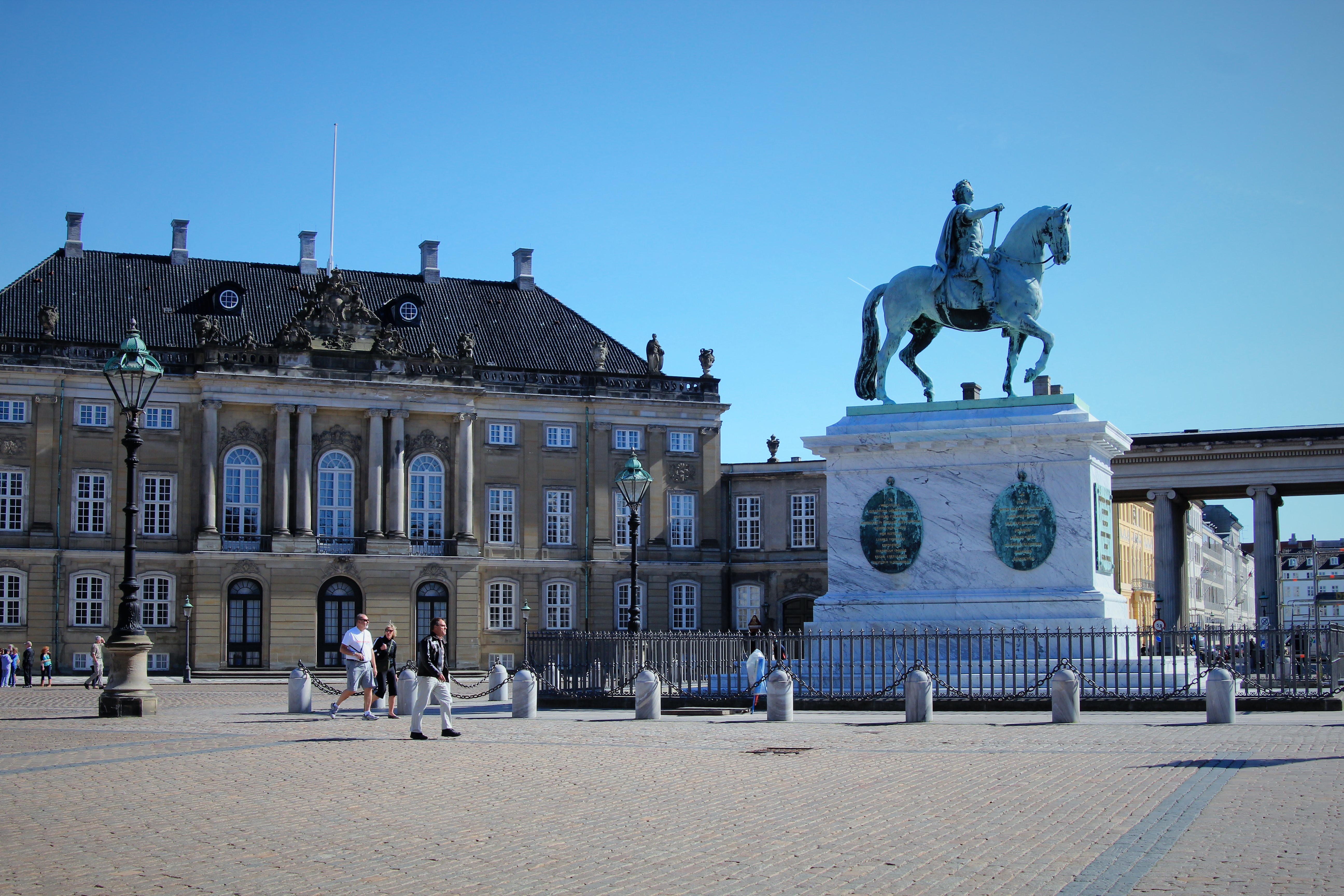
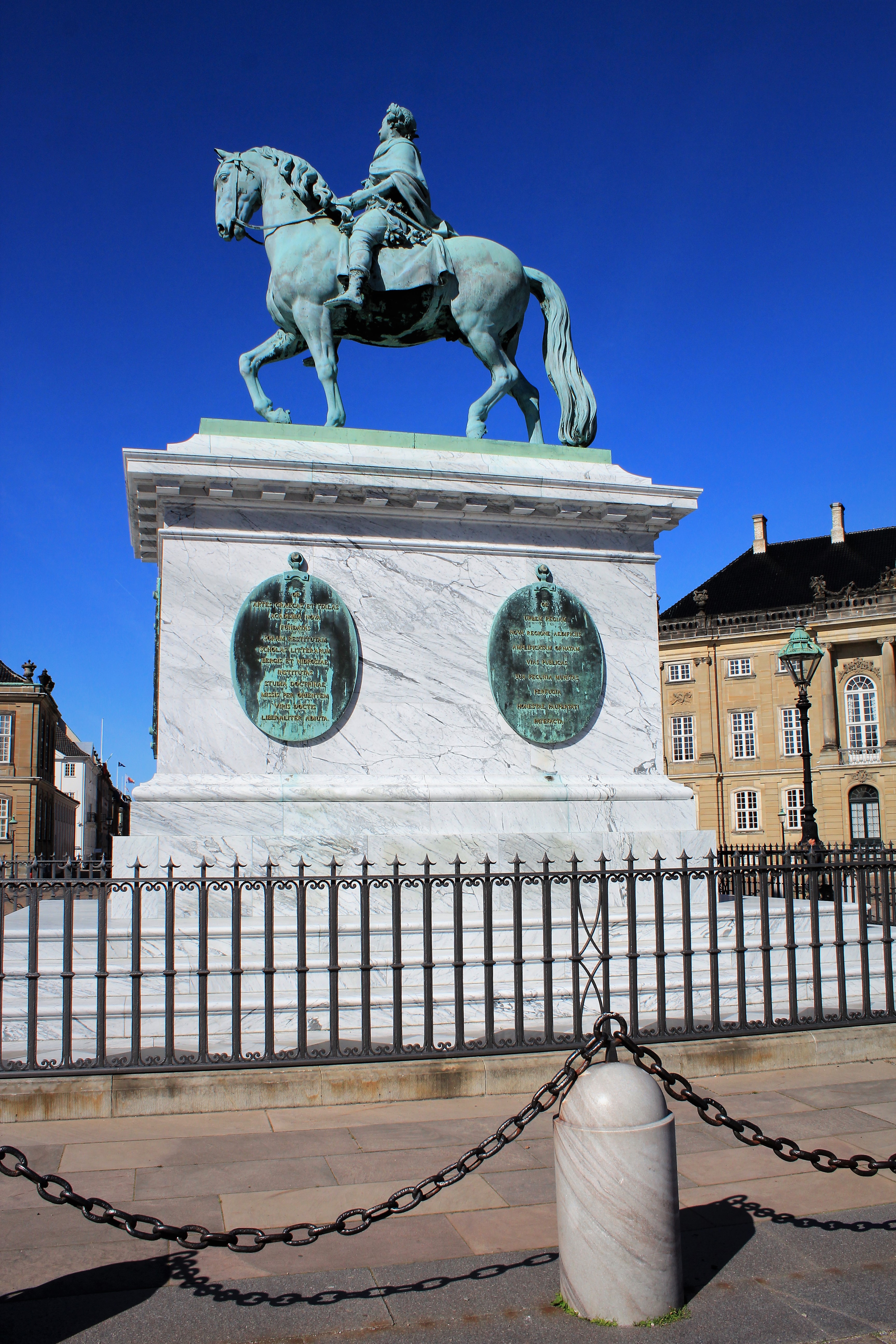
The gardens within the park were lovely with all the new blooms.                                   Wisteria, one of my favourites.The bus took us back to the port via a different route through the city with some photo stops. We stopped at the palace square Amalienborg Palace, home of Queen Margarethe II and her family.  We arrived back at the ship in plenty of time to relax before dinner.