Category Archives: Hanna Travels

2012 May 2 & 3 – Days 52 & 53 – Lisbon, Portugal

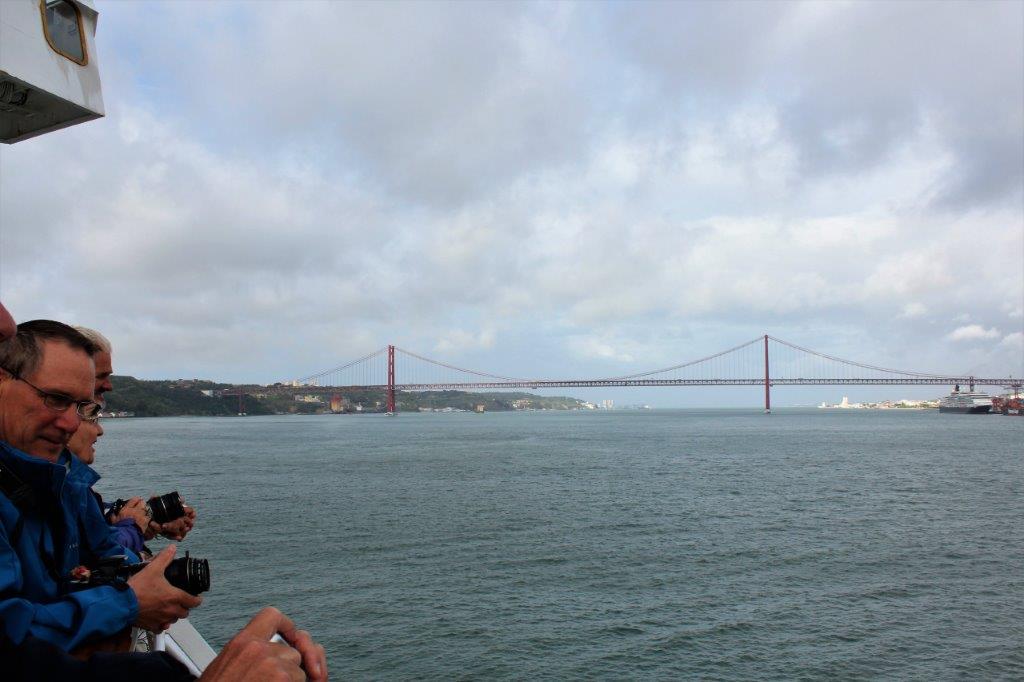
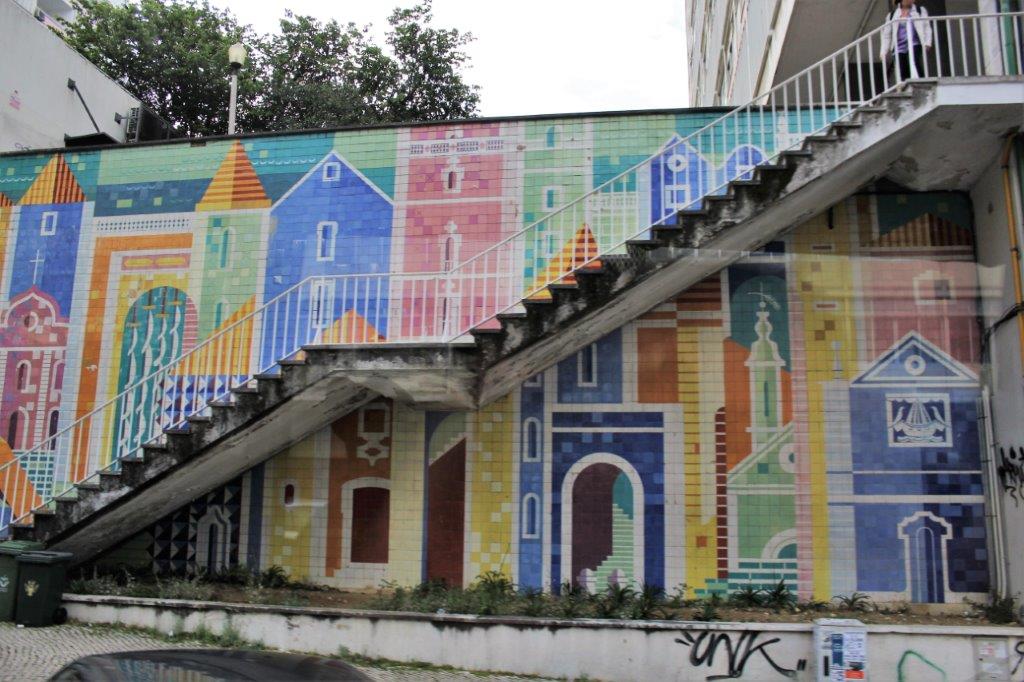
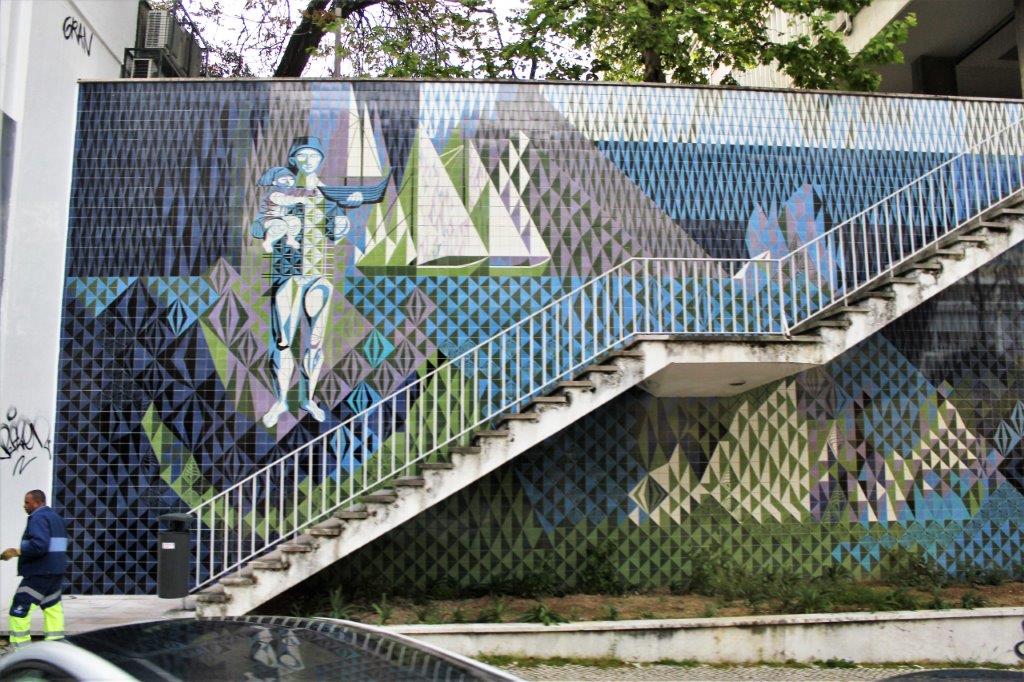
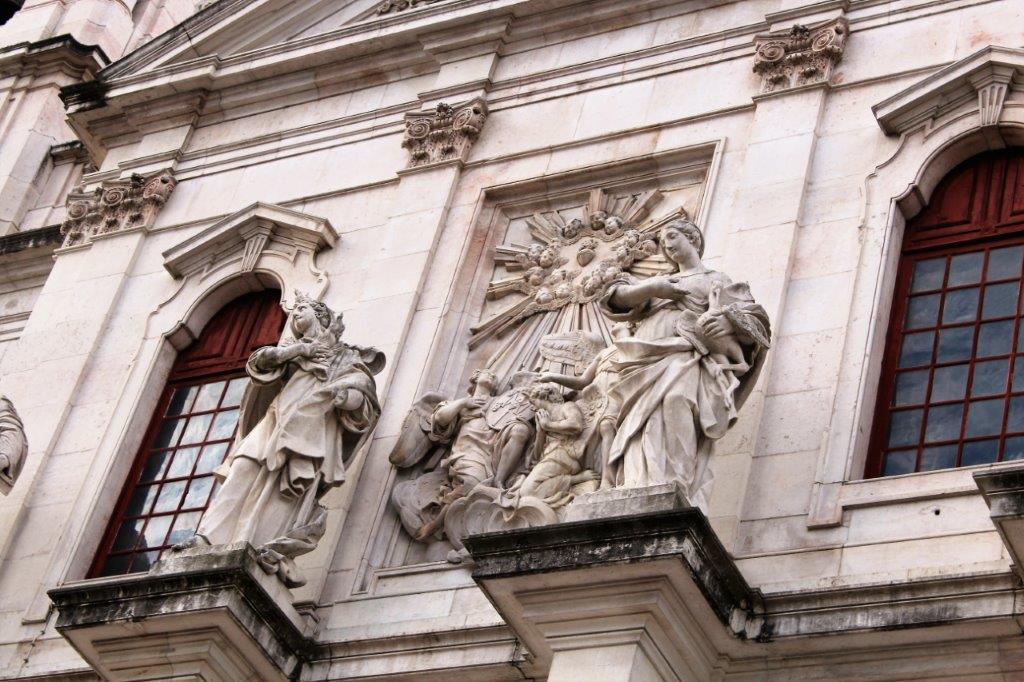
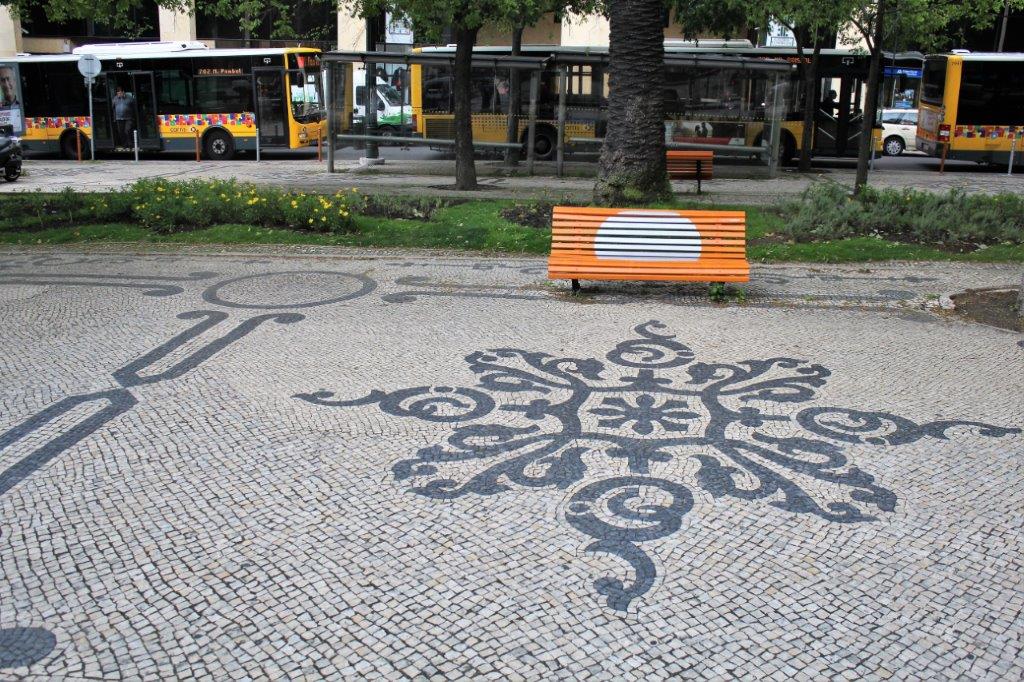
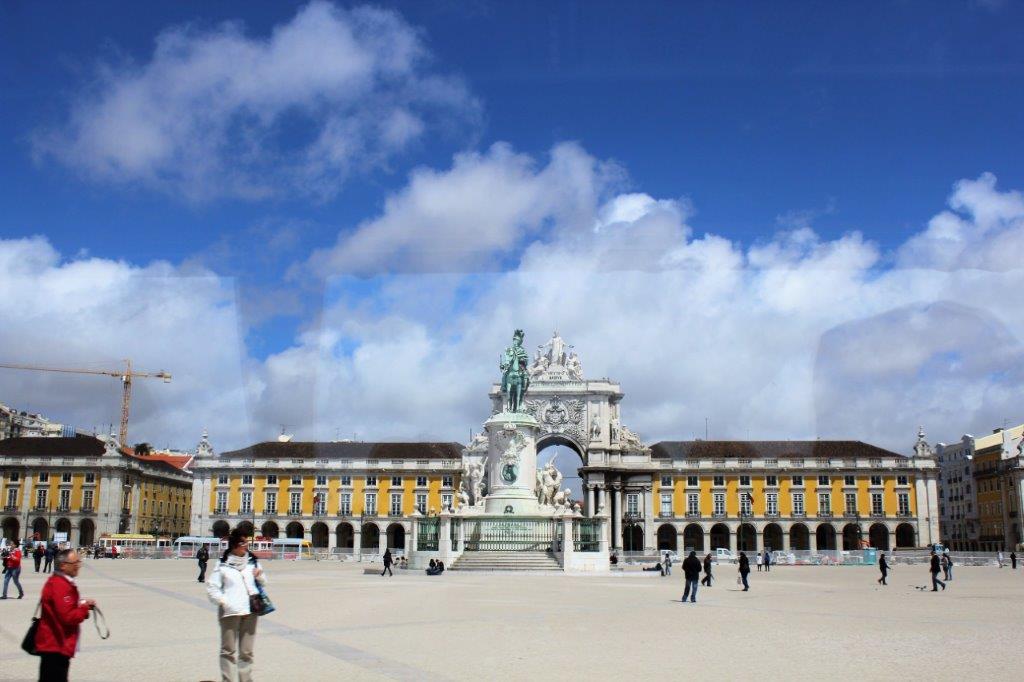
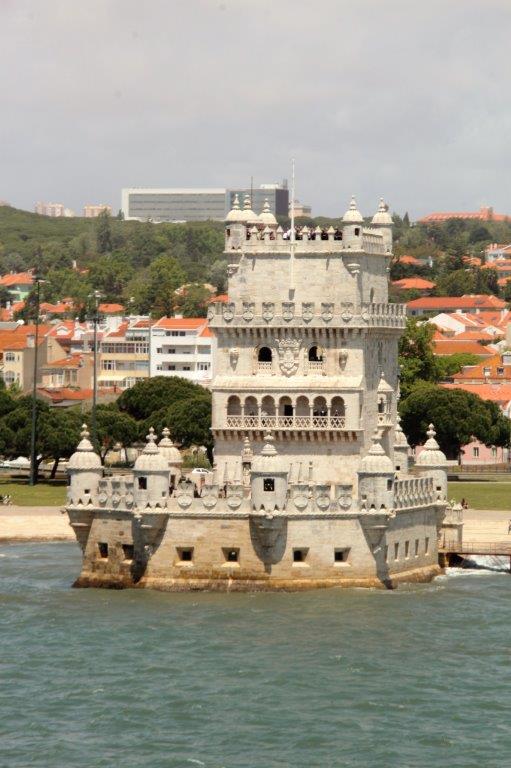
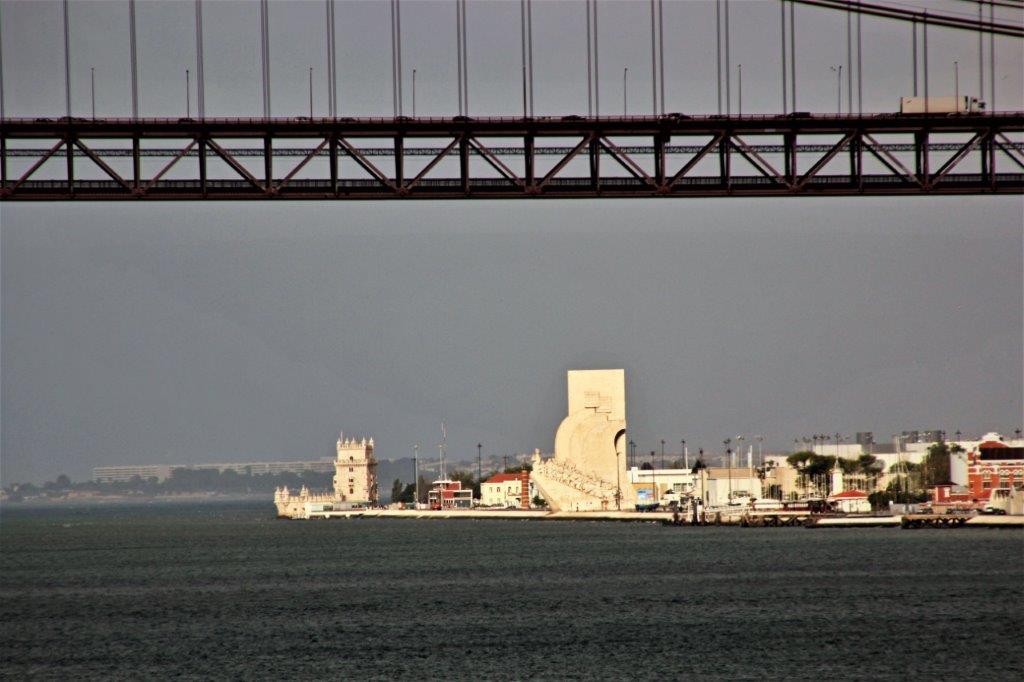
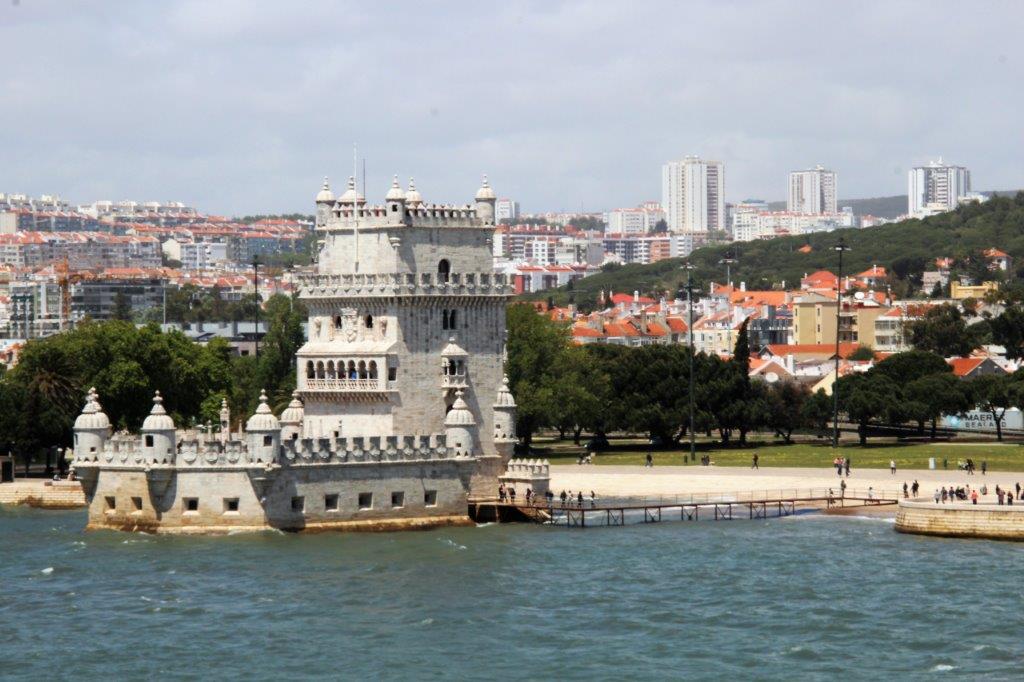
We were berthed in Lisbon for two nights.  However, our first day shore excursion – a river cruise on the Tagus was cancelled due to heavy rain.  The ship’s Shore Excursion desk had been told we would be using covered boats but found out that morning that we would all be in open boats and so they cancelled it.  Consequently we spent the day relaxing on the ship. Several times during the day the rain quit and we considered going into town to walk around but then the rain would begin again.  Laziness won out over getting wet and we enjoyed a quiet day on board. It wasn’t raining during the sail-in on the morning of May 2 and we spent some time on deck as the ship made its way to the port.  The 25 of April Bridge connects Lisbon to the municipality of Almada on the left bank of the Tagus.  The bridge was inauguated on August 6, 1966 and is often compared to the Golden Gate Bridge in San Francisco due it similar appearance. (It was built by the same company.)  The bridge was originally called the Salazar Bridge but soon after the Carnation Revolution in 1974, the bridge was renamed the 25 de Abril Bridge, commemorating the day the revolution occurred.  There are now six car lanes on the mail level and two train tracks on the lower level. Lisbon is built on seven low hills on the north side of the Tagus River.  It is considered one of the most enjoyable cities in Europe due to is cultural diversity, laid-back feel and old-time architecture.  There are tree-lined streets and Art Nouveau buildings, mosaic pavements and street cafes.  Many of the cities attractions are within walking distance of each other in the central city area.The second day in Lisbon we enjoyed a look at some of Lisbon’s beautiful Baroque-style architecture and decorative tiles.  Baroque flourished all over Europe in the 17th and 18th centuries, during a time that Portugal enjoyed tremendous wealth from the discovery and exploitation of mines in Brazil.  Some say Baroqe is the art of embellihsment, other say it is the art of extravagance.
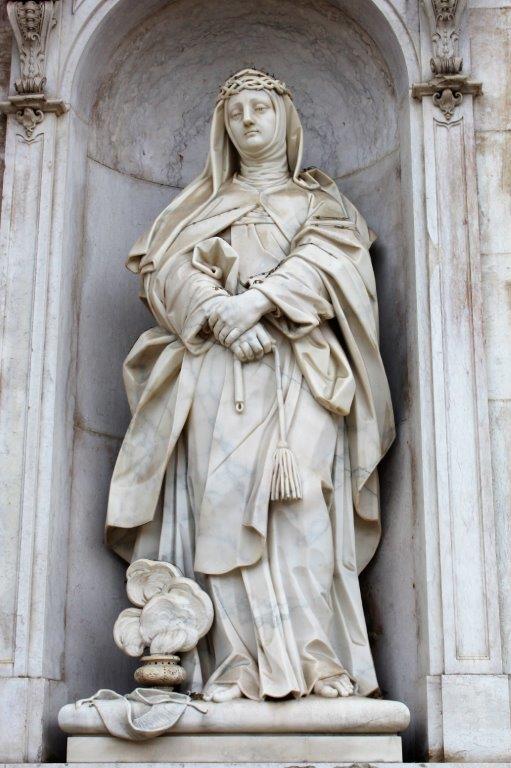
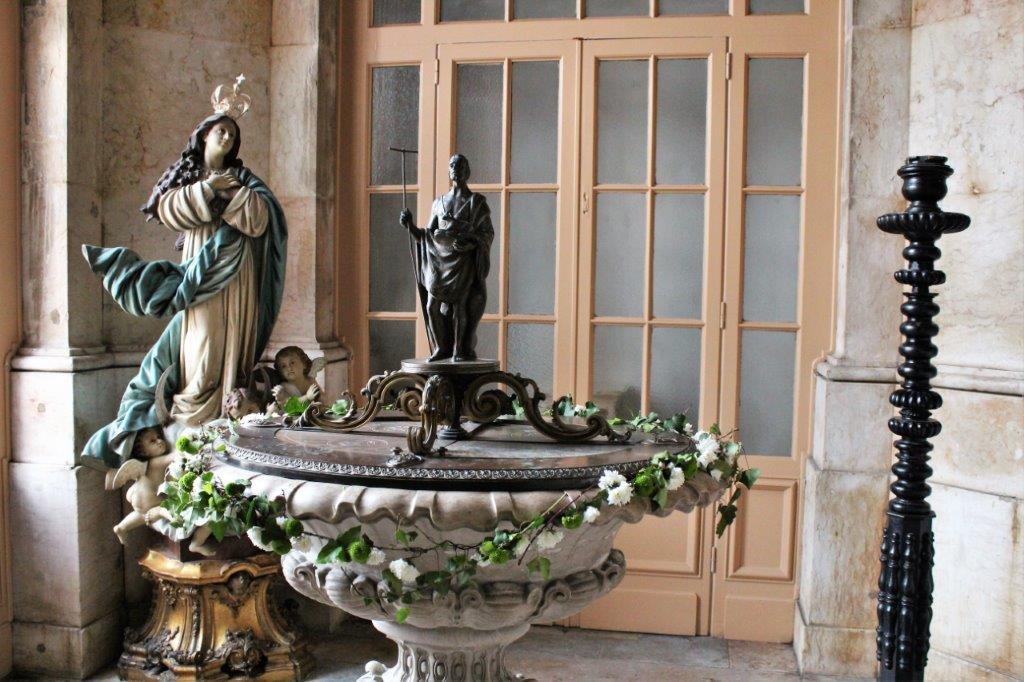
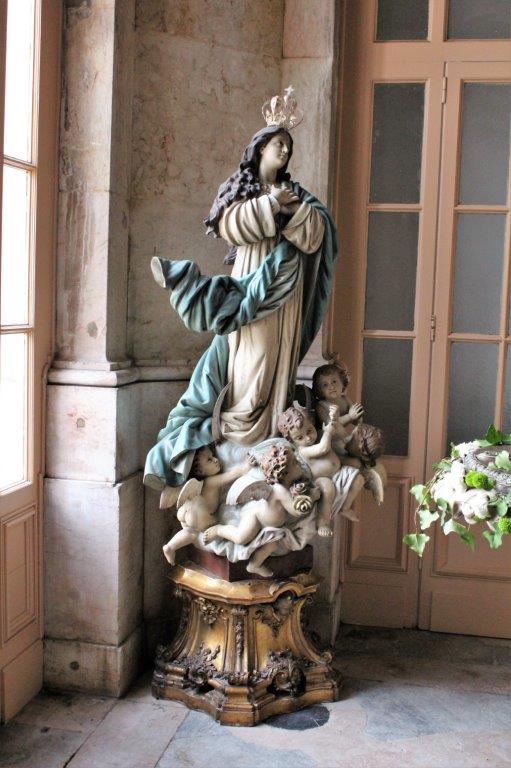
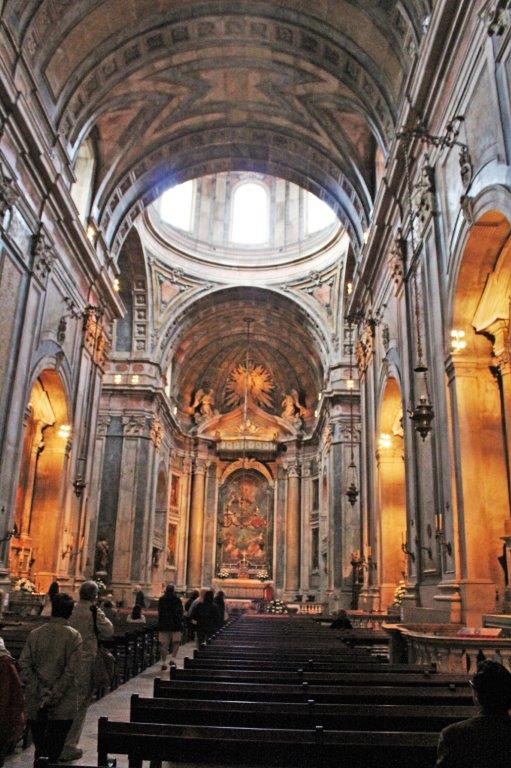
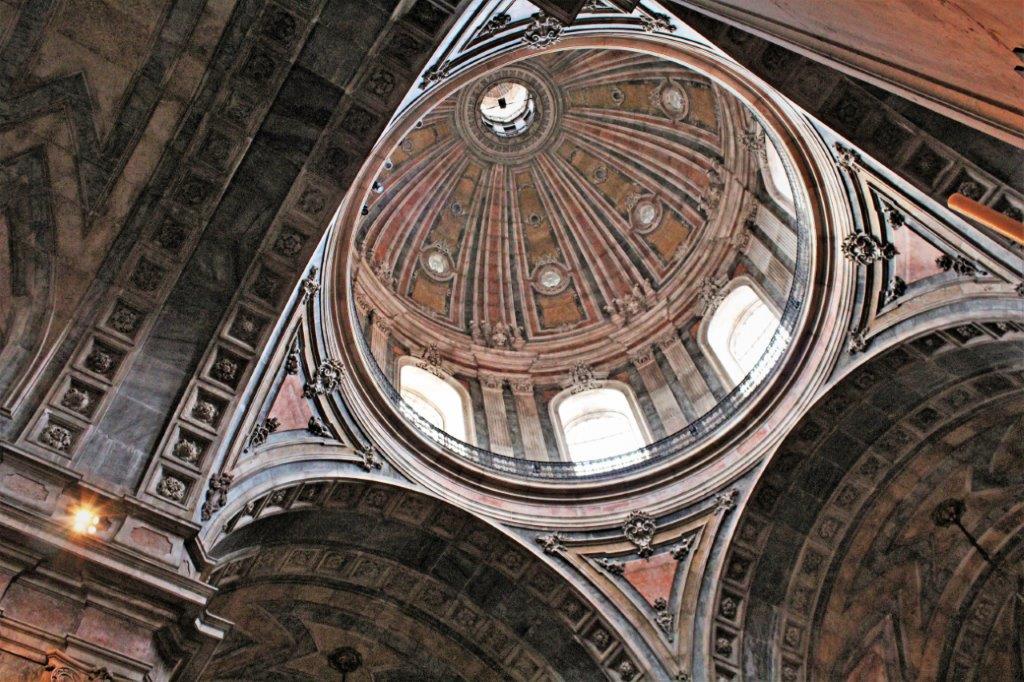
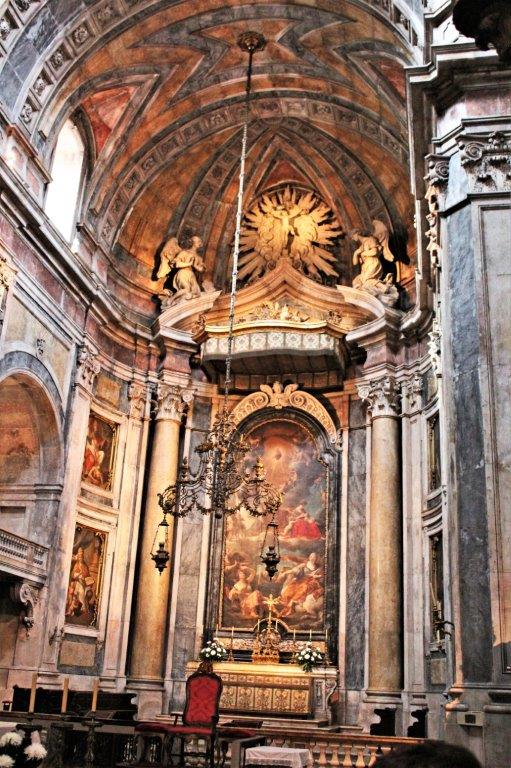
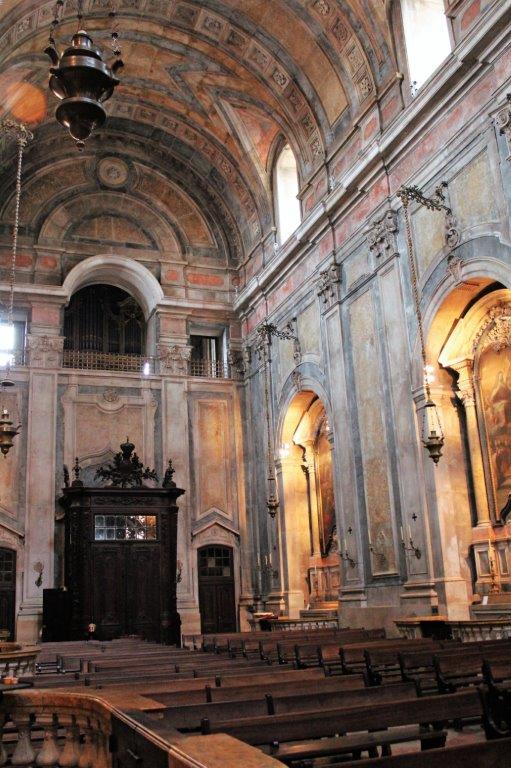
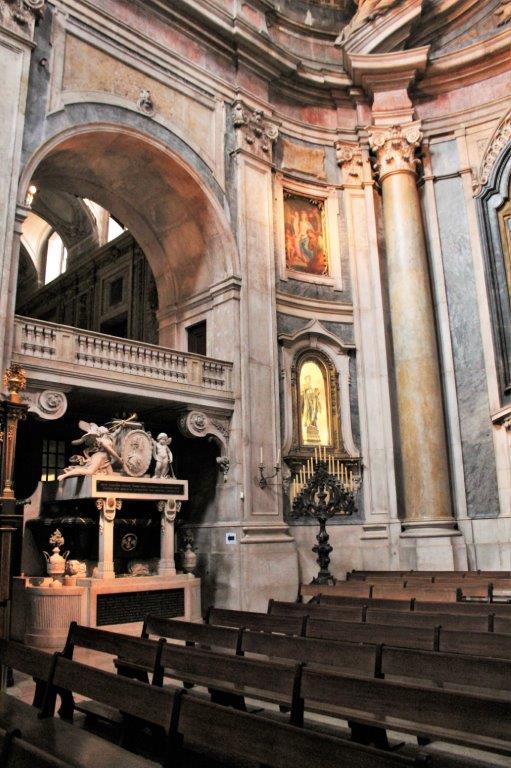
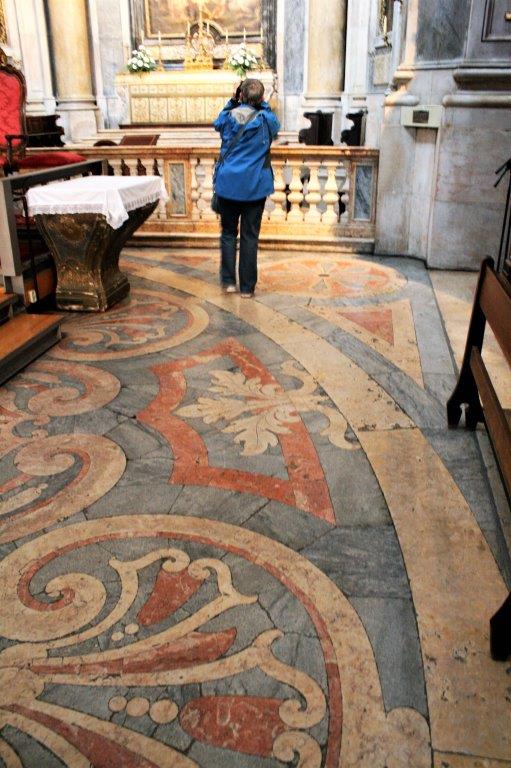
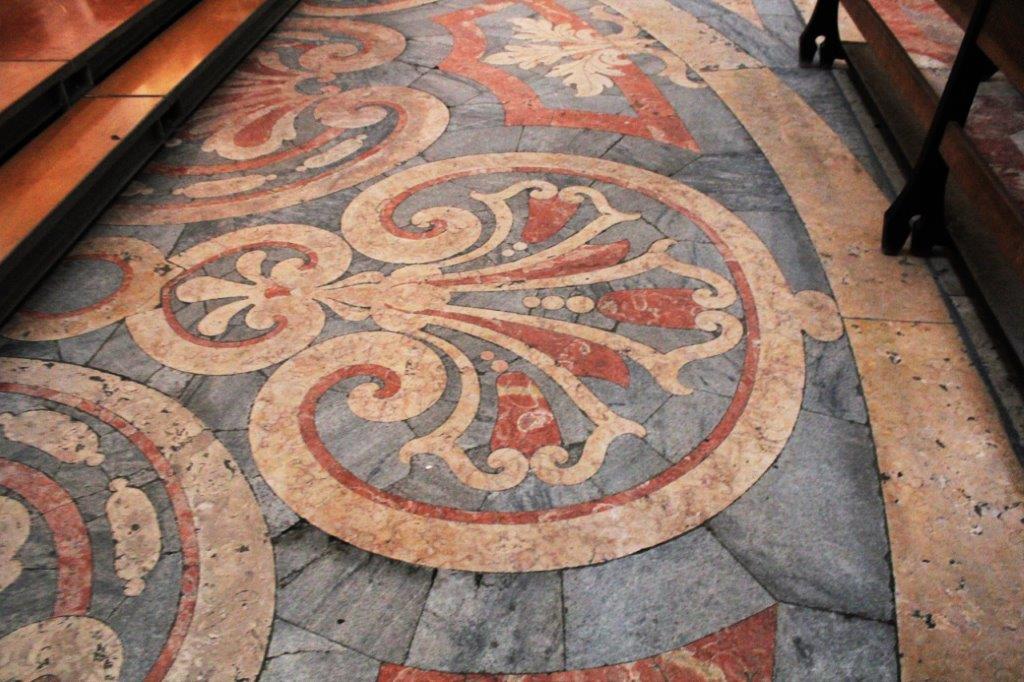
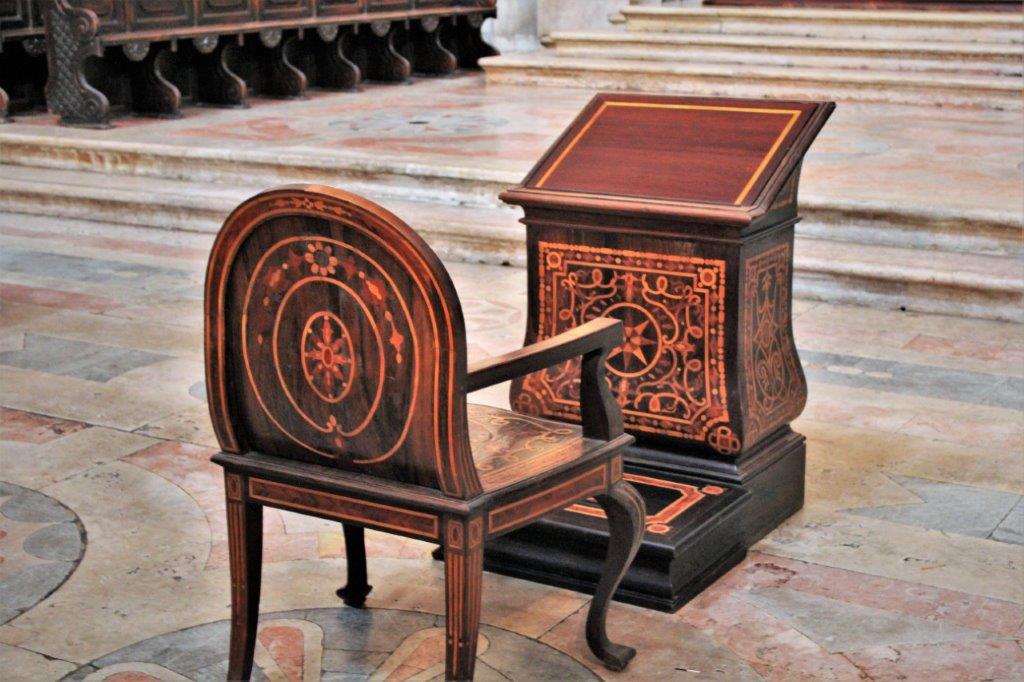
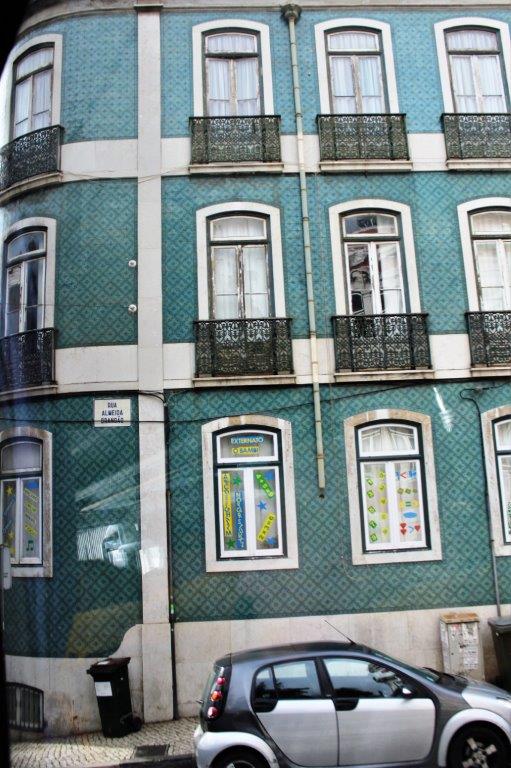
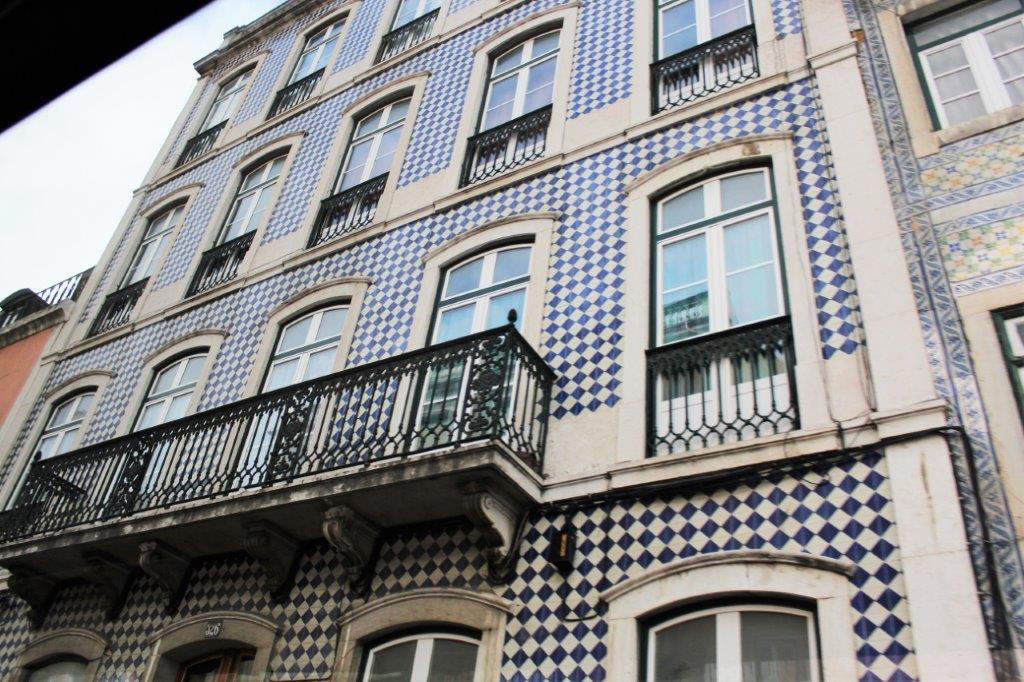
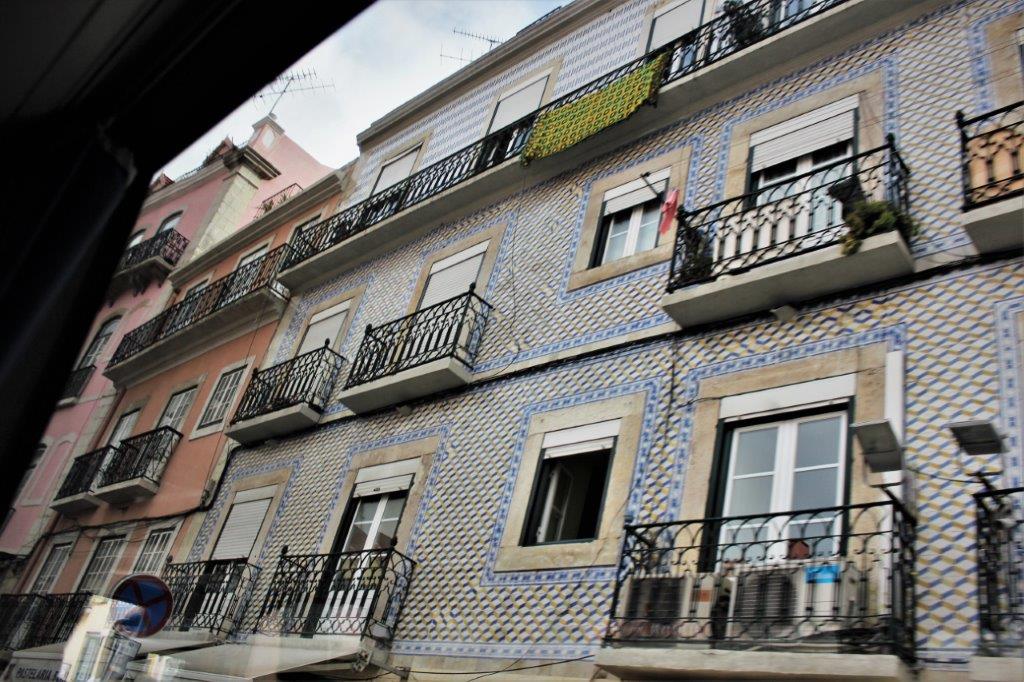
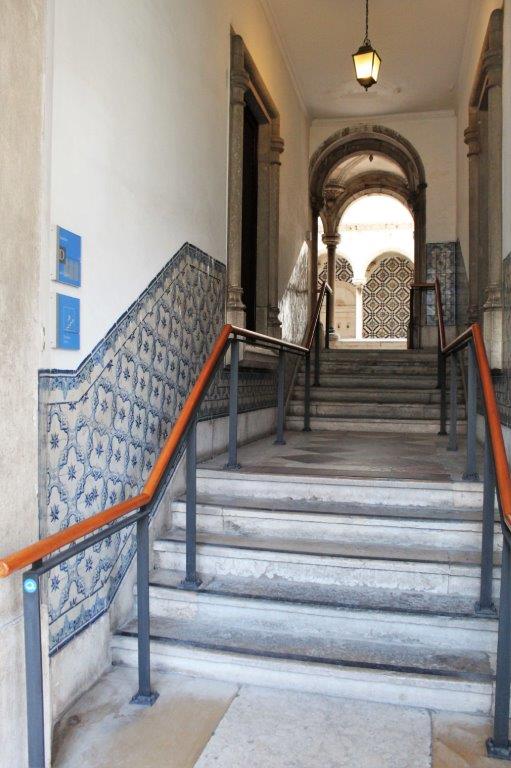
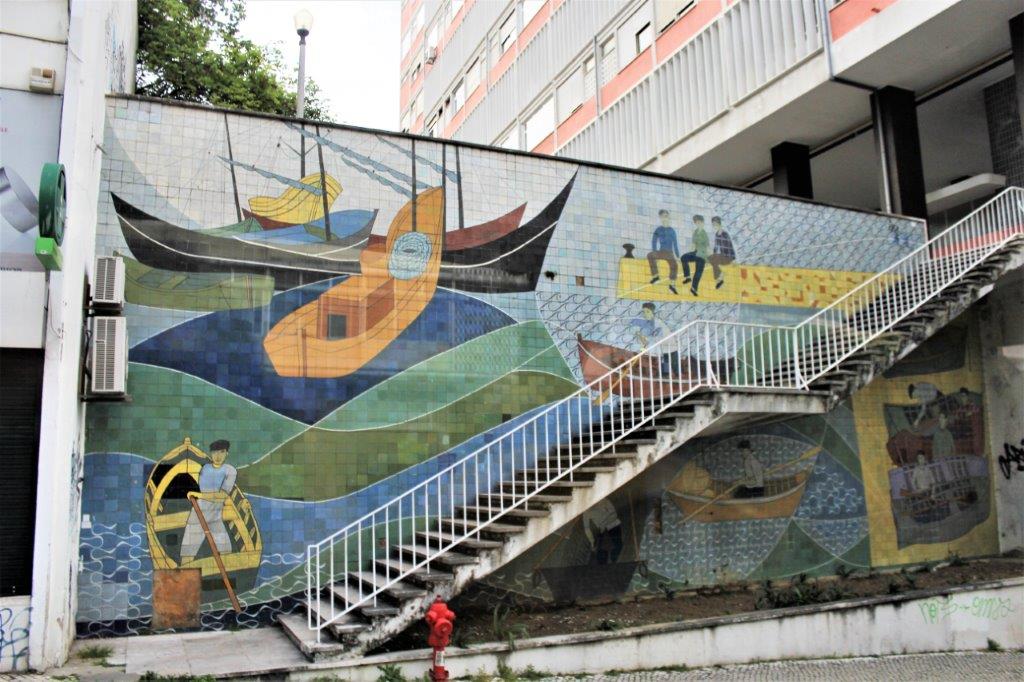
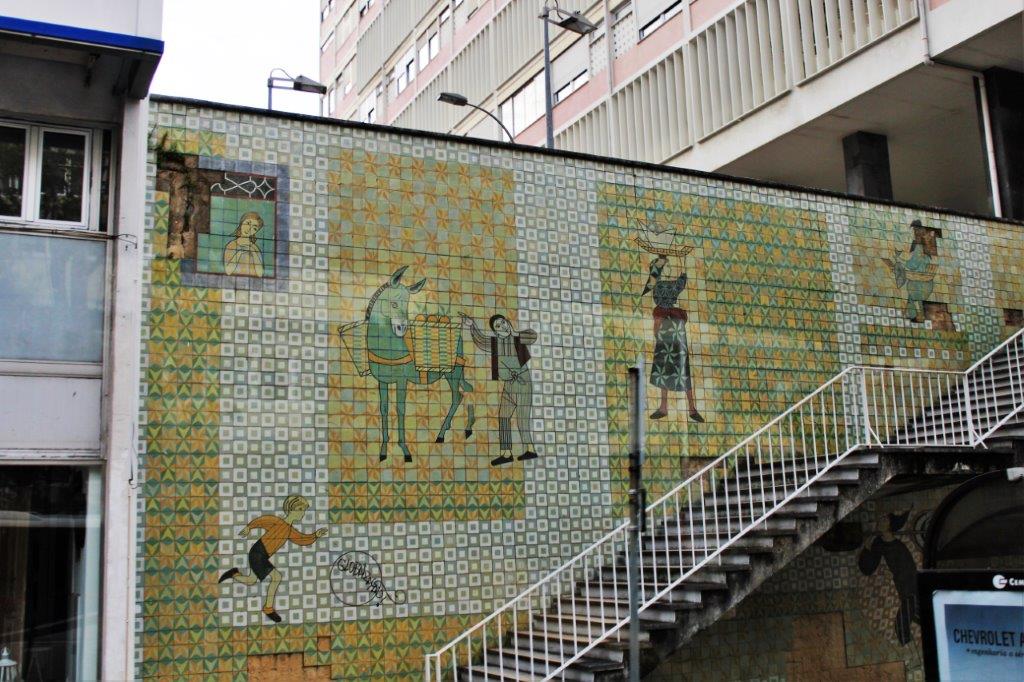
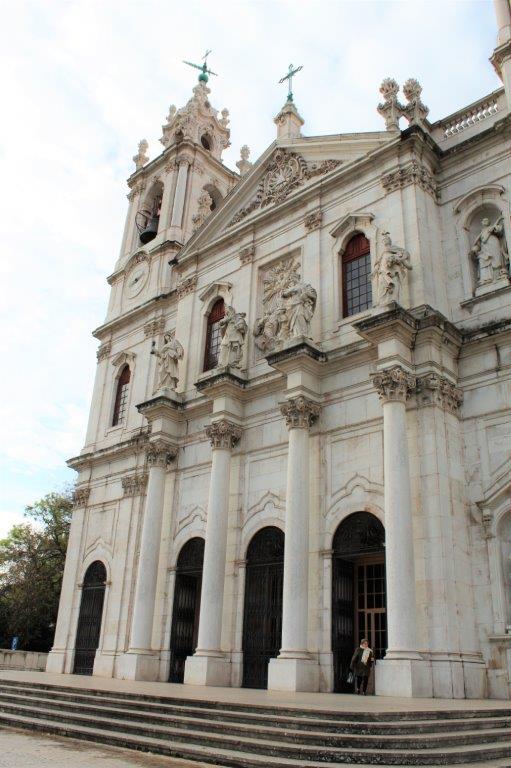
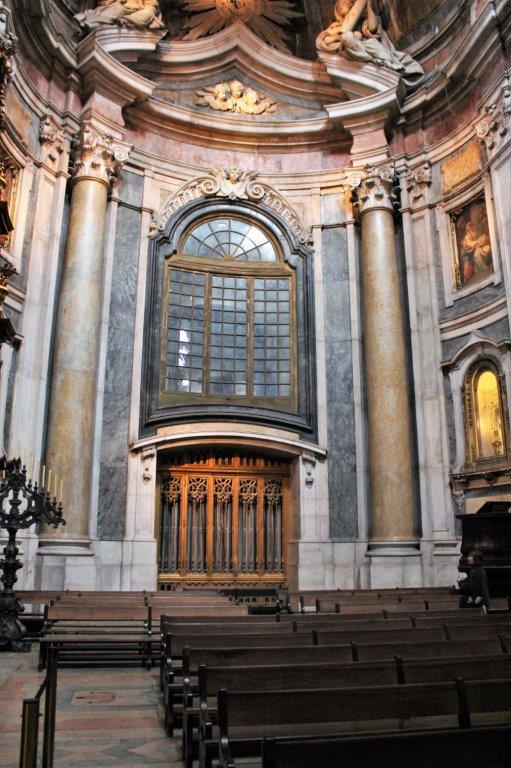
We drove past several buildings that were decorated with lovely tiles.  Portugal has used tiles extensively for centuries, both on exteriors and interiors of buildings.  Paint flakes and fades, and adobe drys and cracks in the intense heat of summer and the constant winds off the water, but the tiles endure; staying bright and clear for hundreds of years. We visited the Basilica da Estrela, which has marble of various colours on the walls and floors.  The church was not nearly as ornate as many of the Roman Catholic Churches we have seen on this cruise.  It was built in the late 1700’s.  The priest was not happy to have our group arrive.  He quickly put a rope across the front of the church to cordon off the altar area and he hovered nearby all the while we were there; making sure no one went anywhere he felt they shouldn’t.
The patterns in red, grey, and white marble made for lovely floors and domes.
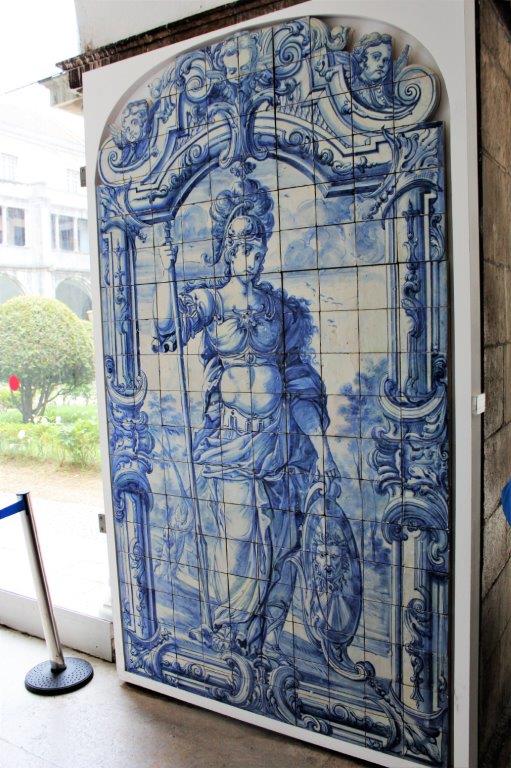
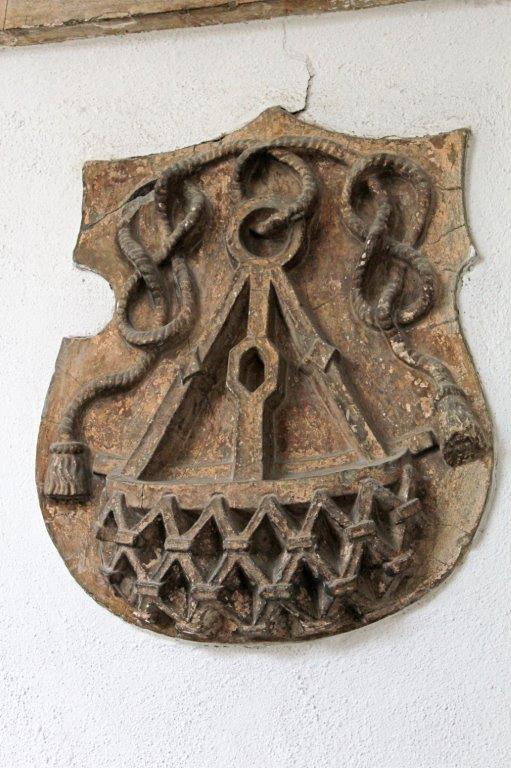
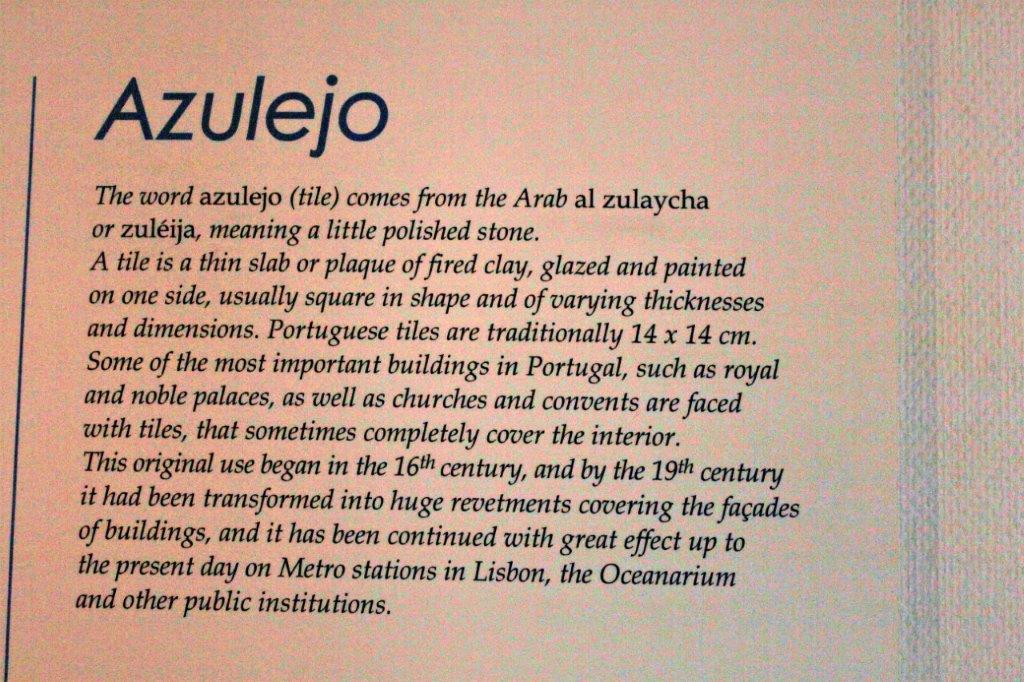
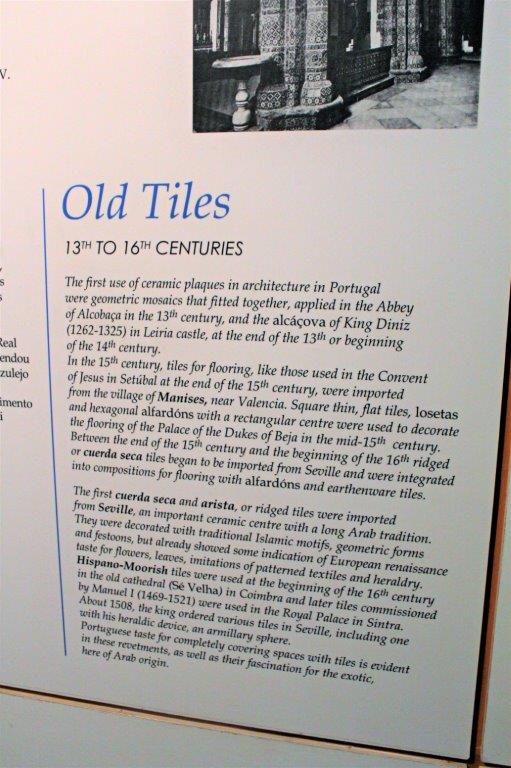
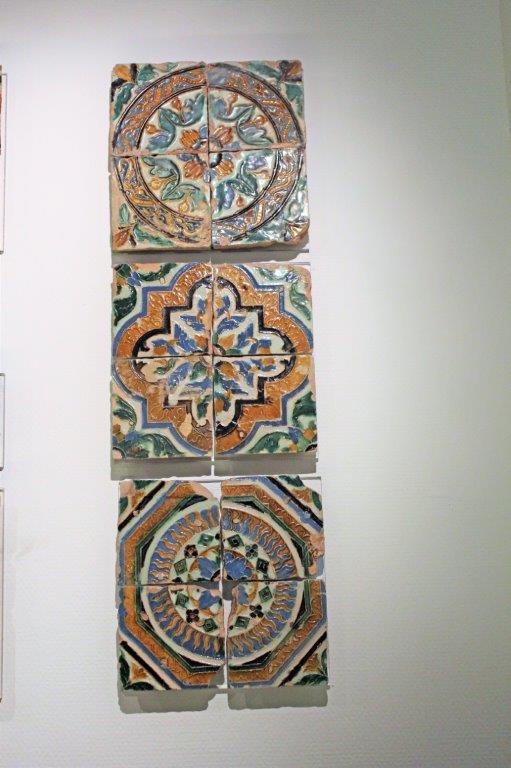
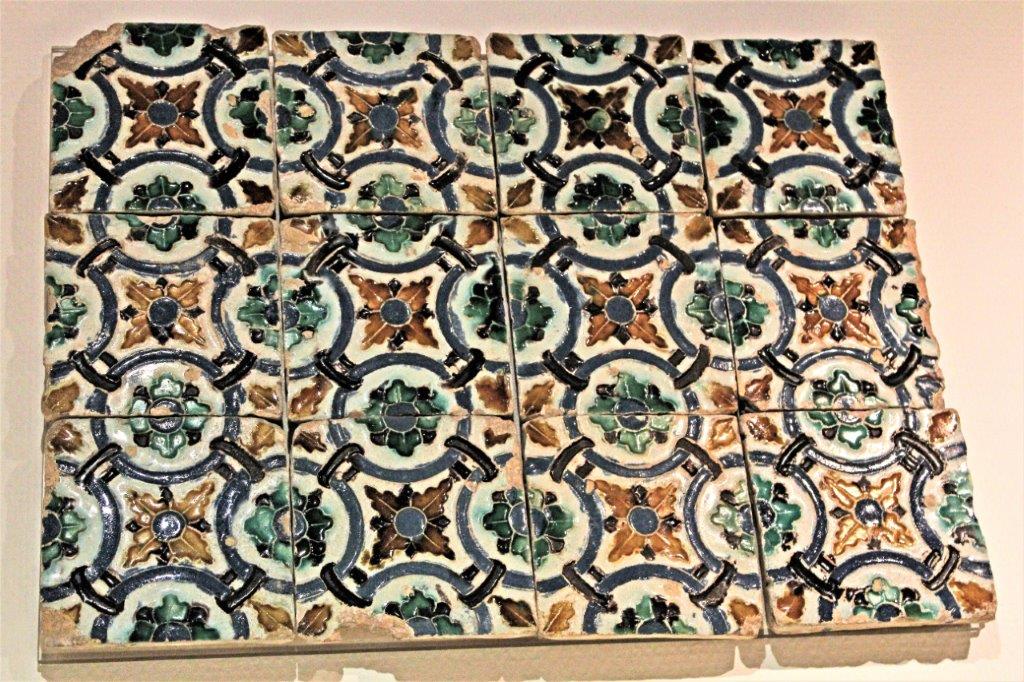
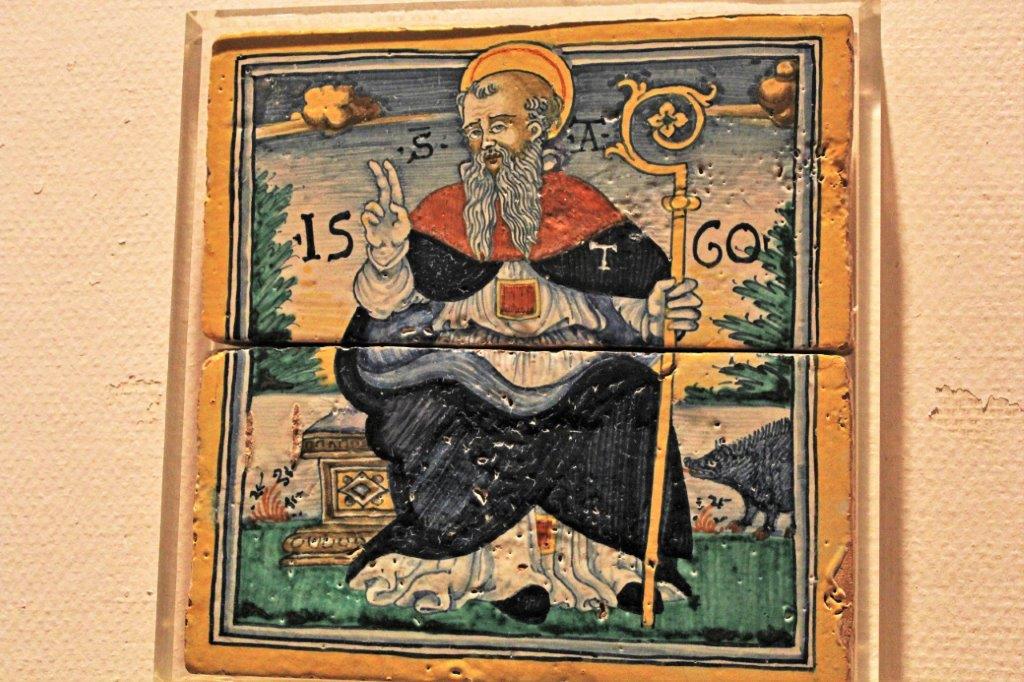
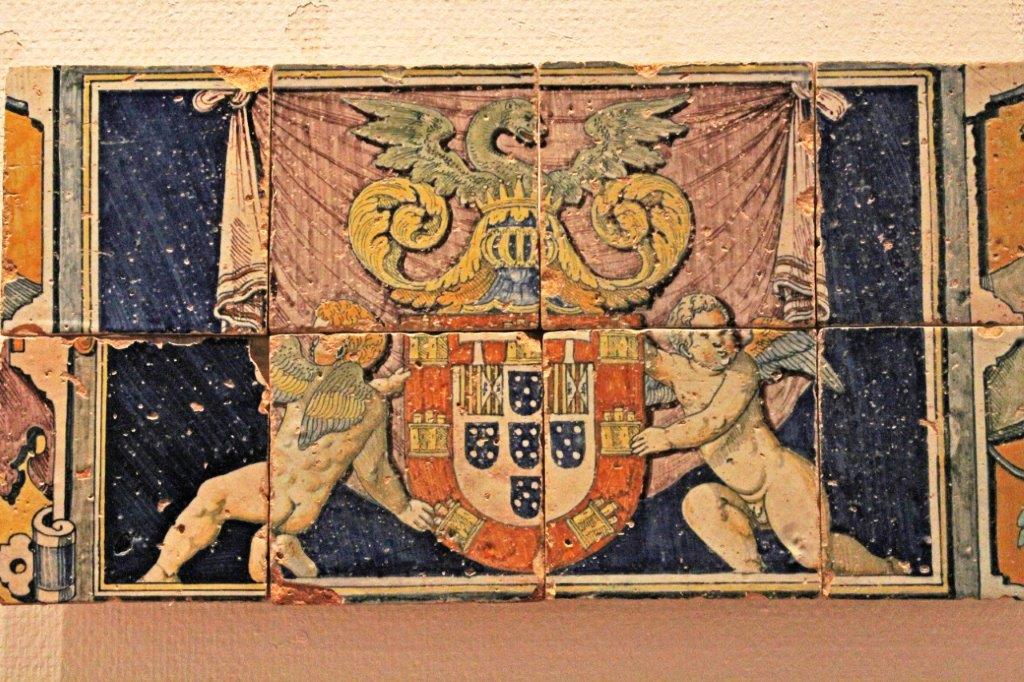
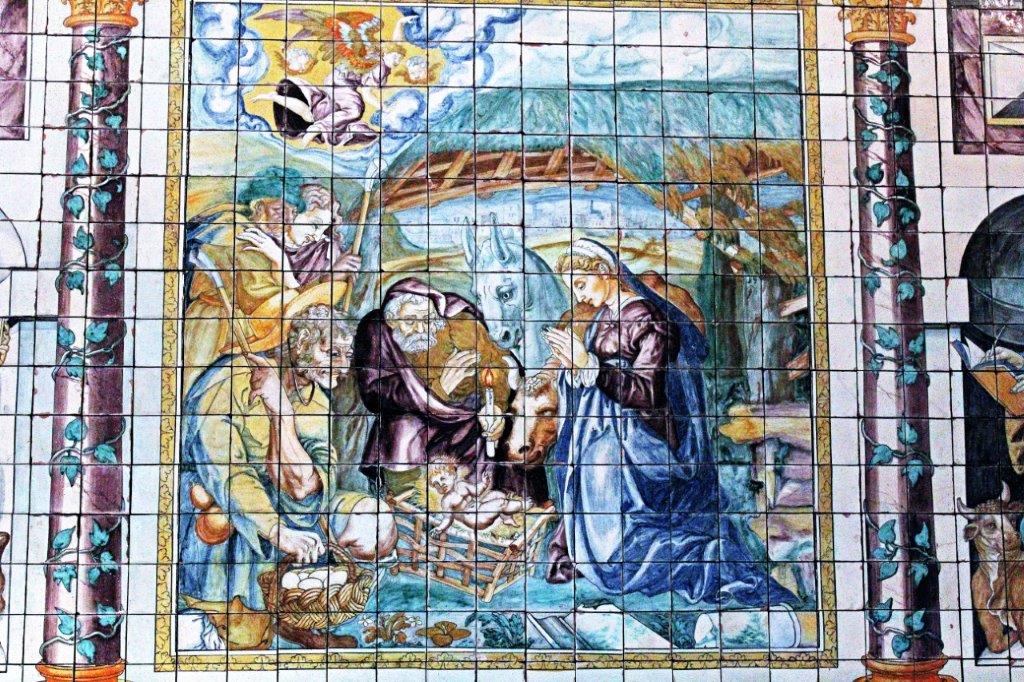
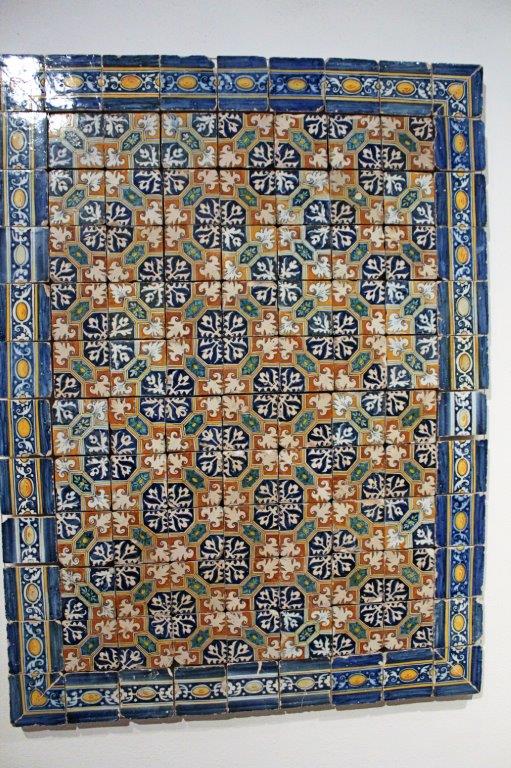
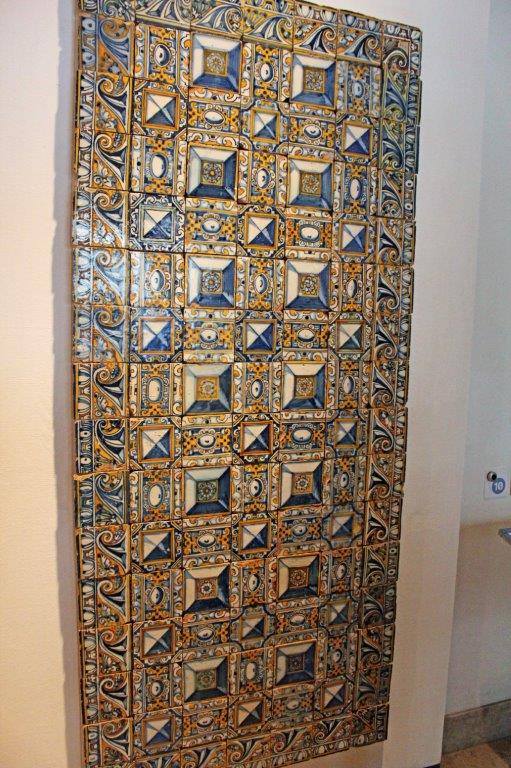
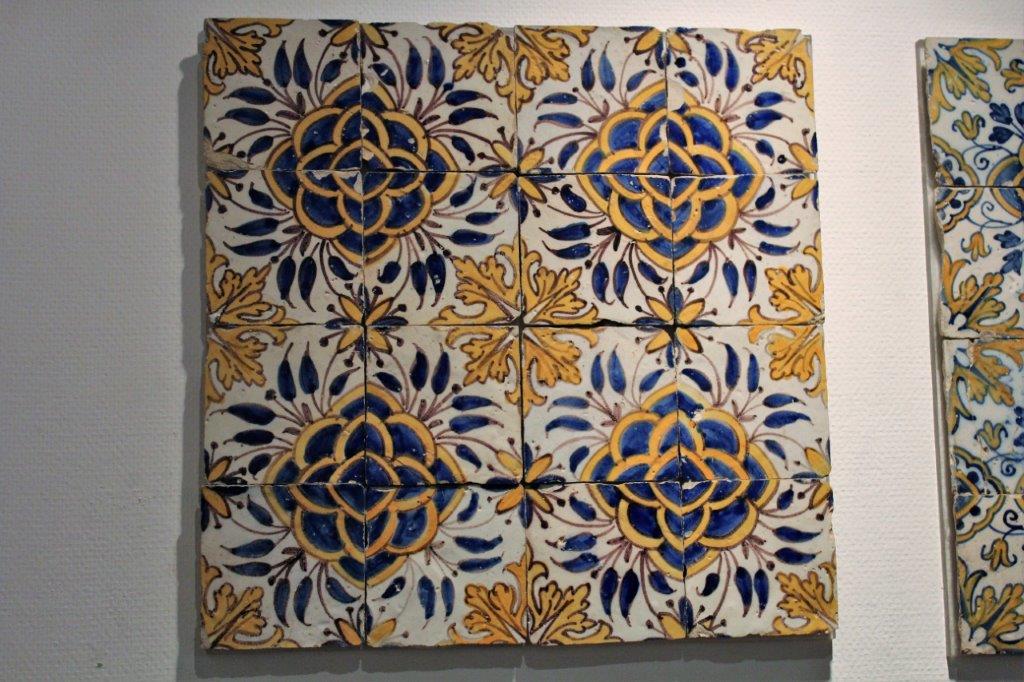
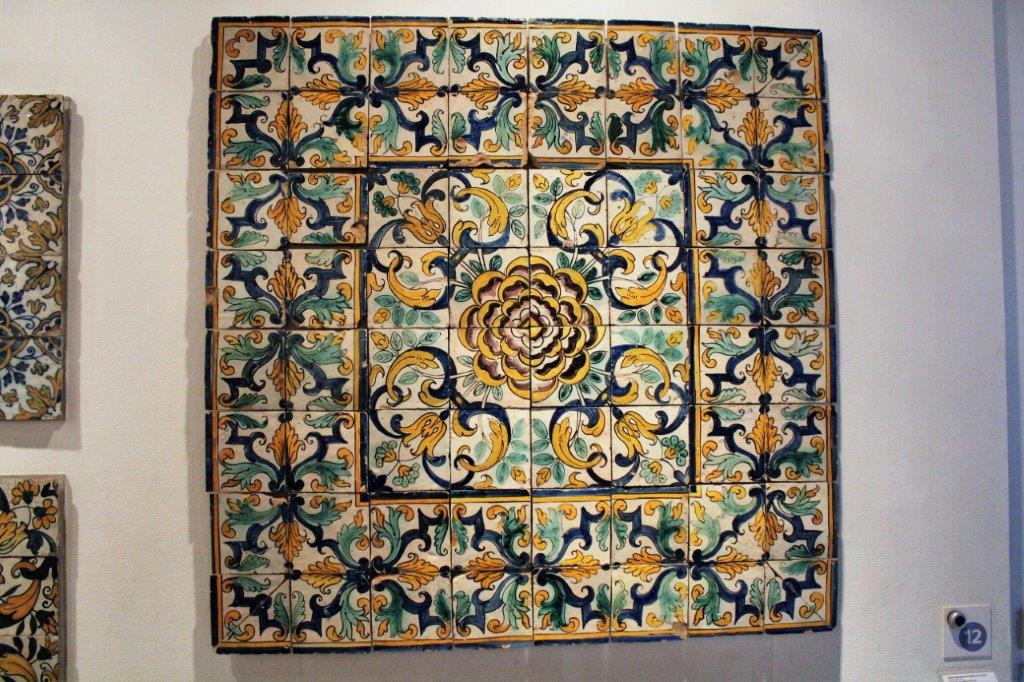
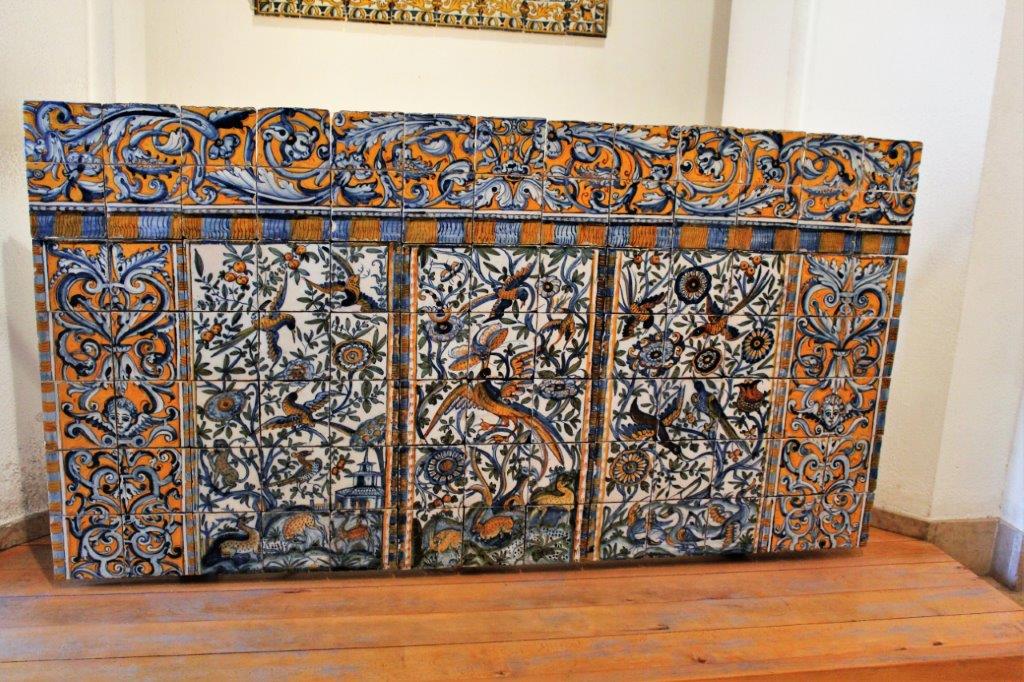
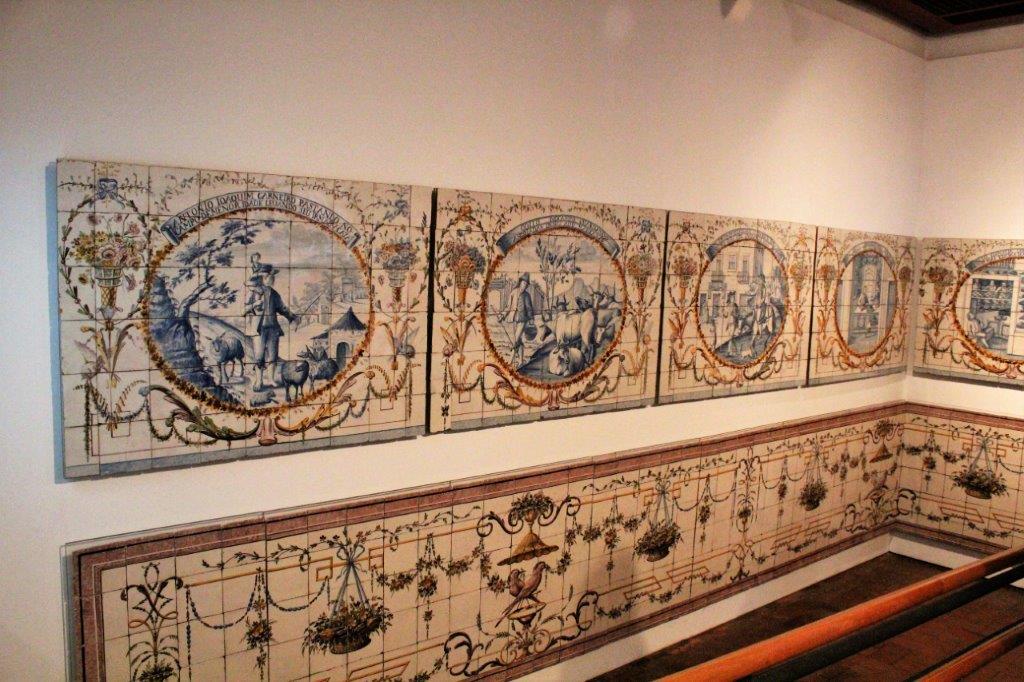
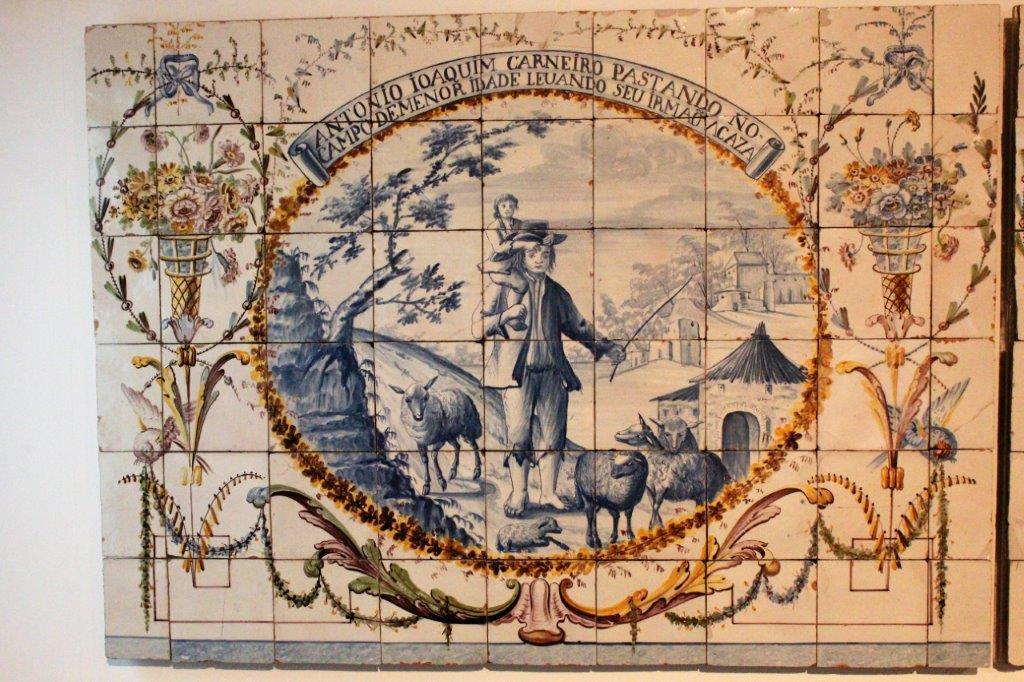
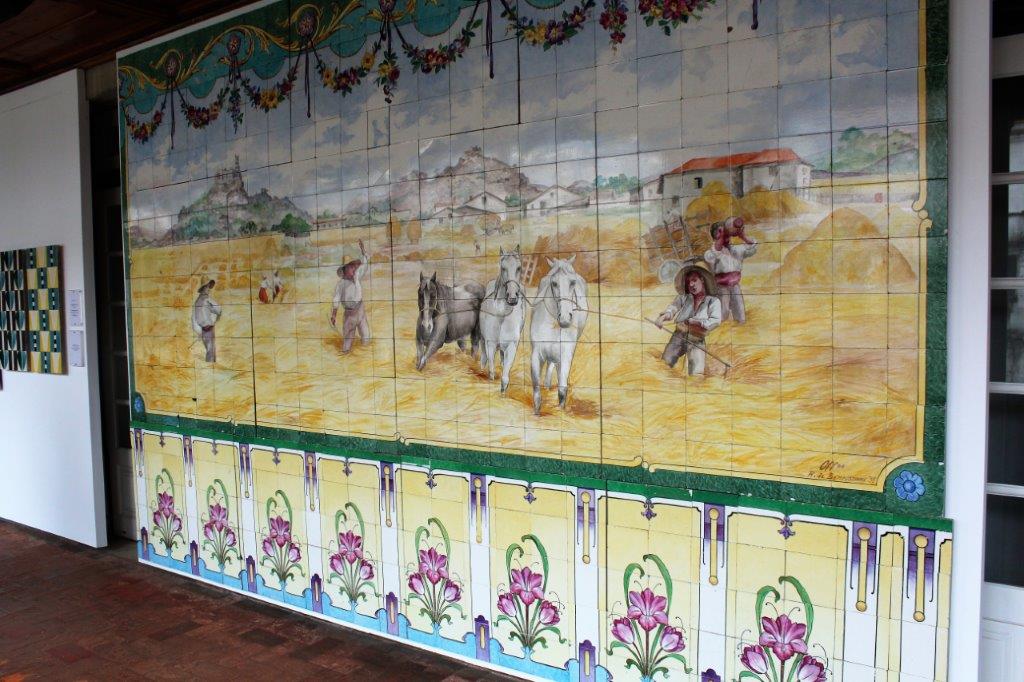
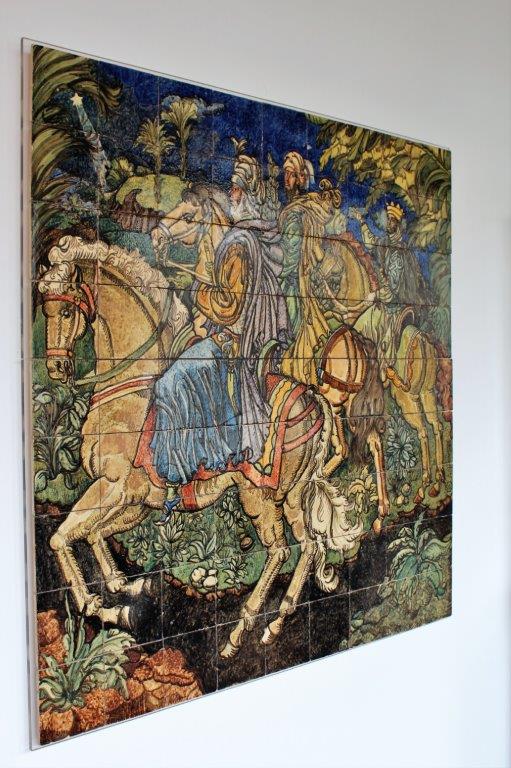
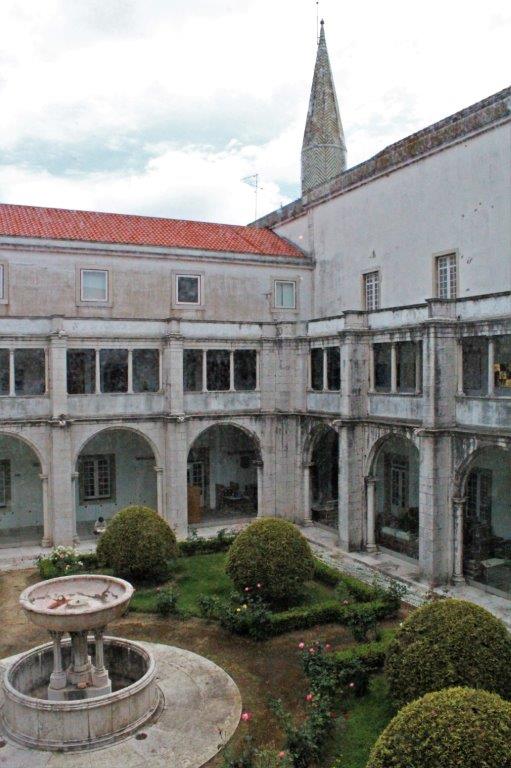
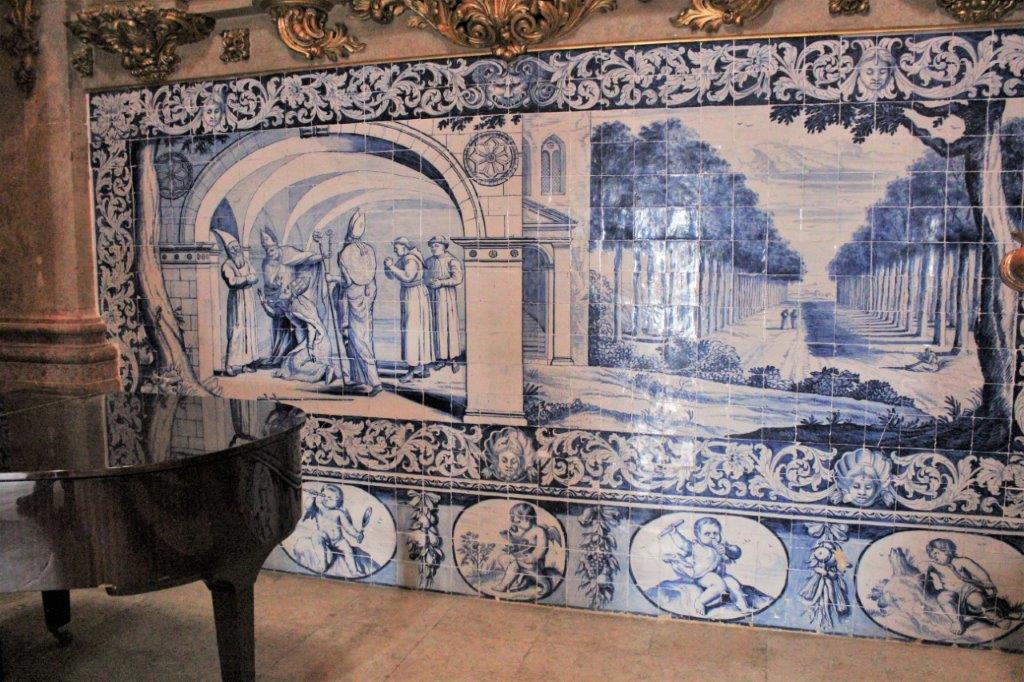
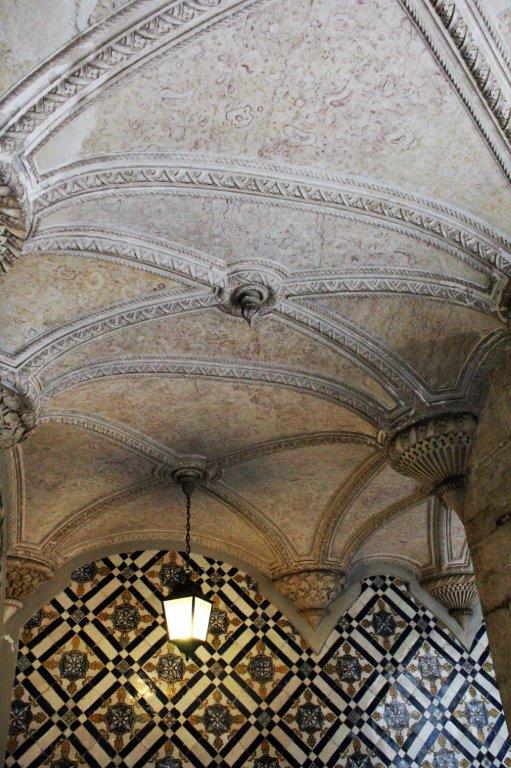
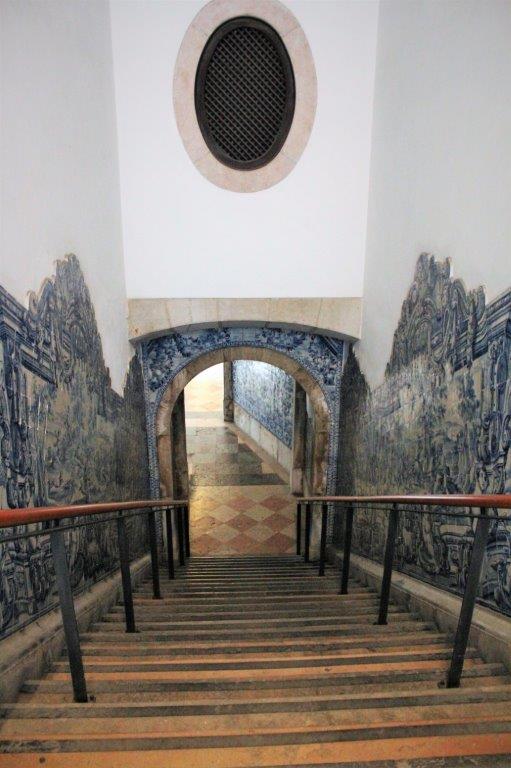
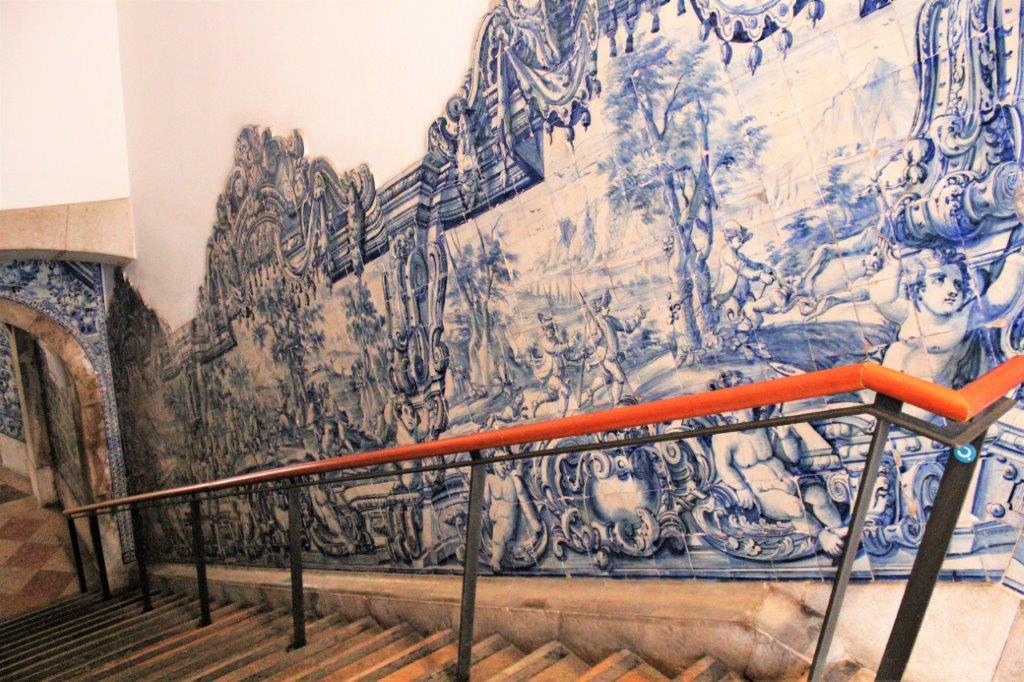
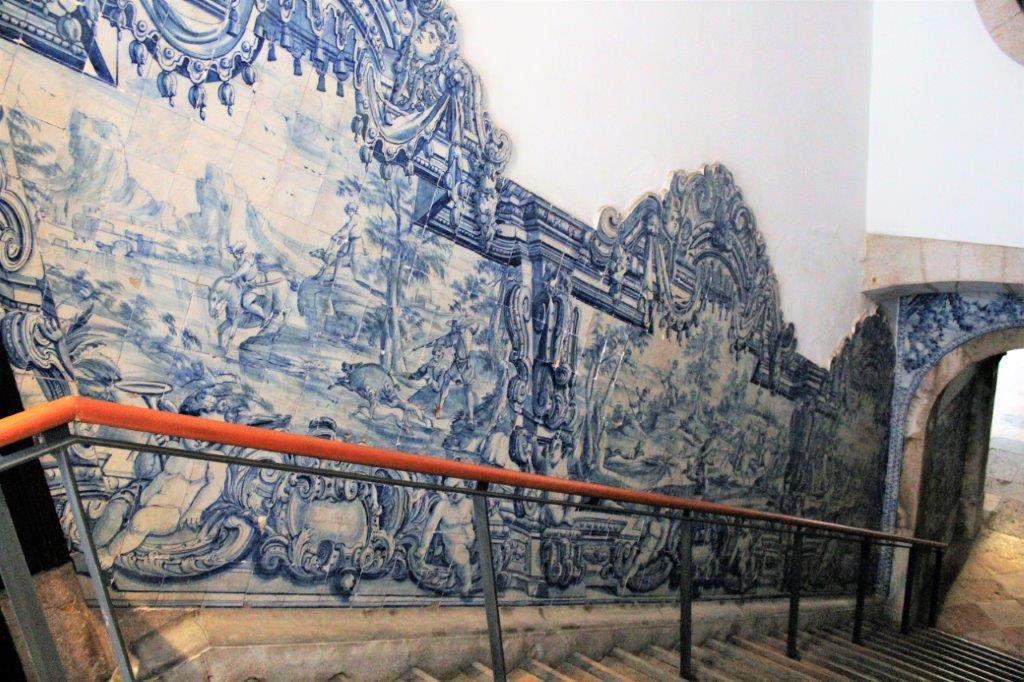
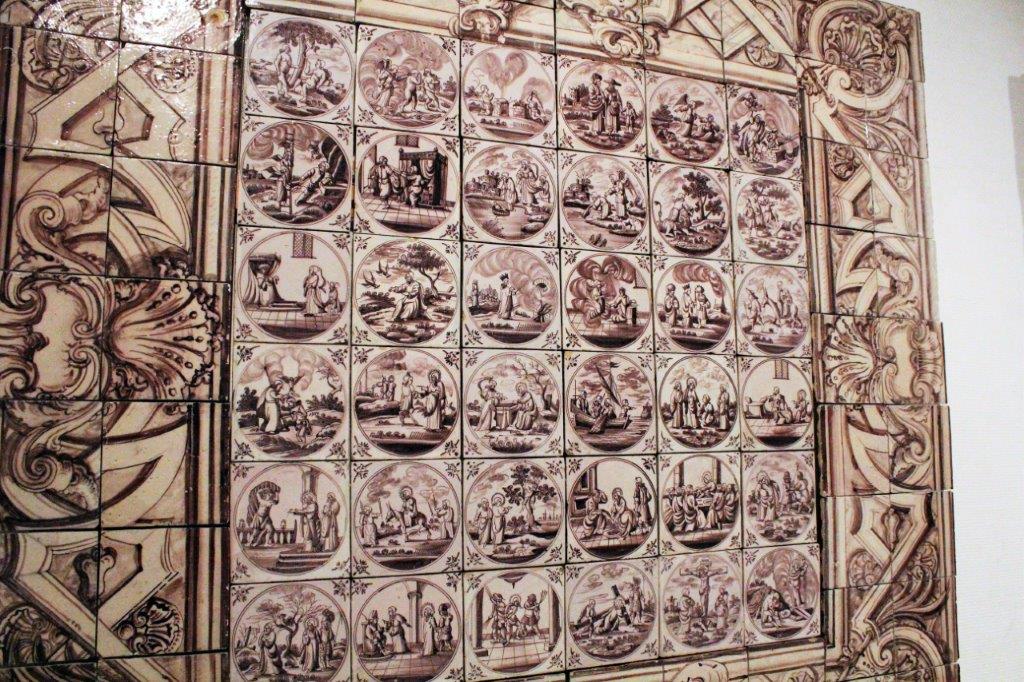
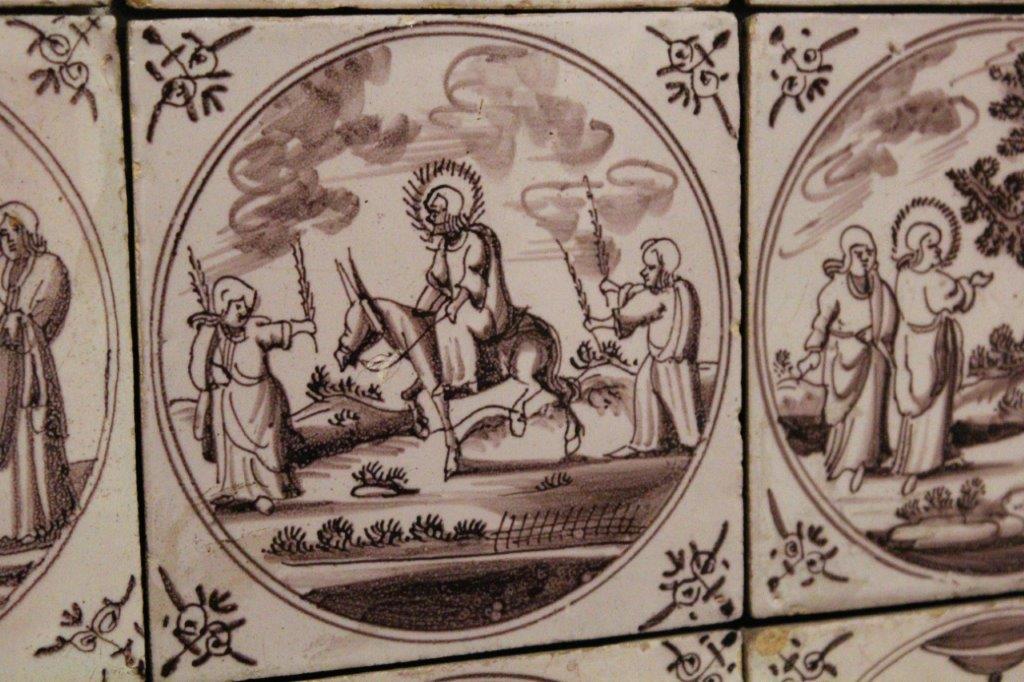
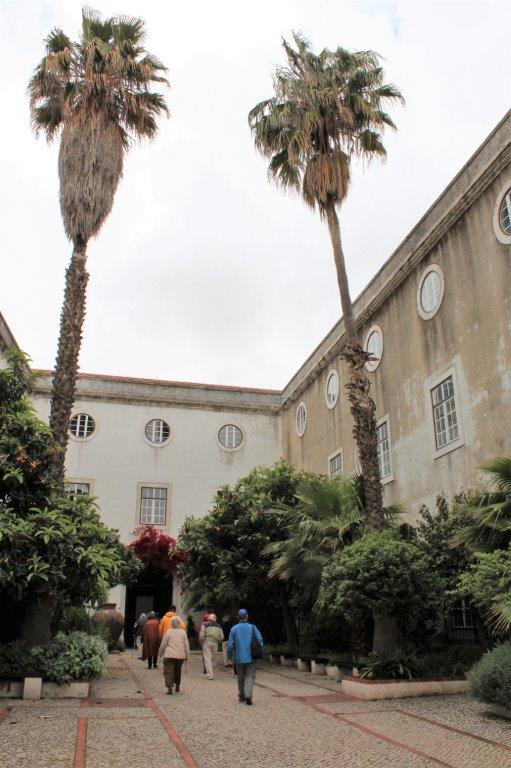
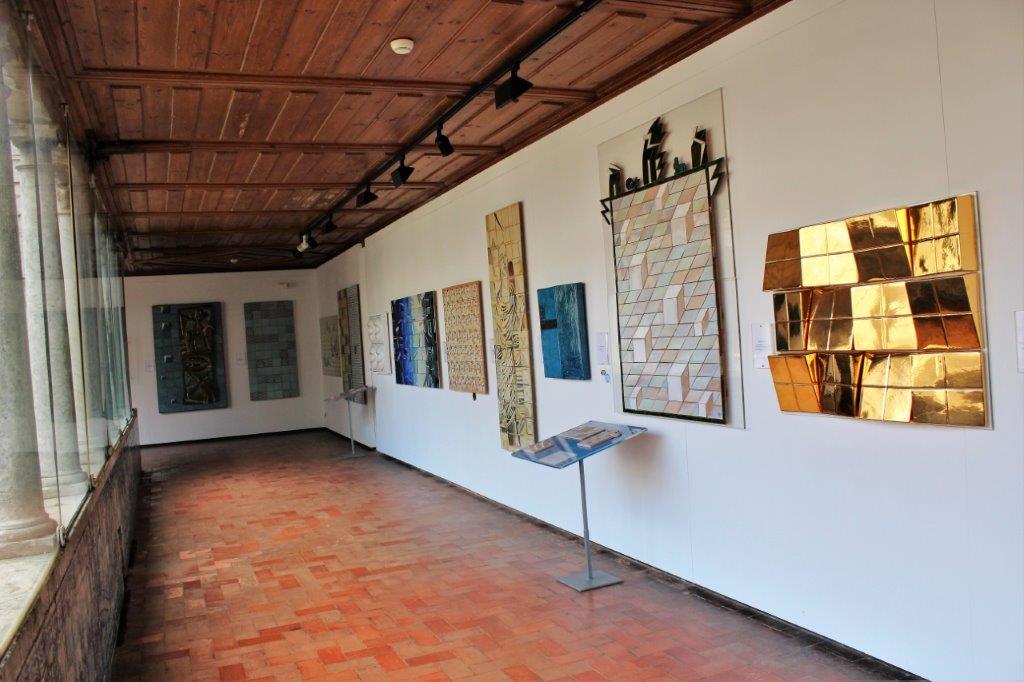
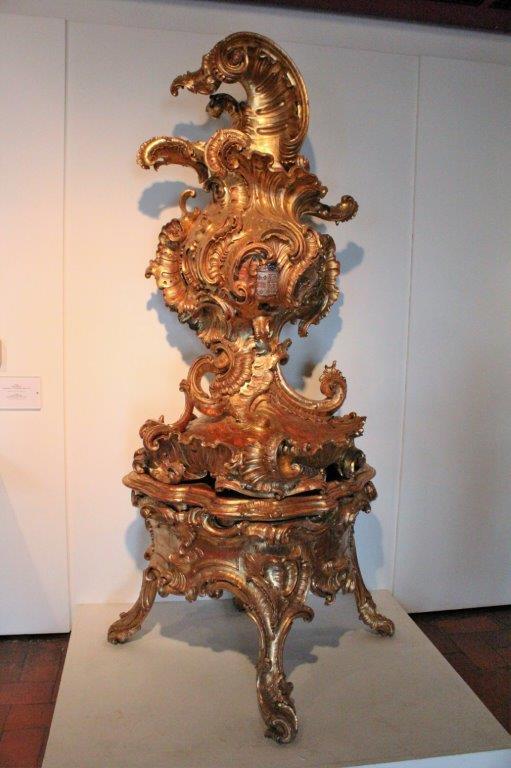
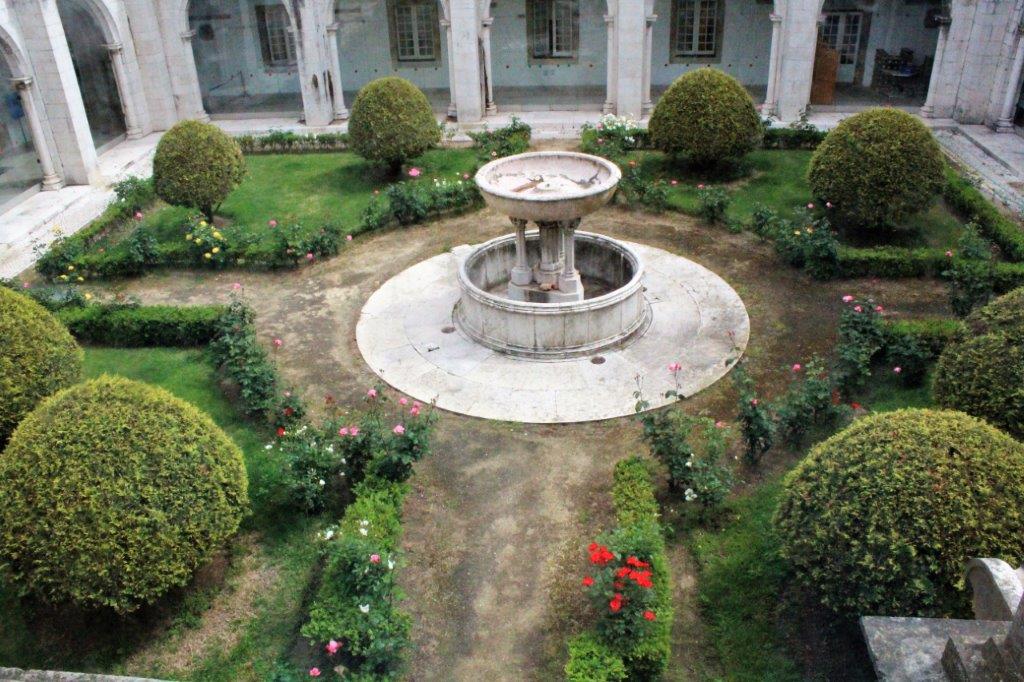
We had left the ship at 8:15, driven more or less directly to the church, and by the time we left there the tile museum, which was our next stop was still not open.  To kill some time the bus driver took us on a panoramic tour of Lisbon.  This worked out well for us since we had stayed on the ship all day the day before.  The National Tile Museum is housed in a former convent, Madre de Deus (Mother of God Convent), so the building was as nice to tour as the tiles.  The museum displays tiles from the 11th century to modern day.
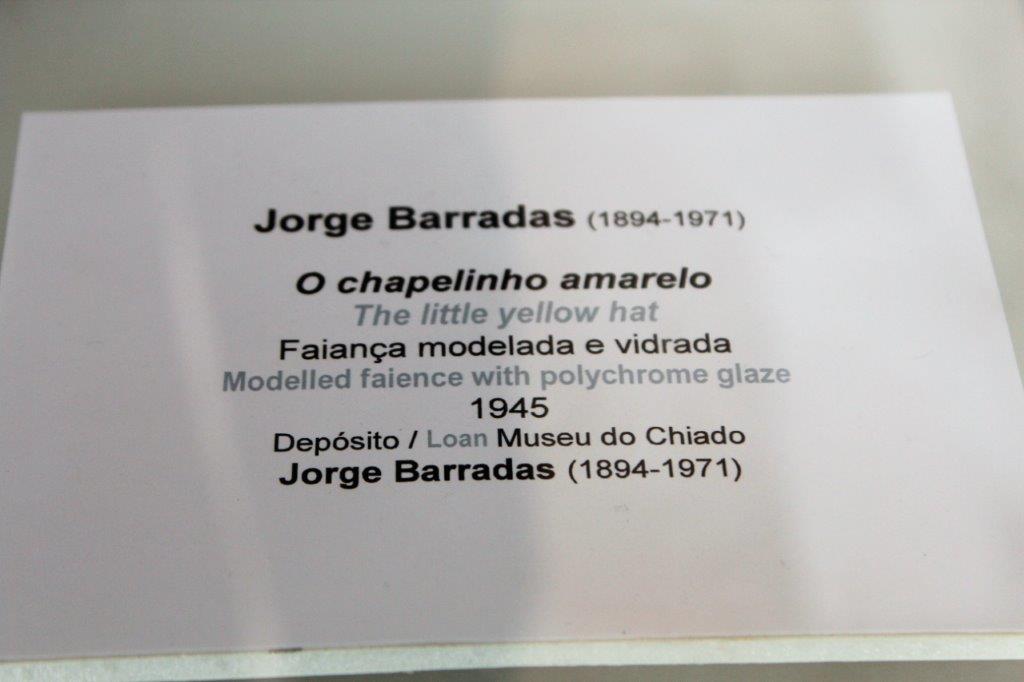
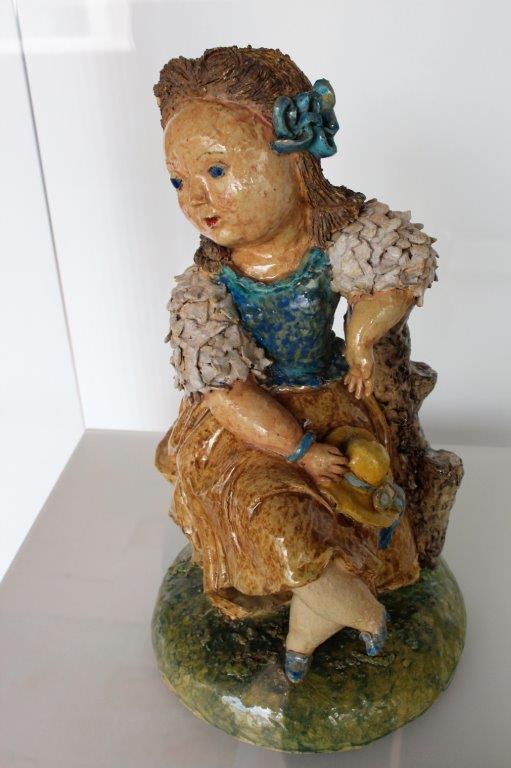
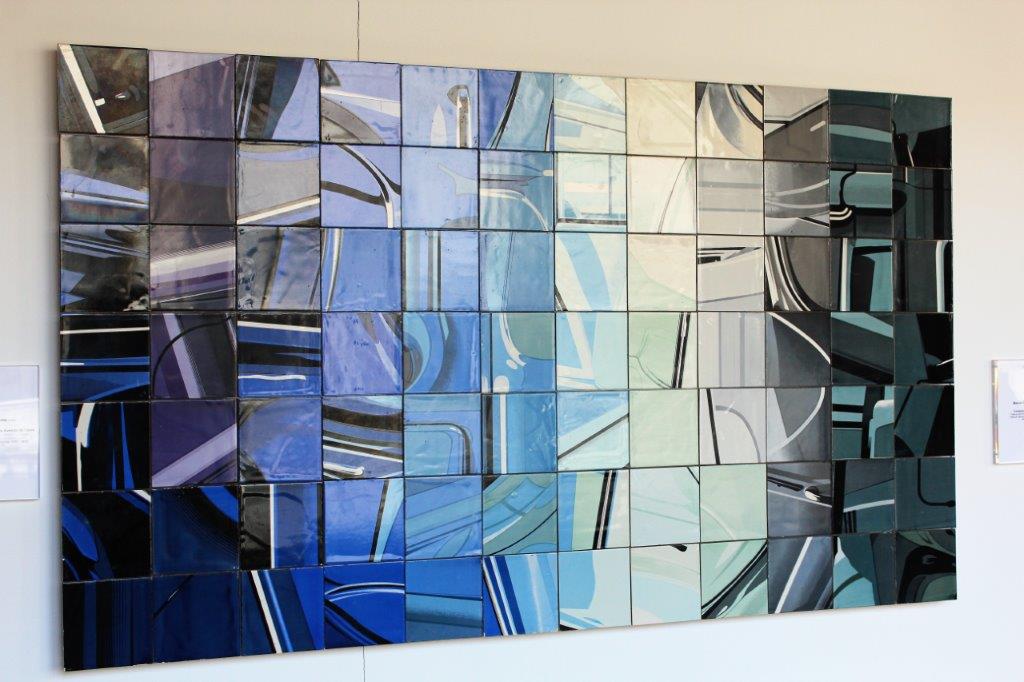
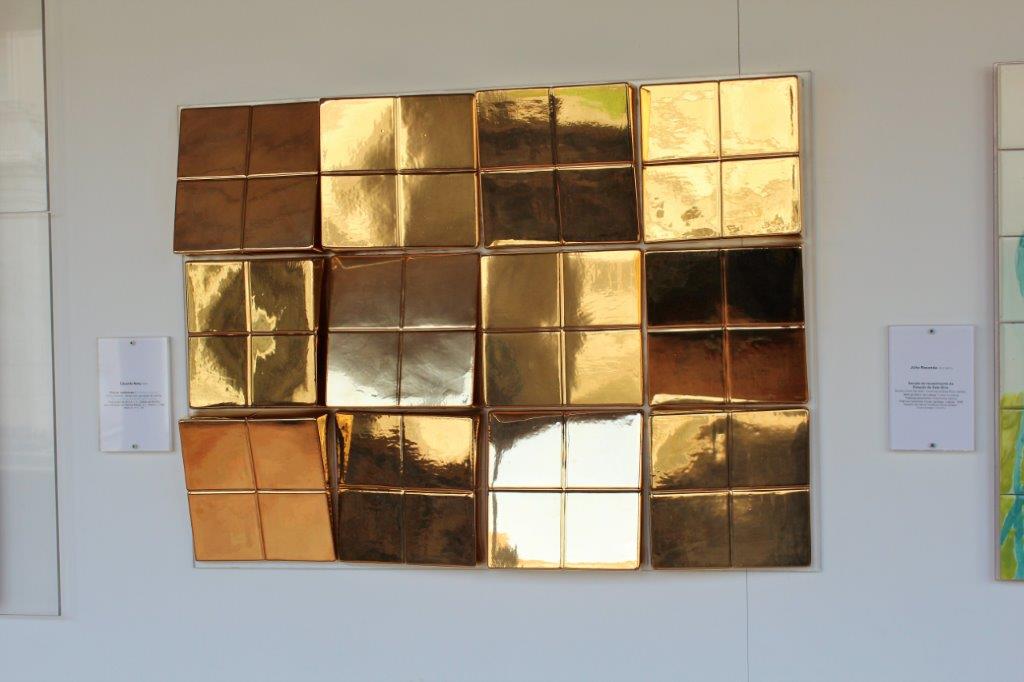
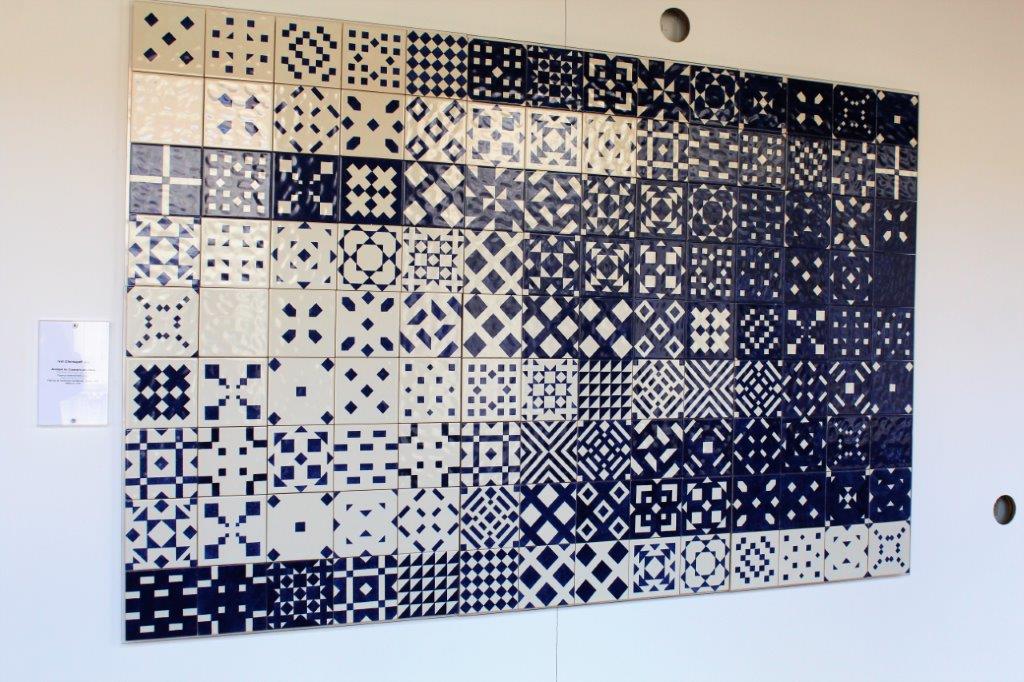
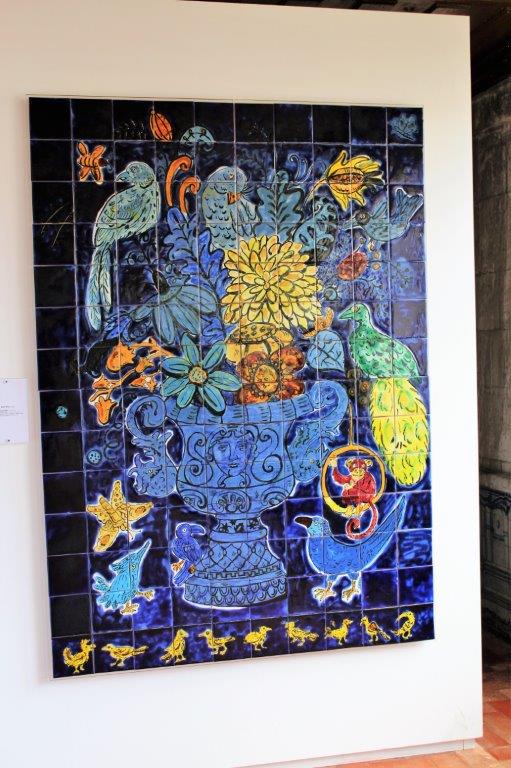
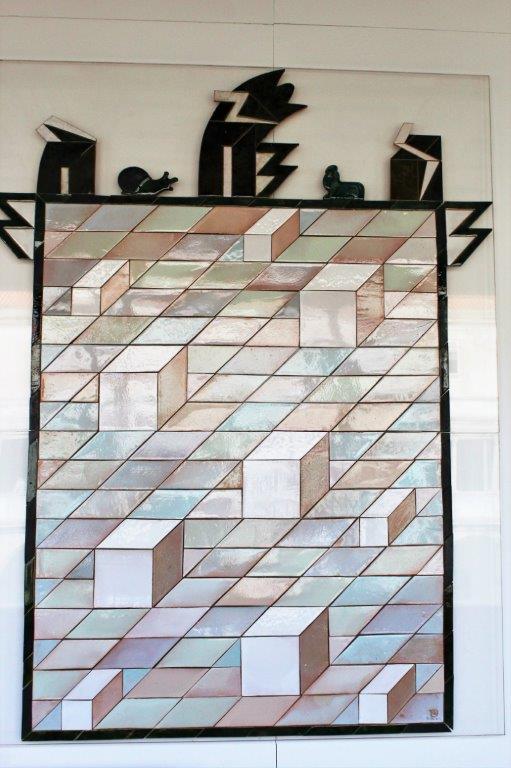
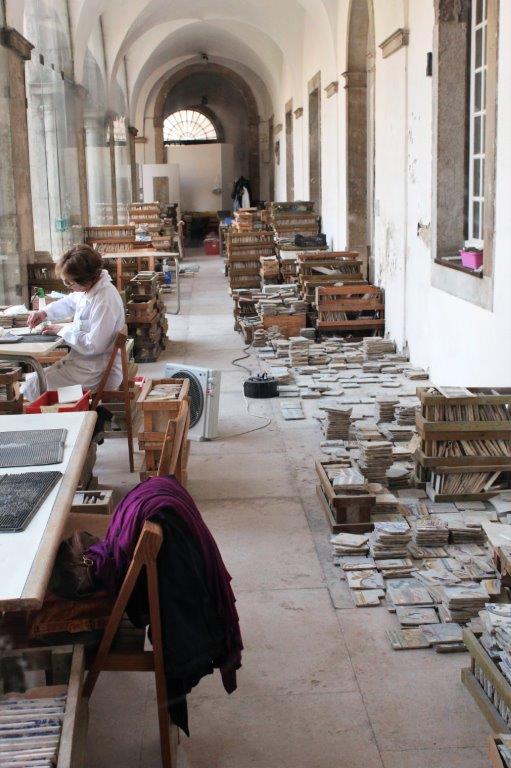
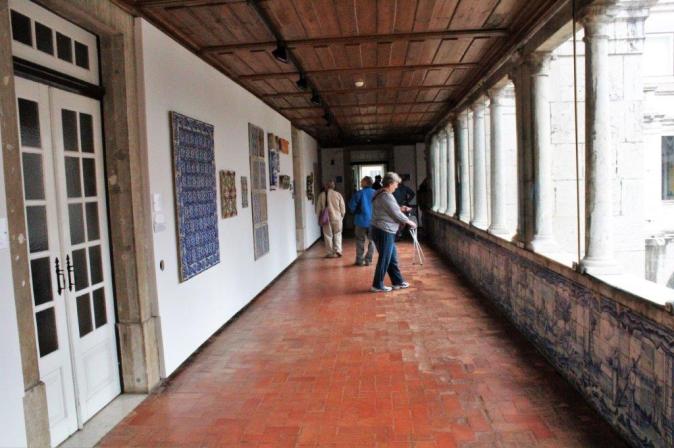
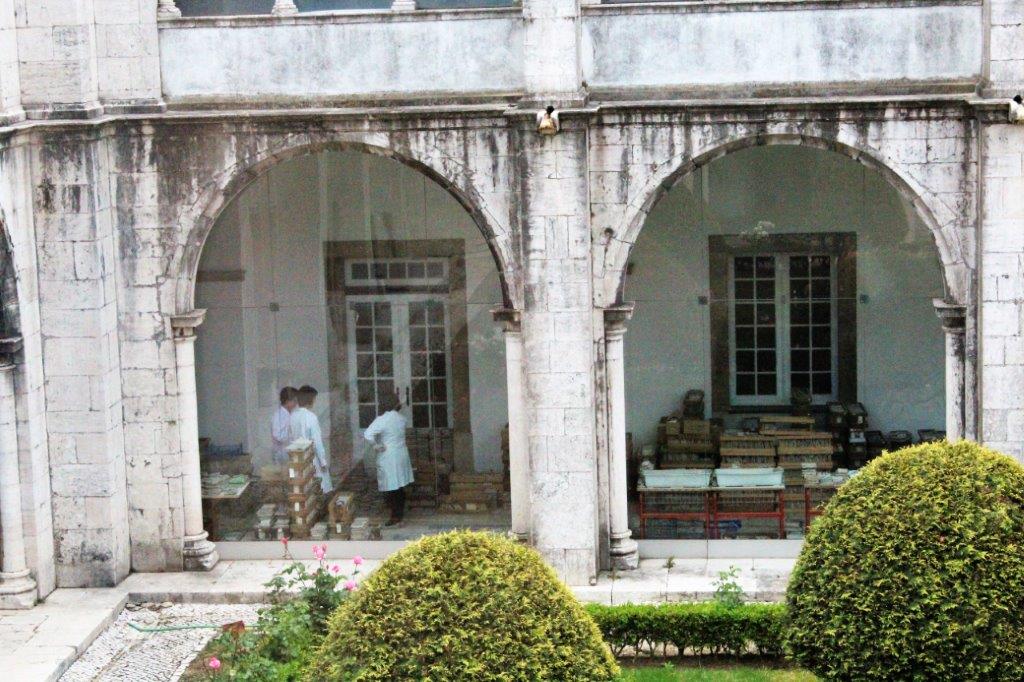
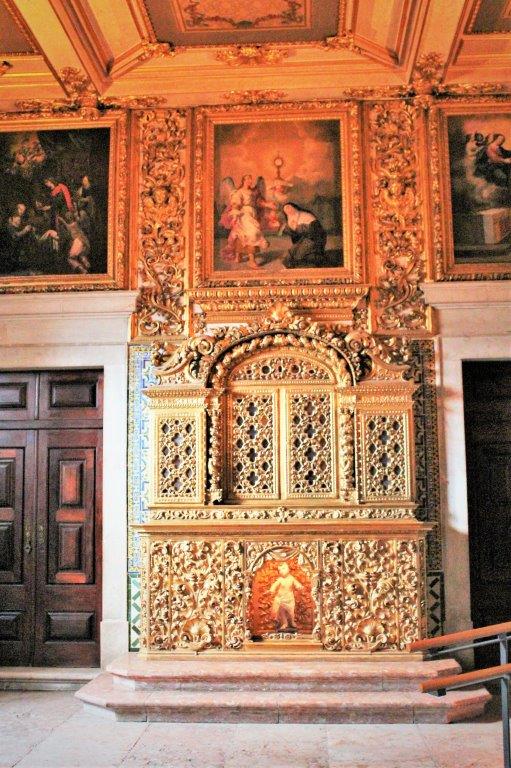
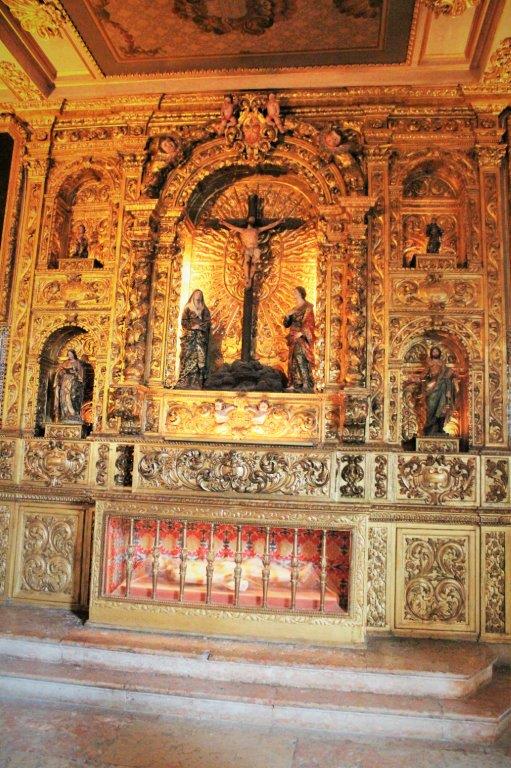
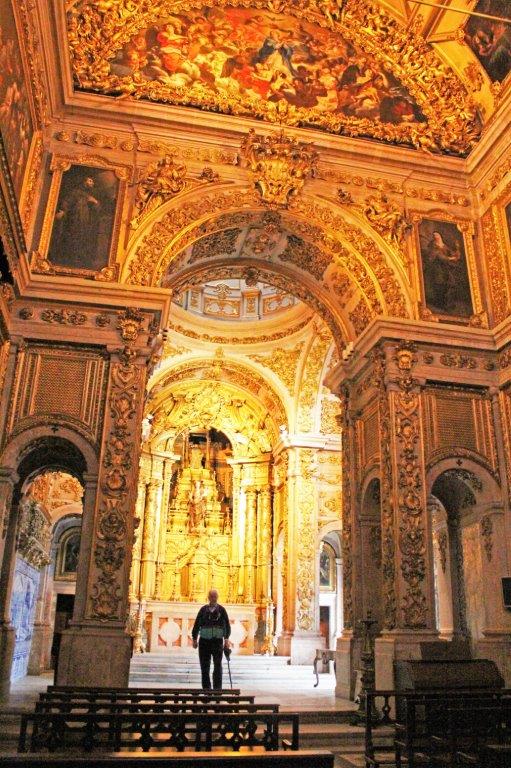
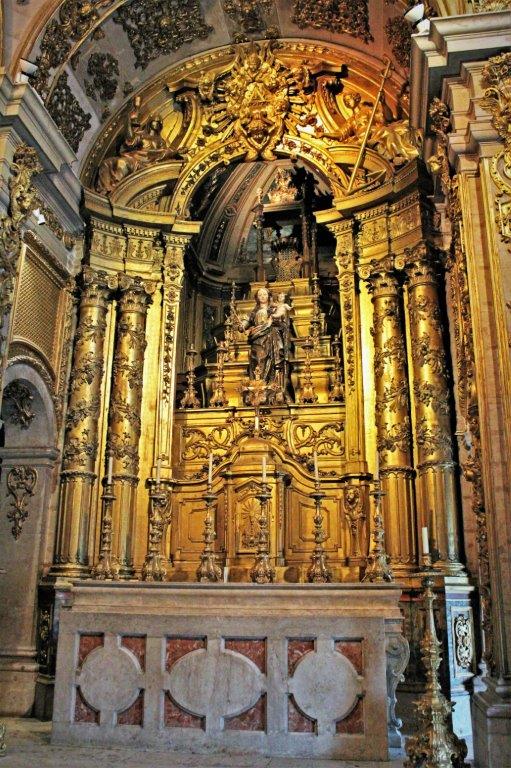
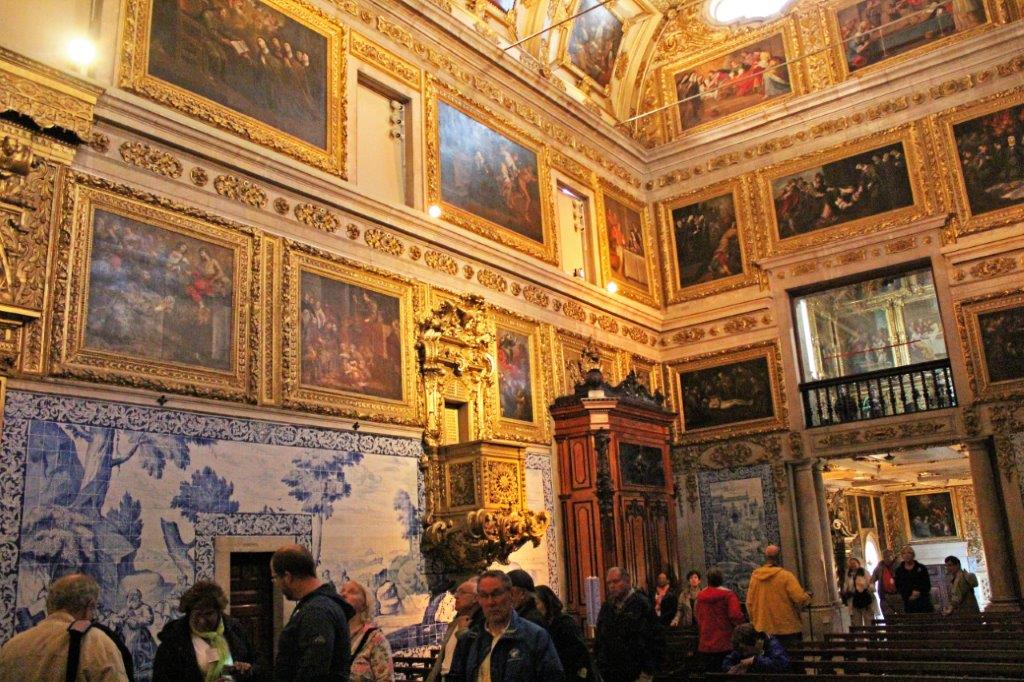
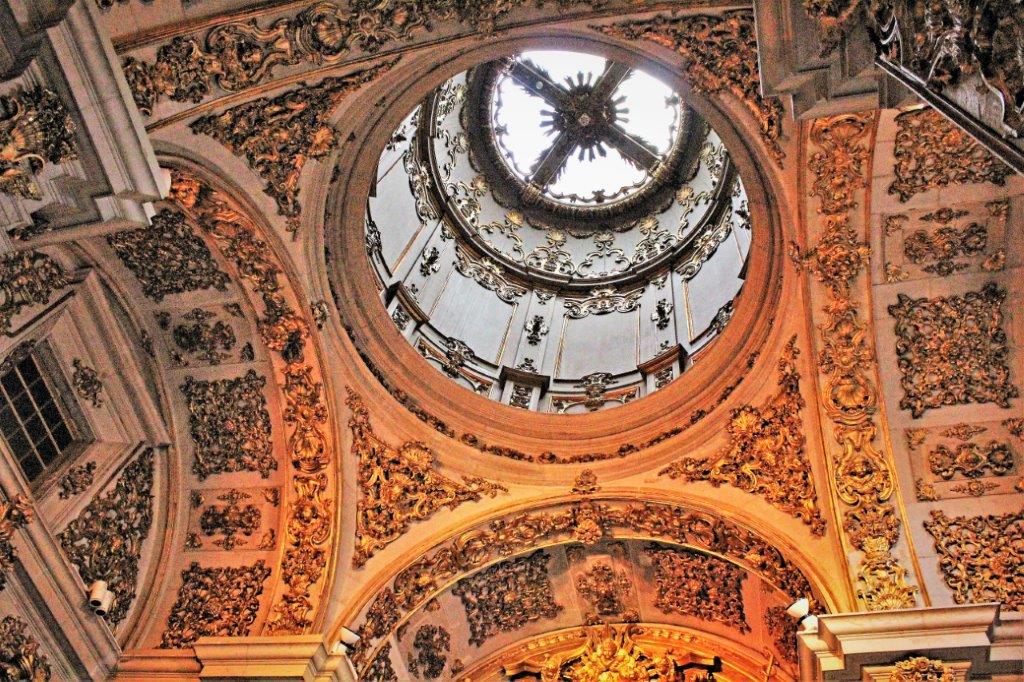
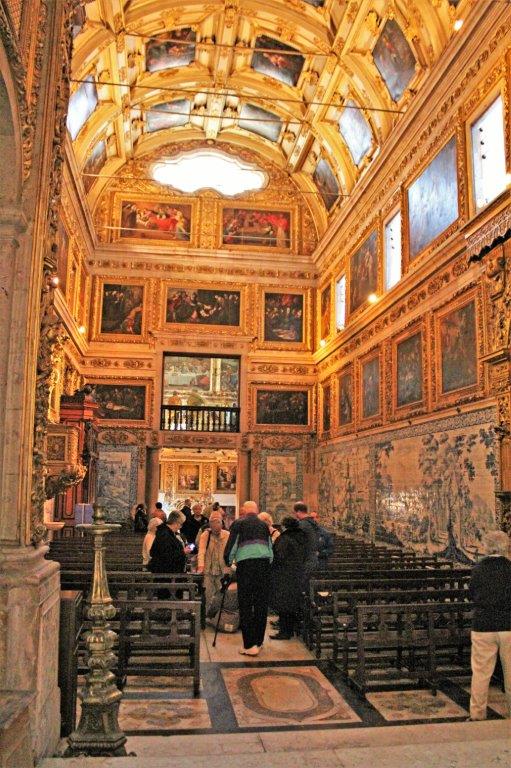
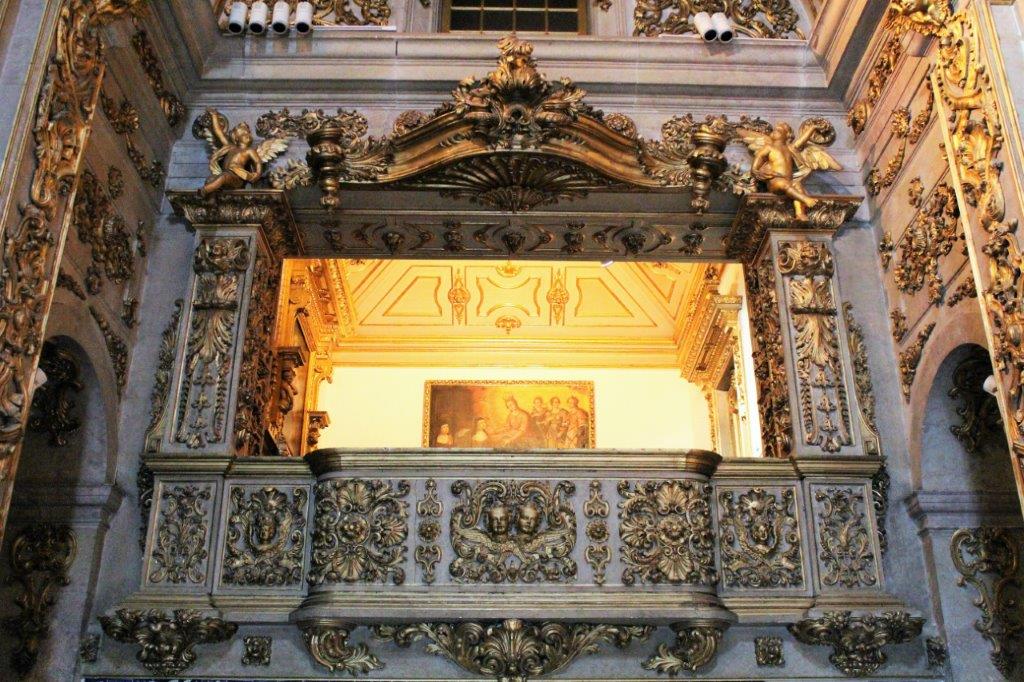
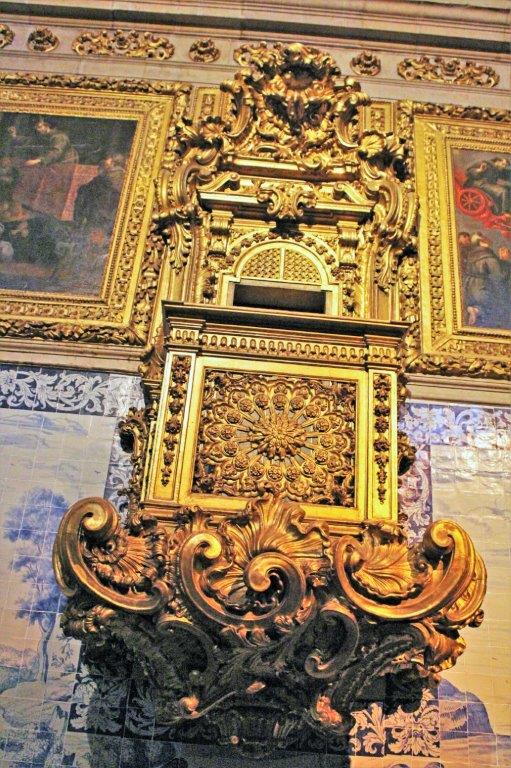
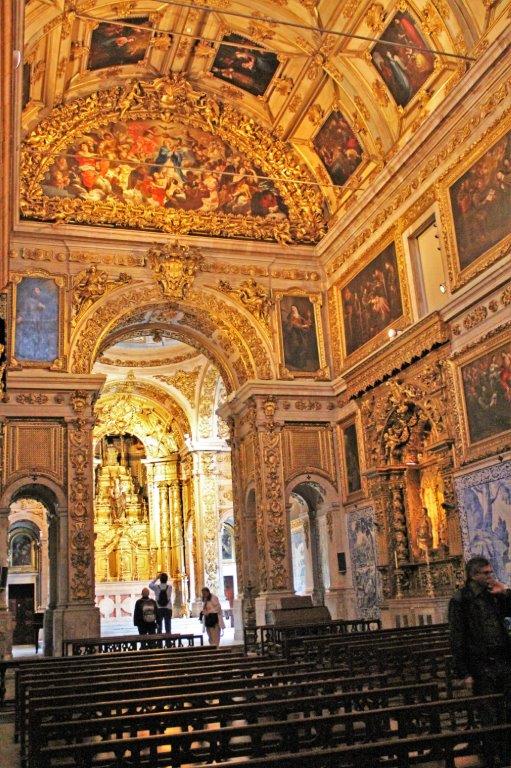
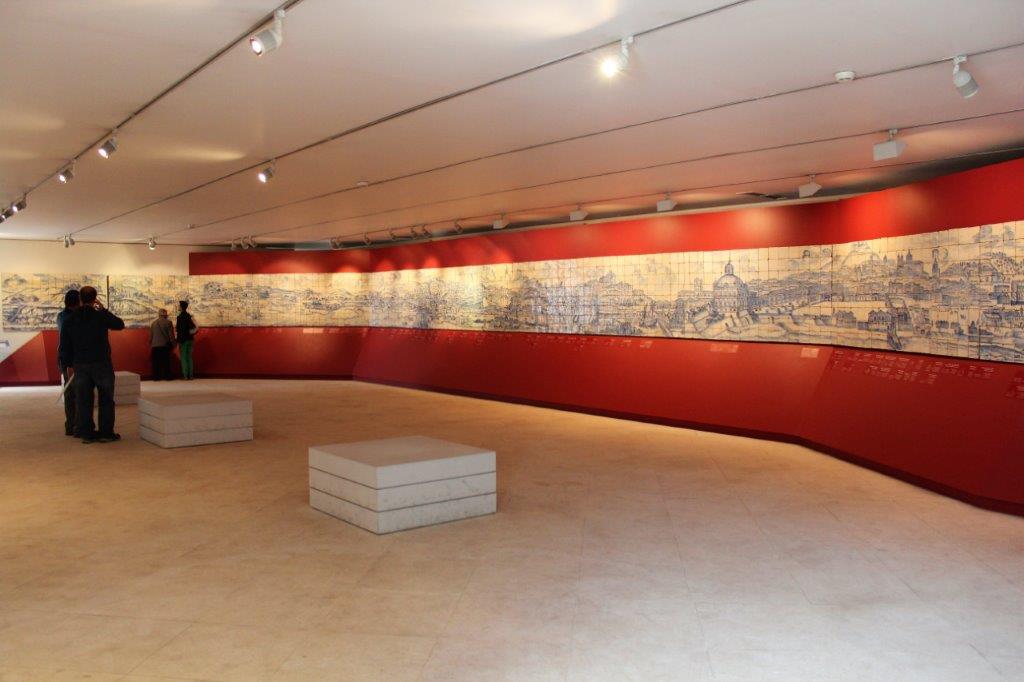
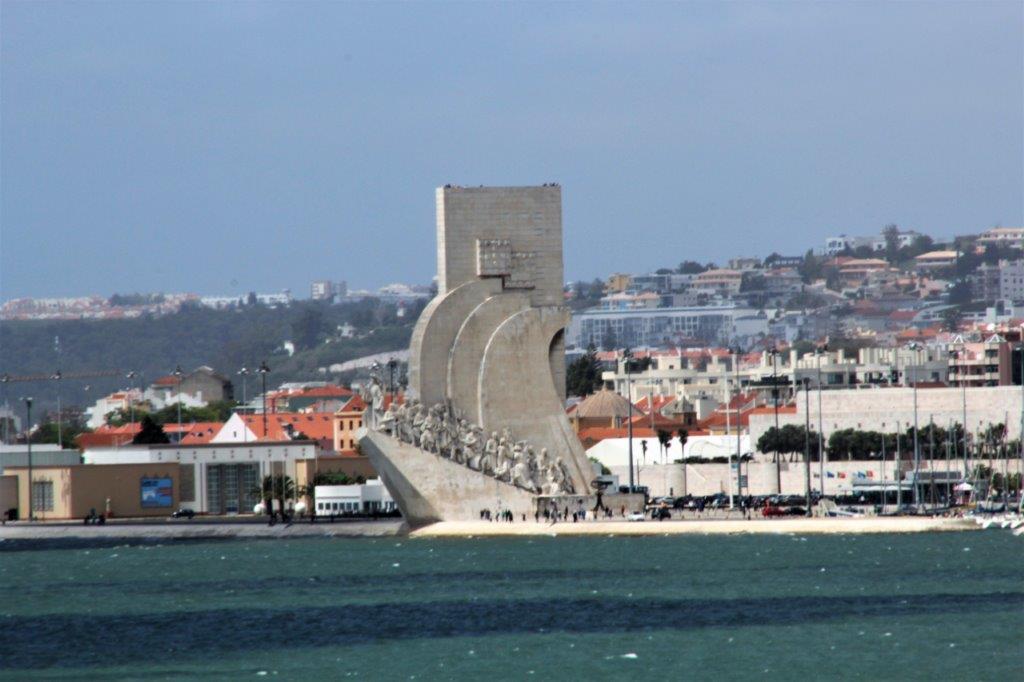
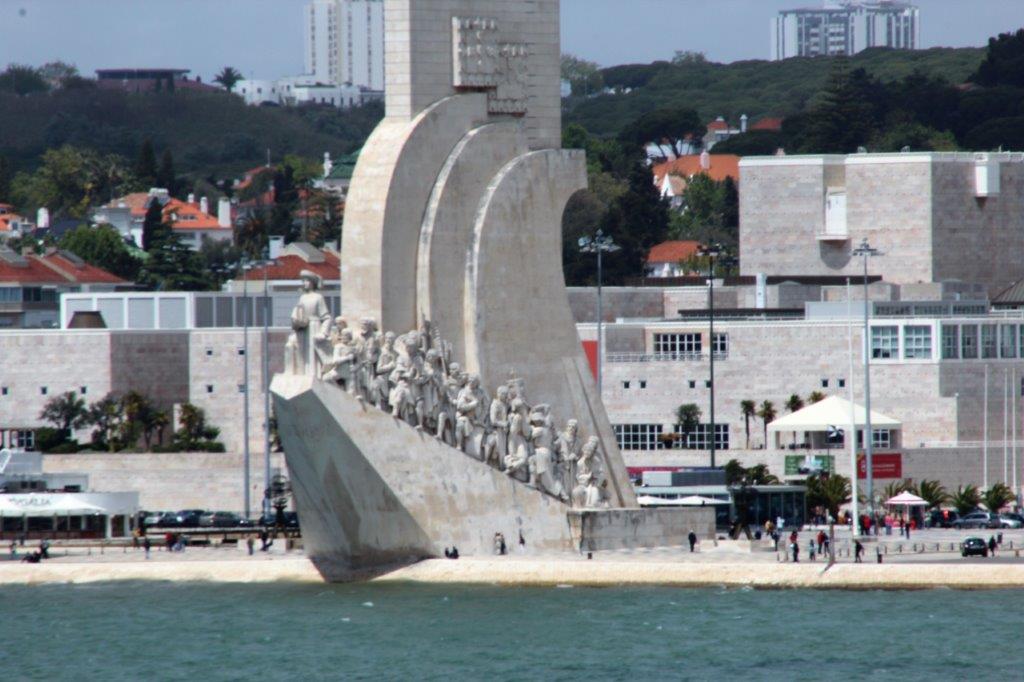
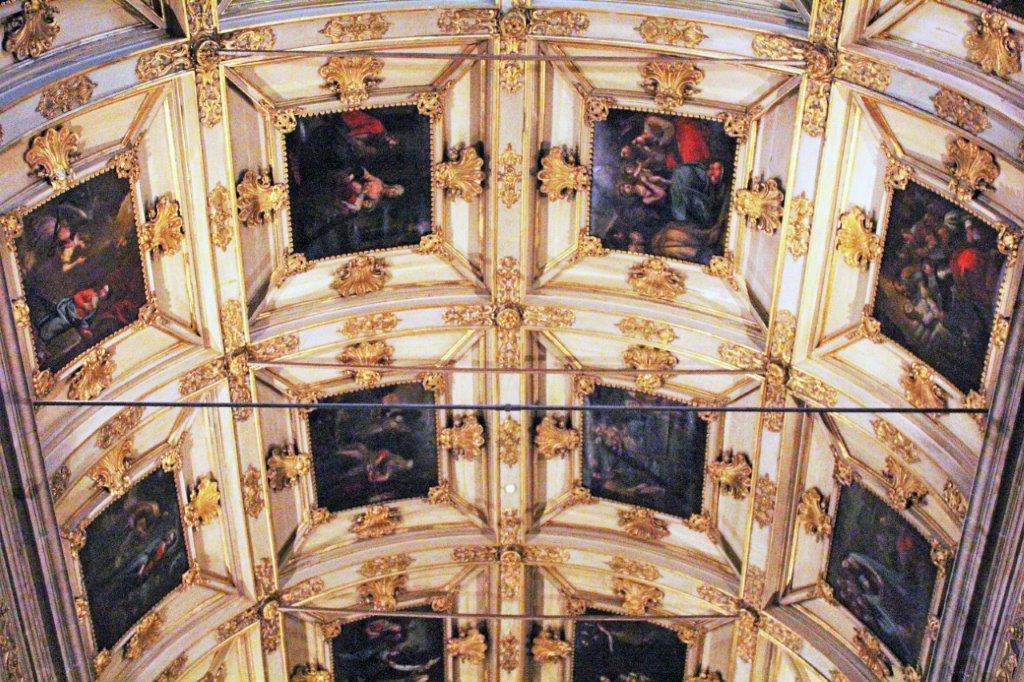
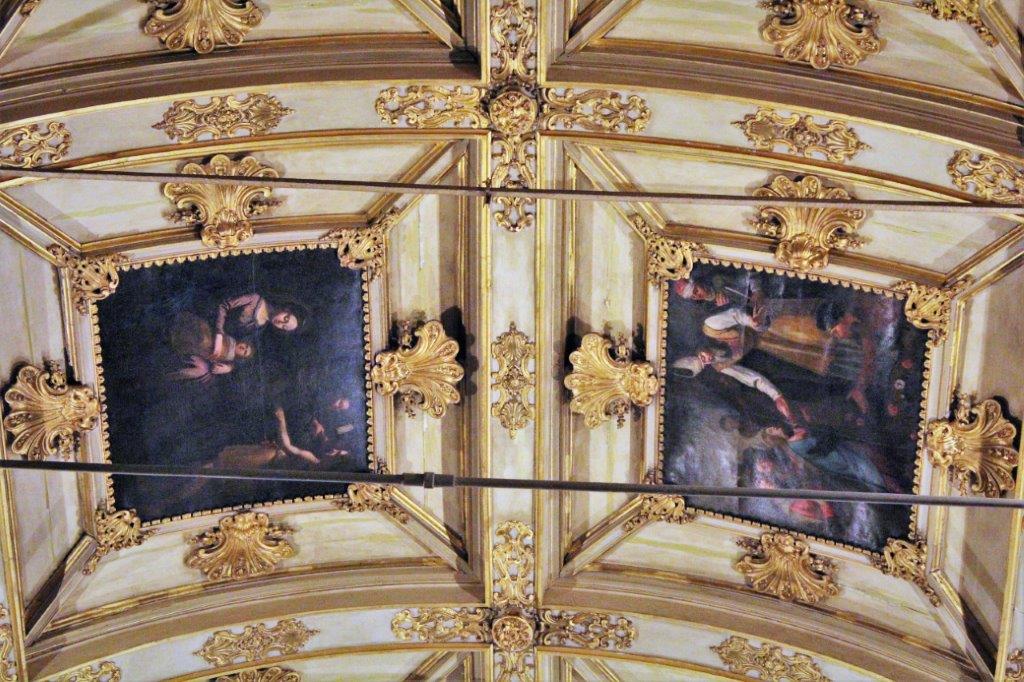
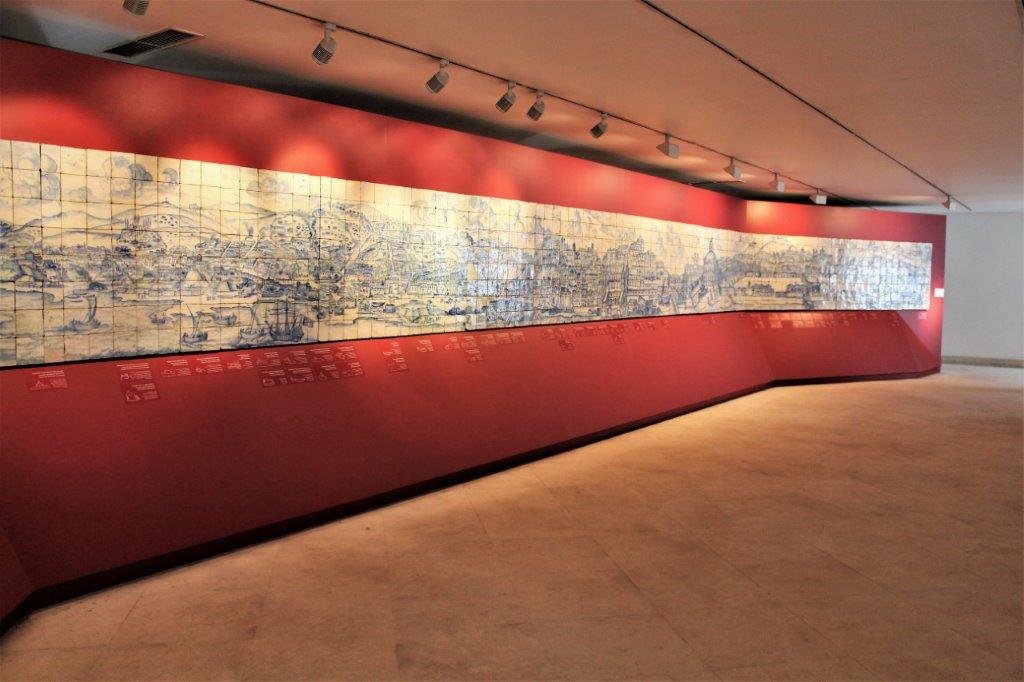
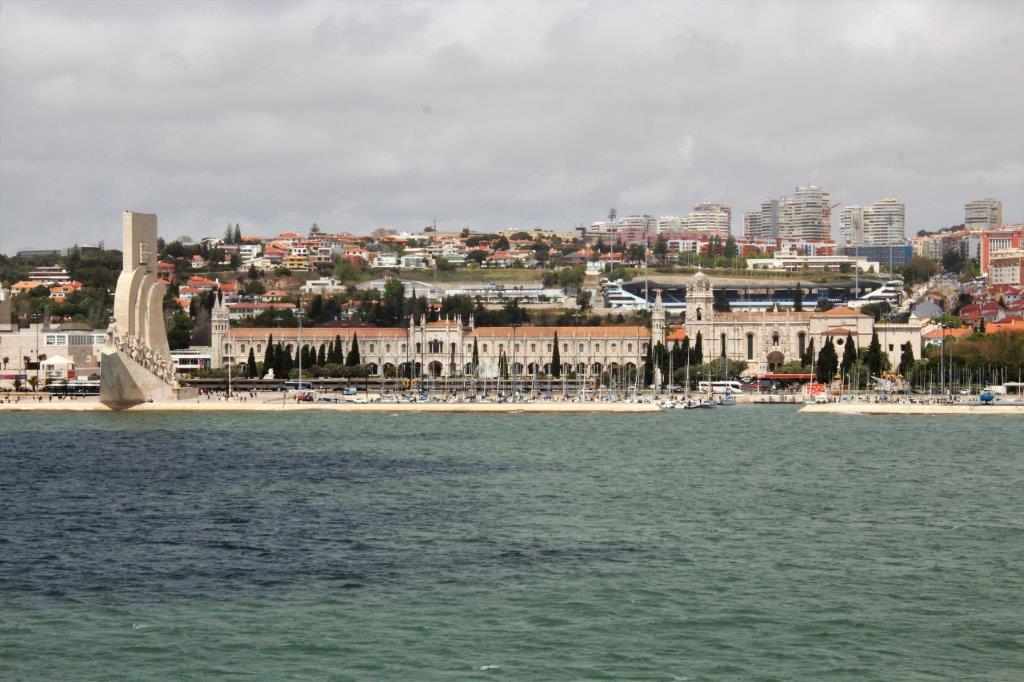
One hallway was a gallery of more modern-day tiles and other artwork.                            In this area the tiles are cleaned, sorted, and catalogued.There was a small church in the museum – formerly used by the nuns of the convent – that was extremely ornate with gilt-framed artworks edge to edge on every surface – including the ceiling. The pièce de resisténce of the collection was the 73 foot-long multi-tile panel portraying the skyline of Lisbon from the riverbank.  Made in the 1700’s, the panel became of major historical significance after three quarters of the city was destroyed in 1755 in an earthquake and tsunami (one half of the population died in the tragedy).  In this tile panel there is a permanent record of what the city looked like at the time. The sun was shining for our sail-away at 1 pm, but by evening the ship was once more  rock n’ rolling on the ocean waves The Monument to the Discoveries, built in 1958.  It represents a somewhat romanticized idealism of Portuguese  expansion and exploration.  The original was displayed at the Portuguese World Exposition in 1940 and later demolished.  This, larger cement and rose-tinted stone one was built on the northern bank of the Tagus River. We enjoyed a day at sea before we reached Ponta Delgada on the island of São Miguel in the Azores.  We only had two ports of call remaining before we headed back across the Atlantic to Ft. Lauderdale, FL and the end of our Mediterranean and Black Sea adventure.
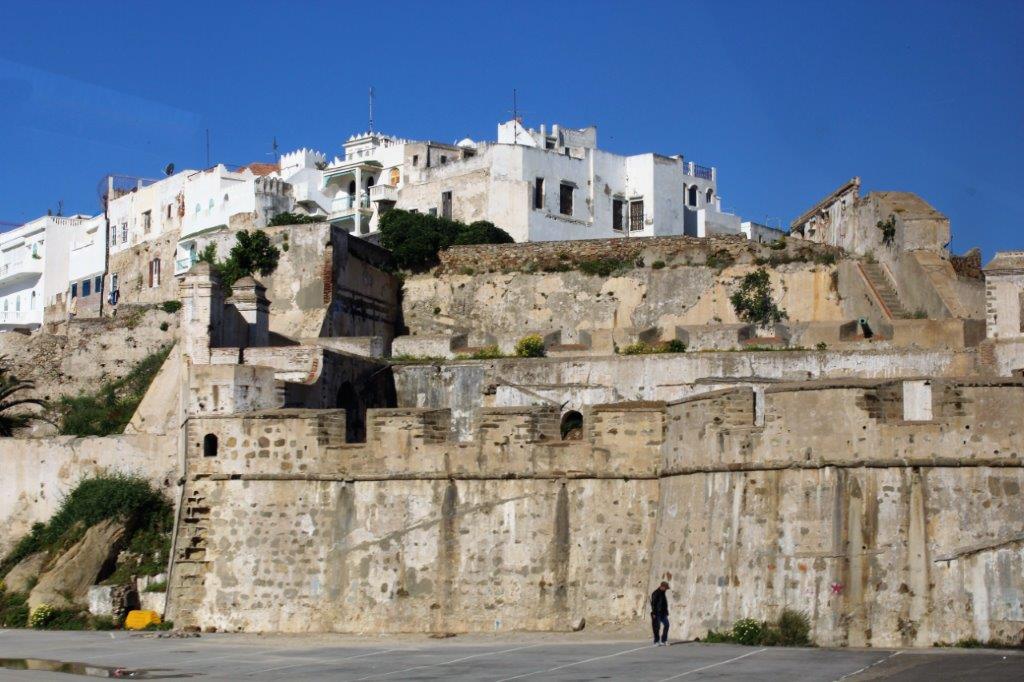
2012 May 1 – Day 51 – Tangier, Morocco

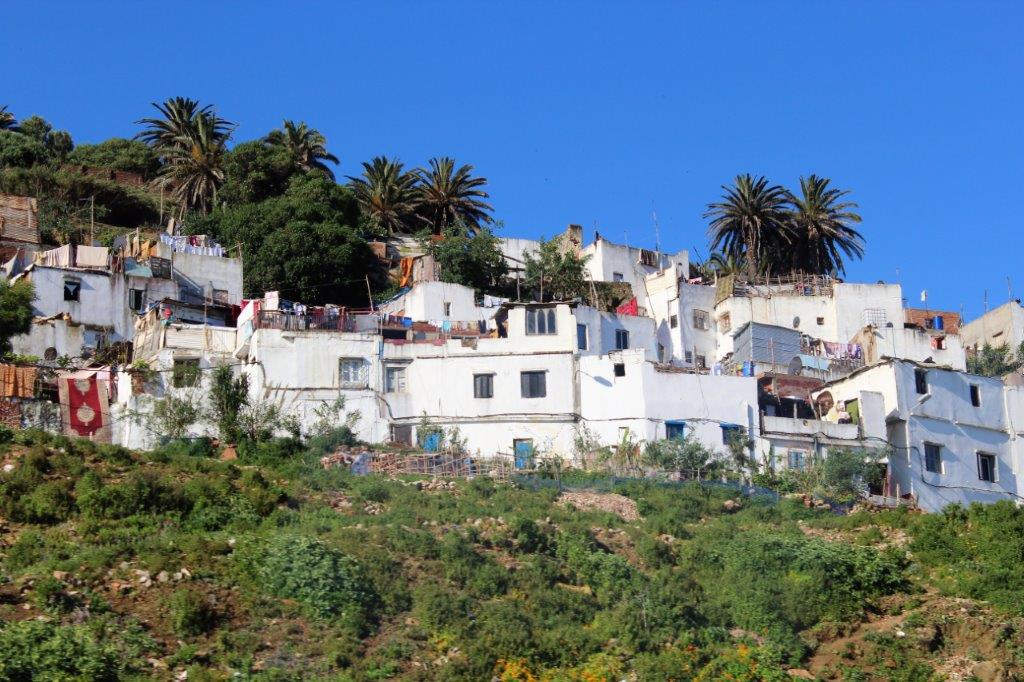
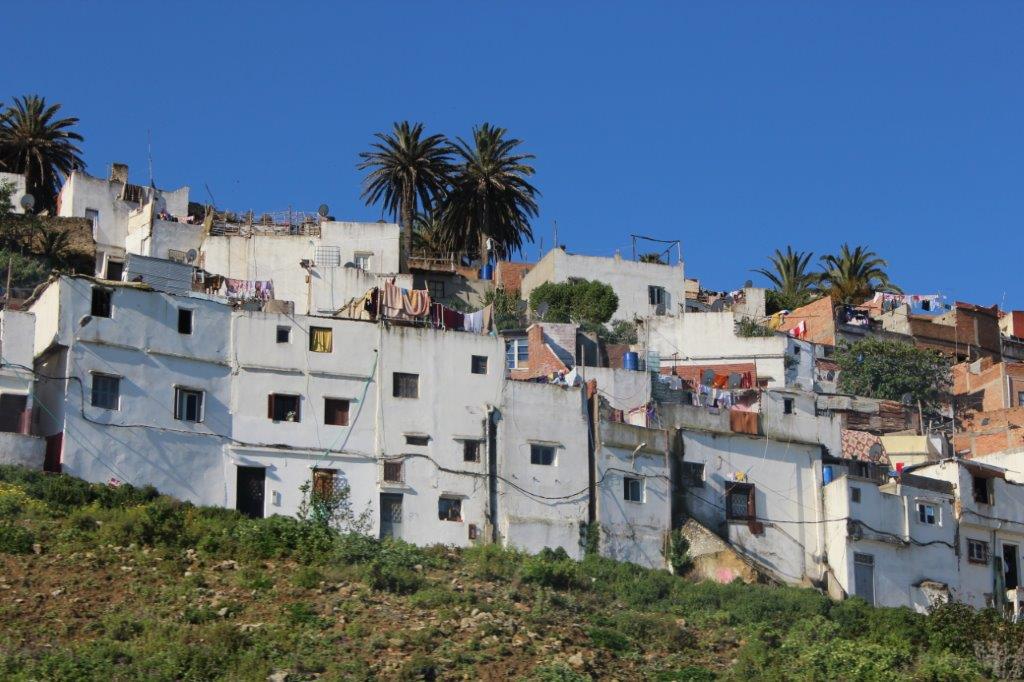
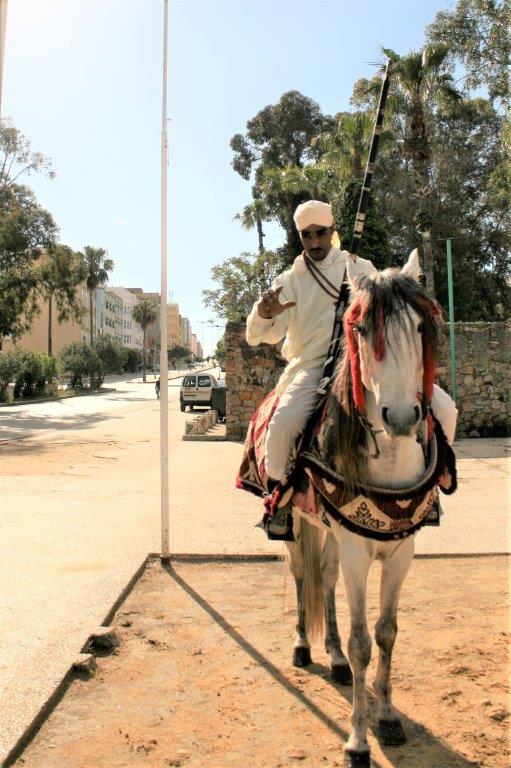
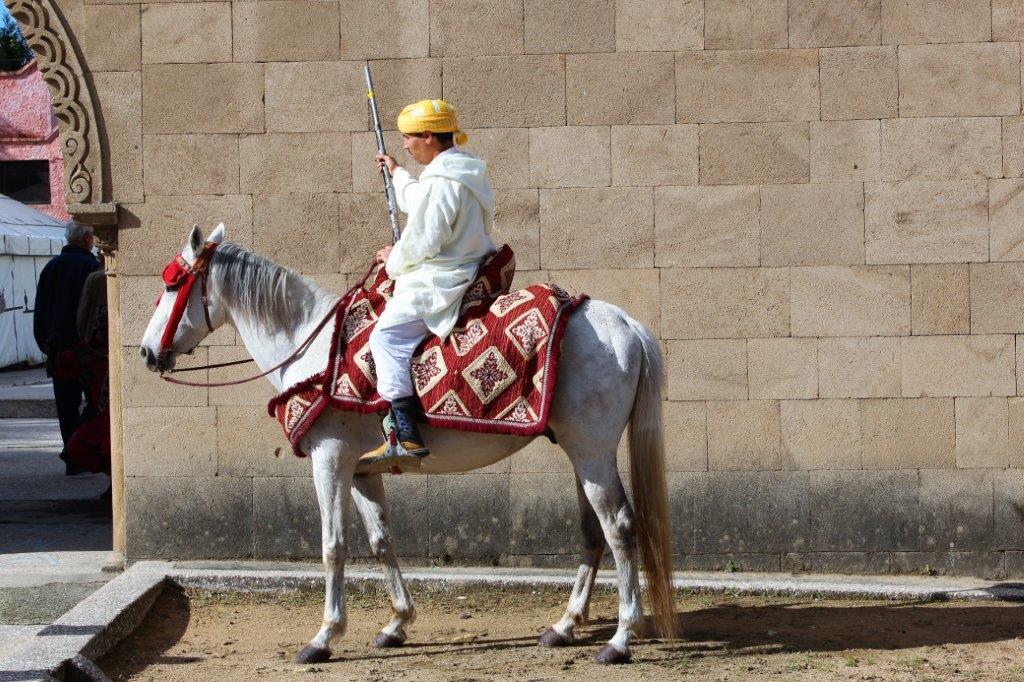
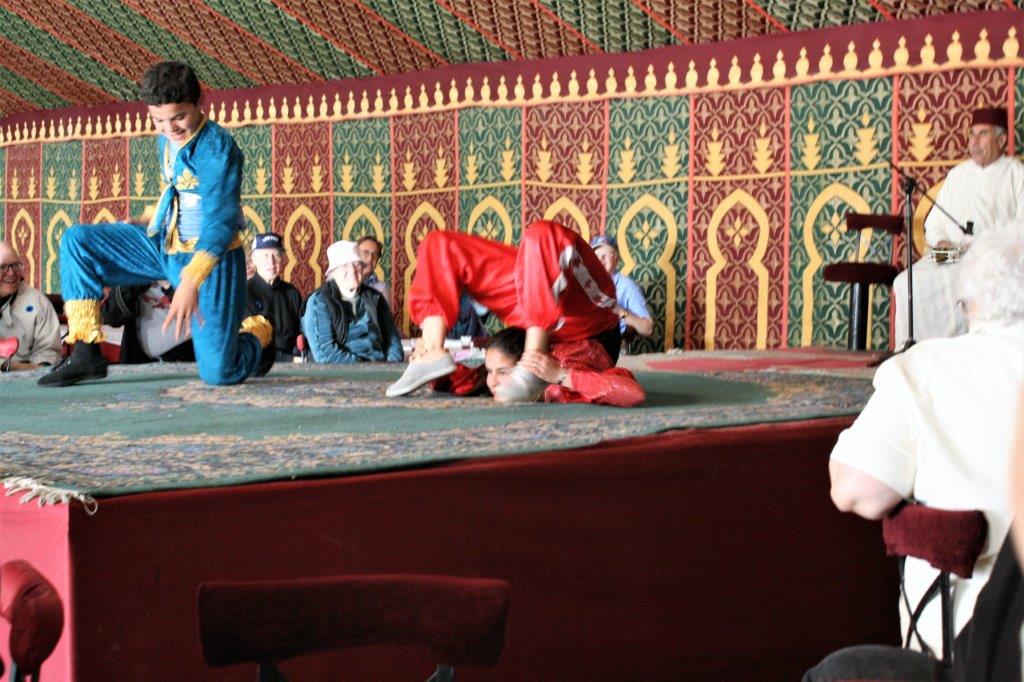
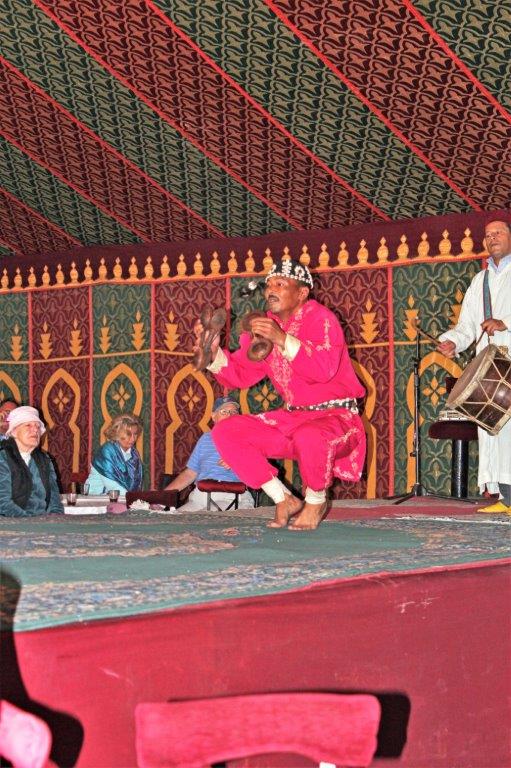
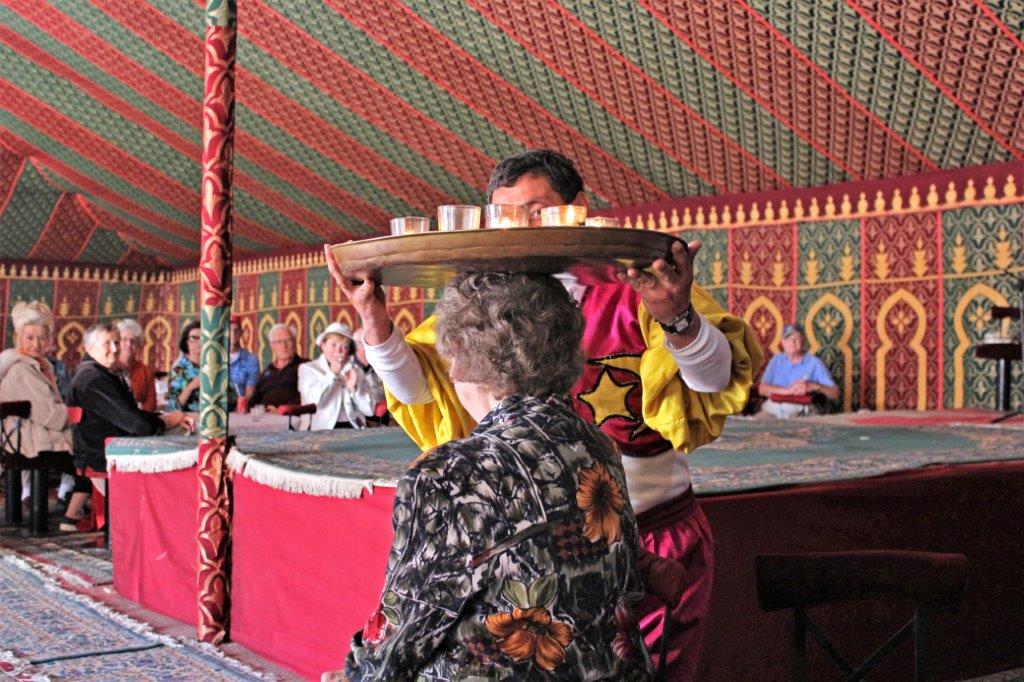
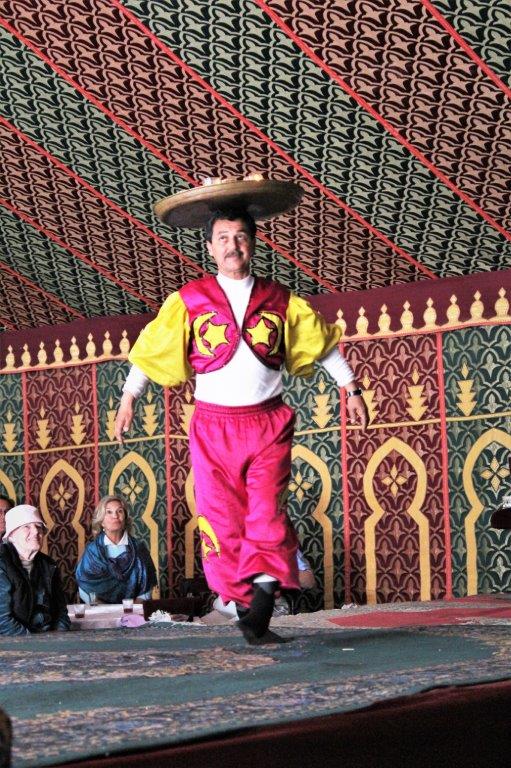
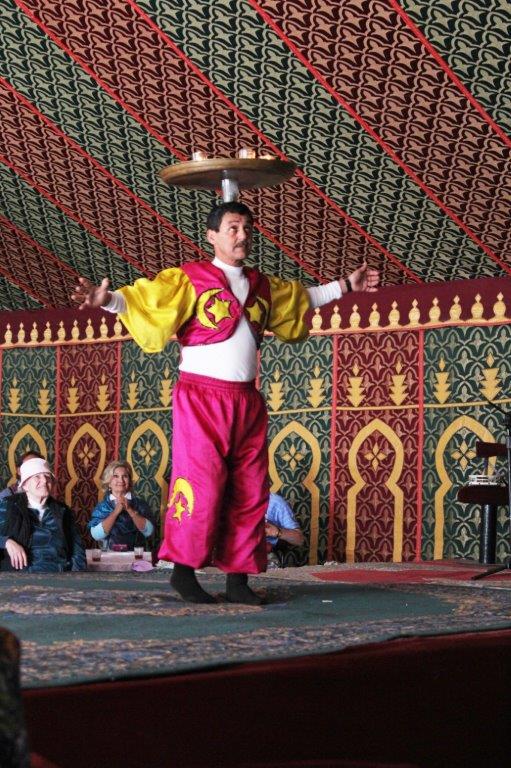
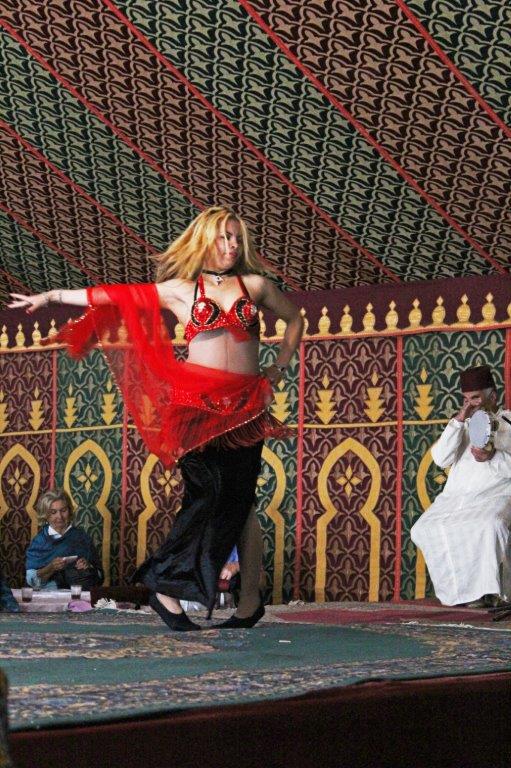
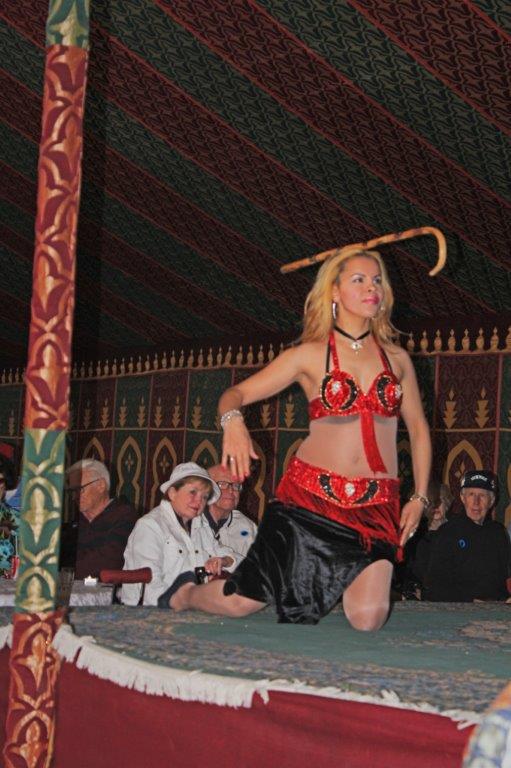
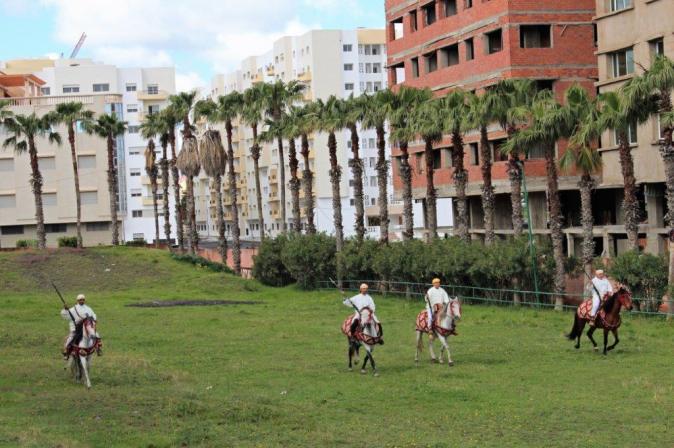
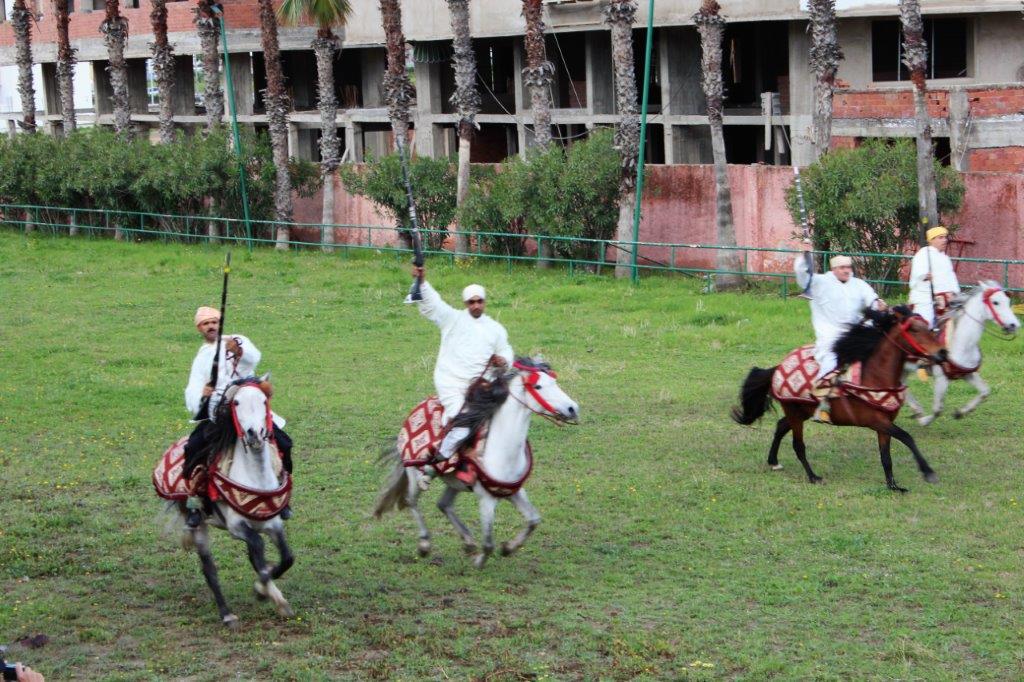
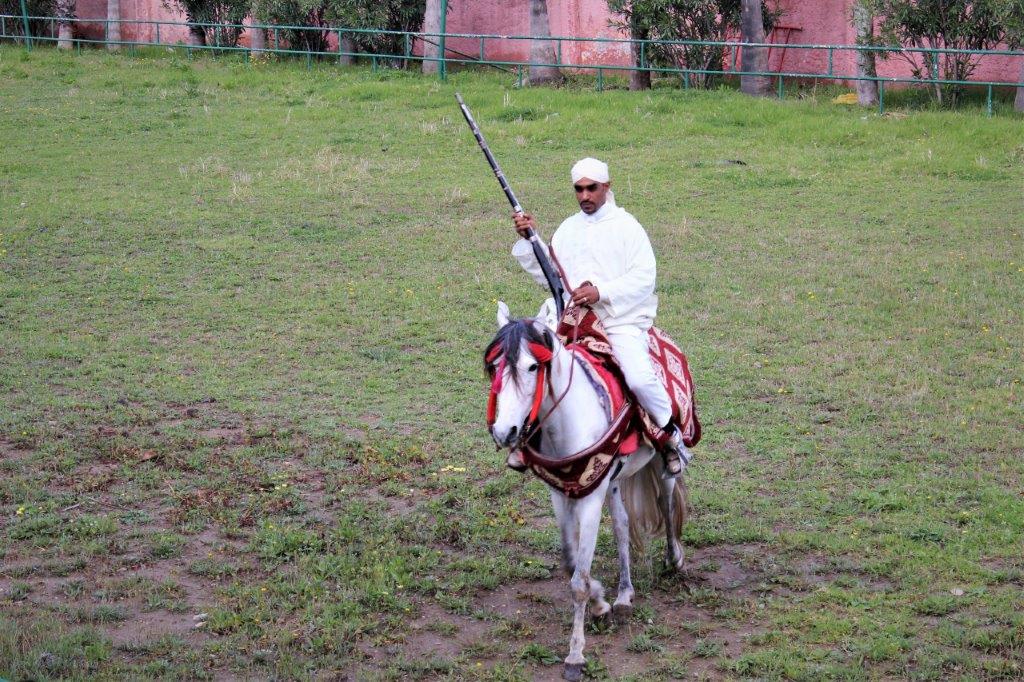
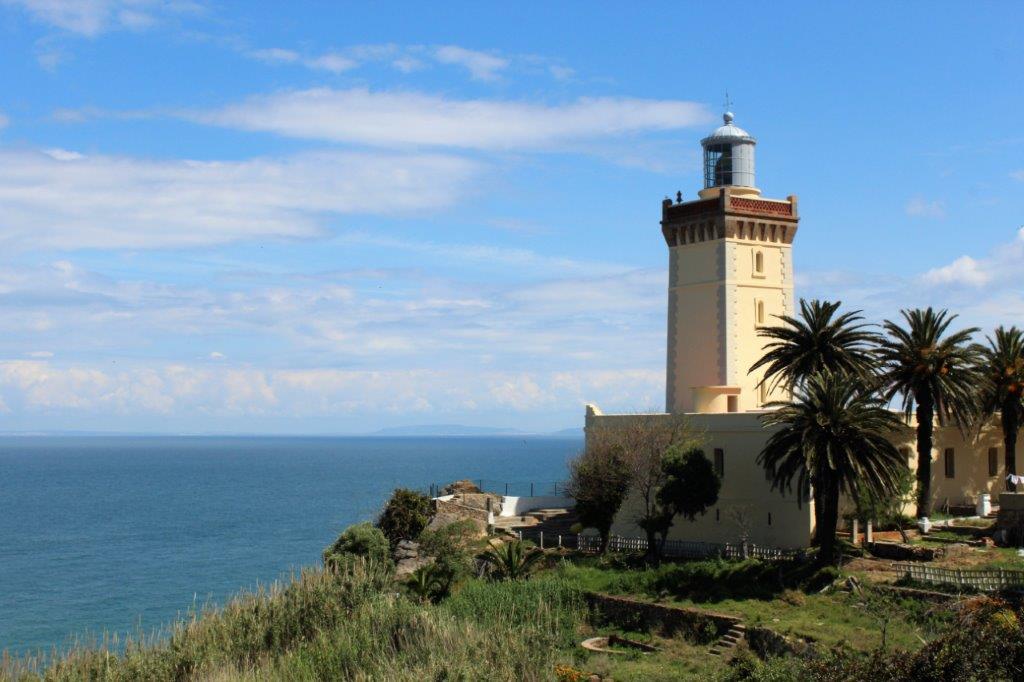
I was looking forward to our stop in Tangier.  The tour we had chosen was “Cap Spartel and Fantasia Horse Show.”  I love horses and really like seeing good horsemanship and there is none better than Arabs and Arabians.  But, sadly, this turned out to be our least favourite day of the whole cruise.              The sun was coming up as we sailed into port. The show area was in large, colourful tent and we were given mint tea and some cookies while a we watched a brother/sister acrobat act, a very sad magician, a belly dancer, and a couple of other acts.  They were not bad, really, just not very good.  At the end of the performance we went outside to seats overlooking the horse arena.  As we made our way to our seats, all the male performers and the young siblings stood by the steps with their hands out for tips.                                                  Beautiful horses.

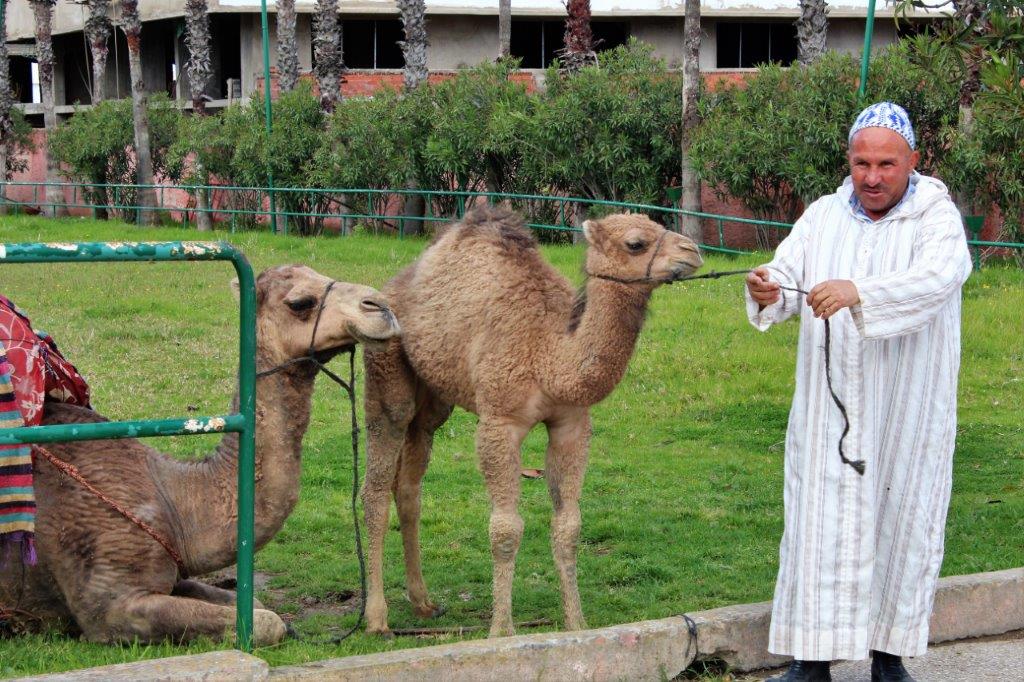
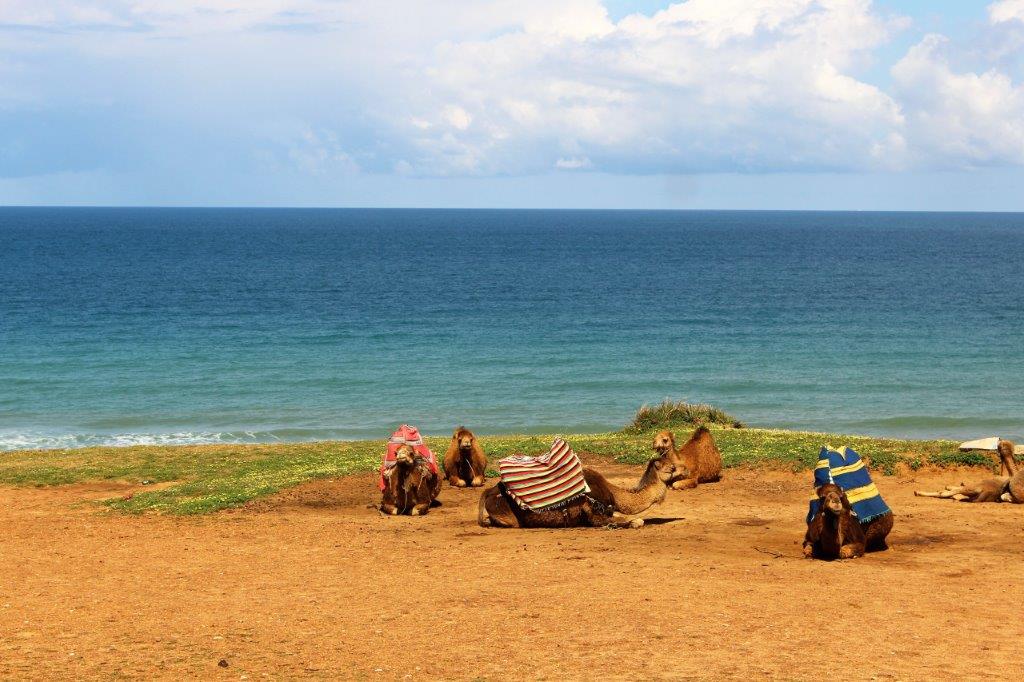
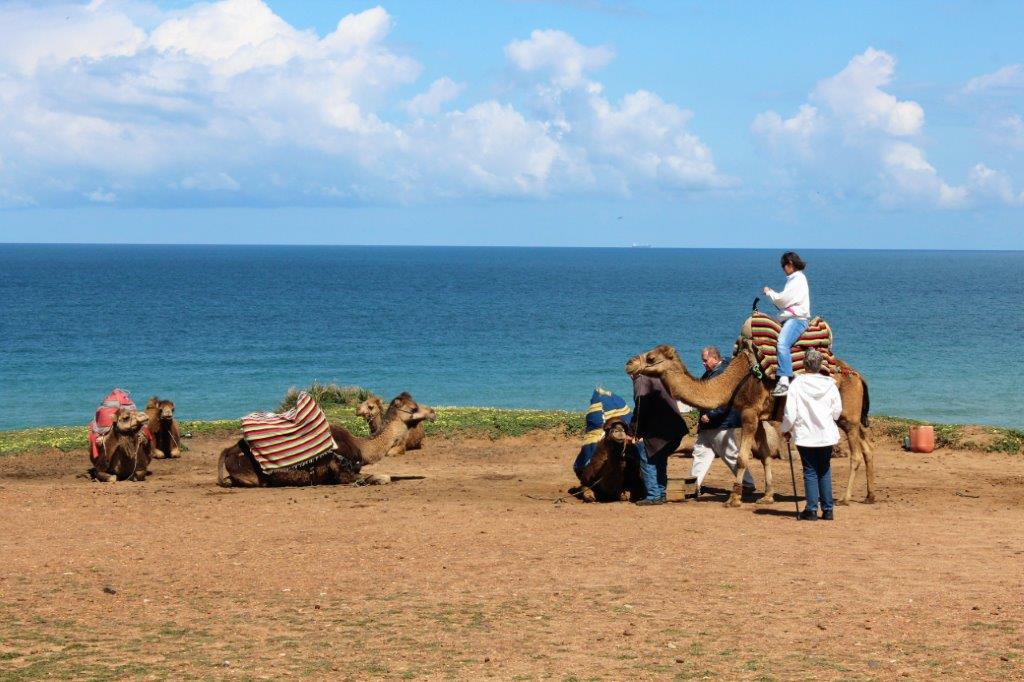
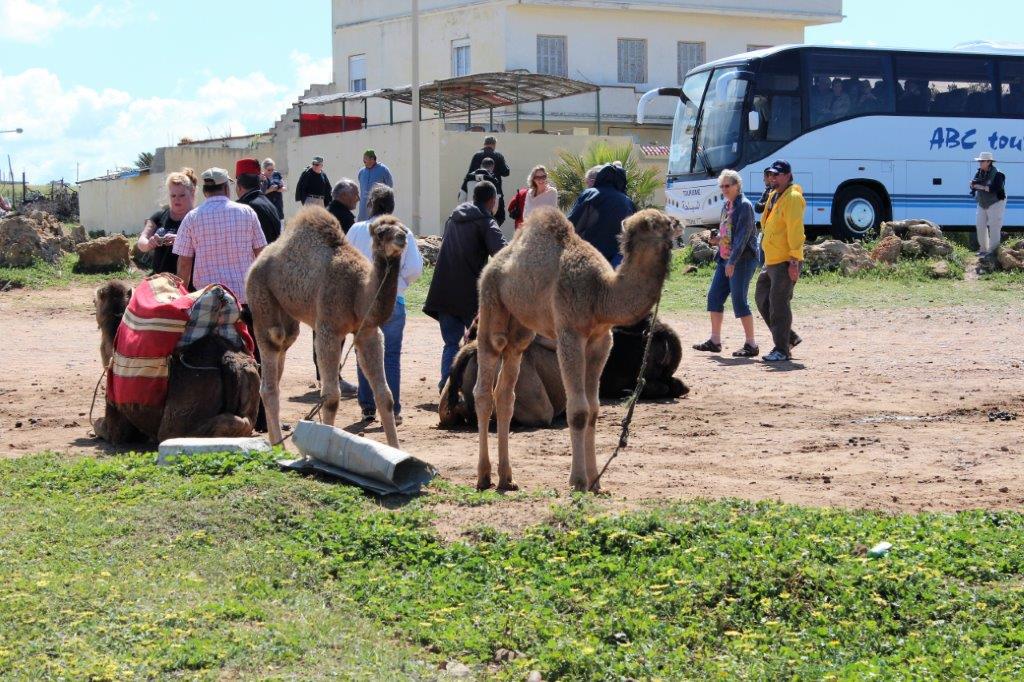
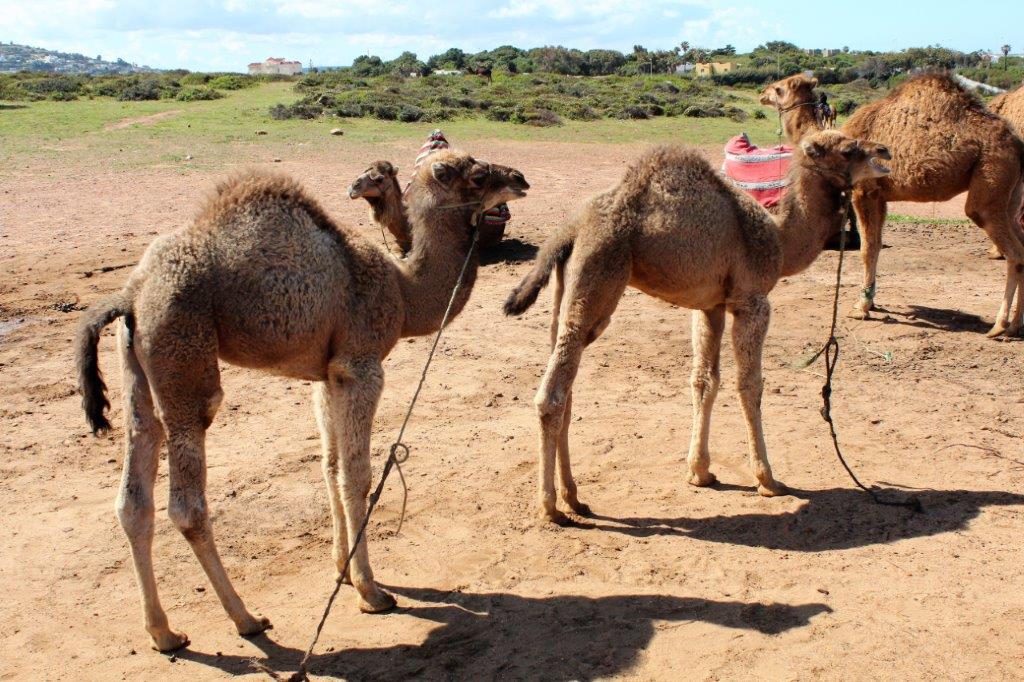
You could pay and have your photo taken with the camel and her young one – this is a very common enticement for tourists.  And, baby camels are very cute.

The ‘Horse Show” was merely two charges down a quarter-mile field.  At the conclusion of the show all the men brought their horses up to the fence in front of the seats and put their hand out for tips.  Not that I mind giving people a tip for a good performance or good service but I don’t just fling money around for every little thing I see.


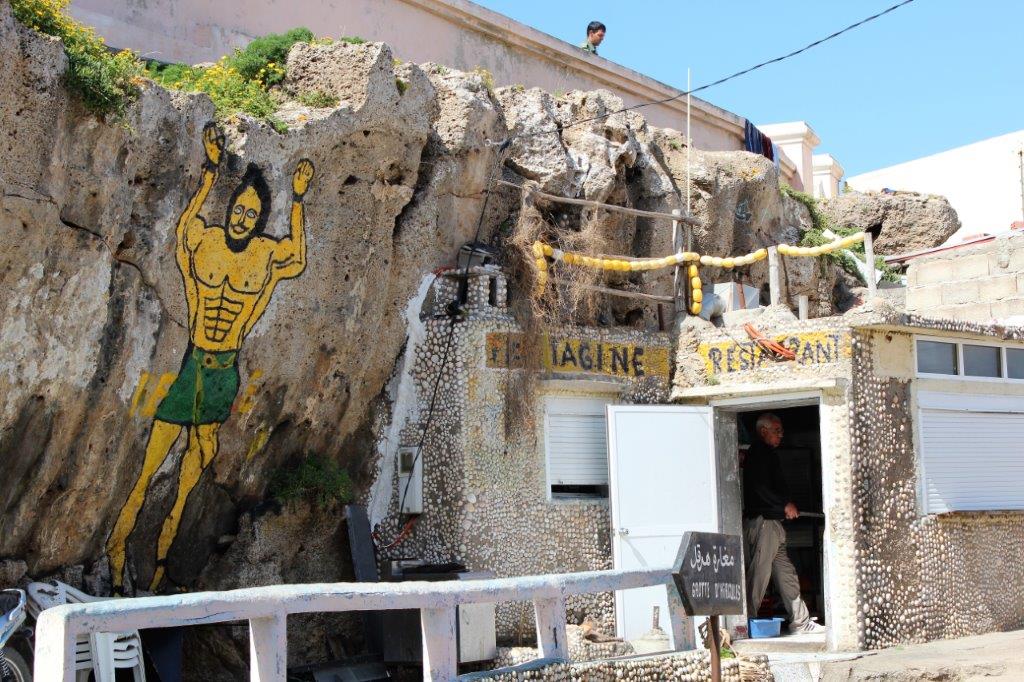
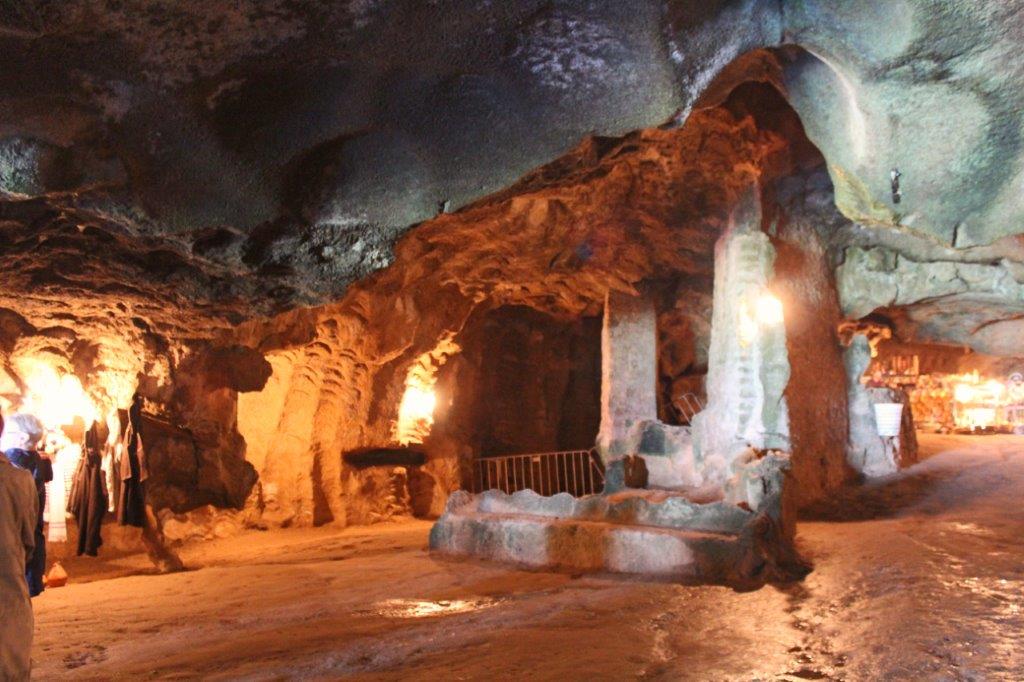
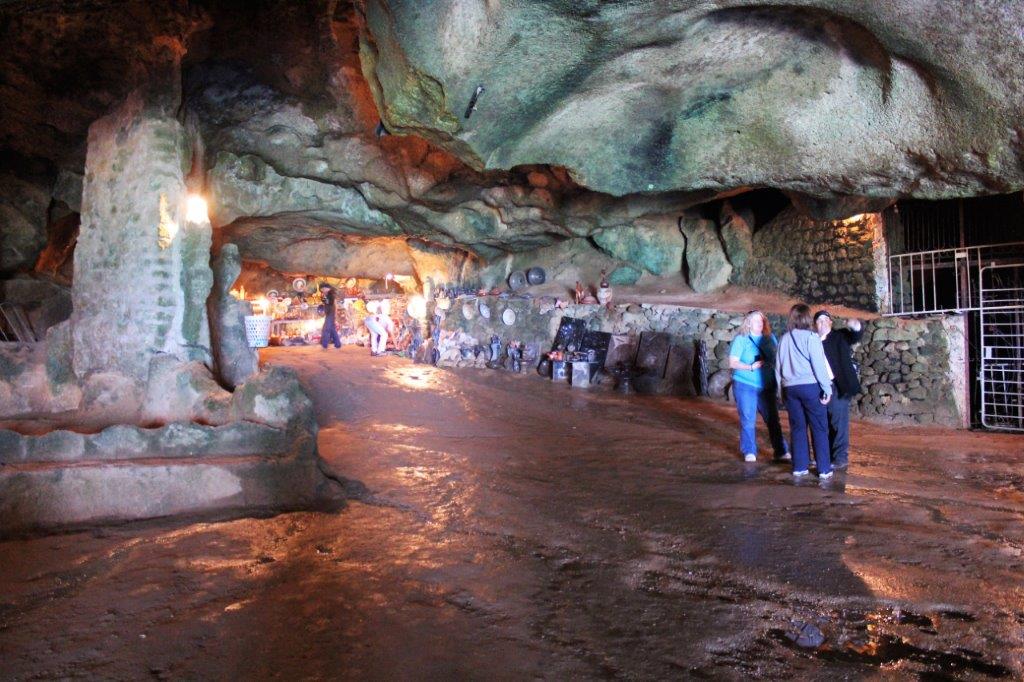
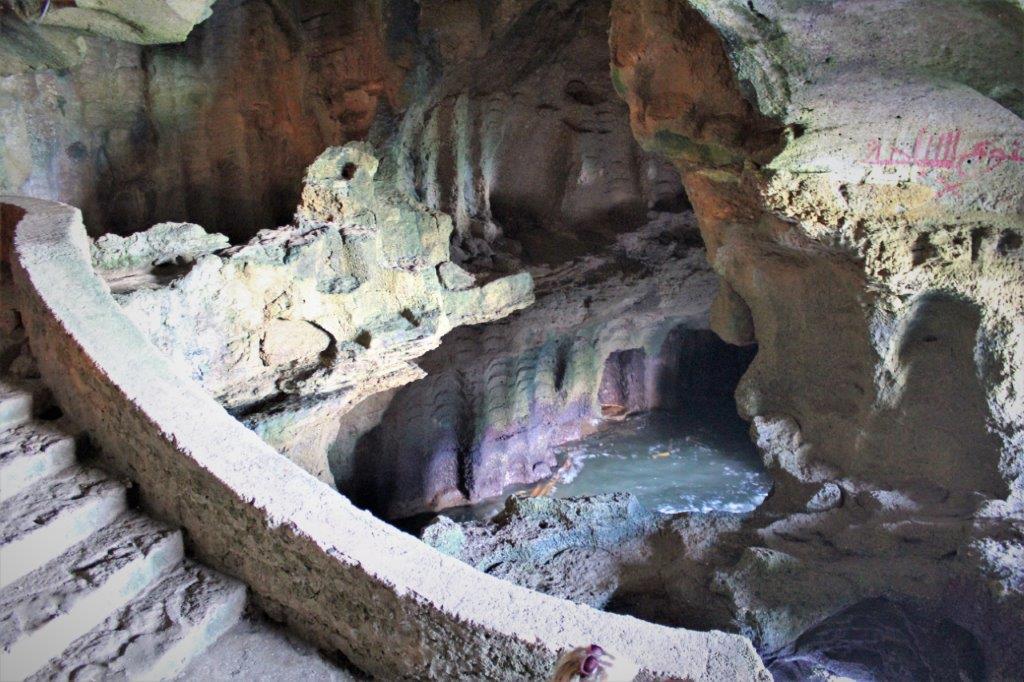
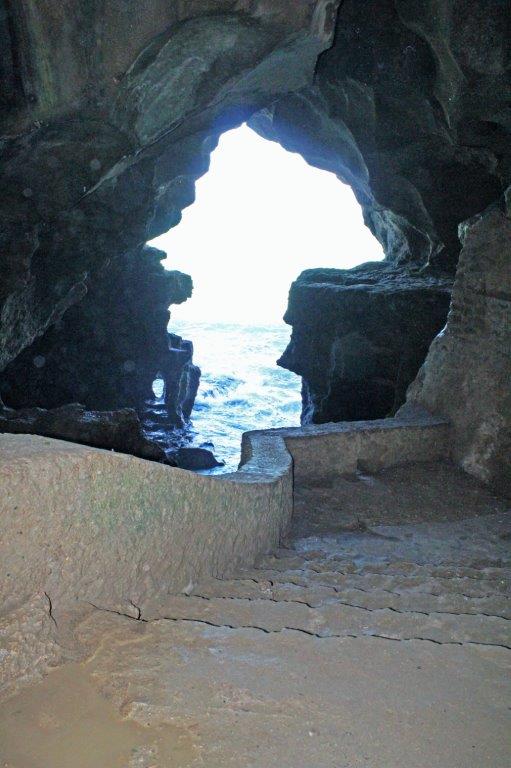
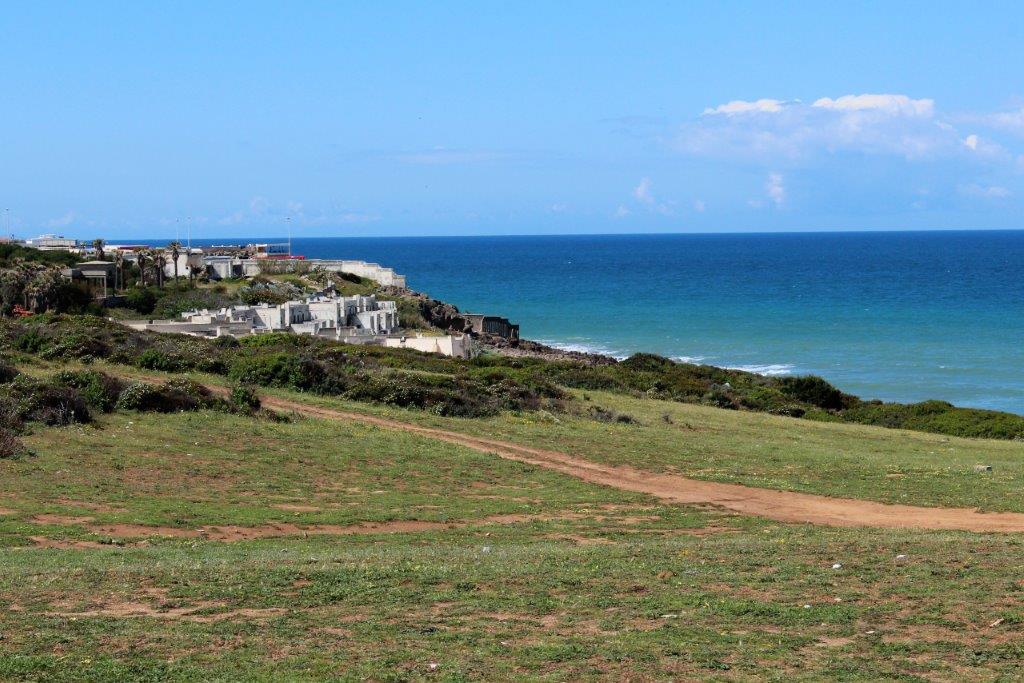
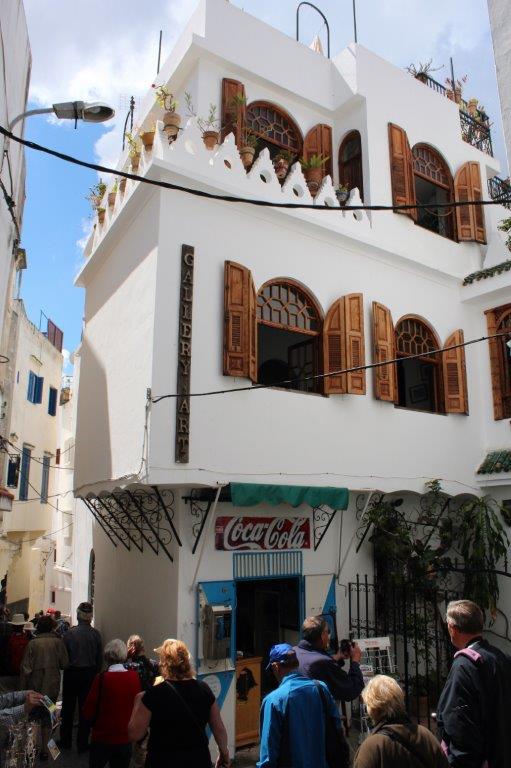
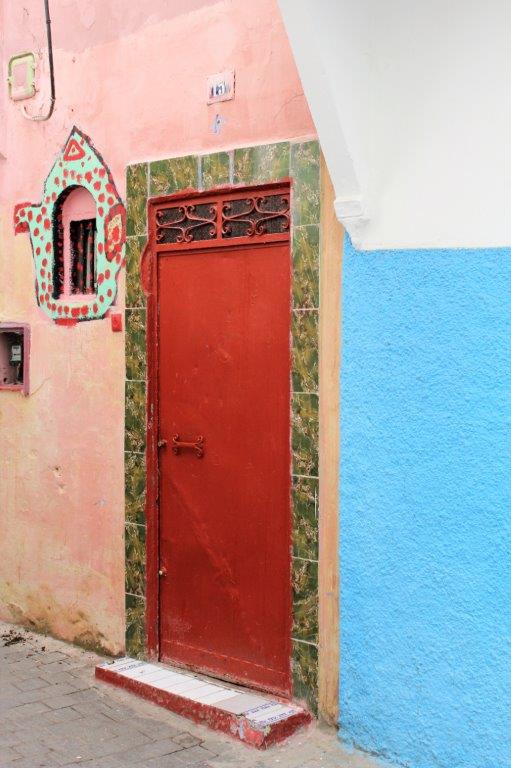
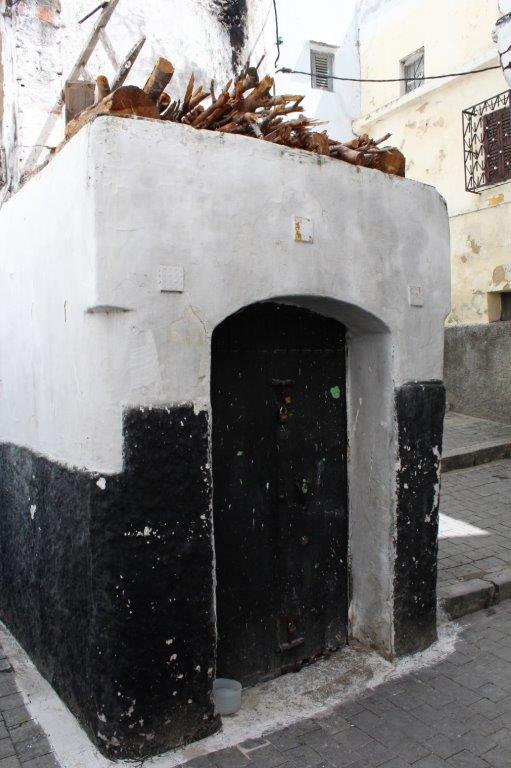
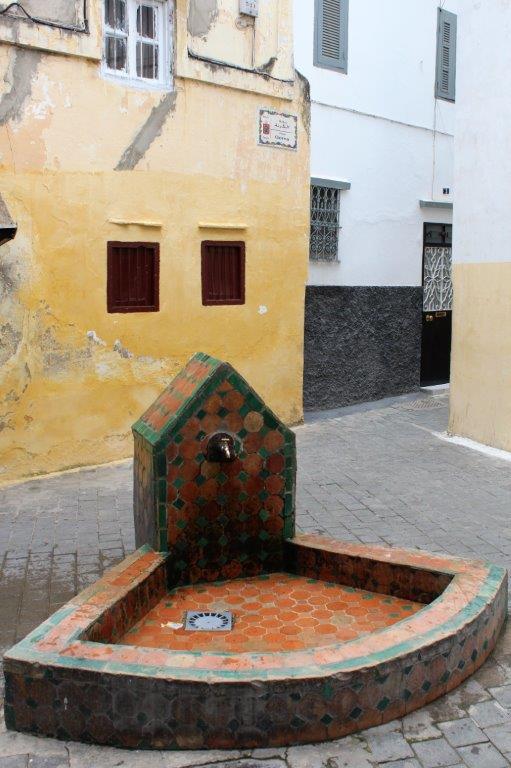
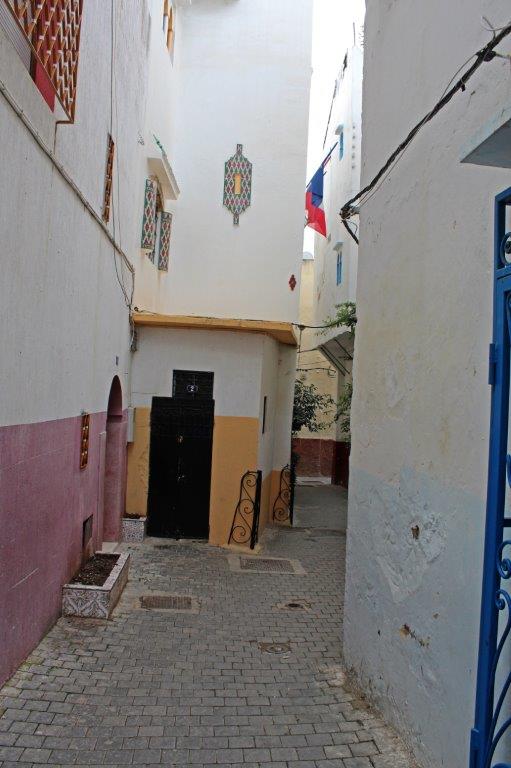
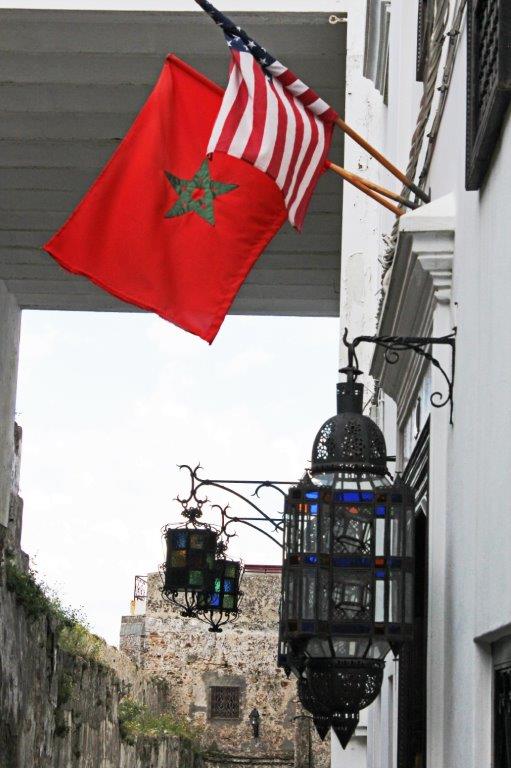
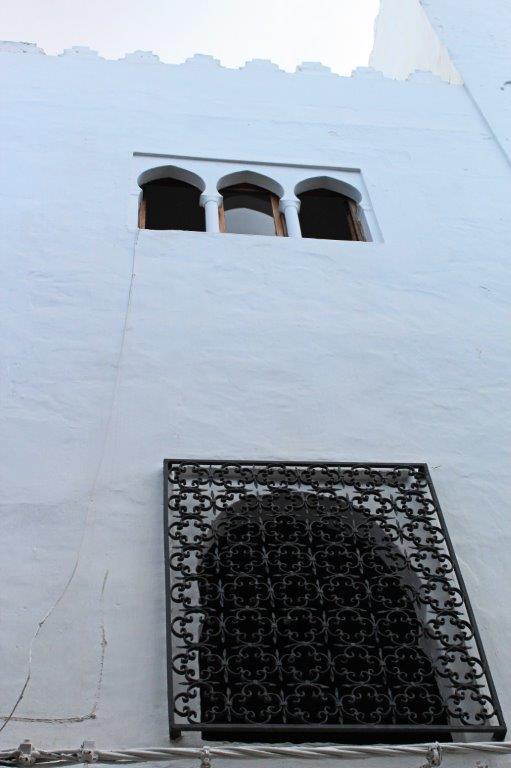
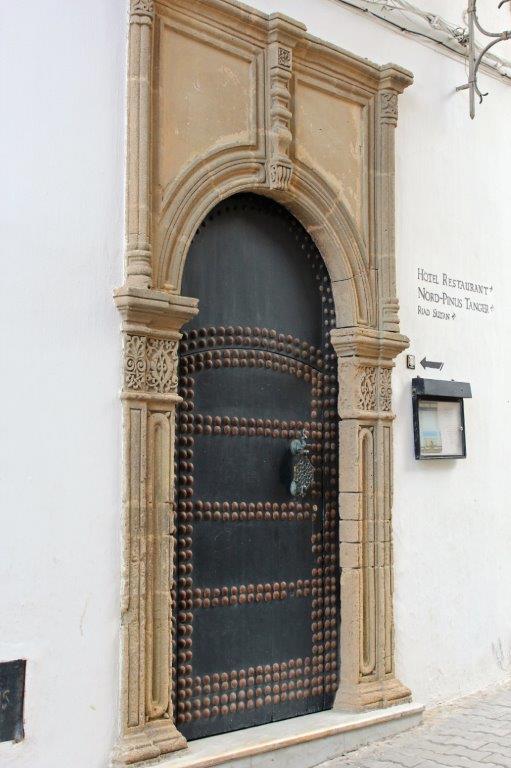
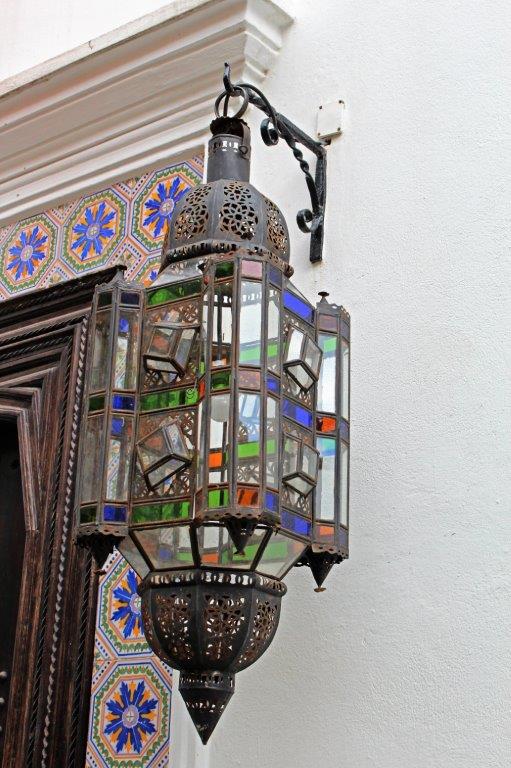
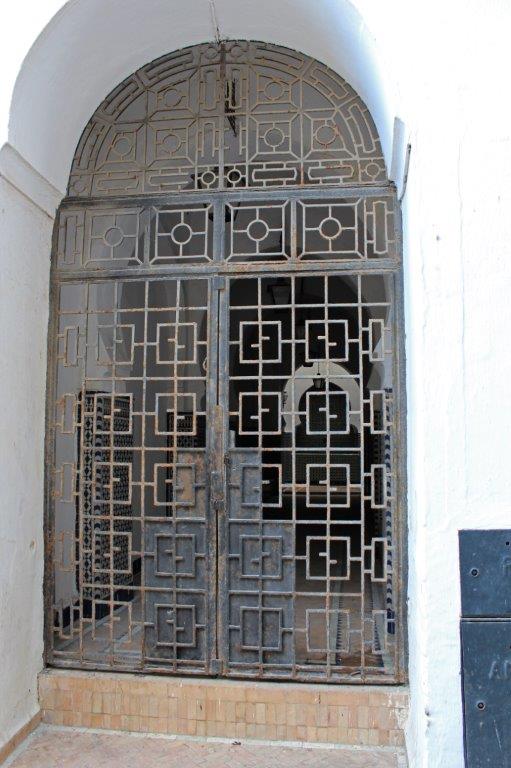
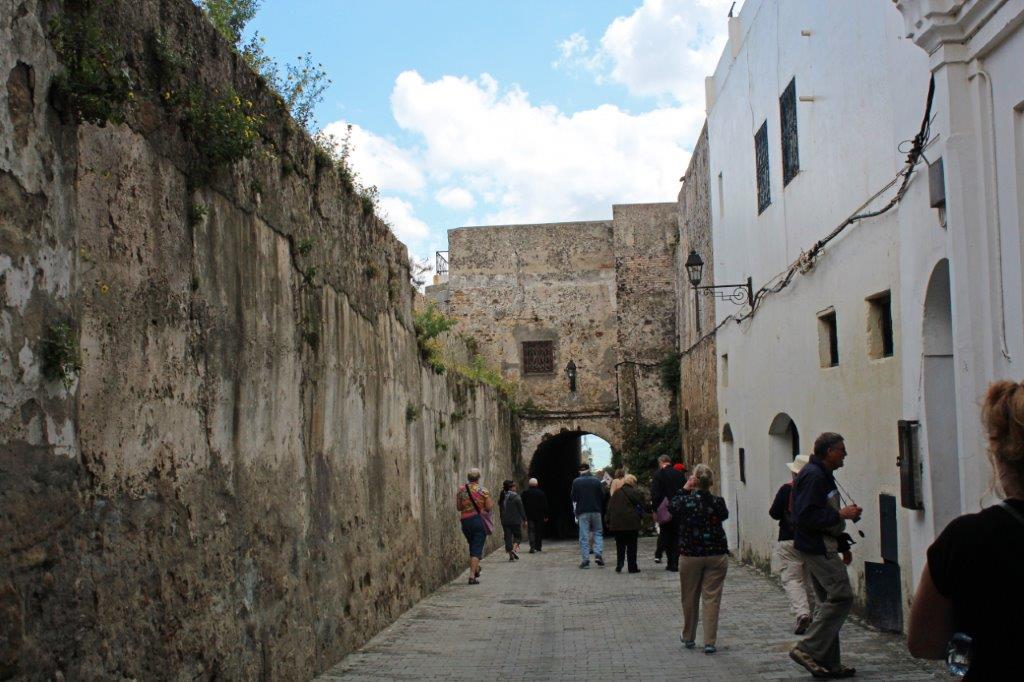
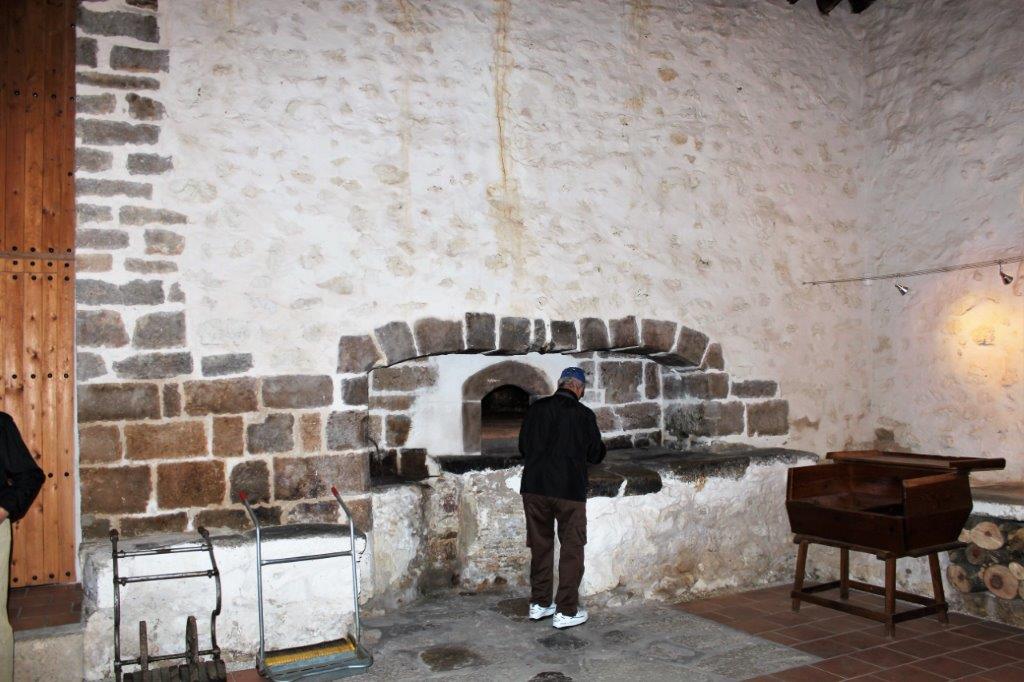
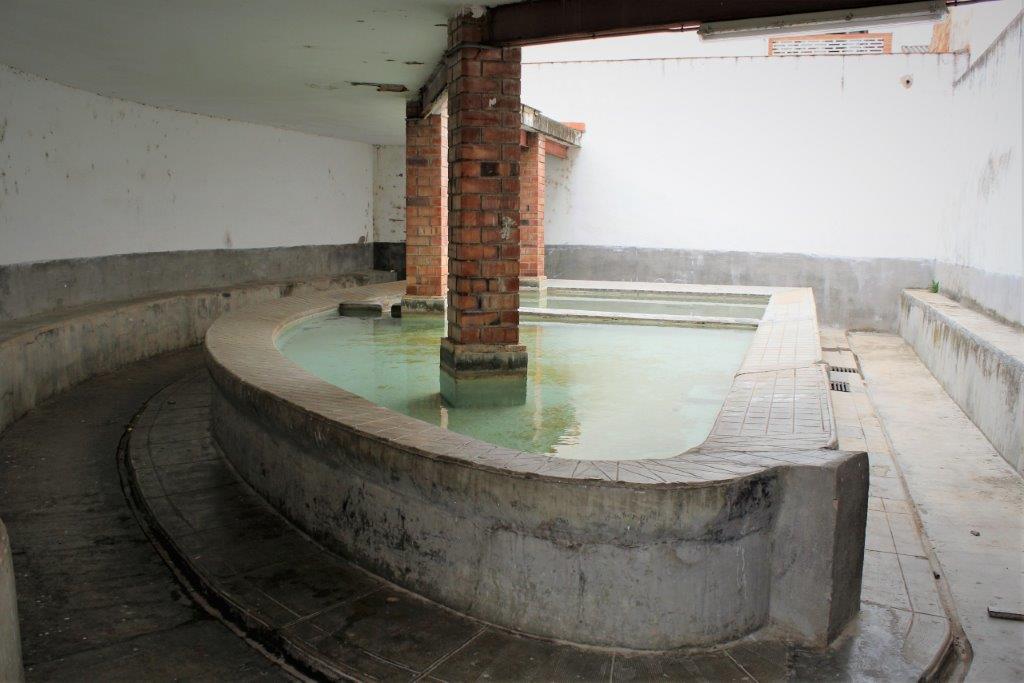
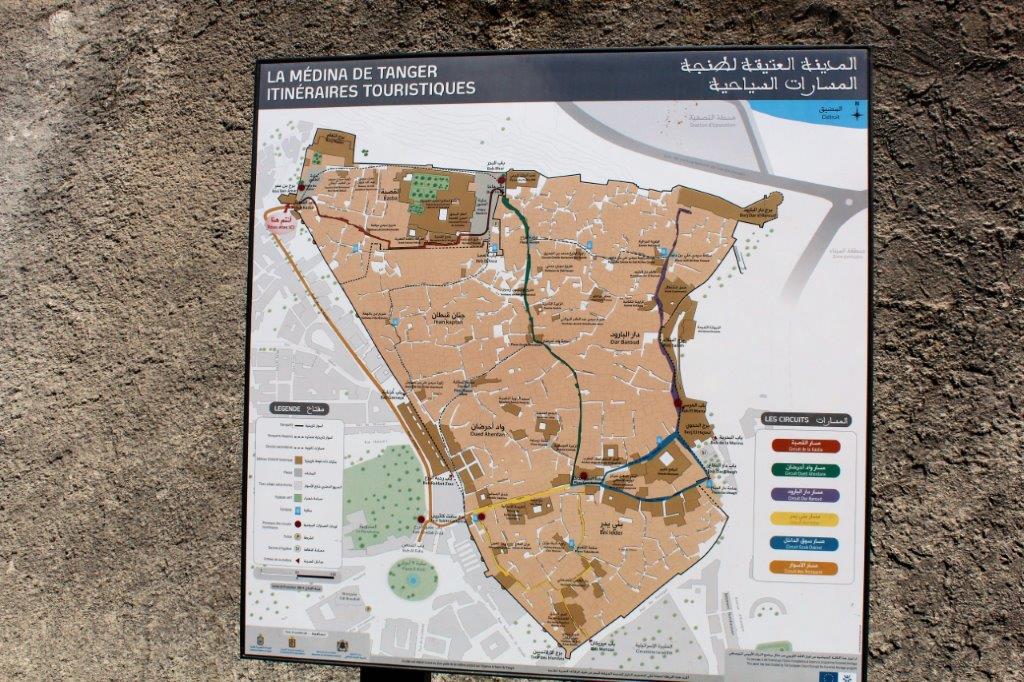
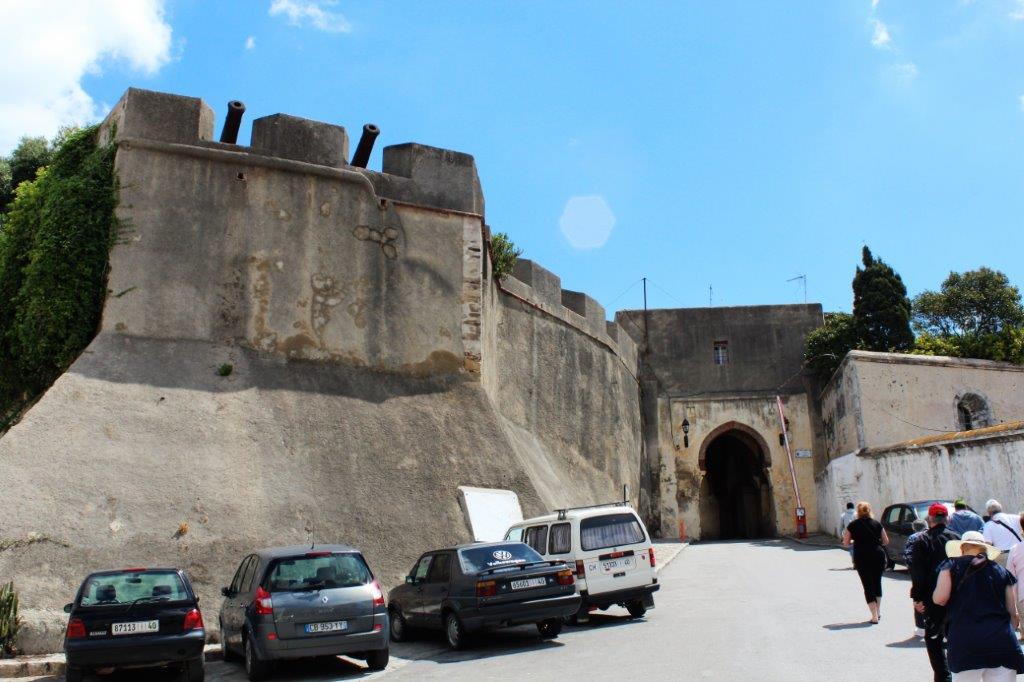
After the show concluded we boarded the bus and were driven to Hercules Cave, where legend says that the super-strong hero died after separating Gibraltar from Africa.  The cave was used as a quarry so it was considerably larger than originally, and now it contains lots of tables for vendors. There was an opening to the sea at the far end. The Cap Spartel area (the northern-most point of the African continent) has a lovely view point where the Atlantic Ocean and the Mediterranean Sea meet. Another opportunity to have your photo taken with a camel, and, if you like, sit on one while it is led around for a few minutes.                                                    A very pretty area. We were taken back to town for a walk through the Medina (Old Town) to the kasbah (fort).                A large community oven and a water access basin.                                            Great doors and beautiful lanterns.

The tour ended with the requisite shopping experience and carpet demonstration.  90% of our group went upstairs, found it was a carpet demo and came back down again.  The quality of goods wasn’t very high and even many of the regular shoppers just gathered near the bus and waited until it was time to head back to the ship.

As we left the bus at the port our guide counted every tip as he was given them.  Subtlety is not an established societal skill in Tangiers.  Despite finding much of tour to be quite cheesy we enjoyed our walk through the Medina and, all in all, we had a good day in Tangiers.

2012 April 30 – Day 50 – Málaga, Spain

We had a day at sea between Castelleón and Málaga and we were happy to rest up before the final few ports.  Obviously I had many photos to sort through.

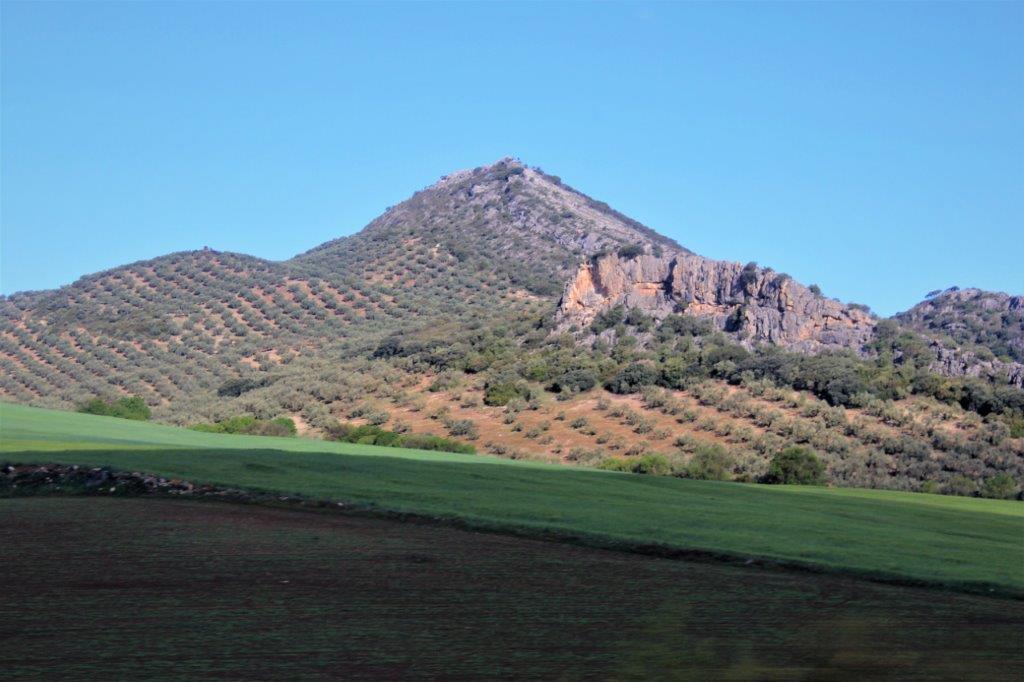
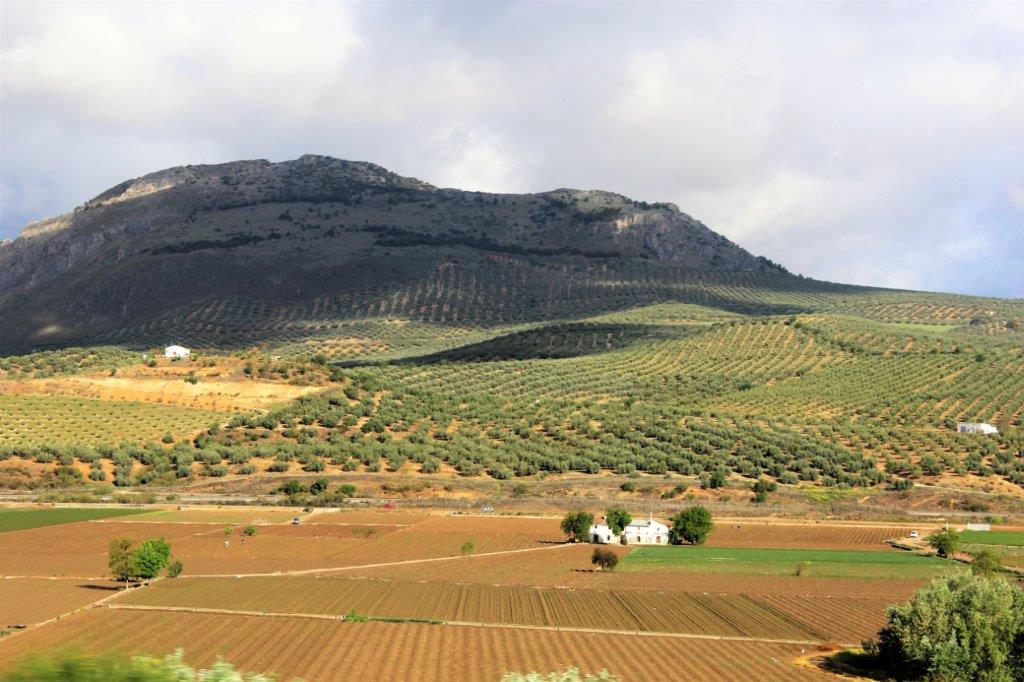
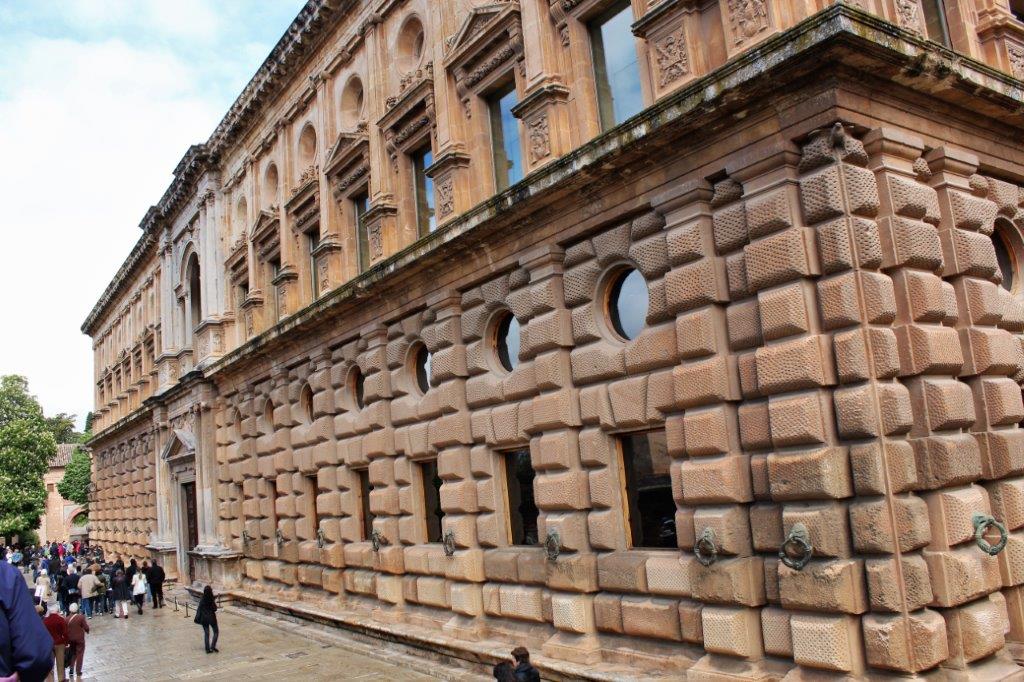
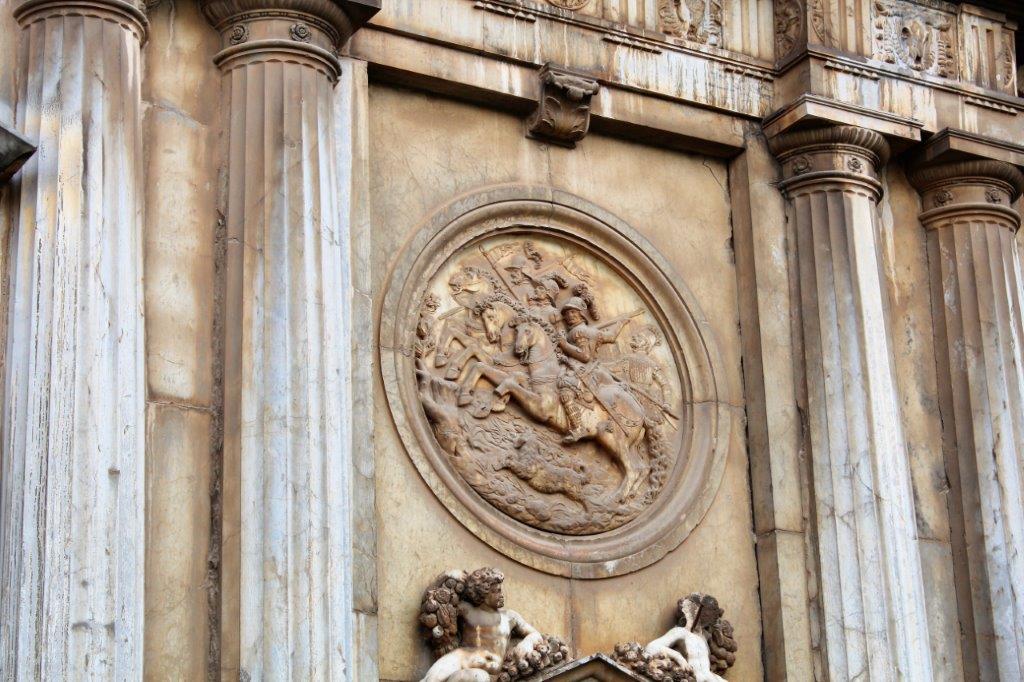
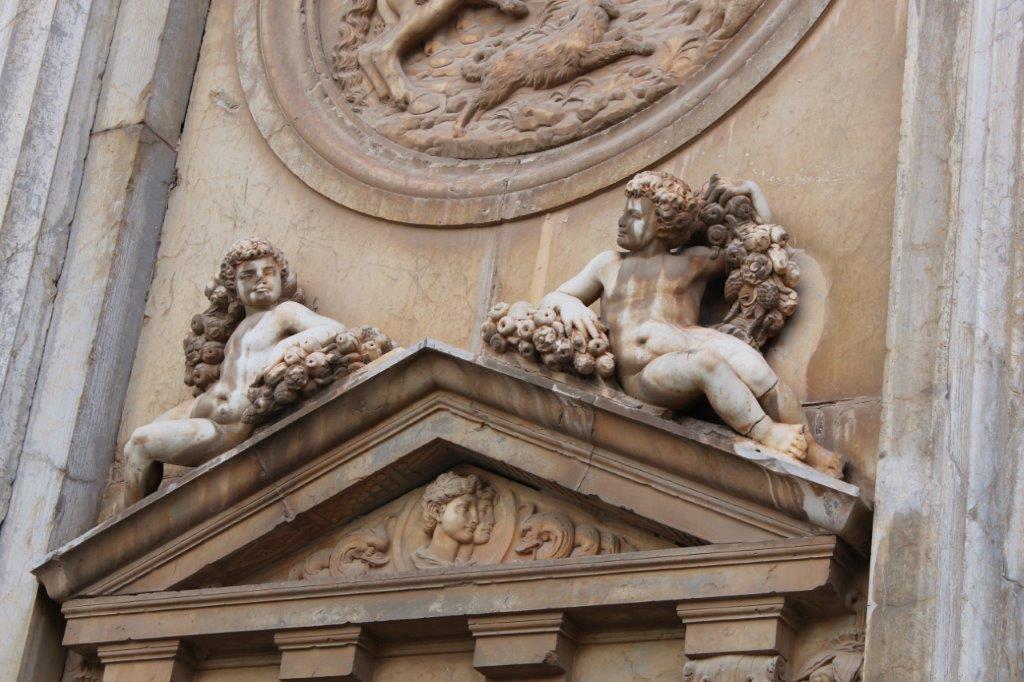
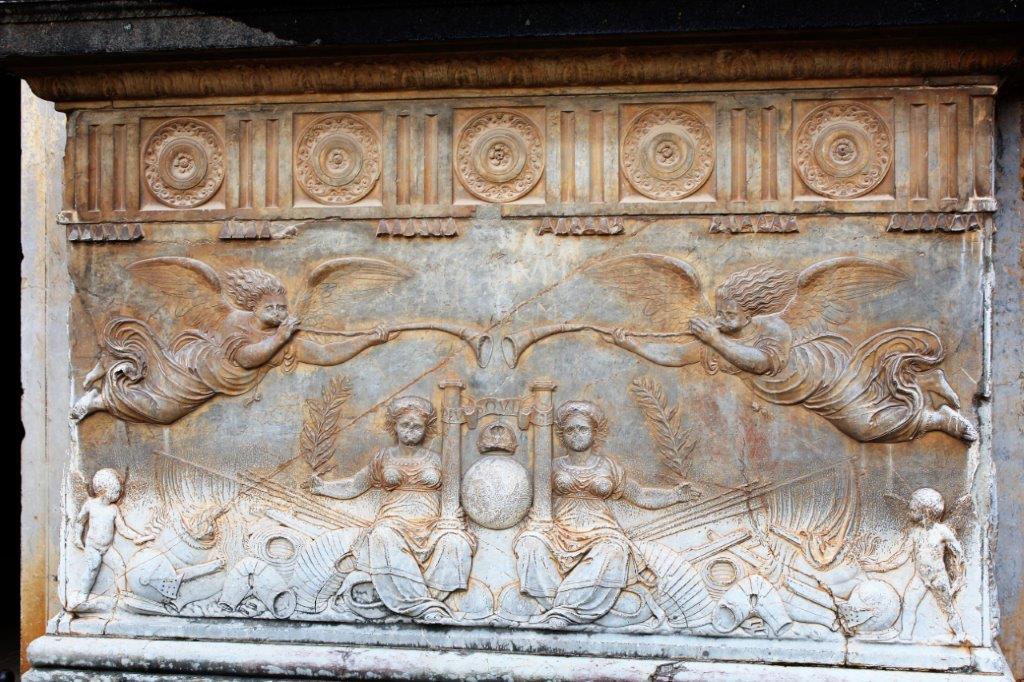
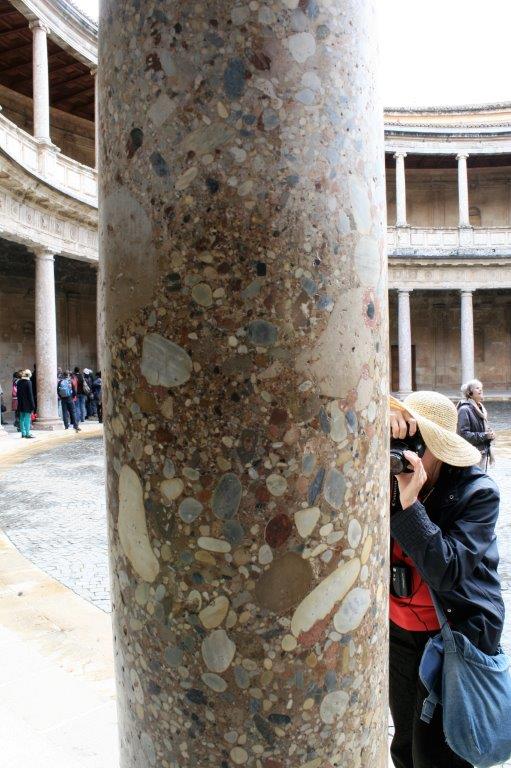
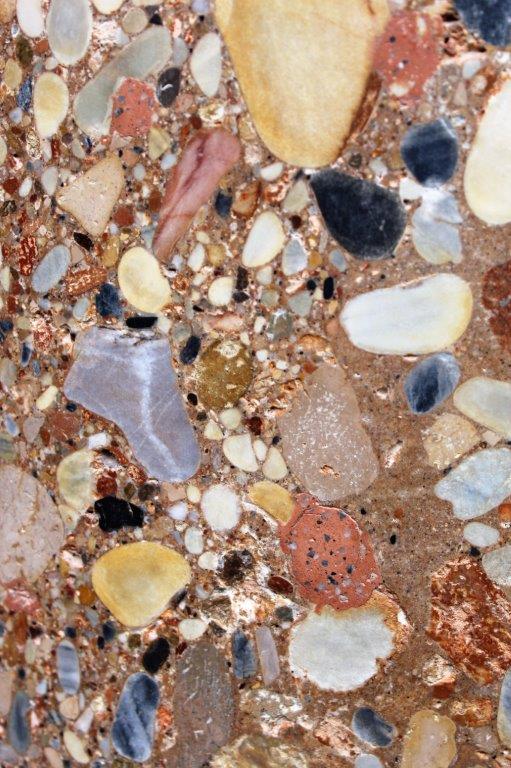
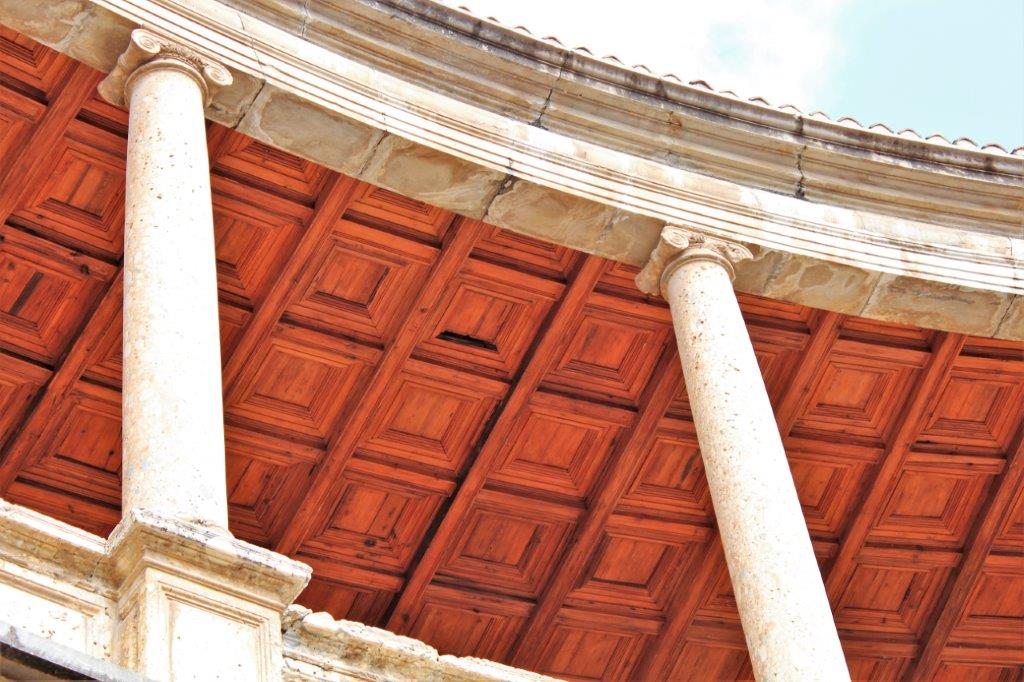
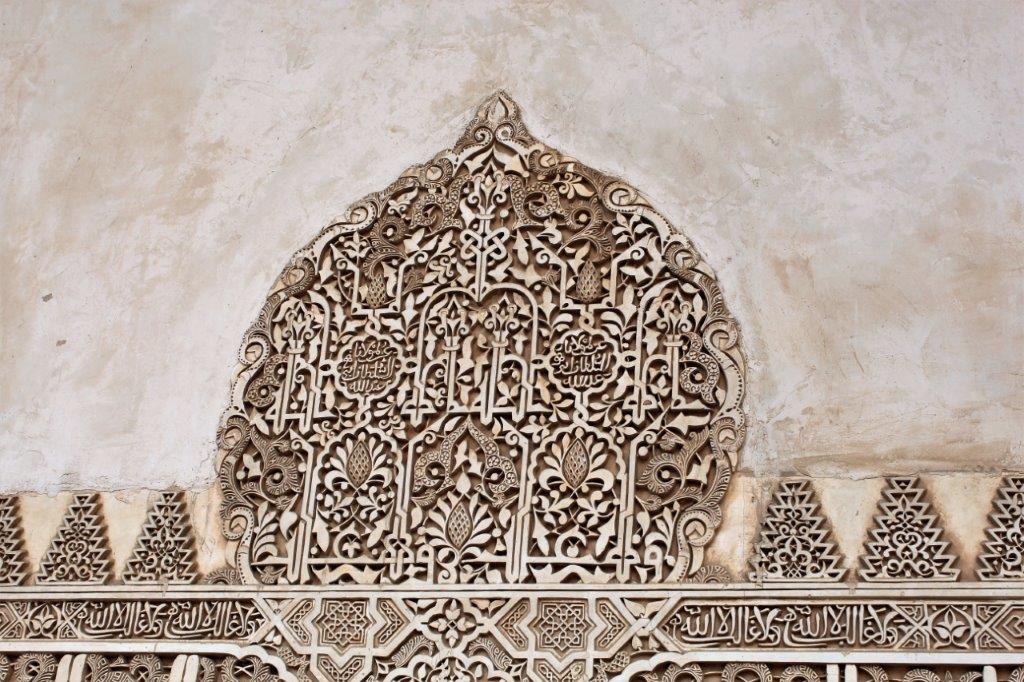
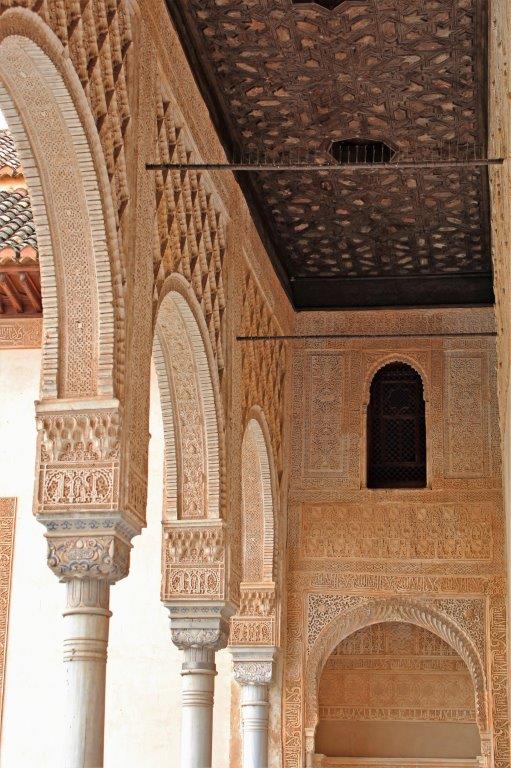
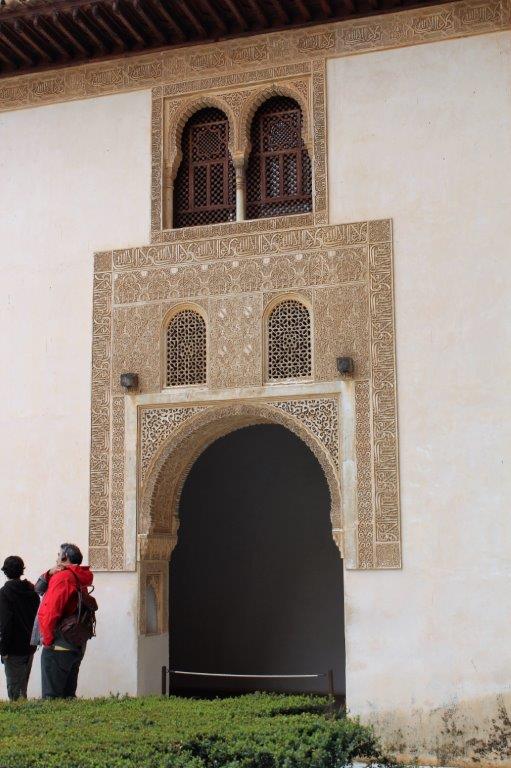
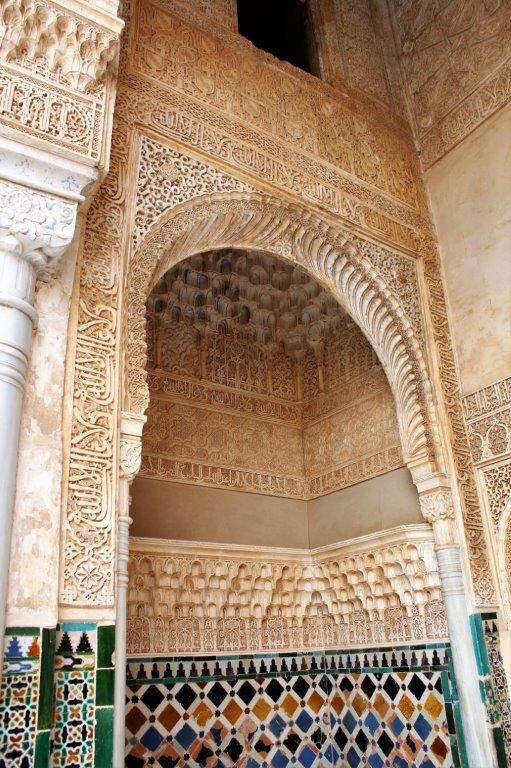
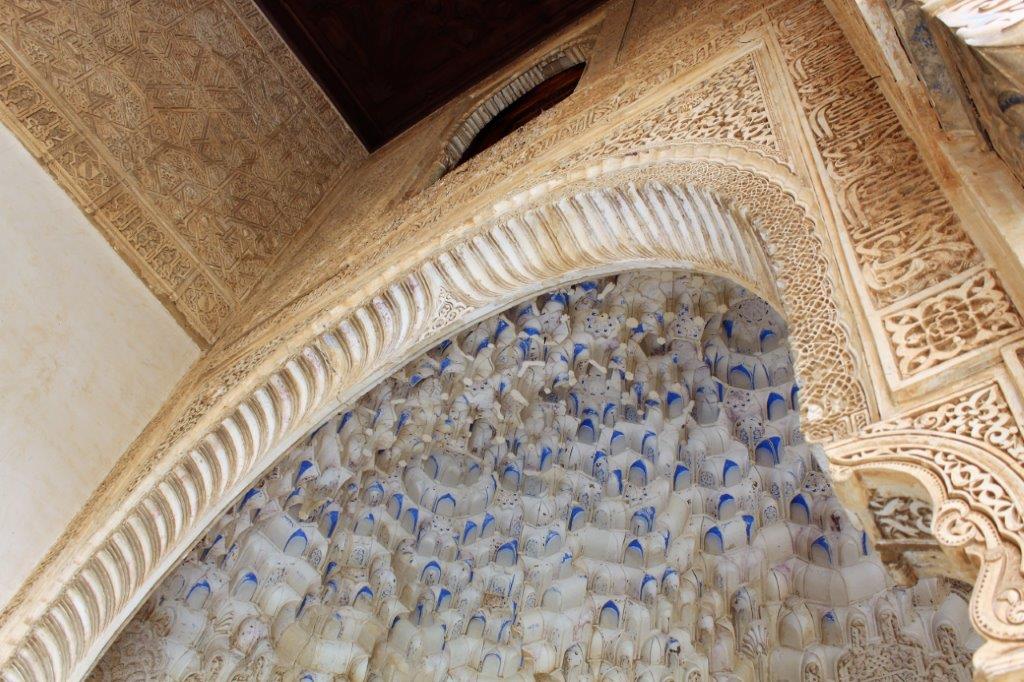
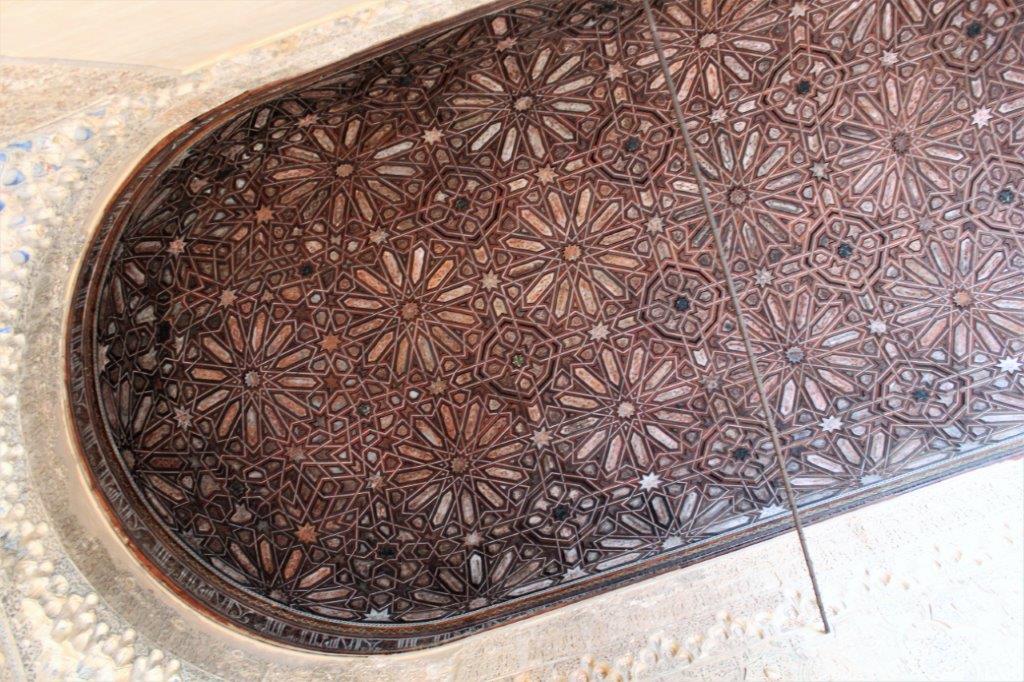
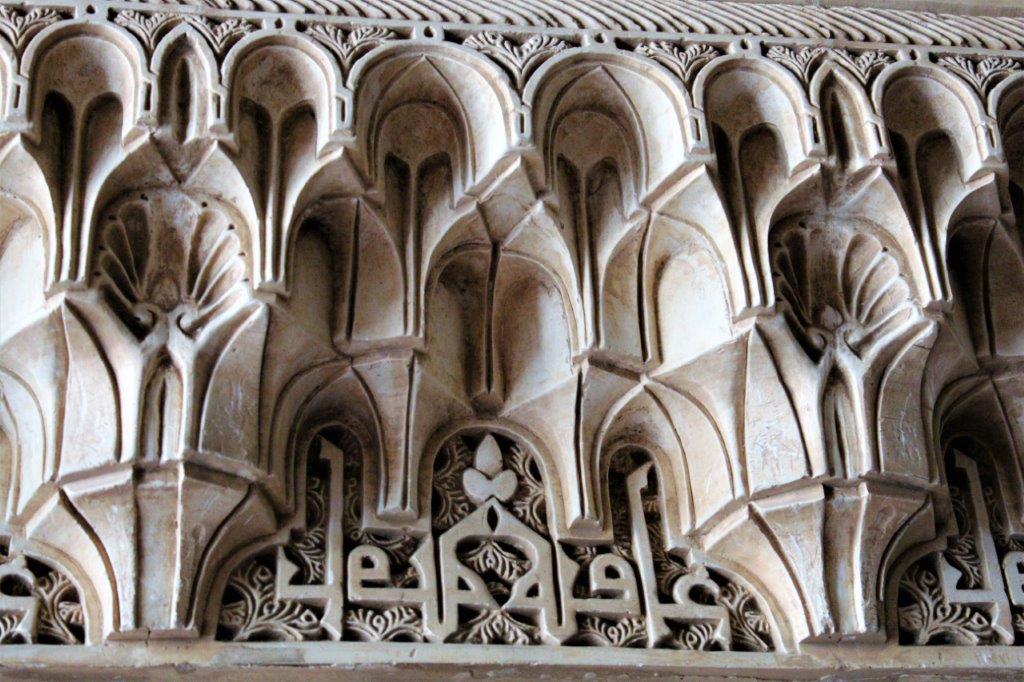
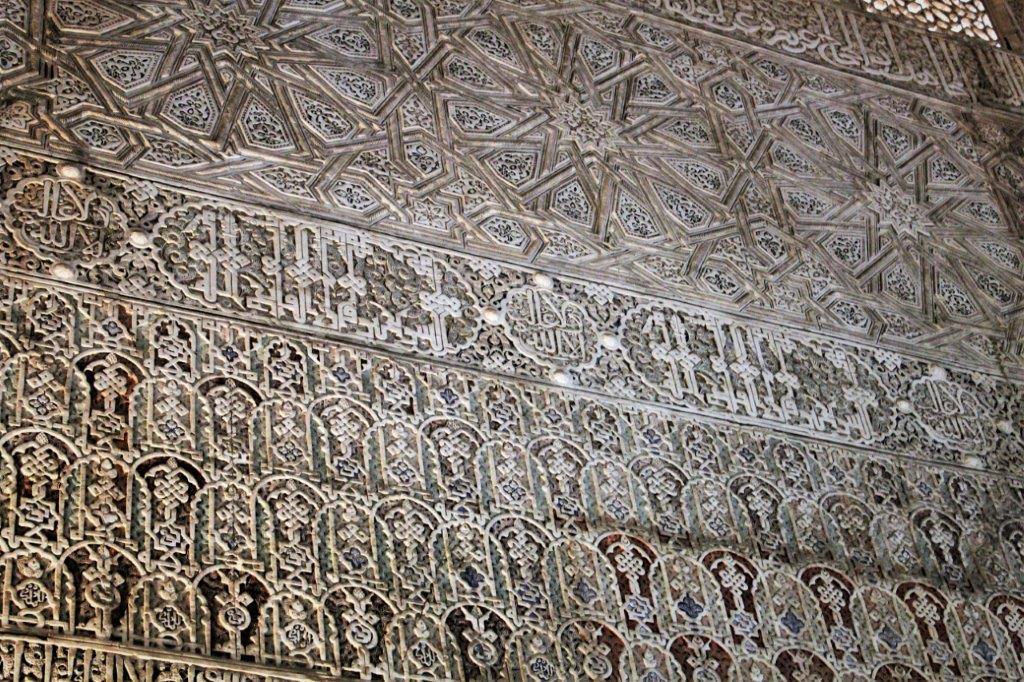
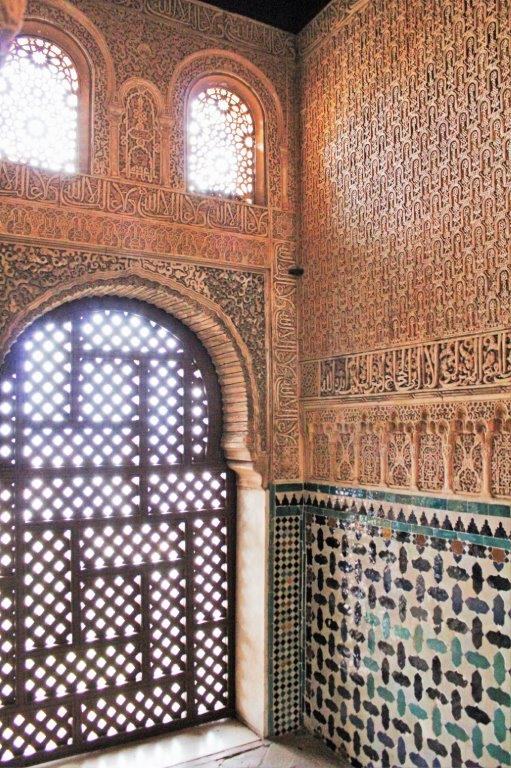
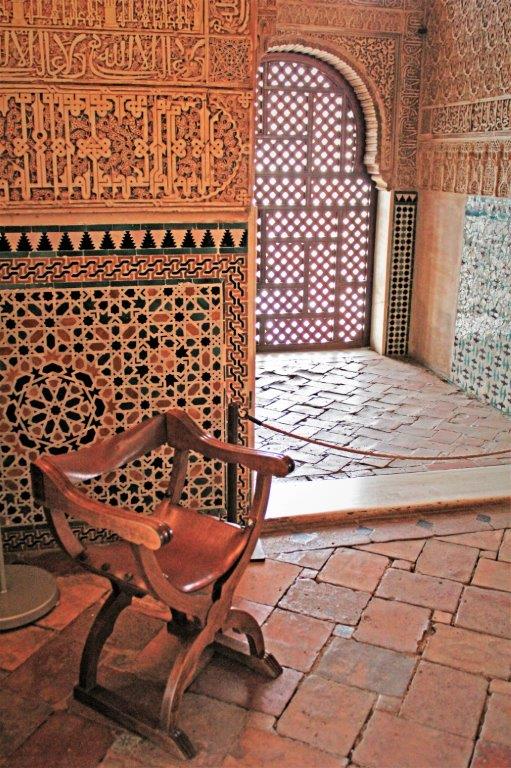
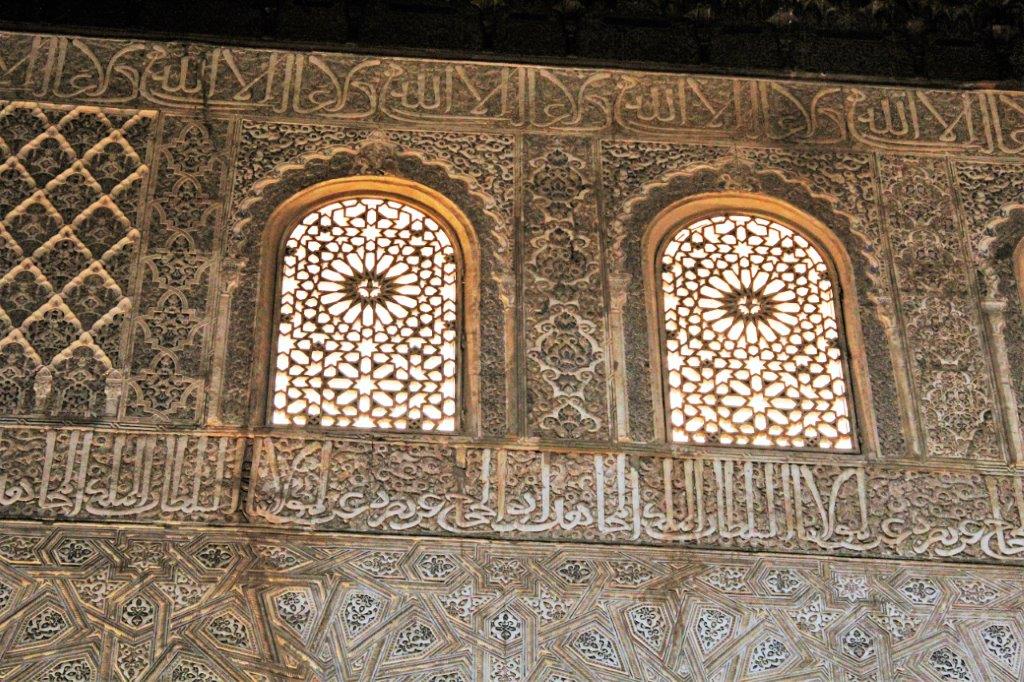
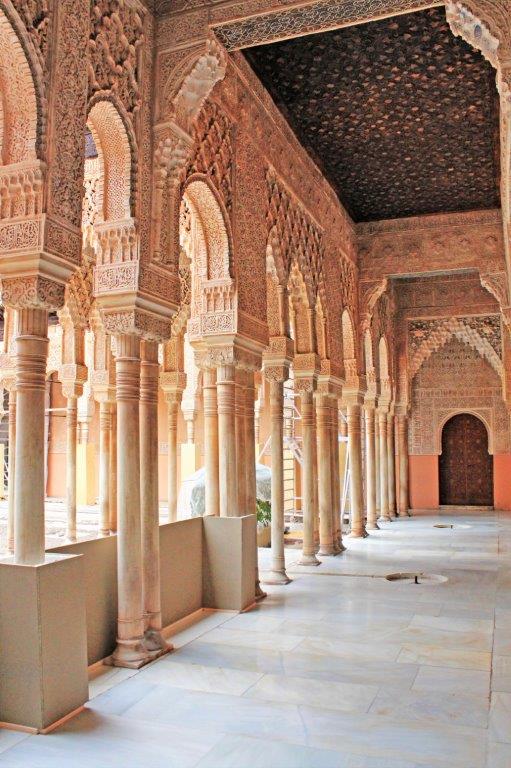
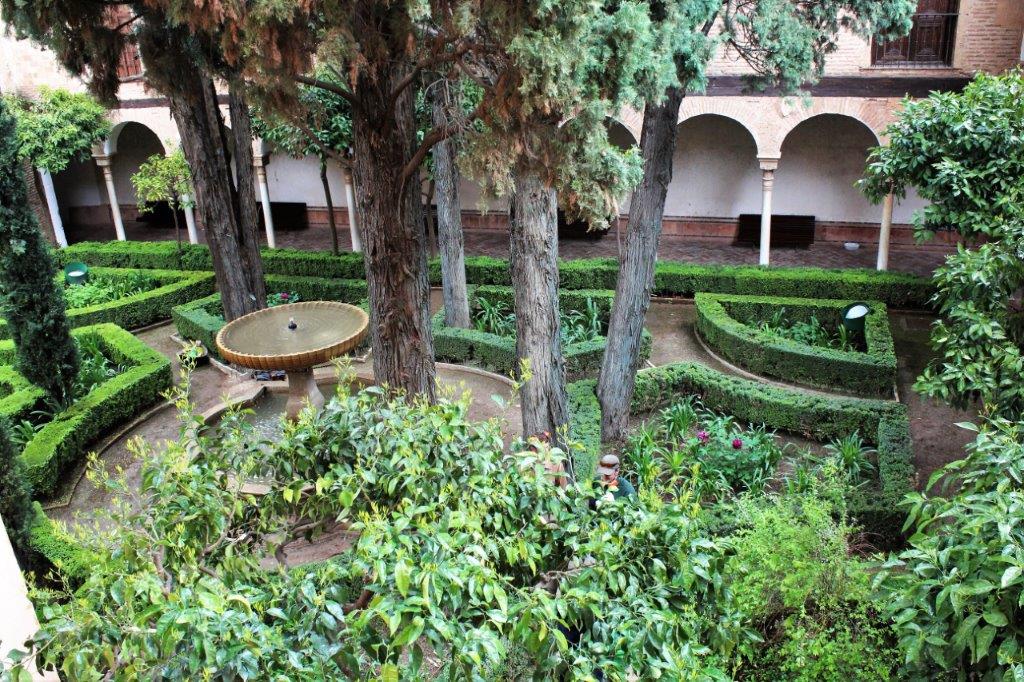
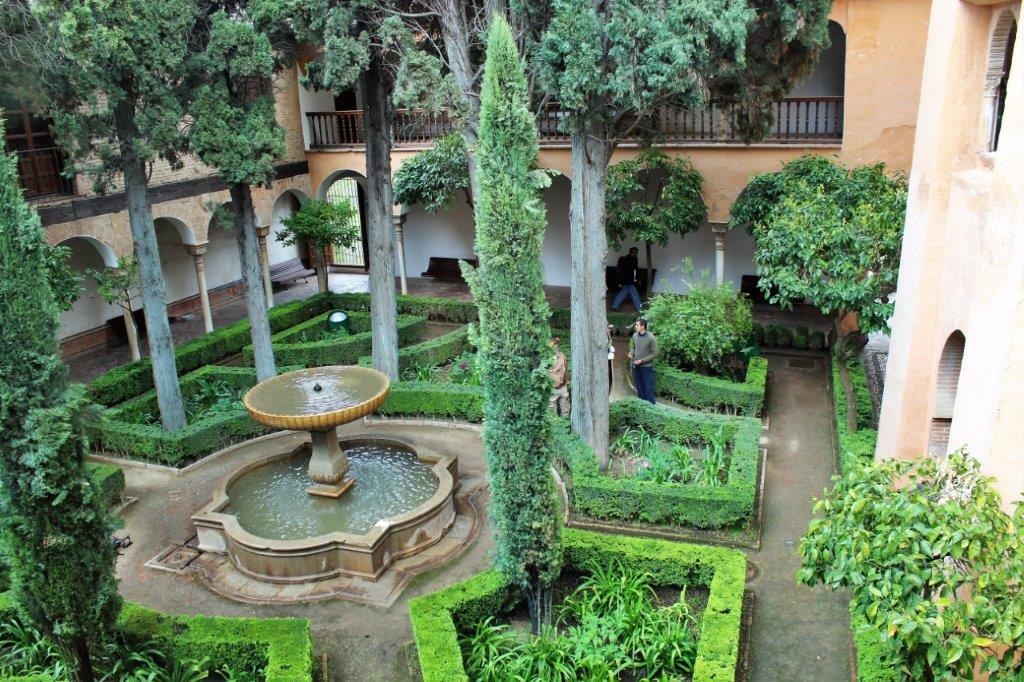
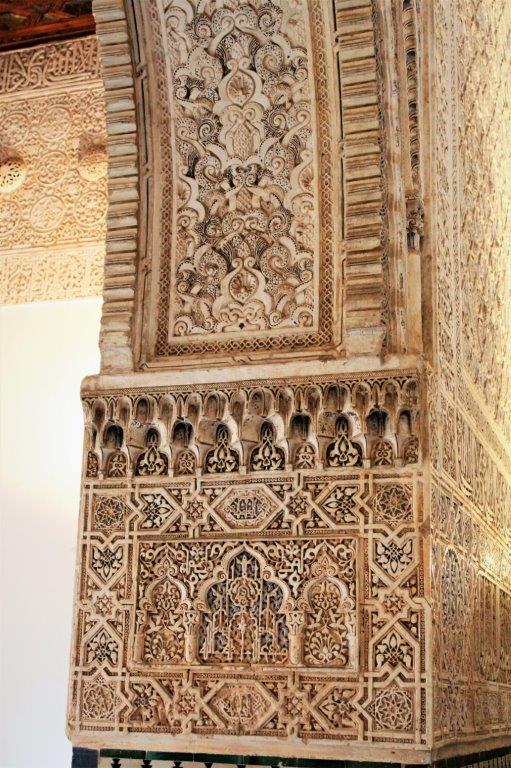
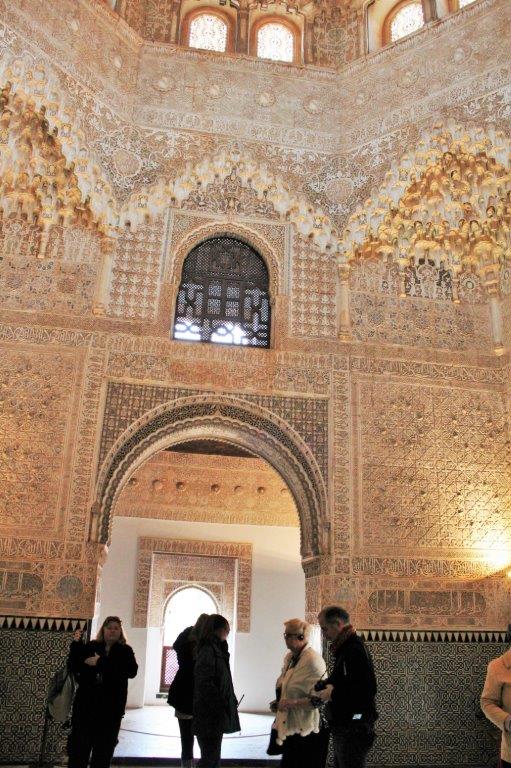
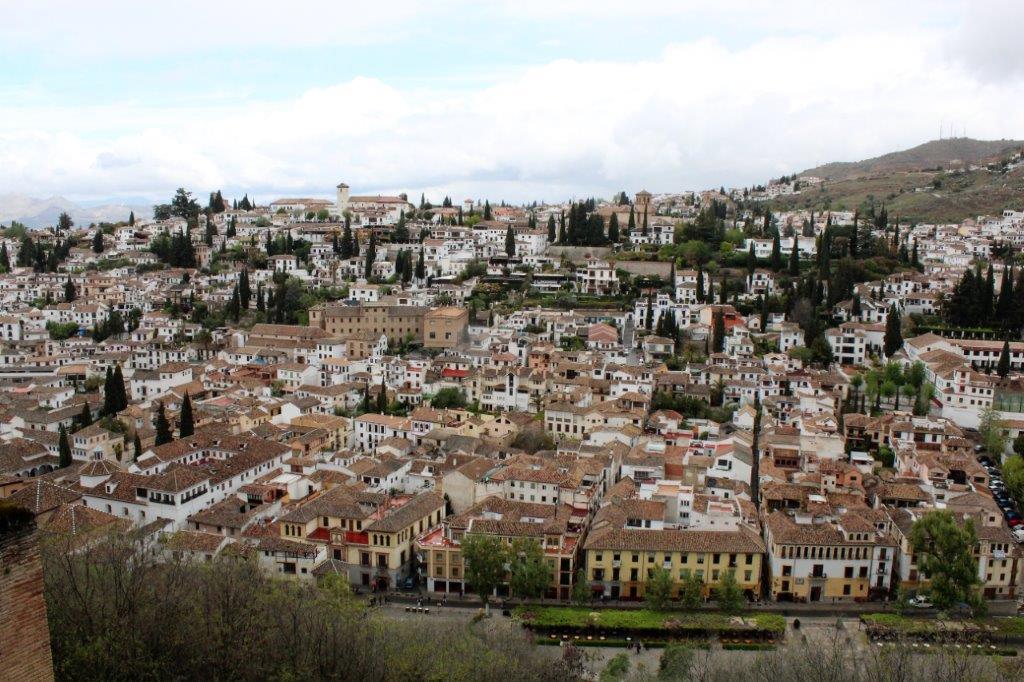
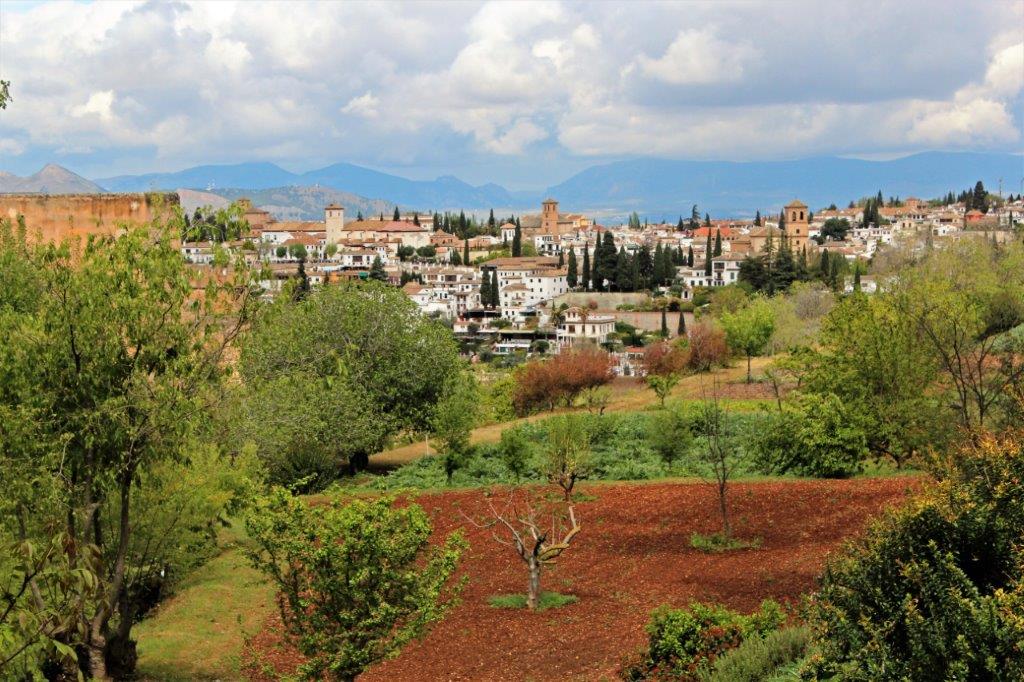
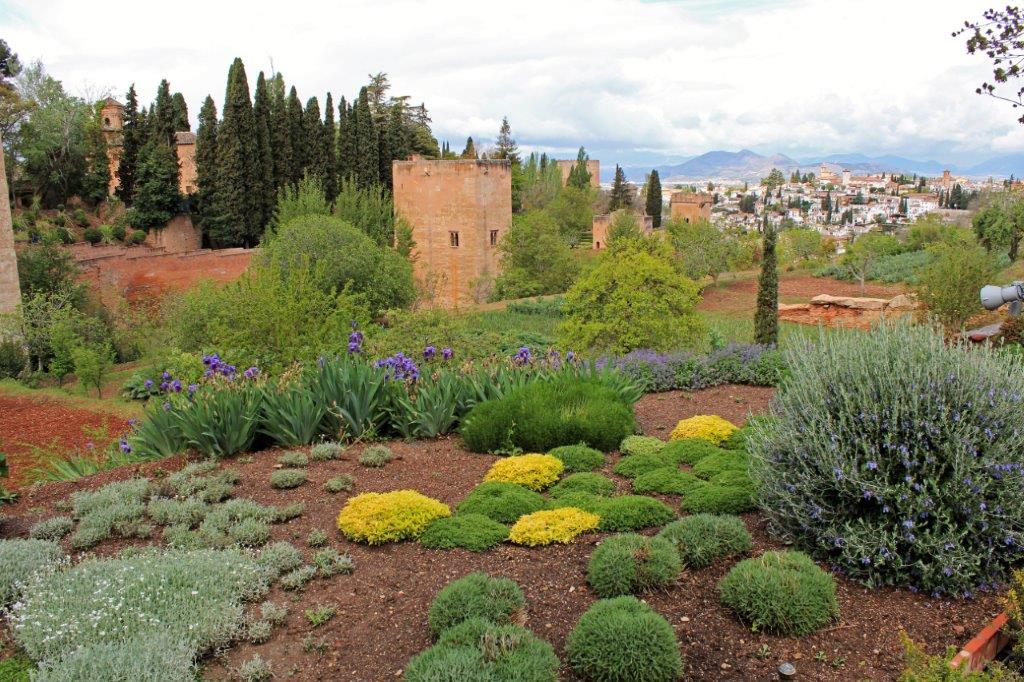
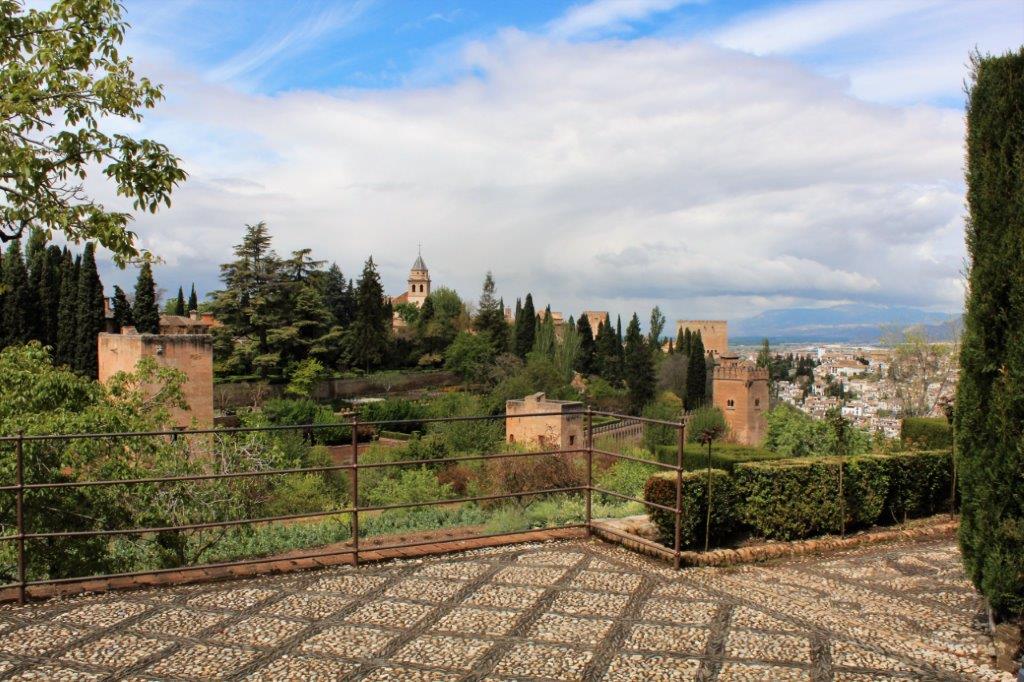
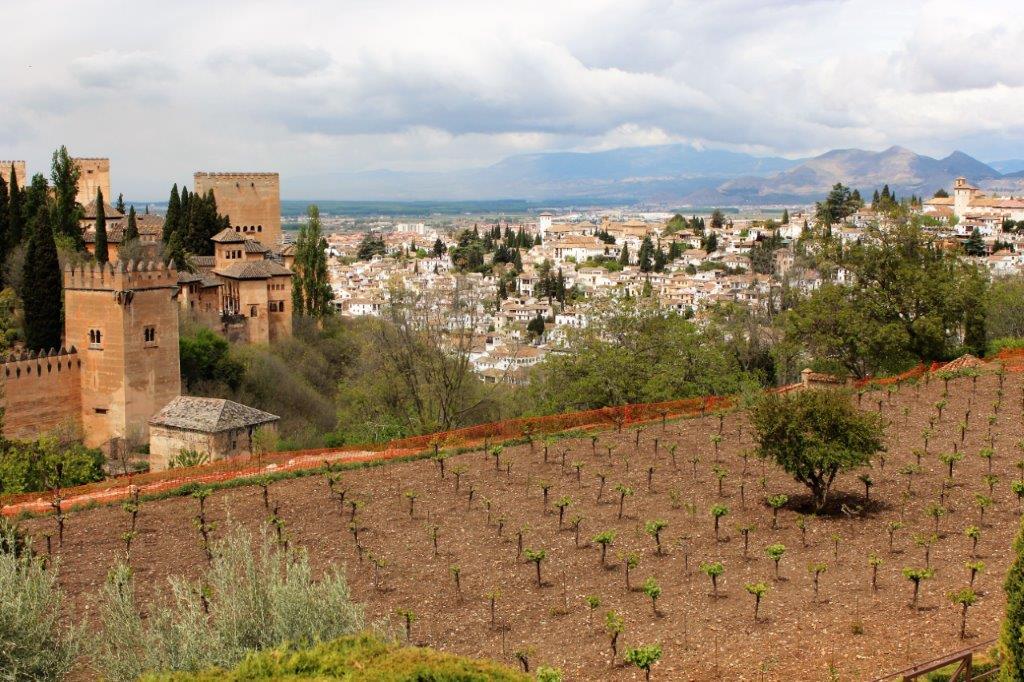
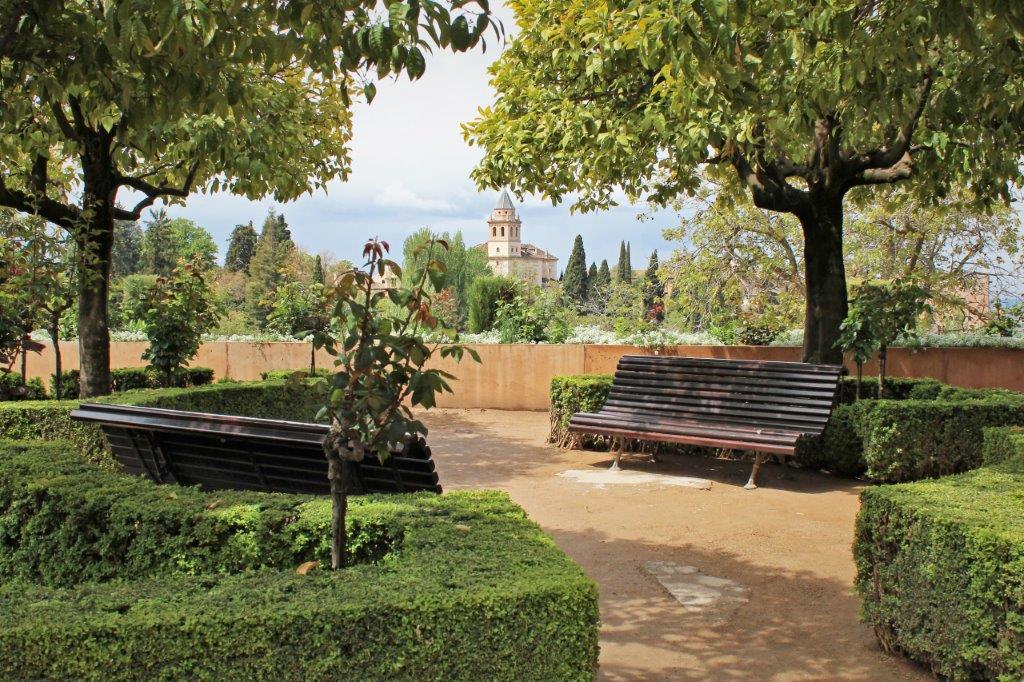
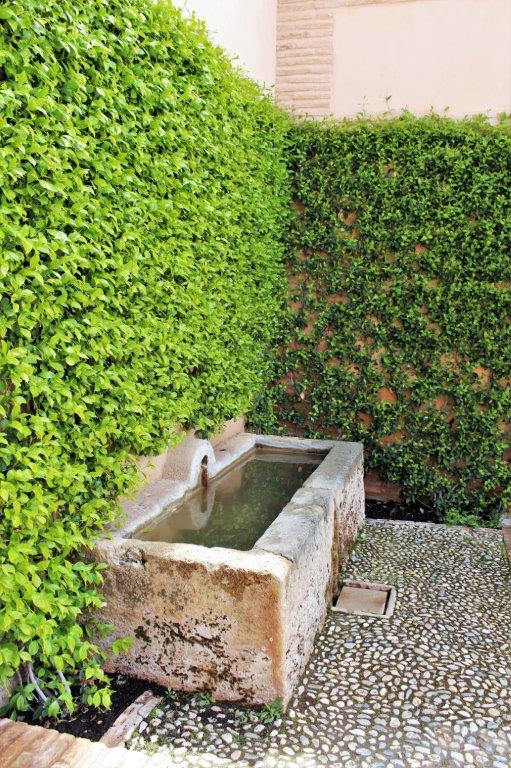
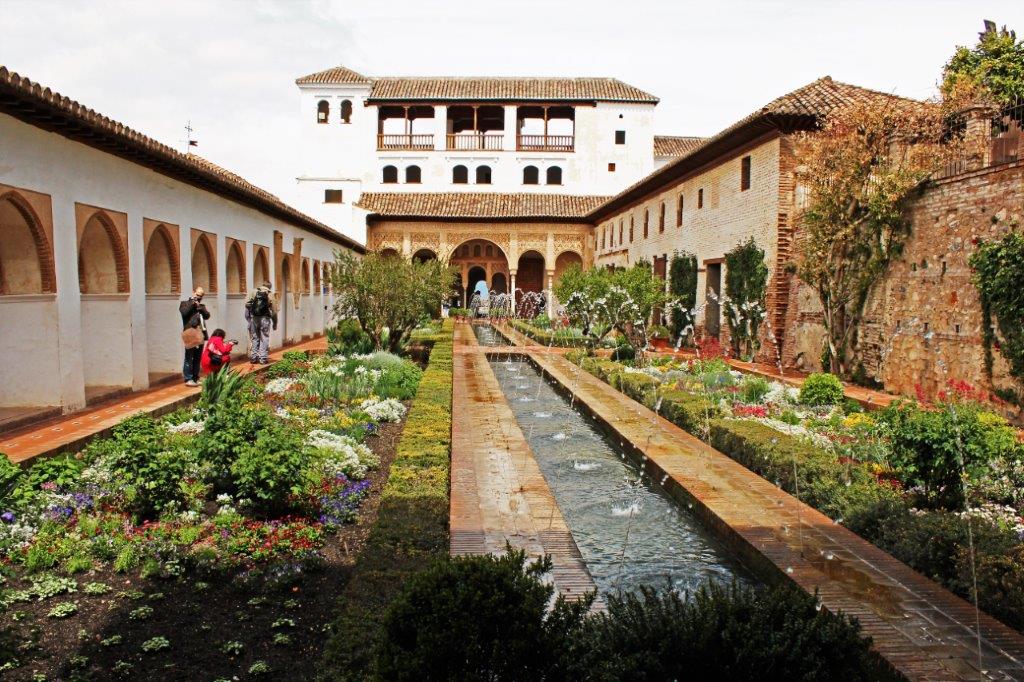
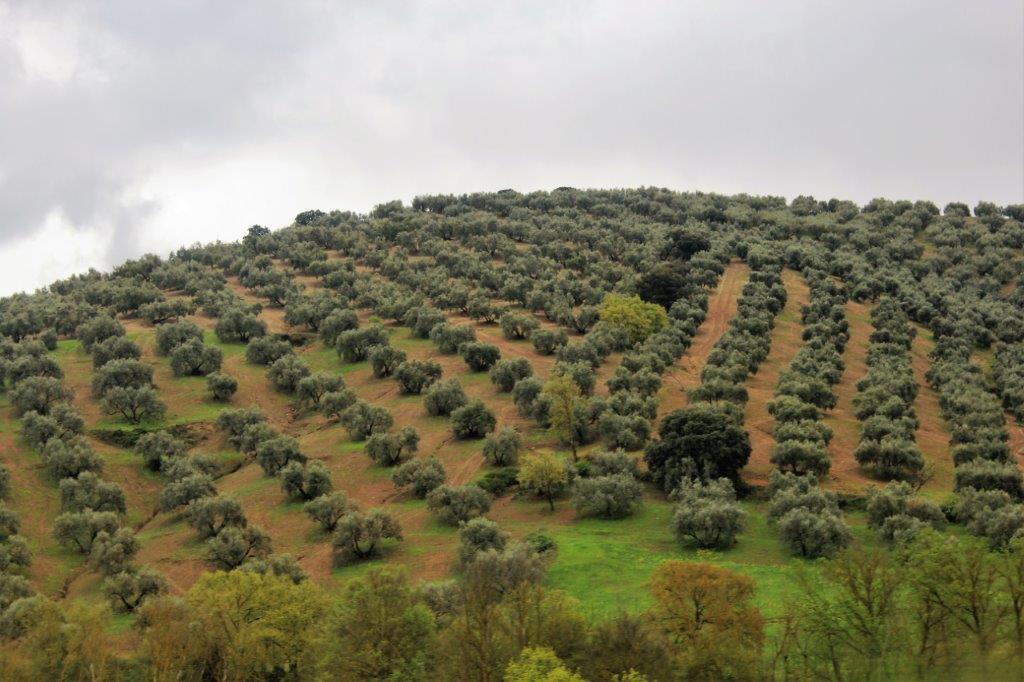
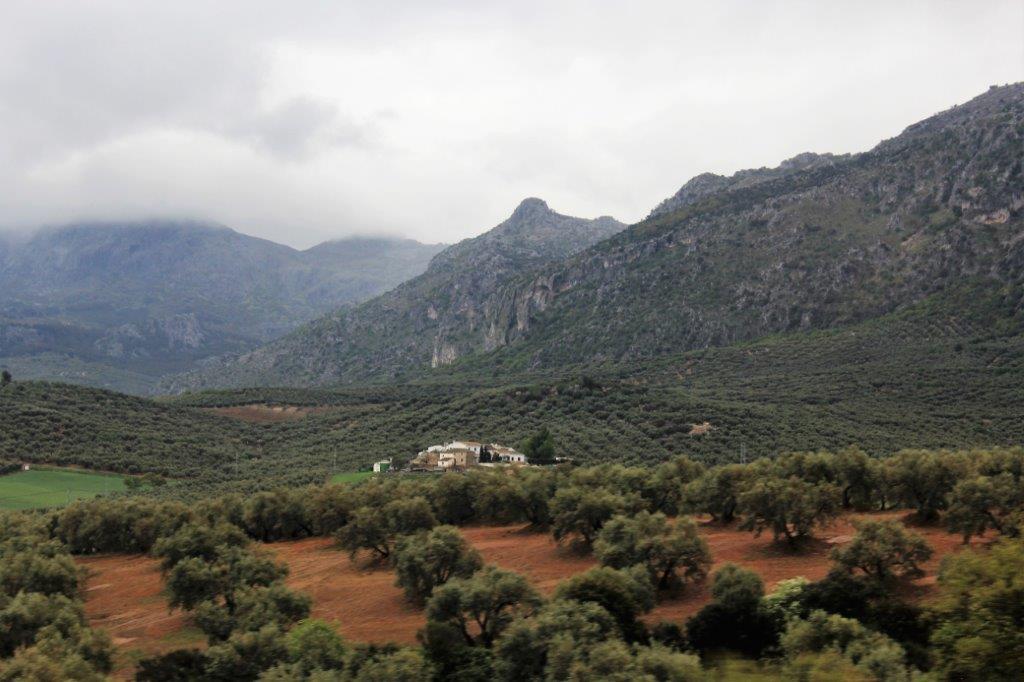
Málaga was settled in 830 BC and has a current population of 650,000.  Like the rest of Spain, Málaga is heavily Catholic but we traveled over two hours to the city of Granada to see a Muslim-Hispano complex – the 14th-century Alhambra (meaning Red Castle).  Olive groves stretch for miles. There are over 400 million olive trees in Spain. 7,600 people per day visit the site and tours are split into smaller groups (no more than 30) and you have an assigned entrance time; with a half hour leeway.  We had some slower people in our group and consequently we just made our deadline.  The complex includes the Royal Palace of the Arabic Kings and the Granadan Alcazaba (9th-century ‘fortress’ tower).  The last of the Moors were ousted from Spain in 1492 when King Ferdinand and Queen Isabella re-conquered Spain.  The Mosque was turned into a Catholic Church and the palace became the site of the Royal Court.  Once we were inside we had plenty of time to walk through two palaces and a fabulous garden.  Our guide kept everyone moving, not too fast, but steady, through the palace but we could stroll much more leisurely in the gardens.             The composition of the stone pillars was beautiful.                          There is lots of very intricate carving!

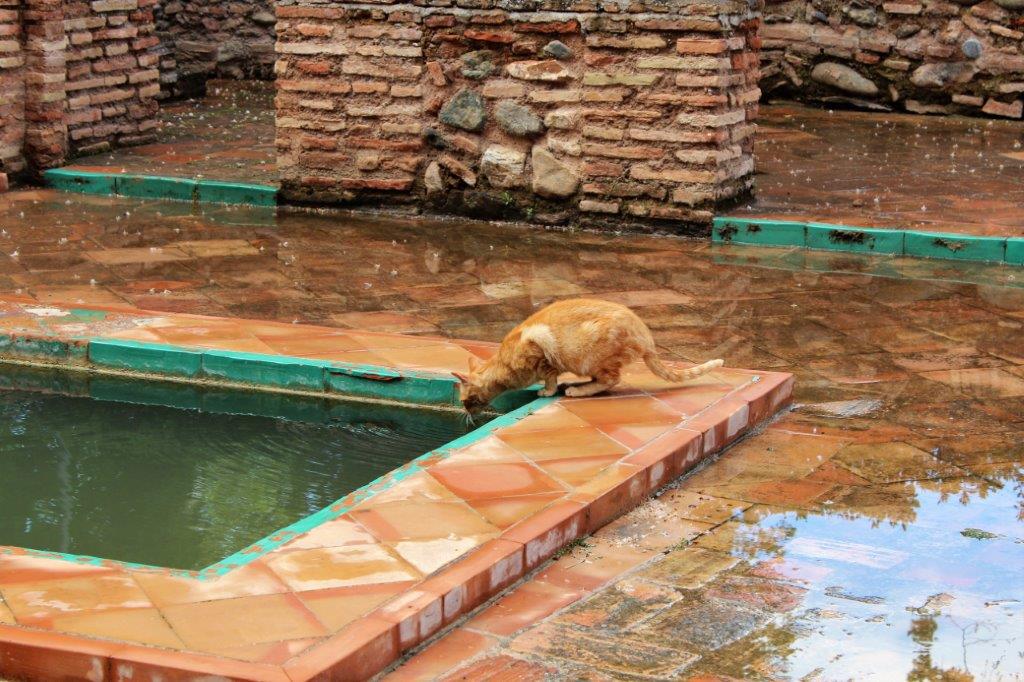
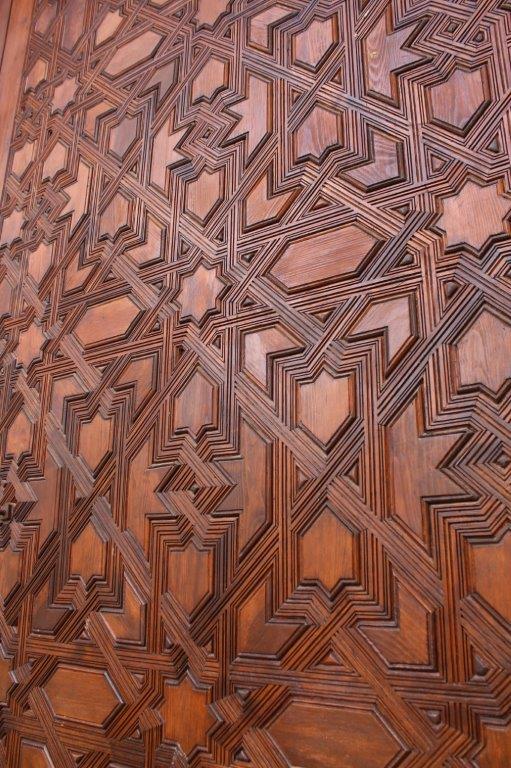
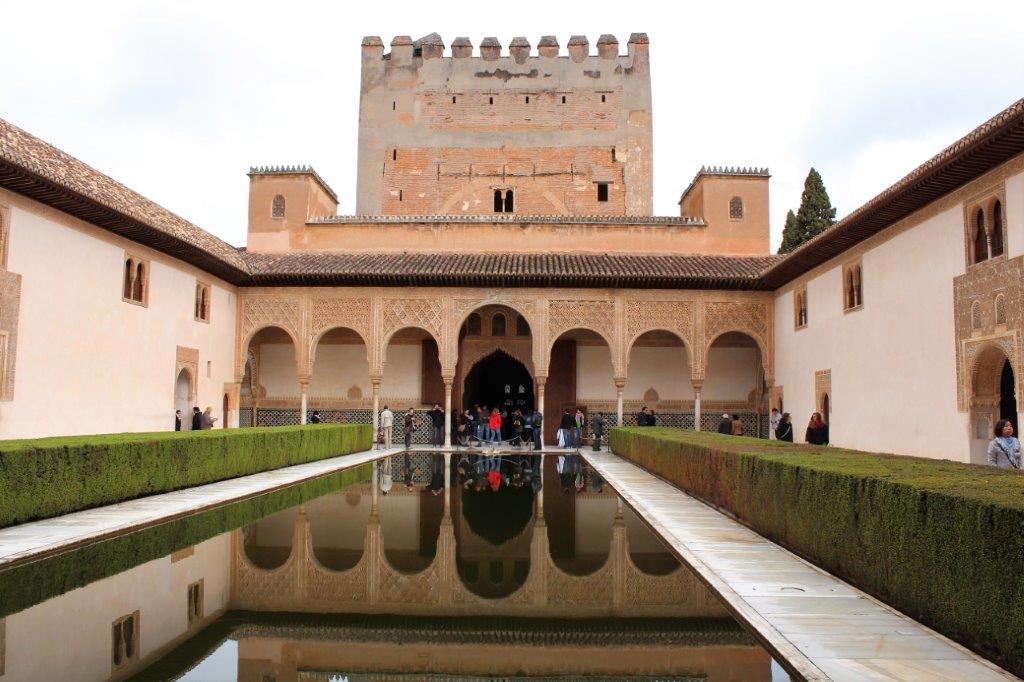
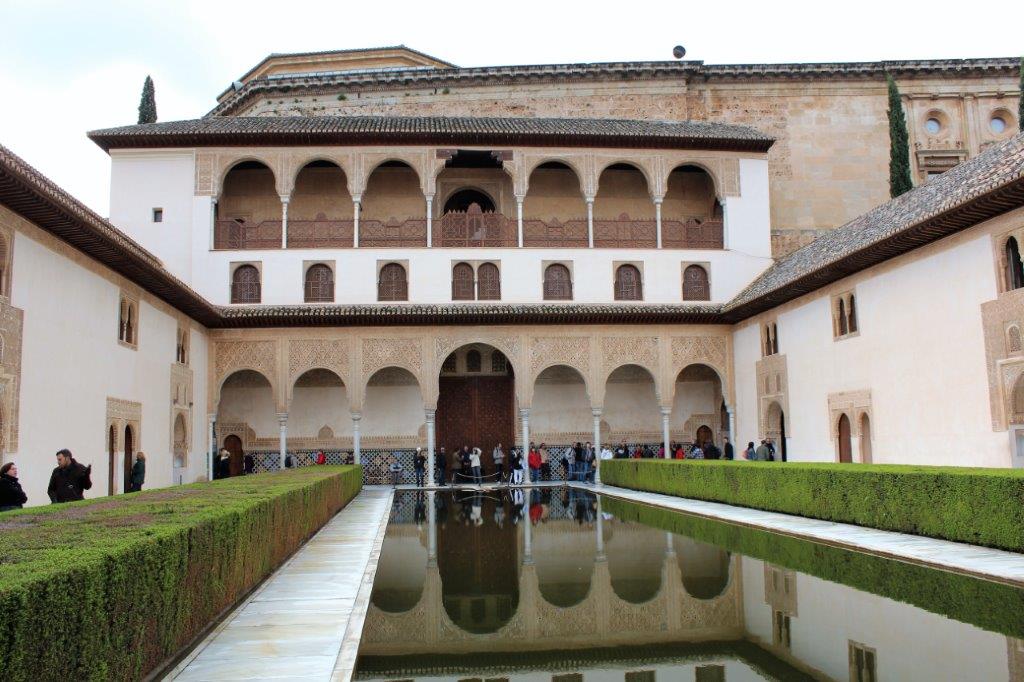
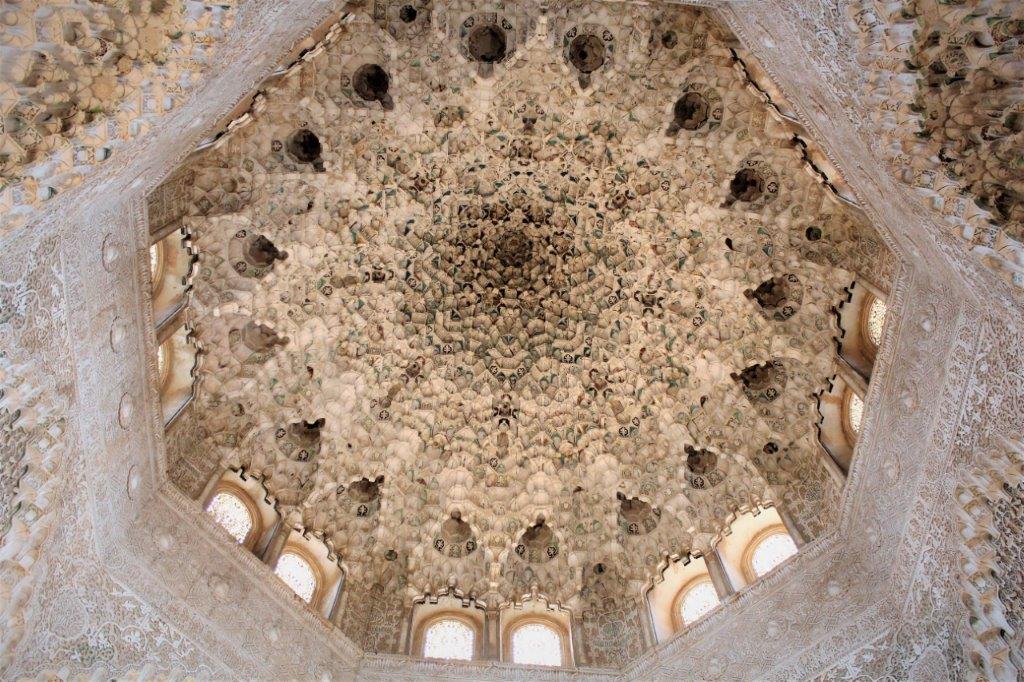
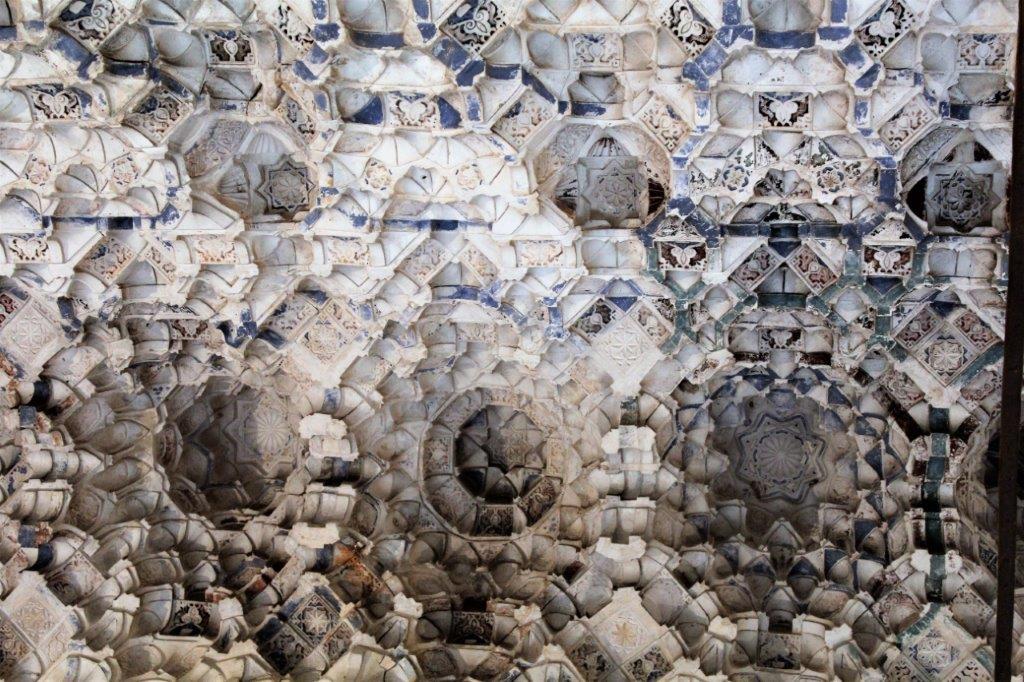
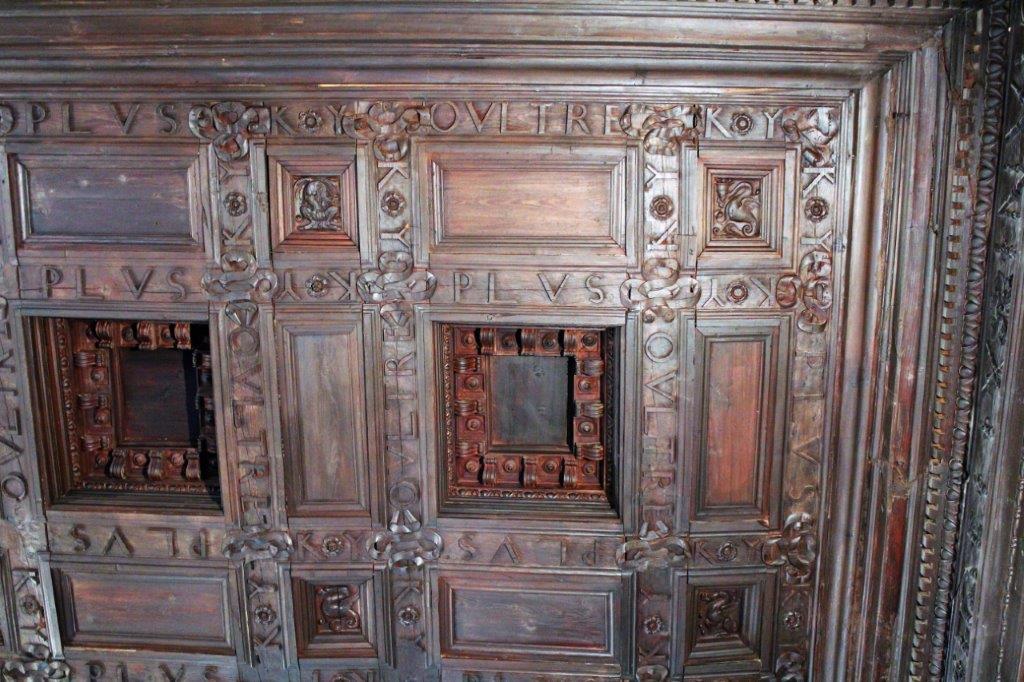
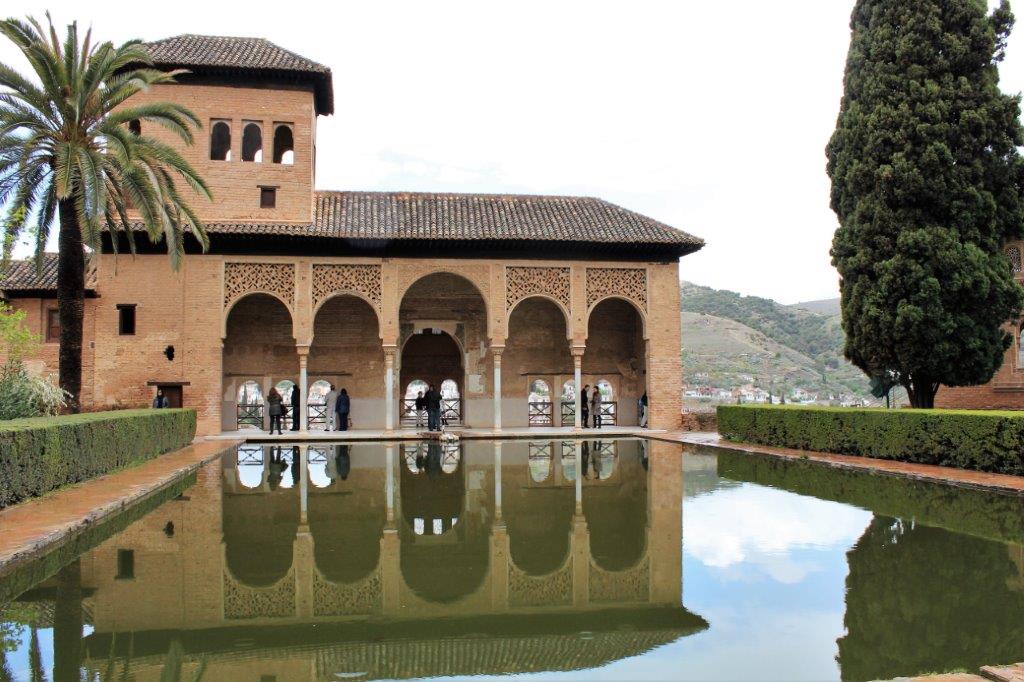
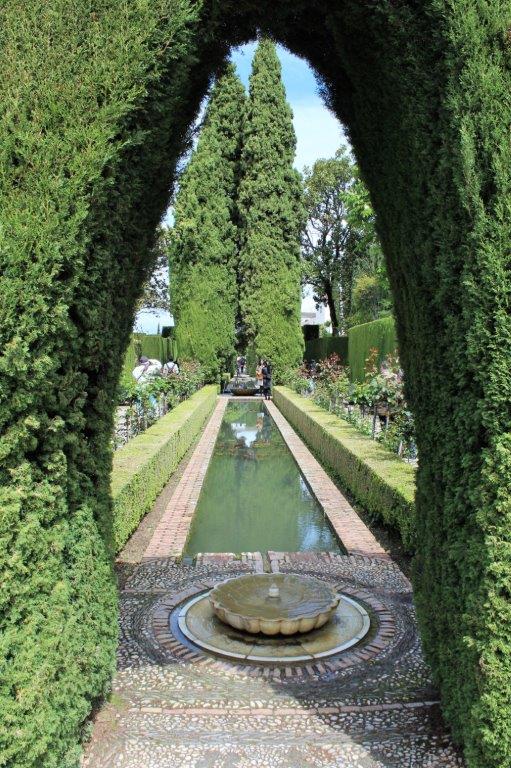
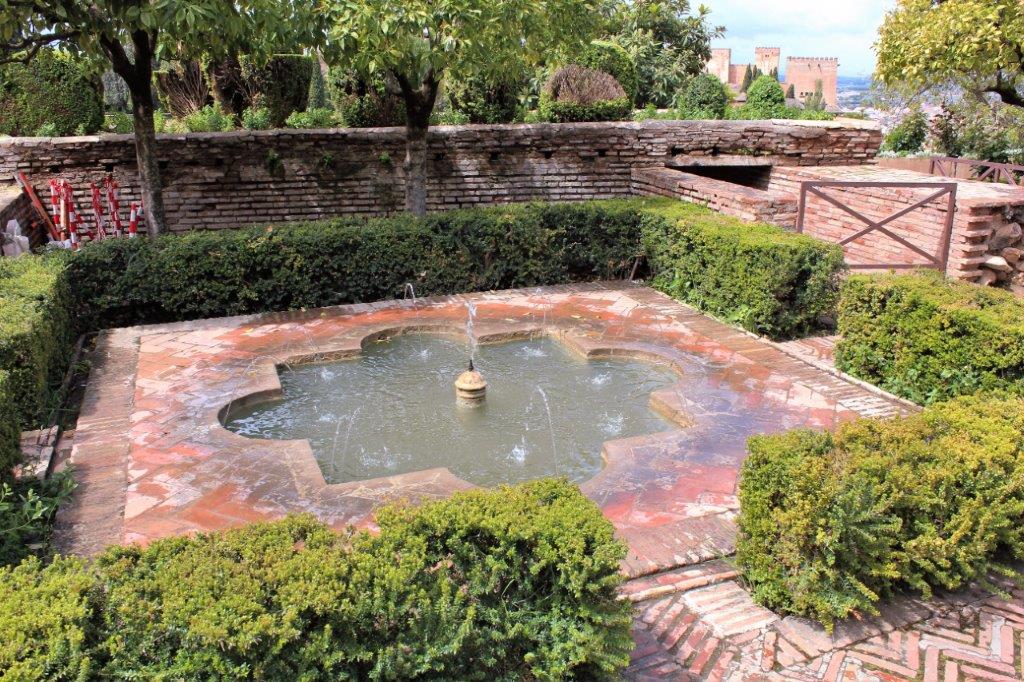
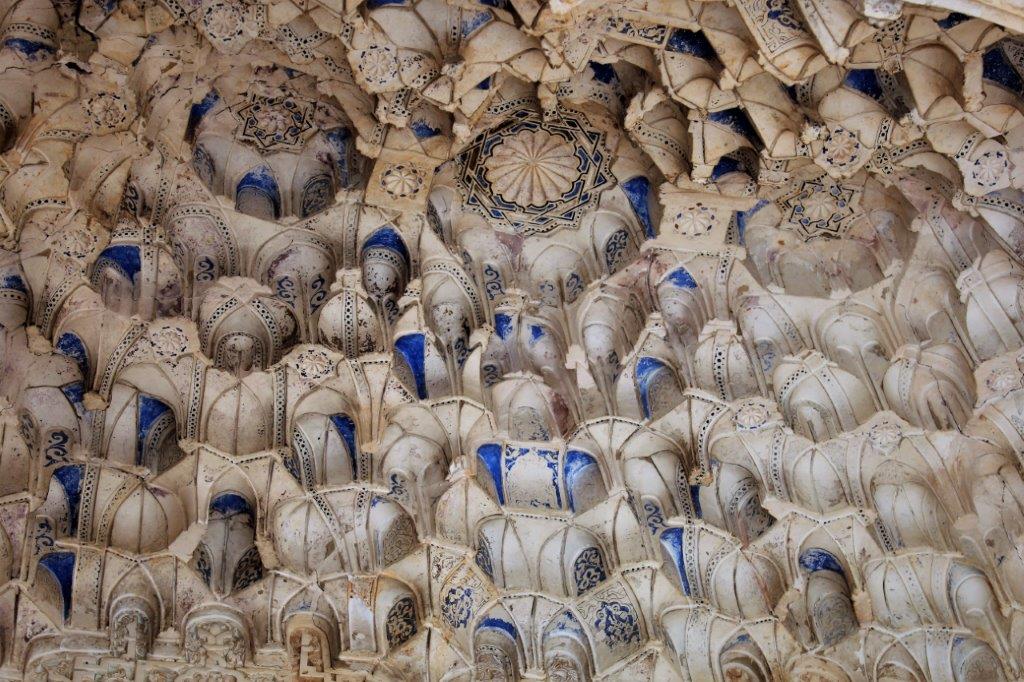
    This is the ceiling on the alcove in the right hand photo above.Both ends of a lovely reflection pond. The Moors were Arabs from the desert so they loved their water features and made sure they had lots of them.
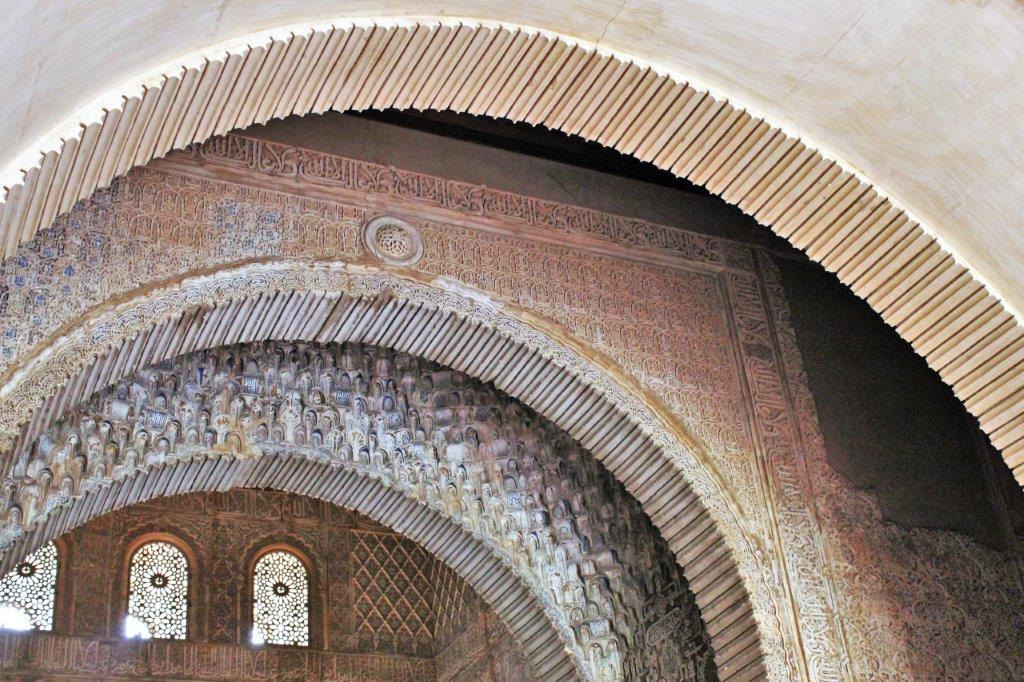
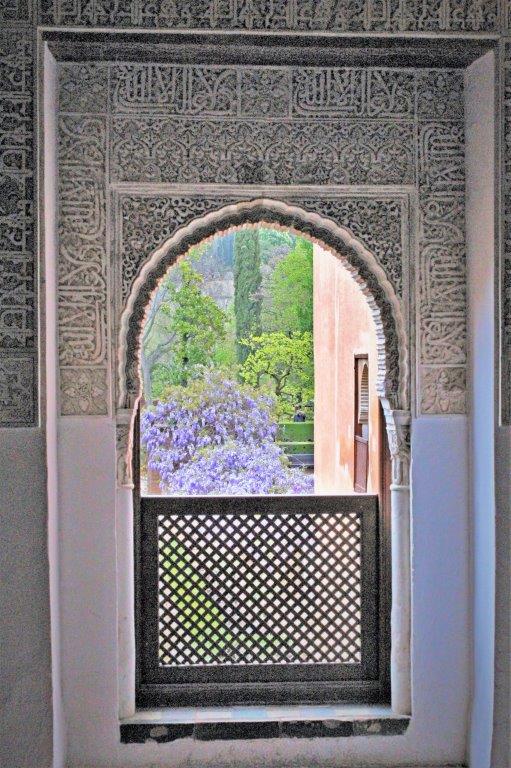
   The Moors decorate every surface, with either tiles or carvings.  I really like this picture of arches behind arches, behind arches.  Another photographer’s paradise: with different textures, shapes and colours everywhere you look.

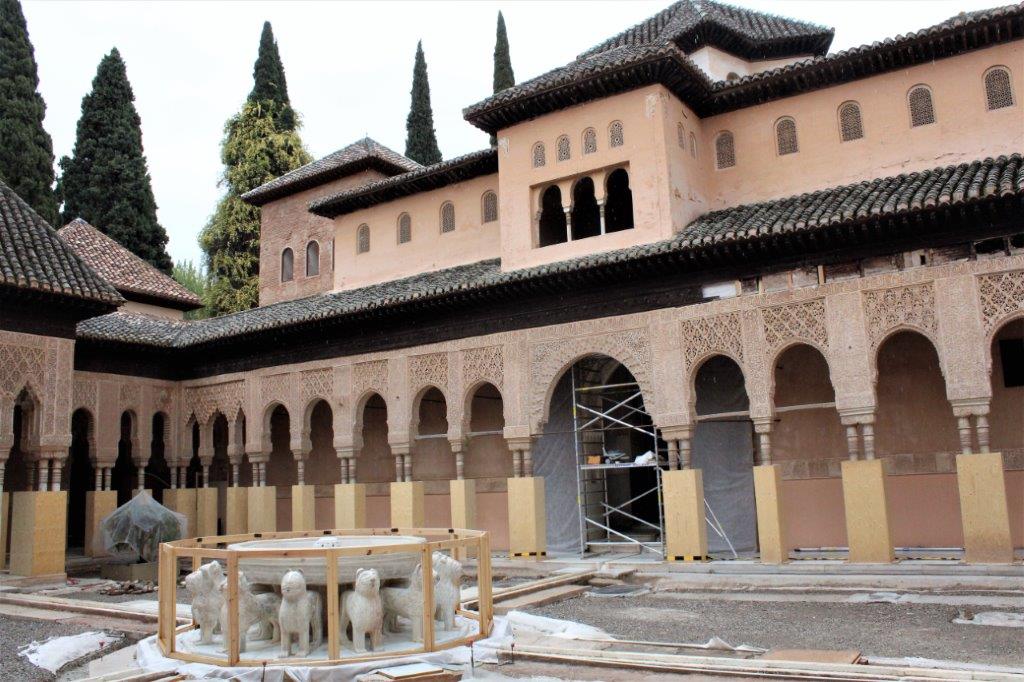
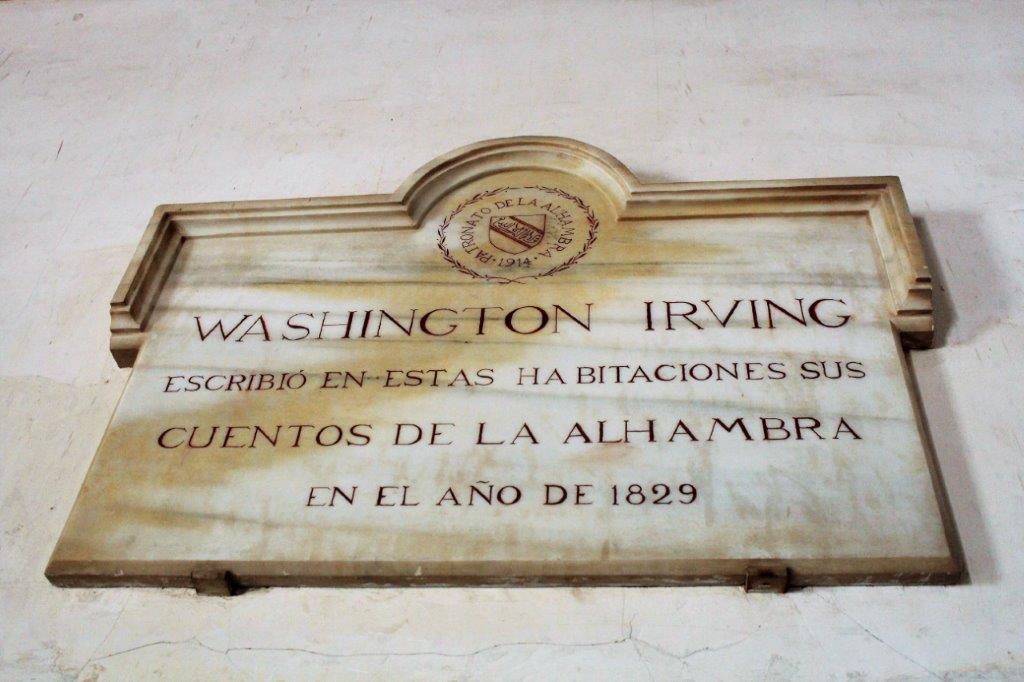
This courtyard is called Patio de los Leones (Lion Court) because of the  fountain.  The feline figures are oddities, since the Qu’ran forbids decorative representations of animals and human beings.  The fountain had just been replaced after an extensive restoration.  It was not yet out of its packing box and working. Looking out the windows you see a very pretty, secluded, central garden. Author Washington Irving traveled to Granada in 1828 and was granted access to the palace.  He was inspired to write “Tales of Alhambra,” a series of essays and stories.  Irving filled notebooks and journals with descriptions and observations though he did not believe his writing would ever do it justice.  He wrote, “How unworthy is my scribbling of the place.”

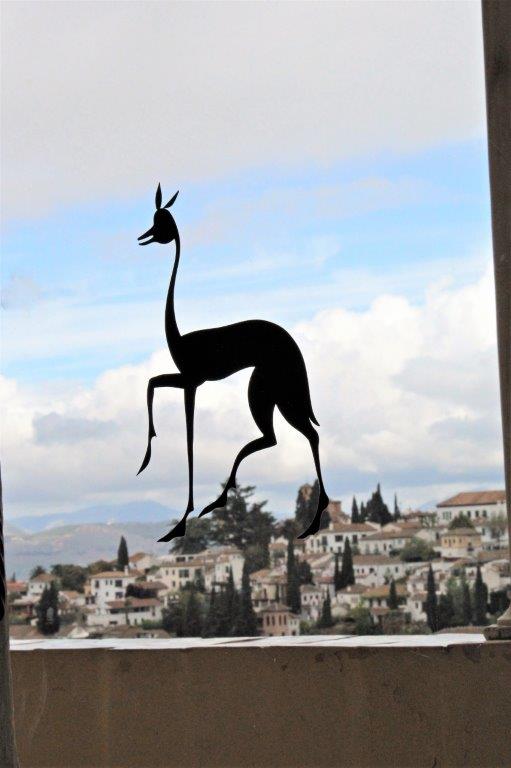
This cute animal figure was on a window that overlooked the town of Granada.

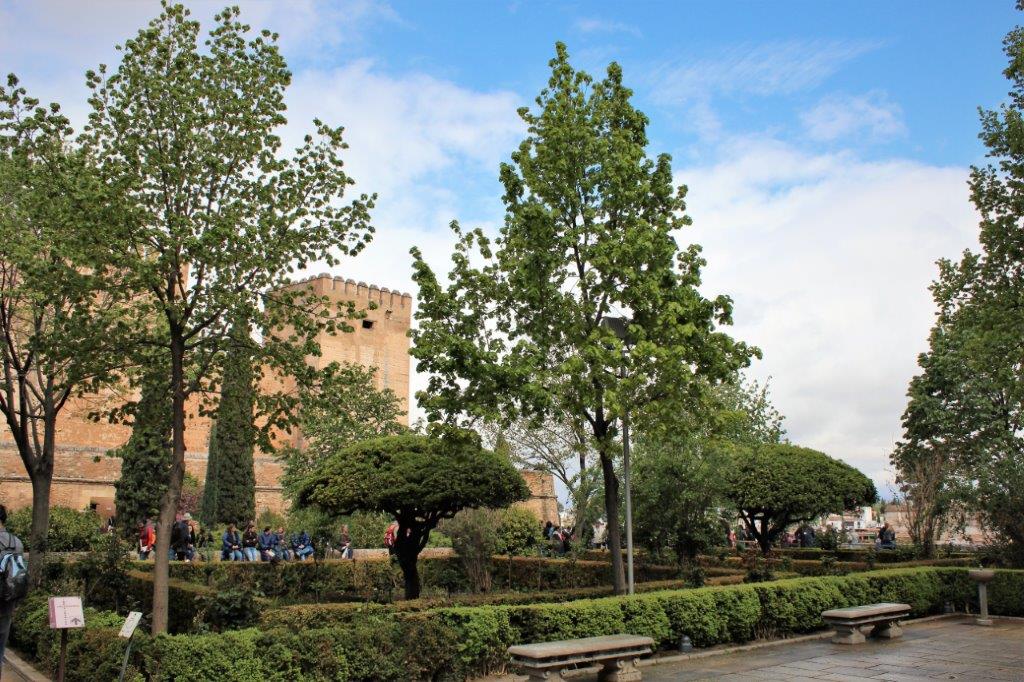
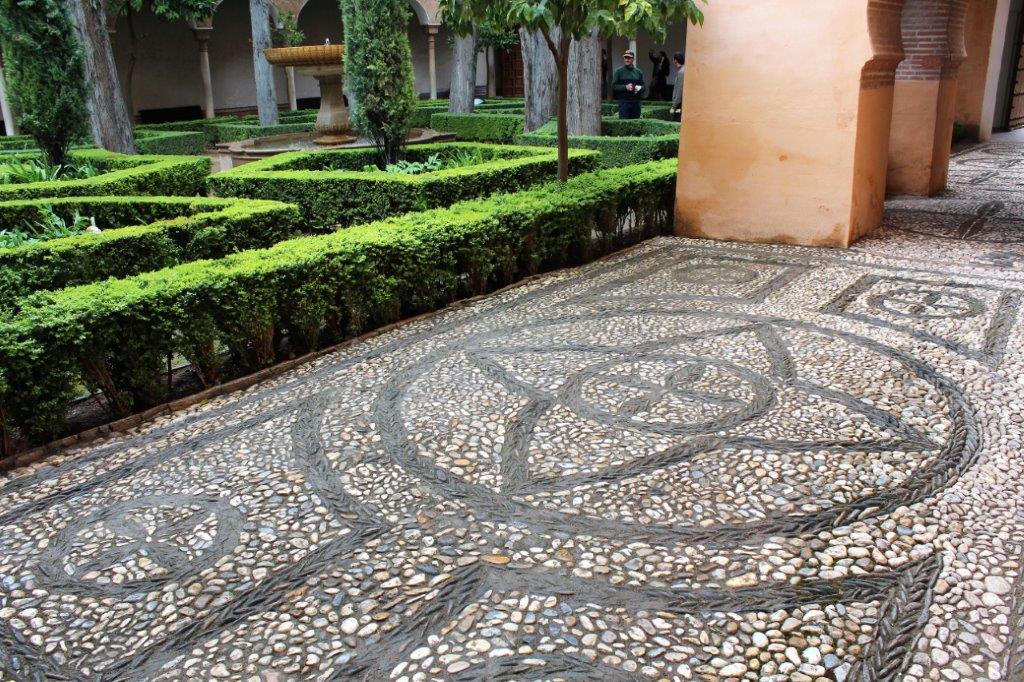
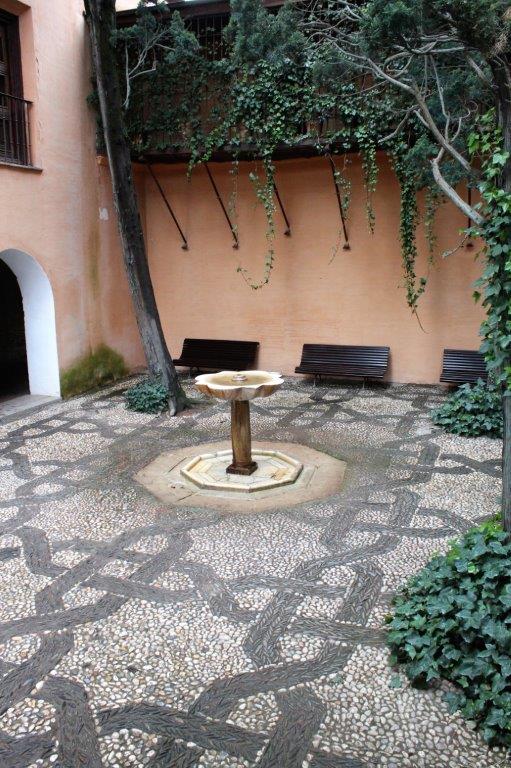
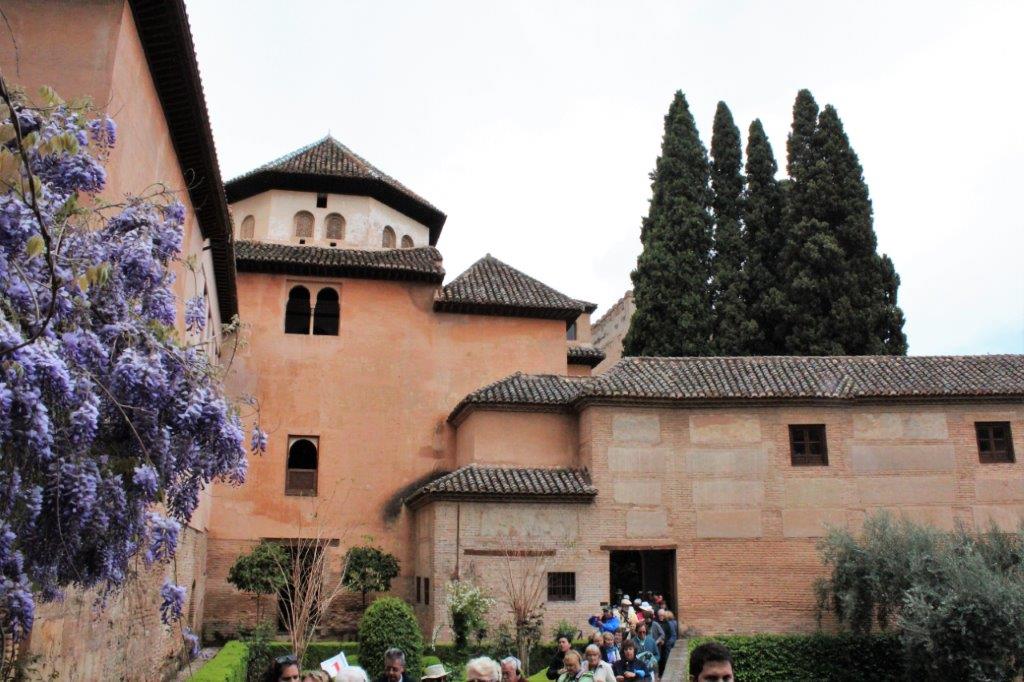
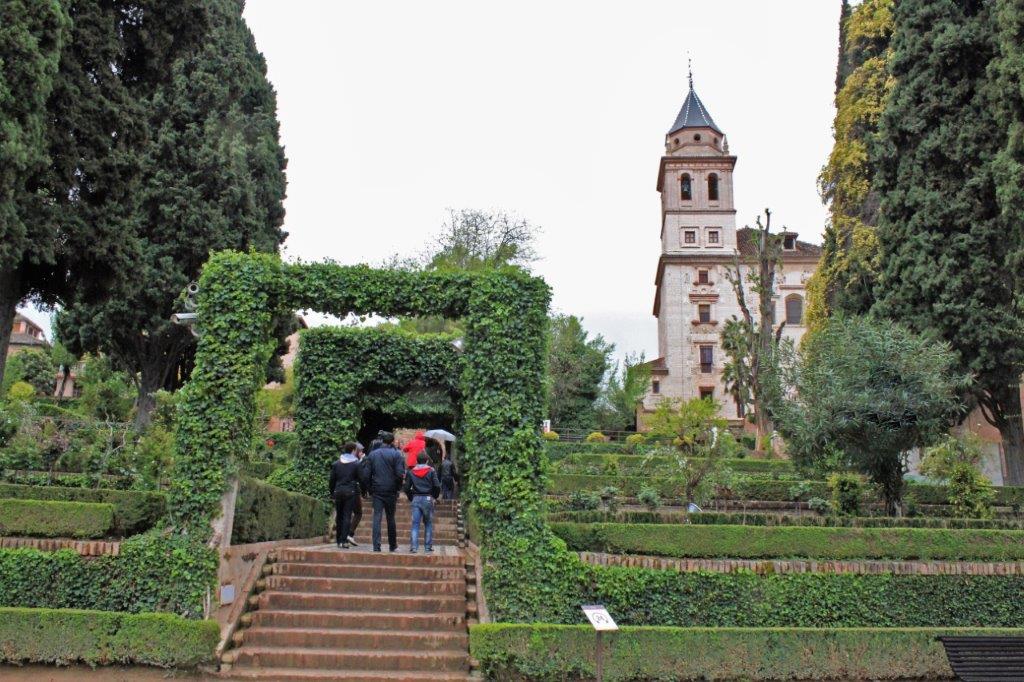
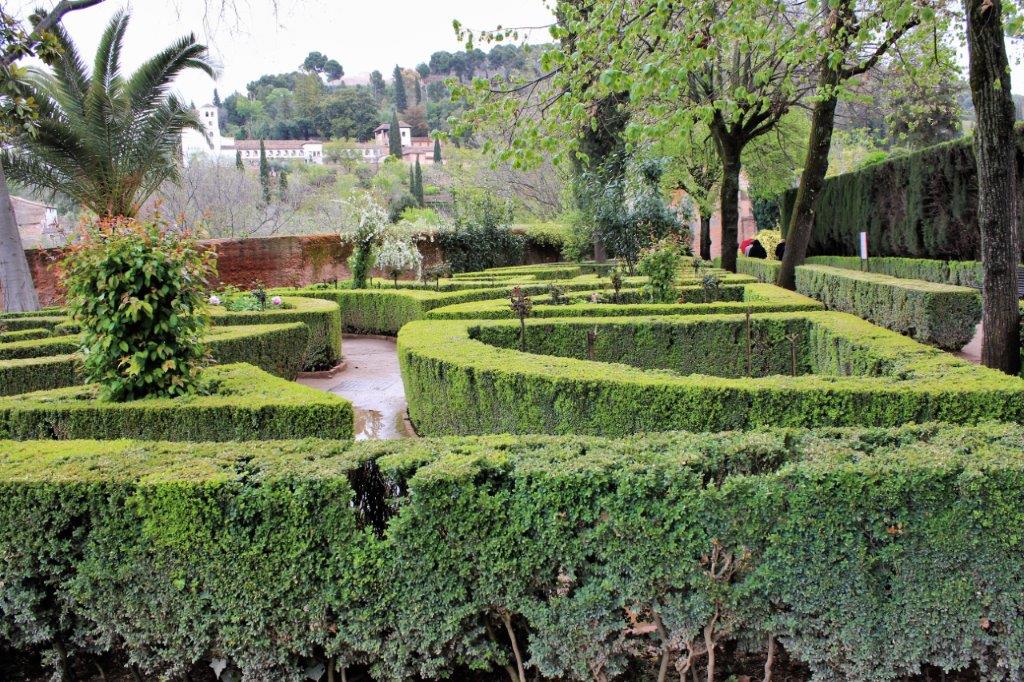
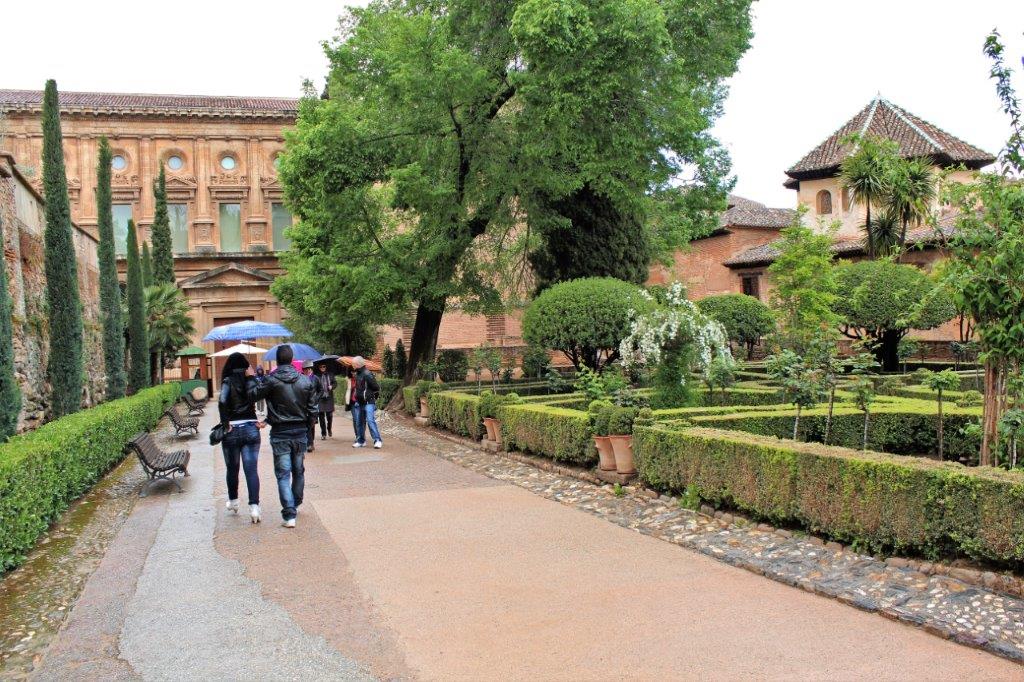
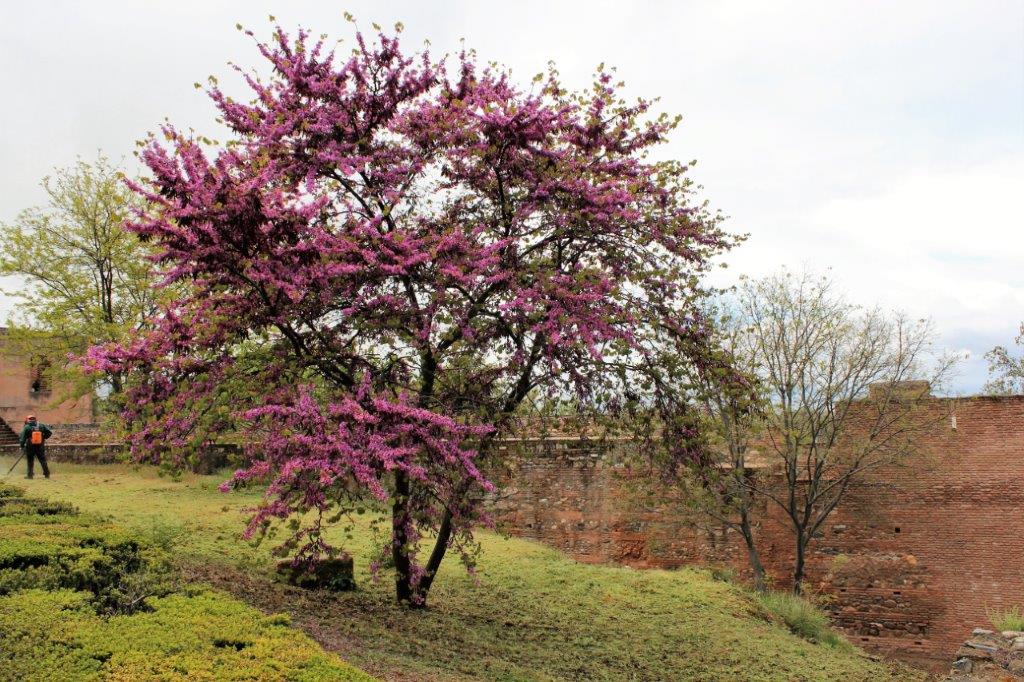
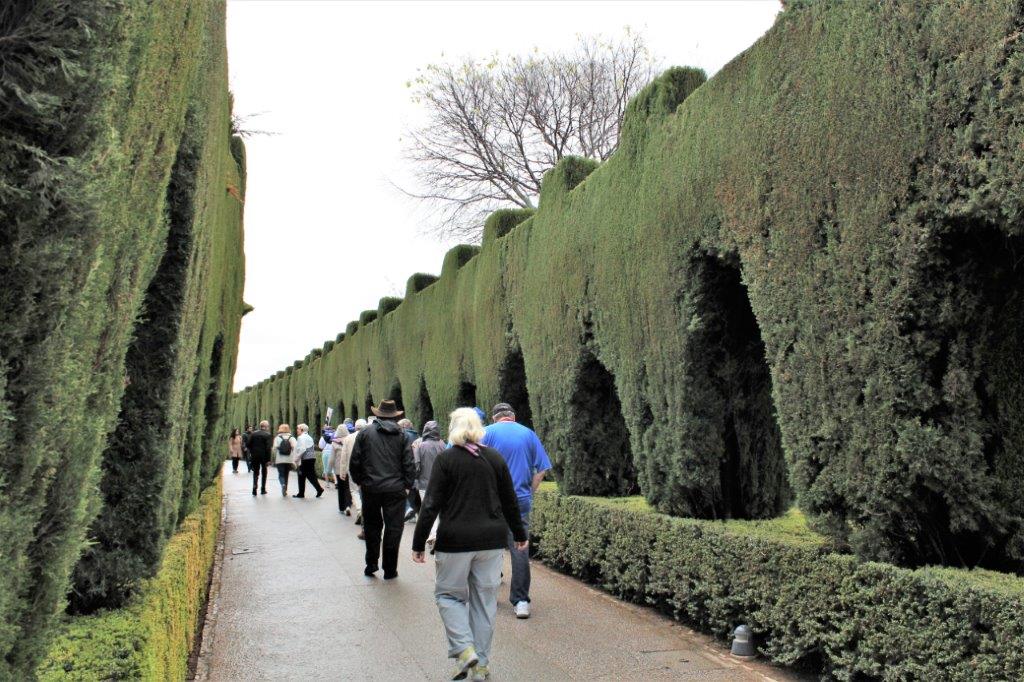
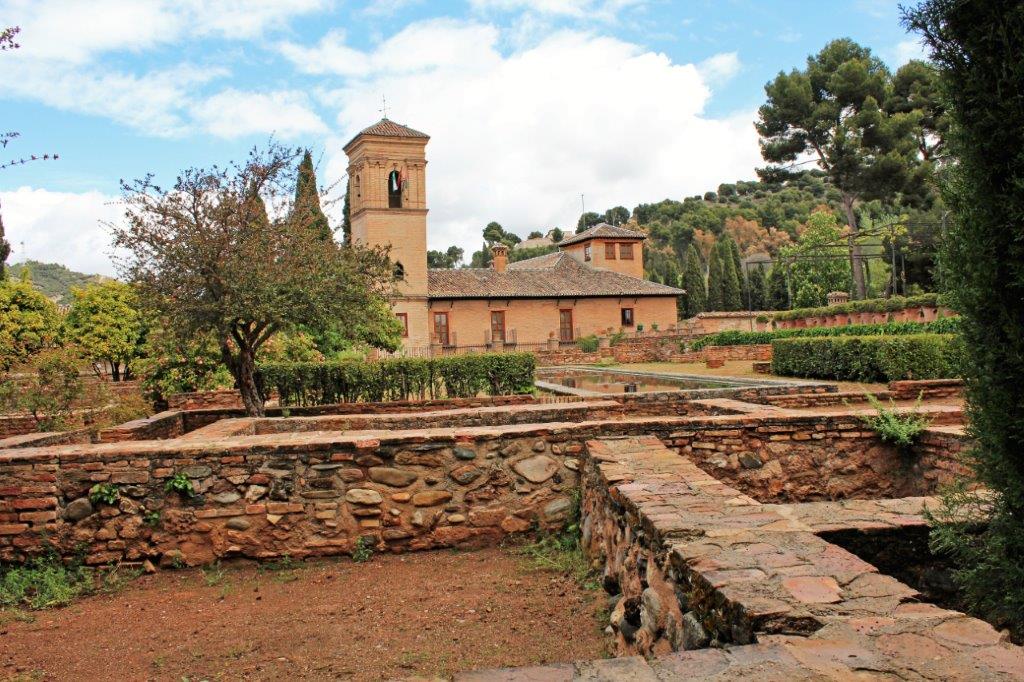
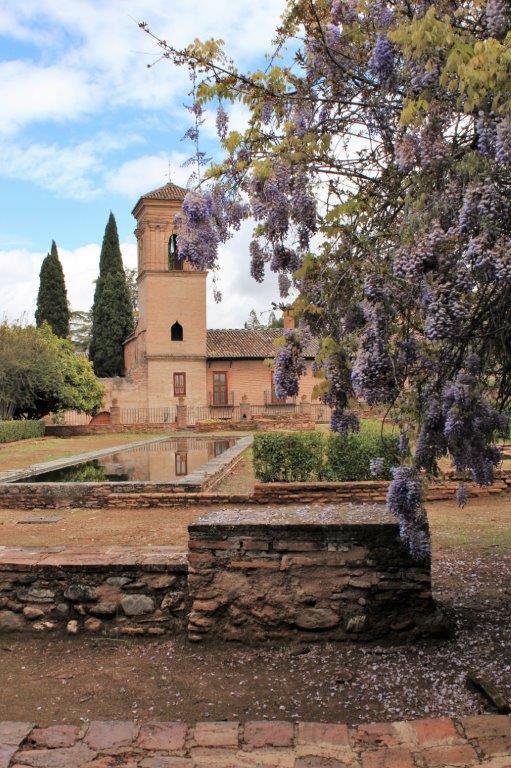
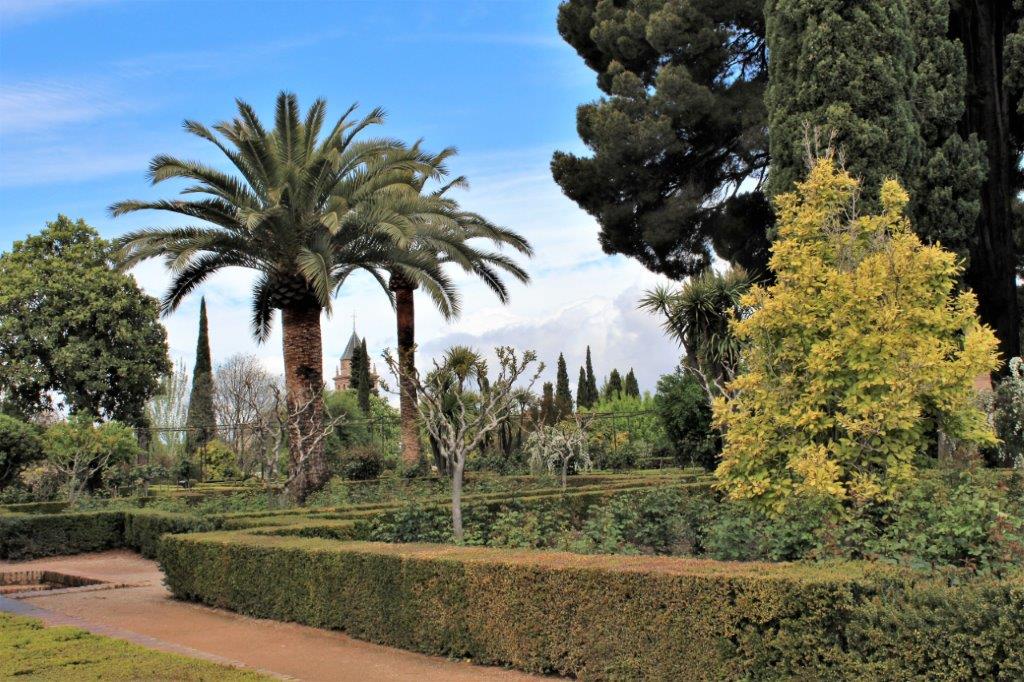
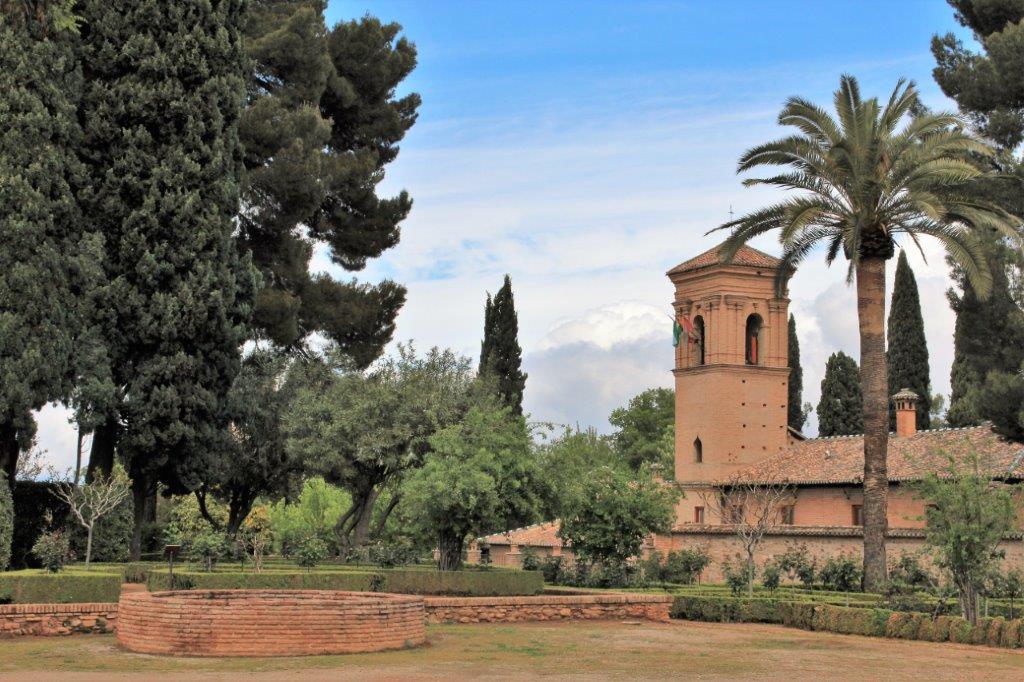
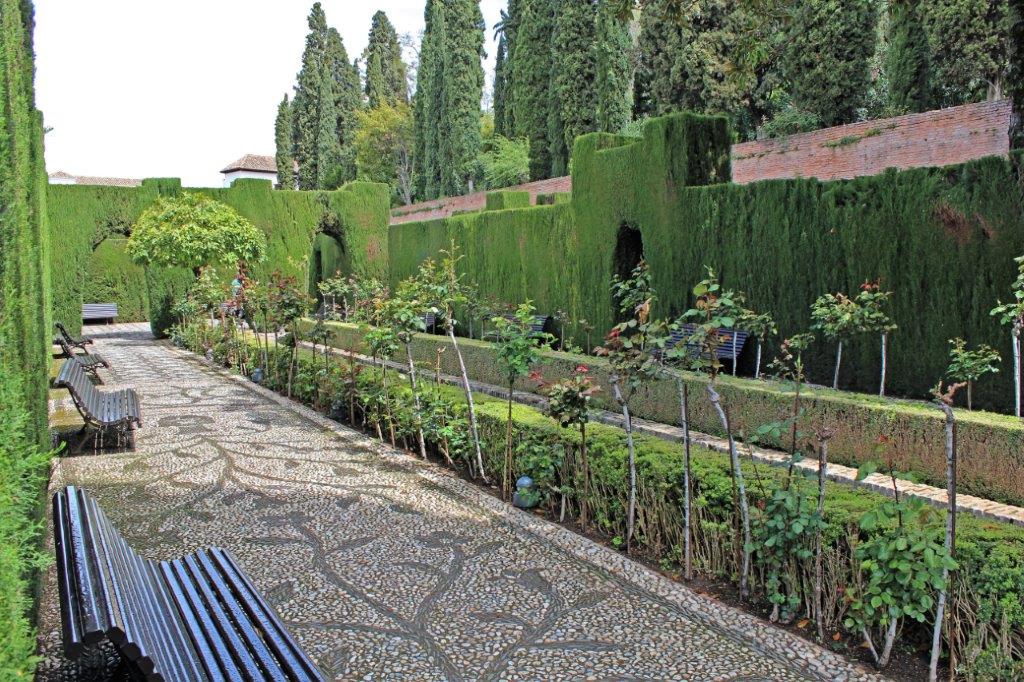
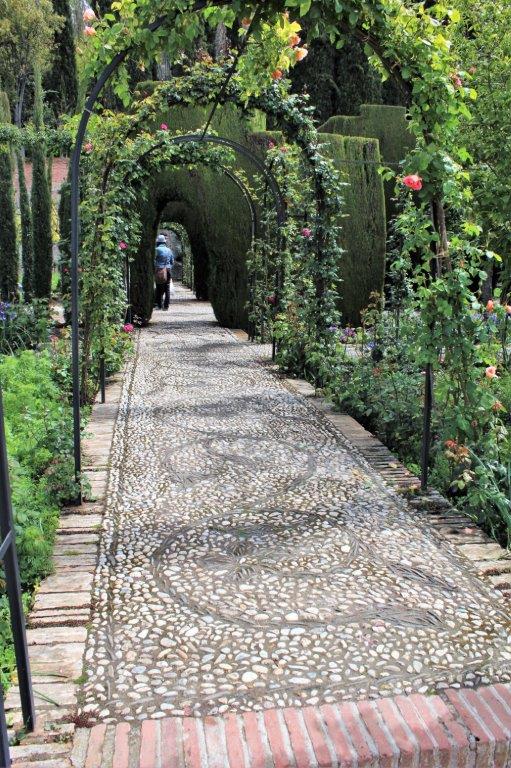
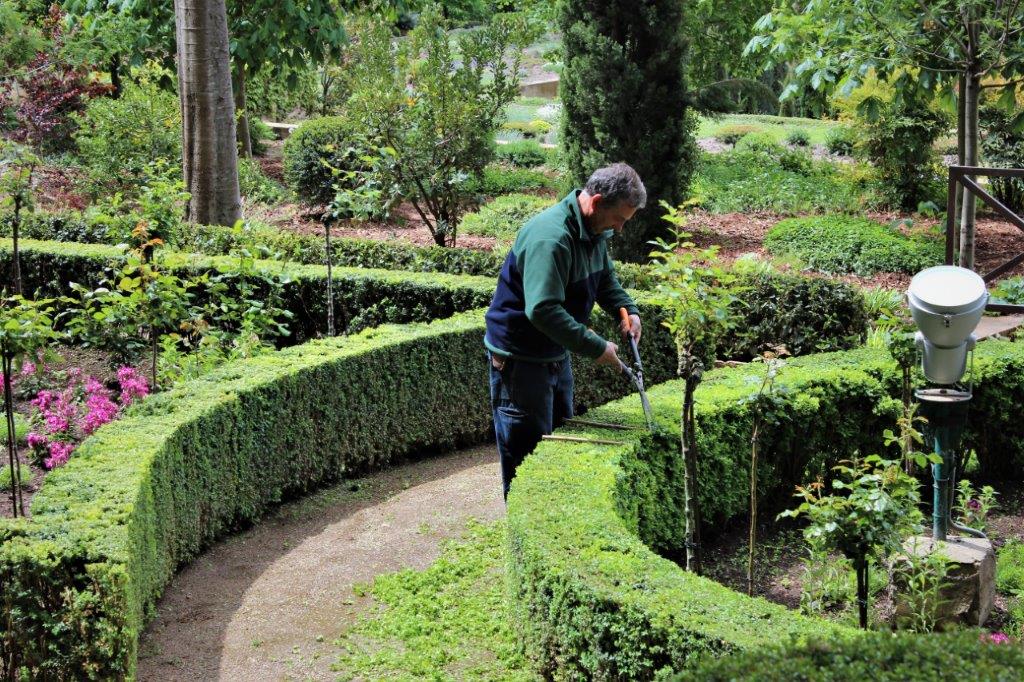
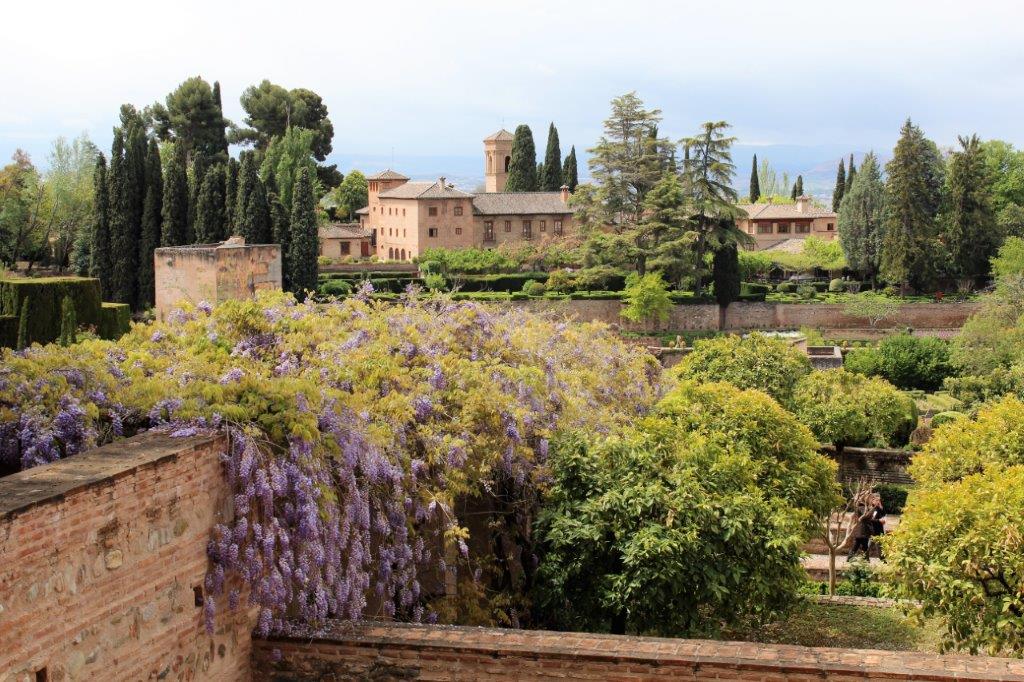
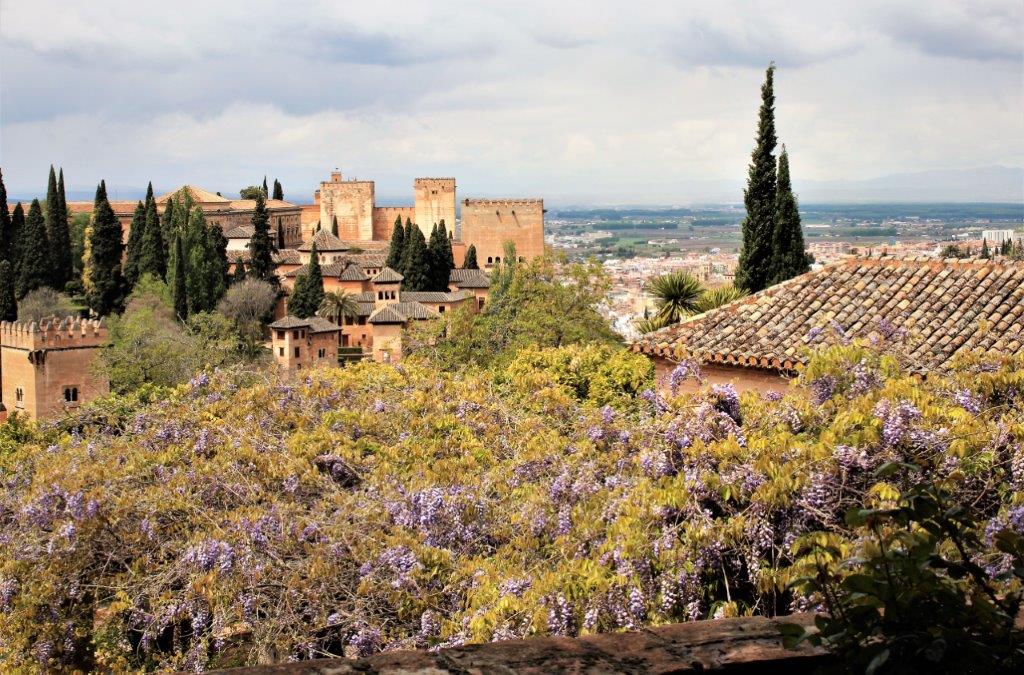
These beautiful cobblestone patios are made up of thousands of small stones.          The reflecting pools make the gardens so serene.Alhambra is a gorgeous example of Muslim architecture.  Inside the complex there are palaces, military buildings, a fortress and an administrative center.  There are detailed mosaics, prism-style cupolas and stone-cast latticework.  Even though we only were able to see a few of the rooms,  it was really lovely and a great place to visit.It was a short walk from Alhambra to Generalife gardens.  The gardens surround what was once the summer residence of the Moorish kings.  Little is left of the buildings but the gardens are fabulous.                                         What gorgeous hedges! It takes a lot of work and a lot of time to keep all the hedges looking so clean and crisp.  Notice the two measuring sticks laid on the top. The wisteria was so pretty.  It was still quite early in the spring but many of the trees and flowers were beginning to bloom.  A buffet lunch was served at a restaurant just outside the grounds and then it was back on the bus for the drive back through Granada, into the countryside and then on to Málaga and the ship.  What a great day.  We had been warned to be prepared to do a lot of walking and they hadn’t lied.  We arrived at 5:15 with weary feet and just enough time to change for dinner.
After dinner we went into the terminal to see if we could find some wi-fi, but the shop was closed so we went to our cabin and were happy to go to bed early and get some rest before we arrived in Tangier at 6:30 the next morning.

2012 April 28 – Day 48 – Castellón de la Plana, Spain. (Part 2)

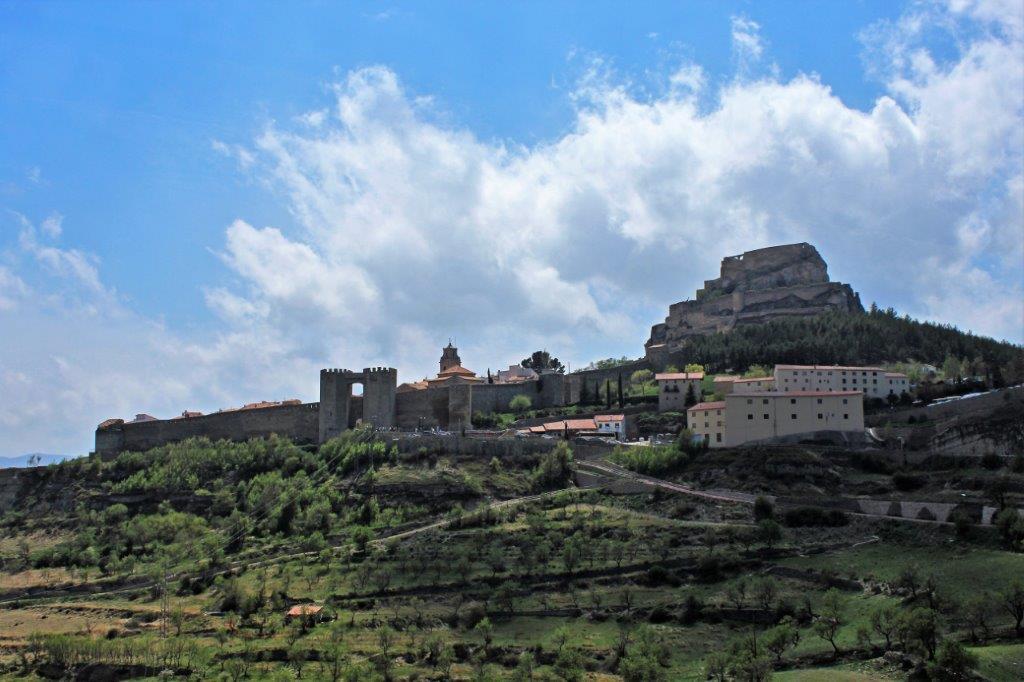
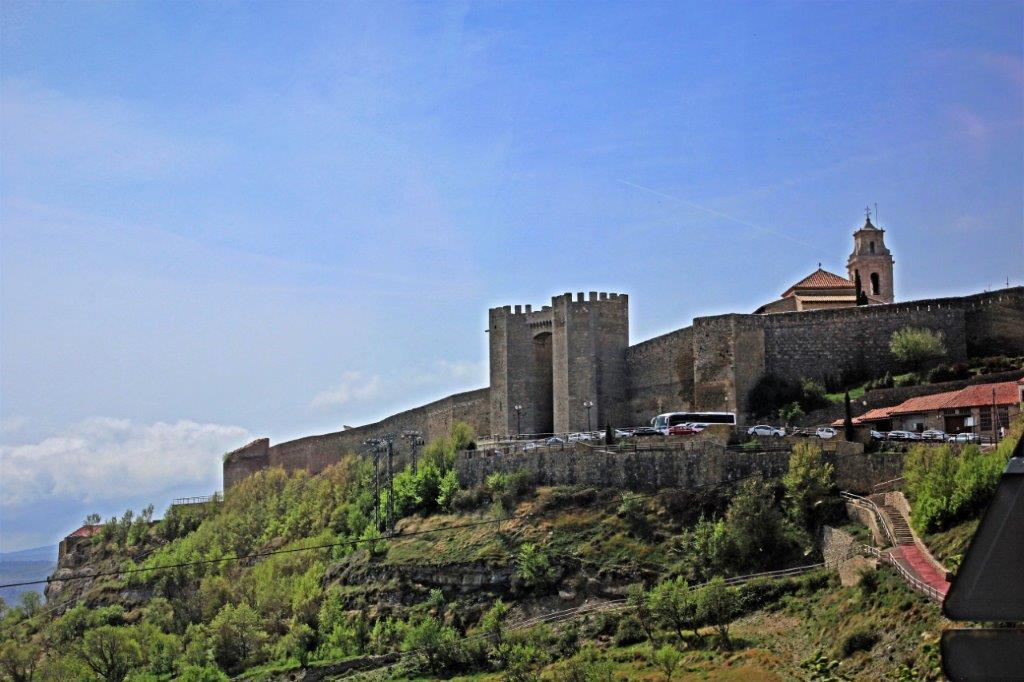
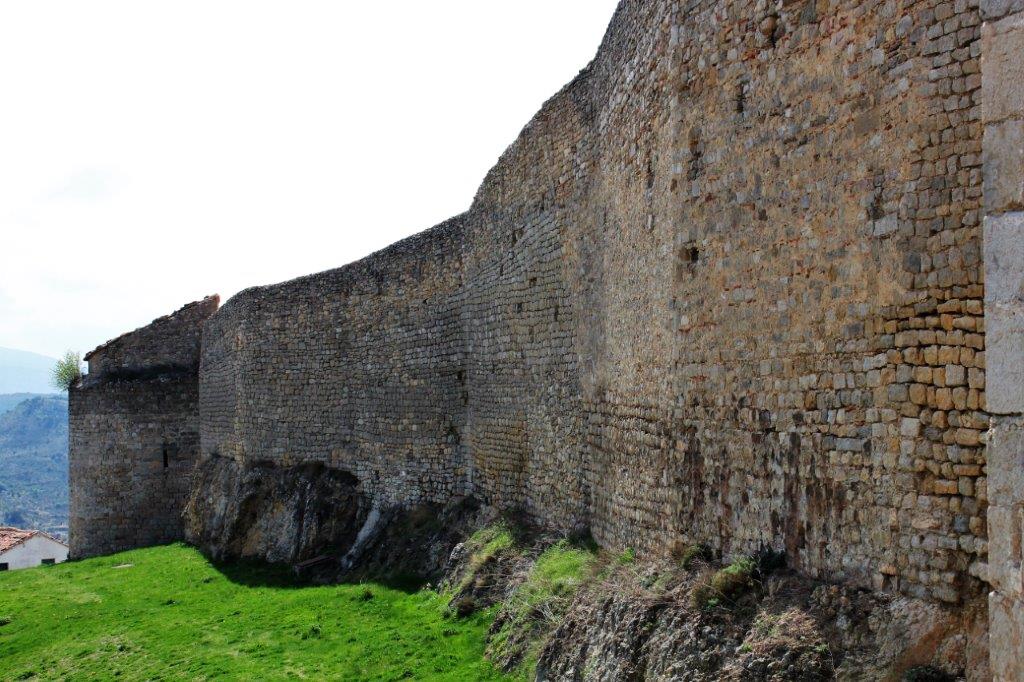
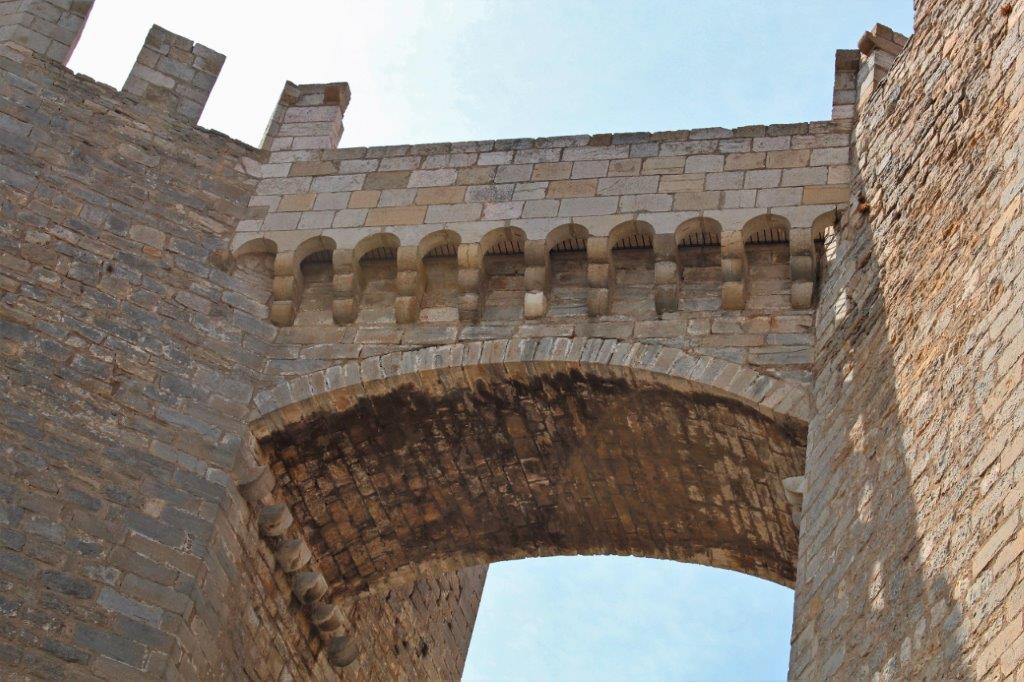
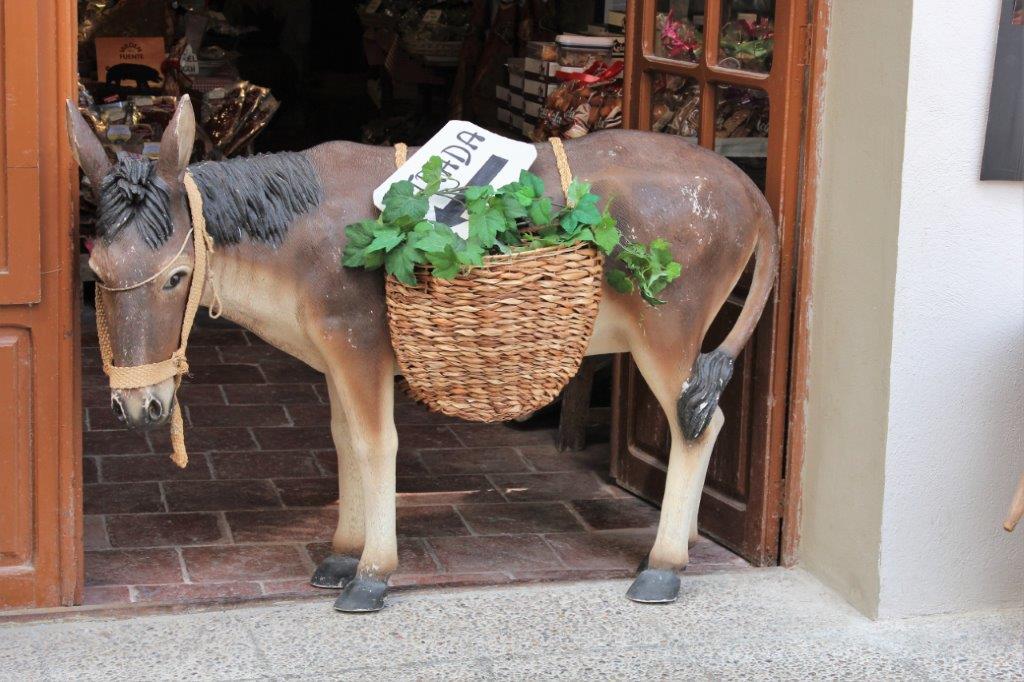
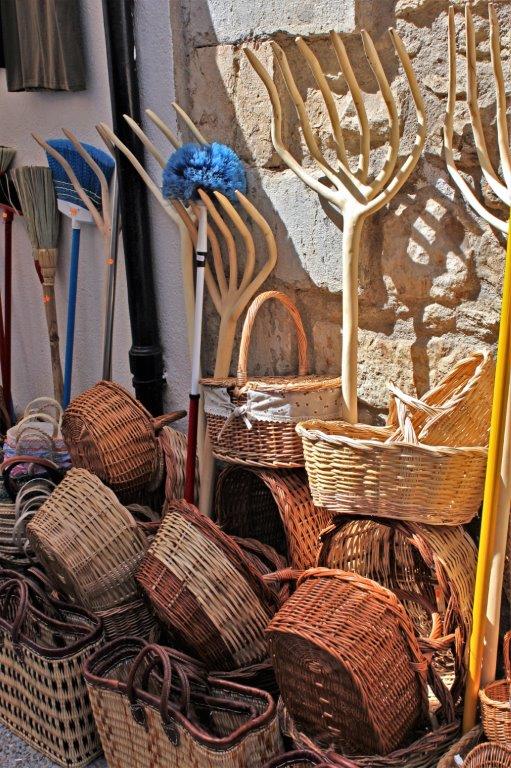
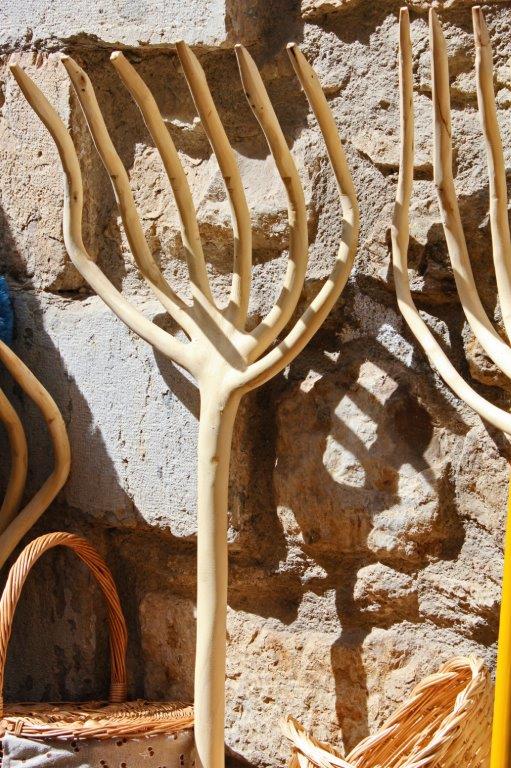
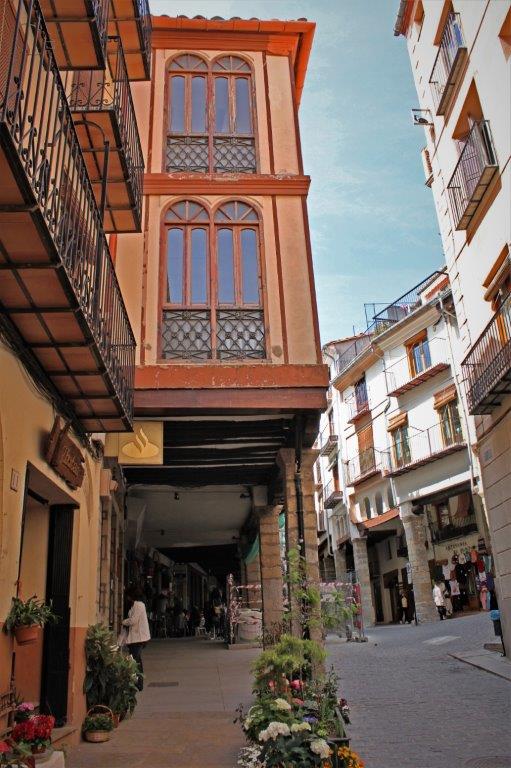
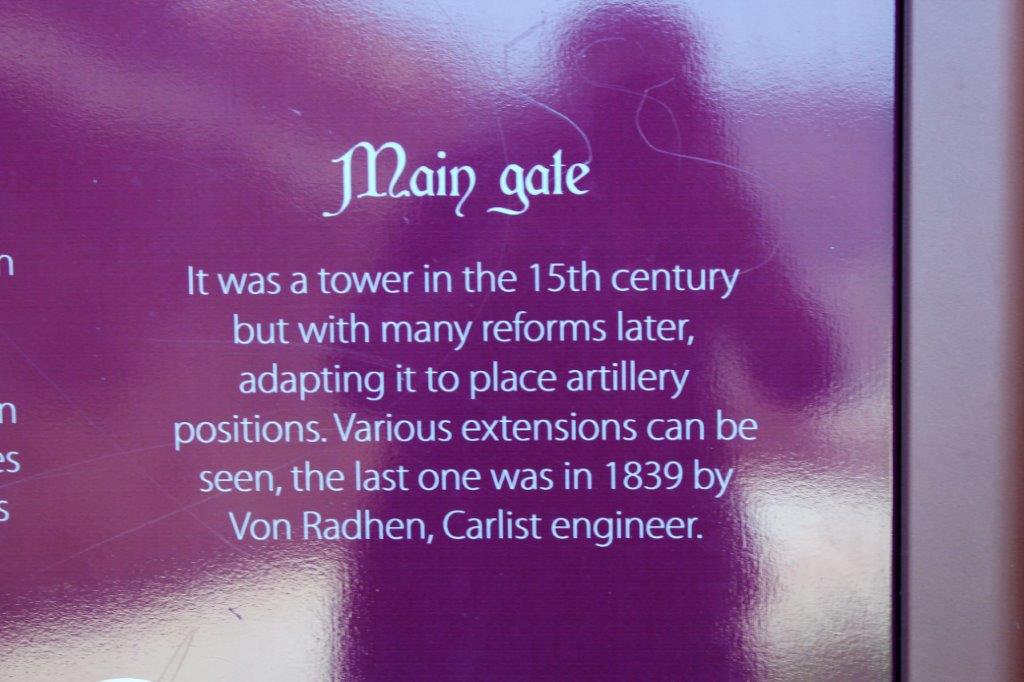
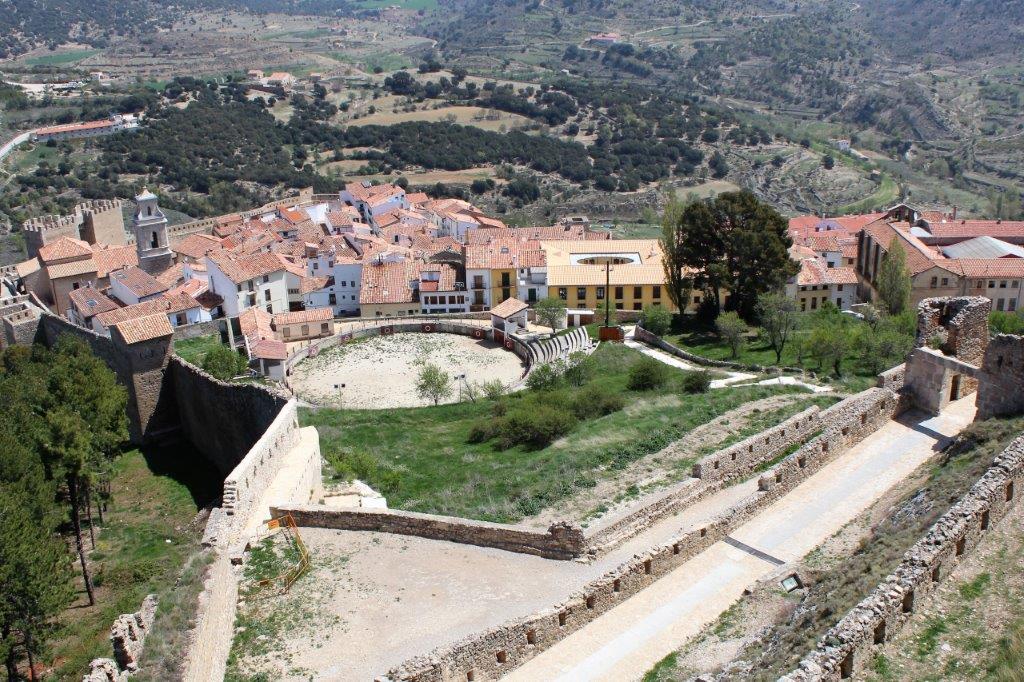
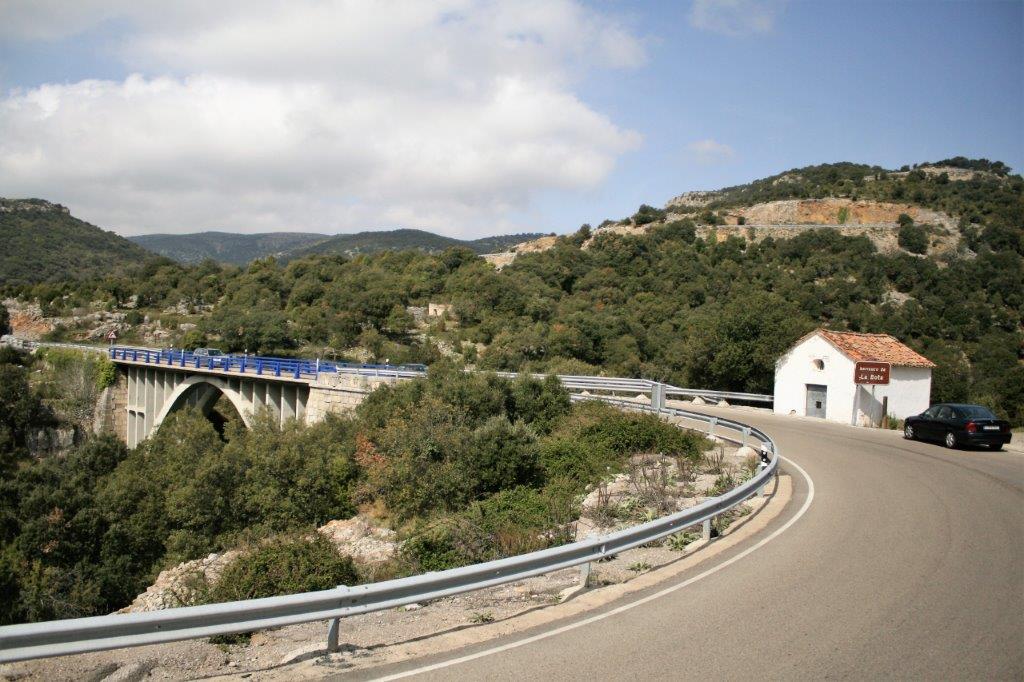
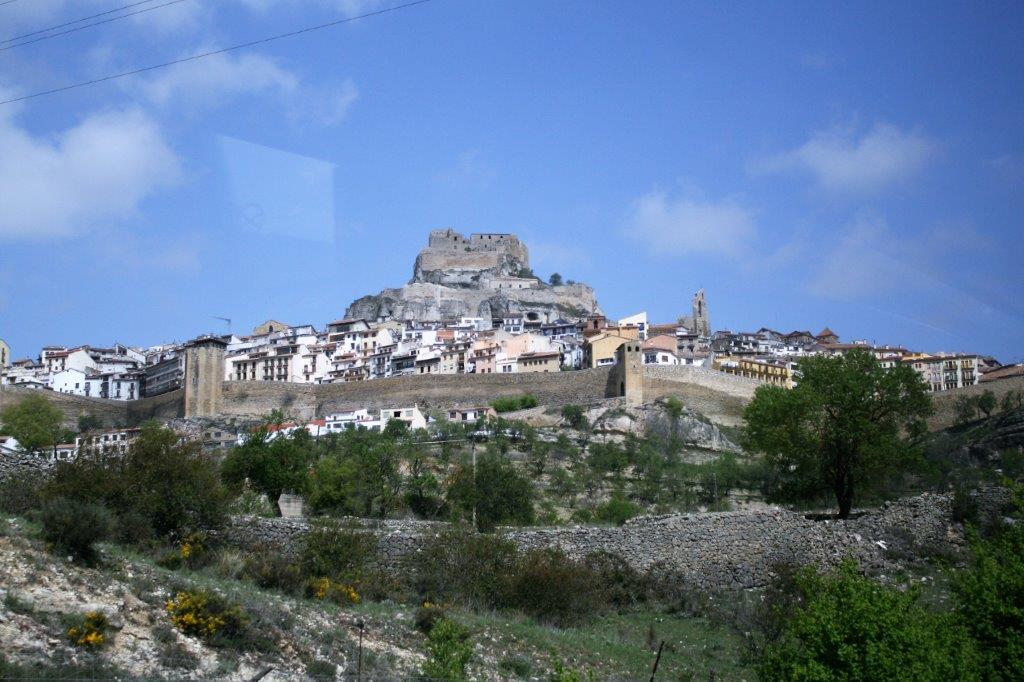
Morella is a two-hour bus ride from the port at Castellon de la Plana.  It is one of the best-preserved and most picturesque medieval towns in Spain and is literally built around and atop a steep hill.  There are very few streets accessible to cars as the city was built in 1025, and no buses can get through the city gates so we were let off outside and walked in.                                                                                 The entrance gate to the town.  It must take a bit of searching to find a branch that can be made into such a good pitchfork.  All the baskets were hand-made as well.                        More of the huge people puppets.

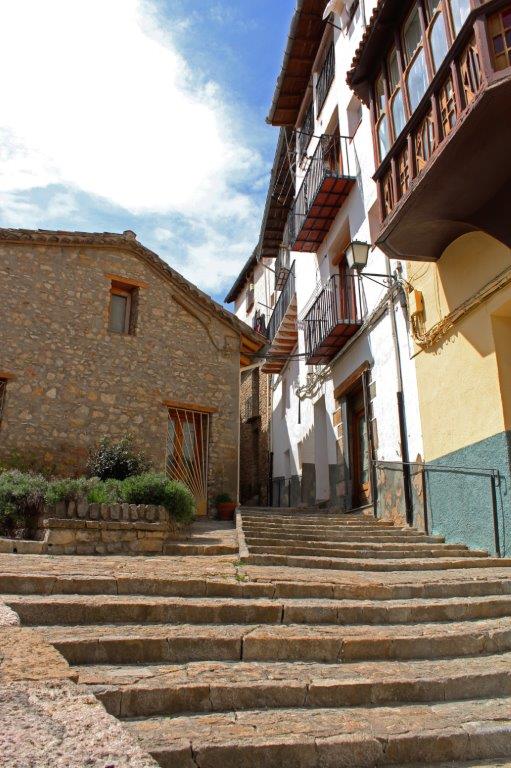
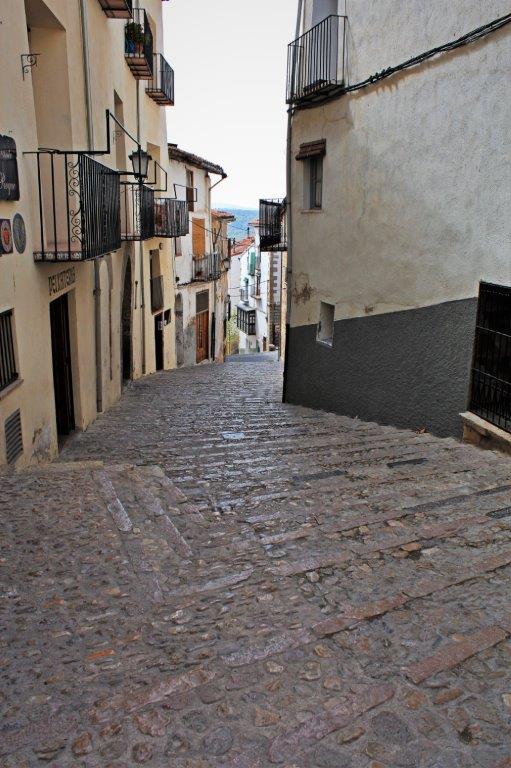
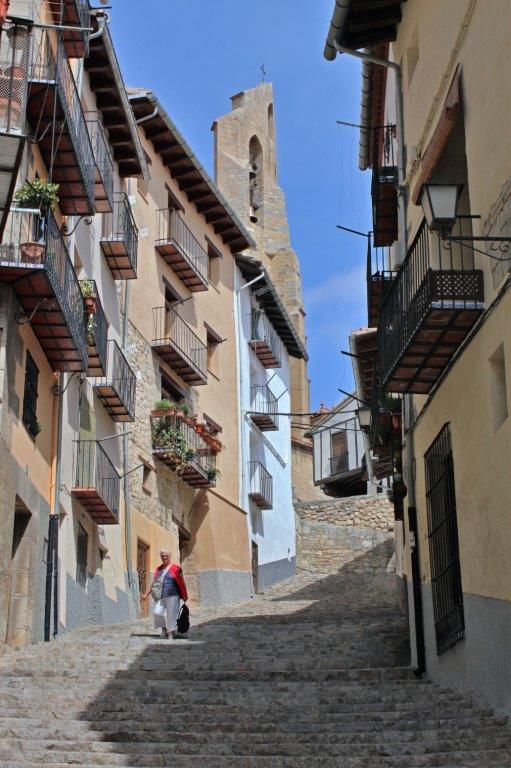
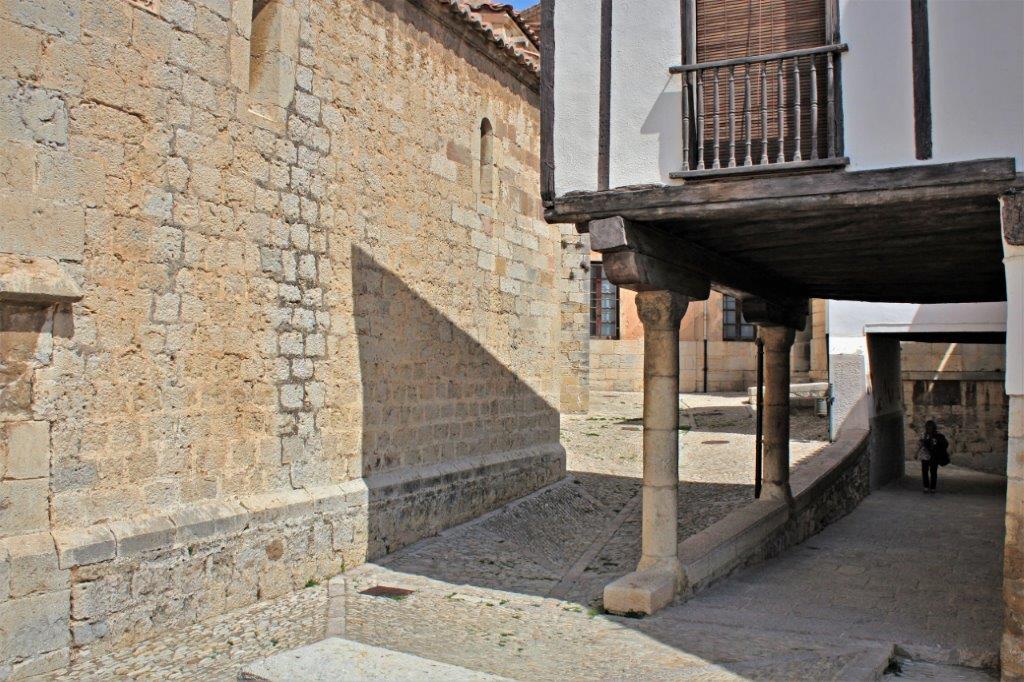
 Every ‘street’ is a cobblestone stairway.  You definitely get your exercise moving around Morella.

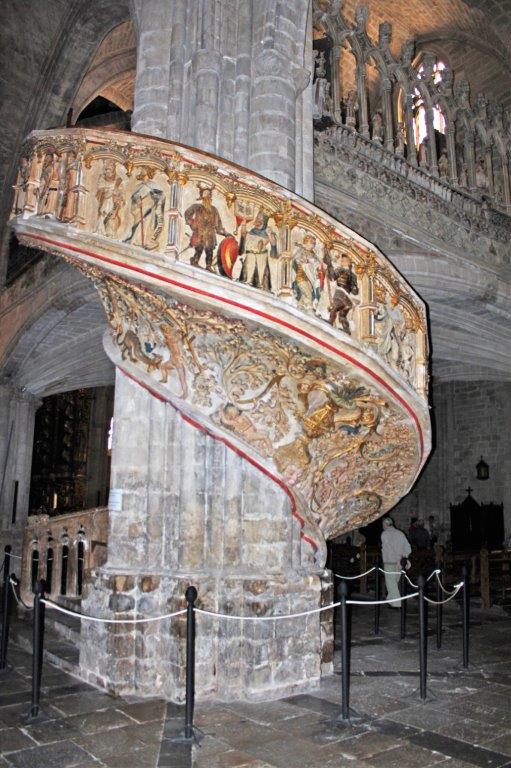
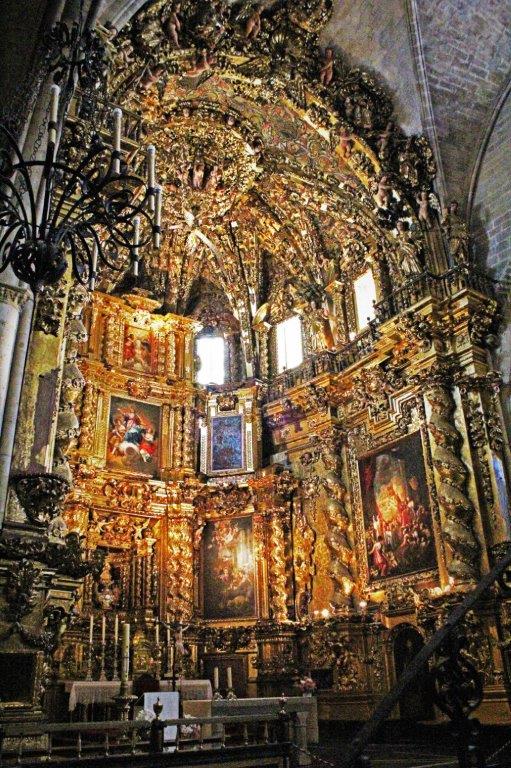
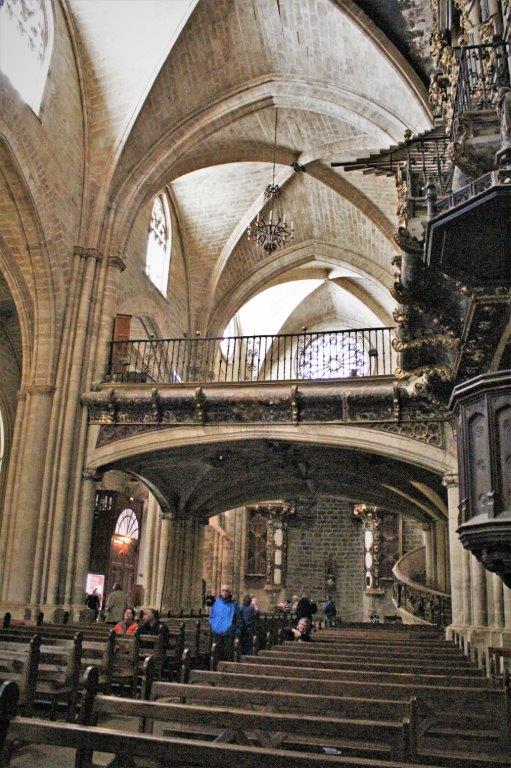
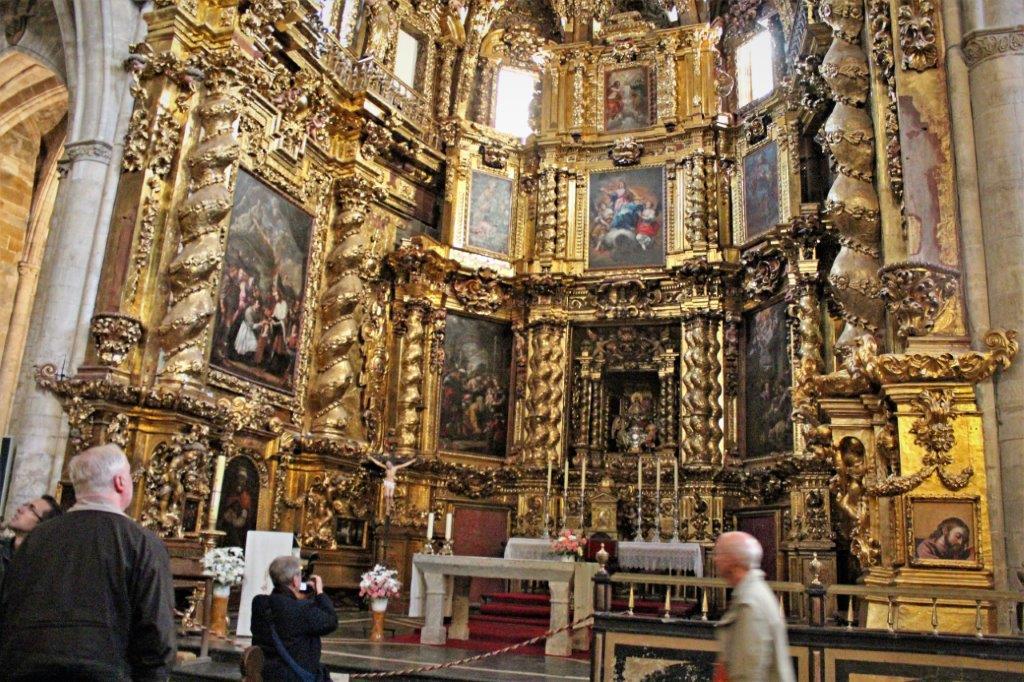
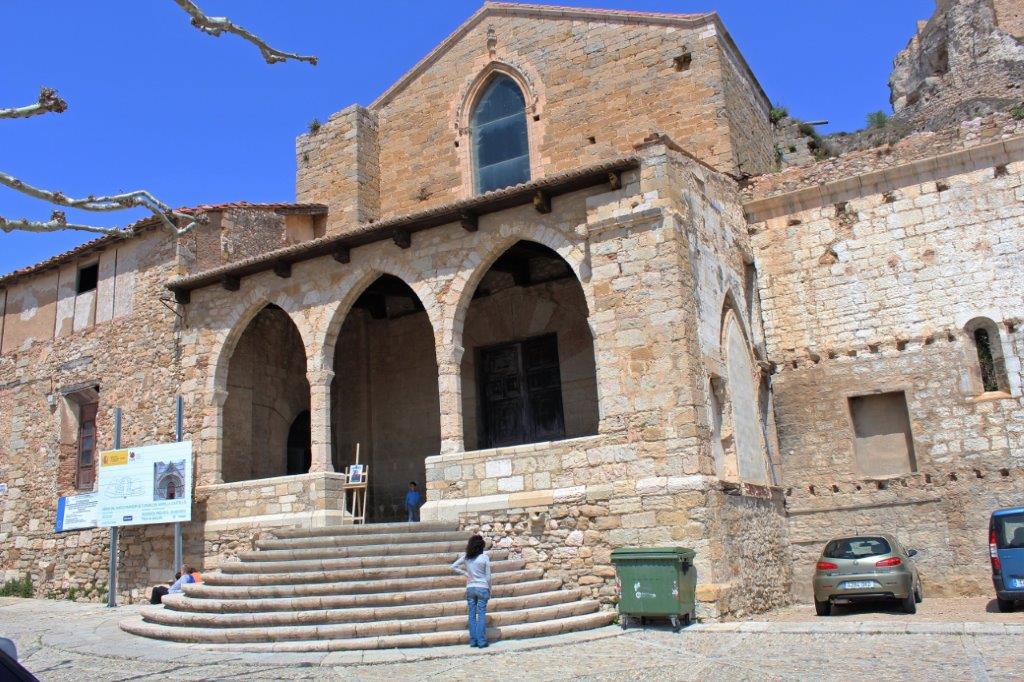
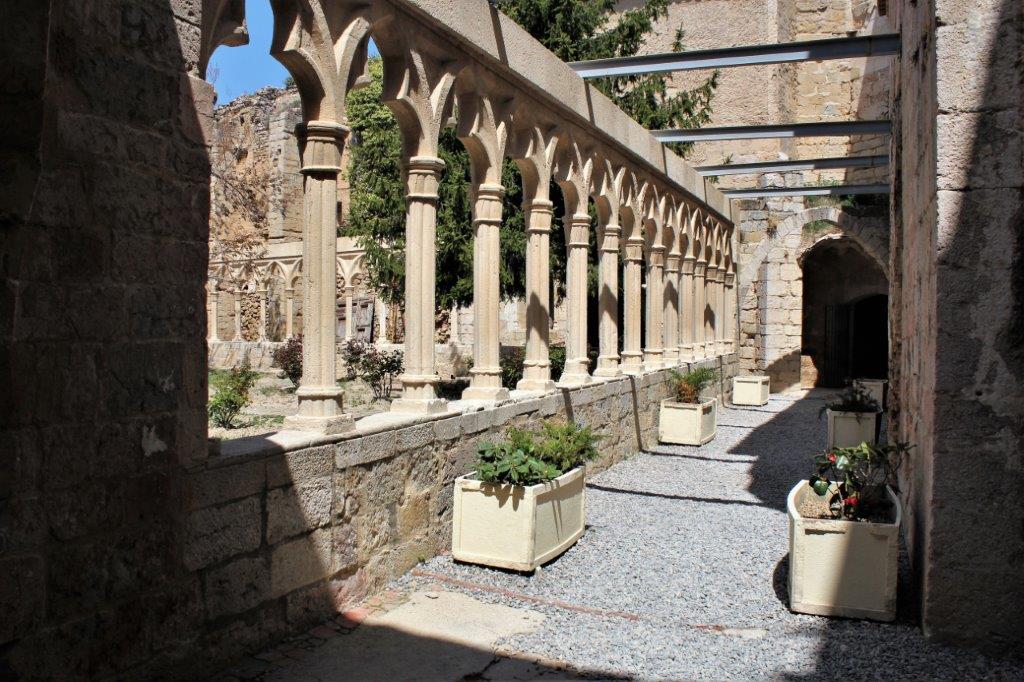
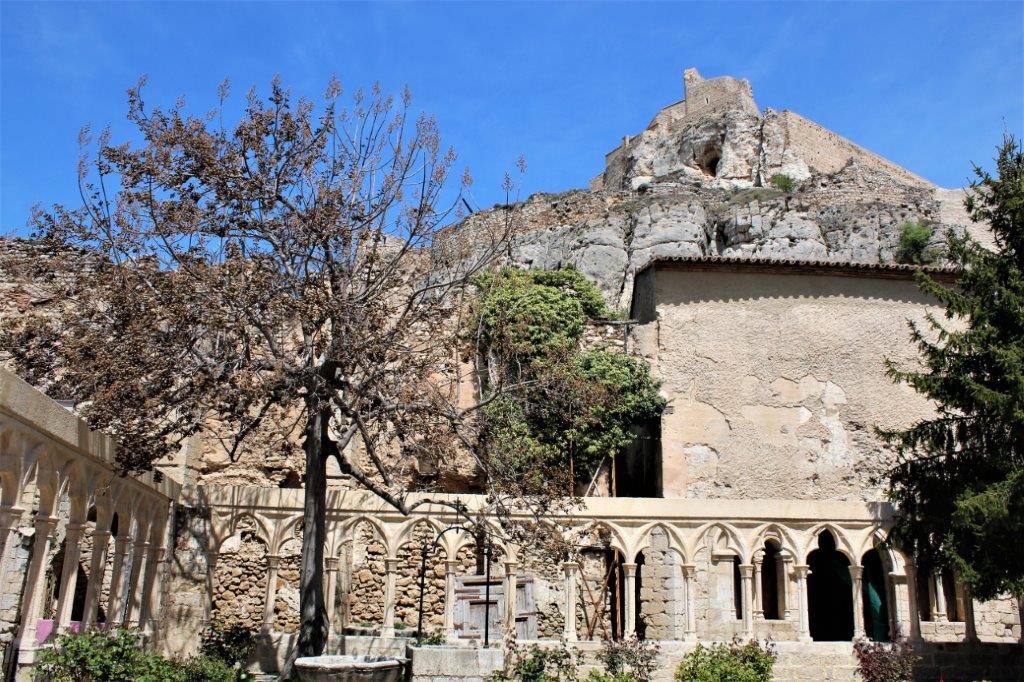
Inside the city we were taken to the Gothic-style Church of St. Mary.  If there is one thing that we are shown on virtually every tour, it is the local Catholic church.  I have never seen so many gilded, ornate, art-filled churches in my life.  They are beautiful, but my pragmatic soul always thinks of the many things that could be done to alleviate hunger, lack of education, and health care around the world if it was all sold and used for the care of people rather than adornment of a building; even if it is dedicated to God. After we toured the church our guide took us down another street to a restaurant where the group was to have lunch.  We had coffee and pastries at Sant Mateu on the drive to Morella, and that wasn’t too long after we had breakfast on the ship so I wasn’t hungry.  And I certainly did not want to spend a bunch of time eating when there was an interesting, ancient city to explore.  I asked our guide what time and where I should meet the group after they finished lunch (the city gate at 2 pm) and went of to see what I could see.

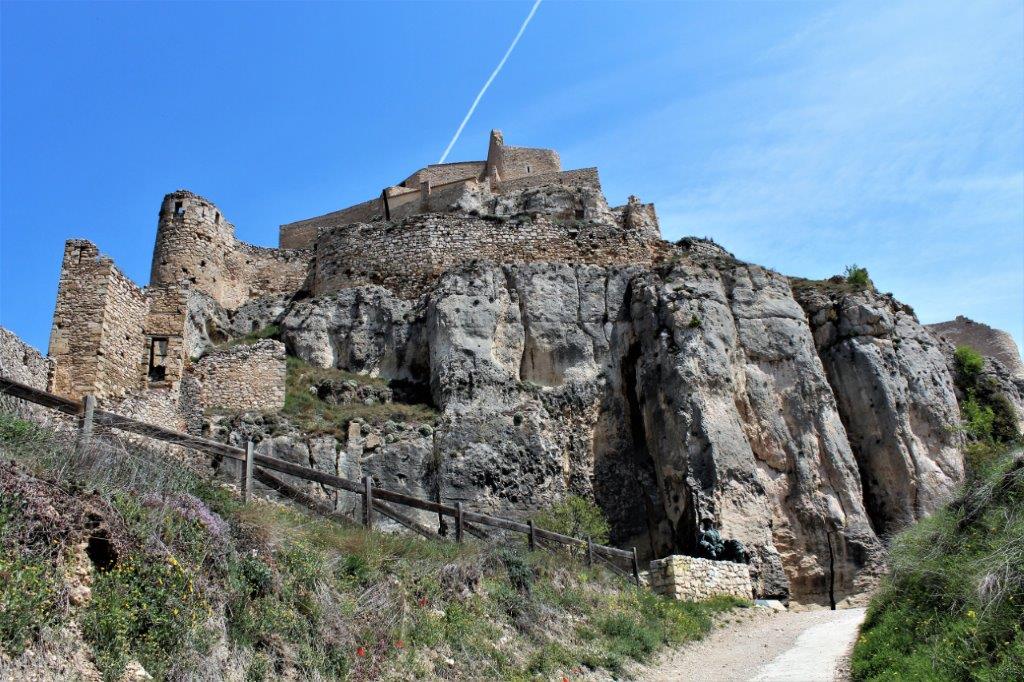
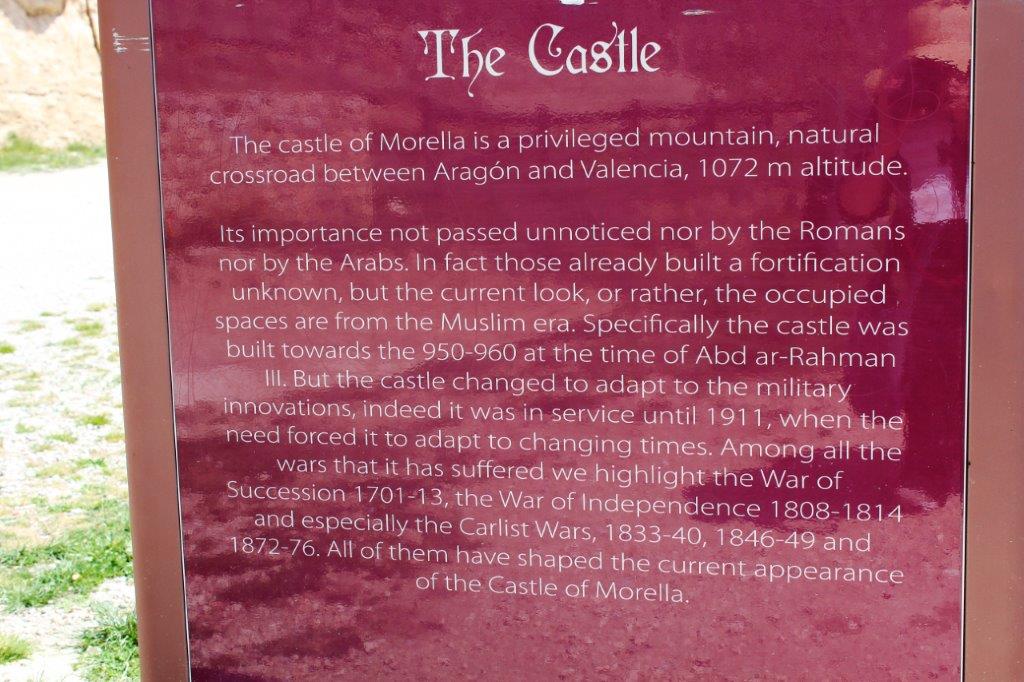
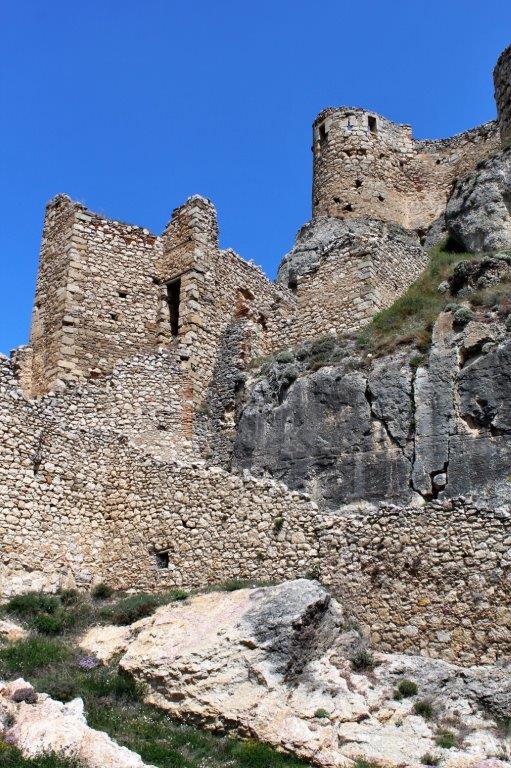
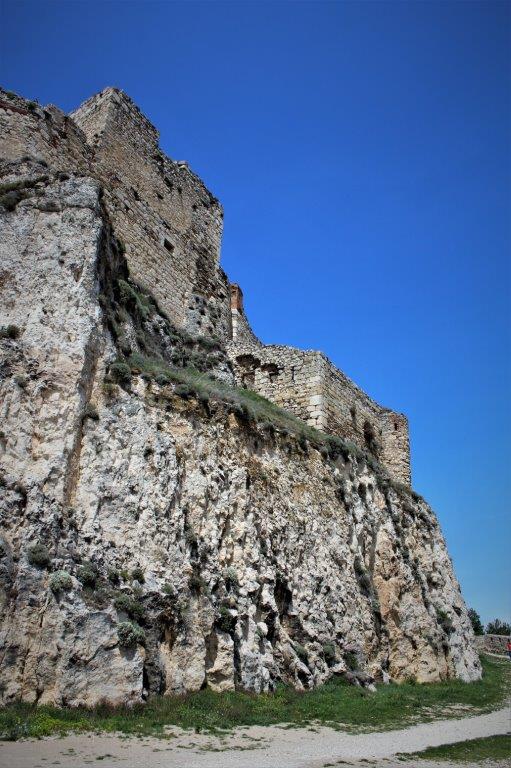
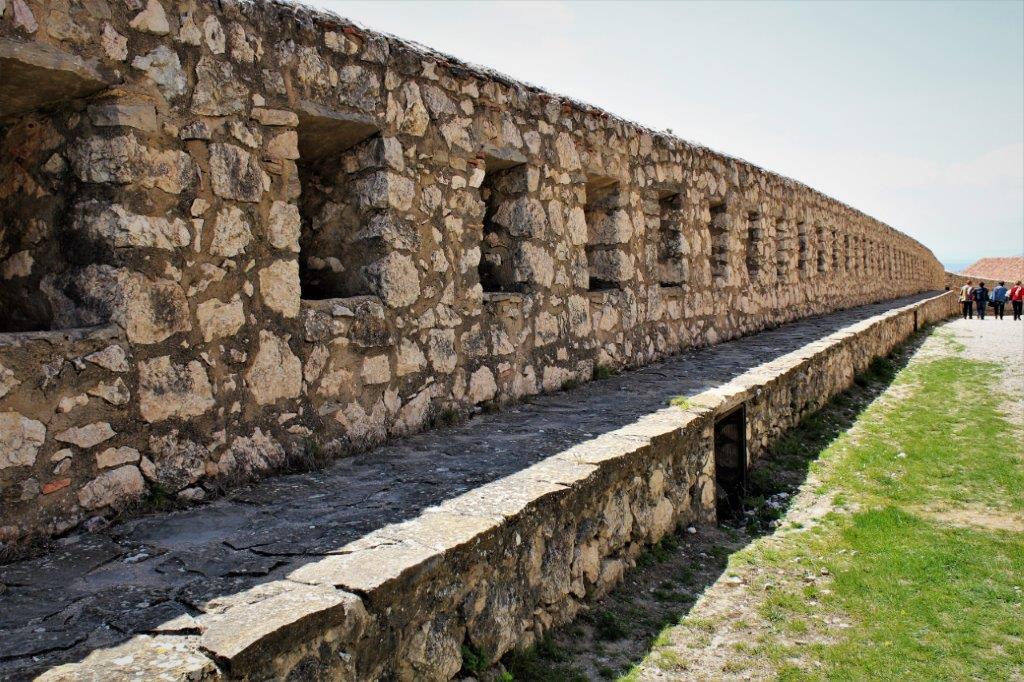
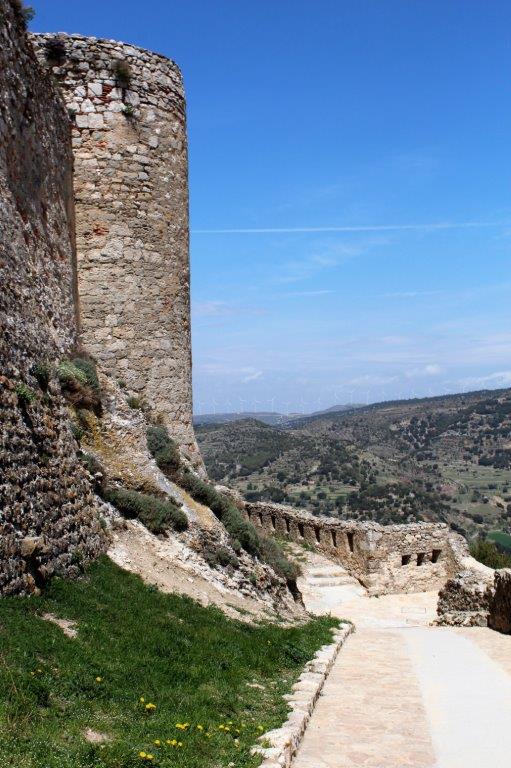
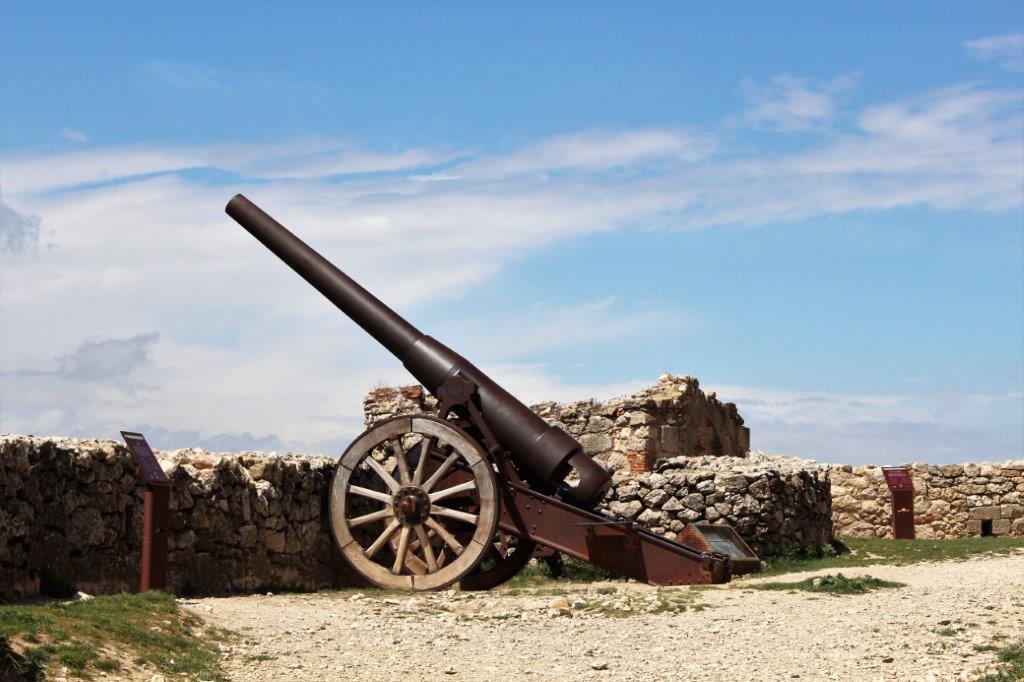
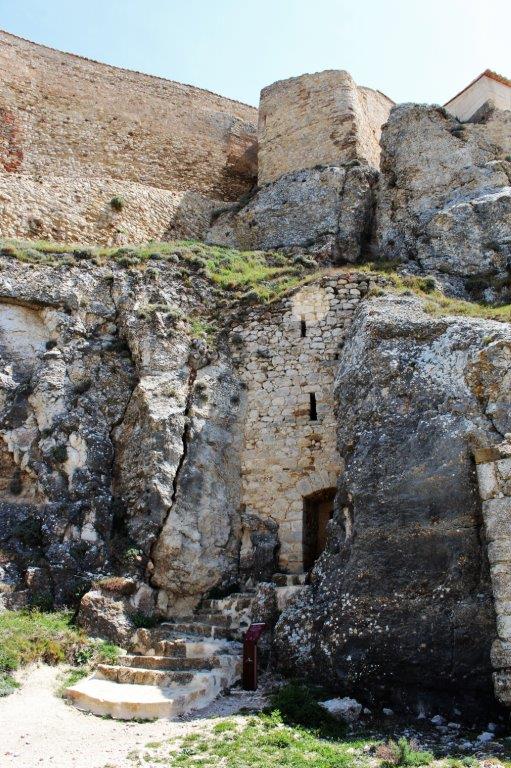
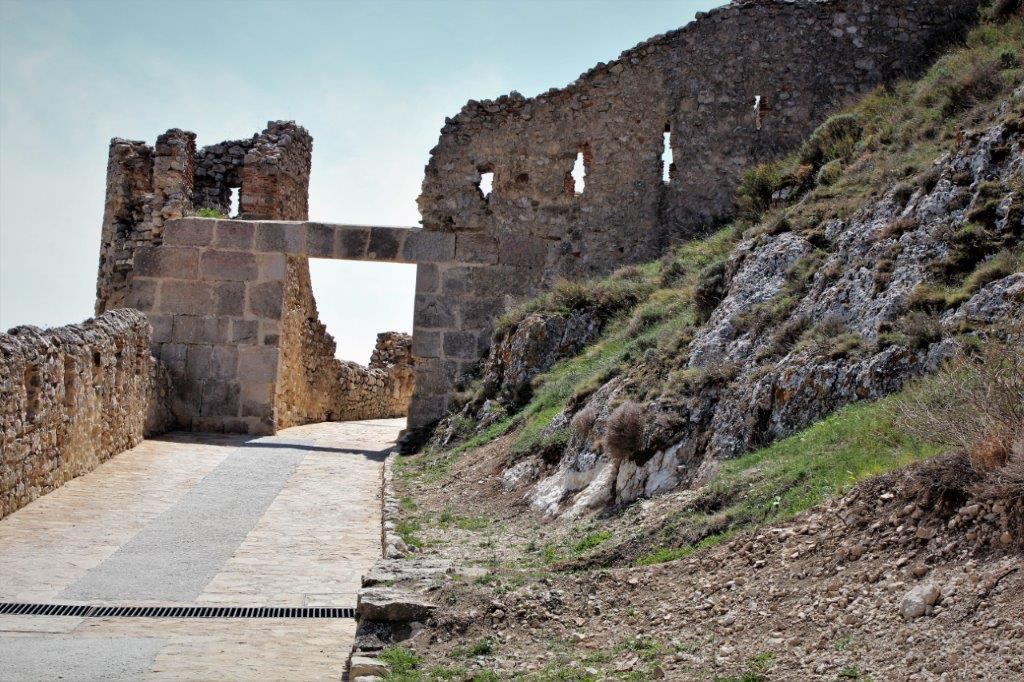
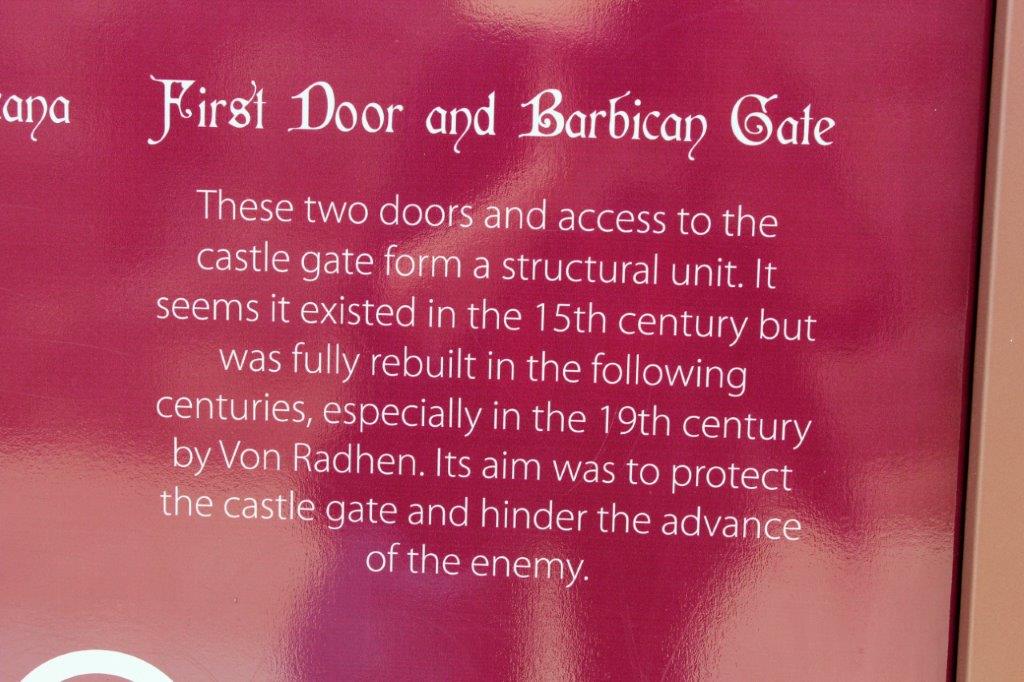
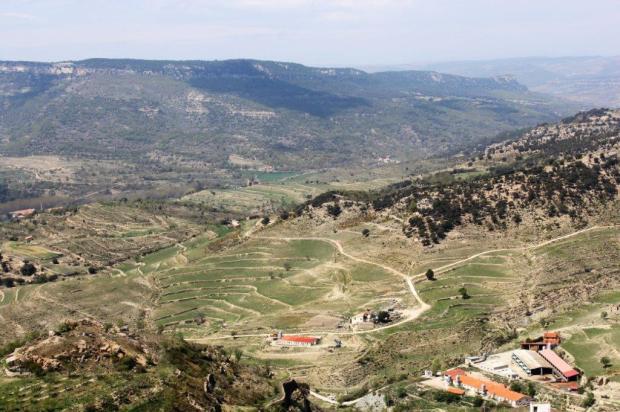
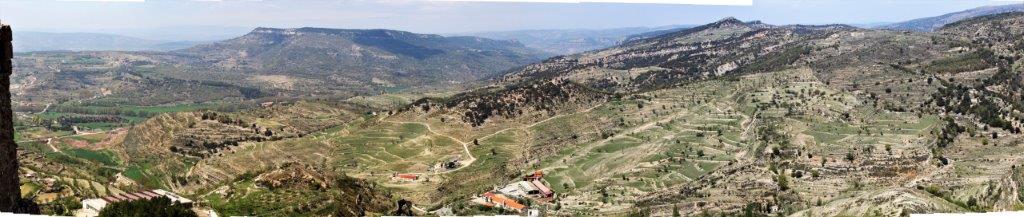
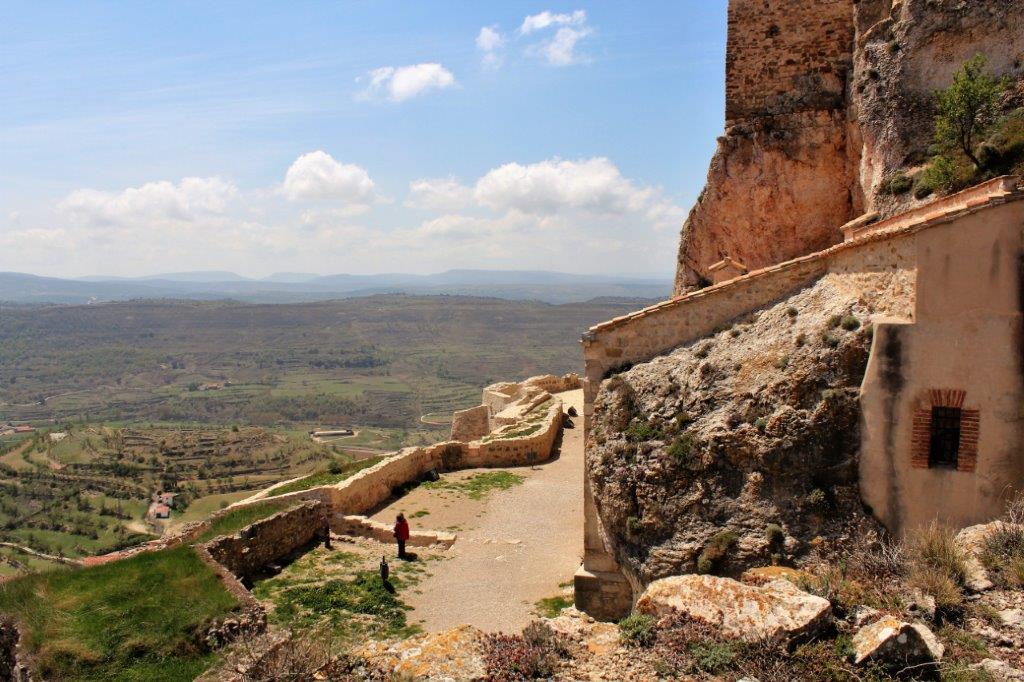
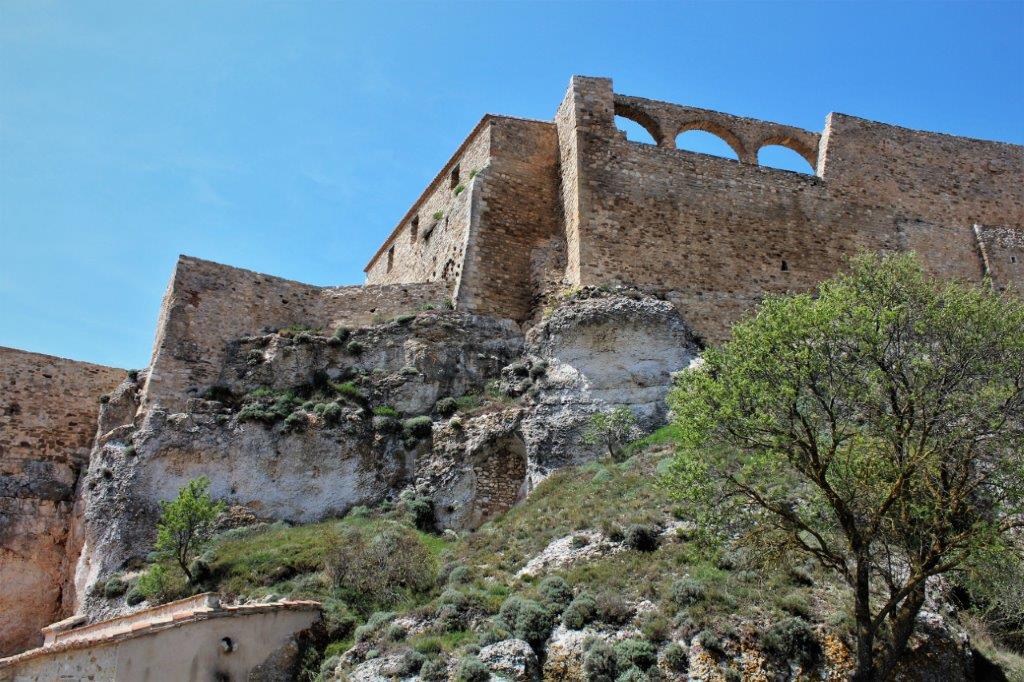
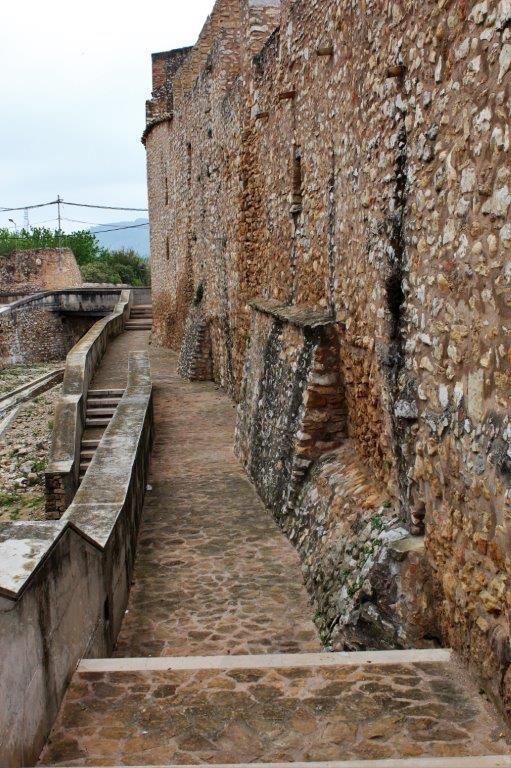
Past the church I chanced upon the entrance to the castle, paid my  €3 fee and started to climb.  The castle wound around the highest part of the mountain top and there were 360° views of the valley below. The castle is built right into the rock of the mountain. 

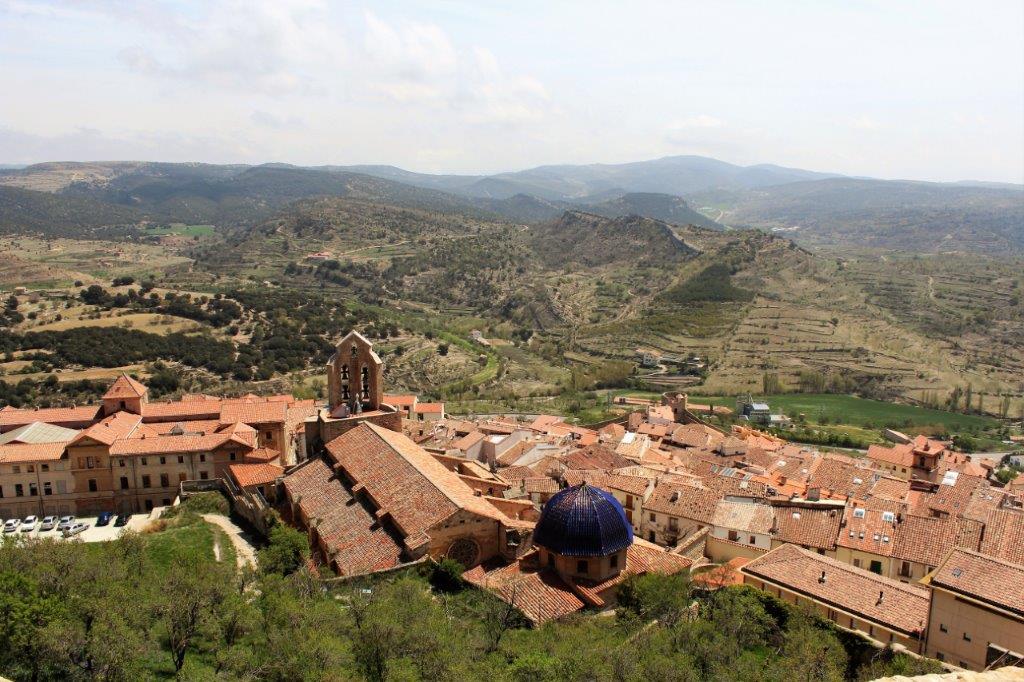
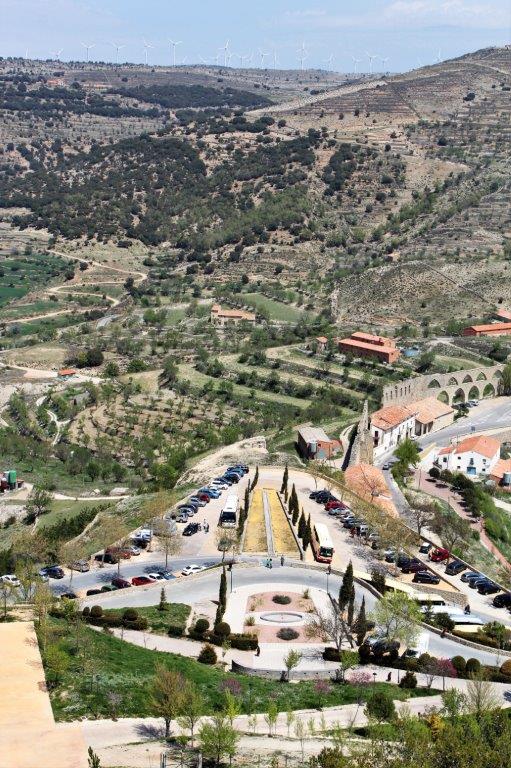
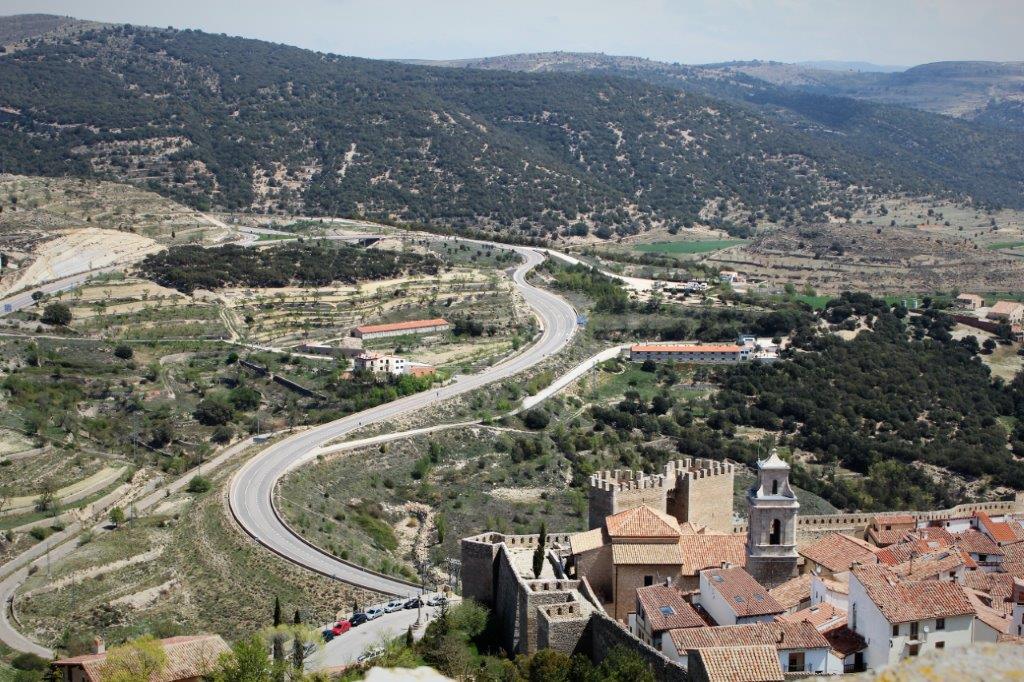
The photo above clearly shows the compressed town inside the immense walls. At 1:30 I wasn’t quite to the top of the castle but I figured it would take me a half hour, if I hurried, to get back to the main gate to meet the group at 2 so I reluctantly turned around and made my way down. I made it to the main gate on time, but I waited over 45 minutes before John came hurrying to tell me they were all  just finishing lunch and would be along soon.  I had been getting concerned with the long wait, thinking I had misunderstood and was waiting in the wrong place, yet did not want to leave as I had said that is where I would be.  I was not very pleased to know I had rushed down from the castle only to learn I could easily have made it to the top in the time I had now wasted waiting at the main gate.  However, I was equally glad I had not spent all of my time in such an interesting place sitting in a restaurant rather than seeing some of the town.  All the rest of the people only saw the main gate, one street, a church and a restaurant.  I saw all of that plus several more streets and almost all of the castle.  Good day for me.

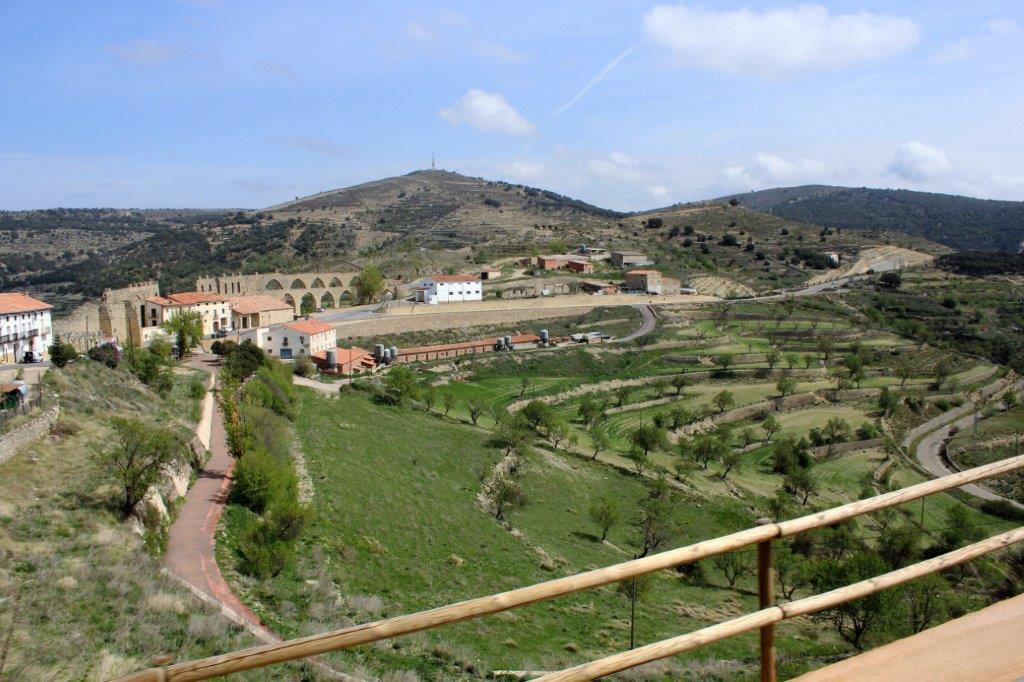
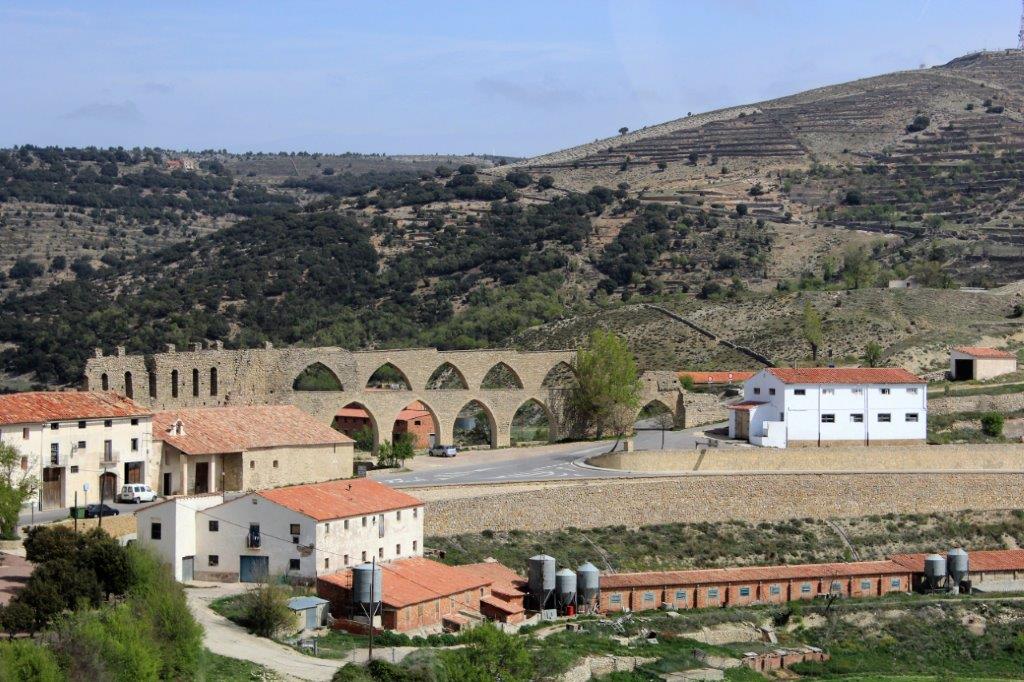
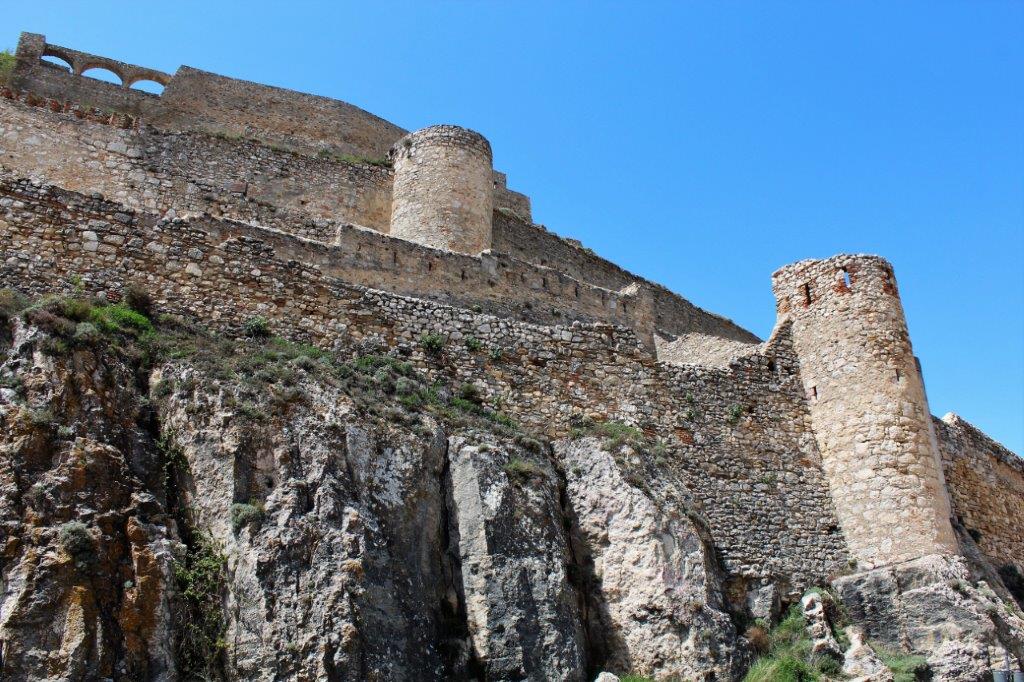
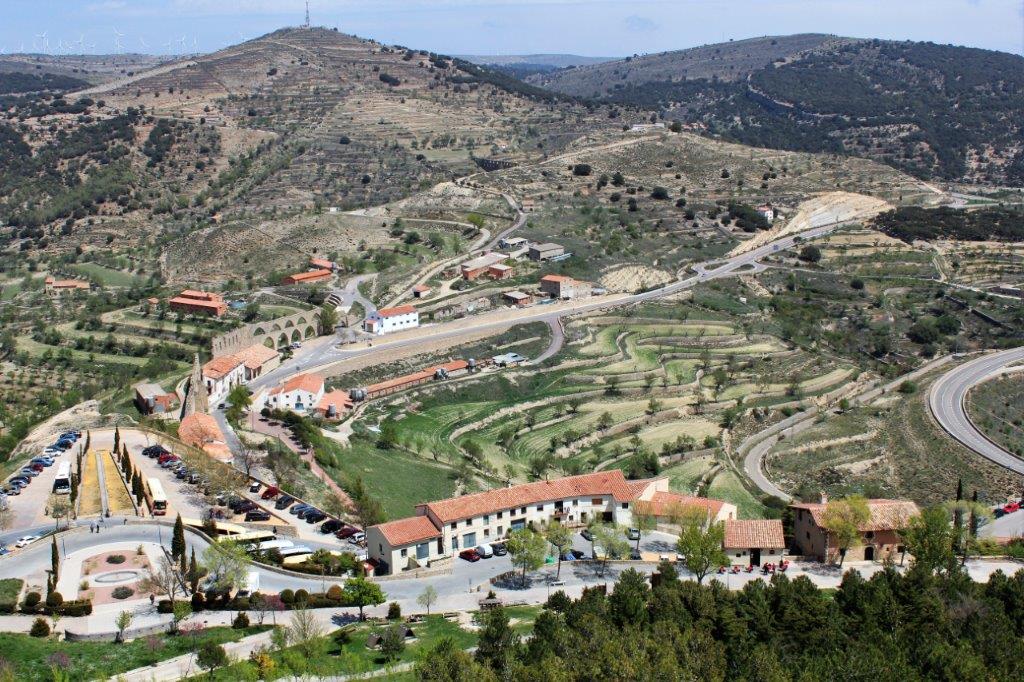
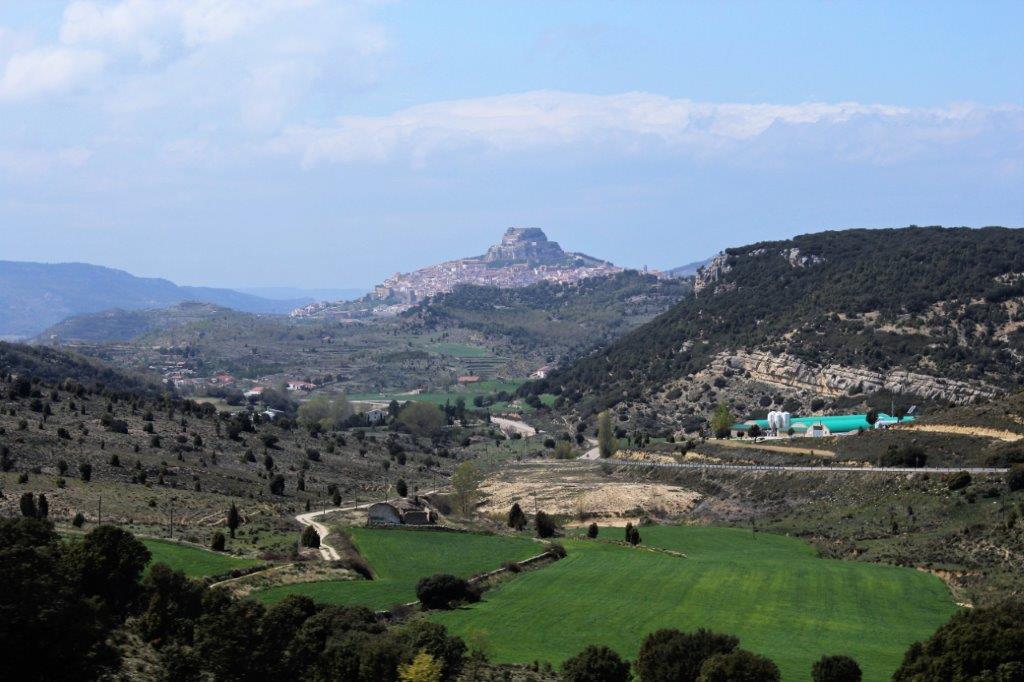
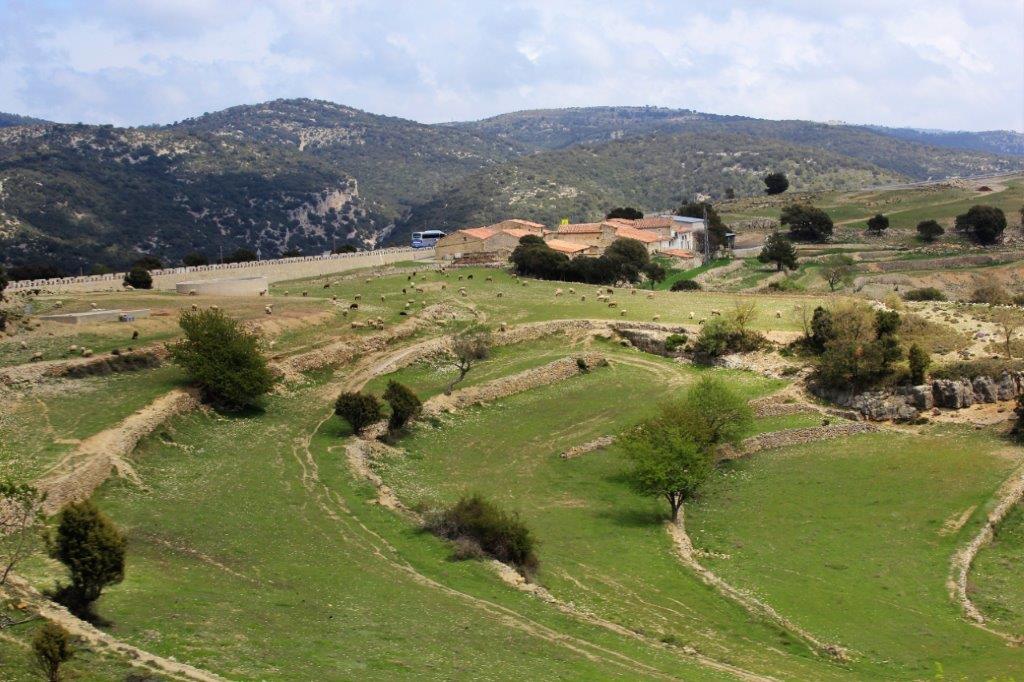
The tour group eventually arrived (another 15-20 minutes later) and we got back on the bus for the two hour drive back to Castellón.  Due to the long lunch we were behind schedule and our driver flew down that mountain and all the way back to the port to get us there by the 4:30 all aboard.     Morella is an impressive sight sitting on top of the mountain.
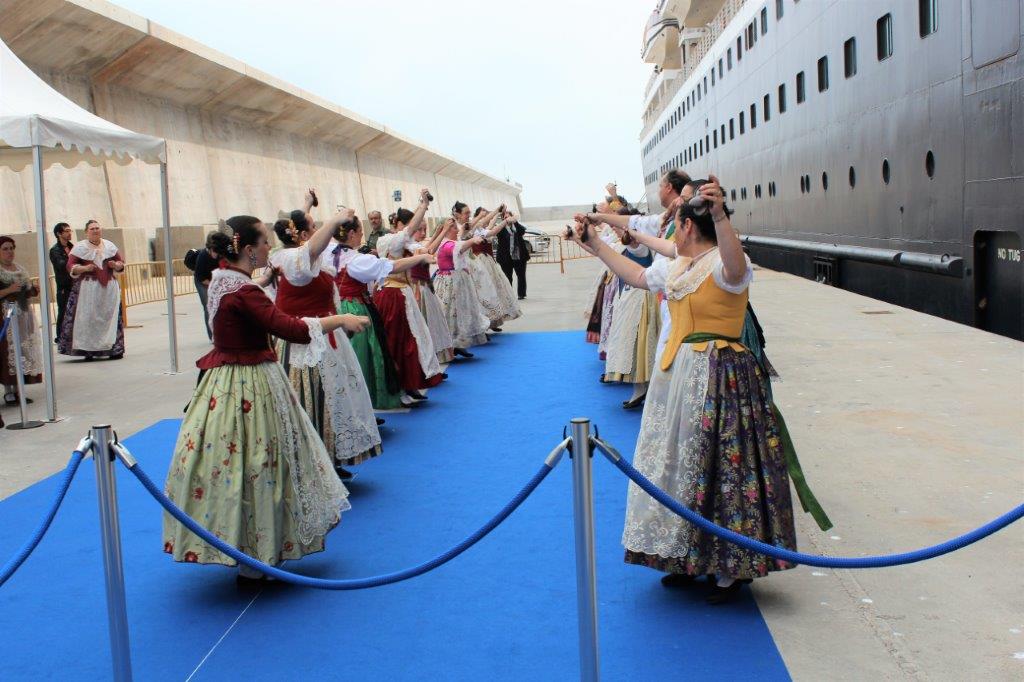
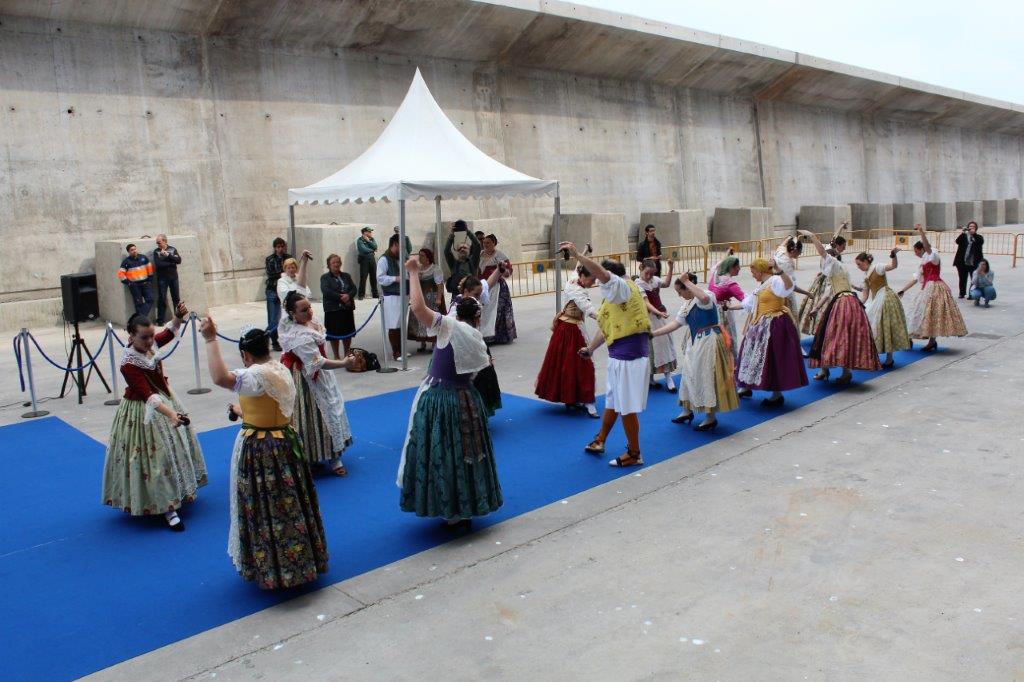
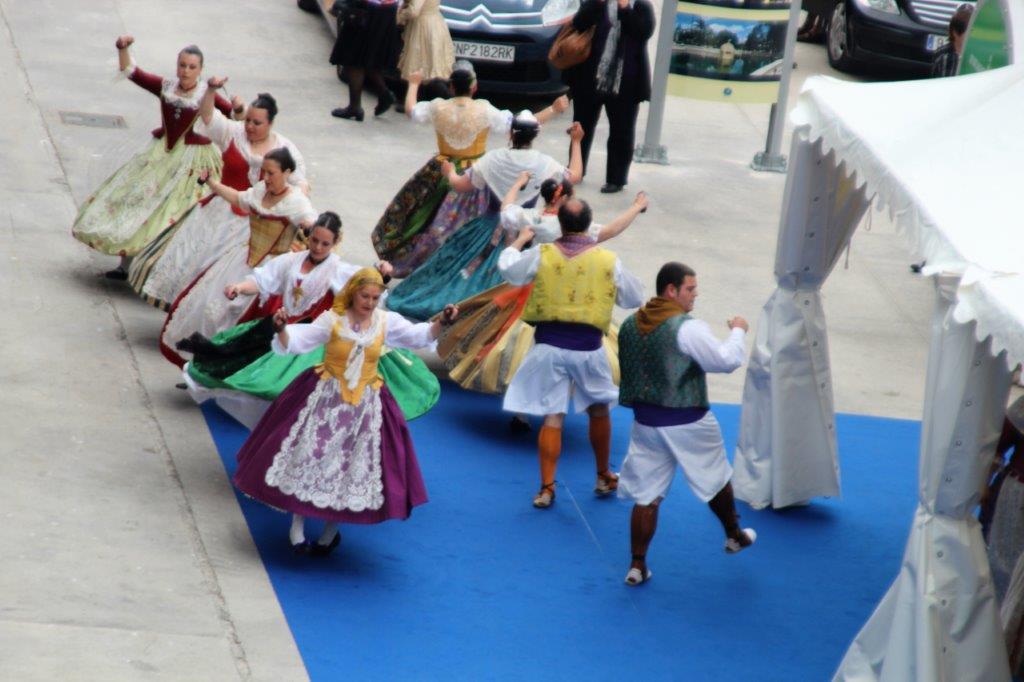
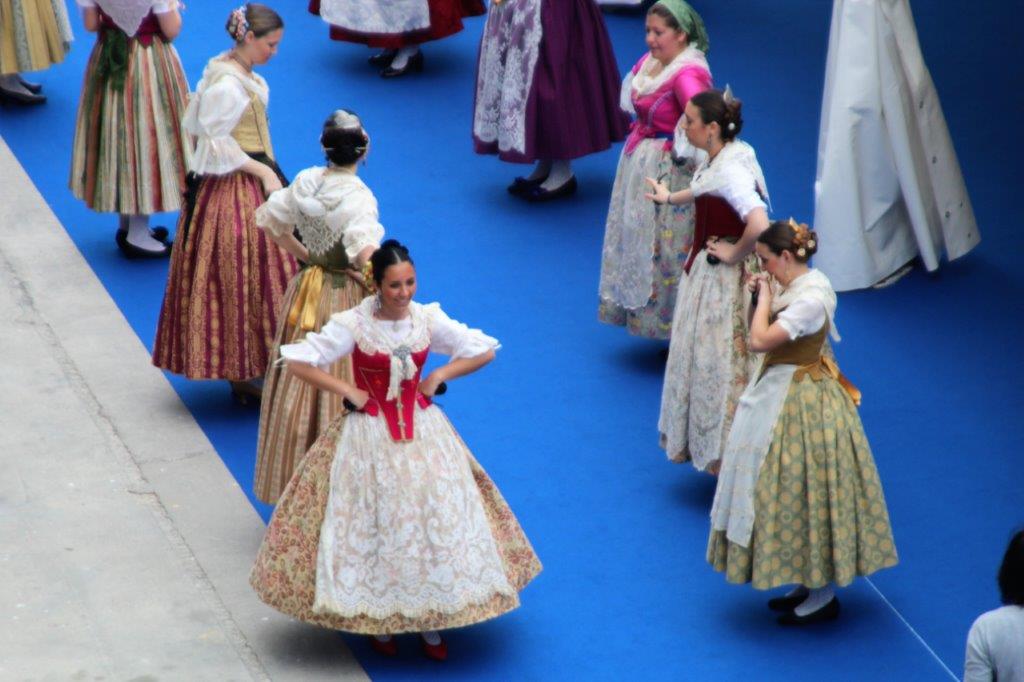
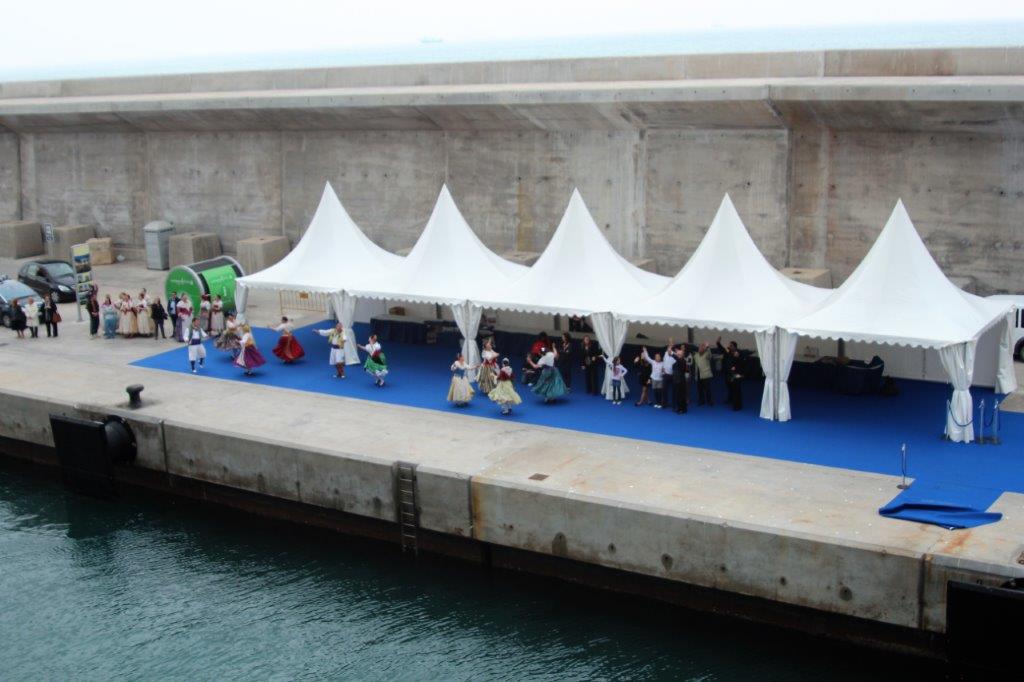
The ship was due to sail at 5 and local dancers put on a great show for us as the ship was readied to leave the harbour. The next day we spent at sea before docking in Málaga, further west on the Spanish south coast.

2012 April 28 – Day 48 – Castellón de la Plana, Spain. (Part 1)

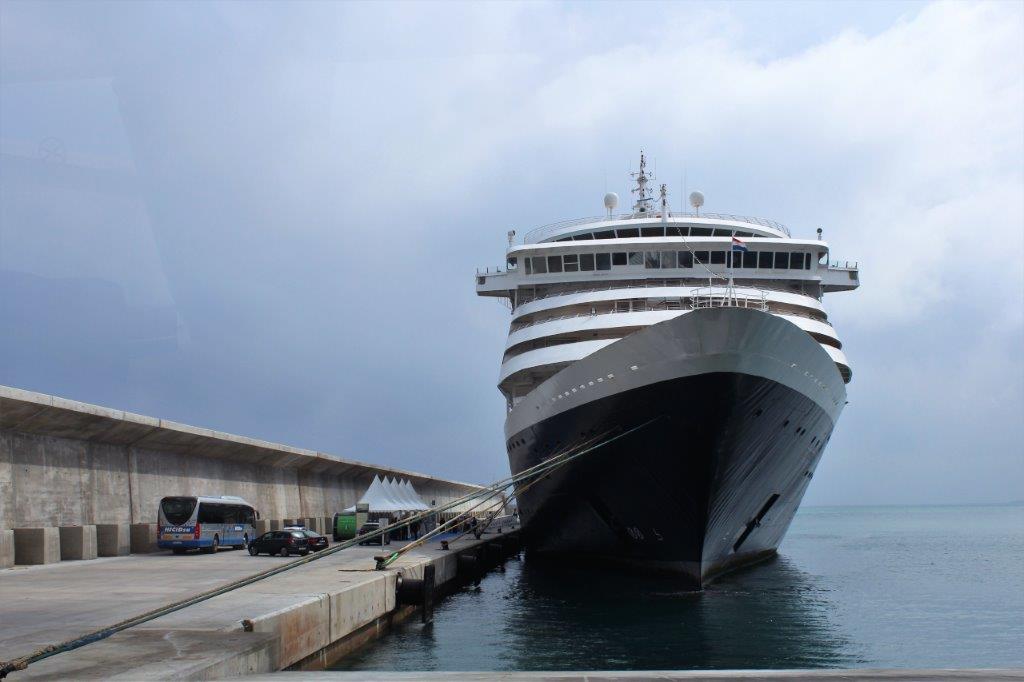
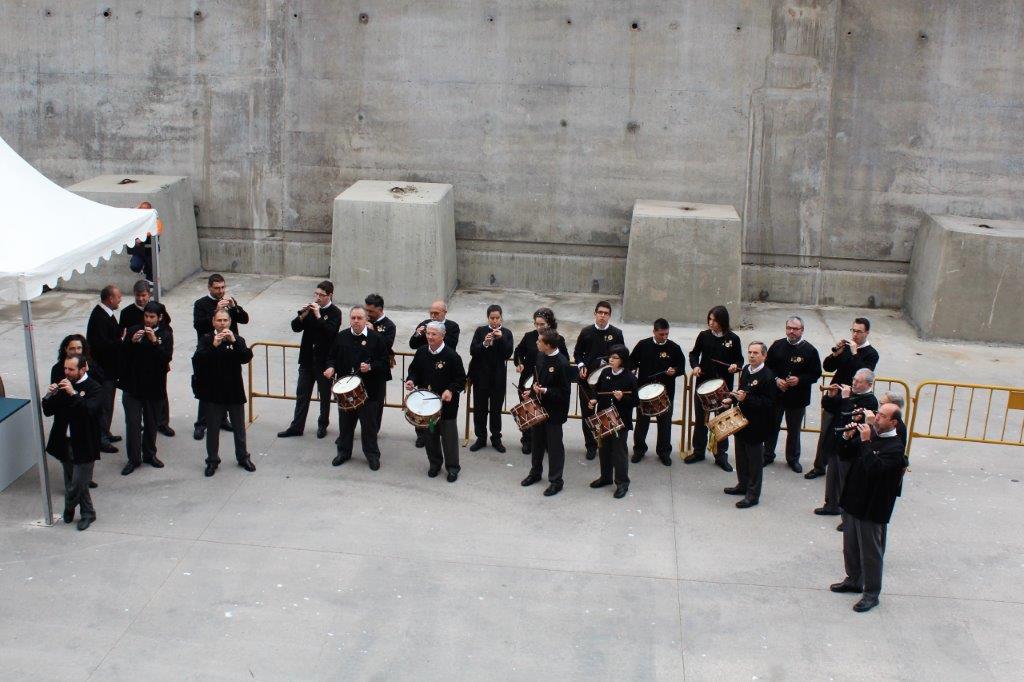
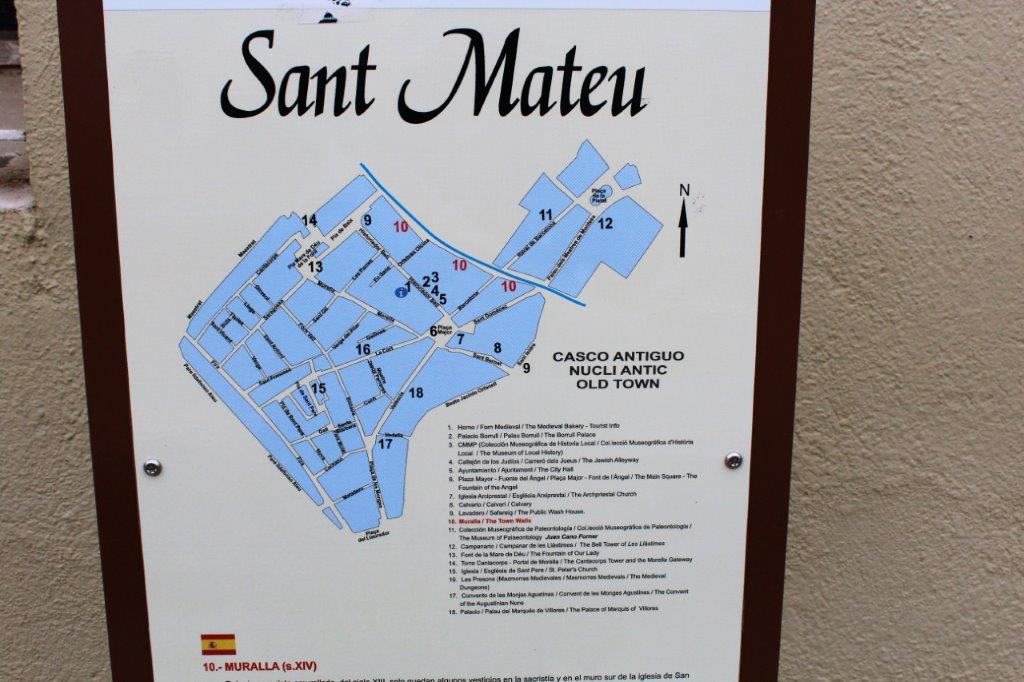
Our ship was the first of the Holland America Line fleet to stop at Castellón de la Plana, Spain.  Castellón is the capital city of the province of Castellón, in the east of the Iberian Peninsula by the Mediterranean Sea.  Very few cruise ships stop here as the port is primarily used by container ships and is protected by a large breakwater with a narrow opening.  The MS Prinsendam is a small cruise ship so the captain was able to navigate the passage to the port. The city was very happy to have us arrive and treated all the passengers to orange juice, a small bottle of red or white wine, and complimentary maps and tourist information.  There were four blue-carpeted tents, a 24-person band playing and a large welcoming committee.  Local politicians, travel agents and tour guides were given tours of the ship while the passengers were off exploring.Once again, as is our wont, we left the city and climbed into the mountain region to see the fortified medieval town of Morella; which means, from Roman times, “a mountain in the center of a valley”.  During our two-hour drive  we stopped at the quaint little town of Sant Mateu (St. Matthew)

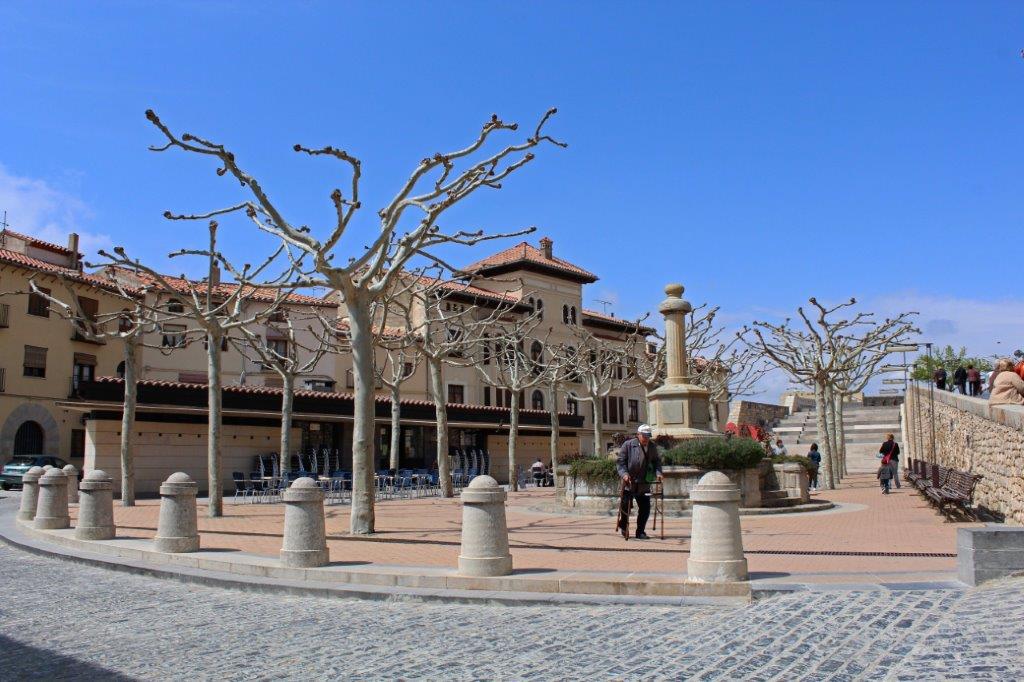
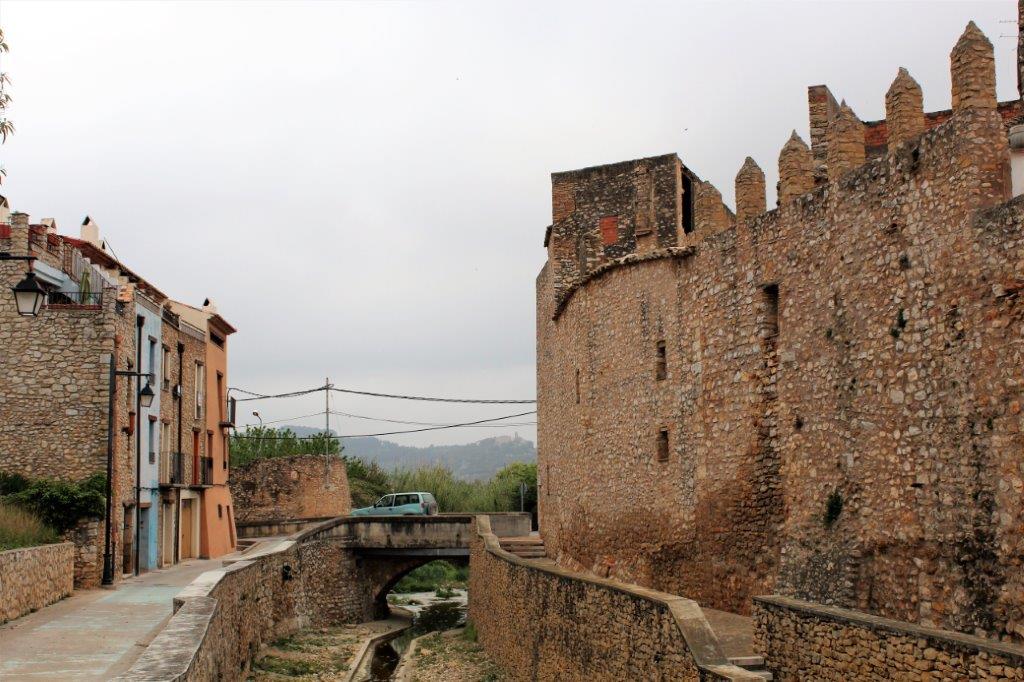
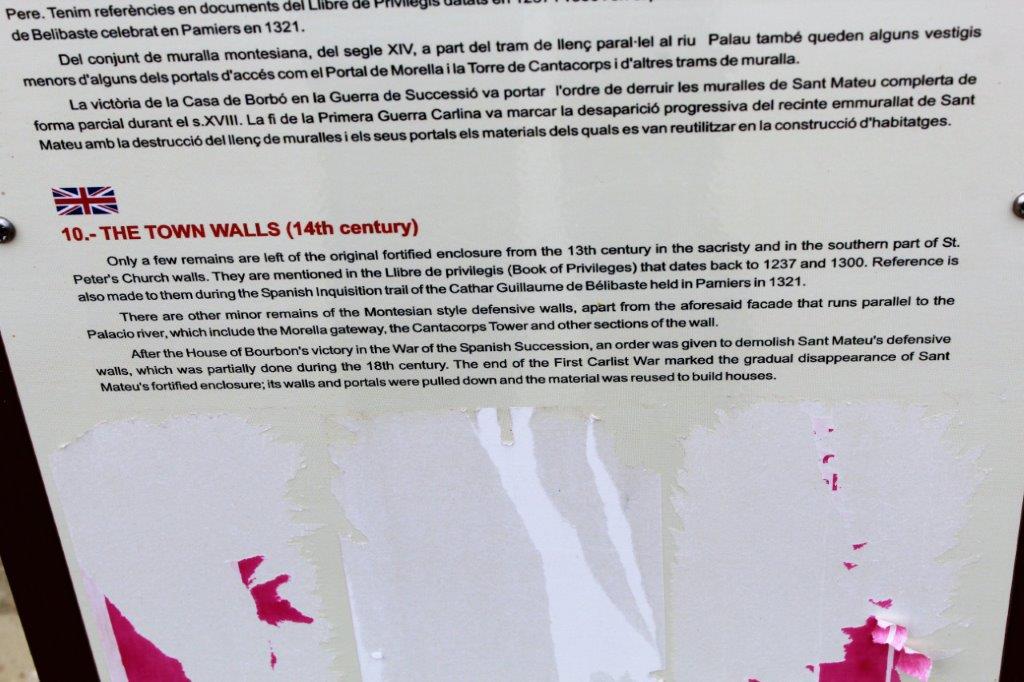
.   We entered through an old Roman wall and up the street to the town square.

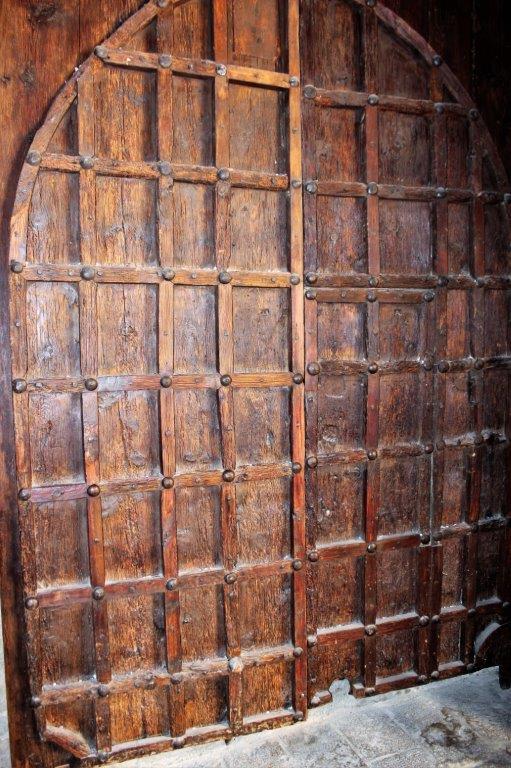
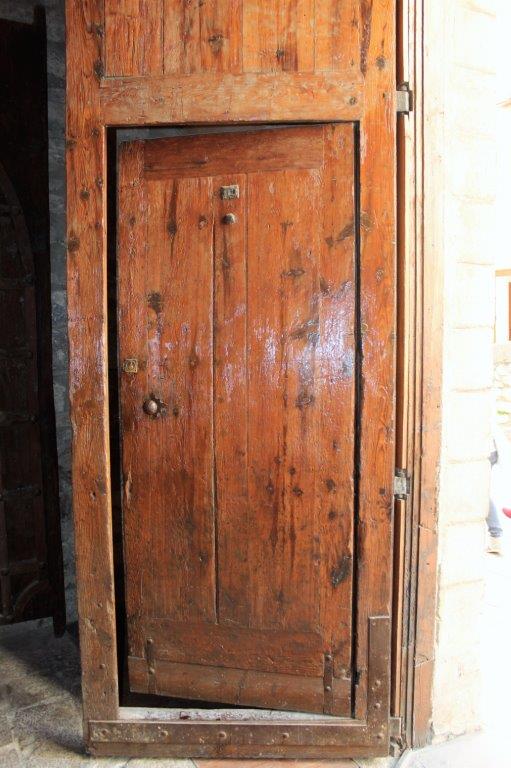
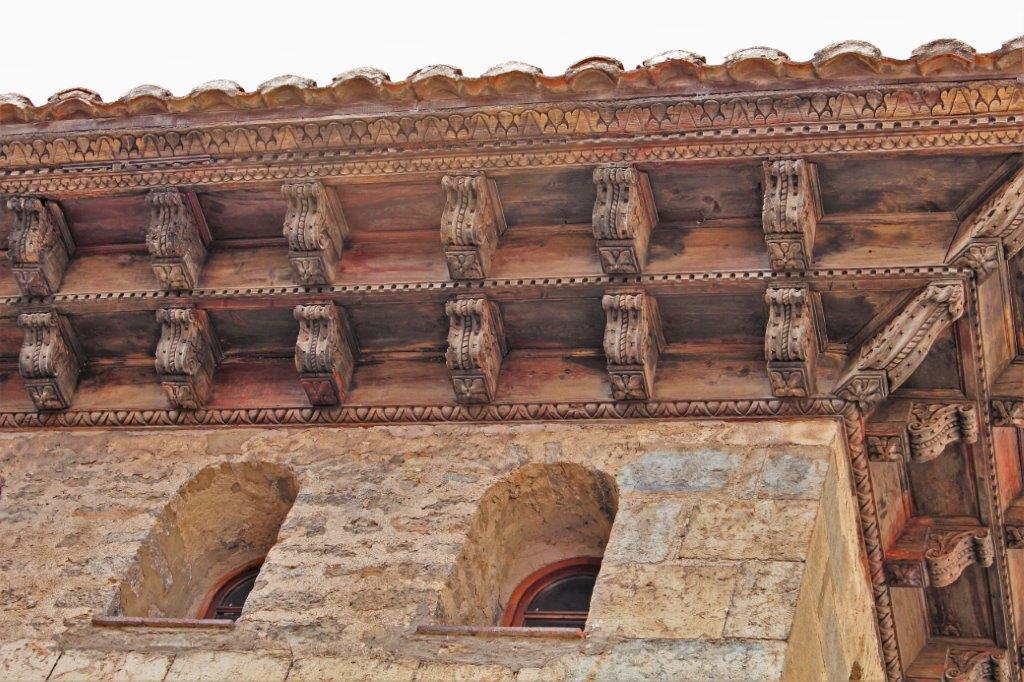
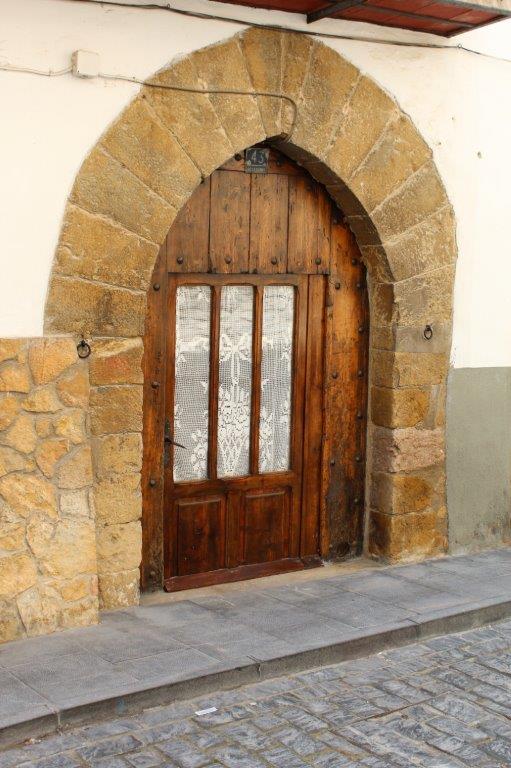
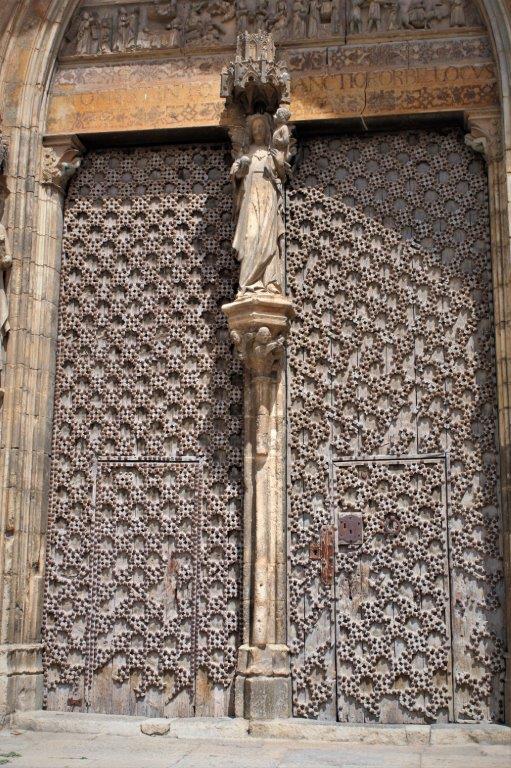
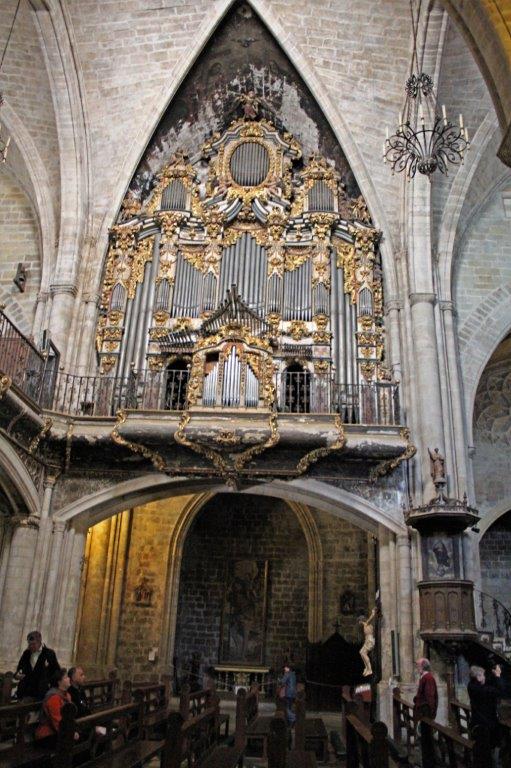
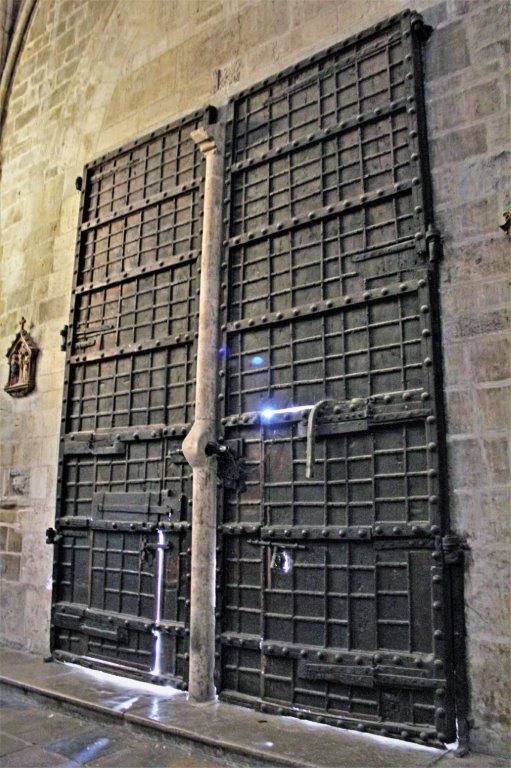
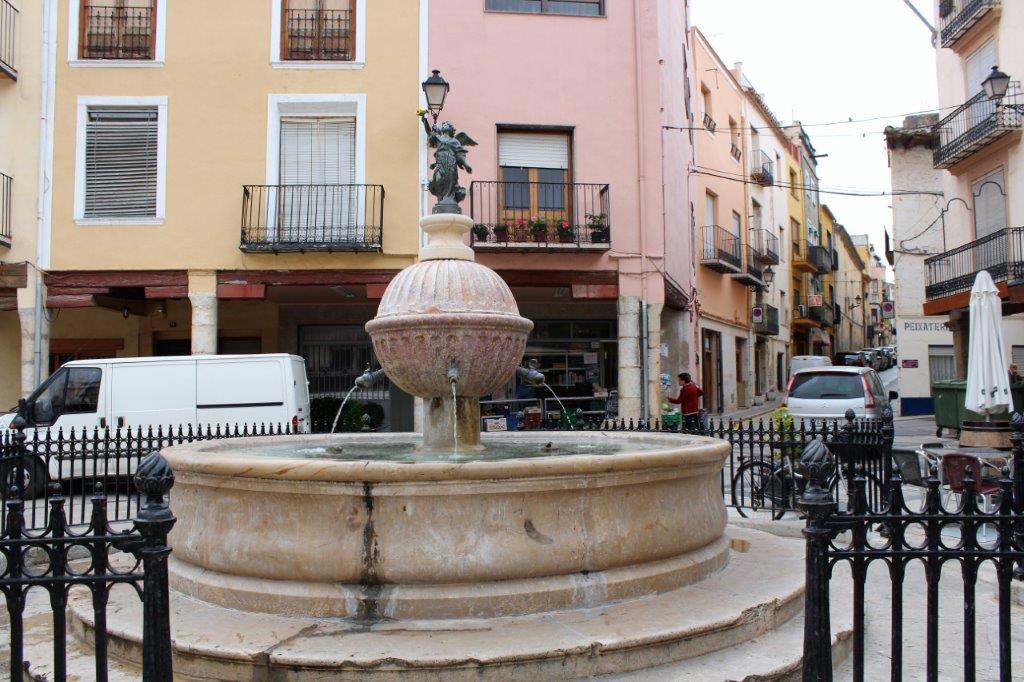
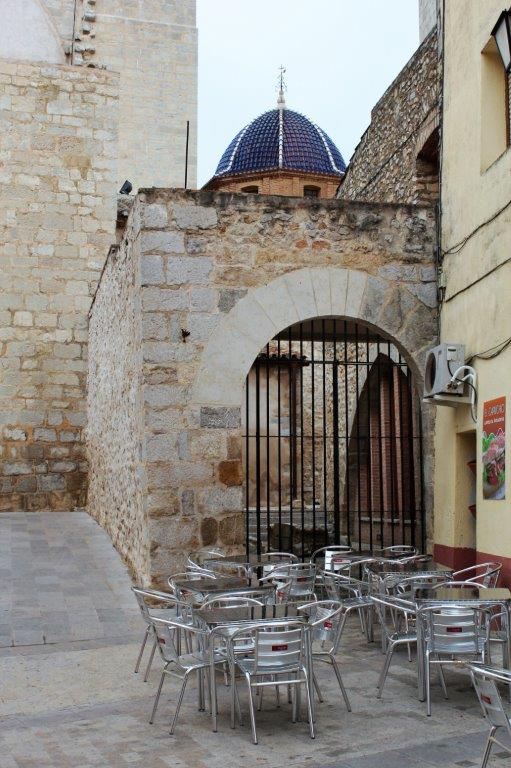
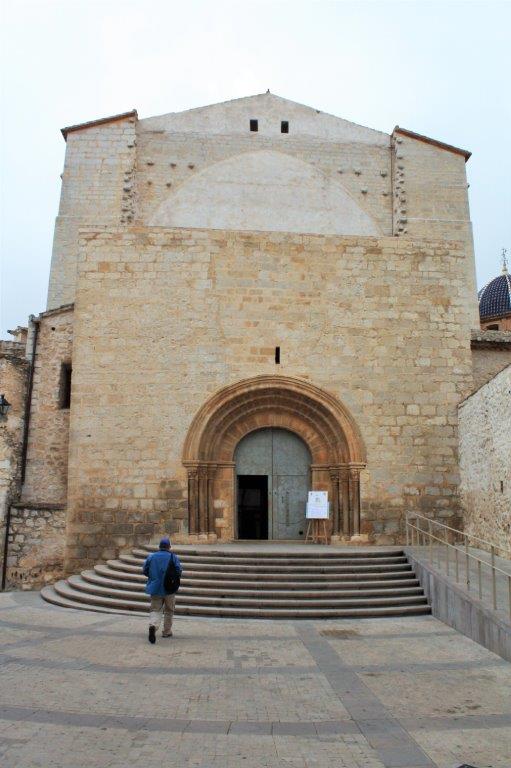
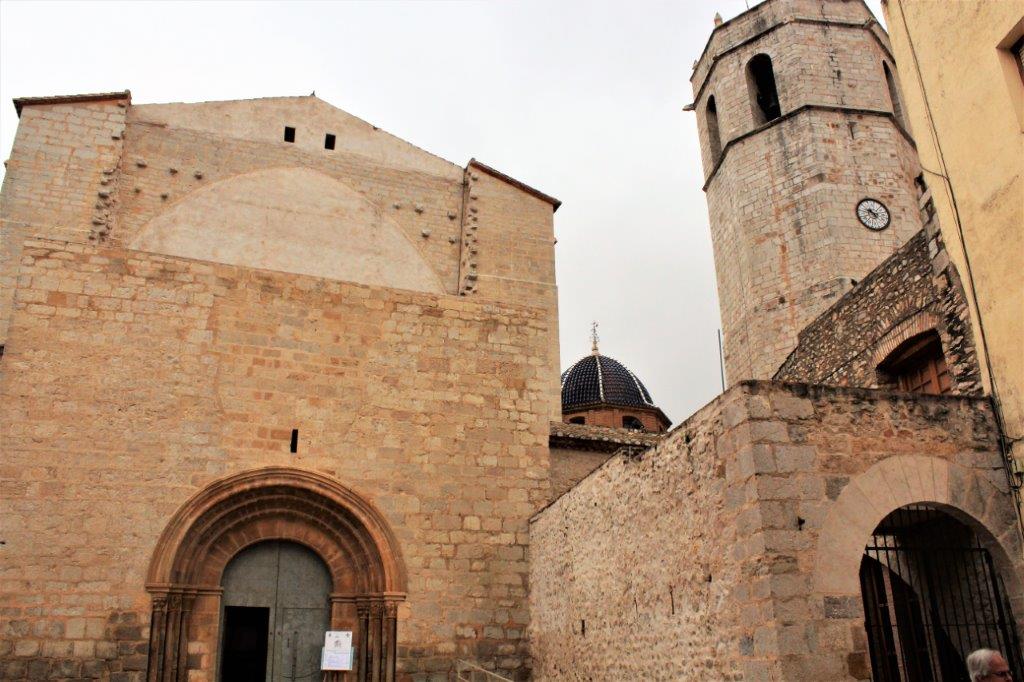
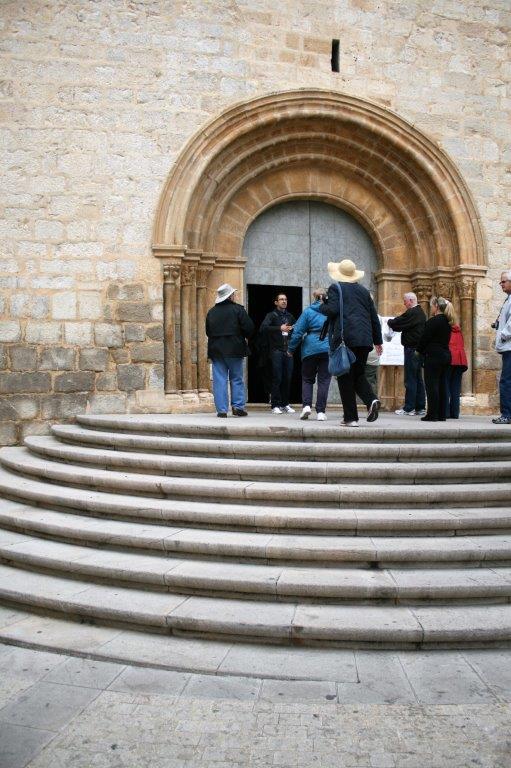
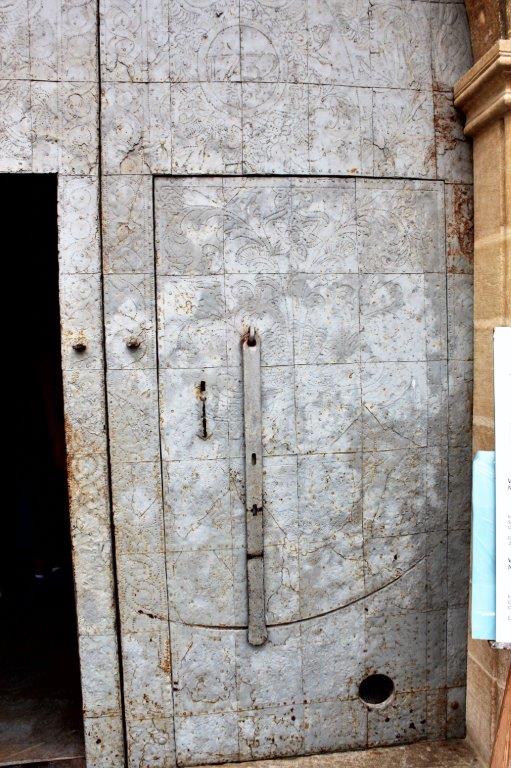
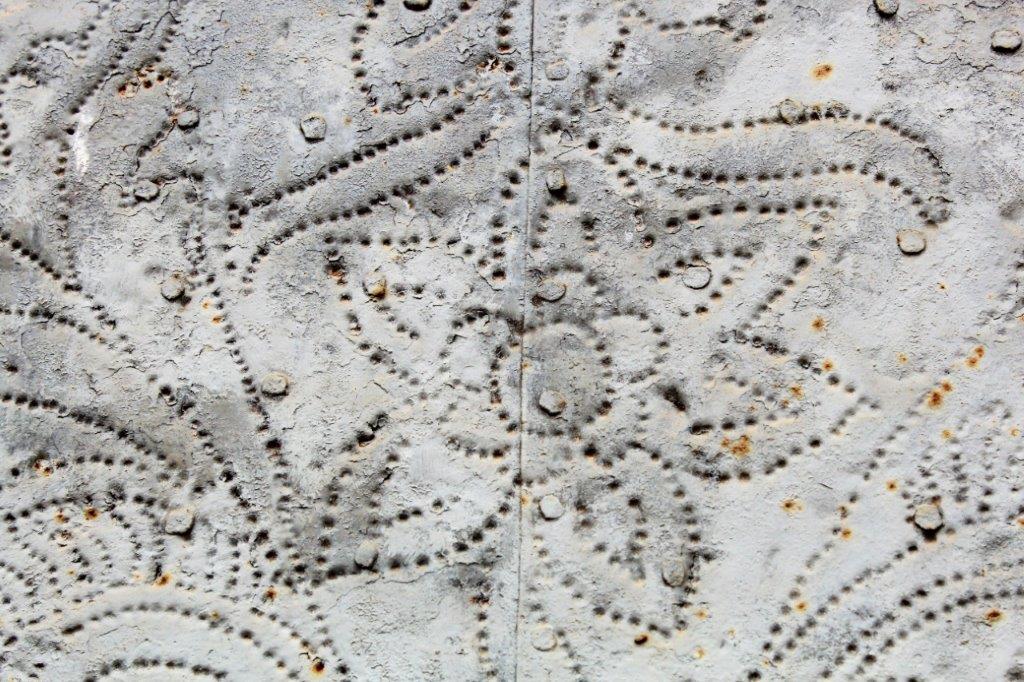
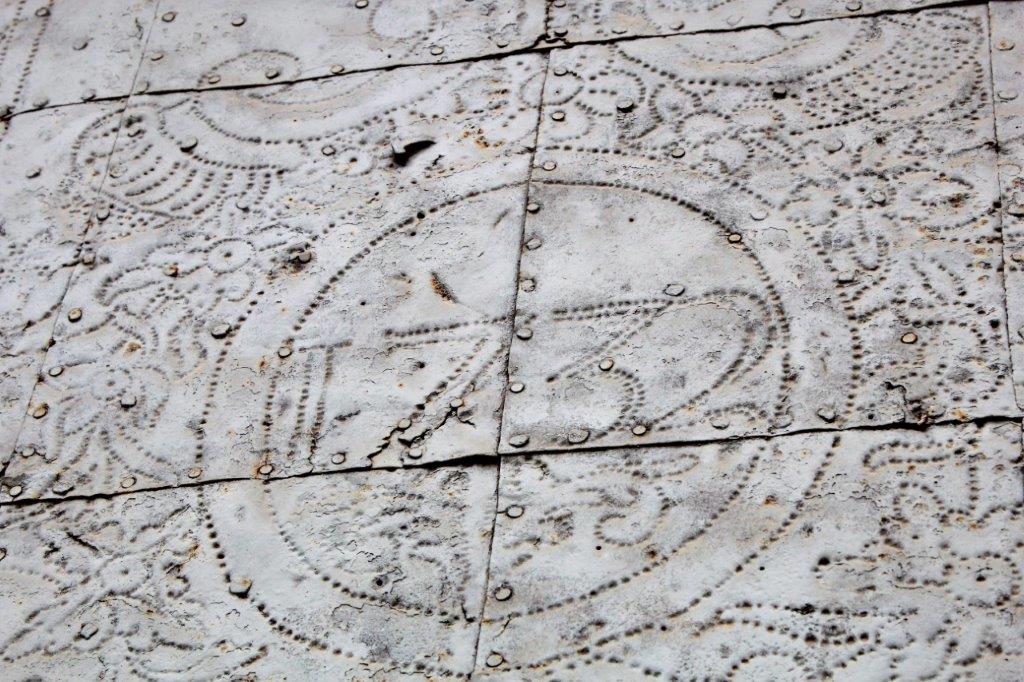
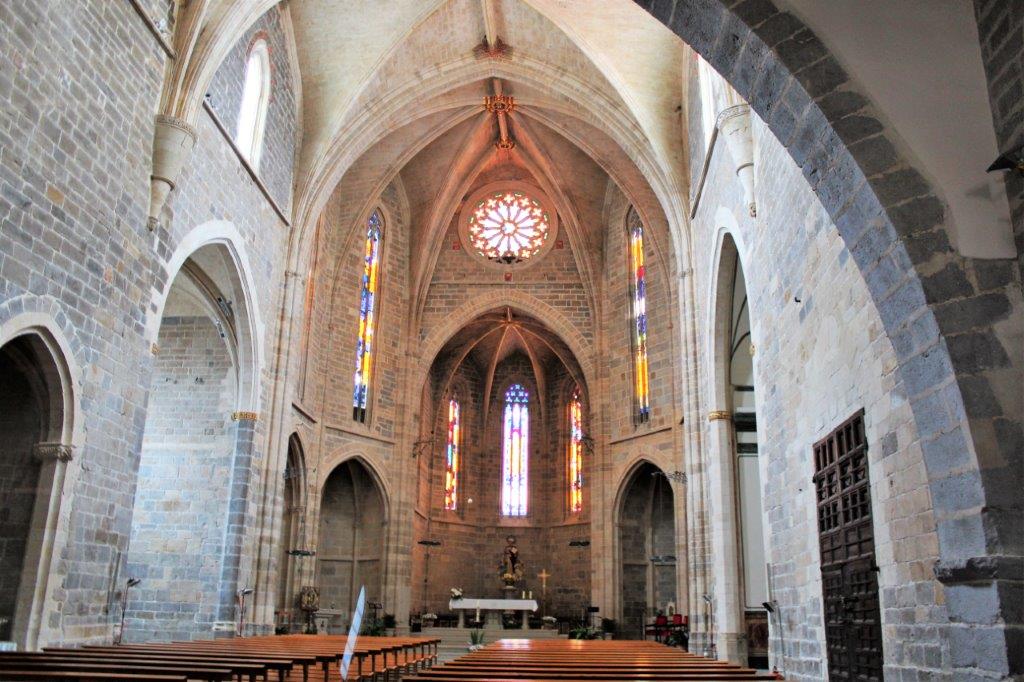
Sant Mateu has a population of about 1,500 and there were very few people around.  At a cafe on the square we were give pastries and coffee.After our snacks we visited the church which has really cool ancient hammered doors.

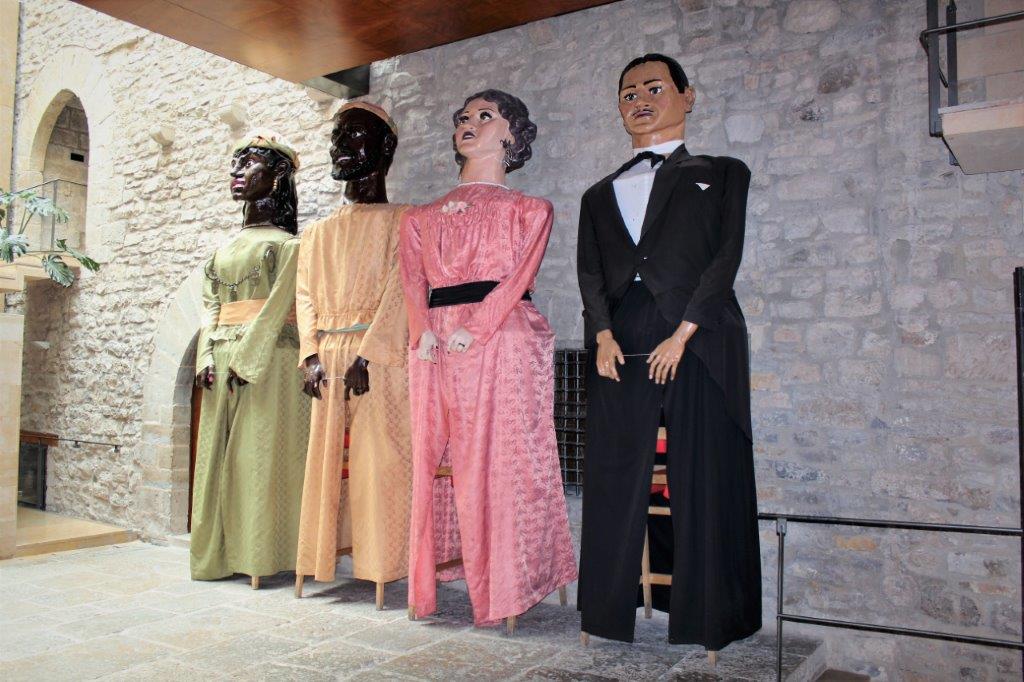
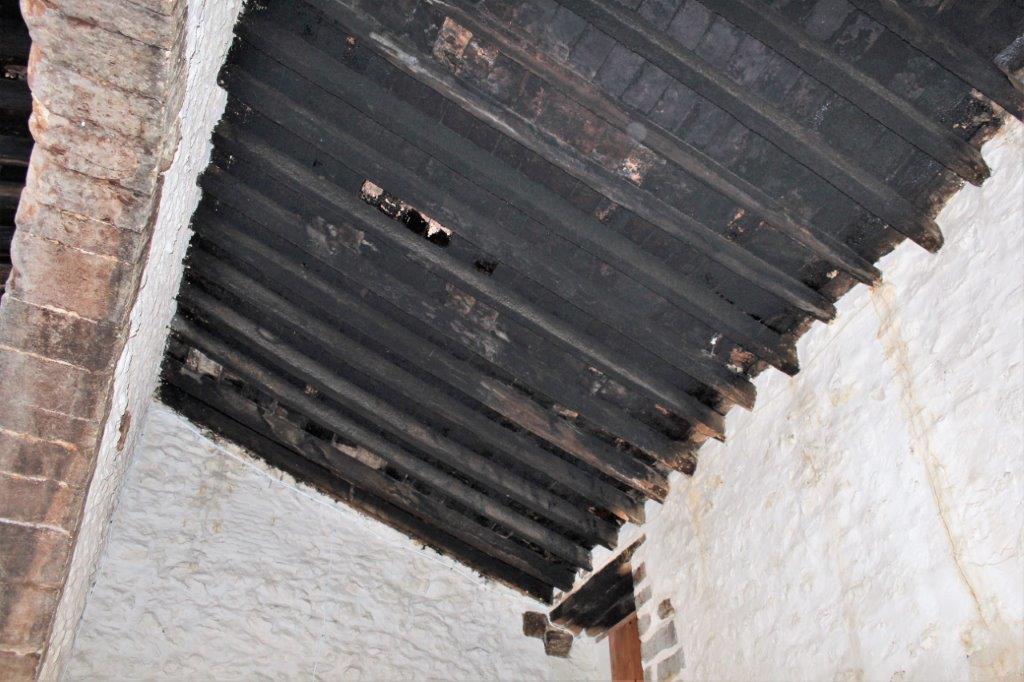
Most of the buildings and artwork of the town were destroyed by the retreating French army during the Napoleanic Wars.         These ceiling beams are charred from a fire years ago.These huge figures are ‘people’ puppets that are worn during feast day parades through the town.  After we toured the church we walked down the street to an old Roman bath before exiting the town through another gate.

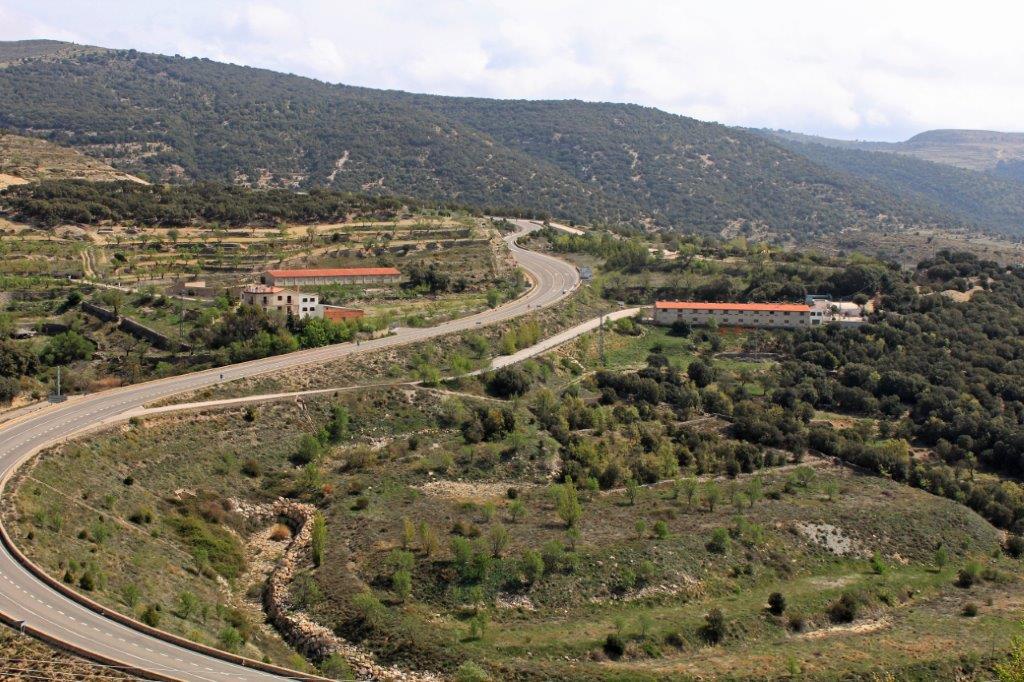
The drive continued into the countryside and up a narrow switchback road (we seem to have fondness for these types of tours) to Morella. To be continued….

2012 April 27 – Day 47 – Barcelona, Spain (Day 3) (Part 2)

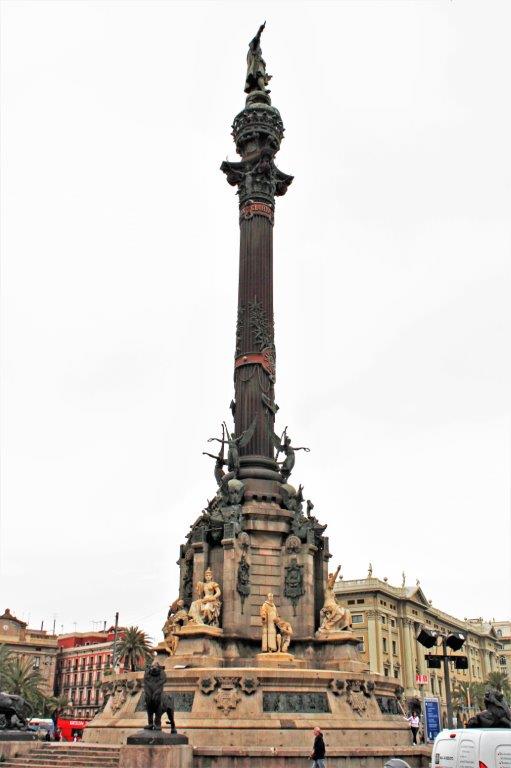
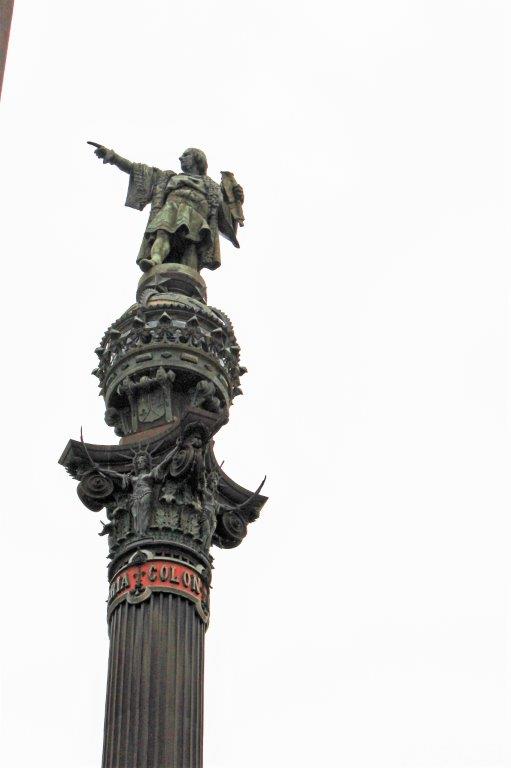
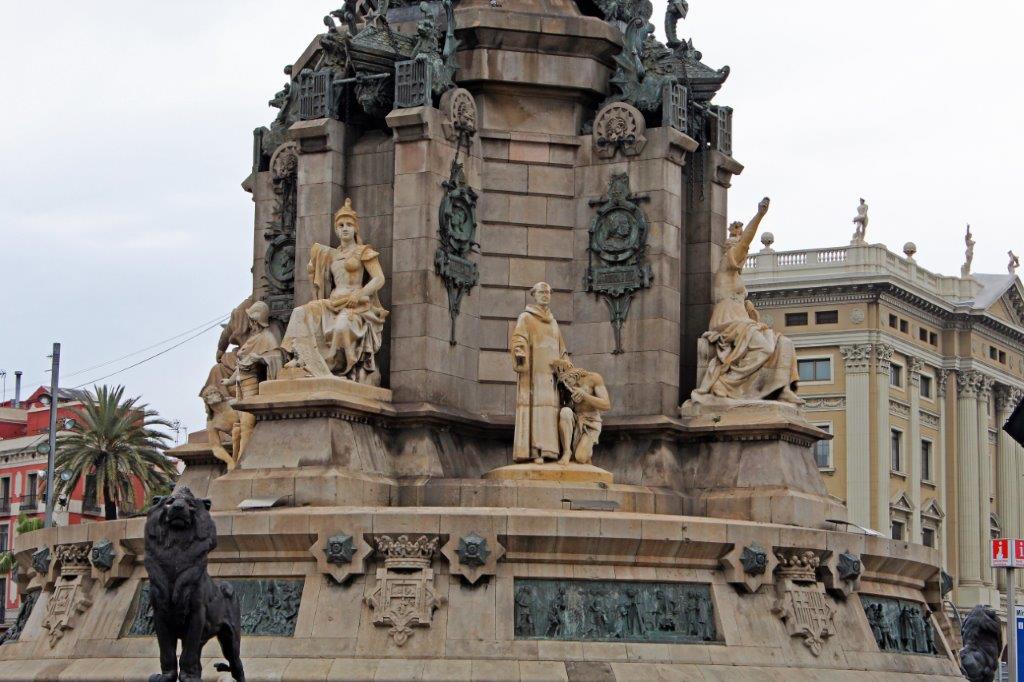
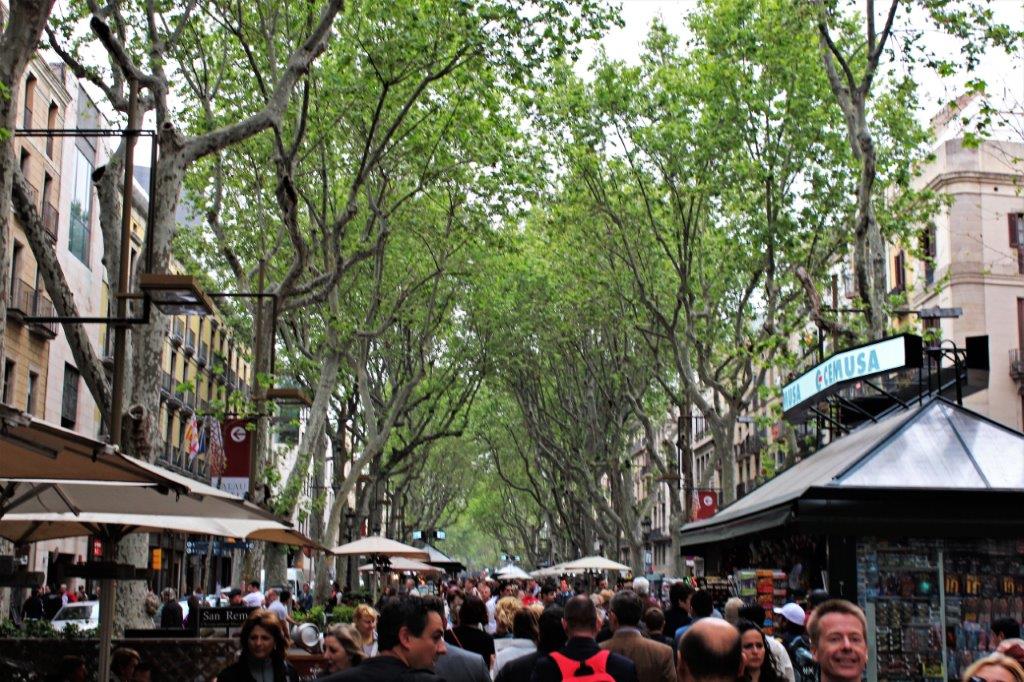
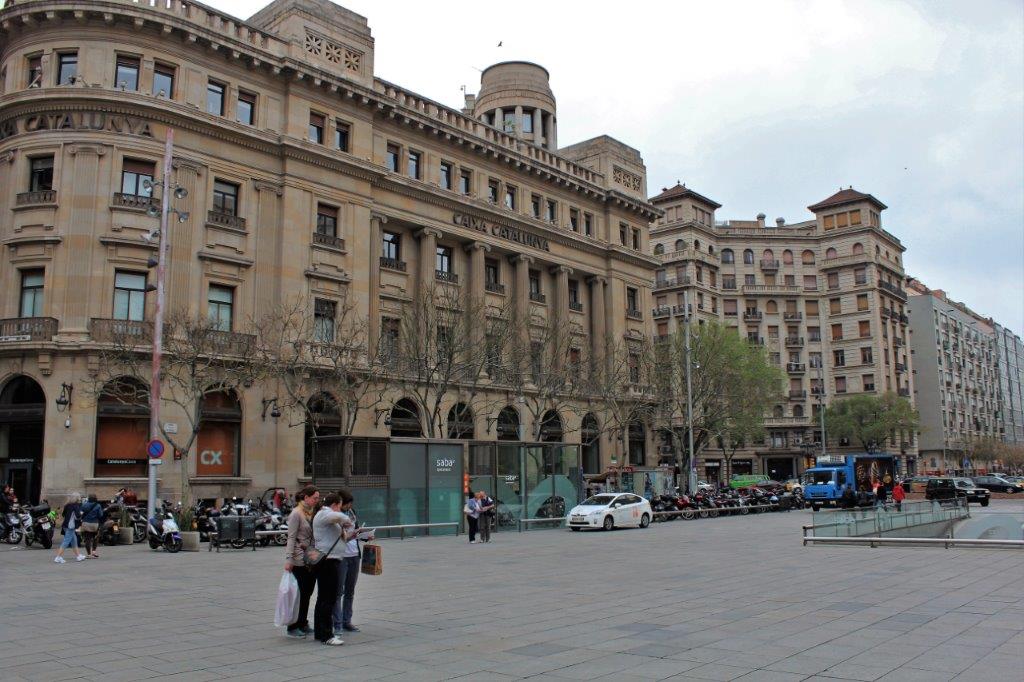
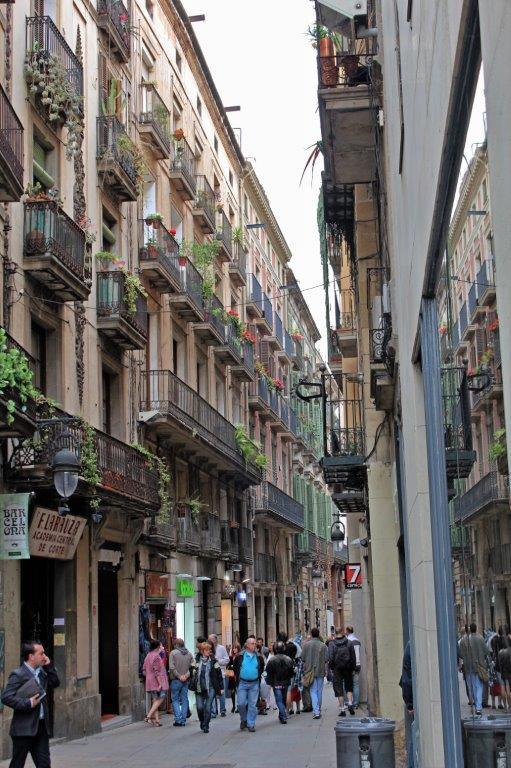
After we completed our morning tour to the monastery at Montserrat we had some lunch on the ship and then  took the shuttle into Barcelona.   The Columbus Monument is in the center of a traffic circle at the end of Las Ramblas, the huge pedestrian market street that cuts through the center of the main city. It is absolutely jammed with people.  We were warned also that is a place to keep your hands on your wallet as pickpockets are active in the area.

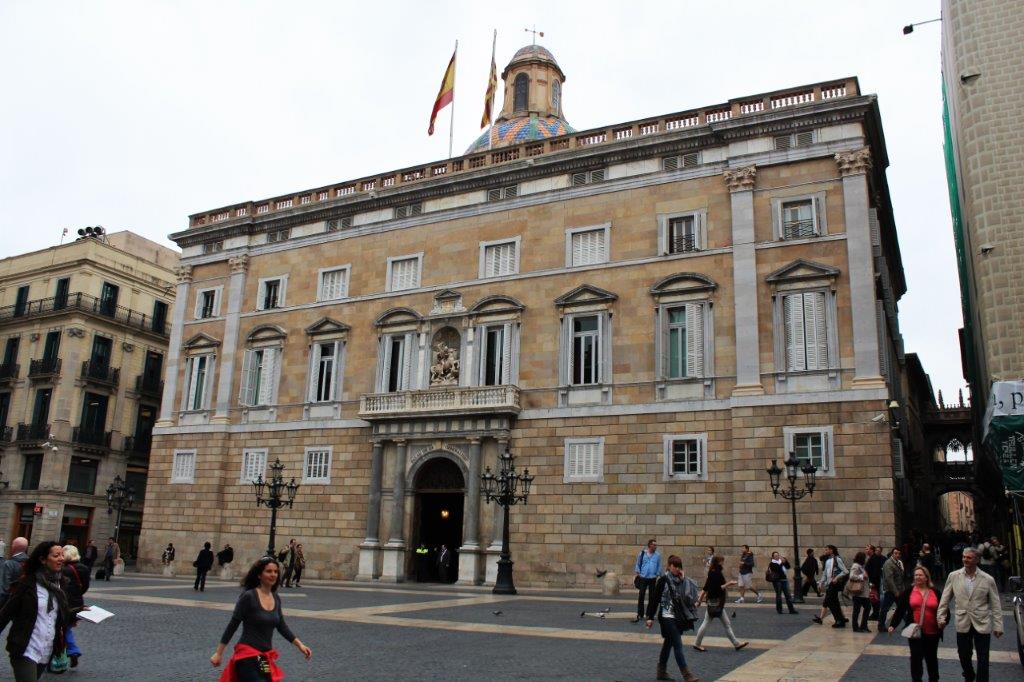
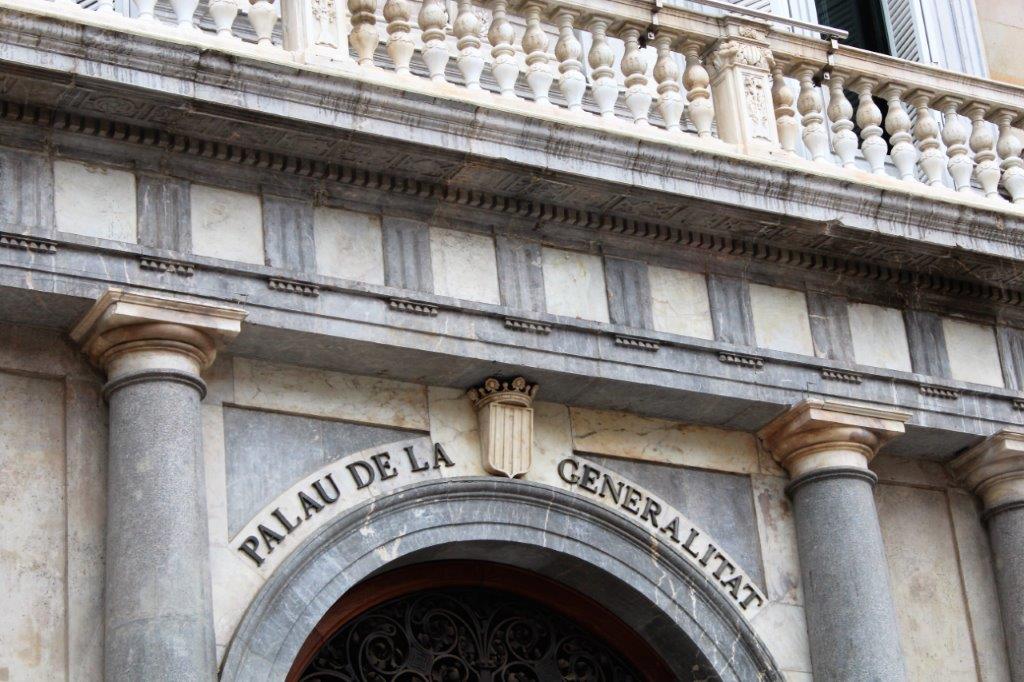
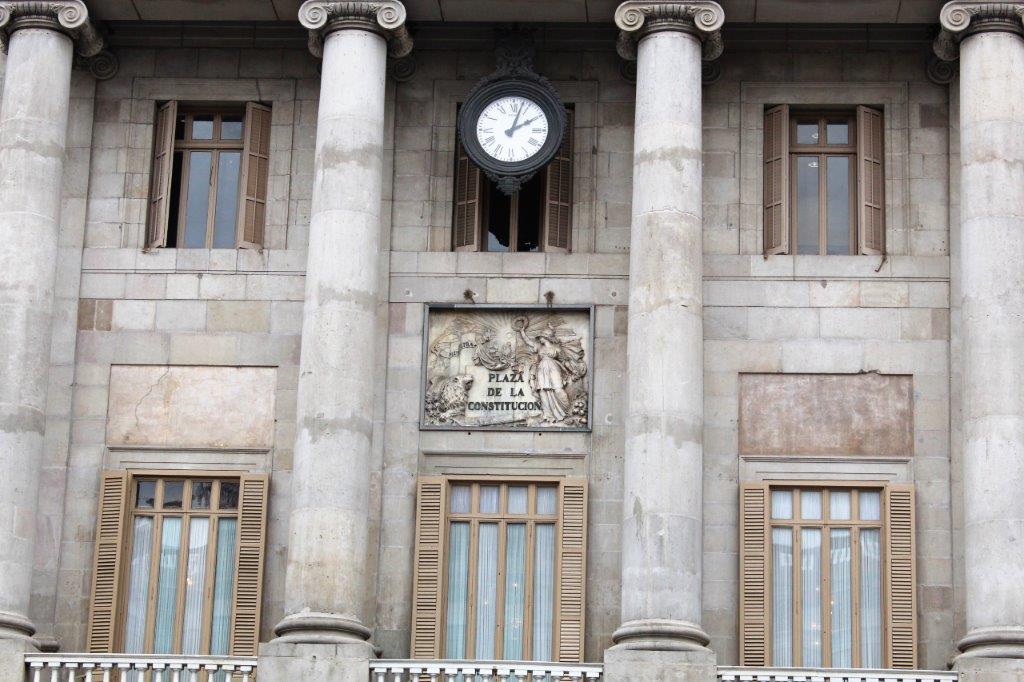
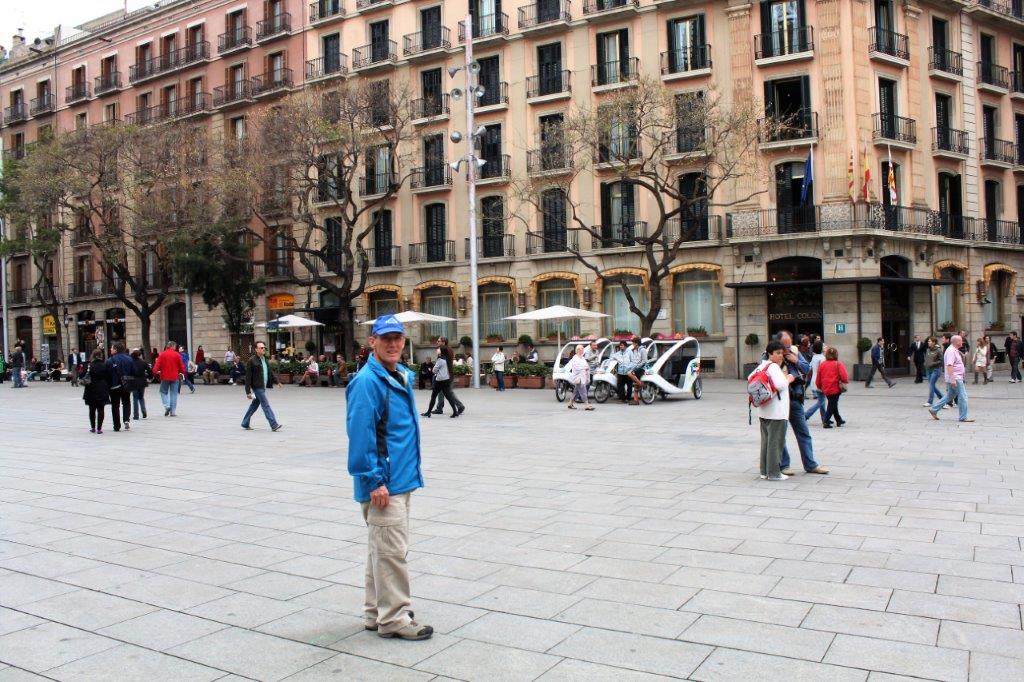
We turned down Calle de Ferran and to the Palau de la Generalitat.  Built between the 15th and early 17th centuries, the Palau de la Generalitat is the seat of the Catalan Government, which was established in 1283 and is called “the first parliament in Europe.”

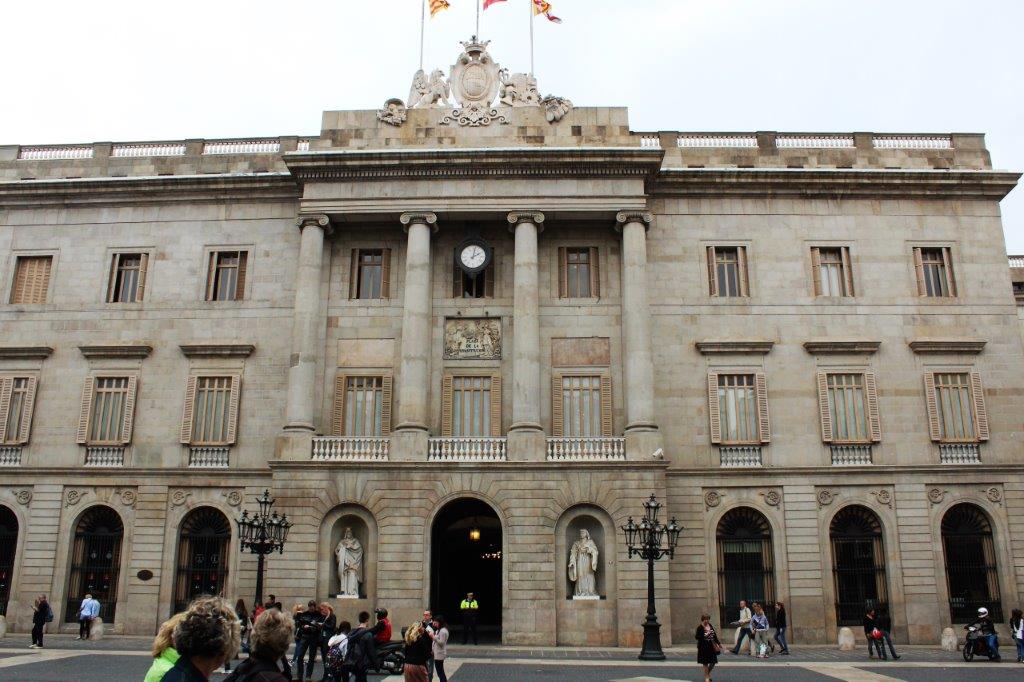
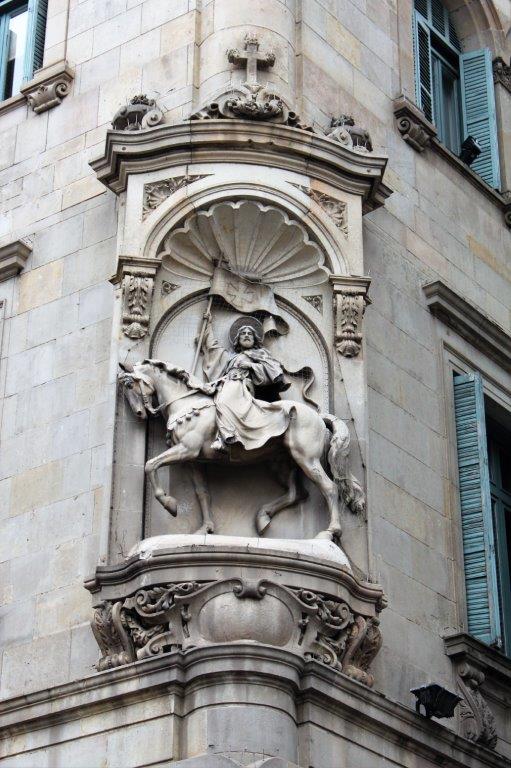
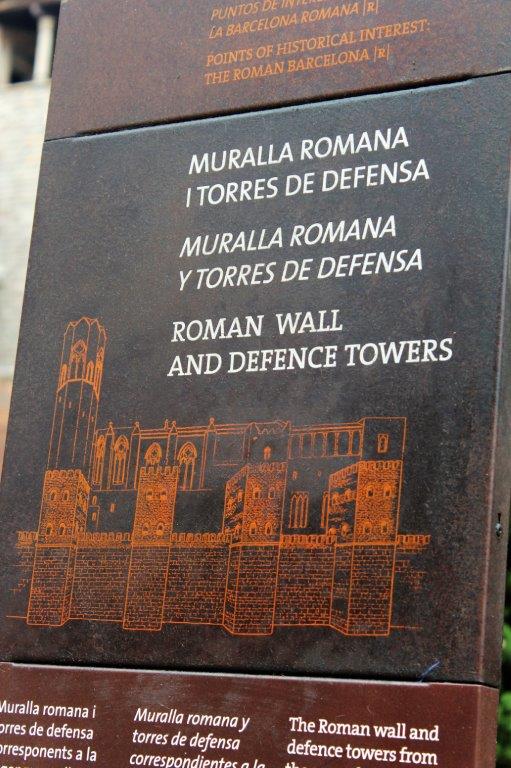
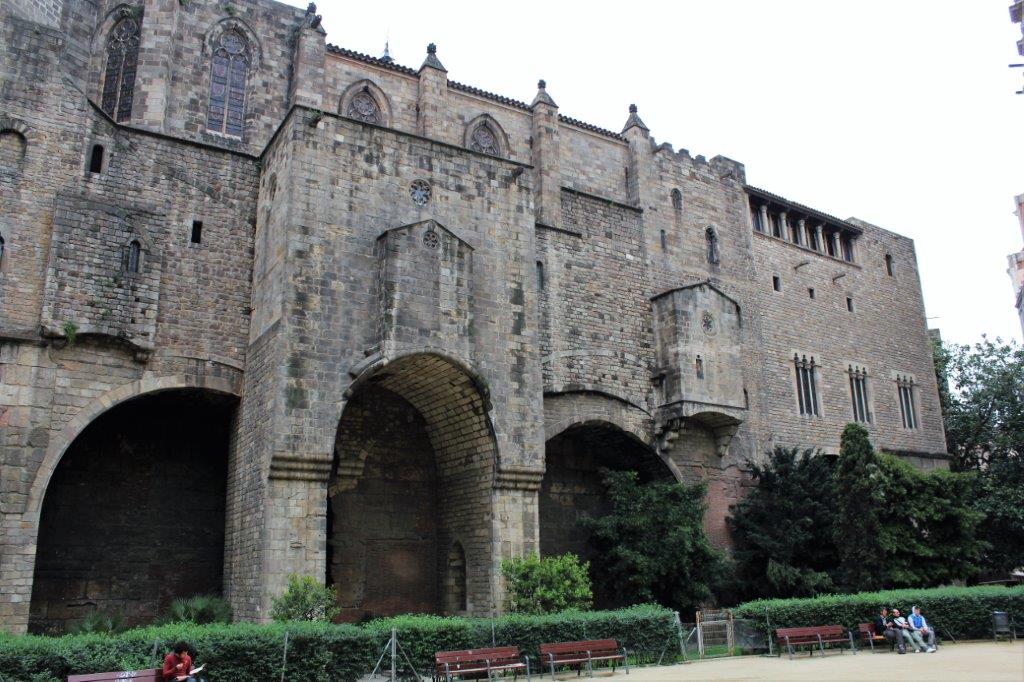
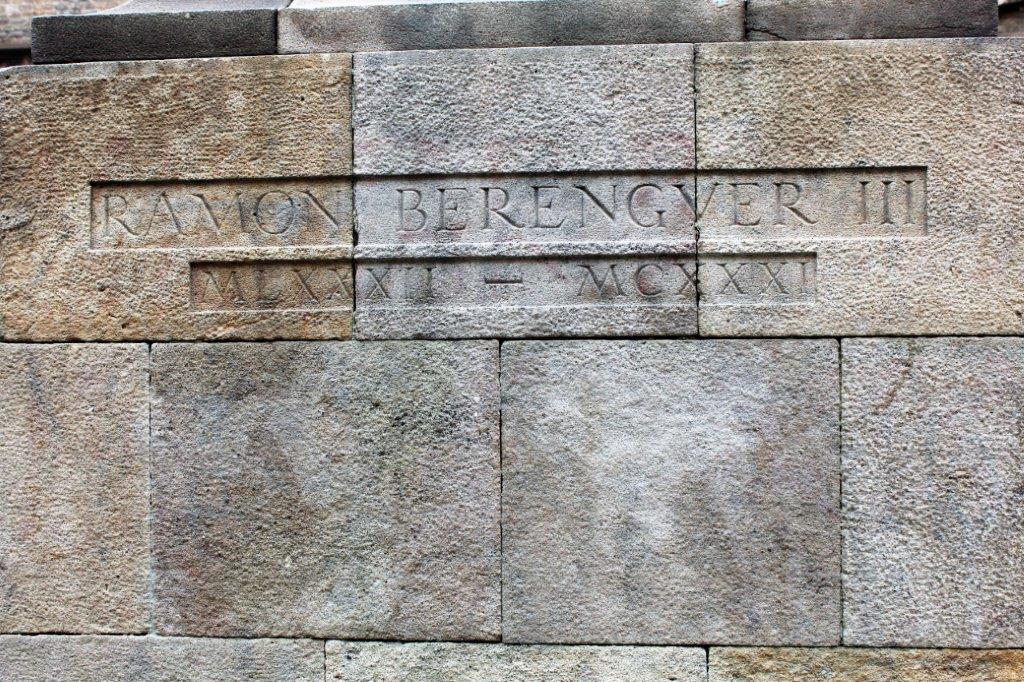
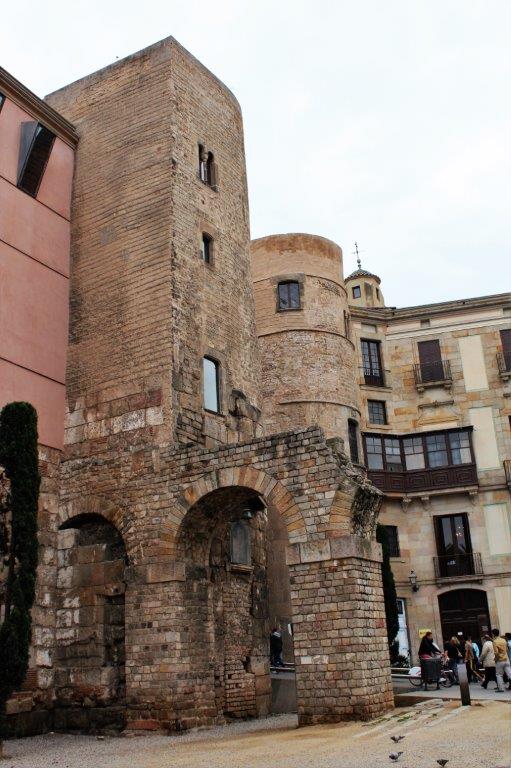
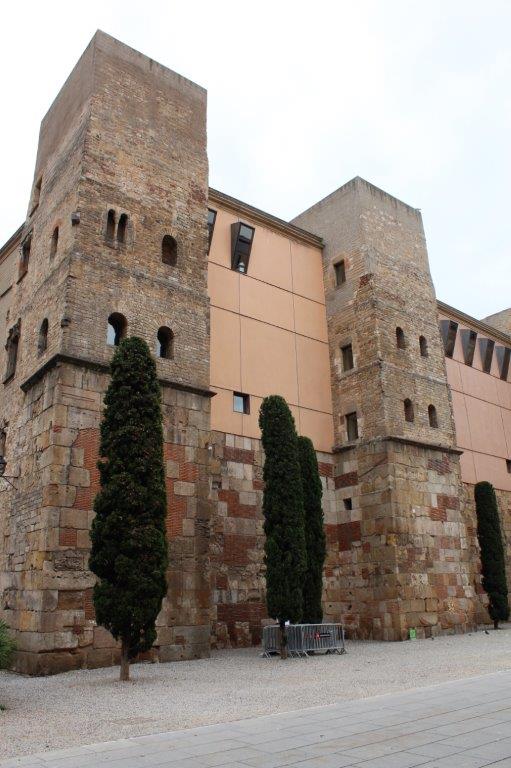
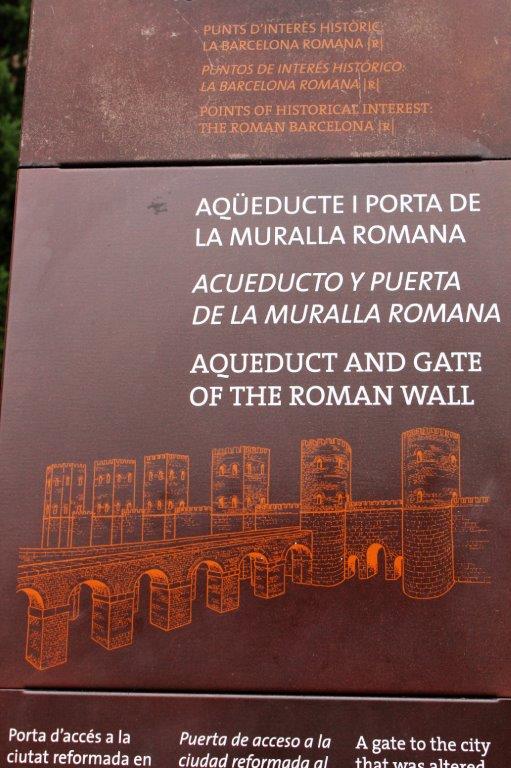
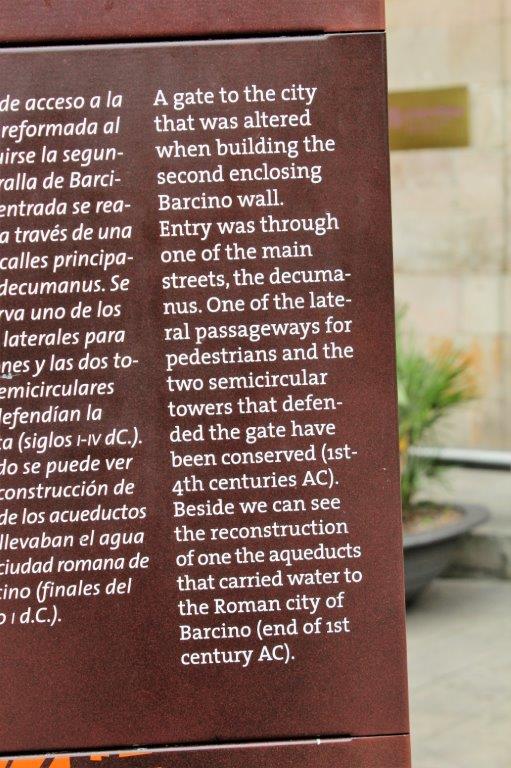
 This is City Hall which sits on the other side of Placa de Sant Jaume (St. James’ Square), from the Palau de la Generalitat.  The square is considered the administrative heart of the city for obvious reasons.  From St James’ Square we turned onto Via Laietana and went to see the surviving sections of ancient Roman walls, which date from the 3rd and 4th Centuries.   At one time there were 75 or so defense towers on the city walls.

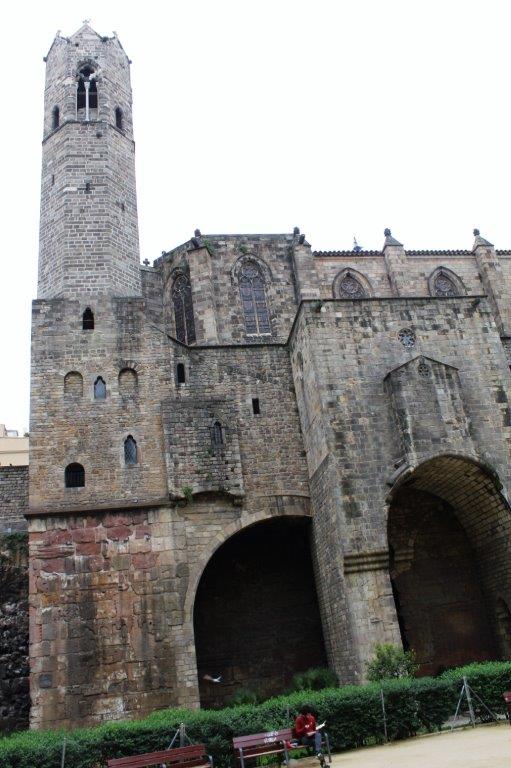
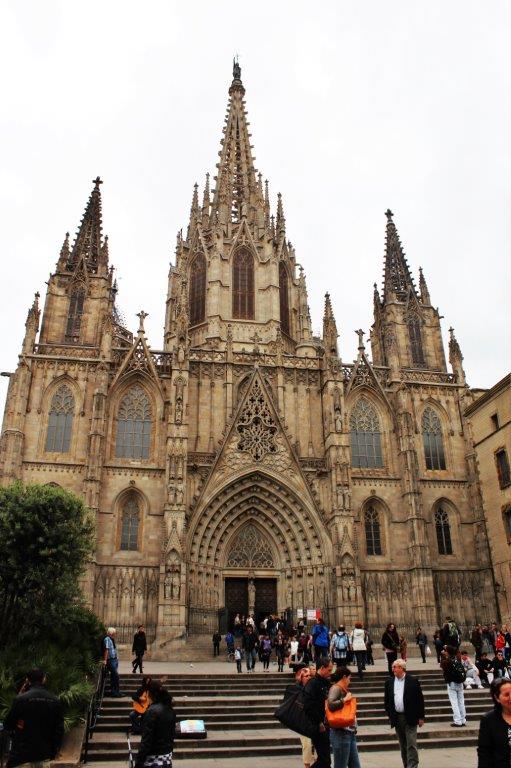
The Cathedral Santa Eulalia (Cathedral of the Holy Cross and St. Eulalia), also known as Barcelona Cathedral.  This more modern building was built right into, and incorporated the ancient Roman wall.

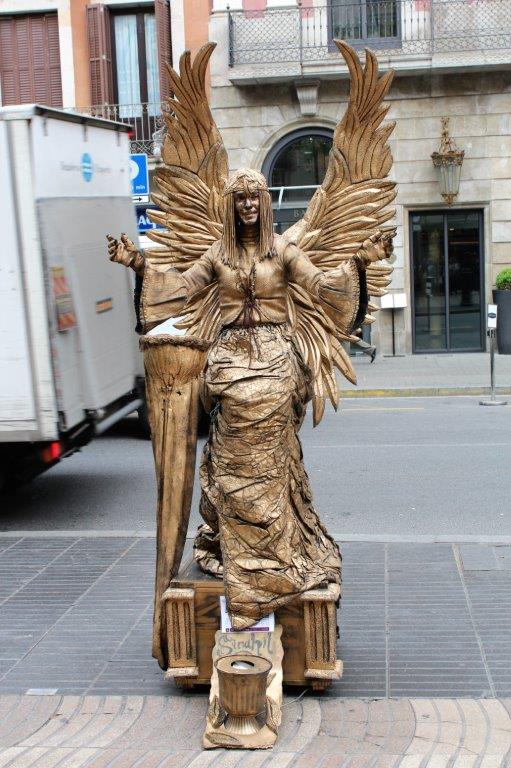
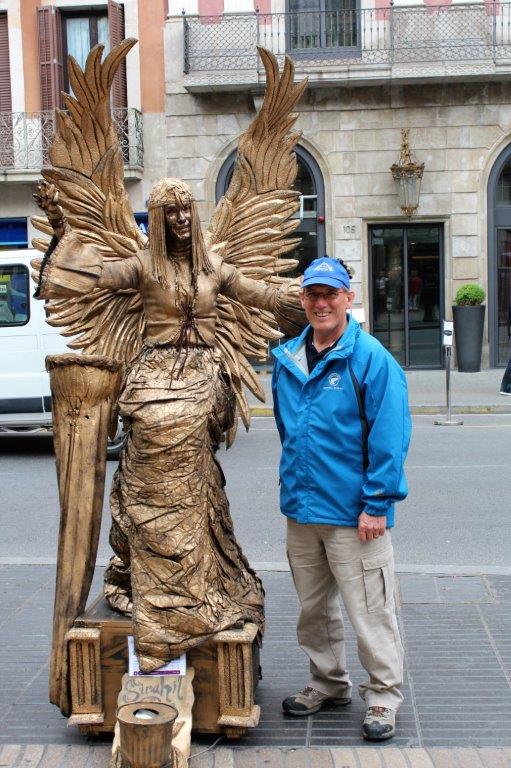
 We have a fondness for ‘Street Statues” and this lovely golden angel was very good at keeping her pose.

After two hours we made our way back to the the square where we had been dropped off and caught a shuttle back to the ship.  We had fun during our days in Barcelona.

2012 April 27 – Day 47 – Barcelona, Spain (Day 3) (Part 1)

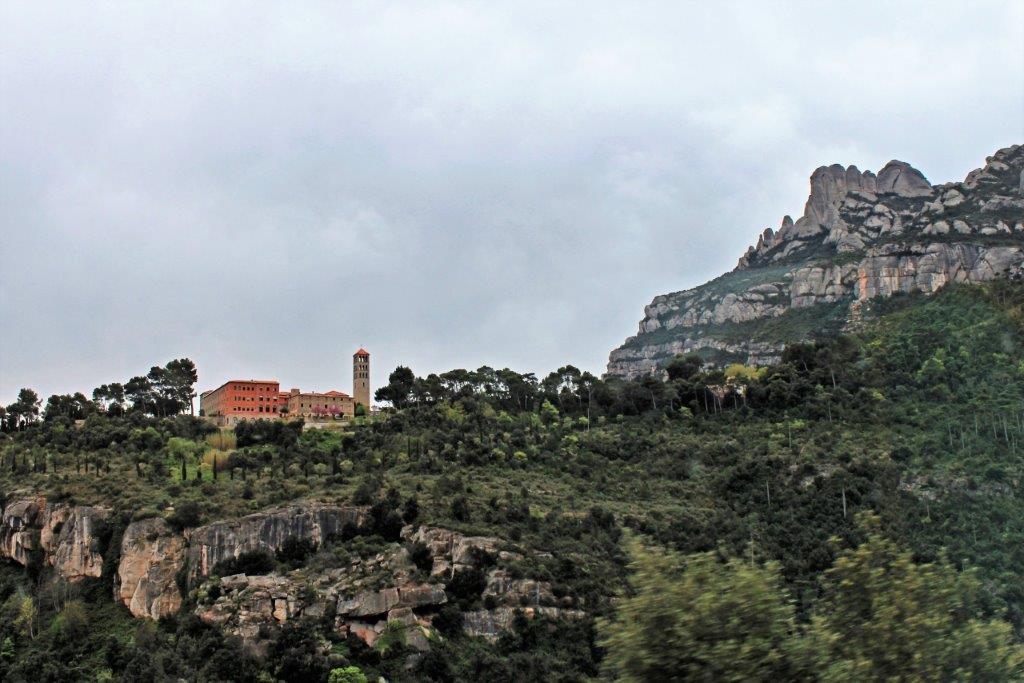
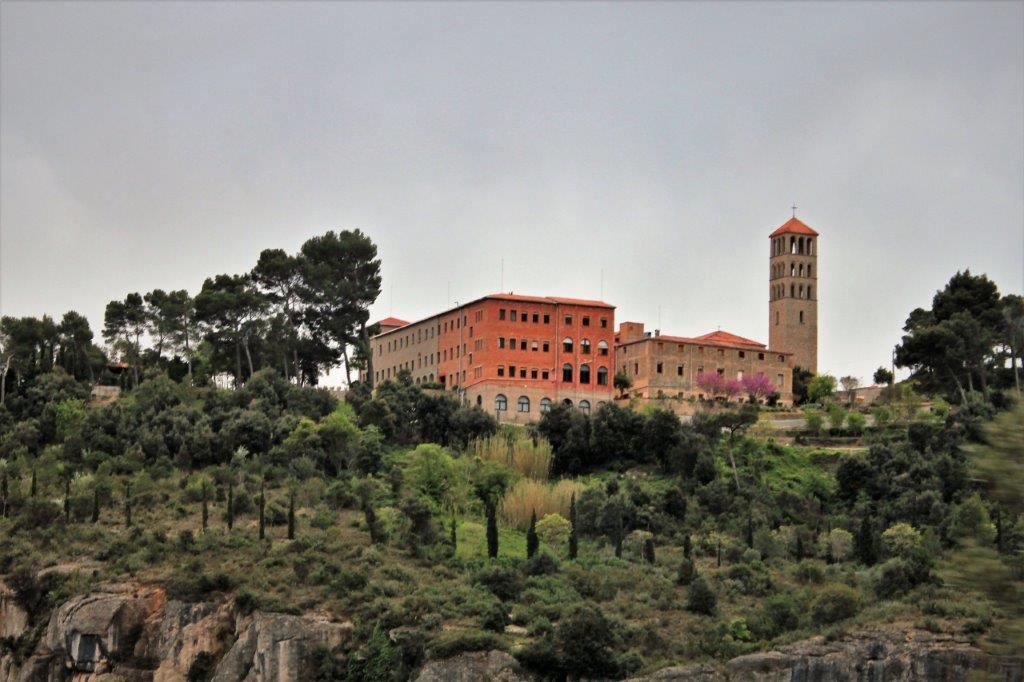
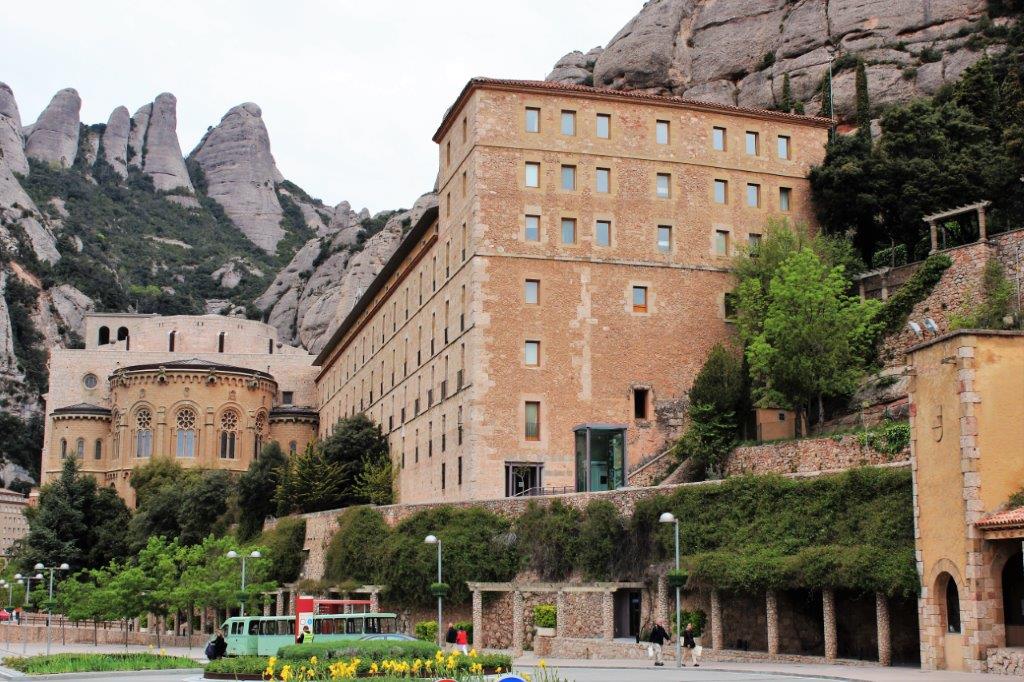
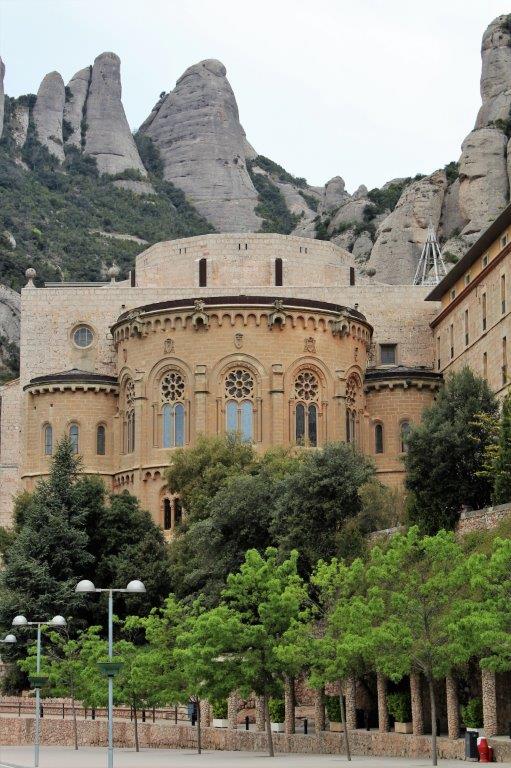
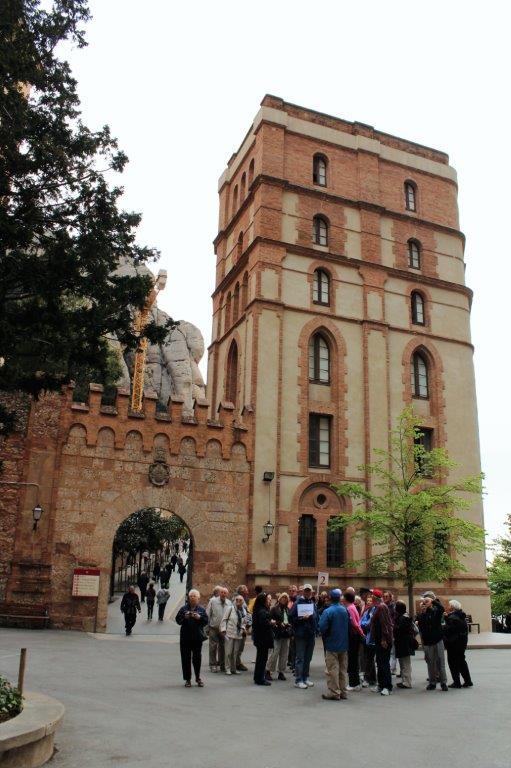
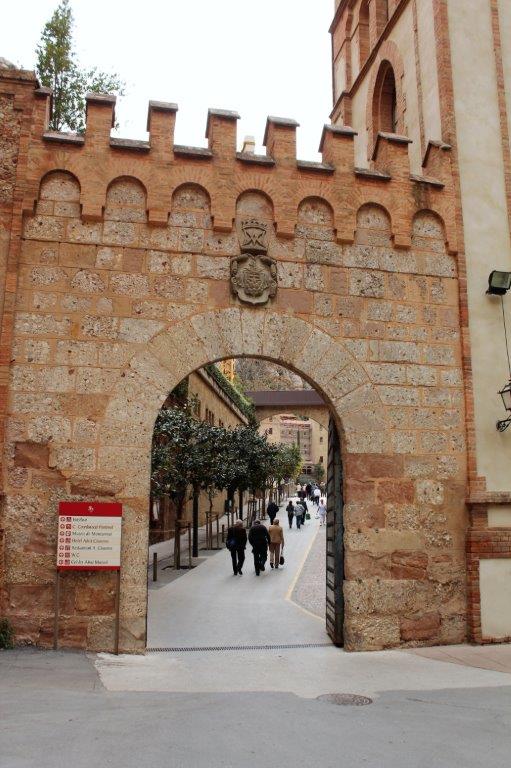
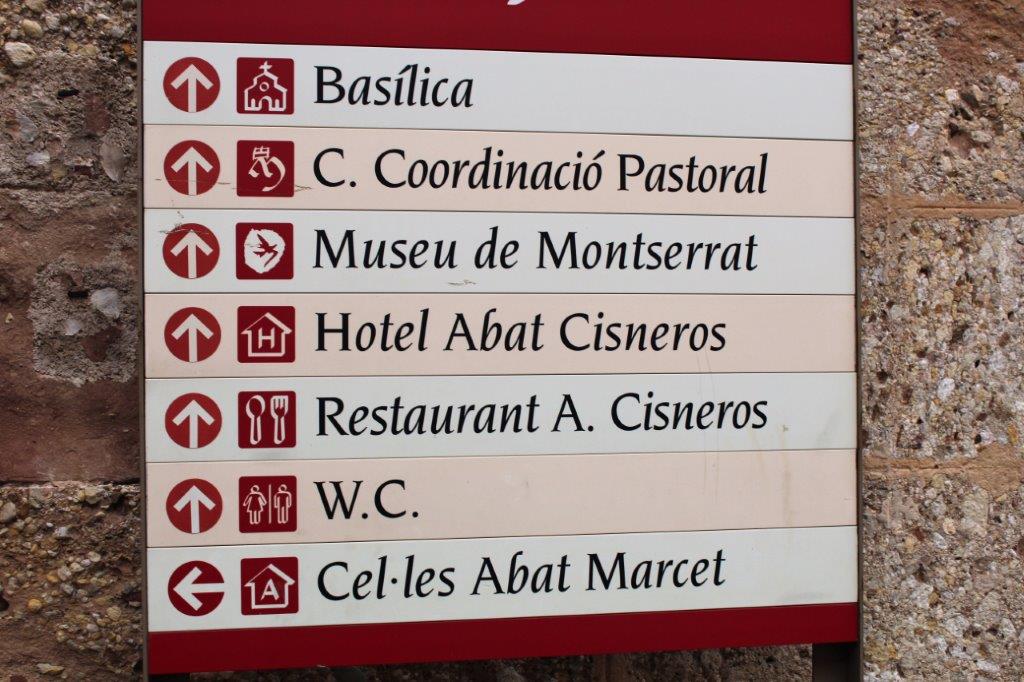
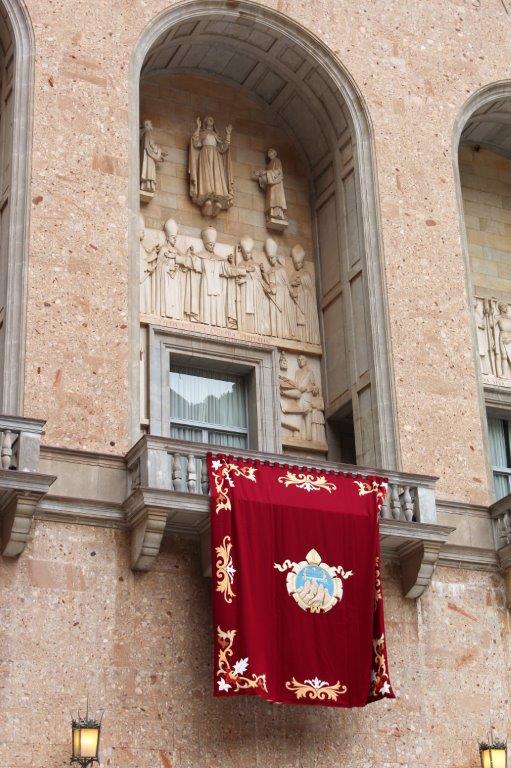
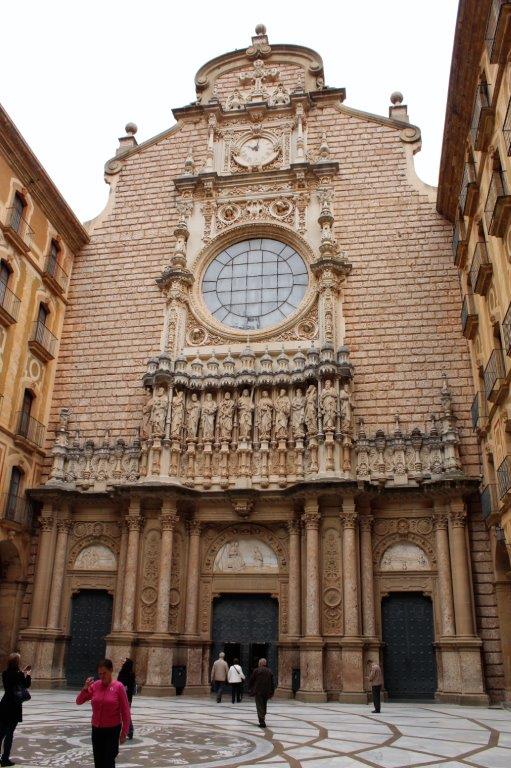
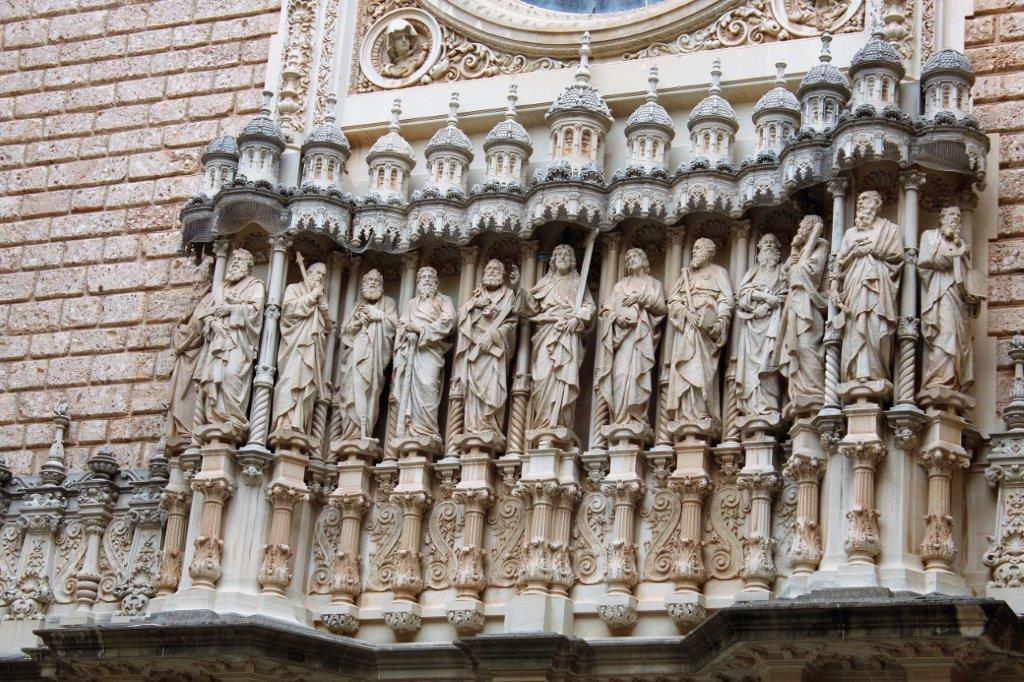
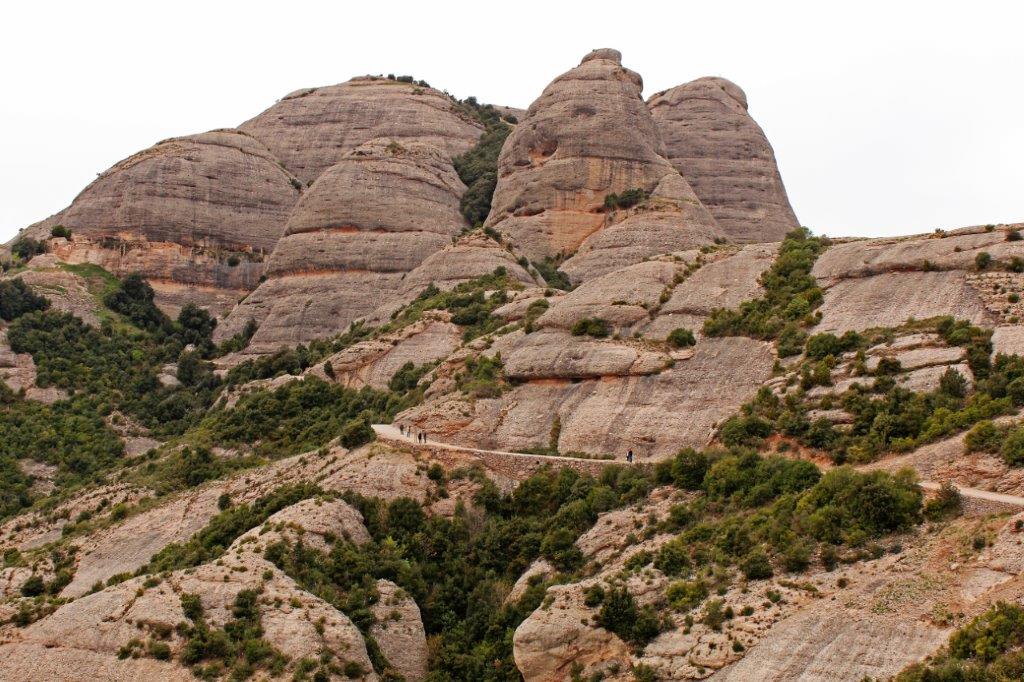
The Benedictine Monastery of Montserrat (Sacred Mountain) was founded in the 11th Century and currently has 80 monks in residence dedicated to a life of prayer, work and welcoming pilgrims and visitors.  Montserrat is also home to the Escolans – the oldest boys’ choir in Europe.  (Those on our tour that attended the Mass were thrilled that the choir was performing that day.)

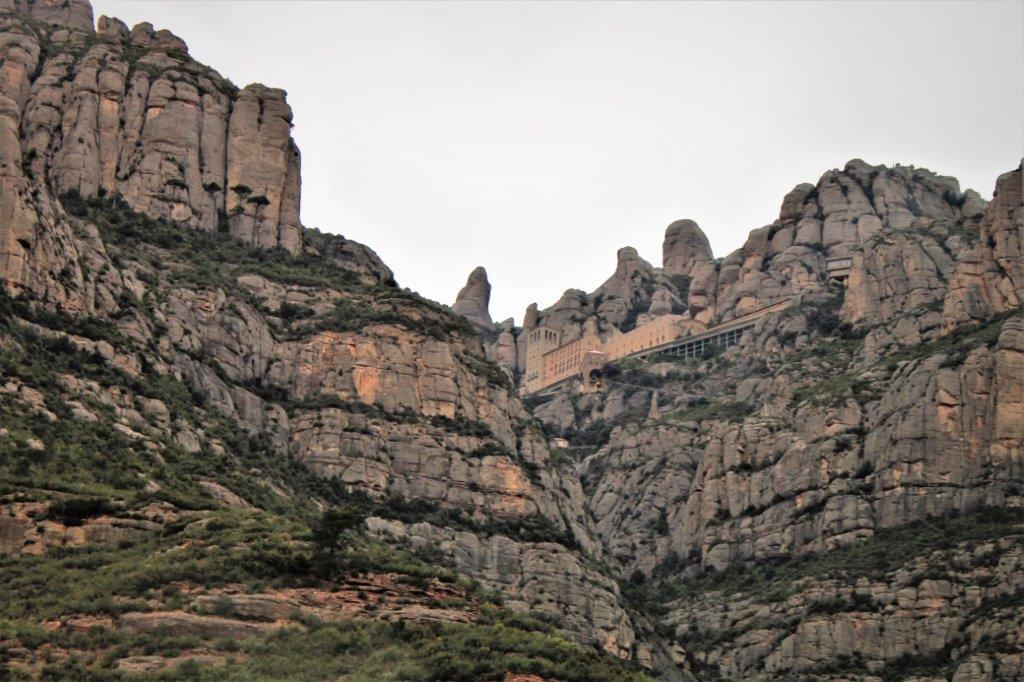
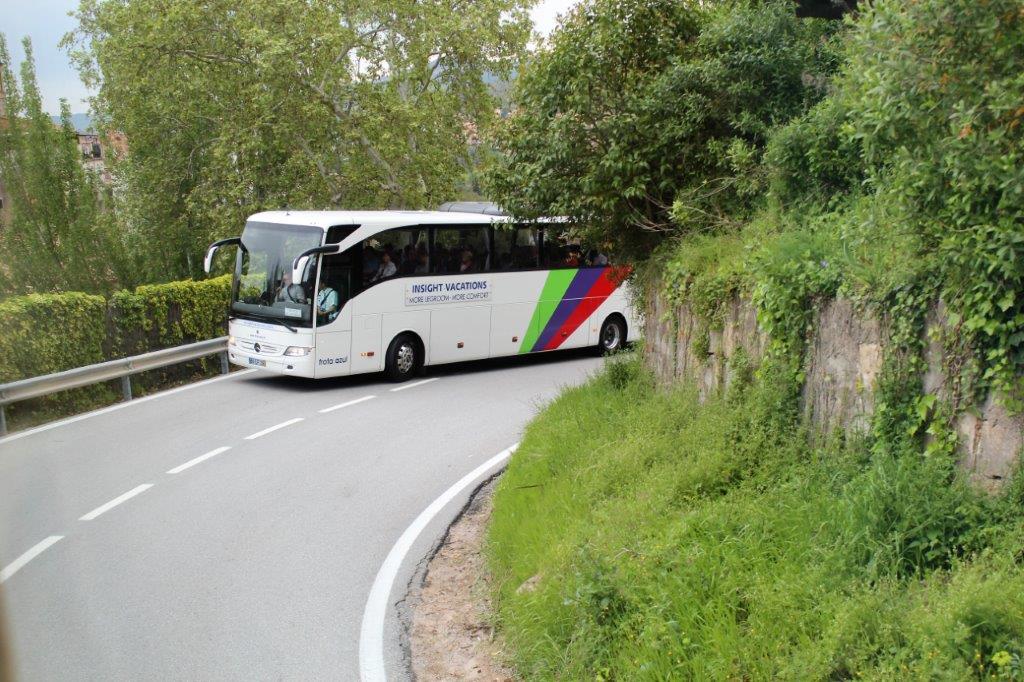
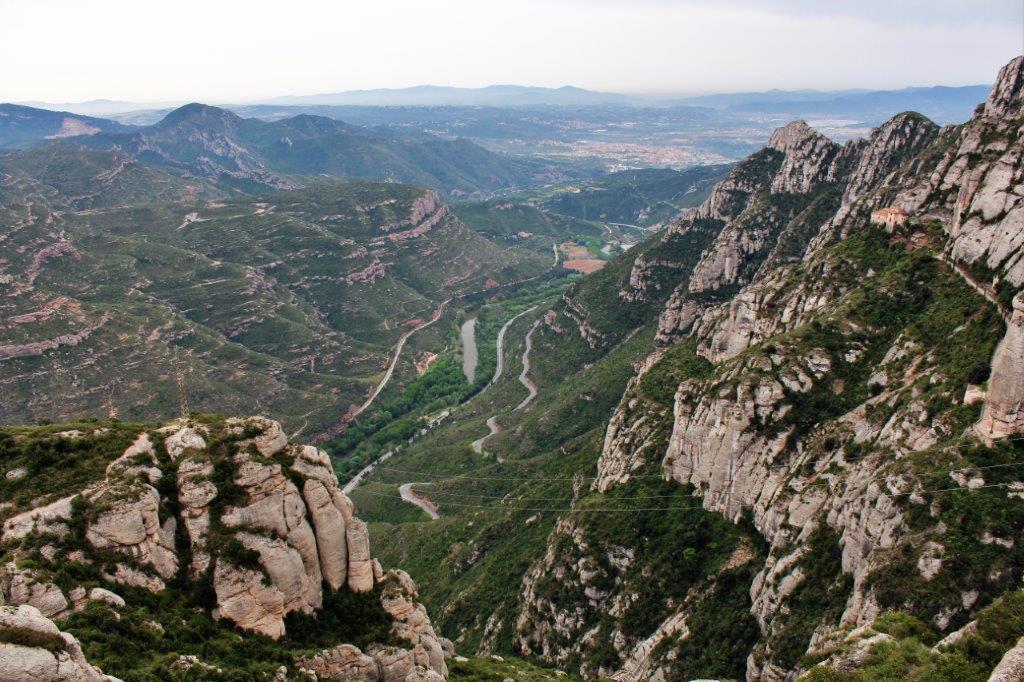
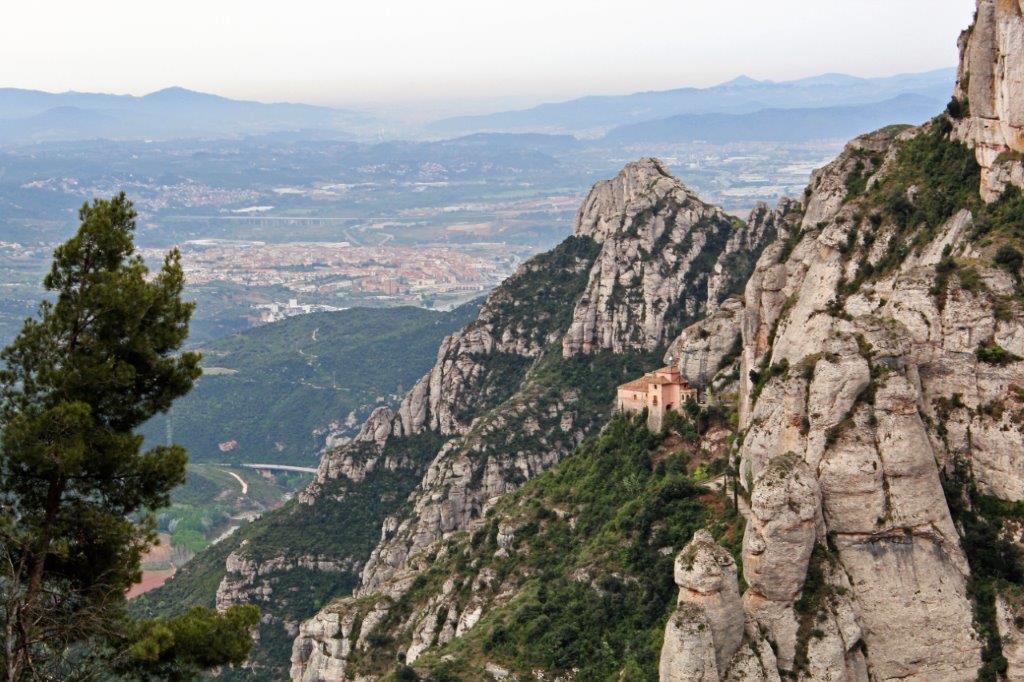
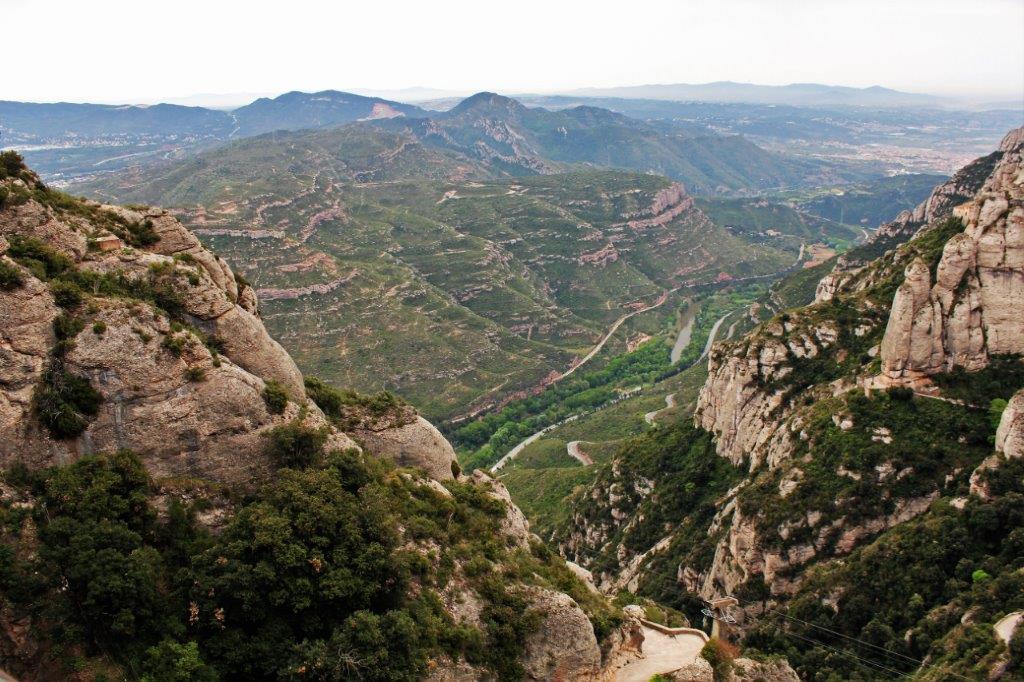
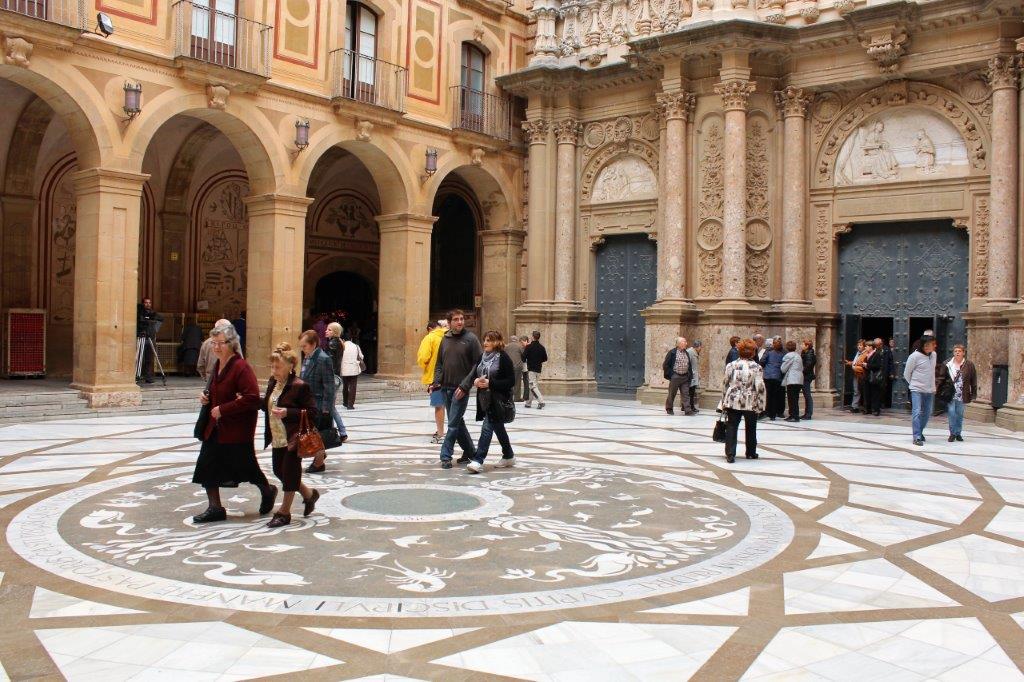
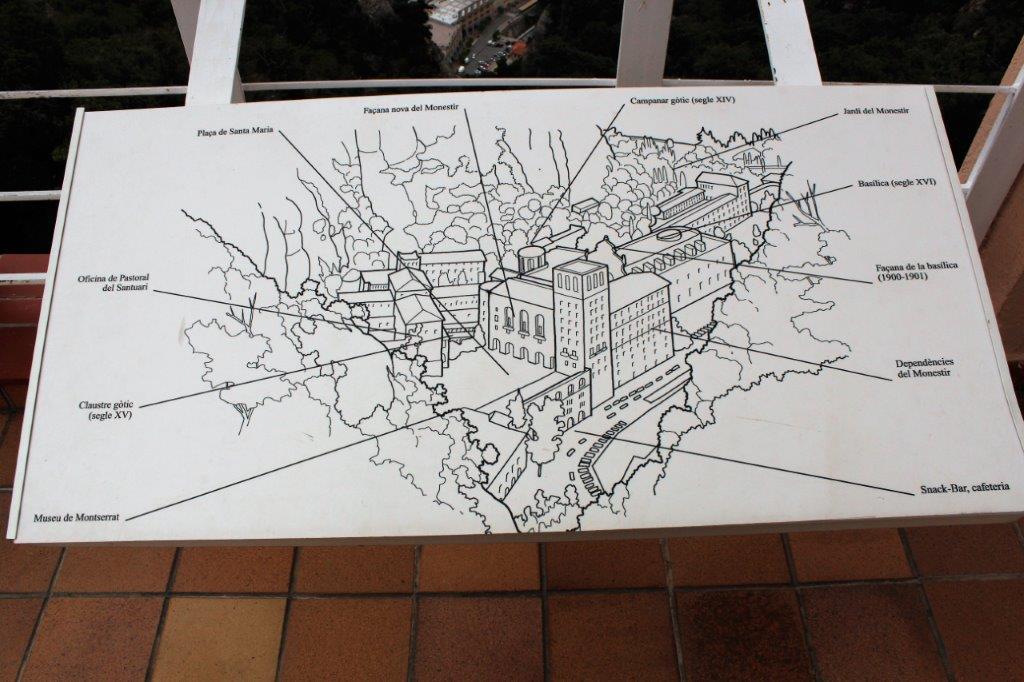
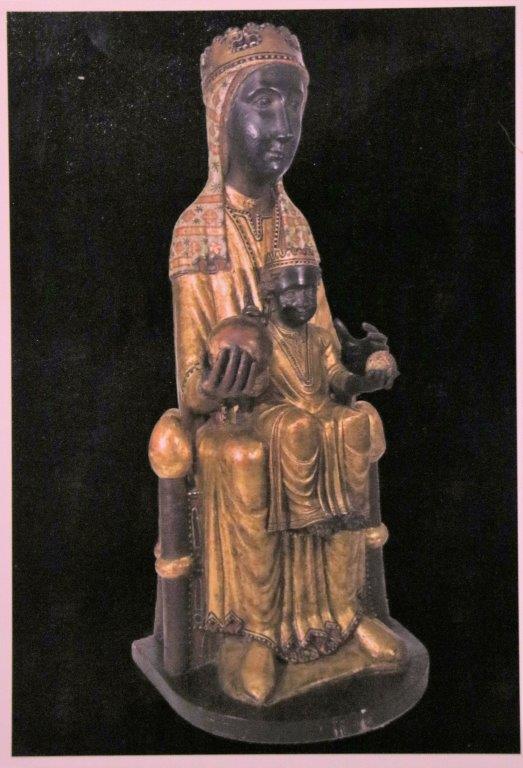
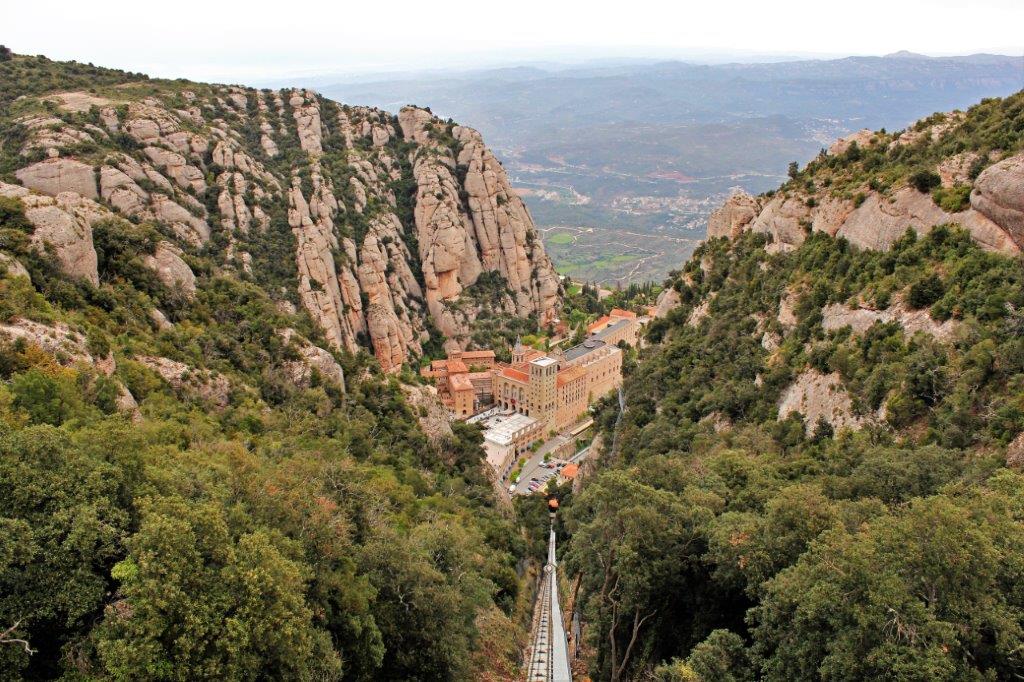
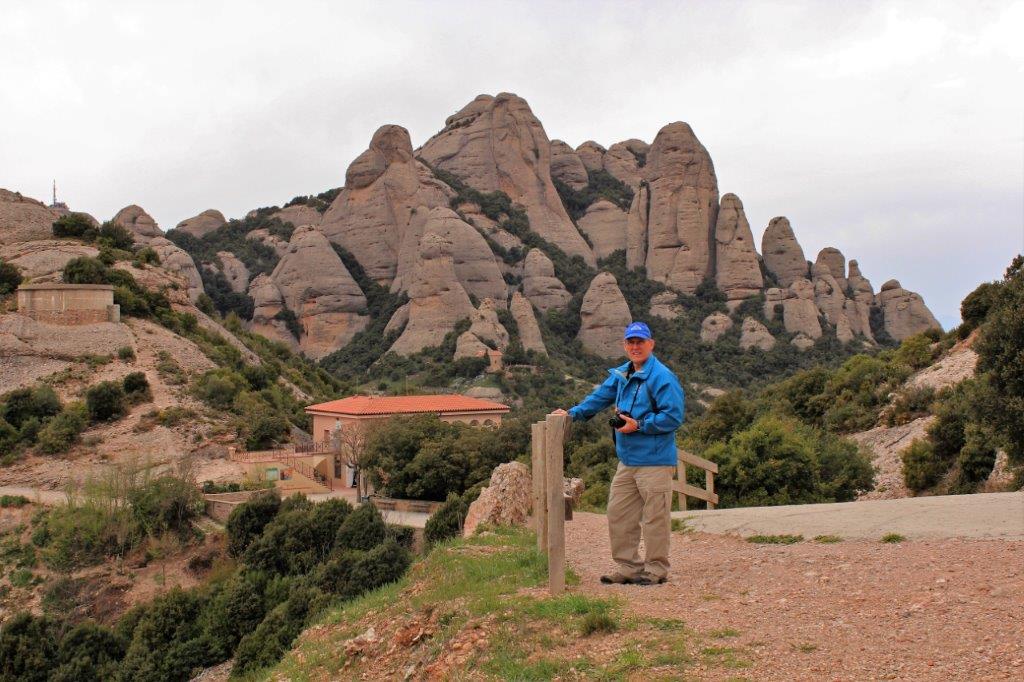
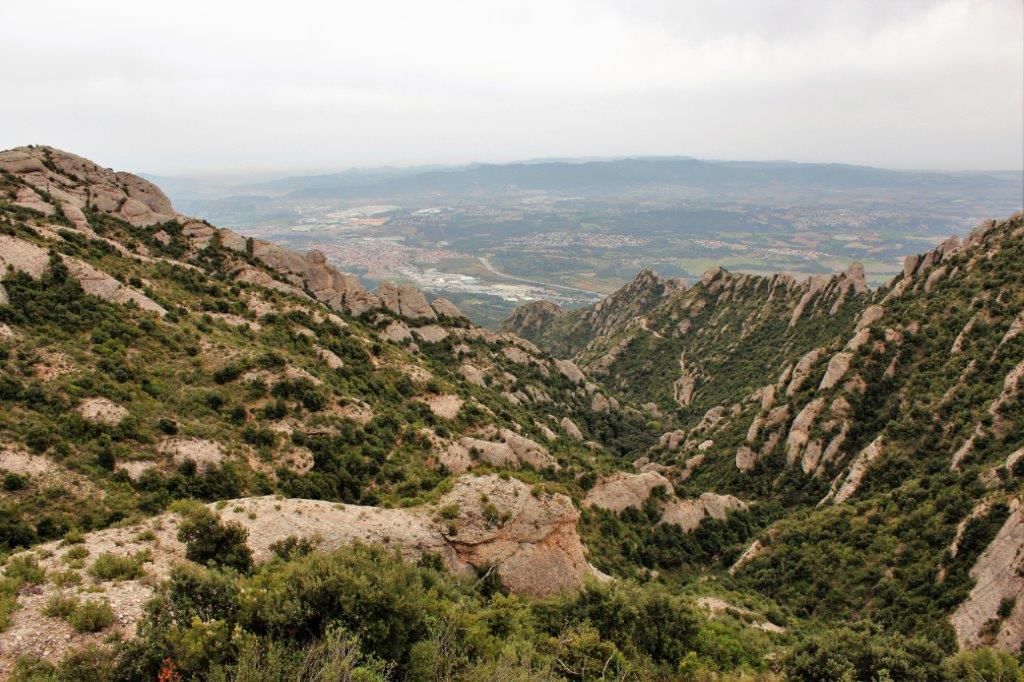
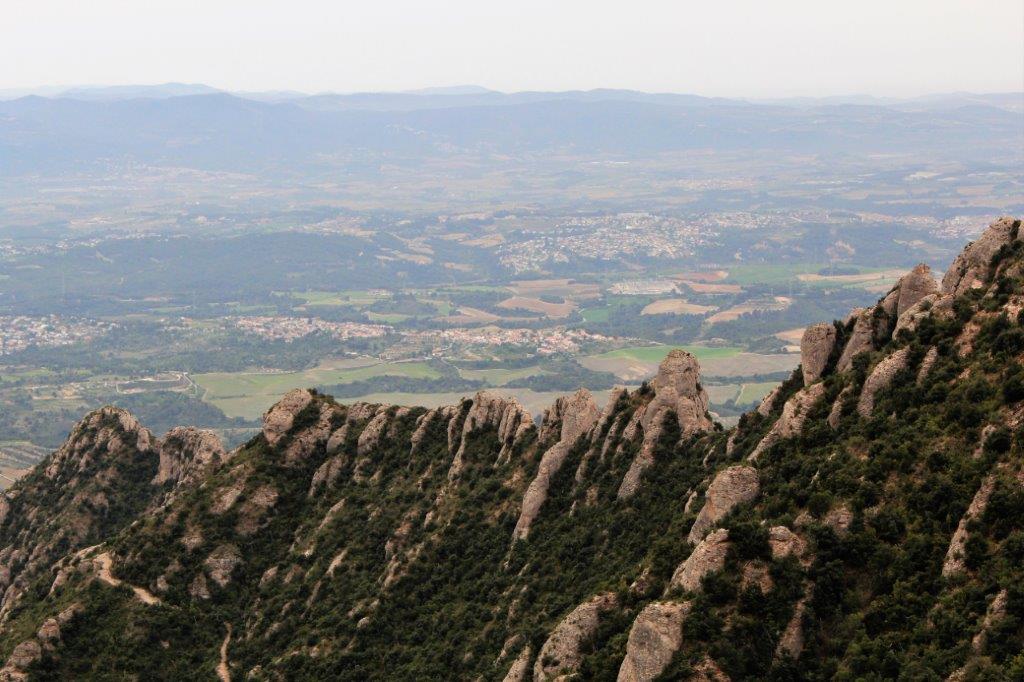
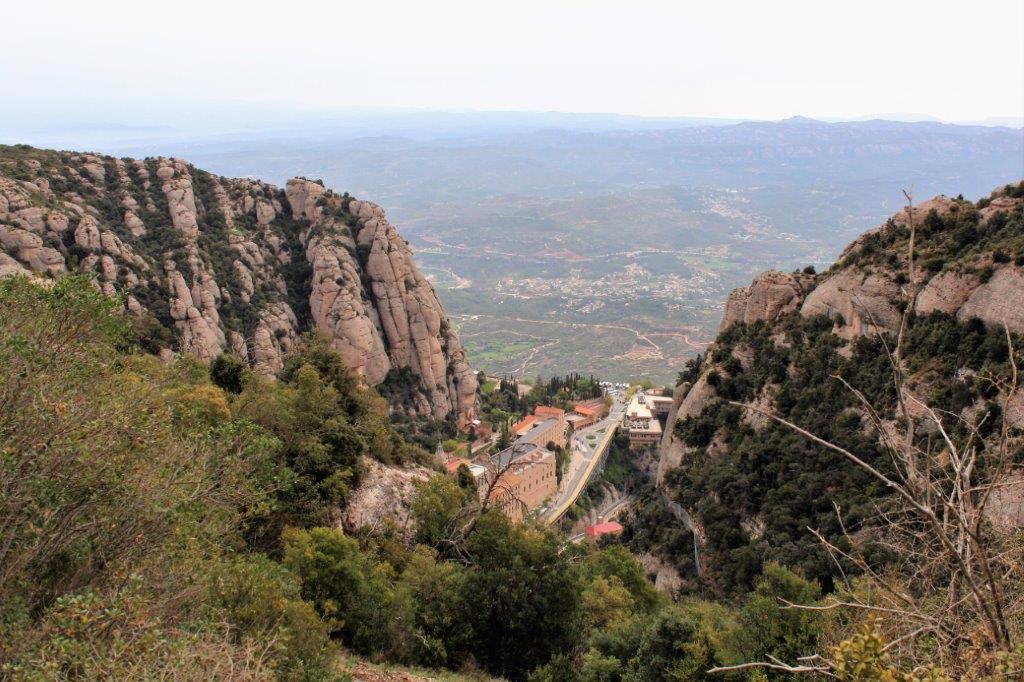
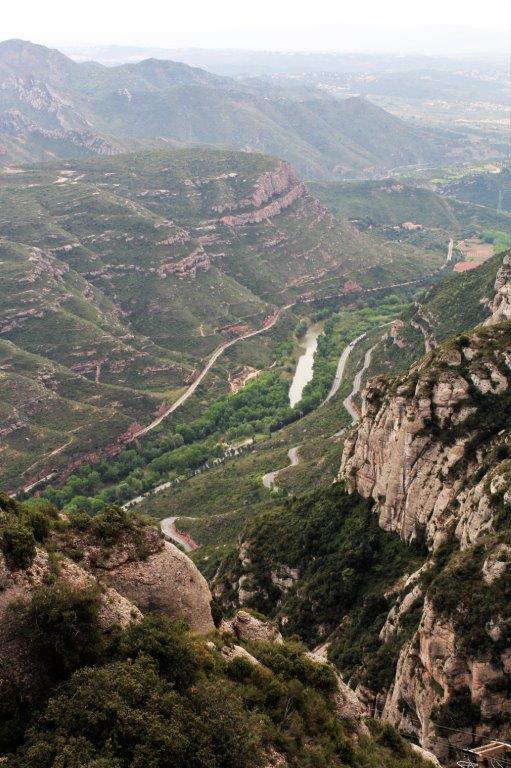
It took about an hour to reach the monastery; which is located on a 6-mile long, 3-mile wide, 4,050-foot high ridge.  On a natural platform 2,380 feet above sea level, after many tight switchback turns on a narrow mountain road, you reach the complex. Montserrat is a very holy place in the Roman Catholic faith and 3,000,000 million people come annually to see the Black Madonna – the Patron Virgin of Catalonia – which is housed behind glass in a small room looking down on the altar in the basilica. Our guide led us immediately to the basilica entrance and told us that anyone who wished to see the Black Madonna would need to get into the line right away.  We were to spend two hours at the monastery and it would likely take much of that time to get through the line and see the icon.                         The view was pretty impressive!

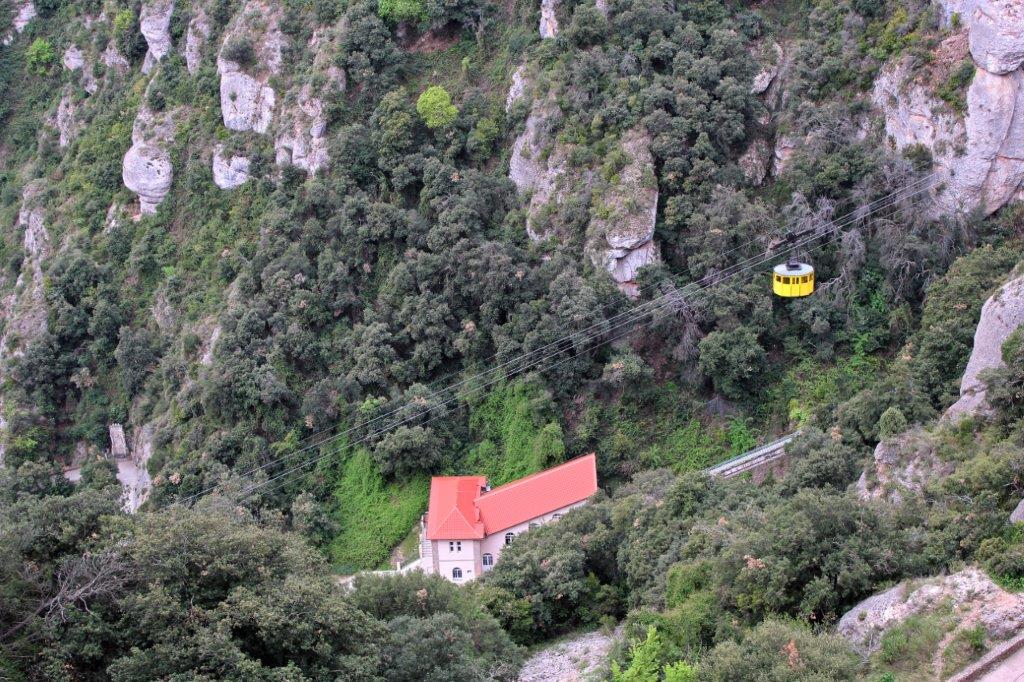
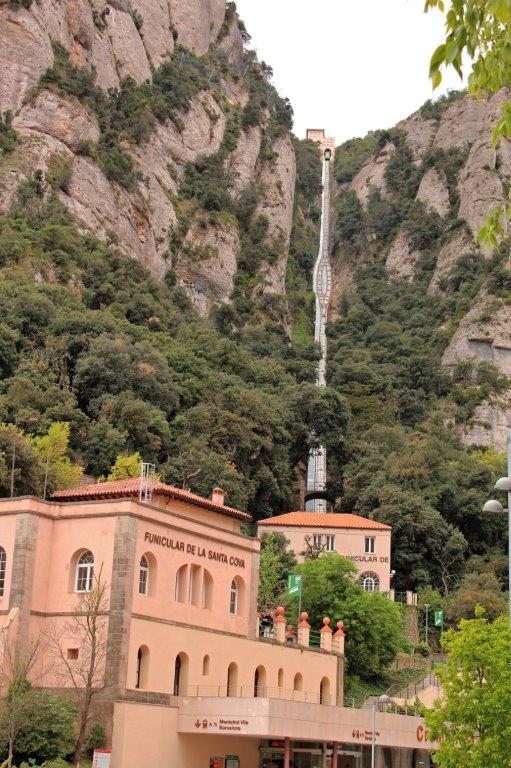
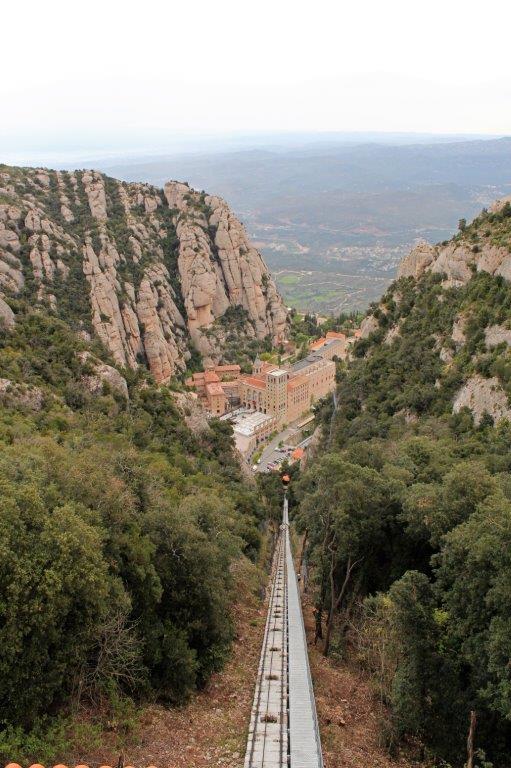
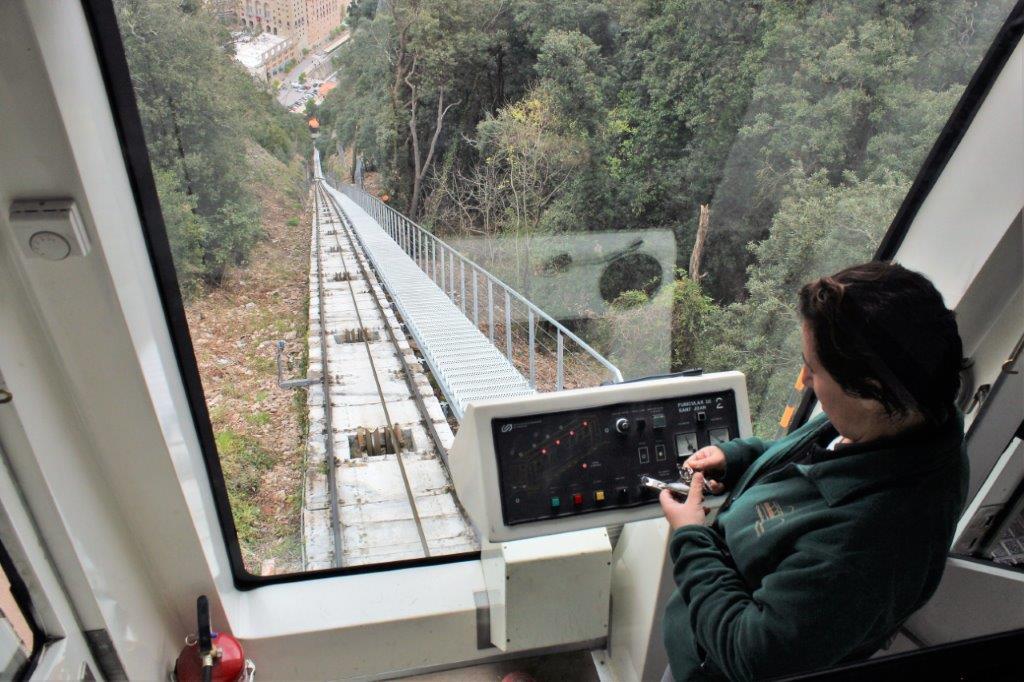
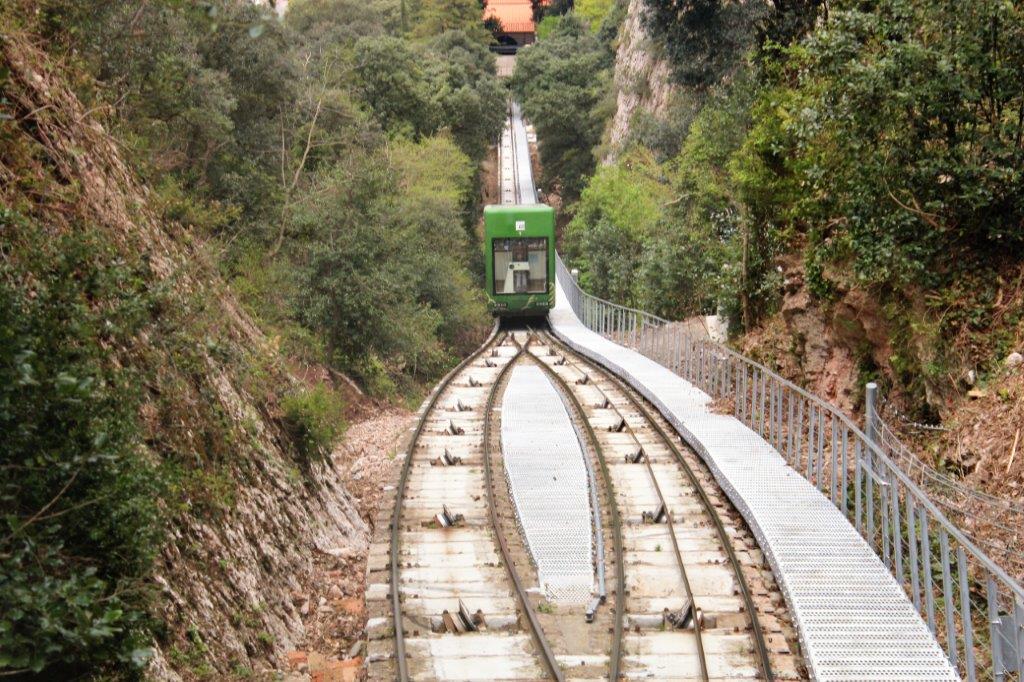
The white line up the mountainside behind the building on the right is a 700′ funicular cable car that goes to the top of the mountain.  There is also a line that goes down to the nearest village. We are not Catholic so we did not plan on visiting the Madonna.  We took the tour to see the monastery and the countryside.  We did not even enter the church proper as there was a service being held for the Anniversary of the Legend of the Black Madonna.  The whole of Montserrat is built around facilitating the worship of the Black Madonna in the Basilica. The Black Madonna was believed to have been carved in Jerusalem at the beginning of the religion. It is a wooden sculpture. It is one of the most famous Black Madonna statues in the world and in 1844 Pope Leo XIII declared the Virgin of Montserrat the patroness of Catalonia. Black Madonnas can be found all over the world, (The Madonna is black not because it depicts a black African Madonna, nor because of the type of wood the statue is carved from.  It is known from historical descriptions that she has simply darkened over time.)
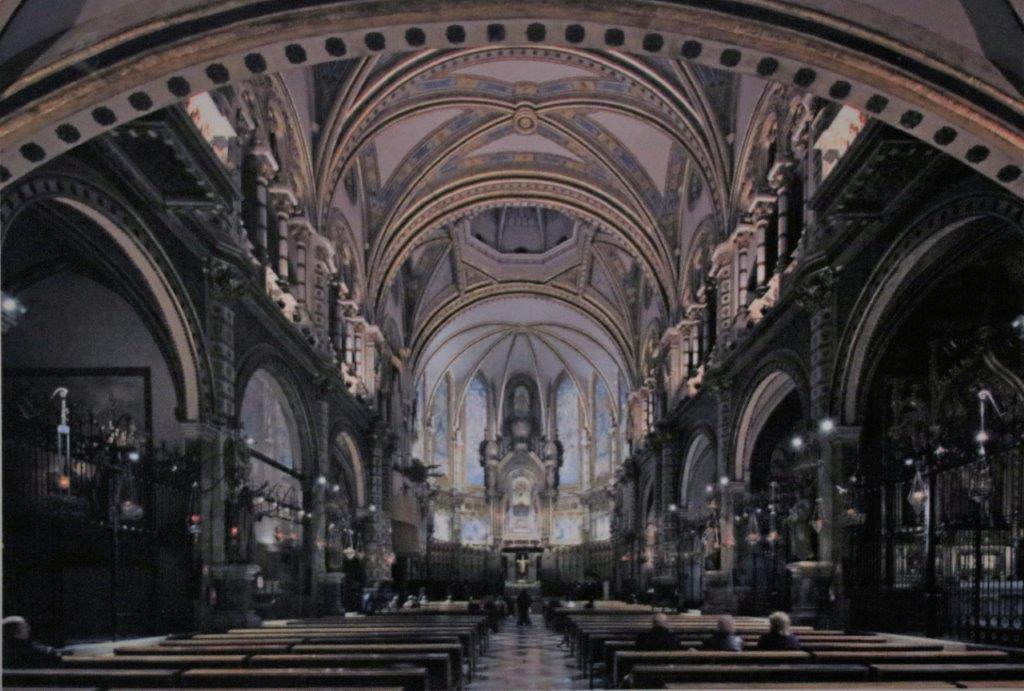
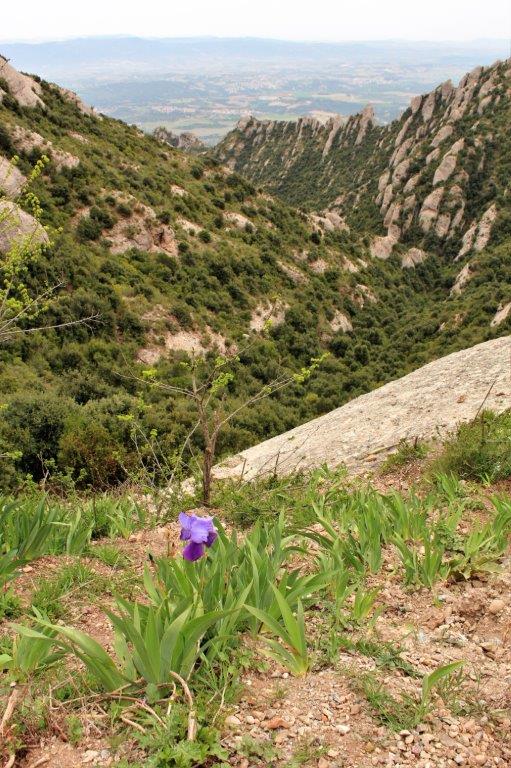
The image of the Madonna in her ‘throne room’ is taken from a website. The other, close-up image and the inside of the Bascilica are photos I took of postcards I bought. After we took a brief look at around the church square and surrounding buildings we went to the cable car ticket office and bought tickets.  The tram runs every 20 minutes so we wanted to get to the top as quickly as we could to have plenty of time to wander around.  There are paths and trails all over at the top and many people come here just for the hiking. All of the rocks were wind-weathered into very smooth rounded shapes.

When we finished wandering we headed back to the tram station, but we just missed the next one going down.  We knew we would be okay for time because our tour guide was there and rode the next tram down with us. We relaxed on the hour-long drive back to Barcelona.  Back on the ship we had a bite to eat then caught the shuttle to town and walked three-quarters of the way up Las Ramblas.

2012 April 26 – Day 46 – Barcelona, Spain (Day 2) (Part 2)

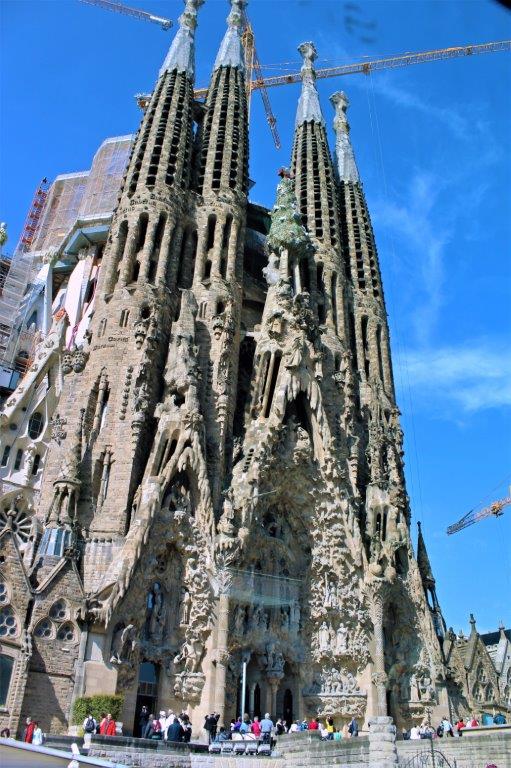
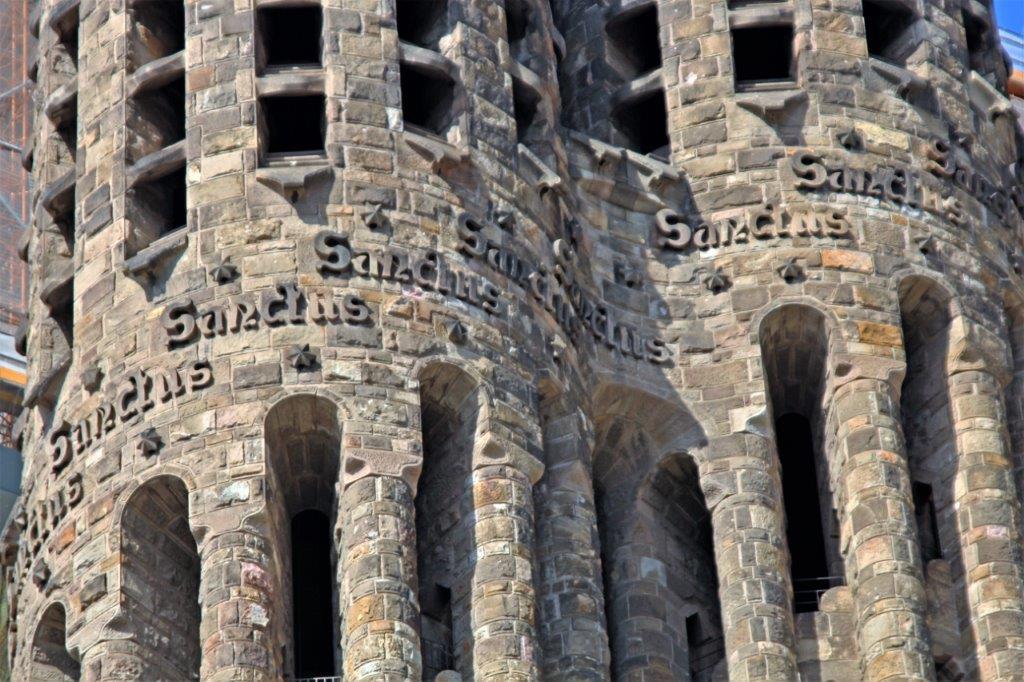
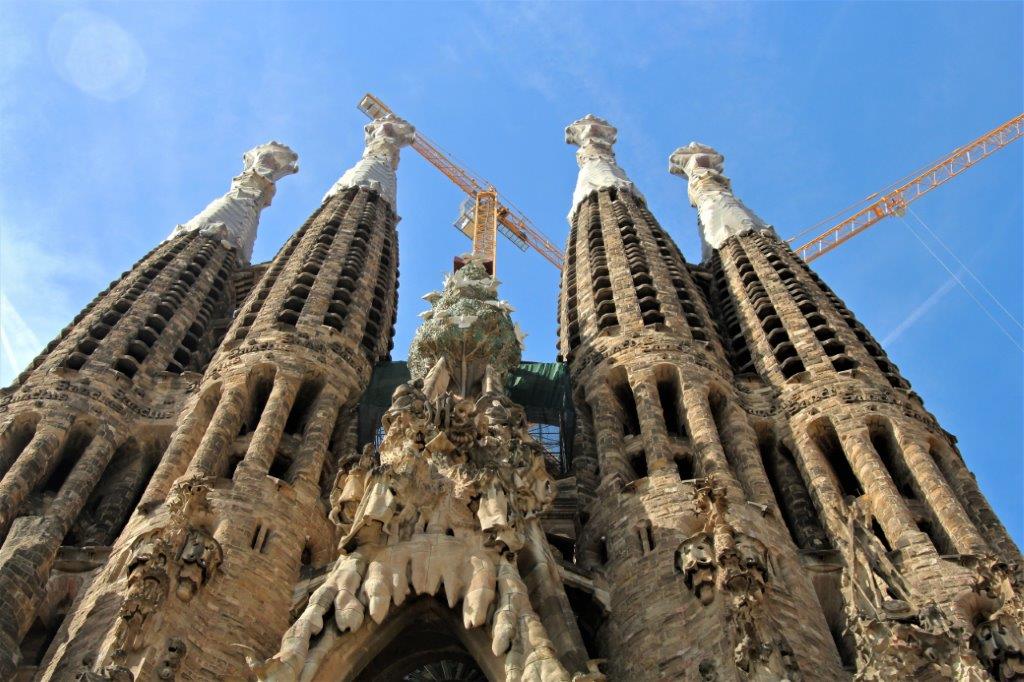
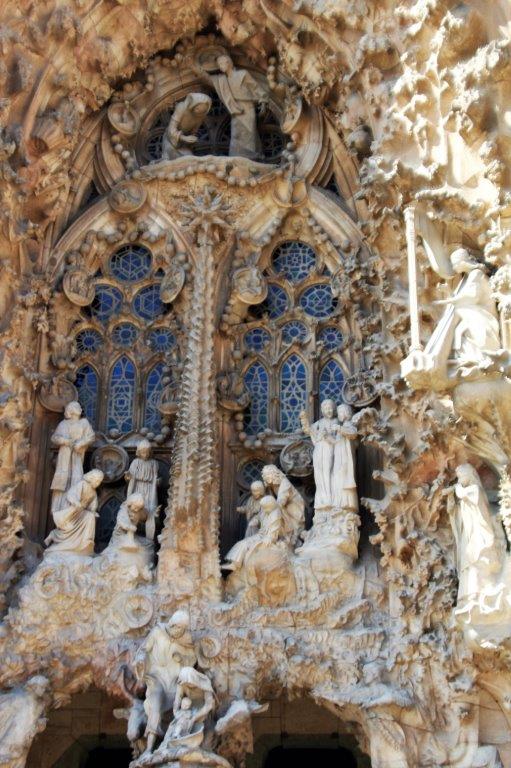
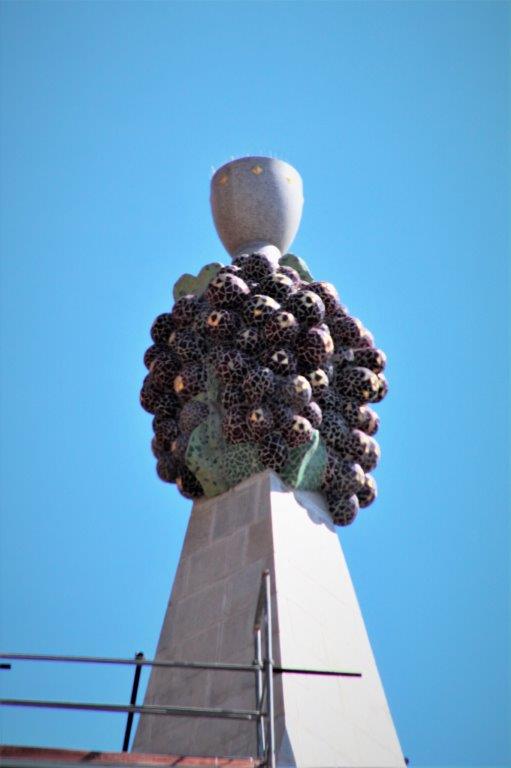
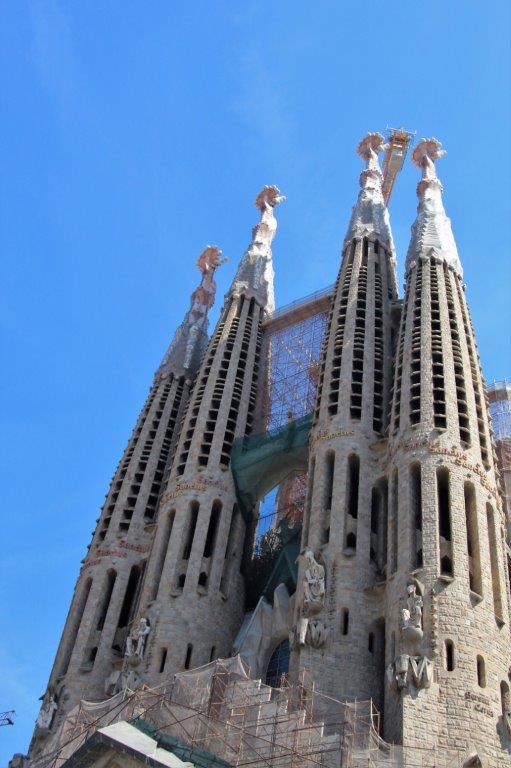
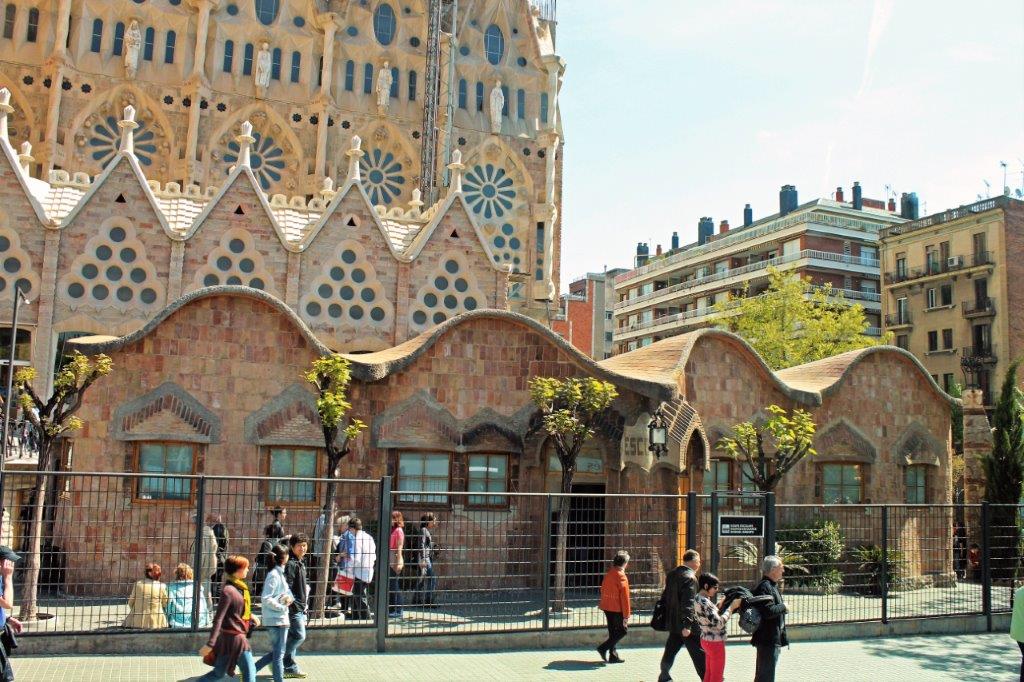
Antoni Gaudí had two passions in his life – architecture and religion.  At the age of 31, in 1883 he took over as chief architect of the construction of Templo Expiotoria de la Sagrada Familia (Bascilia and Expiatory Church of the Holy Family) when the original architect Francisco de Paula del Villar resigned. He immediately put the mark of his creative genius on the project.  Work has been ongoing since 1882 and the building is not expected to be completed until about 2030.  The construction is completely funded by donations and ticket sales.  The annual budget when we were there in 2012 was $20 million (16 million Euros at the time).  25% is covered by private donations and 75% comes from the 3,000,000 tourists that visit each year.

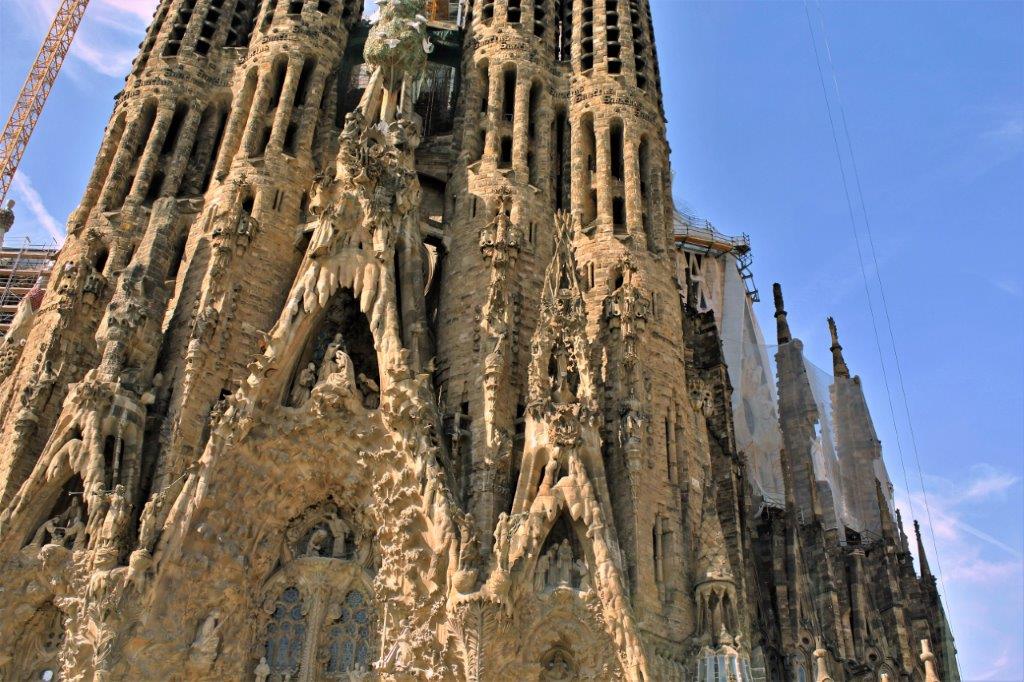
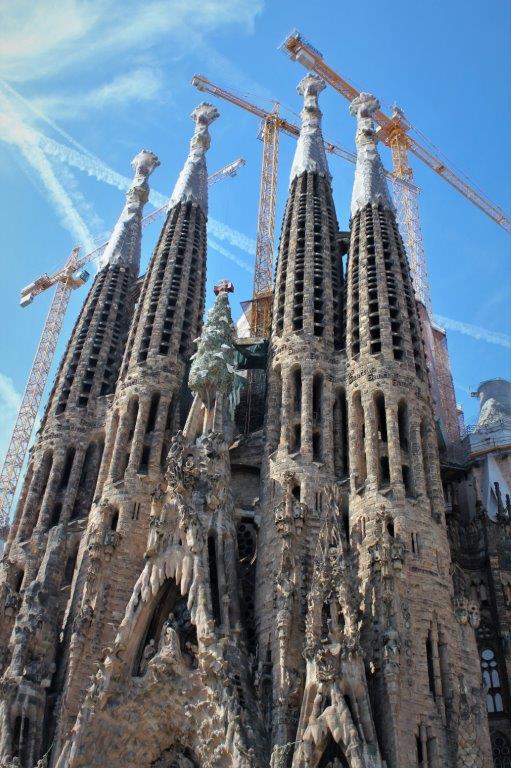
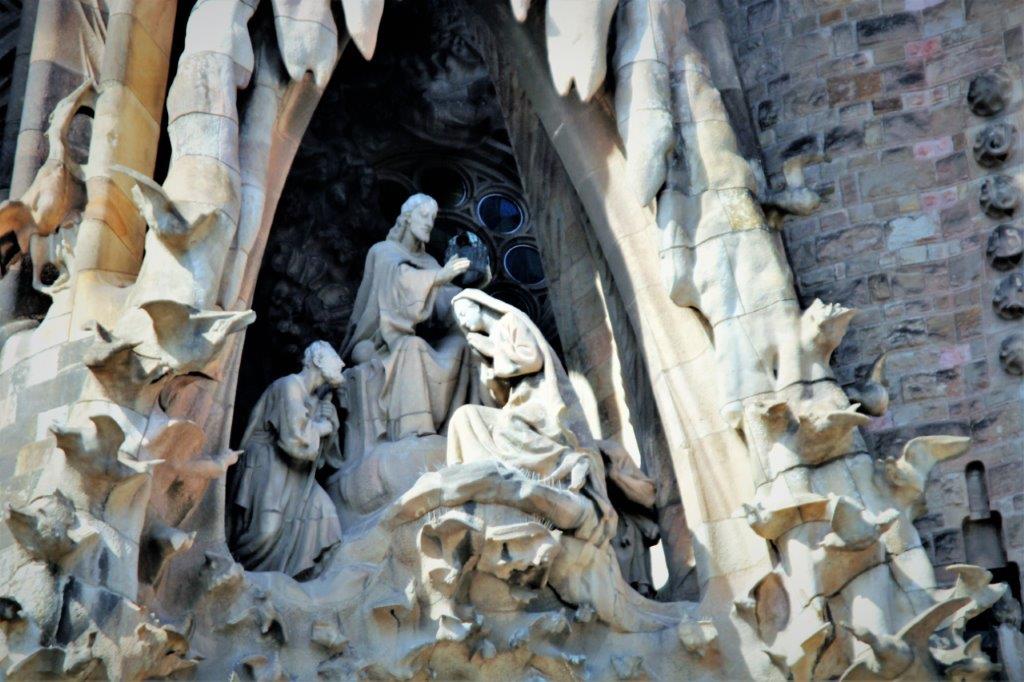
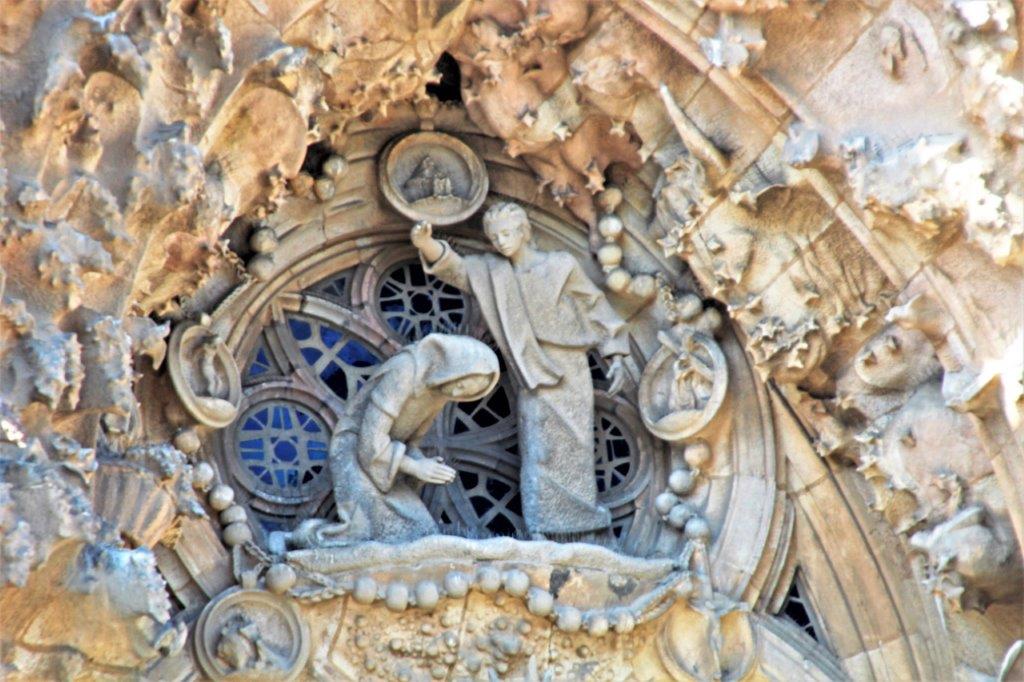
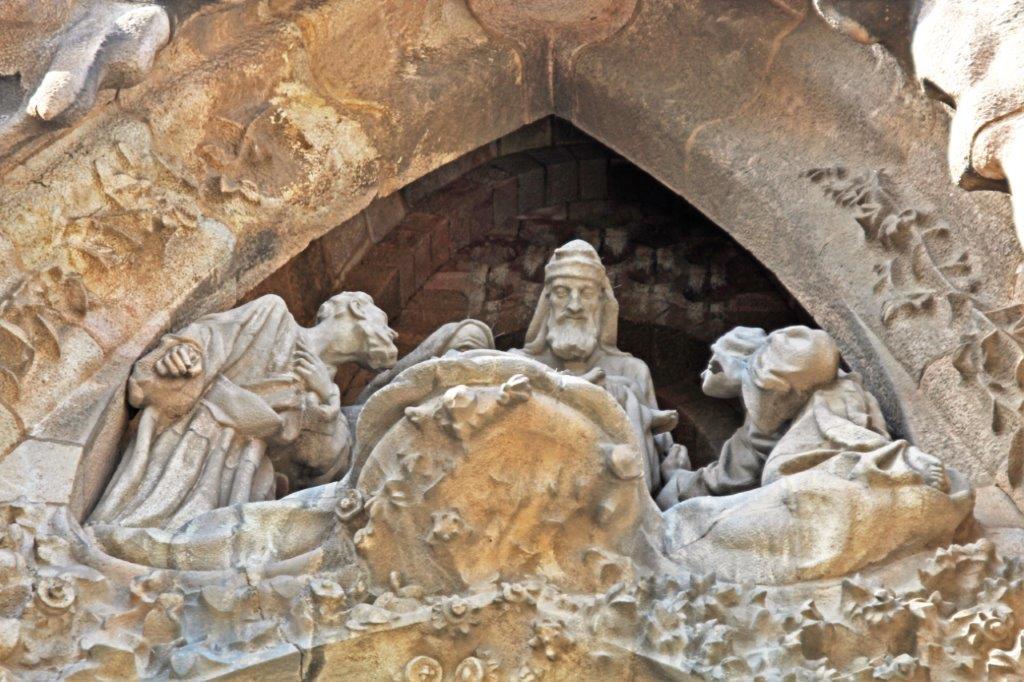
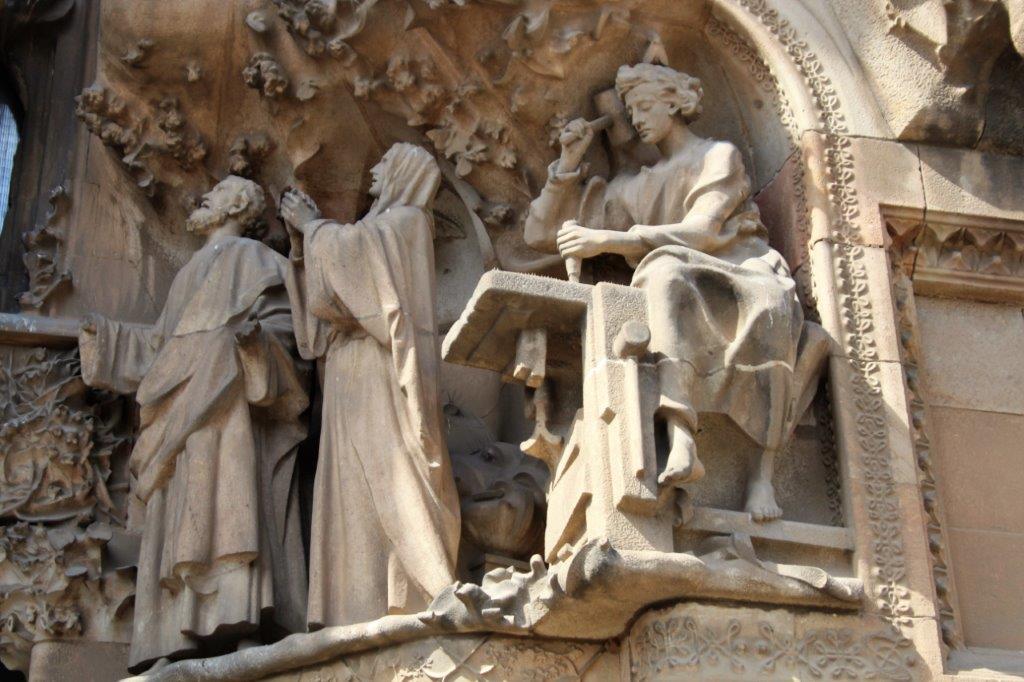
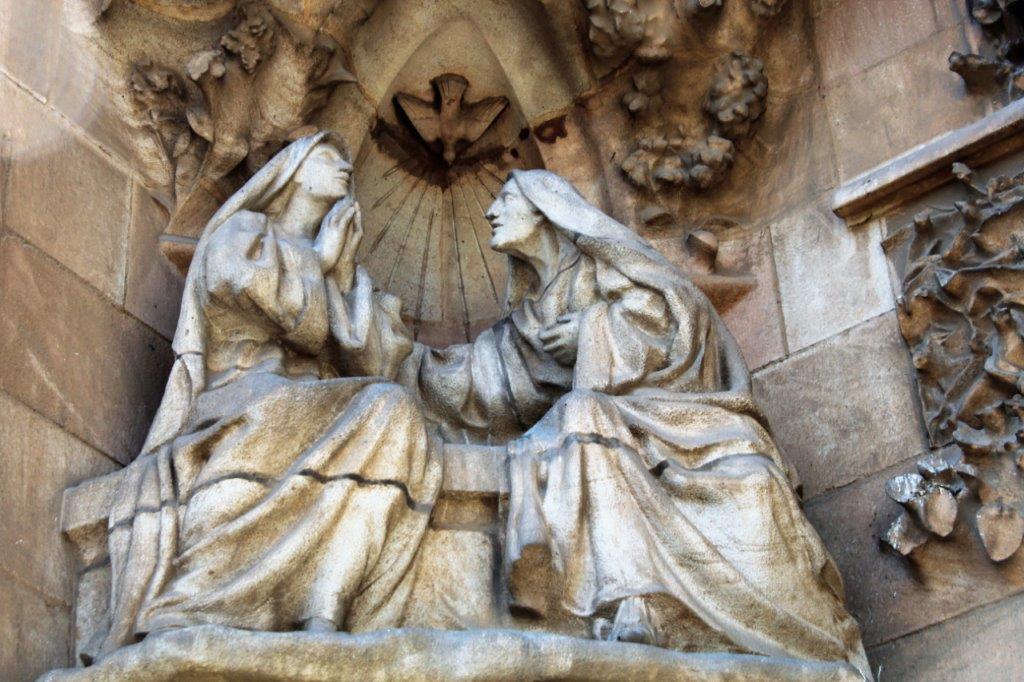
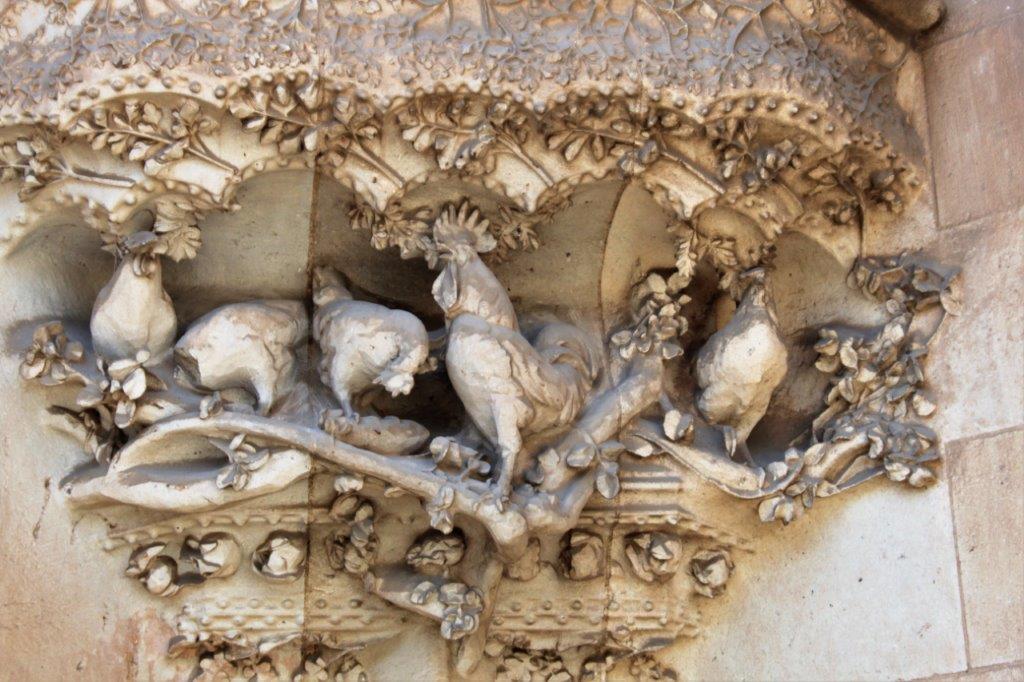
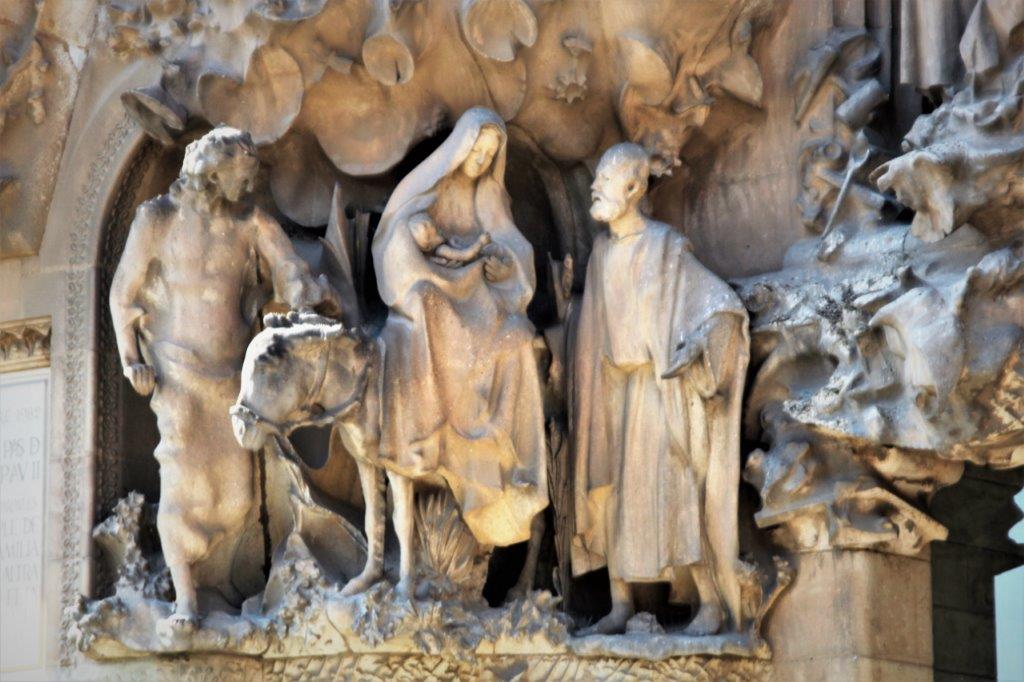
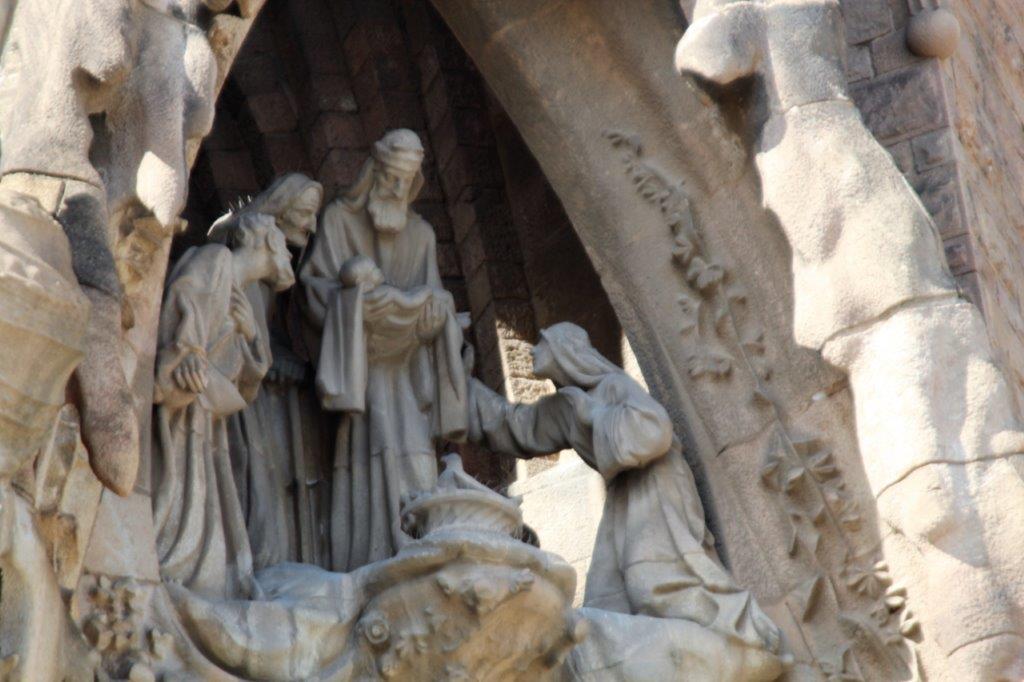
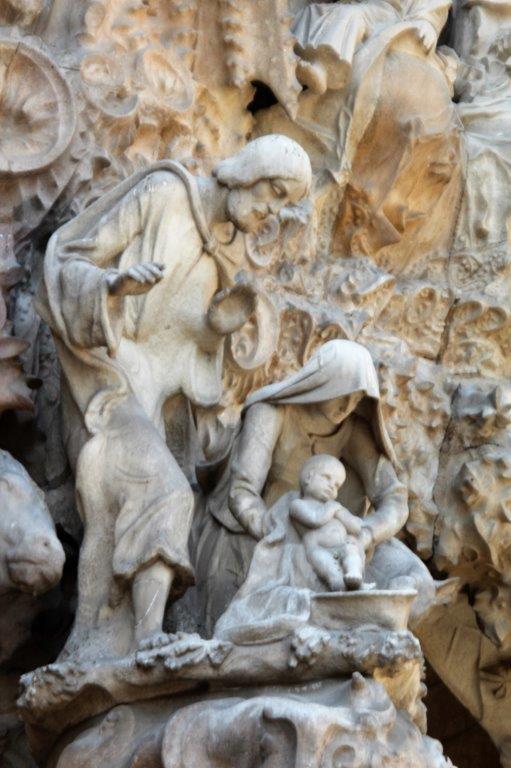
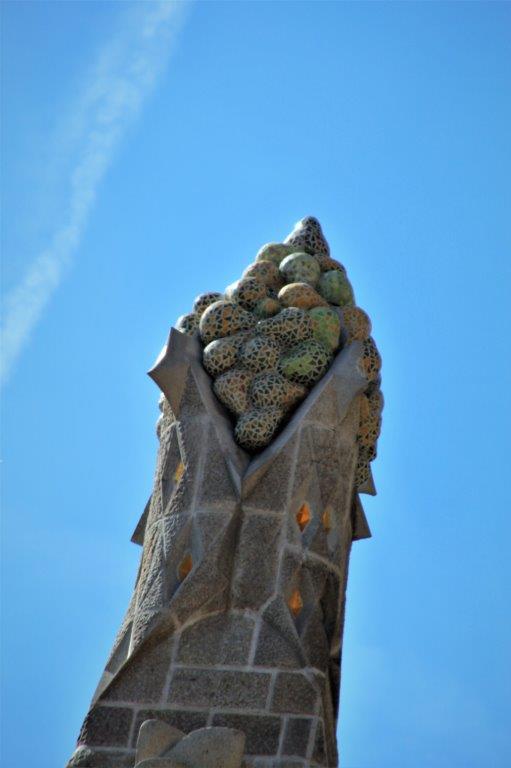
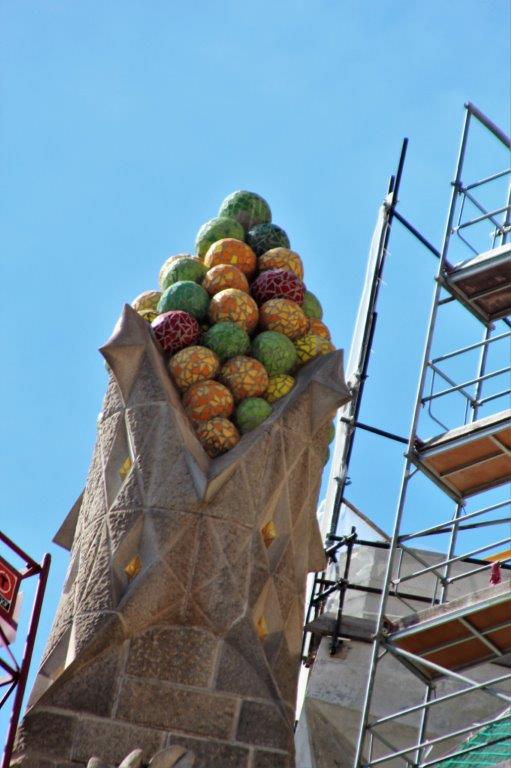
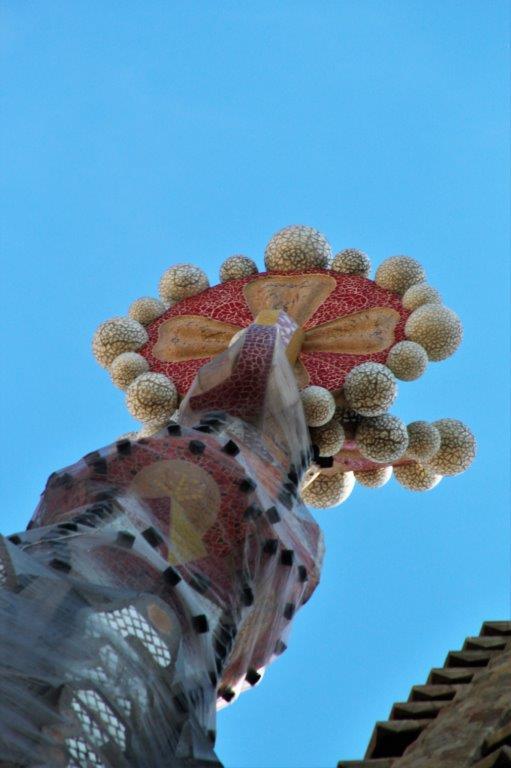
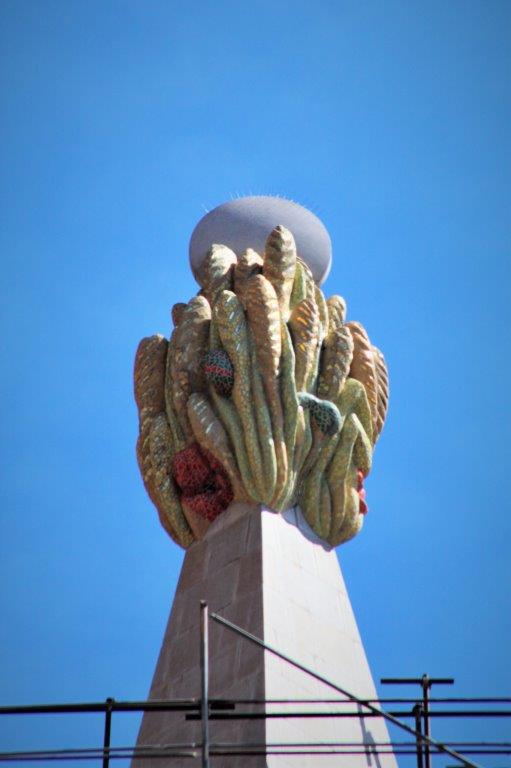
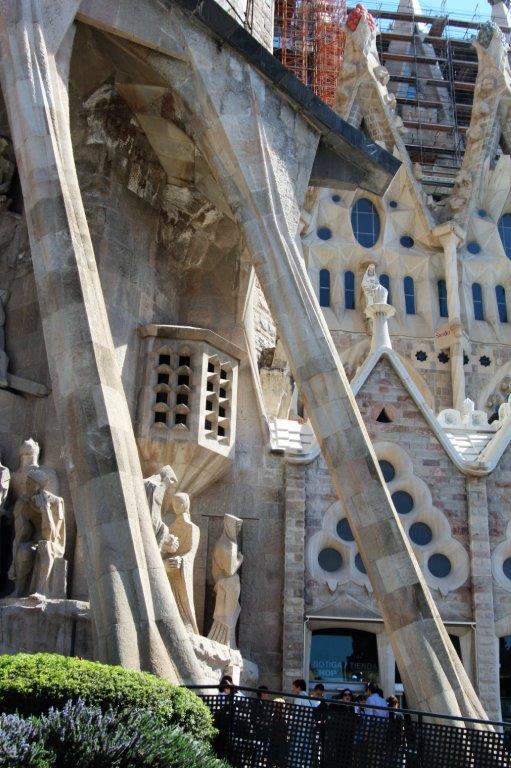
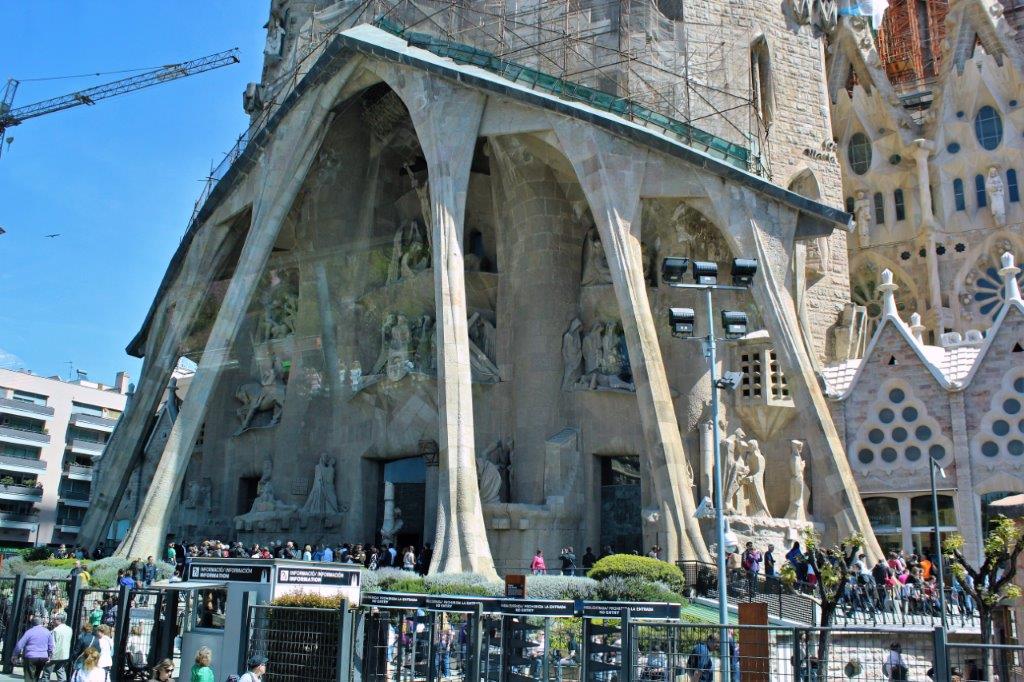
Gaudí’s original design called for 18 spires, one for each of the Twelve Apostles, the Virgin Mary, the four Evangelists, and the tallest of all for Jesus Christ.  There are still 10 of the spires yet to be constructed.  All the carvings on the exterior facades of the building have a  theme: The Nativity, The Passion, and The Glory.  At the time of Gaudí’s death in 1926 only 20-25% of the church had been built.  He used to say, “My client is not in a hurry.”  The eight completed spires represent four of the Apostles on the Nativity side and four more Apostles on the Passion side.  The Nativity  side was finished between 1894 and 1930.

In his latter years Gaudí became completely obsessed with the building.  He designed and re-designed elements of it over and over and made copious sketches and notes because he was very aware that he would never live long enough to see the church finished.  The building inside and outside is full of imagery and symbolism.

He spent all of his personal fortune on the church and ended up living in the basement when he had nothing left for housing.  He was hit by a tram at age 74 and taken to a hospital for the homeless because no one recognized him.  Three days later he died and would have been buried in potter’s field except someone who knew him discovered his whereabouts.

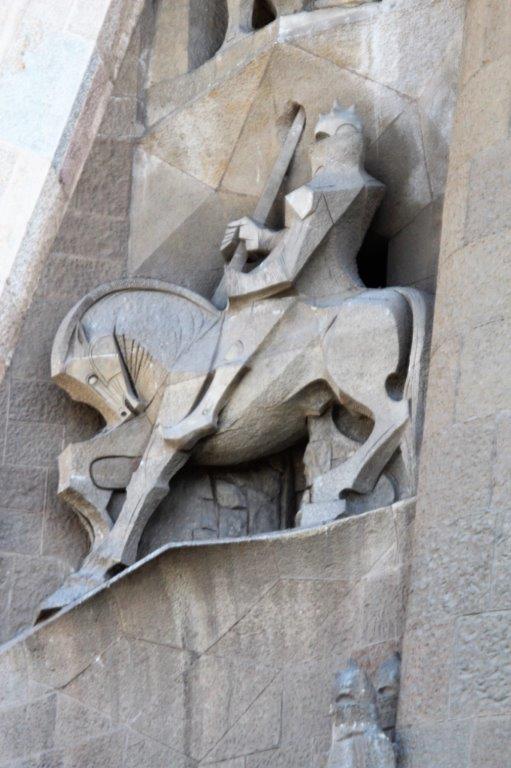
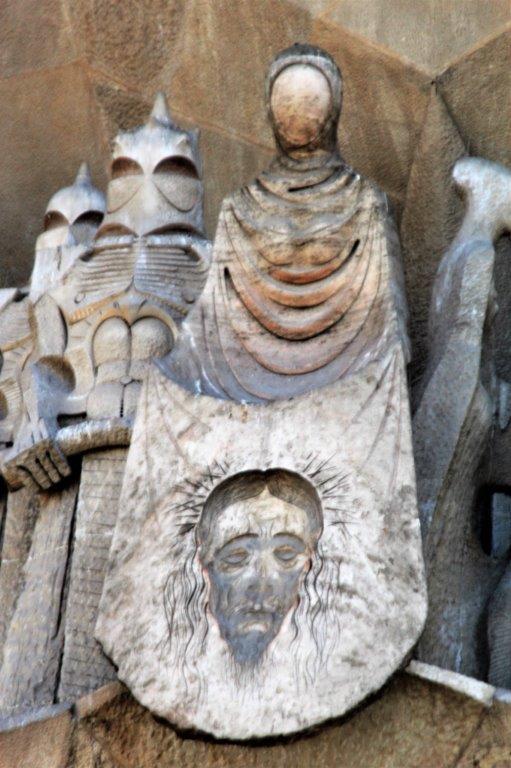
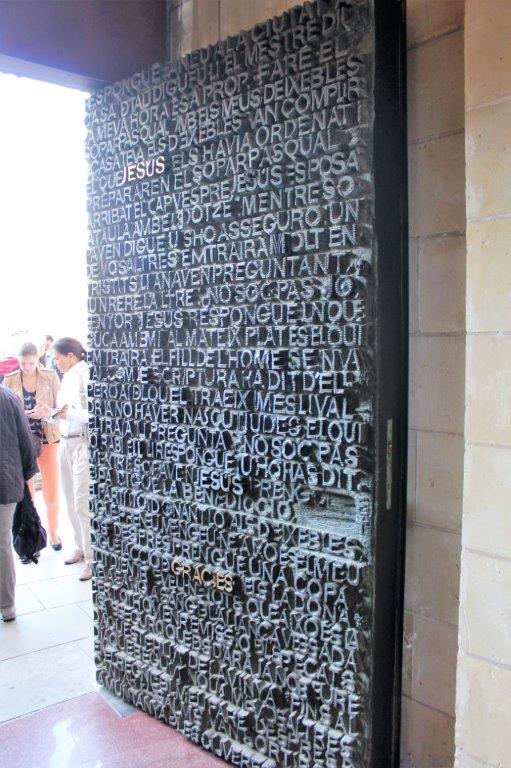
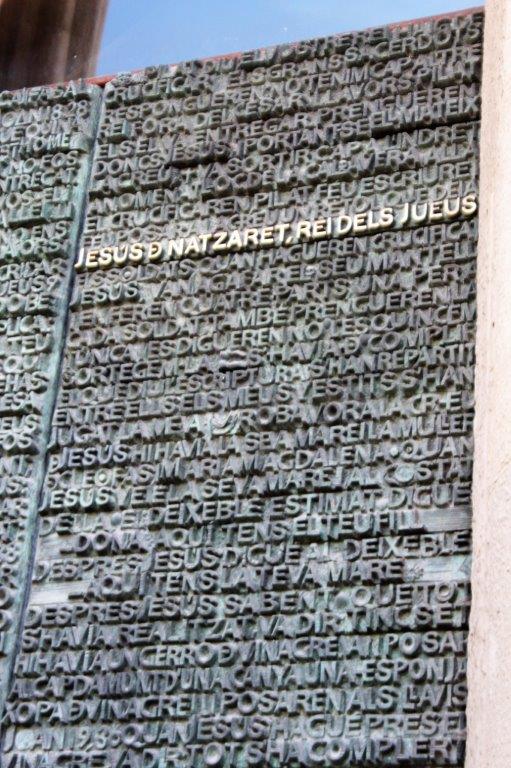
Construction began on the Passion carvings in 1954 and today (2018) it is near completion.  Contrasting with the softer, smoother lines of the sculptures on the Nativity side, those on the Passion – which portray Christ’s arrest, trial, and crucifixion – are very sharp and angular, with much less detail.

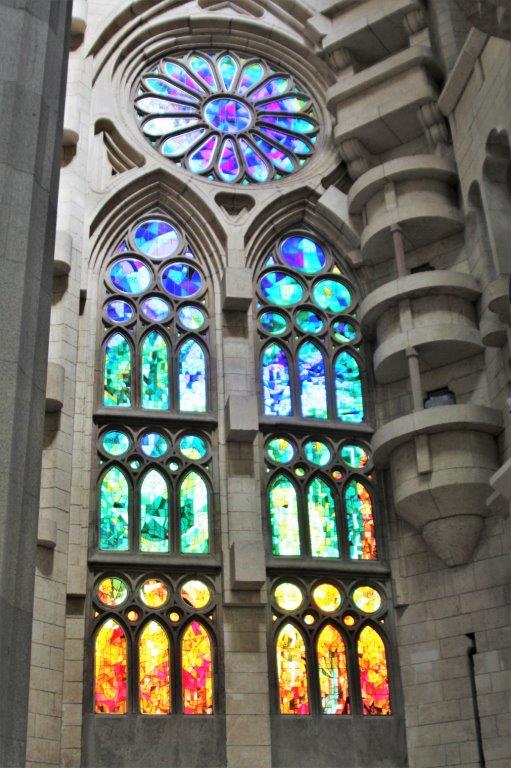
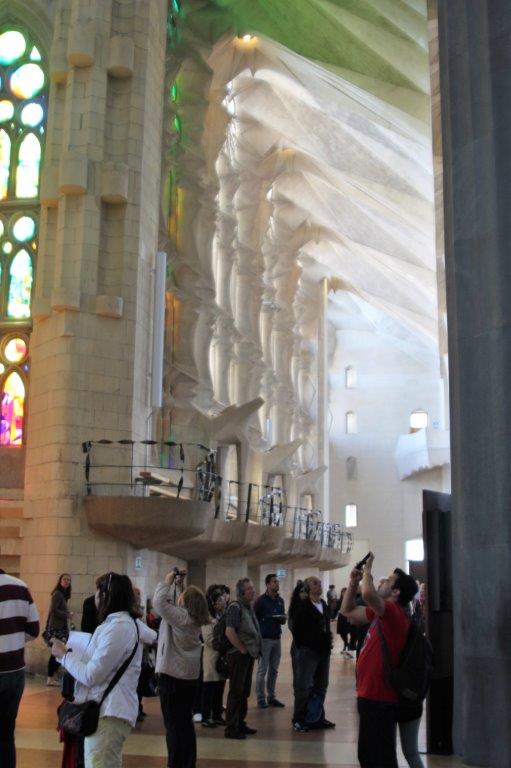
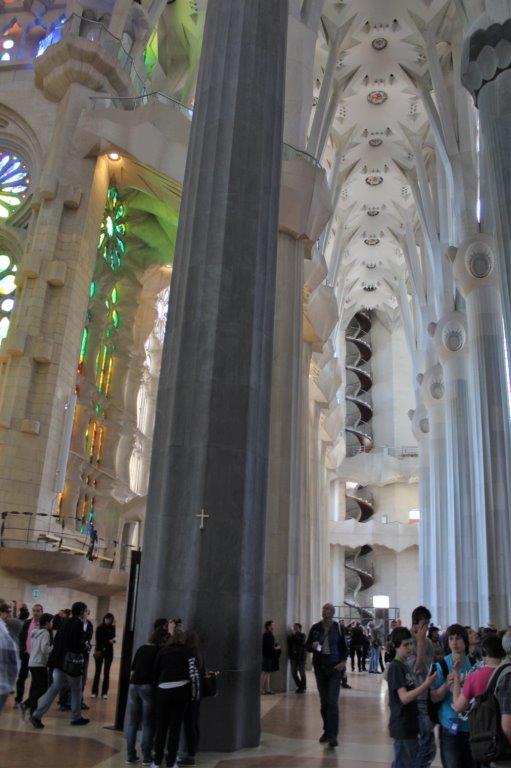
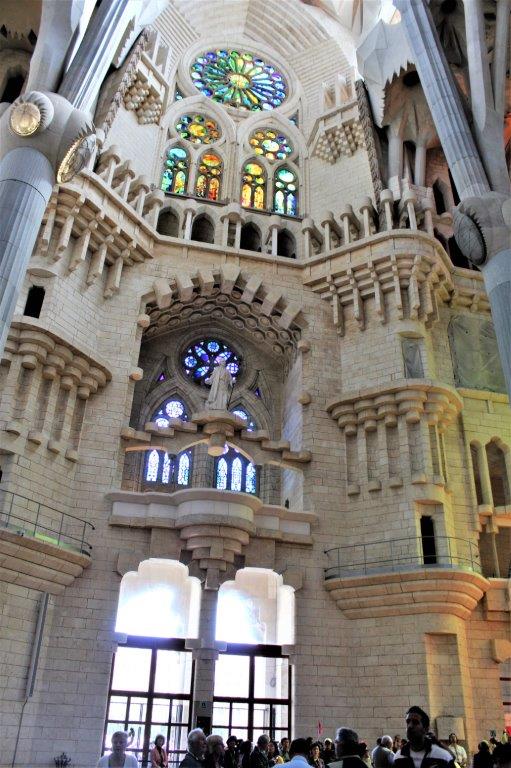
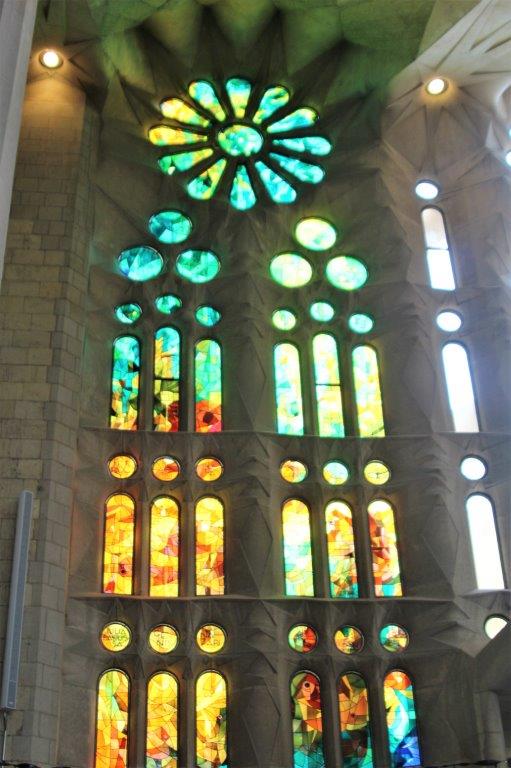
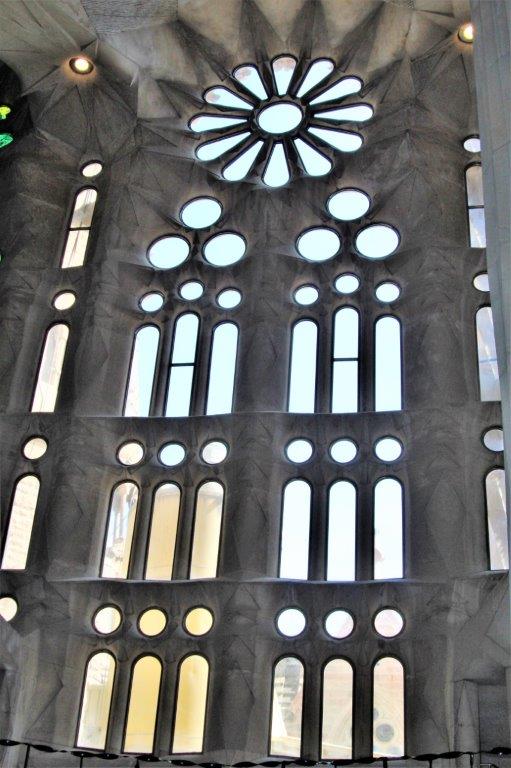
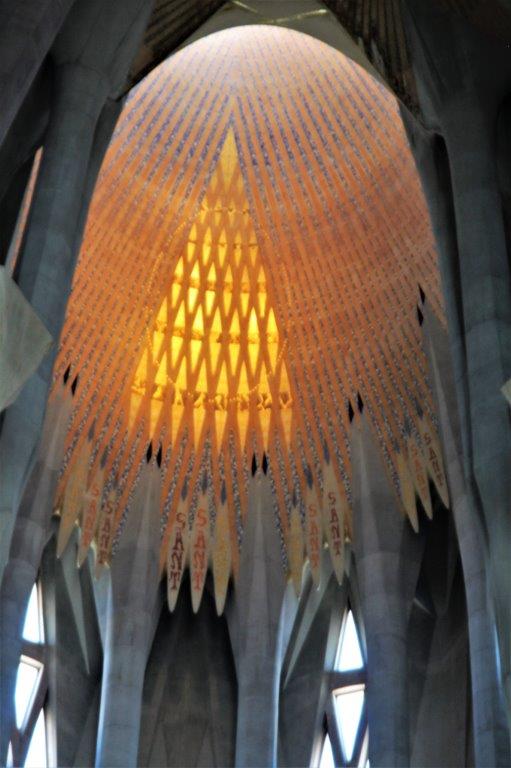
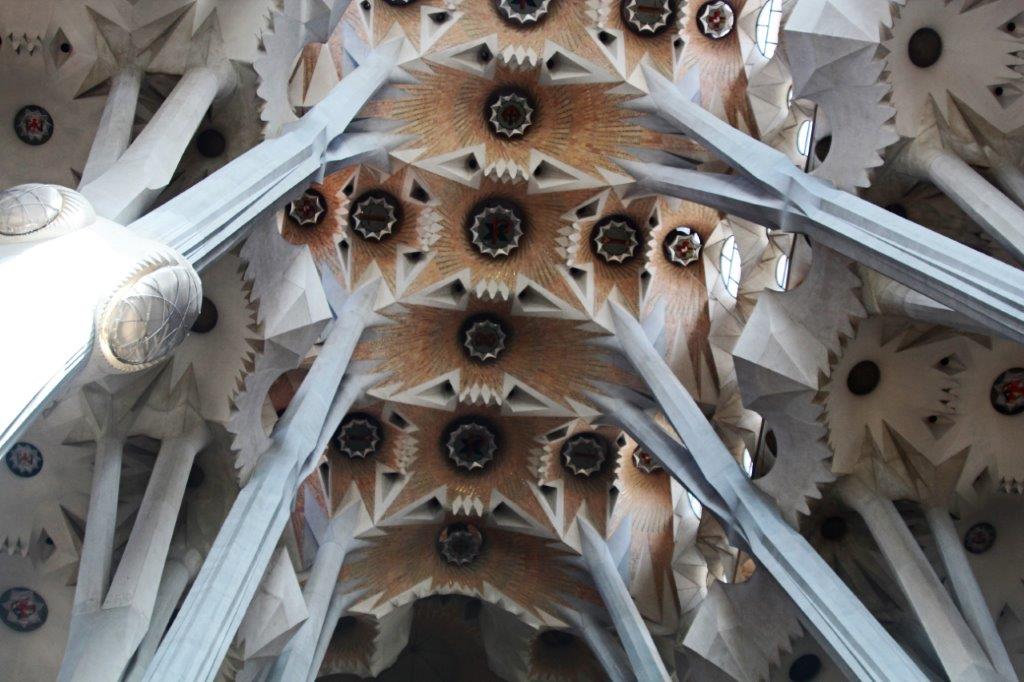
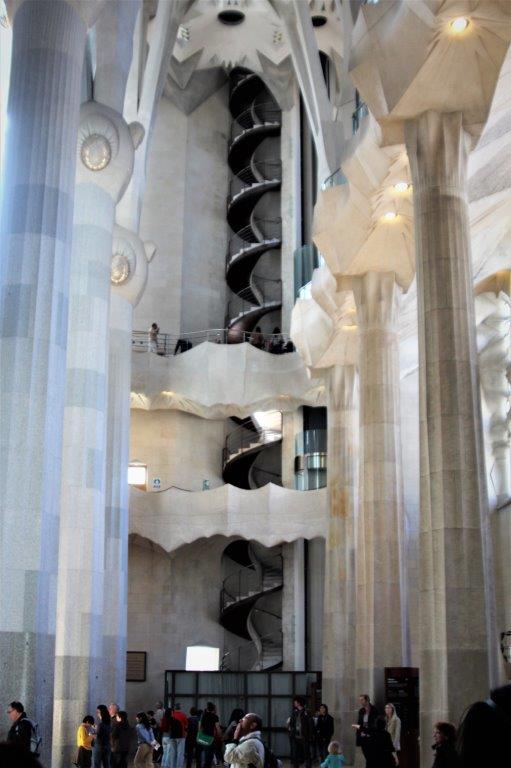
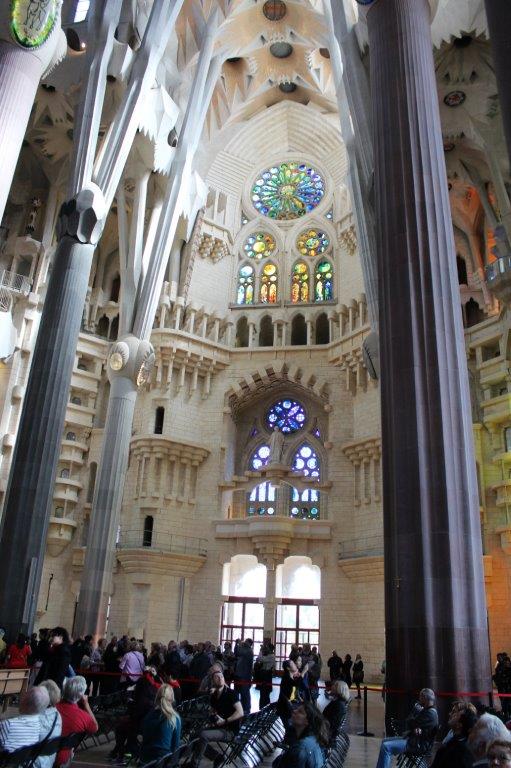
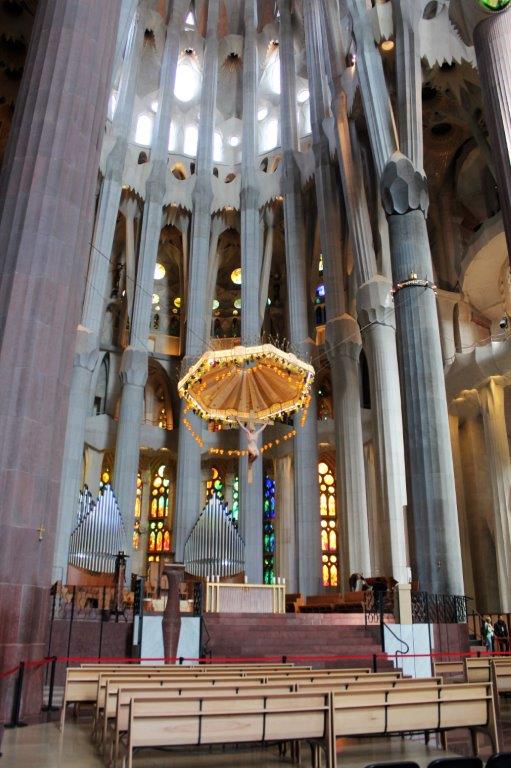
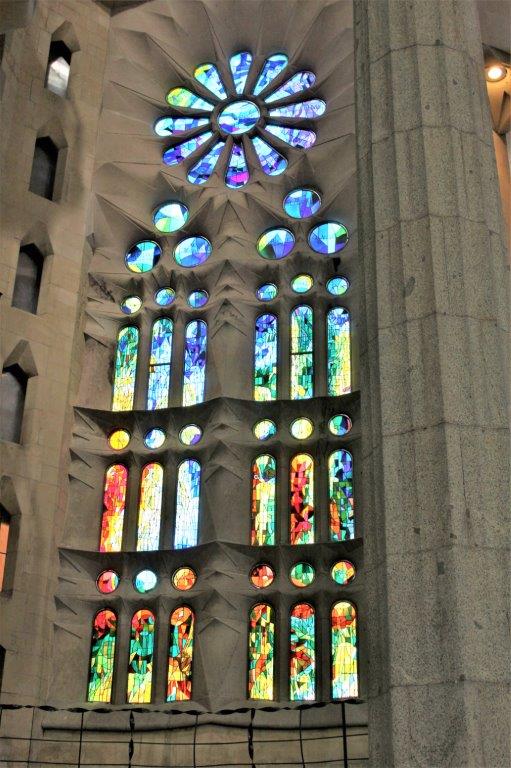
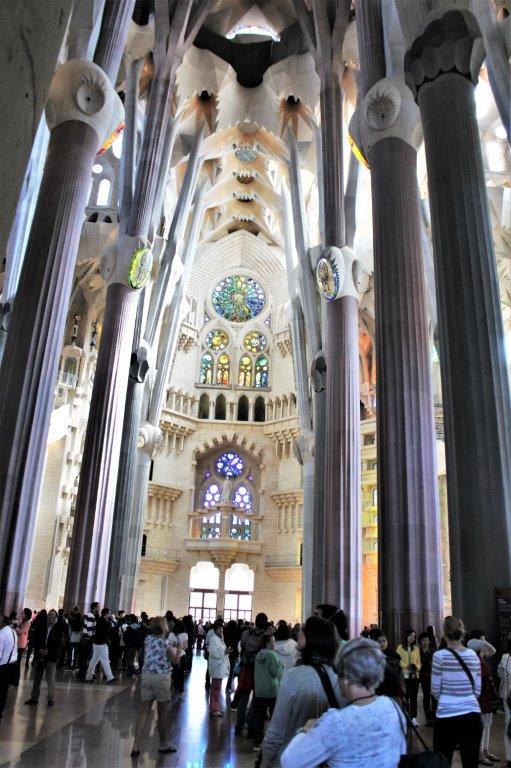
With the advent of computer imaging and laser technology the construction project has sped up considerably. Remarkably, the half-way point wasn’t reached until 2010!  During construction in the 20th century all the carving had to be done by hand; on site.  Today many of the sculptures are made off-site with computer guided equipment.  Work began on the Glory facade in 2002.  It will be the principal facade offering access to the central nave.  It is scheduled to be finished about 2026.  Four additional years will be needed to add all the remaining design elements. The interior is absolutely stunning.  I loved the white branched pillars and the way the light reflected through the ‘branches’.  Here too, there is much symbolism and many interpretive design elements – by far, the majority of which, I do not know.   The church may be the size of a cathedral (the seat of a Bishop of the Roman Catholic Church) but it was never intended to be one.  In 2010, on November 7, Pope Benedict XVI consecrated it and proclaimed it a minor basilica in front of a congregation of 6,500 people.  An additional 50,000 people followed the consecration Mass from outside the basilica, where more than 100 bishops and 300 priests were on hand to offer Holy Communion.  Beginning last year (2017) an International Mass is celebrated at 9 am every Sunday; open to the public, until the church is full.

Sagrada Familia is a place you could visit many, many times and see something new and wondrous every time.  We thoroughly enjoyed our time there. Then, once again, it was back on the bus and back to the ship.
The temperature that afternoon was a nice 20° C (68° F) so we enjoyed a lazy afternoon on our deck, reading and resting.  Our tour the next day took us out of the city.

2012 April 24 – Day 44 – St. Raphael, France (Transfer to Monaco)

St. Raphael, a seaside resort on the Mediterranean coast in southern France has been a holiday destination since Roman times.  Tourists have come here for its history, cultural and artistic qualities, as well as its well maintained beaches, the sea, and sporting facilities.  St. Raphael is not far from St. Tropez and Cannes and the ship offered a bus transfer to each of those places if you would prefer to spend your day elsewhere than St. Raphael.

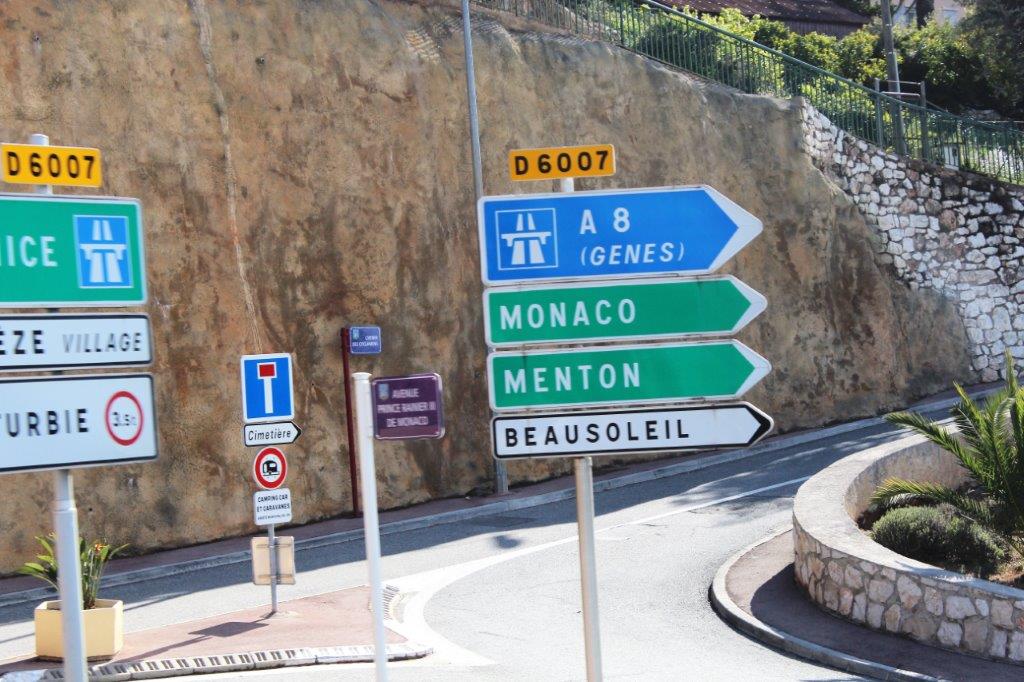
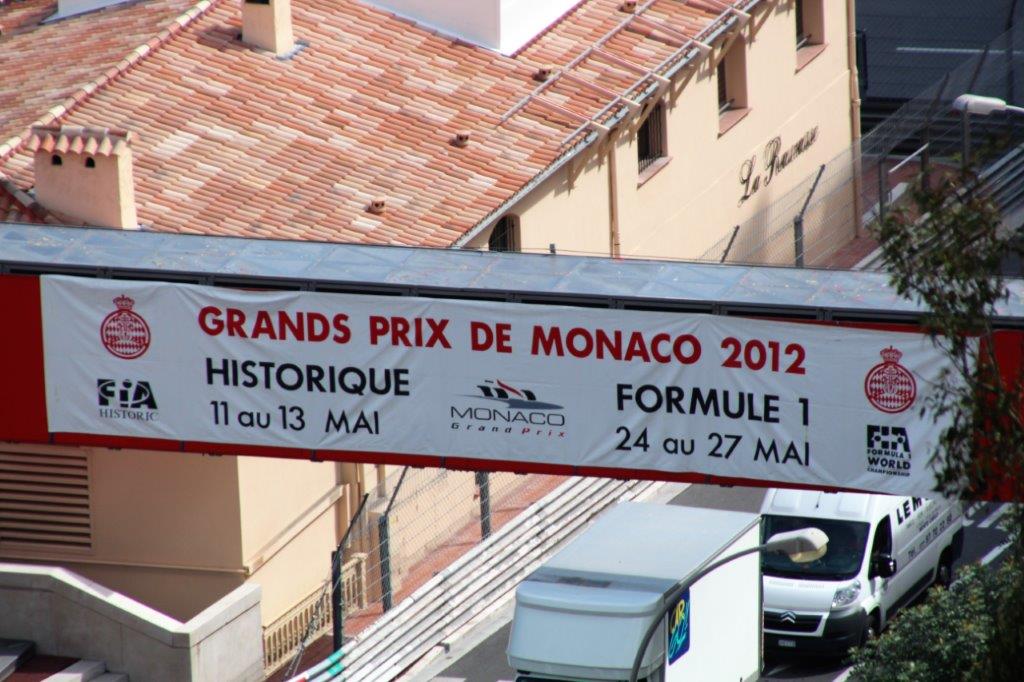
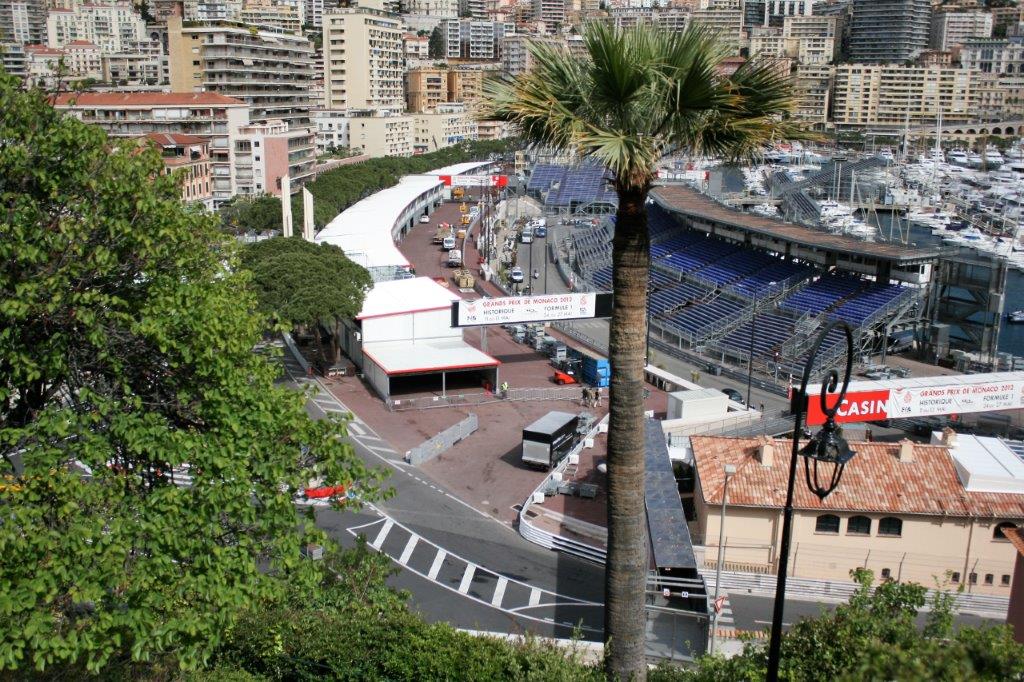
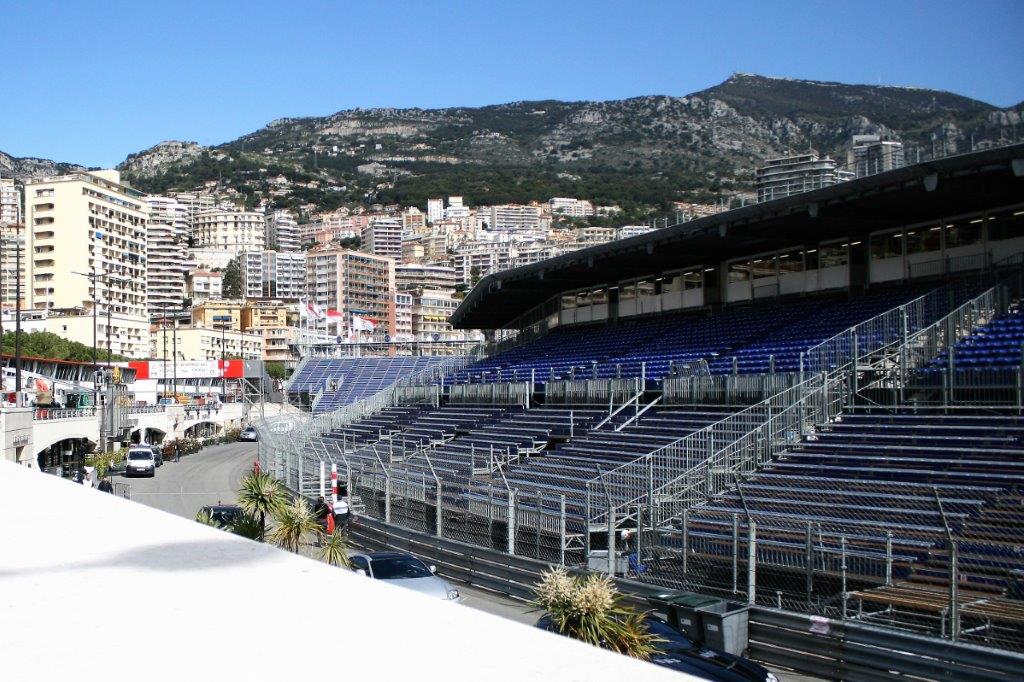
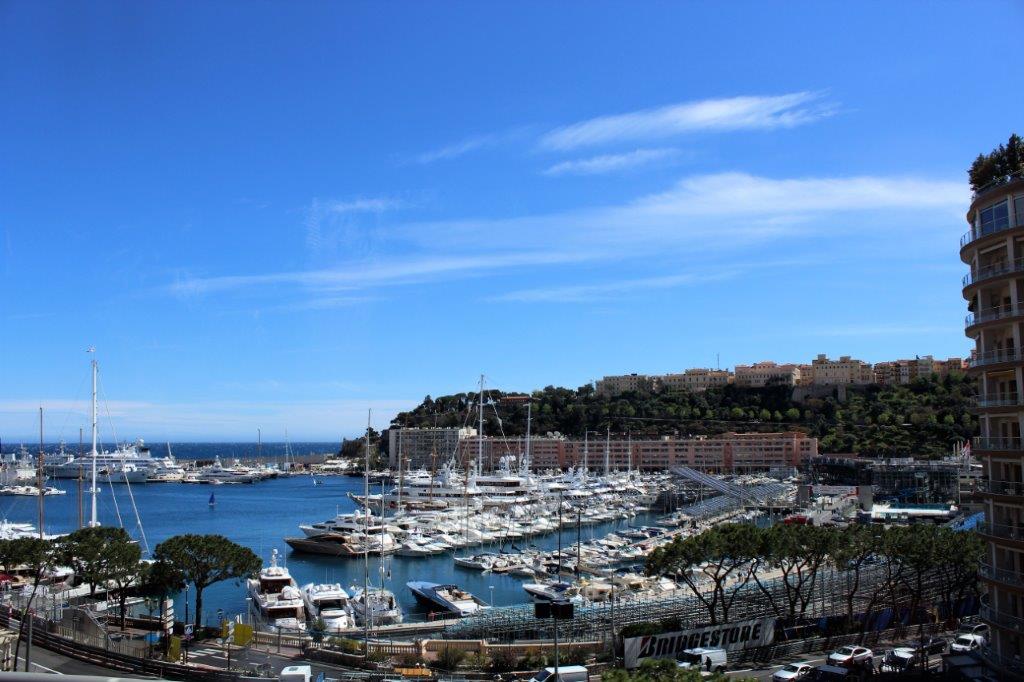
When we looked over the shore excursion booklet six or so months before we embarked on this cruise the option of a bus transfer to Monaco was also offered. This immediately was John’s choice!  He did not care about St. Raphael, St. Tropez, Nice, or Cannes.  He wanted to go to Monaco.  John is an avid Formula One racing fan.  His dream holiday would be to follow the circuit for a year.  The opportunity to visit the location of THE iconic race in Formula One was much too good to pass up. The drive from St. Raphael to Monaco took about 90 minutes through the Estoril Mountains, past Cannes and Nice.  The guide on the bus said we would all be dropped off at the Palace, given two hours to wander around, then we would be driven the heart of town near the Monaco Casino where we would have another two hours.  This plan fit in nicely with John’s desire to walk the race car circuit and Mairelle, our guide, very kindly gave him some directions to access the ‘track’ (Monaco is a street course and they were setting up for the race, which would be held in a few weeks, so many of the streets used in the race were closed to traffic while grandstands, etc. were being erected.)
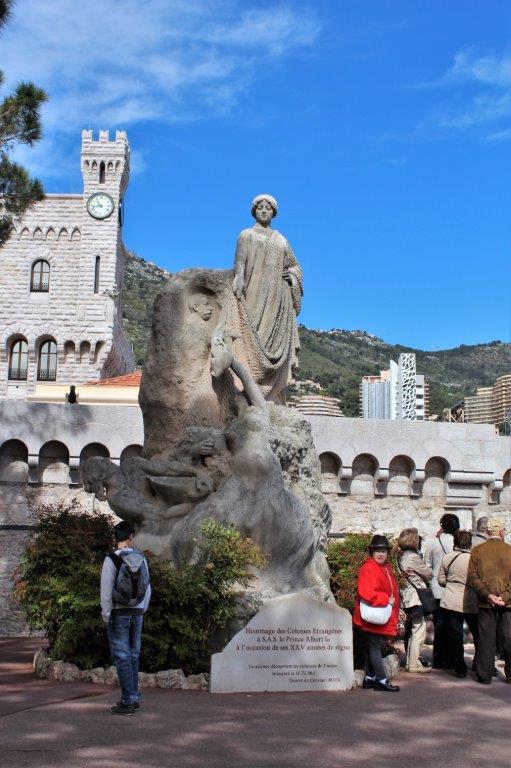
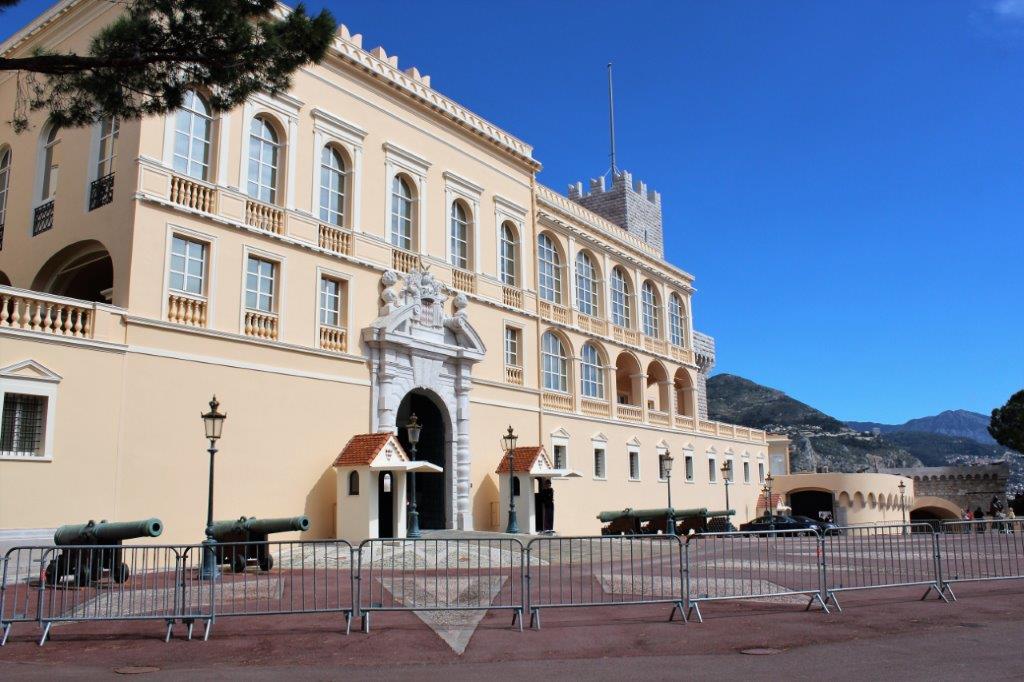
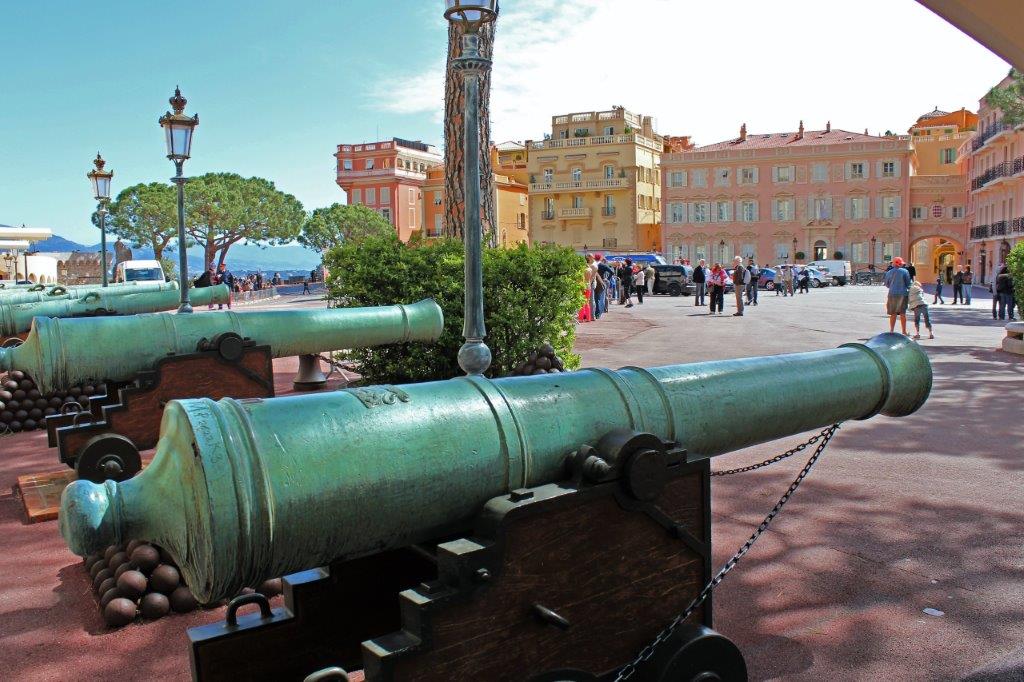
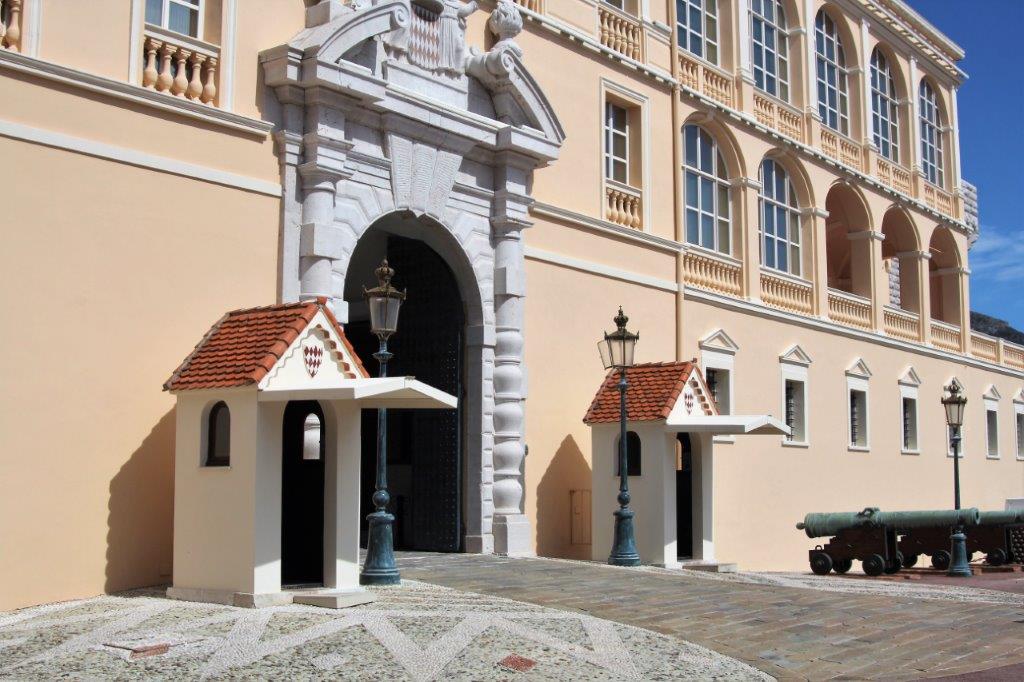
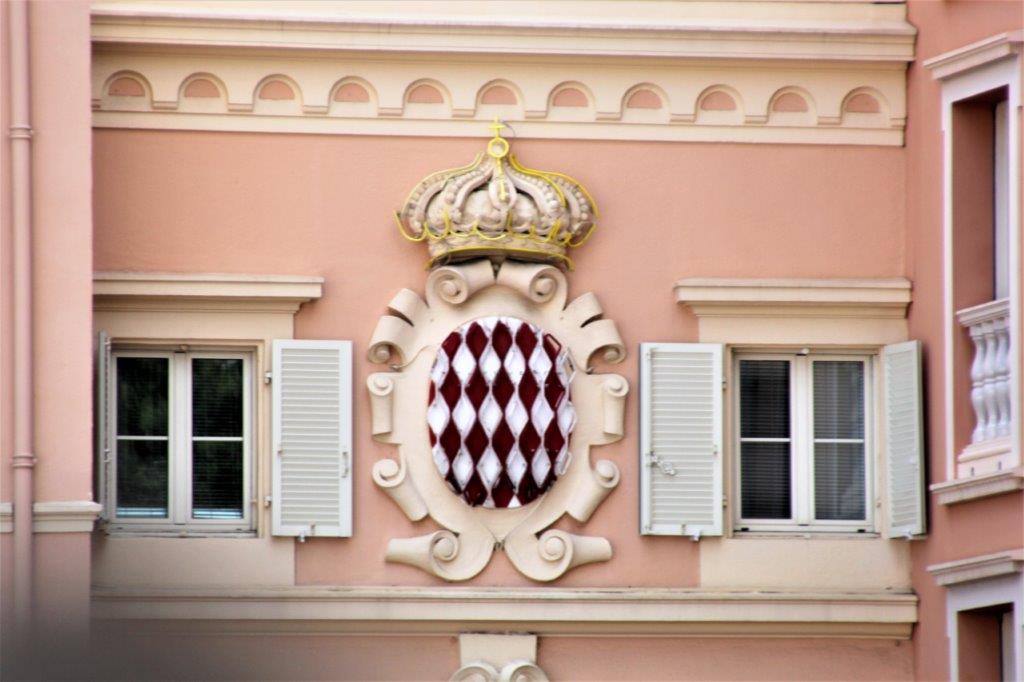
At the Palace John took off  to see the race circuit and I toured the palace – no photos allowed inside unfortunately.                                    The Monaco Royal Palace 


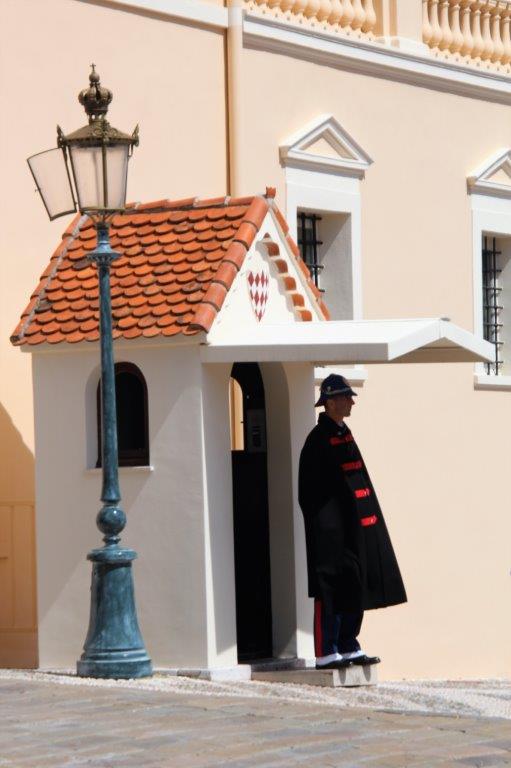
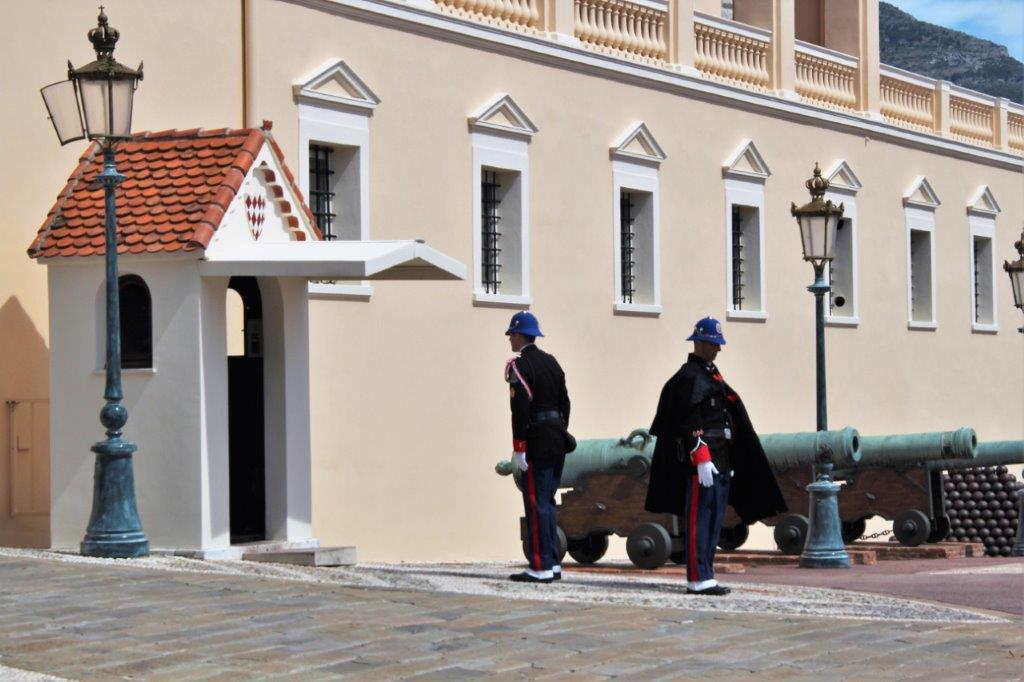
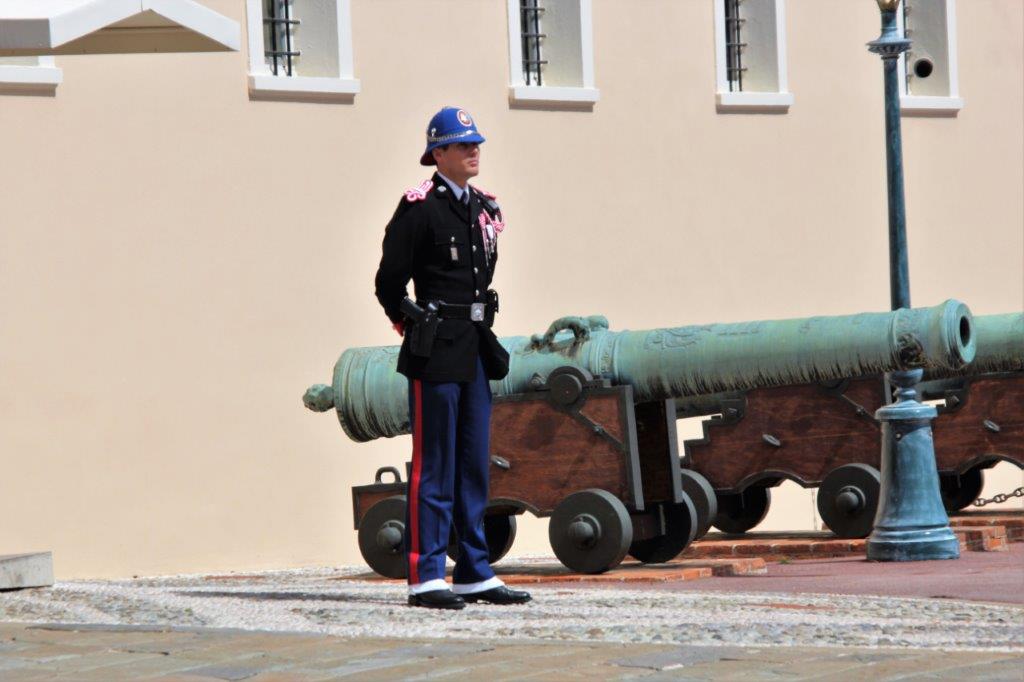
The Changing of the Guard


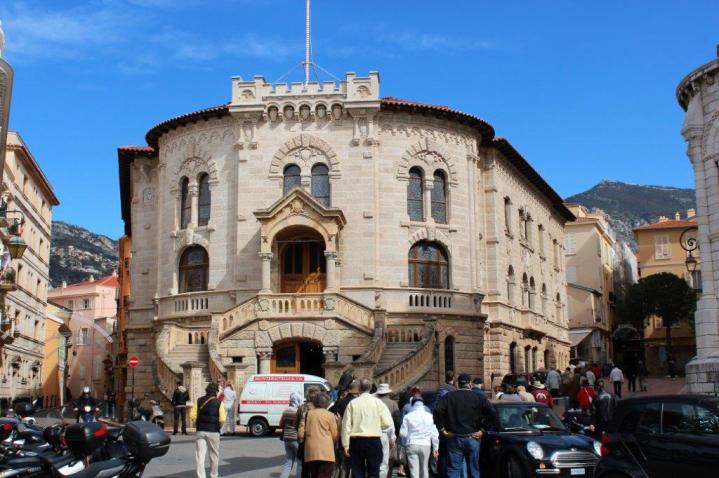
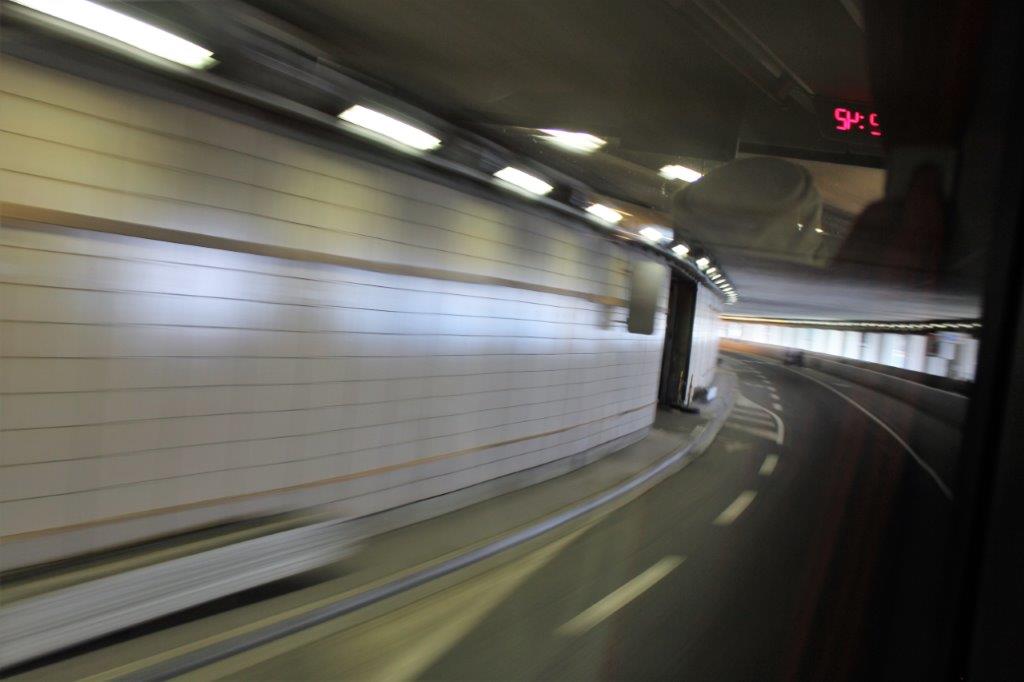
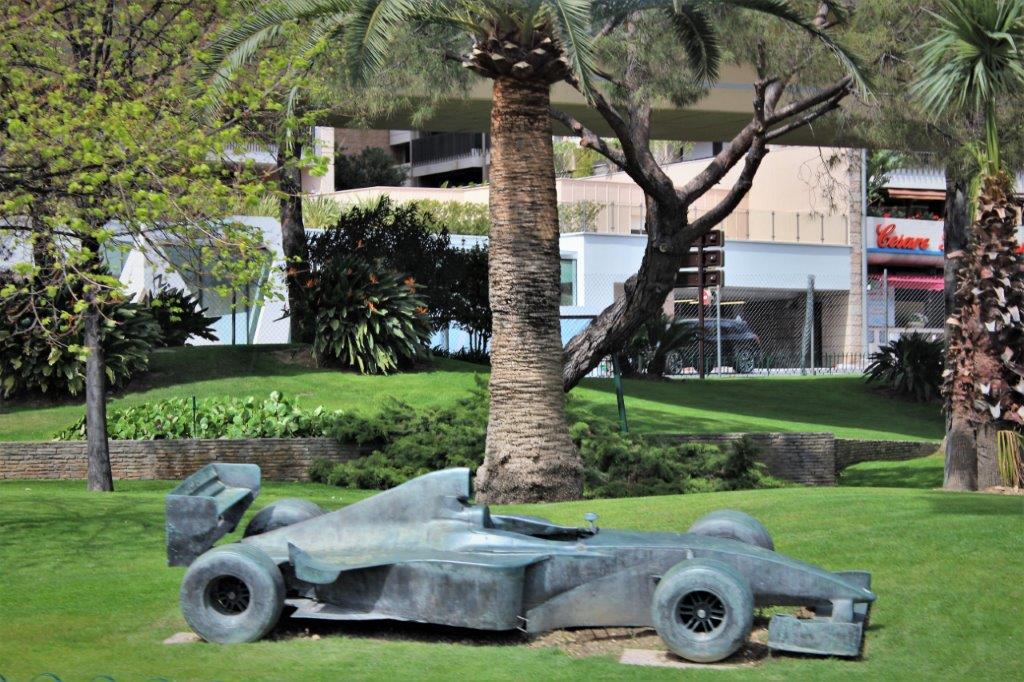
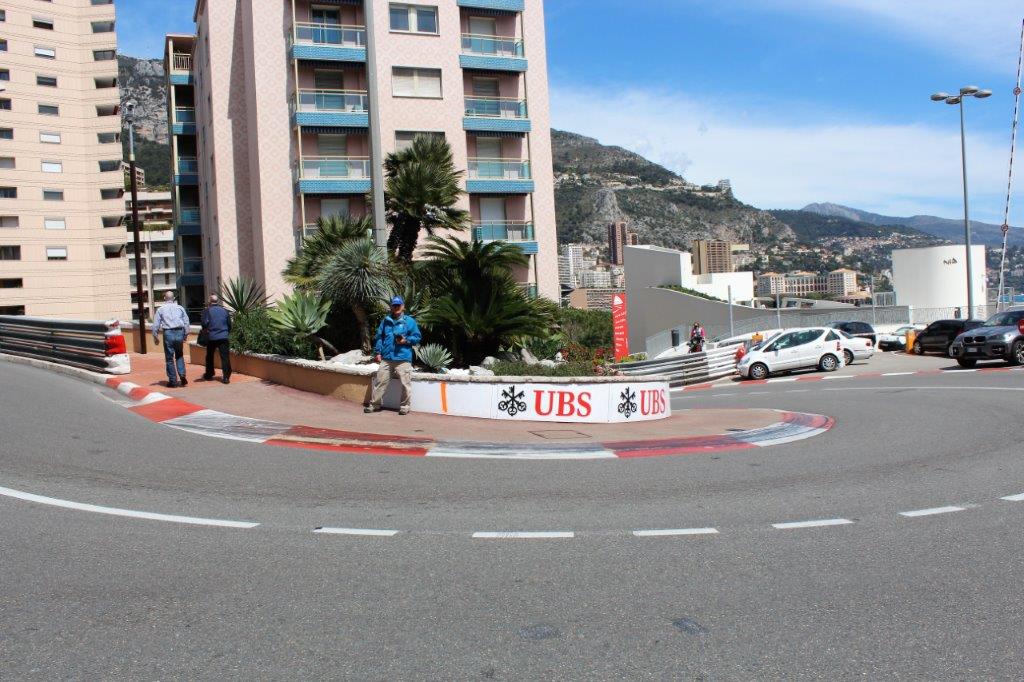
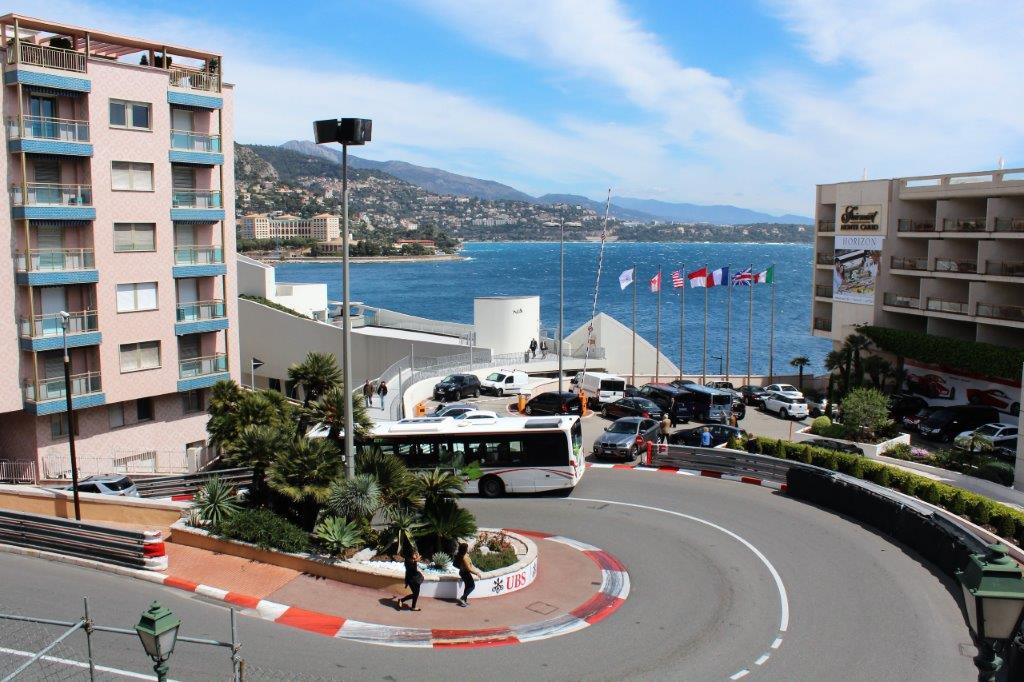
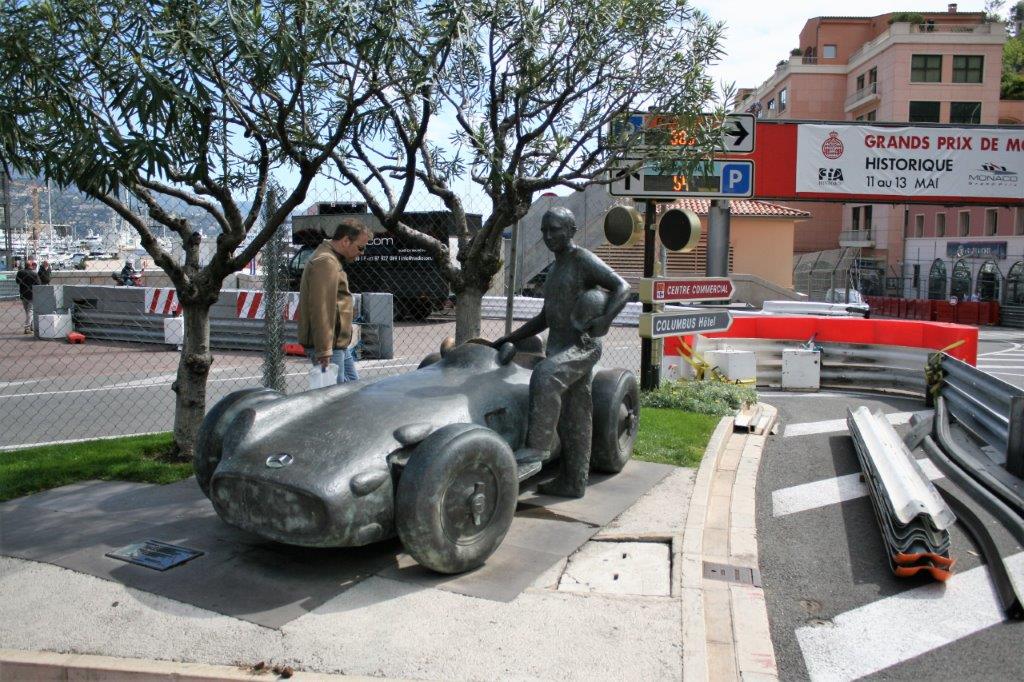
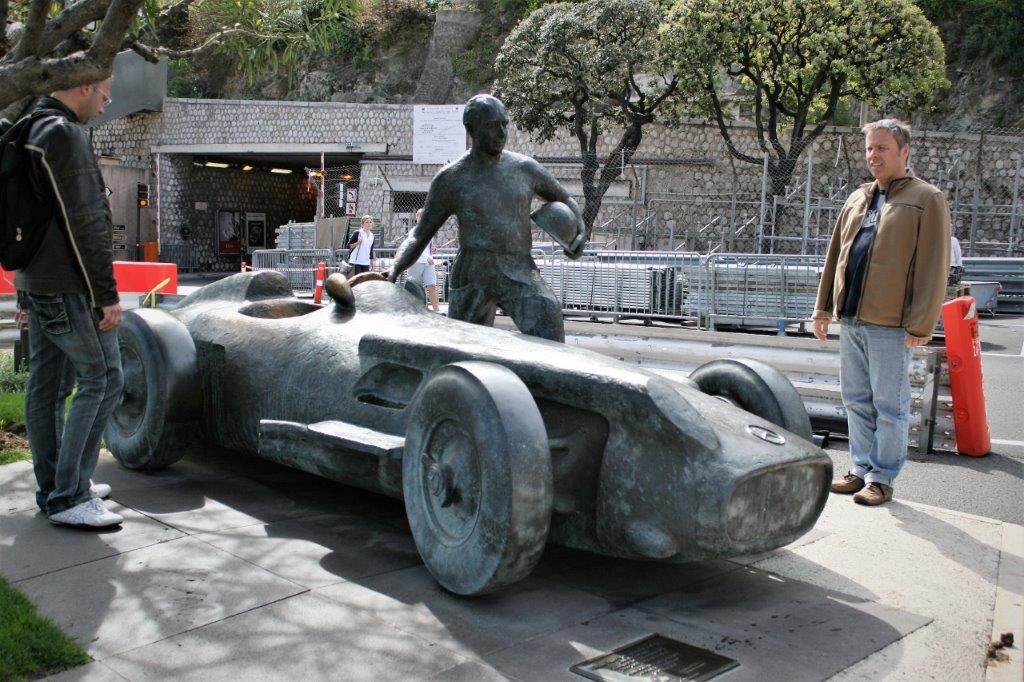
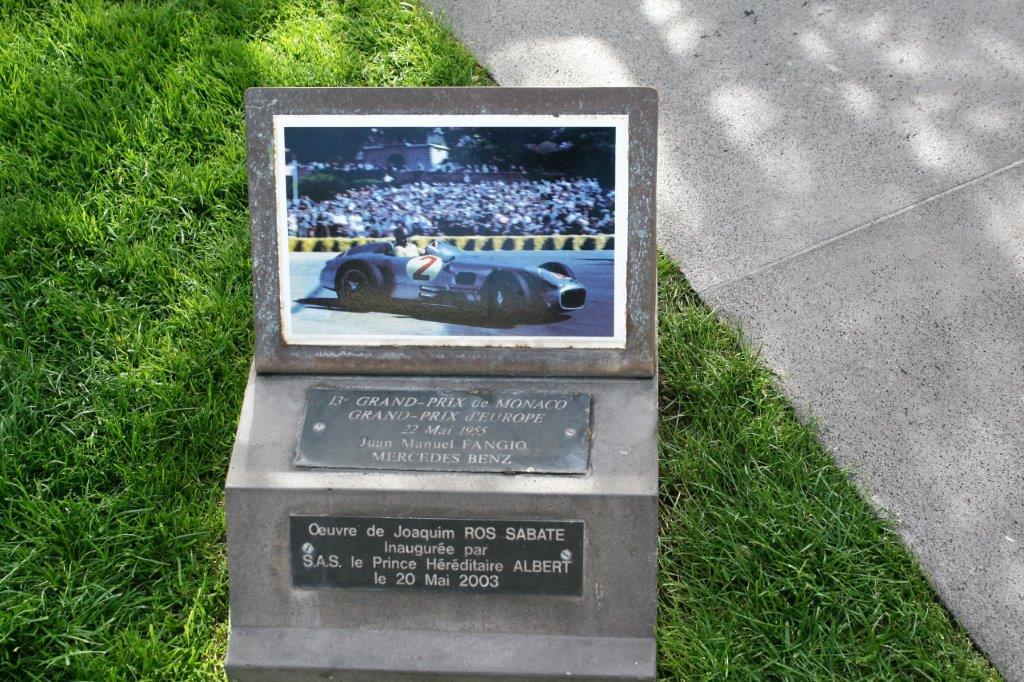
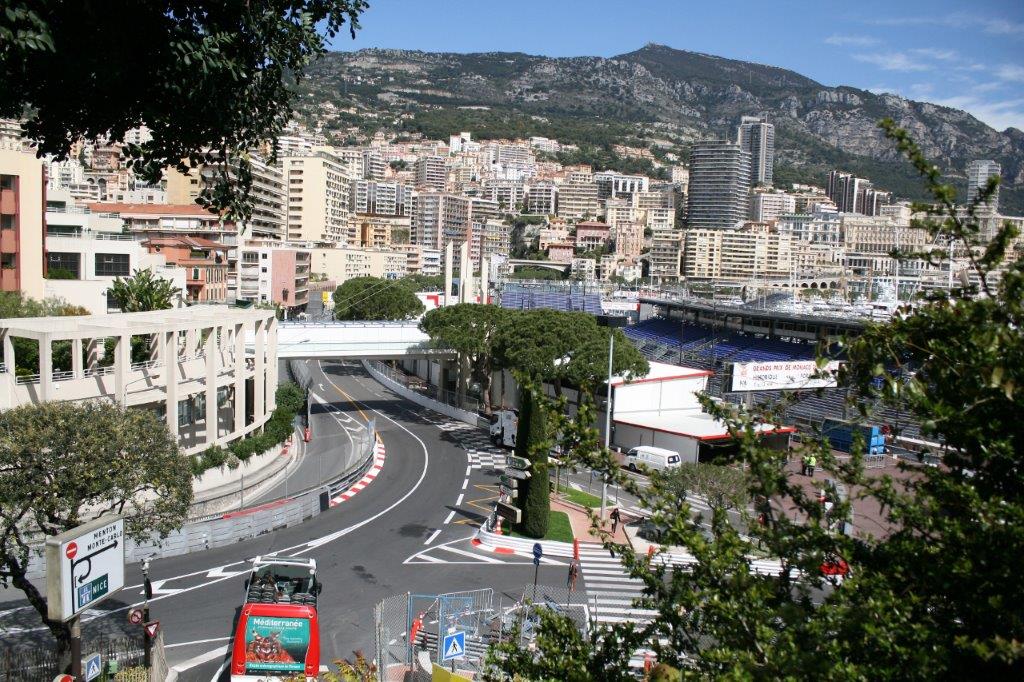
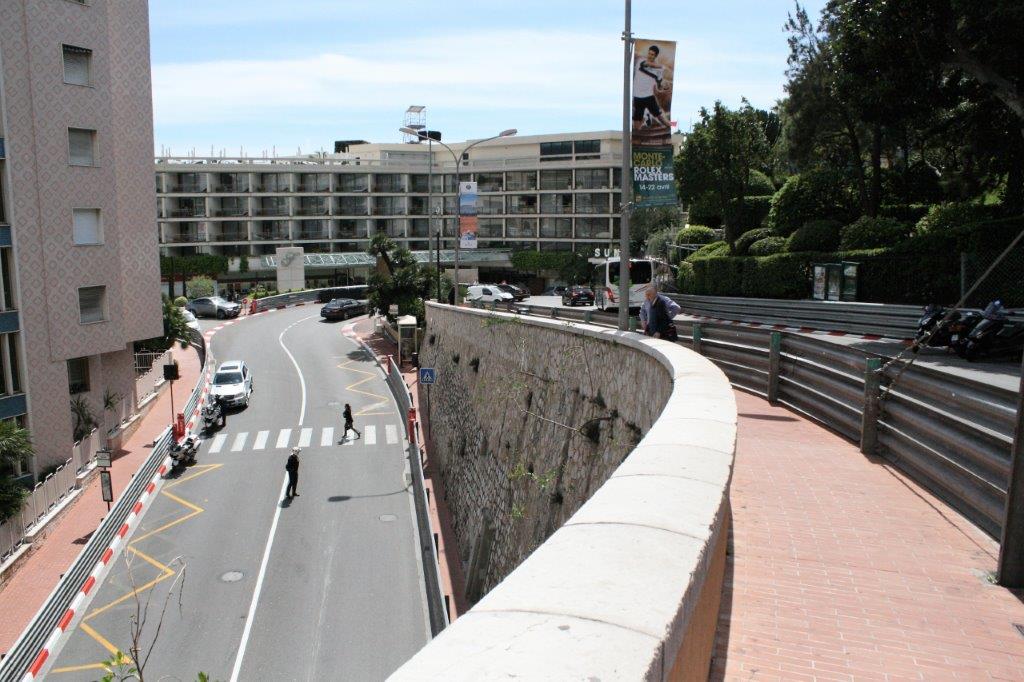
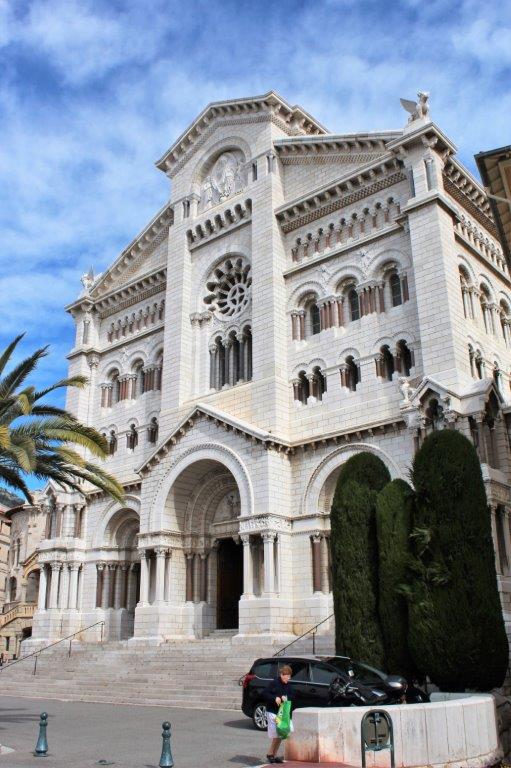
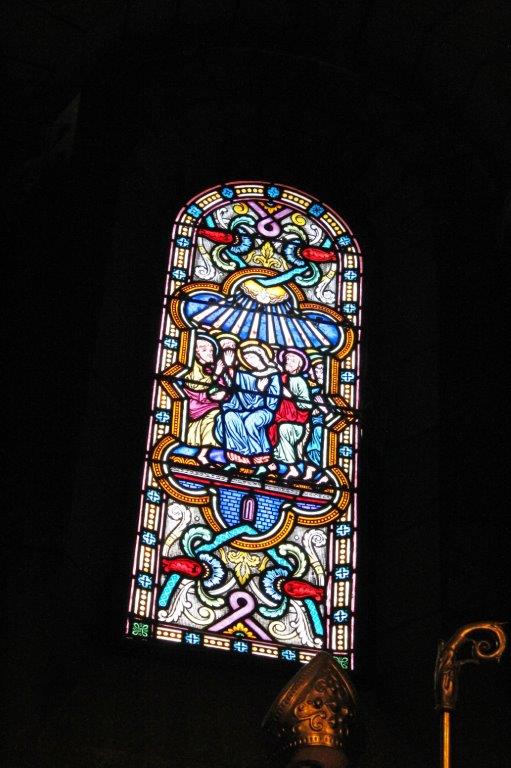
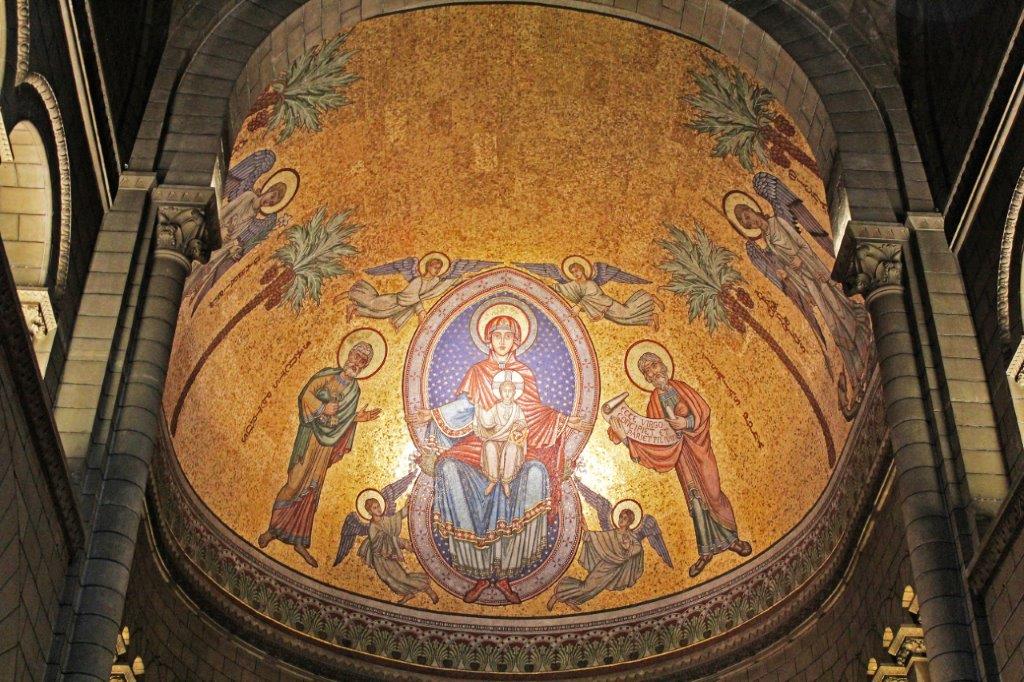
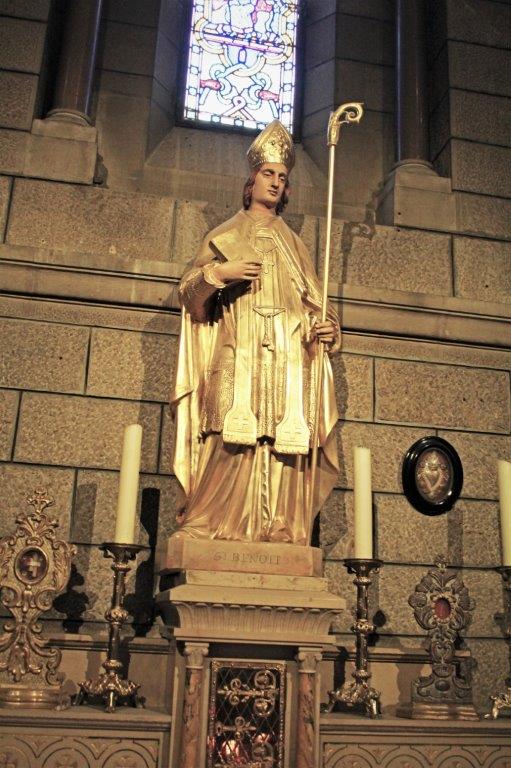
Some race track pics:The very famous tunnel.  John was psyched that the bus drove through this tunnel when we were taken from the Palace grounds down to the Casino and shopping district.                  He wanted his photo taken at this famous corner. Some of these were taken when John walked the lower part of the track while I wandered around the gardens and shops near the Casino.  After I finished touring the palace John was finished the top part of the race track.  We toured the Cathedral which is located near the palace before getting on the bus for the ride down to the lower part of town.

Once we were down at the lower part of town John took off to walk some more of the race course.  He was able to complete almost all of it between the top, the bus ride, and the bottom.  He was a very happy guy!

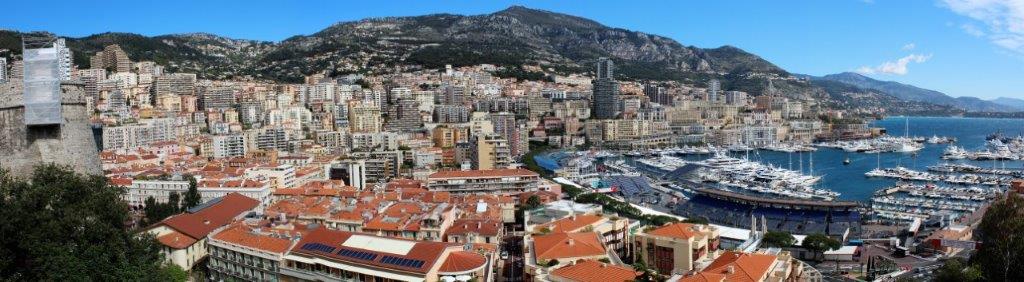
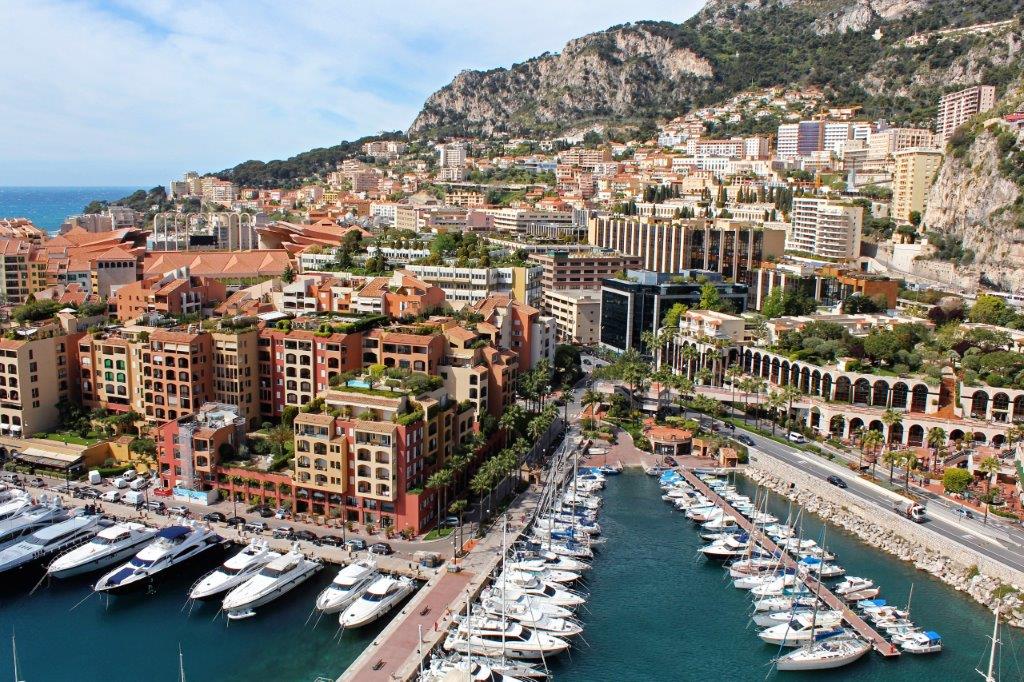
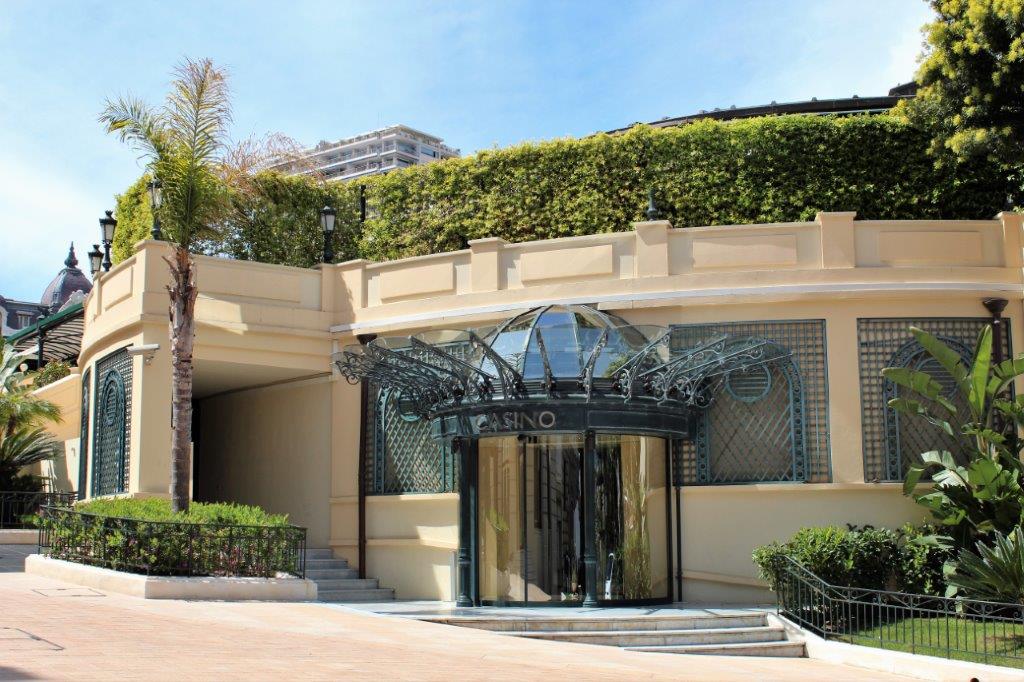
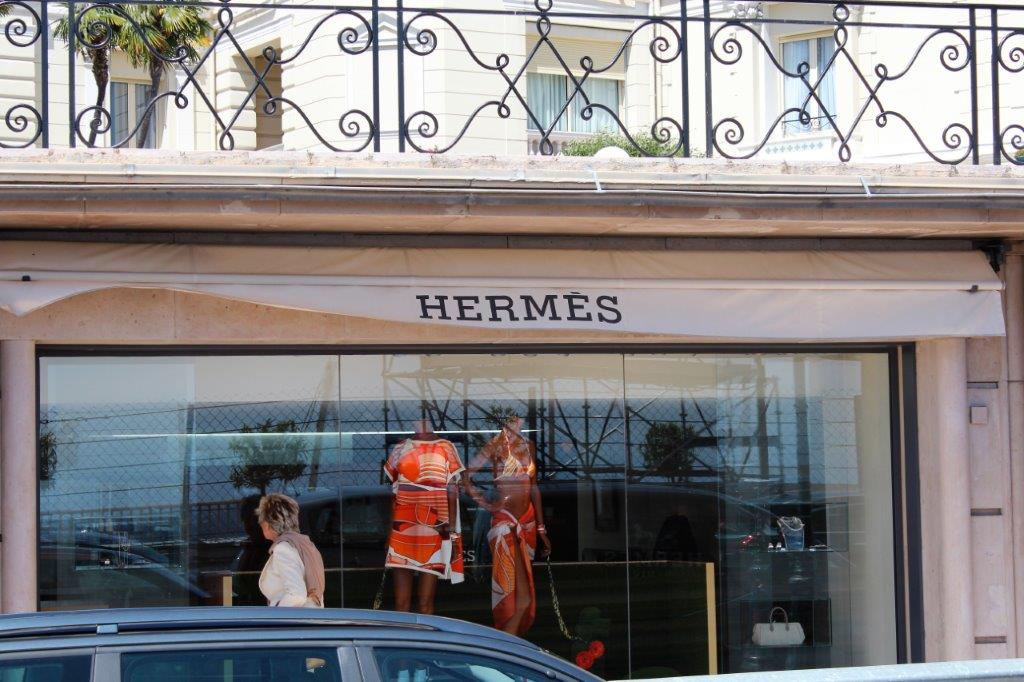
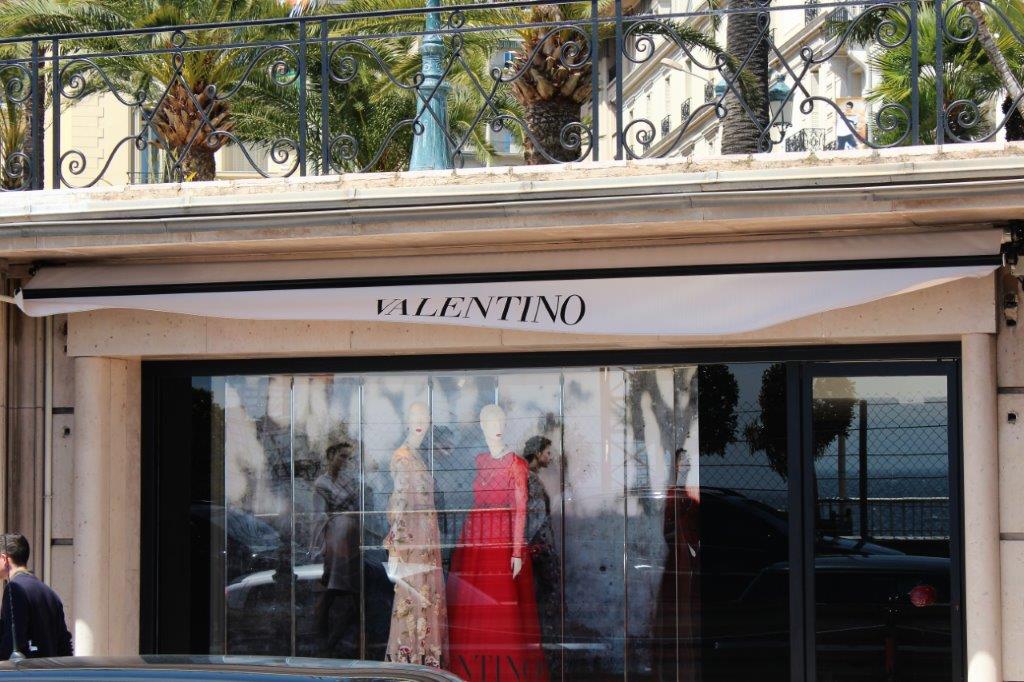
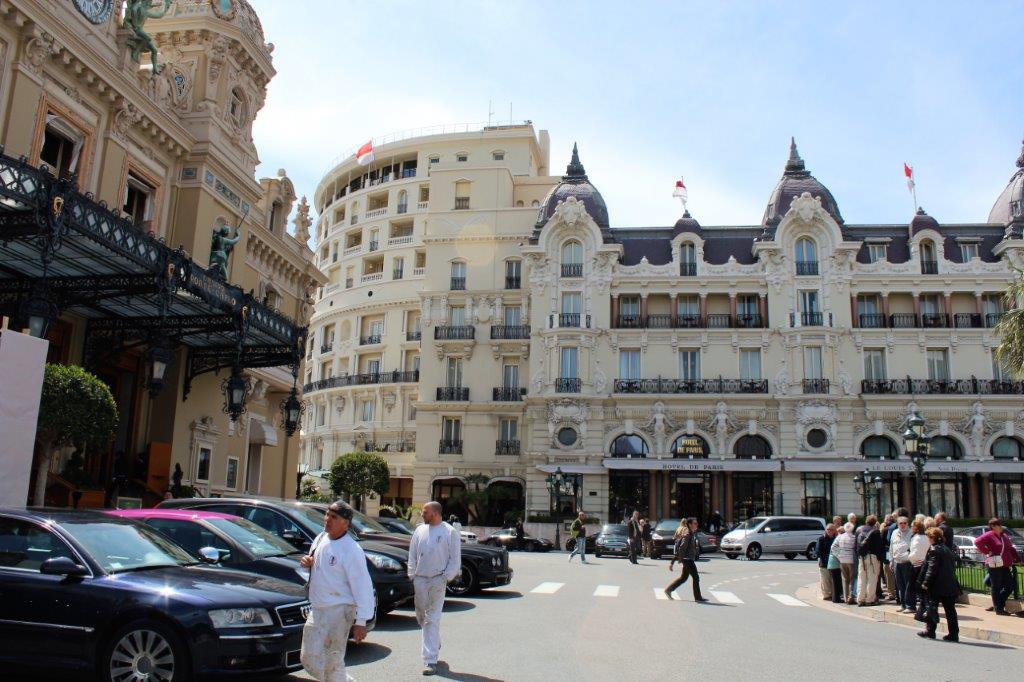
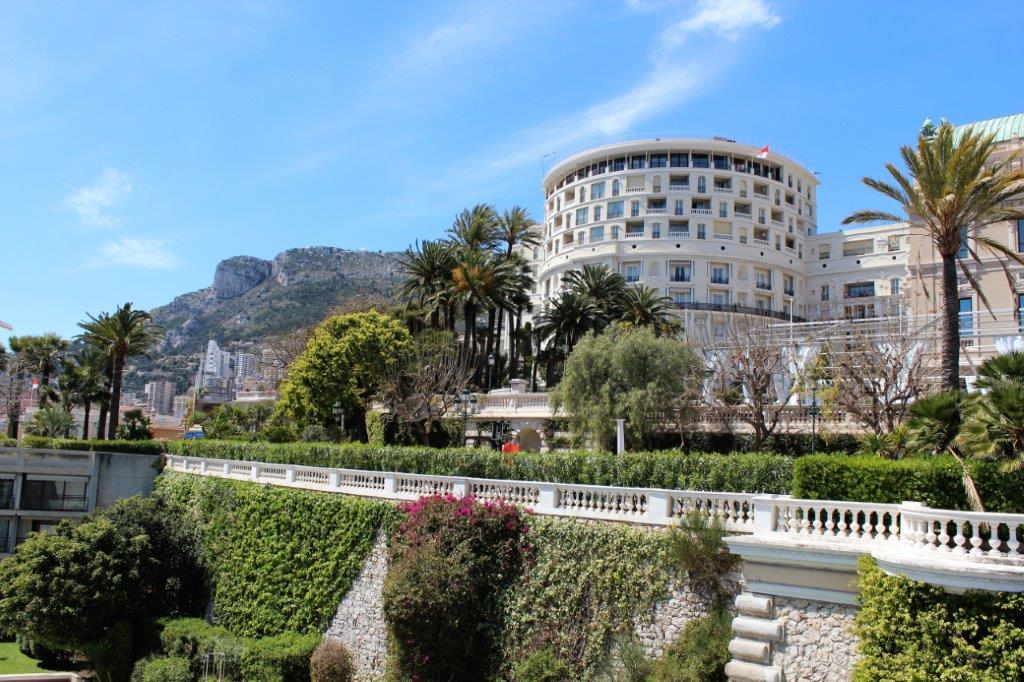
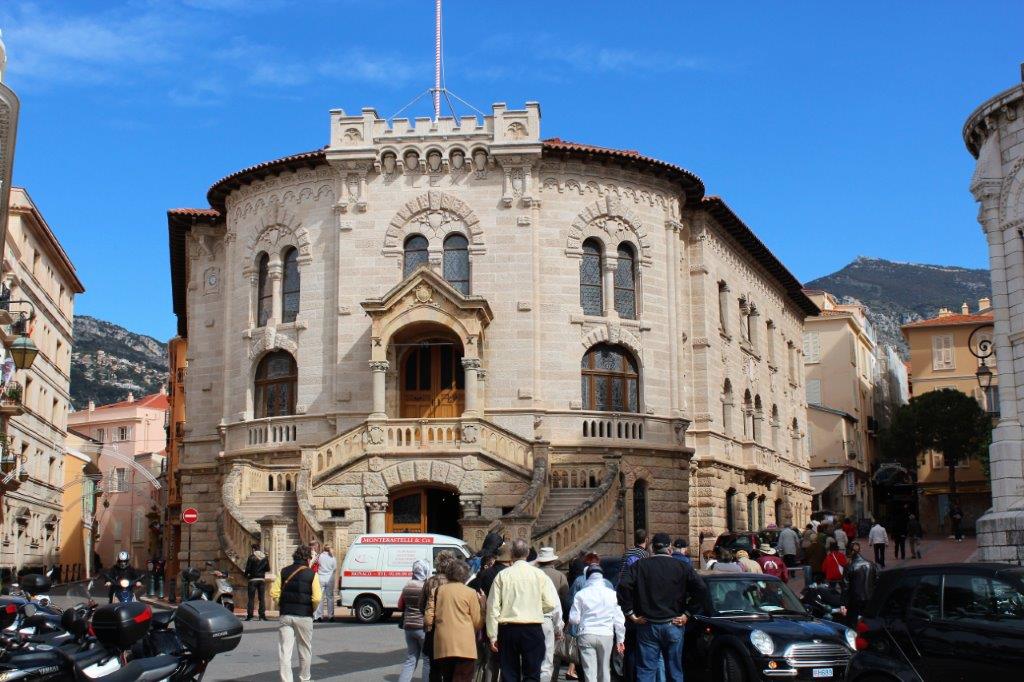
I enjoyed wandering around town.  I did not go into the casino (too swish; and I don’t gamble) but my trek passed lots of designer shops.  Monaco is a small, but wealthy principality; definitely a playground for the rich and famous.

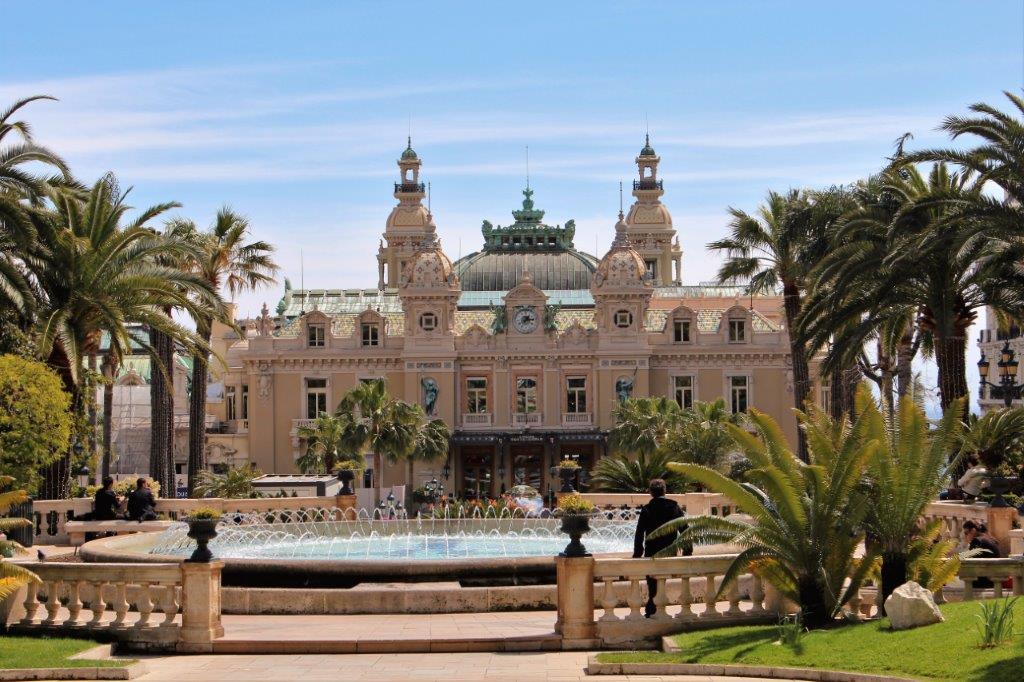
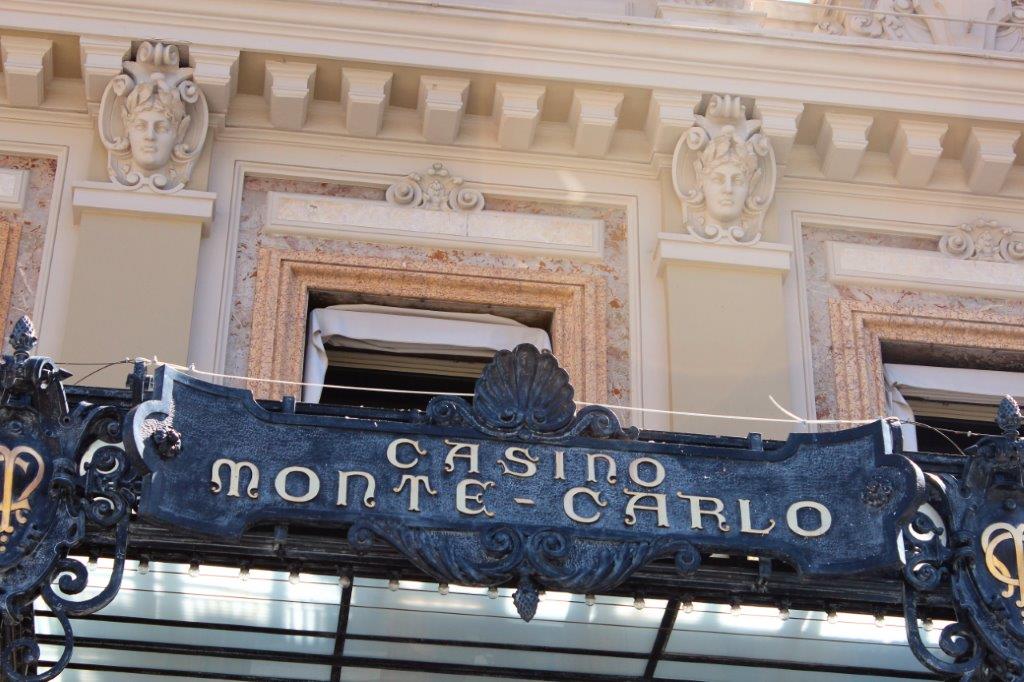
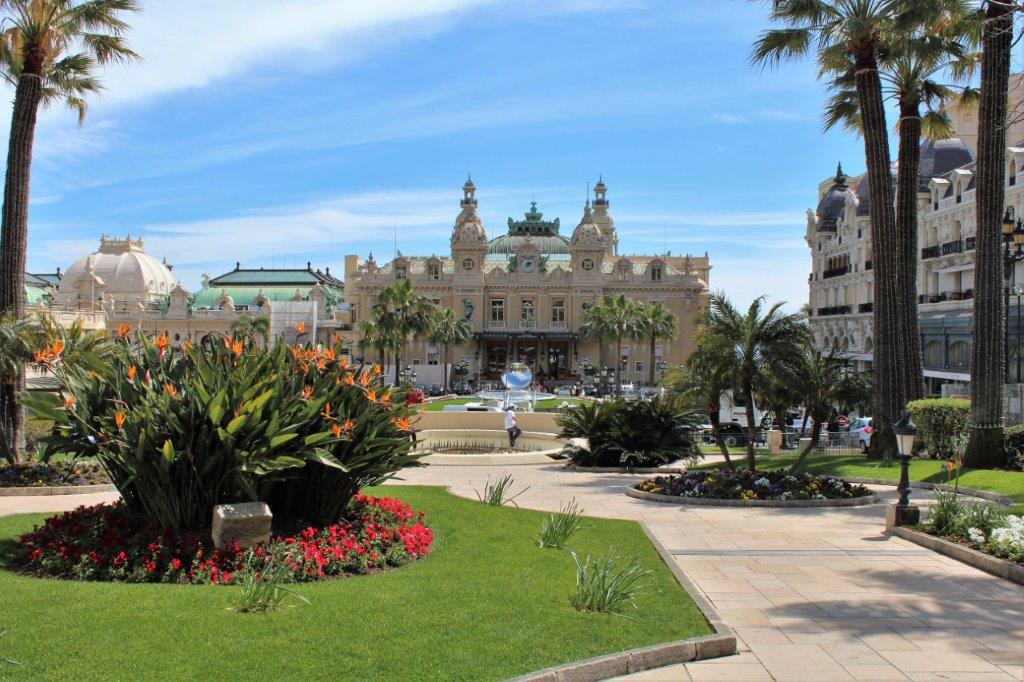
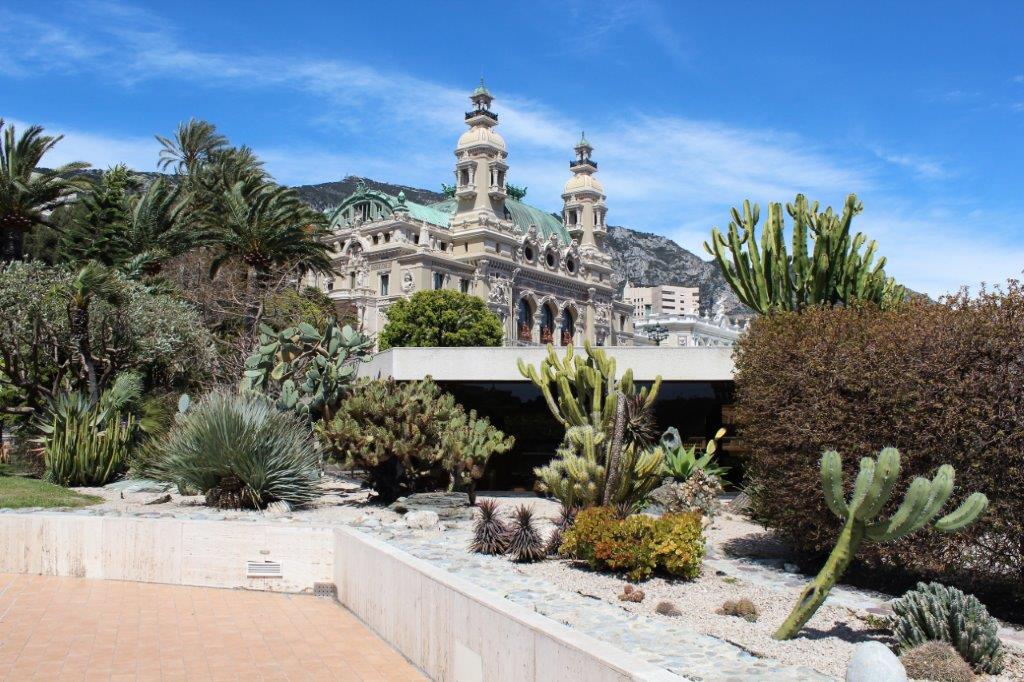
                                               The Monaco CasinoJohn completed his walk of the race circuit in time to join me for a stroll through the gardens and along the upper ocean-side walkway.

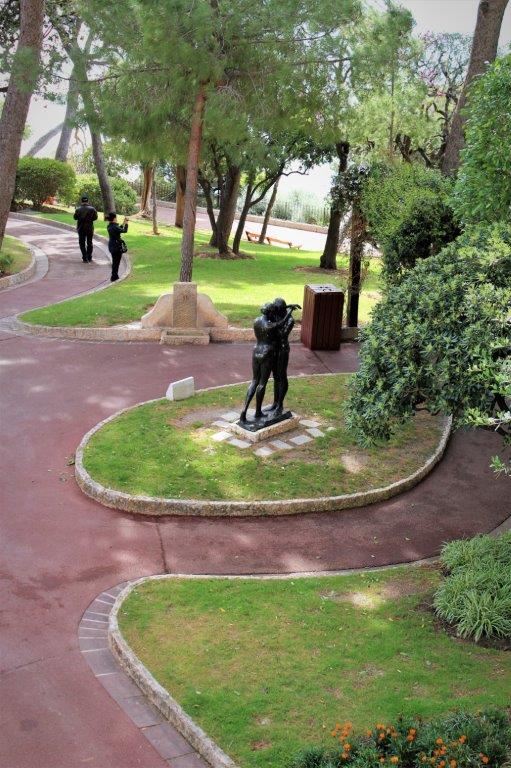
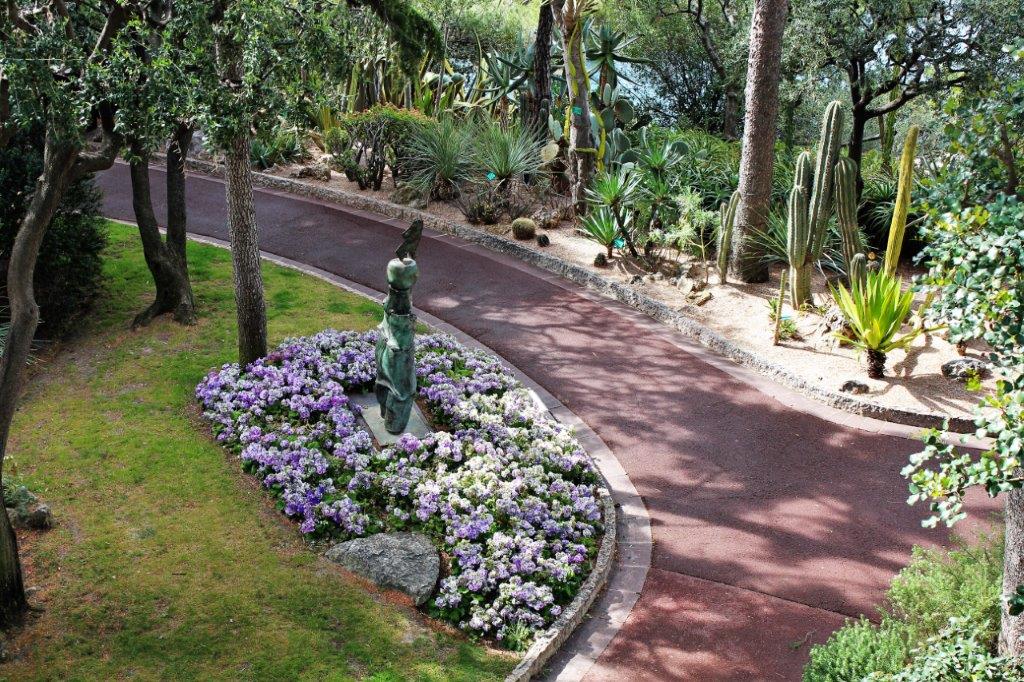
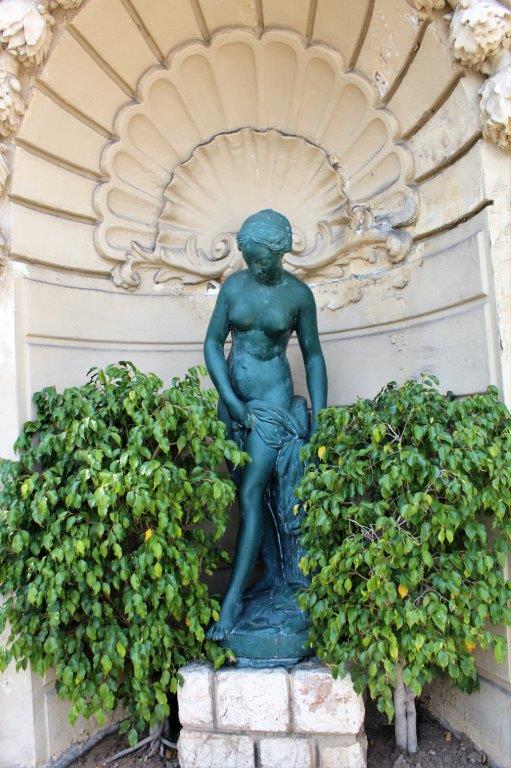
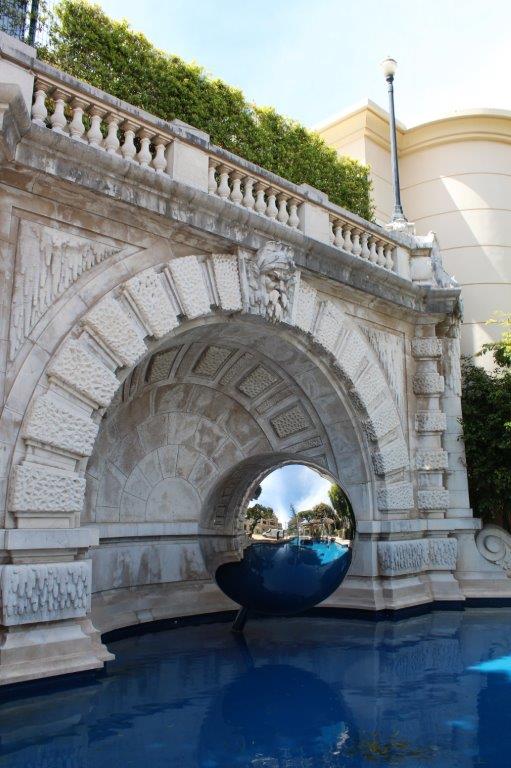
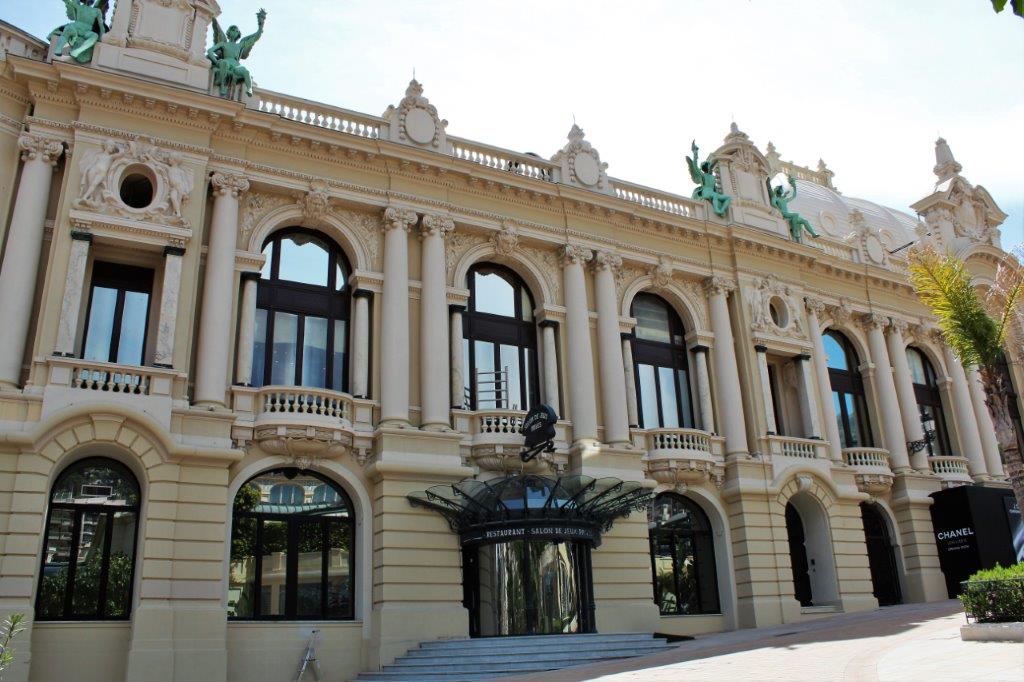
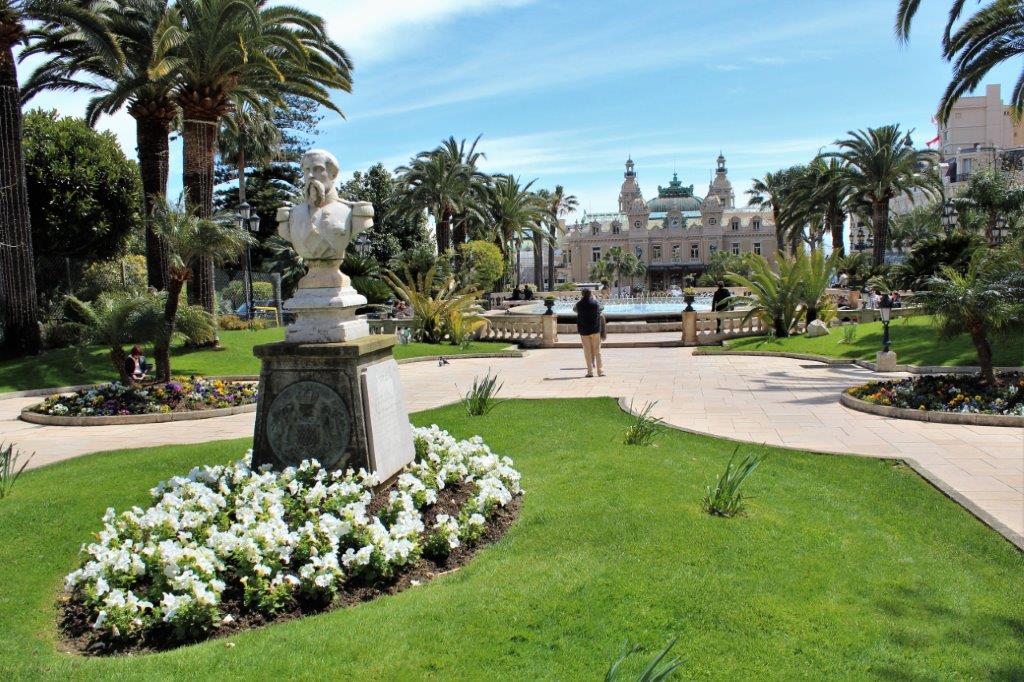
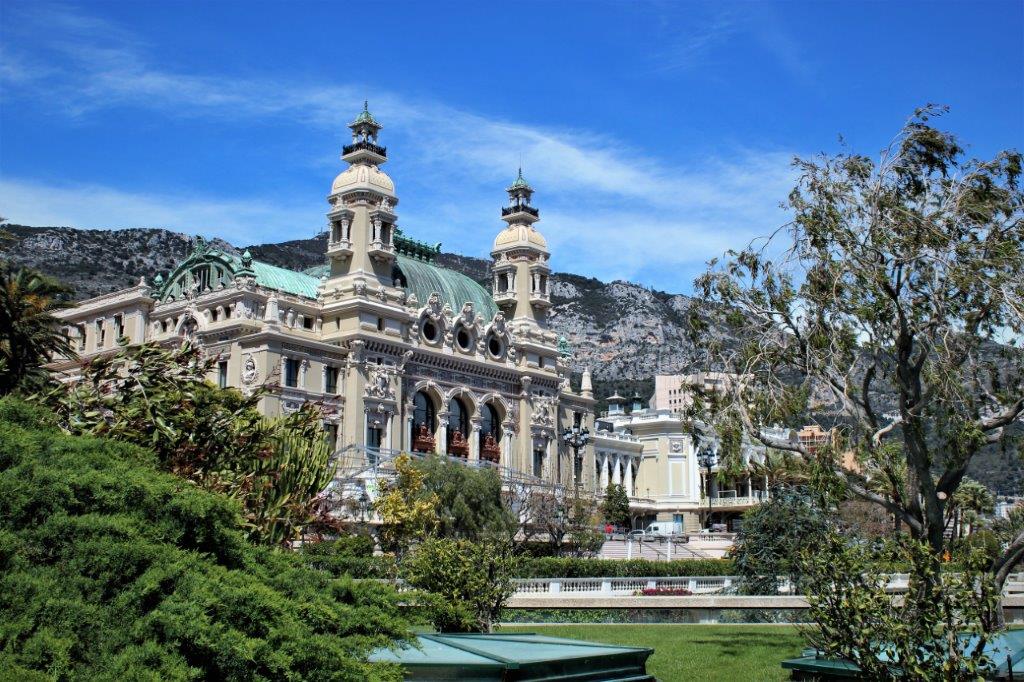
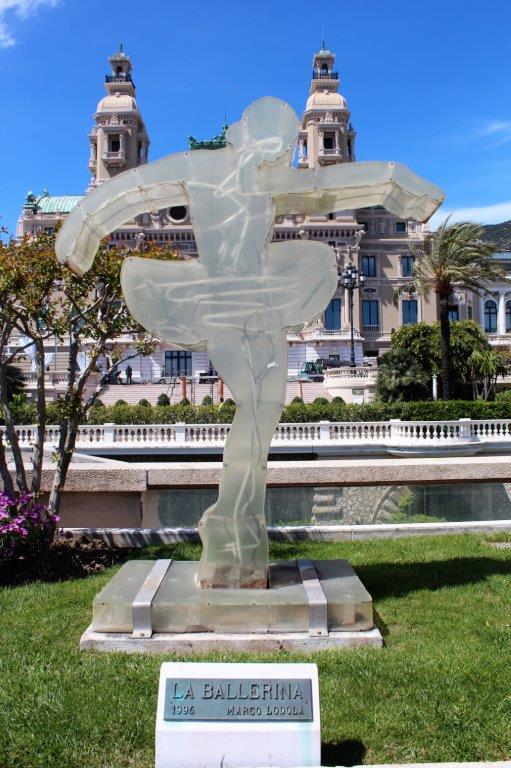
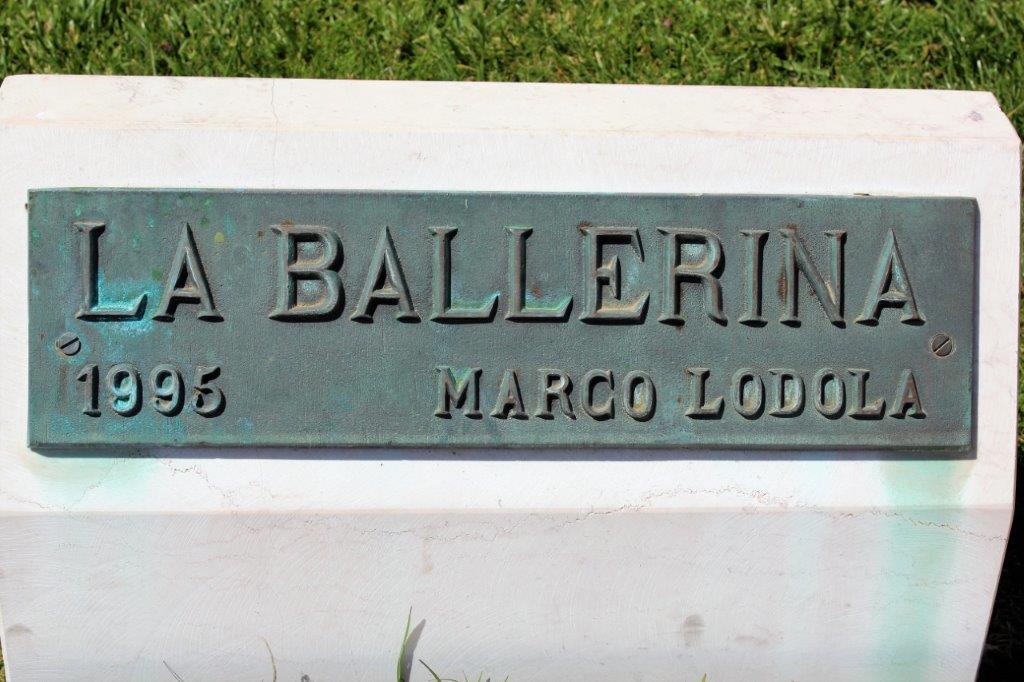
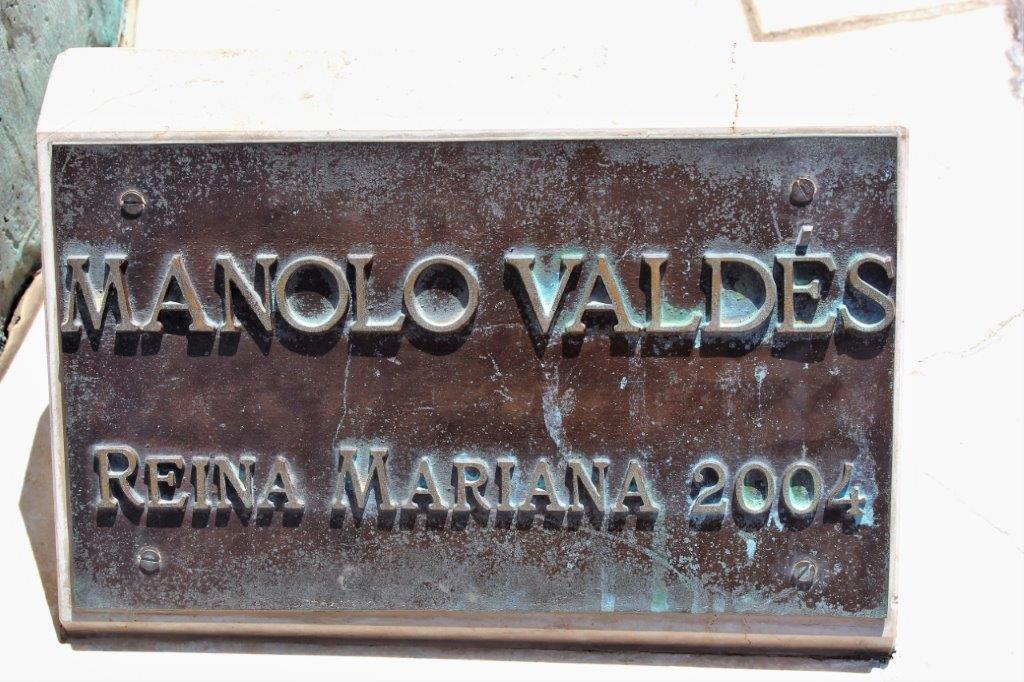
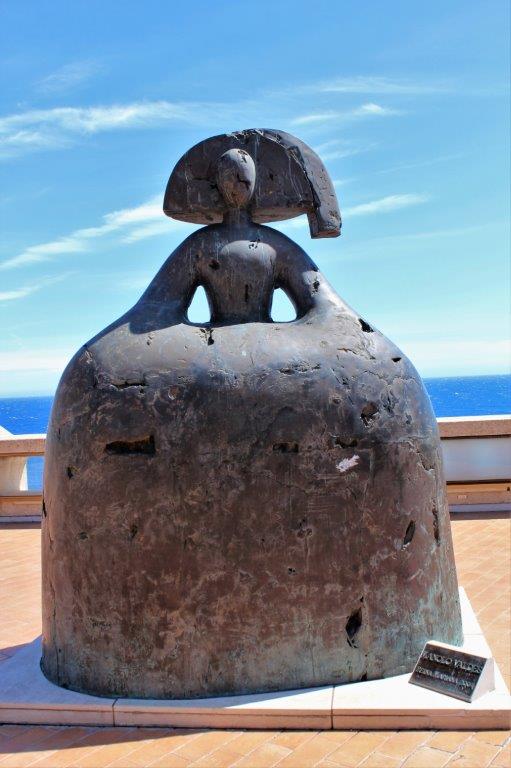
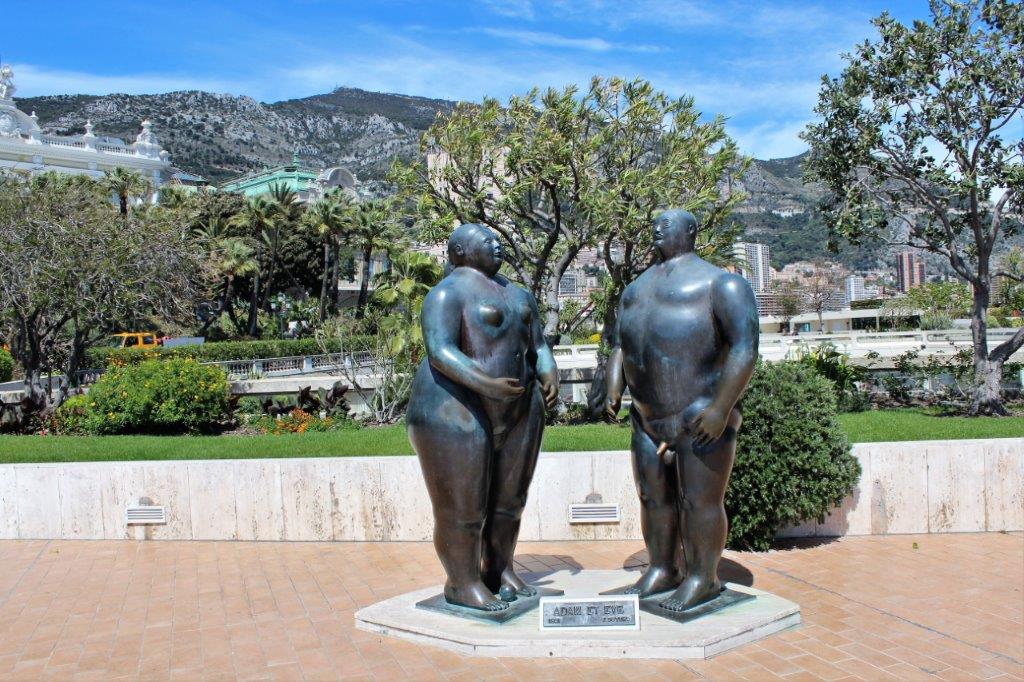
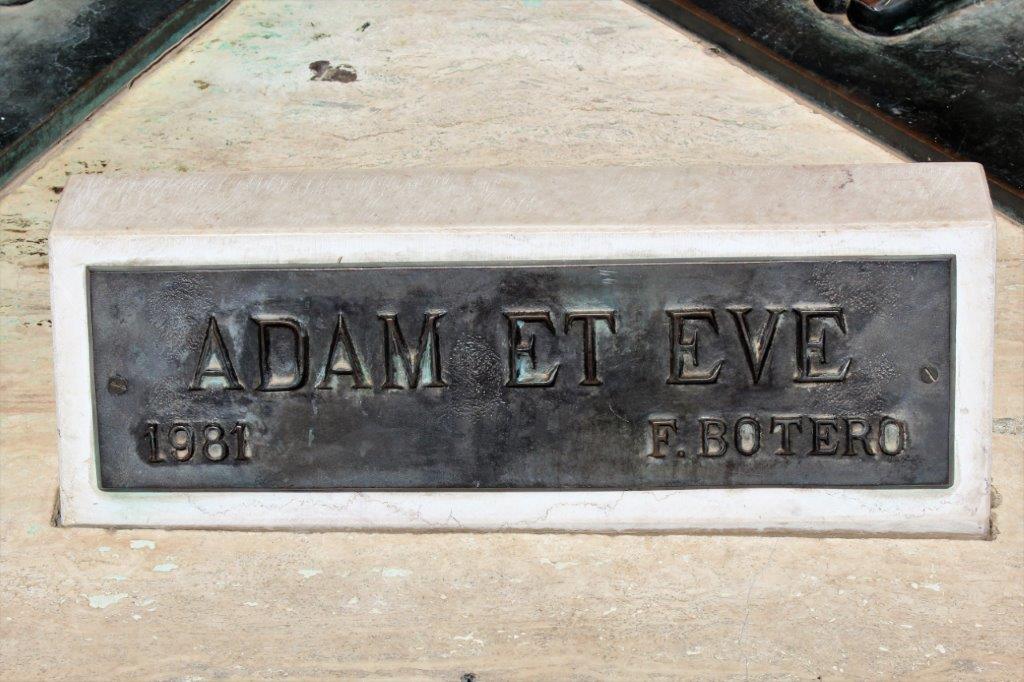
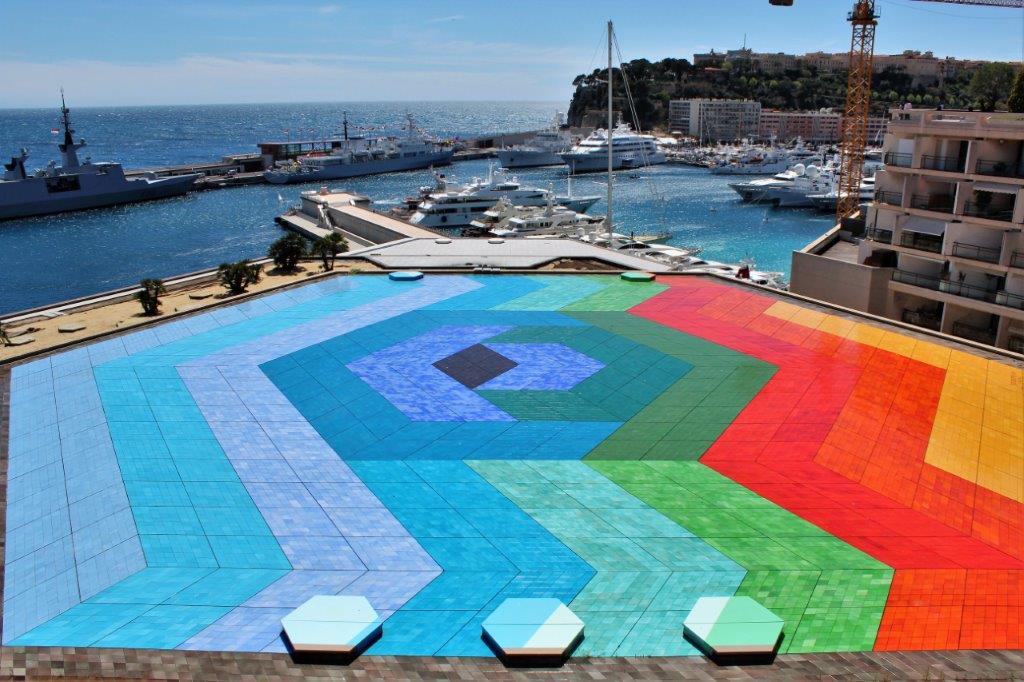
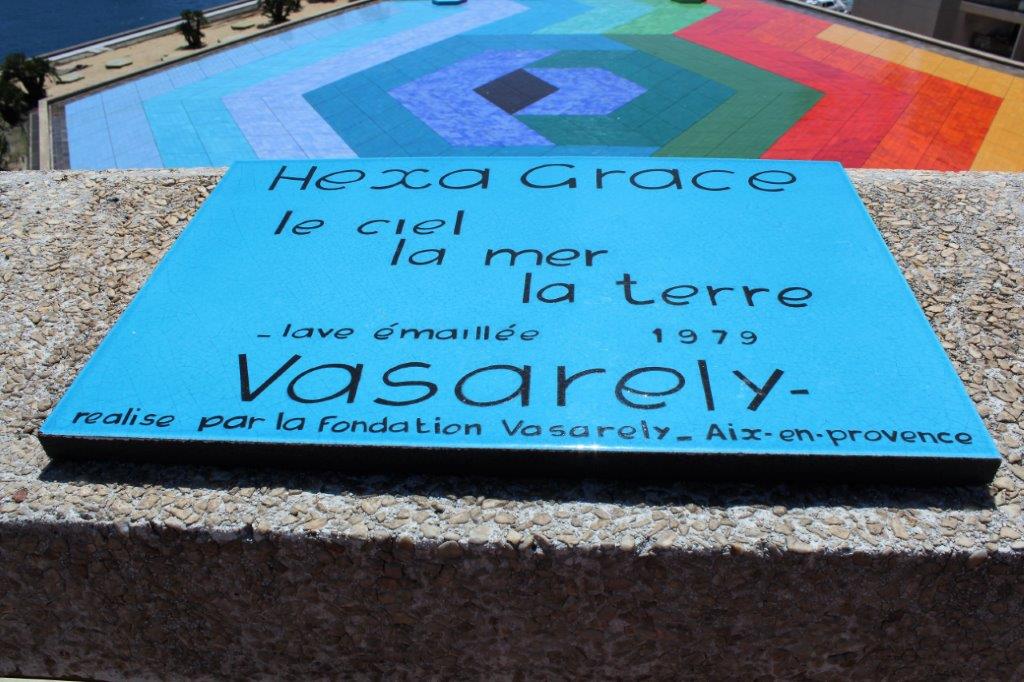
Princess Grace of Monaco loved art and there are statues, sculptures and art pieces everywhere you look and walk.  The Monaco Opera House – located in the same building as the casino, but with a separate entrance.

At 2:30 we were back on the bus for the drive back to St. Raphael. We were scheduled to spend the next day at Sète, France but the captain announced the stop was cancelled as the port was going to be closed for the next two days due to gale force winds.  We had a sunny day in Monaco, but the wind was quite strong all day.  Part of the same system I guess.John was proudly wearing his Monaco Grand Prix shirt at dinner.

Since we were unable to stop in Sète the ship sailed directly to Barcelona.  We already were to stay there for two nights, so this gave an extra half-day in the city, which we spent trying to get online in an internet cafe – with no success – in the hopes of uploading some photos without the exorbitant cost on board.  The fellows at the cafe were very, very helpful and friendly and even offered to drive us to the edge of the port where the ship’s shuttle picked up and let off people and thus save us a lengthy walk.  Very kind of them.

2012 April 25 & 26 – Days 45 & 46 – Barcelona, Spain (Part 1)

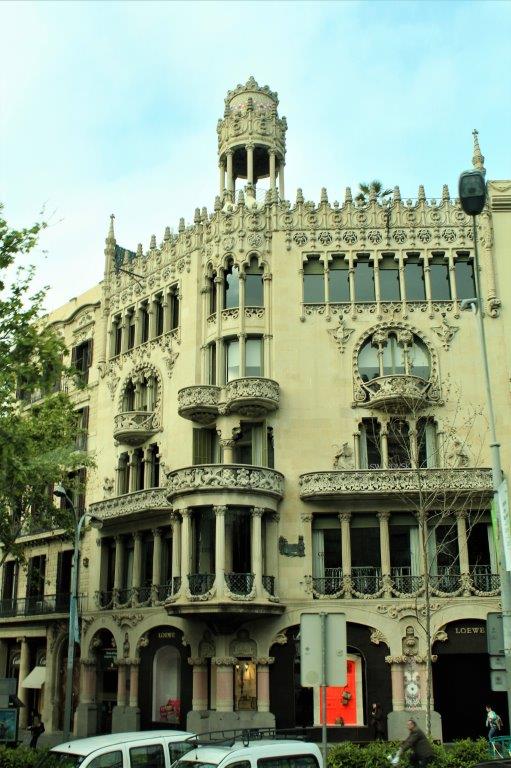
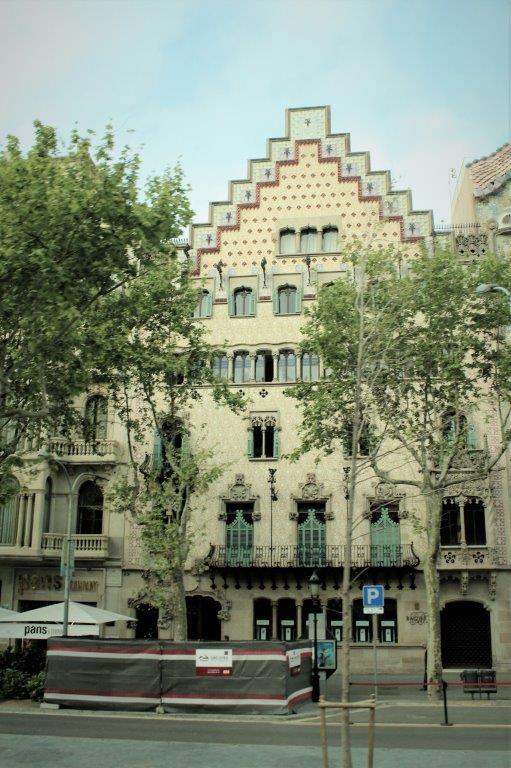
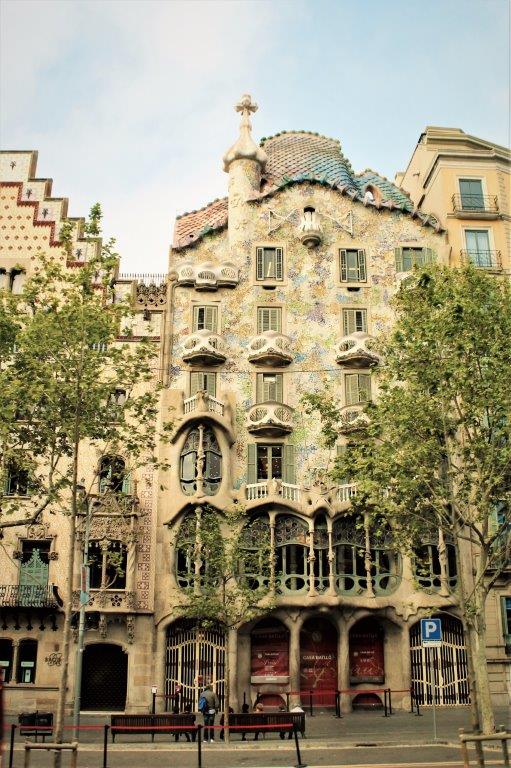
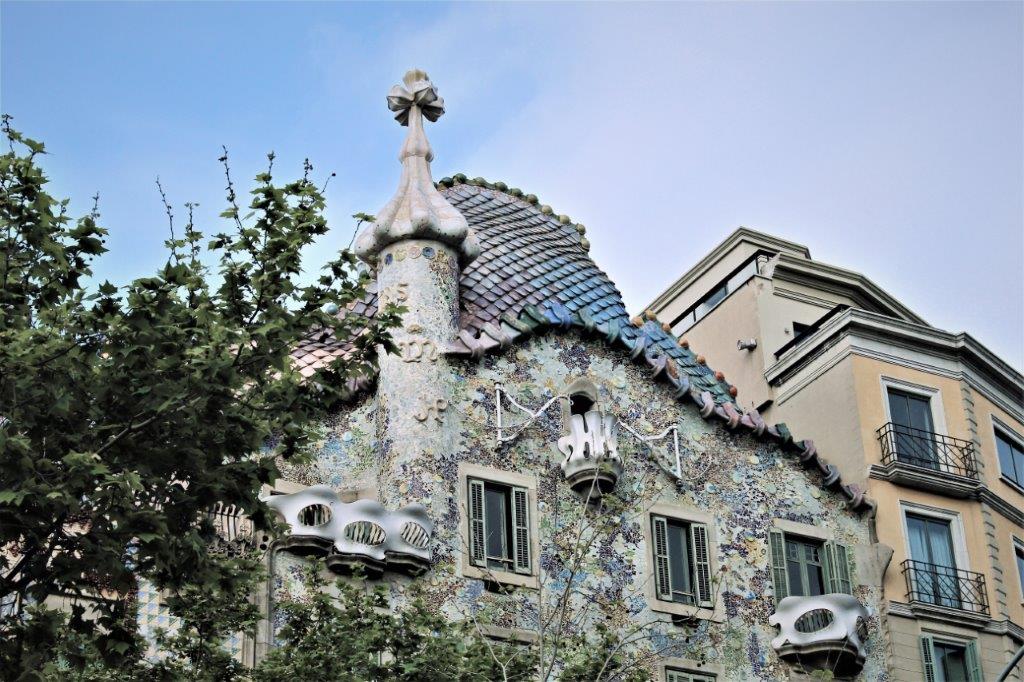
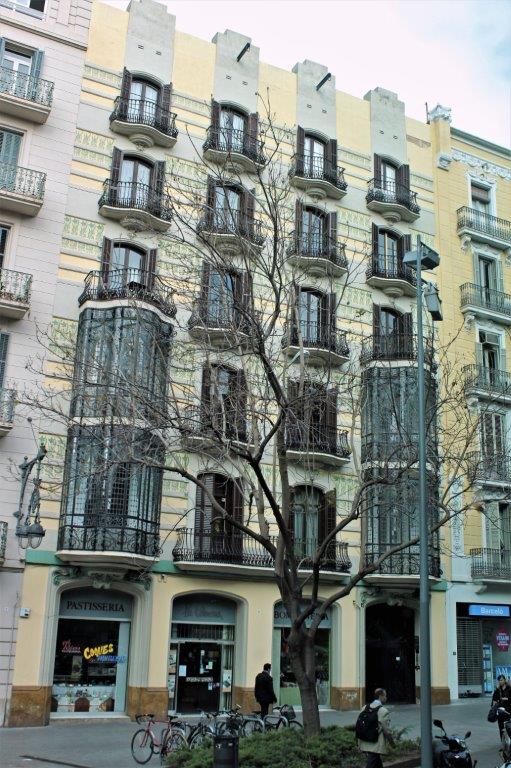
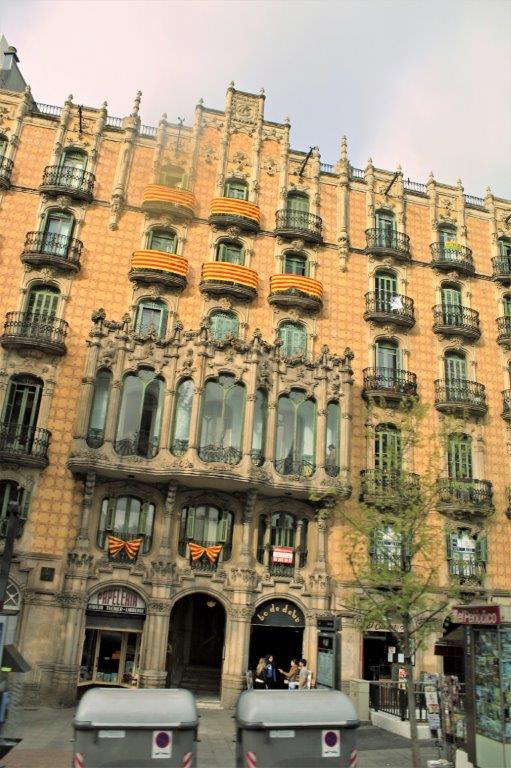
We docked in Barcelona at 11 am on April 25 (Day 1) after having our port-of-call at Sète, France cancelled due to gale force winds closing the port for two days.  Passengers were free to disembark by noon.  We went into the terminal after lunch hoping to find some free internet.  There are three terminals here and none of them had wi-fi.  We located a Seafarer’s Cafe which is for only ship’s crews but the two fellows invited us in anyway.  Unfortunately my laptop settings did not like the password combination they used (we got that fixed later though) so we were unsuccessful.  We went back aboard and enjoyed a bit of a down day.Our first tour in Barcelona was called Gaudí’s Barcelona; a tour of some of the architectural wonders by the famous Catalan architect.  Antoni Gaudí detested straight lines and sharp angles, and loved the shapes and colours of nature, so his buildings and designs are very unique.  For many it is a love or hate relationship; sometimes a bit of both. Barcelona is blessed with more avant garde architecture than any other city in the world.  Gaudí lived decades ago (he died in 1926), but was a man well ahead of his time – he even used recycled materials.  The United Nations World Trust protects much of his work and the buildings are living museums still used as offices, shops and/or residences.The Columbus Monument was built to honor the explorer’s first trip to the Americas.  It is situated just outside the passenger terminal entrance at the end of the famous promenade Las Ramblas.  Casa Batlló.  Built in 1877 this conventional house was completely restored in 1904.  When under construction there was much criticism from local residents and the city government (the building broke almost all of the city by-laws at the time).  Yet, in 1906, the city hailed it as one of the three best buildings of the year.

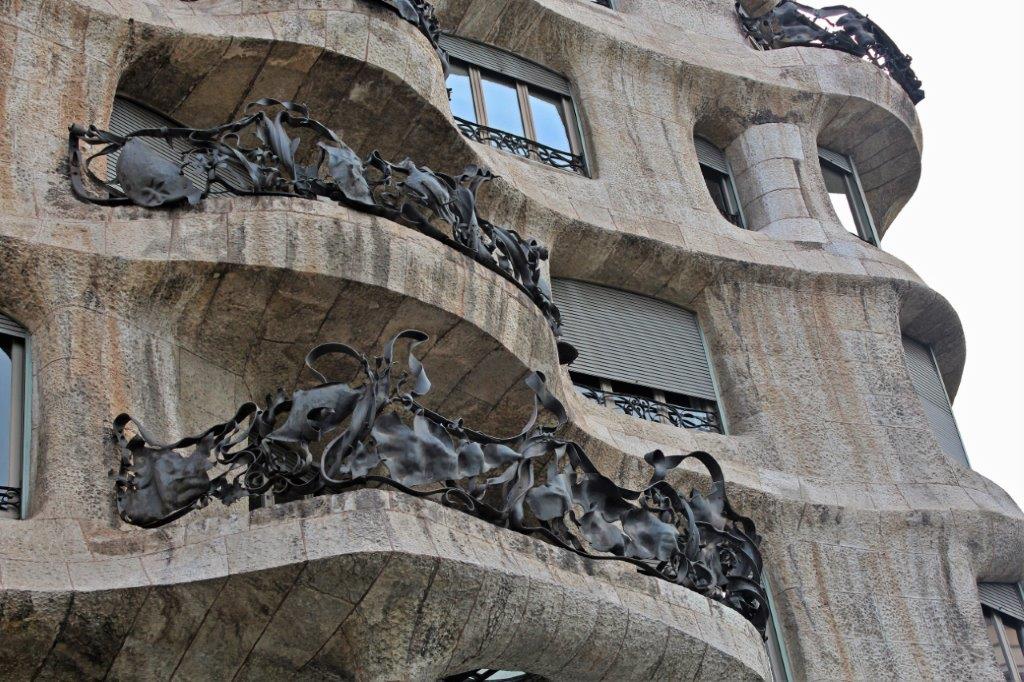
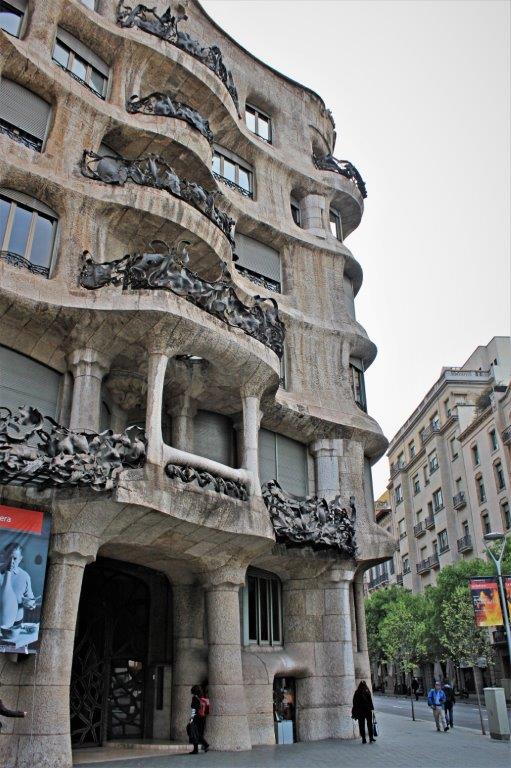
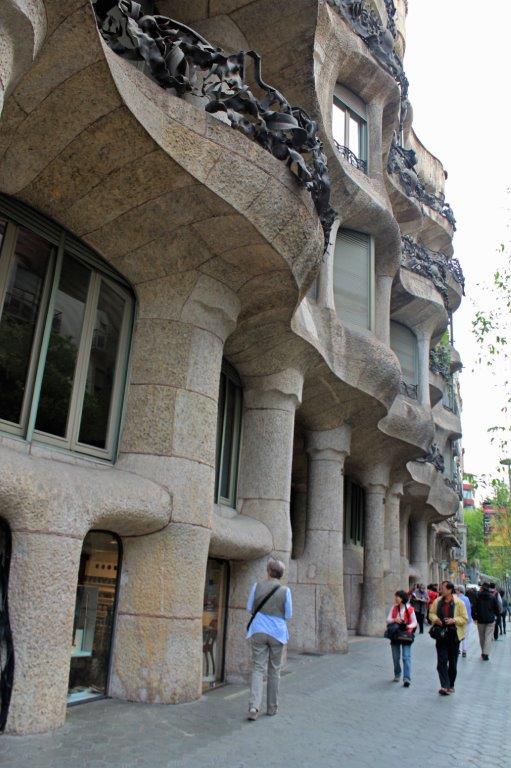
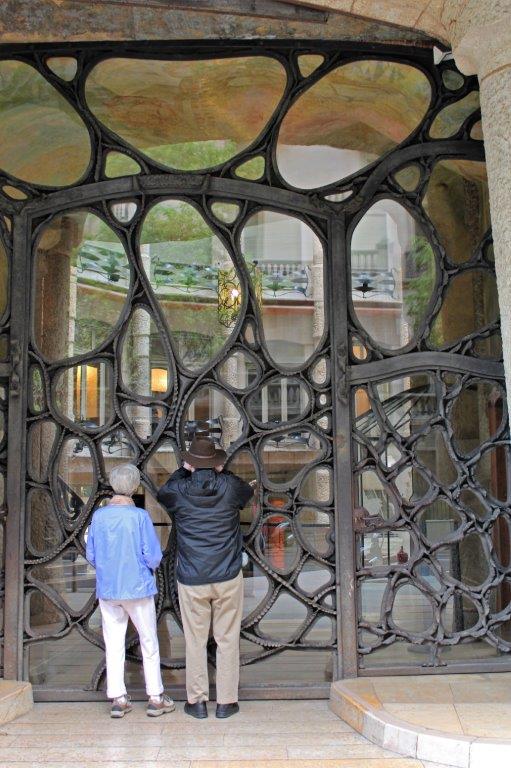
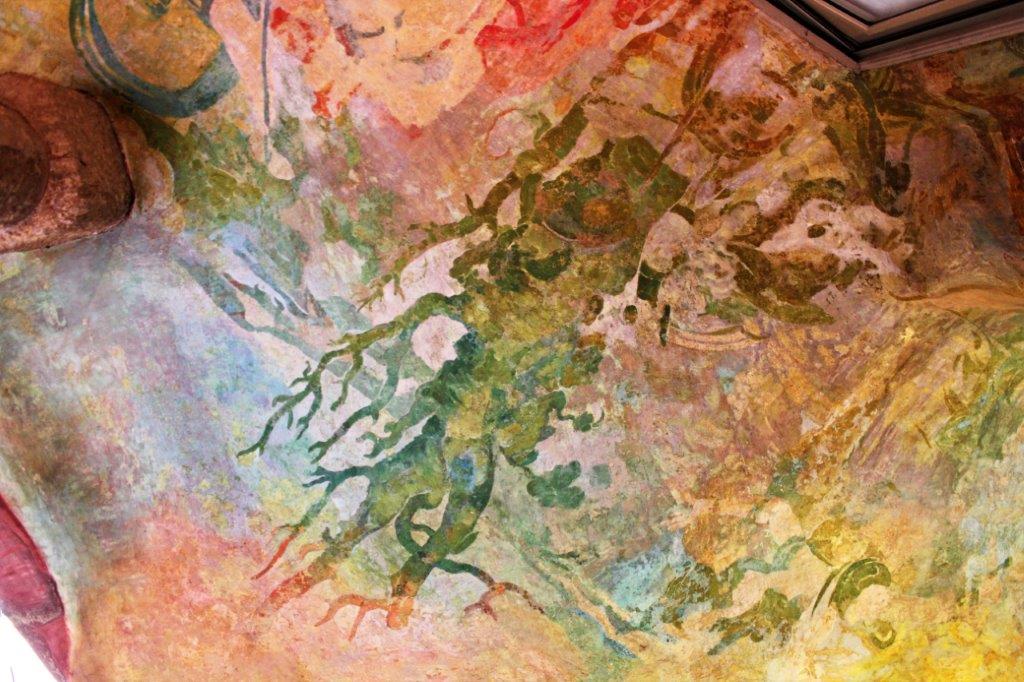
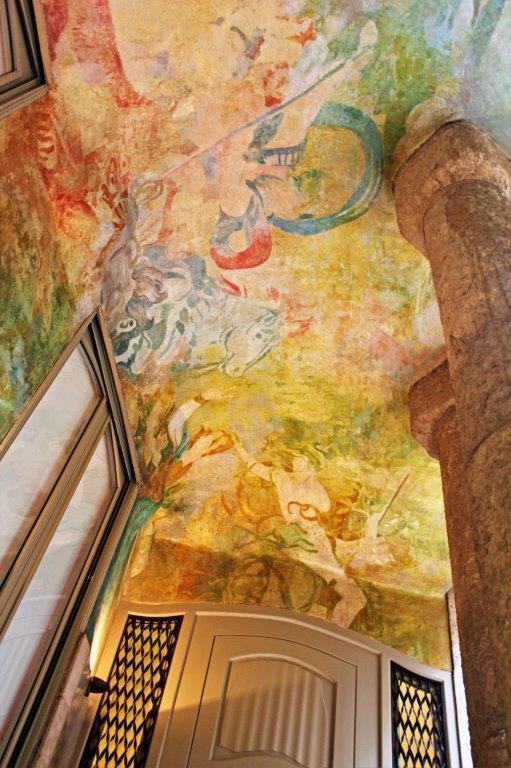
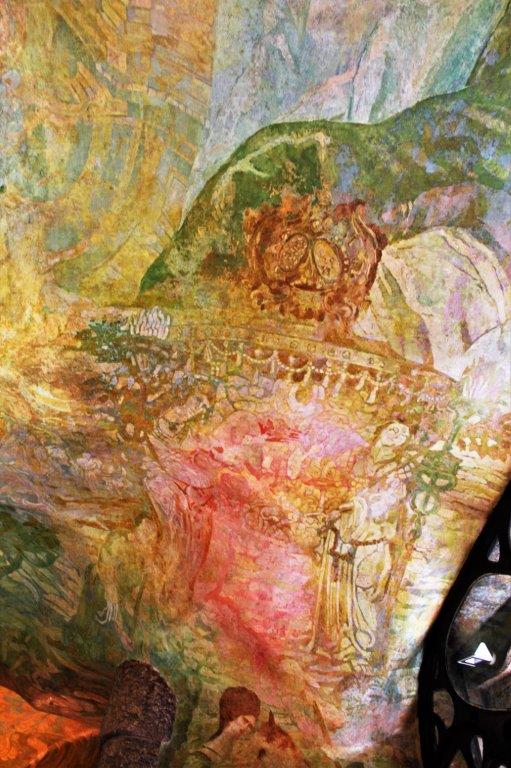
Casa Milà was built for the wealthy Milà family and is one of Gaudi’s main residential buildings.  It is also one of the most imaginative houses in the history of architecture.  It is called  La Padrera (The Stone Quarry) by locals. The building was designated a World Heritage by UNESCO in 1984.  It is now owned by a Savings Bank and there are only four people living in the apartments.  The colourful lobby.
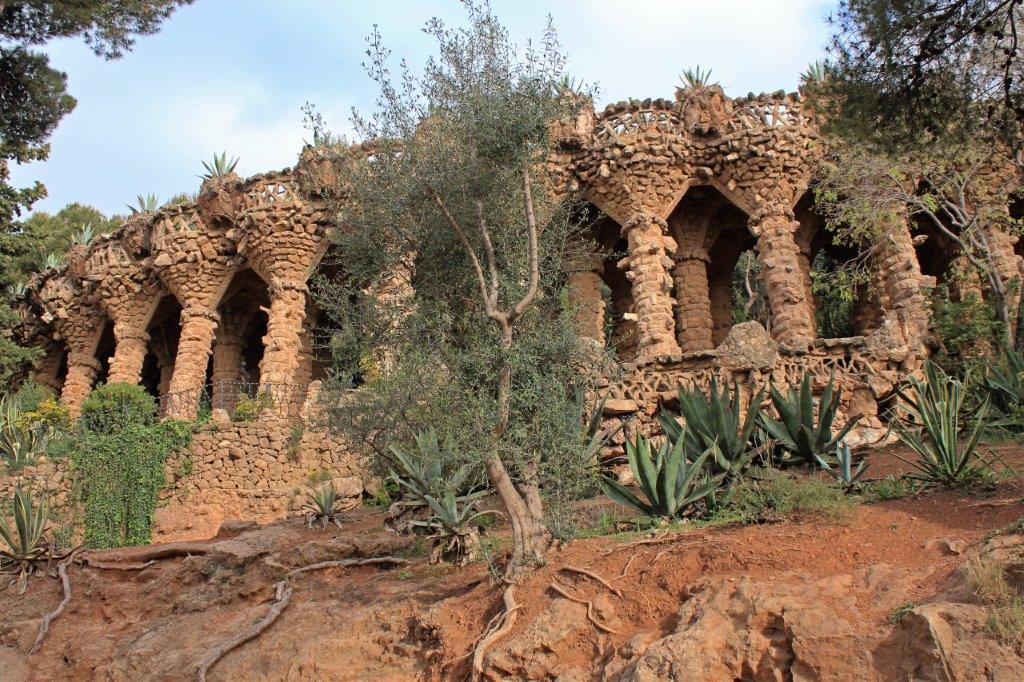
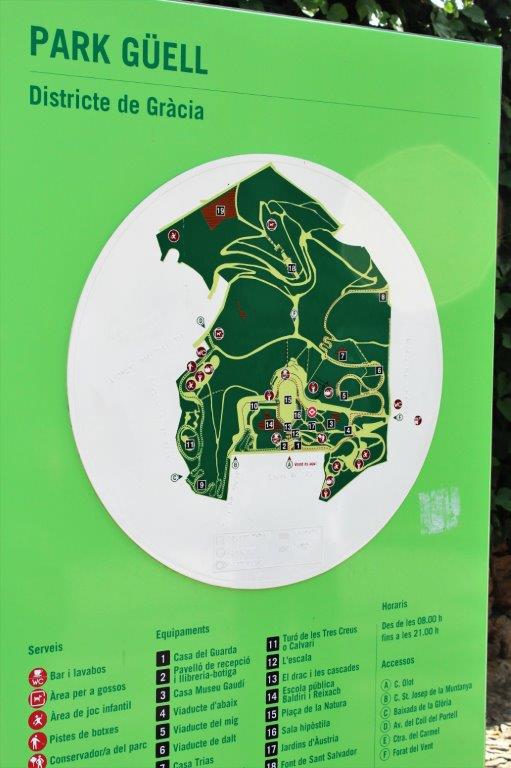
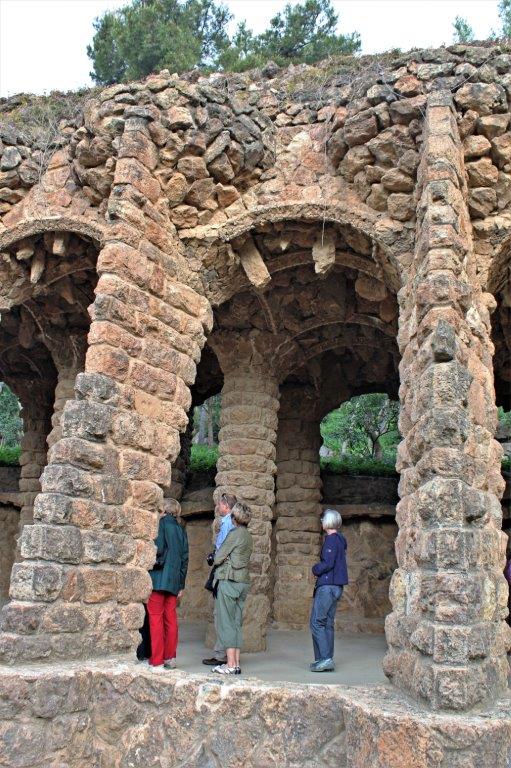
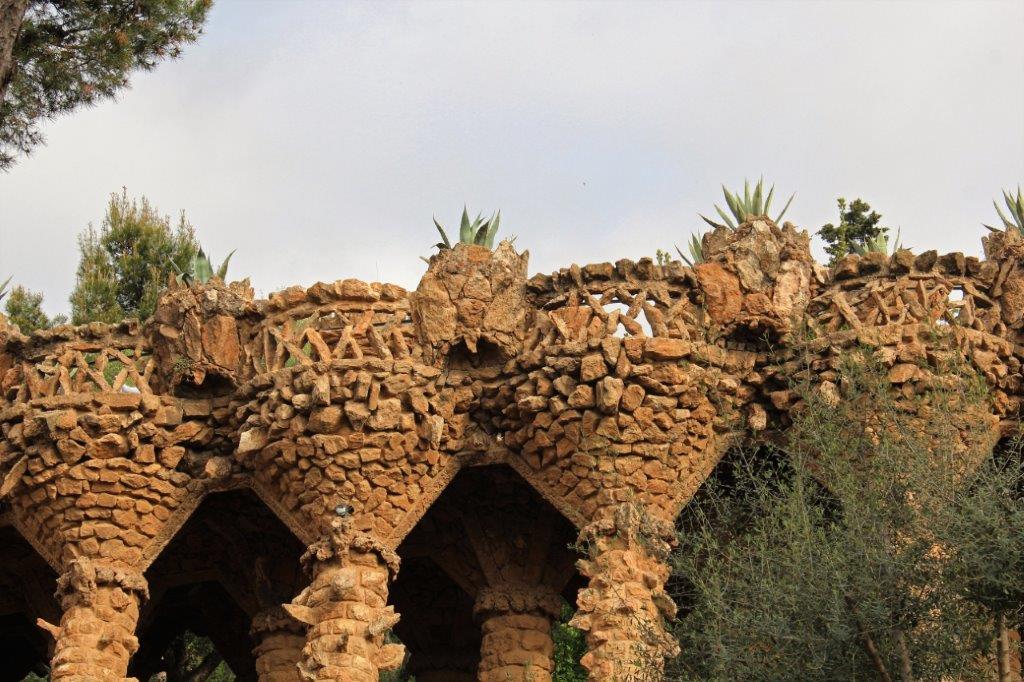
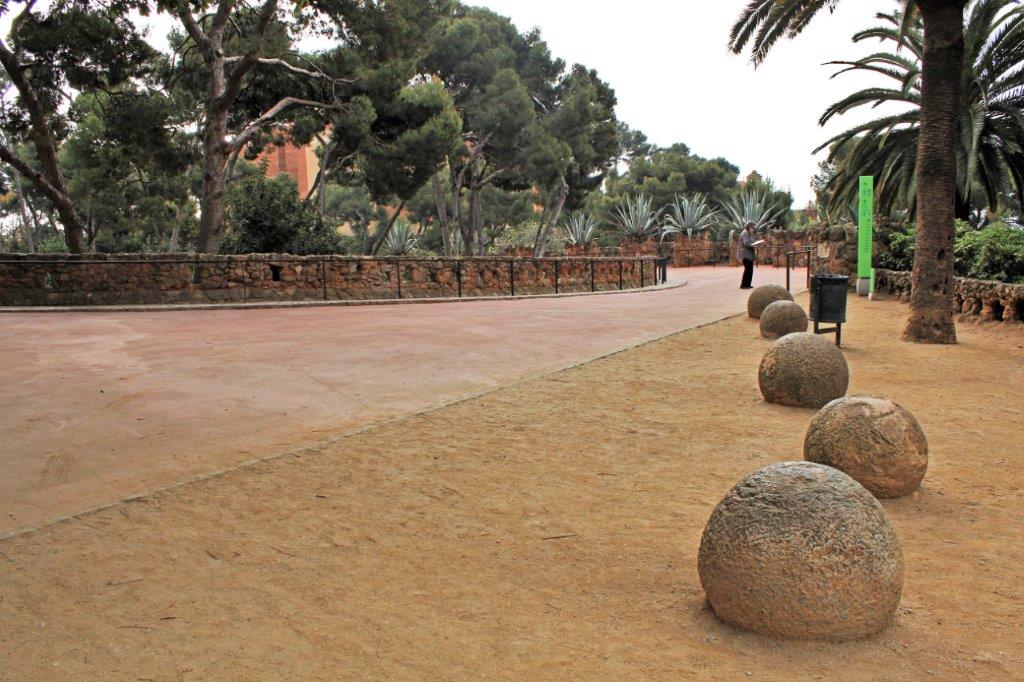
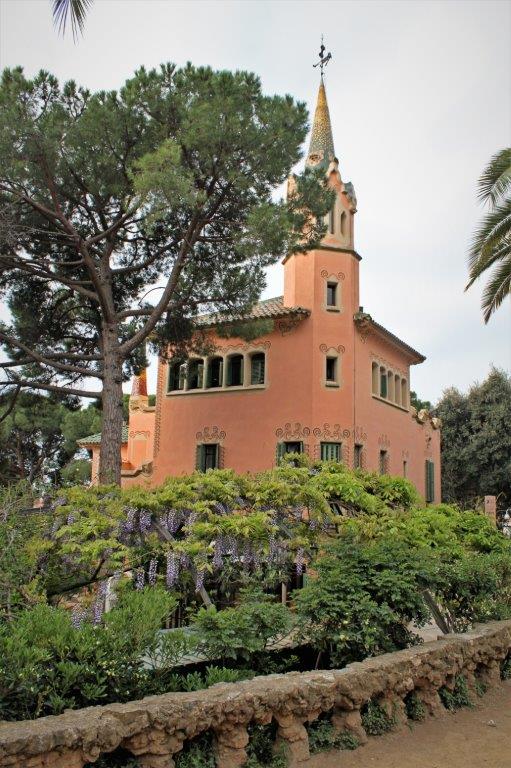
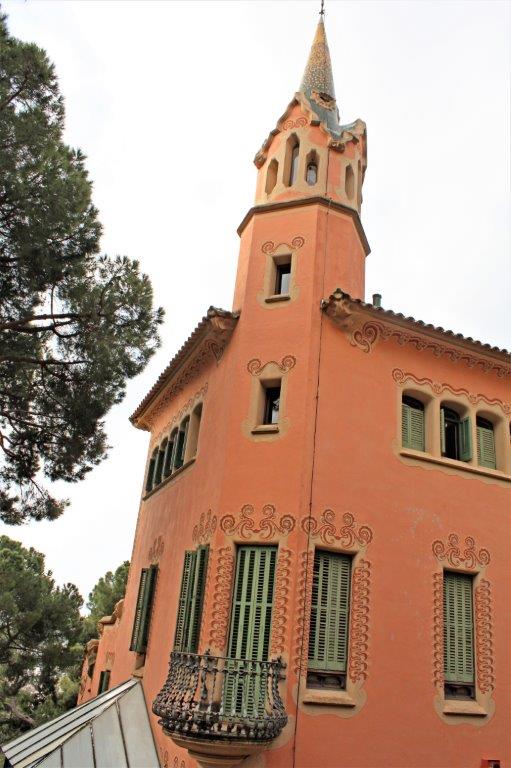
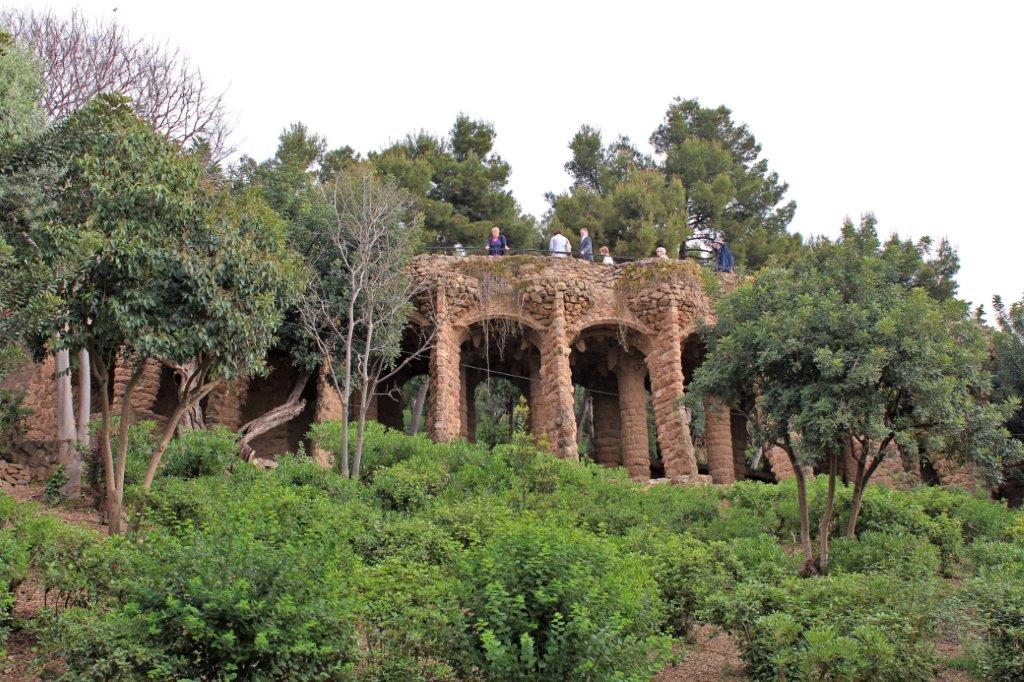
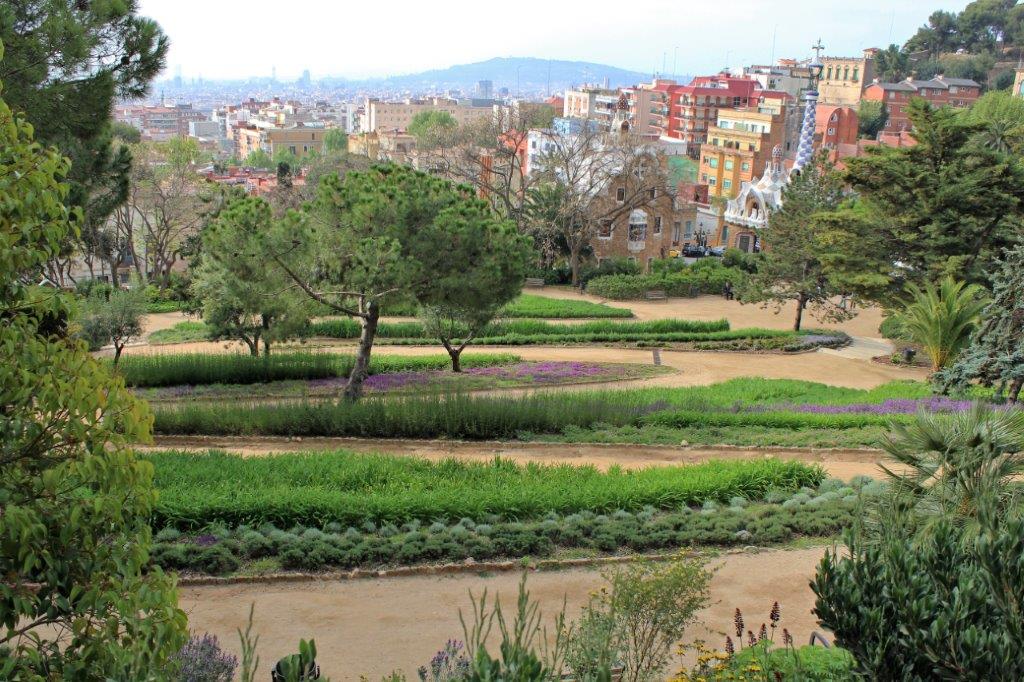
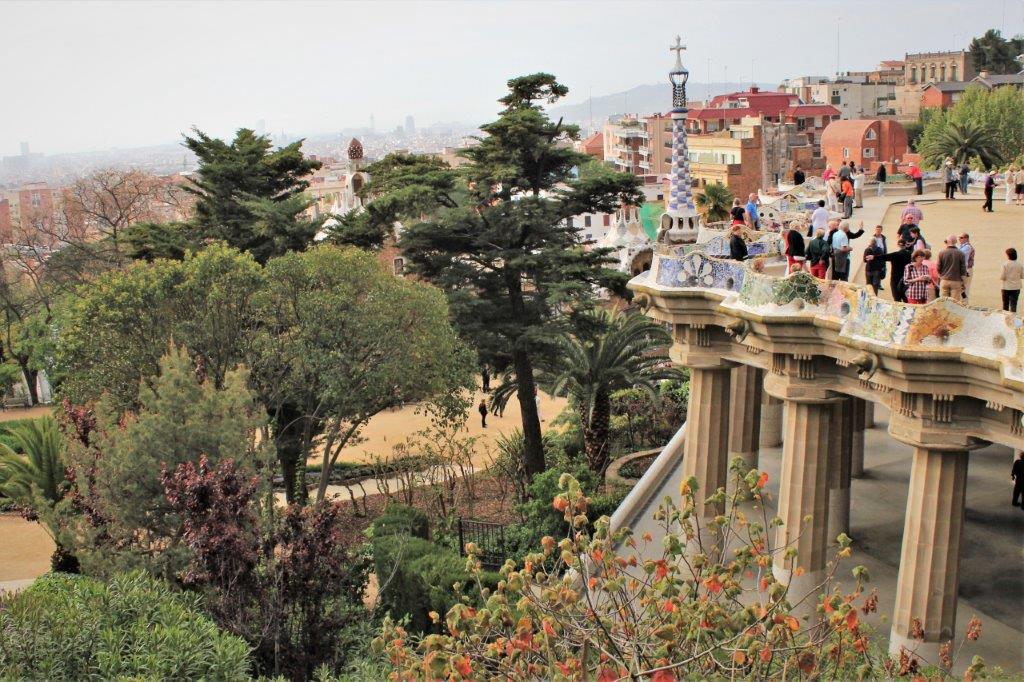
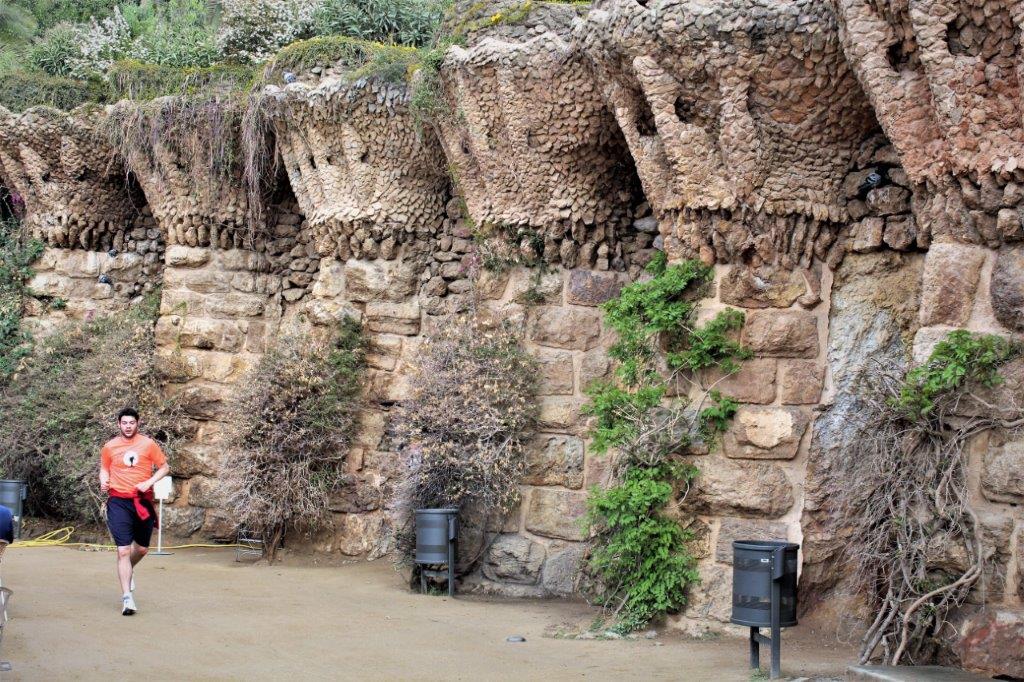
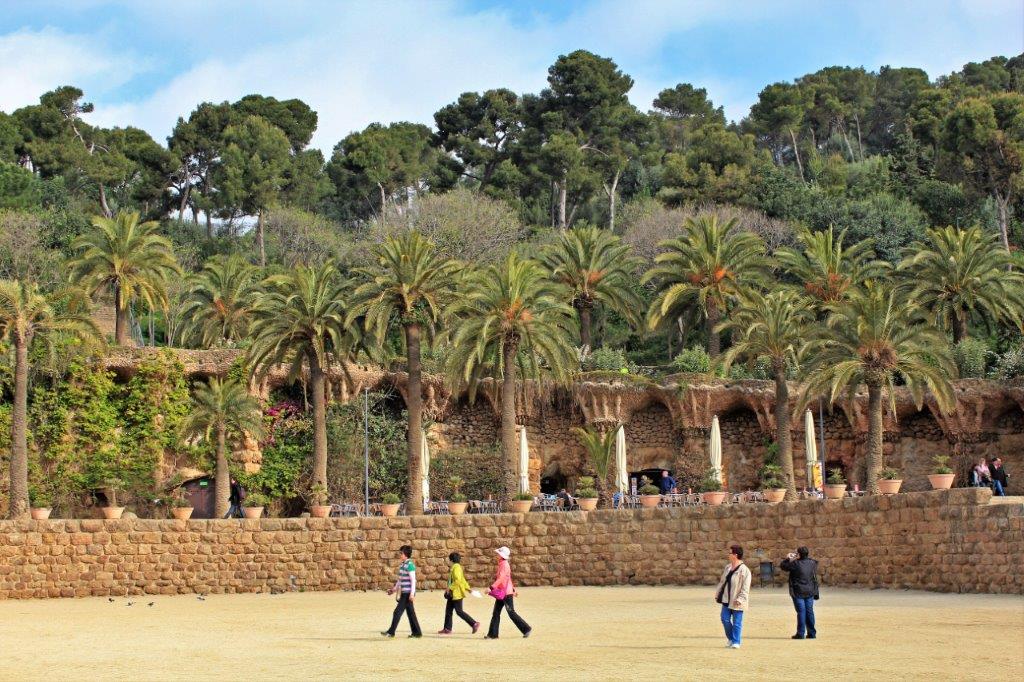
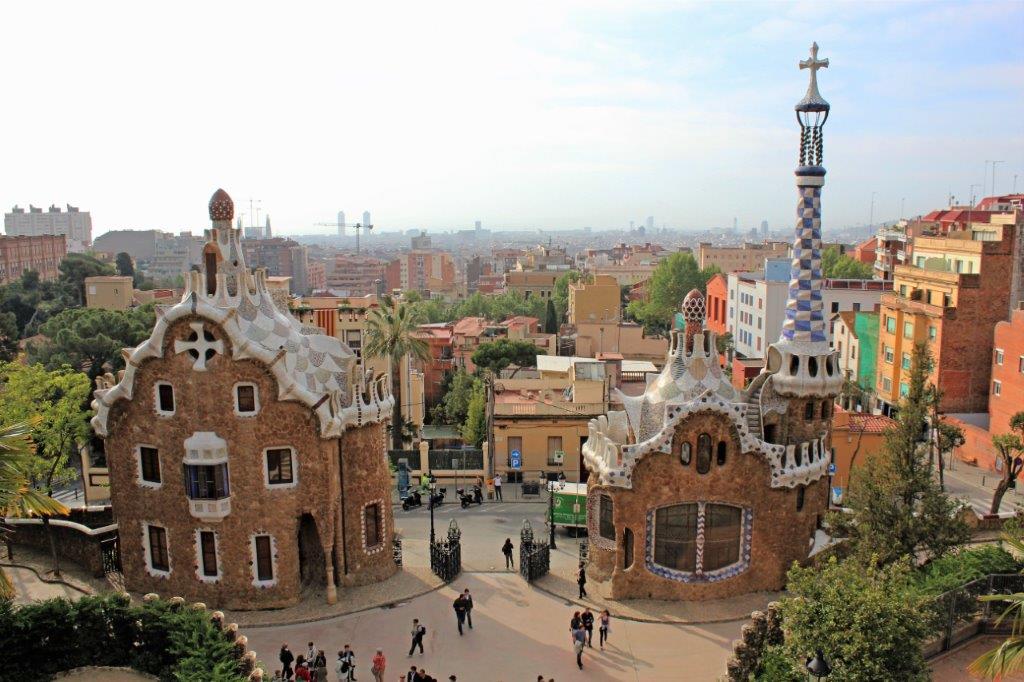
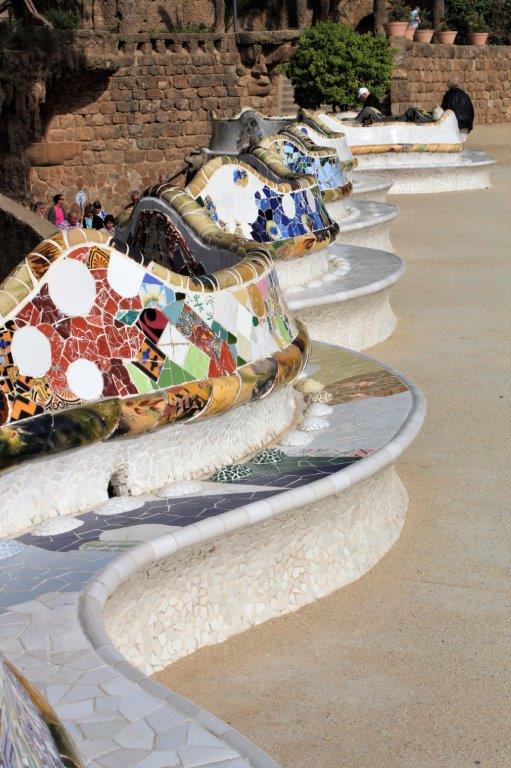
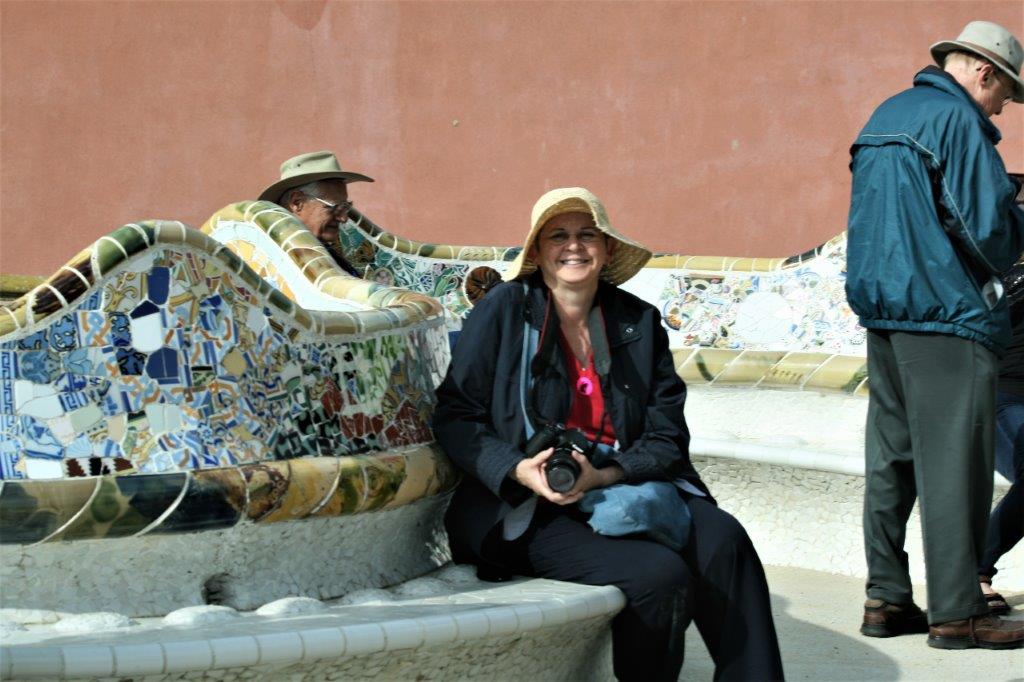
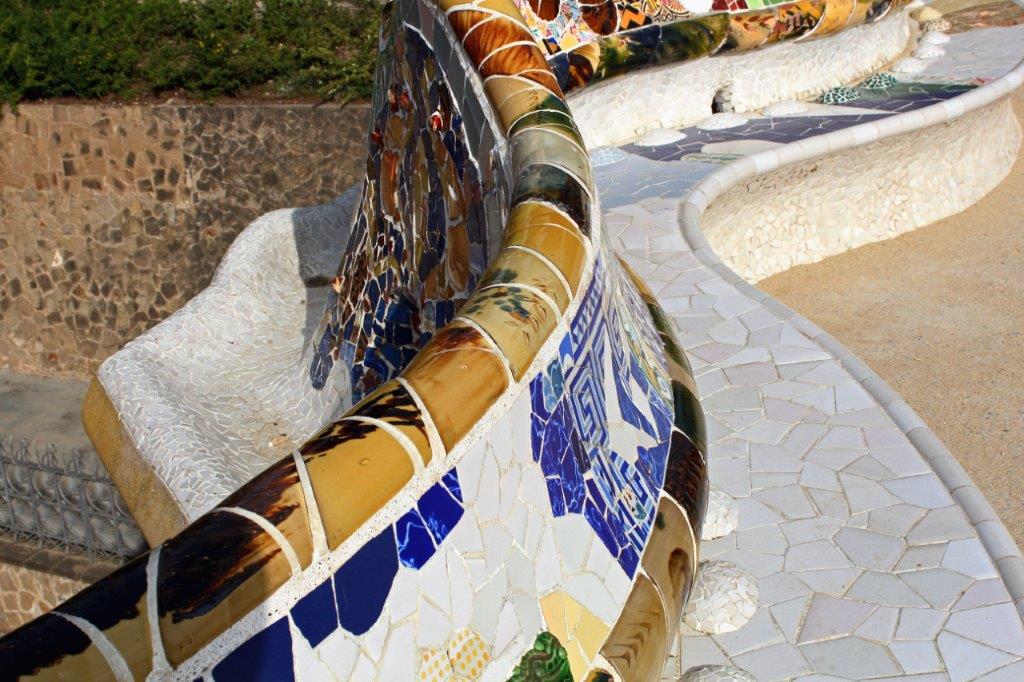
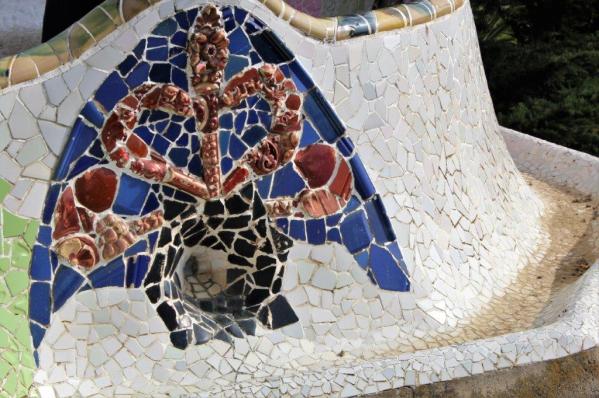
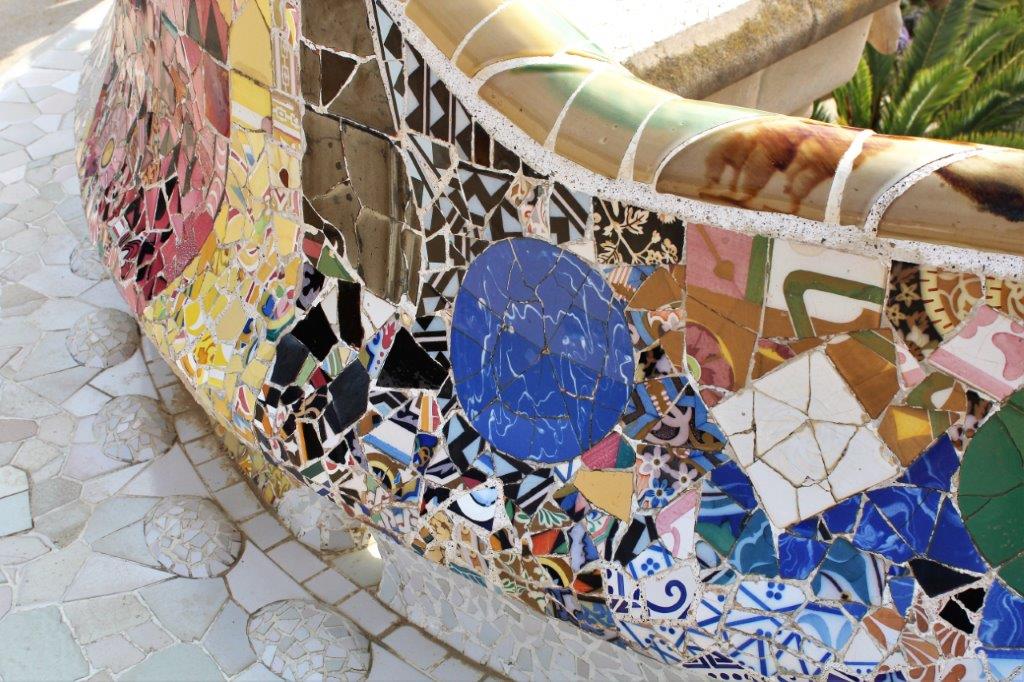
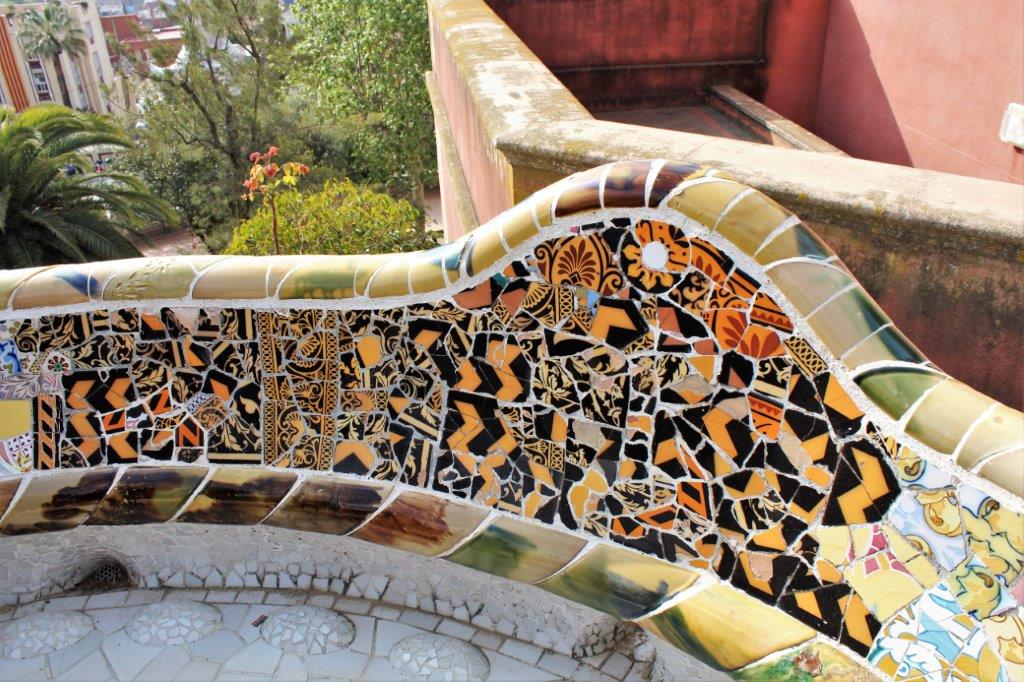
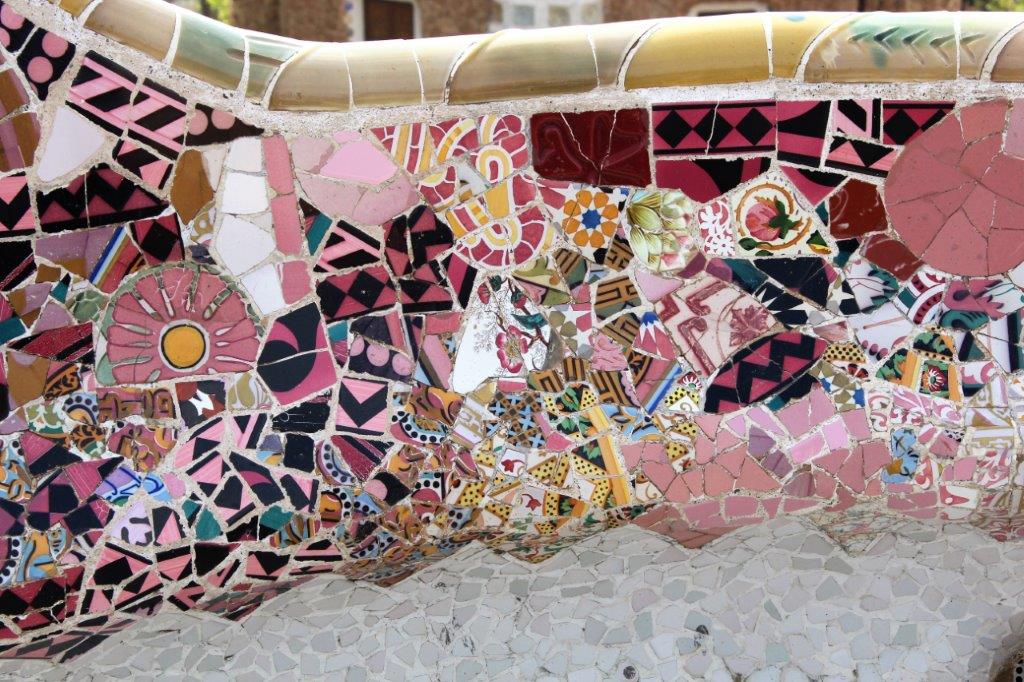
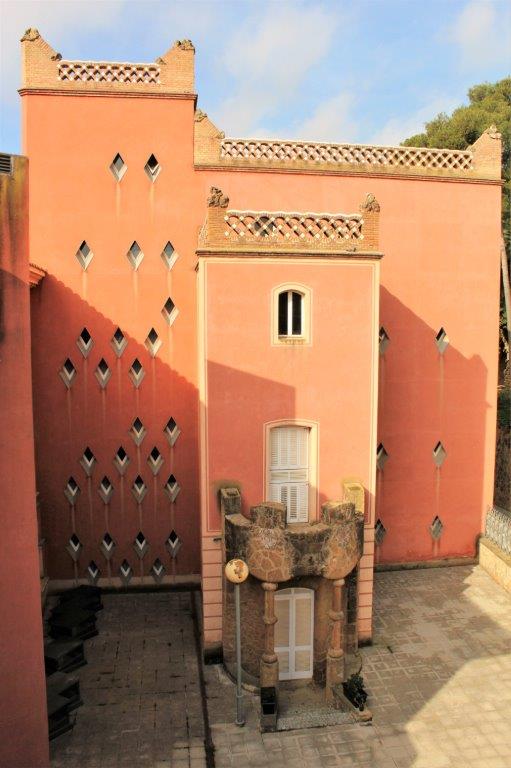
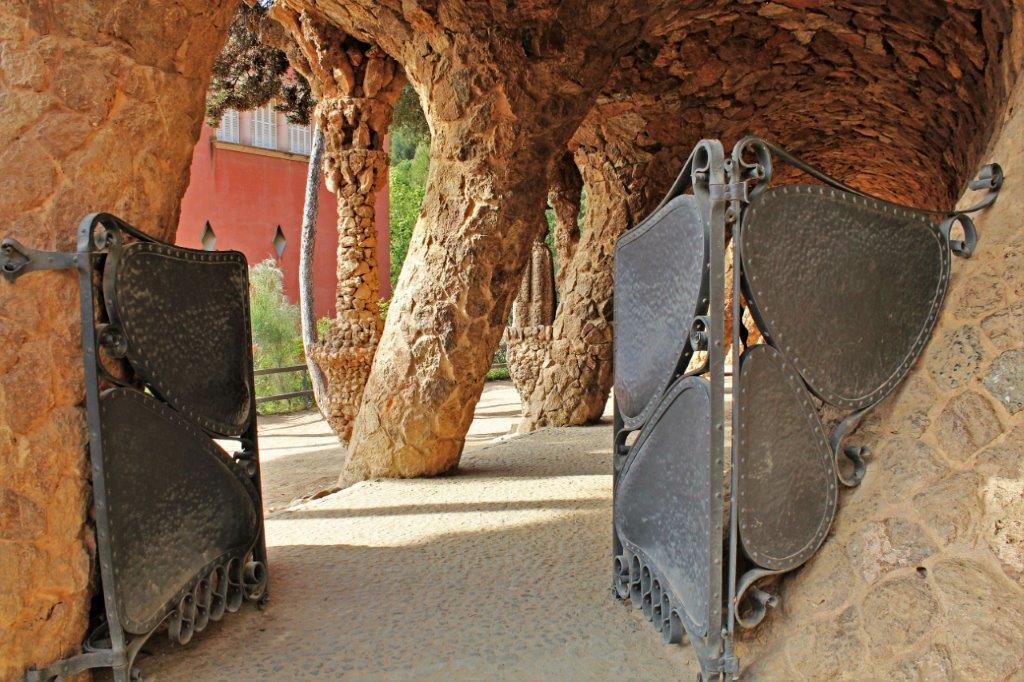
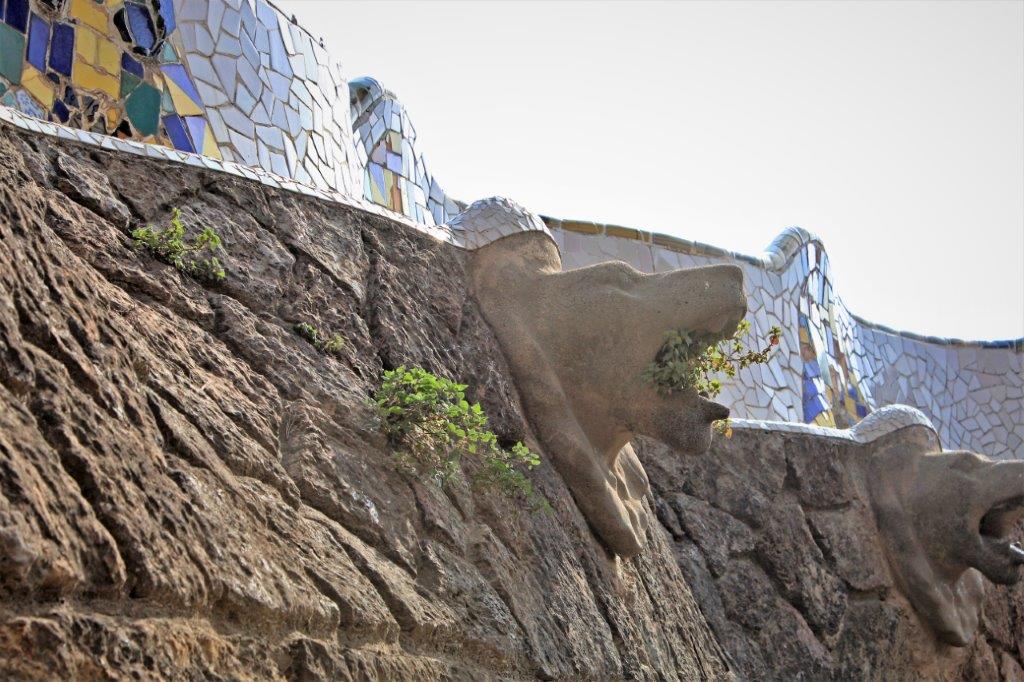
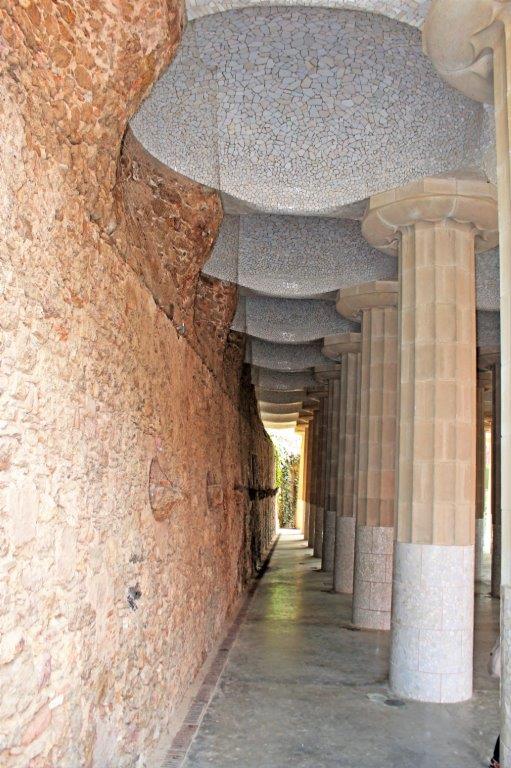
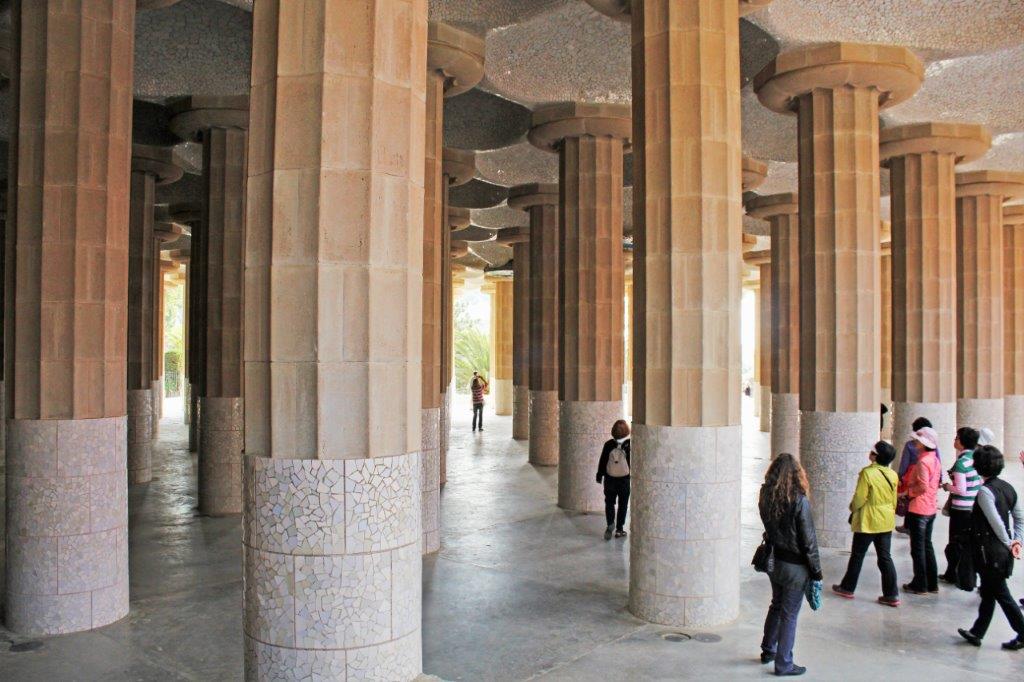
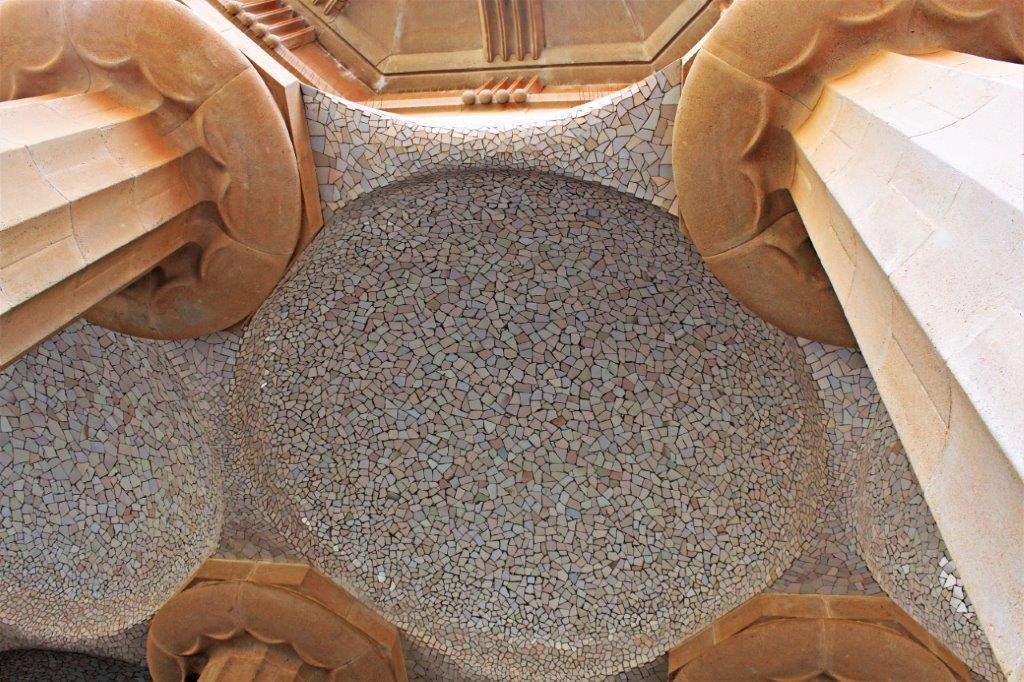
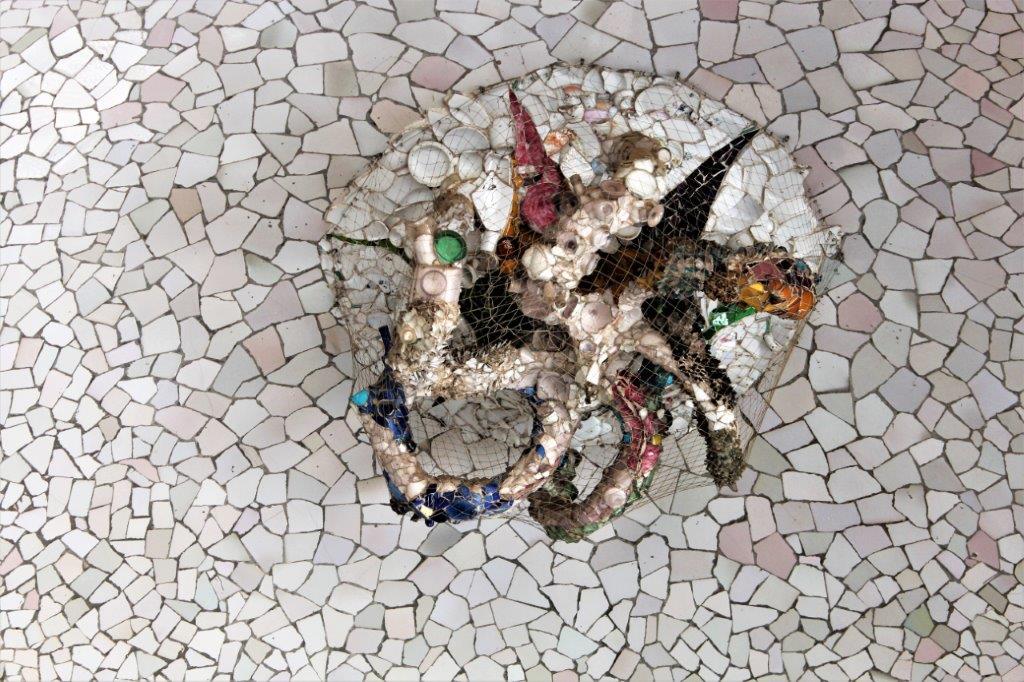
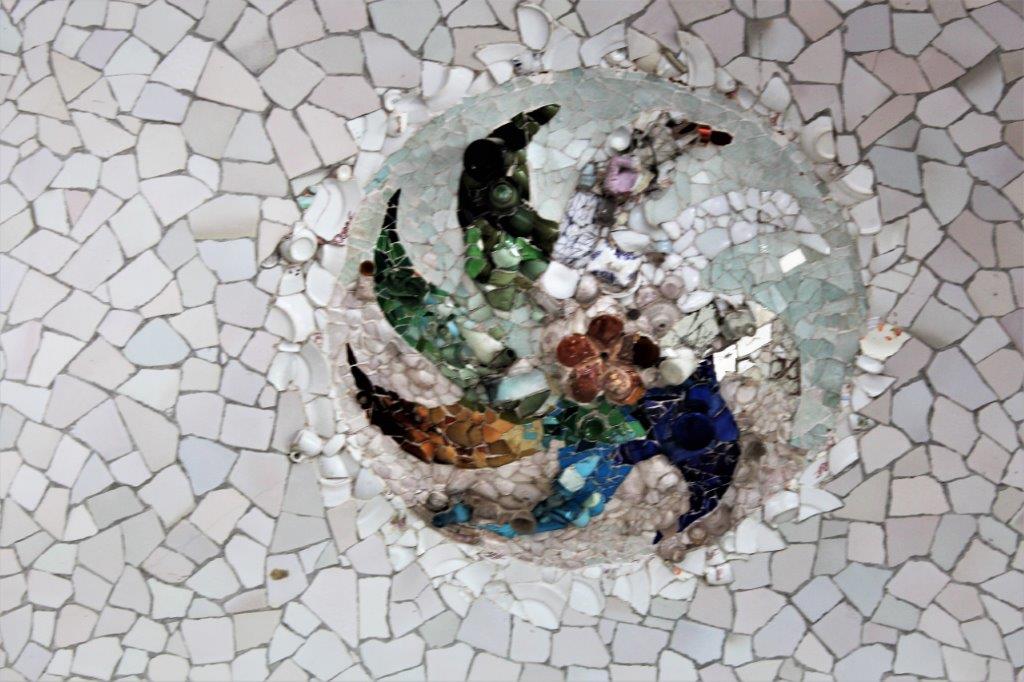
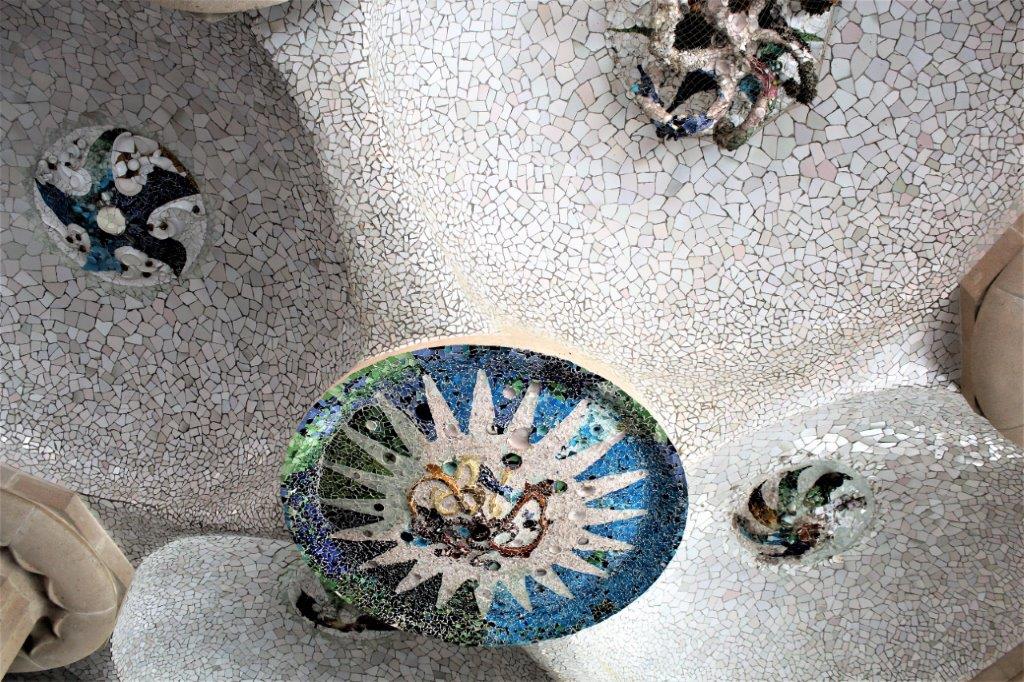
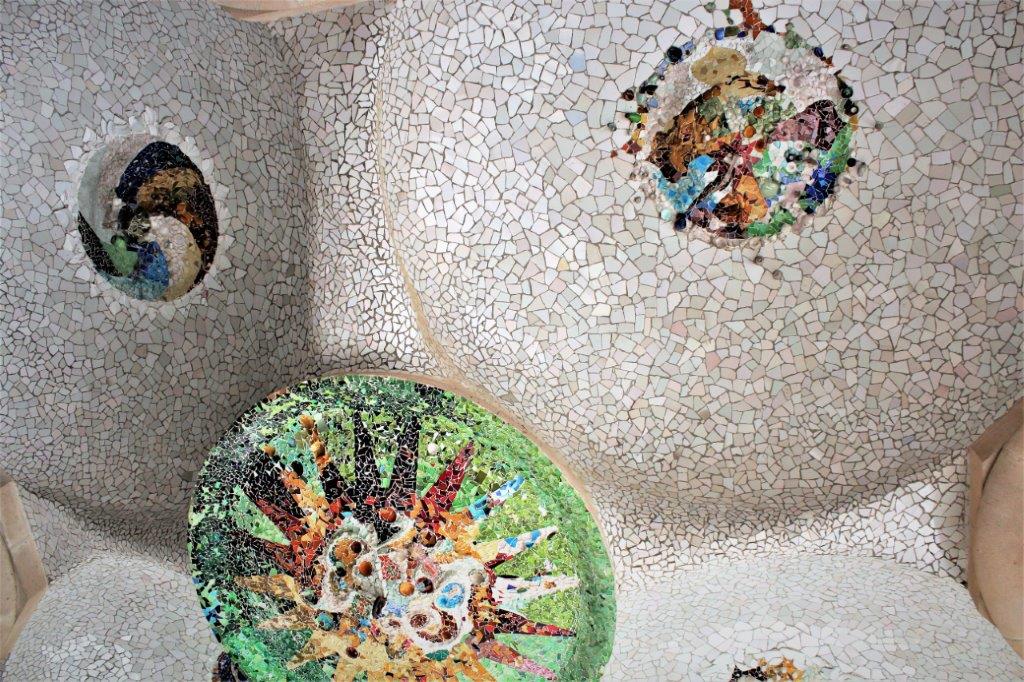
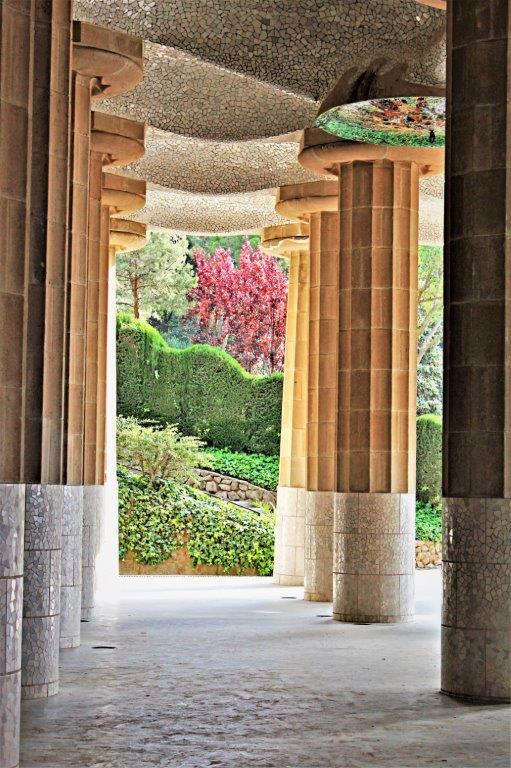
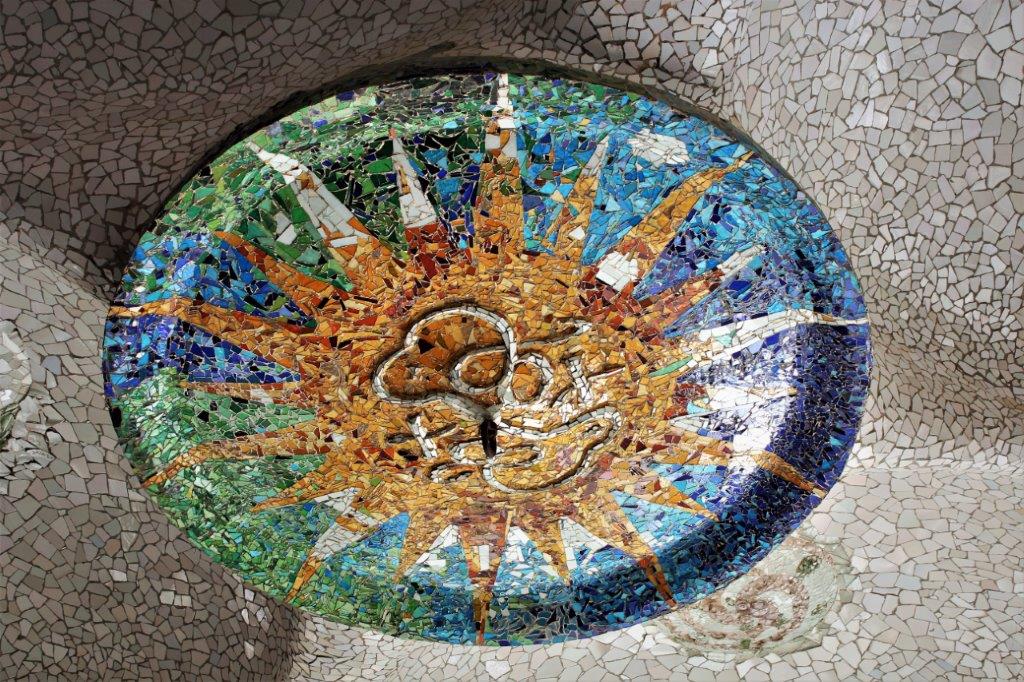
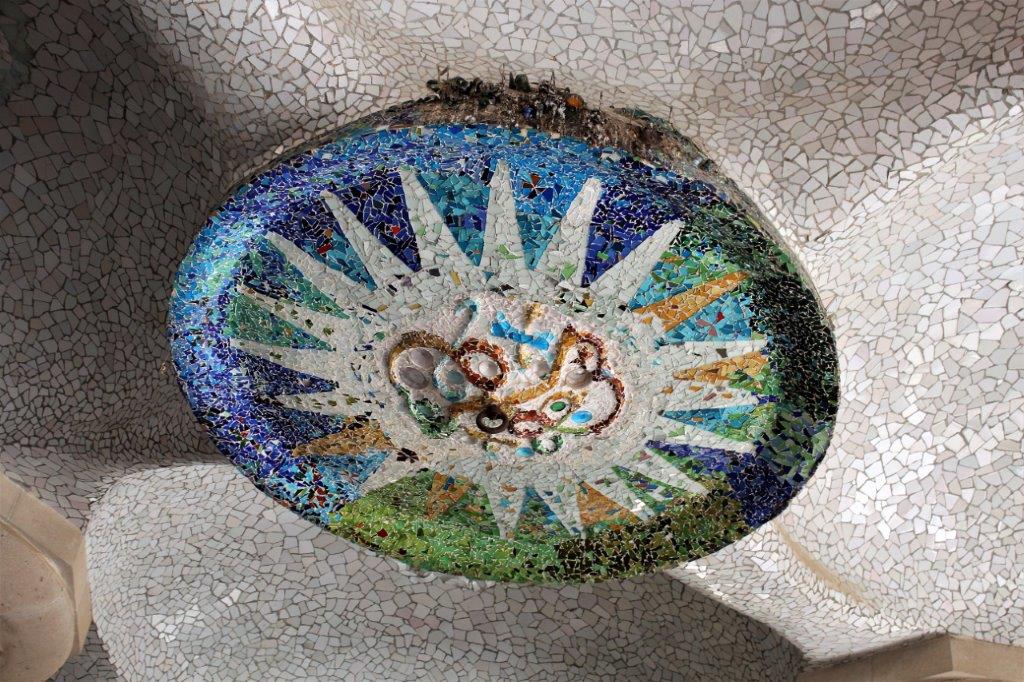
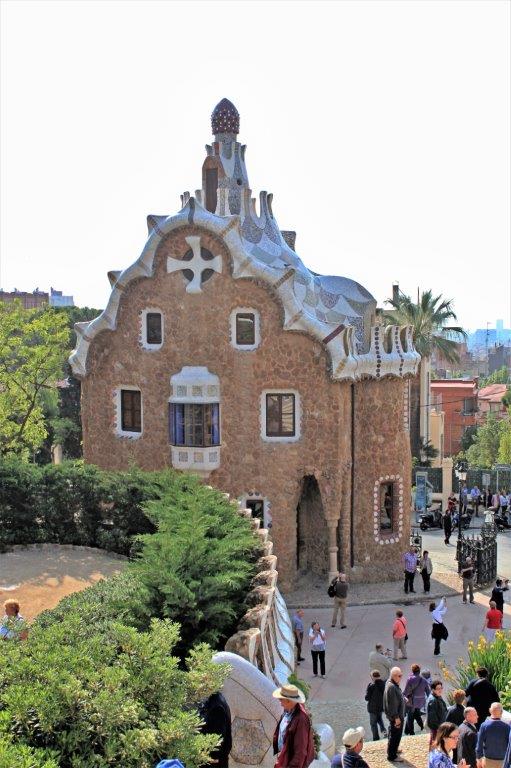
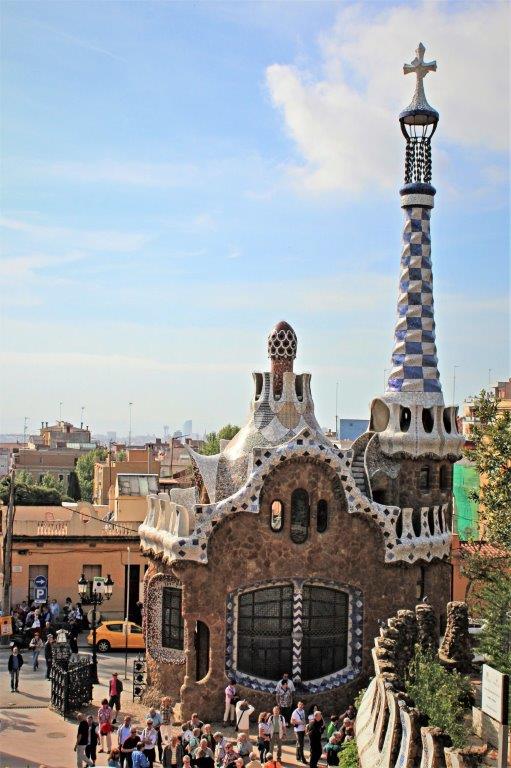
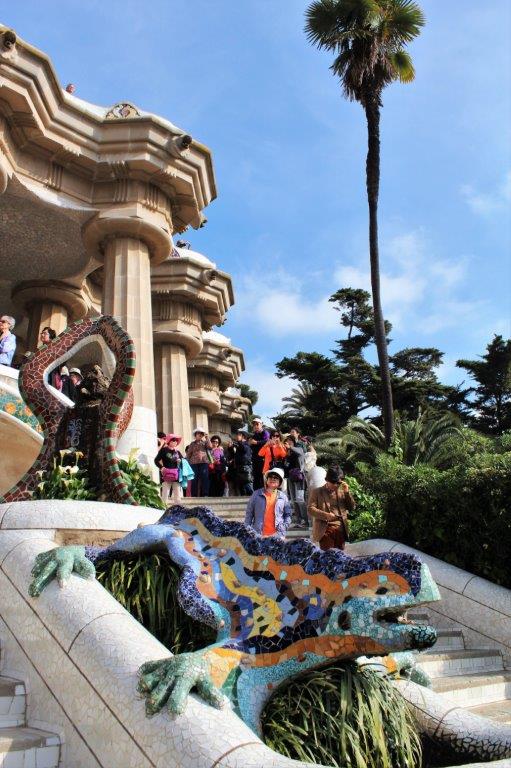
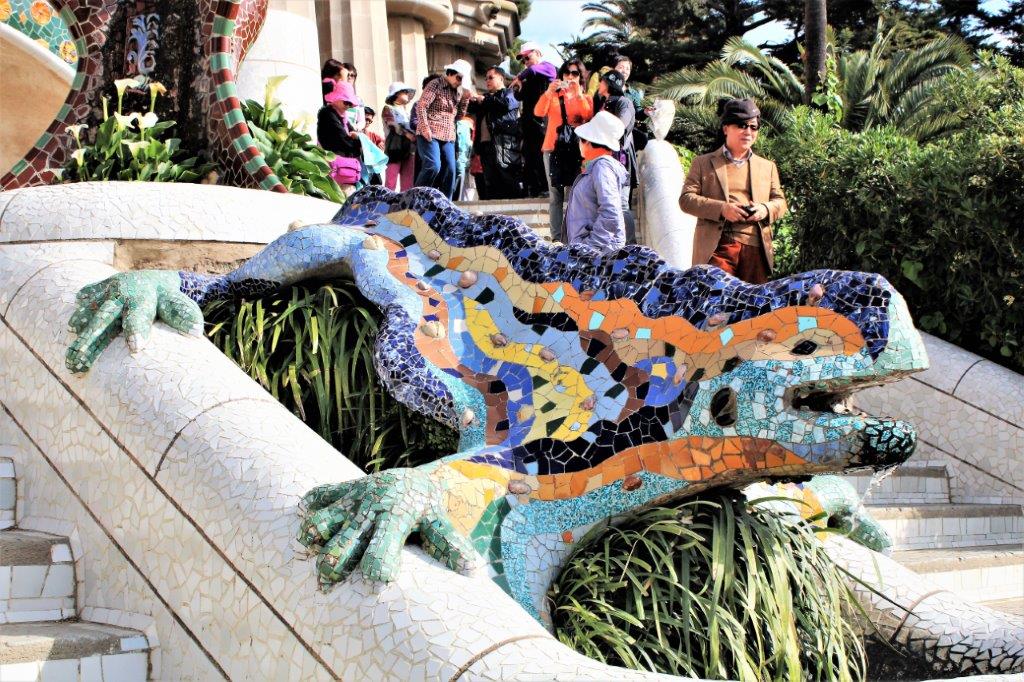
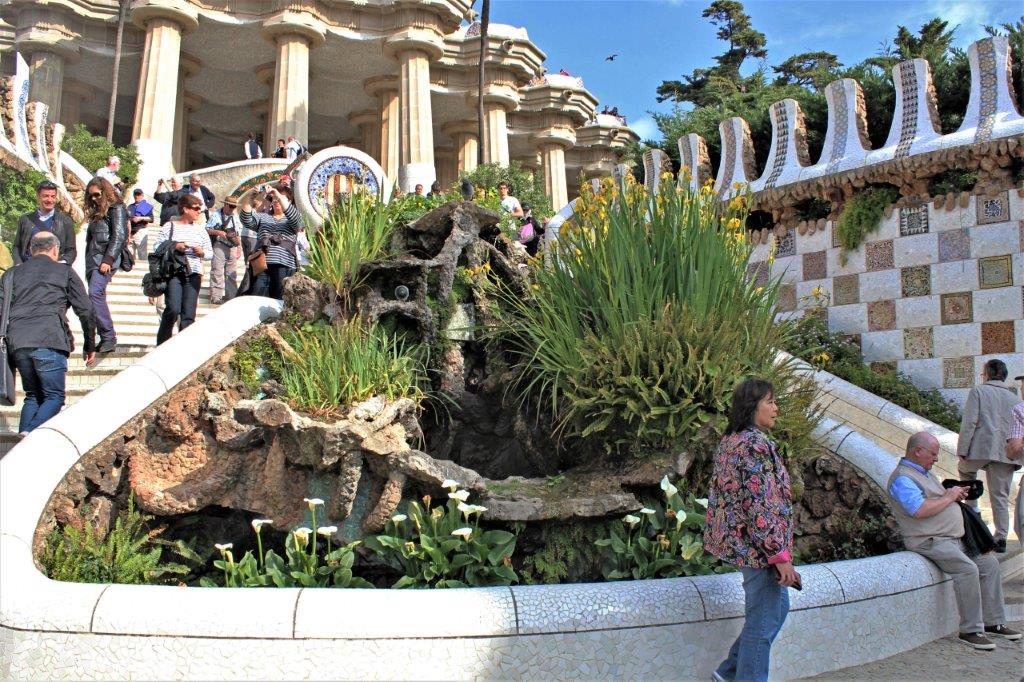
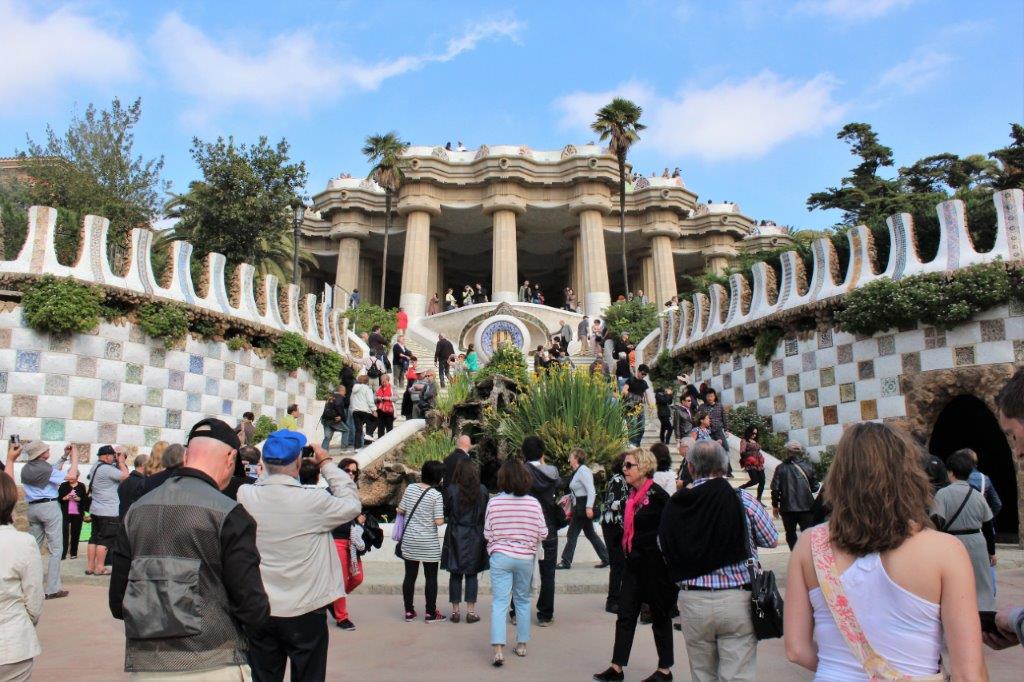
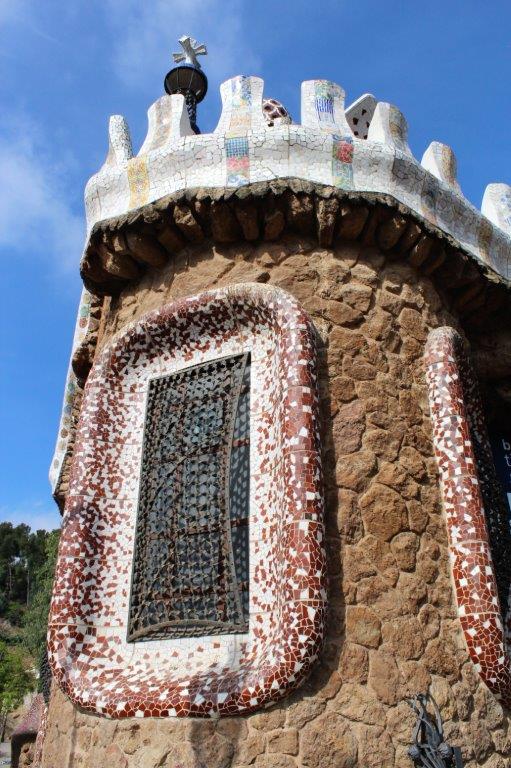
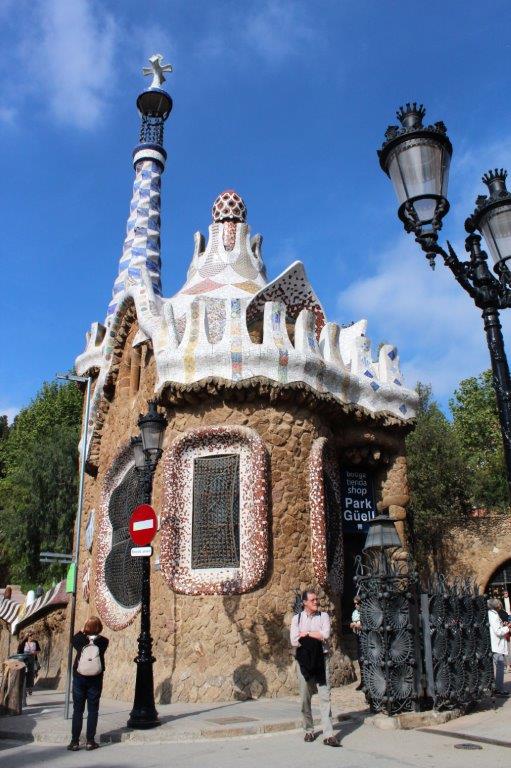
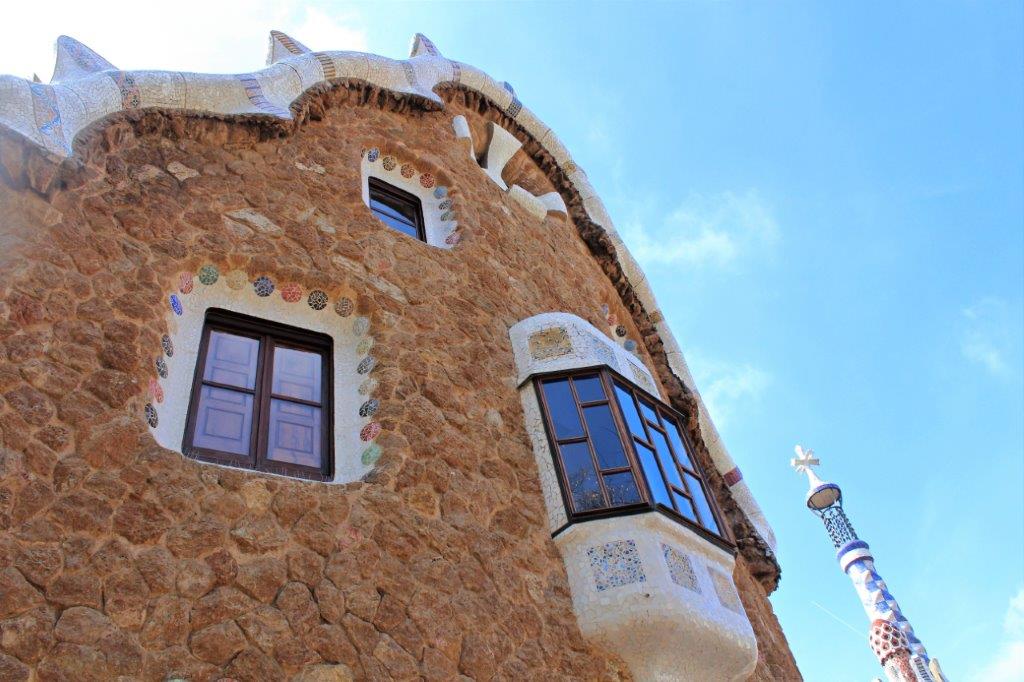
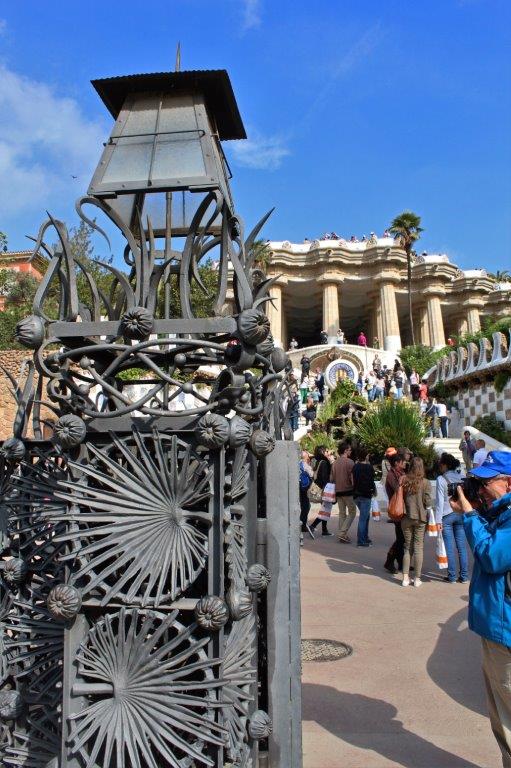
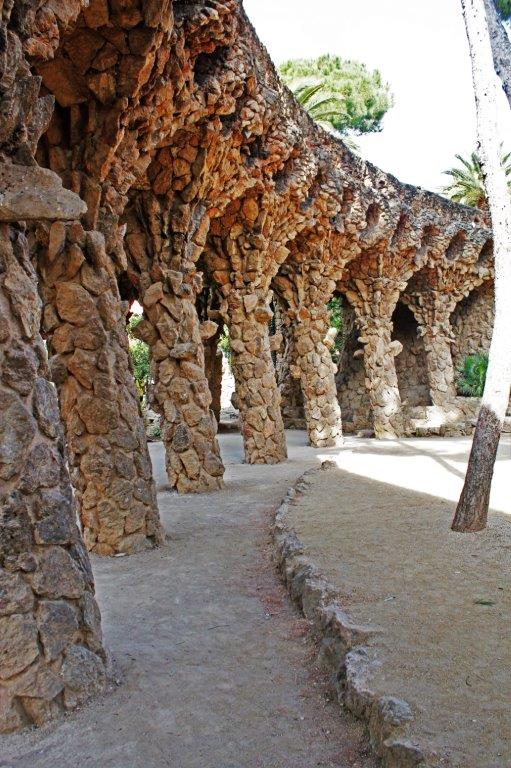
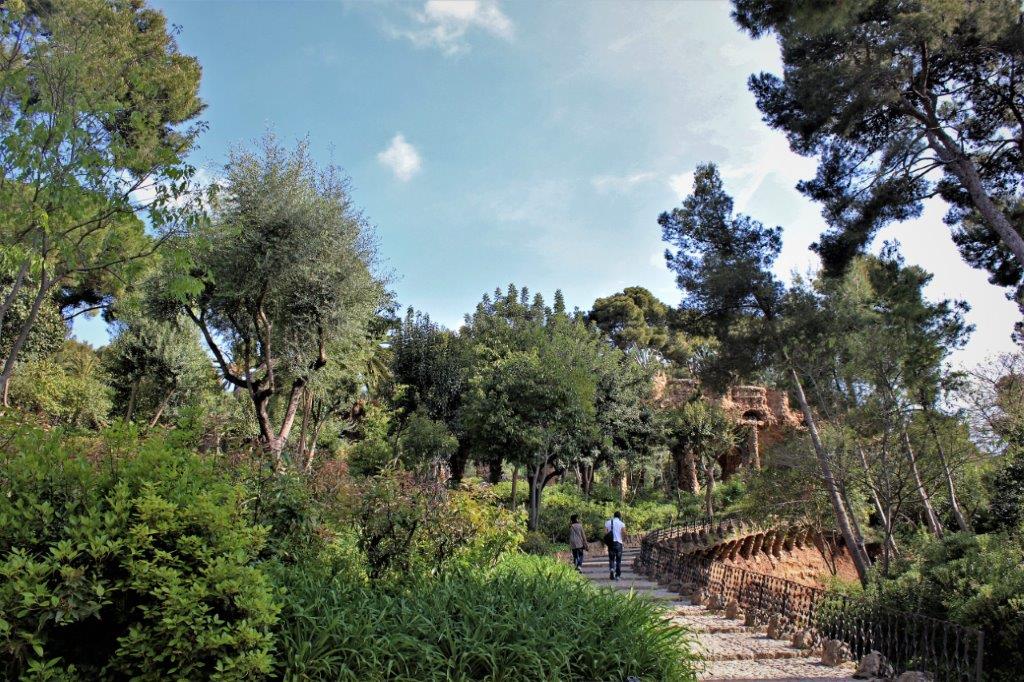
The bus took us to Park Güell (pronounced, believe it or not, Way) that Gaudí designed for a wealthy friend (Count Güell) who had created an exclusive 60-lot sub-division outside the main city with the hope that other wealthy citizens would purchase them and create something like an English Garden Village.  They were so expensive and so far out of the city that only three lots were ever sold. It eventually was turned into a public park.The walkways and paths follow the terrain of the hill and were built of similar coloured stone and other materials. Gaudí lived in this house for several years.  It was not one of his designs.  Gaudí would send his assistant to the shops to purchase plates and other dishes that would be smashed to make the ceramic patterns on the terrace bench wall.Underneath the large ‘patio-like’ space are smooth columns and interesting circular designs in the ceiling. After we explored Park Güell we got back on the bus and were taken to one of the most famous buildings in Barcelona – Sagrada Familia.