Category Archives: Hanna Travels

2013 Summer (Baltic and Britain – A week in London – Day 2)

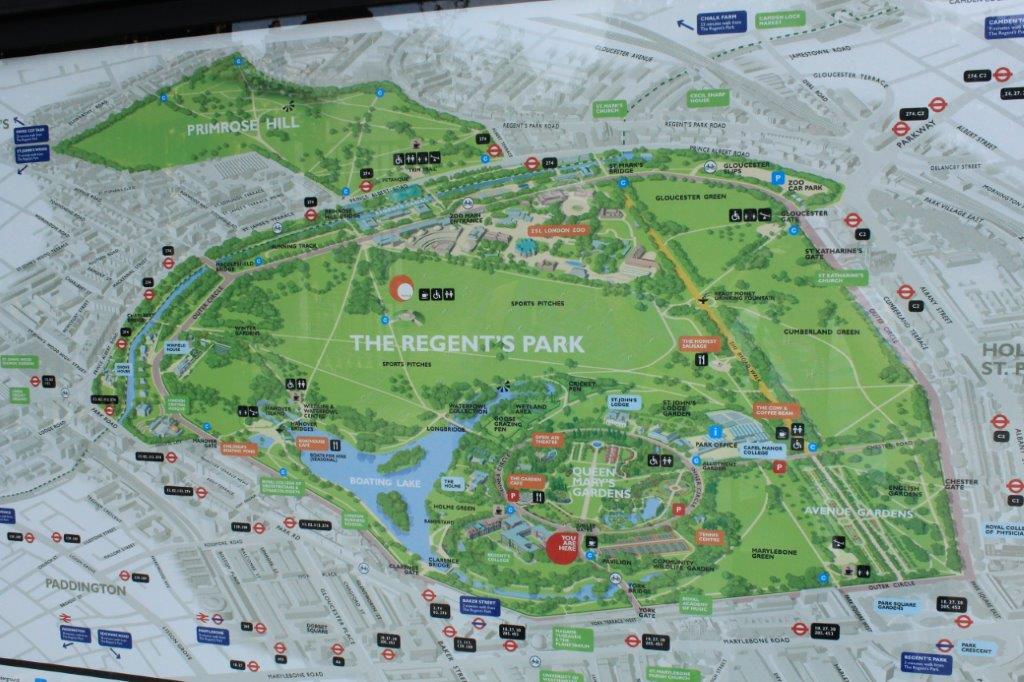
Whenever we are staying in London we rent a flat near Regent’s Park that belongs to the aunt of a friend of ours.  The location is great – about three blocks from Bond Street Underground Station, there are pubs, restaurants, and a grocery store within easy walks – or on the corner – and the place is quiet.

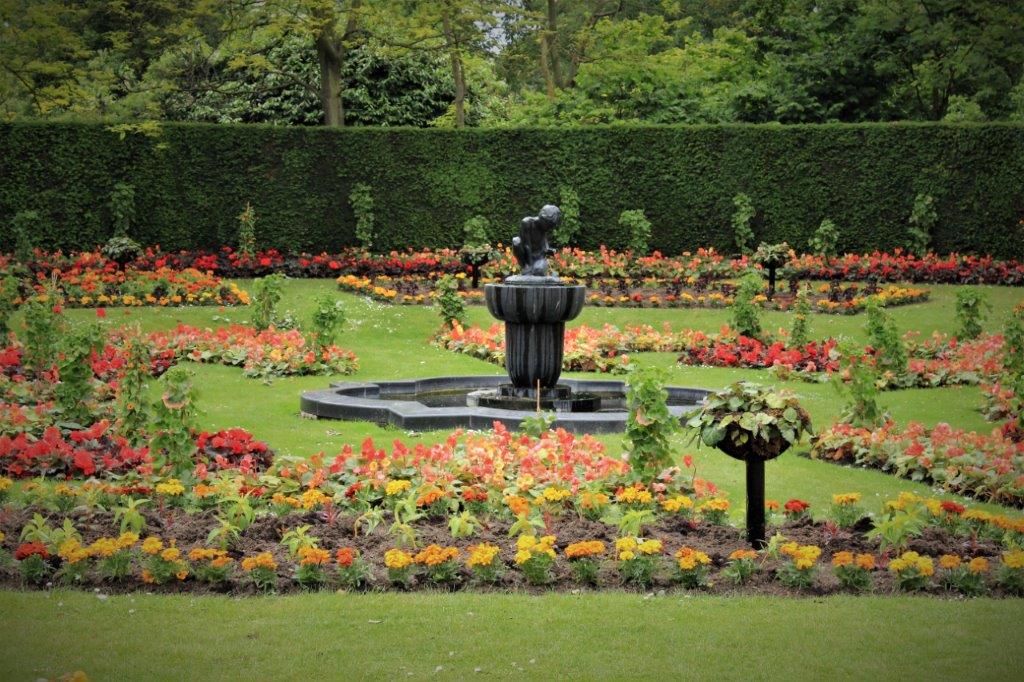
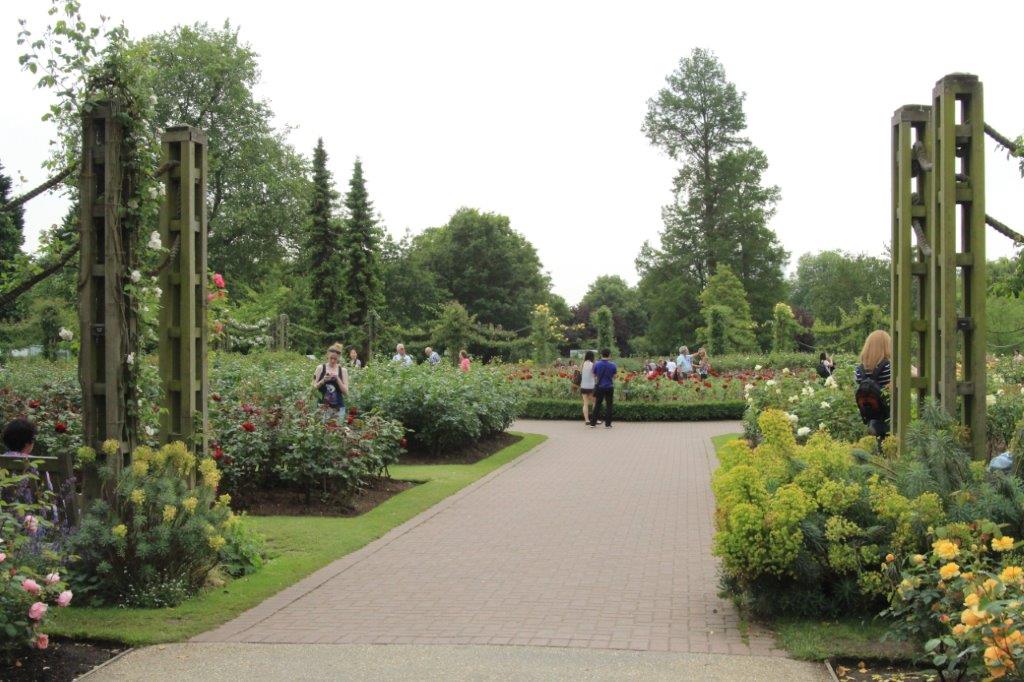
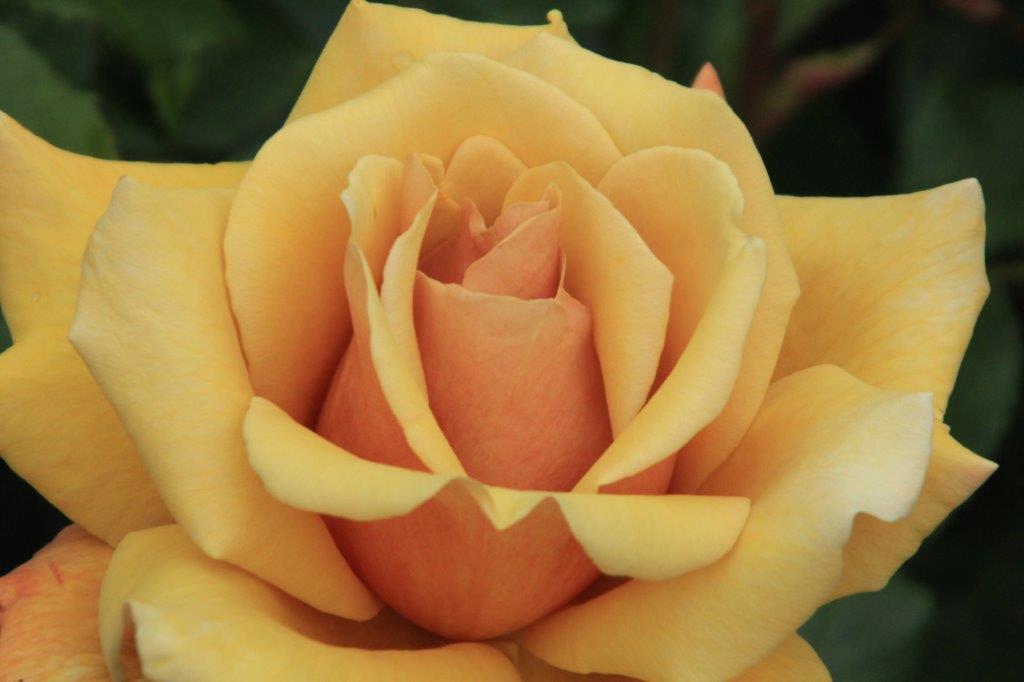
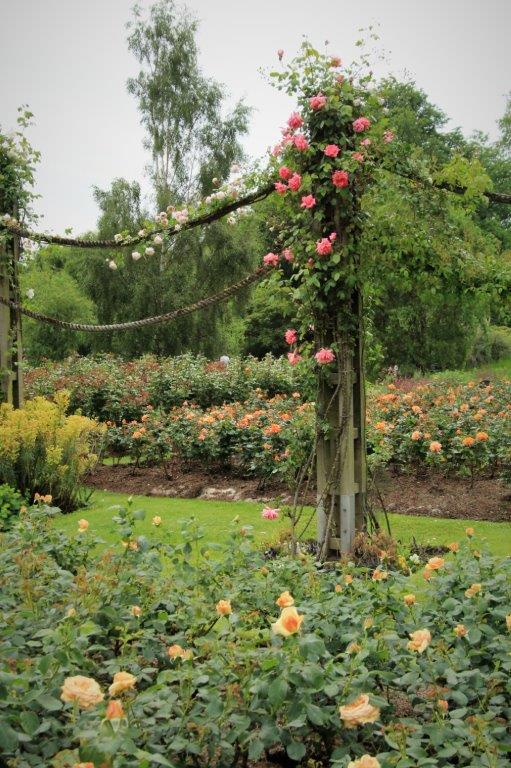
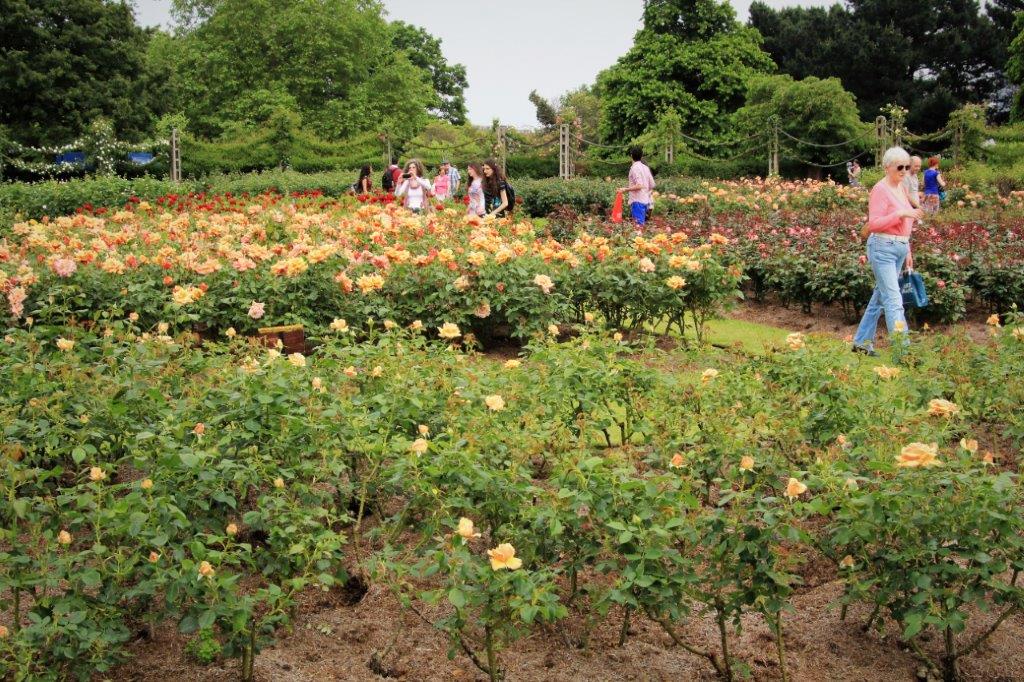
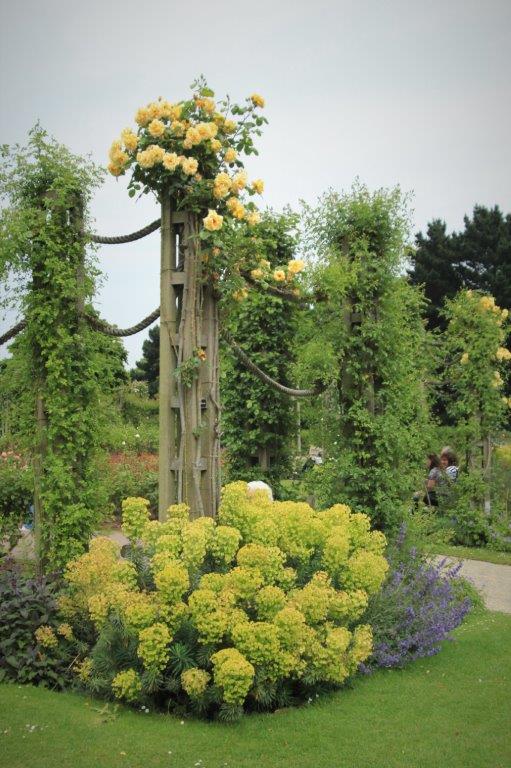
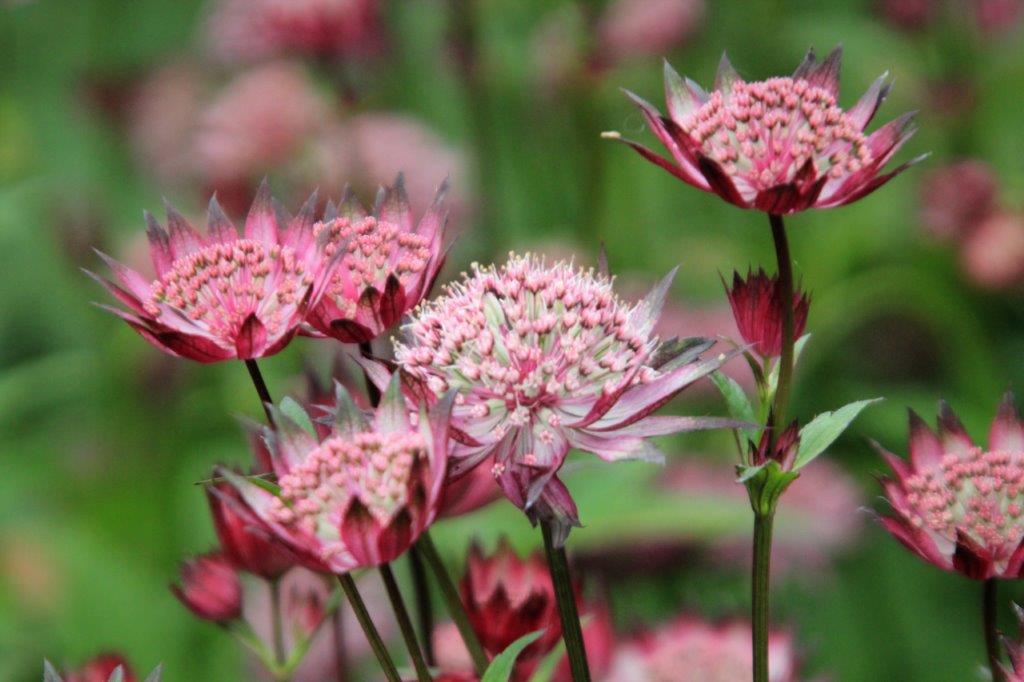
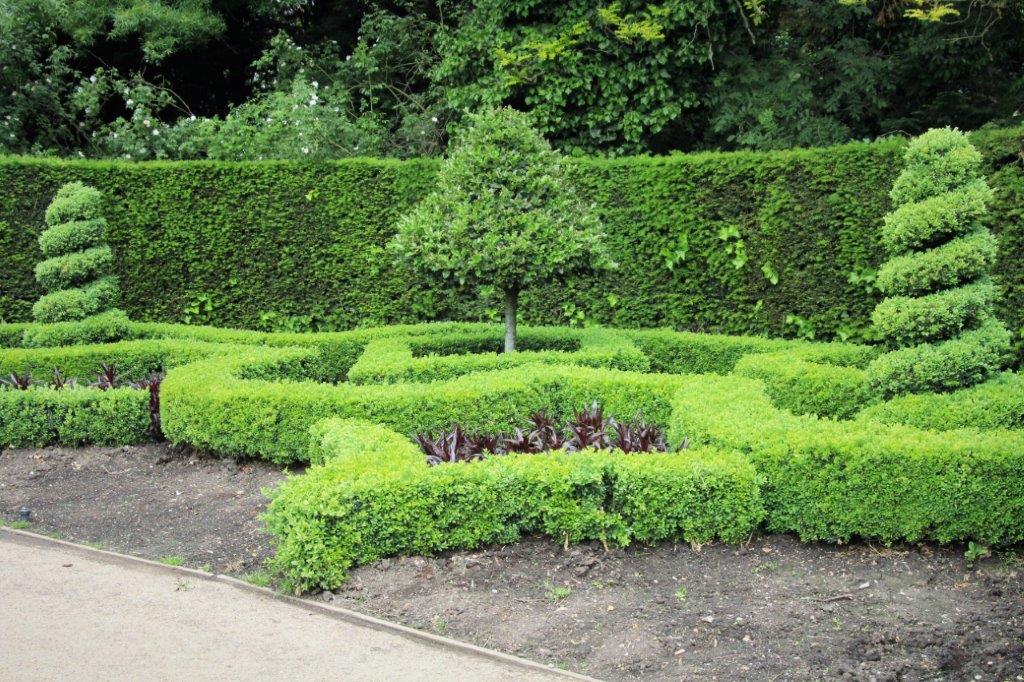
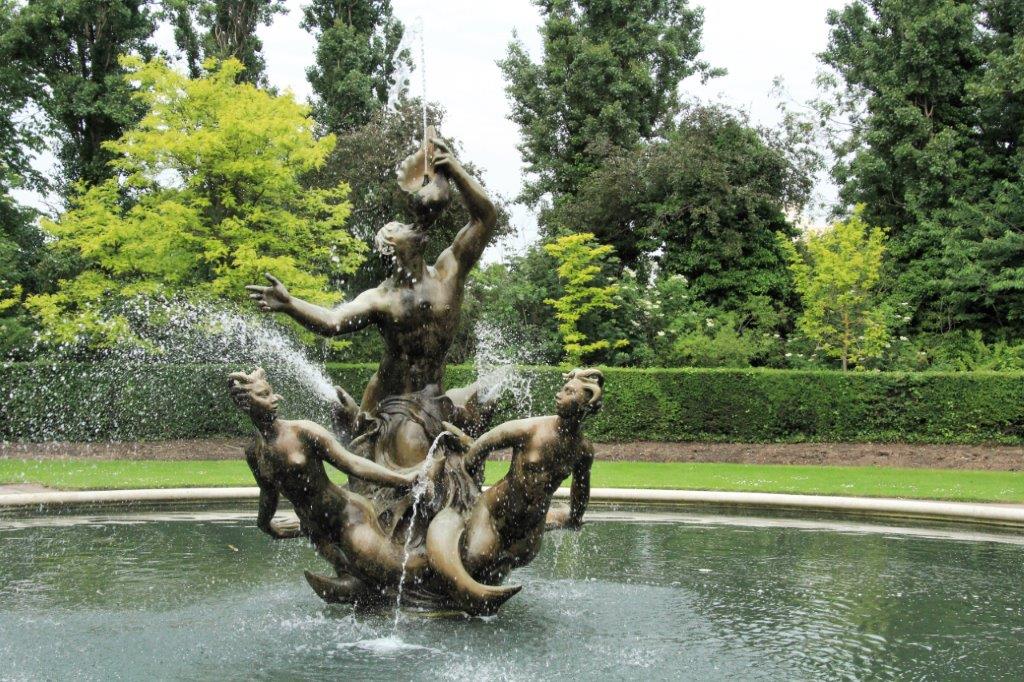
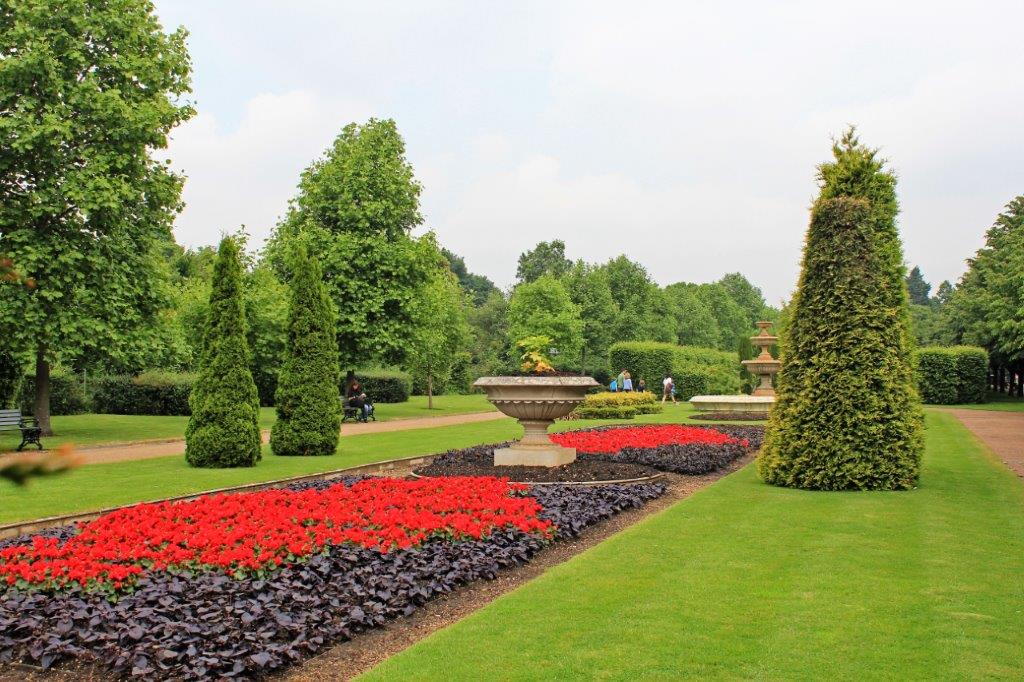
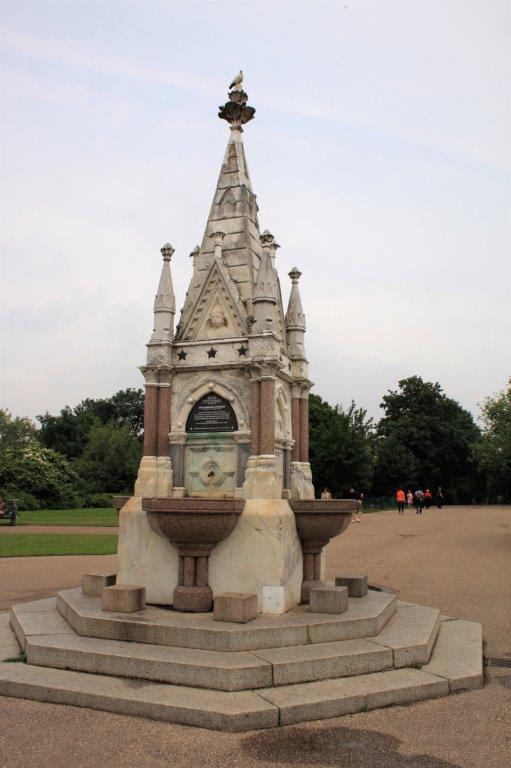
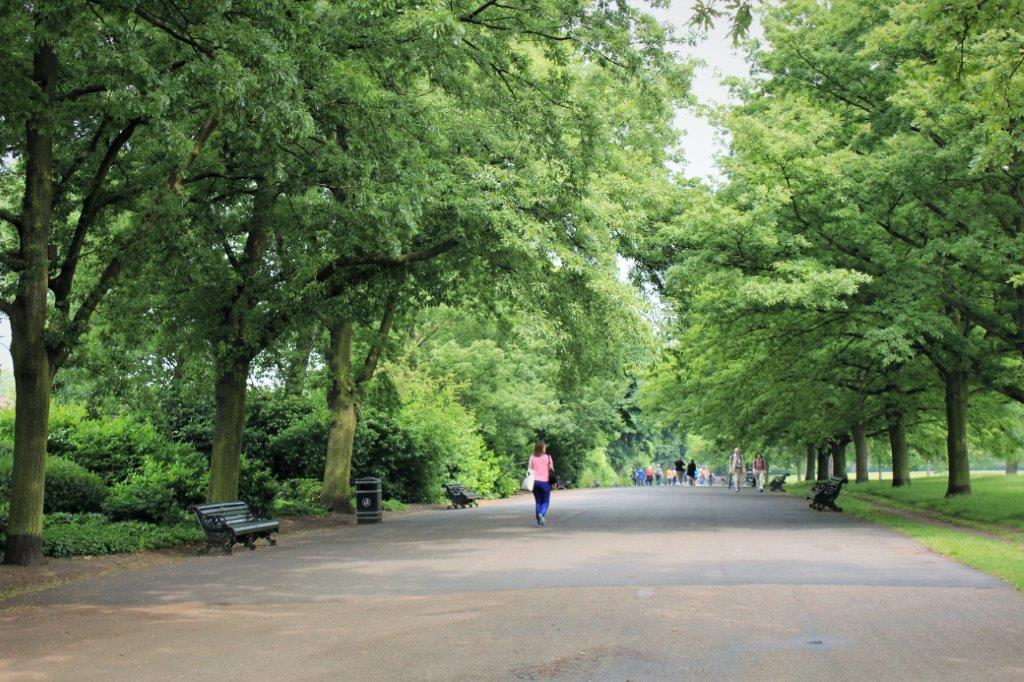
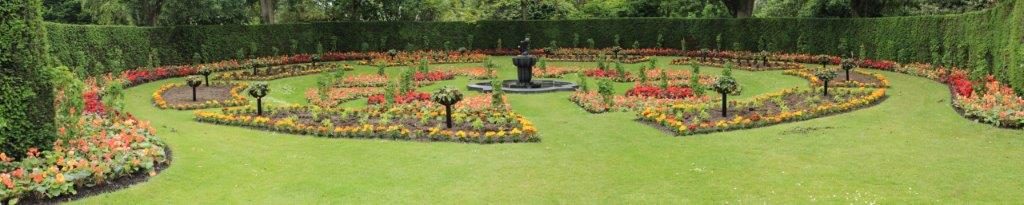
Our second day this trip we walked through Regent’s Park, which I love, and went to the London Zoo, which is located at the far opposite corner from the flat. It was mid-June and Queen Mary’s Rose Garden and all of the flower beds were in full bloom.
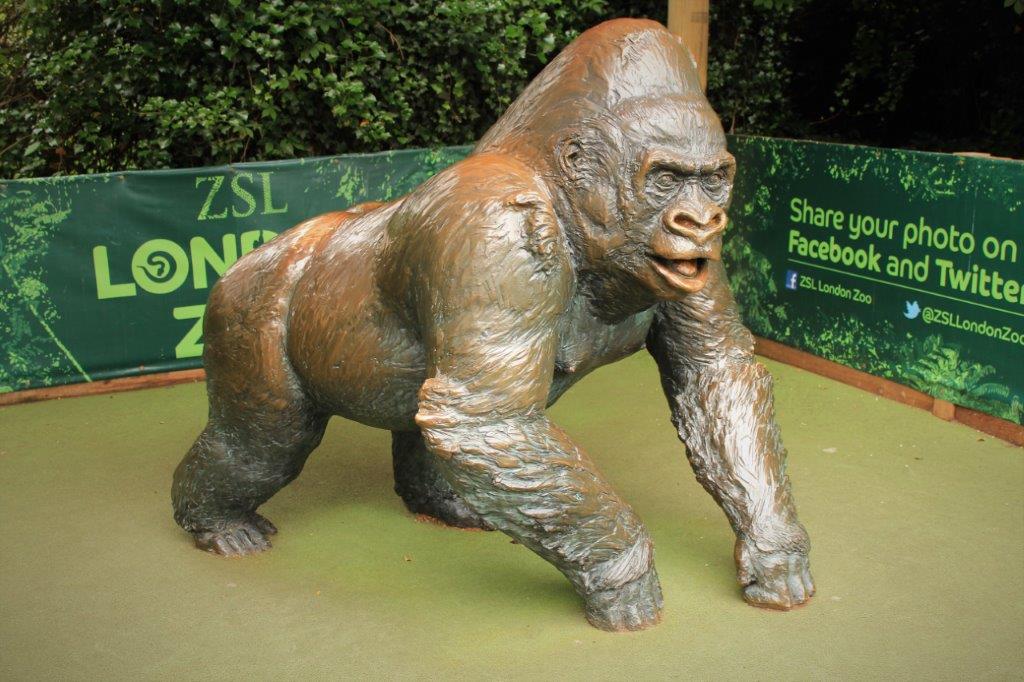
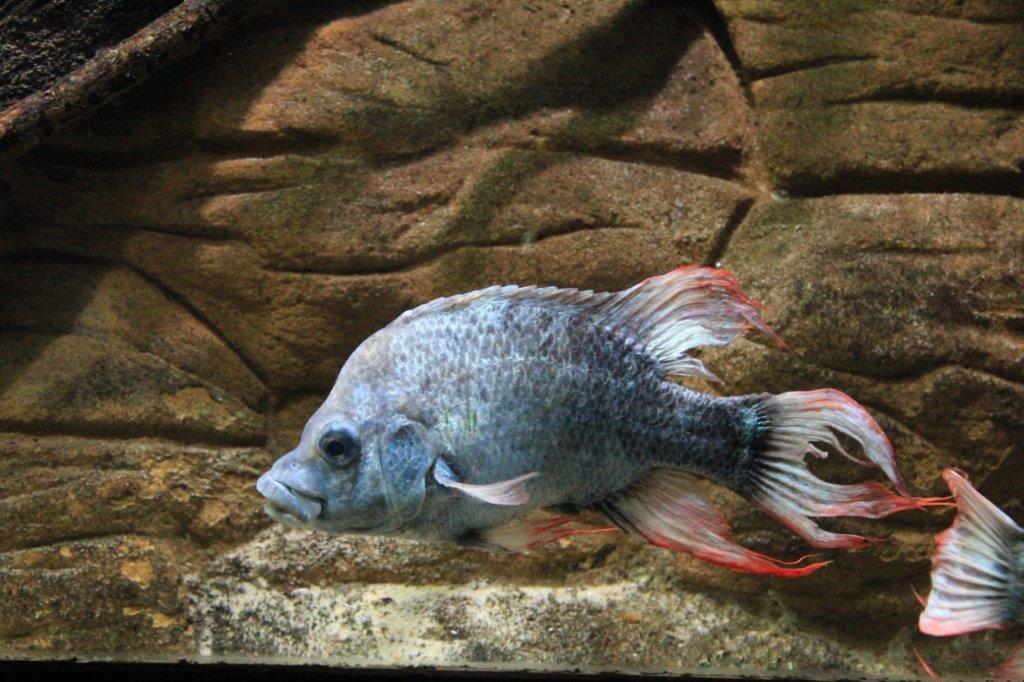
We had been to the London Zoo before.  The first time was in 1986 when we brought our children.  I have a great photo of them with this gorilla.We had not been through the Aquarium before though, and even though I am not a big fish fan we decided to check it out this time.

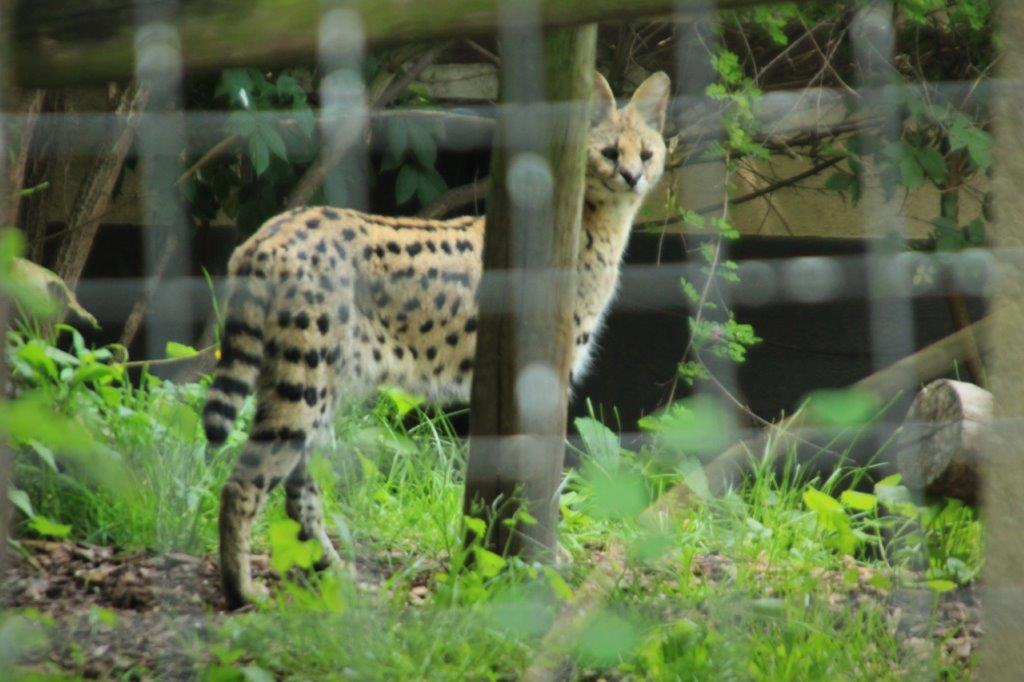
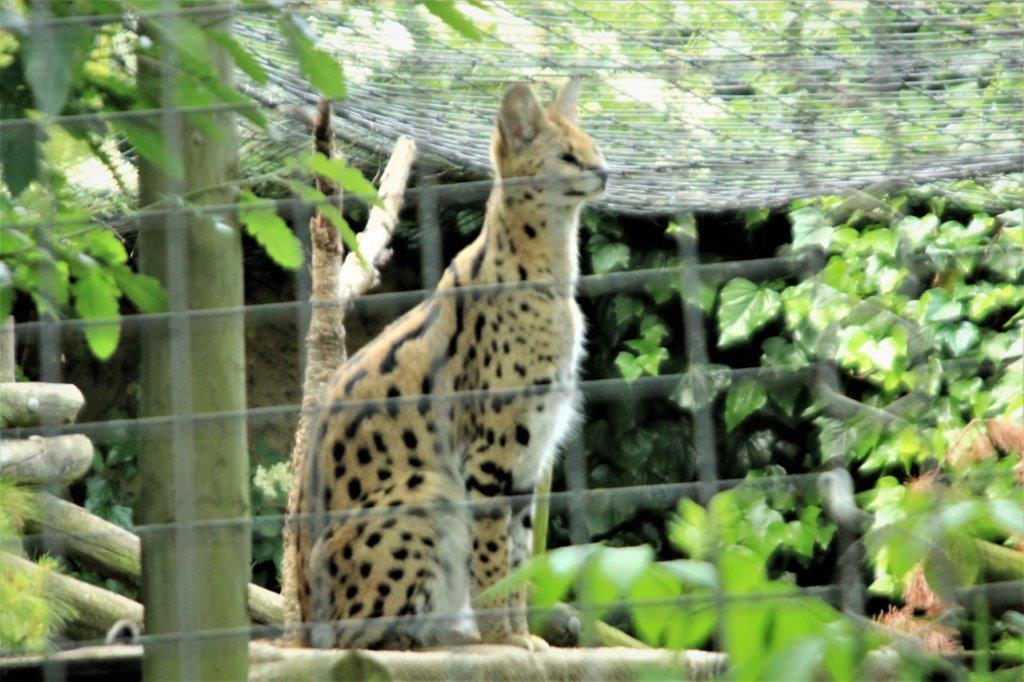
This very regal-looking cat is a Serval, an African cat common in the sub-Sahara regions.

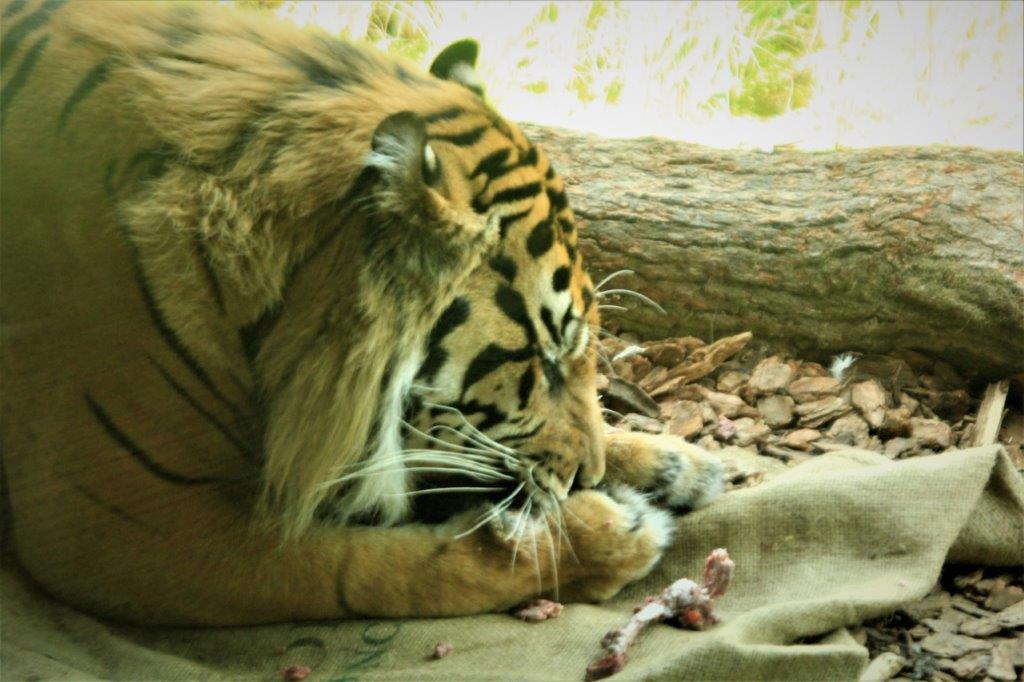
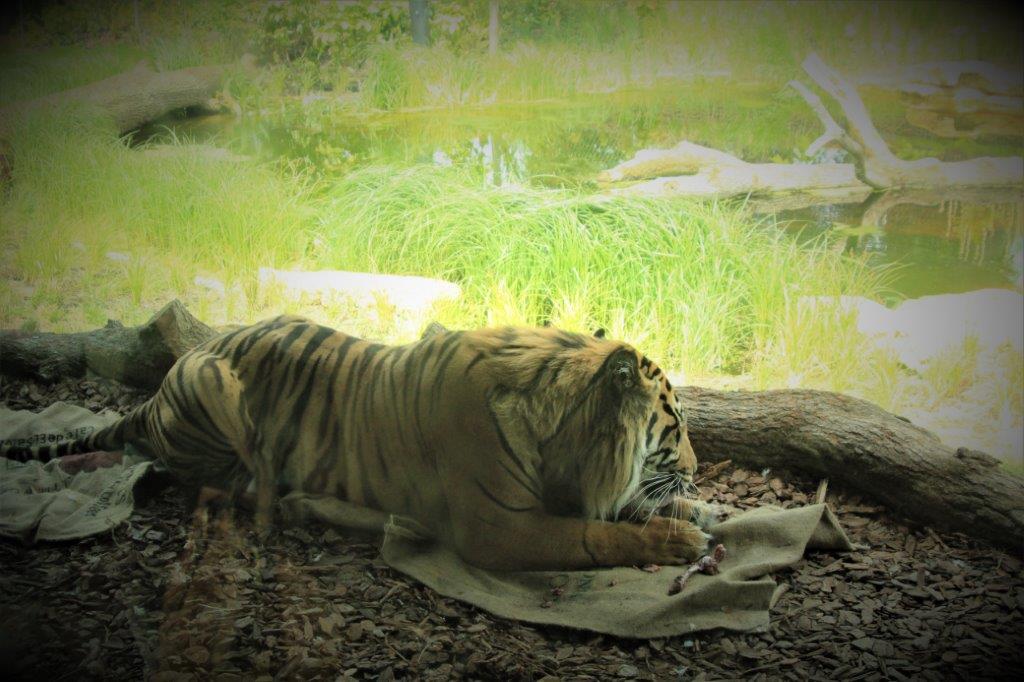
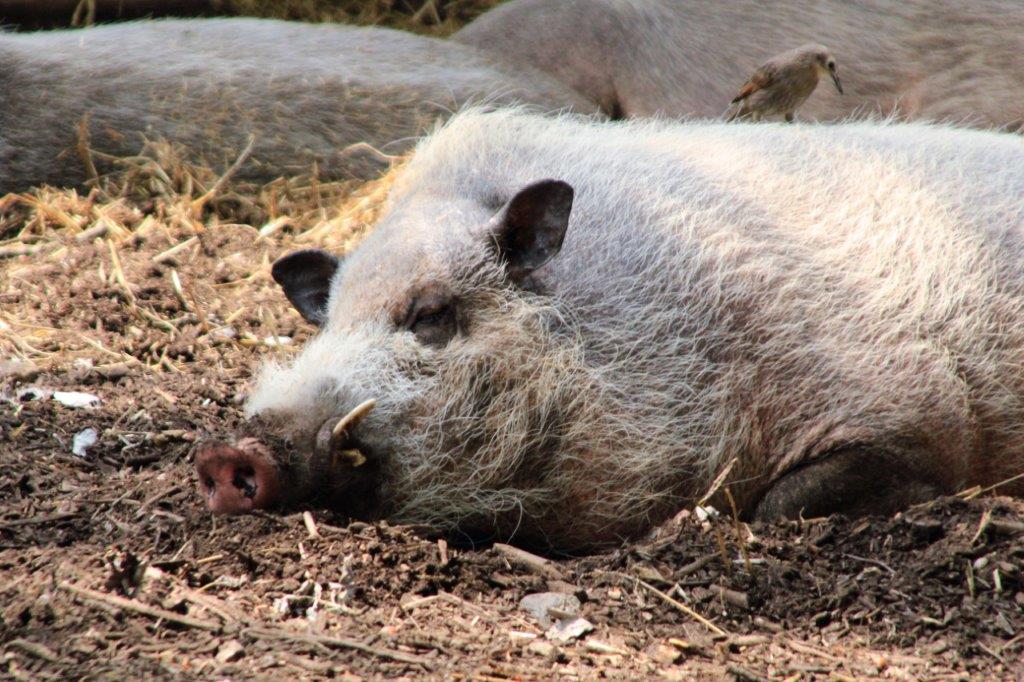
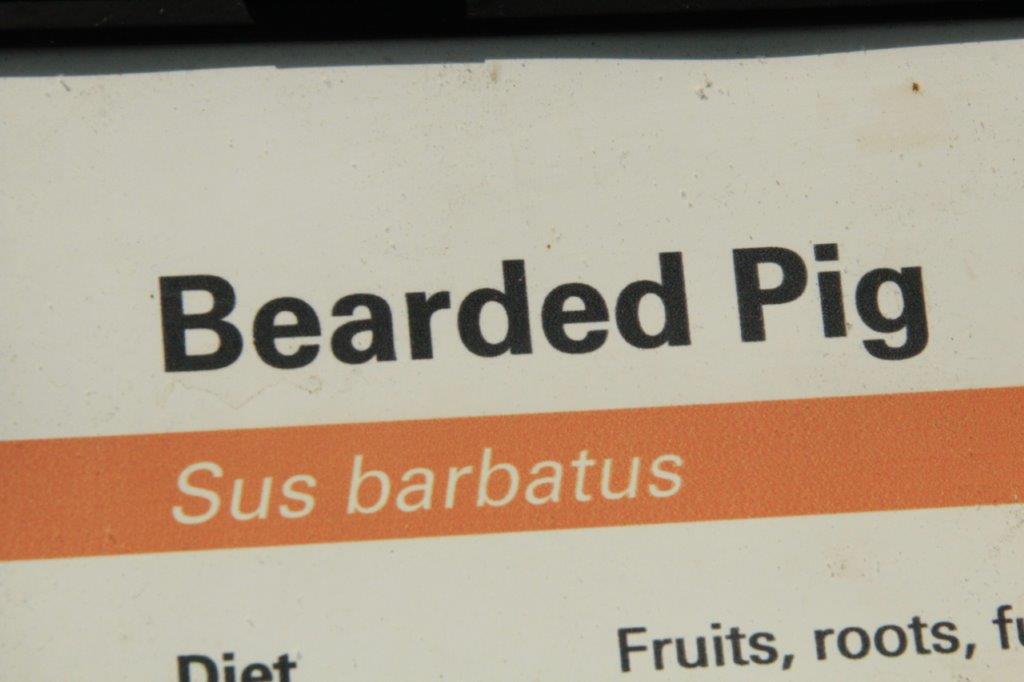
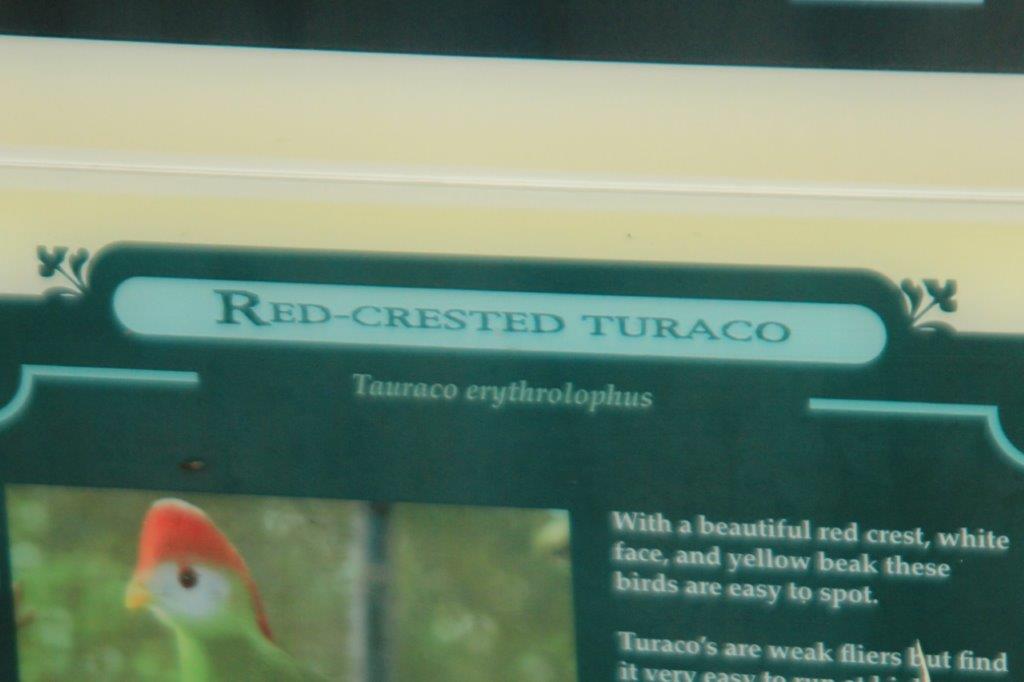
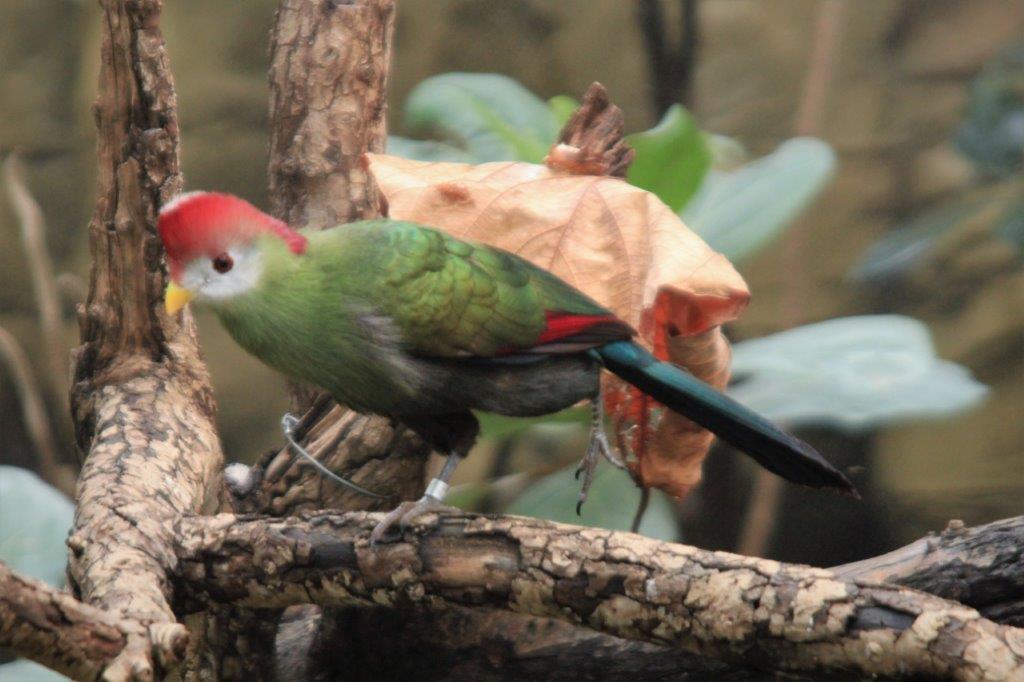
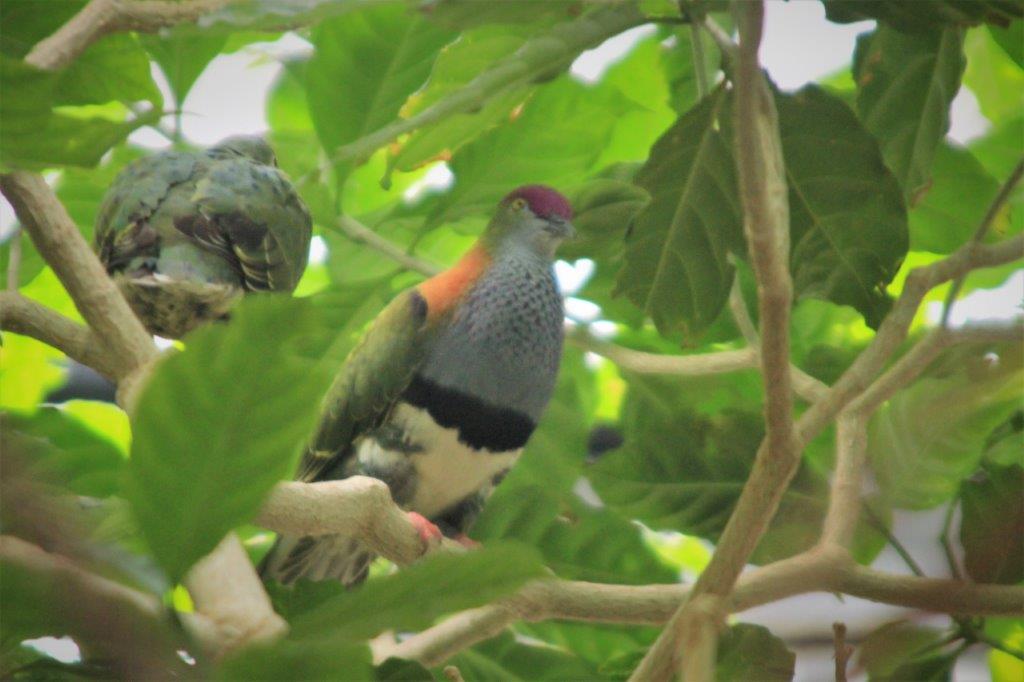
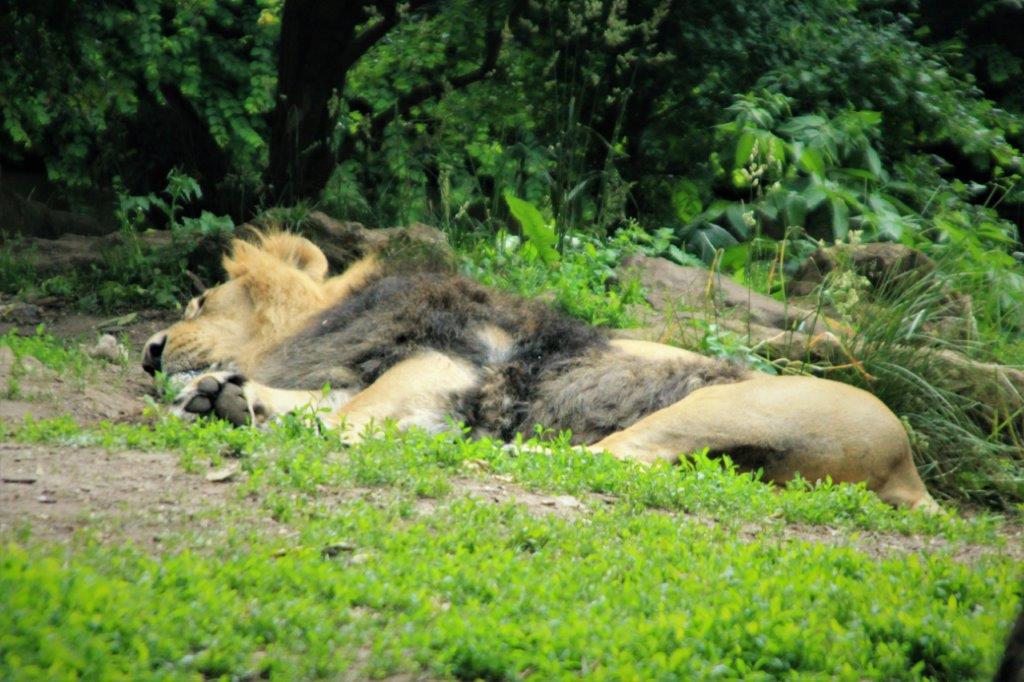
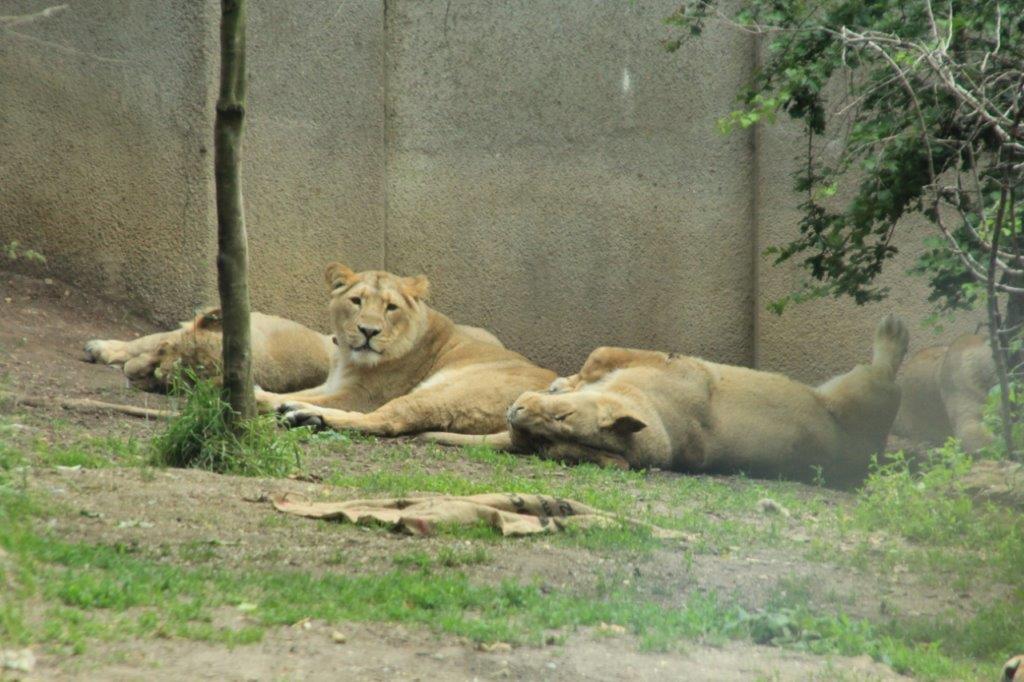
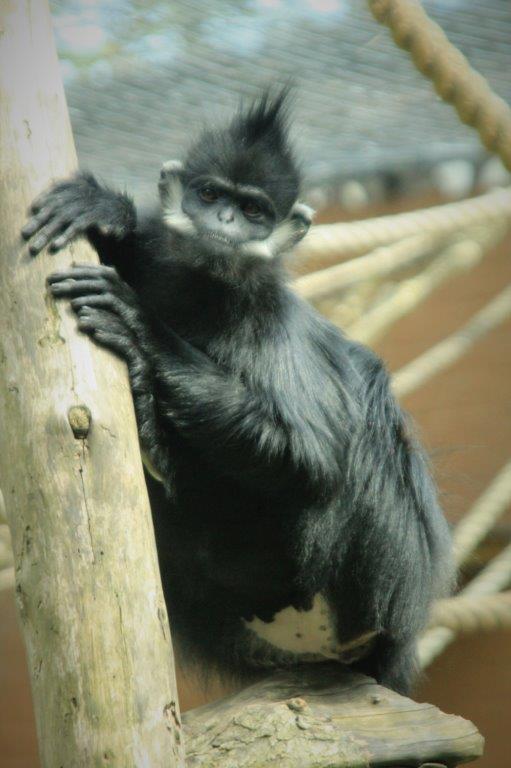
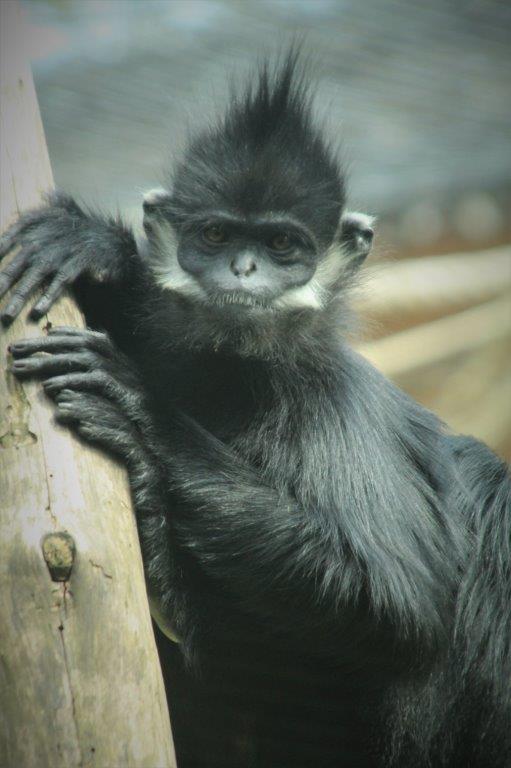
Lions spend a lot of time sleeping.  Unless on the hunt, they are quite lazy. Now, here’s a face only a mother could love.  My mom told me she used to say, when I was a baby, “I was so homely I was cute.”  I think this little fellow falls into that category. It was a pleasant walk back through Regent’s Park and home to the flat.  The next day we toured the Cabinet War Rooms and Churchill Museum.

2013 Summer (Baltic and Britain – A week in London – Day 1 – Part 2)

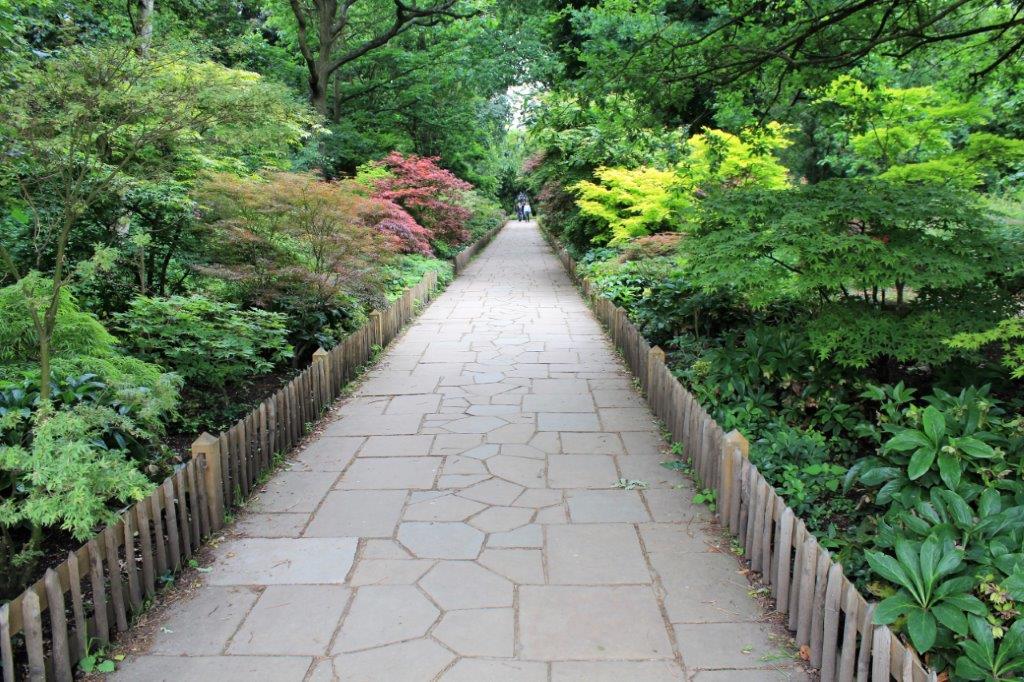
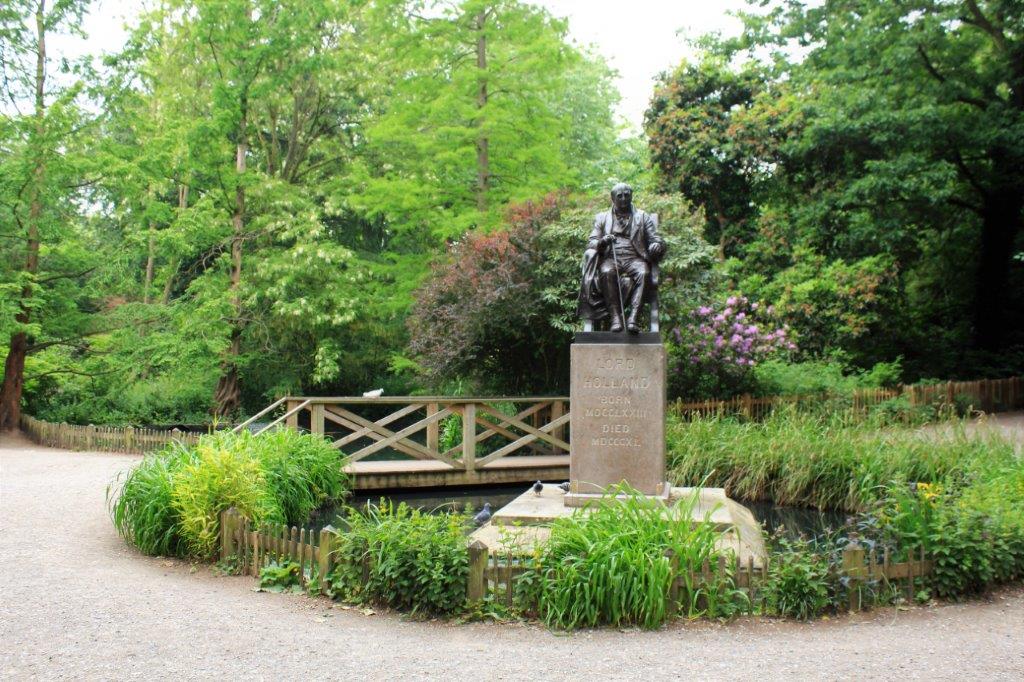
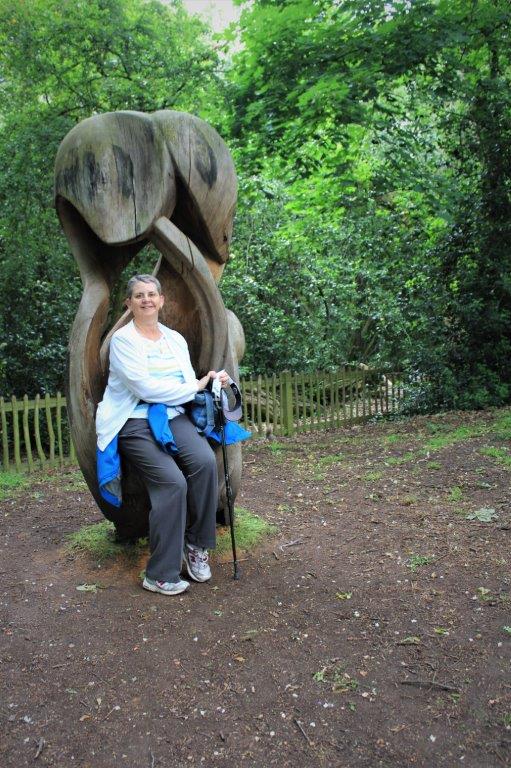
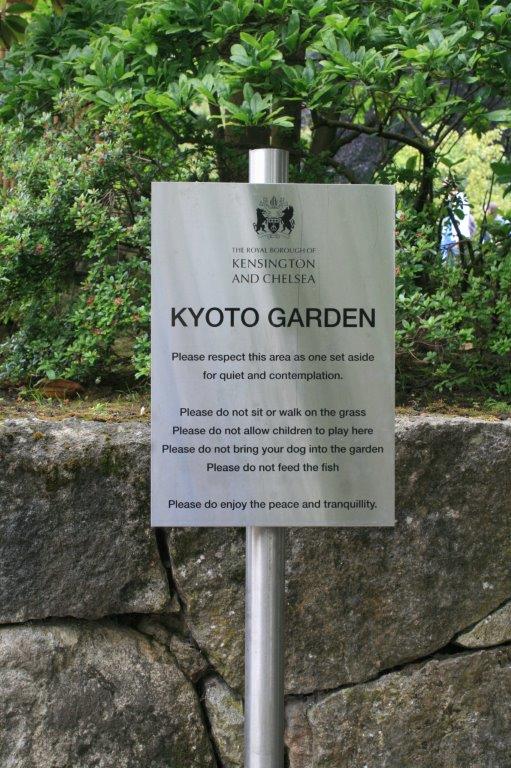
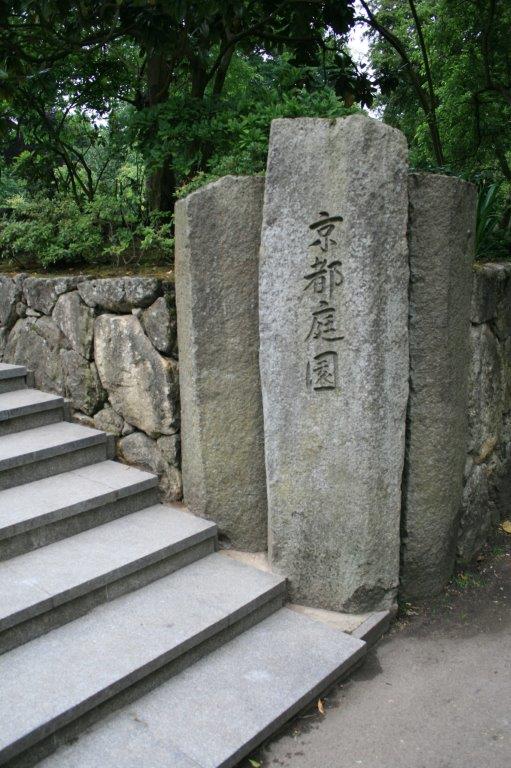
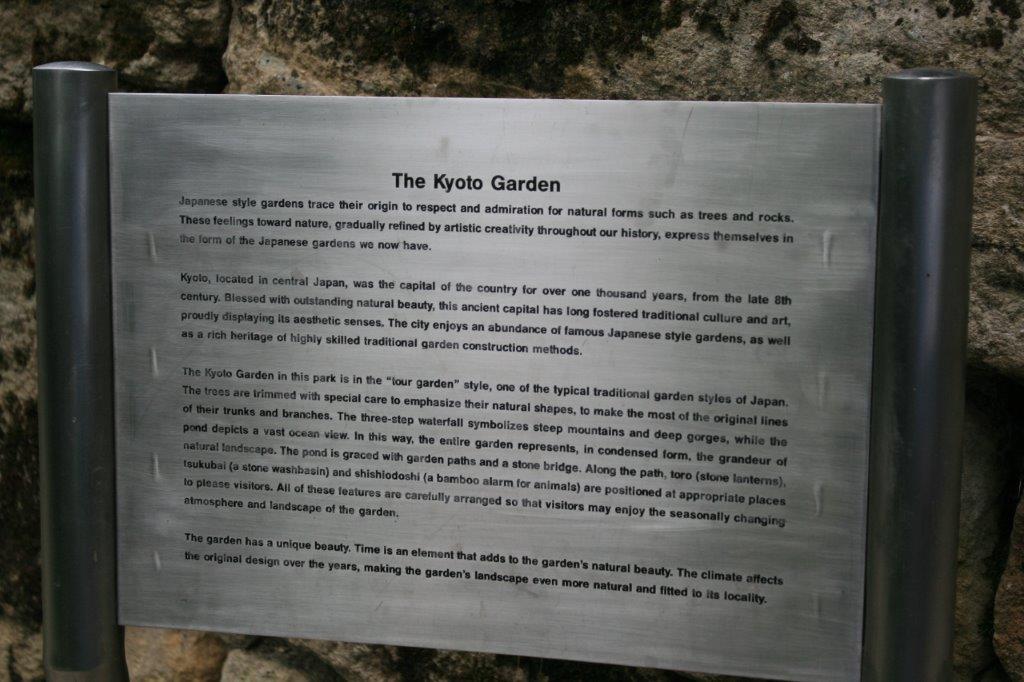
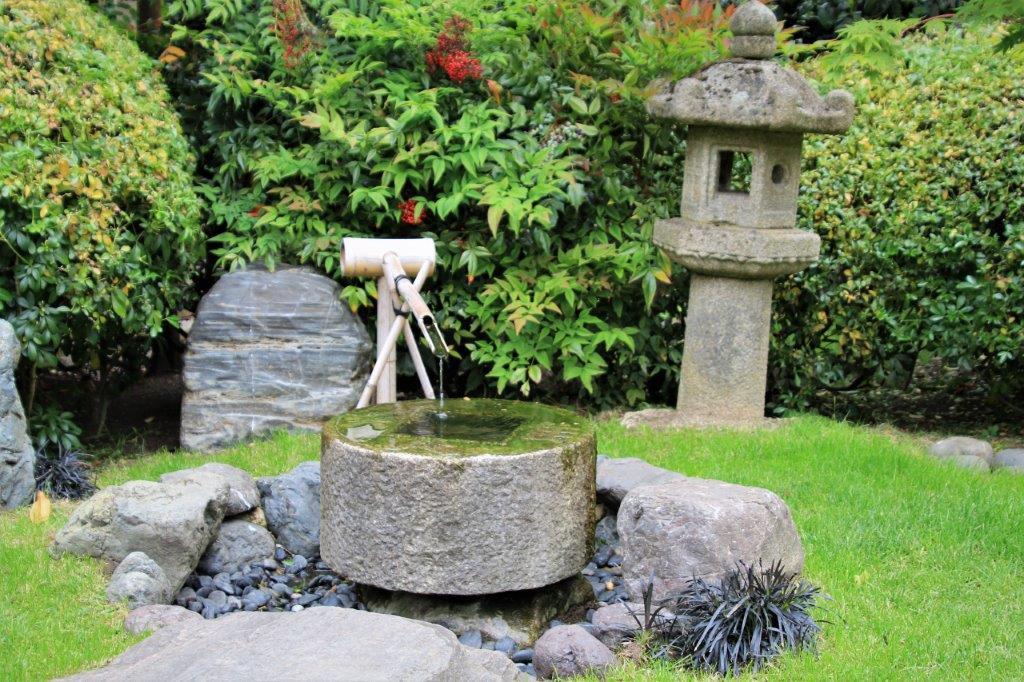
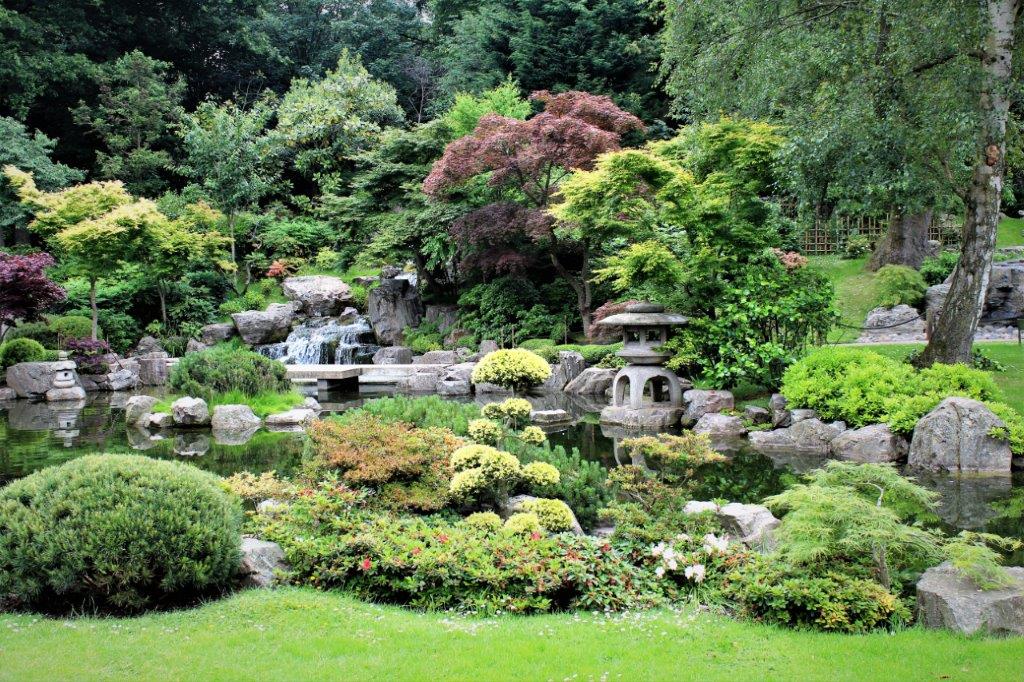
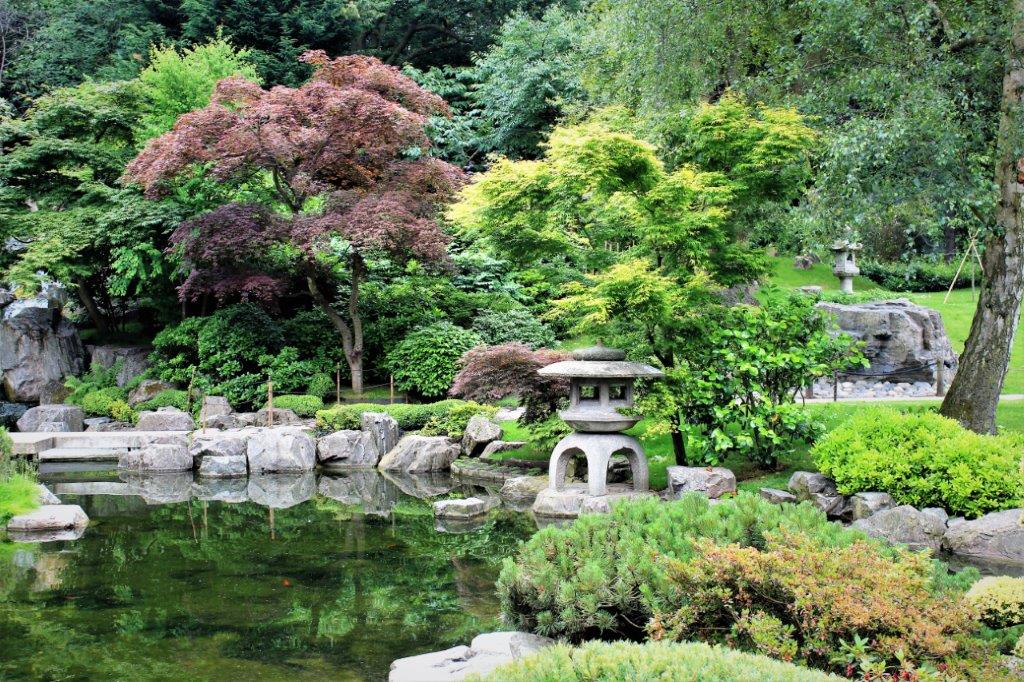
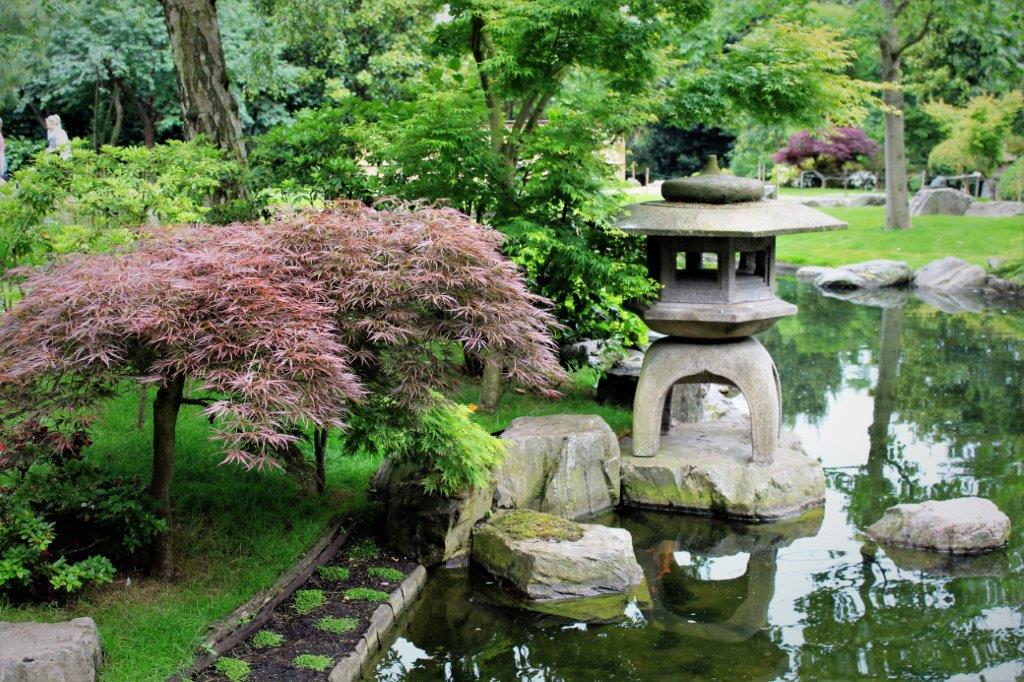
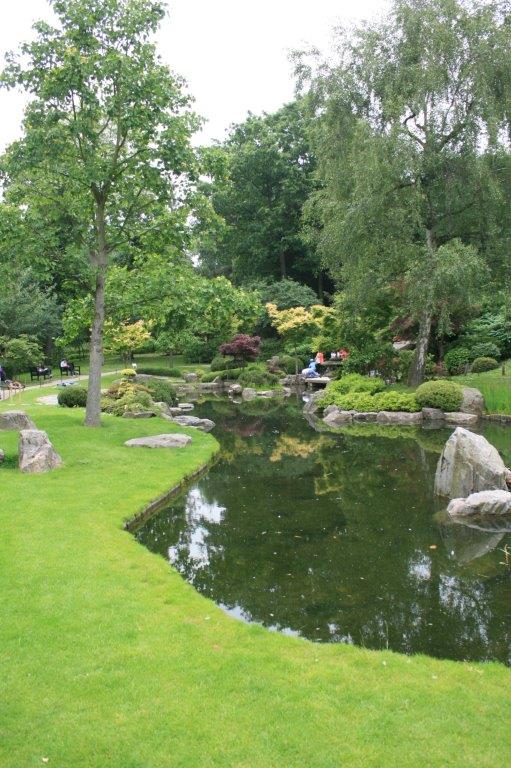
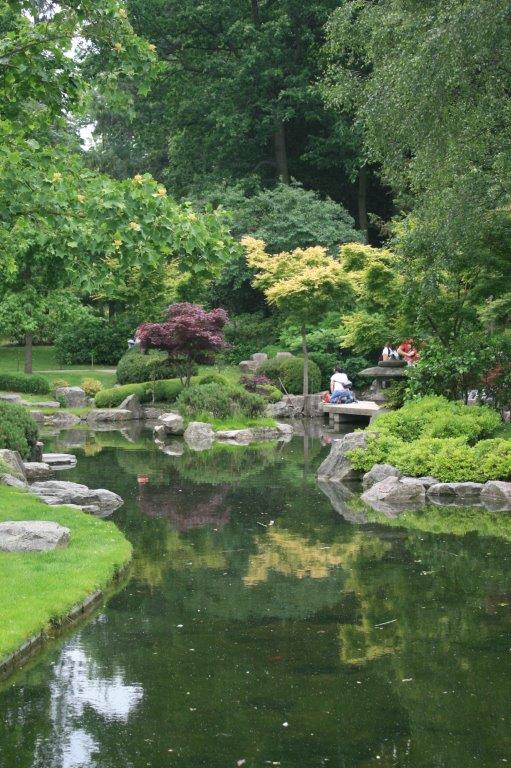
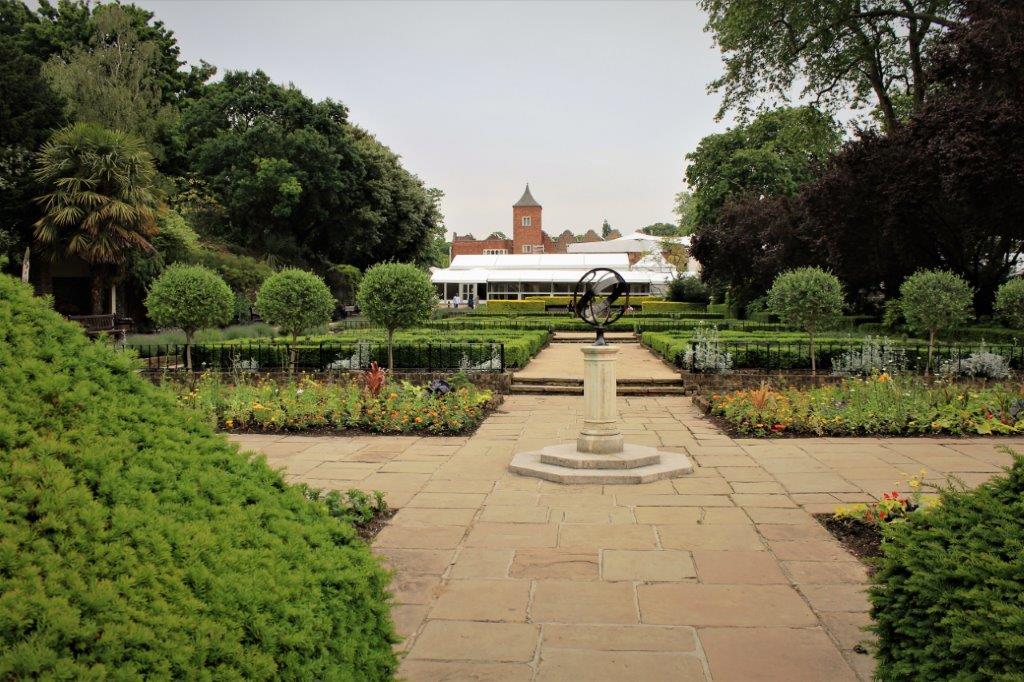
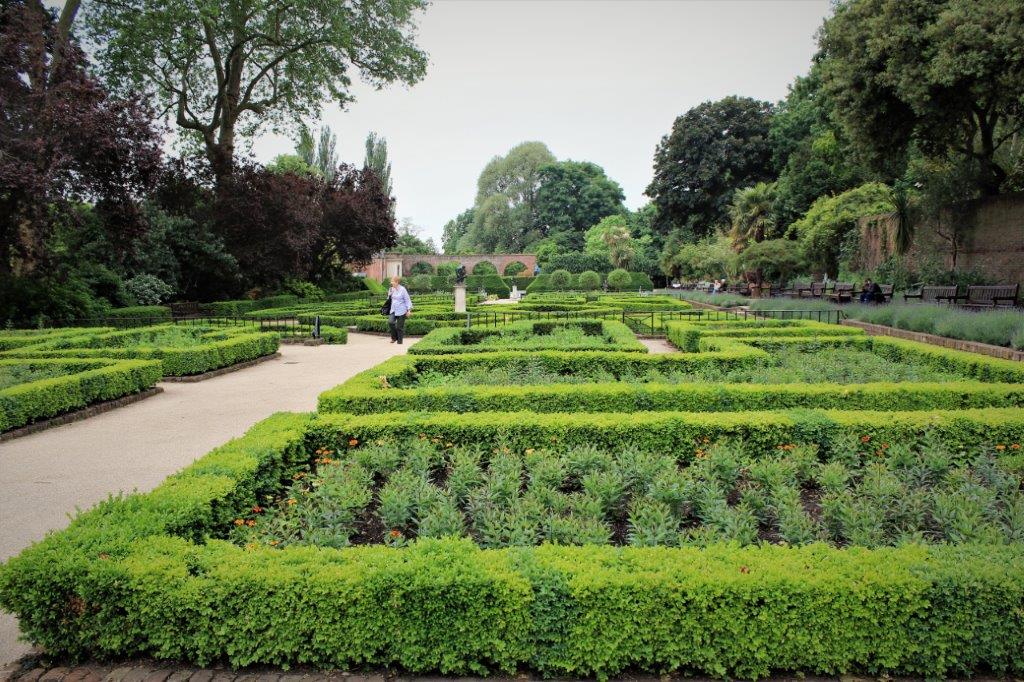
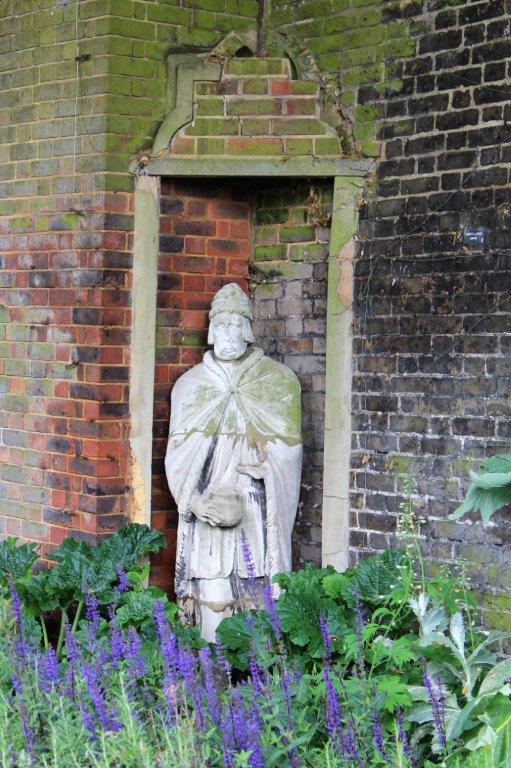
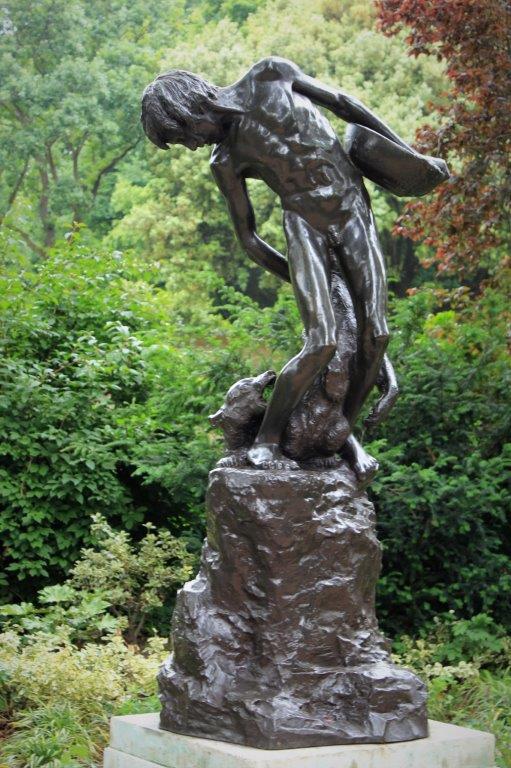
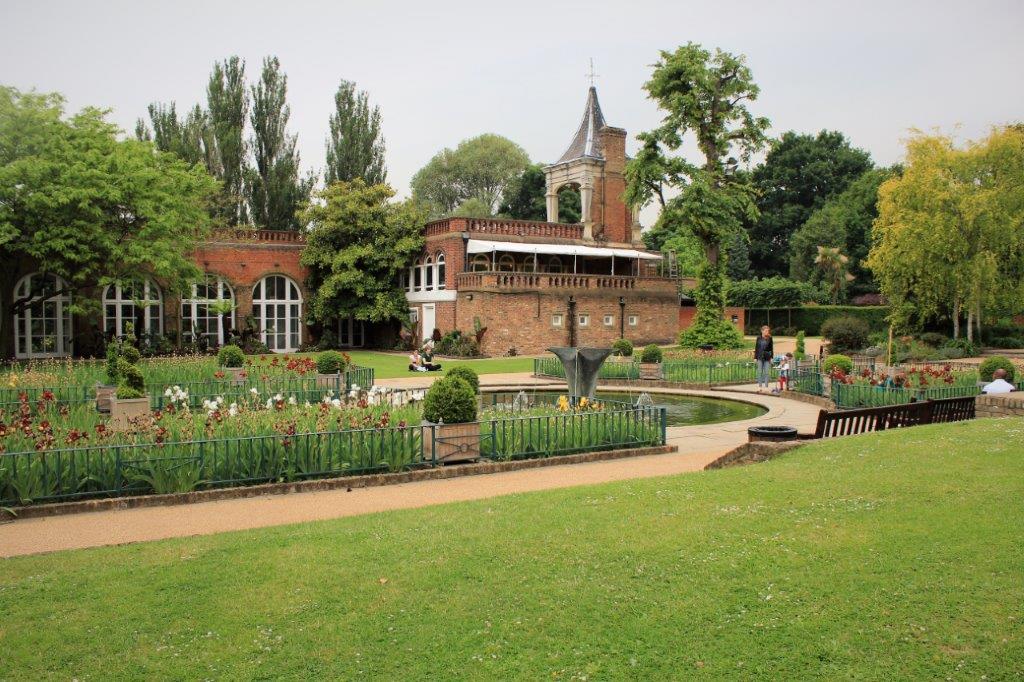
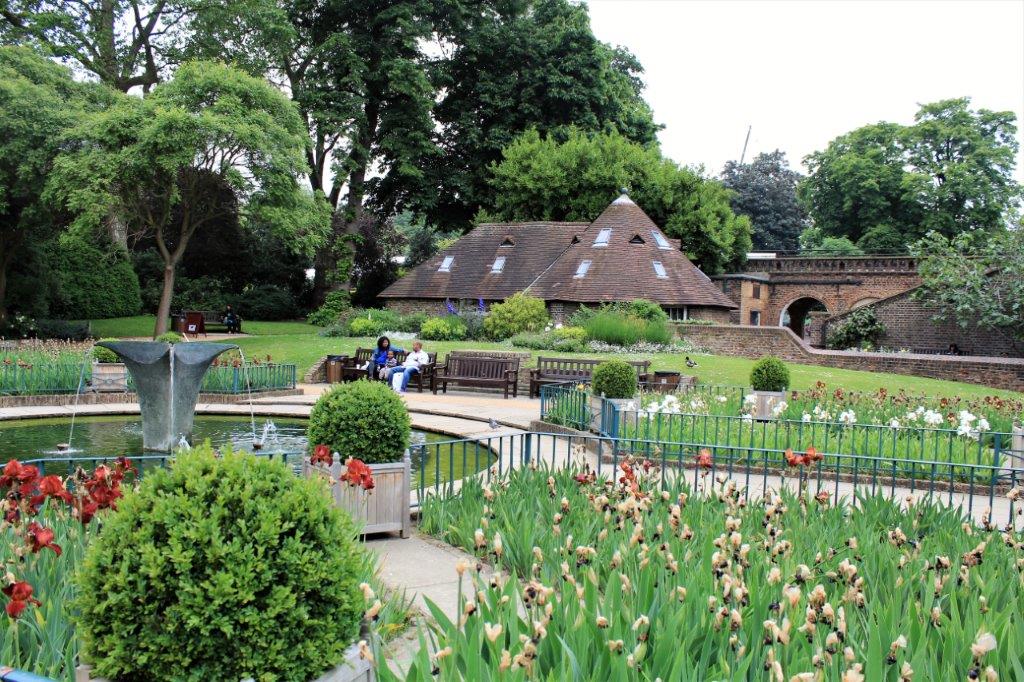
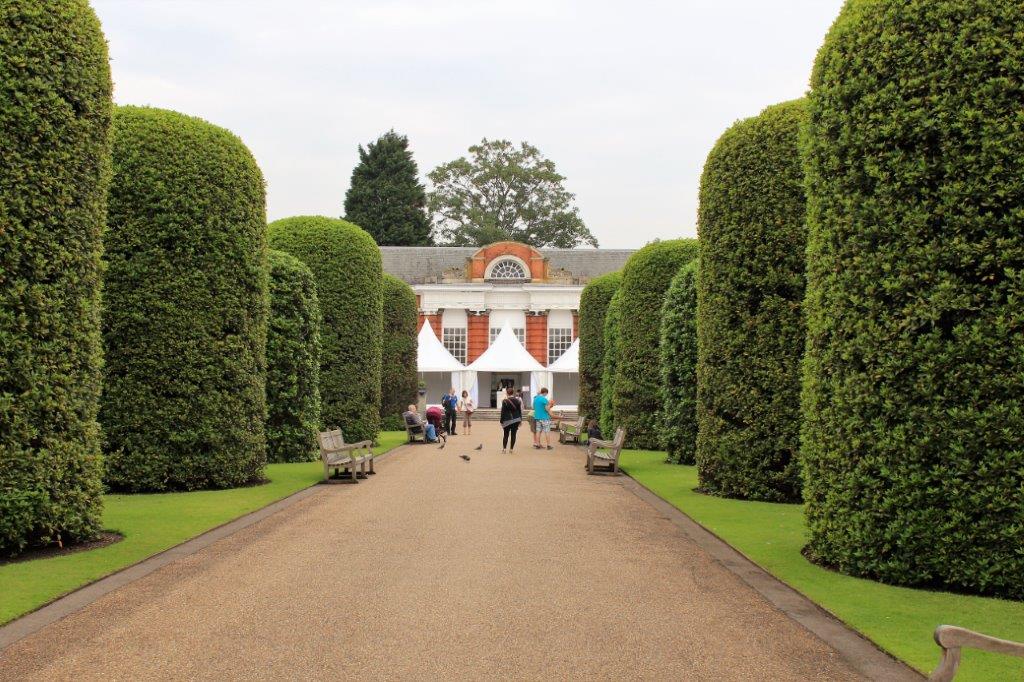
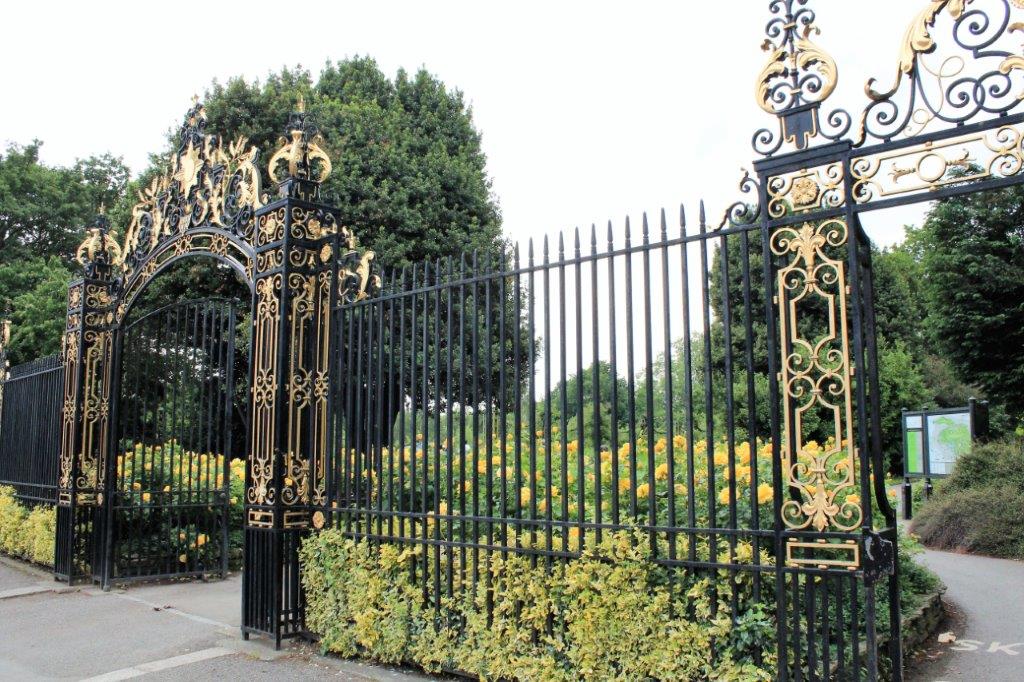
Not too far from Kensington Palace is Holland Park.  After we toured the palace we had a lovely time in the Park. I really like Japanese-style gardens and Holland Park has a beautiful one.

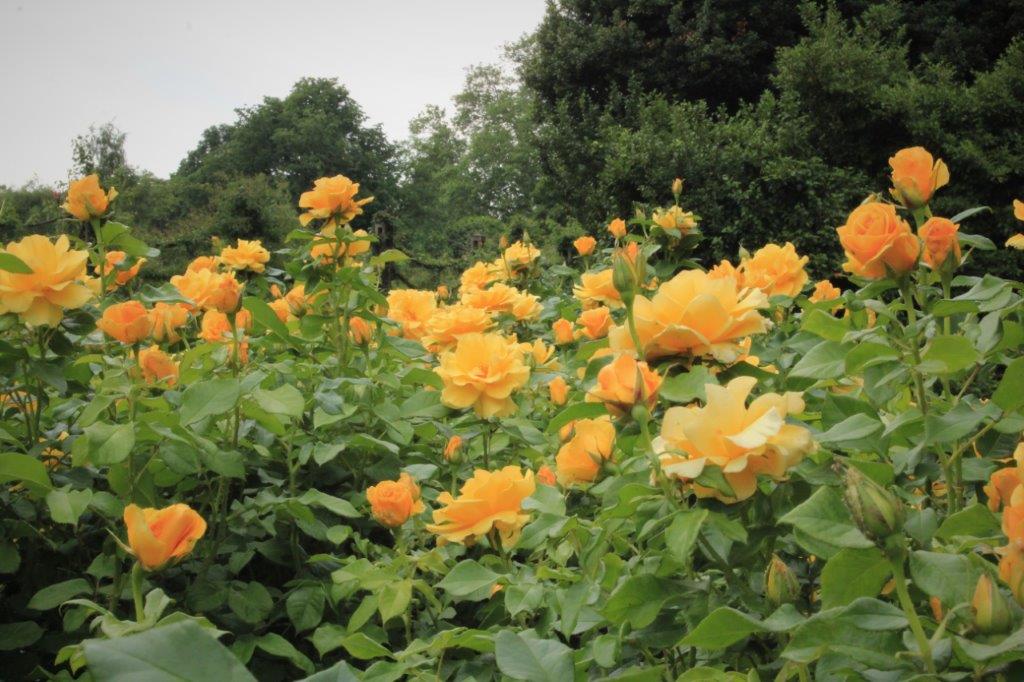
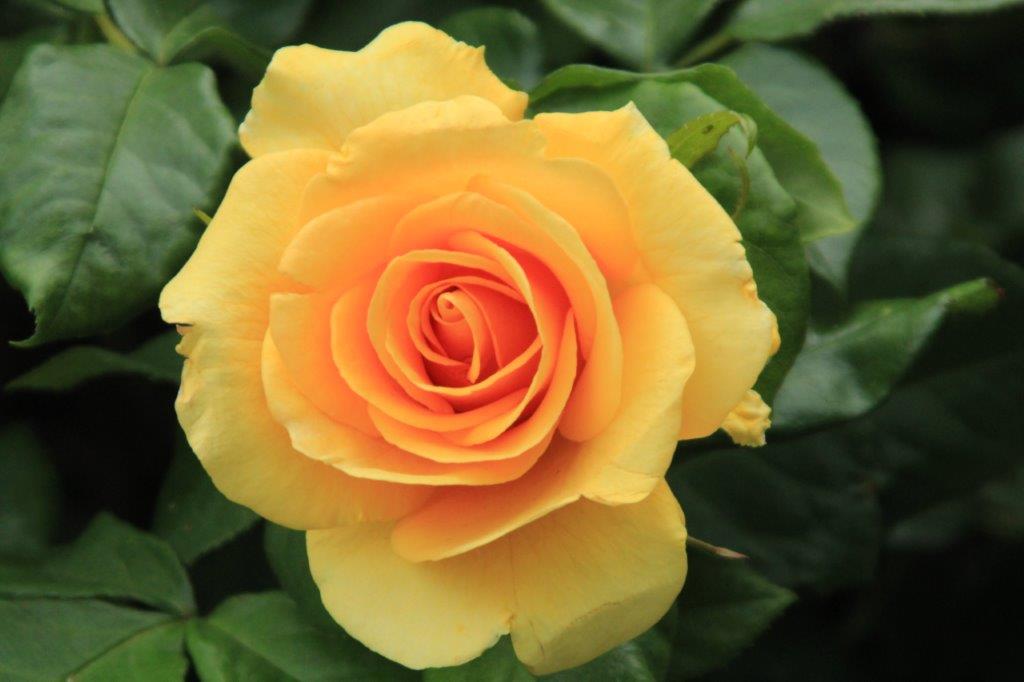
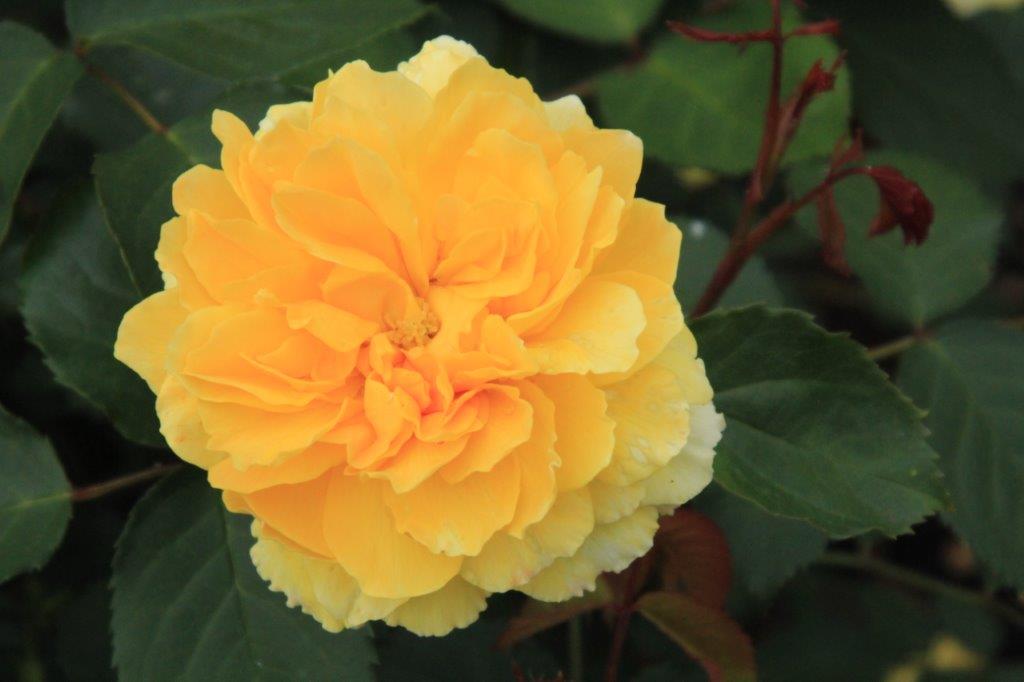
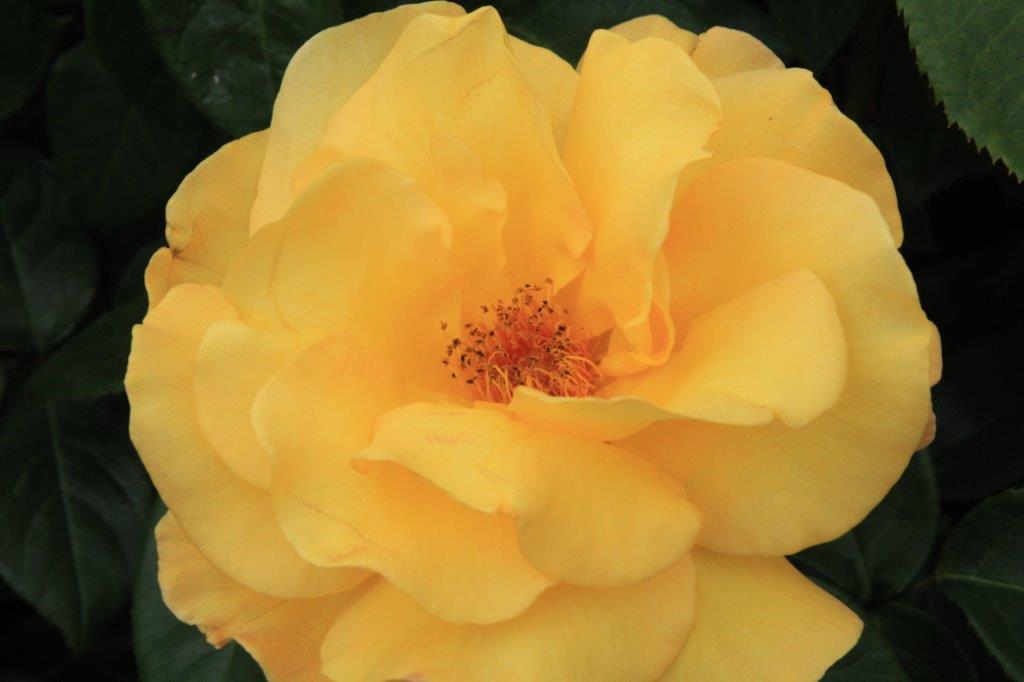
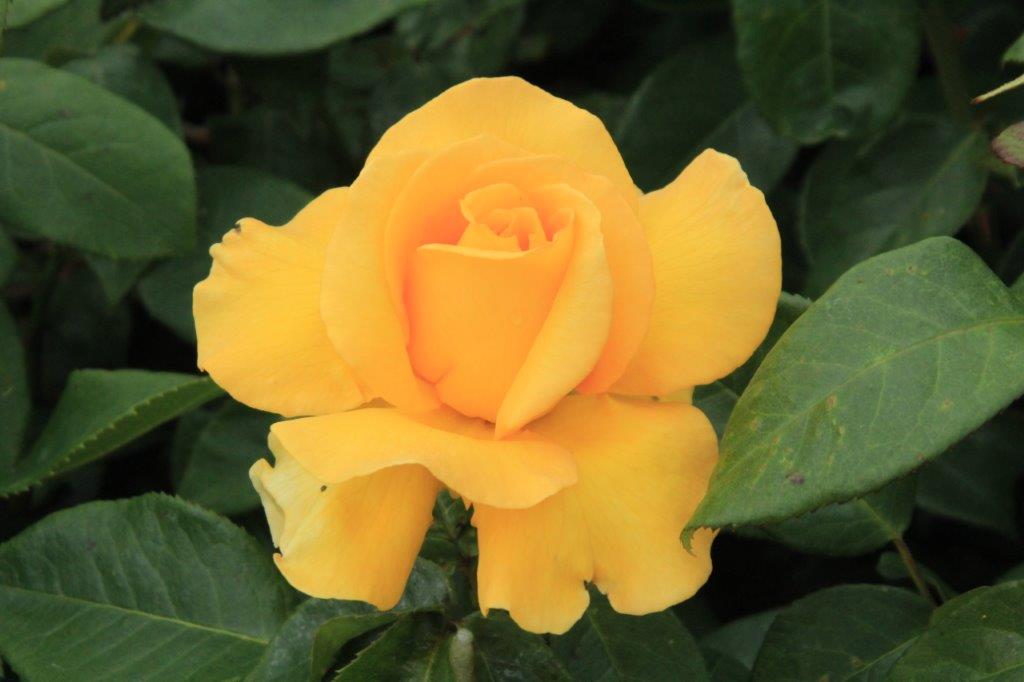
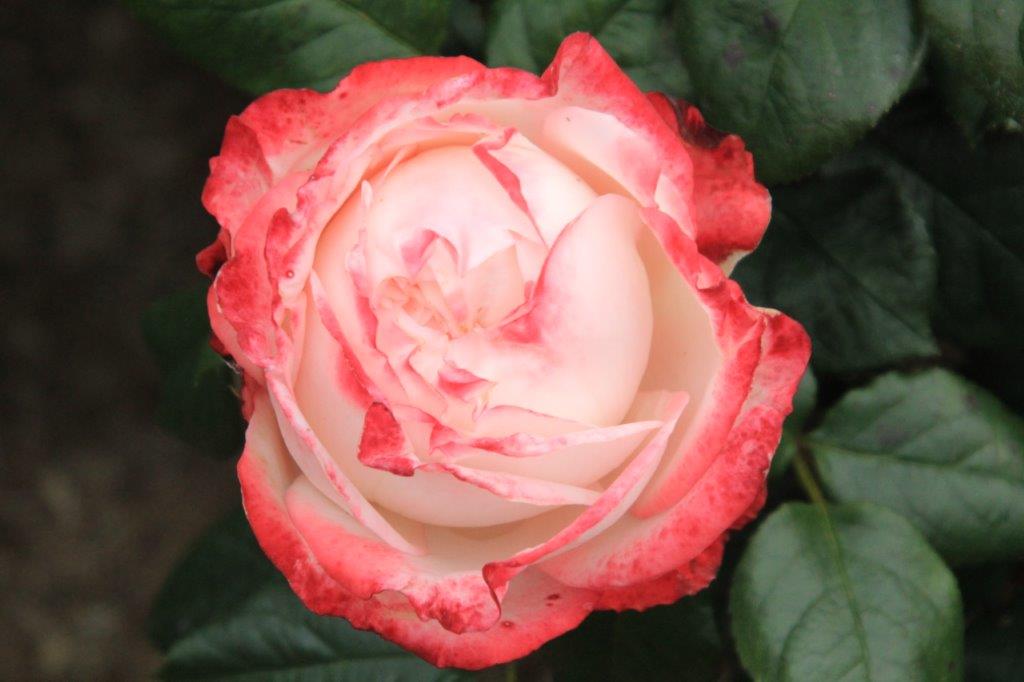
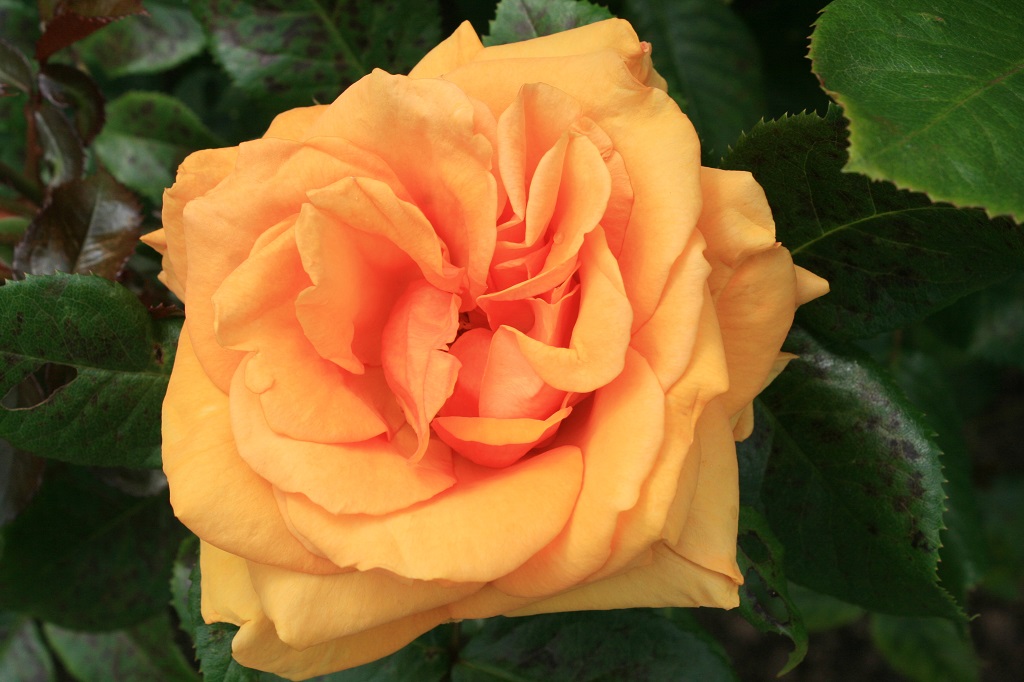
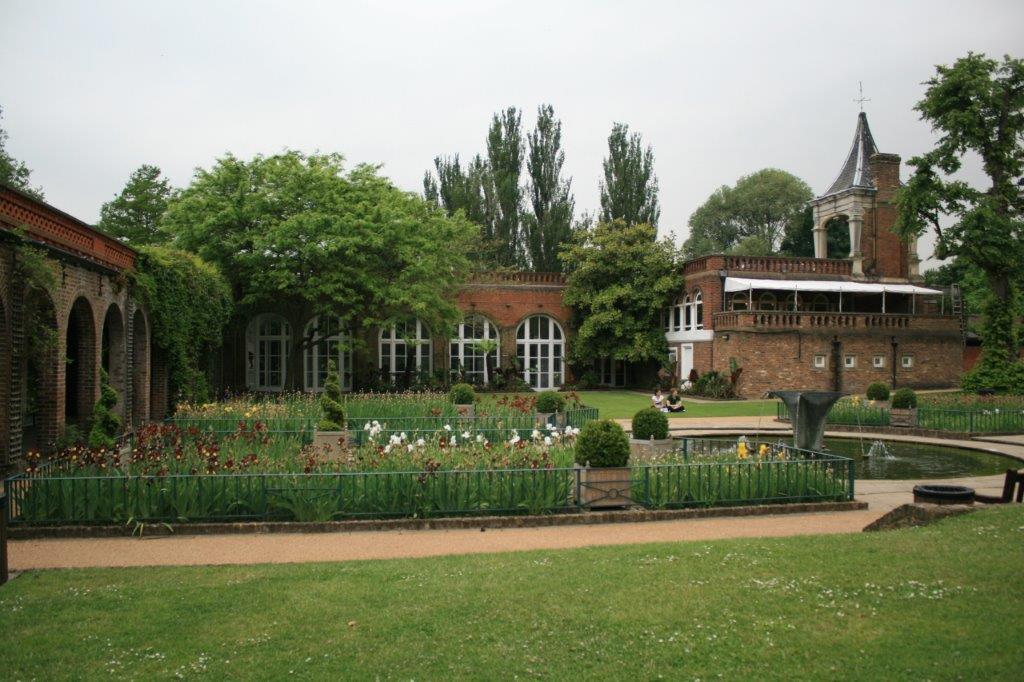
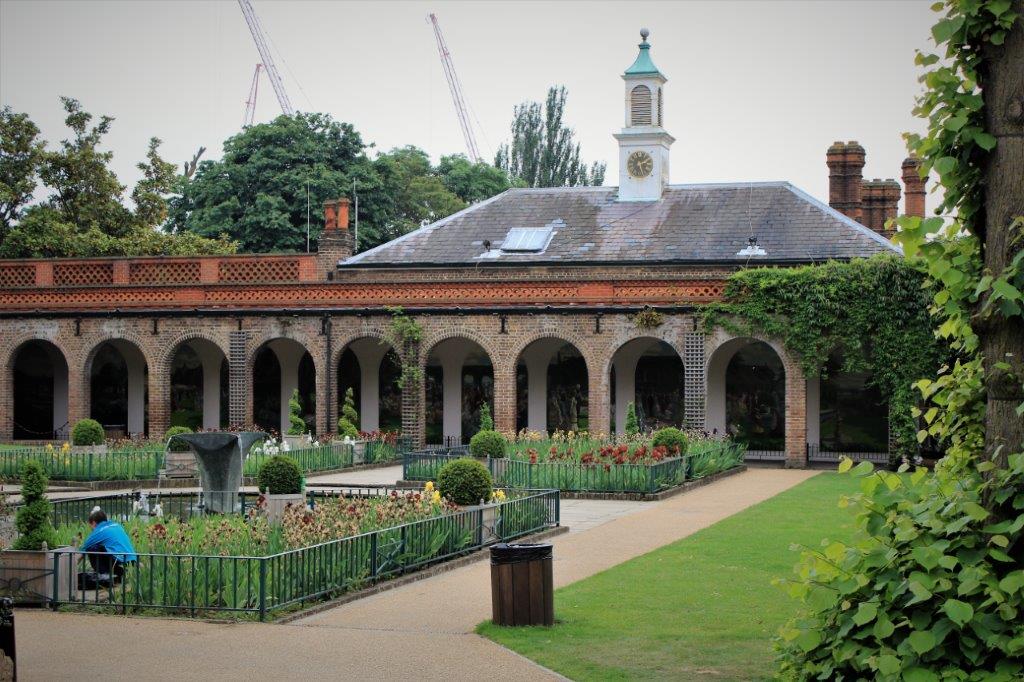
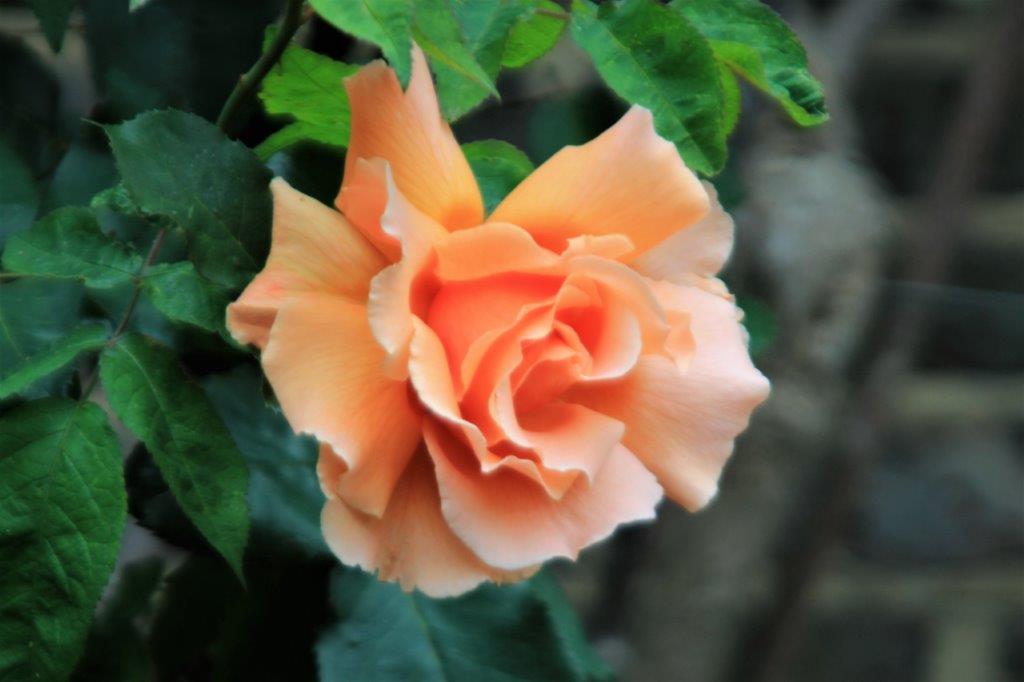
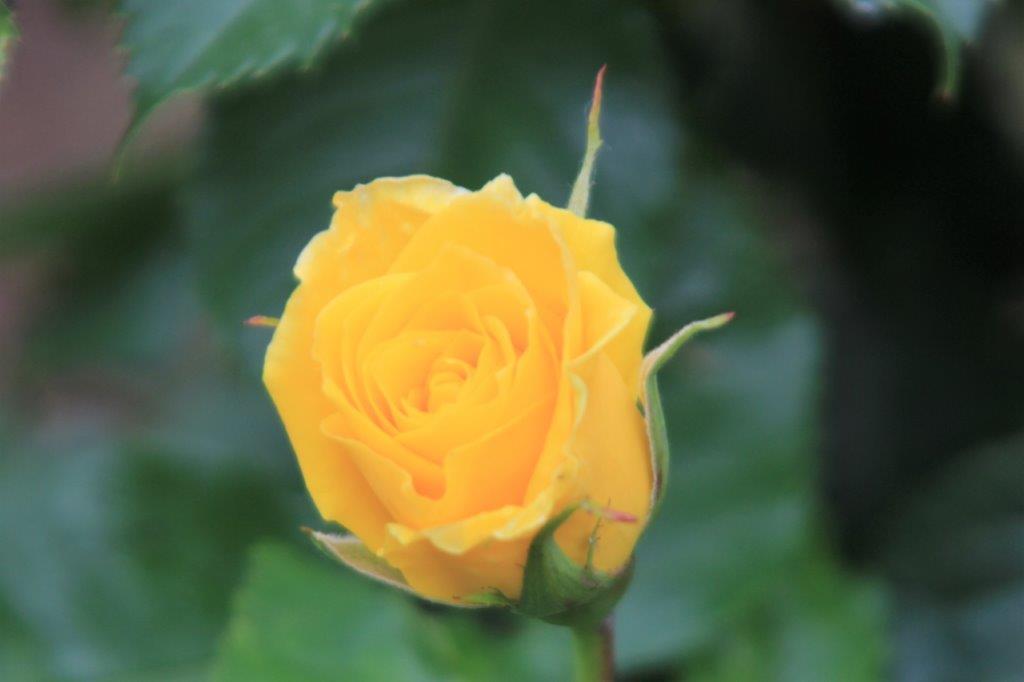
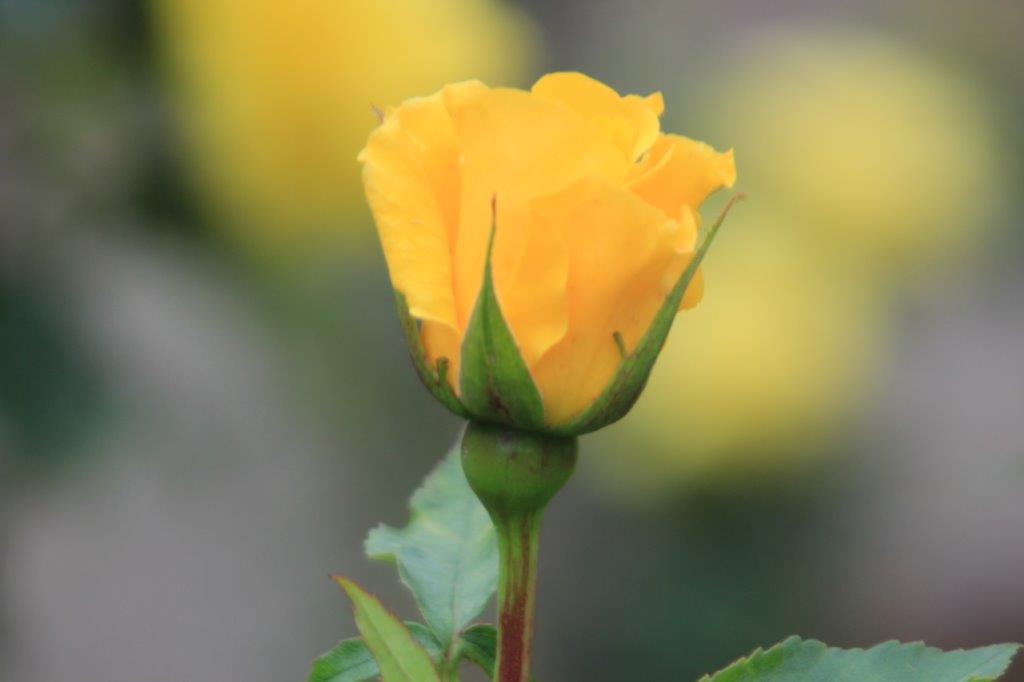
It there is one thing the English do very well it is a rose garden. We made our way back to the Underground Station and went back to our rented flat for some dinner and a quiet evening.

The next day we walked through Regent’s Park and to the  London Zoo.

2013 Summer (Baltic and Britain – A week in London – Day 1 – Part 1)

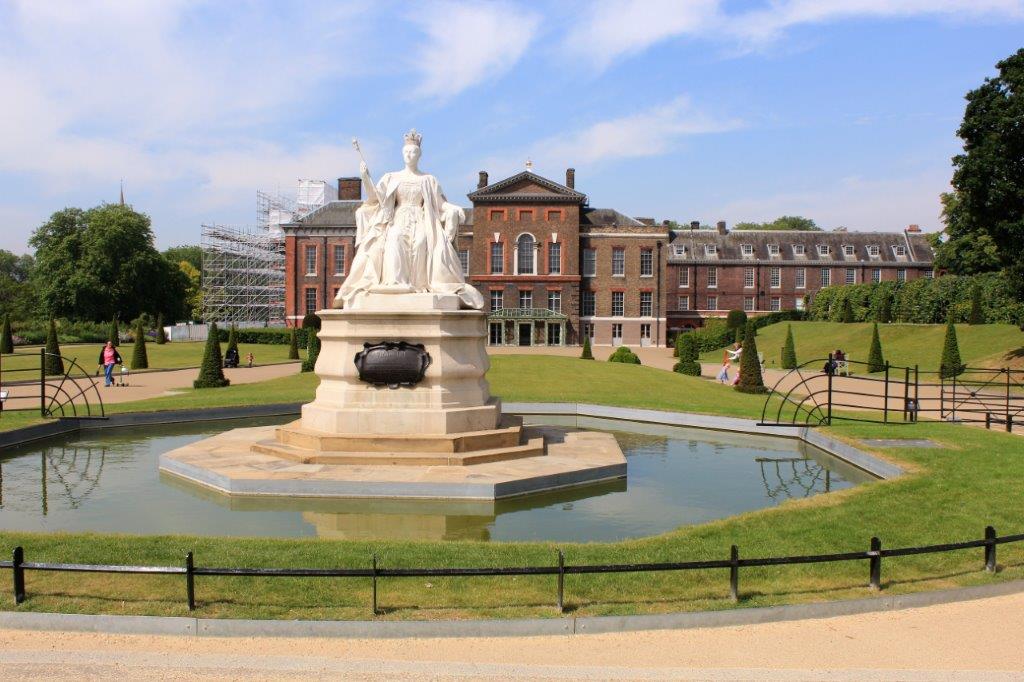
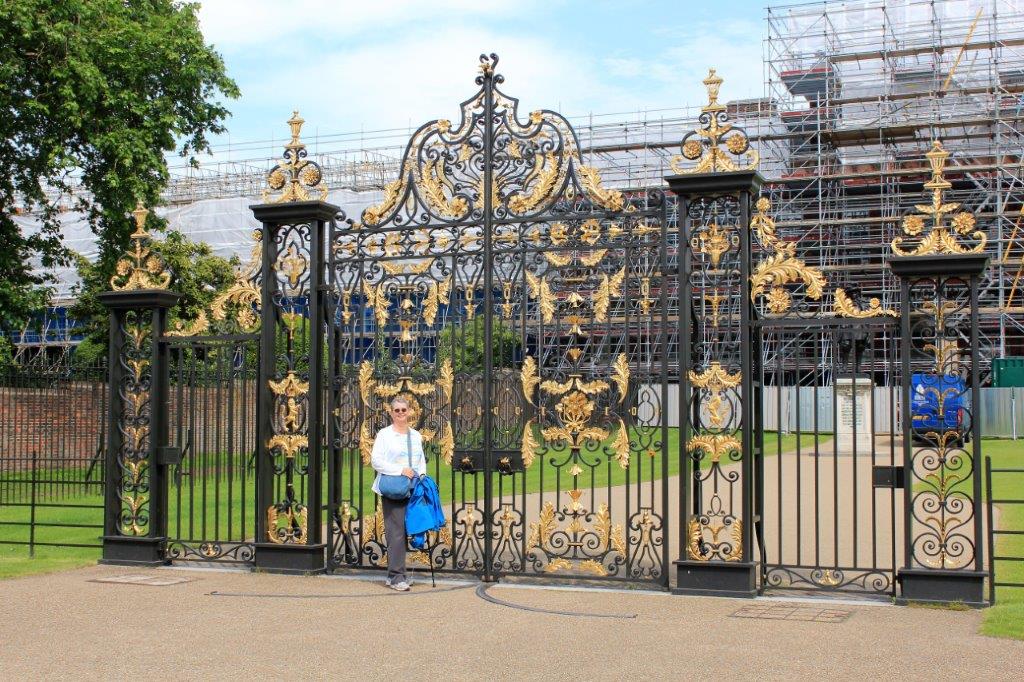
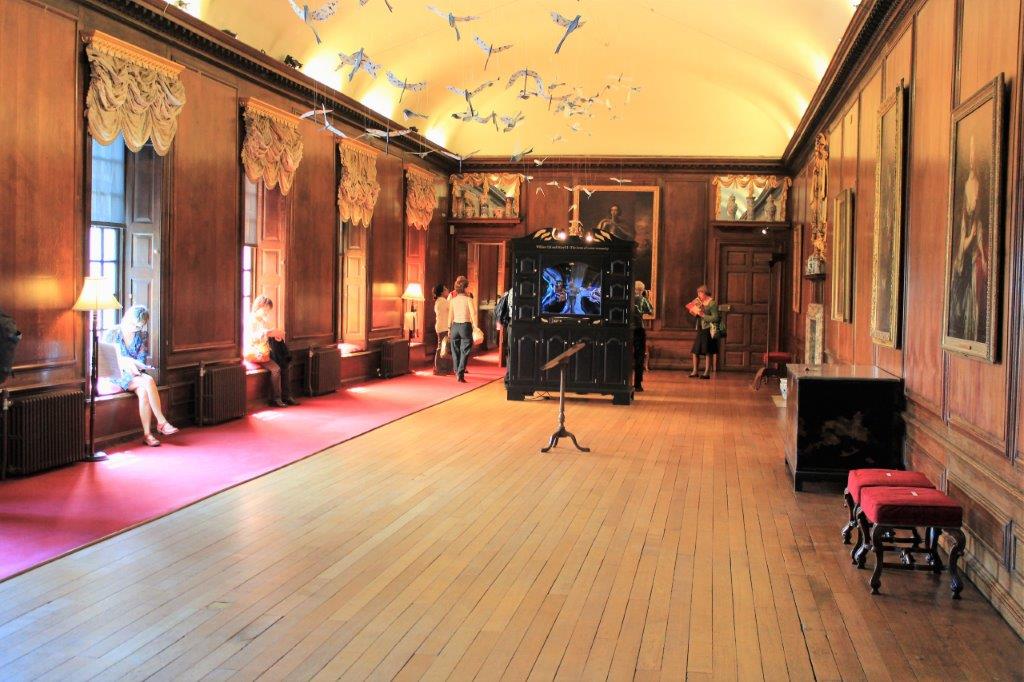
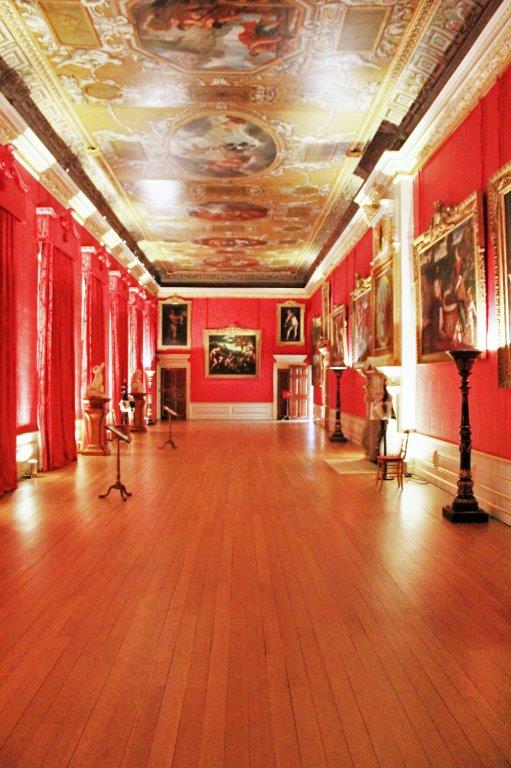
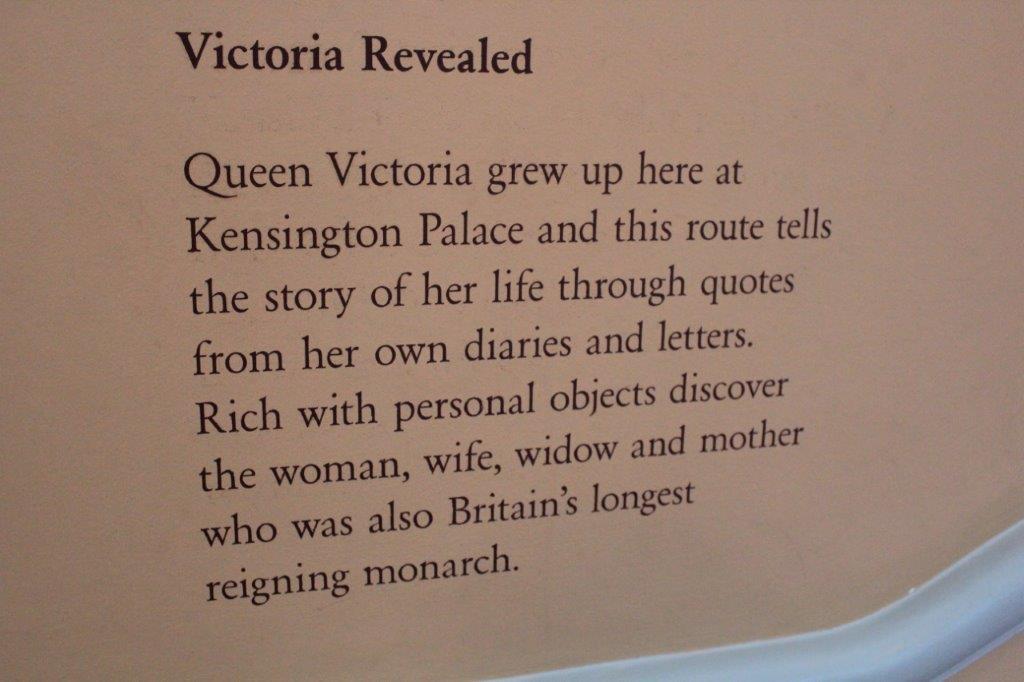
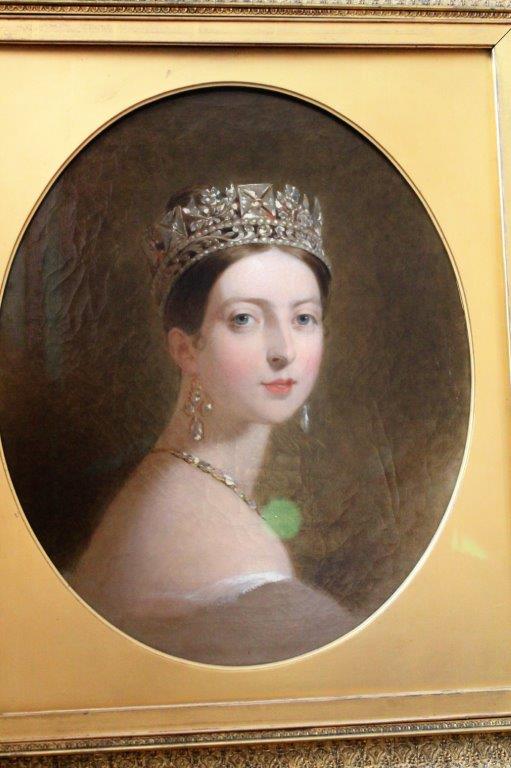
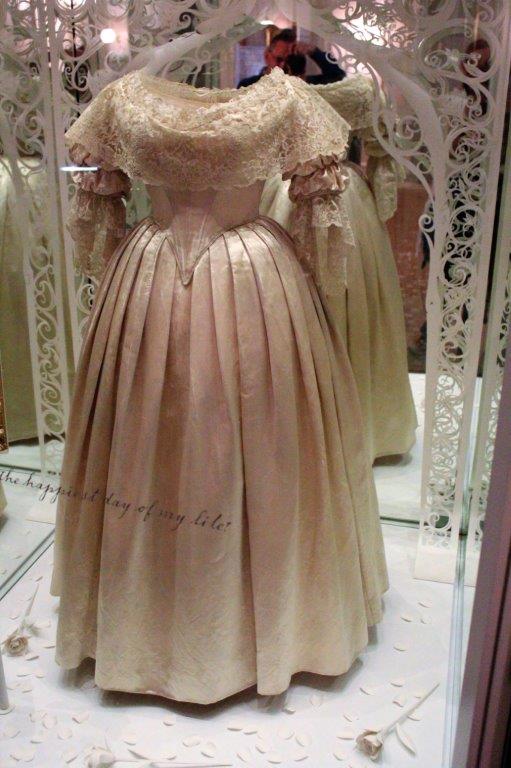
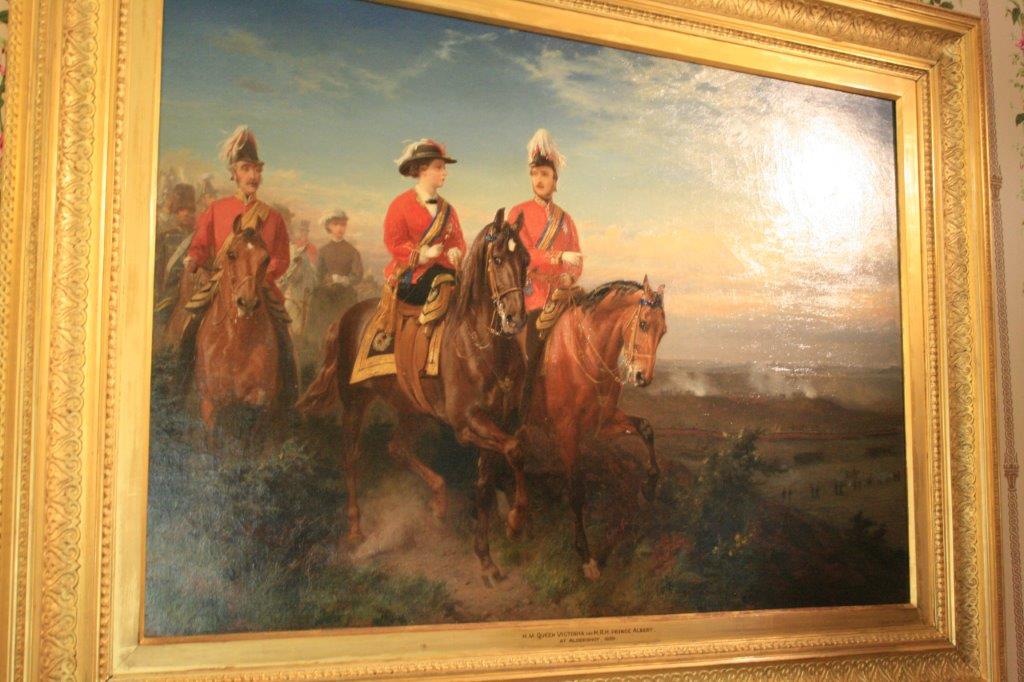
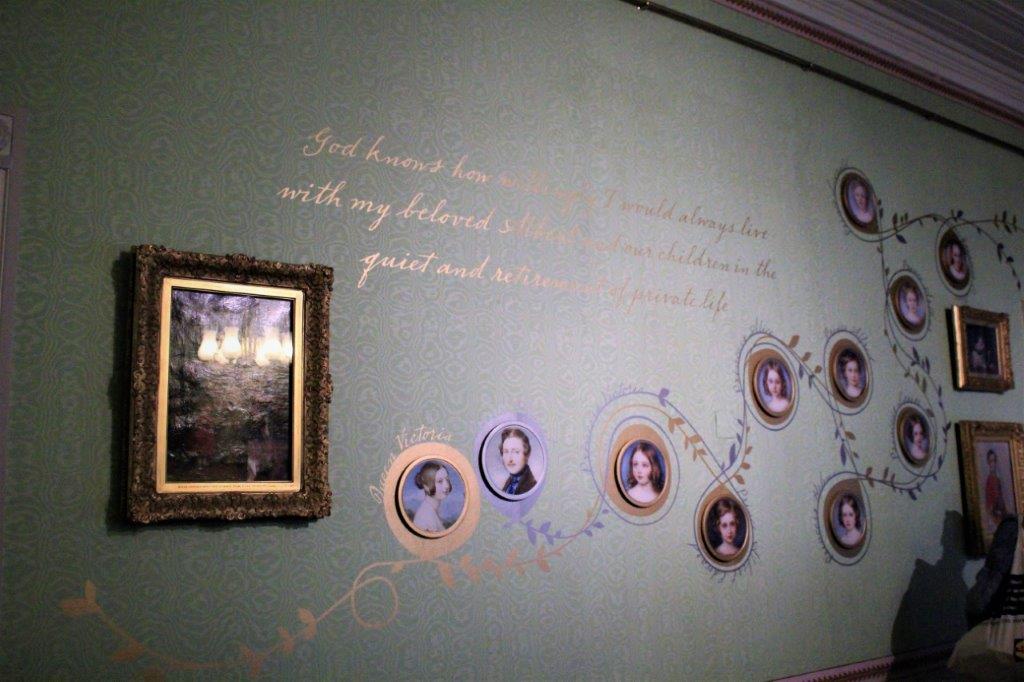
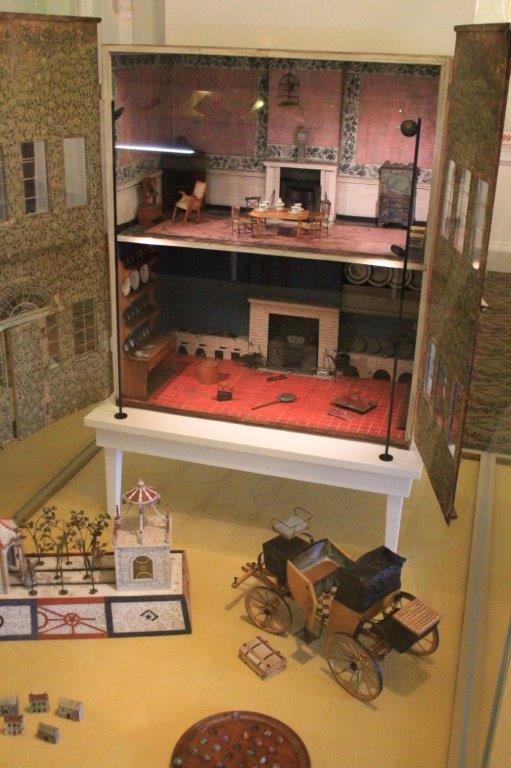
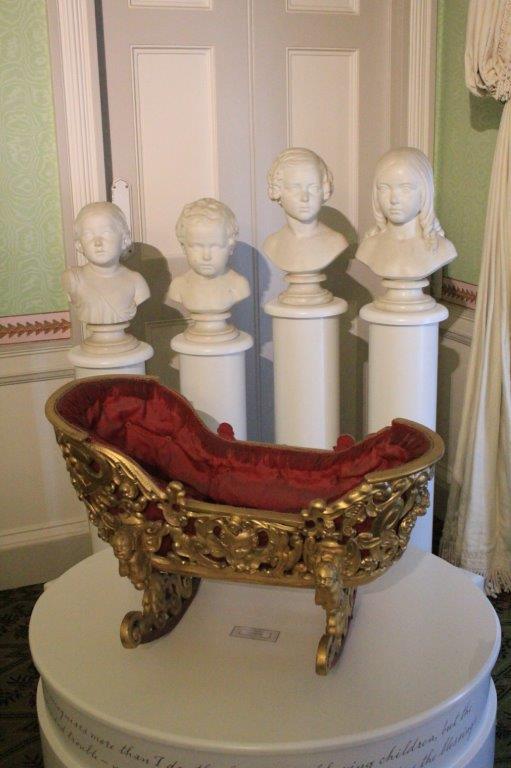
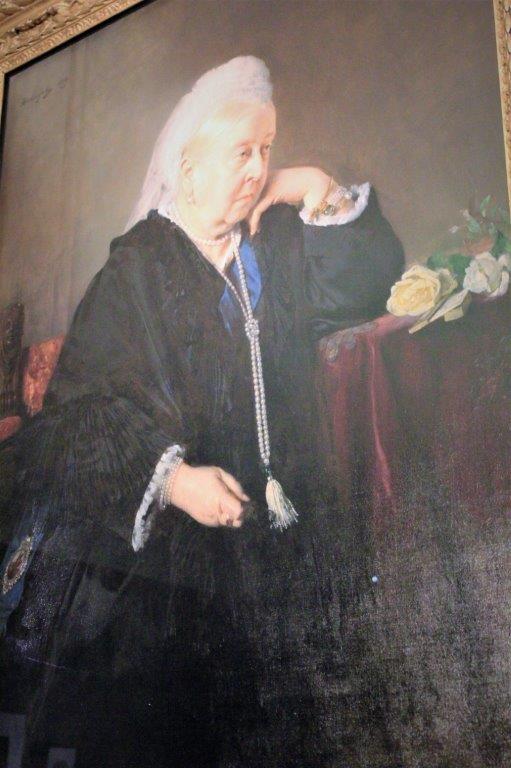
We returned to London on June 17 from our 16-day cruise up the Baltic.  The next day we left the flat we had rented for a week and took the underground out to Kensington Palace.  We have been to London several times and yet had never been out there.  It was a lovely summer day as well, so we had a great time. The gate that was buried in all the flowers when Princess Diana died.There was a special exhibition on in the Palace called “History Where it Happened.”  Many of the rooms or historical items had white paper cut outs hanging above or placed near them.  I didn’t get it myself.

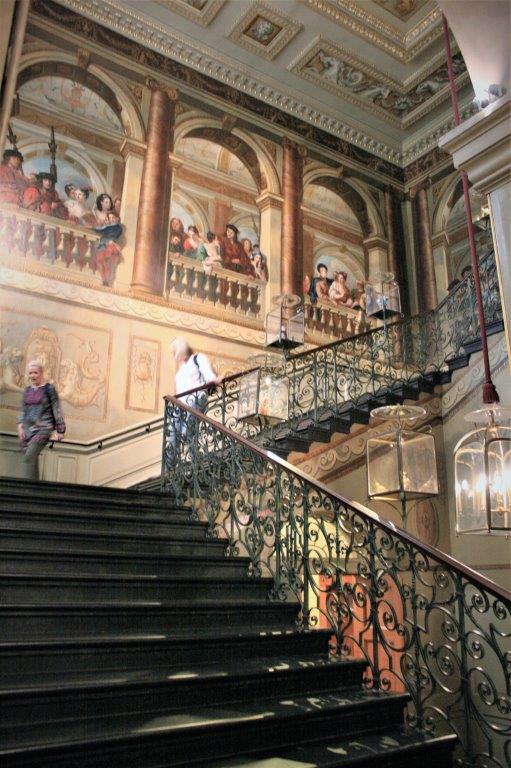
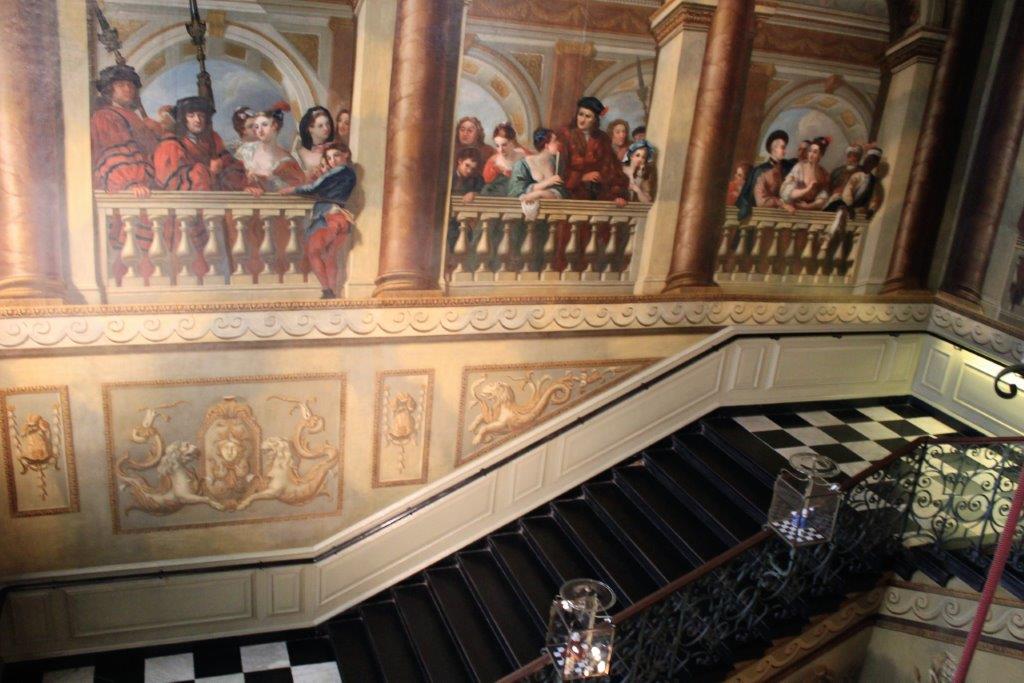
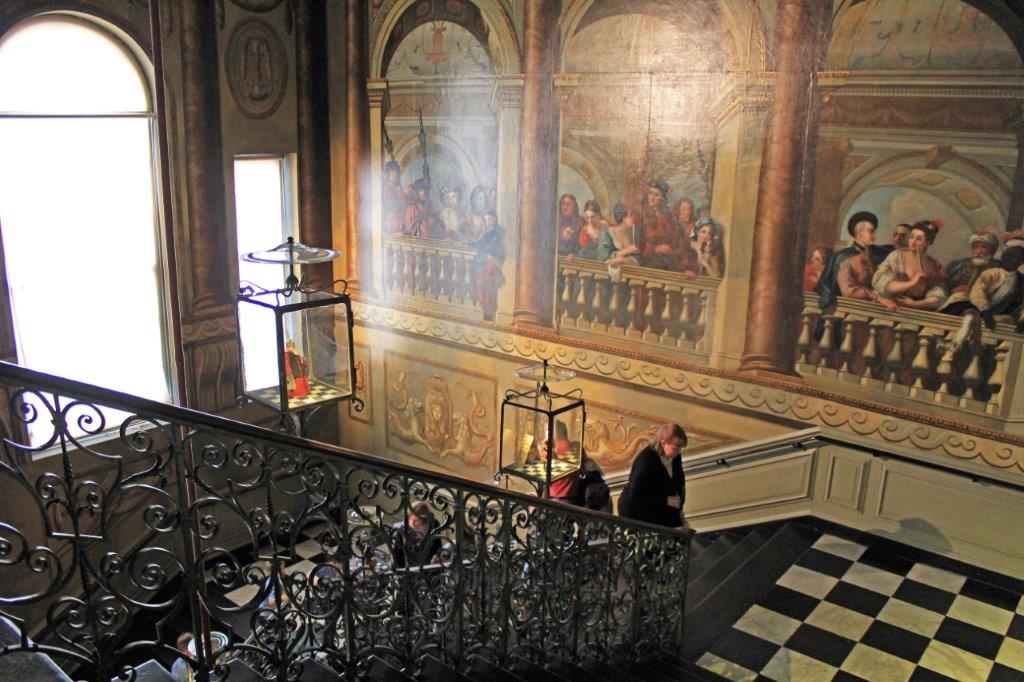
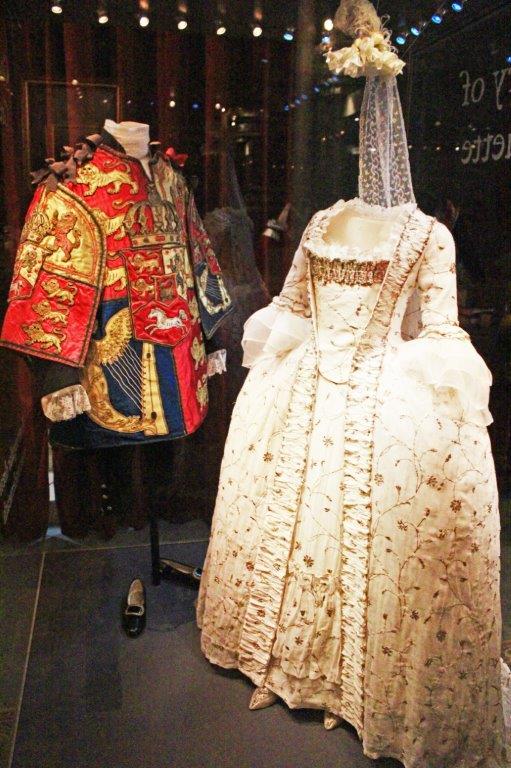
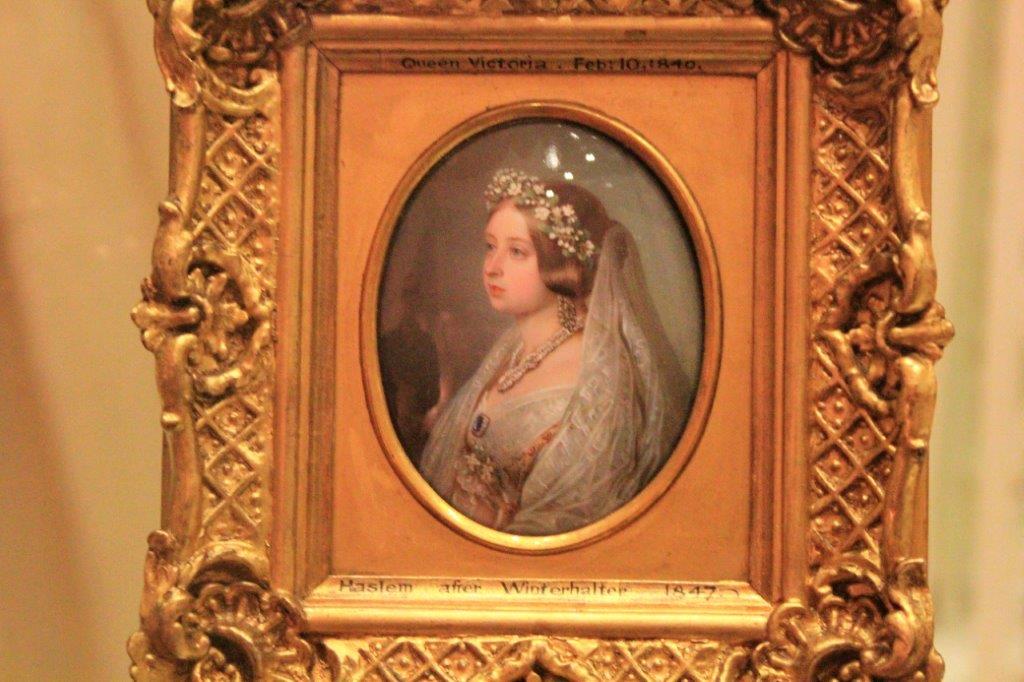
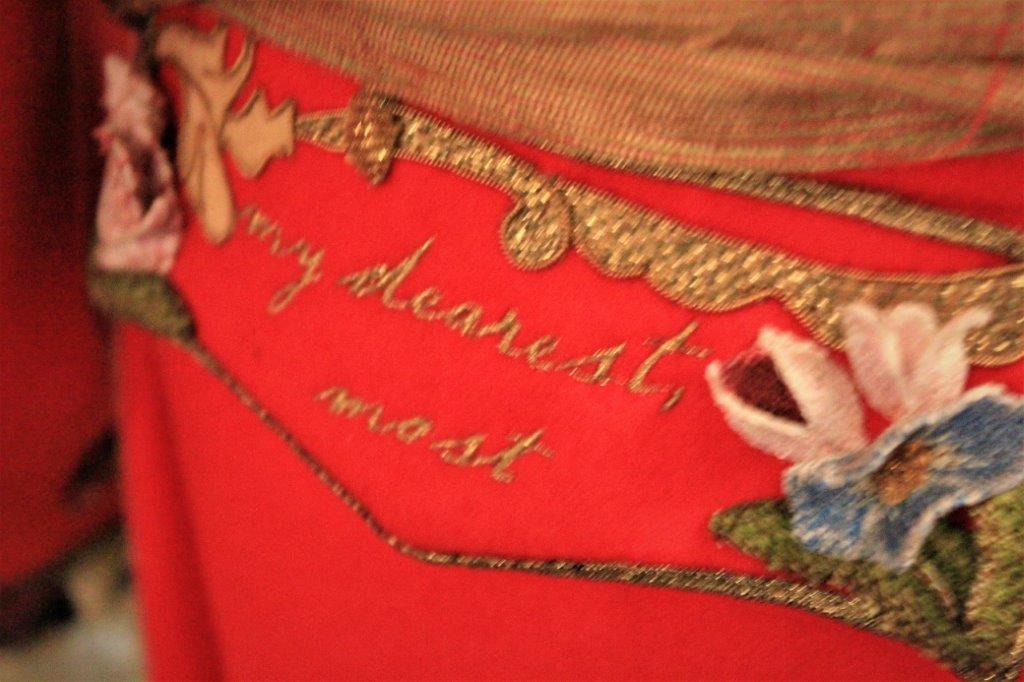
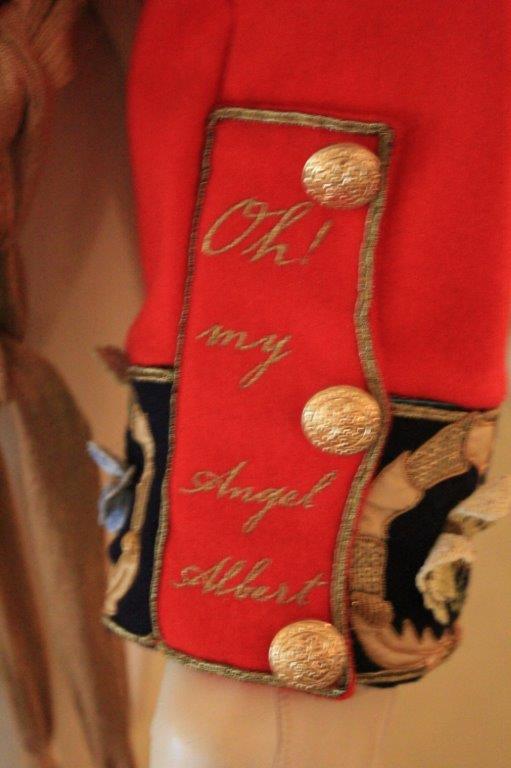
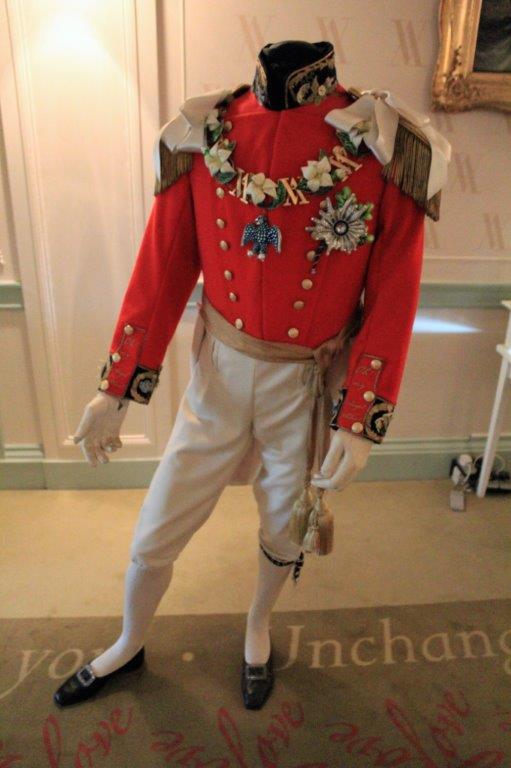
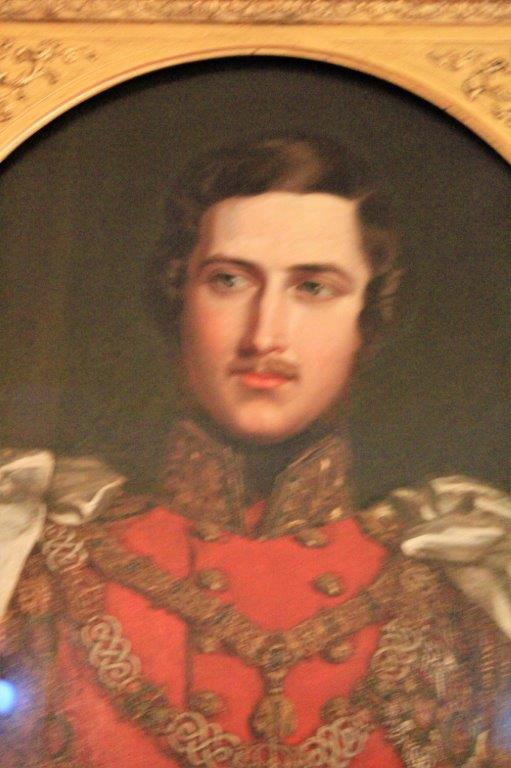
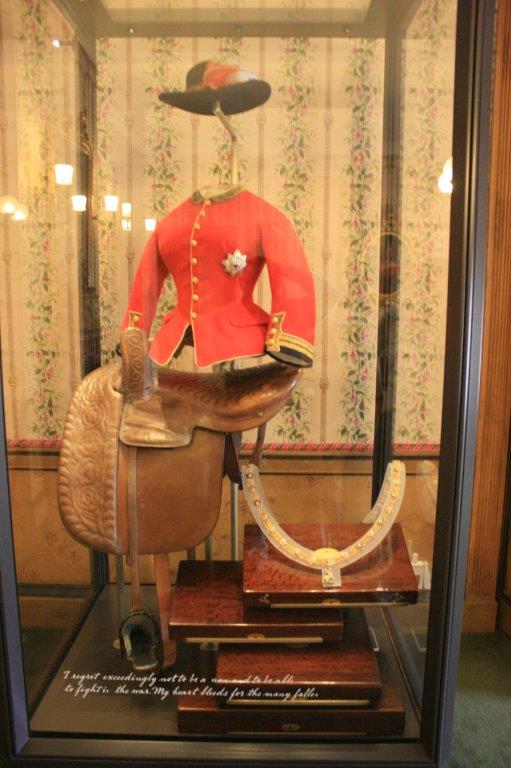
I thought this mural on the staircase was really neat.  All the people are peering at who is going up and down the stairs.  Very clever.  I can’t imagine how the Royal Archivist keeps track of all the treasures in all the residences of the Royal Family: and who got what from whom and who gets it later.  Mind boggling. How Prince Albert survived all the fawning romantic stitching on his coat, not to mention all the bows, and flowers, and froufrou is beyond me.  I would not have been able to keep a straight face during the ceremony if I was wearing such a garment!

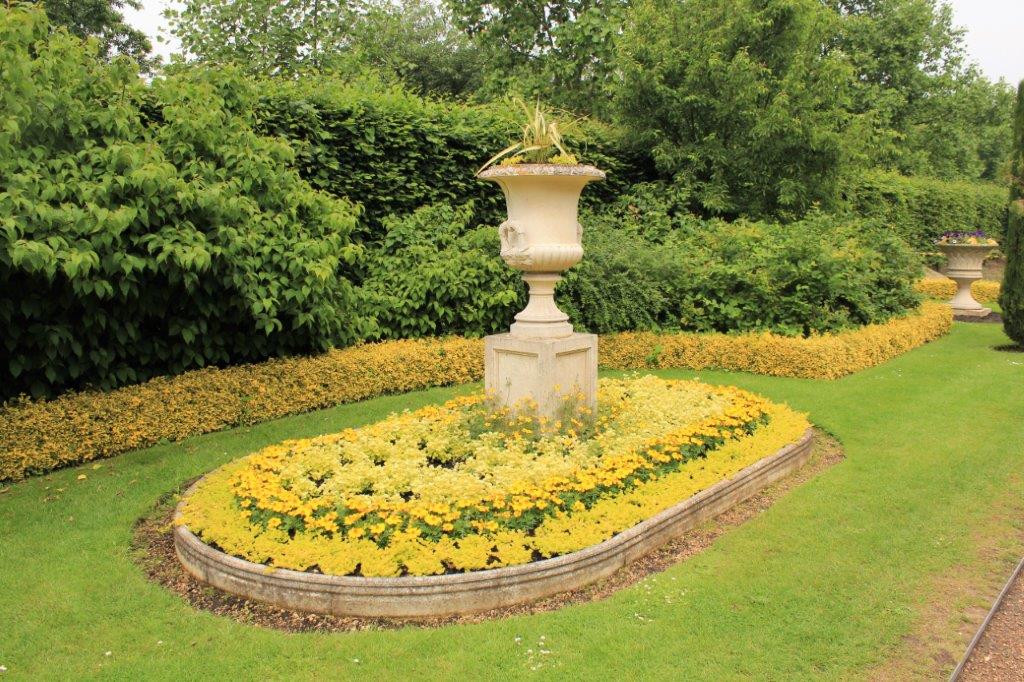
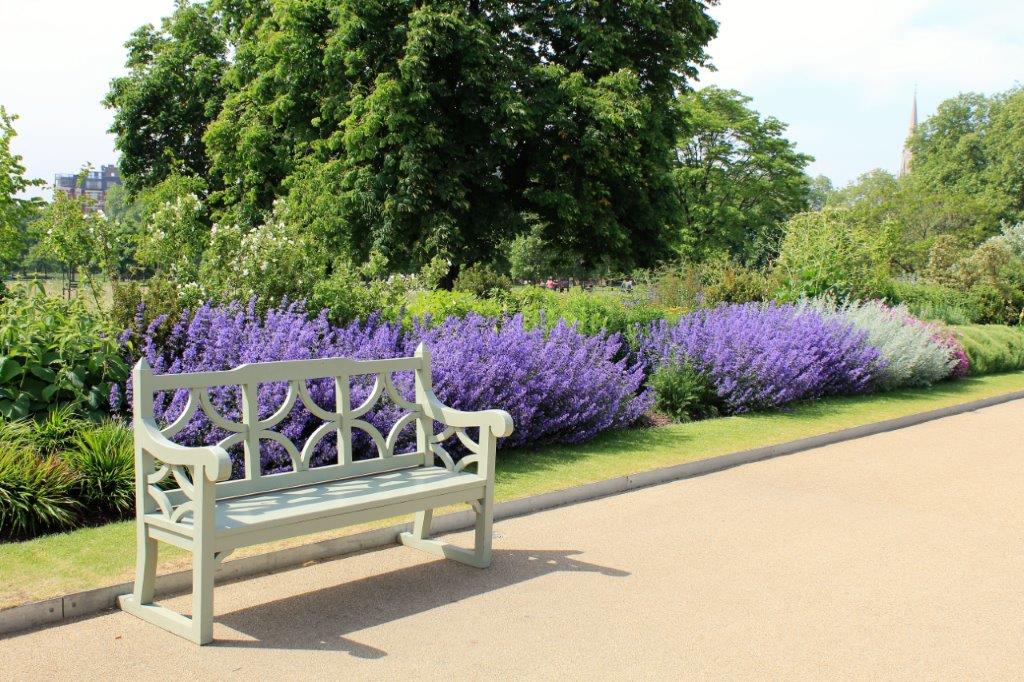
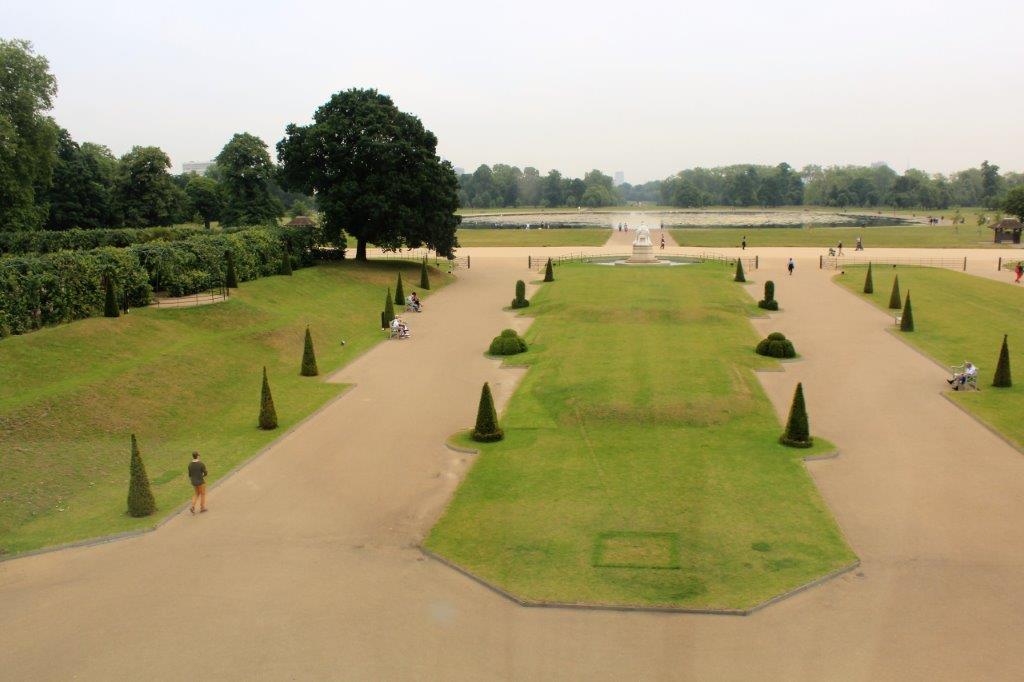
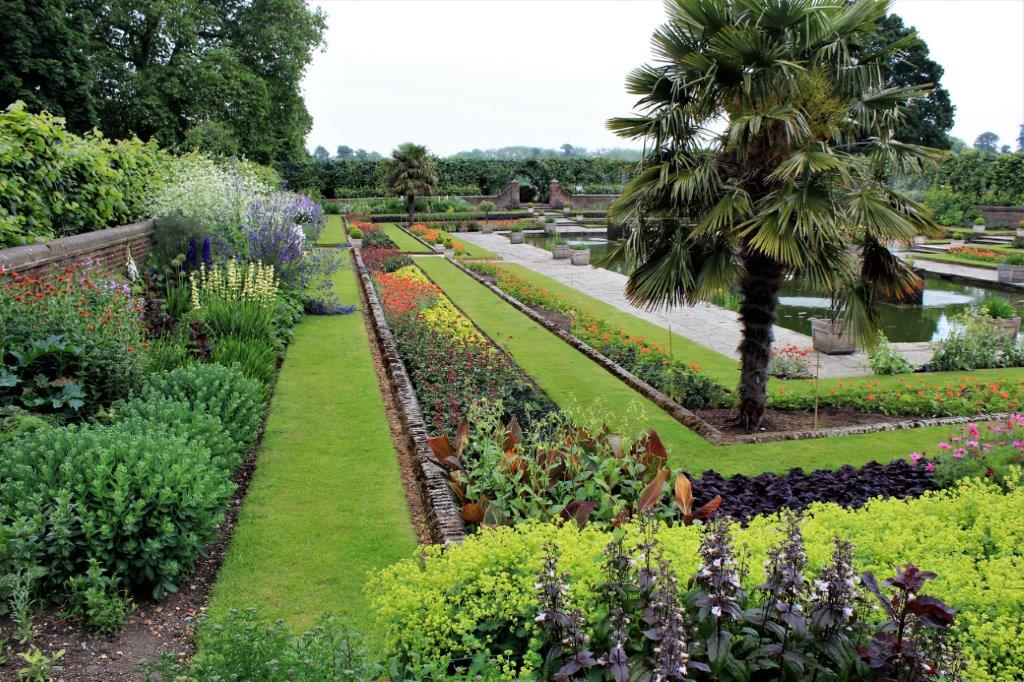
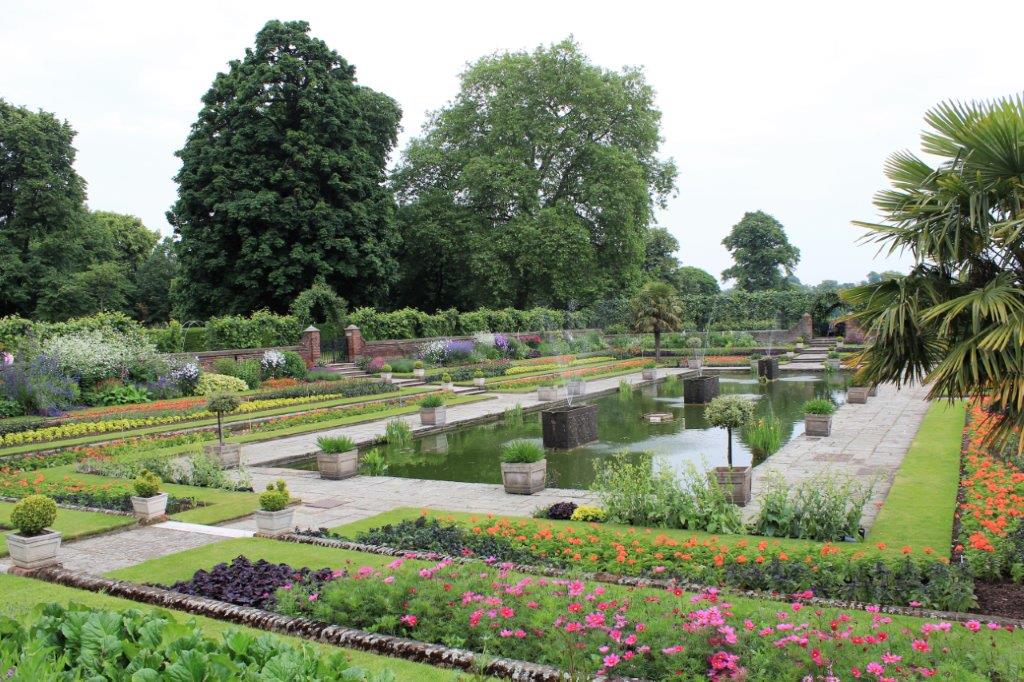
The  gardens  were  gorgeous.

2013 Summer (Baltic and Britain – Hamburg, Germany)

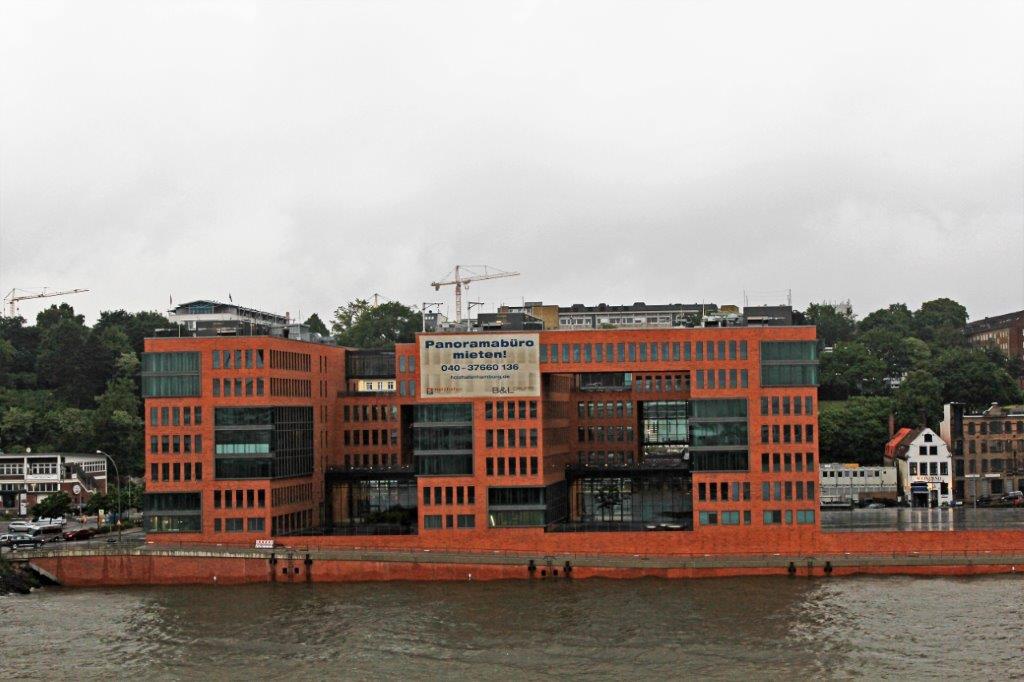
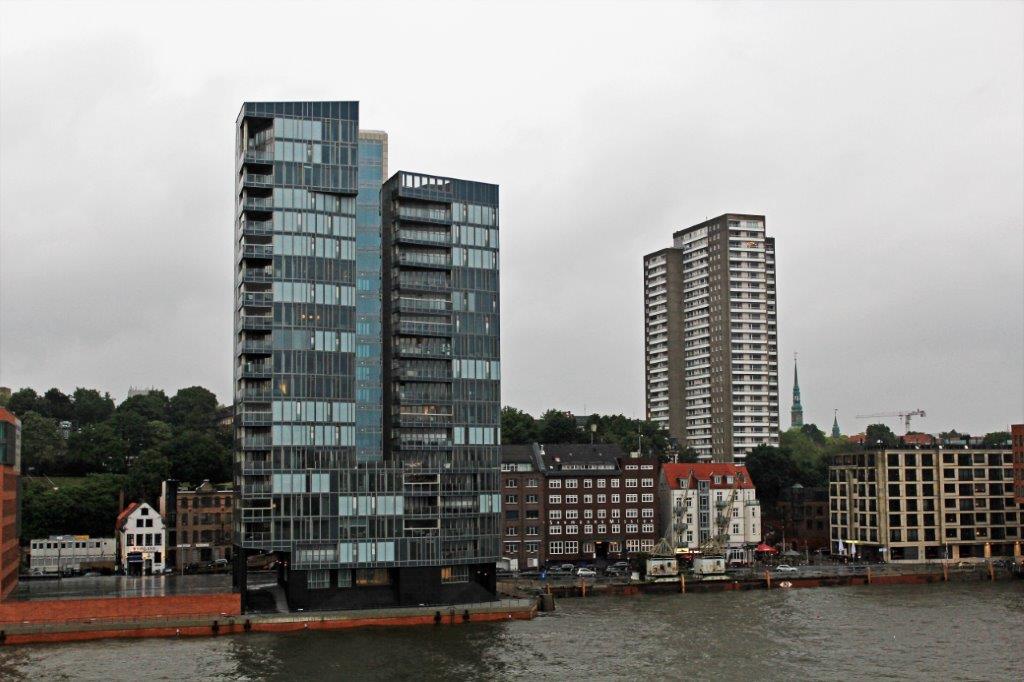
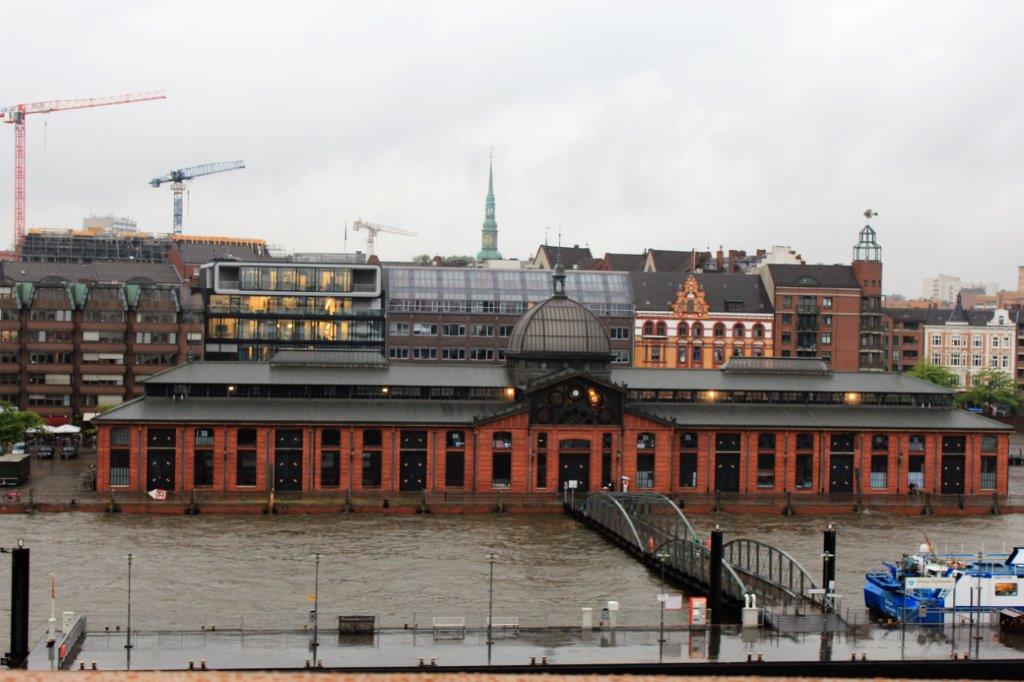
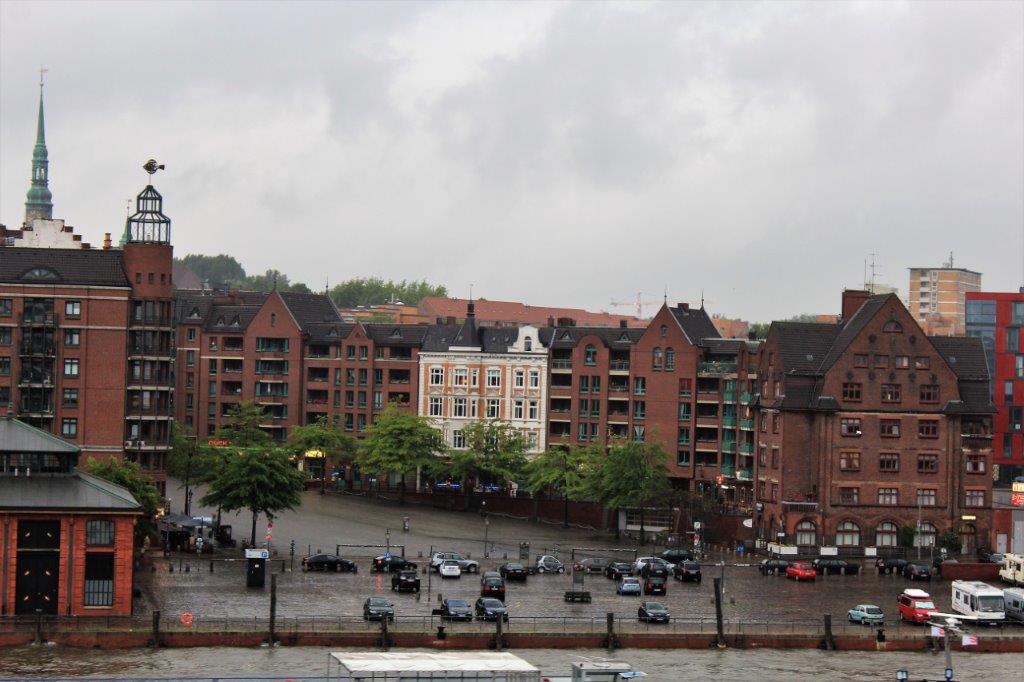
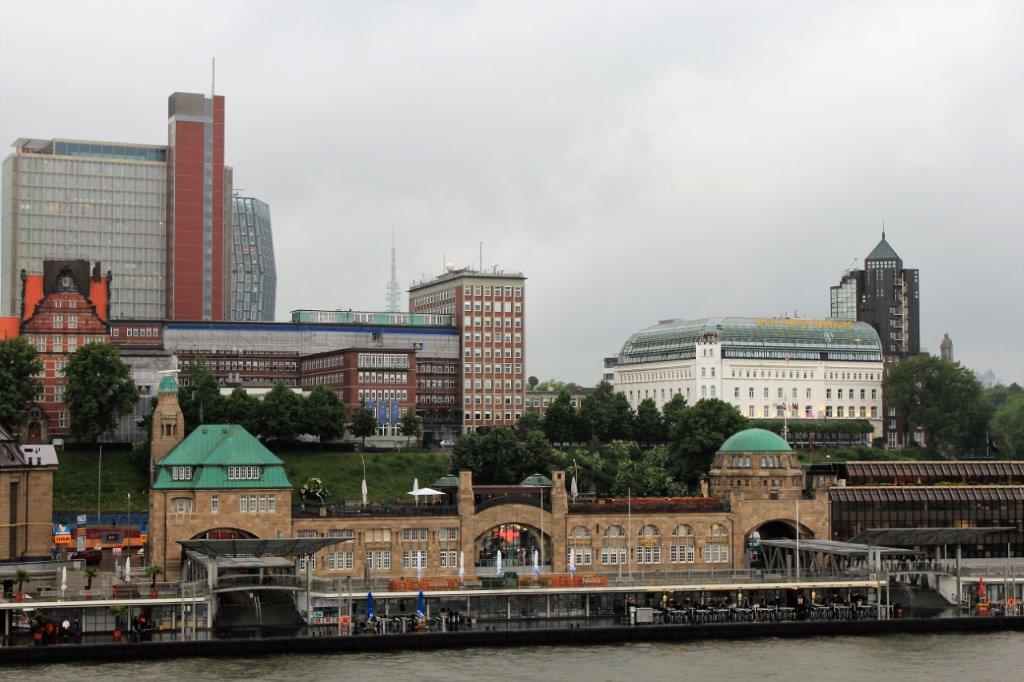
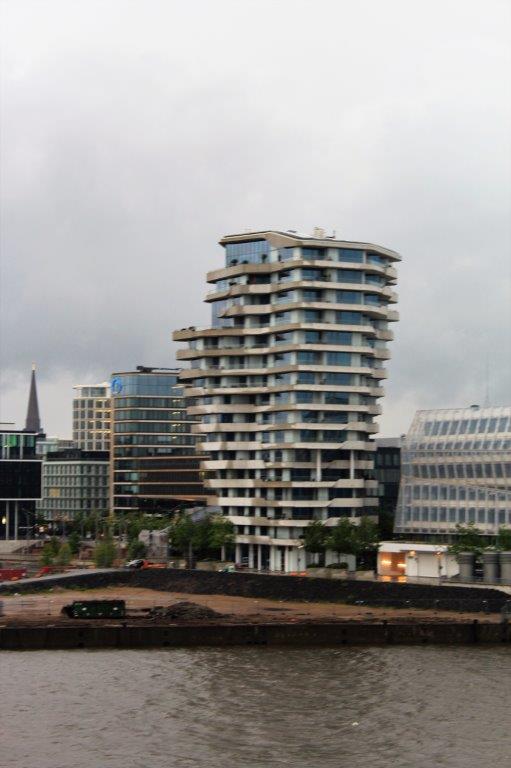
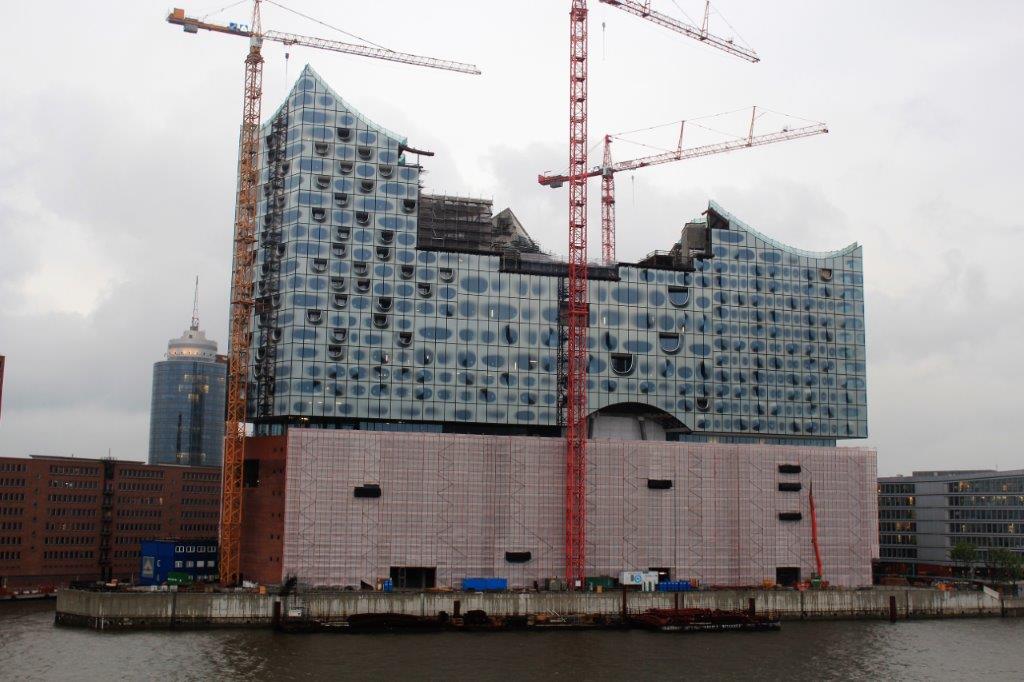
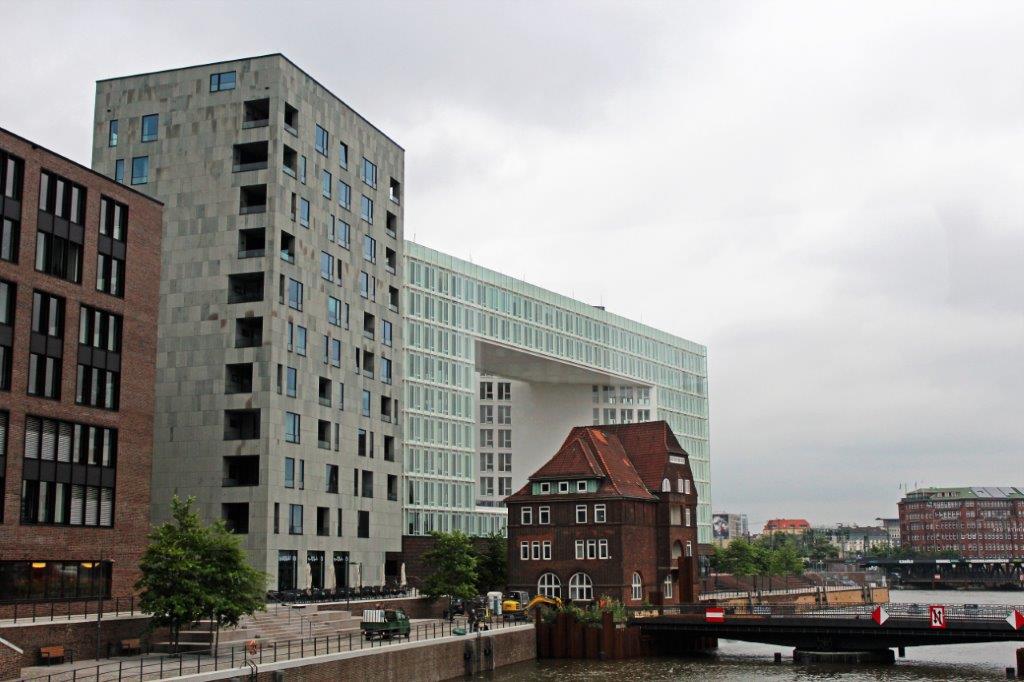
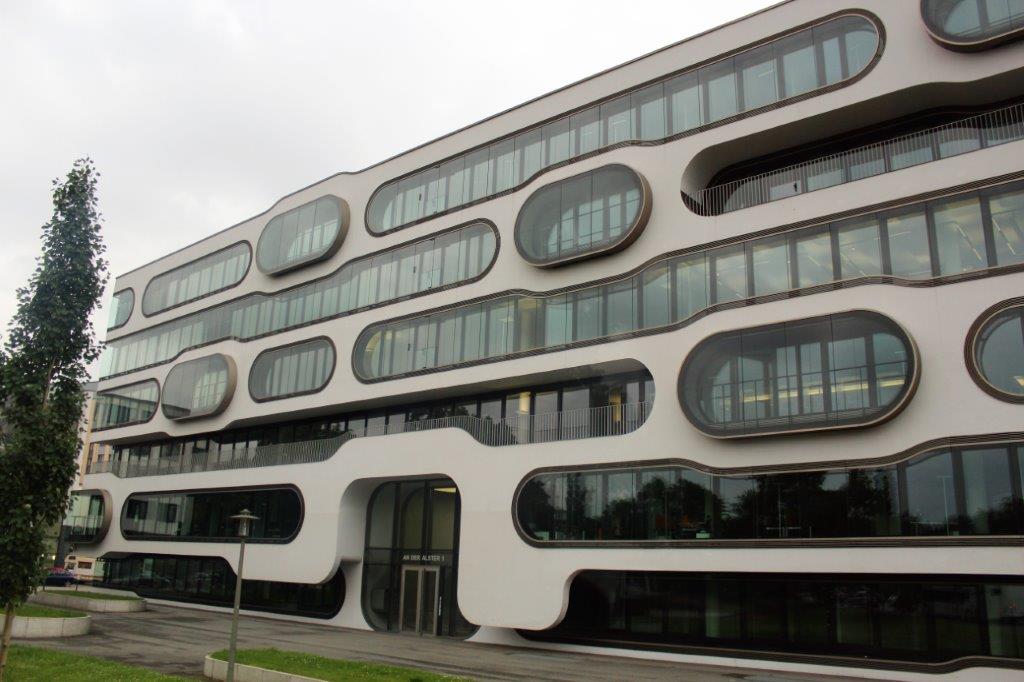
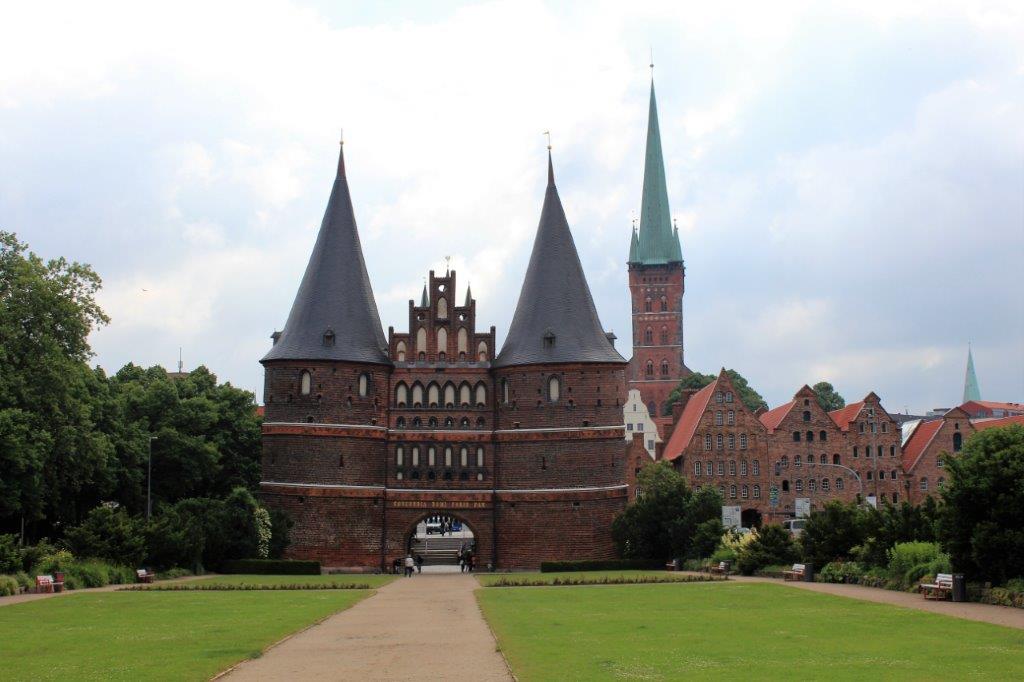
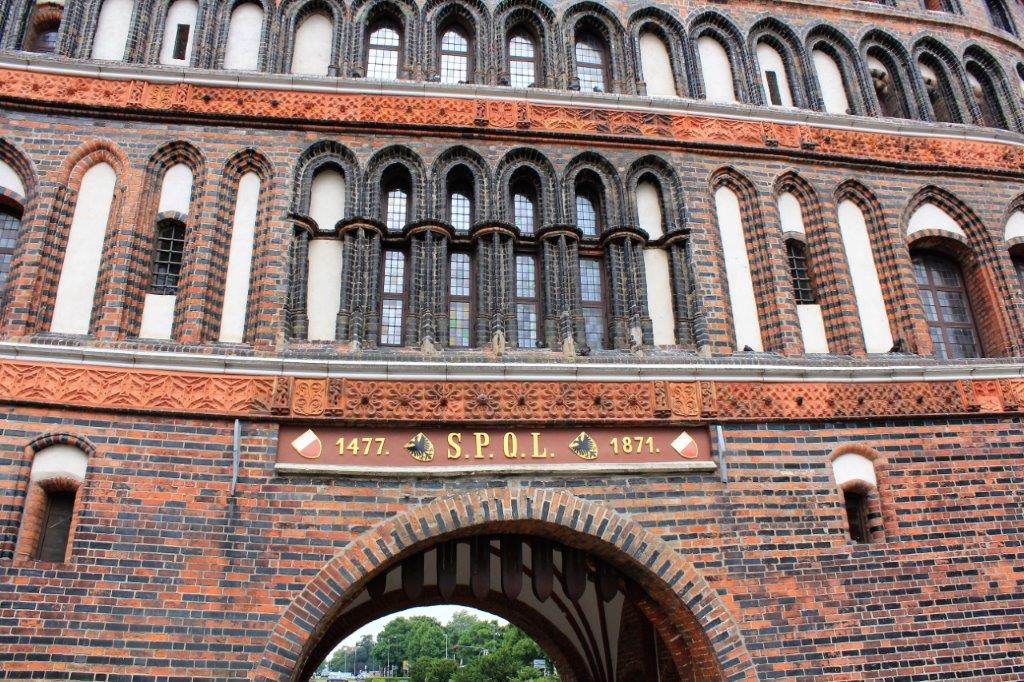
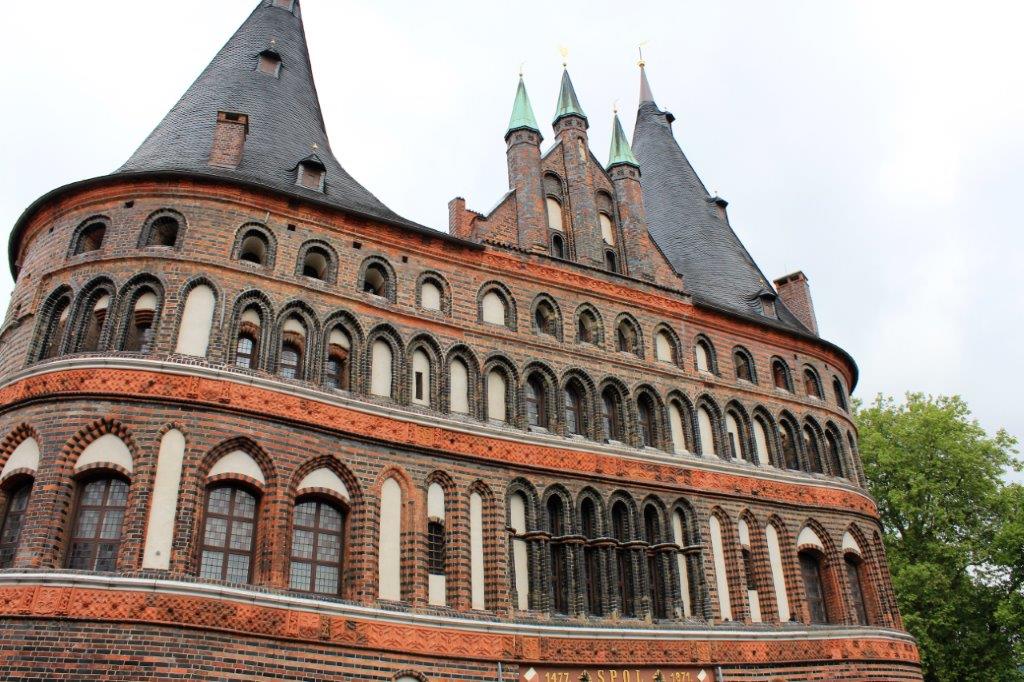
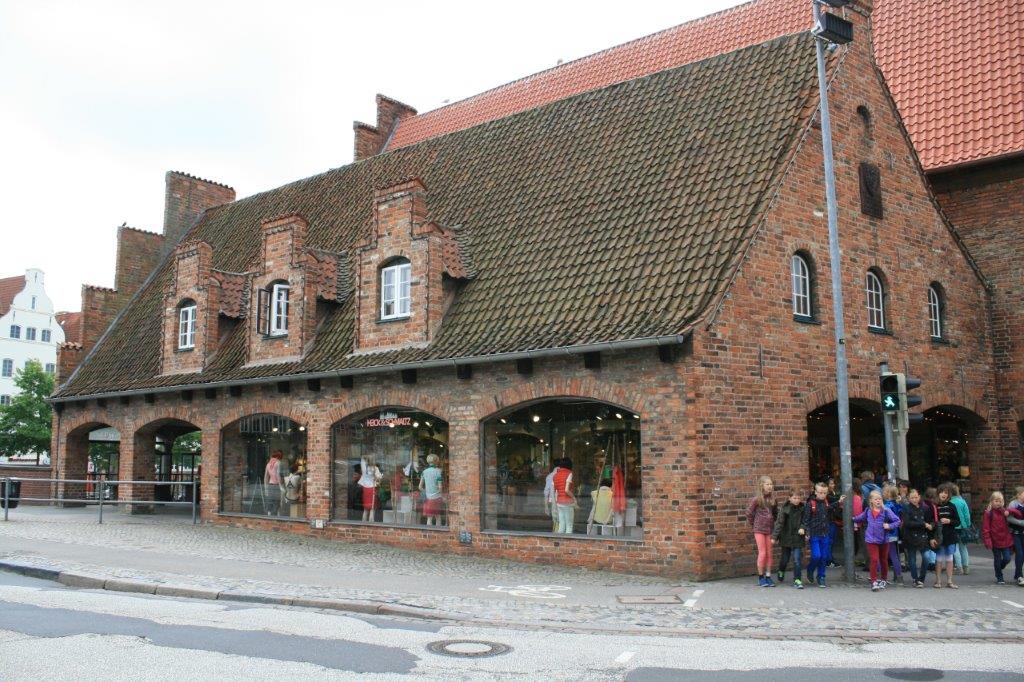
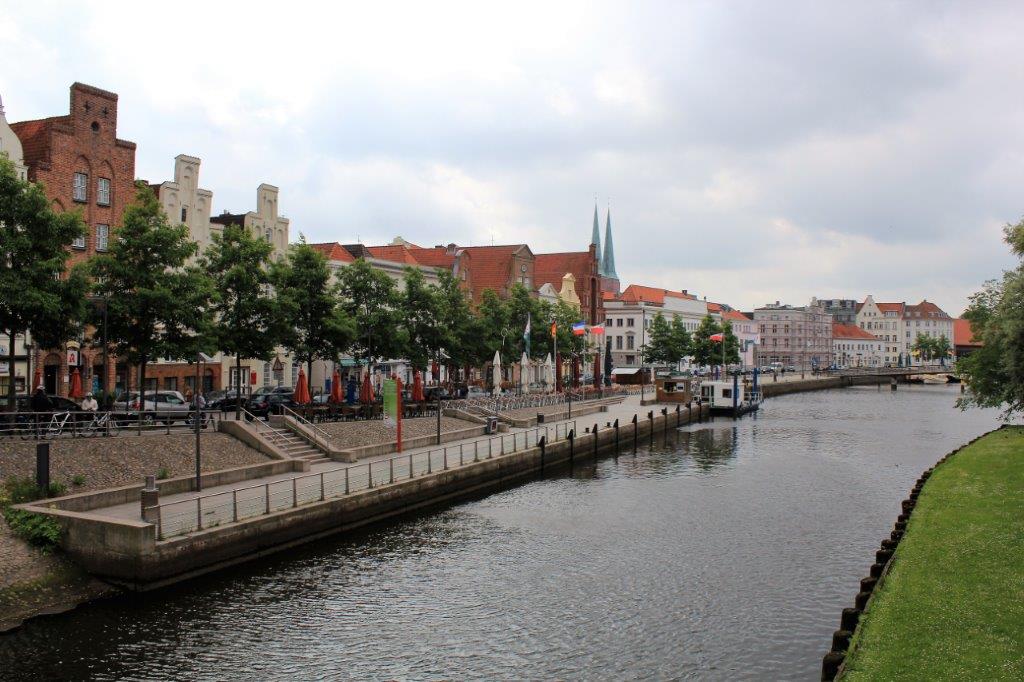
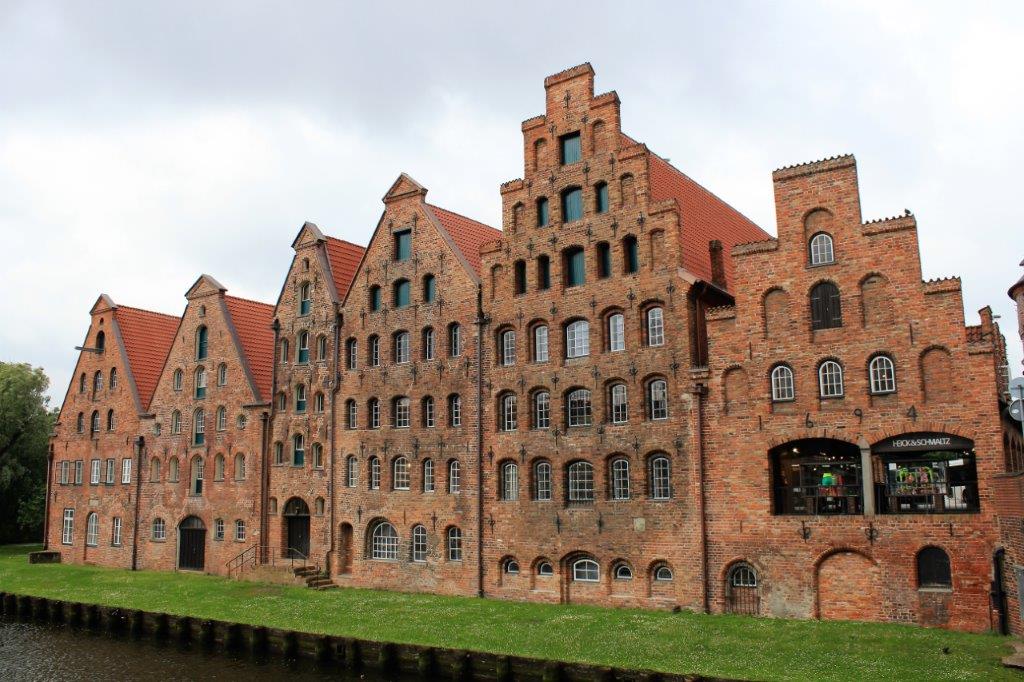
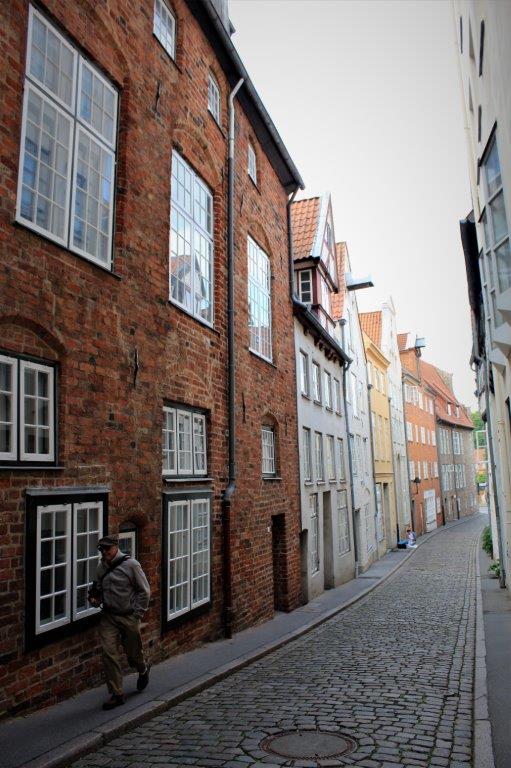
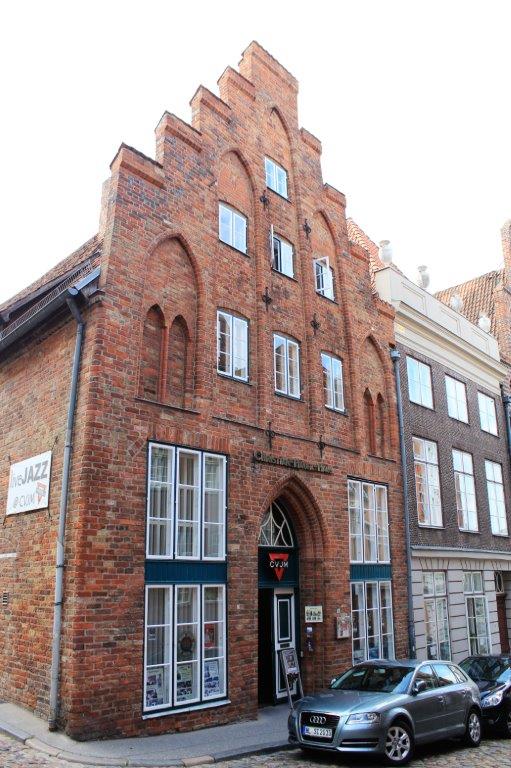
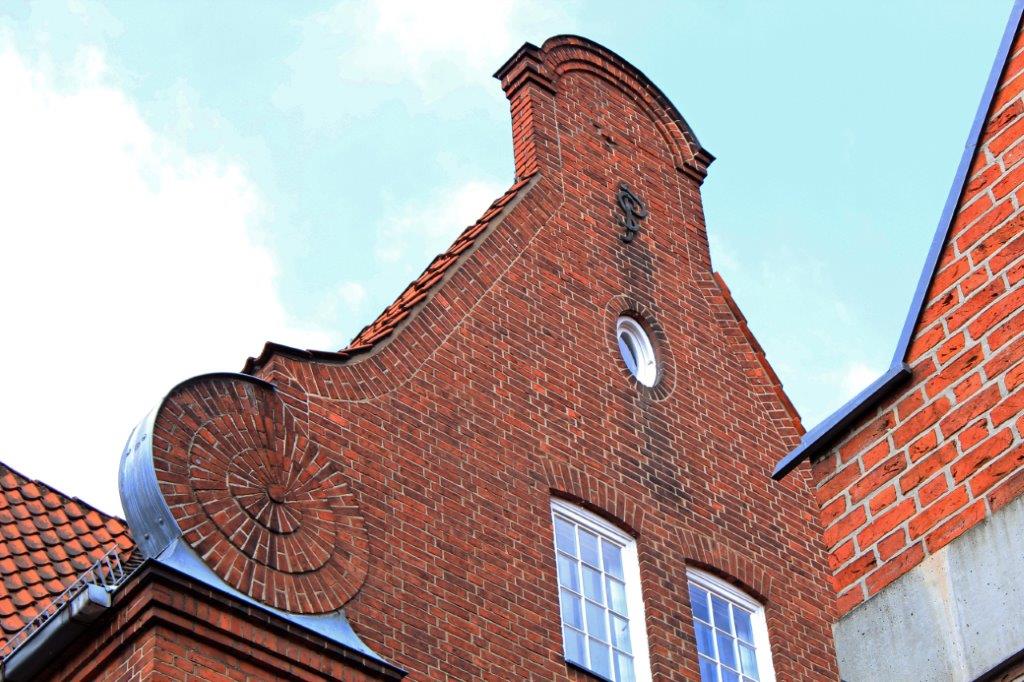
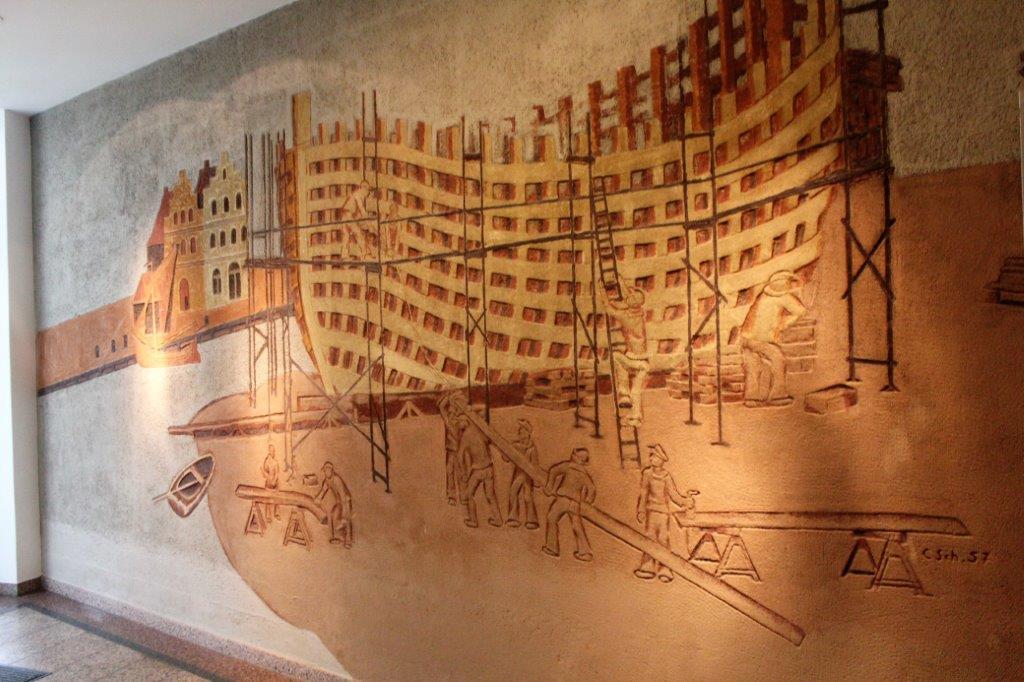
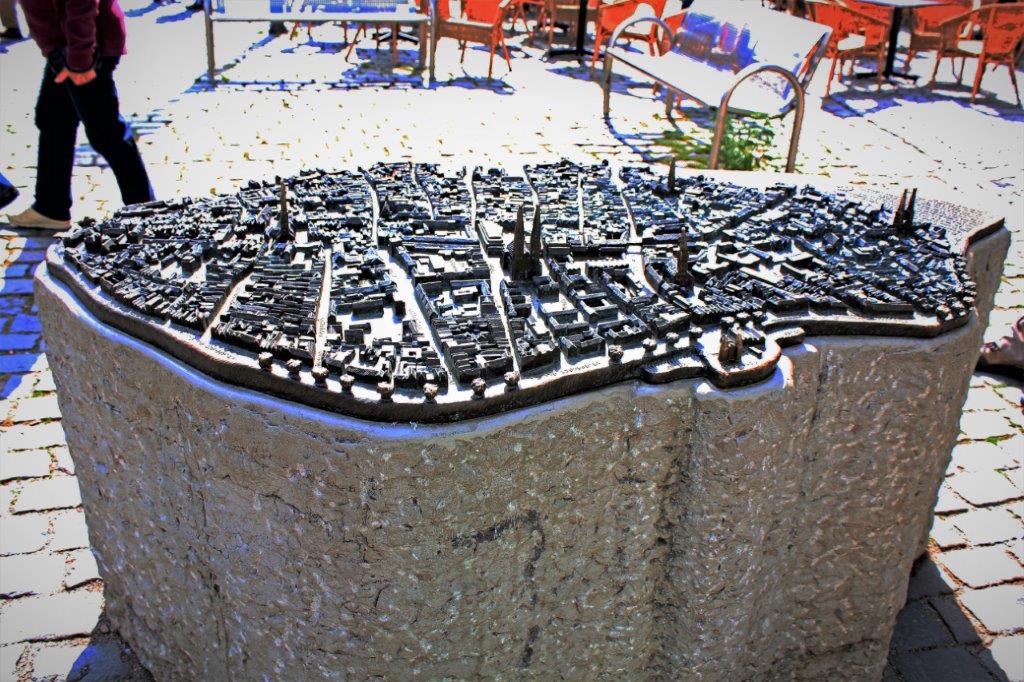
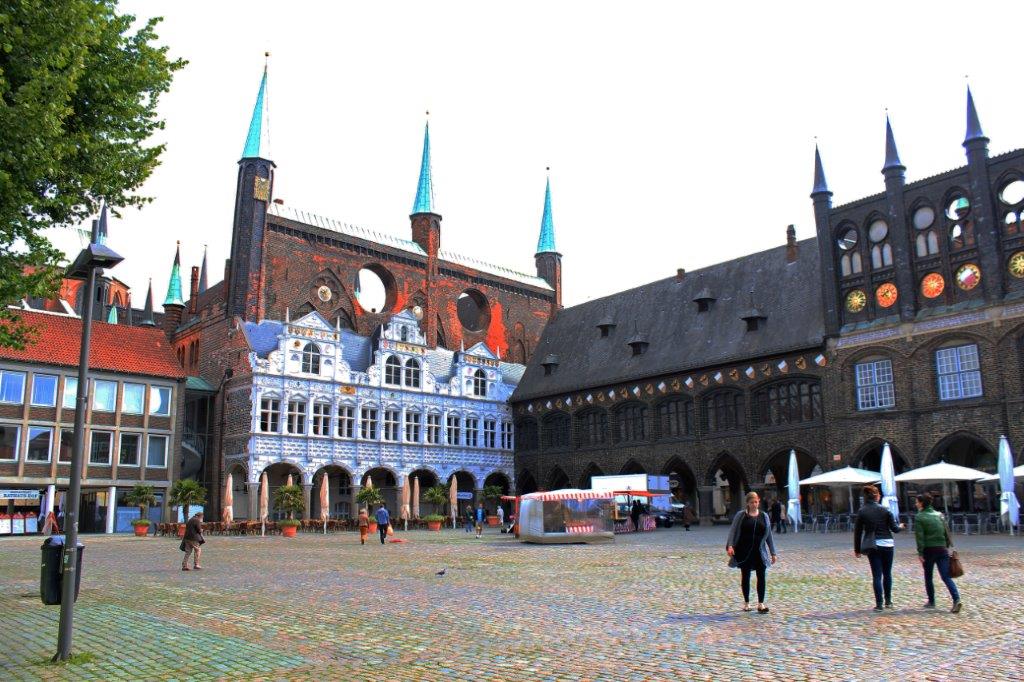
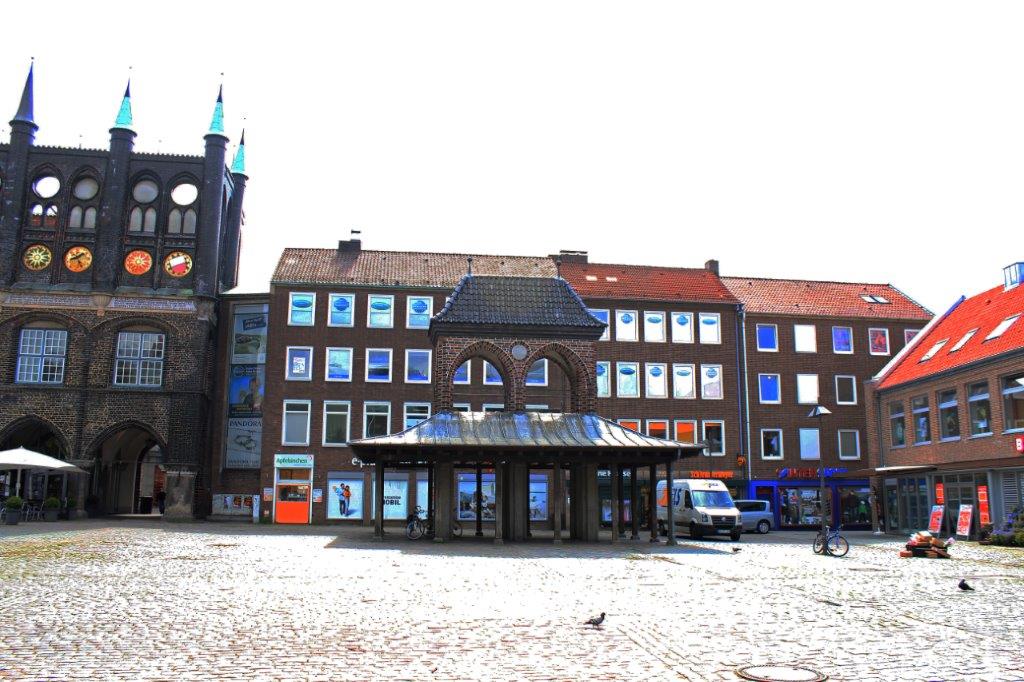
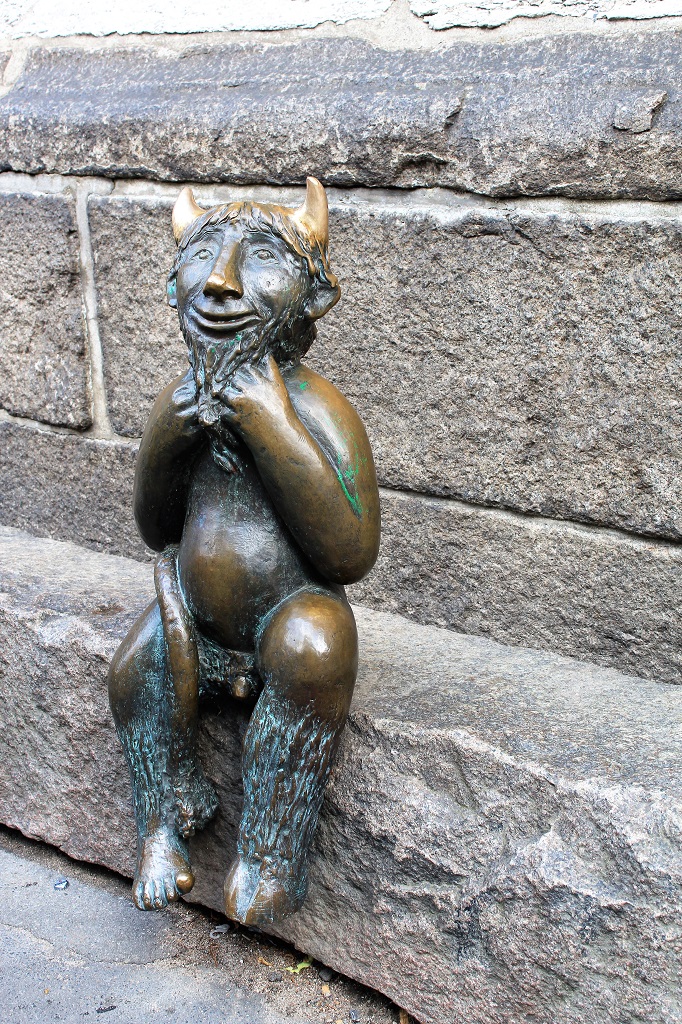
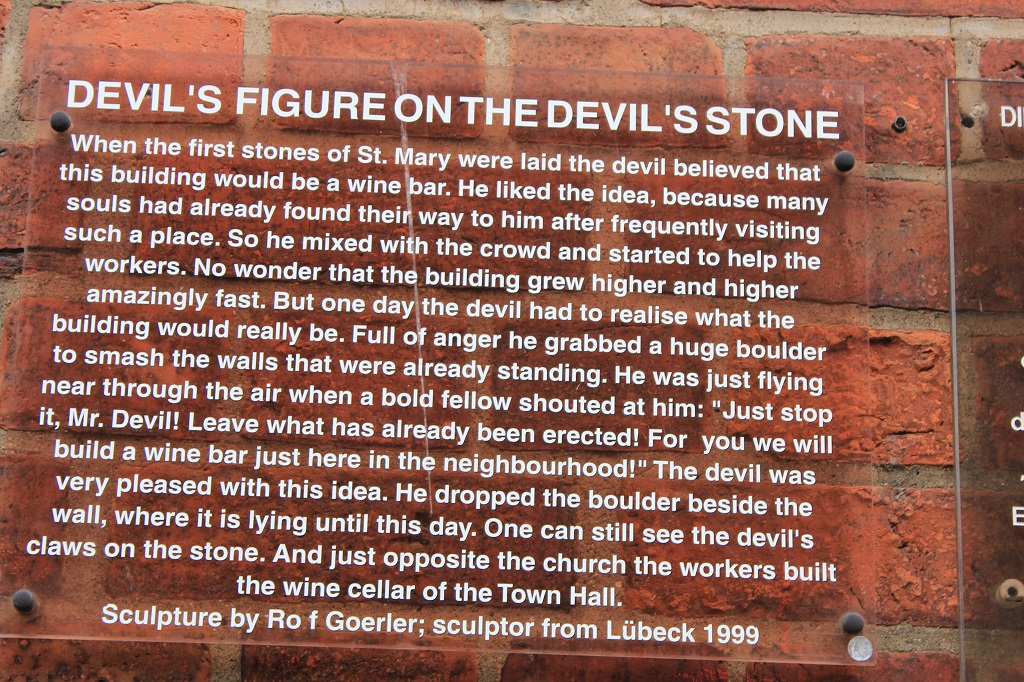
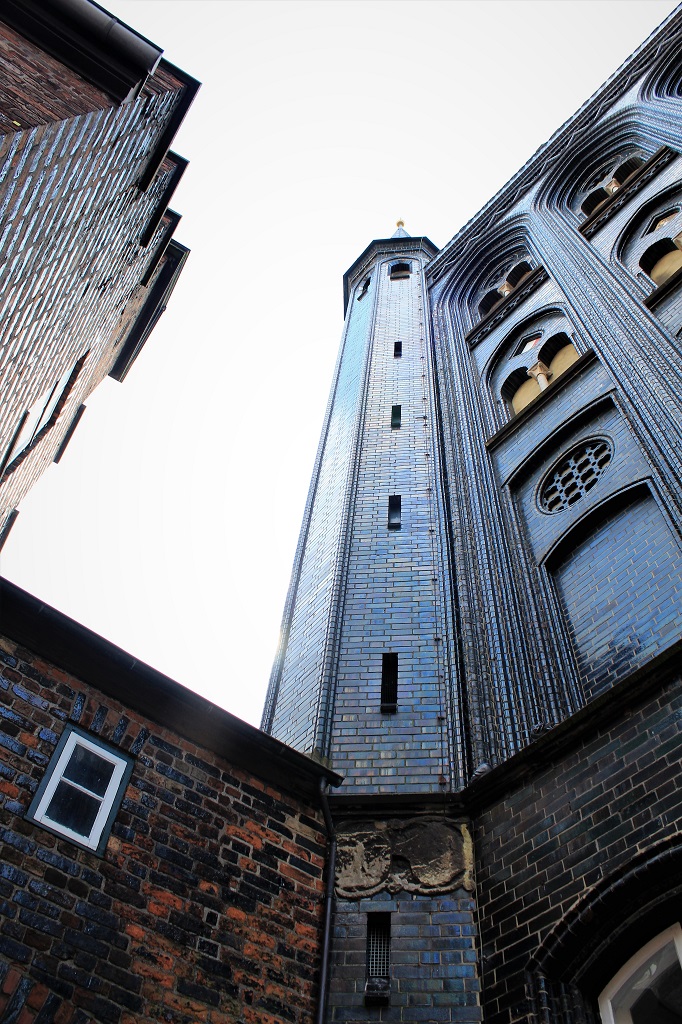
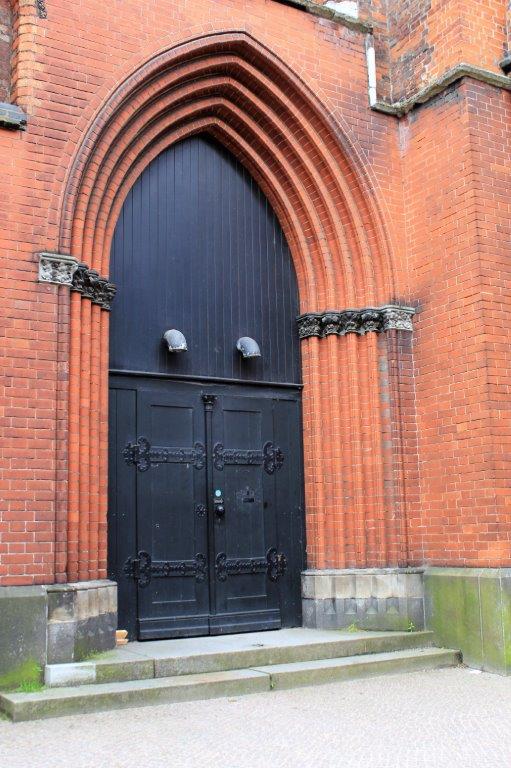
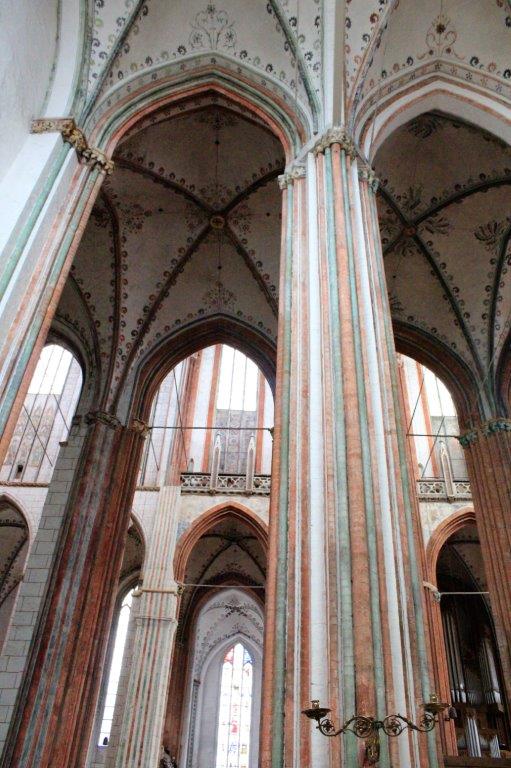
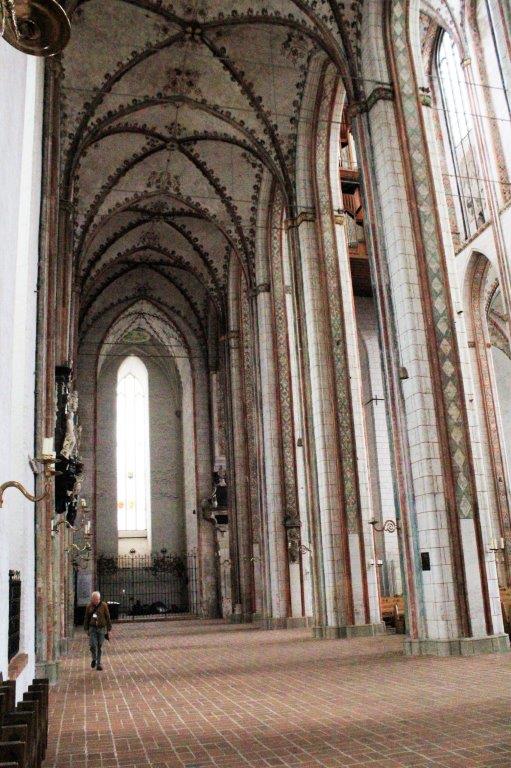
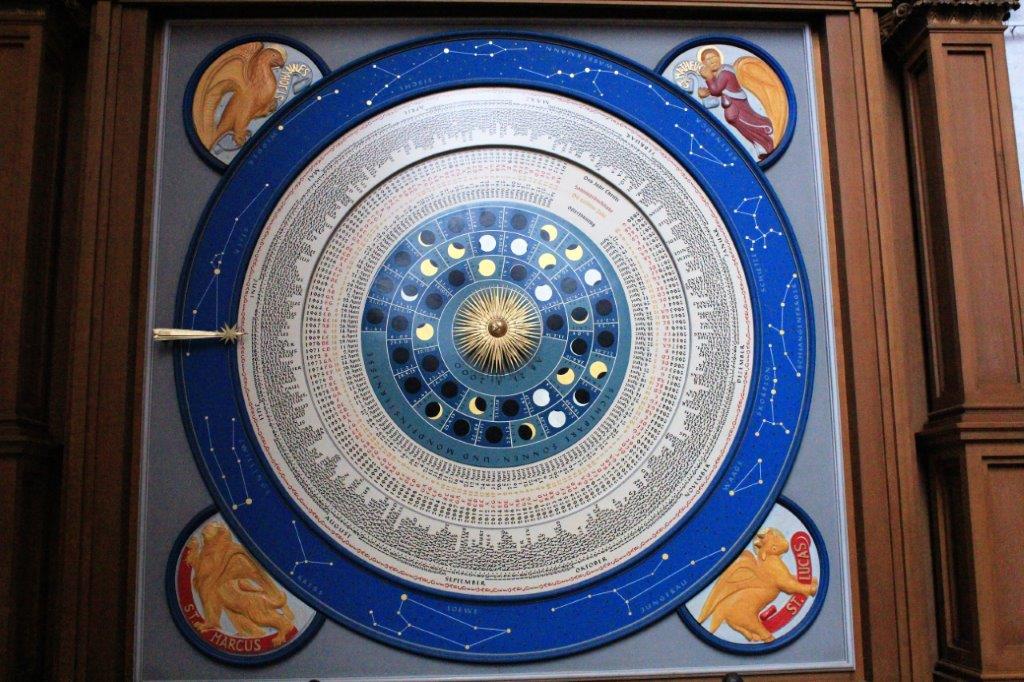
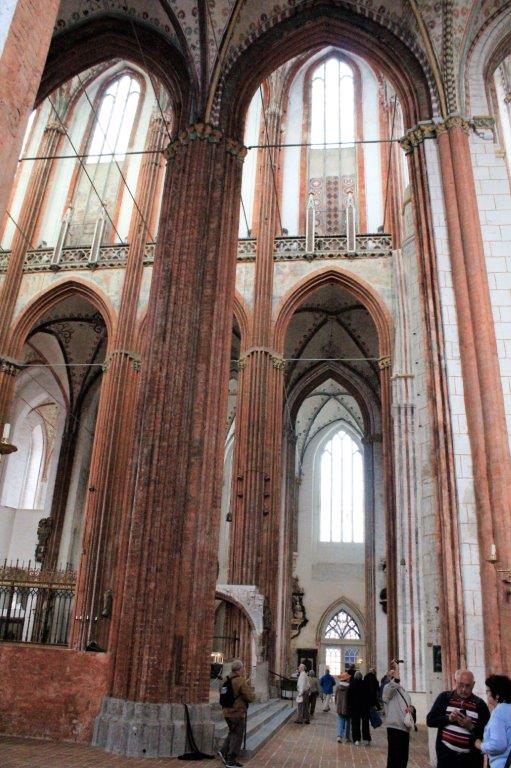
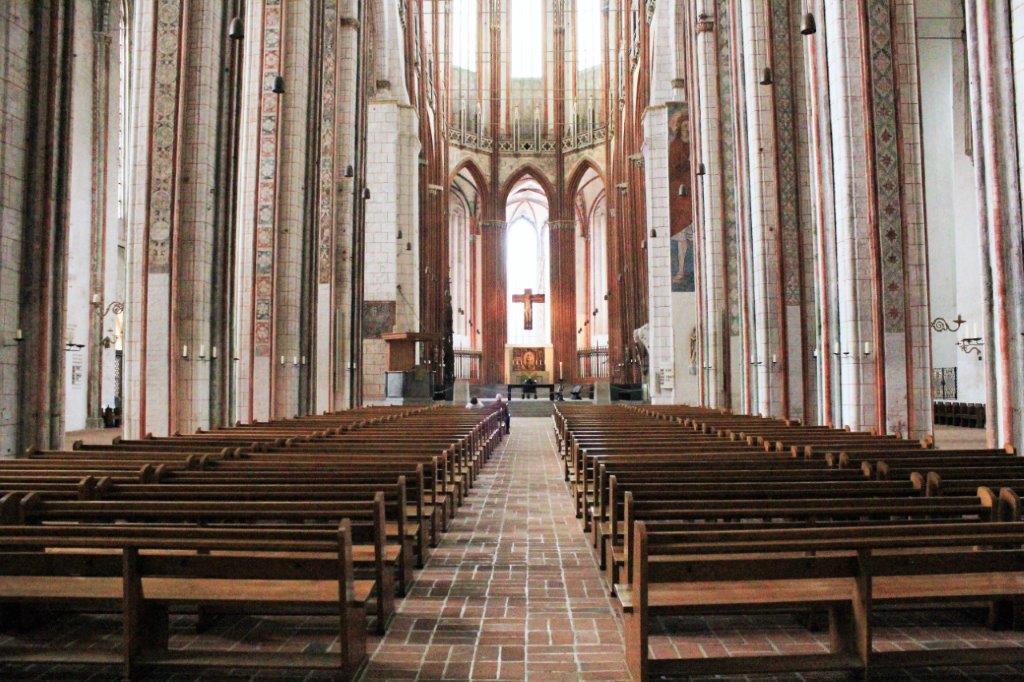
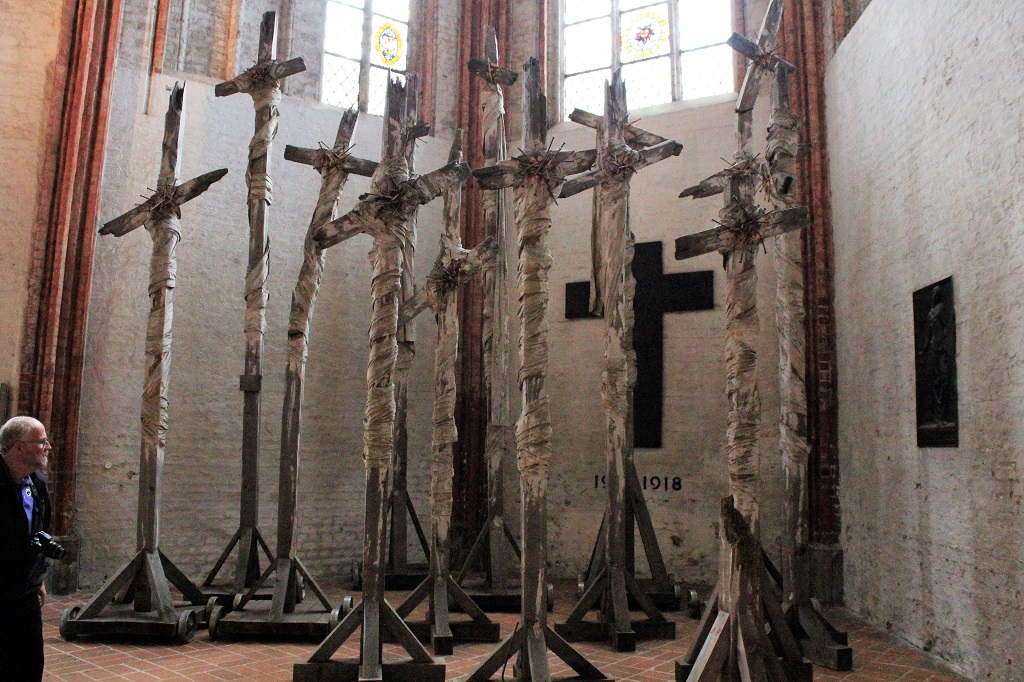
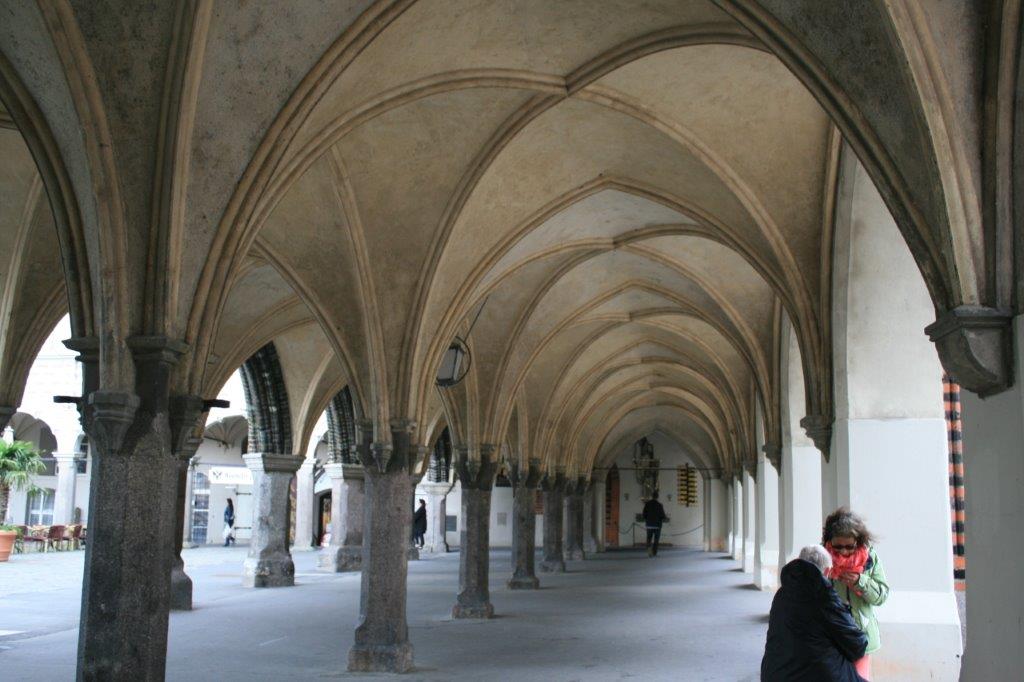
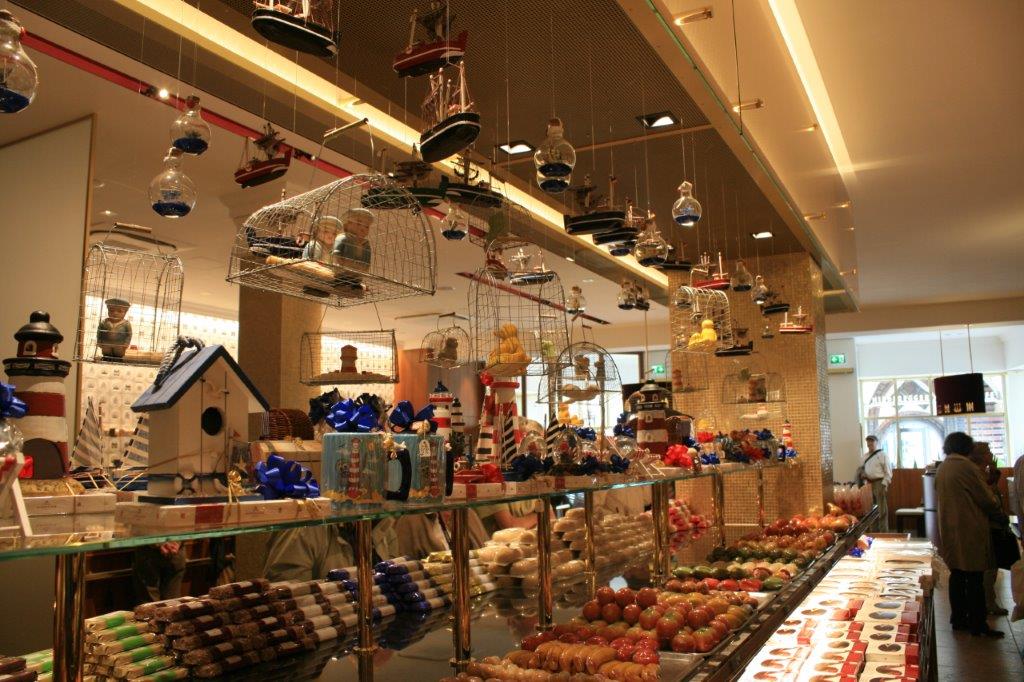
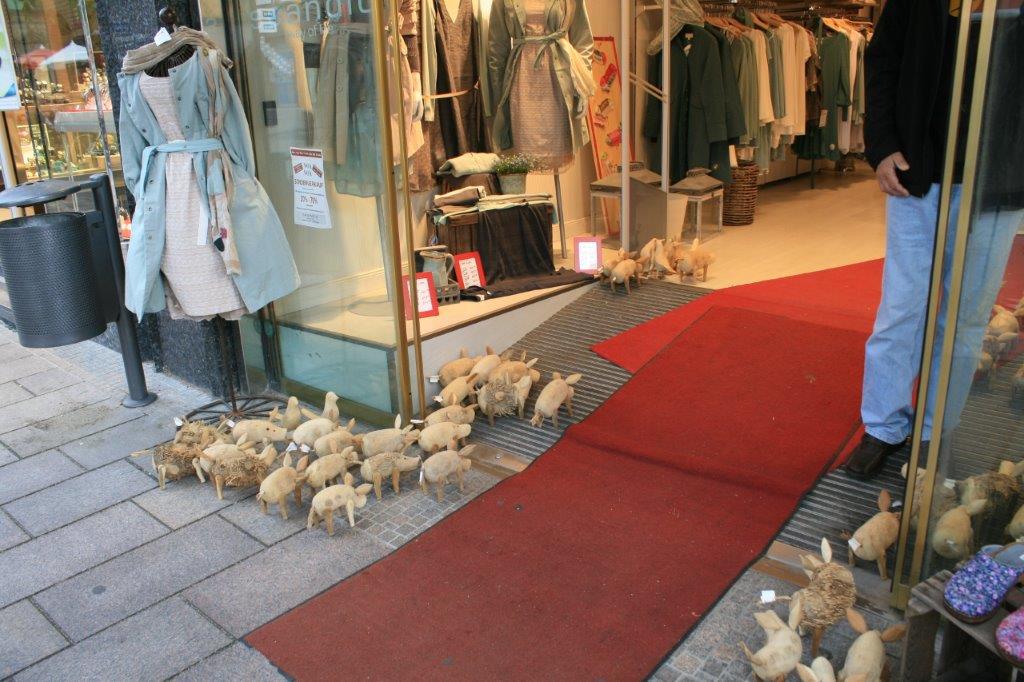
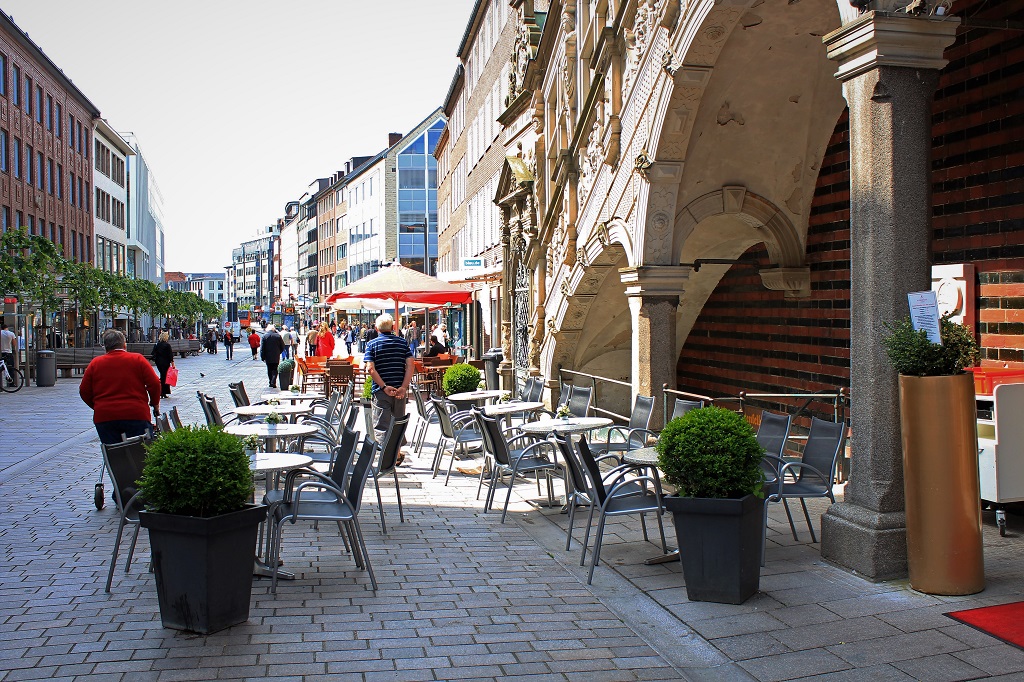
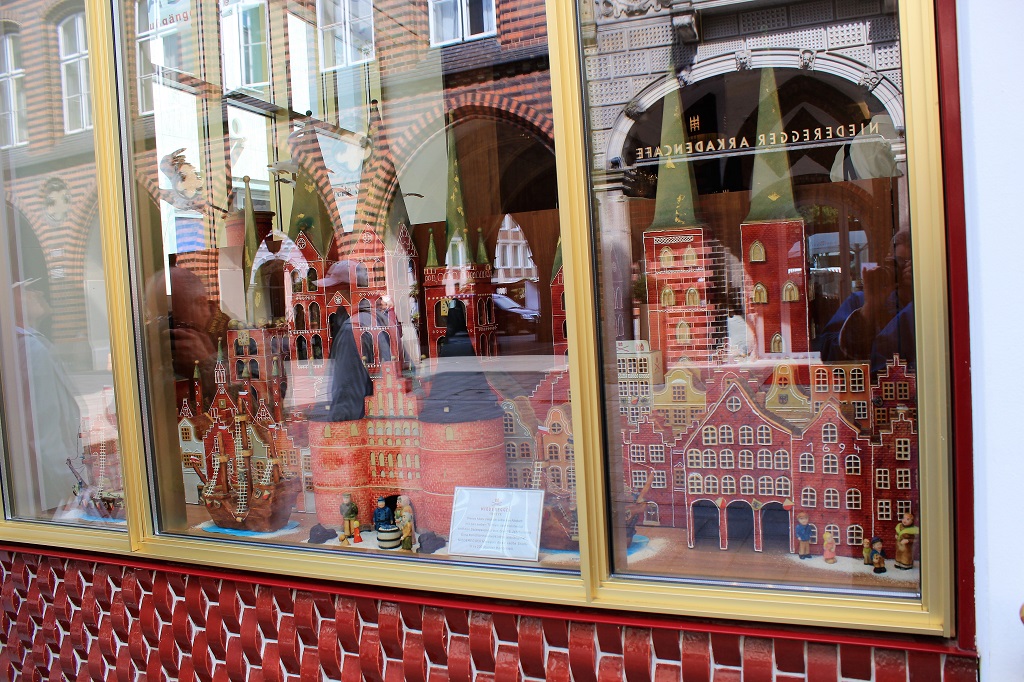
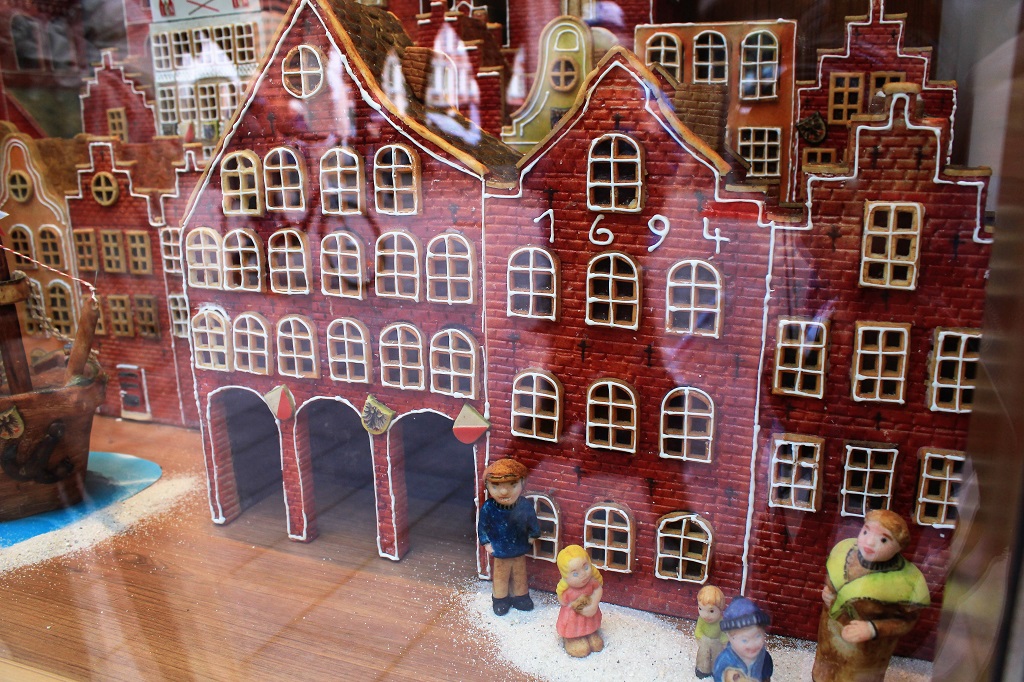
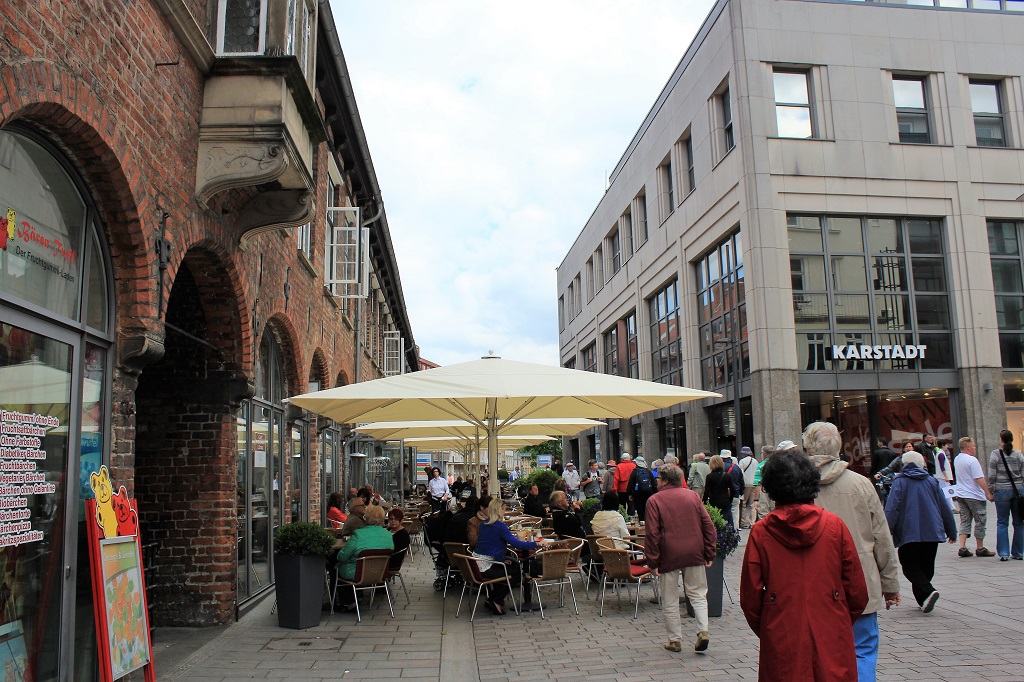
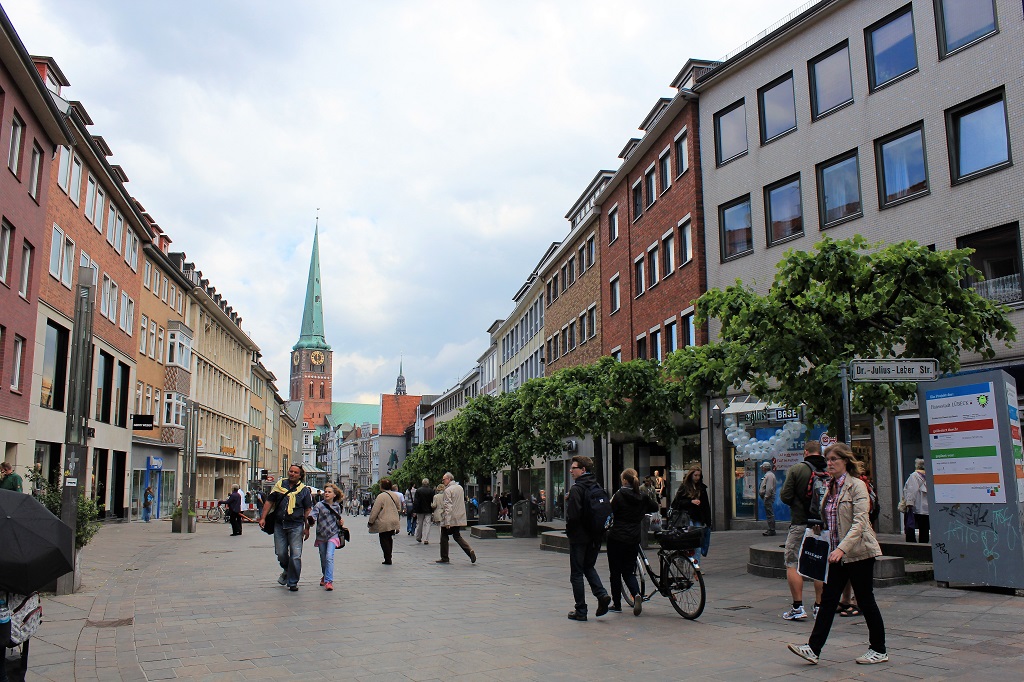
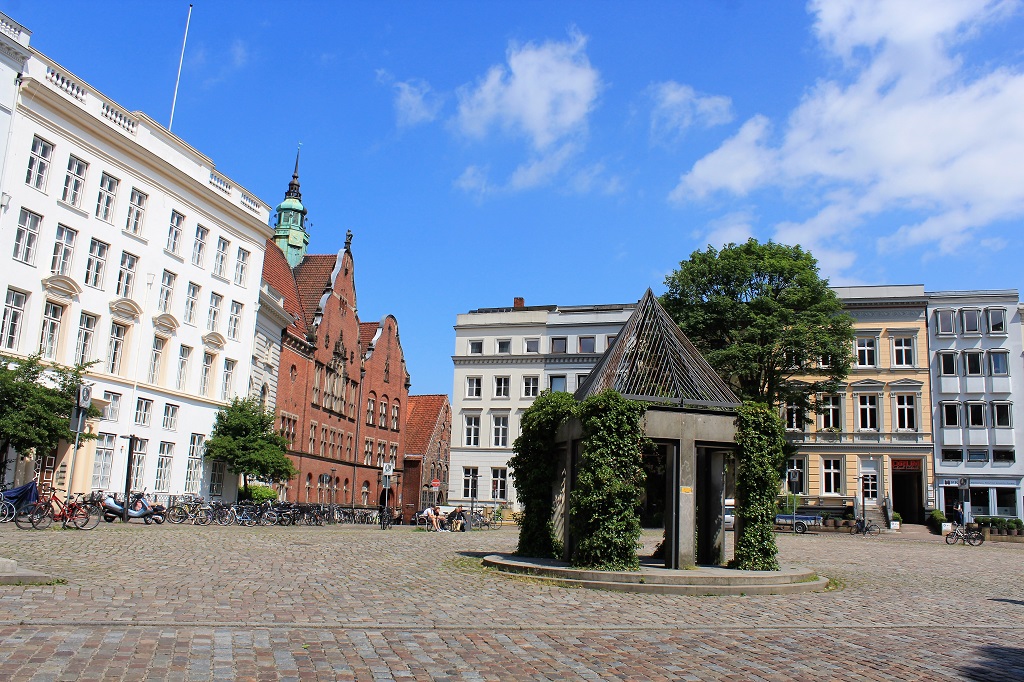
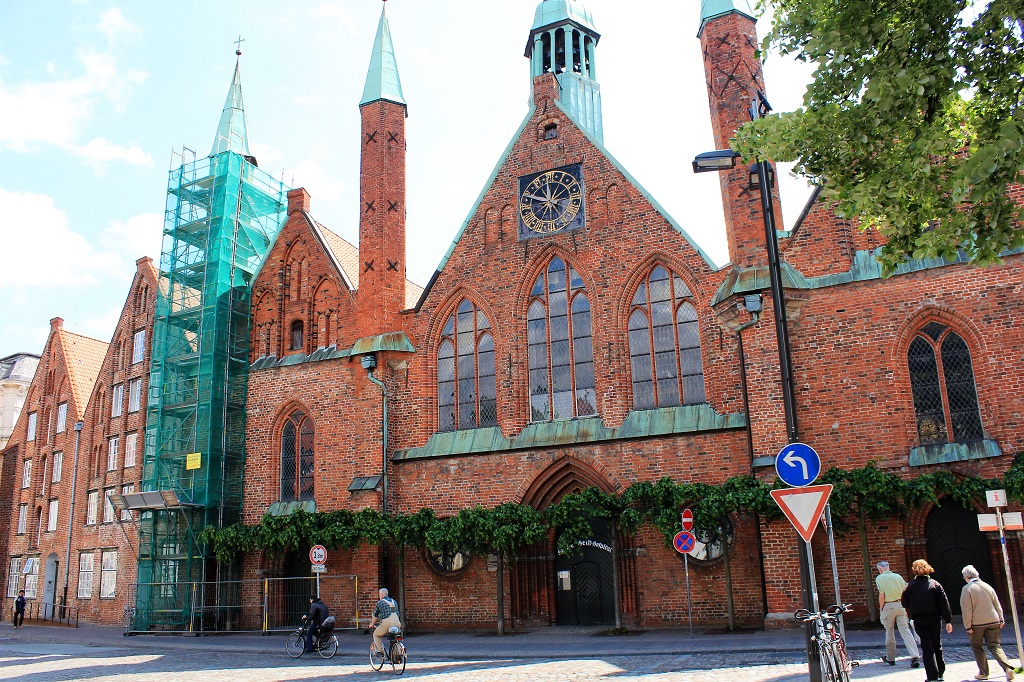
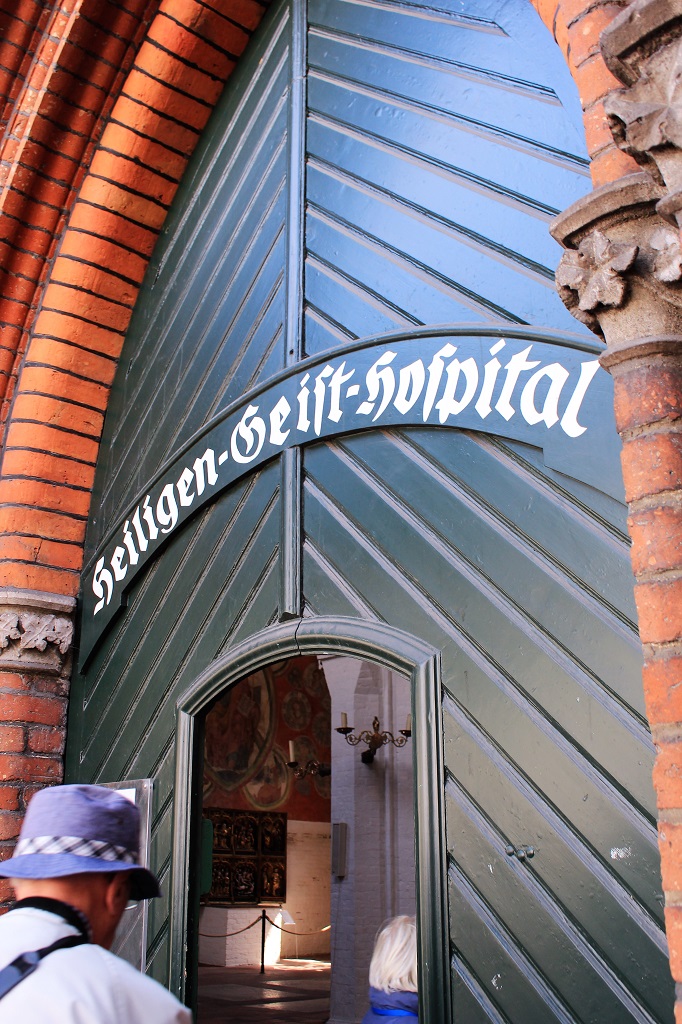
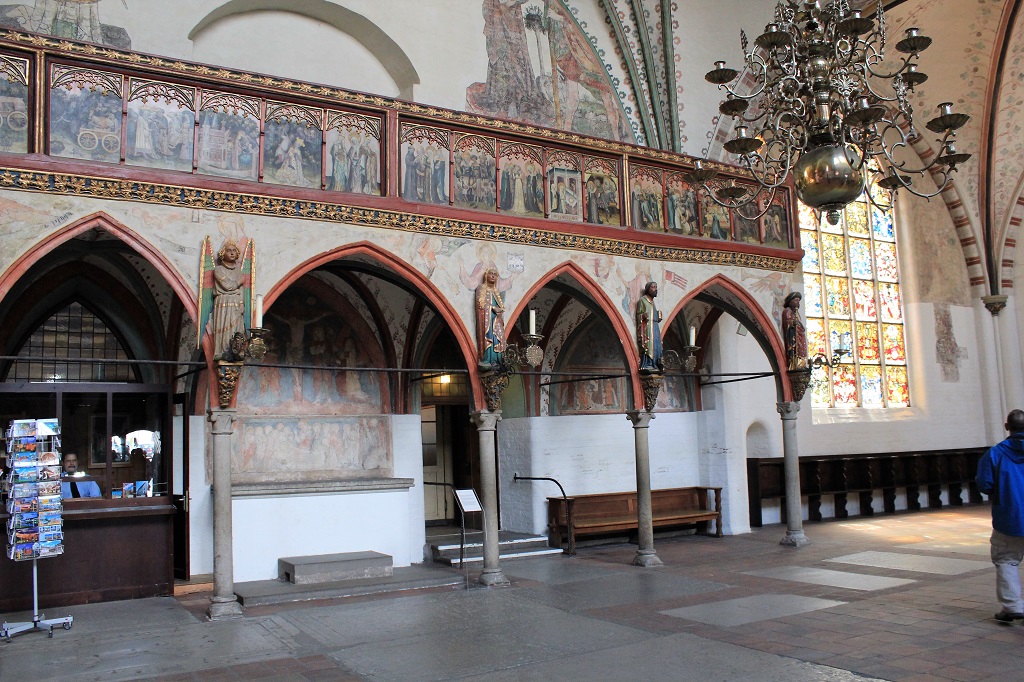
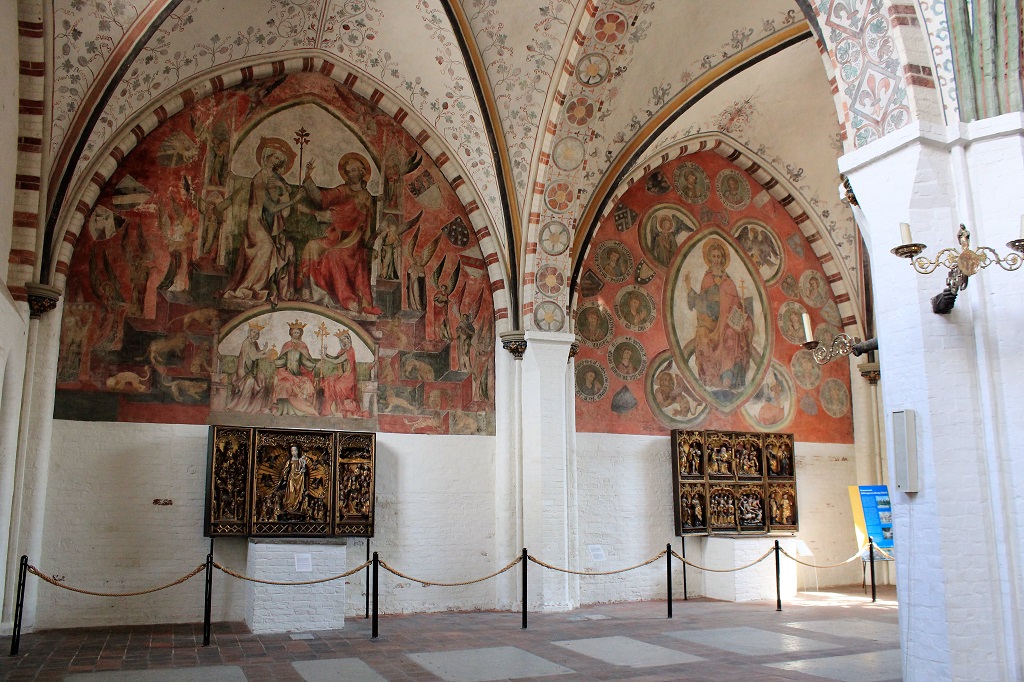
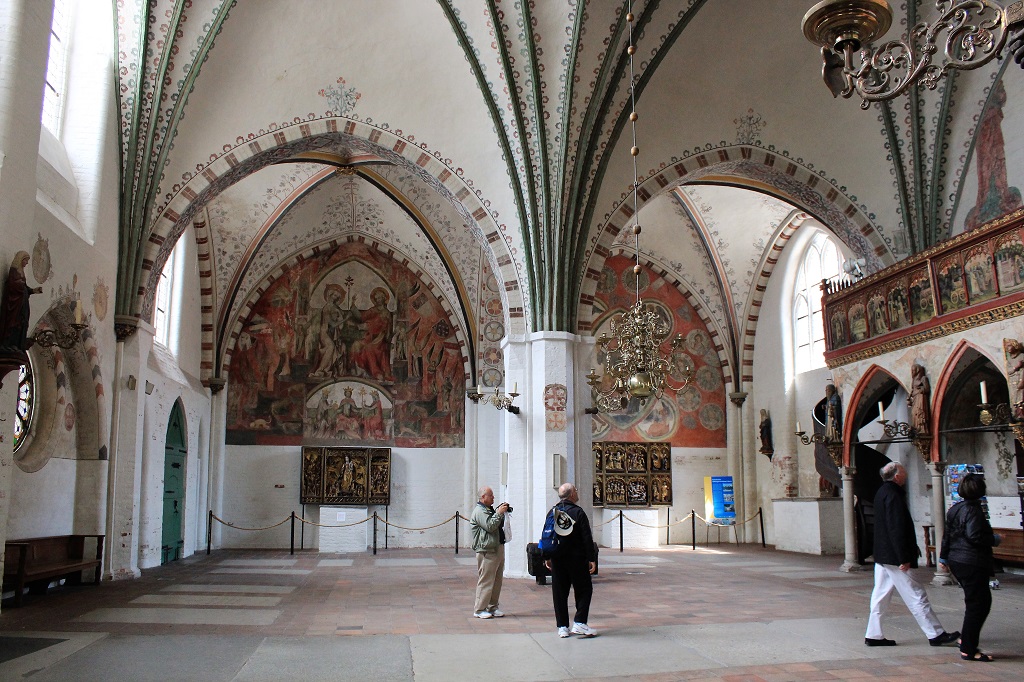
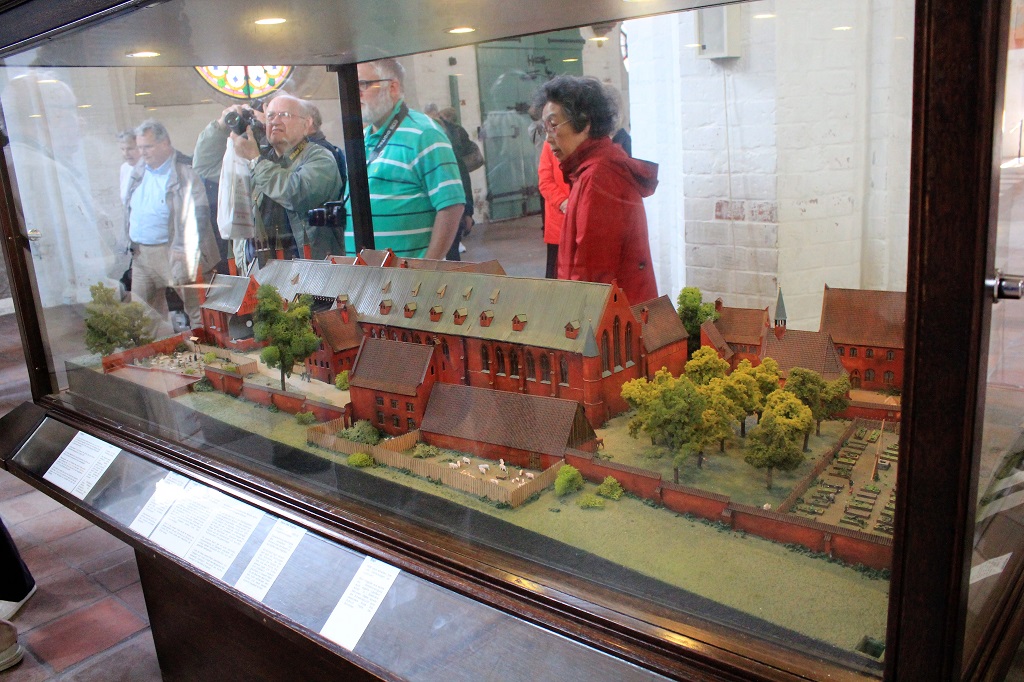
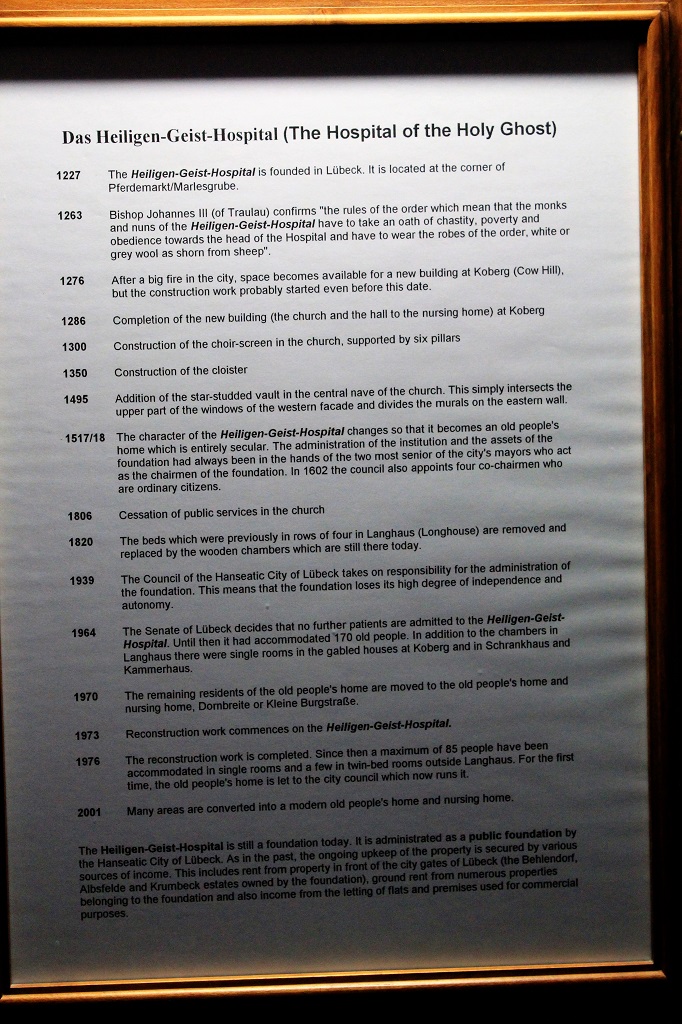
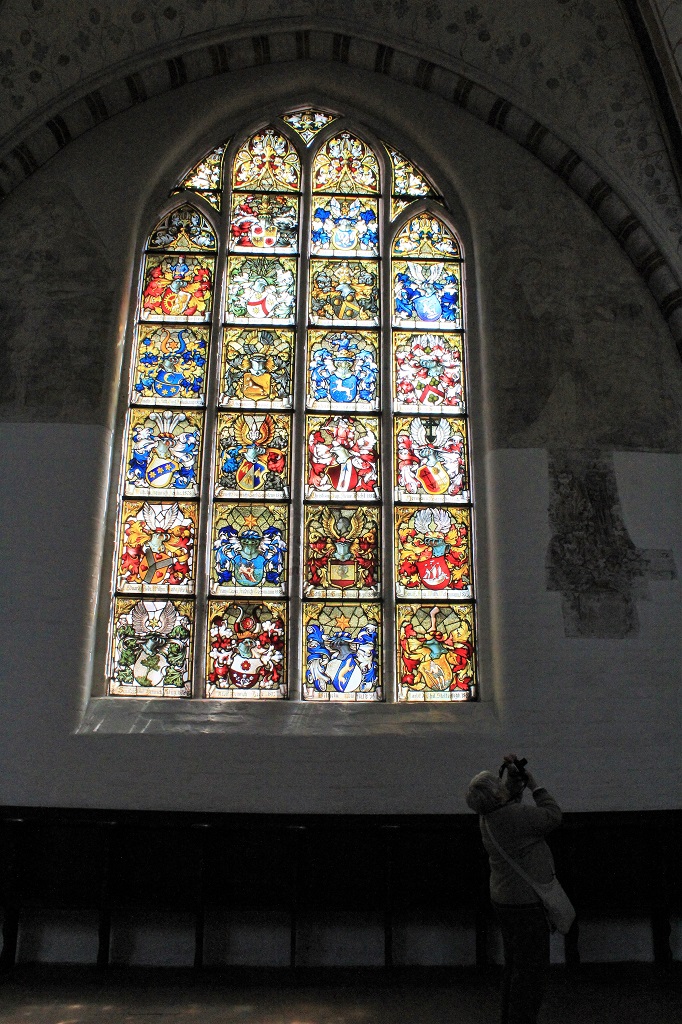
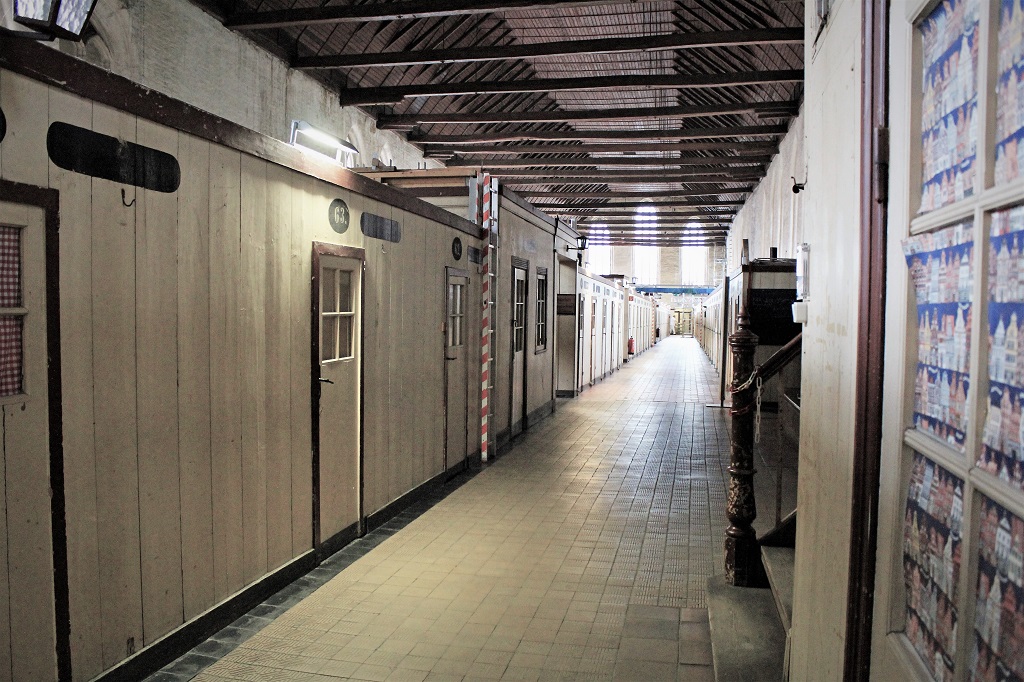
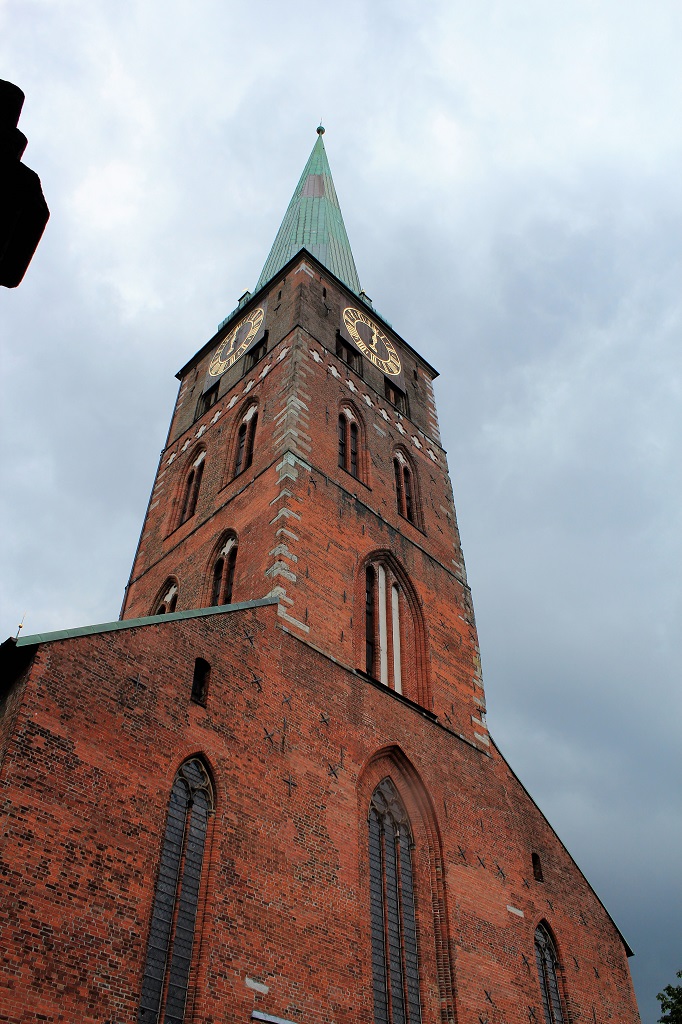
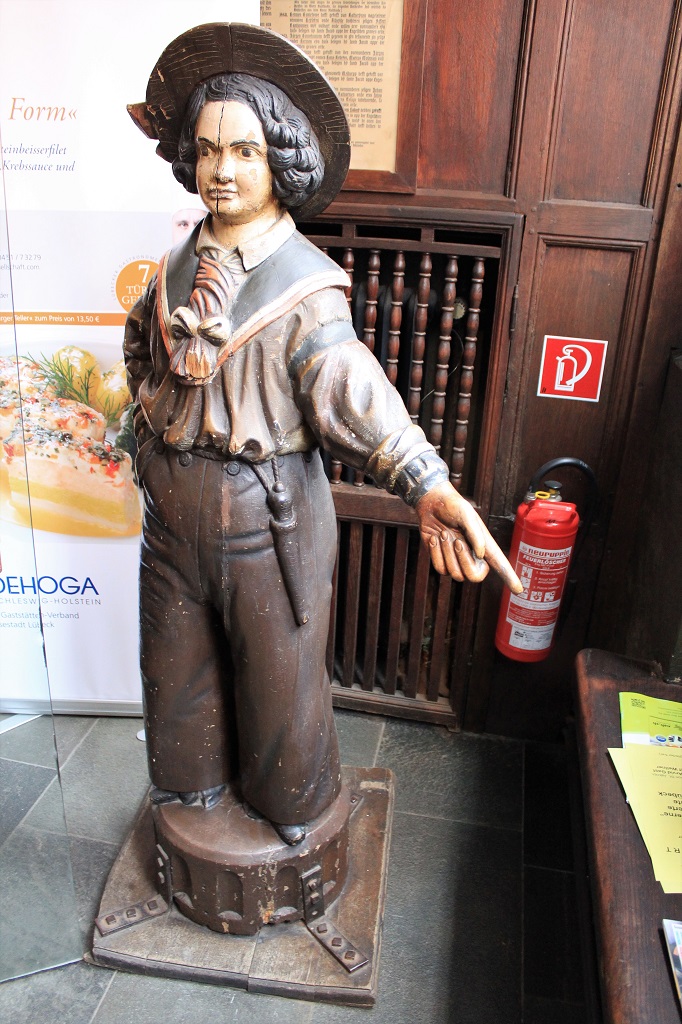
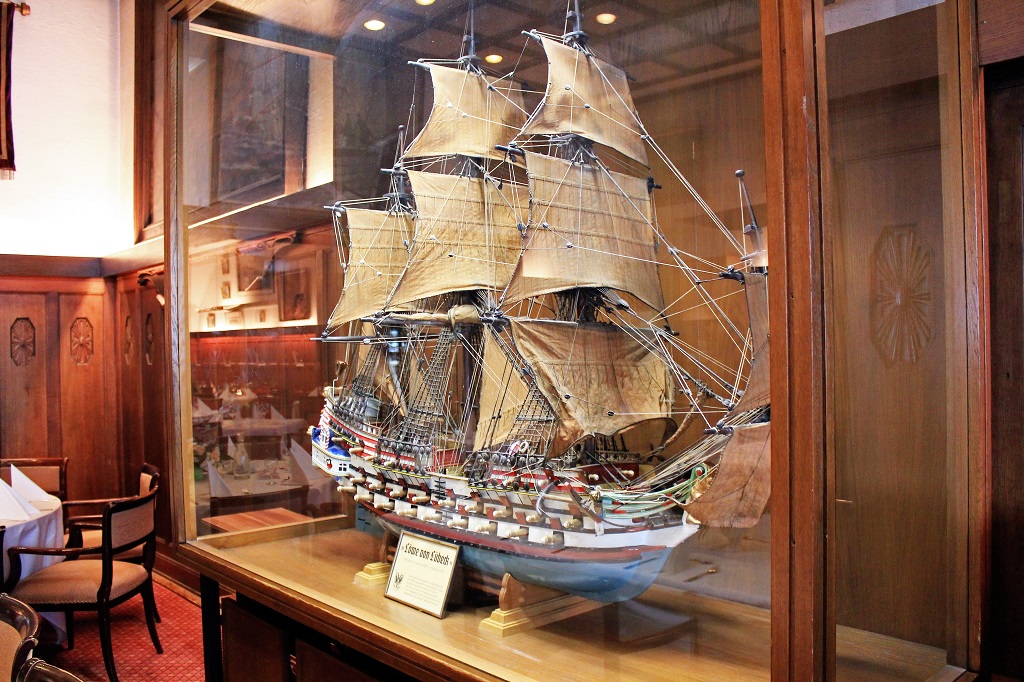
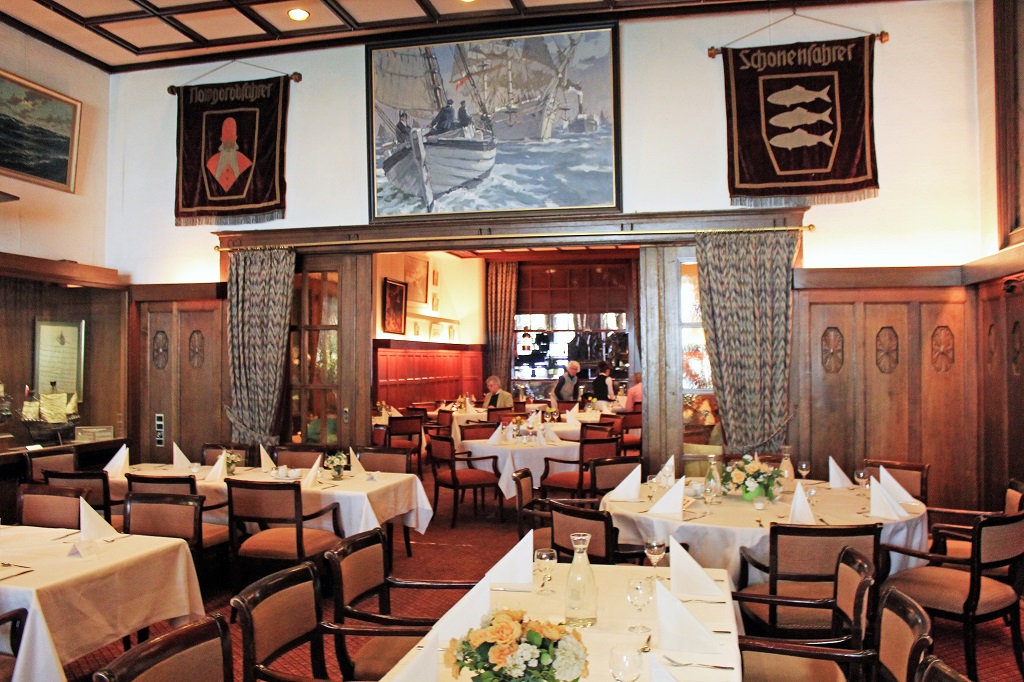
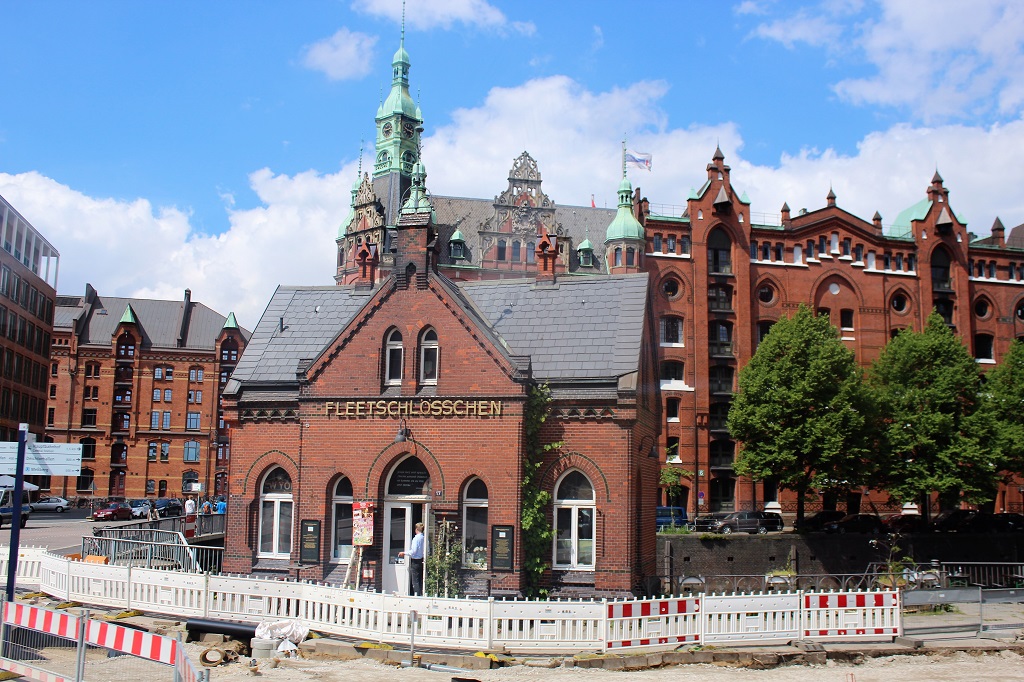
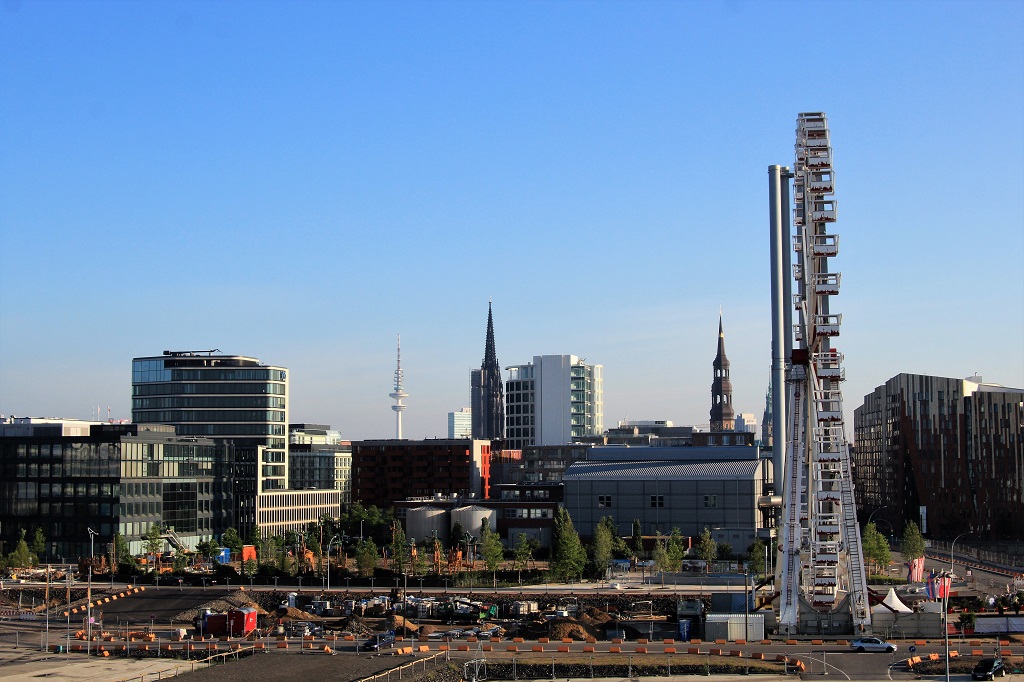
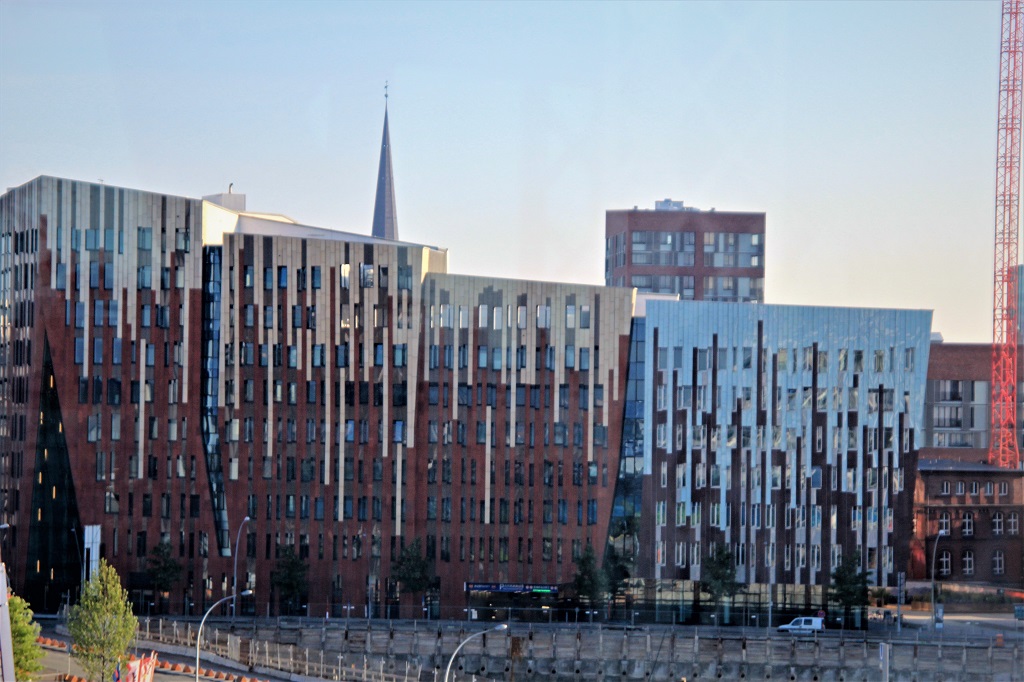
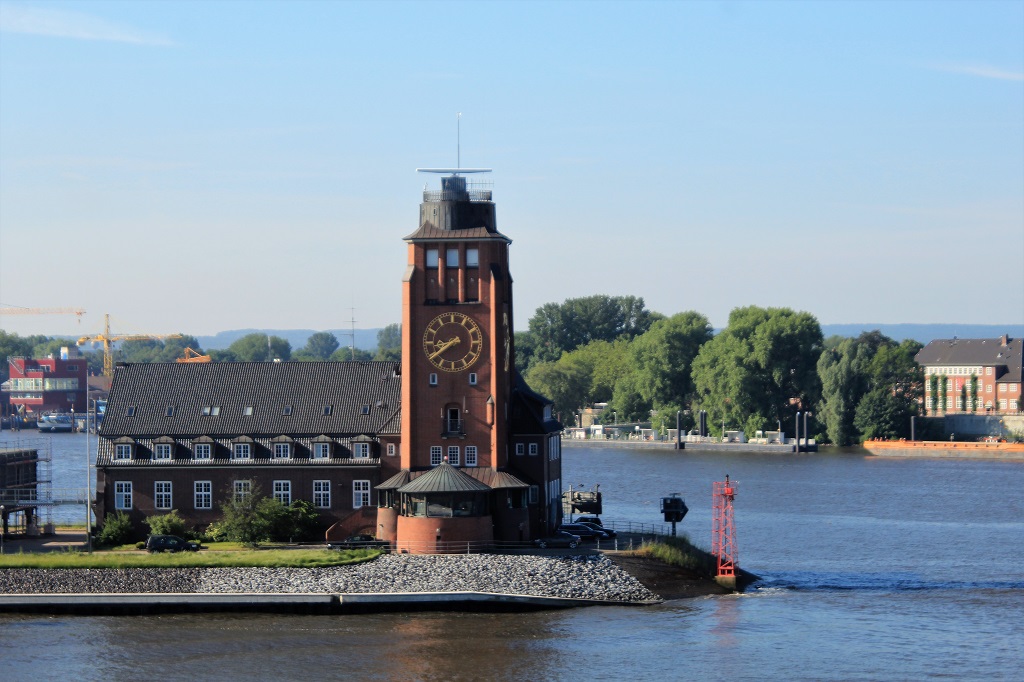
Hamburg was our last port of call on our 16-day Baltic Cruise.  We did another all-day tour with a 90-minute drive into the countryside to the Hanseatic City of Lübeck, a UNESCO World Heritage Site.  We had a two-hour walking tour of the Old Town. One would almost think you were in Dubai with all the unusual shaped buildings. Lübeck is still very much like it was in the late 19th century when the Hanseatic League of Merchants was in full bloom.  The League was a commercial and defensive confederation of merchant guilds.  The league began in a few towns in the 1100s and dominated the Baltic maritime trade for three centuries.  They protected economic and diplomatic privileges in their affiliated cities and worked with other communities to regulate and protect trade routes by land and by sea. They had their own legal system and private armies.                                               The Holsten Gate St. Mary’s Church was built between 1250 and 1350 and has always been a symbol of power and prosperity in the city of Lübeck.  It is built on the highest point of the island so dominates the city from all directions. We had time to wander the city streets and check out some of the shops. The Hospital of the Holy Ghost was built in 1280 and is one of the oldest social institutions in Europe.  It was still in use in the 1960s.  It was founded by the Lübeck merchants as a home for the poor, the sick, and the orphans.
These were the tiny little rooms occupied by the widows. We had lunch at the Maritime Club; a very posh place.  Beautiful woodwork.  It was a good lunch too. Back in Hamburg we relaxed before dinner and our sea days back to England.


2013 Summer (Baltic and Britain – Cruising the Kiel Canal)

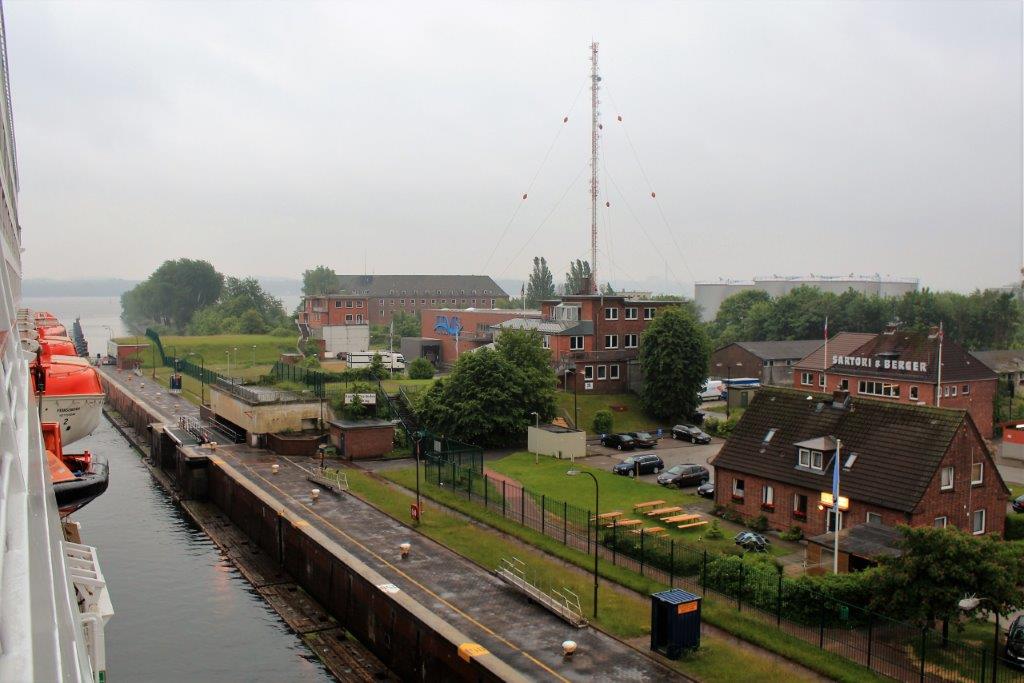
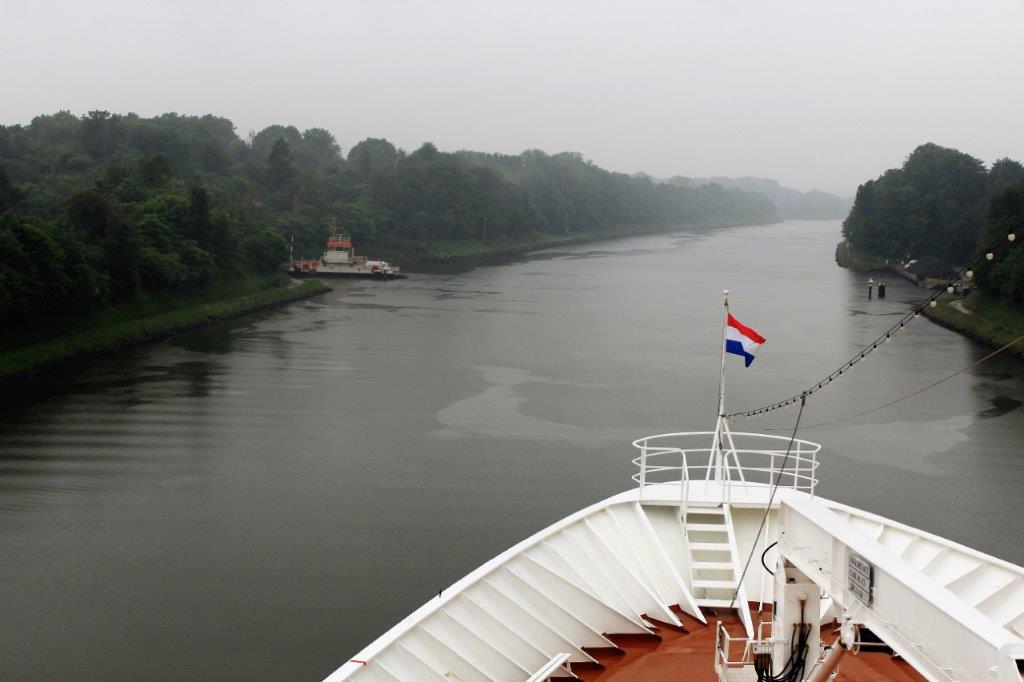
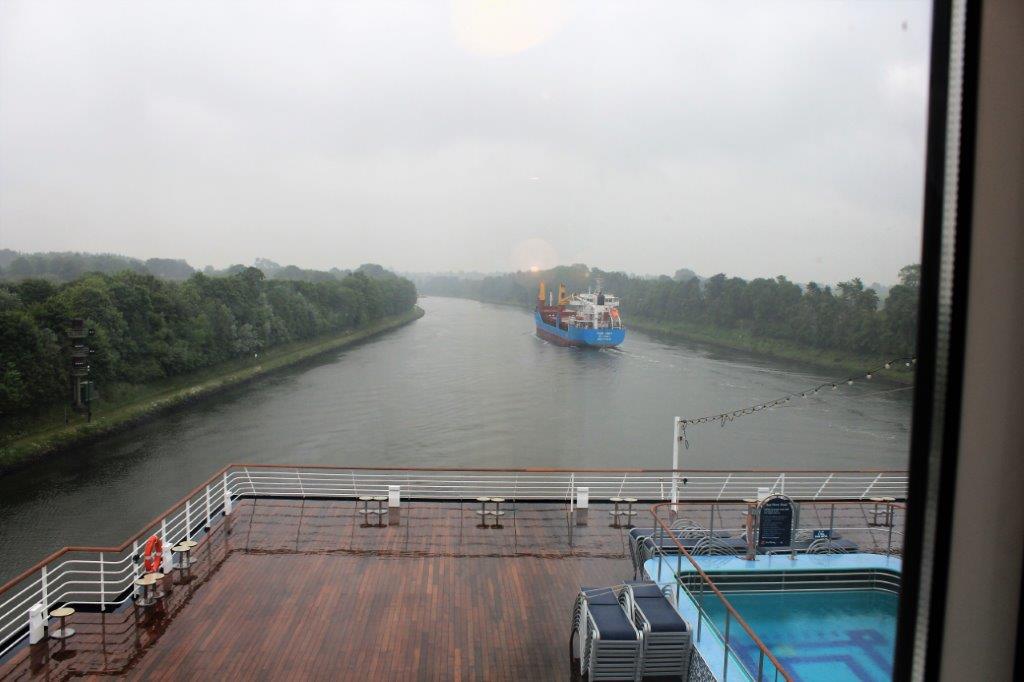
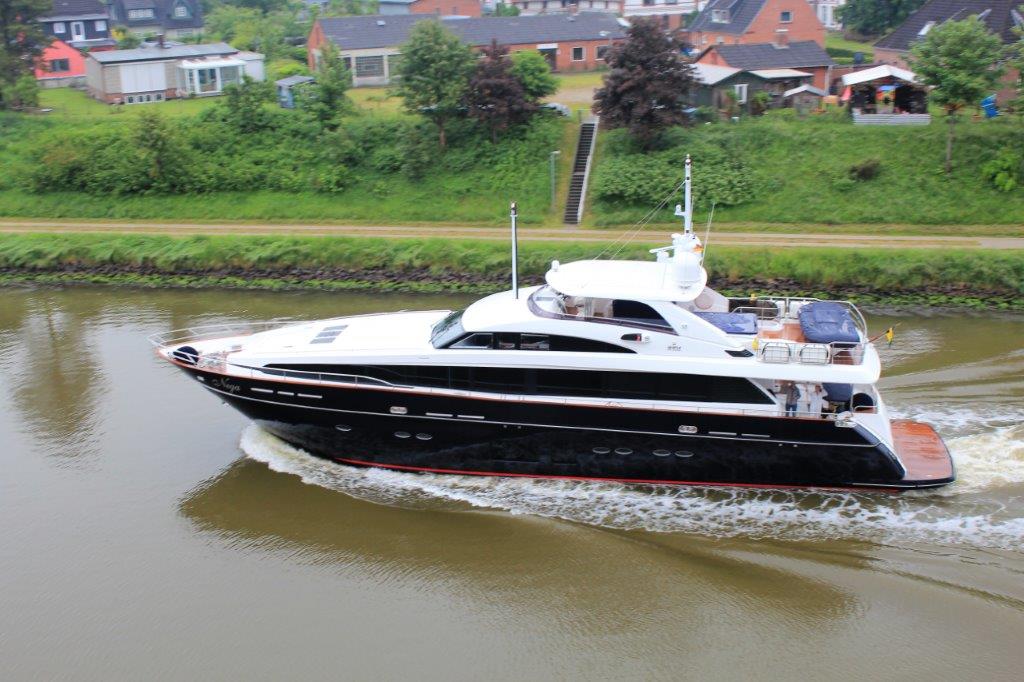
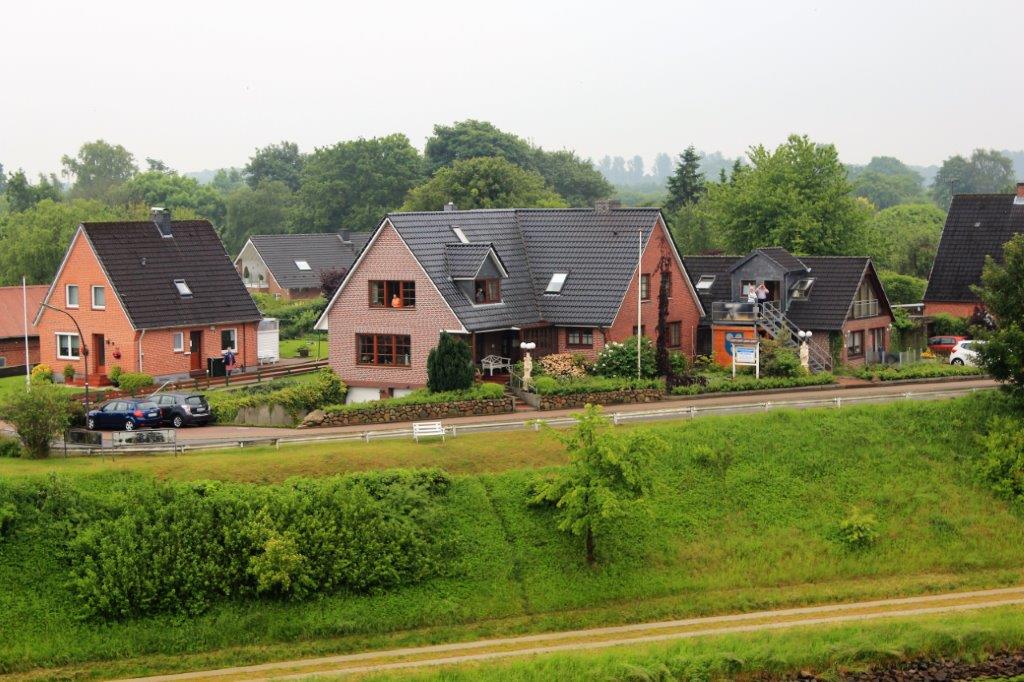
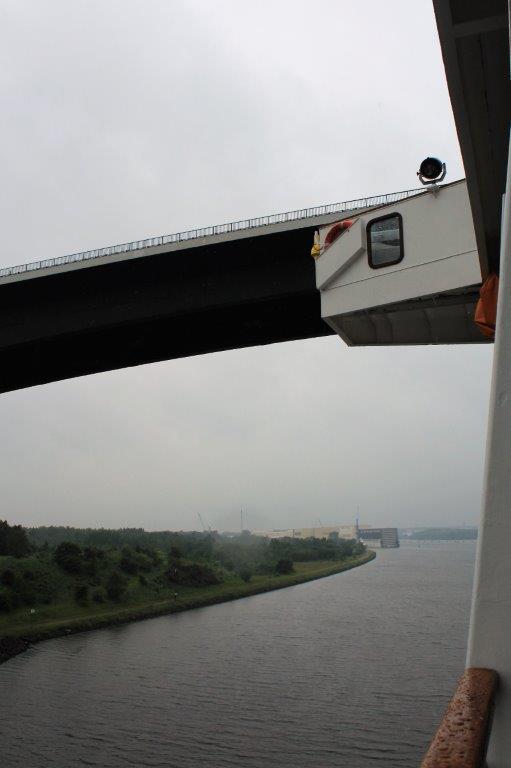
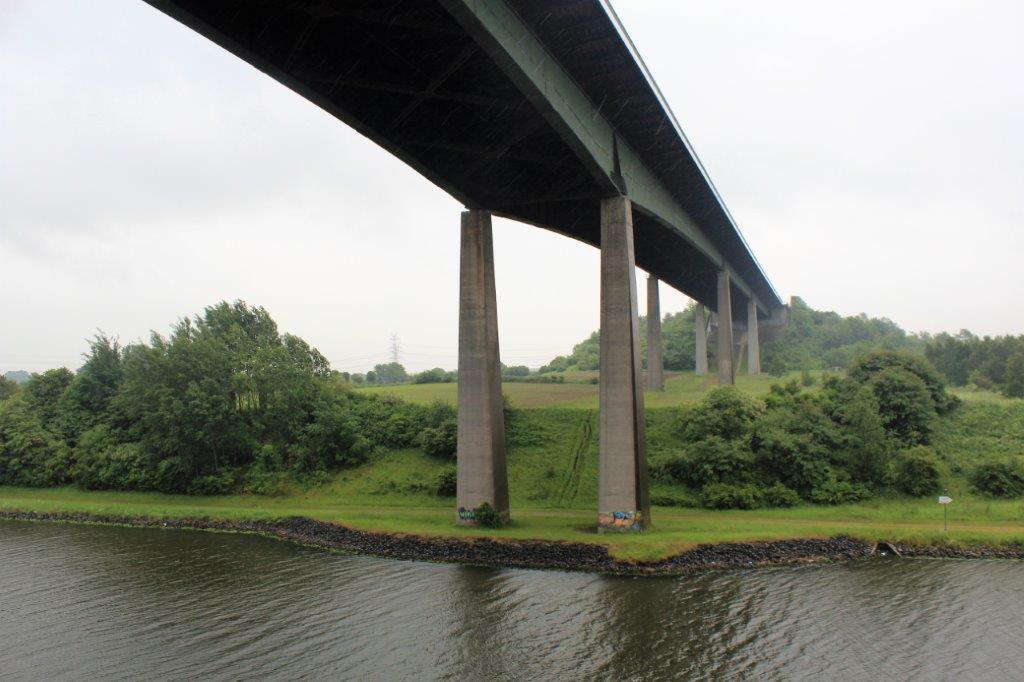
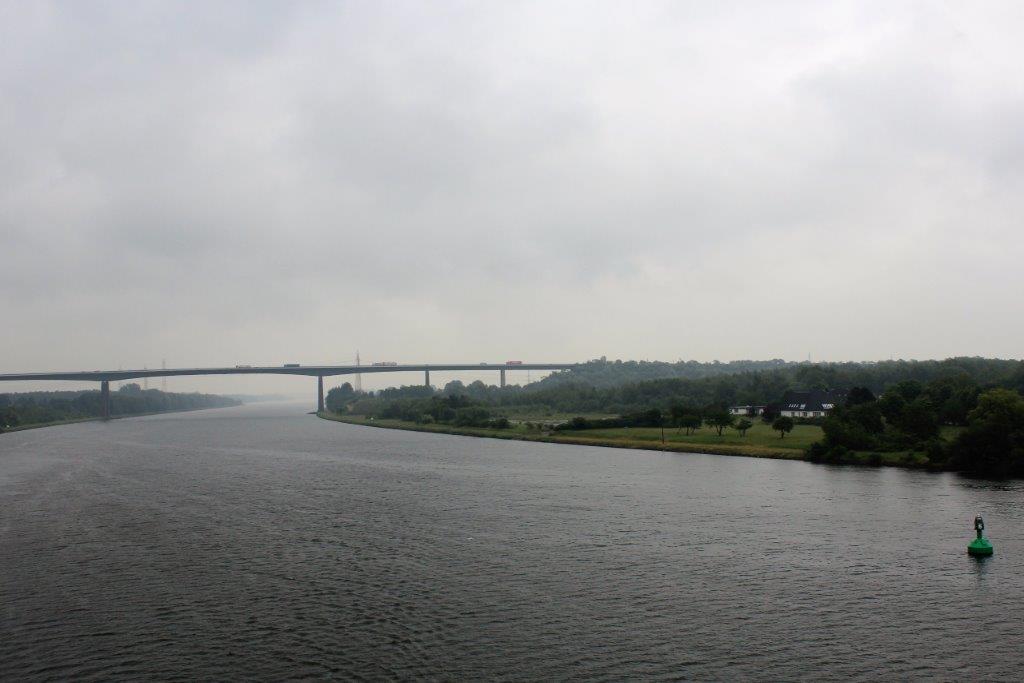
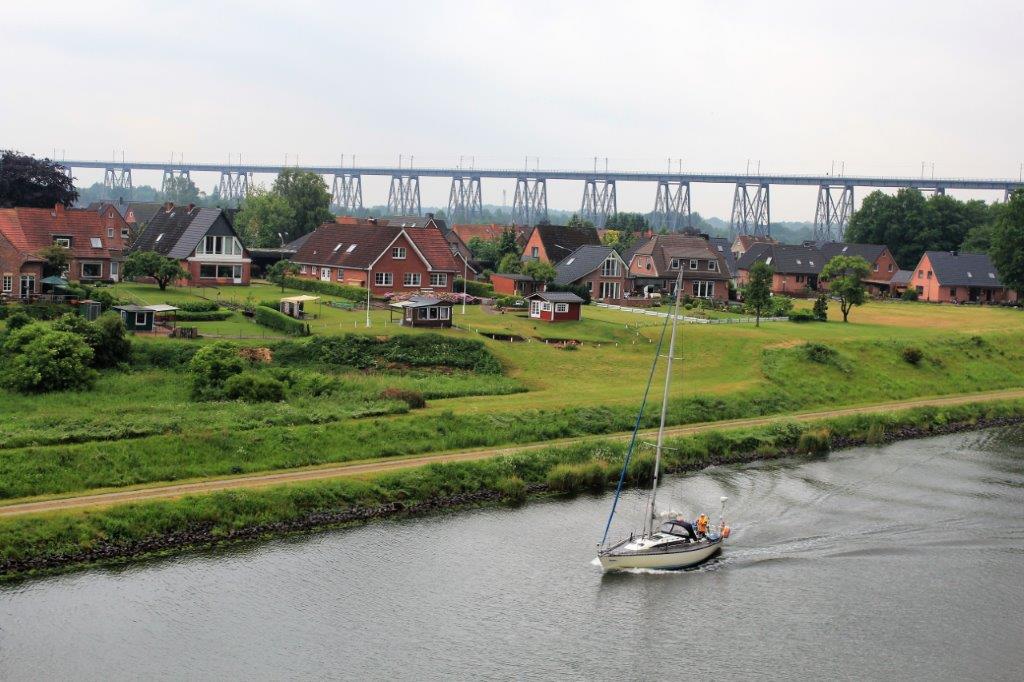
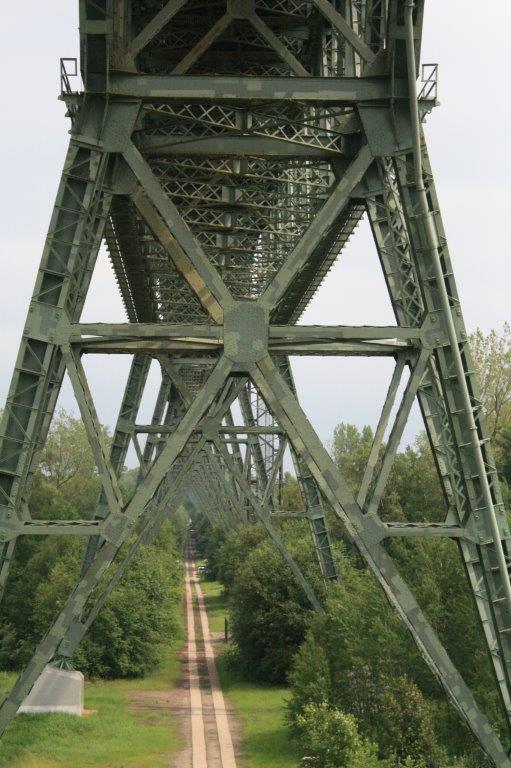
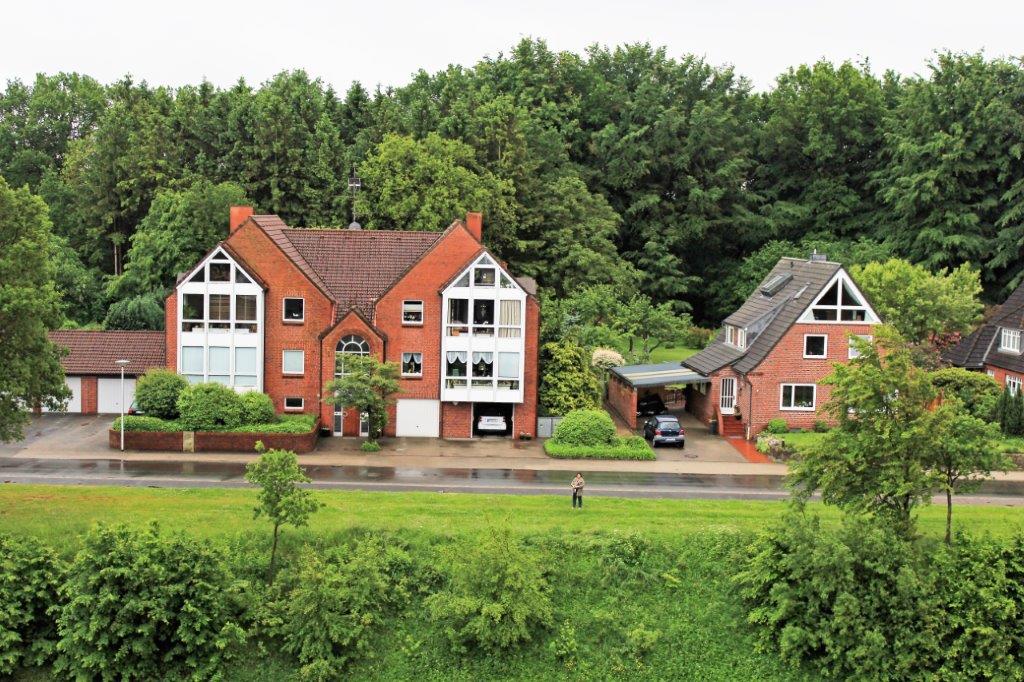
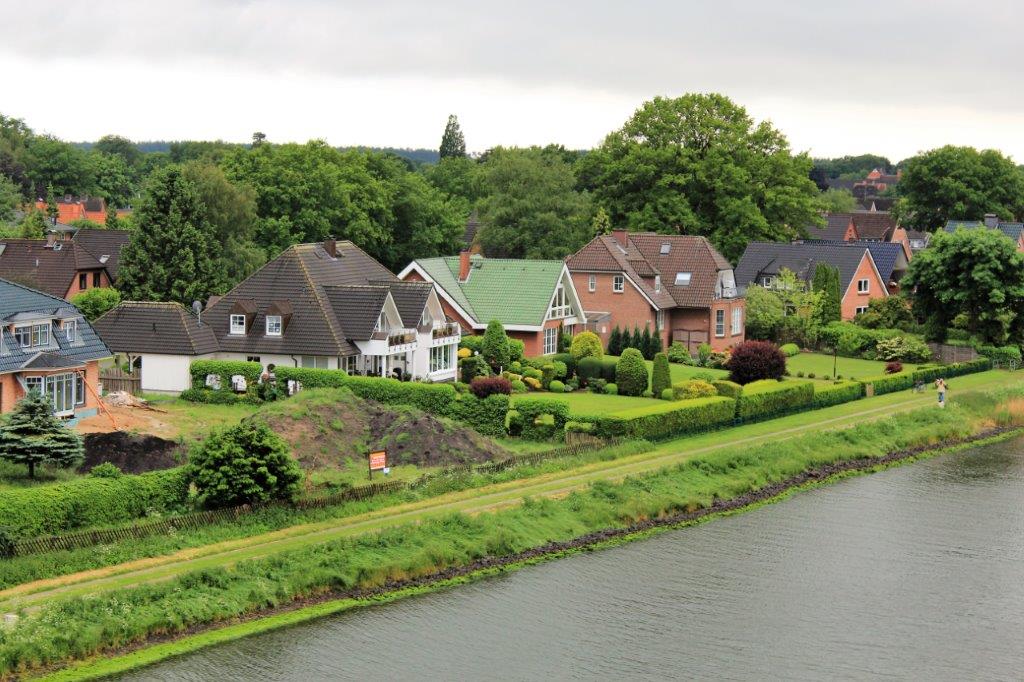
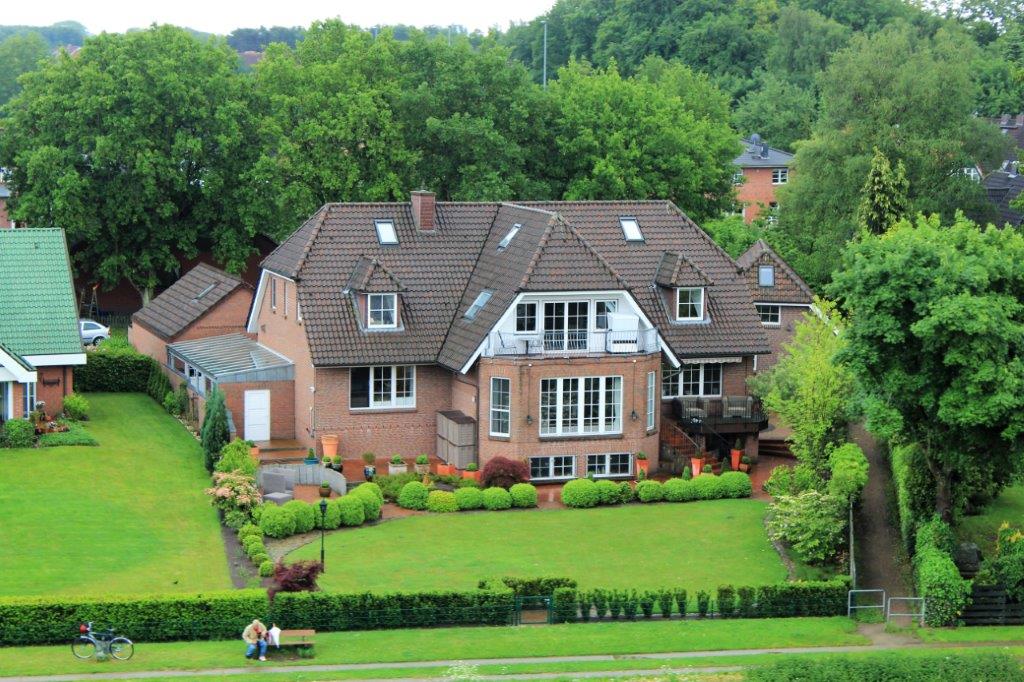
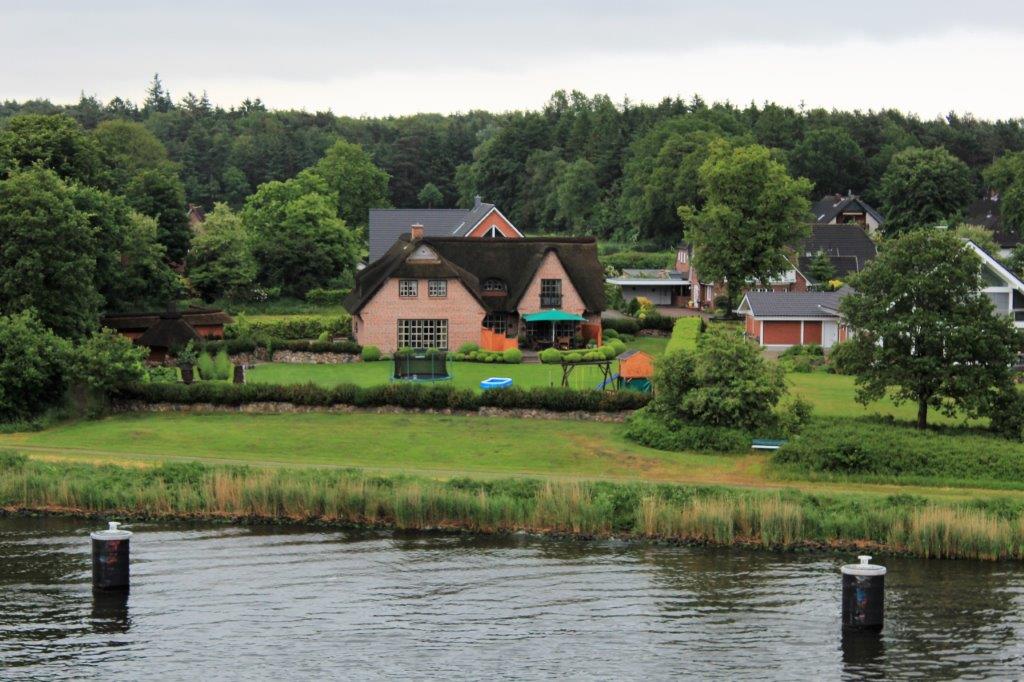
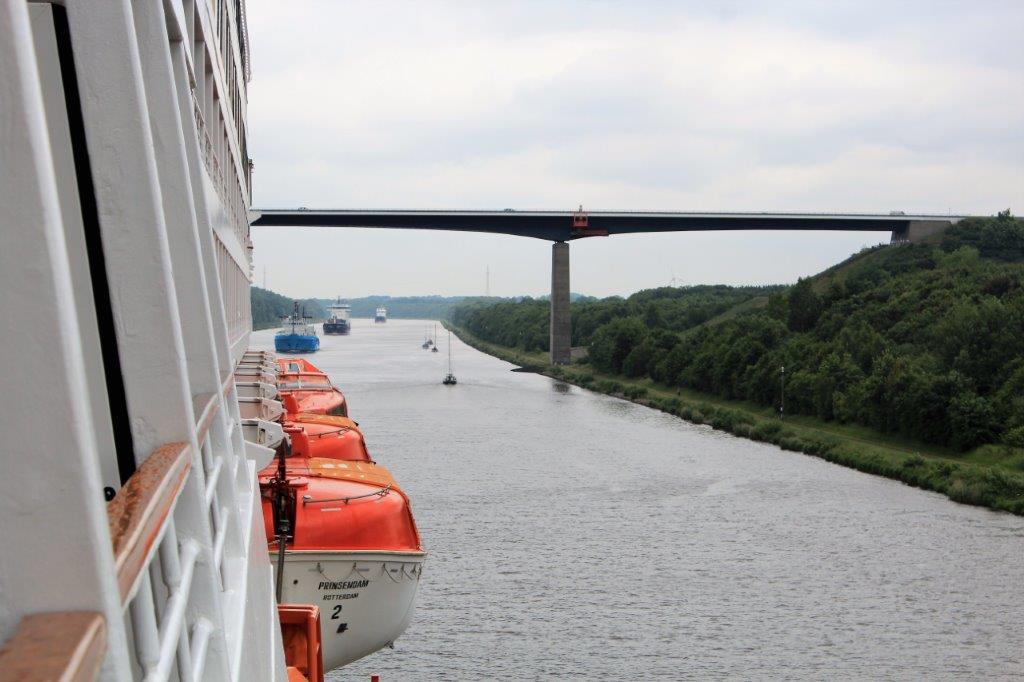
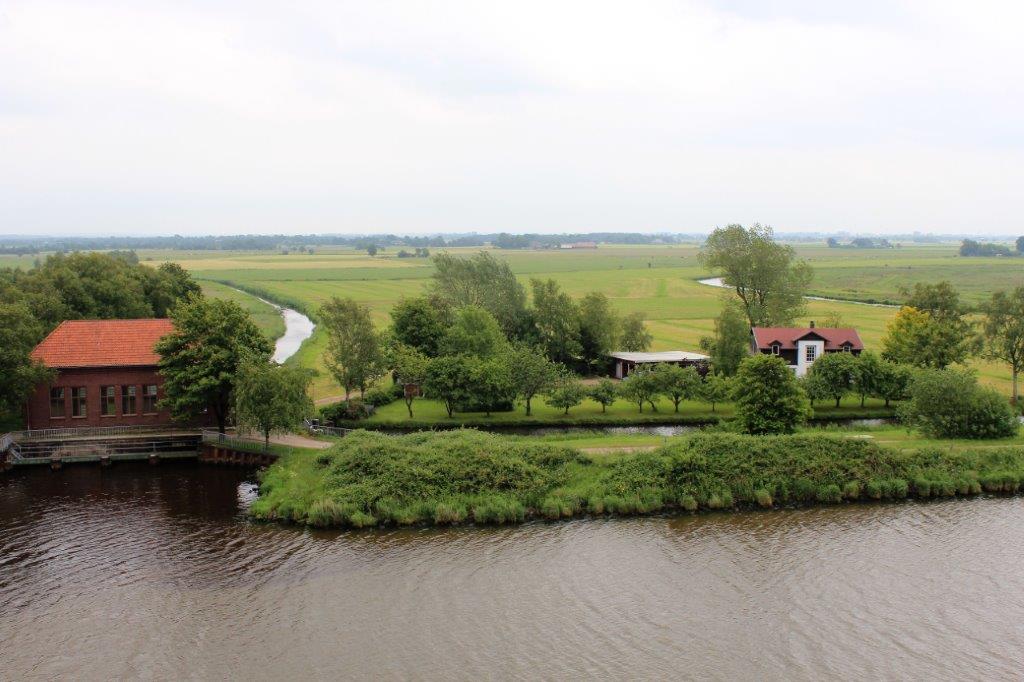
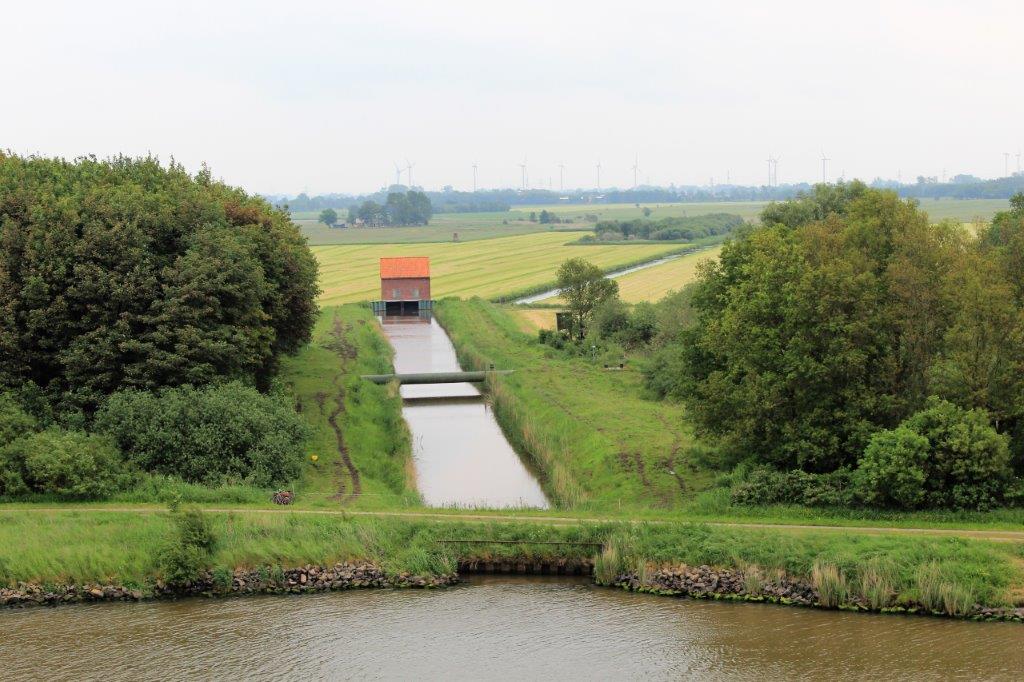
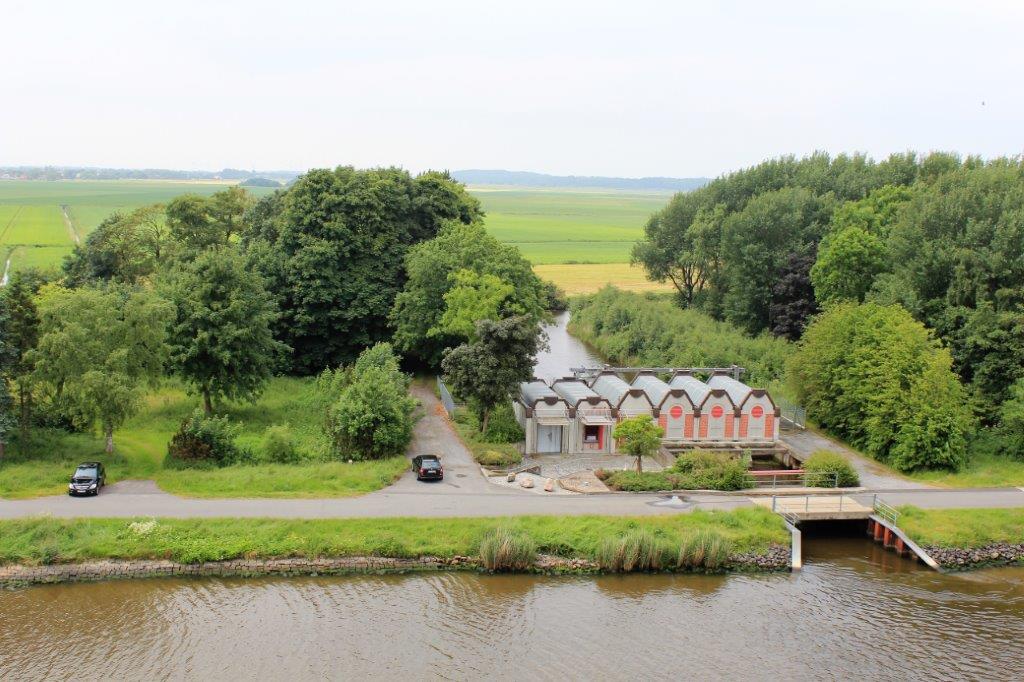
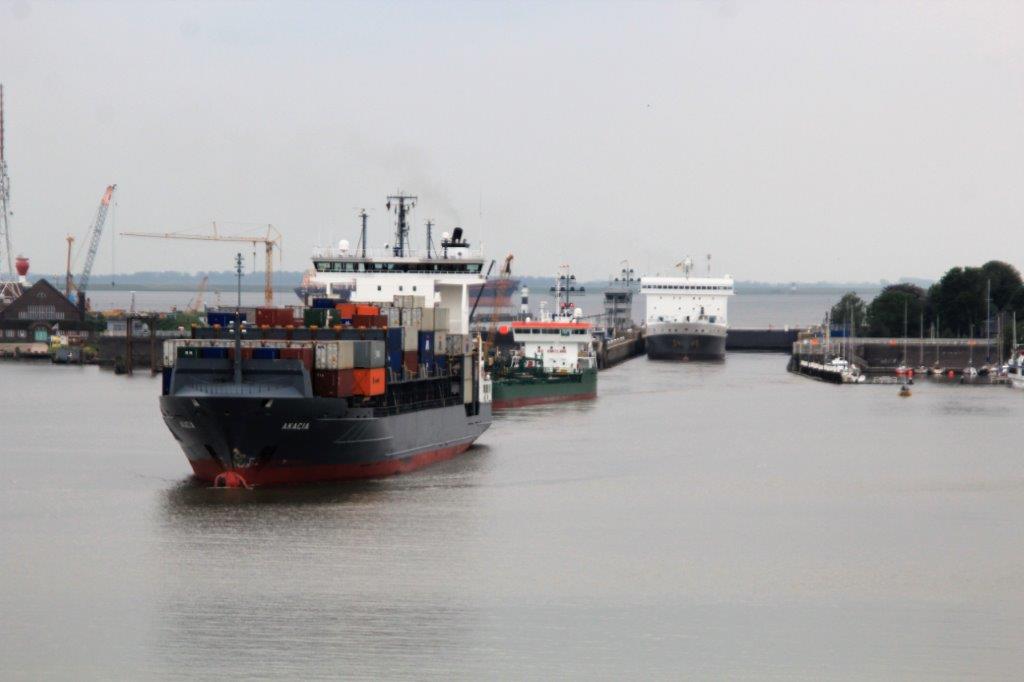
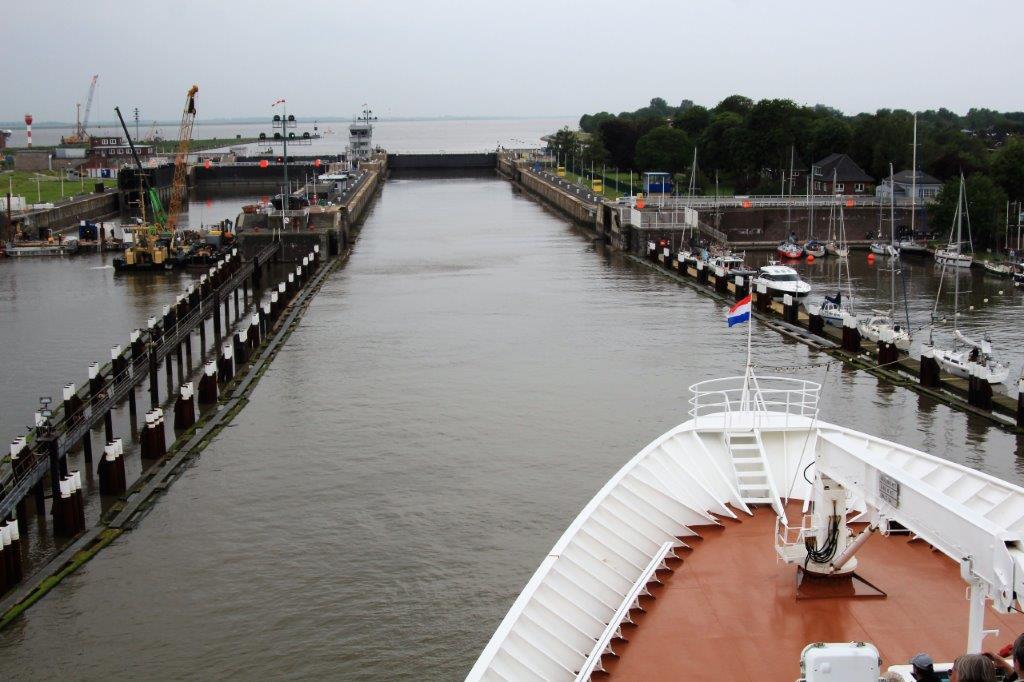
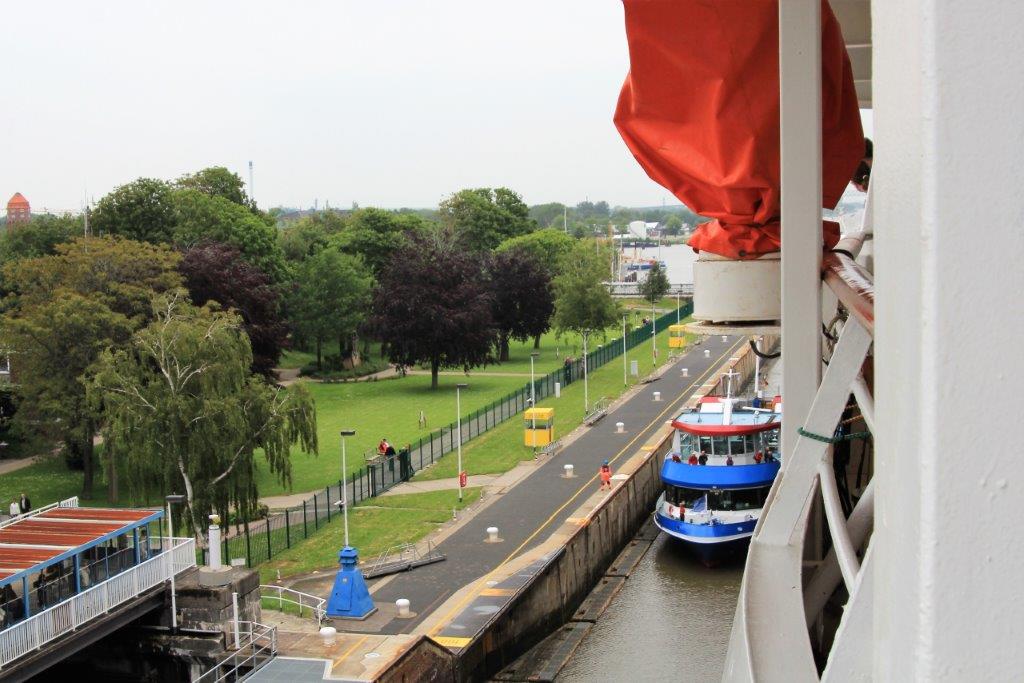
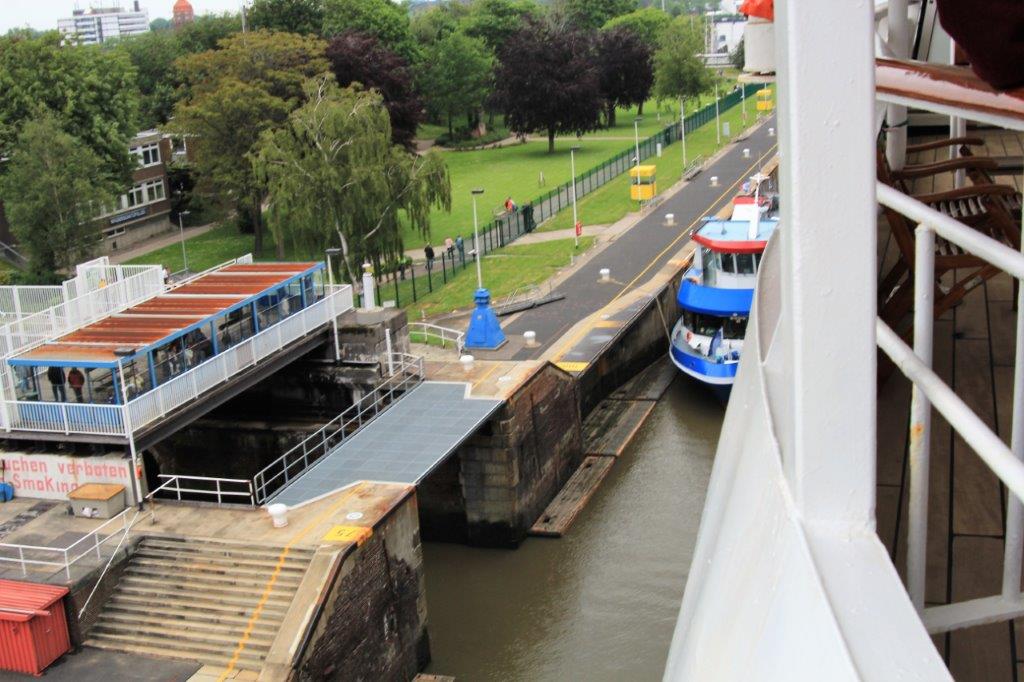
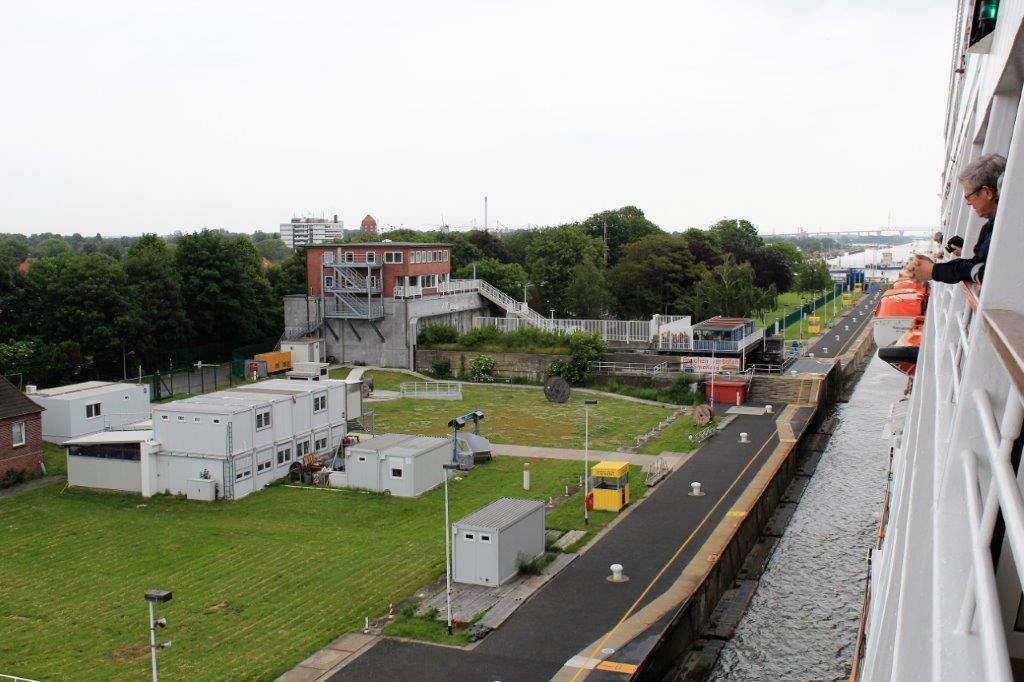
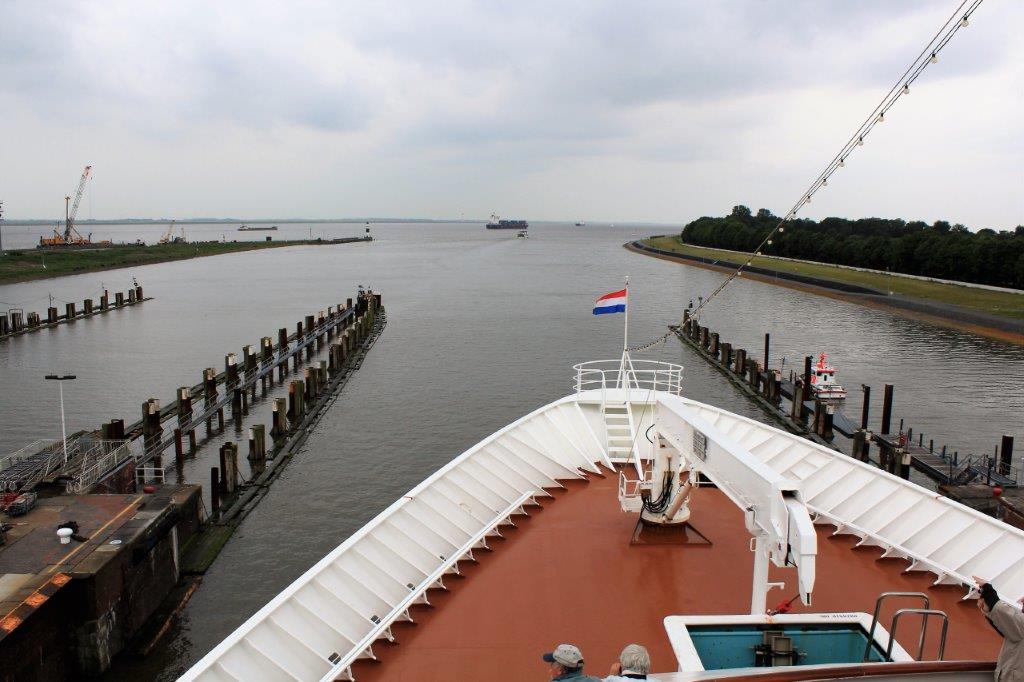
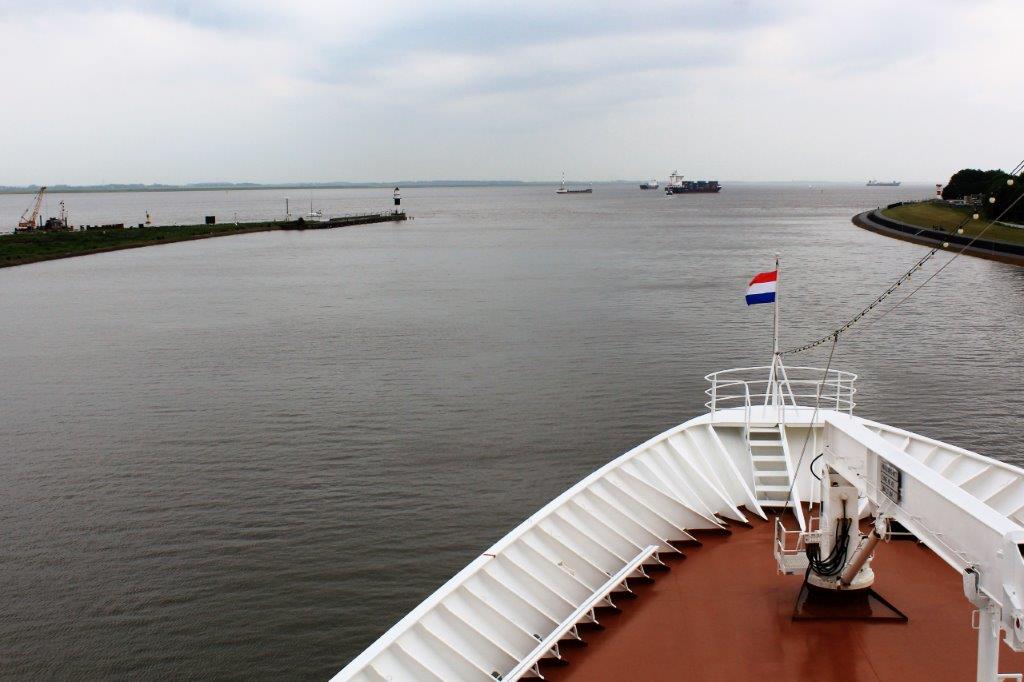
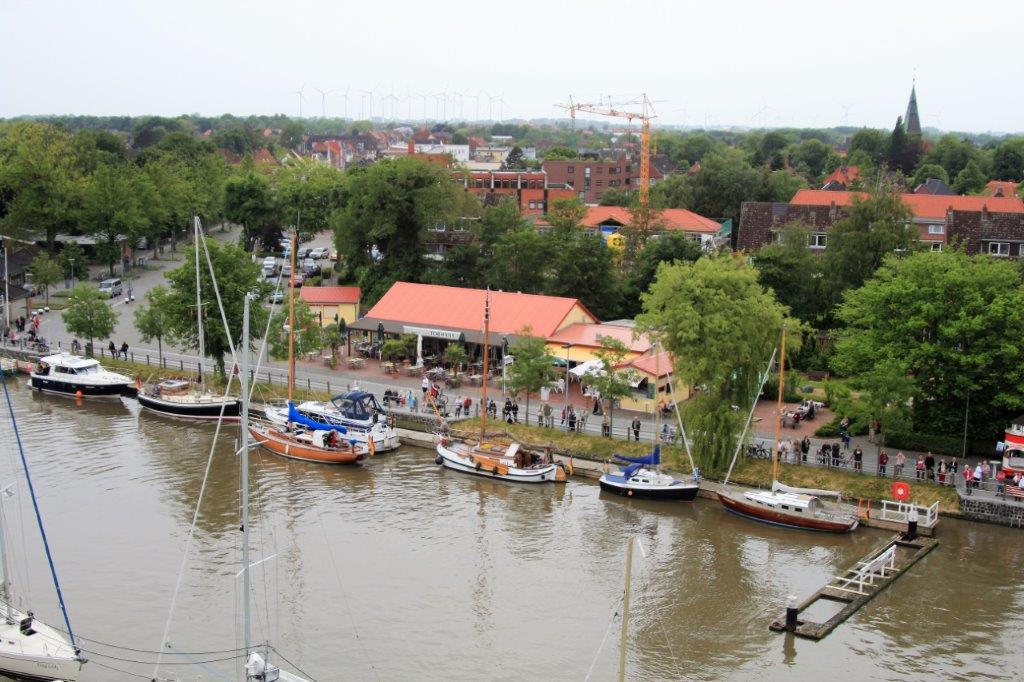
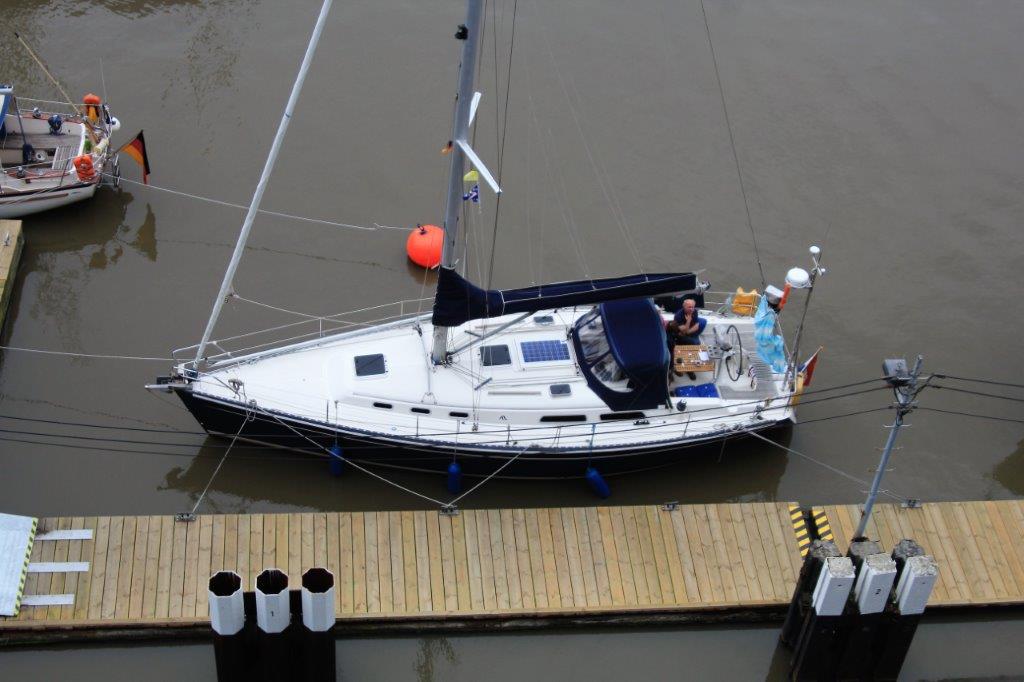
Before we reached our last port-of-call on this cruise we sailed through the Kiel Canal.  The canal is 98-kilometers (61 miles) long and links the Baltic Sea to the North Sea.  The canal cuts off 250 nautical miles (460 km) of distance by allowing ships to avoid having to go around the Jutland Peninsula with its storm-prone waters.  It was finished in 1895 but was widened between 1907 and 1914.  Our ship, being a small cruise liner was able to navigate the route and we spent the day wandering on and off the deck to see the countryside slowly pass by.We lost our lovely sunshine and the day was wet and cool.  There were many pleasure boats and cross-canal ferries to watch. There were also some really nice homes along the canal route.   It’s called the “Flying Bridge” for a reason.  The Captain can get a good clear view of where the sides of his ship are at all times which is pretty handy going under some of the bridges and bringing the ship into ports.
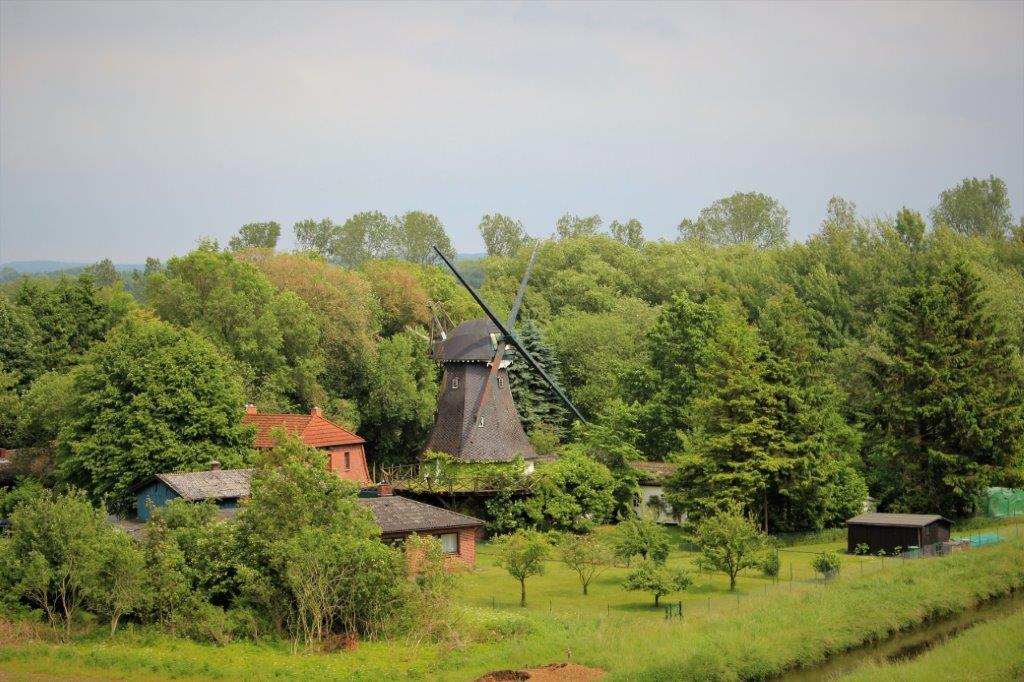
I have no idea what the value of these homes might be in Germany but they would be very expensive in western Canada.                    We passed some lovely, lush farmland. This looks a little tight.  Probably looks tighter than it actually is though.                                             Not a lot of room to spare.Out the lock at the far end and off we go into the North Sea on our way to Hamburg.

2013 Summer (Baltic and Britain – Stockholm, Sweden)

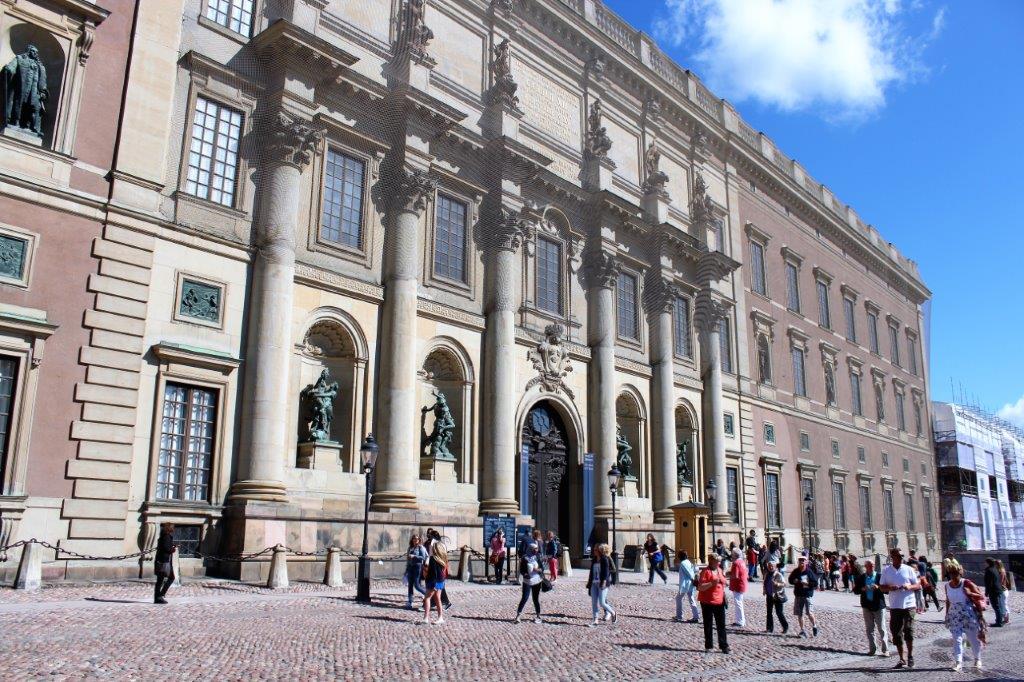
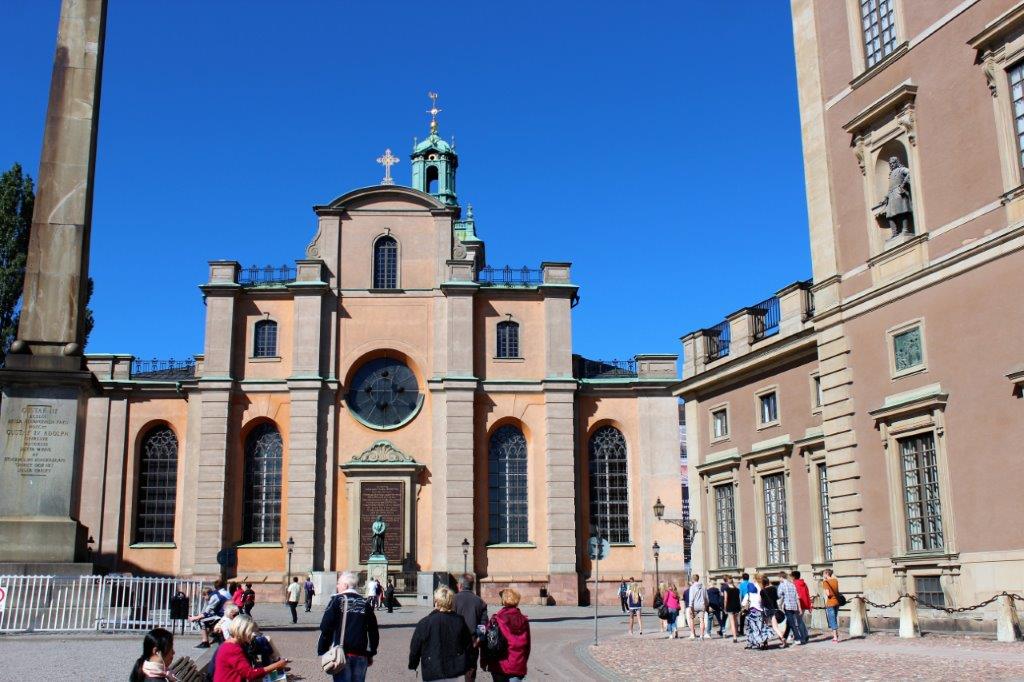
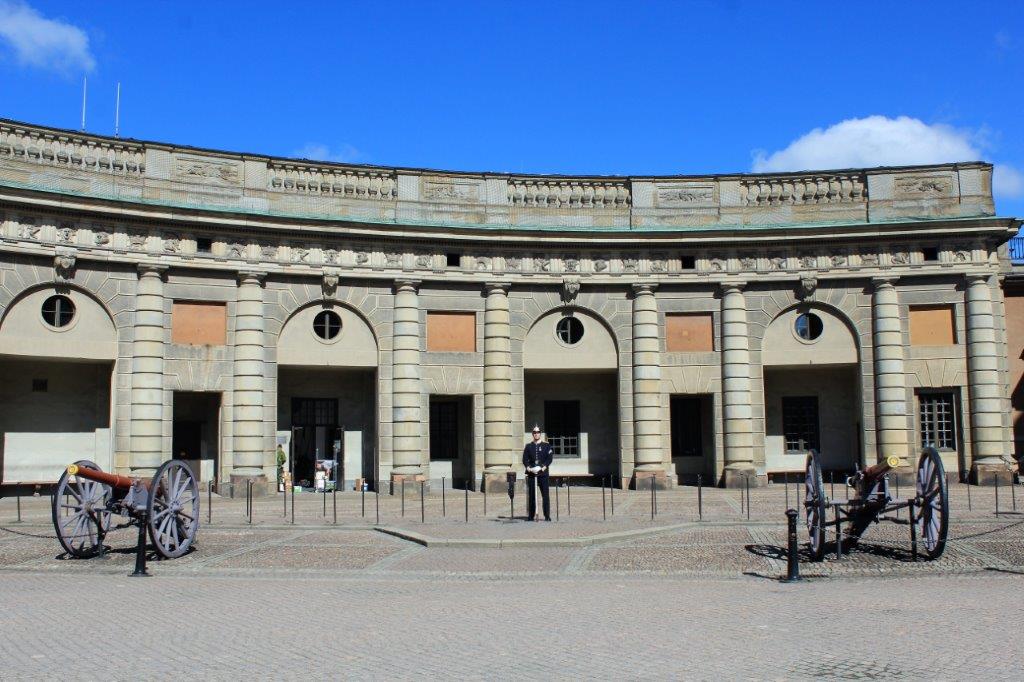
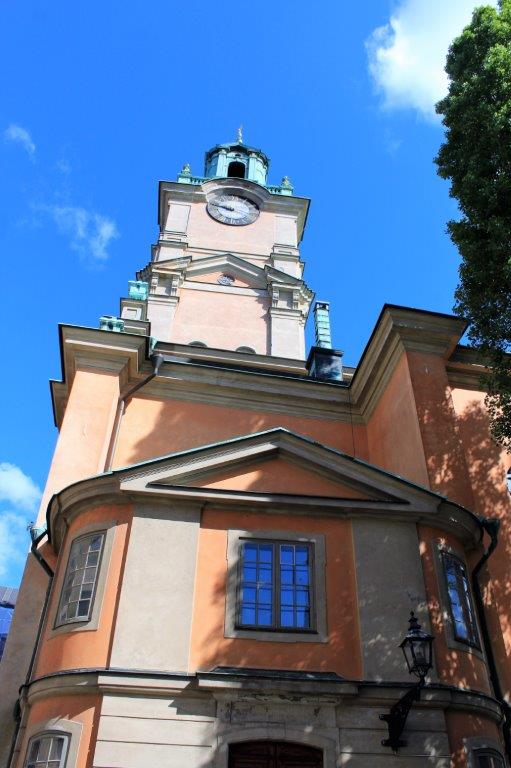
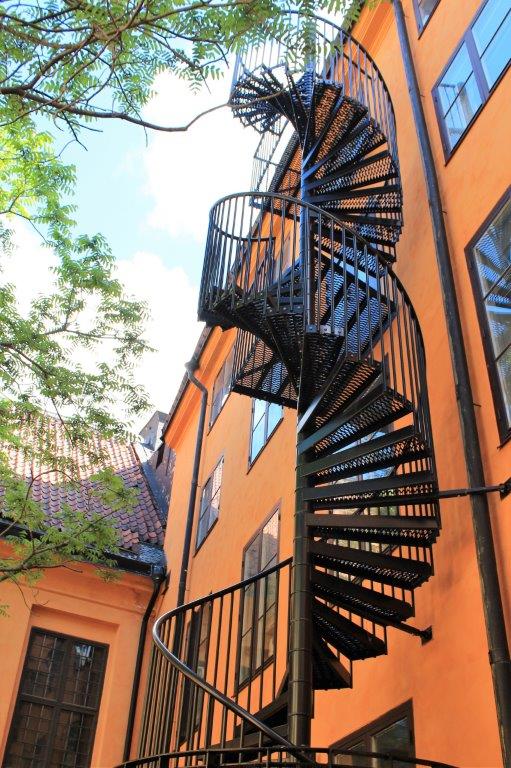
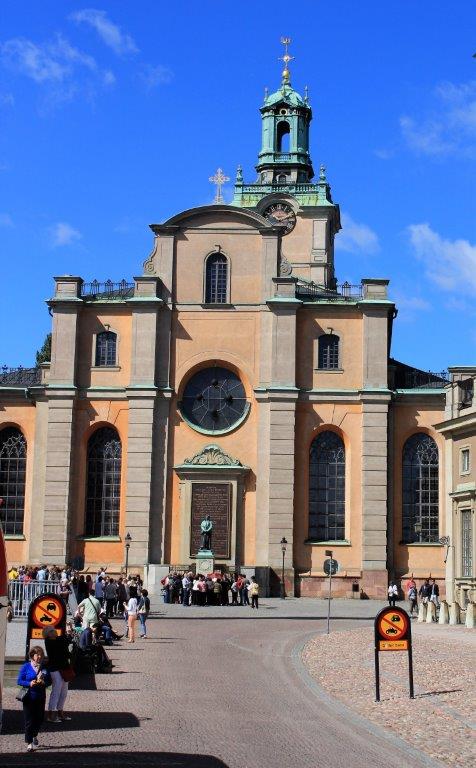
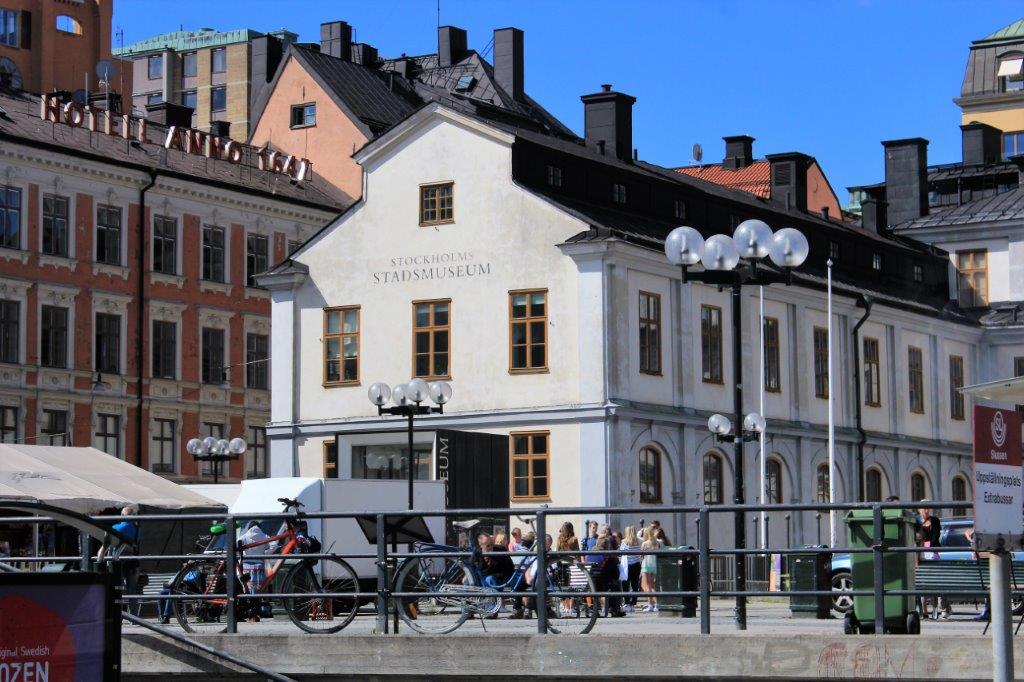
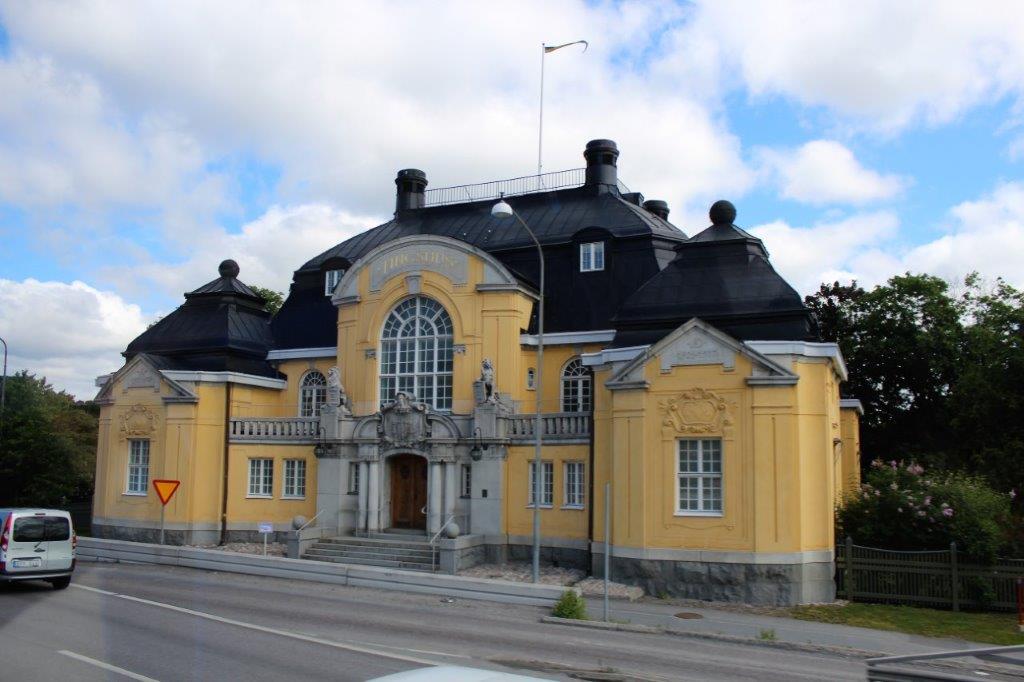
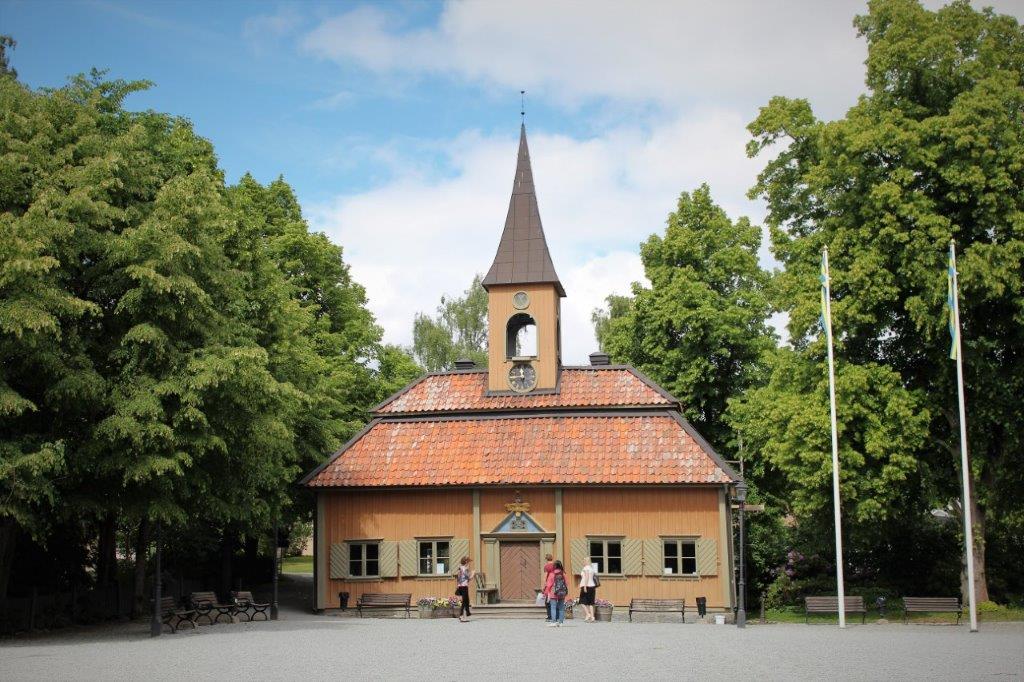
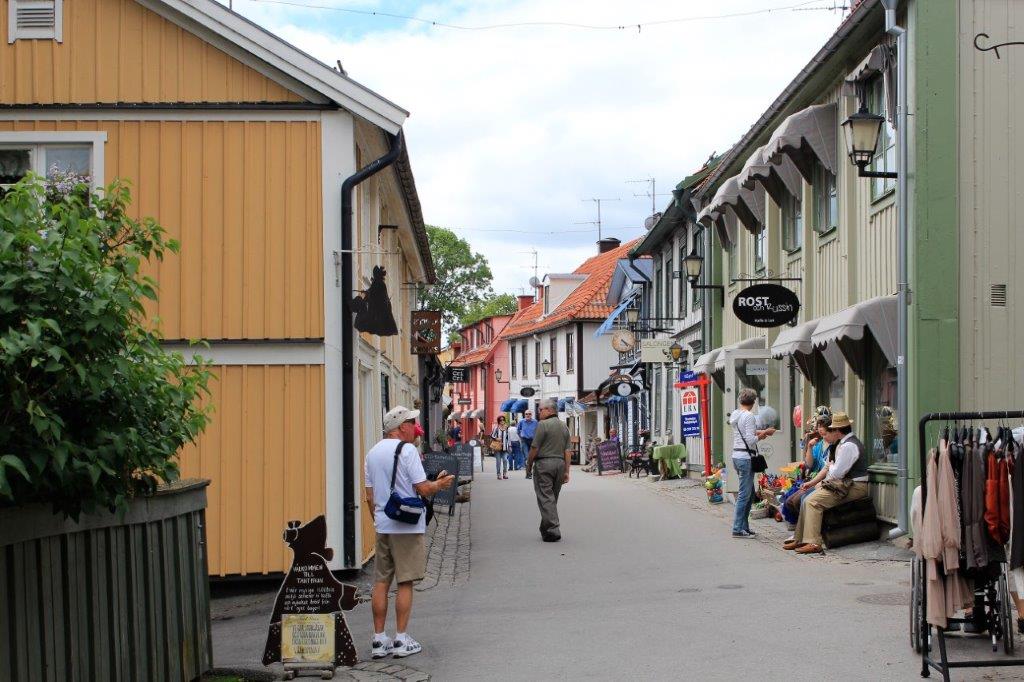
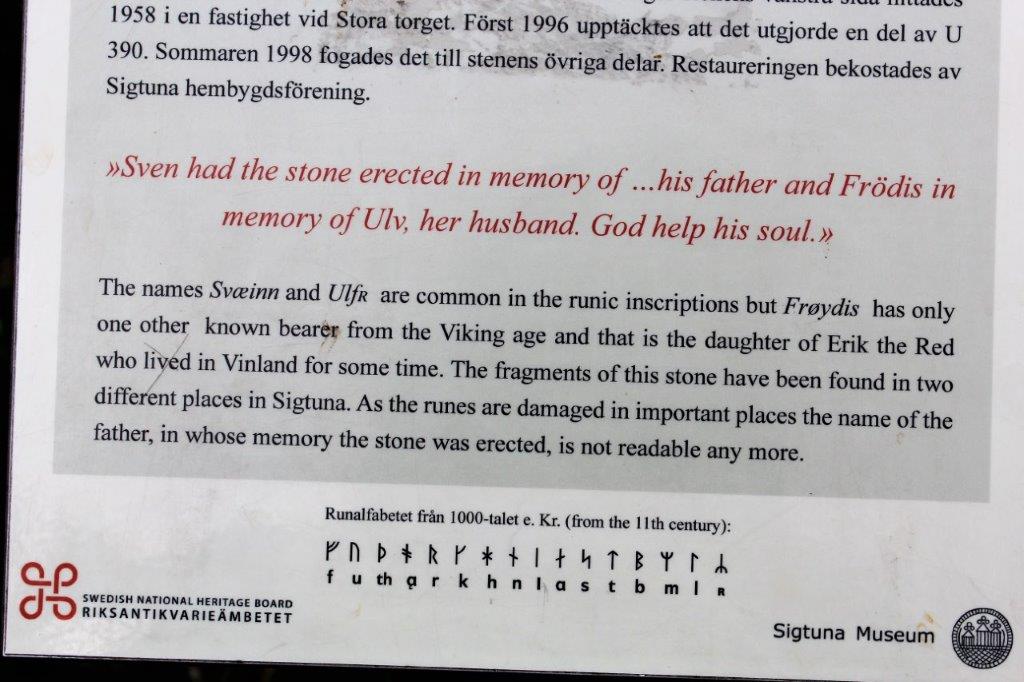
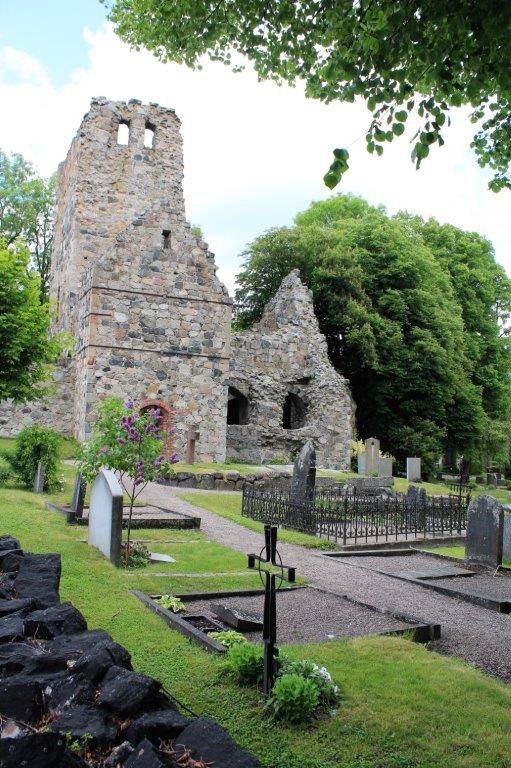
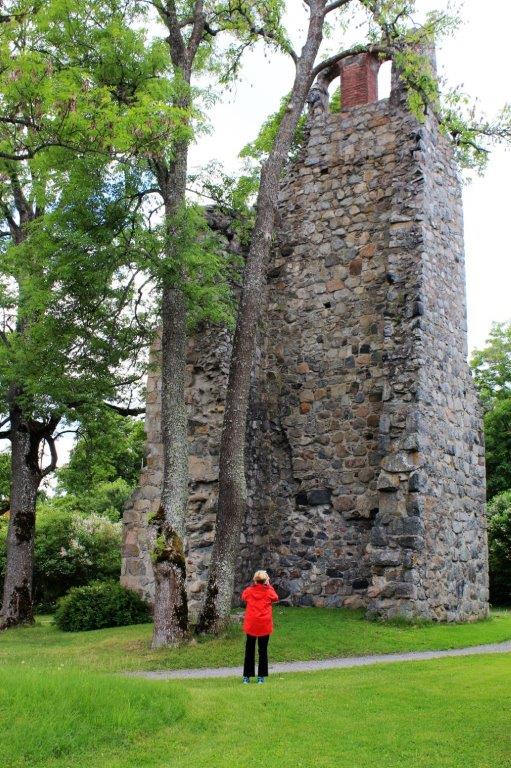
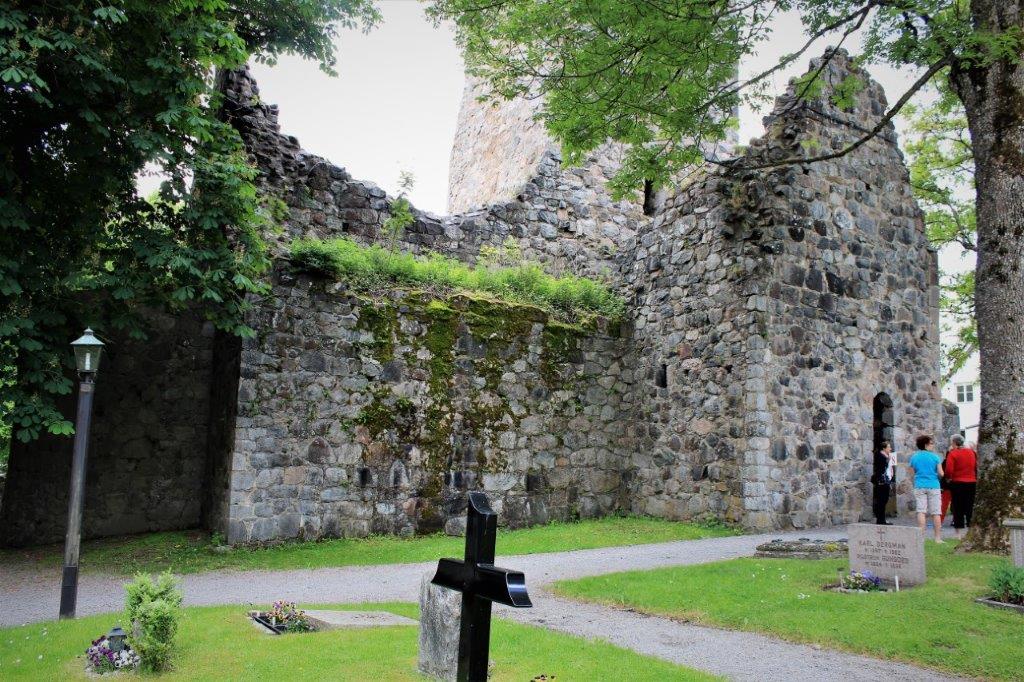
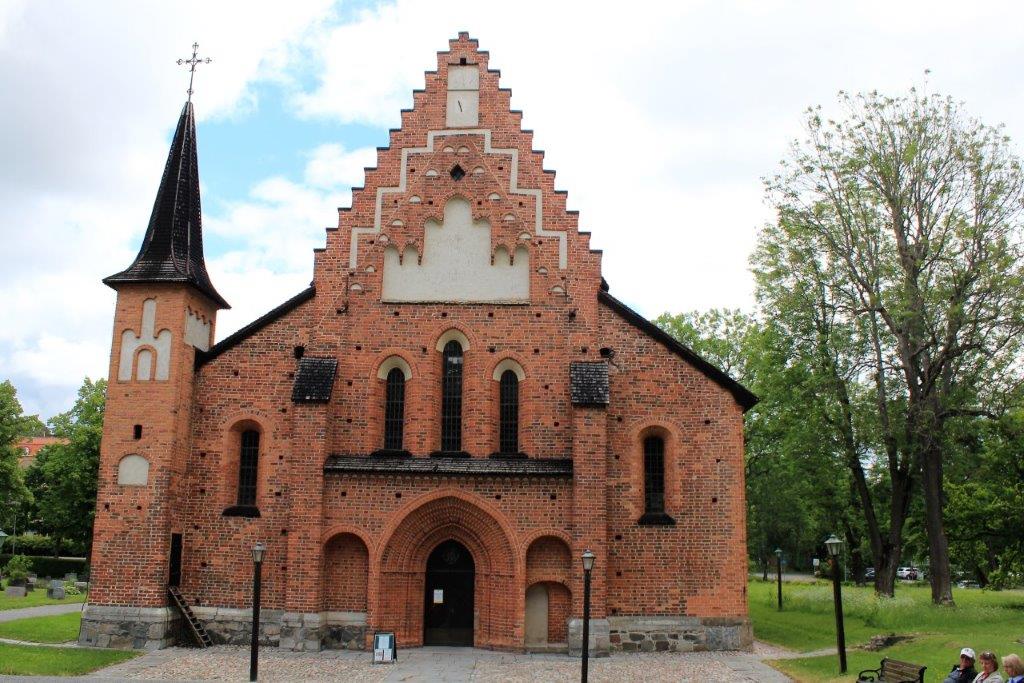
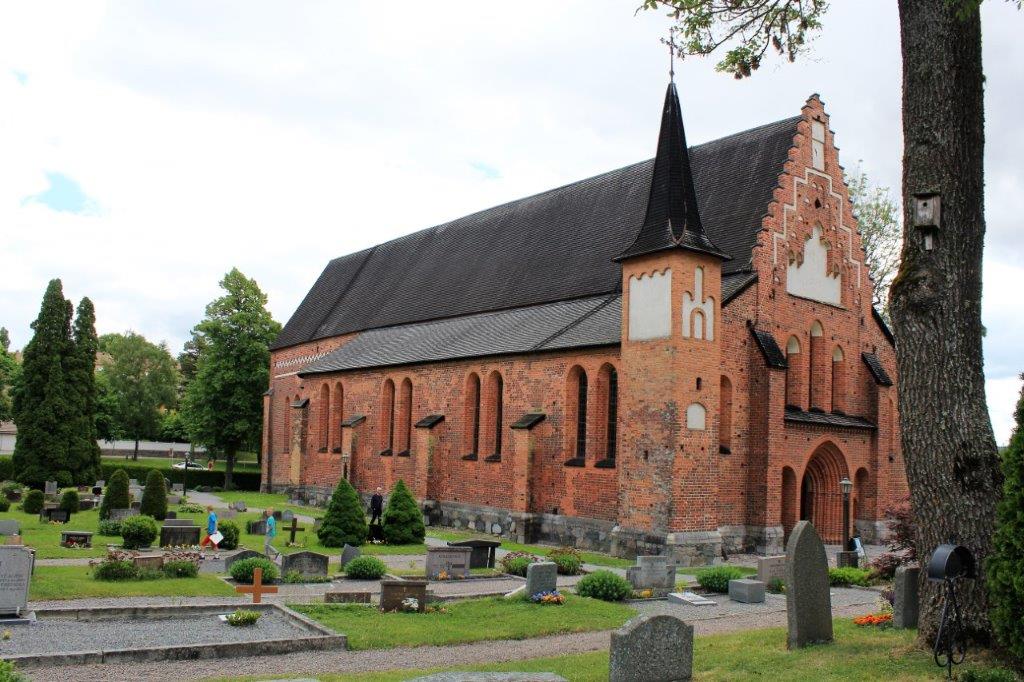
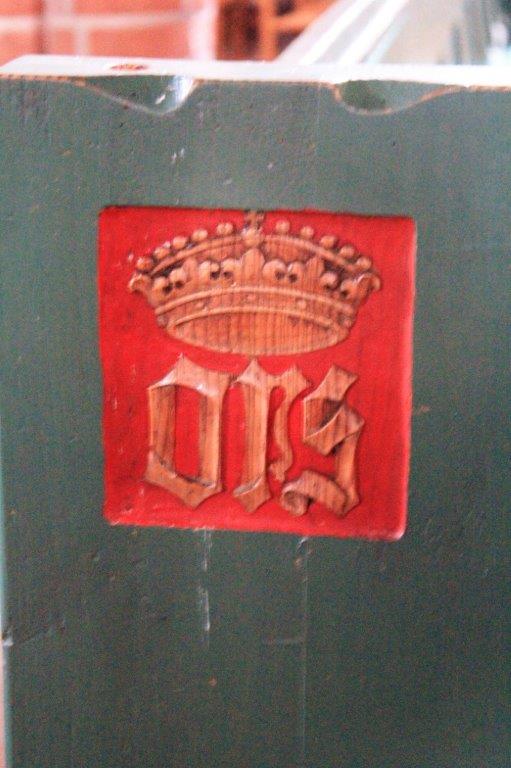
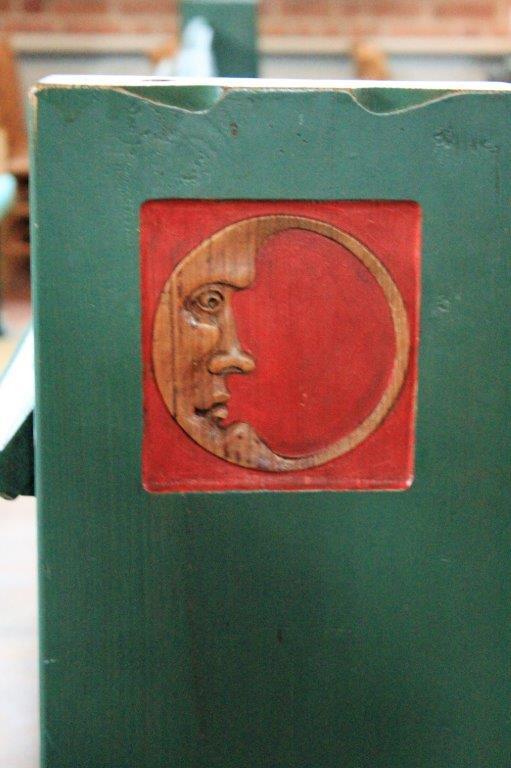
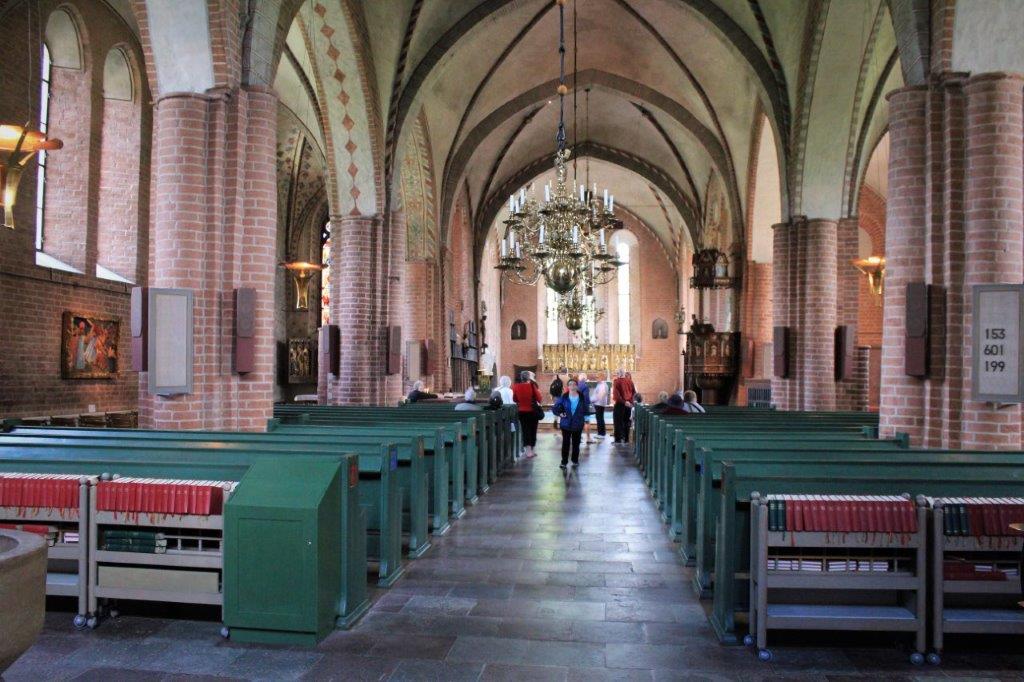
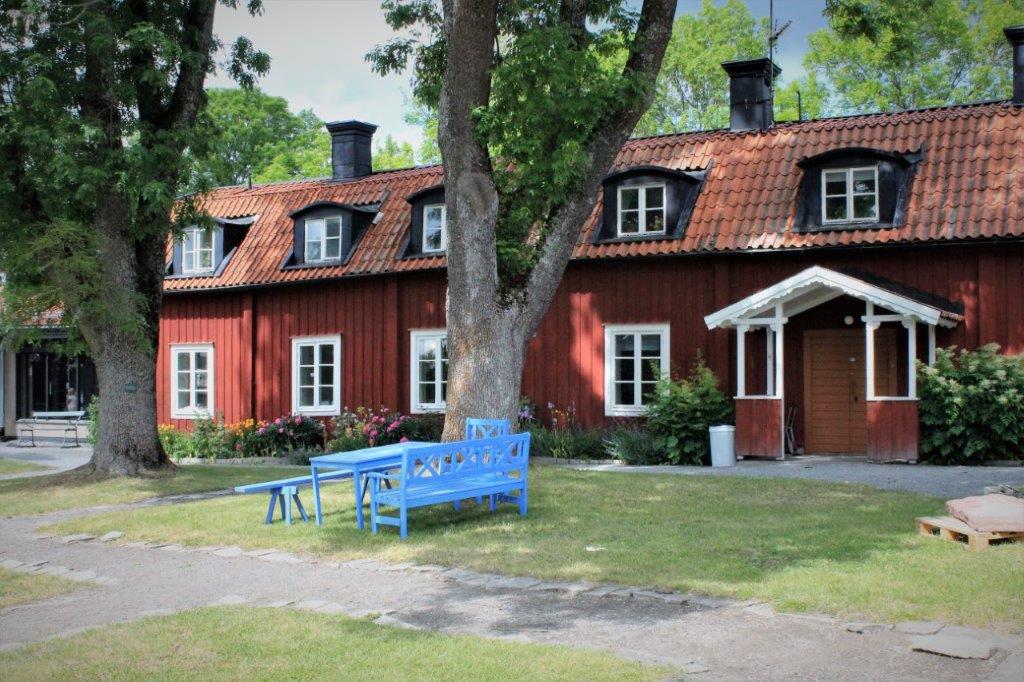
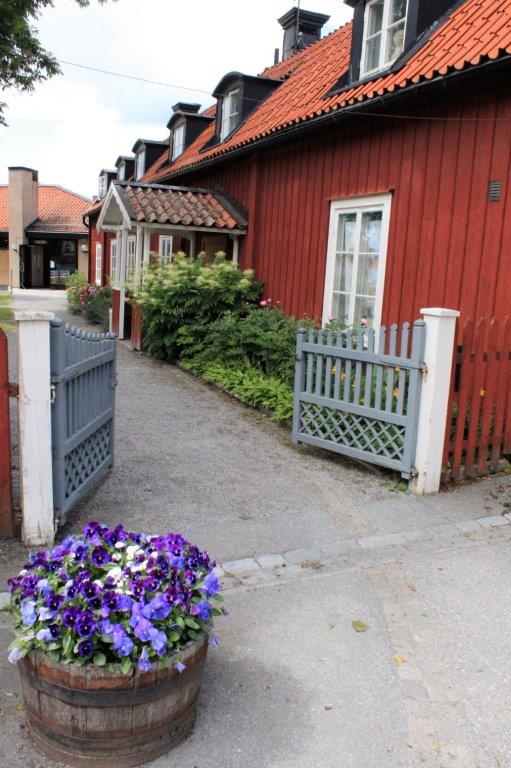
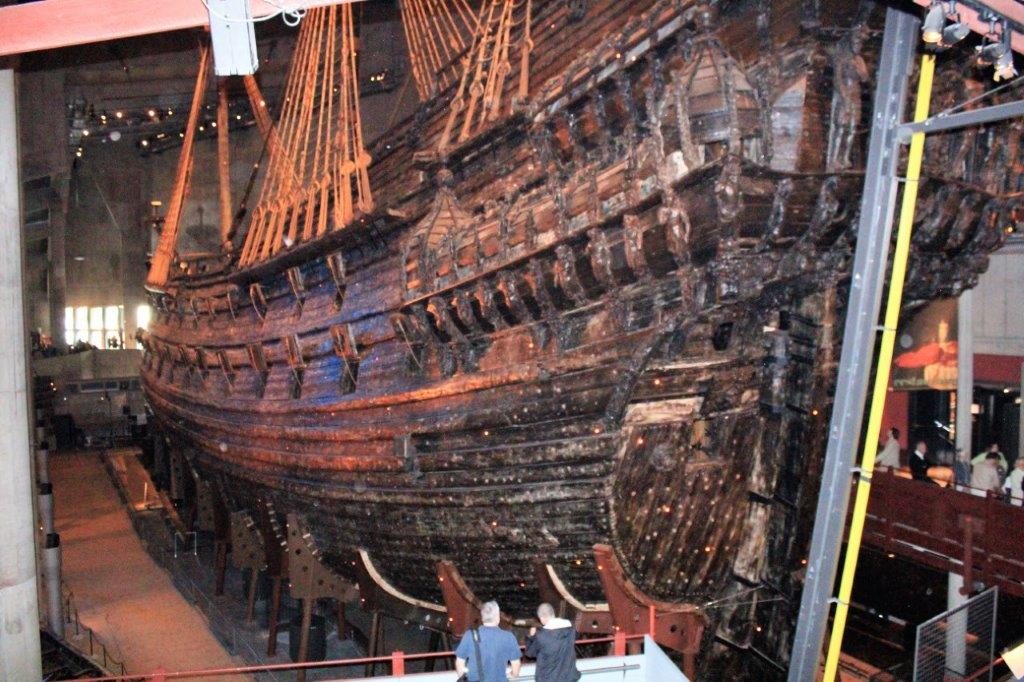
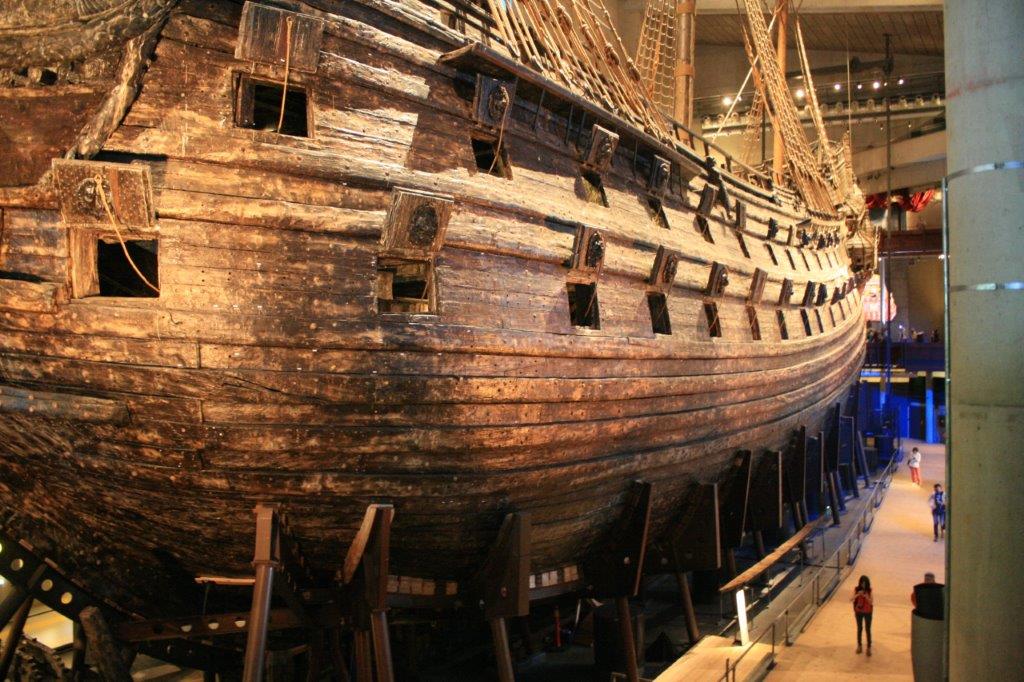
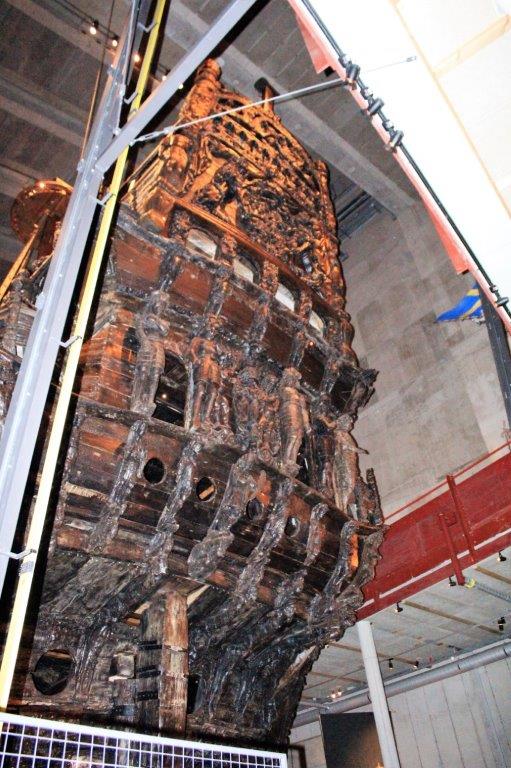
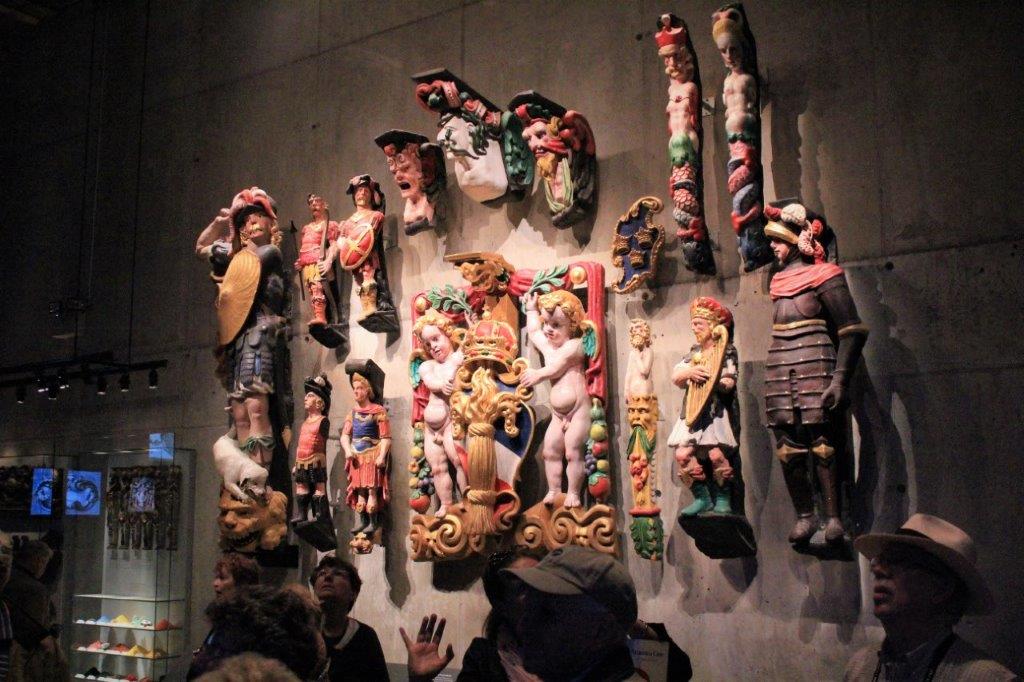
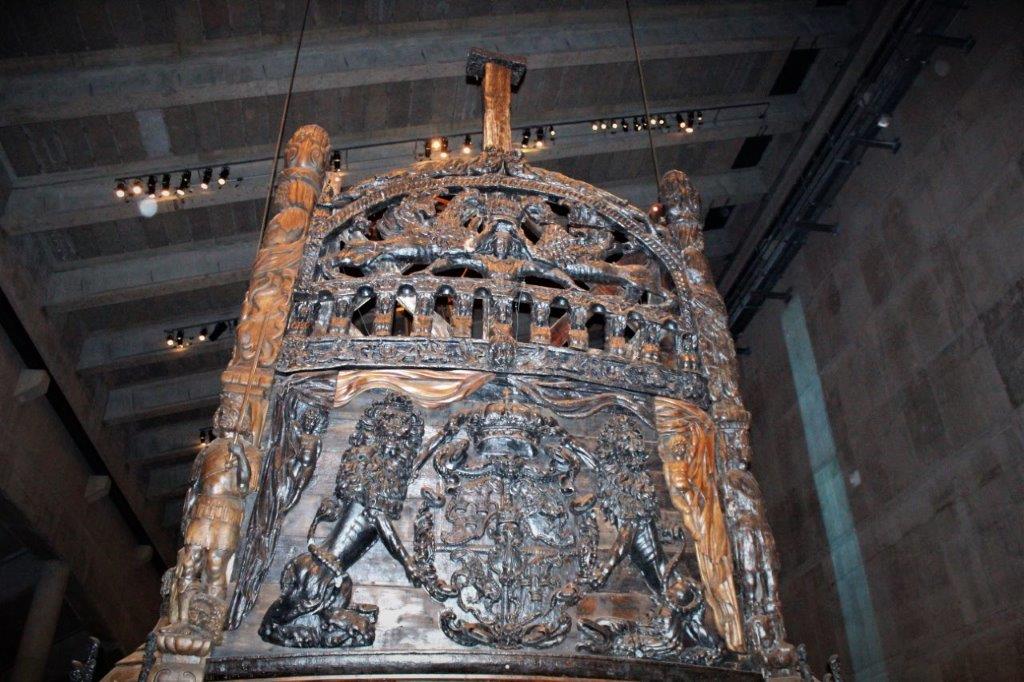
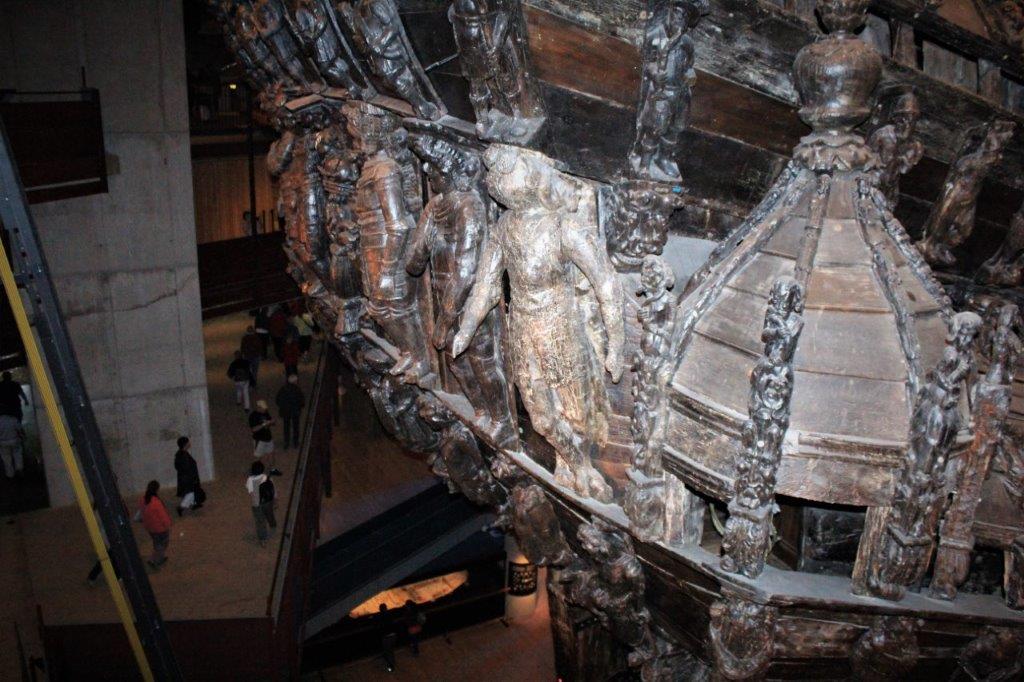
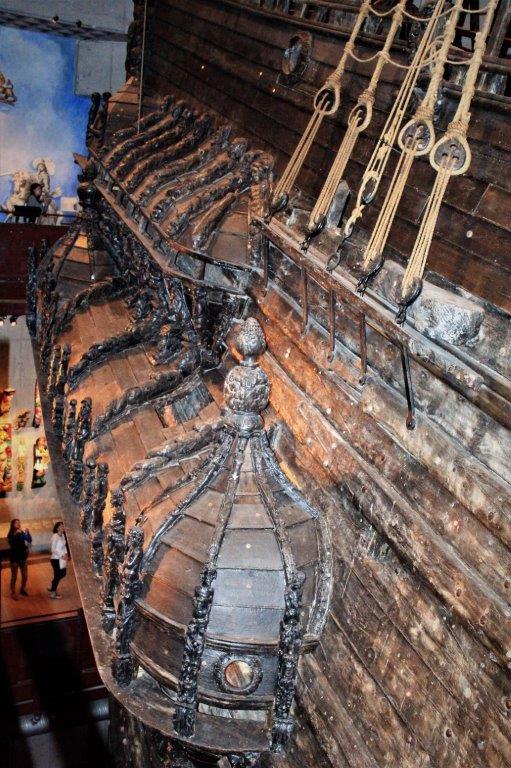
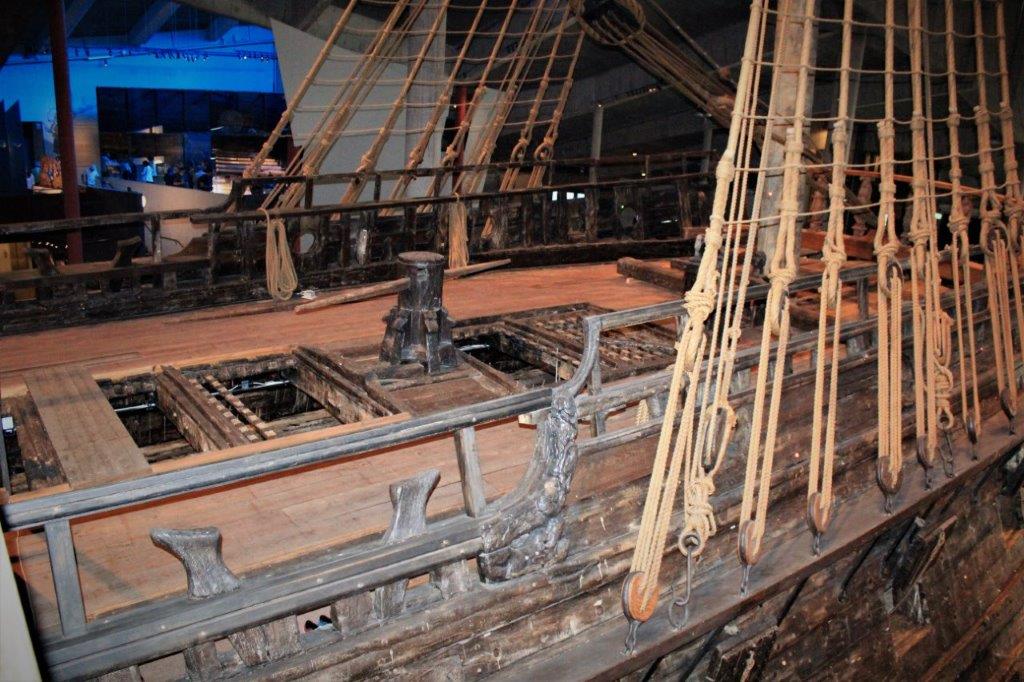
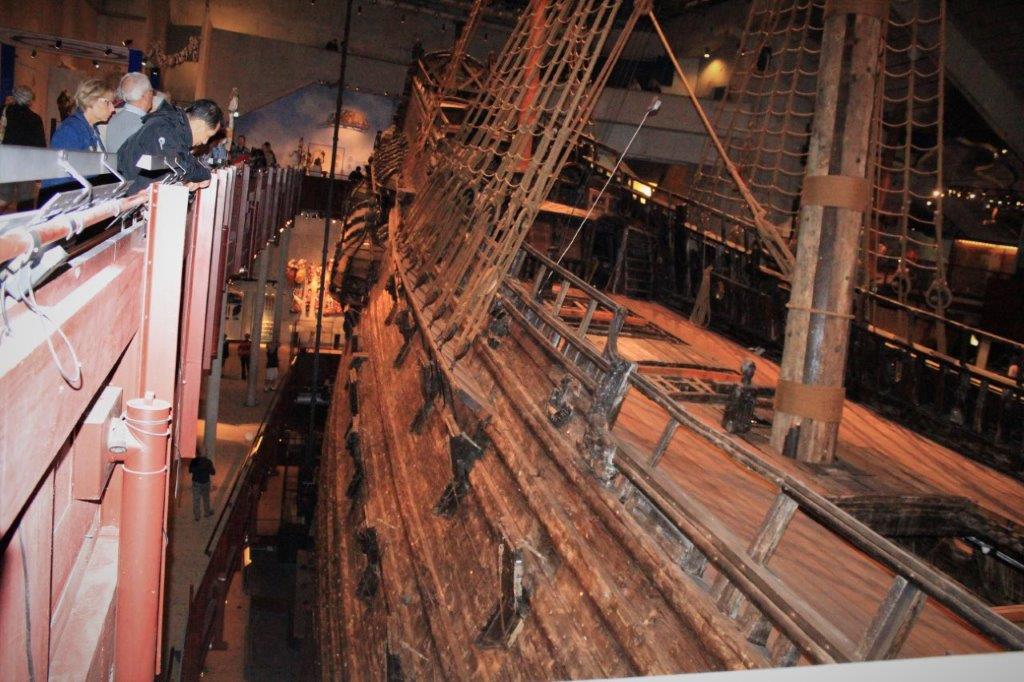
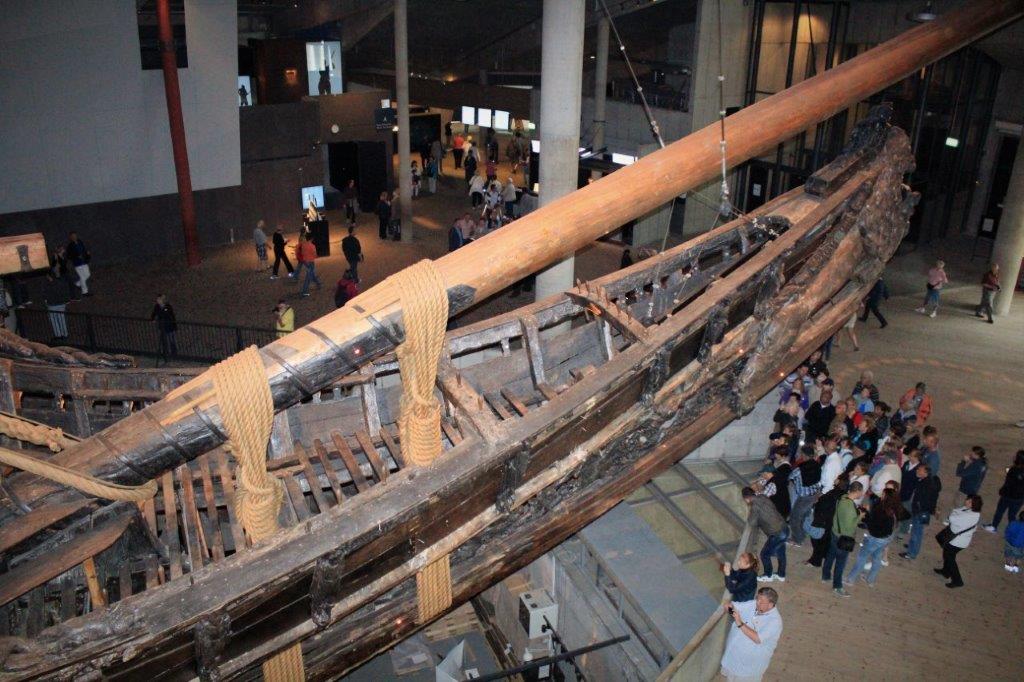
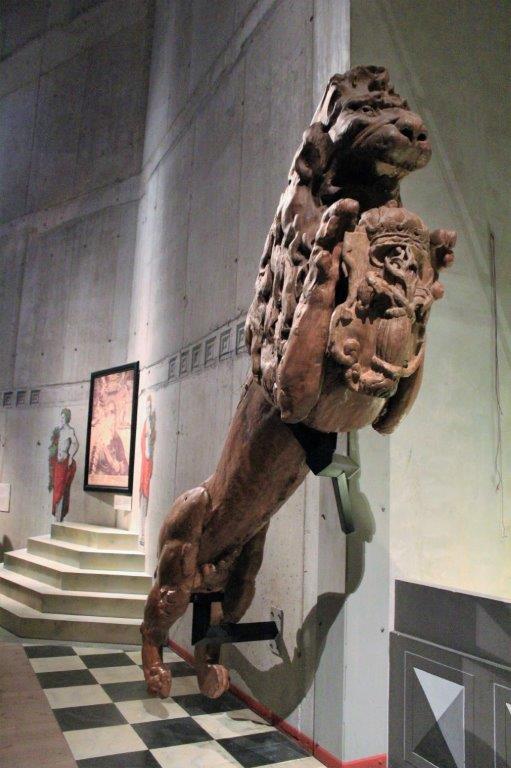
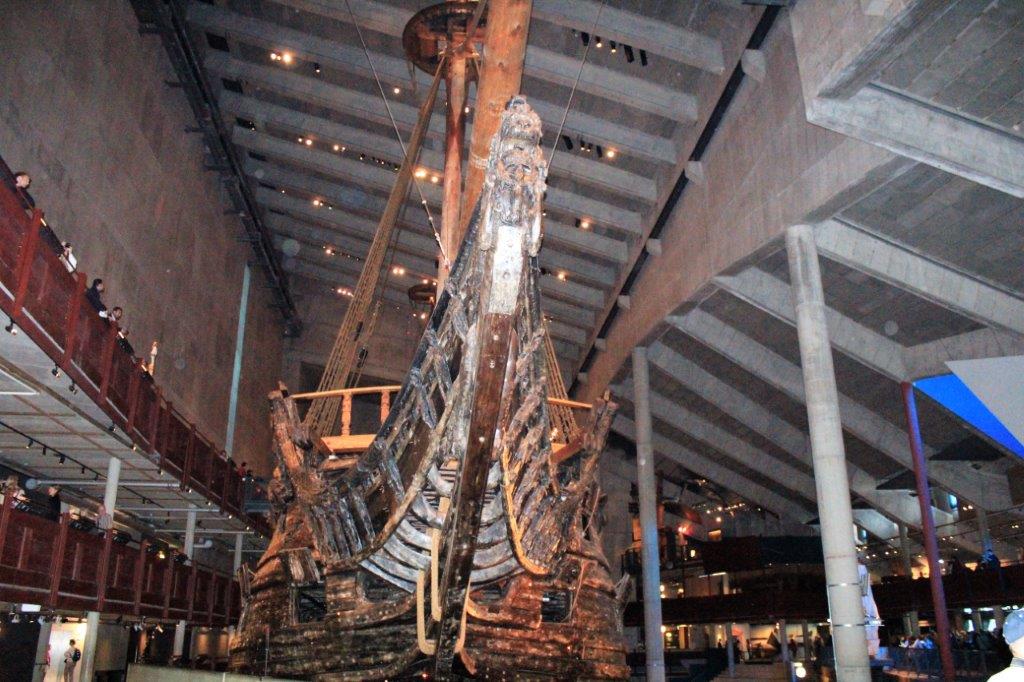
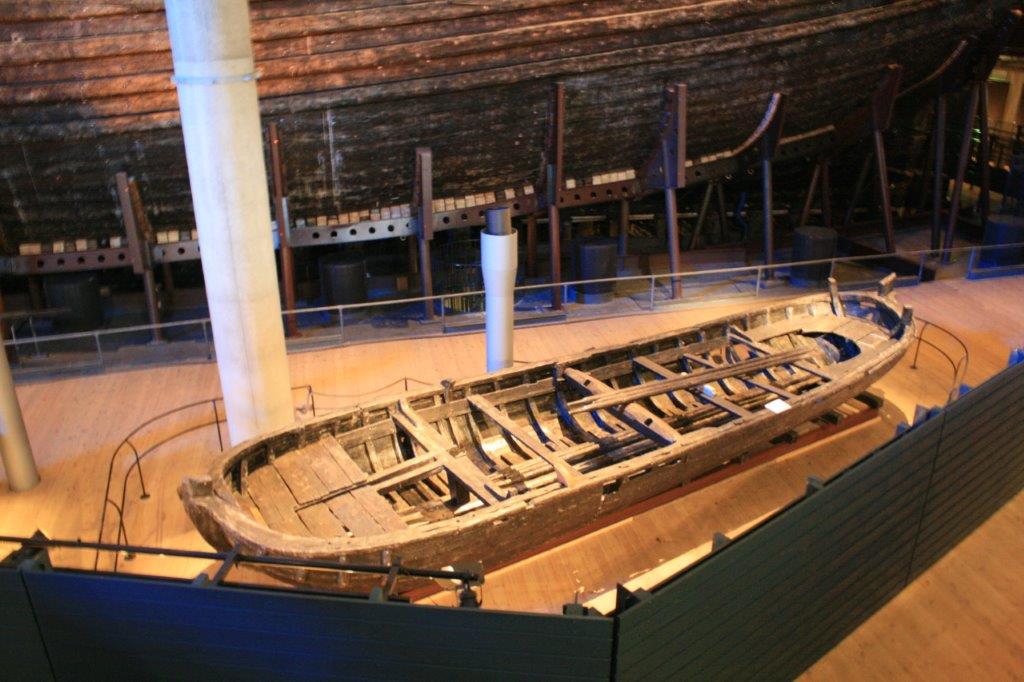
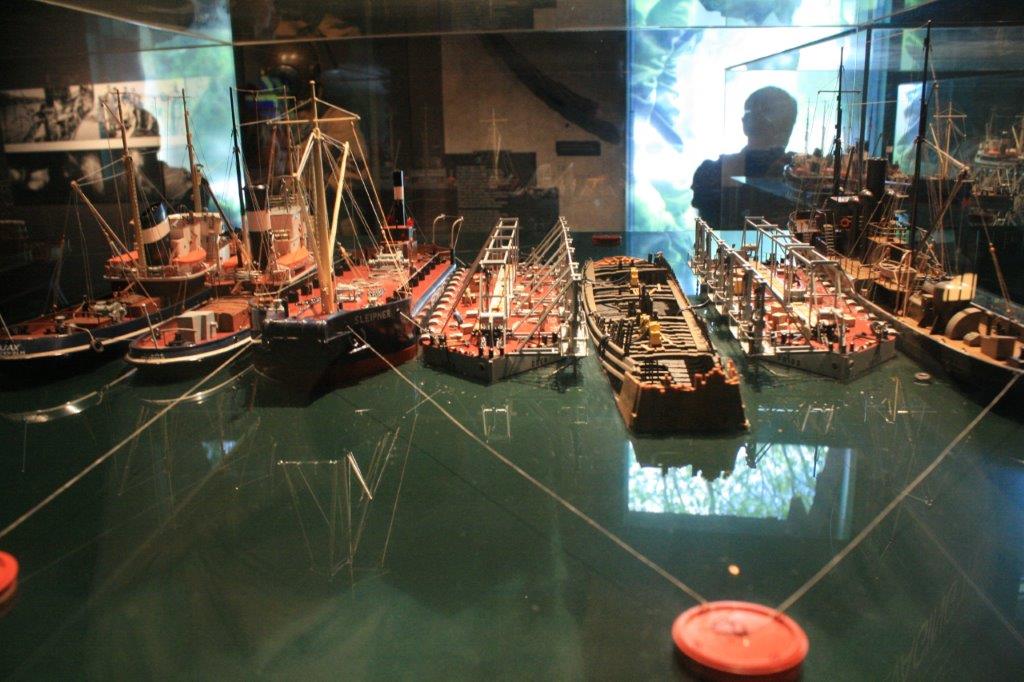
The light during the early morning sail-in to Stockholm was just glorious.  I had a great time standing on the deck taking photos. We had a drive around the city and then were allowed time to stroll the medieval Old Town before we were driven to the island of Djurgården and dropped off at the Vasa Museum.  The Royal Palace is on one side of the huge central square.                  The town of Sigtuna, which dates from 1744.We visited the oldest creamery.  The building definitely has a lean.These ancient stones were located in various parts of the town.St. Mary’s Church is the oldest building in Sigtuna.  The earliest part of the church was built in 1247-48 and the building contains artifacts and religious furnishings dating back 700 years.  A restoration undertaken between 1966 and 1971 turned the medieval church into a building suitable for contemporary needs.All of the pew rows had different carved symbols on the aisle end.The 64-gun Vasa was the pride of the Swedish navy when it was built in 1628.  Unfortunately some major design flaws (it was top-heavy with too much weight on the upper structure, a lot of which was tons of ornate carving on the stern) caused the ship to capsize in the harbour 1300′ into her maiden voyage.  The ship was buried in the mud of the cold northern waters and faded into obscurity until it was discovered in the 1950s.  333 years after she sank she was painstakingly raised to the surface almost completely in tact.  A huge museum building was built nearby and the 4-storey ship was towed into it during December of 1987 and the next summer over 20,000 people toured the half-finished building.  Since then about 2,000,000 people have visited the museum.  Vasa is the world’s only preserved 17th century ship. There were cases of models that demonstrated how they ‘floated’ the Vasa to the surface.  It cost the Swedish people practically nothing.  All of the preparatory work, diving and tunnel digging to get ropes under the hull, and rigging to lift it, were done as part of the naval and coastal artillery proficiency training.  The salvage company that did the actual lift did the work at no cost in exchange for being able use the project in their advertising.  Only a few salaries and incidental expenses were born by the government.We really enjoyed our Swedish day.  I have Swedish blood.  My paternal grandparents both emigrated from Sweden to Canada in the early 1900s so it was nice to be in their homeland.


2013 Summer (Baltic and Britain – Helsinki, Finland)

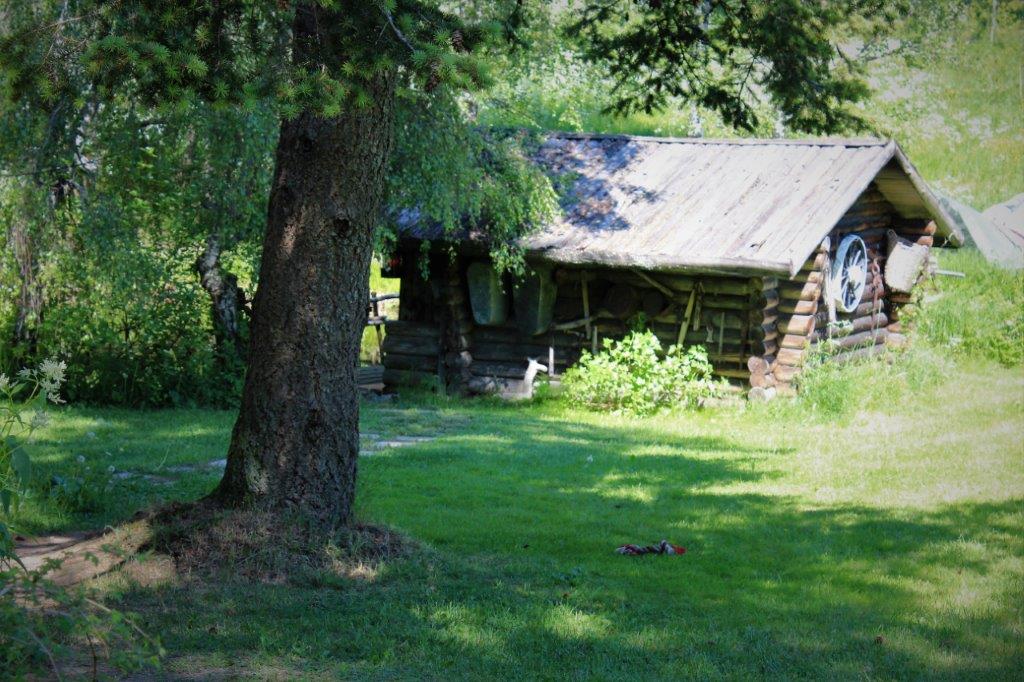
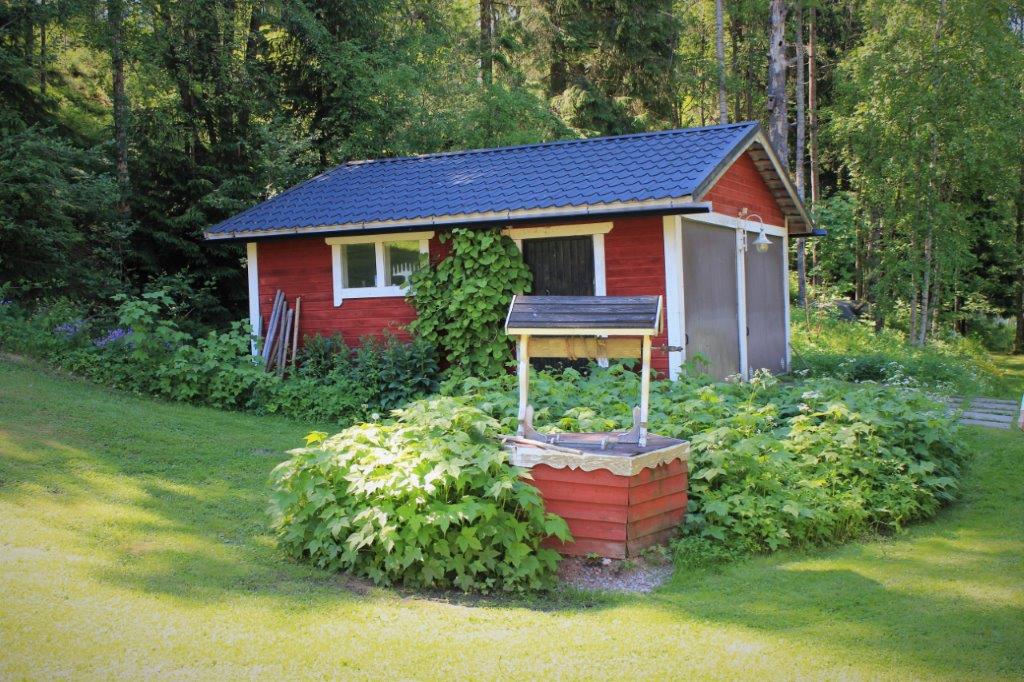
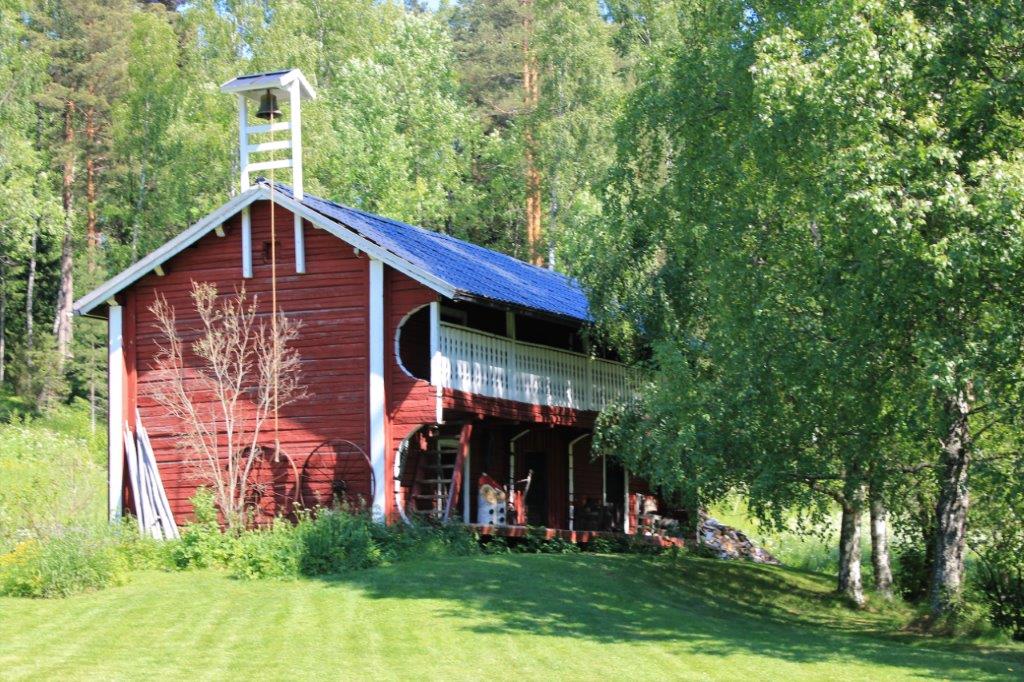
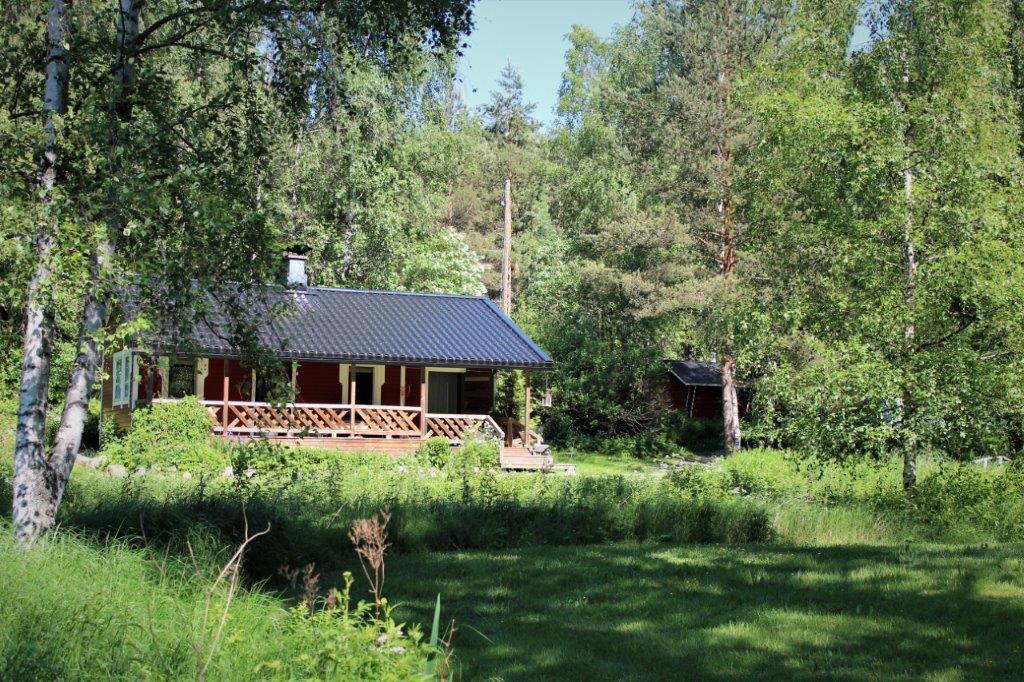
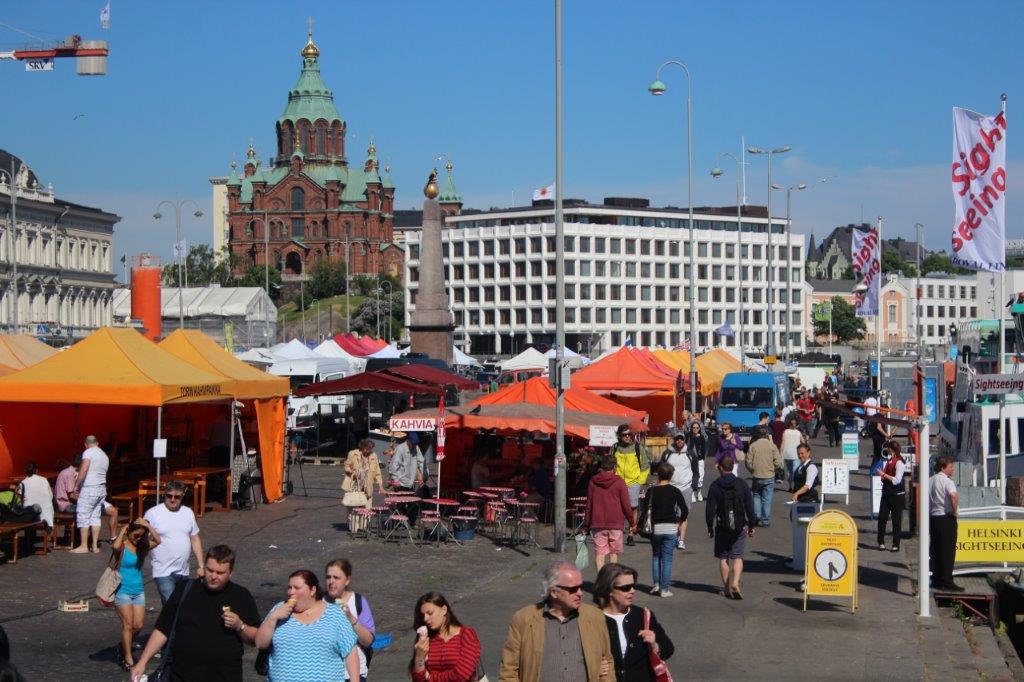
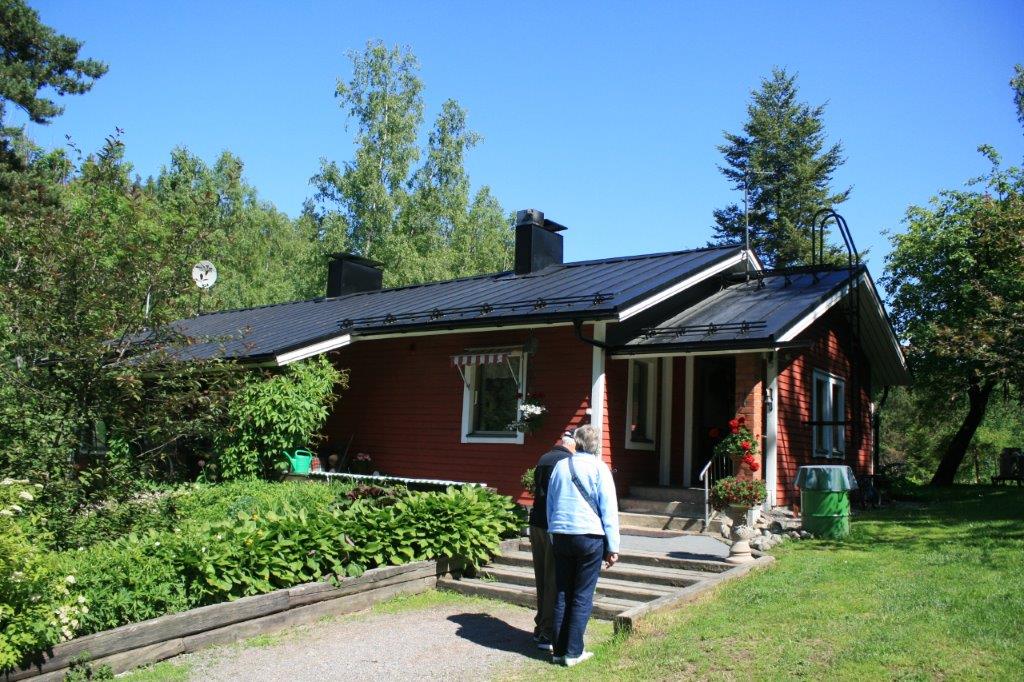
In Finland we did something a little different.  We took a drive into the countryside and visited a Finnish house.  Of course, it is mandatory for the bus driver to first take you on a short tour around the city.

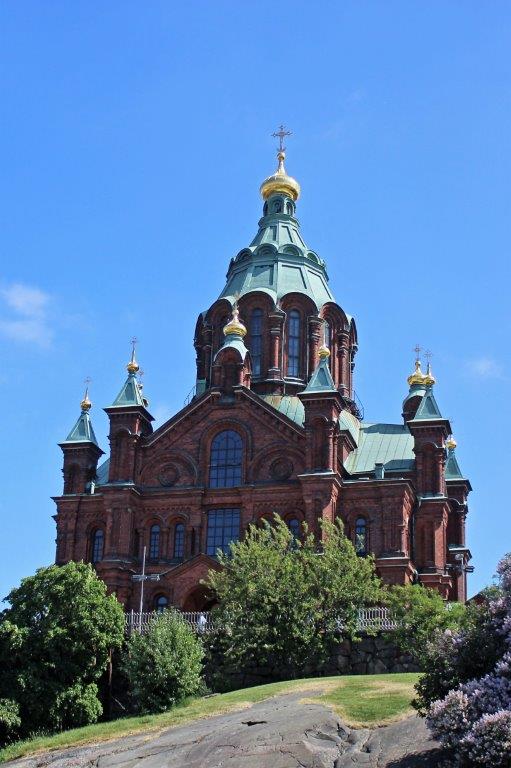
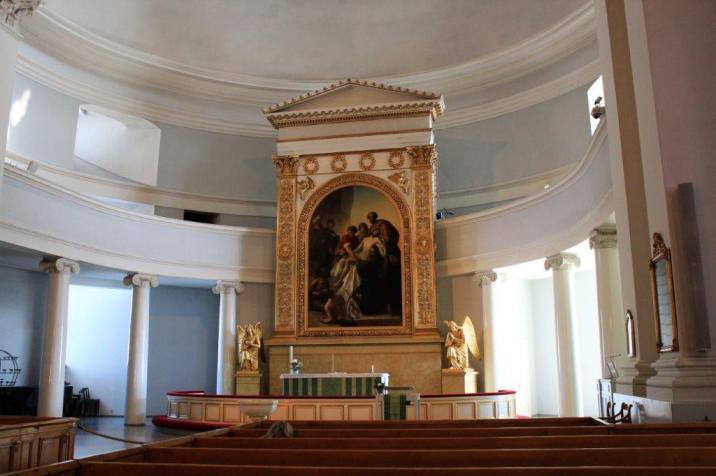
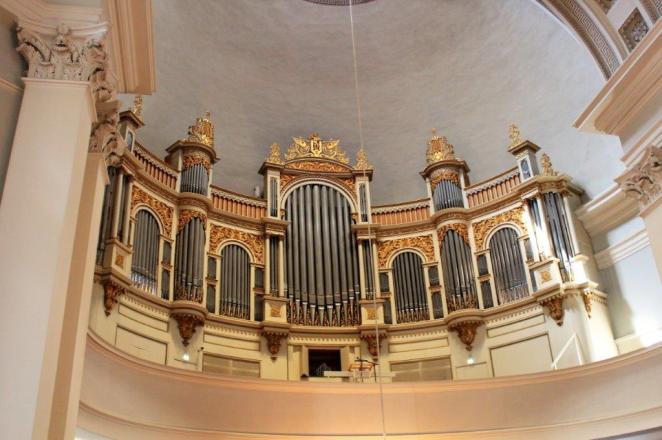
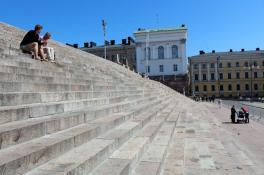
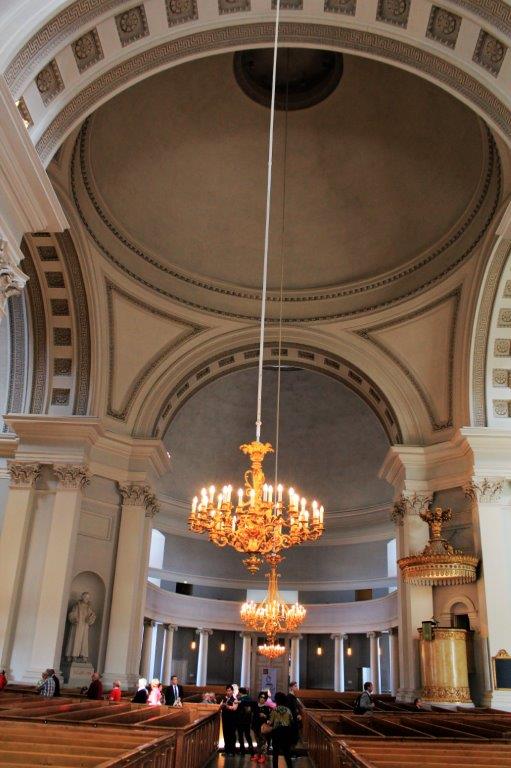
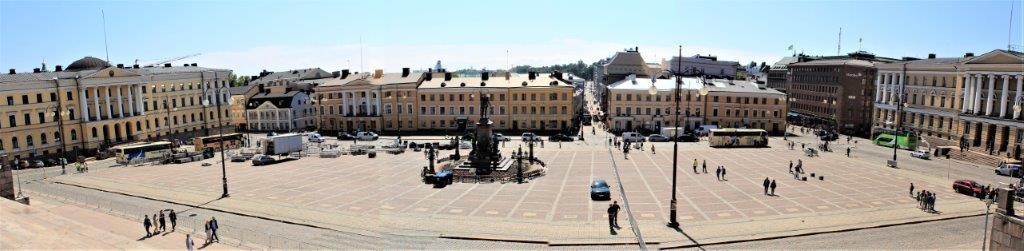
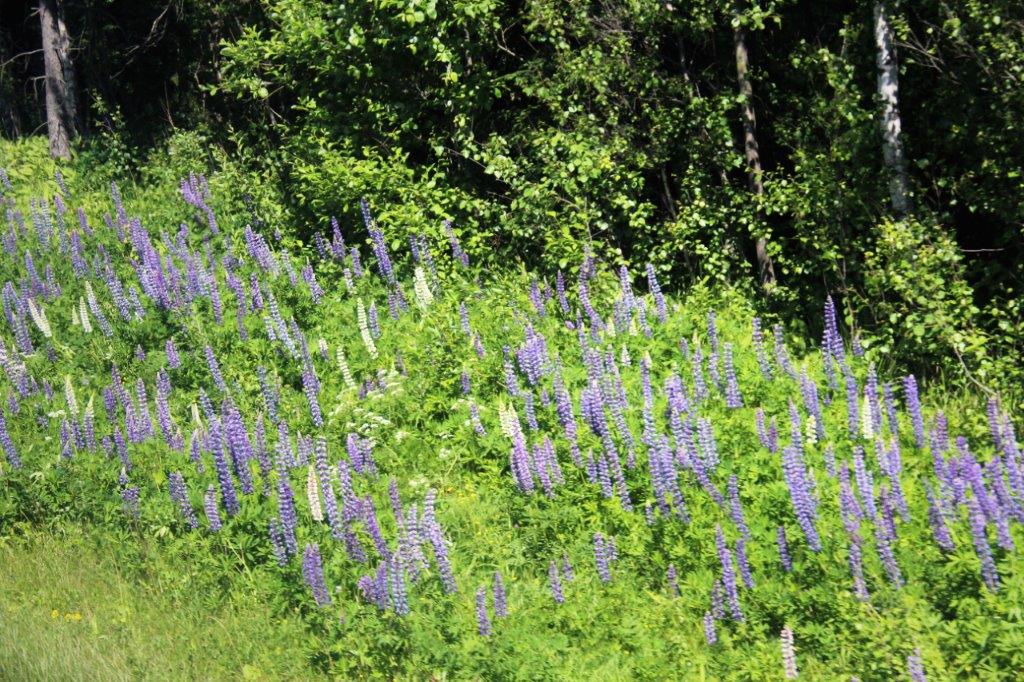
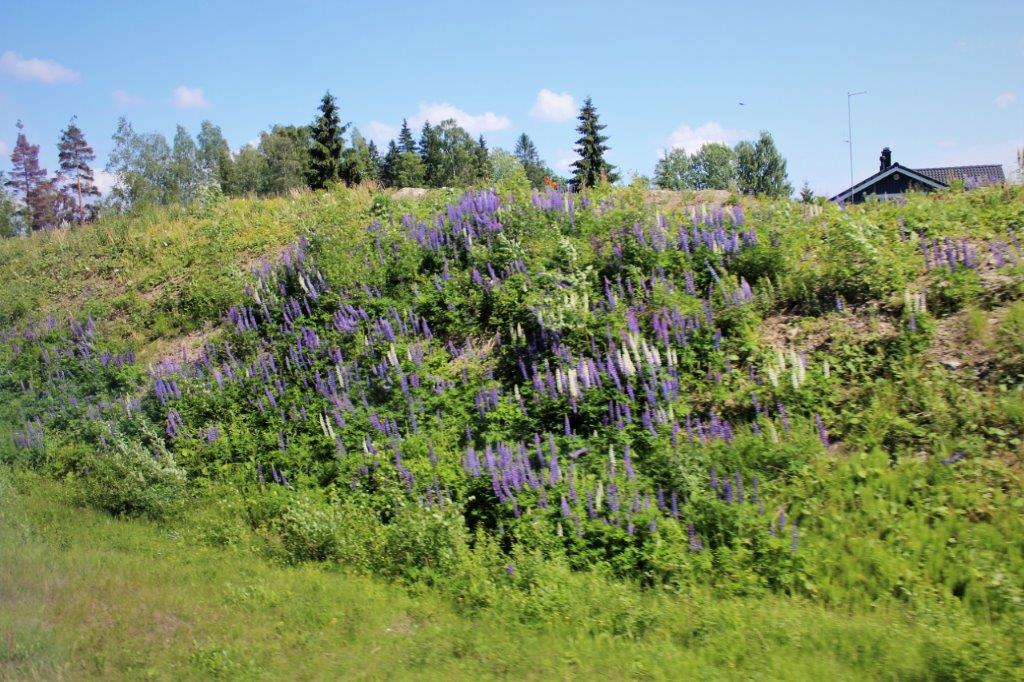
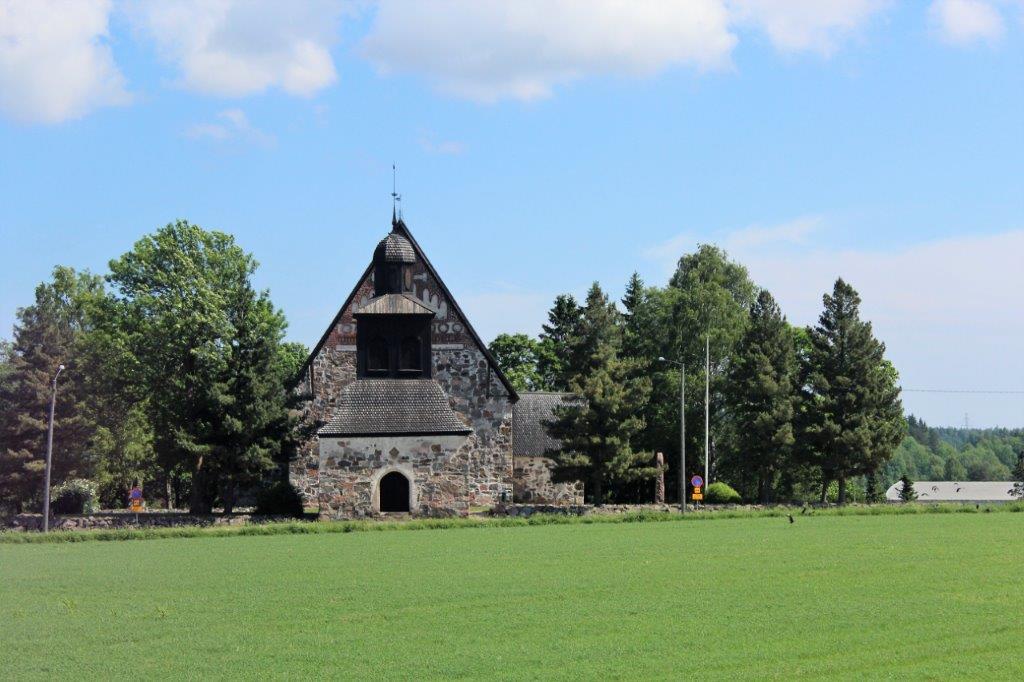
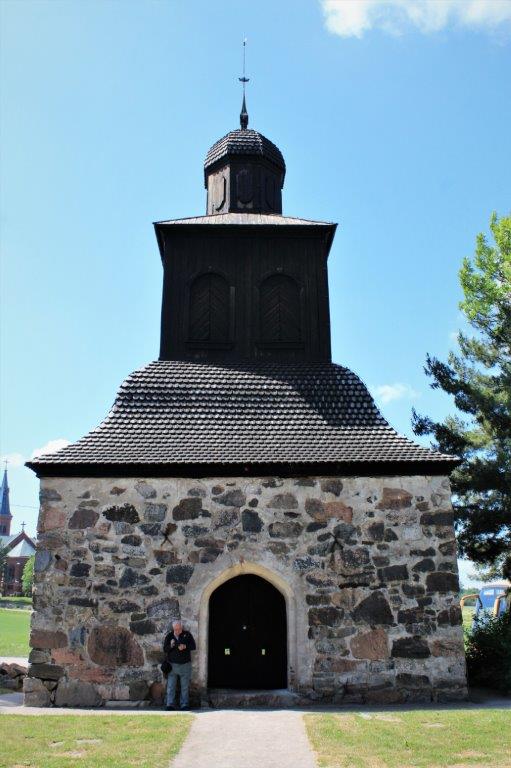
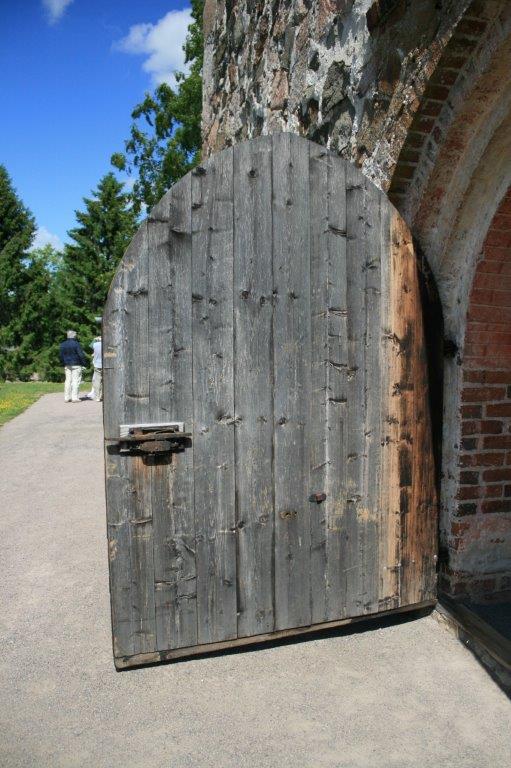
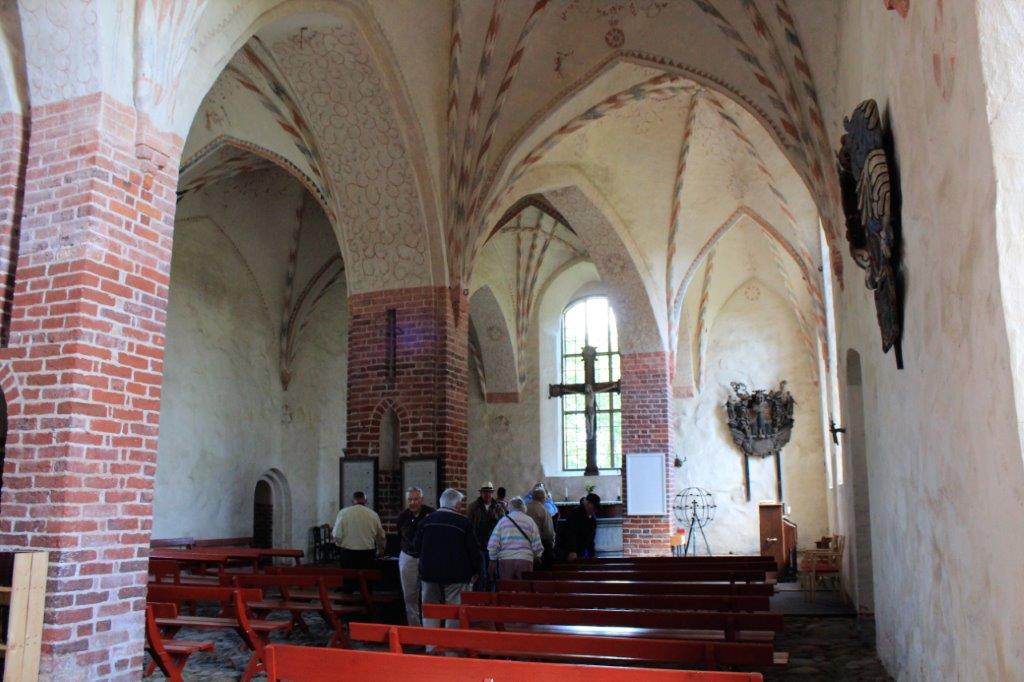
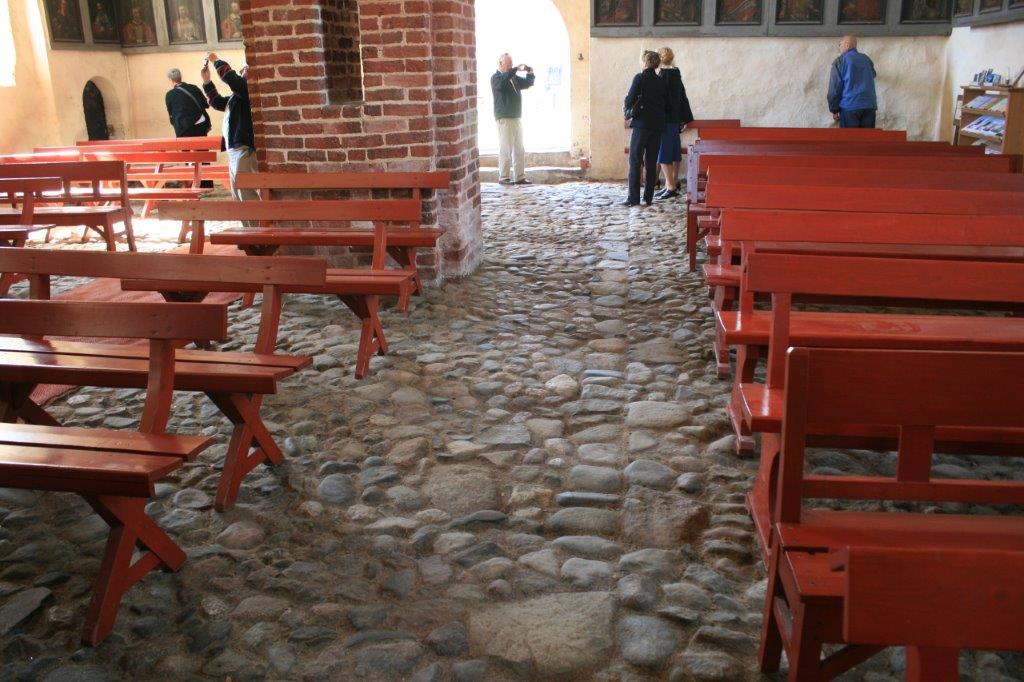
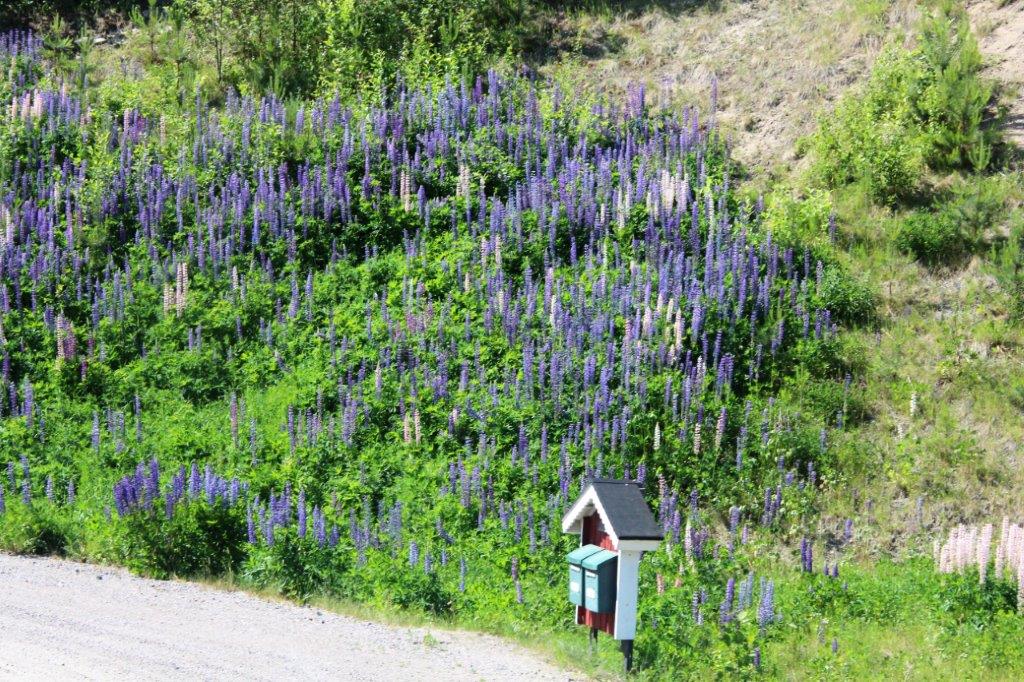
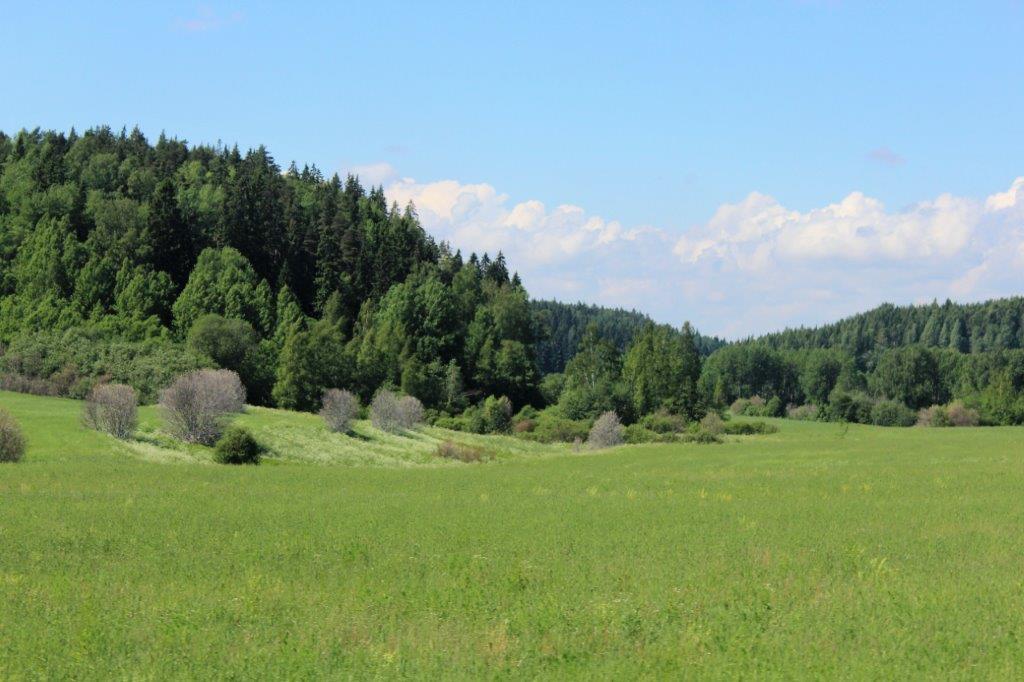
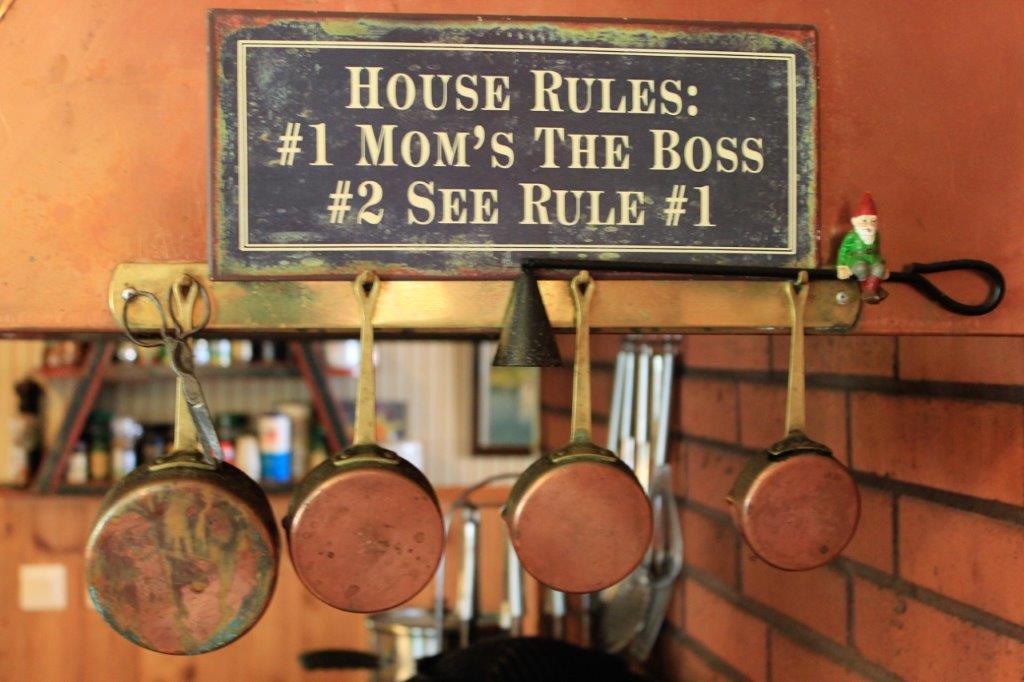
And, what would a tour be without checking out at least one church?          This one is the Helsinki Cathedral.There was a great view of the square from the top of the church steps.                                            This is a great use of space.  It was the 10th of June when we visited Finland and all the lupins and other flowers were blooming.  It was a very pretty country drive. When we arrived in the village of Sipoo we first went to view the very old St. Sigrid’s church. Lupins, lupins, lupins blooming everywhere.  So very pretty.                  The countryside looked very much like home.Our host and hostess were very friendly and welcoming.                                            I liked the posted rules.

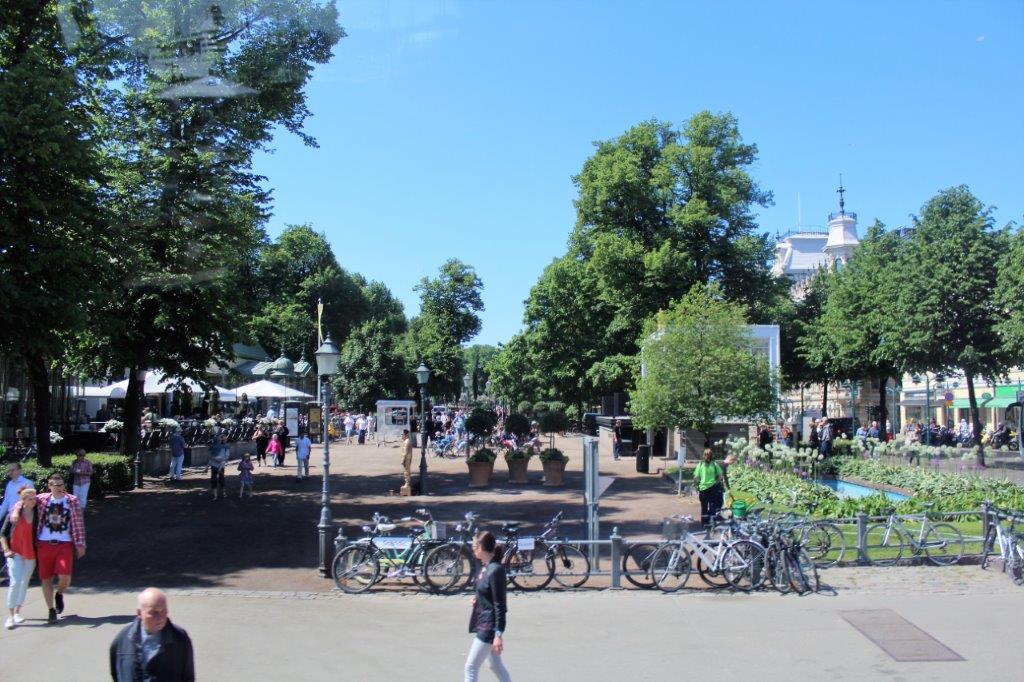
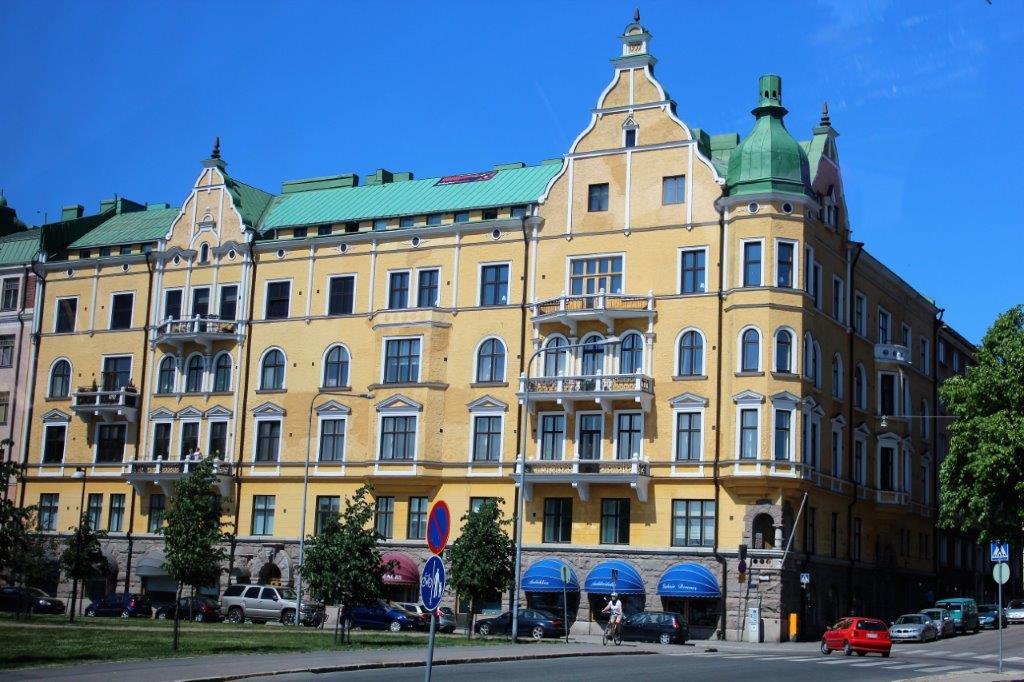
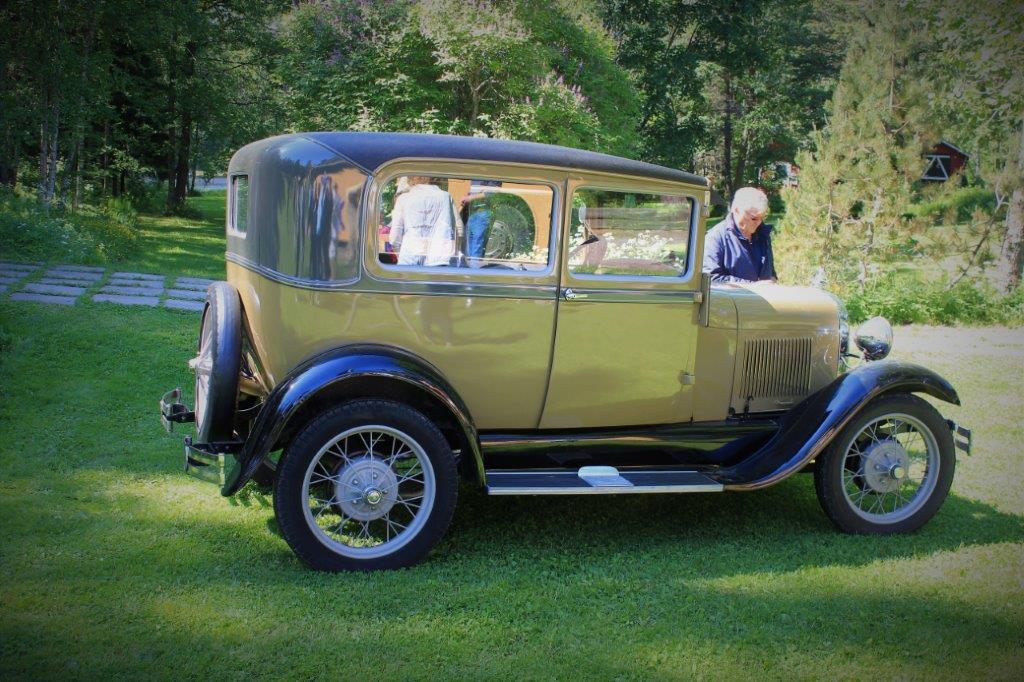
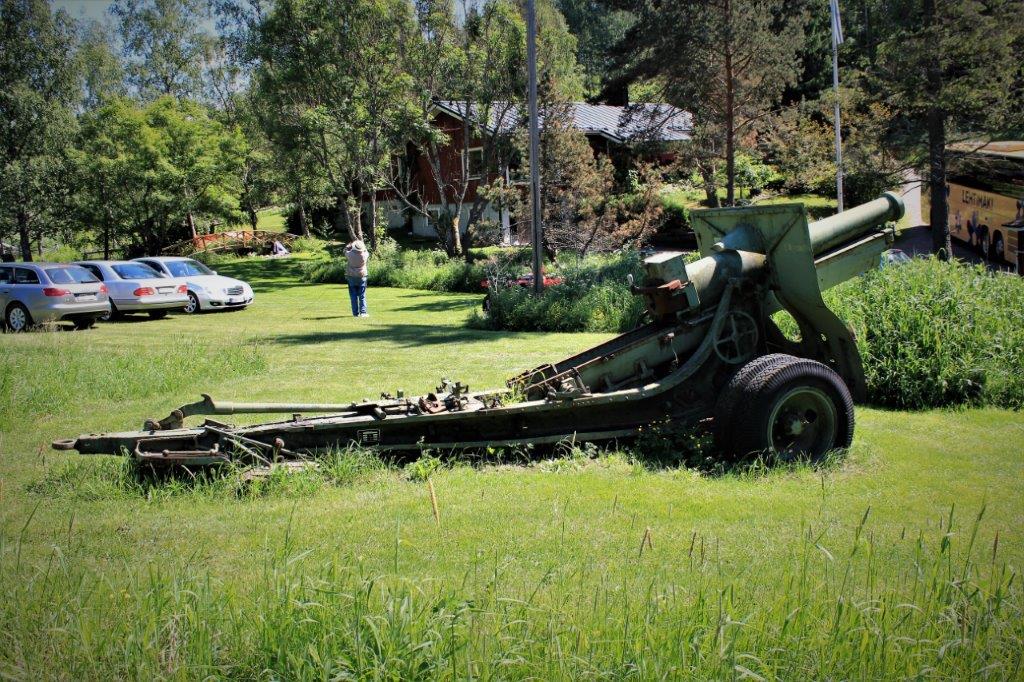
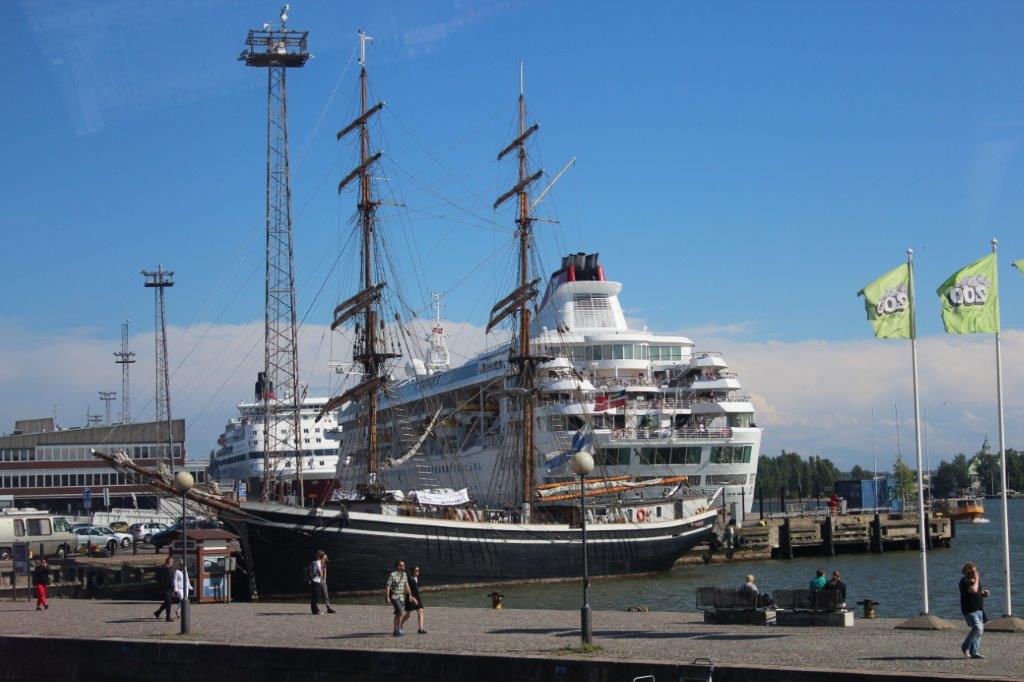
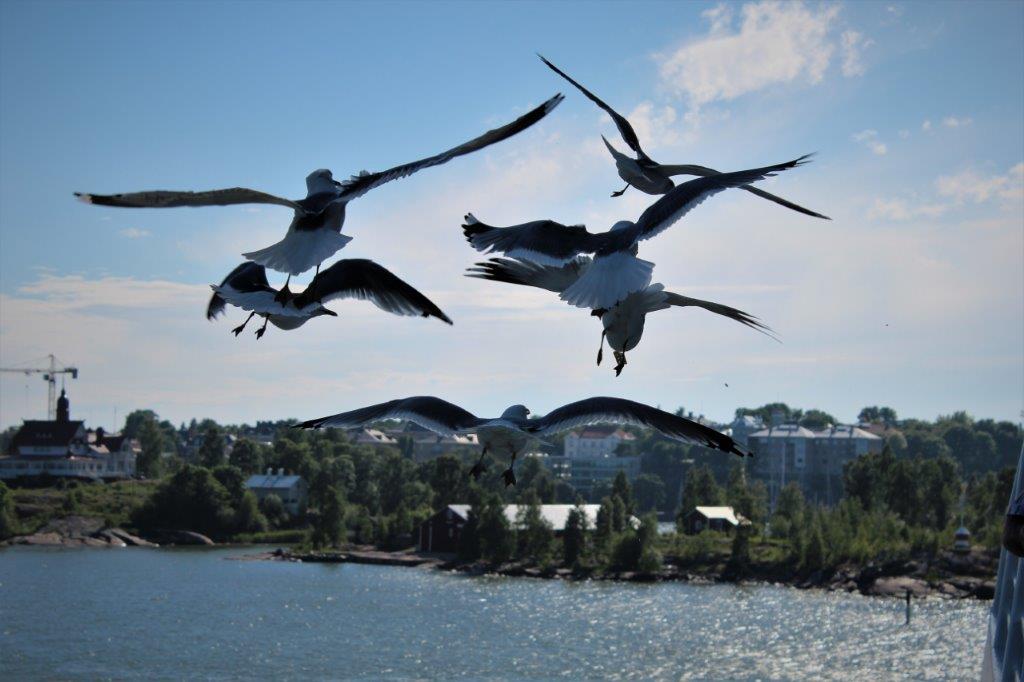
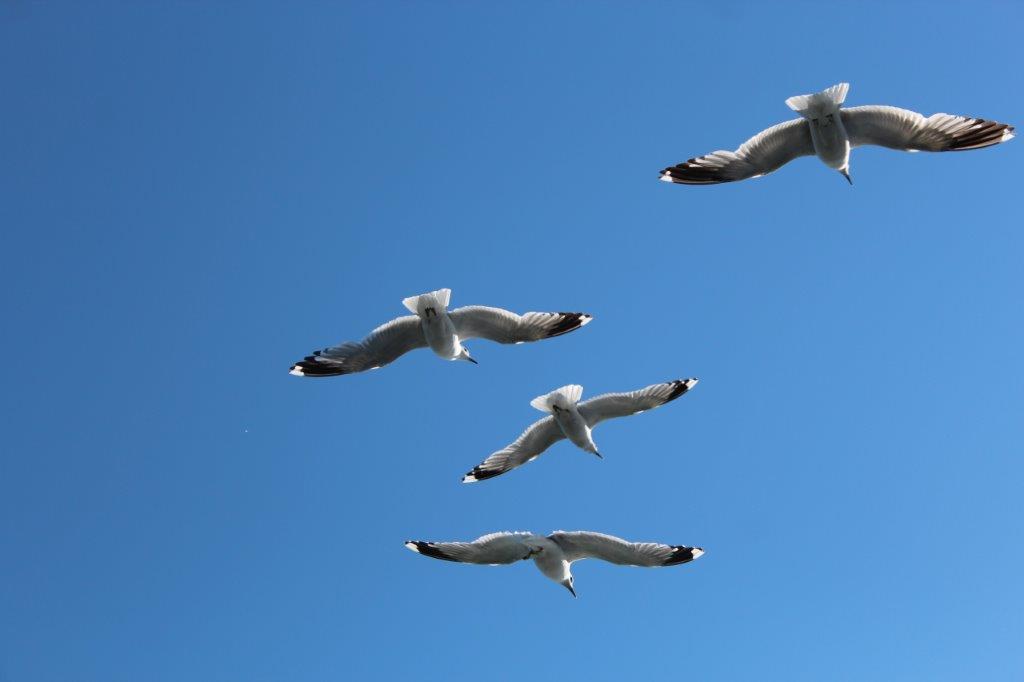
We were given refreshments and had time to relax and wander the property.                         This old car was a popular item to check out.For some reason which even our hostess could not figure out her husband decided it was necessary to buy an old rocket launcher.   Not your usual garden ornament.They even had their own small lake.  It really was a lovely spot.Back in Helsinki we wandered around the waterfront for awhile before the ship set sail again.The flight patterns of gulls can be quite comical.  It’s a wonder they don’t collide all the time.  Not my favourite bird by a long shot, but….they can look pretty against a nice blue sky.
2013 Summer (Baltic and Britain – St. Petersburg, Russia – Day 2 – Part 2)

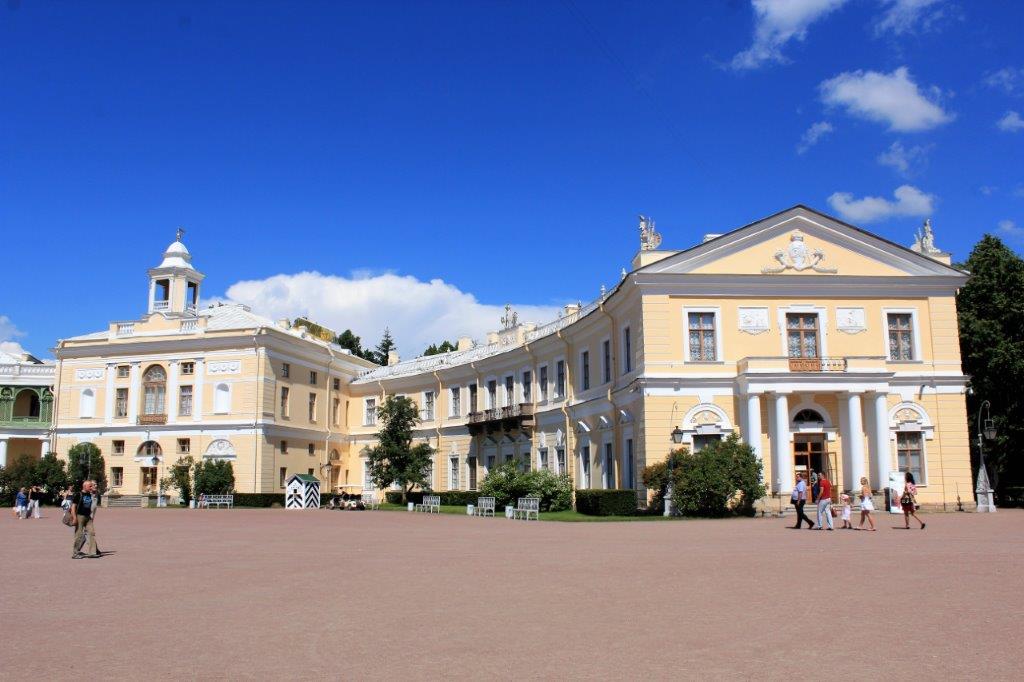
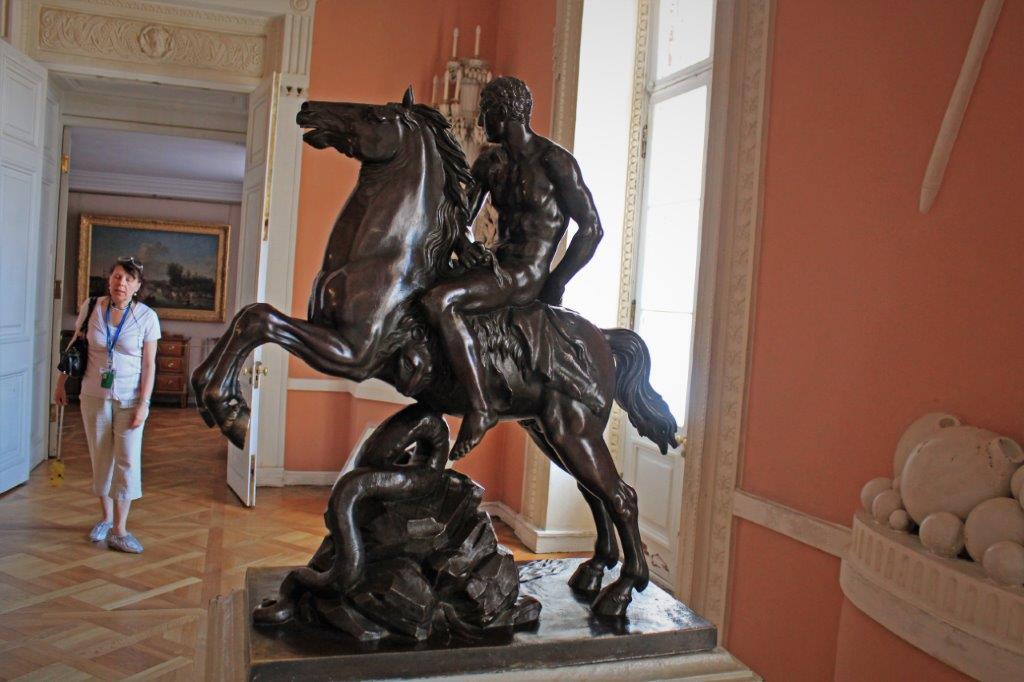
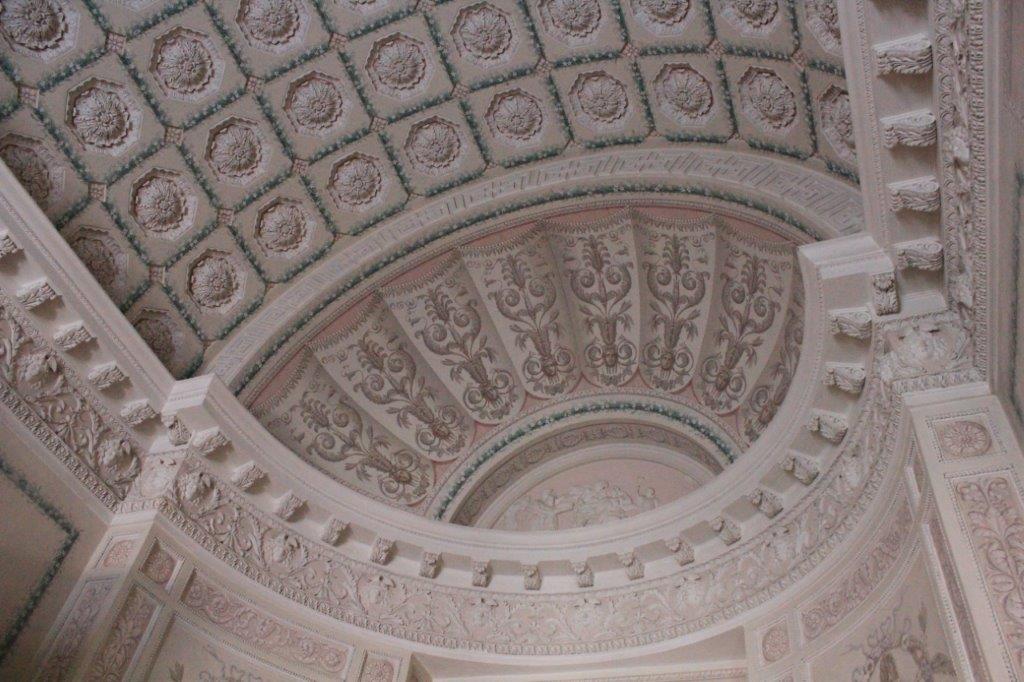
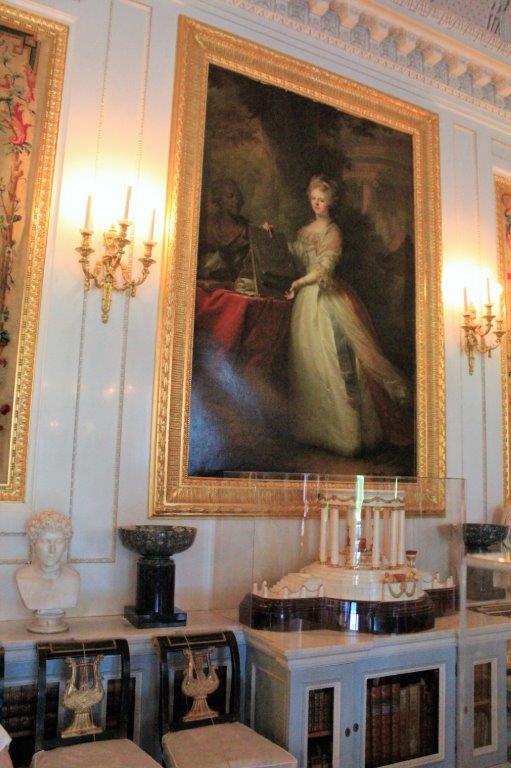
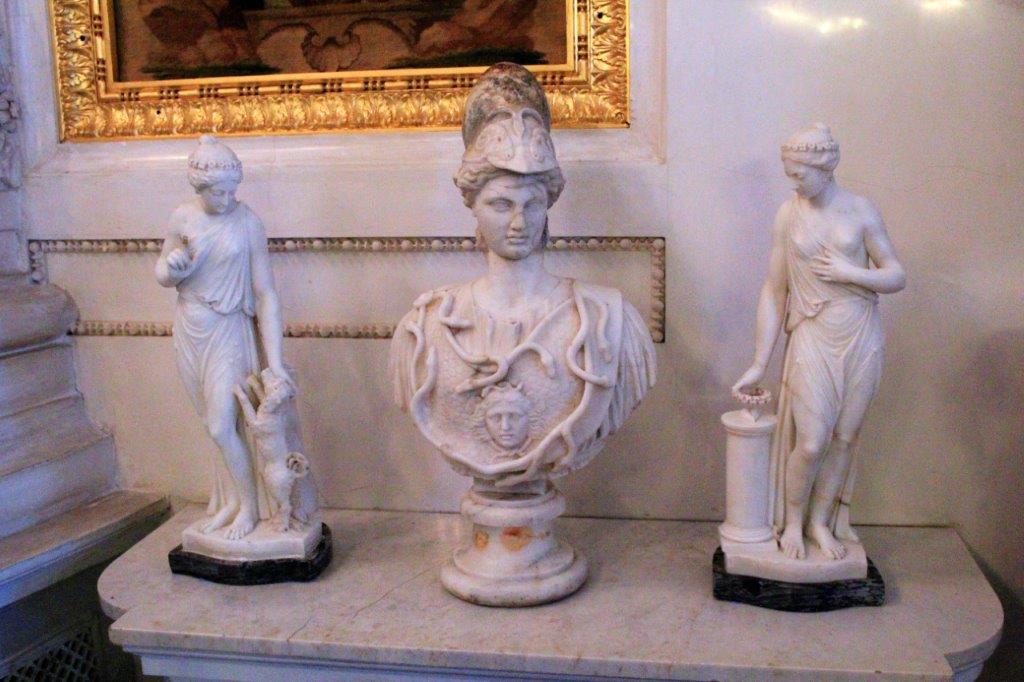
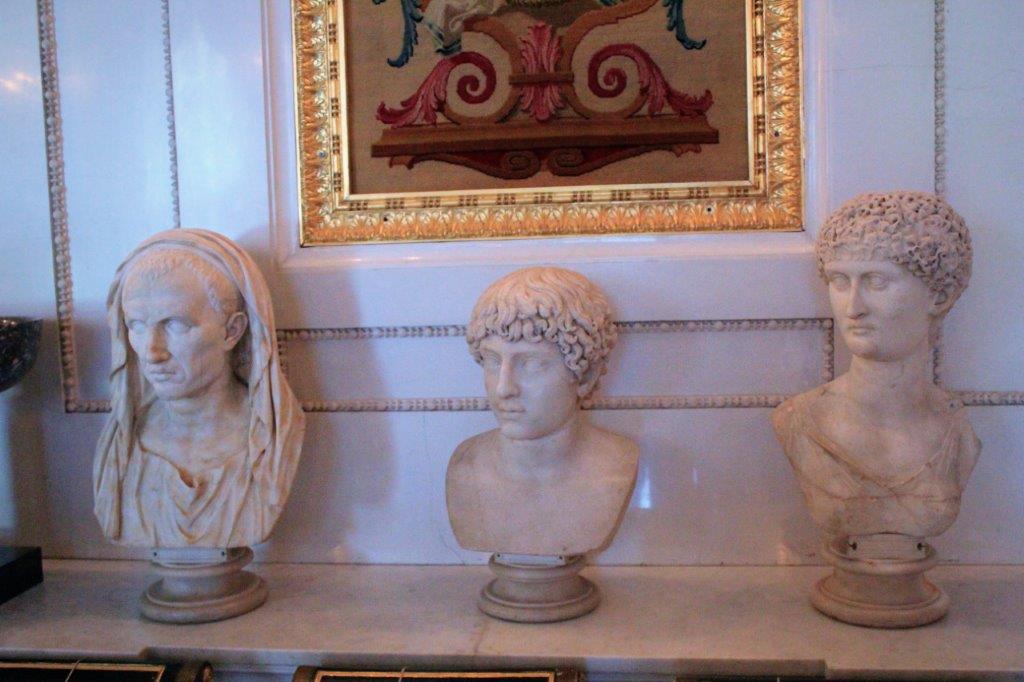
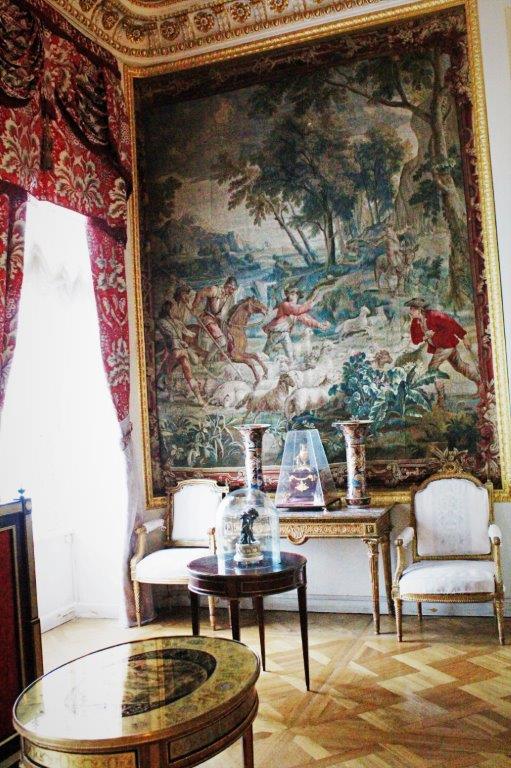
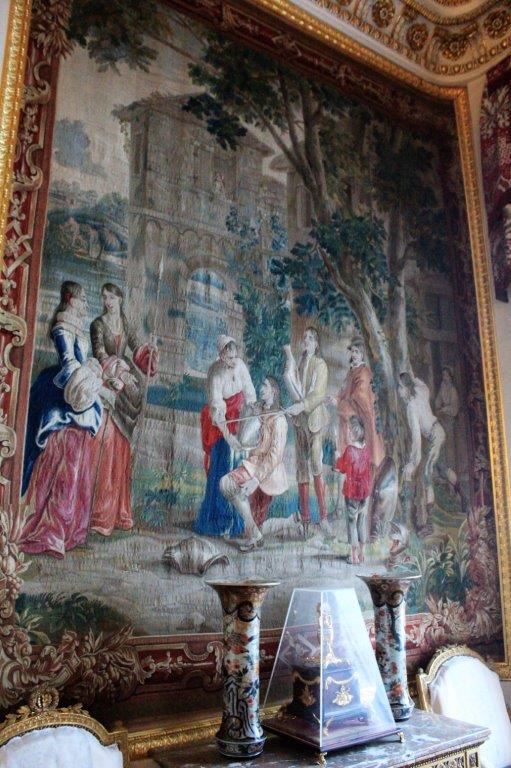
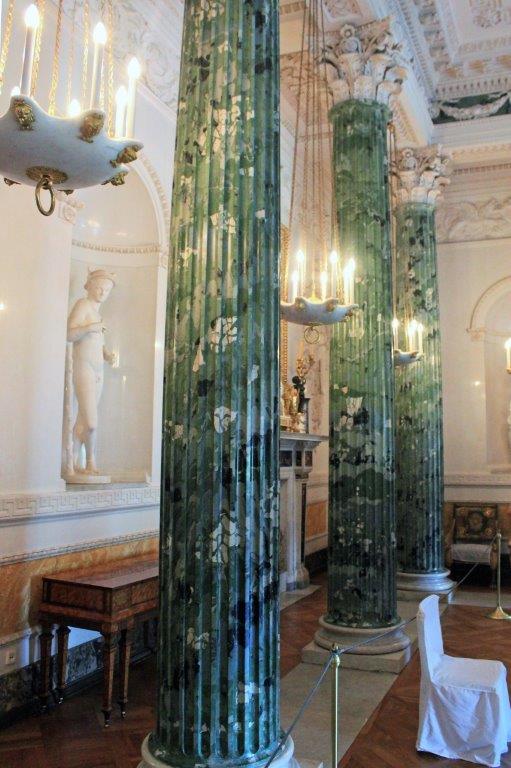
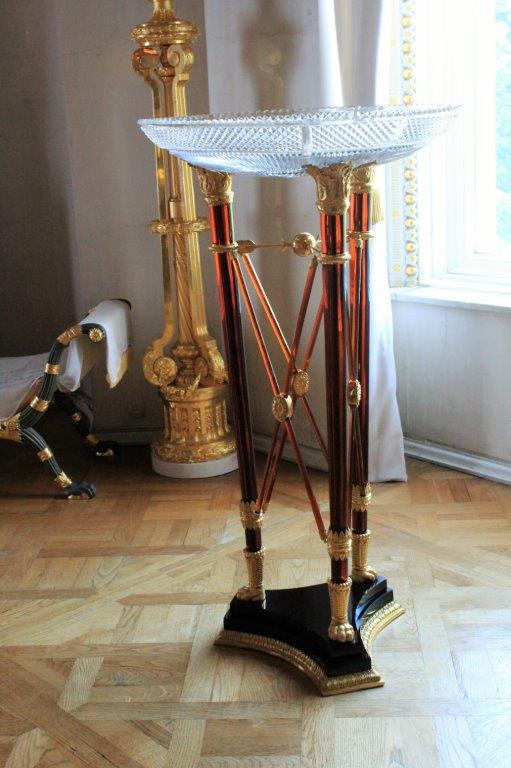
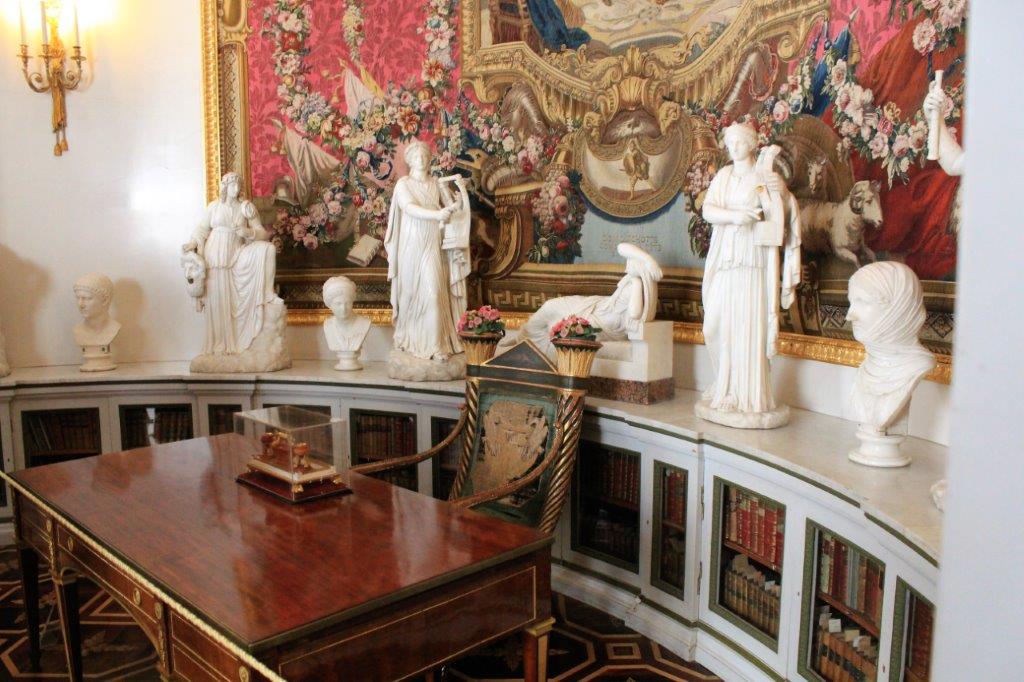
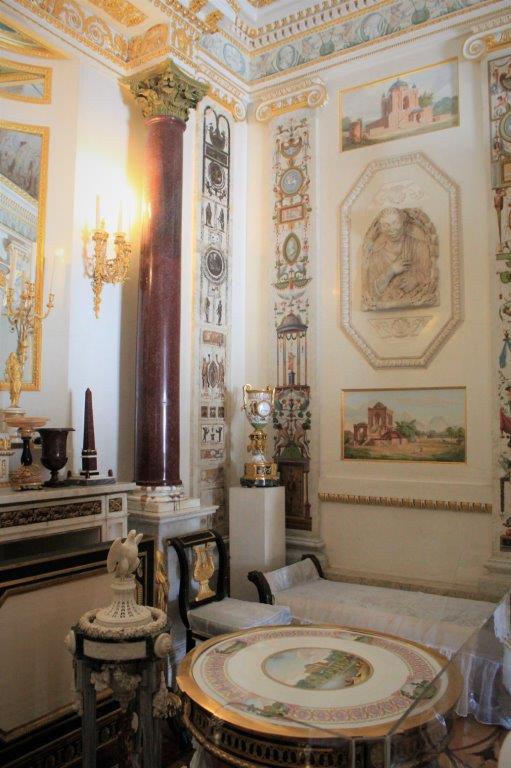
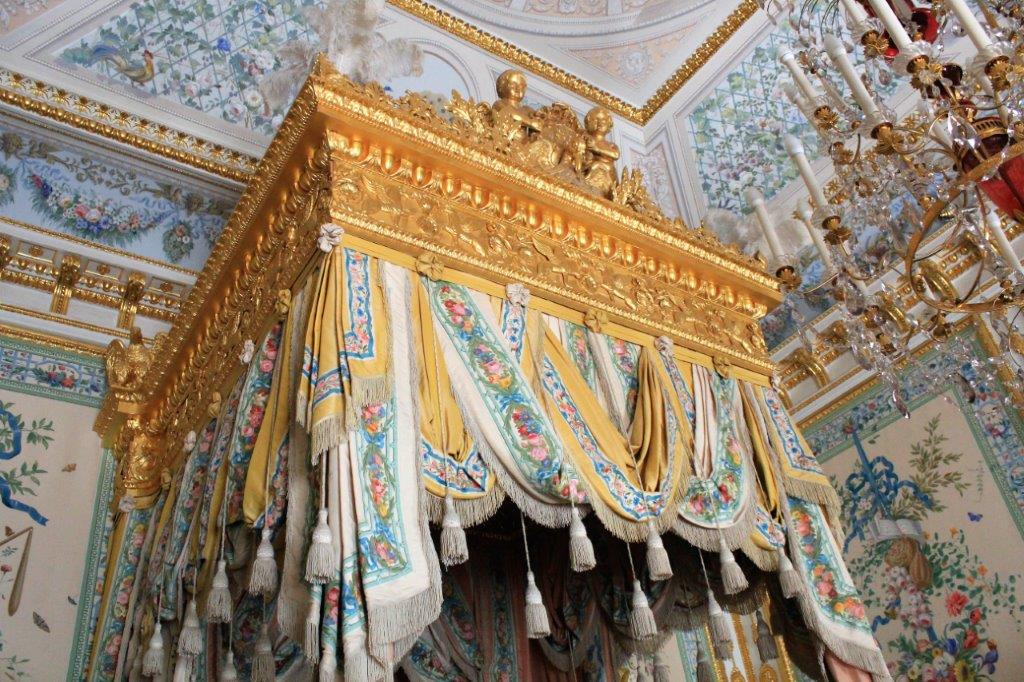
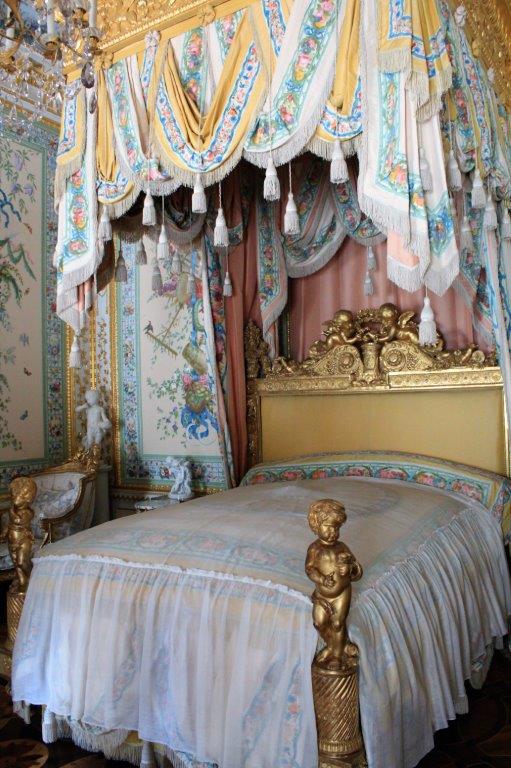
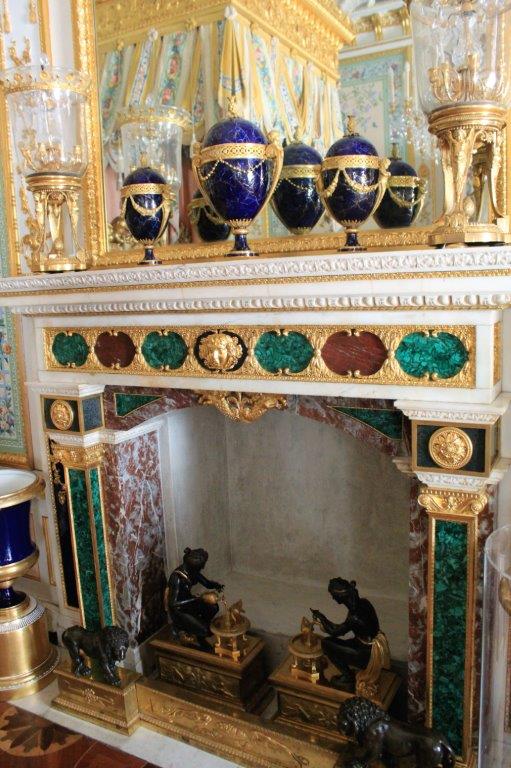
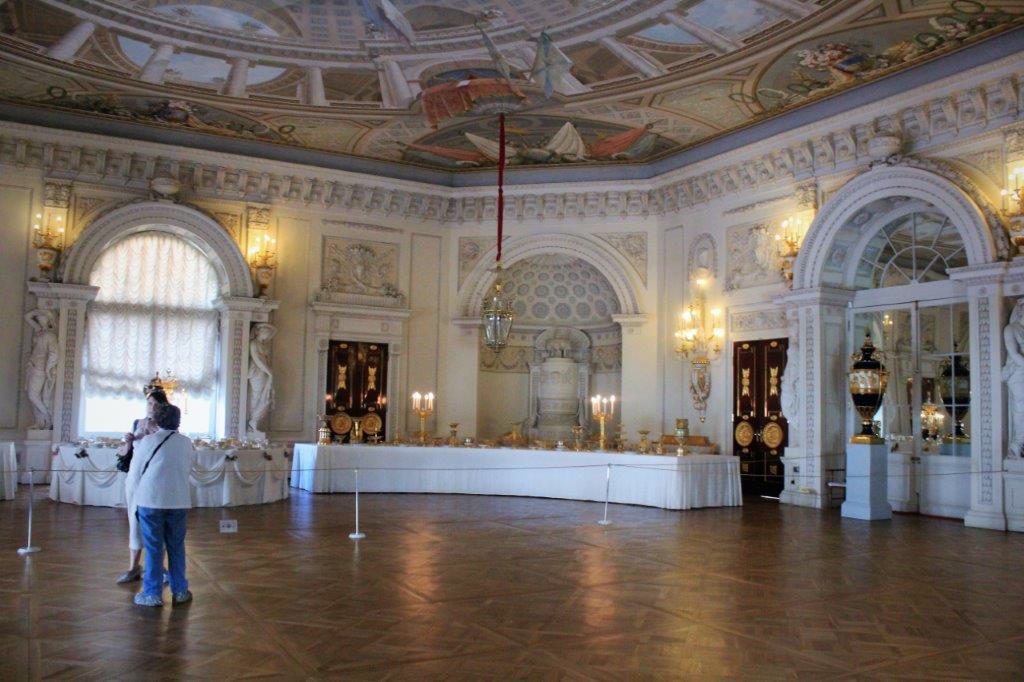
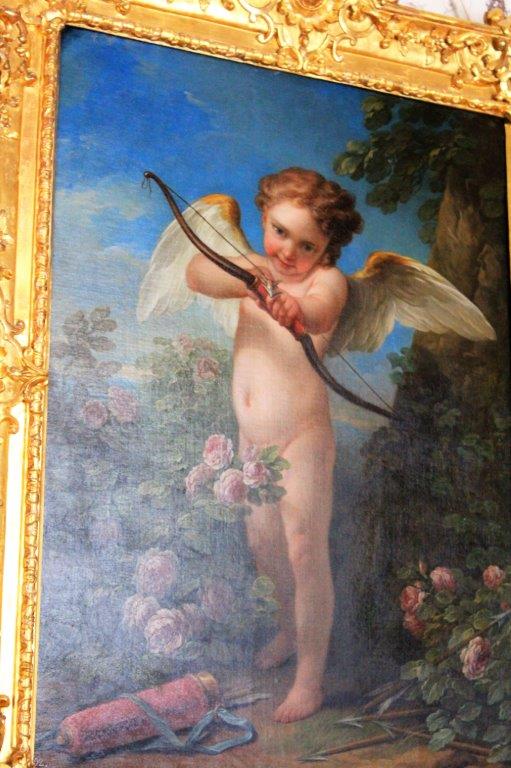
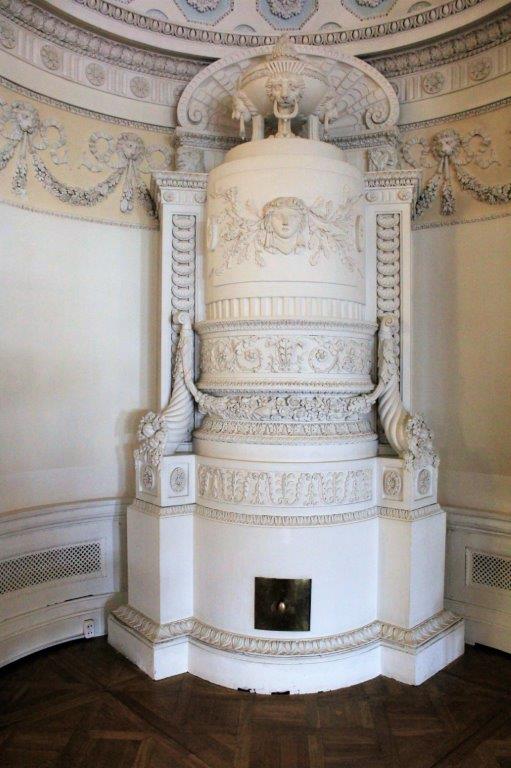
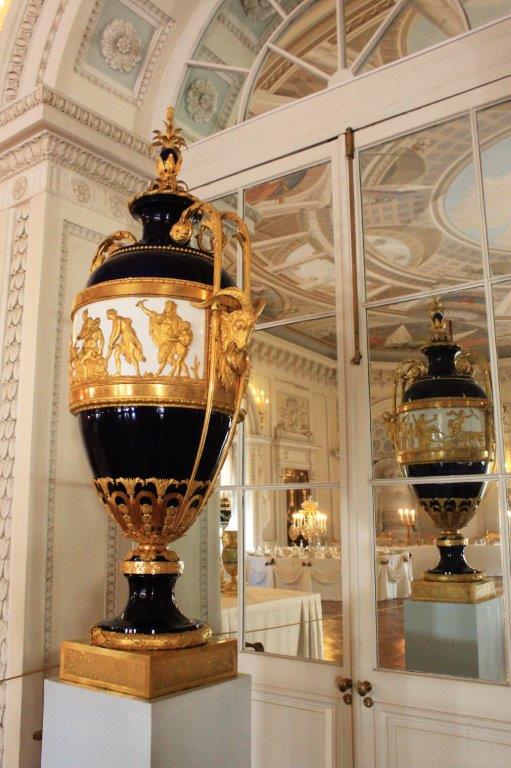
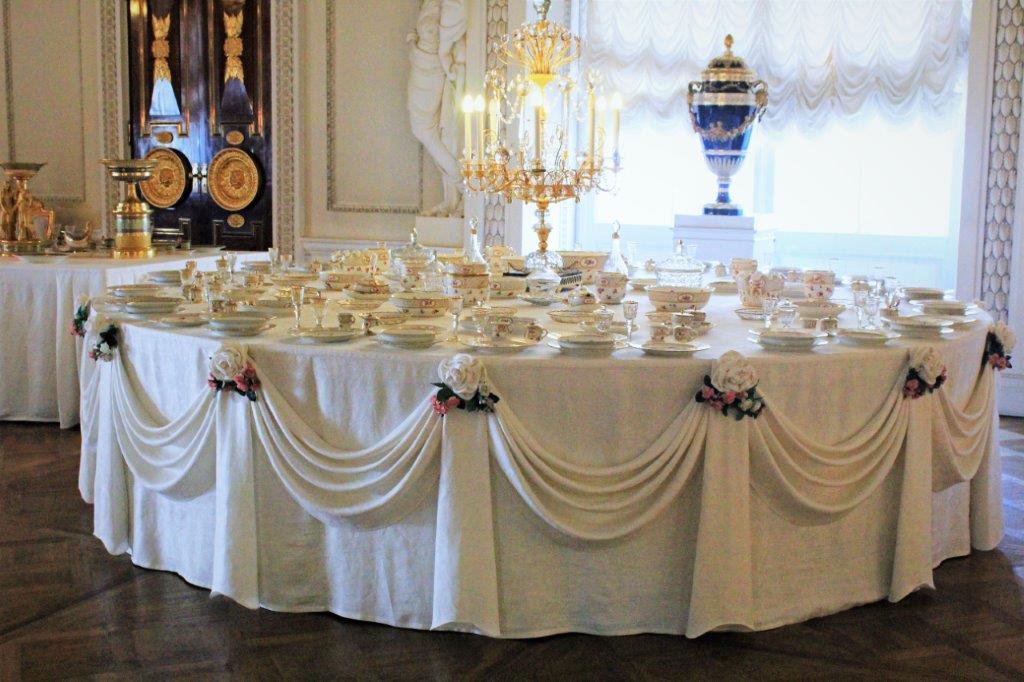
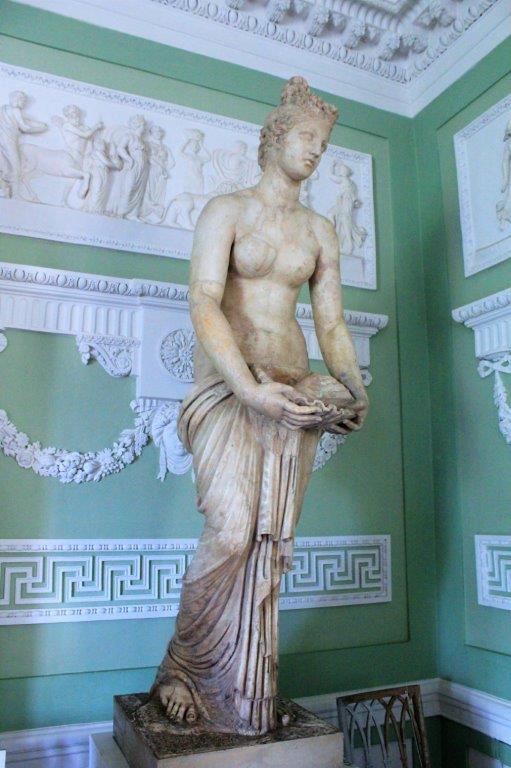
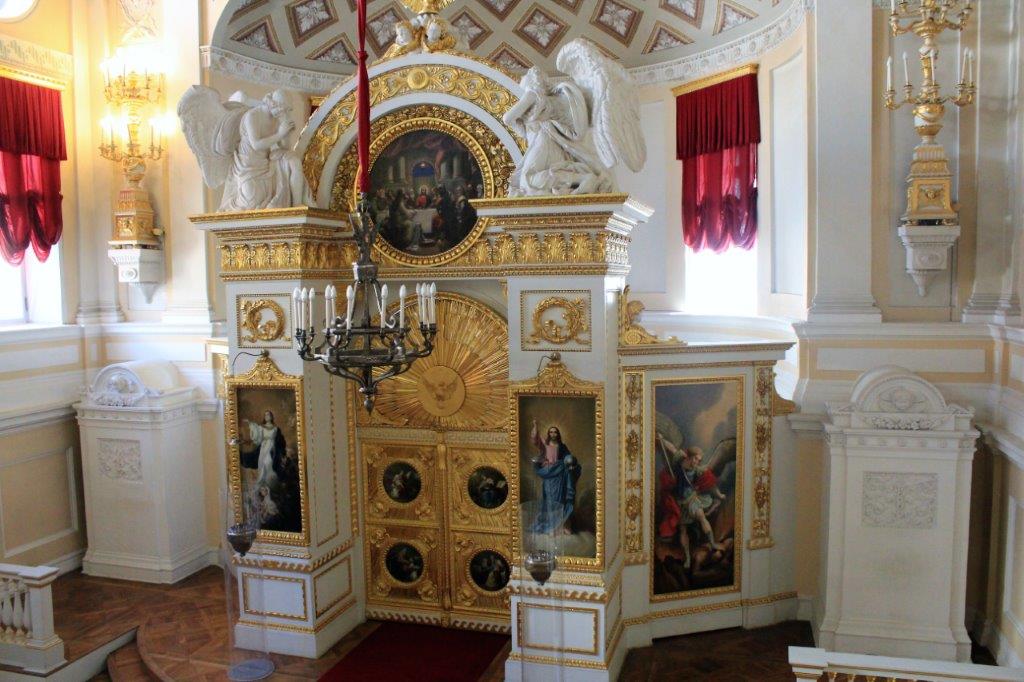
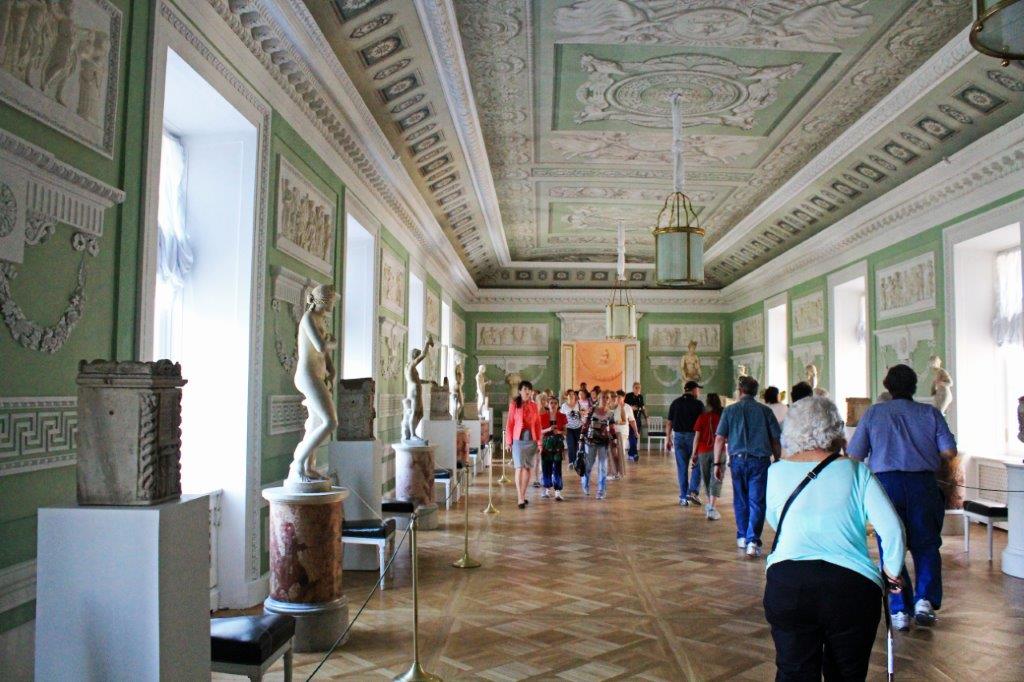
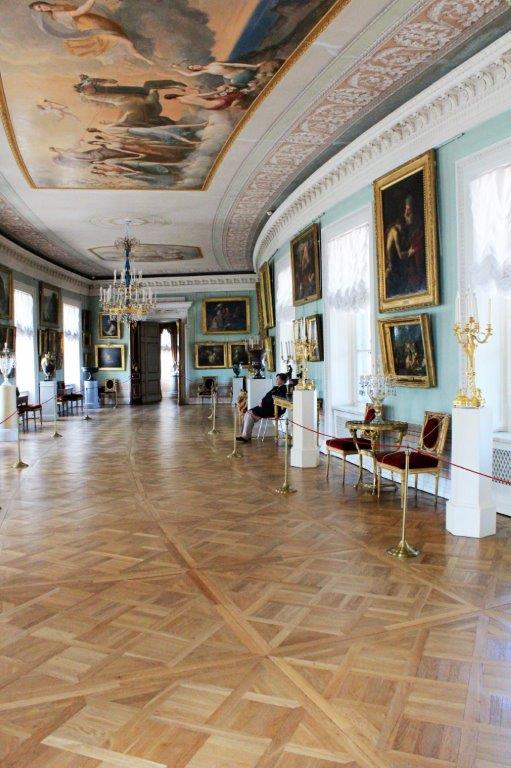
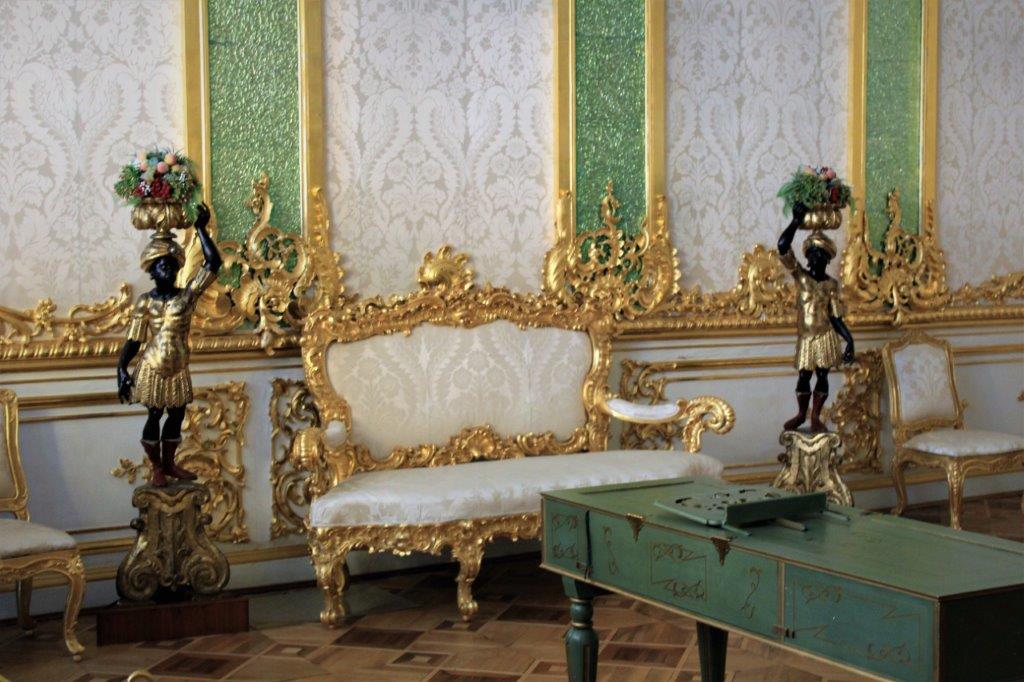
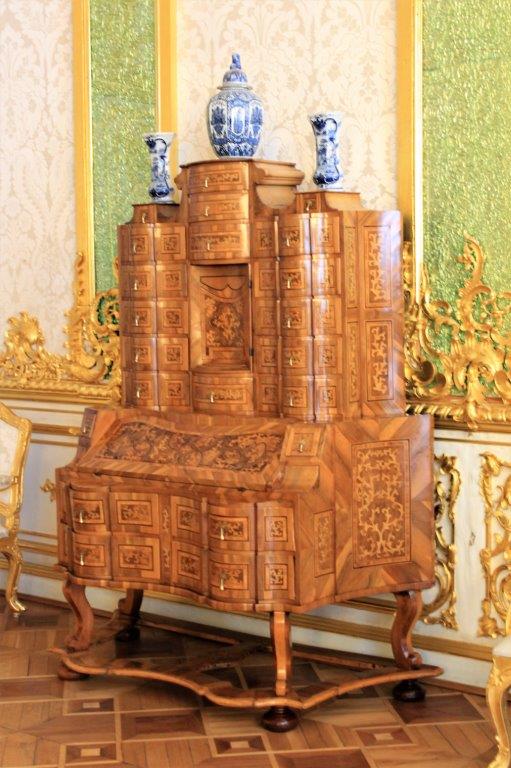
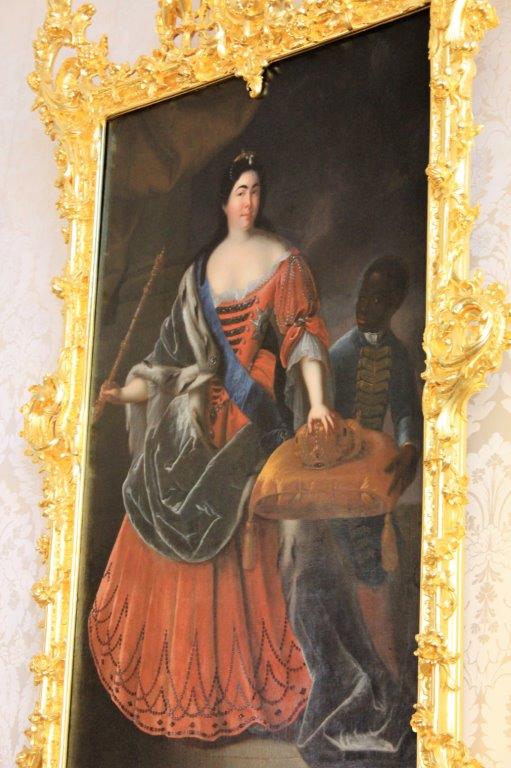
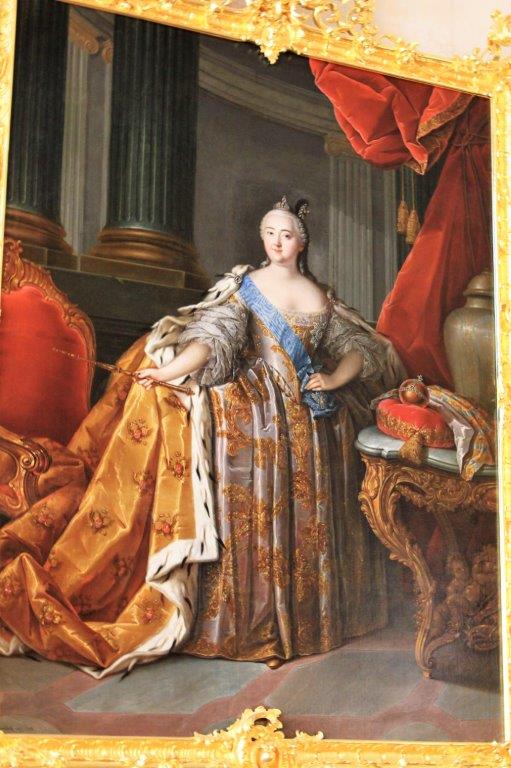
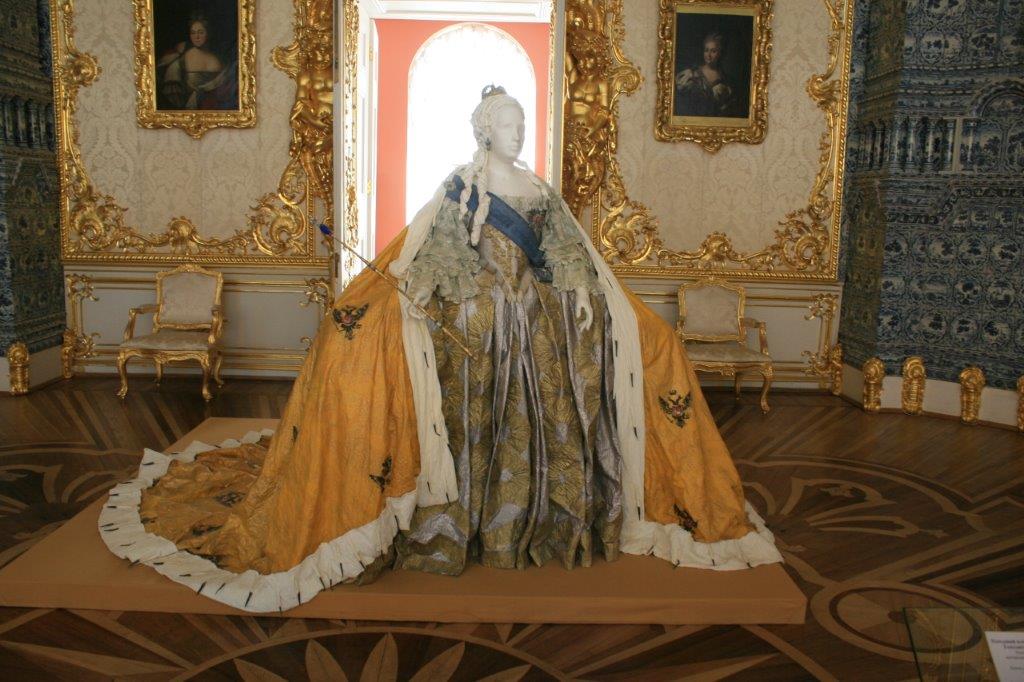
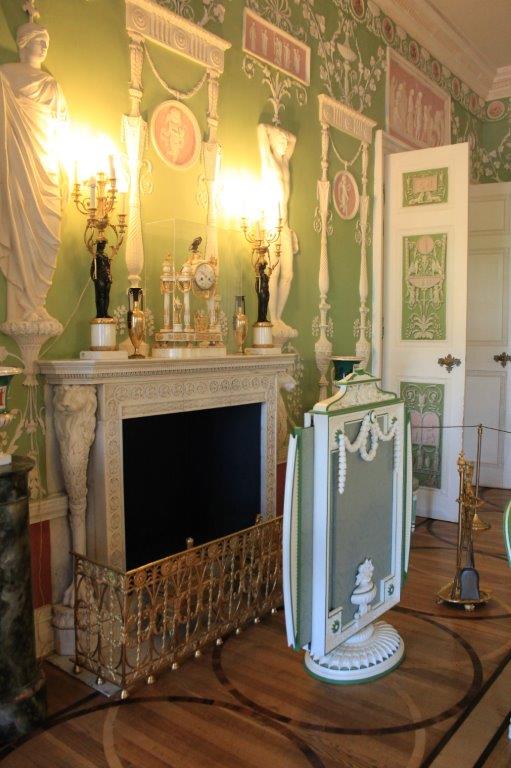
The second half or our second day in St. Petersburg was spent touring Emperor Paul I’s Palace.  It was much smaller (but still very impressive), than his mother Catherine the Great’s palace that we toured in the morning.  The palace was built on the orders of Catherine for her son in the 18th century.
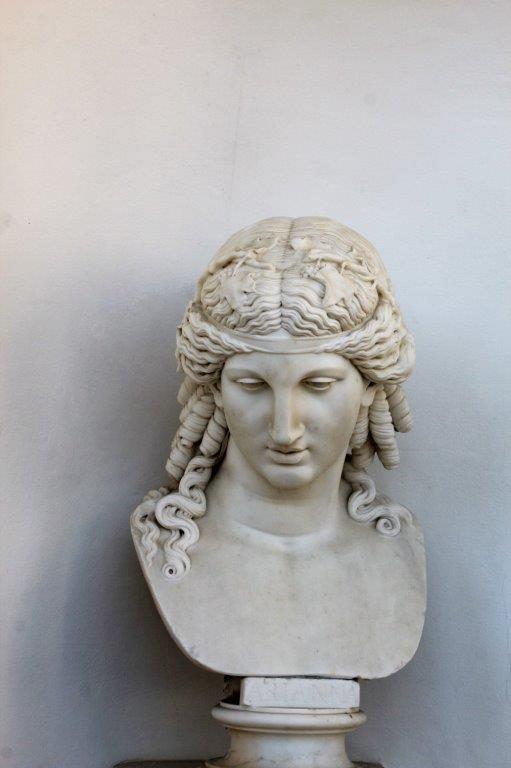
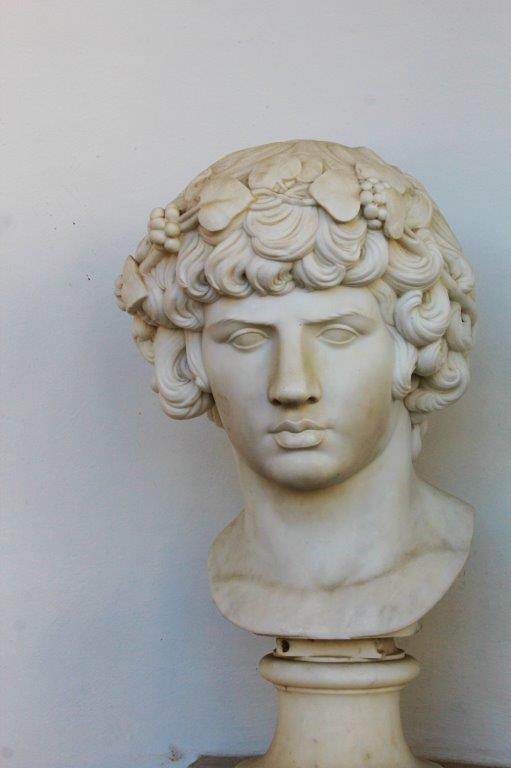
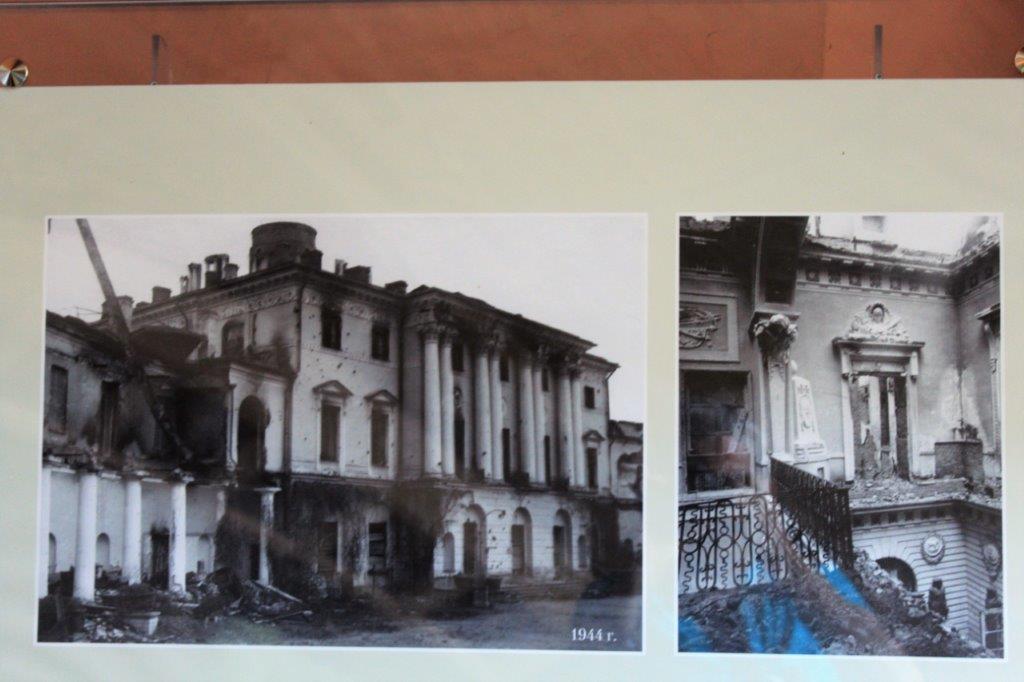
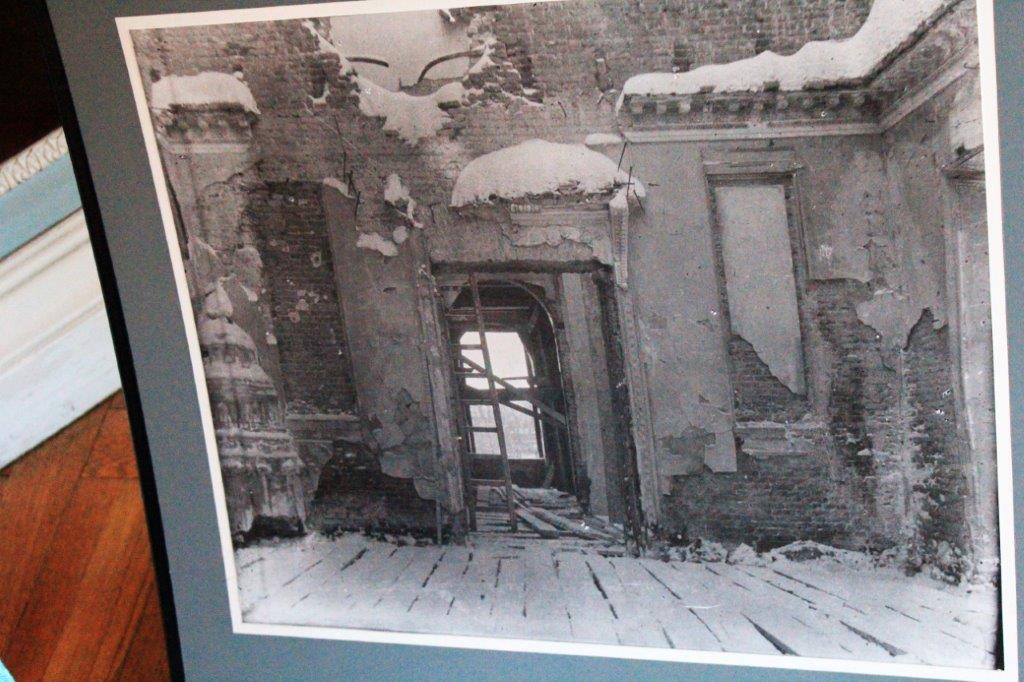
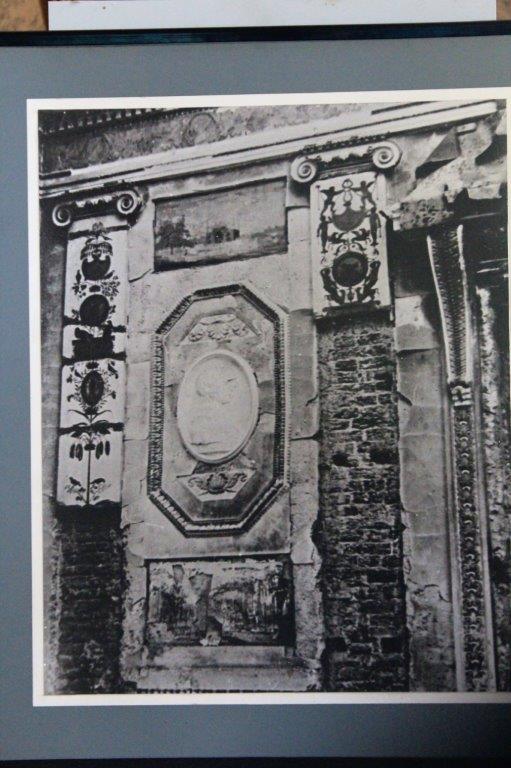
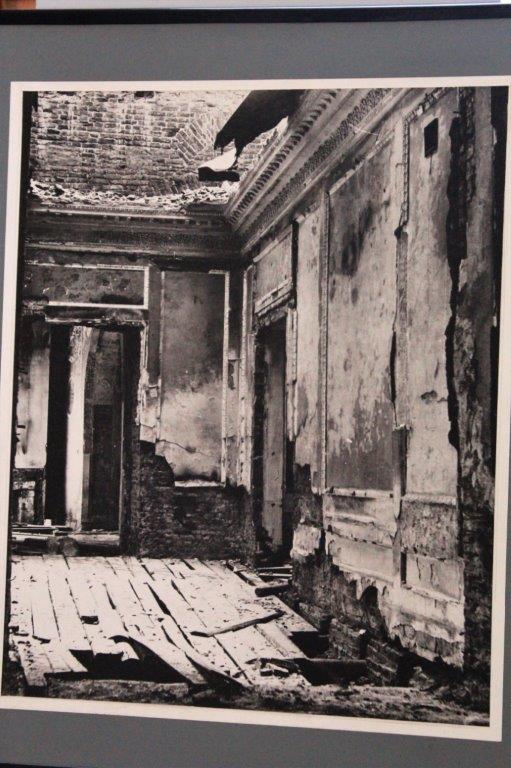
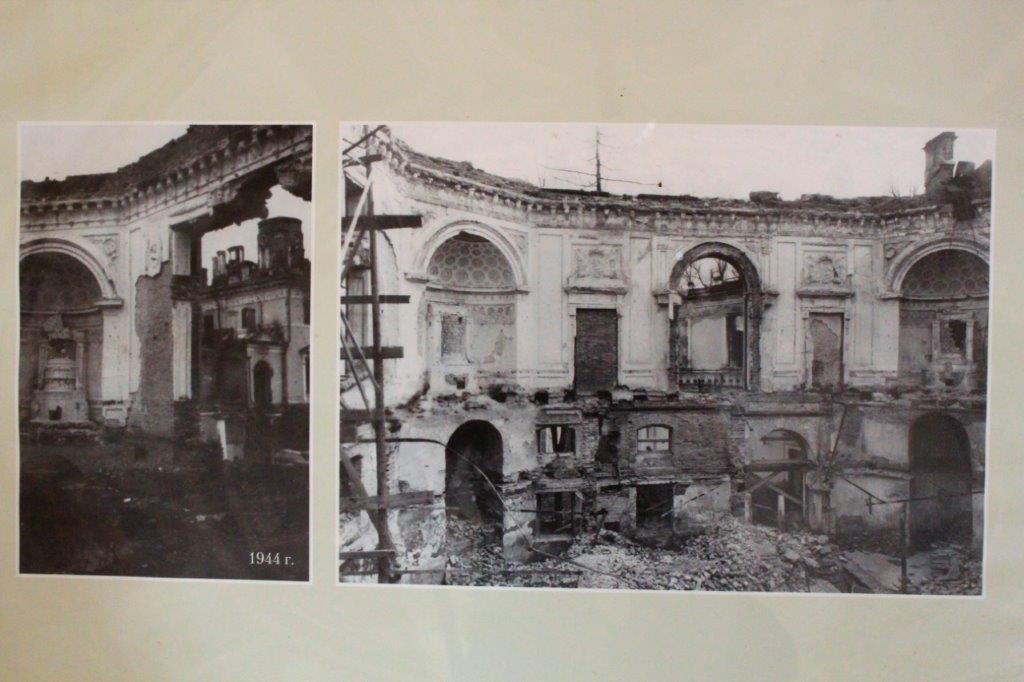
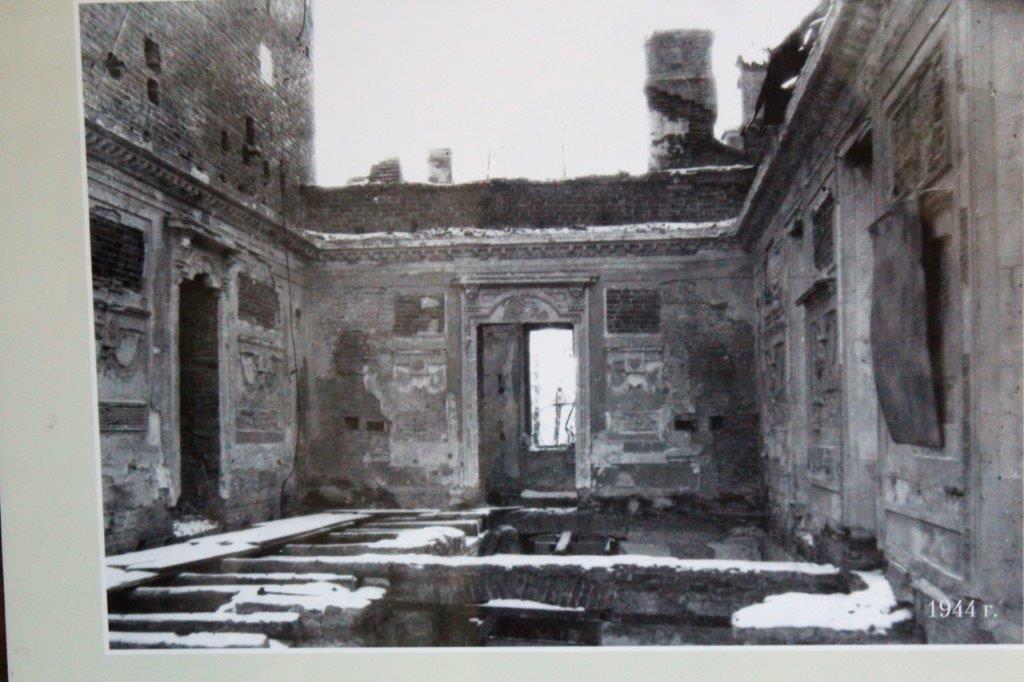
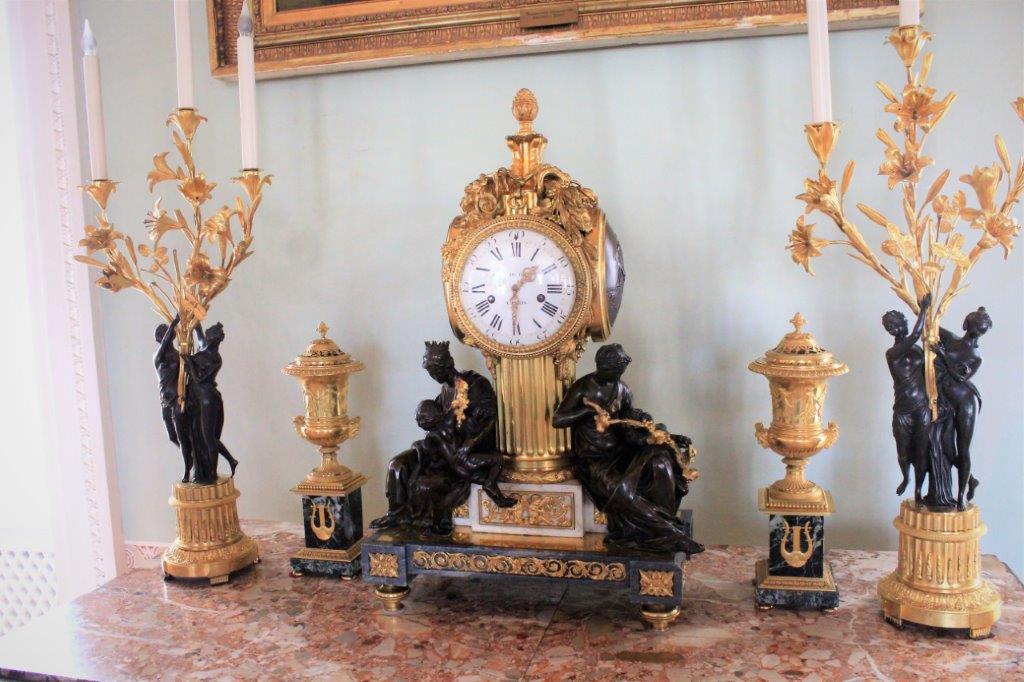
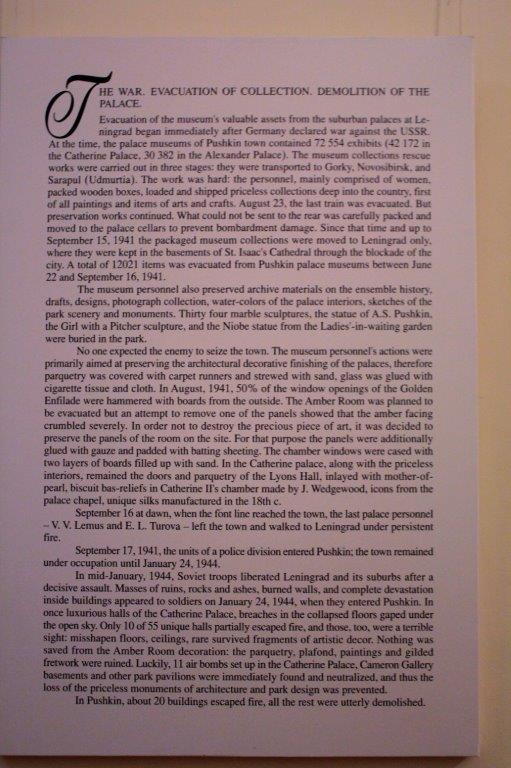
. This palace too, has undergone extensive restoration to repair all the damage the building sustained during the Second World War.  All of the Imperial residences were victims of wanton destruction by the Nazis during the time of occupation of St. Petersburg. Thankfully, all of these beautiful rooms had been photographed many times so there were ample images to show how they looked.  Most of the art treasures had been removed and hidden as the German army neared the city.

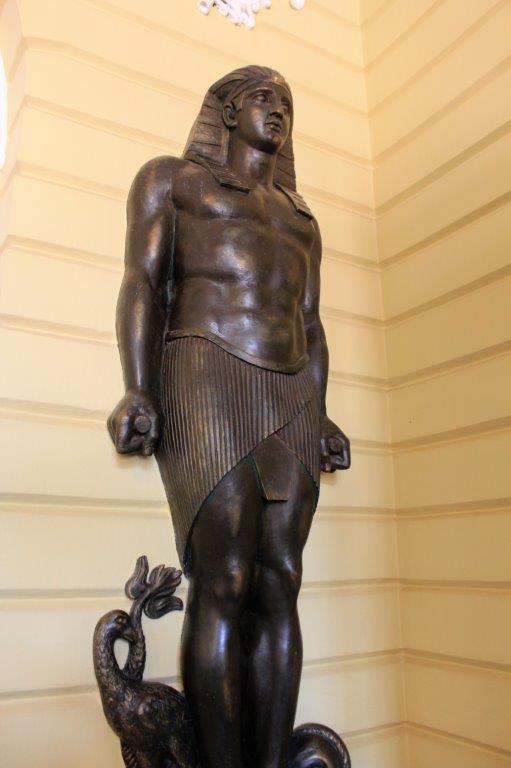
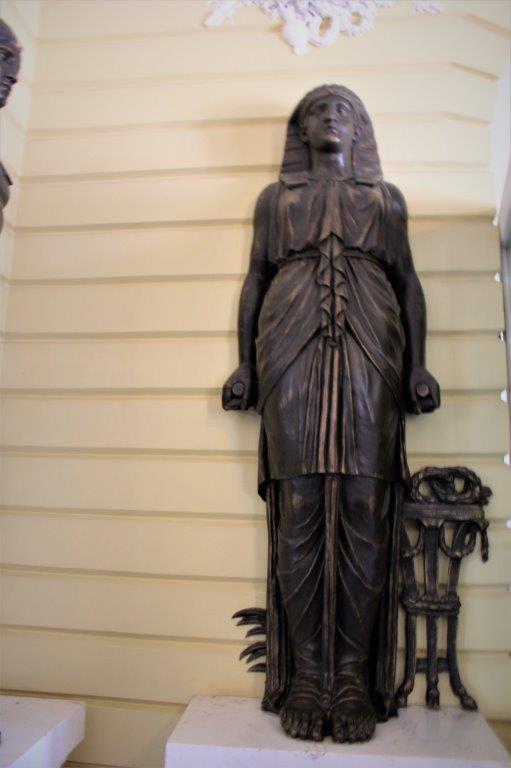
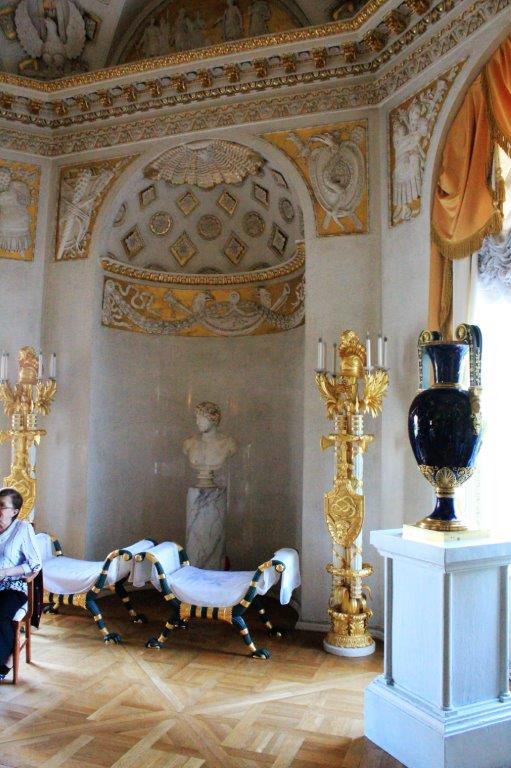
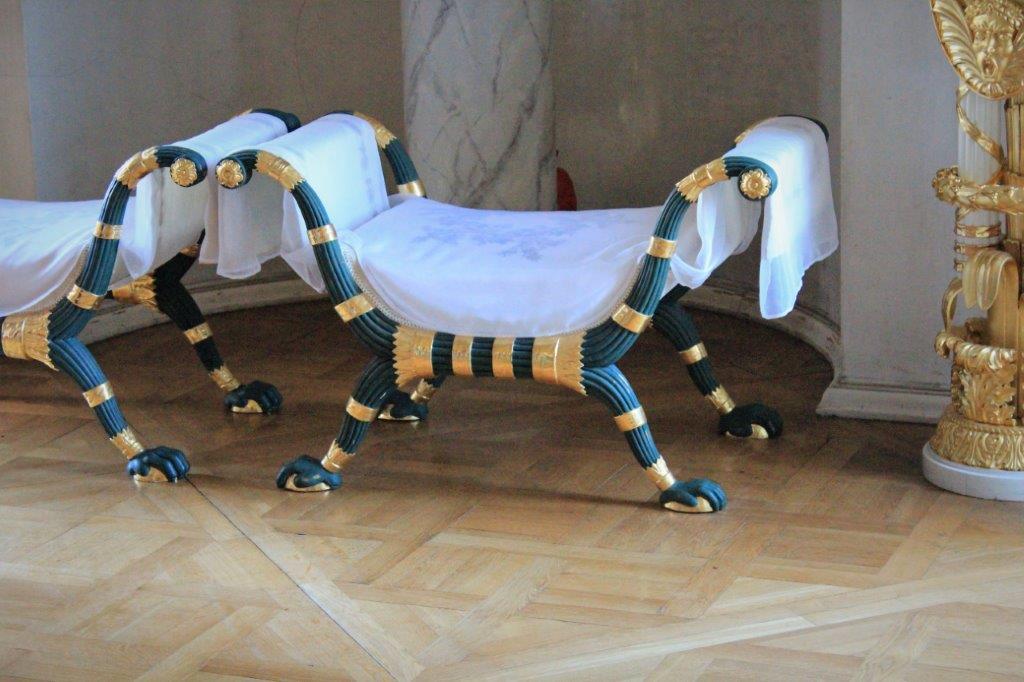
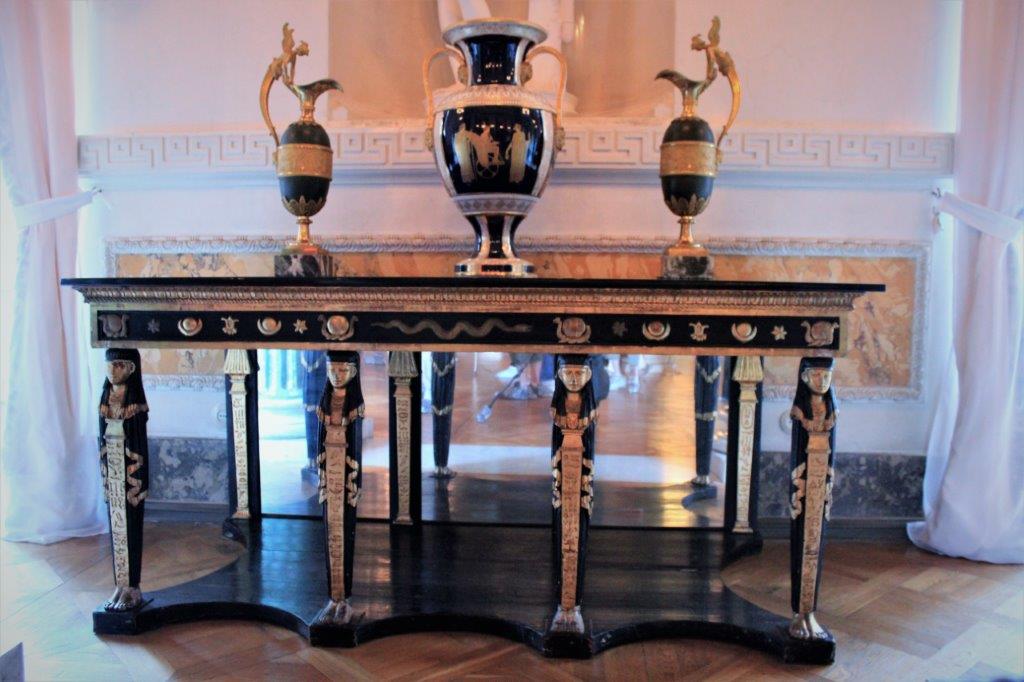
 No neo-classical mansion would be complete without an Egyptian Room.
We were certainly blessed with beautiful weather for our two days in St. Petersburg
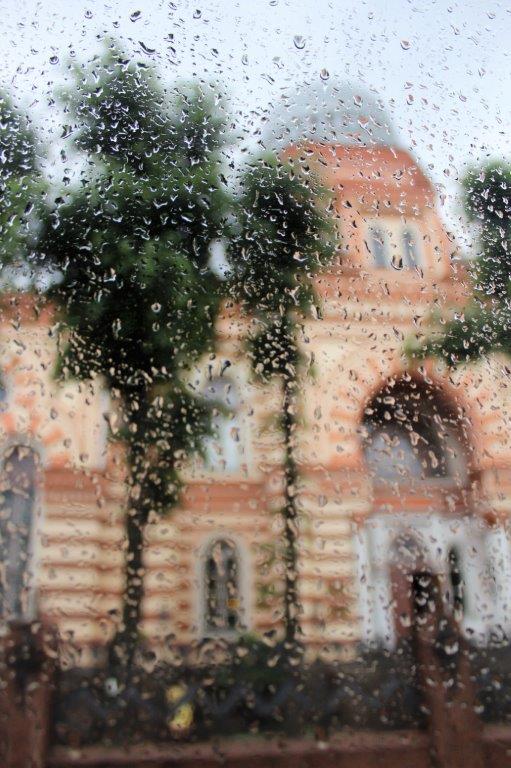
. We had a short rain shower near the end of the day and I took the photo on the left below through the wet glass of the bus window.  I kind of like the effect.

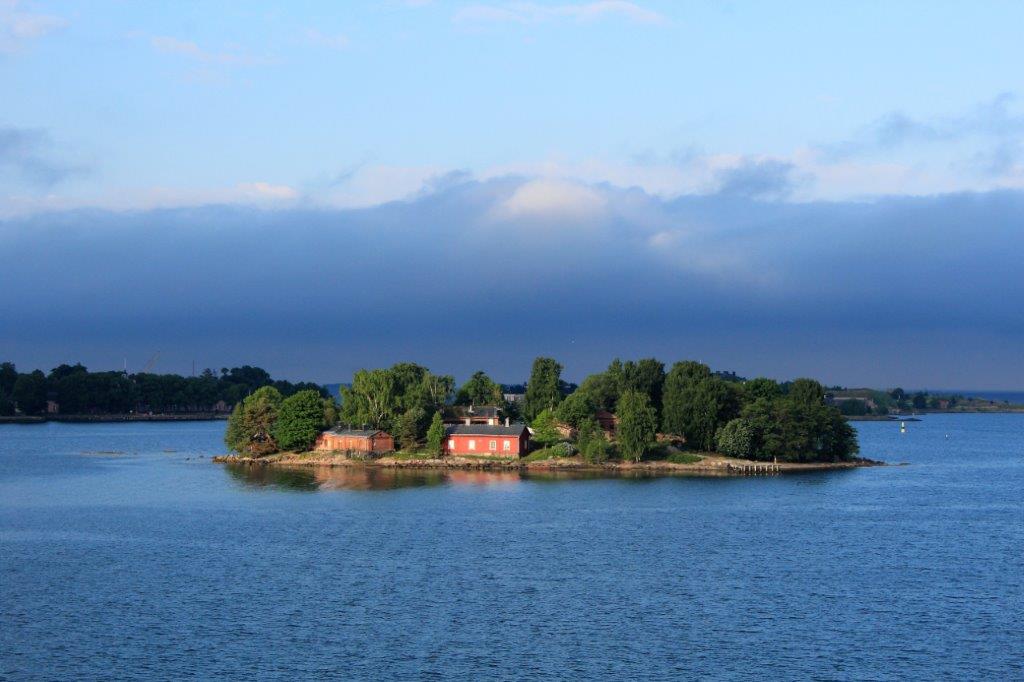
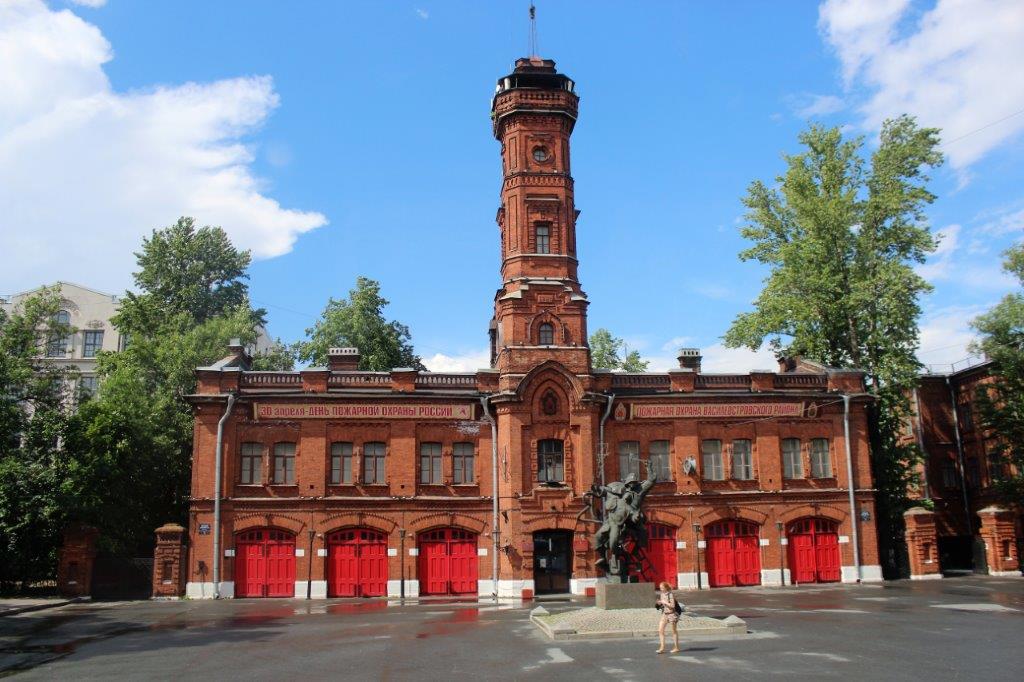
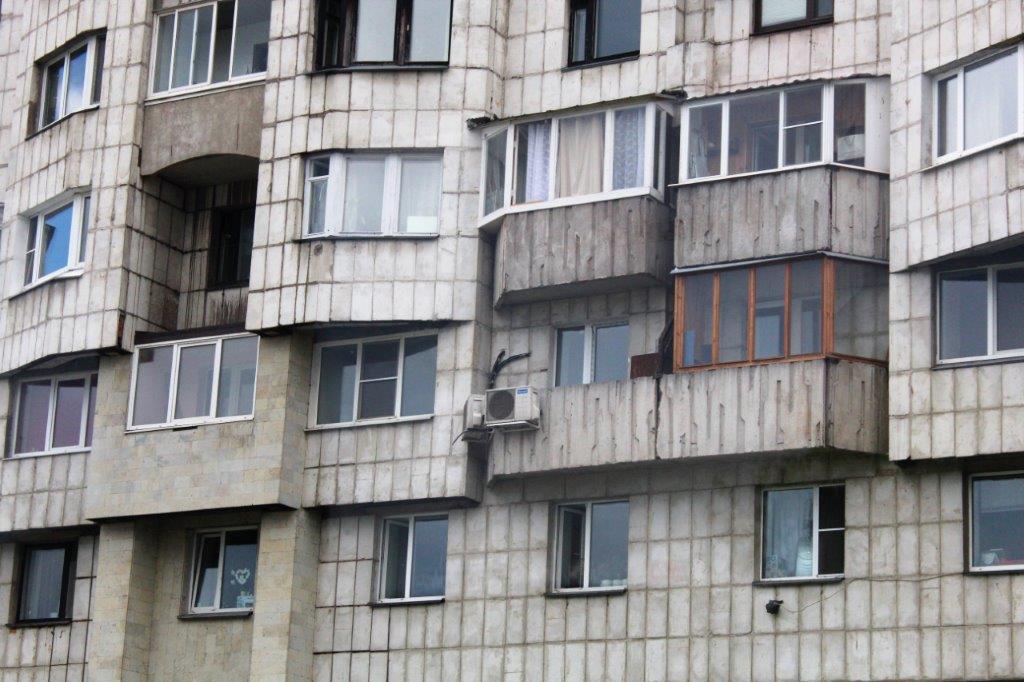
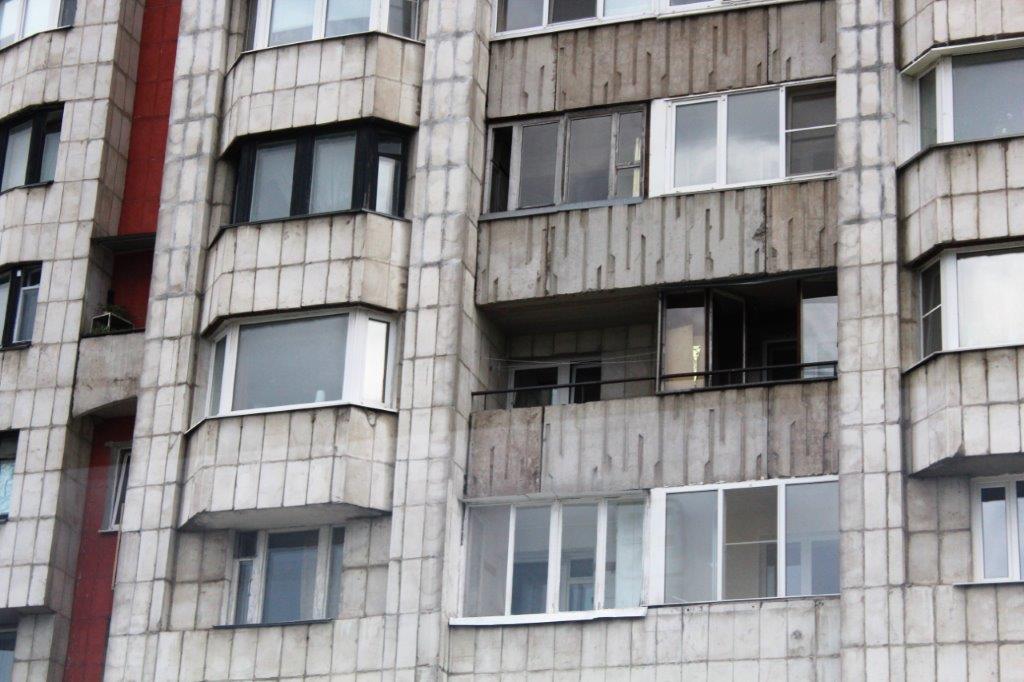
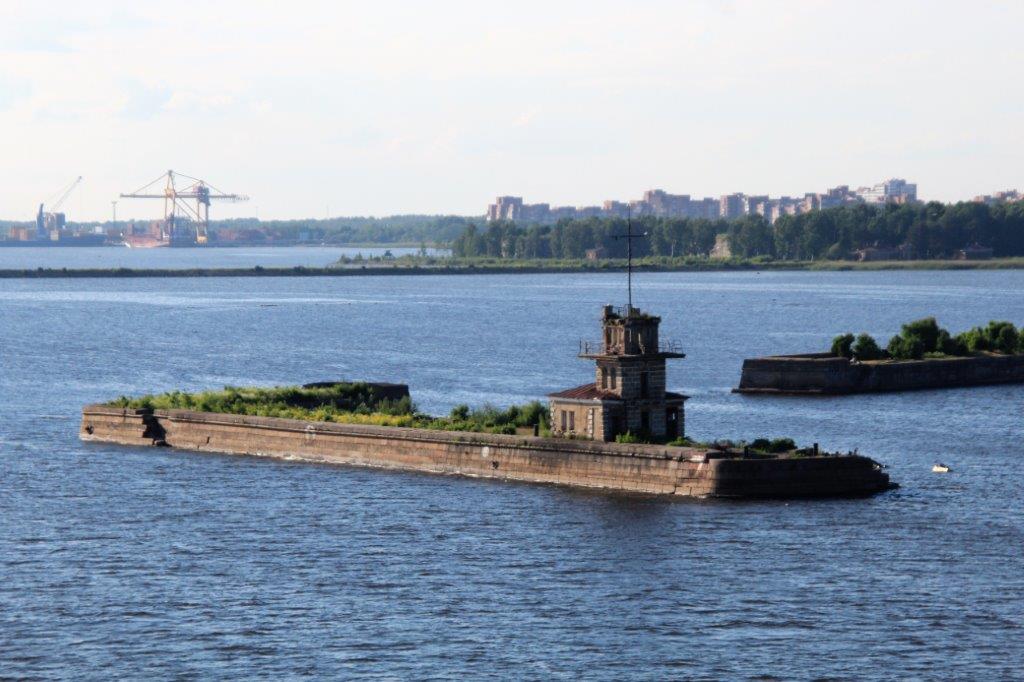
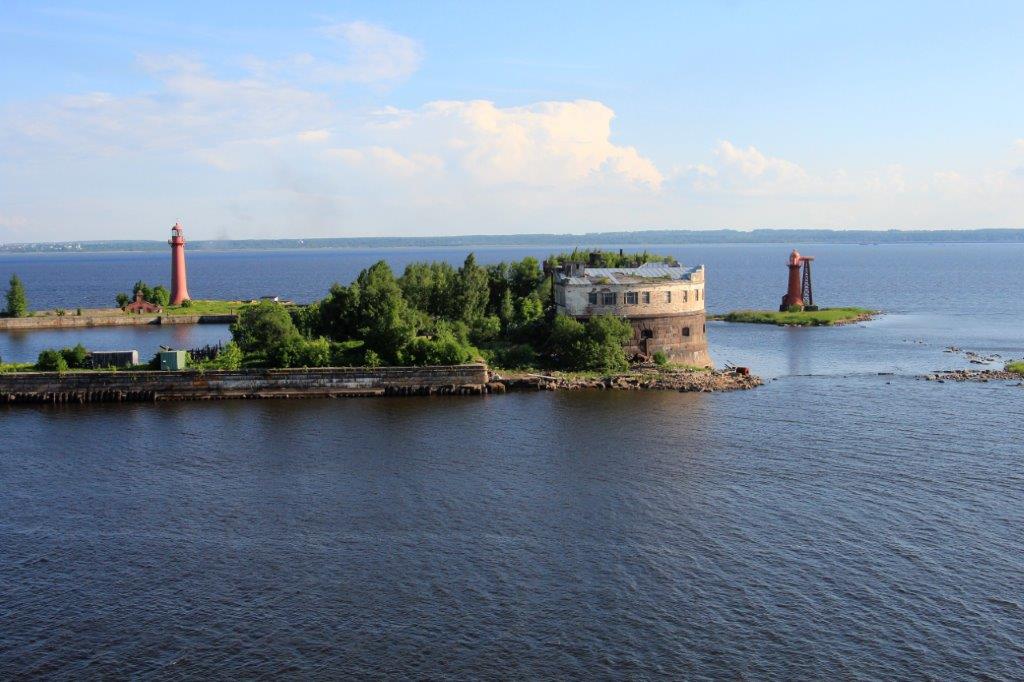
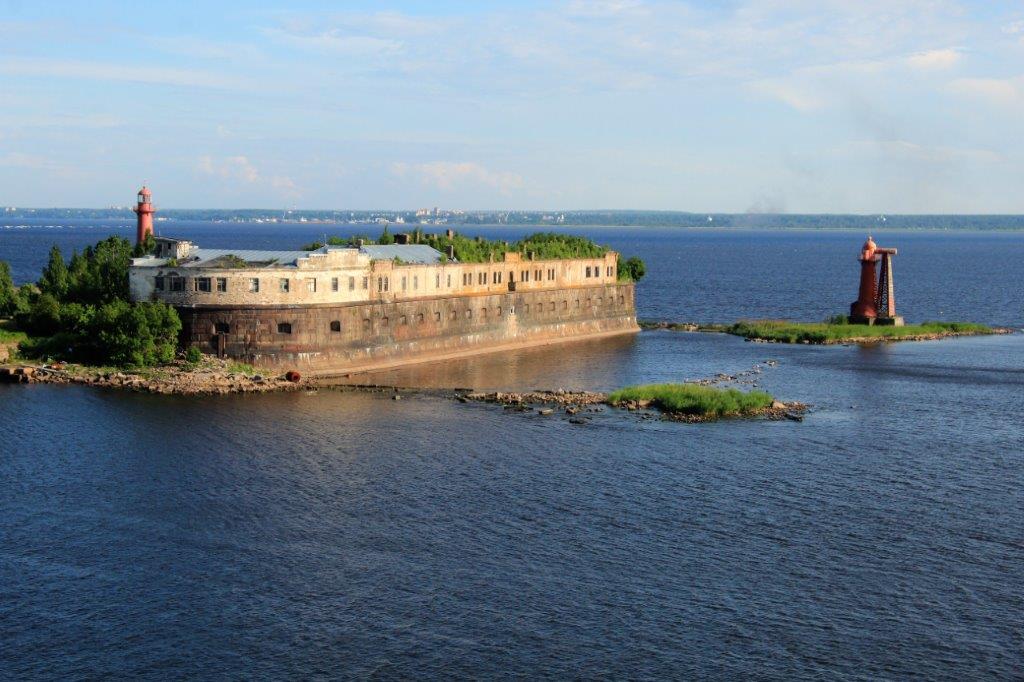
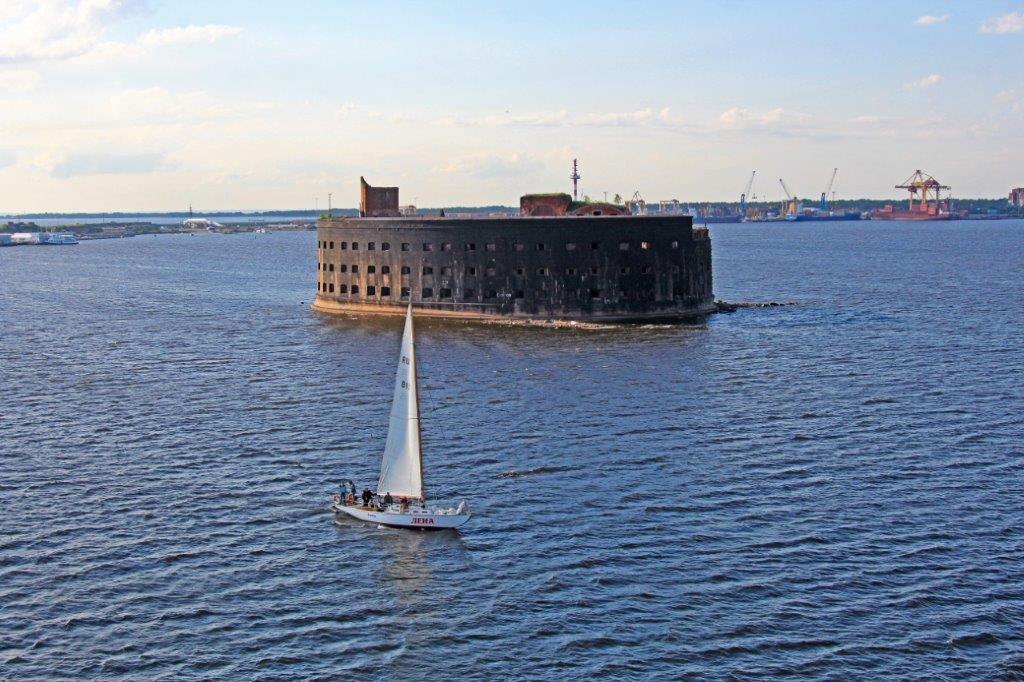
Fire Departments are recognizable anywhere.  I think the apartment building (close-ups below) could use some serious renovating.We set sail at 6 o’clock and had a nice view during dinner of several mini-man made islands, which, I am assuming, were created for defense of the harbour.The good weather continued as we sailed overnight to Helsinki, Finland.

2013 Summer (Baltic and Britain – St. Petersburg, Russia – Day 2 – Part 1)

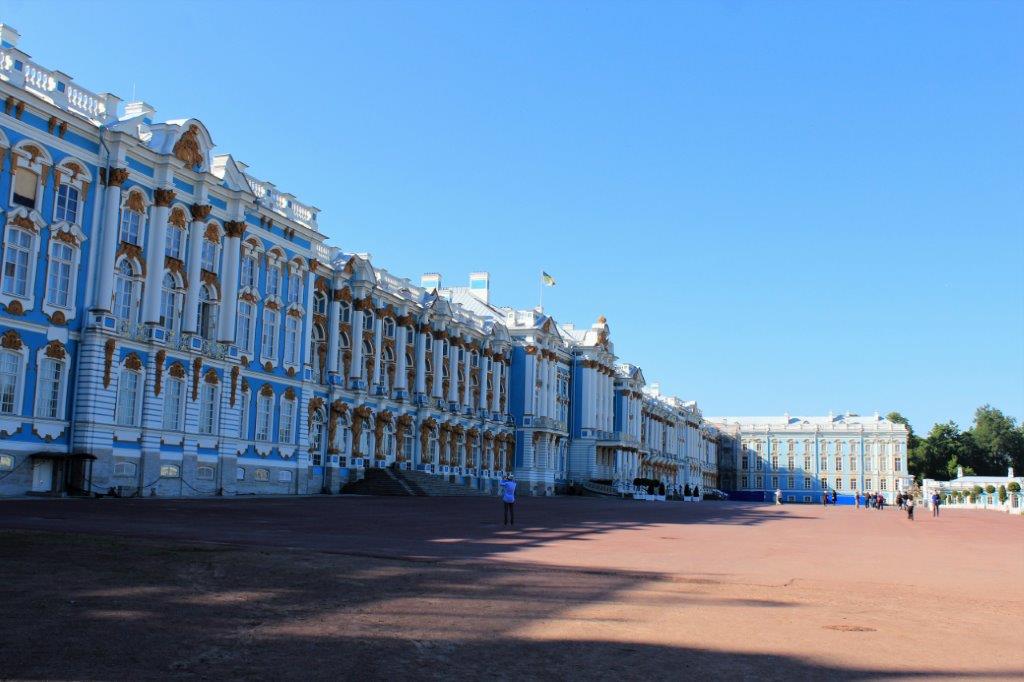
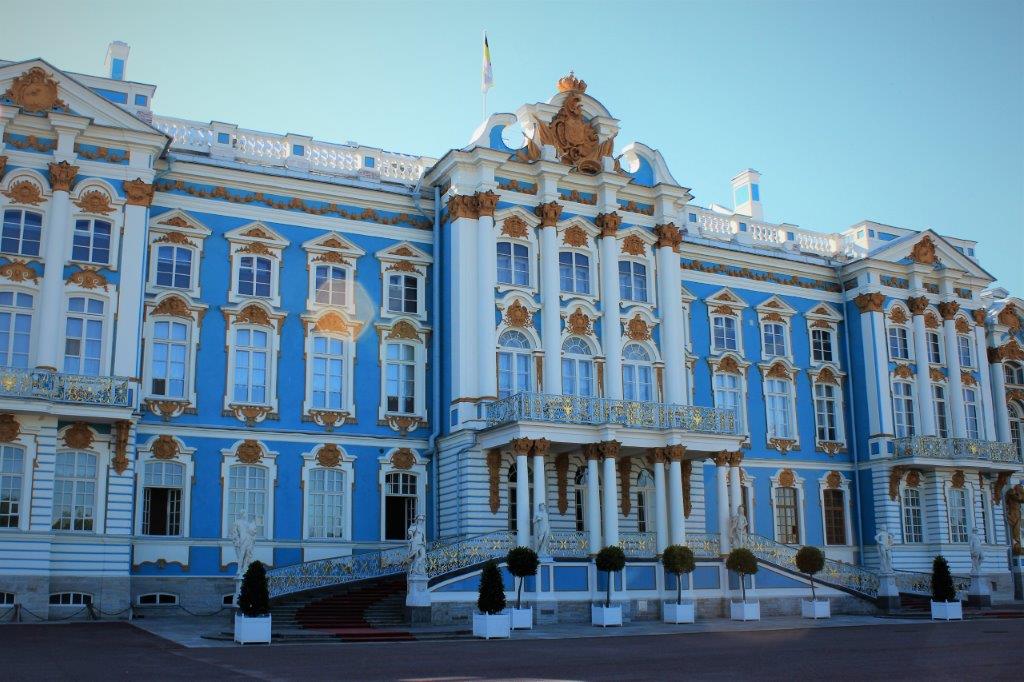
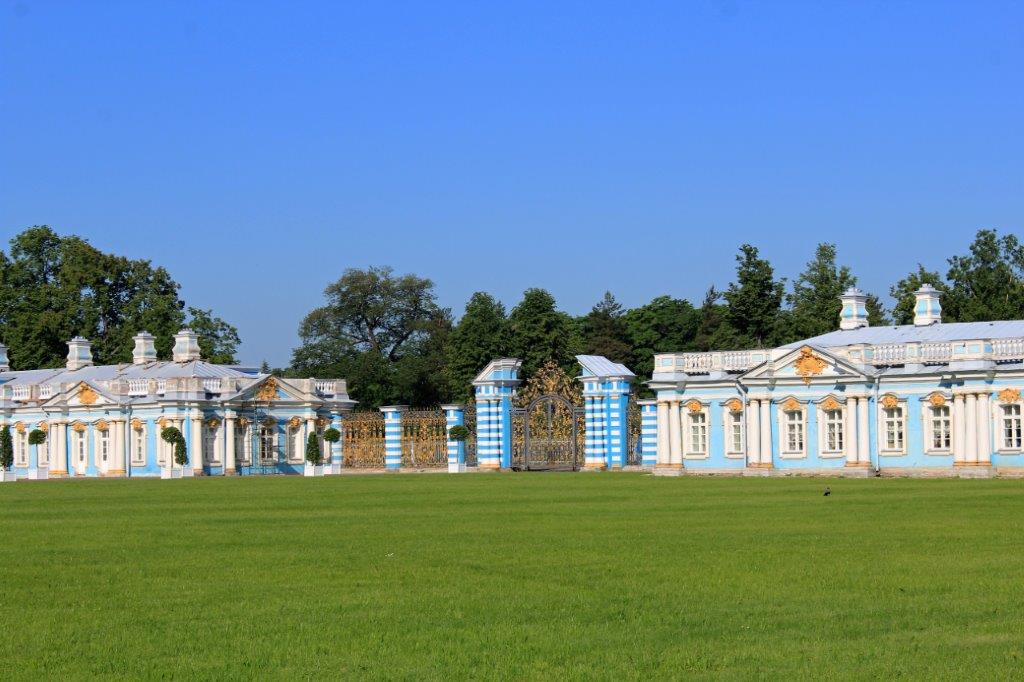
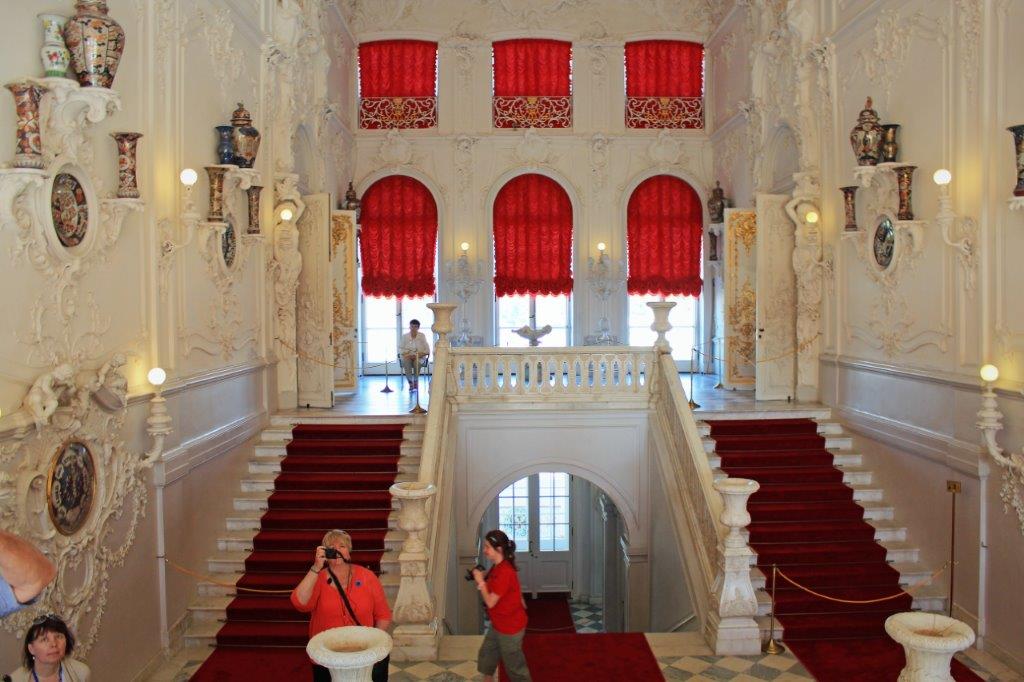
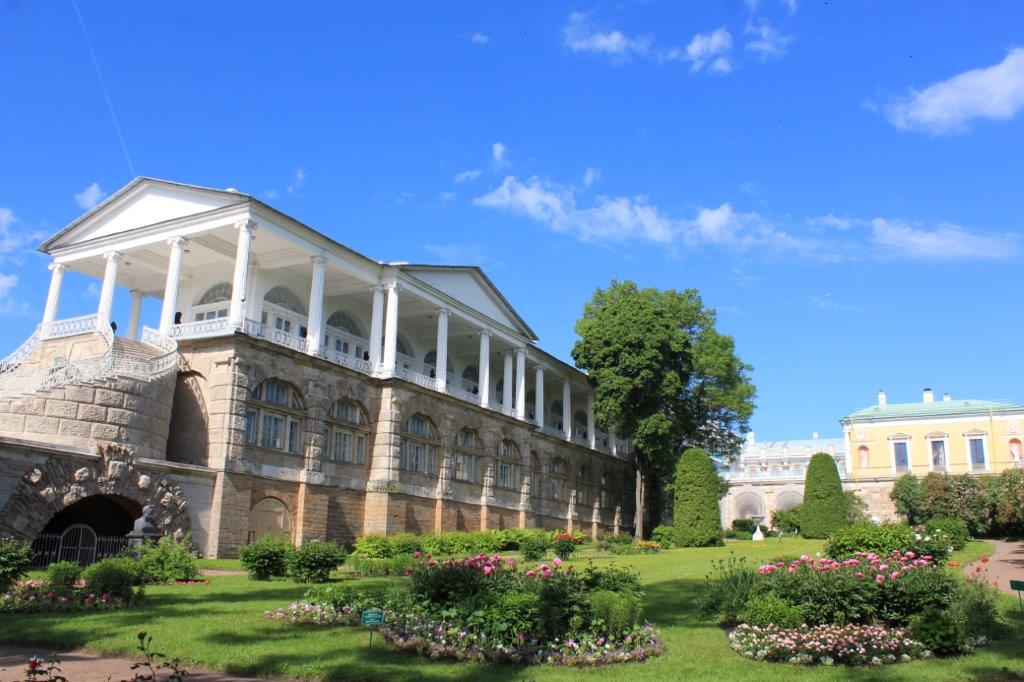
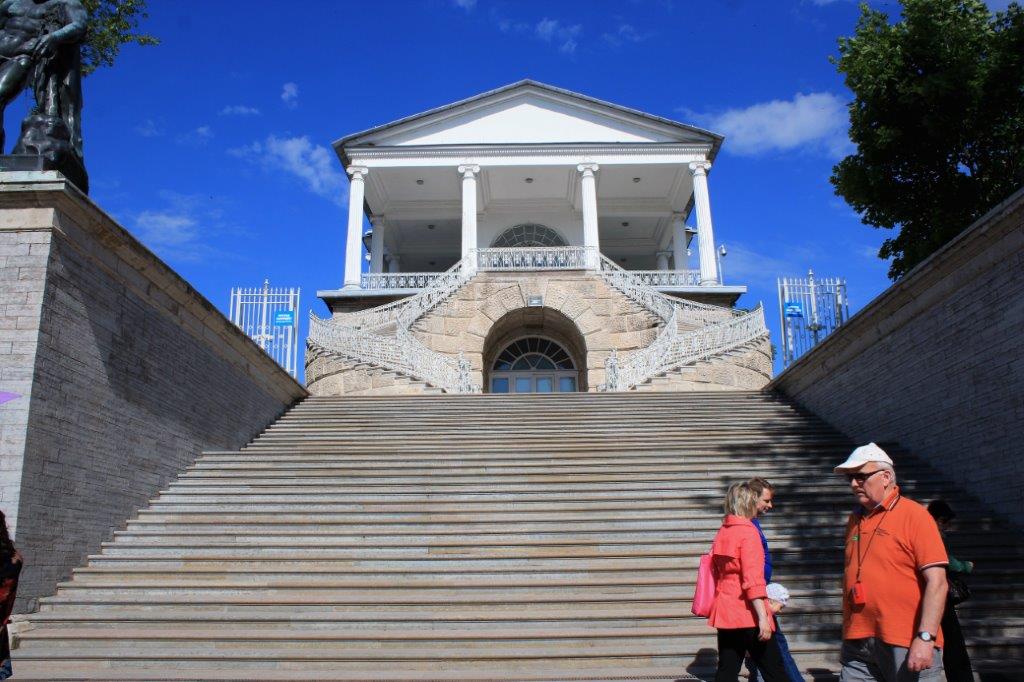
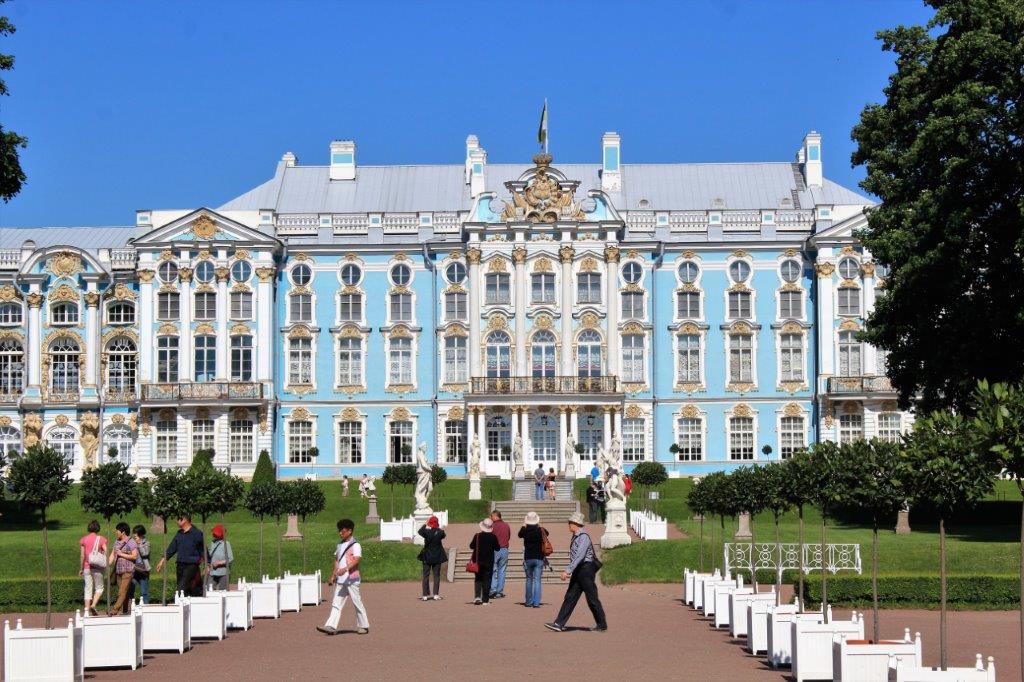
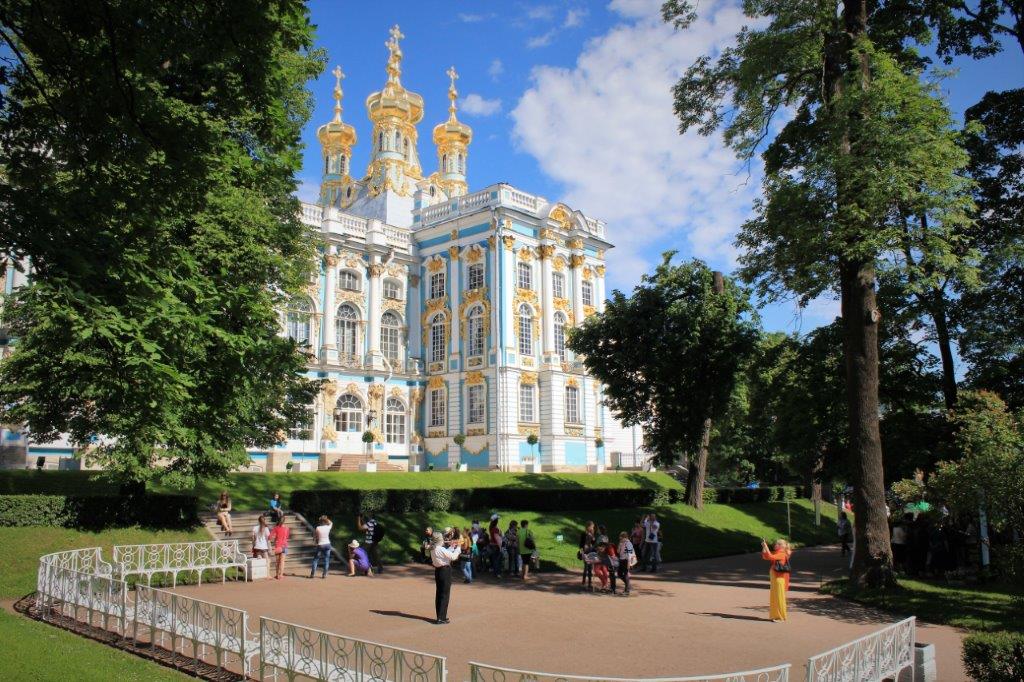
On our second day in St. Petersburg during the 16-day Baltic cruise we began on June 1, 2013, we were driven one hour to the town of Tsarkoye Selo 30 km (18 miles) from the city  in order to tour Catherine’s Palace.

When we arrived there was a mix-up about our pre-arranged tickets and the whole group had to stand around for about a half hour until a lady from the tour company came running up to straighten things out.

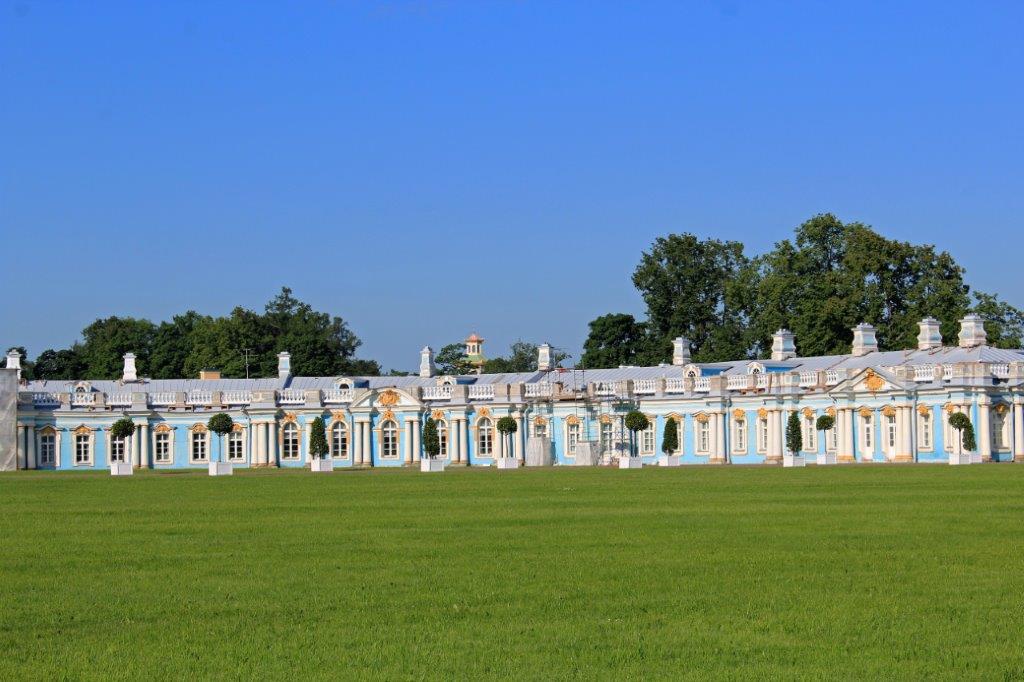
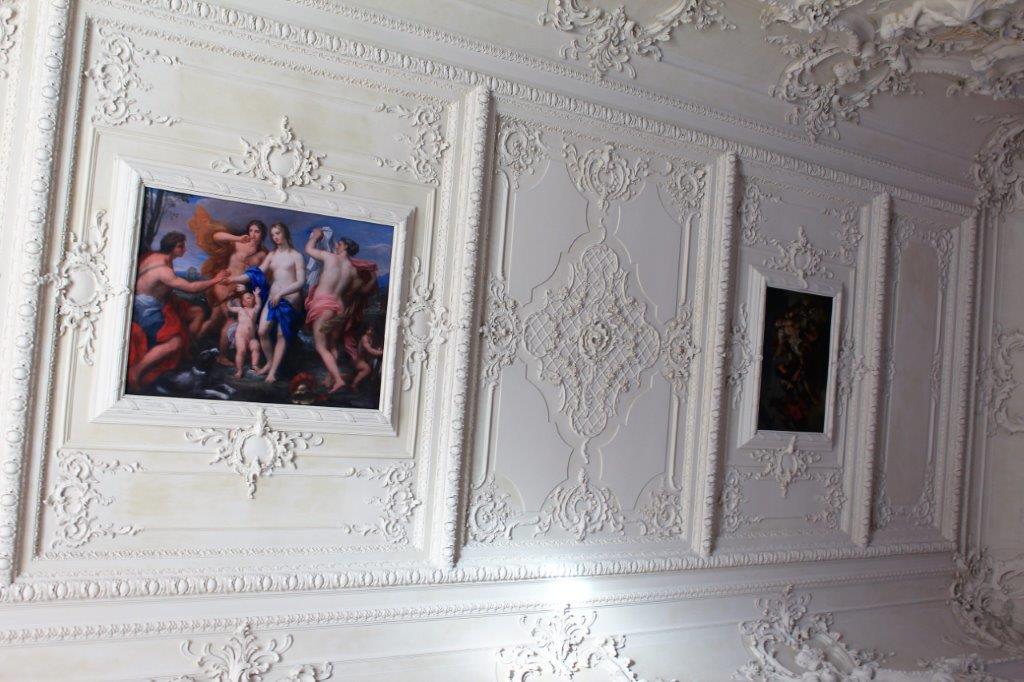
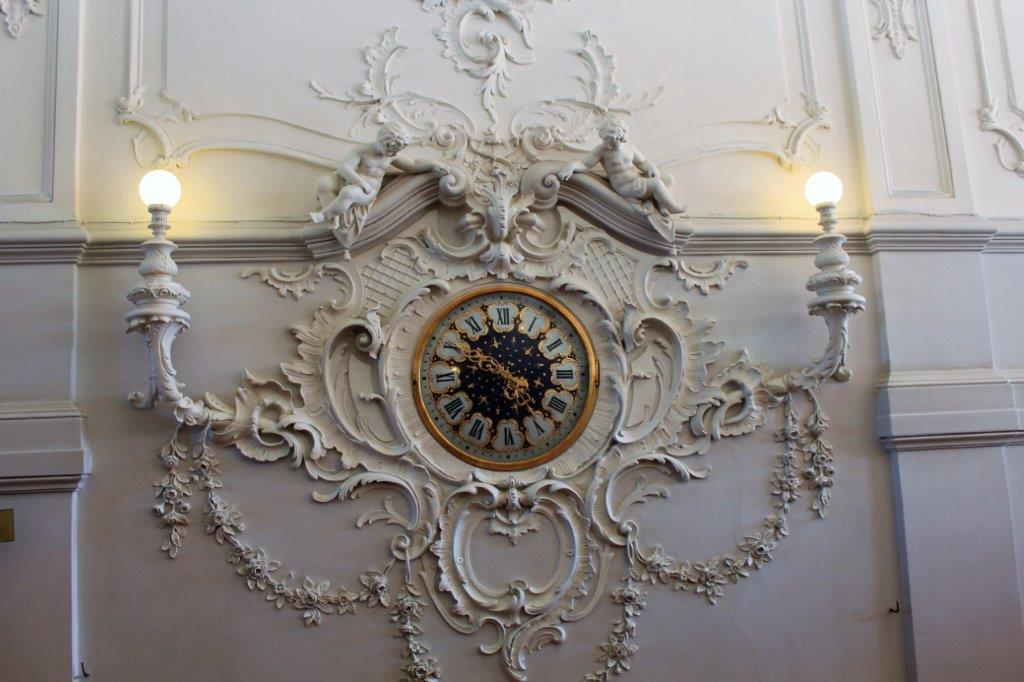
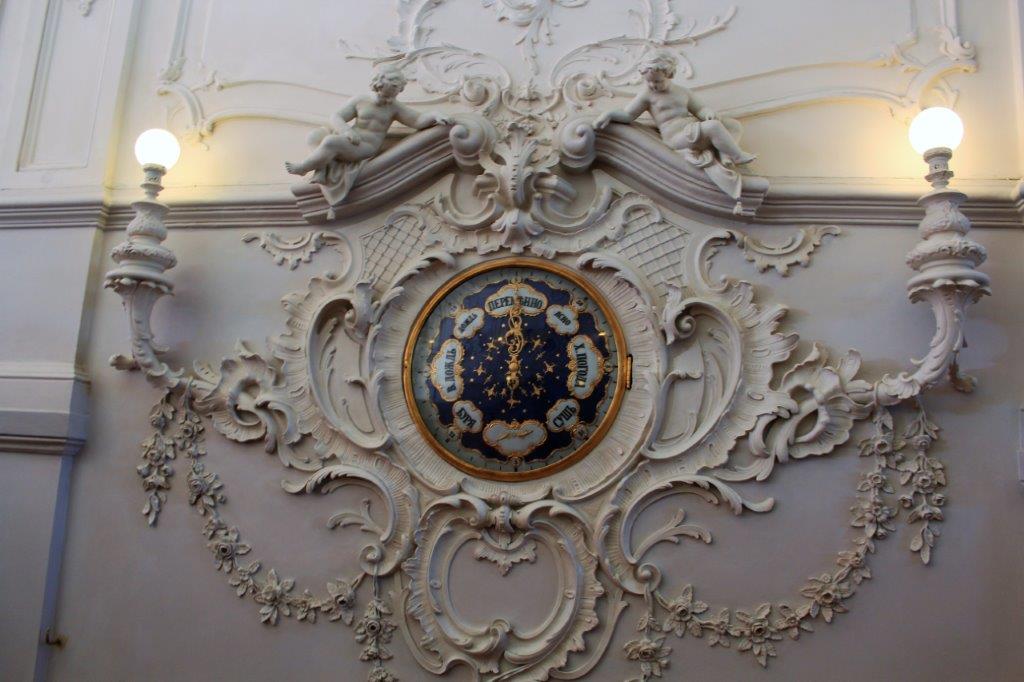
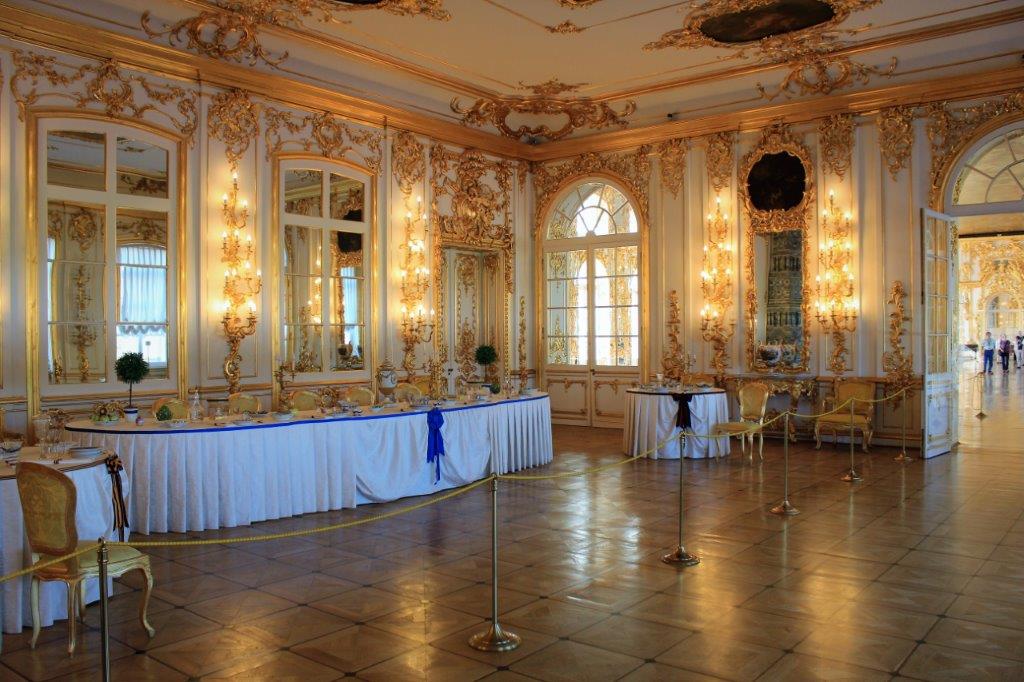
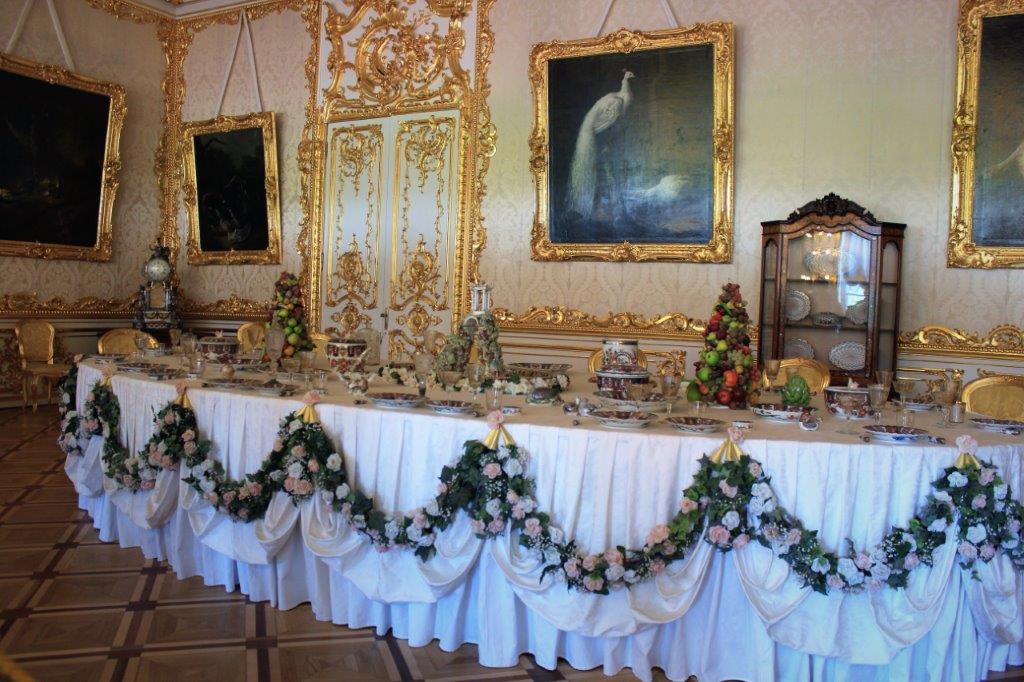
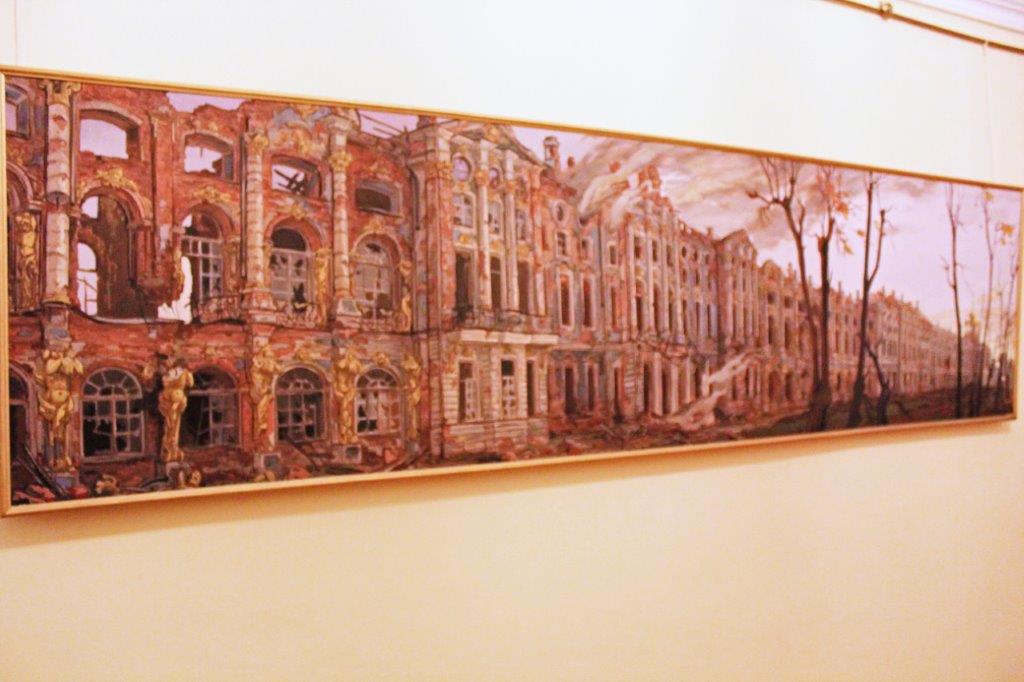
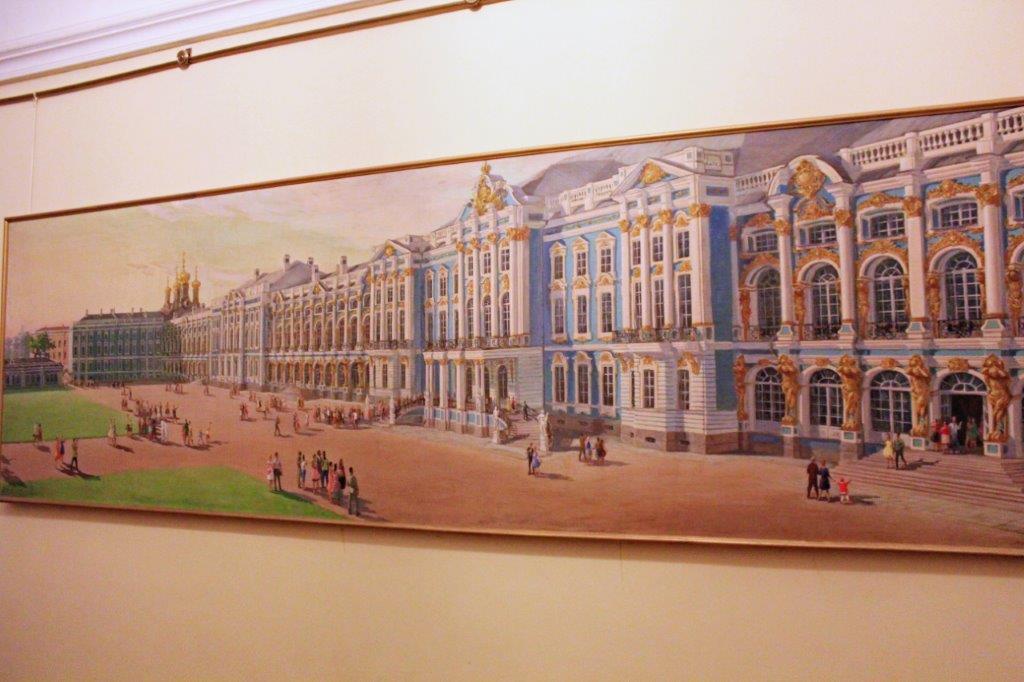
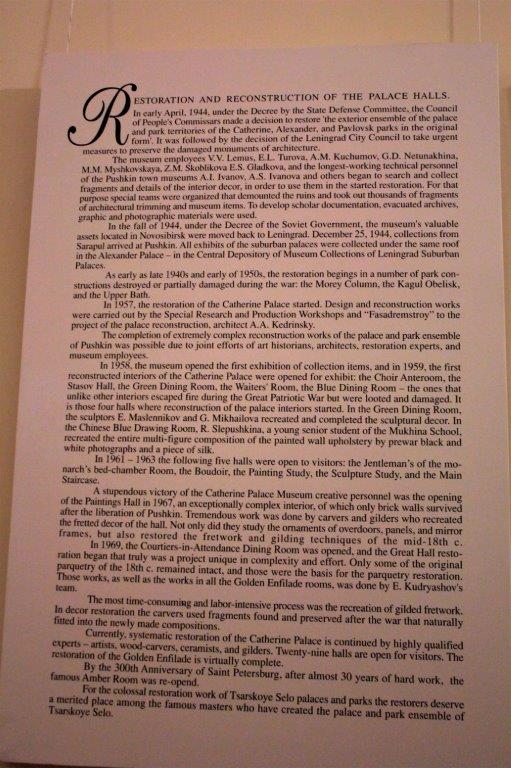
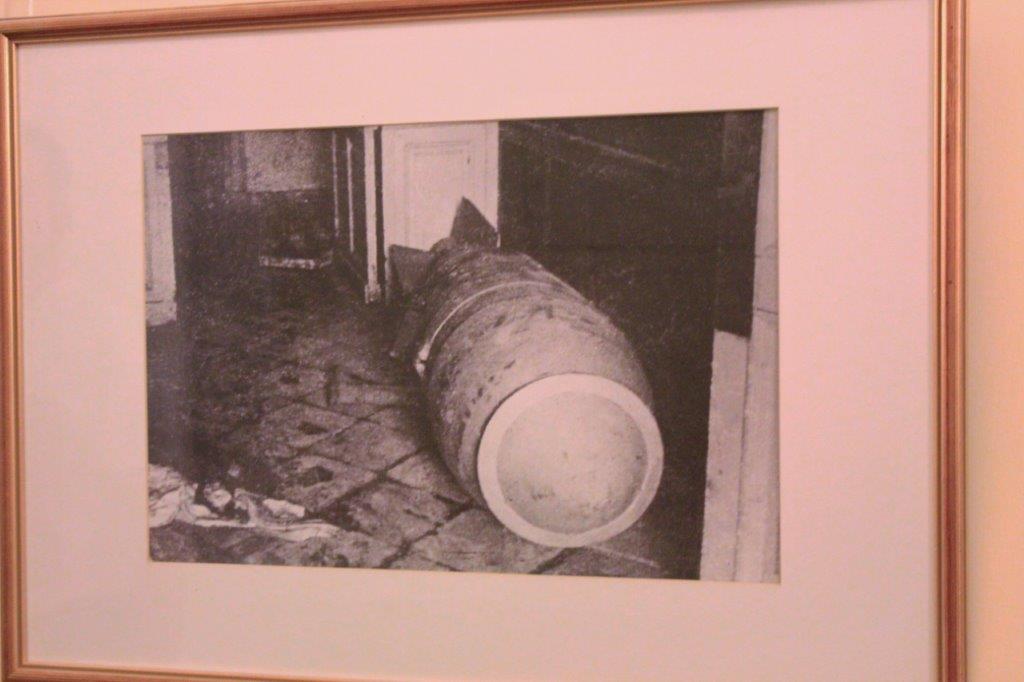
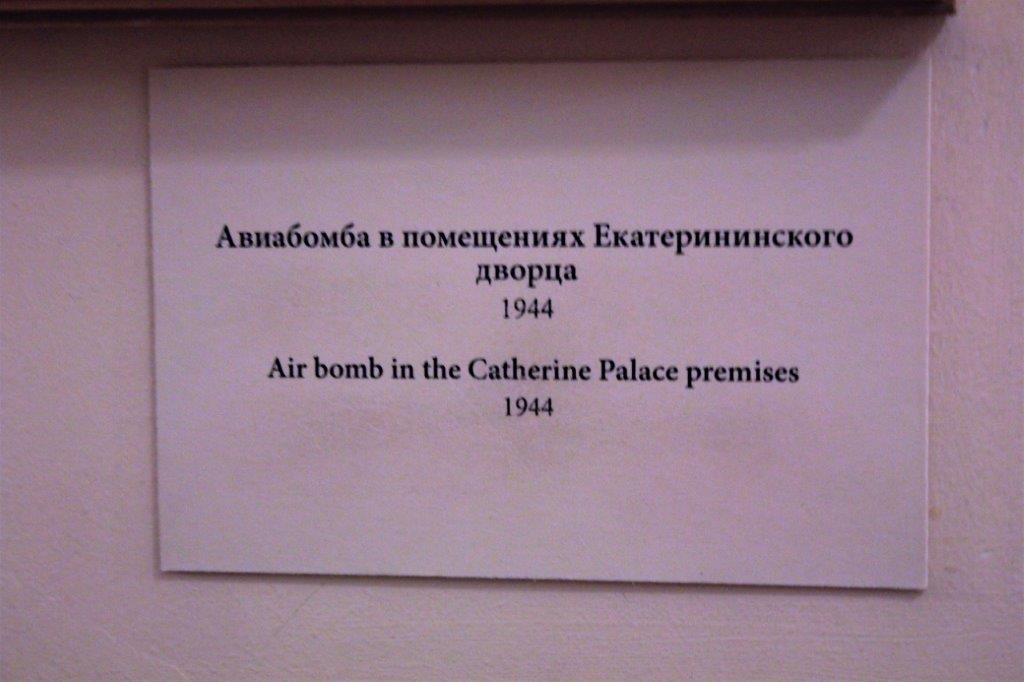
This huge building and park-like grounds were almost completely destroyed during WWII and throughout the building they had images of what the various rooms looked like before they were restored. 57 of the massive halls were ruined and  over half of the building has now been painstakingly restored its former grandeur. Thankfully, unlike the Summer Palace in Peterhof, we were able to take photos inside.

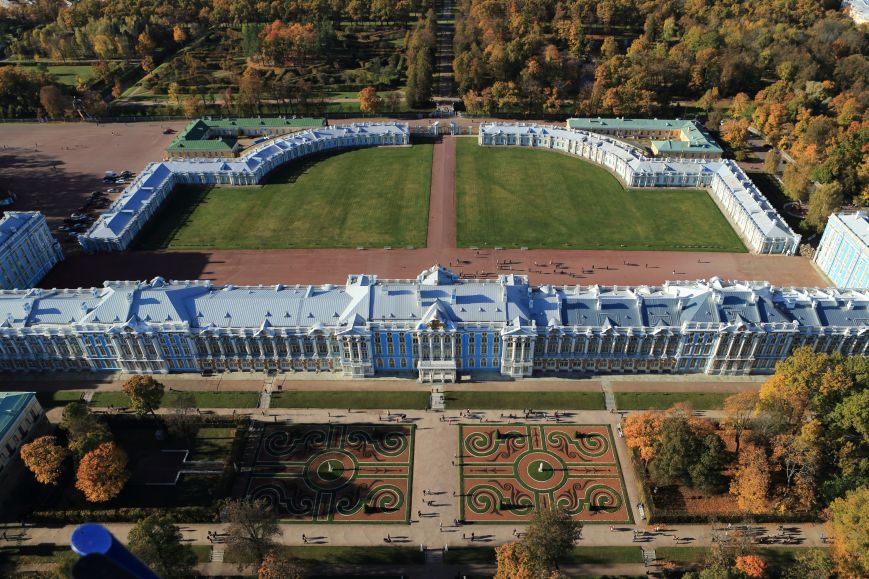
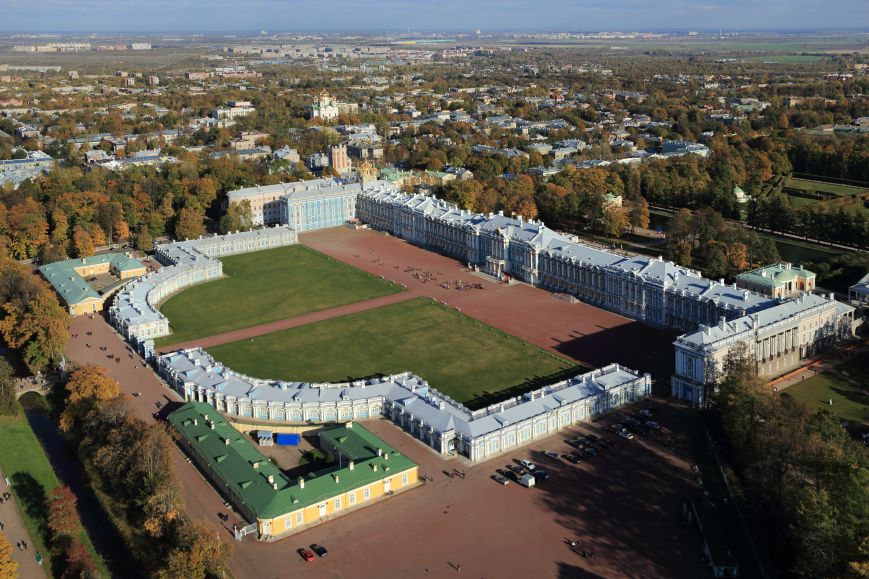
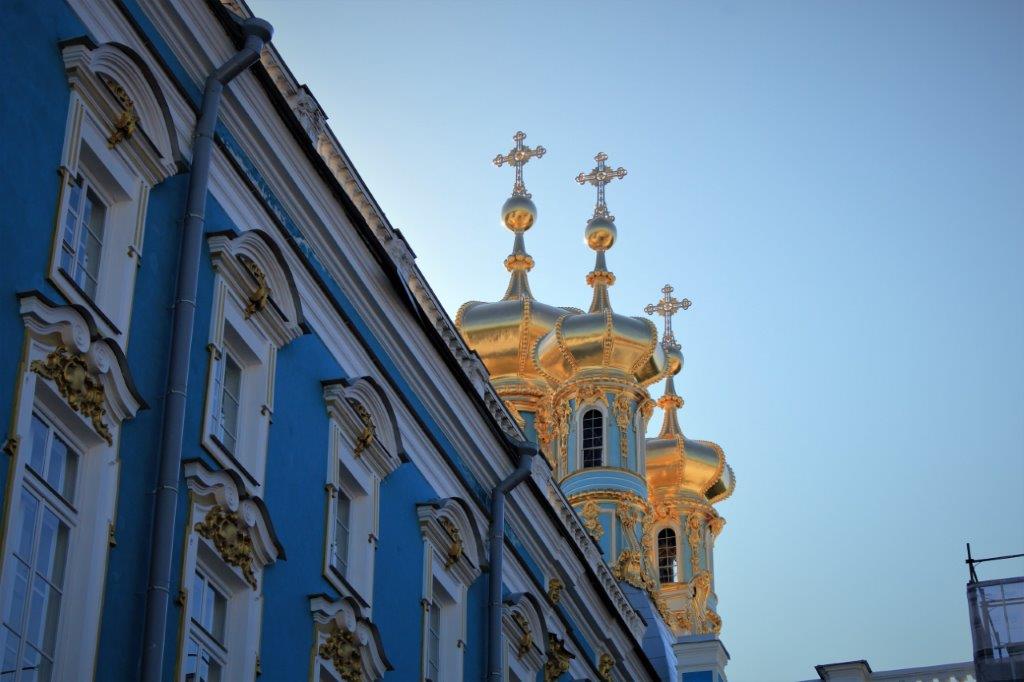
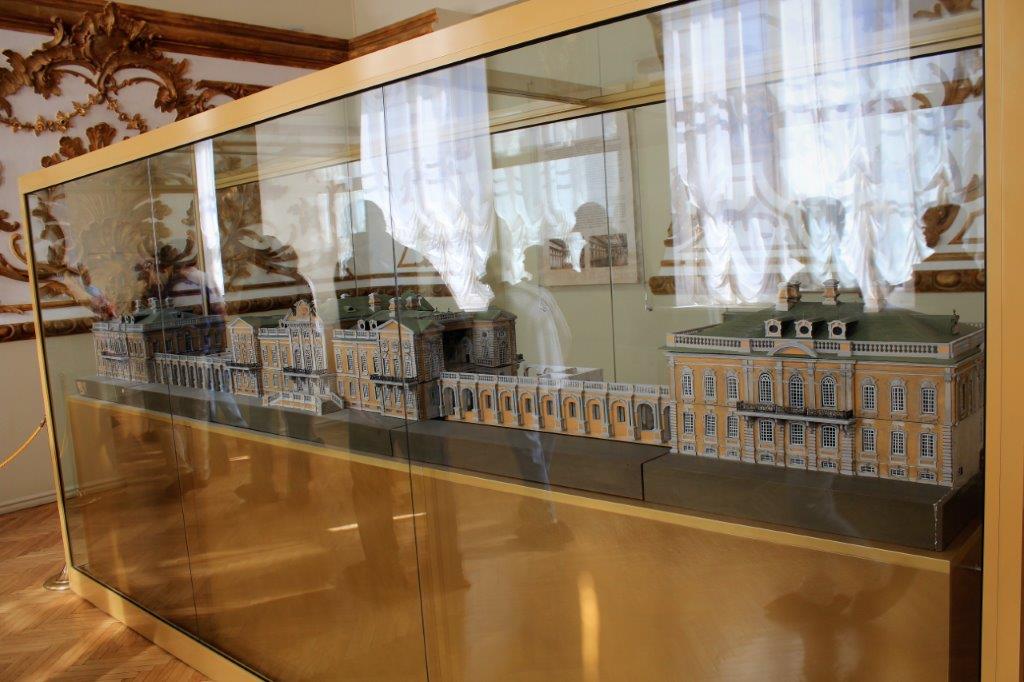
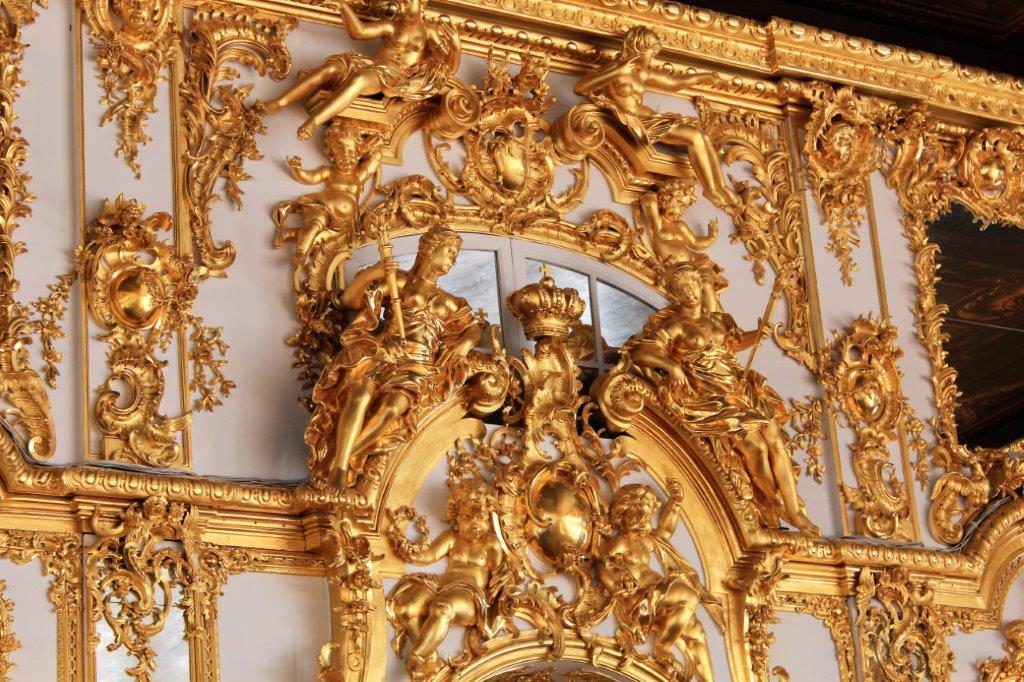
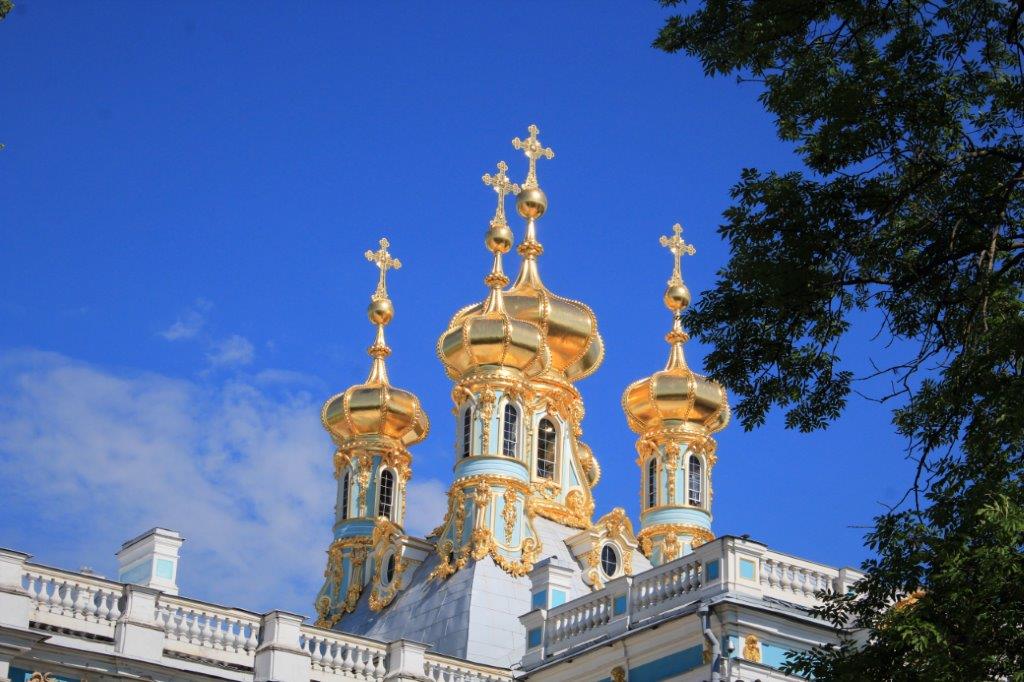
You cannot get a sense of the massive scale of this place except from the air.  I found these two photos on a tourist information site so hopefully I haven’t infringed on someone’s copyright.  I couldn’t find a credit for the images and the site was in Russian. Obviously we did not come close to seeing even the entire main building let alone the rest of the complex. And, yes, if you see something that looks like gold it is gold. There was originally over 200 pounds of gold on the exterior alone – today it is gold paint, not gilt

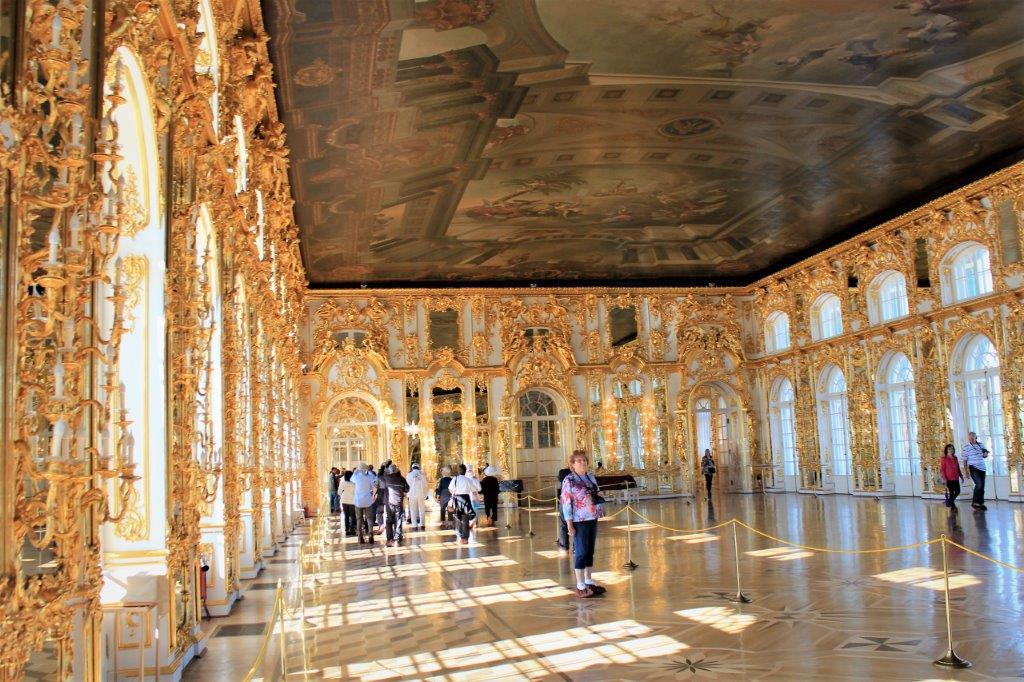
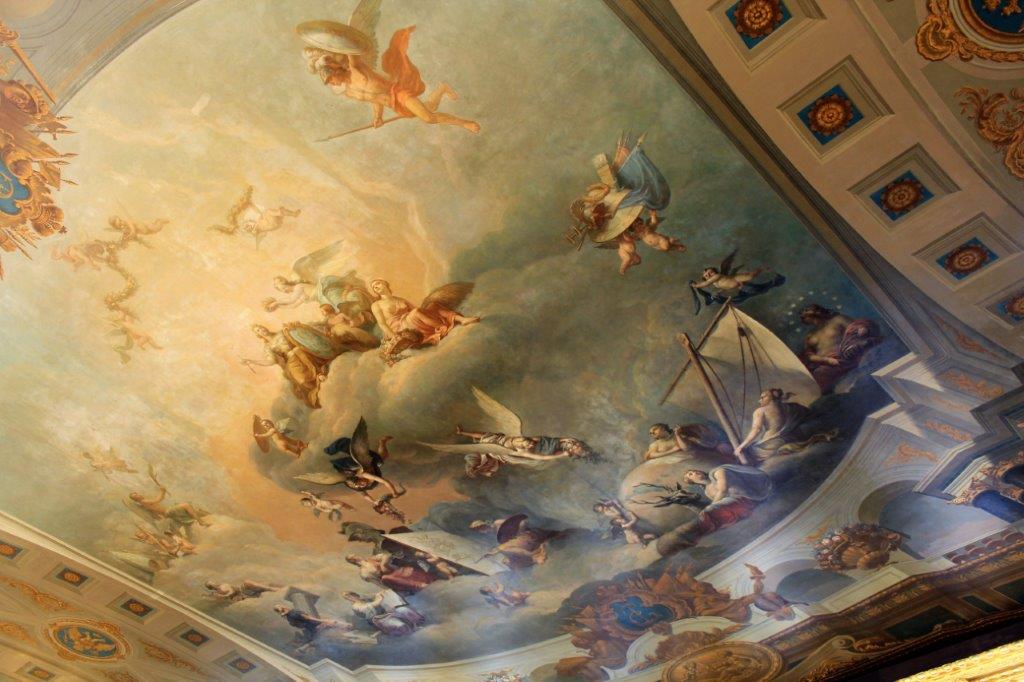
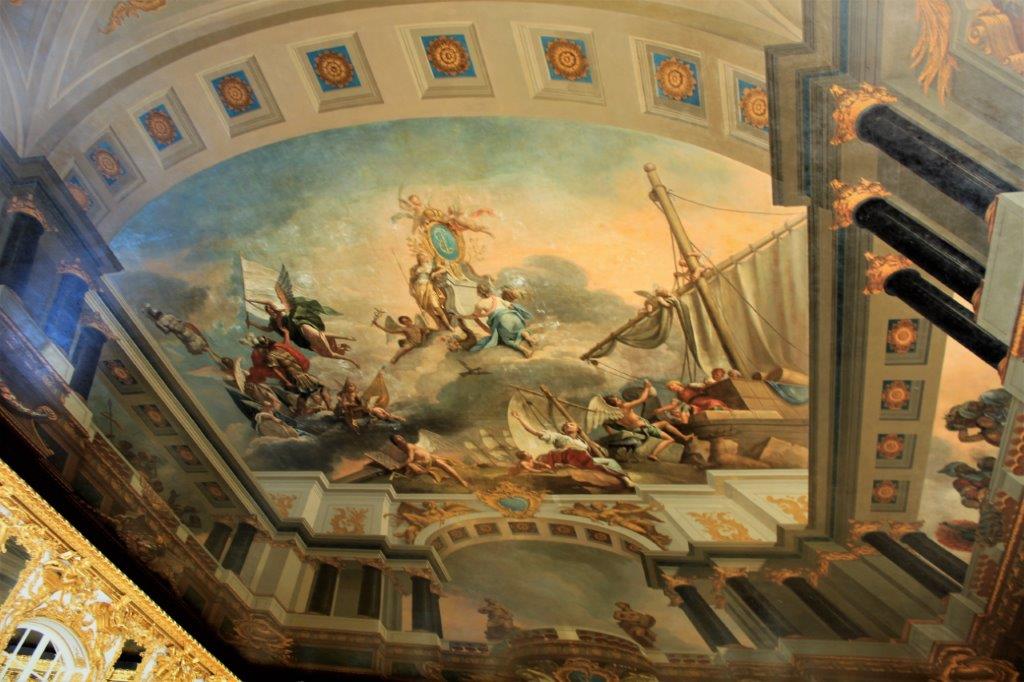
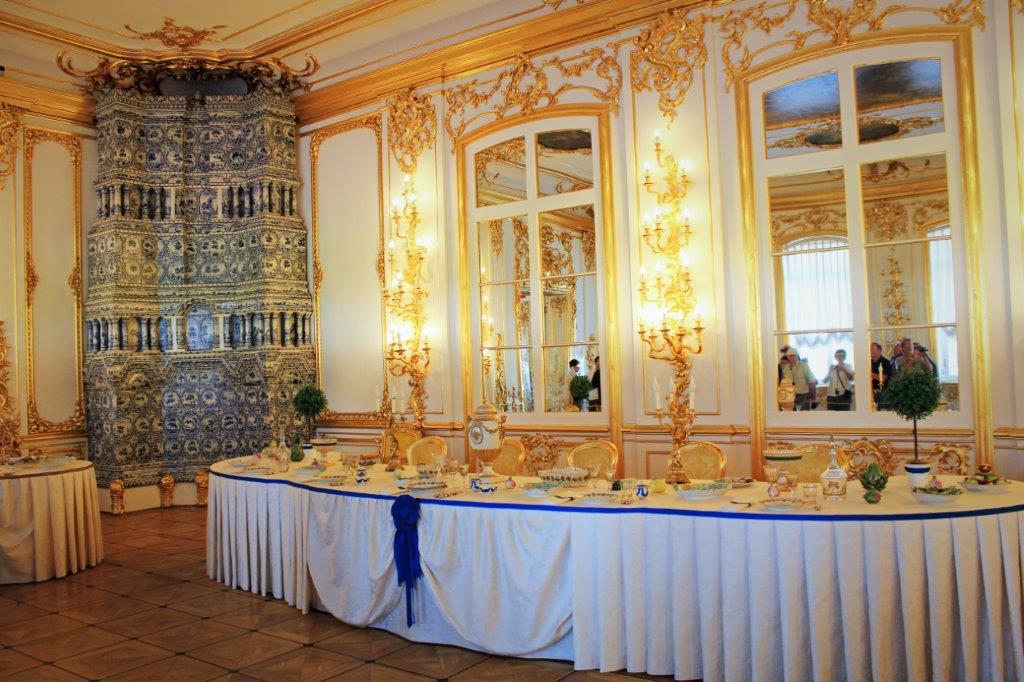
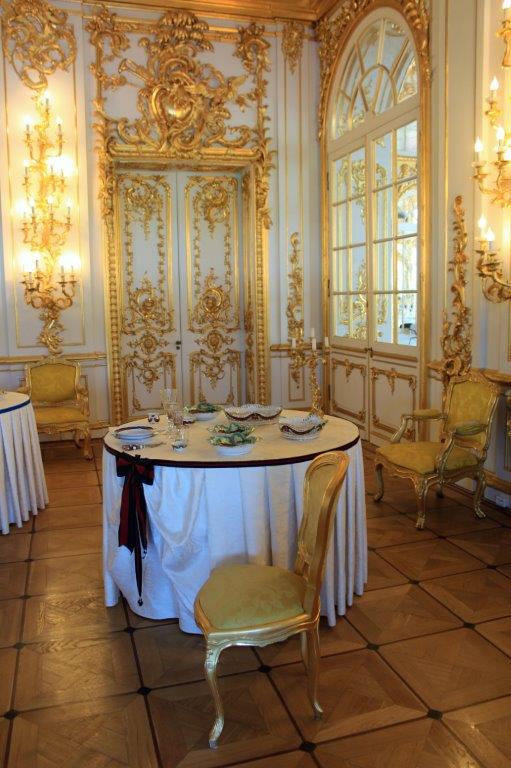
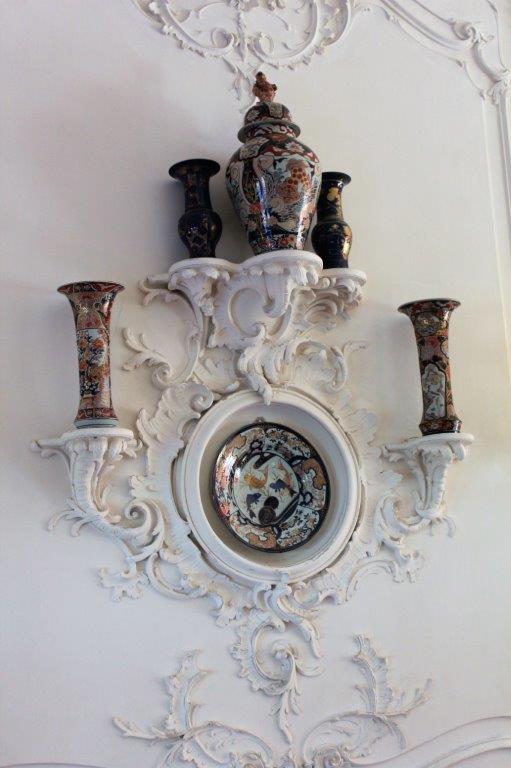
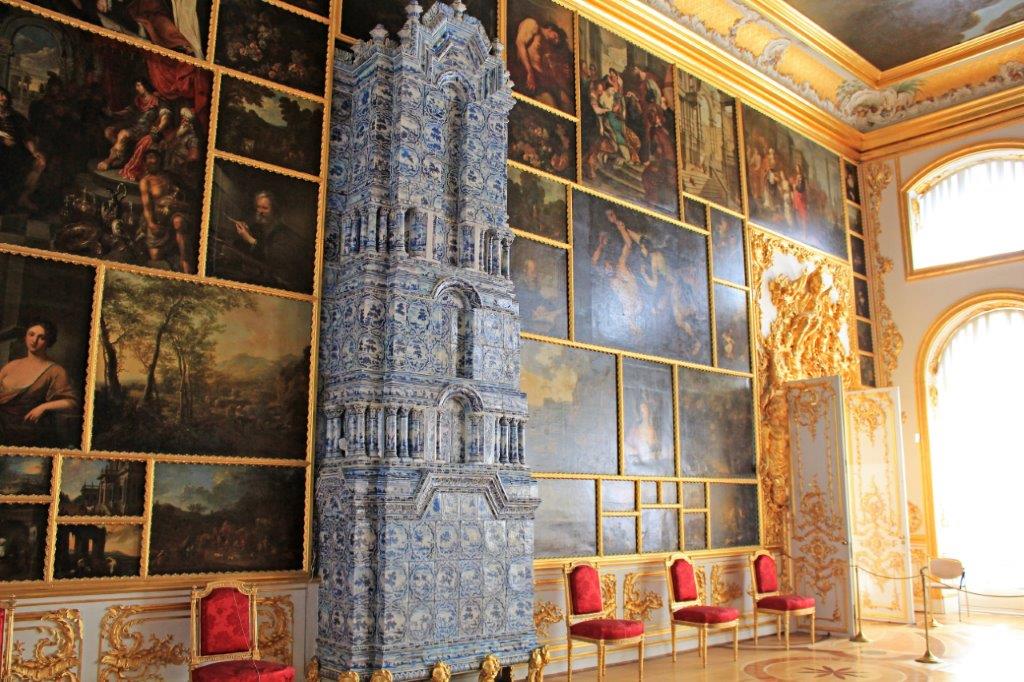
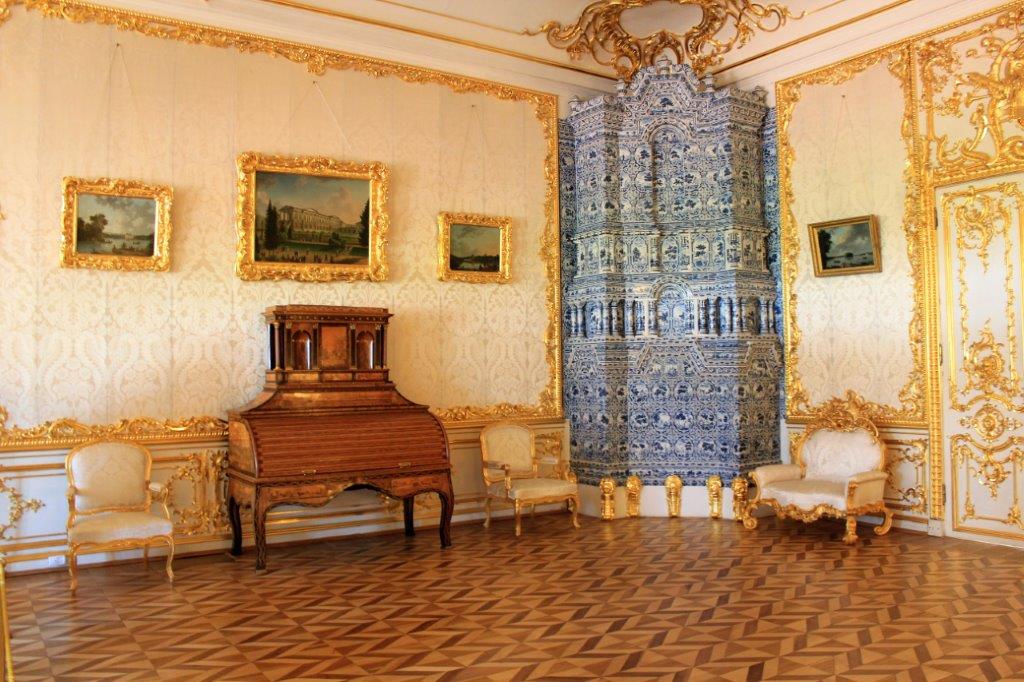
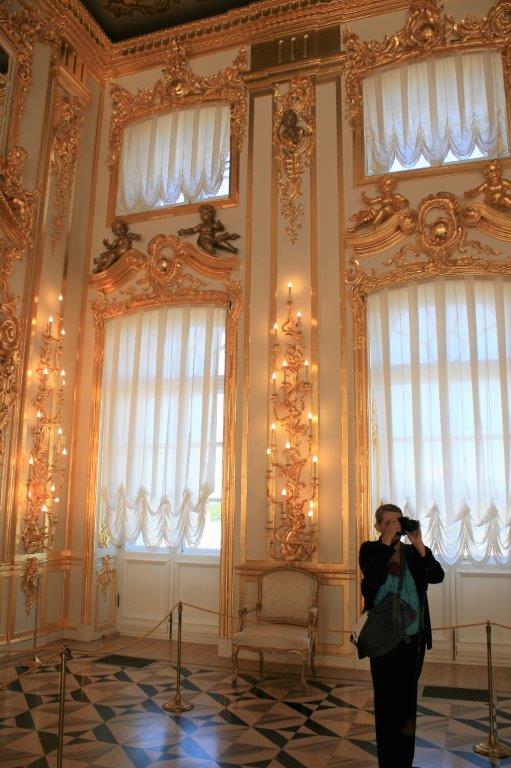
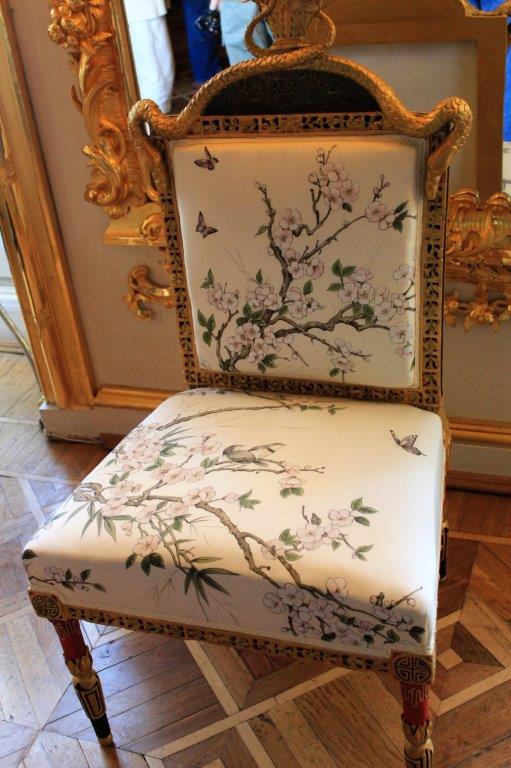
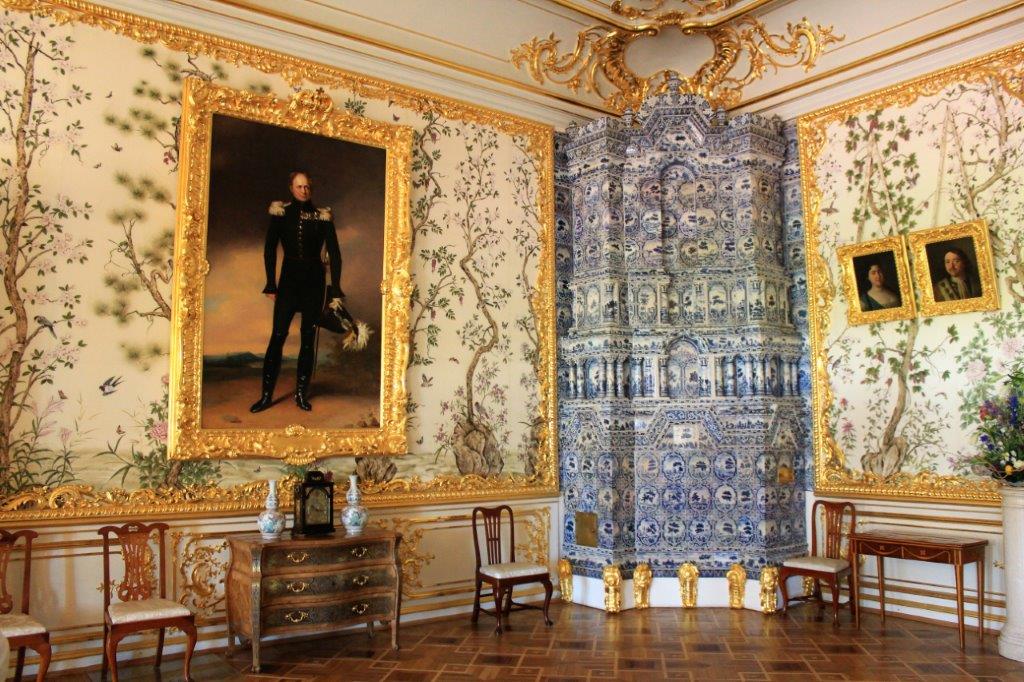
.  The magnificent Grand Hall is over 154′ long and 56′ wide (47m X 17m) and has a beautiful parquet floor and elaborately painted ceiling.  Between the light coming in from the windows and all the mirrors the room fairly sparkles.Magnificent artwork and treasured masterpieces are everywhere.                  Each chair is a different pattern of hand-painted silk.The blue and white dutch-looking columns in the rooms are fireplaces or heating stoves.

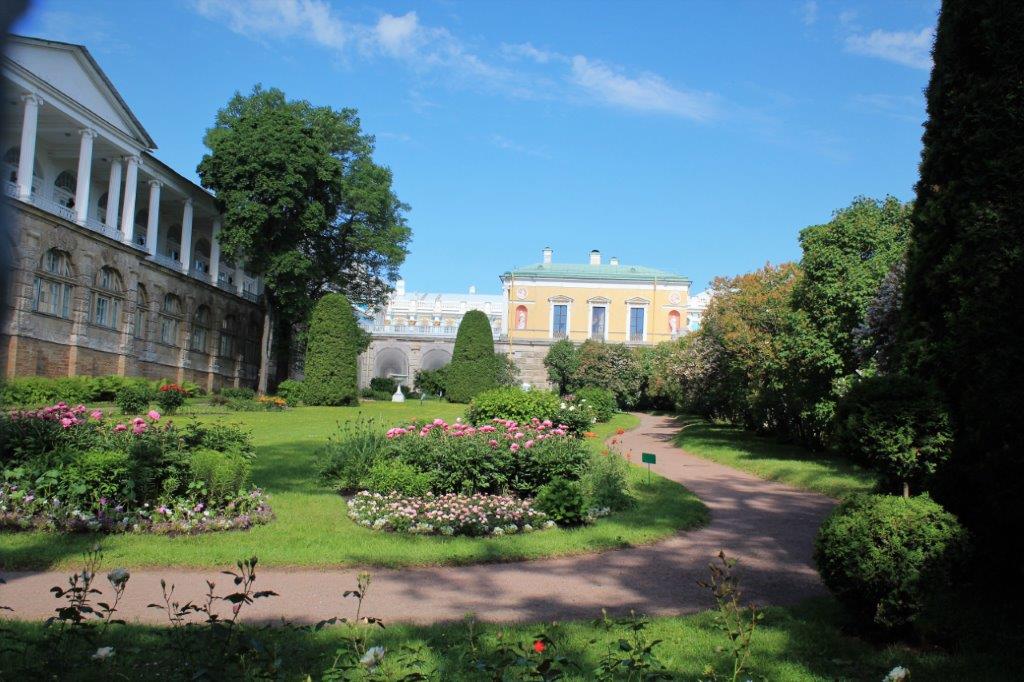
After our tour inside the palace concluded we had some time to wander around the grounds.                                                               The ChapelFrom Catherine’s Palace we were taken the short distance to Emperor Paul I’s Palace at Pavlovsk.

2013 Summer (Baltic and Britain – St. Petersburg, Russia – Day 1 – Part 2)

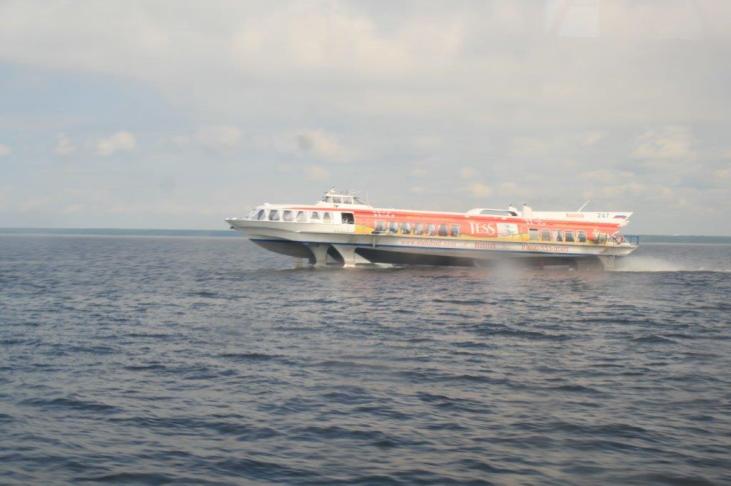
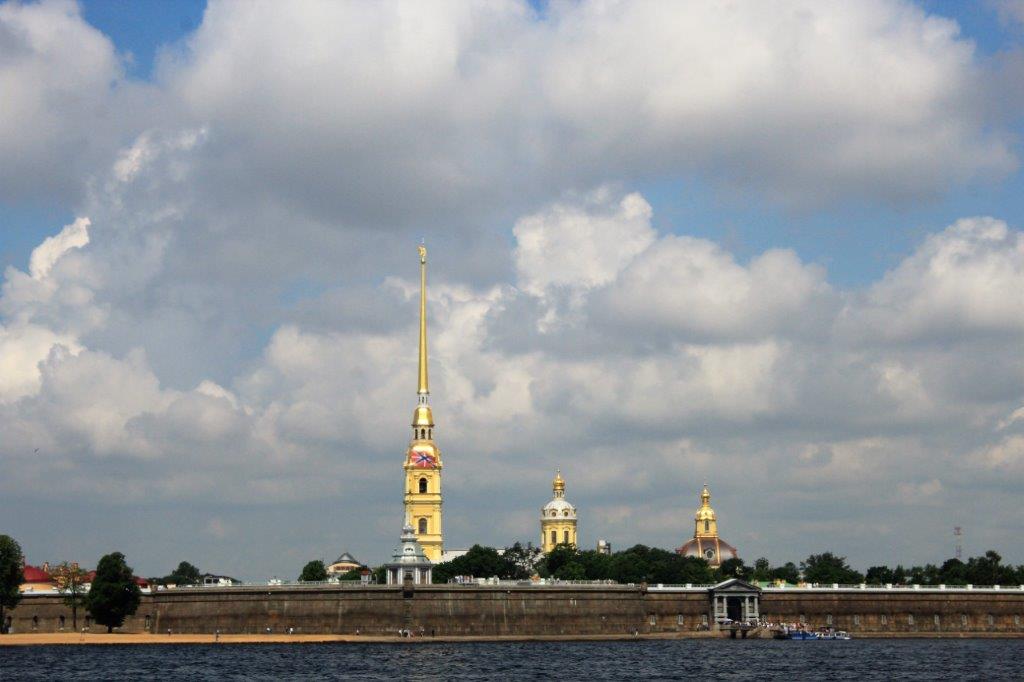
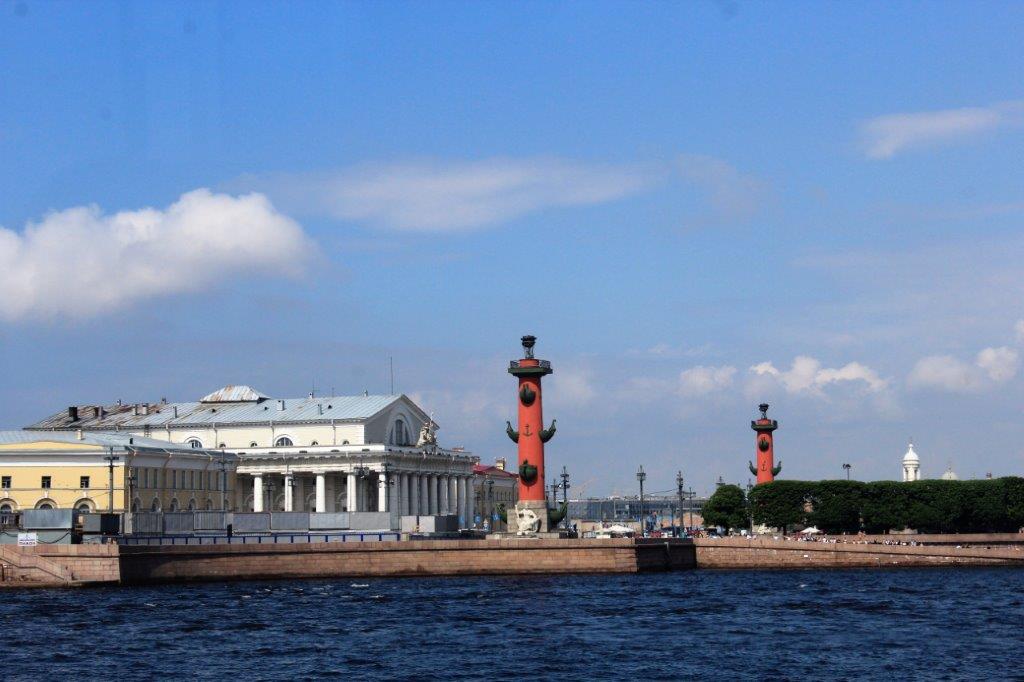
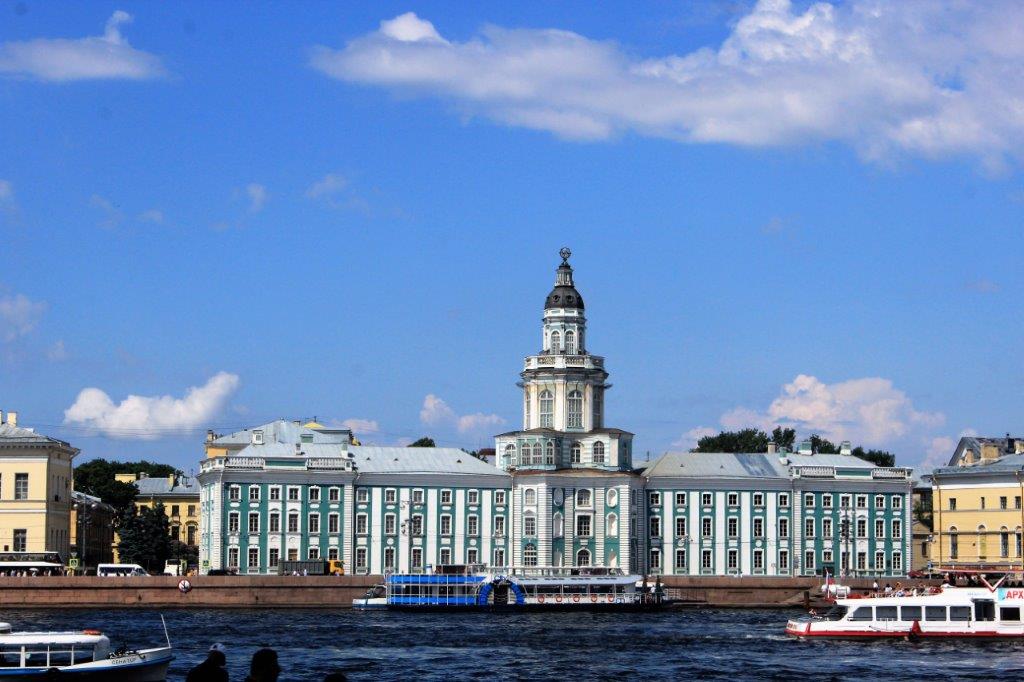
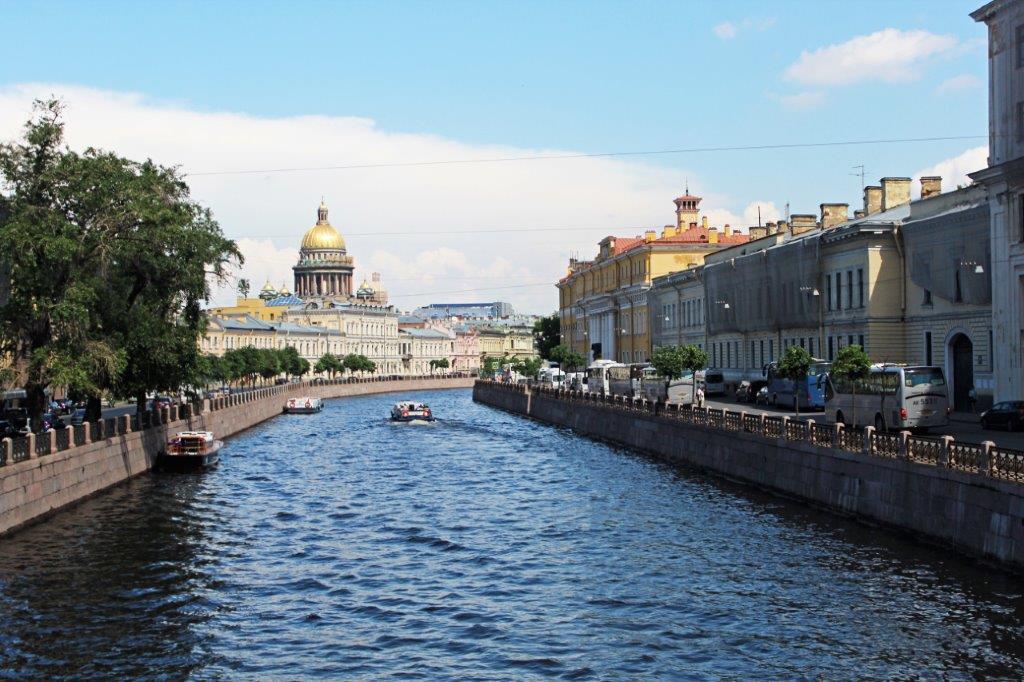
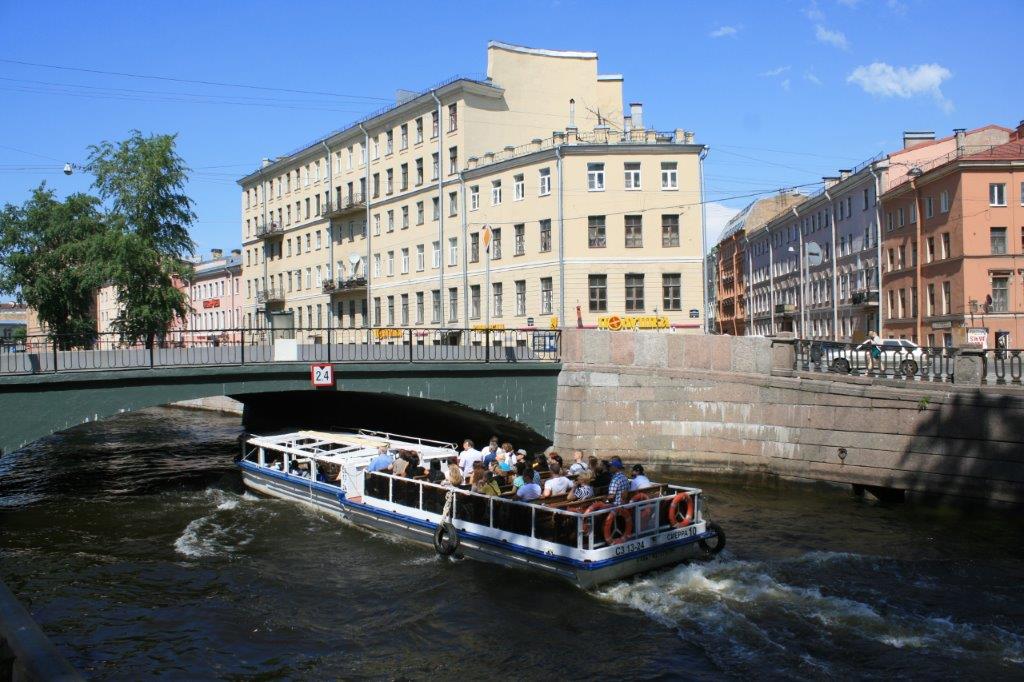
After our tour of the Imperial Summer Palace we were taken by hydrofoil from Peterhof back to St. Petersburg. St. Petersburg is the cultural and tourist capital of Russia. The population is about 5 million.  The city was founded on 101 islands and was built by Peter the Great in 1703 to take the place of Moscow as the Russian Empire capital.  In 1914 the name was changed to Petrograd so it didn’t sound so German.  The name was changed again to Leningrad in 1924 five days after the death of Soviet leader to honour him.  When Russia broke from the USSR in 1991 55% of the people voted to restore the name to the original St. Petersburg.  Much of the water between all the islands has been filled in over the years and now there are about 44 islands connected by many bridges.
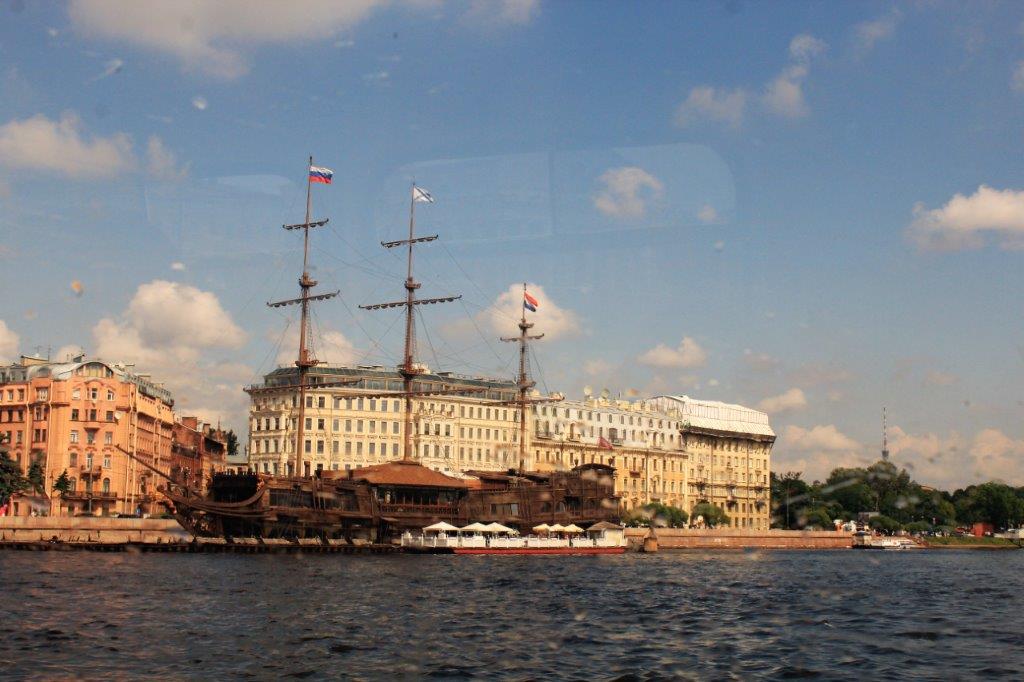
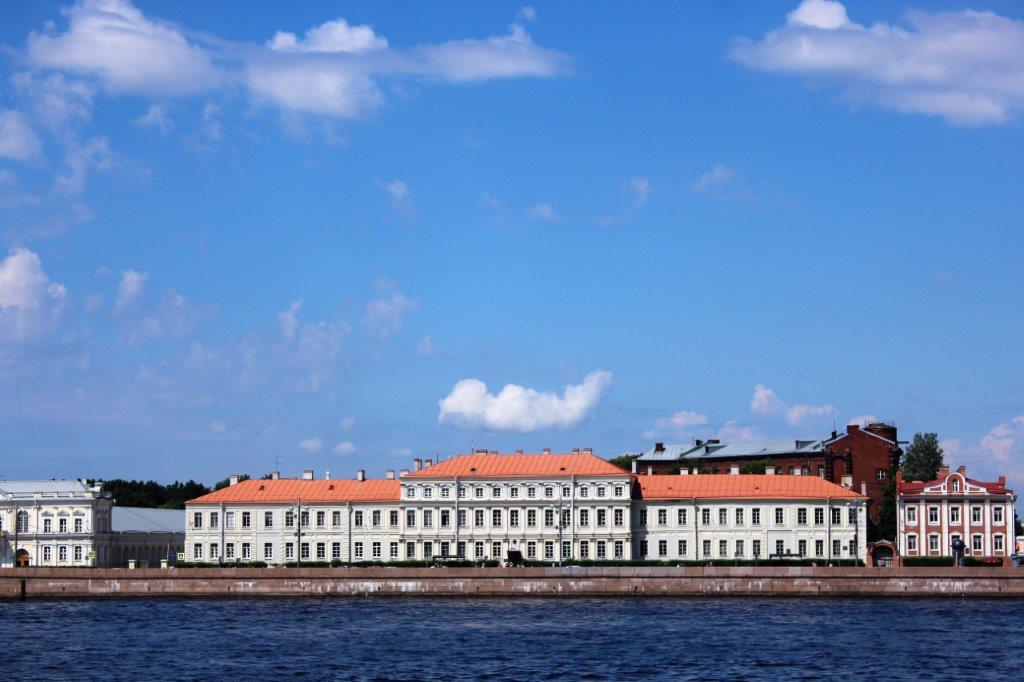
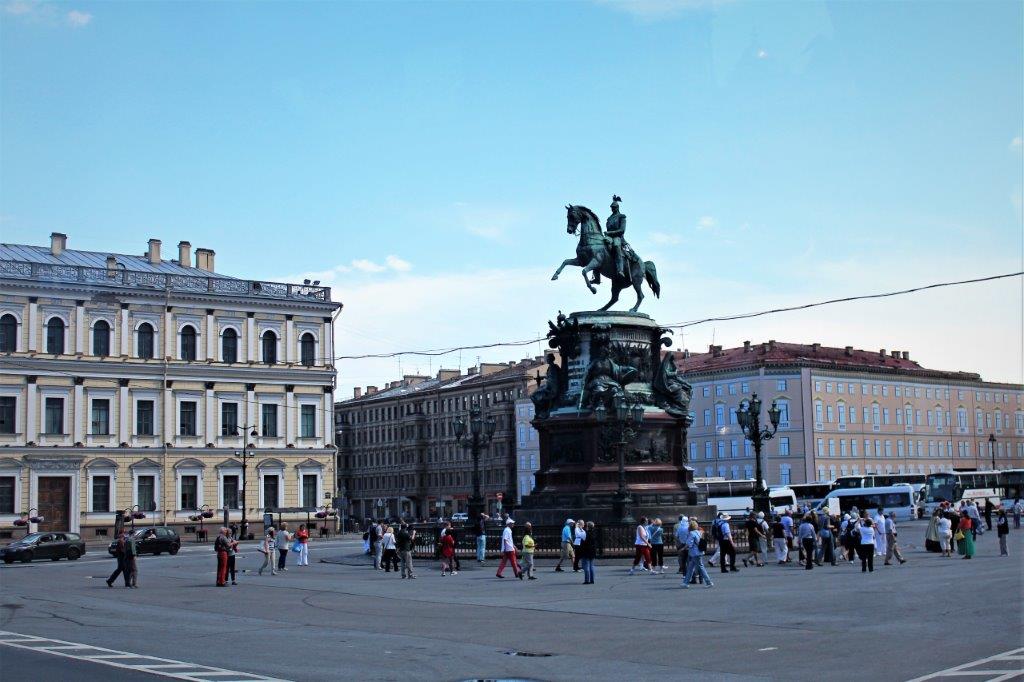
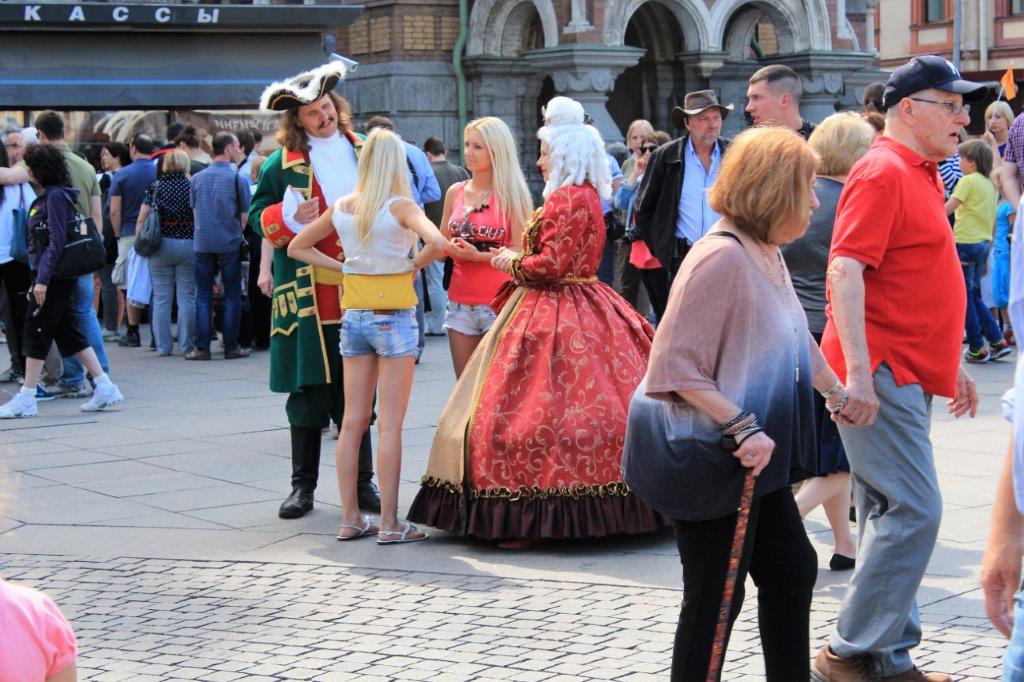
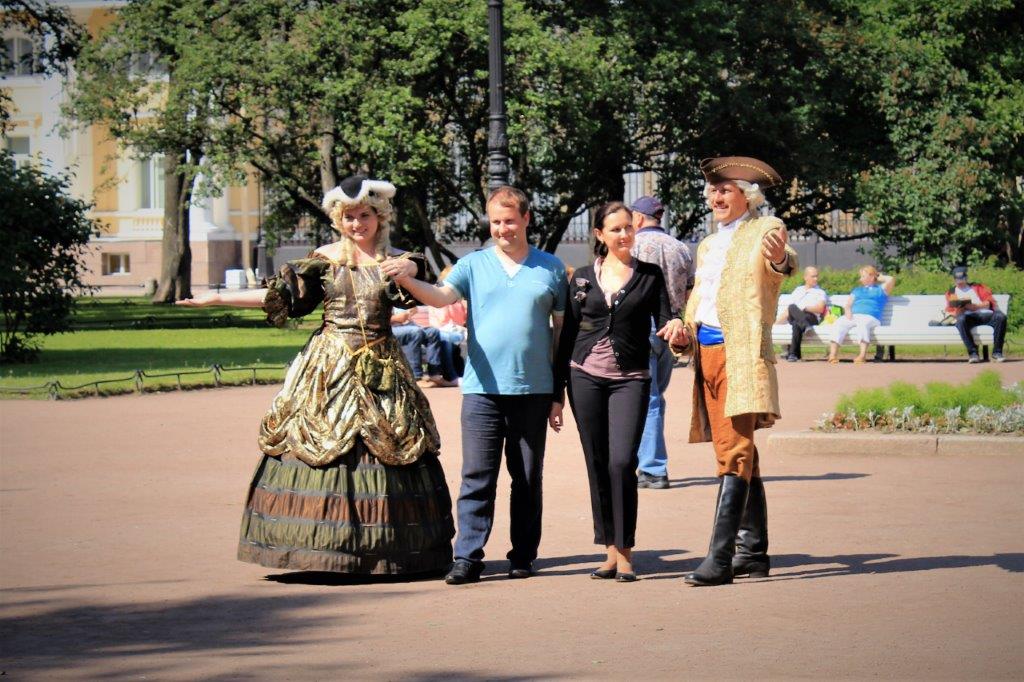
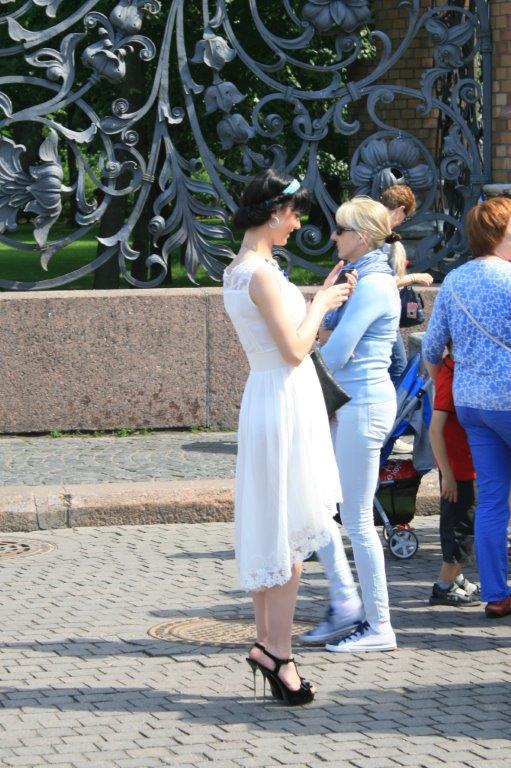
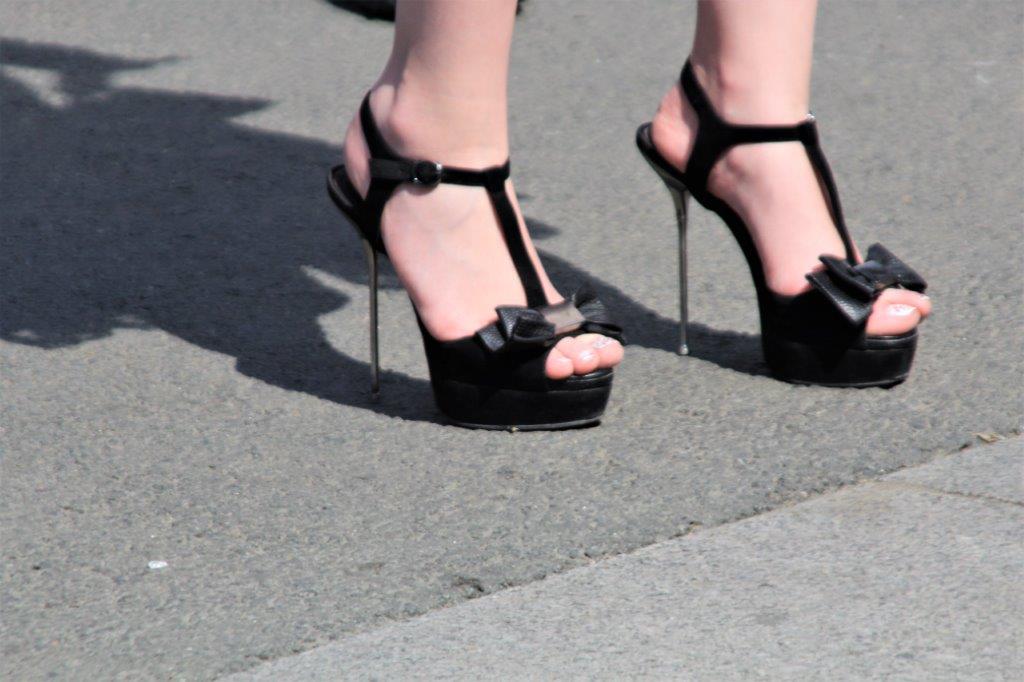
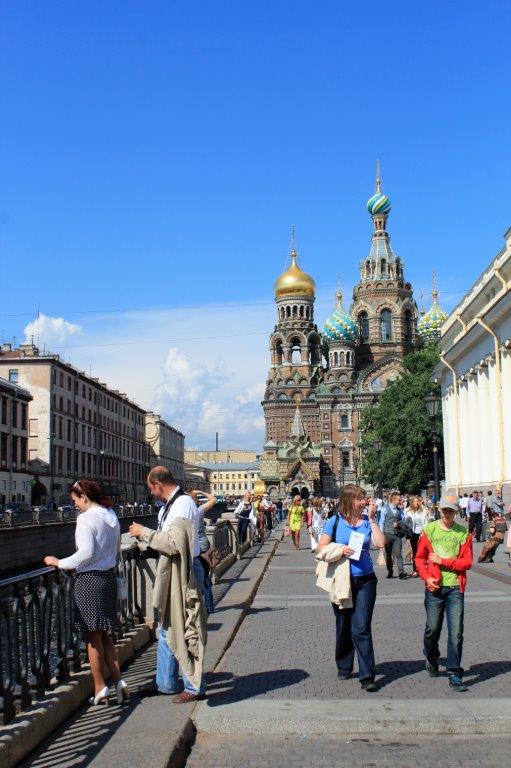
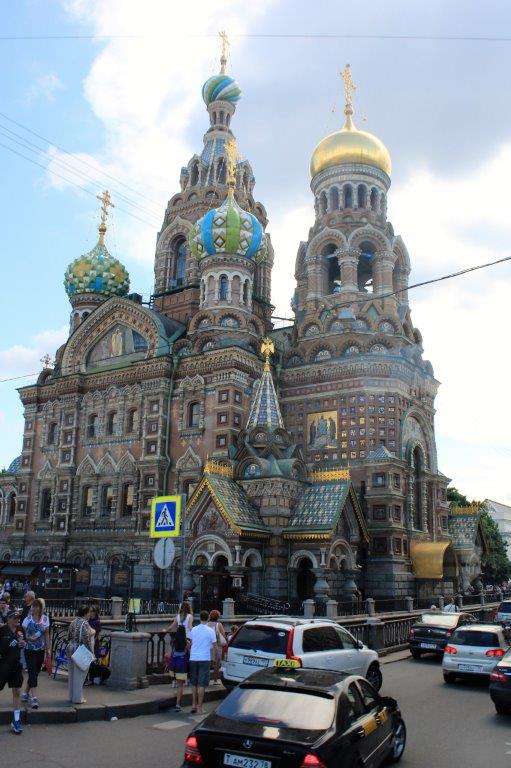
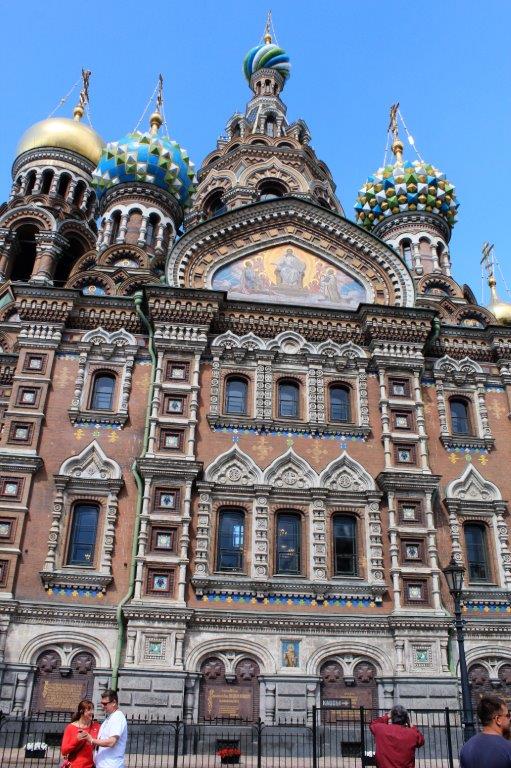
   There is certainly no shortage of impressive buildings along the shore. From the launch dock it was a short walk across the square to the Church on the Spilled Blood.                       There are lots of ‘photo ops for a fee’ available. I loved these shoes but can you imagine wearing them to walk on cobblestones?
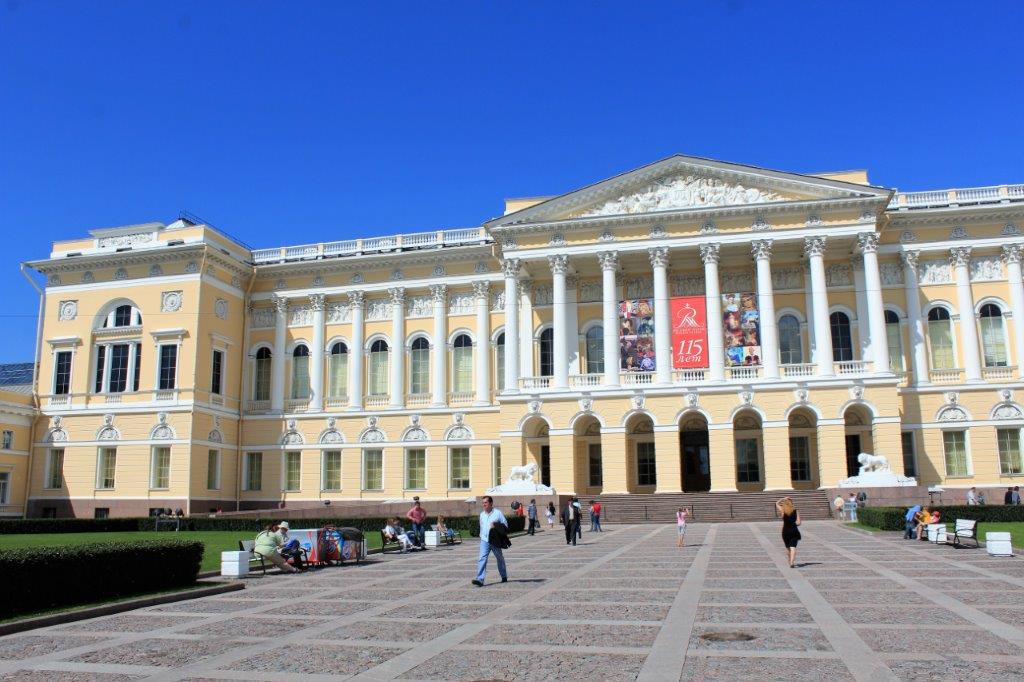
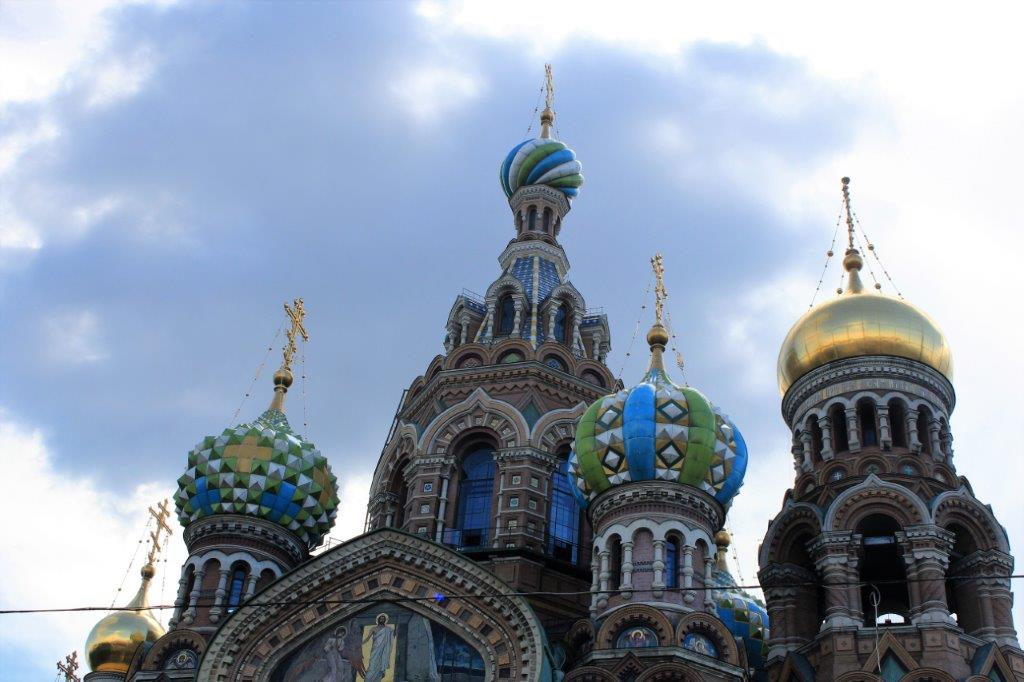
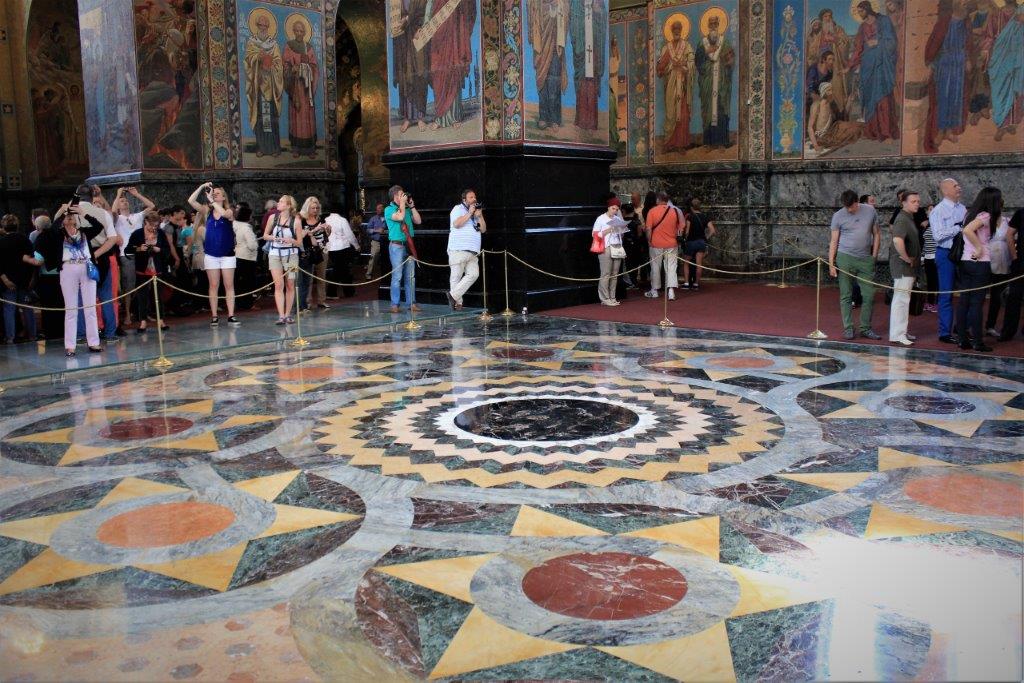
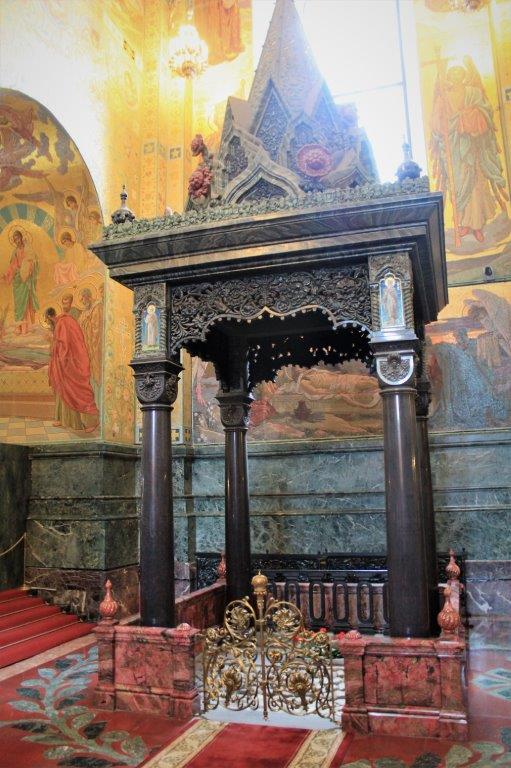
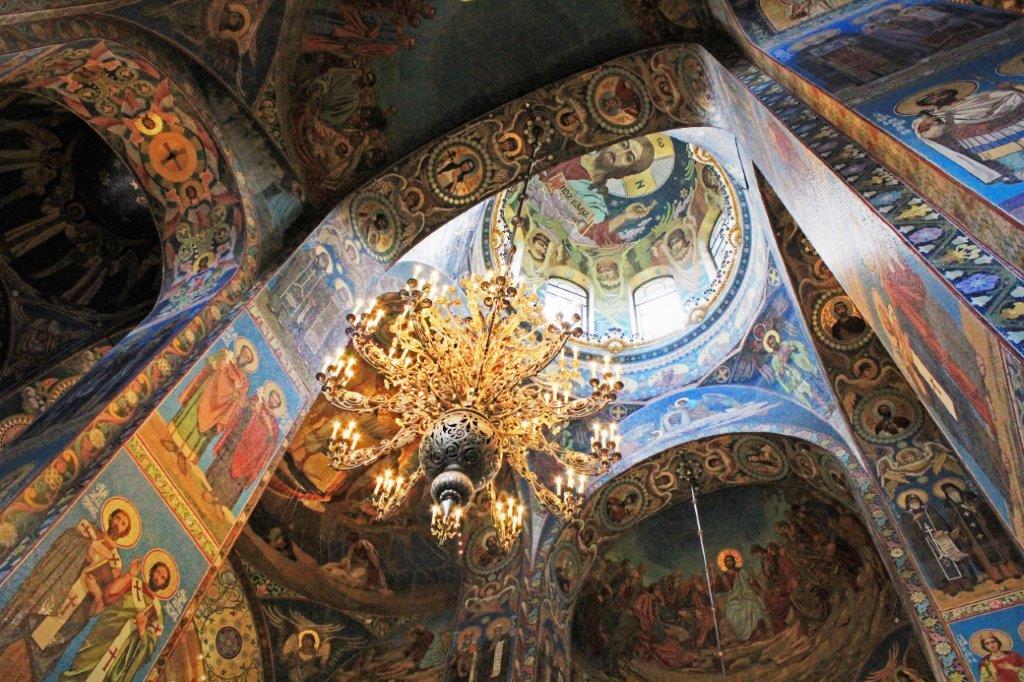
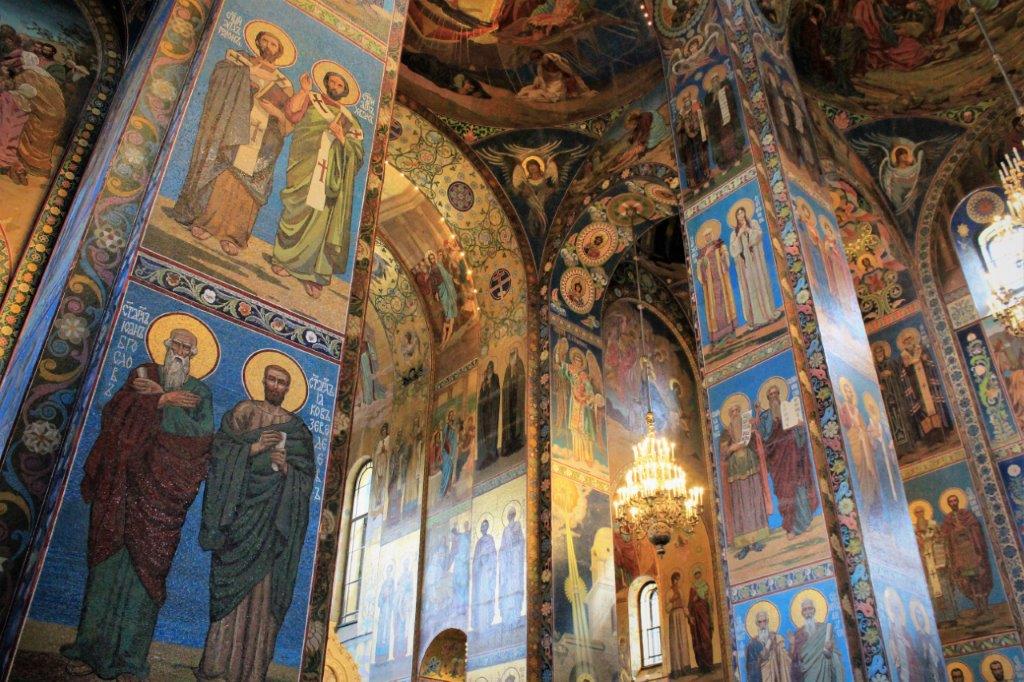
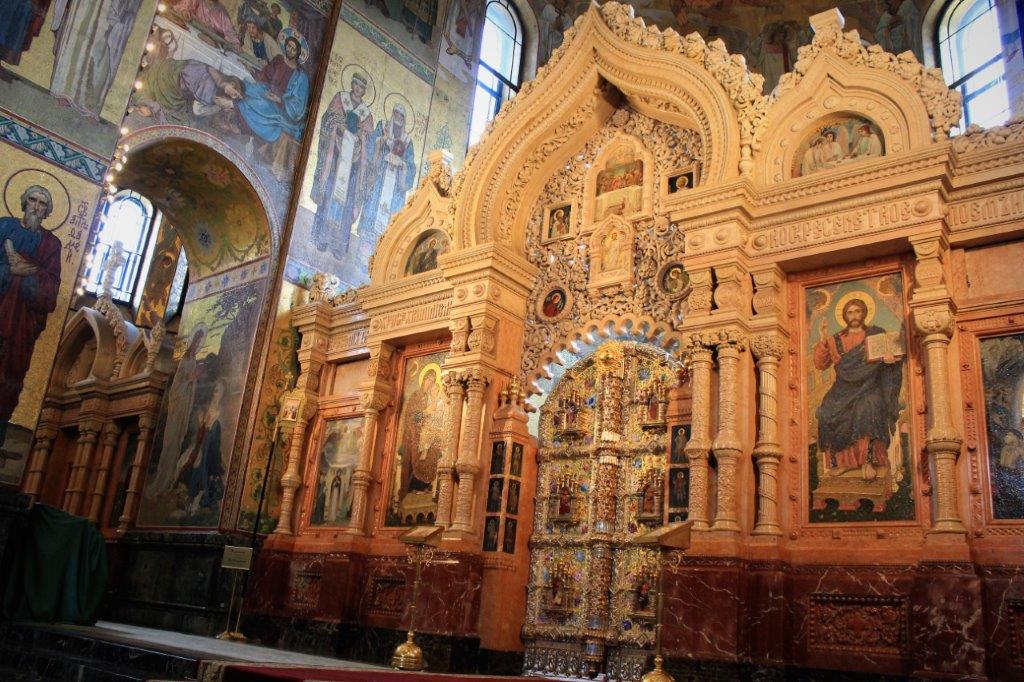
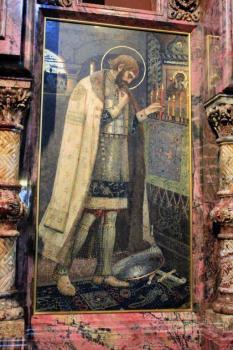
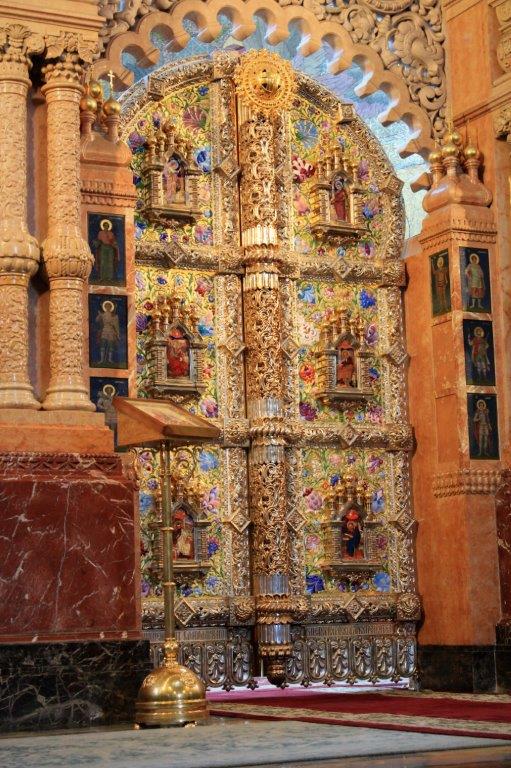
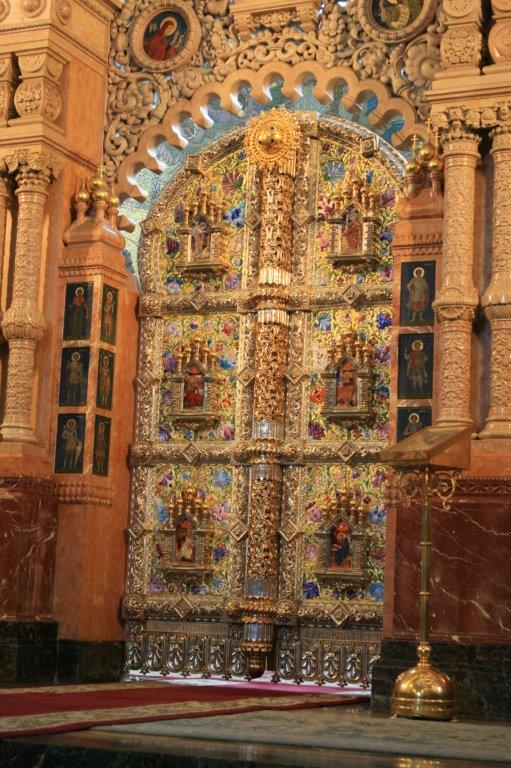
Officially called the Church of the Resurrection of Jesus Christ, it is known locally as the Church on the Blood because it was built on the spot where Alexander II was fatally wounded in an assassination attempt March 1, 1881.
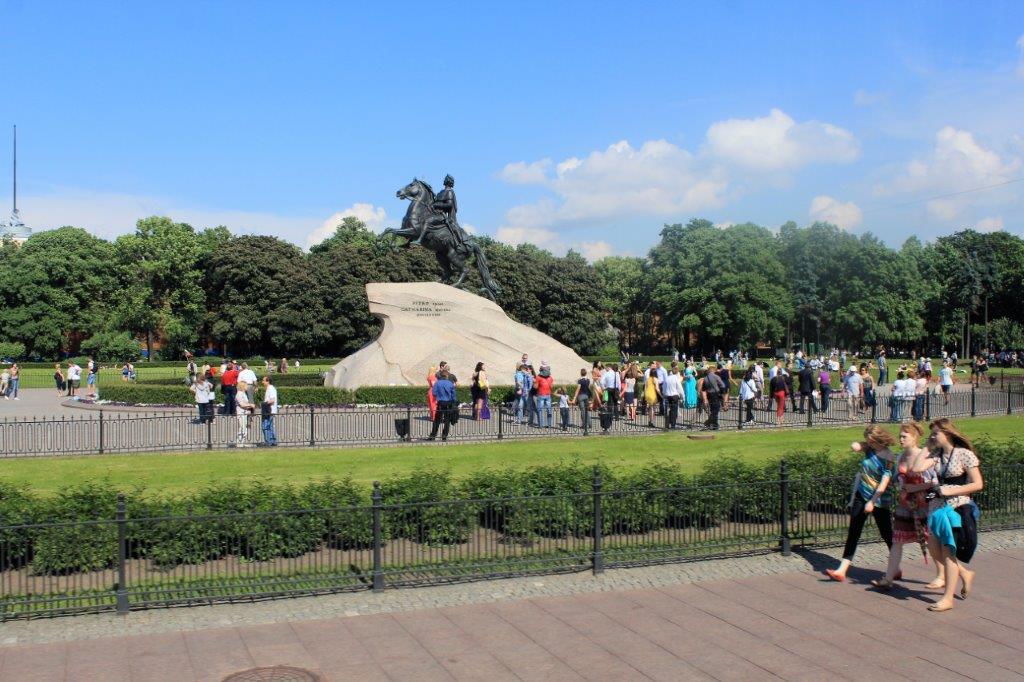
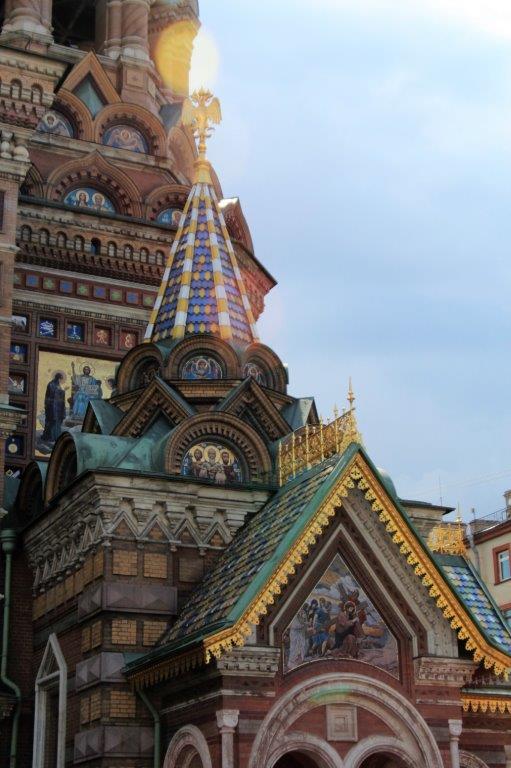
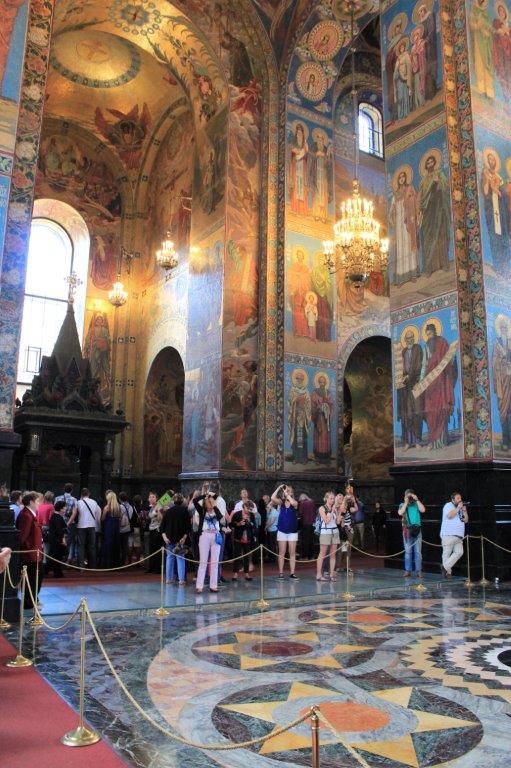
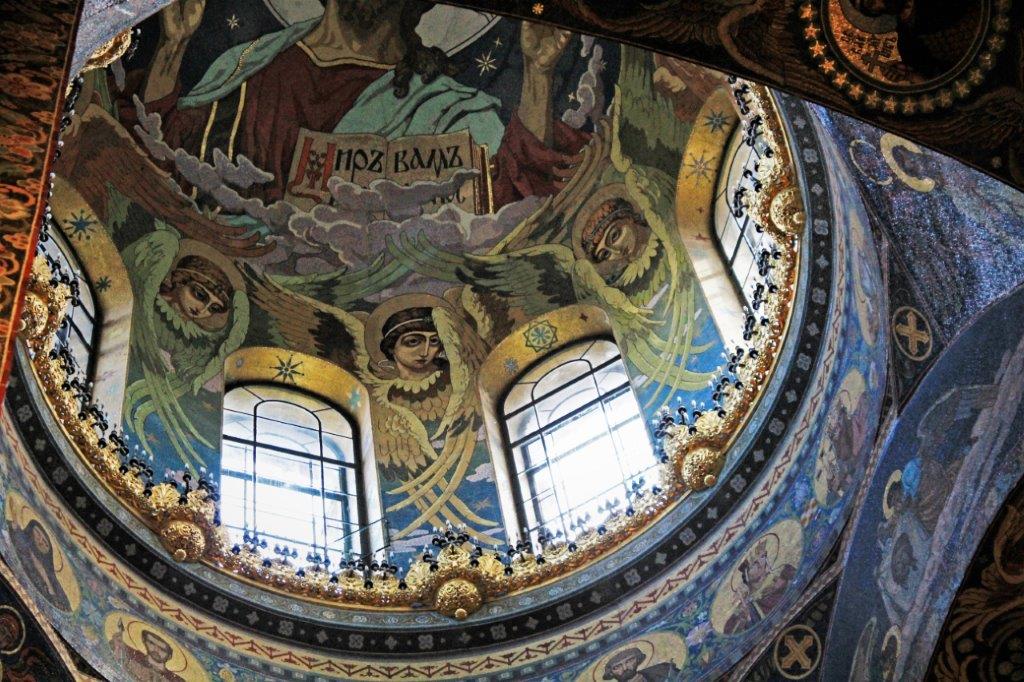
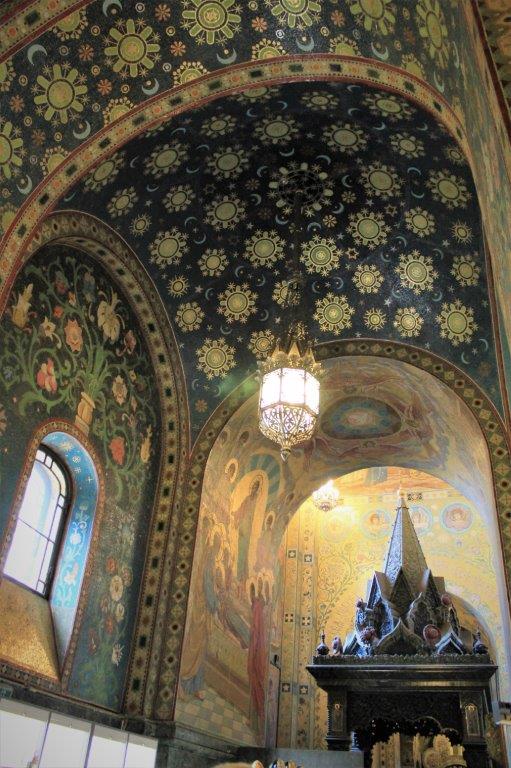
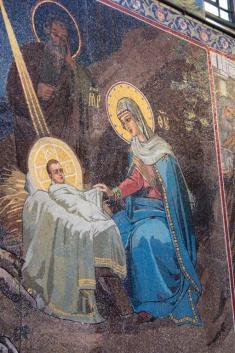
There must be a rule that Orthodox Churches cannot have any ‘unadorned’ spots.  Inside and out every single bit of surface is painted and decorated.

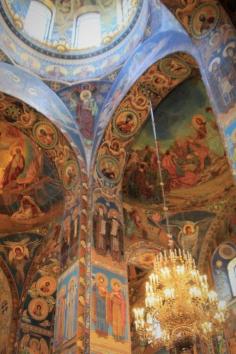
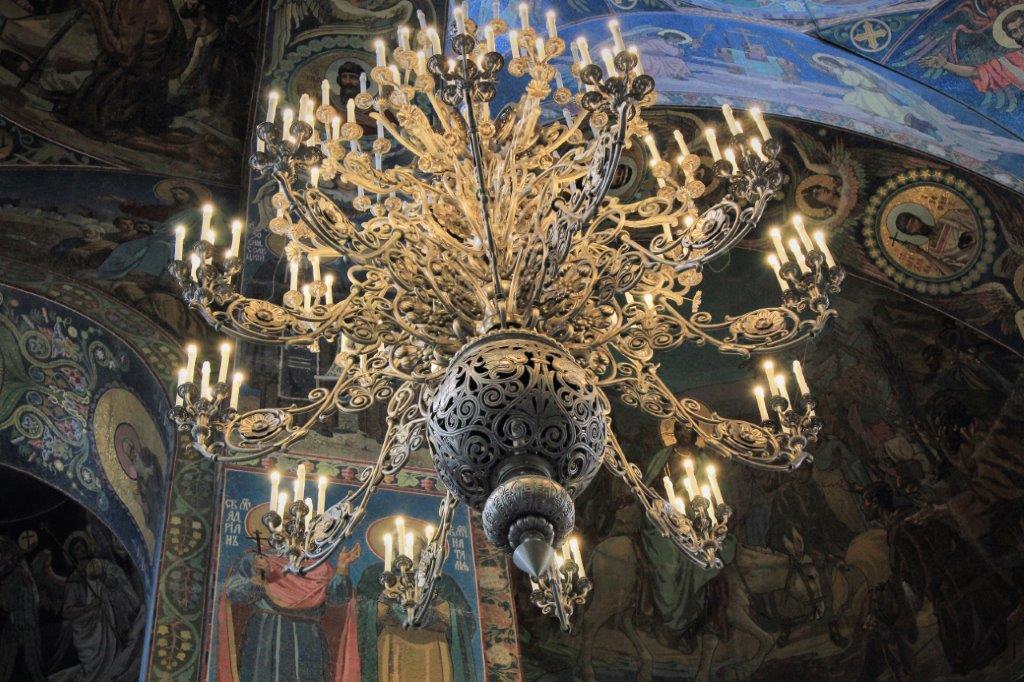
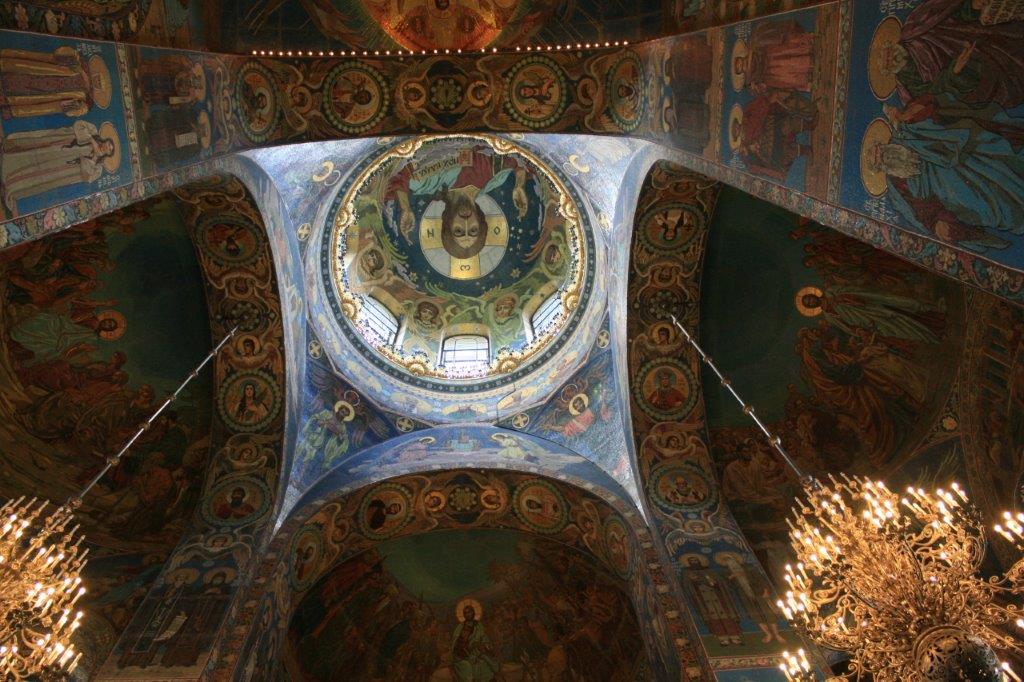
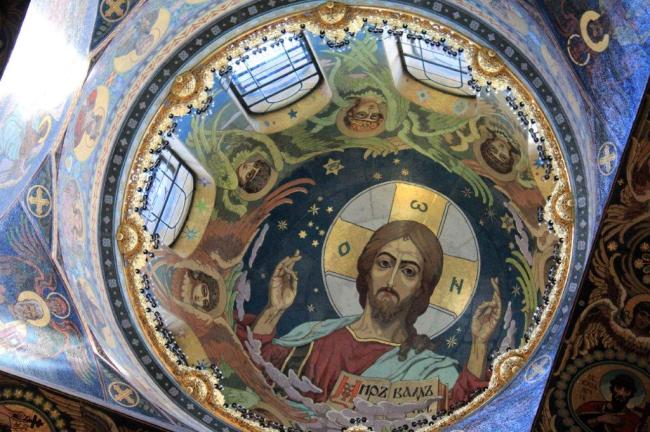
                             Looking up inside one of the many domes.                                             Loved the chandelier!    And then it was back to the ship for dinner and a quiet evening after a long, beautiful day.  The next day was also a palace day when we again left St. Pete’s to go see Catherine’s Palace and Pavlovsk (Paul’s Palace).