Category Archives: 2012 Grand Mediterranean and Black Sea Cruise

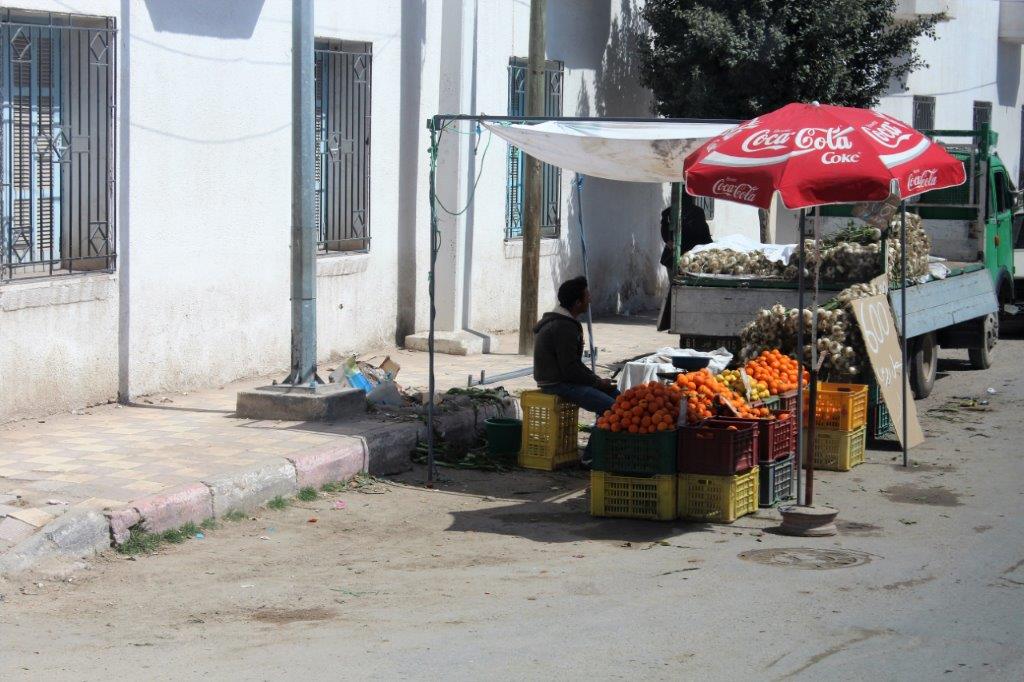
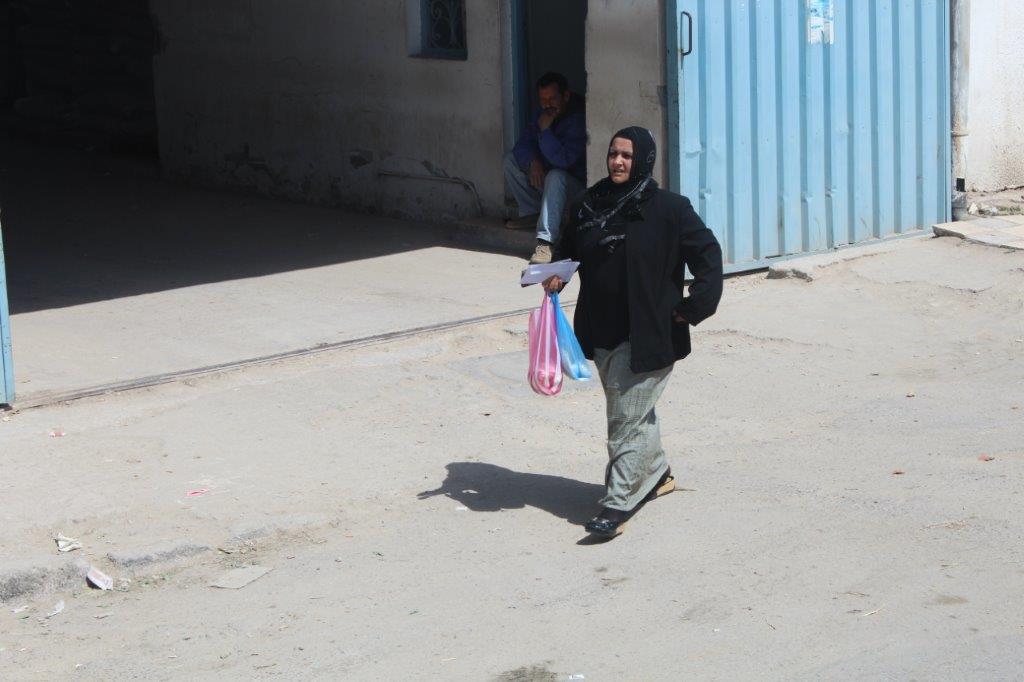
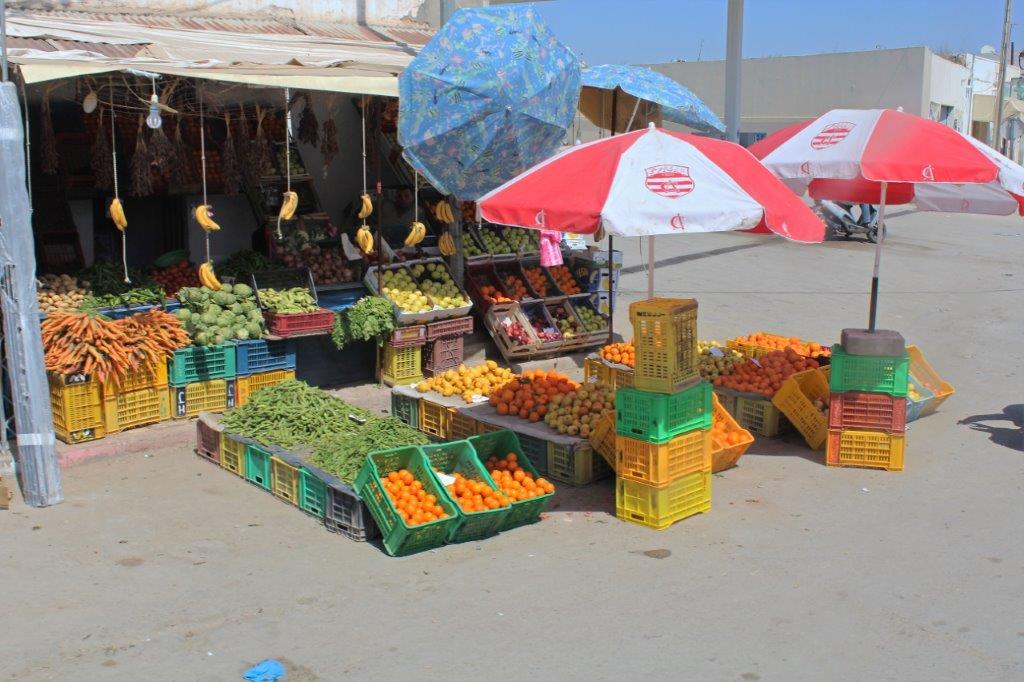
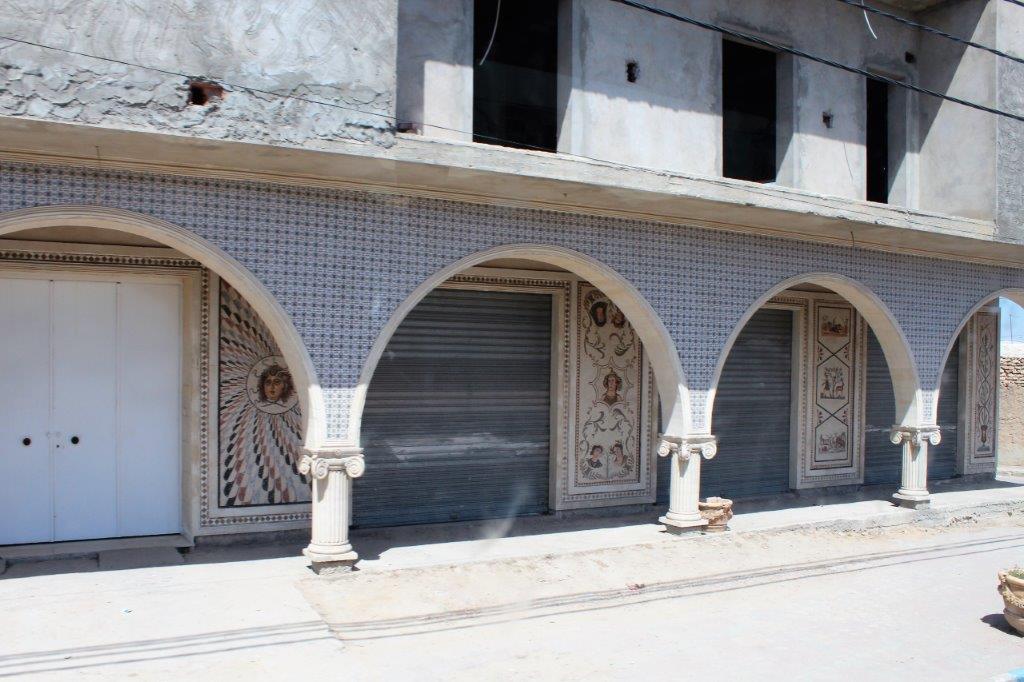
2012 March 30 – Day 19 – Gabés, Tunisia (Part 1)

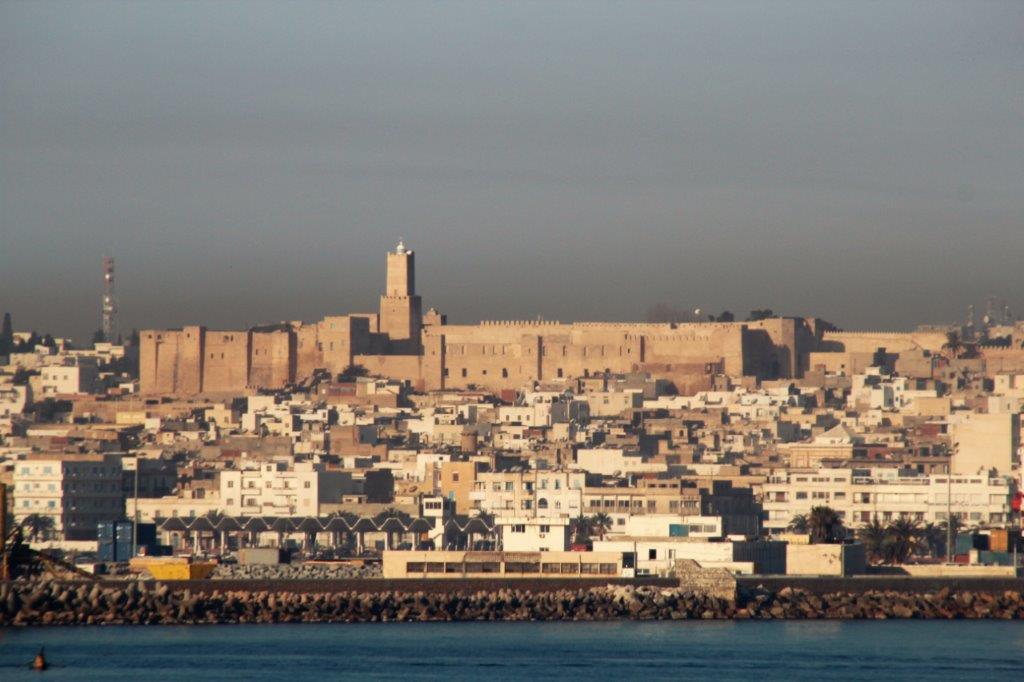
The region surrounding Gabés was the chosen site for the first Phoenician colony in Tunisia (c 1200 BC).  It became a busy merchant port when the Roman Empire absorbed it following the Punic Wars and the port was an important trans-Sahara gateway for pilgrims undertaking the obligatory hajj (visit to the holy city of Mecca).

Residents claim that Gabés is the world’s only seaside oasis and it’s  underground springs naturally produce 10,000 gallons of water per day.

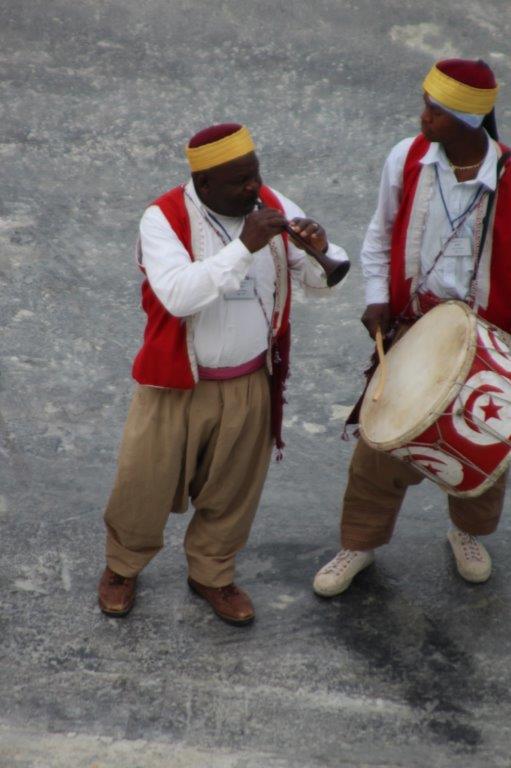
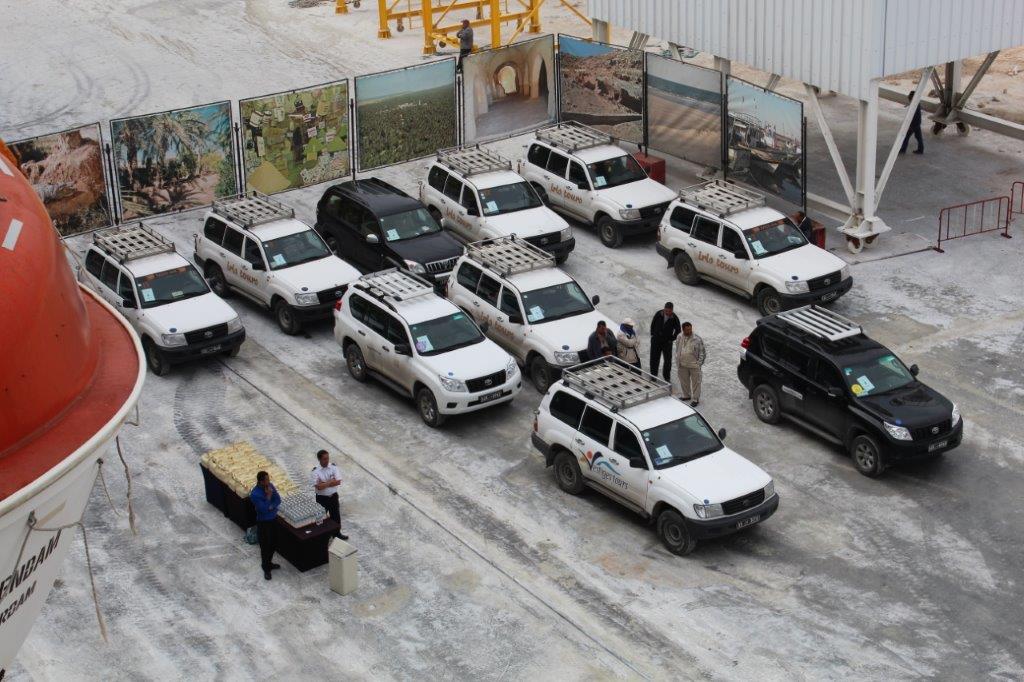
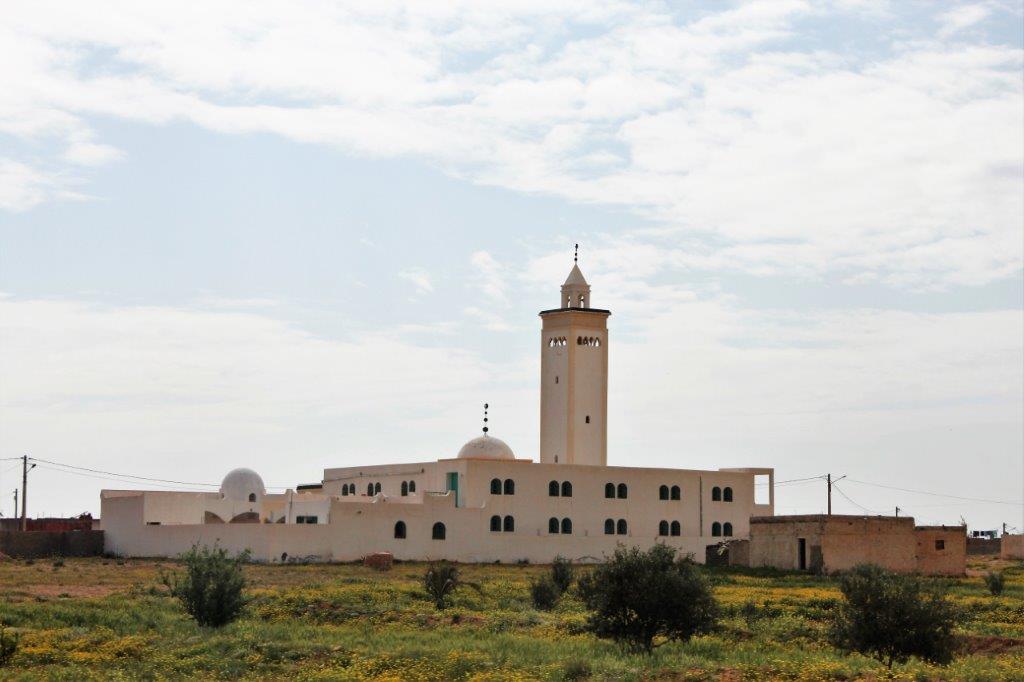
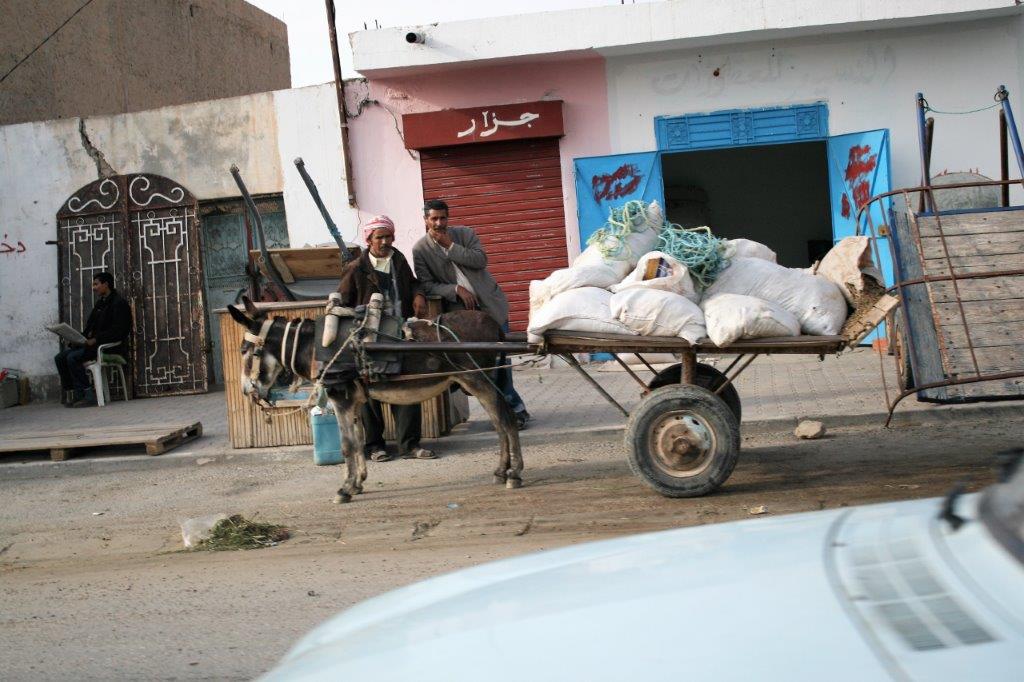
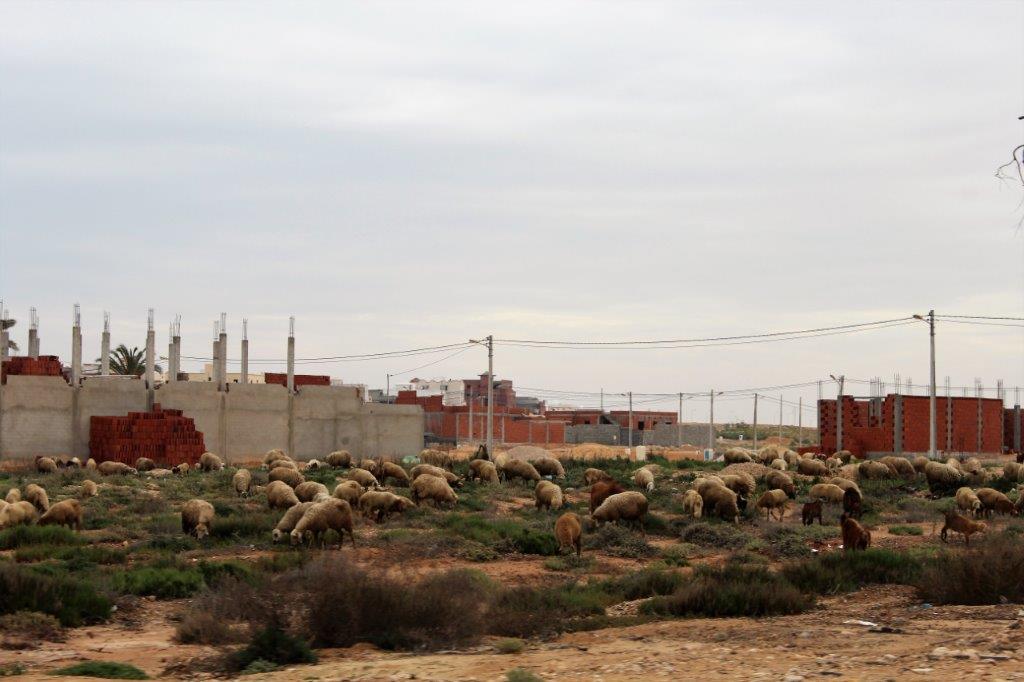
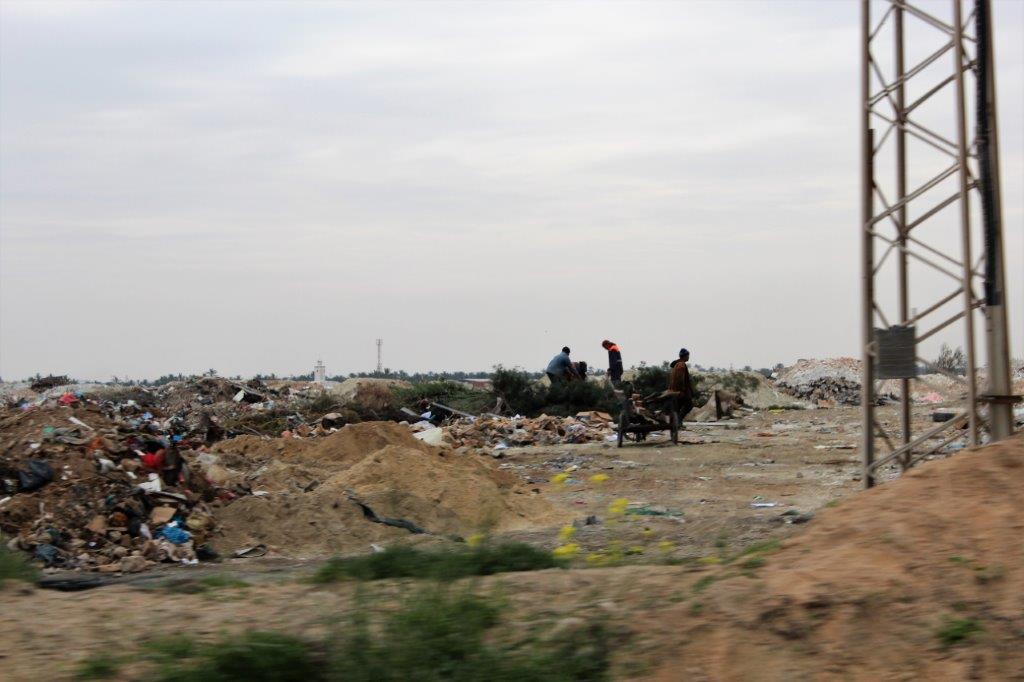
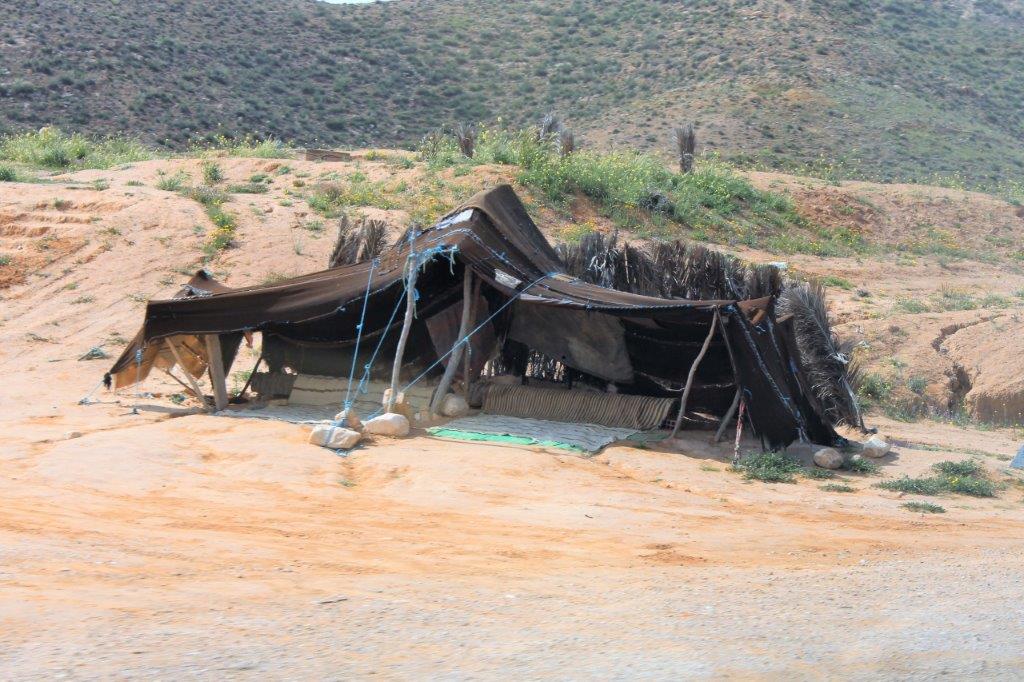
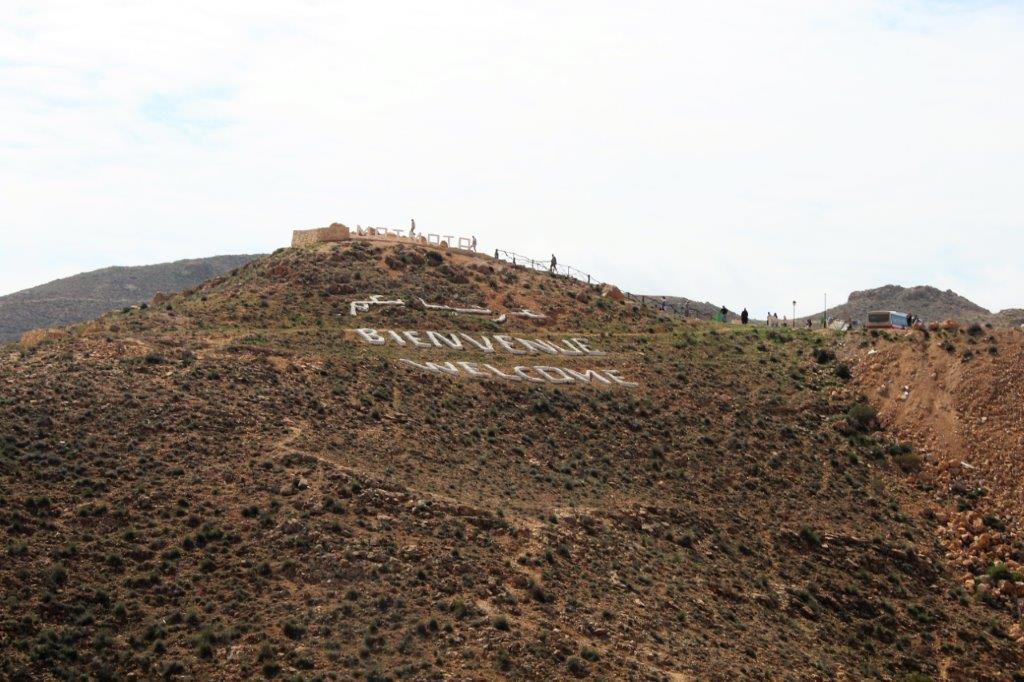
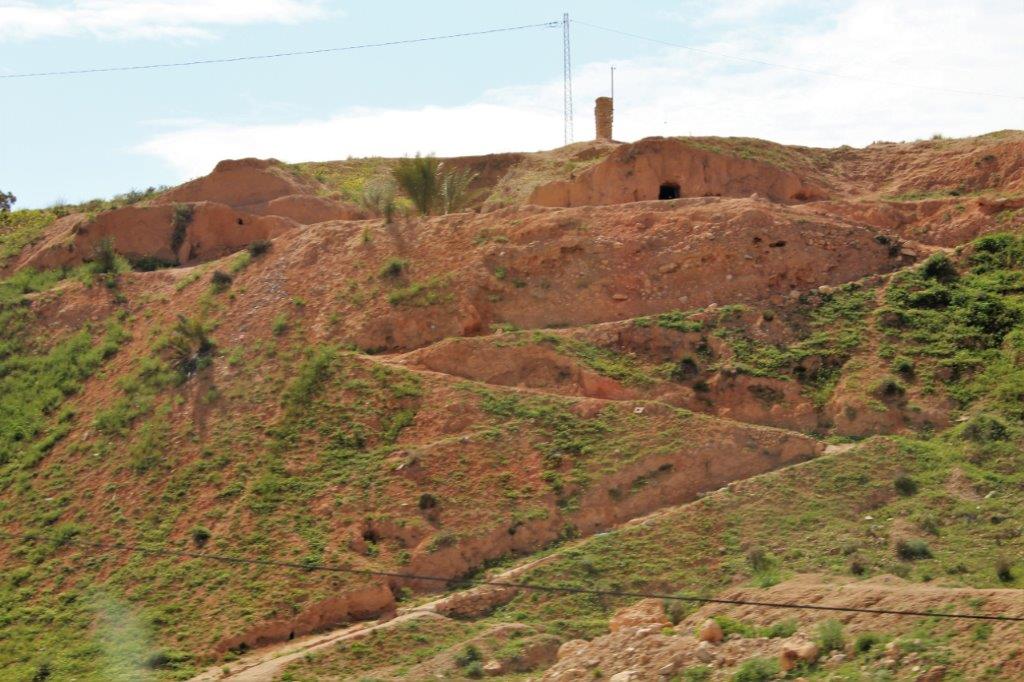
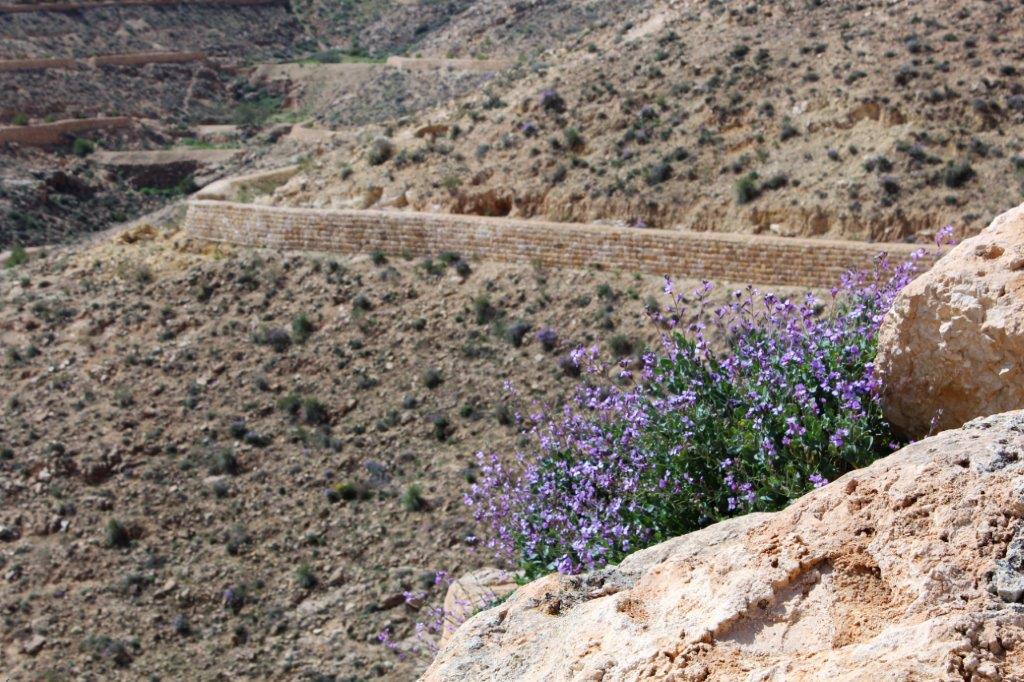
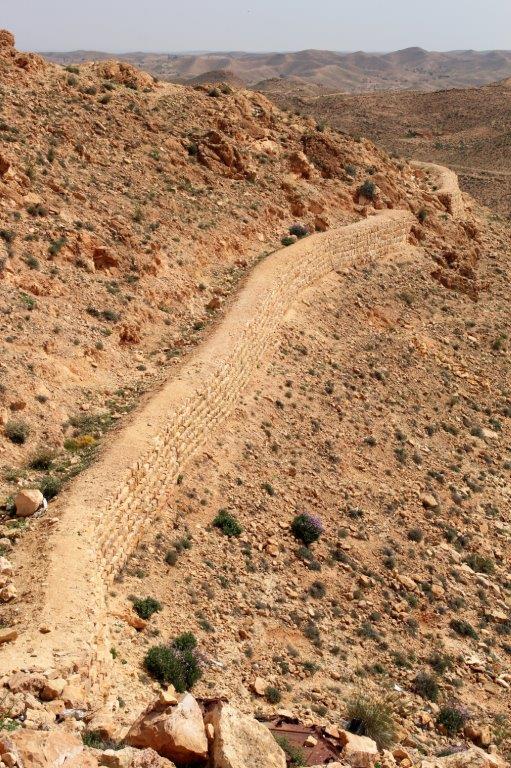
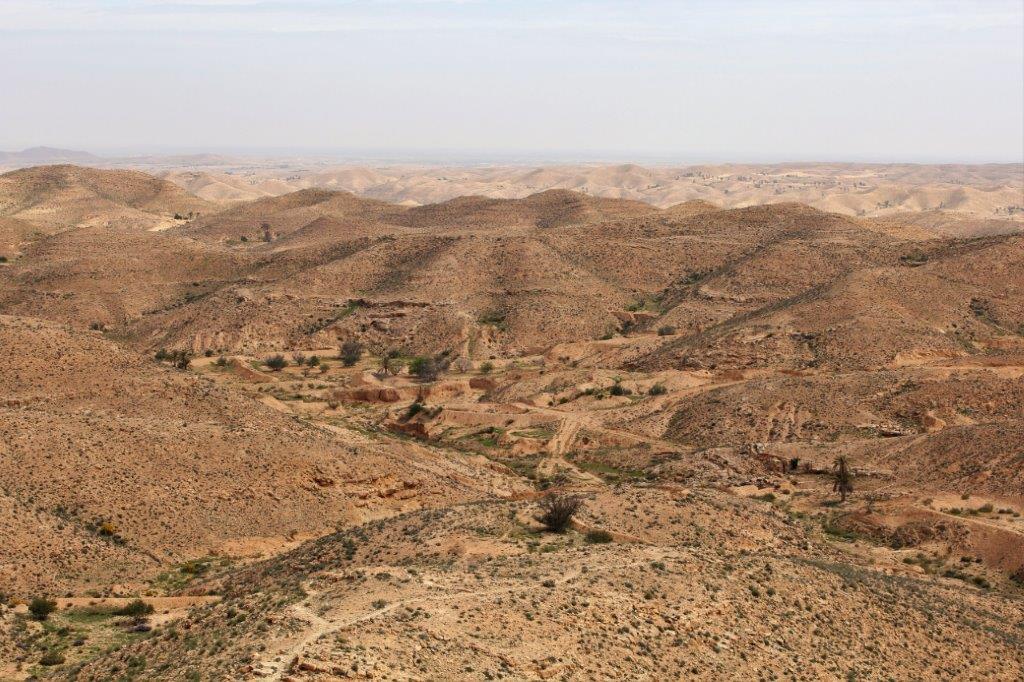
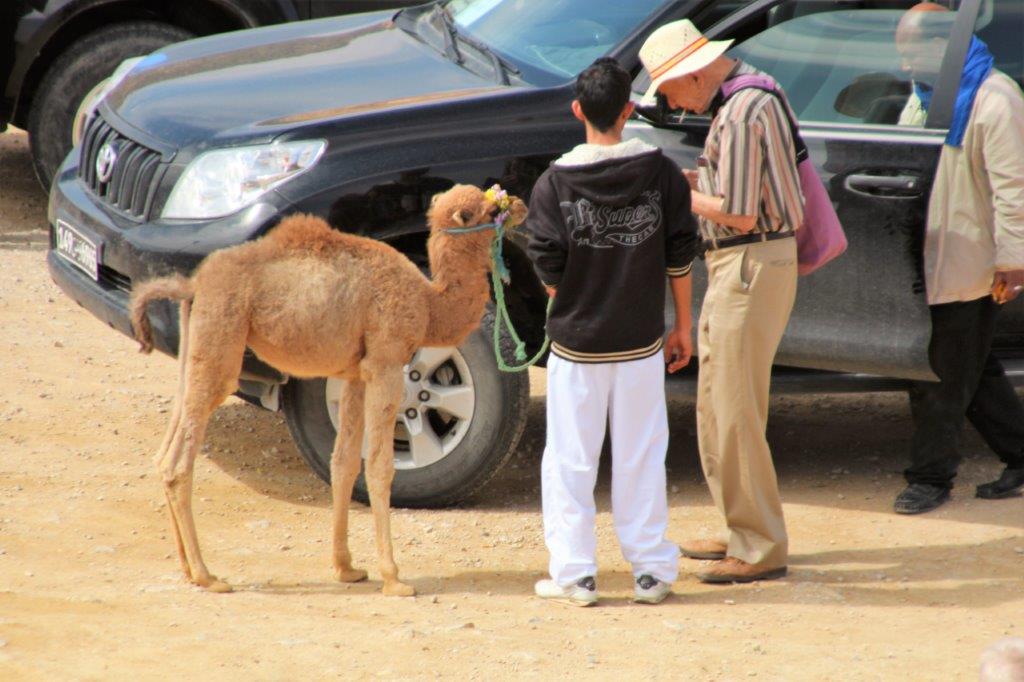
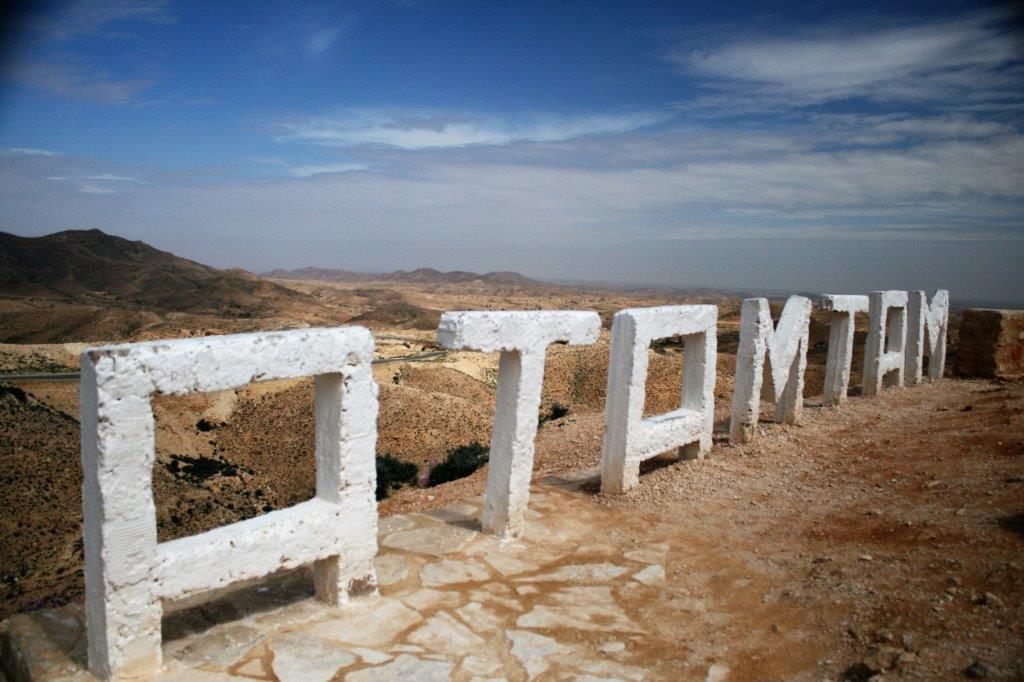
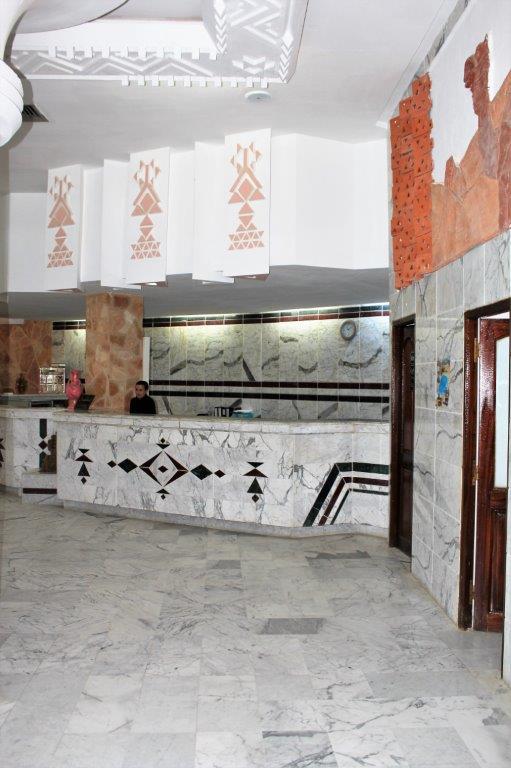
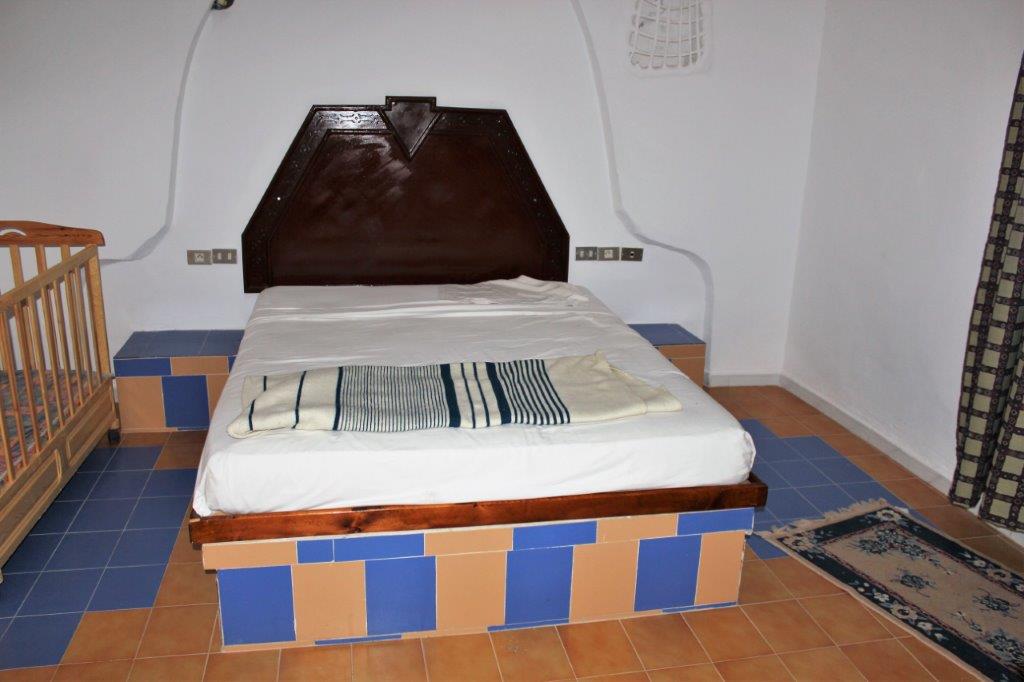
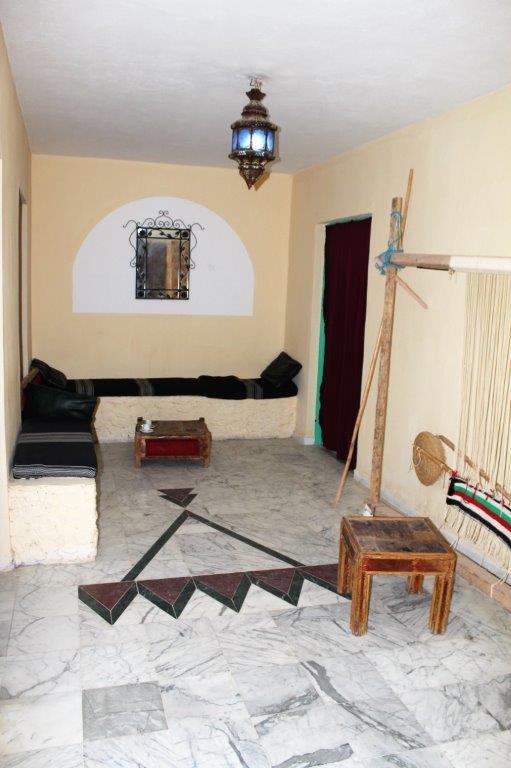
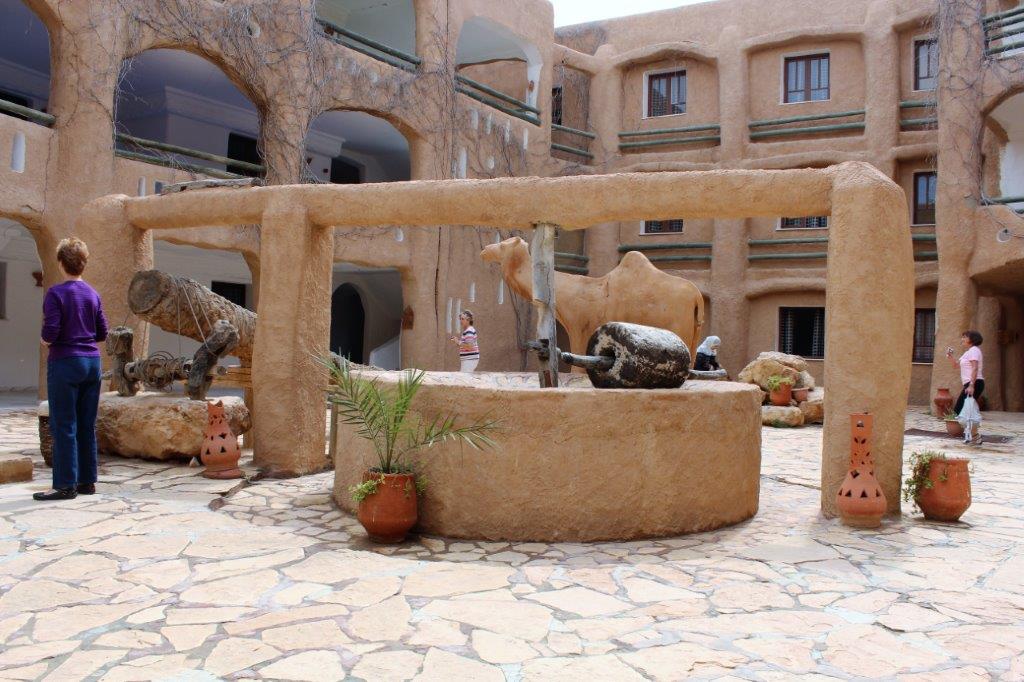
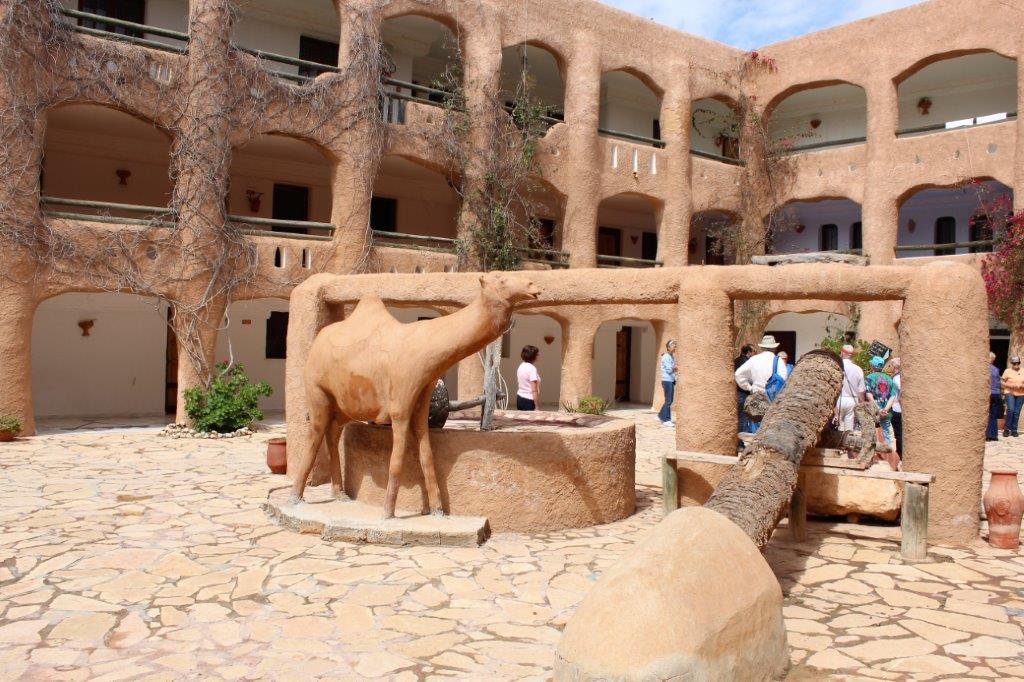
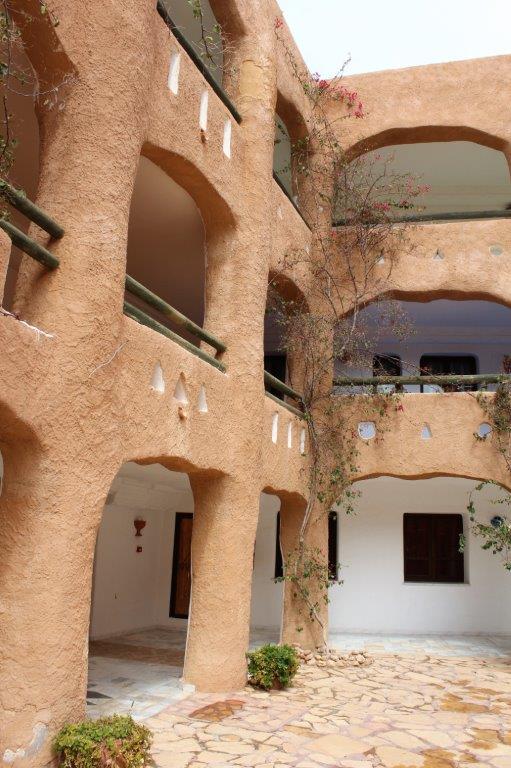
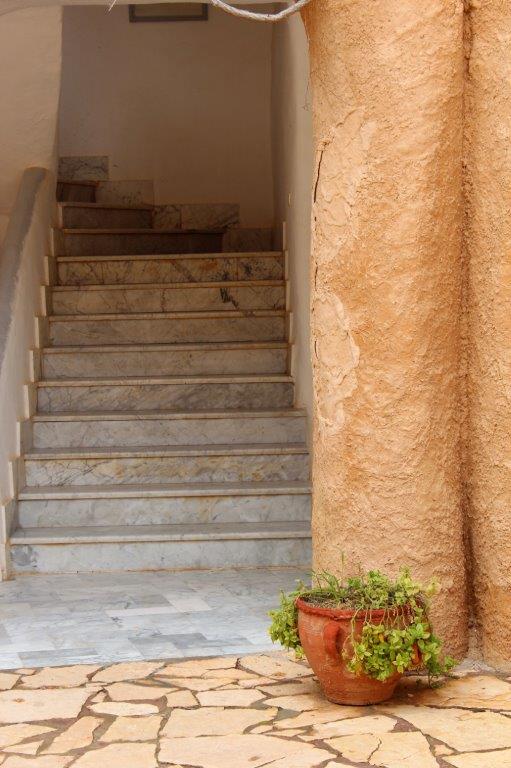
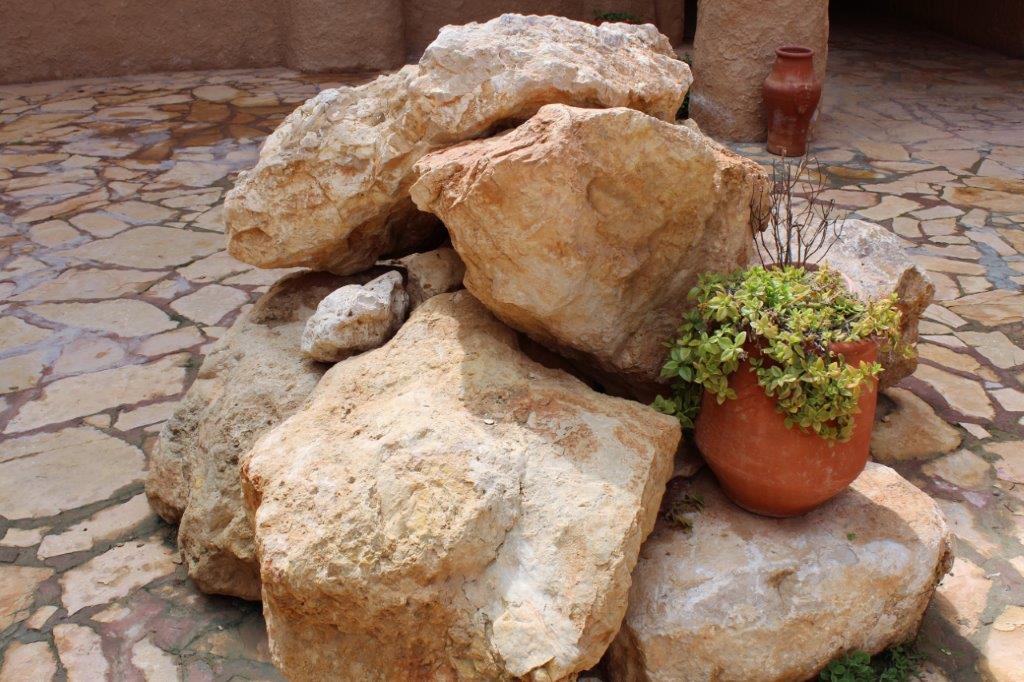
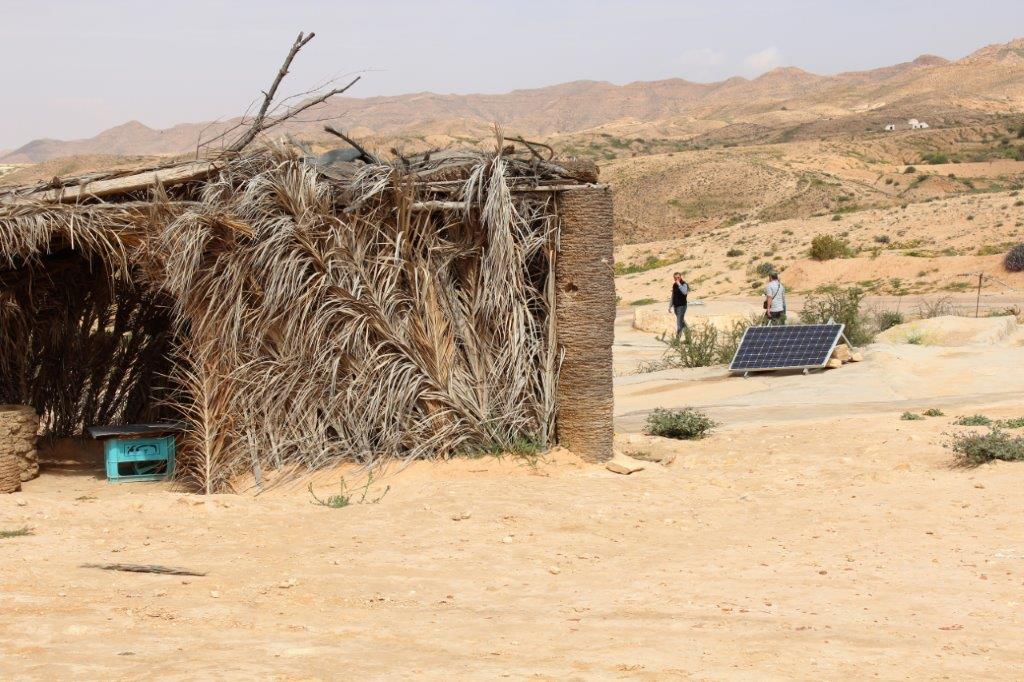
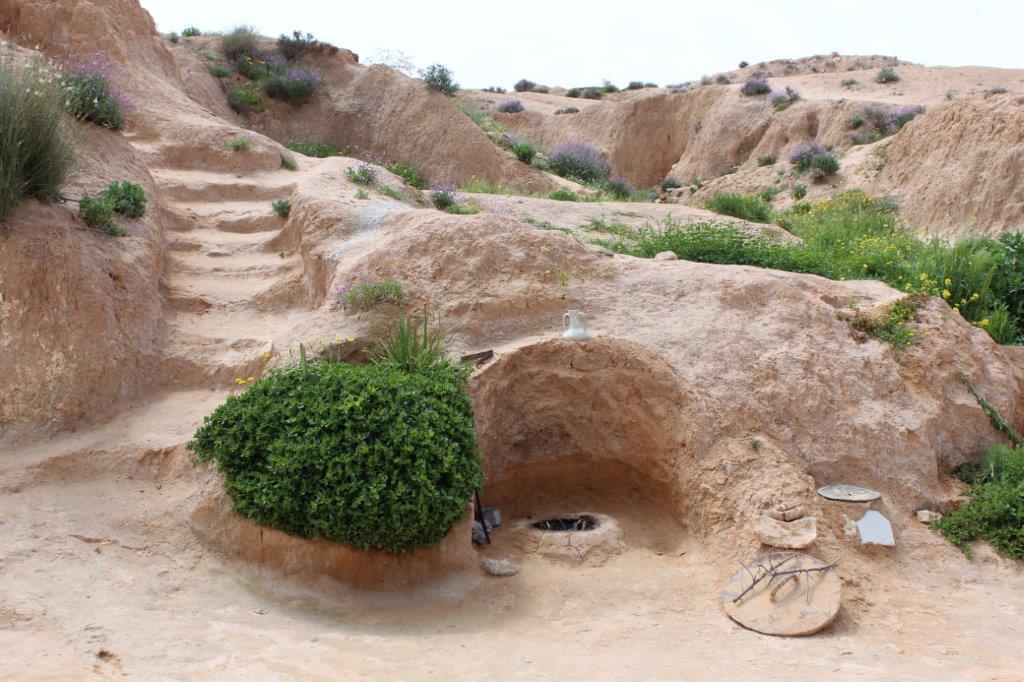
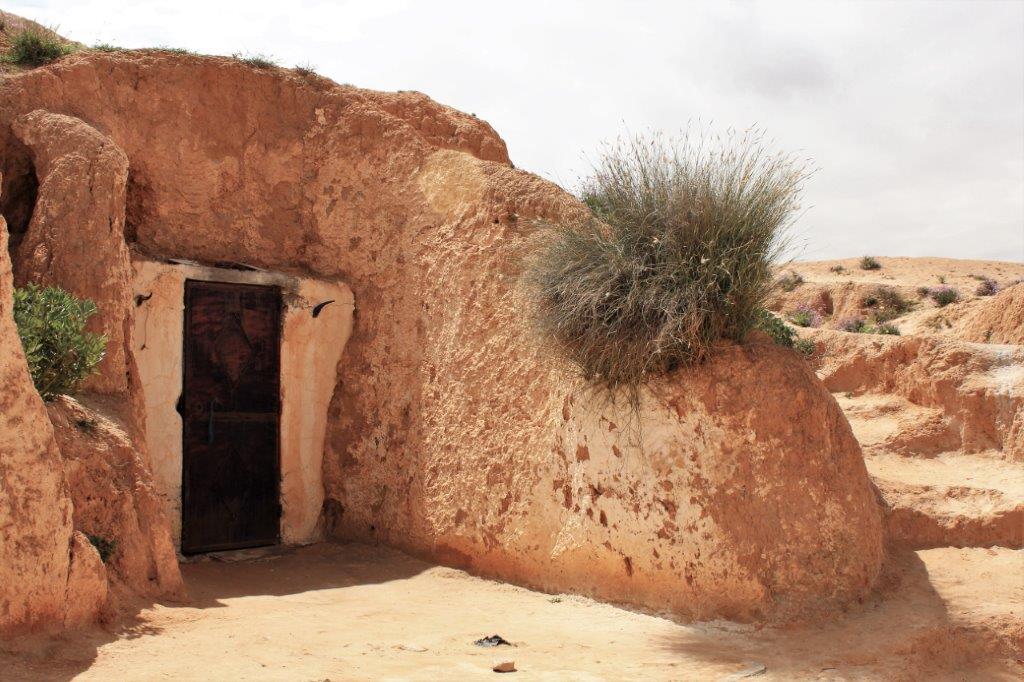
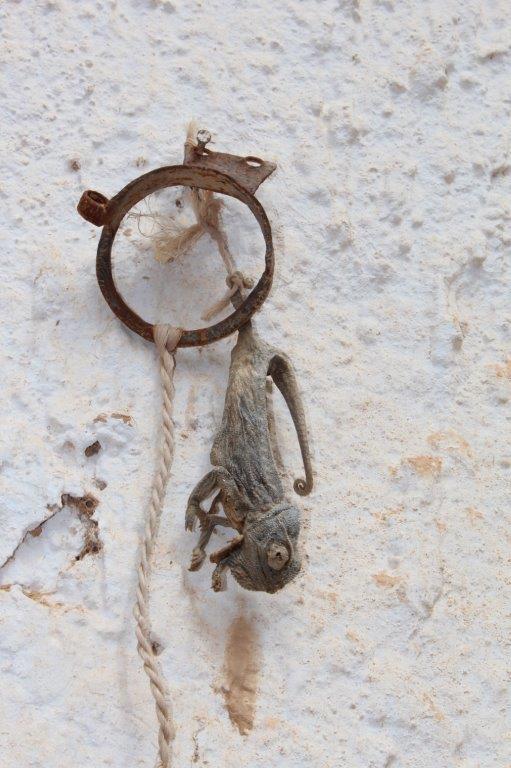
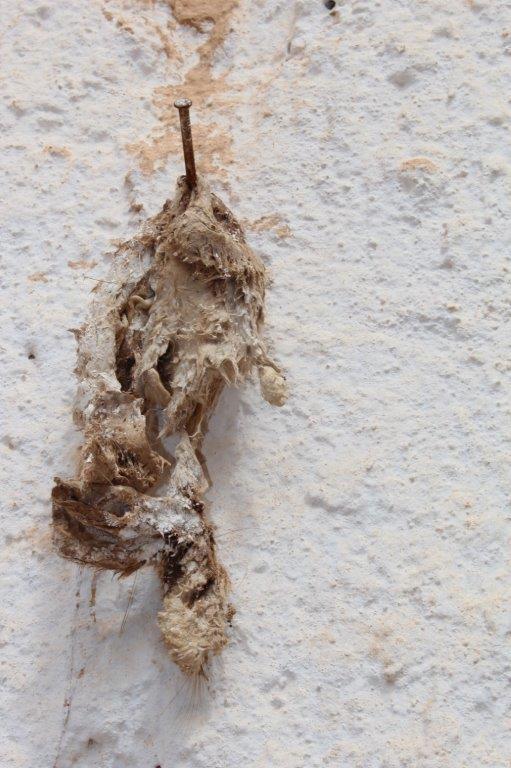
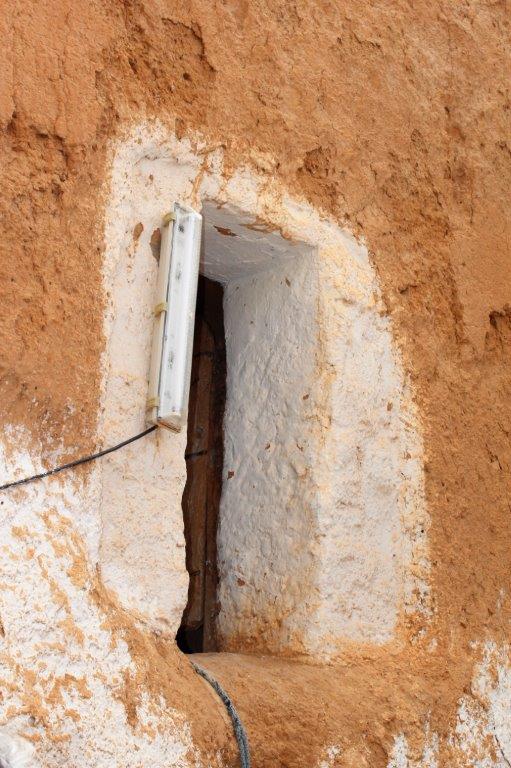
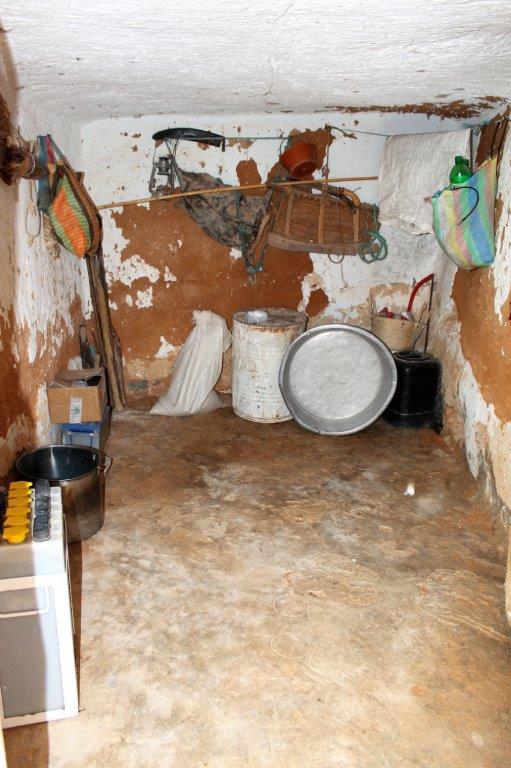
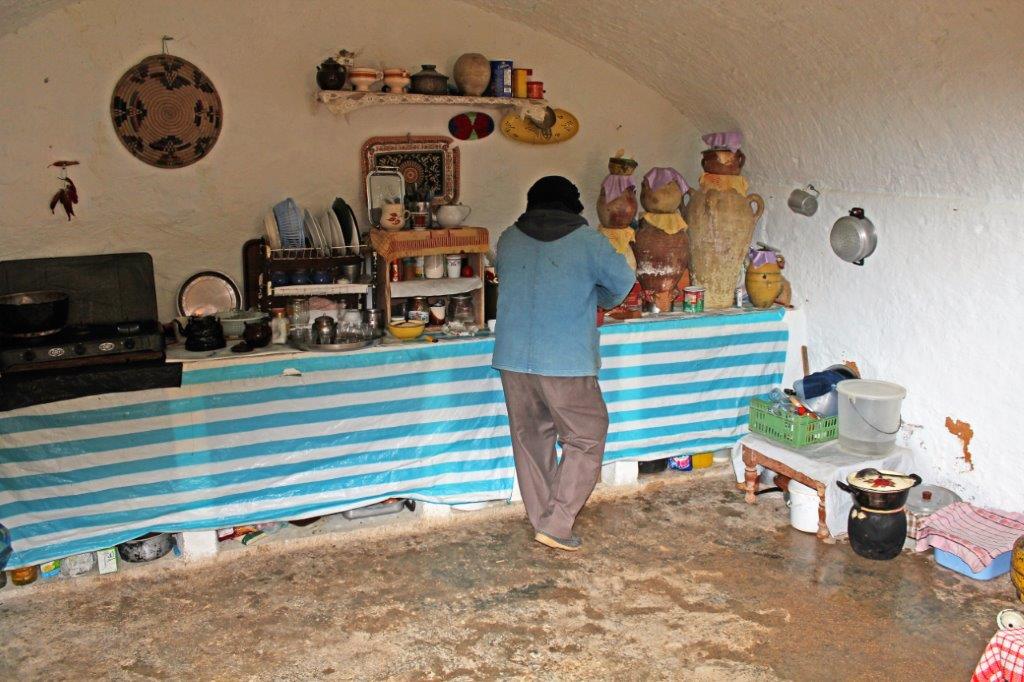
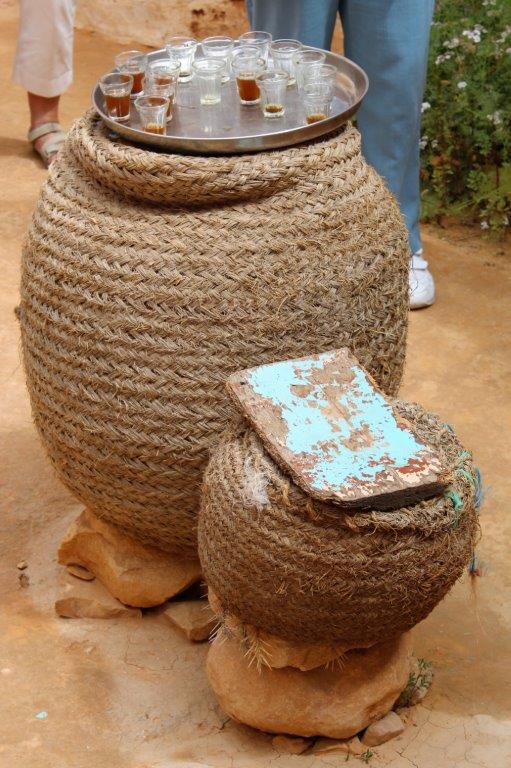
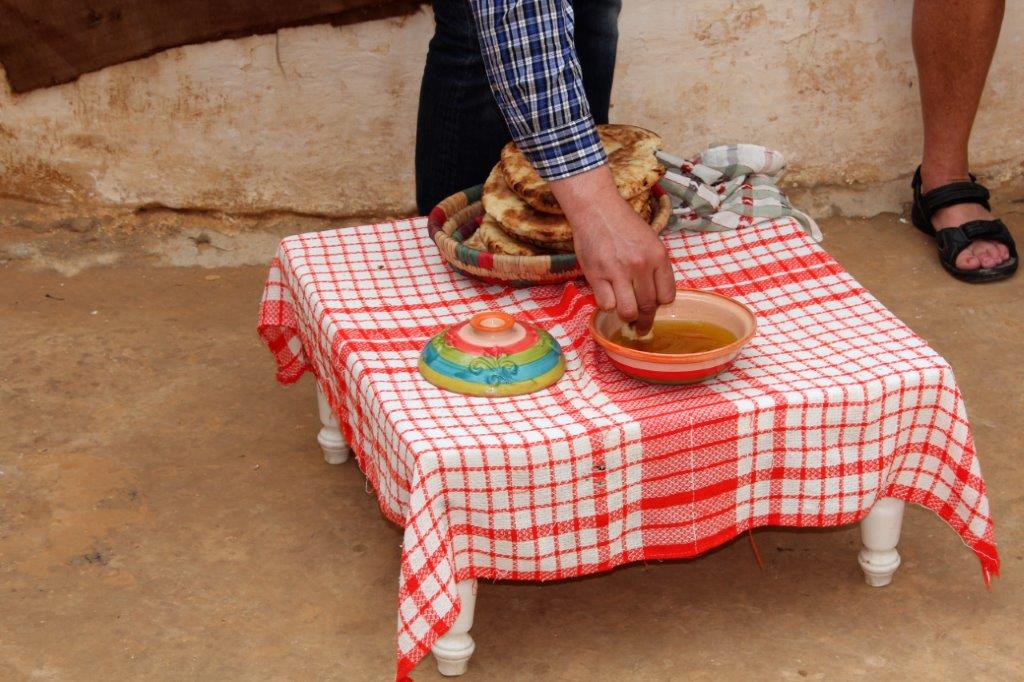
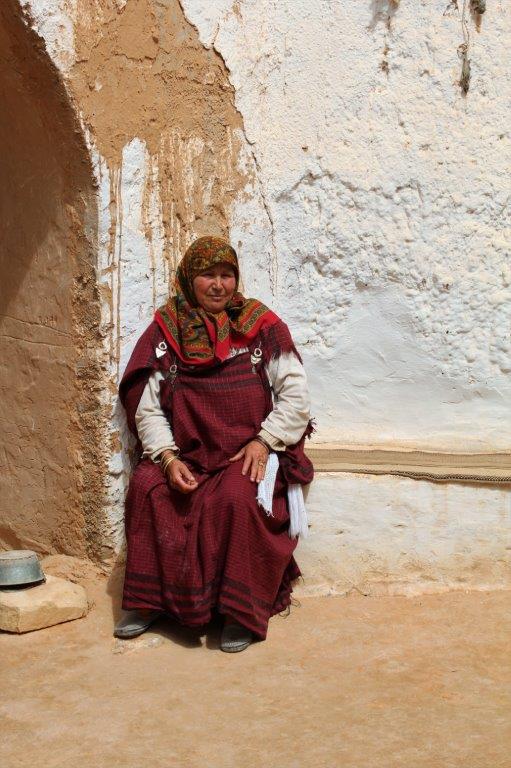
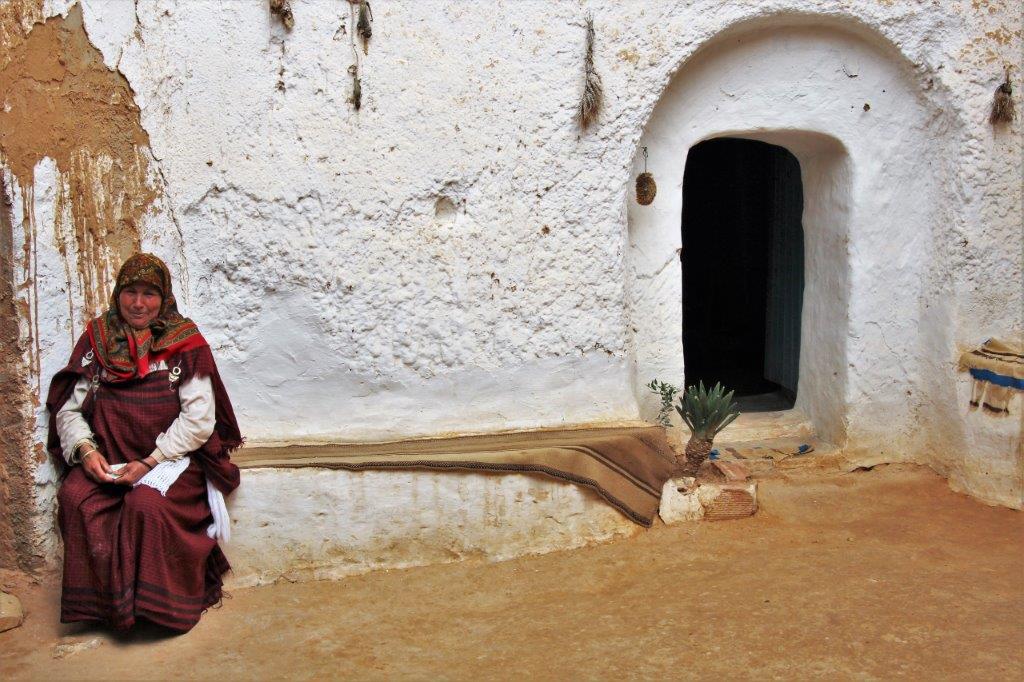
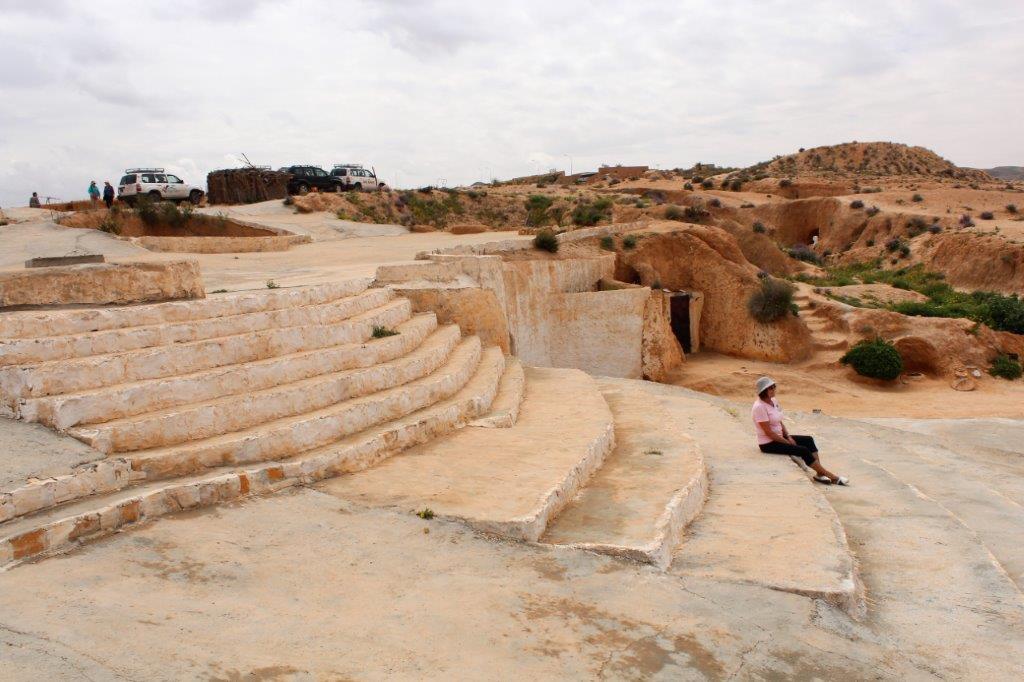
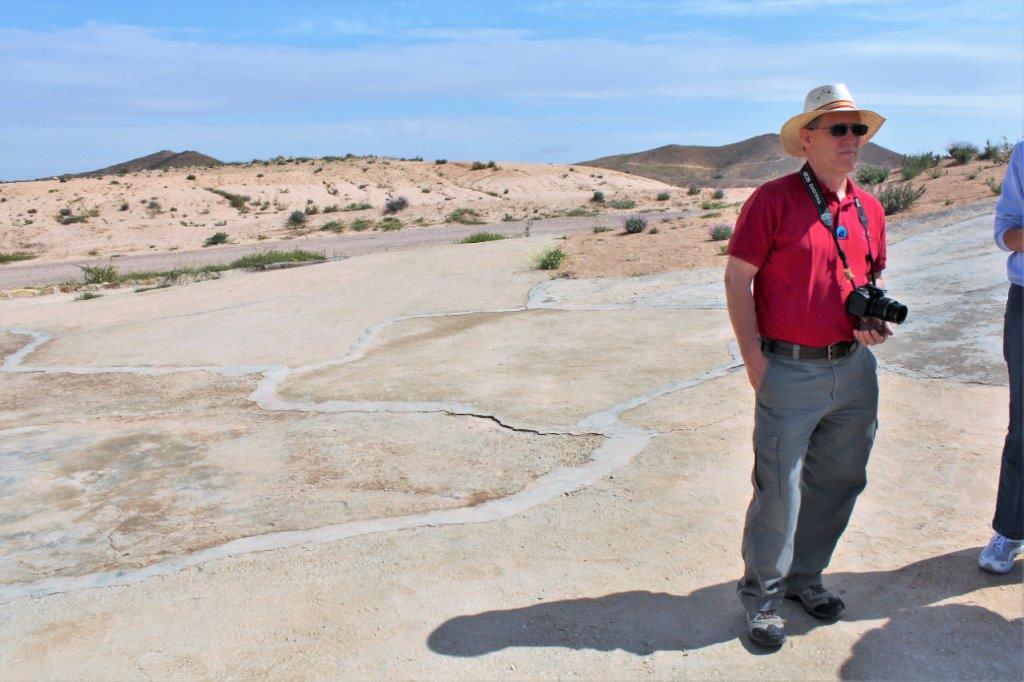
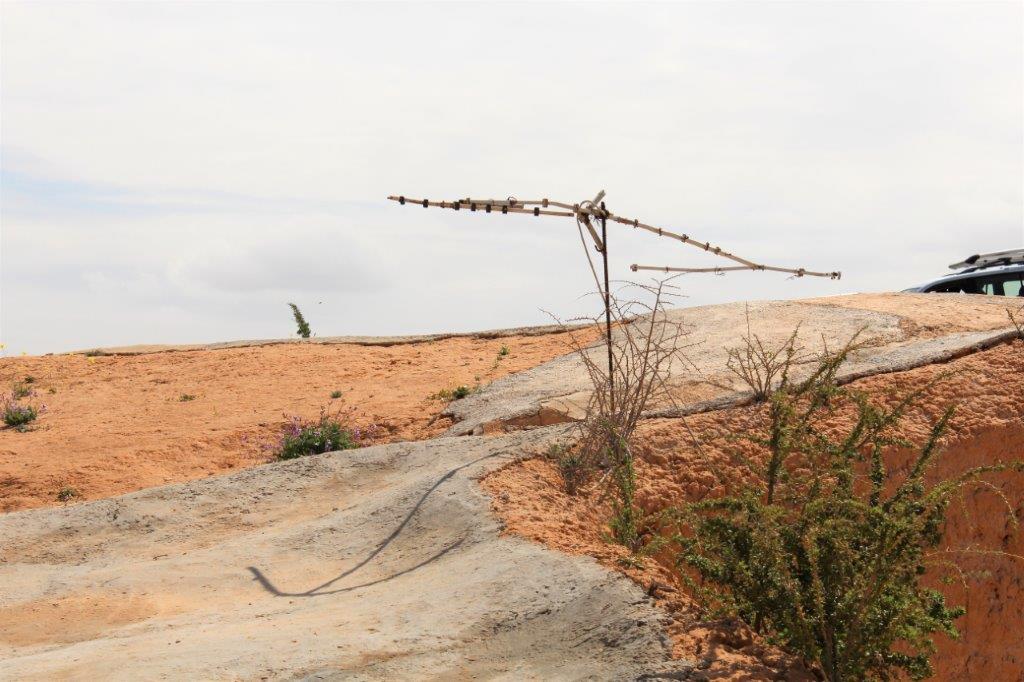
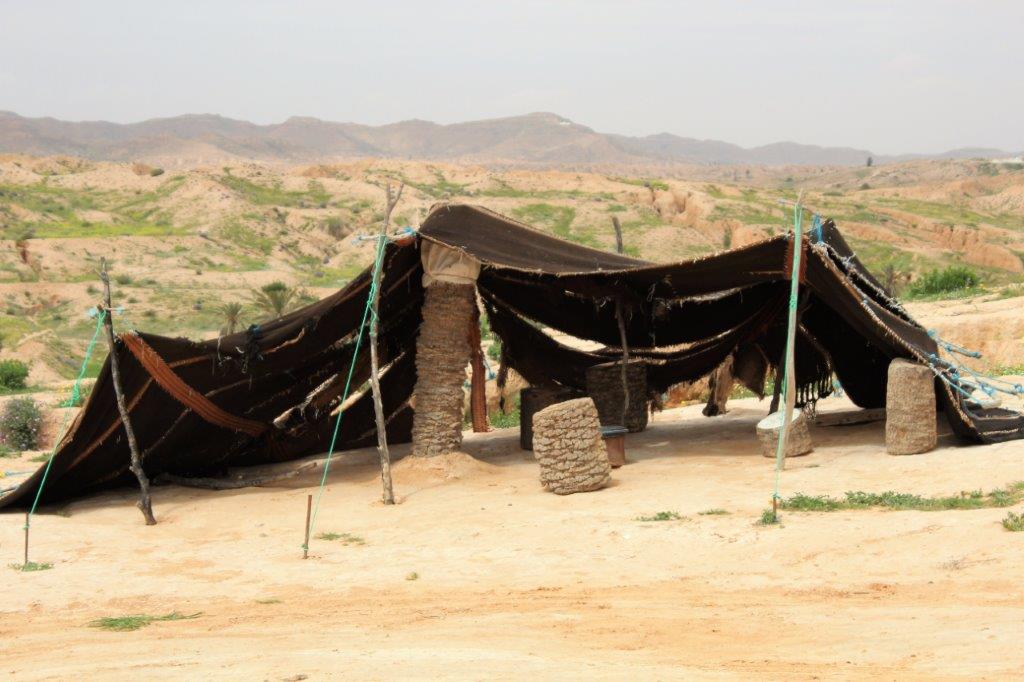
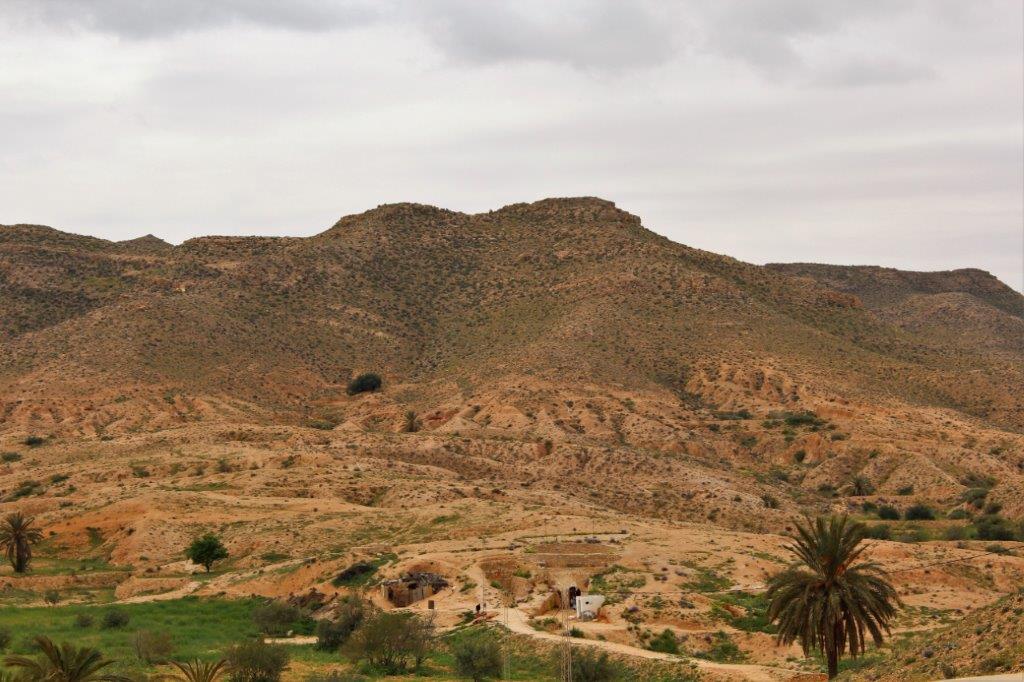
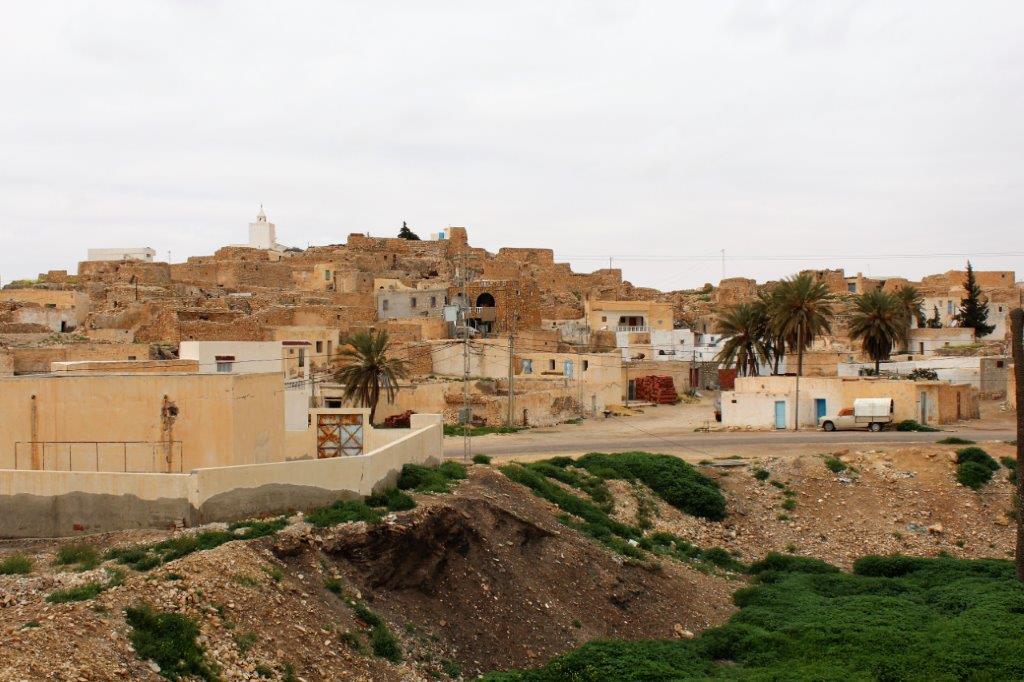
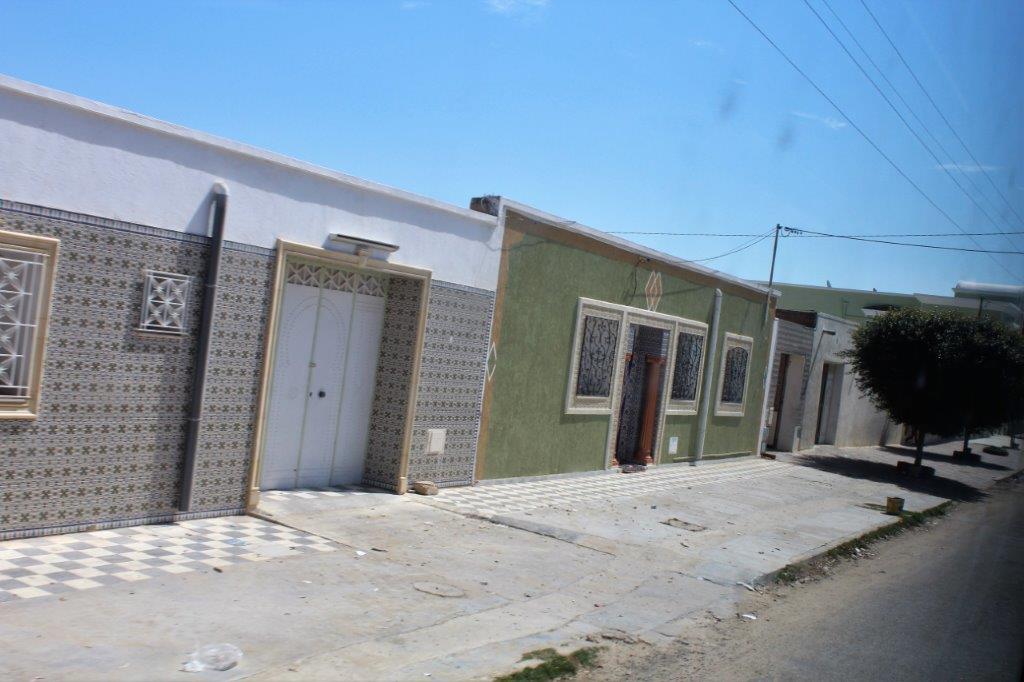
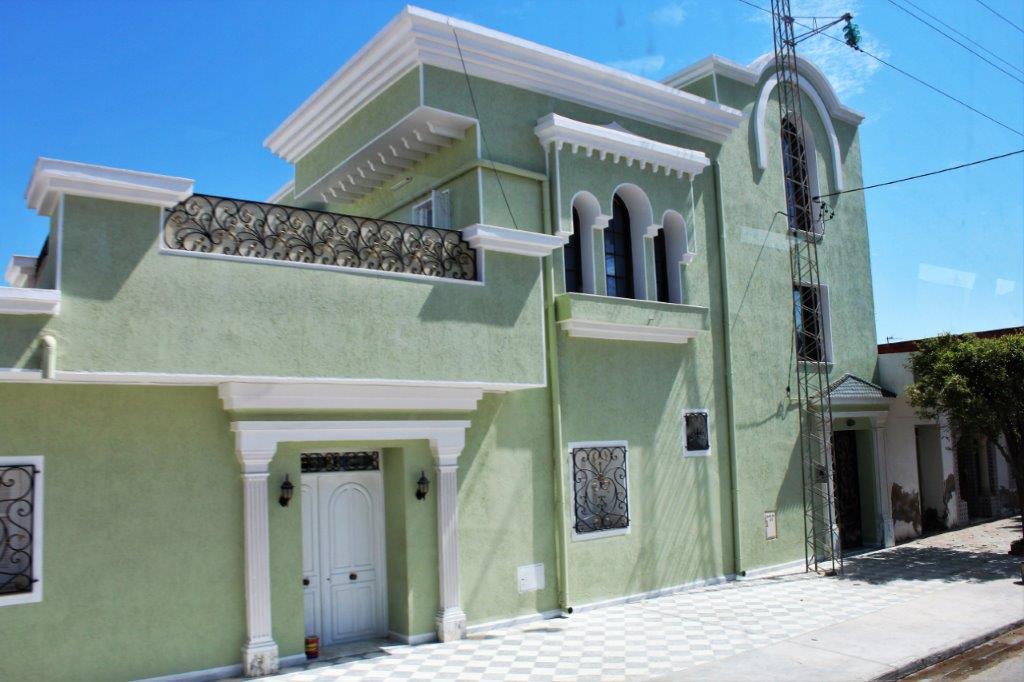
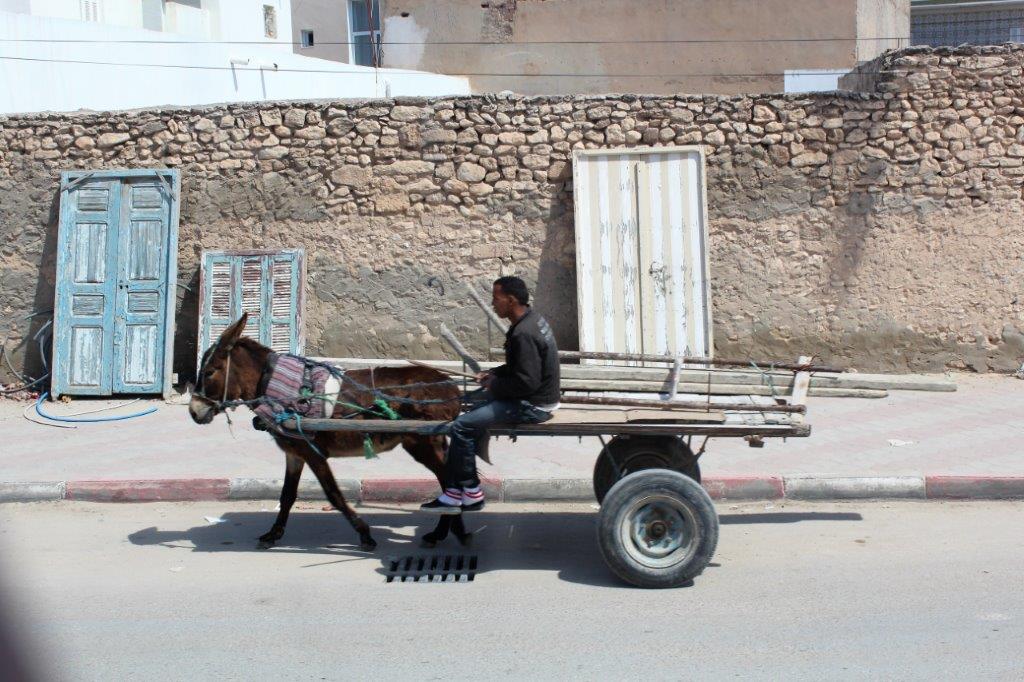
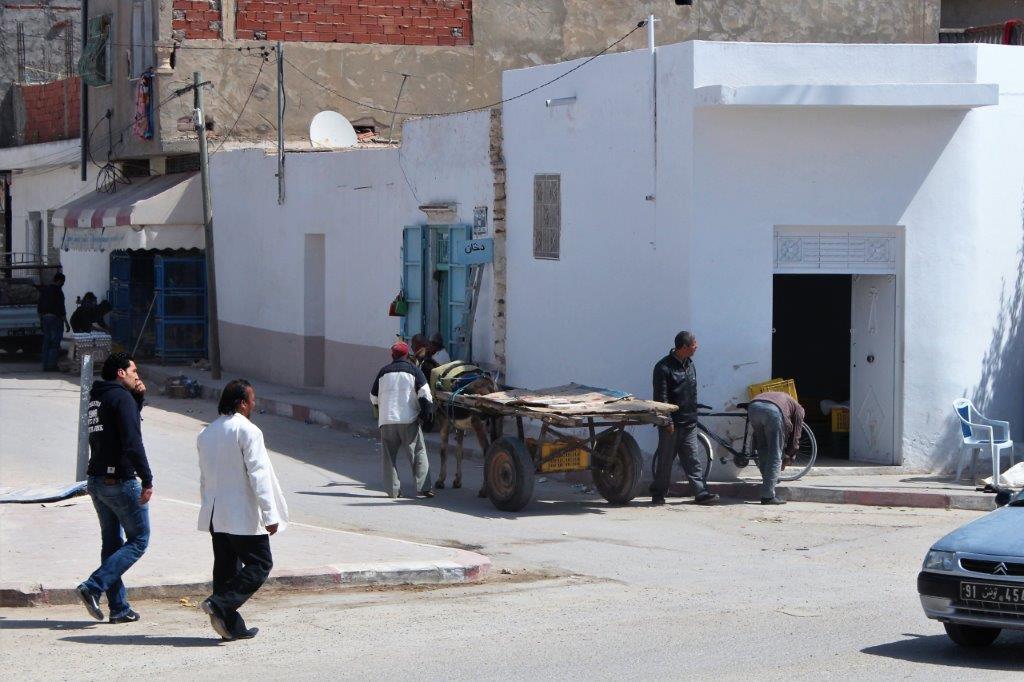
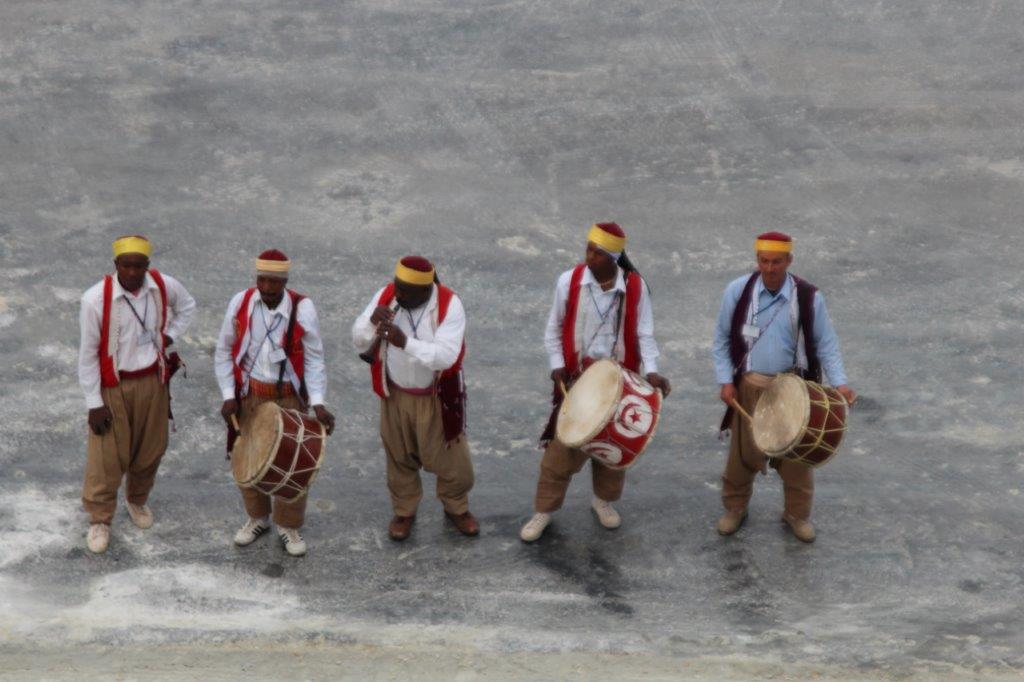
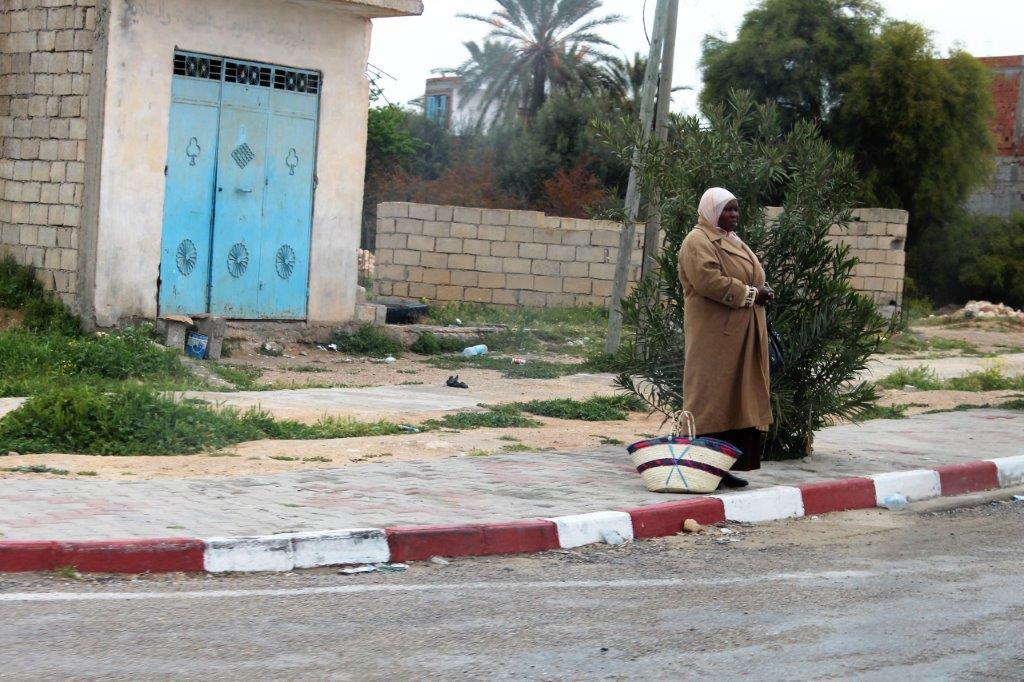
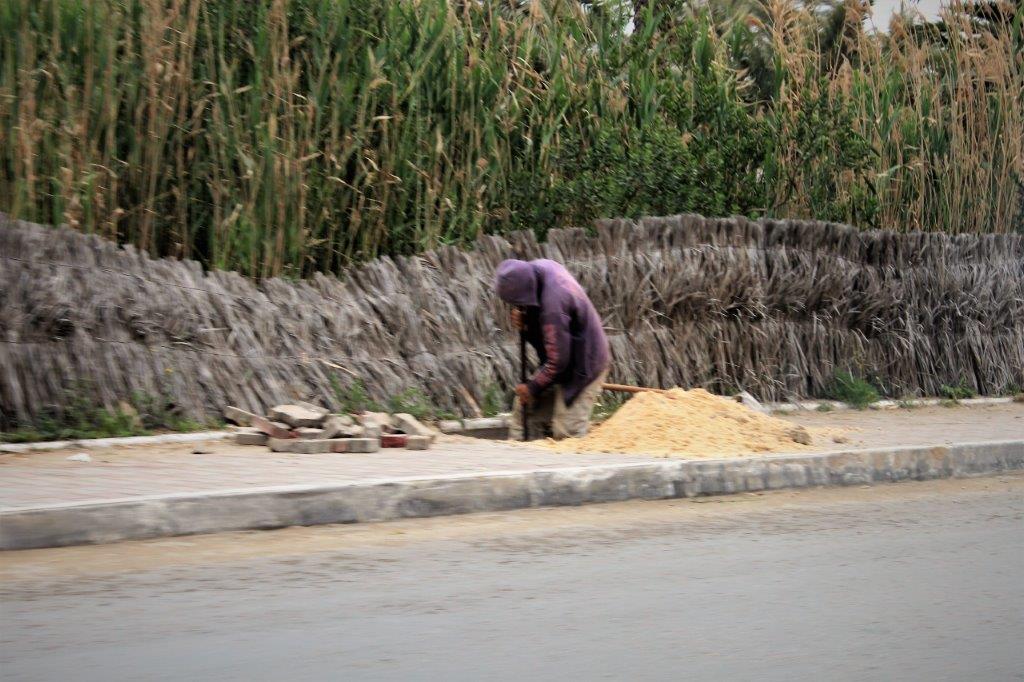
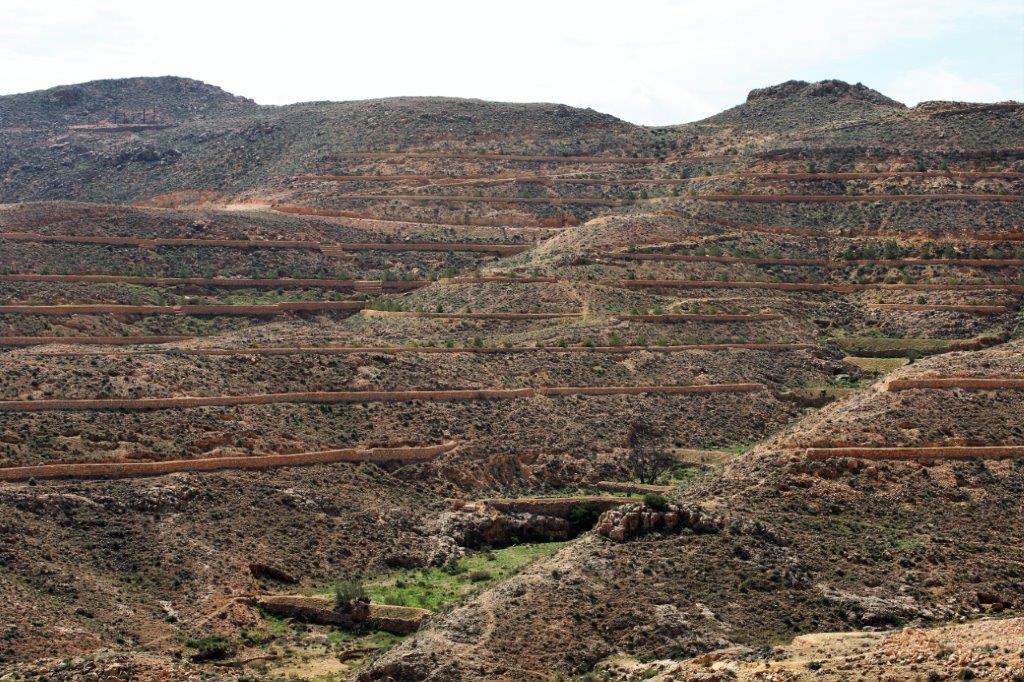
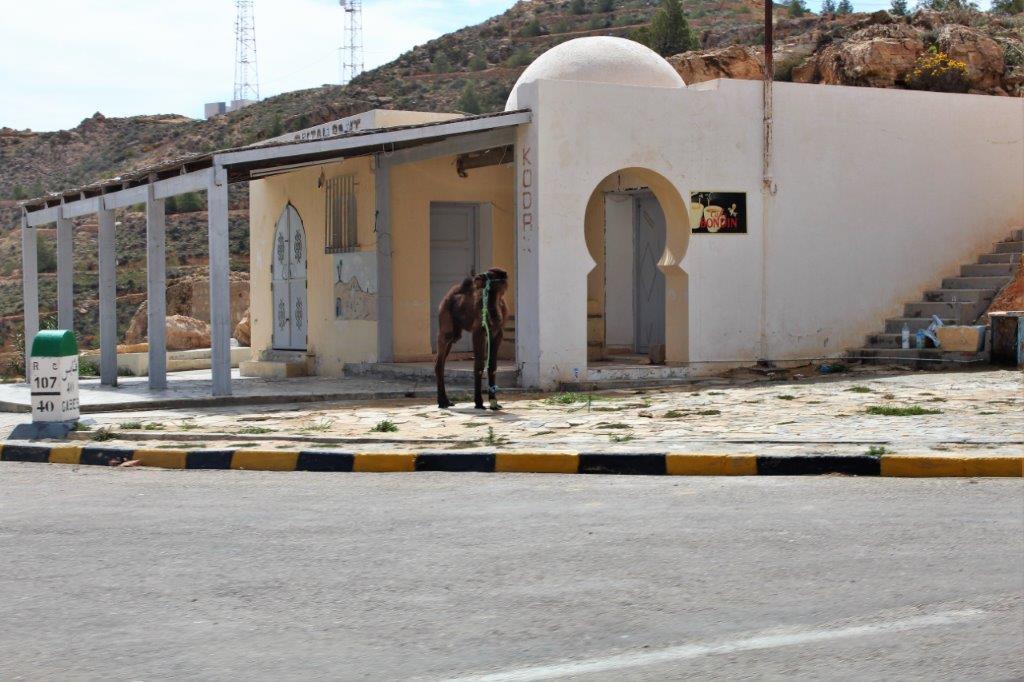
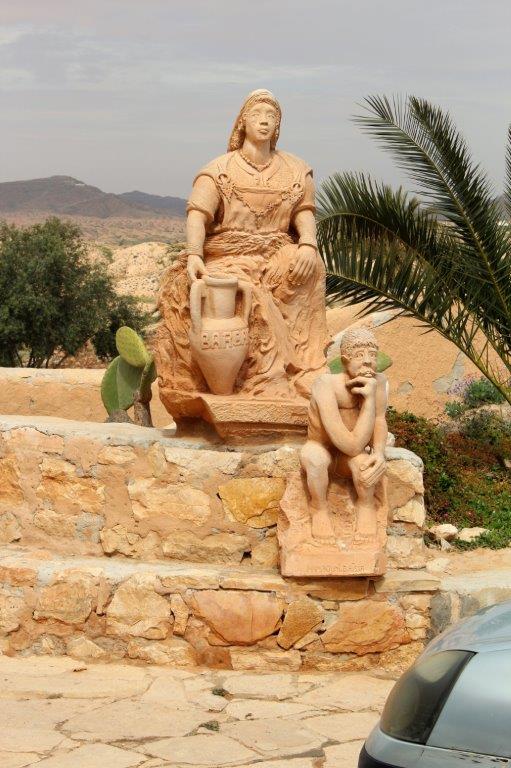
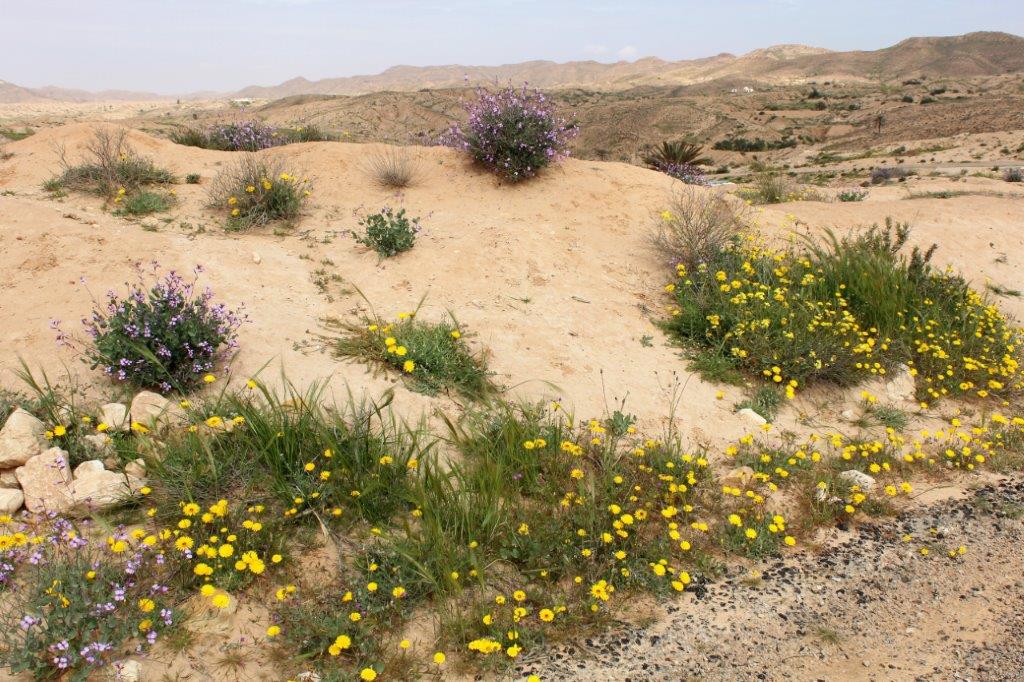
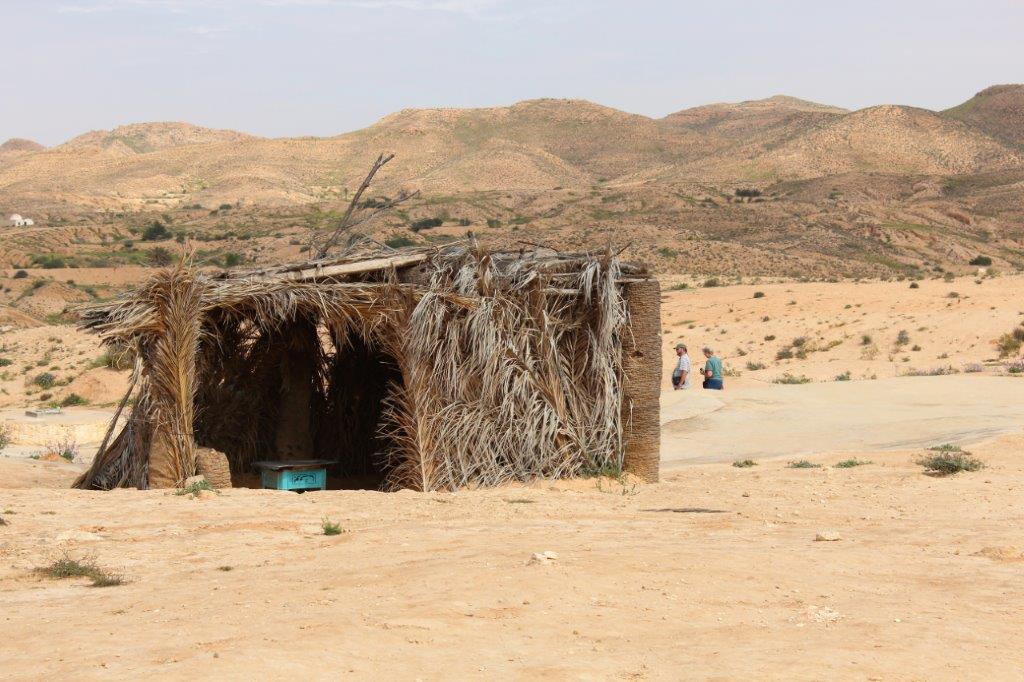
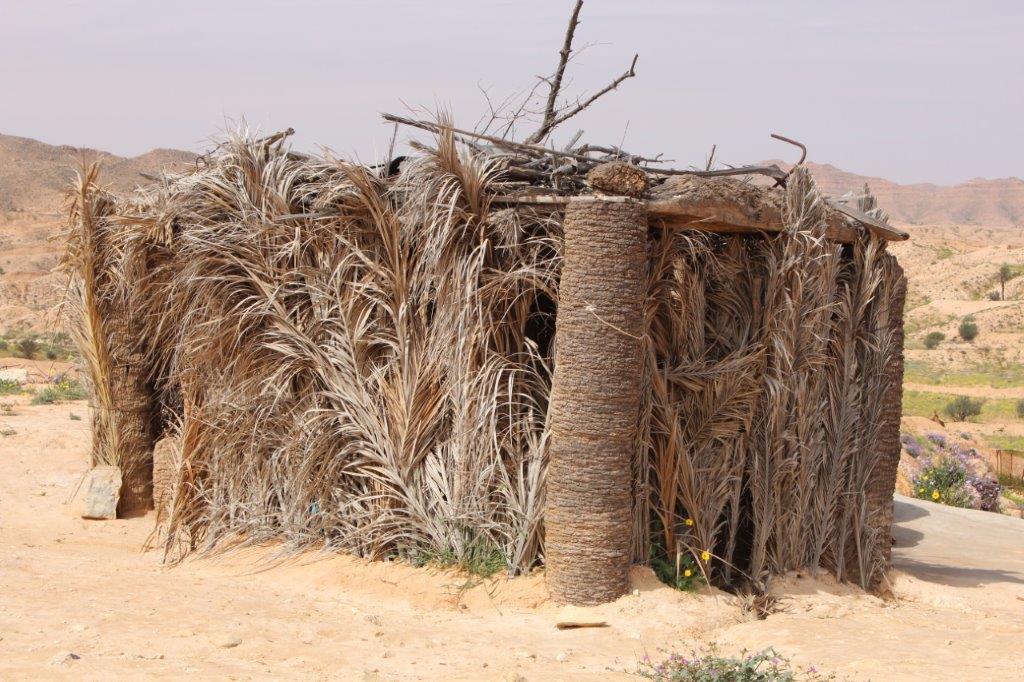
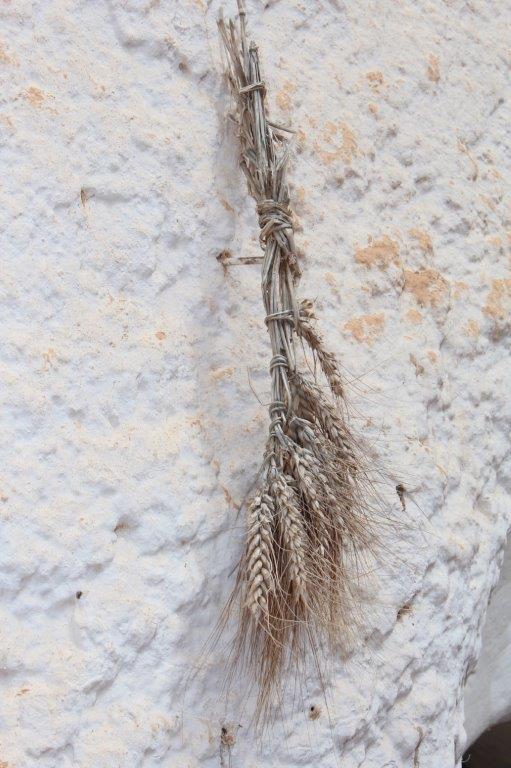
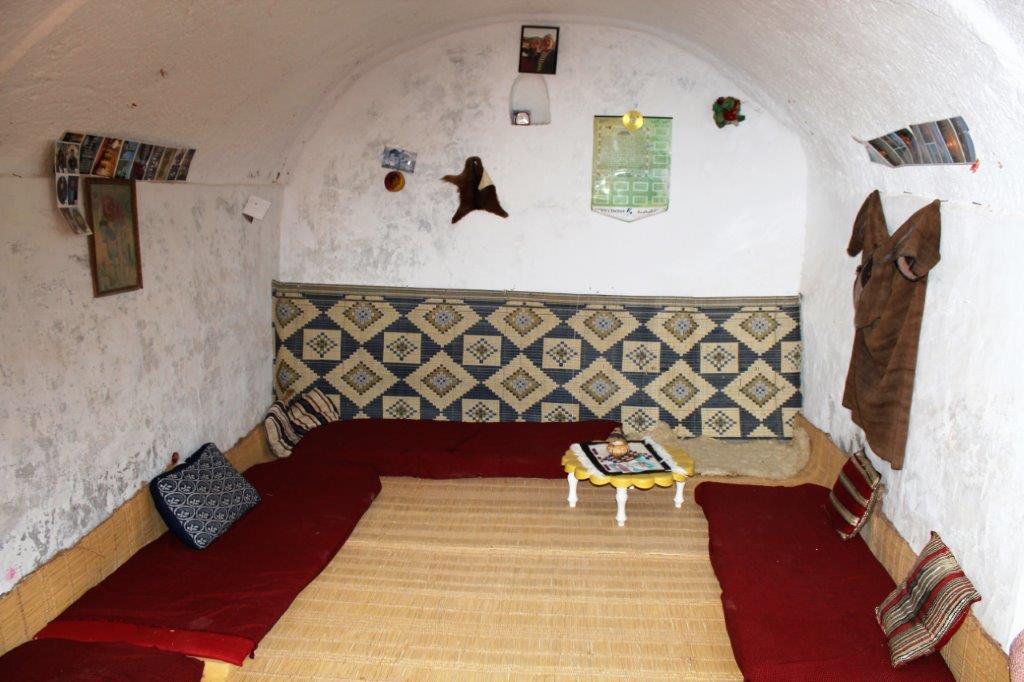
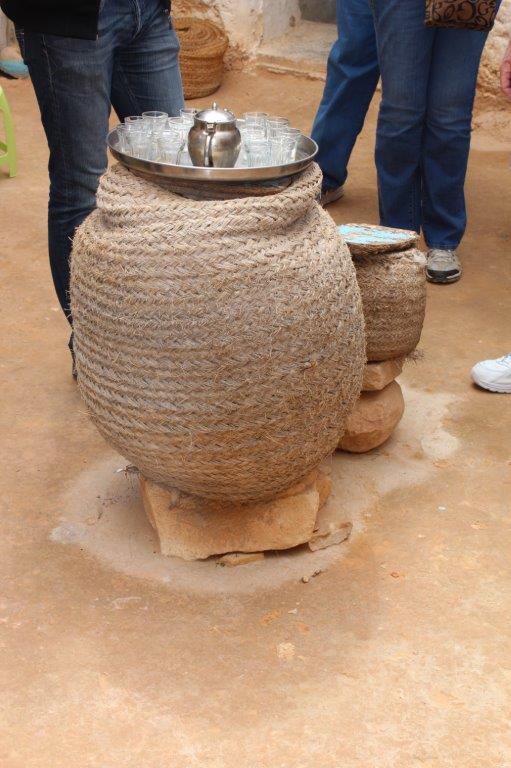
The ship was greeted with a piper and drummers on the dock.  Tour vehicles waiting for the passengers.  The table on the lower left is the bag lunches and water provided by the ship for all those on our tour.  Things seemed much more organized here than at Sousse and we set off on our 4 X 4 tour at 9:30.  We left the town, as we usually do, and headed south to Matmata to see the underground houses of the Berbers. The scenery along the way was rock desert and very barren.  It was easy to see why people would live underground due to the heat and sand storms.  It was also advantagous to have your villages ‘invisible’ in the mountain and valley rifts as refuge from coastal invaders. When George Lucas was scouting locations for Luke Skywalker’s boyhood home in Star Wars he selected the village of Matmata.  After we left the view point we had a rest break at the Diar el Barbar hotel in Matmata.                                                                                    A pretty nice check-in desk. Some of the underground “troglodyte” homes date back almost a thousand years.  The couple whose house we visited gave us a small cup of mint tea and flat bread that we dipped in a mixture of olive oil, rosemary, and honey.  I don’t think they spoke any English but they were very welcoming and gracious. It may be a grass shack but it is a grass shack with solar power.   I don’t know if these critters and grasses hanging on the walls were to ward of evil spirits or served some other purpose.  Some strange decorations for sure.
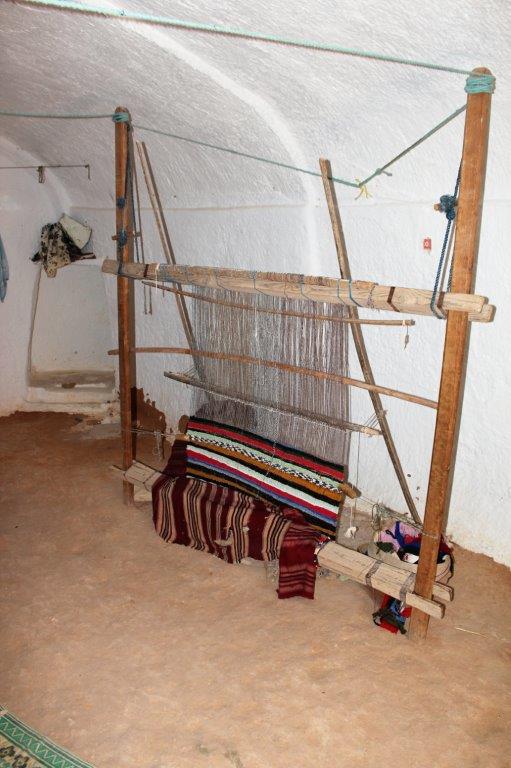
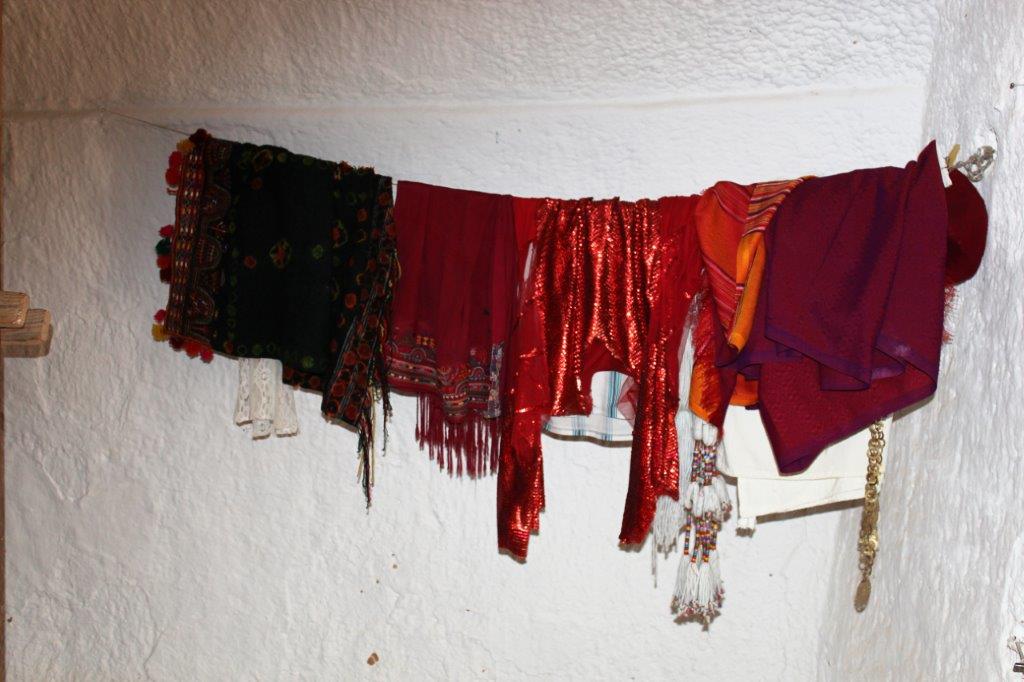
                                                                                      Every home has a loom.            Never complain again about your closet space.                         The man of the house prepared the mint tea. We were driven to Dous for the obligatory shopping opportunity in the souk.  Thankfully it was short, and we headed to Kebili at the edge of the Sahara Desert for the best experience of the day – camel rides.
2012 March 28 & 29 – Days 17 & 18 – At sea and Sousse, Tunisia (Part 1)

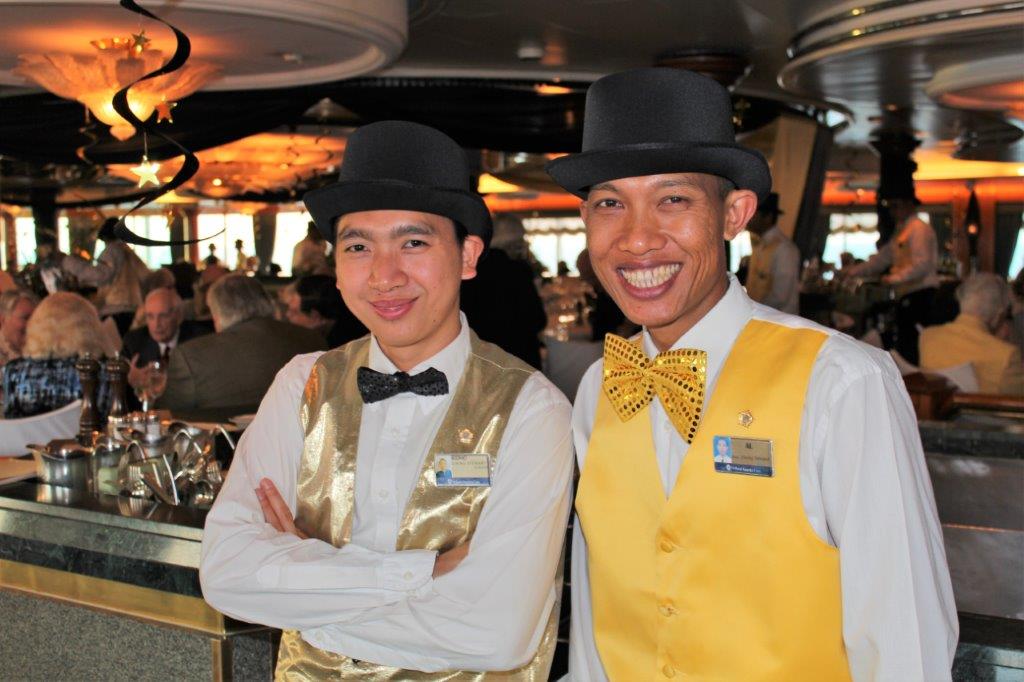
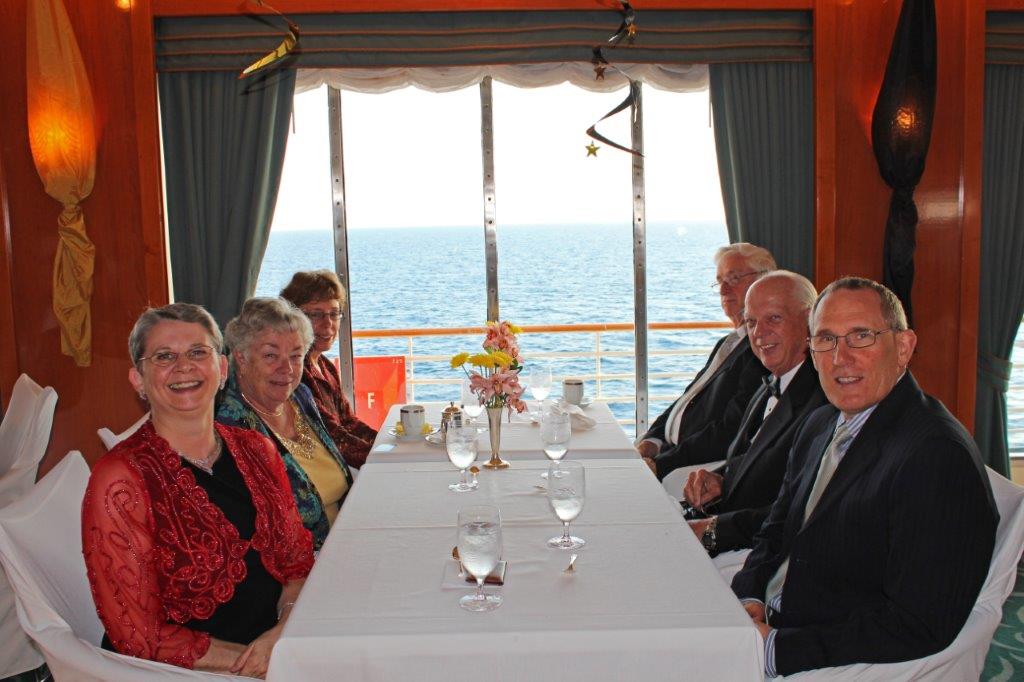
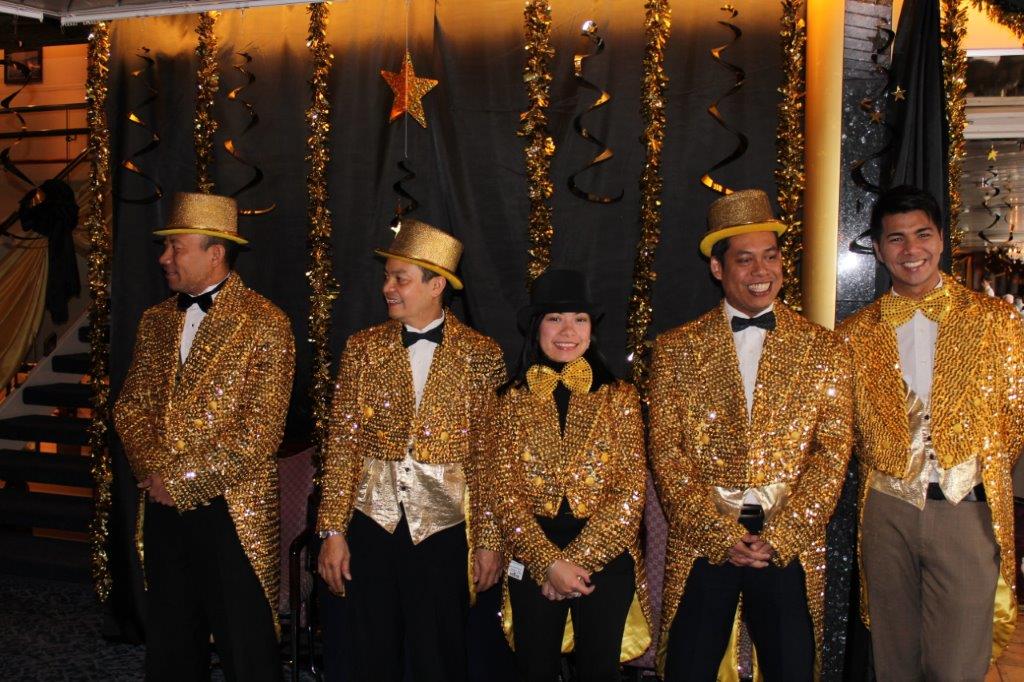
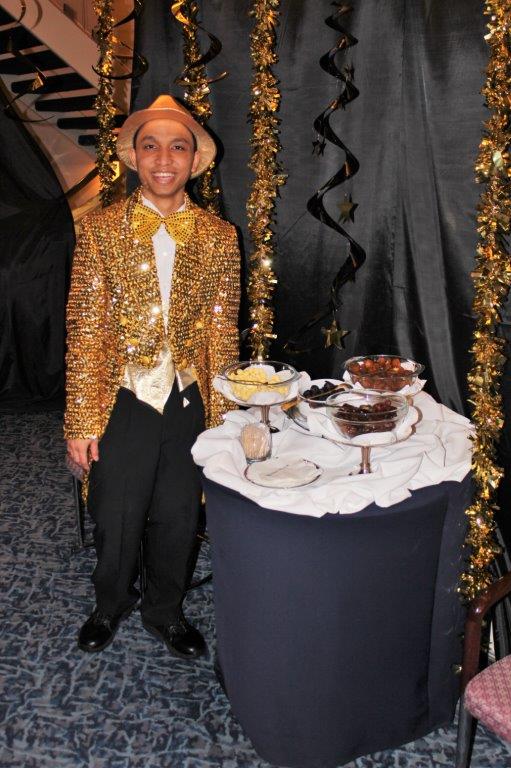
After leaving Cartagena, Spain we had a day at sea while the Captain took us back across the Mediterranean again.  Since we were at sea, it was a formal night and everyone got dressed up for the Captain’s Ball.  The dining room and ship’s public rooms were all decked out in blingy gold.

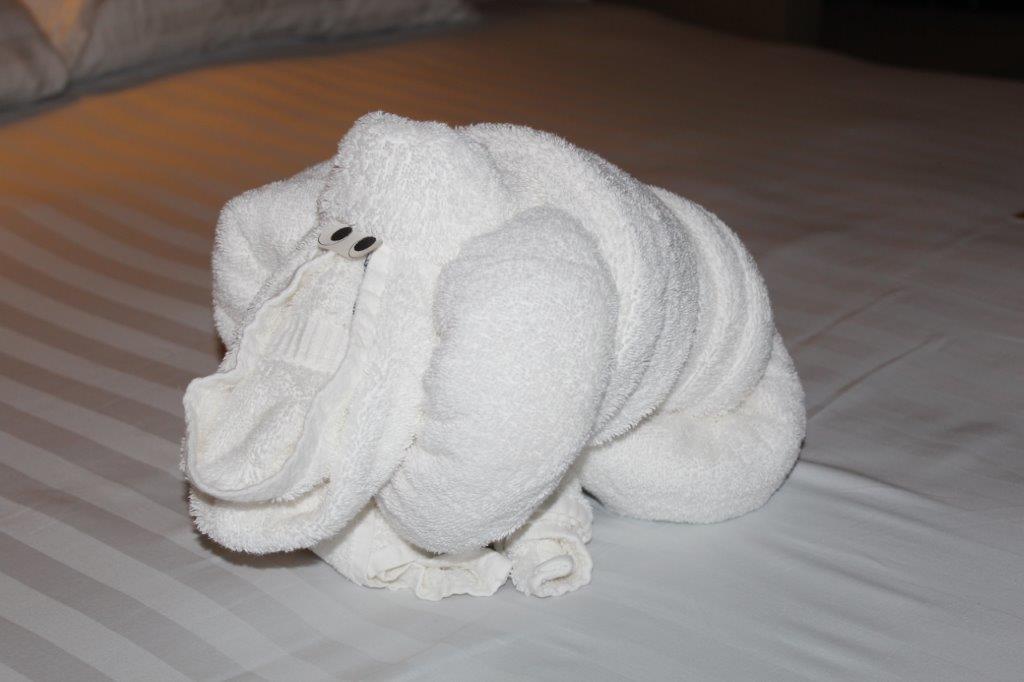
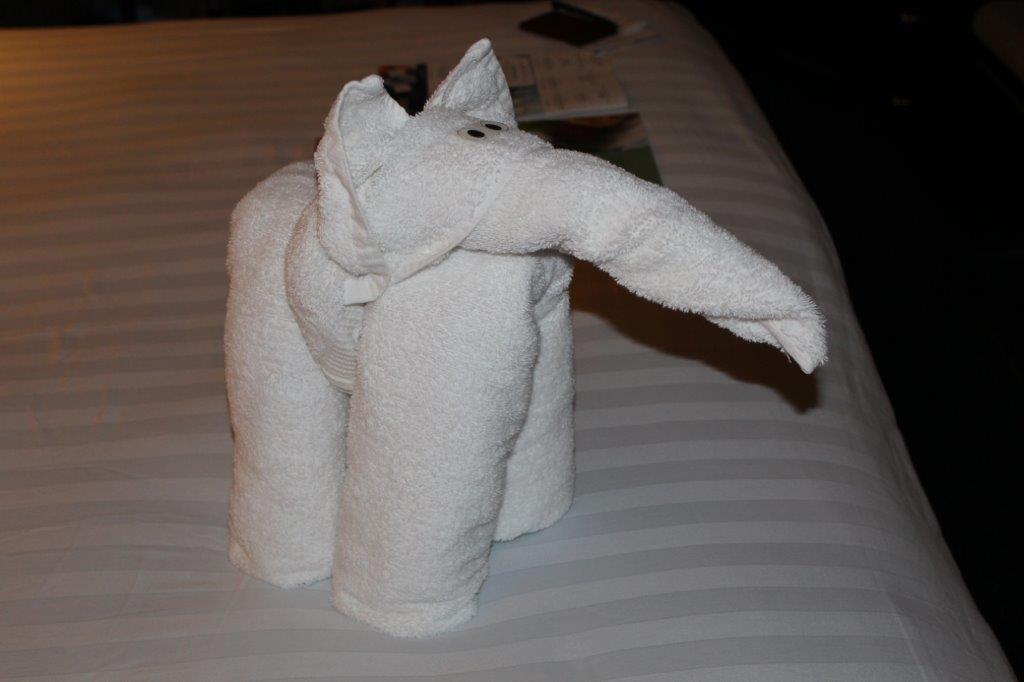
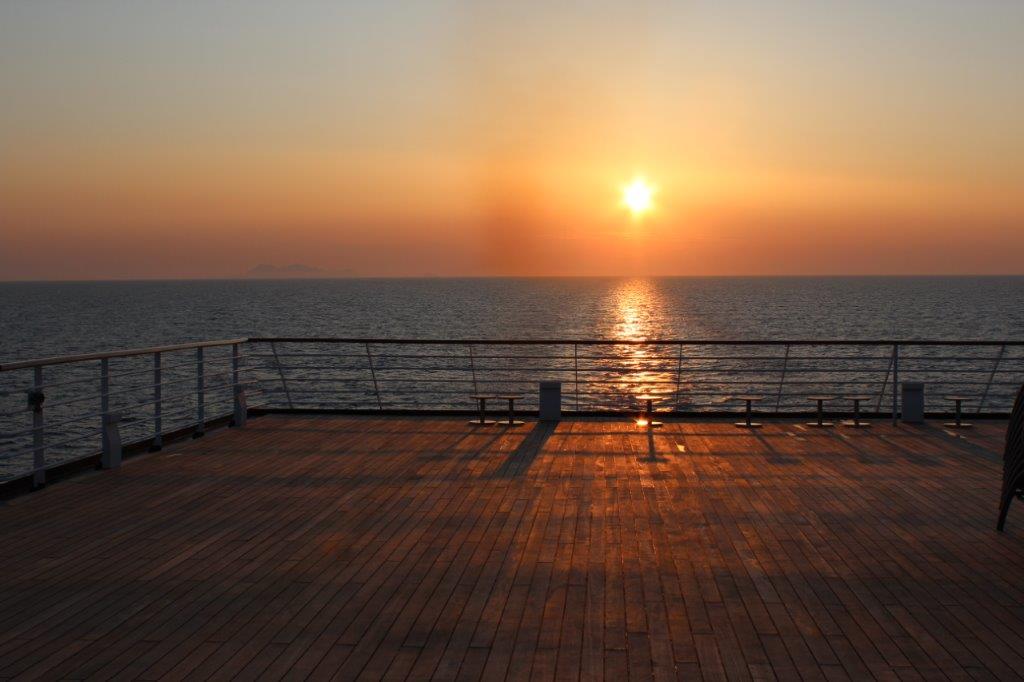
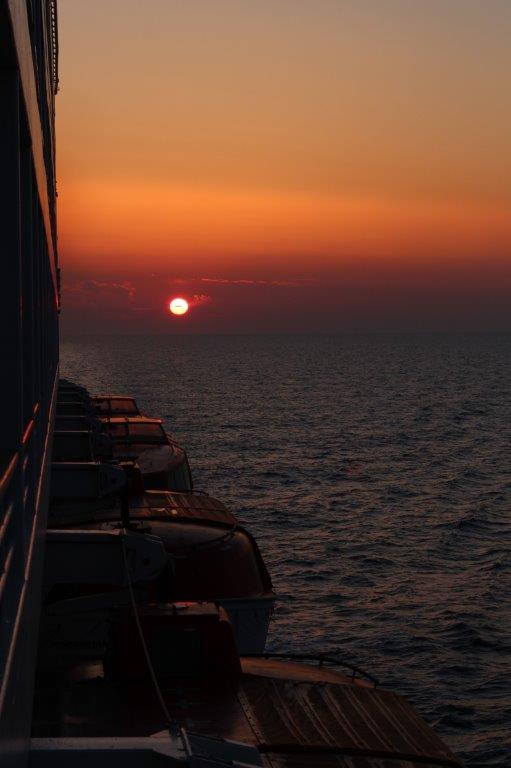
   A couple of the creative towel creatures the cabin stewards make every day: a gorilla and an elephant.                                                                 Sunset at sea.

We anchored of the coast of Sousse, Tunisia at 8 am.  Our tour was to begin at 9 but the Immigration officials had not arrived on board to clear the passengers.  We were the last group to get approval so our tour started an hour and a half late.   The ship was anchored quite a distance from shore due to nets in the water so the tender rides were long.  Thankfully the water was calm.

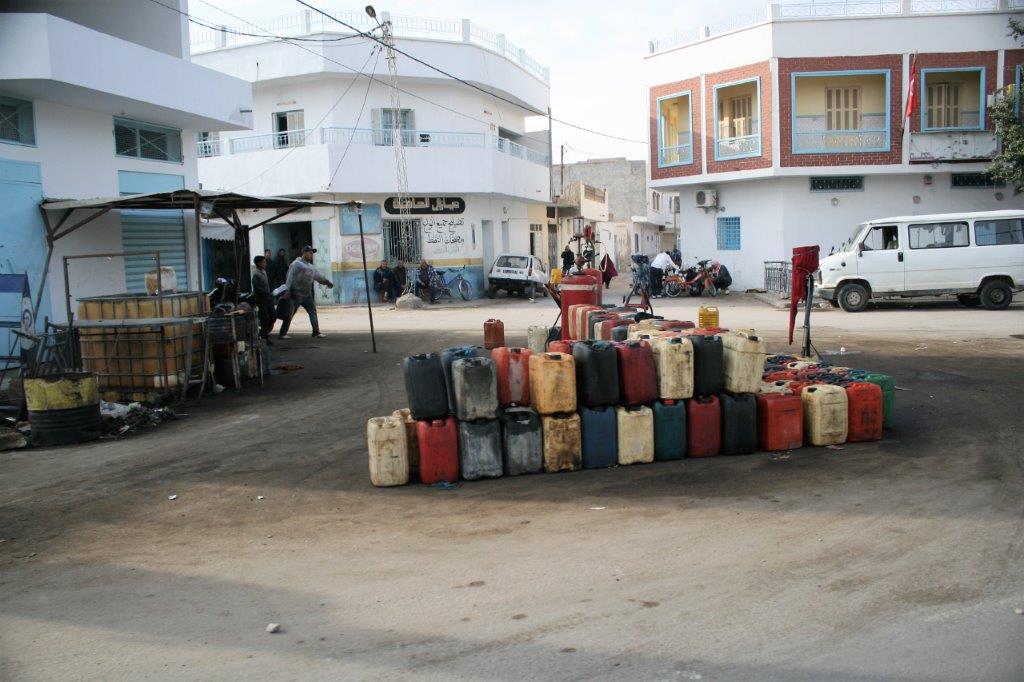
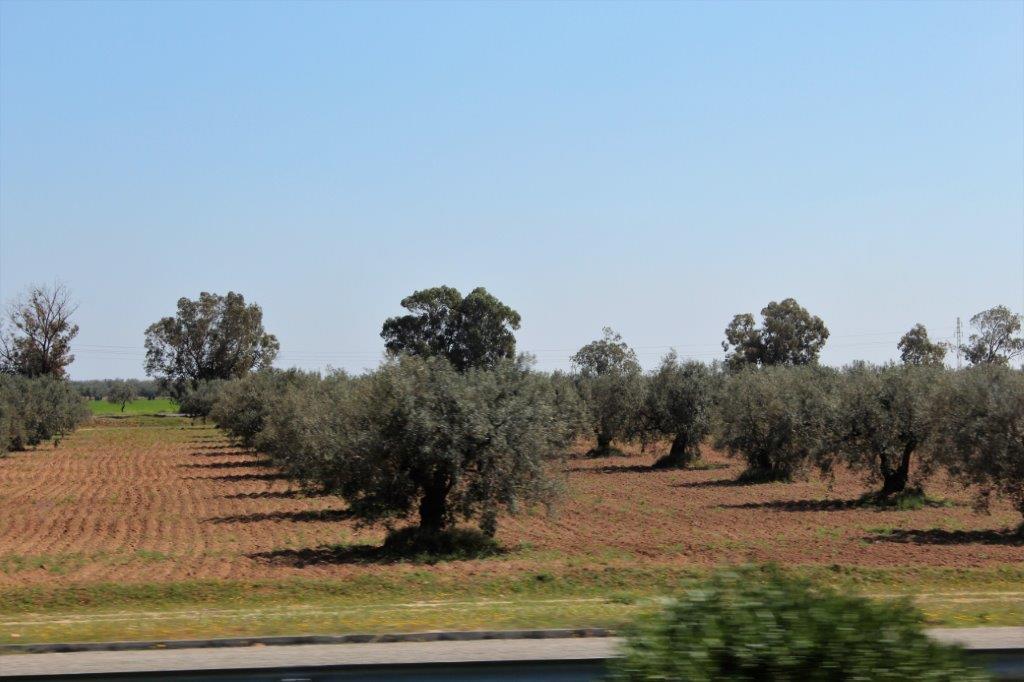
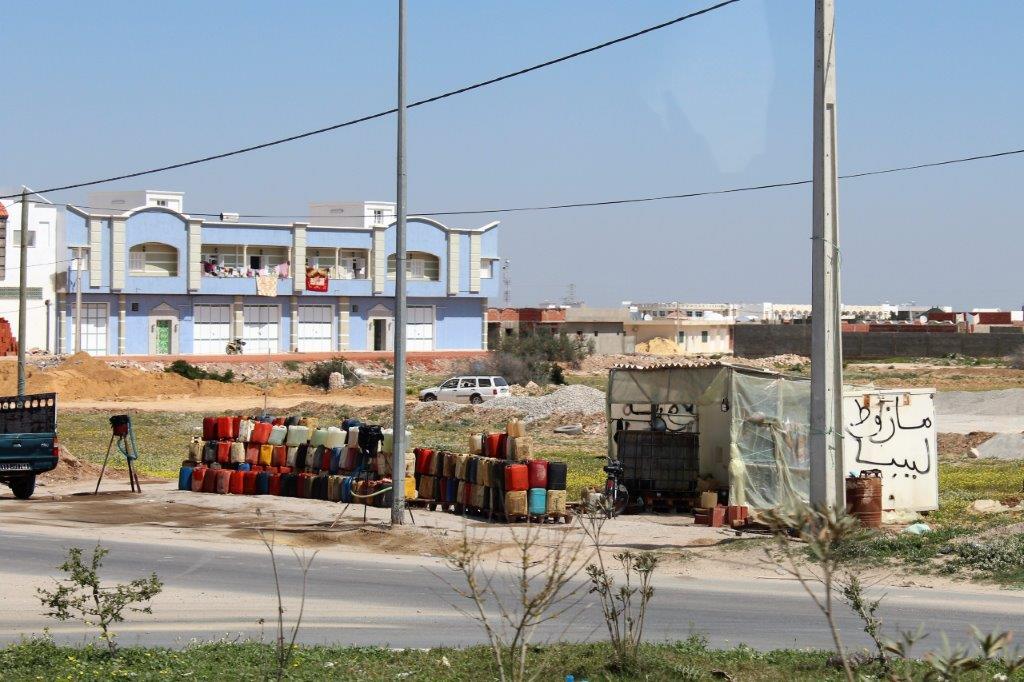
Our guide was very knowledgeable and spoke excellent English.  He also spoke Italian because he lived in Italy for five years, Berber from his mother, Arabic from school, French because Tunisia was a French Protectorate until 1956 and the business language is still french, and German.   He shared a lot of the history of the country on the one hour bus ride to El Djem. Tunisia has 55 million olive trees in 164,000 sq. km (1/2 the size of Italy).  Olives do well, our guide said, because they are very patient trees.  If there is not enough moisture they will just wait and bear fruit every two years.  85% of Tunisia’s olive oil is exported to Italy, where it is re-branded and exported all over the world as 100% pure Italian olive oil.  Five kilos of olives provide 1 litre of oil.  During harvest season everyone in the country; old, young, men and women, businessmen and military pick the olives.                                                             A gas ‘station.’
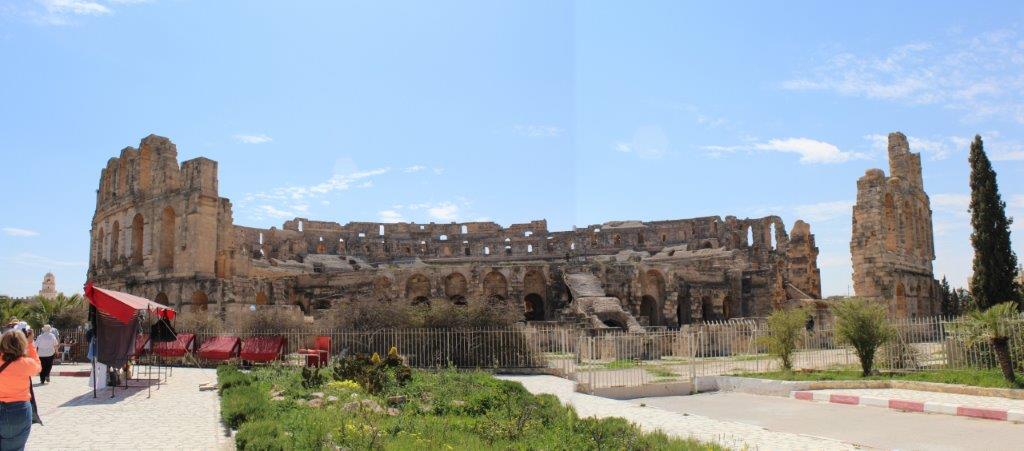
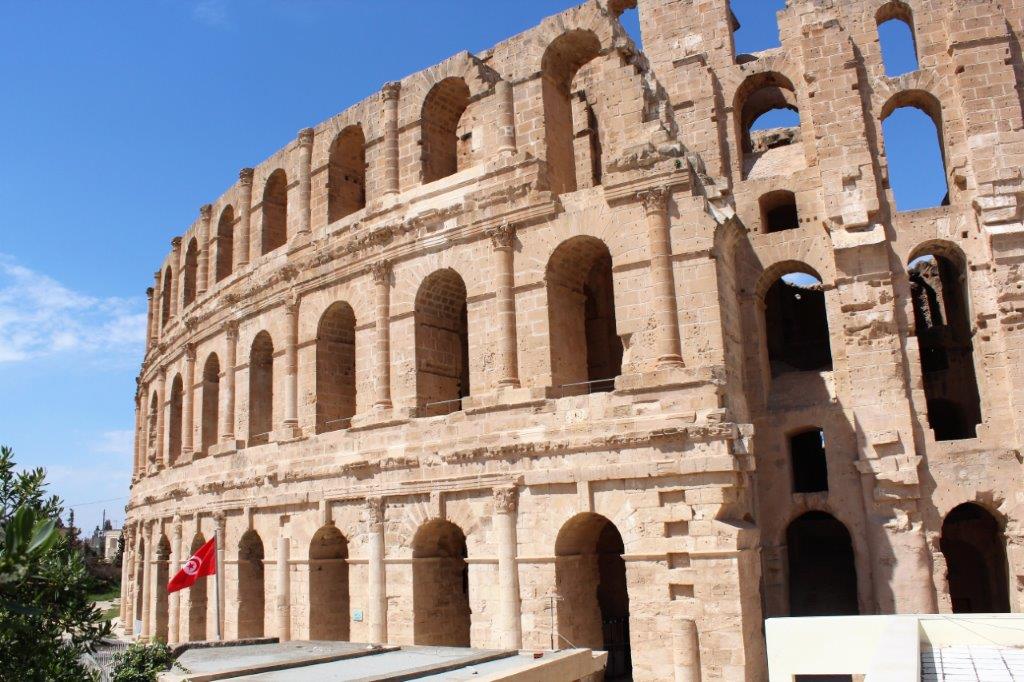
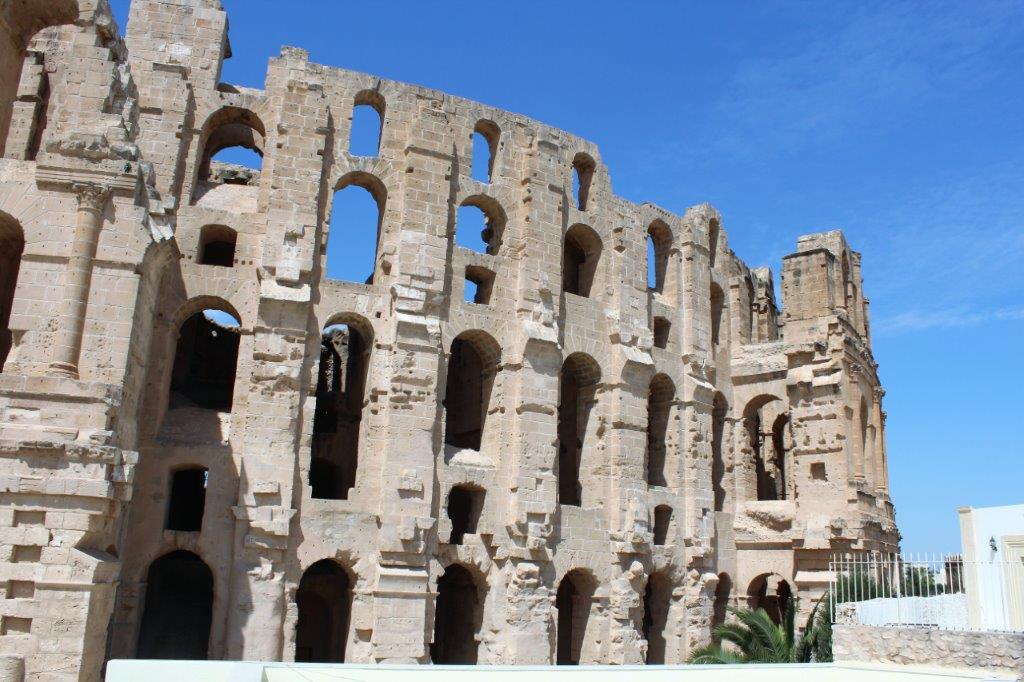
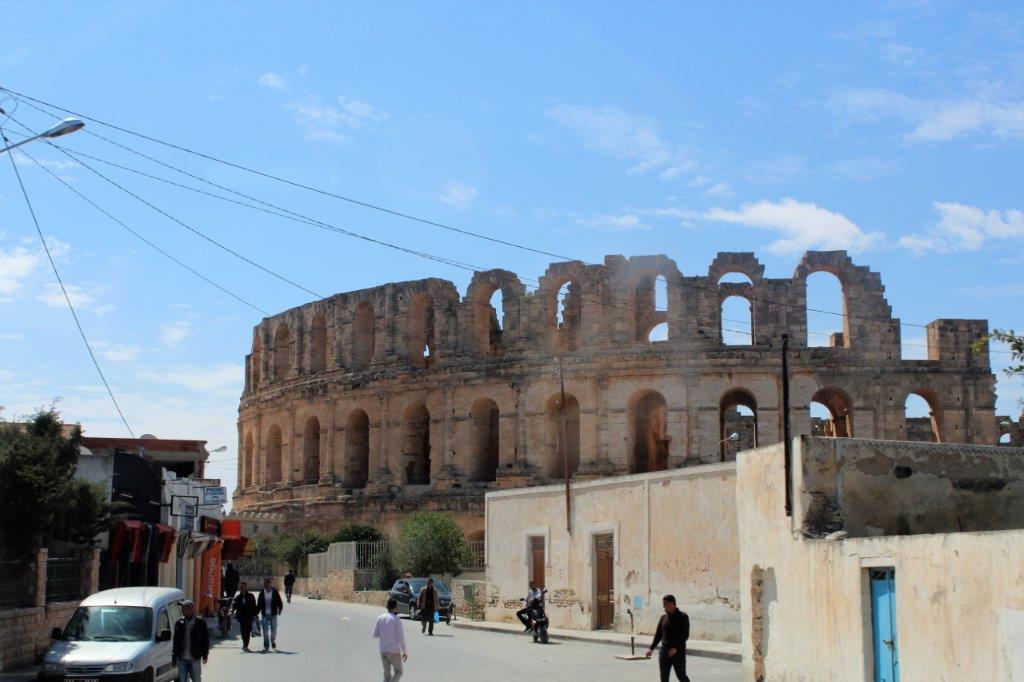
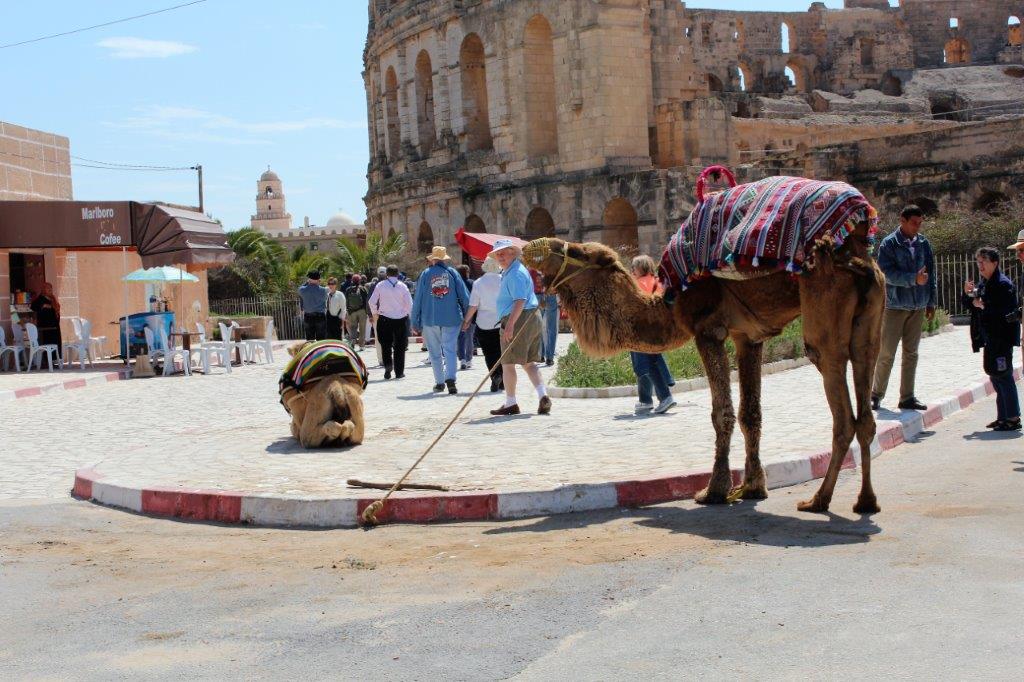
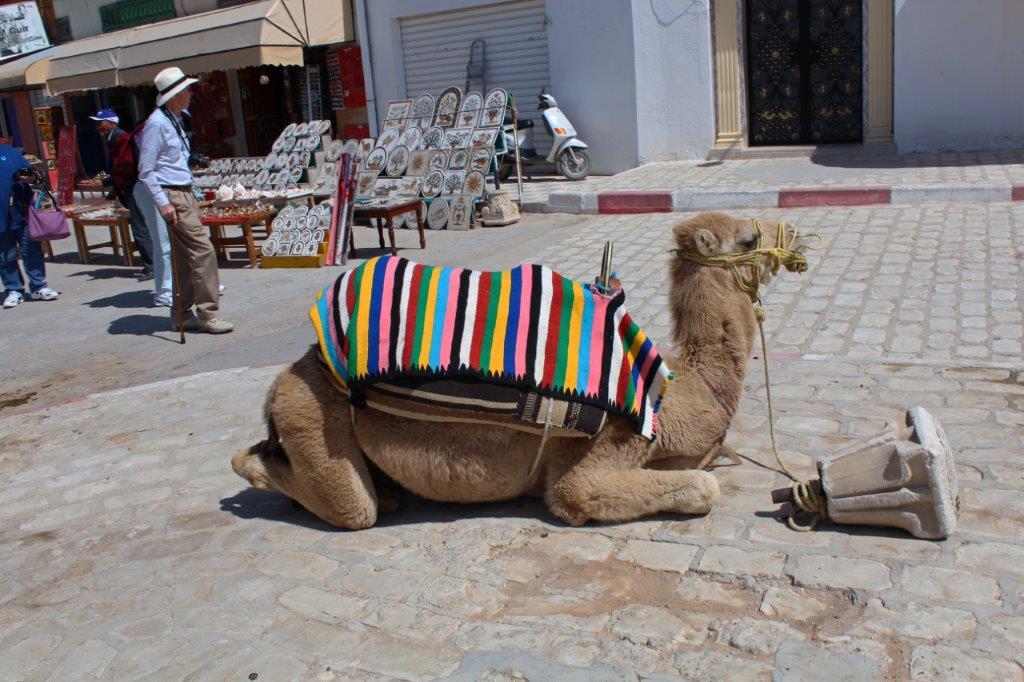
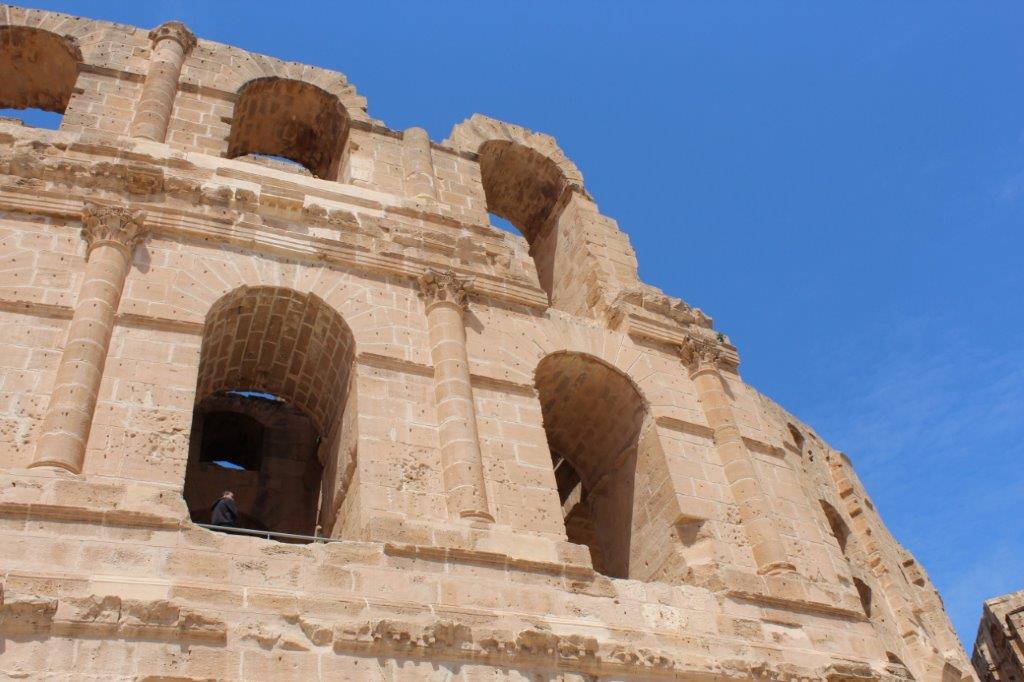
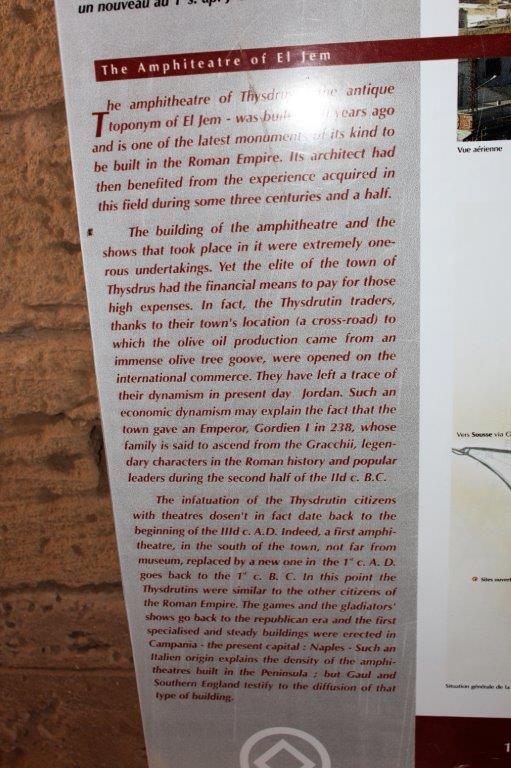
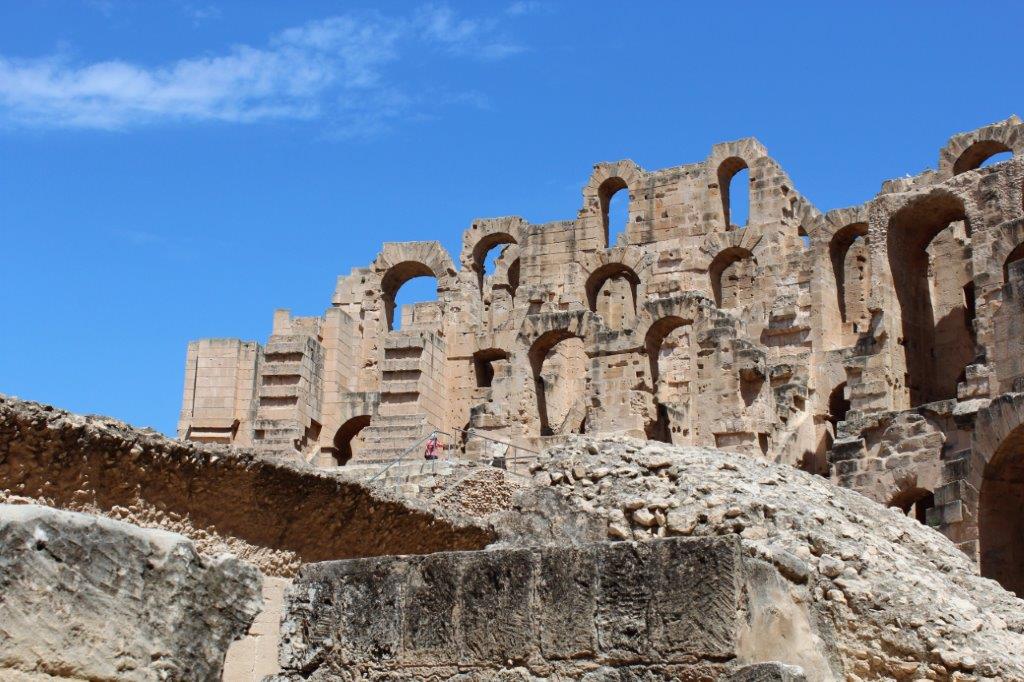
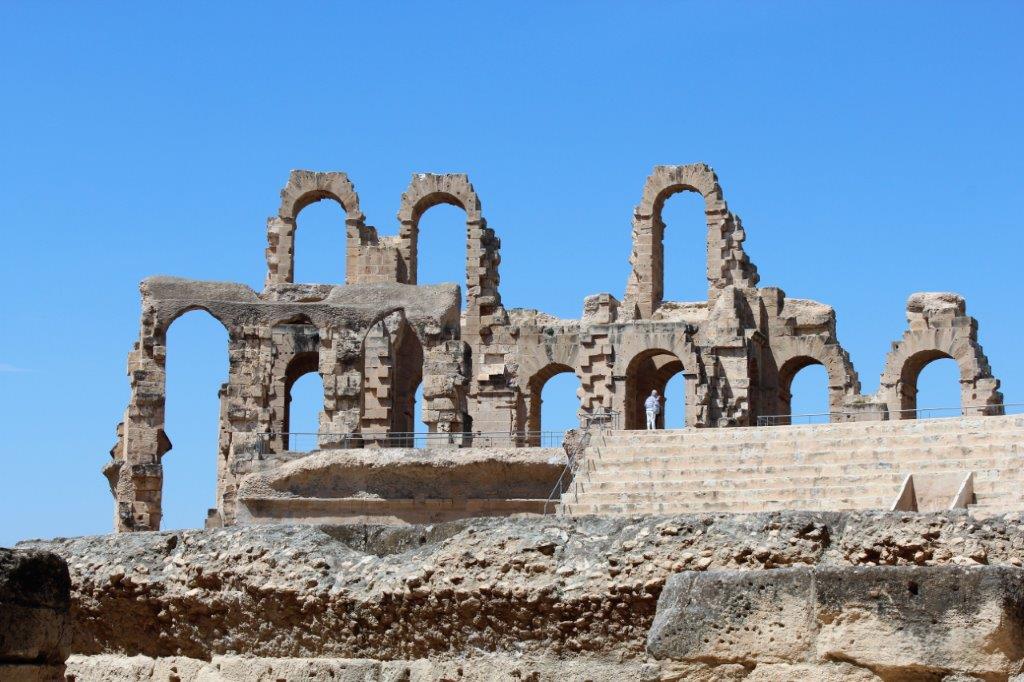
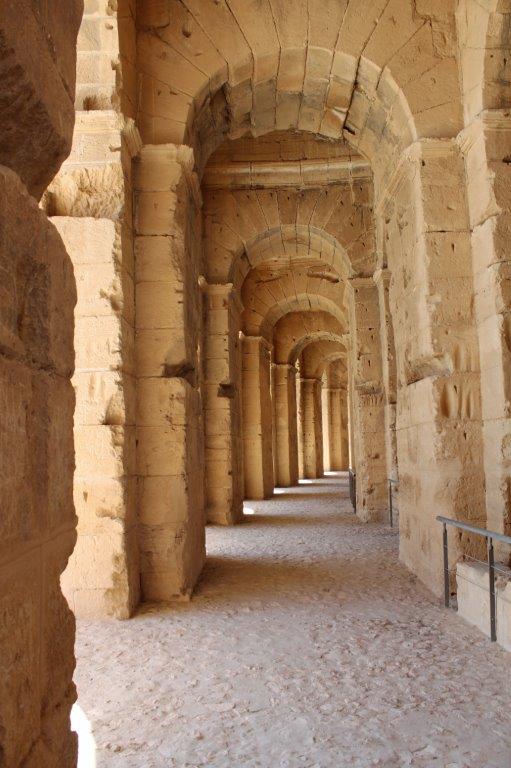
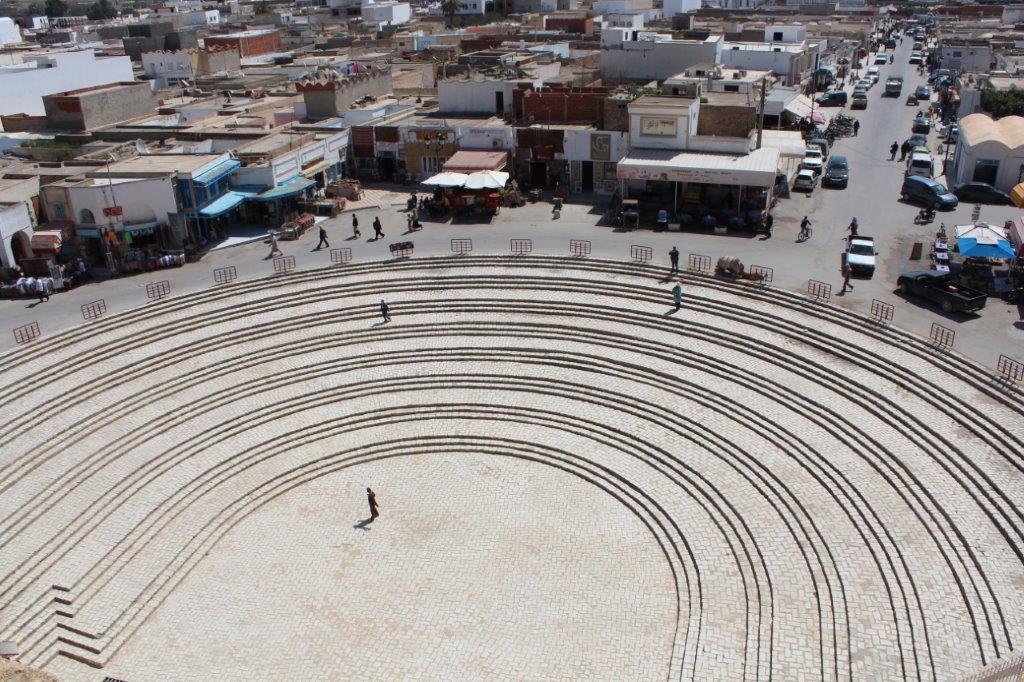
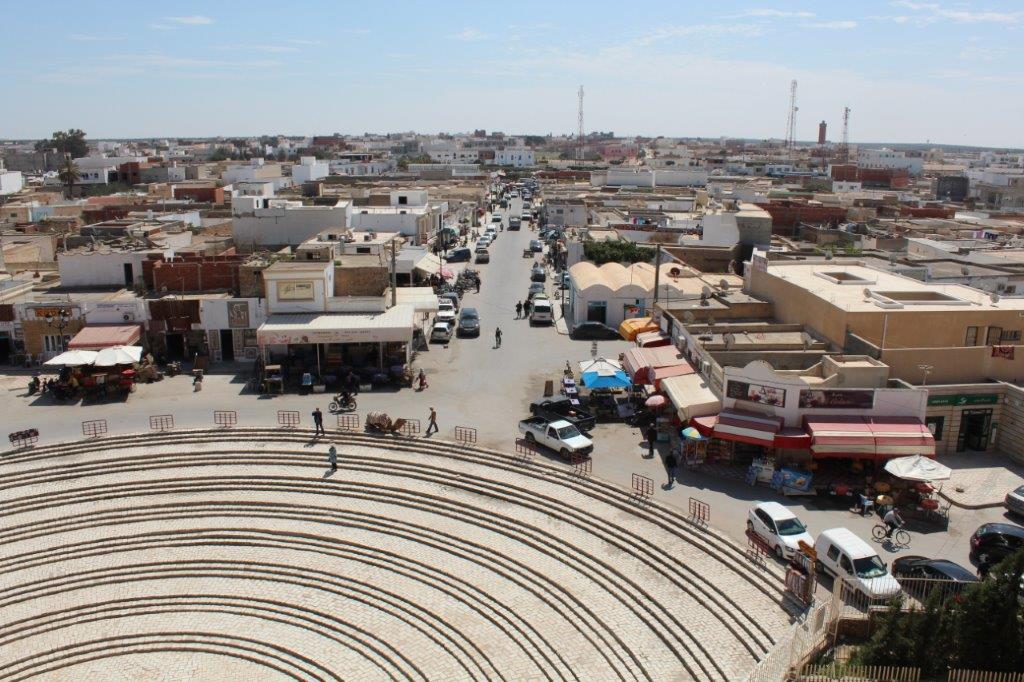
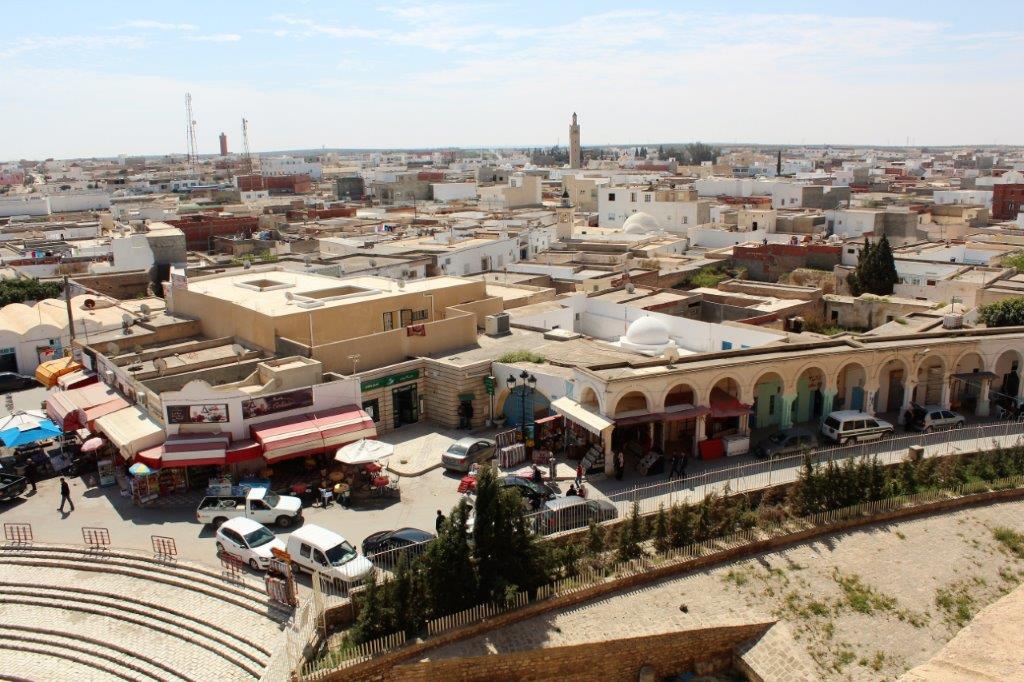
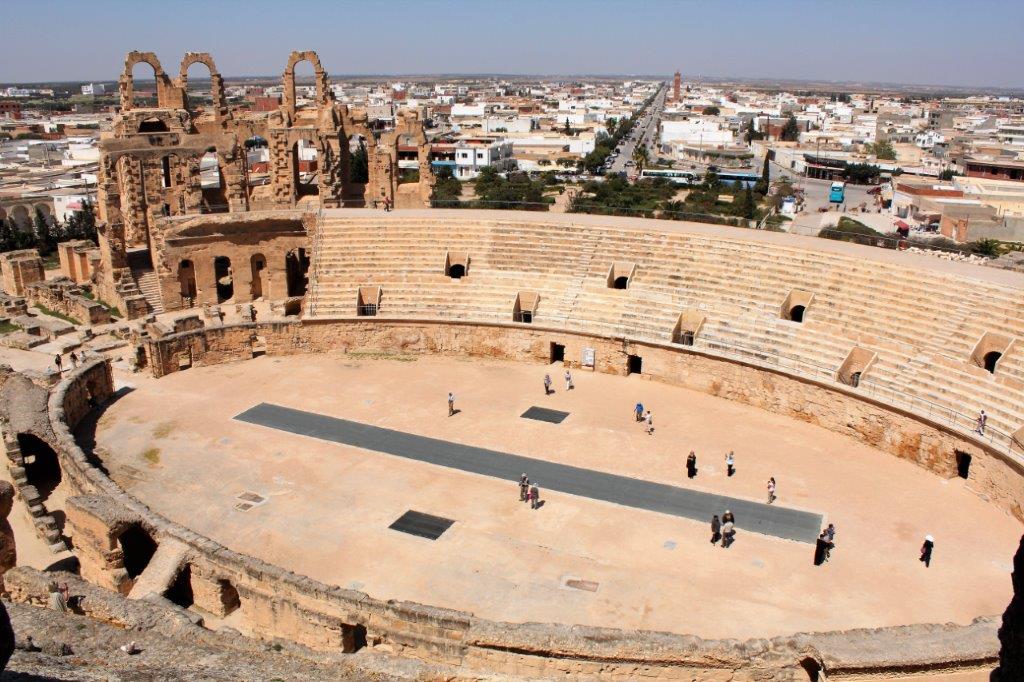
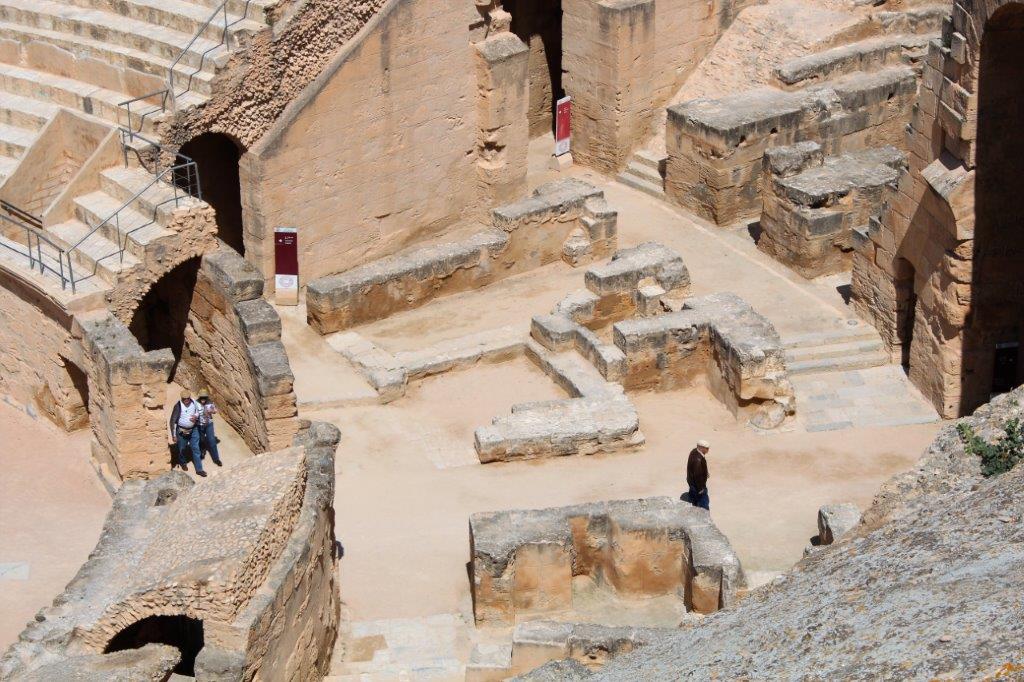
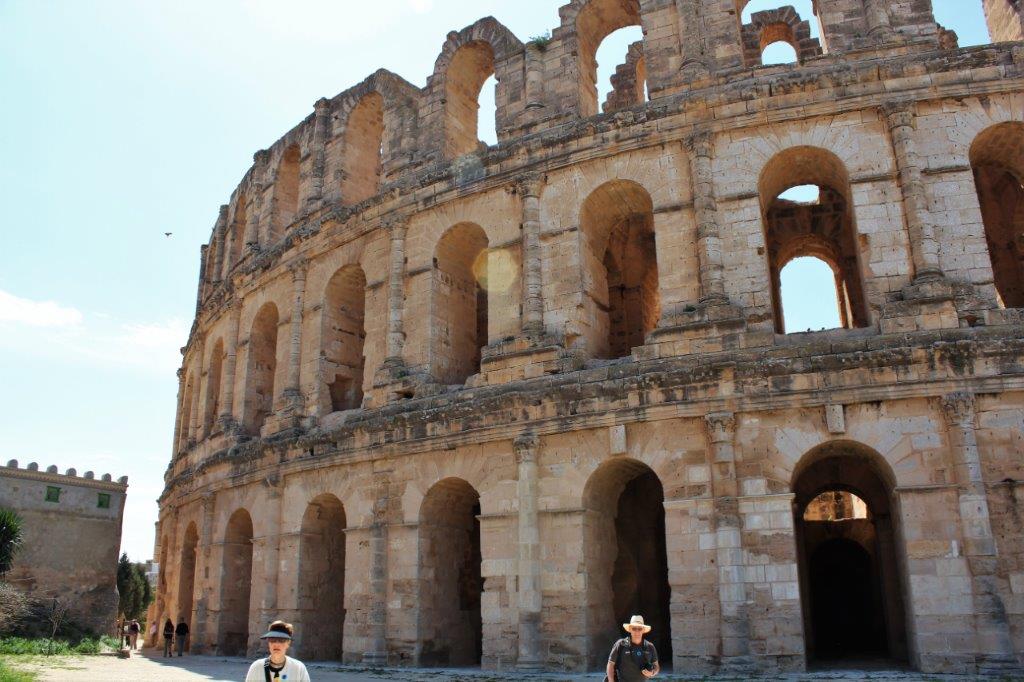
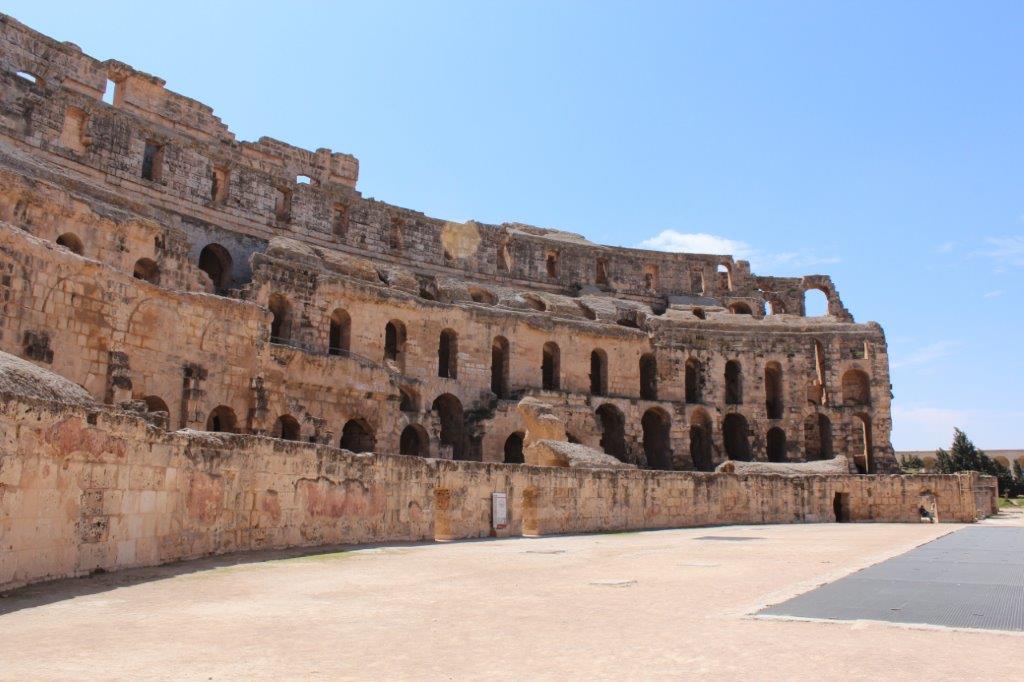
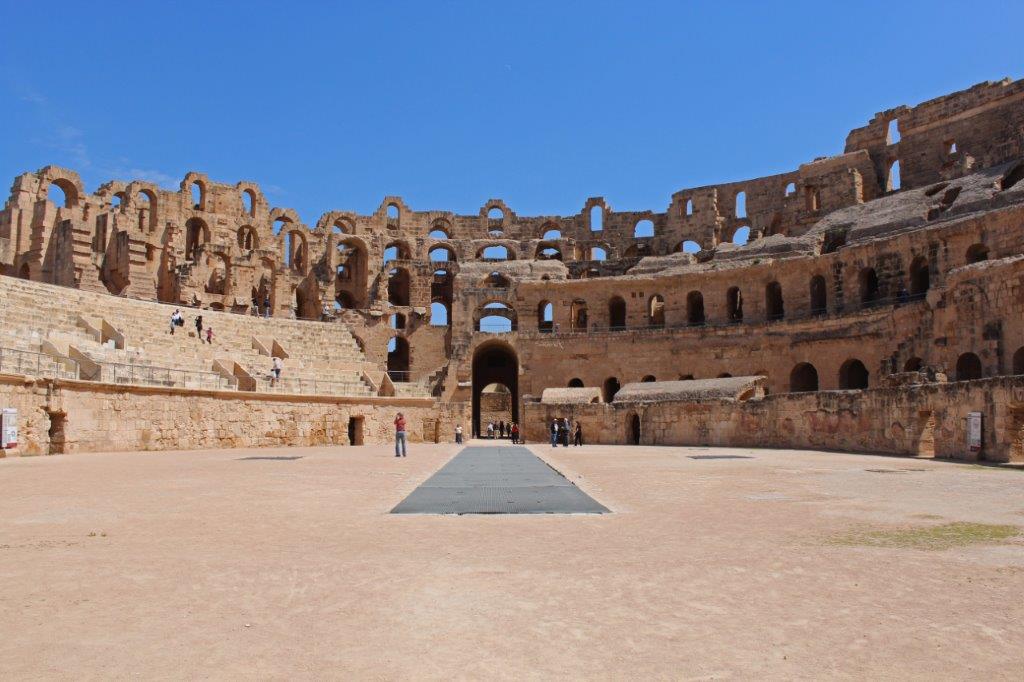
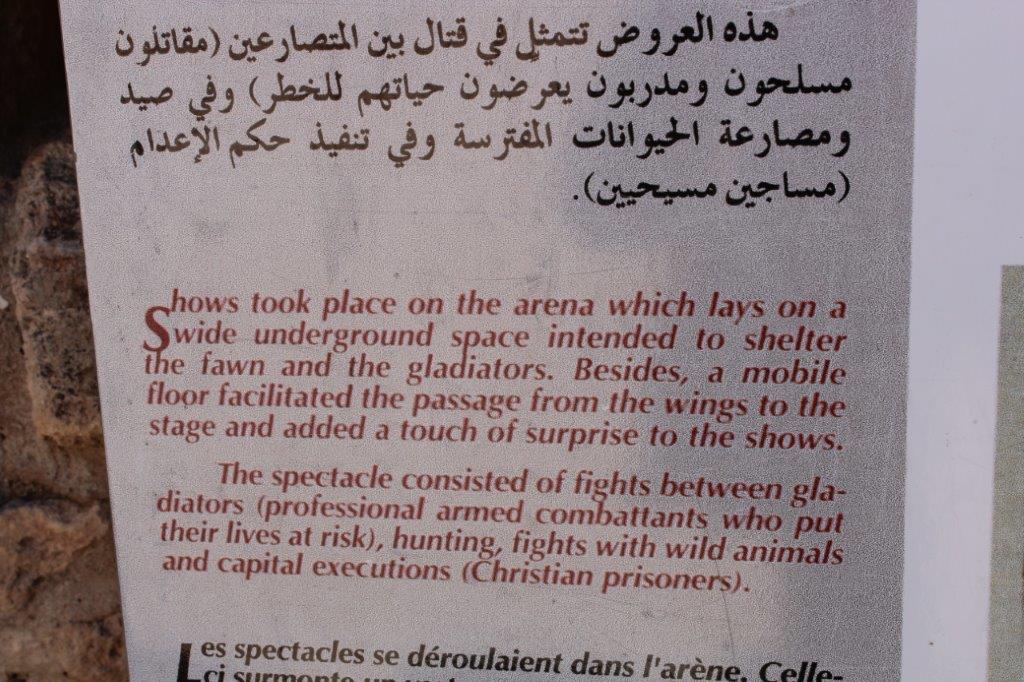
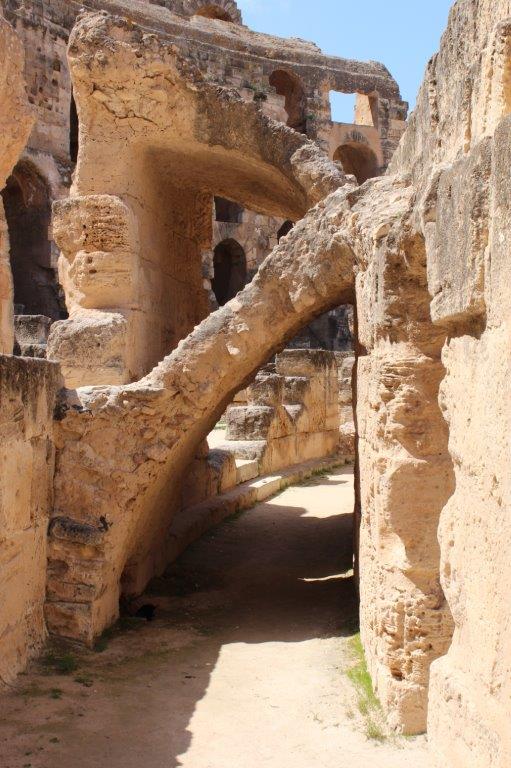
Thysdrus (El Djem in ancient times) was a thriving market town on the crossroads of the Sahel trade routes.  During Roman times a huge amphitheater was constructed to provide entertainment for all the people passing through.  The games and spectacles were paid for by wealthy local businessmen.  It was the third largest amphitheater in the Roman Empire.  It is thought to have been built  between 230-223 BC and could seat 30,000 people. We had to purchase a ‘camera ticket’ in order to take photographs at El Djem: that was a new experience.  There was always someone you could pay to take your photo with a camel.

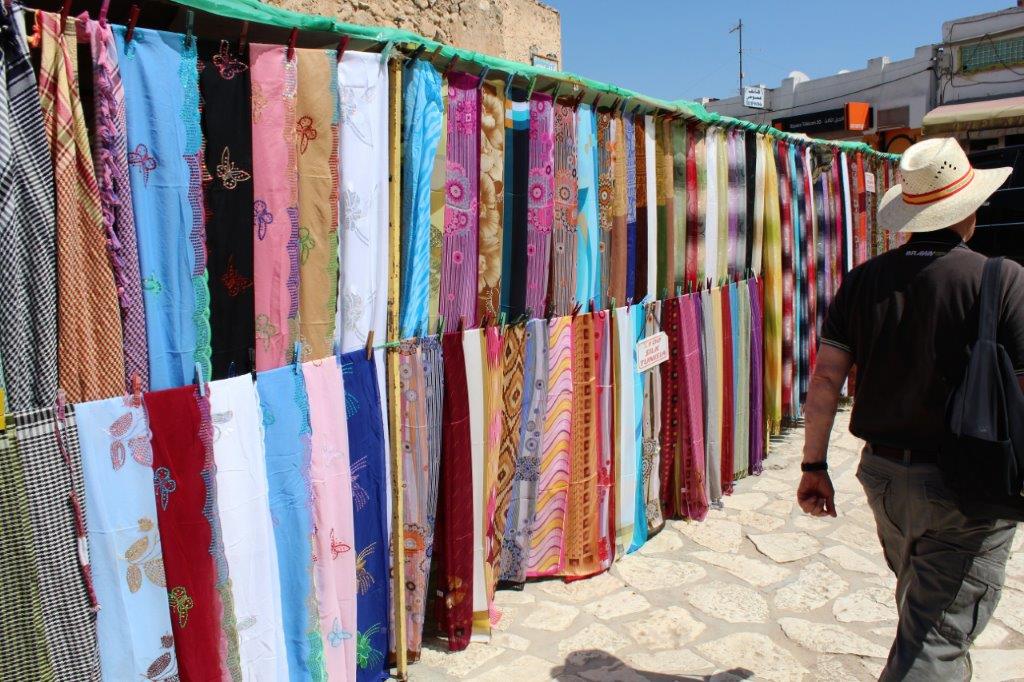
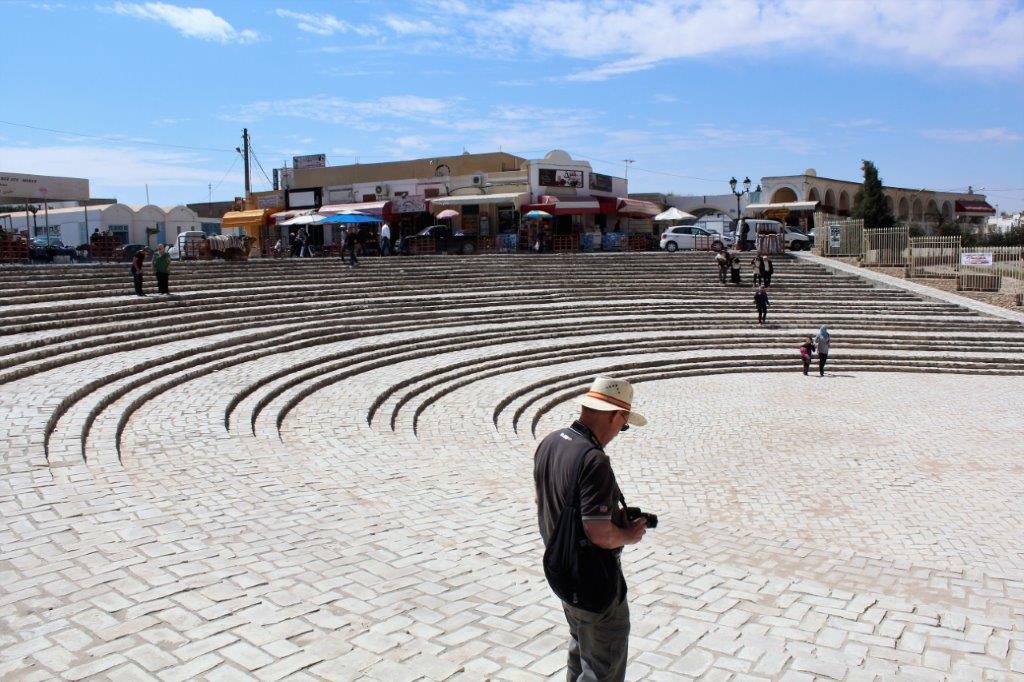
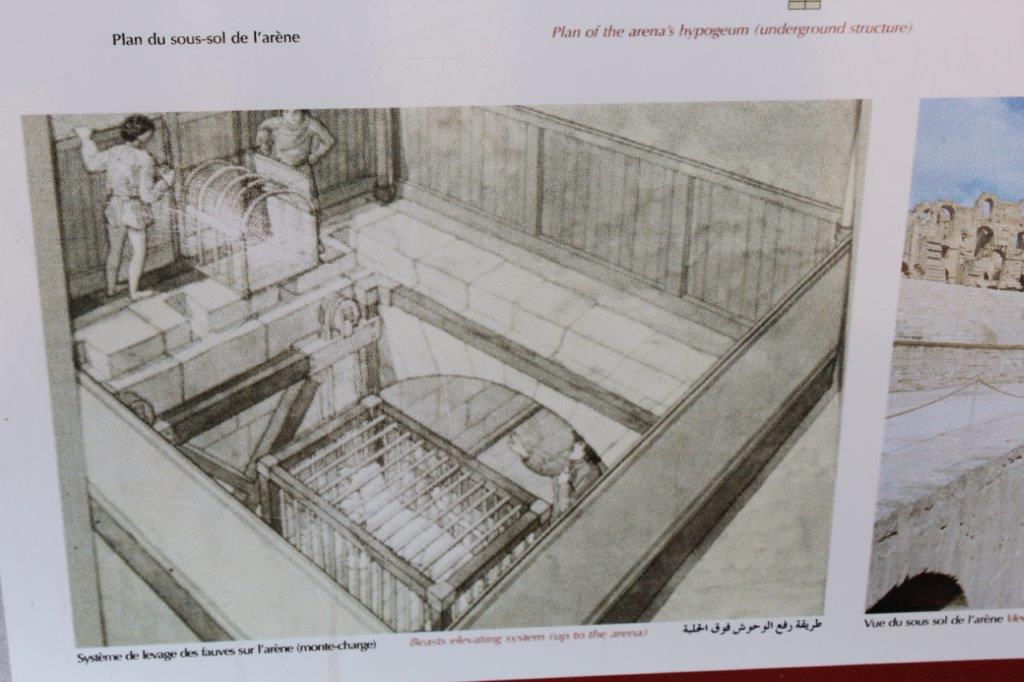
               And a selection of yard goods you could purchase. The grey strip in the middle covers the ‘elevator’ shafts that were used to bring animals and performers into the stage area from the rooms below.

When we completed our tour of the amphitheater the bus took us across town to the Museum to see the collection of Roman mosaics and a re-constructed Roman villa which I will tell you about in my next blog.


2012 March 27 – Day 16 – Cartagena, Spain

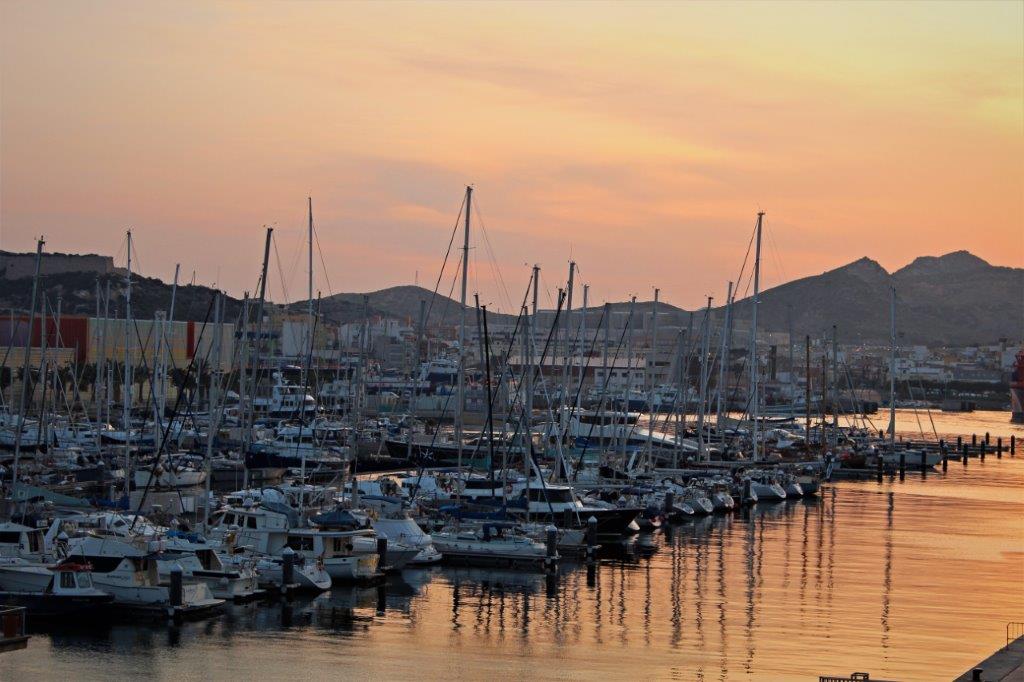
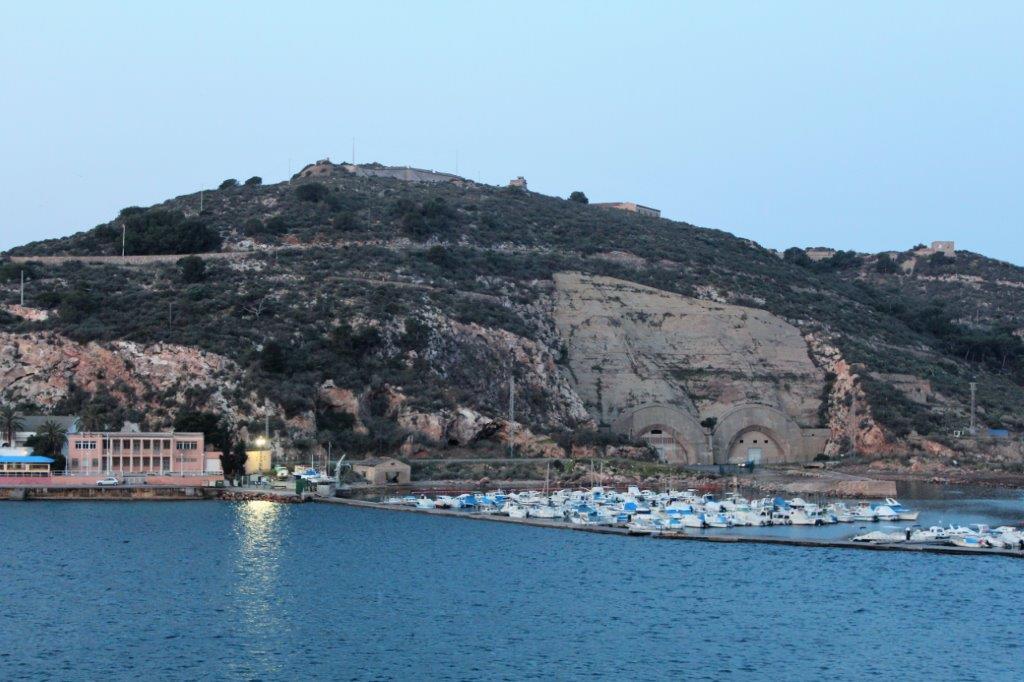
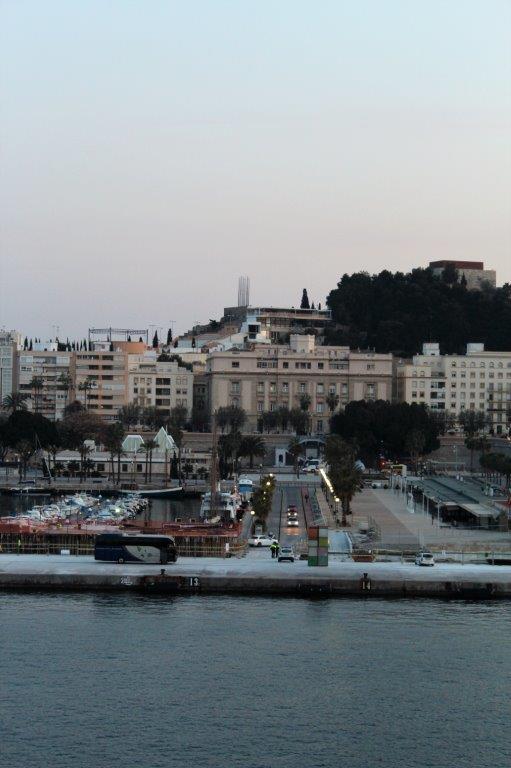
We had a 7 am wake-up call to be ready for our 8:30 tour departure and were able to watch the sunrise during sail-in.   Cartagena is the major naval port in Spain.  As we sailed into the harbour we saw several navy frigates and a submarine.  The big doors in the hillside in the photo above are to access repair yards for the subs.

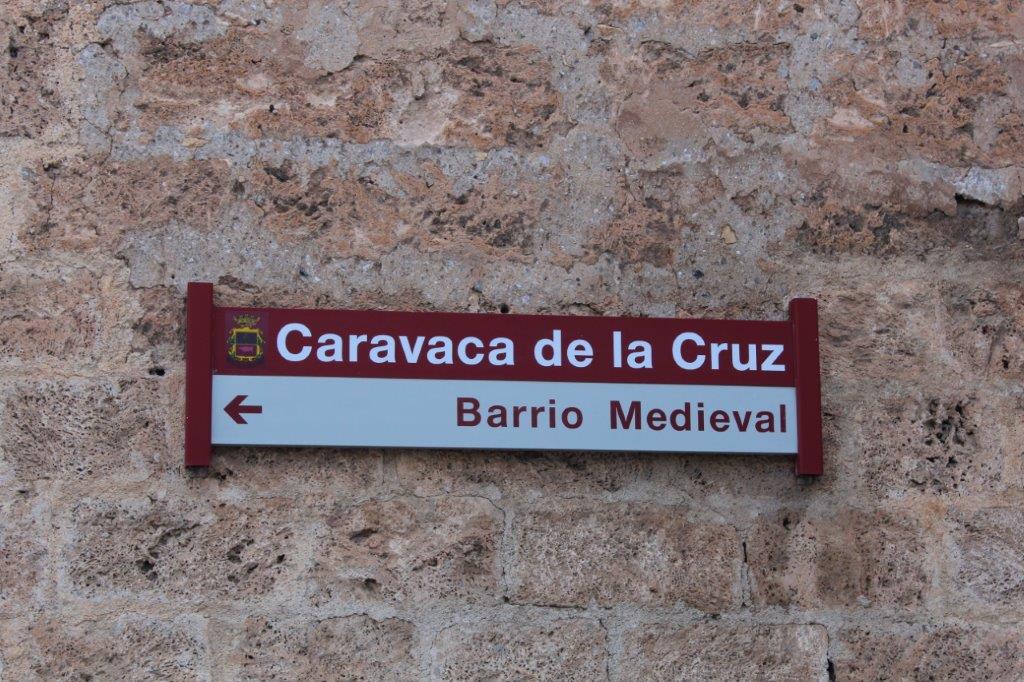
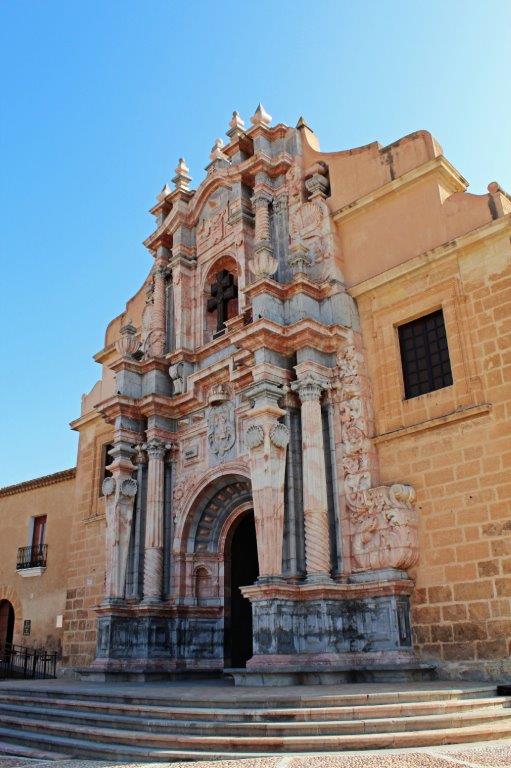
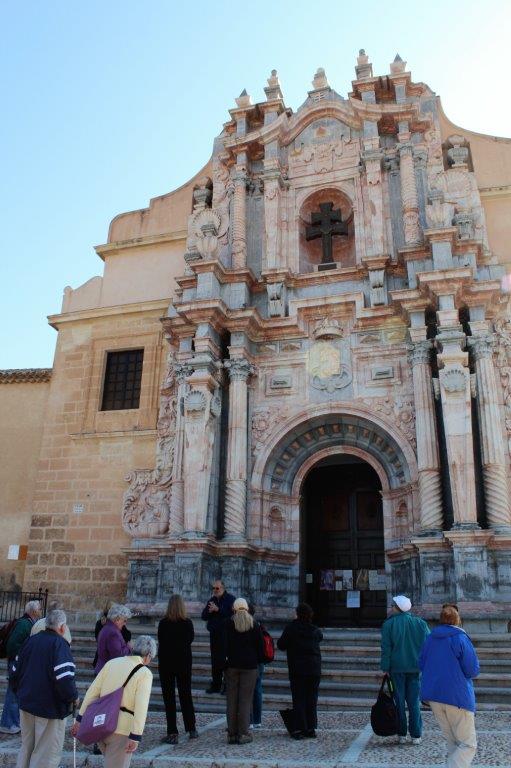
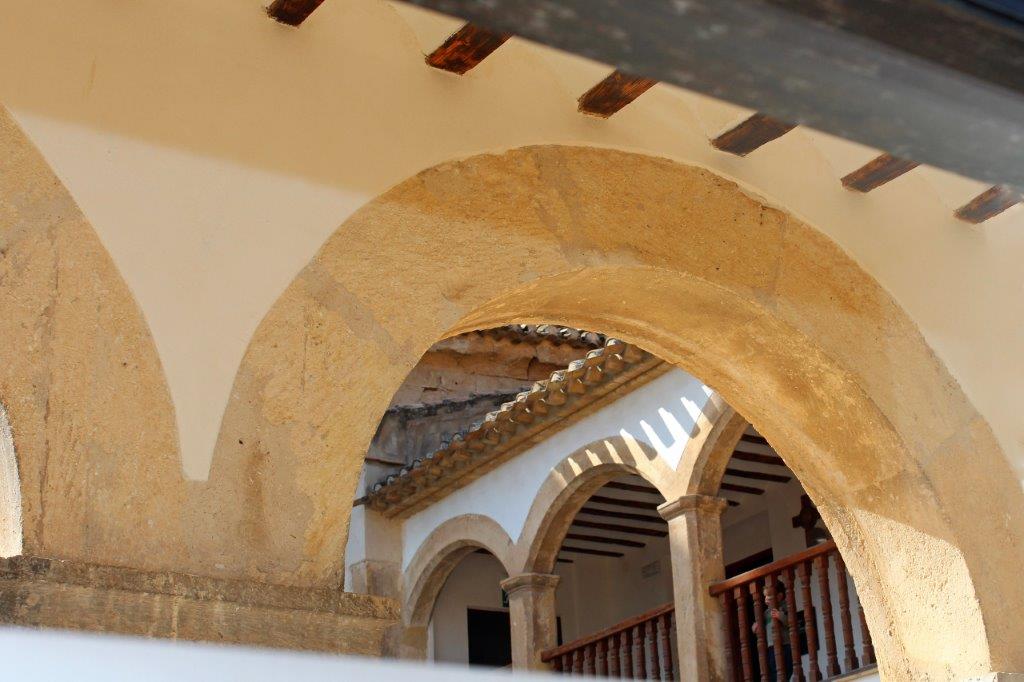
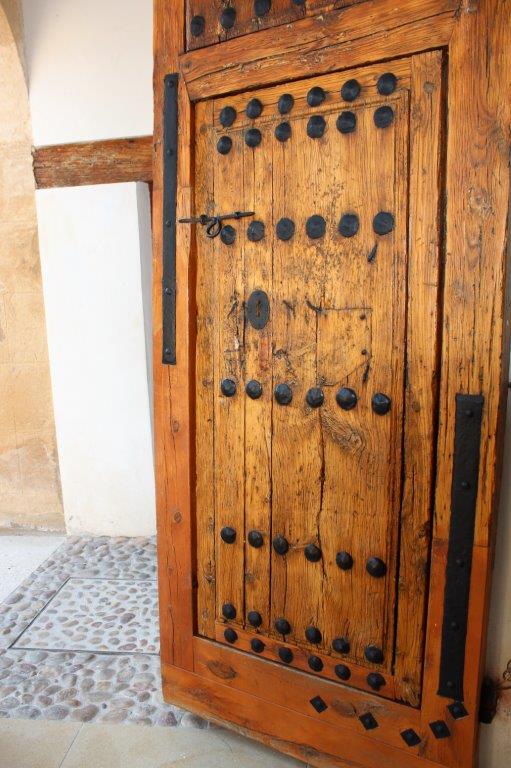
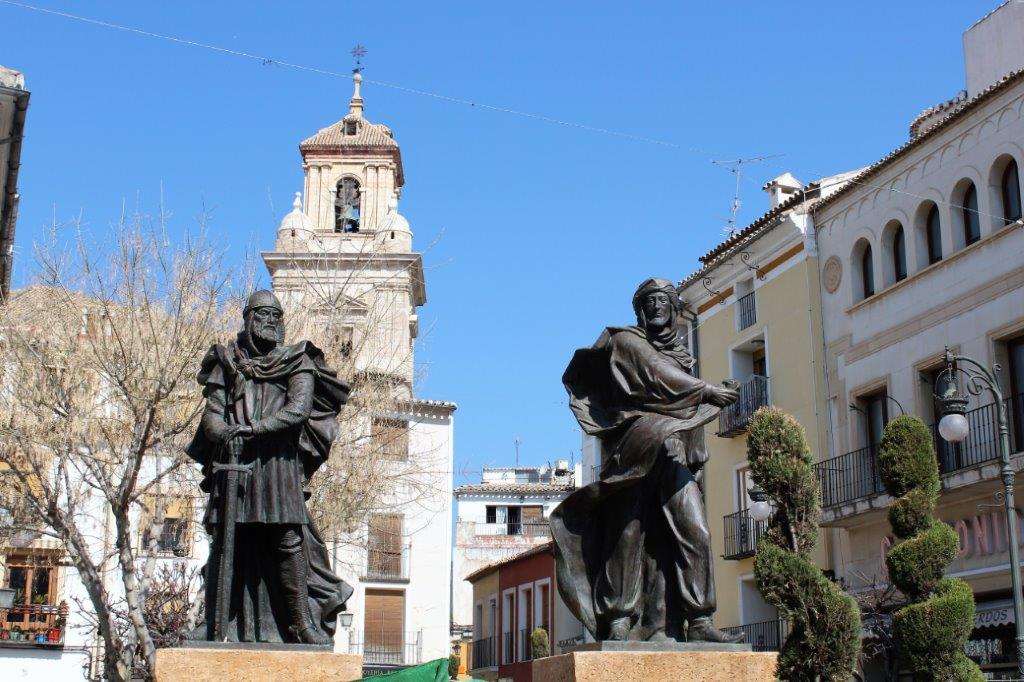
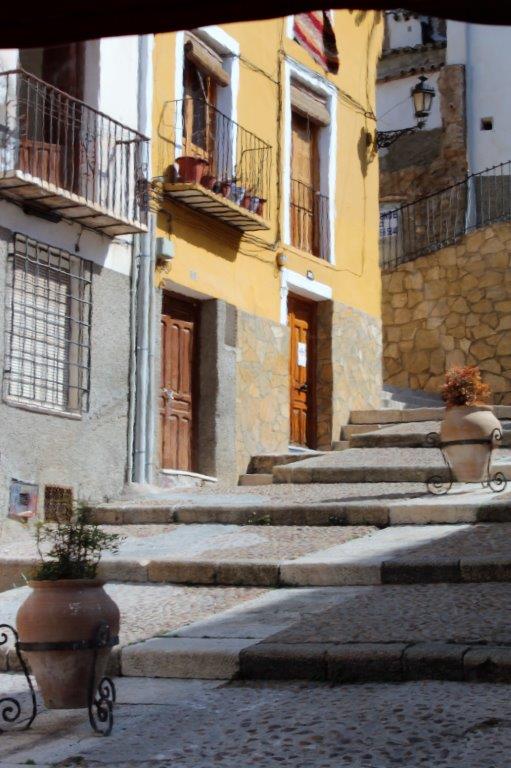
None of the Cartagena tours appealed to us (although we were told it was a lovely city to walk around) so we chose an 8 hour trip to Caravaca de la Cruz, the fifth holiest Roman Catholic city in the world.  The city is a place of pilgrimage because of the miraculous appearance of a two-armed cross that appeared in the 13th century when the king of the Moors demanded a demonstration of the Mass from an imprisoned priest.  The priest hesitated at the beginning of the service when he realized there was no cross available.  The Moorish king asked why he had stopped and no sooner had the priest told him there was no cross to use in the Mass than two angels descended through the ceiling carrying the unique cross, which the priest proceeded to use during Mass.  This miracle caused the conversion to Christianity of the Moorish king.  The original cross was stolen in the early 1900s and a replica is housed in the cathedral.

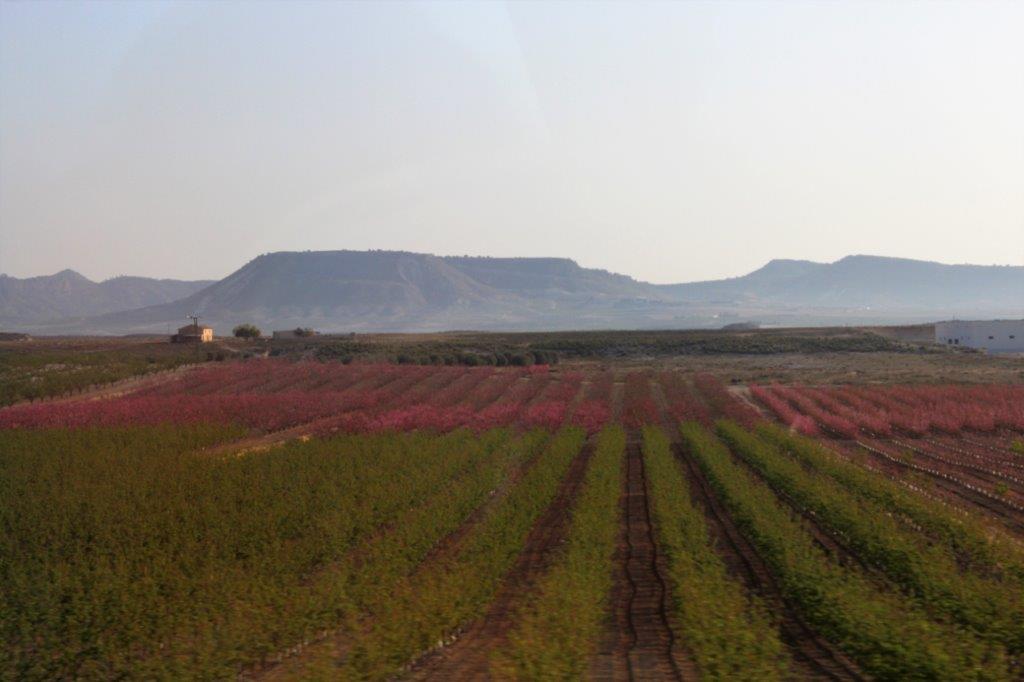
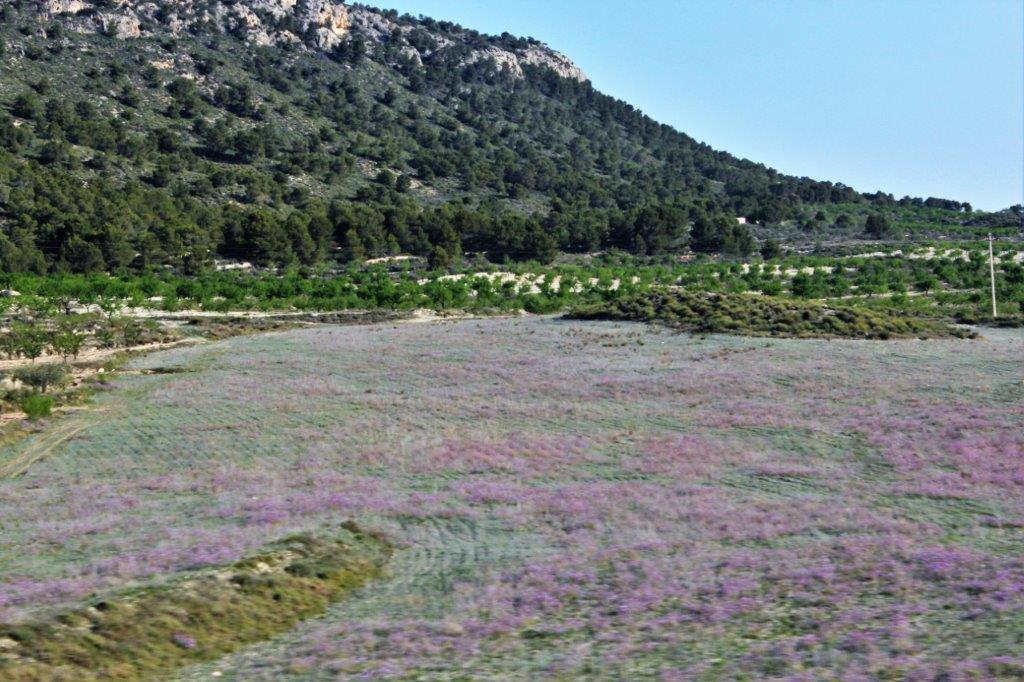
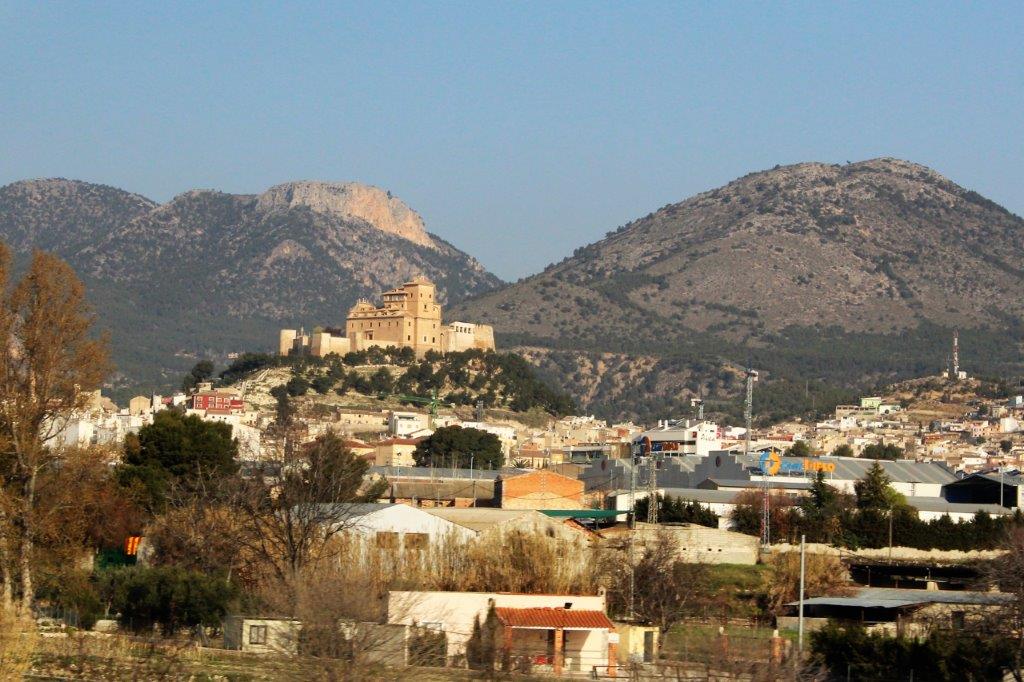
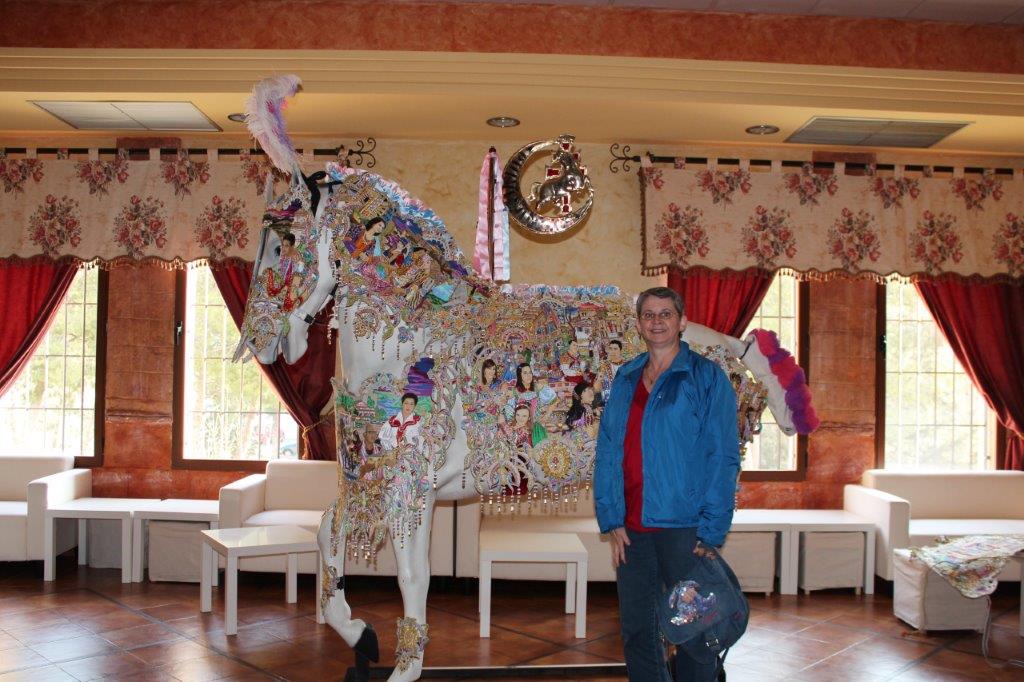
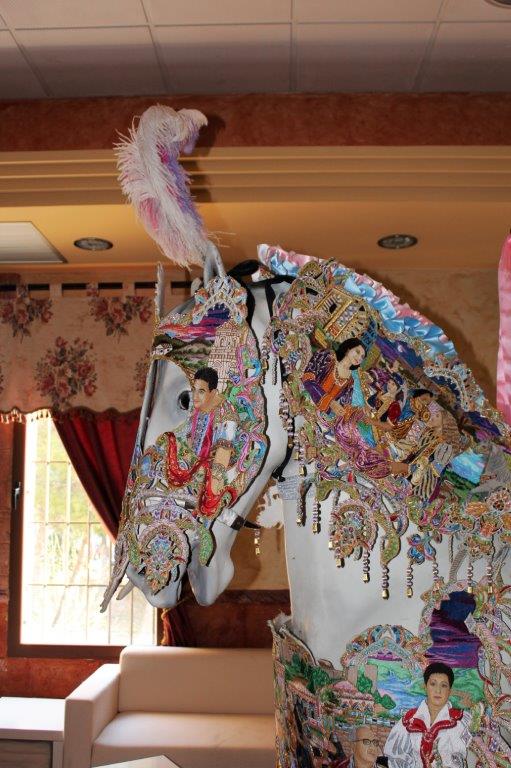
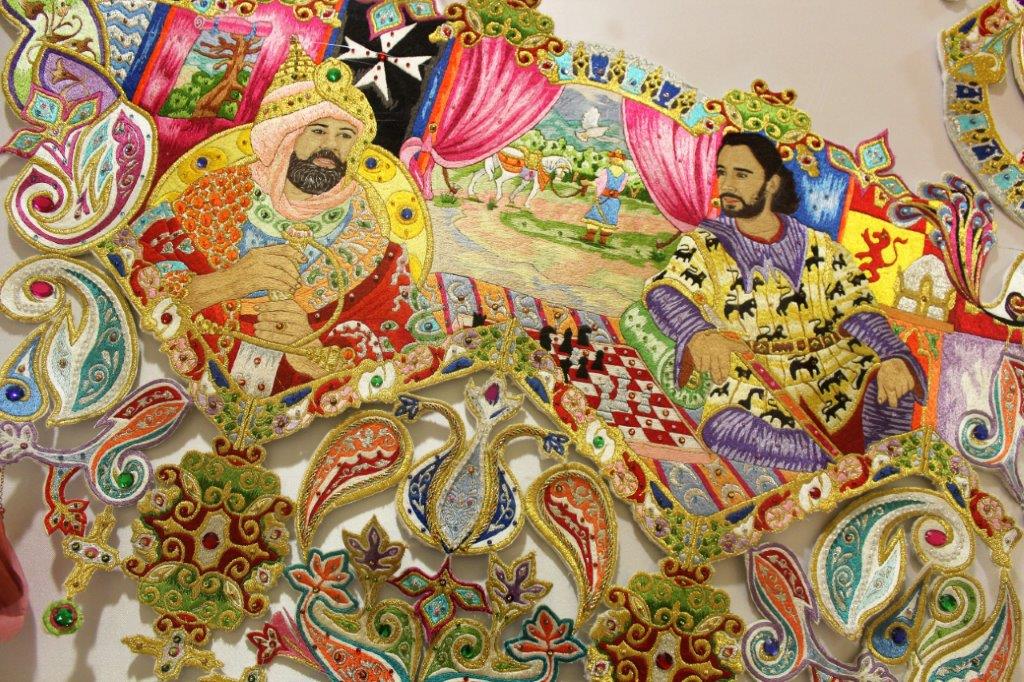
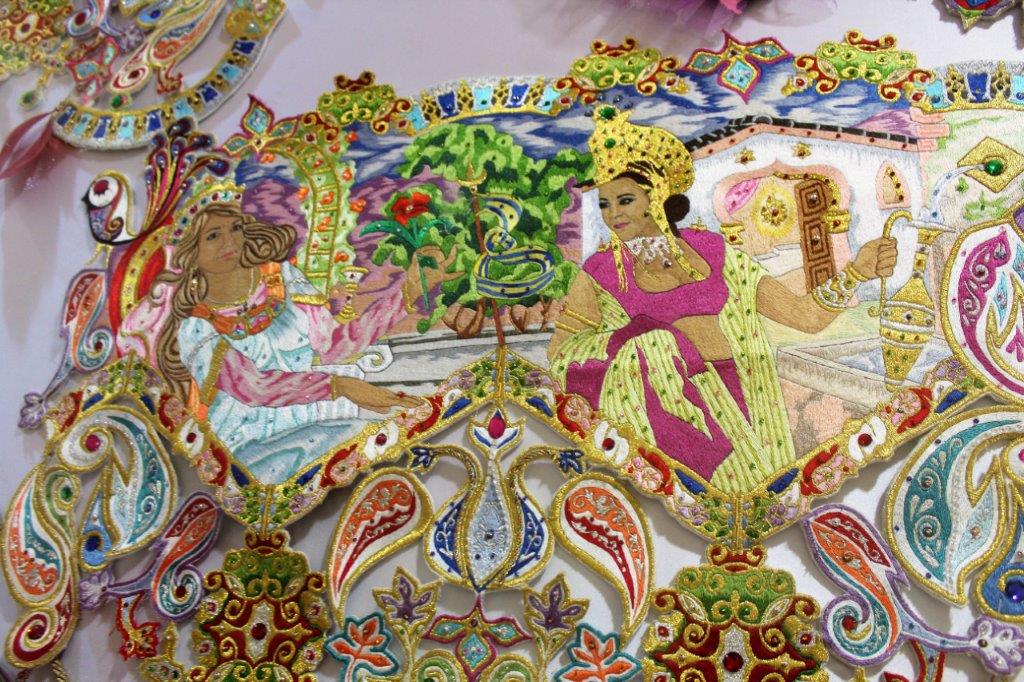
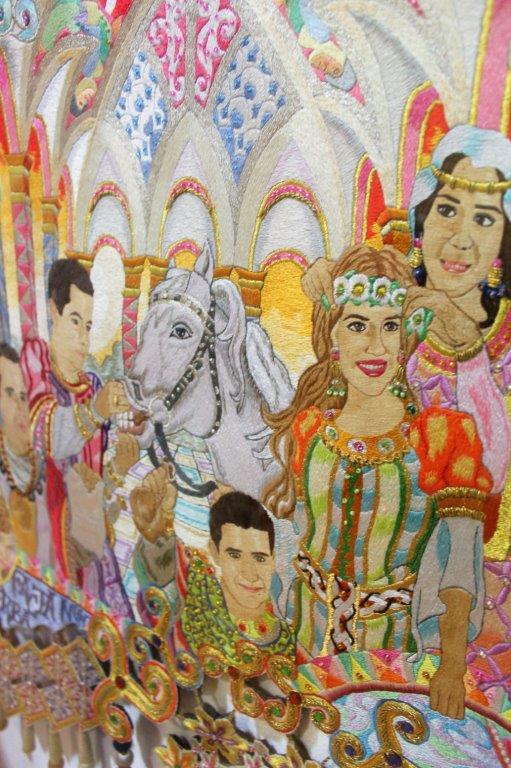
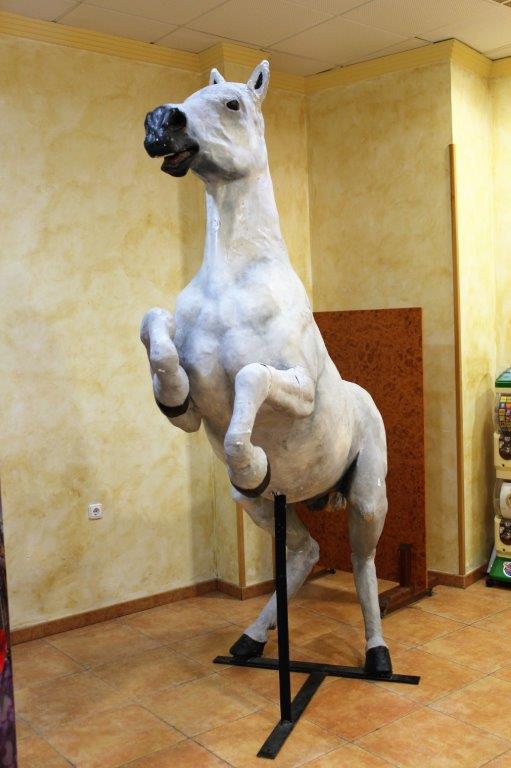
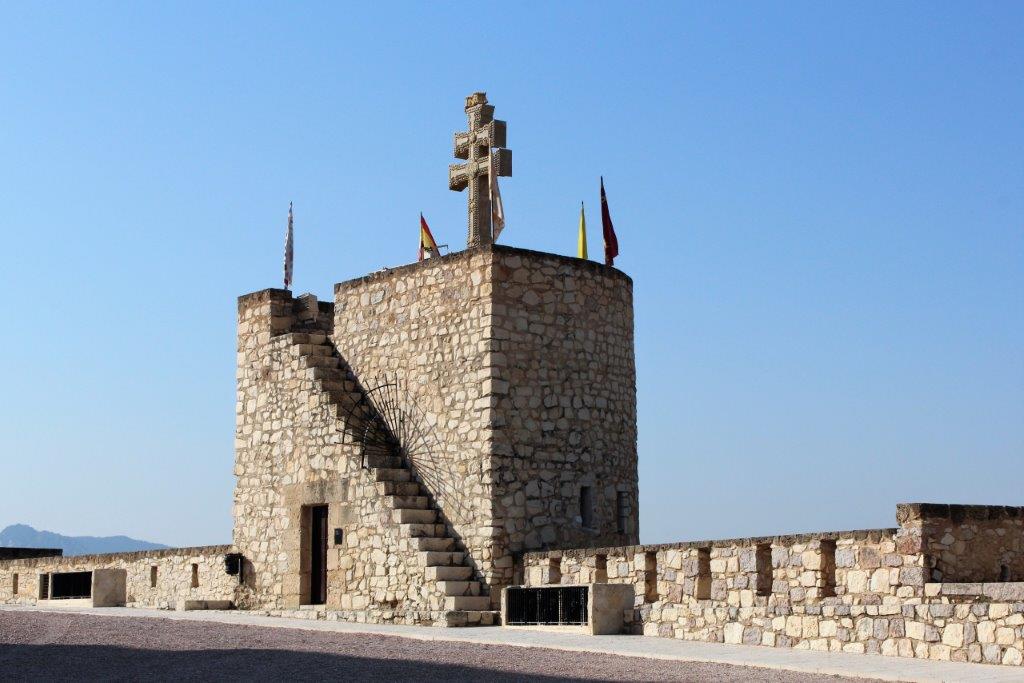
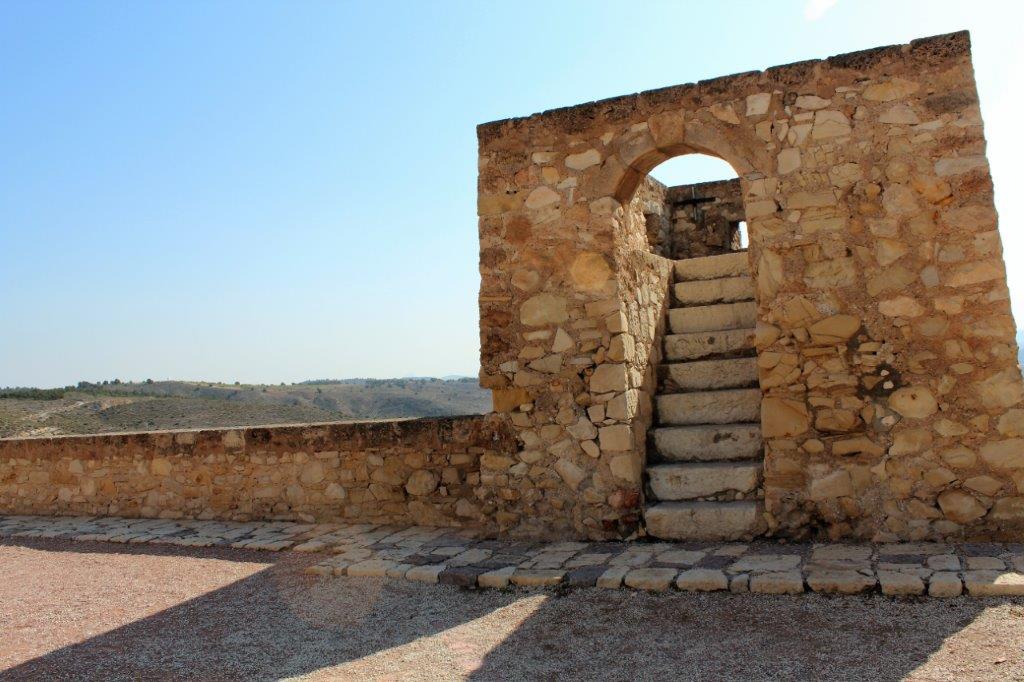
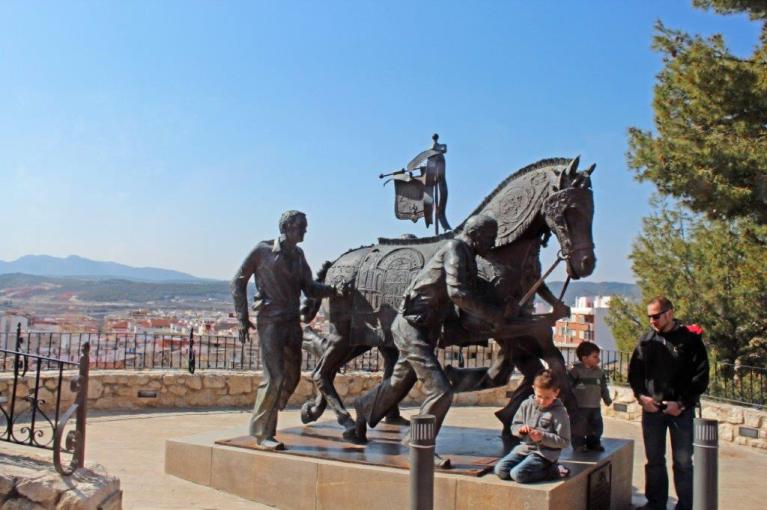
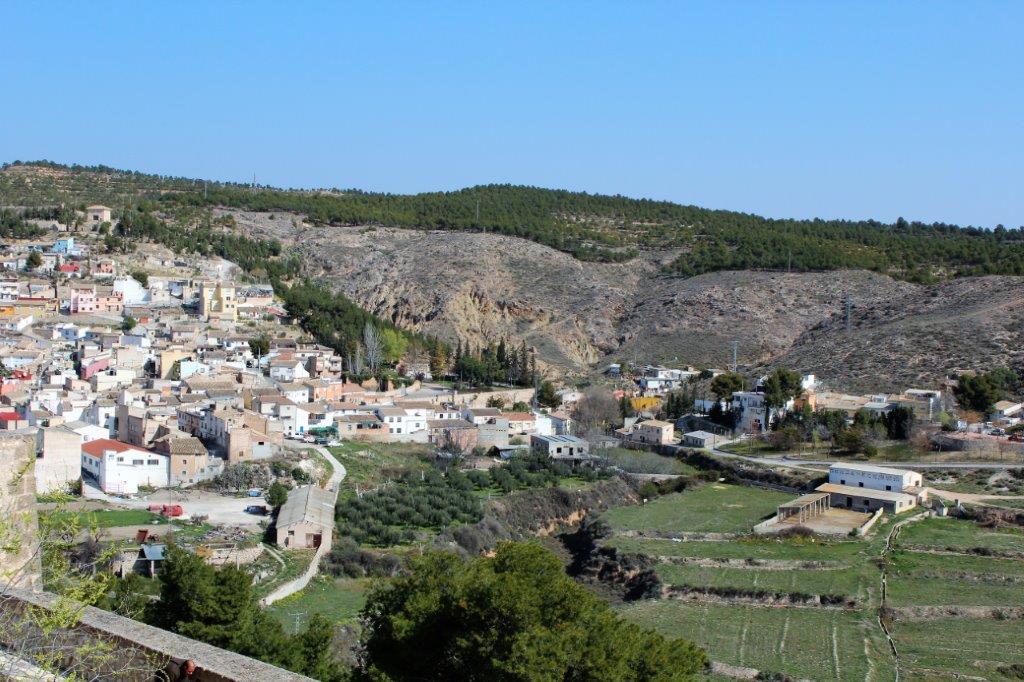
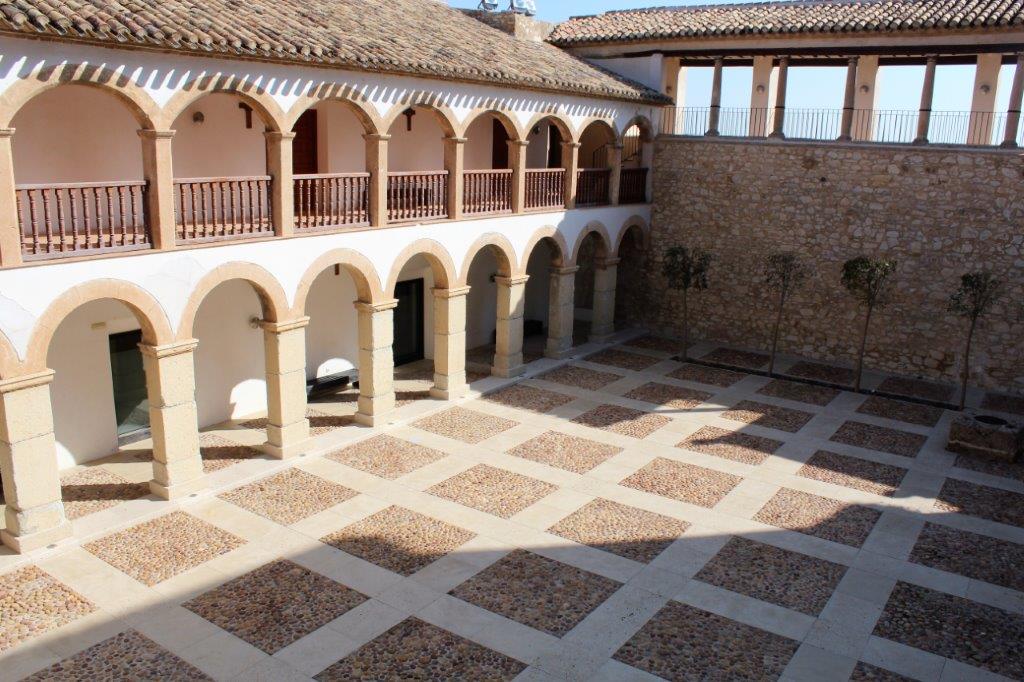
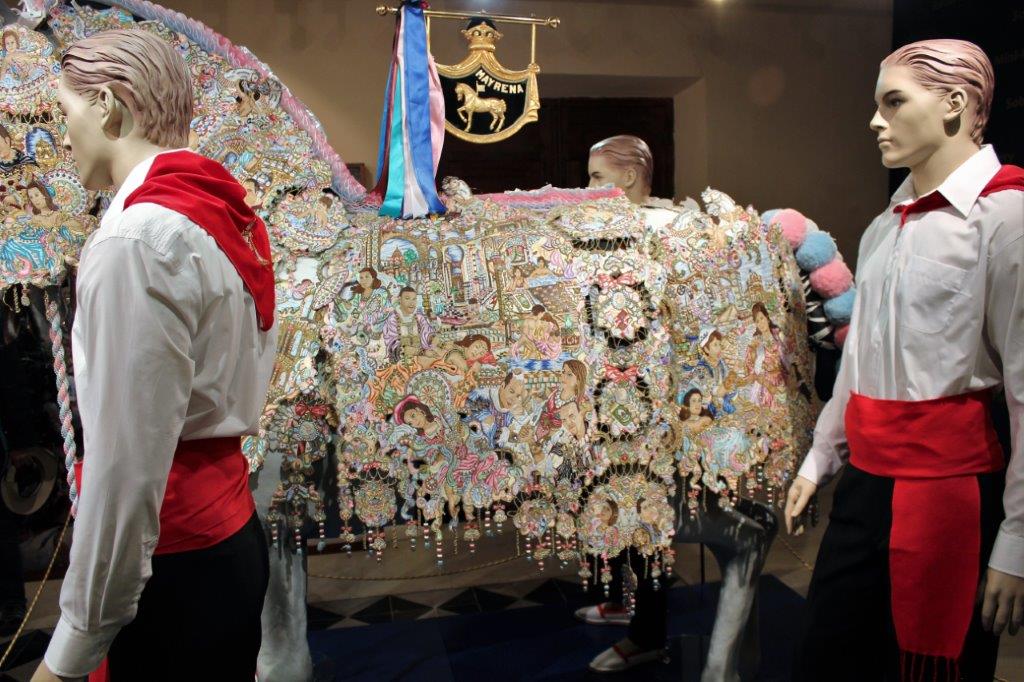
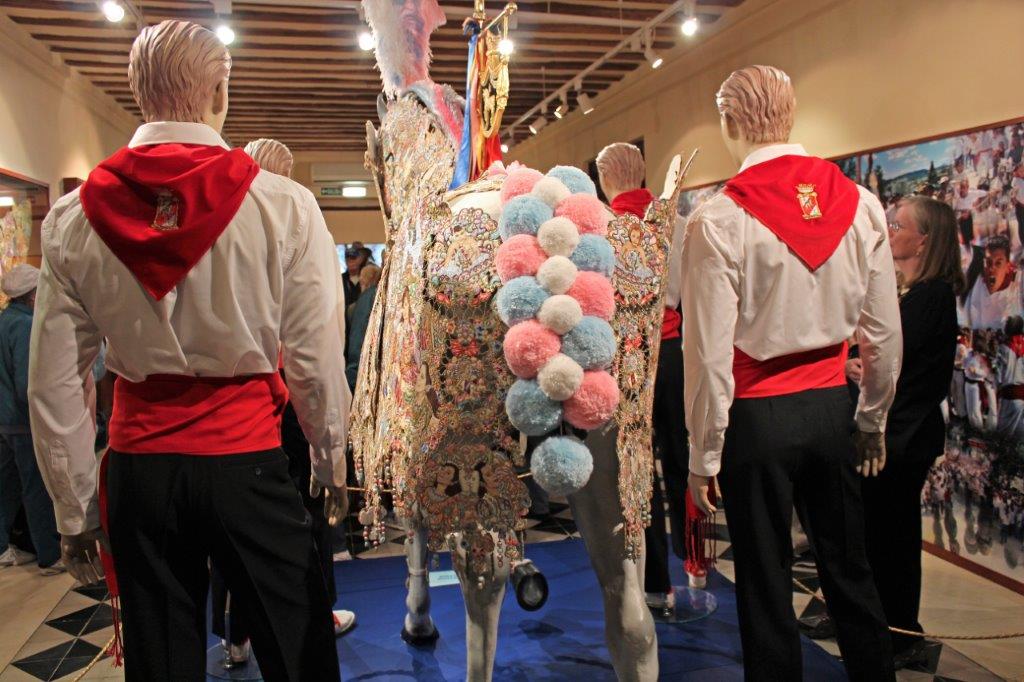
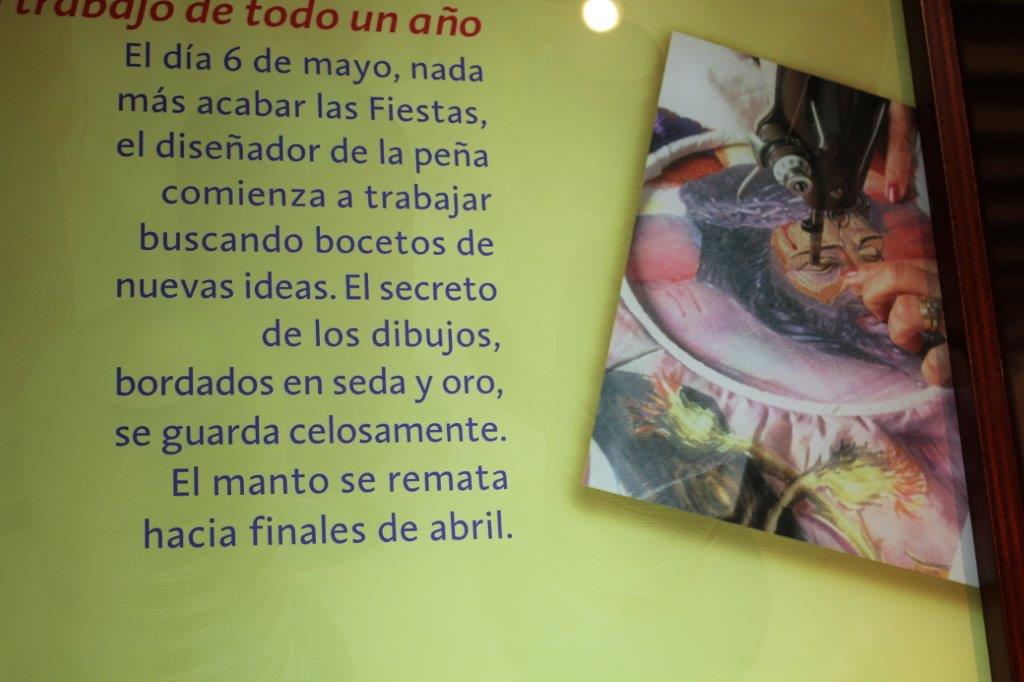
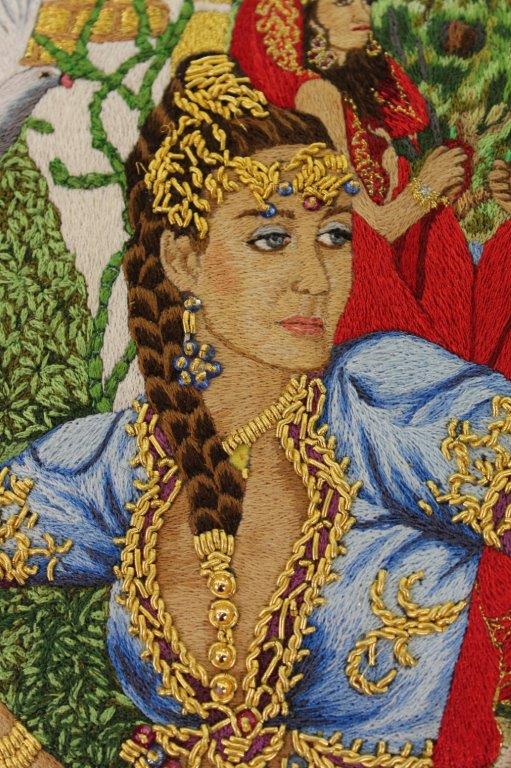
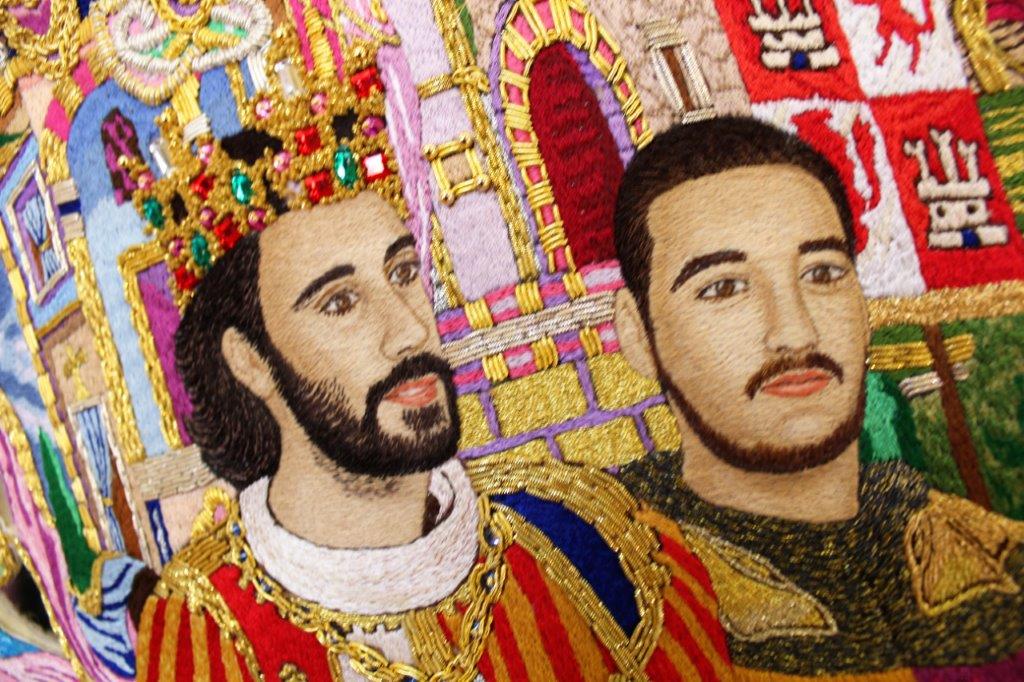
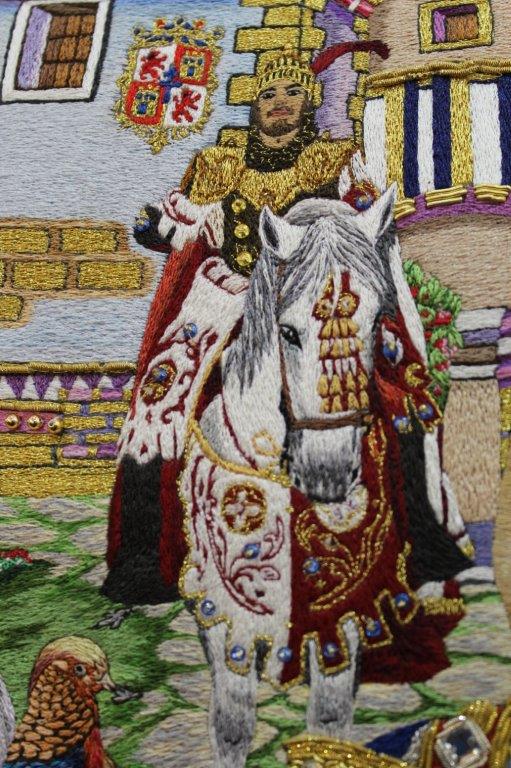
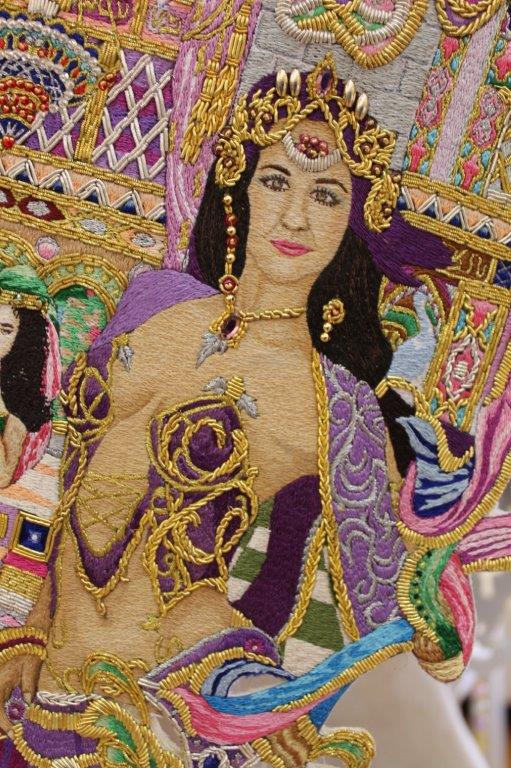
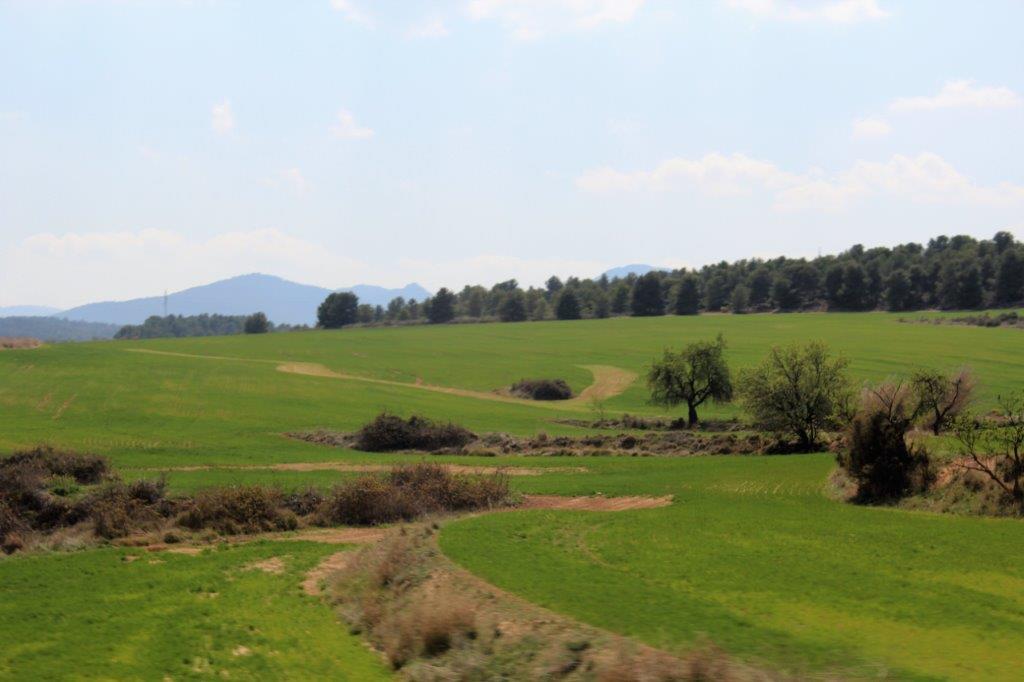
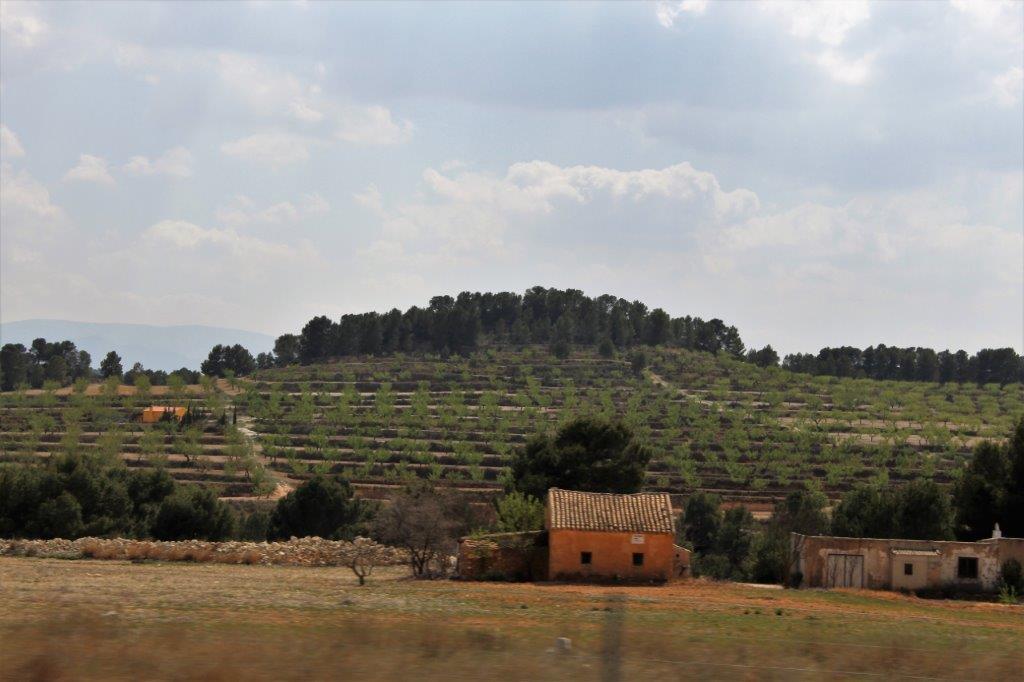
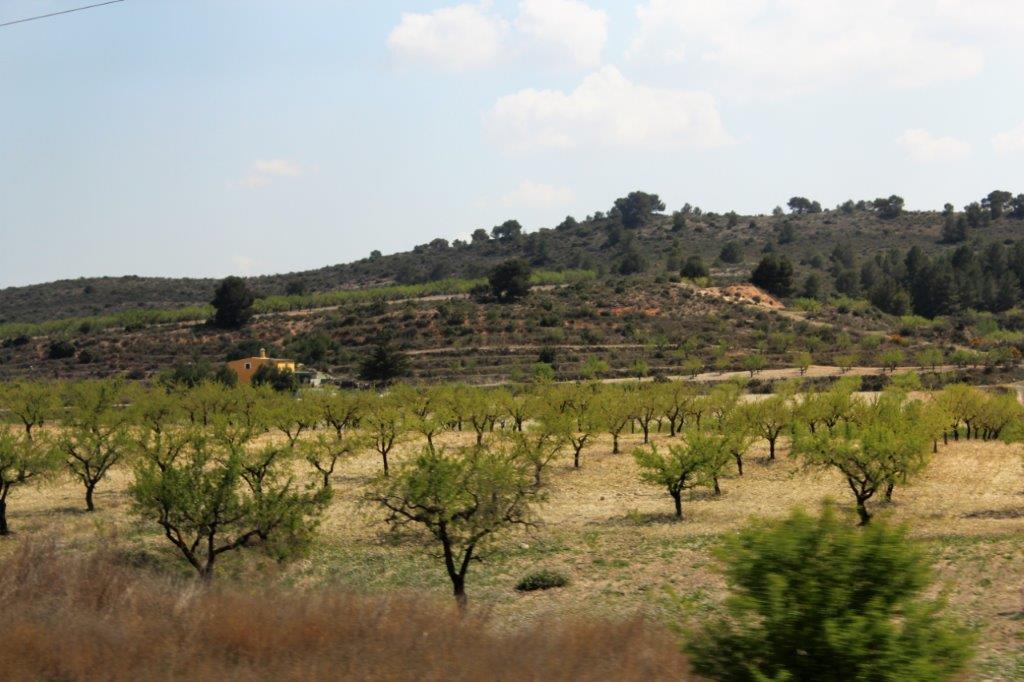
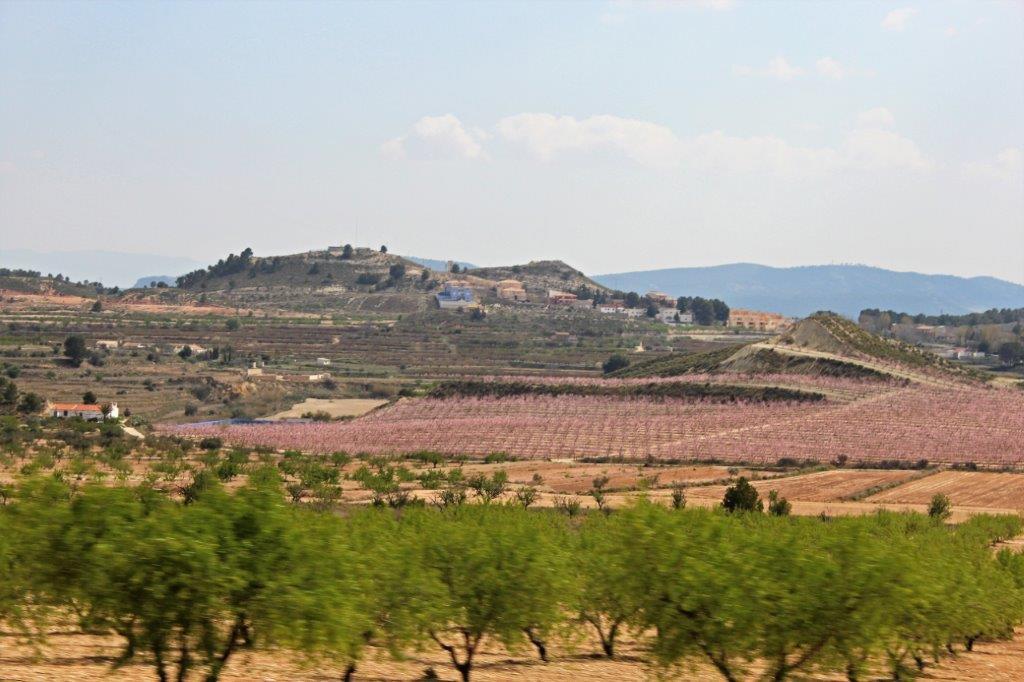
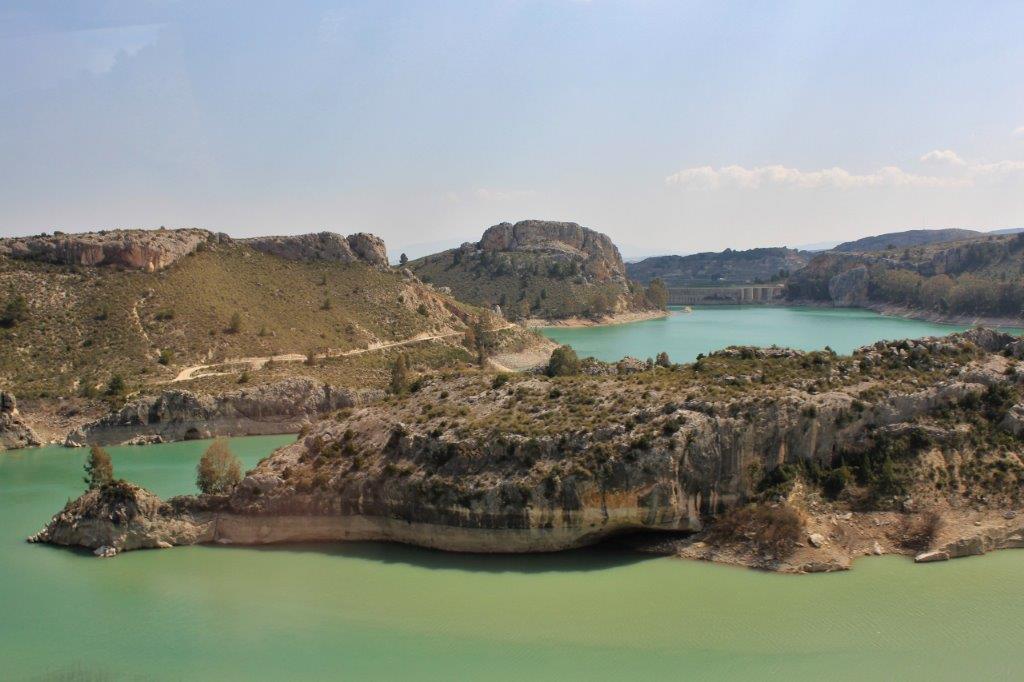
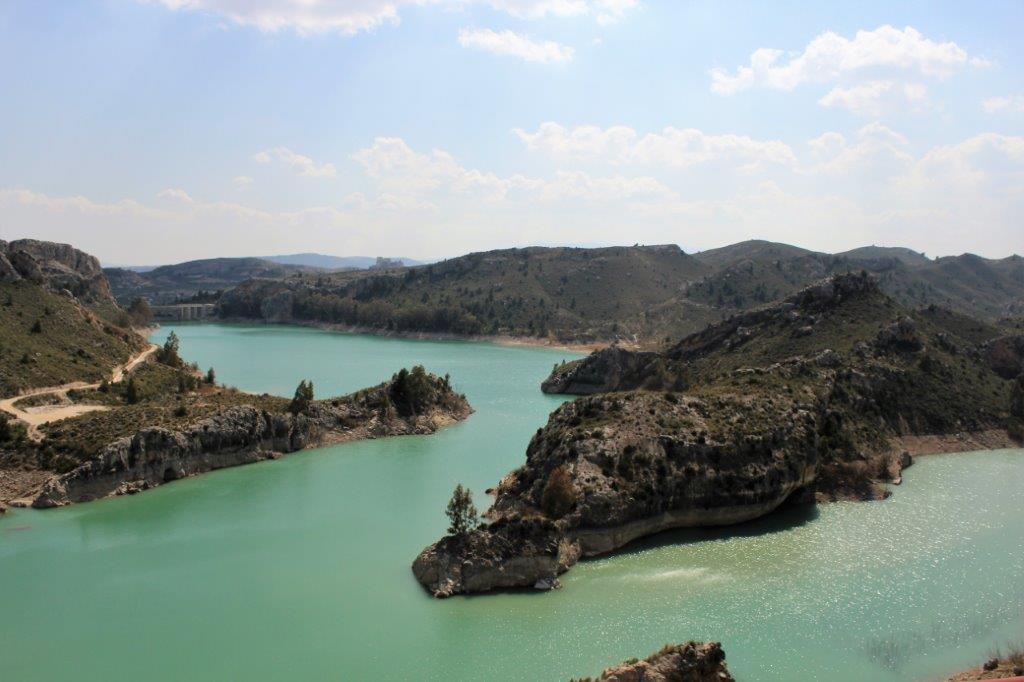
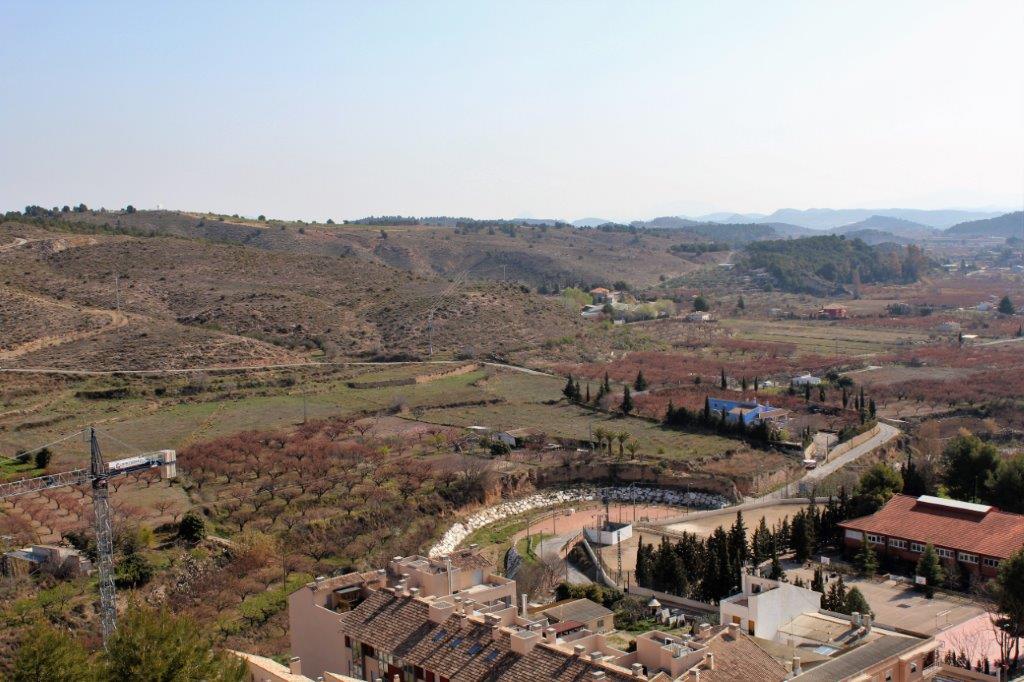
It was a one and a half hour drive from Cartagena through multi-crop agricultural fields, Mediterranean pine forests, and desolate dry scrub badlands.  The fortified castle of Caravaca stands atop the hill in the center of the town.  Access is via a small street train.  The fortress is Muslim in origin but was extended by the Knights Templar and the Santiago Order. The Visitor’s Center had a display of the elaborate embroidery panels created to cover the seven white horses used in a race up the hill to the fortress each year during the Christian Moorish Festival. The faces of local people are used in the embroidery.  It takes 7 embroiderers working full-time for a year to complete the sections.  Cost per horse is upwards of $40,000.  There is a fierce competition between groups for the best decorations. We spent an enjoyable time wandering around the ramparts of the fortress. You could see for miles in every direction.  Each of the seven white horses that race up the steep hill are accompanied by three men; two hole leads on the bridal, the third runs alongside.  To win, all three must stay in their positions all the way up the hill and be in place when the horse gets to the top.
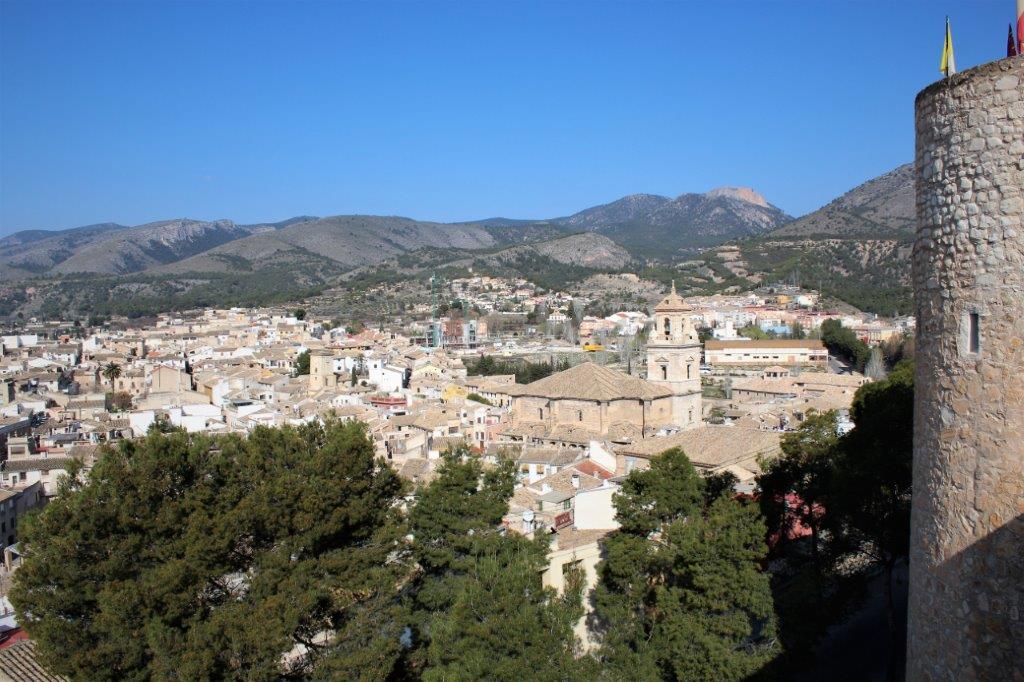
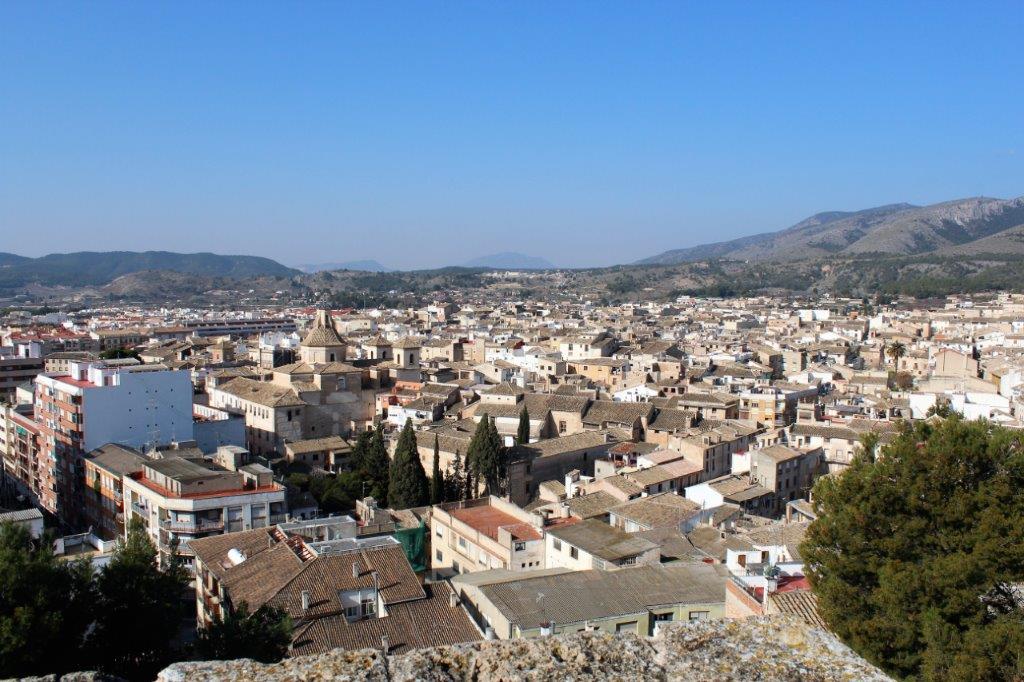
We had a delicious four-course lunch with wine and beer followed by time to relax in the town square.


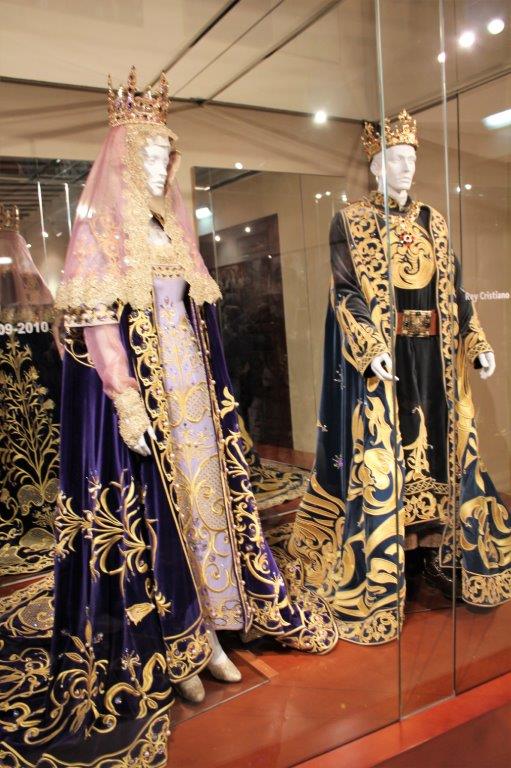
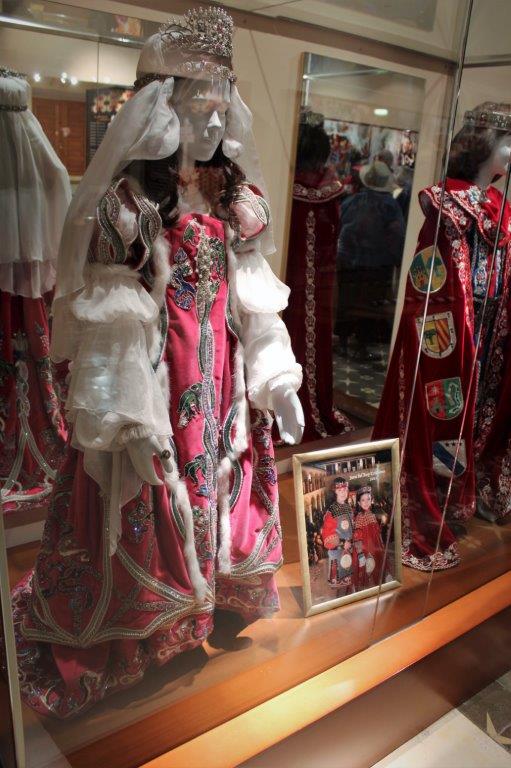
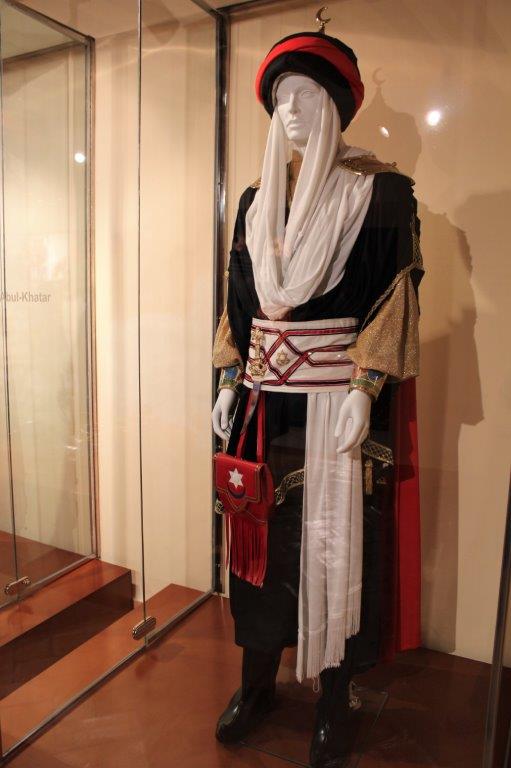
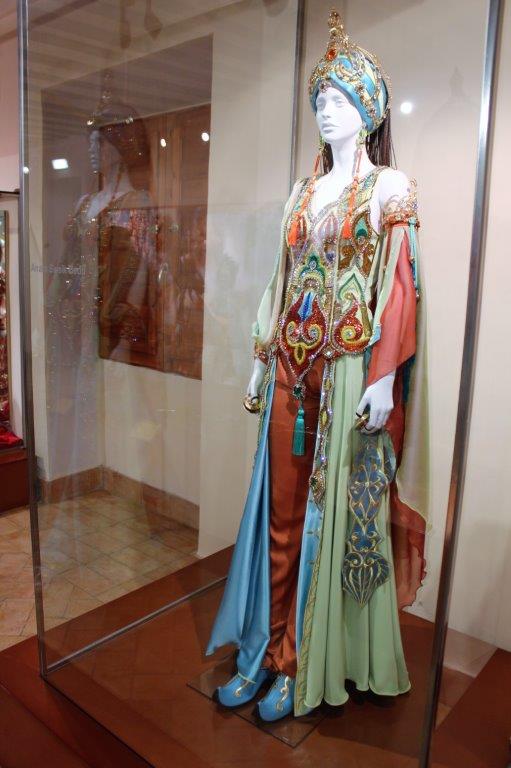
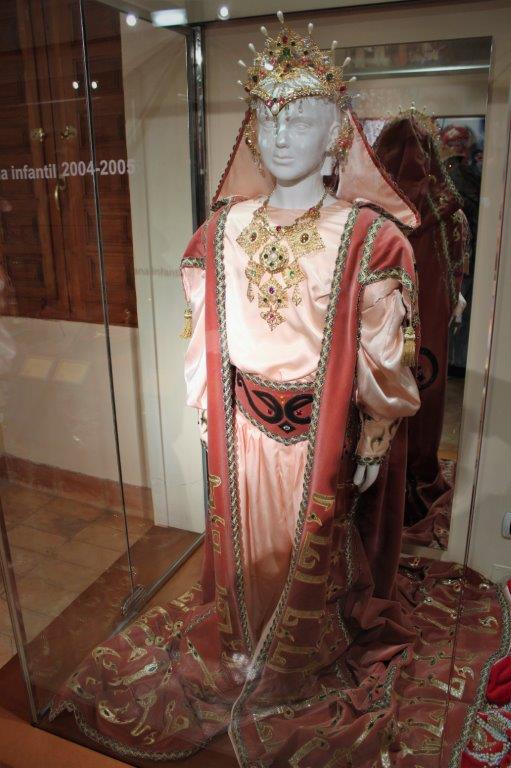
After lunch we went to the Festival Museum where costumes from former year’s “King and Queen” were on display.  The two outfits of the groups (Muslim and Christian) cost about $30,000 per set and new ones are made every two years.  Thousands and thousands of people line the streets and the courtyard of the church to see the horses and handlers run up the hill.  The cross is used to bless the water for the season’s crops.  Every three years they re-enact the battle and the story.

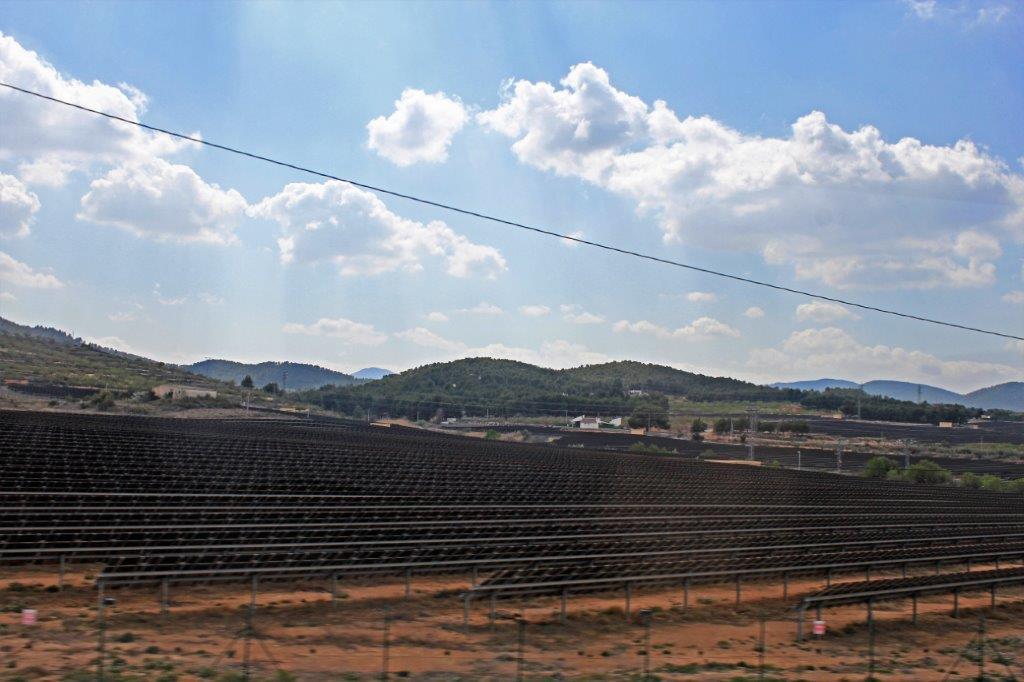
The bus ride back to Cartagena was equally as diverse and interesting as the outward trip since you get see all the things on the other side of the bus during the return trip.                                                     A huge solar ‘farm’.
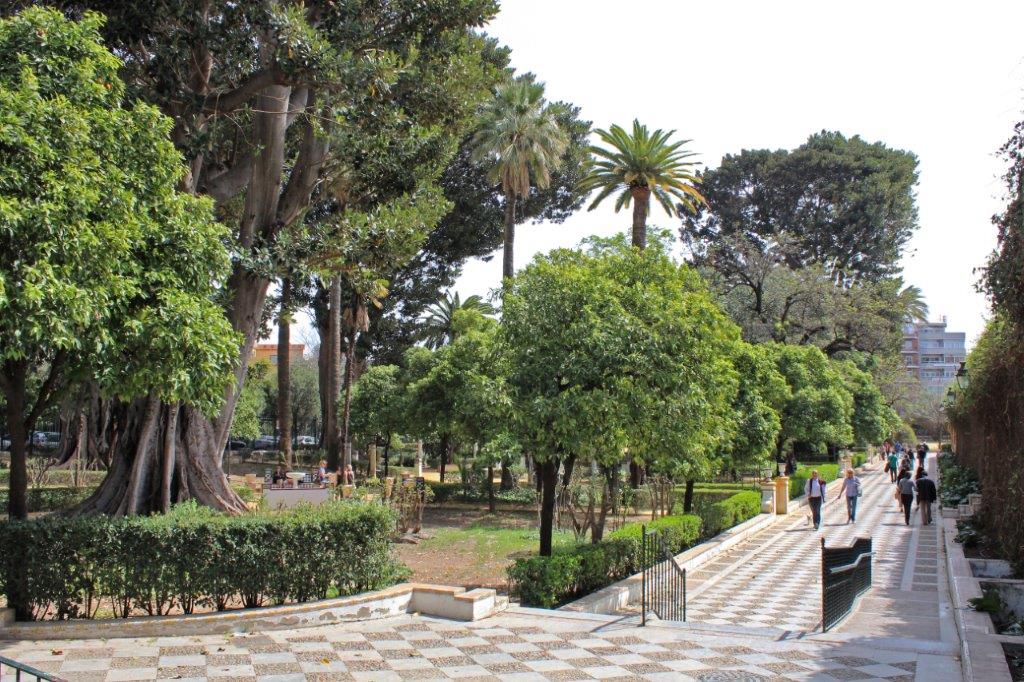
We arrived back in Cartagena 20 minutes before departure.  The next day was relaxing as we crossed the Mediterranean once again to Tunisia, on the north coast of Africa.
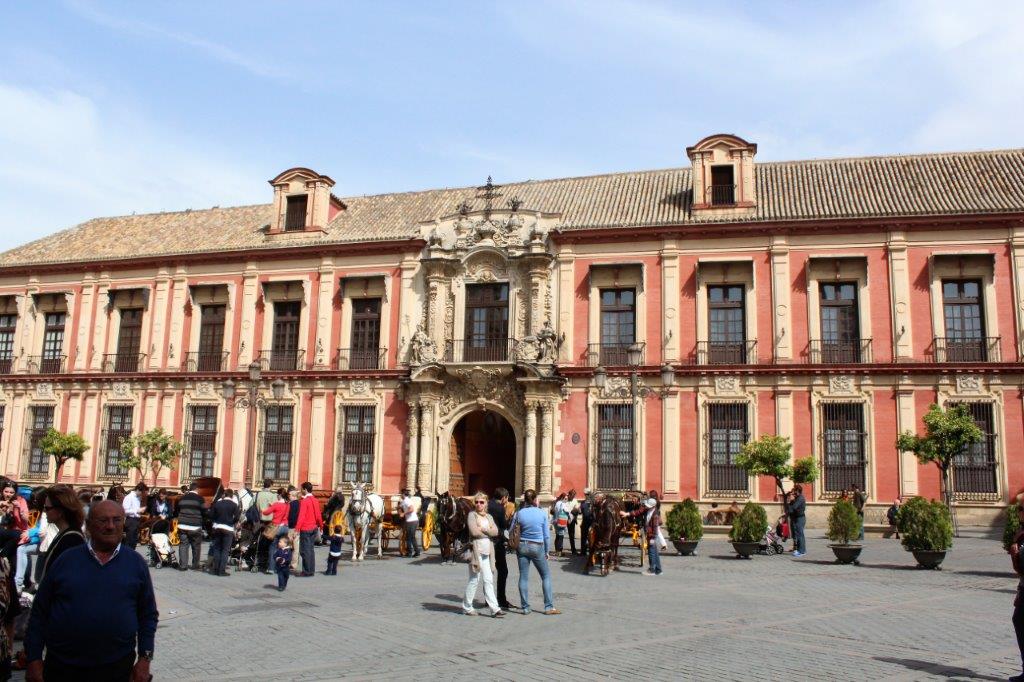
2012 March 25 – Day 14 – Cadiz (Seville), Spain – Day 2 (Part 3)

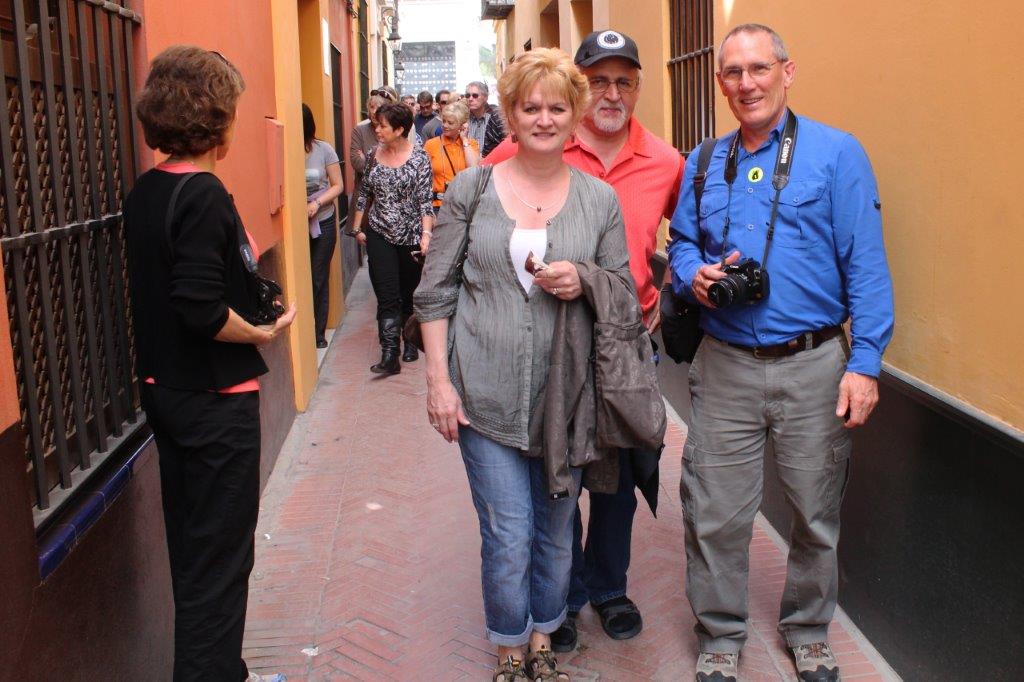
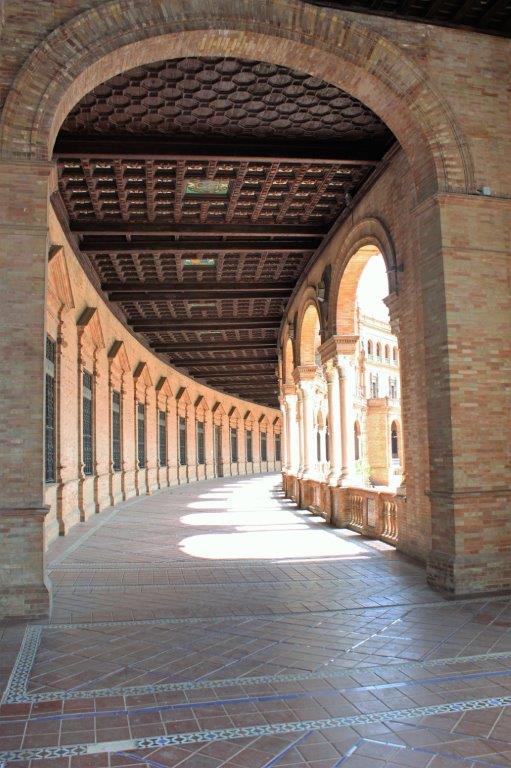
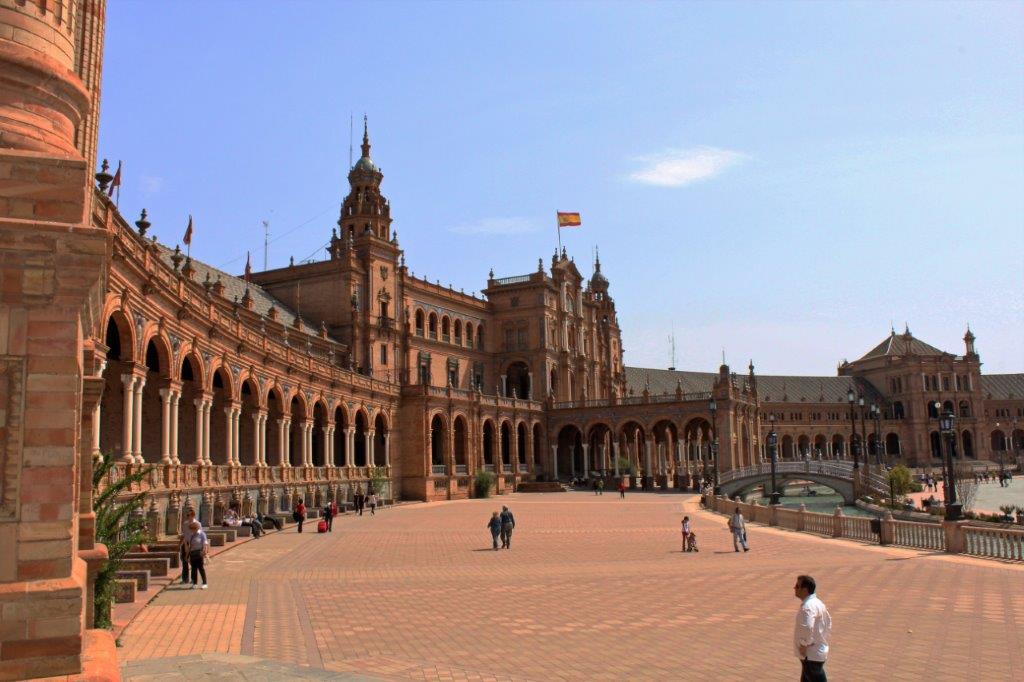
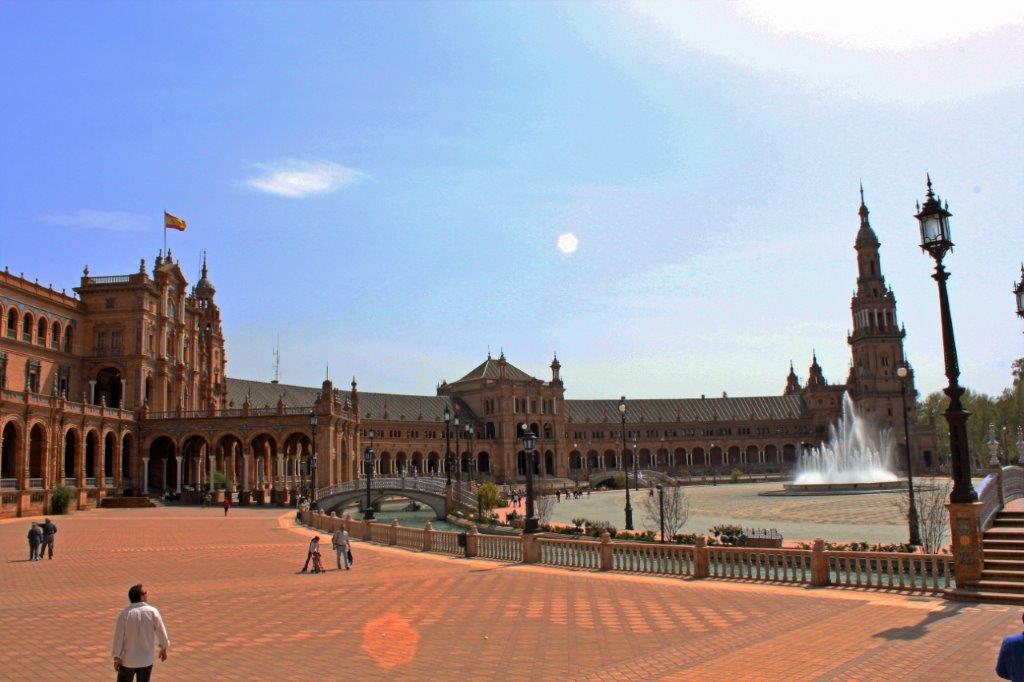
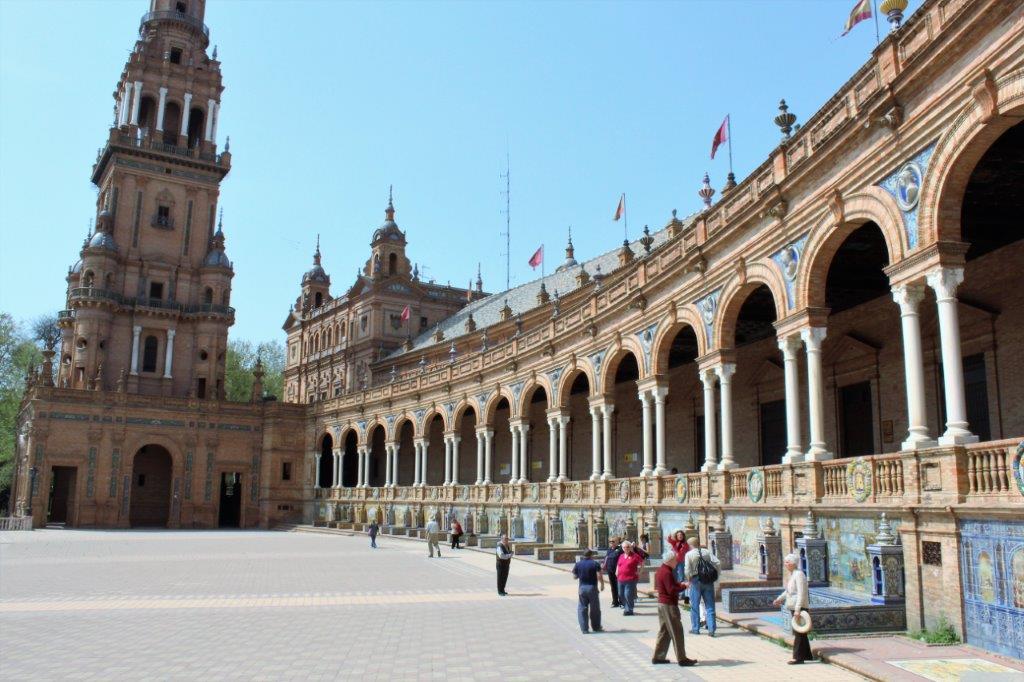
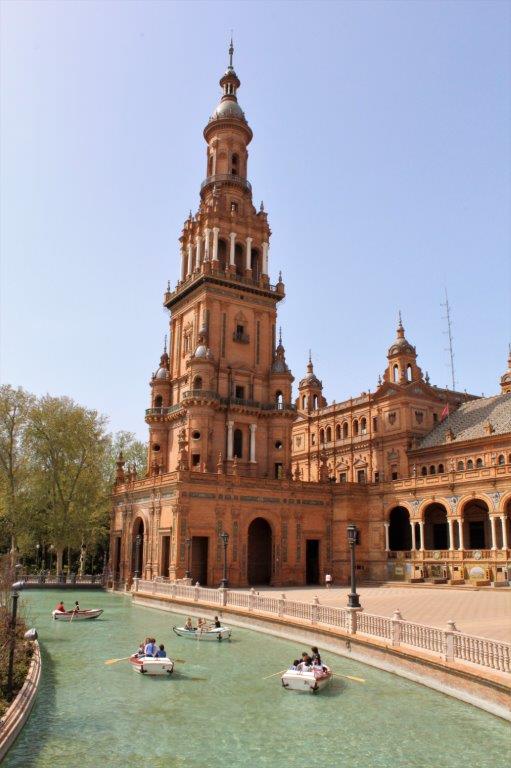
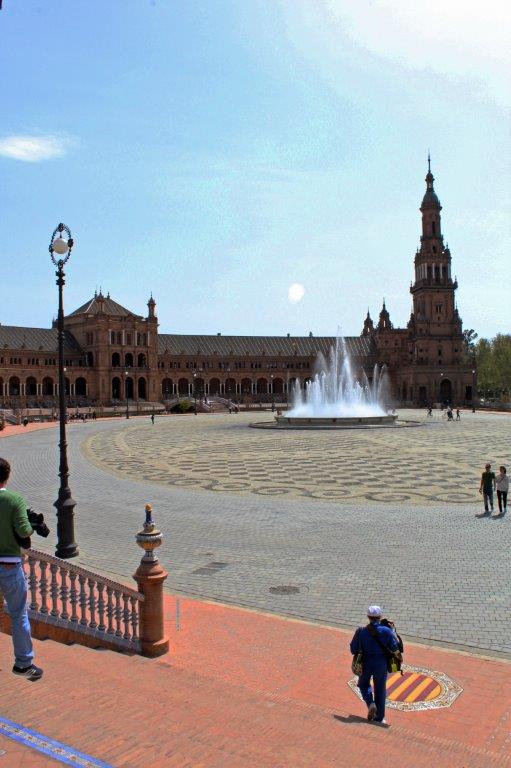
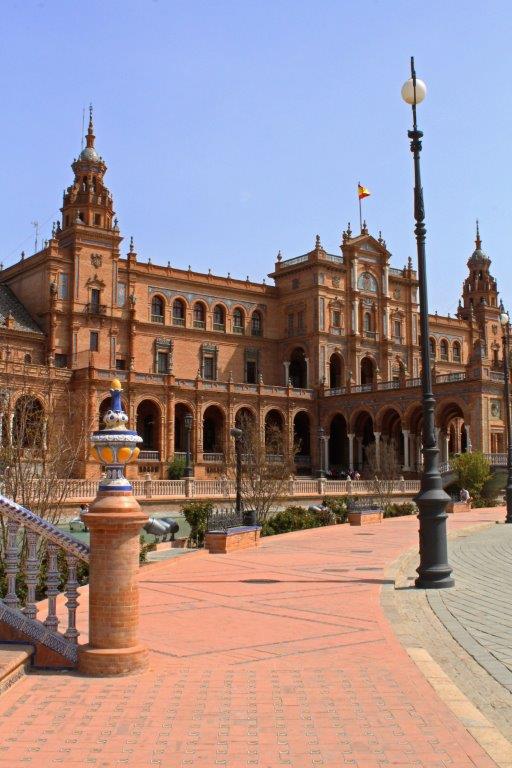
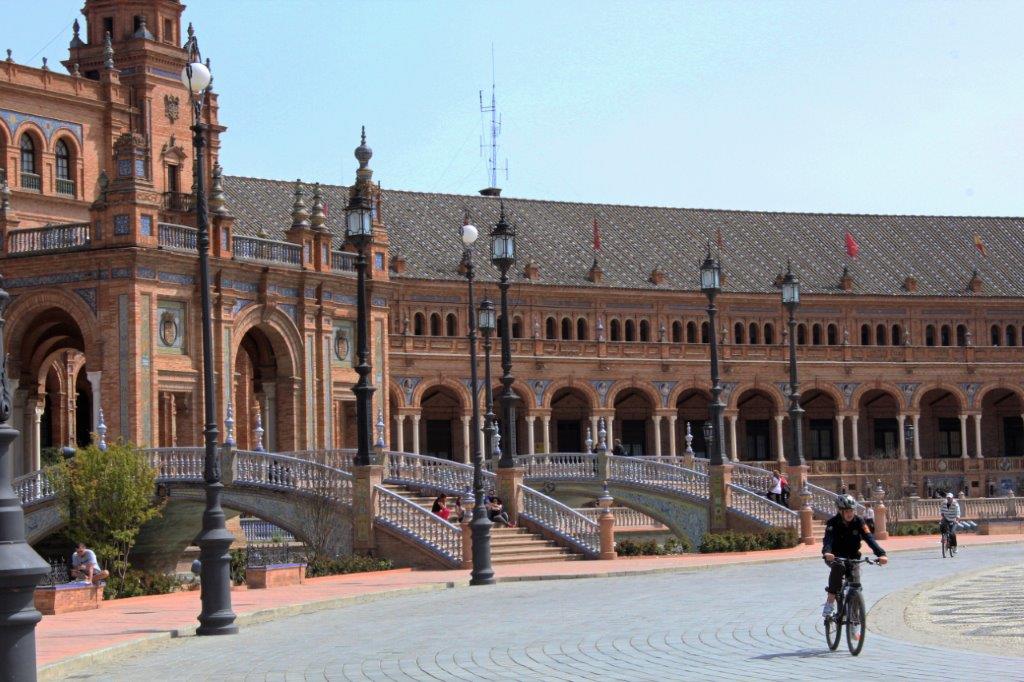
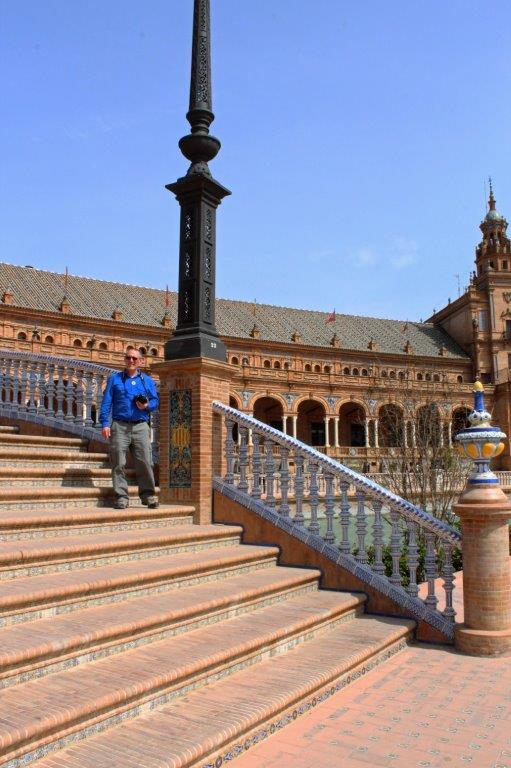
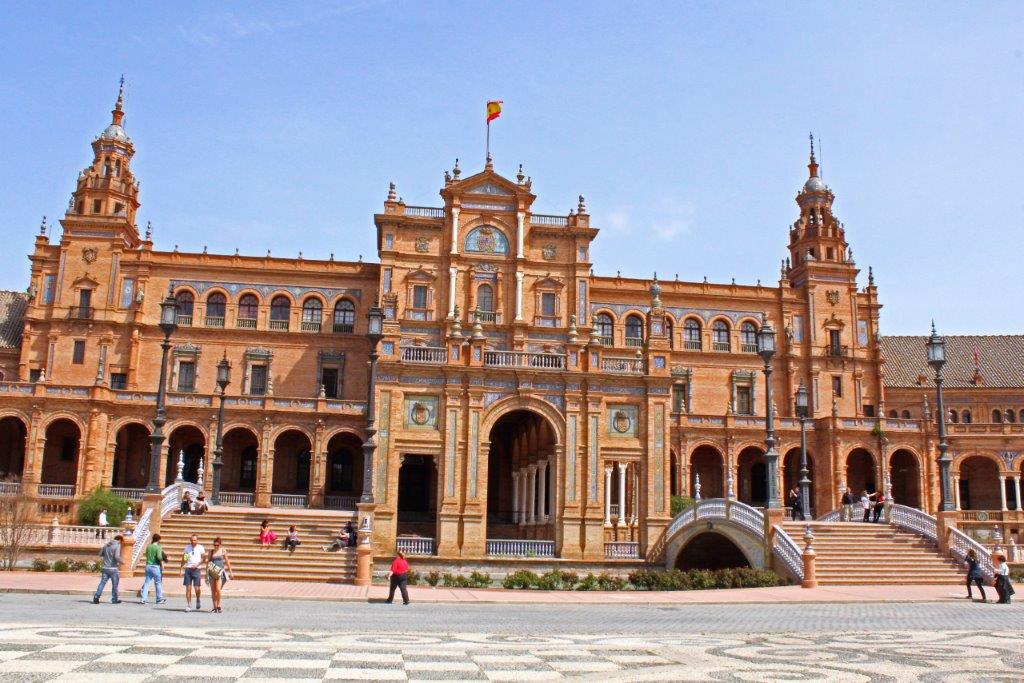
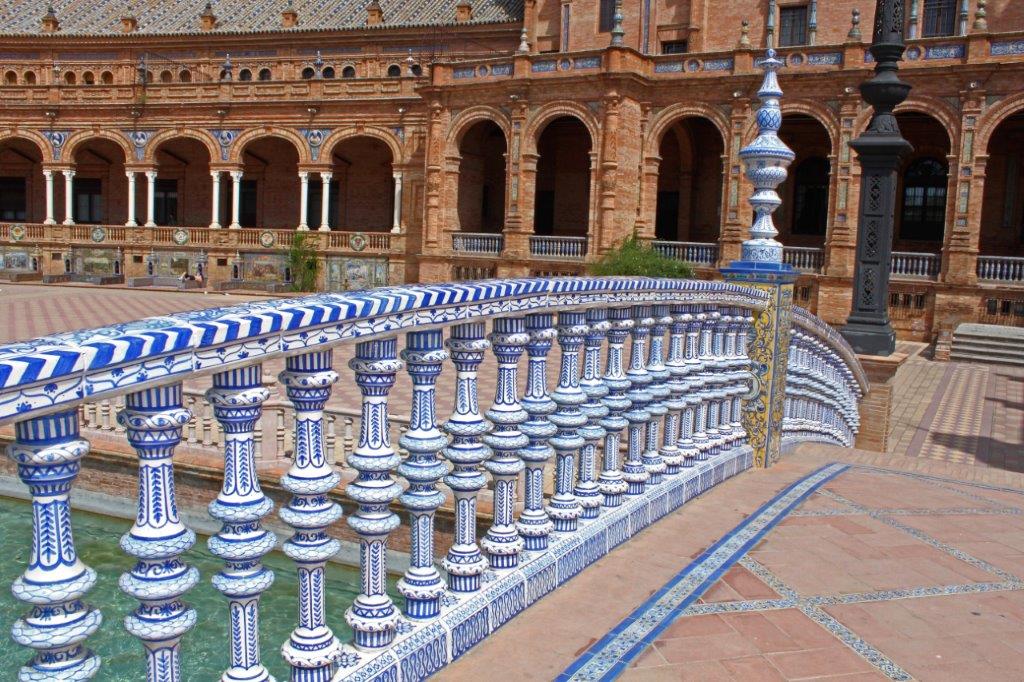
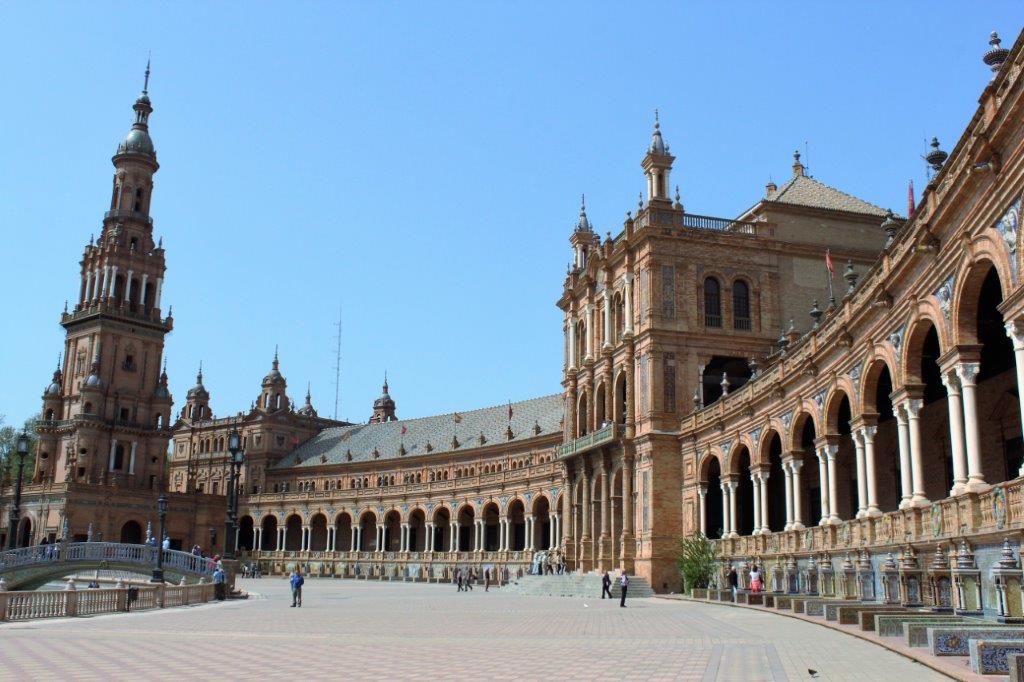
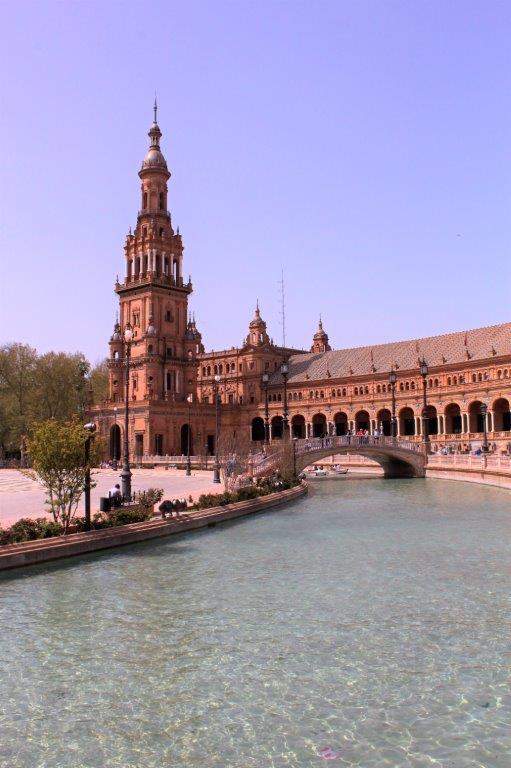
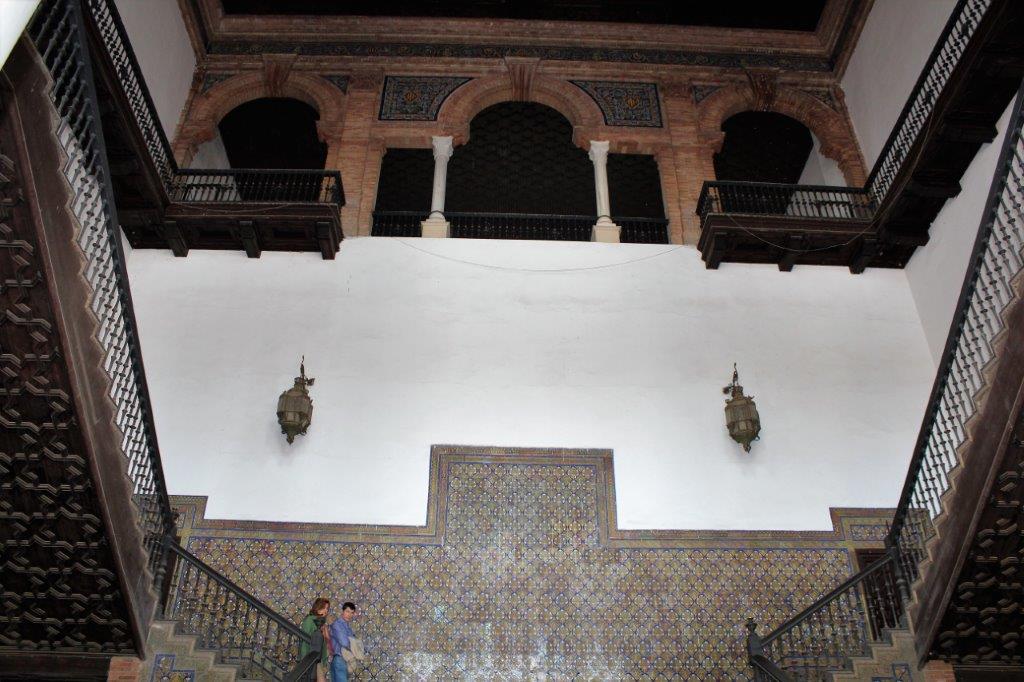
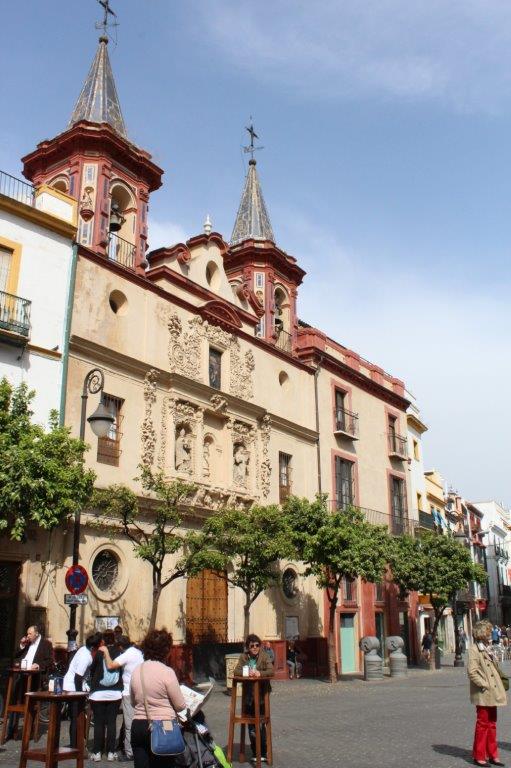
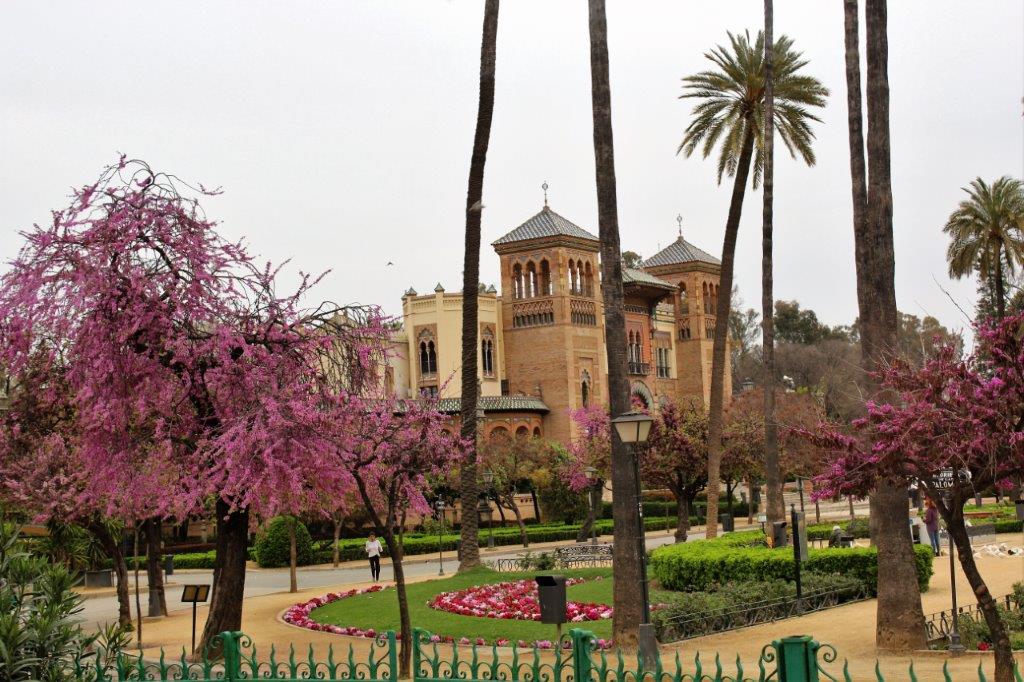
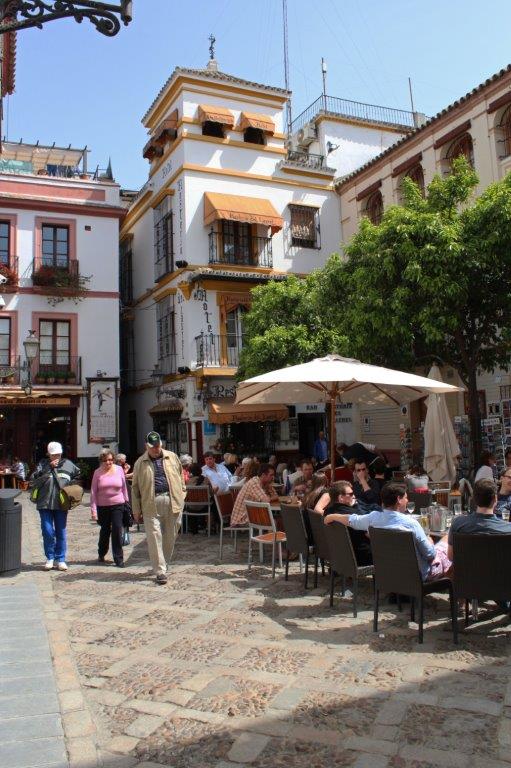
After we finished our lunch at La Bar Hosteria Del Laurel in the Santa Cruz section of Seville, John and I went for a short walk. On the way back to our group, who were assembling in the square to get back on the bus, a tour group from Edward Jones Financial walked past.  As the people passed us I said to John, “I know that lady.”  And sure enough there was Judy, a lady that worked in the same pharmacy as our sister-in-law in our home town.  Her husband works for Edward Jones and they were in Spain for a week as part of a work bonus.  So weird…to see someone you know from home walk by in a foreign country.  Very cool!Our last stop on the tour was the Plaza d’Espana; the Spanish pavilion constructed for the Iberian Exposition of 1929. In order to have parking room for the bus we entered the pavilion from the back.  We walked up a few steps and into a large building.  When you came out the other side you overlooked a massive marble-tiled plaza with a large fountain, a water canal with rowboats, and a sprawling building curving around the perimeter. Absolutely stunning!

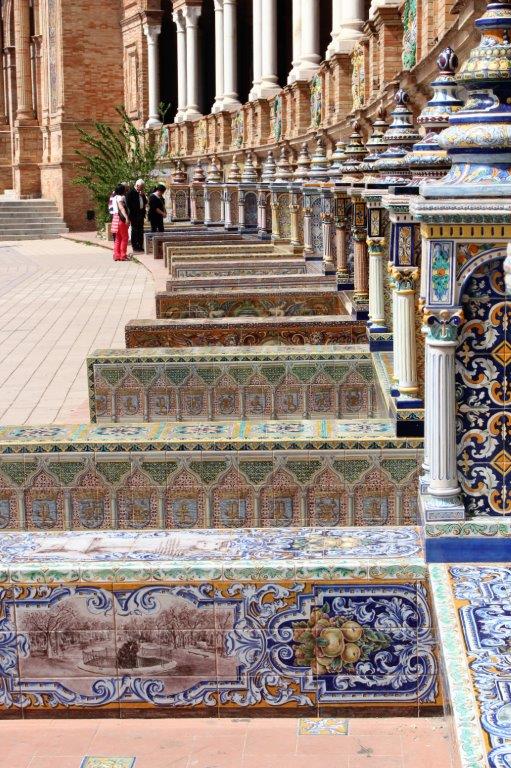
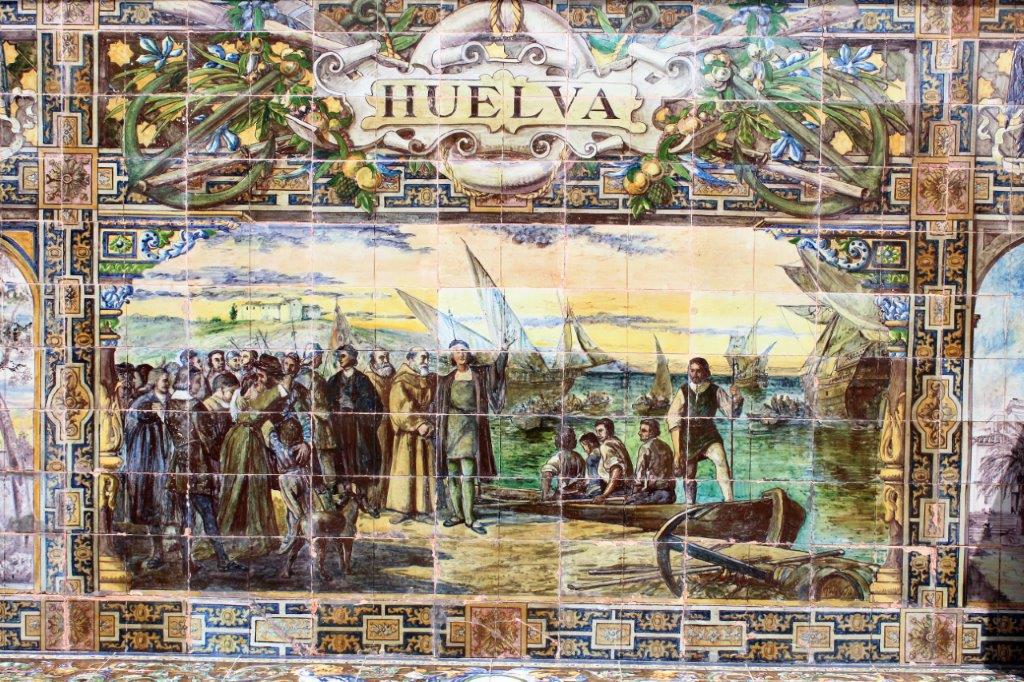
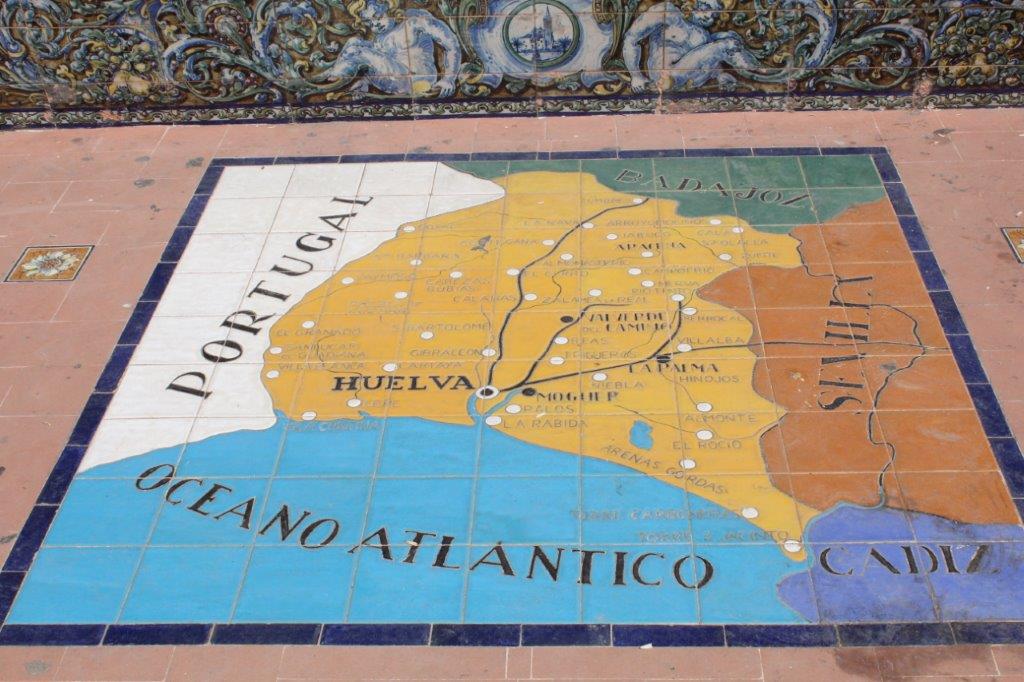
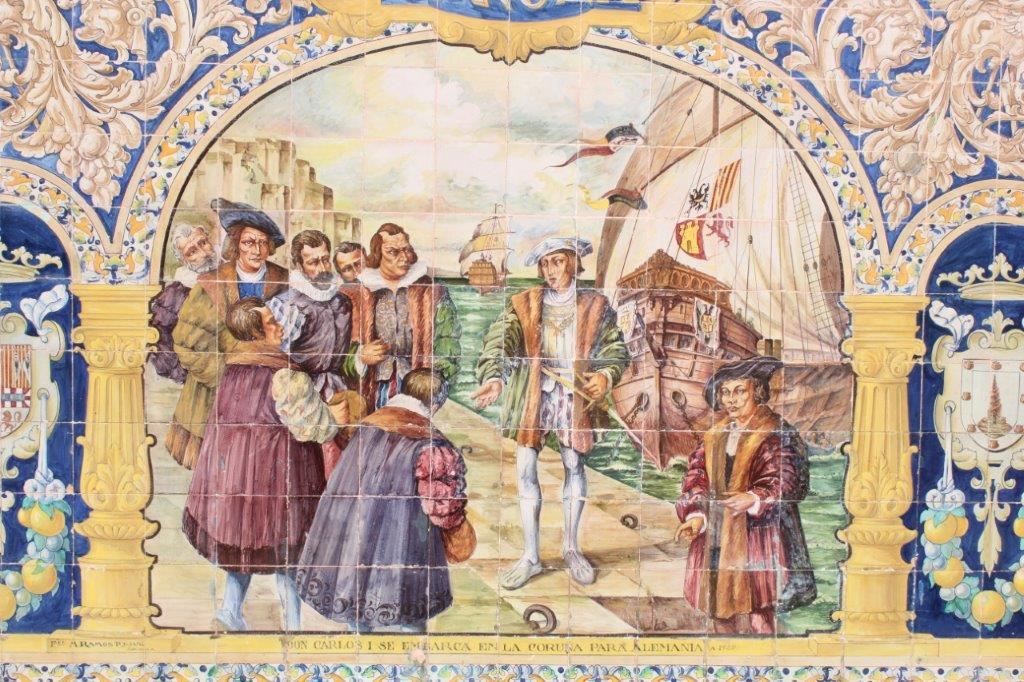
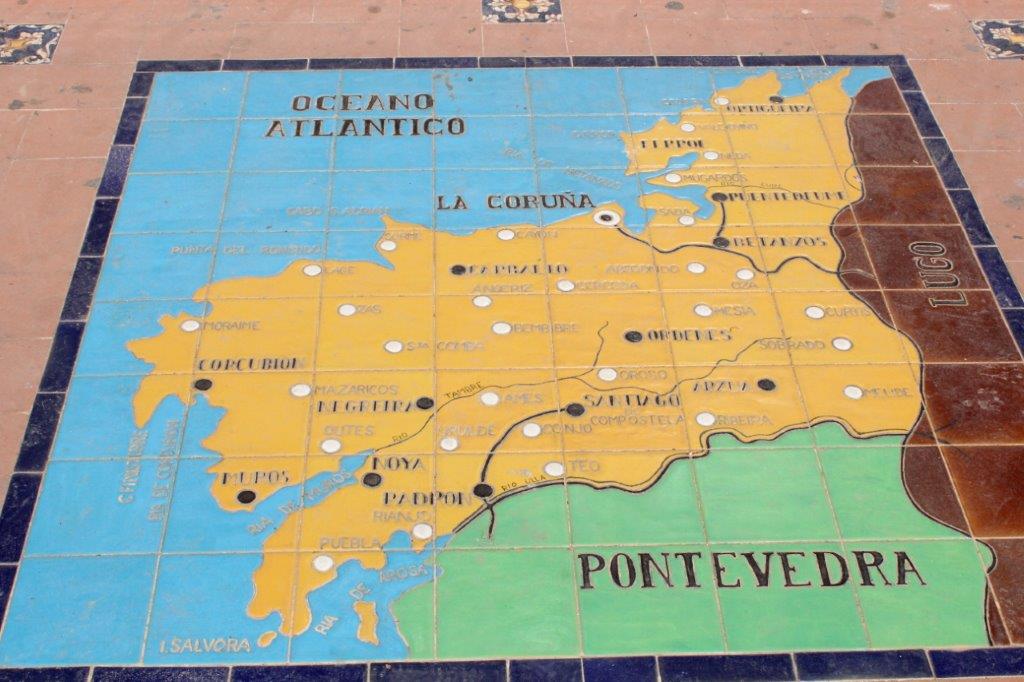
On the wall at the back of each of these little partitions every province of Spain had a tile picture of some important happening or event that took place in their area.  And there was a map of the province on the floor.

It took 11 years to build the pavilion and I think they finished paying for it in the 1980s.  Certainly was an amazing structure.  And obviously a lovely spot to wander and putter in a rowboat on a sunny afternoon.The ship set off again at 4 pm, sailed across the Mediterranean, passing by Gibraltar at midnight, and on to the north Africa coast and our next port, Melilla, Spanish Morocco.

2012 March 25 – Day 14 – Cadiz (Seville), Spain – Day 2 (Part 2)

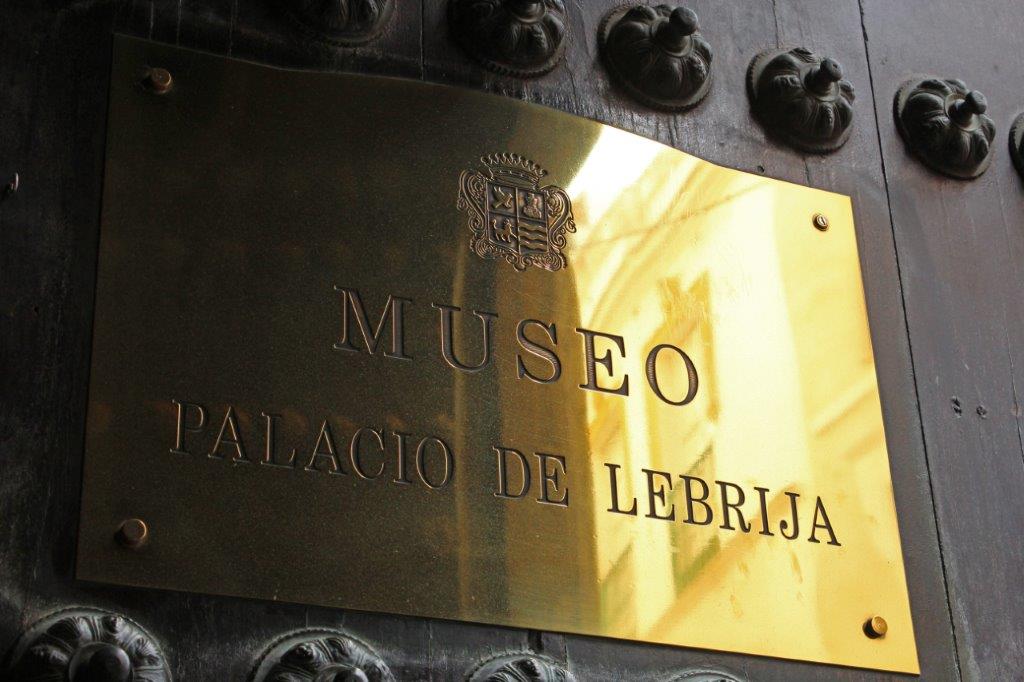
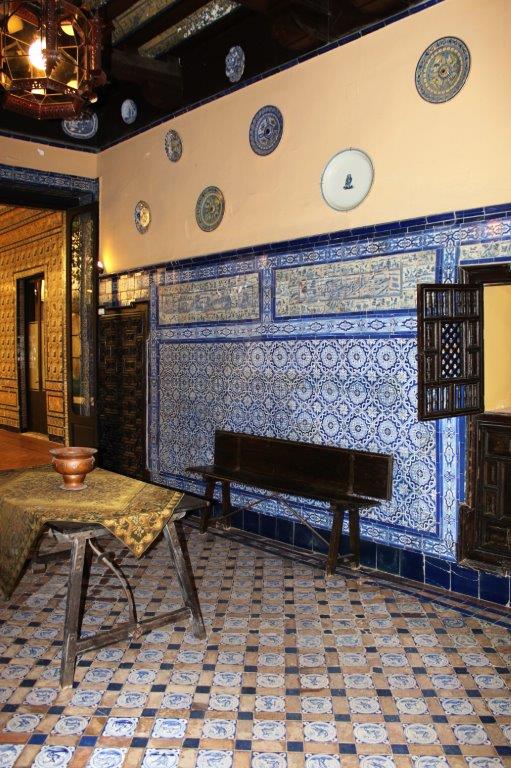
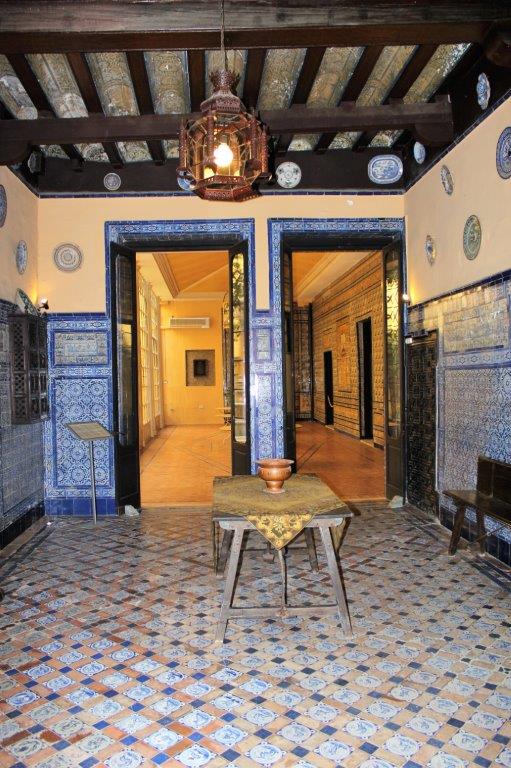
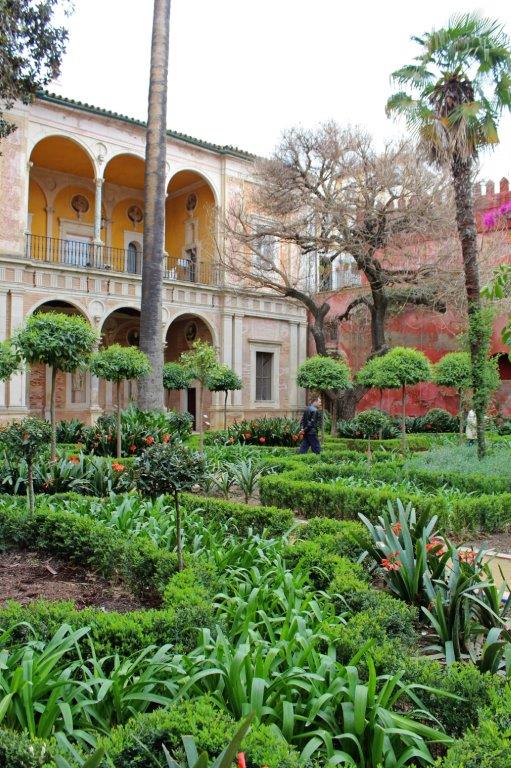
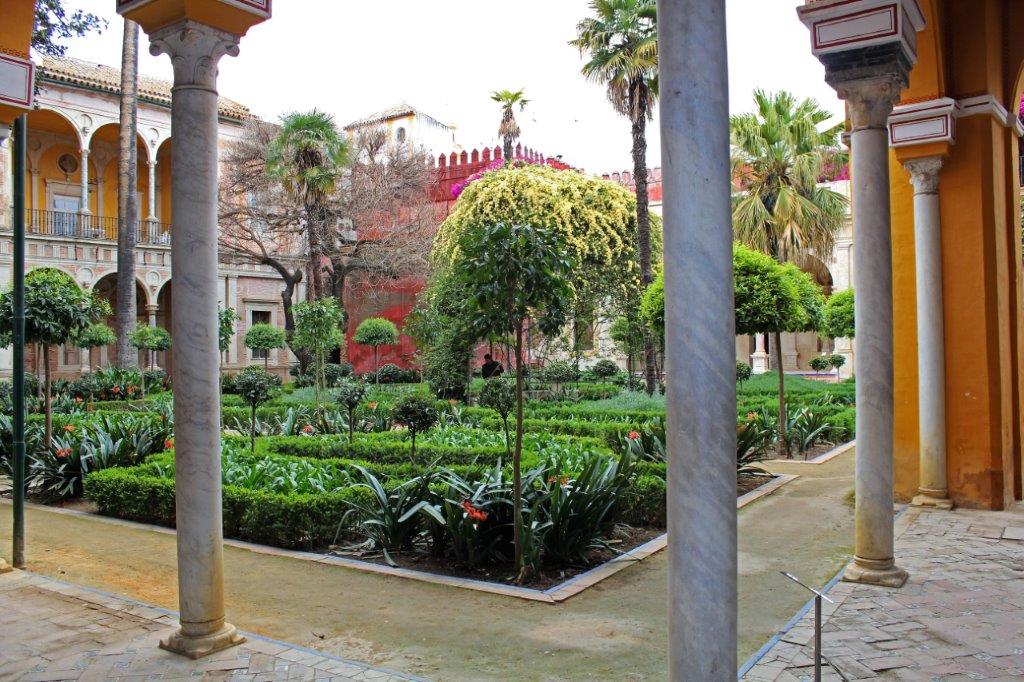
After we finished touring Casa de Pilatos we walked through the streets of Seville to the next house: the home of Condesa Del Lebrija; whose nephew now owns it.

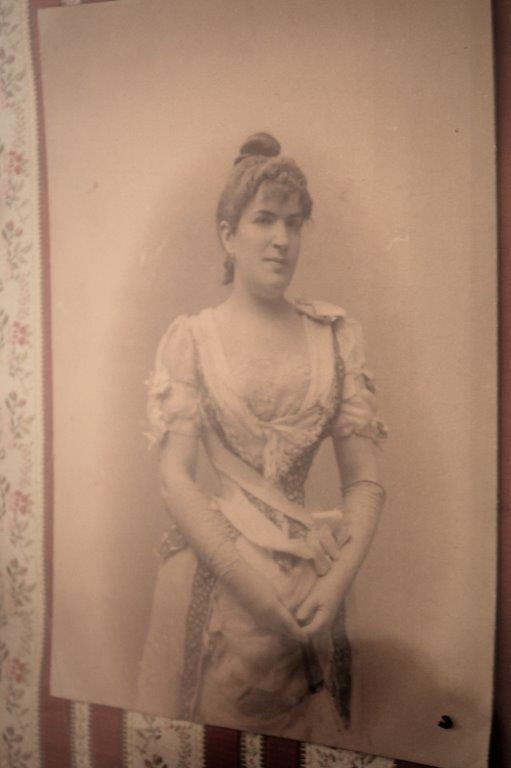
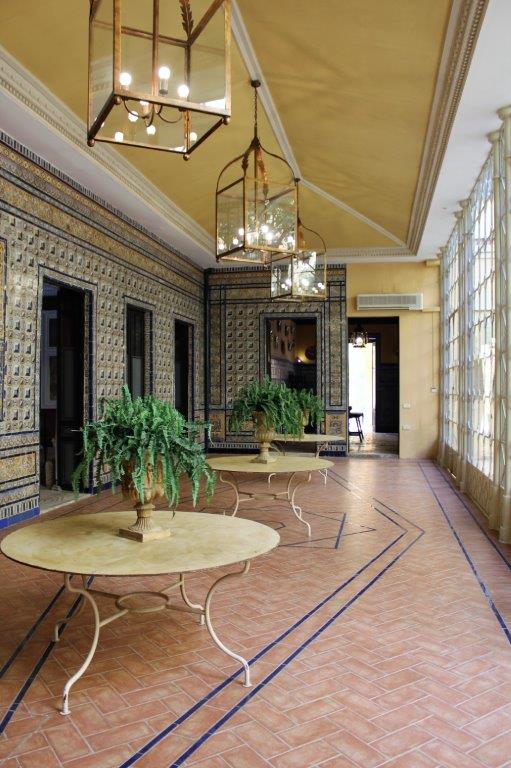
An interesting feature of the aristocratic homes in Spain is the two identical living spaces; the upper floor for use in winter and the lower floor for the summer.  The floor plans and room functions are the same on each level, although the decorating is different.  The family just moves up or down depending on the heat.                                             The Countess of Lebrija.

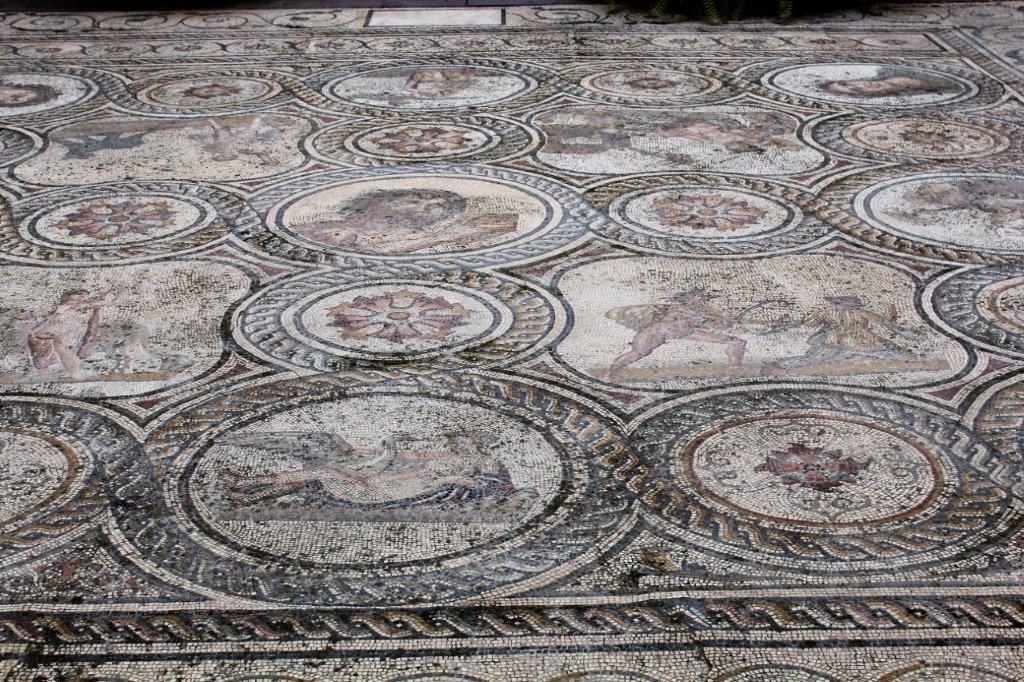
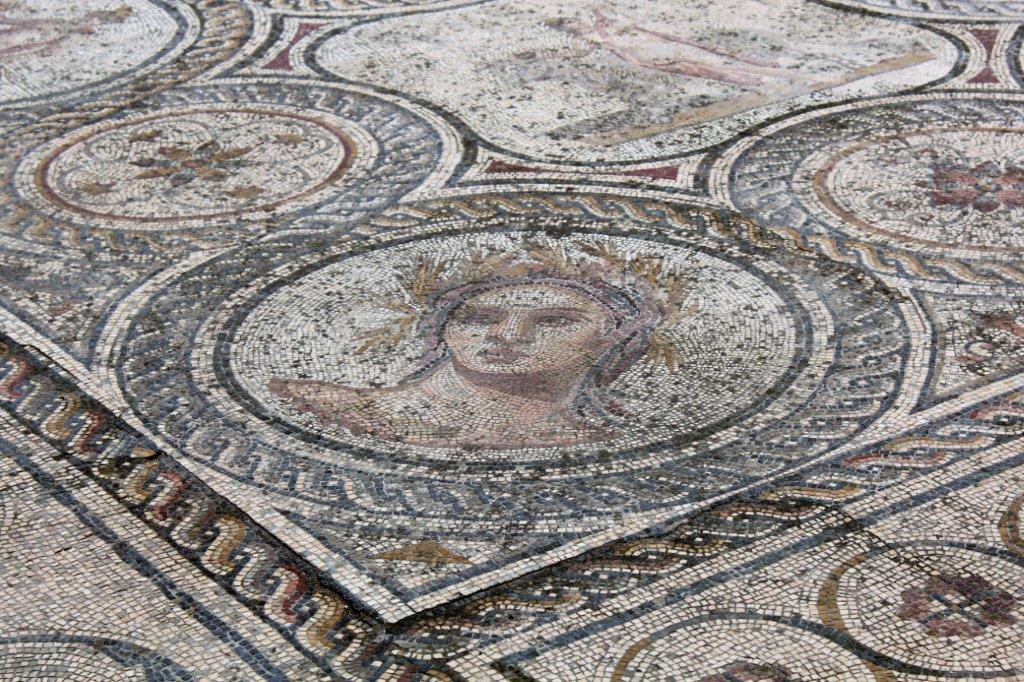
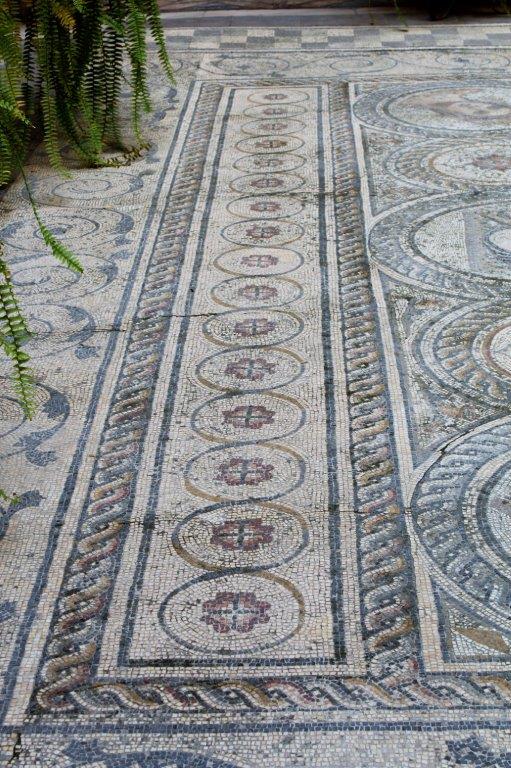
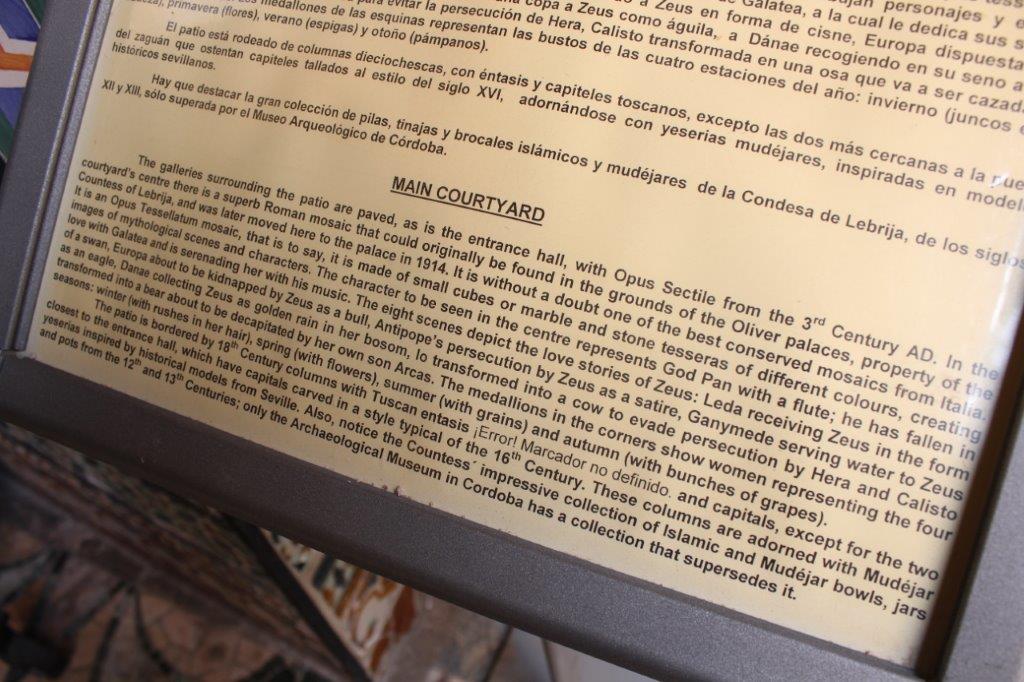
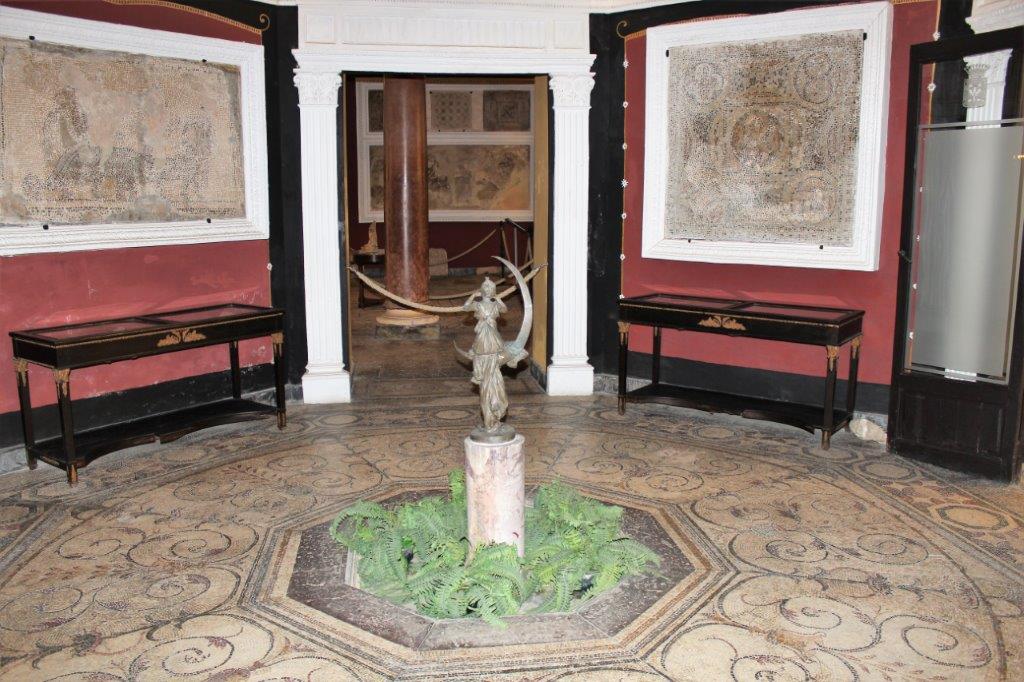
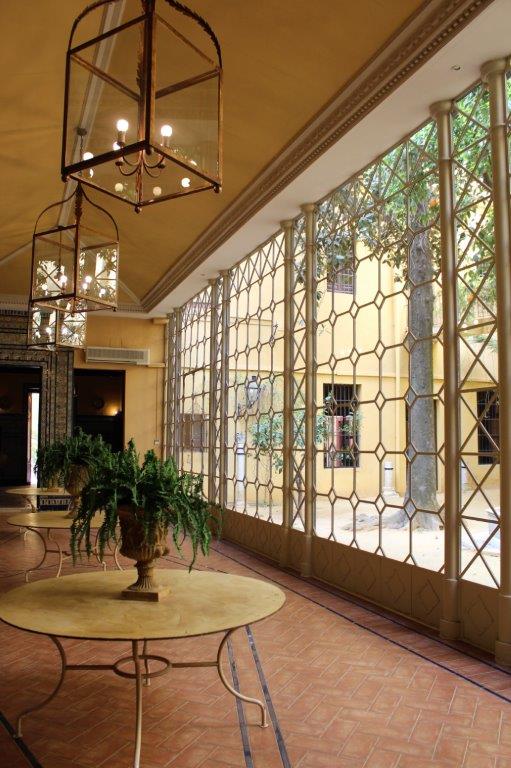
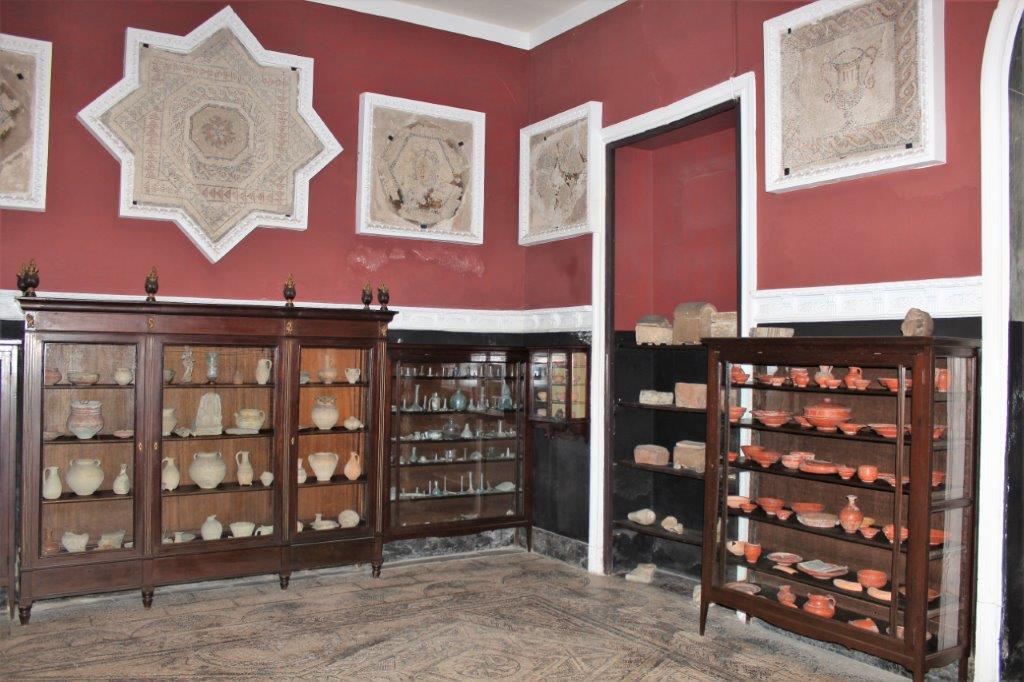
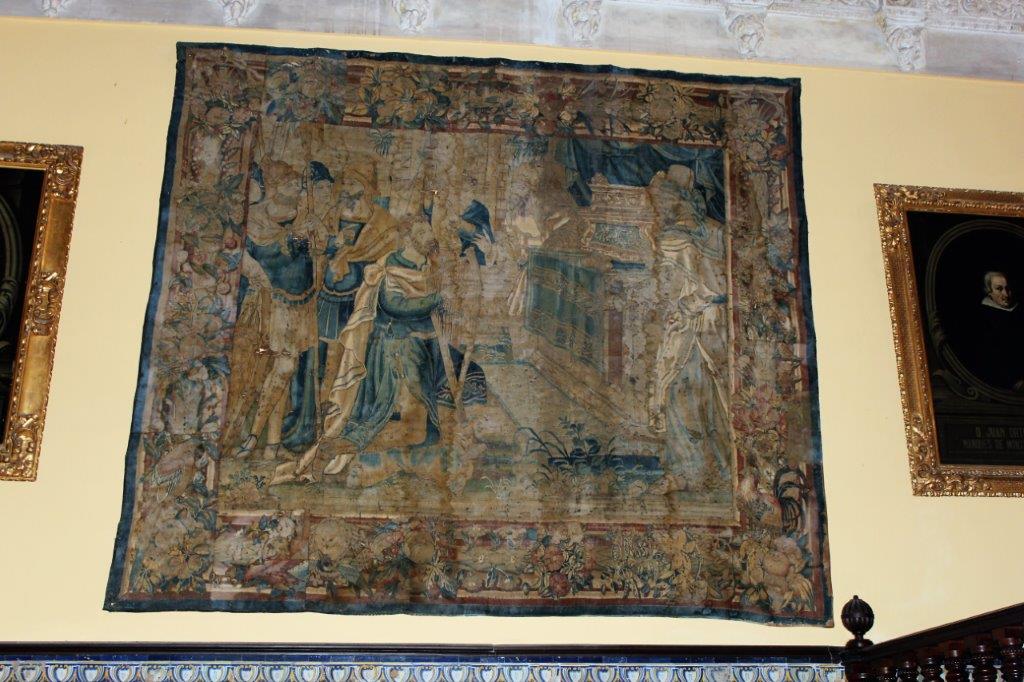
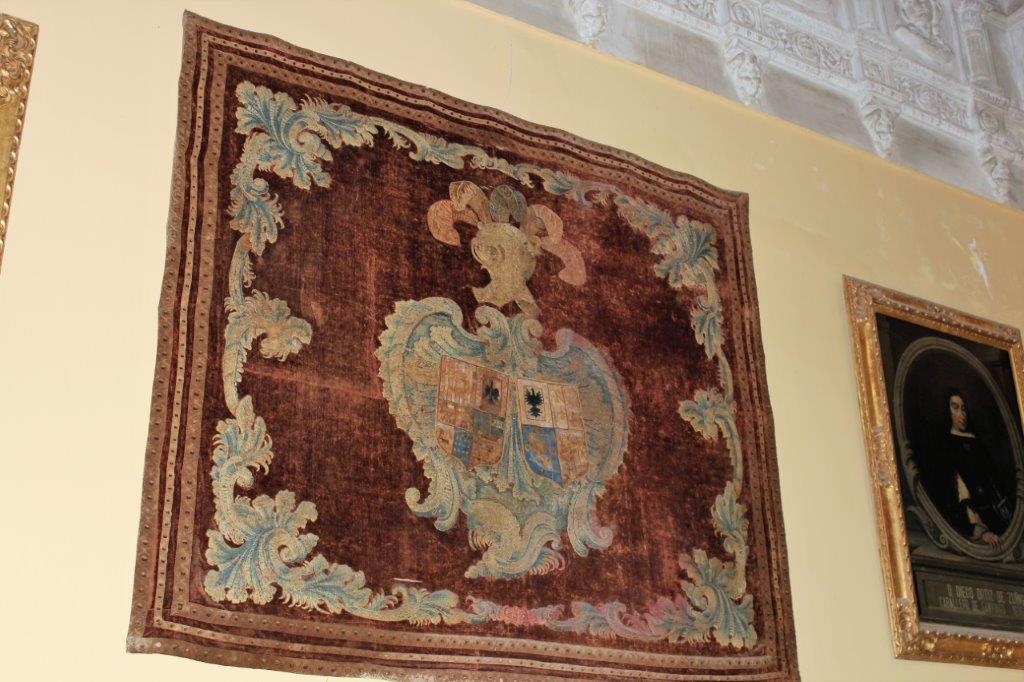
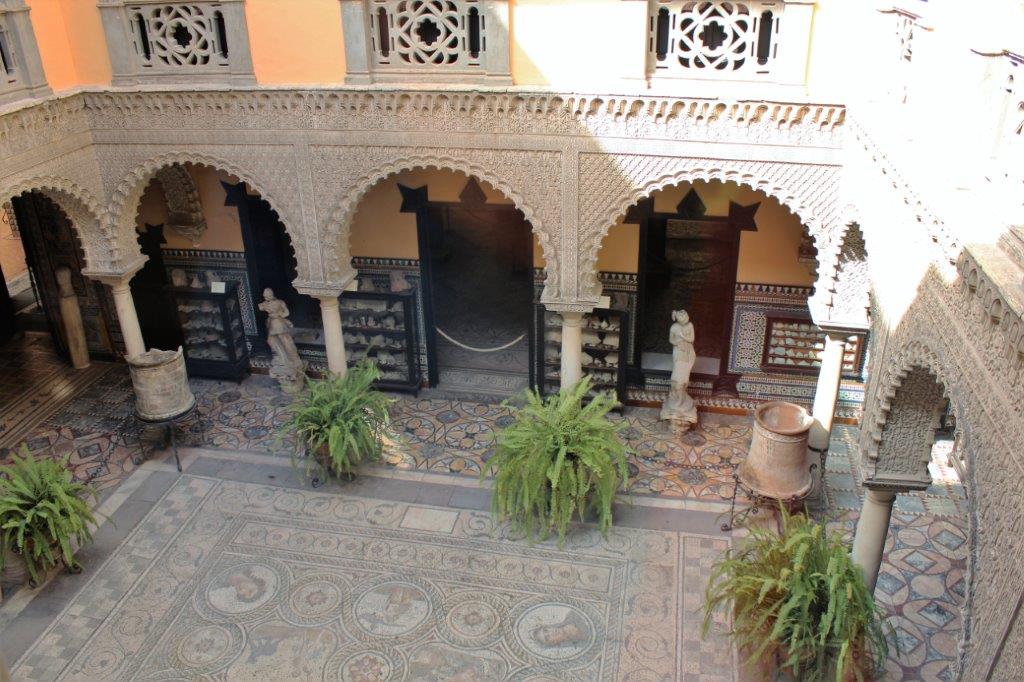
The front courtyard of the Condesa’s casa contained a 2-3 BC century mosaic from Italy.  She bought it and had it dis-assembled, then re-assembled in her Spanish house.  Before the tiles were re-laid she had the courtyard excavated 20 feet down and found many Roman-era ceramic shards and marble pieces.  The mosaic was too large for the existing courtyard space so she had two walls of the house moved back to make room. The house was full of ancient books, dishes, pottery, bits and pieces of buildings and gorgeous furniture.                                          A couple of ancient tapestries.From the Condesa’s palacio we were taken on a walking tour to La Bar Hosteria Del Laurel in the Santa Cruz Jewish Quarter, where we had tapas and wine for lunch.

Something interesting happened after we finished lunch.  I’ll tell you about it in my next blog.

2012 March 25 – Day 14 – Cadiz (Seville), Spain – Day 2 (Part 1)

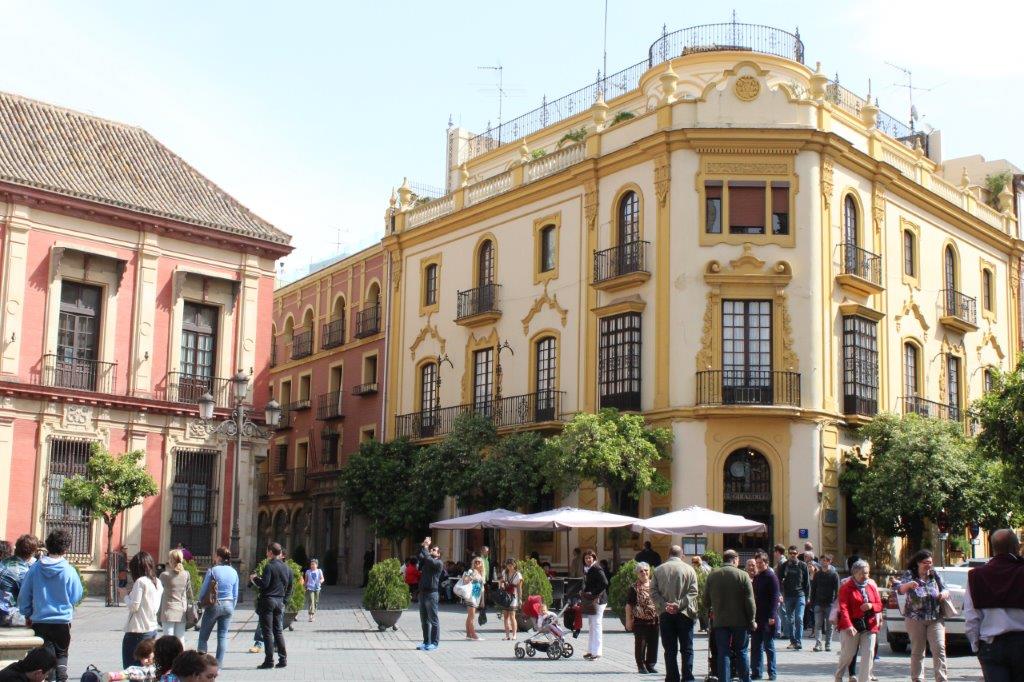
The drive from Cadiz to Seville took less than two hours since it was Sunday and there was not a lot of traffic.            Just in case it is raining when I come this way again???  Our tour was the Palaces of Seville.  These were not true palaces but ‘Palacio Casas;” which are very large homes owned by wealthy aristocrats.

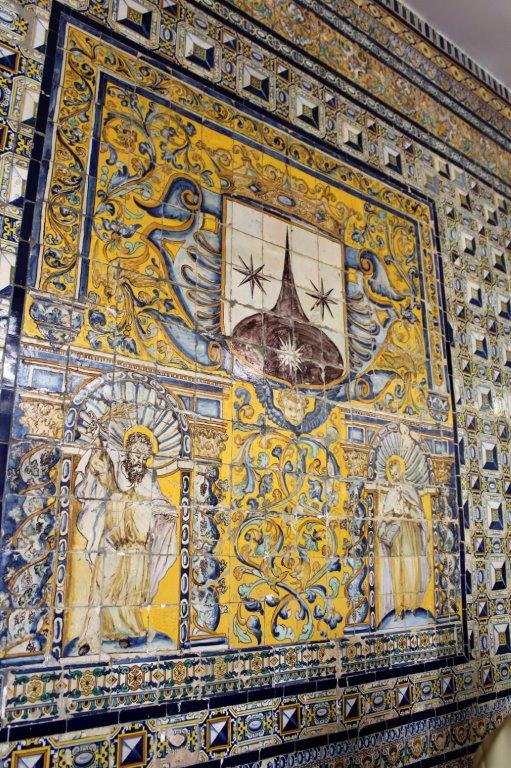
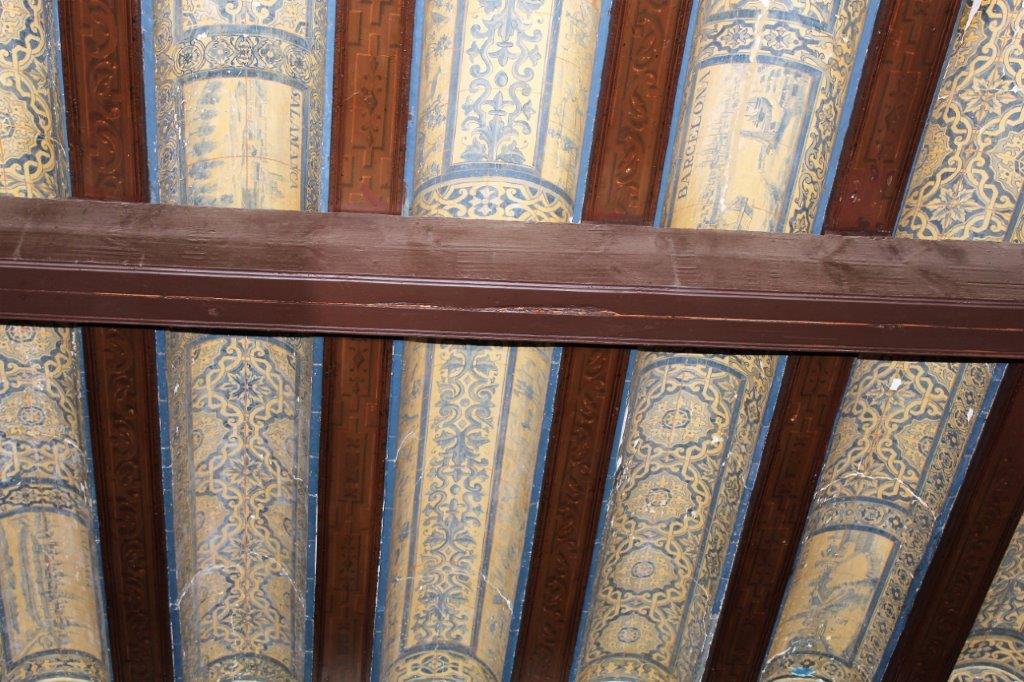
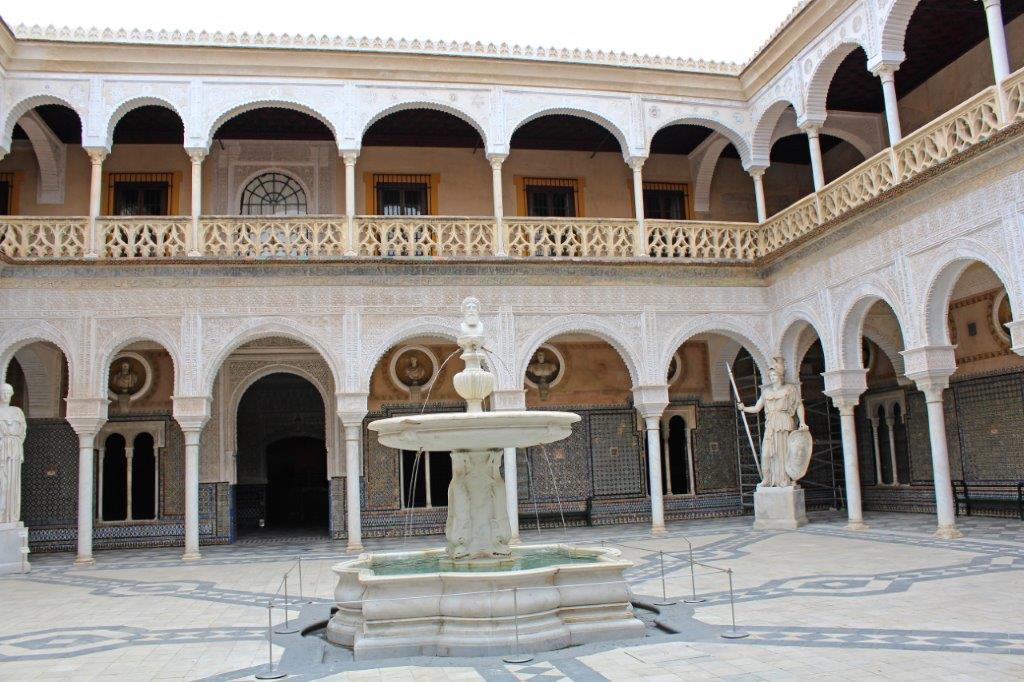
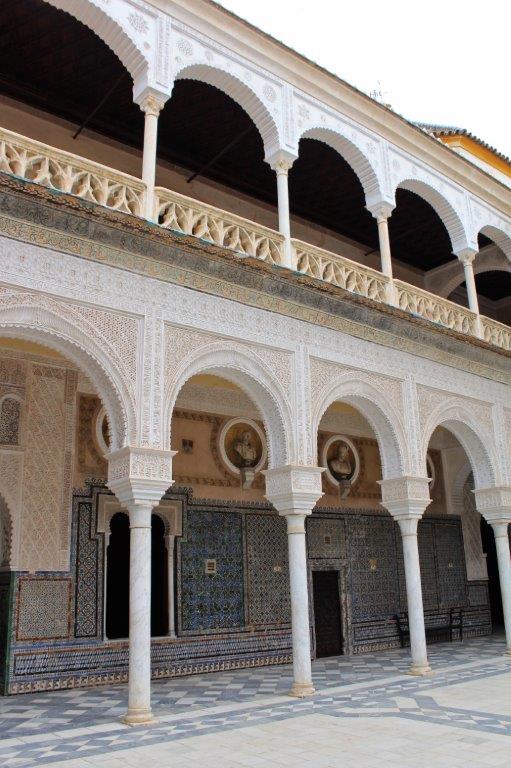
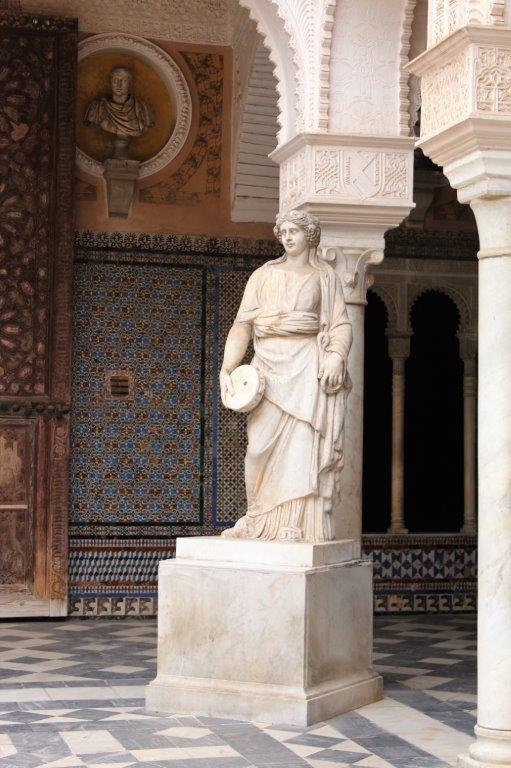
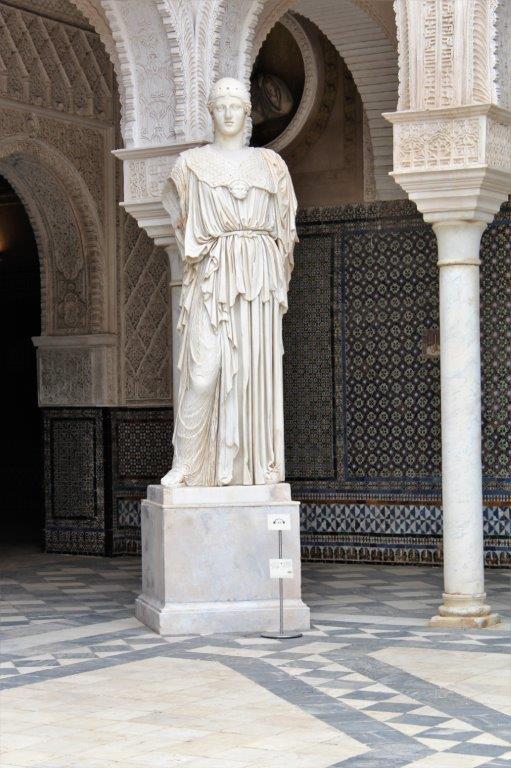
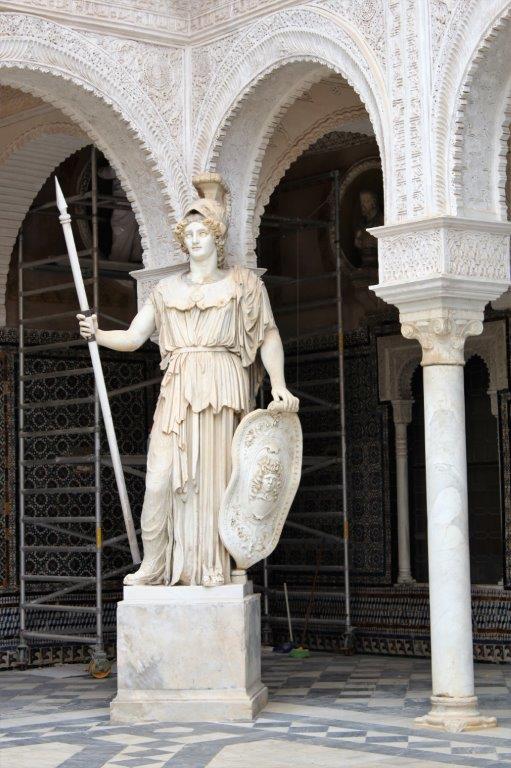
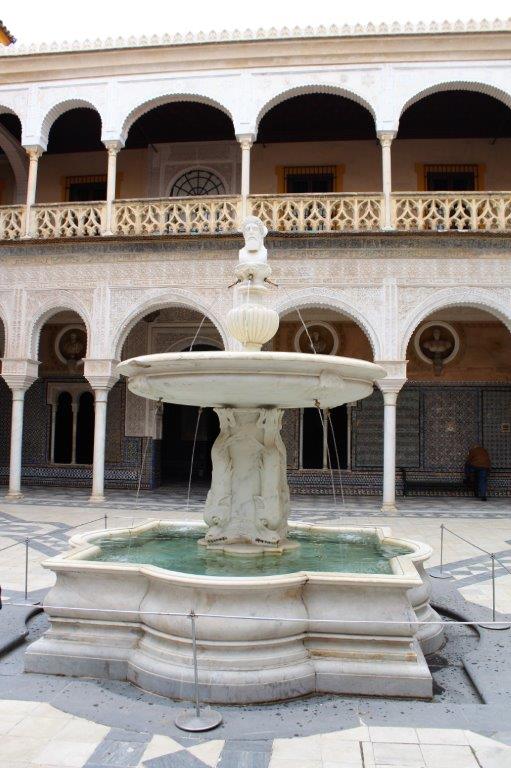
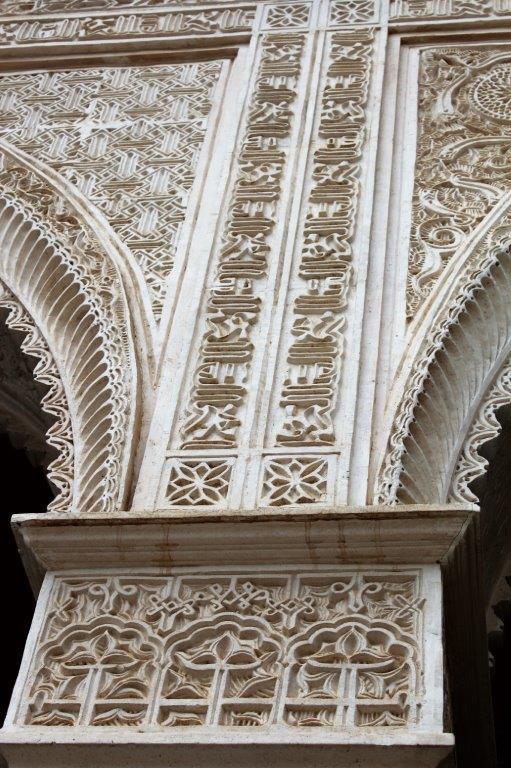
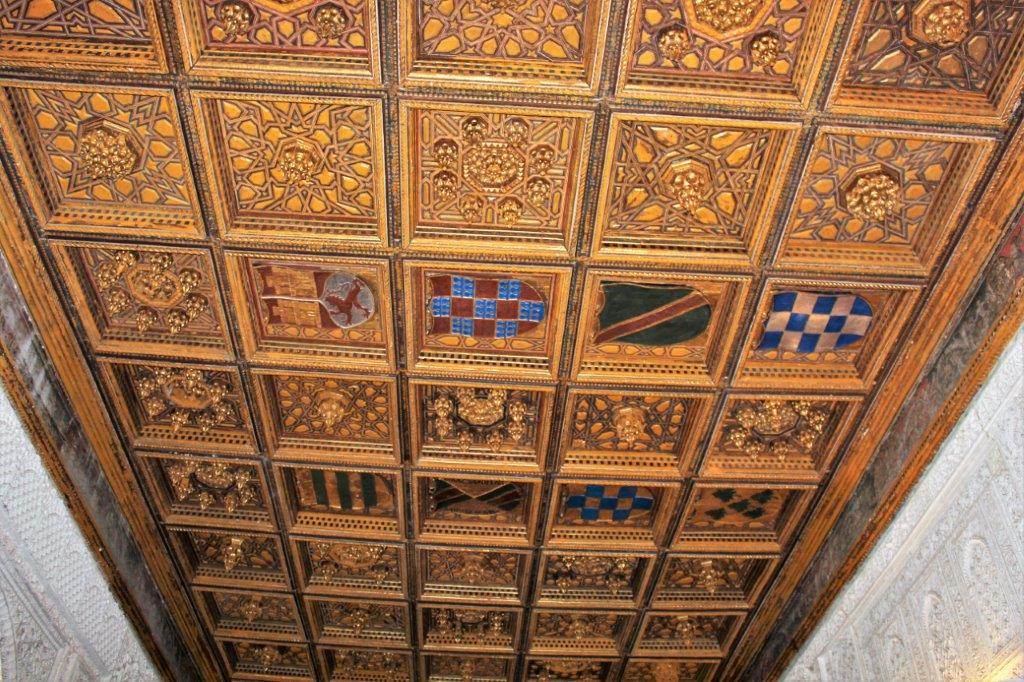
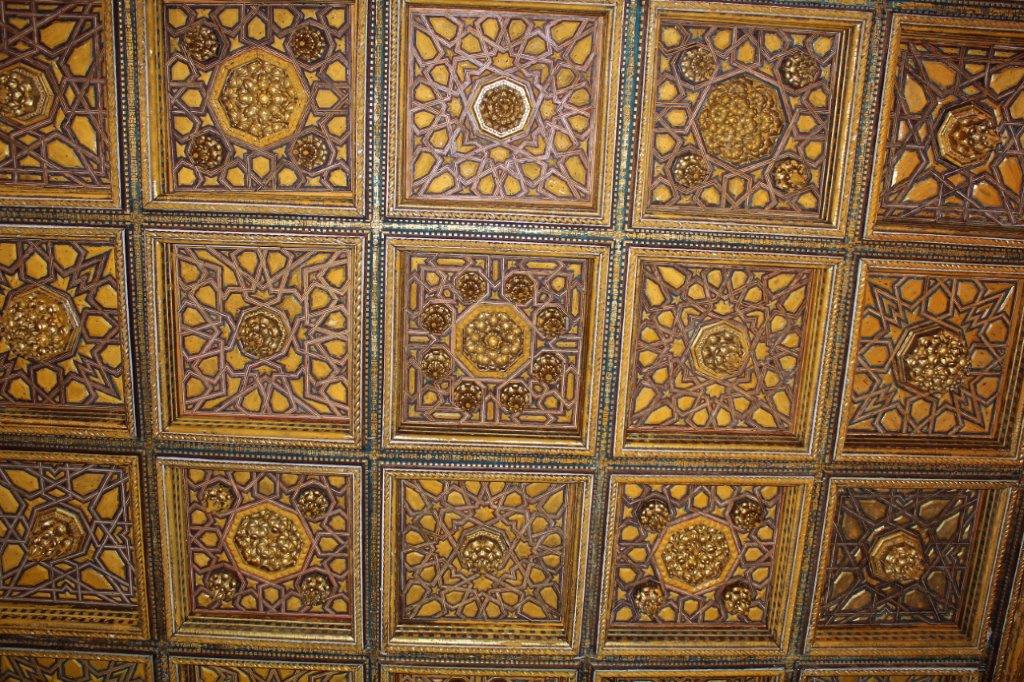
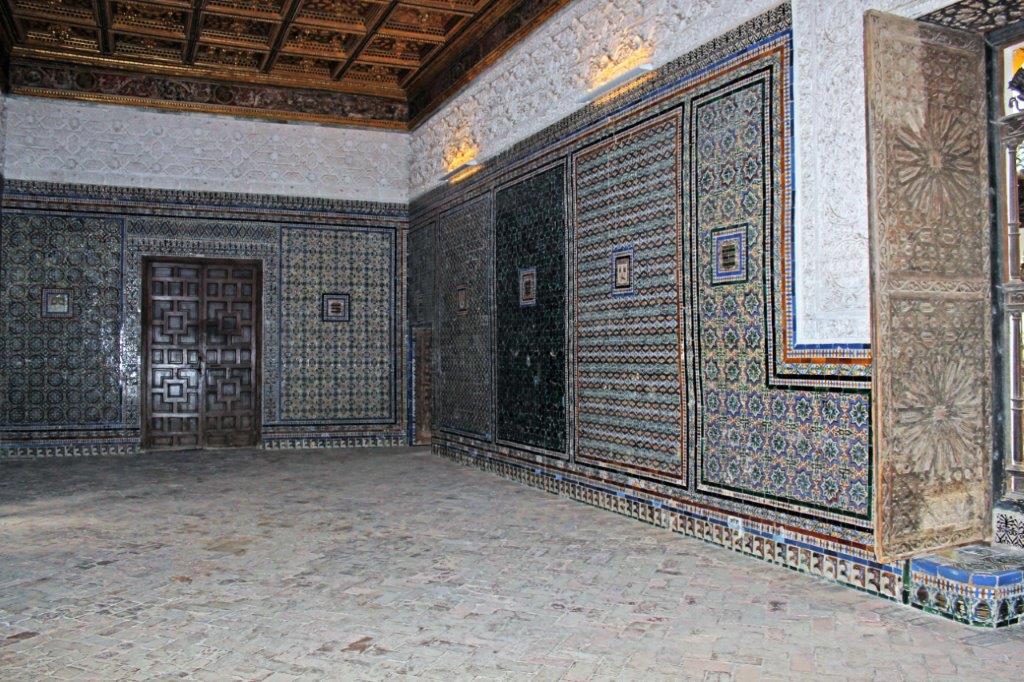
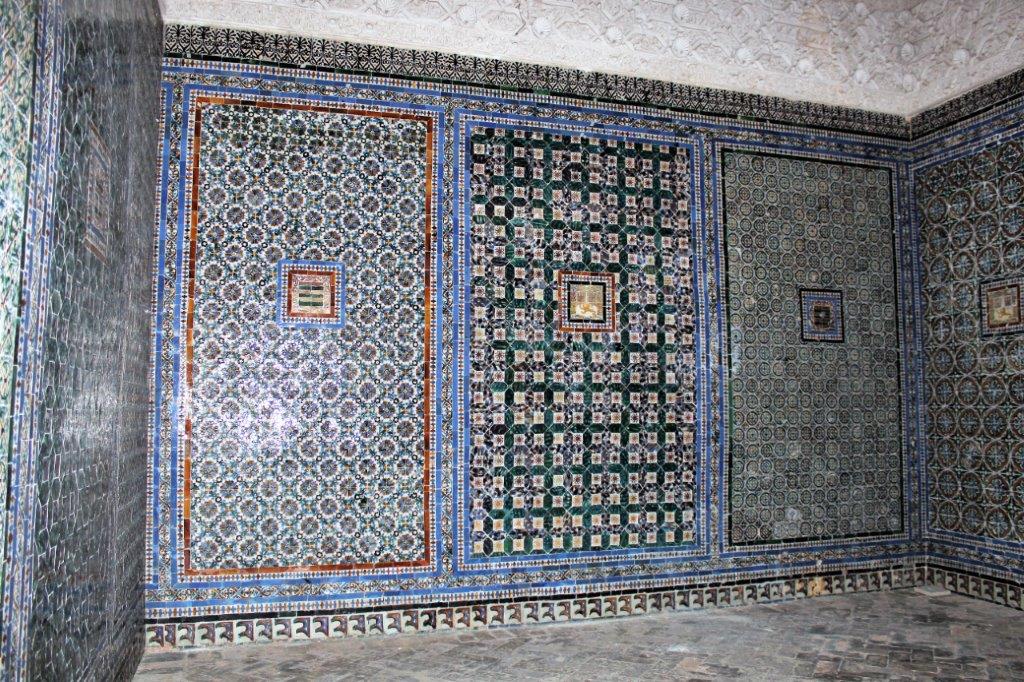
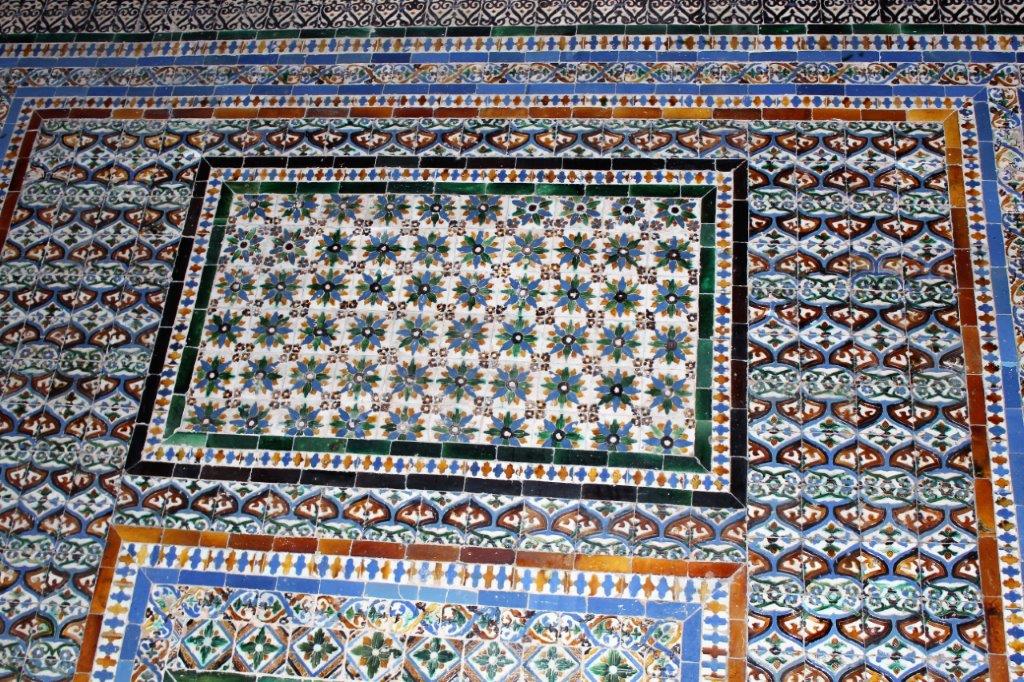
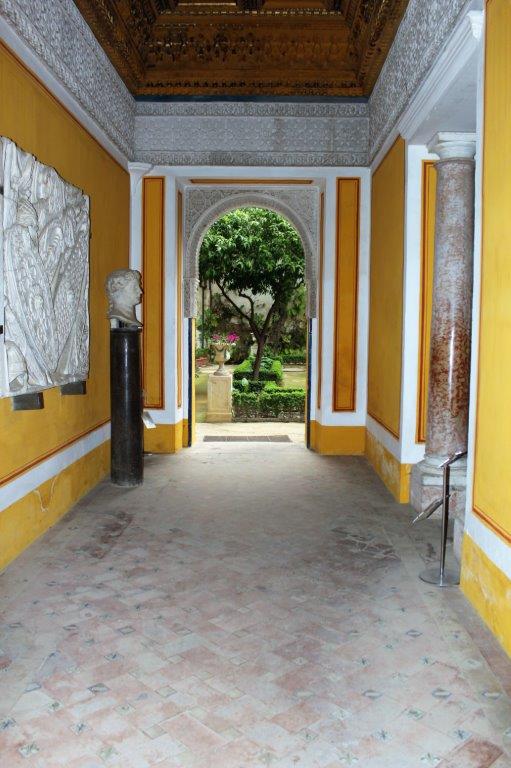
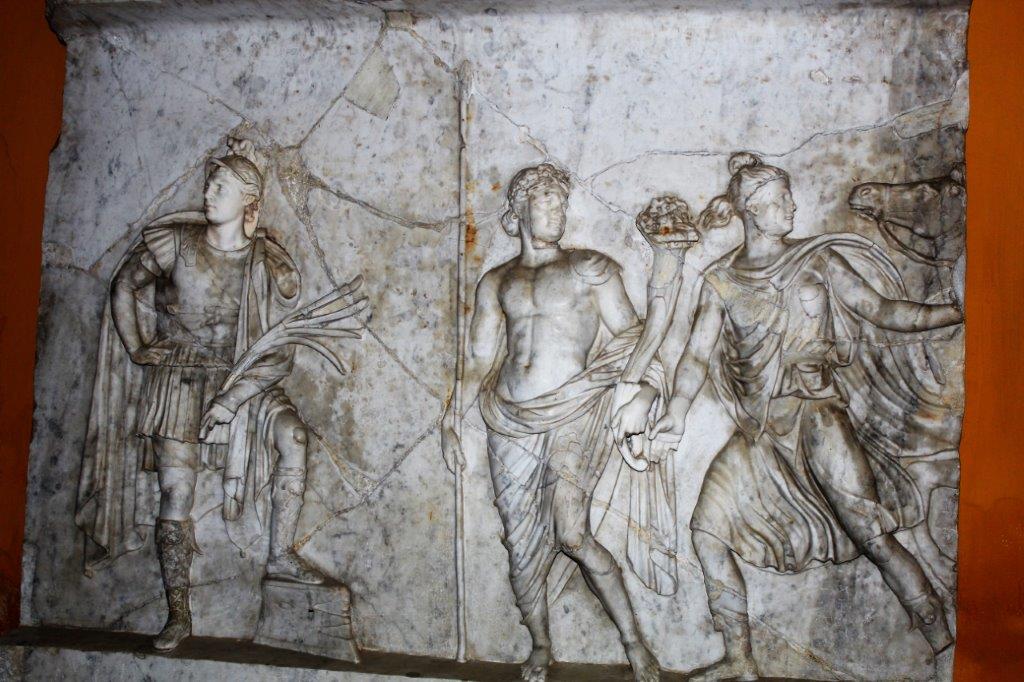
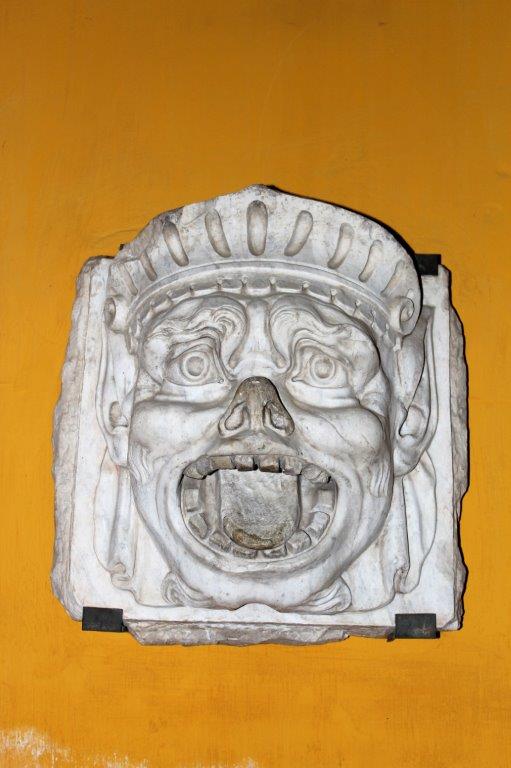
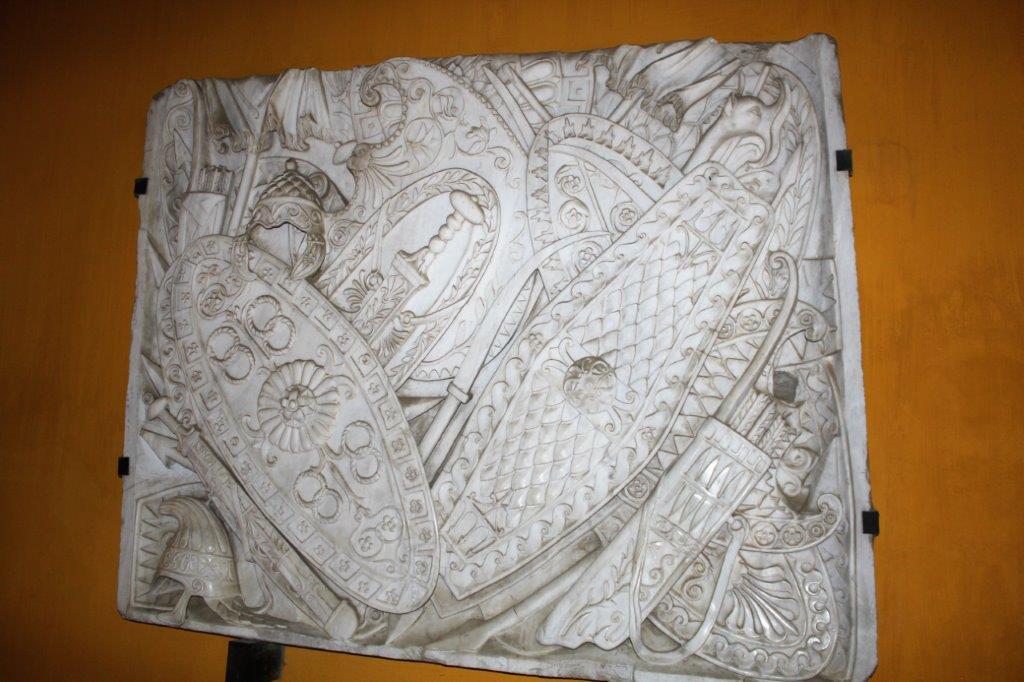
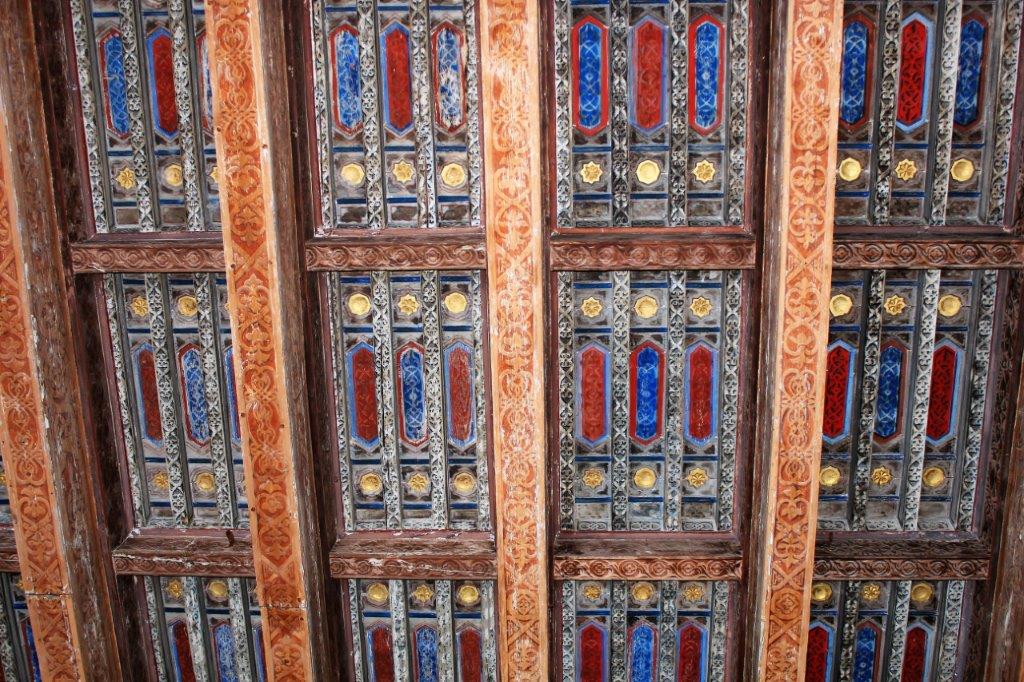
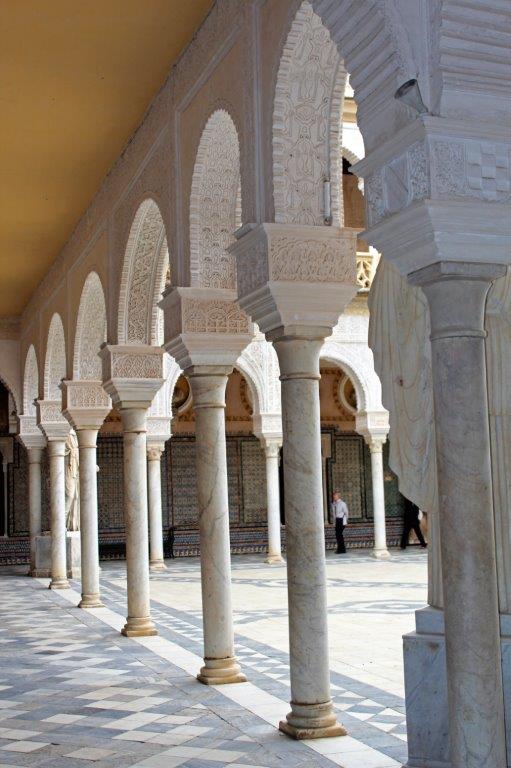
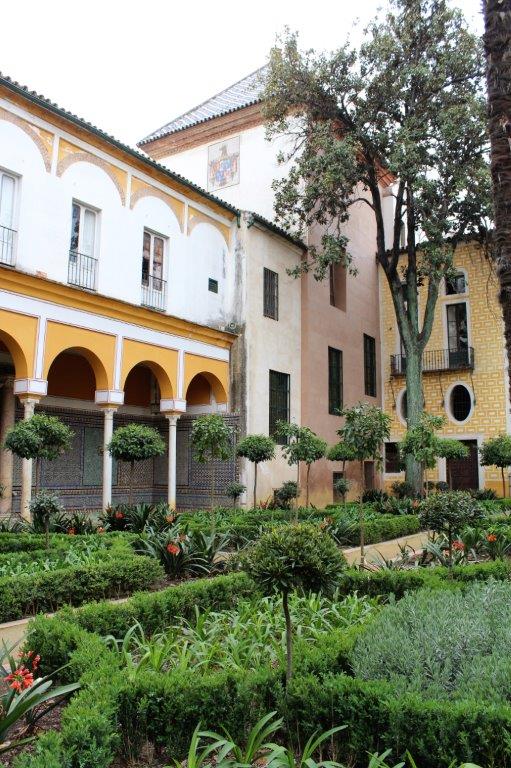
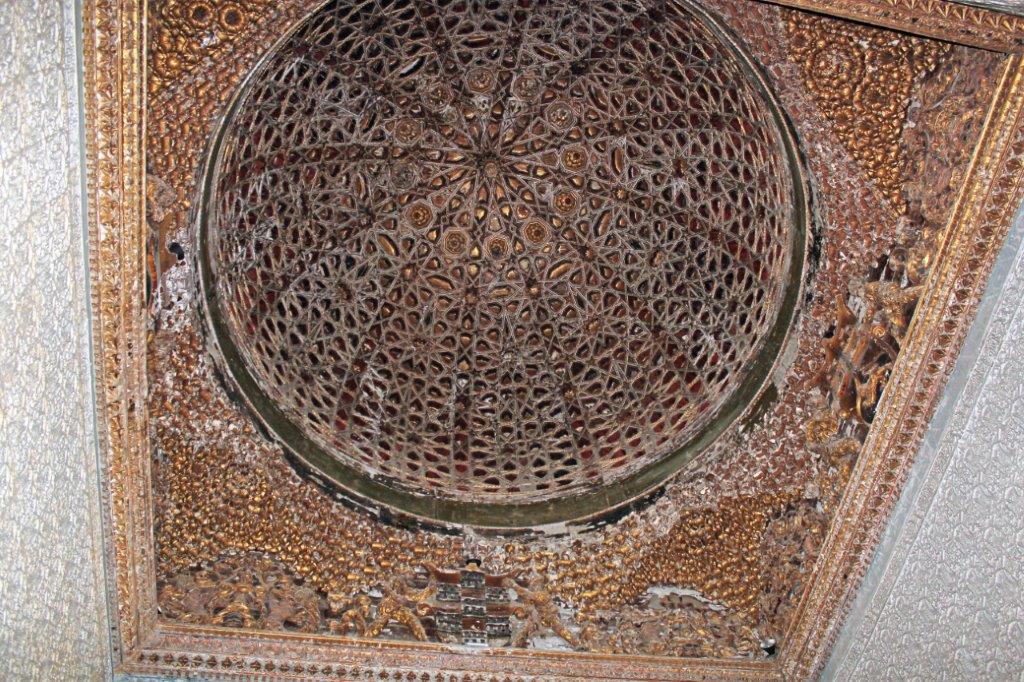
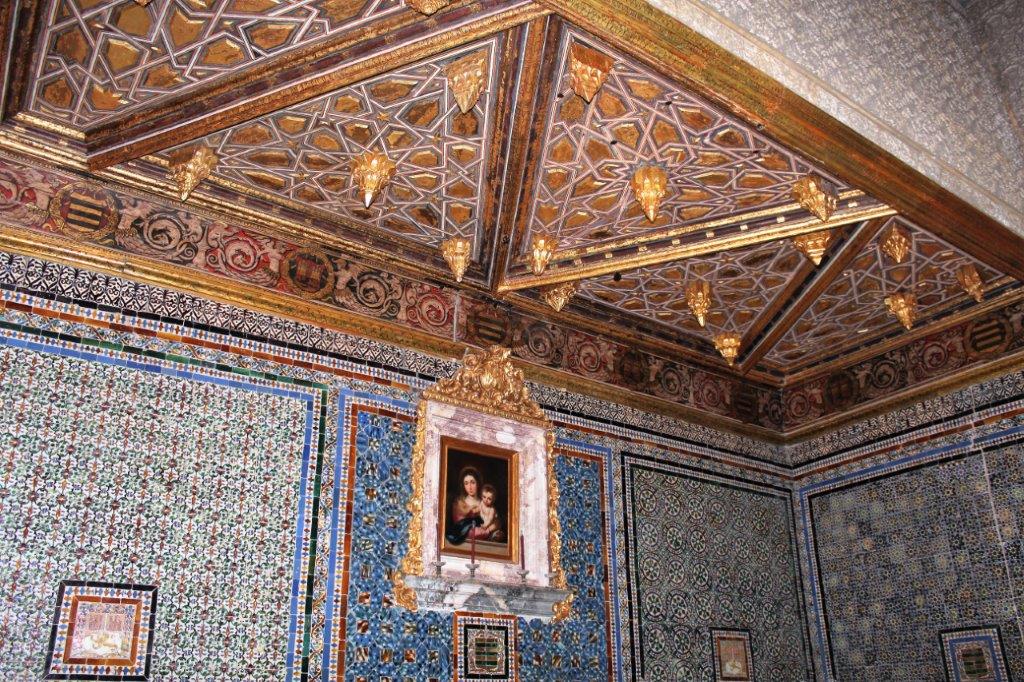
The first was Casa de Pilantos, built in the 16th century with many design and architectural features from the 14th century.  The wall tiles were original 16th century.  It was a gorgeous mishmash of Arab, Neo-Gothic and Christian features. The craftsmanship displayed in these sculptures and decorative pillars is incredible.                                          Pretty nice ceiling tiles.

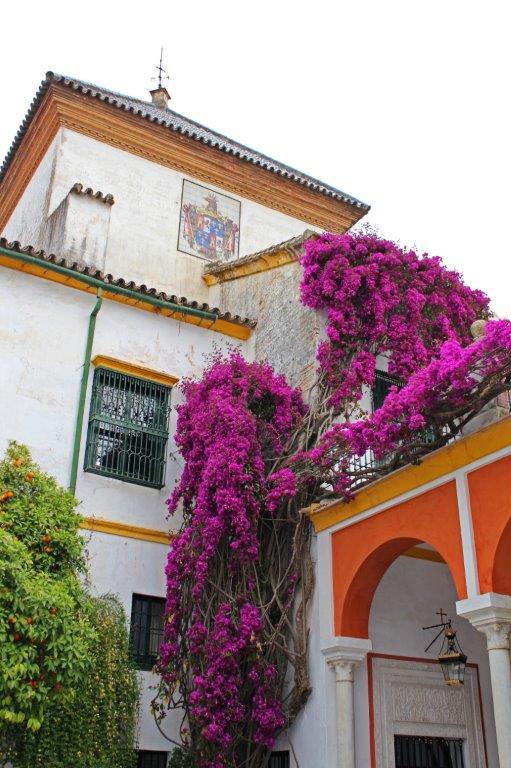
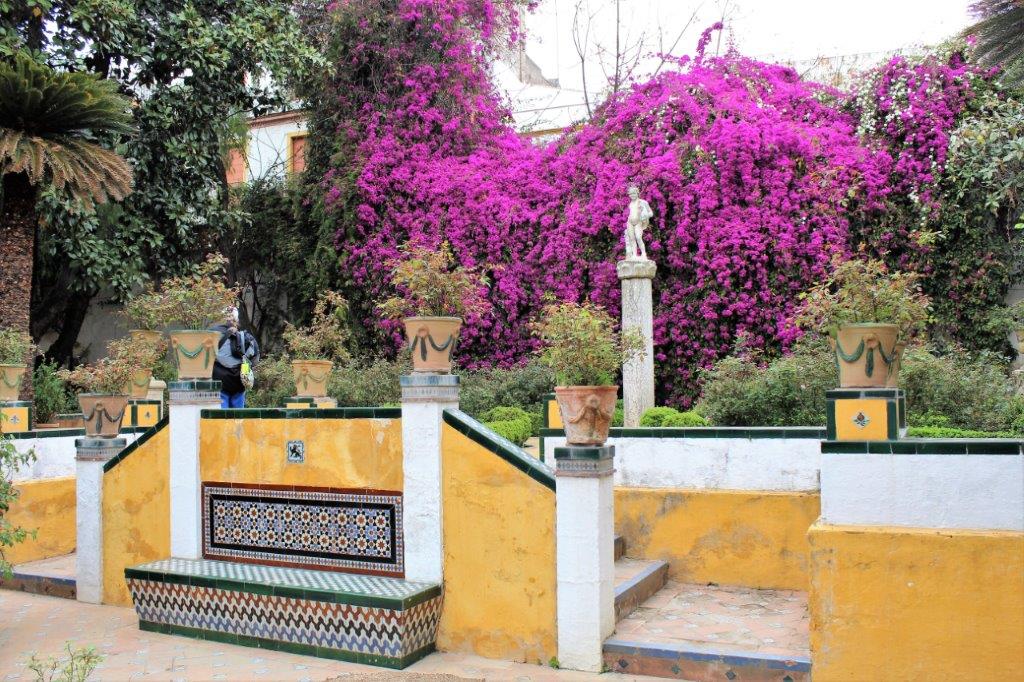
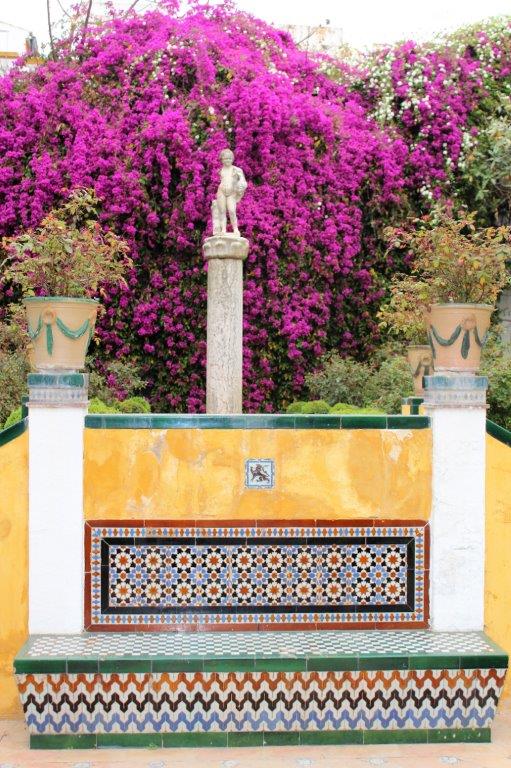
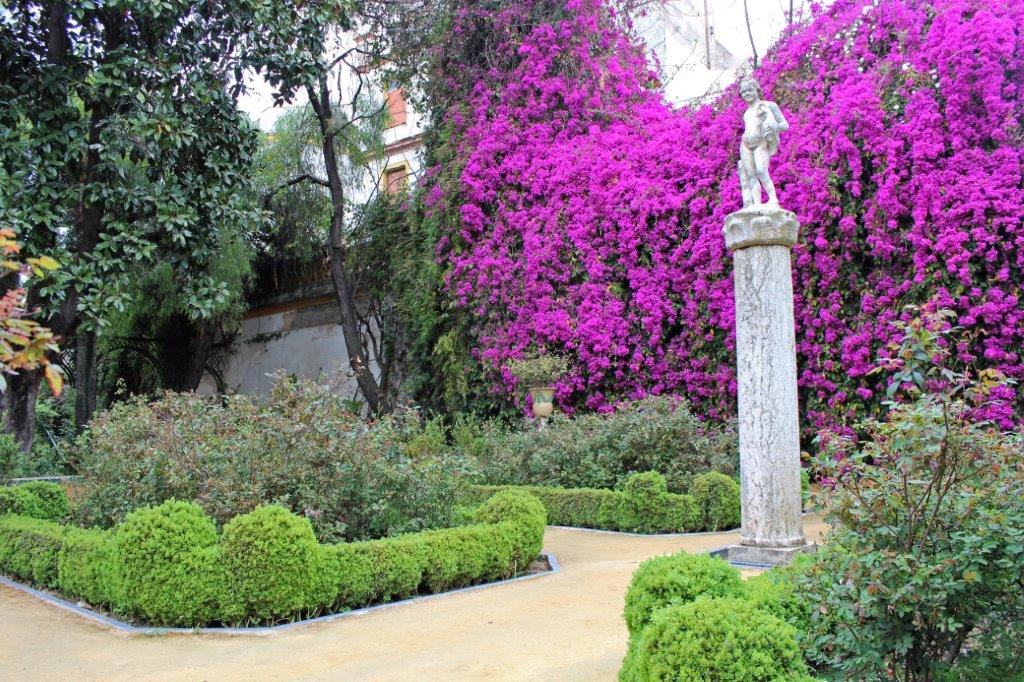
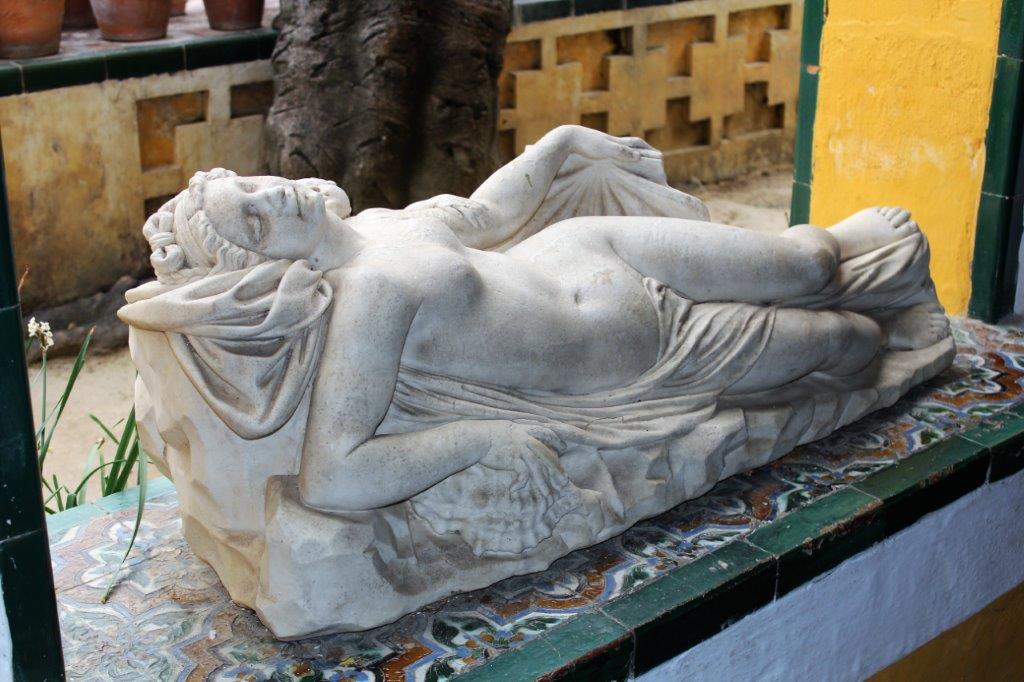
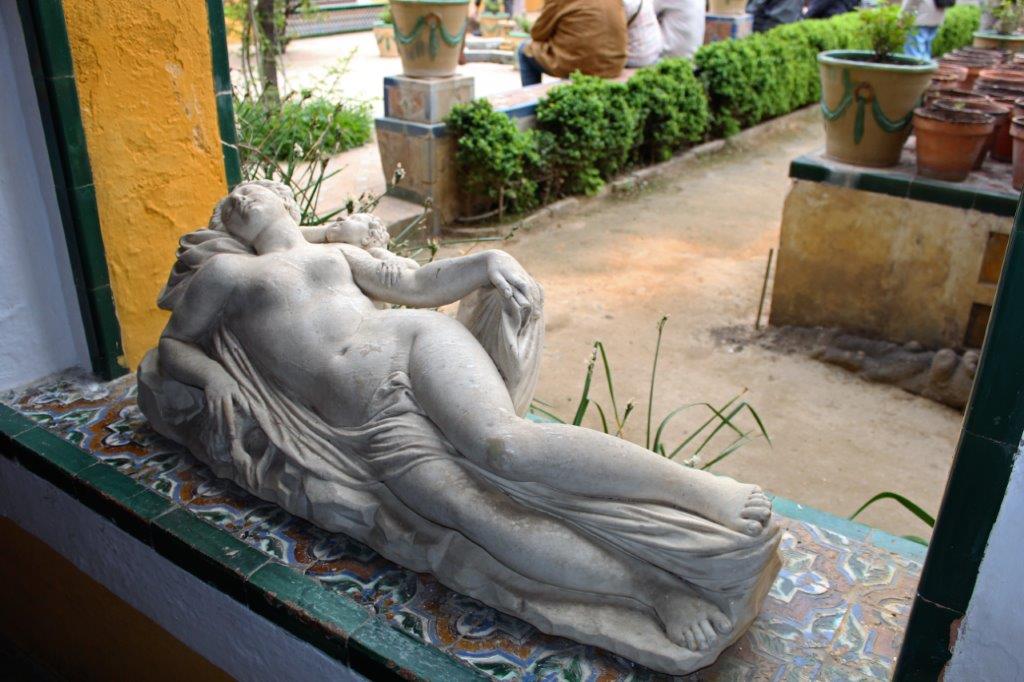
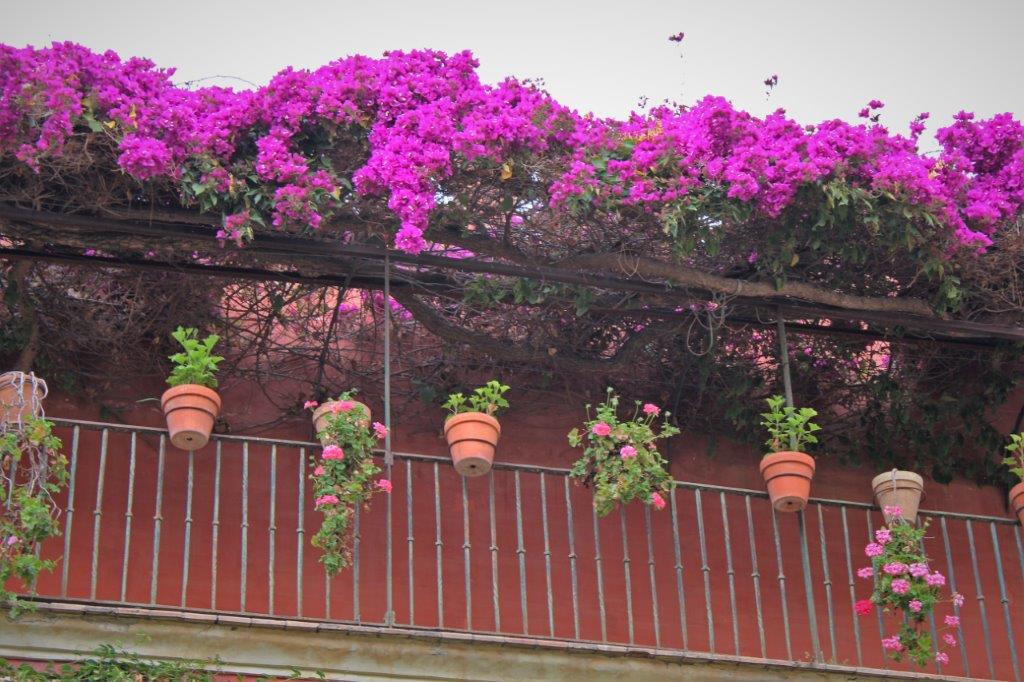
                 This is very much a Moorish style of tile walls.  The bougainvillea was stunning with the golden yellow garden wall. You can tell you are in a moderate climate when a sculpture like this reclining lady is on an open windowsill.

There was artwork, carvings and sculptures everywhere!                                              Another beautiful ceiling.

Much of the construction of this lovely home was done by Arabs under Christian domination so features of both faiths and cultures are incorporated into the dwelling.  A descendent of the original owner still lives in an apartment in the house.

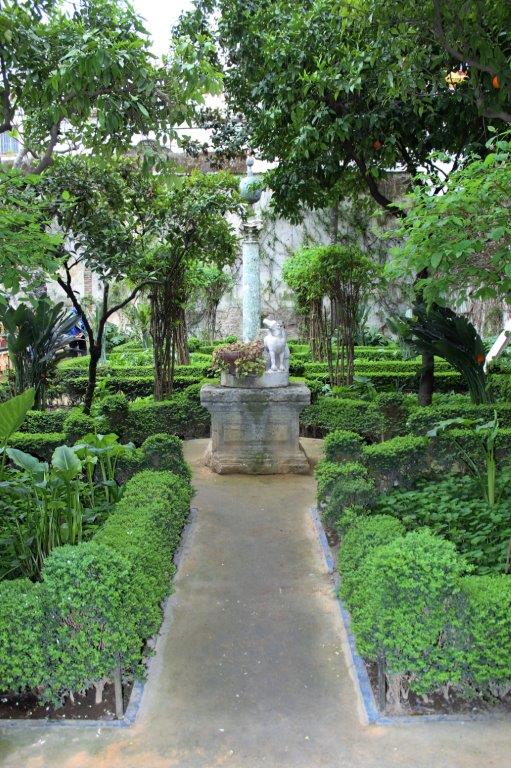
This is a photo-heavy blog, but can you blame me?  So many beautiful colours, and designs, and gardens, and artwork, and, and, and….

Next palacio casa – next blog.

2012 March 24 – Day 13 – Cadiz, Spain (Day 1)

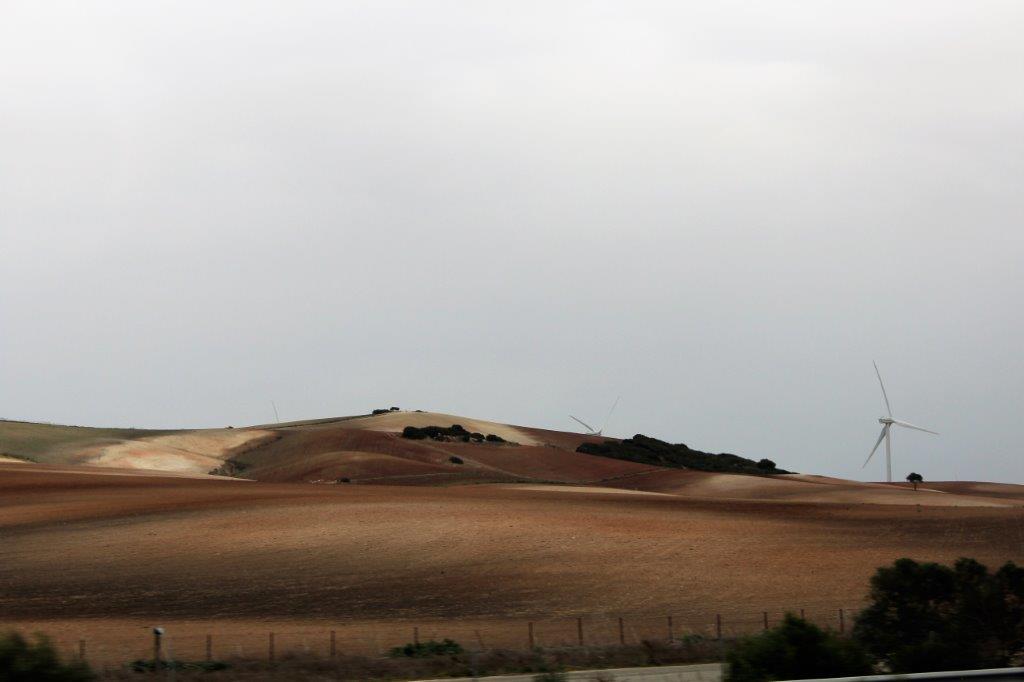
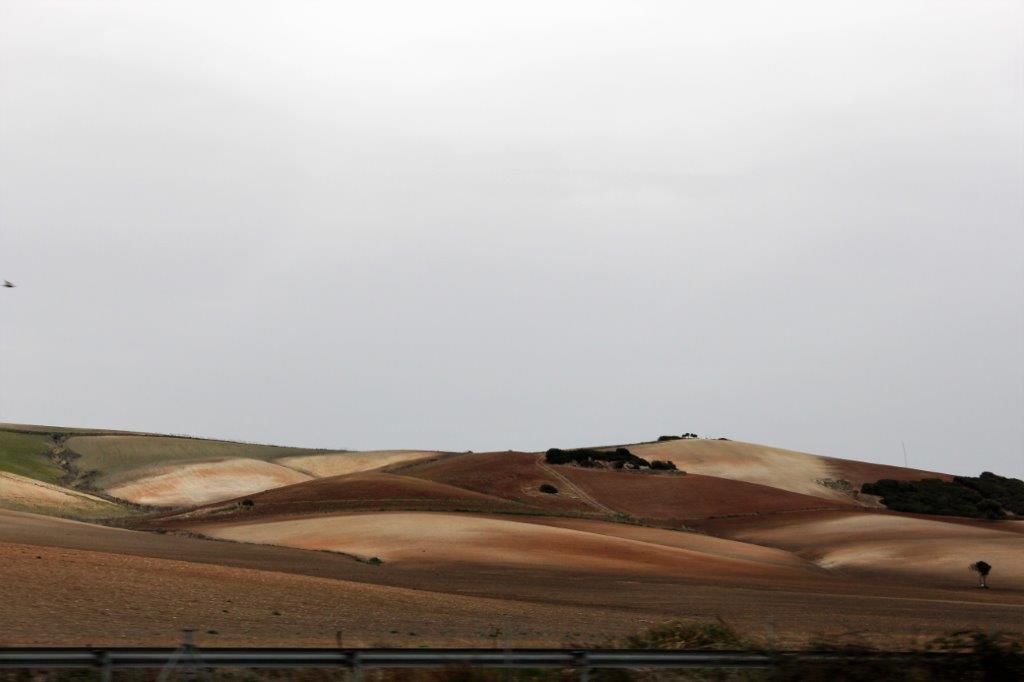
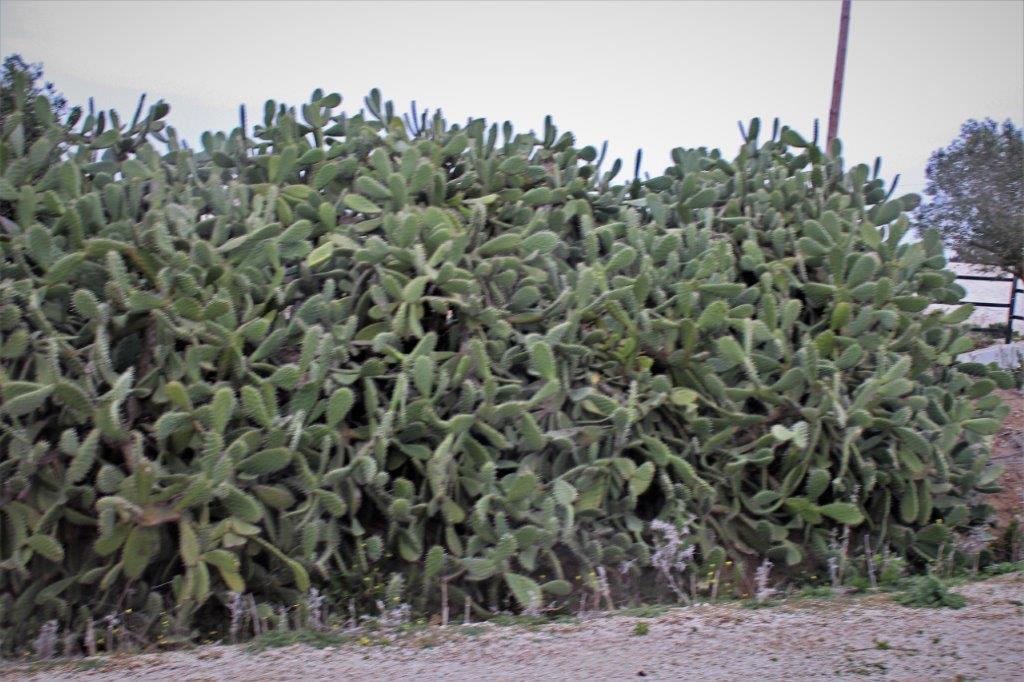
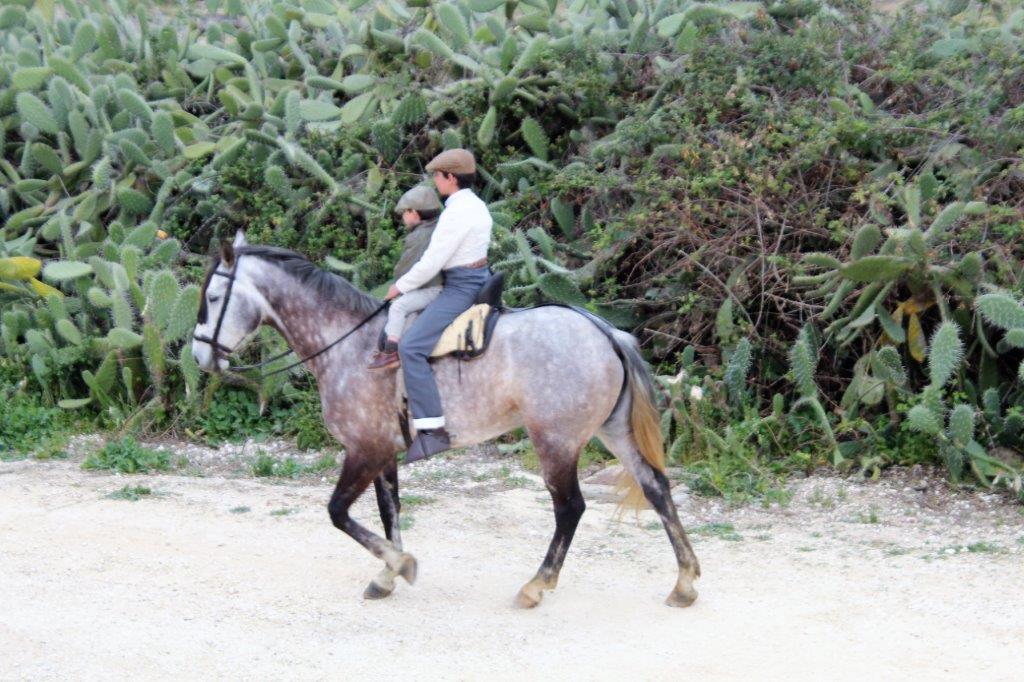
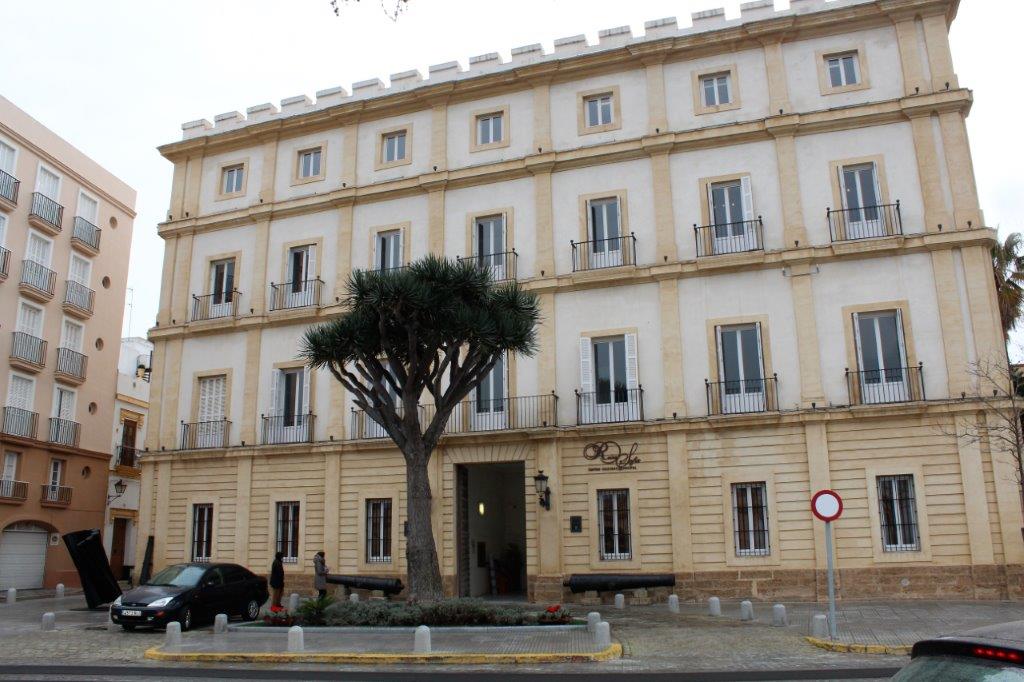
It took the bus an hour to drive around Old Cadiz, cross the bridge and go into the countryside to our destination.  Cactus makes a very effective fence.

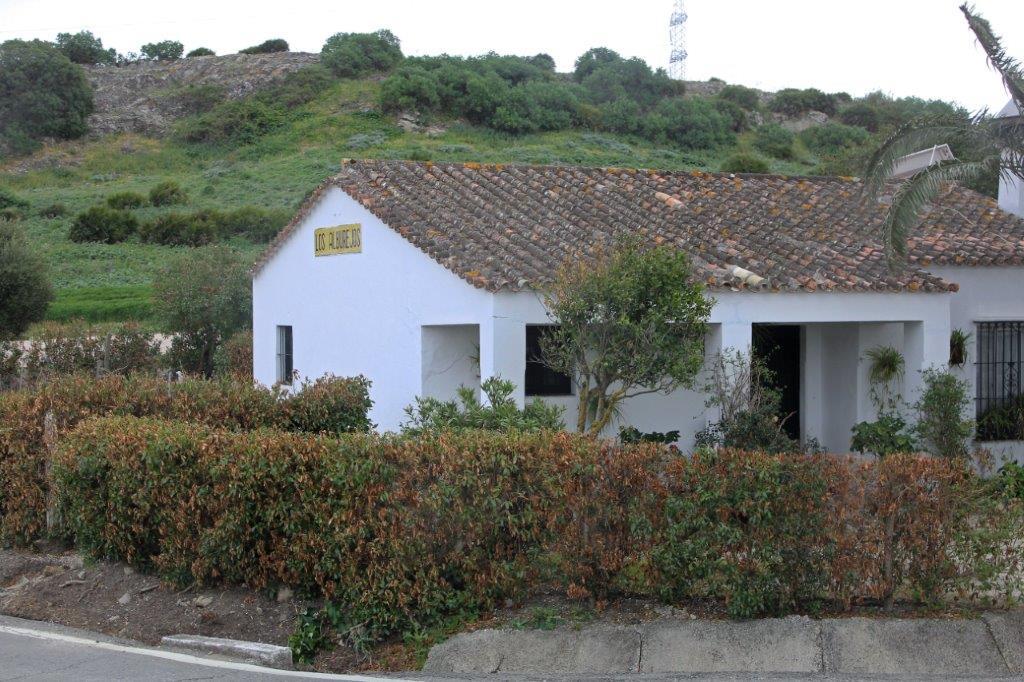
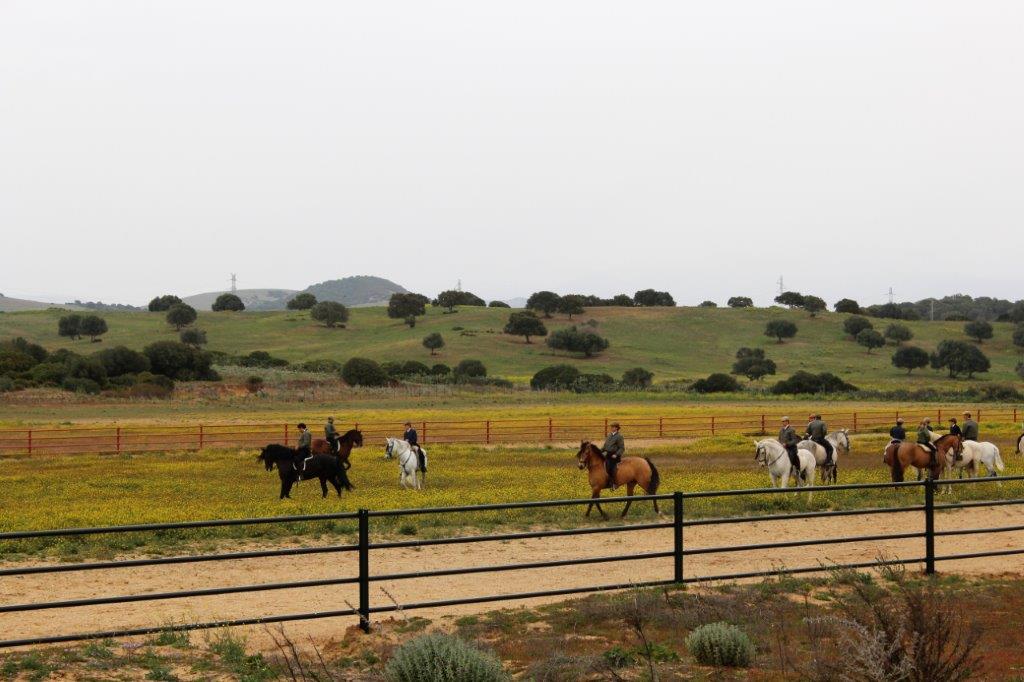
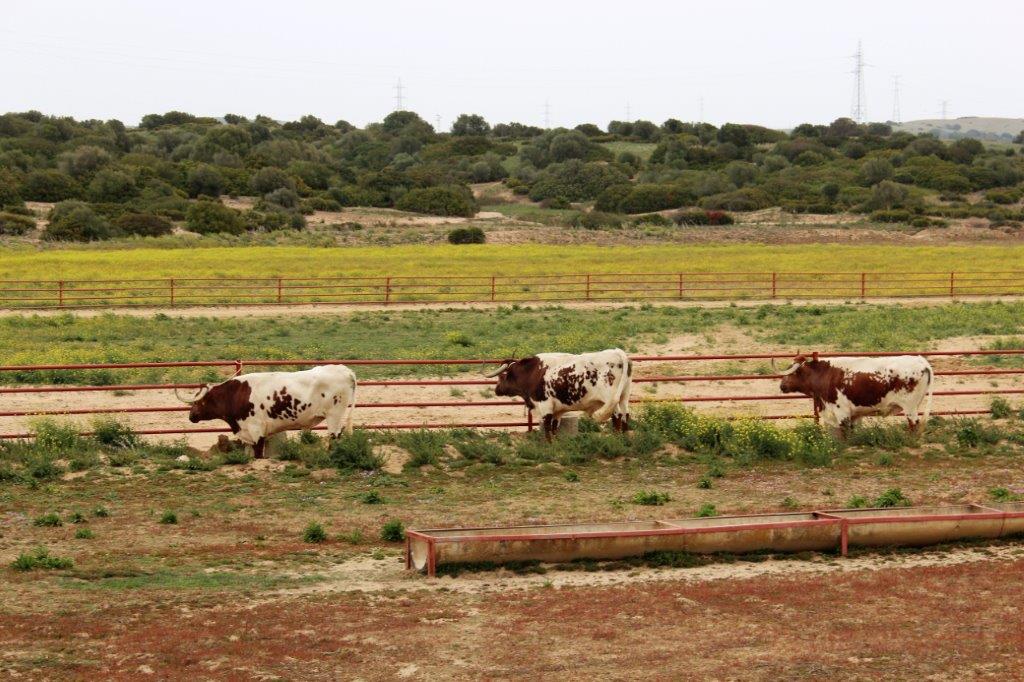
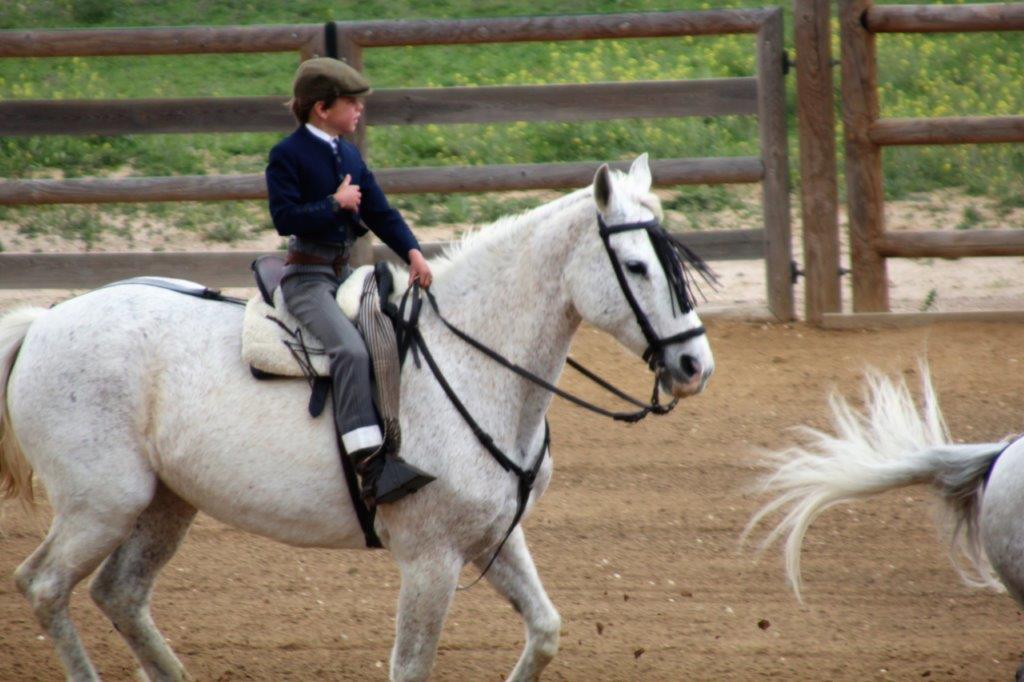
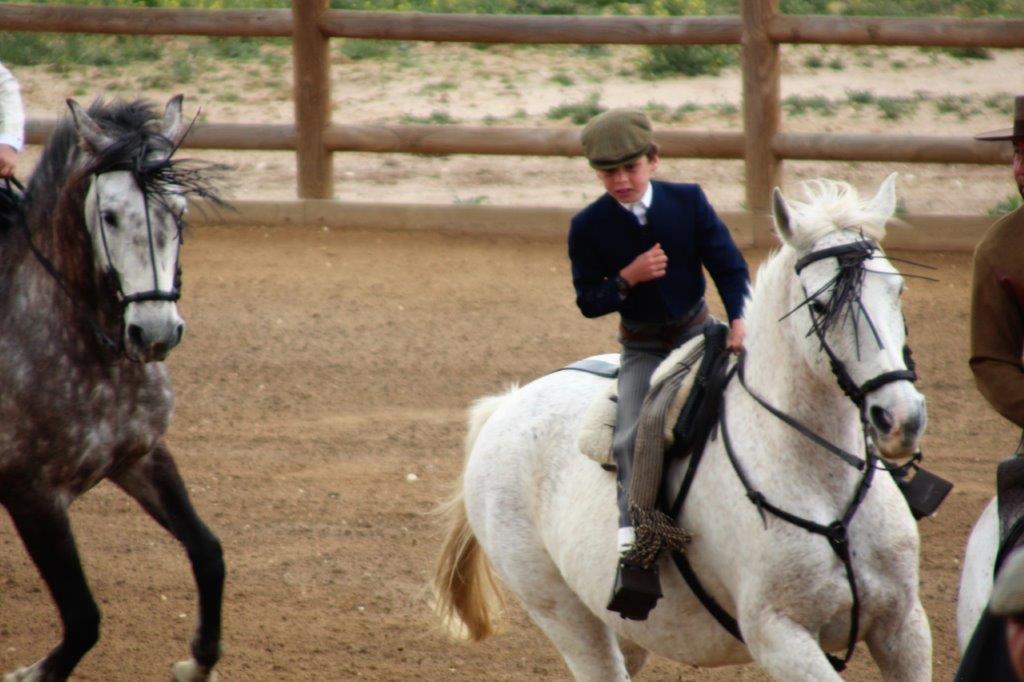
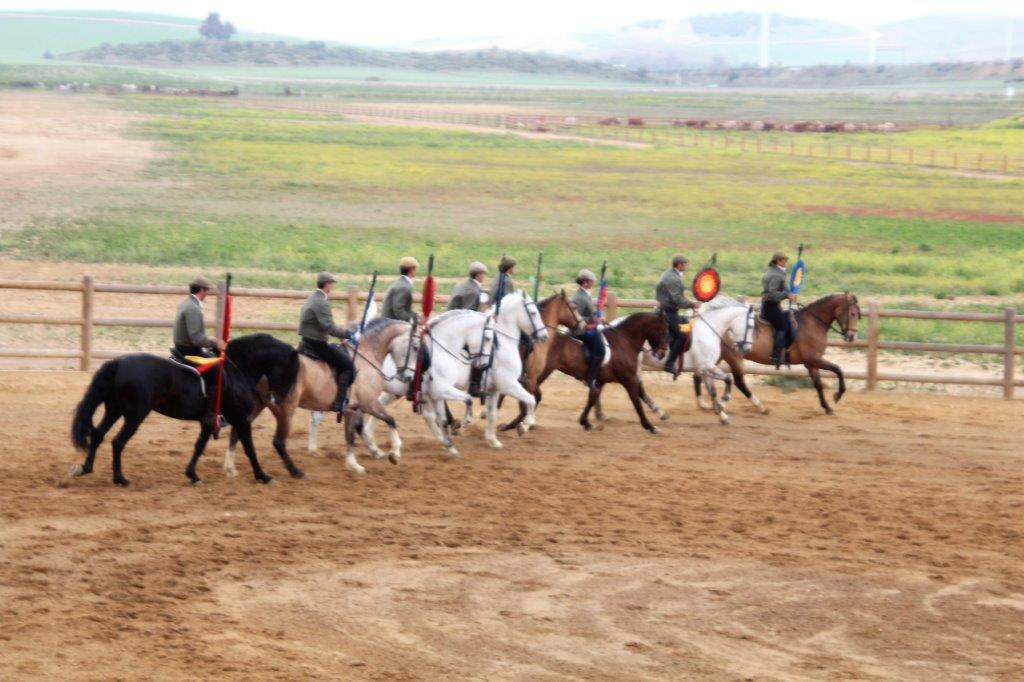
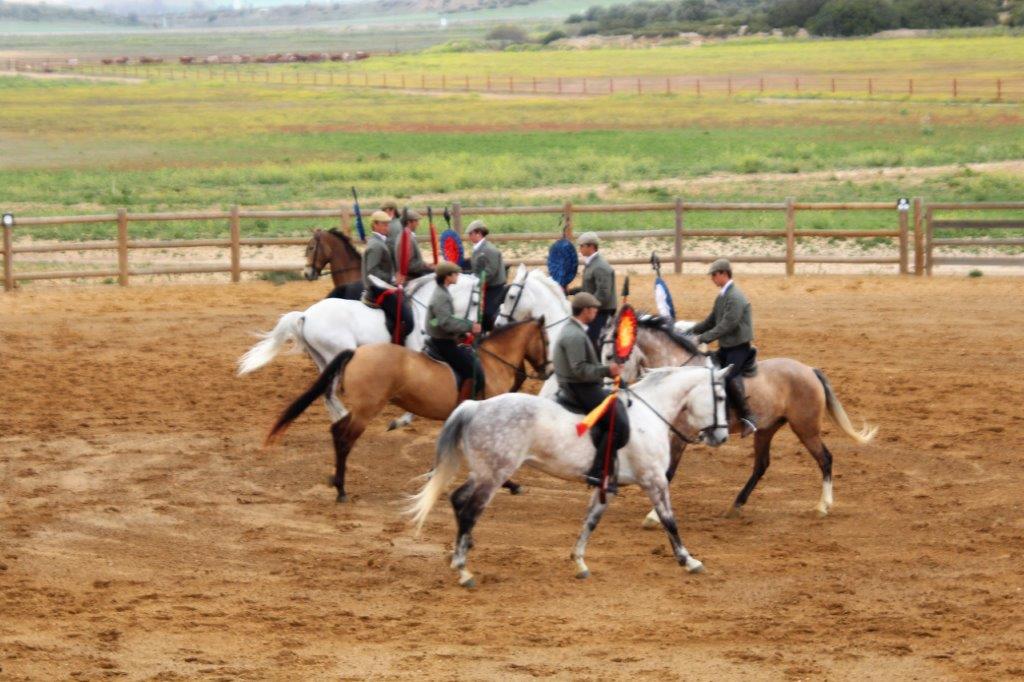
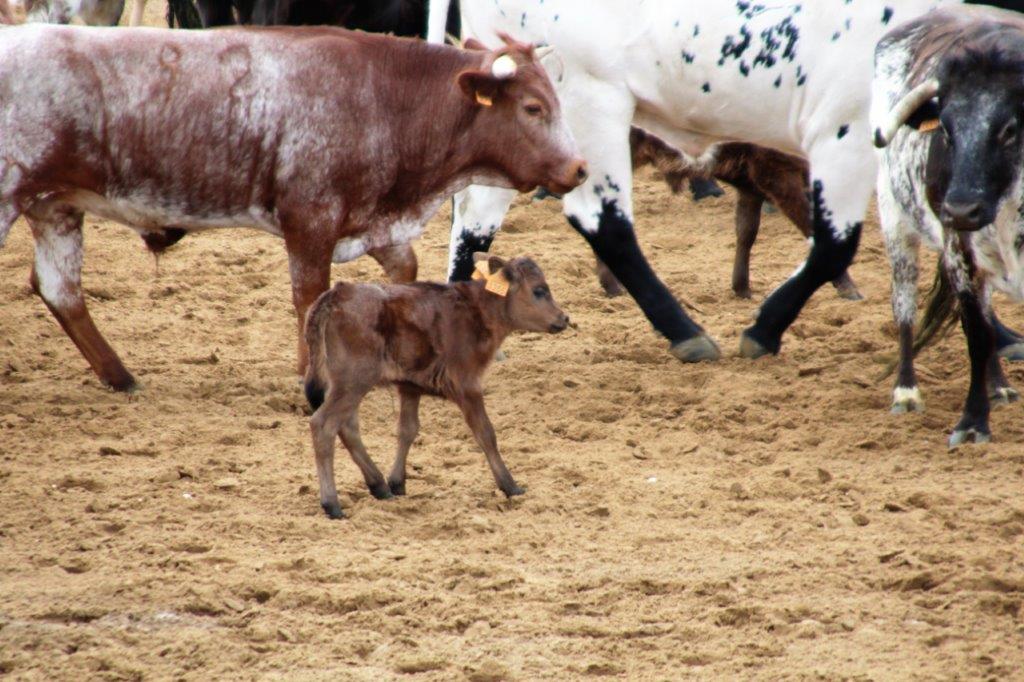
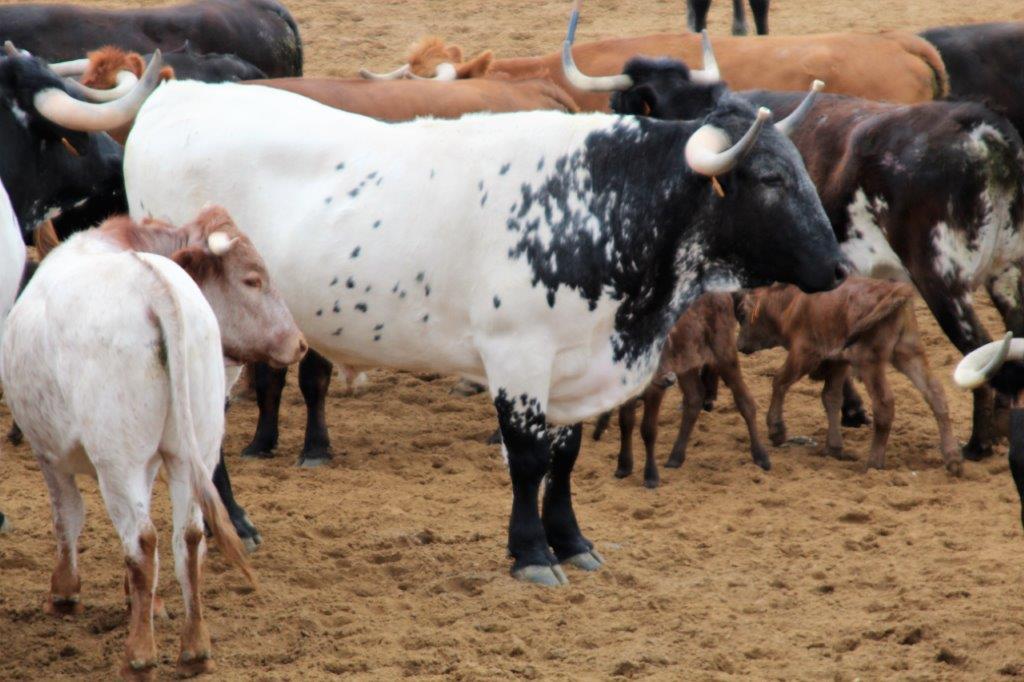
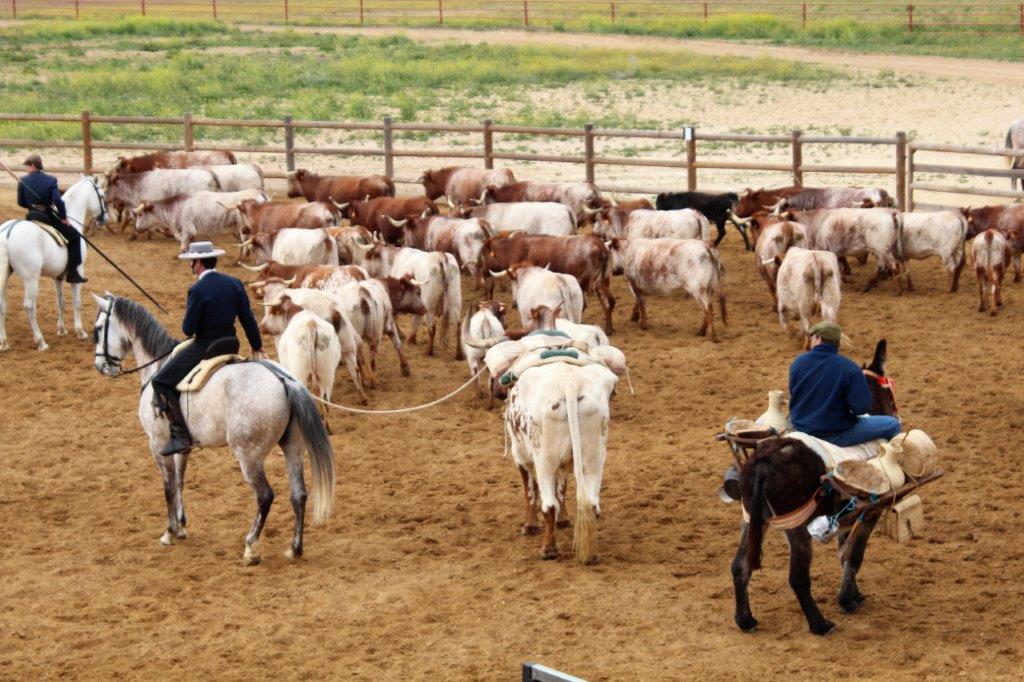
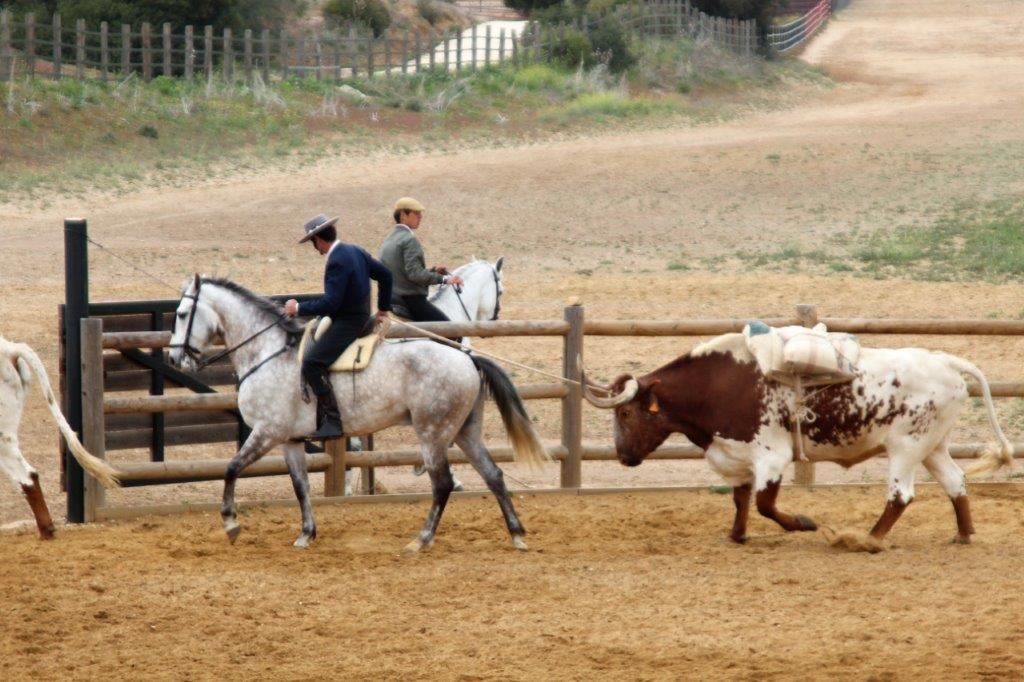
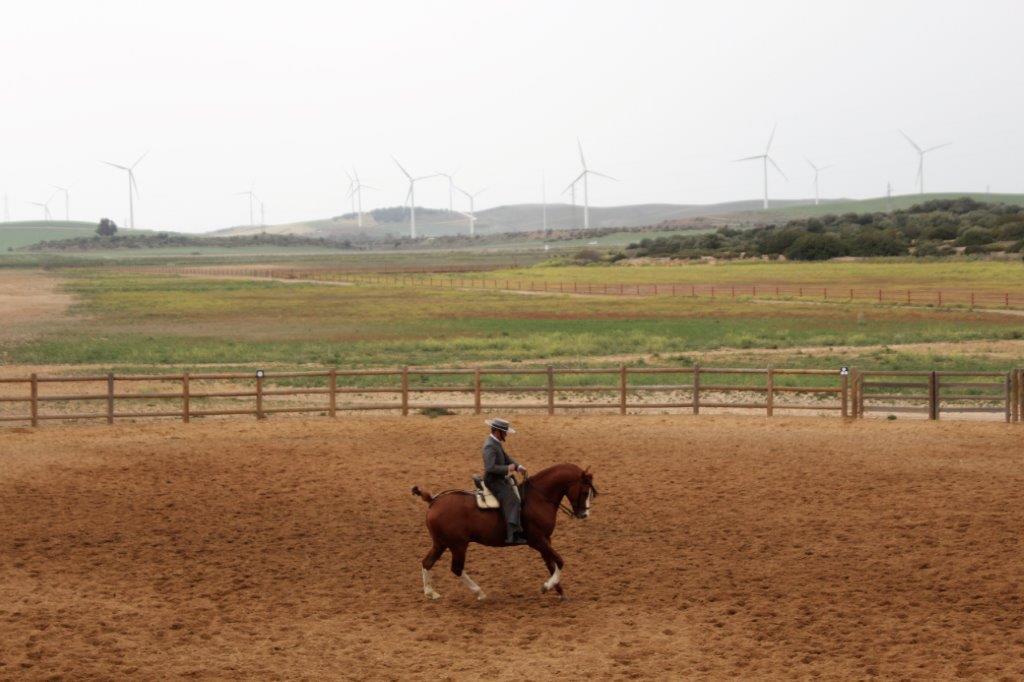
Near Jerez de La Frontera we stopped at the stadium on the Los Alburejos farm.  This large farm is still owned by the Domecqu family that came from France in the 18th century.  Much of the agricultural farms and ranches in Spain are owned by a few multi-generation landowners.  They own huge tracts of land and grow a large variety of crops; from forage crops, to olive groves, grapes for sherry, lemons, oranges, etc.  Los Alburejos raises bulls for the bullfights and Andalusion horses to work on the ranch and in the ring.

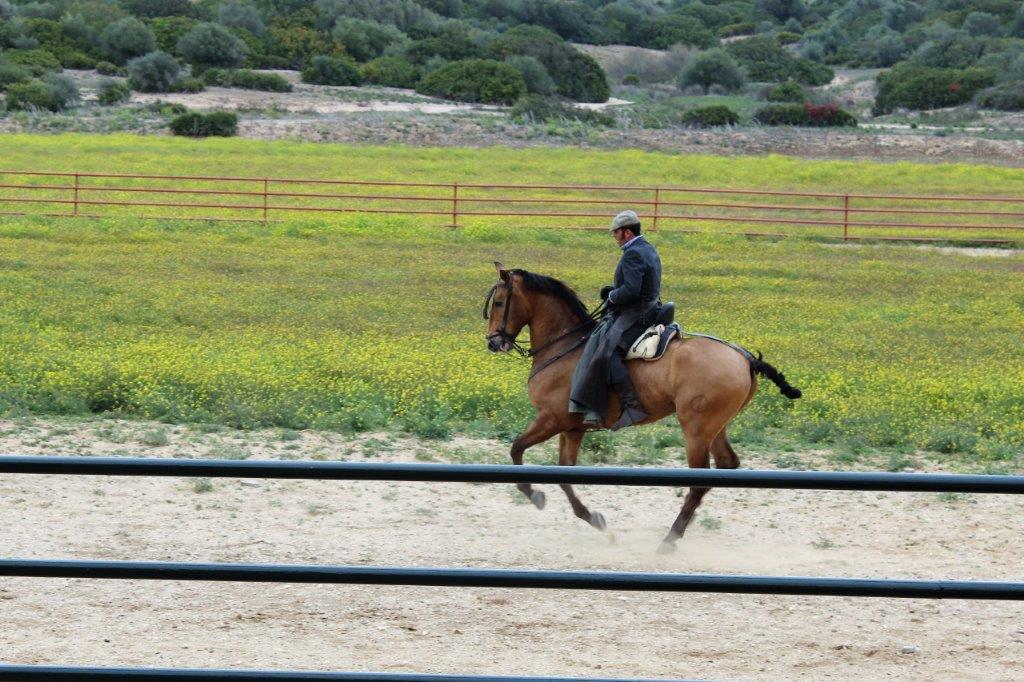
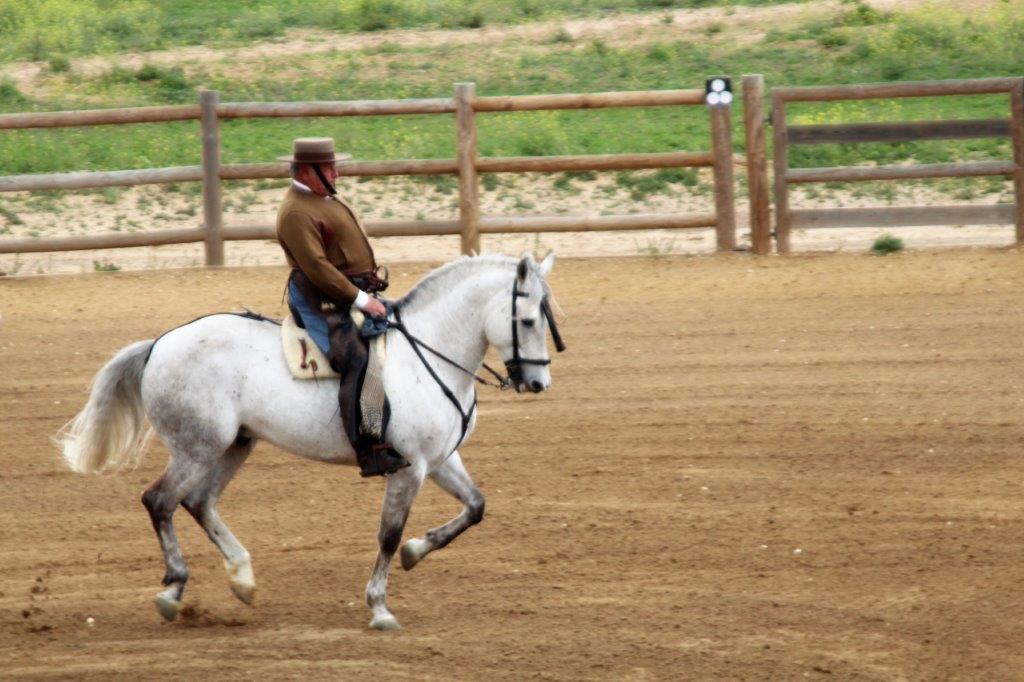
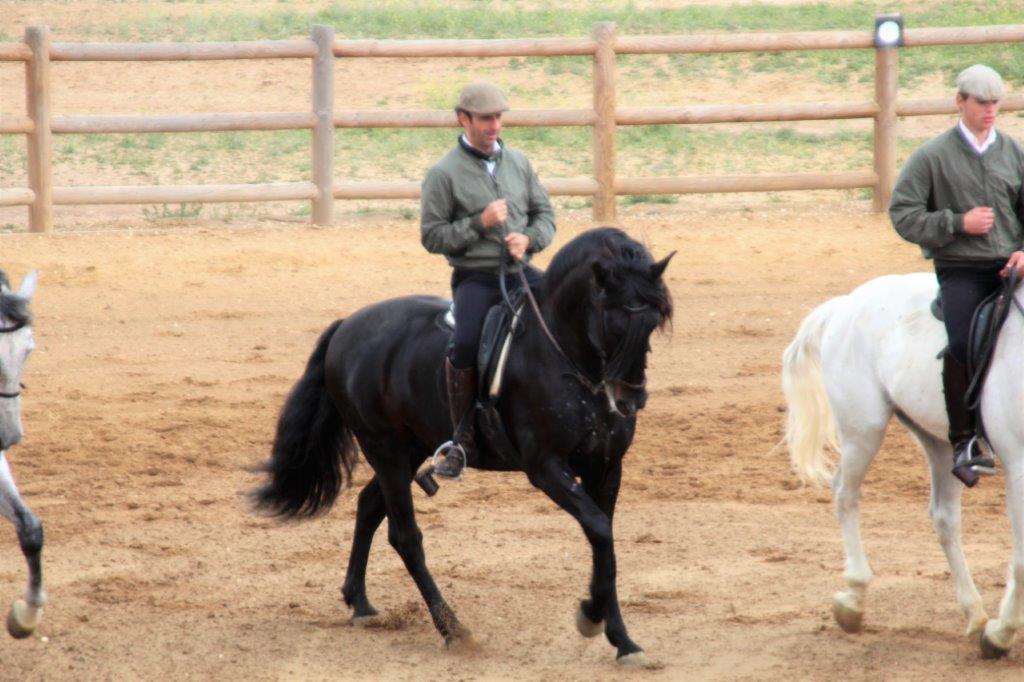
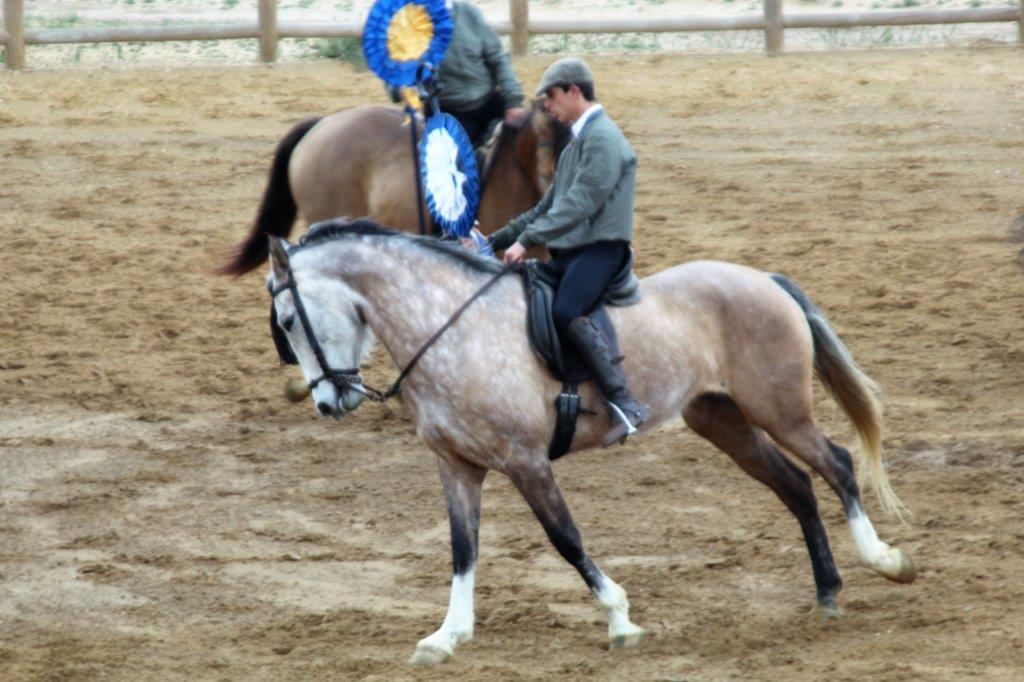
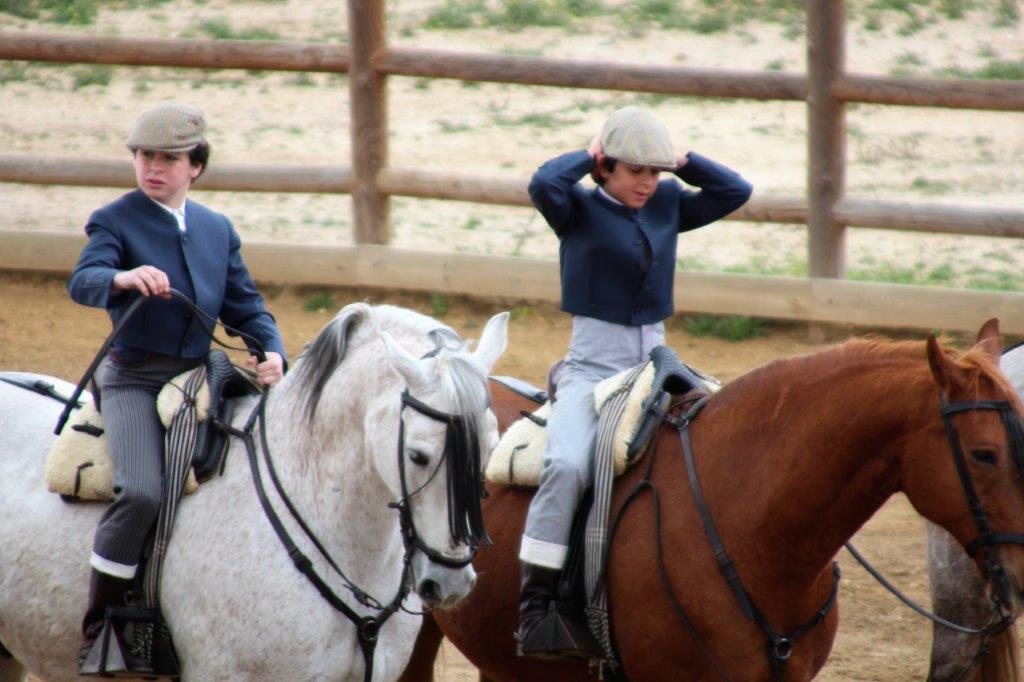
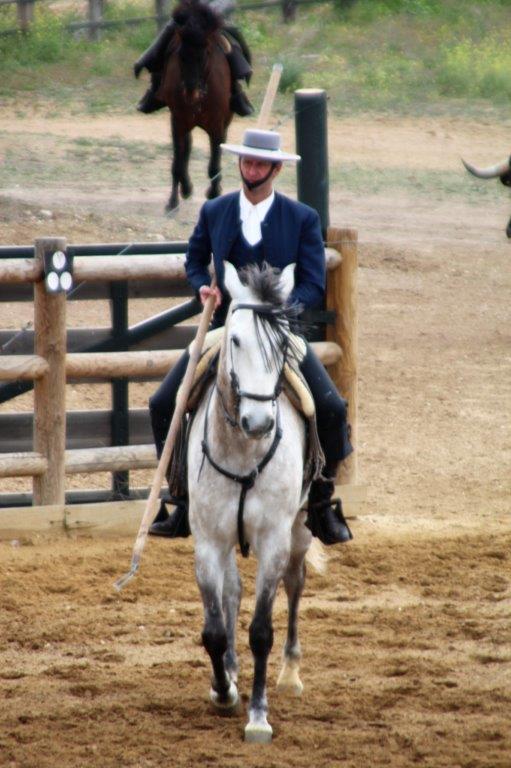
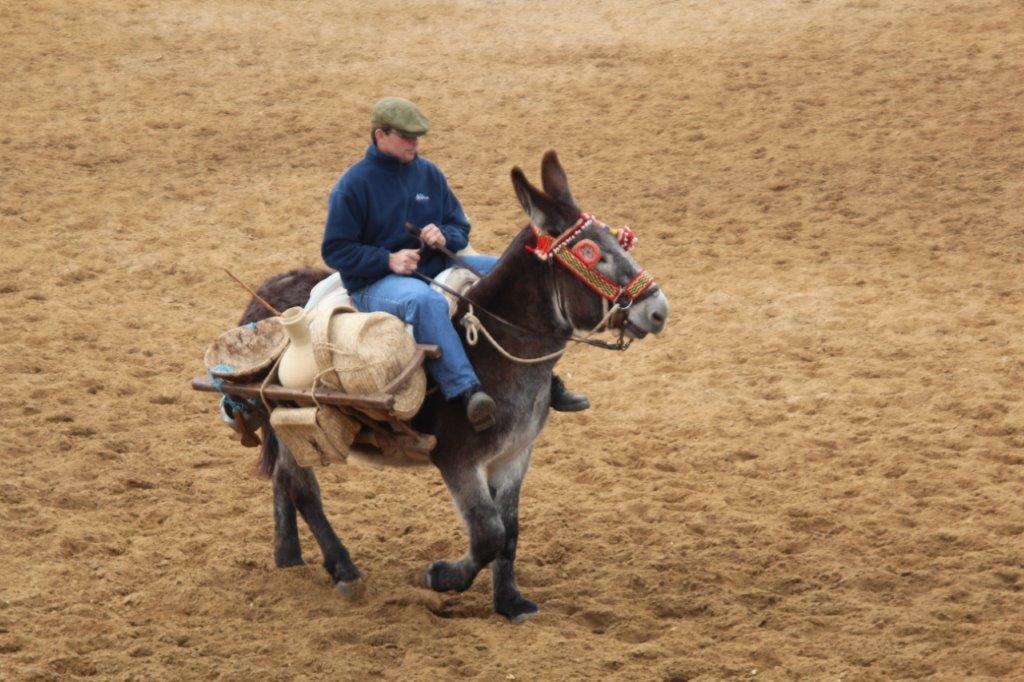
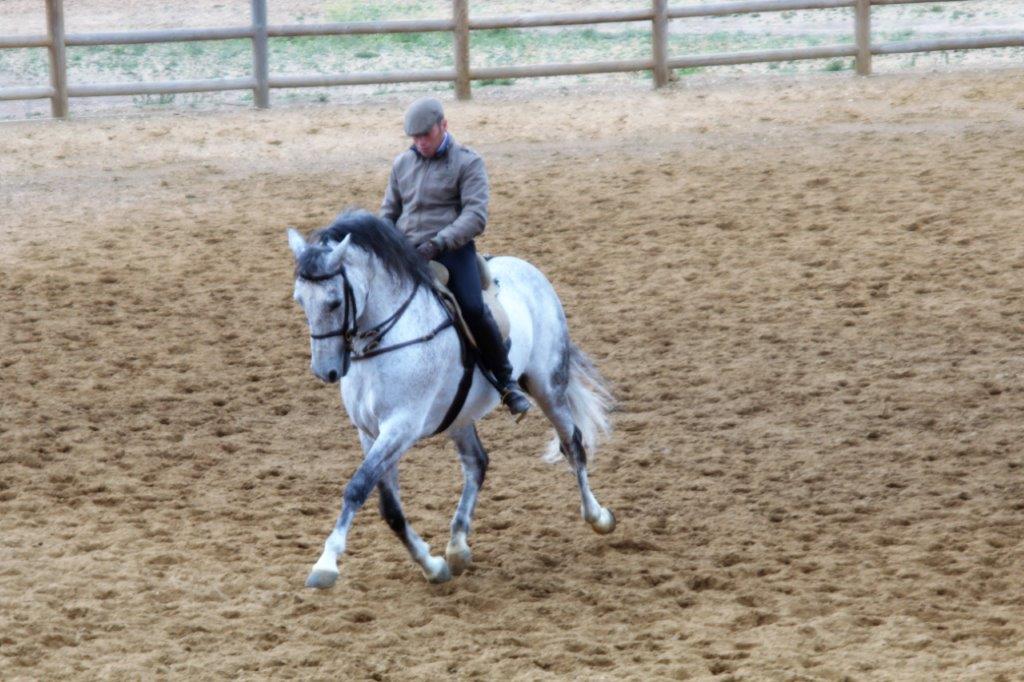
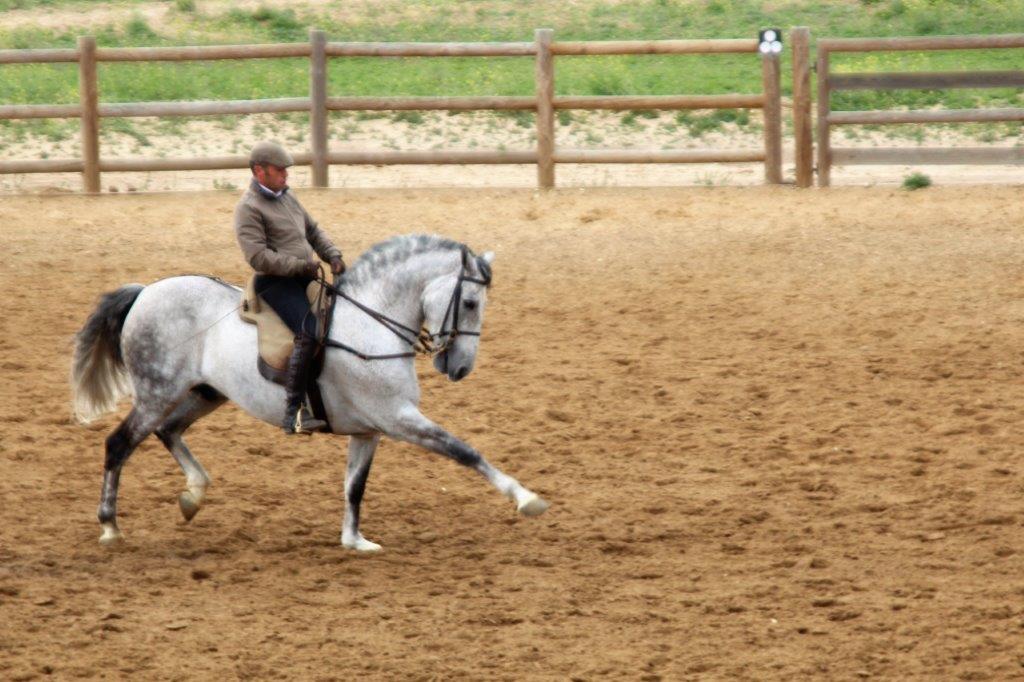
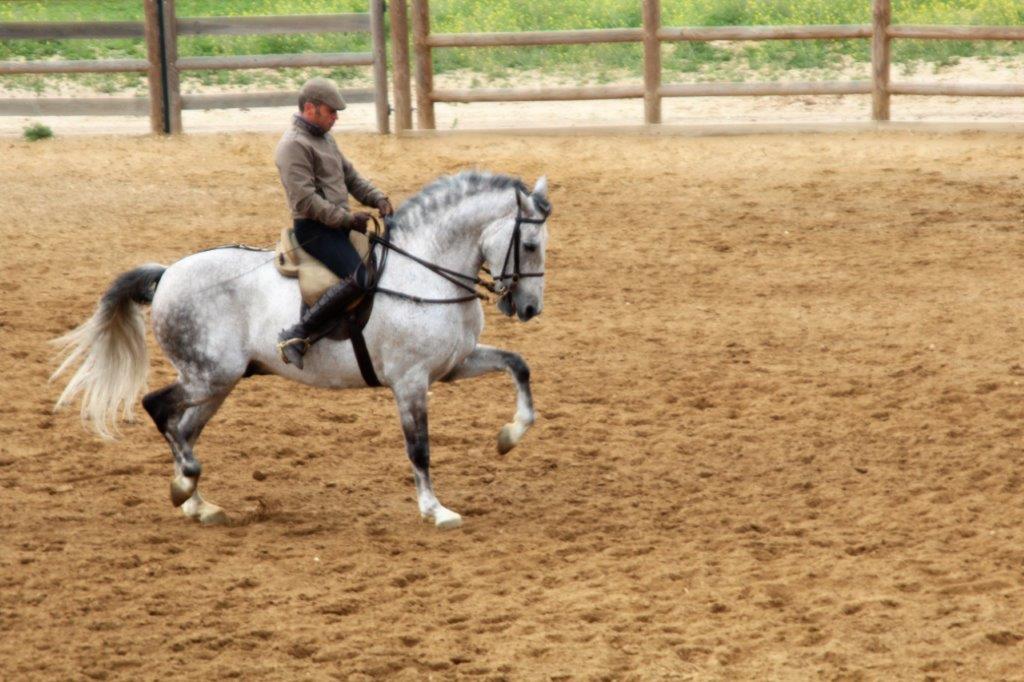
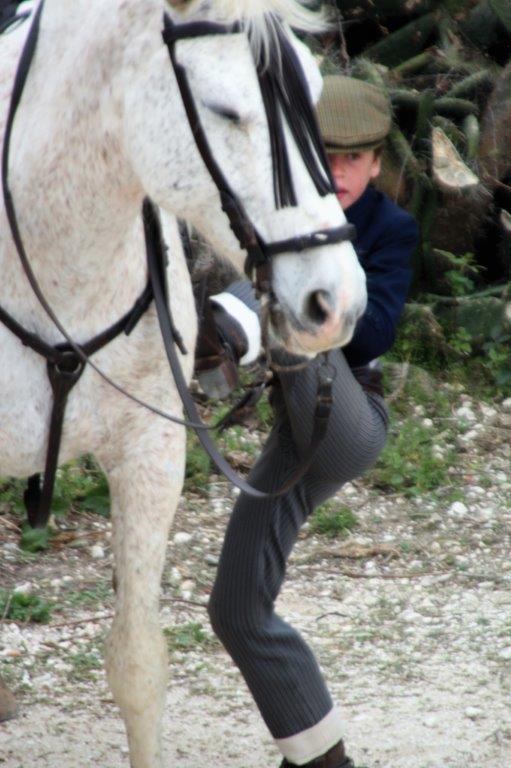
The demonstrations of horsemanship and the beautiful gaits of the Andalusions made for a good show.  Many of the riders were very young, but very comfortable in the saddle. The big bulls and cows are ‘herded’ with a long pole. This young chap was good a balancing that long pole.

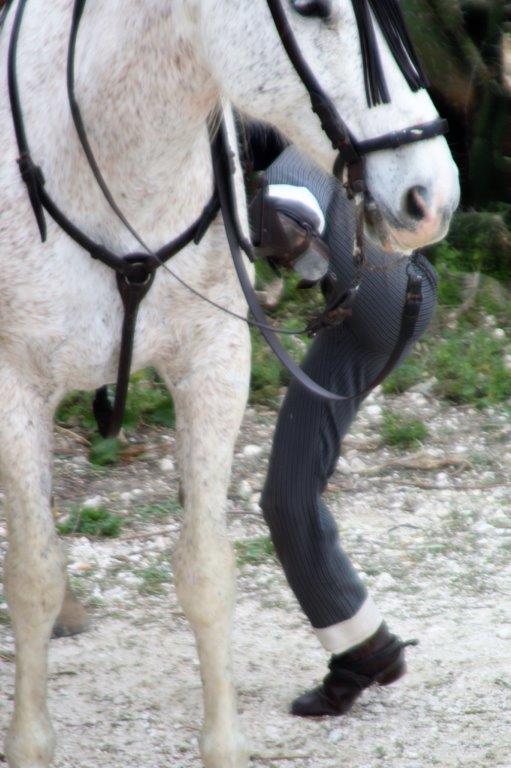
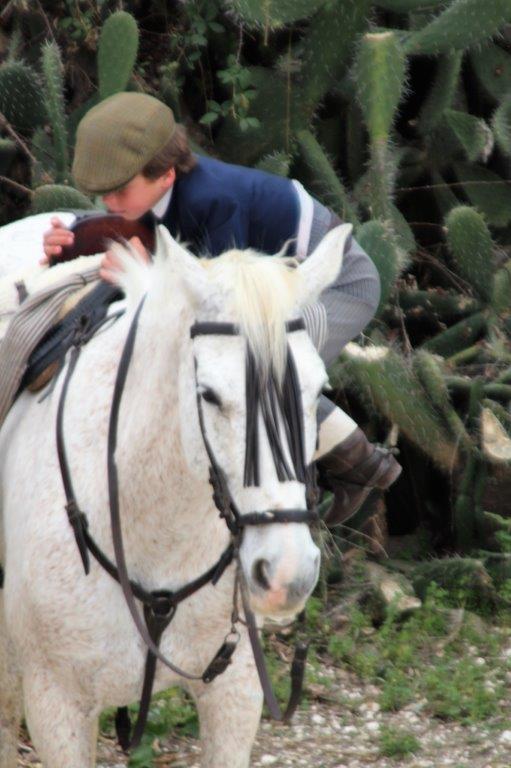
The head riders gave a wonderful example of dressage horsemanship on a couple of beautiful horses. After the show many of the riders went behind the stadium seats and got a drink from the concession stand.  It was quite a stretch to get back on the horse for some of them.

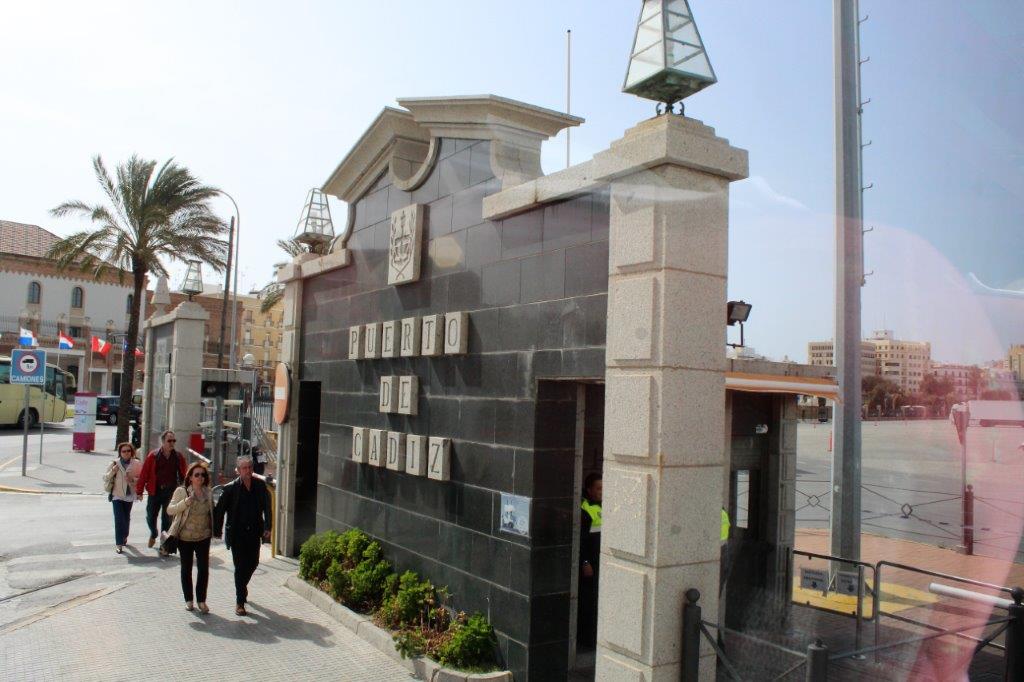
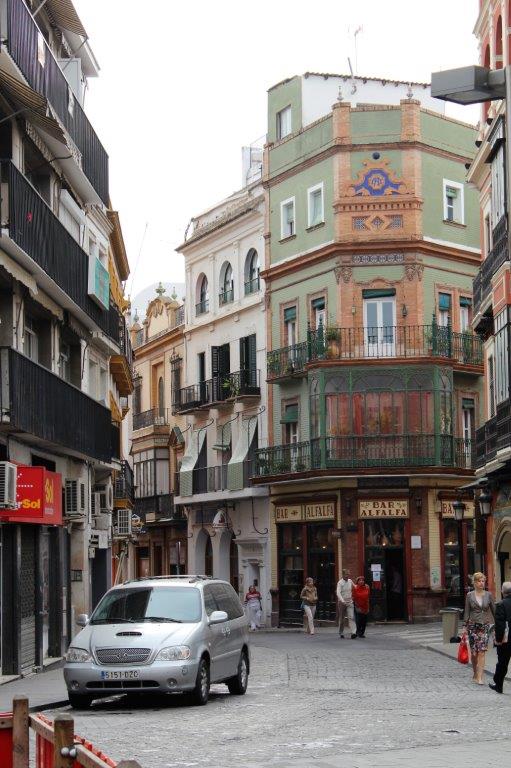
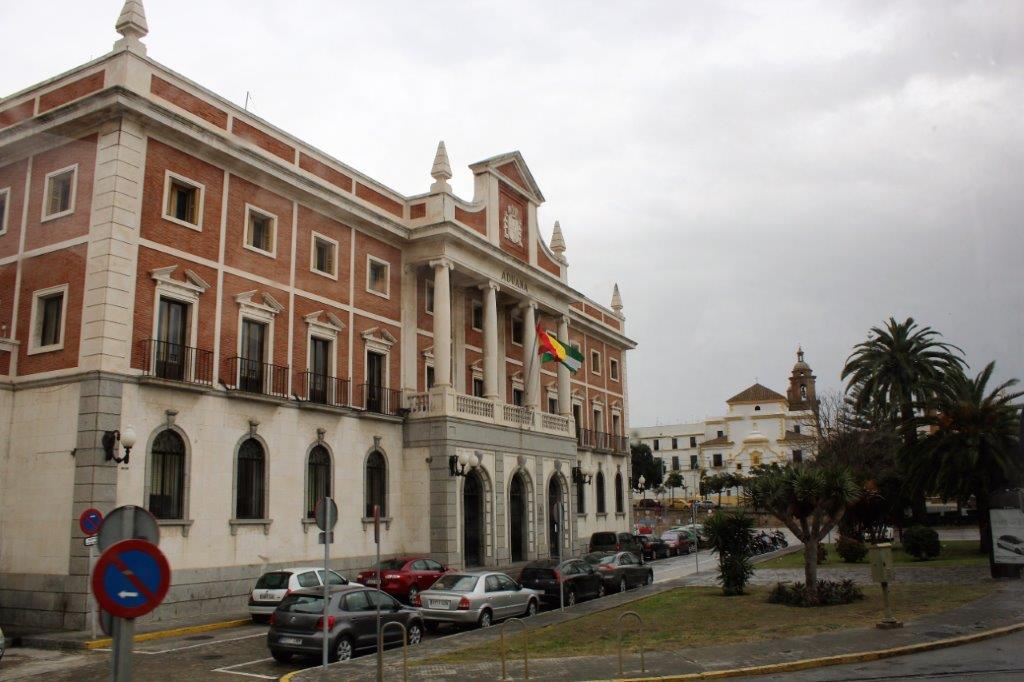
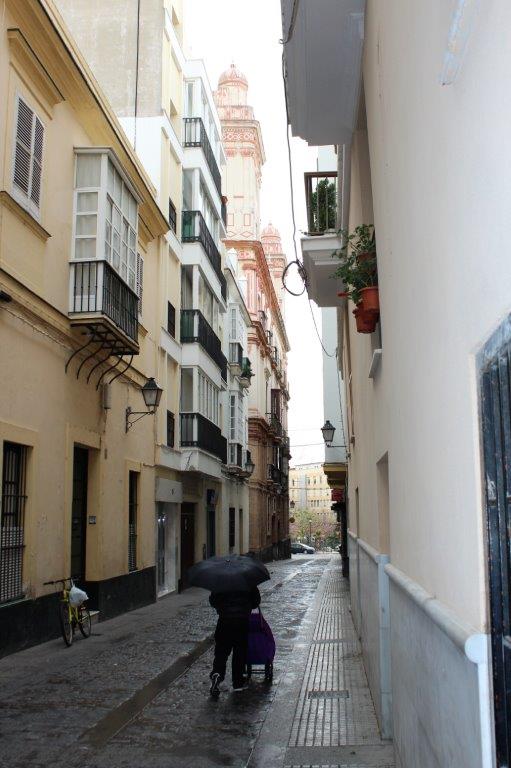
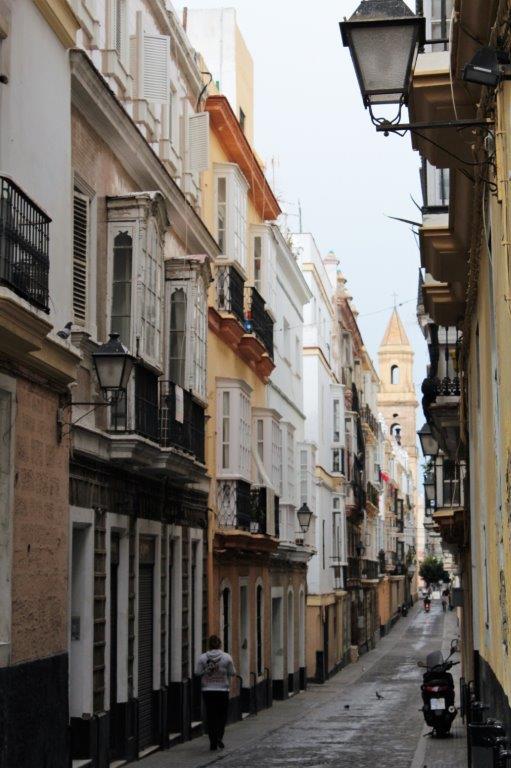
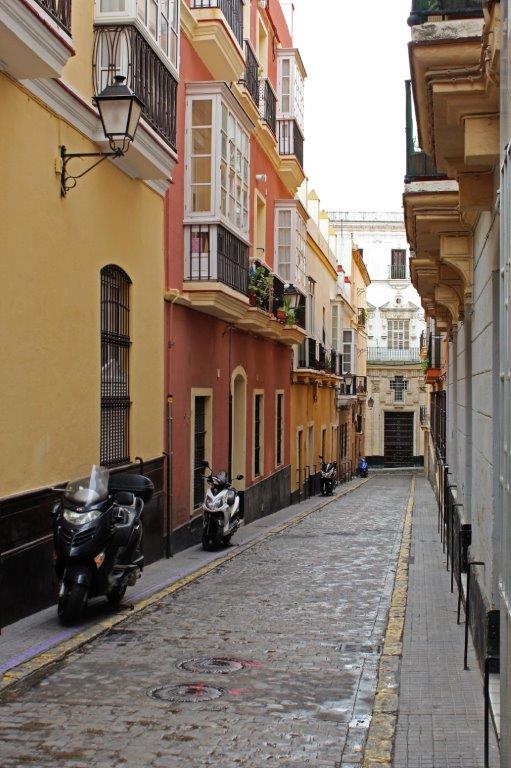
Then it was back on the bus for the ride to Cadiz. After a quick ice cream cone and cookie lunch we set off to explore; city map clutched tightly in hand.  We had been warned that it is very easy to get lost in an old town such as Cadiz.  (It was founded by the Phoenicians in the 14th century and is the oldest continuously inhabited city in the Western world.) There is no pattern to the streets, no cross streets and tall, close buildings that block sight lines.

This was an intentional protection technique used by towns and villages that were frequently attacked by invaders and pirates.  The locals knew how to navigate the streets but strangers would get hopelessly muddled thus giving folks time to hide or prepare defense attacks.

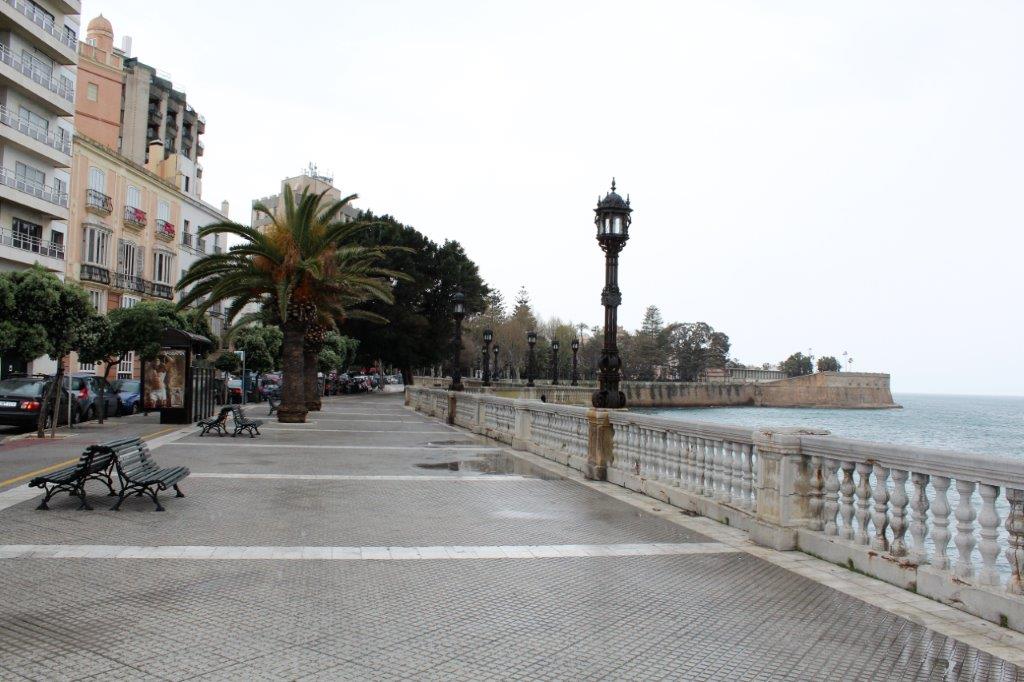
We made a leisurely loop around the peninsula of Old Cadiz keeping to the sea side on our way out and returning through the center; arriving back at the ship an hour and a half later.

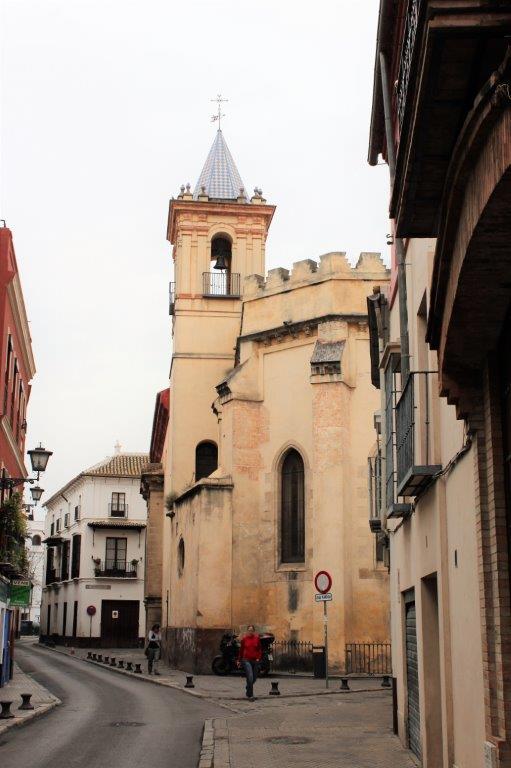
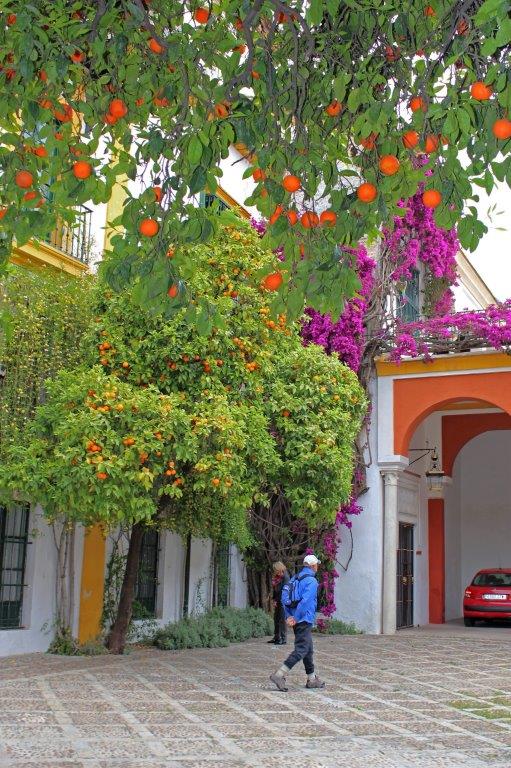
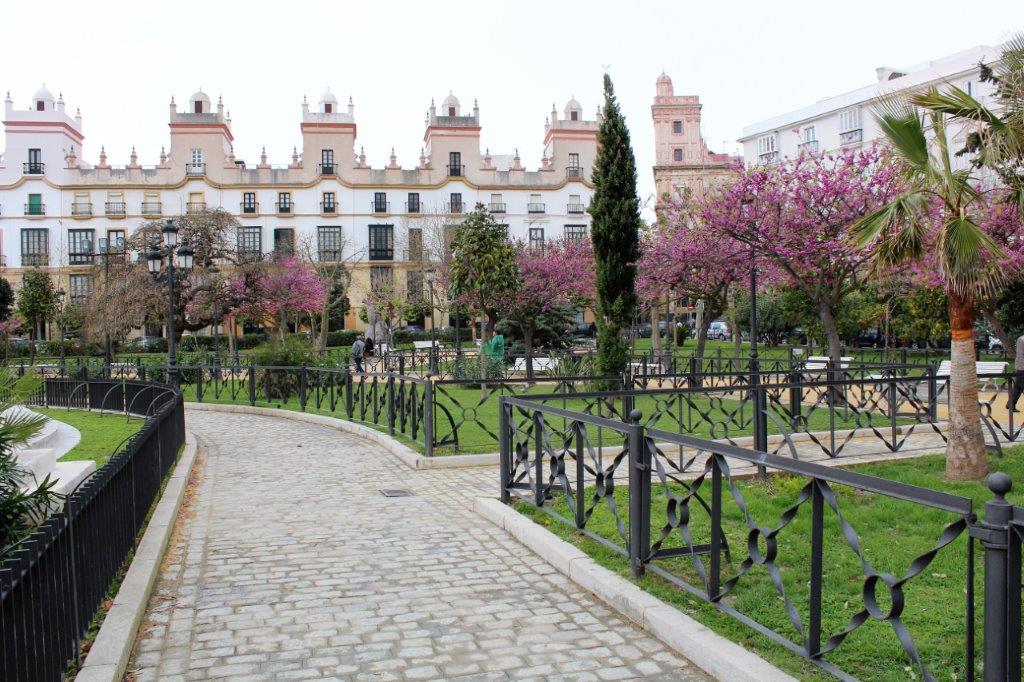
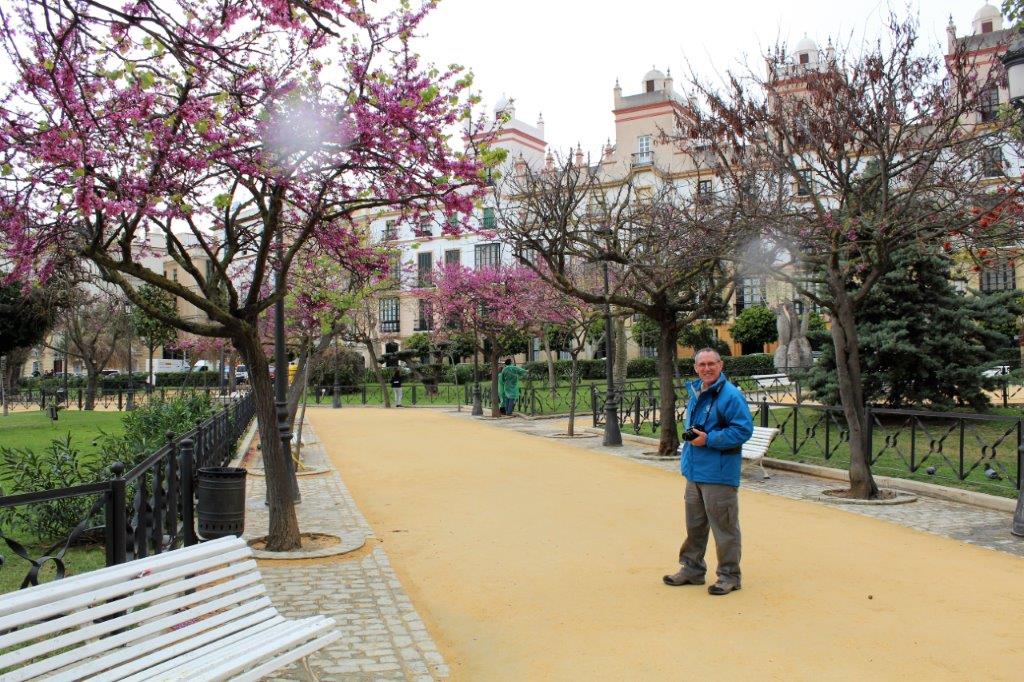
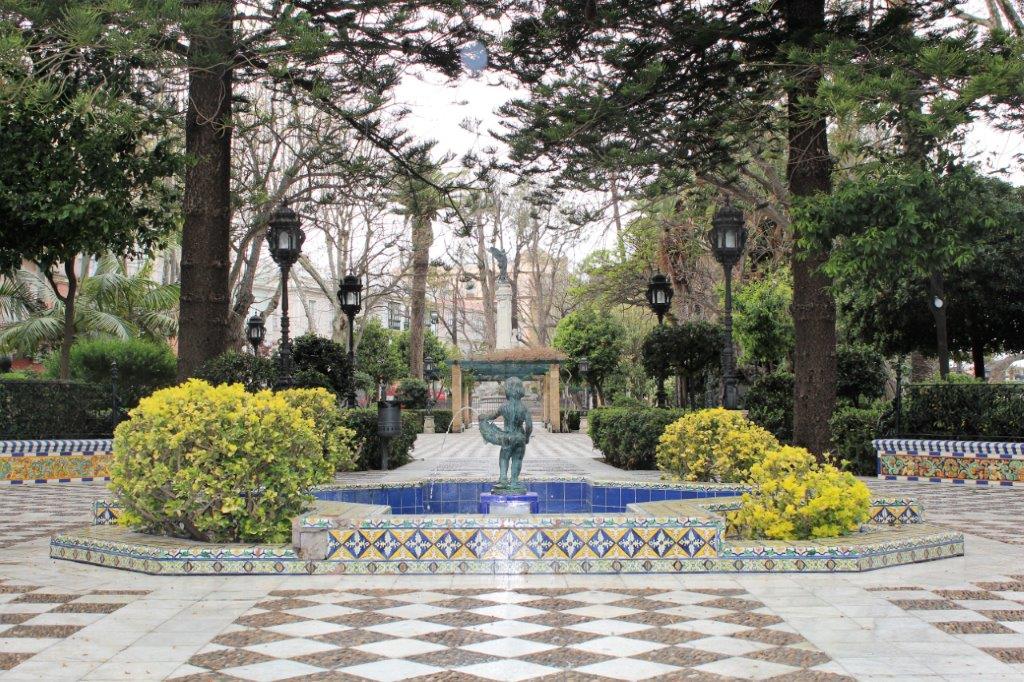
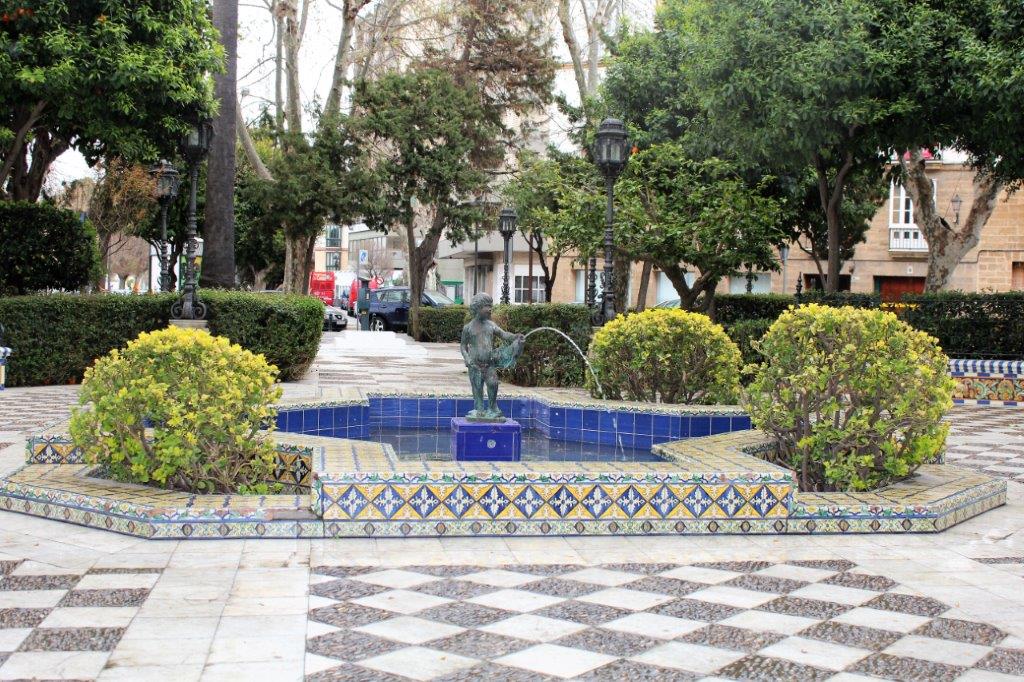
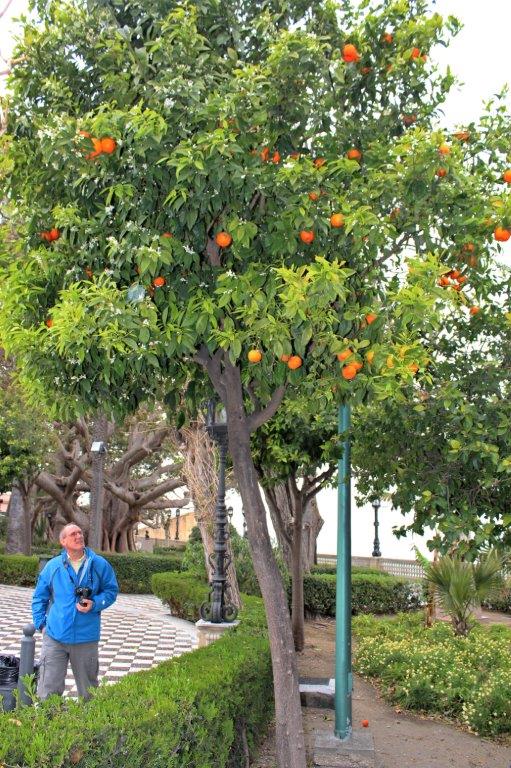
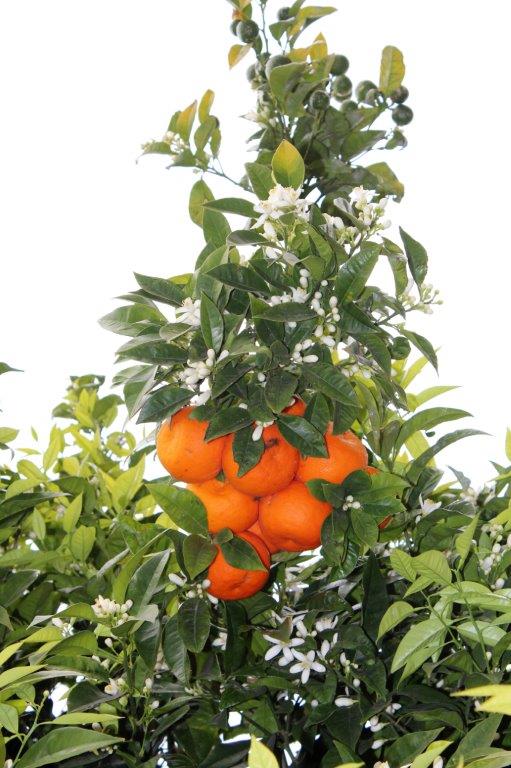
The blossoms on the trees in the Plaza de Candelaria were very pretty. Notice the rain spots on the camera lens.  It quit awhile later. Tempting as it was to sample one of the oranges hanging on the trees we resisted.  These oranges are very sour. They are used for marmalade.

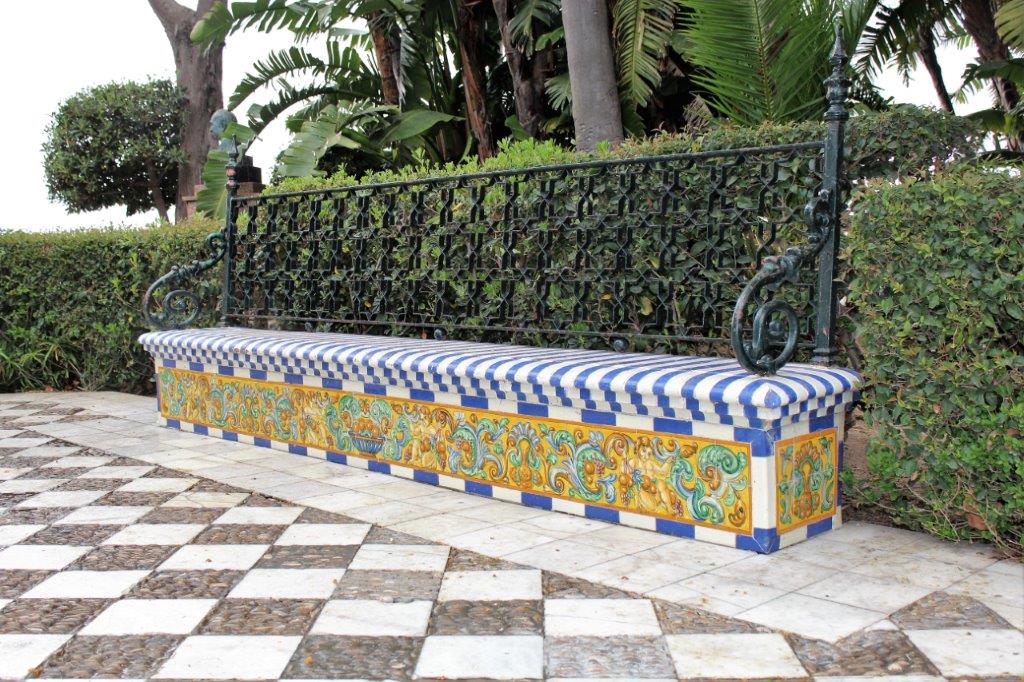
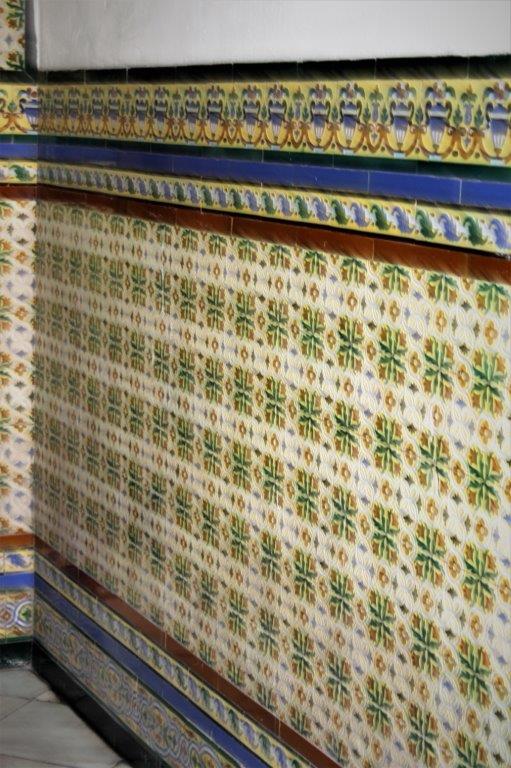
All the entrances to upper stories in the buildings were walled with beautiful colourful tiles. Back on board it was time for dinner and sorting the many, many photos we took that day before heading to bed.  8:30 am tour into Seville the next day.


2012 March 21 – Day 10 – Funchal, Madeira

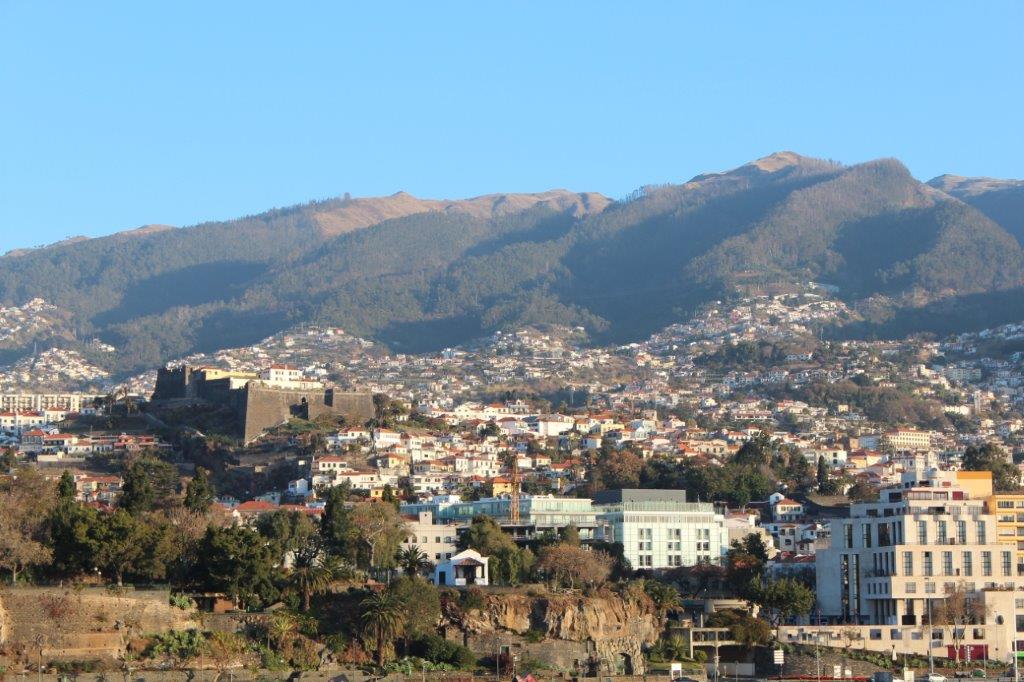
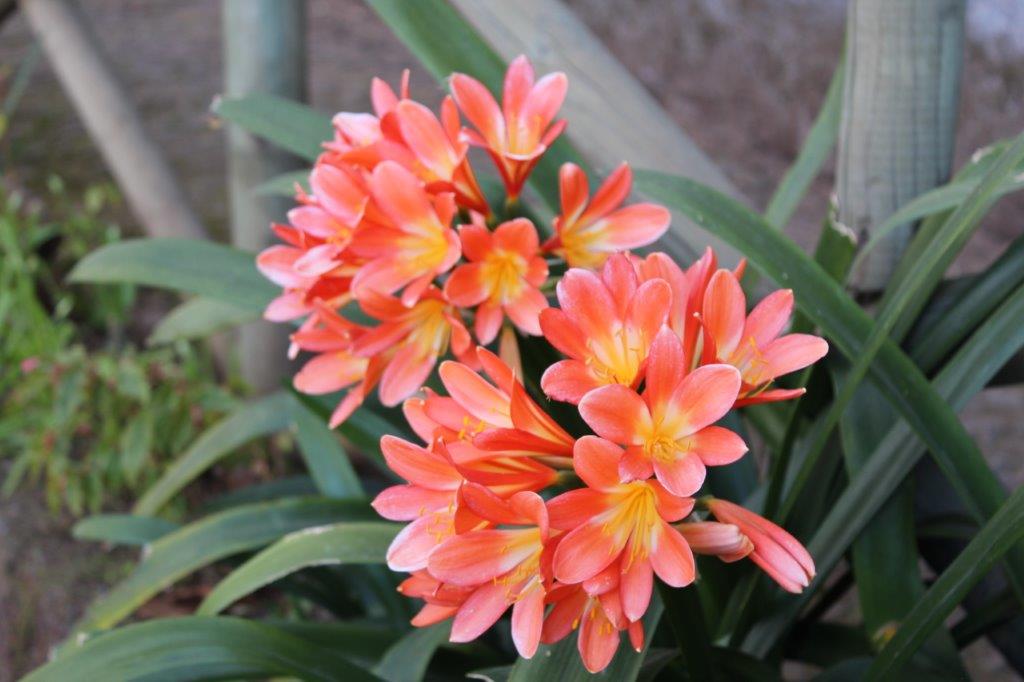
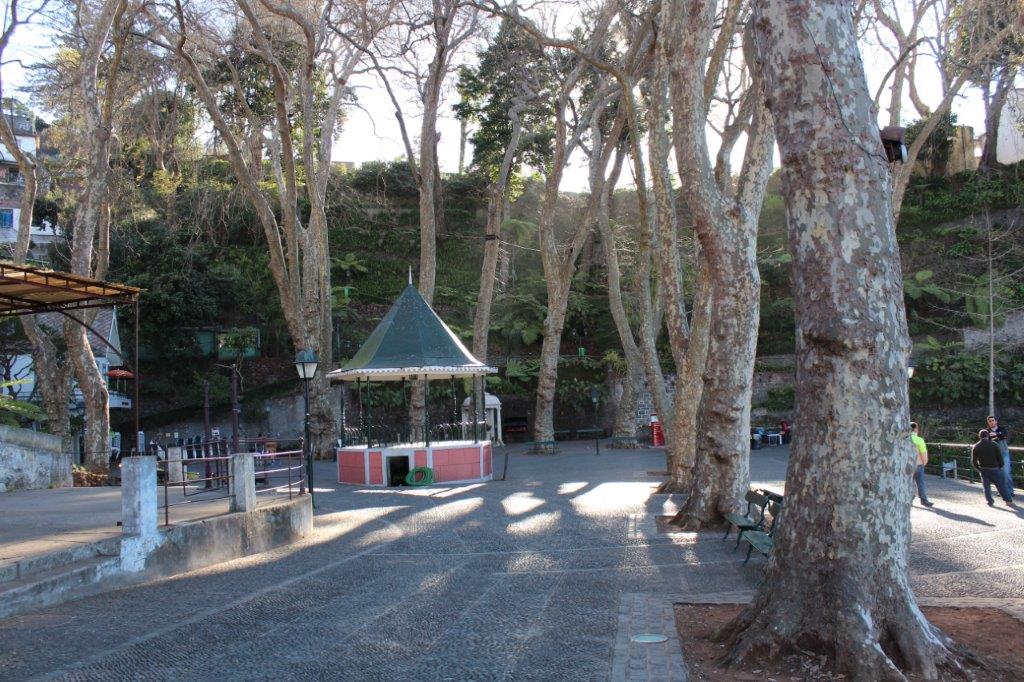
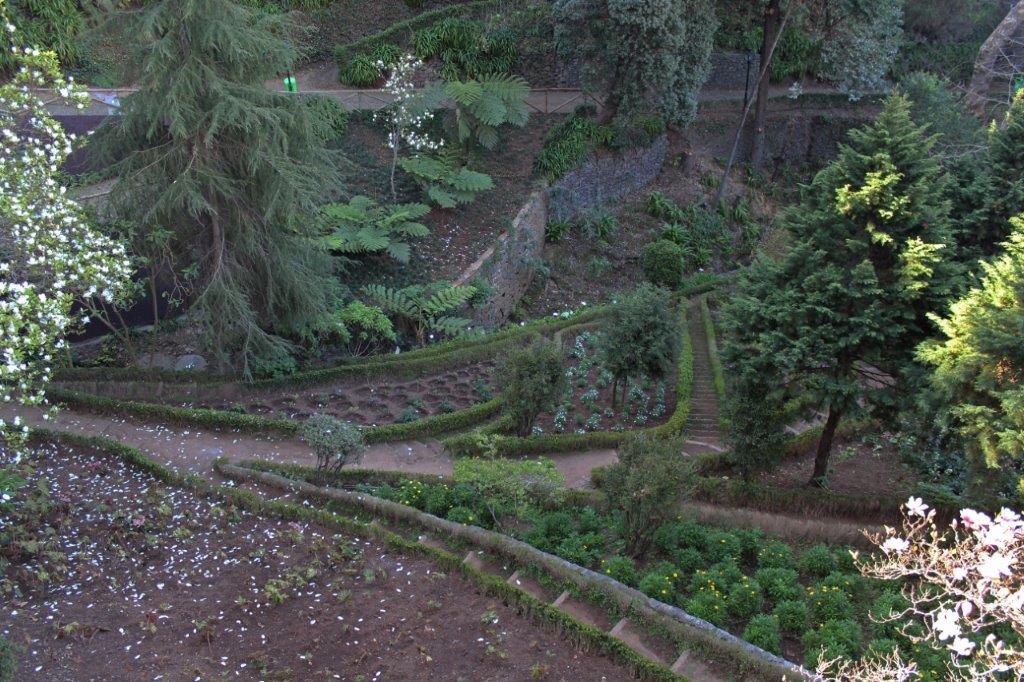
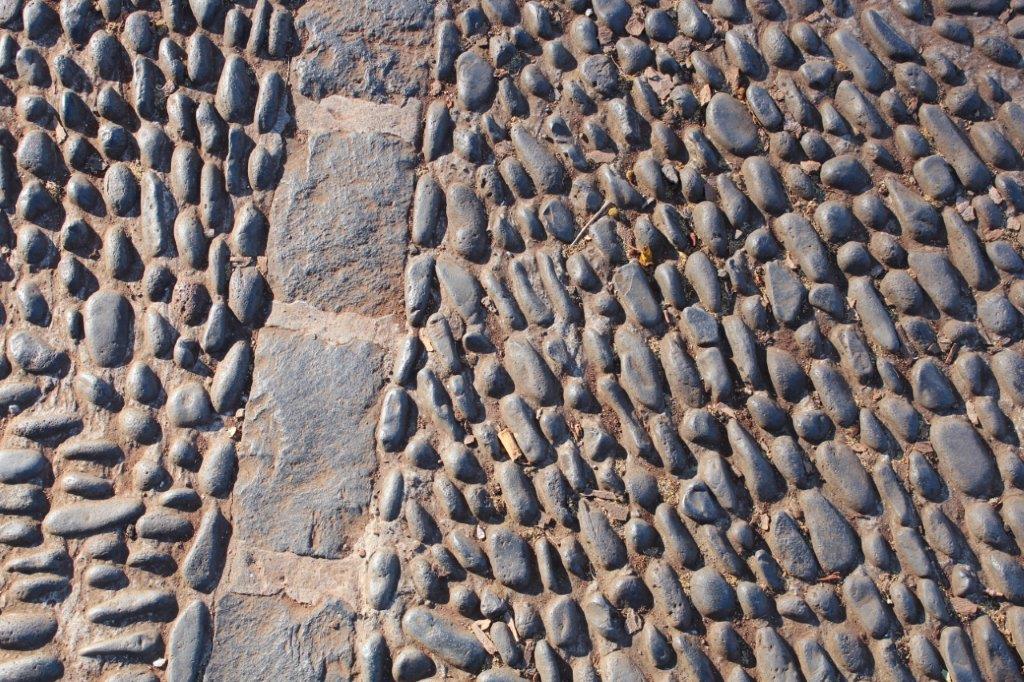
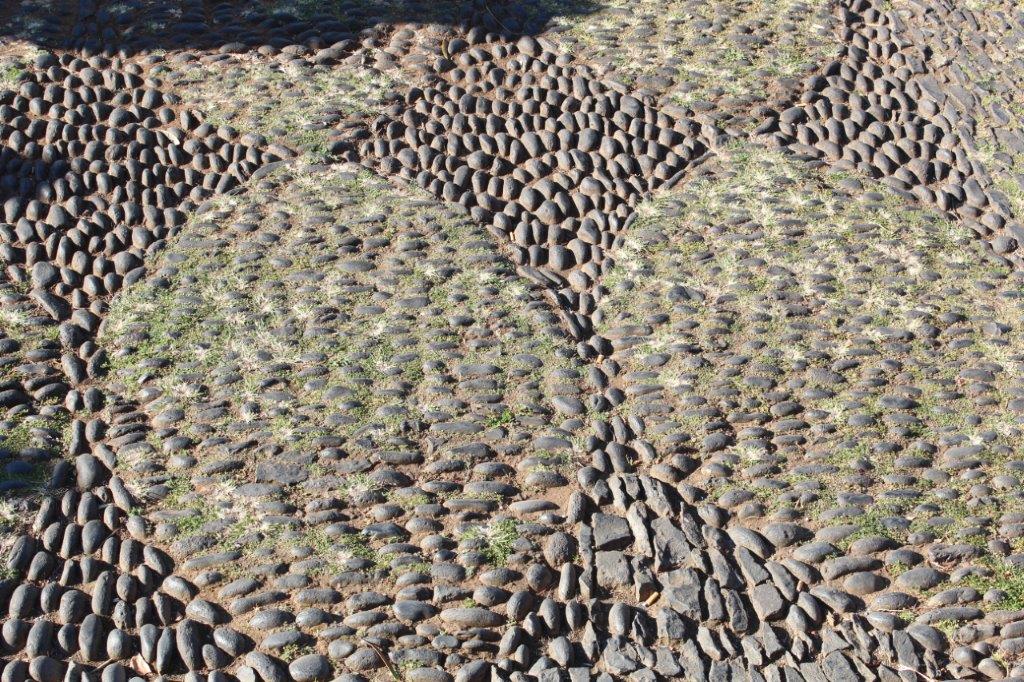
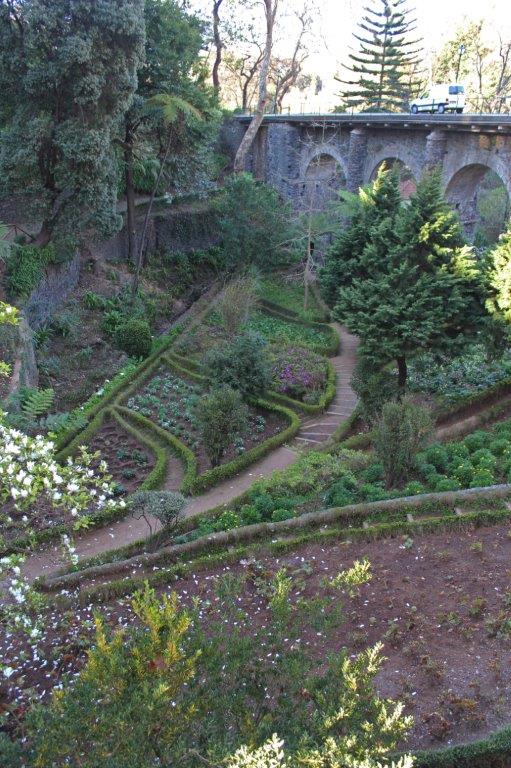
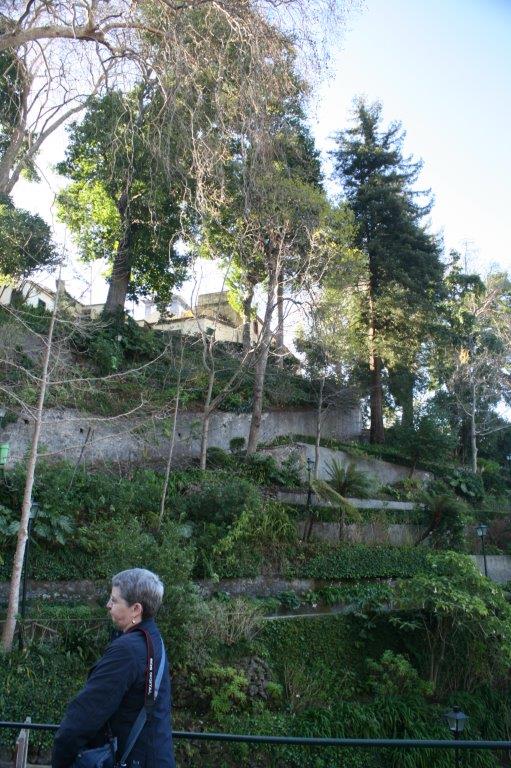
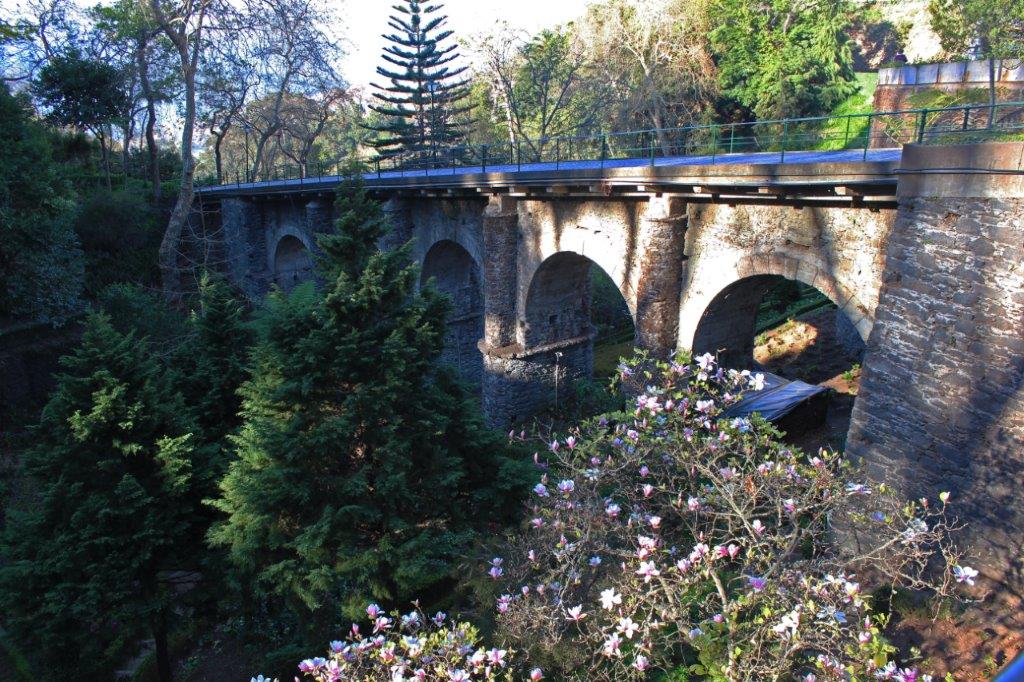
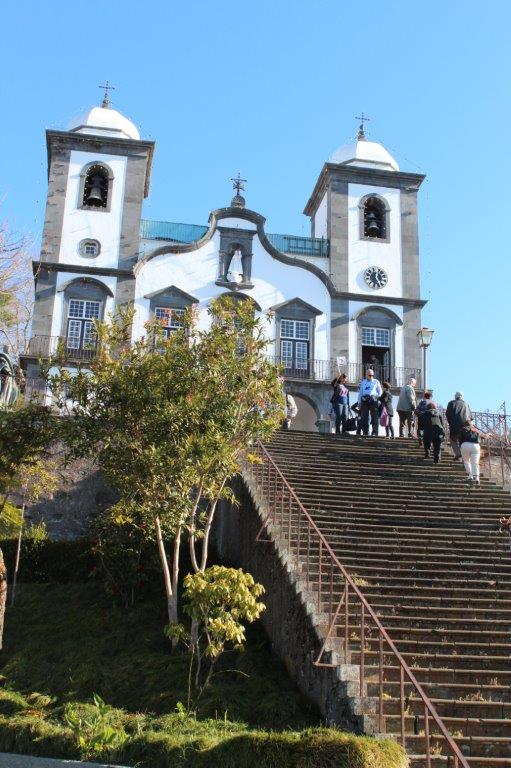
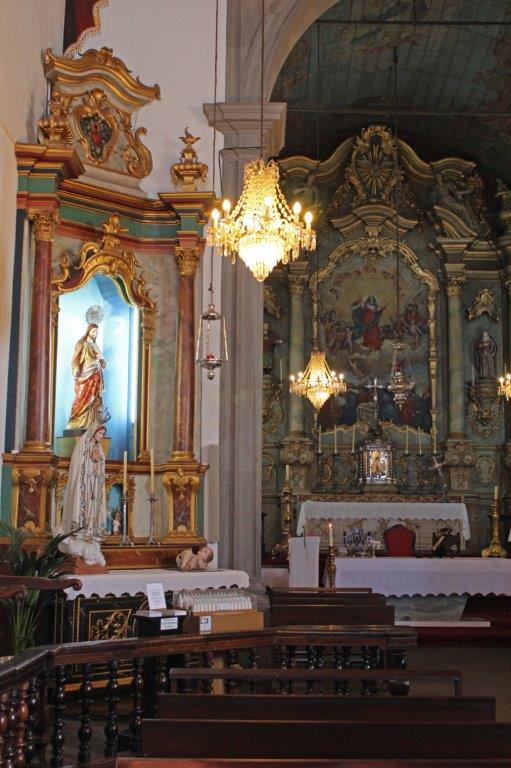
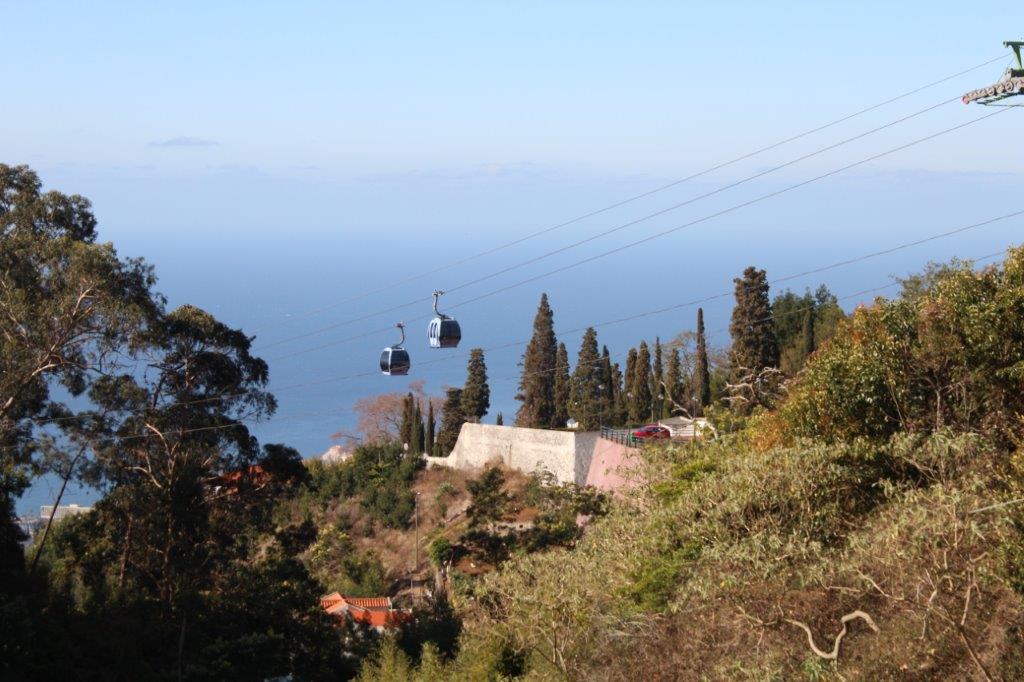
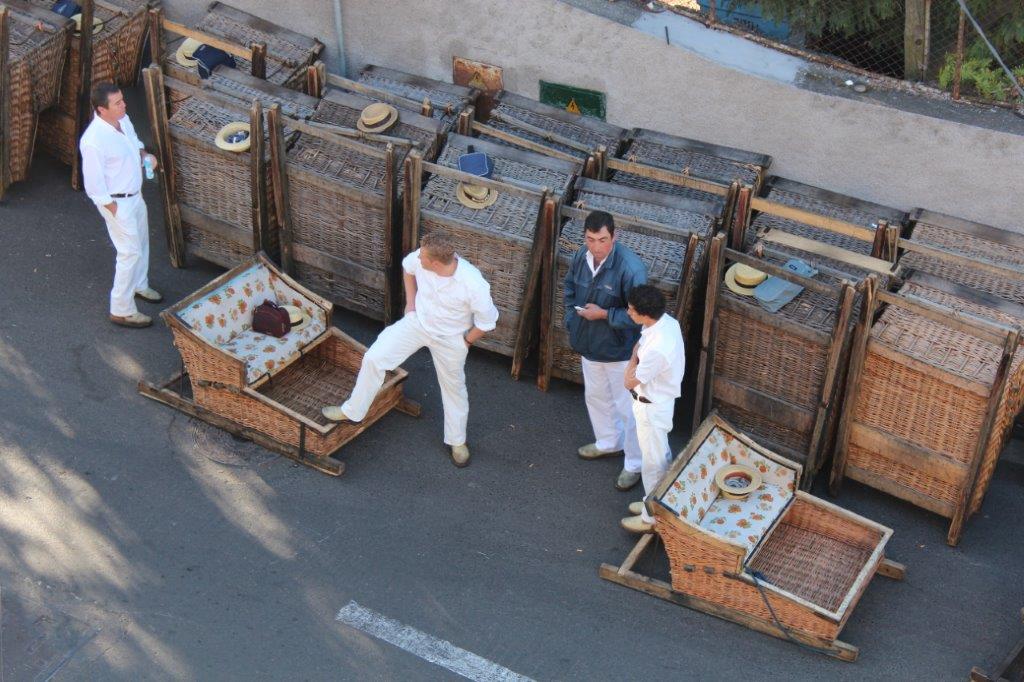
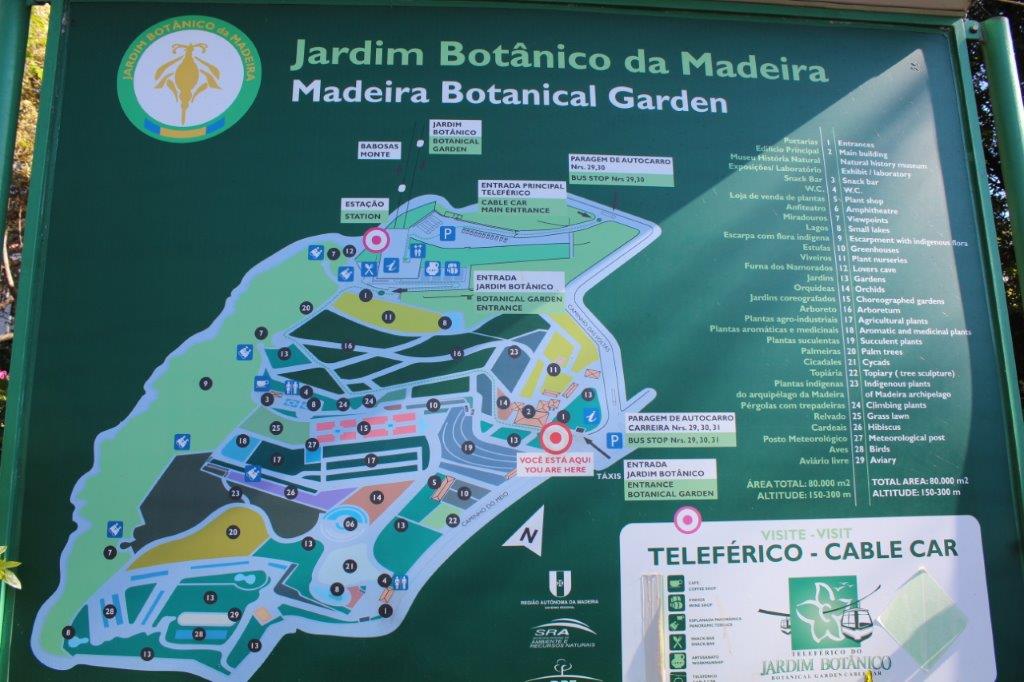
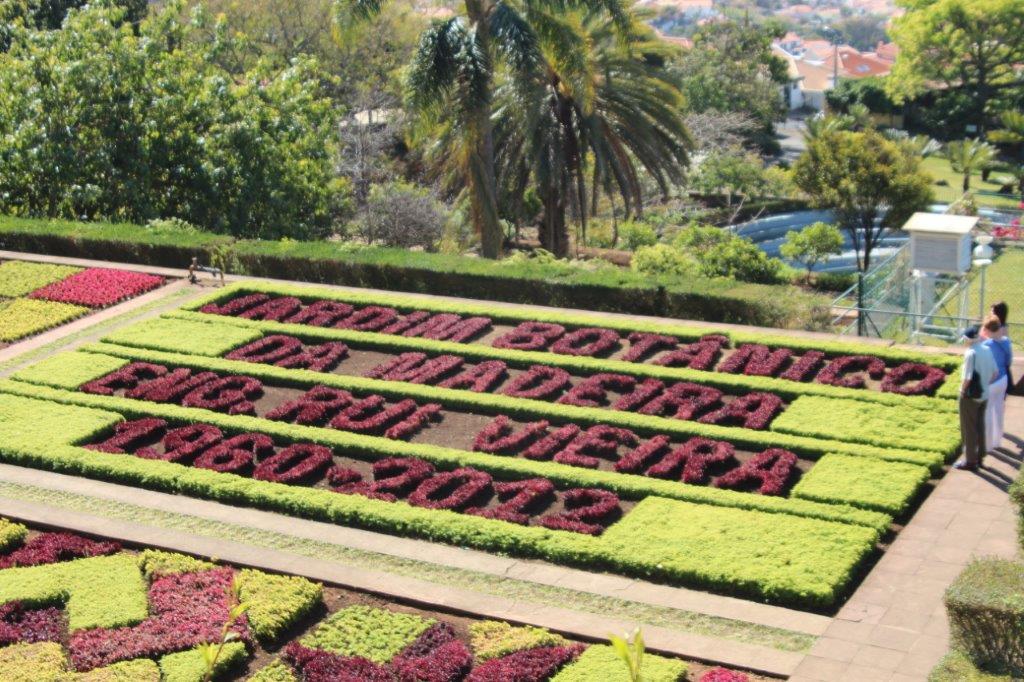
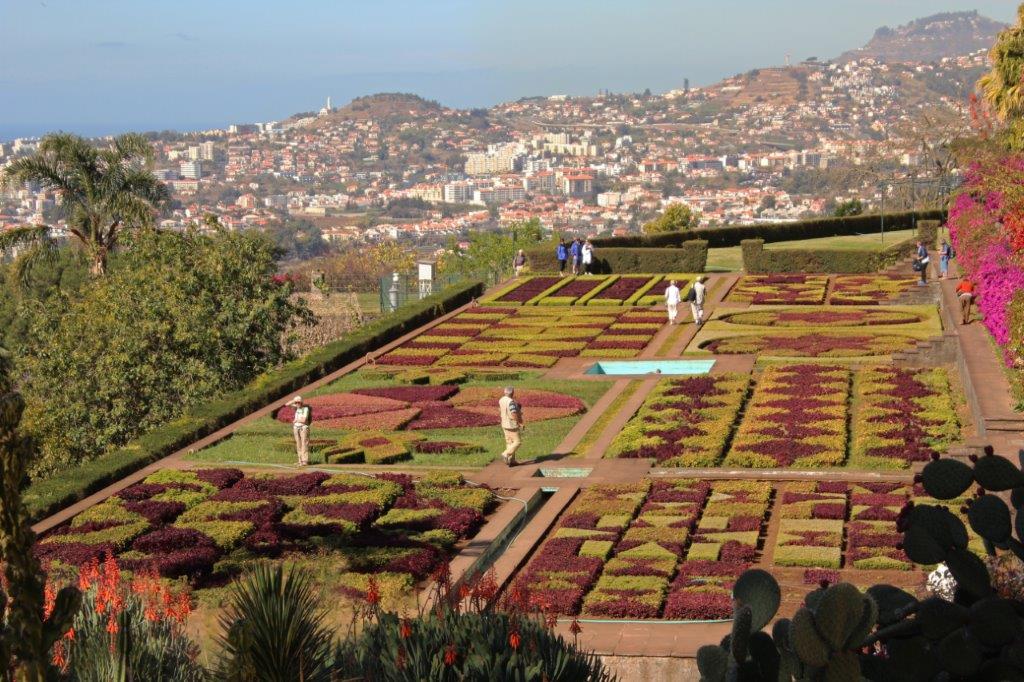
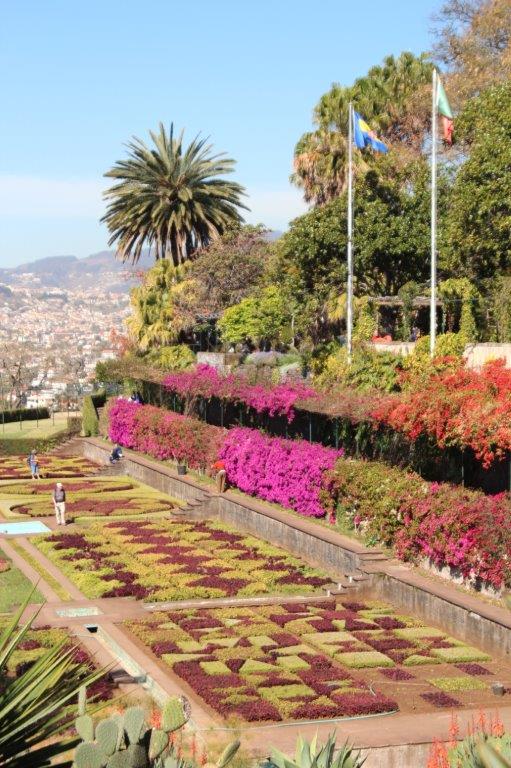
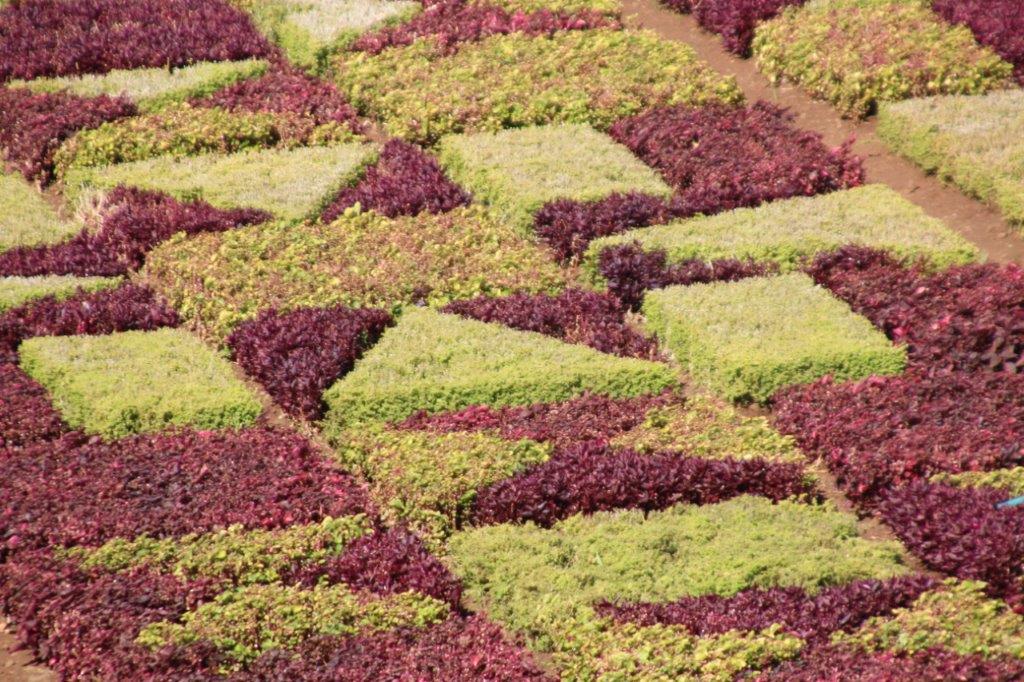
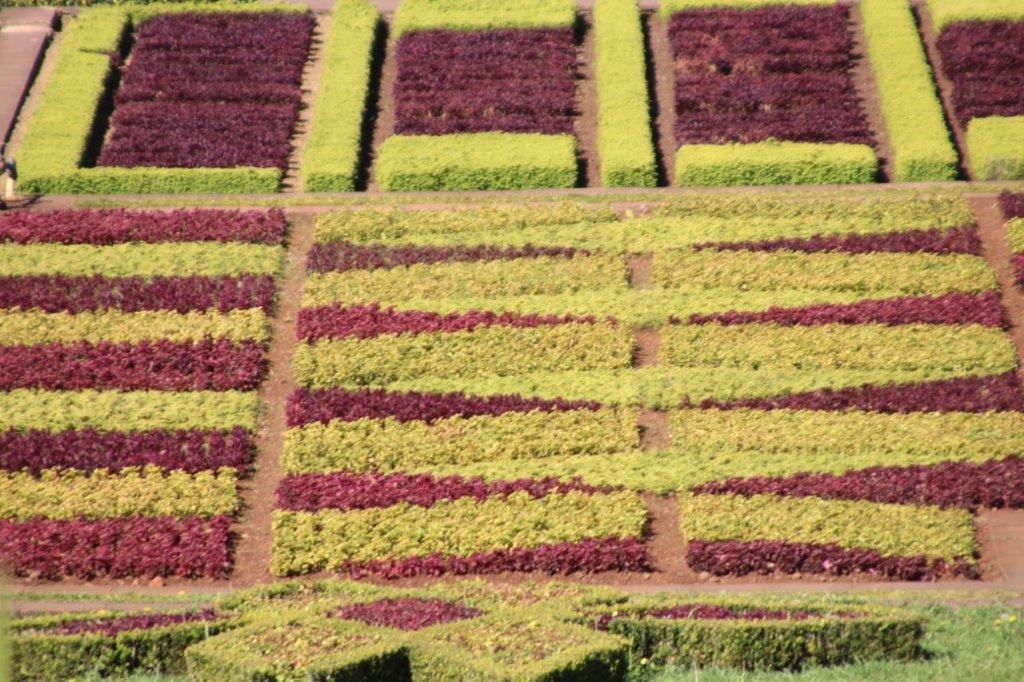
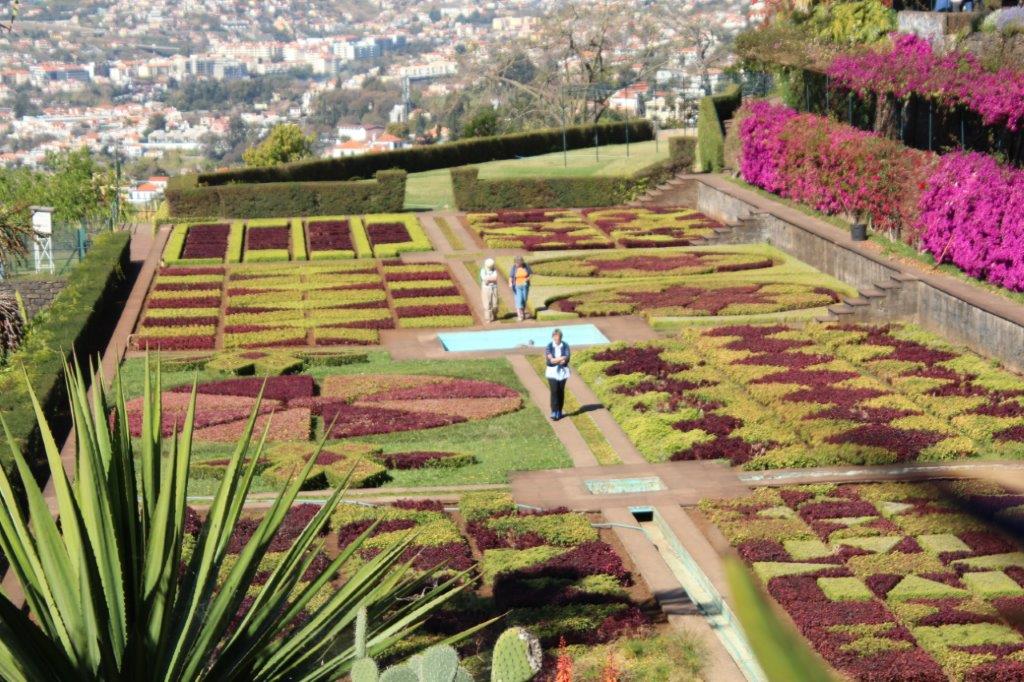
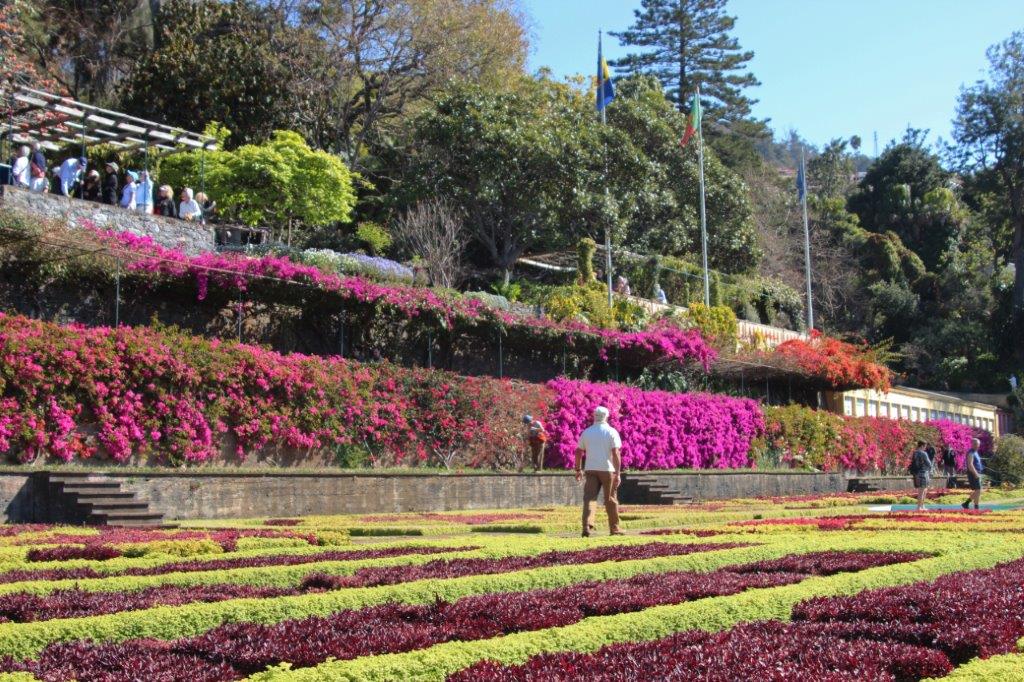
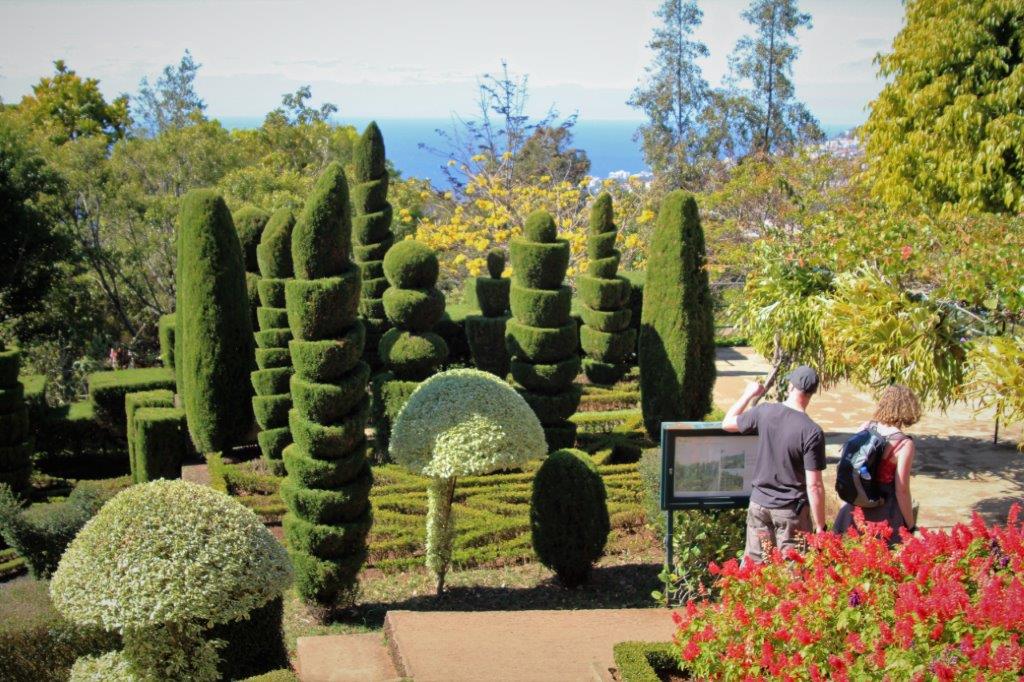
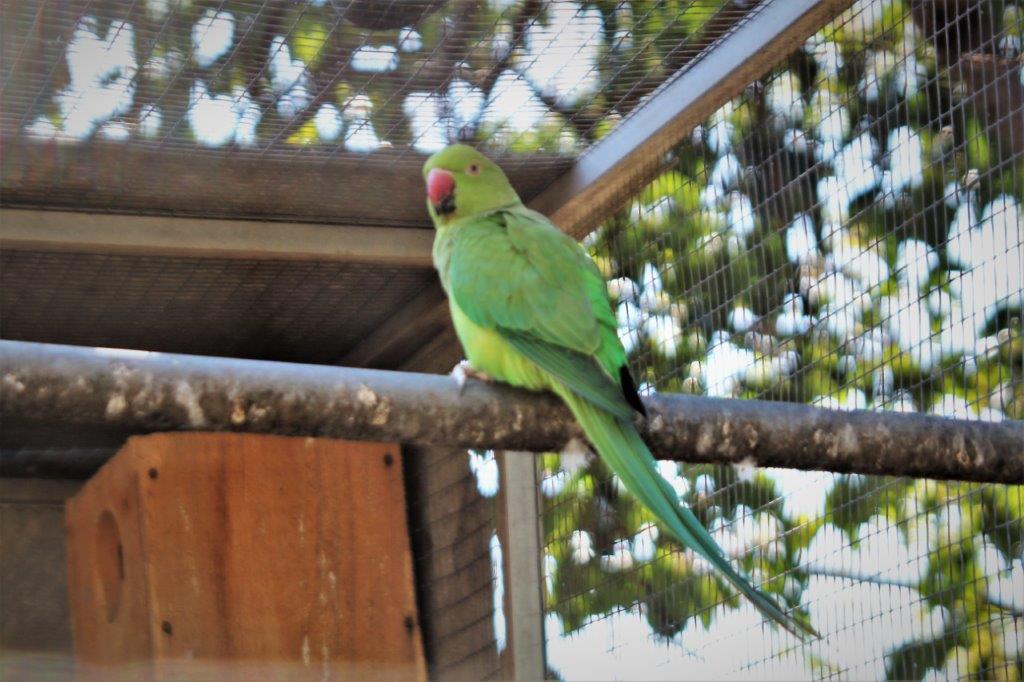
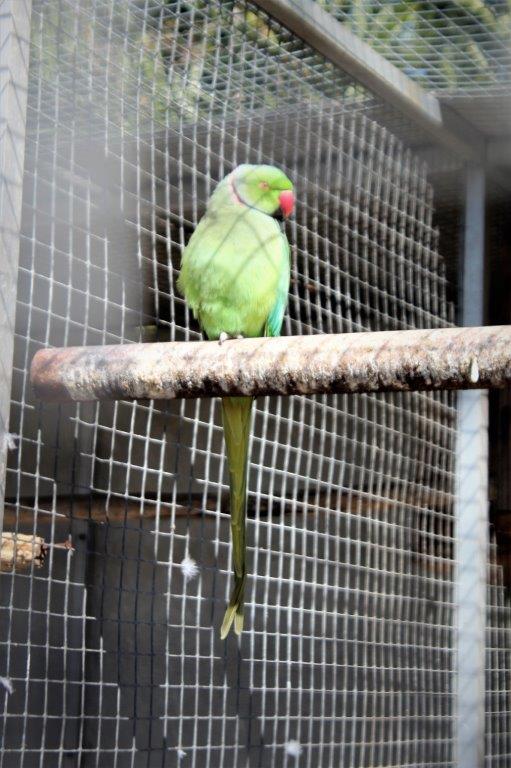
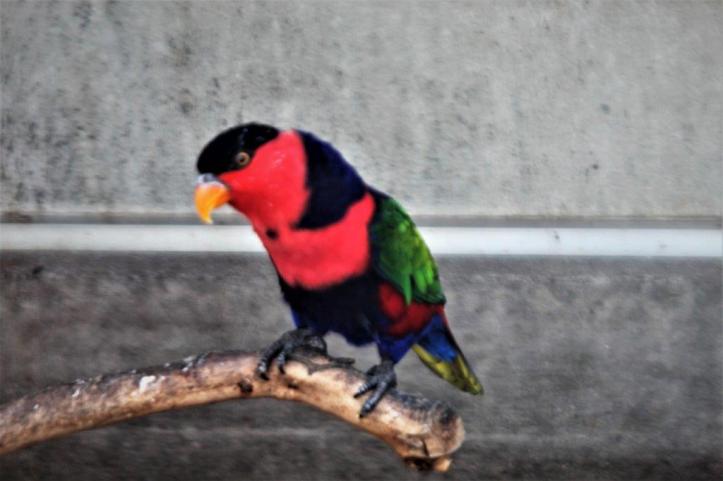
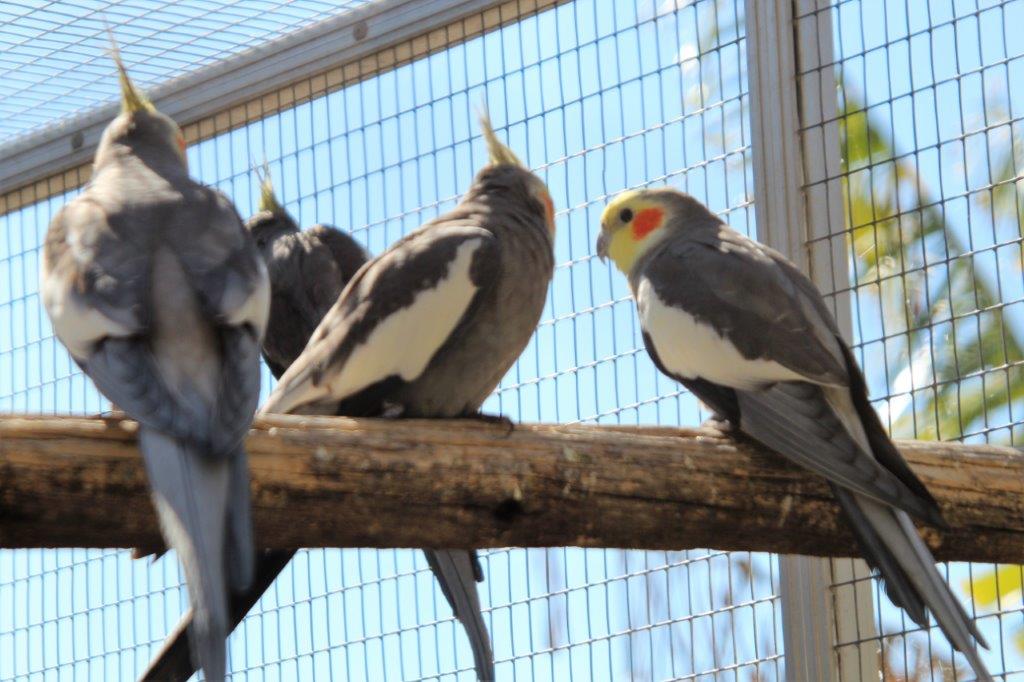
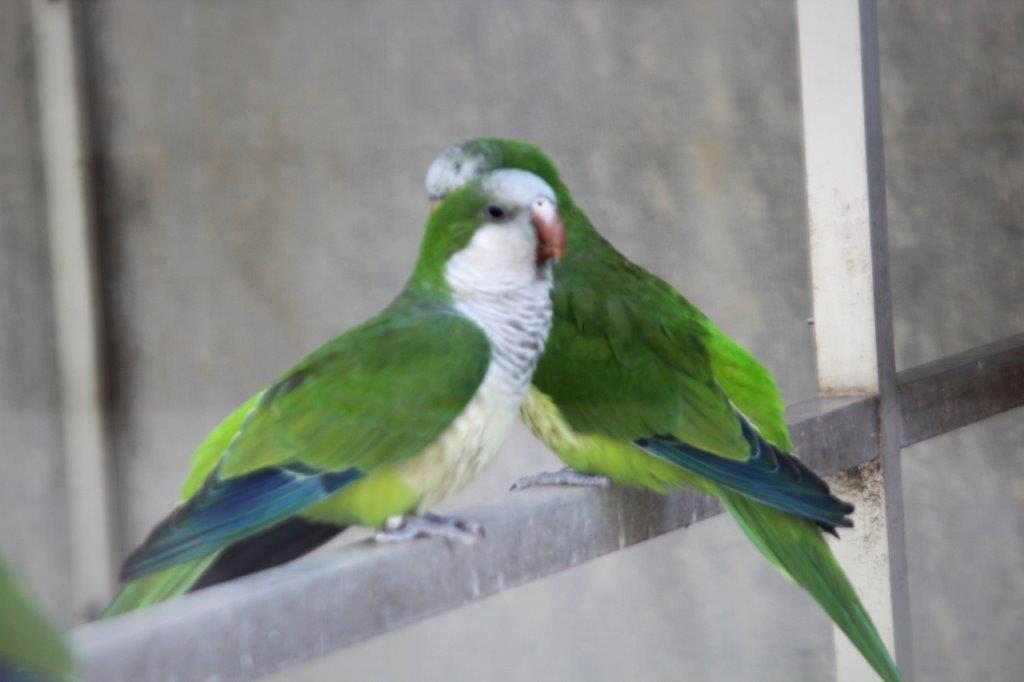
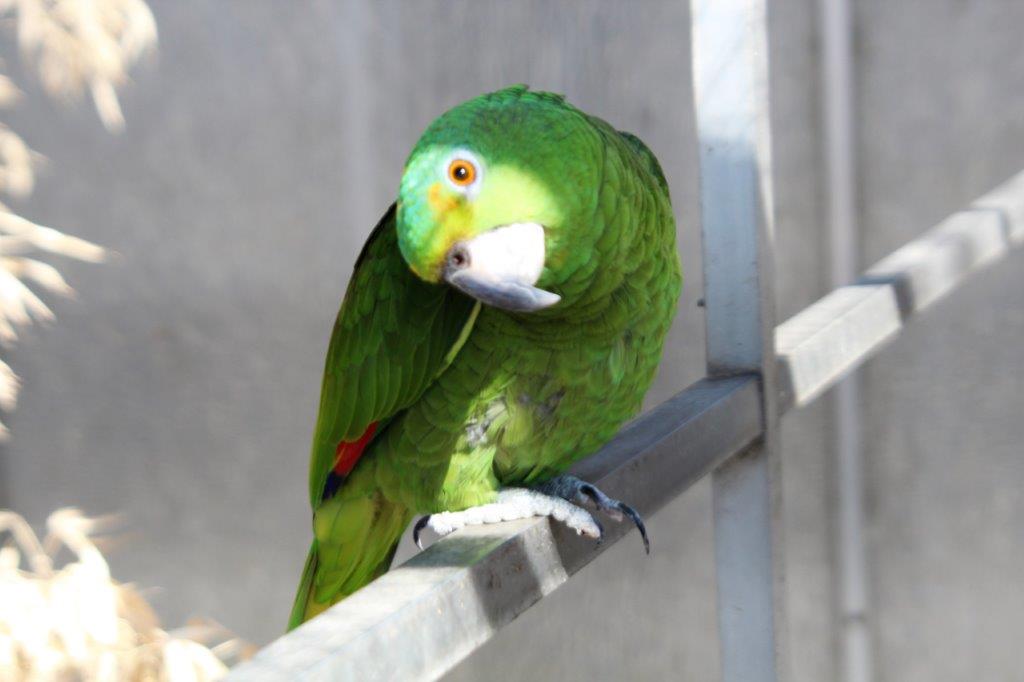
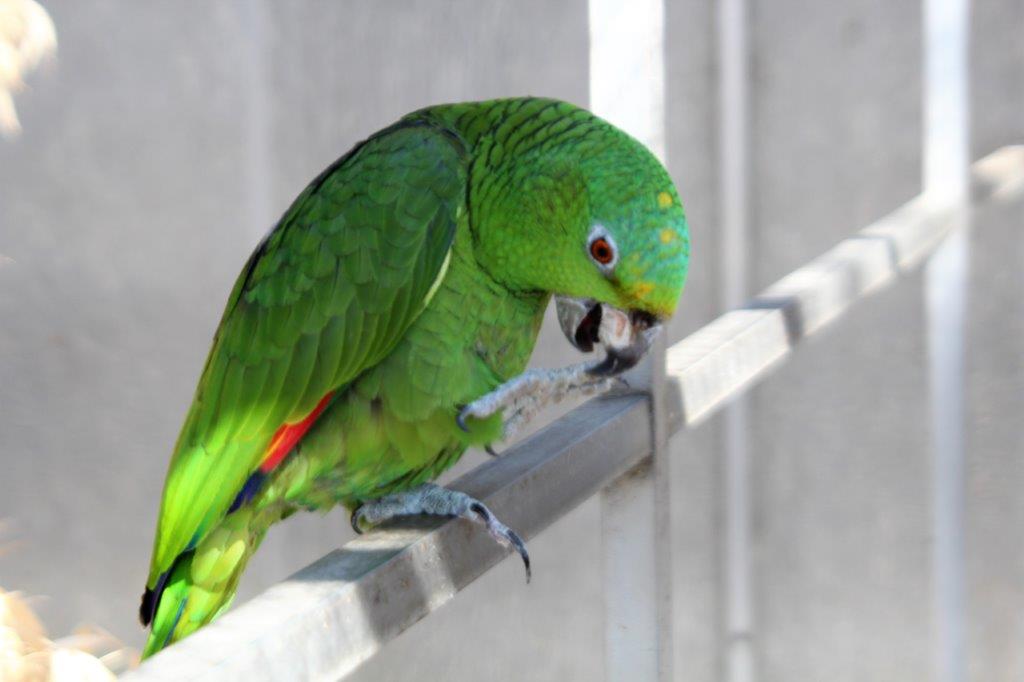
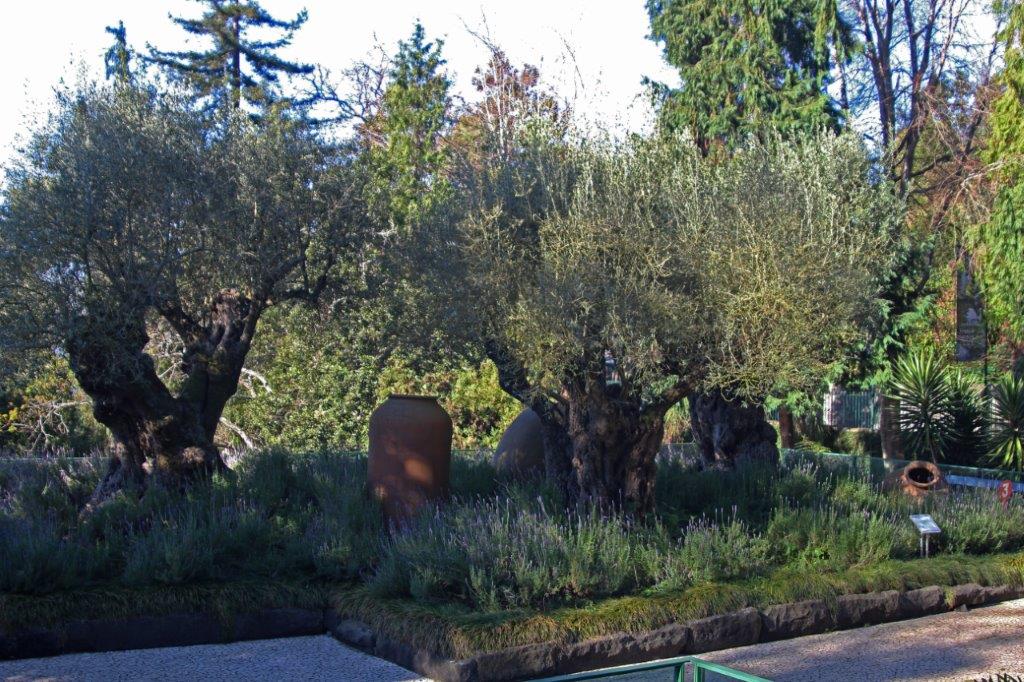
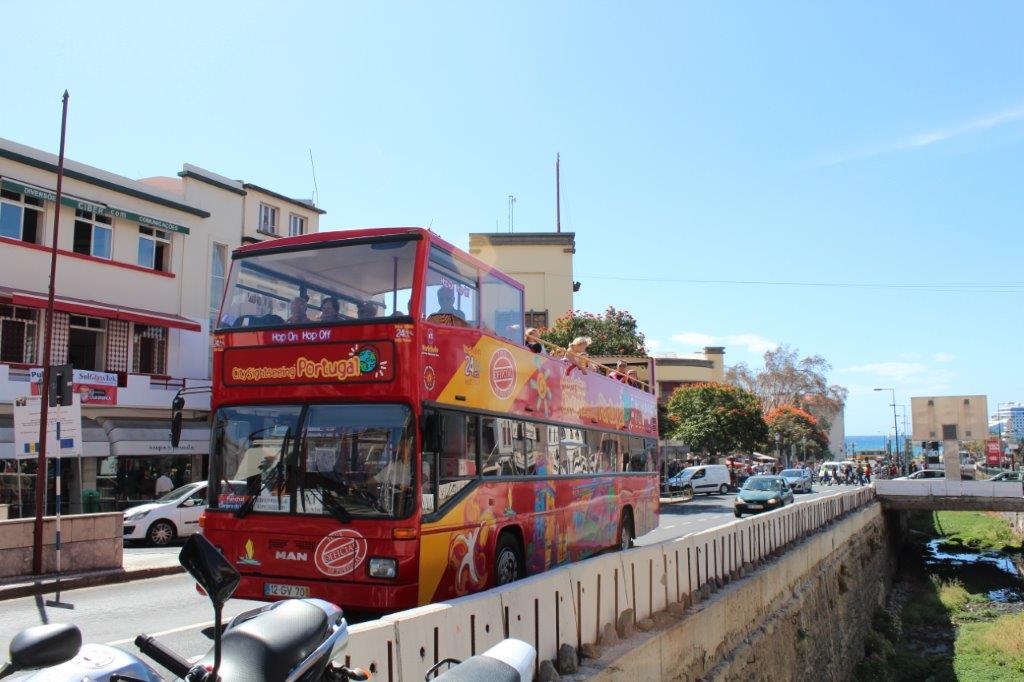
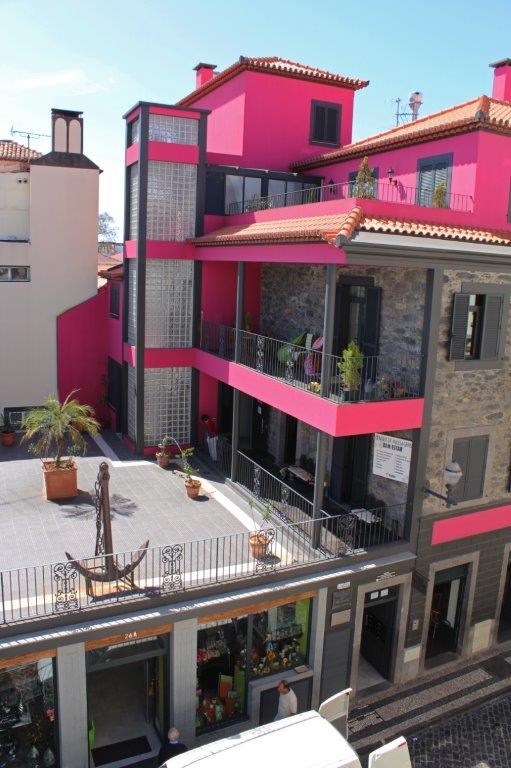
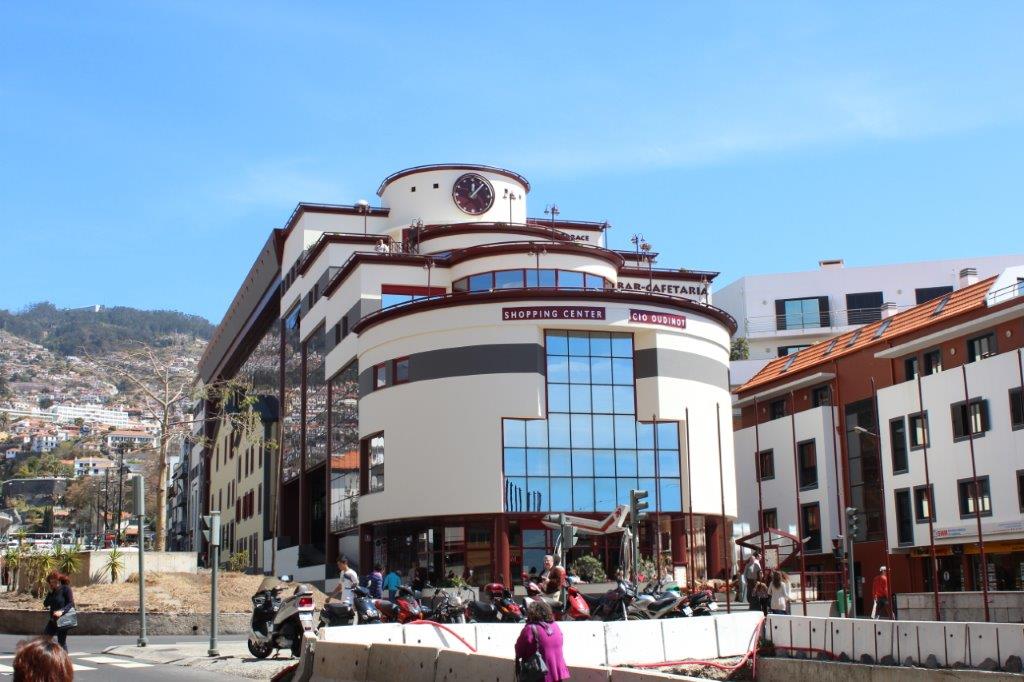
The archipelago of Madeira is located 1000 km from the coast of Portugal and 800 km from Africa.  Discovered in the 1400s by the Portuguese, the four islands are an autonomous region of Portugal.  Madeira is volcanic, green and rugged, with high cliffs and a warm subtropical climate; which has earned it the nickname “The Floating Garden.”  We enjoyed a beautiful day.Our 4 1/2 hour tour was called Botanical Beauty and departed the ship at 8:15 am.  We were first driven inland to the small town of Monte and a short stop at Monte Palace Gardens.  When I see workmanship like this I think of all the people that had to find, sort, and place all these rocks to make the streets.  Amazing. Next stop was Our Lady of Monte church.  This beautiful church is featured in much of the tourism advertising of Madeira. After touring the church we walked to the cable car station for our ride back to Funchal (Foon-kaal – a hard ch ‘k’ sound and a soft ‘a’ sound) -where the bus picked us up and took us to the Botanical Gardens.                                                                                We passed the men with their wicker baskets that you can ride two kilometers down the steep streets.The Botanical Gardens were glorious!  I loved all the patterned plantings.  We had an hour and a half to explore and I could have stayed much longer.                                                  Rose-ringed Parakeet                                                                          Black-capped Lory                          Cockatiel                                                                 Monk Parakeets                                                       Ancient fig trees
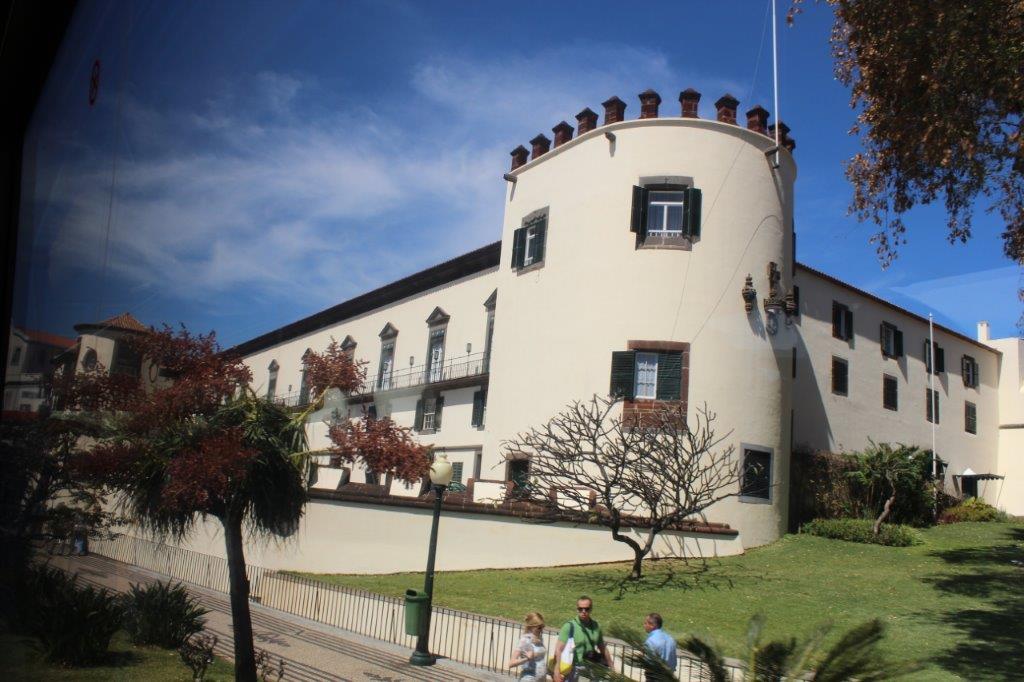
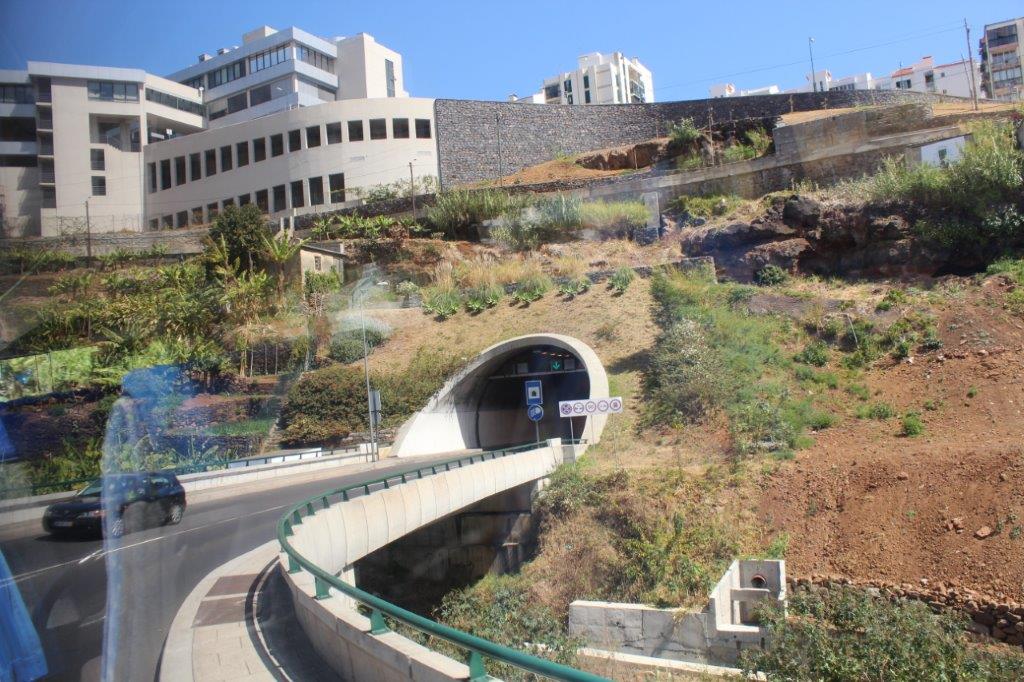
Since the island is volcanic in origin it has many very steep hills and ravines.  There are bridges and tunnels everywhere; even within the city of Funchal itself.

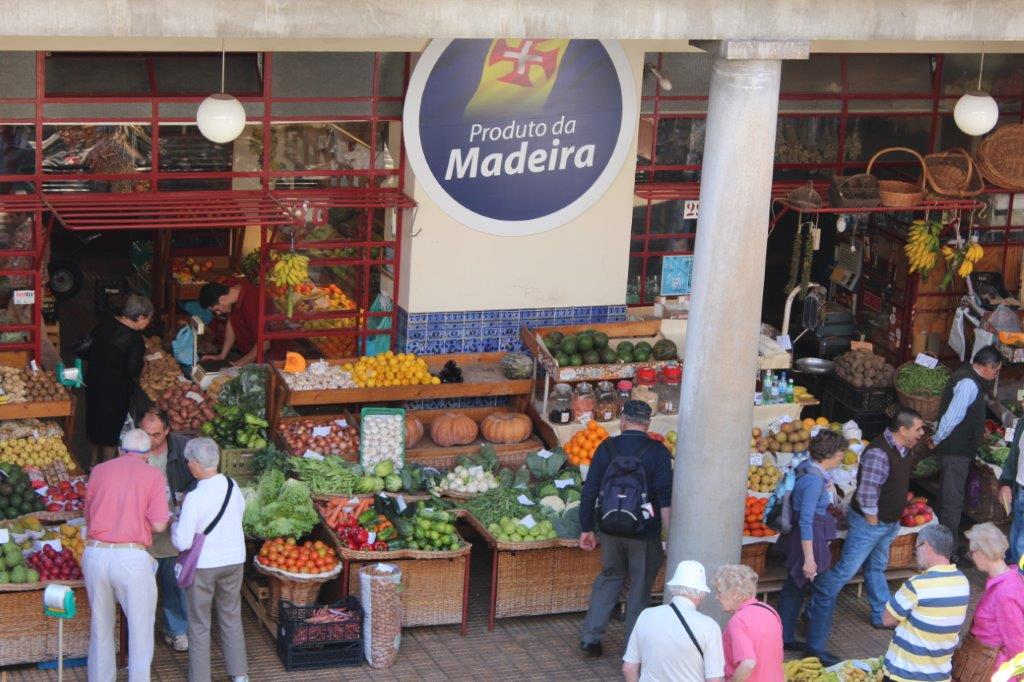
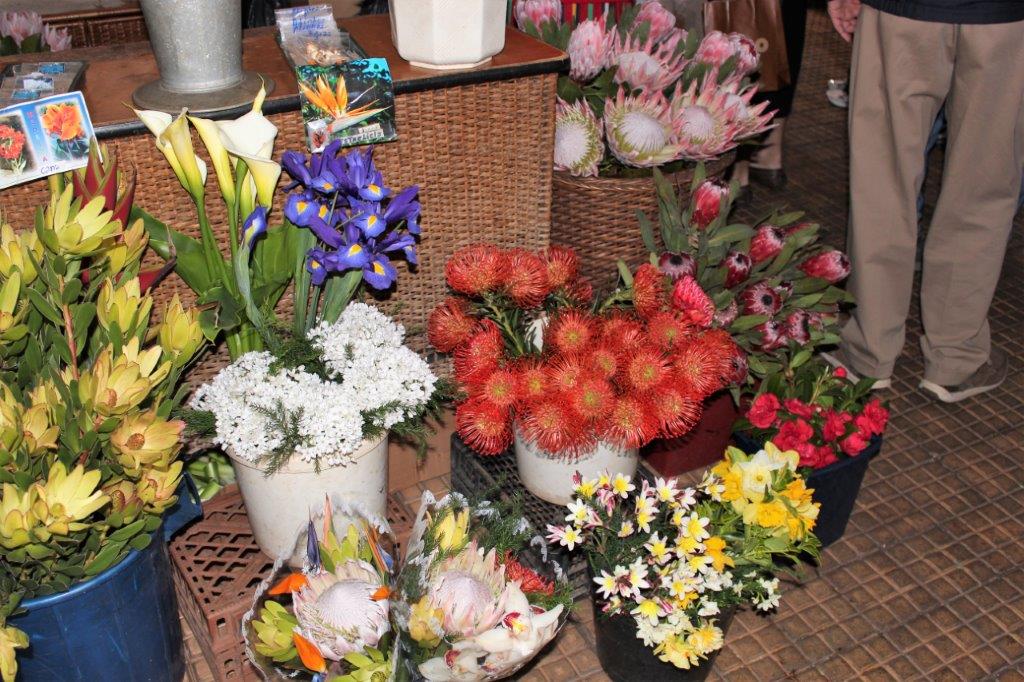
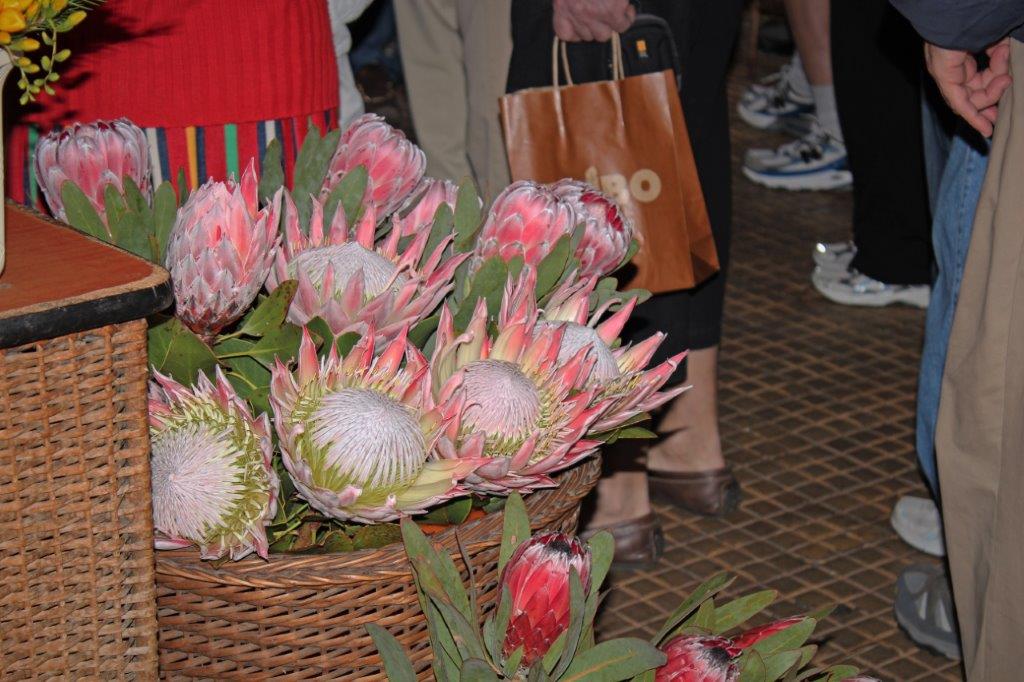
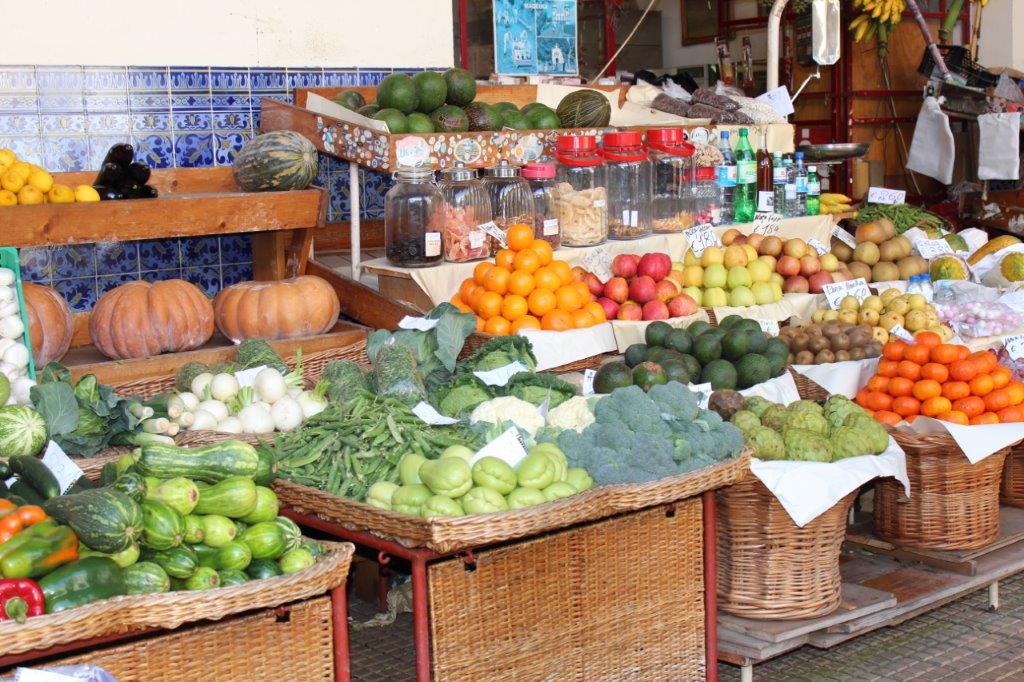
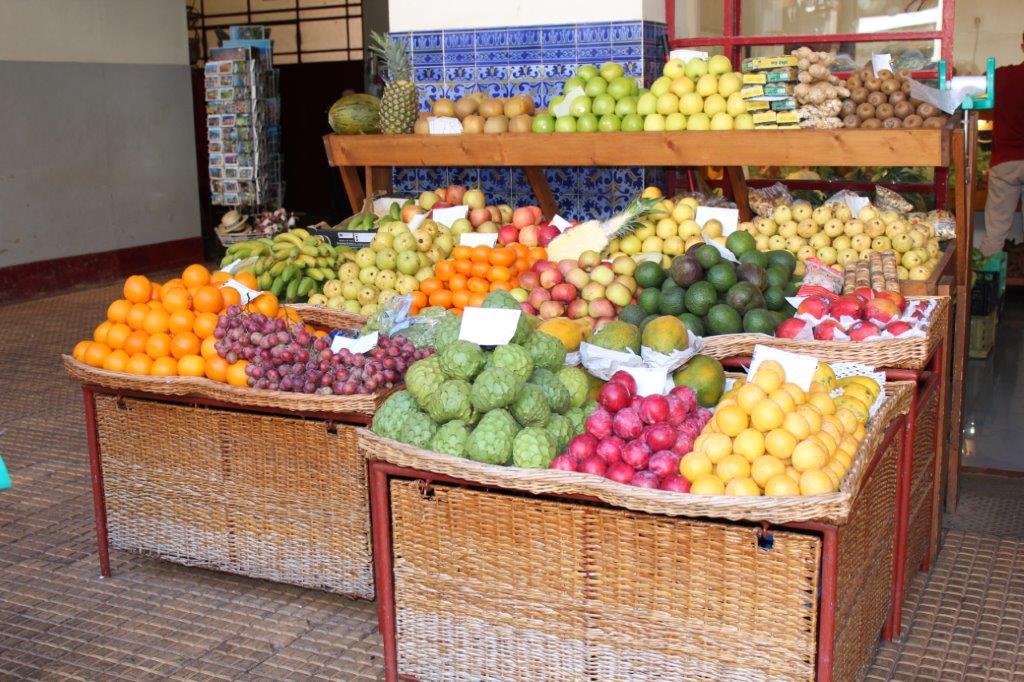
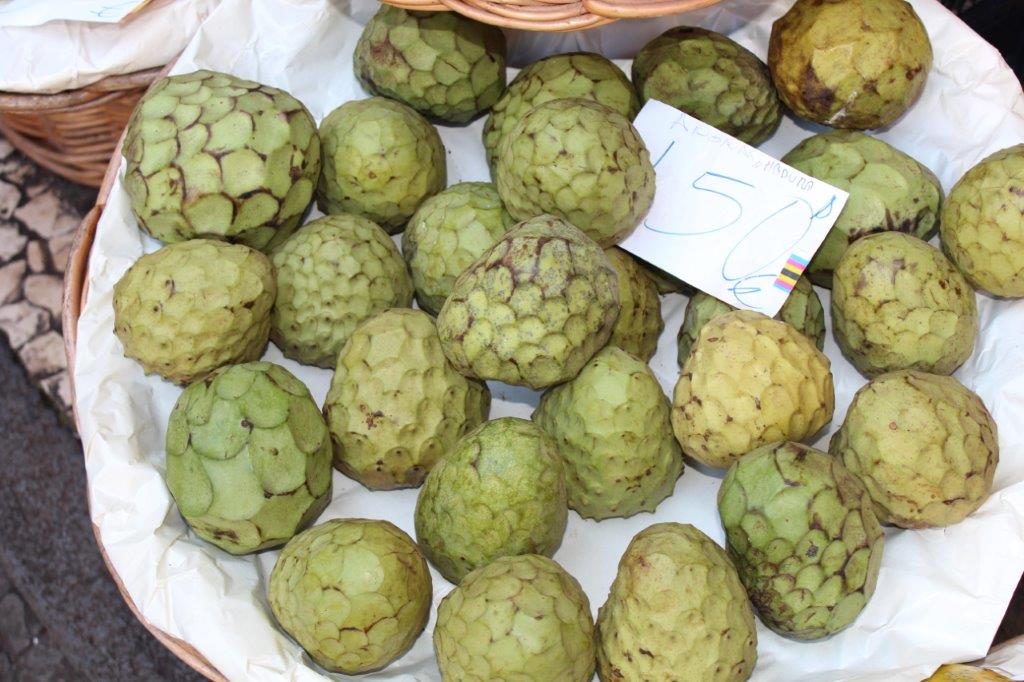
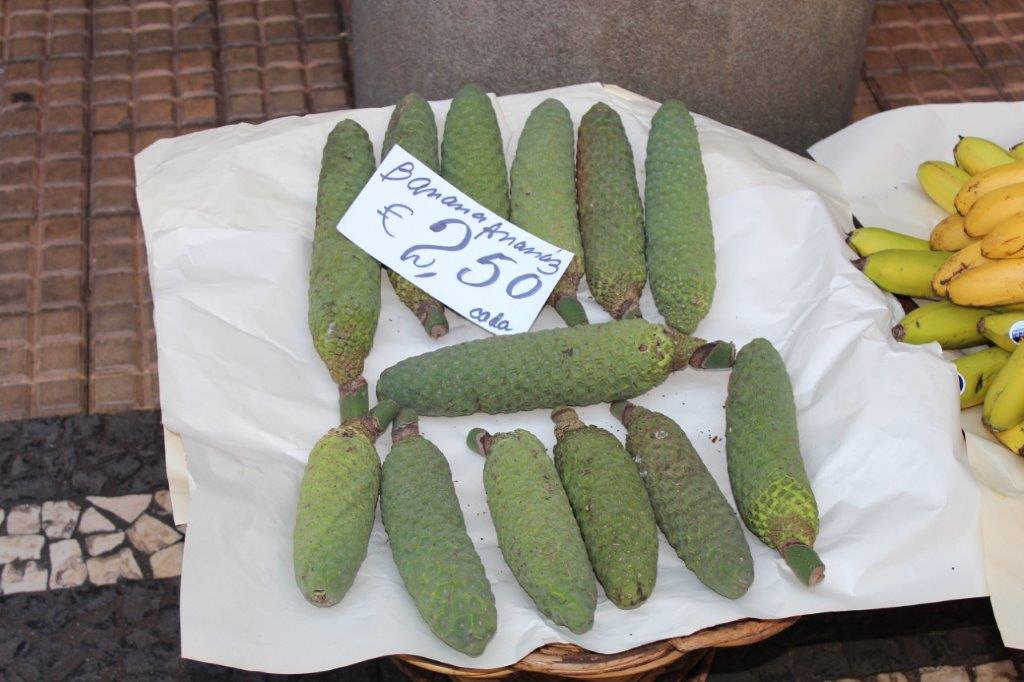
A short stop at the Farmer’s Market and a wine cellar to taste Madeira’s famous wines; which are really almost a port, completed the tour. We were taken back to the ship and went on board for some lunch. After lunch we went back ashore and hired a taxi to take us to see some out-of-town sites.

(As I expected, even our first port-of-call was such a full day I feel it would be best to cut it into two separate blogs.)

2012 March 12-20 – Days 1-9 – At Sea

The Grand Med voyage was very port-of-call heavy.   Once we crossed the Atlantic we were in port four or five days in a row before we had a ‘sea’ day.  Knowing this we took lazy advantage of the eight days at sea from Ft. Lauderdale to our first port in Funchal, Madeira.  Once we got to our first port we were on the go pretty steady until we headed back across the Atlantic over a month and a half later.

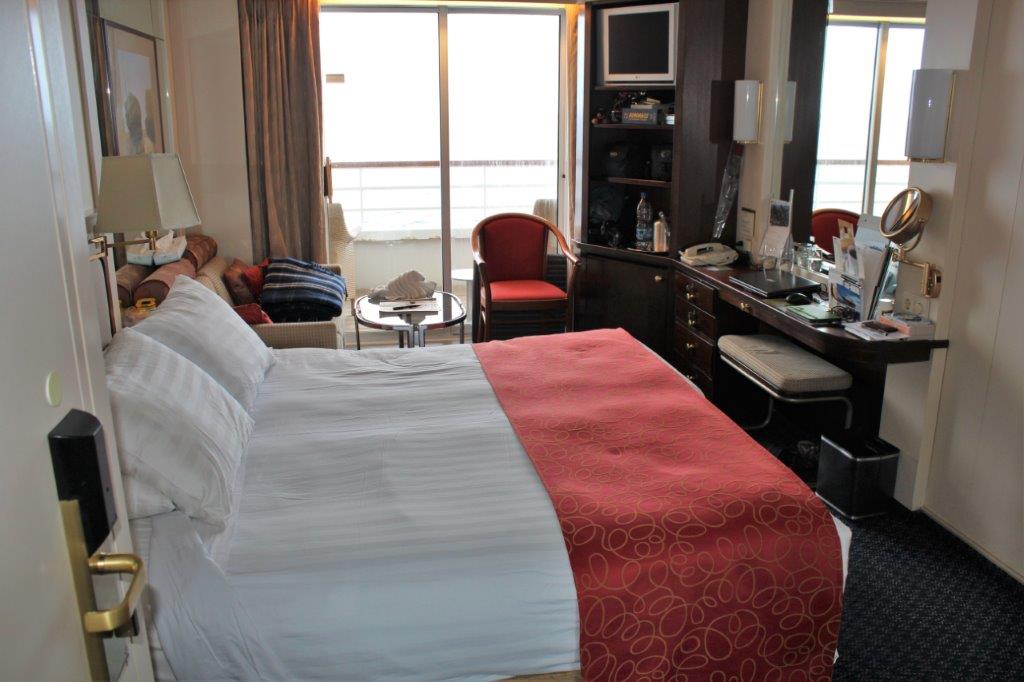
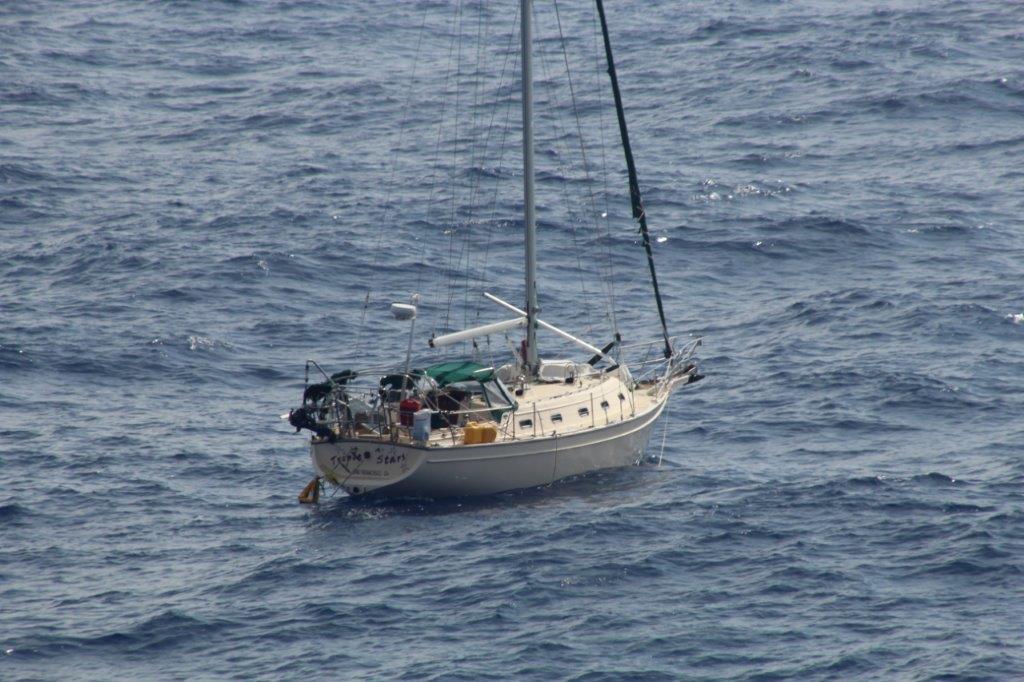
When we boarded the Prinsendam we were happy to discover we had been given an upgrade from a lower cabin to a veranda suite.  John was especially pleased as he loves to sit on the veranda and watch the water. Another pleasant surprise was the number of fellow passengers that we recognized from the 2009 Grand World Voyage.  There were also several crew members that were on Rotterdam in ’09.  It was like a family reunion of sorts.Our second day out of Florida we came across a sailboat that did not answer radio calls.  The ship diverted course to check on the vessel and discovered it to be abandoned.  We found out later that the Captain had contacted the Bermuda Coast Guard and learned the boat had been participating in a 2011 race when it was struck by a 32′ wave and the woman was washed overboard.  Her husband had been rescued two days later by a freighter and since then the $200,000 sailboat was adrift in the Atlantic. Later the same day the Captain had to divert course once more for a medical emergency.  We made a very brief stop in Bermuda before continuing our voyage.

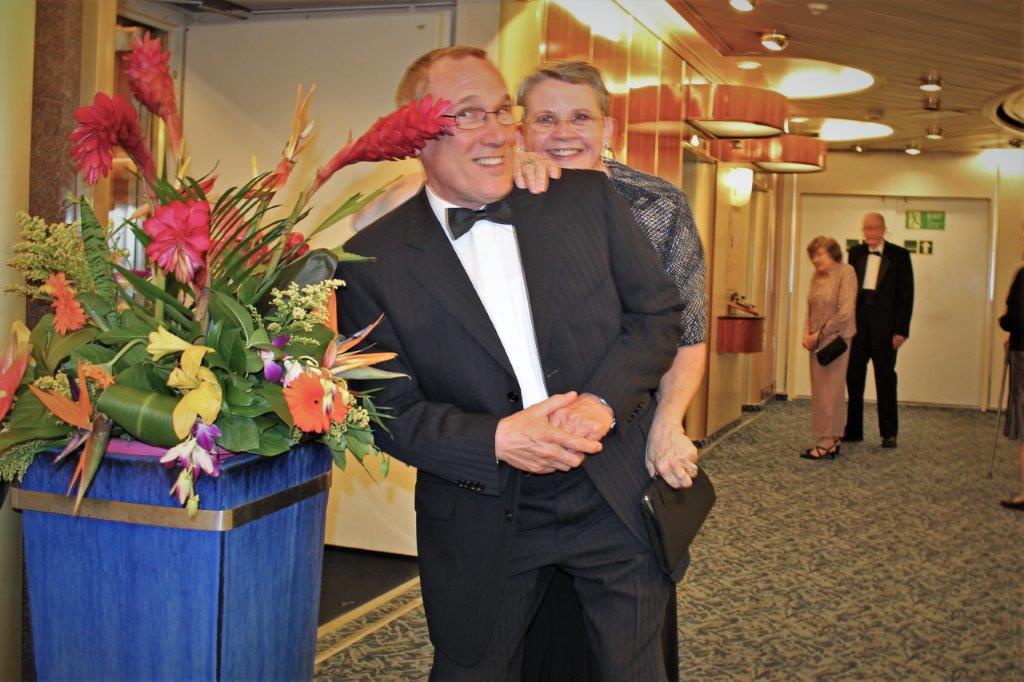
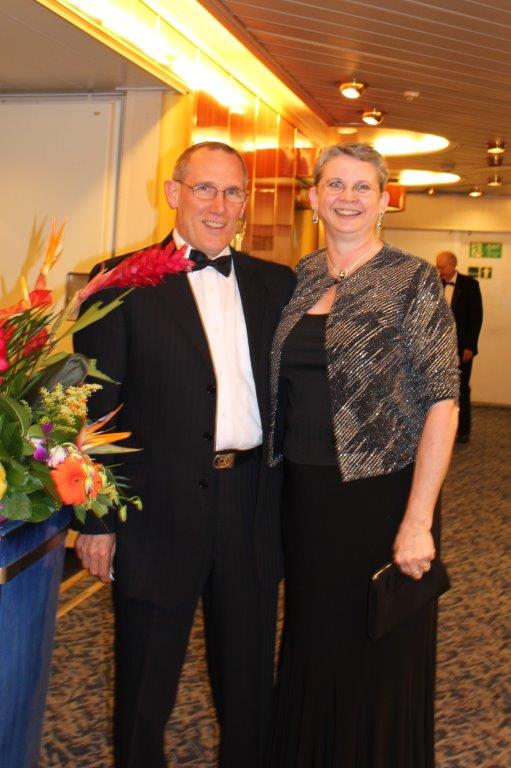
March 14 was the first formal night on board so it was time to get gussied up again.

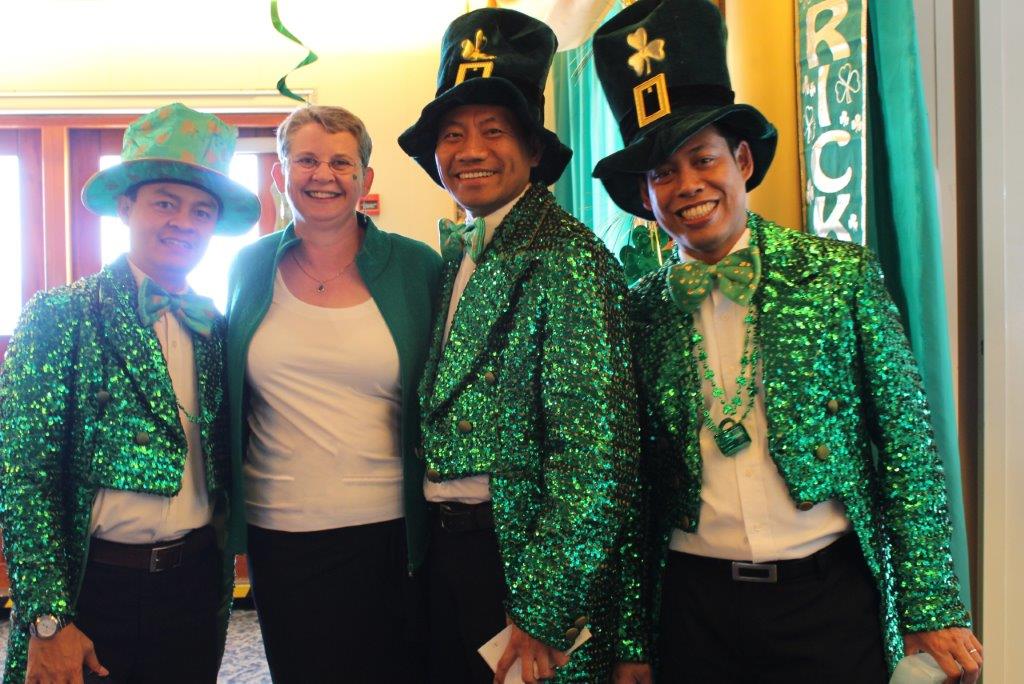
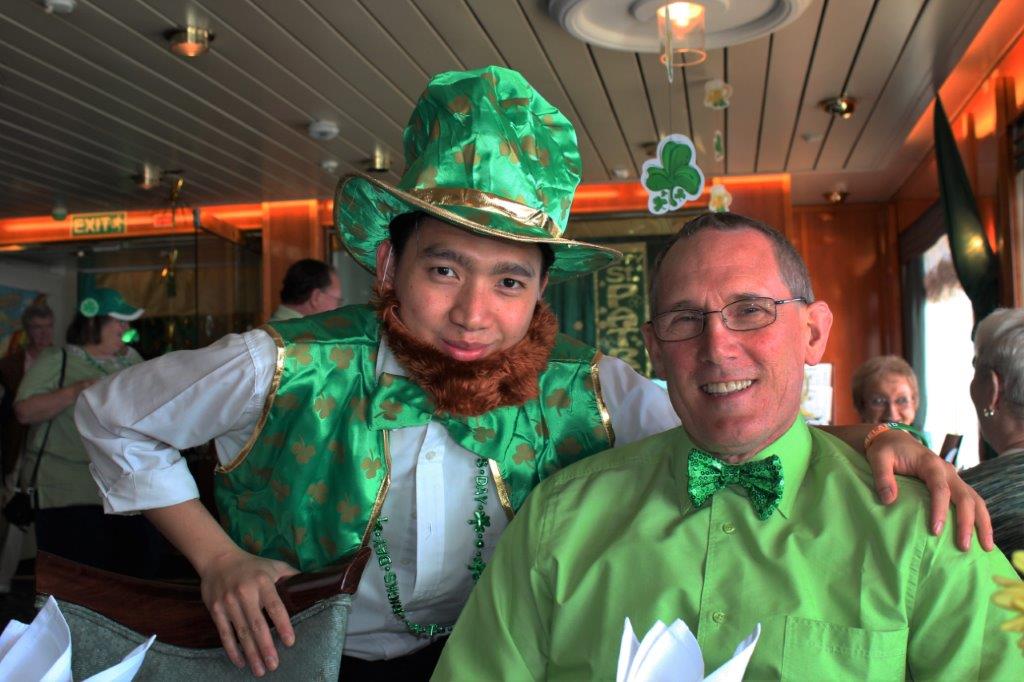
St. Patrick’s Day was celebrated in glorious green on March 17. We had some calm sea days and some stormy ones, but overall – for mid-March – the water and the weather was not too bad.

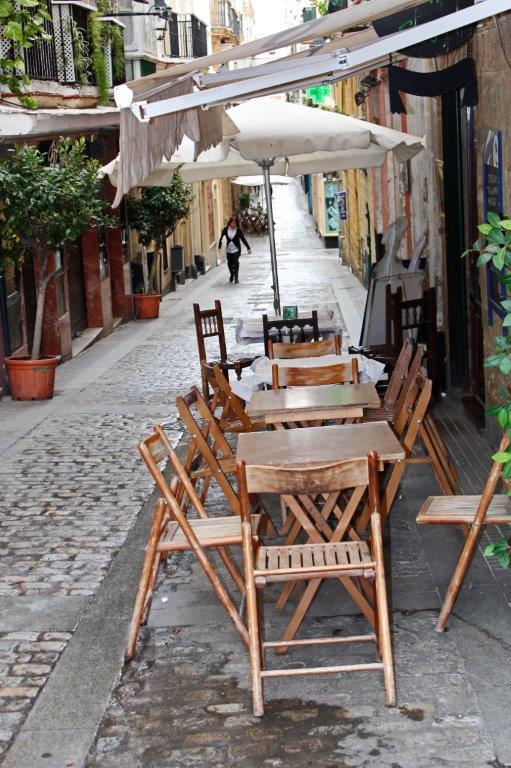
While sorting my many, many, many photographs for this blog series I noticed several patterns.  I like taking pictures of flowers.  Which is not a new flash for anyone that has read any of my other blogs.  I also like photographing outdoor restaurant tables, stone carvings and pots, vases or other accent pieces.  Architectural details and doors are frequent themes as well.  So don’t be surprised to see these things crop up in many blog posts.

I also realized while photo sorting that we saw A LOT of historic places, museums, churches, countryside, etc. and many of my port files contained several hundred pictures.  Choosing the pics I thought the best or most interesting narrowed things quite a bit, but there are still LOT of photos set aside for my blogs.  And, since I love history and trivia and information I will have some long blogs or more than one posting for many of the ports.  I will see which option I decide upon as I proceed.
Let the journey begin….


2012 February 25 – March 11 – Days 1 – 14 – Orlando, Florida
I am continuing my project to write blogs on trips we had taken before I began writing my travel blog in  2014 during our drive across Canada.  We began our extensive travels in 2009 with a cruise around the world. I wrote a blog about that and about our road trip down the Washington/Oregon coasts later that same year.  We spent two months in Hawai’i in 2010 but I have not yet written any blogs on our trips to the islands.   2011 was another biggie – my dream holiday – to Australia.  I recently completed writing about that journey.
Our next holiday was the Grand Mediterranean and Black Sea Voyage – a 62-day round trip cruise out of Ft. Lauderdale, Florida.  We flew to Orlando on February 25 and spent two weeks at Orange Lake Resort in Kissimmee.   A couple of days after we arrived we were joined by our good friends Bruce and Caroliena.

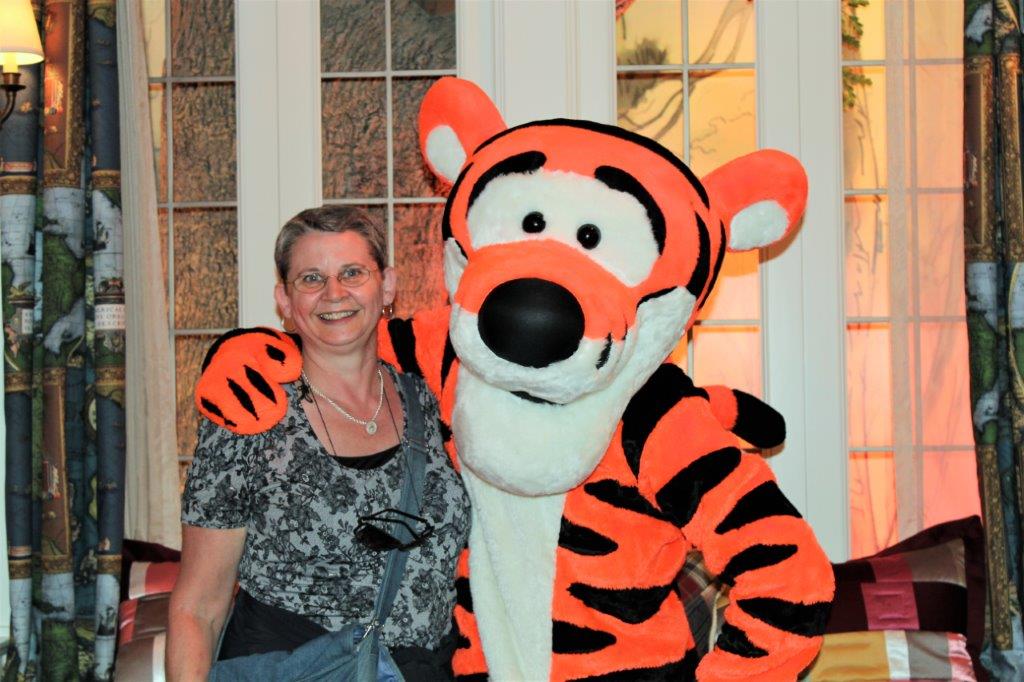
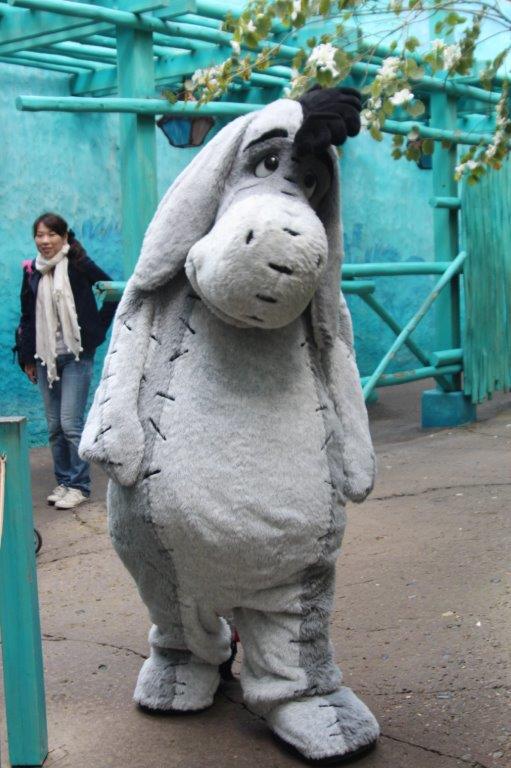
I love Disney.  We had been to Disney World before, in 2008, but our friends had never been so we spent several days in the four parks.

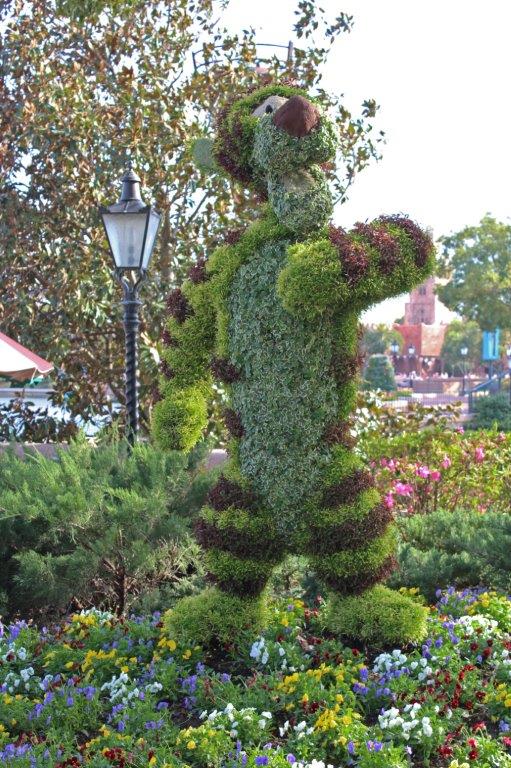
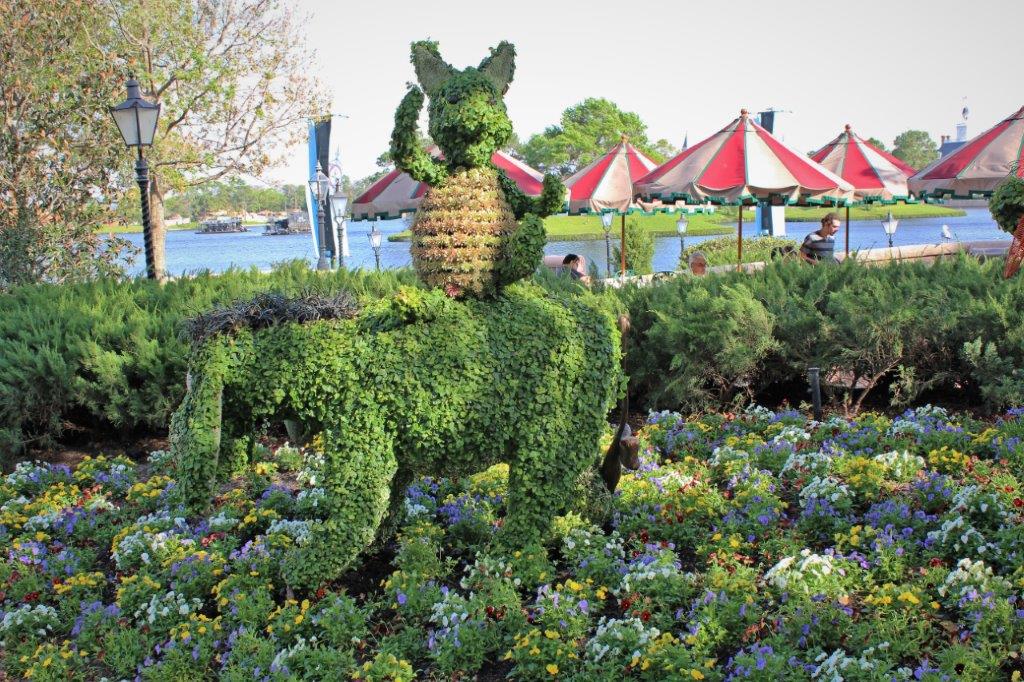
        My favourite friend Tigger

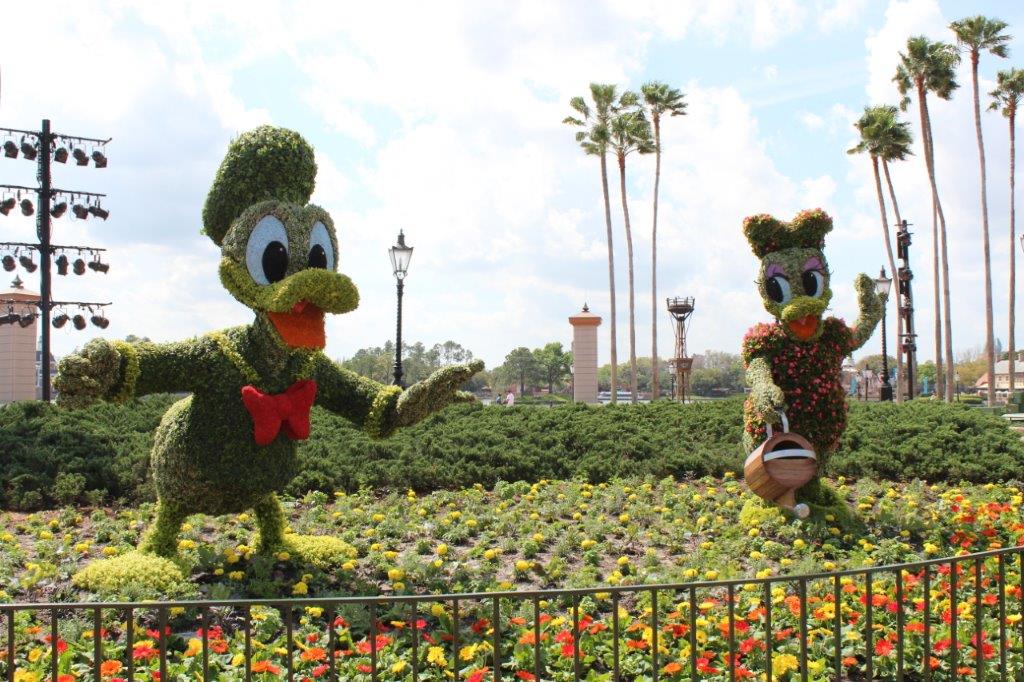
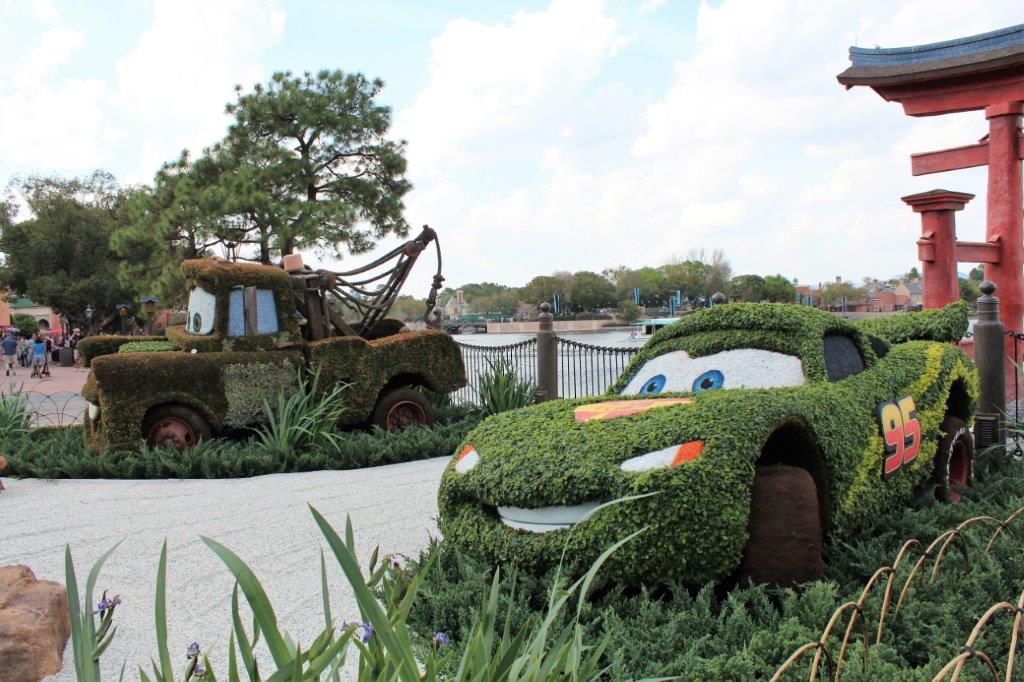
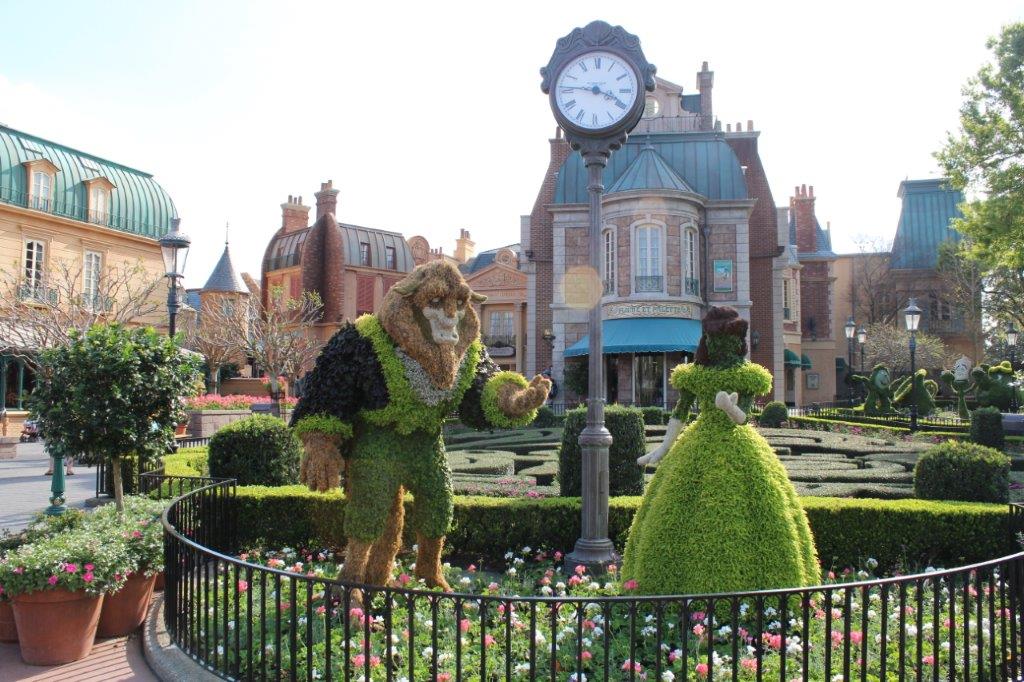
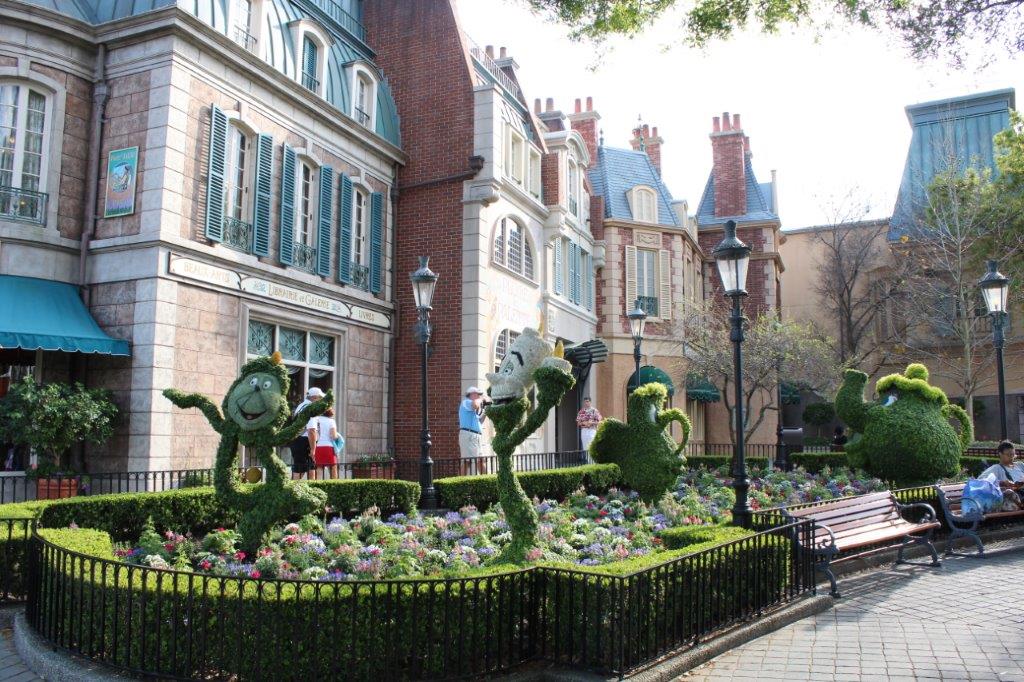
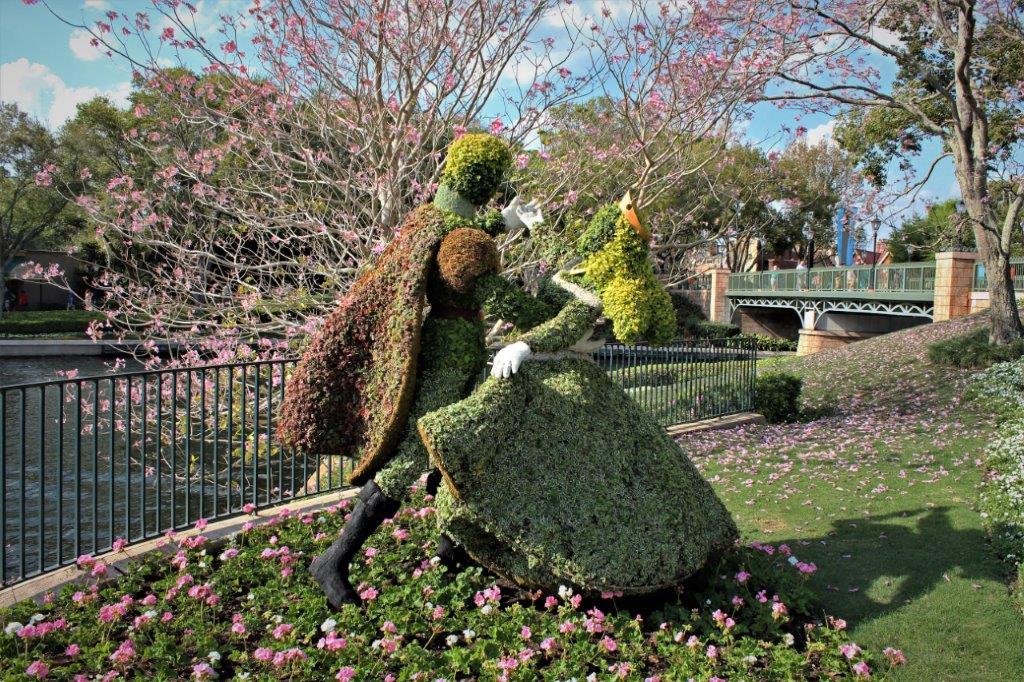
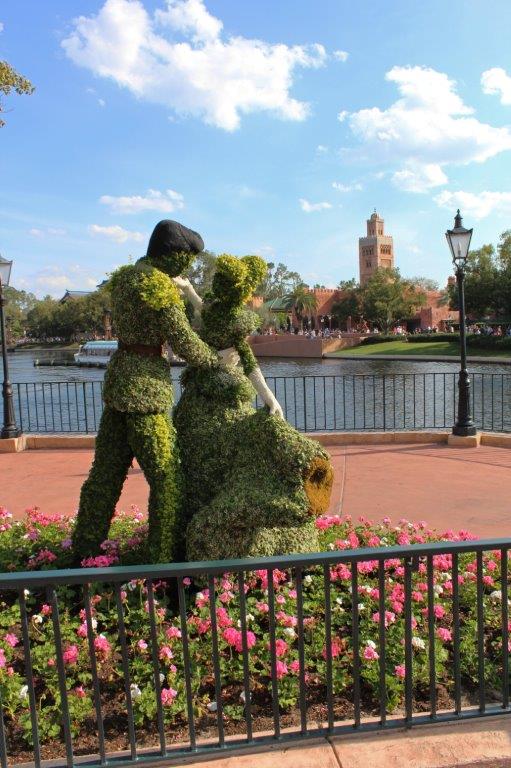
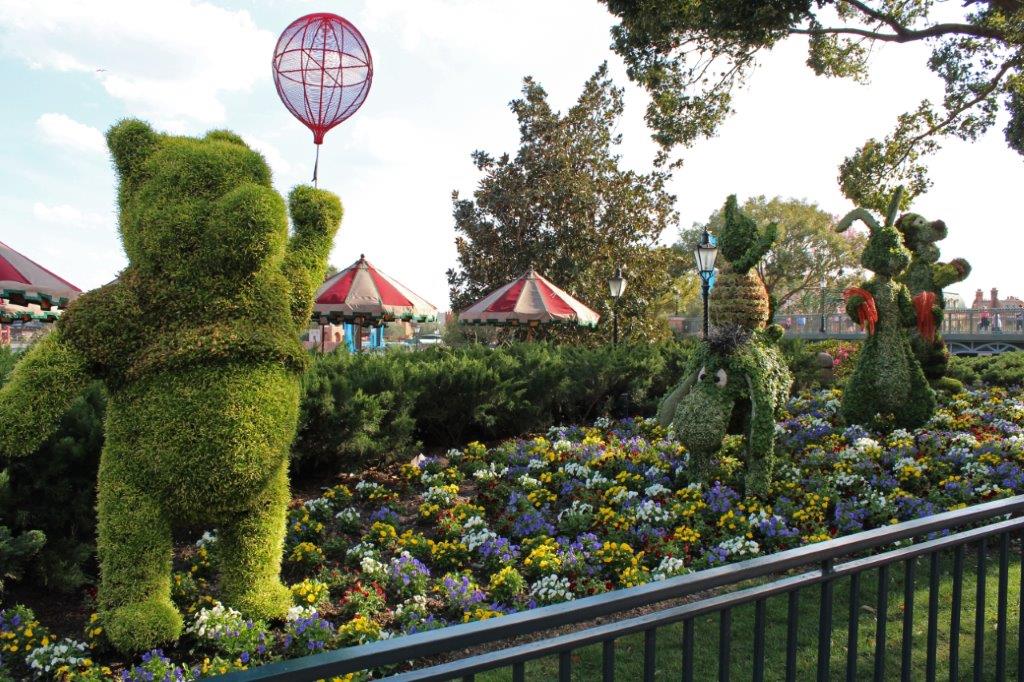
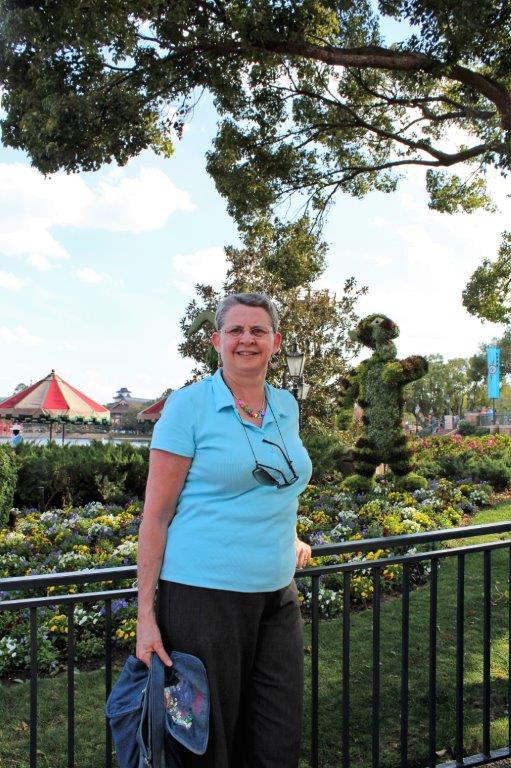
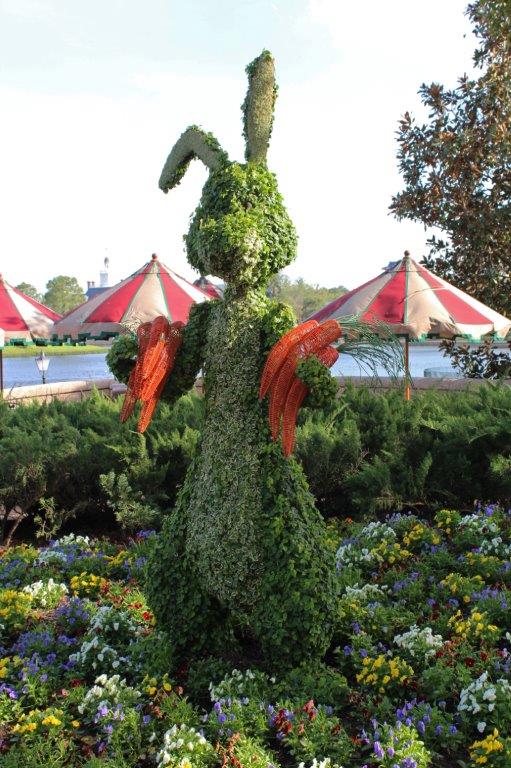
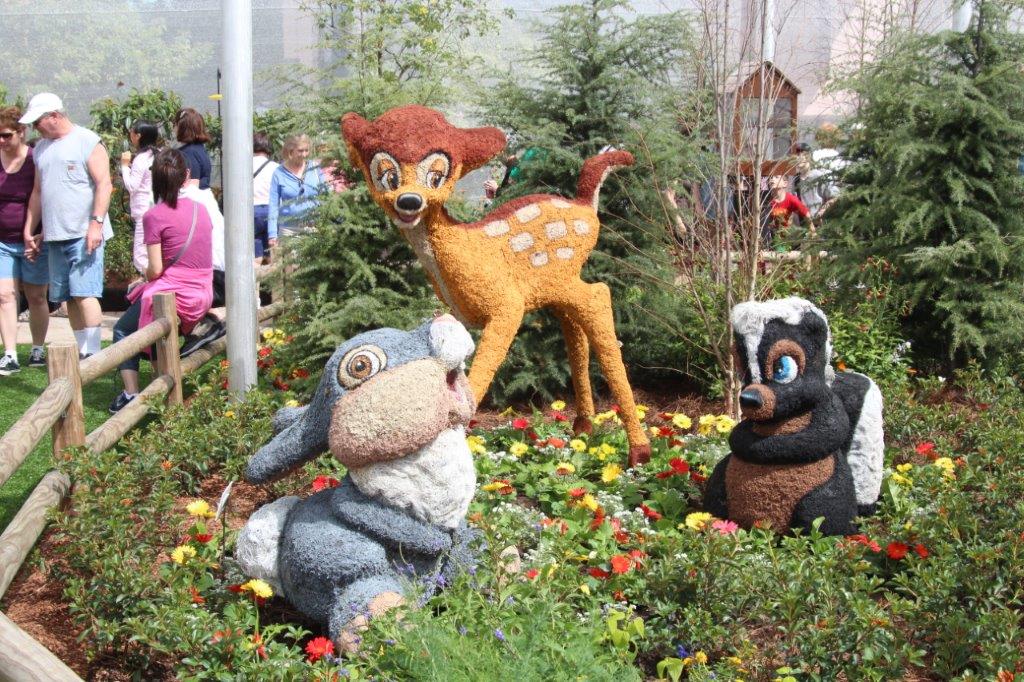
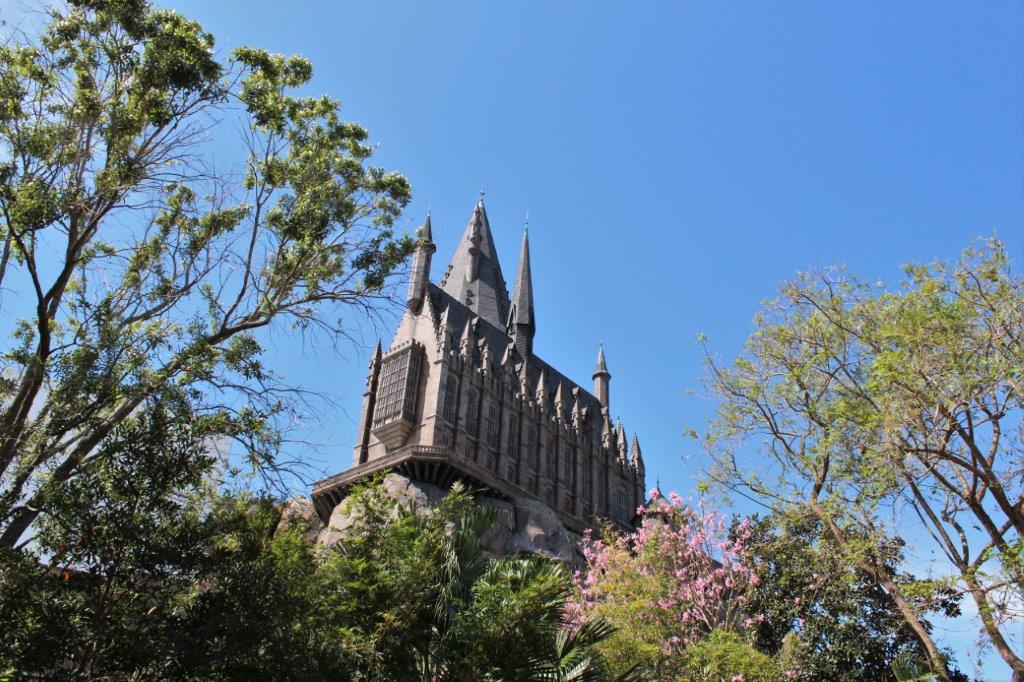
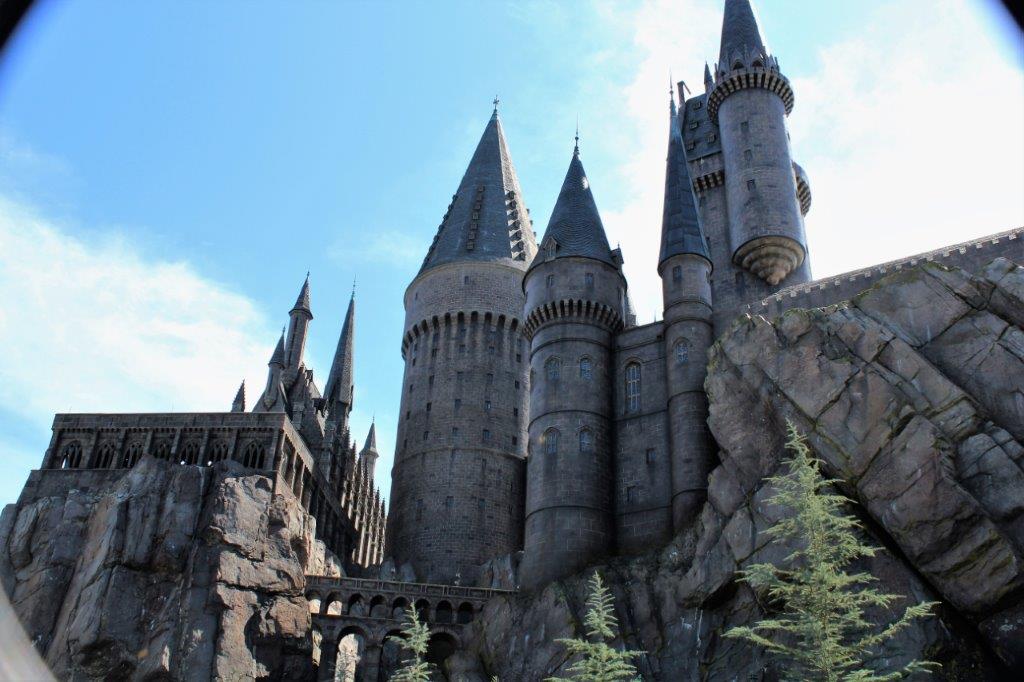
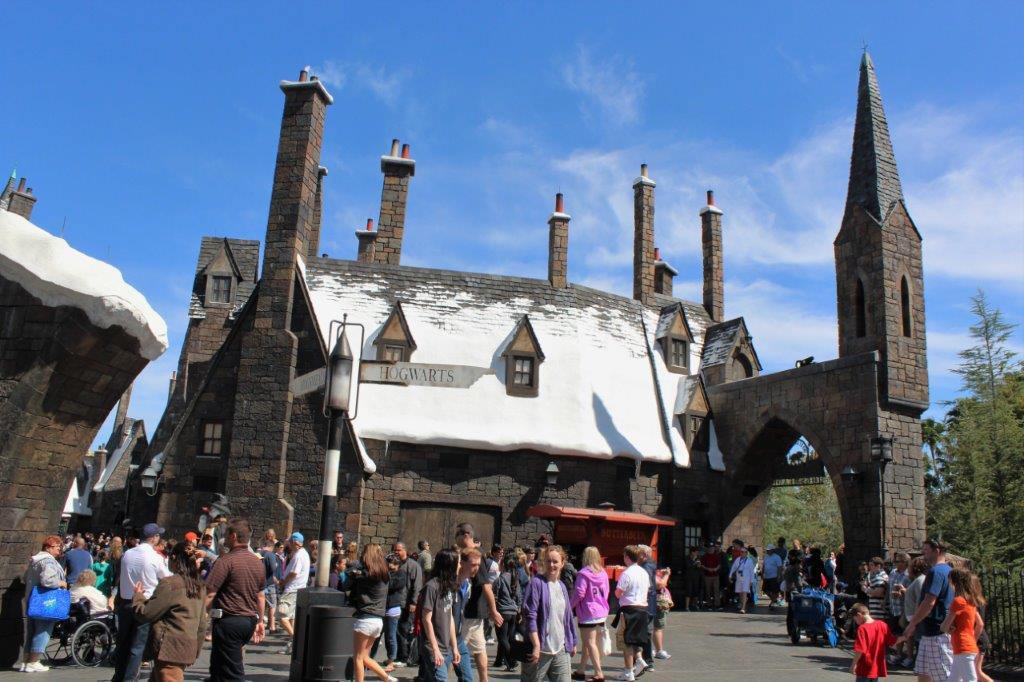
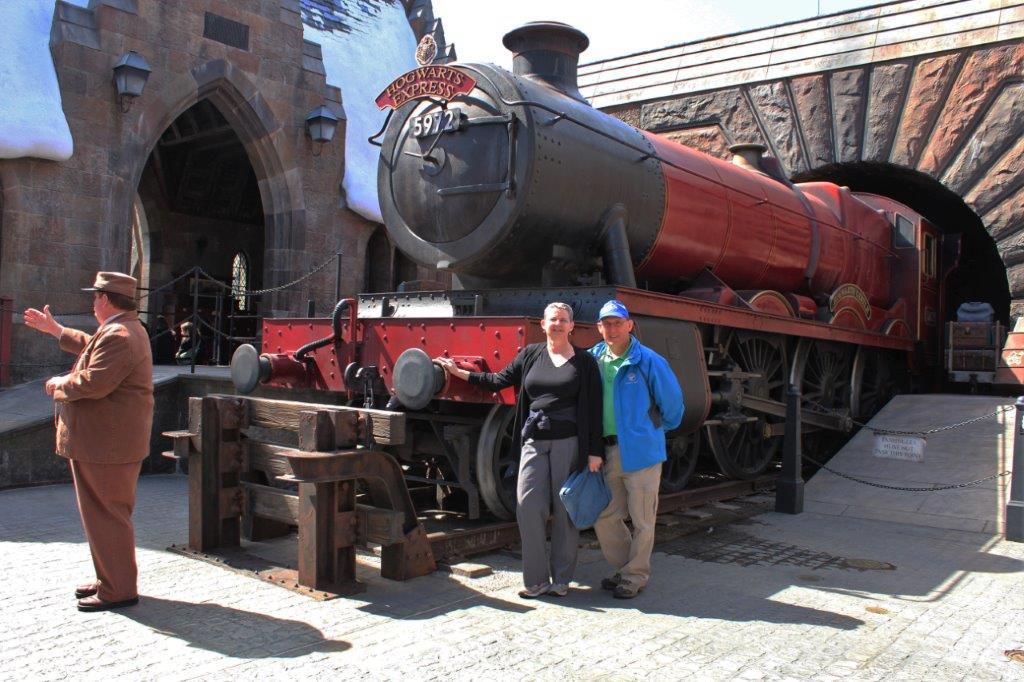
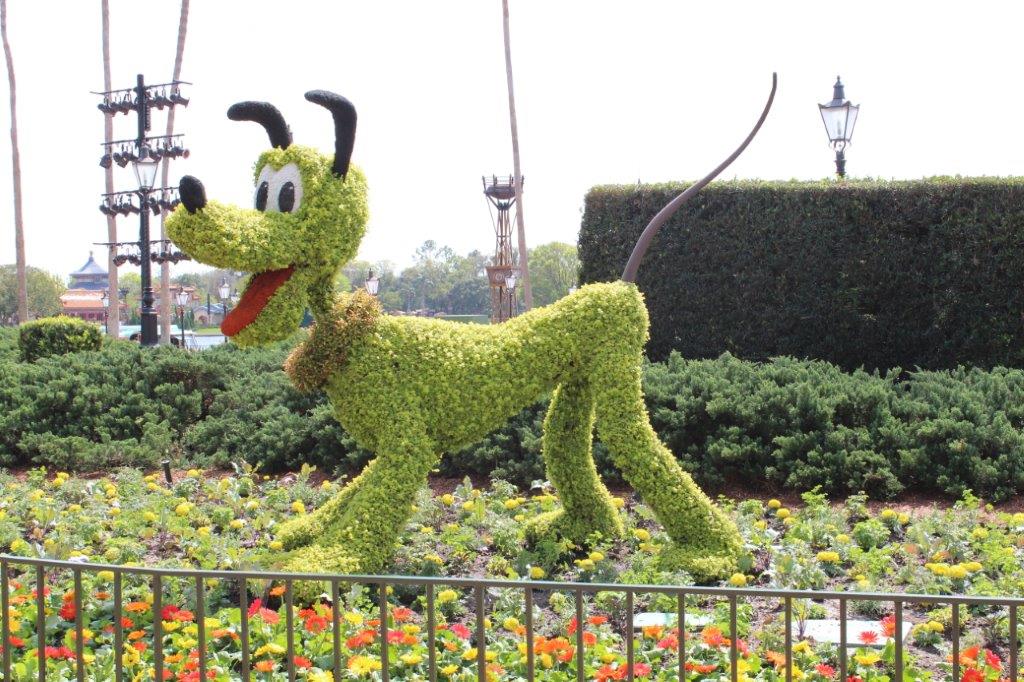
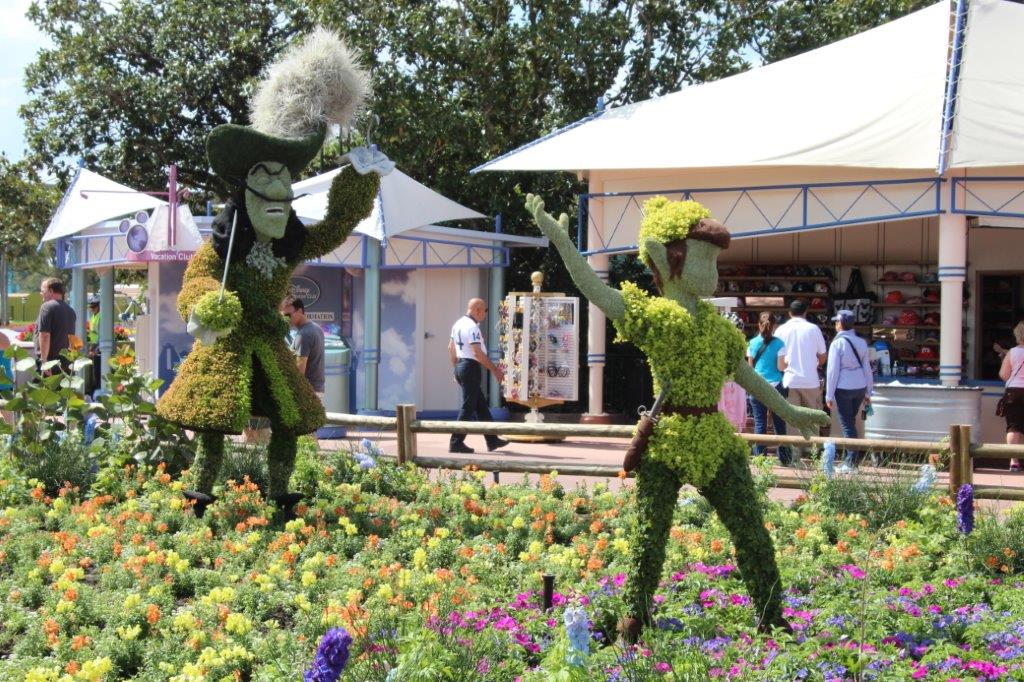
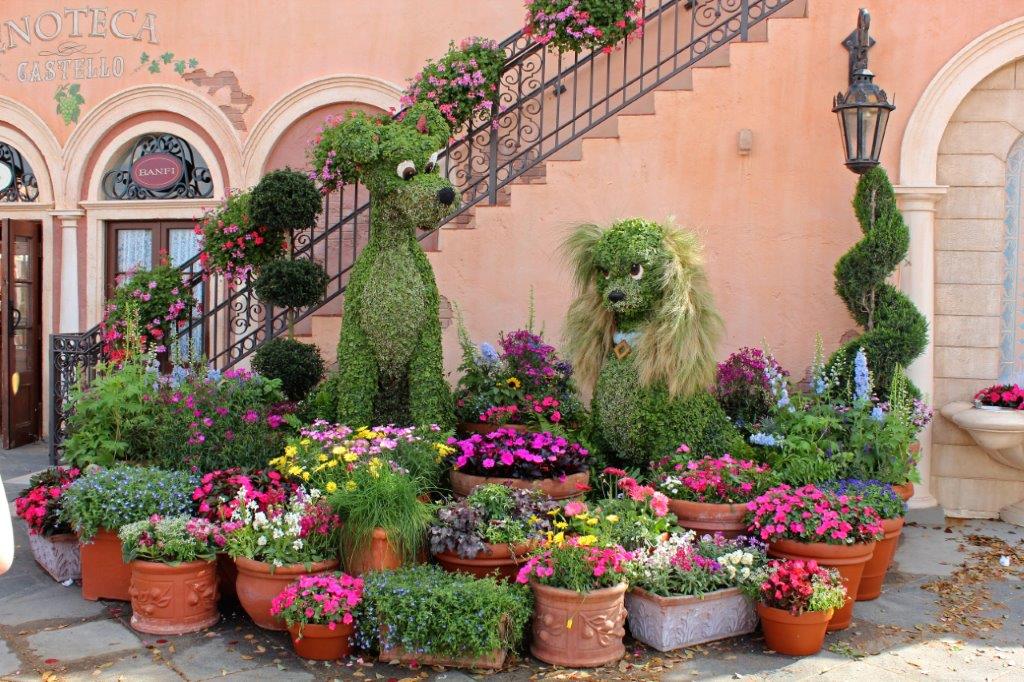
The Flower Festival was on at Epcot and all the Disney characters were on display in greenery and flowers. We also spent a day at Sea World and another day at Universal Studios where I thoroughly enjoyed going to the new Harry Potter Attraction. We took Bruce and Caroliena to the airport for their flights home and the next day, March 9, we also checked out of the condo at Orange Lake and drove to Ft. Lauderdale.  After two nights in the Westin we boarded the Prinsendam, Holland America’s smallest cruise ship with room for 740 guests and 460 crew.  This was too be home for the next two months.