Category Archives: 2009 World Cruise

2009 World Cruise – Feb 6 – Day 32 – Nouméa, French Caledonia

2009 World Cruise – The captain announced more itinerary changes.  April 13 we were scheduled to go Mamoudzon, Île de Mayotte (French Comoros) – off the east coast of Africa.  Apparently there is an issue between the local government and the tourist/cruise industry (probably a conflict over the port fees or the number of buses being used for tours that will shut out taxi rides.) We were never told what that issue really was, but our stop was cancelled.

Since we will not be stopping at Îl de Mayotte,  April 13 will be a sea day and we will stop at Maputo, Mozambique on April 15 (a day later than originally scheduled) which will then give us two days in Richard’s Bay, South Africa instead of one.

The port, ship and tour staff must really have to scramble sometimes.  Even though these changes are a couple of months away tours have to be cancelled, new tours have to be arranged, docking permission and fees have to be paid.  The list of new arrangements in this type of situation is very long.

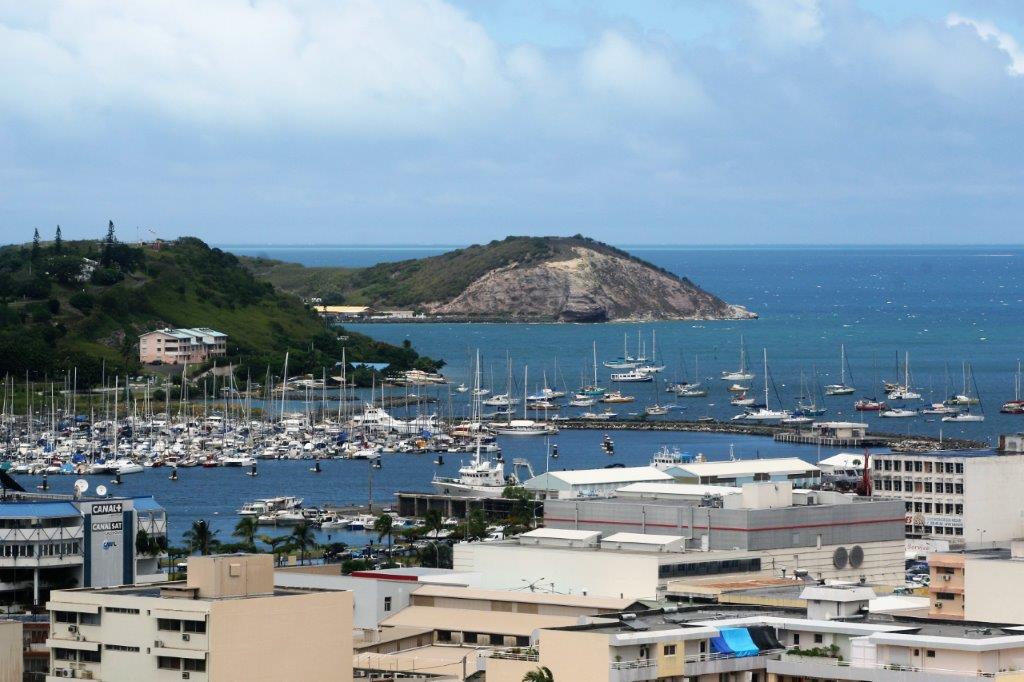
Nouméa is the capital city of the French Territory of New Caledonia.  The population is French. They speak French, they have French passports and drive French cars.  New Caledonia was the HQ of the US military in the Pacific during WWII and many American terms are scattered among the street and city section names. (One area of Nouméa is called the Motor Pool.)

New Caledonia has a population of about 250,000, half of whom live in Nouméa.  We were told there was no unemployment and the island is quite prosperous.  New Caledonia contains 1/3 of the world’s nickel and are second – after Russia – in the export of nickel.

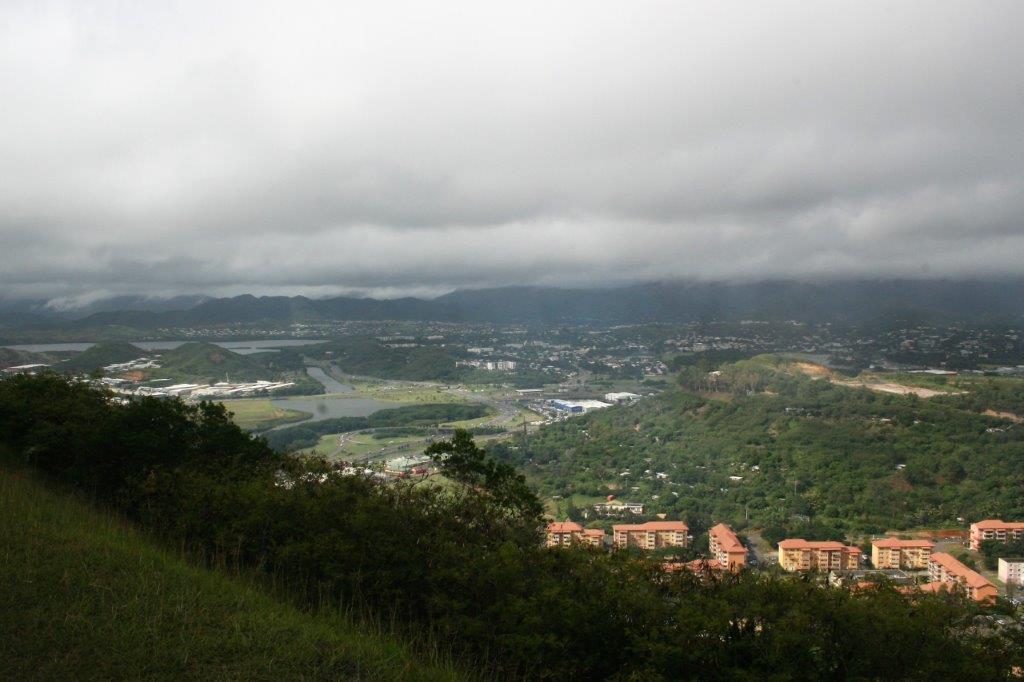
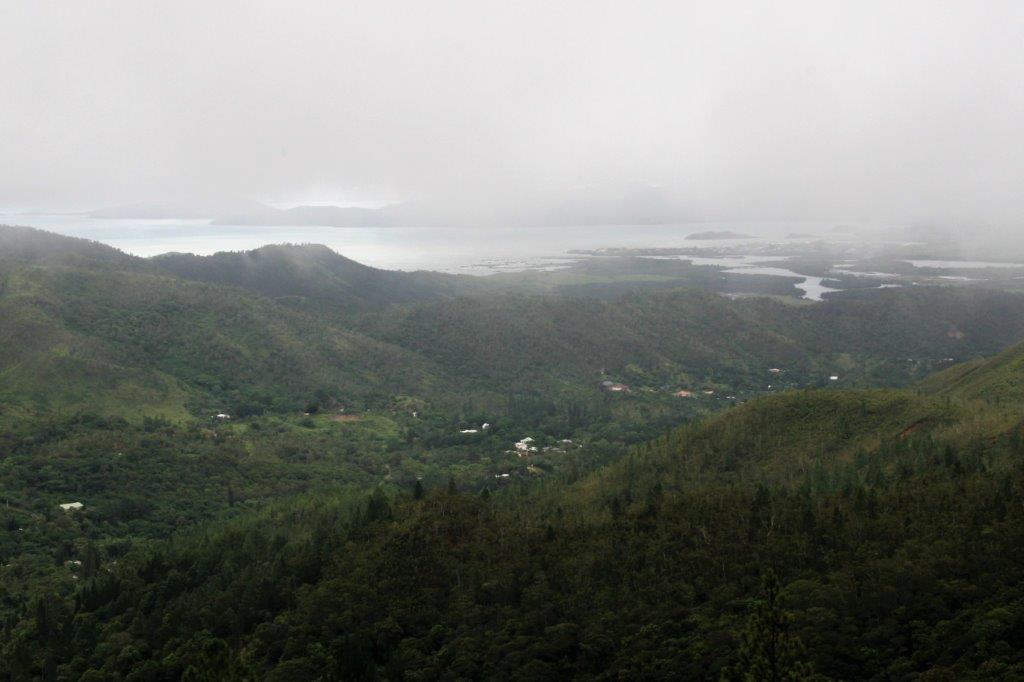
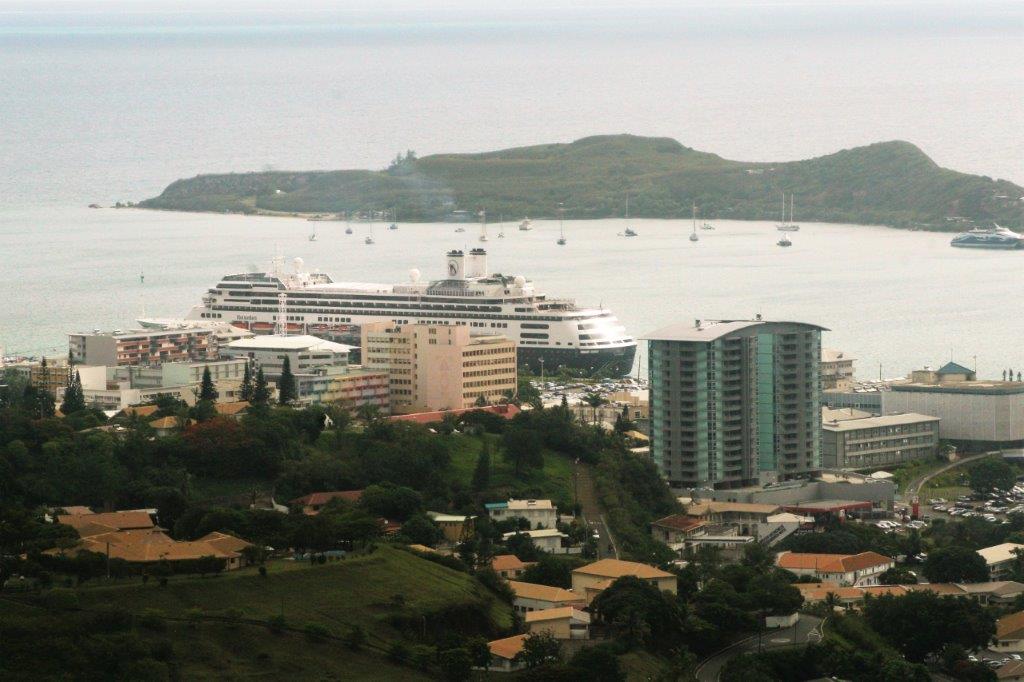
The ship was docked two blocks from downtown.  We walked into town in the morning and explored the area; hiking up to the highest point despite the rain.
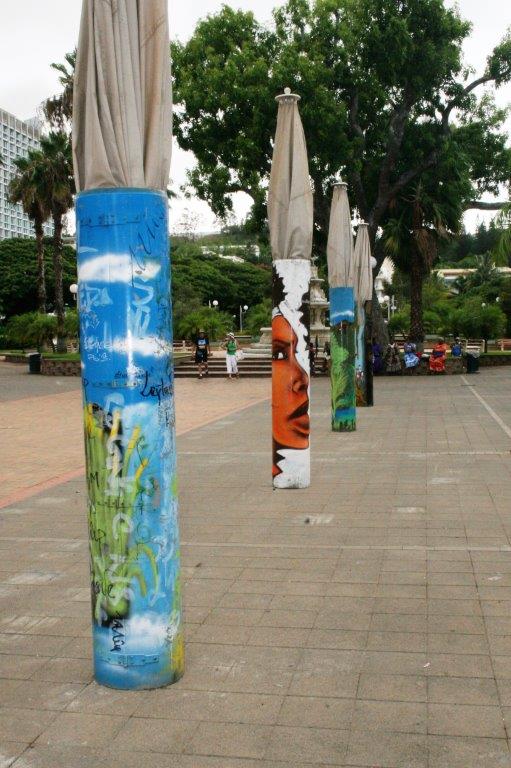
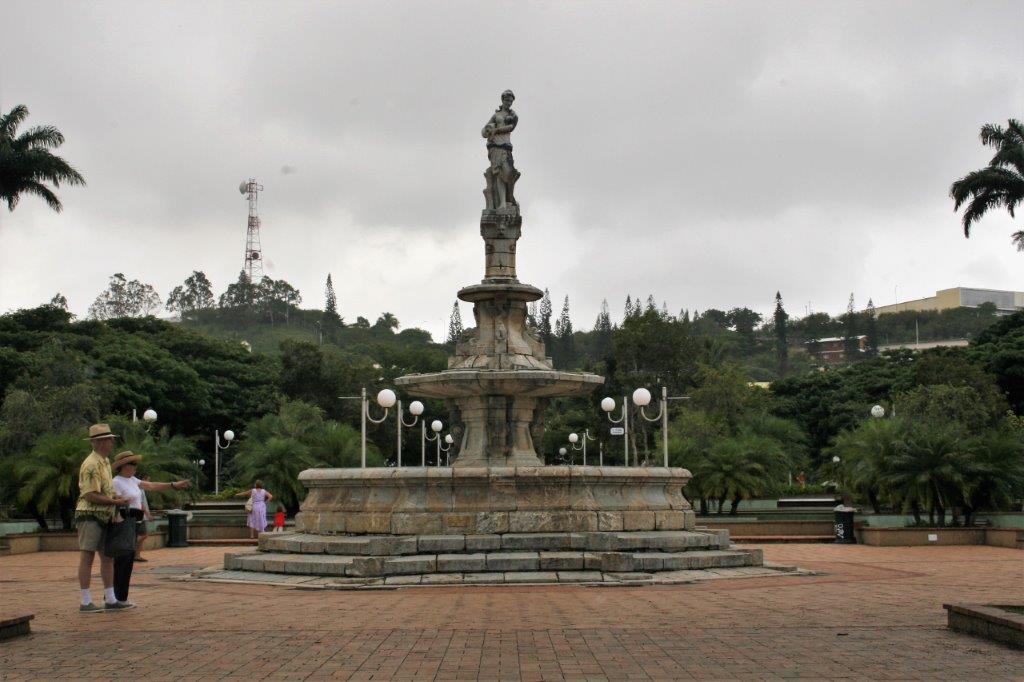
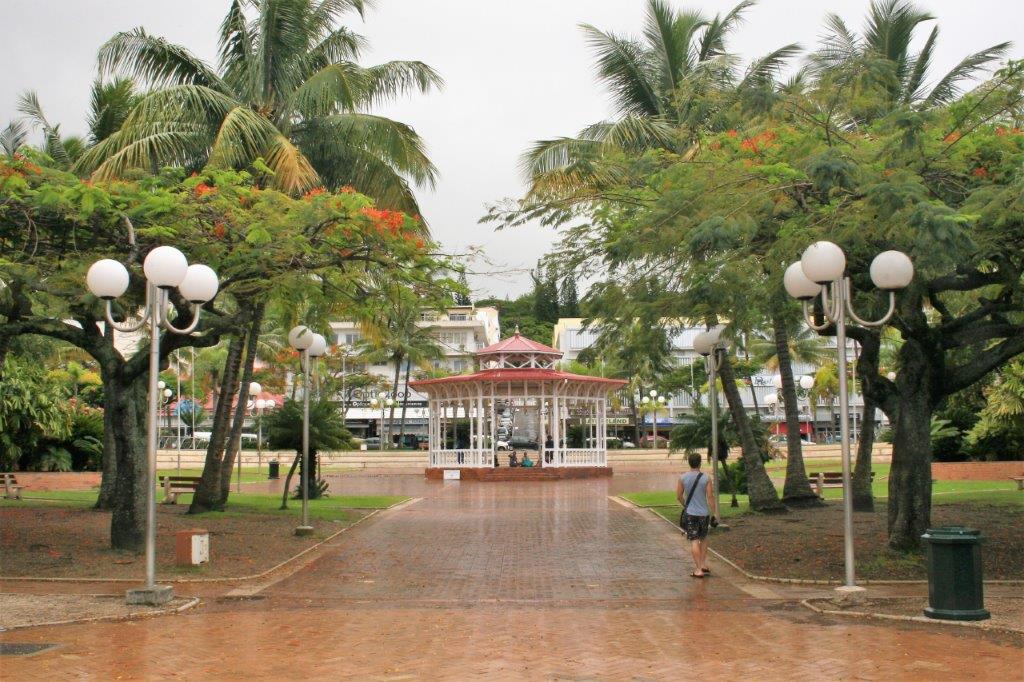
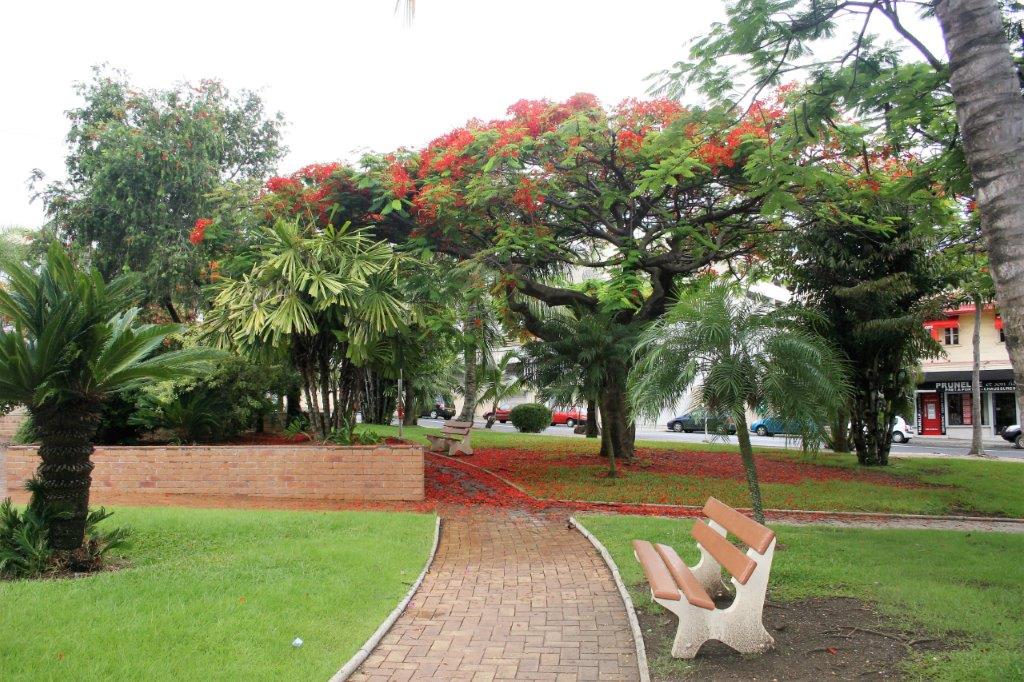
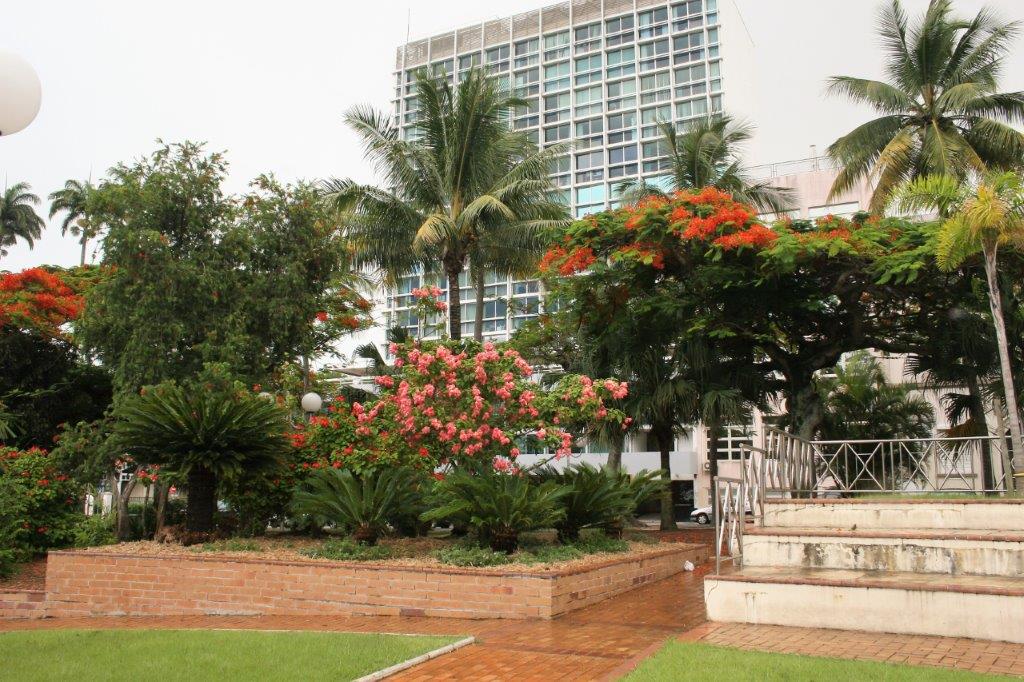
img_3418-1 img_3422-1 img_3423                                                              Coconut Plazaimg_3428-1                                                                   Fire Treeimg_3429-1 img_3430-1 img_3477-1img_3437-1                                              Nice view from up here.

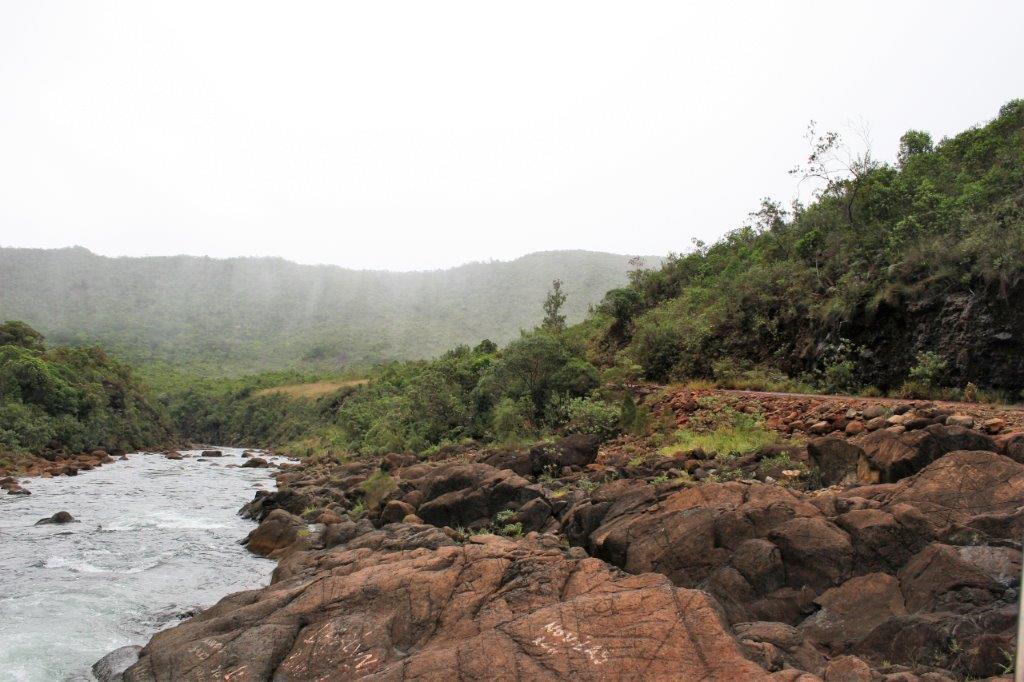
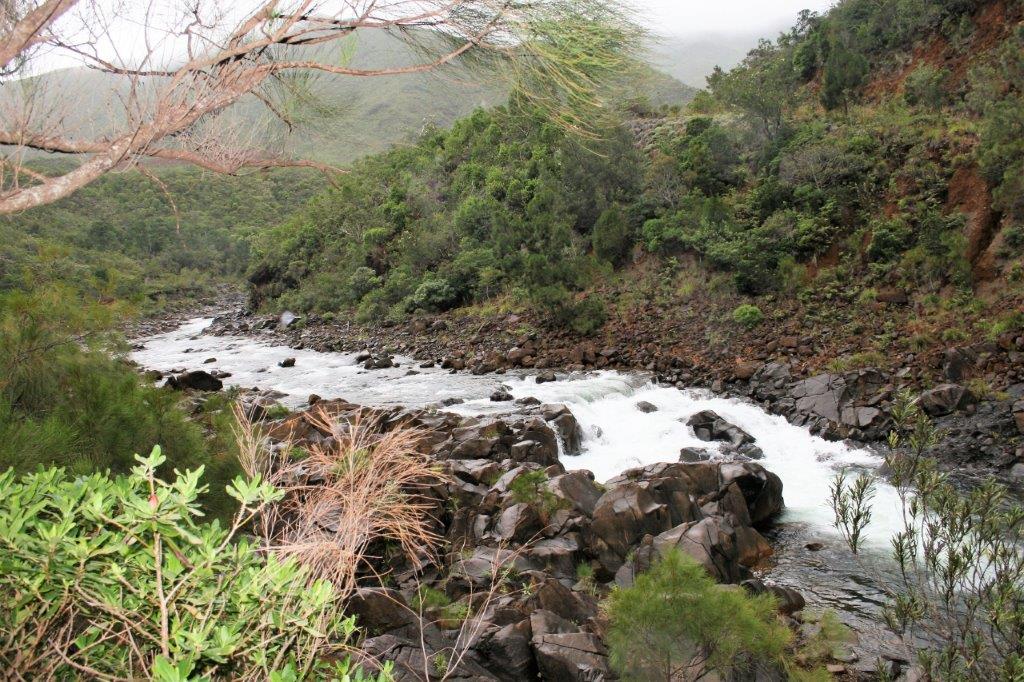
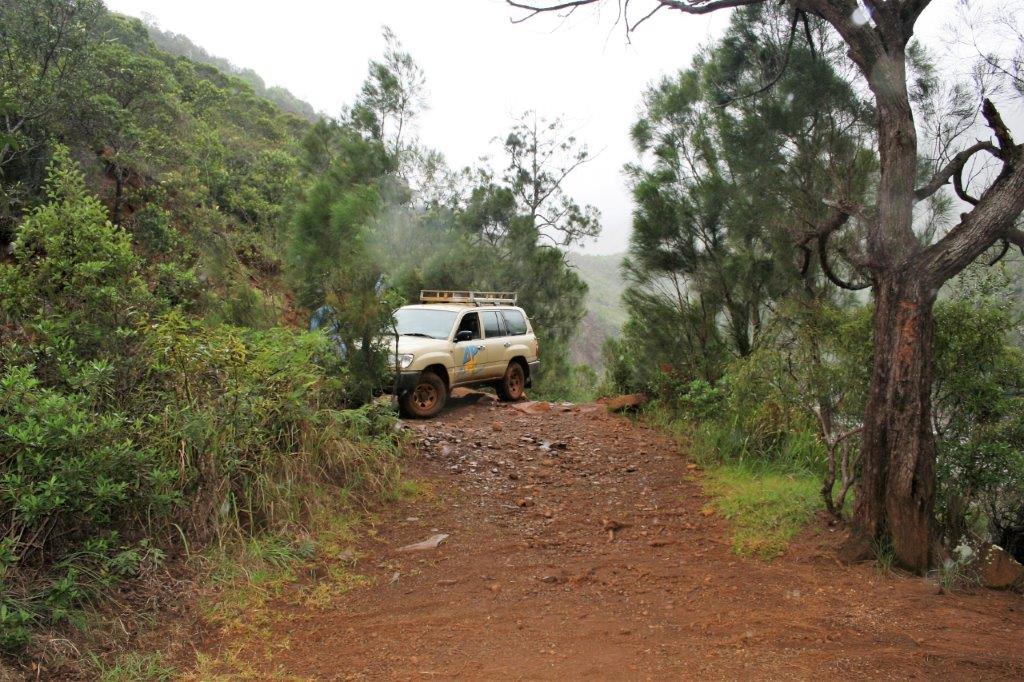
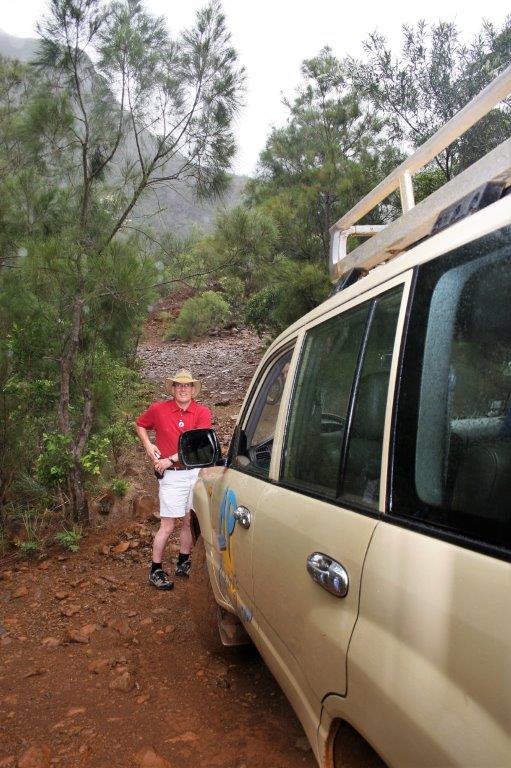
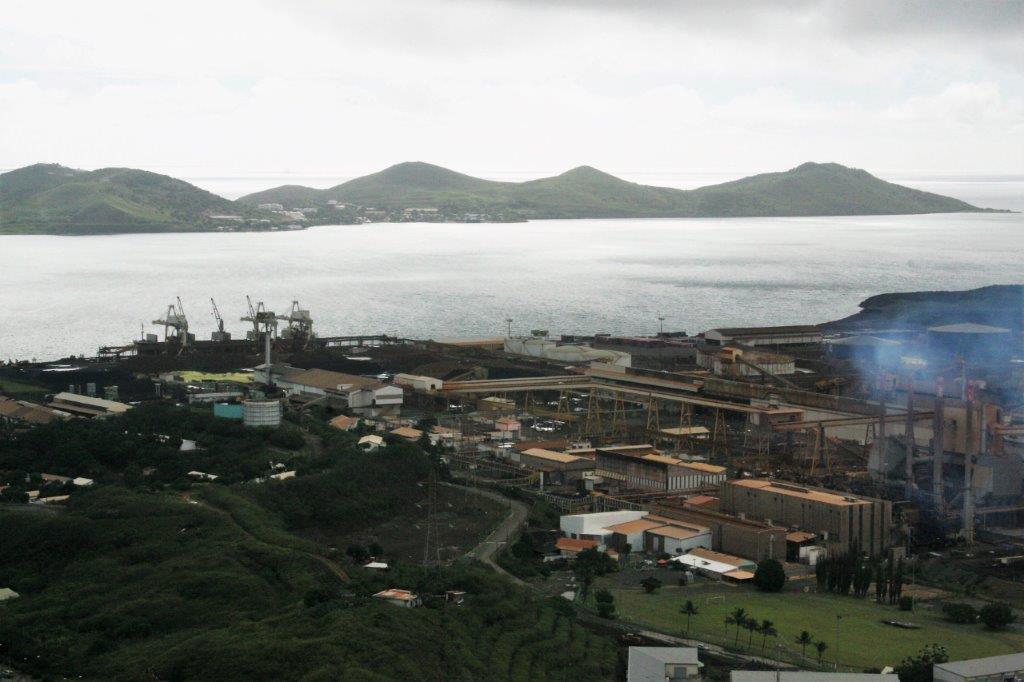
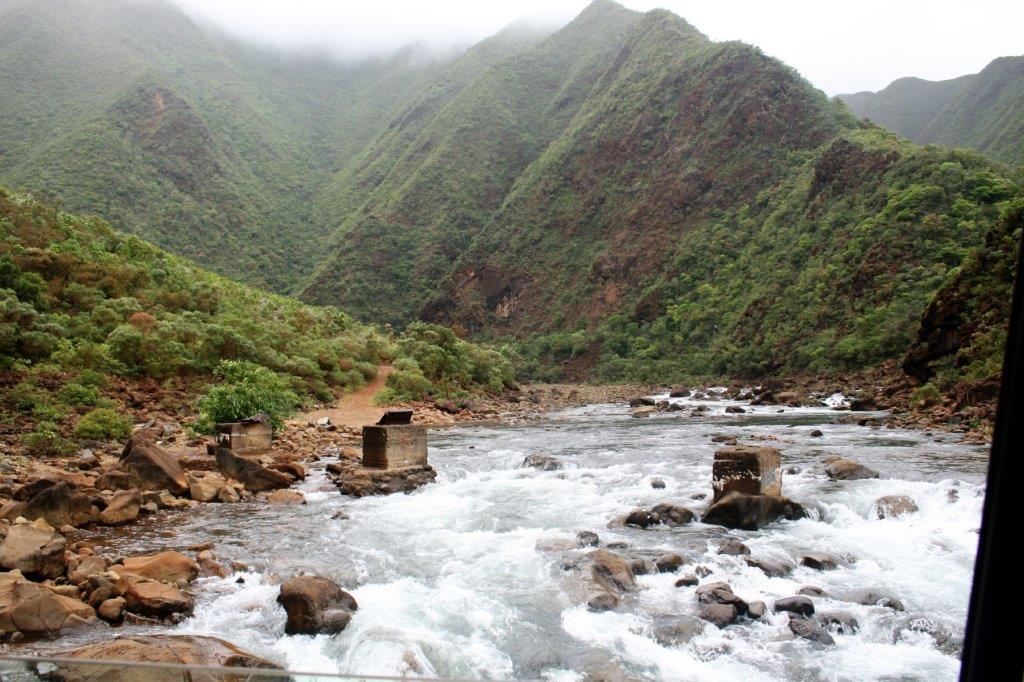
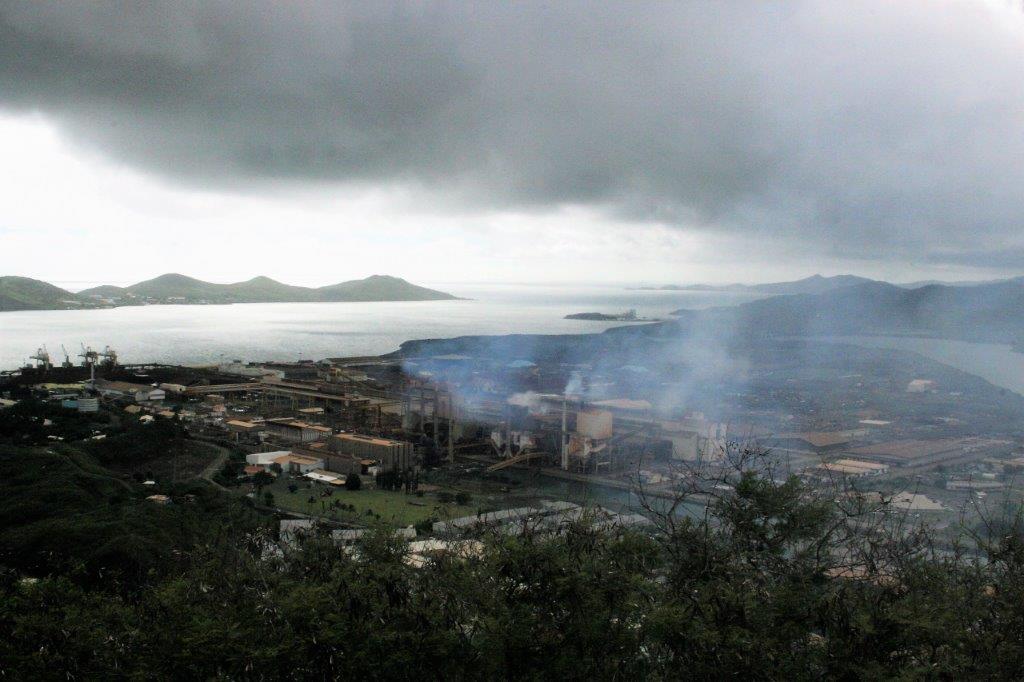
In the afternoon we went four-wheeling in the tropical forest – in the rain.  We were supposed to have a swimming stop but the Dumbea River was flowing too swiftly.img_3442-1 img_3446-1 img_3447-1 img_3449-1 img_3456-1 img_3457-1We drove all over the hillsides and Jean, our driver/guide took us to the highest point of the island.img_3462-1 img_3463-1 img_3464-1On the way back to town we passed the 100-year old nickel smelter.  A new processing plant had just opened which will use the acid bath method to extract the nickel rather than smelting it.img_3466-1 img_3467-1 img_3472-1This is what you call downtown parking – or should that be, porting?img_3473-1


2009 World Cruise – Feb 4 & 5 – Days 30 & 31 – Port-Vila, Efate, Vanuatu

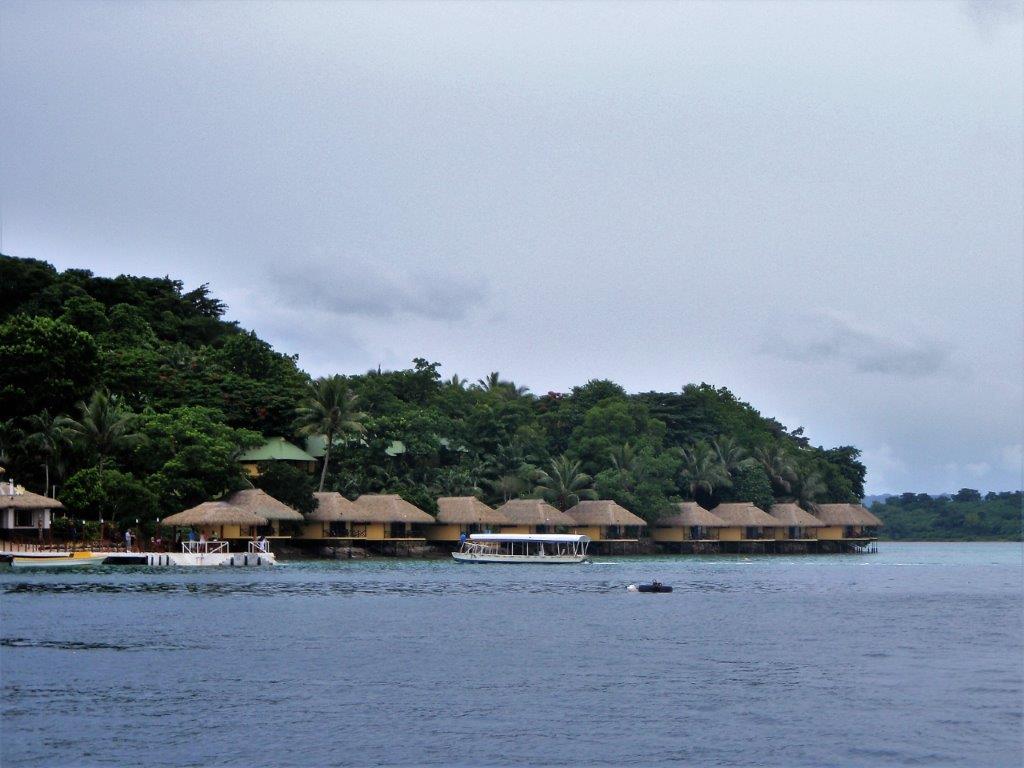
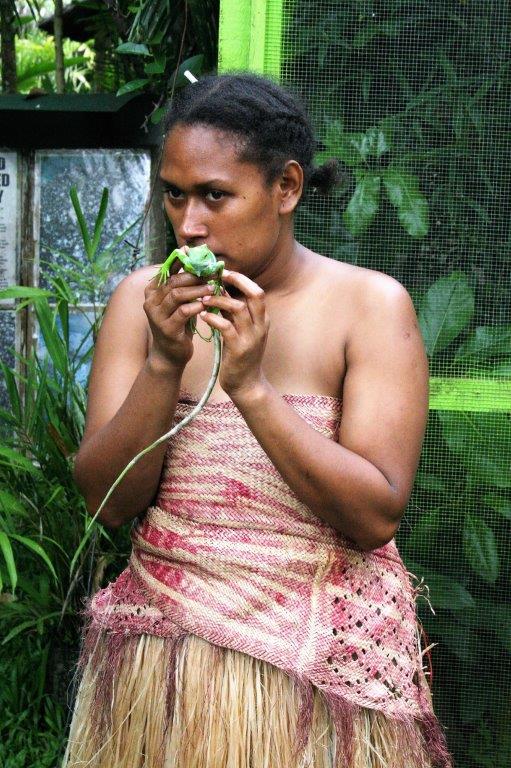
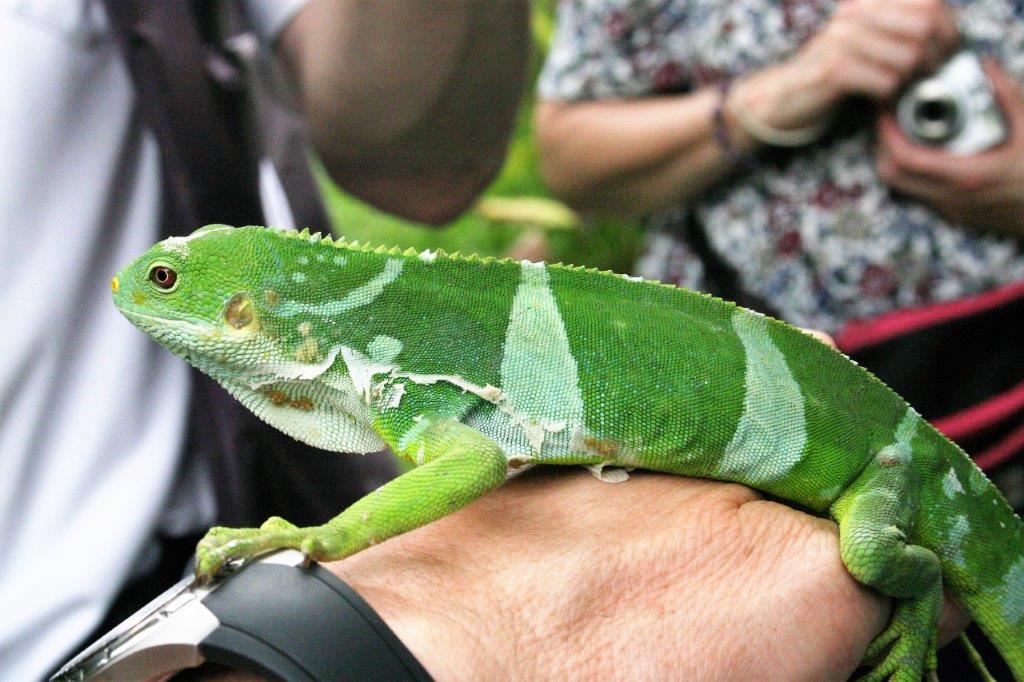
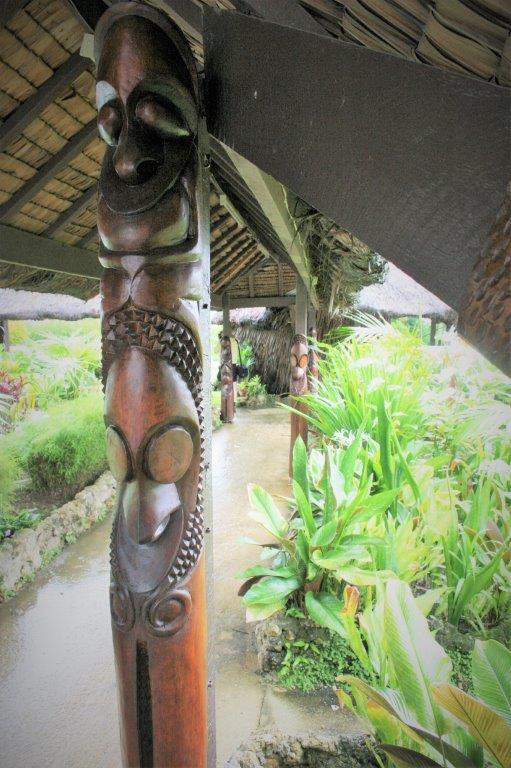
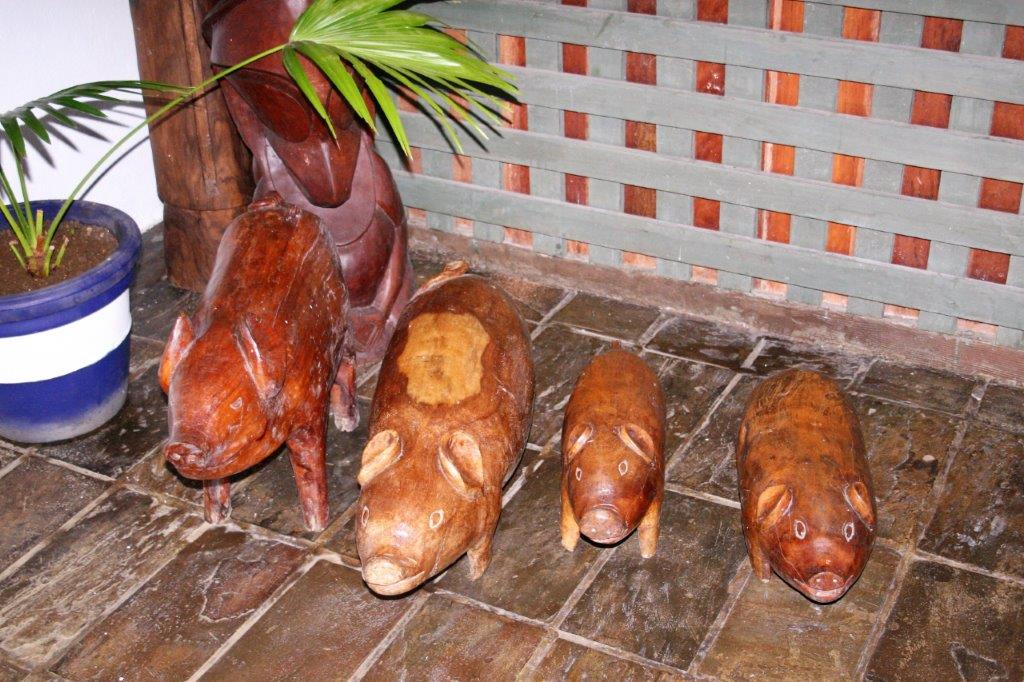
2009 World Cruise – We sailed from one of the islands of Vanuatu to another – Espiritu Santo to Efate, the principal island of the country.  We actually did two tours that day.  The morning was spent at Mele Gardens Cultural Center where we were told about the native plants, saw a traditional grass hut, and were introduced to some of the local critters.

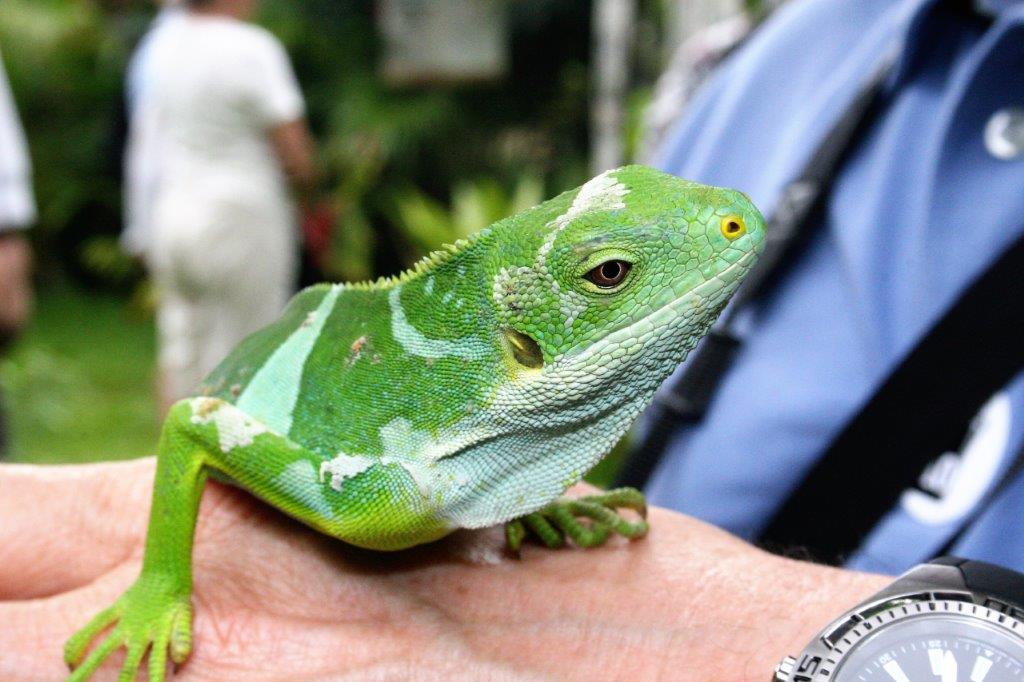
img_3351 p2030057-1img_3364img_3353-1img_3357img_3358img_3360                                                            A banded Gecko

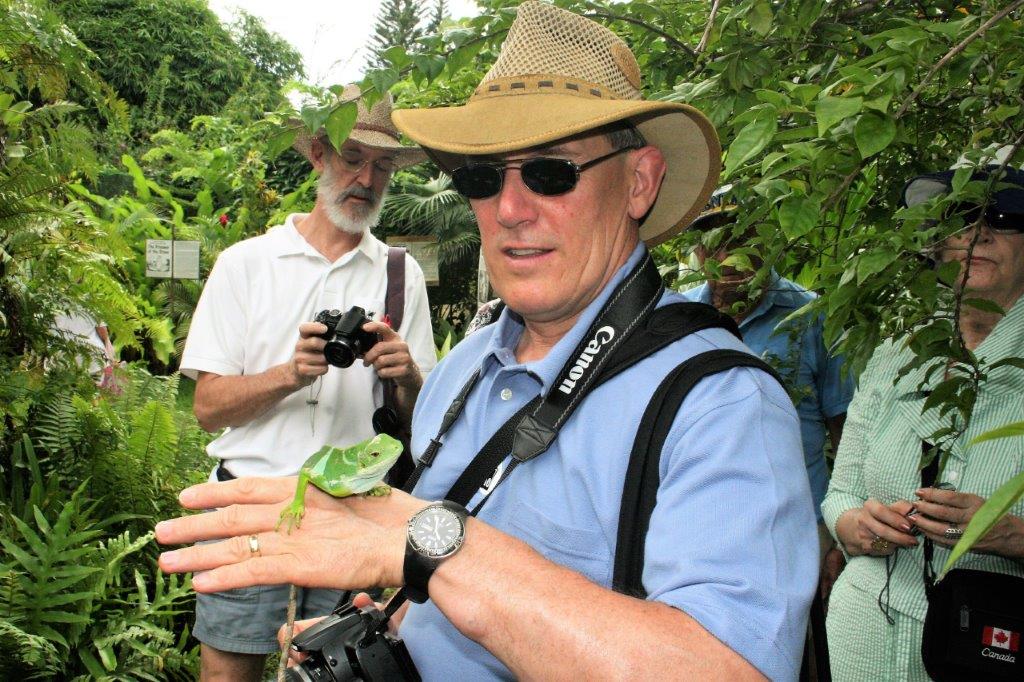
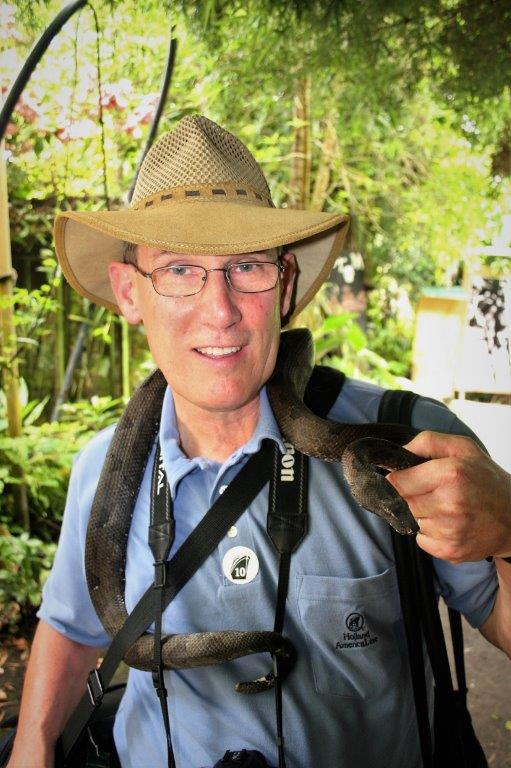
img_3372This snake liked John, it snuggled close to the back of his neck to get warm and wound it’s tail around John’s camera strap to secure itself to this new toasty perch.  It was non-venomous and not a constrictor.  Still, I didn’t hold it.  But I did hold the Gecko.


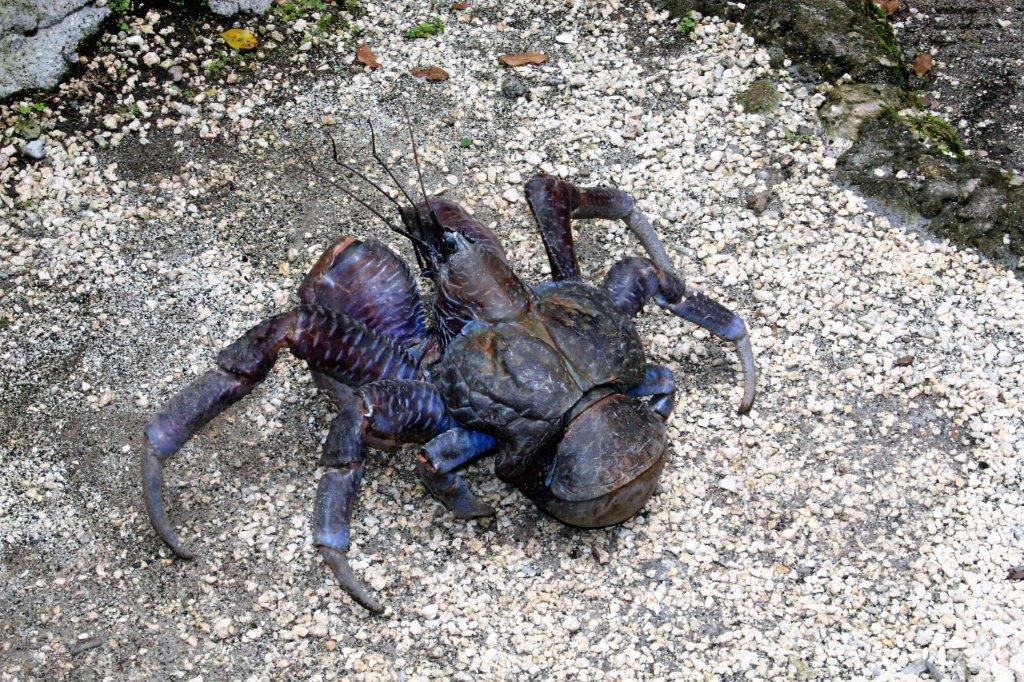
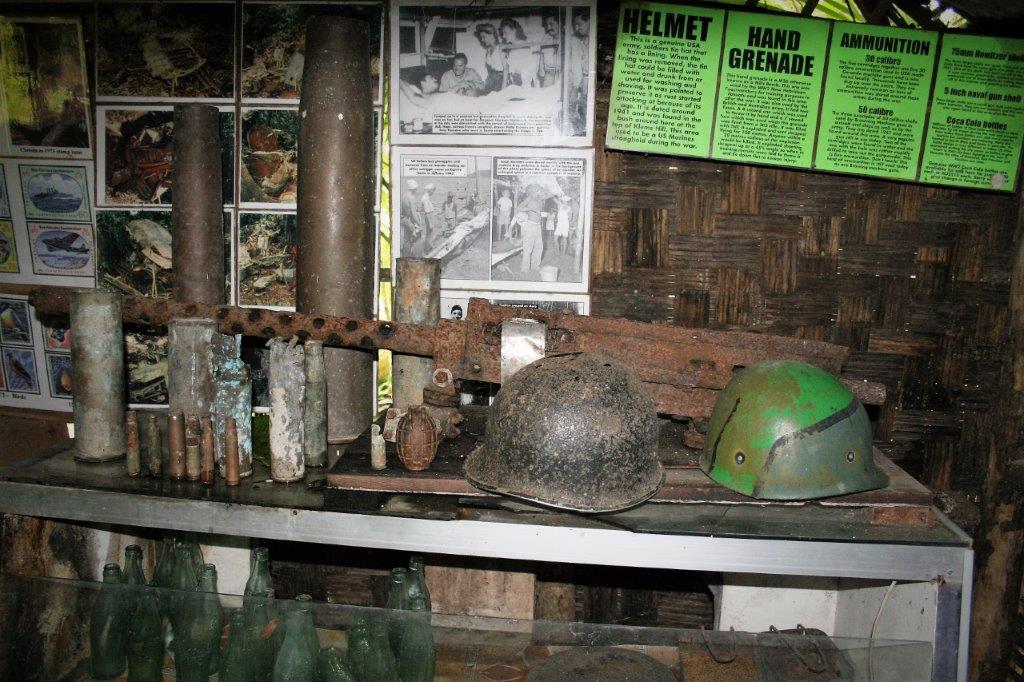
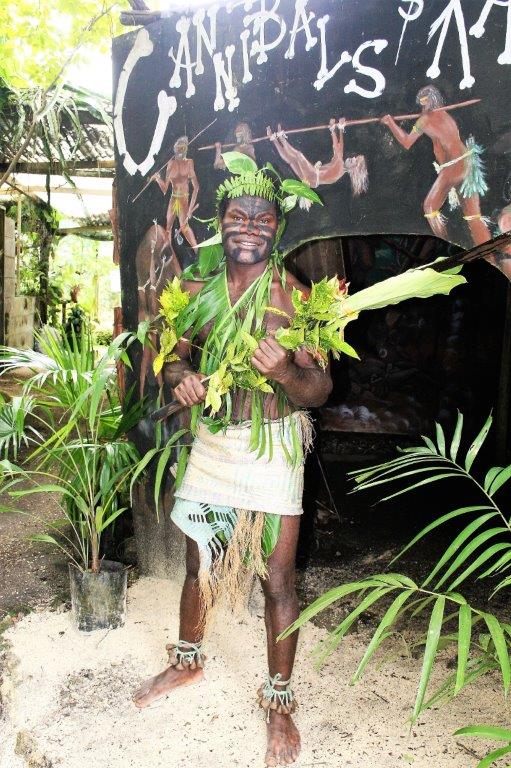
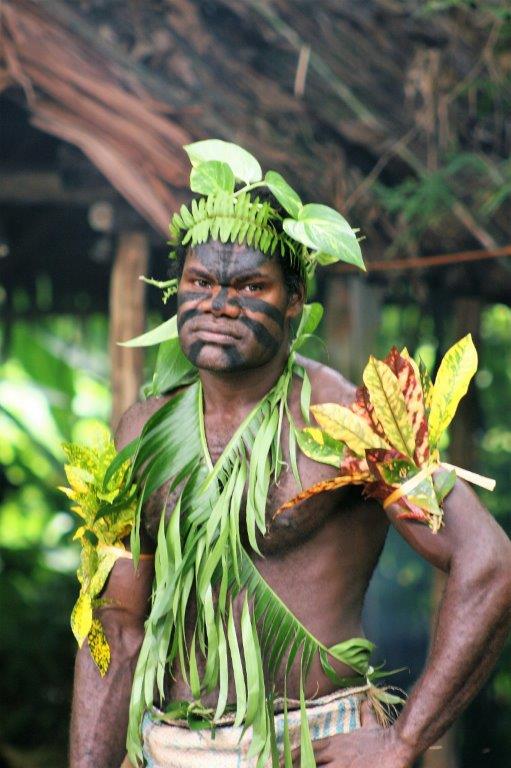
The Coconut Crab (or Thief Crab or Robber Crab) is the largest crab in the world.  They can reach 1 m (3′ 3″) in length from leg to leg and weigh as much as 4.1 kg (9 lbs.).  They eat seeds, nuts, fruits and the pith from fallen trees.  They will also eat carrion and anything found on the ground is fair game for dinner.  This is how they acquired the name Thief Crab.  Their pincers will take off your finger in a flash. img_3375 img_3376Some left behind military items from the war years.img_3362-1This was originally cannibal country.

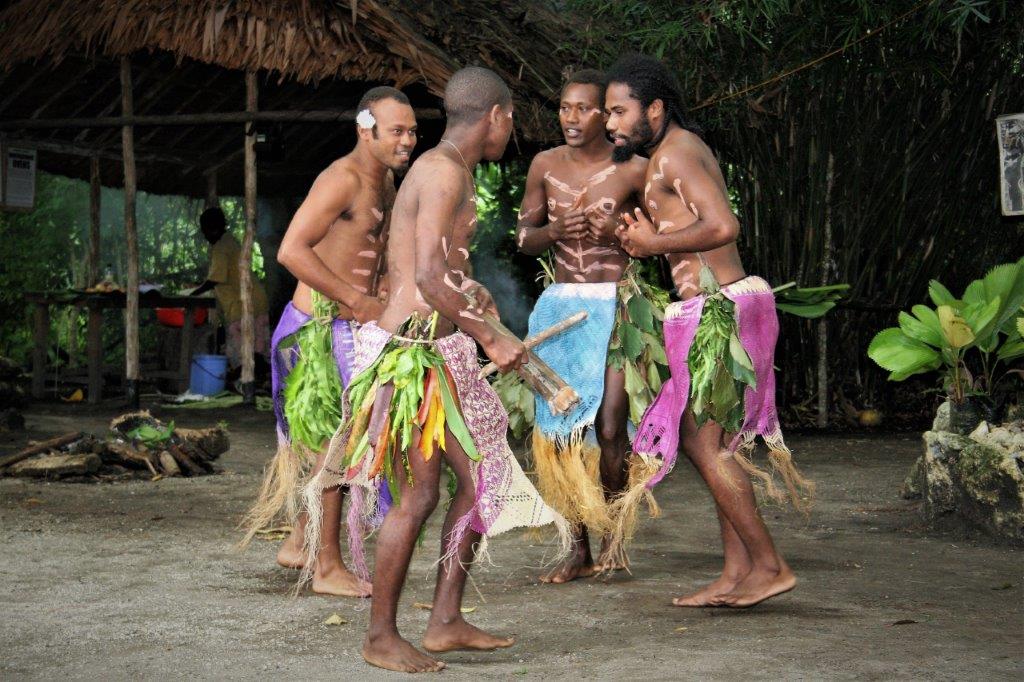
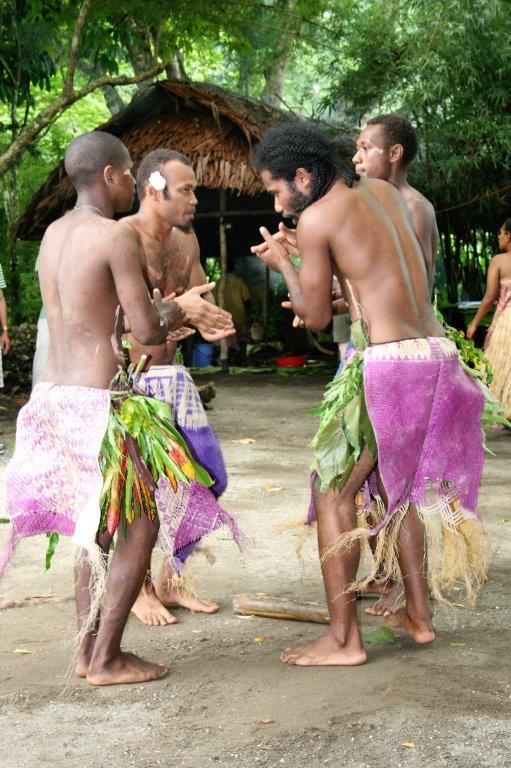
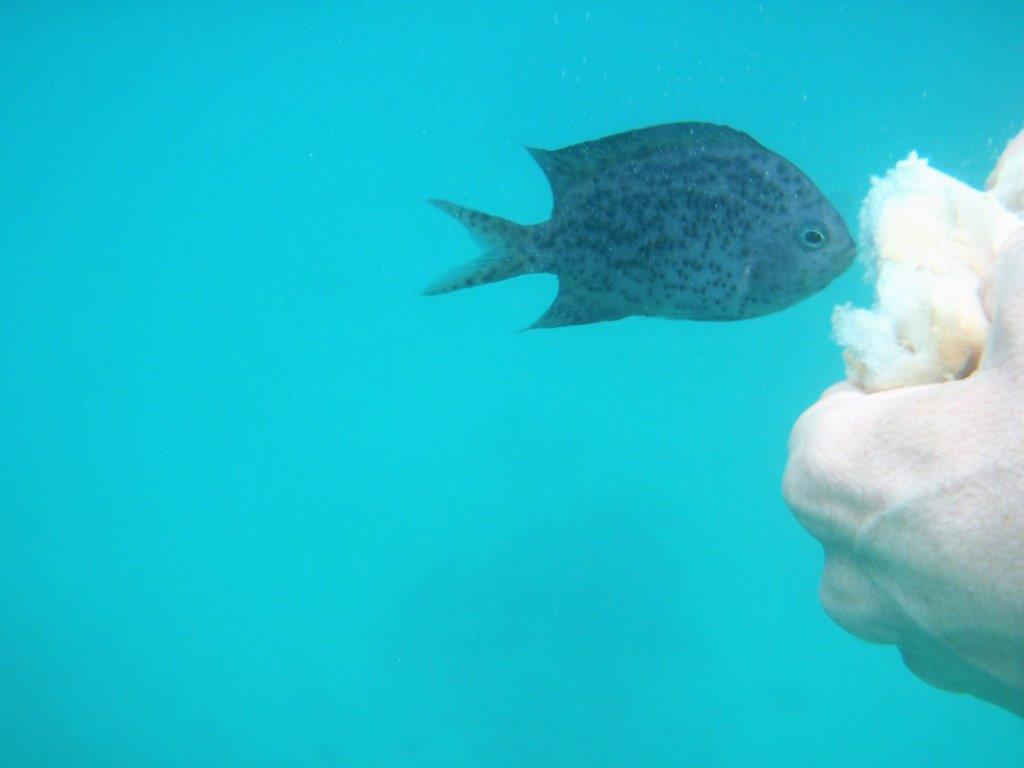
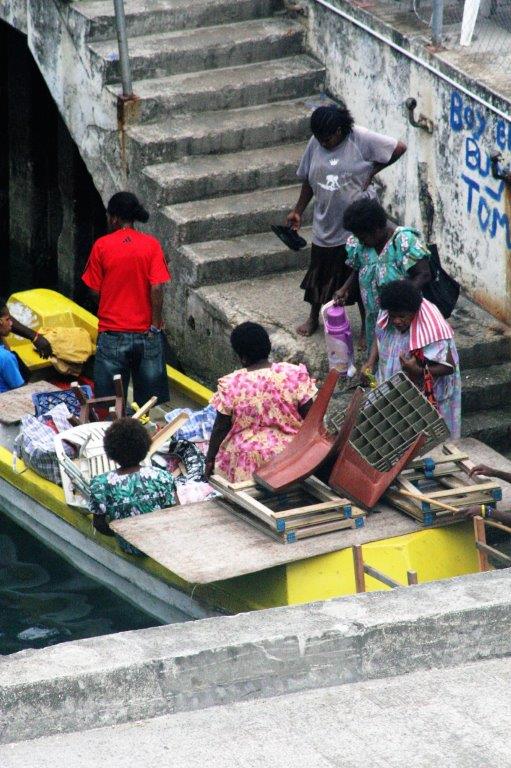
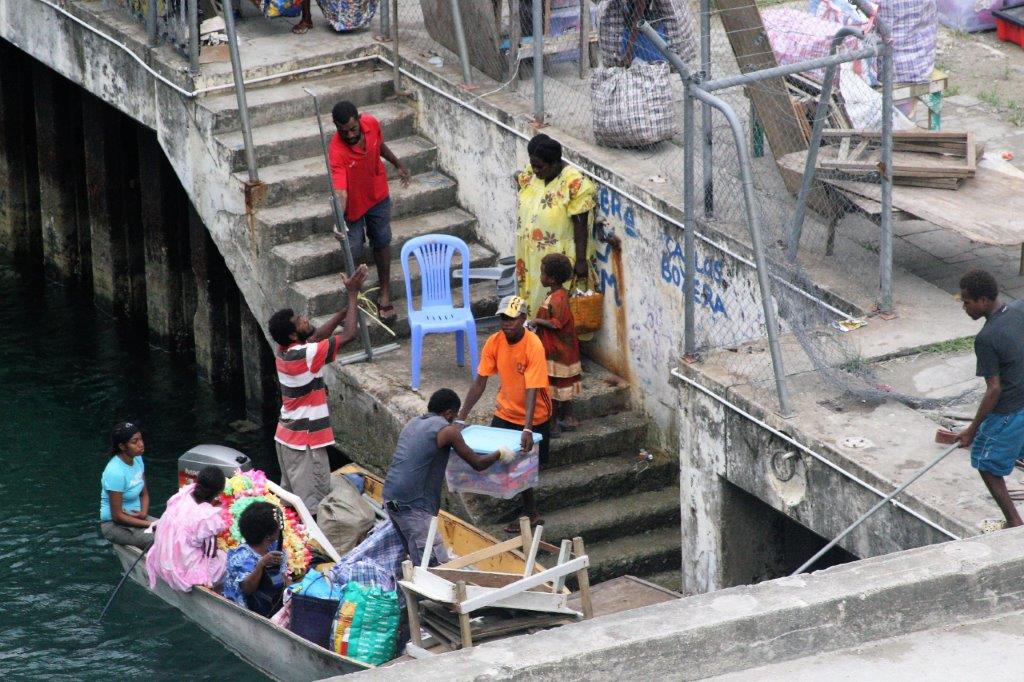
img_3369 img_3378-1These young men showed us some traditional dances and only used the stomping of their feet and clapping hands for music.img_3379 img_3385-1We returned to the ship in time to grab a sandwich from the Lido buffet restaurant and make our way back down to the glass-bottomed boat for our snorkeling and fish feeding tour.  This was great fun!  The water was really warm and only about 9′ deep.  After we had anchored the boat’s crew fed the fish so any people not wanting to get in the water could see them through the glass-bottom of the boat.  We were able to spend quite awhile in the water feeding bread to the fish.  Pretty cool.p2030071-1 p2030077-1As is customary at most of our ports-of-call local artisans and crafters set up stalls to sell T-shirts, post cards, trinkets, and locally made crafts.  This one was quite extensive.  As the ship was preparing to set sail at 5:30 we were able to watch the folks pack up their unsold goods and load them into flat-bottomed boats.  It was incredible how much stuff and how many people were put into one of those boats.

img_3388-1 img_3392-1

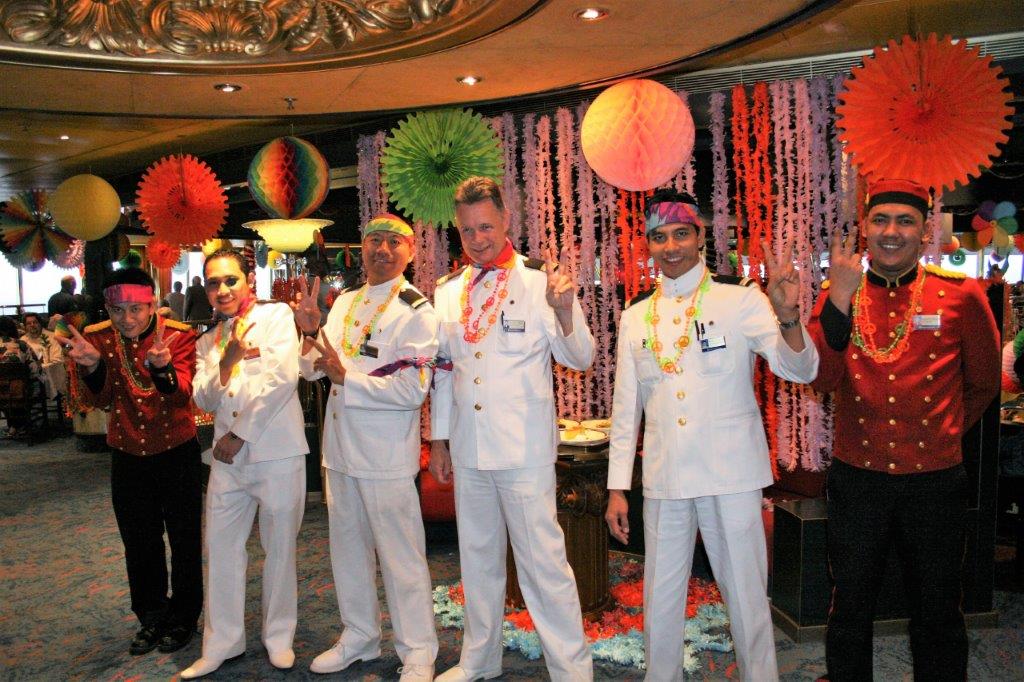
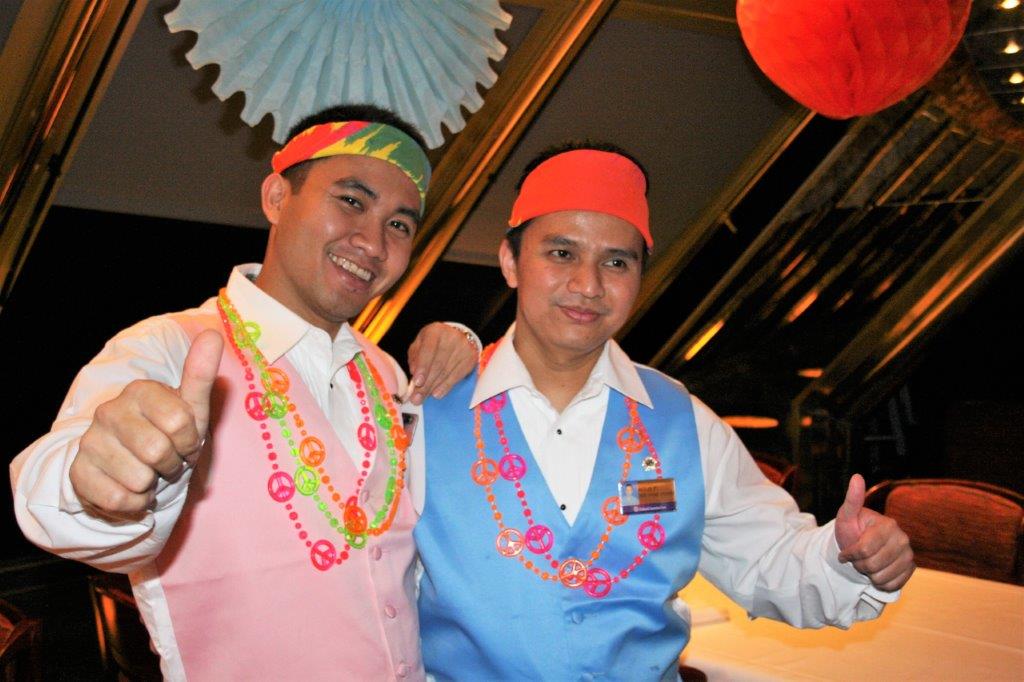
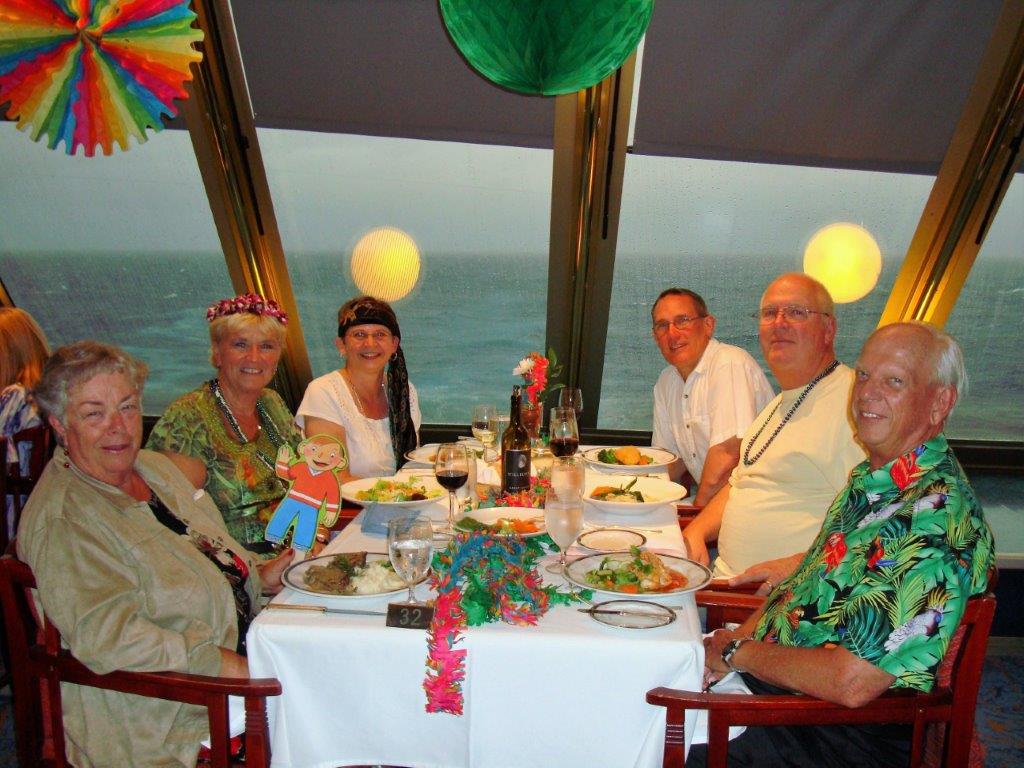
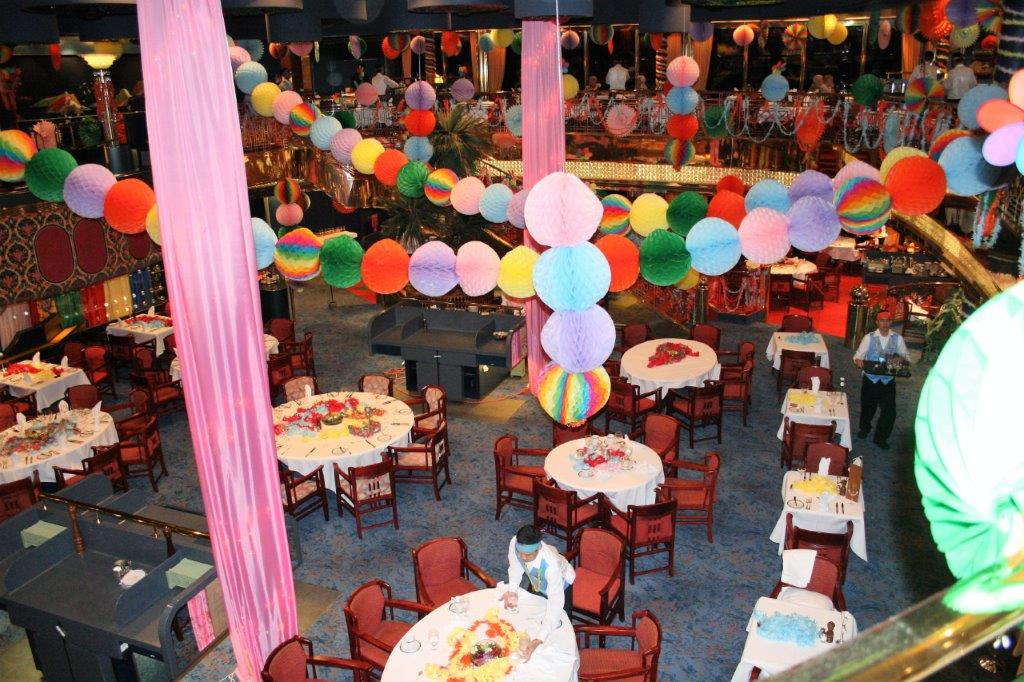
img_3395-1The next day was a sea day and it was Flower Power Night.  It was not a formal night, just a theme night.  All activities staff and wait staff were appropriately dressed.  Both levels of the dining room,  and the Crow’s Nest lounge were beautifully decorated.  It was a blast from the past and return to the days of Hippies and Peace Marches.

img_3399img_3411-1img_3405-1dsc00523 img_3406-1 img_3409-1The next day we stopped at Noumea, New Caledonia where we went on a 4-wheel-drive adventure.


2009 World Cruise – Jan 26-Feb 3 – Days 22-29 – Luganville, Vanuatu

2009 World Cruise – We left Honolulu, Hawai’i at midnight Jan 25/26 and sailed through calm seas all the way to Vanuatu.  Several of the crew were commenting on the calm seas  saying this was the calmest they had ever sailed across the Pacific (which means peaceful waters; and is often anything but.  Especially a long distance away from land.)

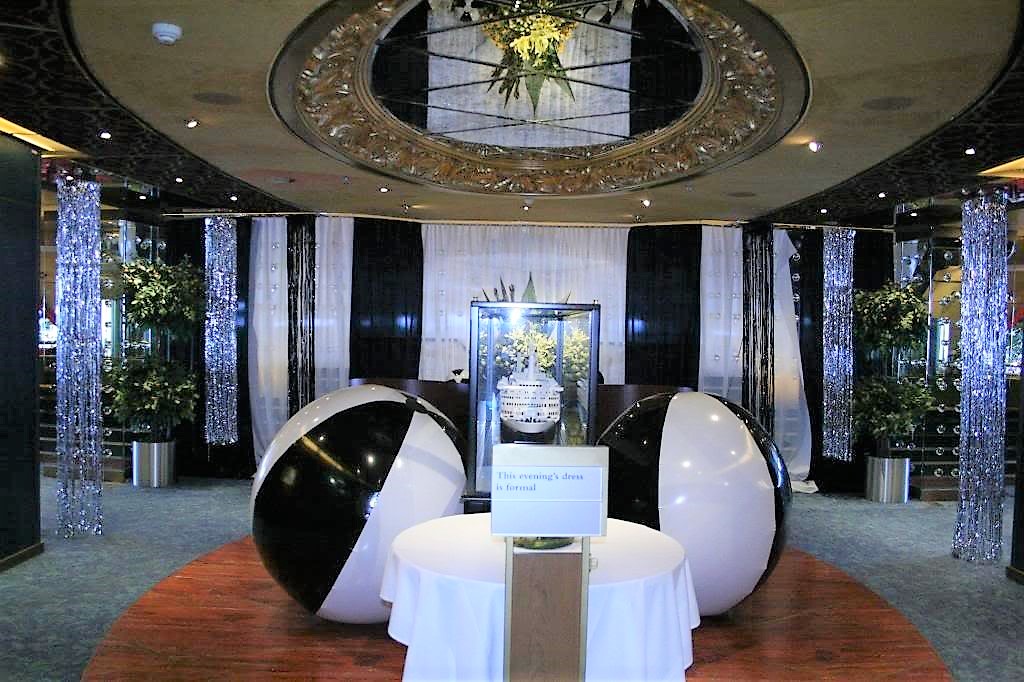
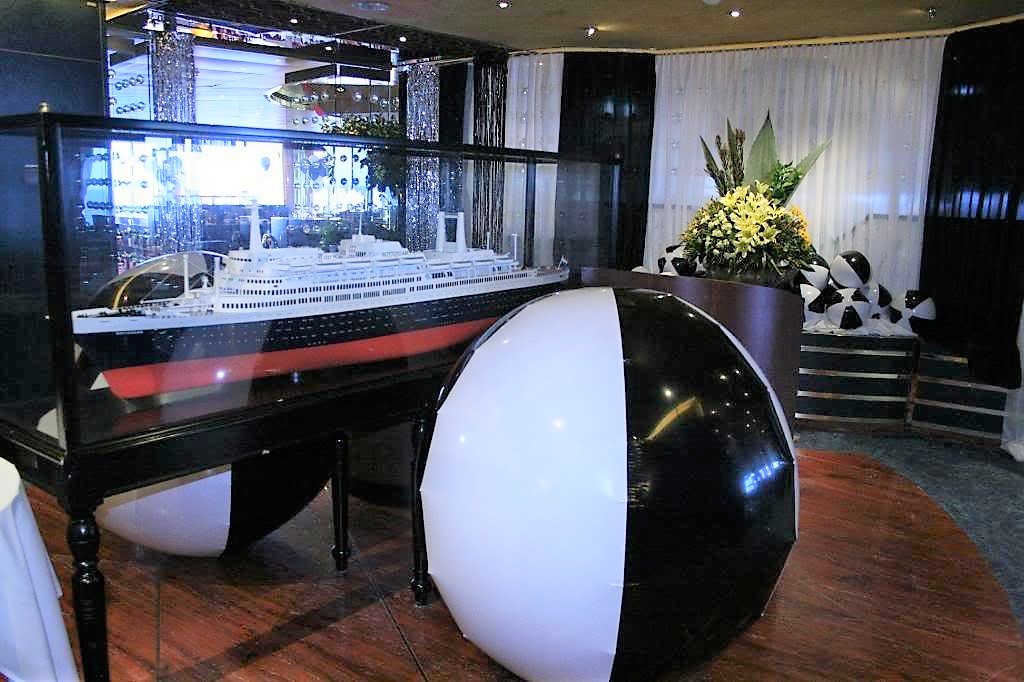
Two things broke up the long sea days.  The first was the second formal night of the cruise, and the first themed-night: The Black and White Ball.  We learned to like formal nights.  Often there was a color theme or costume theme (you were under no obligation to take part) and every formal night we returned to our cabin to find a gift on our beds.  We had previously received leather-bound journals stamped with the map of the world, and this night we were each given a multi-time-zone clock

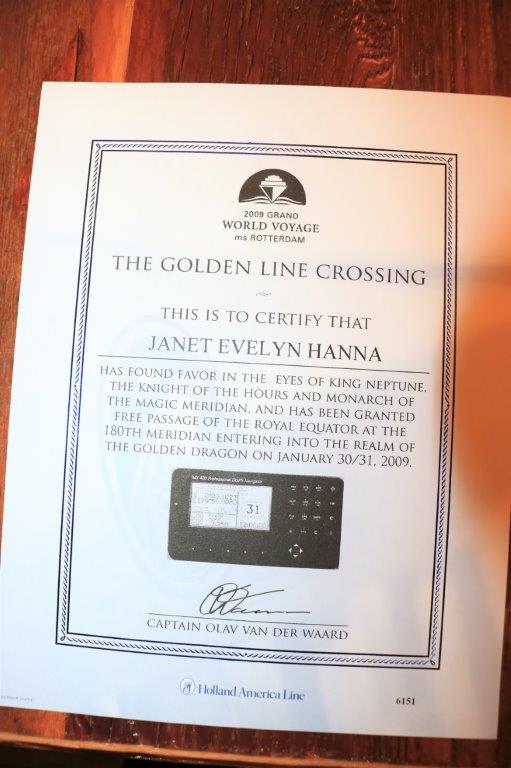
img_3381 img_3382Second was the Golden Line Crossing on January 30.  We crossed the equator at the International Date Line at noon so the date changed immediately to January 31.  There is a tradition when making the Golden Line Crossing.  The Captain blows the ship’s horn from the moment the bow touches the intersection of the equator and the International Date line until the stern has crossed over.  We received certificates from King Neptune as you must have his permission to make the crossing.

img_6908And January 31 was our third formal night in honour of the Queen Beatrix of The Netherland’s official birthday (our gifts were a boat bag).

On February 3 we  docked in Luganville.  Many, many people on board were very happy to see land.  Seven days at sea in a row is a lot and people were getting antsy.

We were scheduled to visit Funafuti, Tuvalu on Feb. 1 but there is some political uncertainties in the area so the Captain changed the port-of-call.  A change of port or change of arrival time happened several times on our trip.

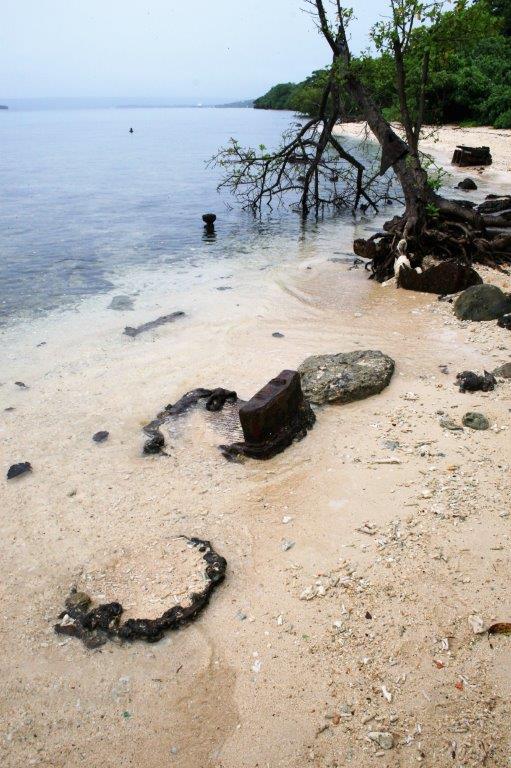
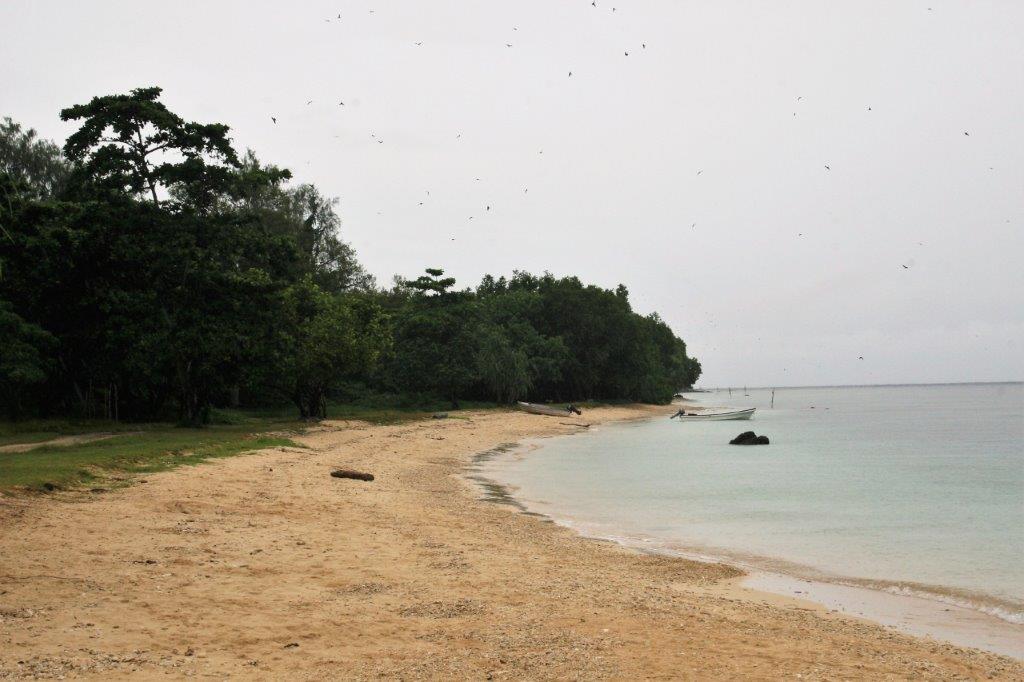
Vanuatu is comprised of several islands.  The major port of Luganville is located on the island of Espiritu Santo.   There is not a lot to see here.  Our tour was World War II relics.  Many of the South Pacific islands became military outposts in the war against Japan.  The allied forces set up a supply and support base, naval harbour and air field on Espiritu Santo.  It was not a super, super exciting tour but interesting enough and we got to drive around the island quite a bit.

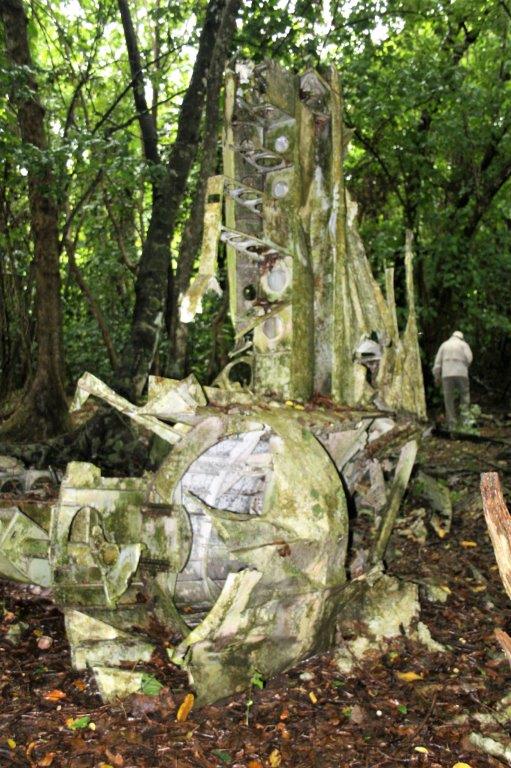
We visited a B-17 bomber crash site in the jungle, two overgrown airstrips, a concrete bunker that was a jail cell for Japanese POWs, and traveled on lots of severely pot-holed roads.  It was raining heavily all day and our driver got stuck going up one of the hills.  After three attempts he still could not make it.  The van following ours eventually pushed us up.  We were fortunate to be with a group of people that made light of the bad weather and rough roads so we had a lot of fun in our truck.  Some of the other vehicles were hot-beds of discontent.

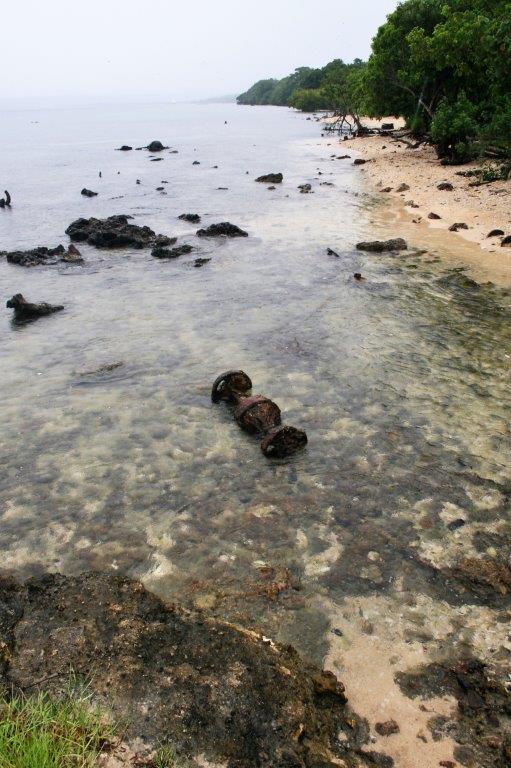
img_3329-1 img_3332-1The most interesting part of the tour was a visit to Million Dollar Pointe.  When the Japanese surrendered in 1945 the military moved off the island.  It was deemed to be too expensive to ship the jeeps, guns, and other equipment back to the US so everything was dumped in the ocean.  The area is now a popular dive spot, as is the wreck of the SS President Coolidge, a converted luxury liner that hit a mine during the war.  Approximately 40,000 US military personnel were stationed in Luganville during WWII and it is estimated  between 400,000 or 500,000 military personnel took R & R on the island.

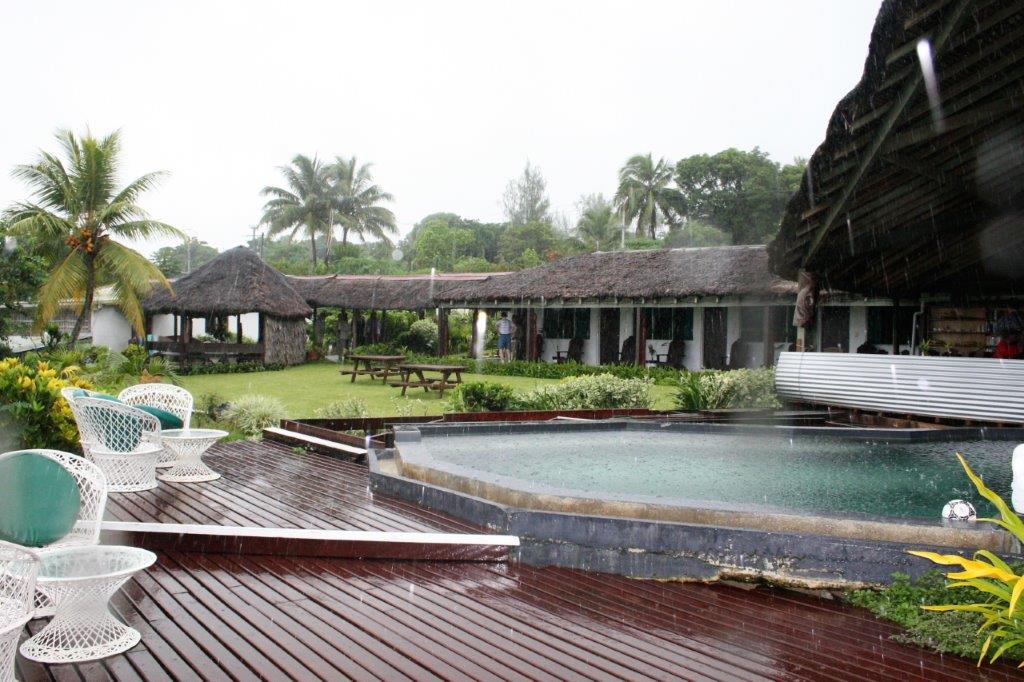
img_3322-1 img_3324-1 img_3325-1 img_3323-1 img_3327-1 img_3328-1Our tour ended with a visit to a nice hotel for some refreshments before we headed back to the ship.  The rain became steadily heavier until it was coming down in torrents.  The only time I experienced a heavier downpour was in 2011 in Kakadu National Park in the Northern Territory, Australia where the rain was falling so thick and fast it looked like a single sheet of glass.

img_3334-1 img_3336-1 img_3338We returned to the ship at noon and had intended to go into town and walk around after lunch.  However the continuing rainfall put paid to that notion and our trip to Vanuatu came to an inglorious end.

2009 World Cruise – Jan 25 – Day 21 – Honolulu, Oahu, Hawai’i

2009 World Cruise.  It was an overnight sail (probably at a very slow speed) from Hilo to Honolulu.  Honolulu in Hawai’ian means ‘sheltered harbour.’  The very, very famous Waikiki Beach (also very, very crowded) is there; as is Diamond Head, the extinct volcanic crater and State Monument.

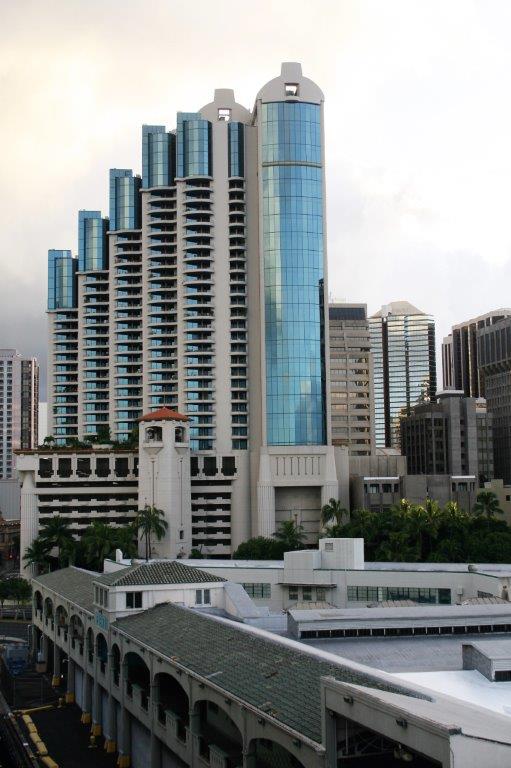
The ship was welcomed to Honolulu by a traditional Hawai’ian band and  dancers at the bottom of the gangway; entertaining us on board and as we disembarked.  This we learned was an oft-repeated treat at many of our ports-of-call.  Local musicians and dancers met the ship at many of our stops.img_3302-1img_3305-1 img_3308-1The iconic Aloha Tower.                           Honolulu skyline.

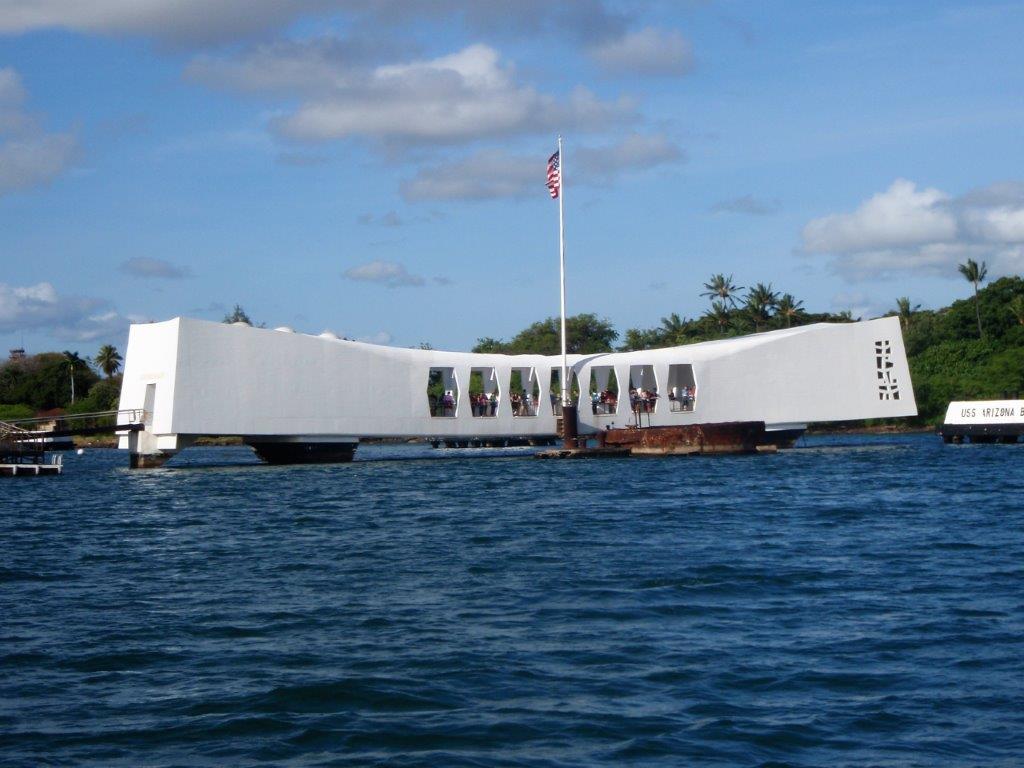
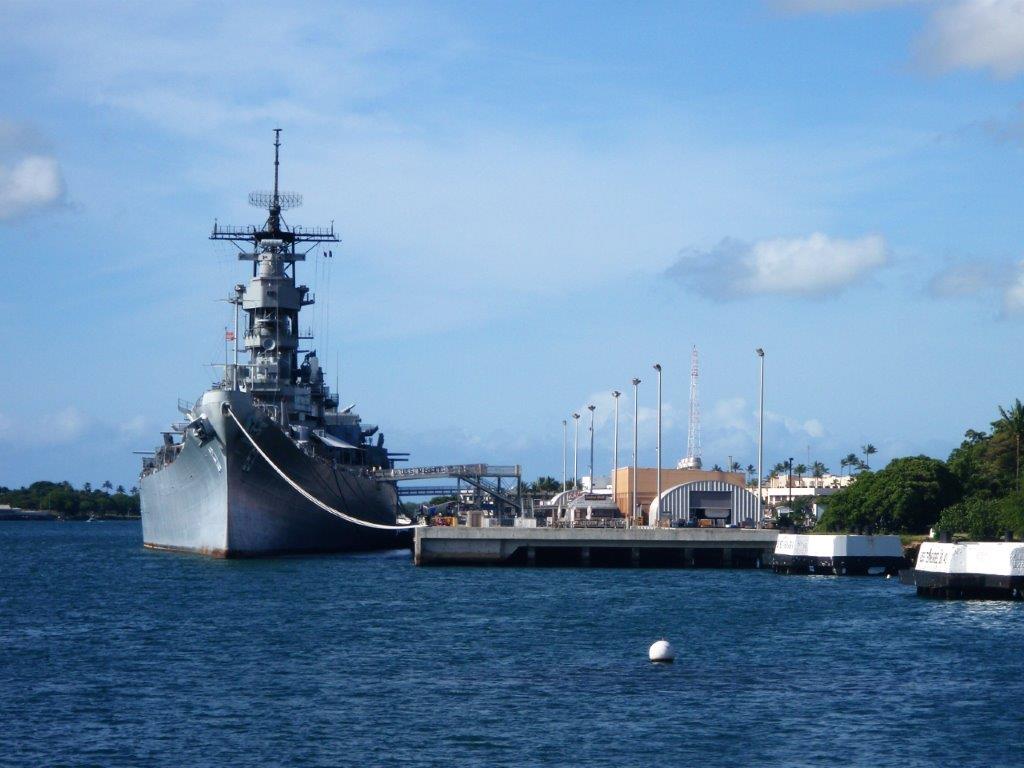
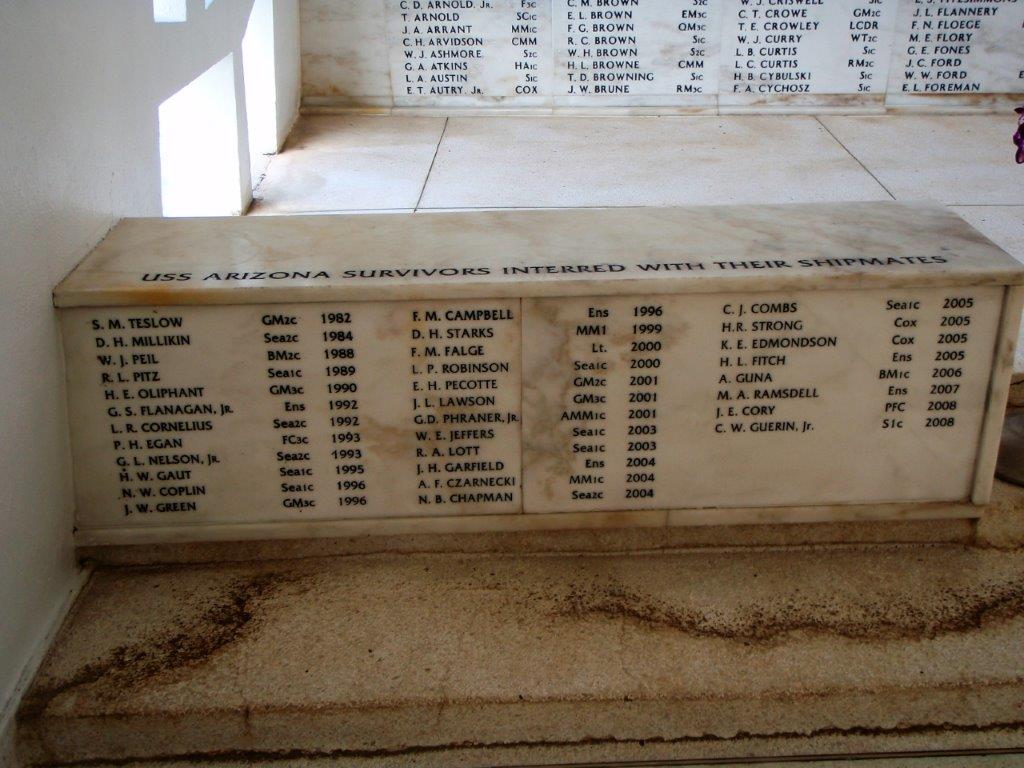
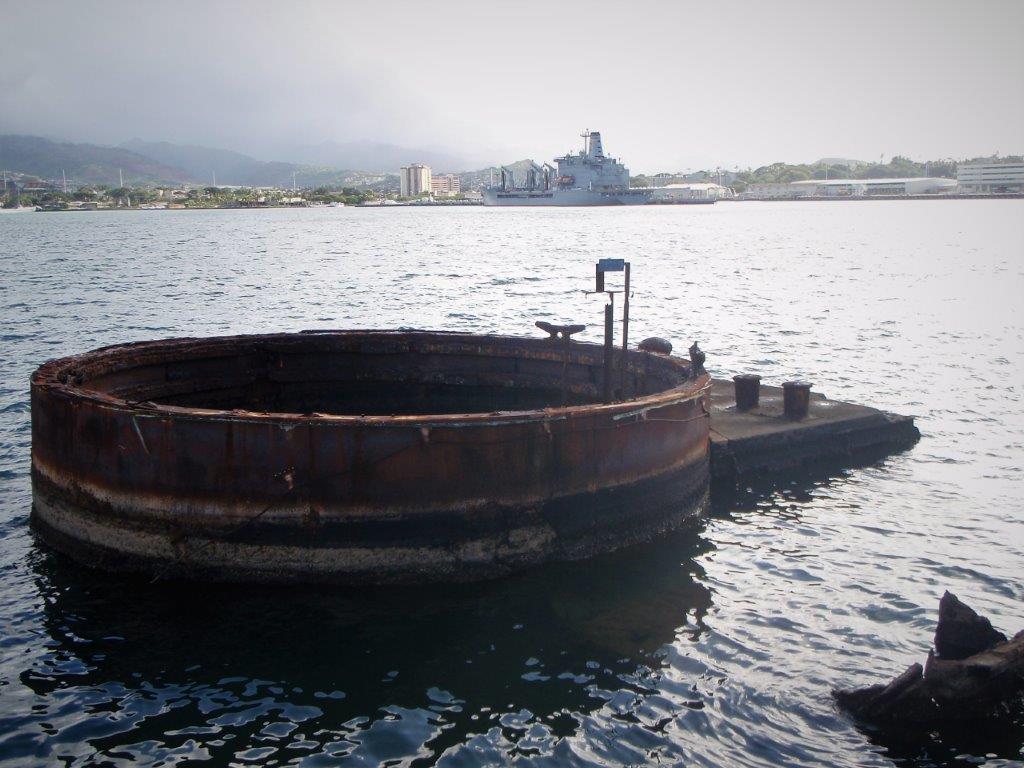
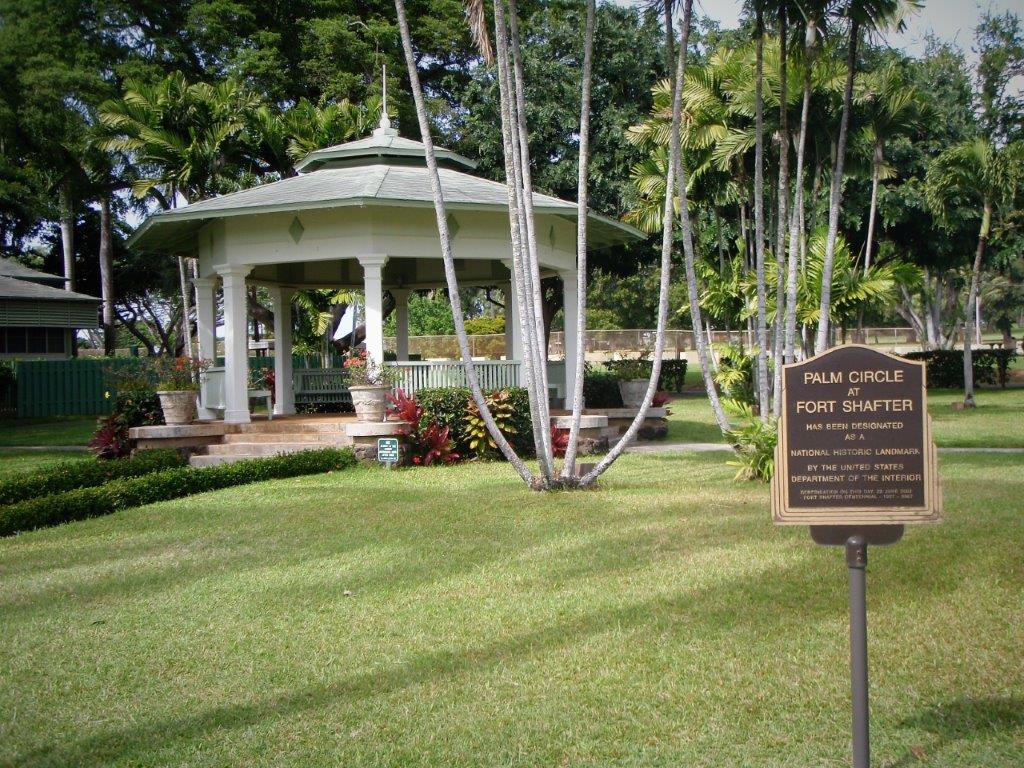
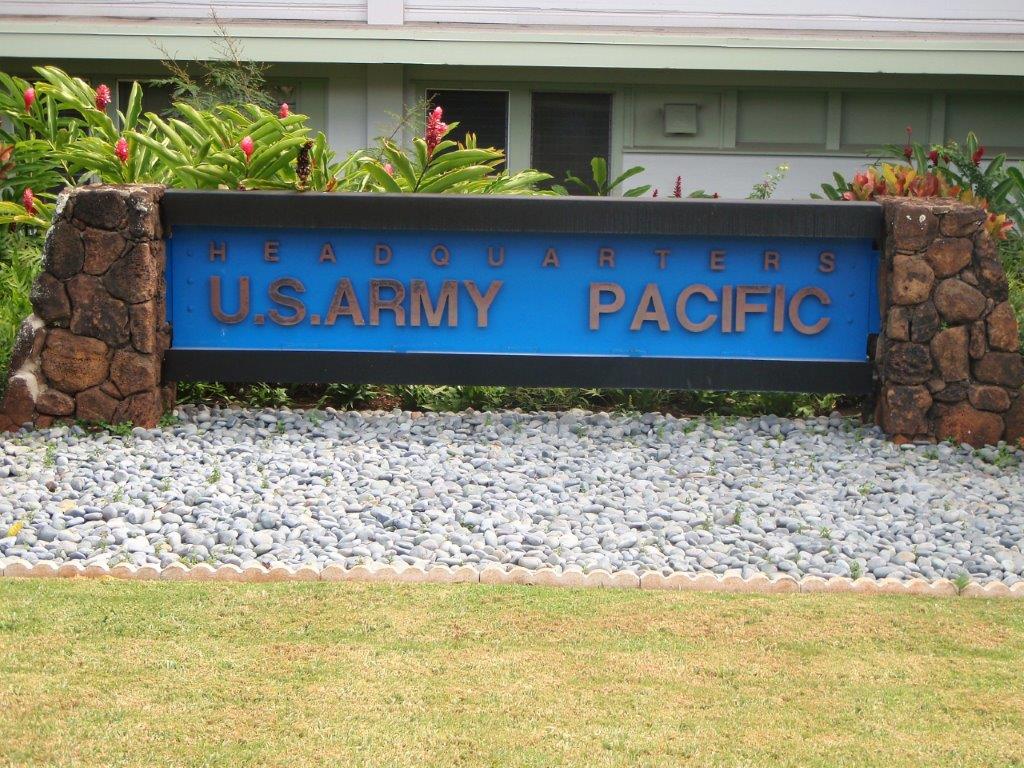
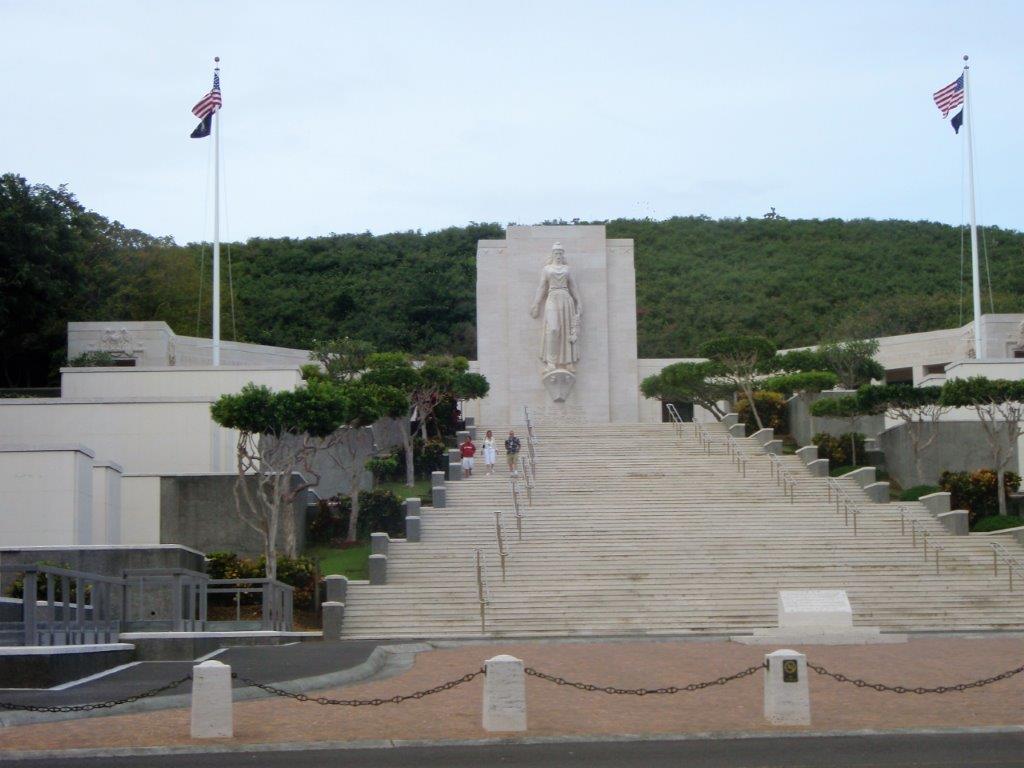
Obviously, for me anyway, being a history buff, the Number One must see in Honolulu is the USS Arizona Memorial at Pearl Harbour.  The tour we selected took us there and then to three military bases (Wheeler Field , Scofield Army Barracks – the largest army base outside the Continental US and HQ of the U.S. Army Pacific – and Fort Shafter where we had lunch.  We also went to the Punchbowl National Memorial, final resting place of more than 35,000 Americans who died serving their country and, finally,  the Home of the Brave museum.  It was a seven-hour jam-packed tour.

Our guide was a young fellow named Brandon who had a real love for WWII military history as pertaining to Pearl Harbour and onward.  He had tons of anecdotes and information which means I had a great time.

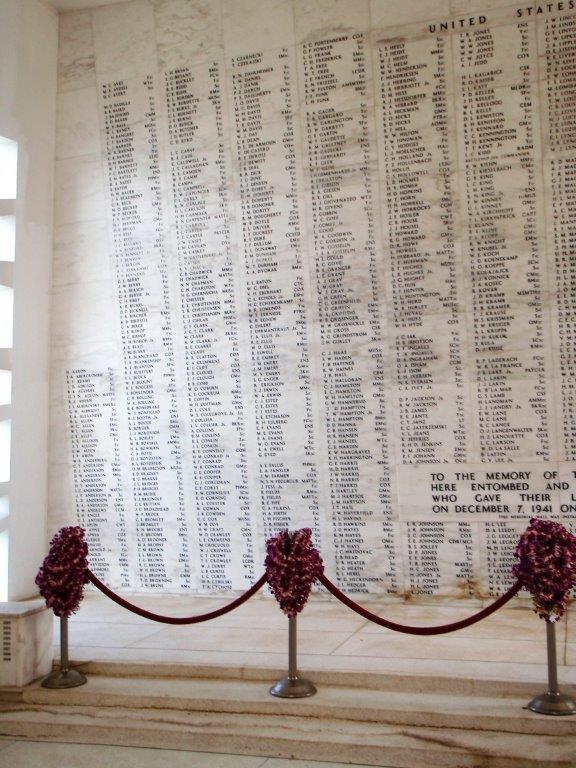
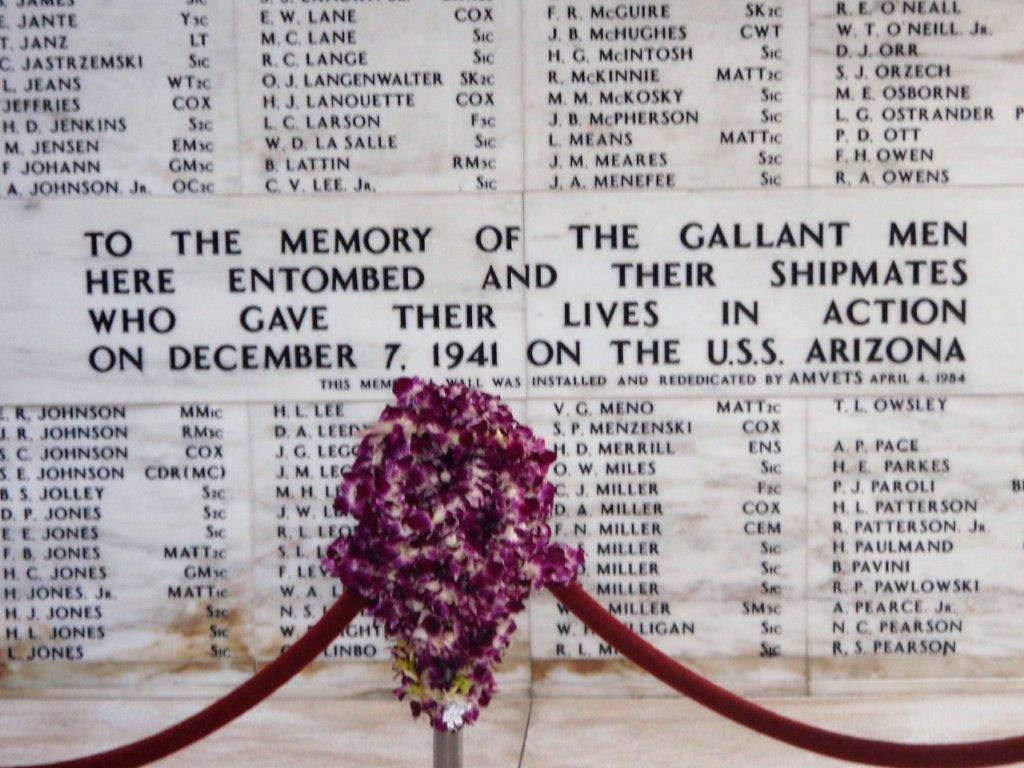
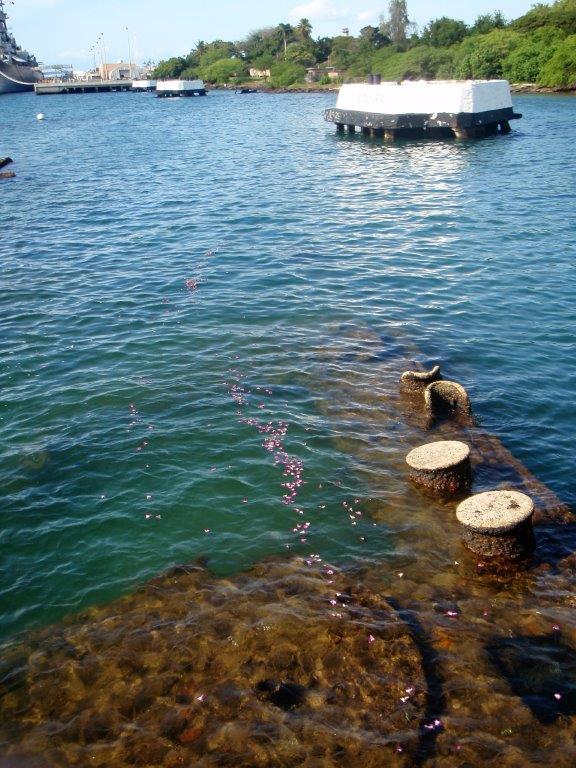
The Arizona Memorial was very moving and had excellent displays about the attack on Pearl Harbour Dec. 5, 1941.  It is quite common for people to bring a lei and and either lay it on one of the steps of the memorial or strip the petals off and lay them on the water. (A Hawai’ian lei is never to be thrown into the garbage.  They are always to be returned to the earth by scattering the blossoms on land or sea.)p1250005 p1250006 p1250008 p1250010 p1250011 p1250007 p1250012The USS Arizona, sunk by the Japanese during the attack on Pearl Harbour, has never been moved; nor have any of the bodies been recovered. The entire site is a  military grave and memorial.  There is still a small, slow oil leak from the ship that colours the water these many years later.

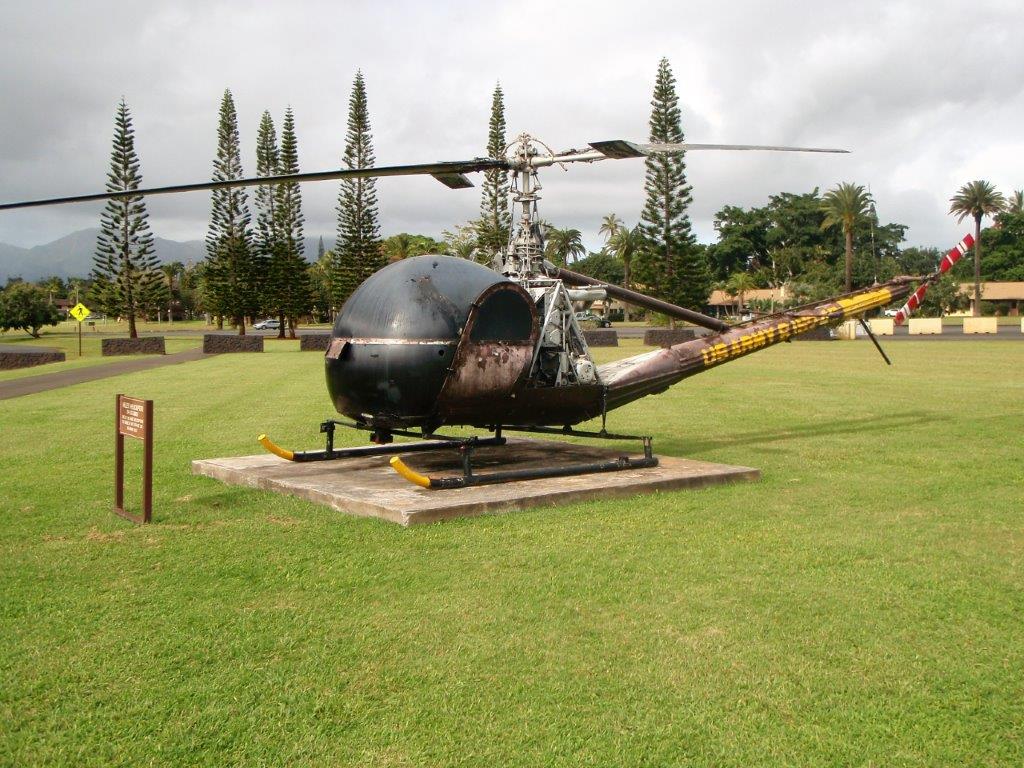
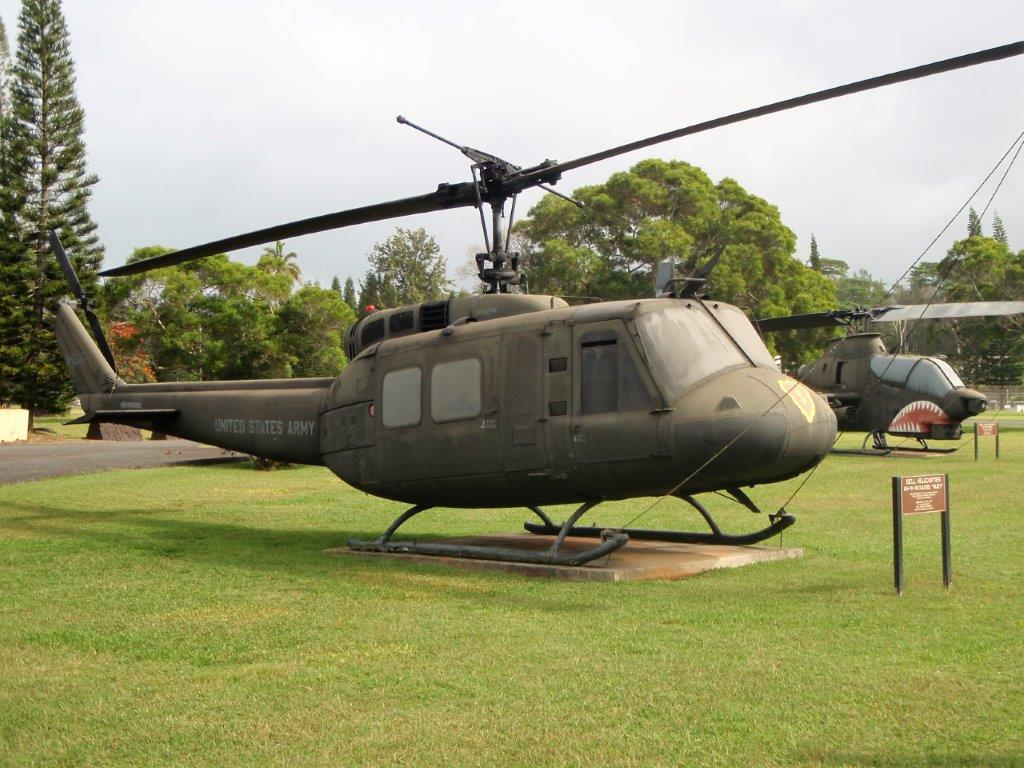
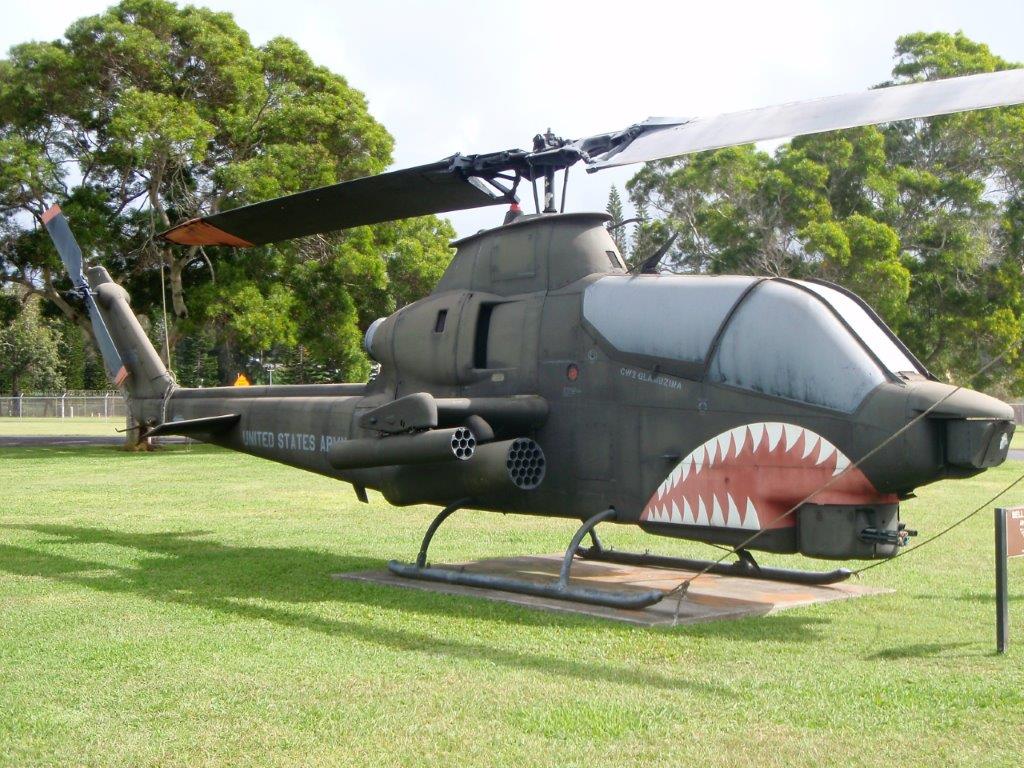
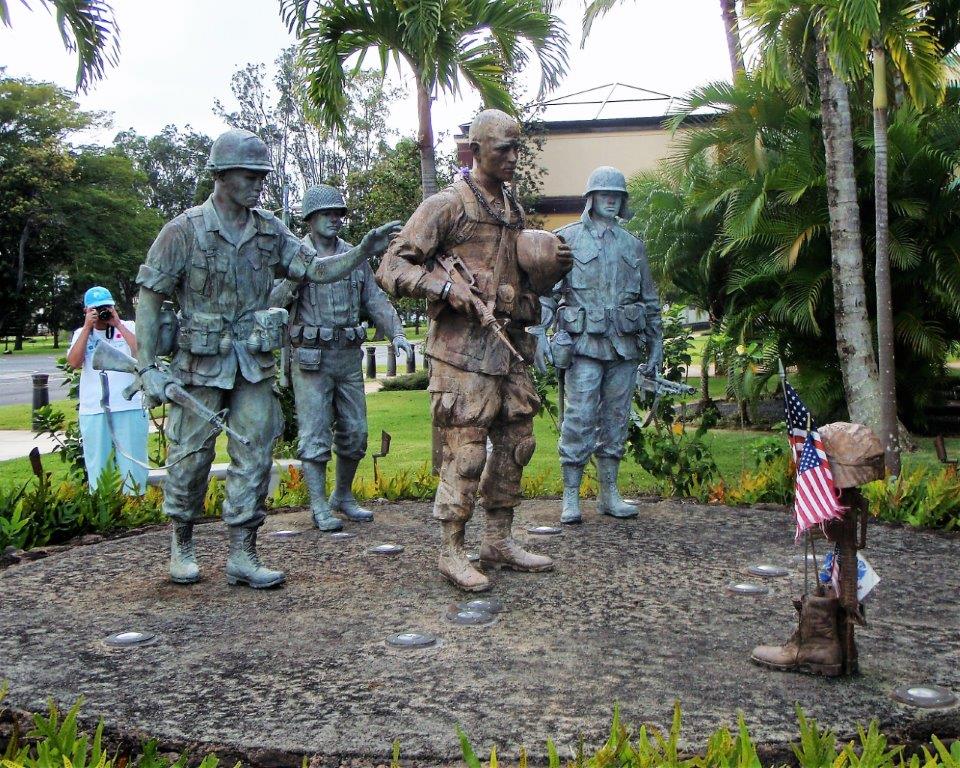
At Wheeler Field there is a huge display of US military air planes and helicopters.  The guys in the group loved this part.p1250014 p1250016 p1250019 p1250021At Schofield Barracks there was a recently revealed memorial called “United by Sacrifice.”  The men are dressed in the time-period  uniforms of WWII, Korea, Vietnam and the Global War on Terror.  A most moving and poignant thing happened as we were boarding the bus to leave the base.  A young woman, accompanied by an older couple – probably her parents, walked up to the memorial and placed a lei around the neck of the front soldier then draped her arms around ‘him’ and began to cry.  A lady who had recently lost her loved one, we surmised.  Very sad.  But it certainly made everything we had been seeing very real.p1250027_edited-1We had lunch at Fort Shafter Military Club and did a tour of the base afterward.

p1250033 p1250038 p1250039           HQ is commonly called, “The Pineapple Pentagon.”

The final US military installation we saw was The Punchbowl Memorial located in Punchbowl Crater, a lovely setting with gorgeous views and a beautifully maintained site.

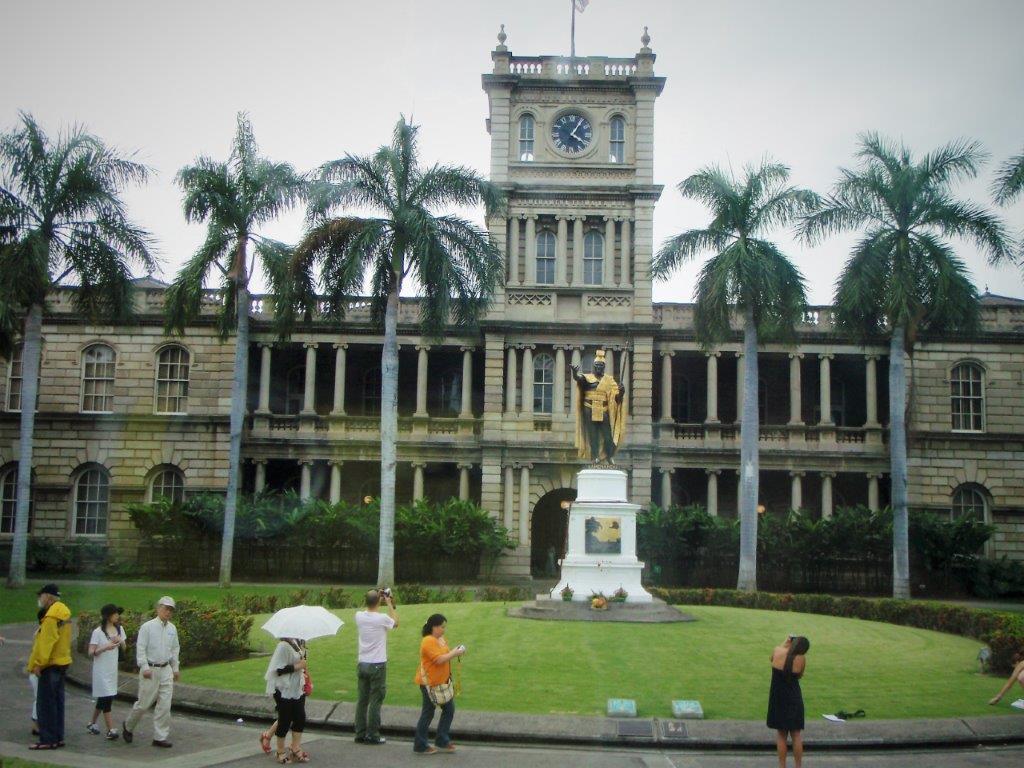
p1250047We stopped at, but didn’t tour, King Kamehameha III’s palace ; properly called Iolani Palace – the only royal palace on US soil.  It was constructed in 1845 and was used as the royal residence until the US overthrew Queen Lili’uokalani in 1893.  It was then used as the Provisional Government and Territory building and the first Capitol Building of Hawai’i.   Even though it was a functional government building for over 70 years the palace fell into disrepair.  It  was designated a National Historic Landmark 1962 and after a full restoration it was opened to the public in 1978. The architectural style is completely unique and found no where else in the world – it is called American Florentine.p1250051Our final stop was the Home of the Brave Museum, a collection of WWII memorabilia owned and displayed by Brandon’s parents.  The small building was jam-packed with weapons and uniform insignias and all manner of items – a treasure trove of history.  It was very interesting to check out.  If you ever go to Honolulu I would recommend it.p1250052 p1250055-1We set sail from Hawai’i at midnight and we will not see land again for a week.  The Pacific Ocean is VERY big and it takes a long time to get across.  Our next port-of-call is the South Pacific Island of Vanuatu on February 3.


2009 World Cruise – Jan 19-24 – Days 15-20 – Hilo, Hawai’i

2009 World Cruise.  I am writing this blog 8 years after we went on the Holland America World Cruise and I still remember very well the immediately recognizable changes between the 14-day ‘regular’ cruise we just completed from Ft. Lauderdale and the World Cruise as we sailed out of Los Angeles.

We had to get off the ship when we docked in LA and go through US Immigration.  We were allowed back on board at 10:30.  As we waited in the Cruise Terminal there was HAL staff circulating among the guest with trays of cookies.  A 4-piece string ensemble (wearing tuxedos) played background music.  Two huge purple and white balloon towers stood at the check-in area.

Once we were back on board there was unlimited champagne available on the Lido deck and restaurant.  A long-stem red rose was given to every woman as she entered the dining-room for dinner.  On the tables there were no longer foil-wrapped pats of butter; now the butter was in the shape of pressed flowers.  There are little jars of jam and honey instead of the small plastic packages.  Even the selections on the in-room breakfast menu have expanded. Everything has stepped up a notch (or two).

We spent five days at sea getting to our first port of call – Hilo, Hawai’i (Hawai’i is the name of the biggest island and also the state.  To avoid confusion with the other islands Hawai’i is referred to as The Big Island.)

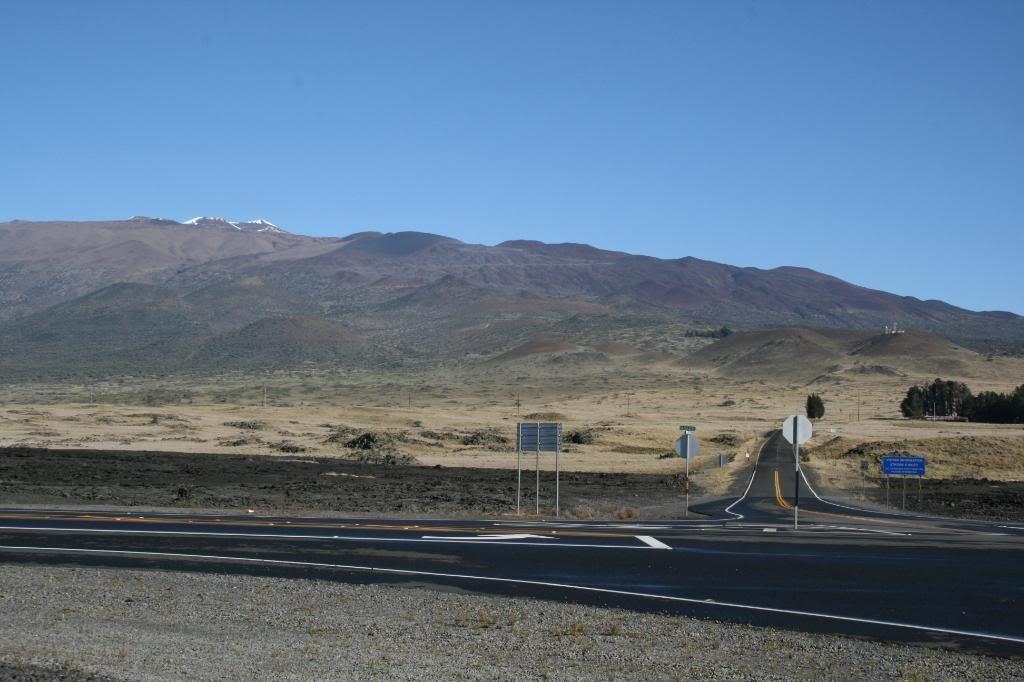
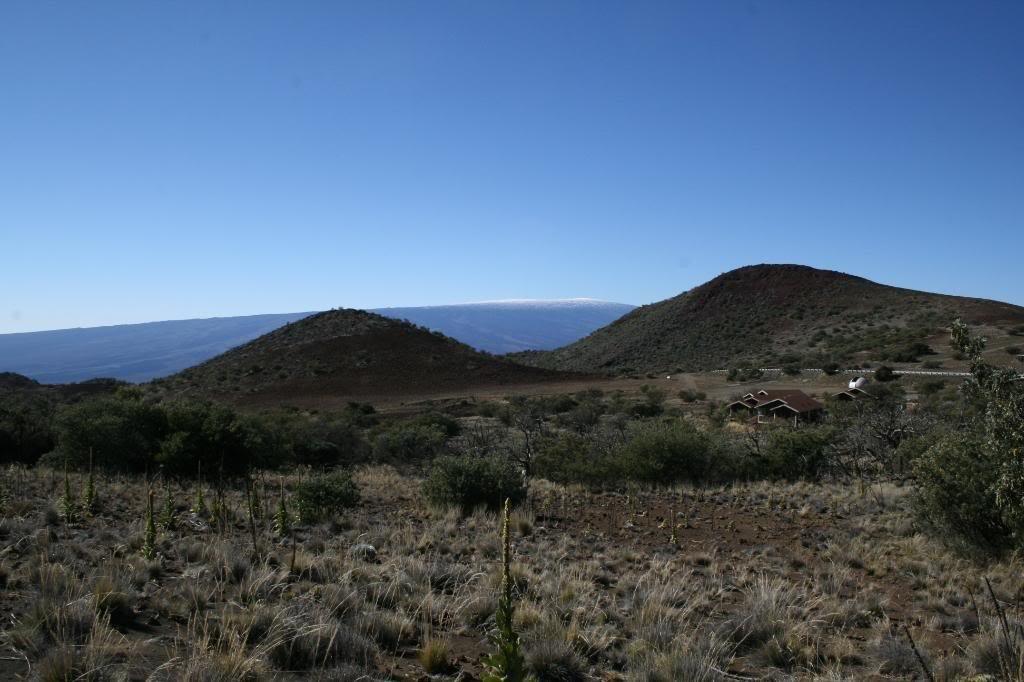
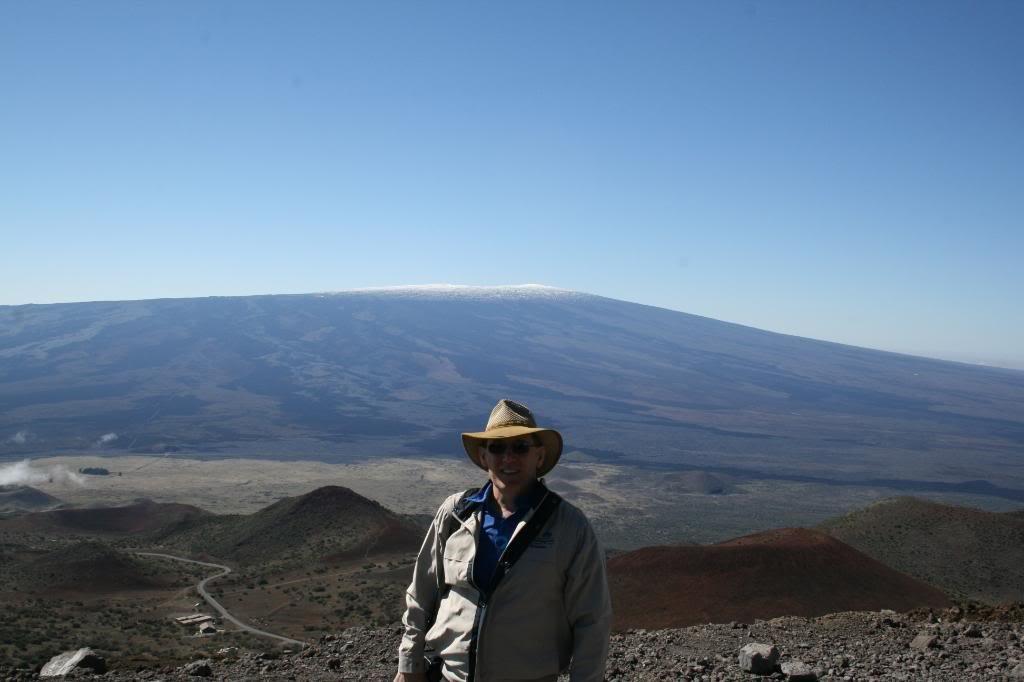
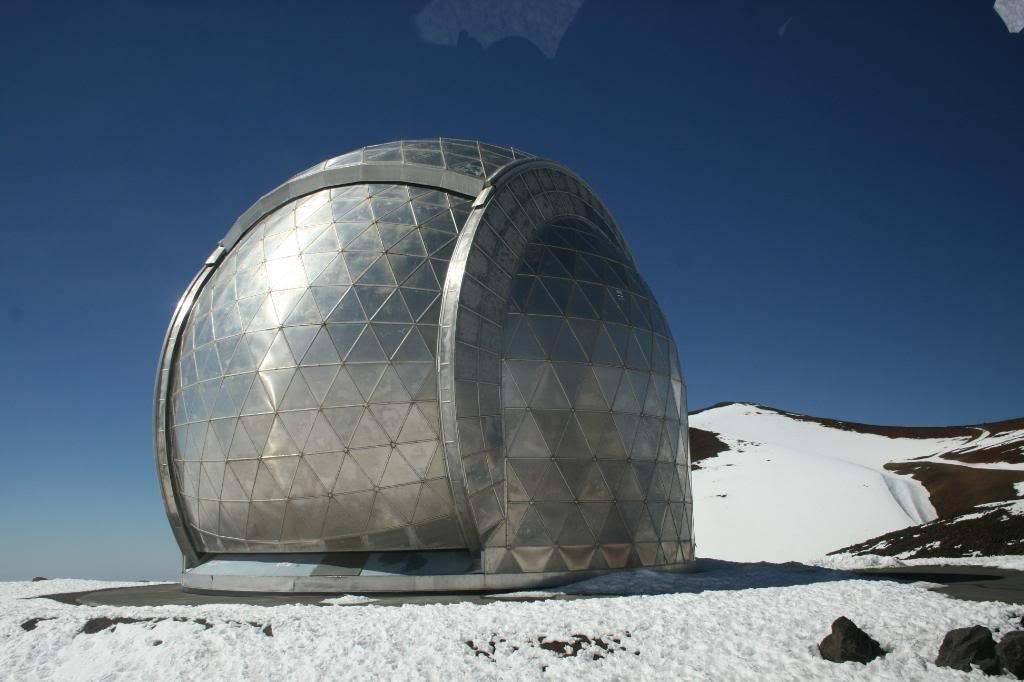
We had booked all of our shore excursions before we left home.  We have been to Hilo a few times so none of the tours around the town or to Volcano National Park interested us.  However, there was a tour to Mauna Kea the highest peak in the Pacific, at 13, 796′ above sea level.   (Since it rose out of the sea as an erupted volcano it is actually the tallest mountain in the world passing Everest by quite a margin if you measure from the sea bottom, which is the true base of Mauna Kea.)  I have always wanted to go up there but the road rugged and narrow and is off-limits to rental cars.

I had developed a cold just as we left LA which severely compromises my breathing and asthma attacks usually follow.  I, very reluctantly, decided that I better not go on the tour as the low oxygen levels would make a bad situation much worse.  John went without me (there was only five people on the tour) and later said it was a good thing I didn’t go as he found it difficult to breath up there.  All of the photos in this blog are his.

img_3244-1 img_3257Typical Big Island scenery – it is volcanic after all.

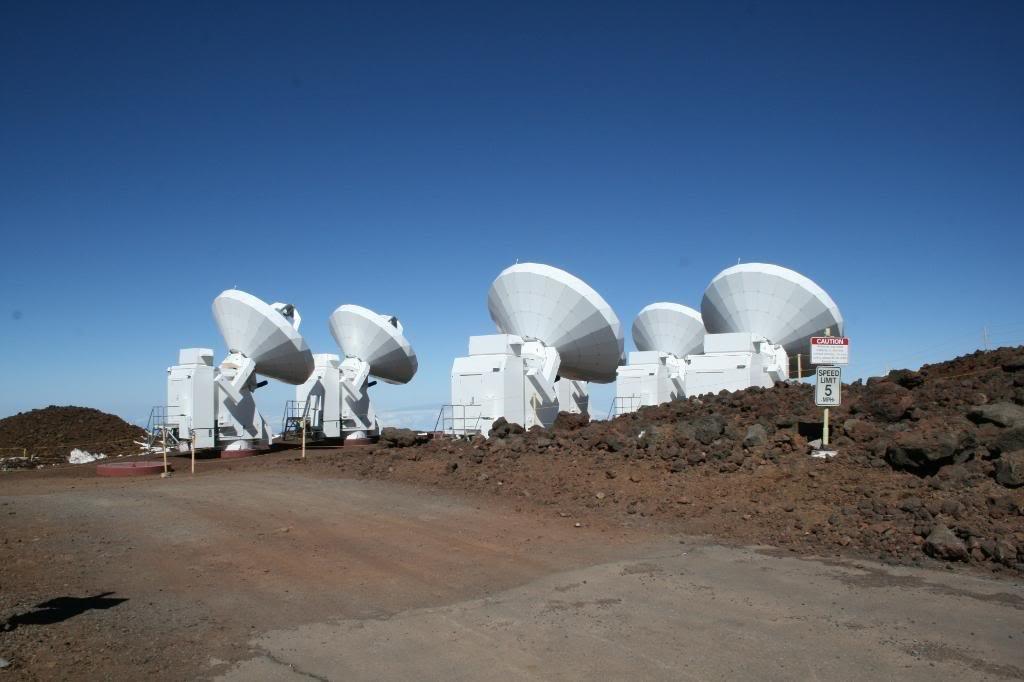
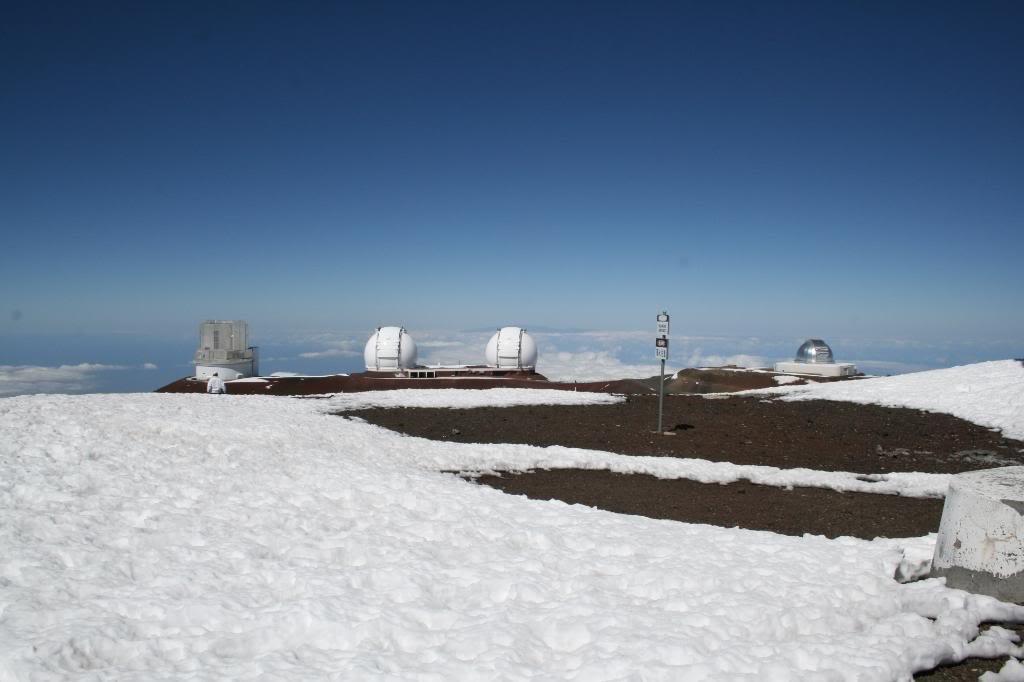
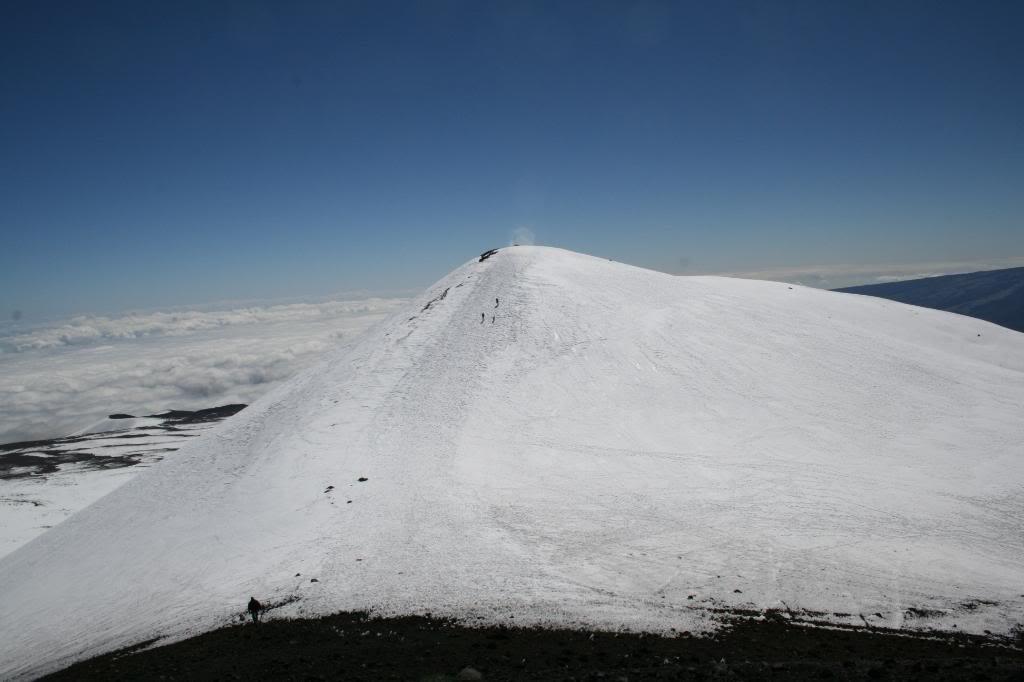
The Observatory at the summit of Mauna Kea.  The snow never melts here.

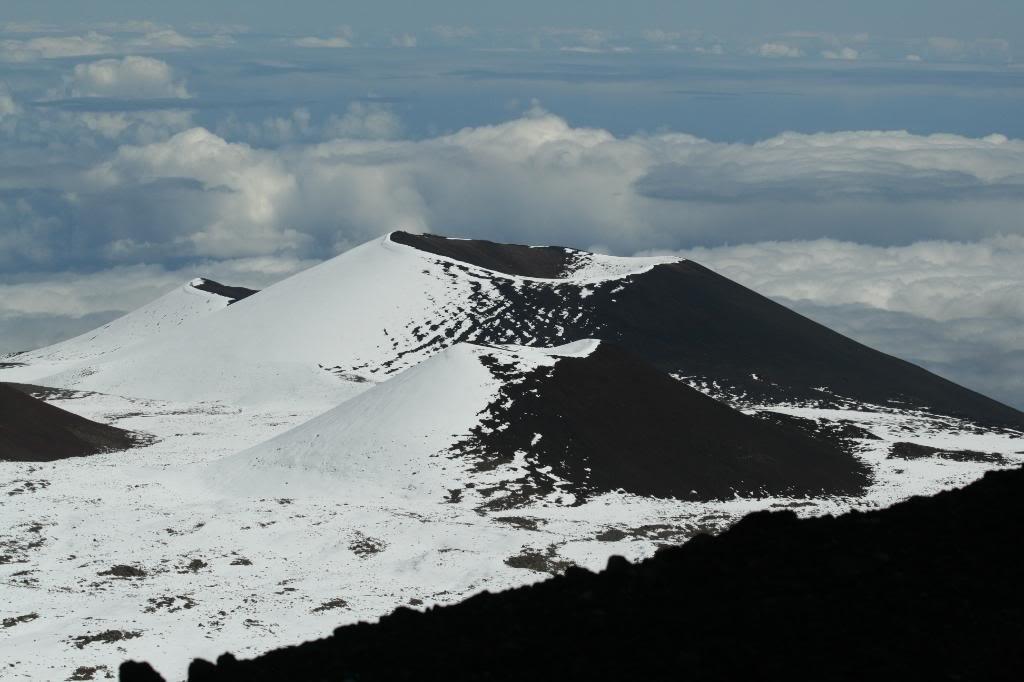
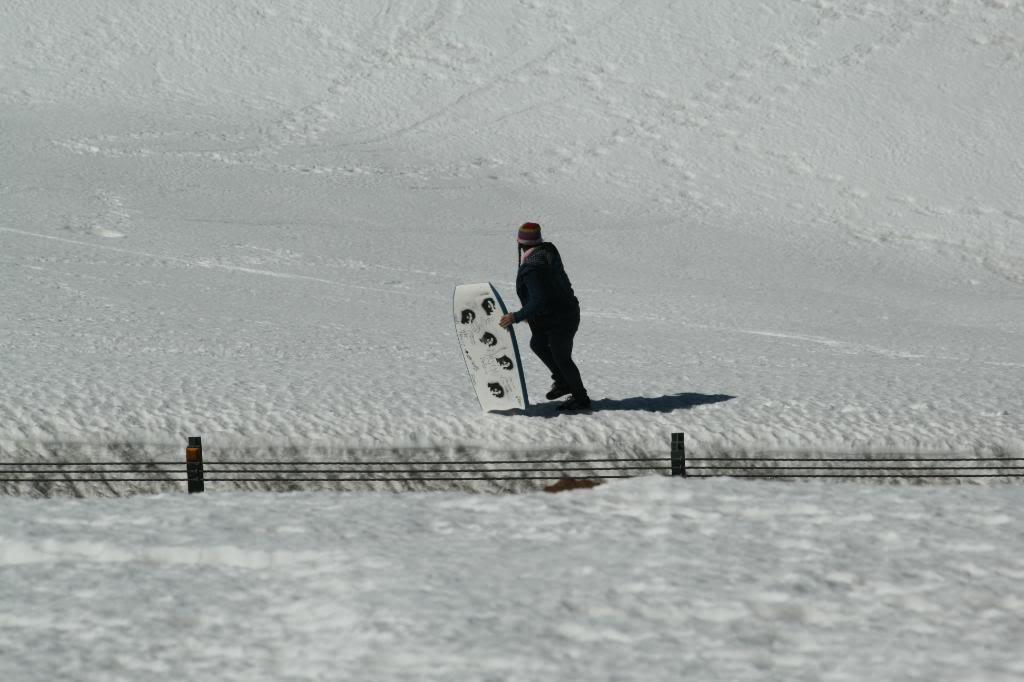
img_3273 img_3288 img_3289 img_3312img_3307The volcanic craters at the summit of Mauna Kea.img_3303 img_3310Snowboarders and skiers come up to sail down.  It is a long, twisty, rugged road to get there. (If you have good eyes you can see the skiers.)

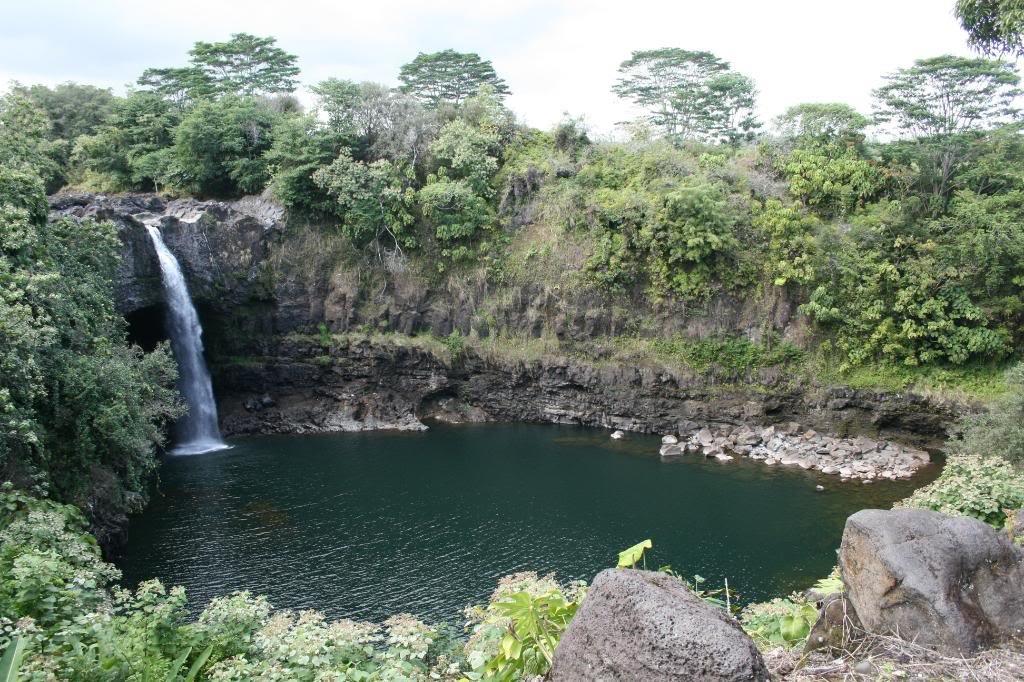
On the way back to the ship John made a stop at Rainbow Falls.img_3323

2009 World Cruise – Jan 17 – Day 12 – Cabo San Lucas, Mexico

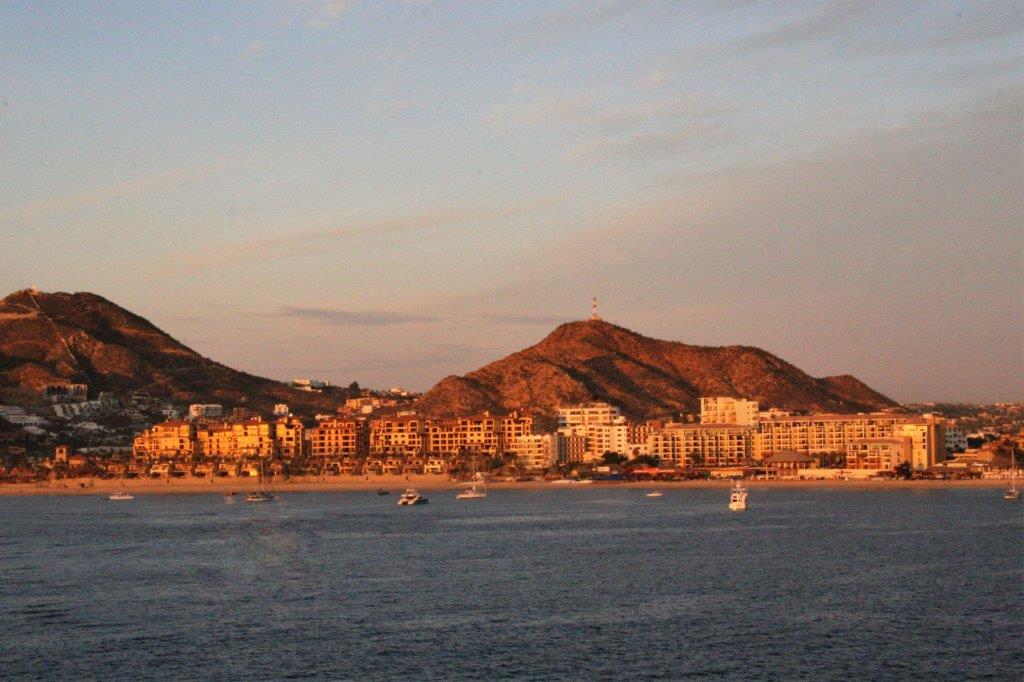
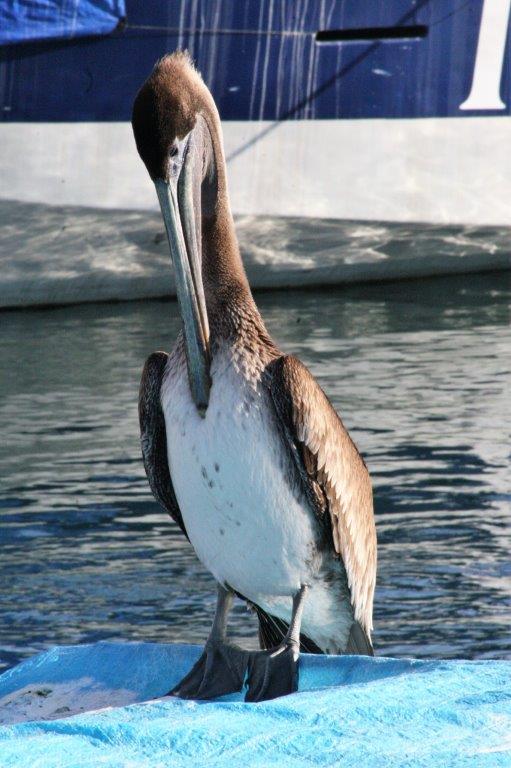
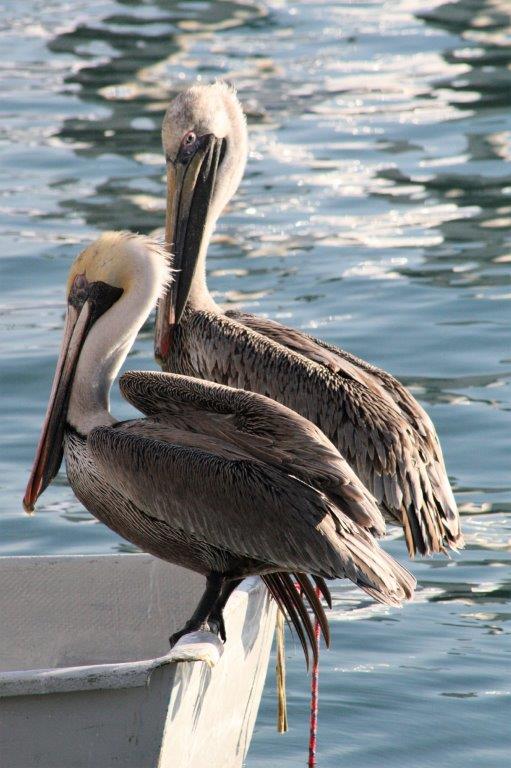
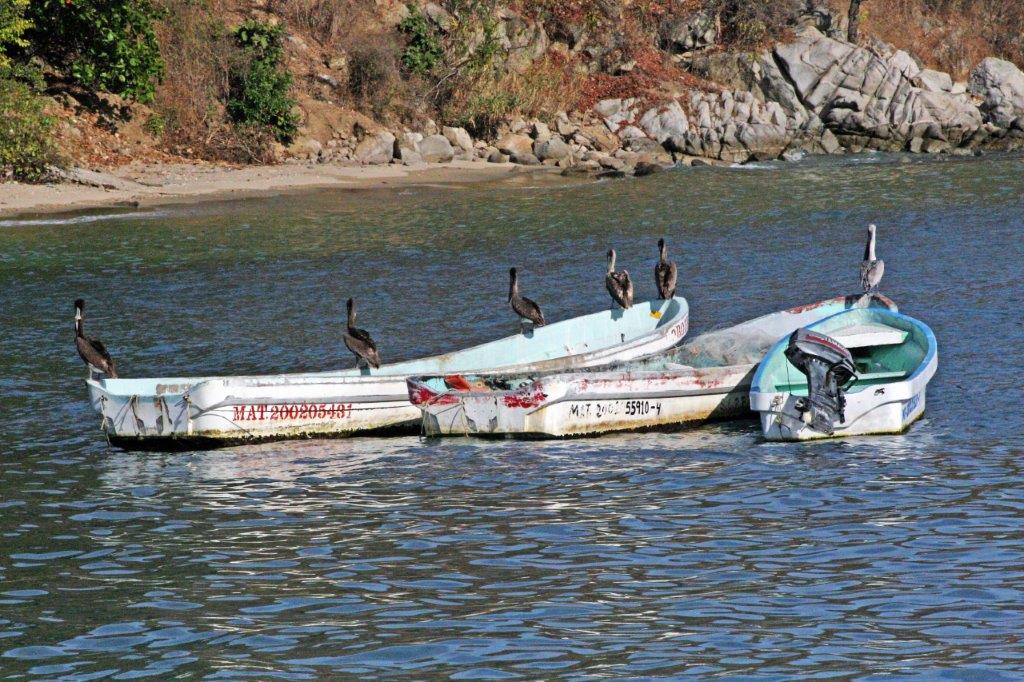
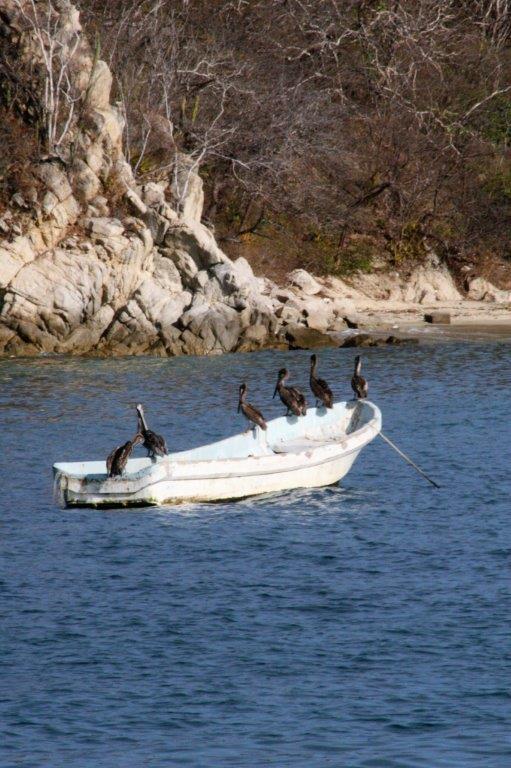
2009 World Cruise.  We had a day at sea between Acupulco and Los Cabos.  A lot of people don’t like the days at sea, but John and I do.  They give us time to relax, read, send emails, upload photos, do laundry and walk the deck.  Port days are wonderful because we are stopping in places we have never been, and seeing interesting and varied things in each port.  But, port days are busy days.  Tours often leave a 7 or 8 or 8:30 and take up most of the day.  Often we return to the ship in time to change for dinner and then we go to the show before hitting the bed for the night.  I love it all.  But, we don’t complain about sea days.  When the official part of the World Cruise begins after we leave Los Angeles we will have several sea days in a row quite often as we sail the long distances around the globe.img_3137 img_3145We had short port-day in Los Cabos, which was a tender port as there is no docking facilities for a cruise ship.  There were some very photogenic pelicans sitting on the wharf pillars as we waited for our tour.

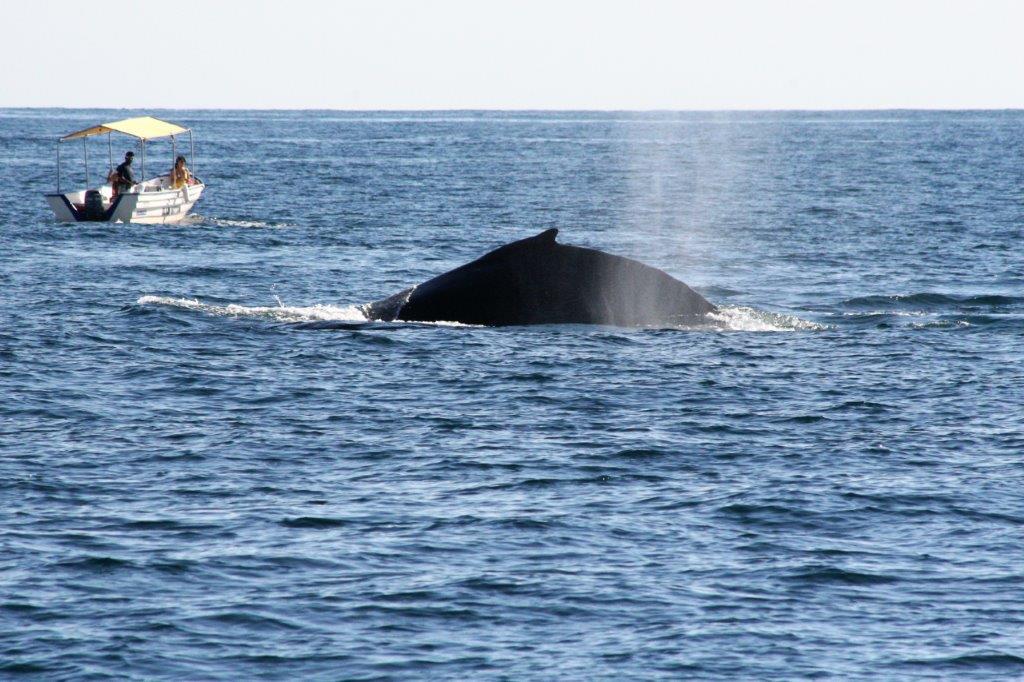
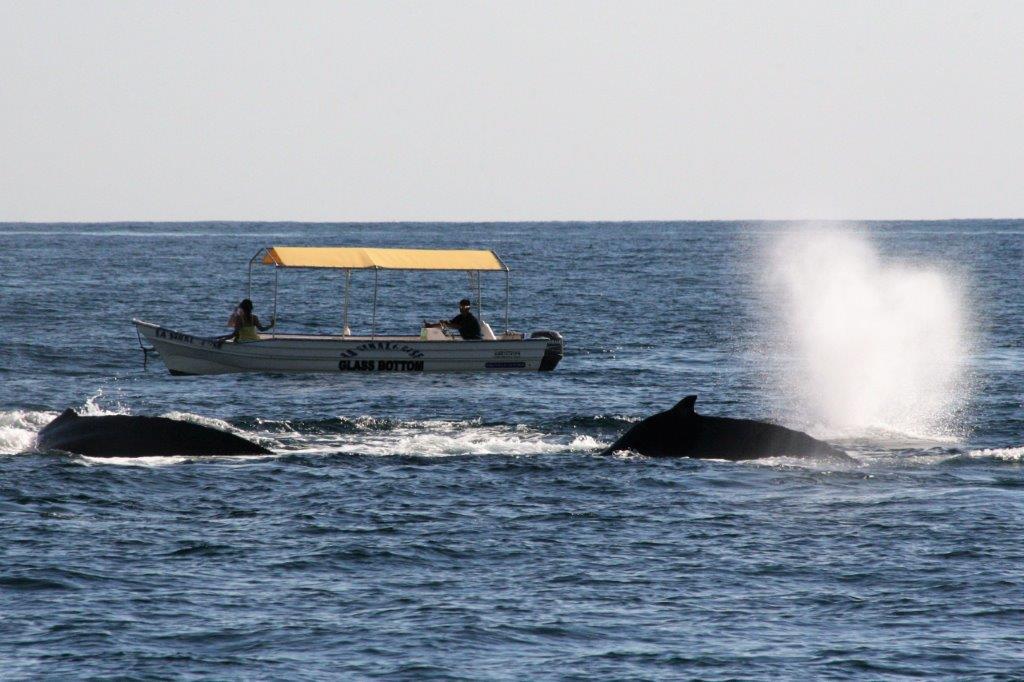
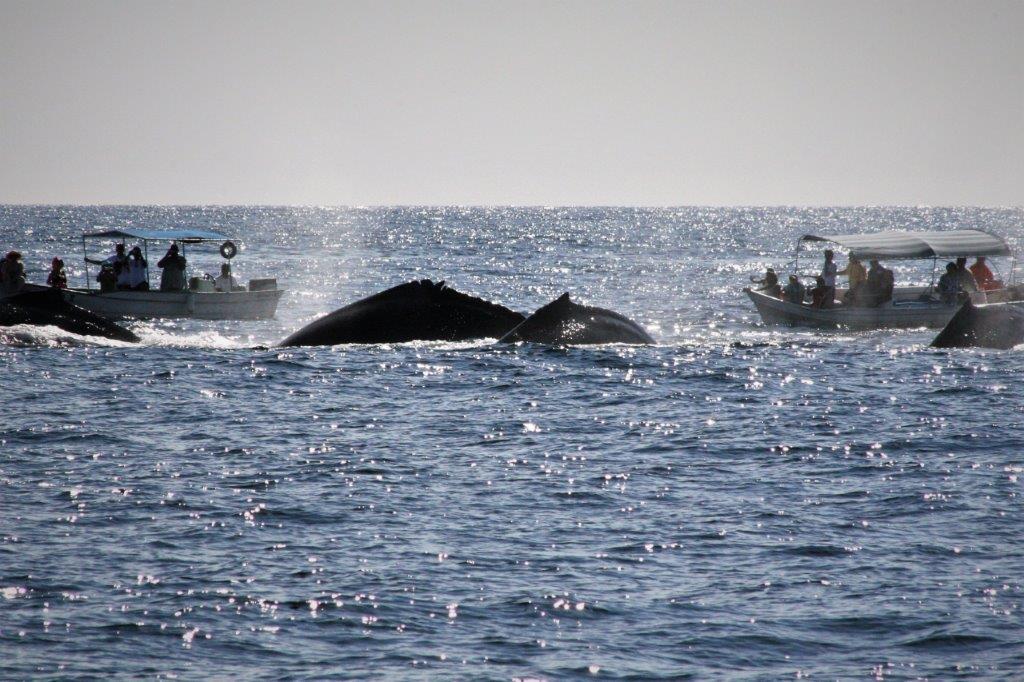
img_3152img_3149img_3151_edited-1We went whale-watching in a tall ship. Whale watching is something we have done a few times now and we generally see flukes or tails off in the distance.  There are international restrictions on how close you can get to the whales.  Apparently these rules do not apply to many of the small boat charters in Mexico.  While our guide/marine biologist was explaining about the whales, their breeding, migration routes, etc. – and keeping the minimum distance away from the whales – the little boats were getting VERY close to some of the giants; sometimes as close as 20 feet.  I, personally, would be nervous to go that close to a swimming whale!

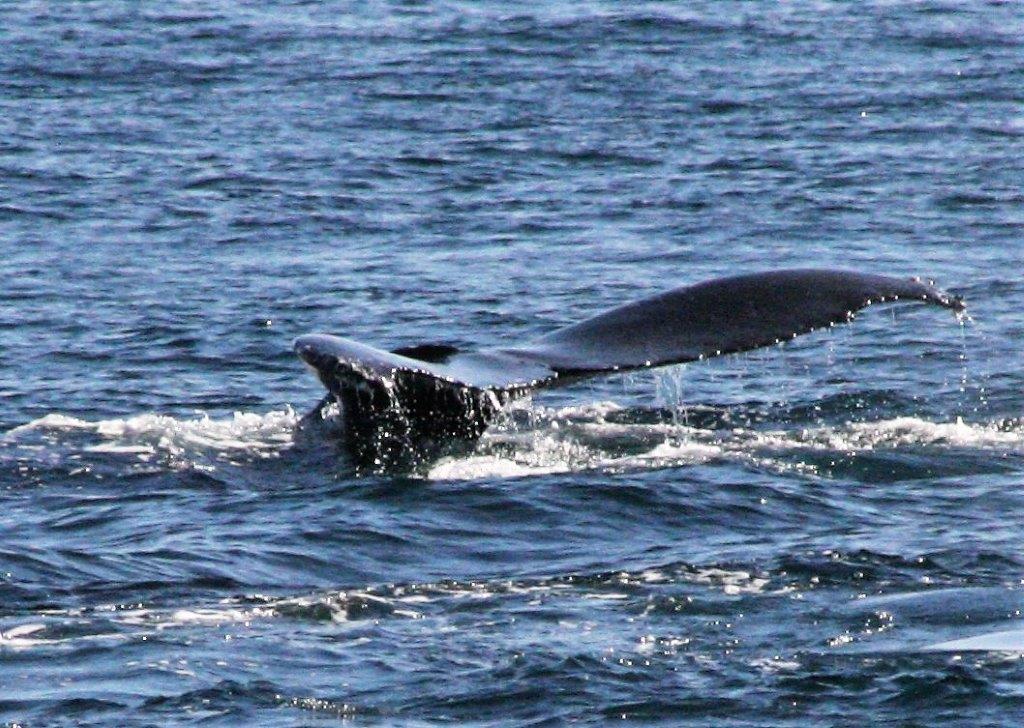
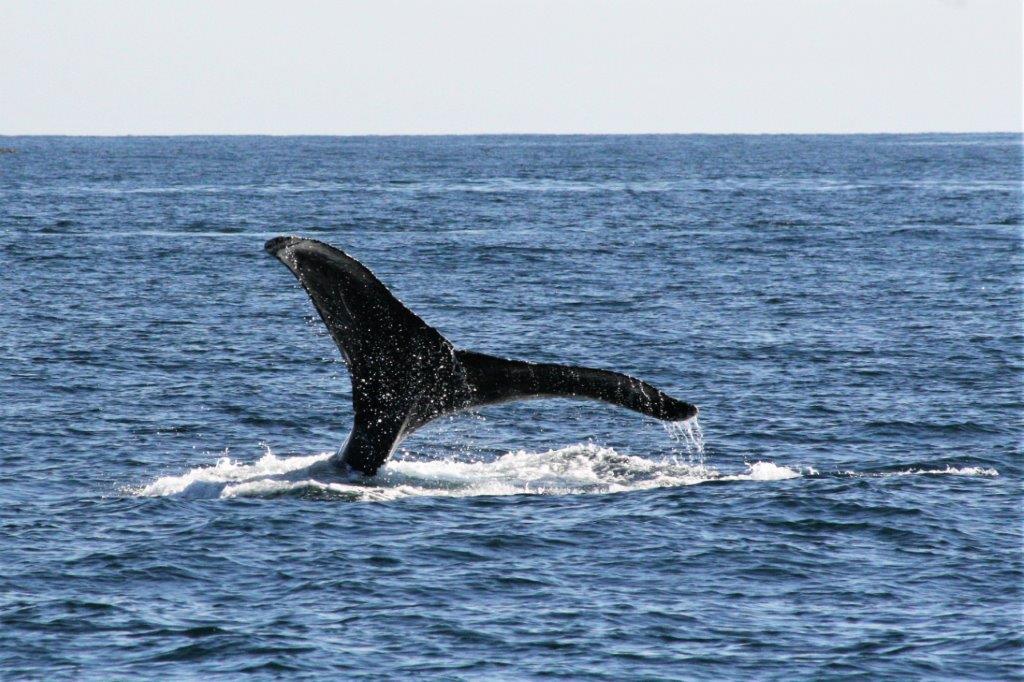
There was a pod of about 8 whales at the end of the bay, rolling and diving.  No breeches though.  Good thing too, with the little boats so close.  Whenever a whale would surface all the little boats would gun their motors to move as fast as possible to get as close as possible before the whale disappeared again.  Craziness.img_3202 img_3209 img_3210 img_3213_edited-2 img_3218_edited-1 img_3219-1I learned later that there is a registry of whale tails.  Biologists track whales on their annual migrations.  Whales have distinctive tails based on bumps, dips, and scars.  You can upload any clear photos of a whale’s tail to the site and it helps the researches know which whales are where on what days.  I have never done it but it is a neat idea.

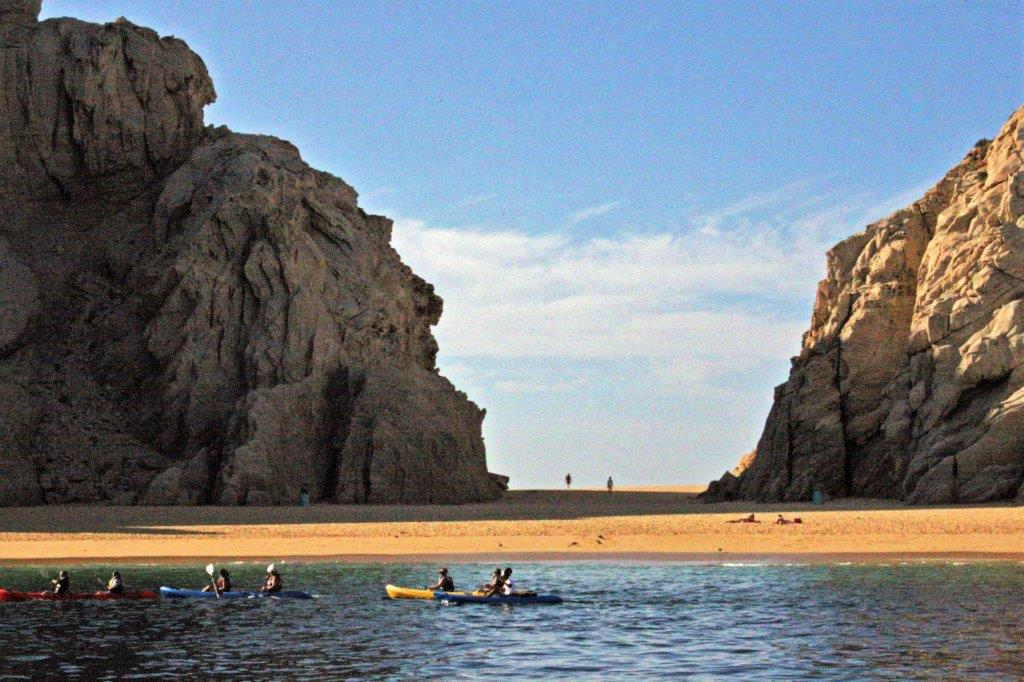
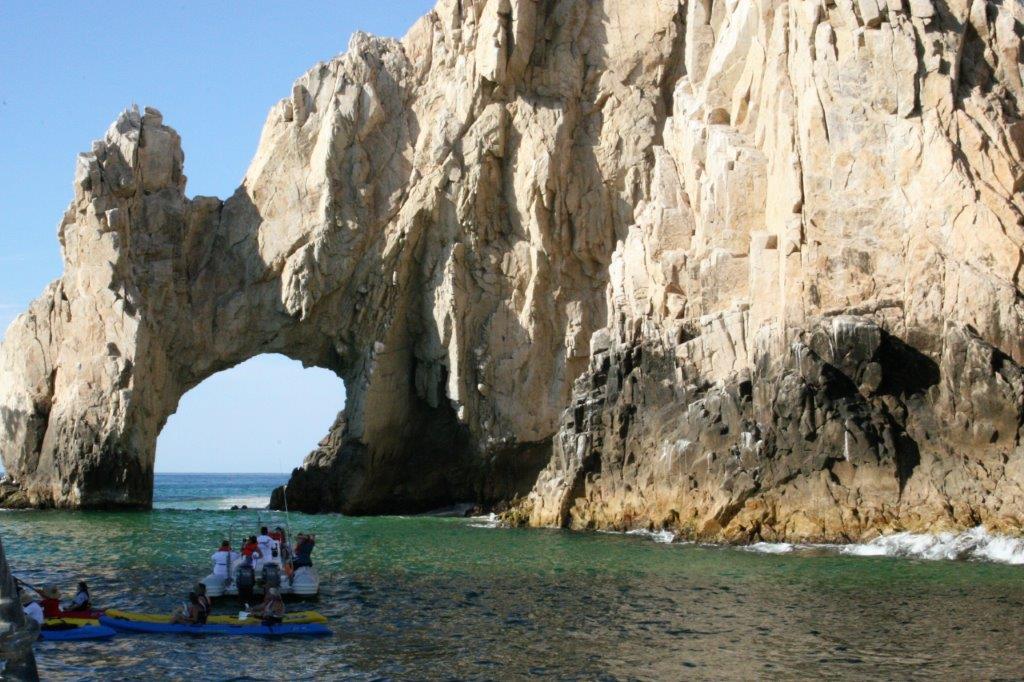
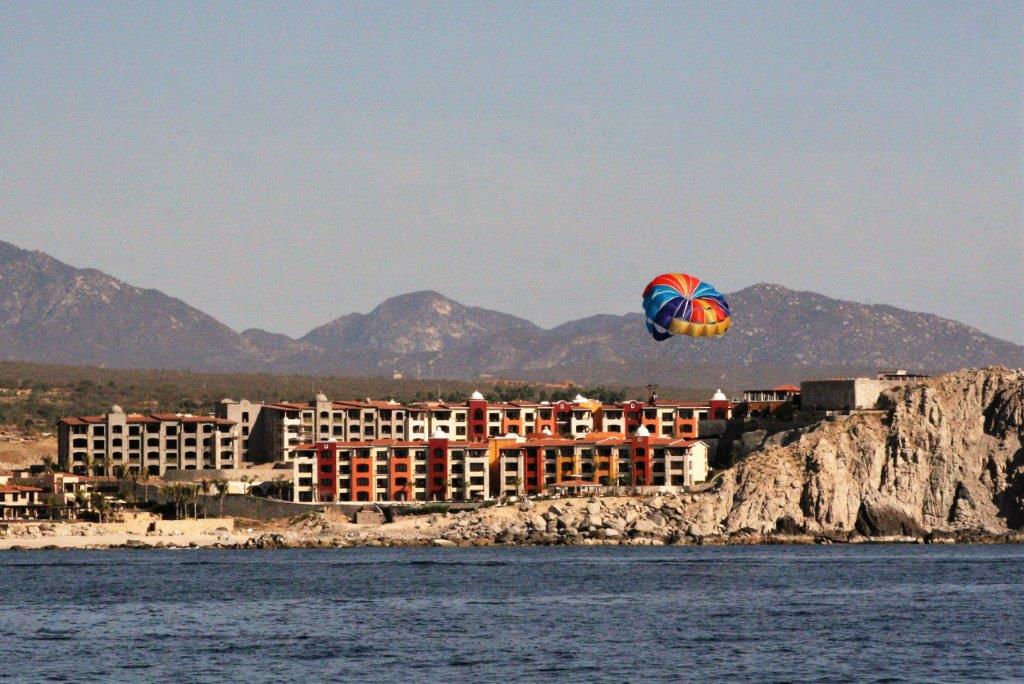
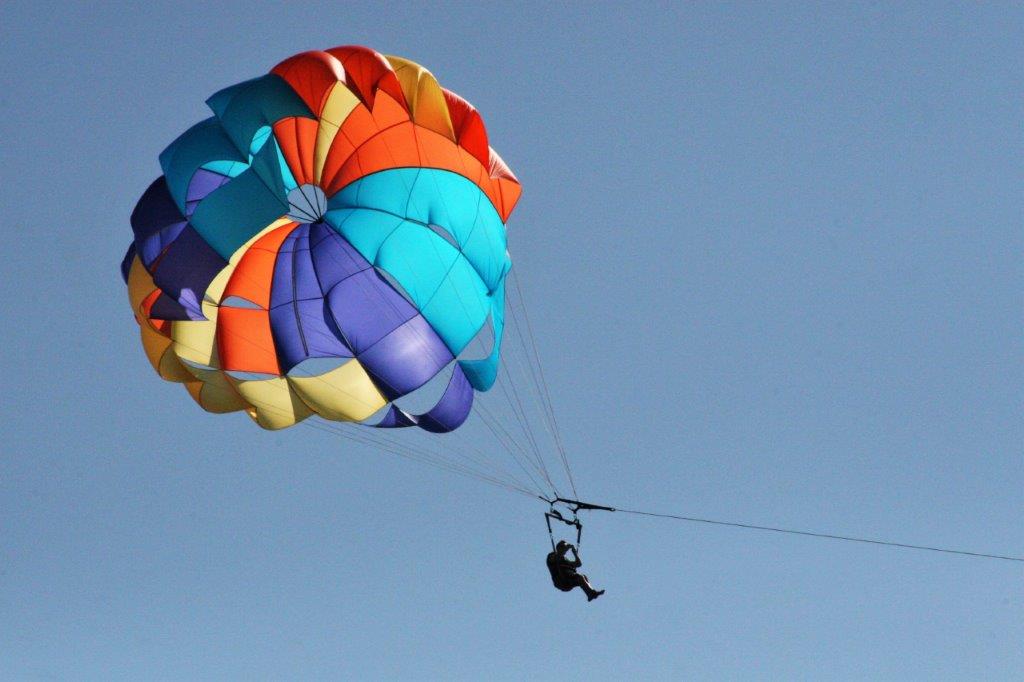
Los Cabos sits at the tip of the 1,000 mile long Baja Calfornia peninnsula.  Jutting out into the bay is a rock formation known as El Arco (the Arch).  These rocks, geologist say, are the result of violent seismic activity that split the Baja from the mainland.  The sandy beach at El Arco is a favourite place to stroll and sunbathe.img_3155_edited-1 img_3162 img_3157_edited-1There is a large herd of sea lions that rest on the rocks near the beach – and they smell.  Really.  Bad.  You can quickly tell if you are seeing a seal or a sea lion: seals have no recognizable ‘ears’, whereas sea lions have a flap at the outside of the ear.  Seals tend to be solitary, silent and spend little time on land.  Sea lions are very social and gather in large groups – sometimes as many as 1,500 strong – and they never shut up.  Sea lions can rotate their hind flipper and use it to  push themselves up and over rocks so they are the ones you will see catching some rays quite a distance from the water.img_3159_edited-1A para-glider was getting really good photos of the whales from his perch in the sky.

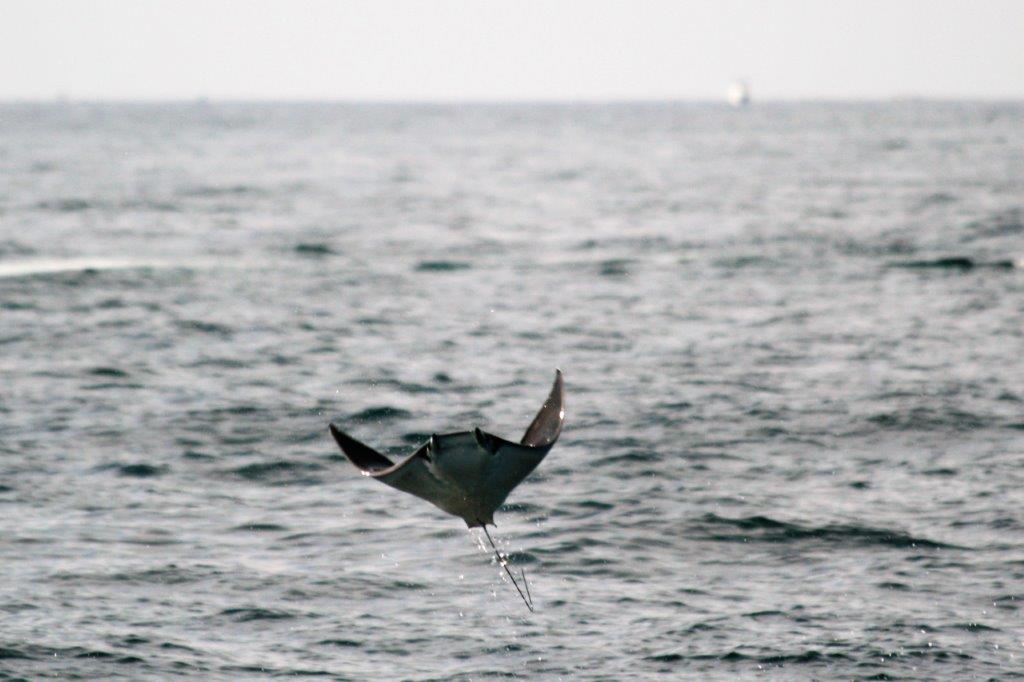
img_3220_edited-1 img_3222 As the ship sailed back to the dock we saw a large sting ray leap out of the water several times.  John managed to get a good photo of it.  The marine biologist told us they have no idea why the rays do this.  It was a very awesome and unique experience and a wonderful cap on a wonderful day.

img_3234Los Cabos is the final port-of-call on the 14-day Ft. Lauderdale to Los Angeles cruise.  We completed our cruise with the 5 km Walk for Breast Cancer around the promenade deck.  I am glad we added this trip onto the World Cruise.  My CDO (like Obsessive-Compulsive Disorder, but the letters are in alphabetical order like they should be) is happier, we got to sail through the Panama, which we had never done, and we visited some very interesting places along the way.img_3238_edited-1We dock in Los Angeles in the morning and have to get off the ship and go through US Immigration before we can get back on.  The adventure continues….

2009 World Cruise – Jan 15 – Day 11 – Acapulco, Mexico

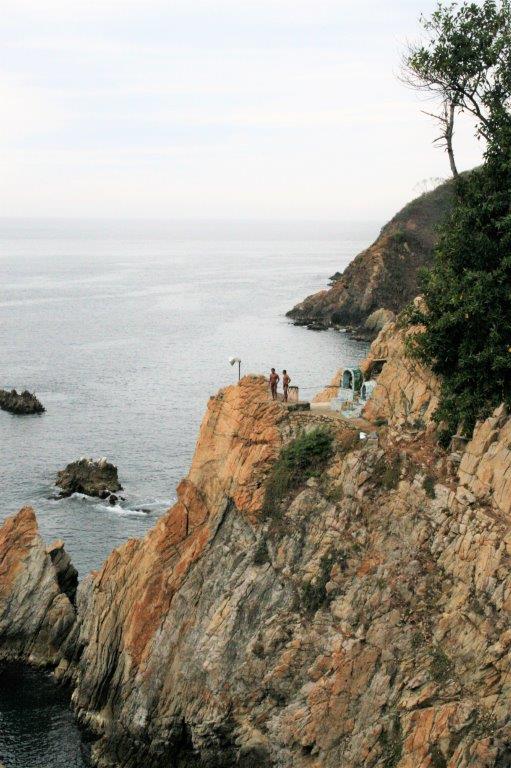
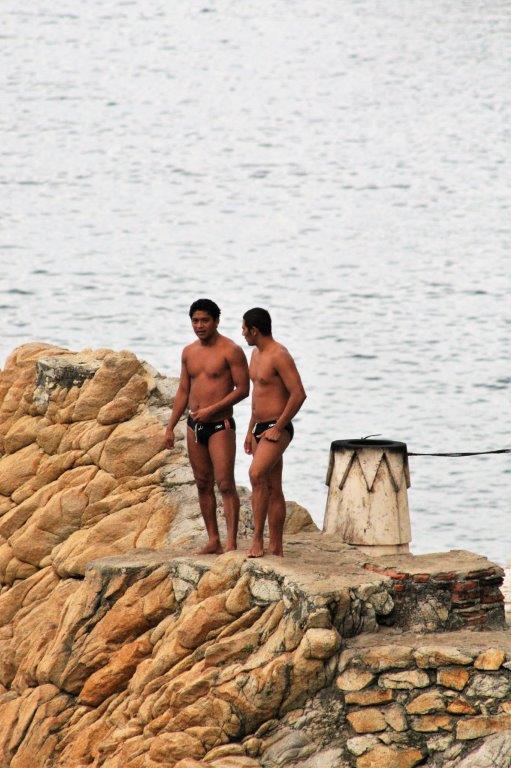
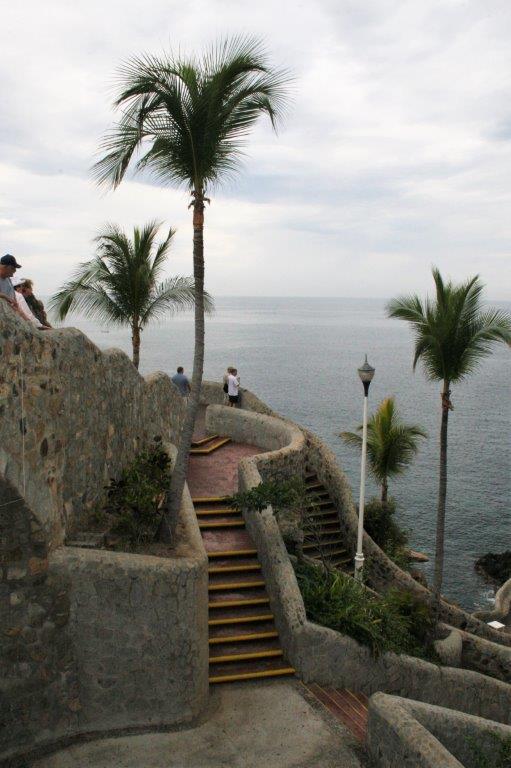
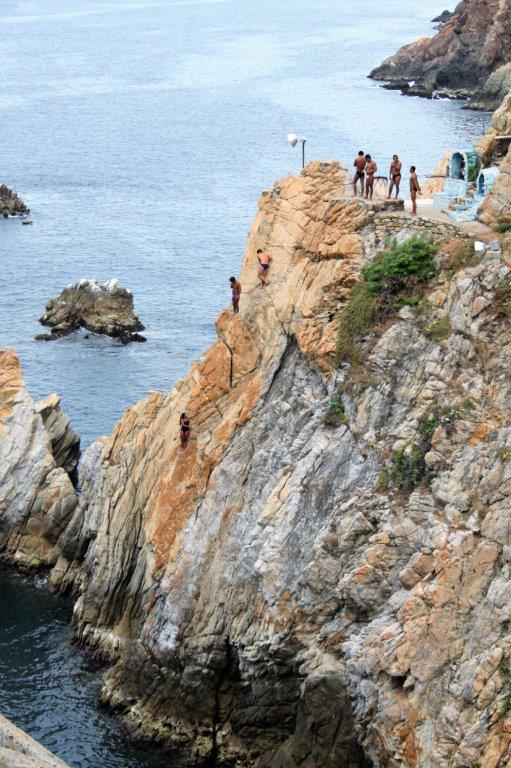
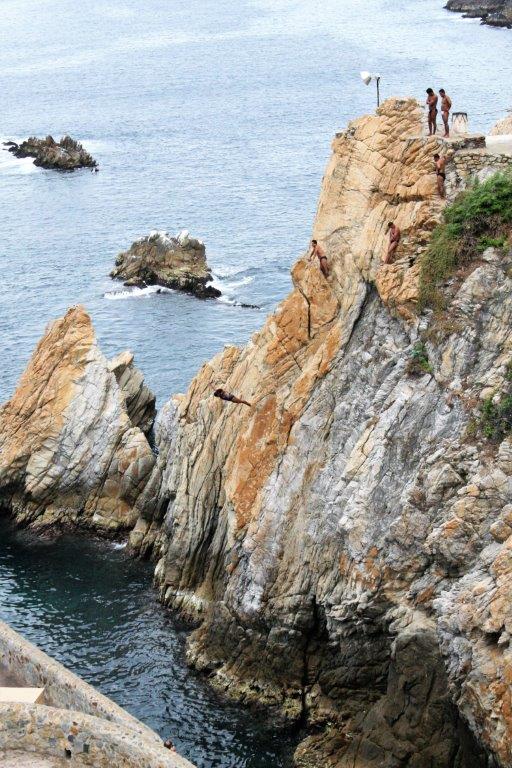
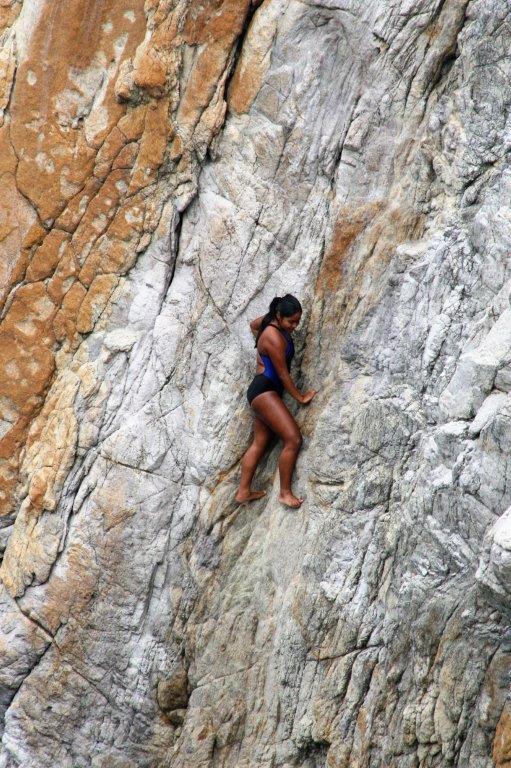
World Cruise – When I was young I remember a TV program that showed the cliff divers of Acapulco, so when we were going over the tour options for the port I wanted to see them.  The divers performed all day for the guests of Holland America.img_3090The view from the hotel terrace across from the jagged cliffs of La Quebrada allows an unimpeded view of the divers.  These brave young people plunge 134 feet into a narrow strip of roiling sea between the cliffs.  There are three levels up the cliff face that they launch off – the less experienced from the lowest level and the ‘pros’ from the top.  Sometimes they dive two at a time from two different levels.

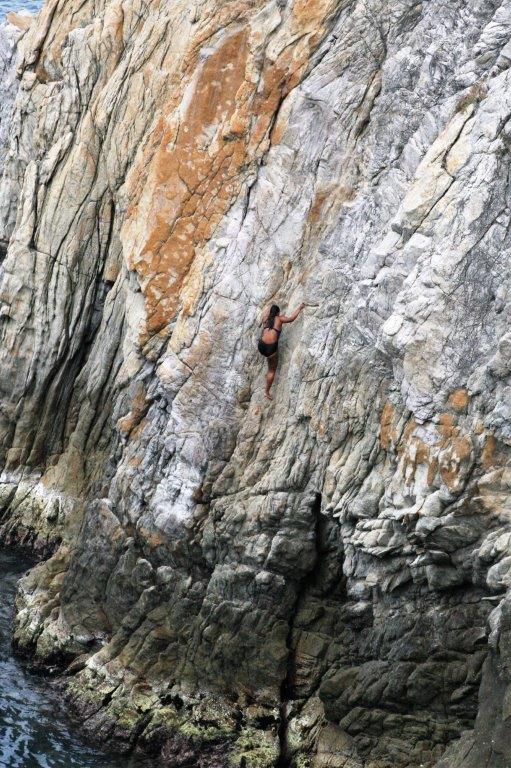
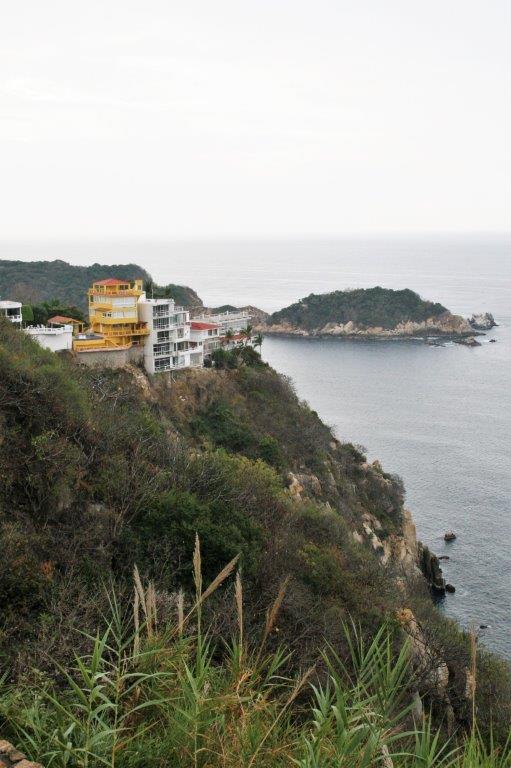
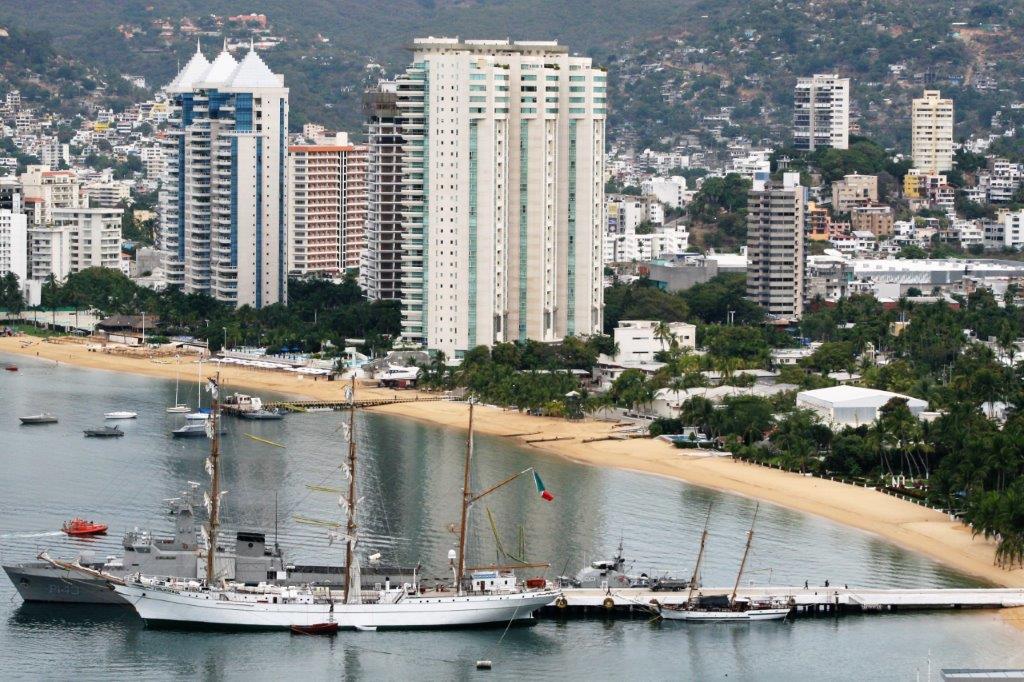
img_3032 img_3033 img_3035 img_3037 img_3041 img_3043 img_3051The most dangerous-looking part, in my mind, was the ascent up the rocks of the cliff wall so they could perform the next dive.img_3039 img_3040The area around Acapulco has been inhabited for over 5,000years and the Spanish discovered the area in 1521.  It was ‘officially’ claimed for Spain  and became a direct dependency of the Spanish Crown in 1532.  Acapulco Bay is almost landlocked and is a safe haven for ships in any weather.  It has been a major trading and shipping center for over 260 years and so was a popular raiding center for pirates.

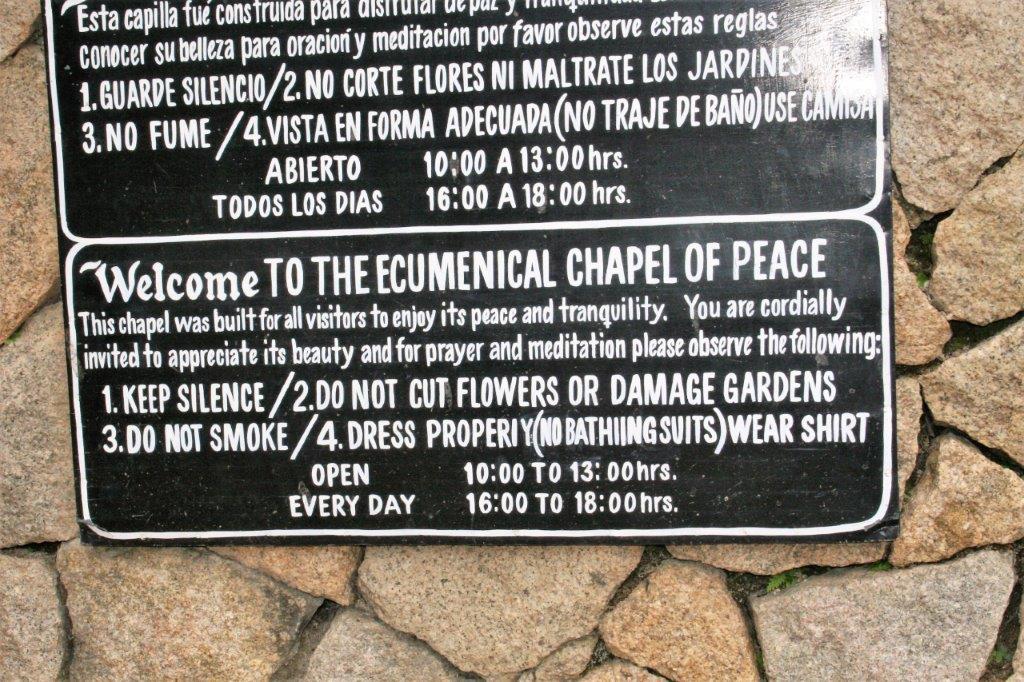
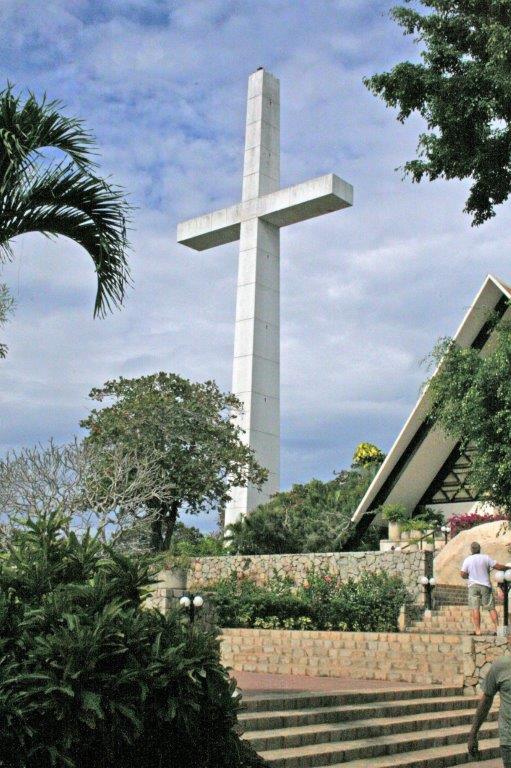
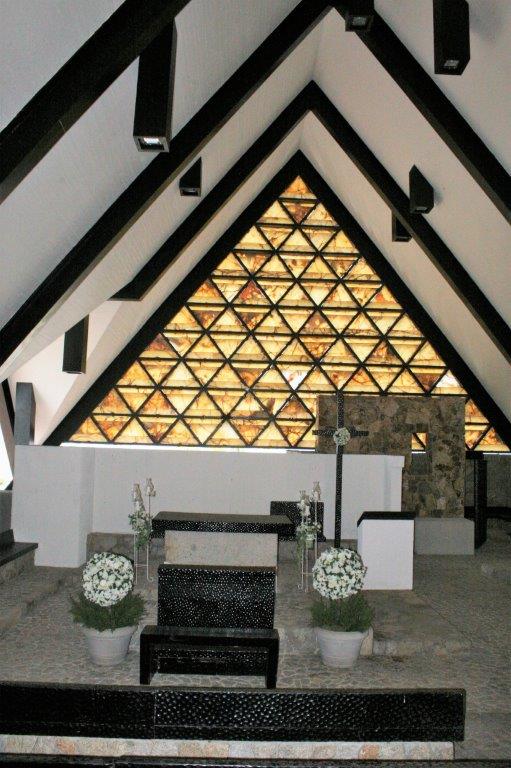
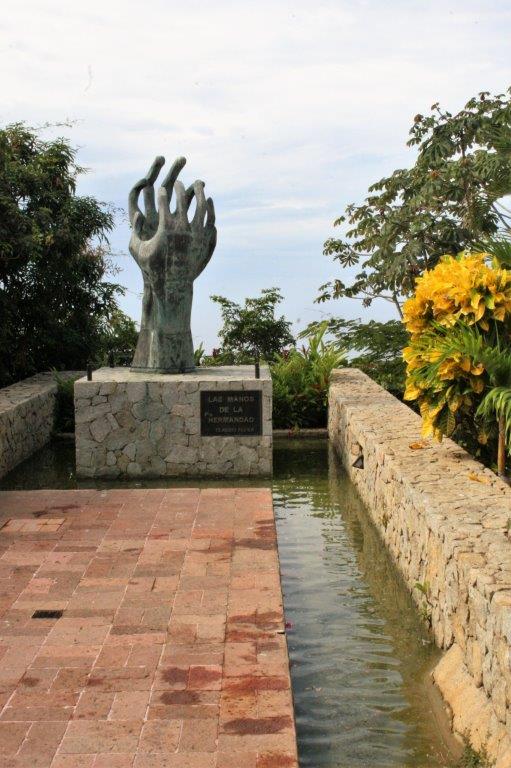
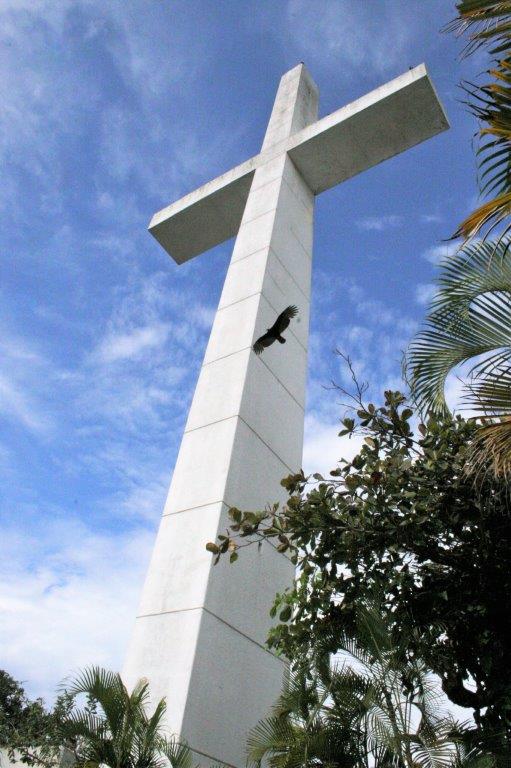
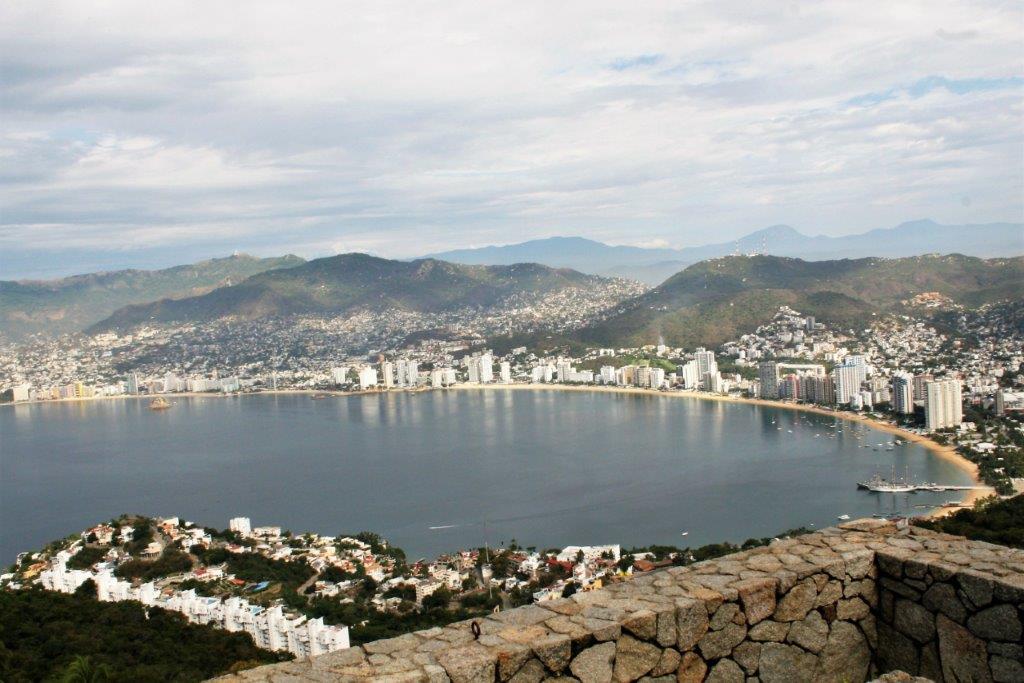
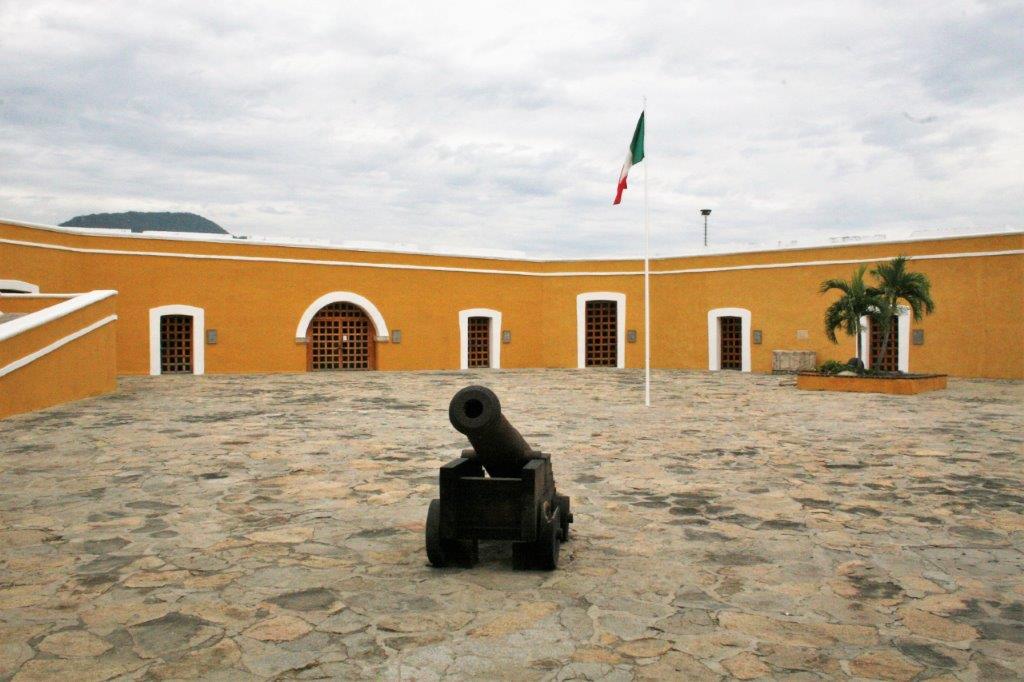
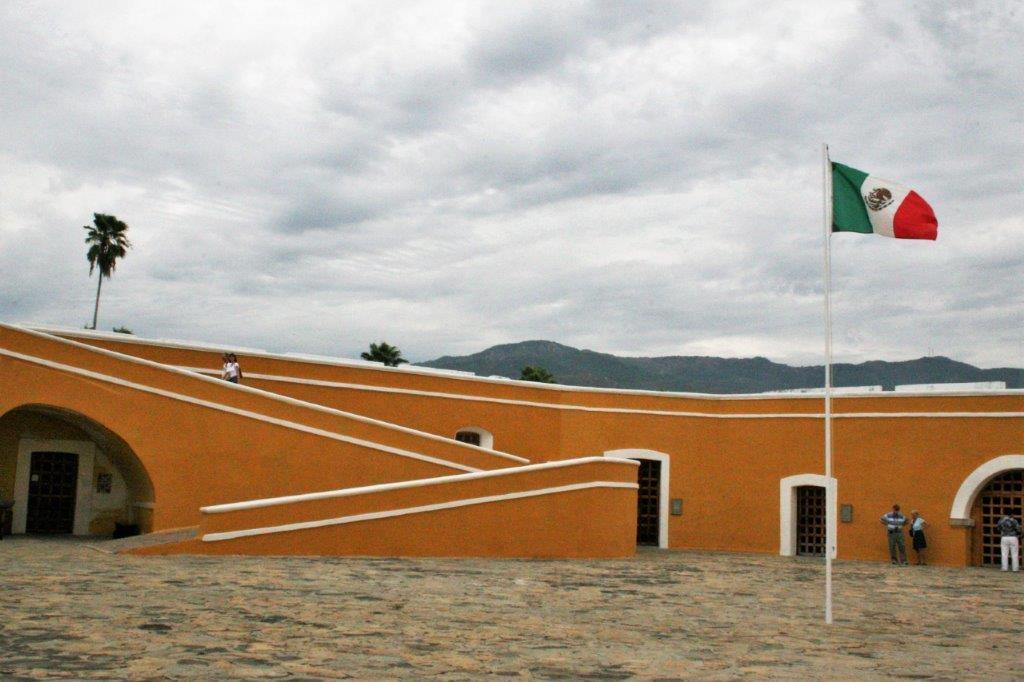
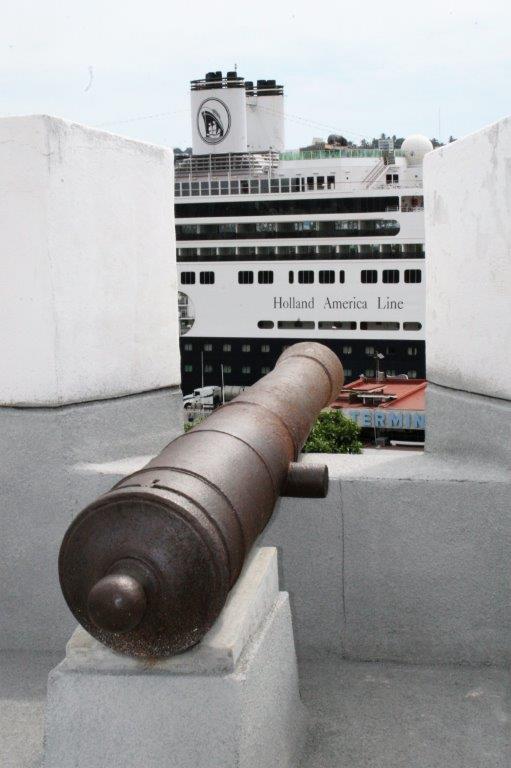
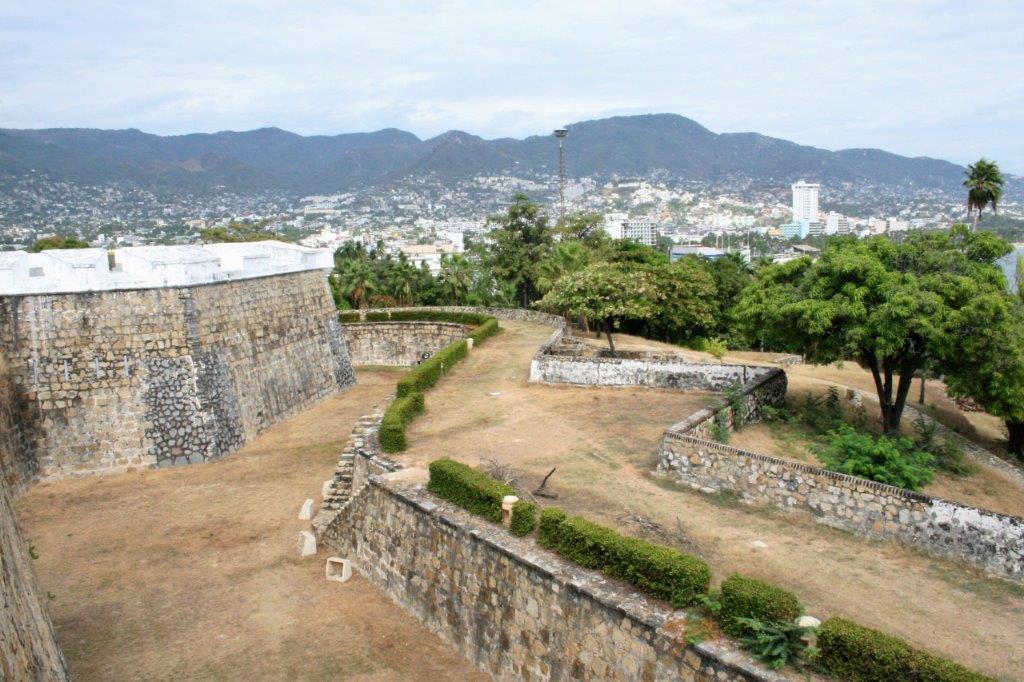
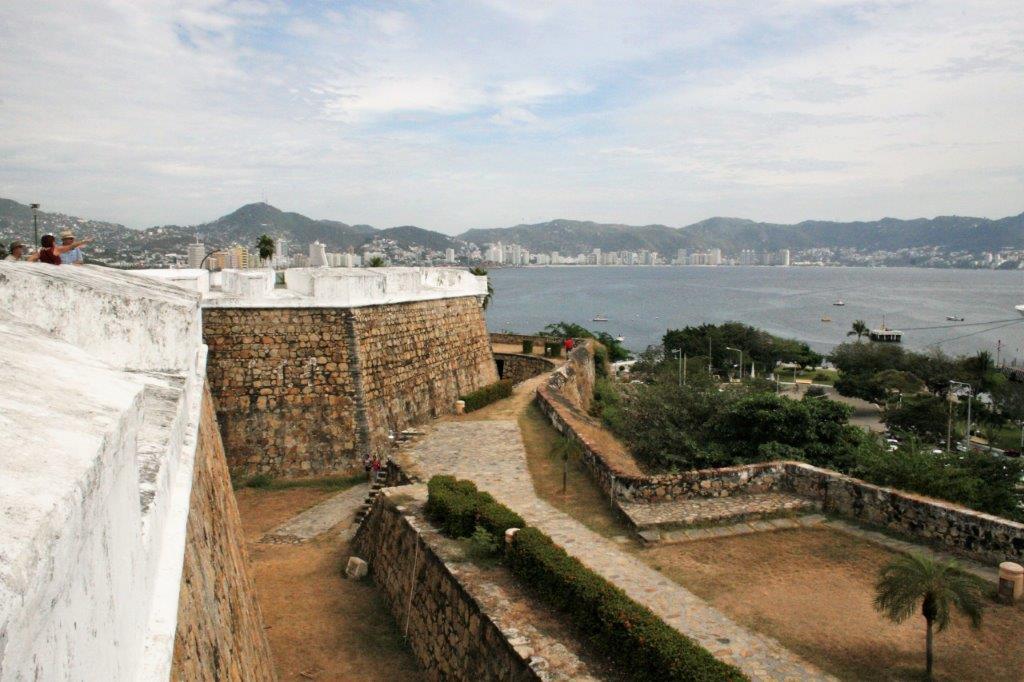
On top of the hill overlooking the beautiful Acapulco Bay is the Ecumenical Chapel of Peace.img_3077 img_3078_edited-1 img_3081 img_3083 img_3094 img_3096 img_3086 img_3088Our next stop was  Fort San Diego, which was originally built in 1617, destroyed by an earthquake in 1776, and rebuilt in 1783. The fort was attacked by Sir Francis Drake in 1579 but he failed to captured the Spanish galleons.img_3103 img_3104 img_3105 img_3109 img_3112 img_3116Our final stop was at an hotel once owned by famous actors Errol Flynn (of Zorro fame), Joe Weismuller (Tarzan) and “The Duke” John Wayne.  They used to come down here often and invite their Hollywood friends to party and soak up some sun.img_3058img_3072 img_3068

2009 World Cruise – Jan 14 – Day 10 – Huatulco, Mexico

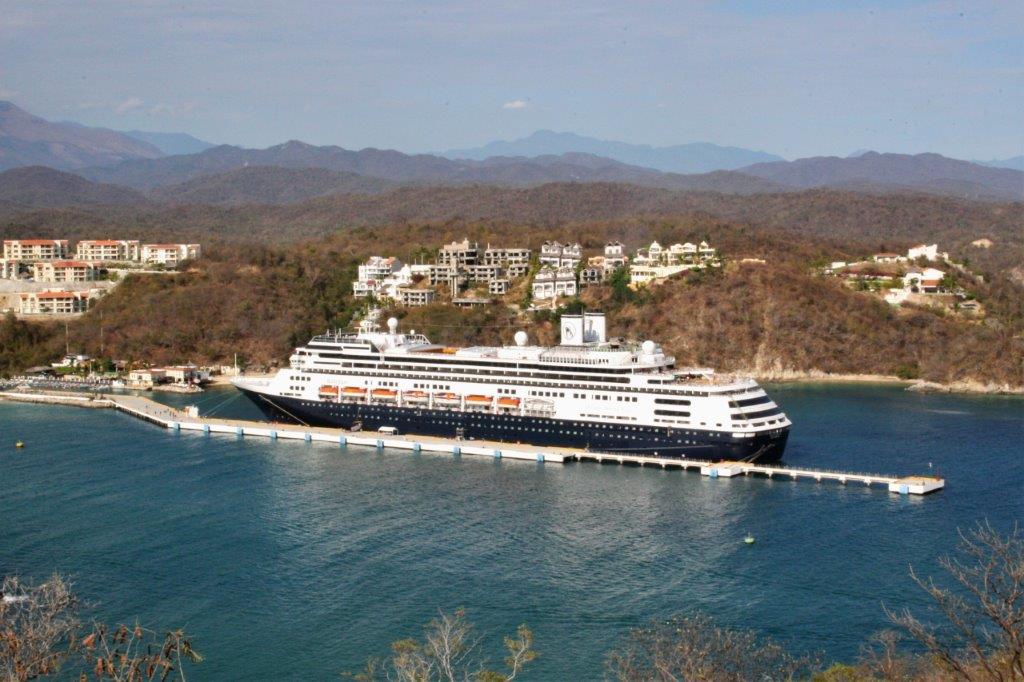
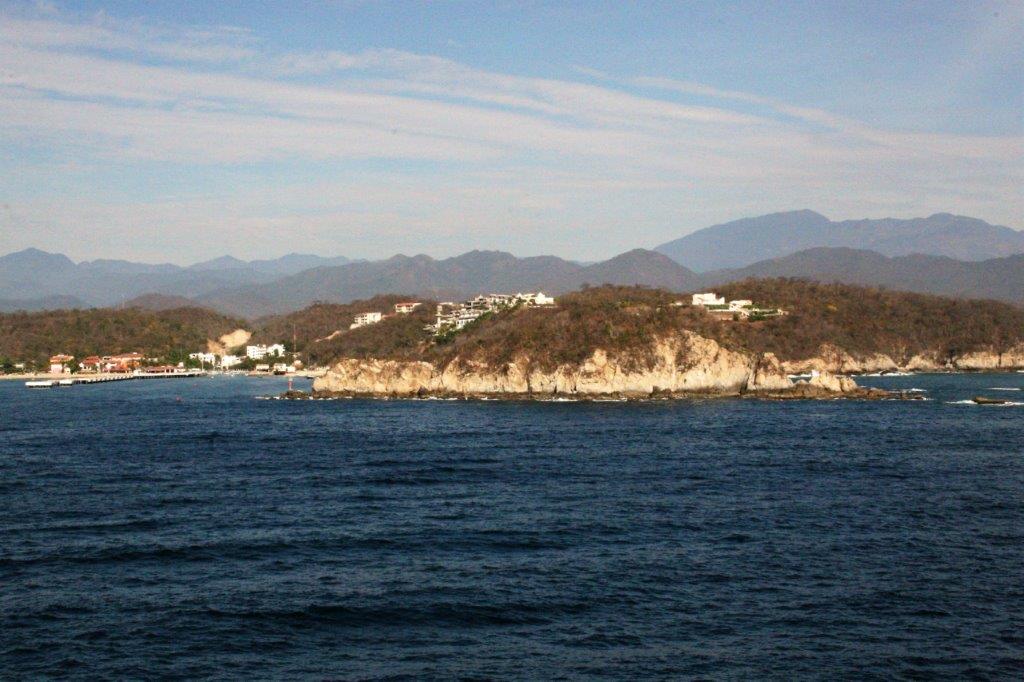
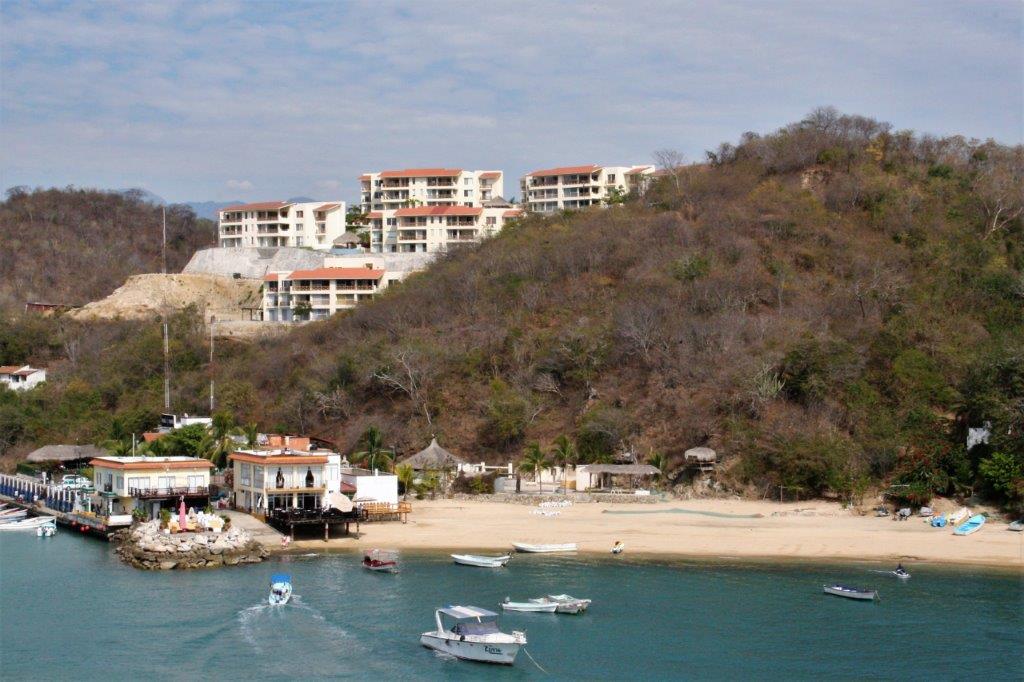
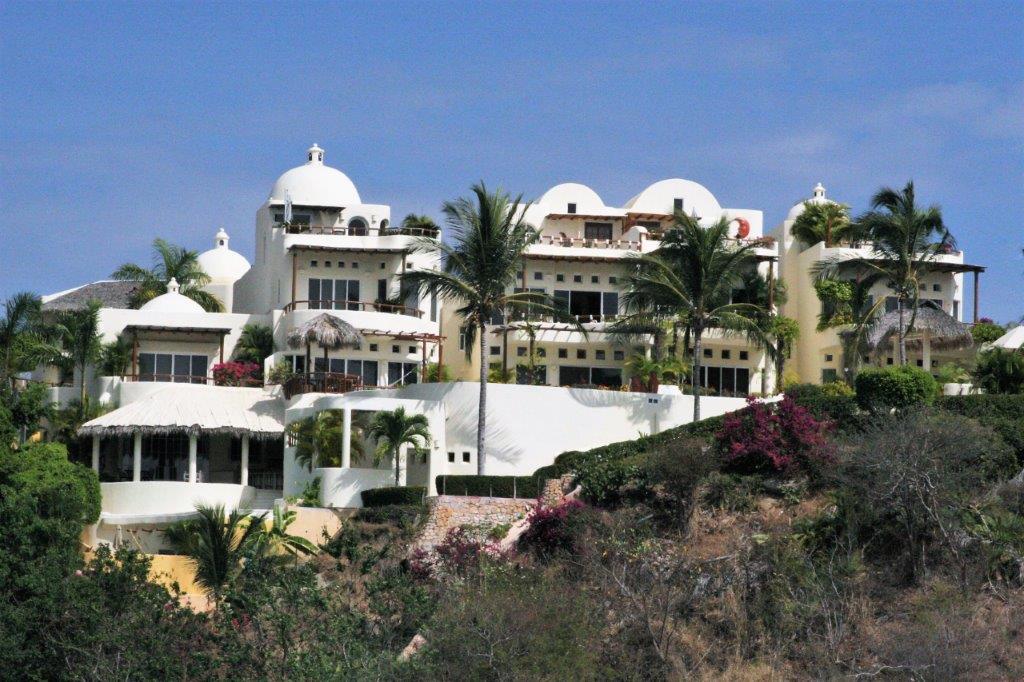
2009 World Cruise – There were gale force winds during the night that the Captain thought may prevent our stop in Huatulco, but, thankfully, the sea calmed in the early morning.  Our suite is on the ninth passenger deck and there are two crew and cargo decks below that.  John told me that the waves were crashing over our balcony railing at 3 am.  I slept right through it all – I find that rocking ships make good cradles.

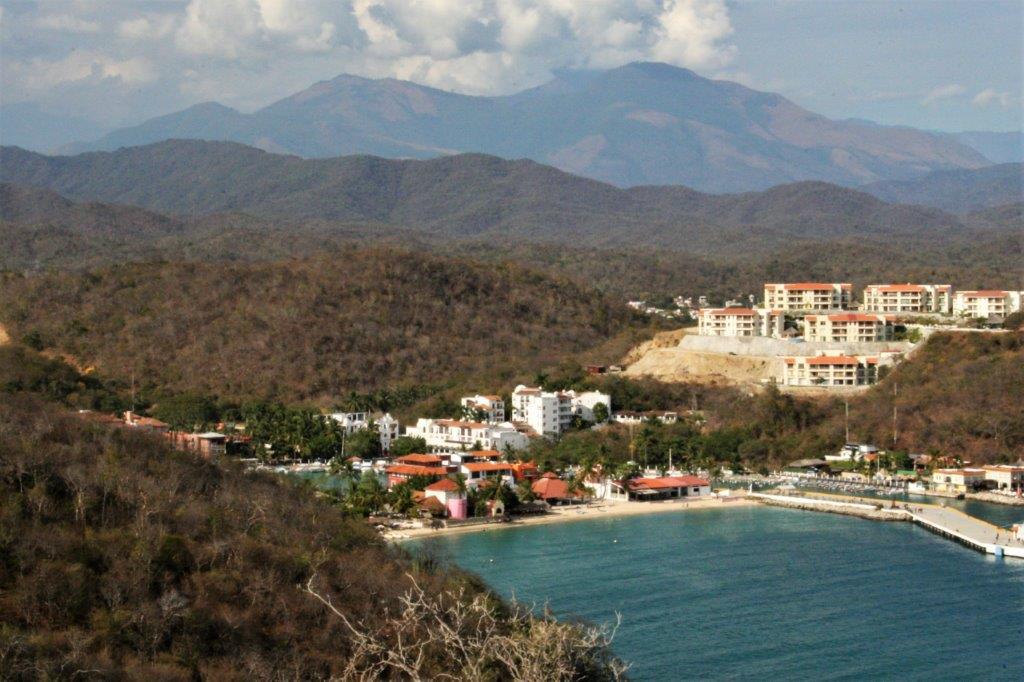
img_2999Huatulco, like Cancun on the Atlantic side, is a created resort area.  In 1984 the government agency dedicated to the development of tourism in Mexico, acquired 21,000 hectares of land along the Pacific coast.  There are 36 white sand beaches in the coves and bays that stretch along the rugged coastline.  Most of the area belongs to the Huatulco National Park where populated areas are connected to ecologically-minded ‘green zones.’   The result is one of the cleanest developments in Mexico.  The Park received the Green Globe certification in 2006, the first in America to do so, and third in the world.

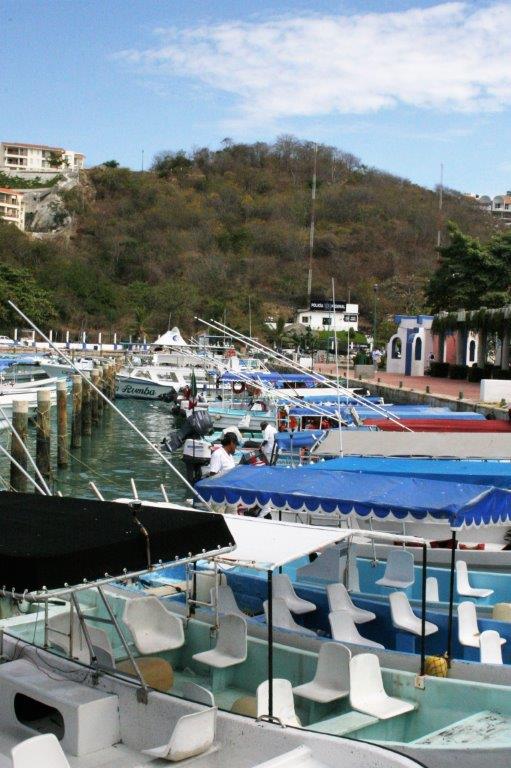
img_2960 img_2964 img_2971There are now over people 16,000 people living and working here to staff the resorts and hotels, shops, and related tourist businesses.  Over the next 15-20 years that number is expected to rise to 300,000.  I am glad we were there before that happened.img_2972 img_2974It was very hot, very dry, but beautiful with the water and the pristine white buildings.

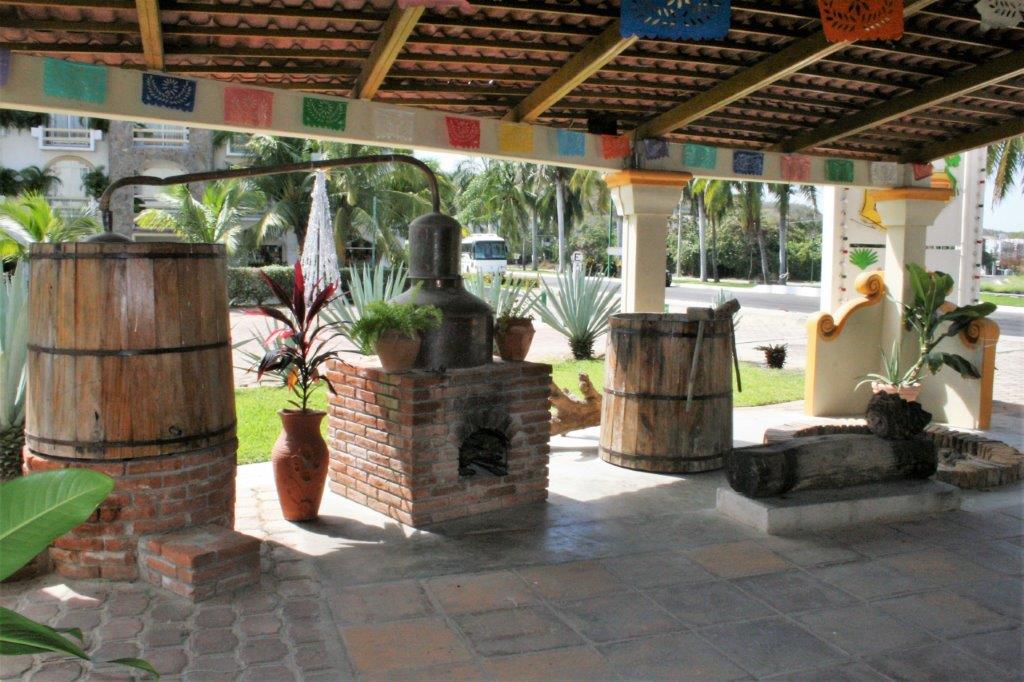
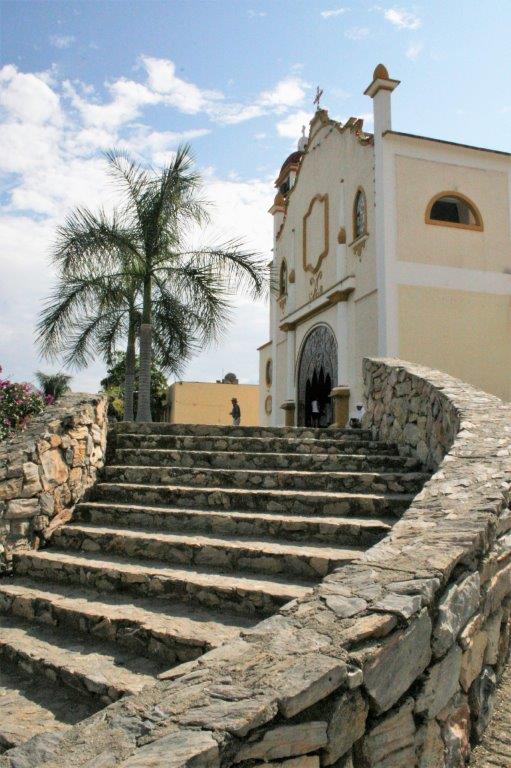
img_2979We were introduced to the tequila-making process.img_2977_edited-1 img_2993                                                                                 The Chapel at La Crucesita.img_2991 img_2997Pelicans, rowboats and the MS Rotterdam in Huatulco Bay.img_3012_edited-1 img_3016 img_3002 img_2999 img_3020We really liked Huatulco and have it on our list of places to visit again someday.


2009 World Cruise – Jan 13 – Day 9 – Puerto Quetzal, Guatemala

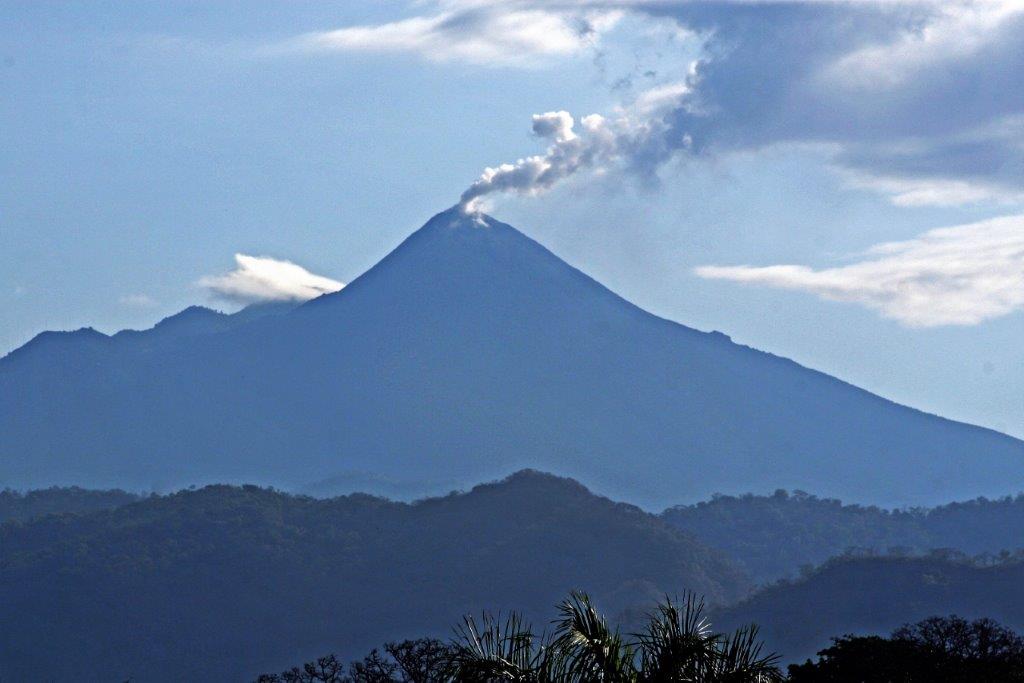
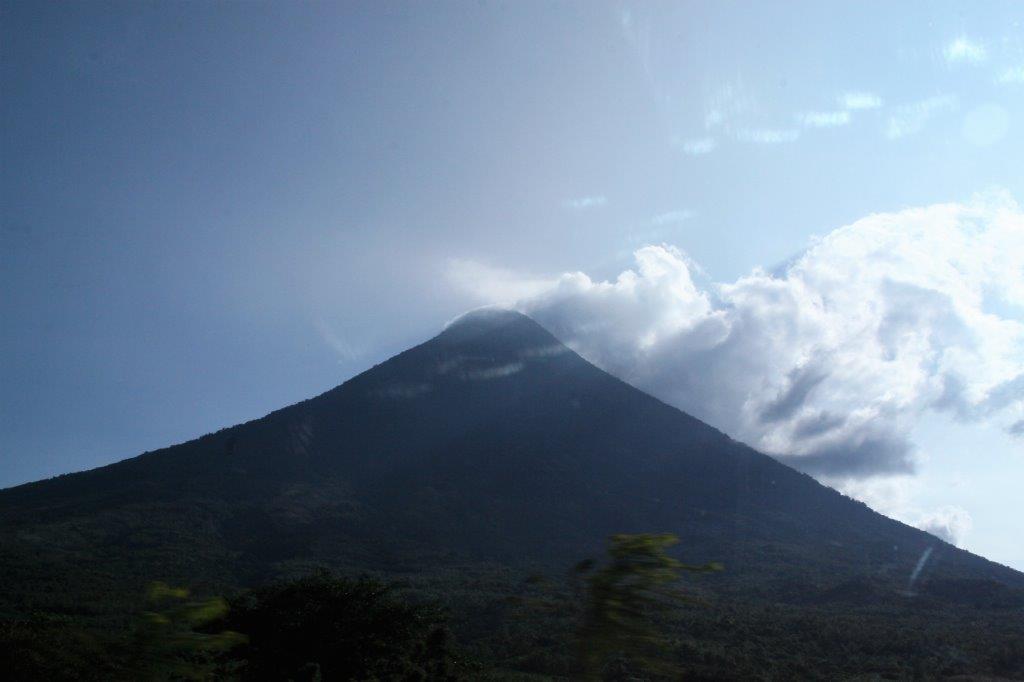
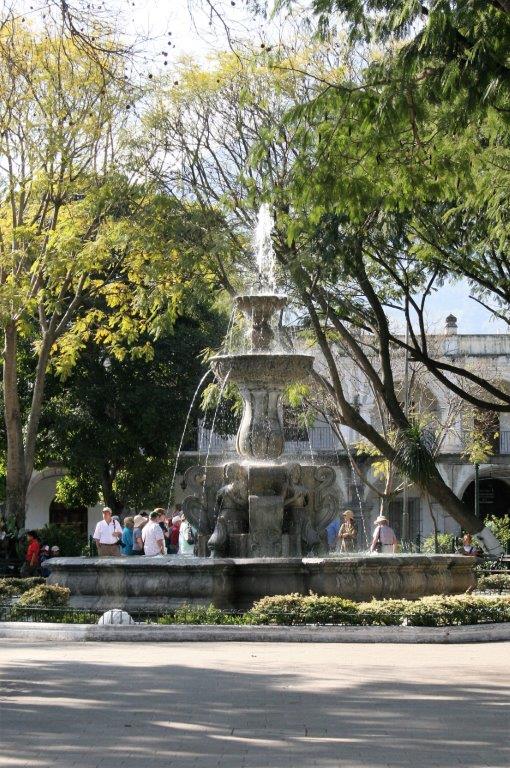
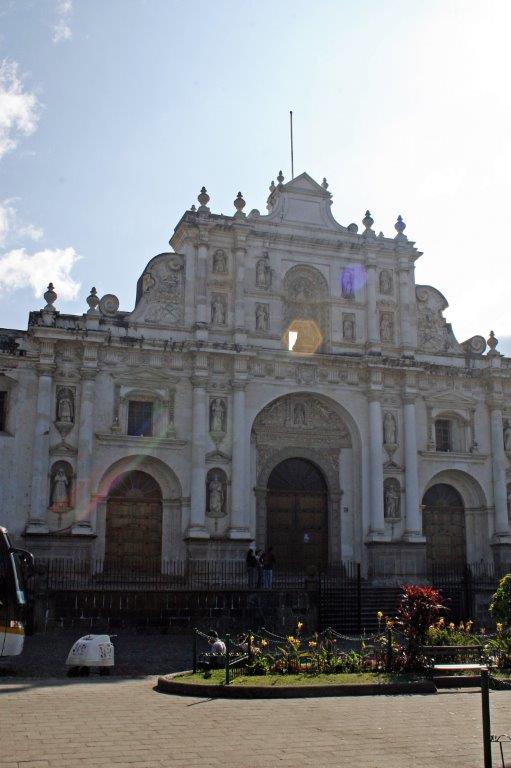
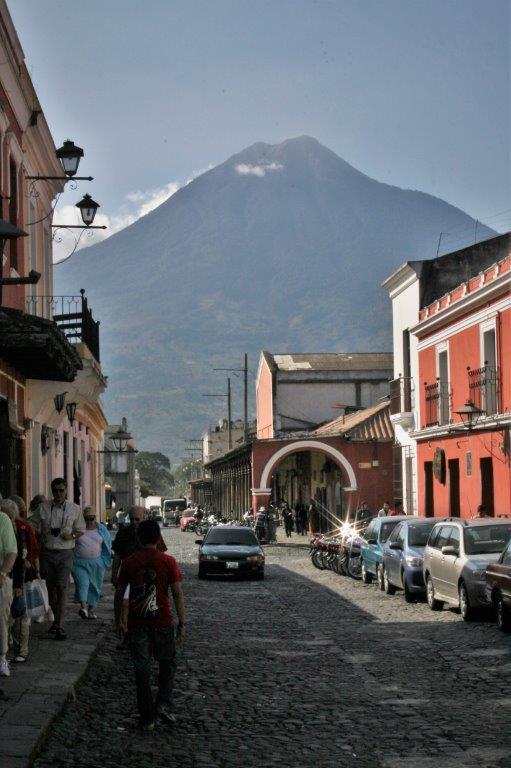
2009 World Cruise – After spending a day at sea we arrived in Puerto Quetzal,  Guatemala.  We had a 90 minute drive to Antiqua, a Colonial town that has beautiful, clear views of three volcanoes. img_2869_edited-1 img_2880The town was very clean, very charming old-Spanish-style.img_2883                                                                   Palace of Noblese

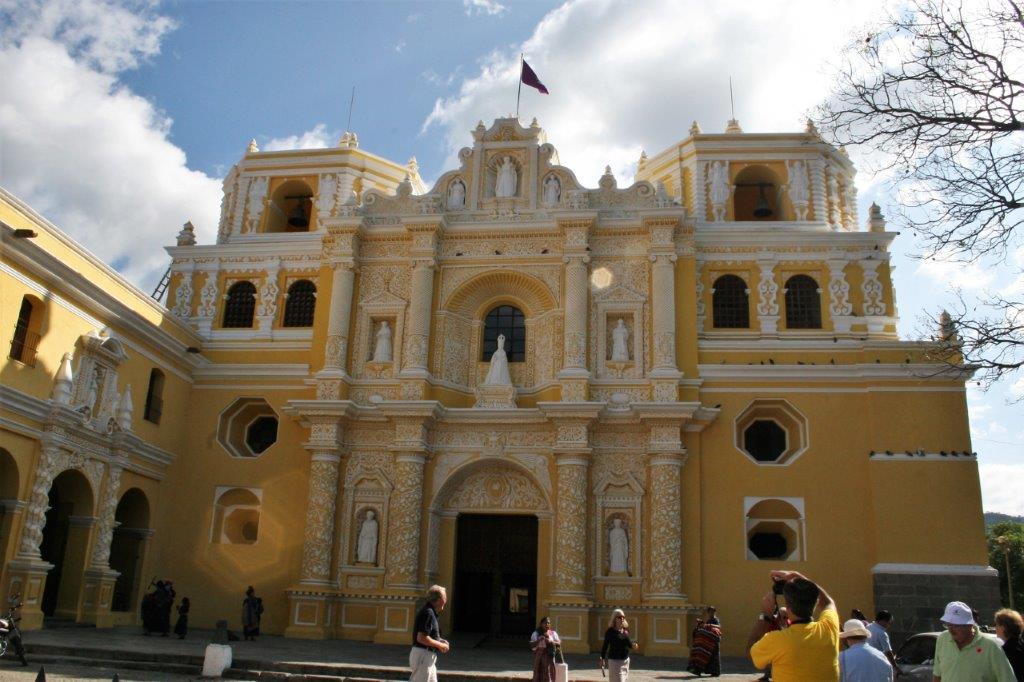
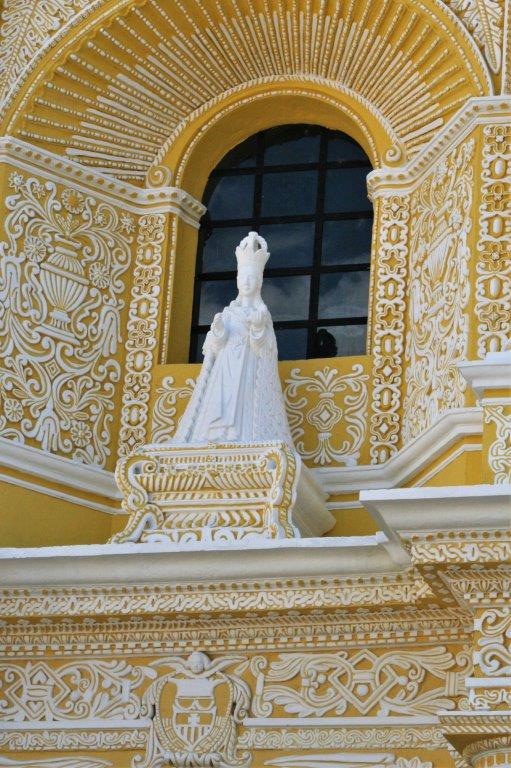
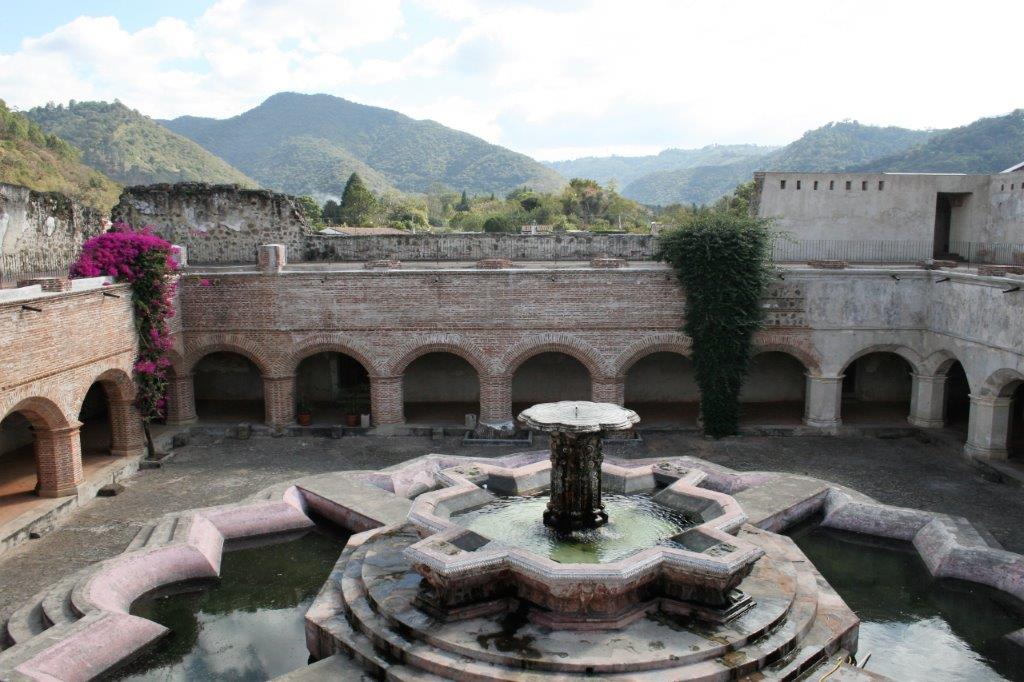
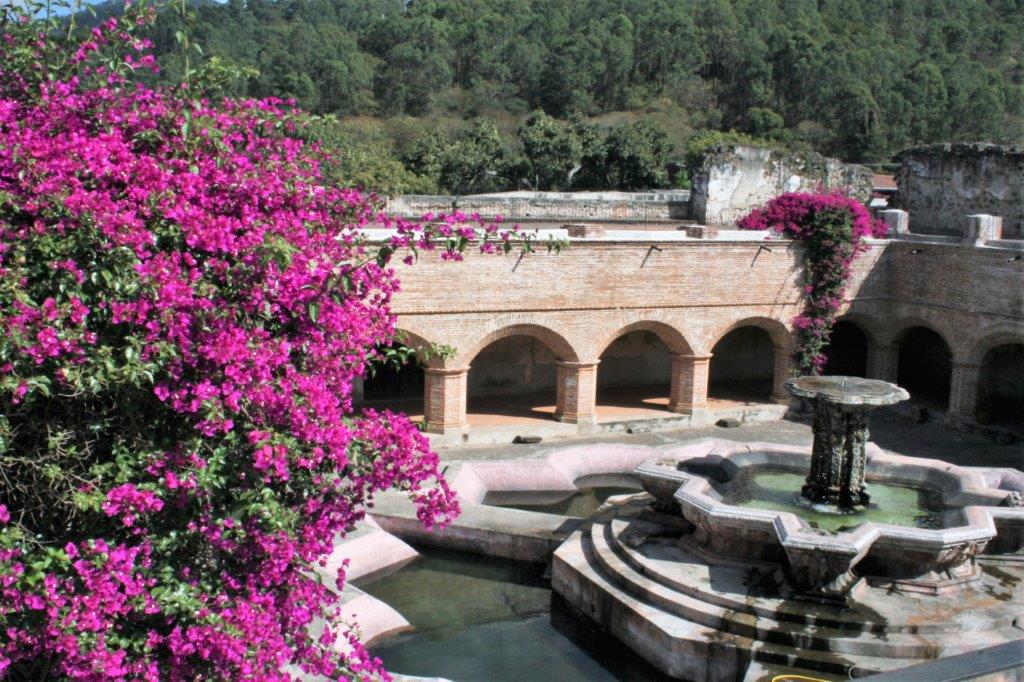
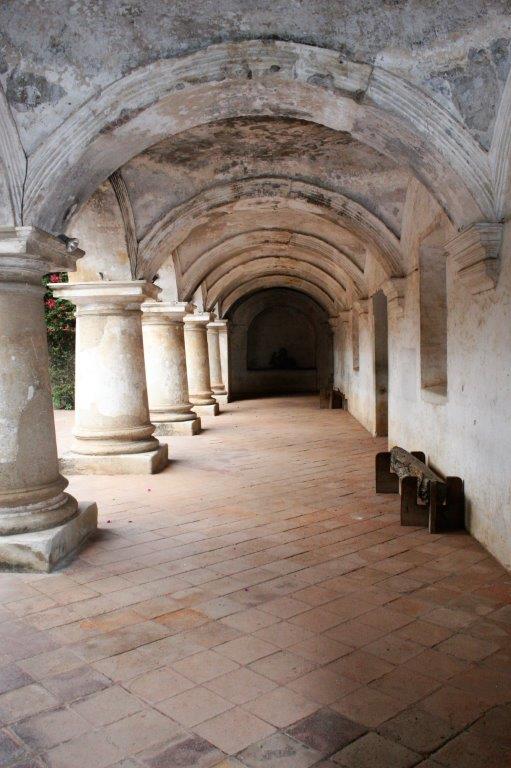
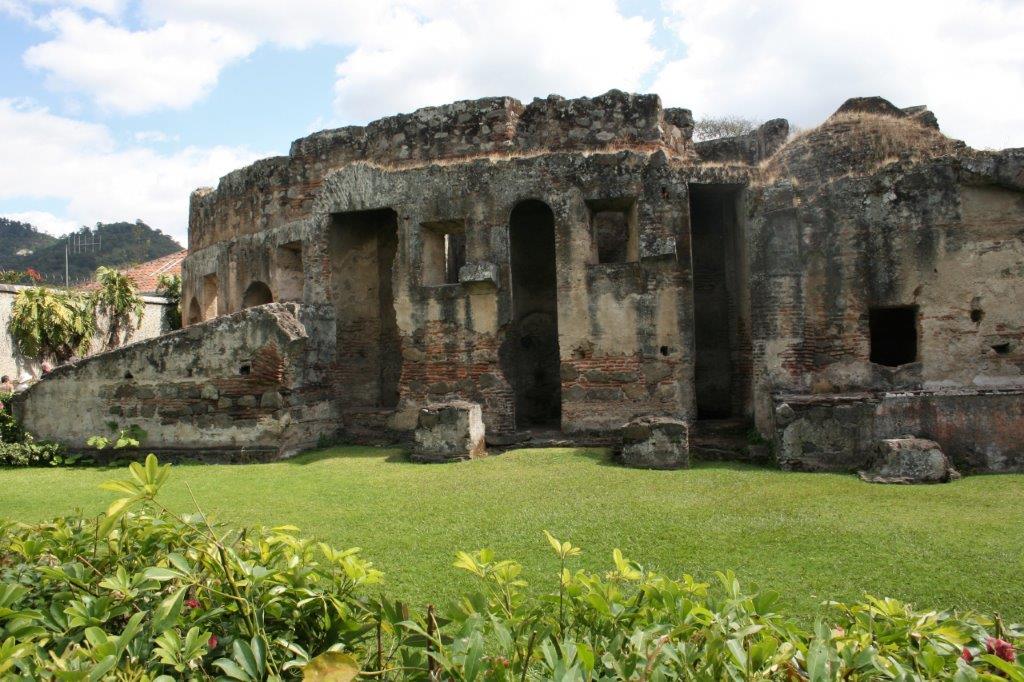
img_2884_edited-1img_2889_edited-1 img_2885_edited-1img_2899img_2892  We toured the beautiful baroque Iglesia de la Merced Church, arguably one of the most beautiful churches I have seen.  Of course, yellow is my favourite colour so it has bit of an edge going for it from the get go. img_2904 img_2906img_2908Lunch was at a five-star hotel that was a well-done blend of modern construction and incorporated ruins.

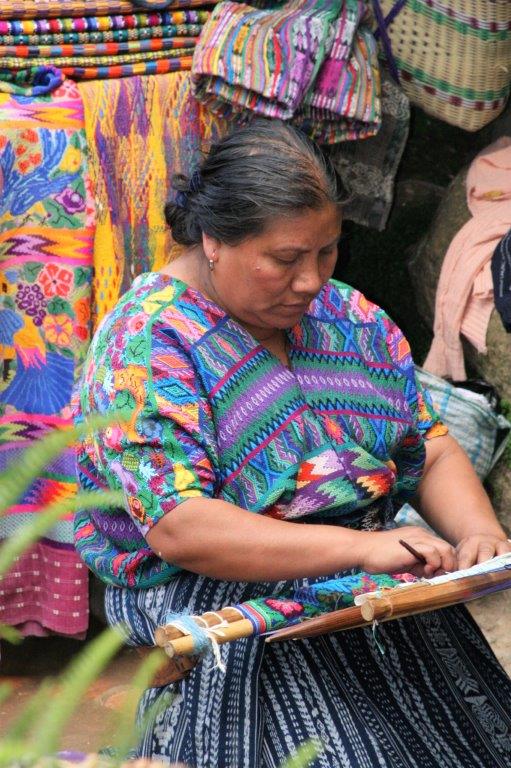
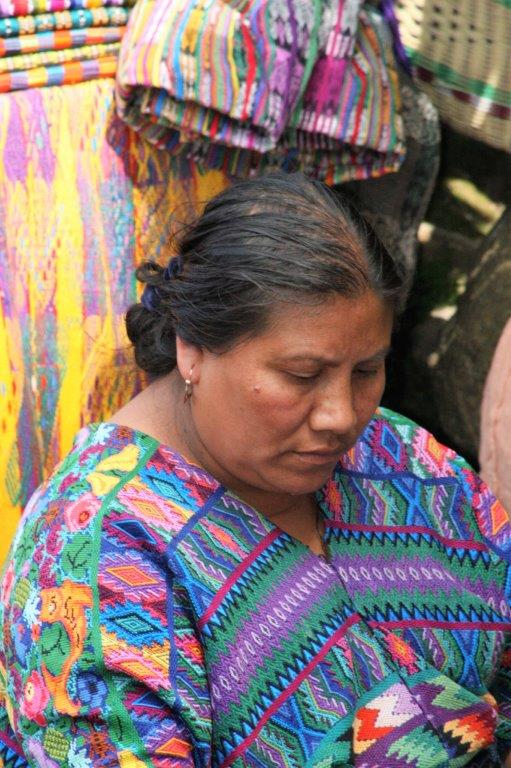
img_2894 img_2912img_2915 img_2917_edited-1 img_2924 img_2926This lady is working a back-strap loom; making one of the very colourful blankets or ponchos that are so popular with the locals and tourists.

img_2942 img_2945 img_2946 img_2936 img_2938 img_2940


2009 World Cruise – Jan 10 and 11 – Days 7 & 8- Puerto Caldera, Costa Rica

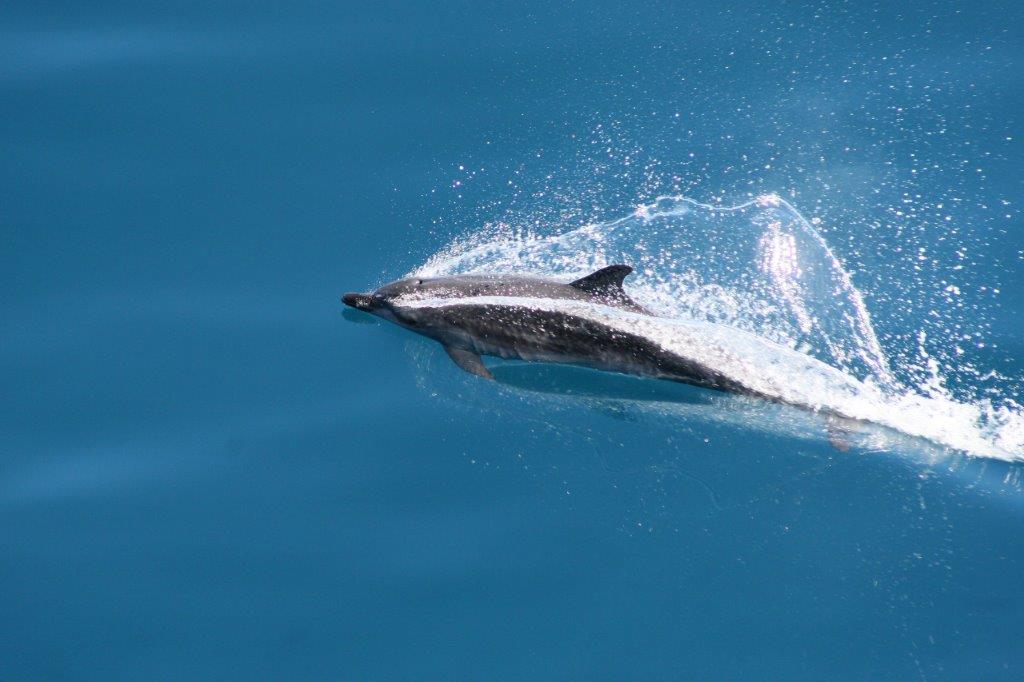
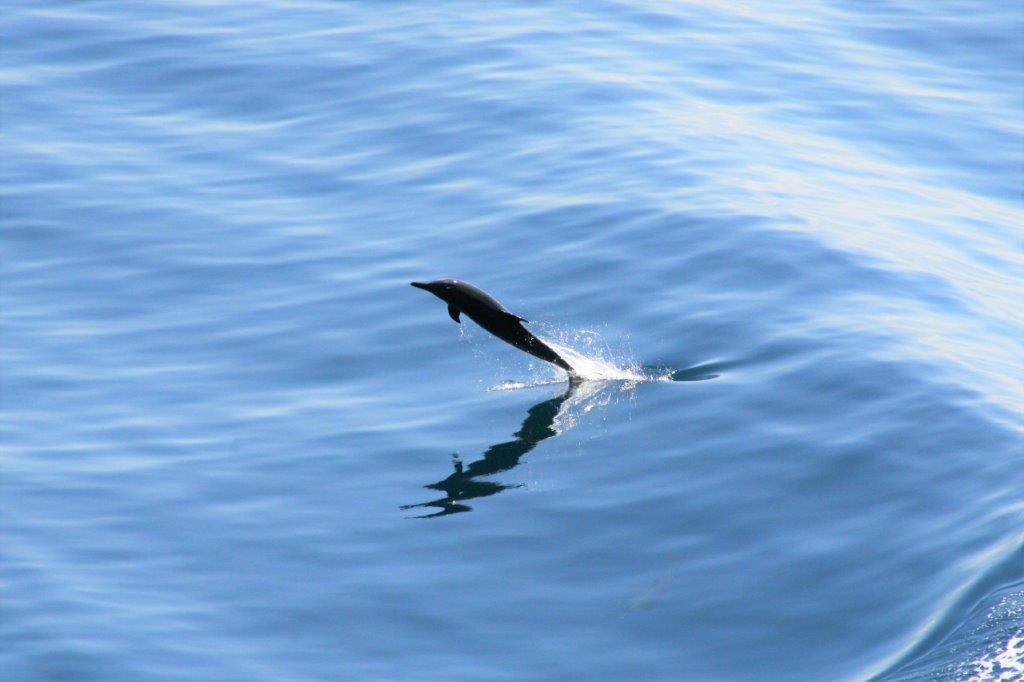
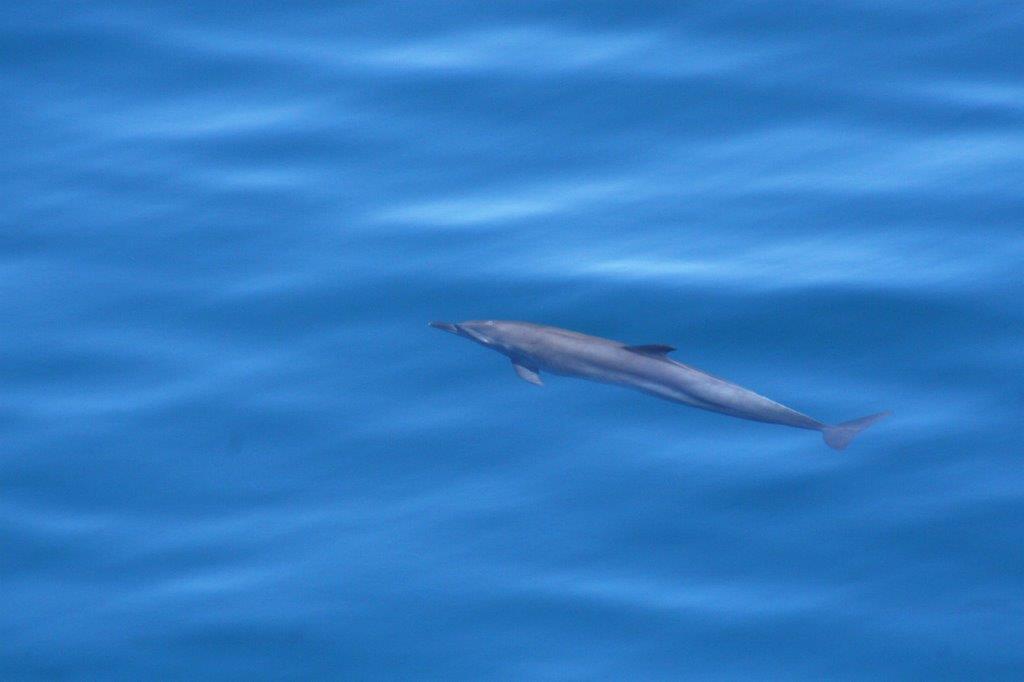
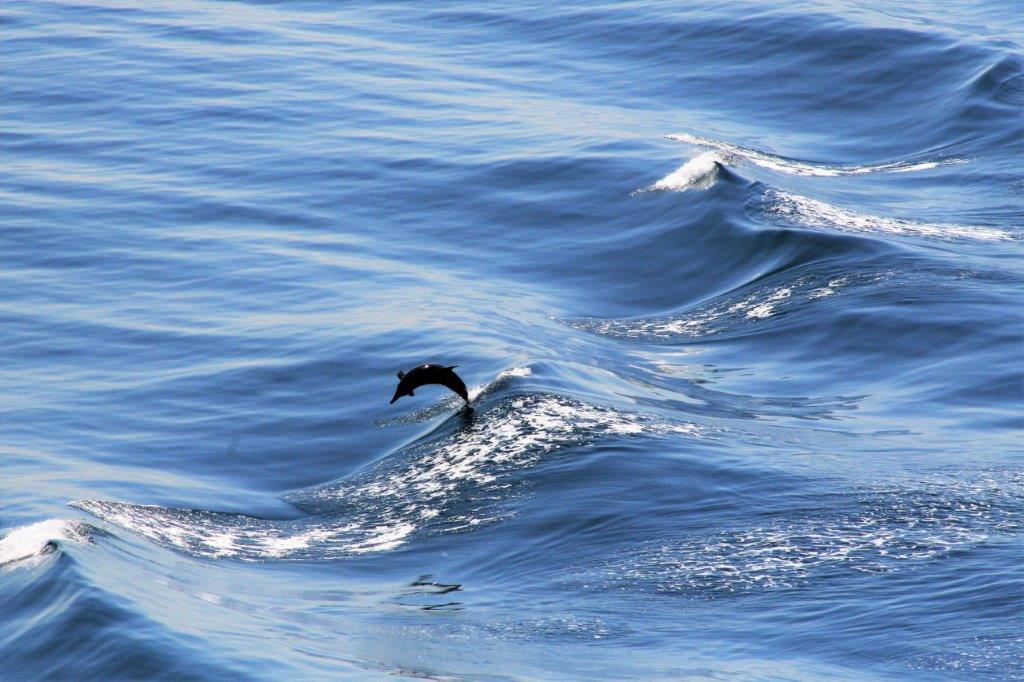
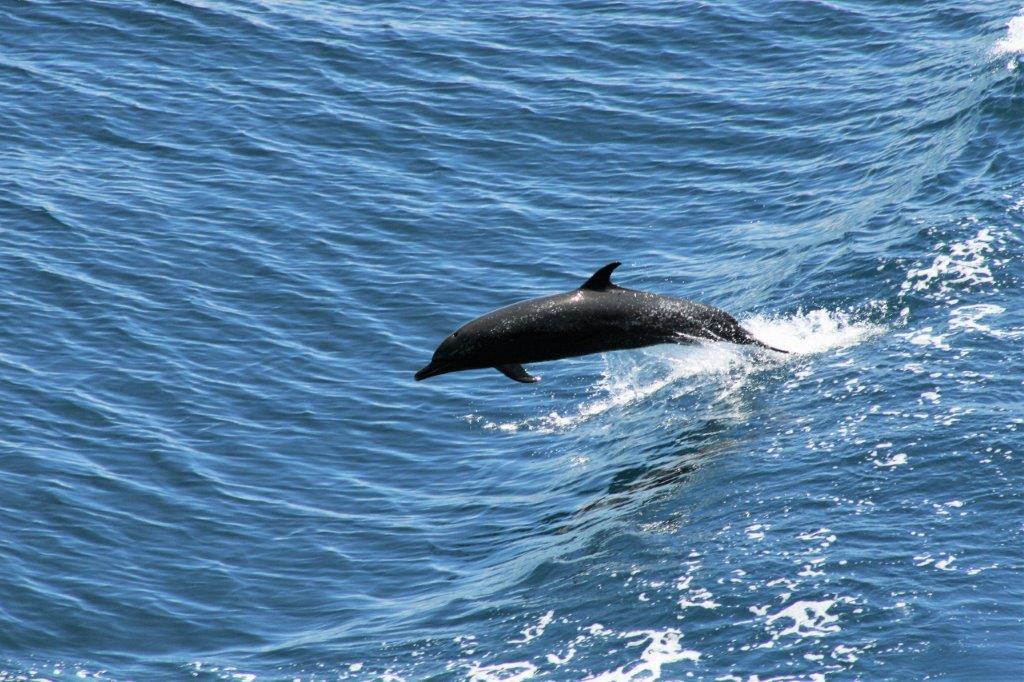
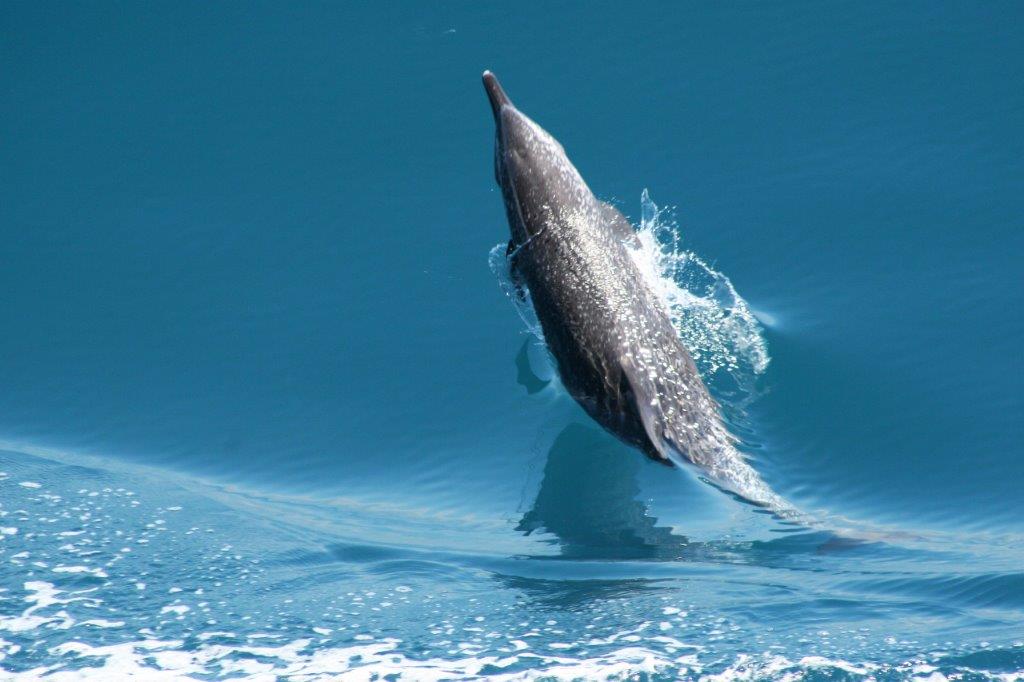
2009 World Cruise – The ship spent Saturday (Jan 10) slowly cruising along the Golfo  Dulce coast of Costa Rica.  This area is rarely seen by tourist as many of the beautiful, pristine beaches are set aside as breeding habitat for three species of turtle: the olive ridley, the Pacific green and the leatherneck.  What we saw most of the day – which we spent on the balcony of our suite – was crystal clear, gorgeous turquoise water and a pod of dolphins that jumped and twisted and dove along and through the ship’s wake.img_2781

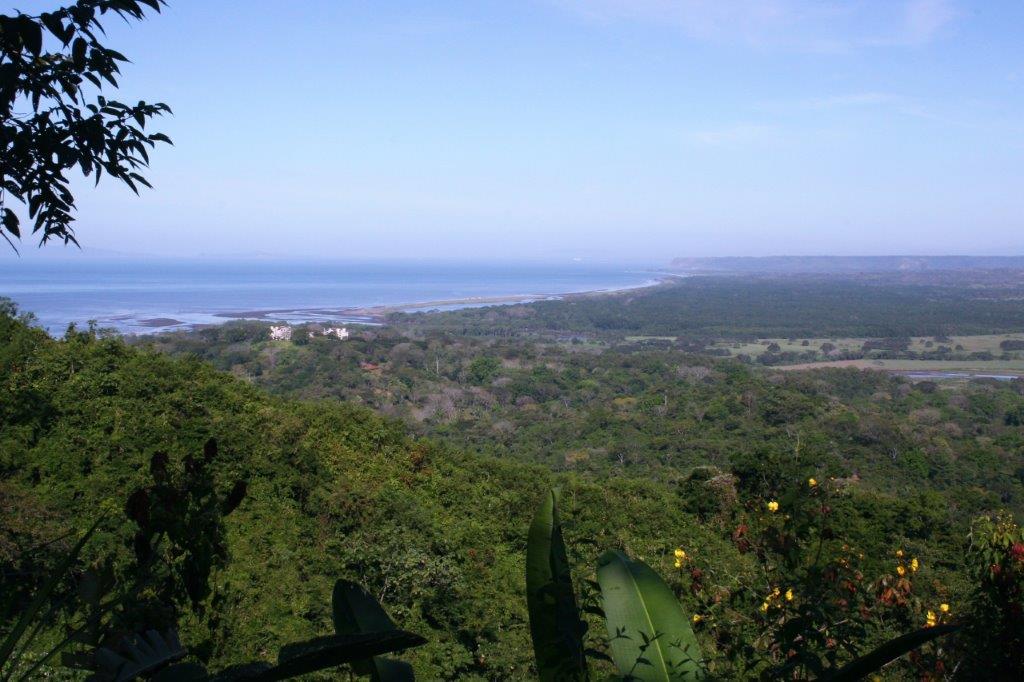
img_2771 img_2780 img_2783img_2789 img_2786 We spent the next day in Puerto Caldera, one of the main ports of Costa Rica.  The population of the city and surrounding area is about 100,000 and it  is located about 10 miles (16 km) south of the capital city of Puntarenas.  A newer, larger port was built here when the one in Puntarenas became too old and too small for the volume of shipping coming and going in Costa Rica.

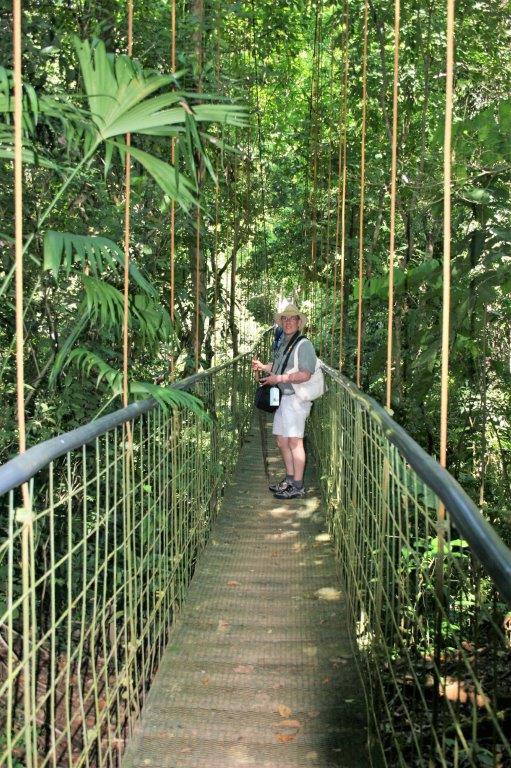
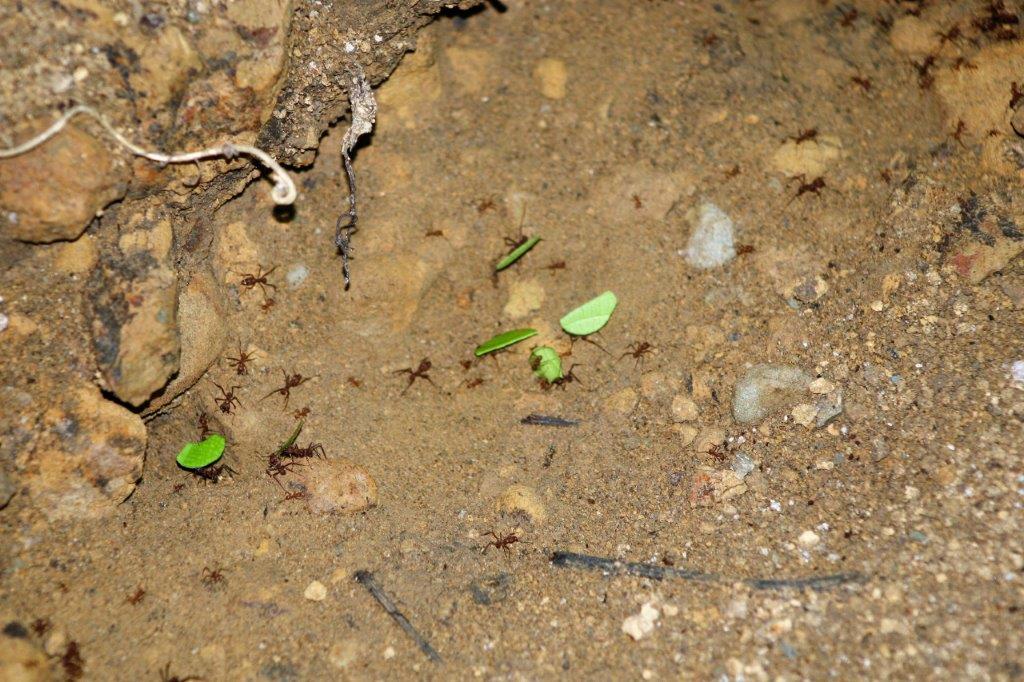
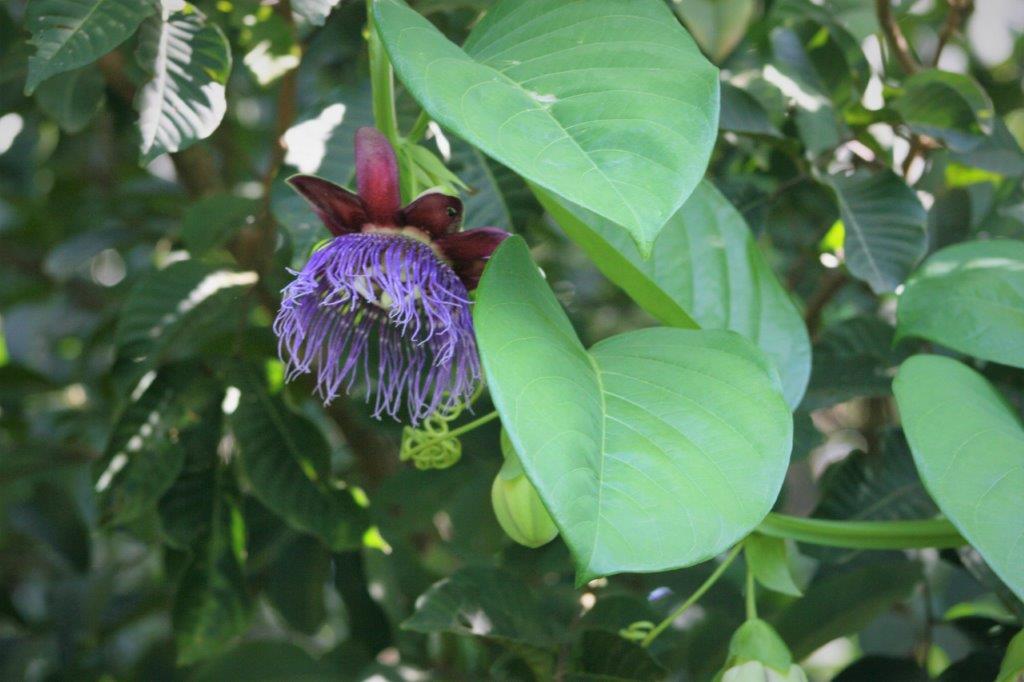
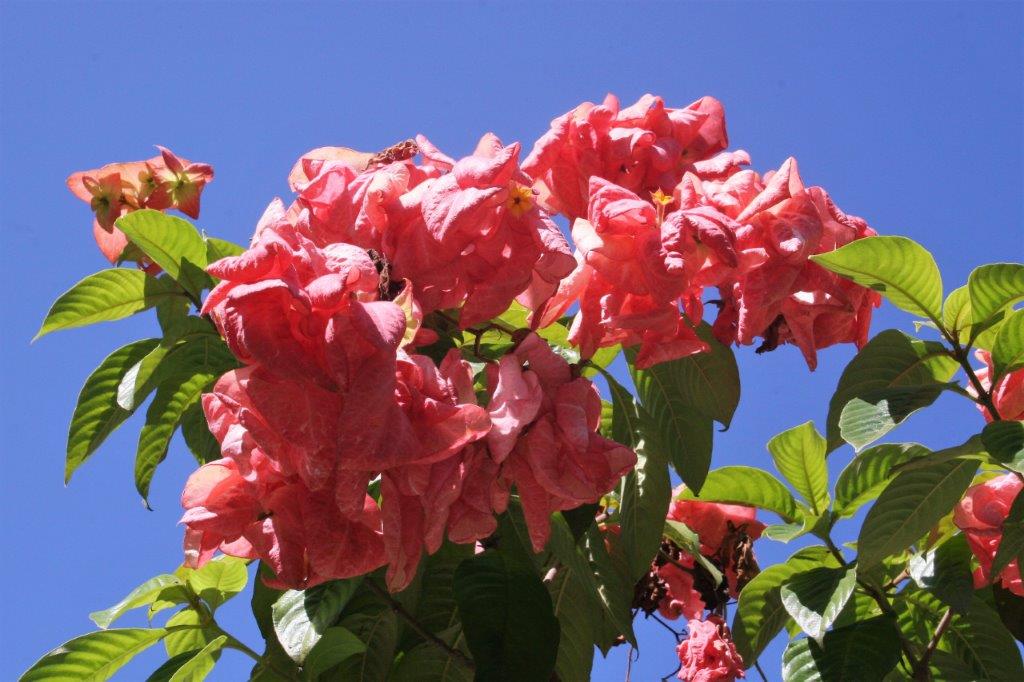
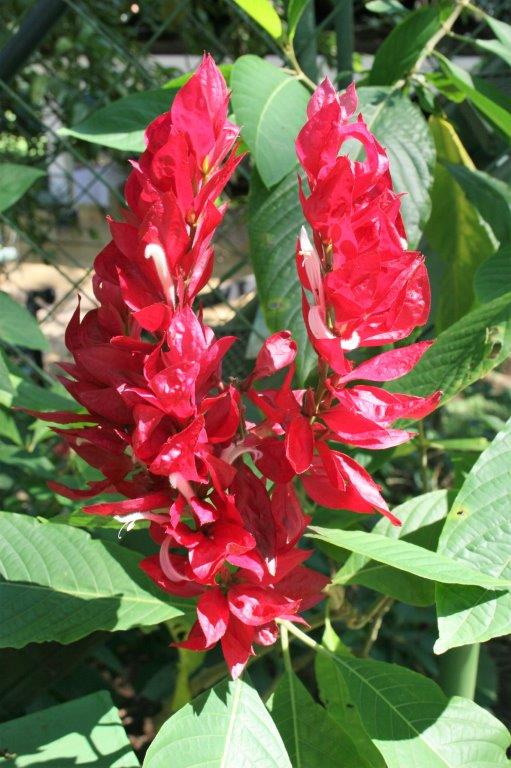
We had a one hour bus ride to the beginning of our tour.  I don’t mind a lengthy bus ride out to a tour since you get to see the countryside and the local people going about their daily lives.  The Skywalk took us up and down in the jungle and high into the leafy treetops of the rain forest.  Costa Rica has a very, very rich diversity of plants, birds and animals.  Unfortunately, we only saw an iguana and a lot of leaf-cutter ants.   img_2806 img_2808 img_2821 img_2820I was fascinated by the leaf-cutter ants that we saw on the pathways and tree trunks.  They actually make roads – smoothing areas or removing debris from the path to facilitate the traffic.  They work in a constant rotation to and from the nest and follow the road lane better than than a lot of human motorists.img_2815Some of the flowers were very pretty.img_2817

Passion Fruit.


img_2829   Coffee.

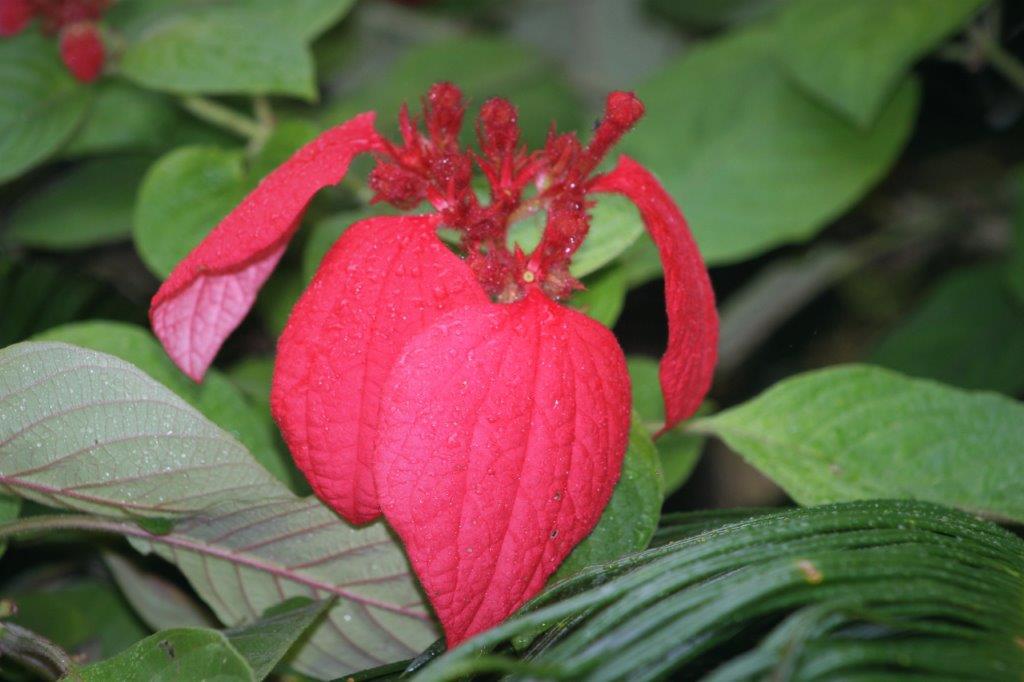
img_2835  img_2827                     Water Hyacinth                                    Brazilian Red Cloak

After a stop at Hotel Villa Lapas for a snack we were driven back to the ship and arrived at noon.img_2832 img_2842img_2834 img_2838img_2831We usually went to the theater each evening to enjoy the various entertainment – some we enjoyed more than others.  That night the show was late: 10:30 – 11:30, and was presented by the Filipino crew.  They shared their native music, stories and dance. It was very good.