All posts by jj1951

My husband and I retired in 2007 and decided to spend the kid's inheritance by travelling as much as we could until either the money or our health runs out. So far so good.

2012 March 31 – Day 20 – Valletta, Malta

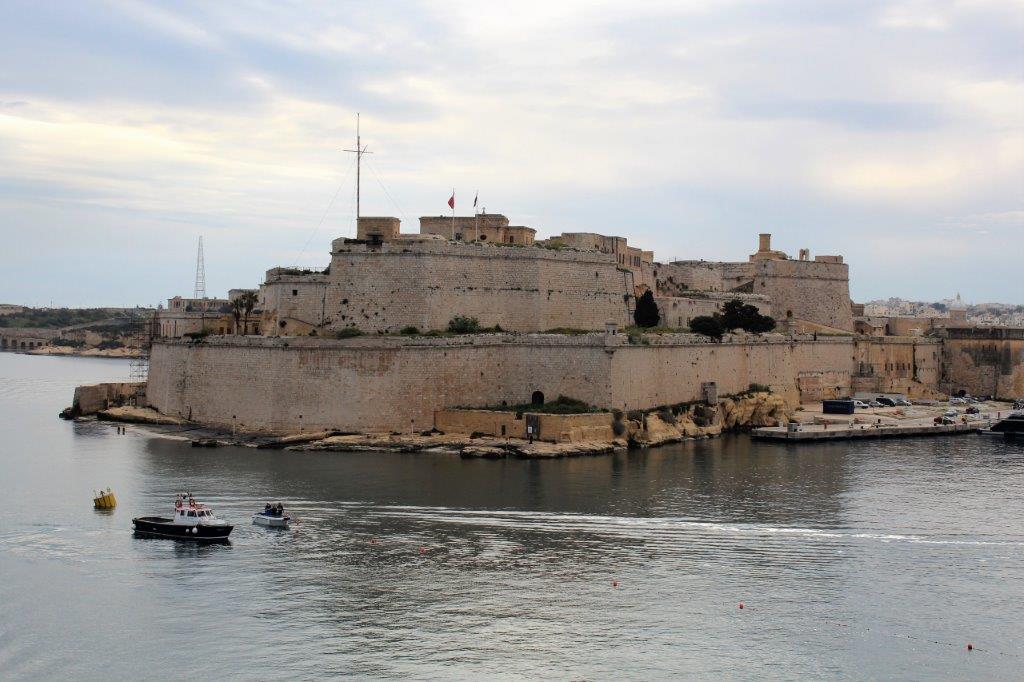
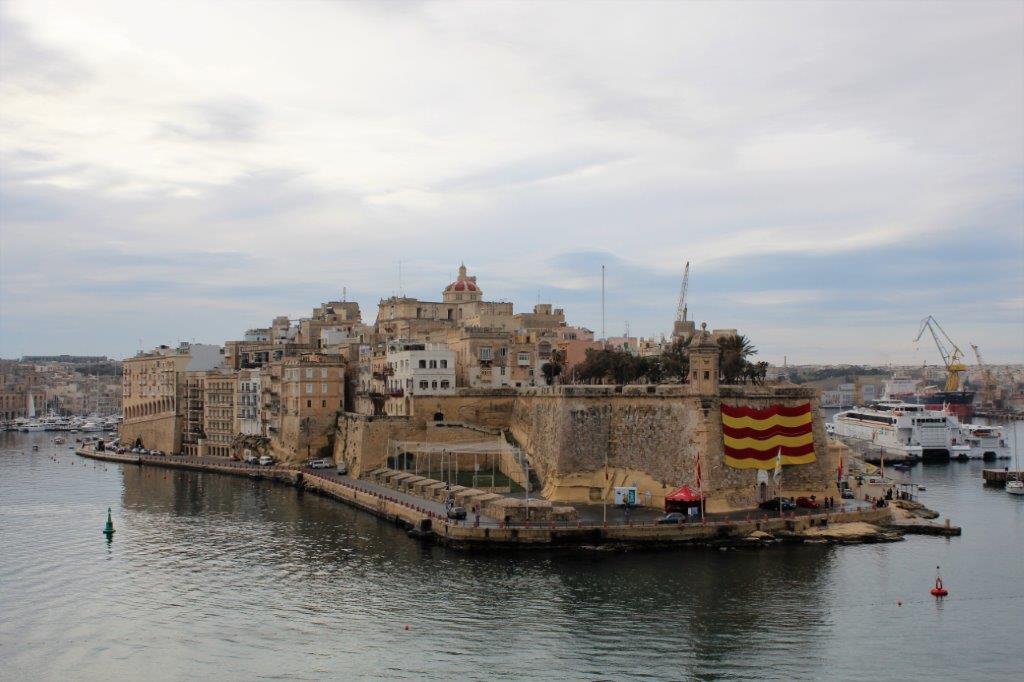
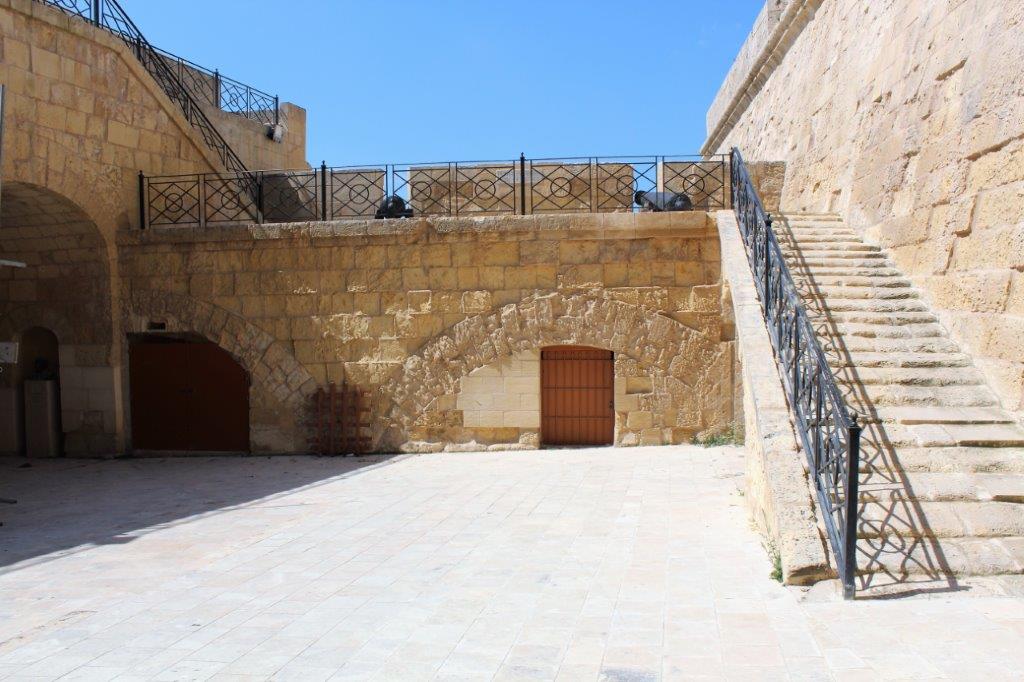
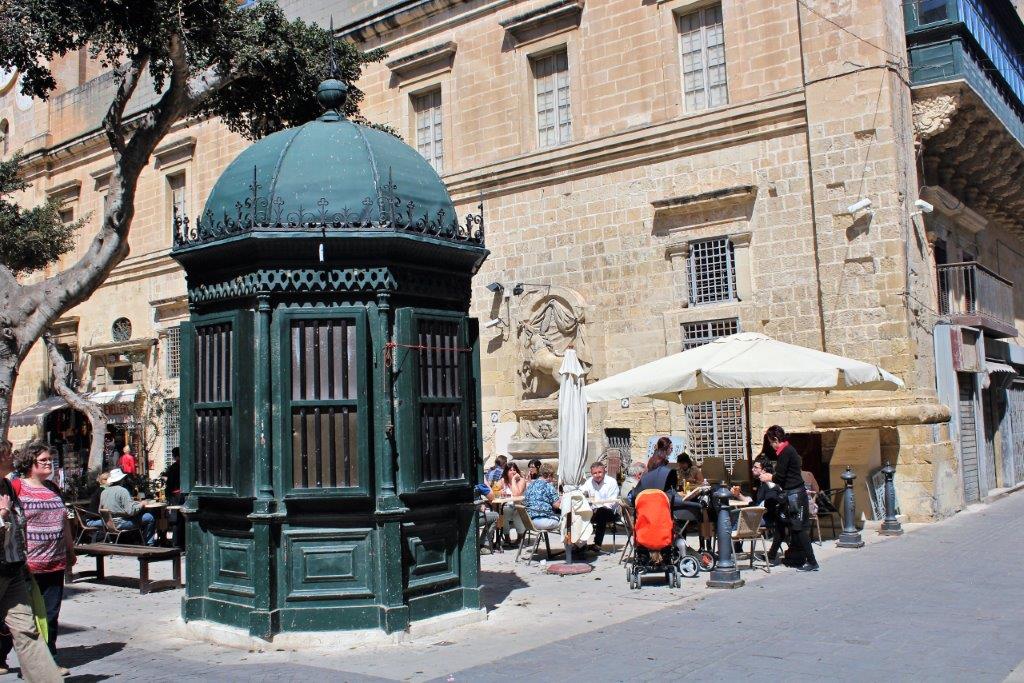
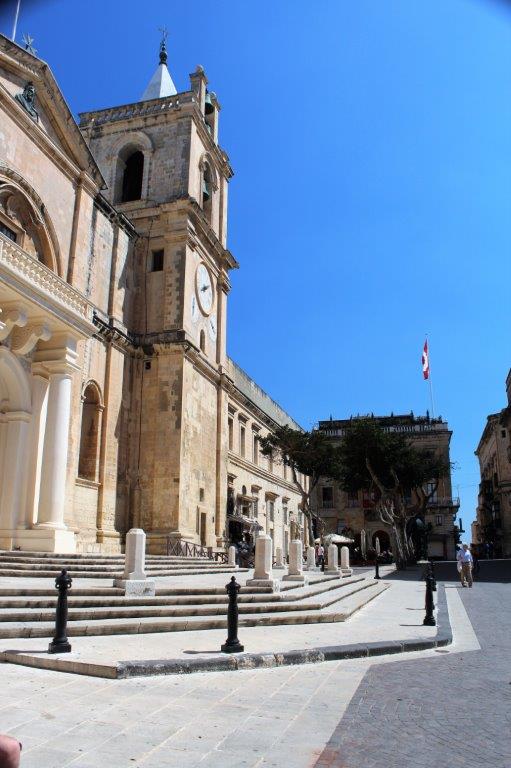
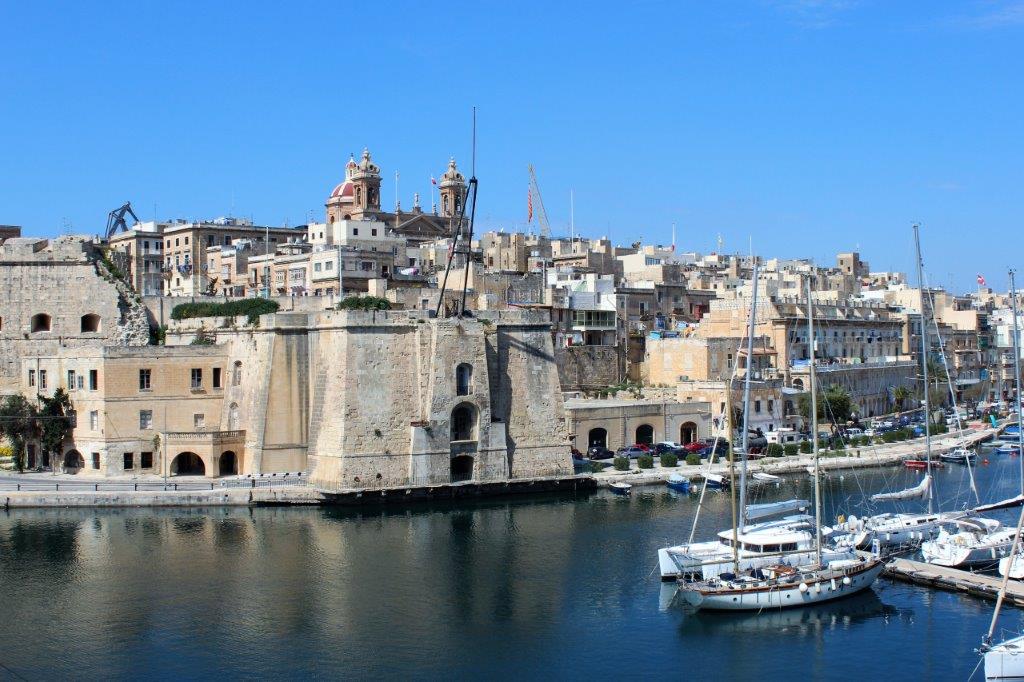
The island of Malta sits 60 km off the coast of Sicily and 140 km from Italy.  The Knights of St. John took possession of the island in 1530 and fortified it, then fortified the fortifications, then fortified it all some more.  With the walls built on walls built on walls, Valletta is a port that has never been conquered in the past 1000 years.

The Knights of St. John still exist today and have representatives in 80 countries.  They also have a permanent “Observer” status at the United Nations.  The Knights ruled Malta for 268 years.
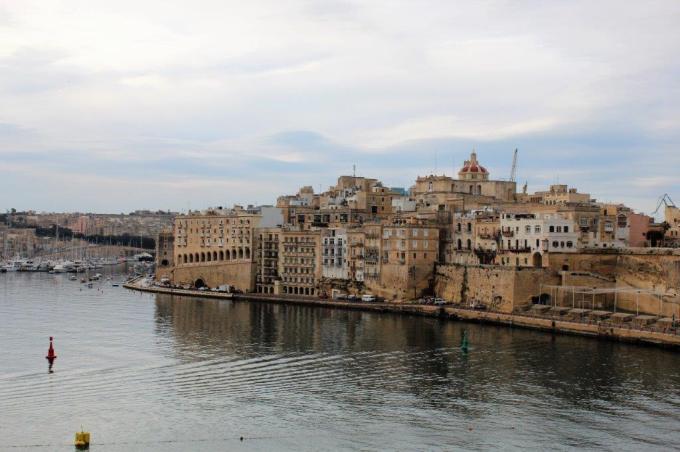
Our guide spoke English well and knew a great deal about the Knights of St. John and the history of Malta.  The weather was great and we had a fabulous day.
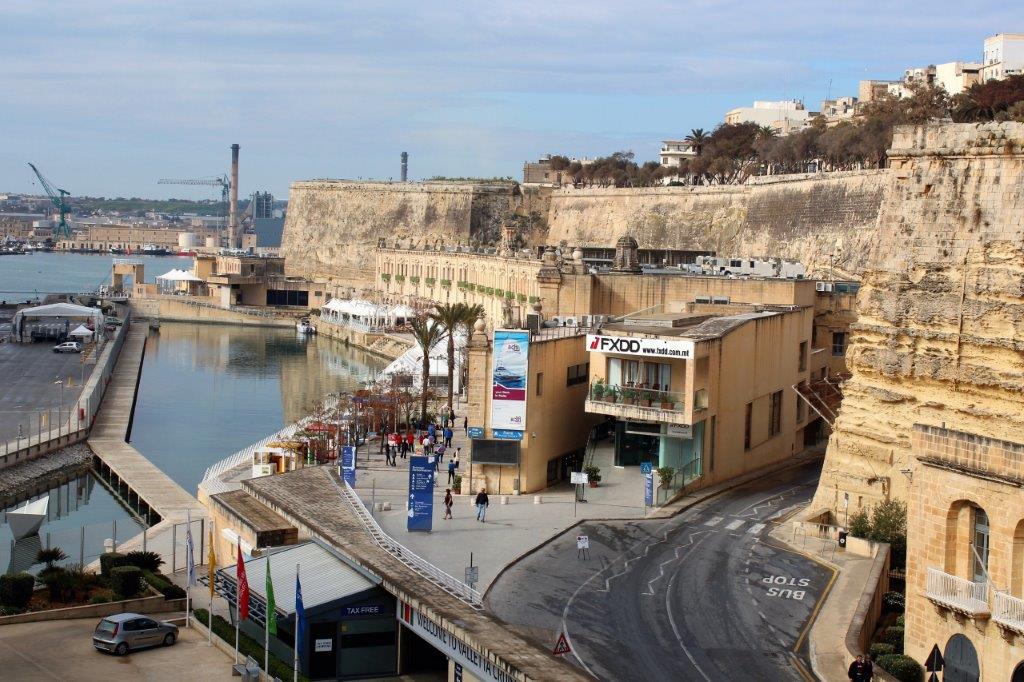
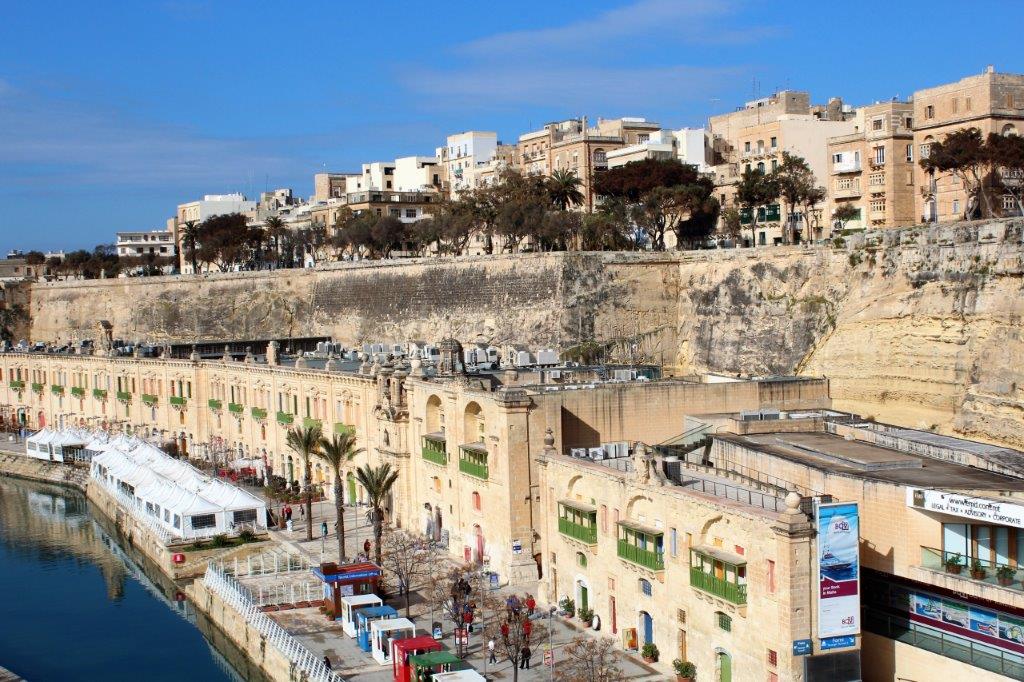
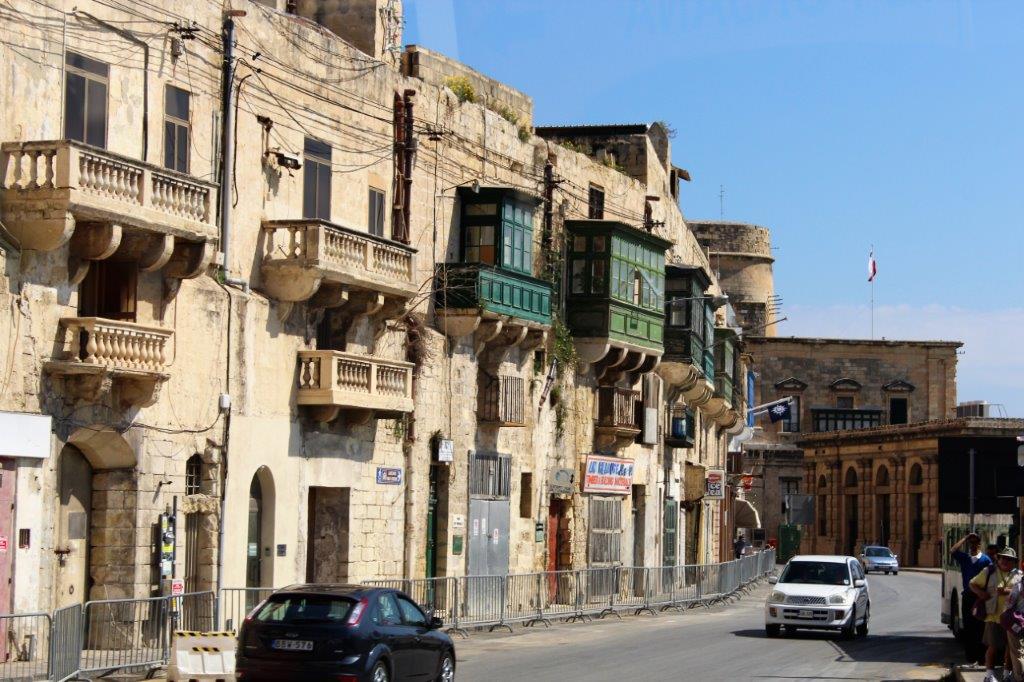
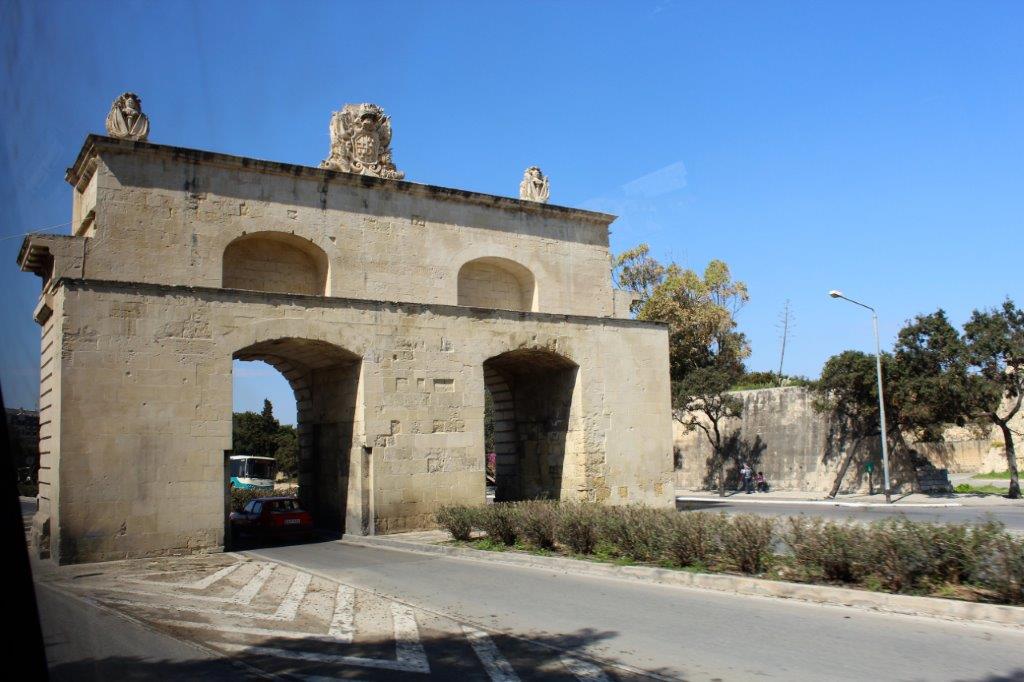
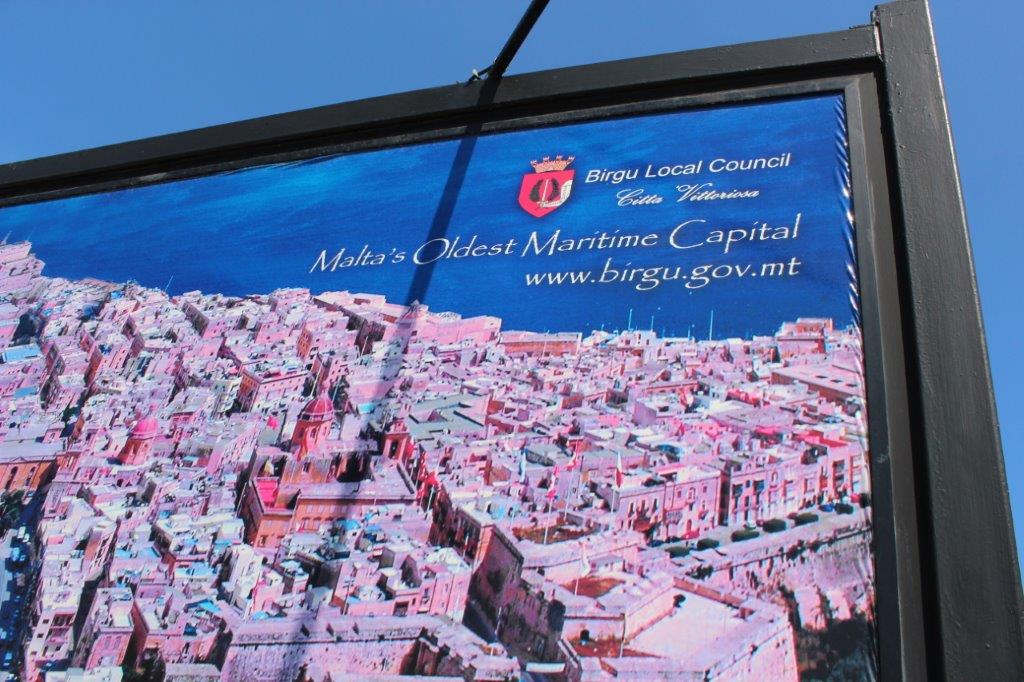
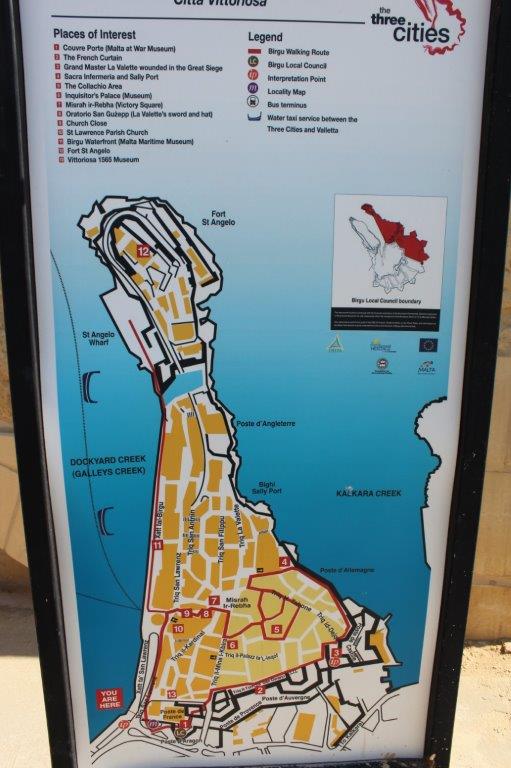
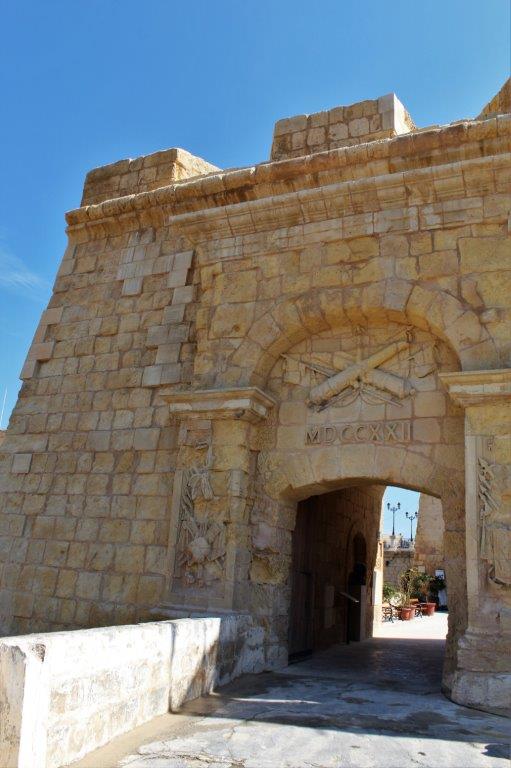
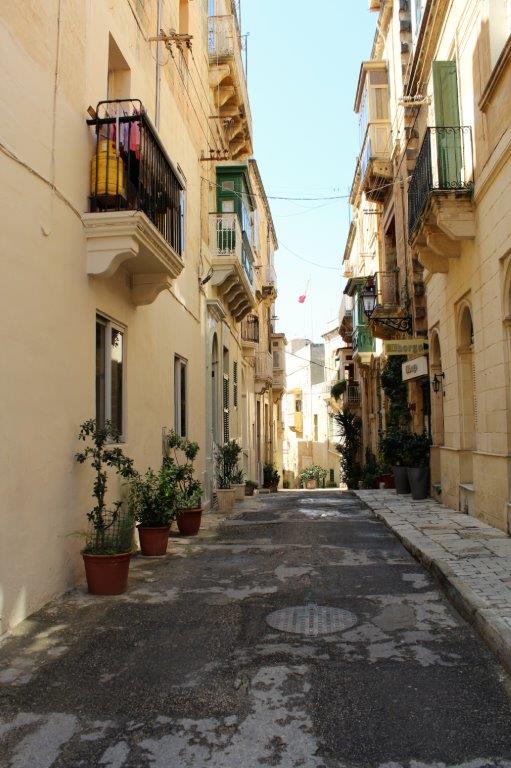
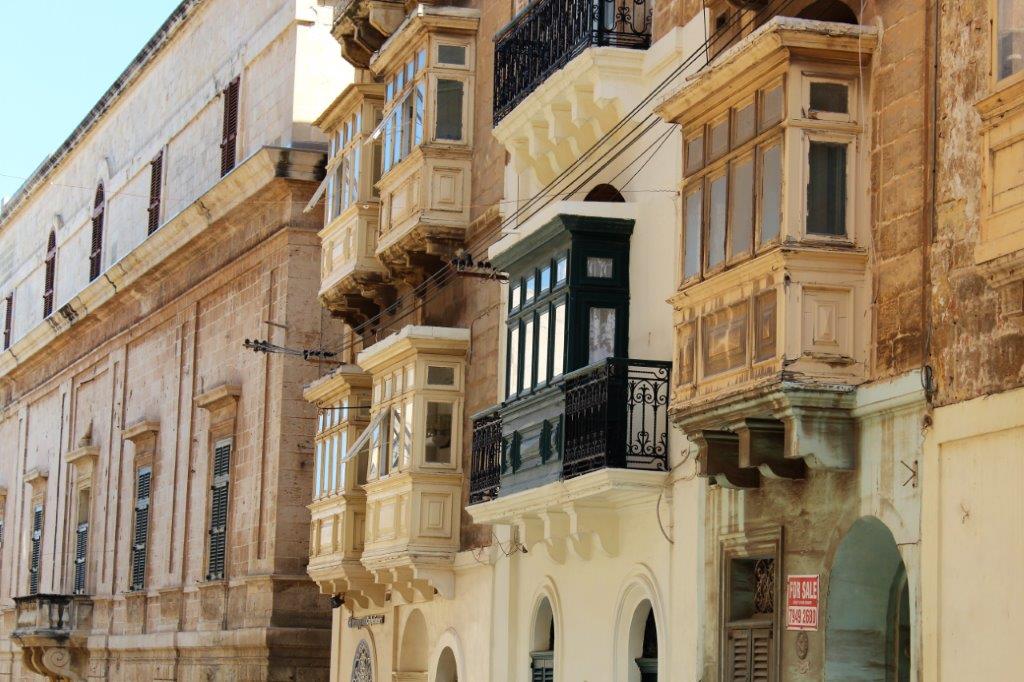
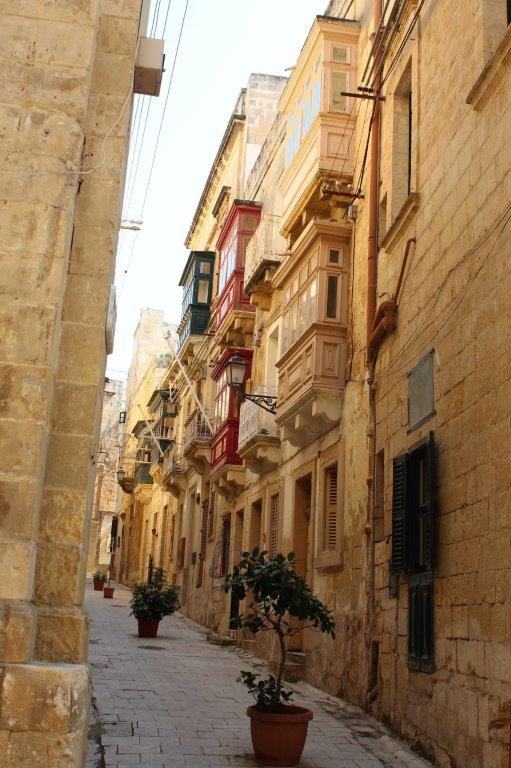
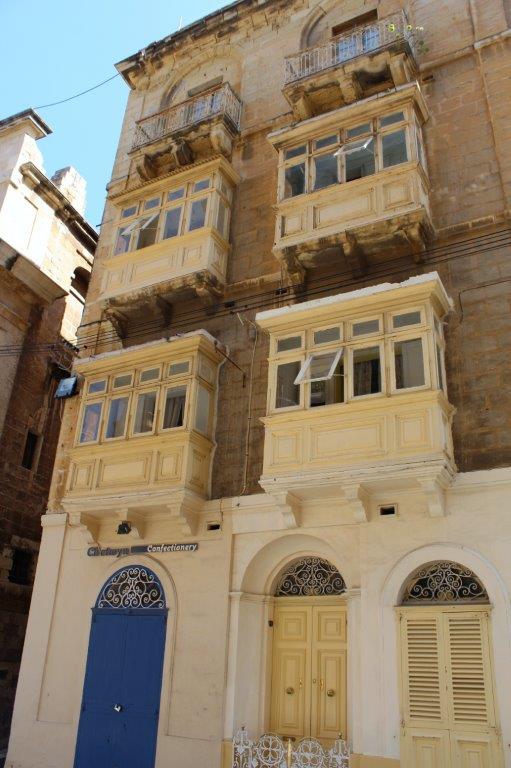
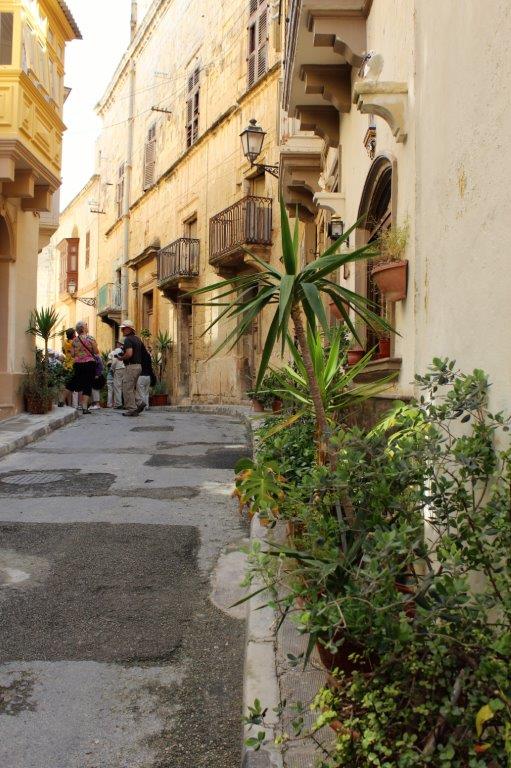
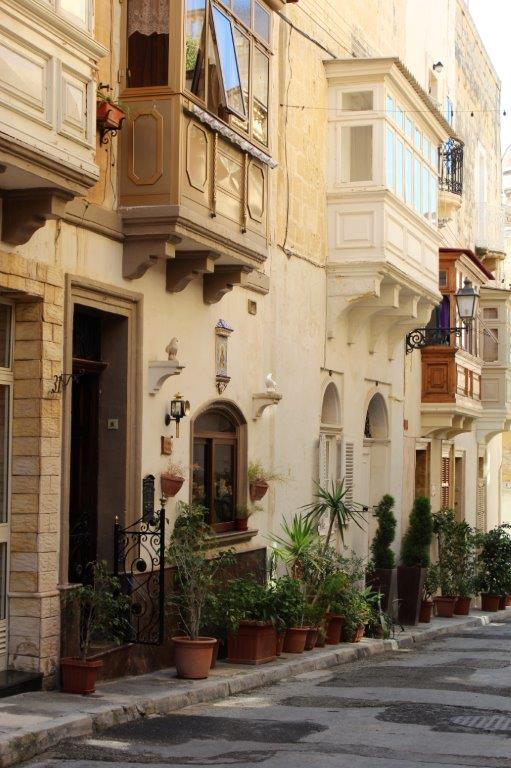
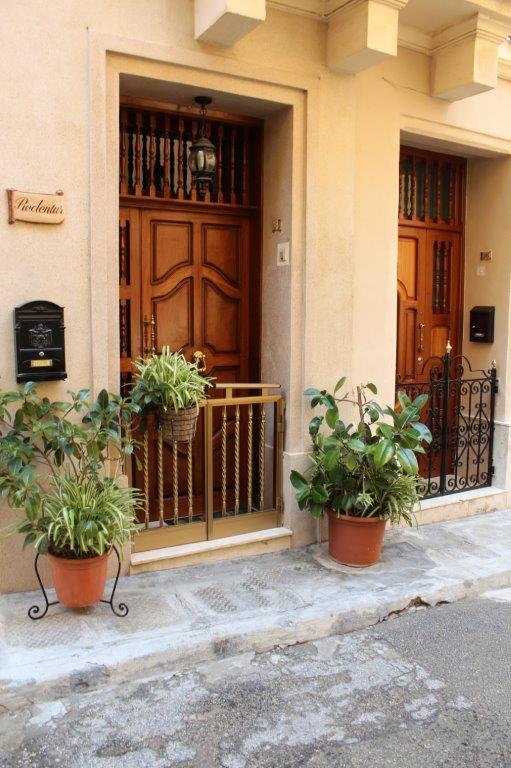
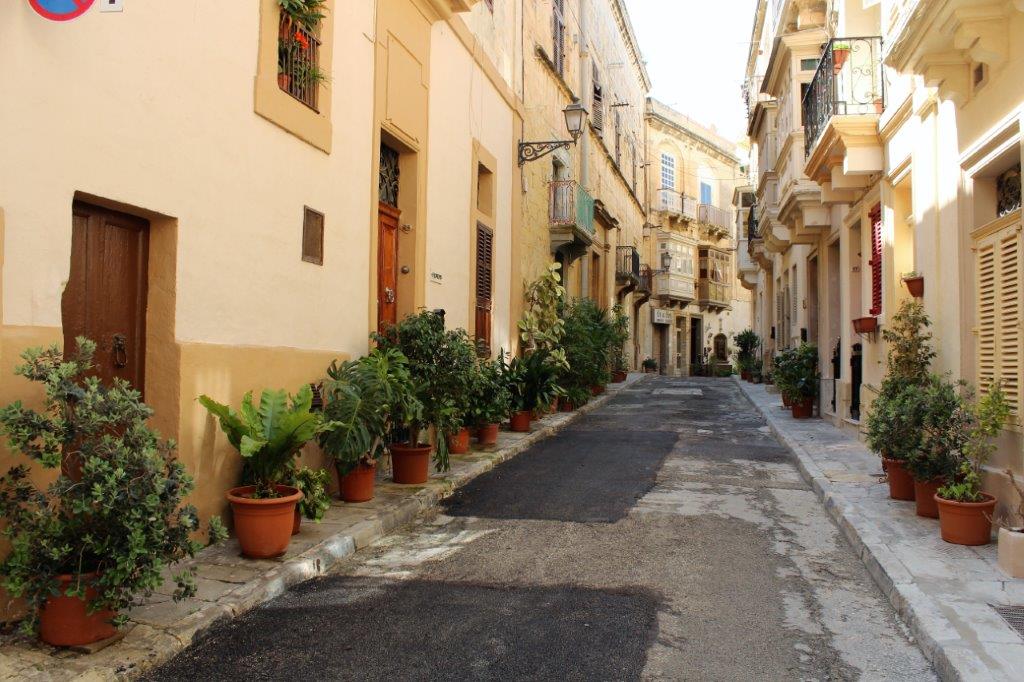
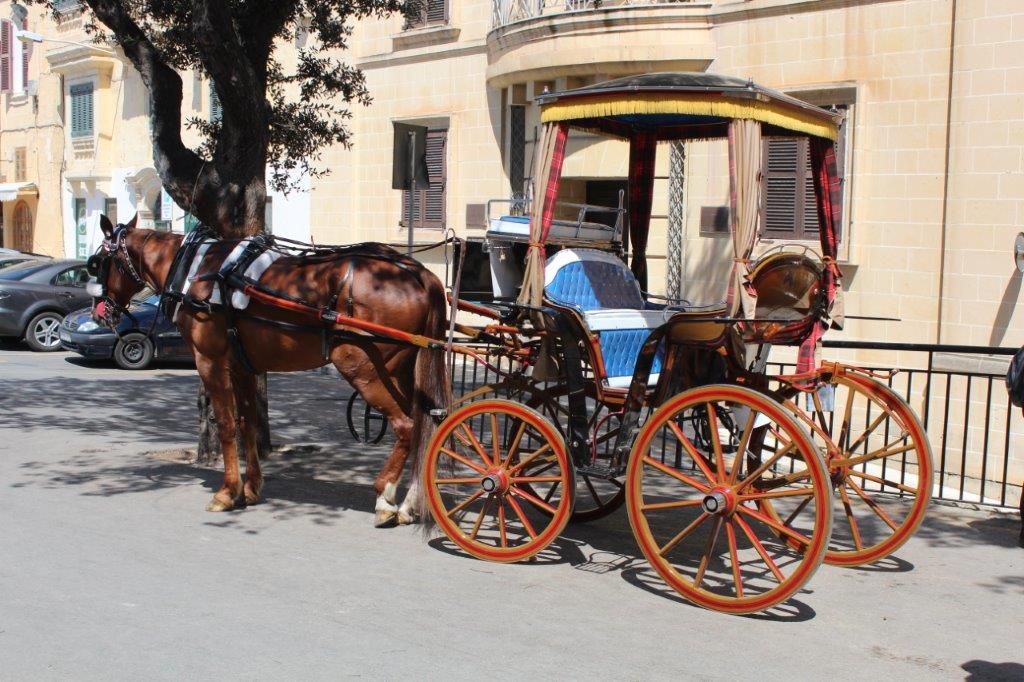
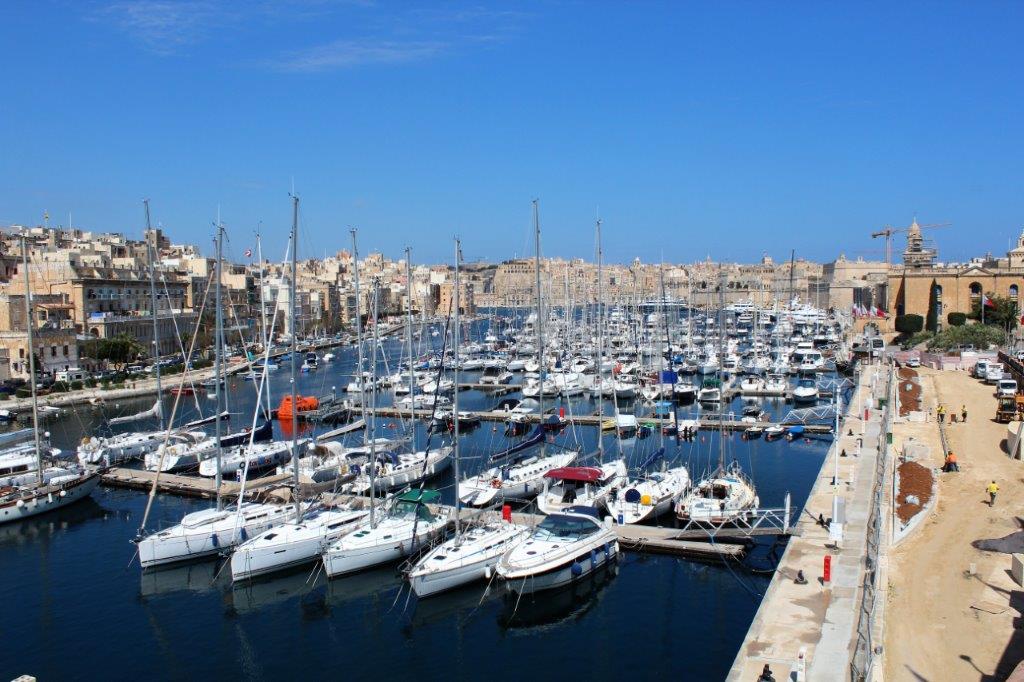
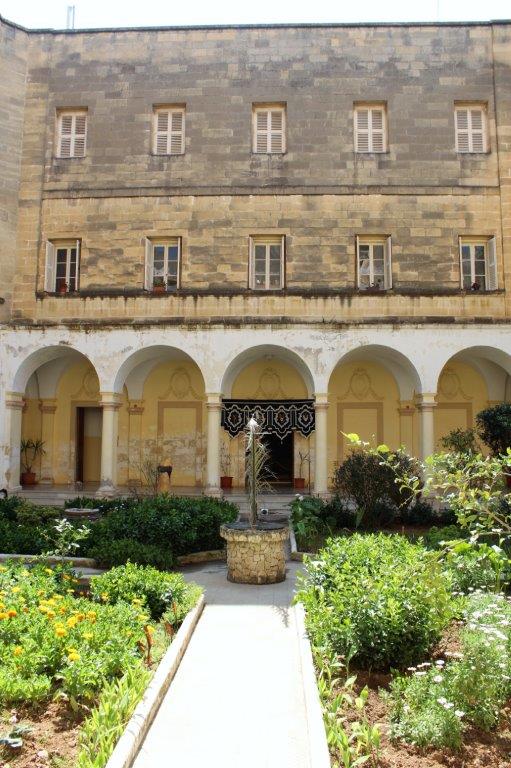
We were driven to Birgu (the old city of Vittoriosa, where the Knights originally settled) across the Grand Harbour from Valletta. Our walking tour took us through the ancient narrow streets to the early Auberges of the Knights, the hospital, the armoury, the Treasury and the palaces used by the administration of the Order.  The Knights of St. John only accepted sons of the nobility from eight European territories – the so-called ‘langues’ – and the Order became extremely  wealthy in property and goods. Due to the extreme shortage of fresh water on the island it was forbidden to plant any greenery.  It wasn’t until many, many years later that the first park was established in the city and people were allowed to have potted or other plants in their homes.  There was plaque posted on one of the buildings of this street from the Birgu Local Council expressing their appreciation for the cleanliness of this City and its embellishments with potted plants.
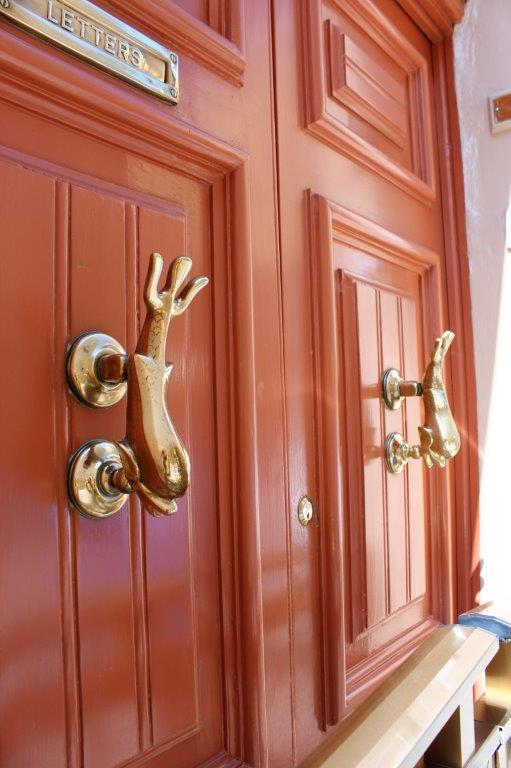
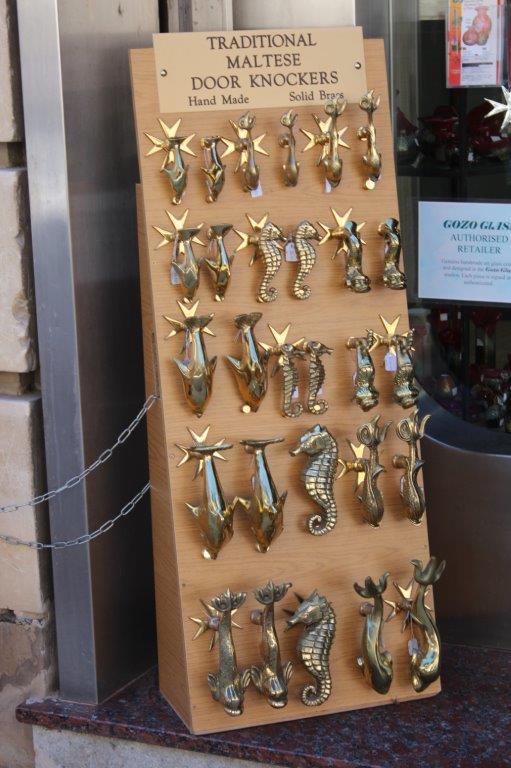
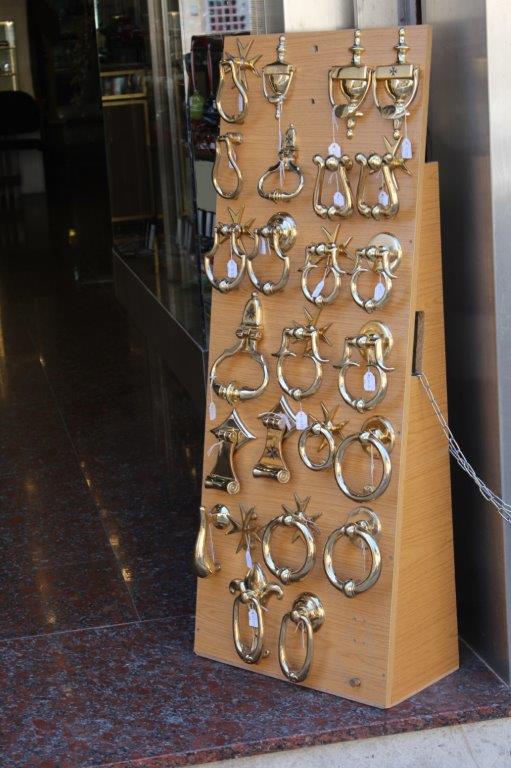
Malta is famous for its unique door knockers.  It was fun to spot the different ones as we walked past.  I took pictures of lots of them too.
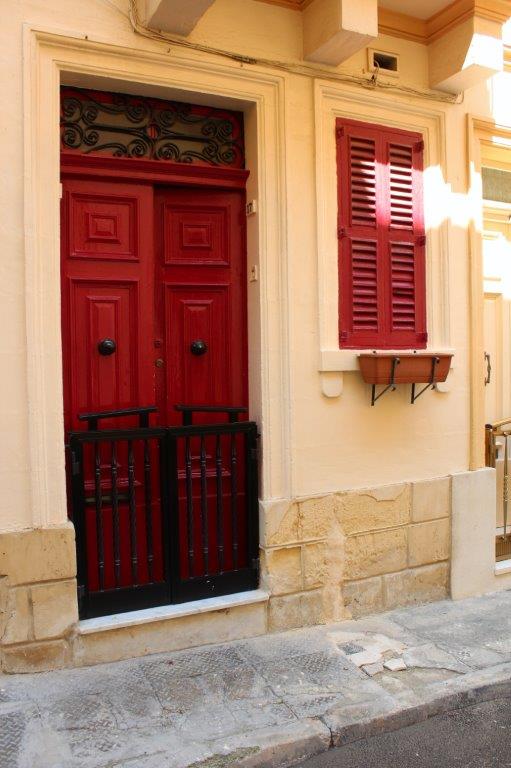
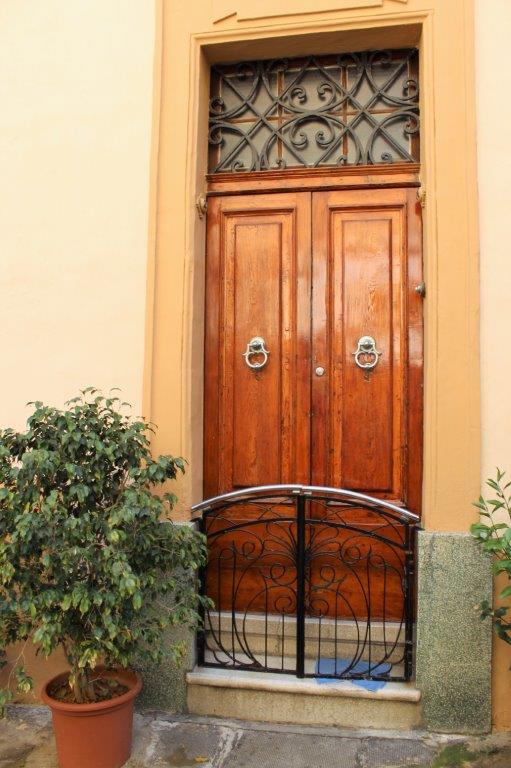
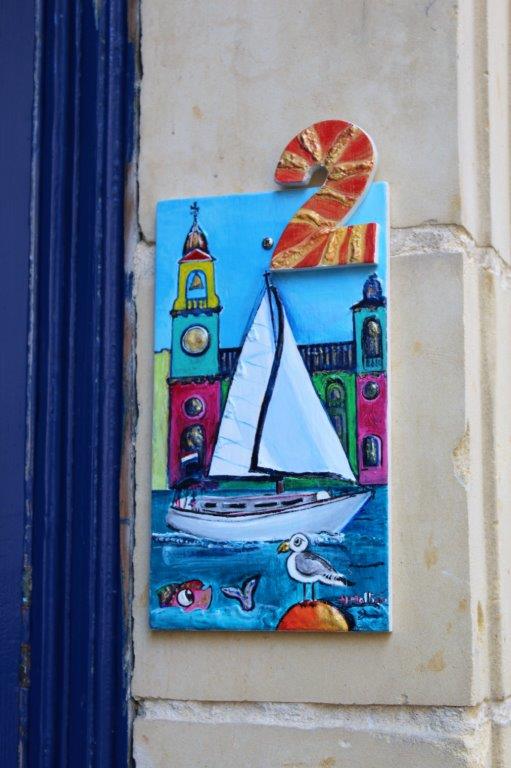
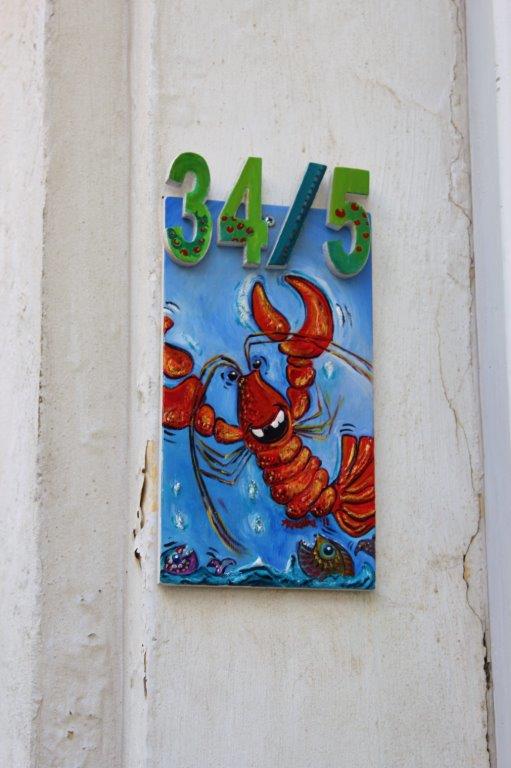
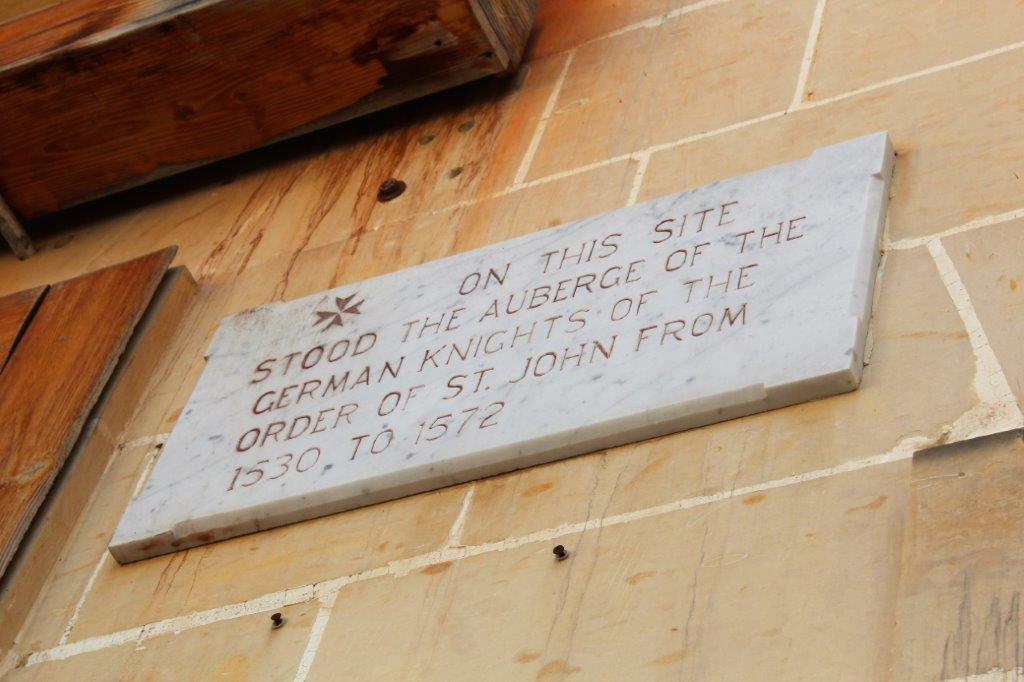
They had some pretty artistic house number signs as well.Our walk took us to or past the site of the seven Auberges of the Knights of St. John.  Only three of the actual buildings remain.  Even though there were eight European territories from which knights were recruited there were only seven auberges because two of the French territories built their auberge together.  An auberge is like a hostel and they were used as living quarters by the knights who hailed from the different districts and also provided accommodation for pilgrims or visitor’s from the home country or territory.
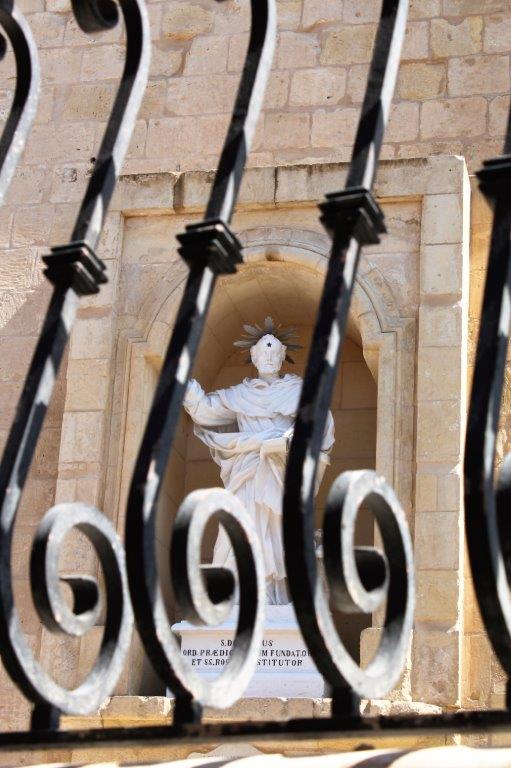
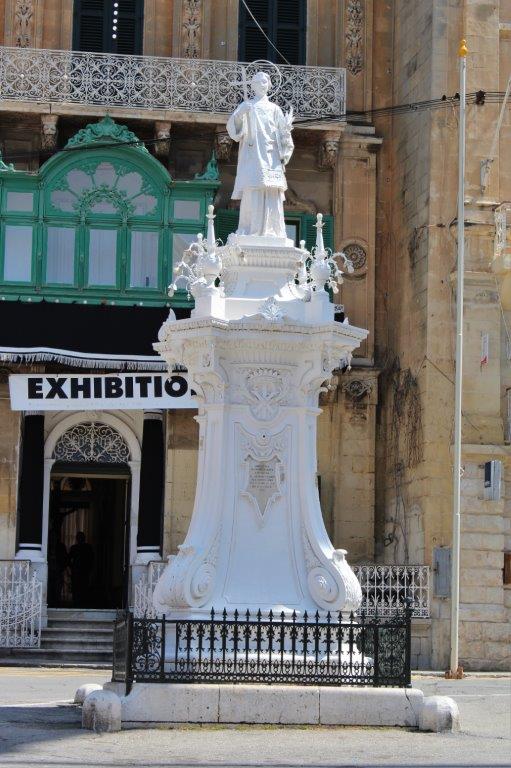
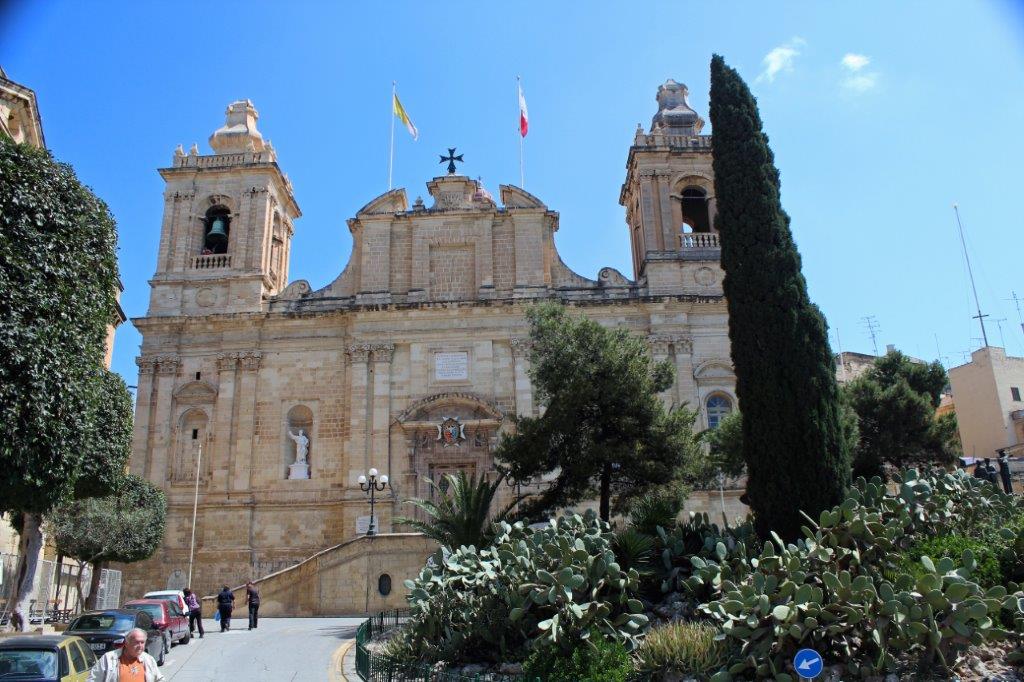
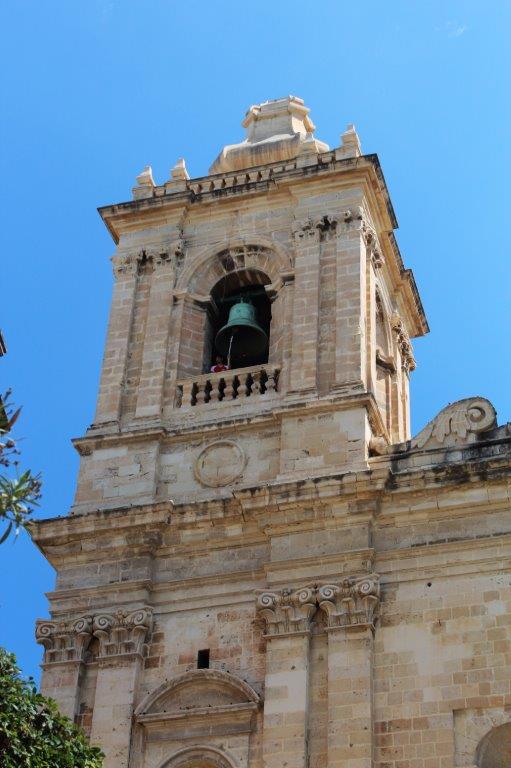
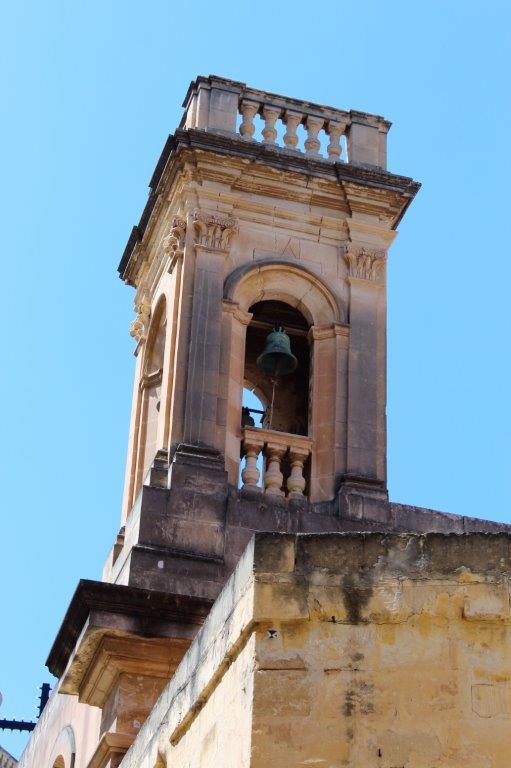
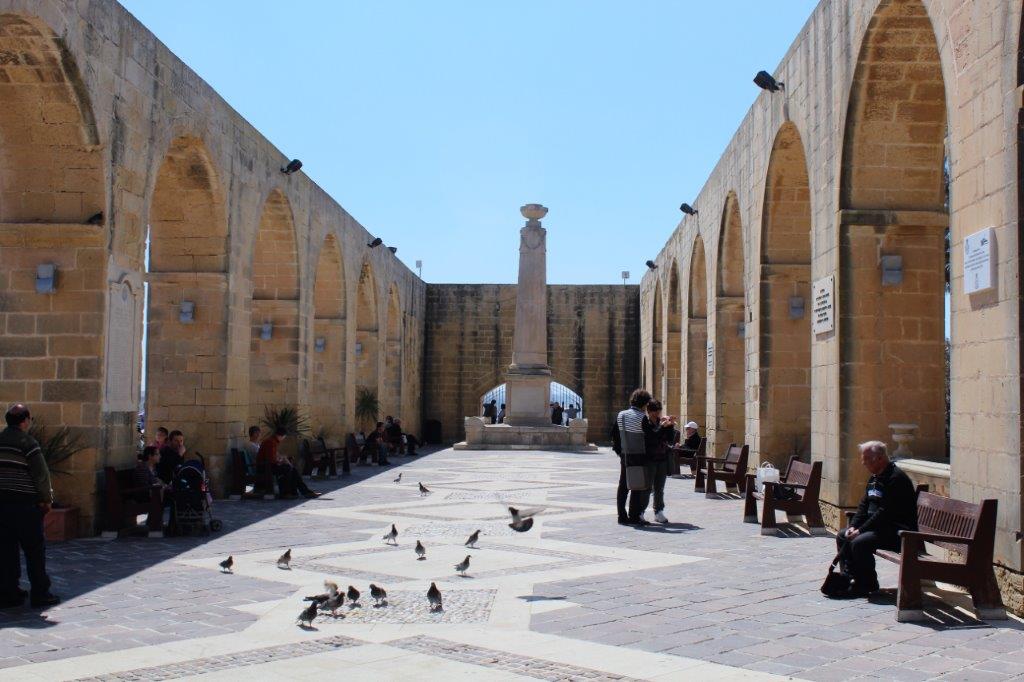
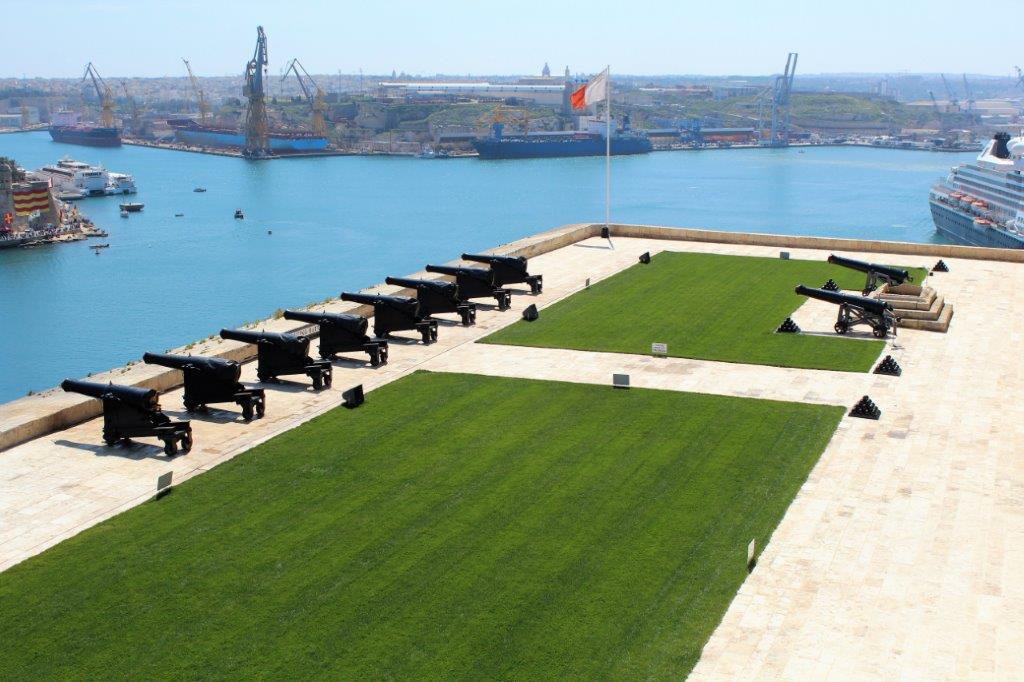
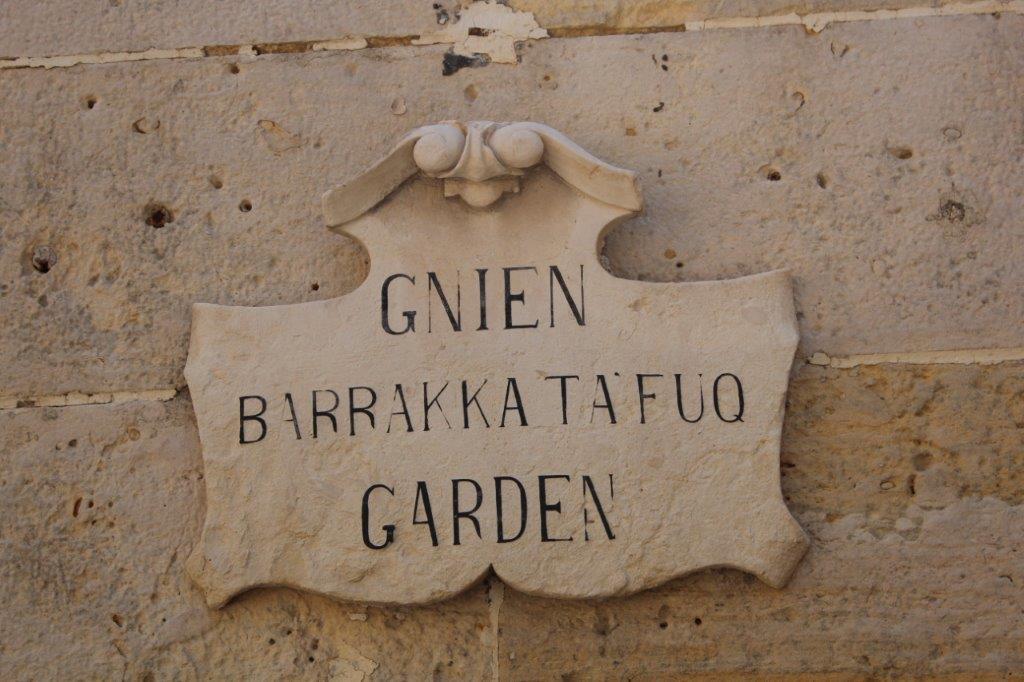
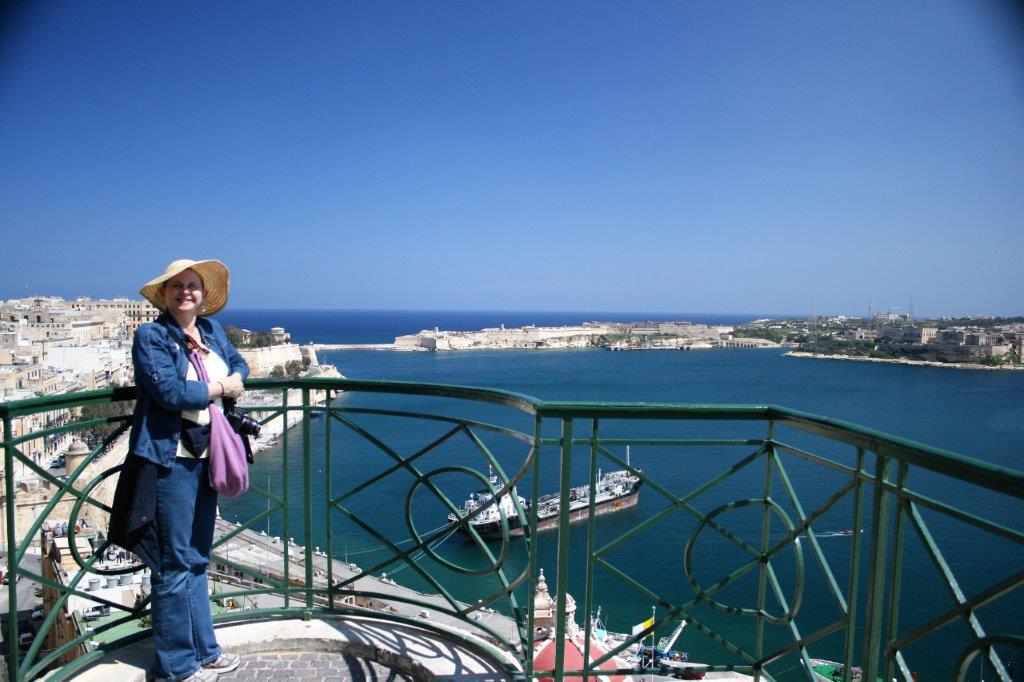
March 31 is Freedom Day in Malta where they celebrate the anniversary of the removal of British troops and the Royal Navy from Malta in 1979.  Every church, of which there are MANY, had  a bell ringer in the tower ringing the bell for over an hour in the afternoon. We were taken to Barrakka Gardens which are located on the highest point of the 16th-century bastion walls built by the Knights. Due to it’s strategic position in the Mediterranean the Island of Malta was a constant battleground during WWII.  After the war King George VI bestowed the George Cross upon the people of the island for their courage and fortitude during so many years of attack and deprivation.
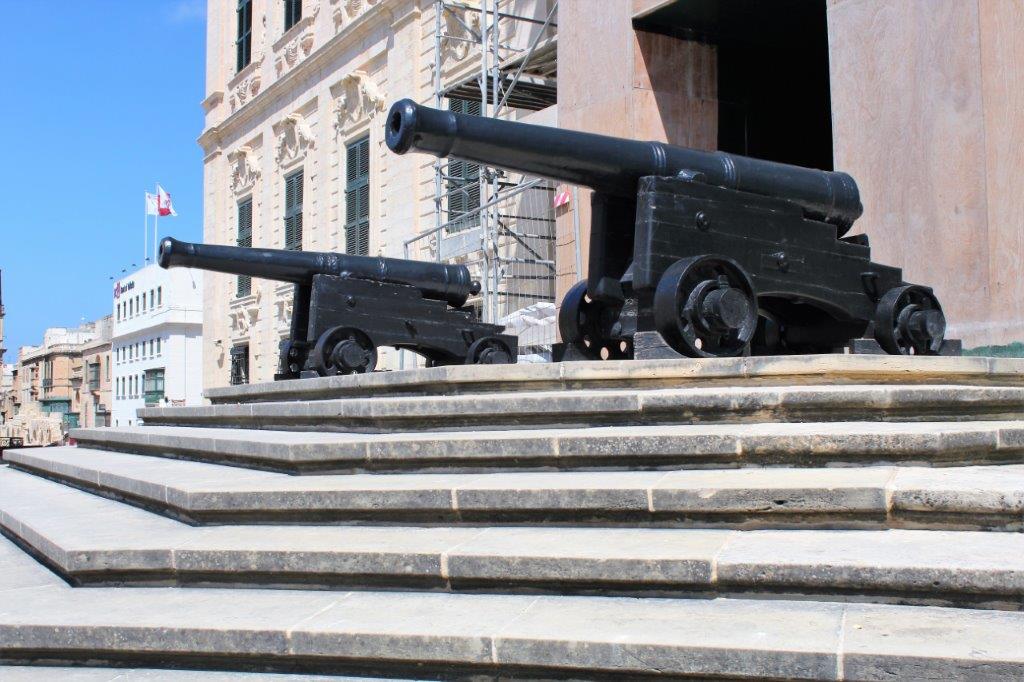
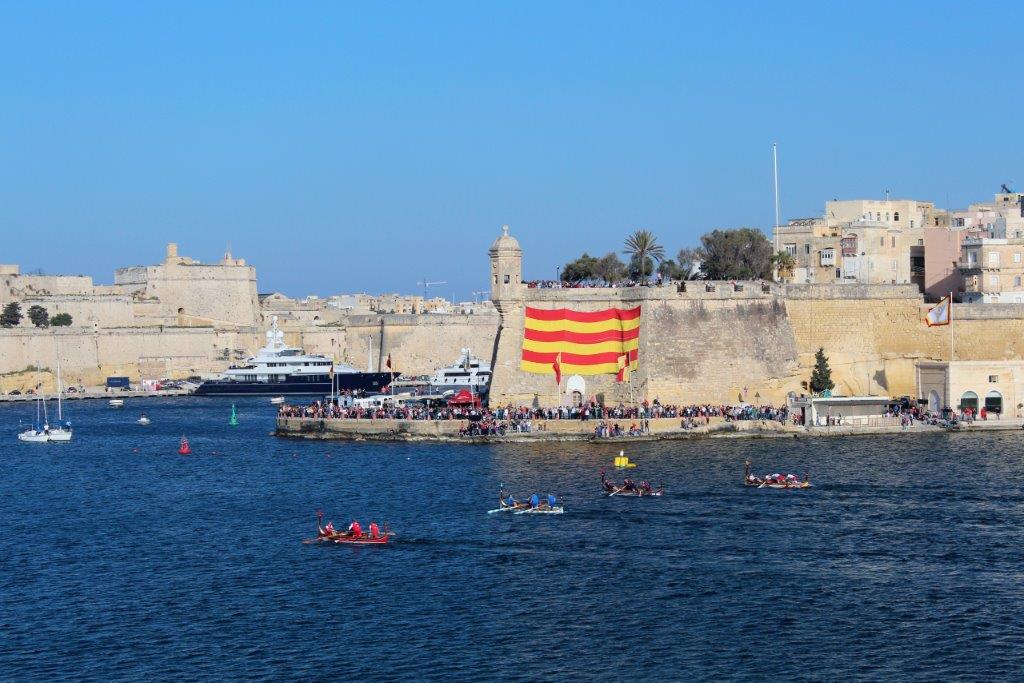
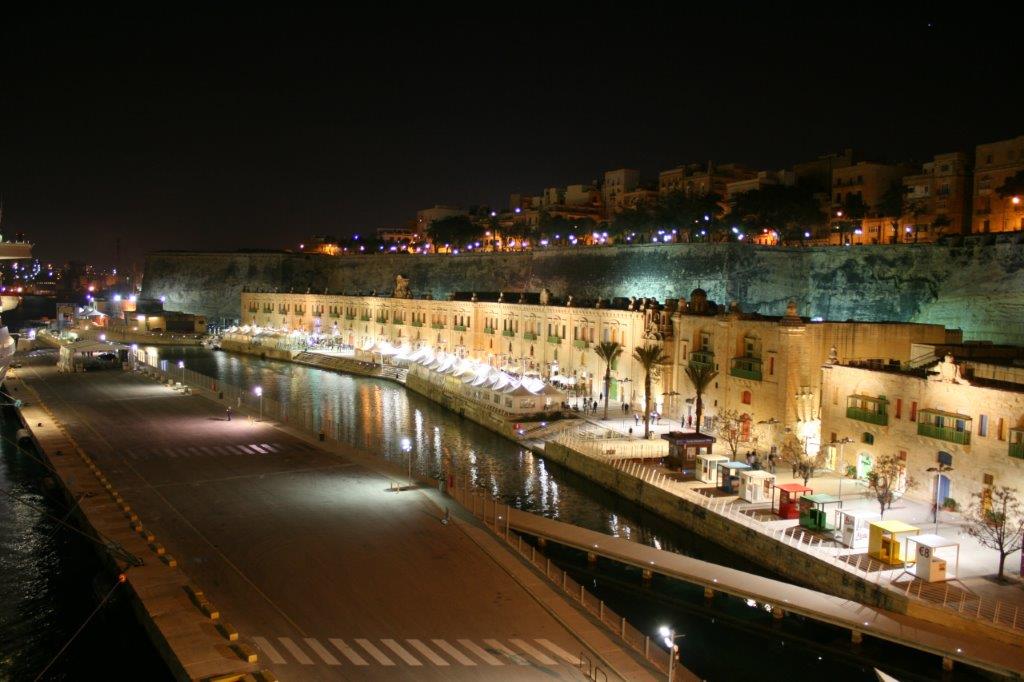
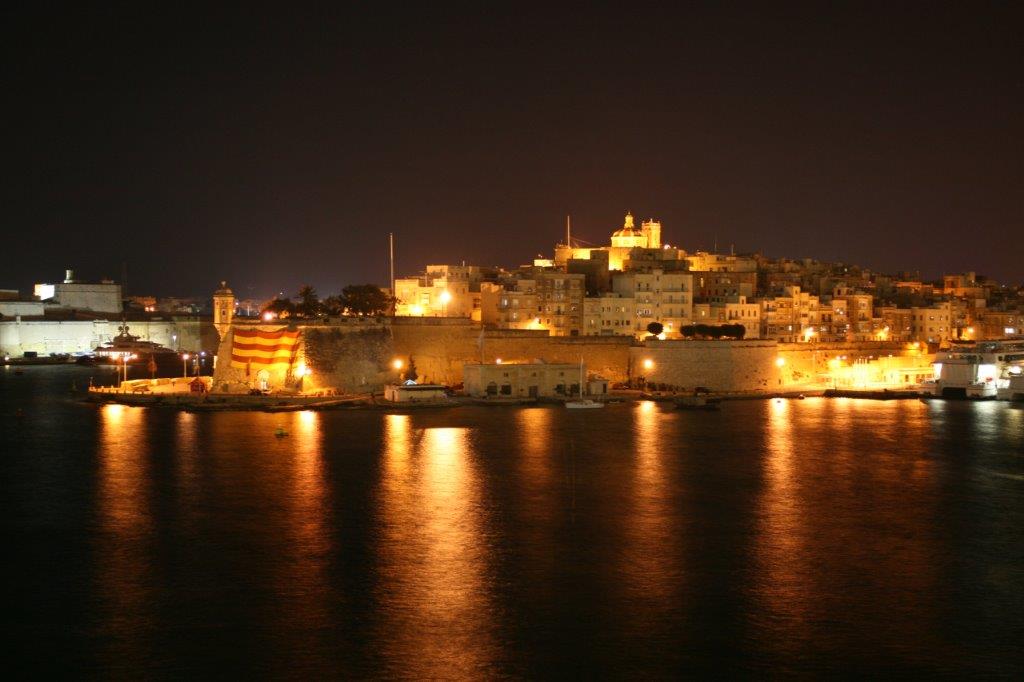
Part of the Freedom Day celebrations is a huge regatta in the Grand Harbour.  Rowing teams from all the cities of Malta compete against one another. The ship did not set sail until 7 am the next morning so from the Promenade Deck we had a nice view of the city lights at night.
2012 March 29 – Day 18 – Sousse, Tunisia (Part 2)

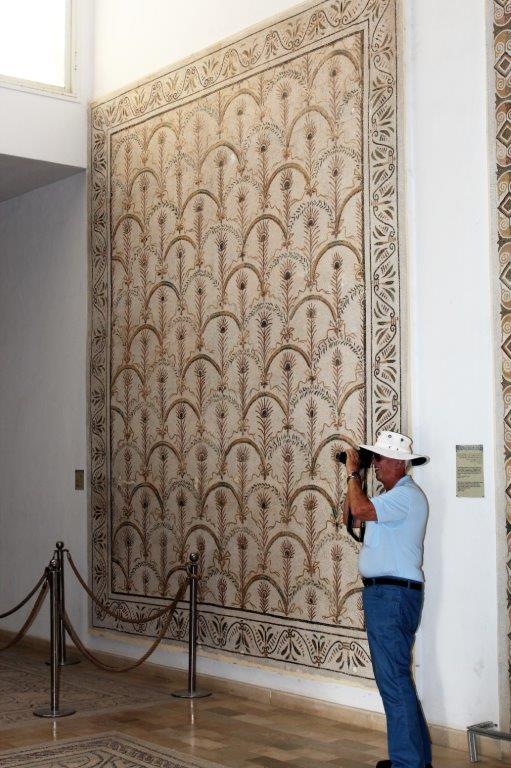
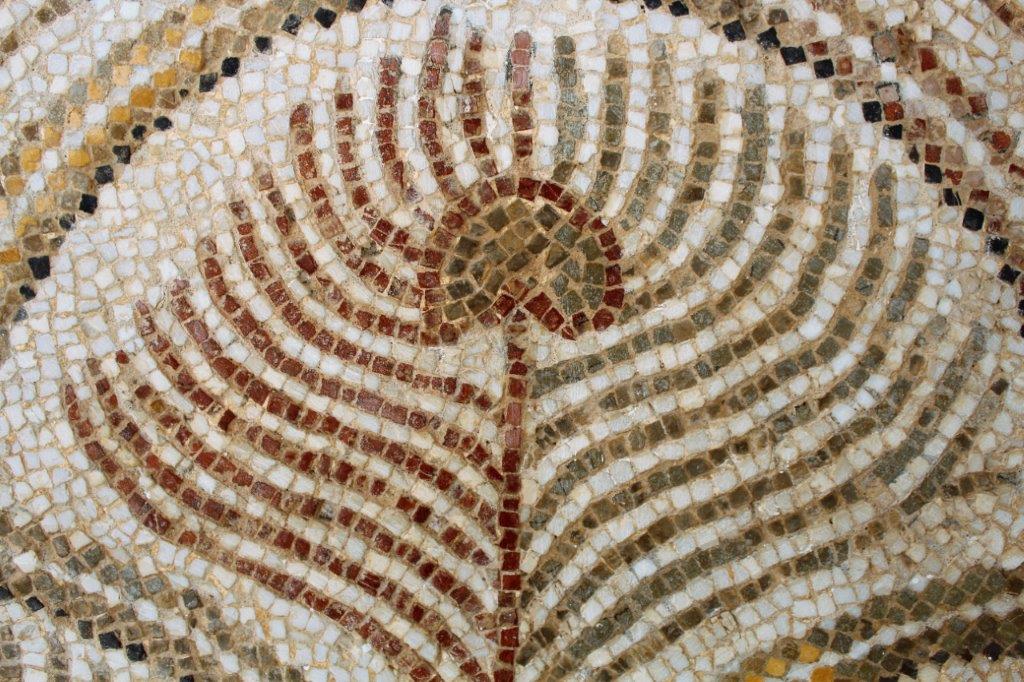
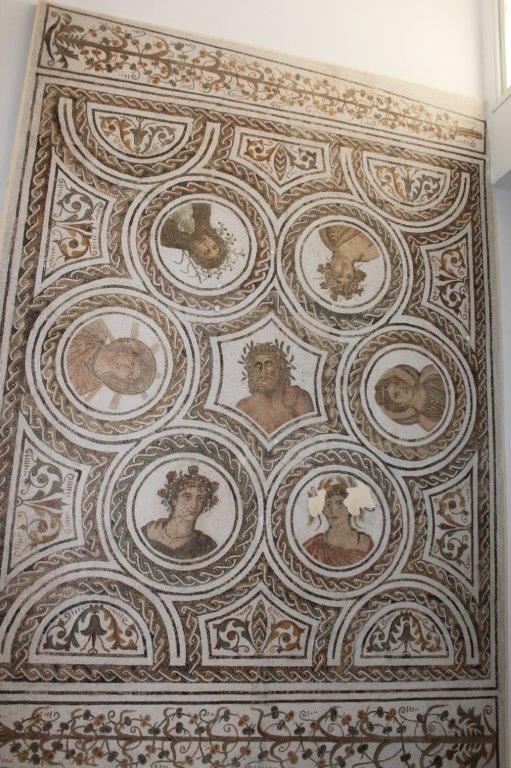
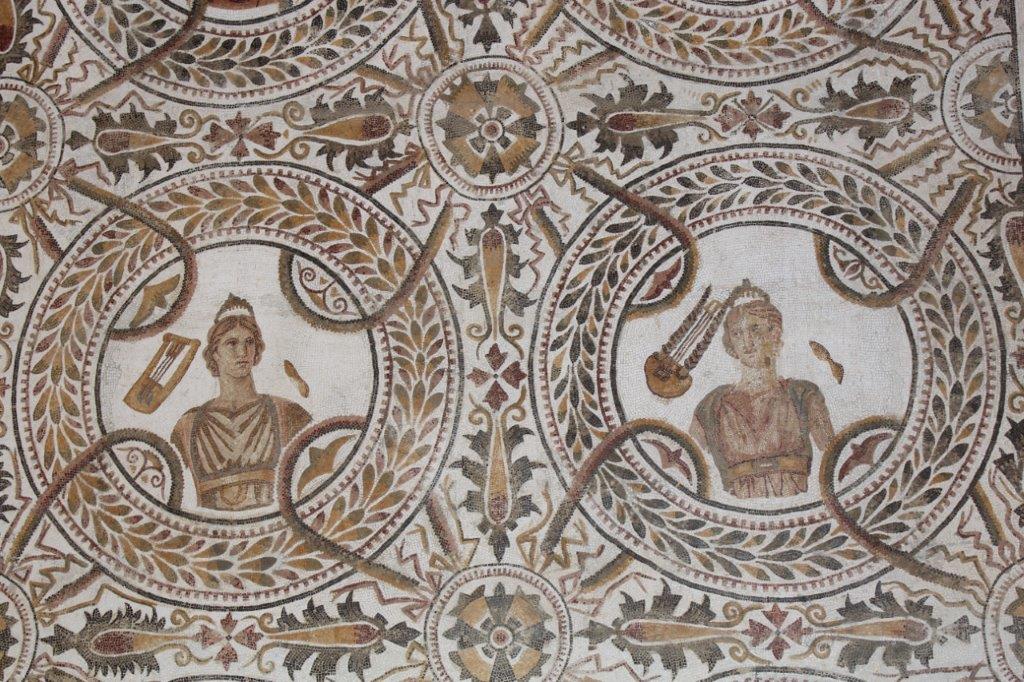
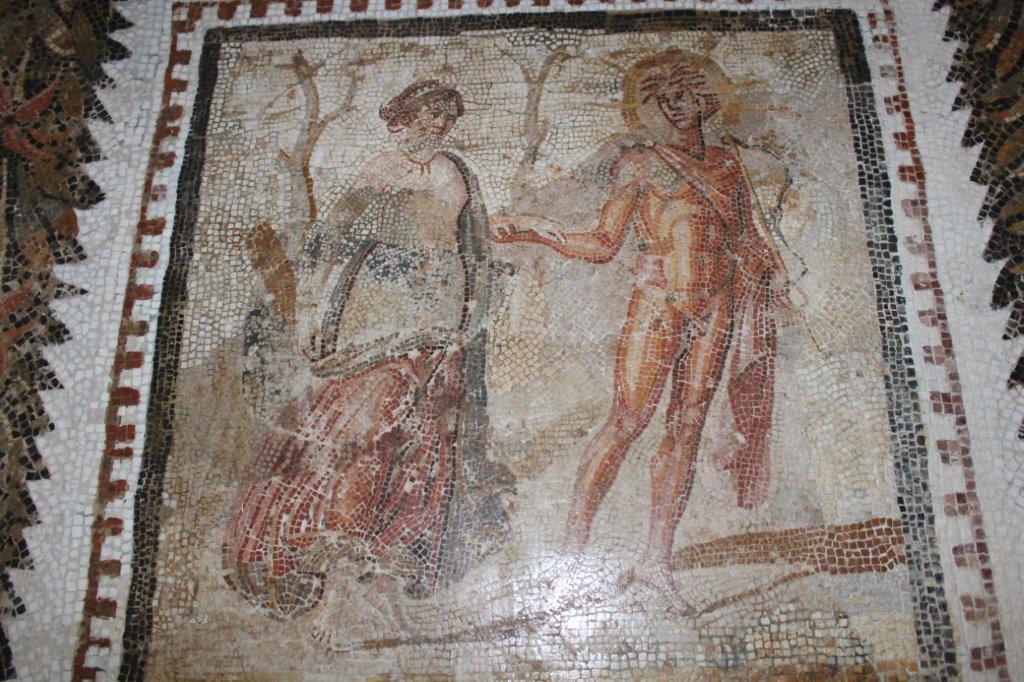
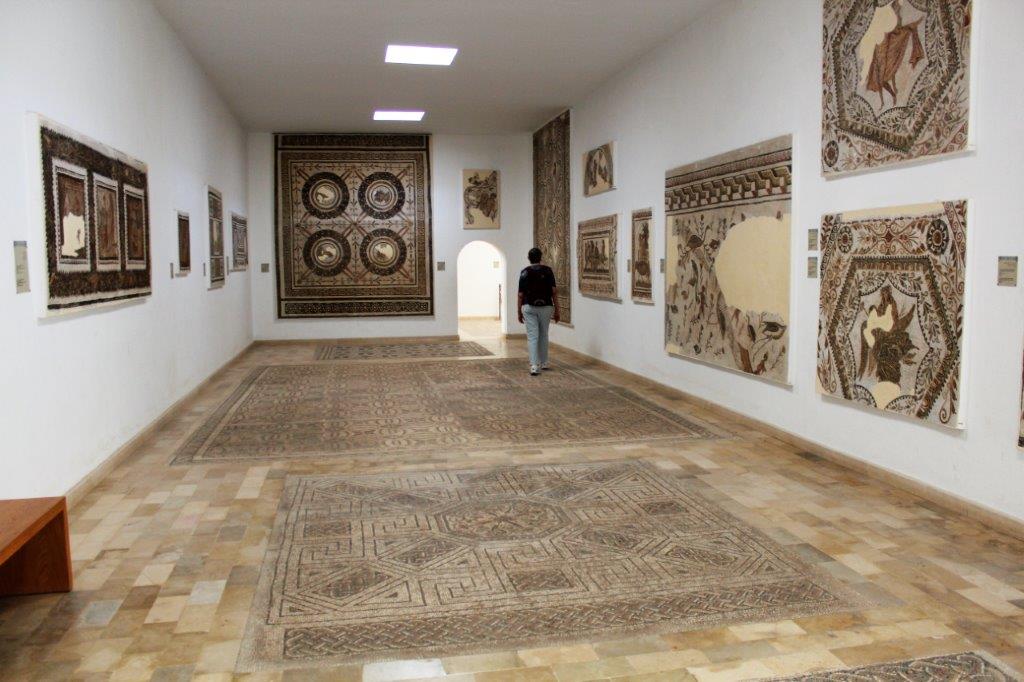
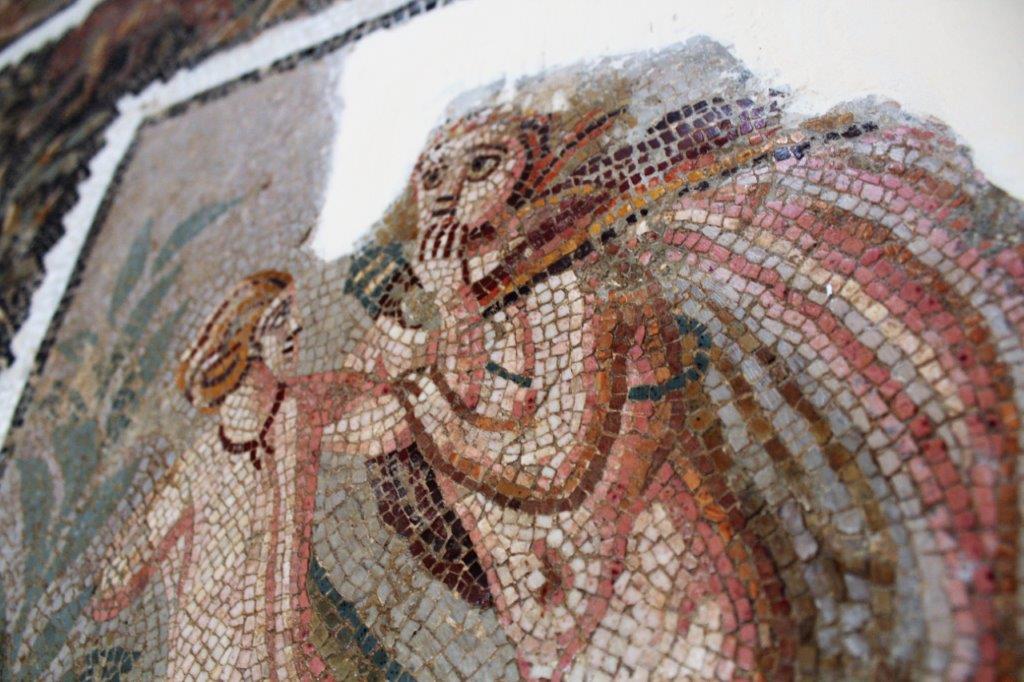
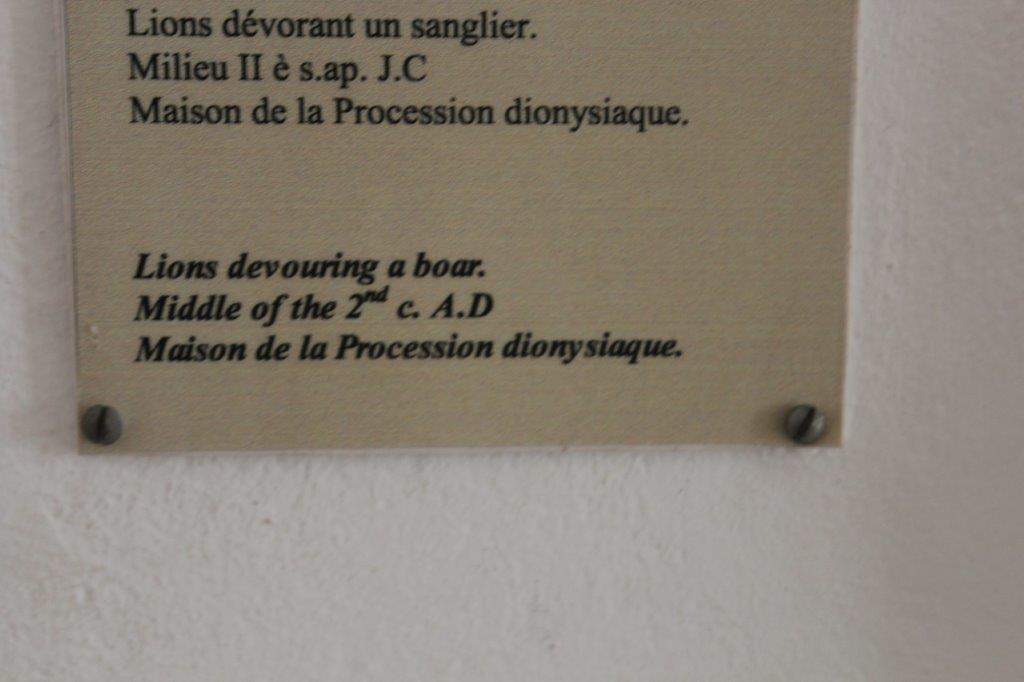
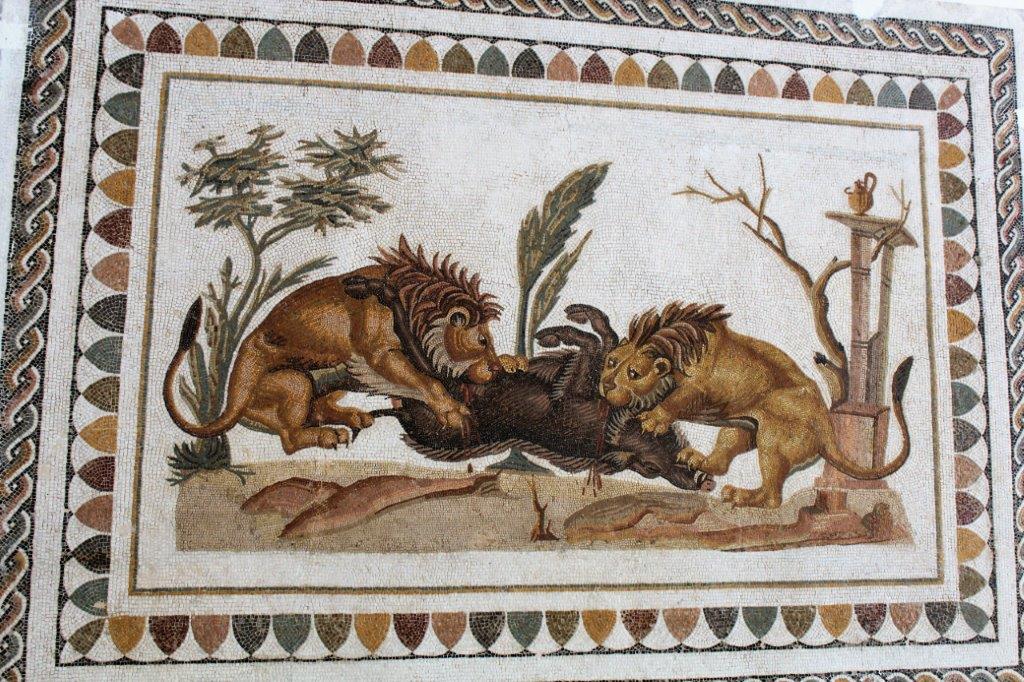
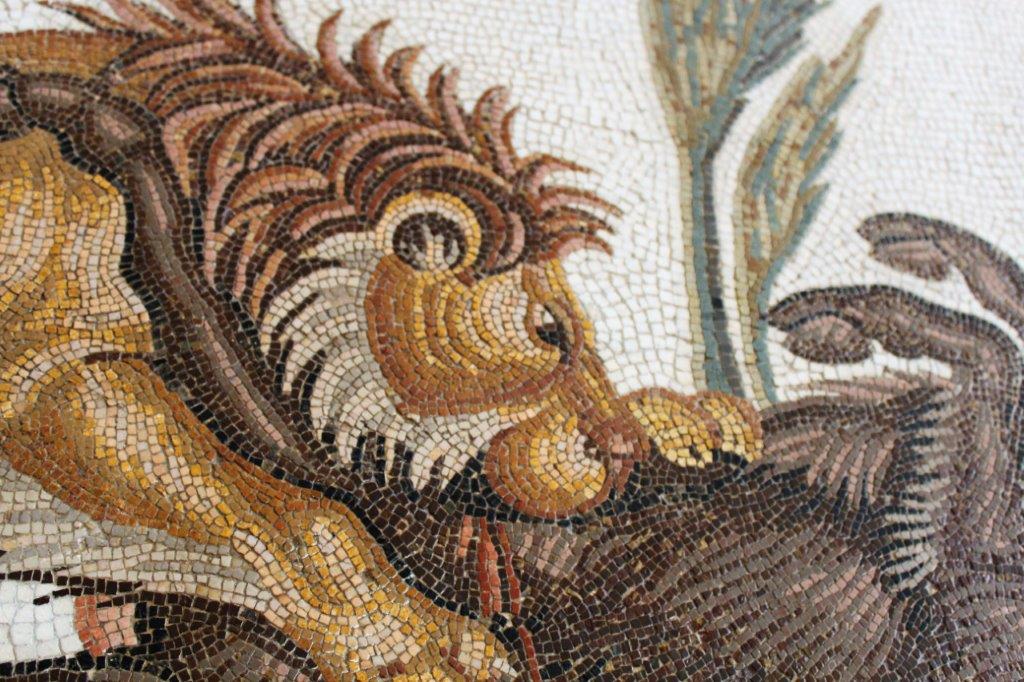
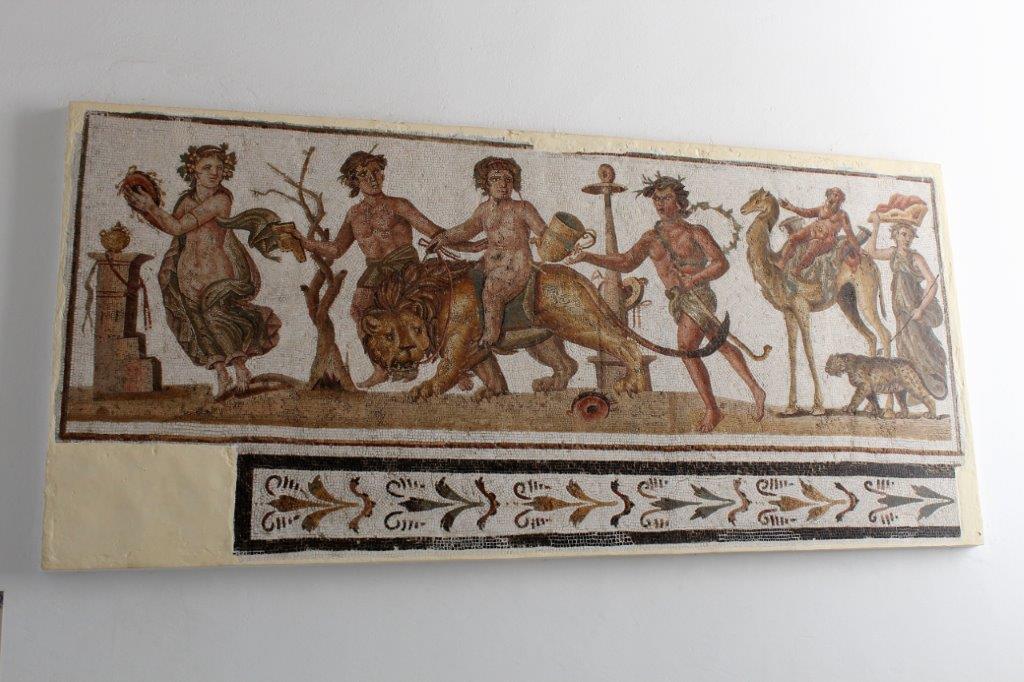
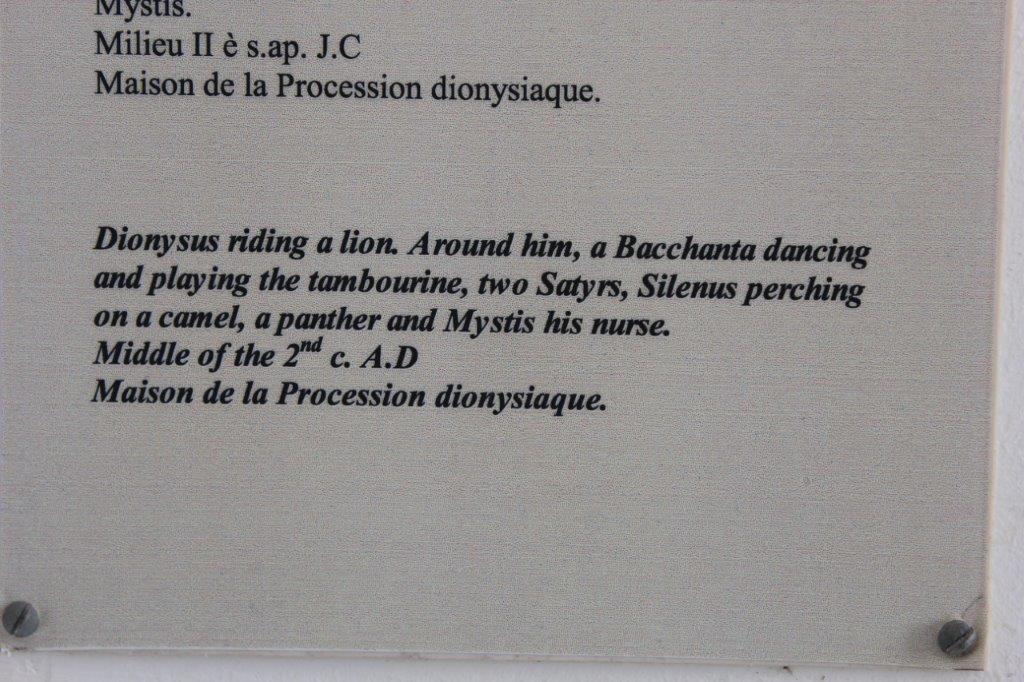
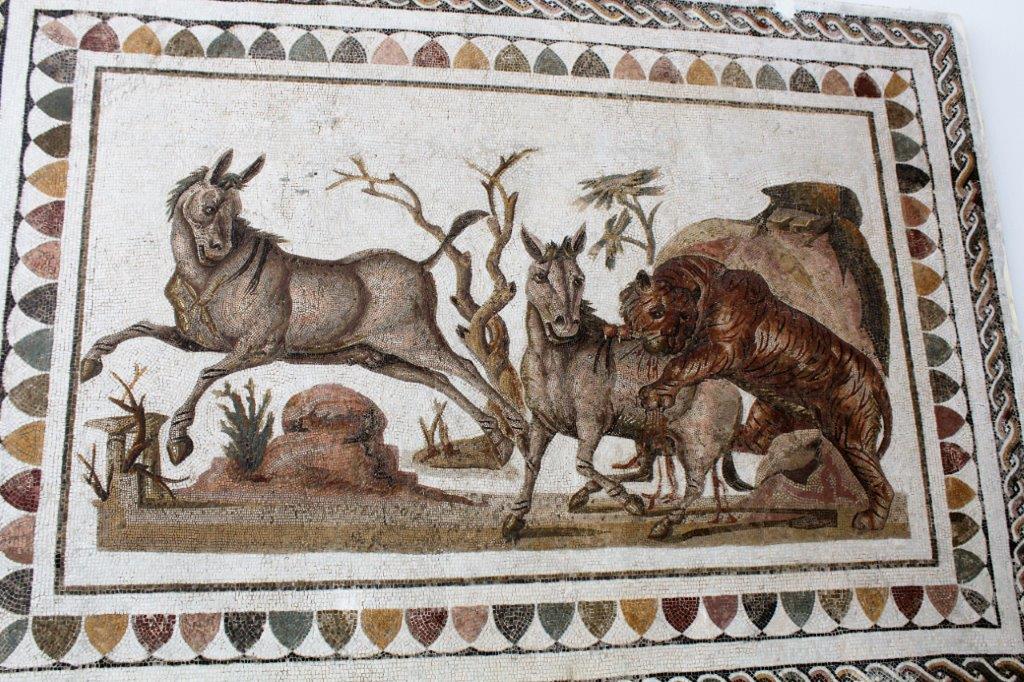
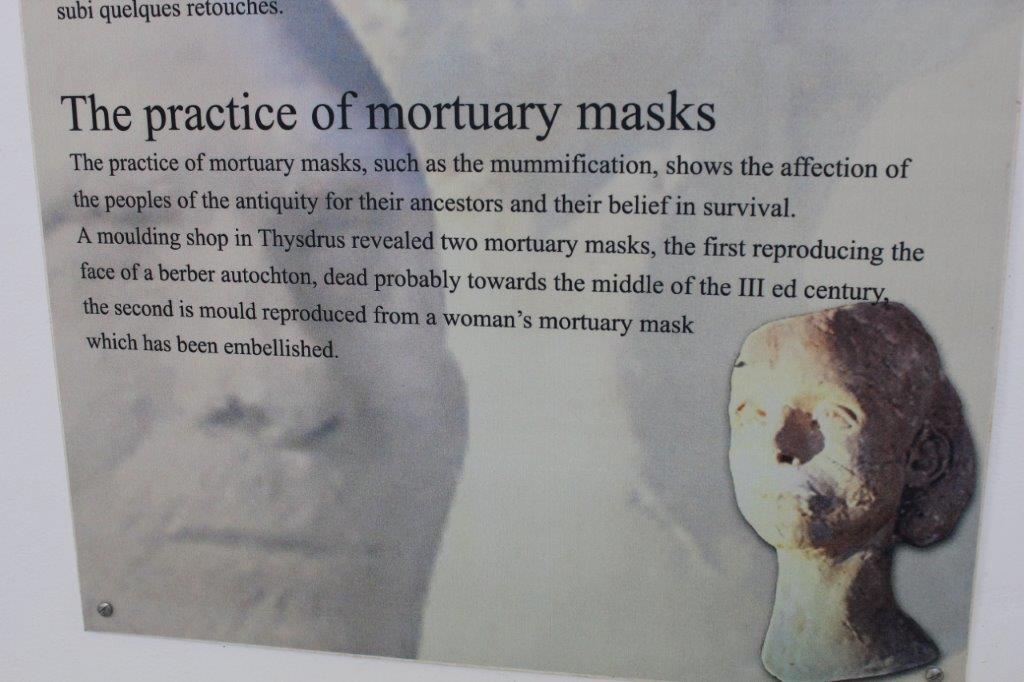
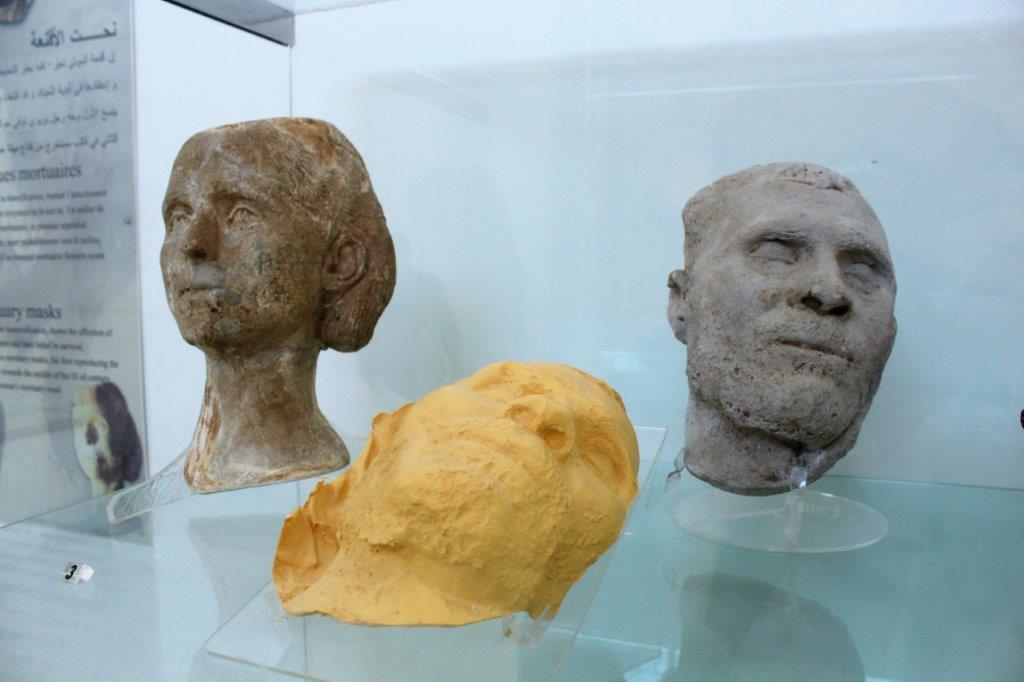
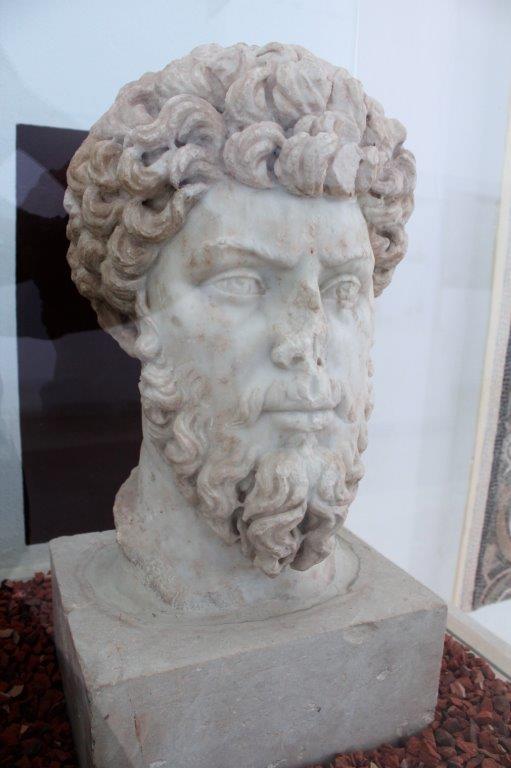
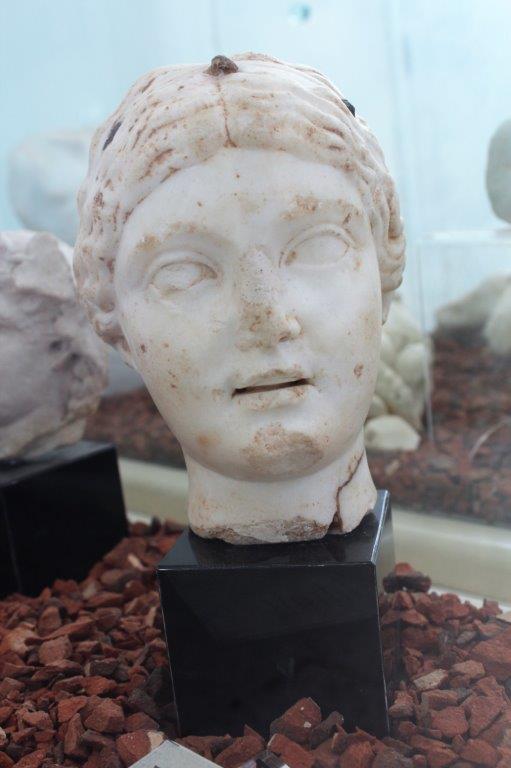
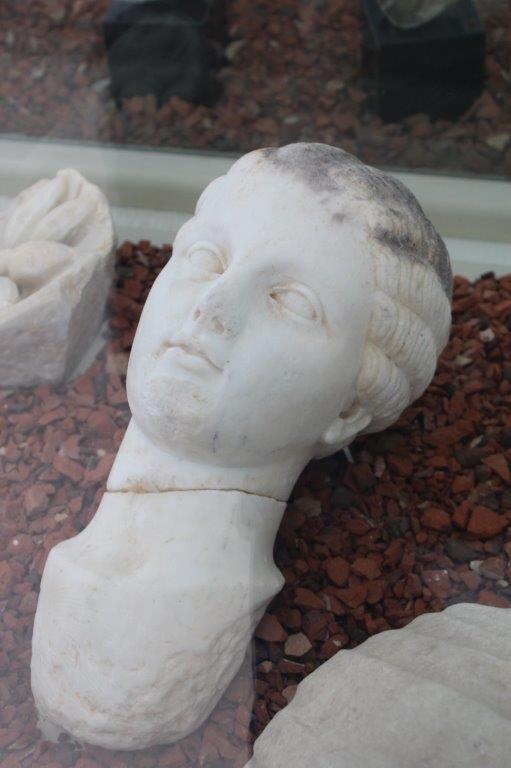
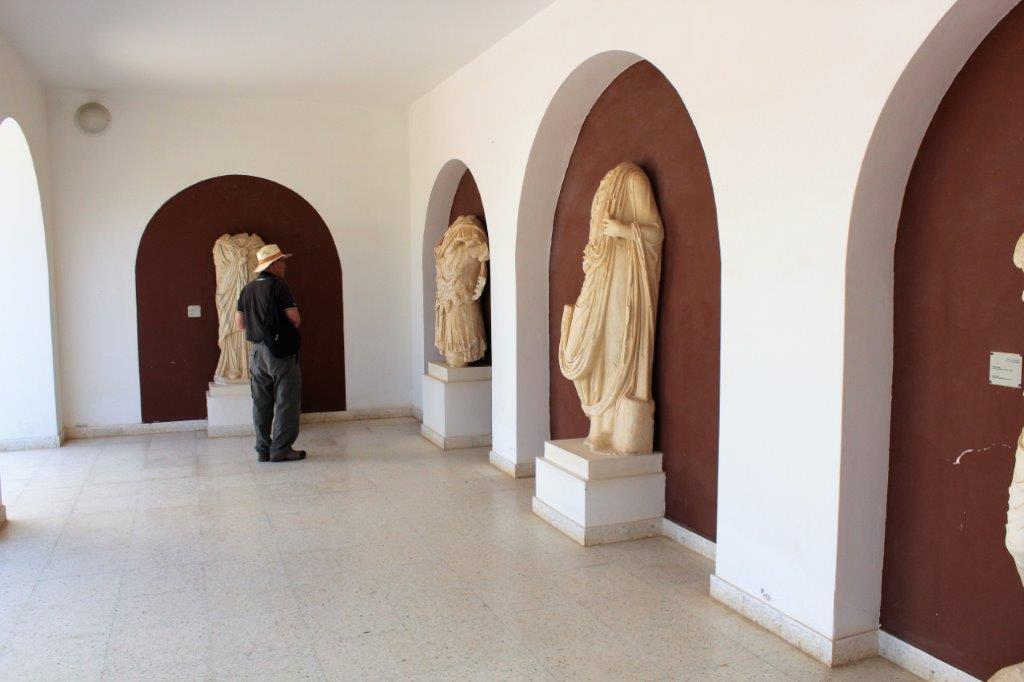
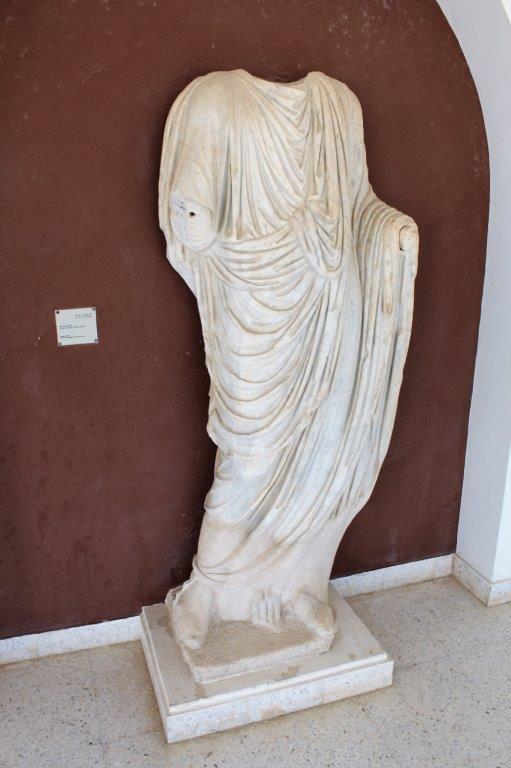
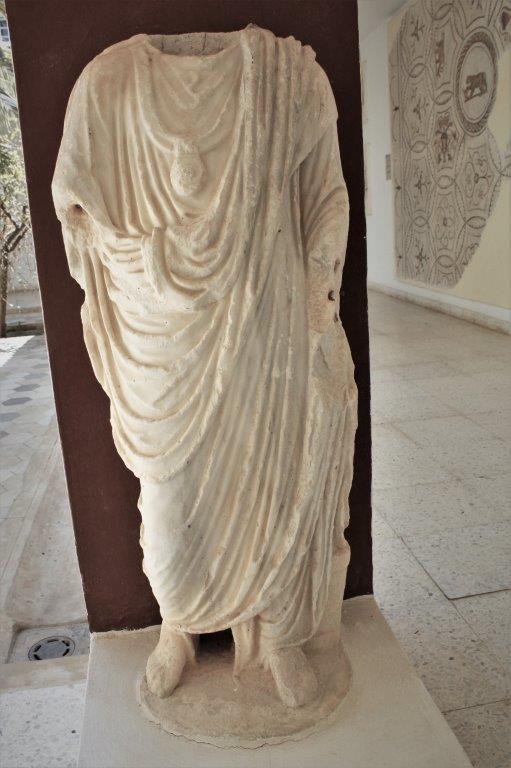
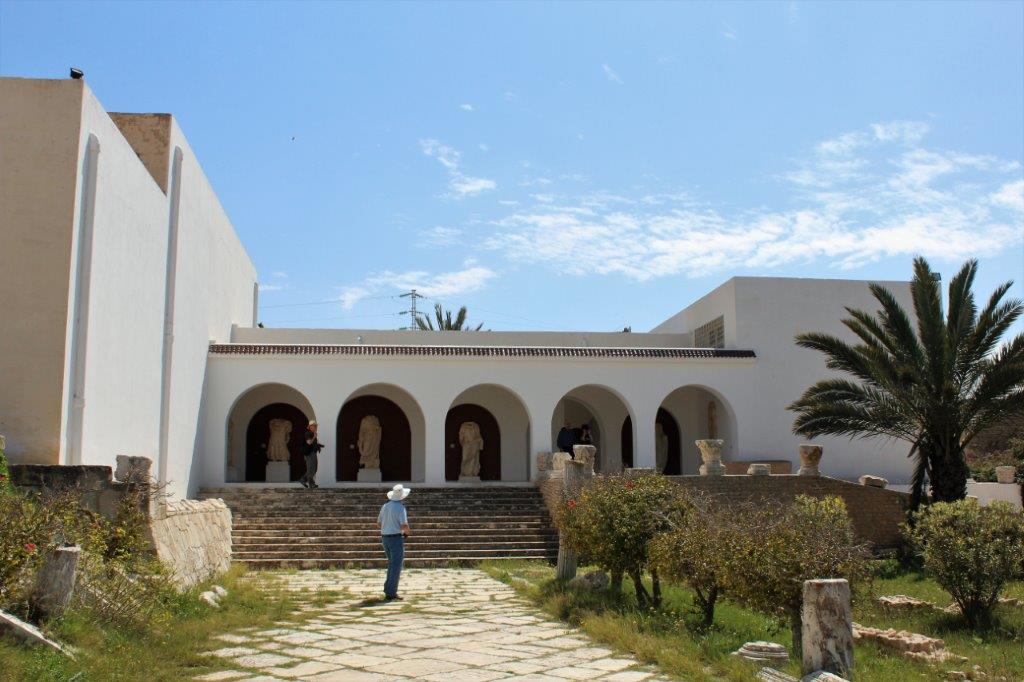
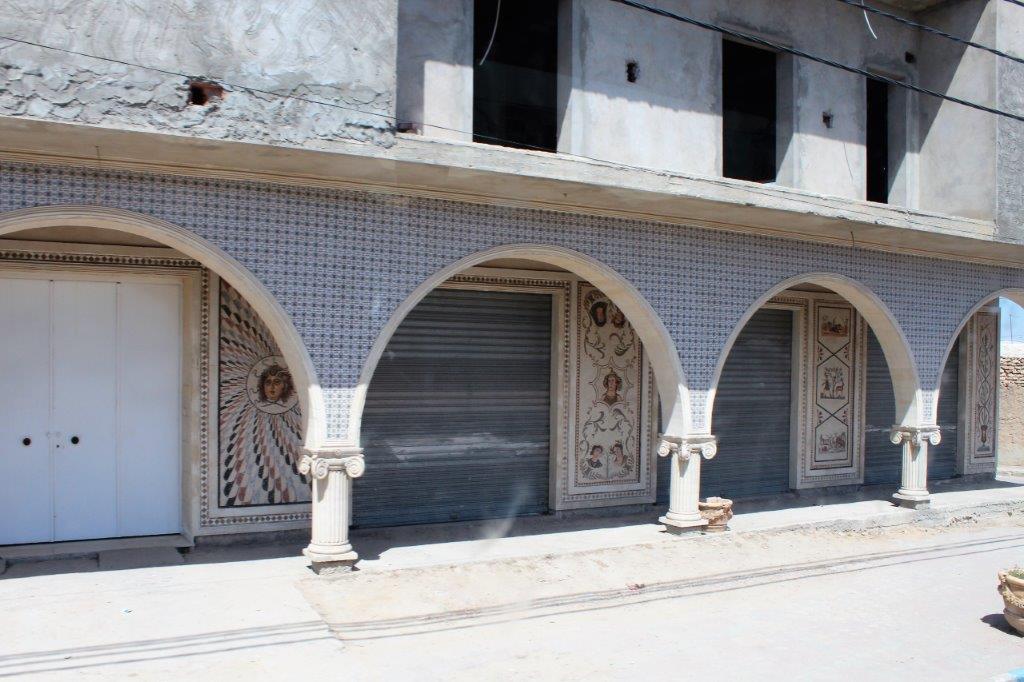
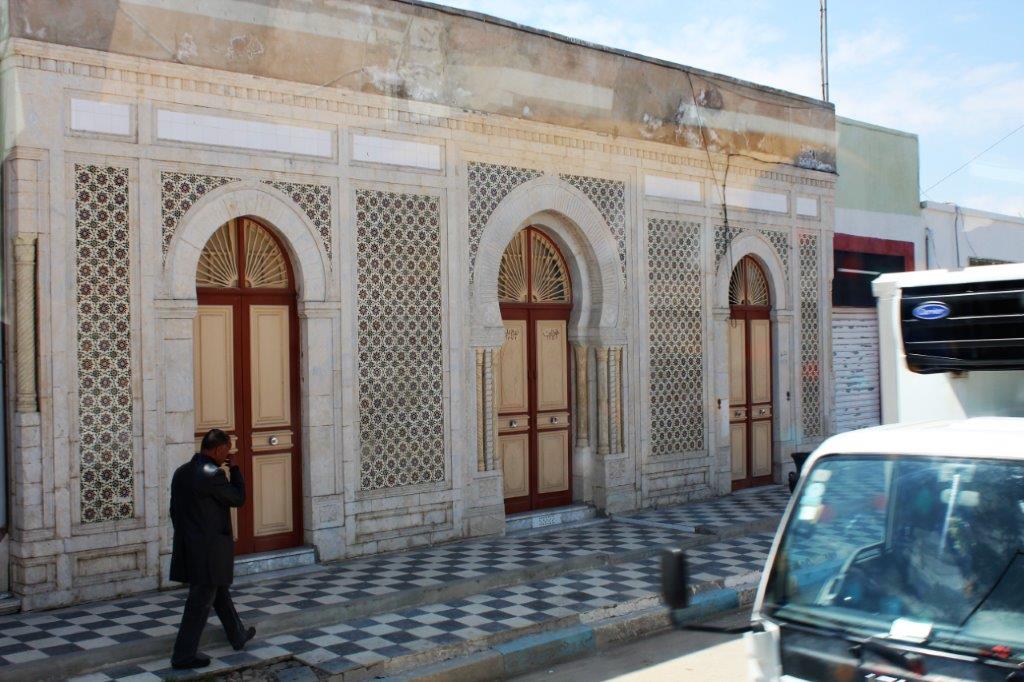
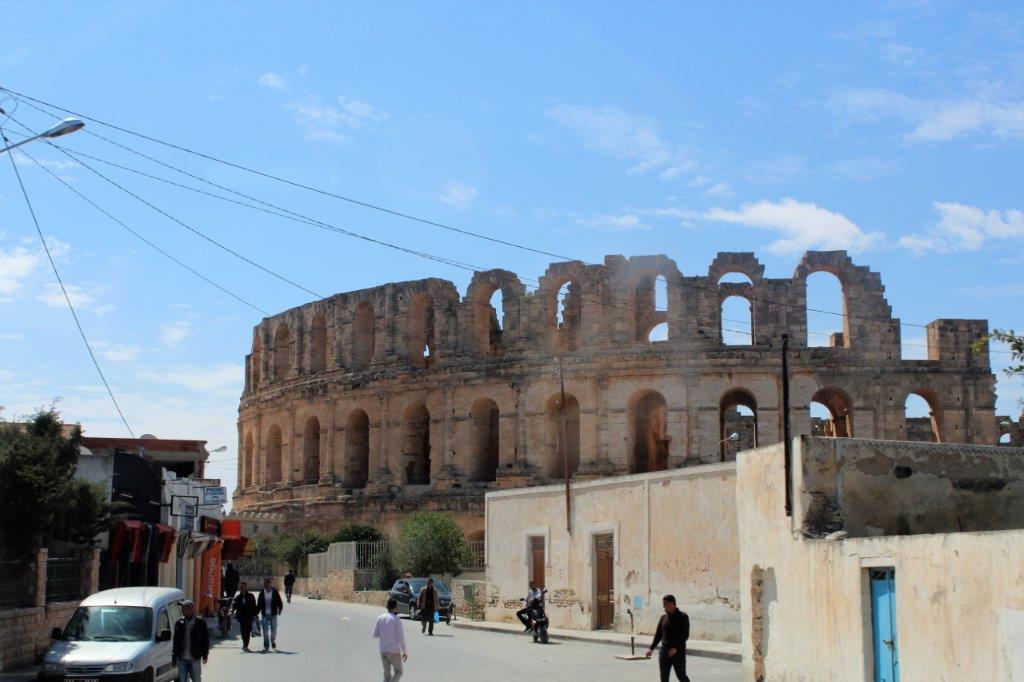
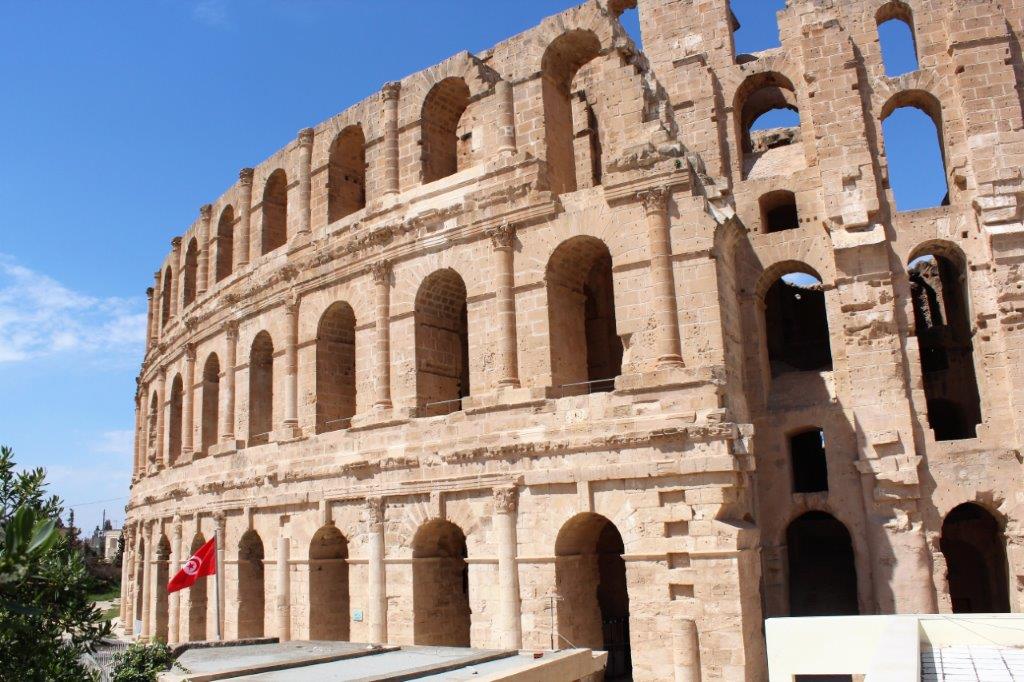
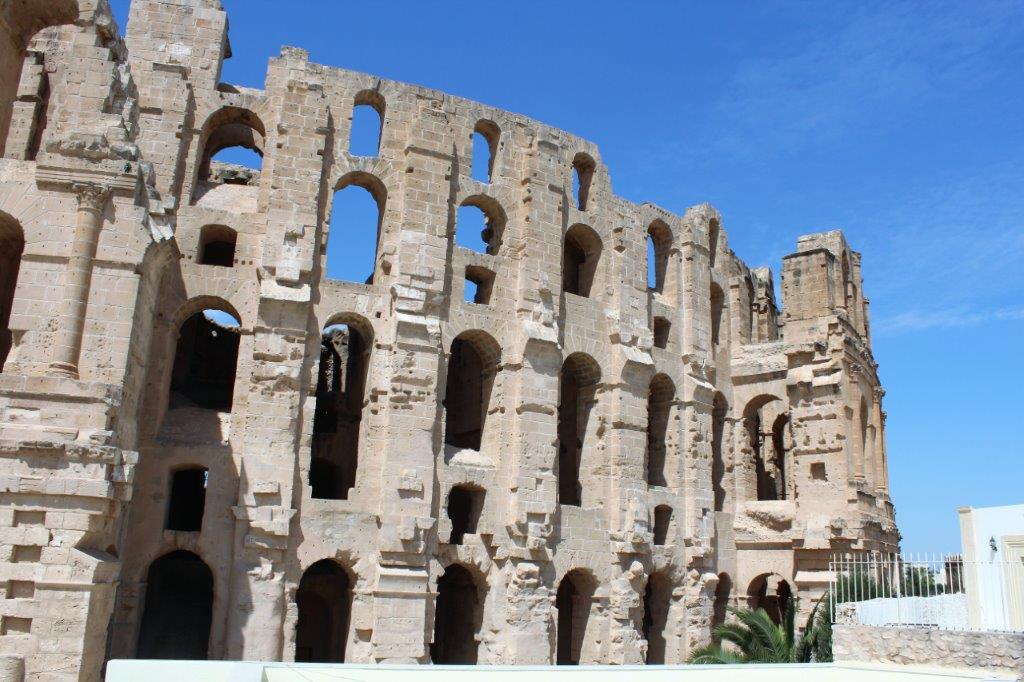
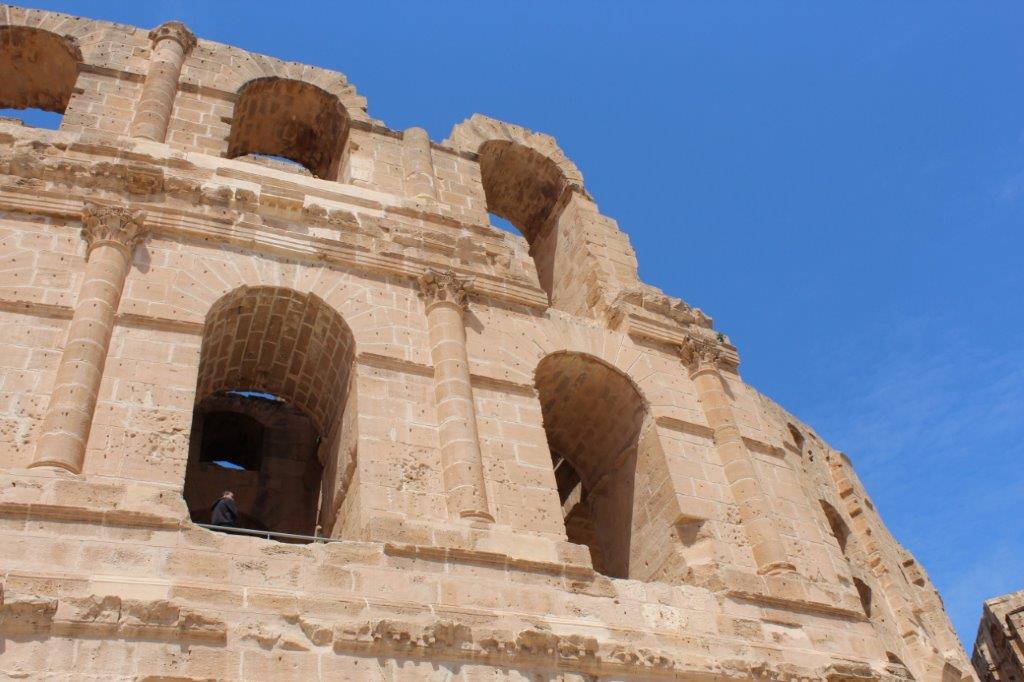
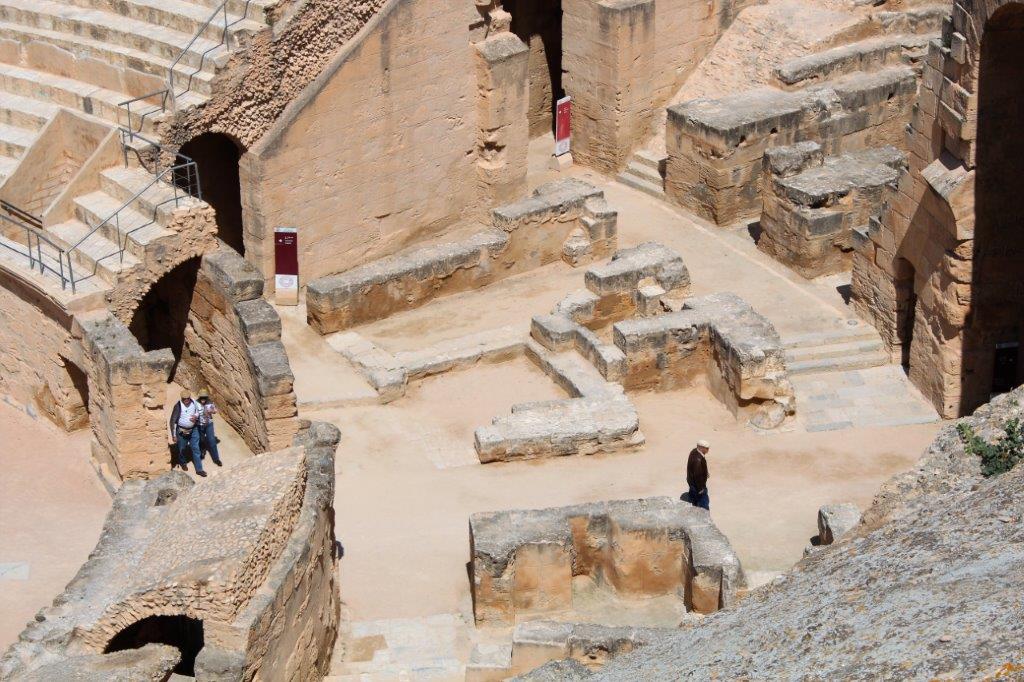
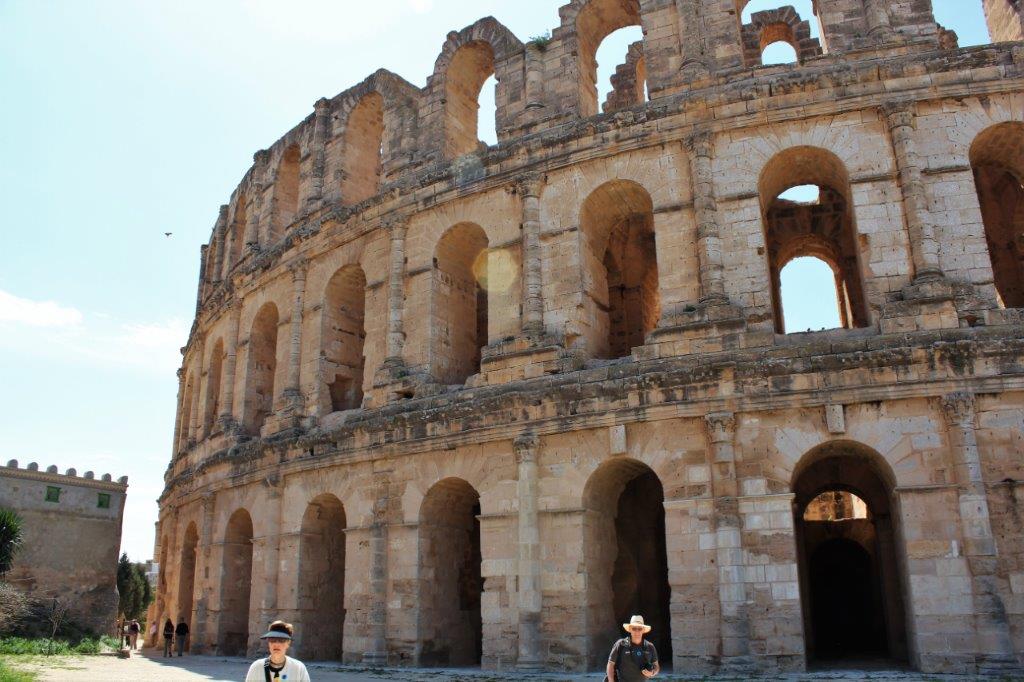
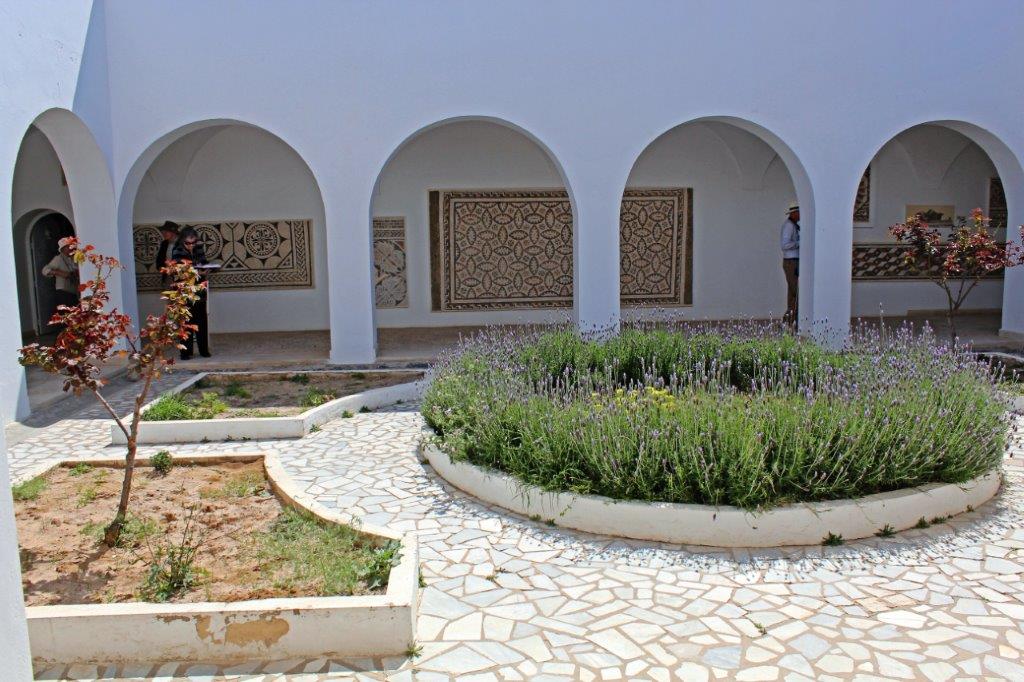
We thoroughly enjoyed touring the huge amphitheater in El Djem, an hour’s drive from Sousse.  Our next stop was the museum to see the Roman mosaics and re-constructed Roman villa. The tiles that make up these gorgeous designs are only about a quarter of an inch square.  That is an awful lot of tiles!  Many of the beautiful mosaics were made in the second or third century BC. In the museum there was also displays of mortuary masks and sculptures.

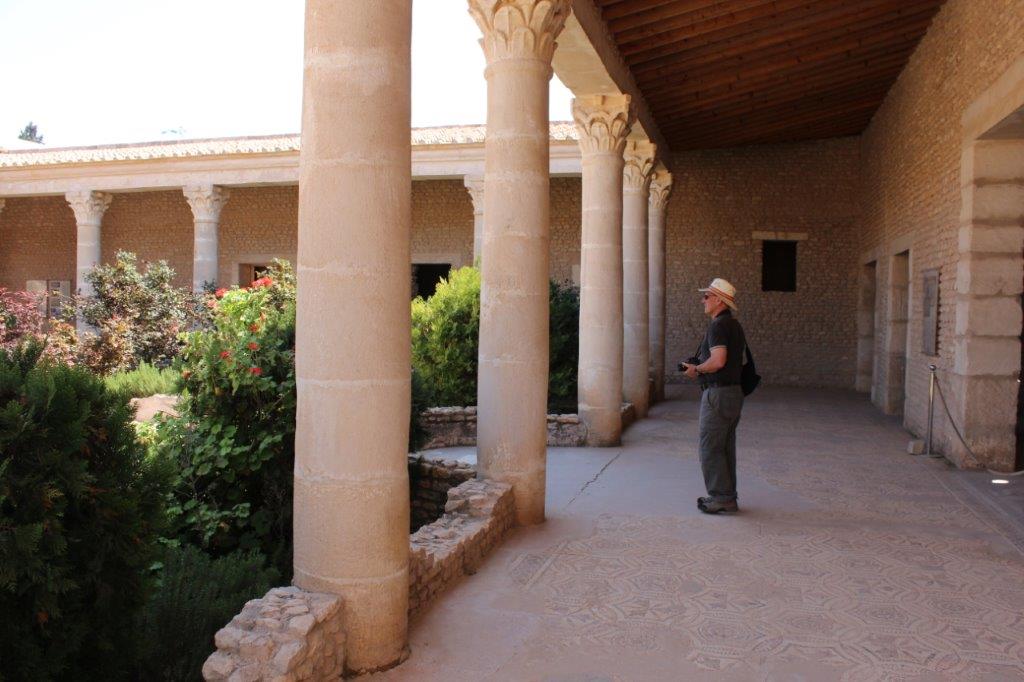
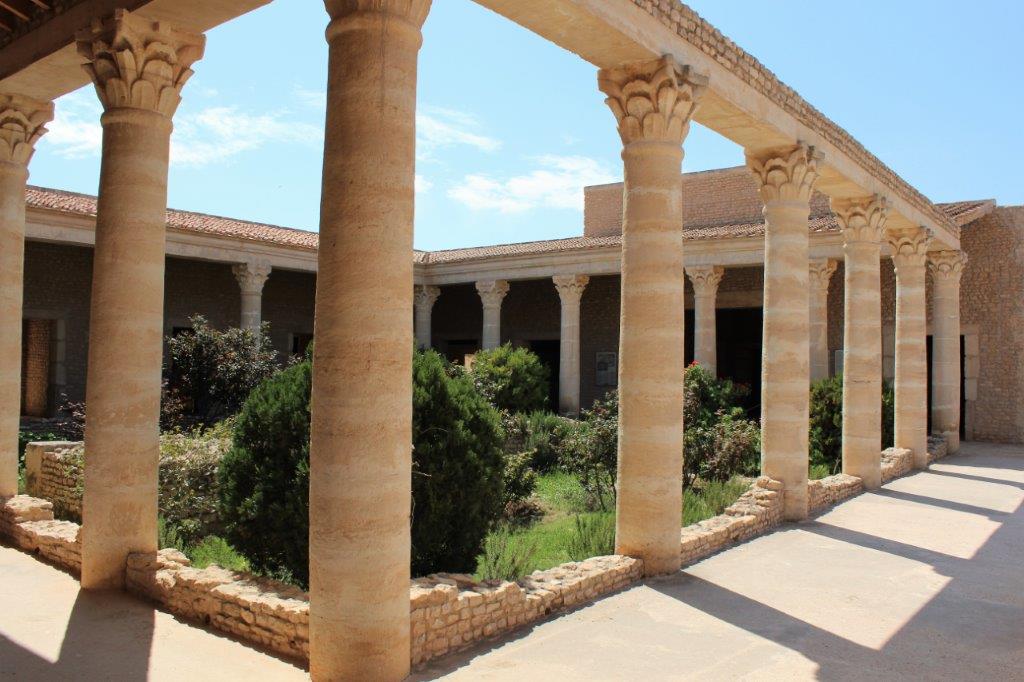
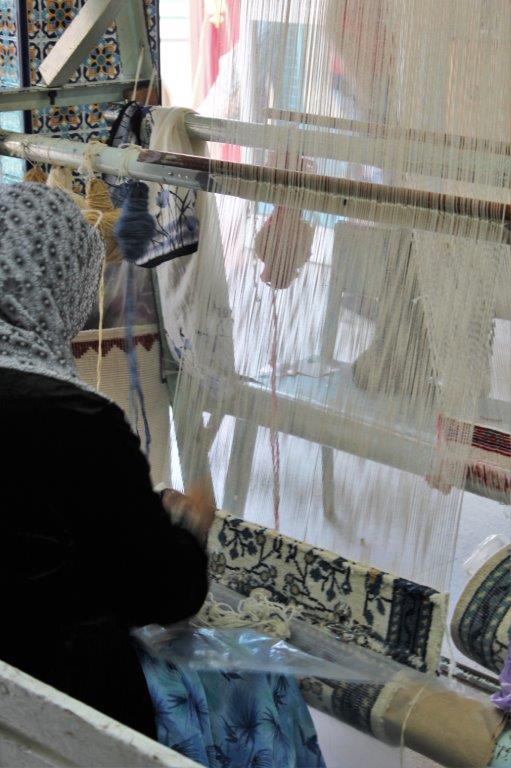
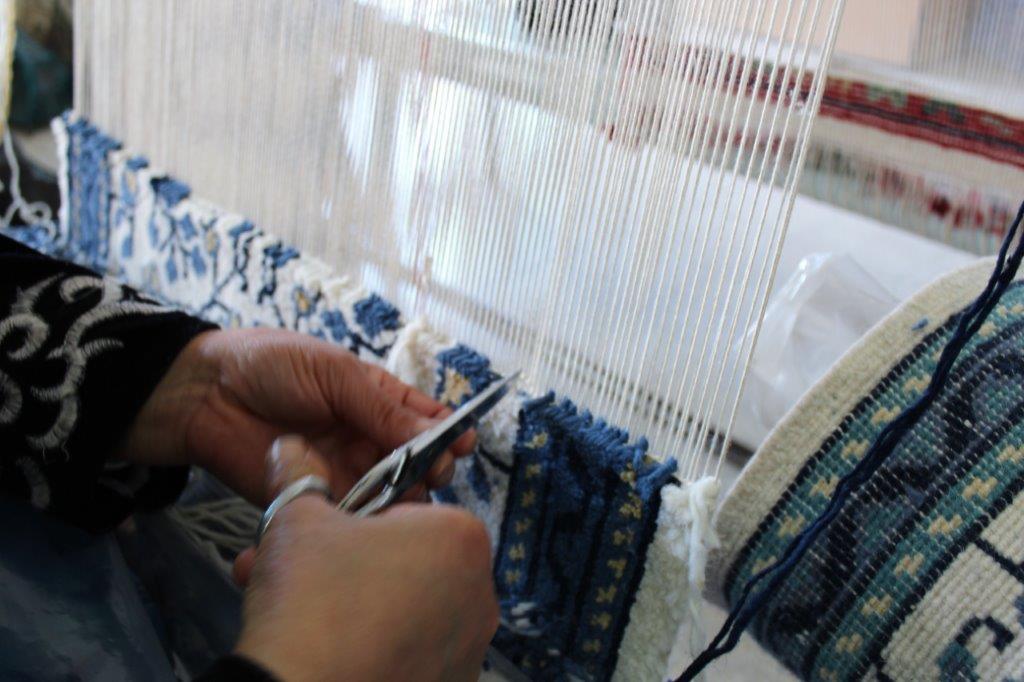
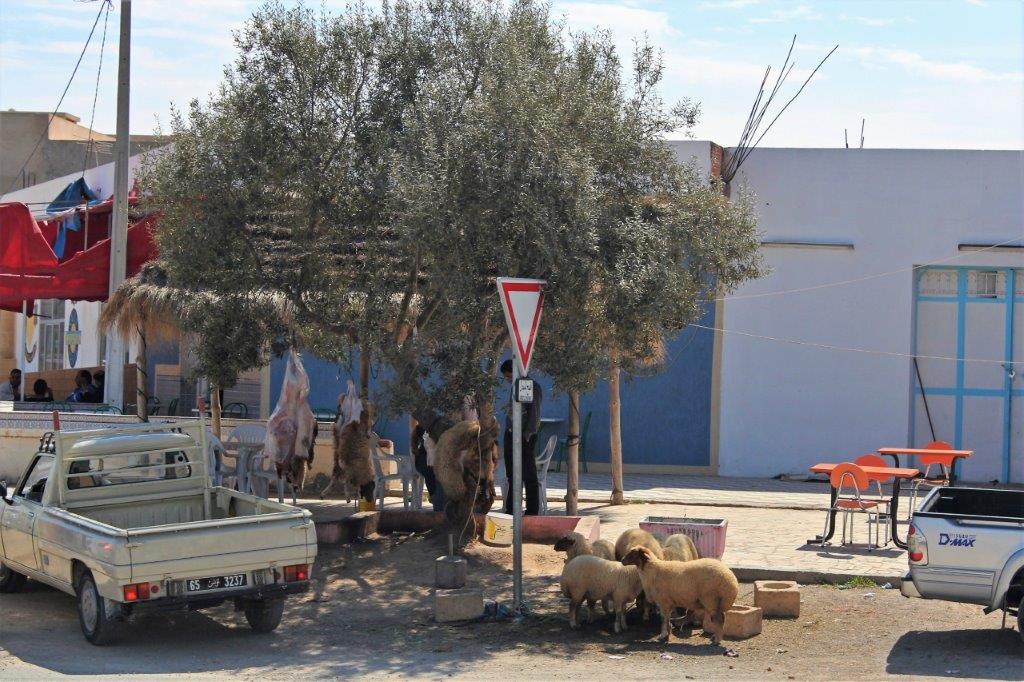
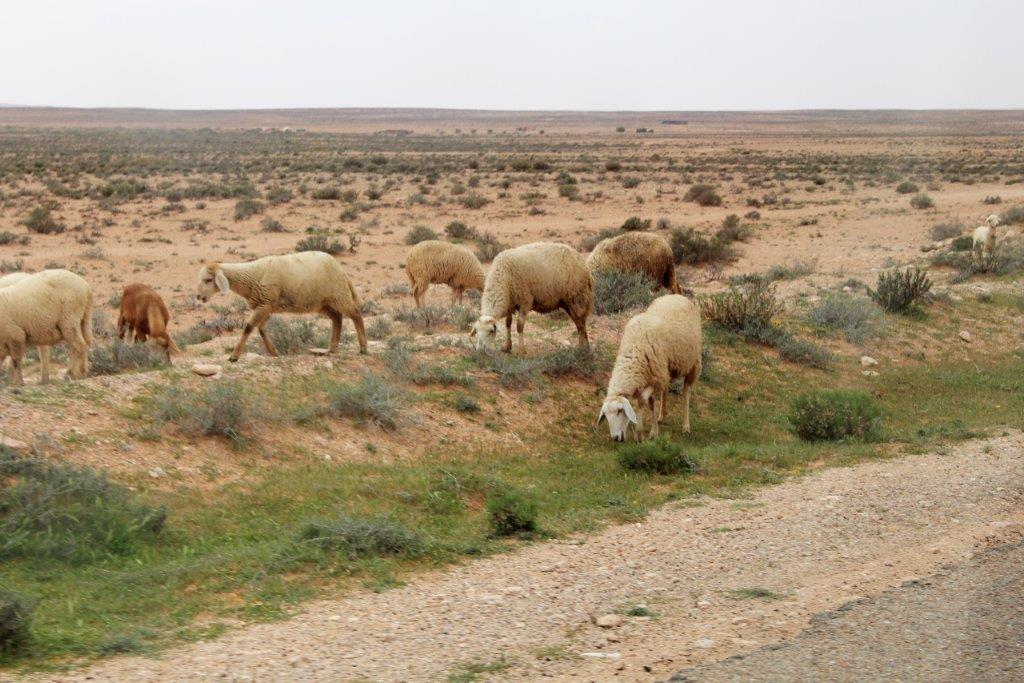
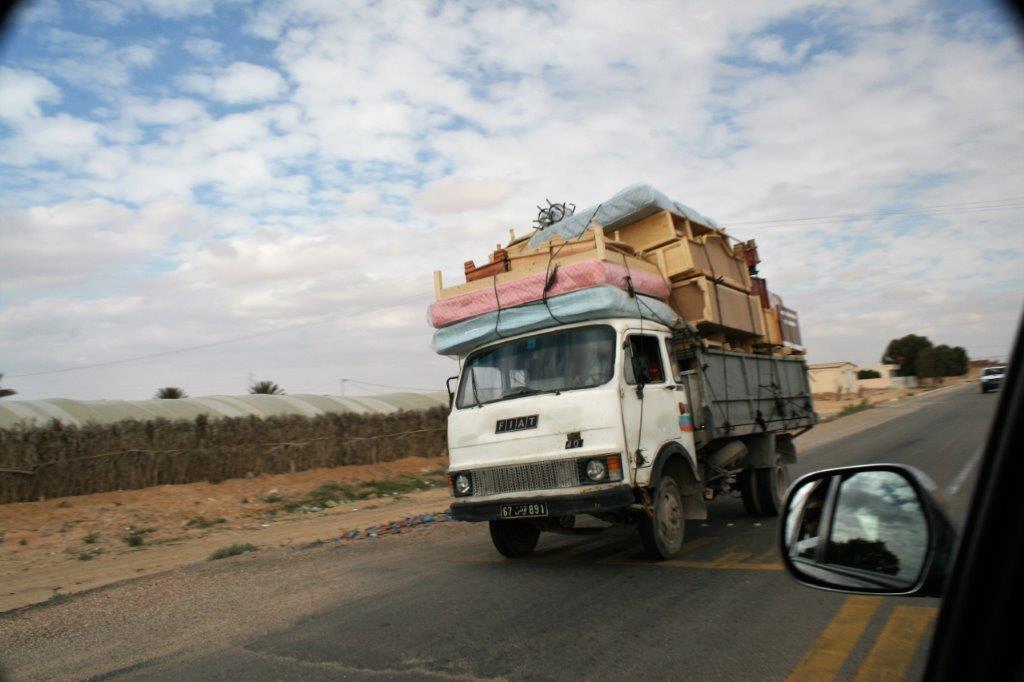
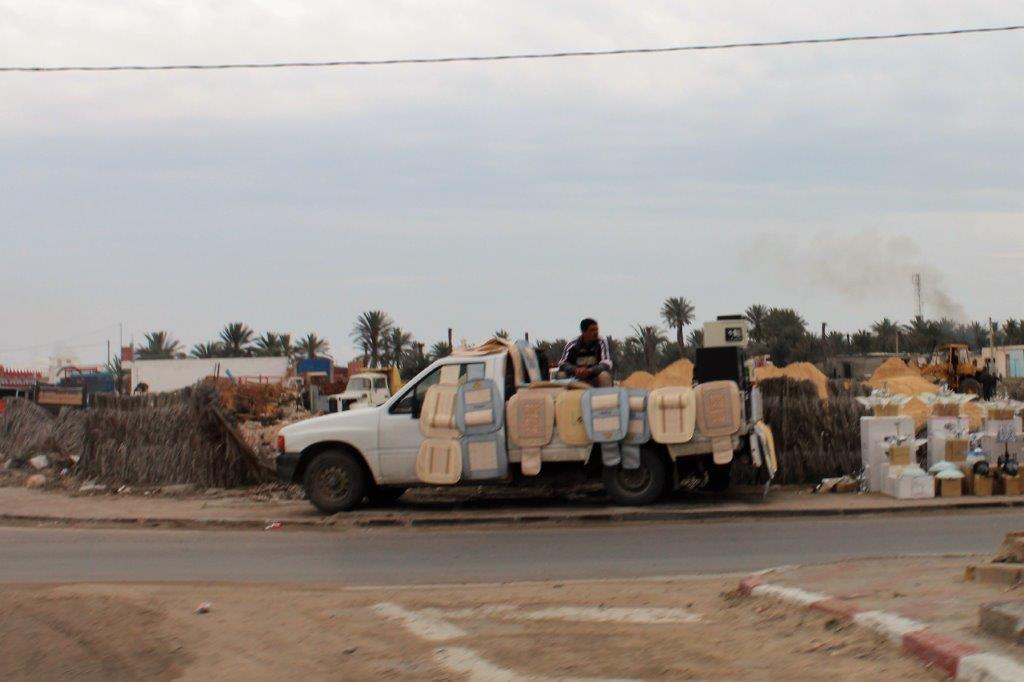
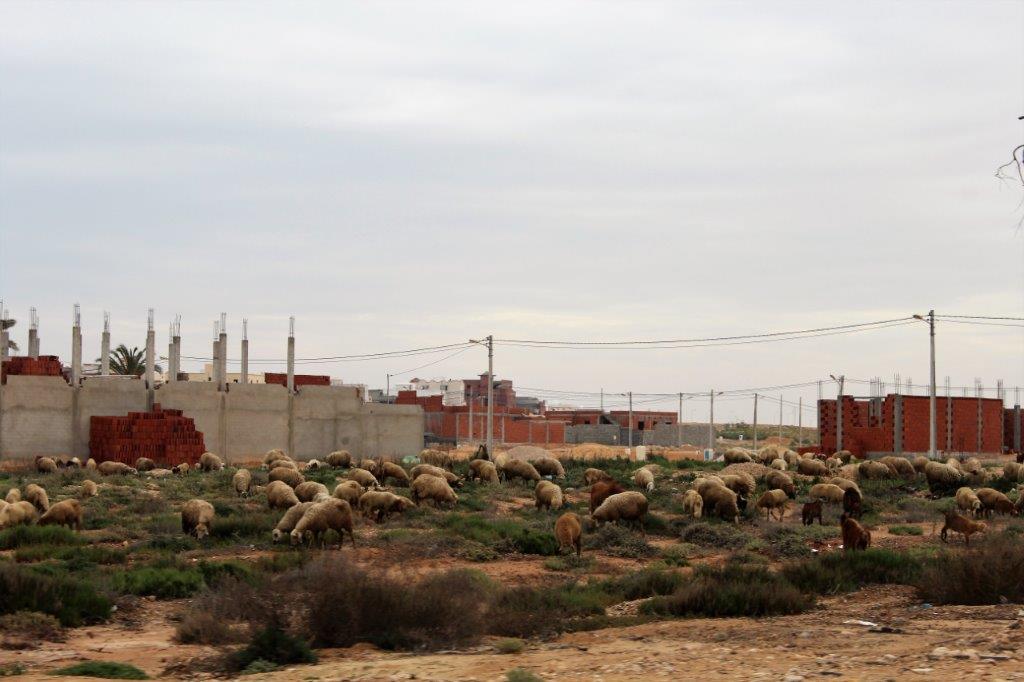
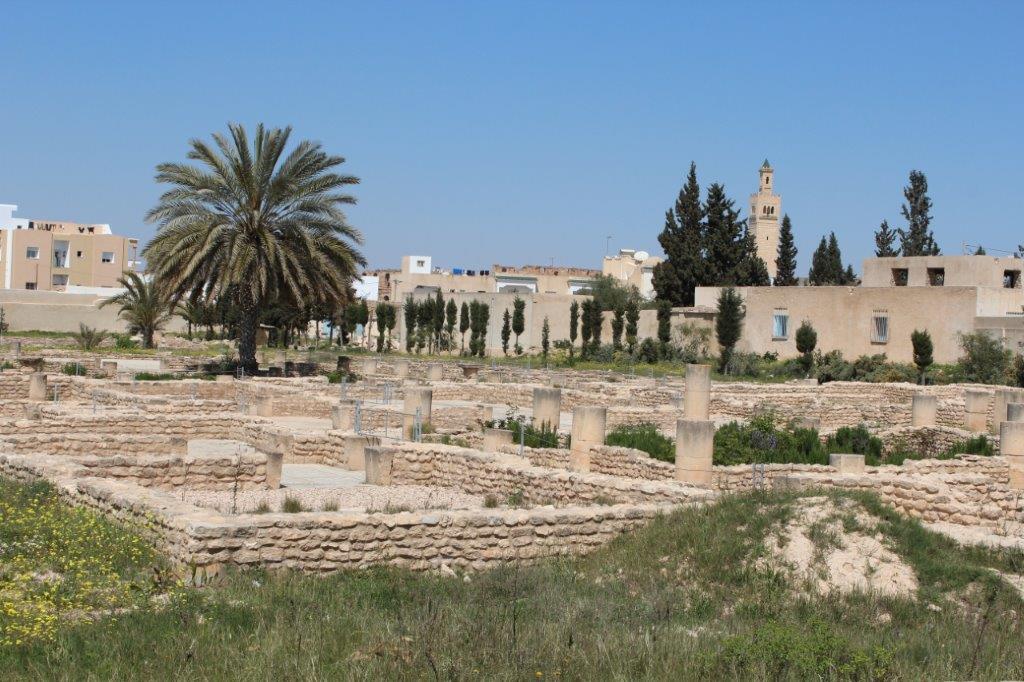
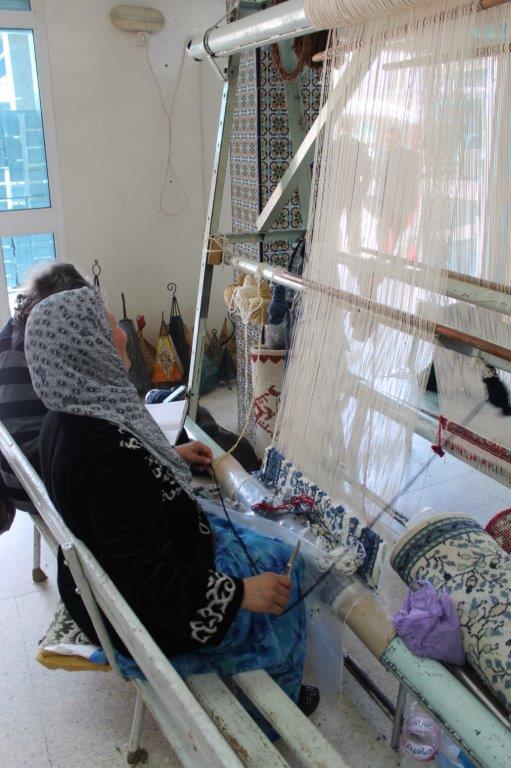
                                                                Lucius Verus 2 c AD Many wealthy or aristocratic Romans would commission statues of themselves or cities would want a statue of a civic leader or local hero.  It was customary for sculptors to have a selection of draped figures in various poses that could have a head (and often hands and arms) added in the likeness of the person.  This was efficient for the purchaser as well as the artist.  If, perhaps, the hero is no longer in favour the head could be removed and replaced with a more popular person. (One of our guides said this was the reason there were so many heads in museums.) The foundation, floors, courtyard and columns of the Roman villa are original and rest has been rebuilt. There was also a large archaeological site at the back of the property. Back on the bus on the way back to Sousse someone asked if we could make a stop for some shopping.   We did not want to go shopping but everyone else on the bus did.  And, surprise, surprise, the guide knew a wonderful place to buy all kinds of things that he assured us were authentic goods.  Many of the trinkets and knick-knacks were Made in China.  The proprietor herded everyone to the basment for a carpet-making demonstration.  The smoke and incense were so thick I scooted right back upstairs again.  There were two ladies knotting rugs on the main floor that we could watch. These rugs were being made in wool but they also make them with silk.  The wool rugs have several thousand knots per square meter.  The silk rugs can have as many as one million knots per square meter (just over three feet square).  We, unfortunately spent almost as much time in the shop as we had been allowed at the amphitheater and museum.  Not a fan of the shopping stops!  We arrived back at the port in time to catch the last tender back to the ship. This fellow was actually slaughtering the sheep right beside the road.   I guess you would be assured of fresh lamb or mutton for dinner. We had a second port-of-call in Tunisia.  The next day was spent further down the coast in Gabes, where we rode camels into the Sahara Desert.
 

2012 March 30 – Day 19 – Gabés, Tunisia (Part 2)

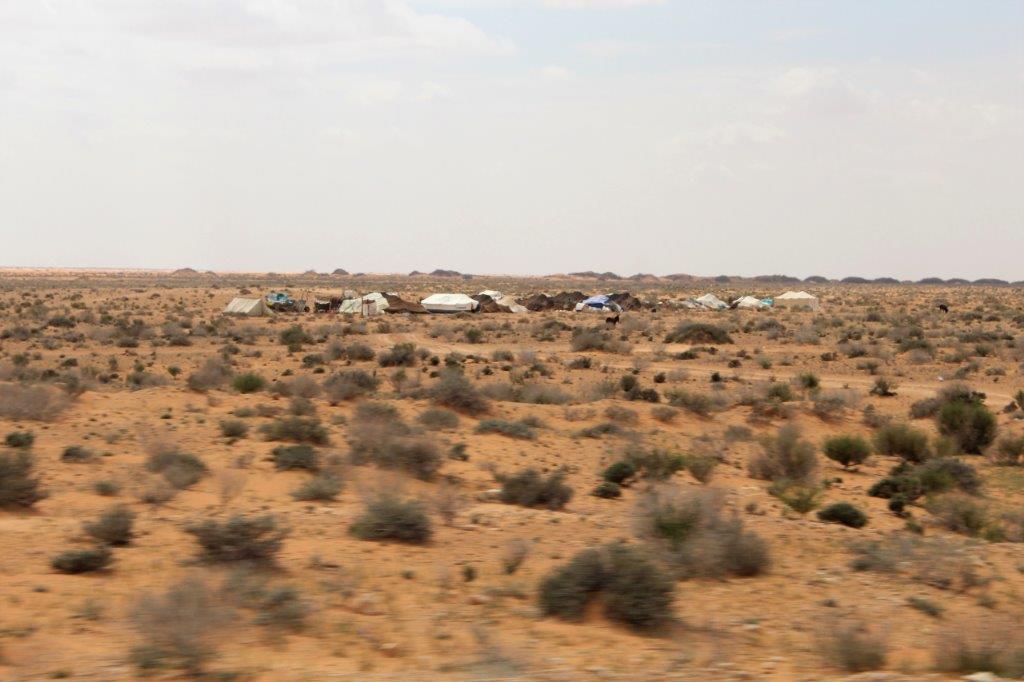
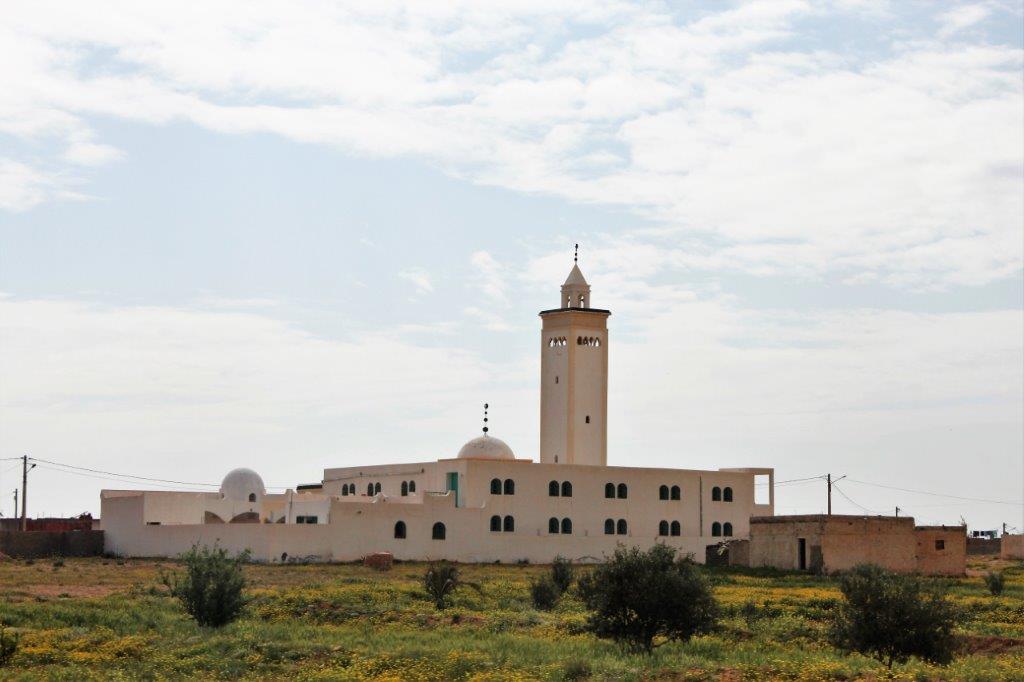
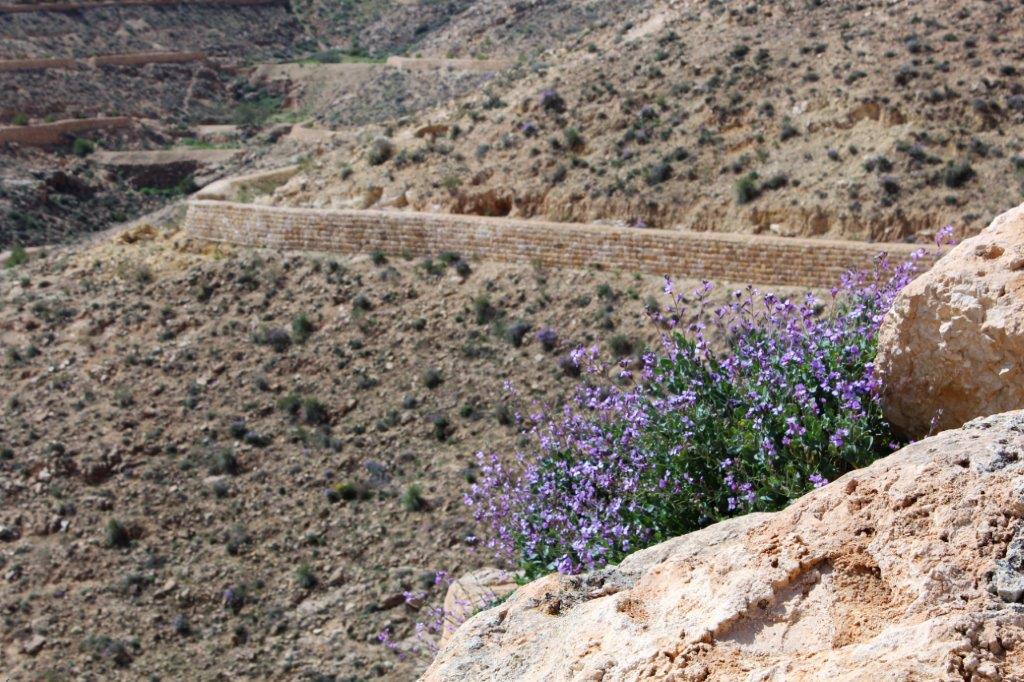
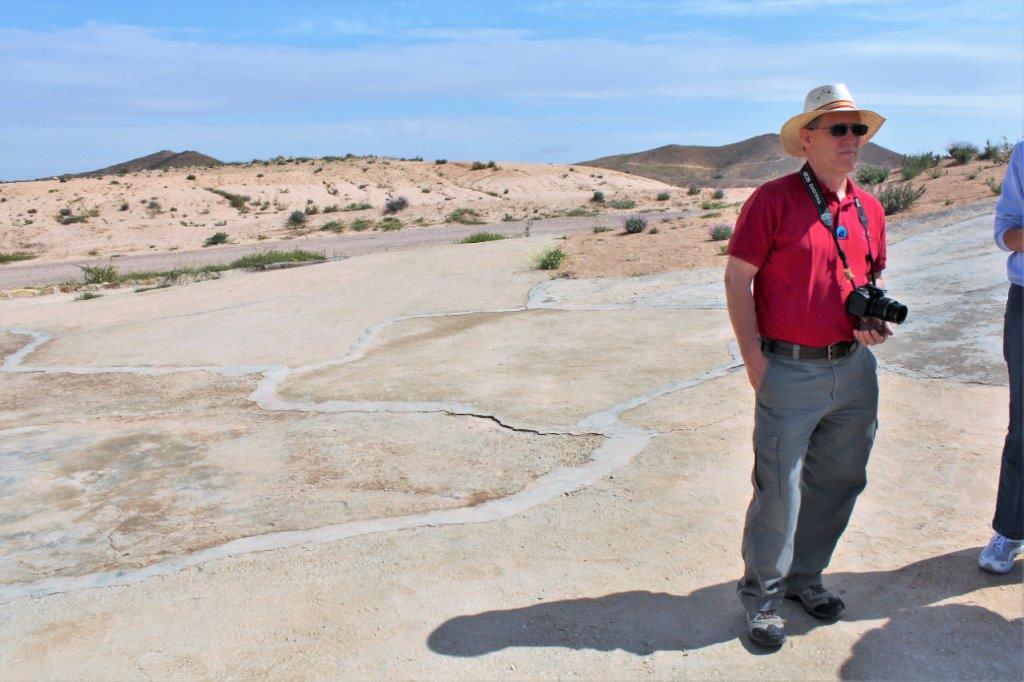
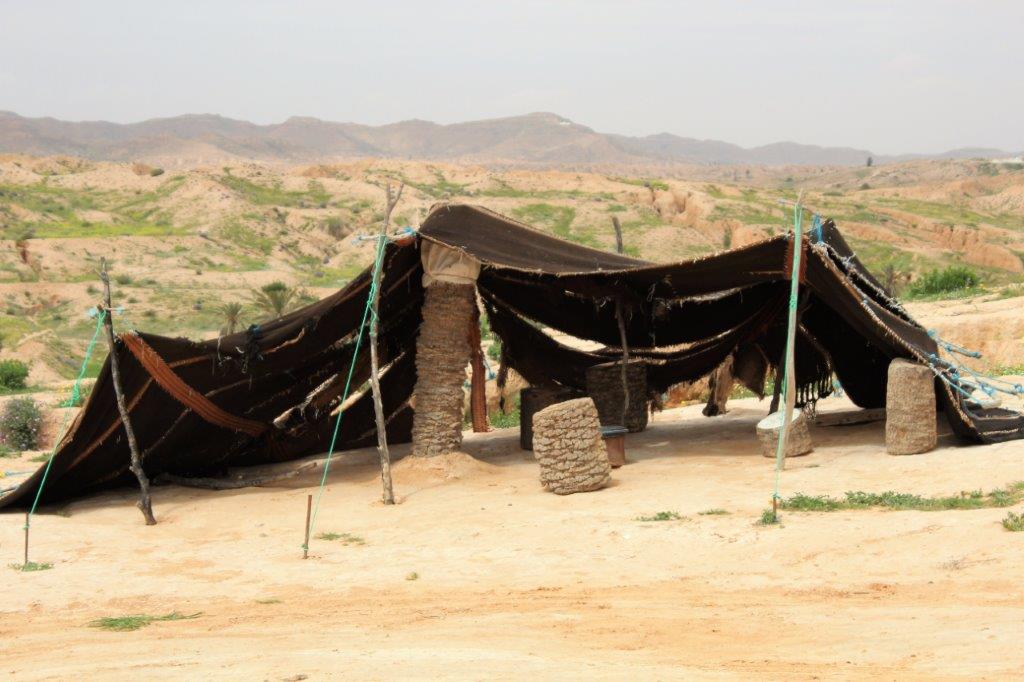
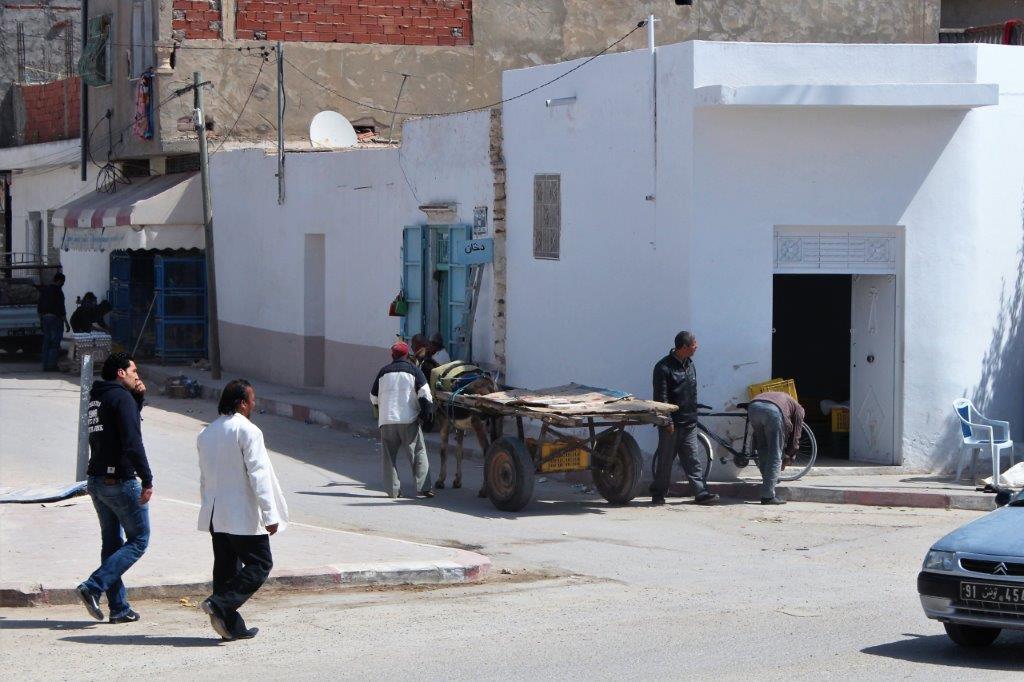
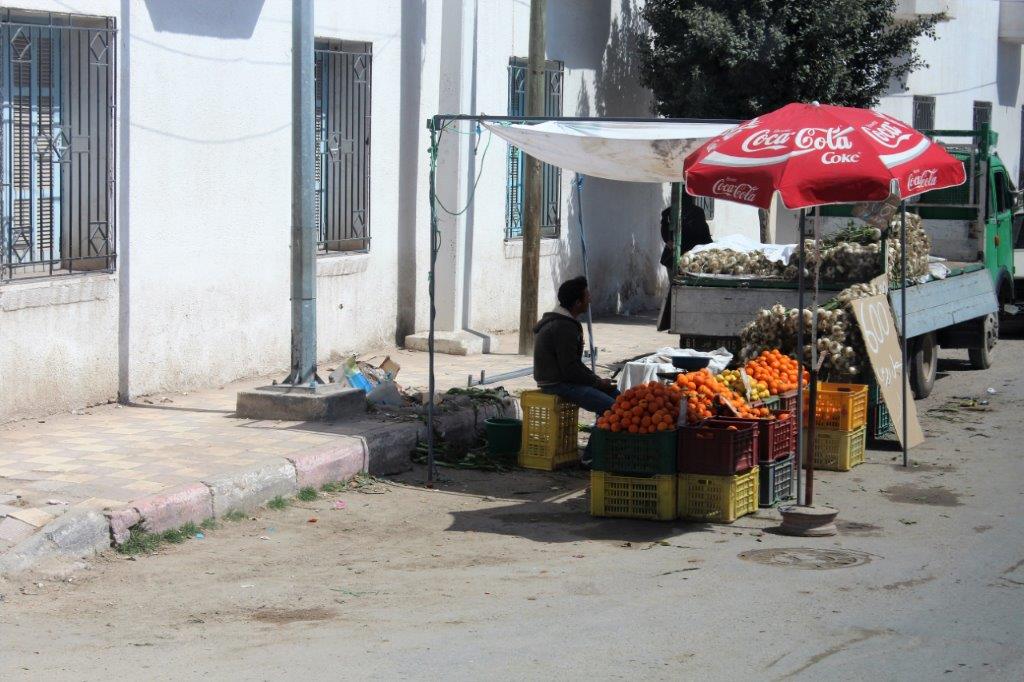
On the second half of our tour out of Gabés, Tunisia, the ride from Dous (called the Saharan Gate) to Kebili didn’t take too long and passed through more rugged desert lands.Tunisia is a democratic country and Tunisian’s are not the same as Arabs.  Also, a Berber is not the same as a Nomad.  Berber’s stay in one place; Nomads travel to find grazing for their flocks. So you can have a Tunisian Berber, or a Tunisian Nomad, and an Arab Berber or an Arab Nomad.

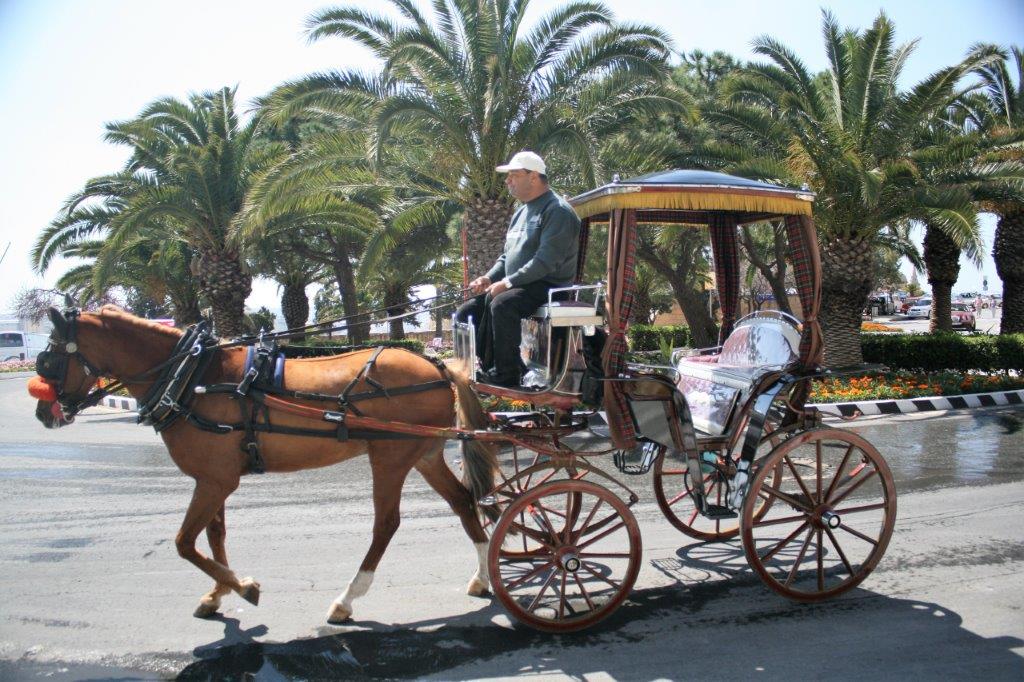
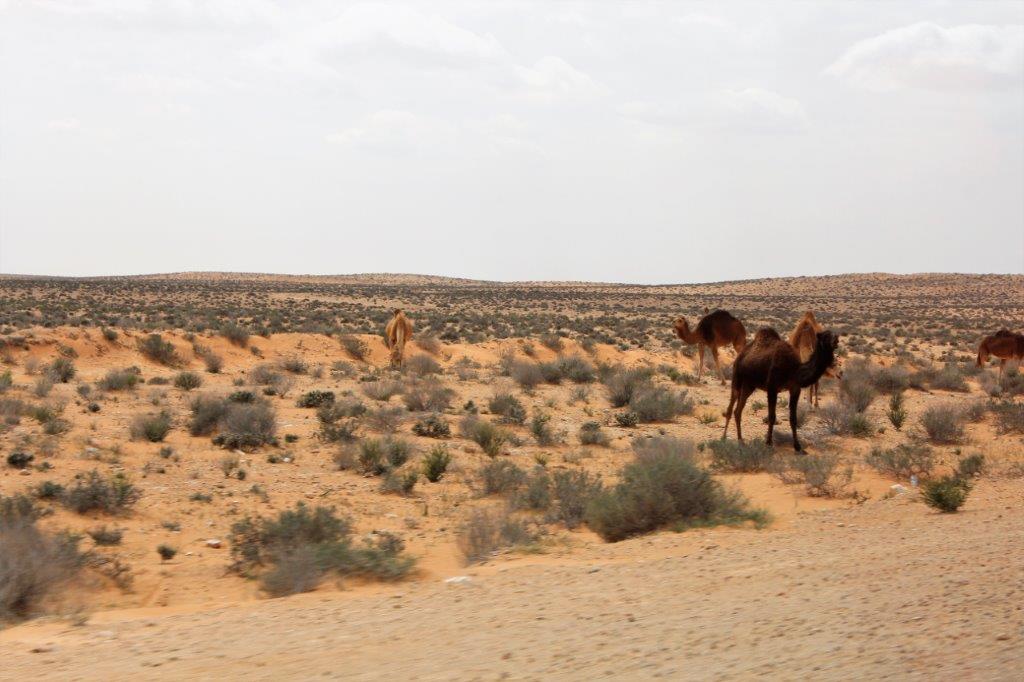
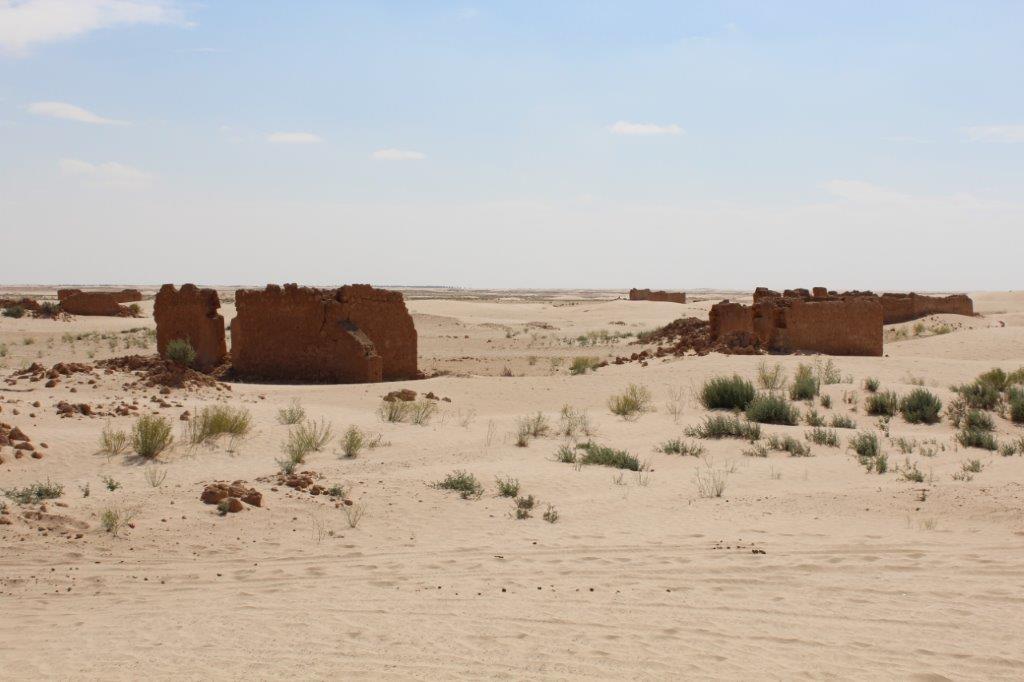
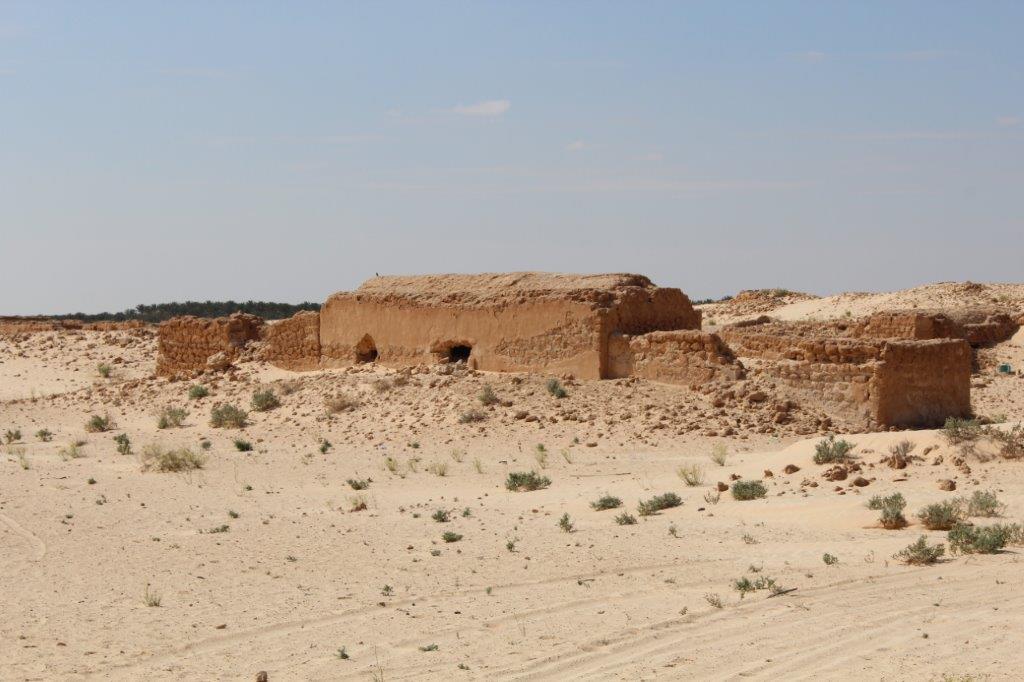
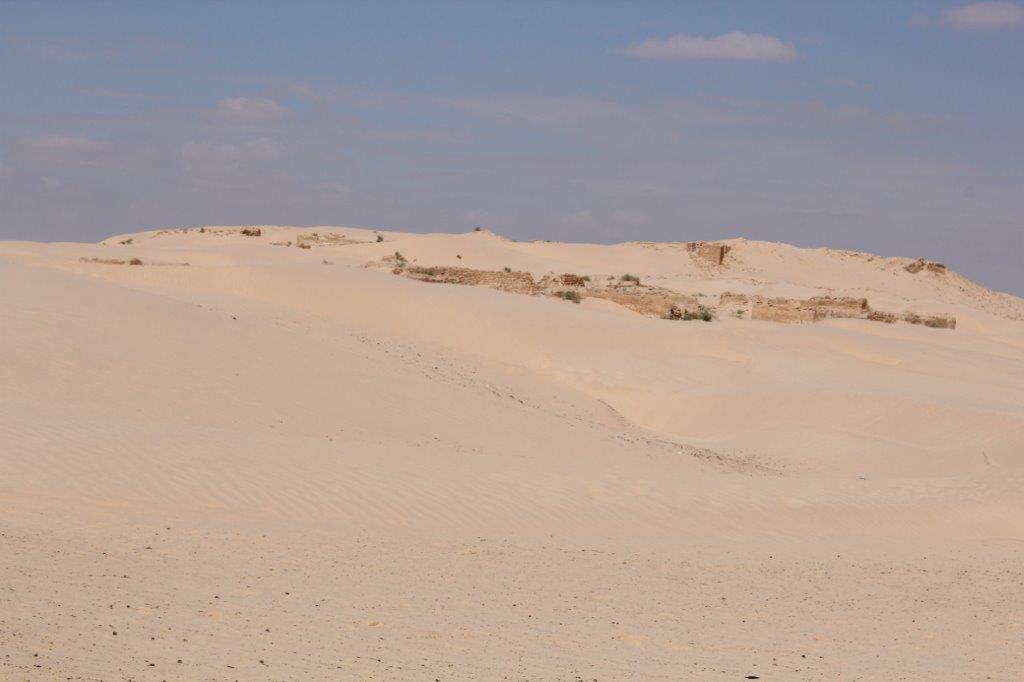
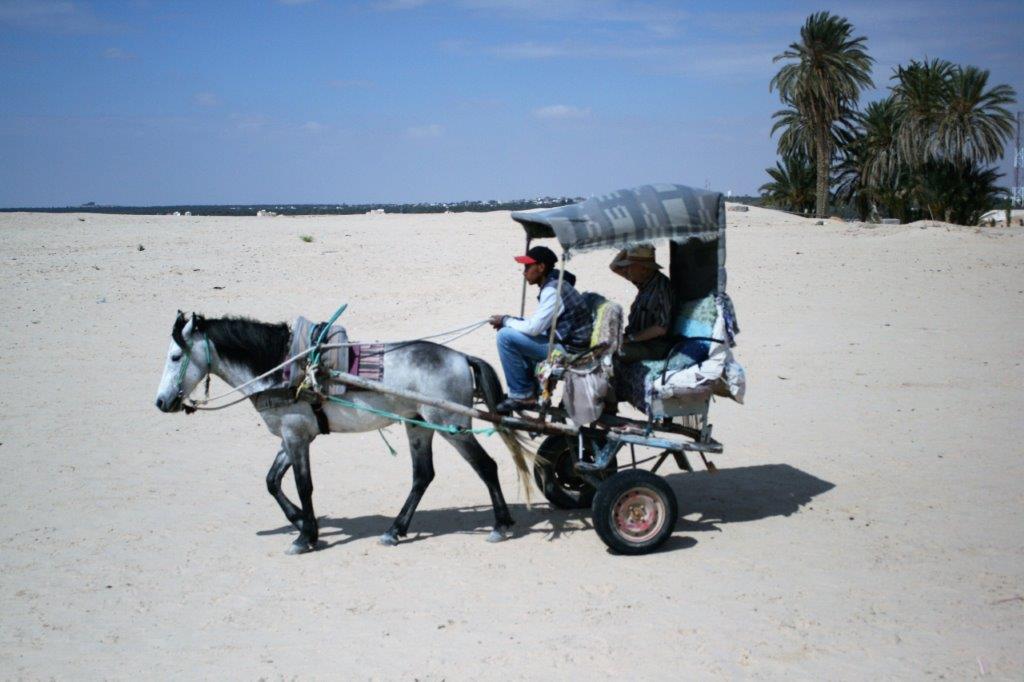
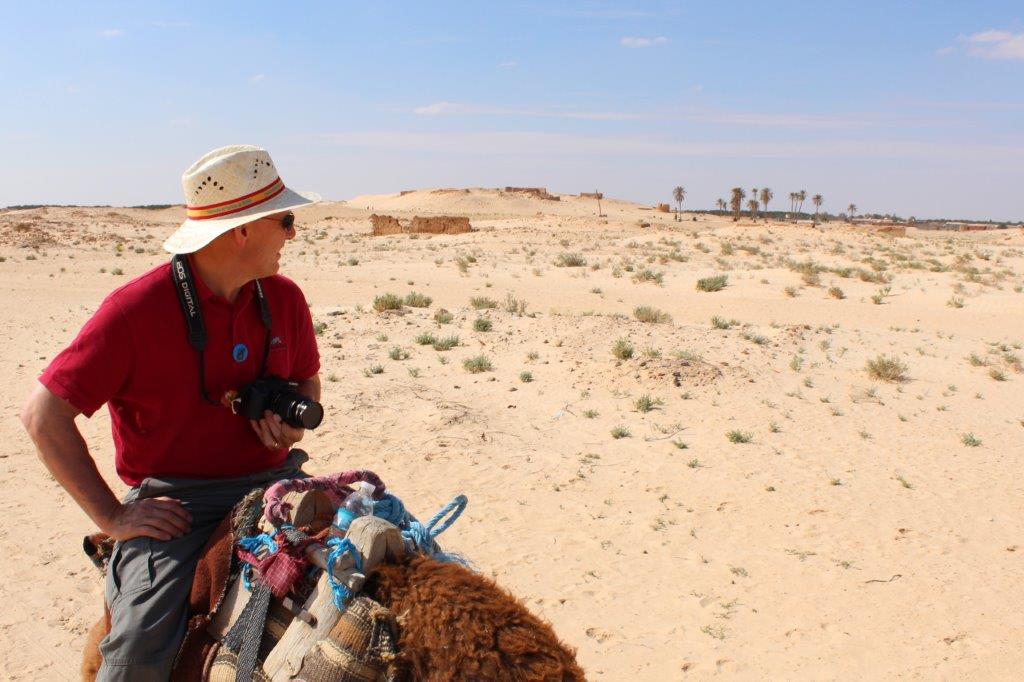
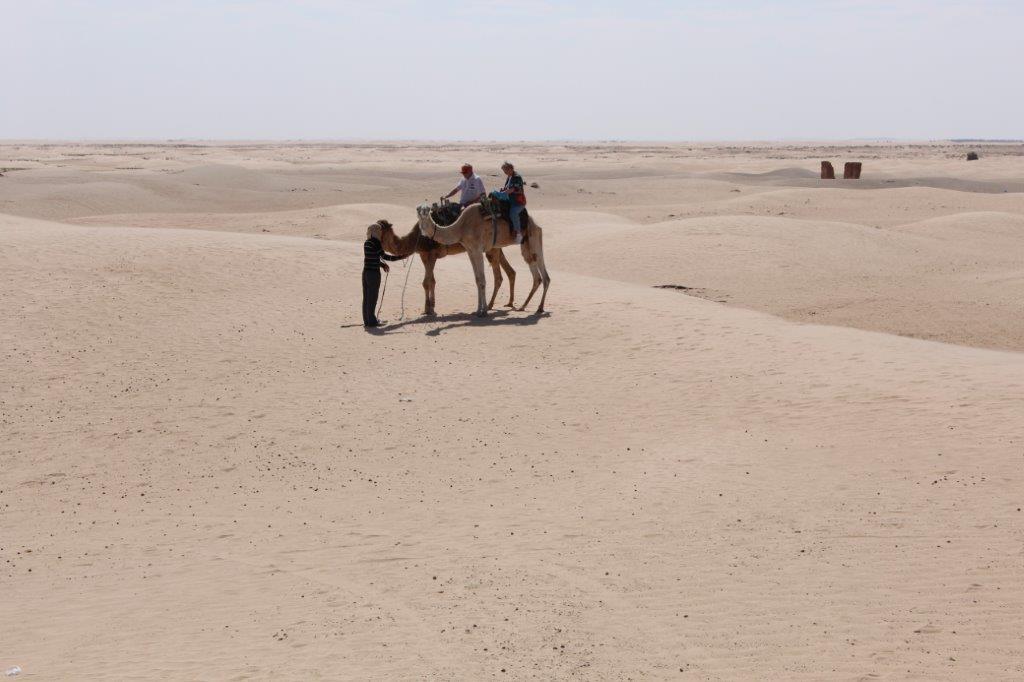
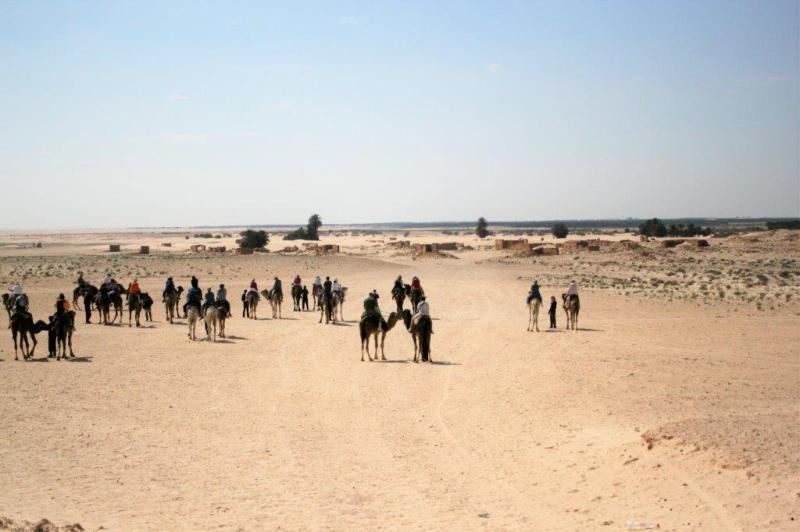
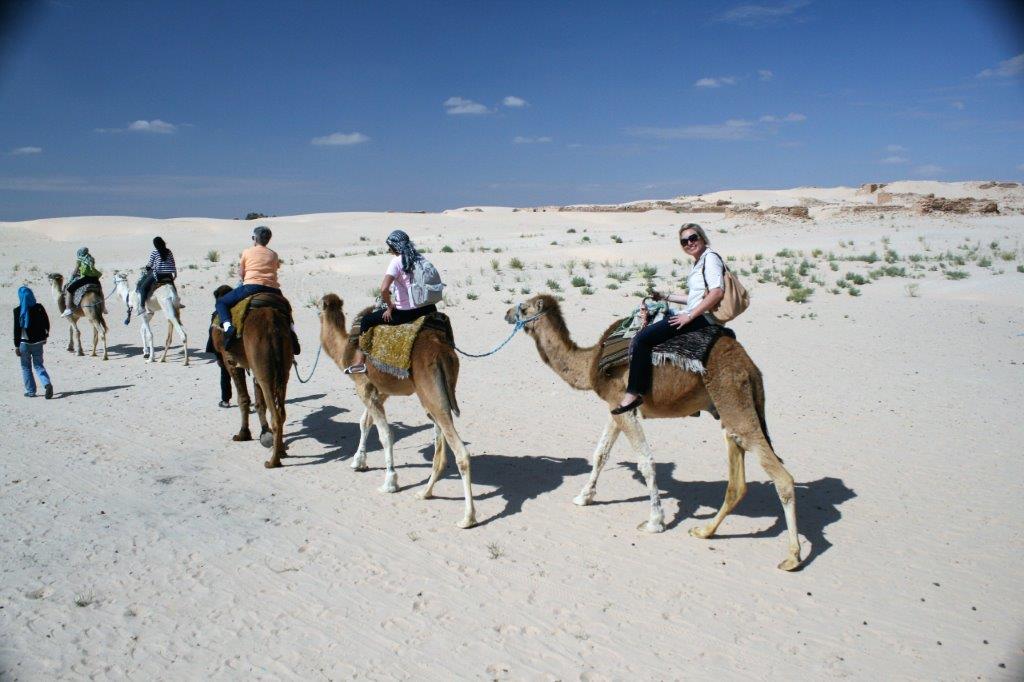
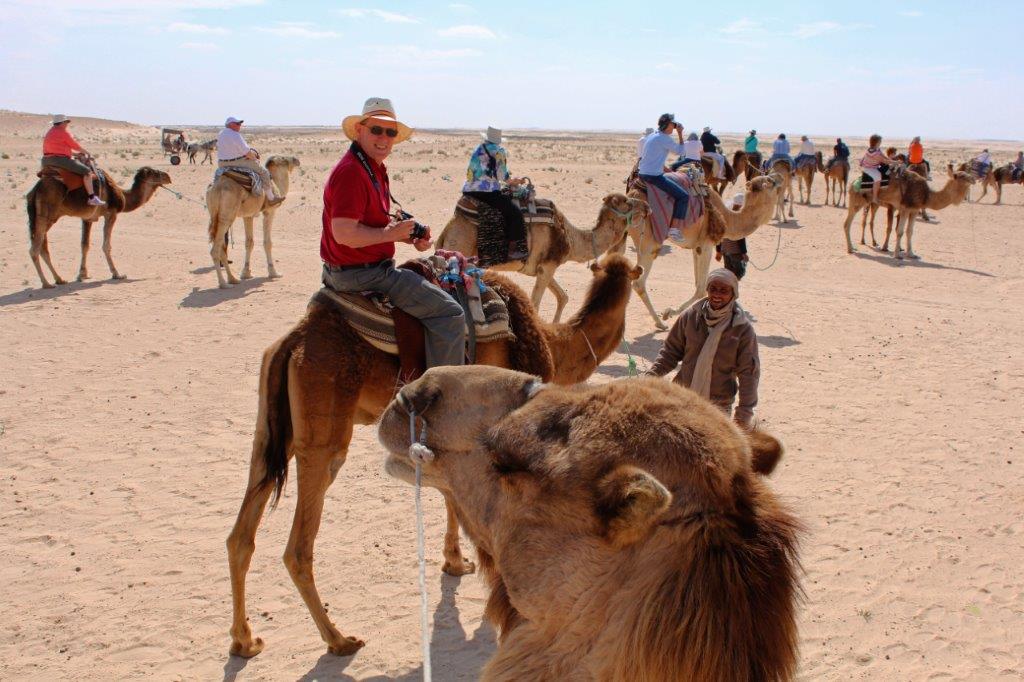
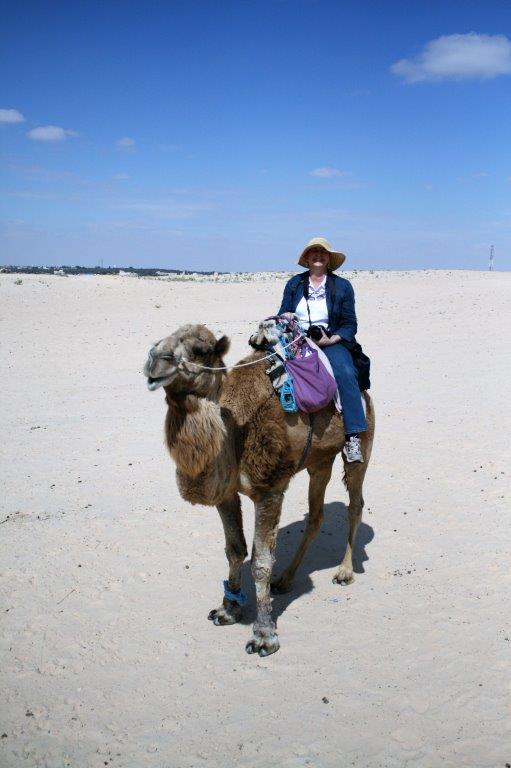
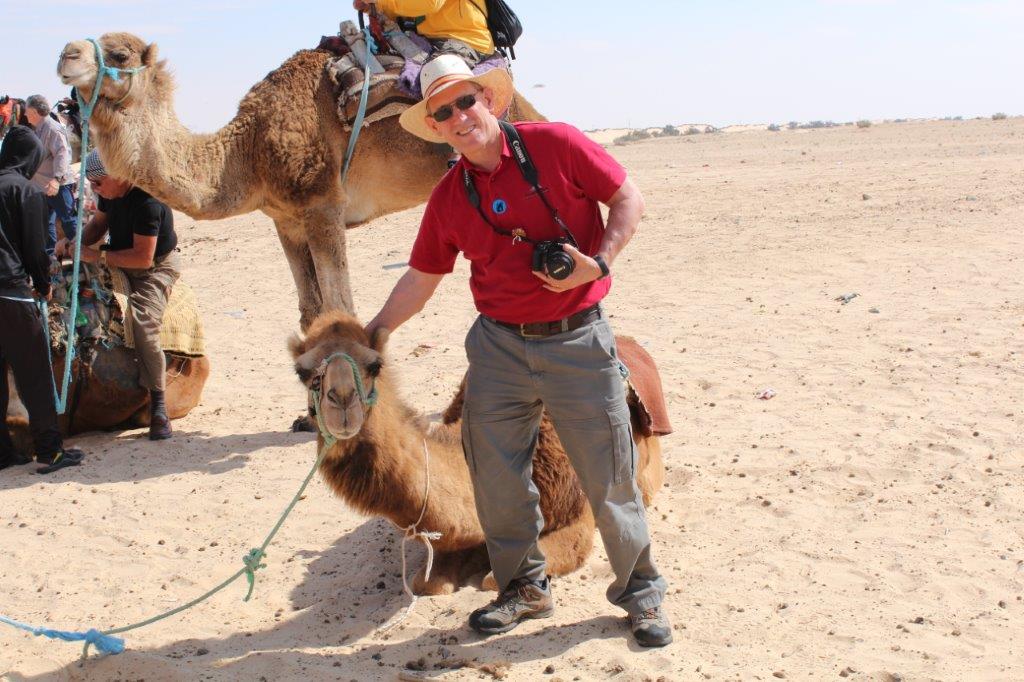
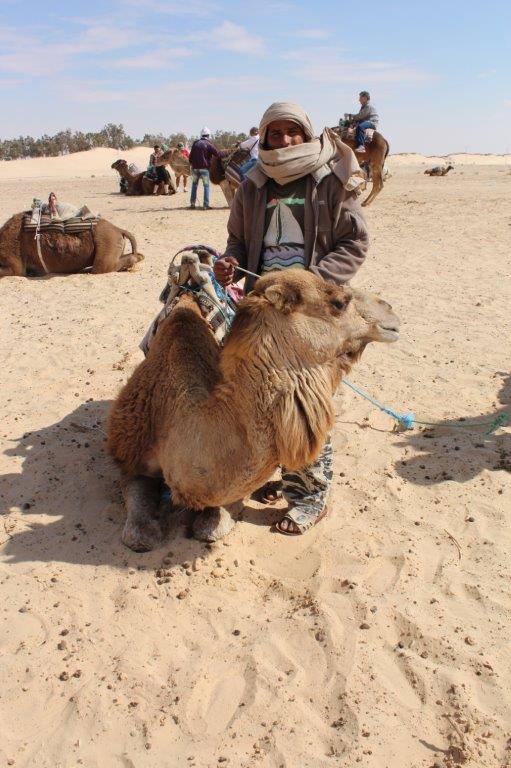
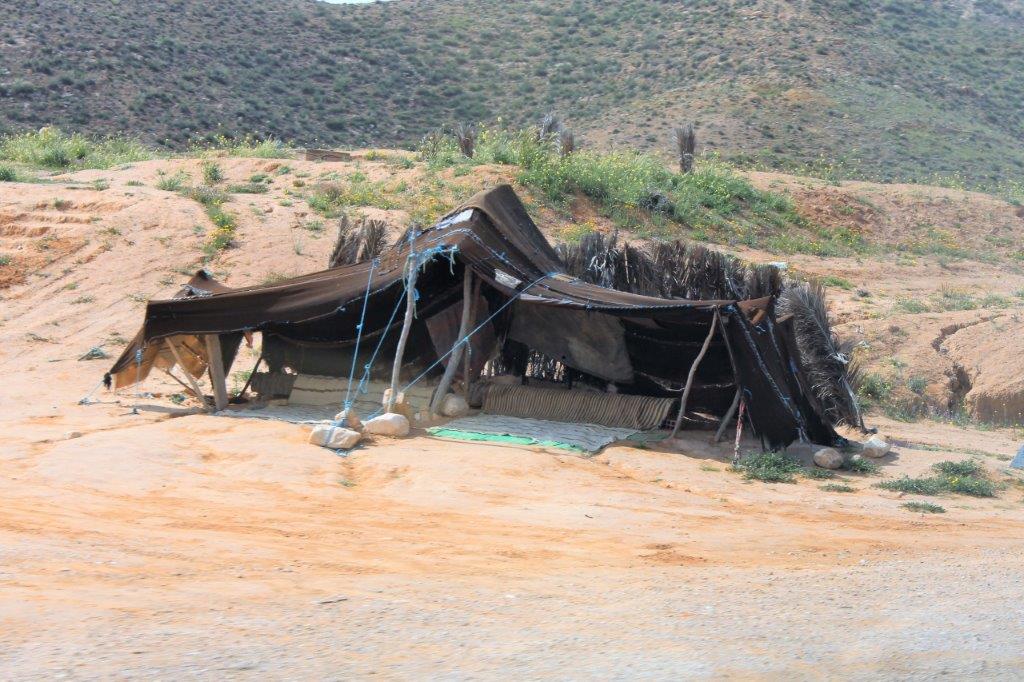
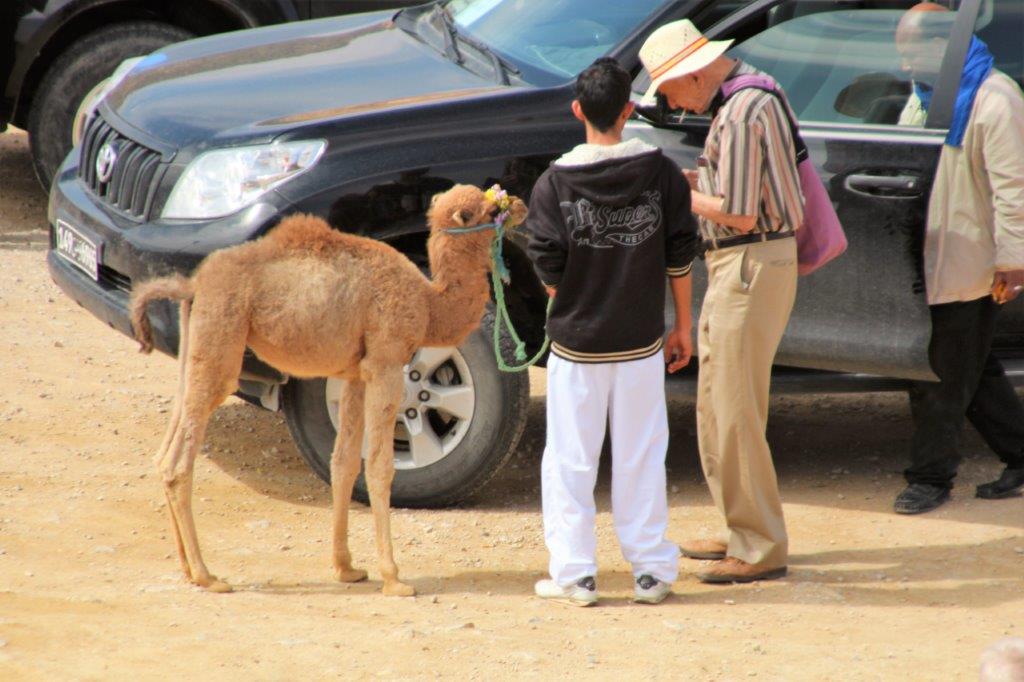
                                         This is a Nomad camp. The oases town of Kebili has the earliest hard evidence of human habitation in Tunisia. The town has the same name as the Governorate (district), which has a total population of over 150,000 and borders Algeria.  The best times to visit are spring and fall since winters are very cold and summers are very hot. When we arrived at the camp at the edge of the Sahara Desert were were given the option to ride in a horse-drawn cart or ride on the back of a dromedary.  There are no camels in Tunisia, we were informed, only dromedaries.  Camels have two humps, dromedaries only have one.  This ride was very different from the short walk around the paddock that we did in Australia the year before.  This time we had a 30-40 minute ride into the sands of the Sahara.          The desert will eventually reclaim anything and everything.My dromedary was the father of John’s five-year old.  Our handler was Ali and he was a really neat, friendly guy.  The ‘saddle’ is right at the back behind the hump so it is feels pretty weird.

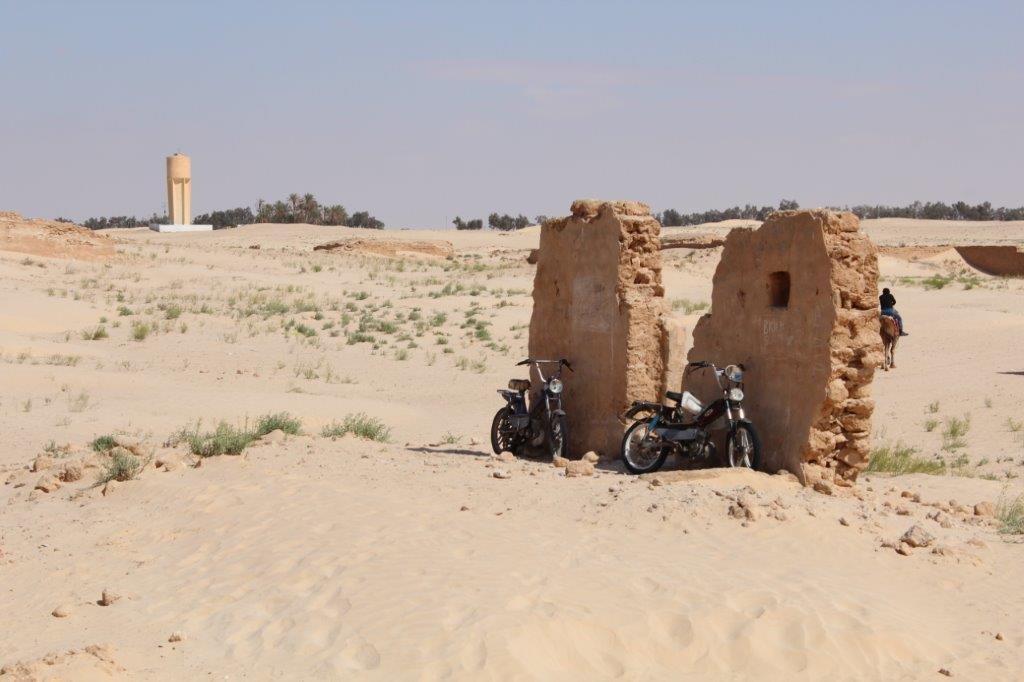
You have to keep the bikes in the shade as much as possible for your ride home after work.

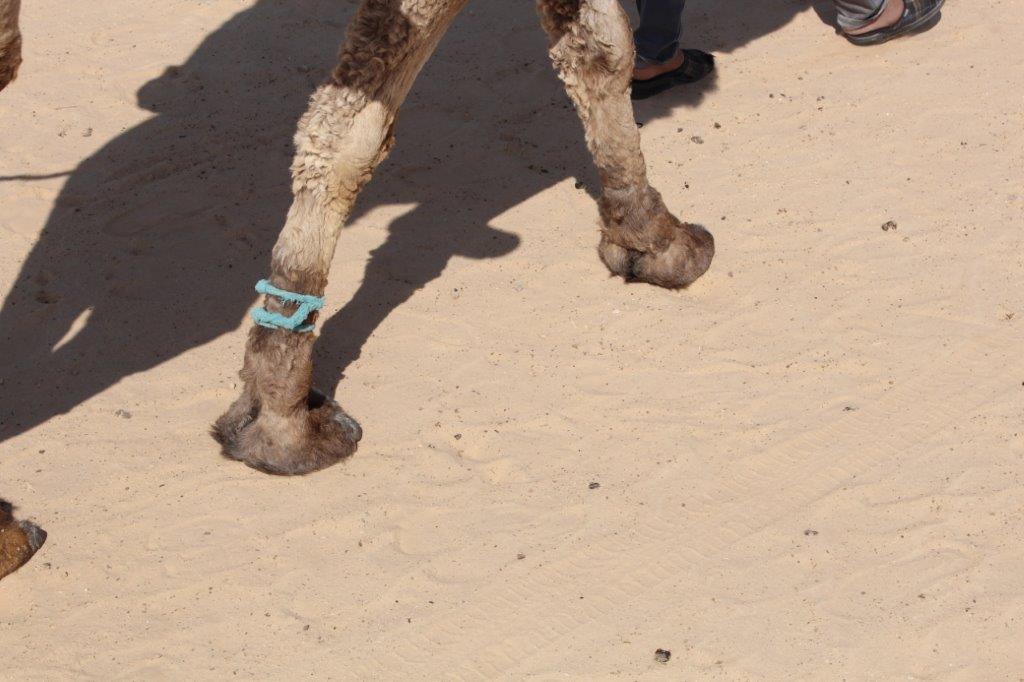
We managed, not very gracefully, to get off the dromedaries, which is no mean feat, as they fold their front legs down to the ground and then drop the back.  It is the reverse to rise: the back legs straighten up and then the front legs follow.  You better be holding on or you will be on the ground.                                                                               The sand is as fine as icing sugar.

Our desert ride over, it was back in the trucks for the ride back to port; via a different route.  We arrived late. The ship should have sailed 15 minutes earlier.   One of the major benefits of paying the extra money for a ship arranged excursion – the ship will wait for you if you are delayed by something or just running late.
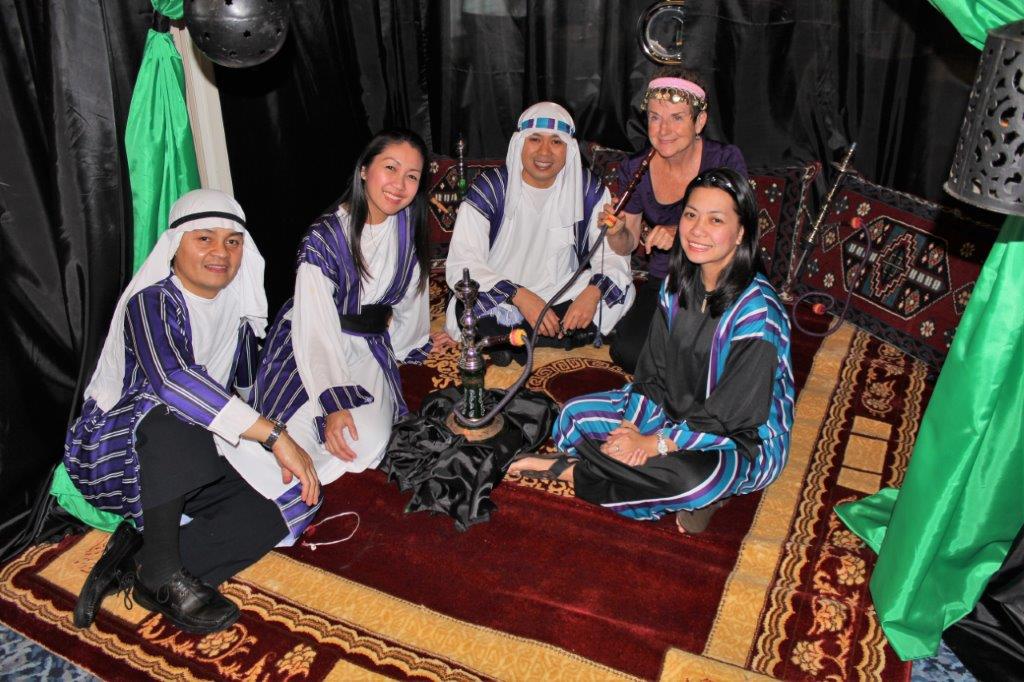
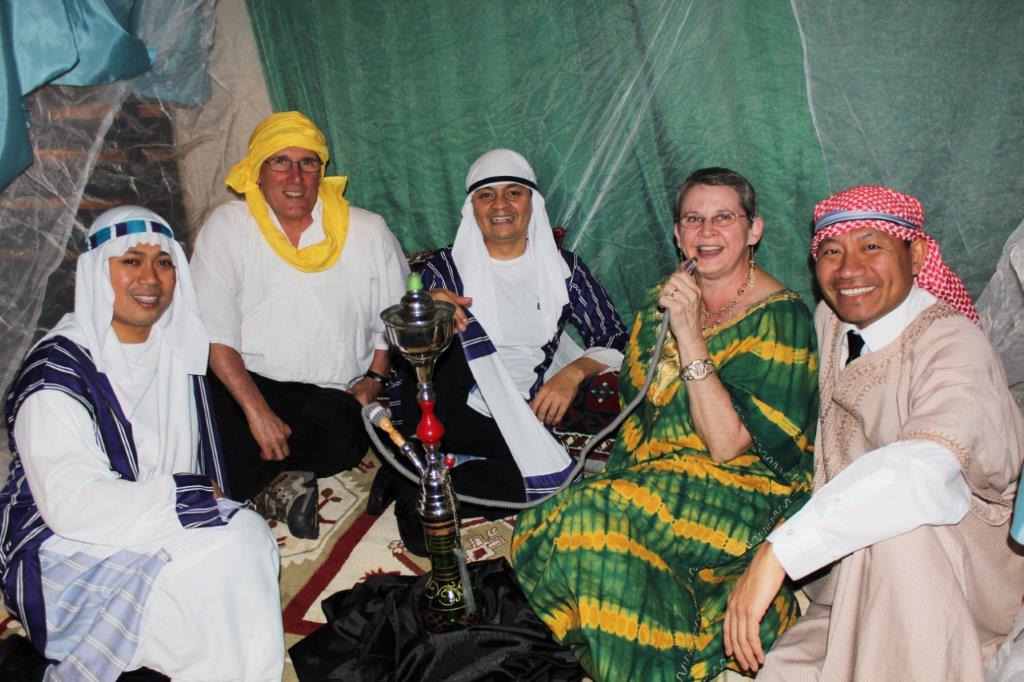
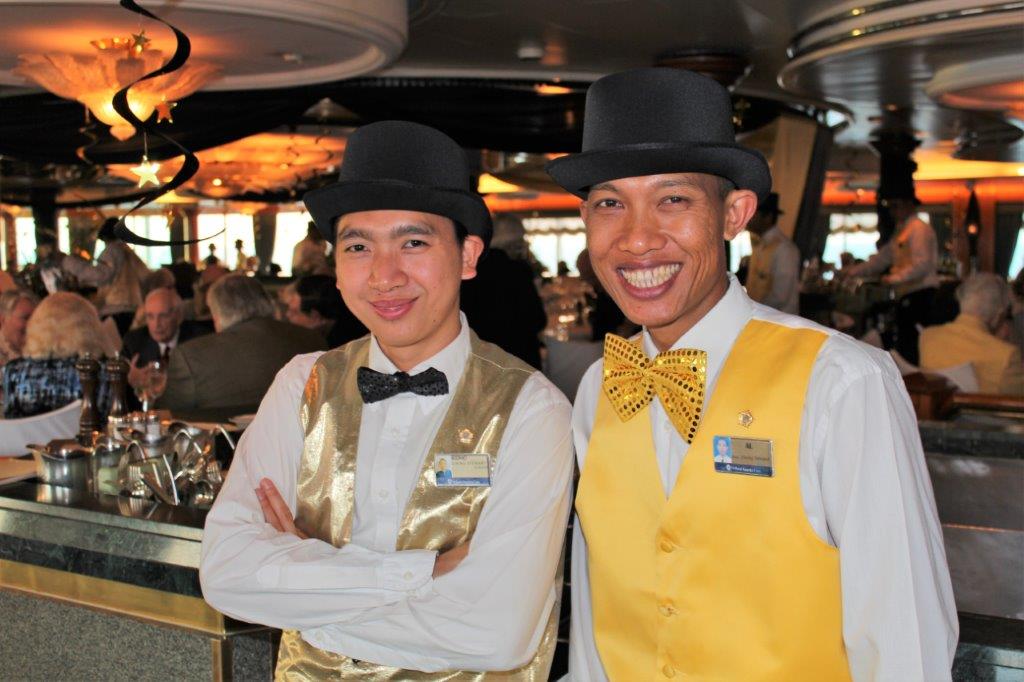
Appropriately, the theme in the dining room that evening was “Arabian Nights.”  I had a dress with me and John had found a nice light, white shirt and yellow turban for the occasion.  On any theme night there is always a display area with dining room managers and front desk staff in costume and happy to have you sit in for a photo.  This was the first cruise we had been on where we actually brought along outfits for the various themed nights.  It was lots of fun. And the staff folks really enjoyed our participation.Next day, next port, the island of Malta which is near Sicily and just across a narrow part of the Mediterranean Sea from Tunisia.

2012 March 30 – Day 19 – Gabés, Tunisia (Part 1)

The region surrounding Gabés was the chosen site for the first Phoenician colony in Tunisia (c 1200 BC).  It became a busy merchant port when the Roman Empire absorbed it following the Punic Wars and the port was an important trans-Sahara gateway for pilgrims undertaking the obligatory hajj (visit to the holy city of Mecca).

Residents claim that Gabés is the world’s only seaside oasis and it’s  underground springs naturally produce 10,000 gallons of water per day.

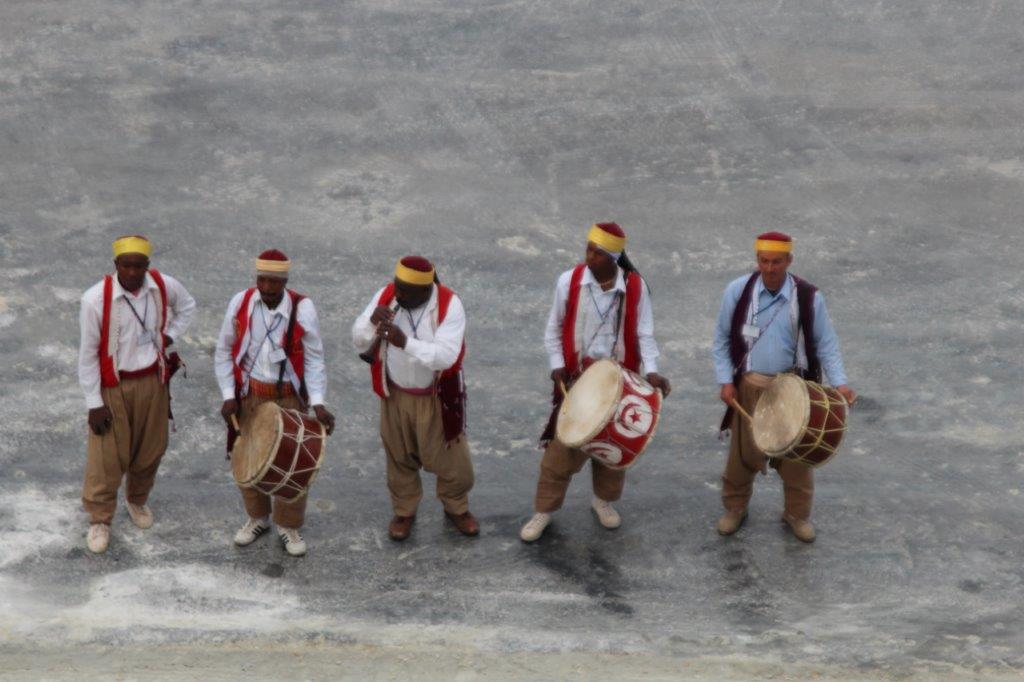
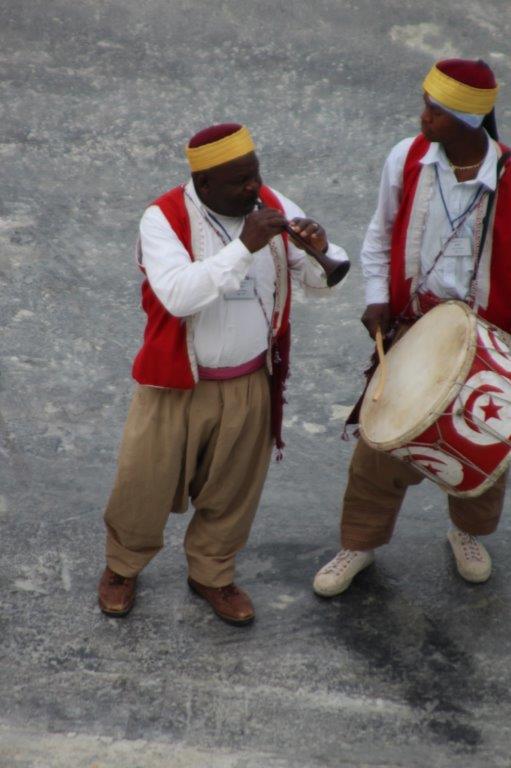
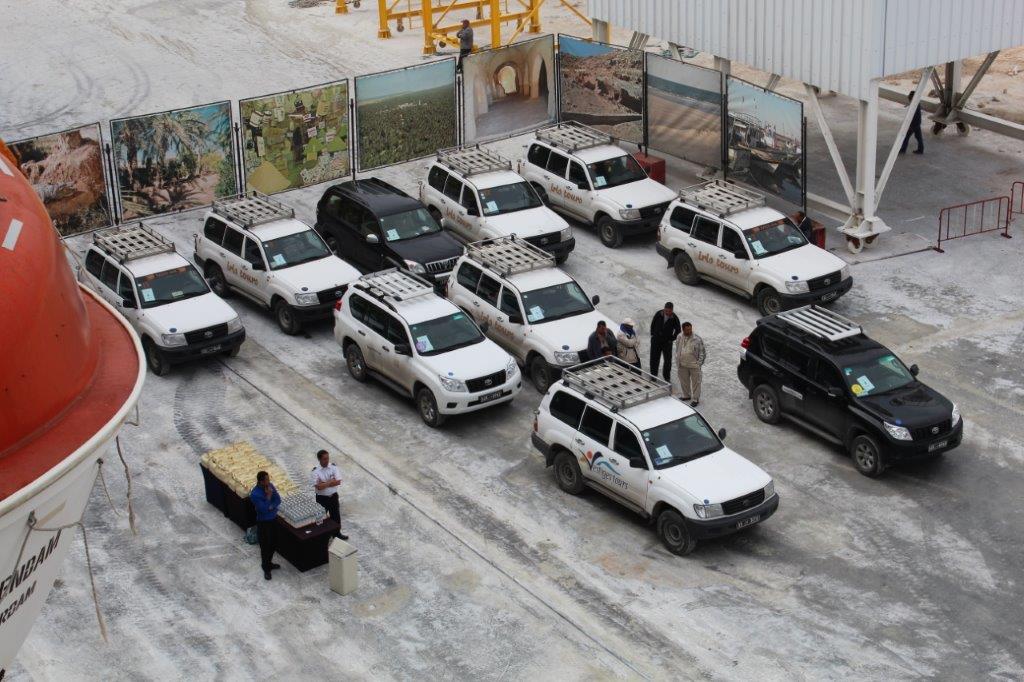
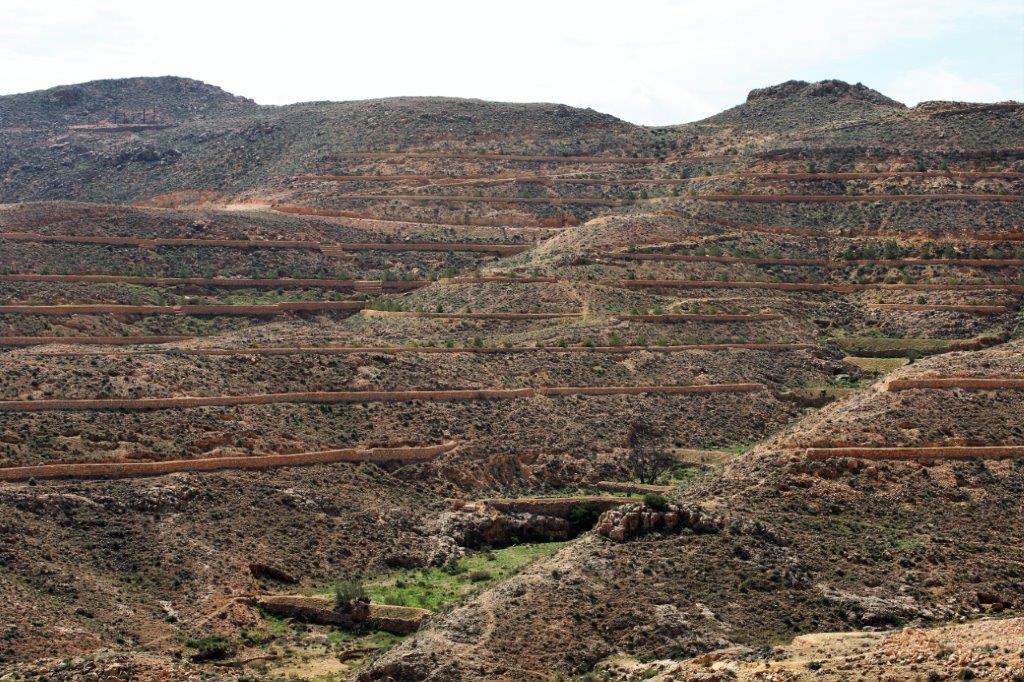
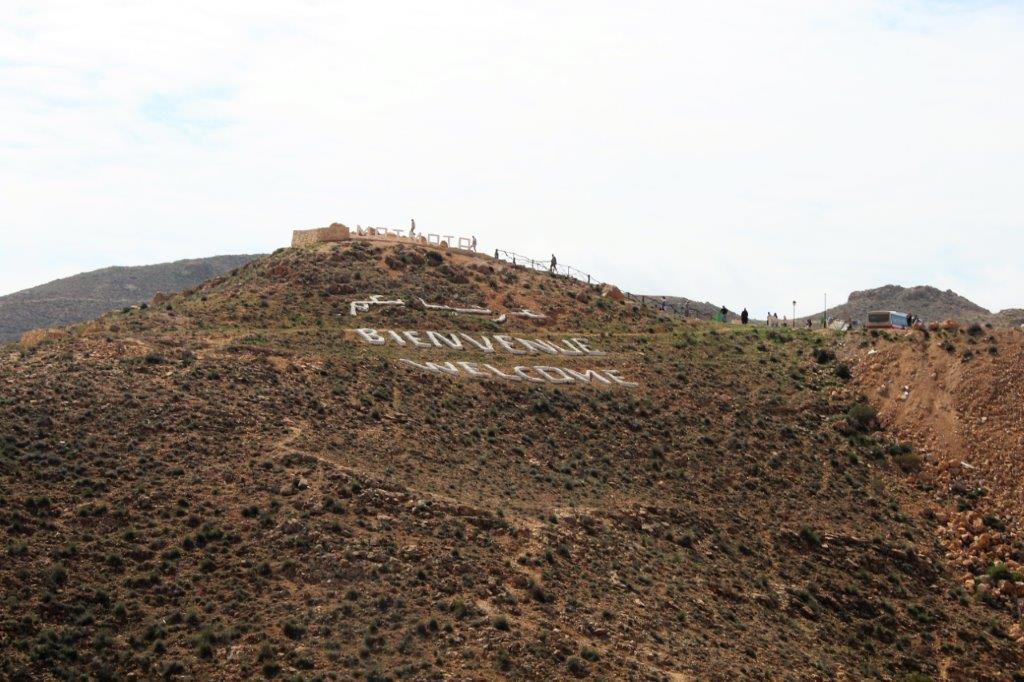
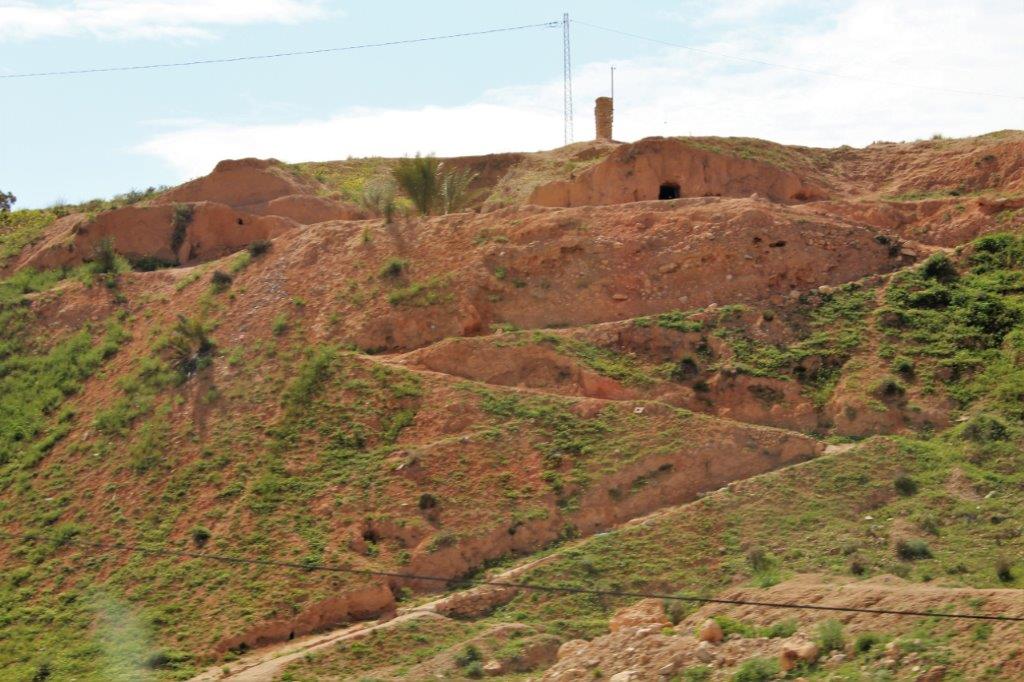
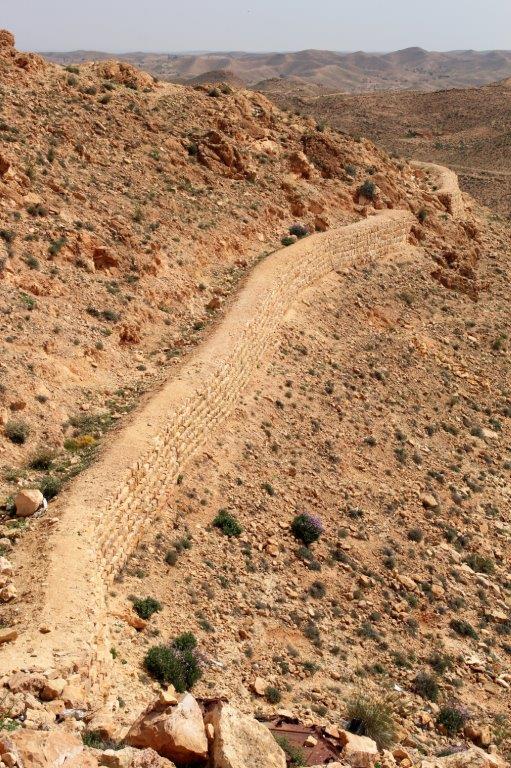
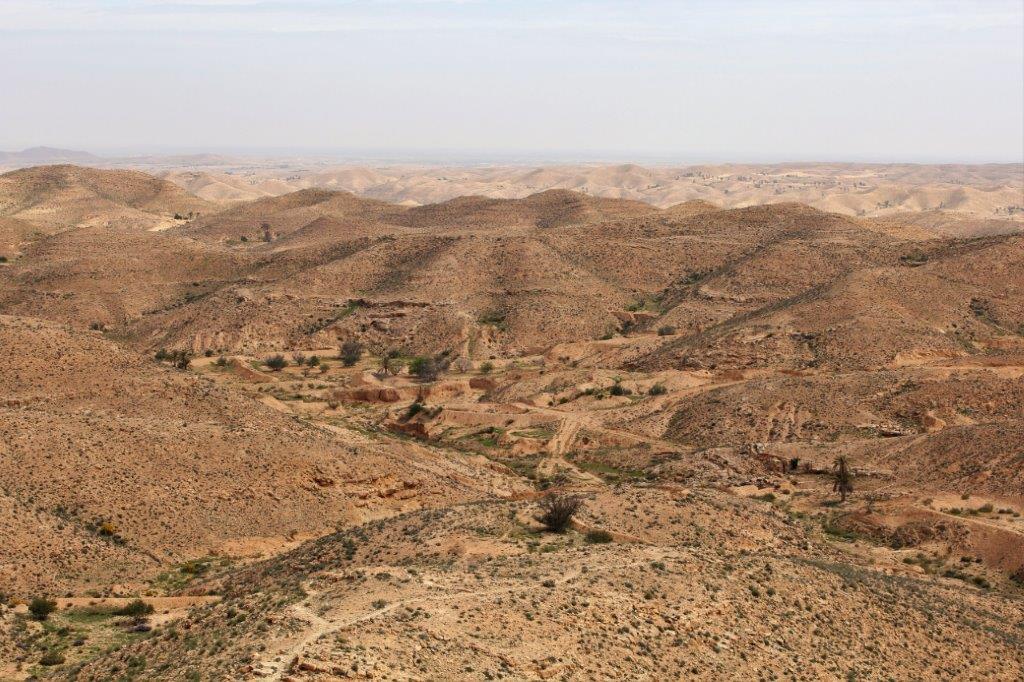
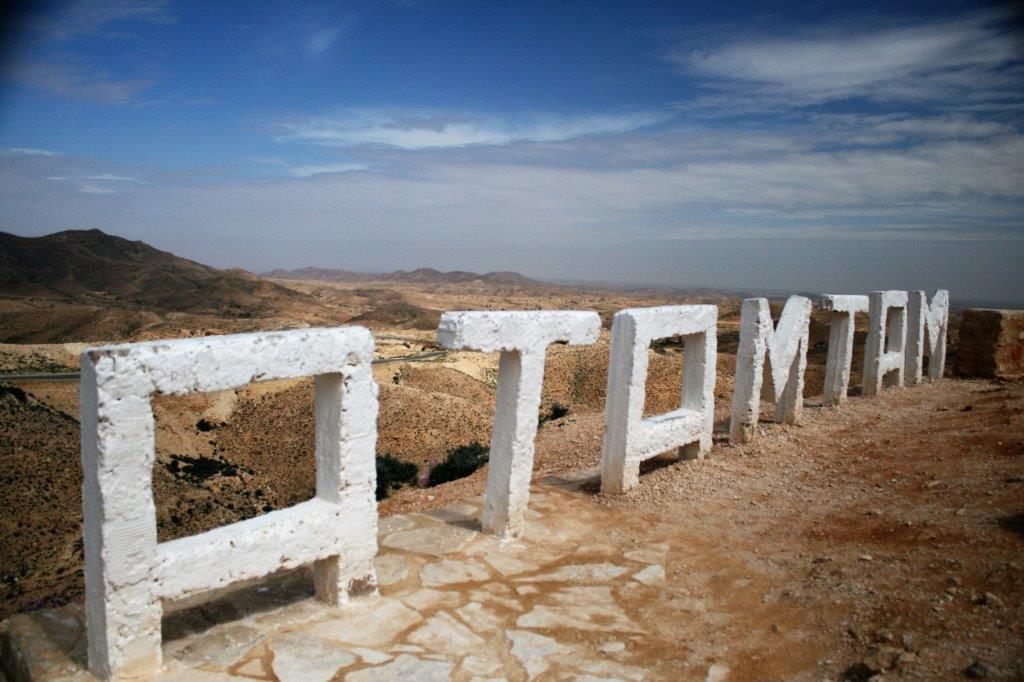
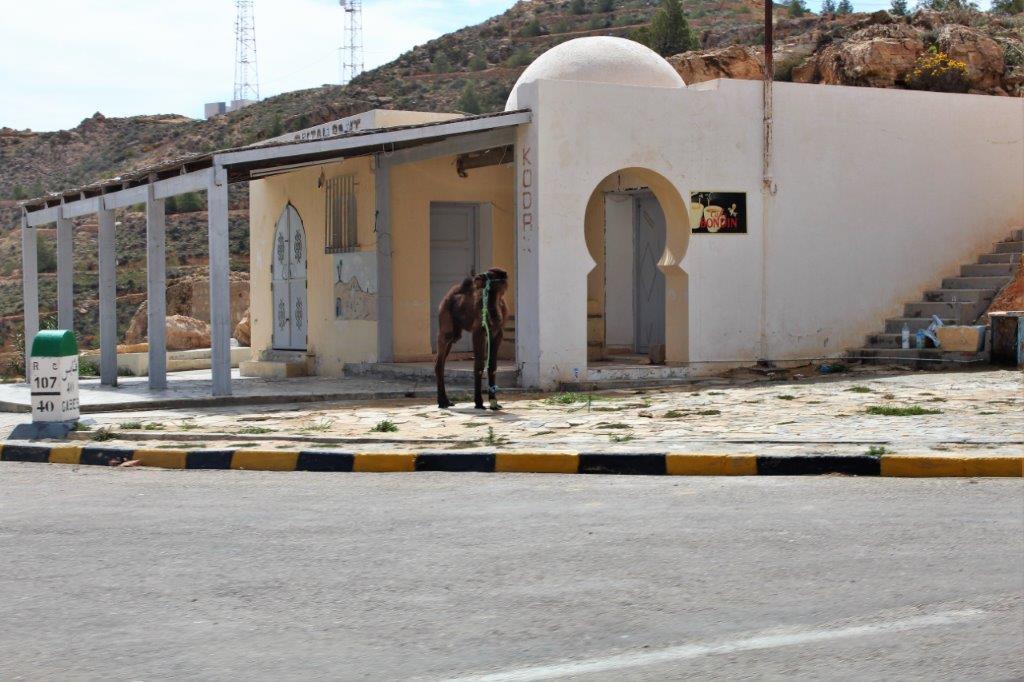
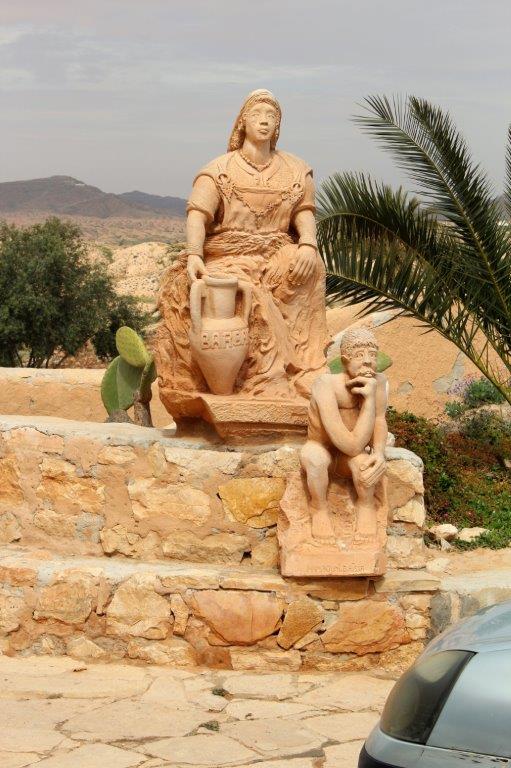
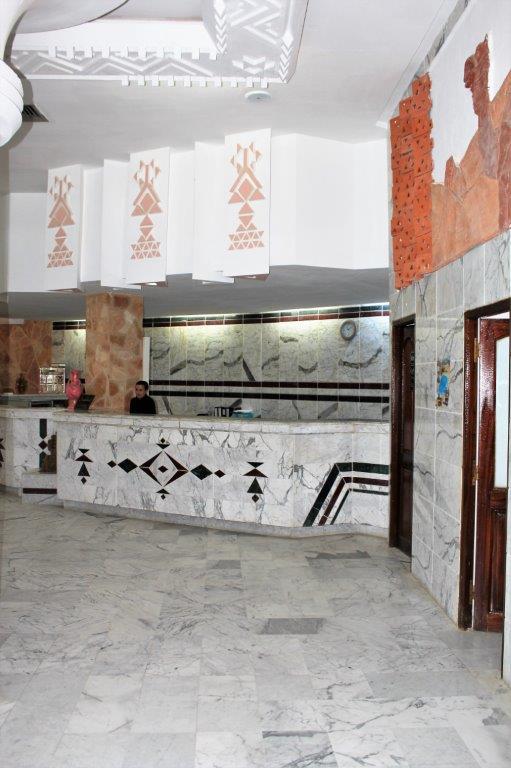
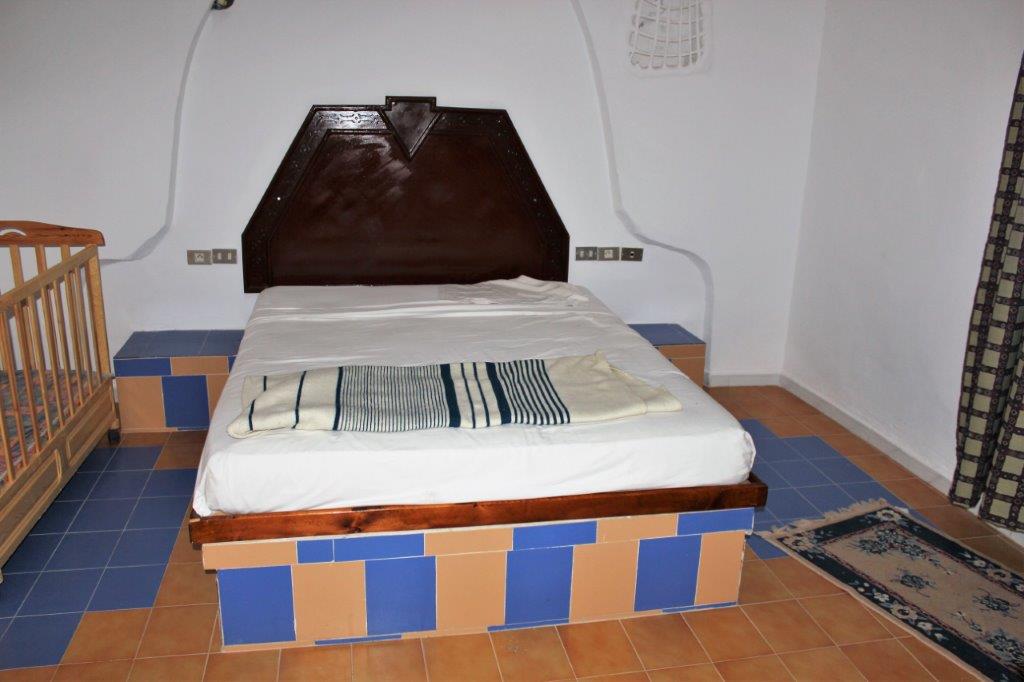
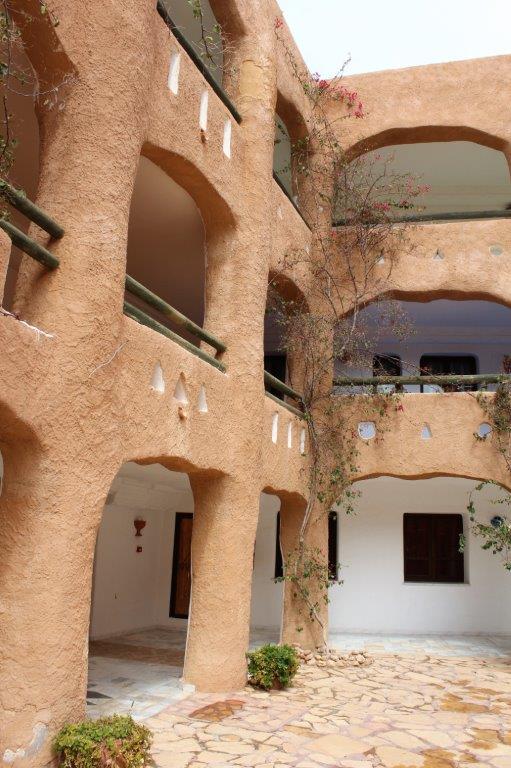
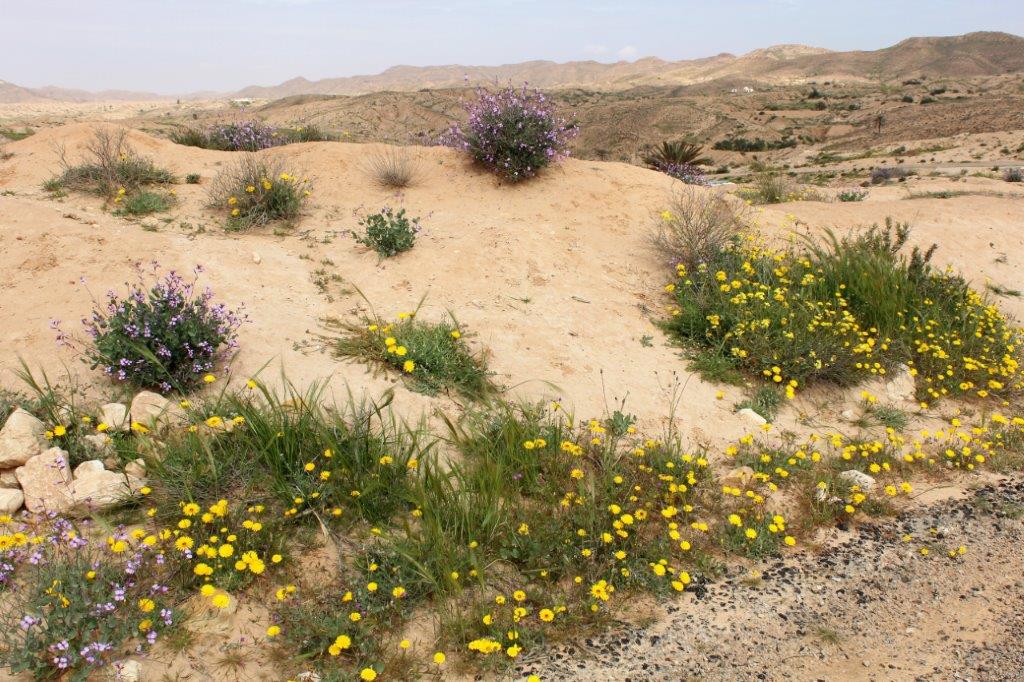
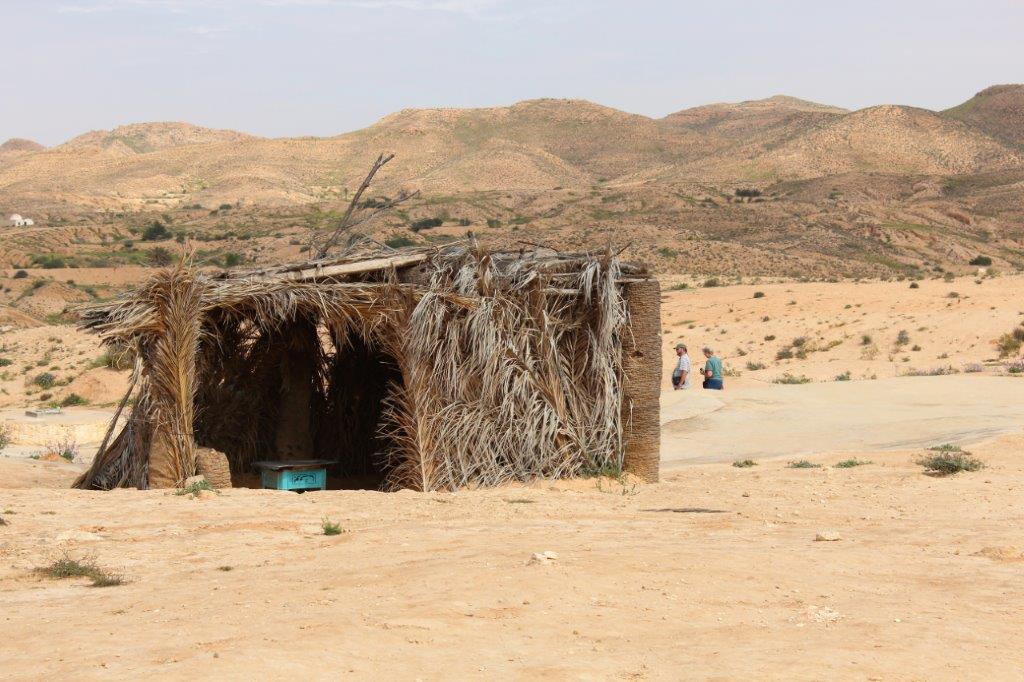
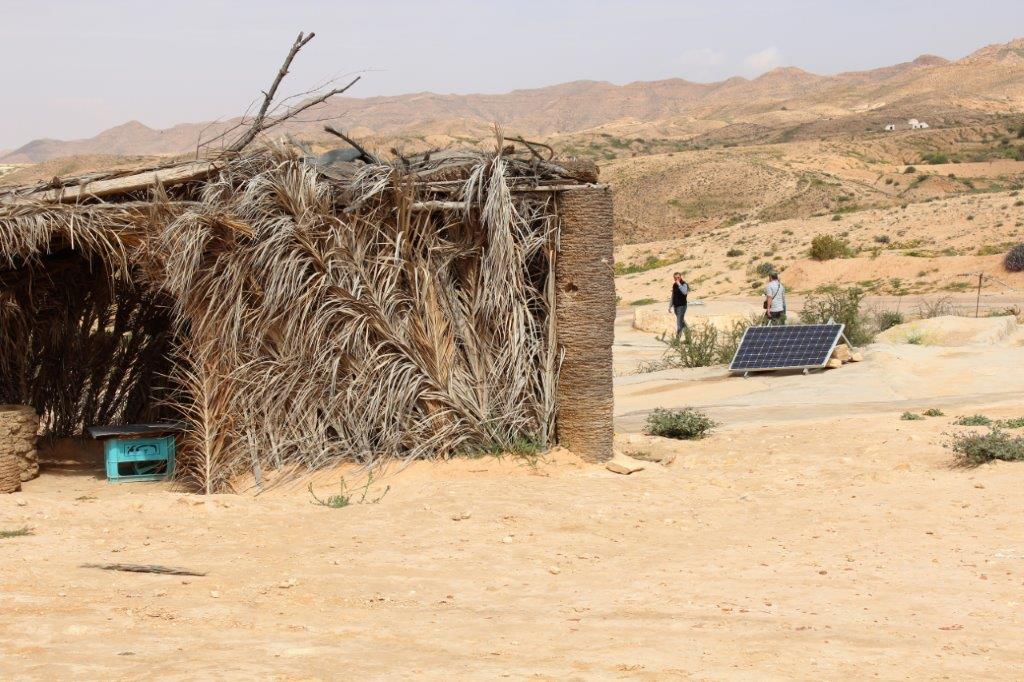
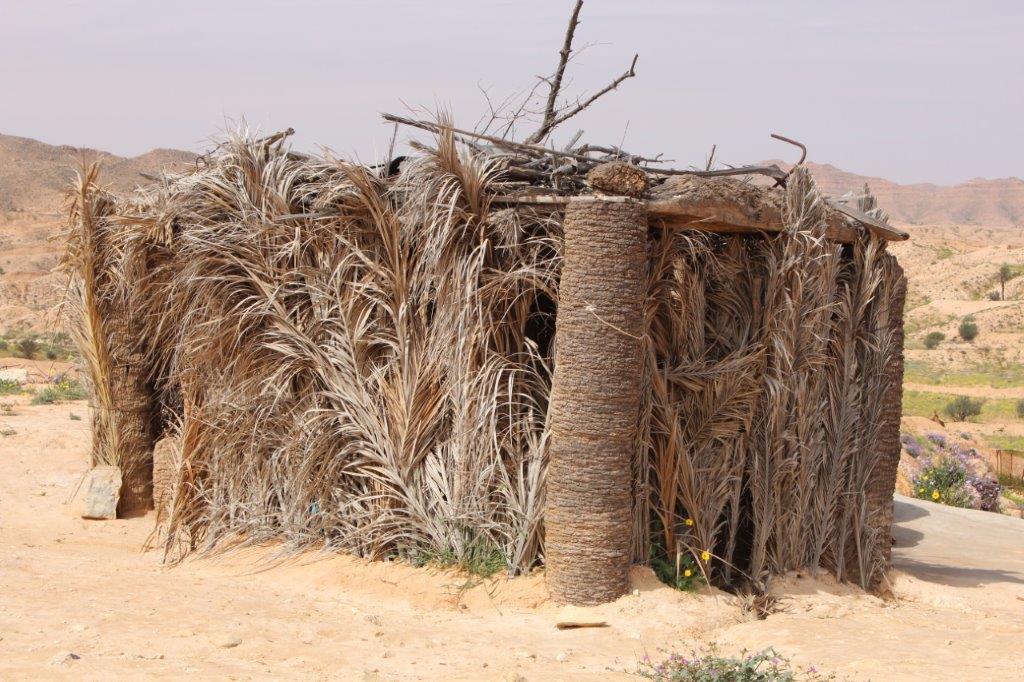
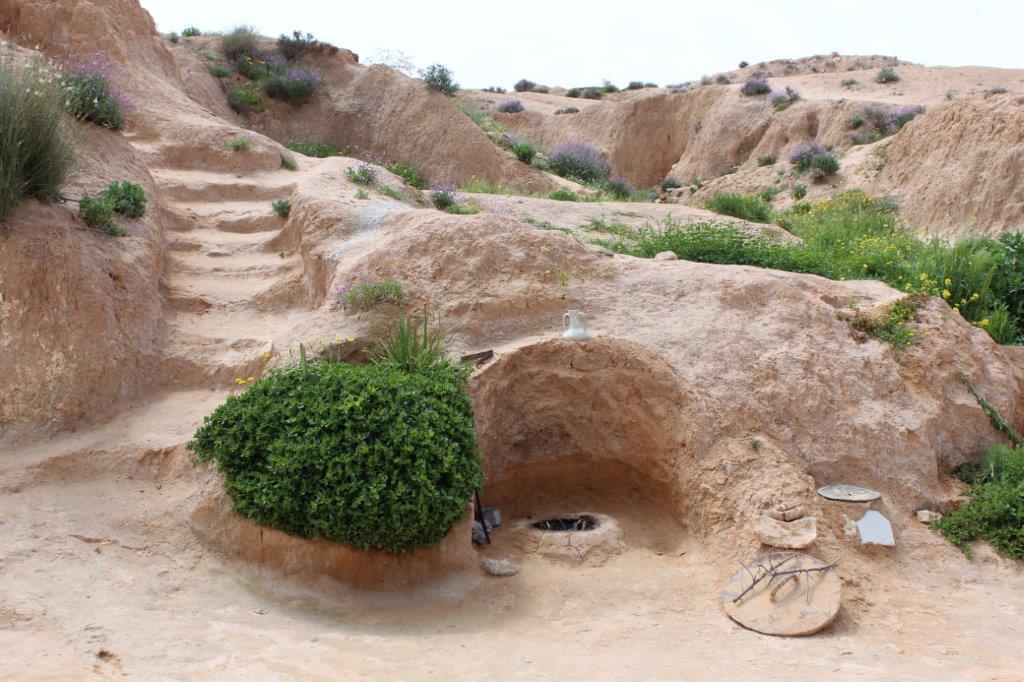
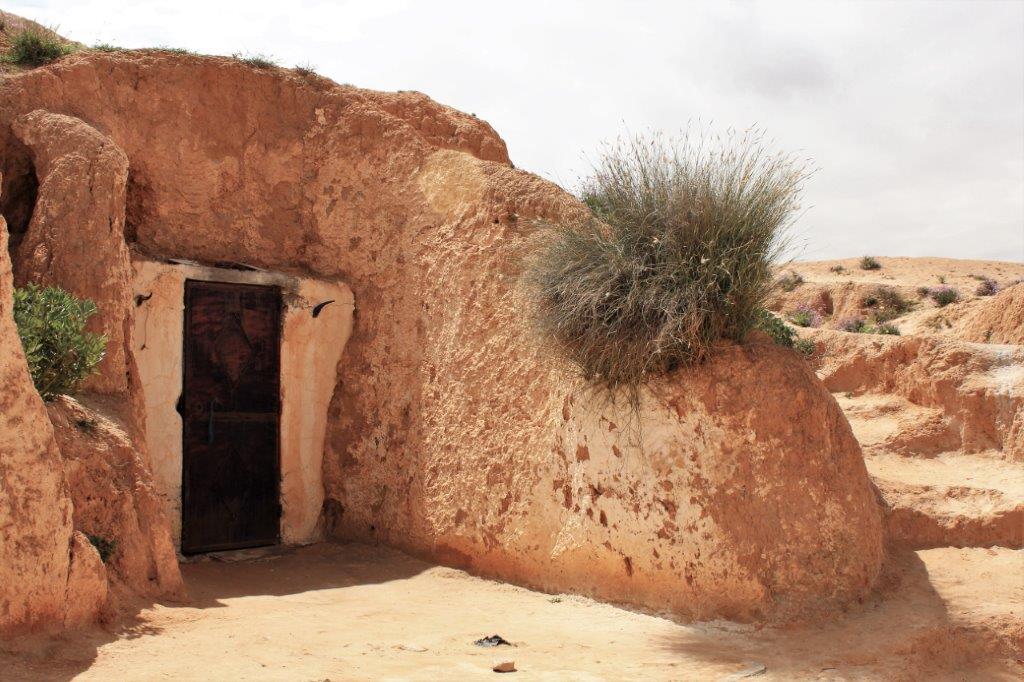
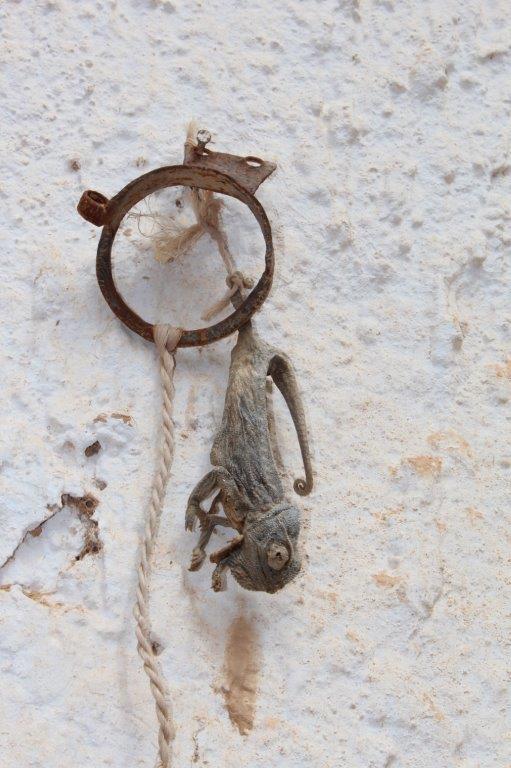
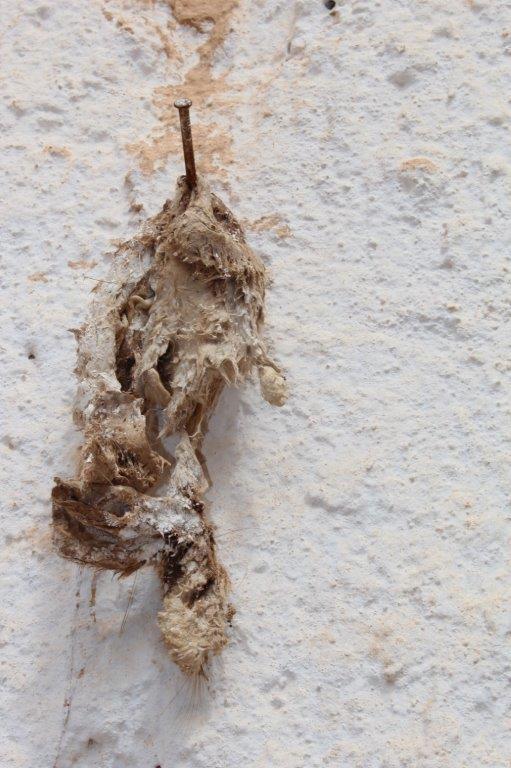
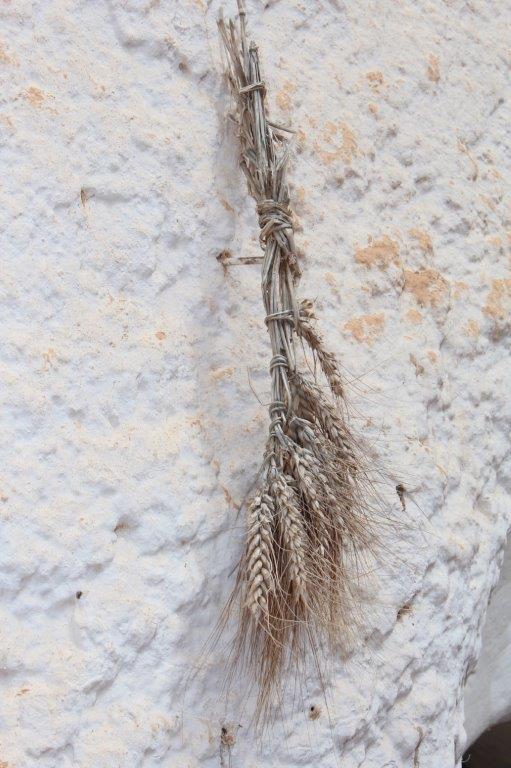
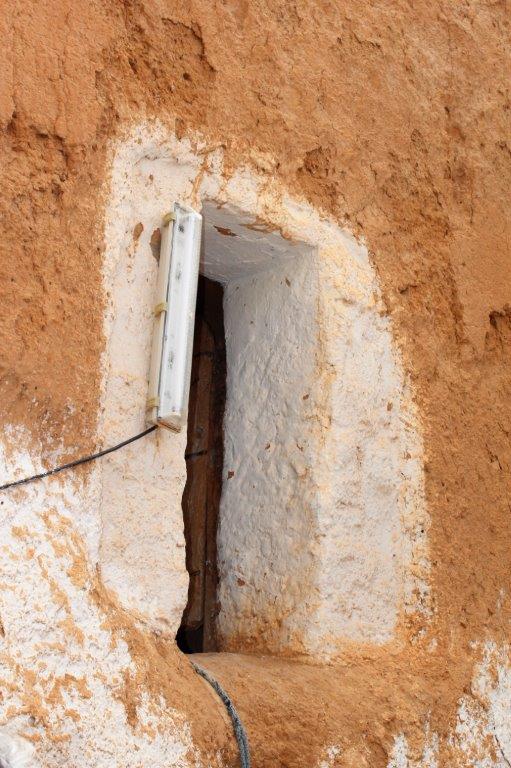
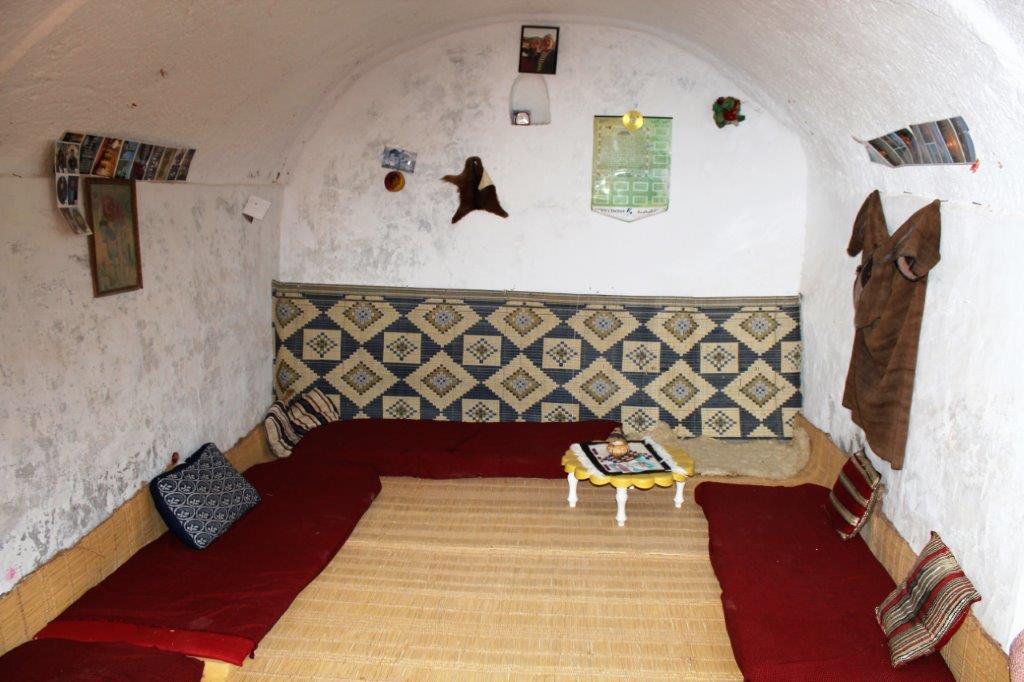
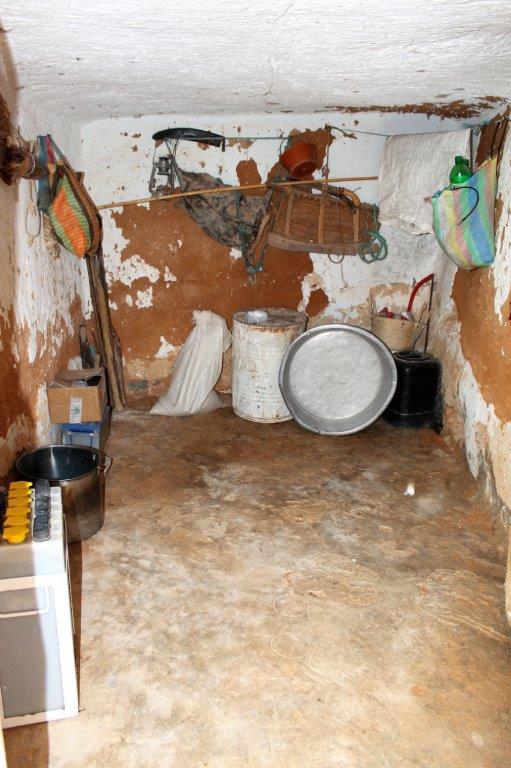
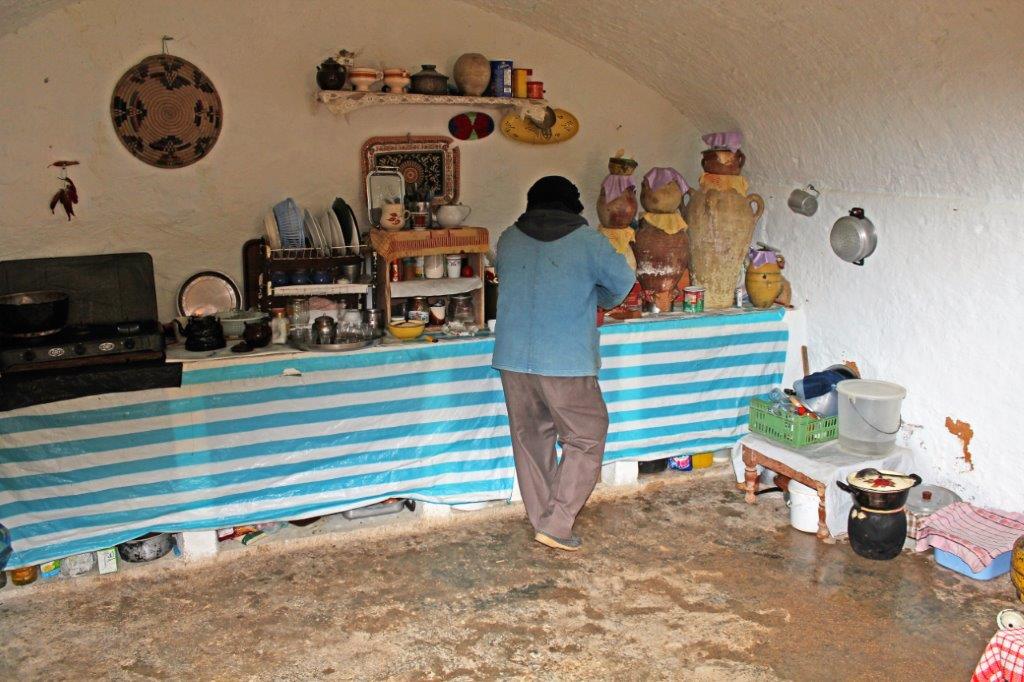
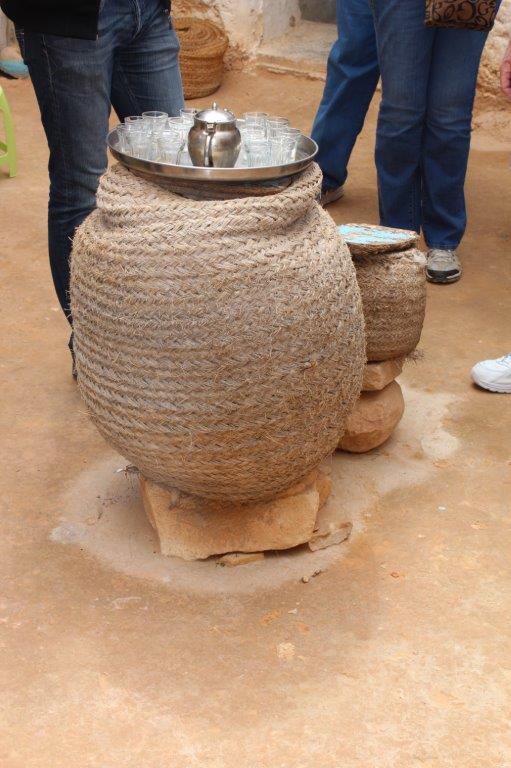
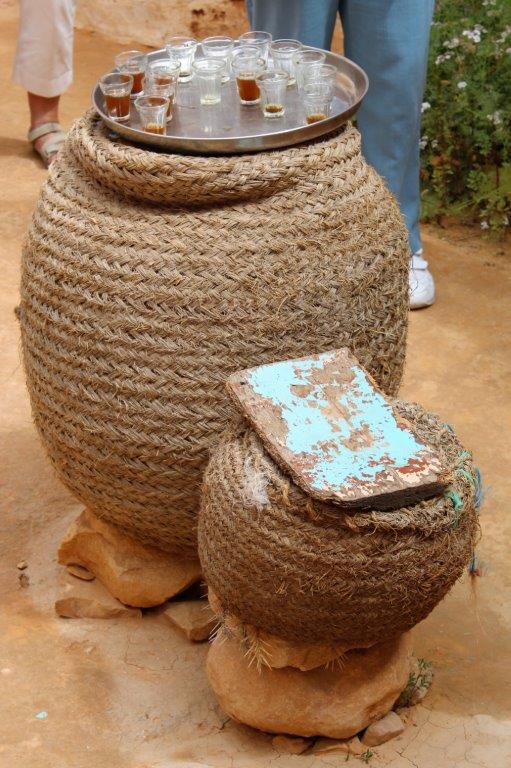
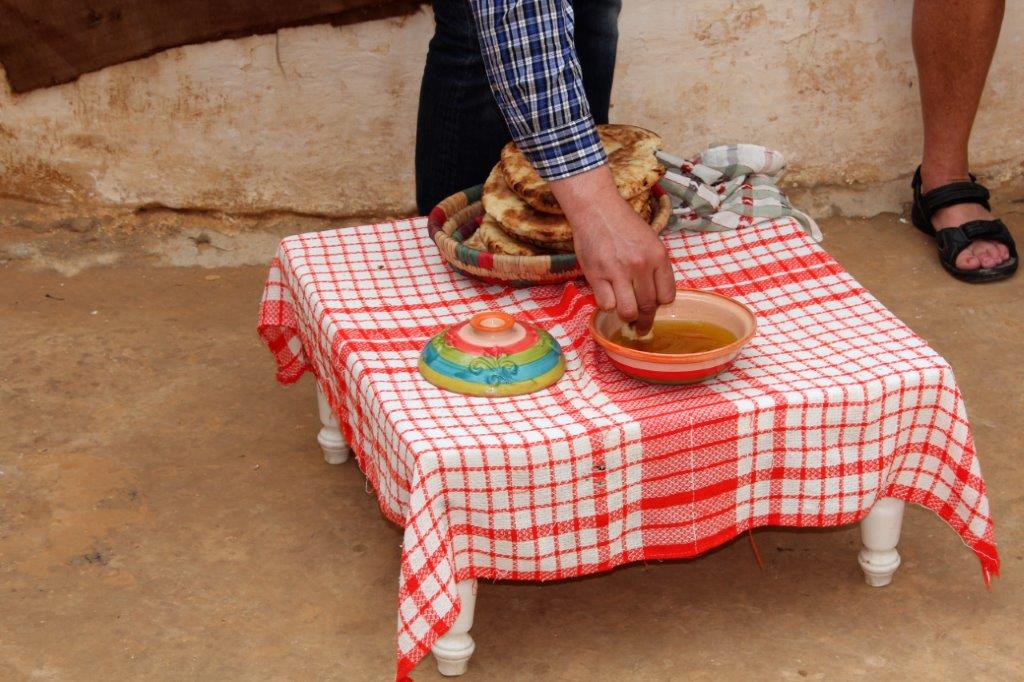
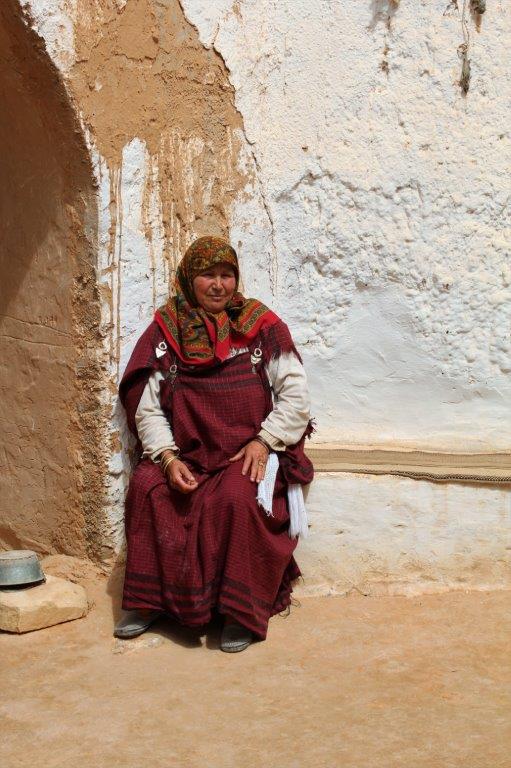
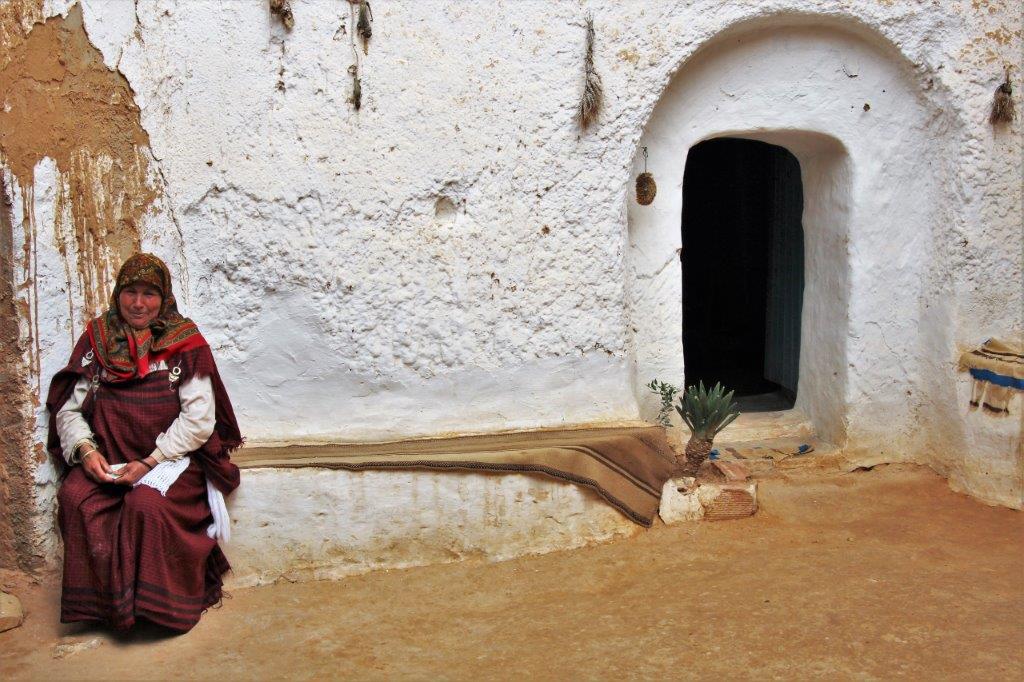
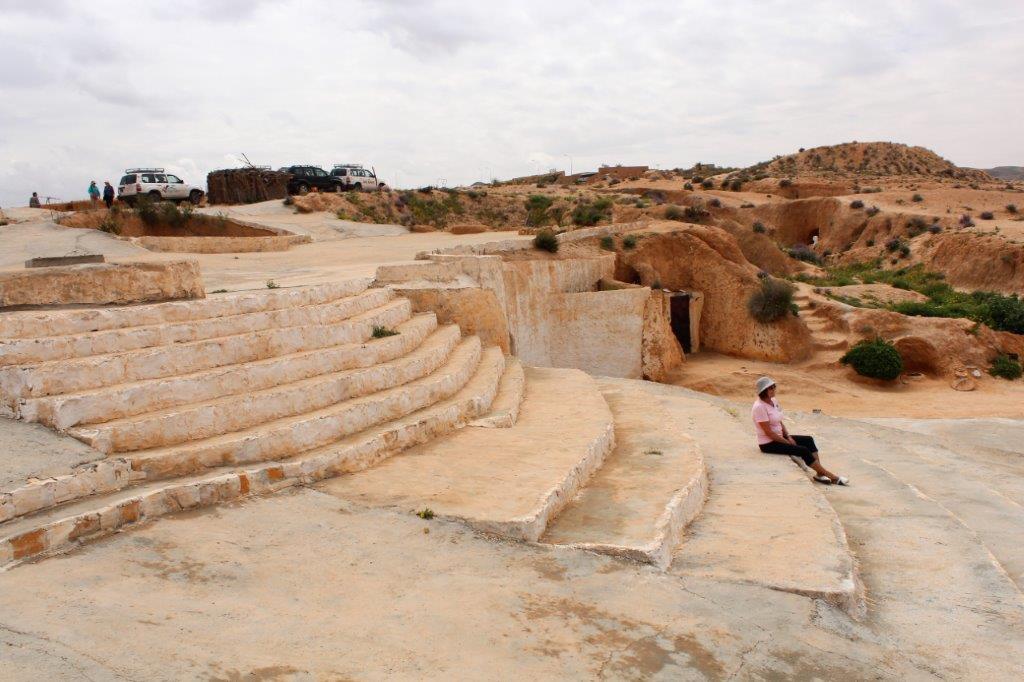
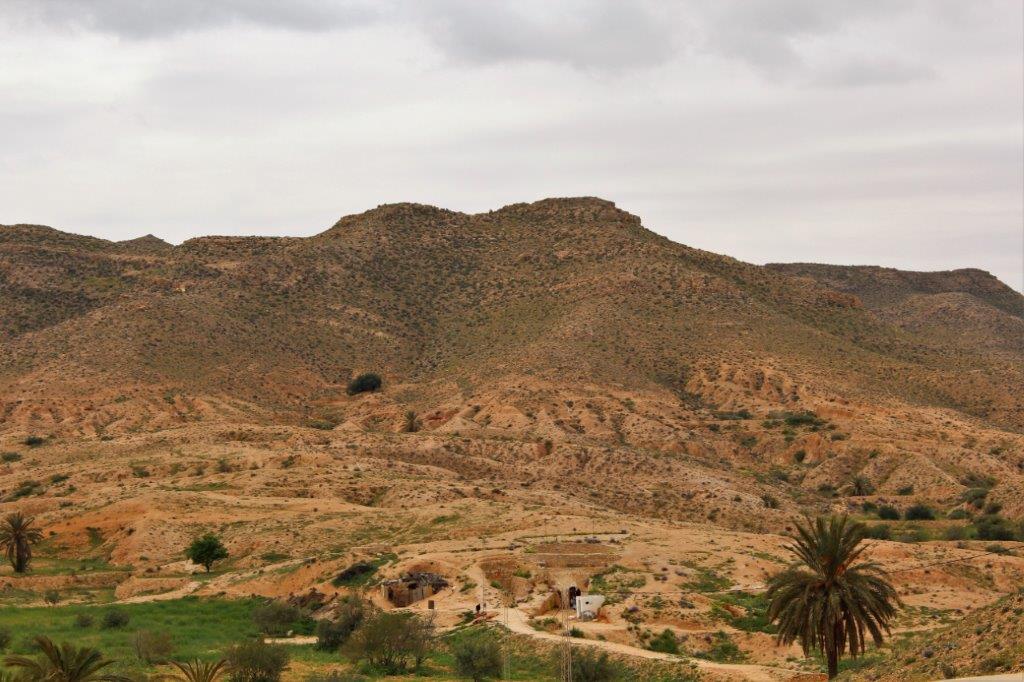
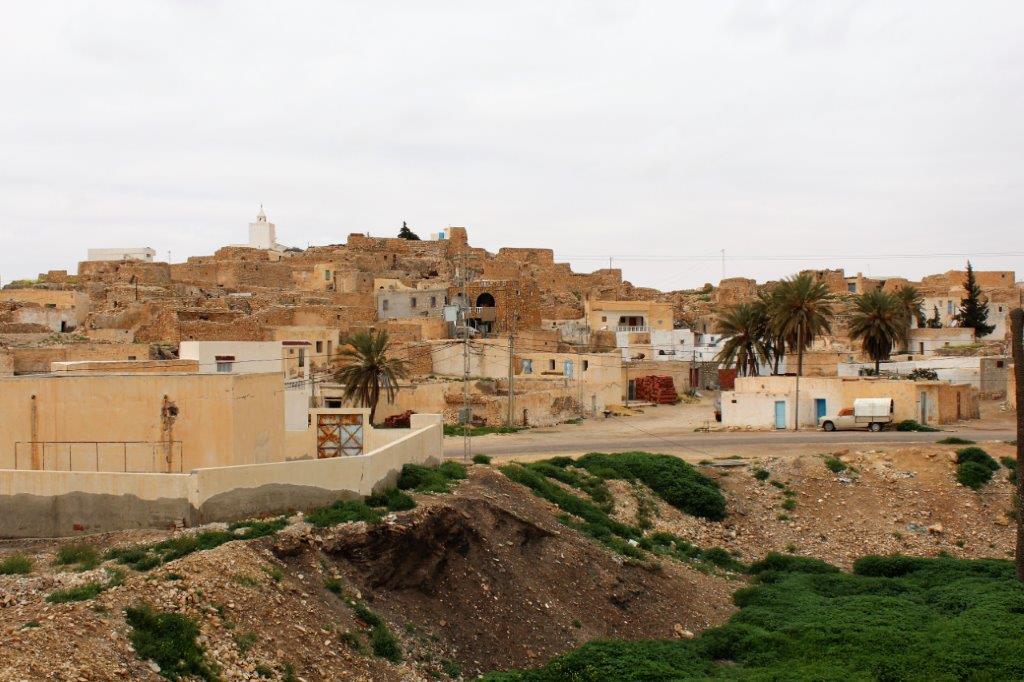
The ship was greeted with a piper and drummers on the dock.  Tour vehicles waiting for the passengers.  The table on the lower left is the bag lunches and water provided by the ship for all those on our tour.  Things seemed much more organized here than at Sousse and we set off on our 4 X 4 tour at 9:30.  We left the town, as we usually do, and headed south to Matmata to see the underground houses of the Berbers. The scenery along the way was rock desert and very barren.  It was easy to see why people would live underground due to the heat and sand storms.  It was also advantagous to have your villages ‘invisible’ in the mountain and valley rifts as refuge from coastal invaders. When George Lucas was scouting locations for Luke Skywalker’s boyhood home in Star Wars he selected the village of Matmata.  After we left the view point we had a rest break at the Diar el Barbar hotel in Matmata.                                                                                    A pretty nice check-in desk. Some of the underground “troglodyte” homes date back almost a thousand years.  The couple whose house we visited gave us a small cup of mint tea and flat bread that we dipped in a mixture of olive oil, rosemary, and honey.  I don’t think they spoke any English but they were very welcoming and gracious. It may be a grass shack but it is a grass shack with solar power.   I don’t know if these critters and grasses hanging on the walls were to ward of evil spirits or served some other purpose.  Some strange decorations for sure.

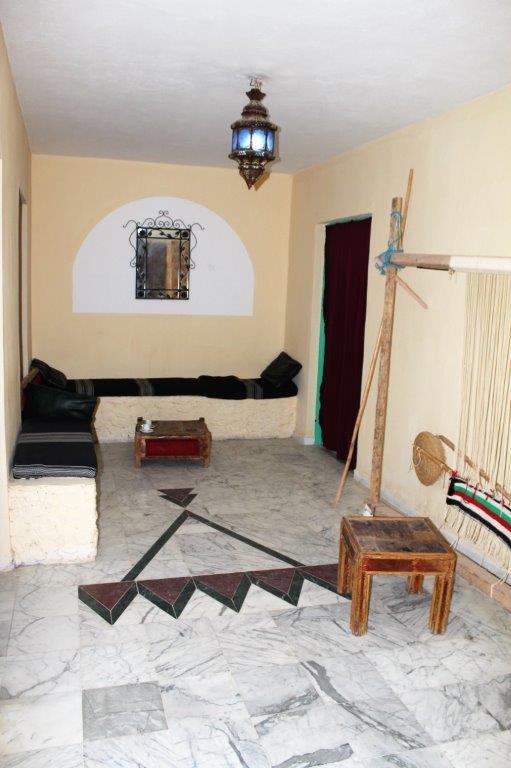
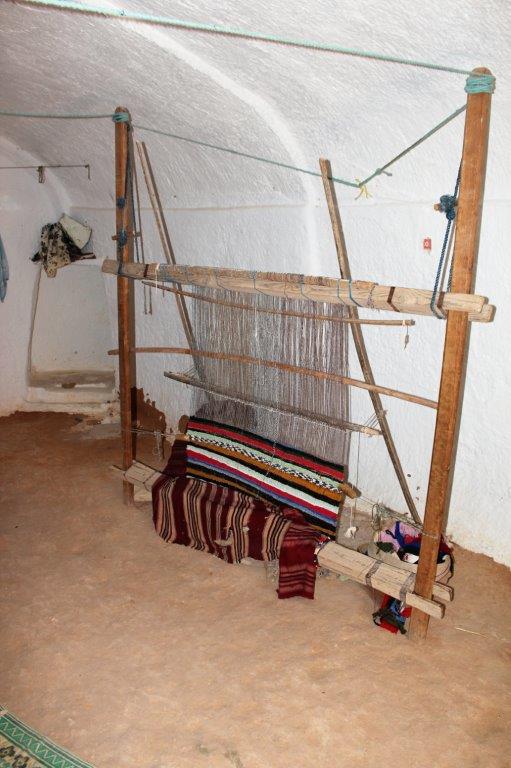
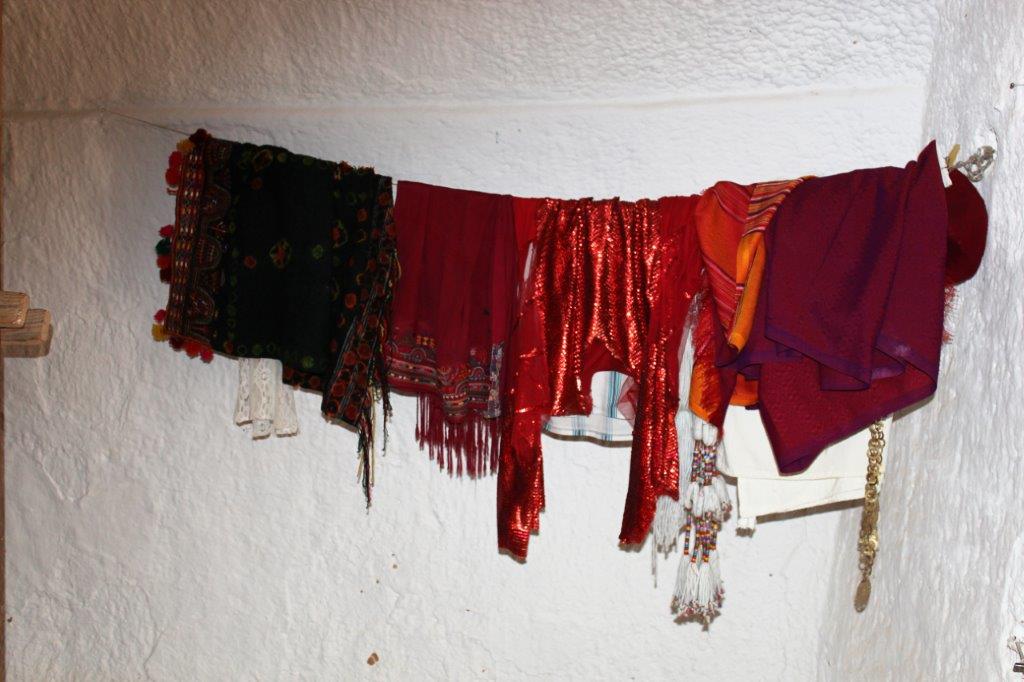
                                                                                      Every home has a loom.            Never complain again about your closet space.                         The man of the house prepared the mint tea. We were driven to Dous for the obligatory shopping opportunity in the souk.  Thankfully it was short, and we headed to Kebili at the edge of the Sahara Desert for the best experience of the day – camel rides.

2012 March 28 & 29 – Days 17 & 18 – At sea and Sousse, Tunisia (Part 1)

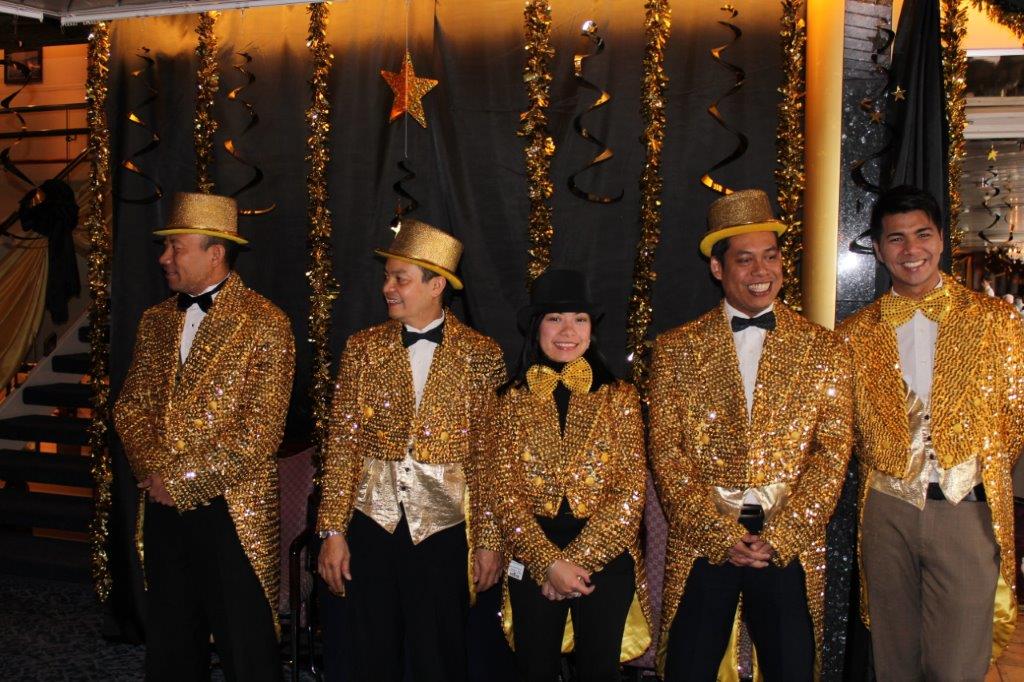
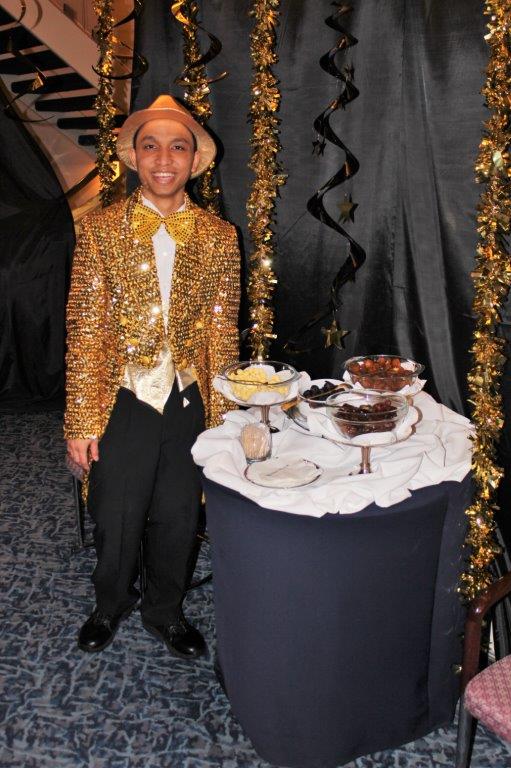
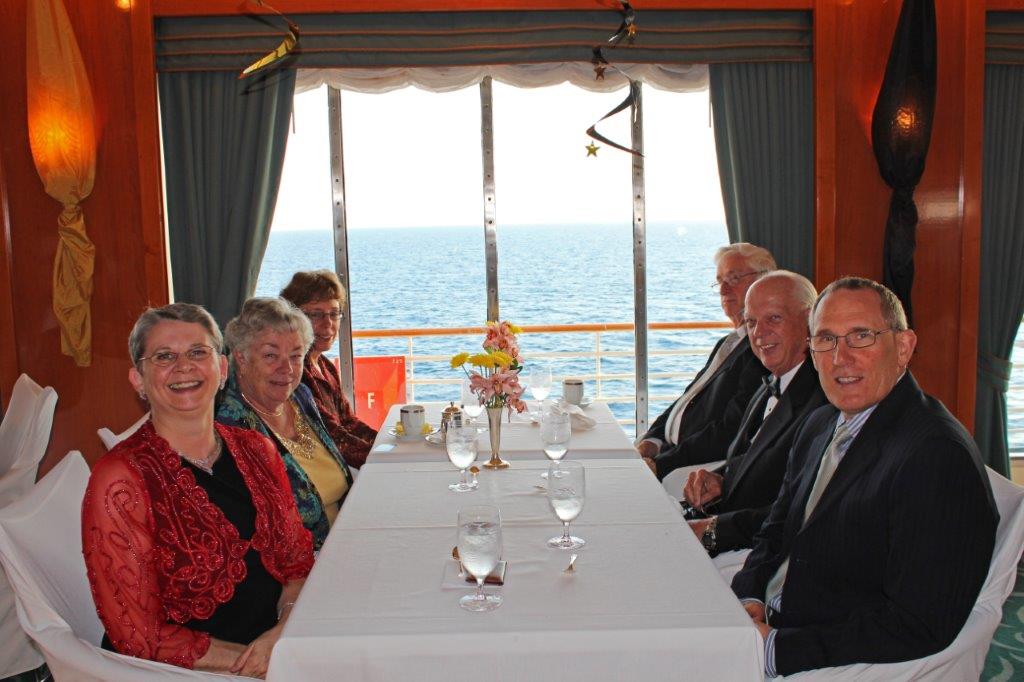
After leaving Cartagena, Spain we had a day at sea while the Captain took us back across the Mediterranean again.  Since we were at sea, it was a formal night and everyone got dressed up for the Captain’s Ball.  The dining room and ship’s public rooms were all decked out in blingy gold.

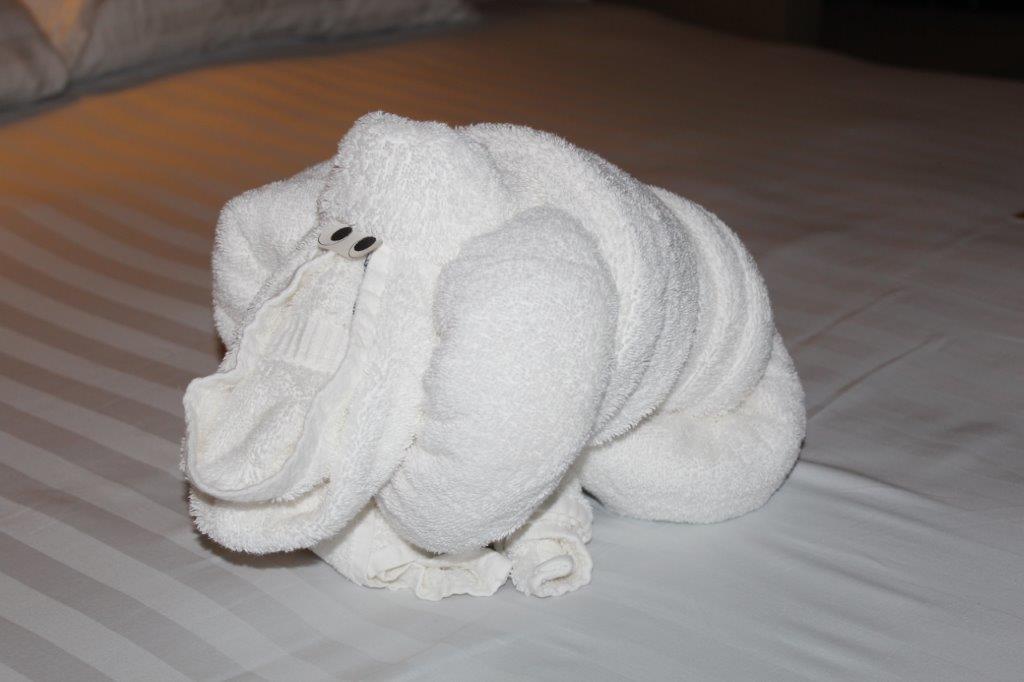
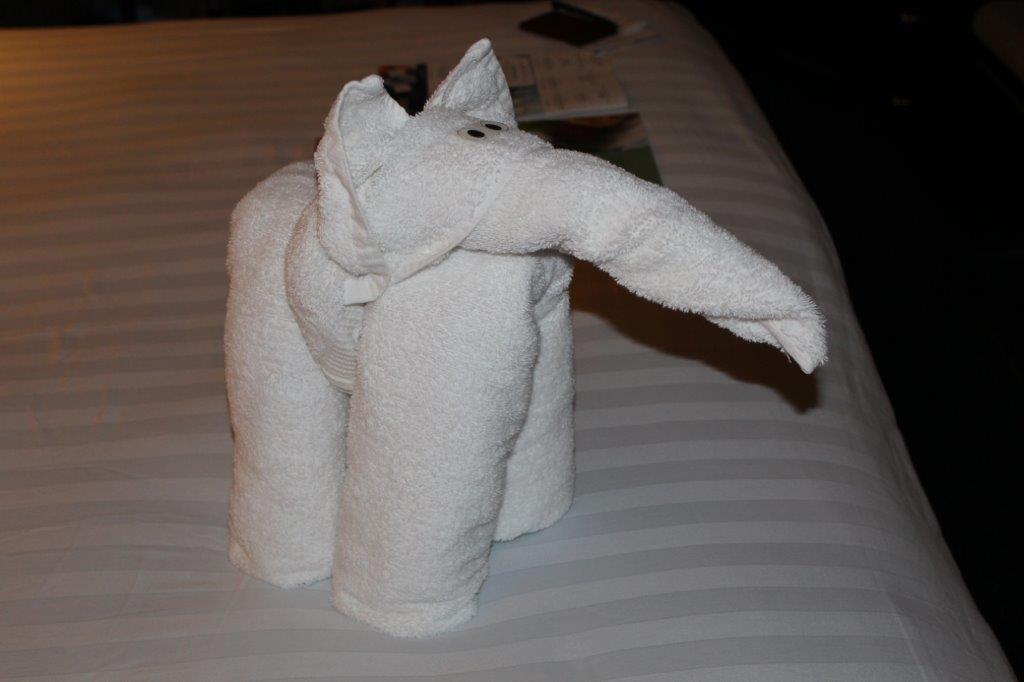
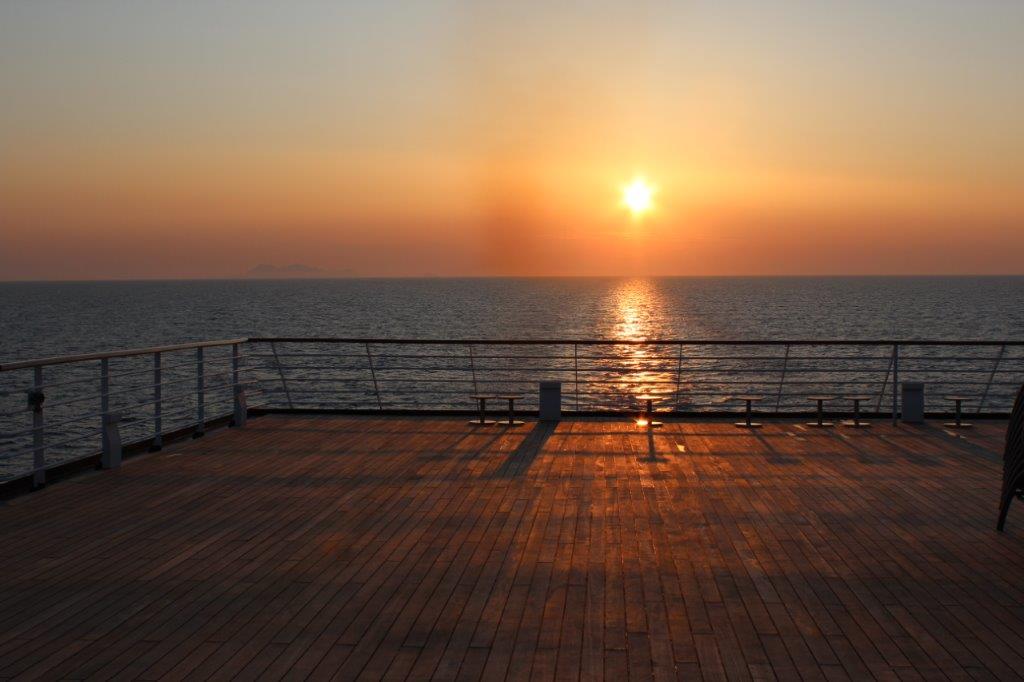
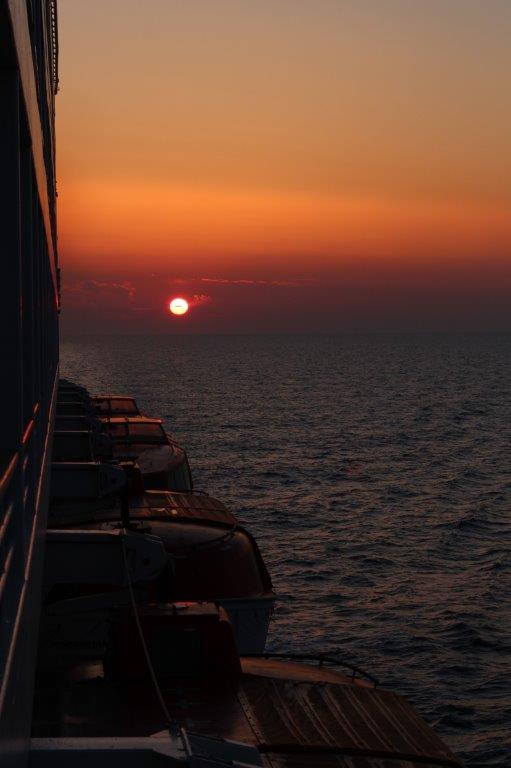
   A couple of the creative towel creatures the cabin stewards make every day: a gorilla and an elephant.                                                                 Sunset at sea.

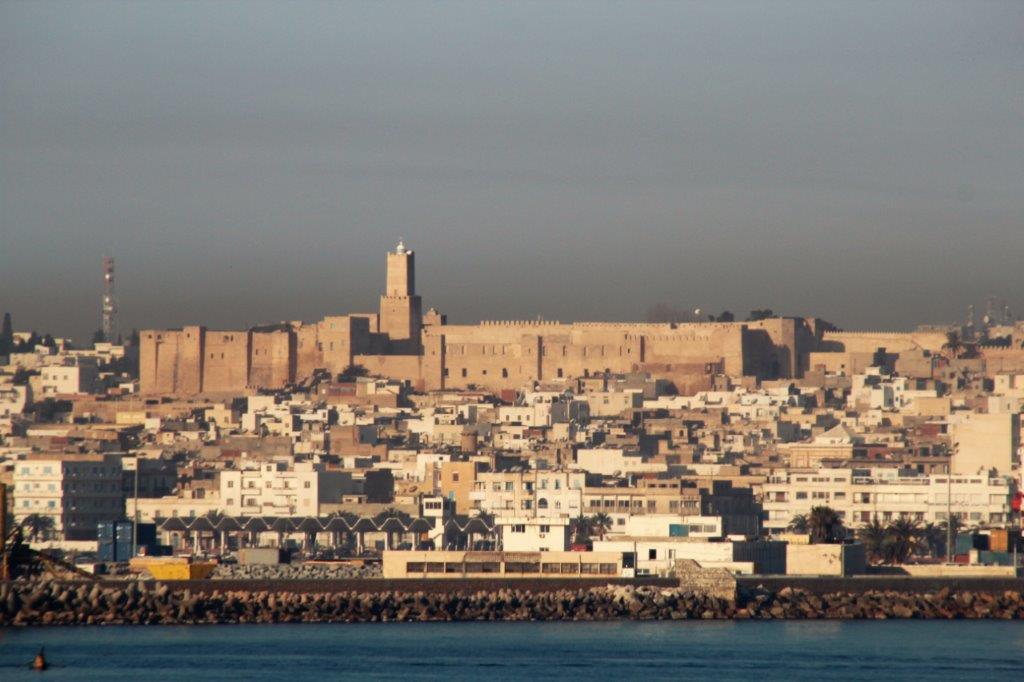
We anchored of the coast of Sousse, Tunisia at 8 am.  Our tour was to begin at 9 but the Immigration officials had not arrived on board to clear the passengers.  We were the last group to get approval so our tour started an hour and a half late.   The ship was anchored quite a distance from shore due to nets in the water so the tender rides were long.  Thankfully the water was calm.

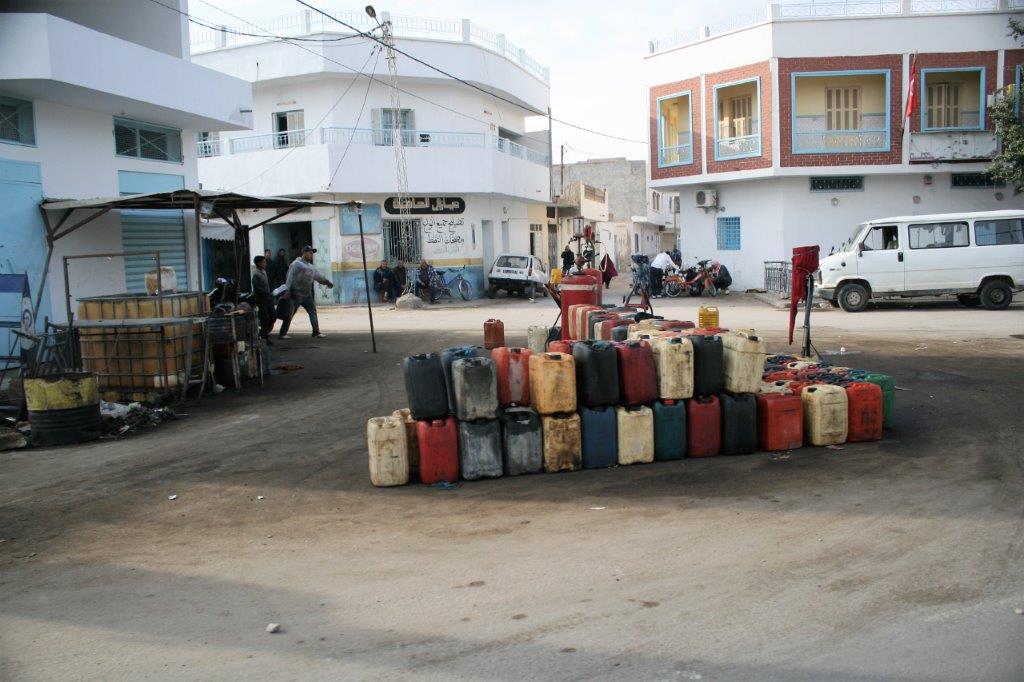
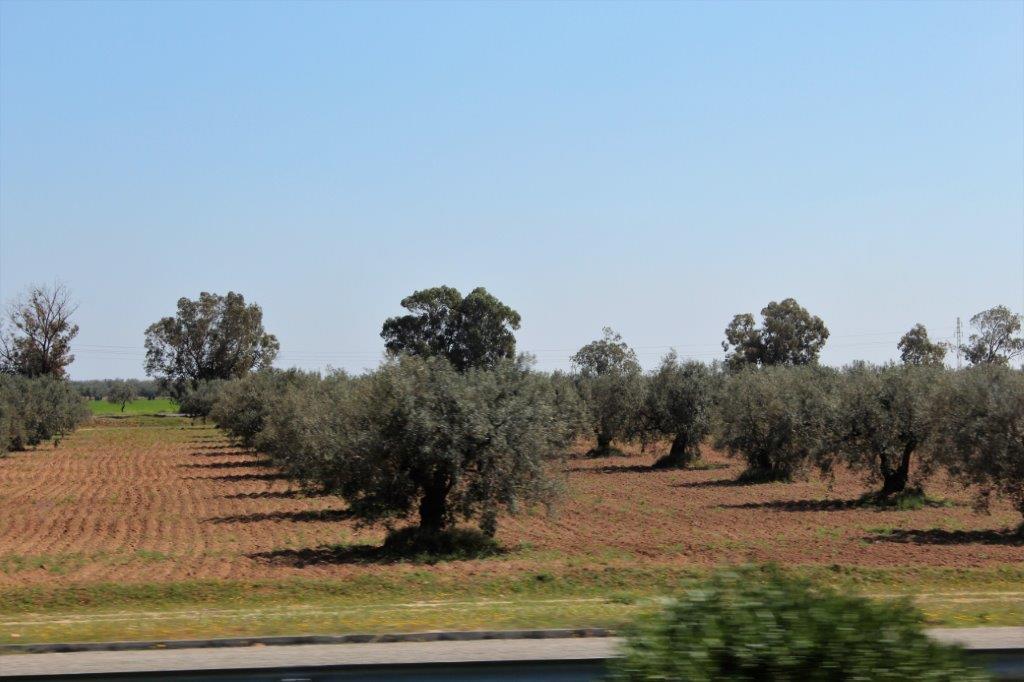
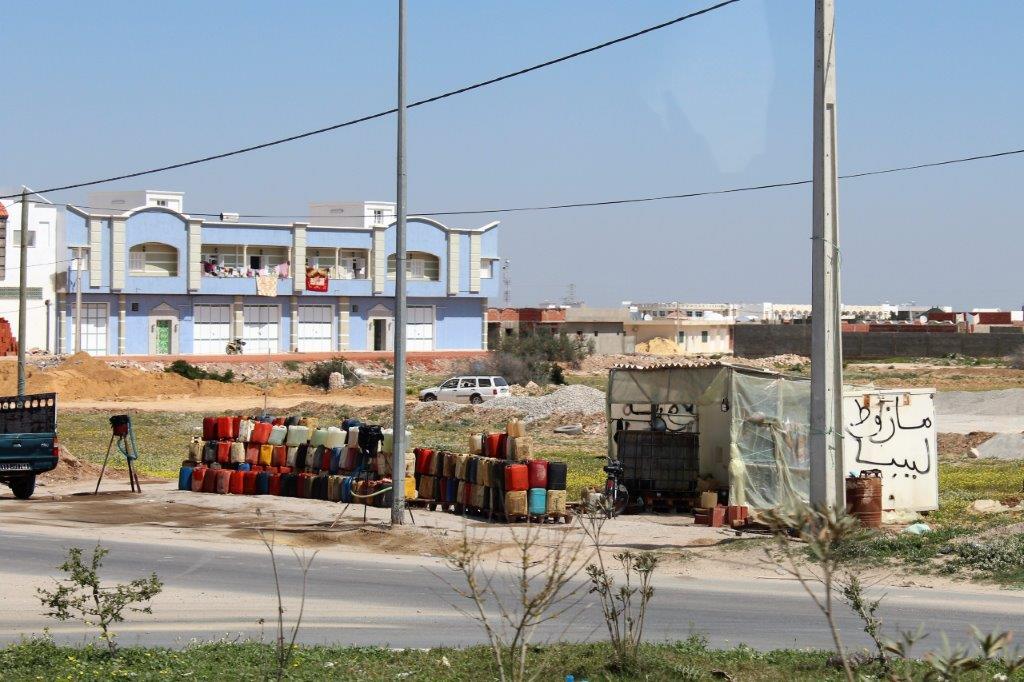
Our guide was very knowledgeable and spoke excellent English.  He also spoke Italian because he lived in Italy for five years, Berber from his mother, Arabic from school, French because Tunisia was a French Protectorate until 1956 and the business language is still french, and German.   He shared a lot of the history of the country on the one hour bus ride to El Djem. Tunisia has 55 million olive trees in 164,000 sq. km (1/2 the size of Italy).  Olives do well, our guide said, because they are very patient trees.  If there is not enough moisture they will just wait and bear fruit every two years.  85% of Tunisia’s olive oil is exported to Italy, where it is re-branded and exported all over the world as 100% pure Italian olive oil.  Five kilos of olives provide 1 litre of oil.  During harvest season everyone in the country; old, young, men and women, businessmen and military pick the olives.                                                             A gas ‘station.’

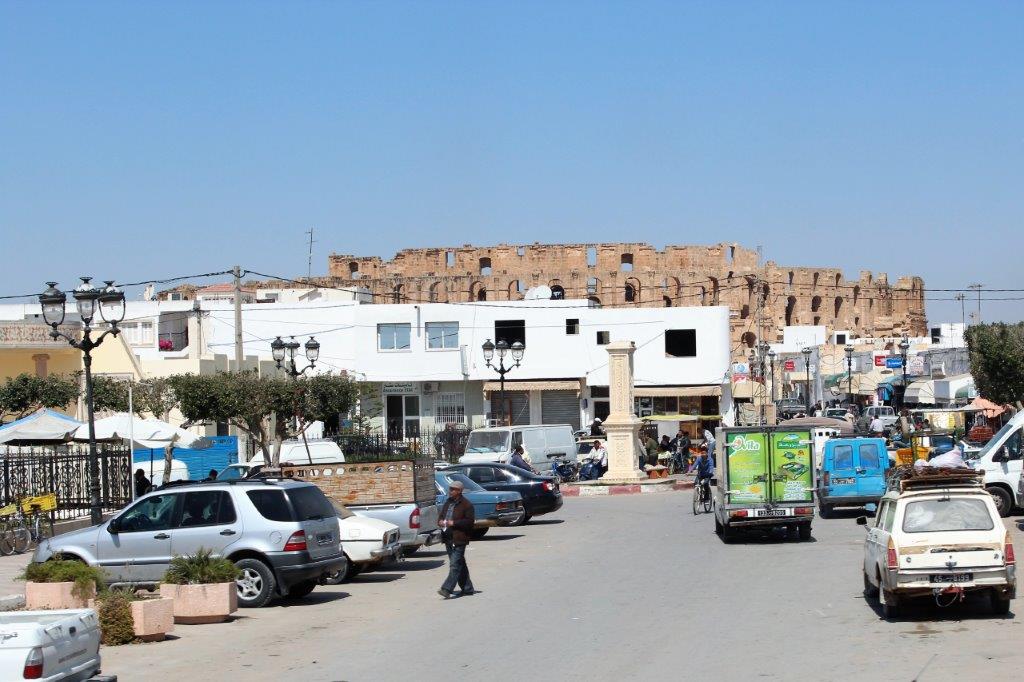
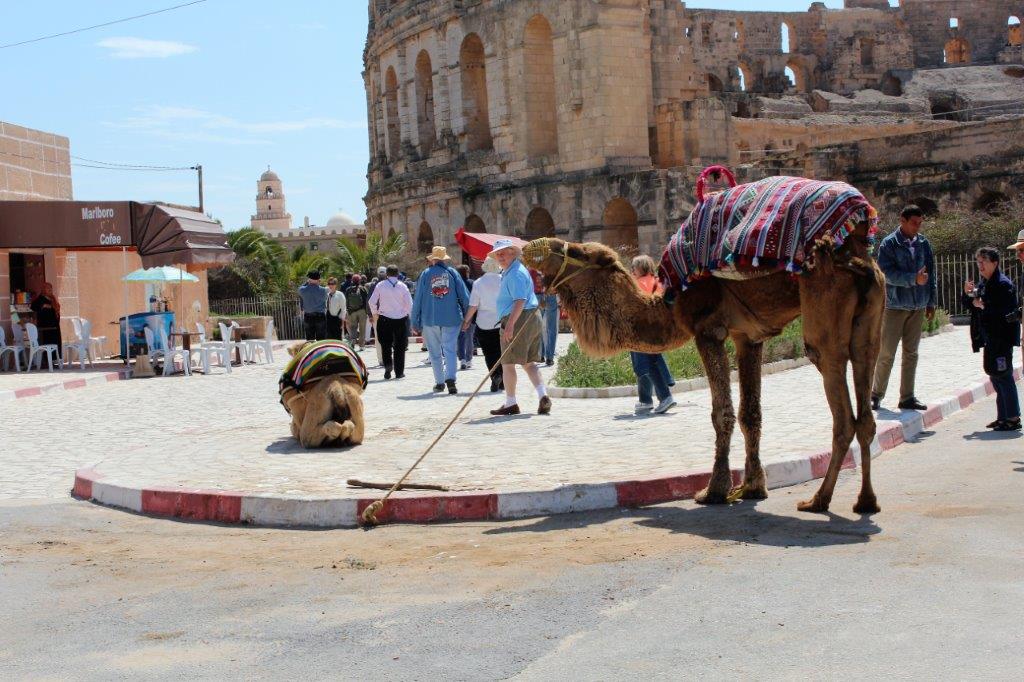
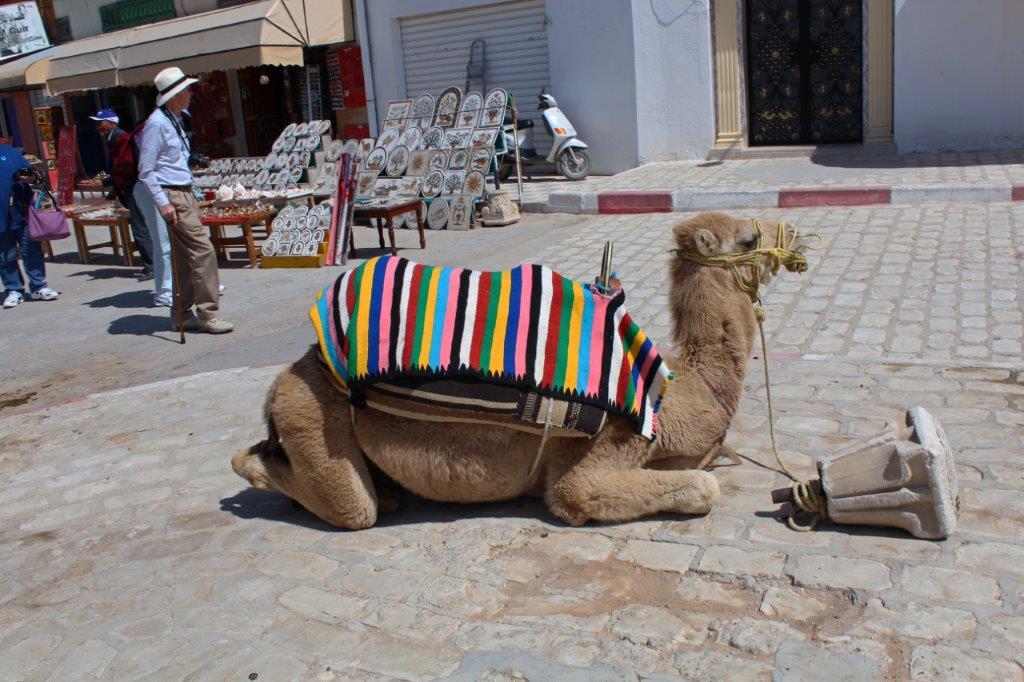
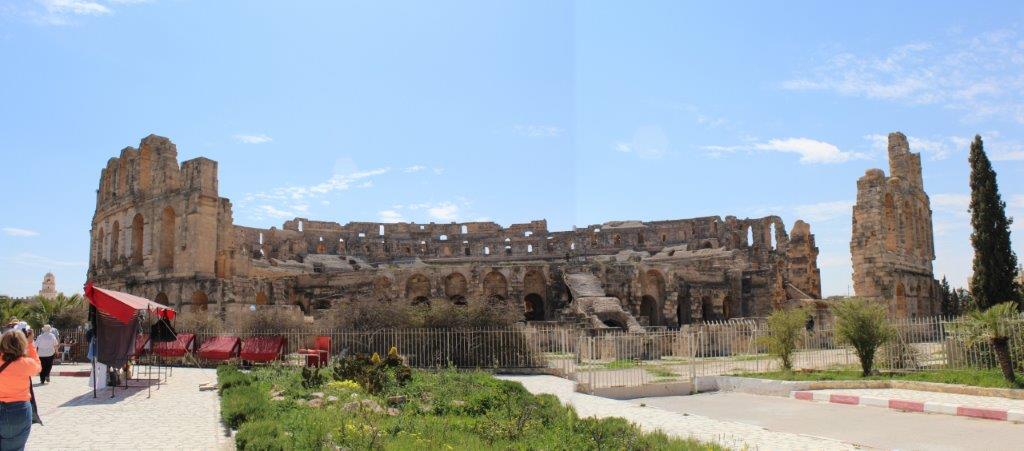
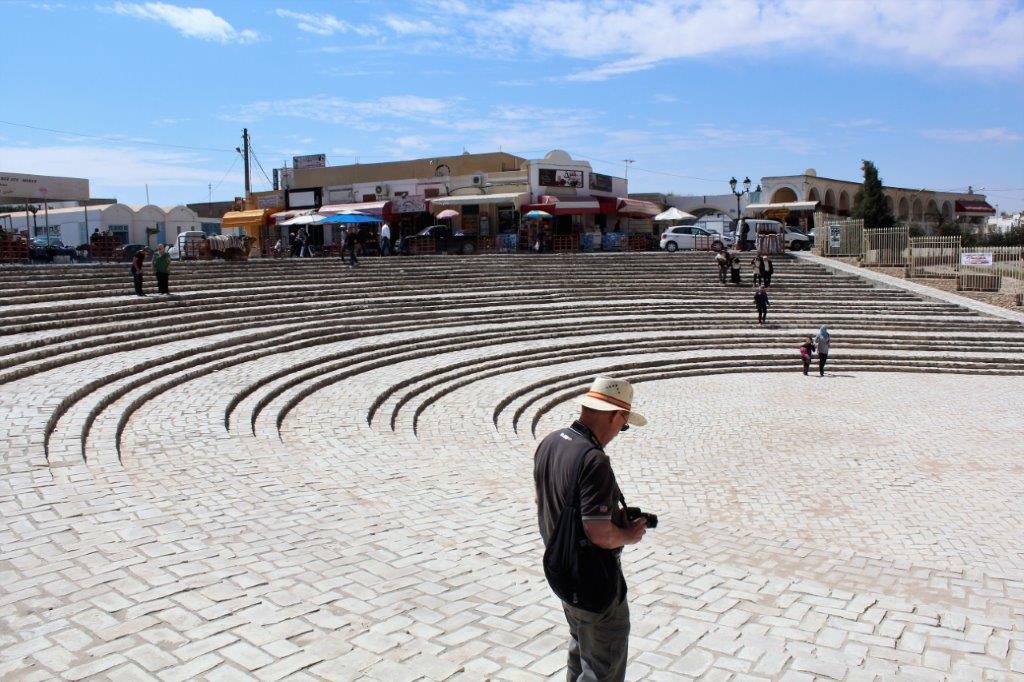
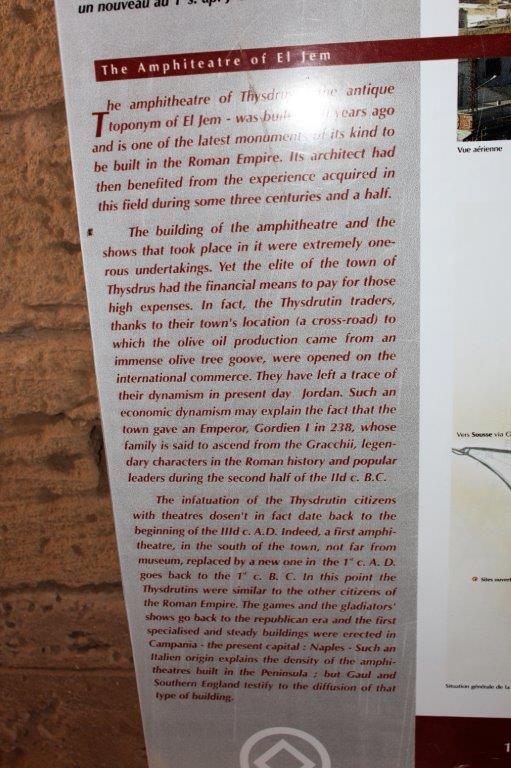
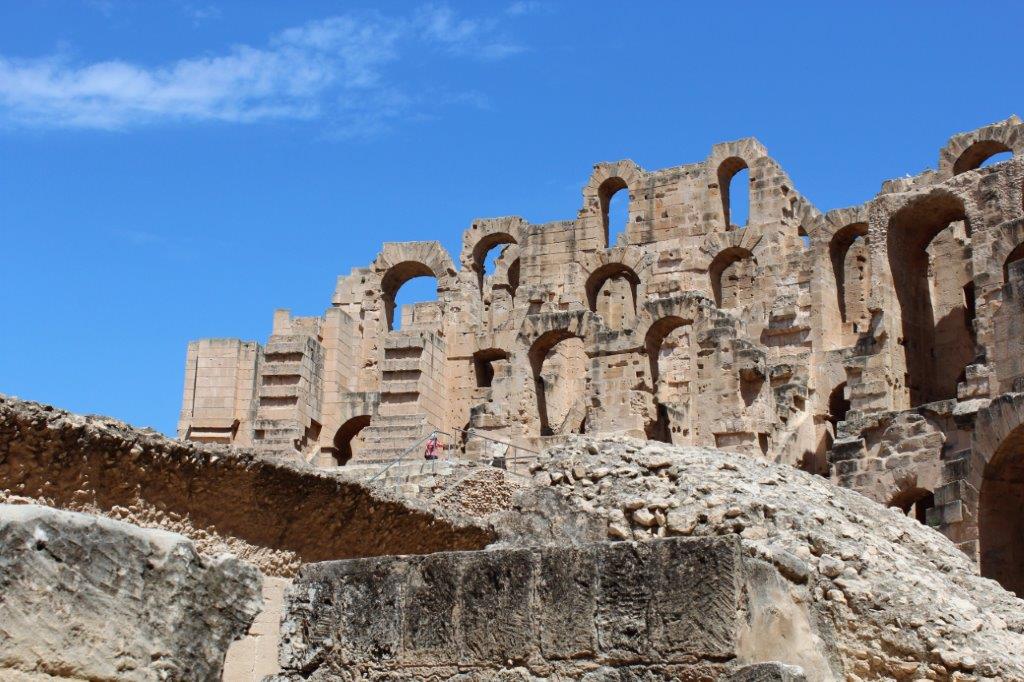
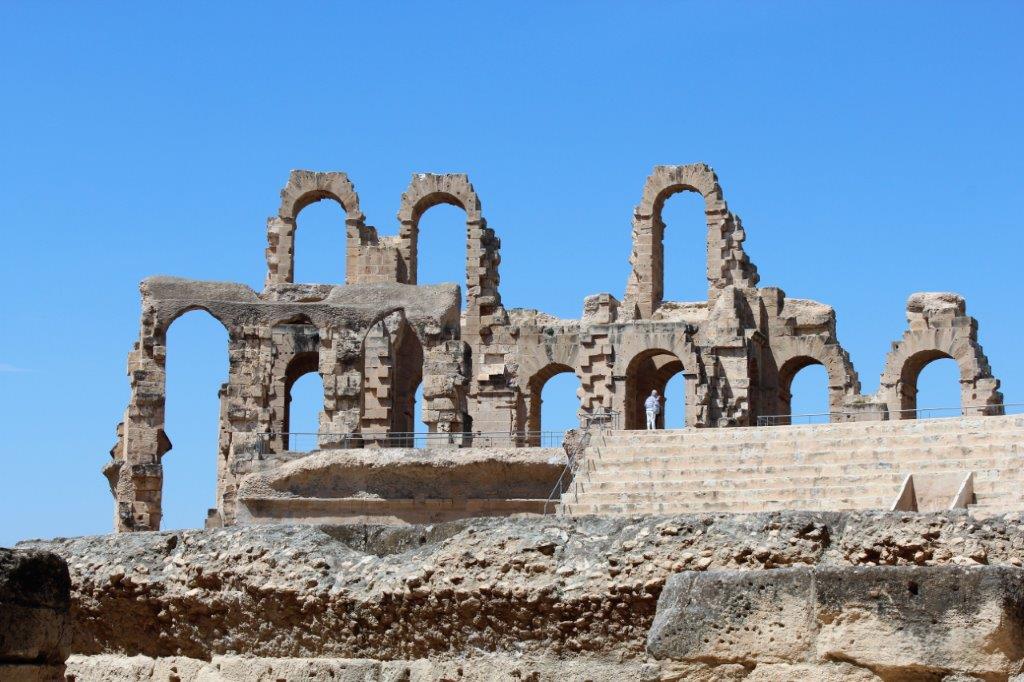
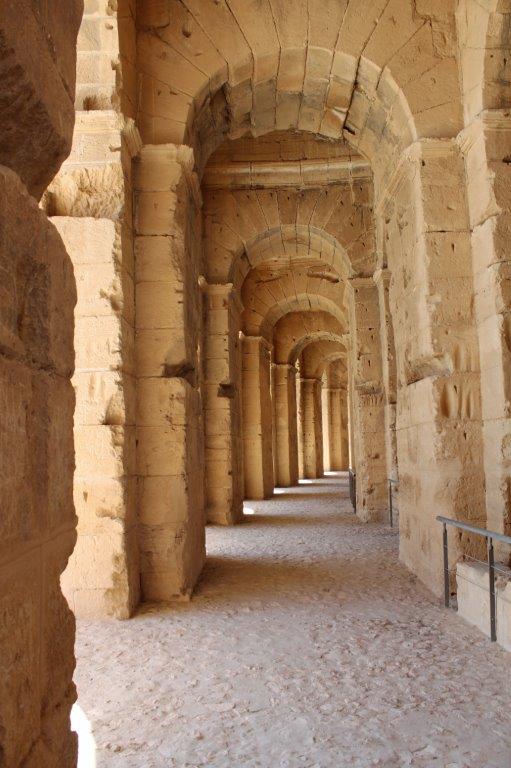
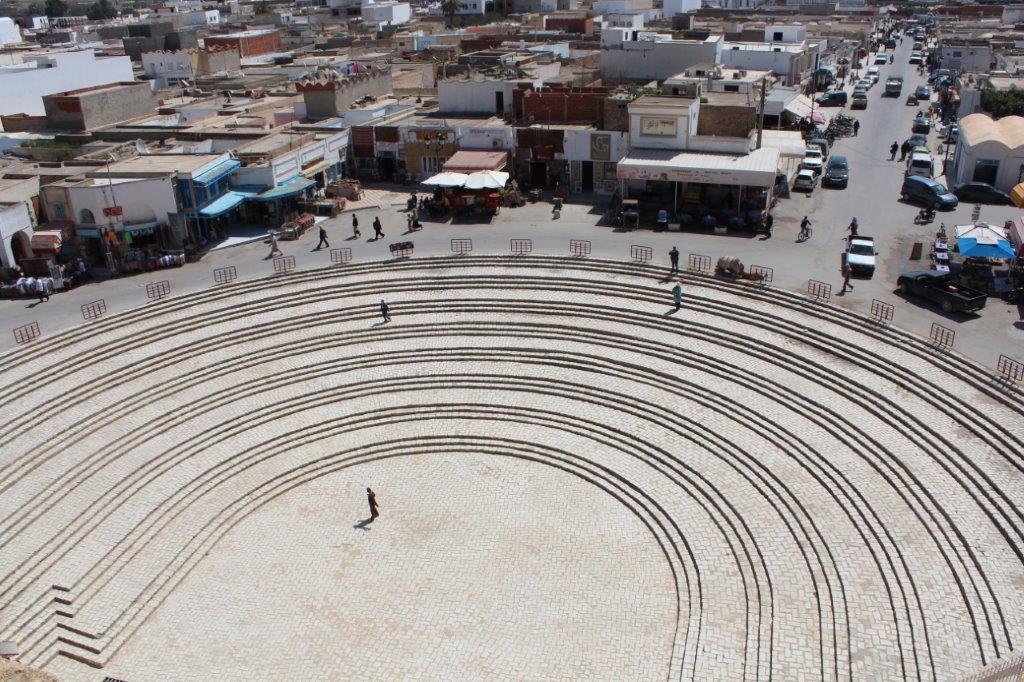
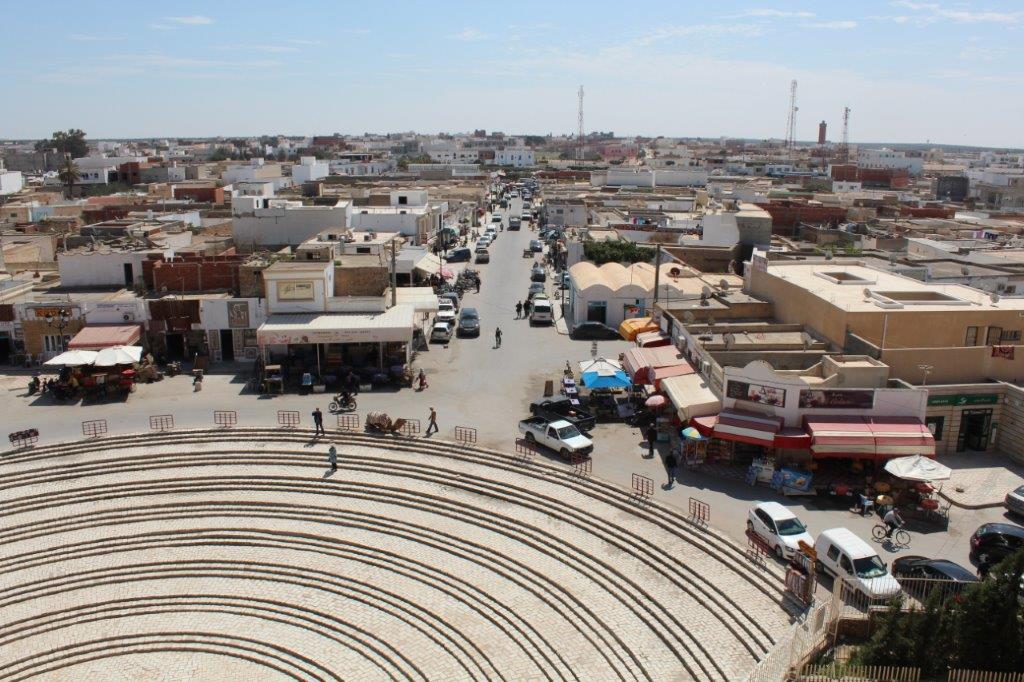
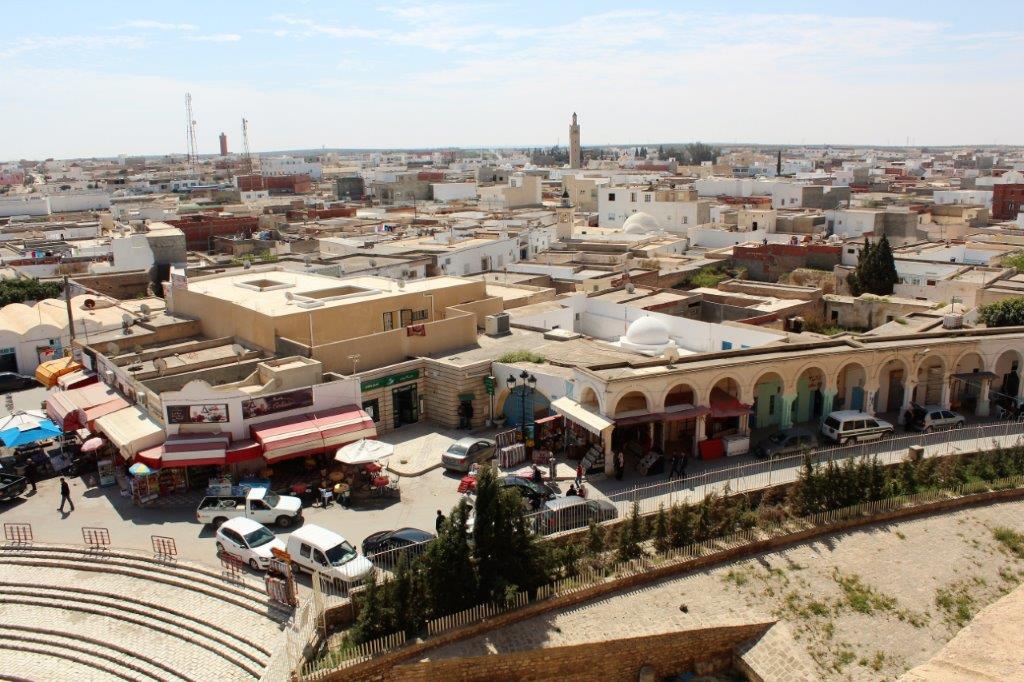
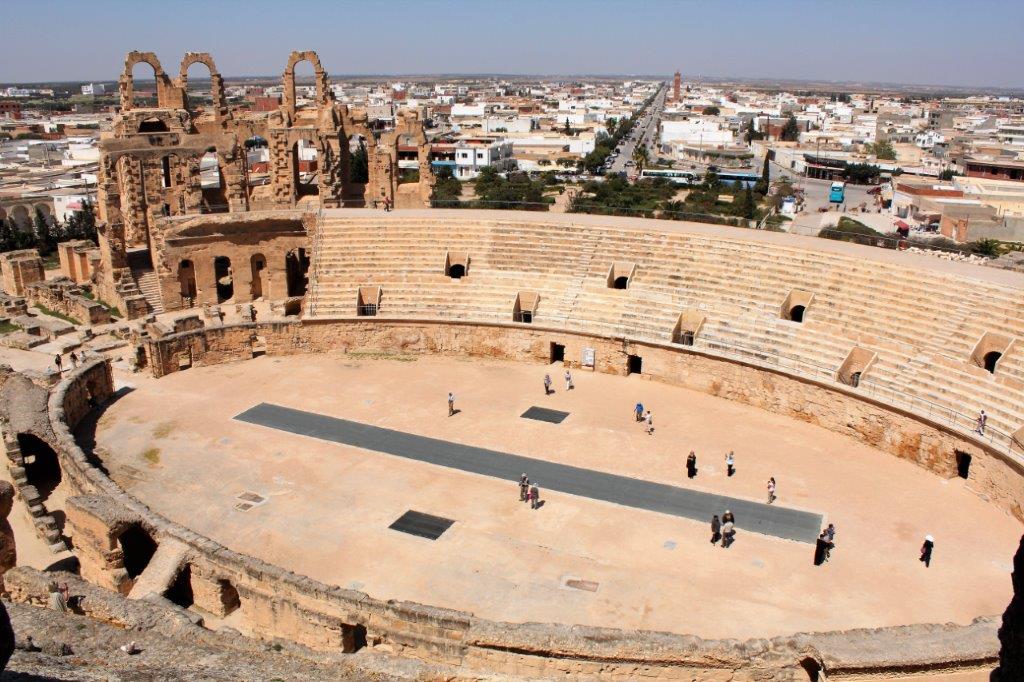
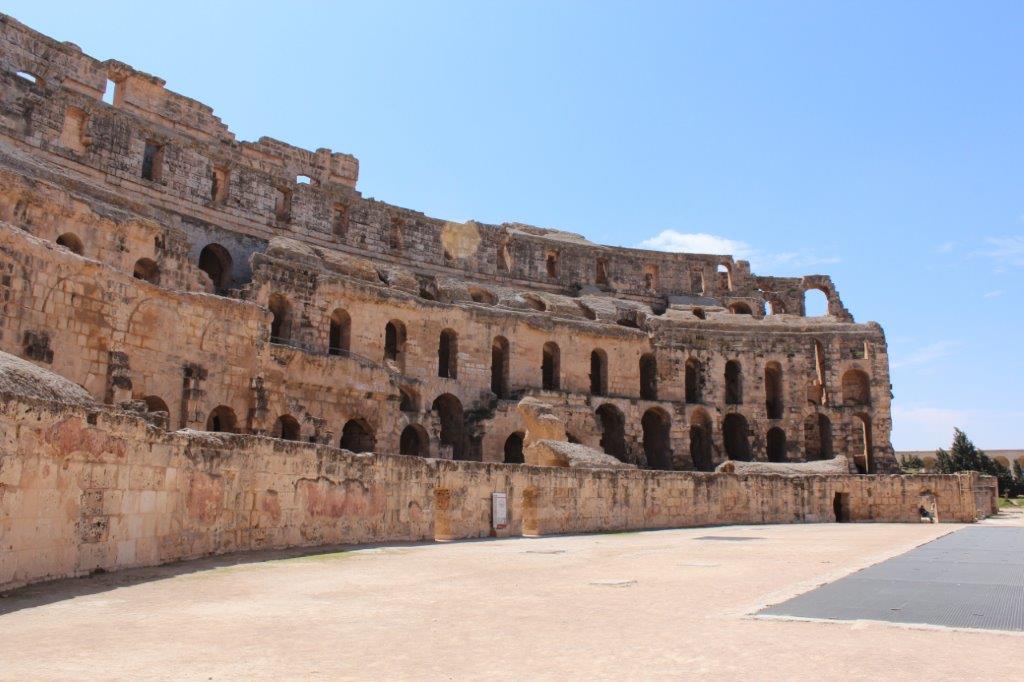
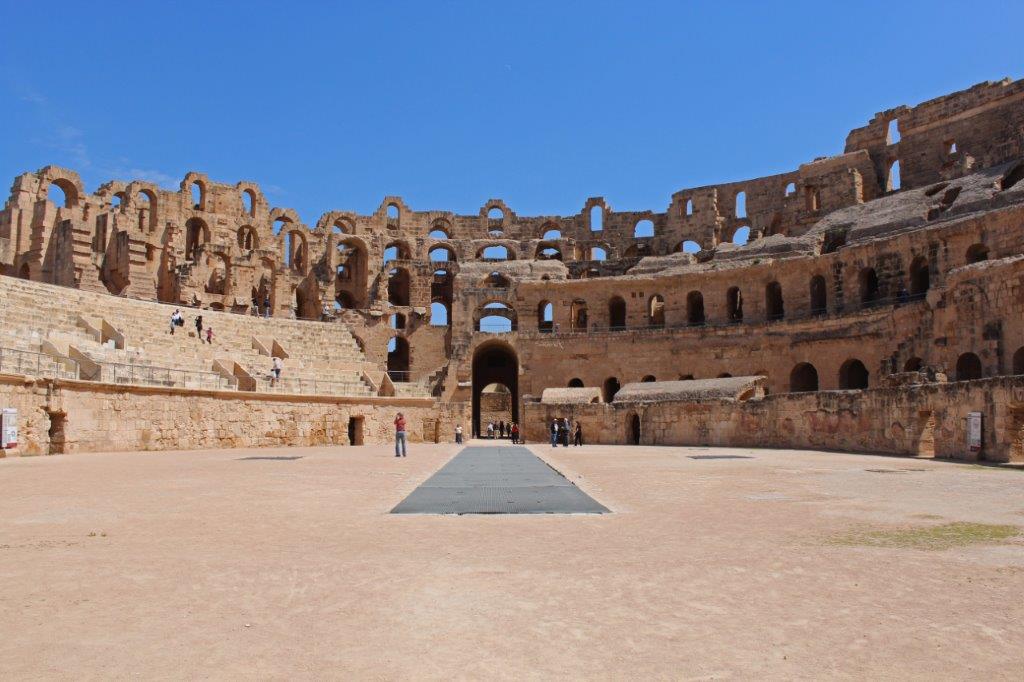
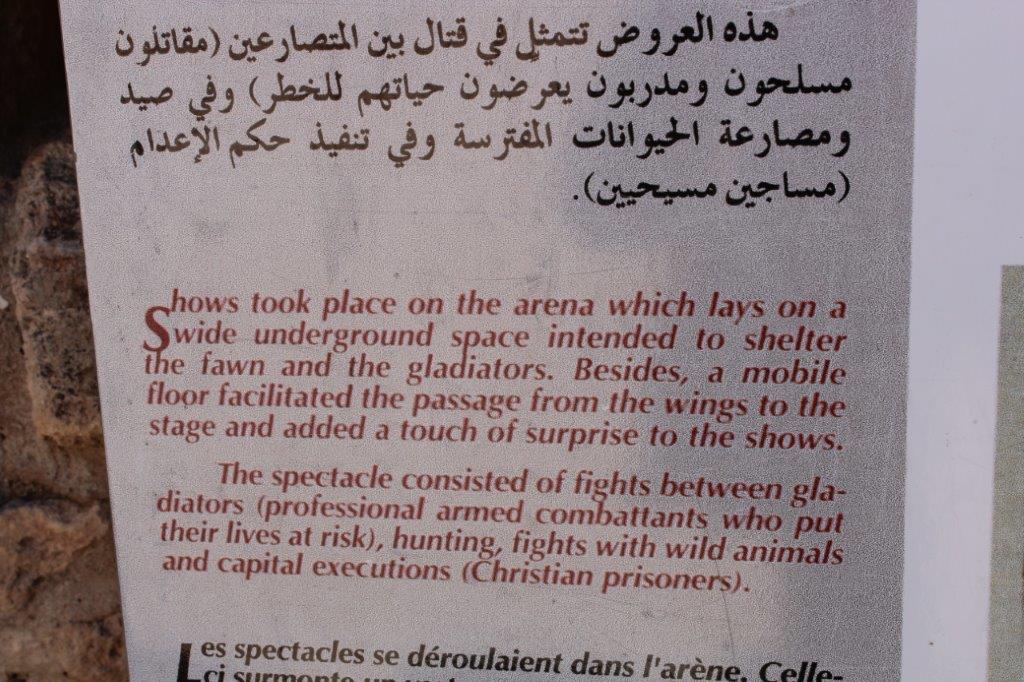
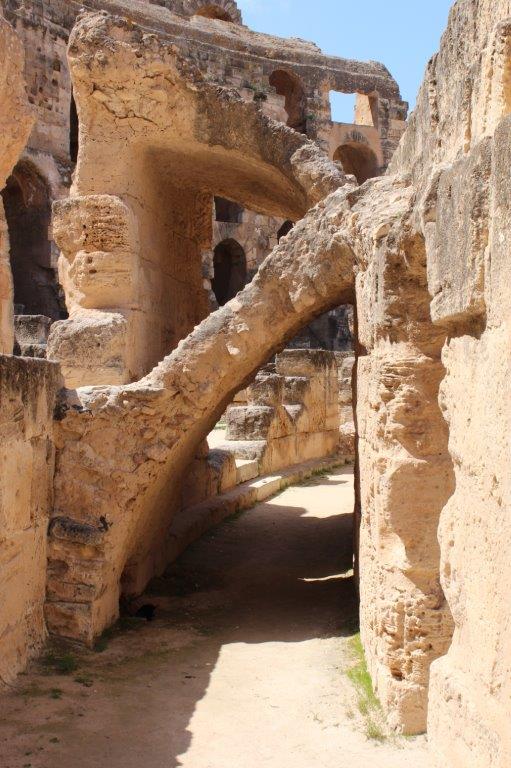
Thysdrus (El Djem in ancient times) was a thriving market town on the crossroads of the Sahel trade routes.  During Roman times a huge amphitheater was constructed to provide entertainment for all the people passing through.  The games and spectacles were paid for by wealthy local businessmen.  It was the third largest amphitheater in the Roman Empire.  It is thought to have been built  between 230-223 BC and could seat 30,000 people. We had to purchase a ‘camera ticket’ in order to take photographs at El Djem: that was a new experience.  There was always someone you could pay to take your photo with a camel.

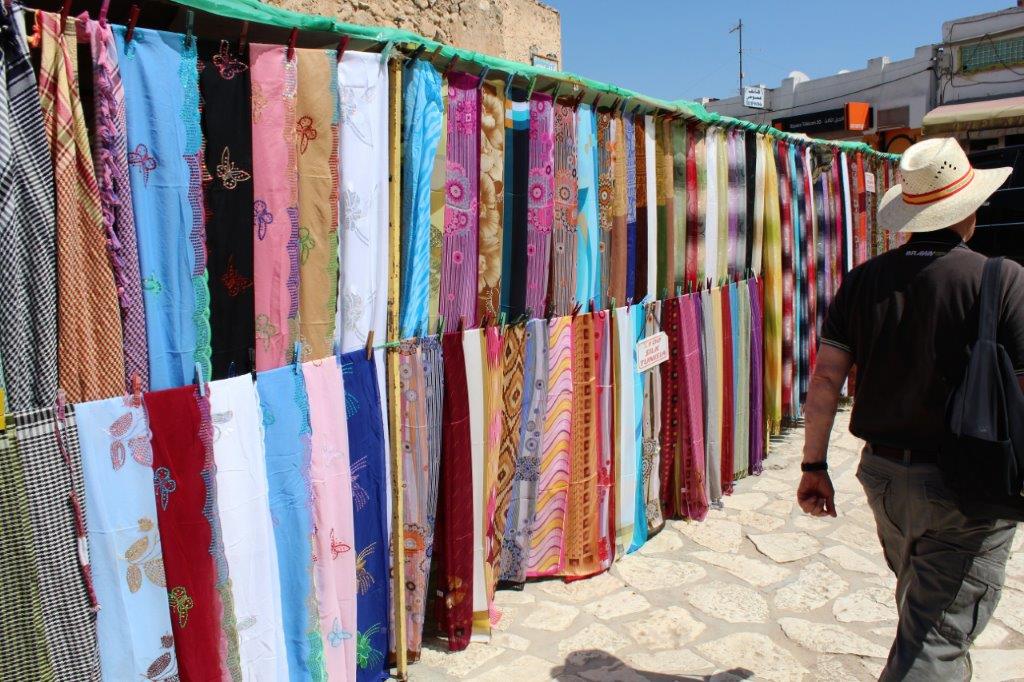
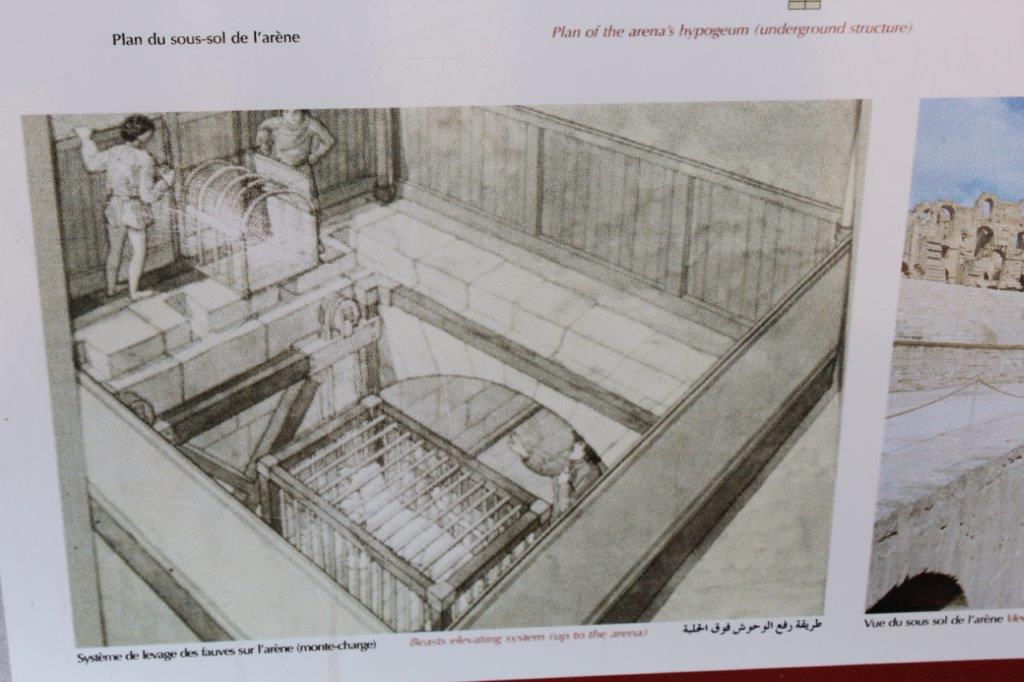
               And a selection of yard goods you could purchase. The grey strip in the middle covers the ‘elevator’ shafts that were used to bring animals and performers into the stage area from the rooms below.

When we completed our tour of the amphitheater the bus took us across town to the Museum to see the collection of Roman mosaics and a re-constructed Roman villa which I will tell you about in my next blog.


2012 March 27 – Day 16 – Cartagena, Spain

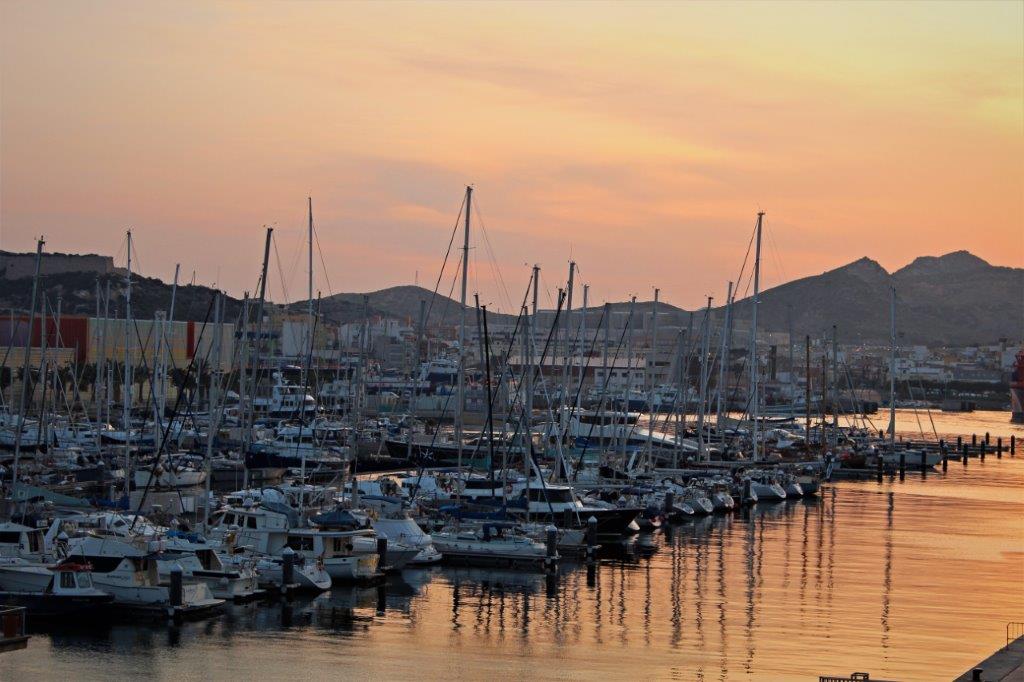
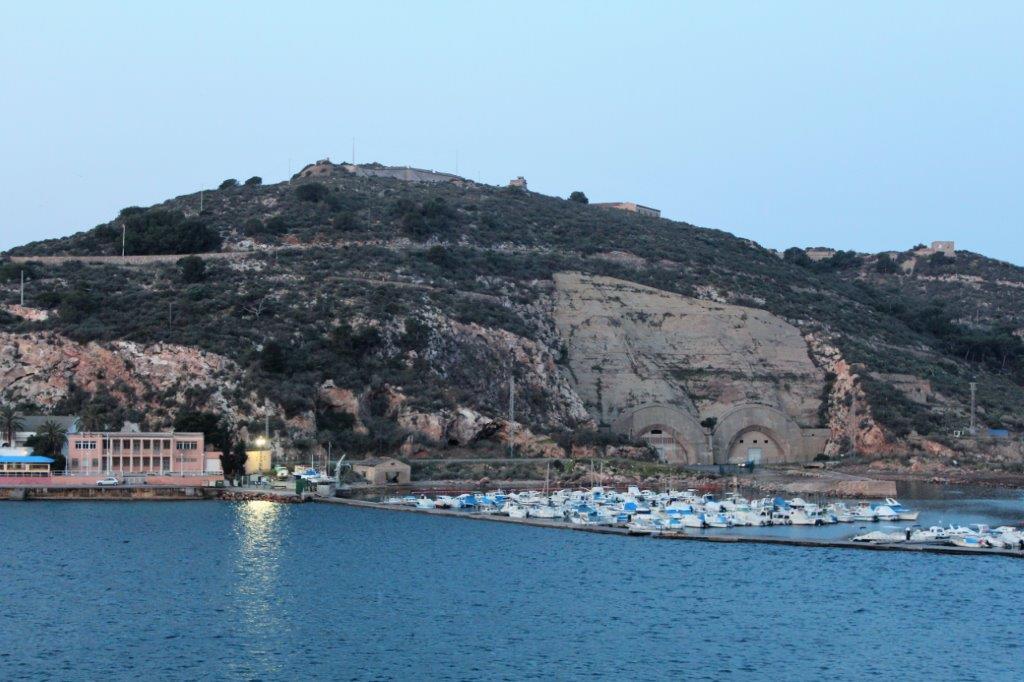
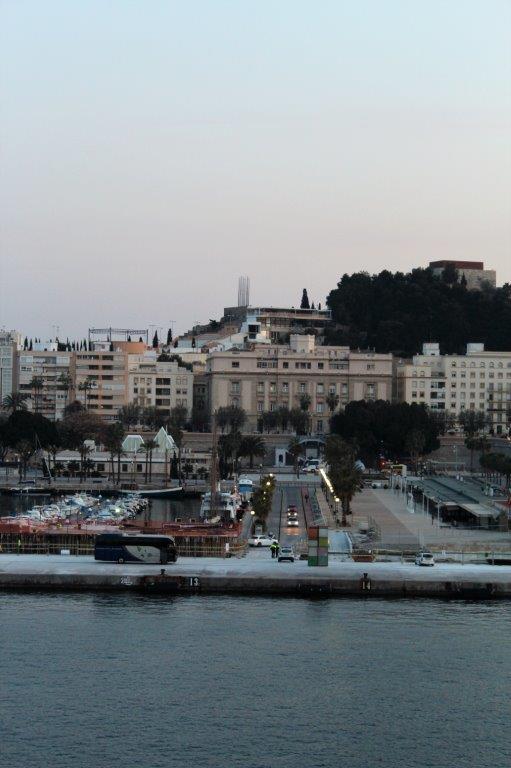
We had a 7 am wake-up call to be ready for our 8:30 tour departure and were able to watch the sunrise during sail-in.   Cartagena is the major naval port in Spain.  As we sailed into the harbour we saw several navy frigates and a submarine.  The big doors in the hillside in the photo above are to access repair yards for the subs.

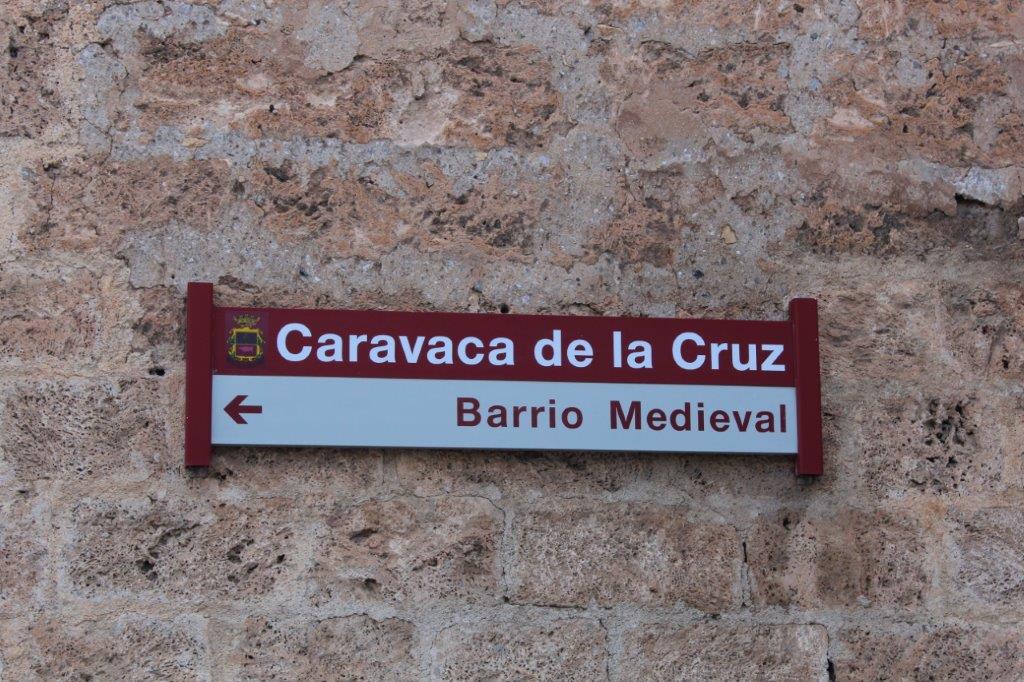
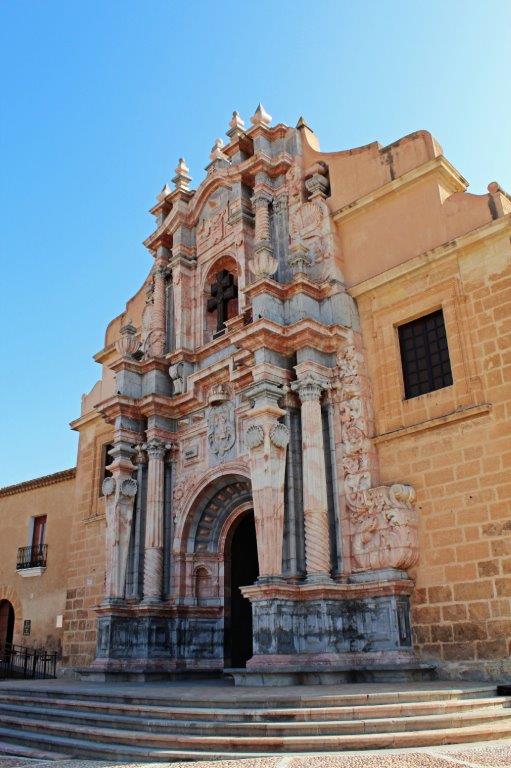
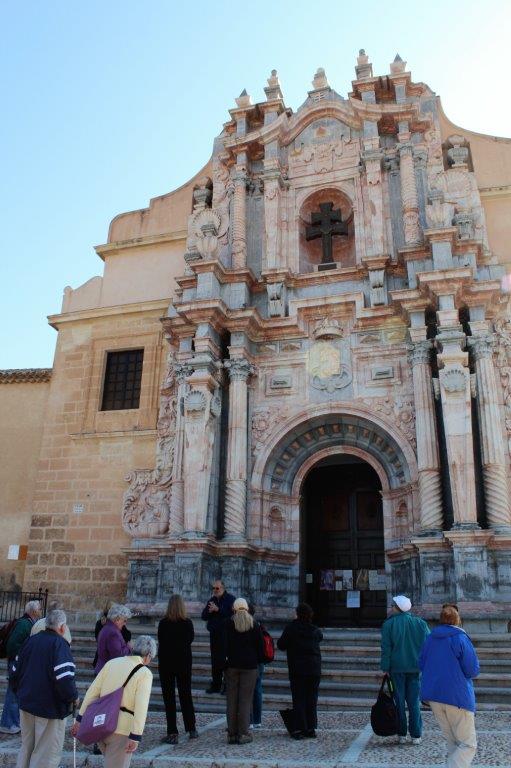
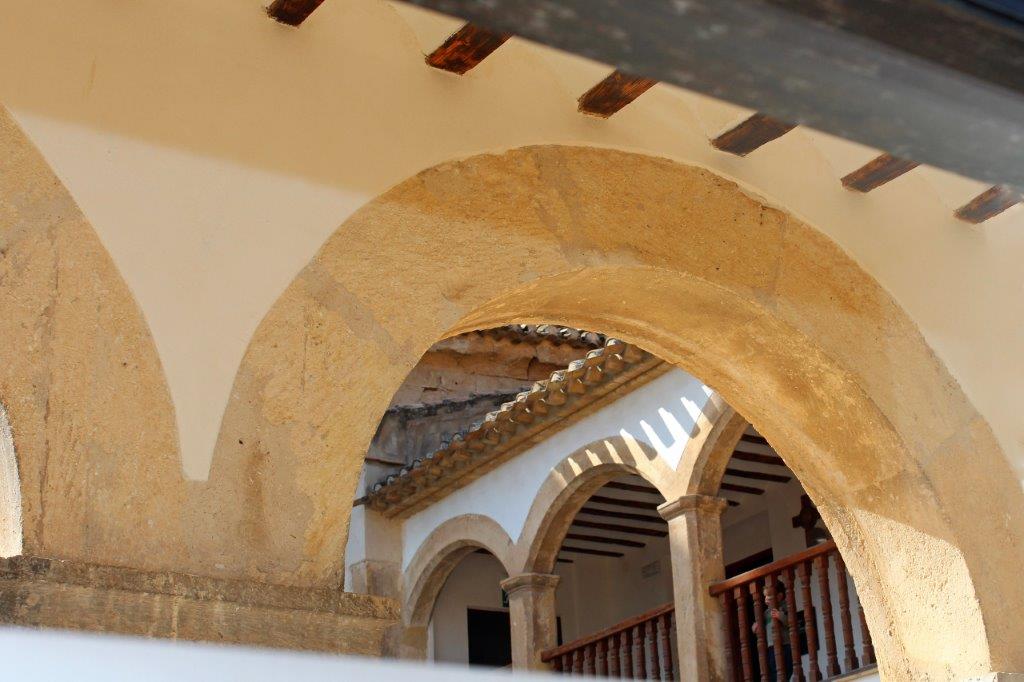
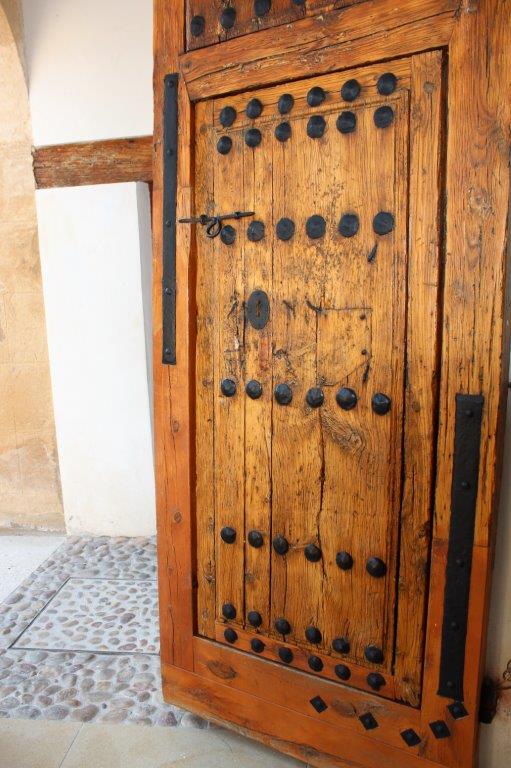
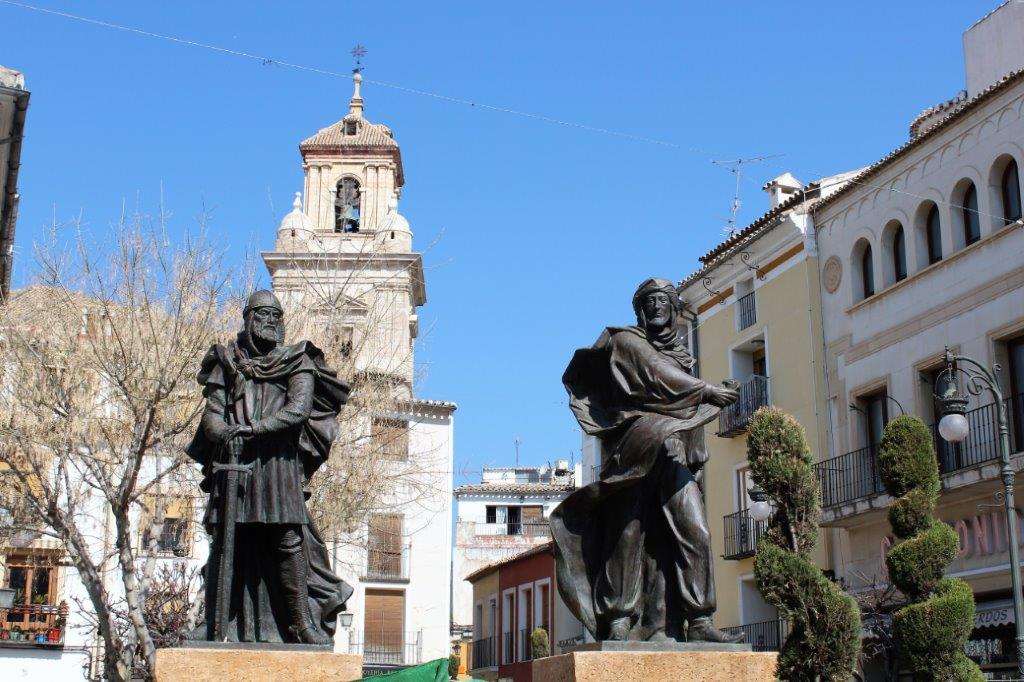
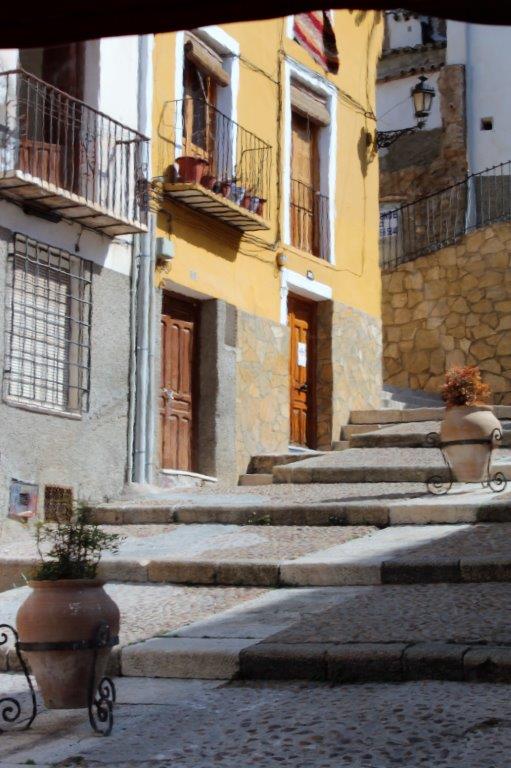
None of the Cartagena tours appealed to us (although we were told it was a lovely city to walk around) so we chose an 8 hour trip to Caravaca de la Cruz, the fifth holiest Roman Catholic city in the world.  The city is a place of pilgrimage because of the miraculous appearance of a two-armed cross that appeared in the 13th century when the king of the Moors demanded a demonstration of the Mass from an imprisoned priest.  The priest hesitated at the beginning of the service when he realized there was no cross available.  The Moorish king asked why he had stopped and no sooner had the priest told him there was no cross to use in the Mass than two angels descended through the ceiling carrying the unique cross, which the priest proceeded to use during Mass.  This miracle caused the conversion to Christianity of the Moorish king.  The original cross was stolen in the early 1900s and a replica is housed in the cathedral.

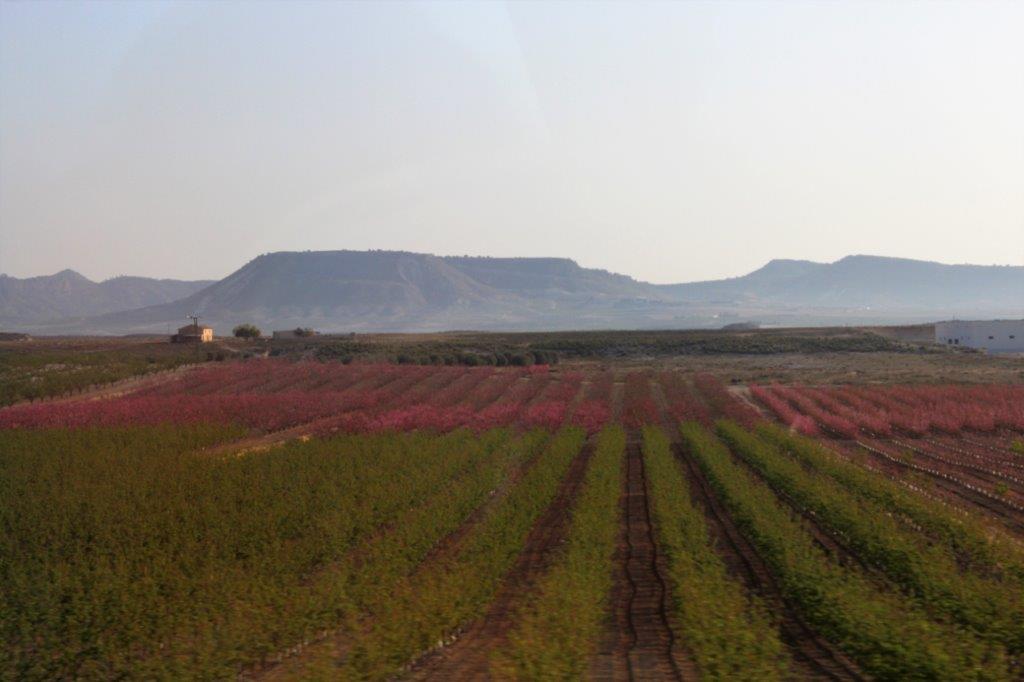
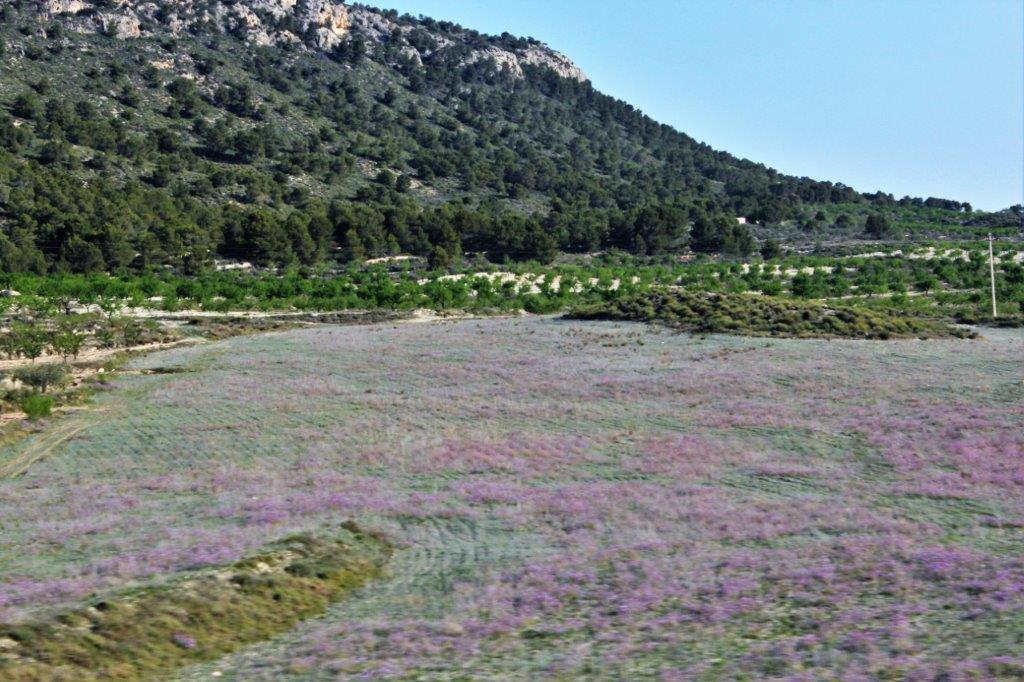
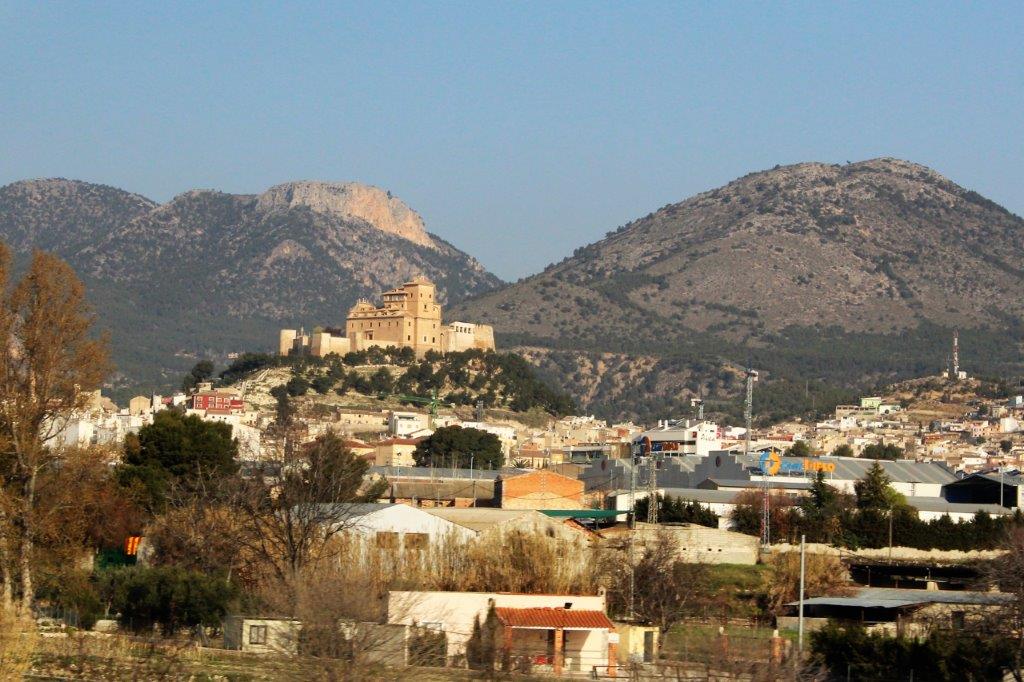
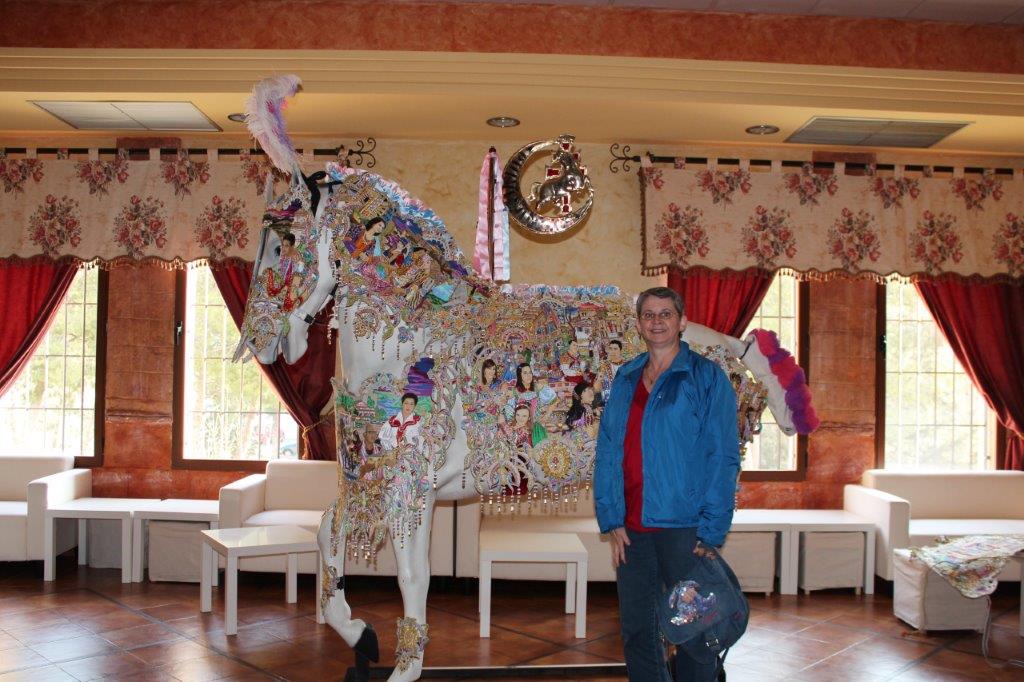
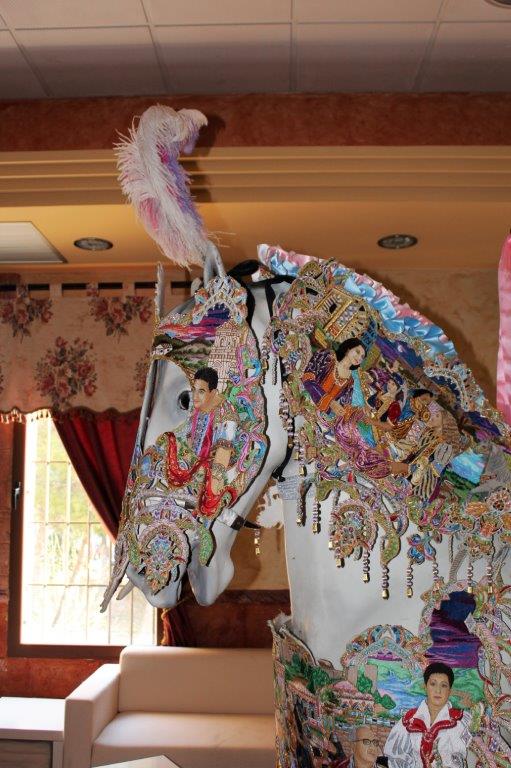
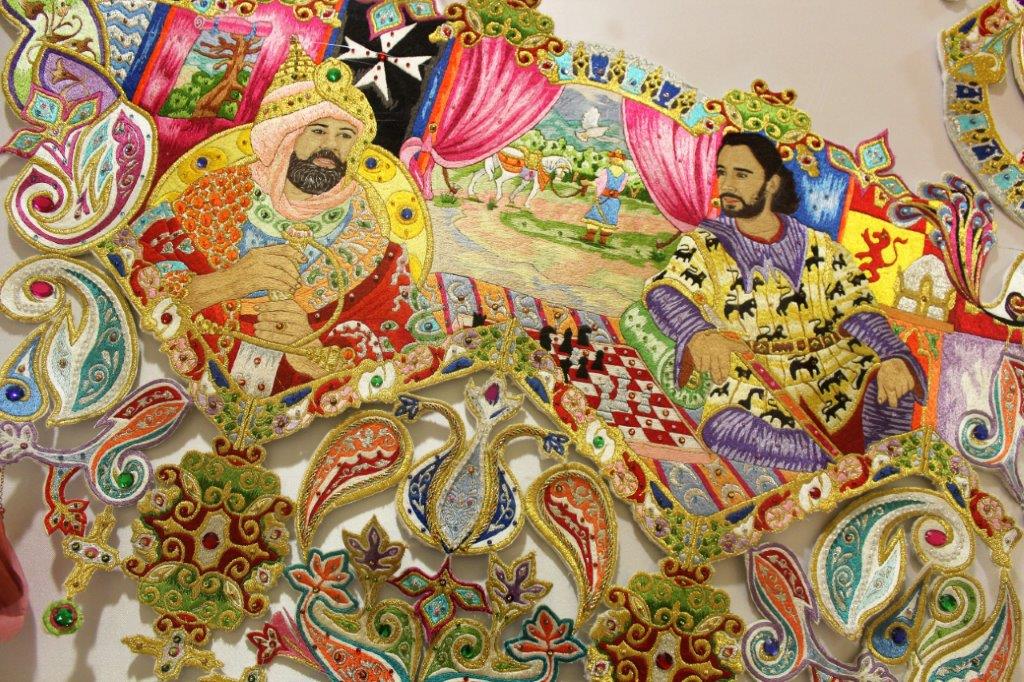
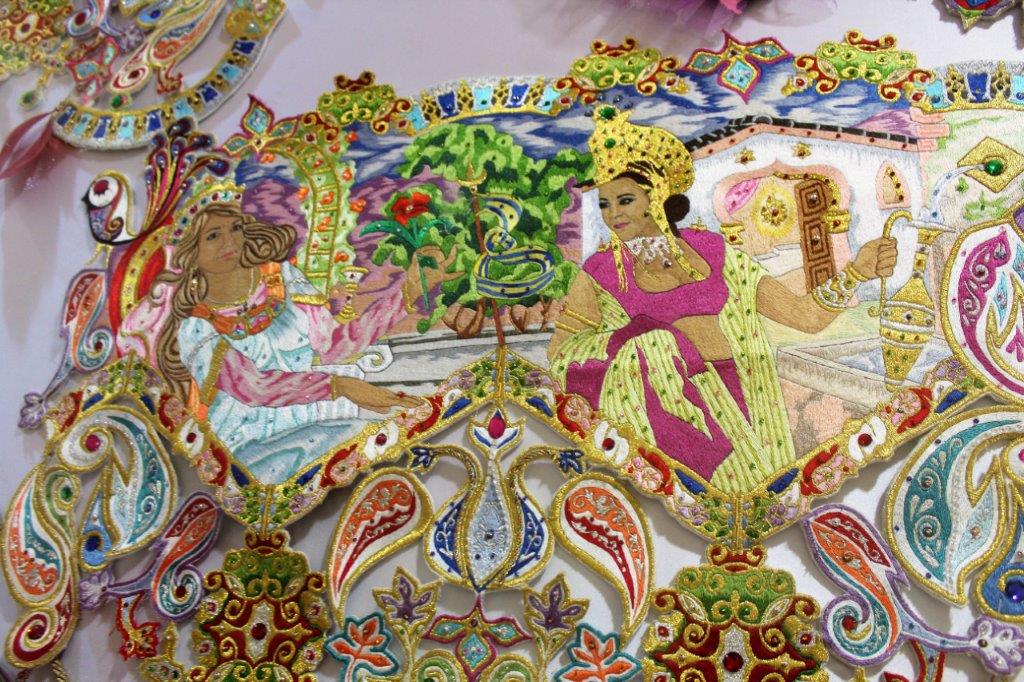
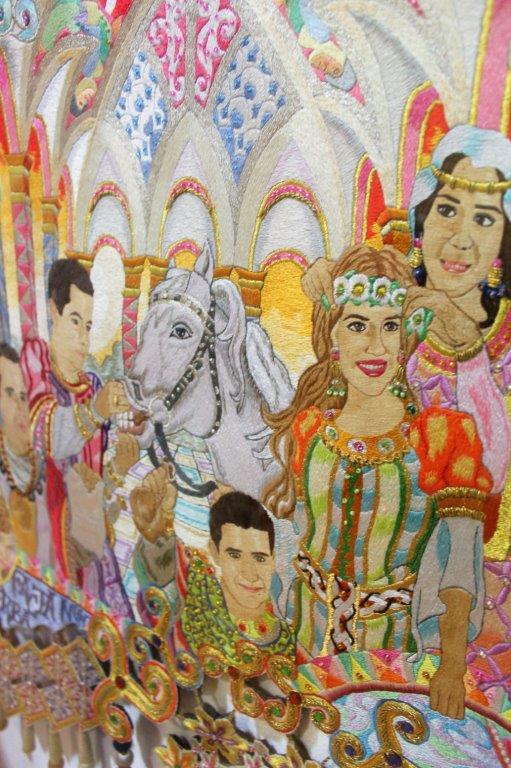
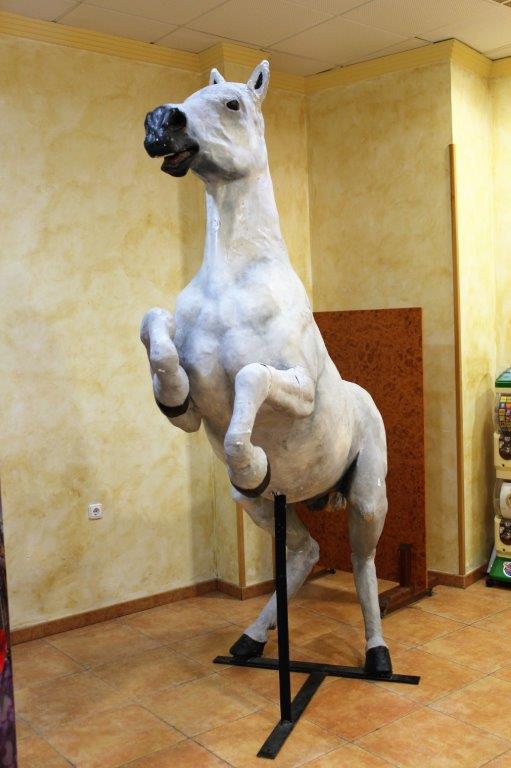
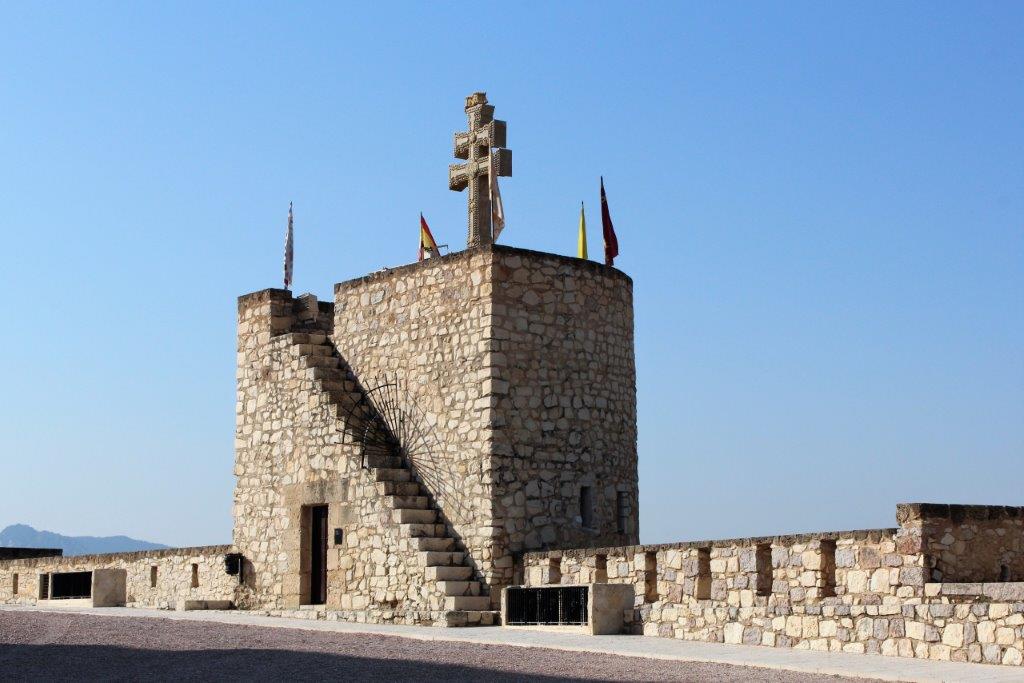
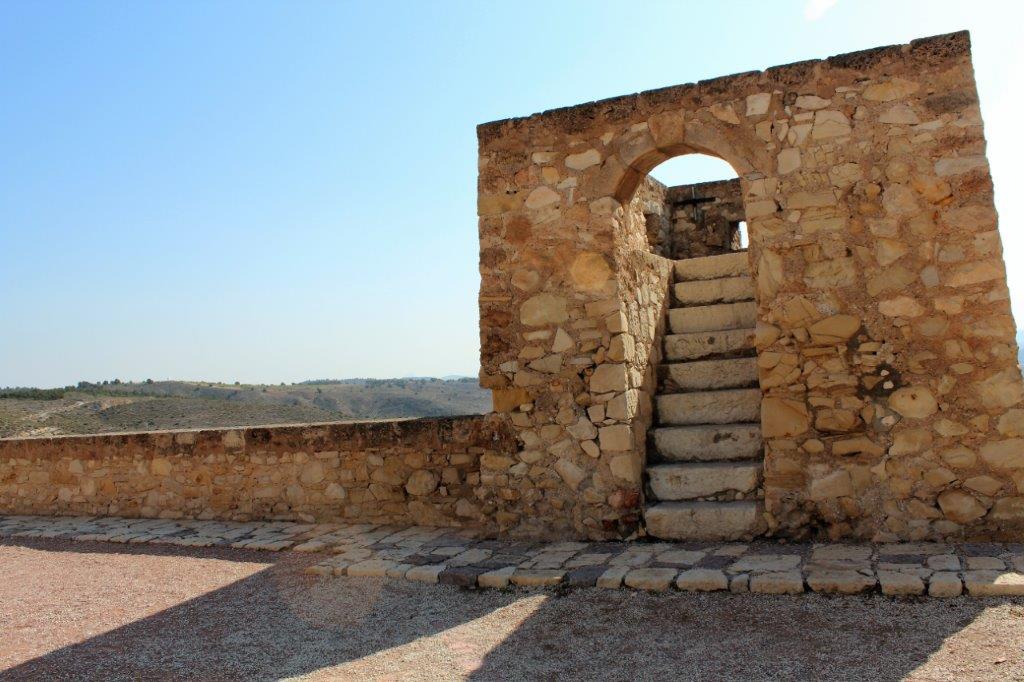
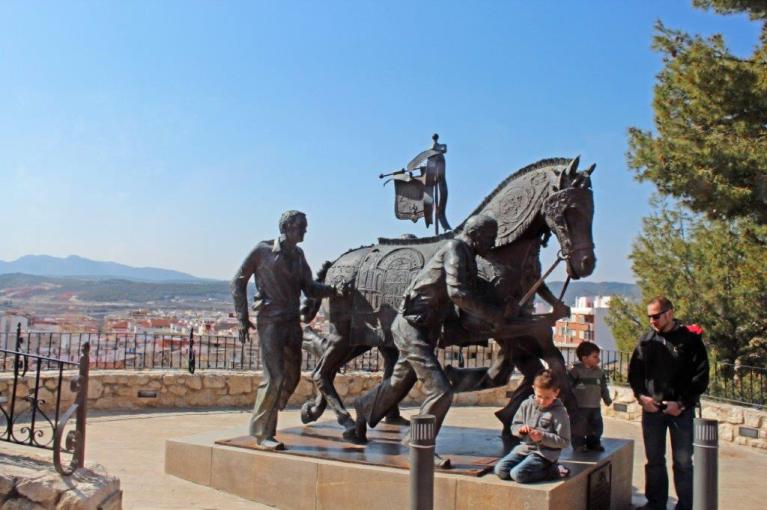
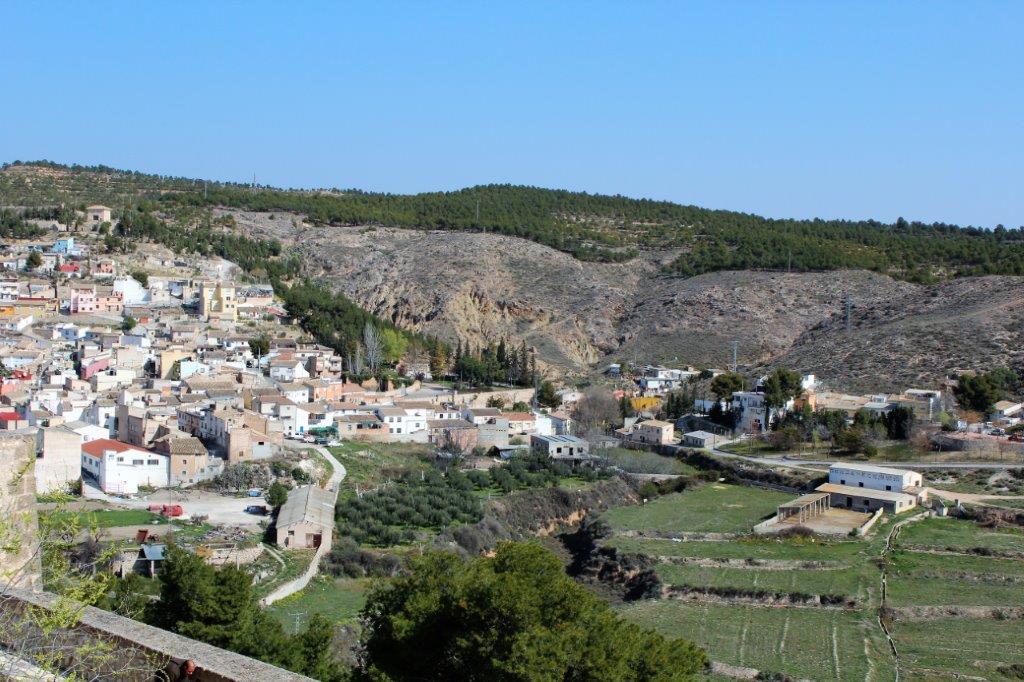
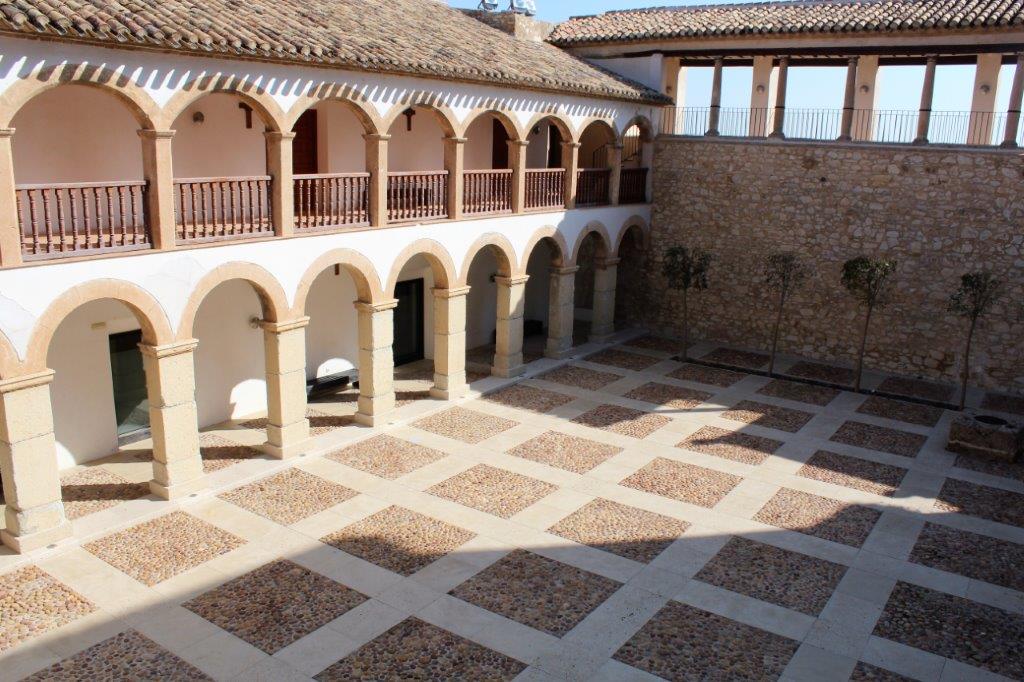
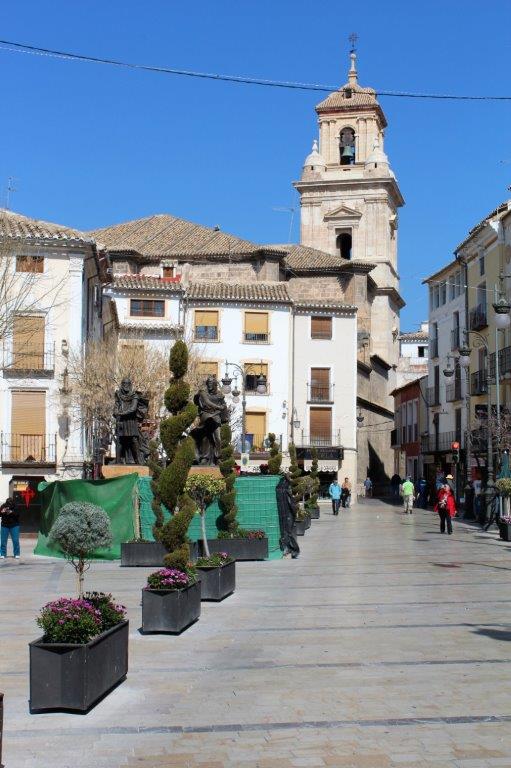
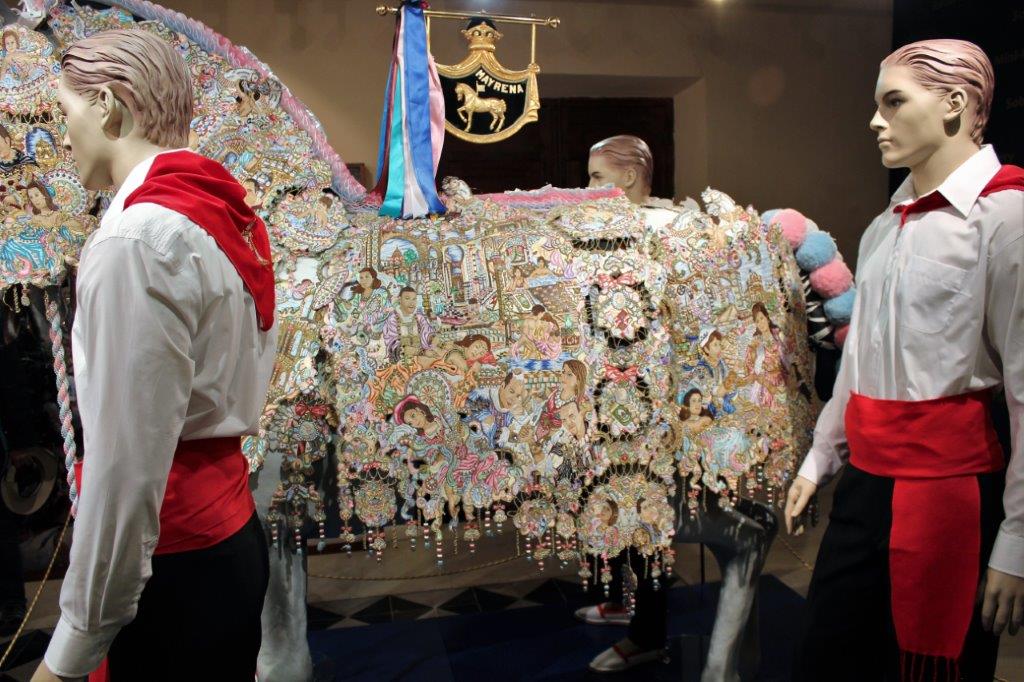
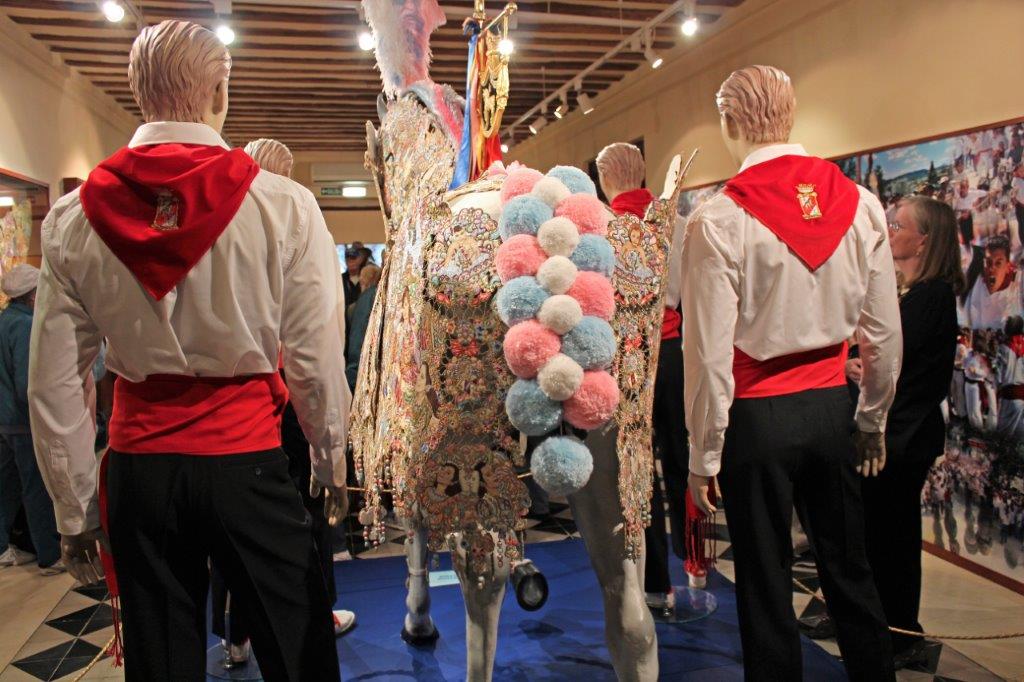
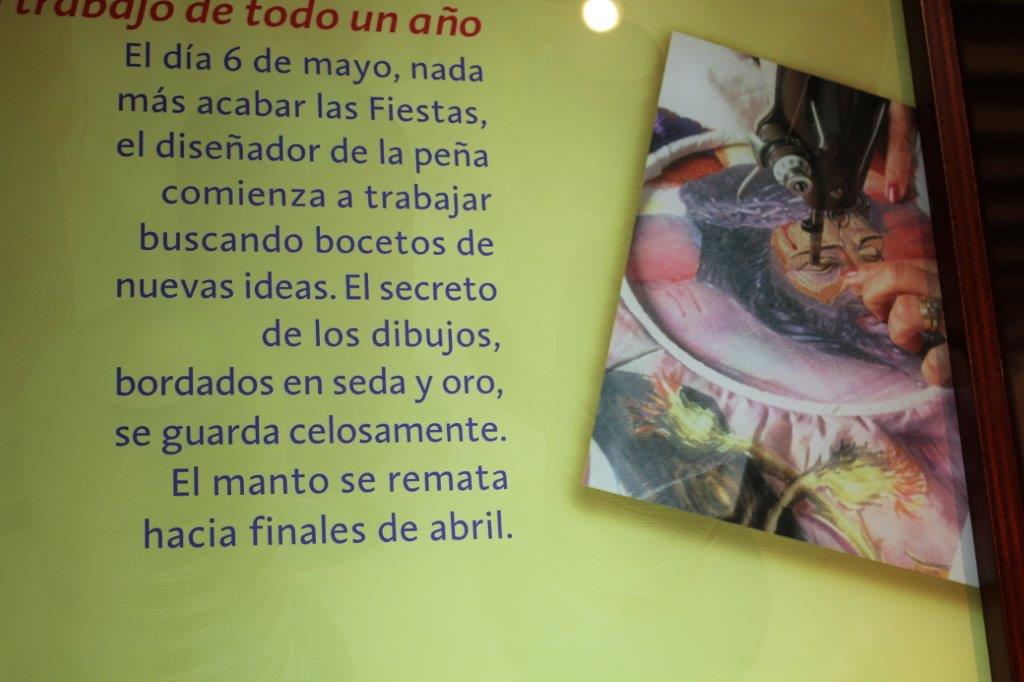
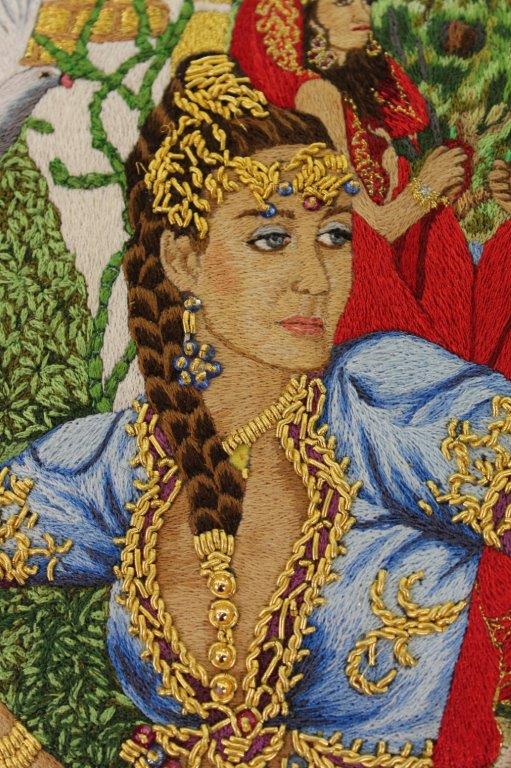
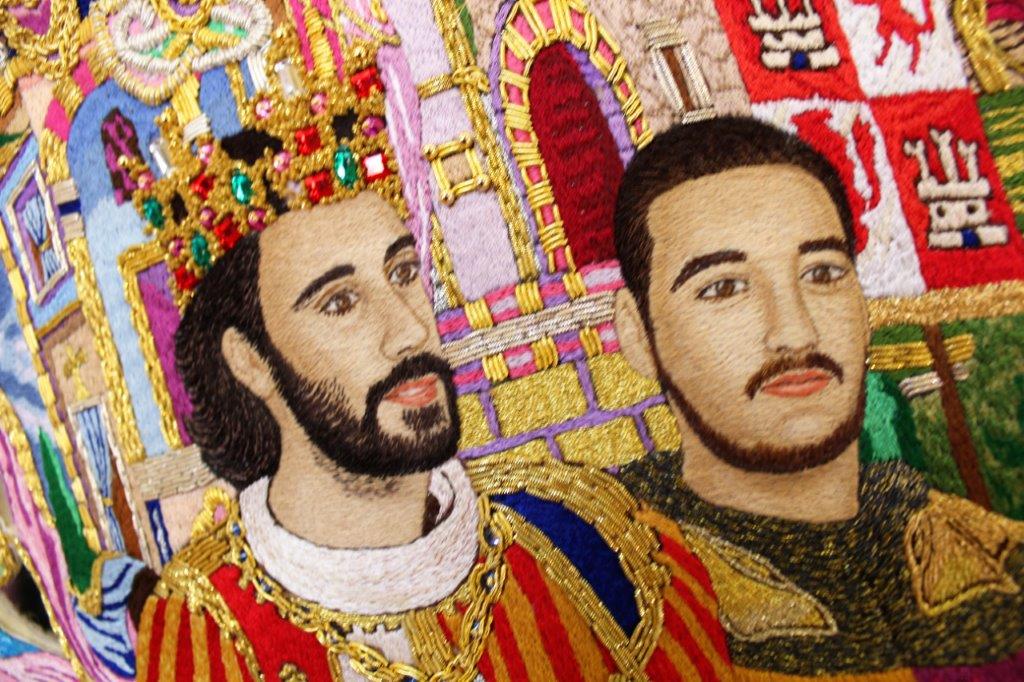
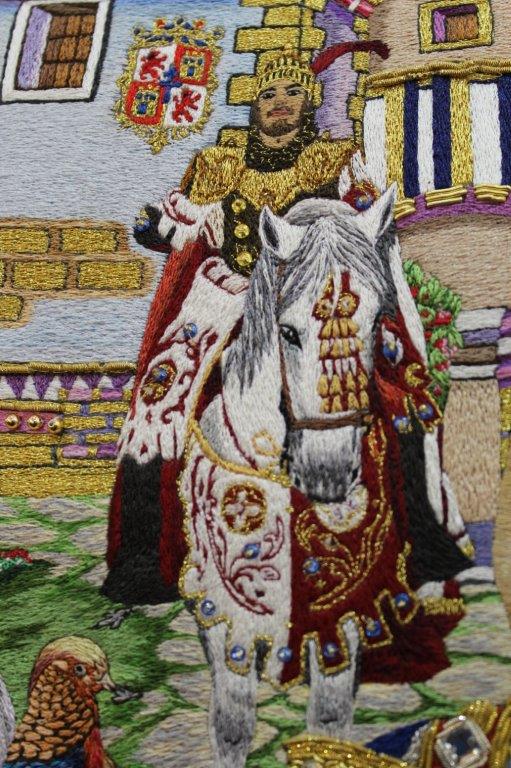
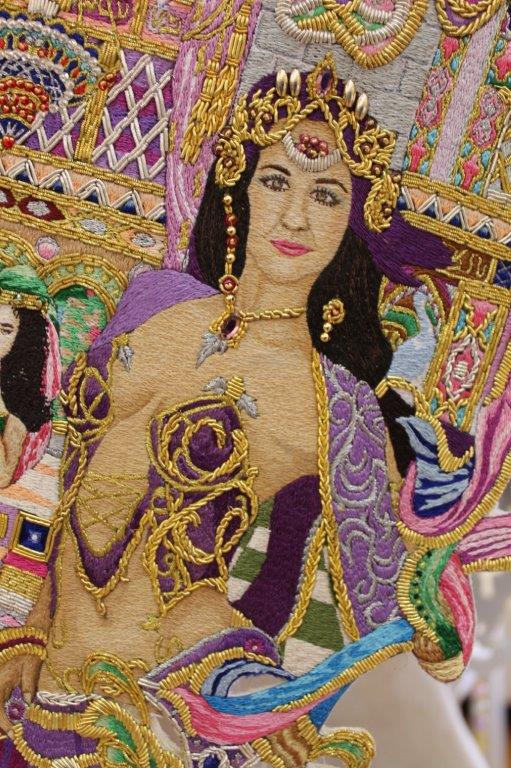
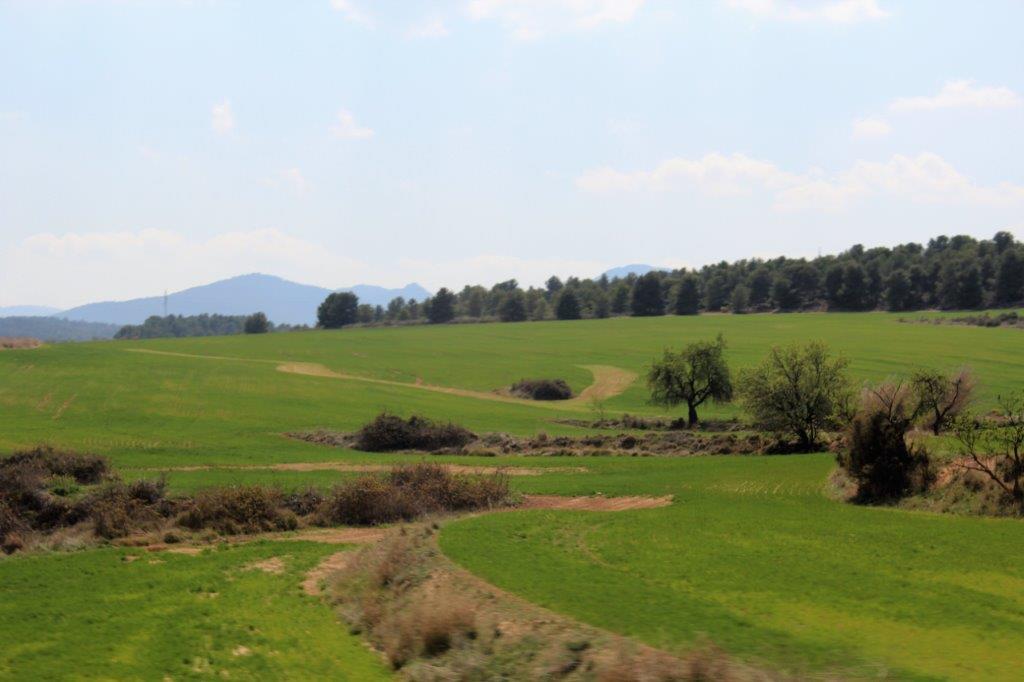
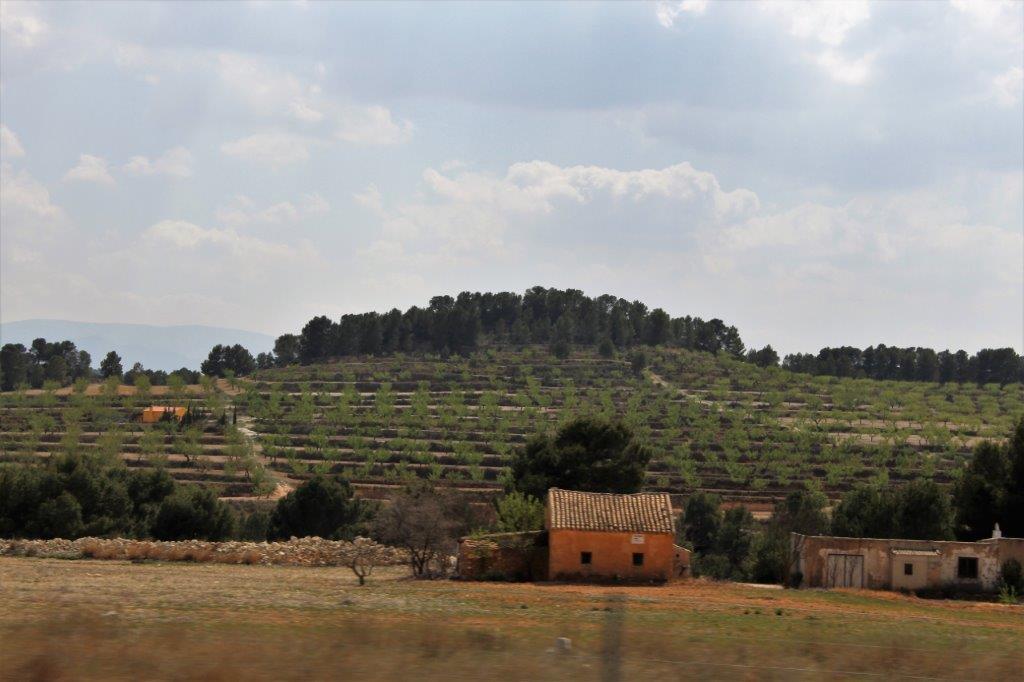
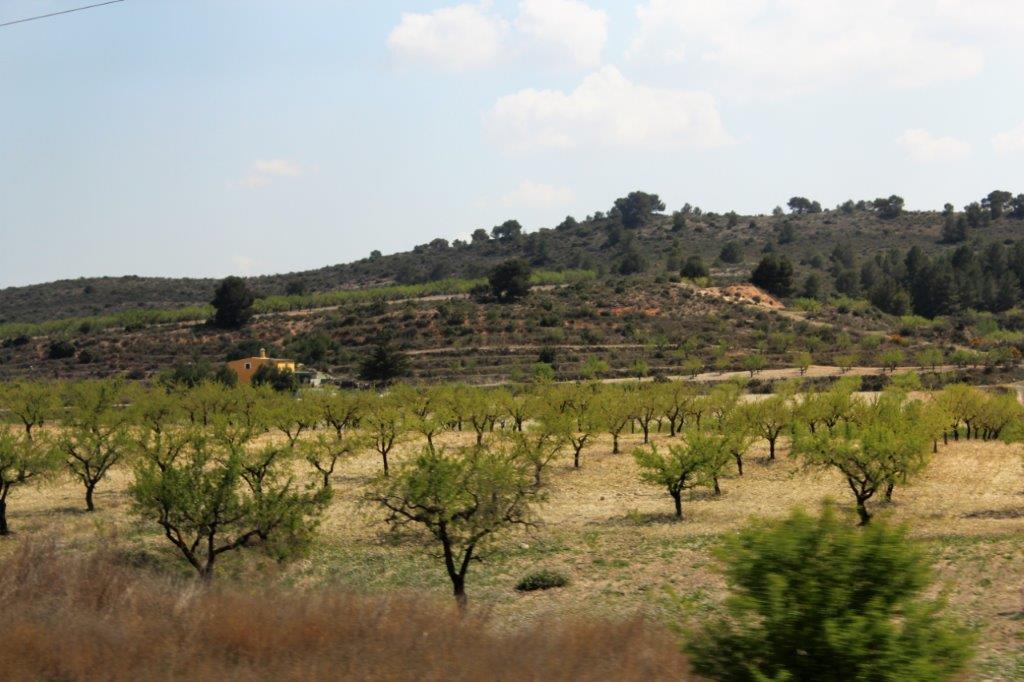
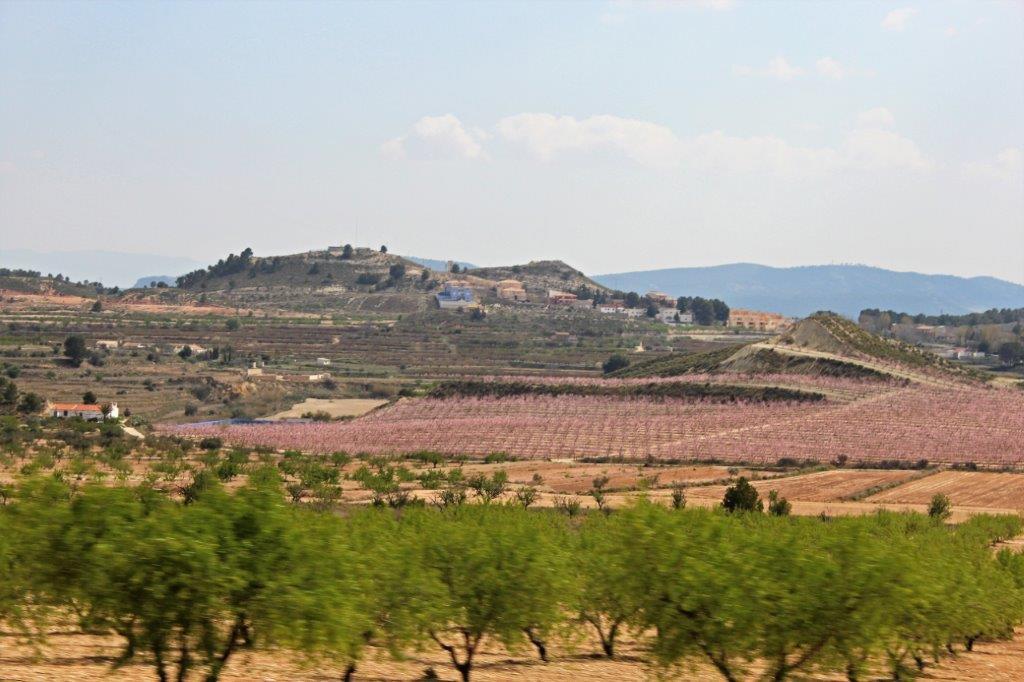
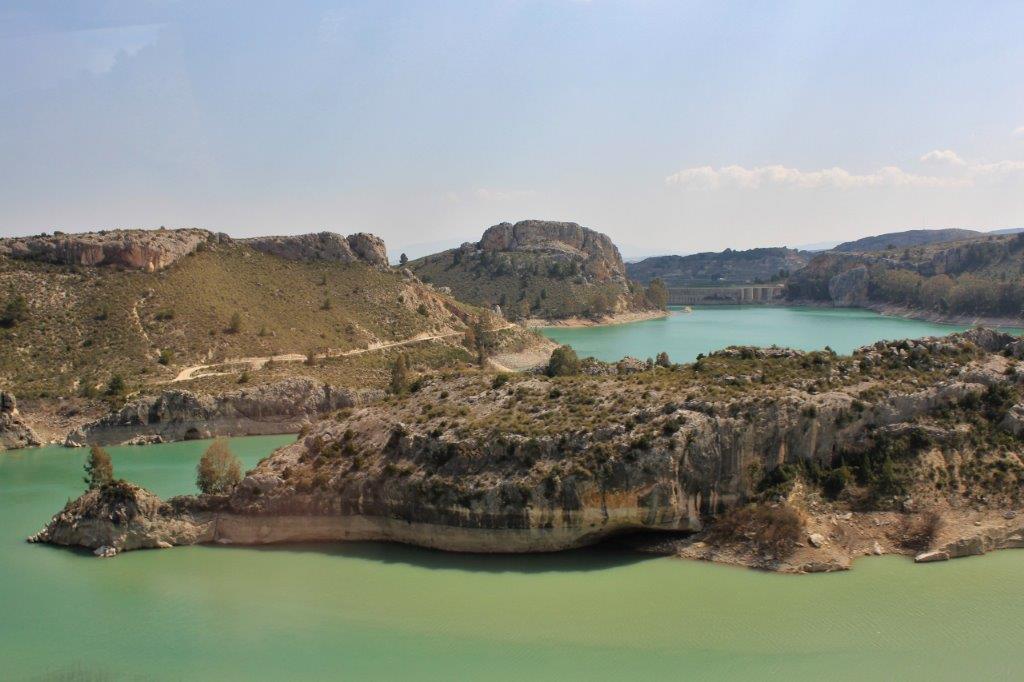
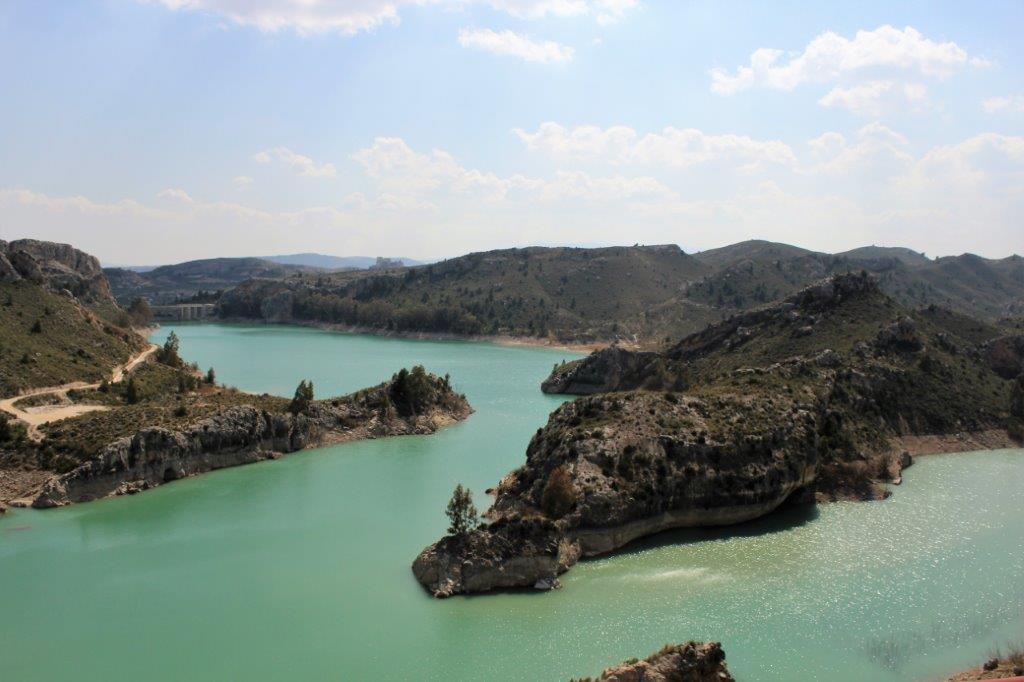
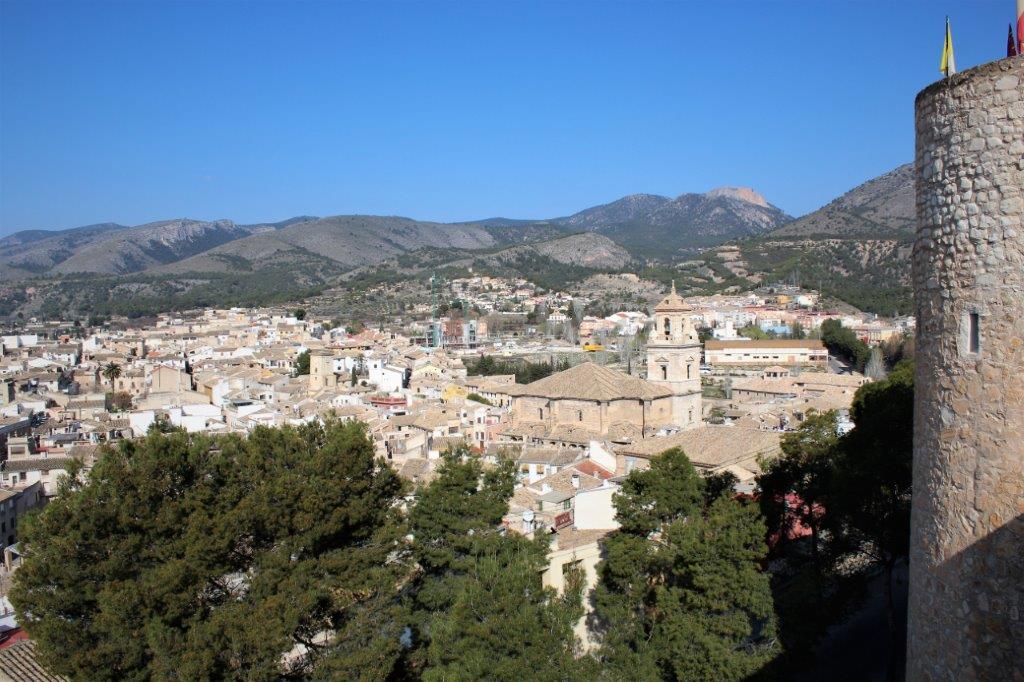
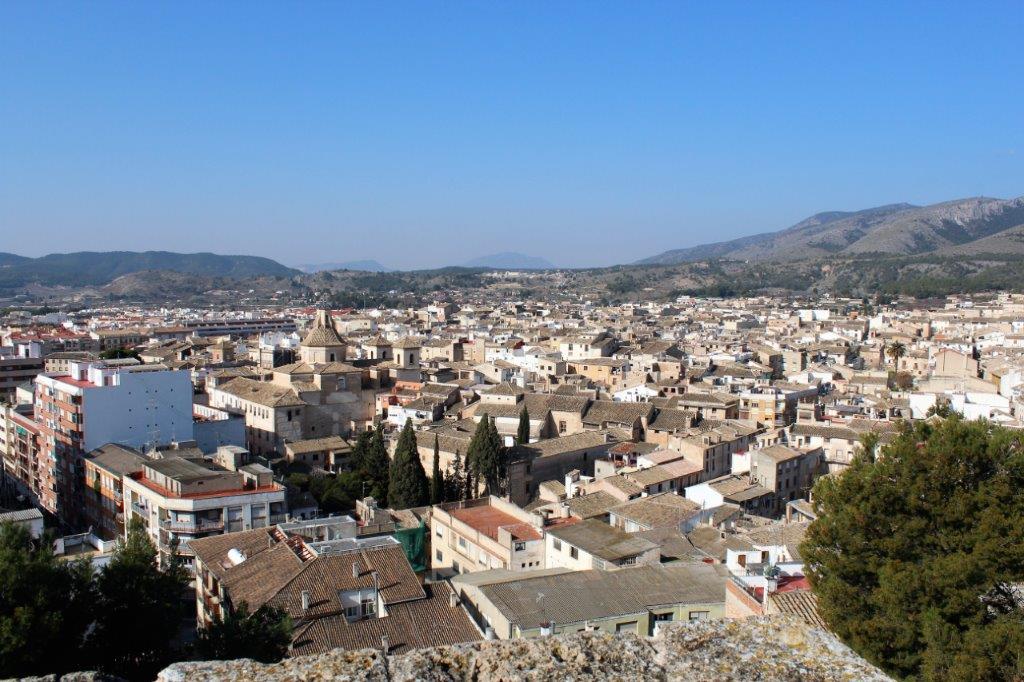
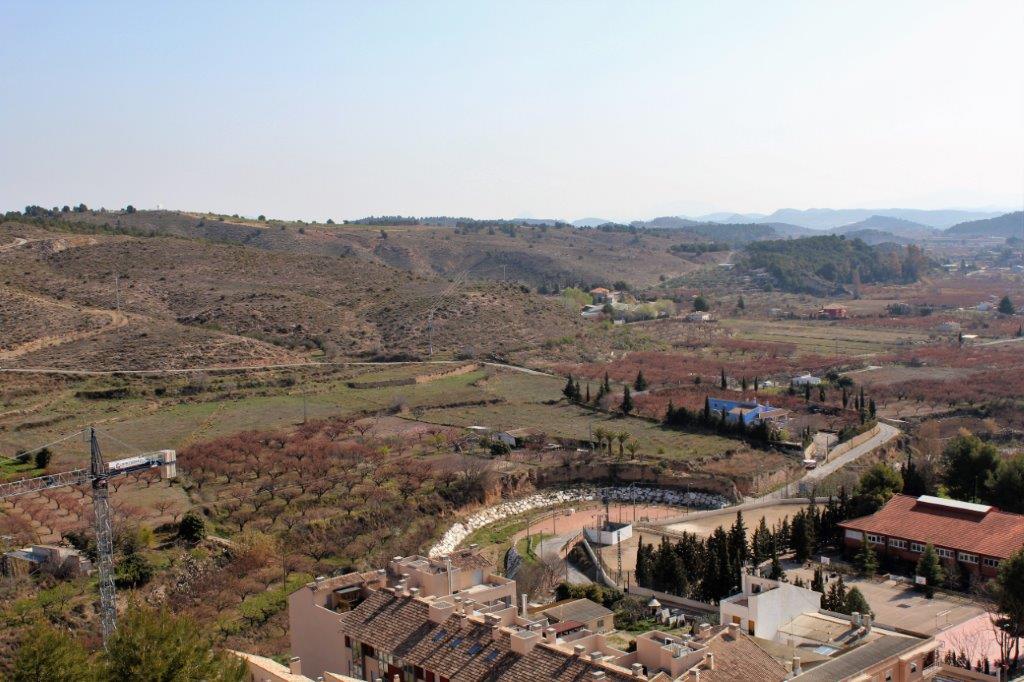
It was a one and a half hour drive from Cartagena through multi-crop agricultural fields, Mediterranean pine forests, and desolate dry scrub badlands.  The fortified castle of Caravaca stands atop the hill in the center of the town.  Access is via a small street train.  The fortress is Muslim in origin but was extended by the Knights Templar and the Santiago Order. The Visitor’s Center had a display of the elaborate embroidery panels created to cover the seven white horses used in a race up the hill to the fortress each year during the Christian Moorish Festival. The faces of local people are used in the embroidery.  It takes 7 embroiderers working full-time for a year to complete the sections.  Cost per horse is upwards of $40,000.  There is a fierce competition between groups for the best decorations. We spent an enjoyable time wandering around the ramparts of the fortress. You could see for miles in every direction.  Each of the seven white horses that race up the steep hill are accompanied by three men; two hole leads on the bridal, the third runs alongside.  To win, all three must stay in their positions all the way up the hill and be in place when the horse gets to the top.
We had a delicious four-course lunch with wine and beer followed by time to relax in the town square.


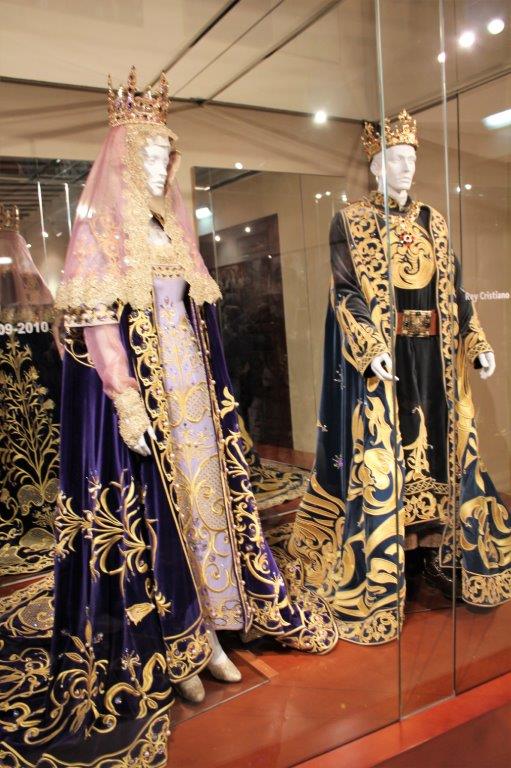
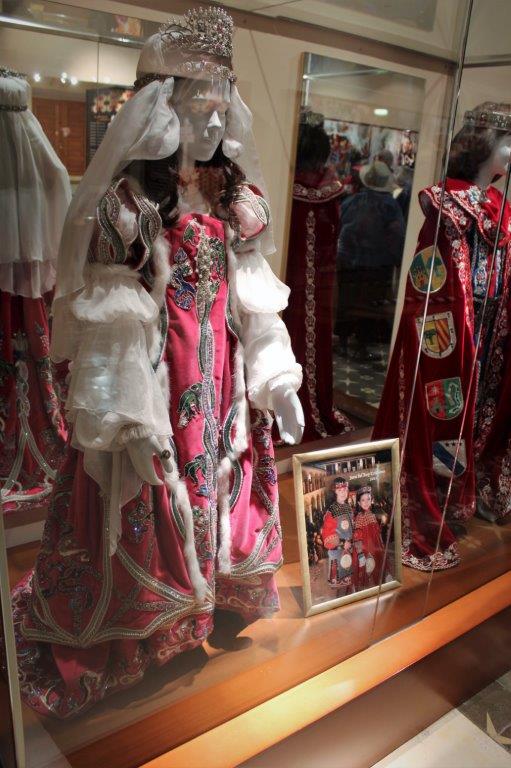
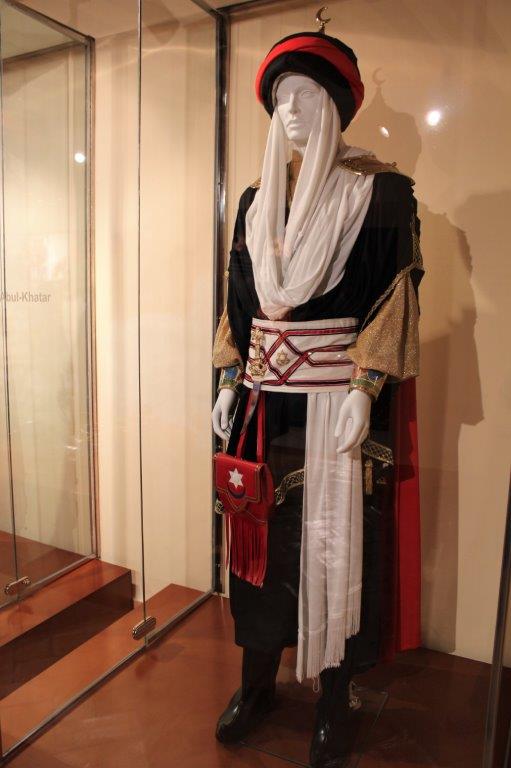
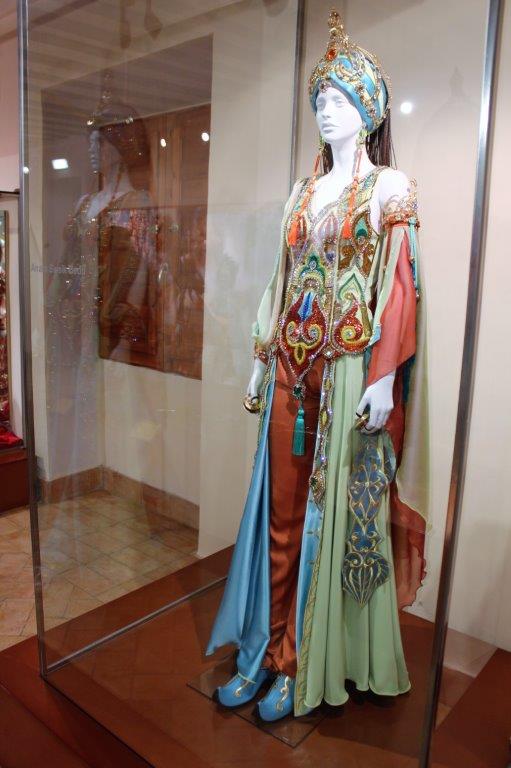
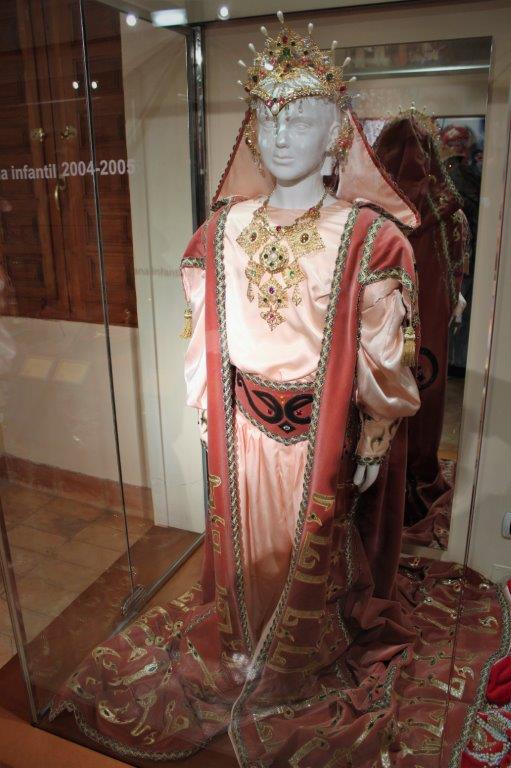
After lunch we went to the Festival Museum where costumes from former year’s “King and Queen” were on display.  The two outfits of the groups (Muslim and Christian) cost about $30,000 per set and new ones are made every two years.  Thousands and thousands of people line the streets and the courtyard of the church to see the horses and handlers run up the hill.  The cross is used to bless the water for the season’s crops.  Every three years they re-enact the battle and the story.

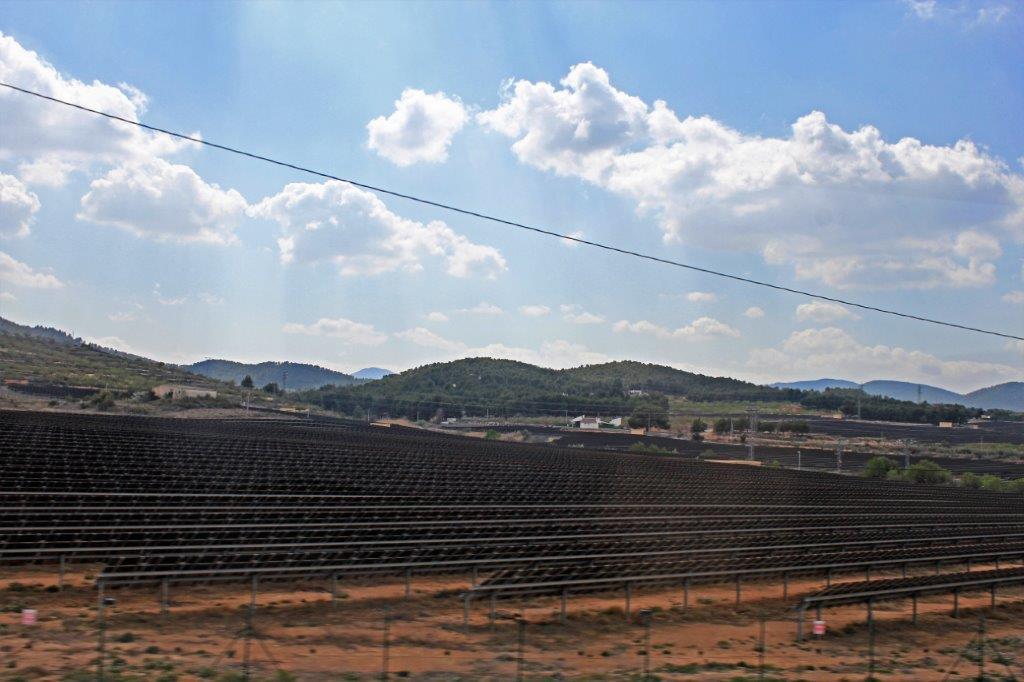
The bus ride back to Cartagena was equally as diverse and interesting as the outward trip since you get see all the things on the other side of the bus during the return trip.                                                     A huge solar ‘farm’.
We arrived back in Cartagena 20 minutes before departure.  The next day was relaxing as we crossed the Mediterranean once again to Tunisia, on the north coast of Africa.
2012 March 25 – Day 14 – Cadiz (Seville), Spain – Day 2 (Part 3)

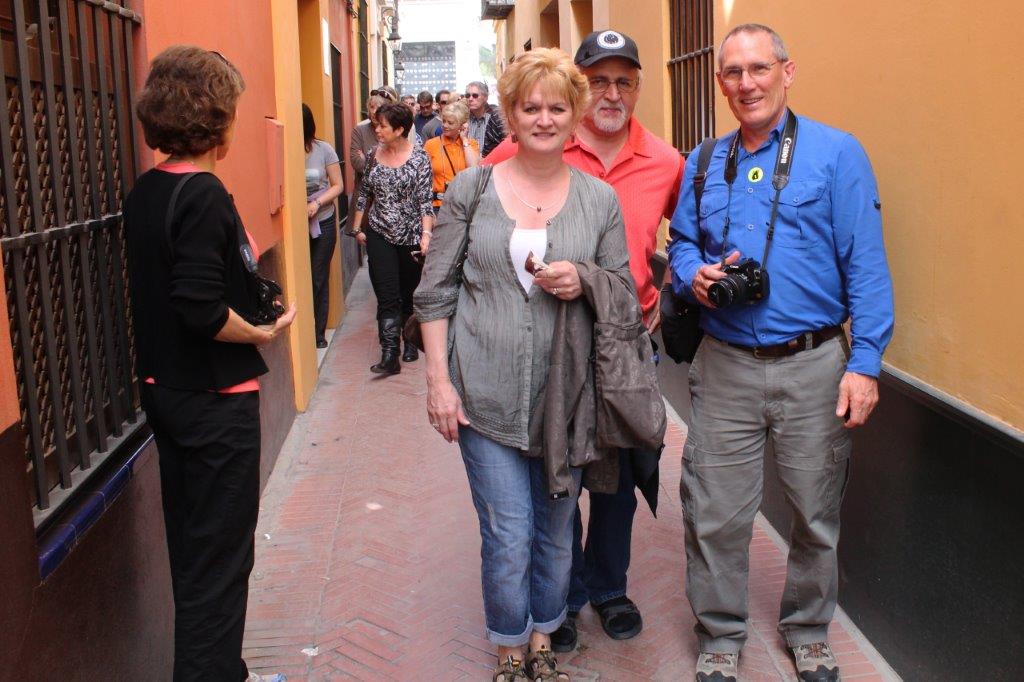
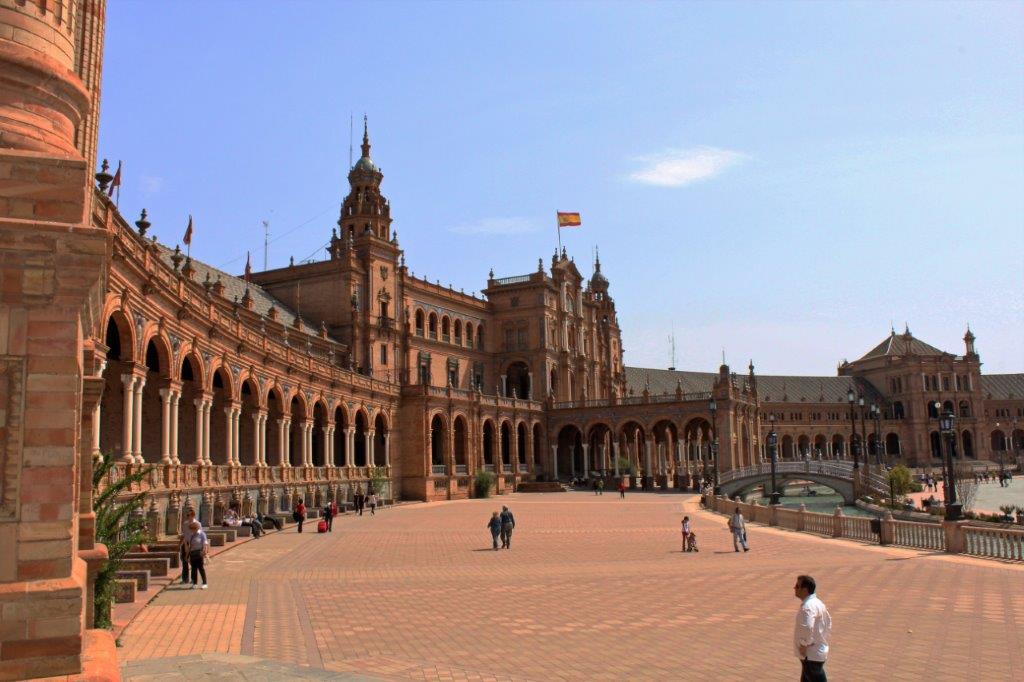
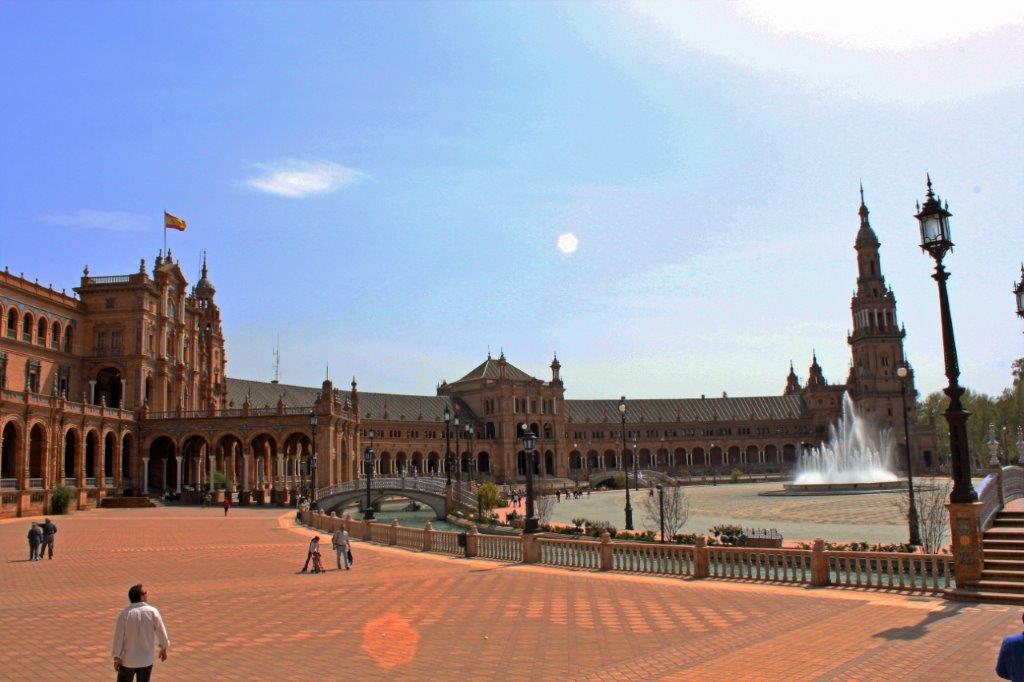
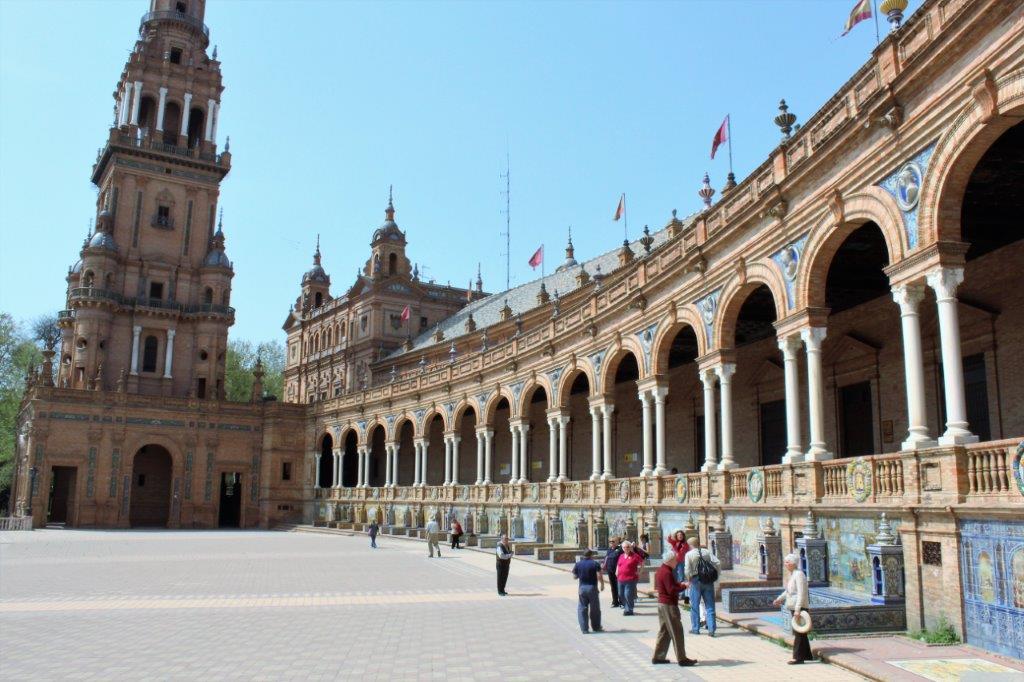
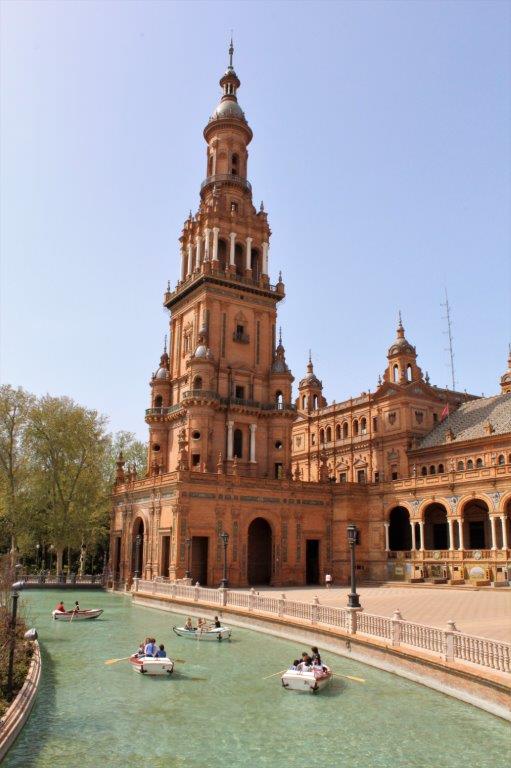
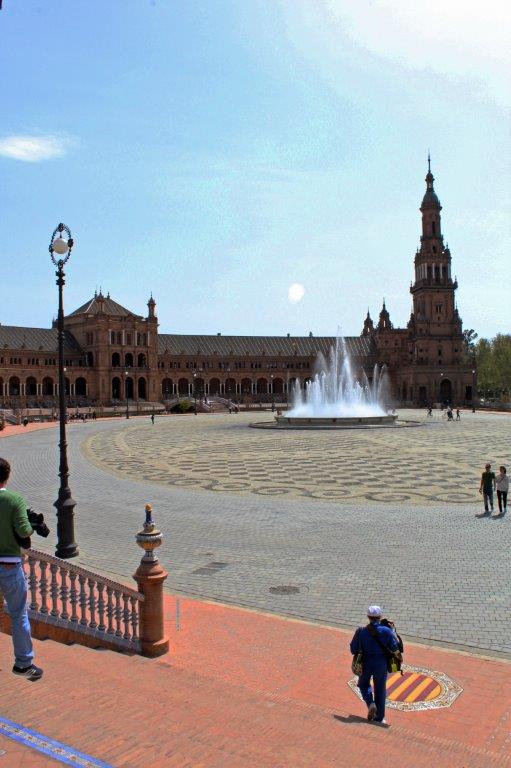
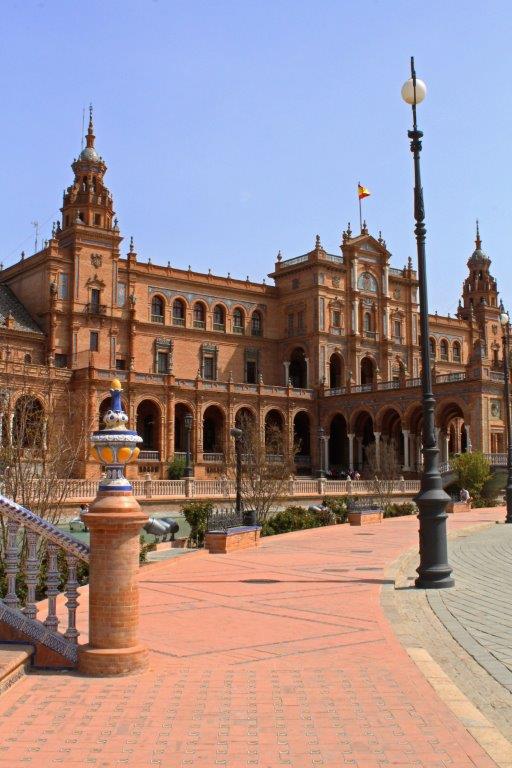
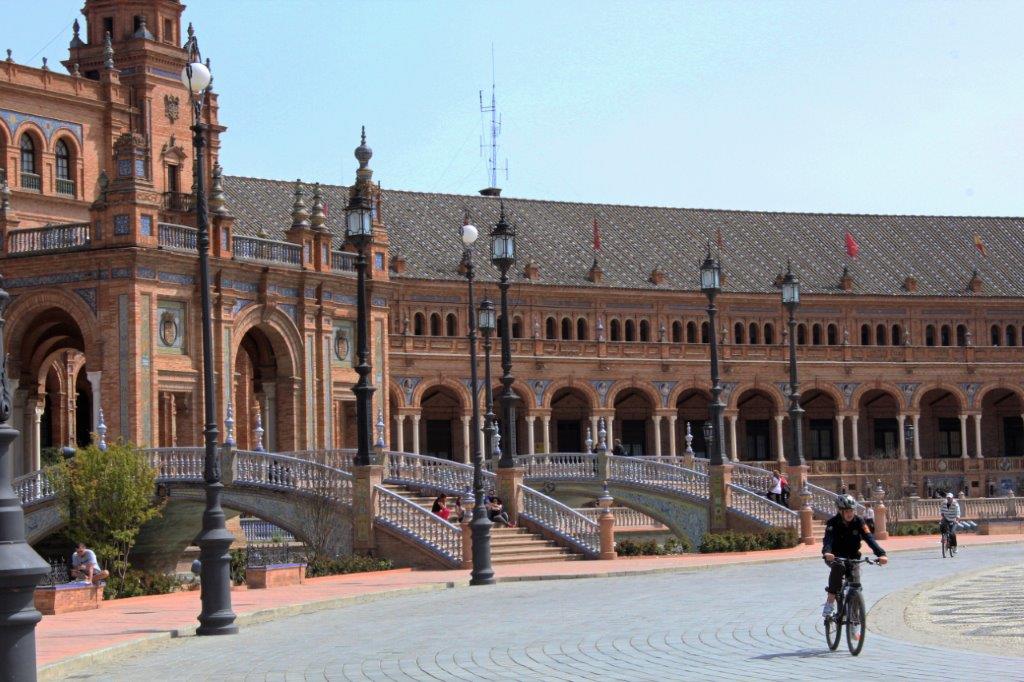
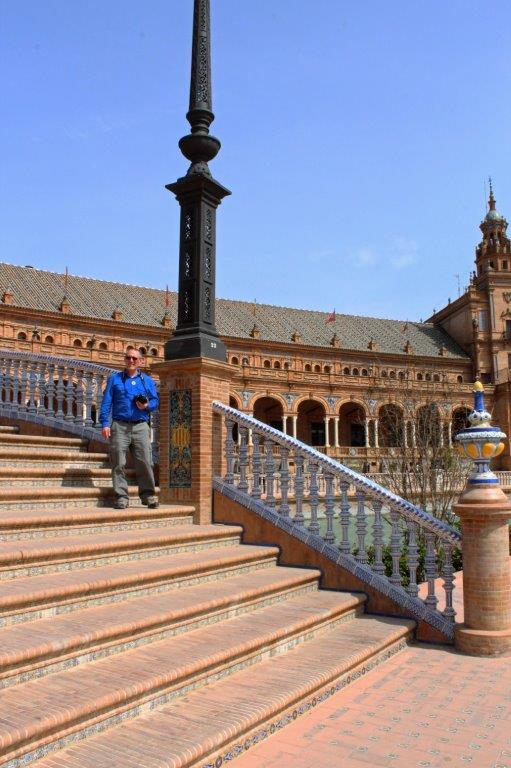
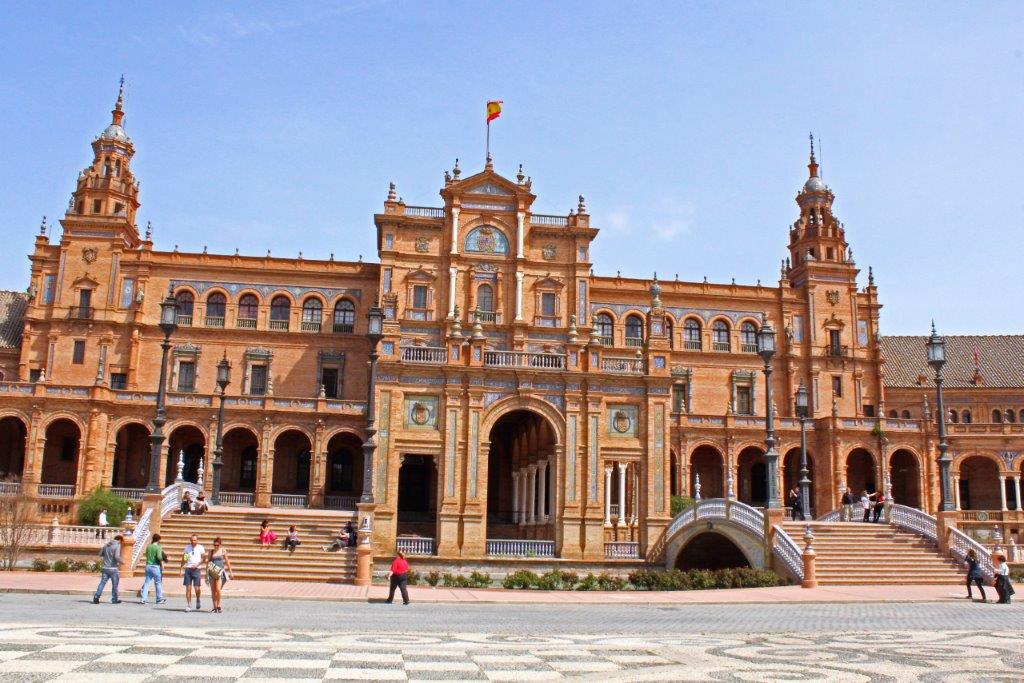
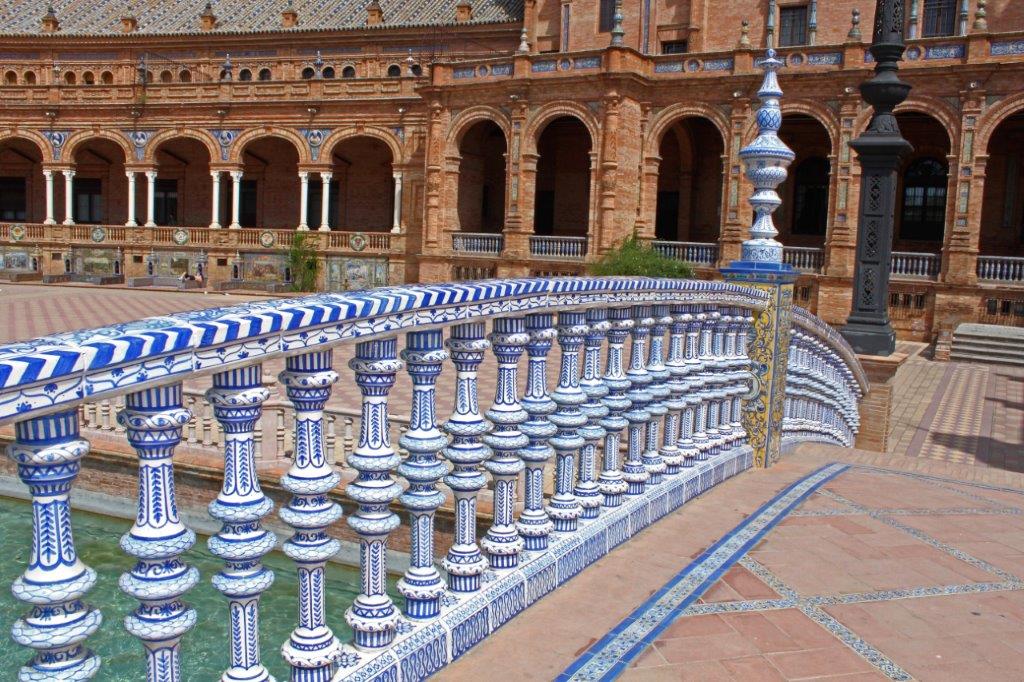
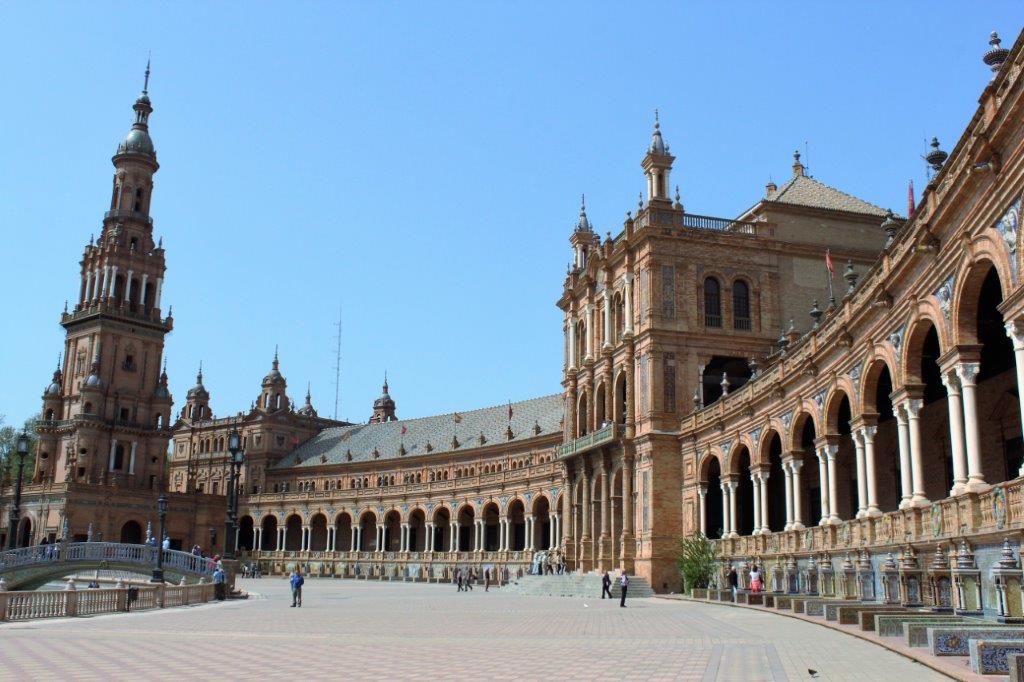
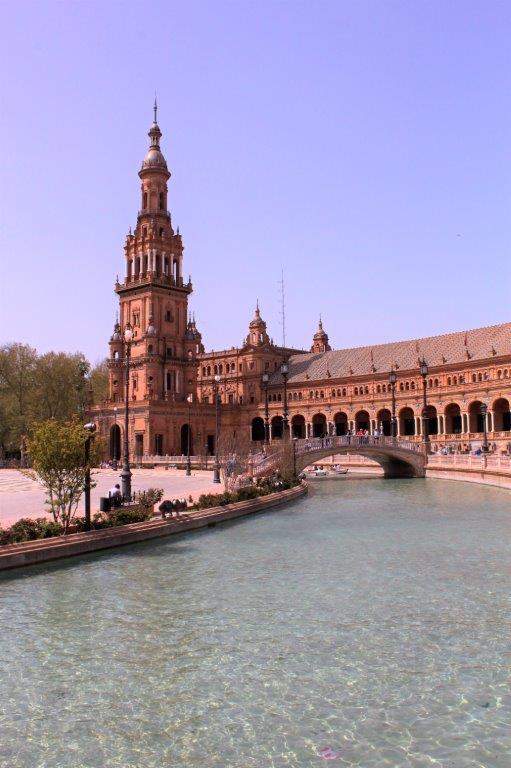
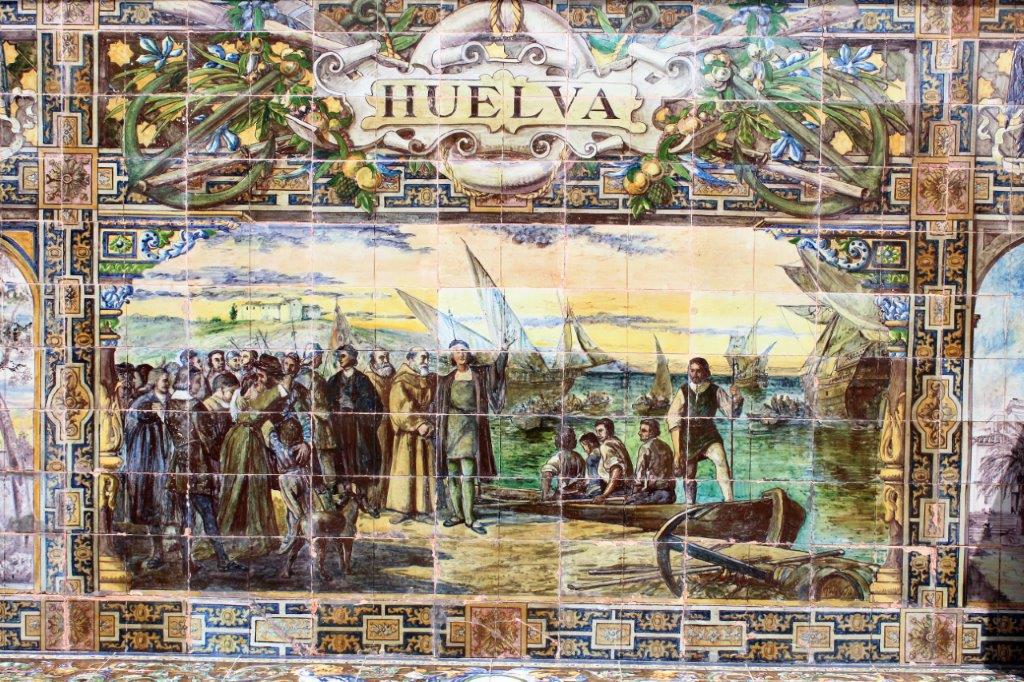
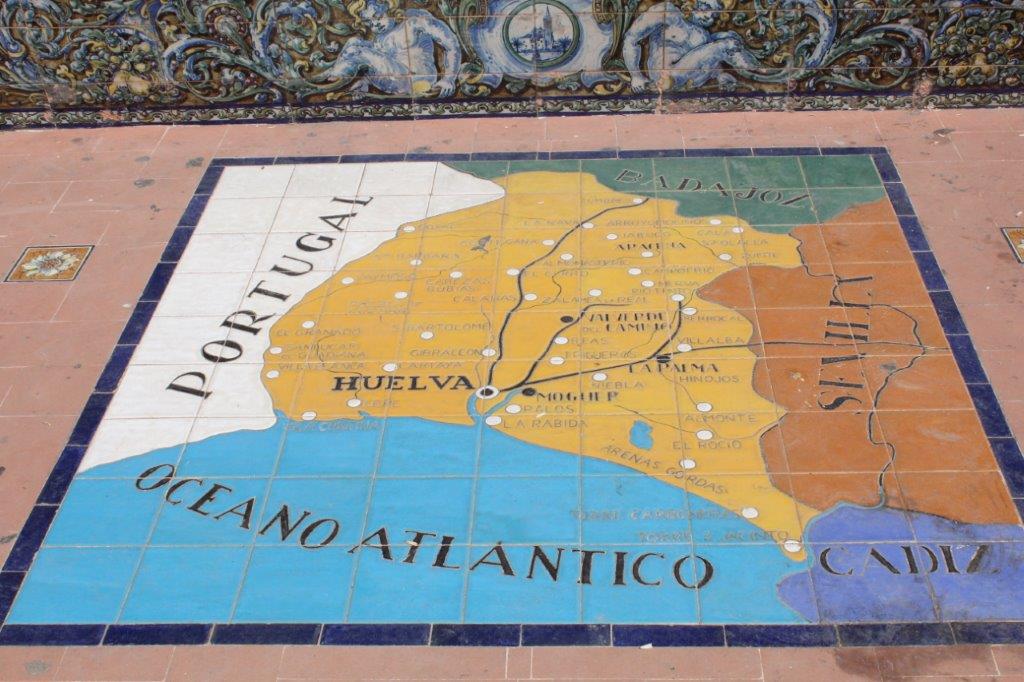
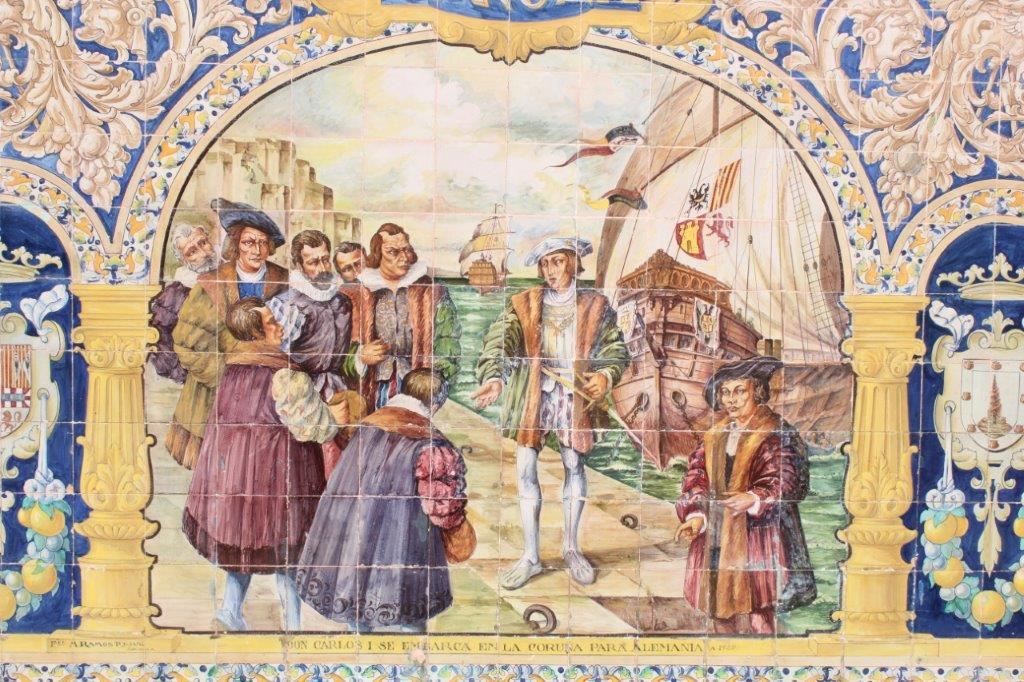
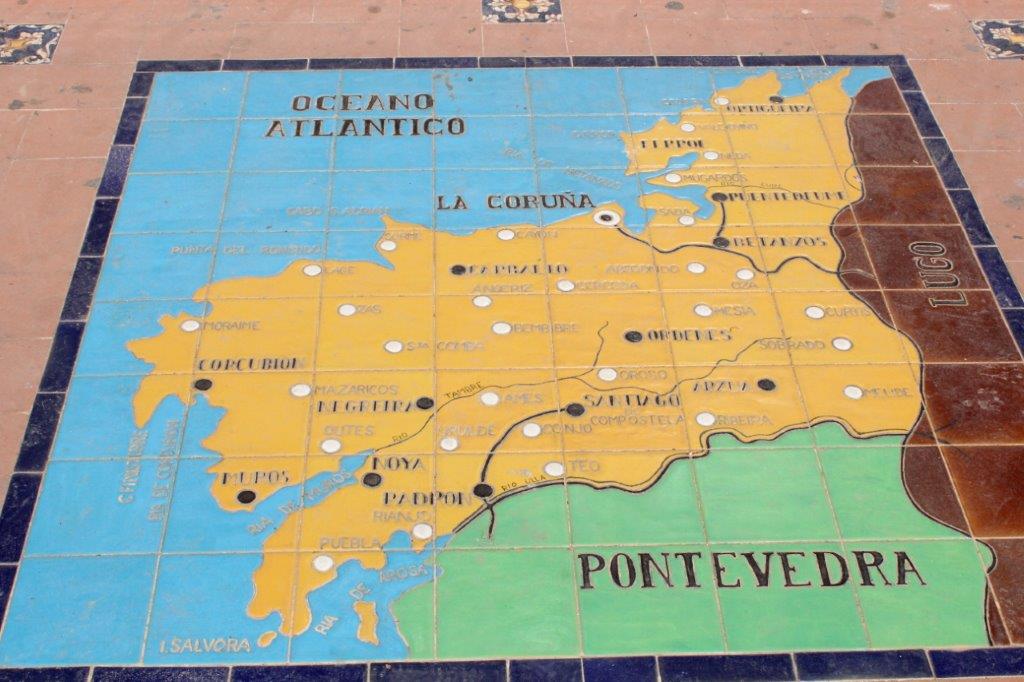
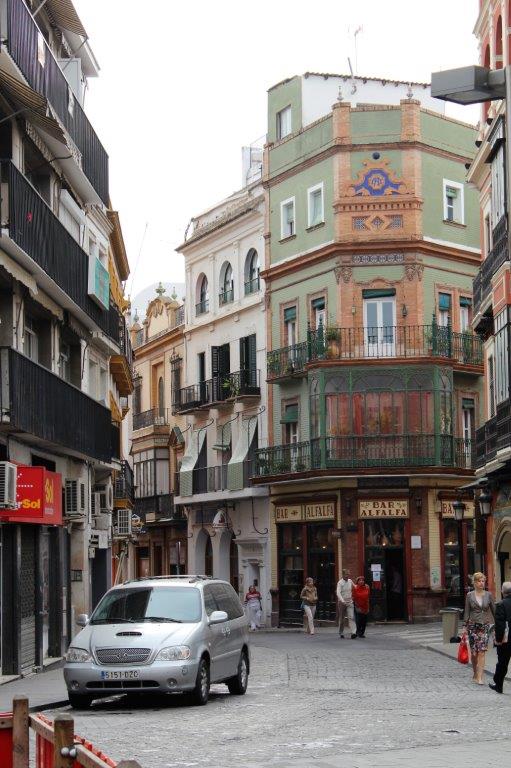
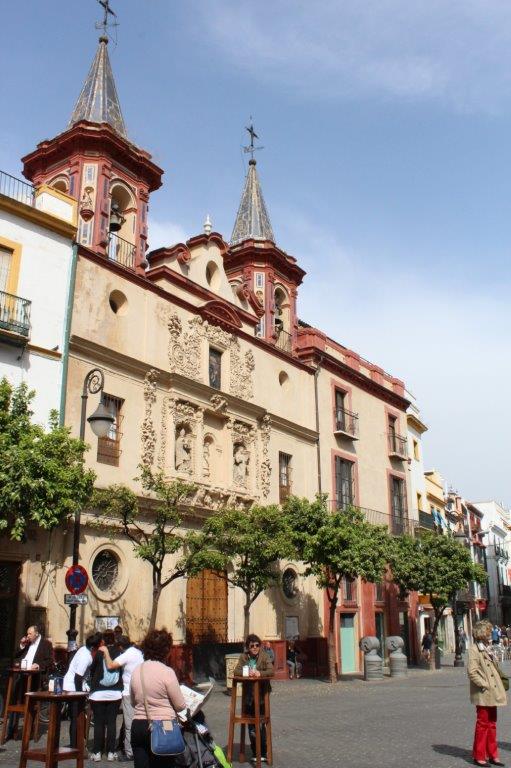
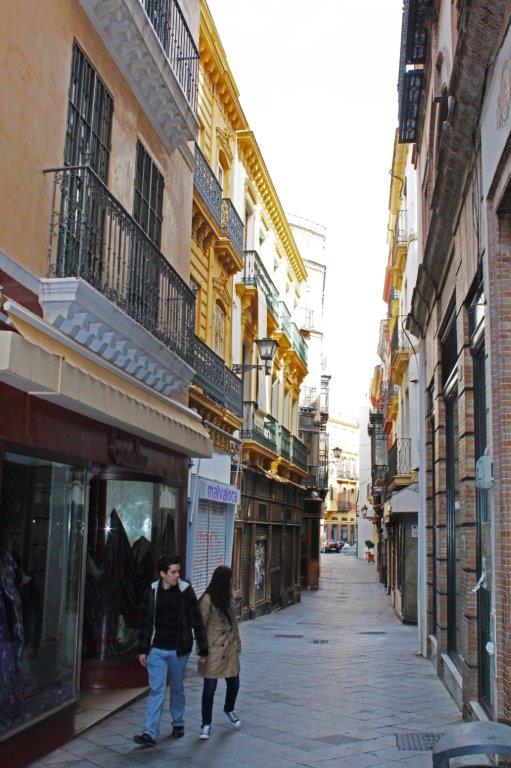
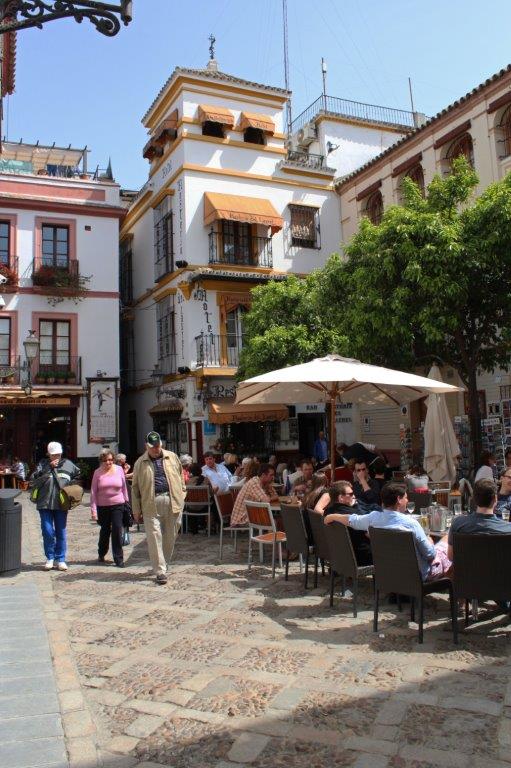
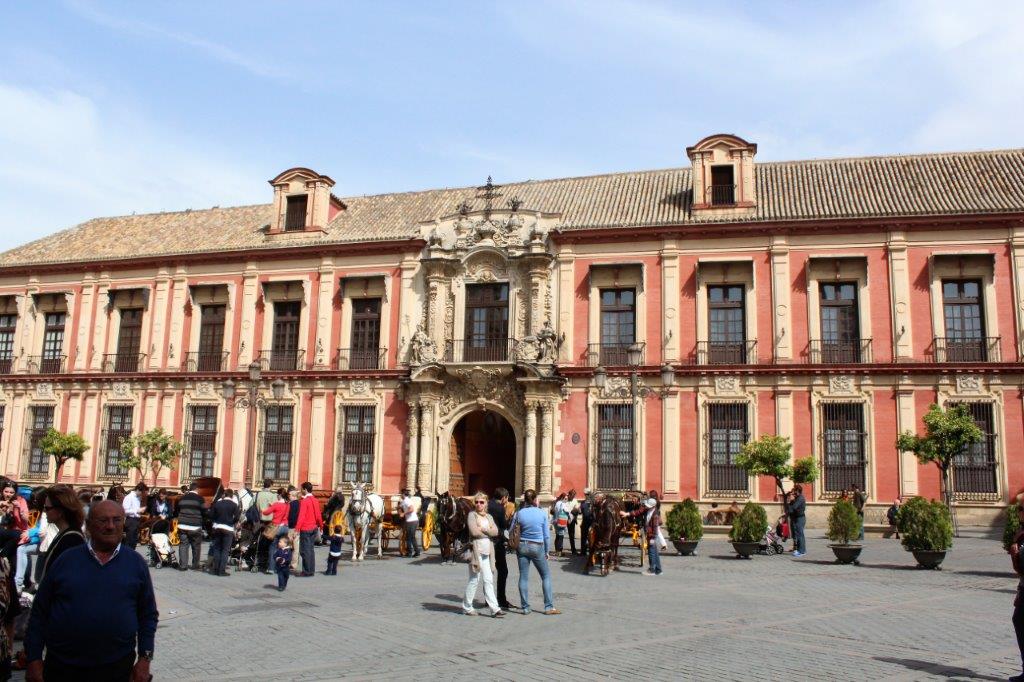
After we finished our lunch at La Bar Hosteria Del Laurel in the Santa Cruz section of Seville, John and I went for a short walk. On the way back to our group, who were assembling in the square to get back on the bus, a tour group from Edward Jones Financial walked past.  As the people passed us I said to John, “I know that lady.”  And sure enough there was Judy, a lady that worked in the same pharmacy as our sister-in-law in our home town.  Her husband works for Edward Jones and they were in Spain for a week as part of a work bonus.  So weird…to see someone you know from home walk by in a foreign country.  Very cool!Our last stop on the tour was the Plaza d’Espana; the Spanish pavilion constructed for the Iberian Exposition of 1929. In order to have parking room for the bus we entered the pavilion from the back.  We walked up a few steps and into a large building.  When you came out the other side you overlooked a massive marble-tiled plaza with a large fountain, a water canal with rowboats, and a sprawling building curving around the perimeter. Absolutely stunning!

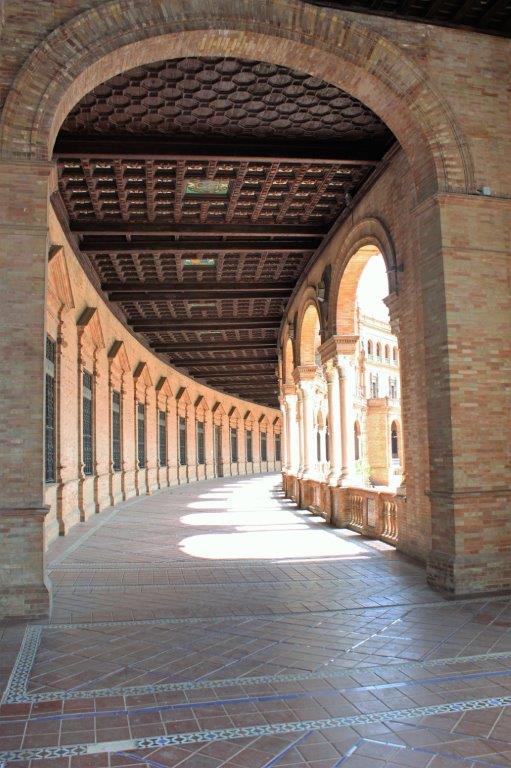
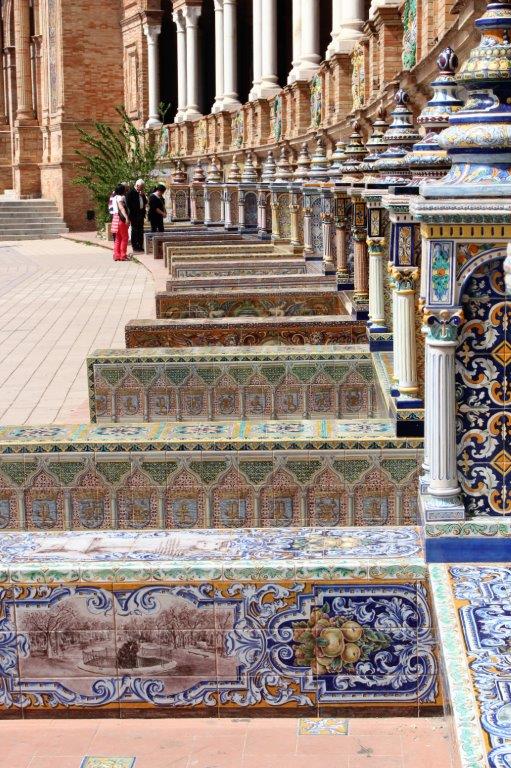
On the wall at the back of each of these little partitions every province of Spain had a tile picture of some important happening or event that took place in their area.  And there was a map of the province on the floor.

It took 11 years to build the pavilion and I think they finished paying for it in the 1980s.  Certainly was an amazing structure.  And obviously a lovely spot to wander and putter in a rowboat on a sunny afternoon.The ship set off again at 4 pm, sailed across the Mediterranean, passing by Gibraltar at midnight, and on to the north Africa coast and our next port, Melilla, Spanish Morocco.

2012 March 25 – Day 14 – Cadiz (Seville), Spain – Day 2 (Part 2)

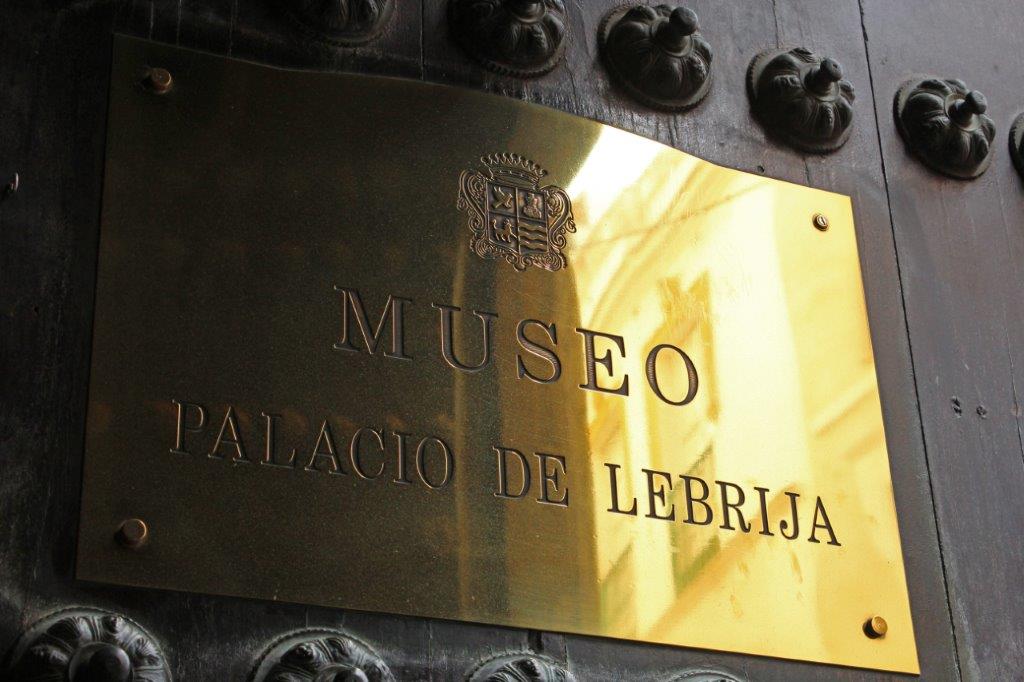
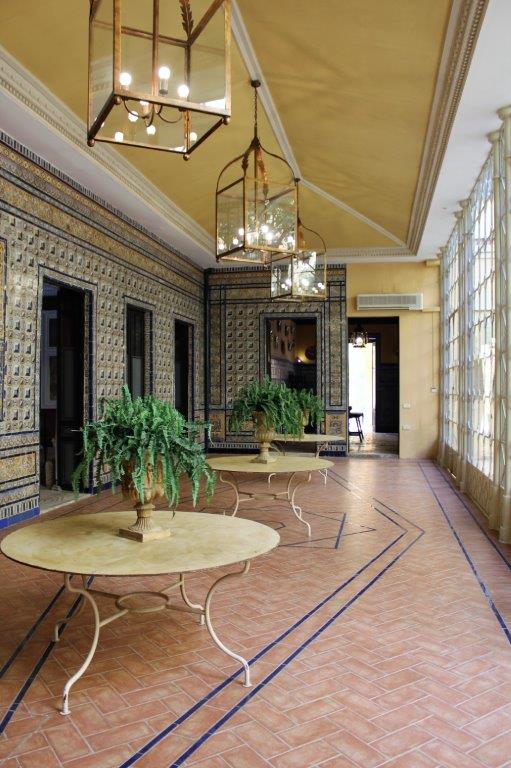
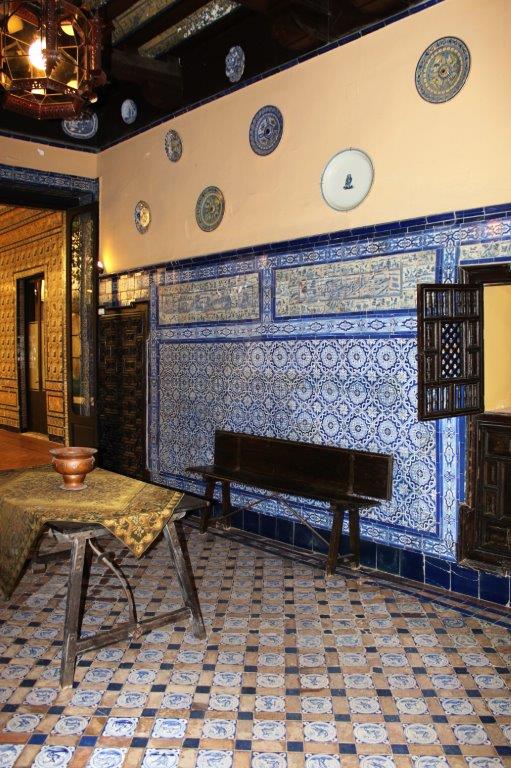
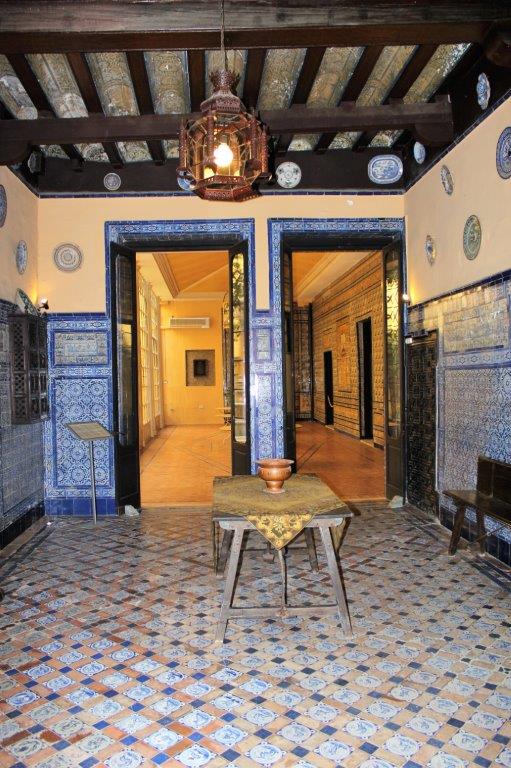
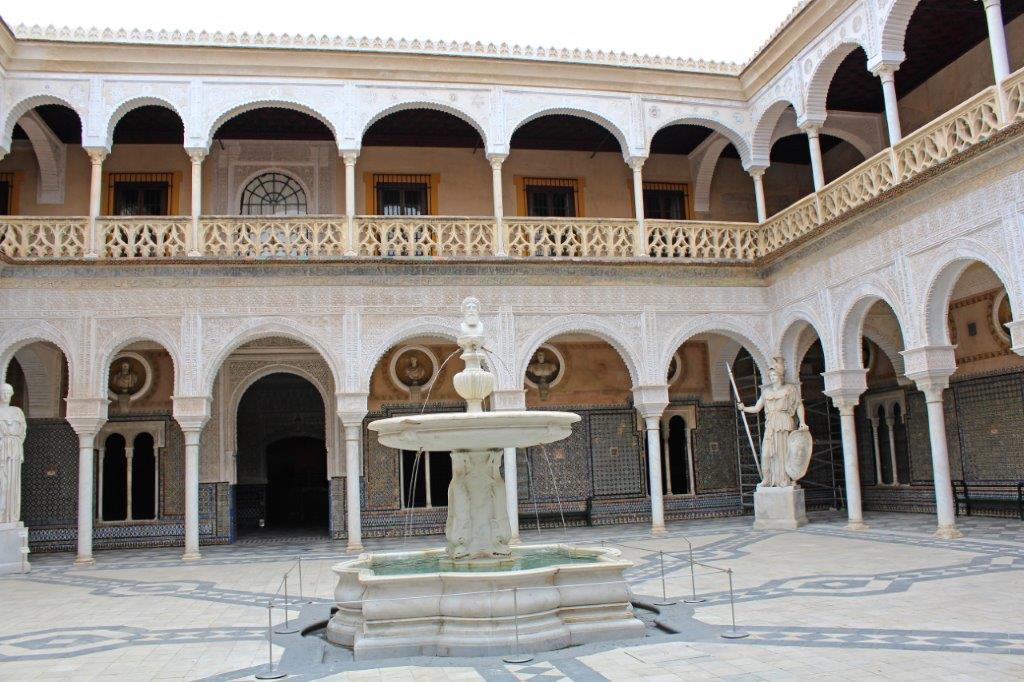
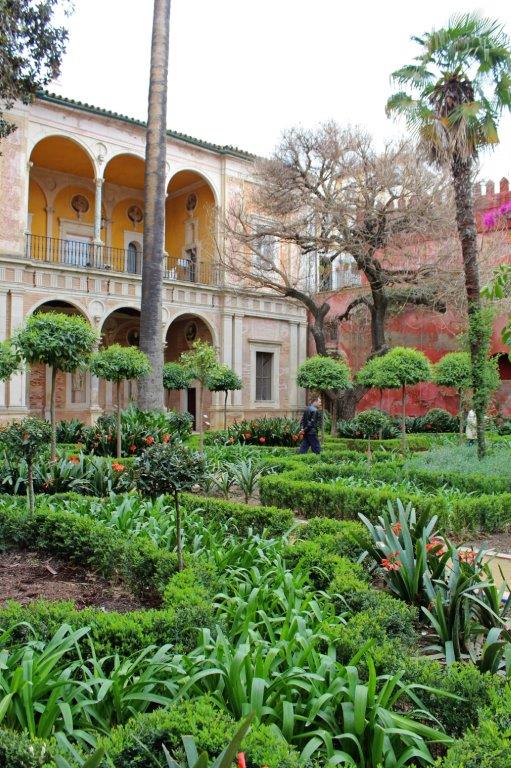
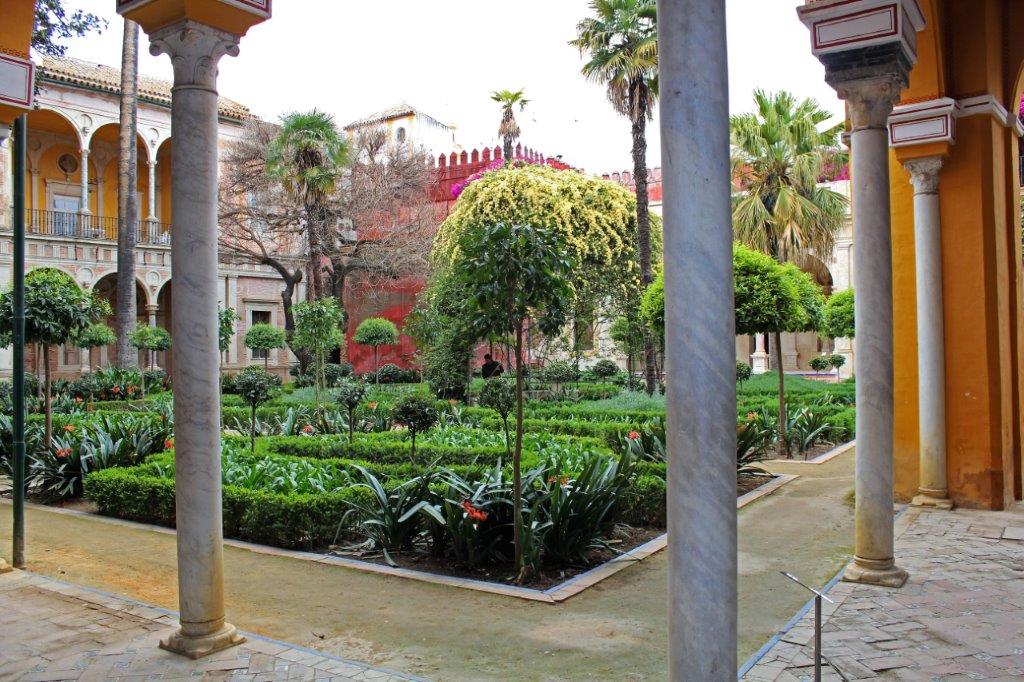
After we finished touring Casa de Pilatos we walked through the streets of Seville to the next house: the home of Condesa Del Lebrija; whose nephew now owns it.

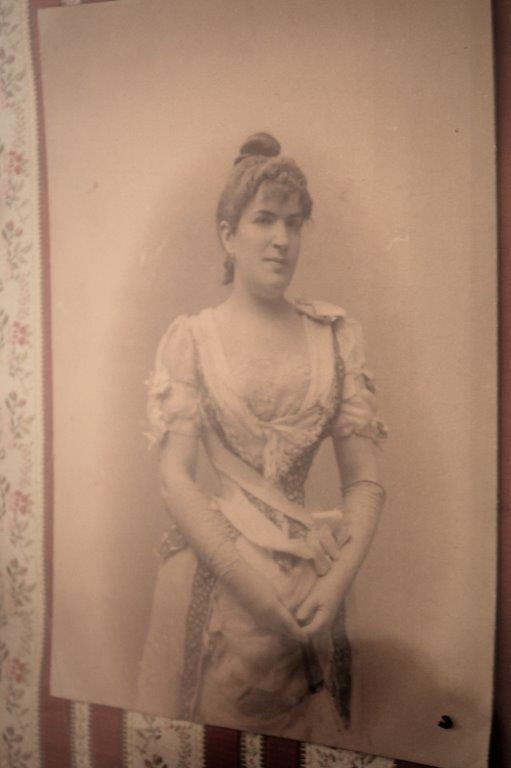
An interesting feature of the aristocratic homes in Spain is the two identical living spaces; the upper floor for use in winter and the lower floor for the summer.  The floor plans and room functions are the same on each level, although the decorating is different.  The family just moves up or down depending on the heat.                                             The Countess of Lebrija.

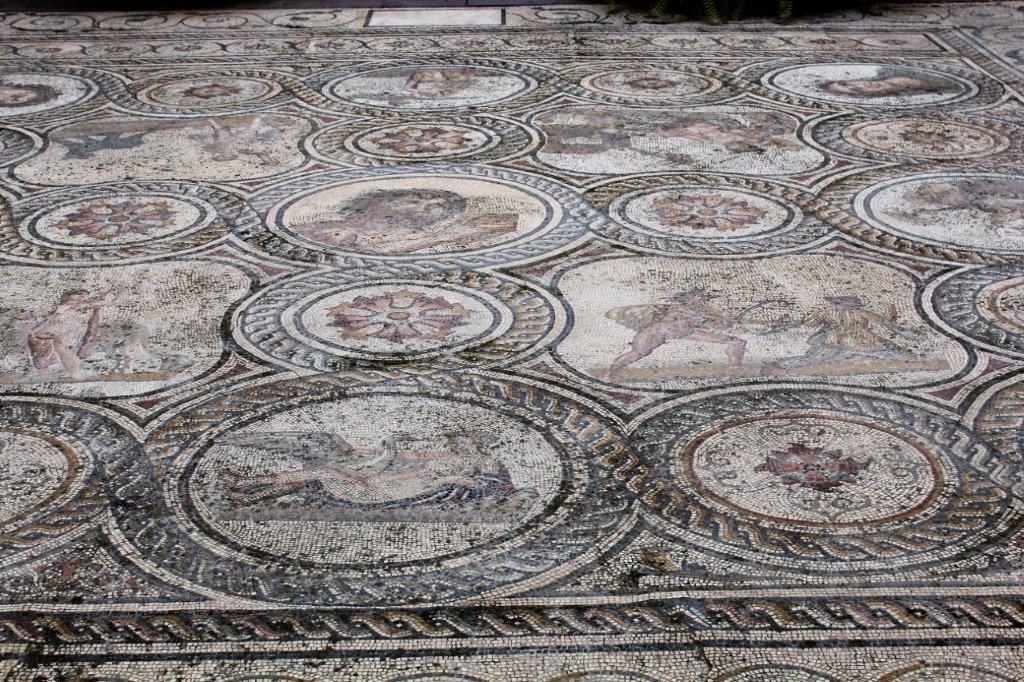
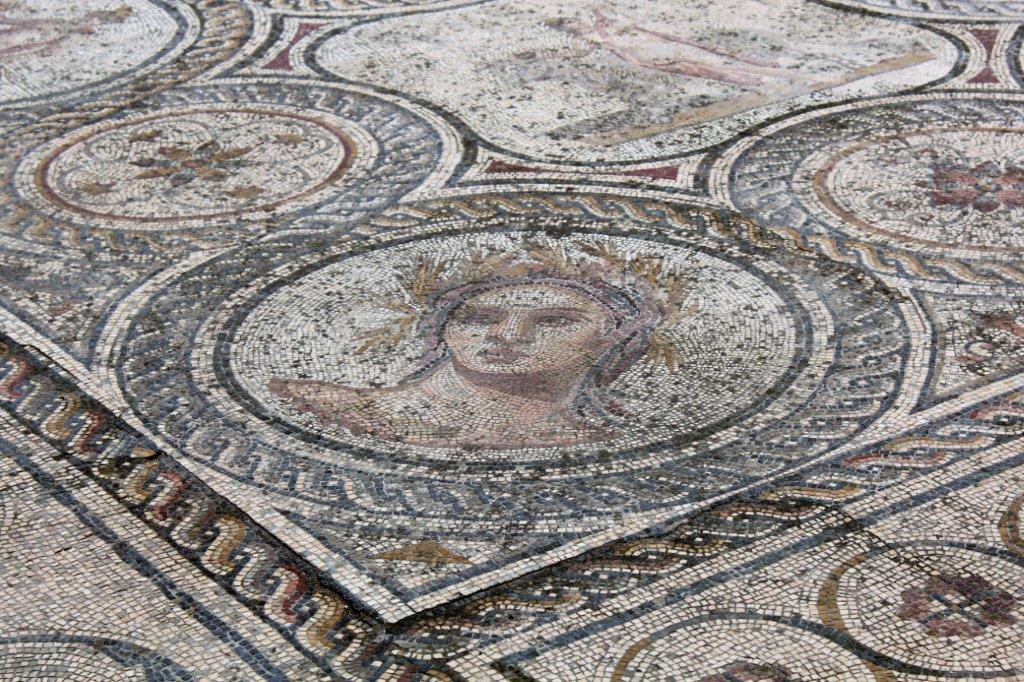
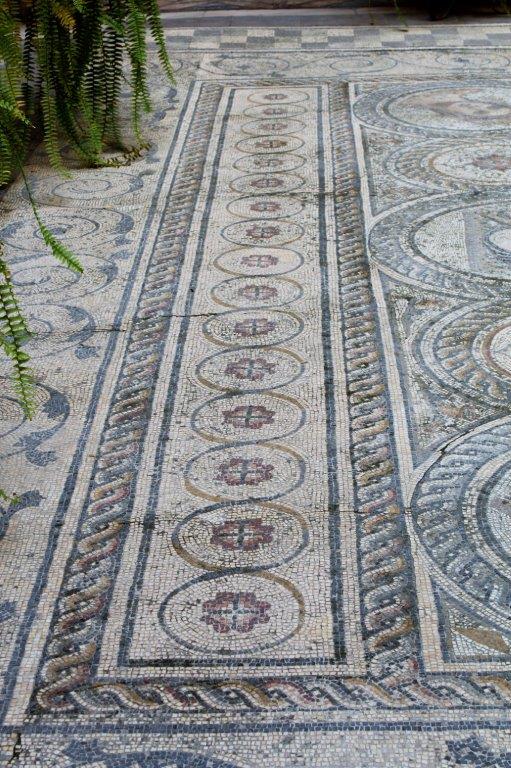
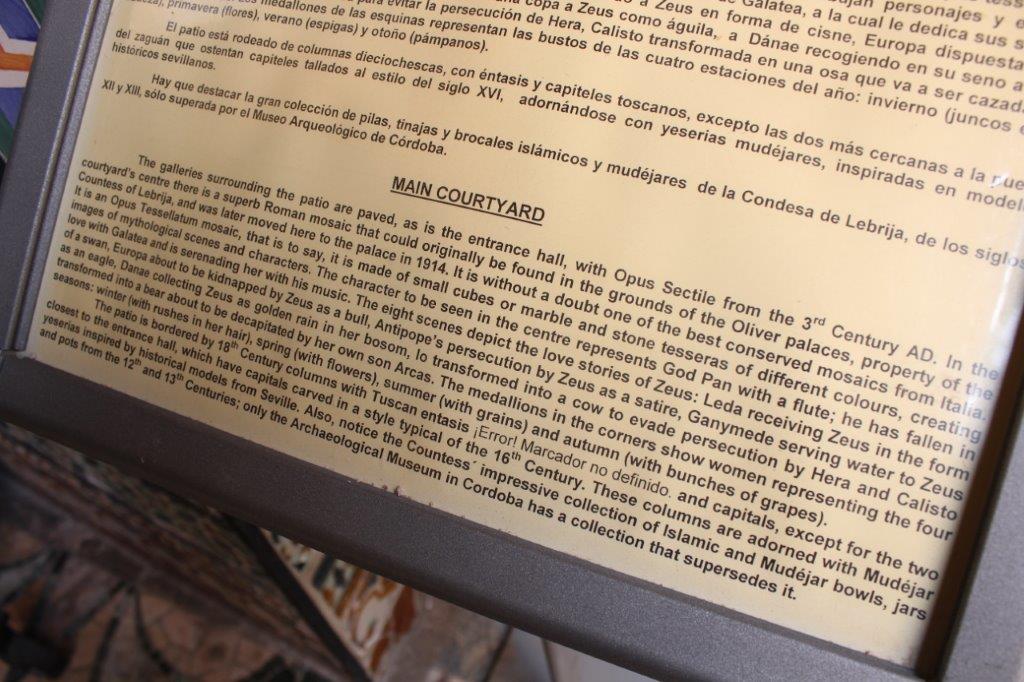
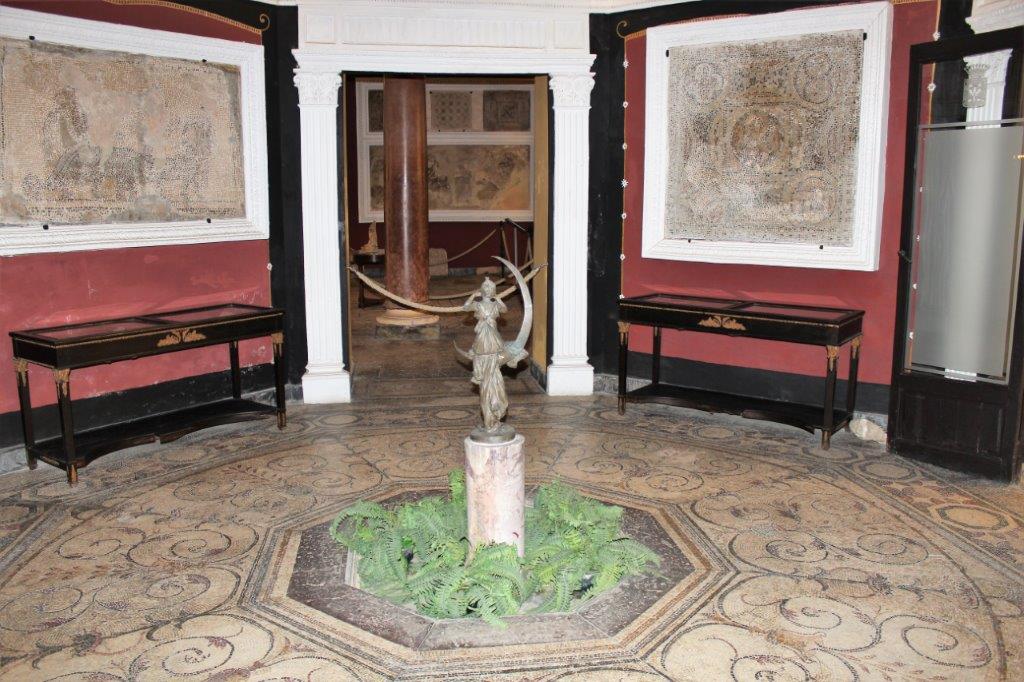
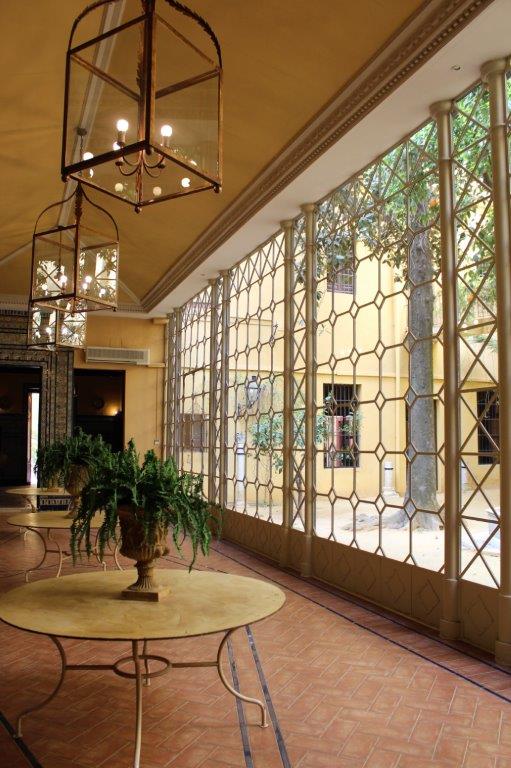
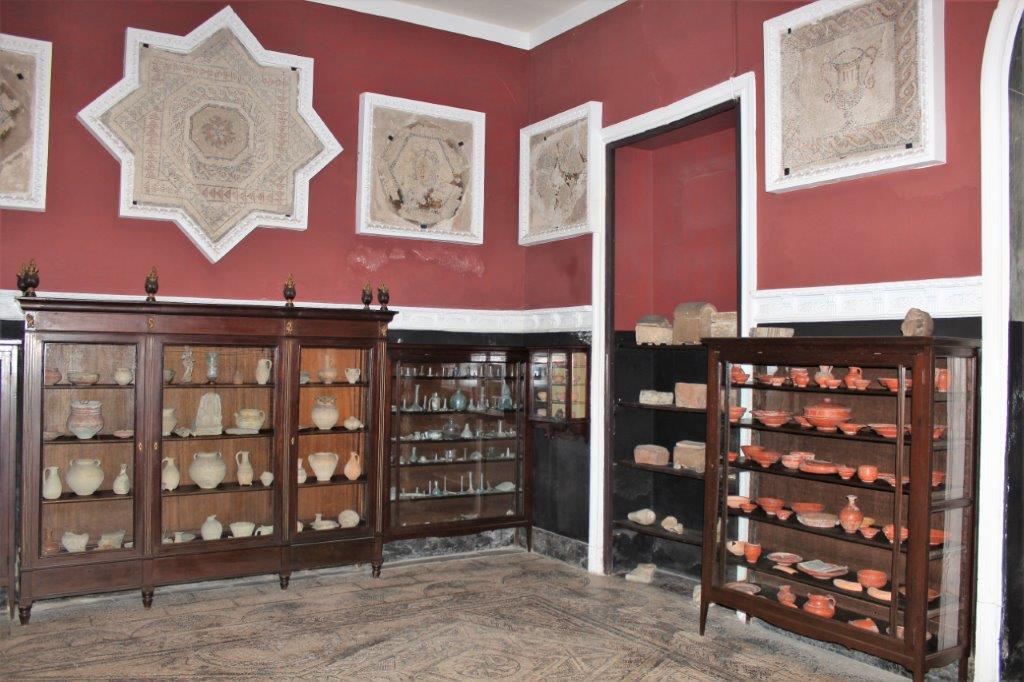
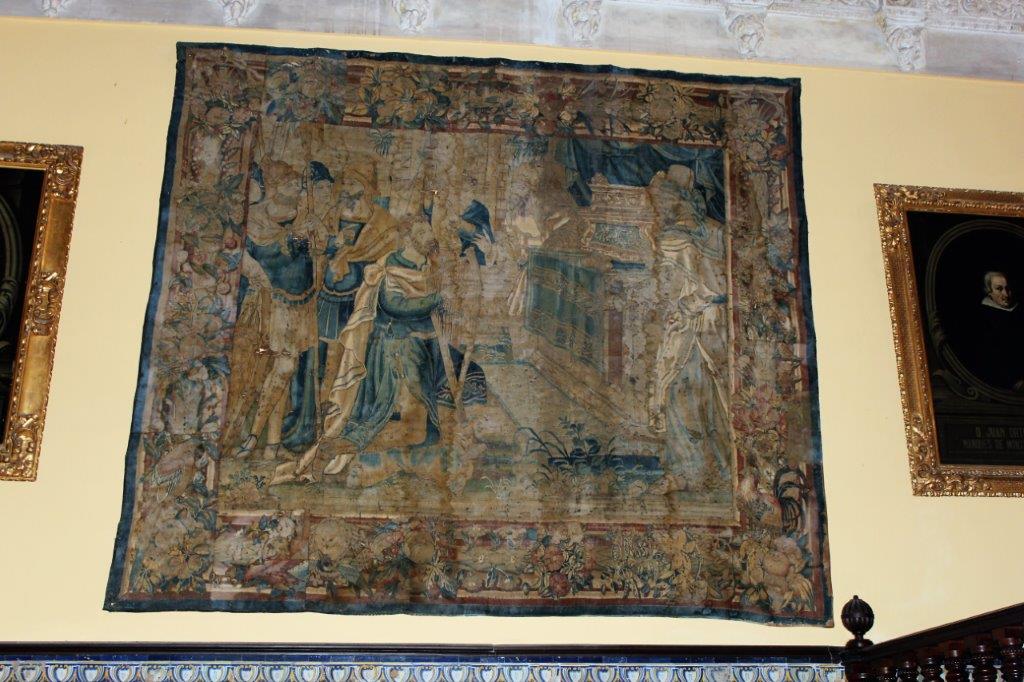
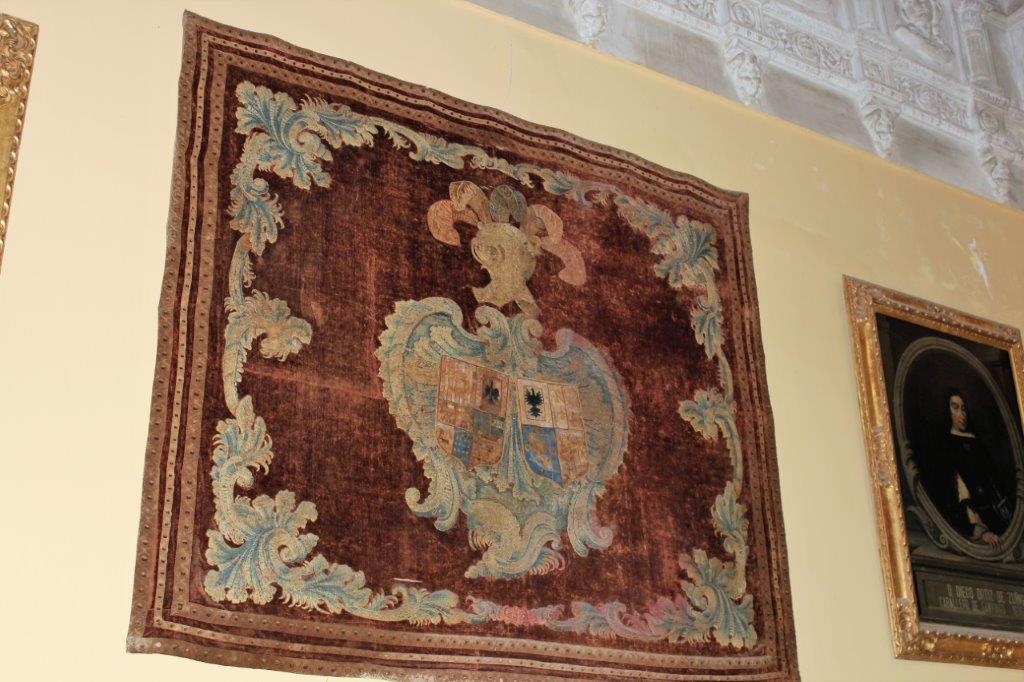
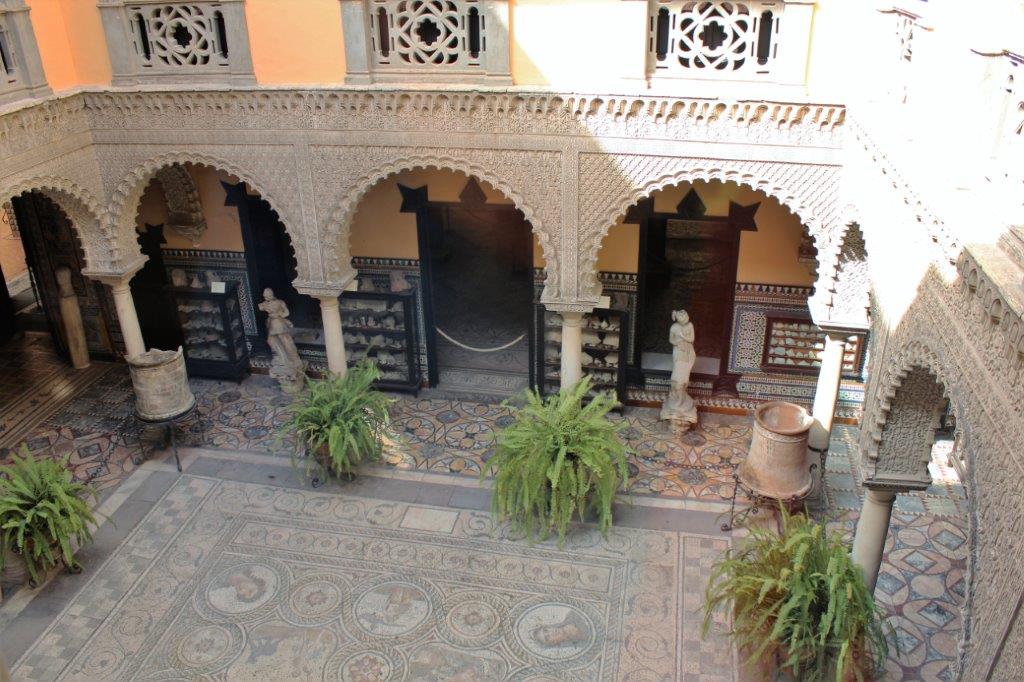
The front courtyard of the Condesa’s casa contained a 2-3 BC century mosaic from Italy.  She bought it and had it dis-assembled, then re-assembled in her Spanish house.  Before the tiles were re-laid she had the courtyard excavated 20 feet down and found many Roman-era ceramic shards and marble pieces.  The mosaic was too large for the existing courtyard space so she had two walls of the house moved back to make room. The house was full of ancient books, dishes, pottery, bits and pieces of buildings and gorgeous furniture.                                          A couple of ancient tapestries.From the Condesa’s palacio we were taken on a walking tour to La Bar Hosteria Del Laurel in the Santa Cruz Jewish Quarter, where we had tapas and wine for lunch.

Something interesting happened after we finished lunch.  I’ll tell you about it in my next blog.

2012 March 25 – Day 14 – Cadiz (Seville), Spain – Day 2 (Part 1)

The drive from Cadiz to Seville took less than two hours since it was Sunday and there was not a lot of traffic.            Just in case it is raining when I come this way again???  Our tour was the Palaces of Seville.  These were not true palaces but ‘Palacio Casas;” which are very large homes owned by wealthy aristocrats.

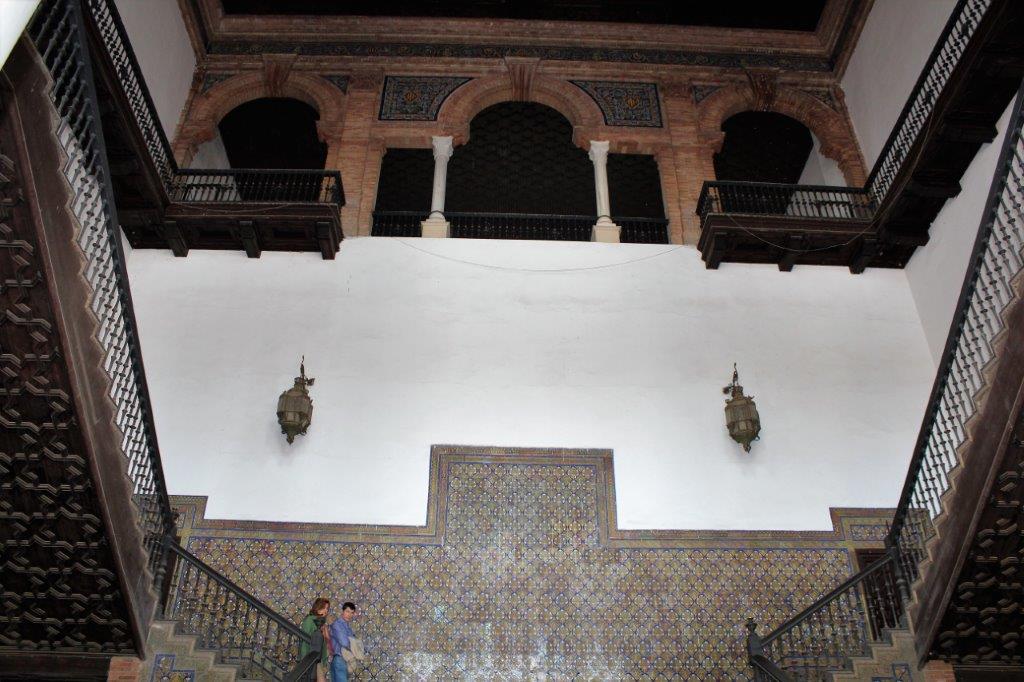
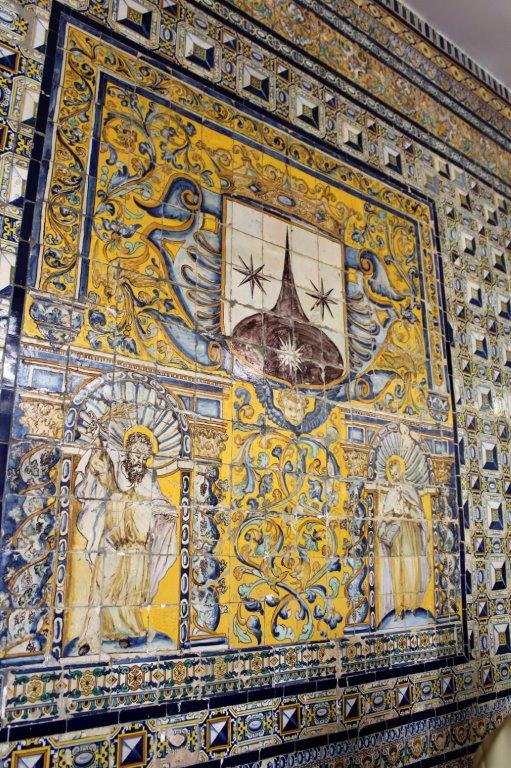
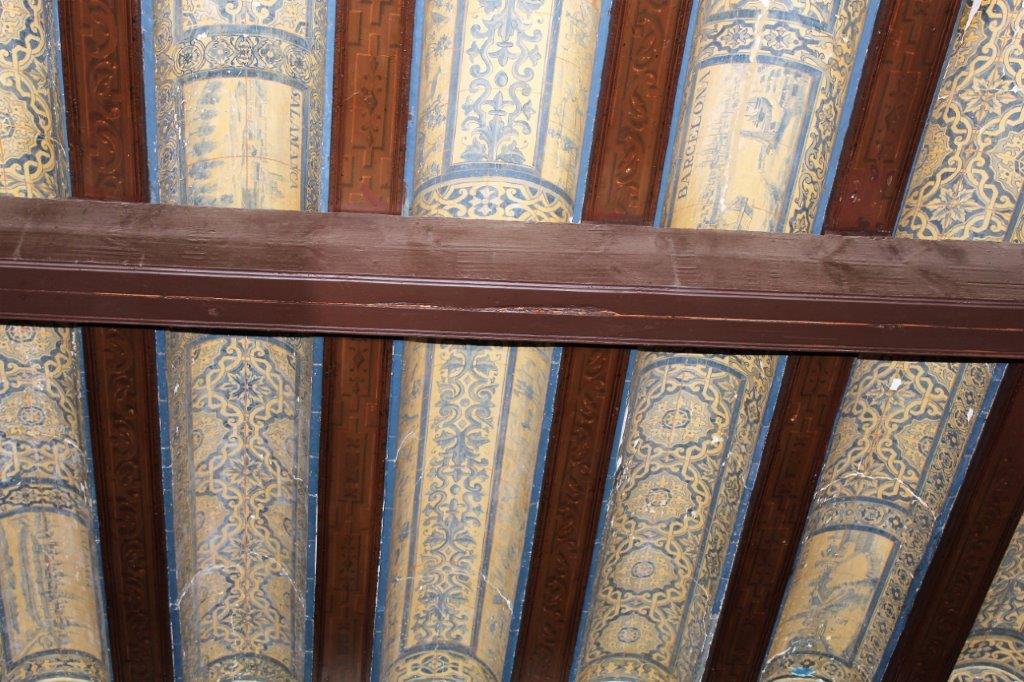
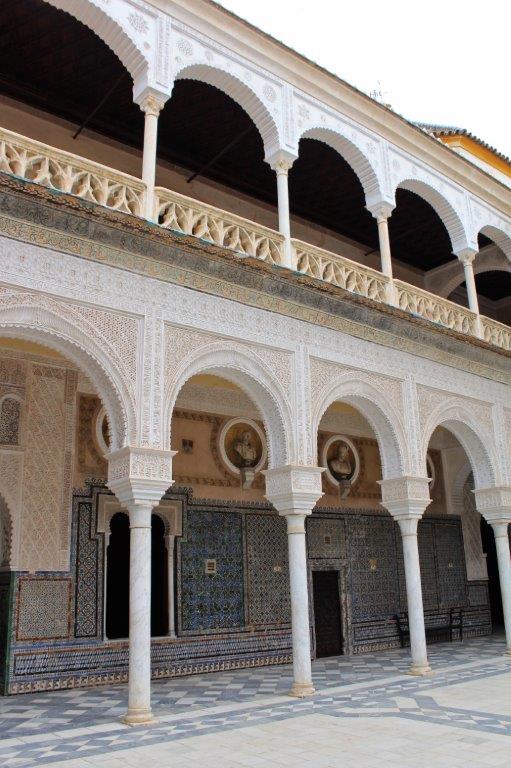
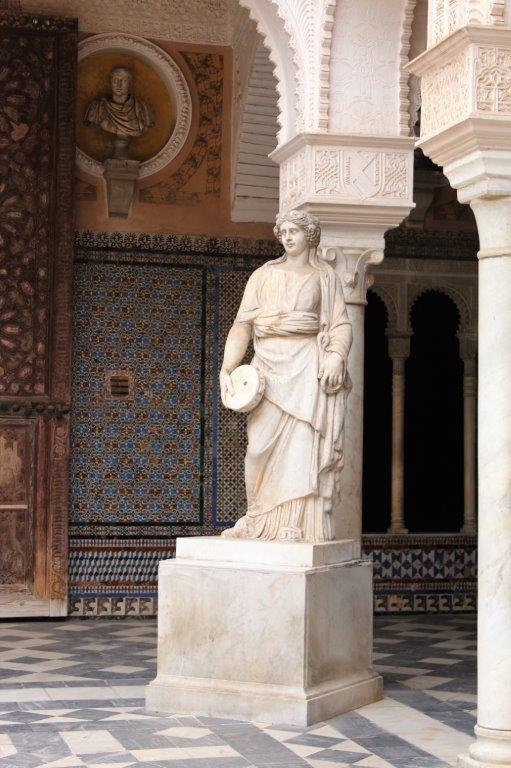
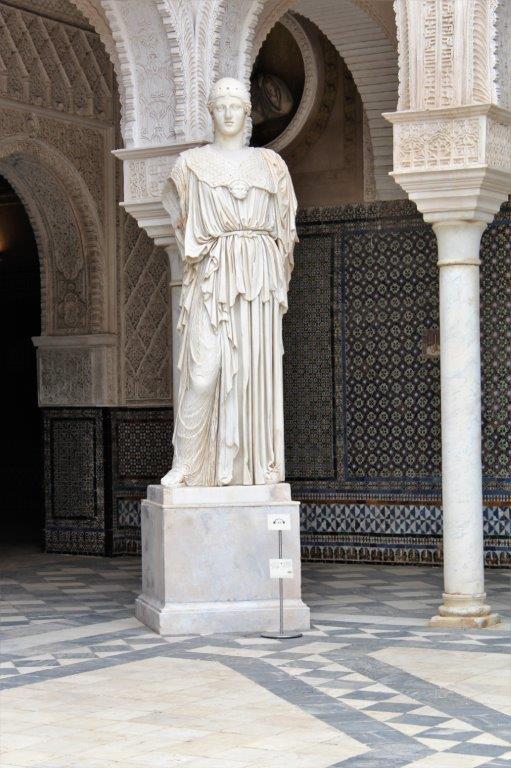
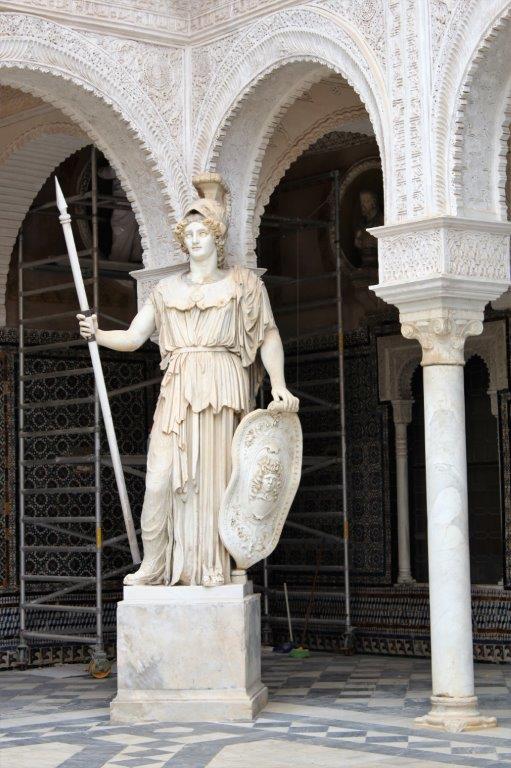
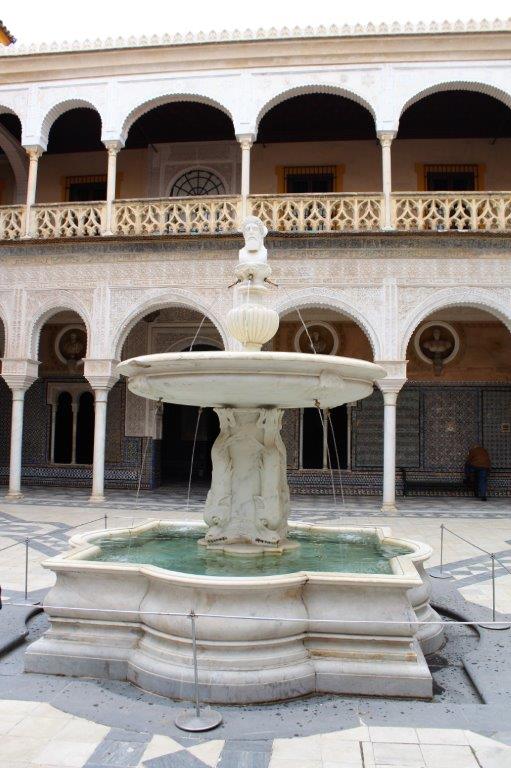
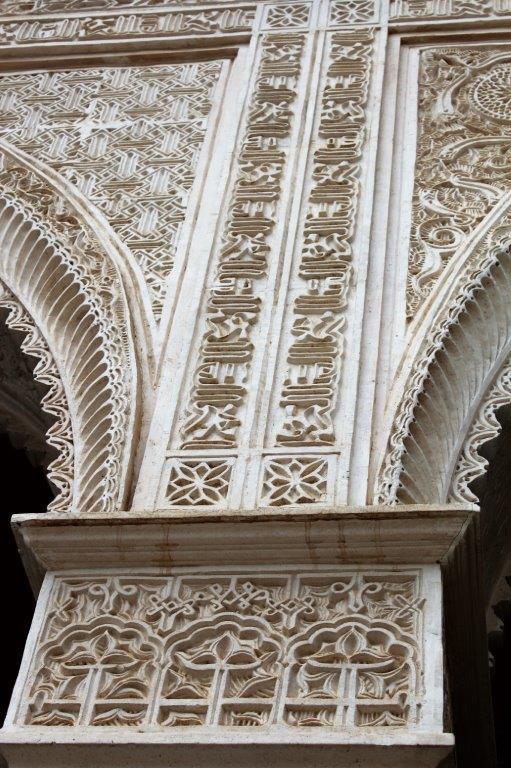
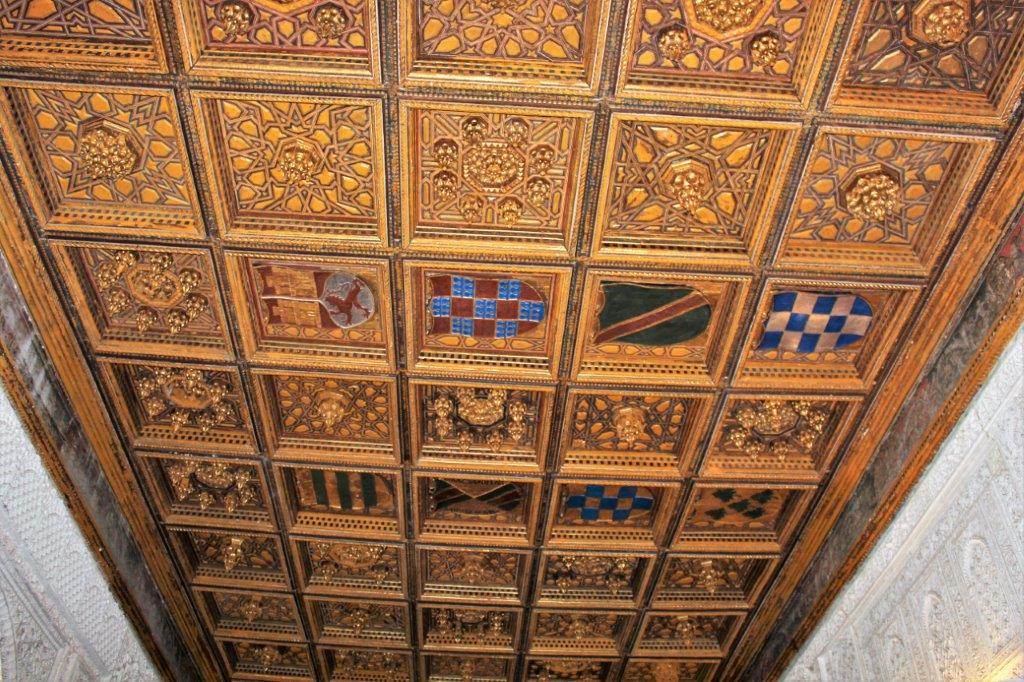
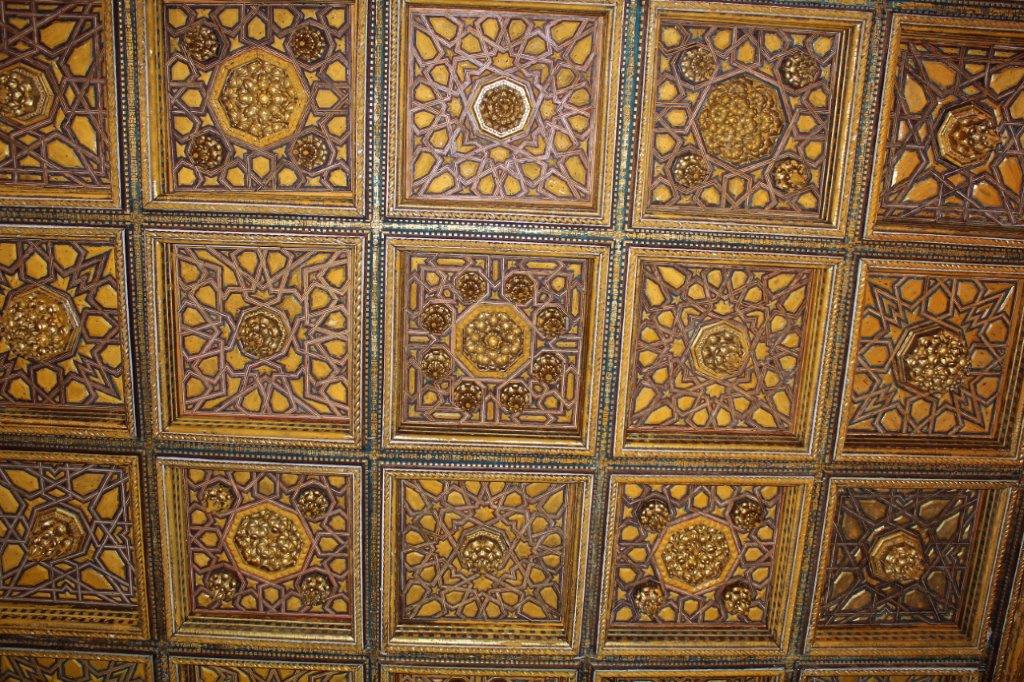
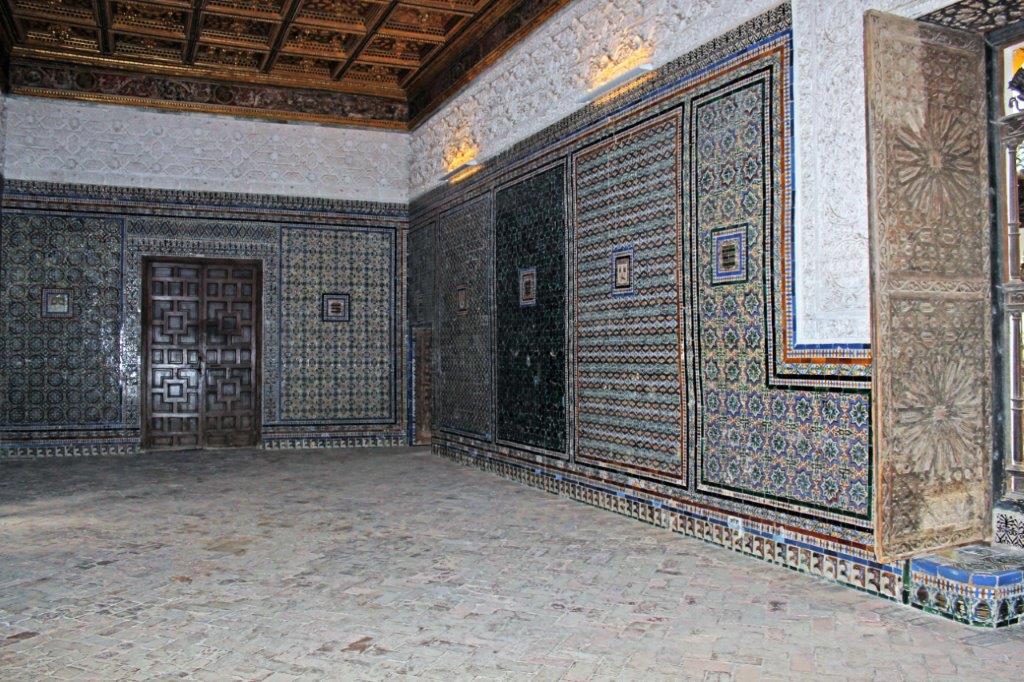
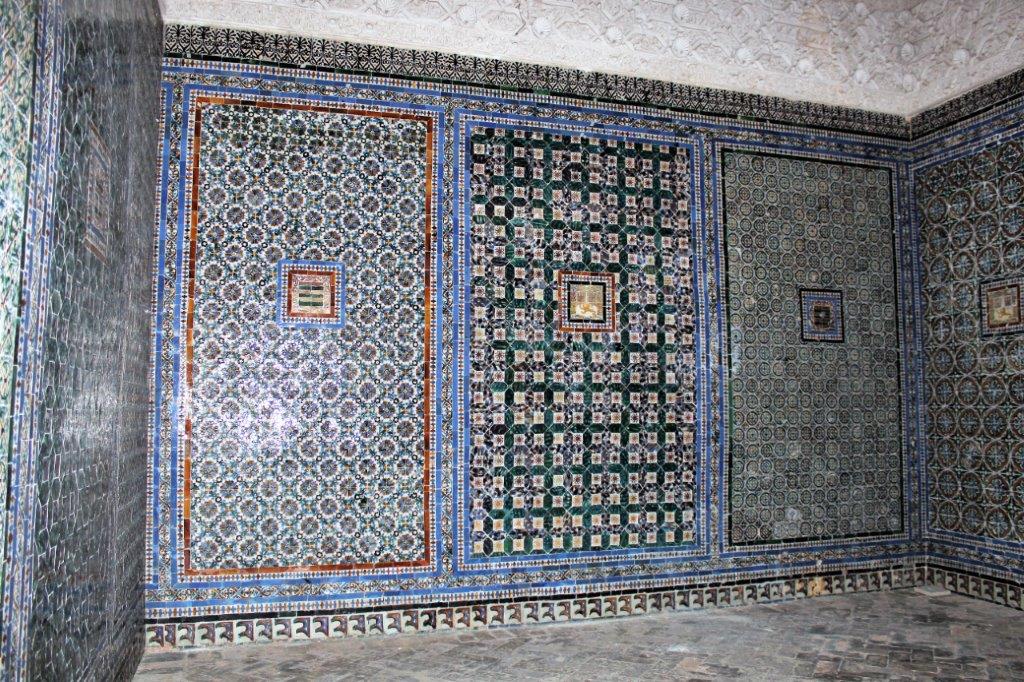
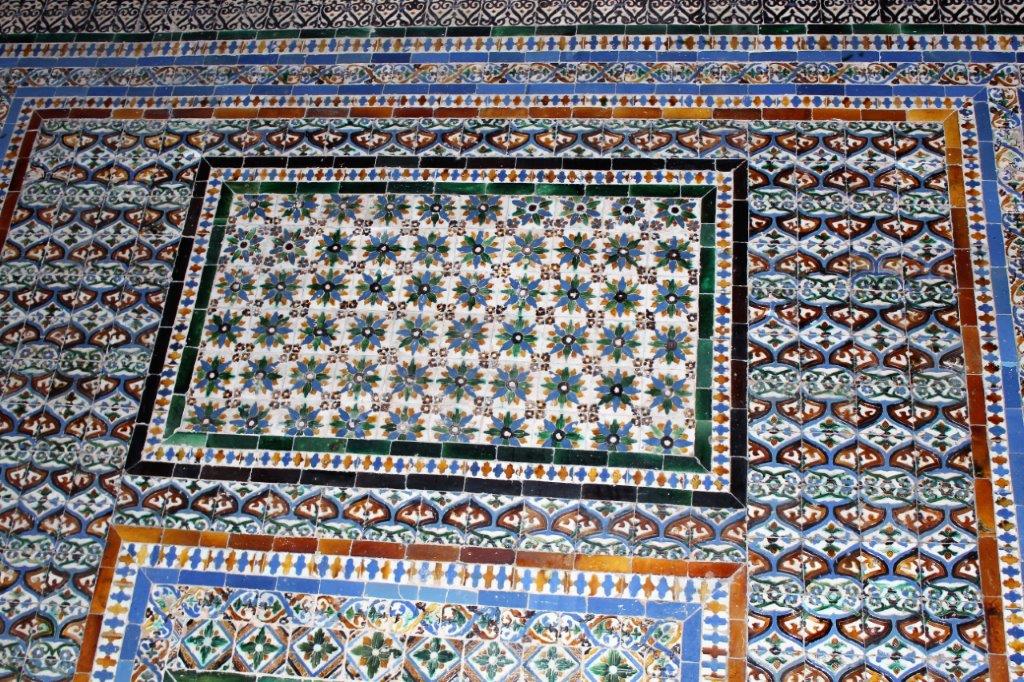
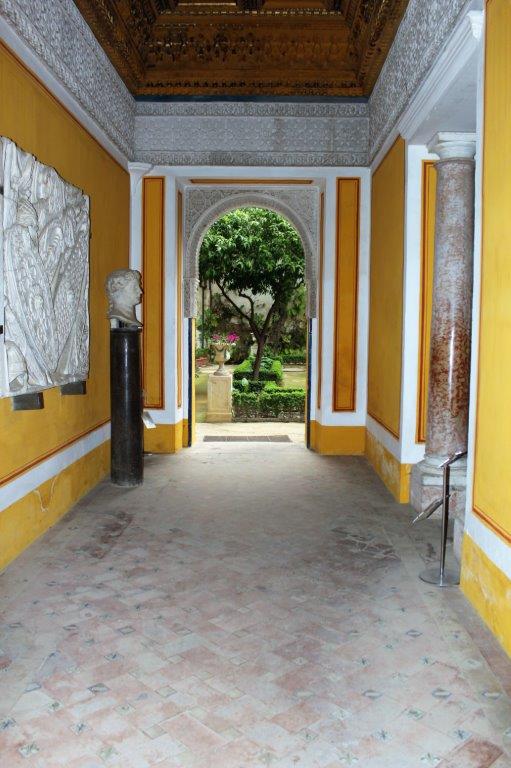
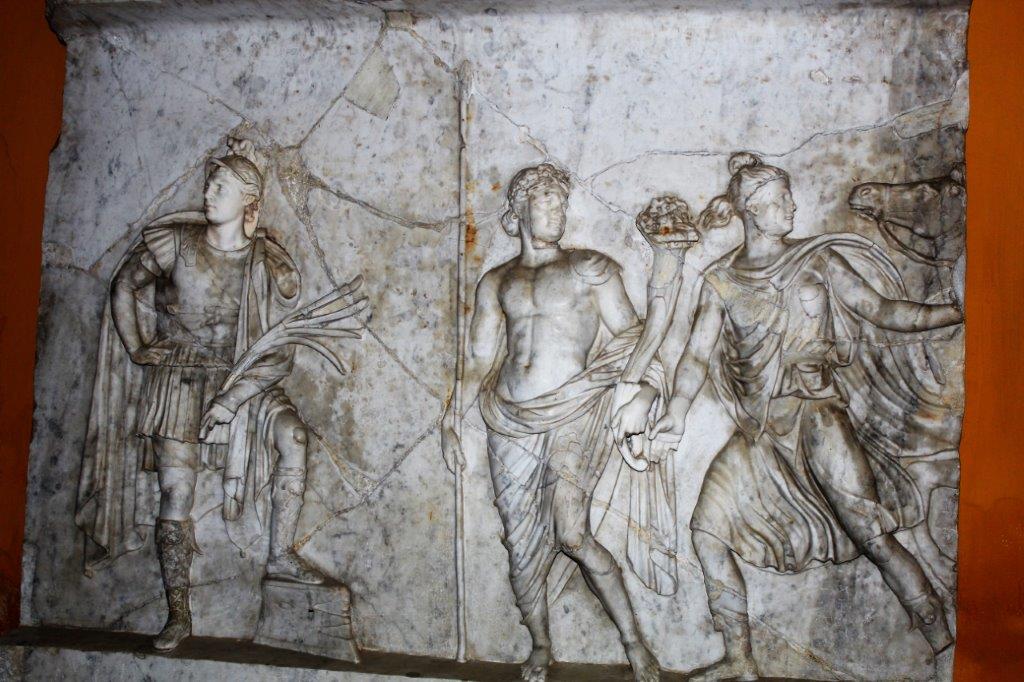
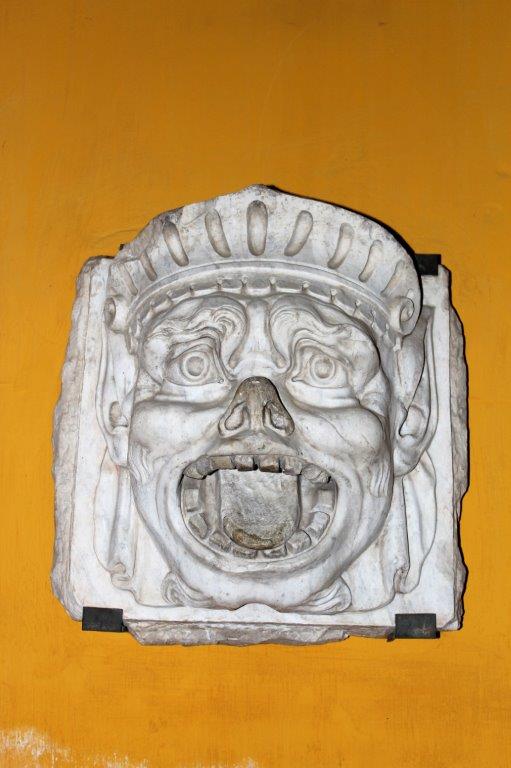
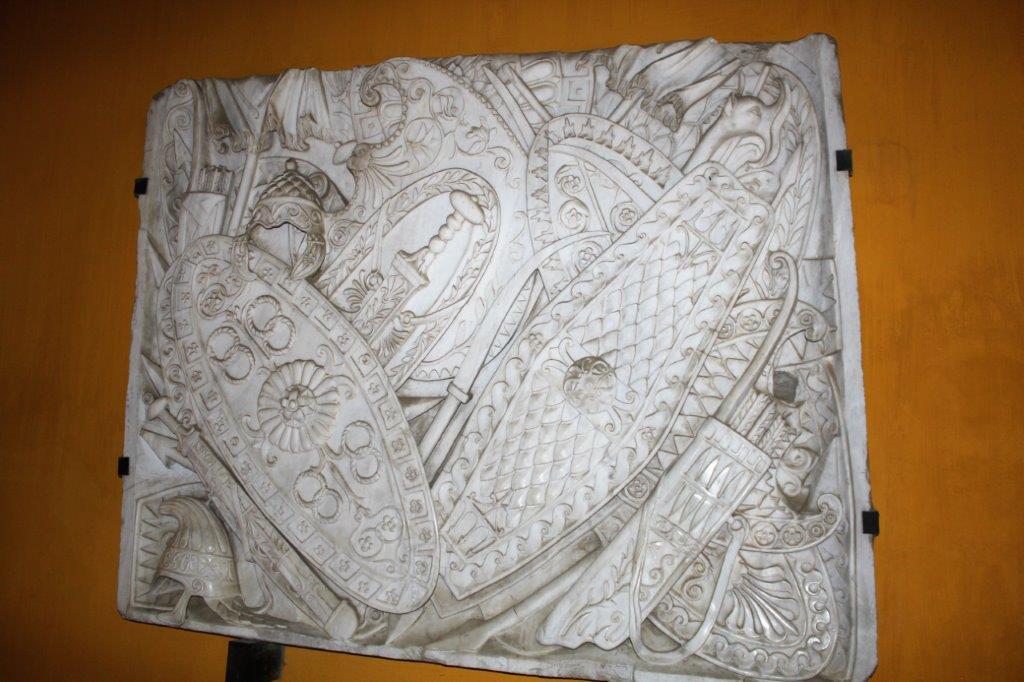
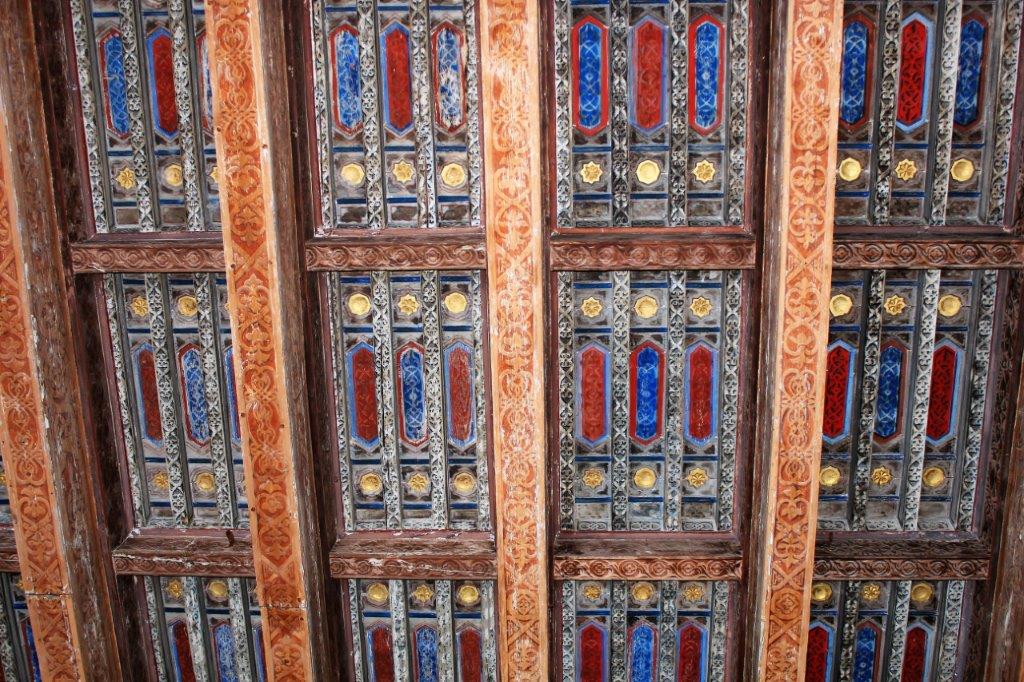
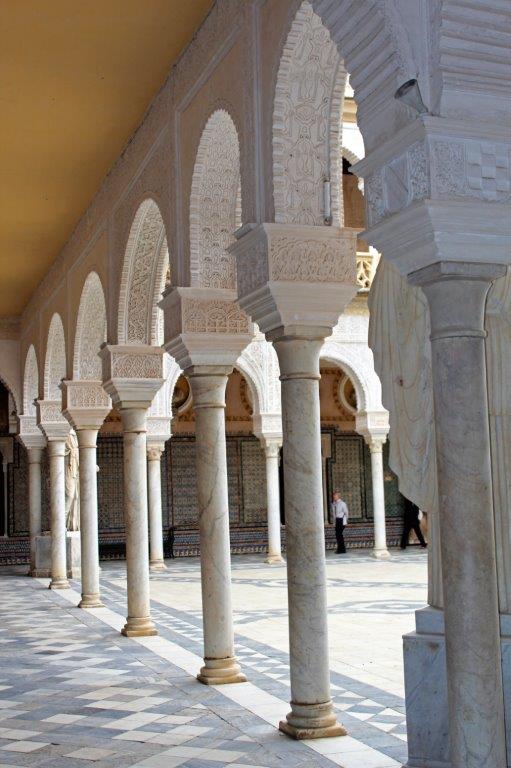
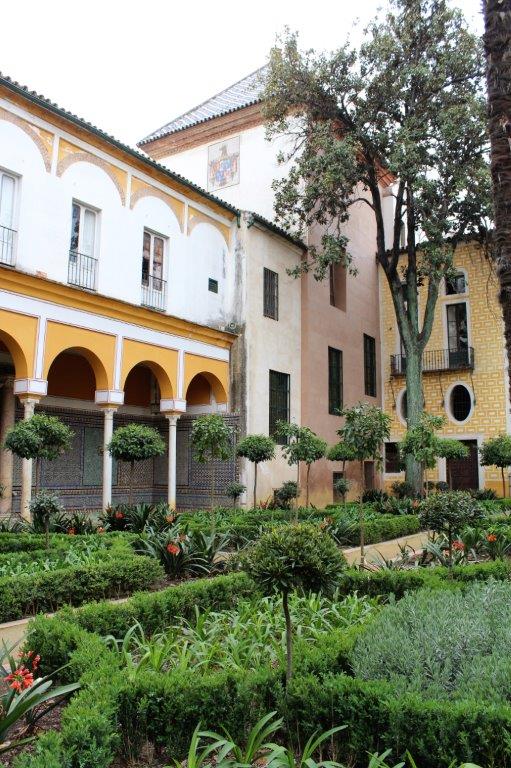
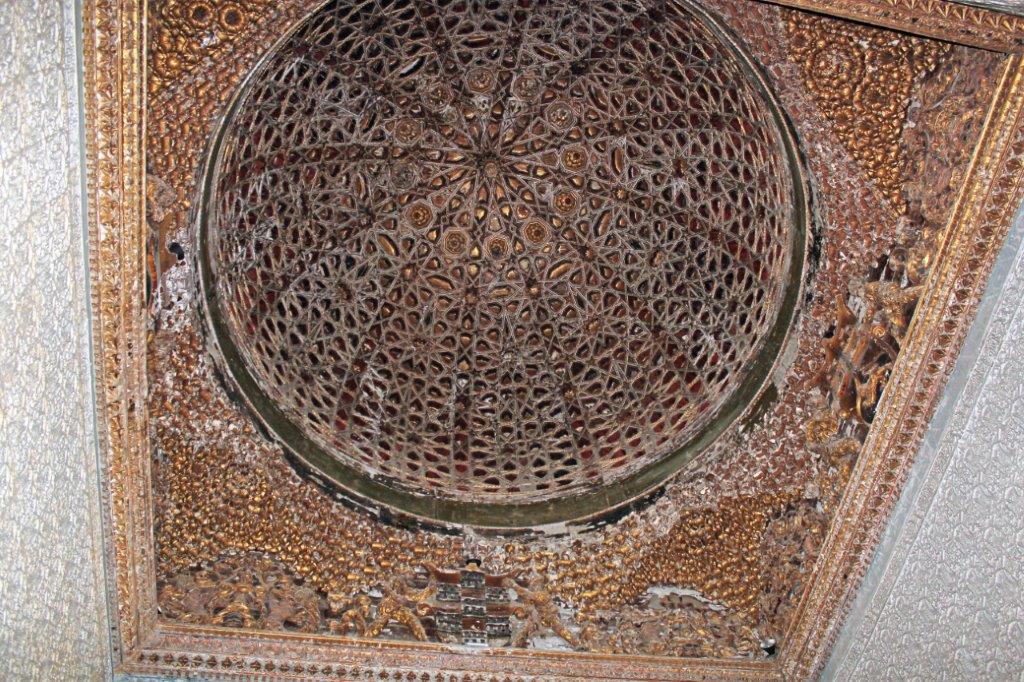
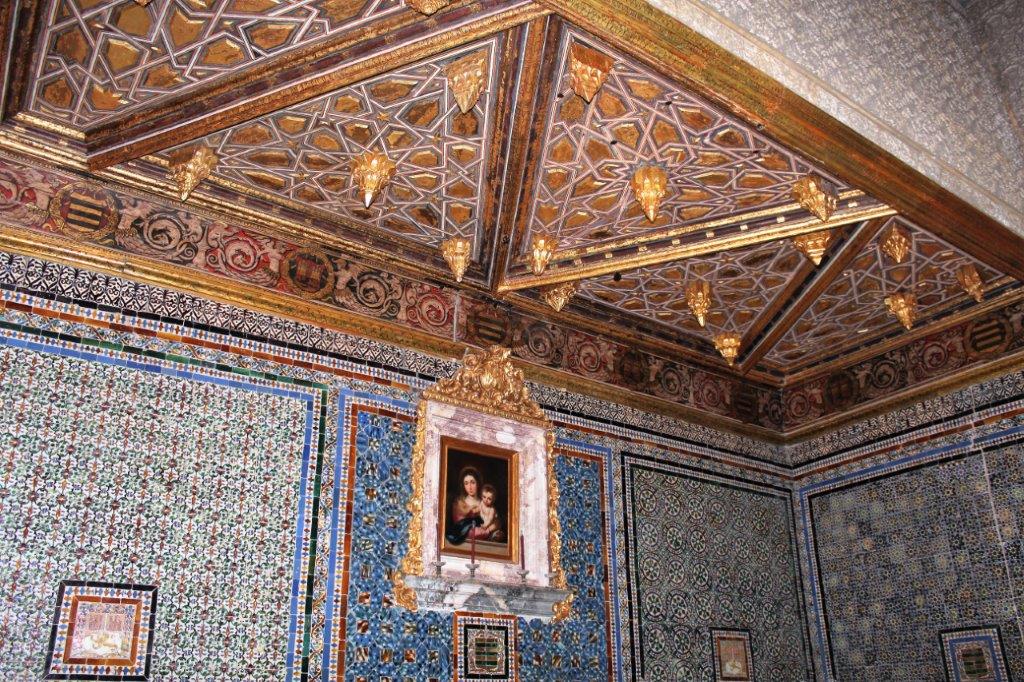
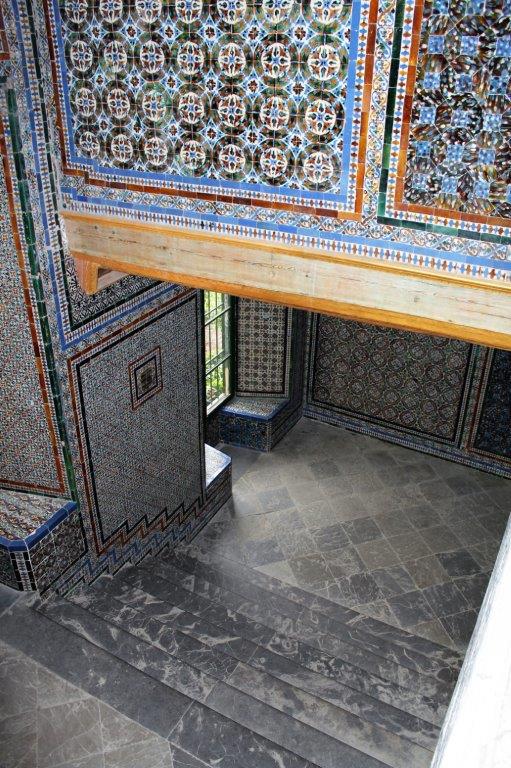
The first was Casa de Pilantos, built in the 16th century with many design and architectural features from the 14th century.  The wall tiles were original 16th century.  It was a gorgeous mishmash of Arab, Neo-Gothic and Christian features. The craftsmanship displayed in these sculptures and decorative pillars is incredible.                                          Pretty nice ceiling tiles.

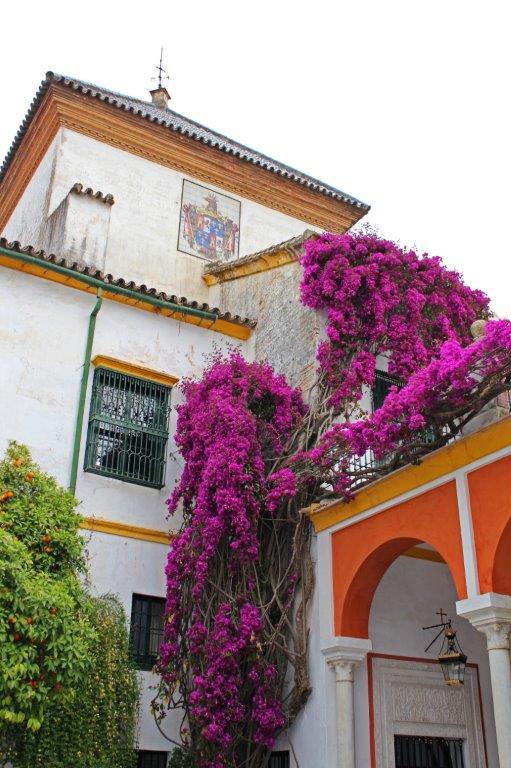
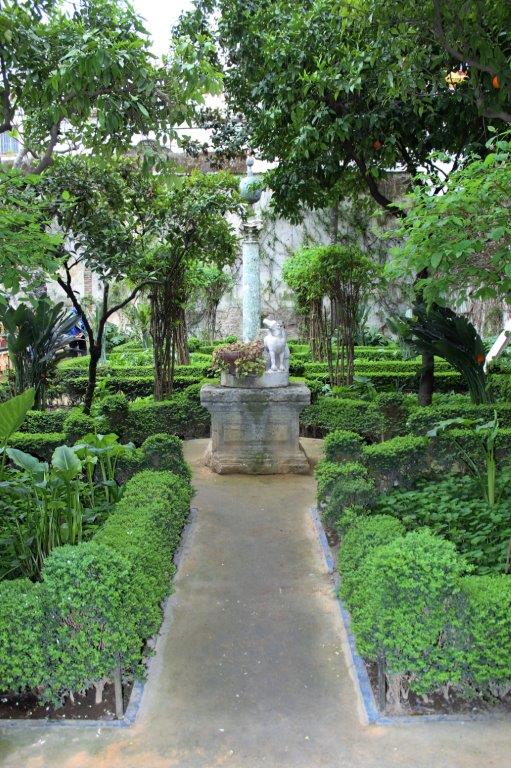
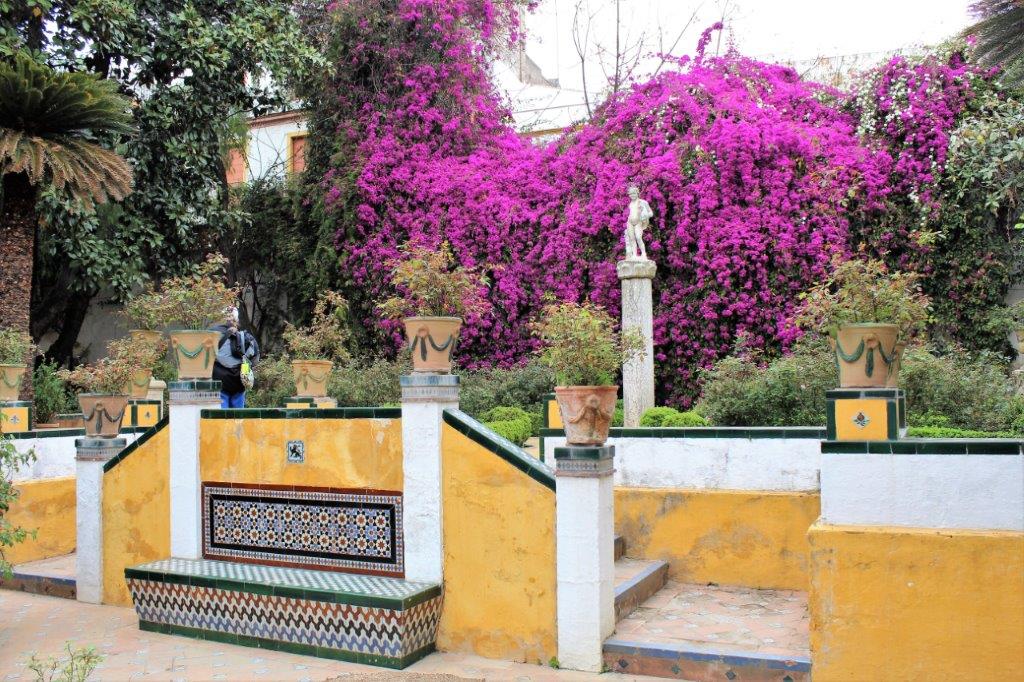
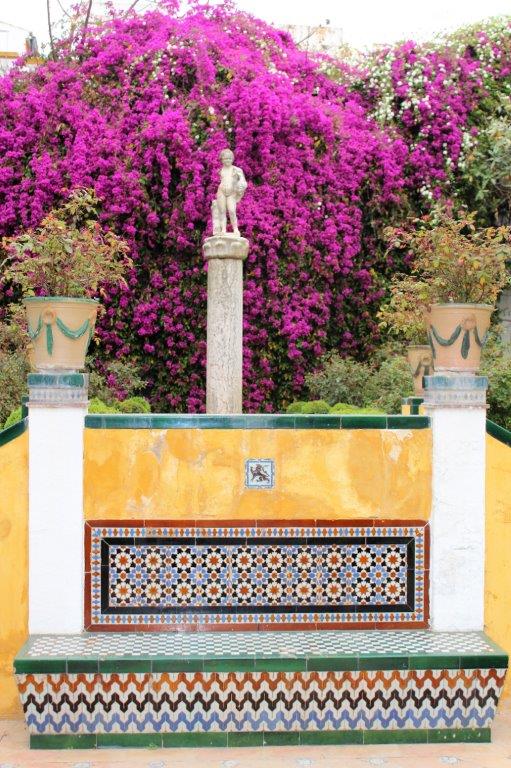
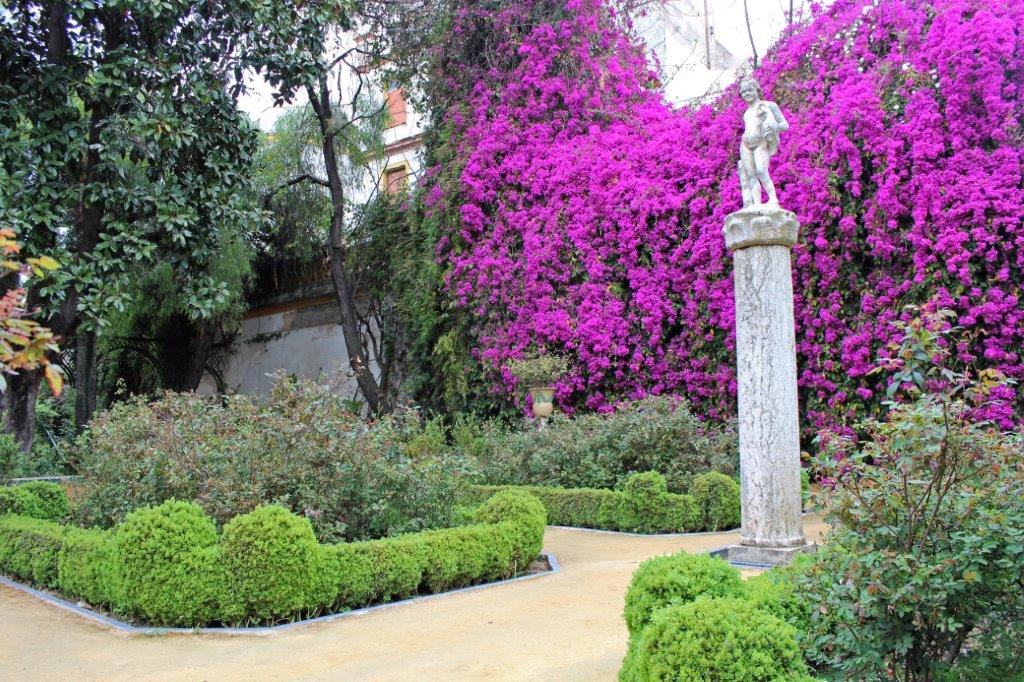
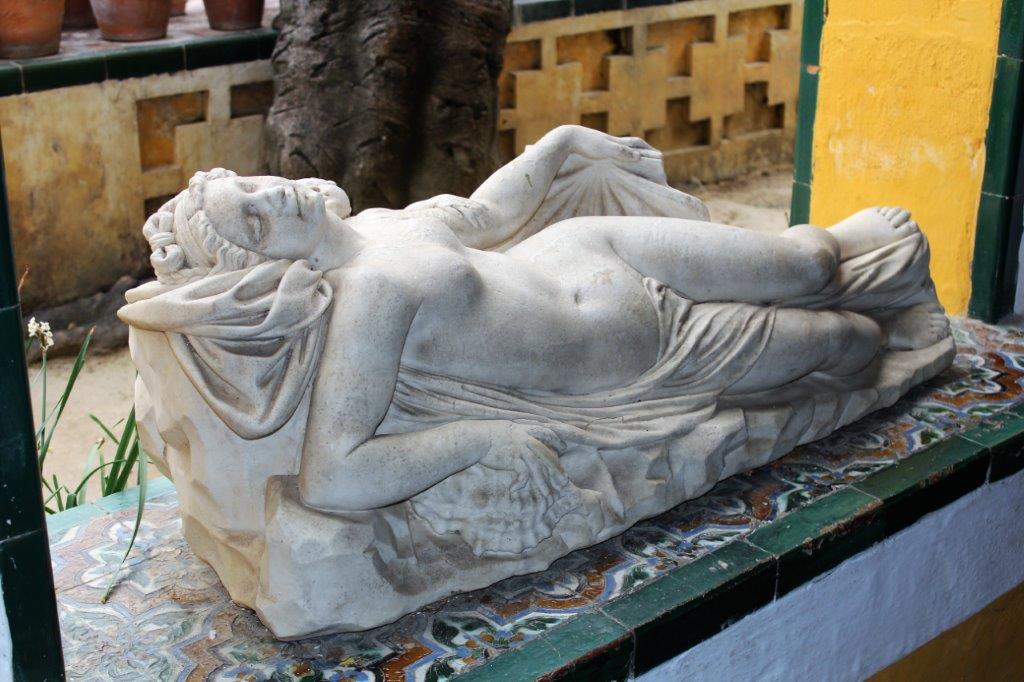
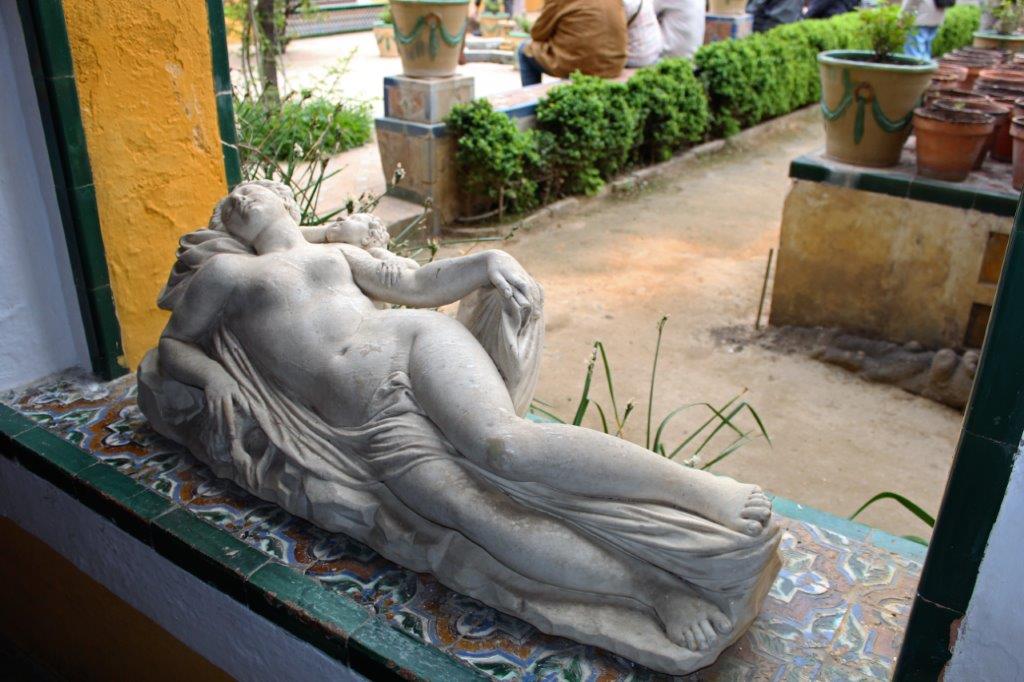
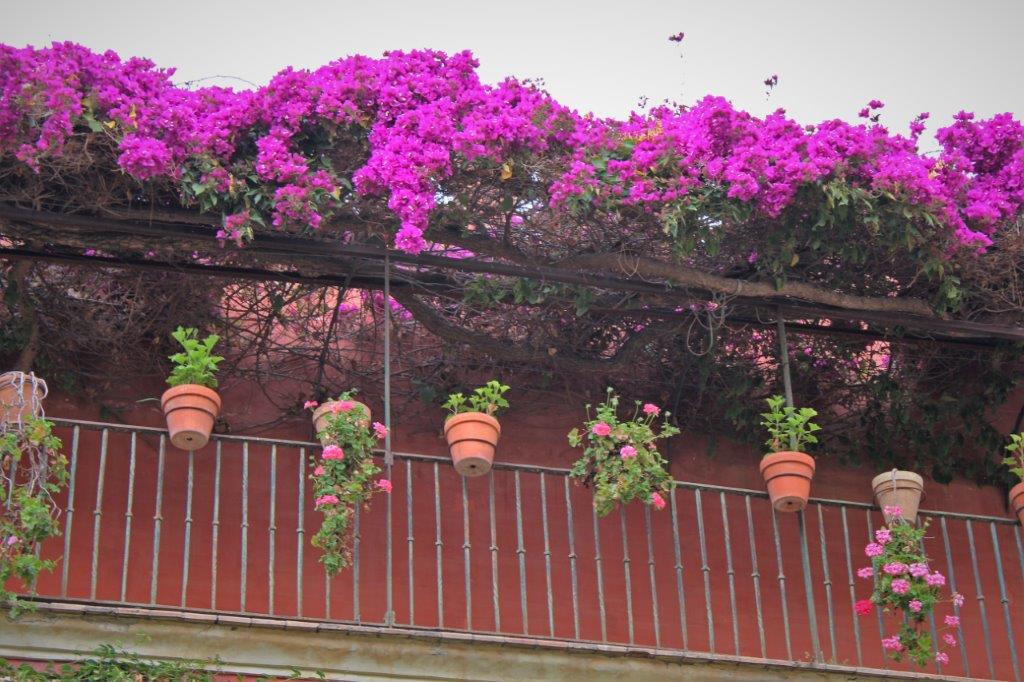
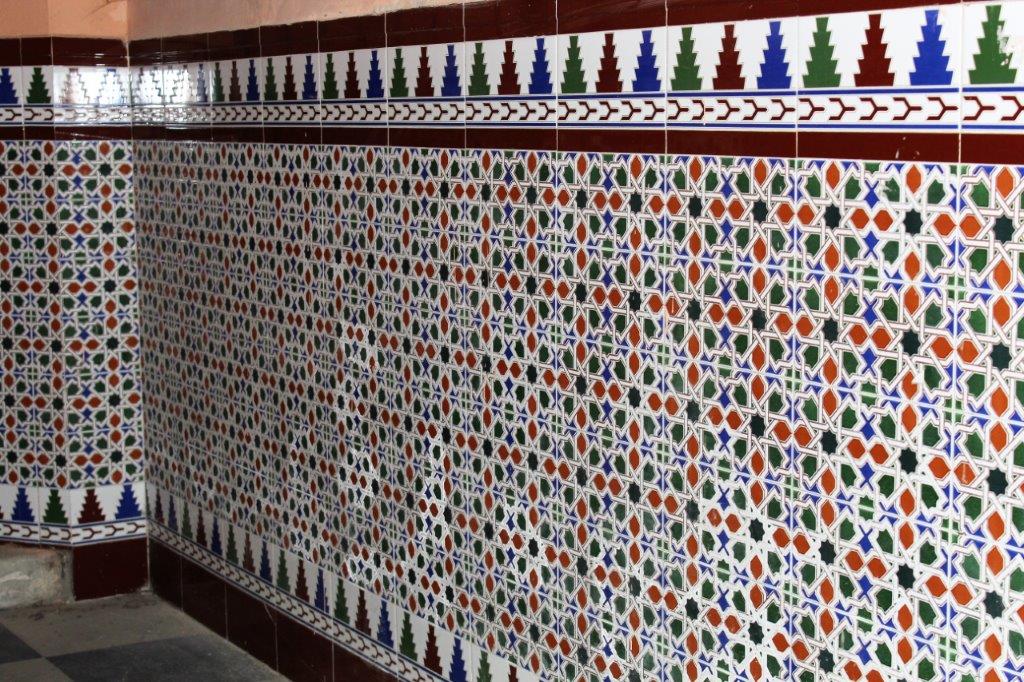
                 This is very much a Moorish style of tile walls.  The bougainvillea was stunning with the golden yellow garden wall. You can tell you are in a moderate climate when a sculpture like this reclining lady is on an open windowsill.

There was artwork, carvings and sculptures everywhere!                                              Another beautiful ceiling.

Much of the construction of this lovely home was done by Arabs under Christian domination so features of both faiths and cultures are incorporated into the dwelling.  A descendent of the original owner still lives in an apartment in the house.

This is a photo-heavy blog, but can you blame me?  So many beautiful colours, and designs, and gardens, and artwork, and, and, and….

Next palacio casa – next blog.

2012 March 24 – Day 13 – Cadiz, Spain (Day 1)

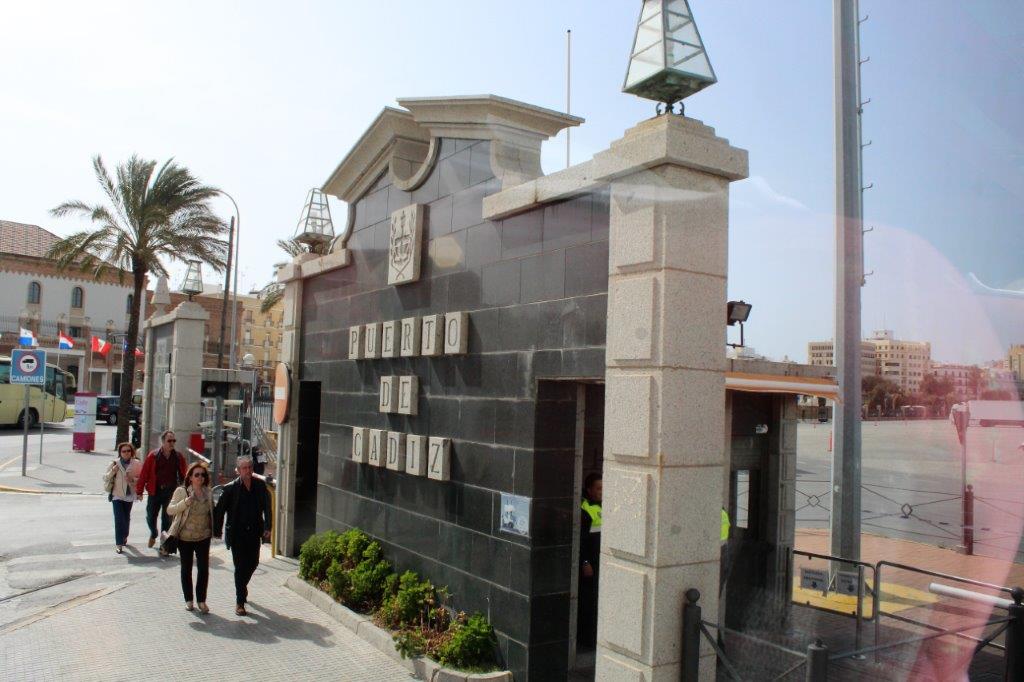
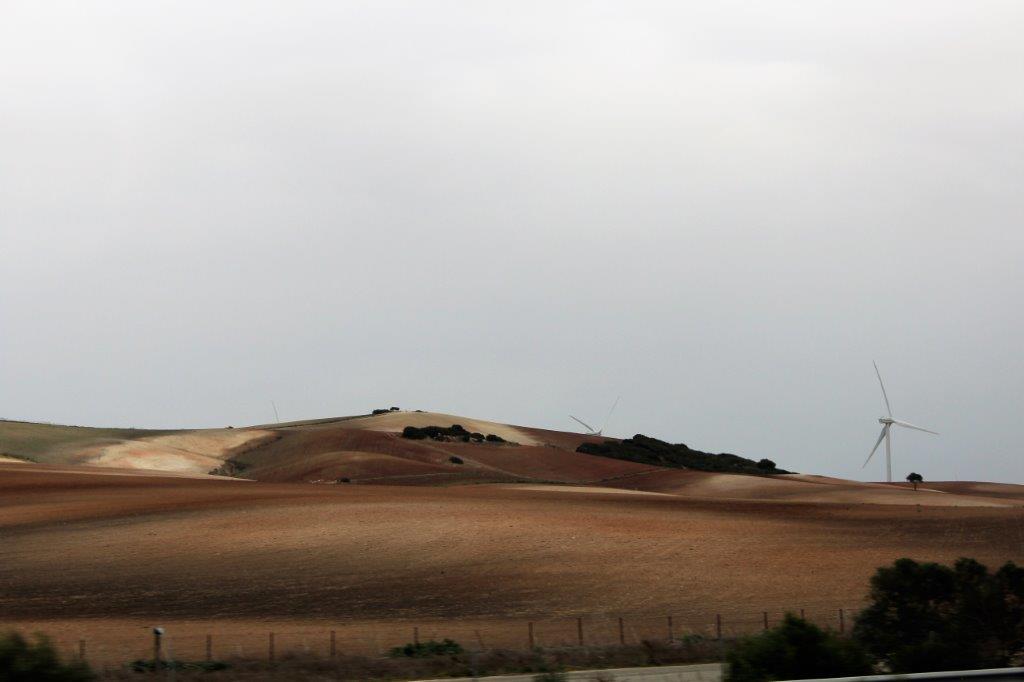
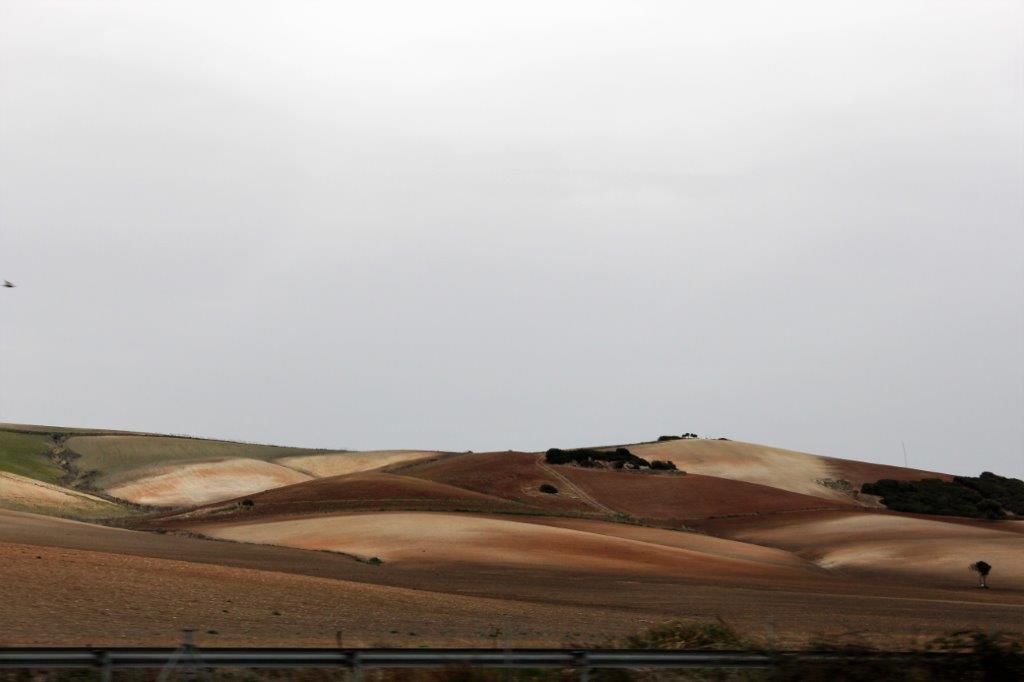
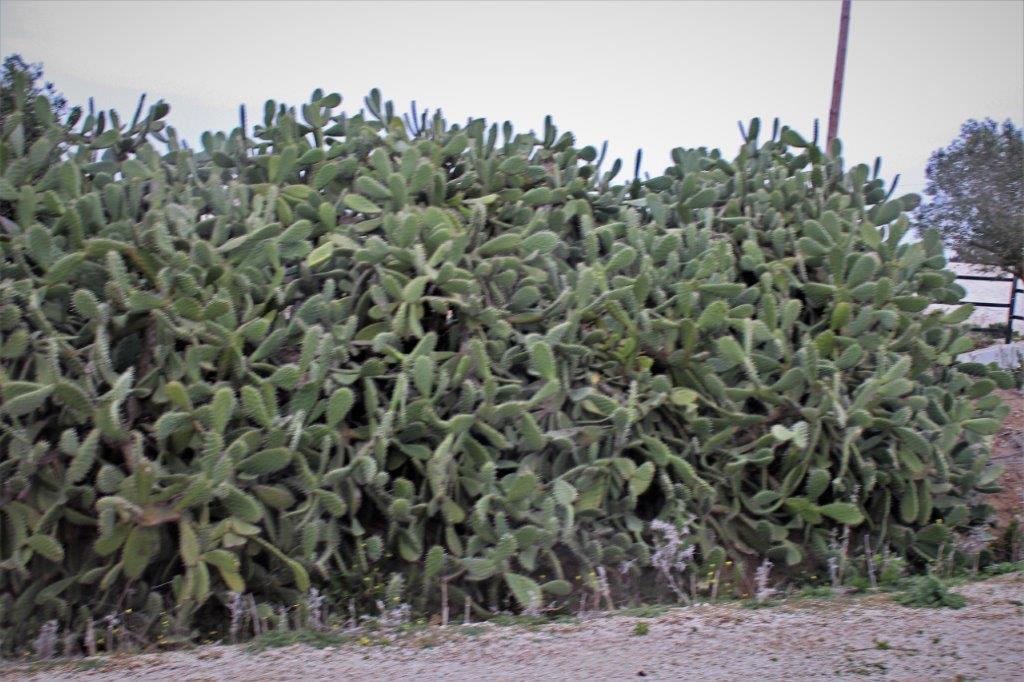
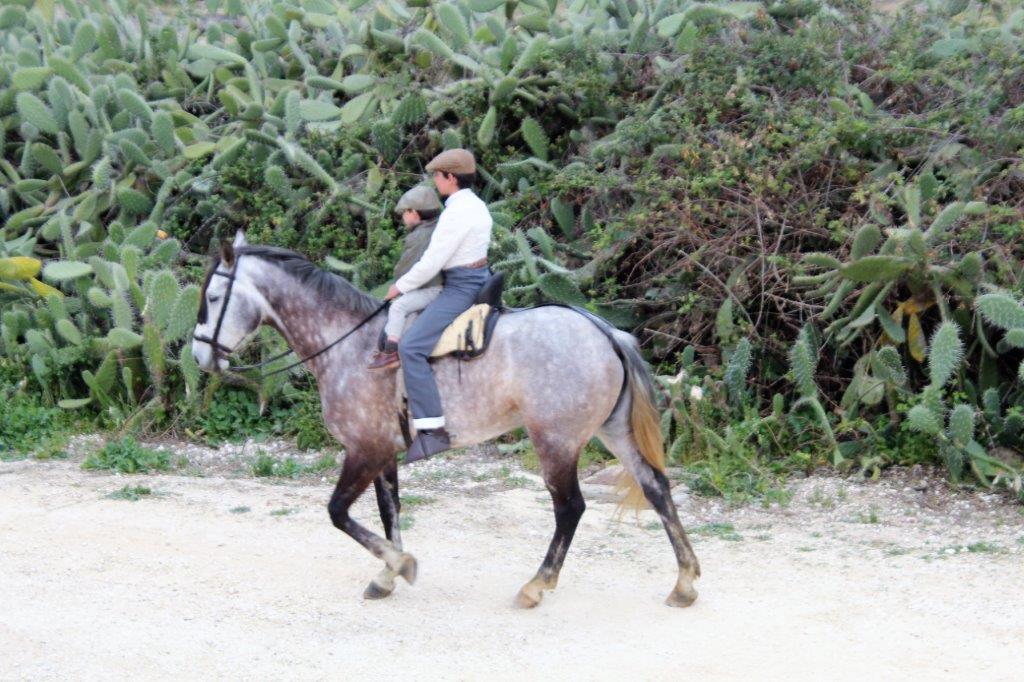
It took the bus an hour to drive around Old Cadiz, cross the bridge and go into the countryside to our destination.  Cactus makes a very effective fence.

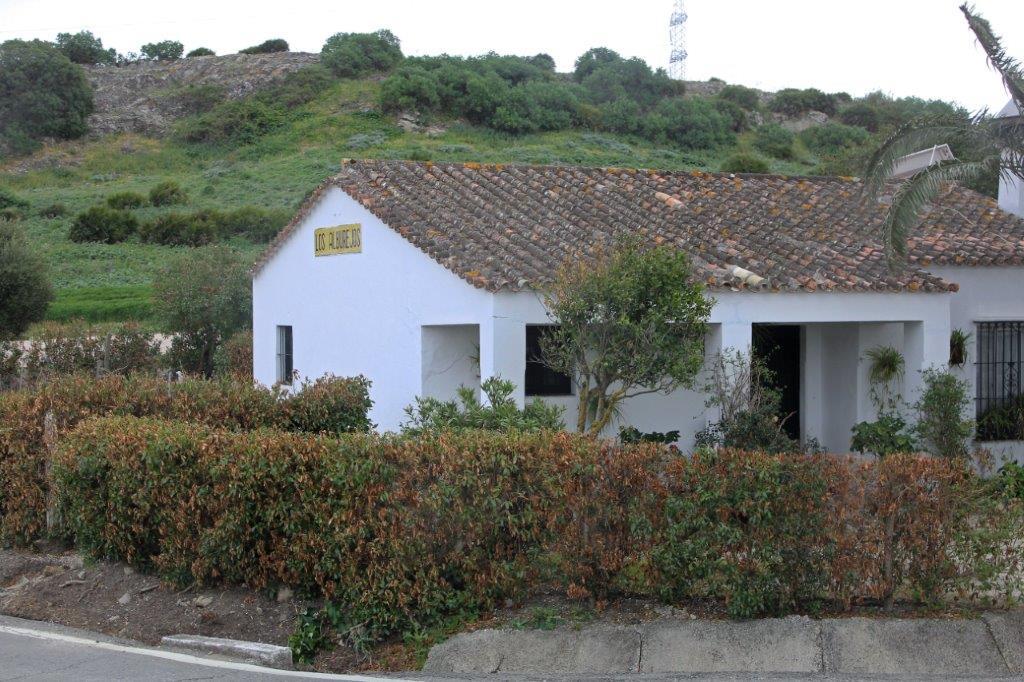
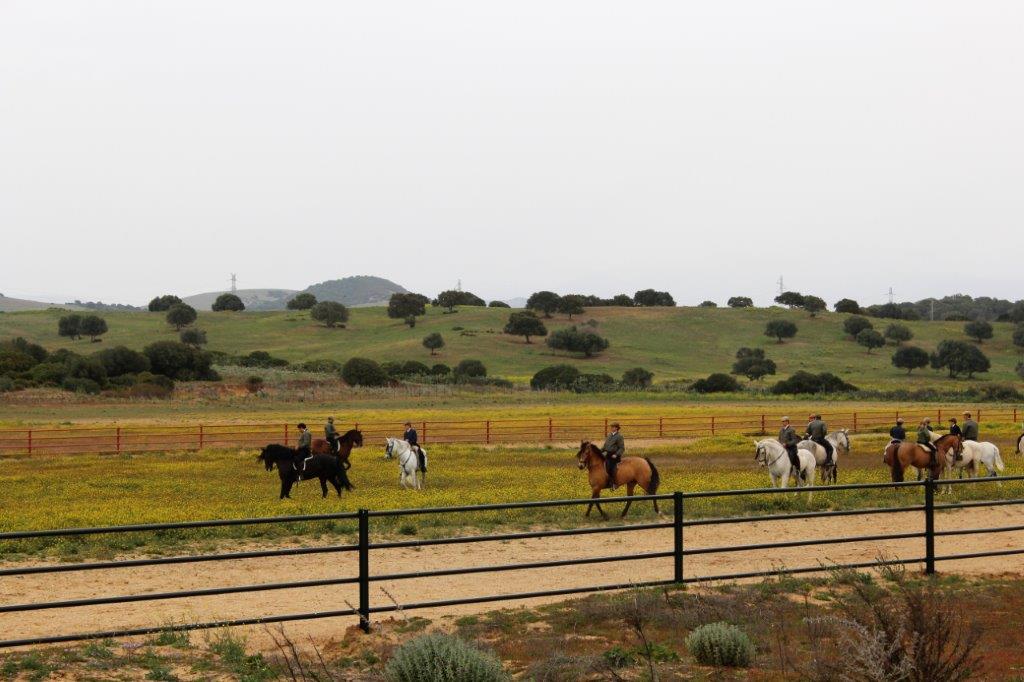
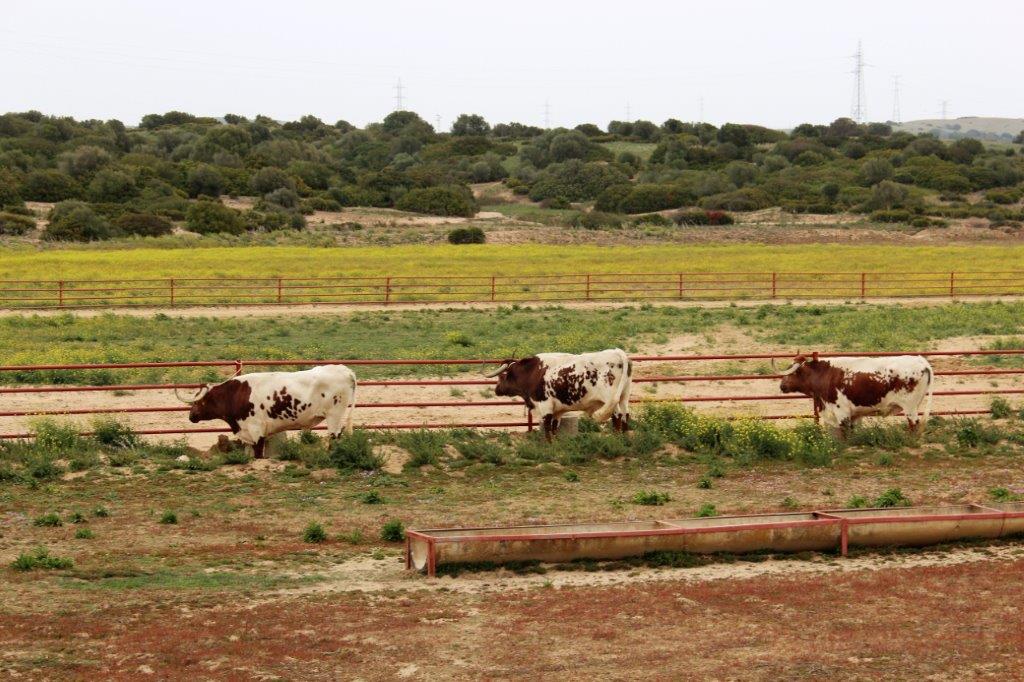
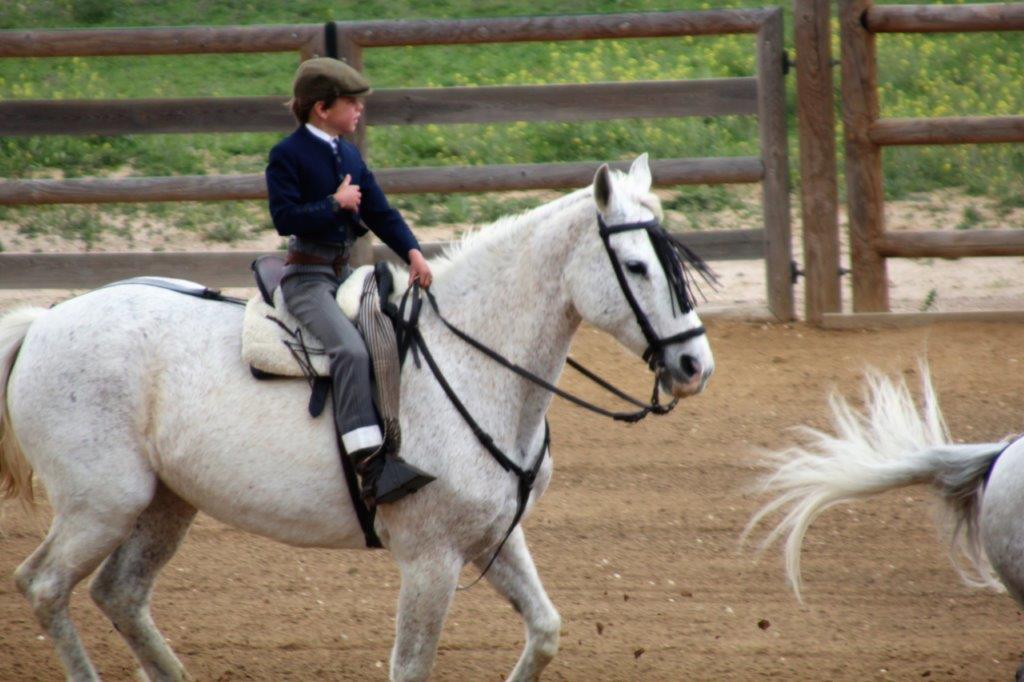
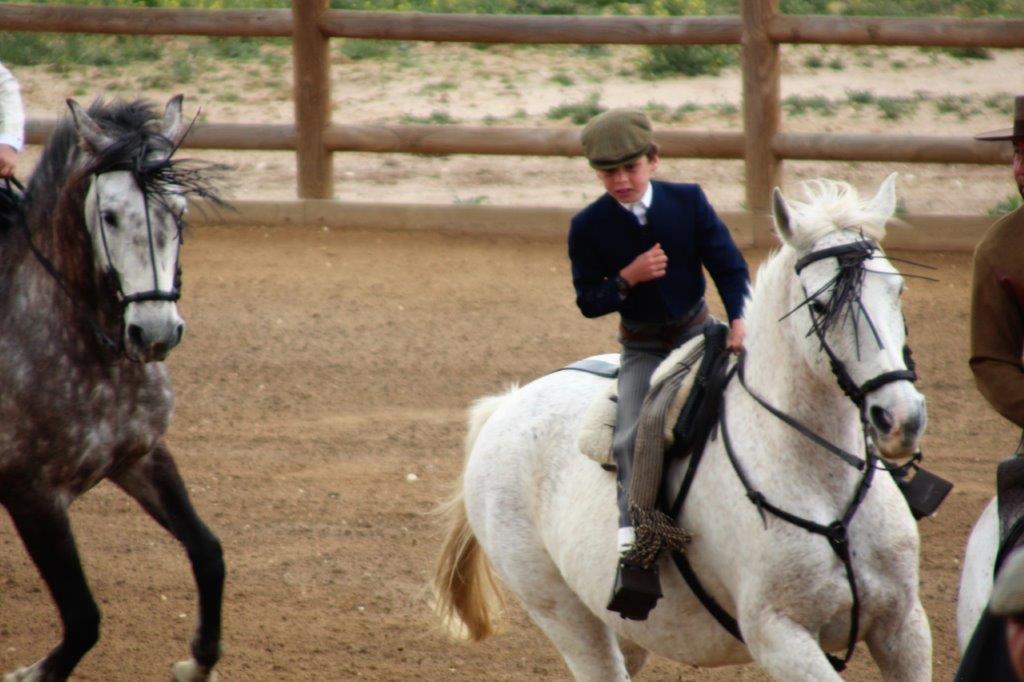
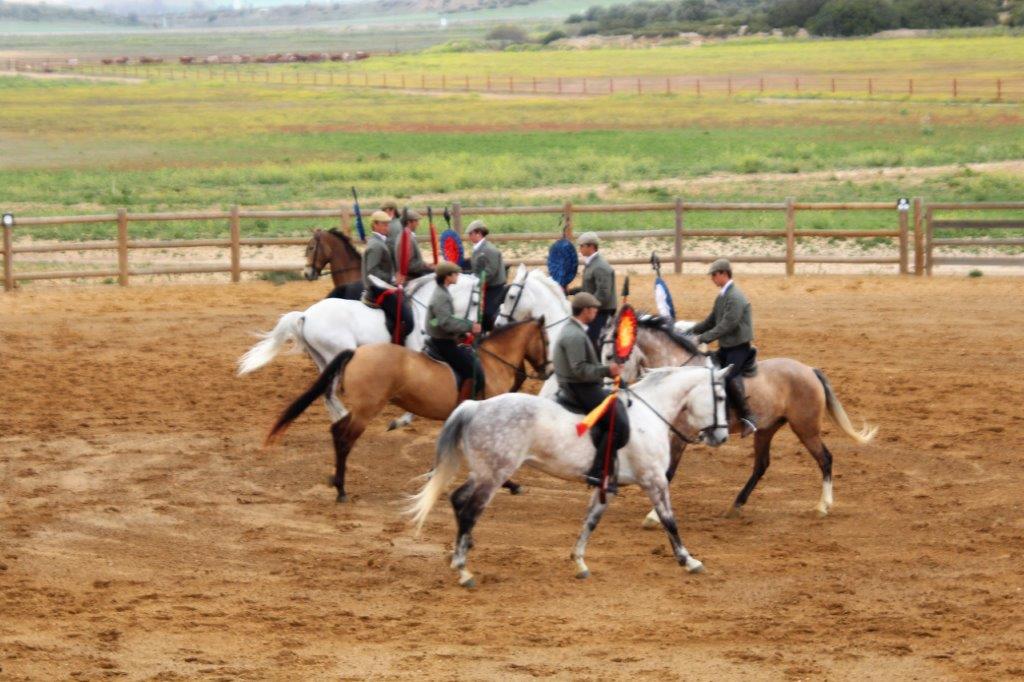
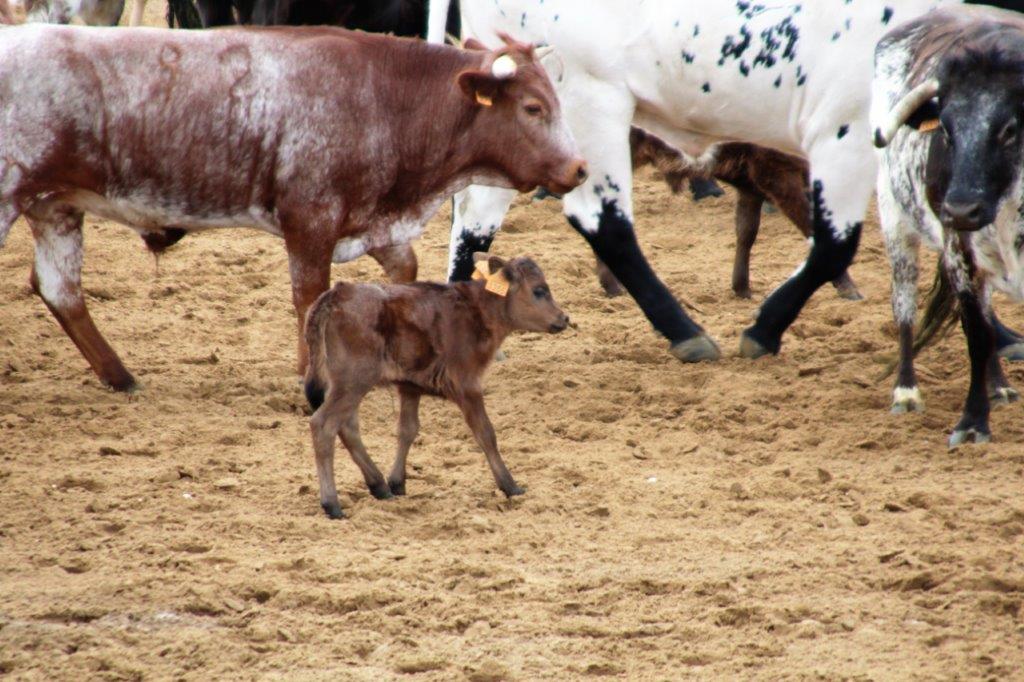
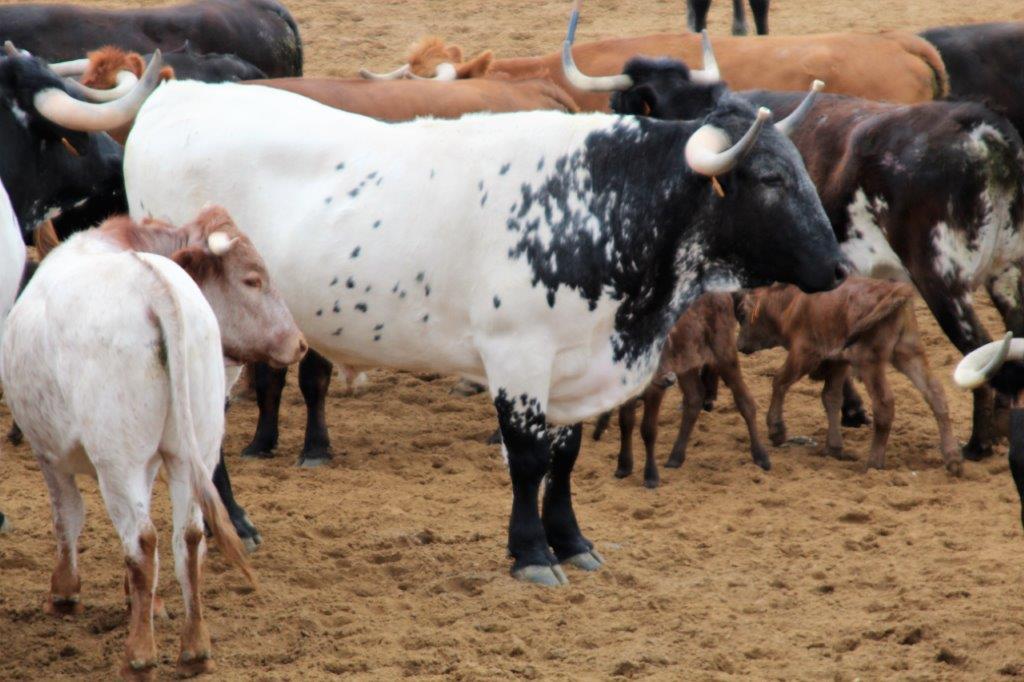
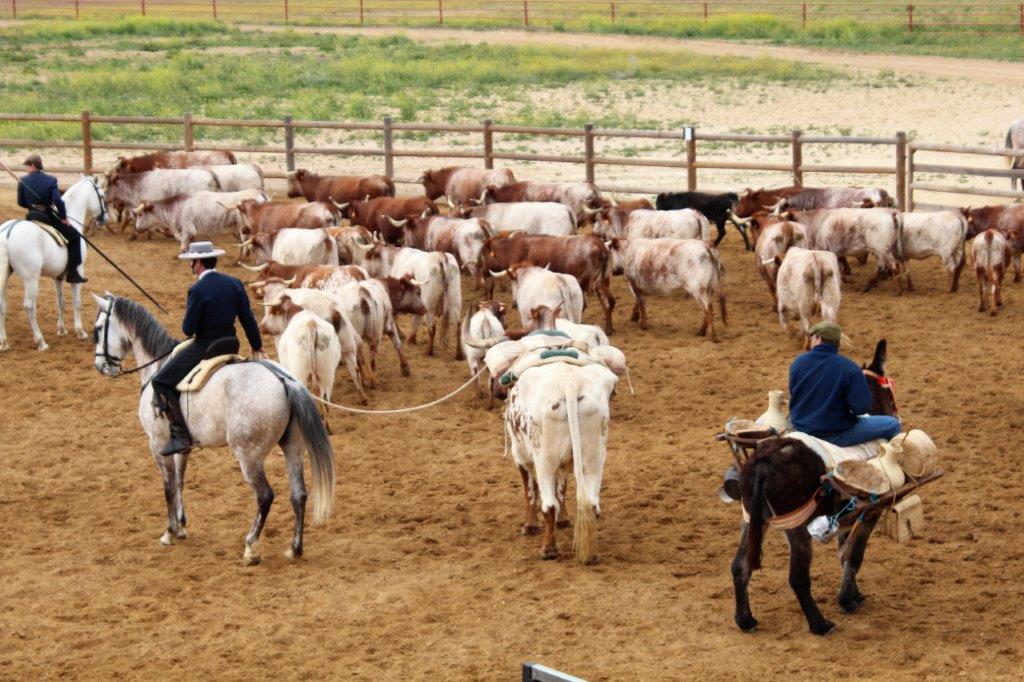
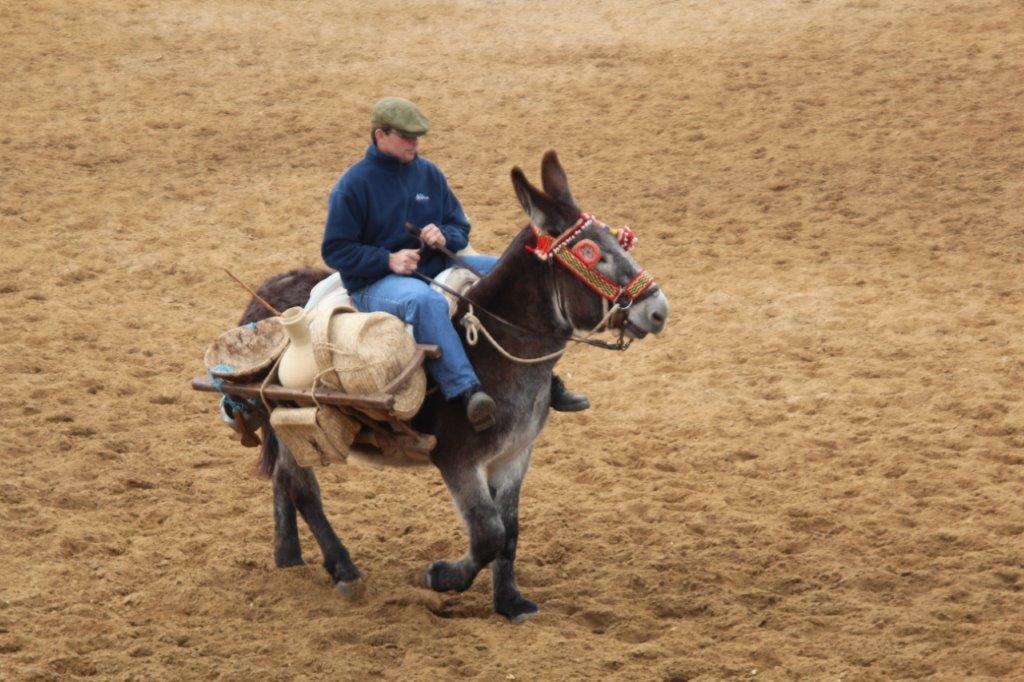
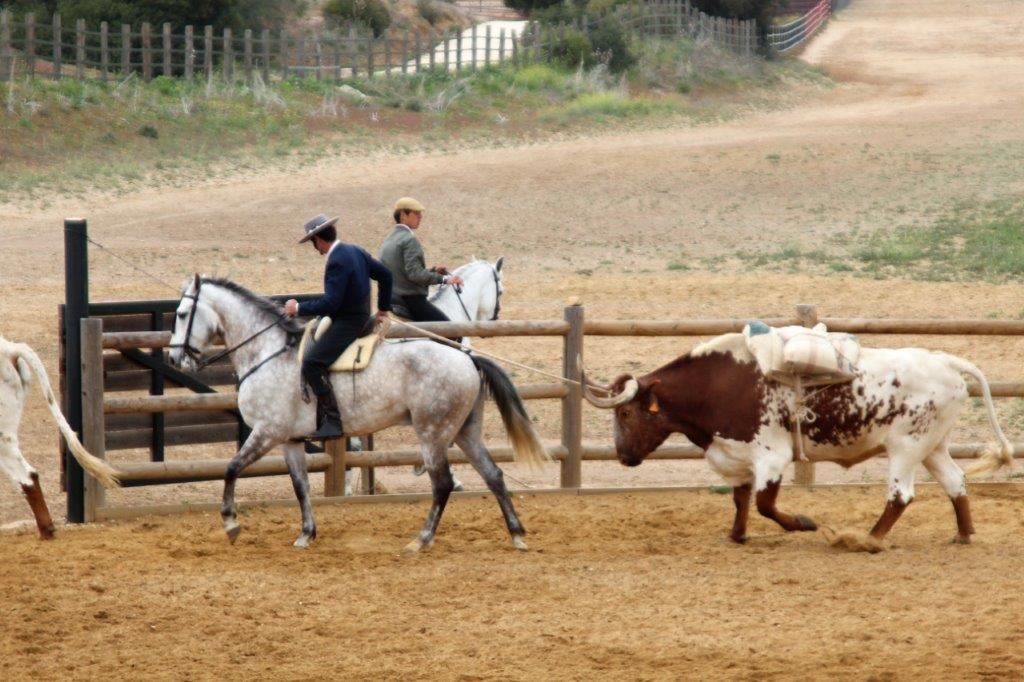
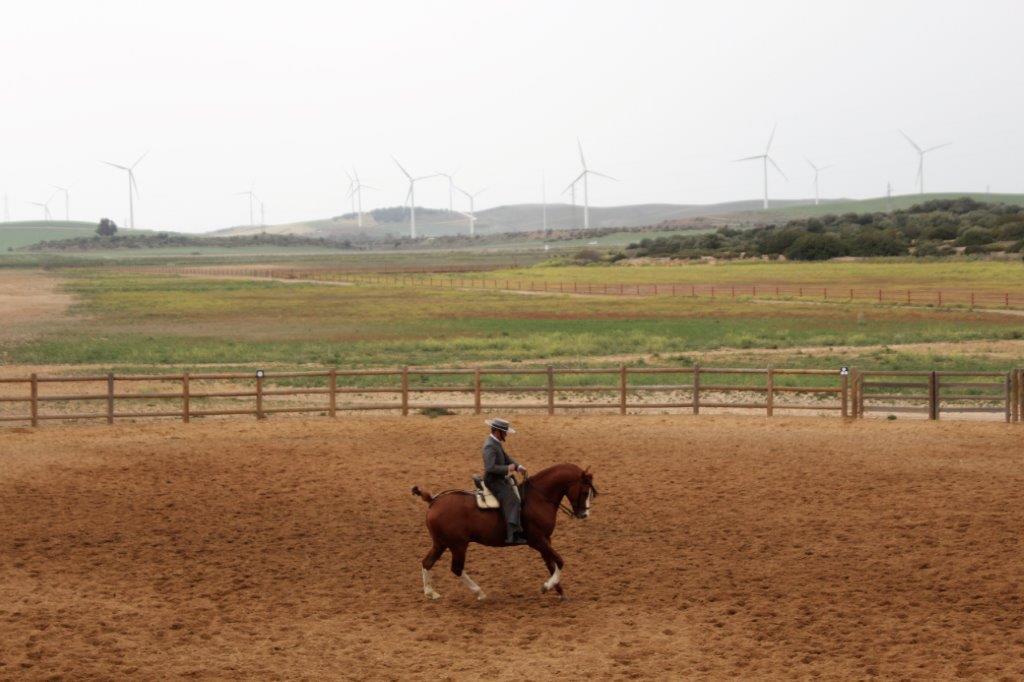
Near Jerez de La Frontera we stopped at the stadium on the Los Alburejos farm.  This large farm is still owned by the Domecqu family that came from France in the 18th century.  Much of the agricultural farms and ranches in Spain are owned by a few multi-generation landowners.  They own huge tracts of land and grow a large variety of crops; from forage crops, to olive groves, grapes for sherry, lemons, oranges, etc.  Los Alburejos raises bulls for the bullfights and Andalusion horses to work on the ranch and in the ring.

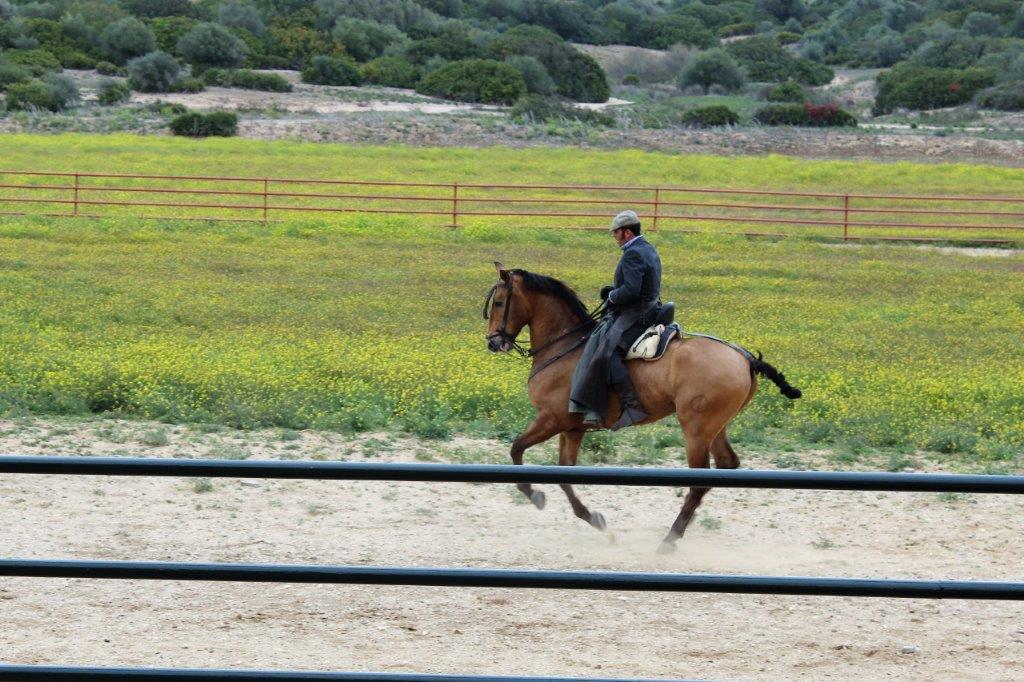
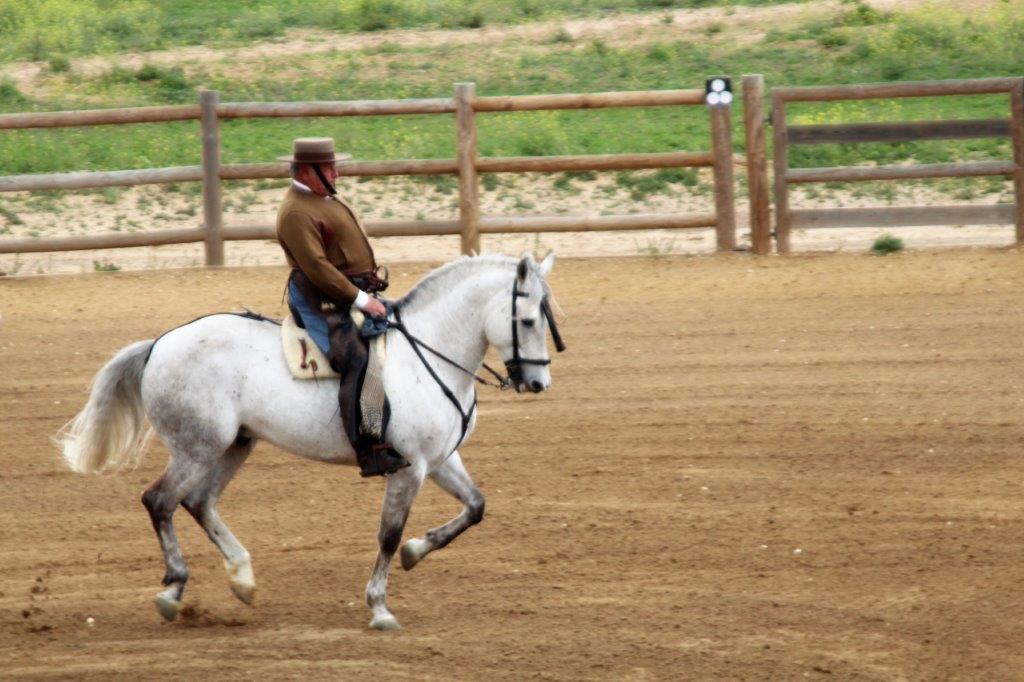
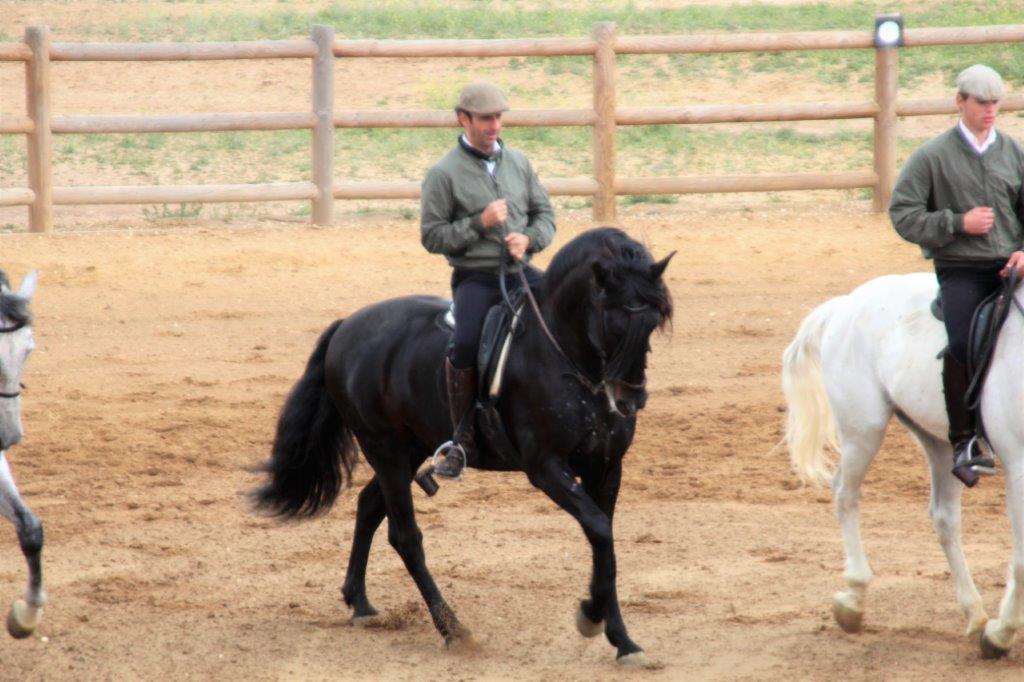
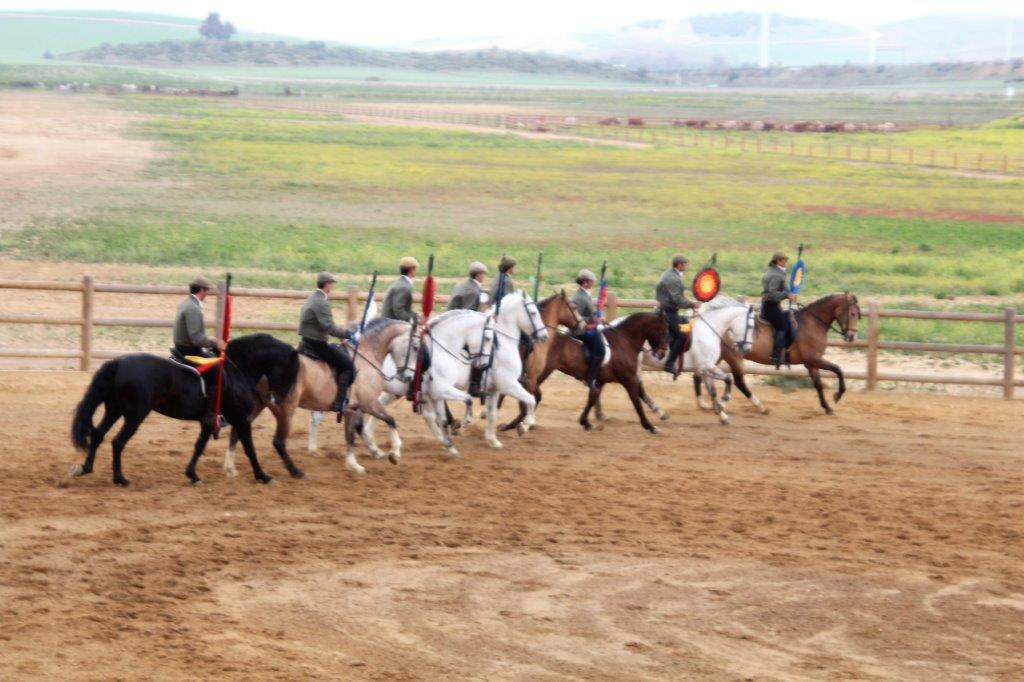
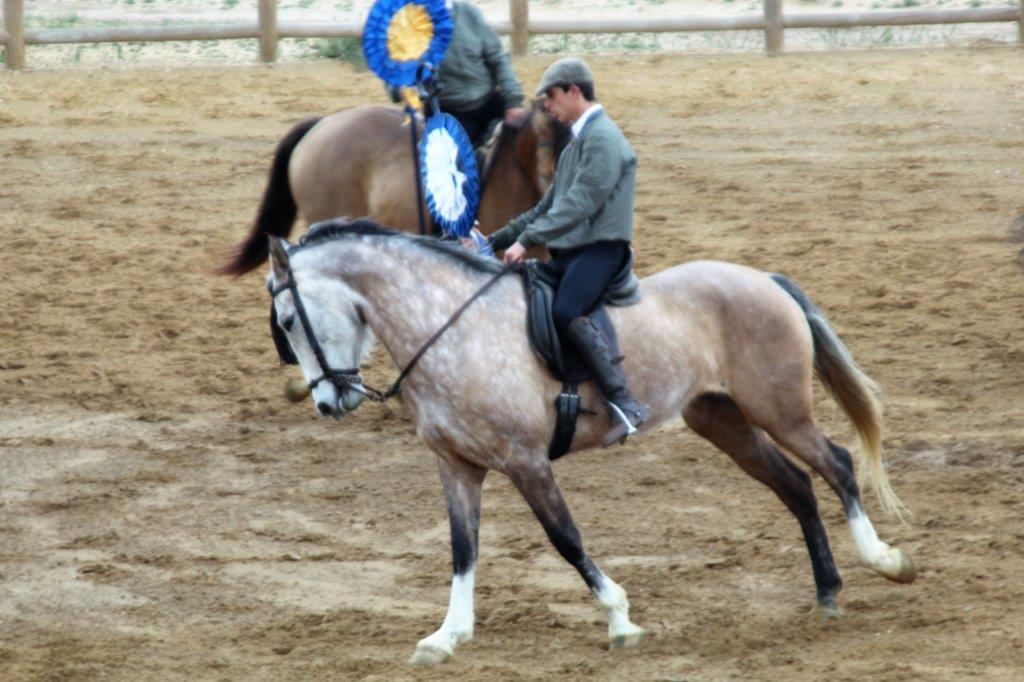
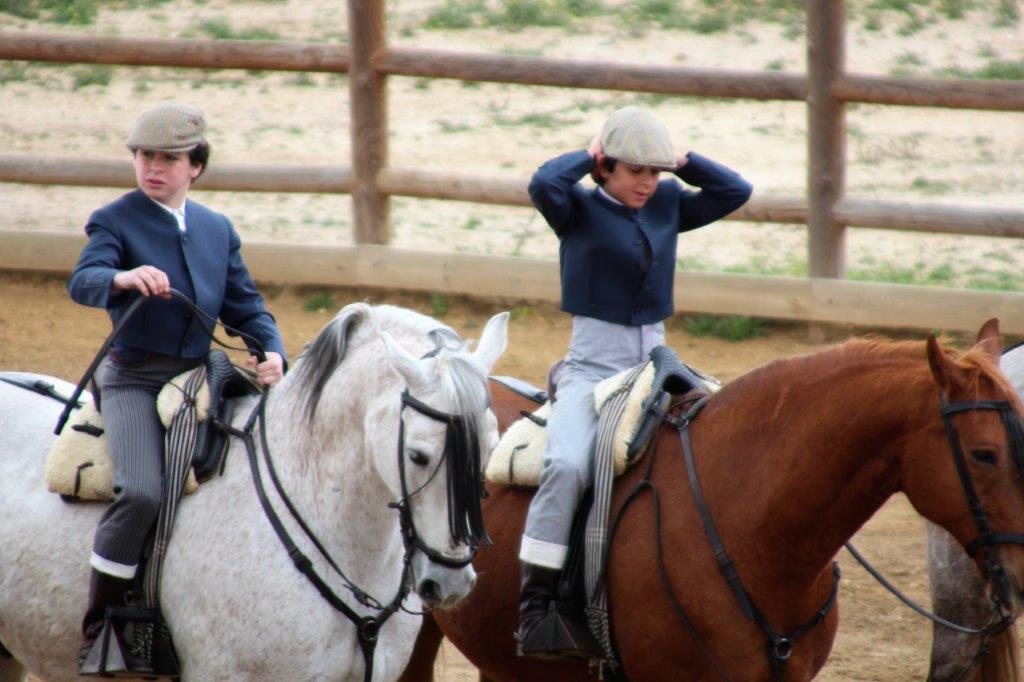
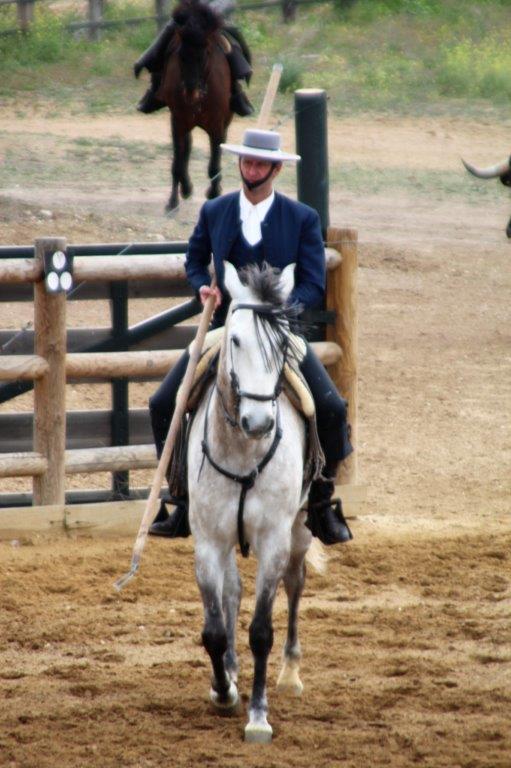
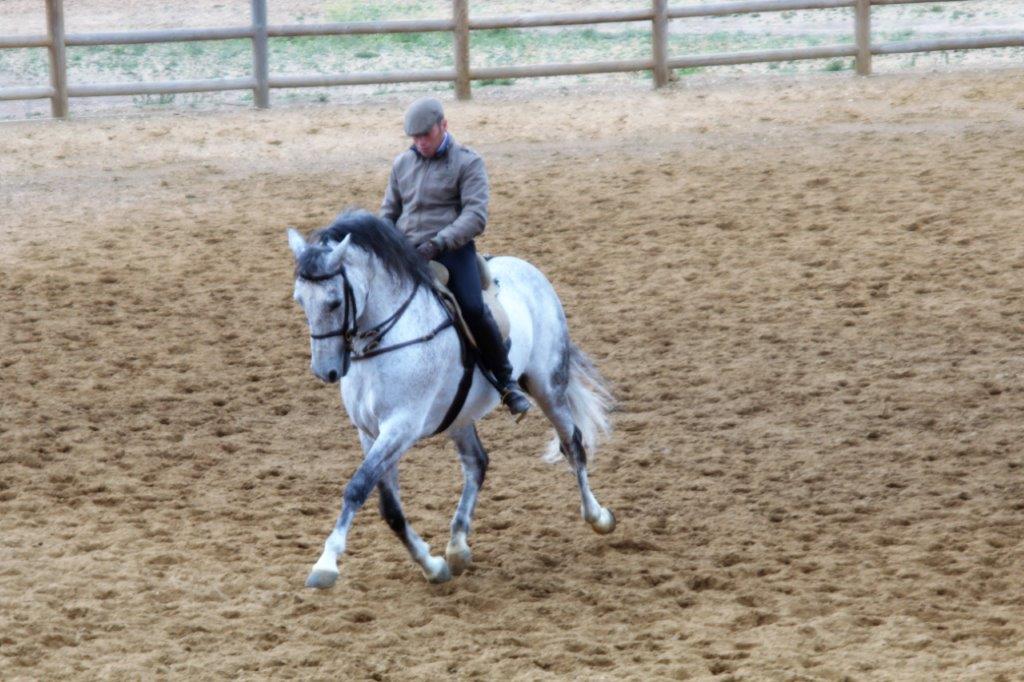
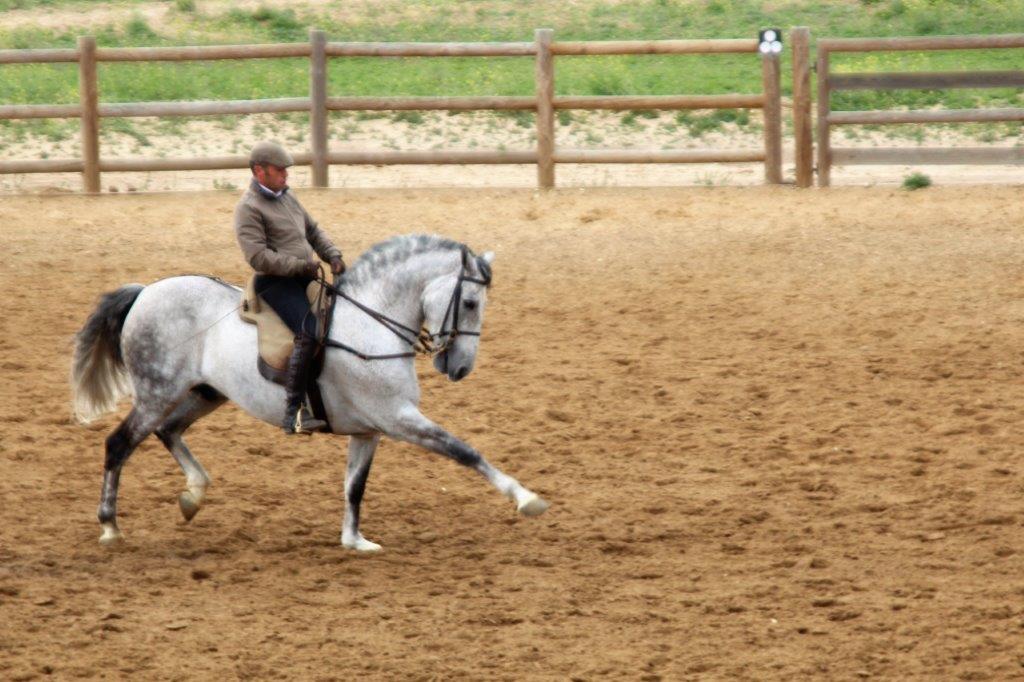
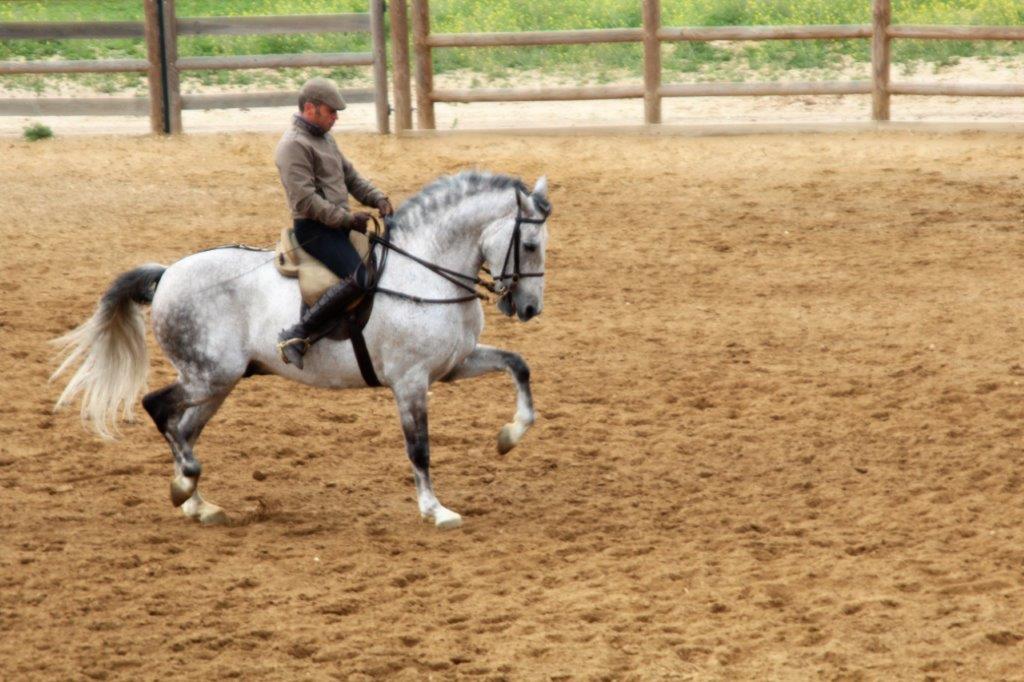
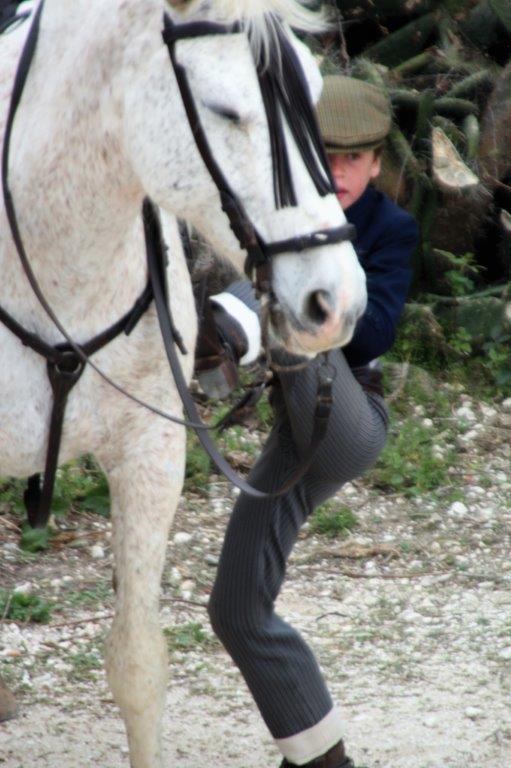
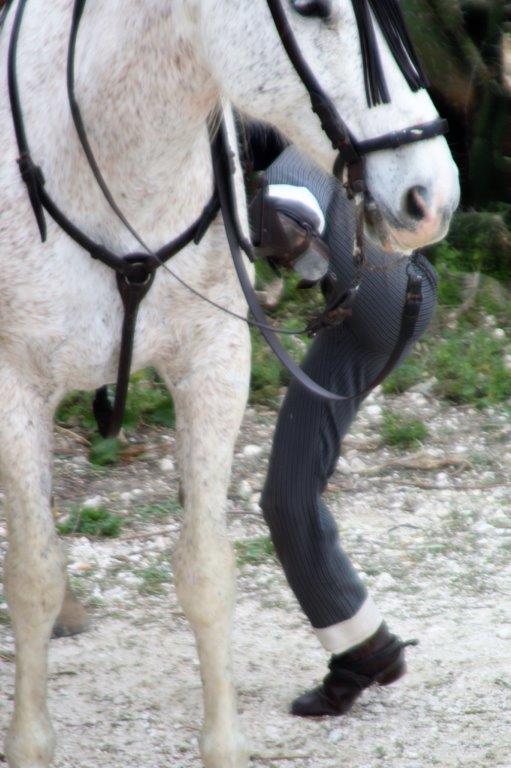
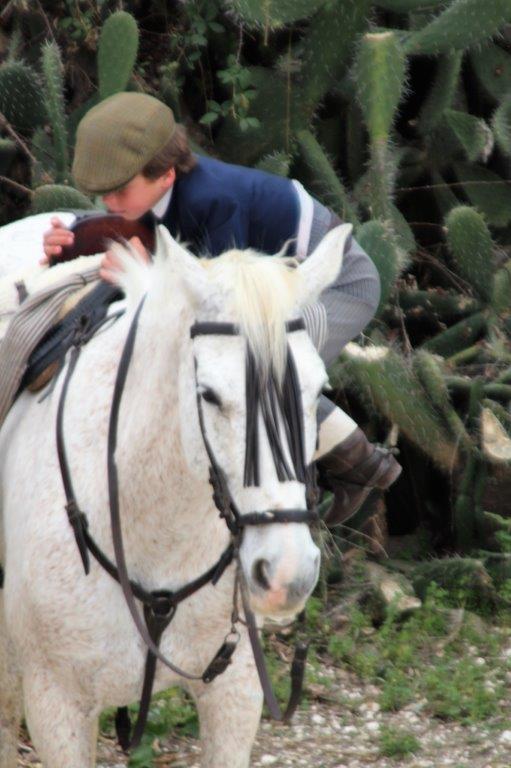
The demonstrations of horsemanship and the beautiful gaits of the Andalusions made for a good show.  Many of the riders were very young, but very comfortable in the saddle. The big bulls and cows are ‘herded’ with a long pole. This young chap was good a balancing that long pole.

The head riders gave a wonderful example of dressage horsemanship on a couple of beautiful horses. After the show many of the riders went behind the stadium seats and got a drink from the concession stand.  It was quite a stretch to get back on the horse for some of them.

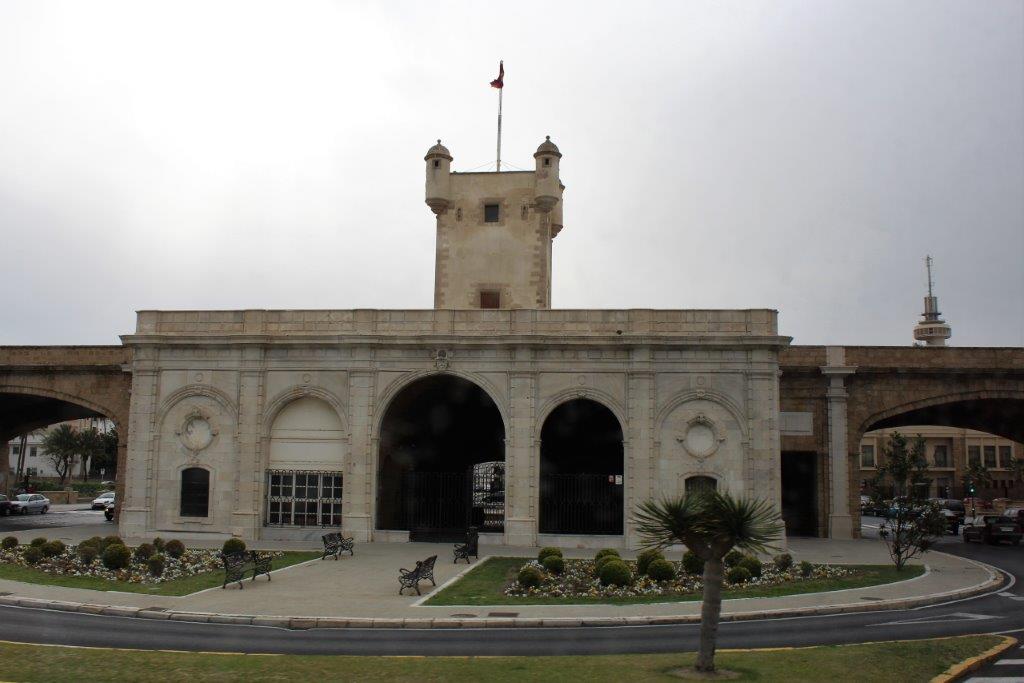
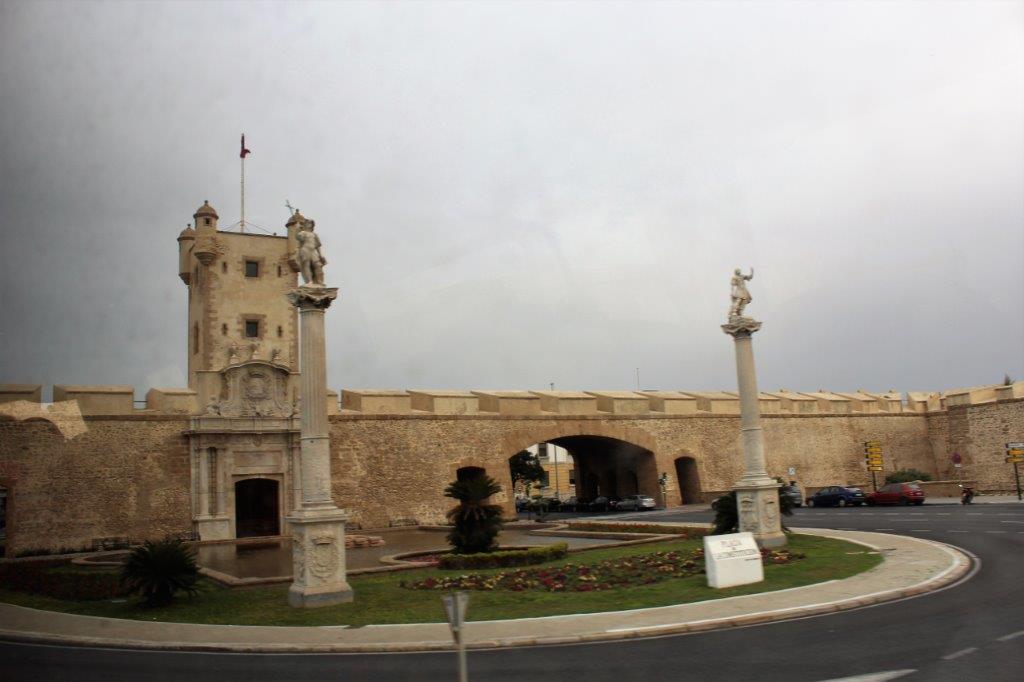
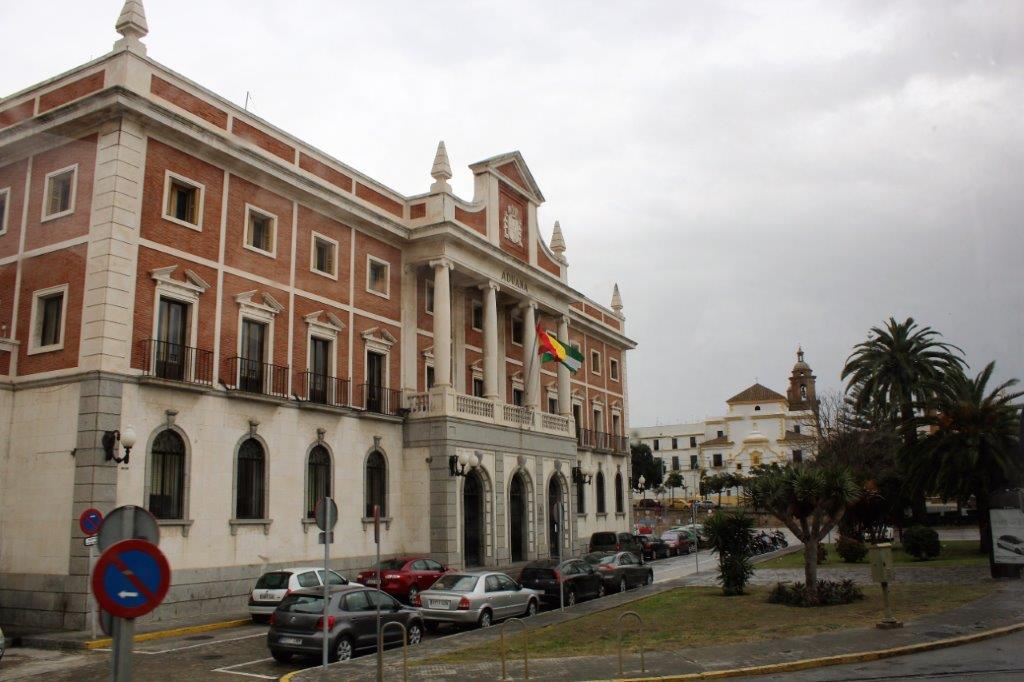
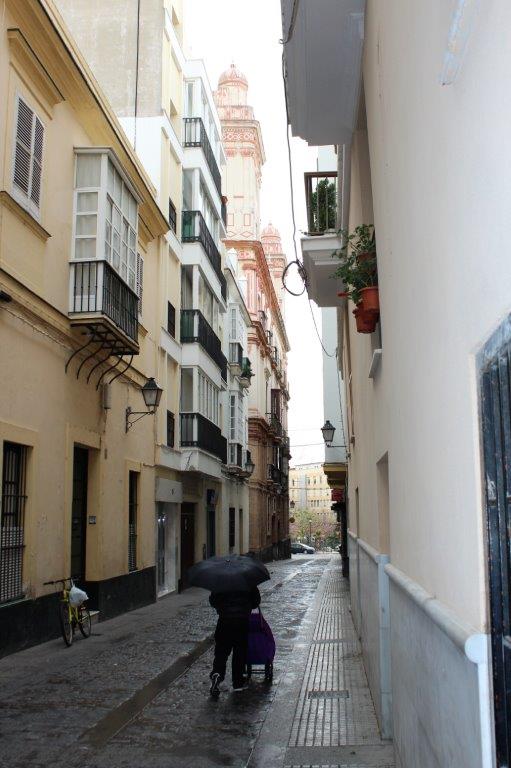
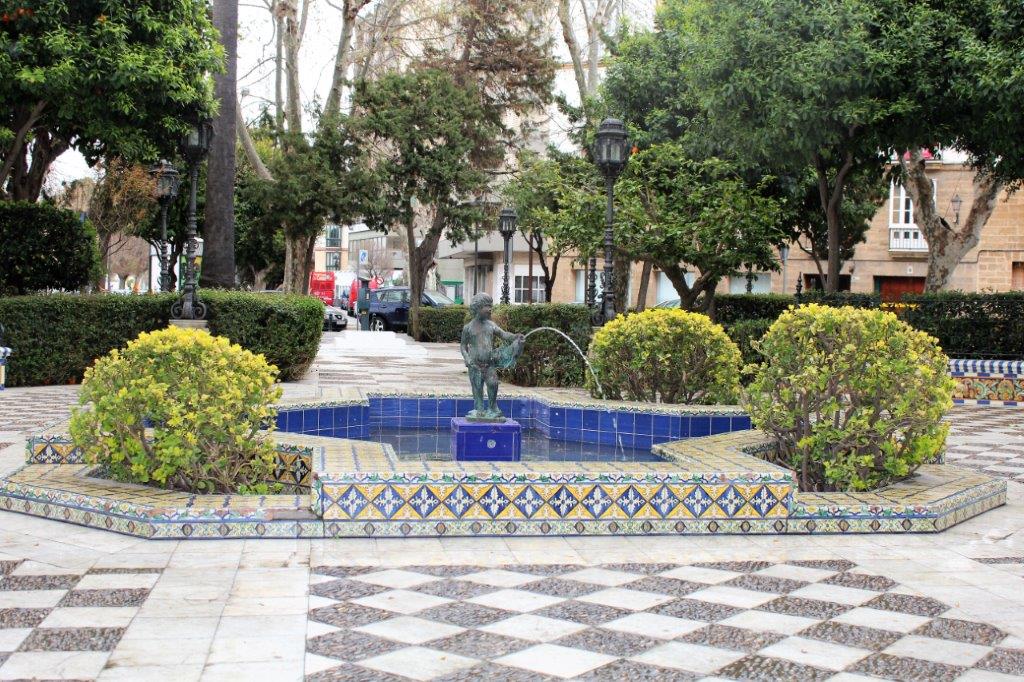
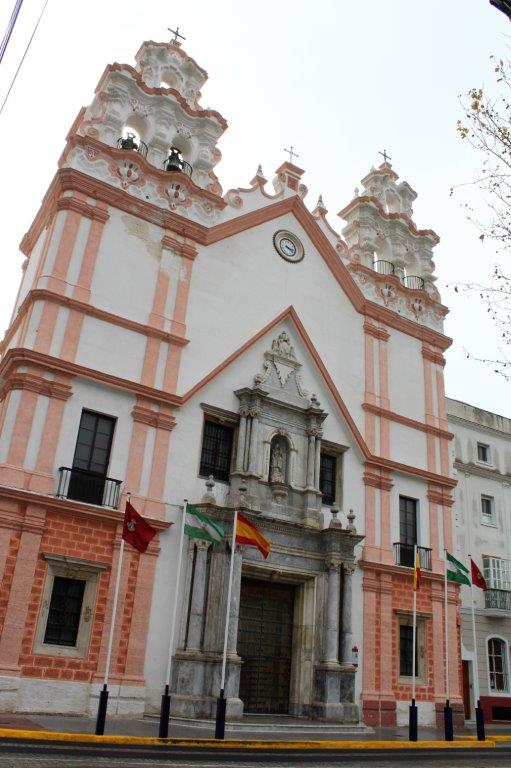
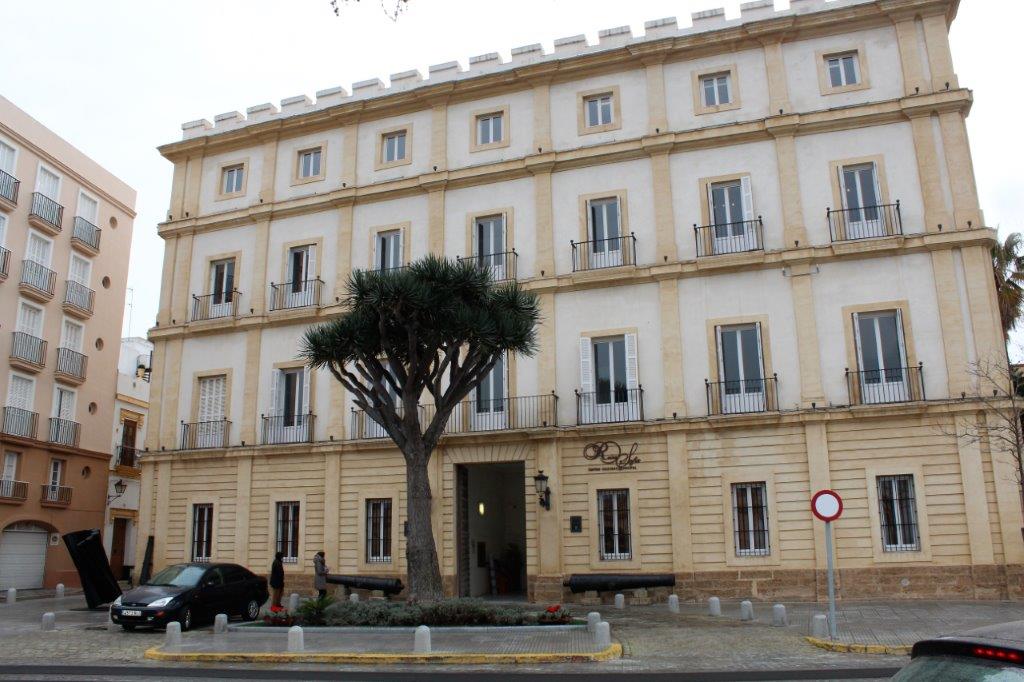
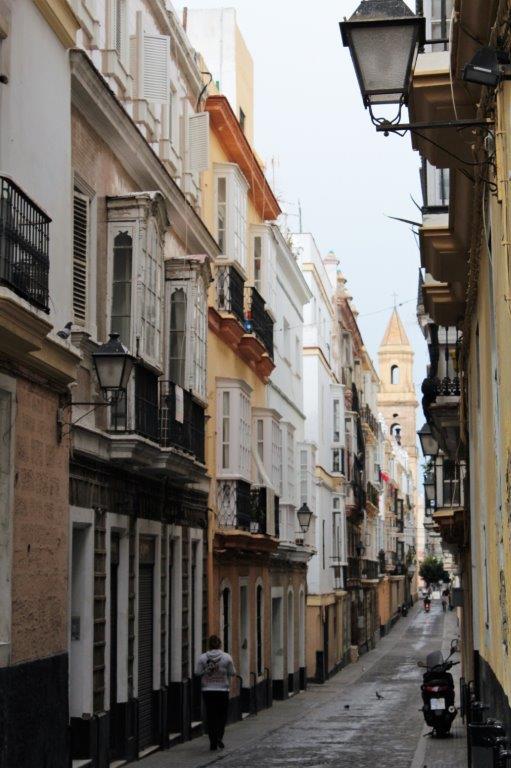
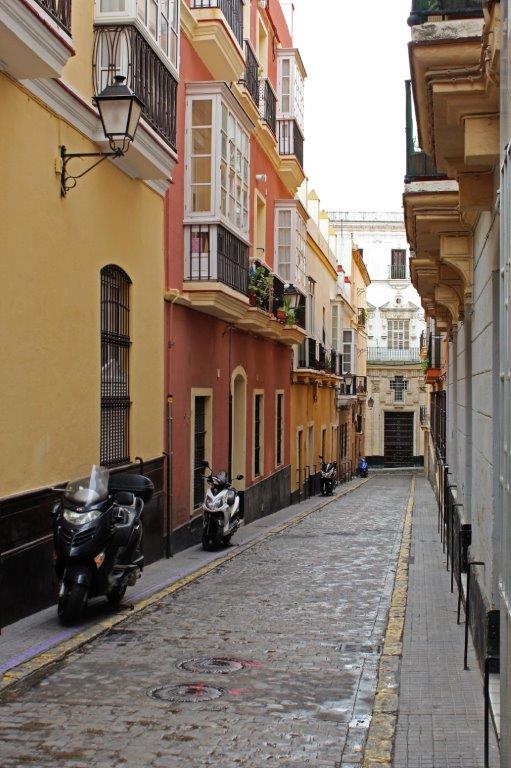
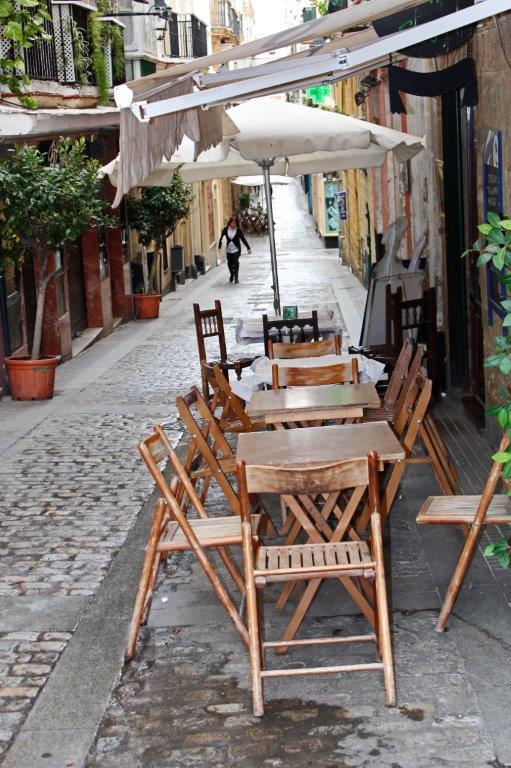
Then it was back on the bus for the ride to Cadiz. After a quick ice cream cone and cookie lunch we set off to explore; city map clutched tightly in hand.  We had been warned that it is very easy to get lost in an old town such as Cadiz.  (It was founded by the Phoenicians in the 14th century and is the oldest continuously inhabited city in the Western world.) There is no pattern to the streets, no cross streets and tall, close buildings that block sight lines.

This was an intentional protection technique used by towns and villages that were frequently attacked by invaders and pirates.  The locals knew how to navigate the streets but strangers would get hopelessly muddled thus giving folks time to hide or prepare defense attacks.

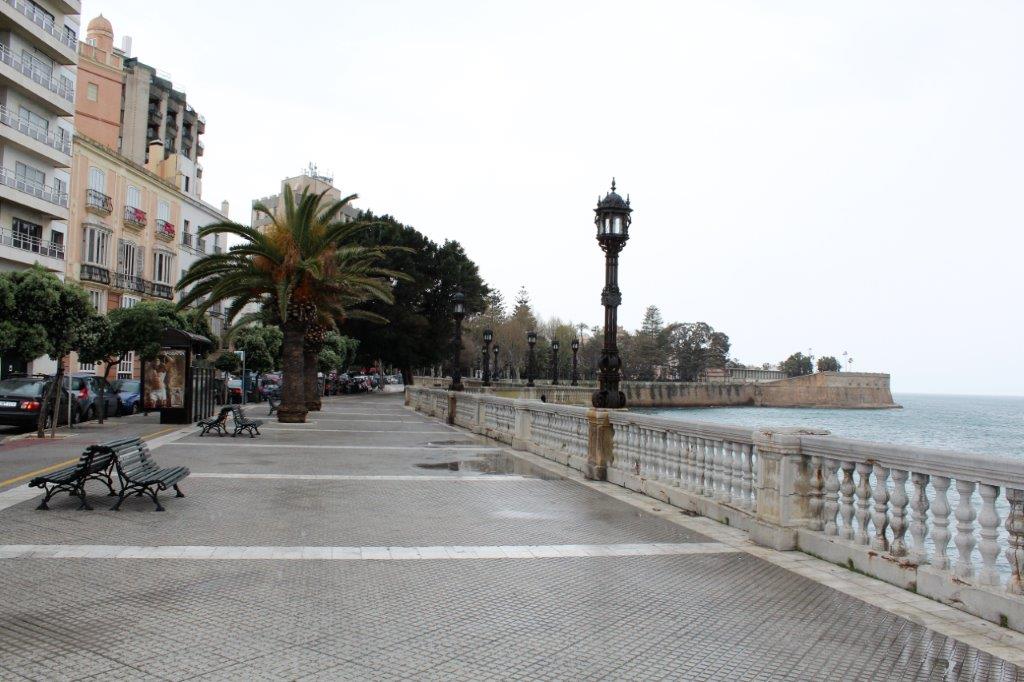
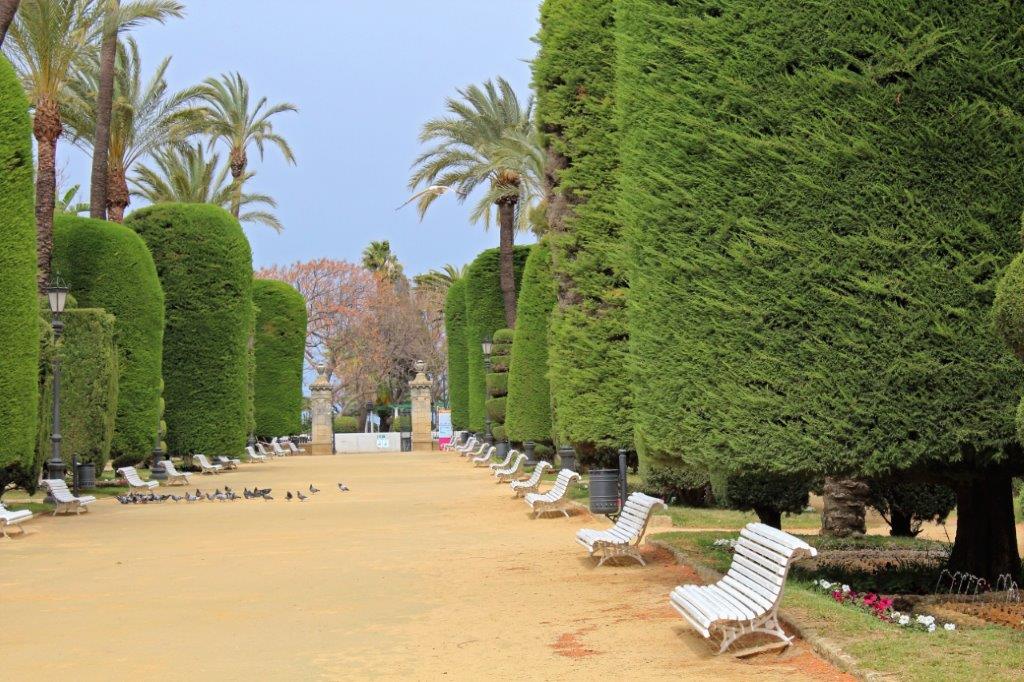
We made a leisurely loop around the peninsula of Old Cadiz keeping to the sea side on our way out and returning through the center; arriving back at the ship an hour and a half later.

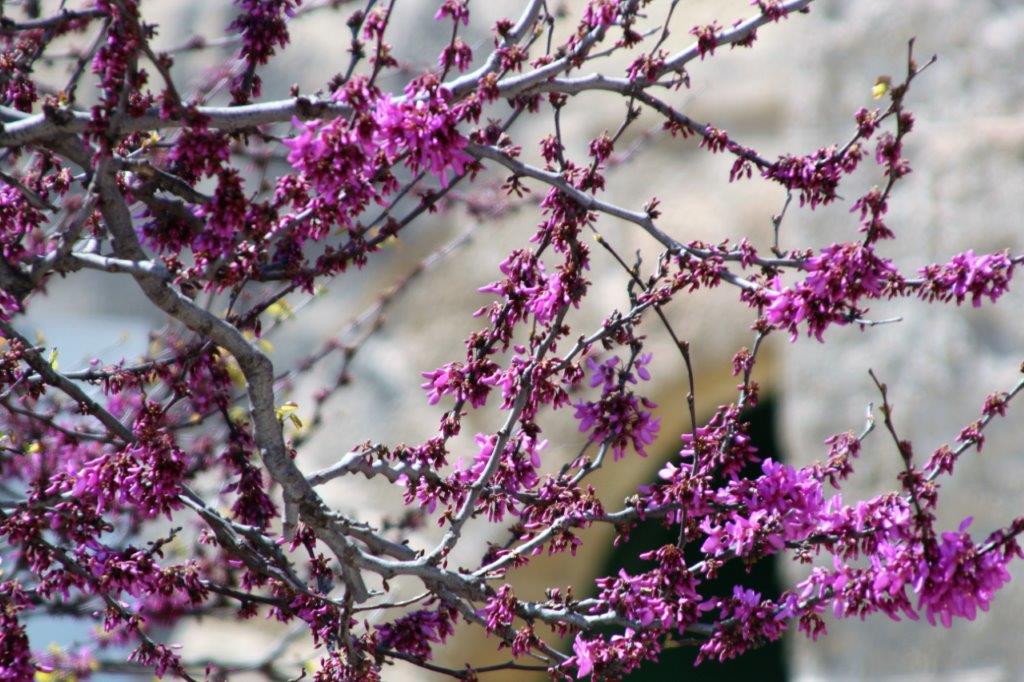
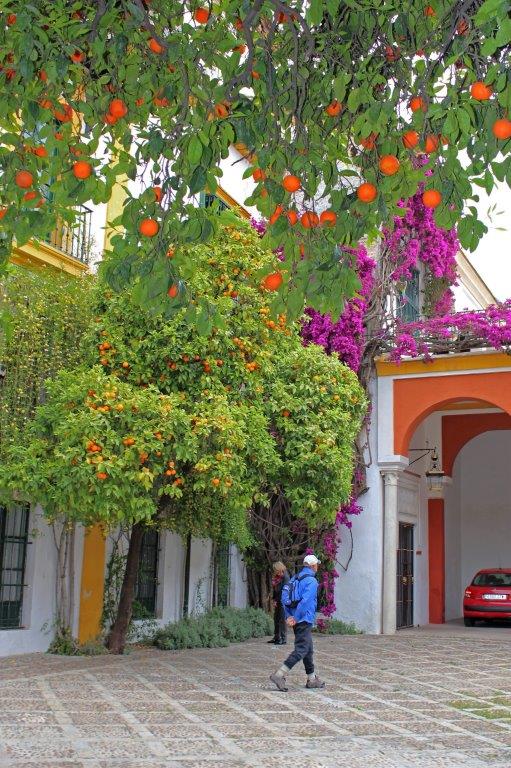
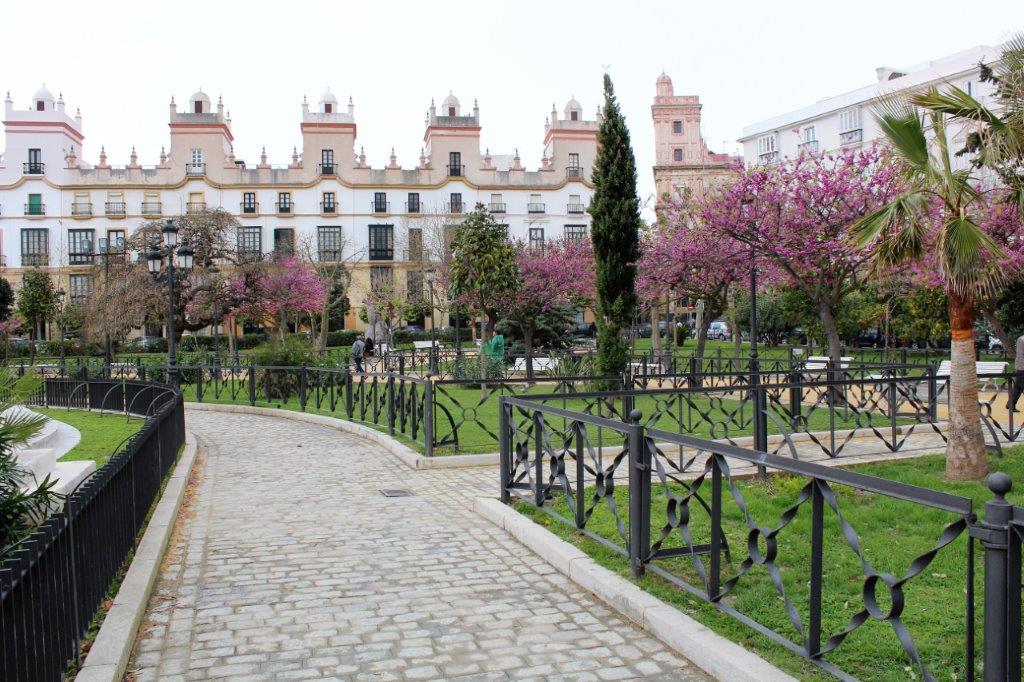
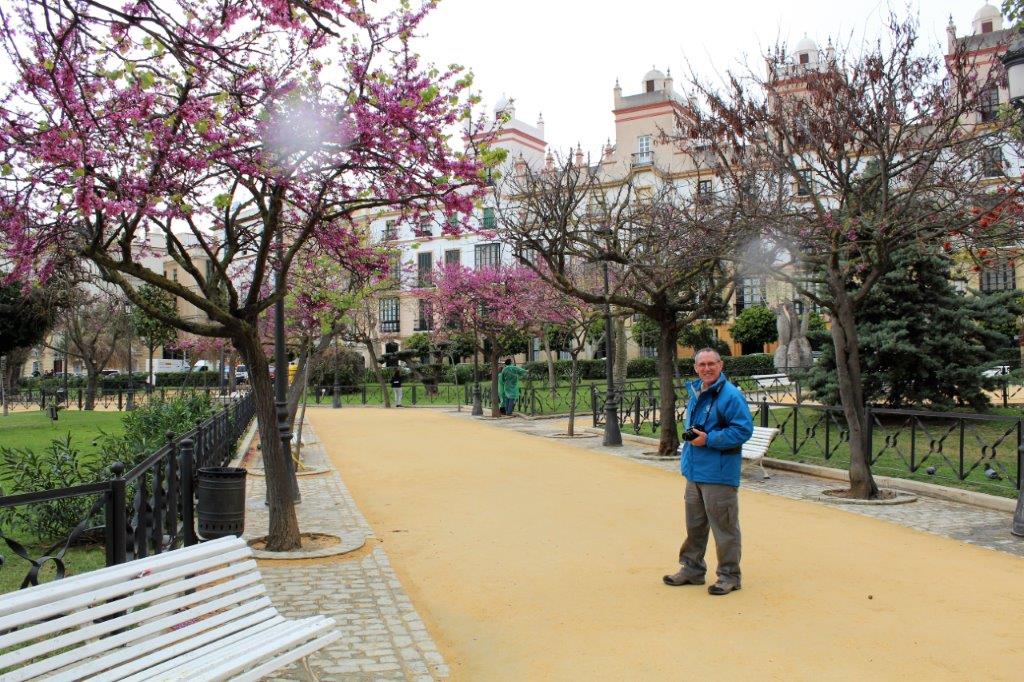
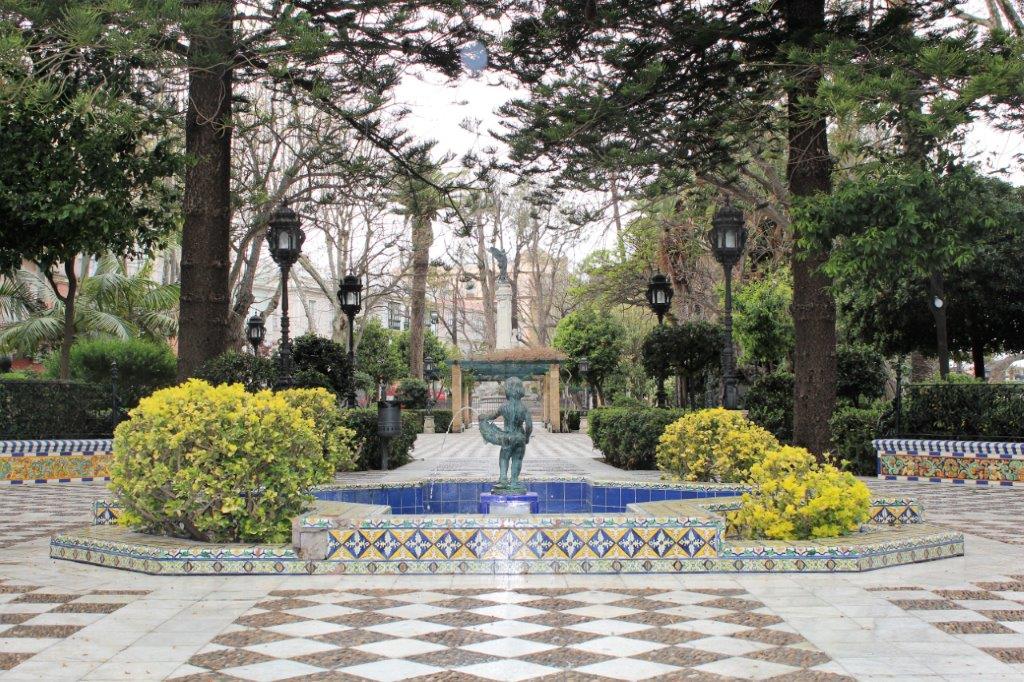
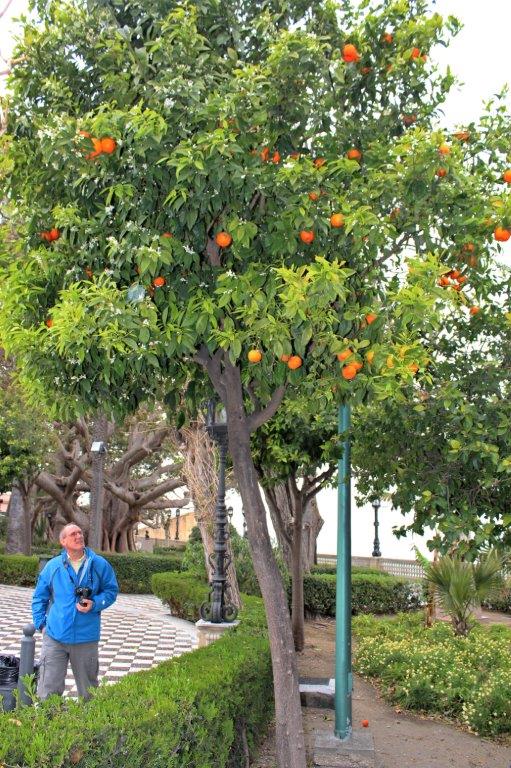
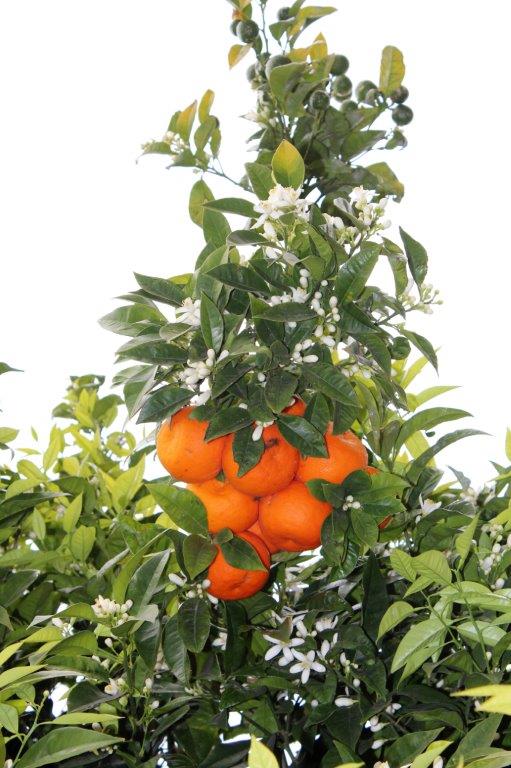
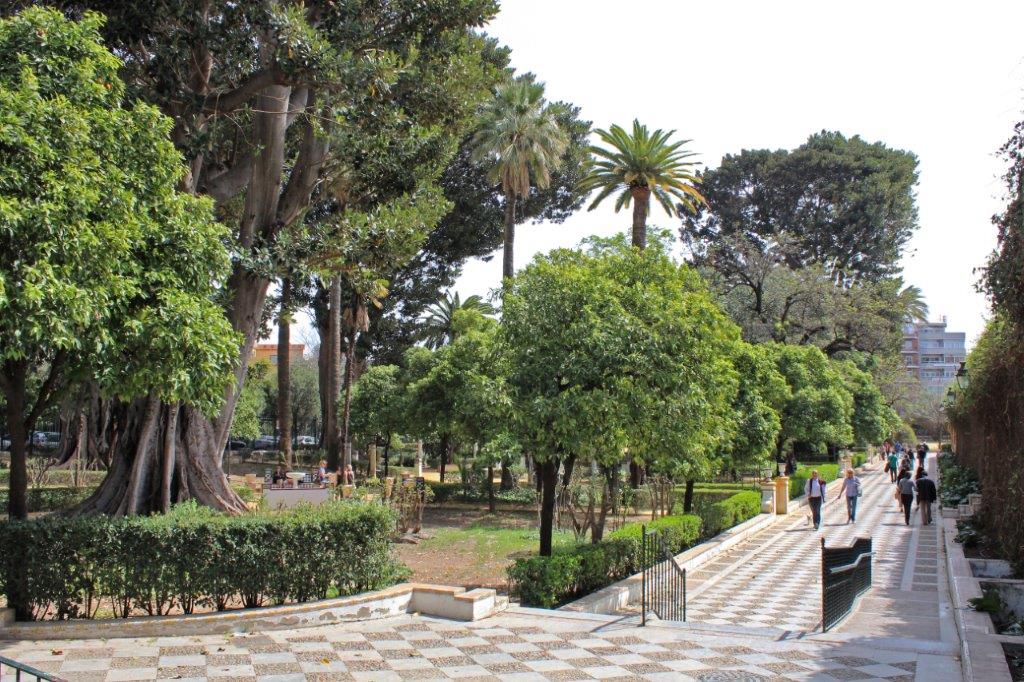
The blossoms on the trees in the Plaza de Candelaria were very pretty. Notice the rain spots on the camera lens.  It quit awhile later. Tempting as it was to sample one of the oranges hanging on the trees we resisted.  These oranges are very sour. They are used for marmalade.

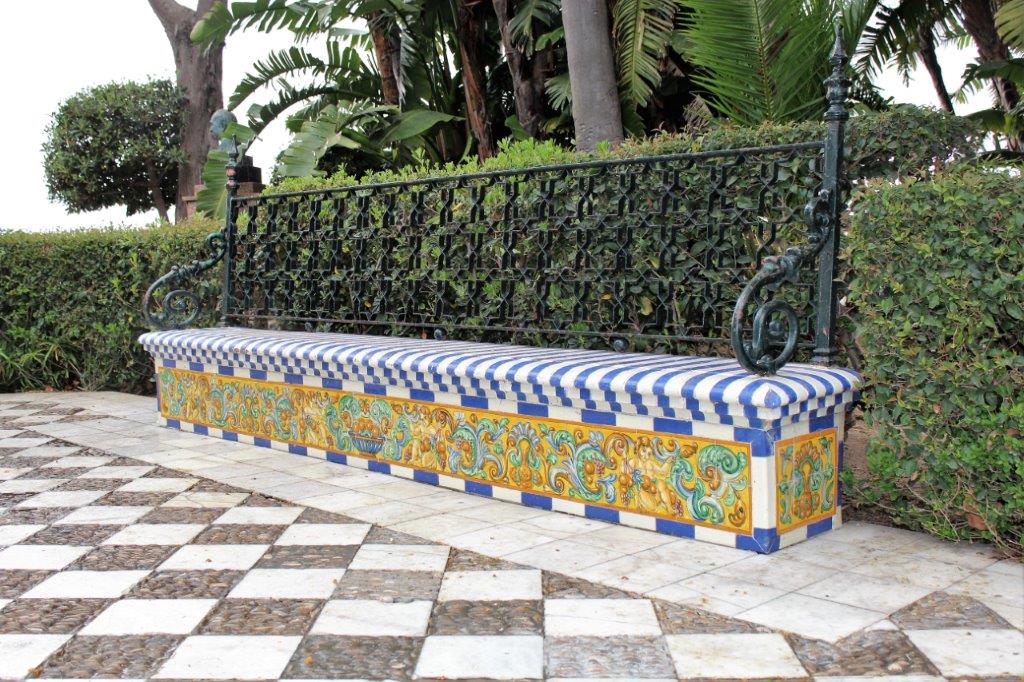
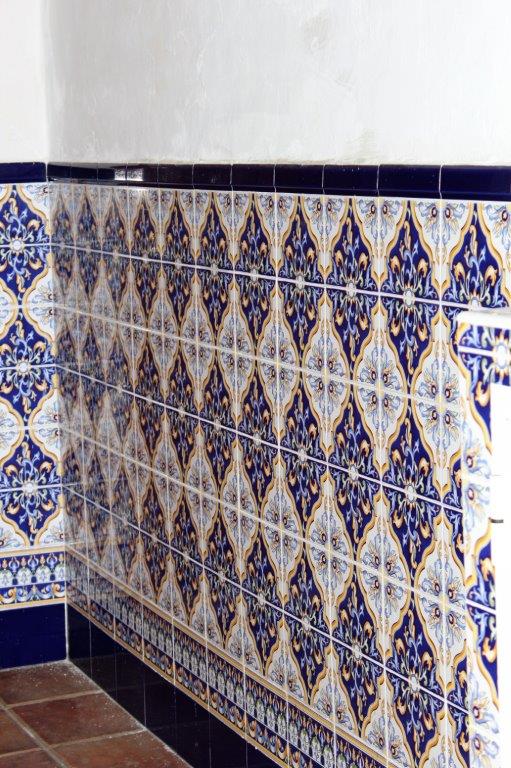
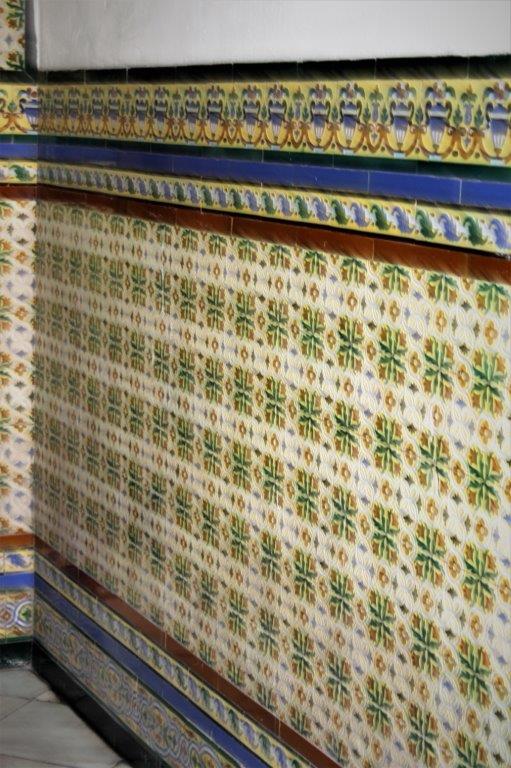
All the entrances to upper stories in the buildings were walled with beautiful colourful tiles. Back on board it was time for dinner and sorting the many, many photos we took that day before heading to bed.  8:30 am tour into Seville the next day.