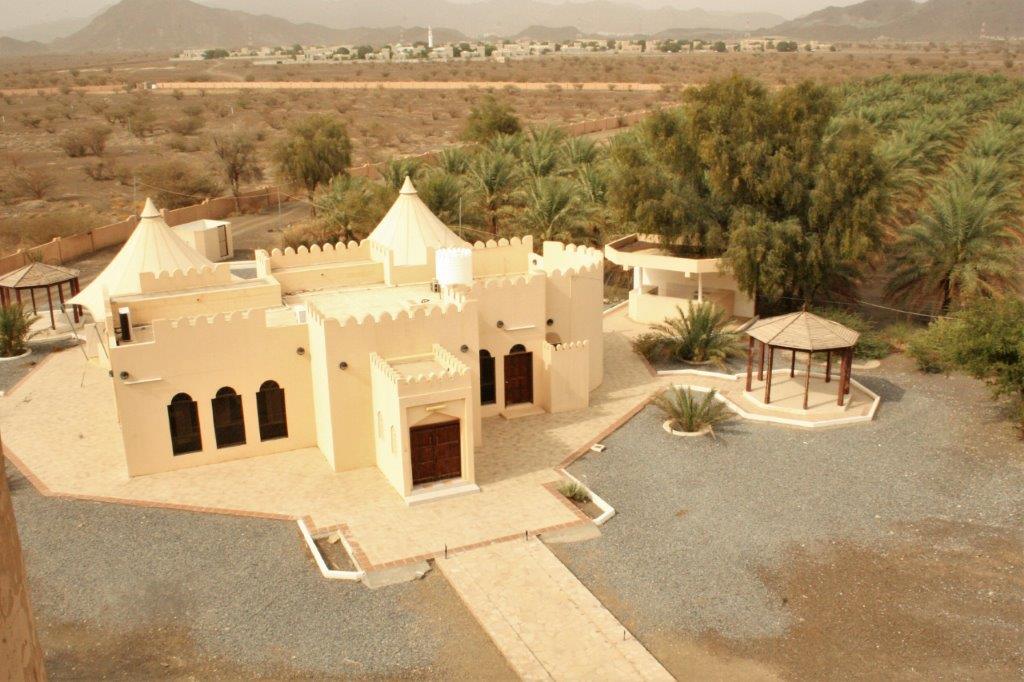
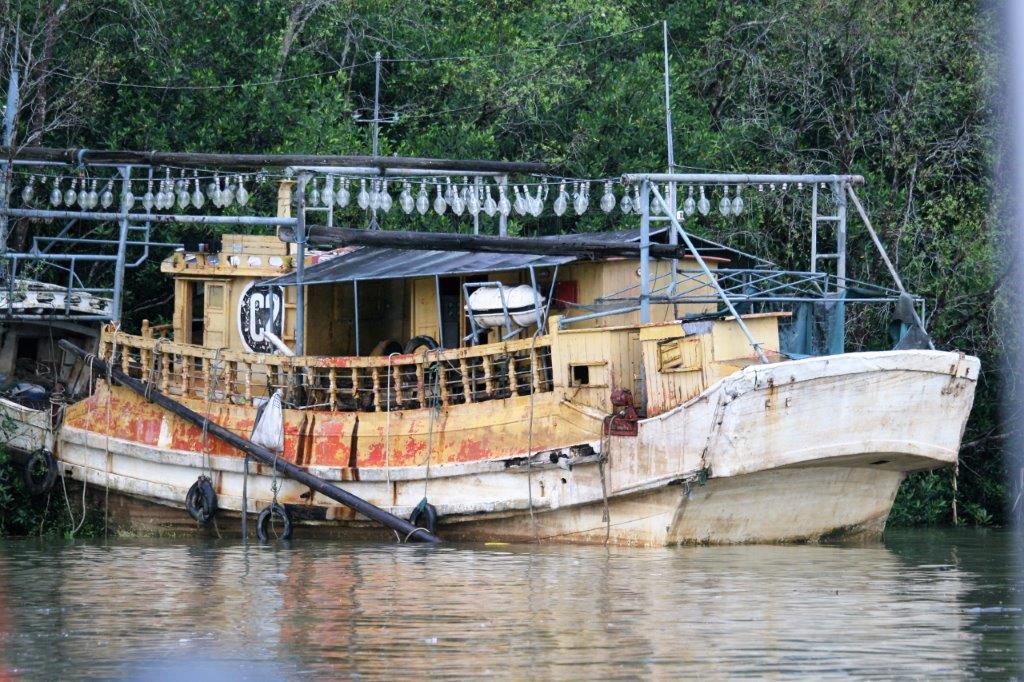
2009 April 4 & 5 (World Cruise) – Days 89 & 90 – Victoria, Seychelles

The first day at sea after leaving Muscat, Oman, during the captain’s daily noonhour annoucements, he told us of some itinerary changes he had made to keep the ship out of range of the pirate activity that was active on the northeast coast of Africa at the time.  (The Maersk ‘Alabama’ was pirated while we were in these waters – re: Tom Hanks movie “Captain Philllips.” )  Our two-day port of call in the Seychelles was moved up a day earlier and we would be three days at sea instead of the originally planned four (which meant we needed to travel at full speed of 22 knots) and we would take three days instead of two to reach Mombasa, Kenya so that the captain can sail further out at sea and further south down the African coast before turning north and hugging the coast up to Mombasa.  These changes would allow the ship to get to Kenya without sailing in the vicinity of known pirate activity.

In order to ensure the ship and passengers were protected the entire time we sailed in the waters near Somalian pirates there was crew members with night vision binoculars and flak vests doing 4-hour shifts on watch on the promenade deck 24- hours a day.  All of the promenade deck  fire hoses had been charged and lashed to the railing and a sonic cannon was set up at each end of the deck and ready to break eardrums if necessary.  There was never a dull moment on the open sea.

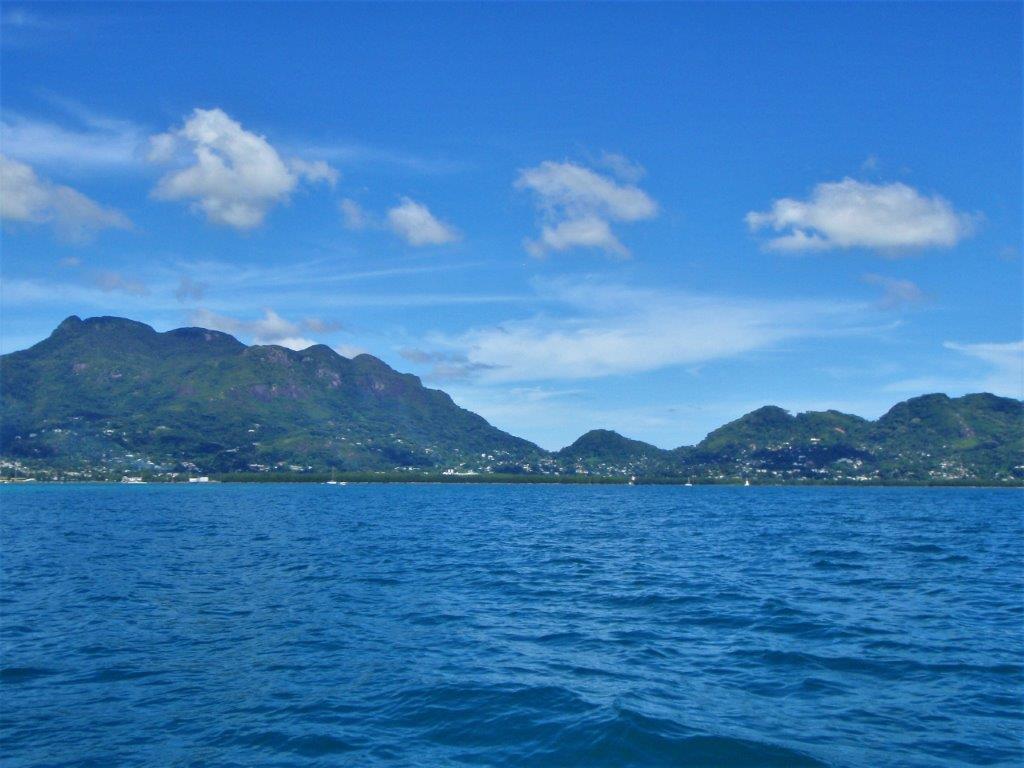
The Seychelles are a group of about 115 islands that lie 1600 kilometers (990 miles) off the coast of east Africa.  The three central islands – Mahe, Praslin and La Digue – are granite, while the outlying islands are coral atolls.  The capital, Victoria, Mahe is one of the smallest capital cities in the world and the only major port in the Seychelles.  It is also the only town in the country; all the other communities are villages.

When the islands were discovered by a British East India ship in 1609 they quickly became a haven for pirates.  They were claimed for France in 1754 and the first settlers and slaves arrived in 1770.  Britain took charge of the Seychelle Islands after the Napoleonic Wars but the French language and customs remained.  Today, most locals will conduct business in French, speak English to the tourists and talk Creole (a French dialect) at home.
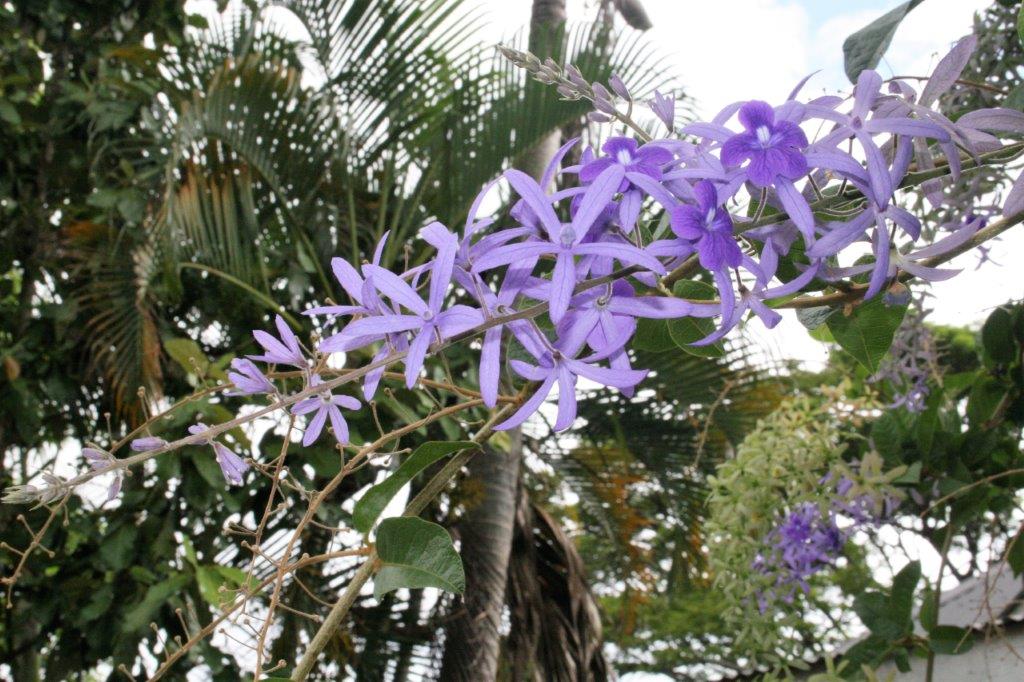
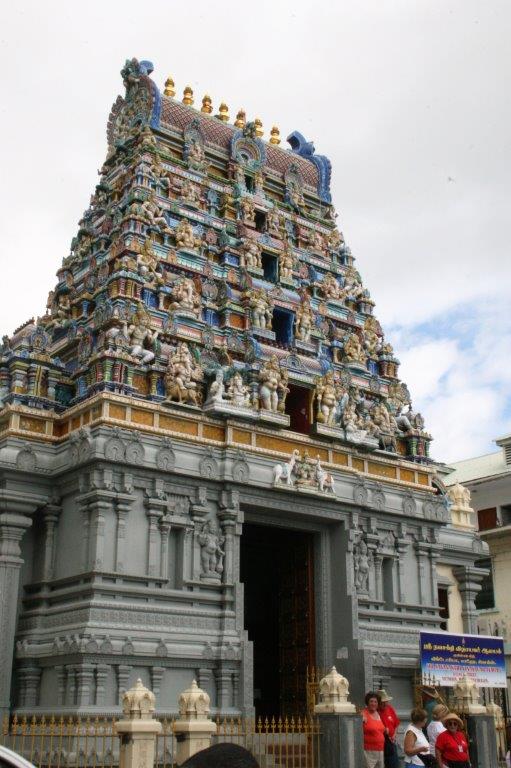
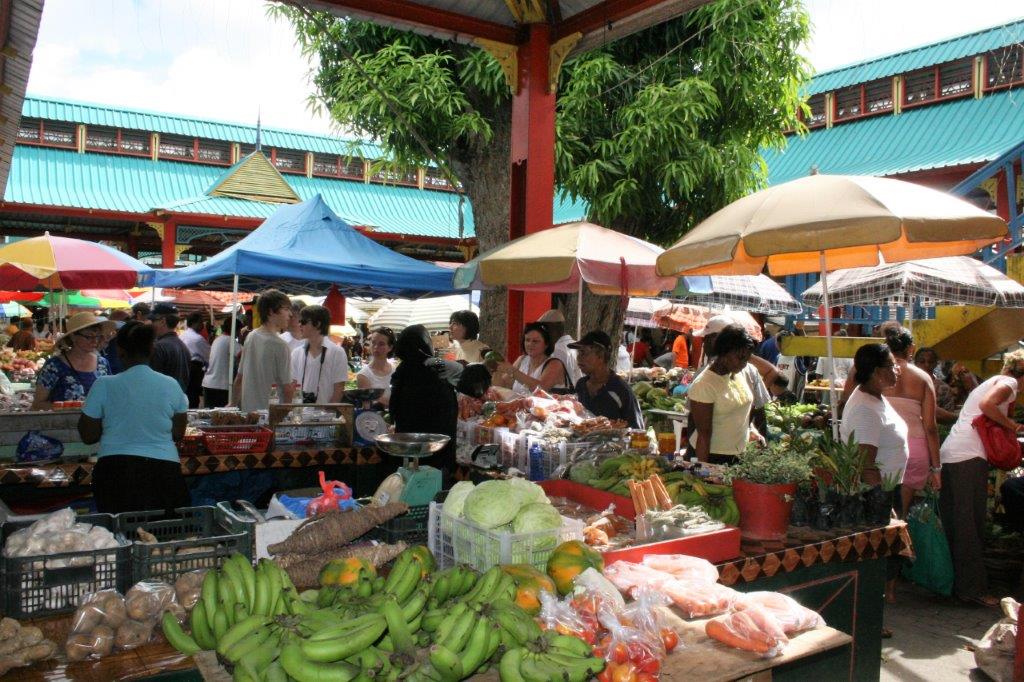
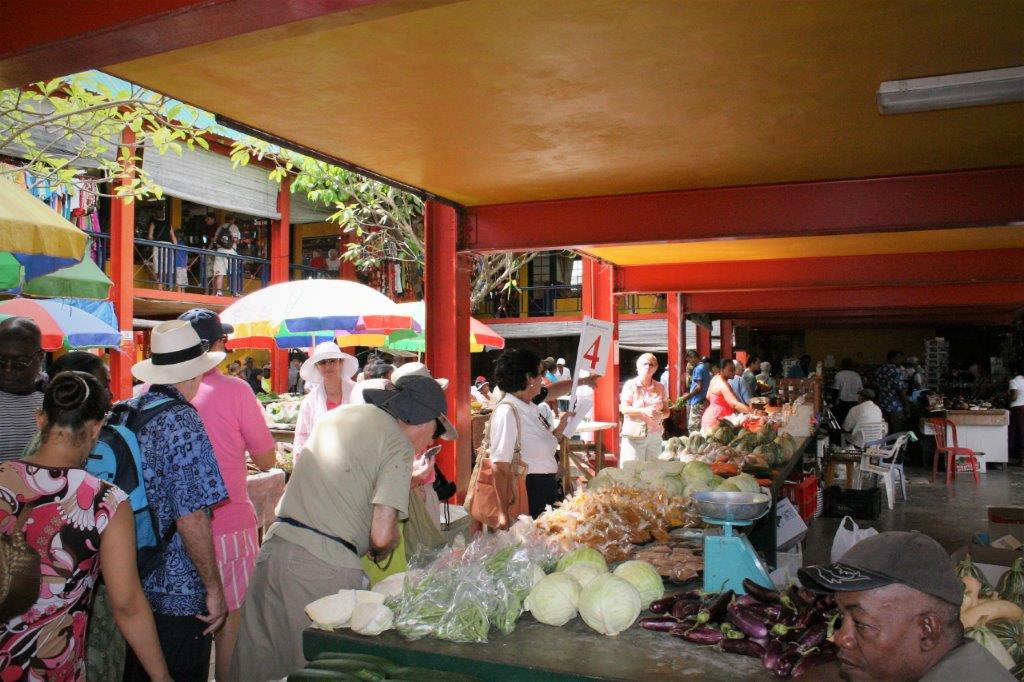
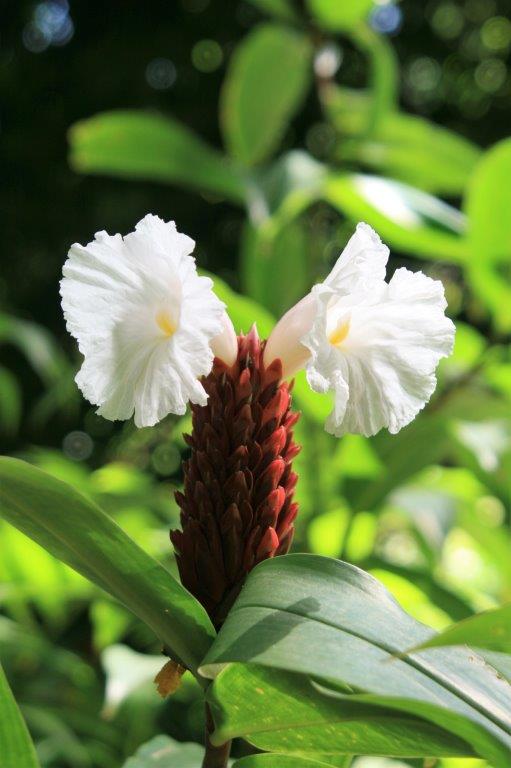
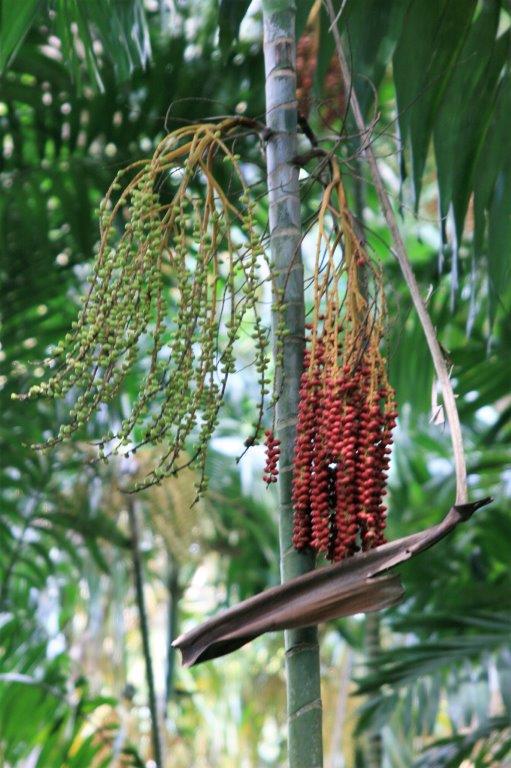
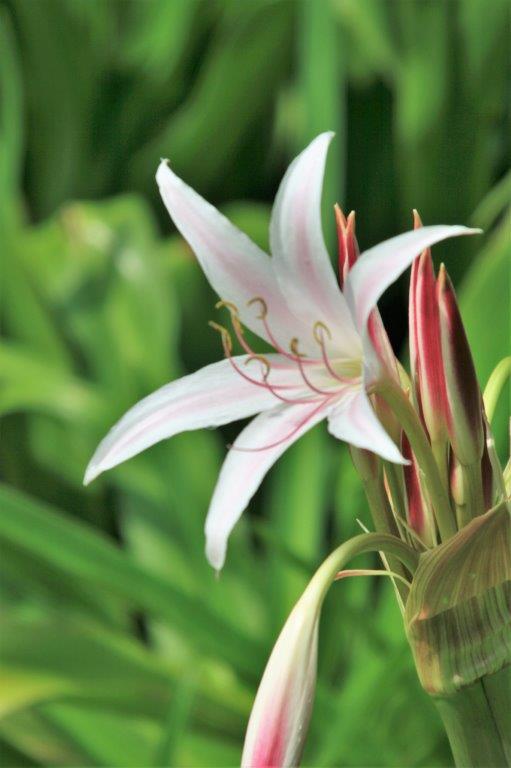
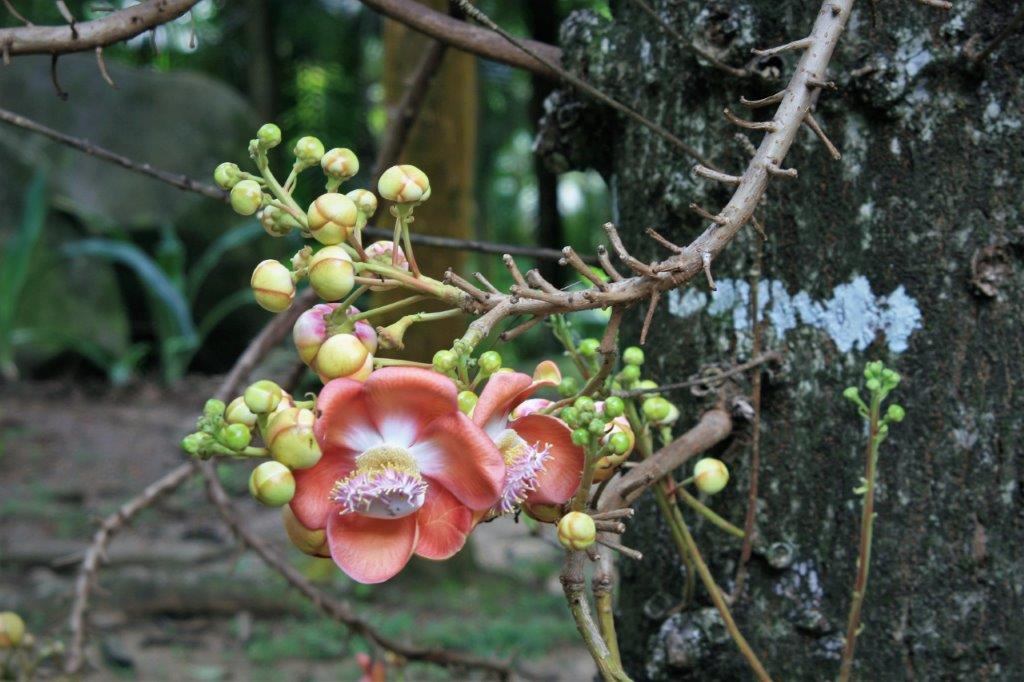
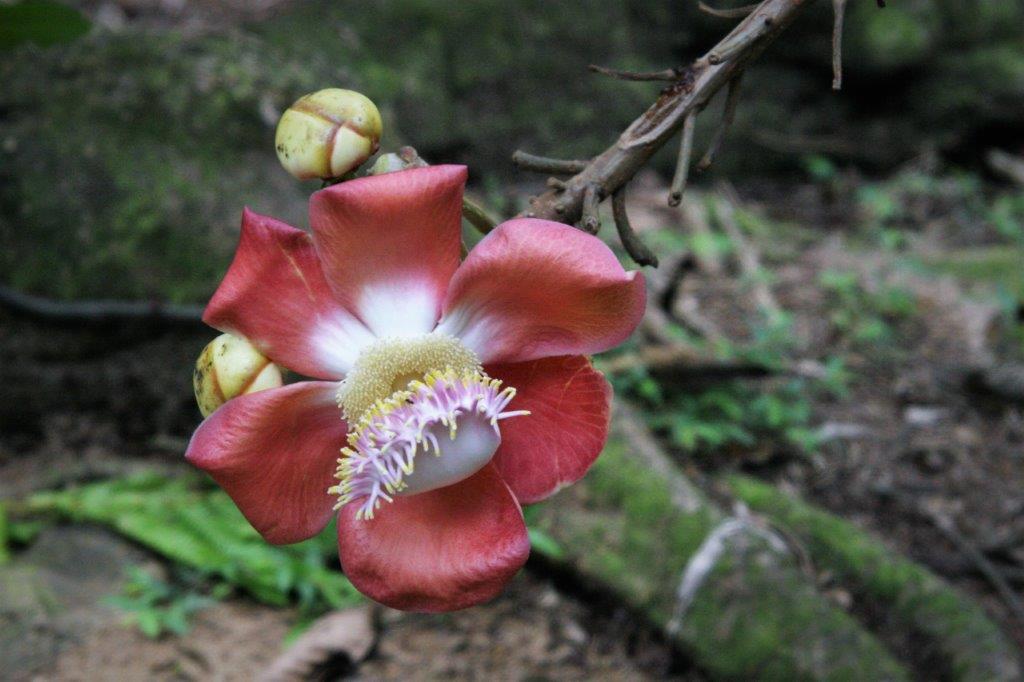
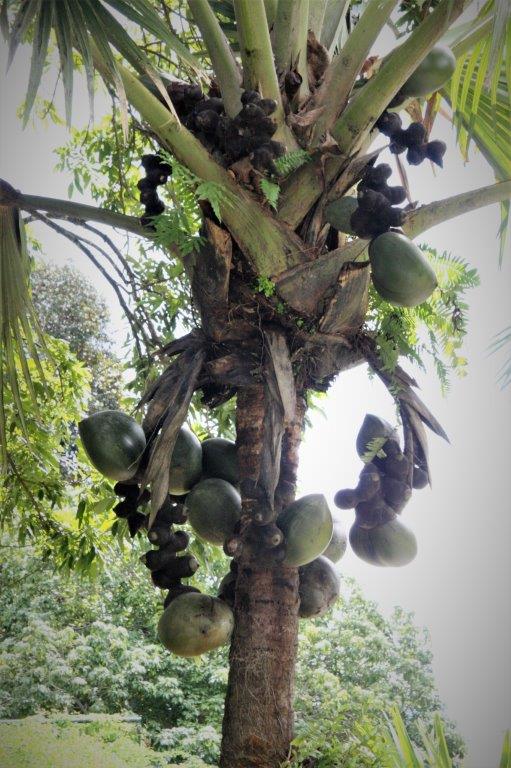
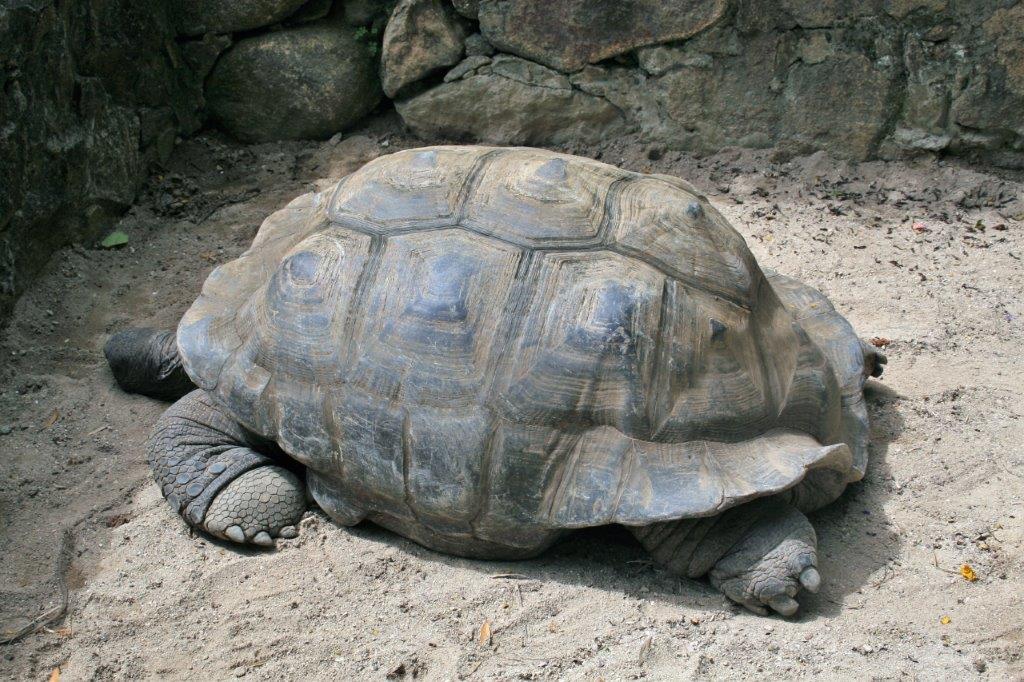
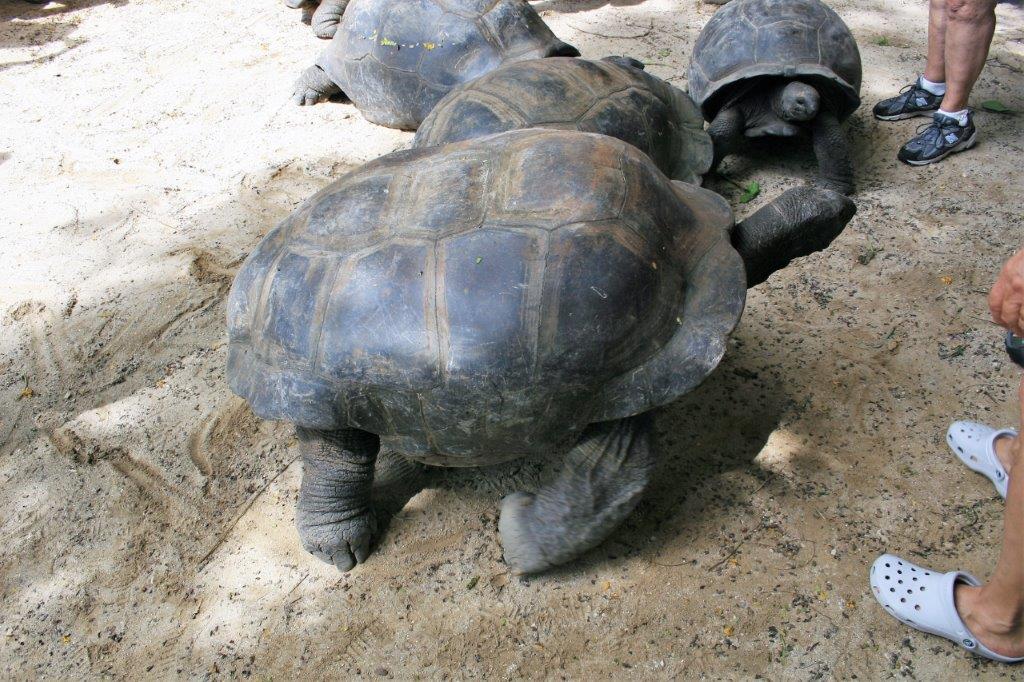
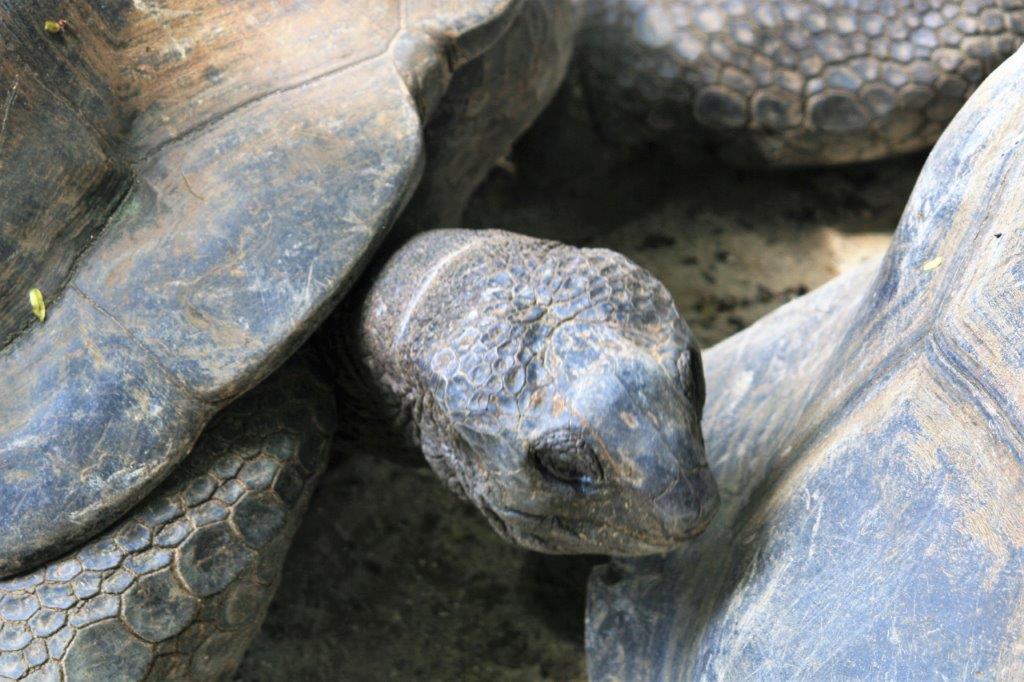
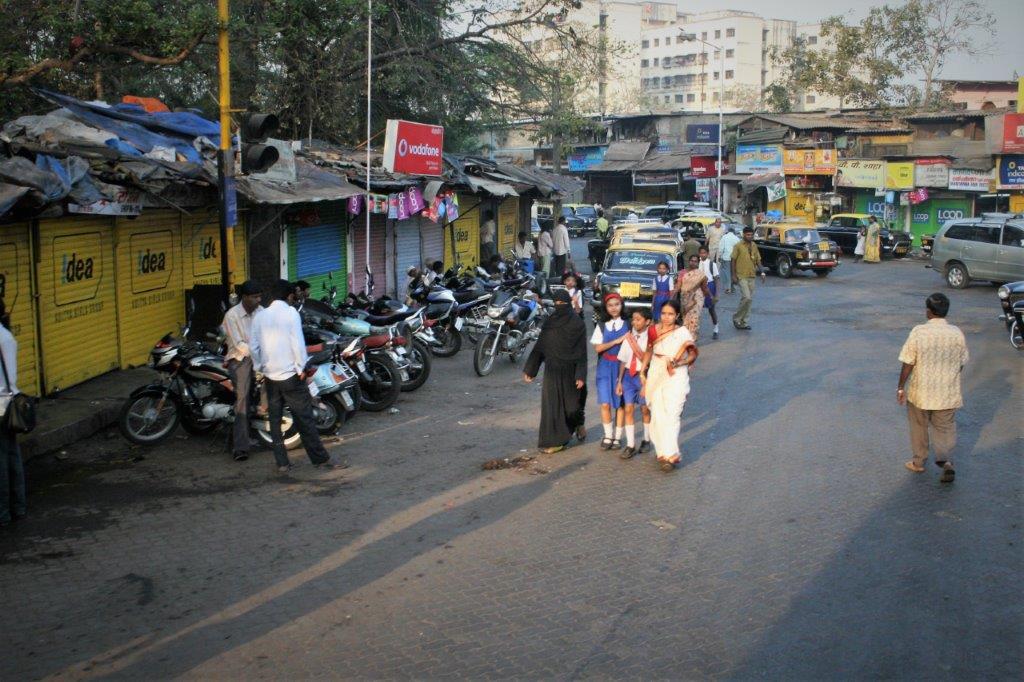
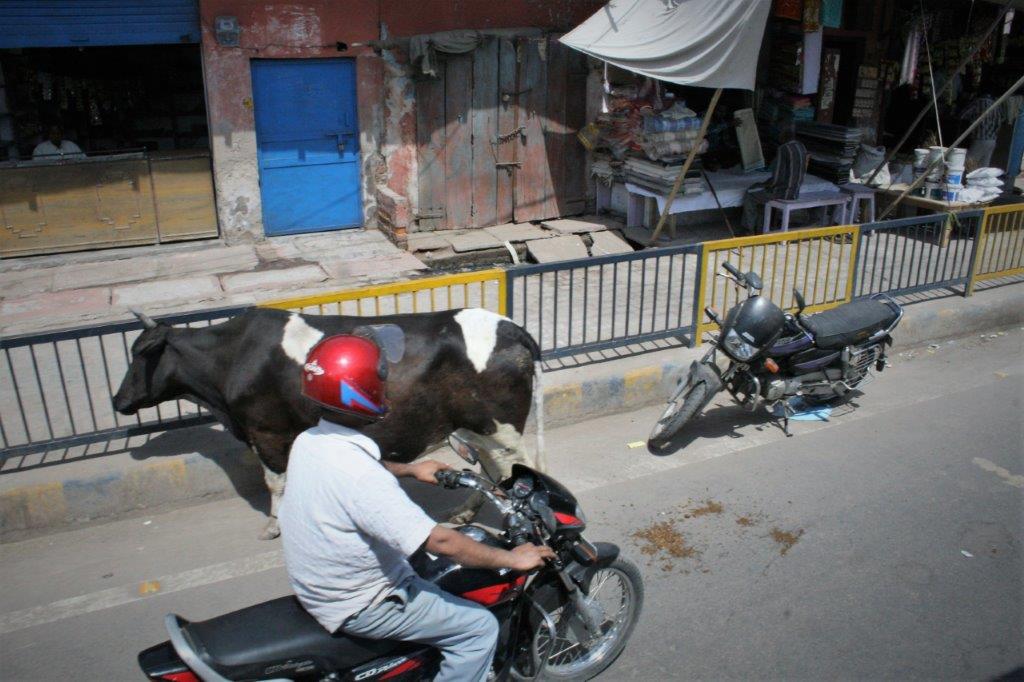
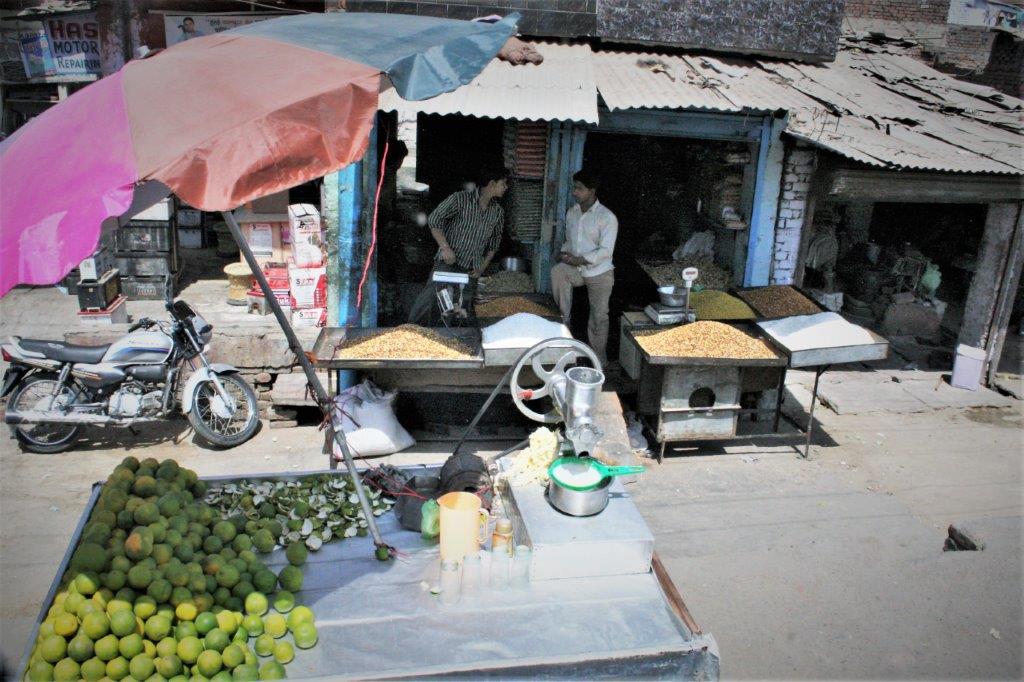
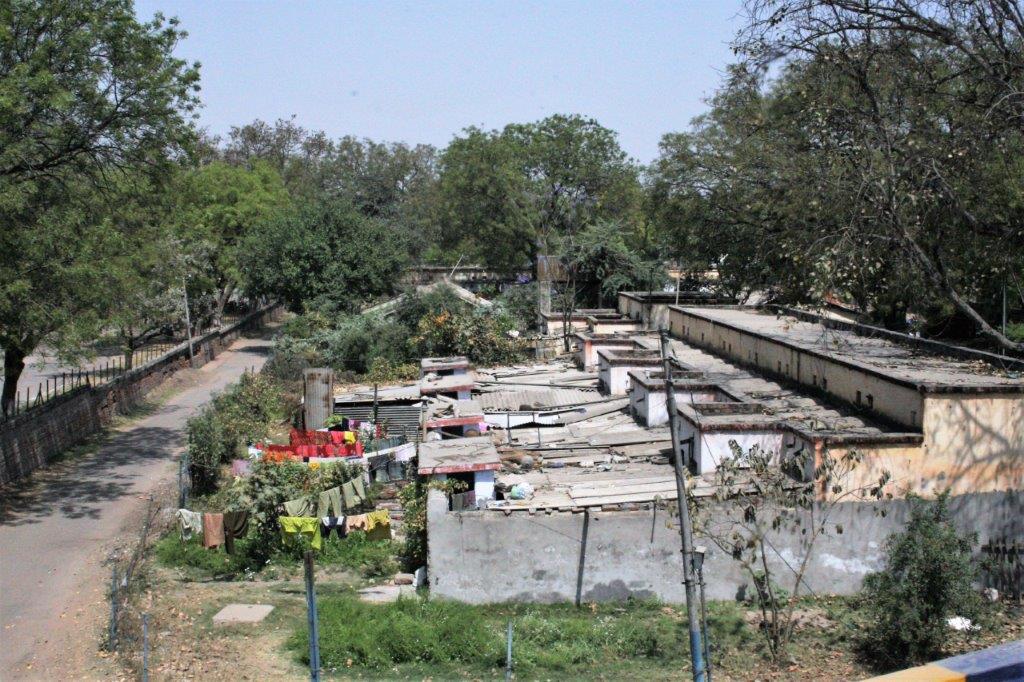
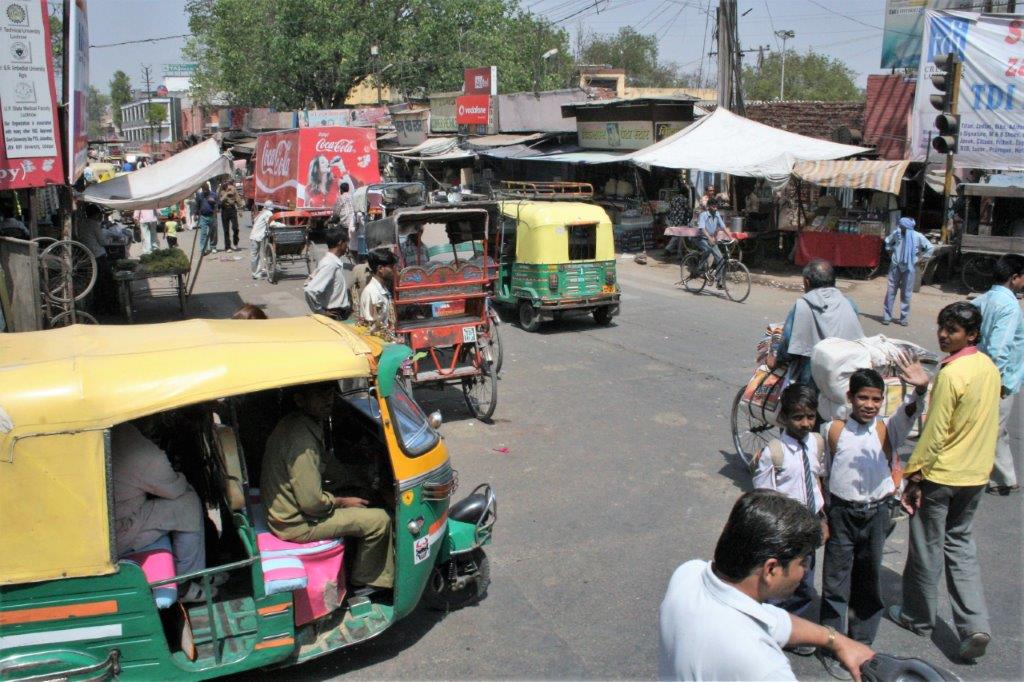
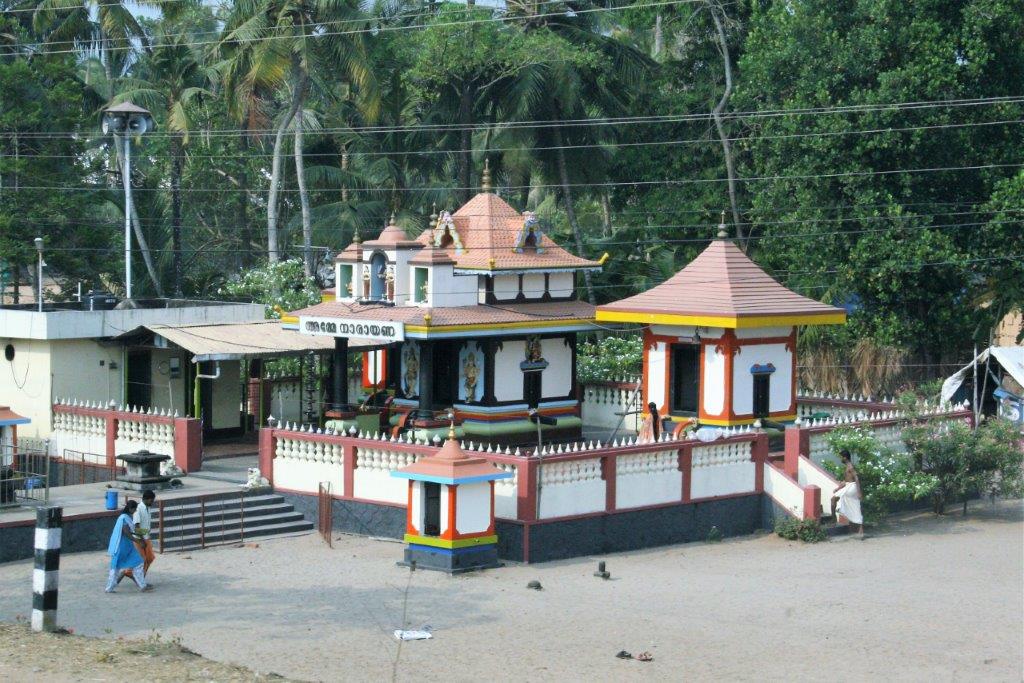
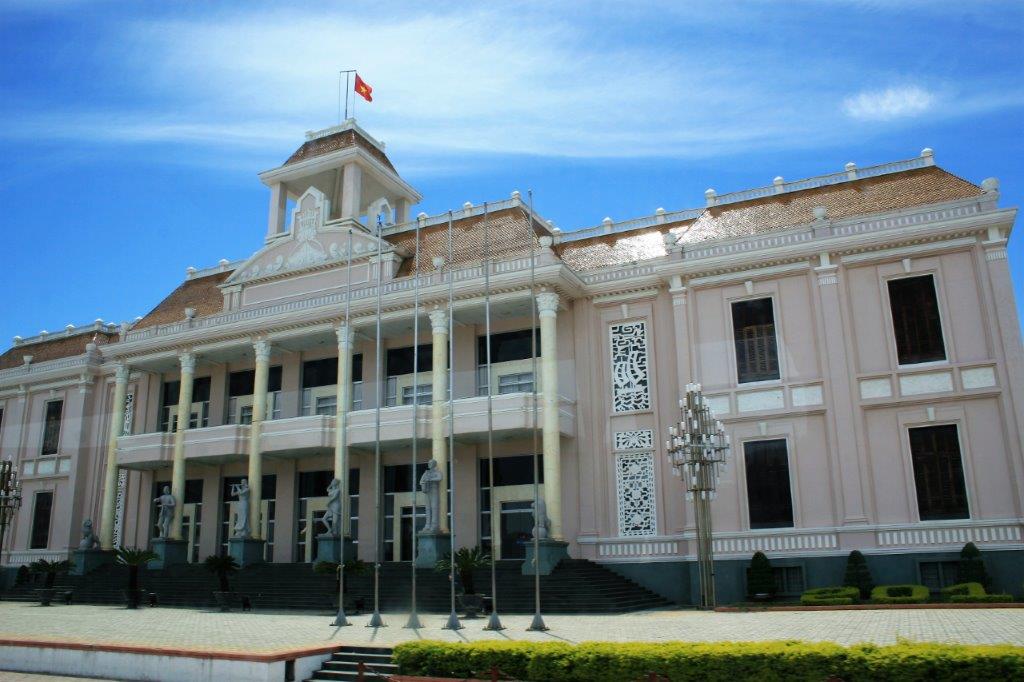
2009-04-04_3298 2009-04-05_3493Our tour the first day in the Seychelles – which was Palm Sunday –  took us into Victoria to see the famous clock tower, the post office, several churches, the market, and a Hindu temple before we visited the Botanical Gardens.  At the garden we saw the giant land tortoises and the coco de mer (double coconut), unique to the Seychelles.
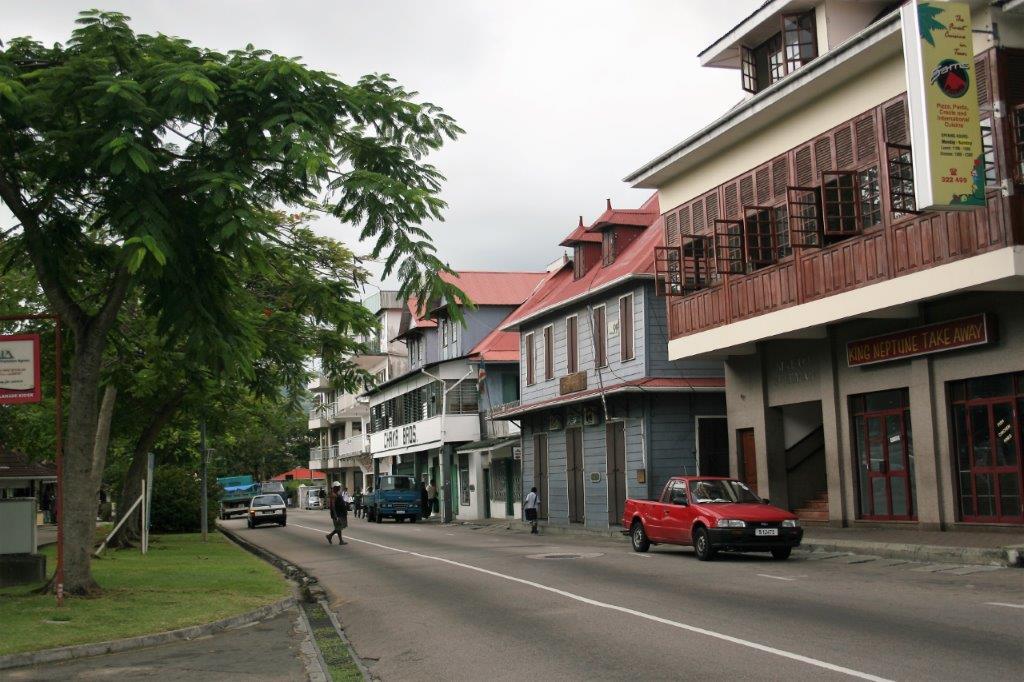
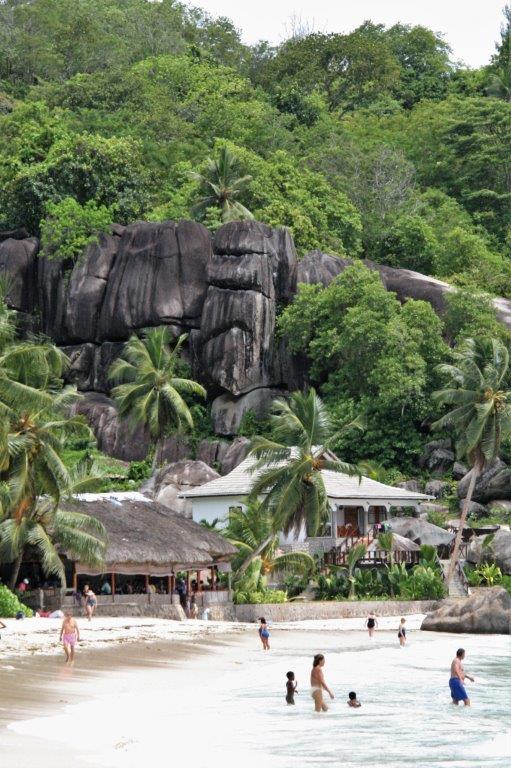
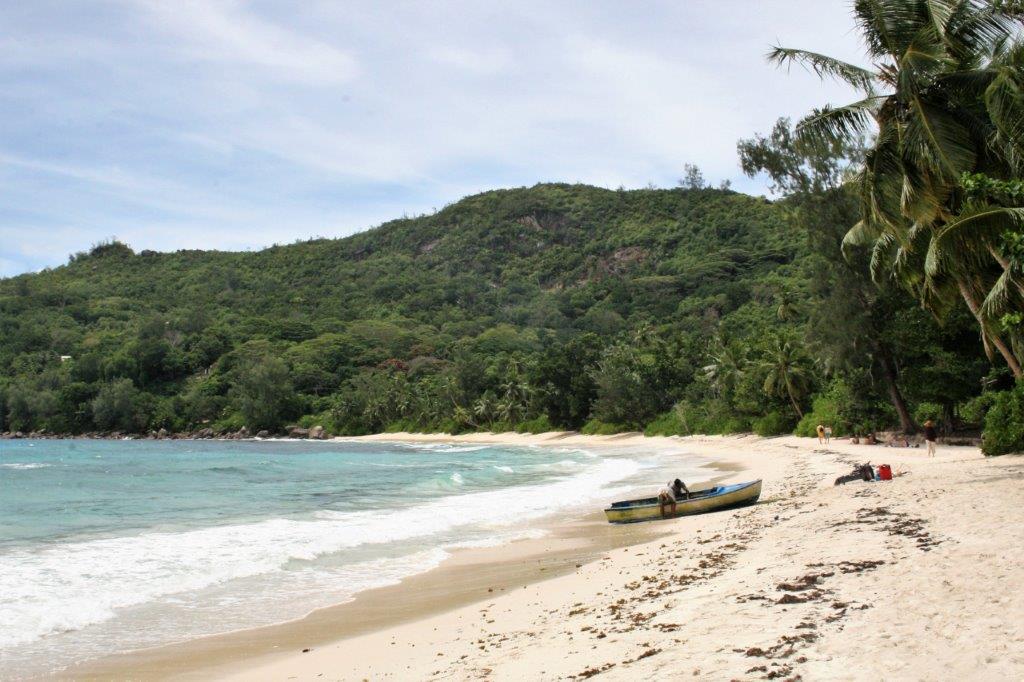
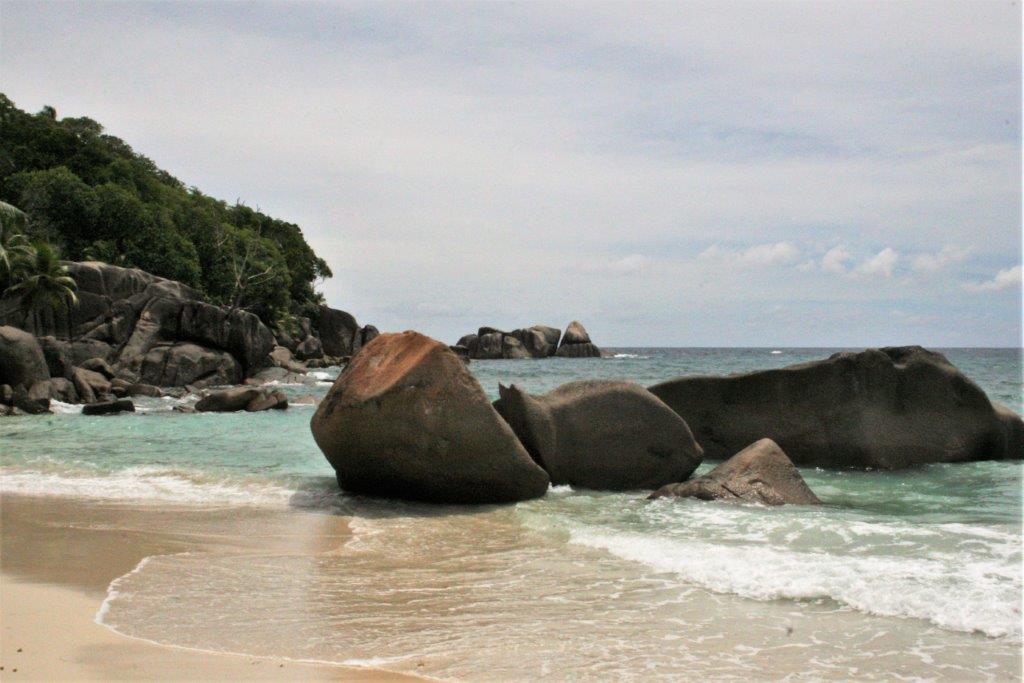
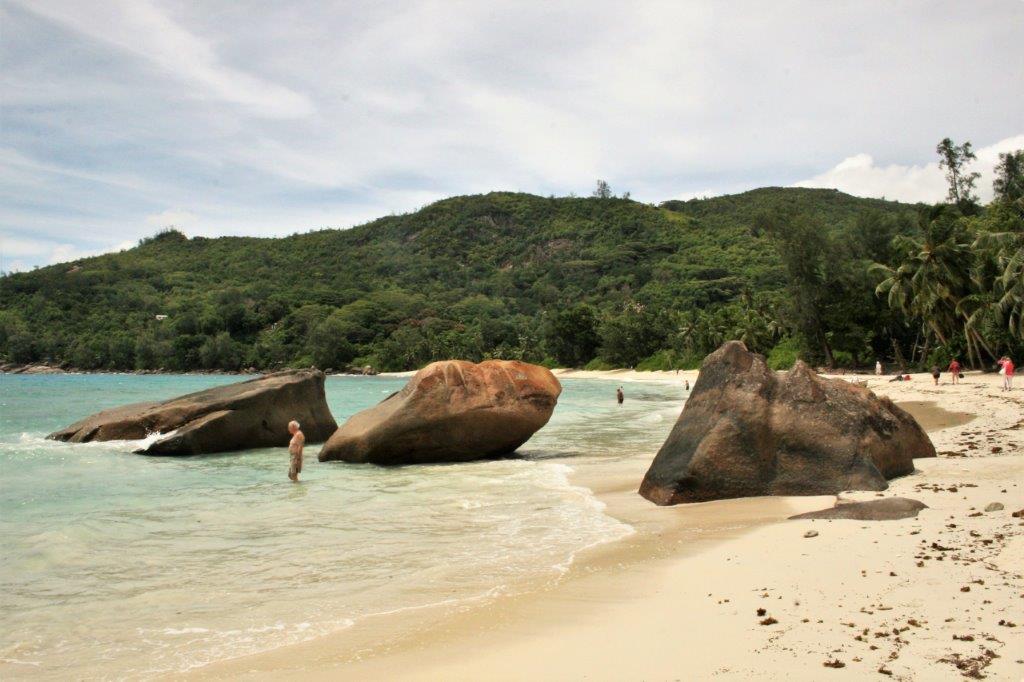
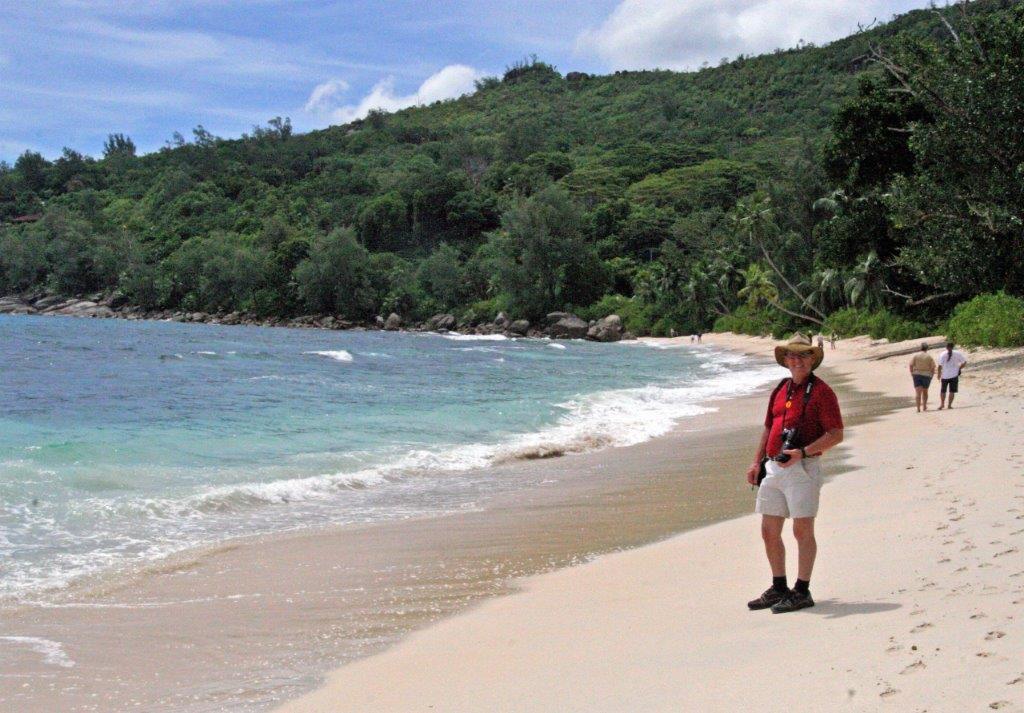
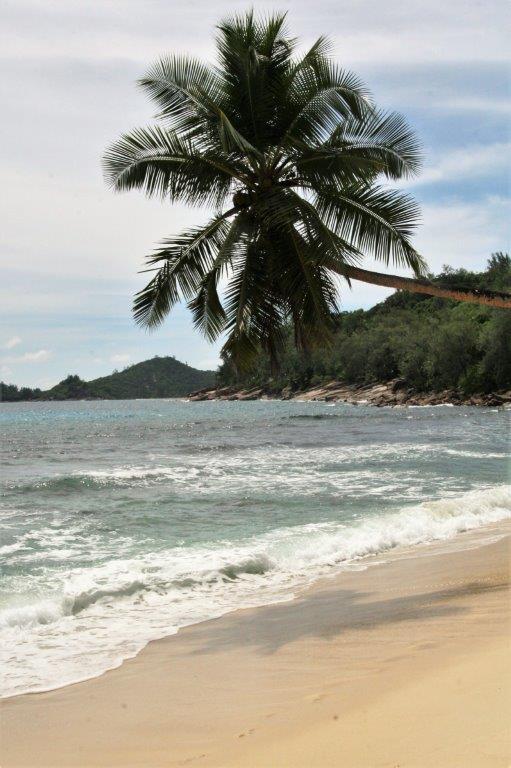
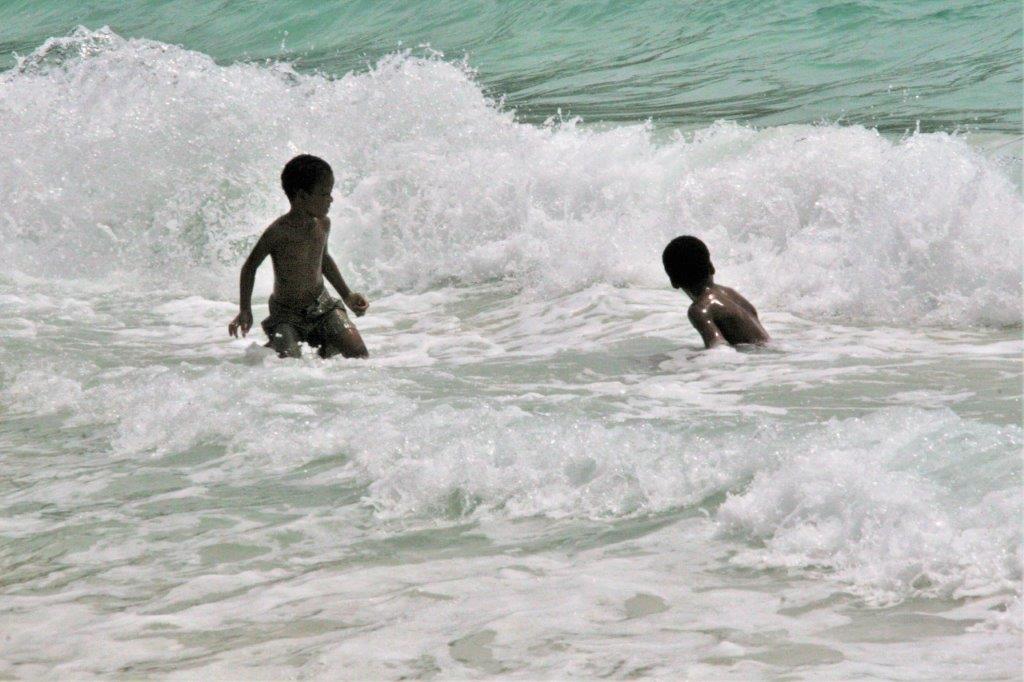
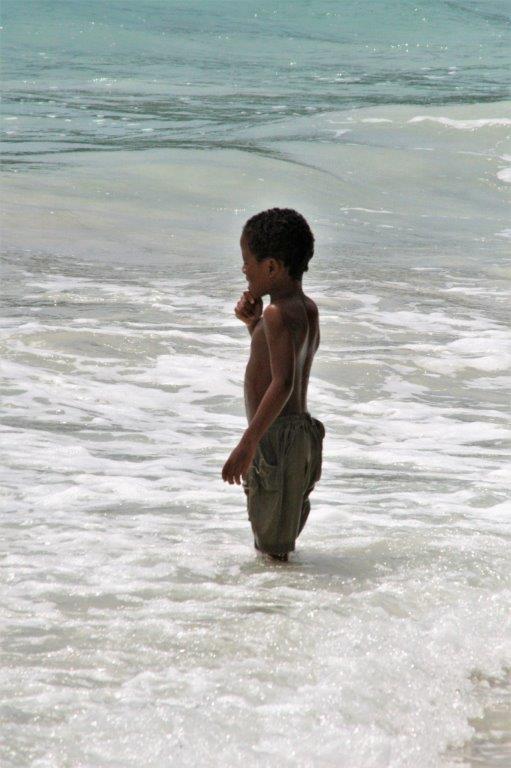
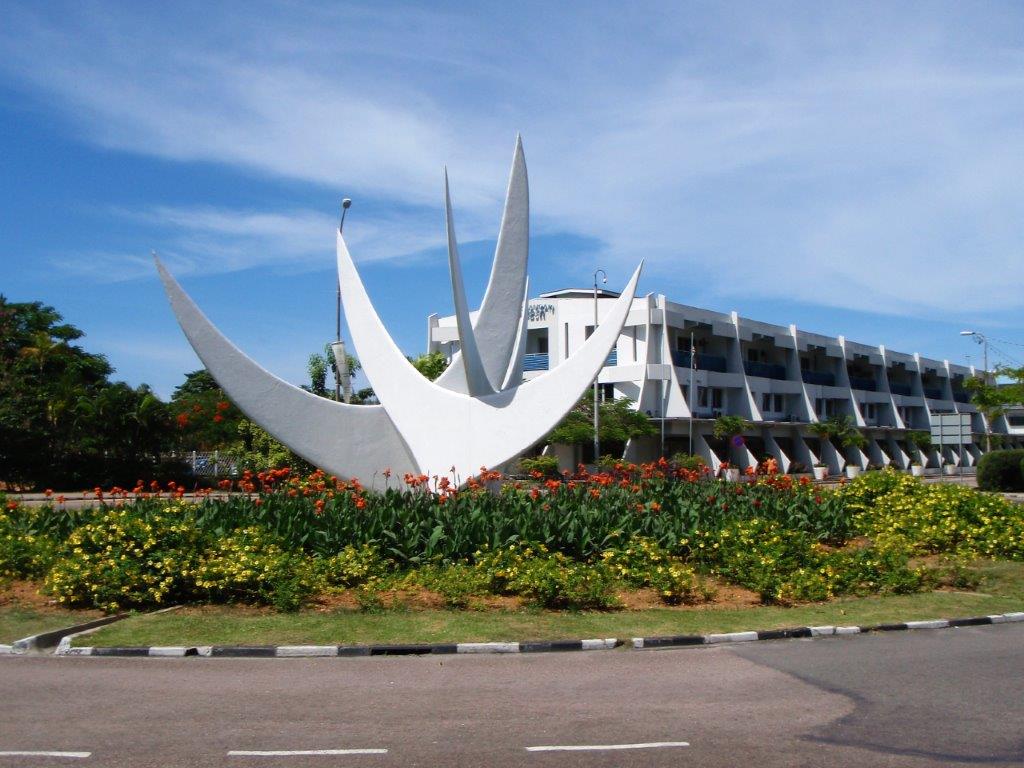
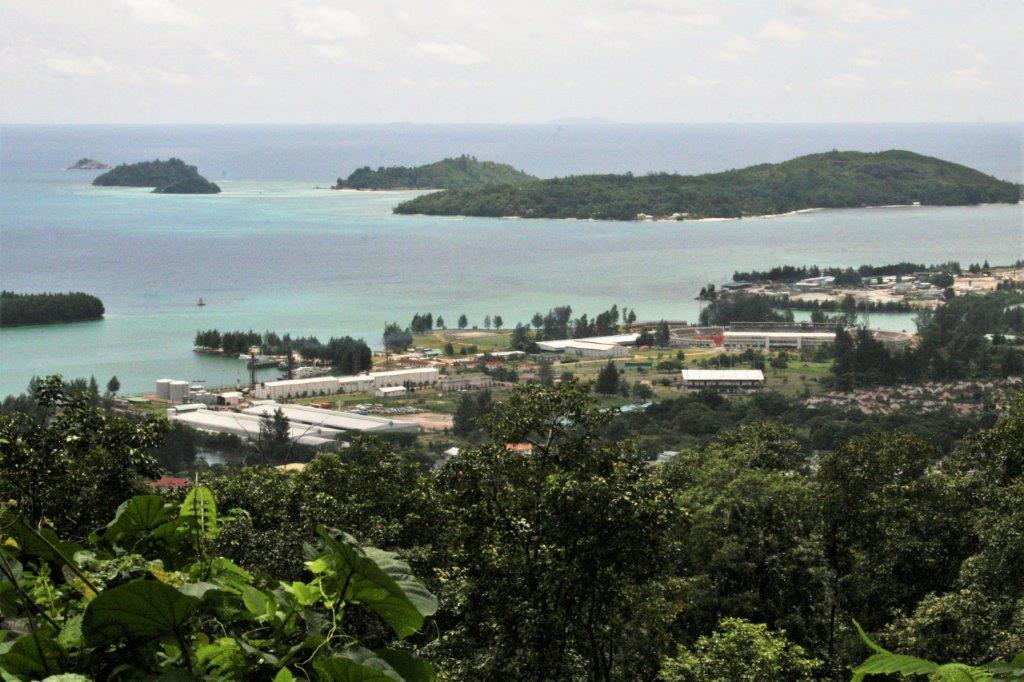
2009-04-04_3301 2009-04-04_3302 2009-04-04_3304 2009-04-04_3306 2009-04-04_3307 2009-04-04_33082009-04-04_33142009-04-04_33342009-04-04_33362009-04-04_33382009-04-04_33442009-04-04_33452009-04-04_33482009-04-04_33672009-04-04_33202009-04-04_33422009-04-04_33402009-04-04_33412009-04-04_3339We were driven to the highest point on the island for a photo stop before being taken to a restaurant at the south end of the island for lunch.  There was time alloted for a swim after lunch but the surf was pretty high and strong so we just enjoyed a walk on the lovely beach.2009-04-04_3366 2009-04-04_3376 2009-04-04_3381 2009-04-04_3404 2009-04-04_3387 2009-04-04_3388 2009-04-04_3391 2009-04-04_3403_edited-2 2009-04-04_3405 20090404_3169 2009-04-04_3400 2009-04-04_3399 2009-04-04_3398On the way back to the ship we stopped at a Craft Village where we saw demonstrations by traditional artisans; as we know one must ALWAYS have an opportunity to shop on each excursion.
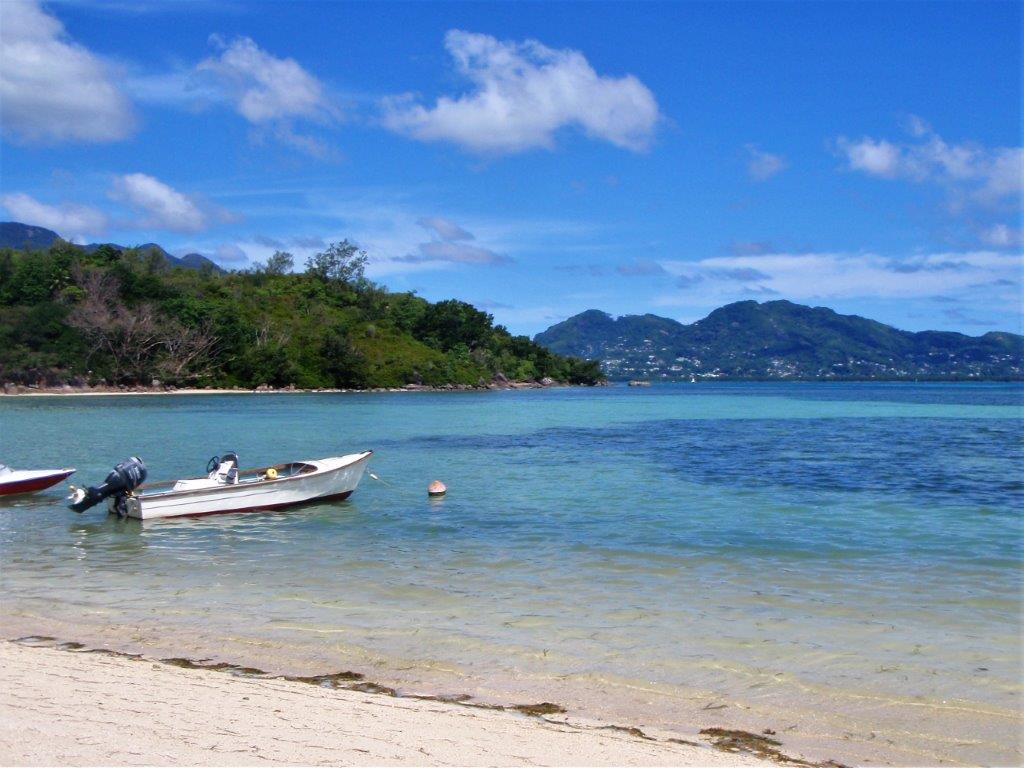
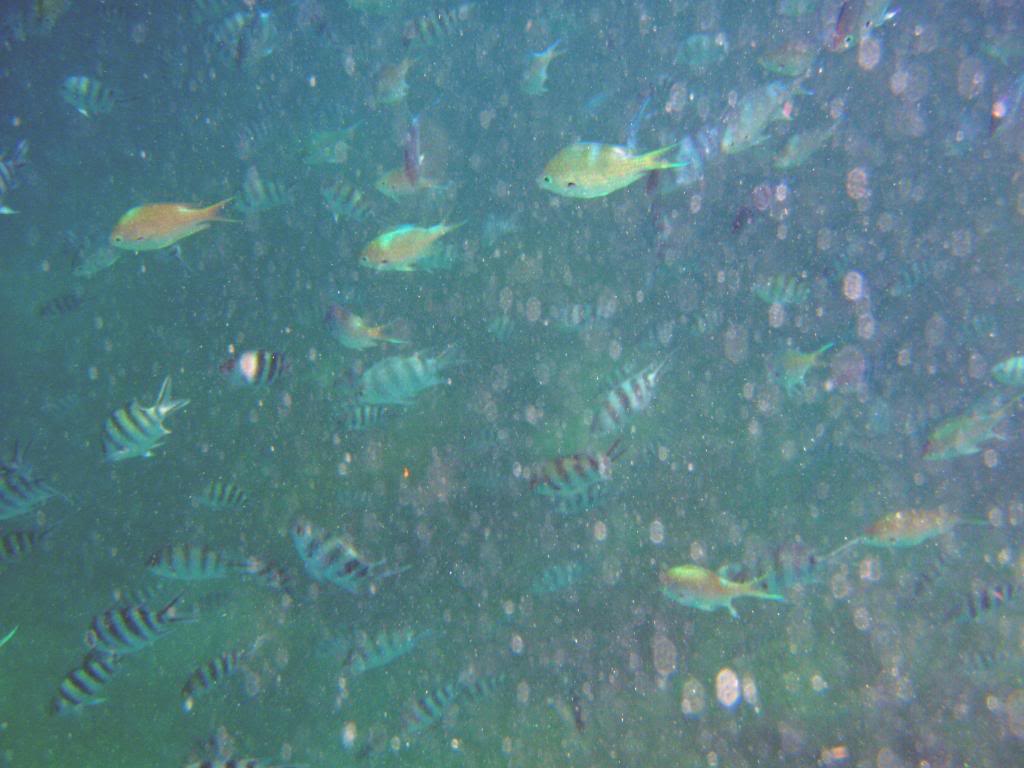
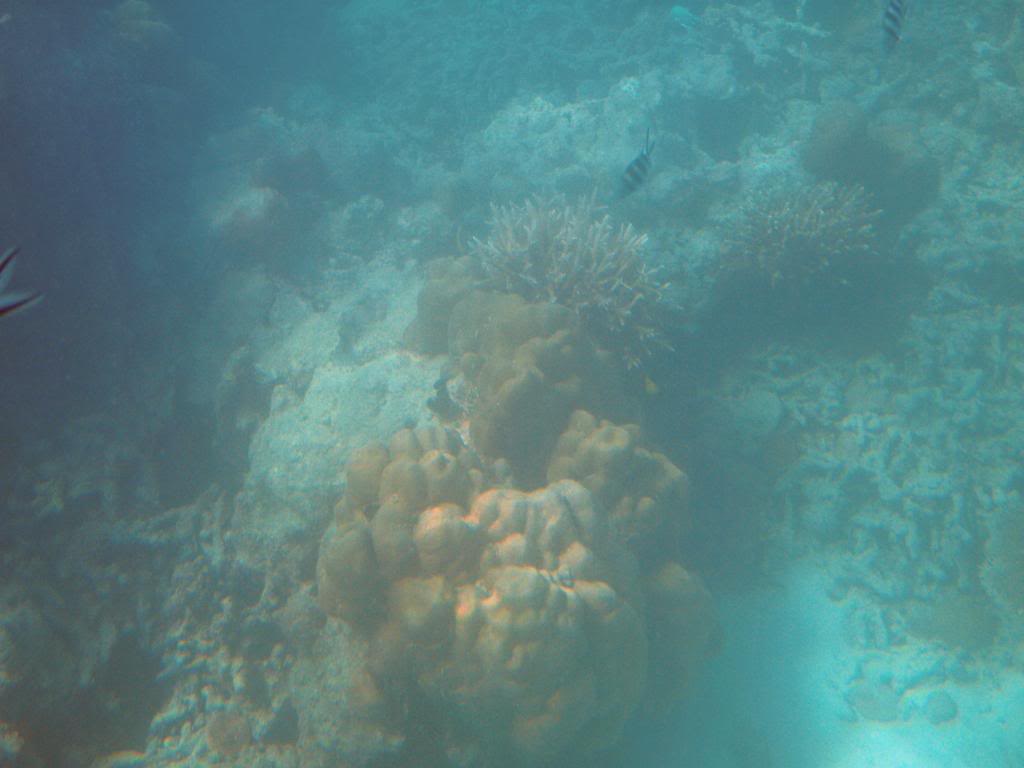
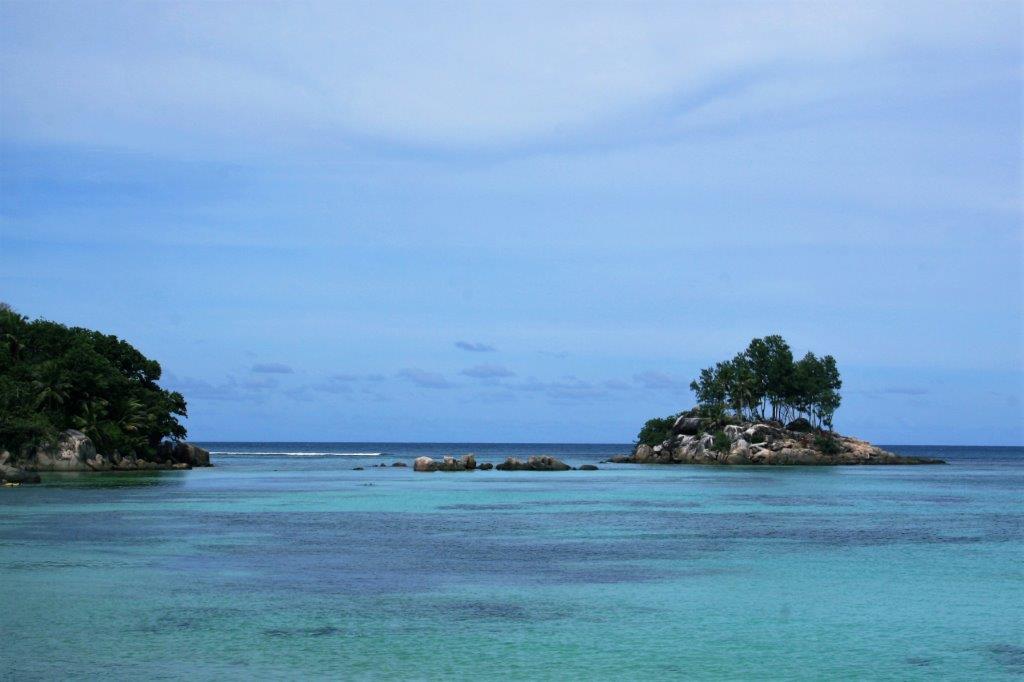
Day two was a lovely sunny day and the water returned to its normal hues of bright blue and green.  We went snorkeling near one of the small outer atolls, Cerf Island.2009-04-04_3412 2009-04-05_3469 2009-04-05_34722009-04-05_3513_edited-1It was fun to feed the fish.  My little waterproof camera managed a couple of almost clear shots and a short video of the feeding frenzy over the chunk of bread.  Despite the sun screen we both got burned when we were snorkeling.2009-04-05_3481
OLYMPUS DIGITAL CAMERA

OLYMPUS DIGITAL CAMERA

We returned to the ship at noon, had a light lunch and caught the shuttle back to shore to explore Victoria on foot.
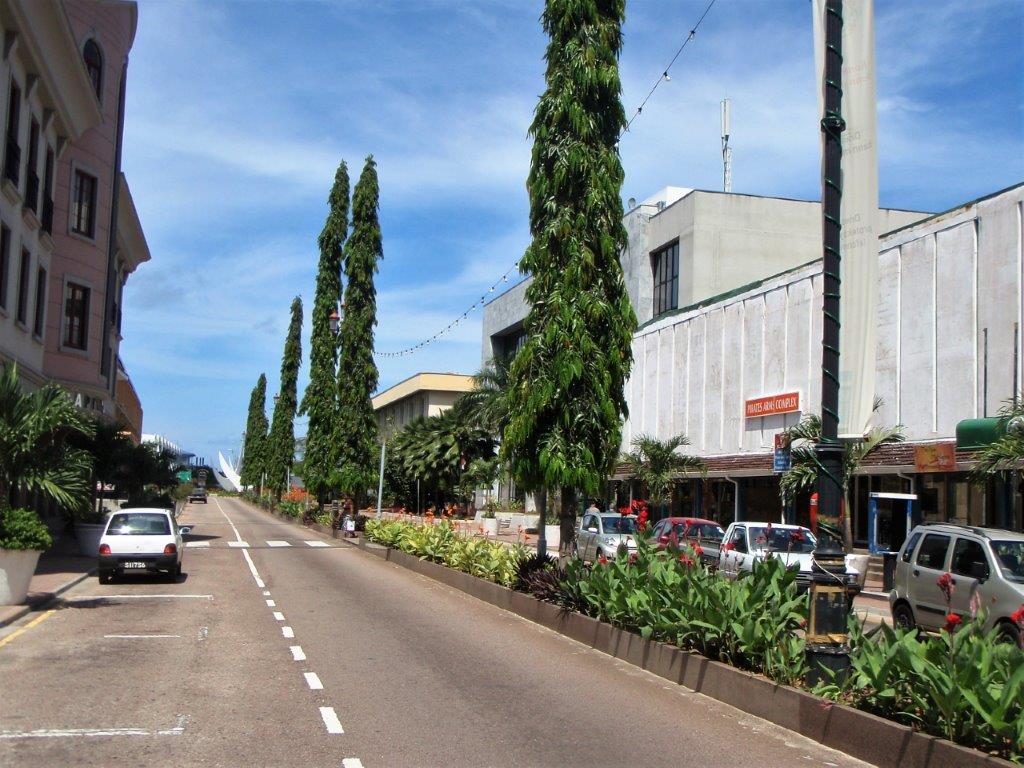
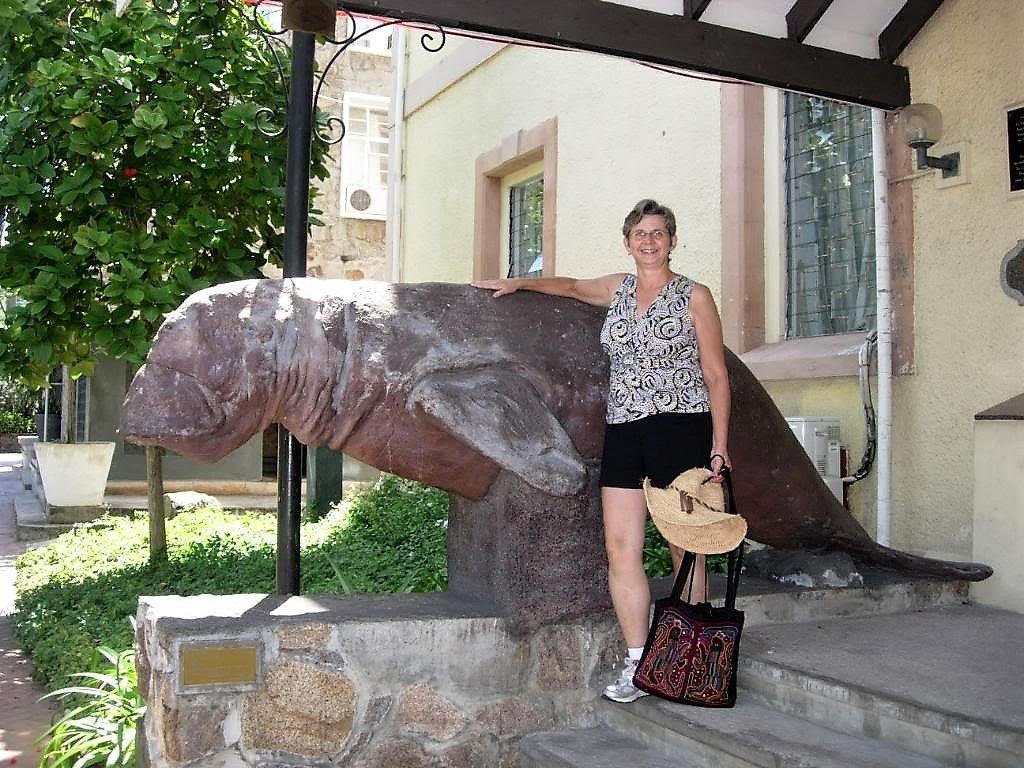
2009-04-05_3487 20090405_3416 2009-04-05_3490 We really liked the Seychelles and, except for the horrendously long flight to get there, could see ourselves spending vacation time on one of the islands.

And just to end our visit at these lovely islands in the same vein as when we arrived, the Captain cancelled our stop in Madagascar due to political unrest; which now gives us a third day in Mombasa.
 

2009 March 31 (World Cruise) – Day 85 – Muscat, Oman

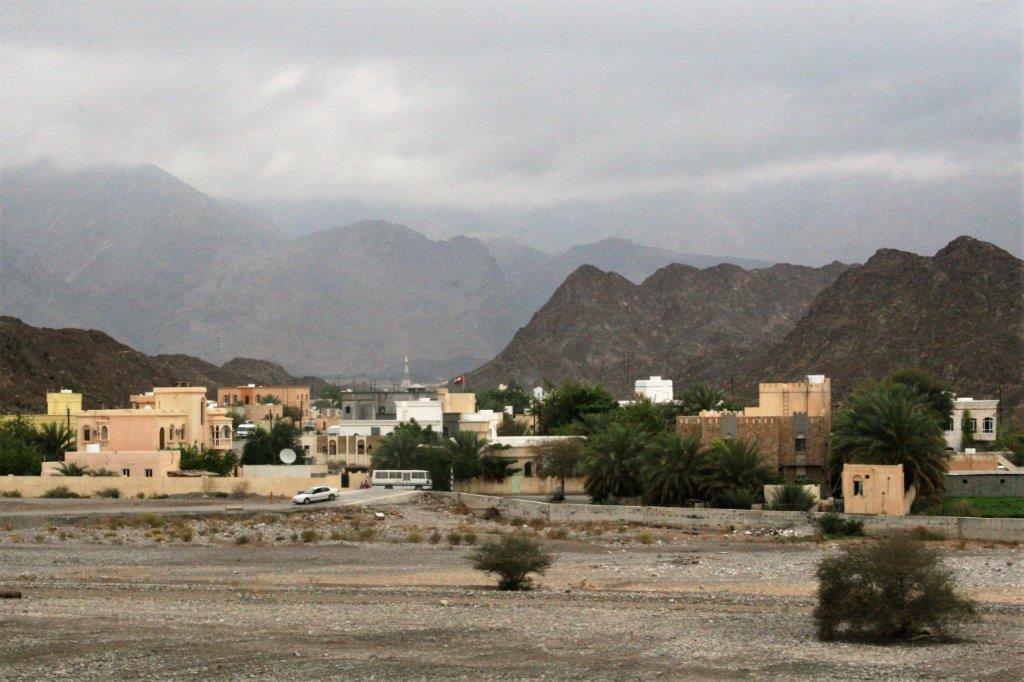
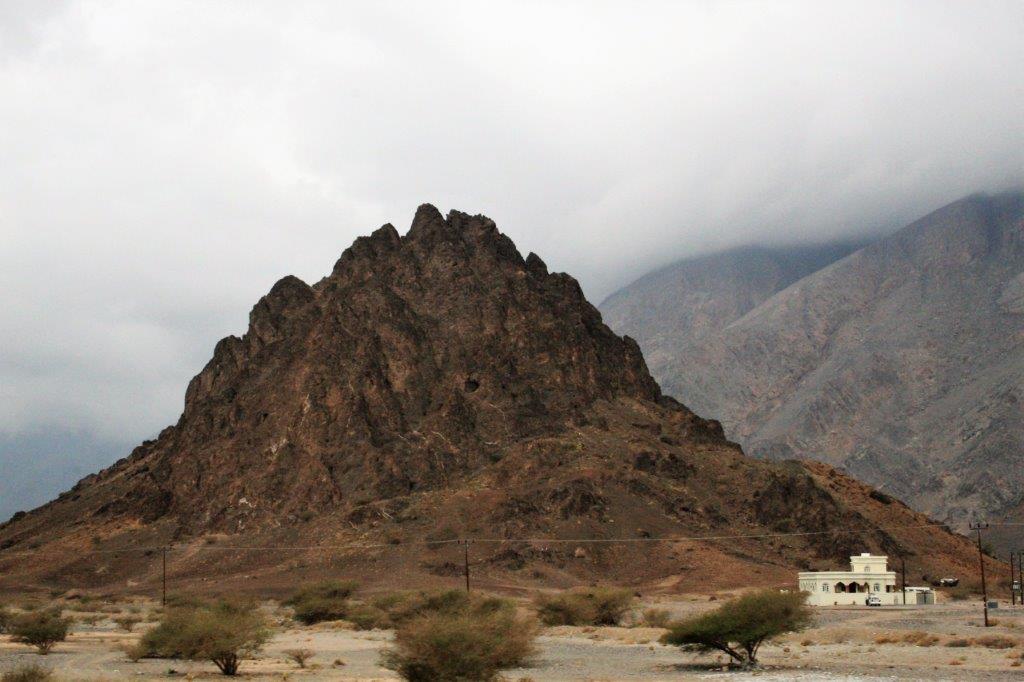
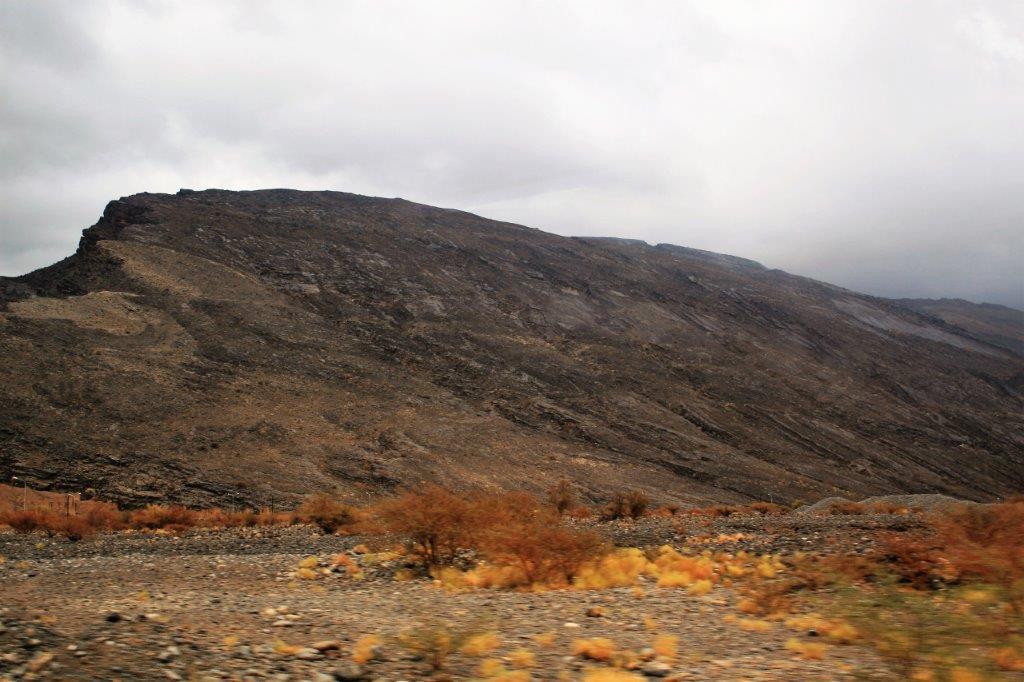
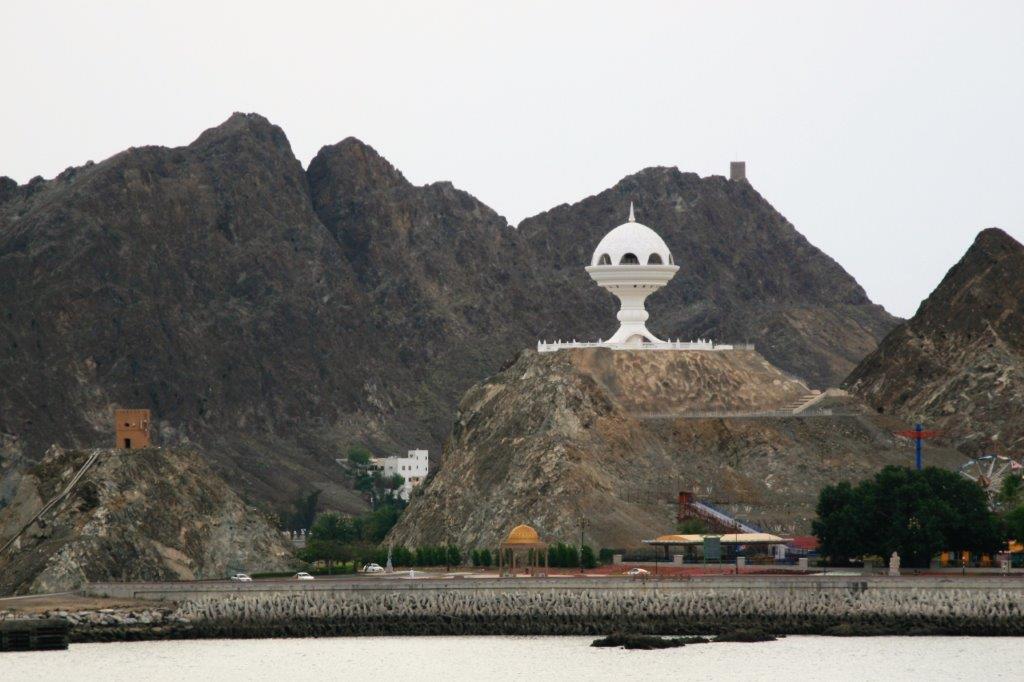
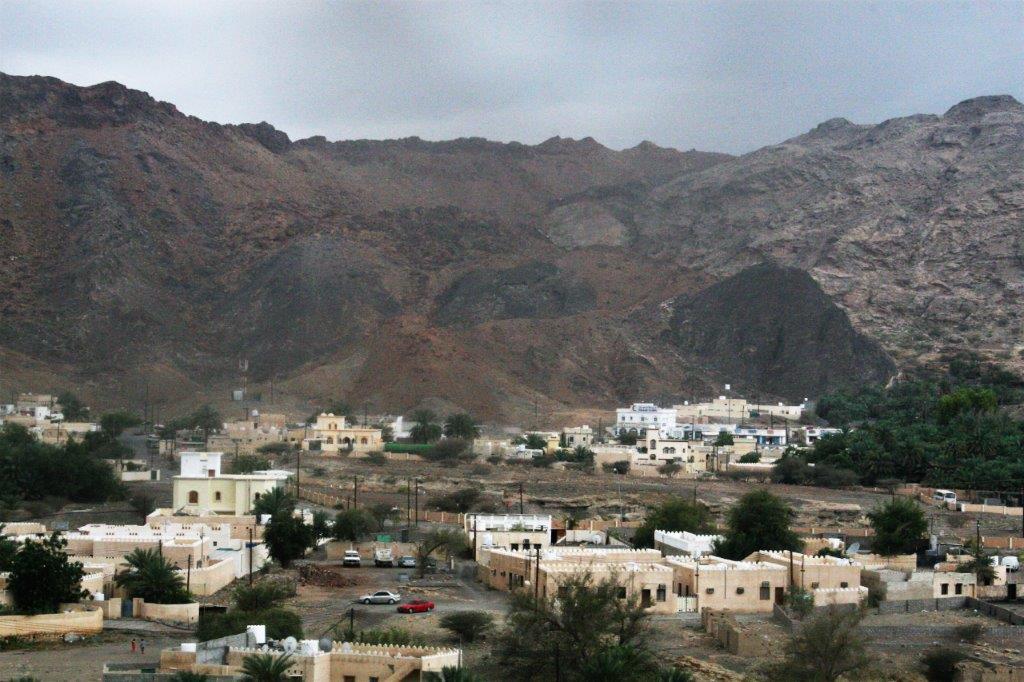
The night we were at sea between Dubai, UAE and Muscat, Oman there was a severe lightning storm.  I slept through it all while John sat up and video’d the storm.  While we walked the deck for our usual two miles we had to battle wind and a rolling deck from the churning sea.2009-03-31_2811 2009-03-31_2802 2009-03-31_2804 The captain announced there was good chance of rain the next day for our stop in Oman, which will be interesting since it is a desert country located along the south coast of the Arabian peninsula.

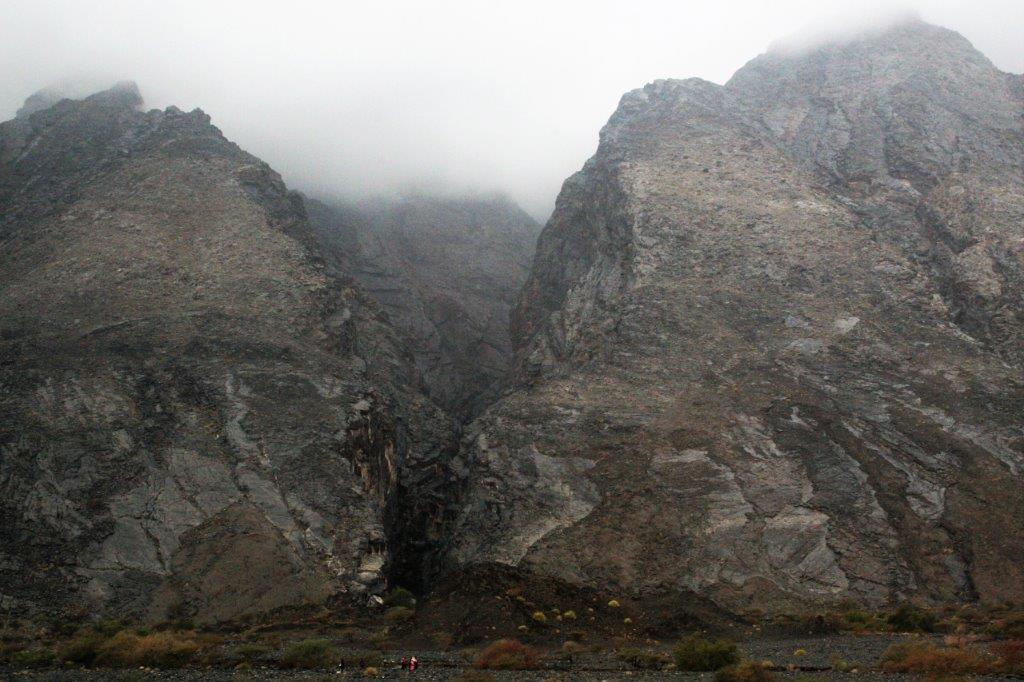
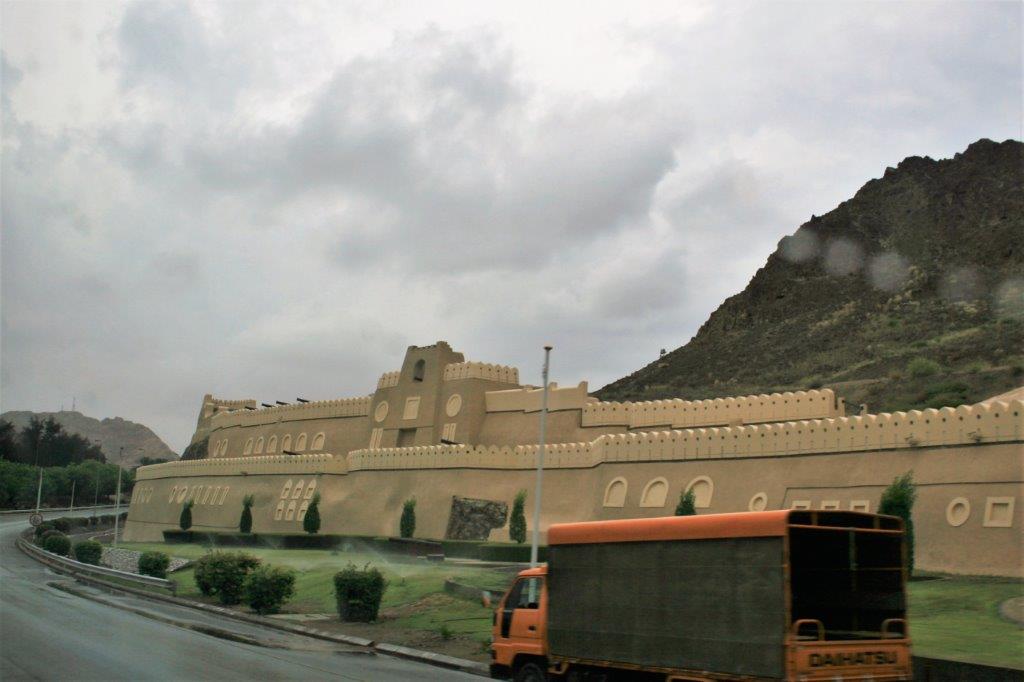
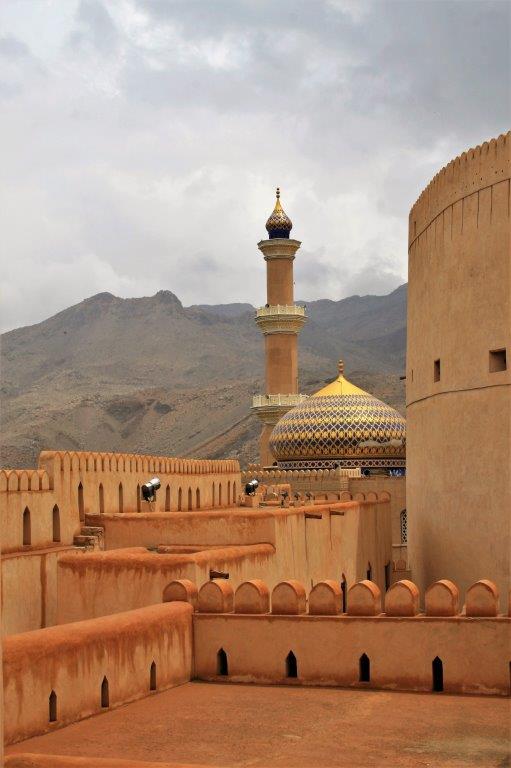
Our tour was an all-day (9 1/2 hours) trip to see the Forts of Nizwa (the former cultural and political capital of Oman).  Nizwa was 1 1/2 hour drive from Muscat through the Western Al Jajar Mountains.2009-03-31_2806 2009-03-31_2809 2009-03-31_2808               Note the tiny people in the lower center of this photo.

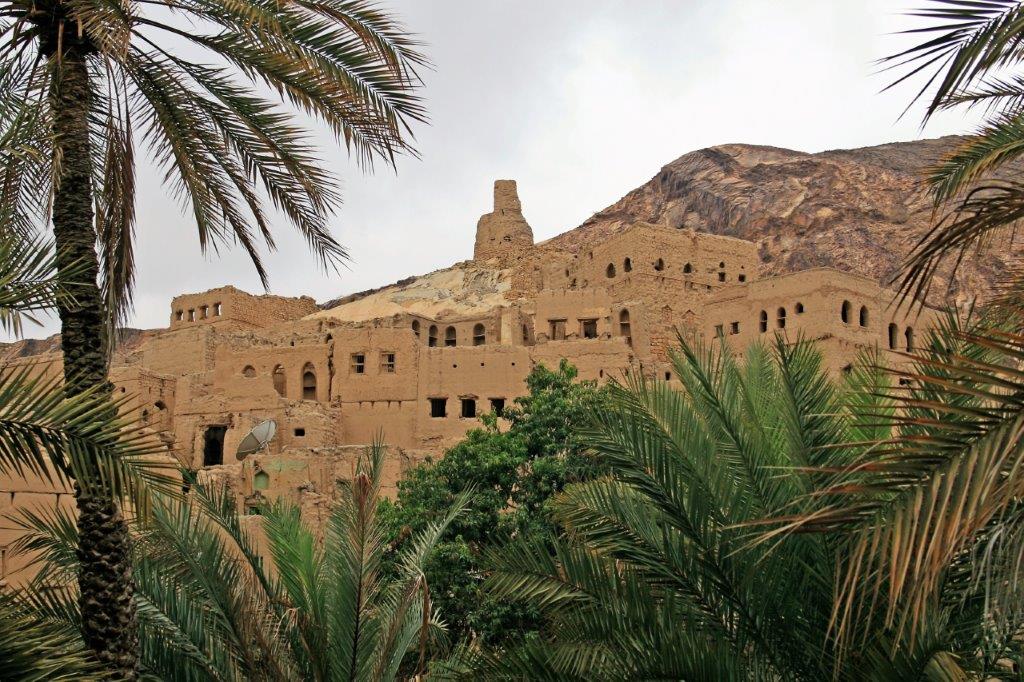
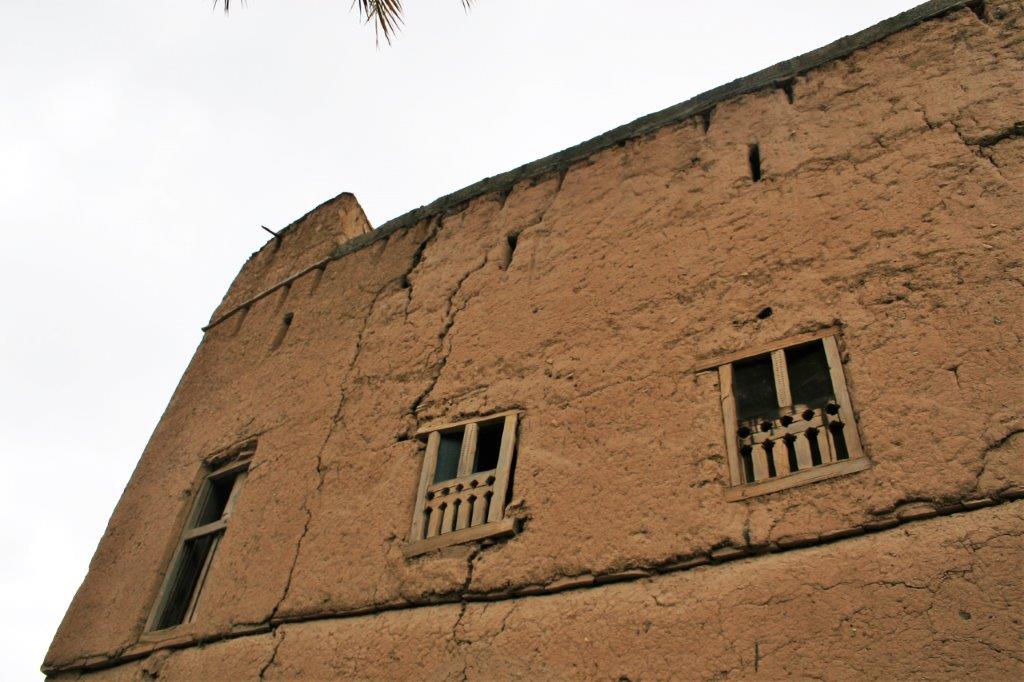
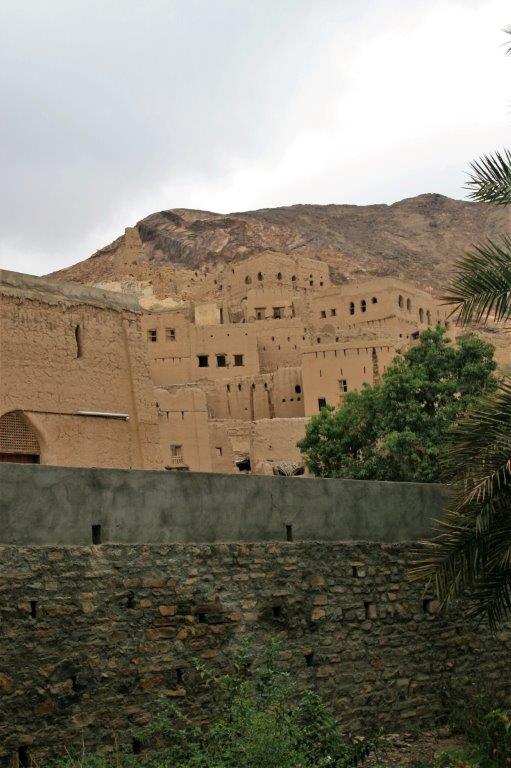
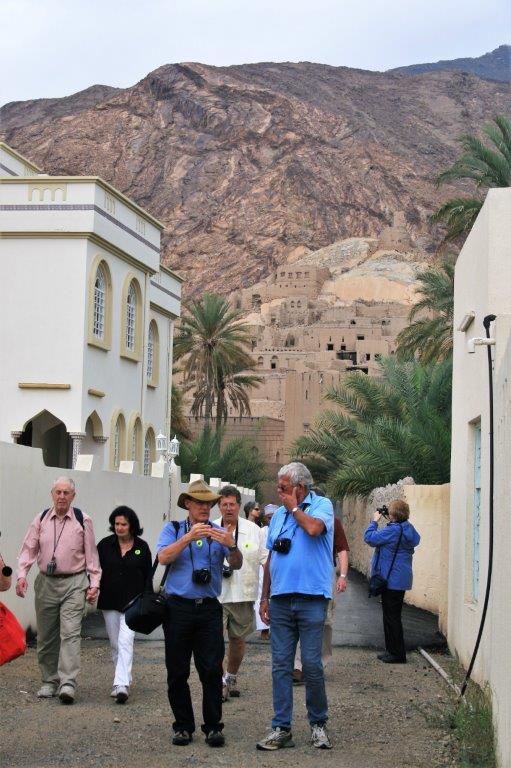
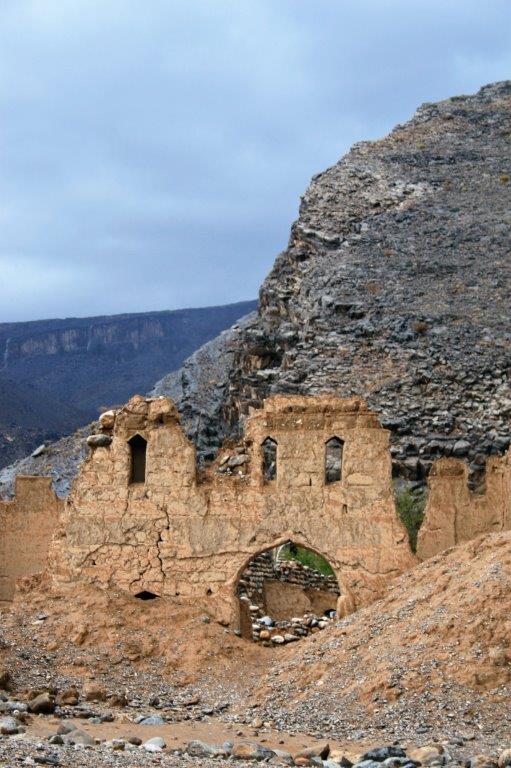
There was only one stop on the way to Nizwa; the ruins at Bilkat Moz; which was built into a steep hillside. 2009-03-31_2814_edited-1 2009-03-31_2818 2009-03-31_28172009-03-31_2826 John and our friend Harold from Melbourne, Australia had an in depth conversation as we walked back to the bus.

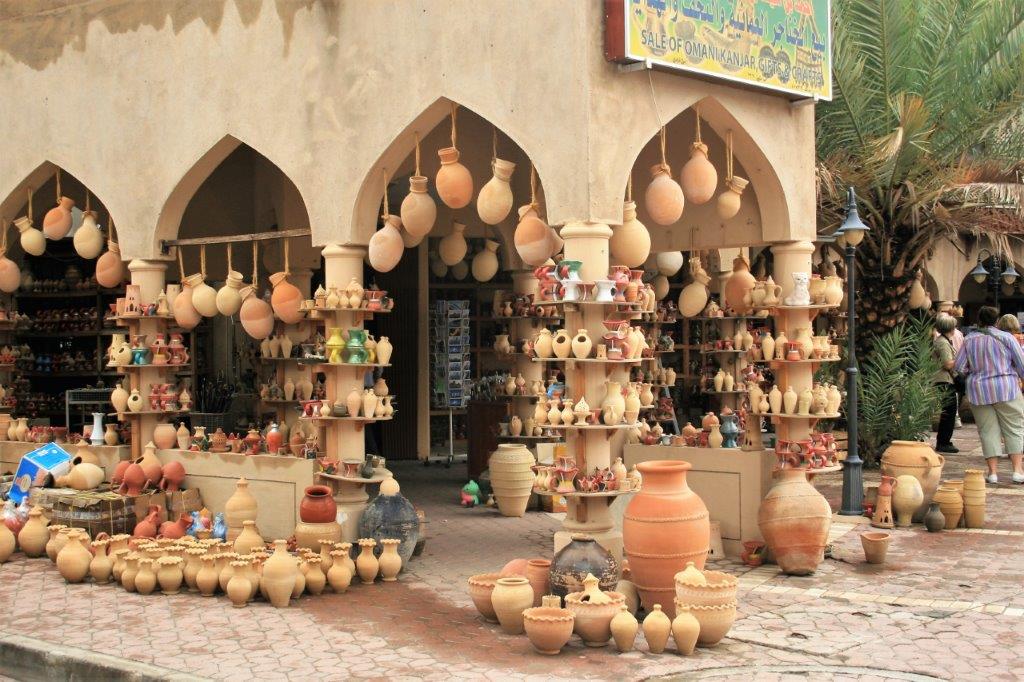
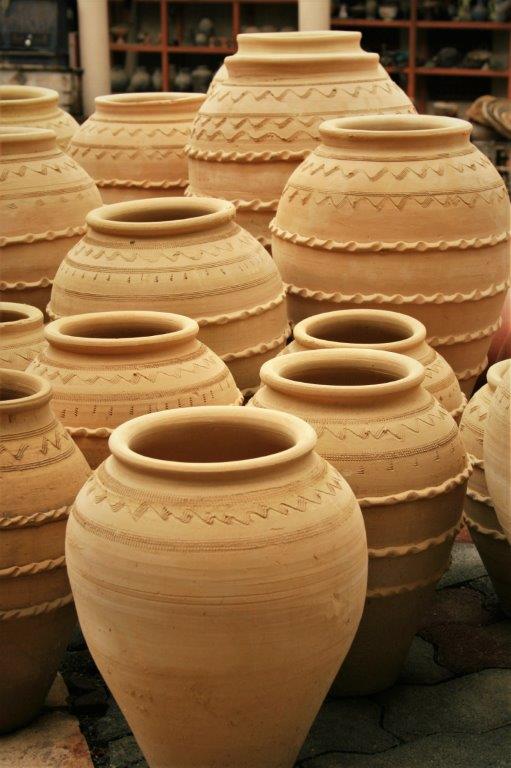
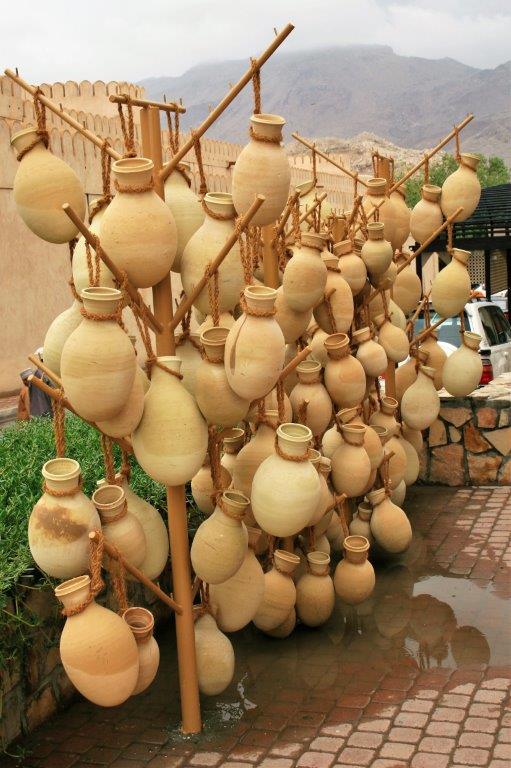
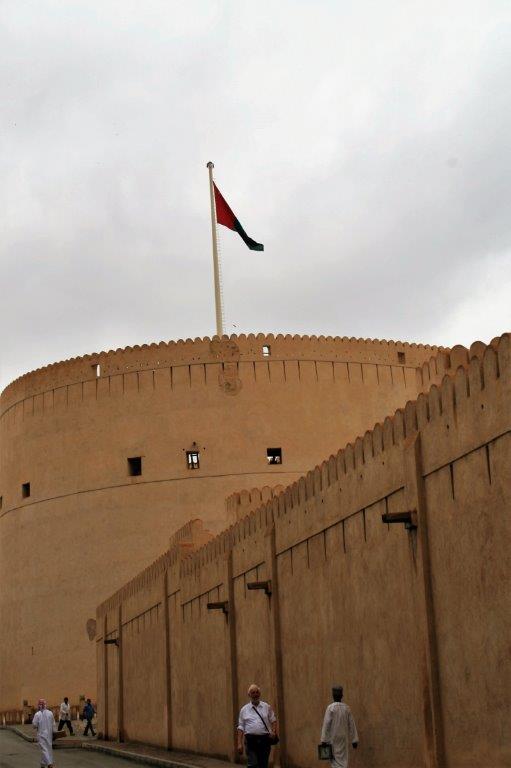
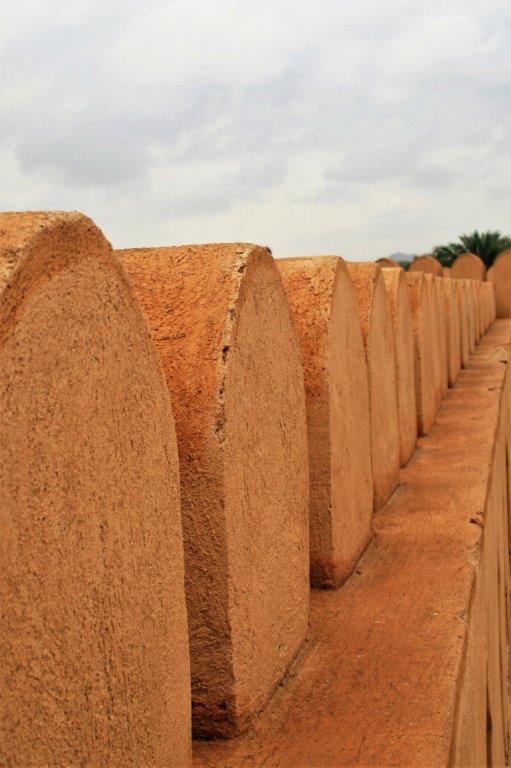
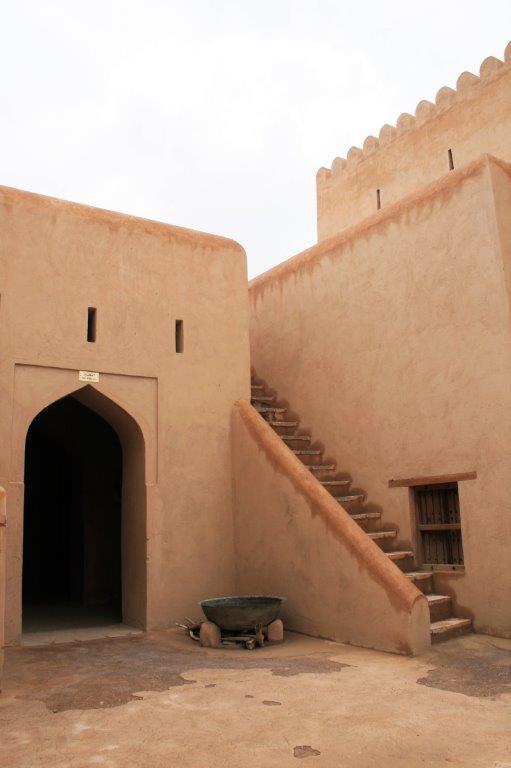
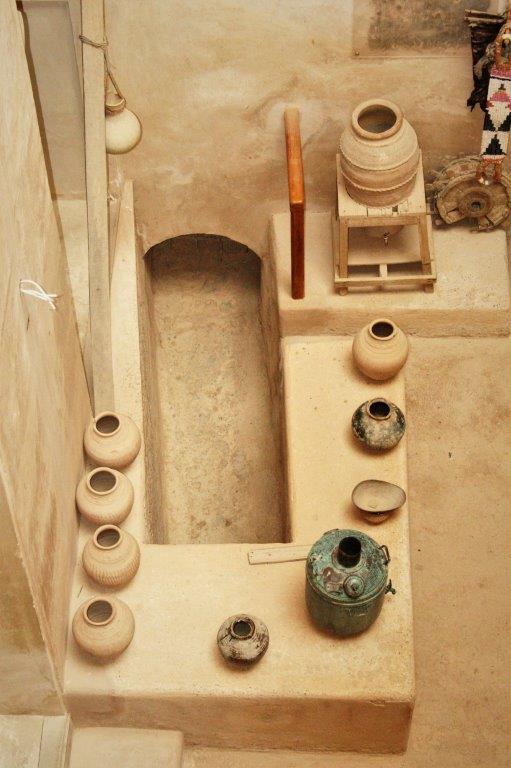
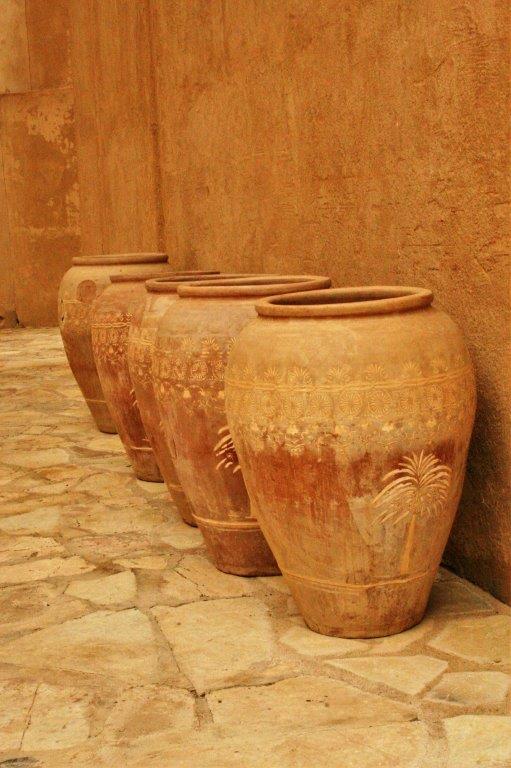
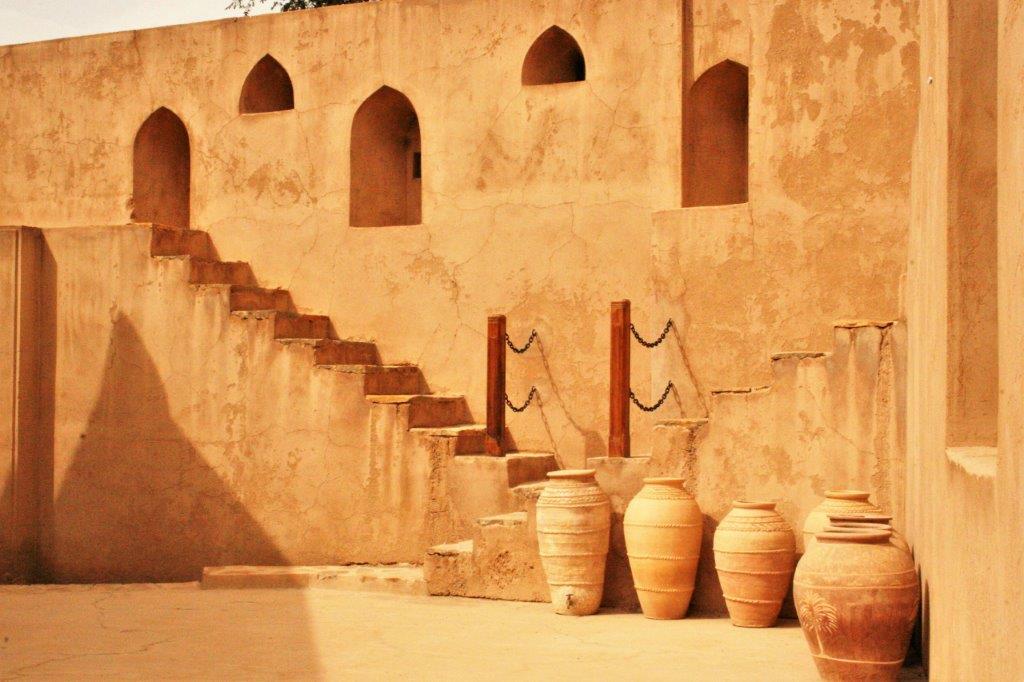
We spent over an hour at the 17th century Nizwa Fort before lunch.  The fort had access to freshwater even during a siege due to an irrigation system developed by the Queen of Sheba in 550 BC.  Underground channels brought the water from nearby wells into the fort.2009-03-31_2831I loved all the pots and urns on display in the shops on the way to the fort.2009-03-31_2834 2009-03-31_2835 2009-03-31_2836 2009-03-31_28402009-03-31_28412009-03-31_28682009-03-31_28392009-03-31_28472009-03-31_28492009-03-31_28552009-03-31_28562009-03-31_28572009-03-31_2865How could you not love all the angles, shapes and arches in an Arabian Fort?  So much fun to photograph.

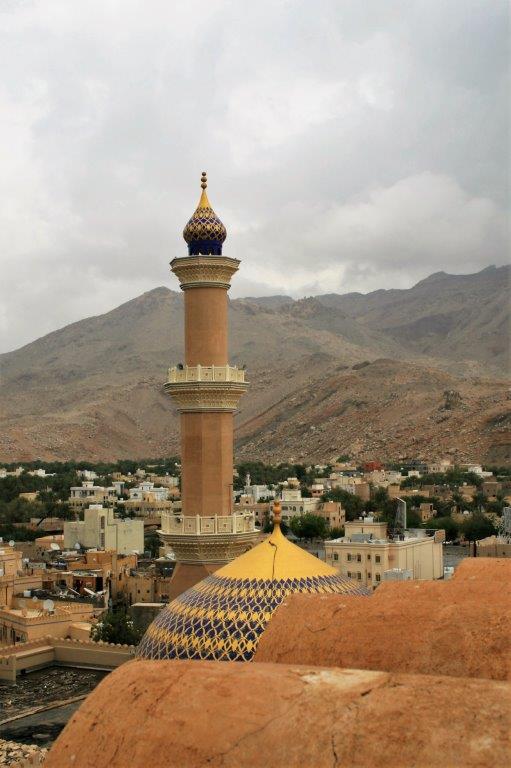
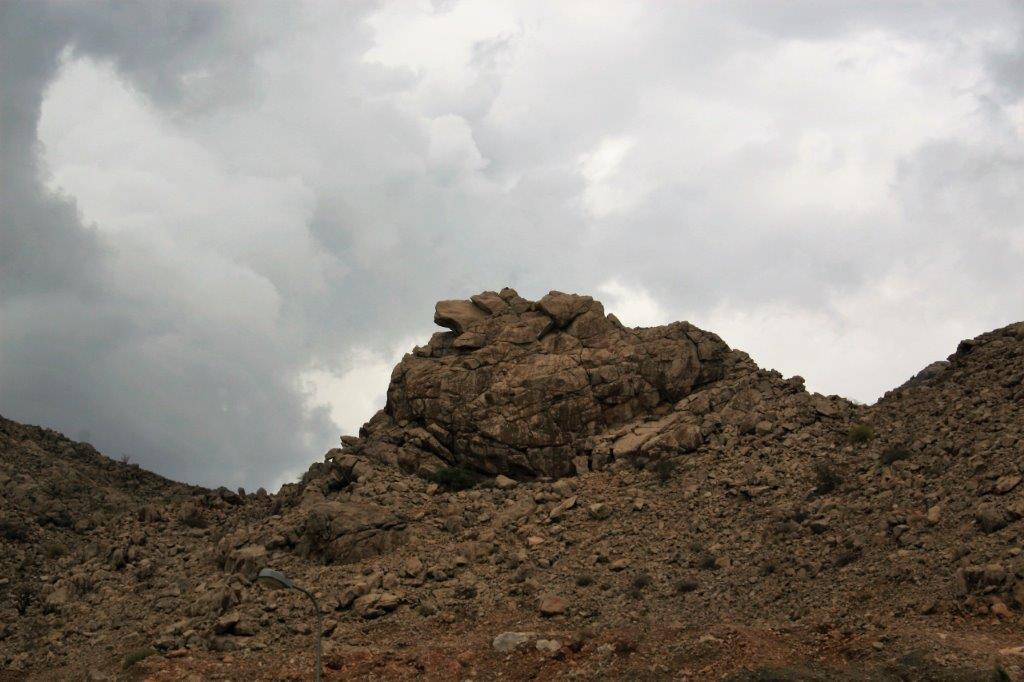
From the top of the walls we had a nice view of part of Nizwa. 2009-03-31_2858 2009-03-31_2862 2009-03-31_28632009-03-31_28812009-03-31_2873                             This rock looks just like a crouching lion.

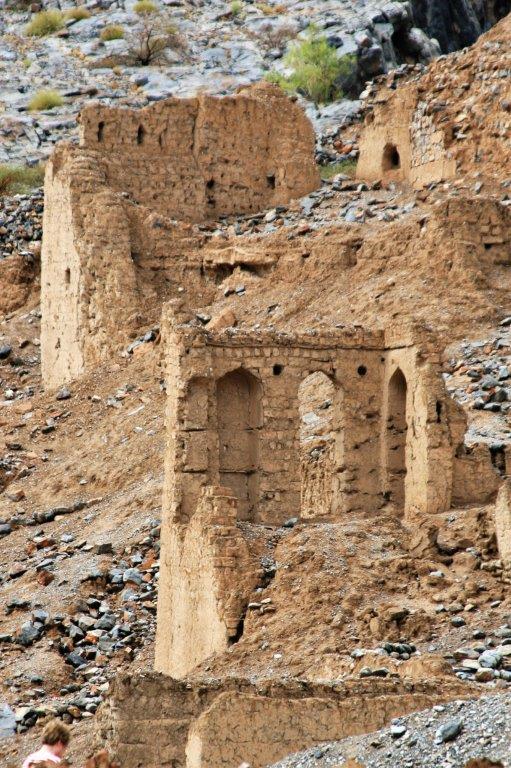
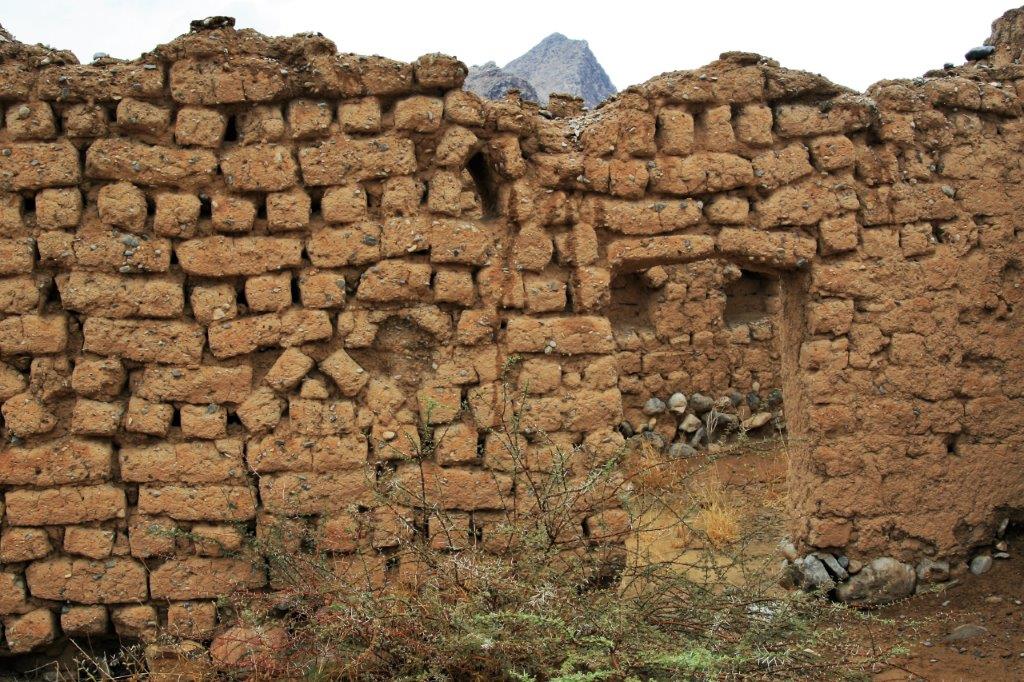
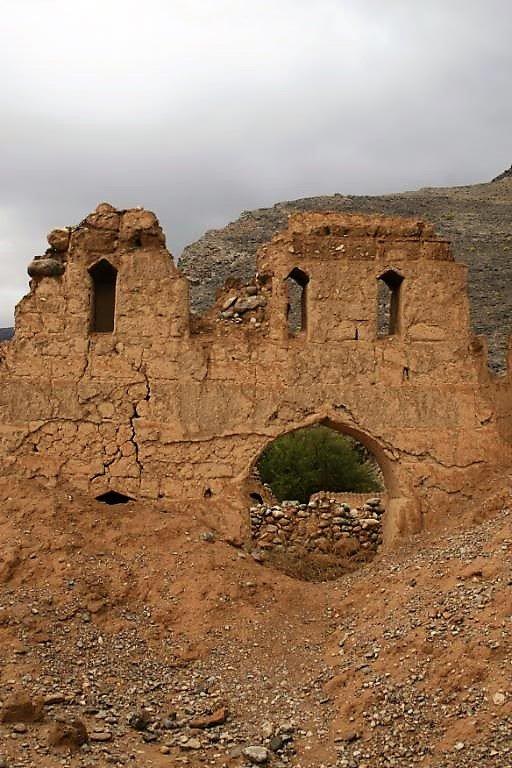
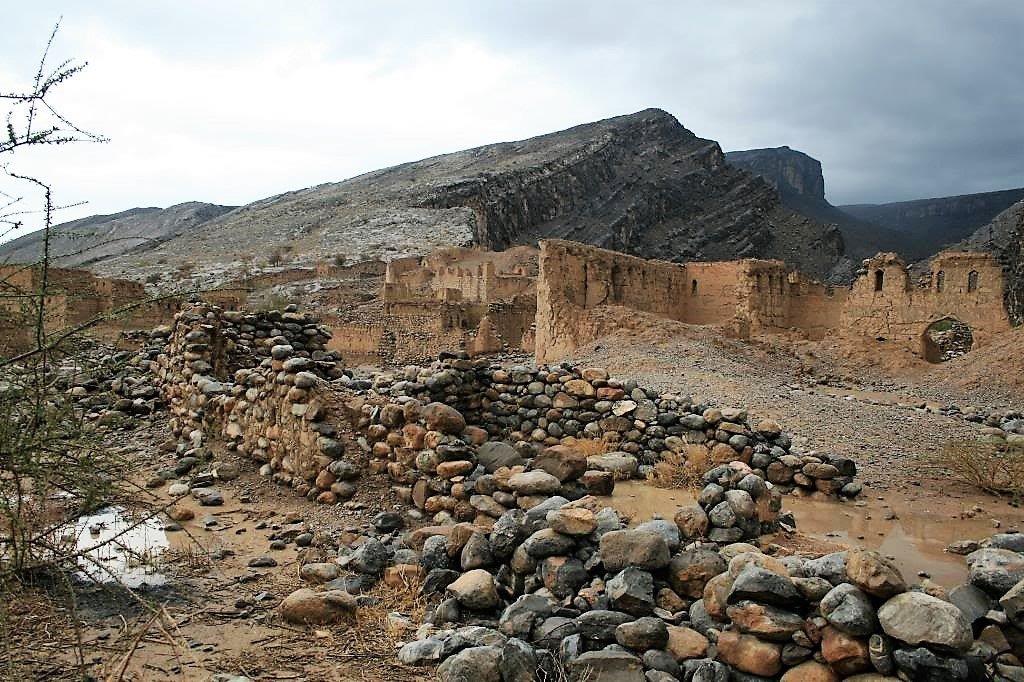
The abandoned ruins at Tanuf, home of Oman’s last Imam (religious leader), had an interesting tale.  The current Sultan’s father united the tribes of the country of Oman, but the Iman (who controlled 90% of the land) was not on board.  The Imam’s dissent brought the wrath of the Sultan down upon his dwellings in the form of air-raid bombing by the Sultan’s allies – the British Royal Air Force.

There were very few complete sections of walls to show the size or former granduer of the fort.

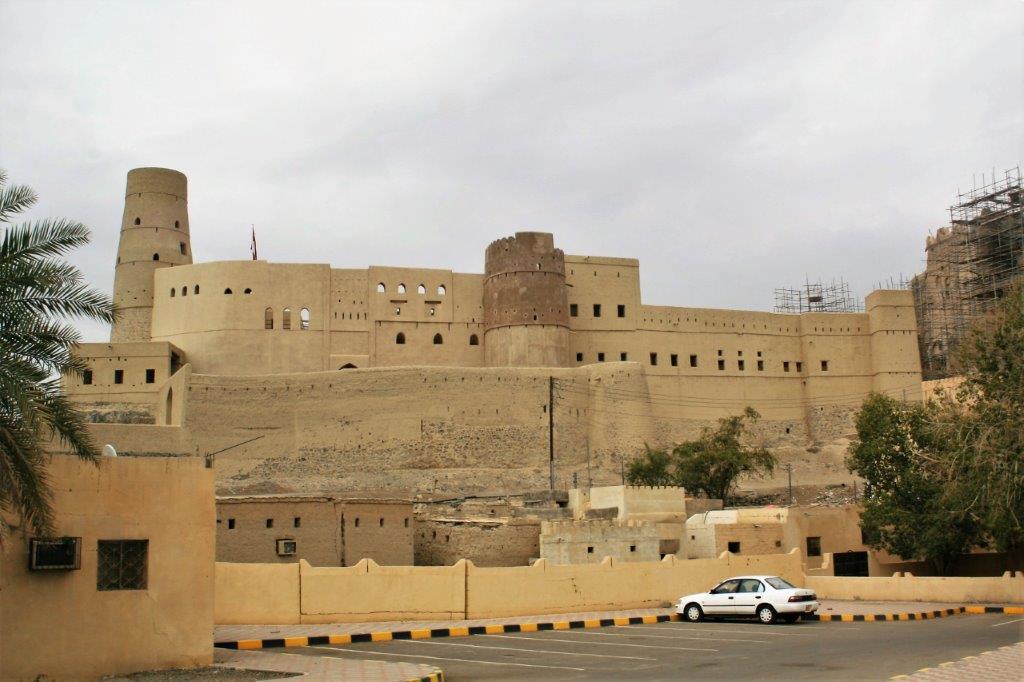
2009-03-31_2882 2009-03-31_2883 2009-03-31_2886 2009-03-31_2887 2009-03-31_2888 20090331_2884 20090331_298720090331_2977 2009-03-31_28942009-03-31_2900We only had a photo stop at Bahla, the UNESCO World Heritage Site 15th century fort that predates the spread of Islam in the region.

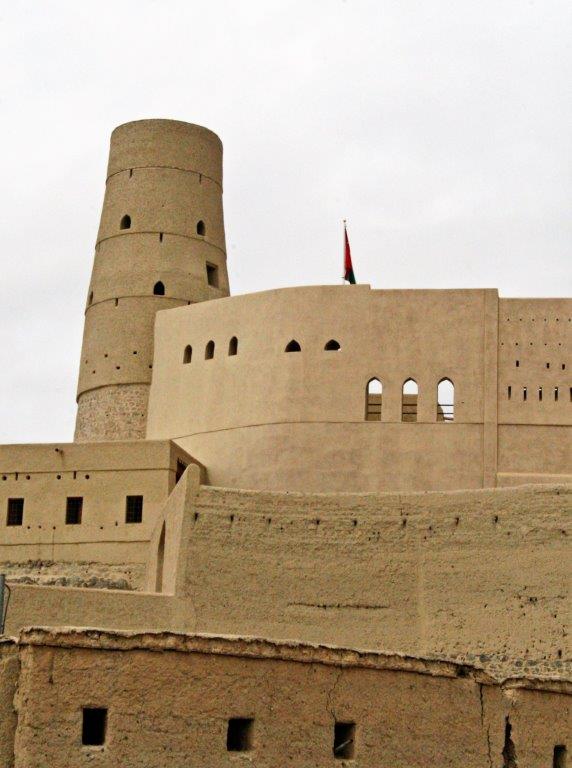
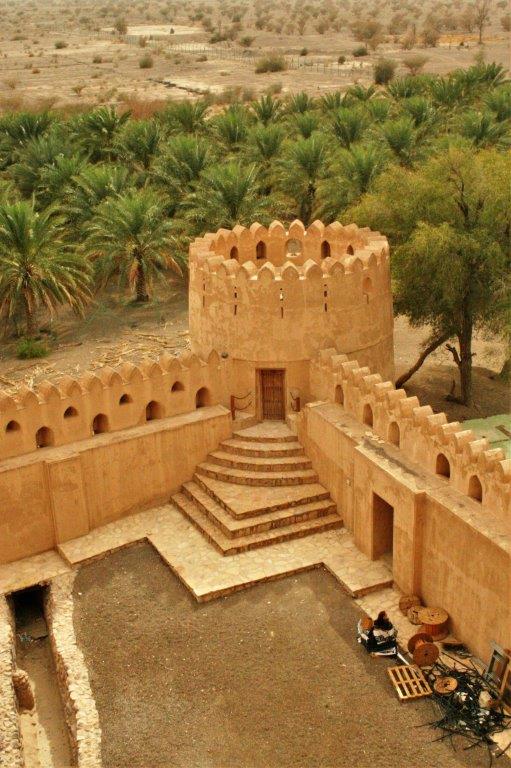
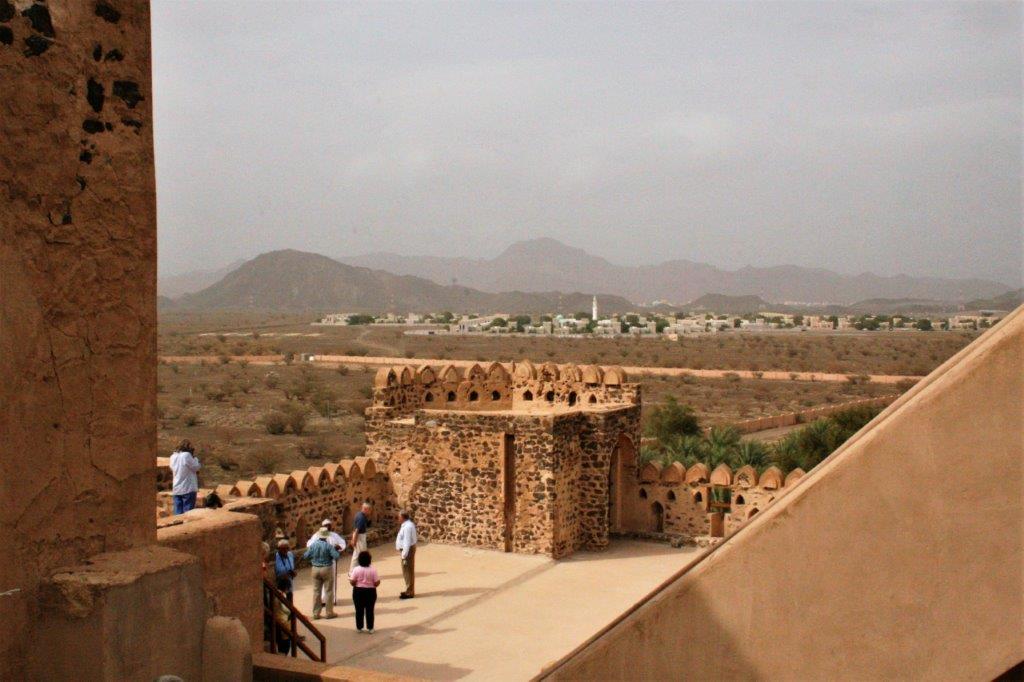
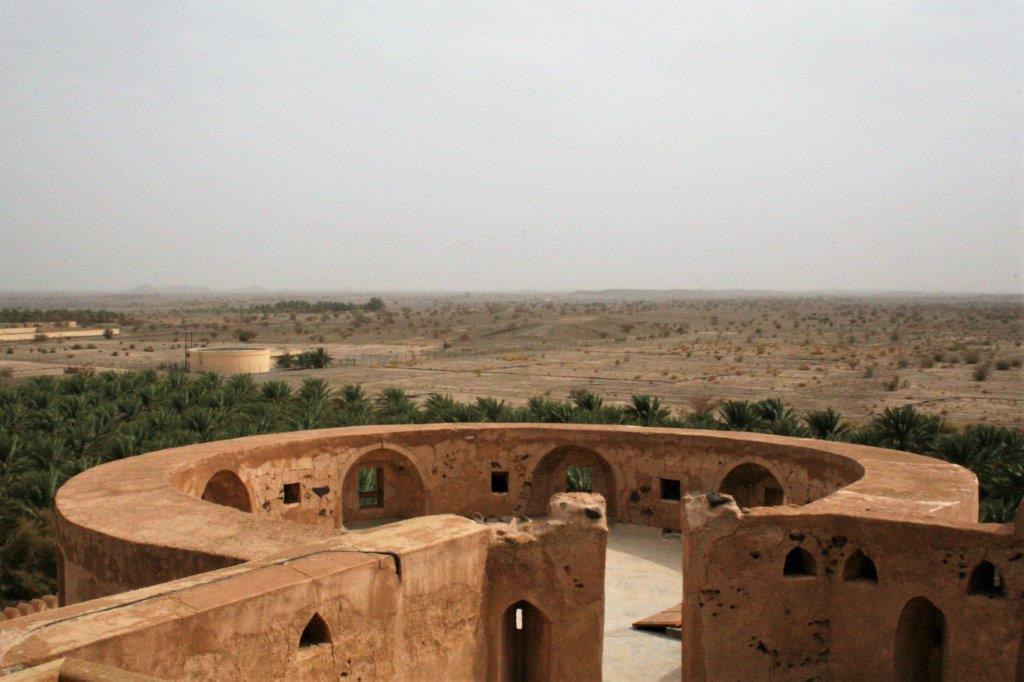
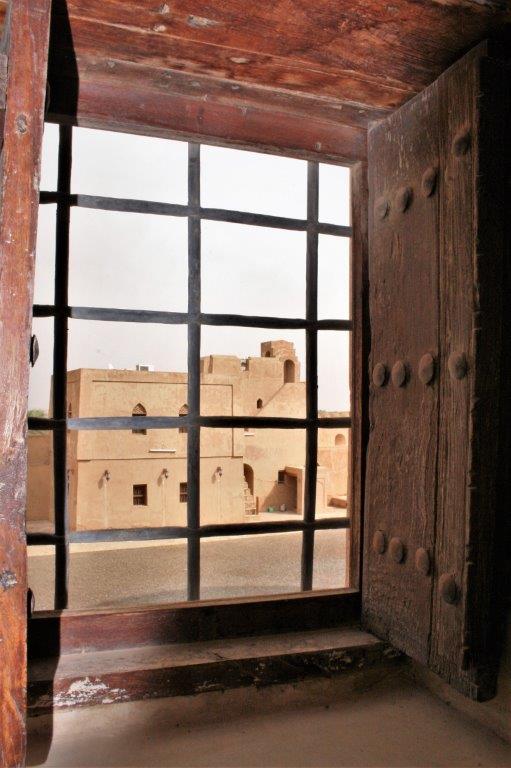
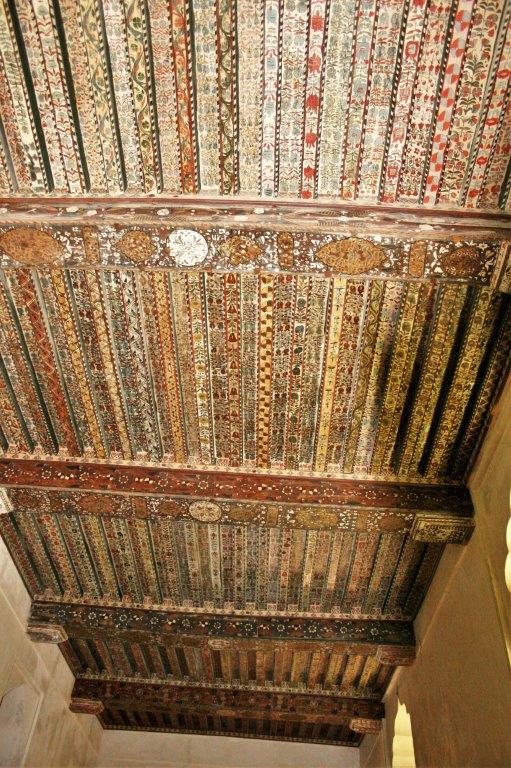
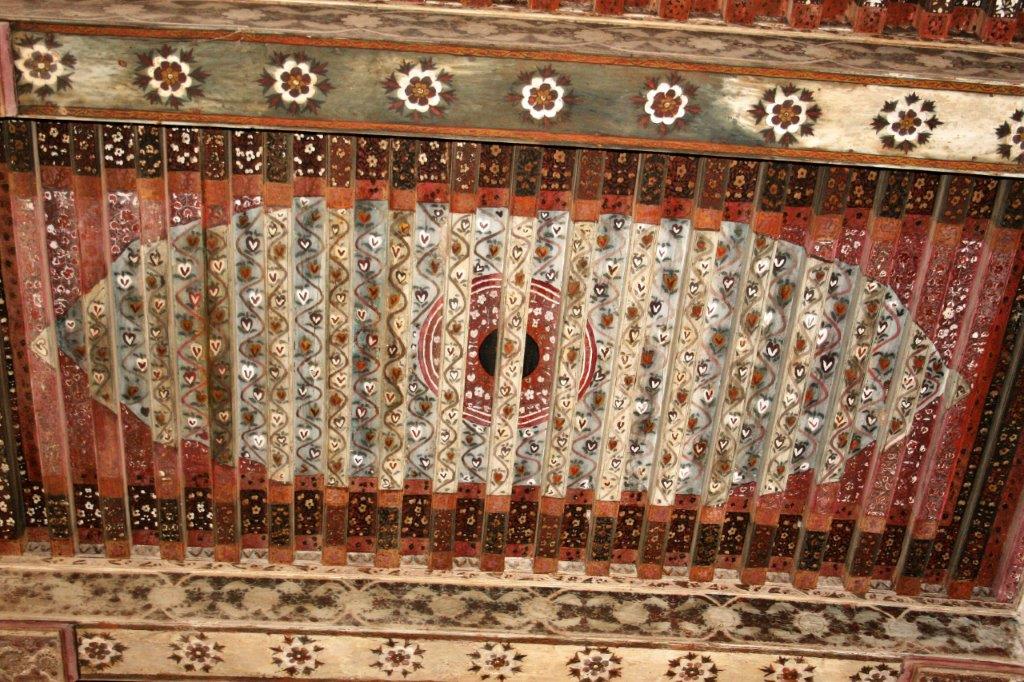
2009-03-31_2902 2009-03-31_2906_edited-2Our last fort on the tour was Jabrin Castle, called Palace of Gilyaroub.  It is famous for the beautiful ceiling decorations, wall murals and impressive architecture.  It is considered one of Oman’s most beautiful forts.

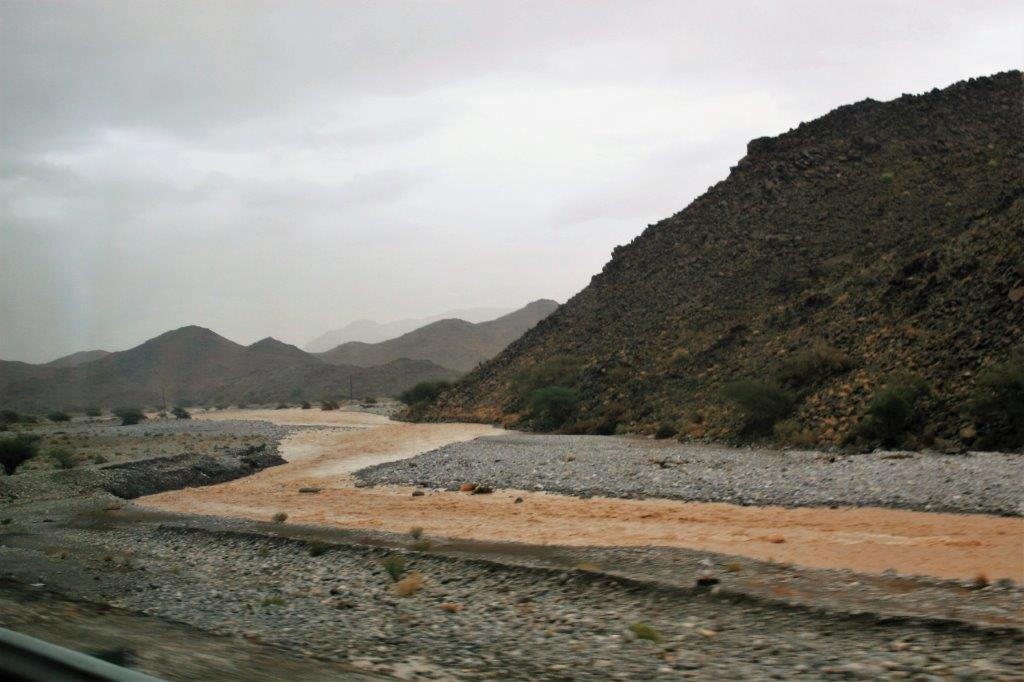
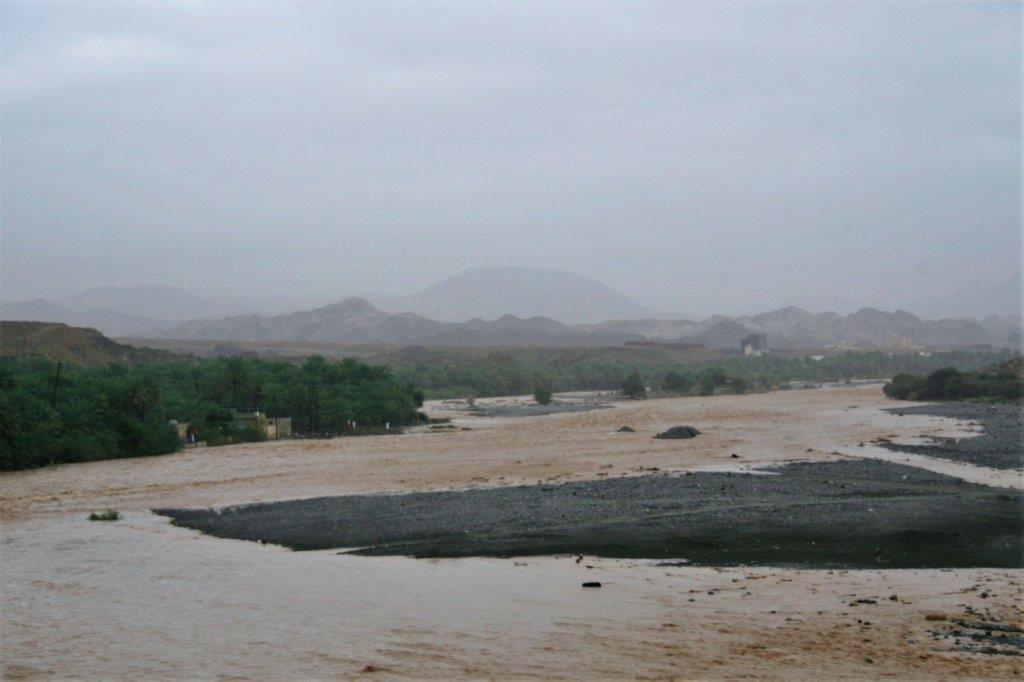
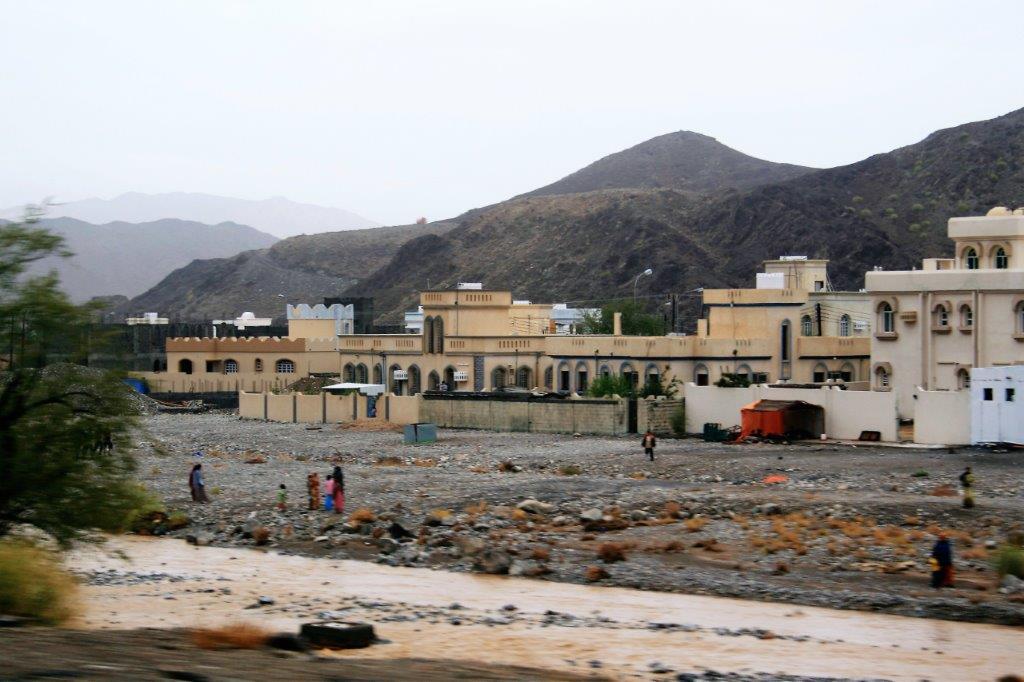
2009-03-31_2930 2009-03-31_2931 2009-03-31_2932 2009-03-31_2936 2009-03-31_2937 2009-03-31_2939 2009-03-31_29202009-03-31_2919 2009-03-31_2923 2009-03-31_2924 2009-03-31_2928 2009-03-31_2913 2009-03-31_2916While we were on our tour inland the rain came down in buckets in Muscat.  When we were driving back into the city the wadi’s (many of which had been dry for five years or more) were rivers of muddy water.  Our guide was very excited and told us we brought good luck to Oman by bringing the rain so we were welcome back anytime.2009-03-31_2945 2009-03-31_2948 2009-03-31_2951 2009-03-31_2952 2009-03-31_2953The Sultanate of Oman is a mountainous, dry desert country.  There are no lakes, rivers, or streams – although there are several oases with fresh water pools.  All the water for the 3.5 million population is supplied by de-salination and wells. It does rain in Oman several times a year but the rain we got that day was much longer in duration and a heavier downpour than they have had in many, many years.2009-03-31_2946 2009-03-31_2955There were traffic jams in the streets where people had just stopped their cars and gotten out to stand in the rain.  School had been cancelled by the Sultan and many of the children were seeing running water in the wadi’s for the first time in their lives.  It was a pretty neat end to a good day.

2009 March 28 & 29 (World Cruise) – Days 82 & 83- Dubai, UAE

2009 World Cruise – Unlike the rest of the ports of call on this cruise, except Hawai’i, we have been to Dubai, United Arab Emirates before.  Our son worked for a company based in Houston, Texas for two years and in 2007 he accepted a transfer to Dubai.  We visited him in 2008, but we didn’t see a great deal of the city at the time.  Our ship was docked in Dubai for two days.  We planned to spend most of our time with our son and he was going to tour us around a bit.

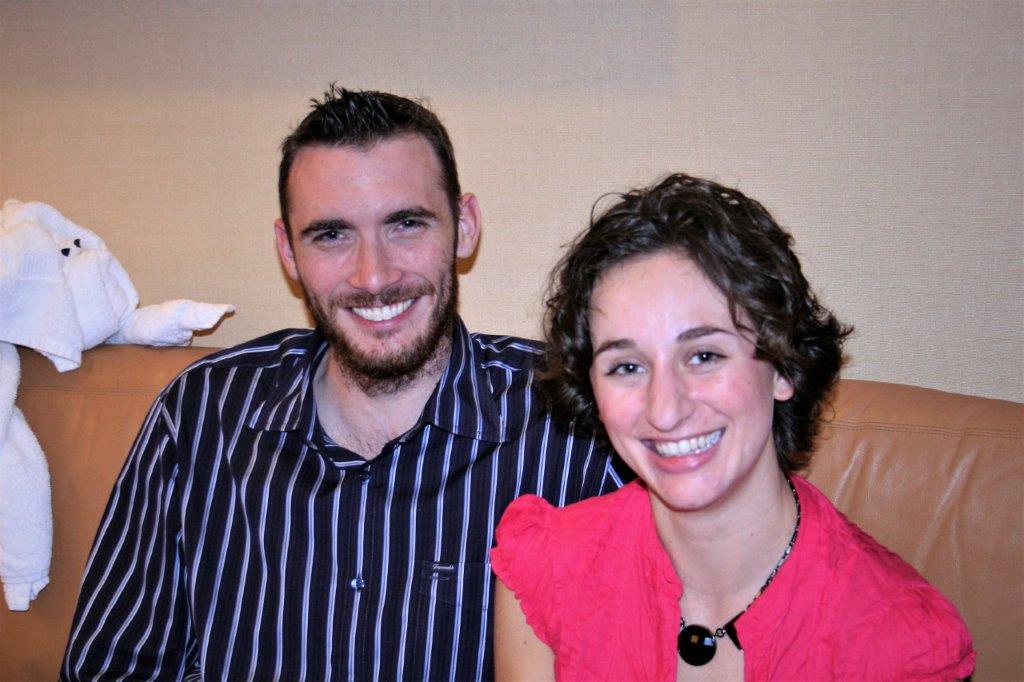
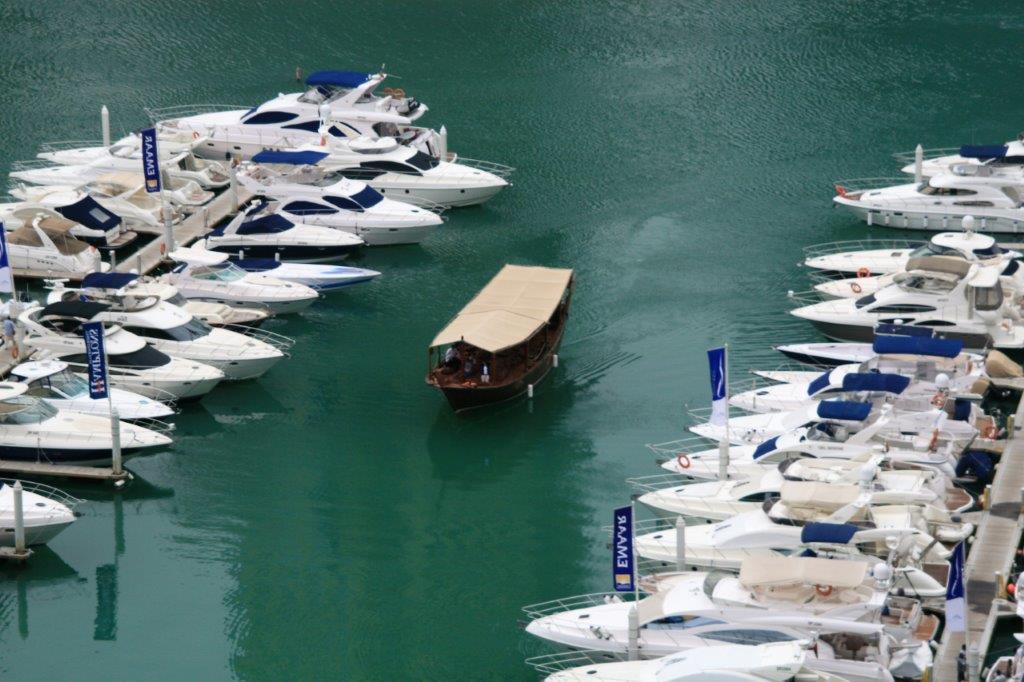
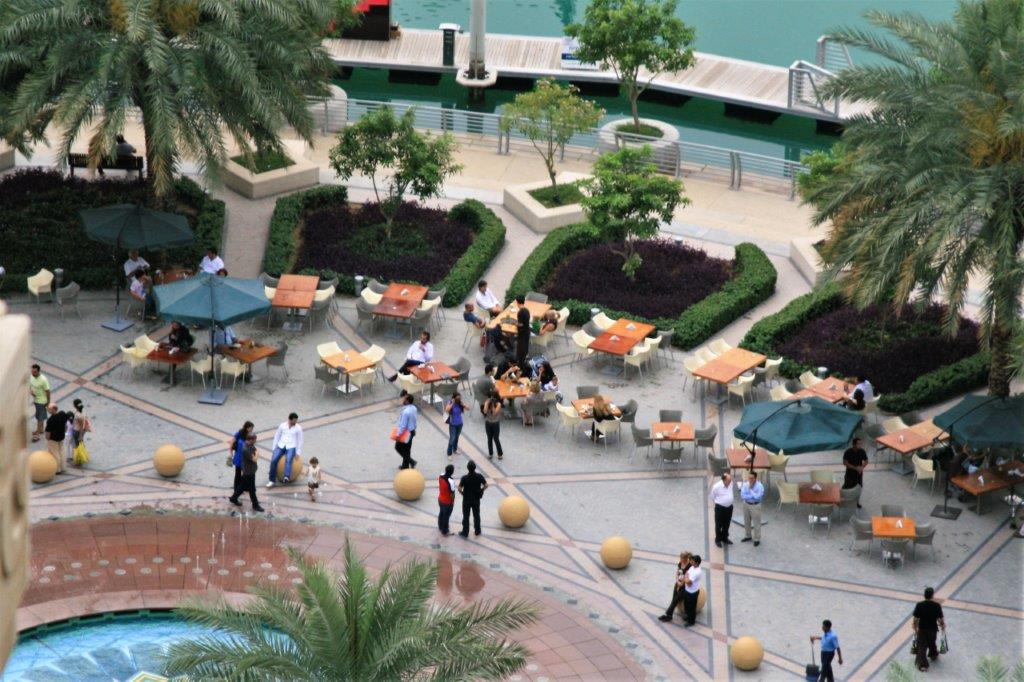
Joseph and his girlfriend Carrie were waiting to greet us when we entered the teminal.  We had not met Carrie before as she and our son had just started dating in early February.  We had already arranged visitor’s passes for them so we took them on board, gave them a tour of the ship and had a buffet lunch in the Lido before going to Joseph’s apartment to visit and play a game (we play a lot of games in our family).  Carrie had friends flying in from the USA to visit her for a week so she had to leave after our game to pick them up at the airport.  The three of us walked to the marina for dinner (a really good Italian restaurant) before Joseph drove us back to the ship.2009-03-29_24792009-03-28_2365 2009-03-28_23782009-03-28_2382 2009-03-28_2377           Views from Joseph’s apartment at the Dubai Marina.

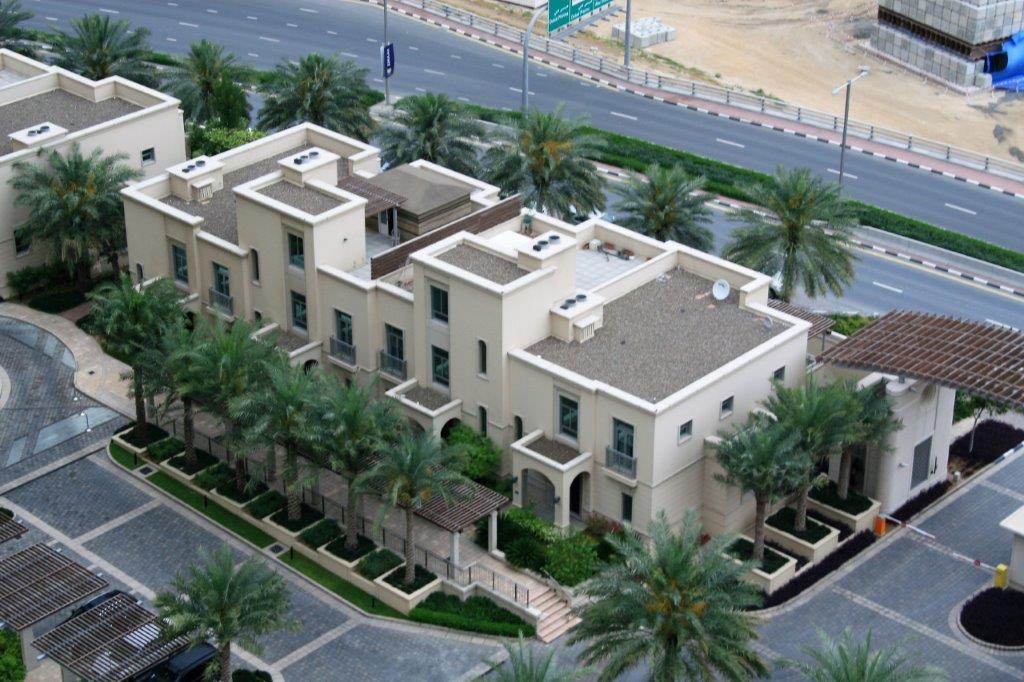
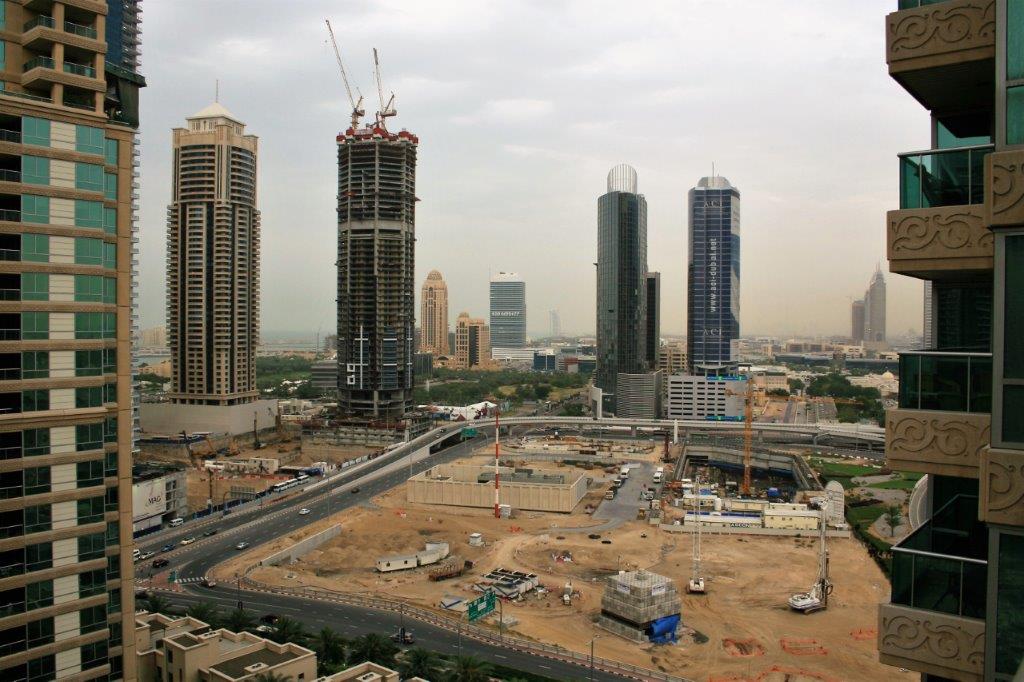
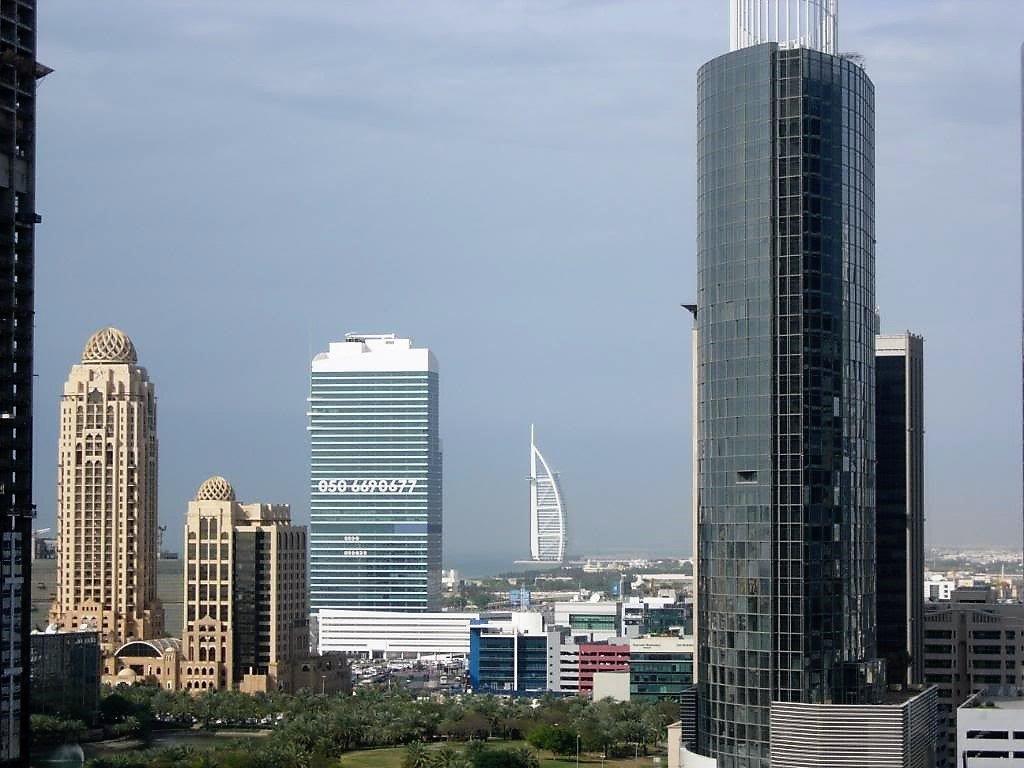
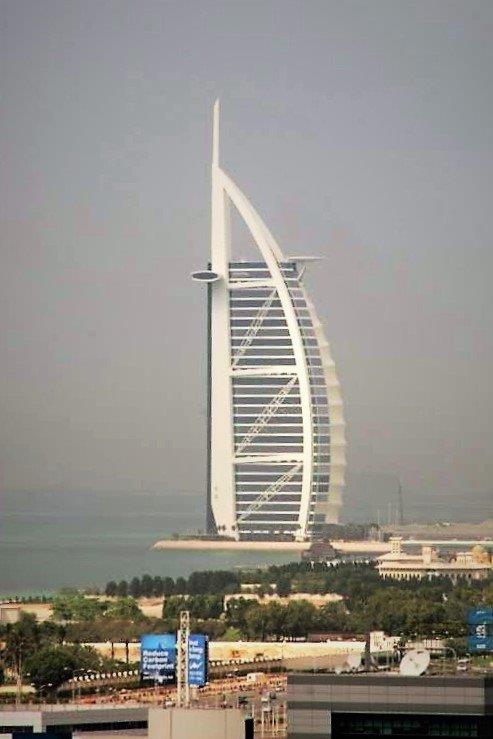
2009-03-28_23682009-03-28_2366Looking the other direction from Joseph’s balcony.  This vacant lot is now fully developed.  In the distance, through the sand dust in the air, you can just make out the beautiful Burj Al Arab; the world’s only 7-star hotel. You could take a shore excursion, or make your own reservation, and go there for High Tea – VERY expensive tea.  The Burj Al Arab, I think even more than the Burj Khalifa, has become Dubai’s signature building.

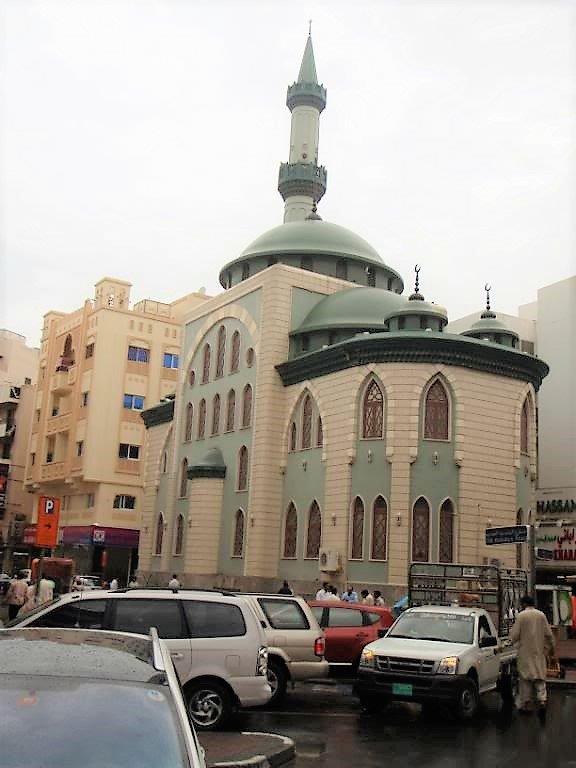
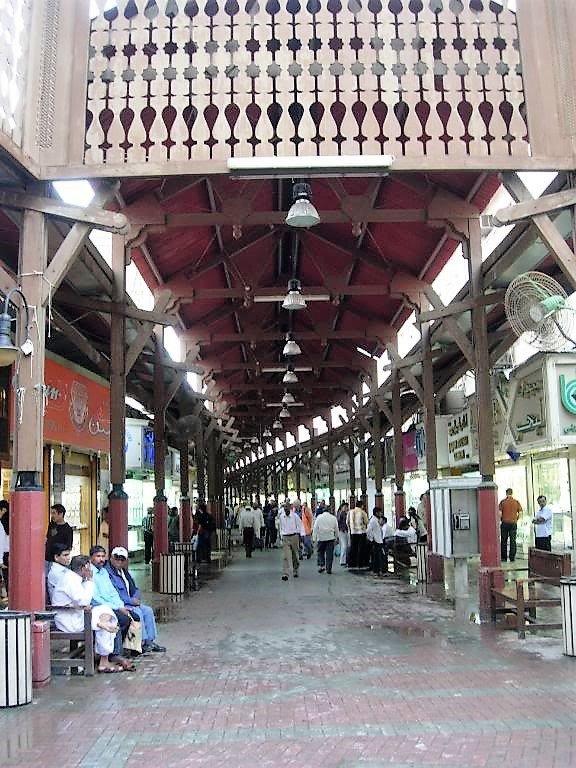
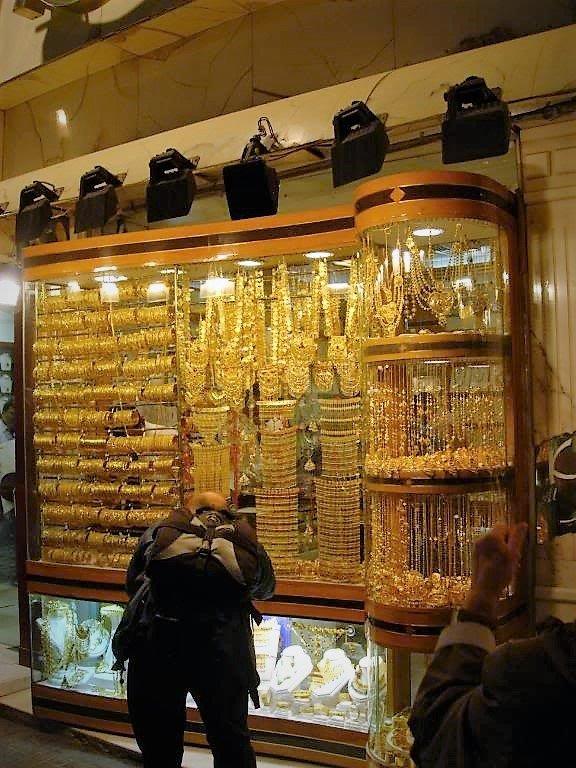
20090329_2446 20090329_2463 2009-03-28_2385The ship had arranged a free shuttle to take passengers into town from the port.  The next day we took the shuttle which dropped people off at the Burjuman Shopping Center.  Joseph met us there and we left his car and took a taxi to the famous gold souk.  The souk covers several blocks of small shops that sell gold jewelry.  There are even shops on a second or third level.  I have never seen so much bling in my life!  Absolutely stunning pieces.  Many of the sets in the window were for brides.  On her wedding day an Arab woman will wear many pieces of jewelry; a large necklace, earrings and several bracelets.  They must cost a fortune.  We also wandered around Old Town and through the spice souk where you can purchase anything and everything you would like to season your food.

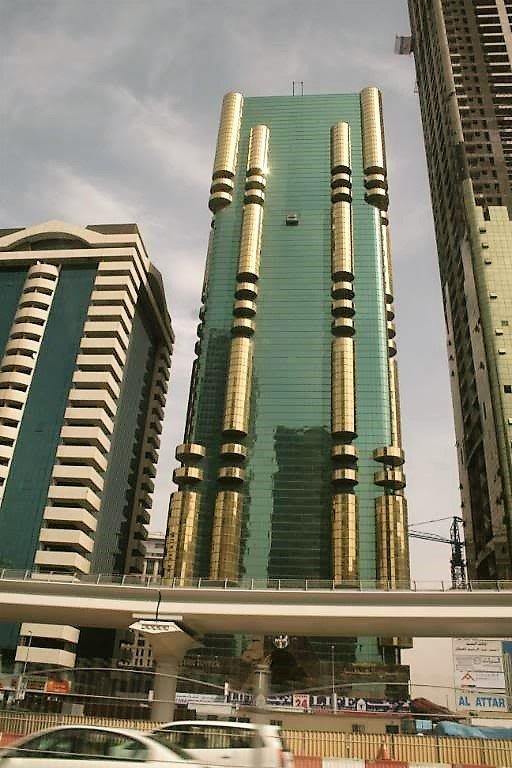
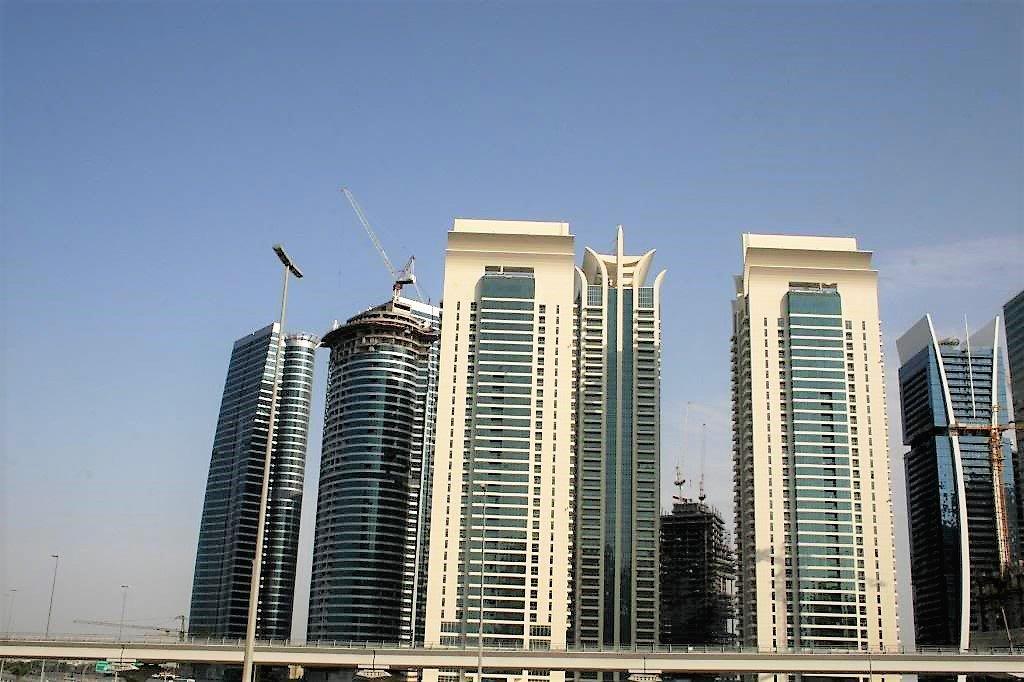
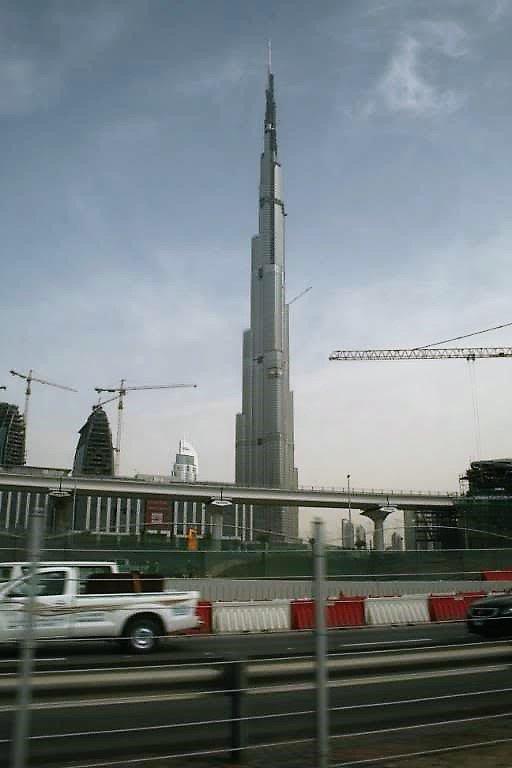
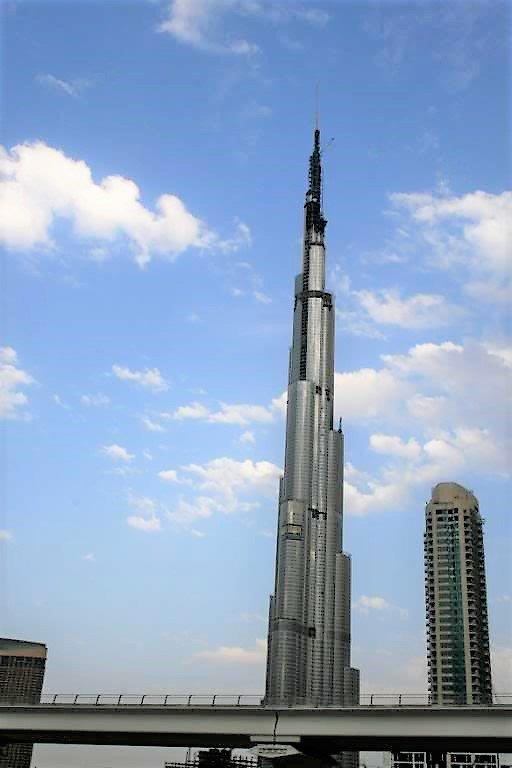
20090329_2489 20090328_2453 20090328_2452The most amazing thing about Dubai is the architecture.  If you can conceive of a unique building someone in Dubai will build it.  There is a building that looks like a giant grain elevator but the middle is missing.  There are three buildings that are arranged like sections of an orange you have just peeled.  And, of course, there is the famous Burj Dubai, which was renamed the Burj Khalifa after the Sheik of Abu Dhabi after he gave Dubai a cheque for some astronomical amount of money to help them out of a financial crunch caused by the 2008-2009 global economic crisis.  This worked well all around because the Sheik of Abu Dhabi was planning to build his own tower that would be higher than the Burj.  Now he is saved the expense because his name is on the tallest building in the world-  and it’s just an hour down the road in Dubai.  Win. Win. 20090328_2395 20090328_2397 20090329_2468The Burj Dubai was still under construction when we there in 2009; all the windows hadn’t yet been installed. We spent 2015 Christmas with Joseph and Carrie in Muscat, Oman (They moved from Dubai to Muscat in November 2013) and we drove up to Dubai for the weekend (6 hour drive). One of the things we did was go to the viewing level of the Burj Khalifa, which is on the 124th floor.  Trust me, it is a very strange sensation to be looking down on the rooftops of towering skyscrapers.  It is VERY HIGH.

20090328_2399 20090329_2473The Burj is currently the tallest building in the world at 828 meters (2,722′) but Saudi Arabia began construction in 2013 on the Jeddah Tower which will be 1 kilometer tall (3,280′)  – 180 meters or 591′ taller than the Burj Khalifa.  The Jeddah Tower is slated for completion in 2020.  Dubai’s Burj Khalia took five years to build at a cost of US$1.5 billion.  In contrast Saudi Arabia’s new Jeddah Tower has a budget of US$20 billion!

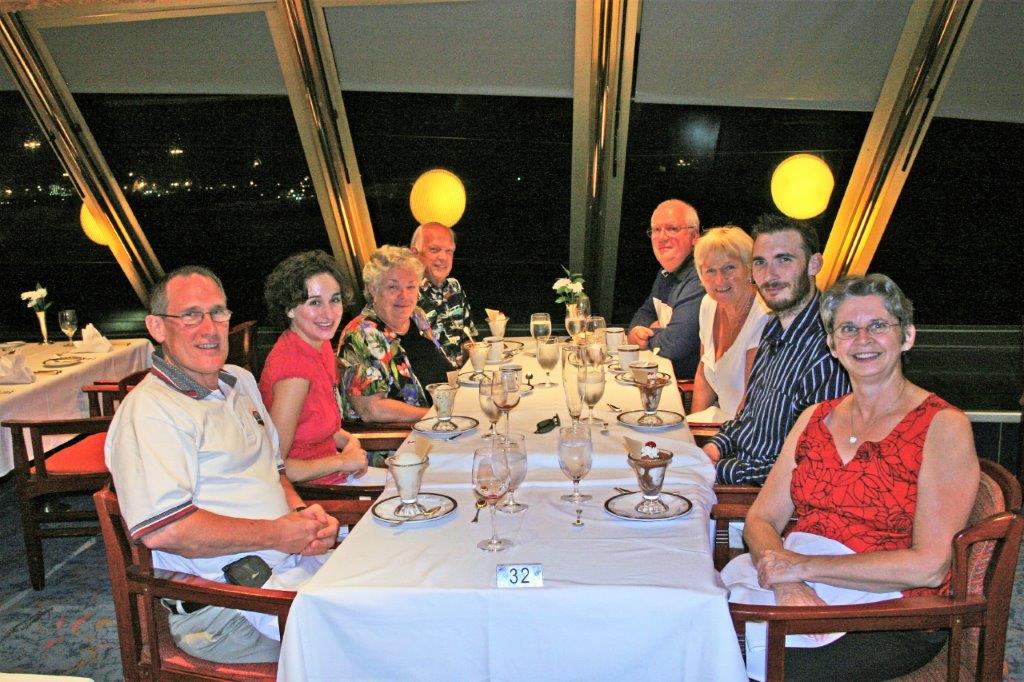
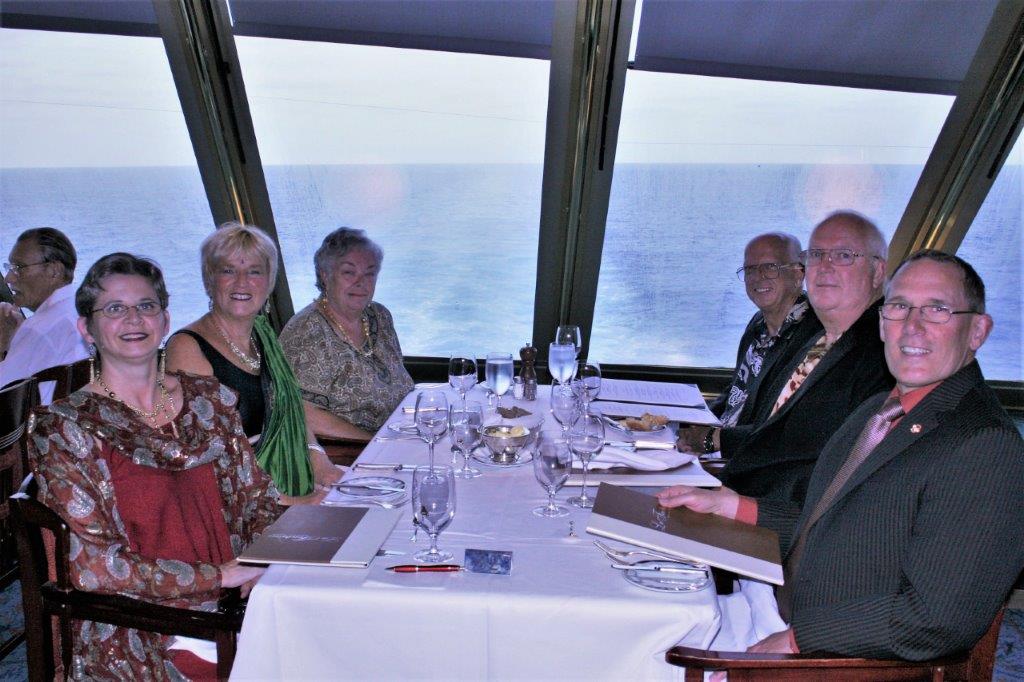
After our walk around Old Town and the souks we went back to Joseph’s apartment for the afternoon.  We left at 4:15 to pick up Carrie at her apartment as we were all going to eat in the dining room on the ship.  Traffic was really backed up and we moved at a crawl.  As we neared Carrie’s apartment building we discovered that, since the day before, they had completely changed the road and we need to make a detour. (This was, and probably still is, a common occurrence in Dubai – roads just get changed without warning or notice.)  The normal 10 minute drive took 45 minutes and we still had a 40 minute drive to the port.   Dinner was scheduled for 6.  We pulled into the parking lot at 5:46.  I ran ahead and told everyone the others were on their way and we all sat down at the table only five minutes late.2009-03-29_2477_edited-1All the tables in a ship’s dining room are bolted to the floor.  They can’t just be rearranged to add more people.  Thankfully, since all aboard wasn’t until 11:30 that night, many people had chosen to eat in Dubai.  That allowed Heri, one of the dining room managers to bring up another small table from somewhere on the ship and set it at the end of our normal table for six.  We introduced Joseph and Carrie to our table mates Charles and Evelyn and Tim and Elaine and we all had a wonderful time at dinner.  Since he lives so far away from home it was a real treat for us to spend time with our son and meet his girlfriend (now his wife).  Two great days in Dubai.


2009 March 25 (World Cruise) – Day 79 – Mumbai, India

2009 World Cruise – Our second day in Mumbai (formerly Bombay) began at 7 with an 8 am tour.  We were taken to see various places around the city.  It was just a 4 hour tour so we had the afternoon to relax and catch some rest after the long day the day before when we flew to Agra to visit the Taj Mahal and Agra Fort.

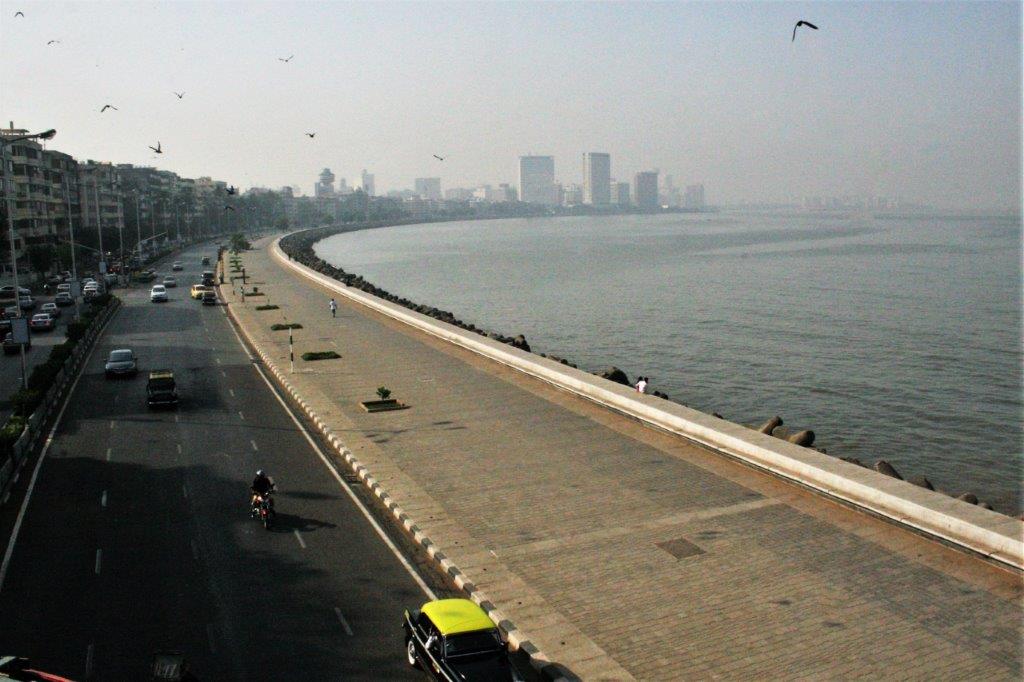
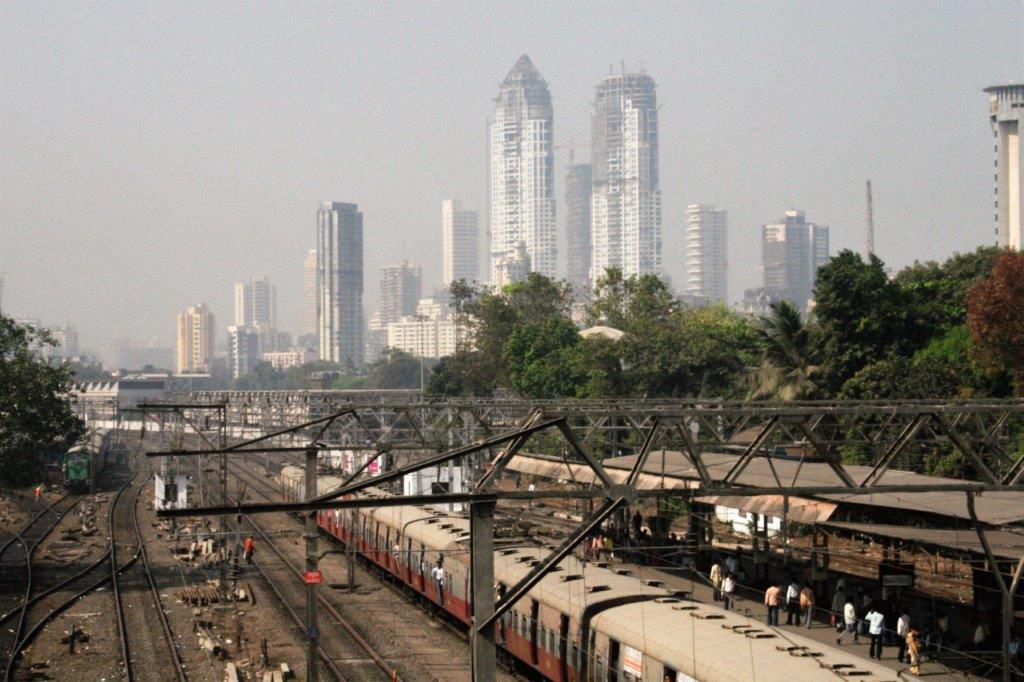
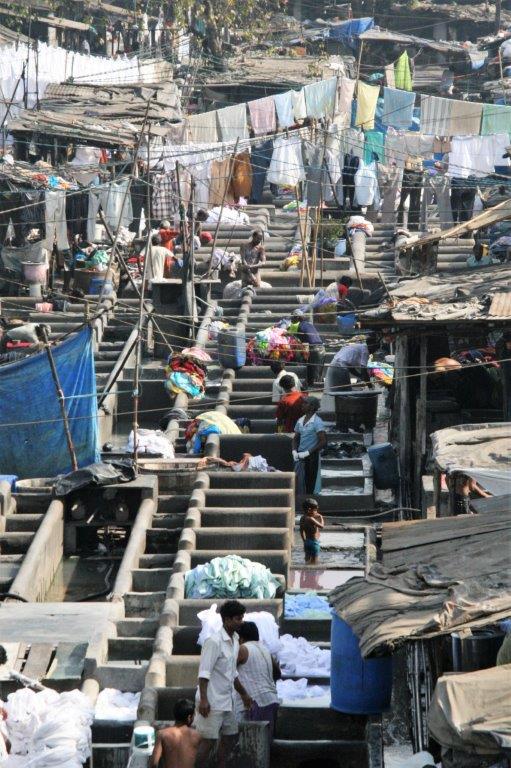
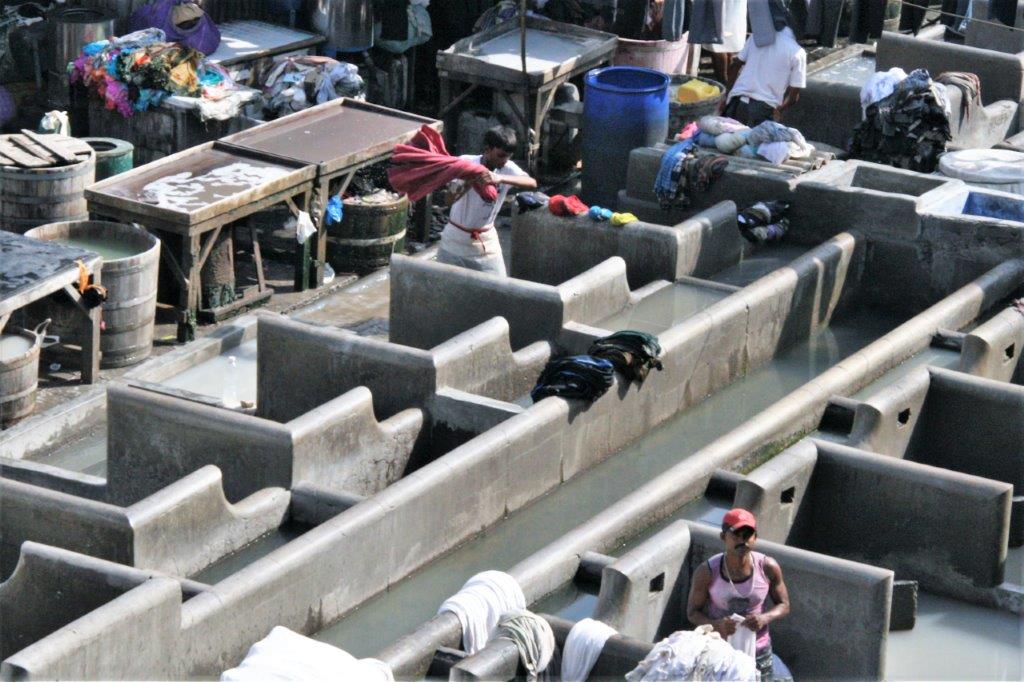
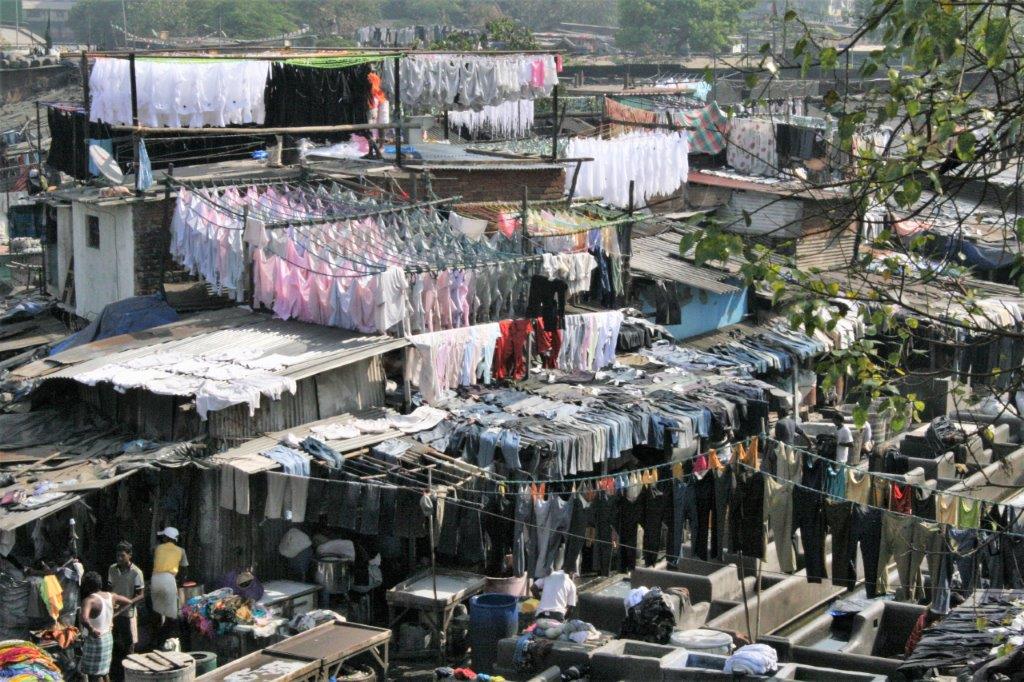
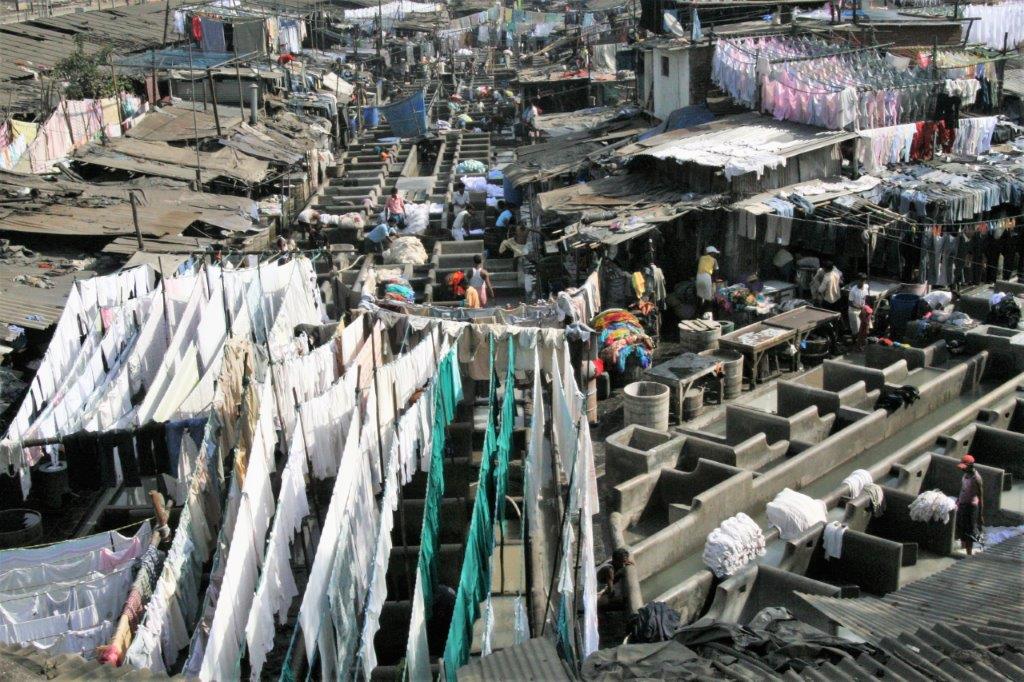
Our first stop of the day was a photo stop at the Victoria Terminus Railway Station which is now a World Heritage Site and is having restoration work done.  The station was built during Queen Victoria’s Jubilee year.  The first train left from the station in 1853 and over half a million commuters per day pass through its doors. Rail is the primary way to travel distances in India and the trains are packed to the gills.  Although it is illegal, many people still hitch rides on the roofs of the train cars.2009-03-25_2018 2009-03-25_2028 2009-03-25_2035 2009-03-25_2050The most interesting stop of the day was to see the Dhobi Ghats – a huge outdoor commercial laundry facility.  The sink cubicle spaces are generational, meaning they get passed down from father to son.  The laundry work is a male occupation.  Often the men have a farm out in the country and sons, brothers or cousins will come into town  on a rotation to work in the laundry.2009-03-25_2040 2009-03-25_2044 2009-03-25_2041 2009-03-25_2042Laundry from all over Mumbai is brought here and soaped, soaked, boiled and beaten. They do the laundry for hotels and resorts, institutions like hospitals, factories, and private homes.  The men have their own private tagging system that allows them to hang laundry from different customers together but can be separated later.  As many men as are working in the laundry there are the same again going about the city collecting and returning laundry.  Everything is washed, dried, ironed, and folded and returned in 3-4 days.

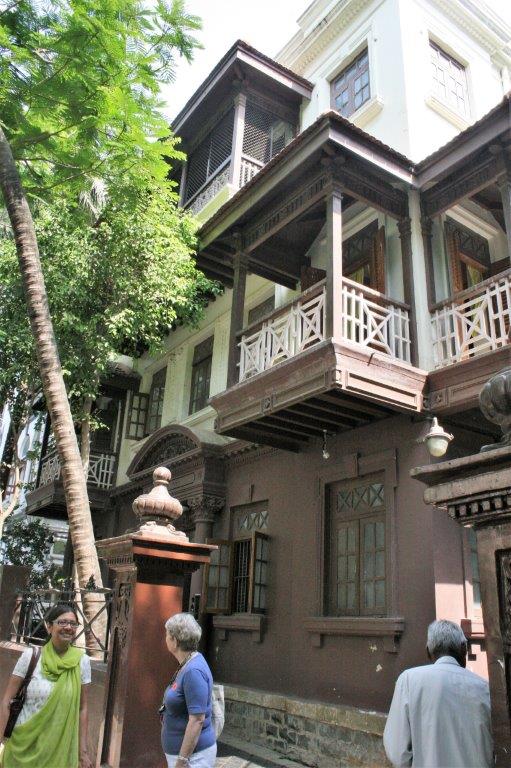
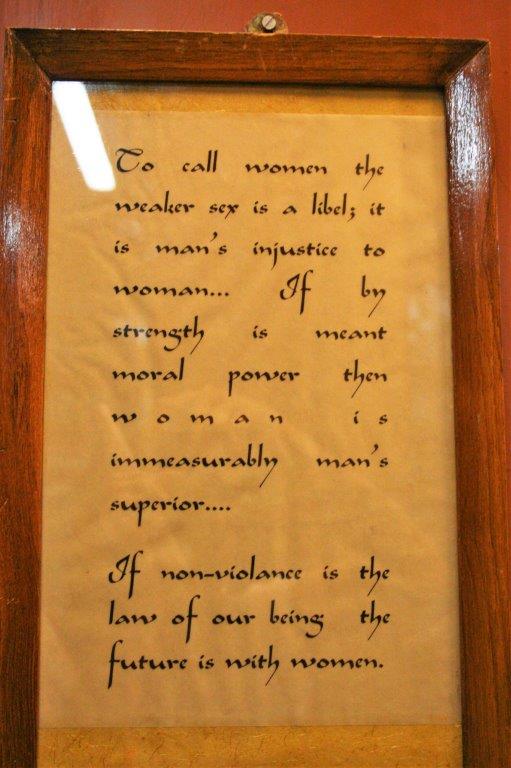
The street vendors and beggars in India were very persistent and infringed closely on one’s personal space.  It was hard to witness the poverty and to see those who had been intentionally maimed as an infant so they could be beggars to help provide for the family.  Begging is an ‘honorable’ profession in many eastern countries and is extremely prevalent almost everywhere in India.2009-03-25_2046 2009-03-25_2047 2009-03-25_2056 2009-03-25_2058When we left the Dhobi Ghats we stopped at Mani Bhavan, the house where Mahatma Ghandi stayed whenever he was in Mumbia between 1917 and 1934.  After his death the owner of the house kept his room exactly as it was when Ghandi would stay including all of his books (about 50,000). The house is now a museum and memorial to the famous leader of non-violent non-cooperation where Ghandi’s life is portrayed in picture box dioramas, photographs and articles.

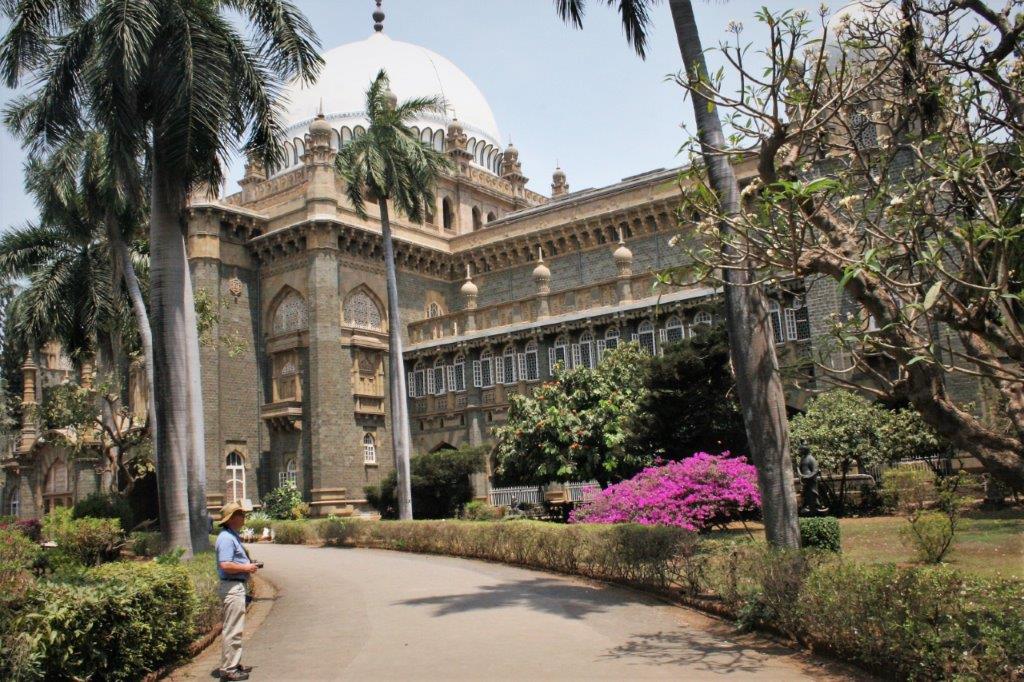
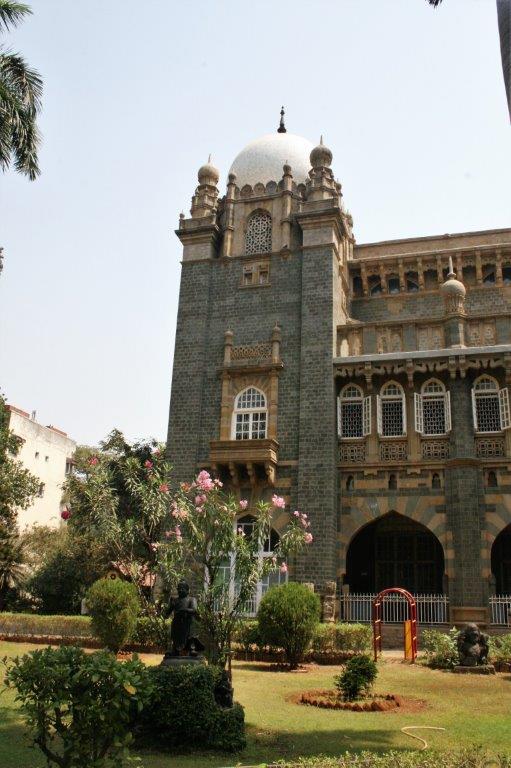
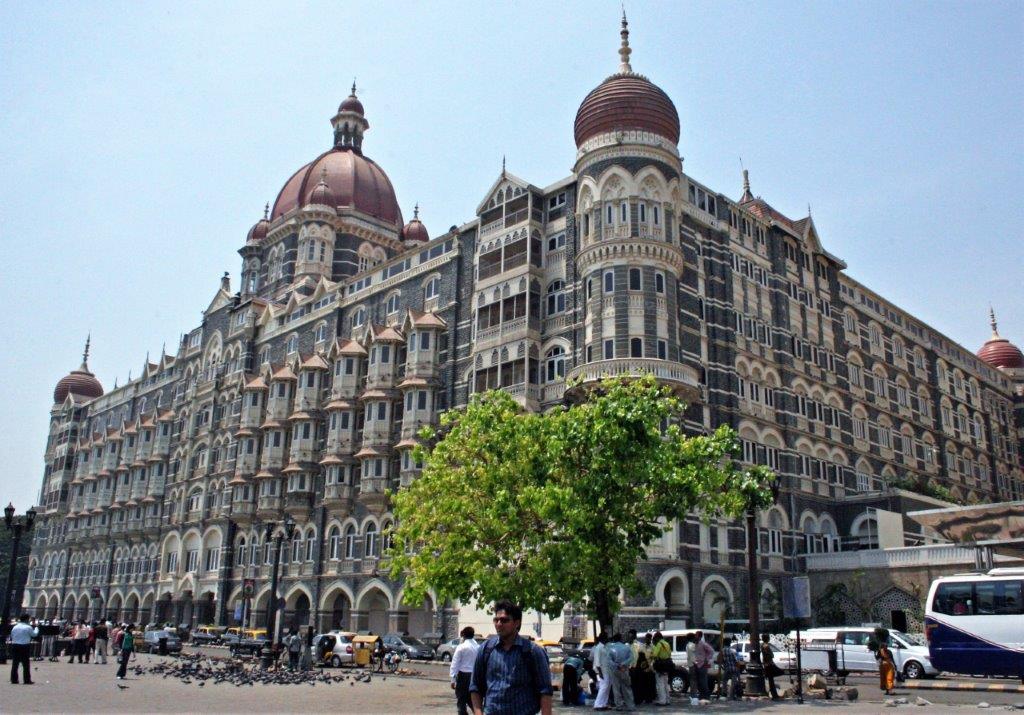
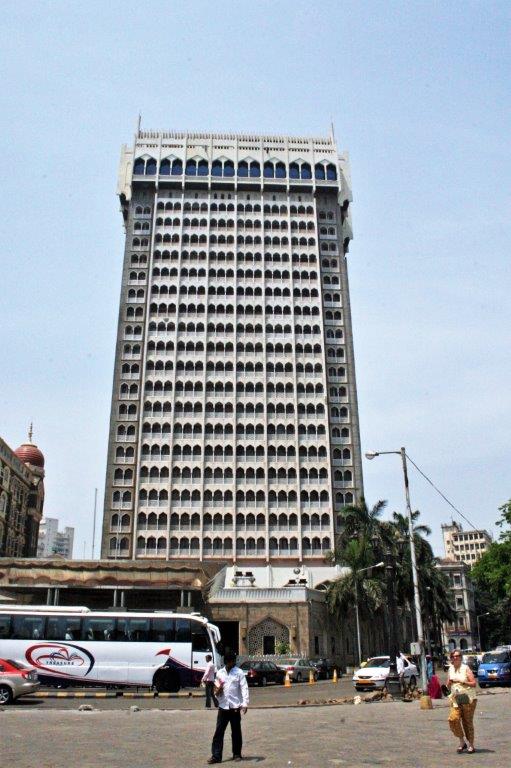
2009-03-25_2061 2009-03-25_2060 2009-03-25_2062_edited-1The Prince of Wales Museum was the next stop on our tour.  It is a beautiful multi-domed and arched building.  Unfortunately we only had a short time to look at a few of the exhibits.  I love museums and tend to wander around quite happily for several hours when I get inside one.2009-03-25_2073 2009-03-25_2069 2009-03-25_2074Our last stop was a short photo stop at the Gateway to India, the city’s most famous landmark; buiIt in 1911 it, too, is undergoing some renovations.2009-03-25_2080_edited-12009-03-25_2078_edited-12009-03-25_2076 2009-03-25_2079_edited-1The Taj Mahal Hotel (photo on the right) that had been bombed the previous November.  If I remember correctly there were about eight attacks on various places in Mumbai that month.

We spent the afternoon resting and reading.  The next day was a sea day and was India Dress Night.  I had found a nice outfit at one of the shops at the terminal so I was suitable attired for the occasion. Elaine also wore a lovely emerald green sari.  I’m not much of a fashionista, but it was fun to wear different national attire as we traveled around the globe.2009-03-26_2389 2009-03-26_2391

2009 March 24 (World Cruise) – Day 78 – Mumbai, India (Taj Mahal)

2009 World Cruise – When we looked at the shore excursion brochure to plan our tours before taking this cruise around the world I was very excited to see a tour out of Kochi to Agra, where the Taj Mahal is located.  Like China and Southeast Asia, I have never had a desire to go to India – except to see the Taj Mahal.  But, when I read the description of the tour it was an overland where you left the ship in Kochi and rode for two days on the train up to Agra before taking a train to Mumbai to re-board the ship the second day it would be in port.  Well….there was no way I was going to ride a train in India for two days!   I don’t care if it was first class.  I set aside the dream of visiting the Taj.

Then, after we chose our Alleppey Backwater tour in Kochi I began to read the tours available for the two days we would be in Mumbai.  Lo and behold, there was an excursion available the first day called Taj Mahal in a Day.  Yeah!  Turns out it was ALL DAY and half the night as well, but we would be able to see this iconic monument.  Don’t look at the price, just book the tour!

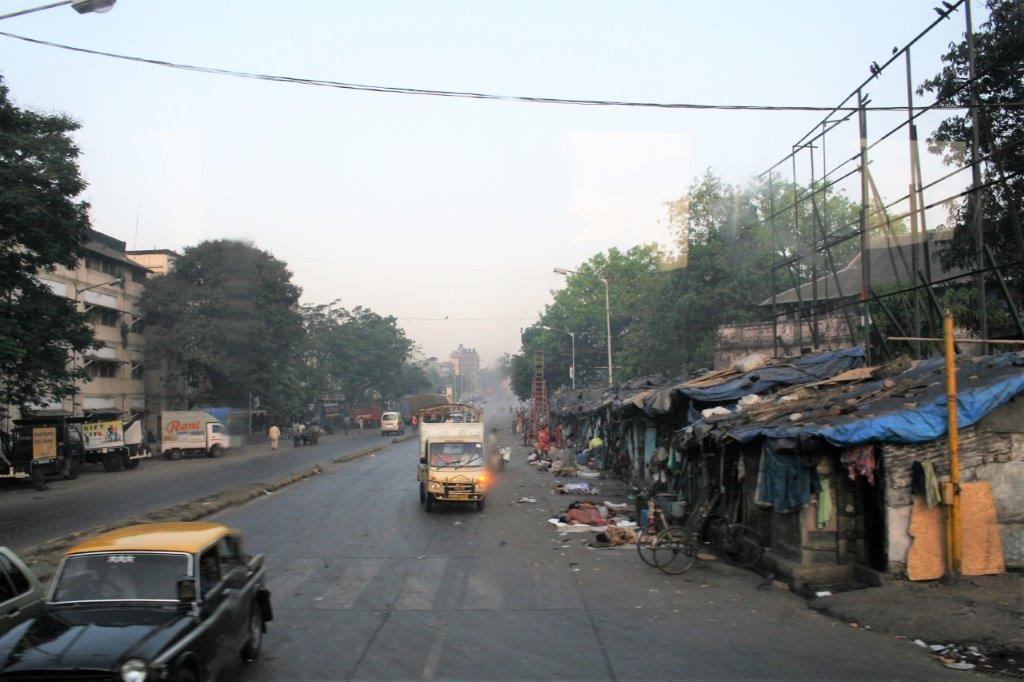
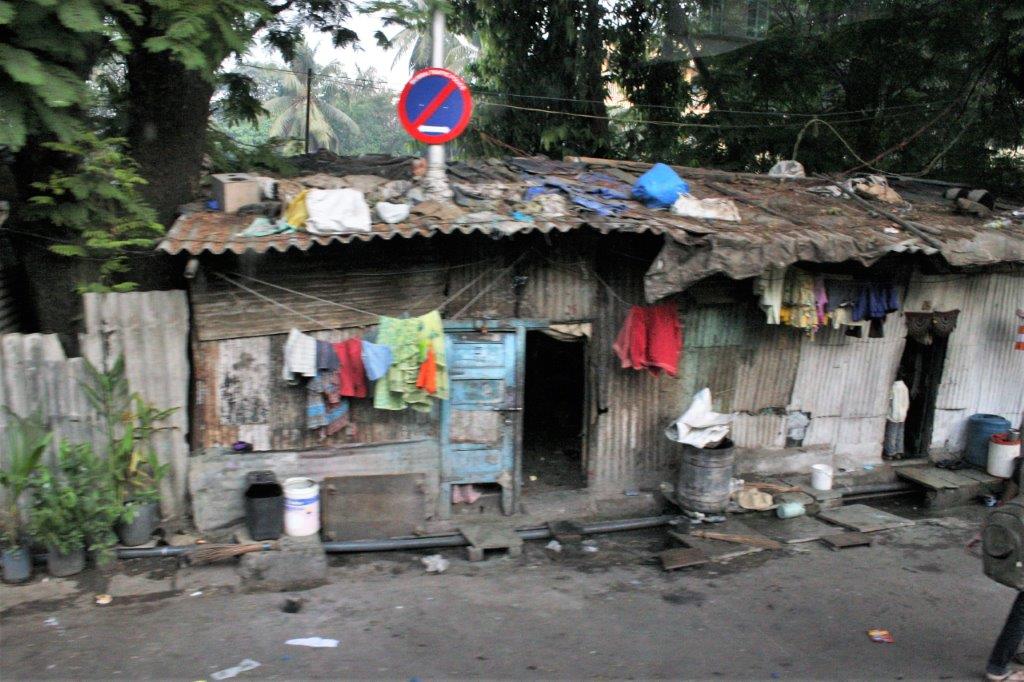
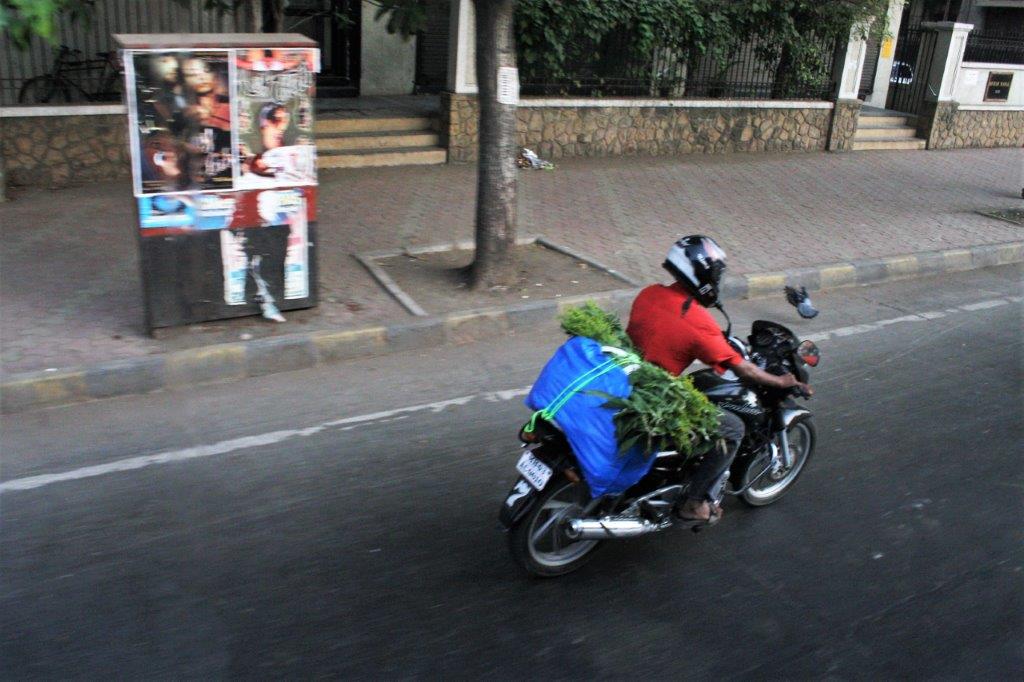
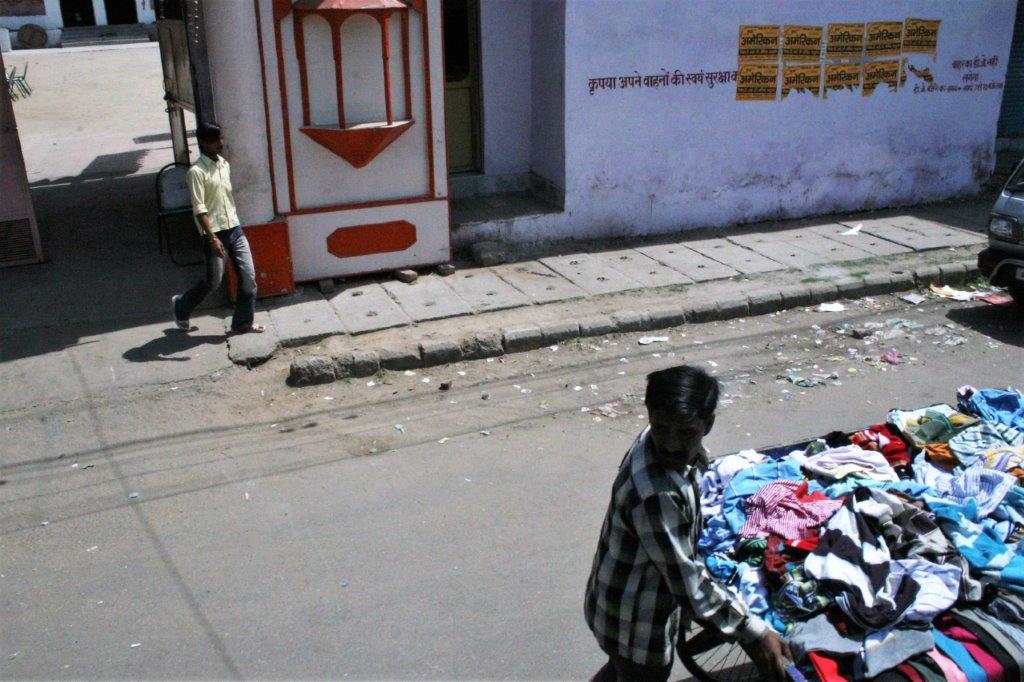
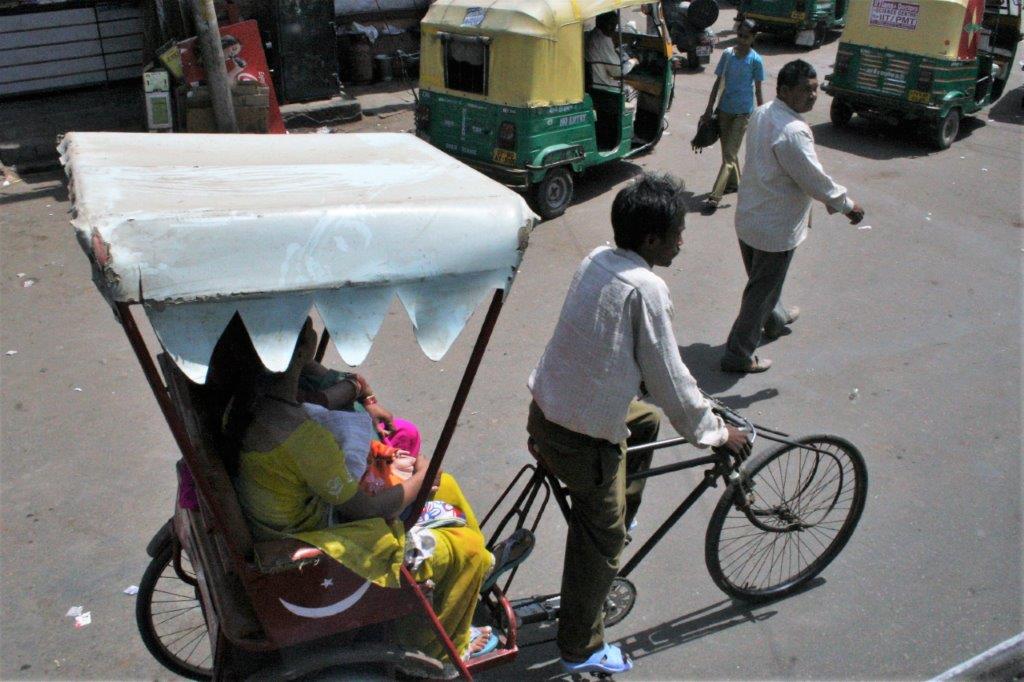
The day began very early.  We had to be up at 5:15 to pass through a 6 am face-to-face passort check before we left the ship at 6:45 for the one hour drive to the airport.  Due to the heightened security measures after the terrorist attacks in November 2008 the port access nearest the ship was closed and our bus needed to drive the full length of the port to a secured exit. This meant that we drove through many more of the streets of Mumbai than we otherwise would have done.  It was unbelievable the number of people we saw sleeping on the street.  But we also saw them brushing their teeth and washing and sweeping the litter away from their little space.  Albeit they just swept it into the street but it all spoke to a sense of pride of place that I found touching.

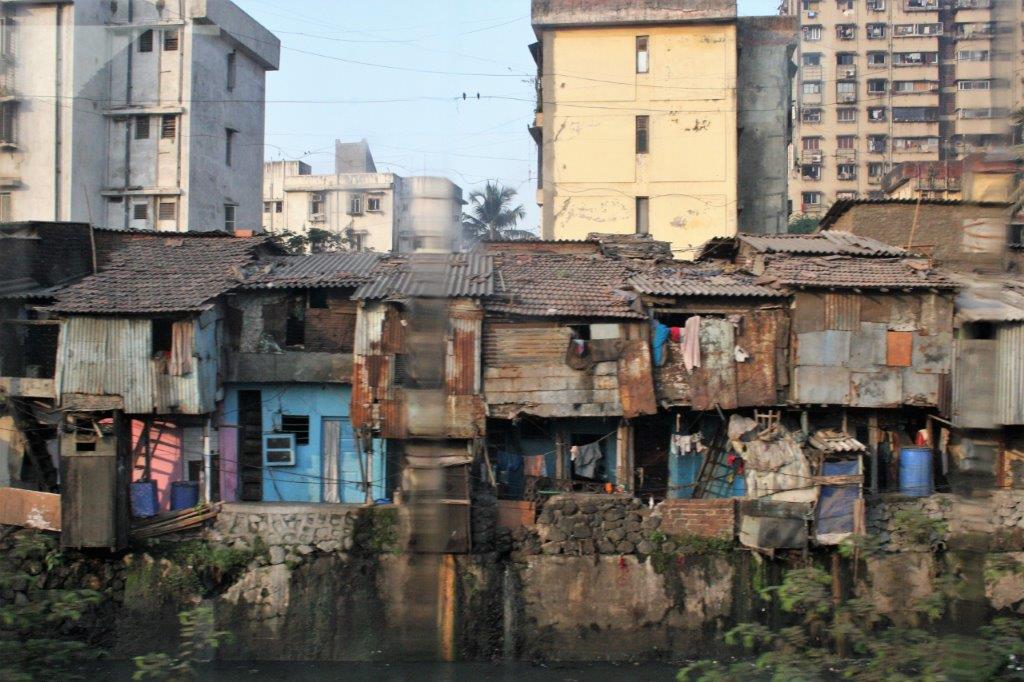
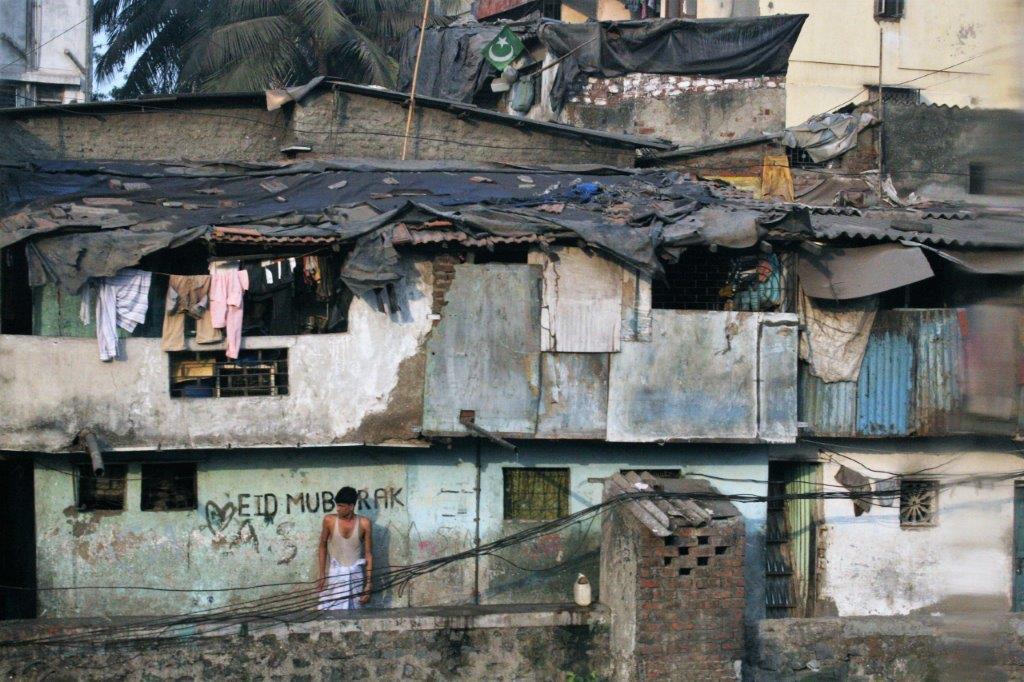
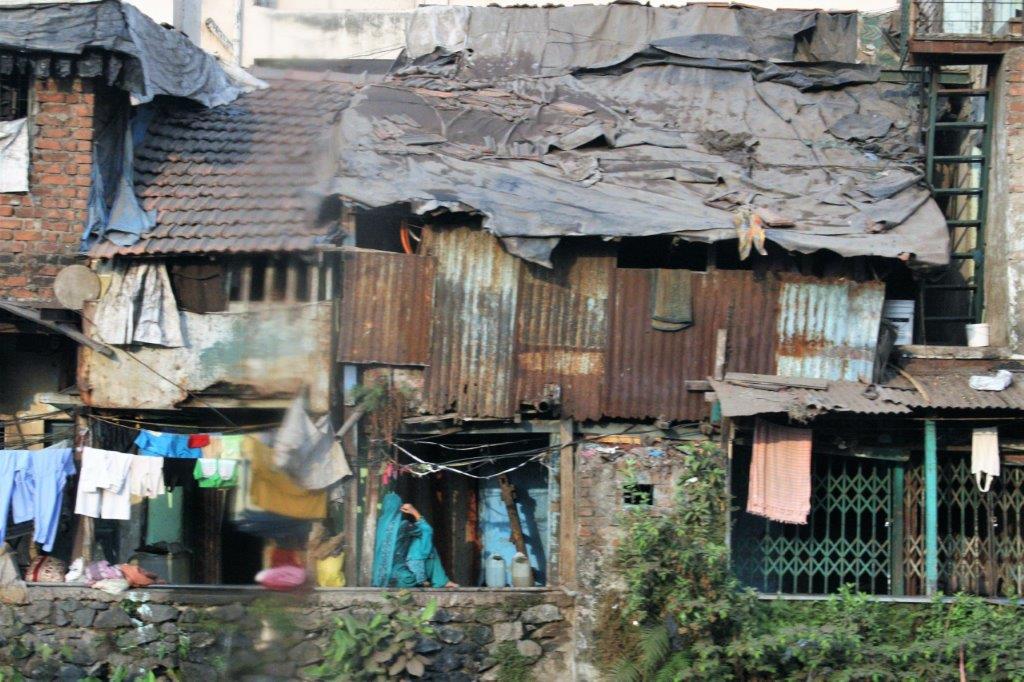
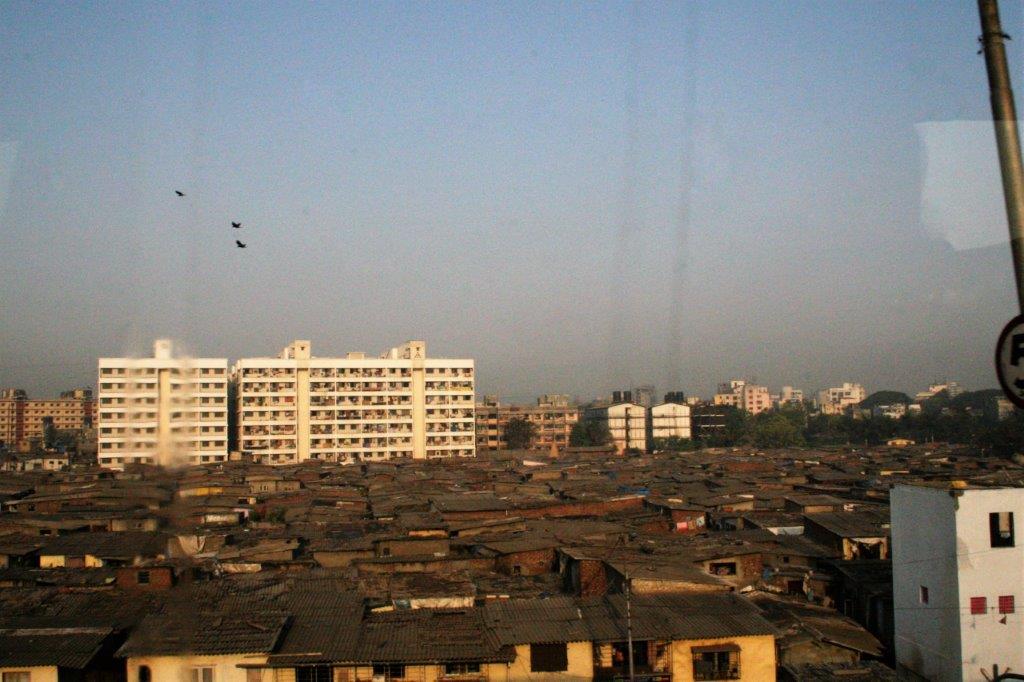
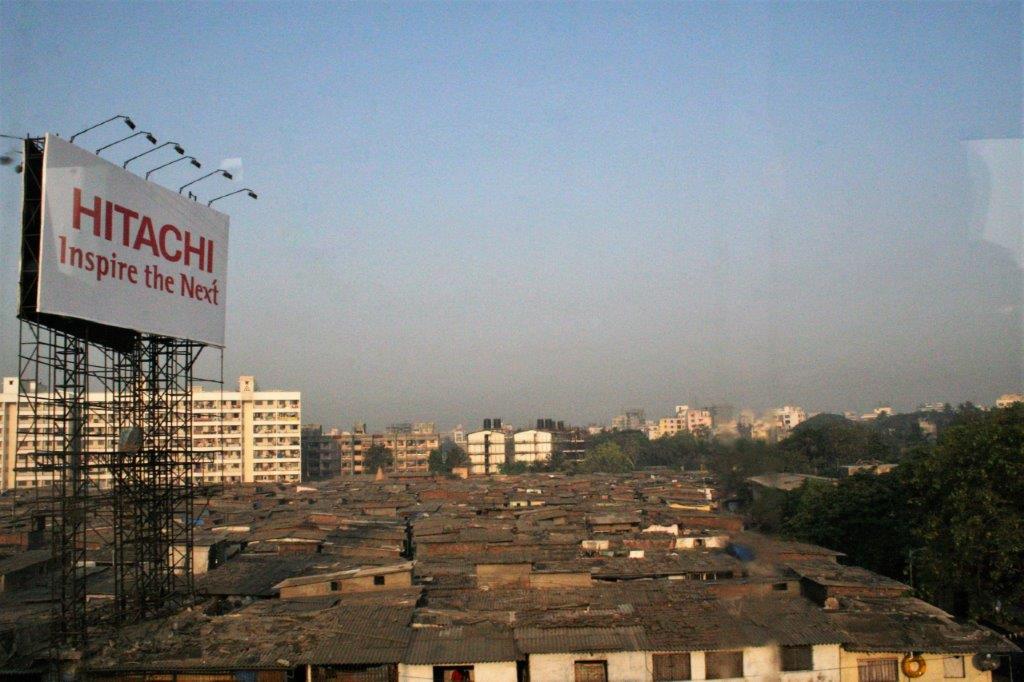
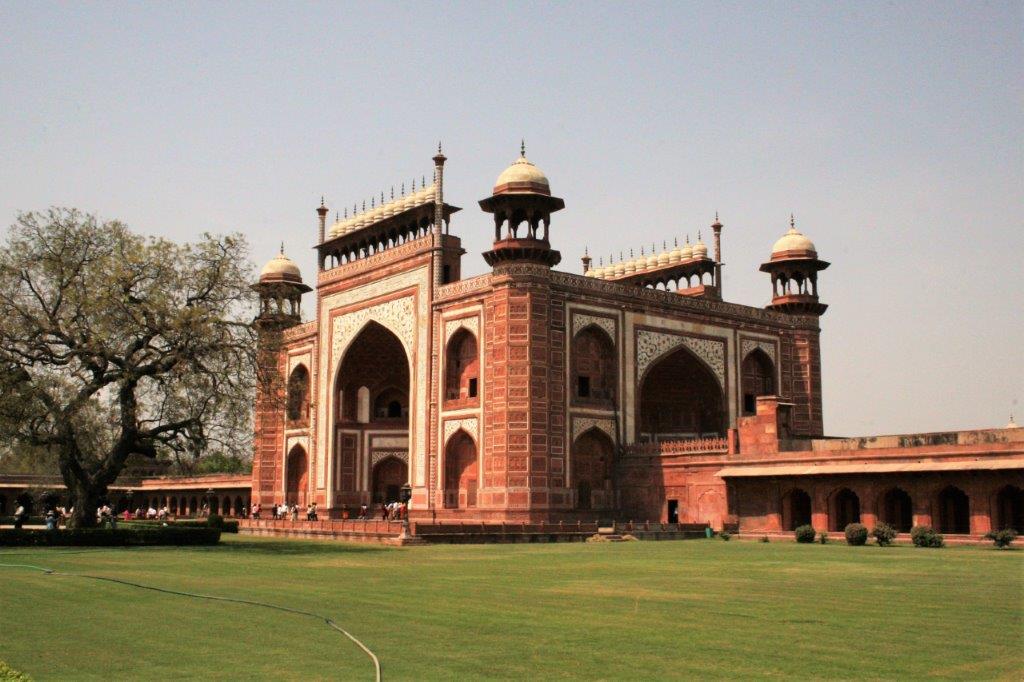
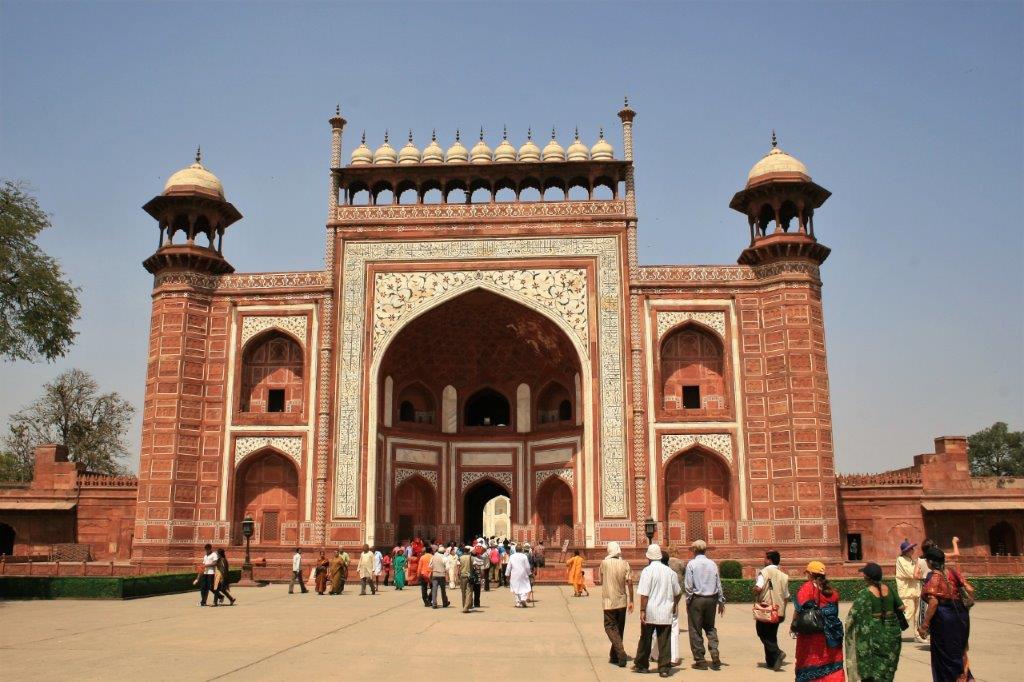
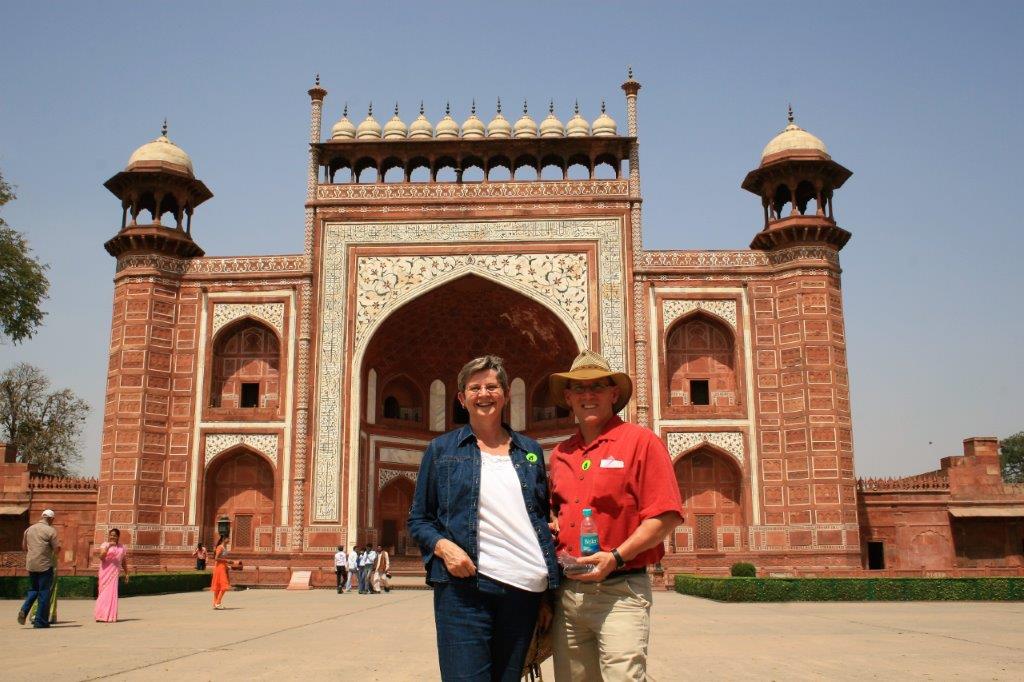
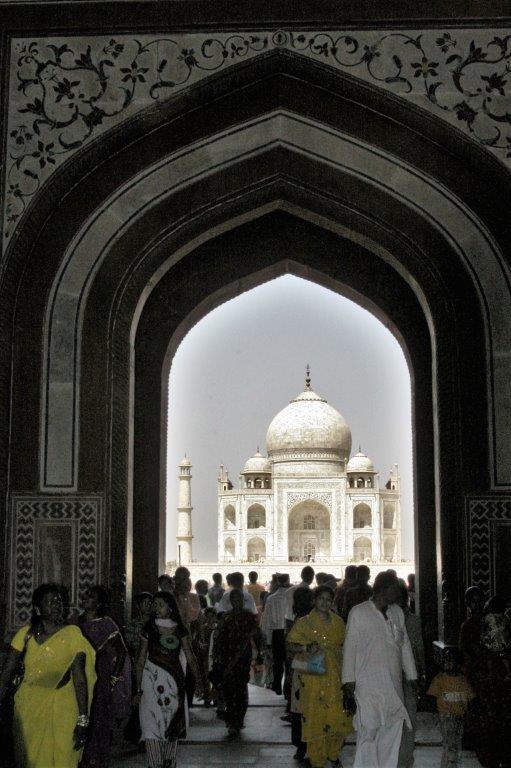
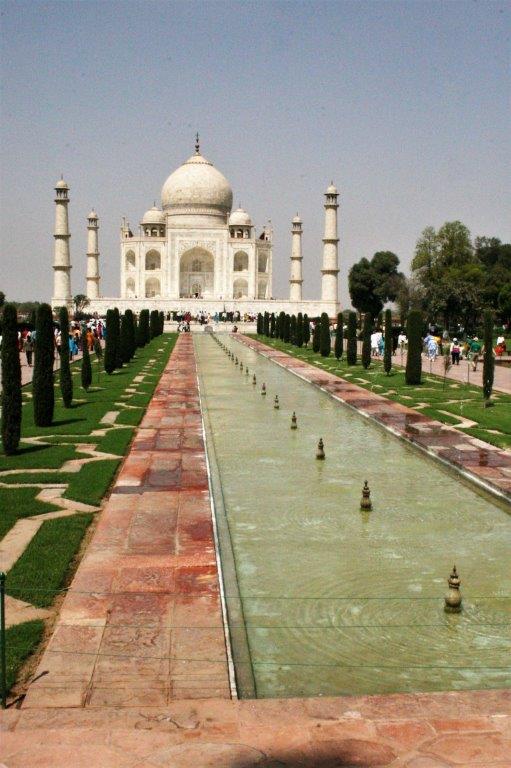
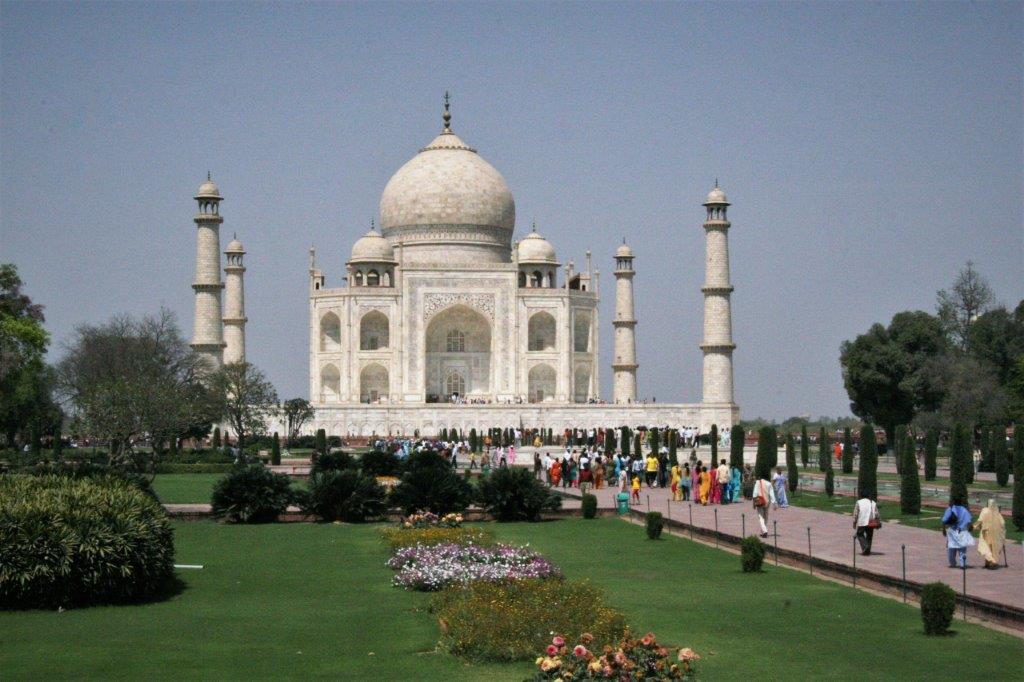
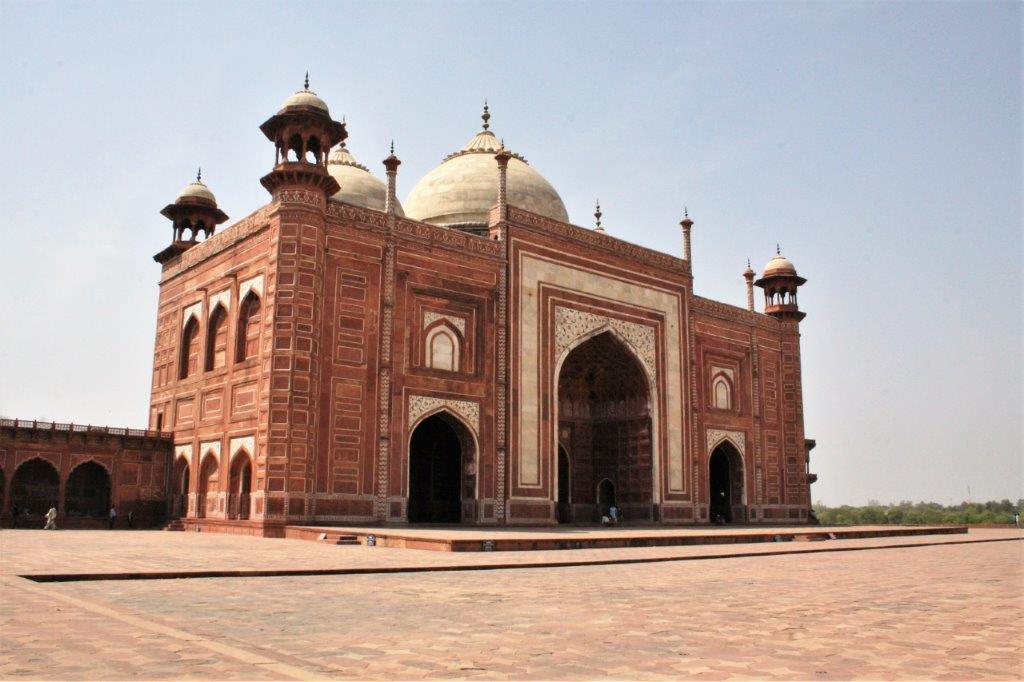
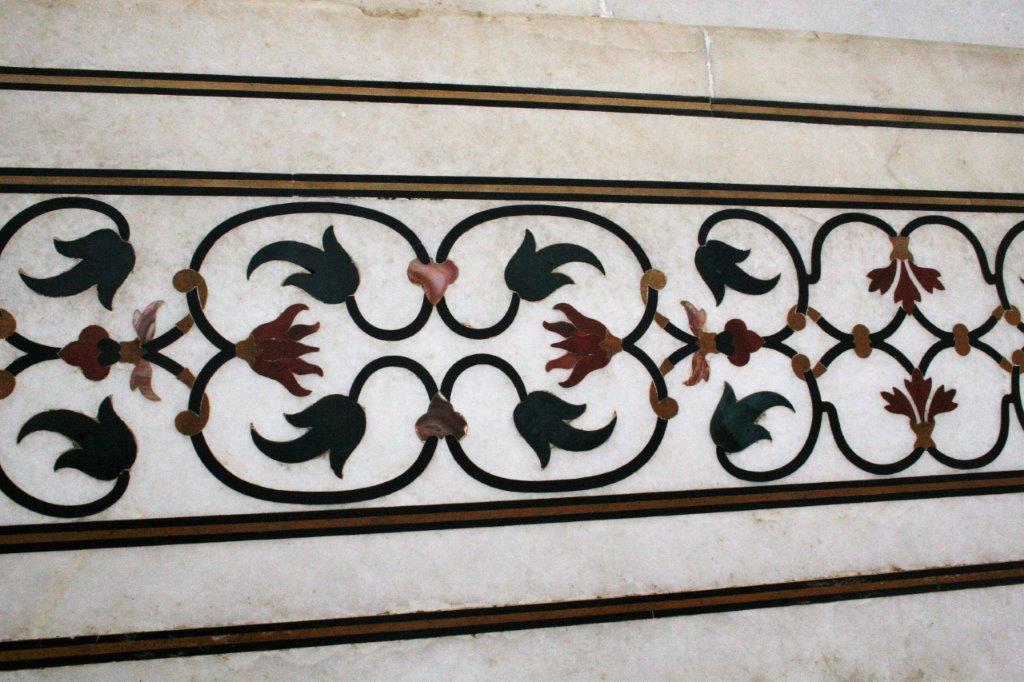
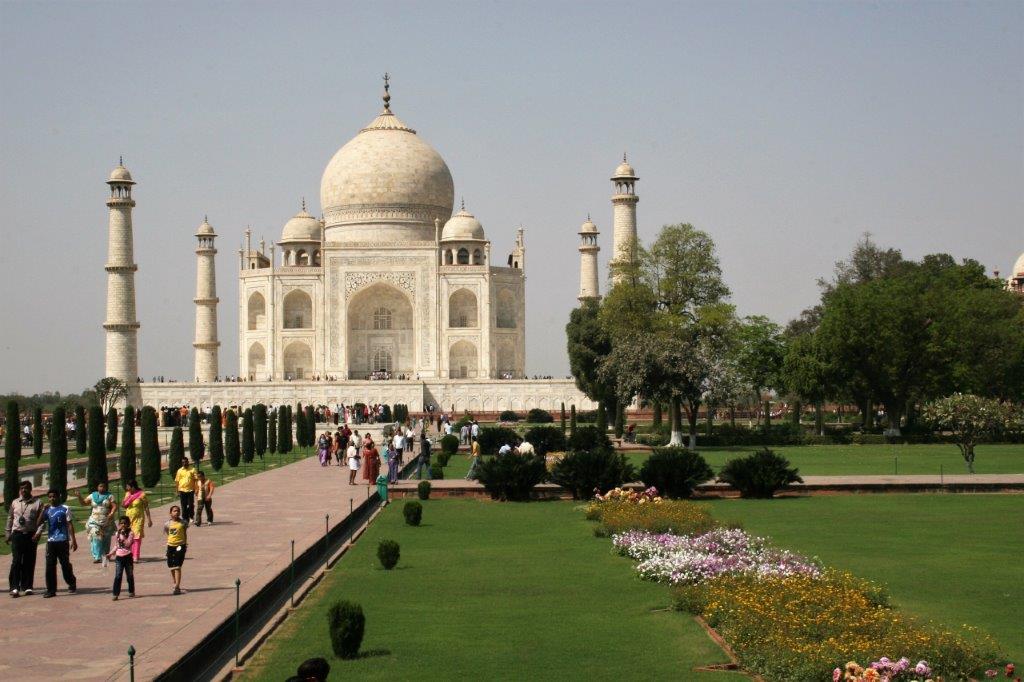
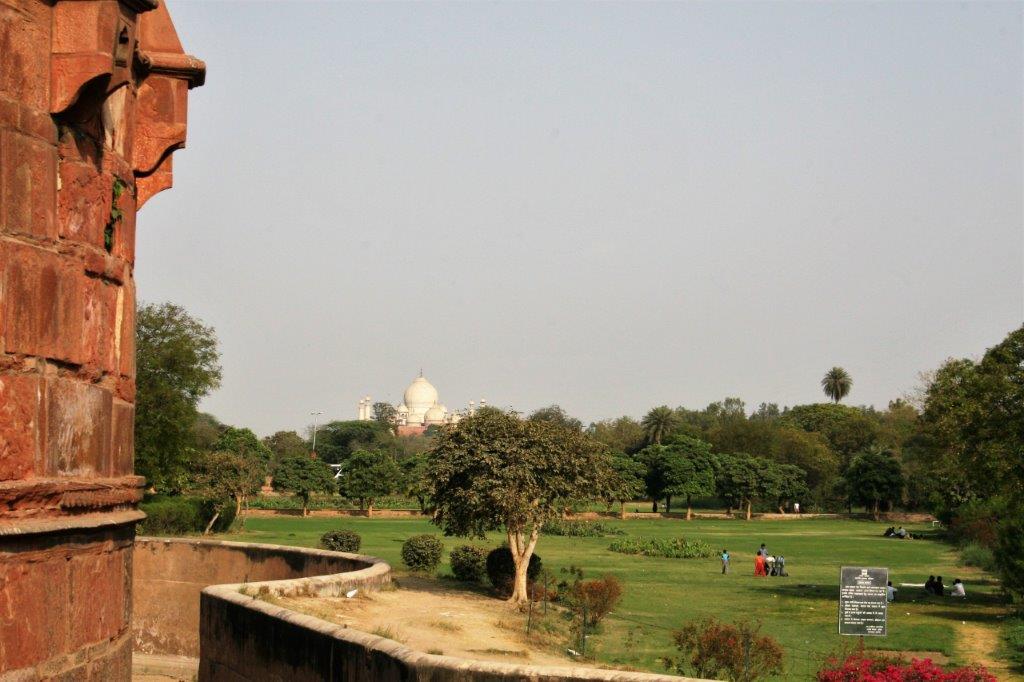
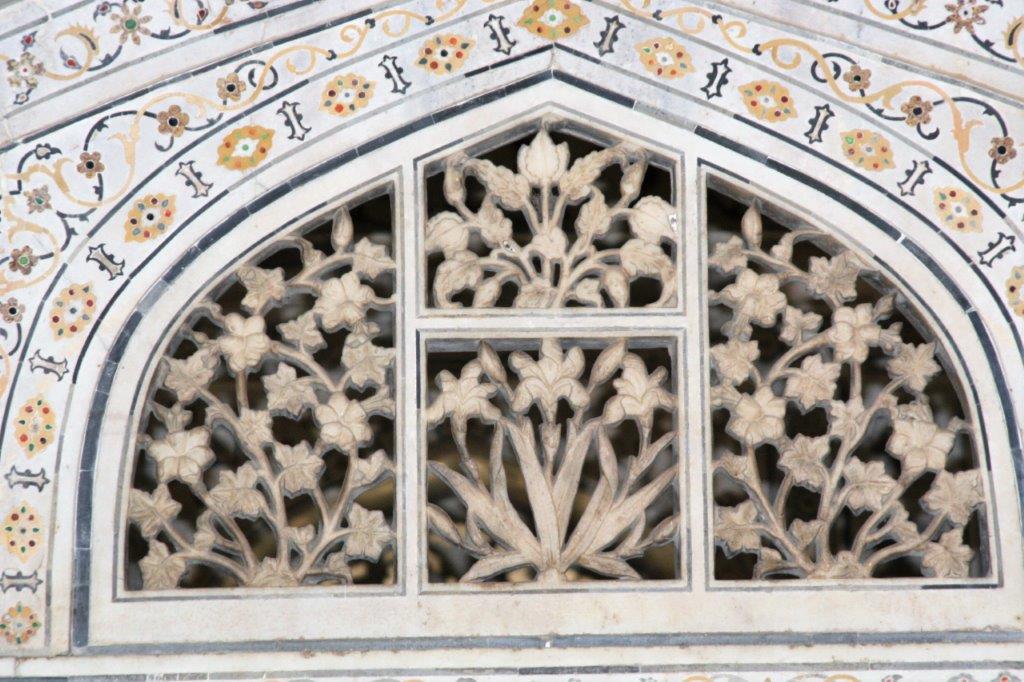
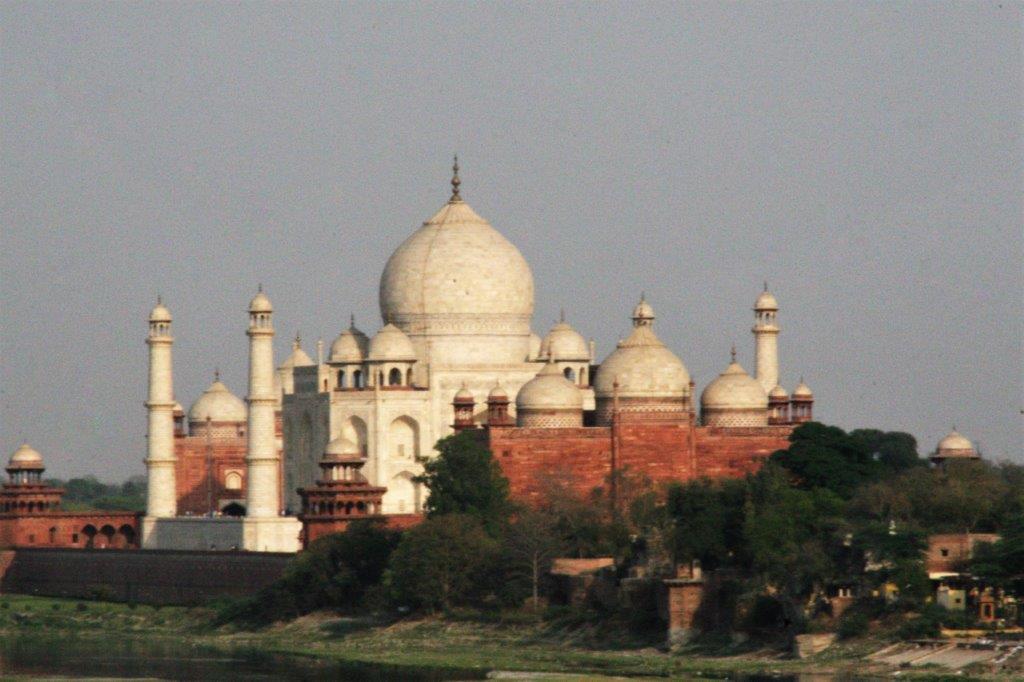
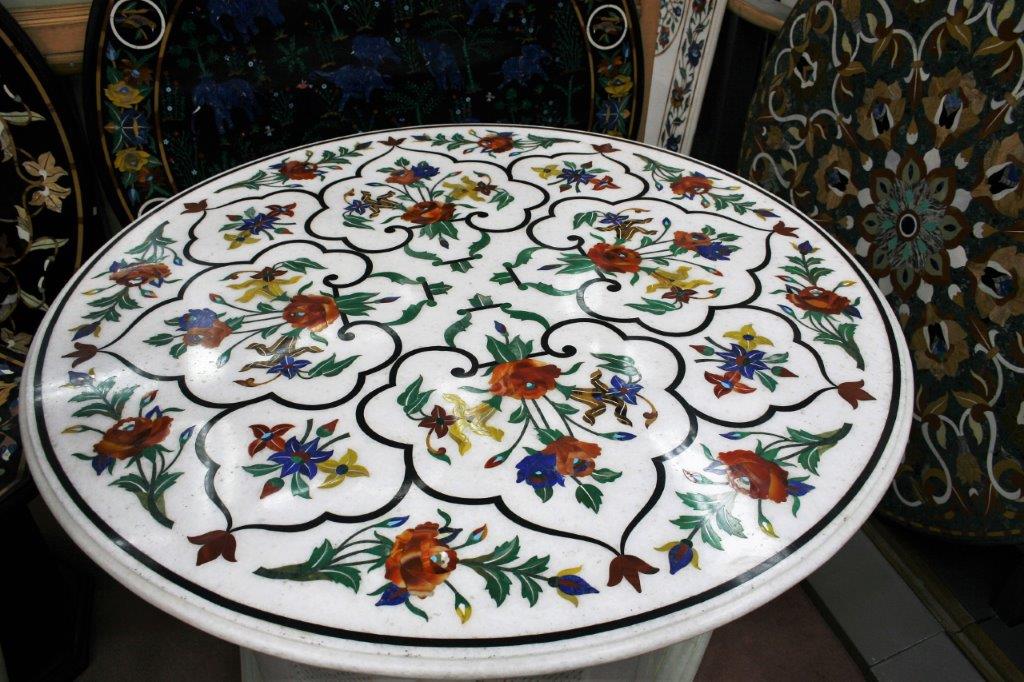
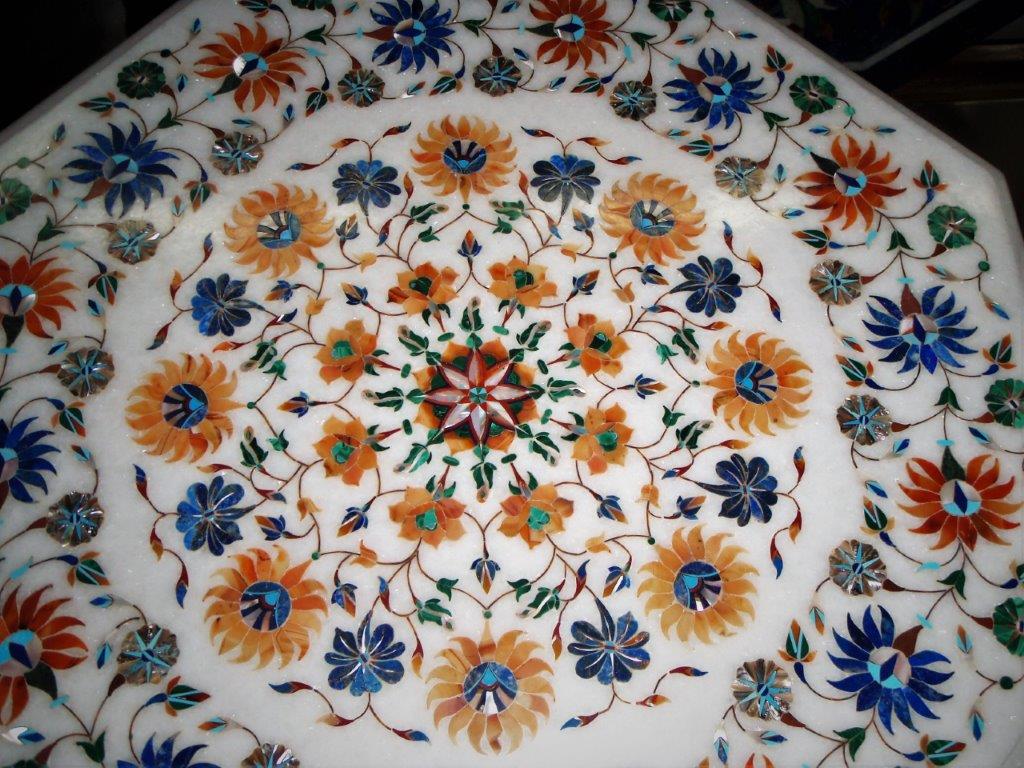
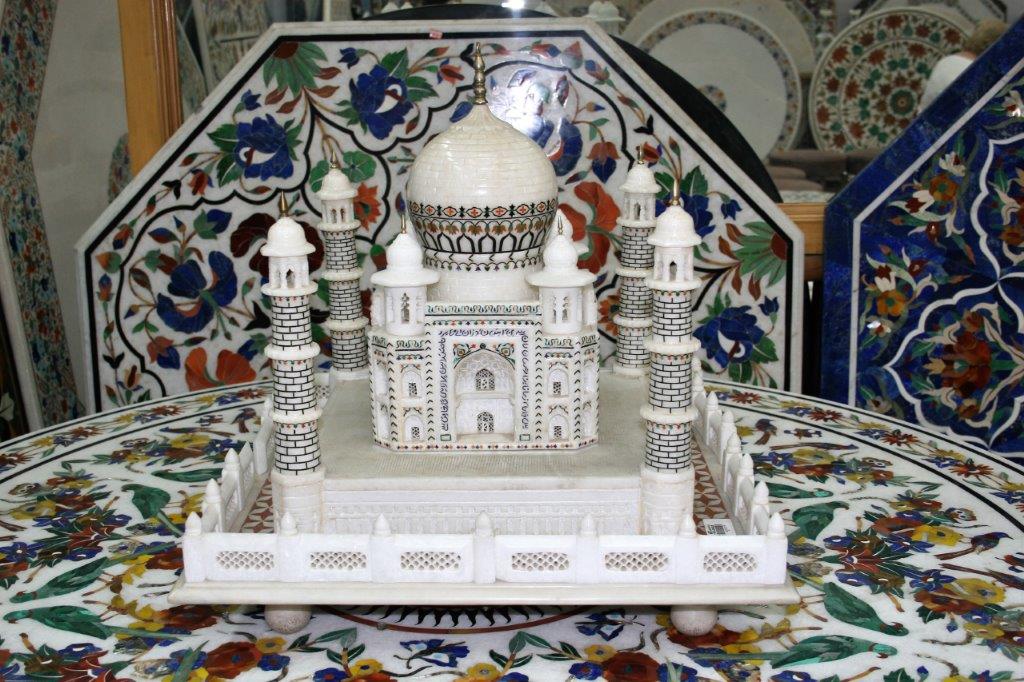
2009-03-24_2082 2009-03-24_2083 2009-03-24_2085_edited-1 2009-03-24_2088 2009-03-24_2092 2009-03-24_2094 2009-03-24_2095 2009-03-24_2097 2009-03-24_2098 We also drove past the most amazing piecemeal shanties; some of them two and three stories high.  They were made out of a total hodge-podge of materials scraped together and held together with ropes and nails and wires.  As we crossed one of the big overpasses on the highway to the airport we could see shanty roofs extending for blocks and blocks – if there had been actual blocks.2009-03-24_2099 2009-03-24_2100 2009-03-24_2101 2009-03-24_2102 2009-03-24_2105 2009-03-24_2106You cannot just go to Agra by air.  There are no regular flights, only military and charters.  We had a one hour wait at the airport and a two hour flight to Agra.  There were 97 people from the ship on the tour. We landed at the Agra Military Airport – there is no public airport.  We boarded our buses and then when we got near the Taj we had to change to electric buses as no gas or diesel burning vehicles are allowed.2009-03-24_2107 2009-03-24_21082009-03-24_21112009-03-24_2112 2009-03-24_2113 2009-03-24_2114 2009-03-24_2115 2009-03-24_2117 2009-03-24_2118 2009-03-24_2119 2009-03-24_2120 2009-03-24_2122 2009-03-24_2123 2009-03-24_2129 2009-03-24_2135 2009-03-24_2137 2009-03-24_2139 2009-03-24_2140 2009-03-24_2142The group gathered outside the North Gate of the complex and then we walked through to see one of the most, if not the most, beautiful building in the world.  It literally took my breath away.  I couldn’t believe I was really there.  Many things about this trip made us look at each other and say, “Are we really here?  Are we really doing this?”  The Taj was one of those incredible moments.  My friend Lynn actually pinched my arm and said, “Yes, you are really here.”  She was feeling as overwhelmed as I.2009-03-24_2145 2009-03-24_2146 2009-03-24_2150 2009-03-24_2151 2009-03-24_2153 2009-03-24_21552009-03-24_2156The best way to truly appreciate the Taj Mahal is to arrive before sunrise and stay until sunset because the white marble is translucent and changes colour with the light.  We were not able to do that obviously but we spent over three hours on the grounds and were able to roam wherever we wanted.  I think I took a hundred photos of that mausoleum from every angle I could think of.2009-03-24_2159 2009-03-24_2162 2009-03-24_2163 2009-03-24_2170 2009-03-24_2174 2009-03-24_2176 2009-03-24_2181 2009-03-24_2185 2009-03-24_2186 2009-03-24_2190It took 20,000 workers and artisans 22 years to completely finish it (1632-1653) although the main buildings were built by 1643.  Designed by a noted Persian architect the 72 hectare (42 acre) site also contains a mosque and a guest house.  It is estimated the cost at the time of construction would have been about 32 million rupees which translates to US $827 million today.   All of the Arabic lettering and floral designs in the building are semi-precious stone inlay.  Not painted!  It is some of the most intricate and detailed inlay know to man.

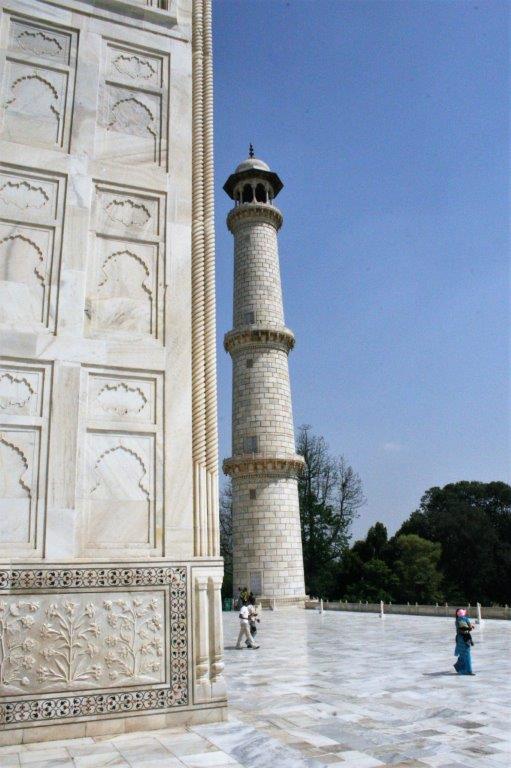
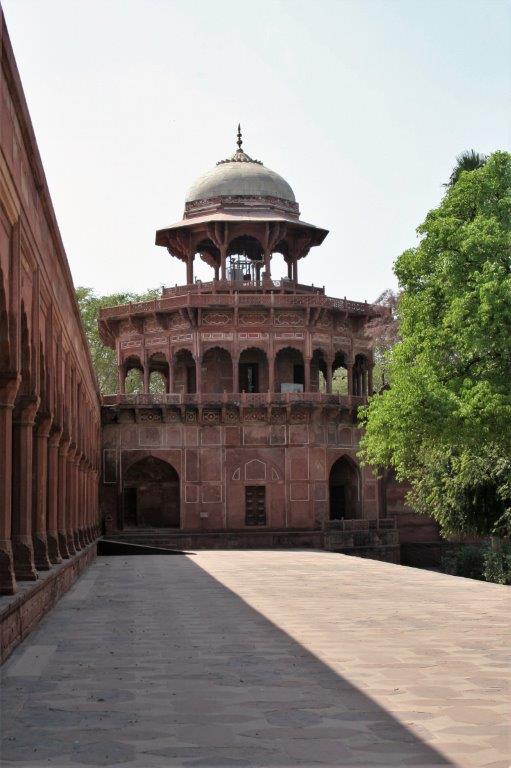
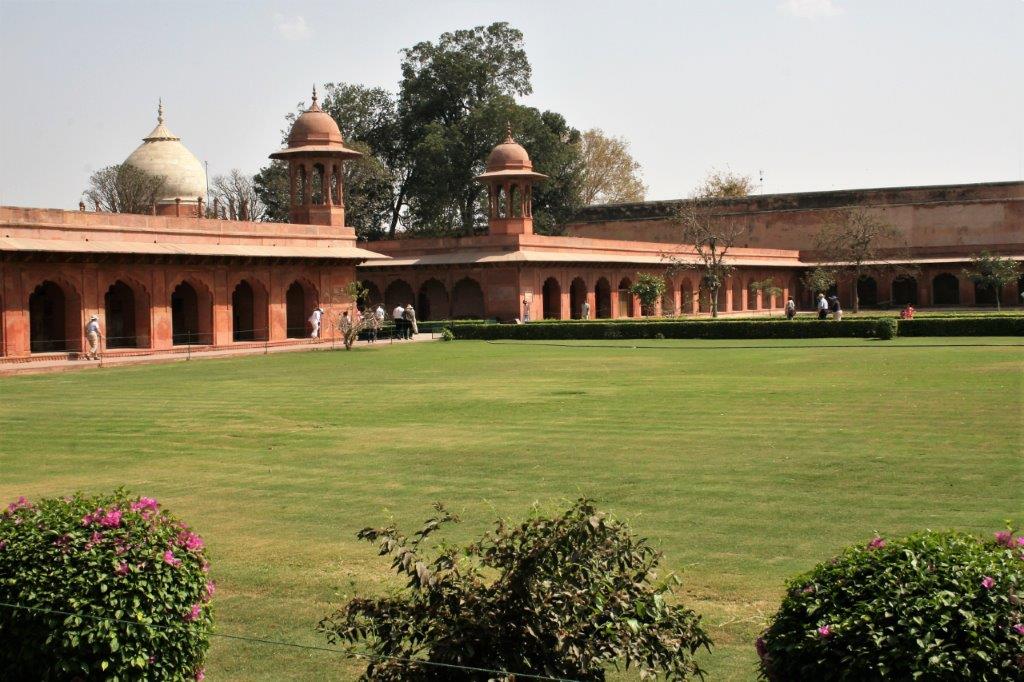
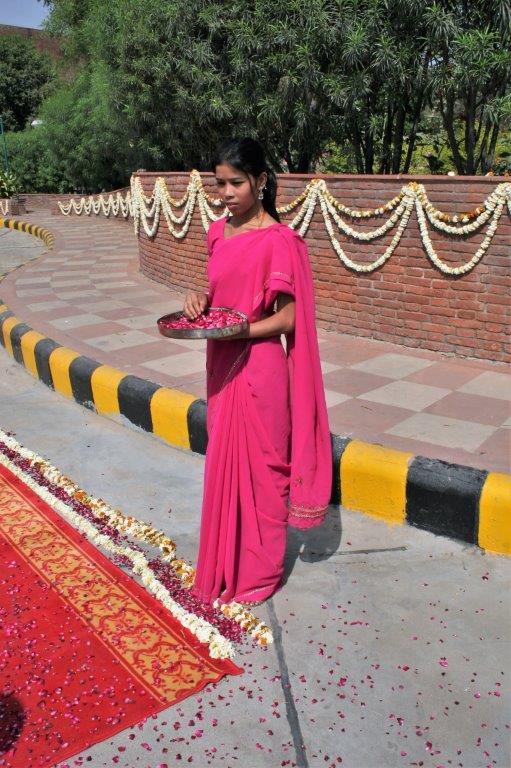
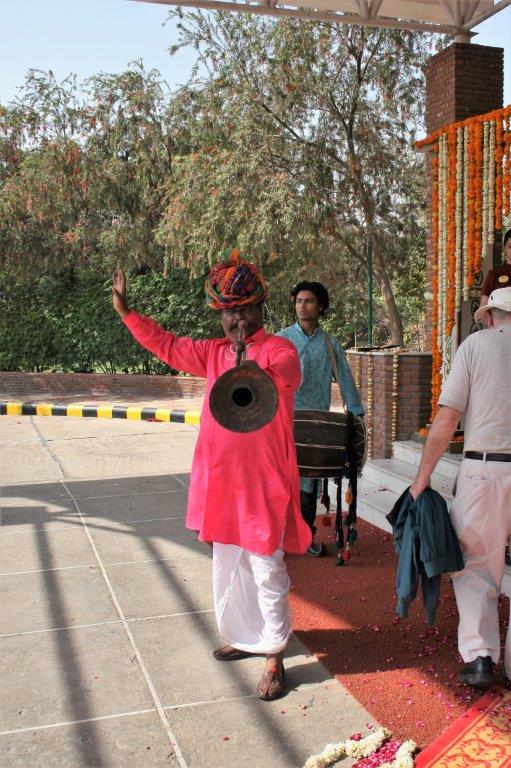
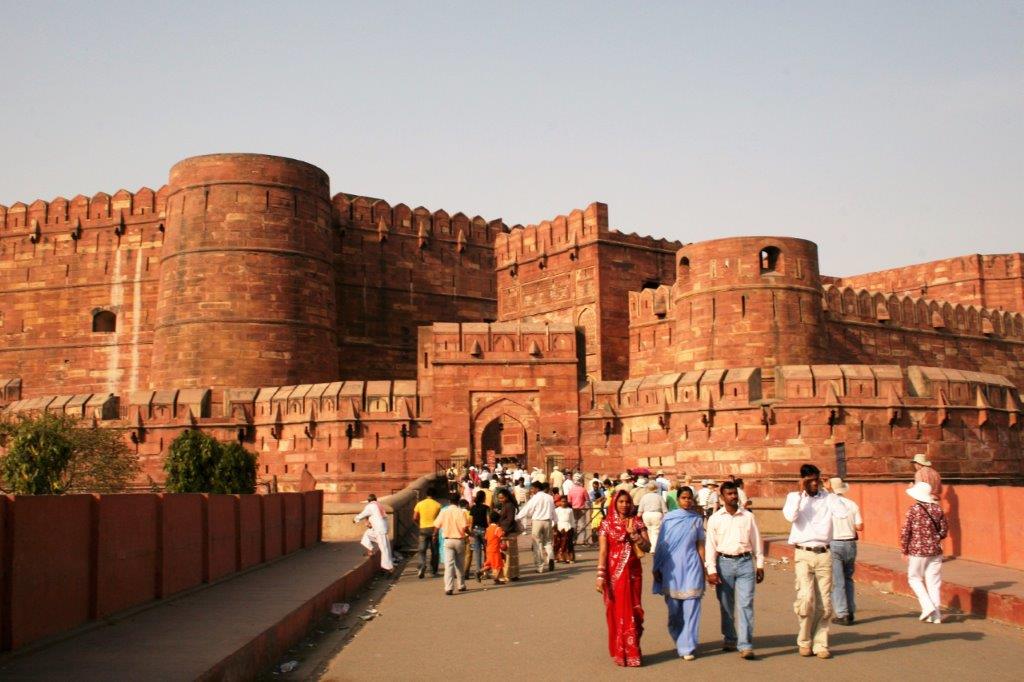
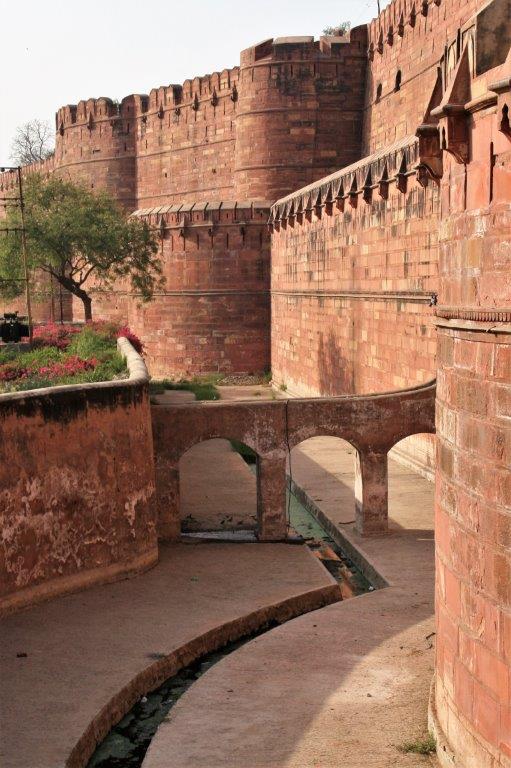
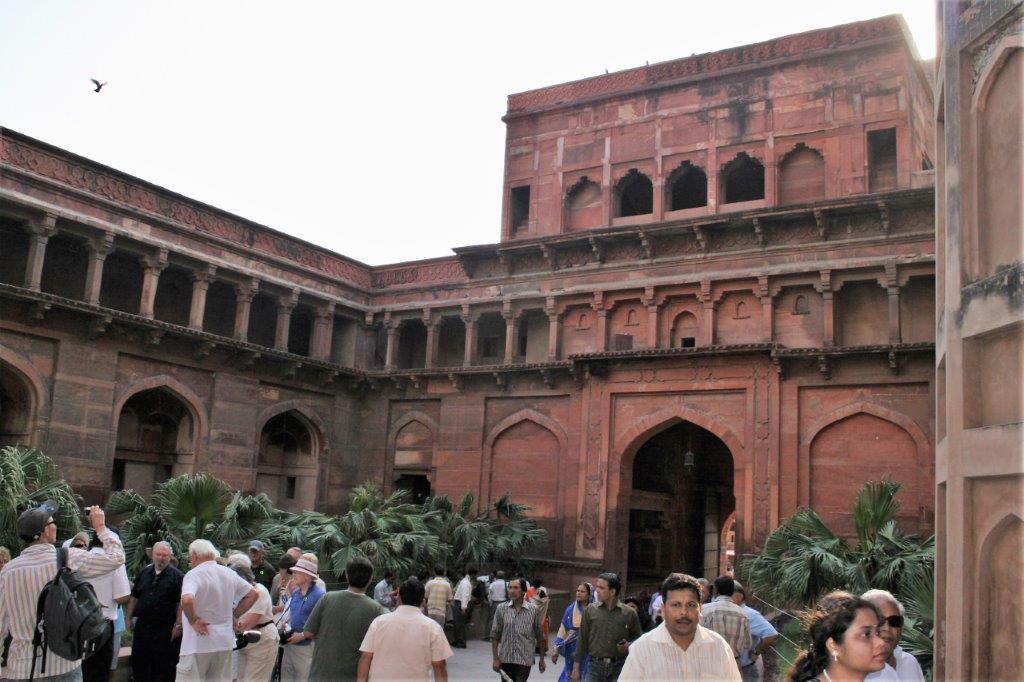
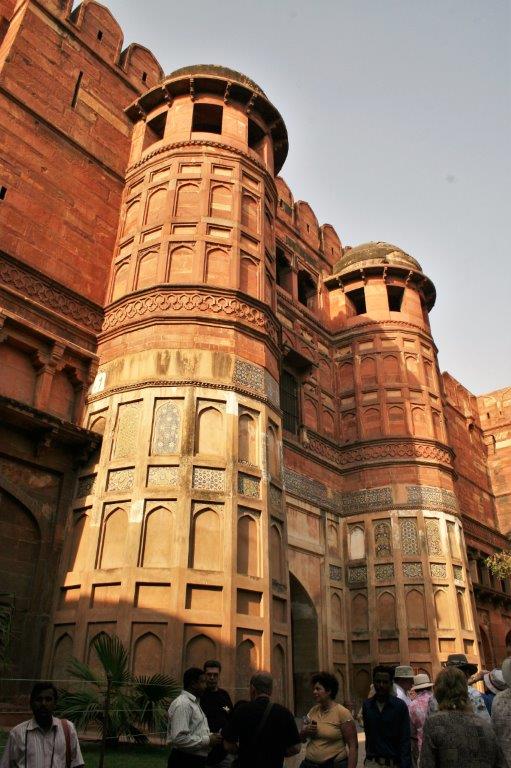
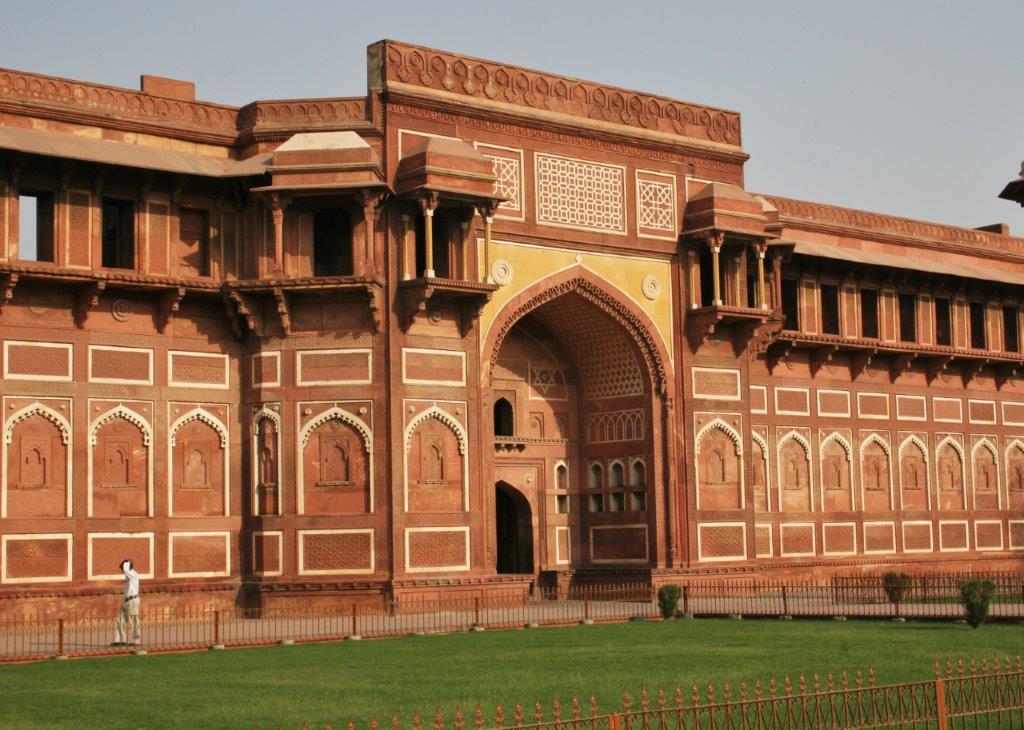
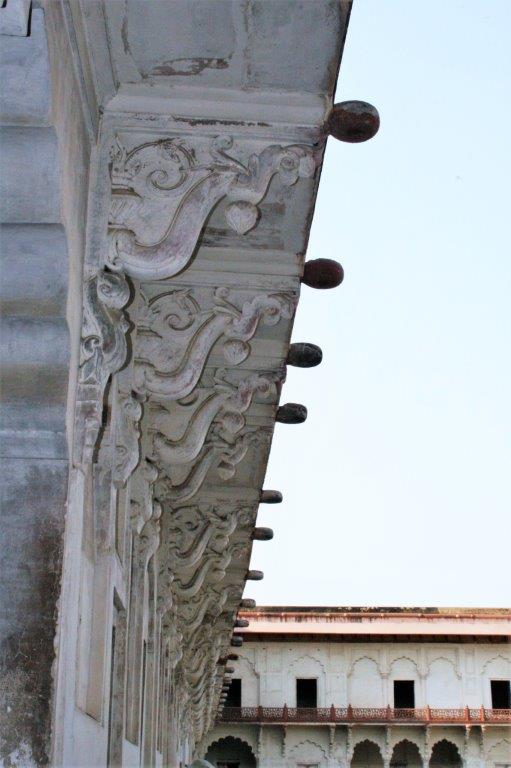
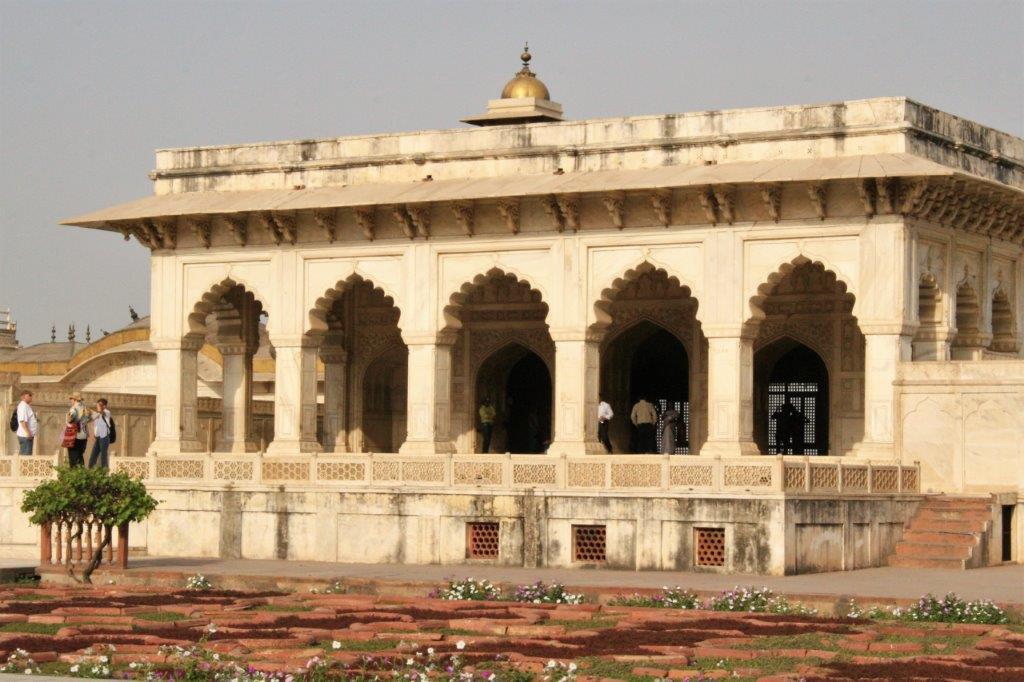
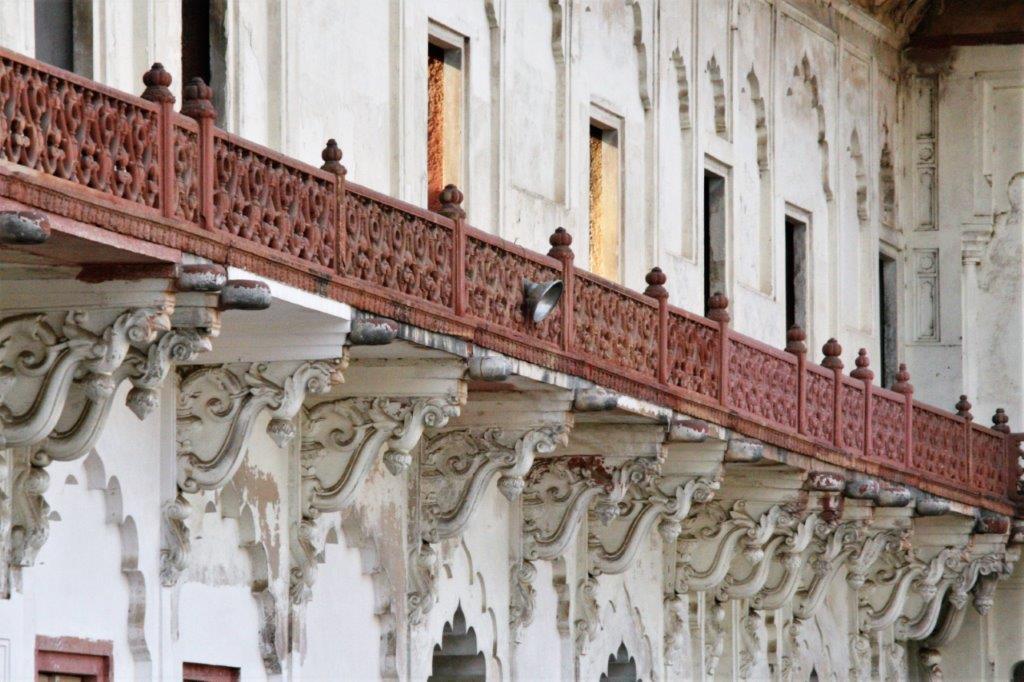
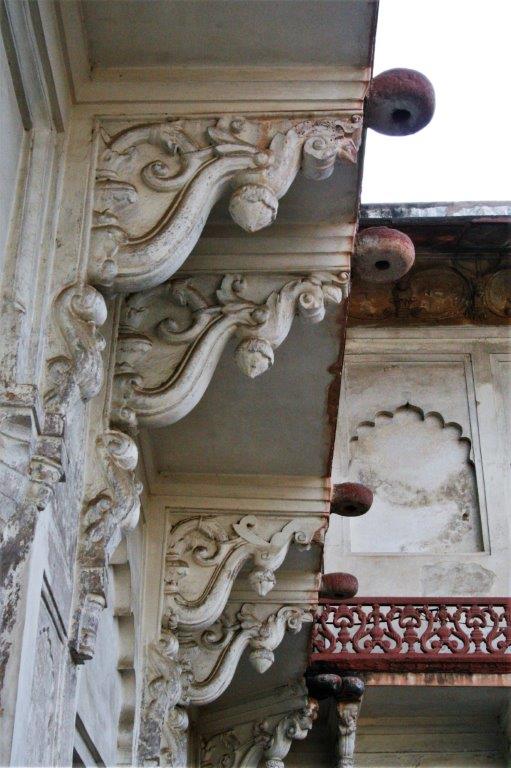
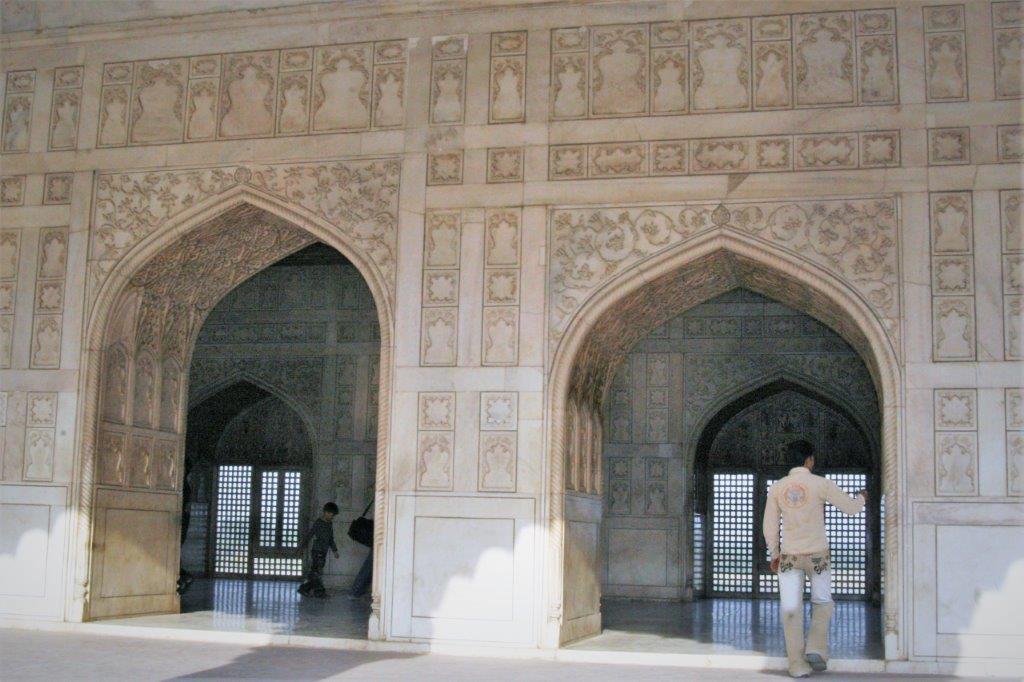
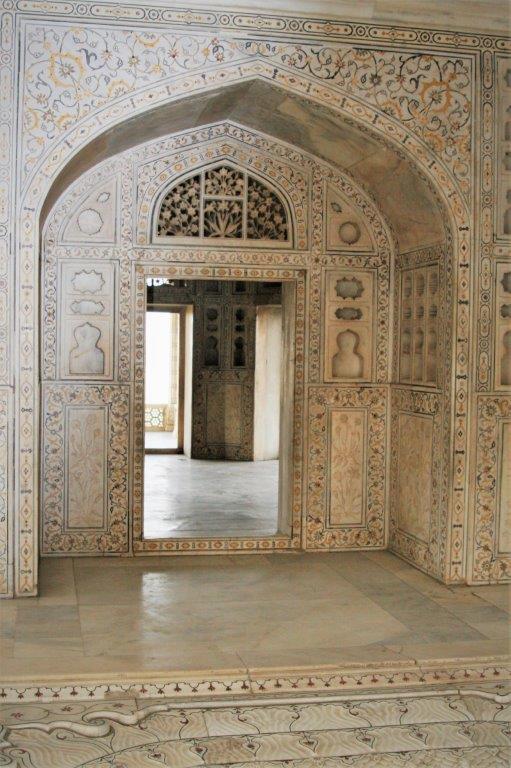
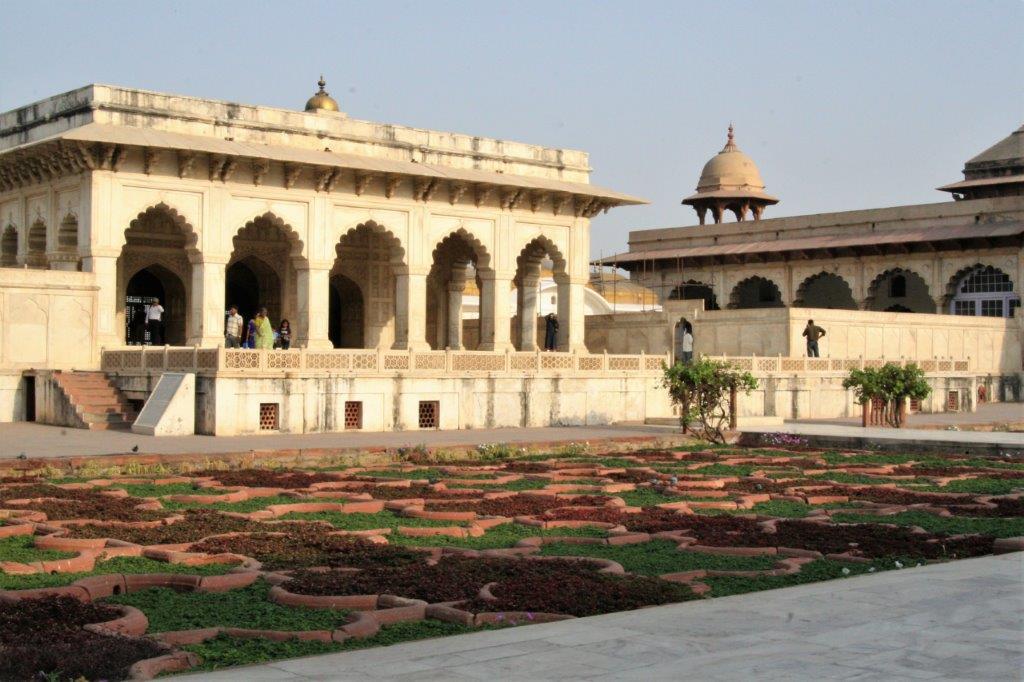
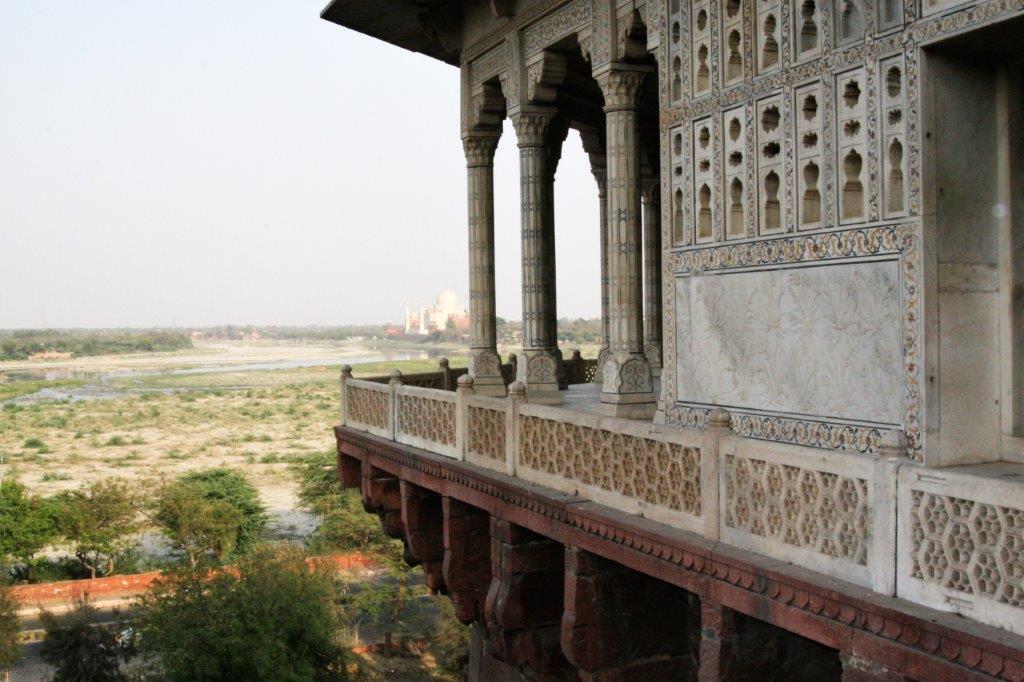
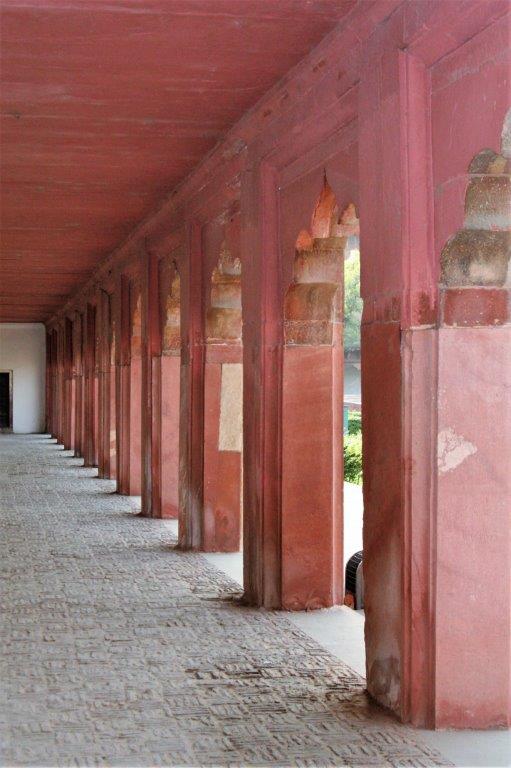
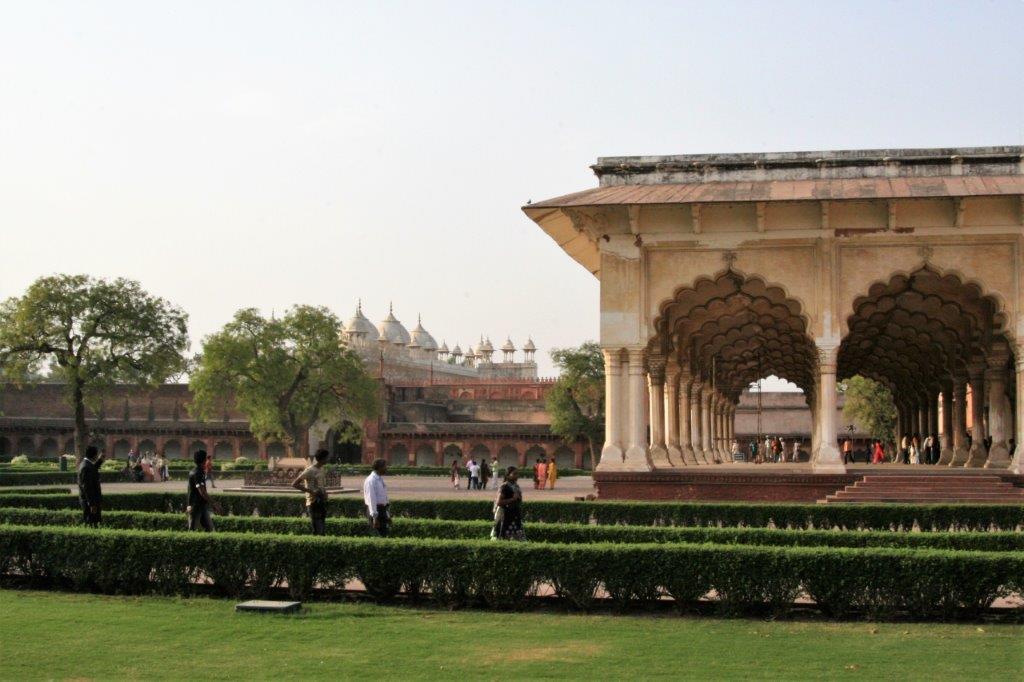
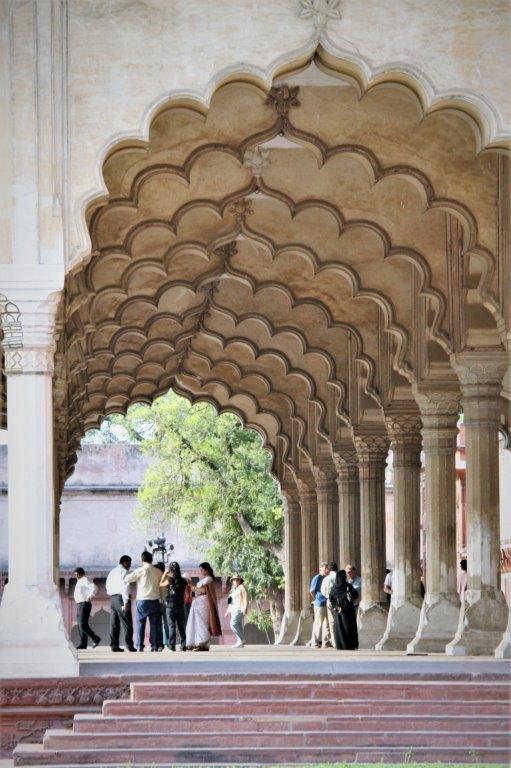
2009-03-24_2196 2009-03-24_2197One of the most fascinating aspects of the Taj Mahal that we were told was that the minaret columns at the four corners of the Taj are not vertical.  Each one is off-kilter by two degrees outward.  They were constructed that way so that in the event of an earthquake they would topple independantly and away from the building, creating the least possible amount of damage.2009-03-24_2198 2009-03-24_2199 2009-03-24_2213 2009-03-24_2207 2009-03-24_2214After our time at the Taj Mahal we boarded the buses and were taken to a lovely resort for lunch.  A young lady spread rose petals on the carpet for us to walk upon and a group of musicians played music at the door.  A nice welcome for our lunch break.   2009-03-24_22202009-03-24_2225 2009-03-24_2133 2009-03-24_2222 2009-03-24_2223After lunch we went to the Agra Fort (1565), a UNESCO World Heritage Site.  There is only about 10% of the original fort remaining – and it is still huge – because the British demolished much of it to make barracks during their 150 year of colonial rule.2009-03-24_2227 2009-03-24_2229 2009-03-24_2231 2009-03-24_2234 2009-03-24_22322009-03-24_2235 2009-03-24_2238 2009-03-24_2239 2009-03-24_2240 2009-03-24_2242 2009-03-24_2246 2009-03-24_2248 2009-03-24_2249 2009-03-24_2251 2009-03-24_2252 2009-03-24_2254 2009-03-24_2256 2009-03-24_2264 2009-03-24_2265 2009-03-24_2271 2009-03-24_2272 2009-03-24_22782009-03-24_2274 2009-03-24_2282The Emperor Shah Jahan, who had the Taj Mahal built, was betrayed and deposed by his third son.  His son killed his two older brothers and imprisoned his father at Agra Fort where he was under house arrest for eight years and rarely left the corner apartments from which he could see the Taj Mahal.2009-03-24_2266 2009-03-24_2267 2009-03-24_2279After his father died, the son had him entombed beside his wife in the Tah Mahal.  They say that was the only nice thing his son ever did for him.  Although Shah Jahan had never planned to be buried with her at the Taj (plans were underway for a black marble mausoleum to be built on the other side of the river for his final resting place).

The Taj Mahal was a perfecty symmetrical building and complex – broken now by the tomb of the former Emperor, which sits just to the side of the centrally placed tomb of his wife.

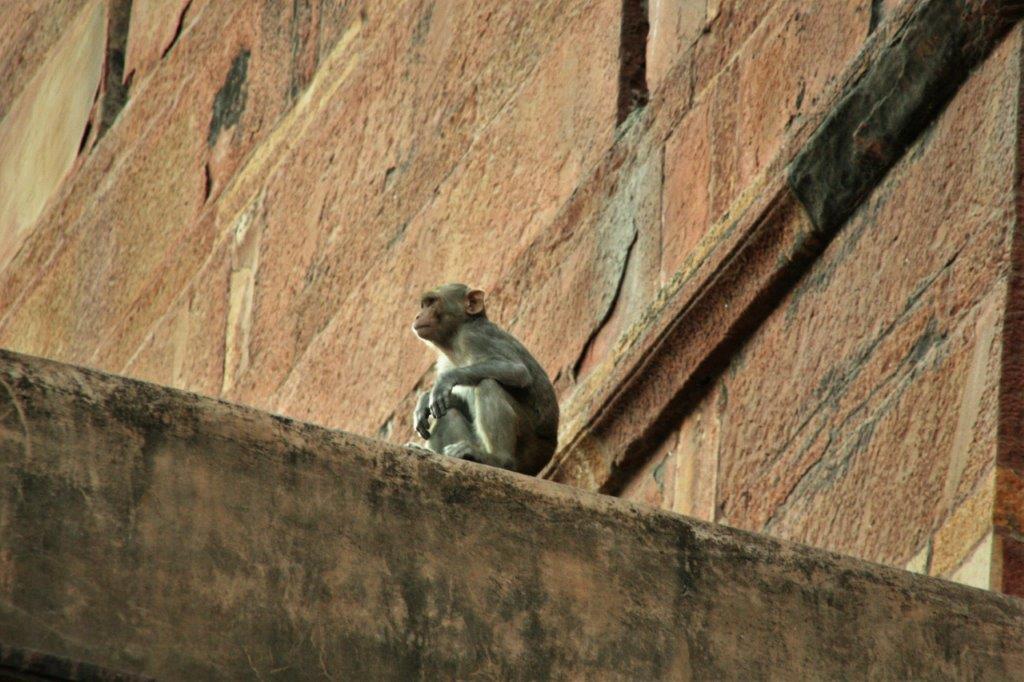
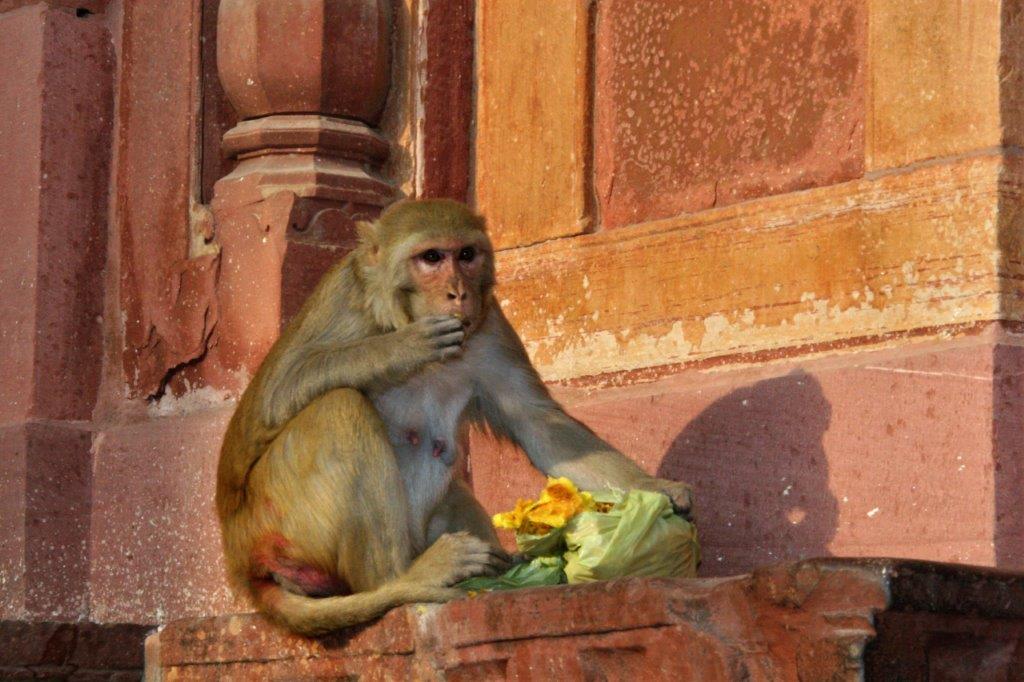
2009-03-24_2296 2009-03-24_2298 2009-03-24_2300 2009-03-24_2305Rhesus Macaque Monkeys – they were all over the place at the fort entrance.

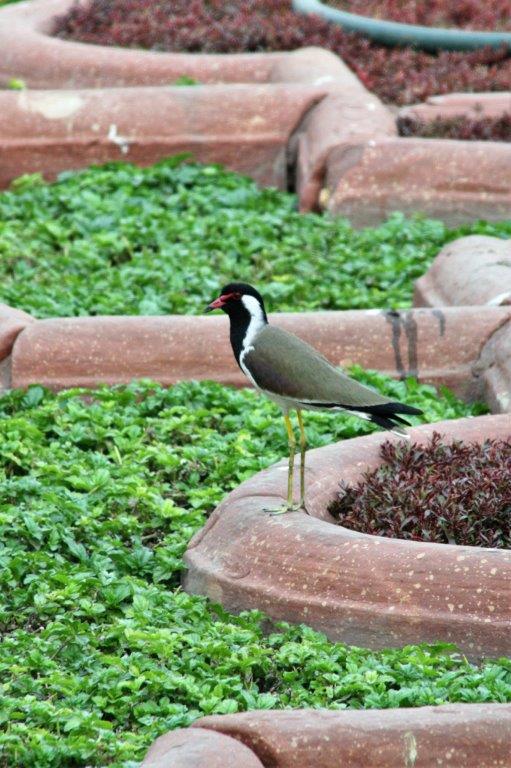
2009-03-24_22842009-03-24_2290              Lapwing

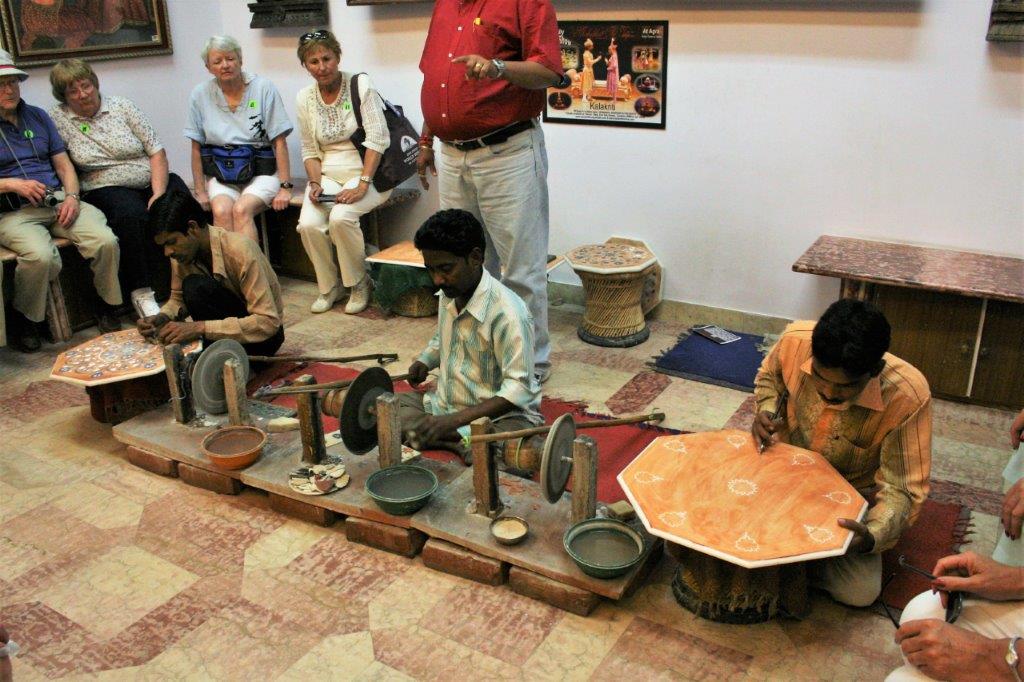
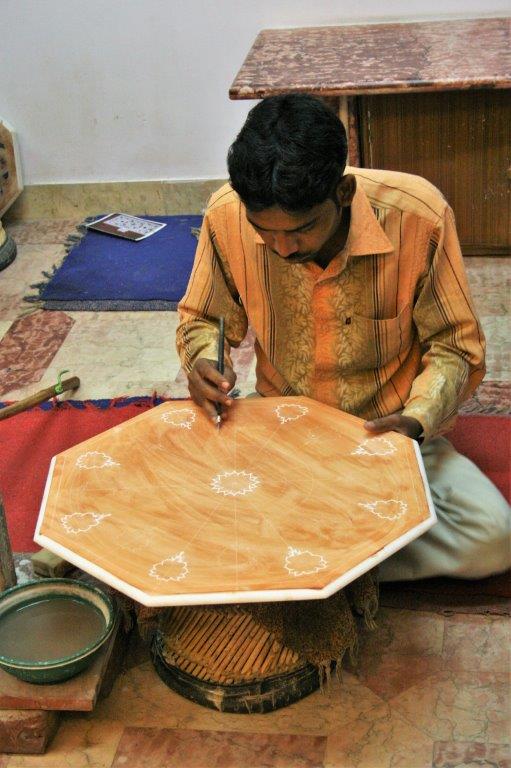
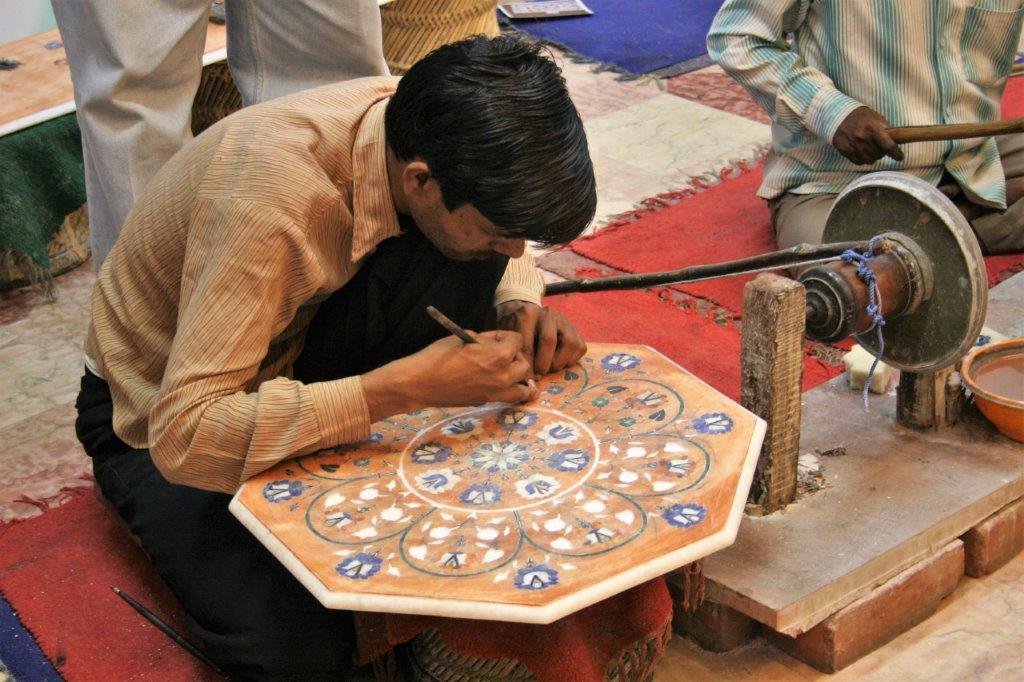
2009-03-24_2286 2009-03-24_2292When our tour of the Agra Fort was completed we made a short stop at a shop where saw a demonstration of how the inlay is done. 2009-03-24_2309 2009-03-24_2310 2009-03-24_2312 2009-03-24_2313 2009-03-24_2314 2009-03-24_2318 2009-03-24_2492 2009-03-24_2319 2009-03-24_2320 Then we got back on the buses, back to the airport, back to Mumbai.  Even though it was late at night the traffic was horrendous.  We sat at a traffic light – a functioning one – that changed from red to green to red to green for 45 minutes and the traffic never stopped to let us go.  Amazing.

We boarded the ship at 12:10 am.  What a long day.  What a fabulous day!  Off to bed immediately because we had a 8 am tour the next day.


2009 March 22 (World Cruise) – Day 76 – Kochi, India

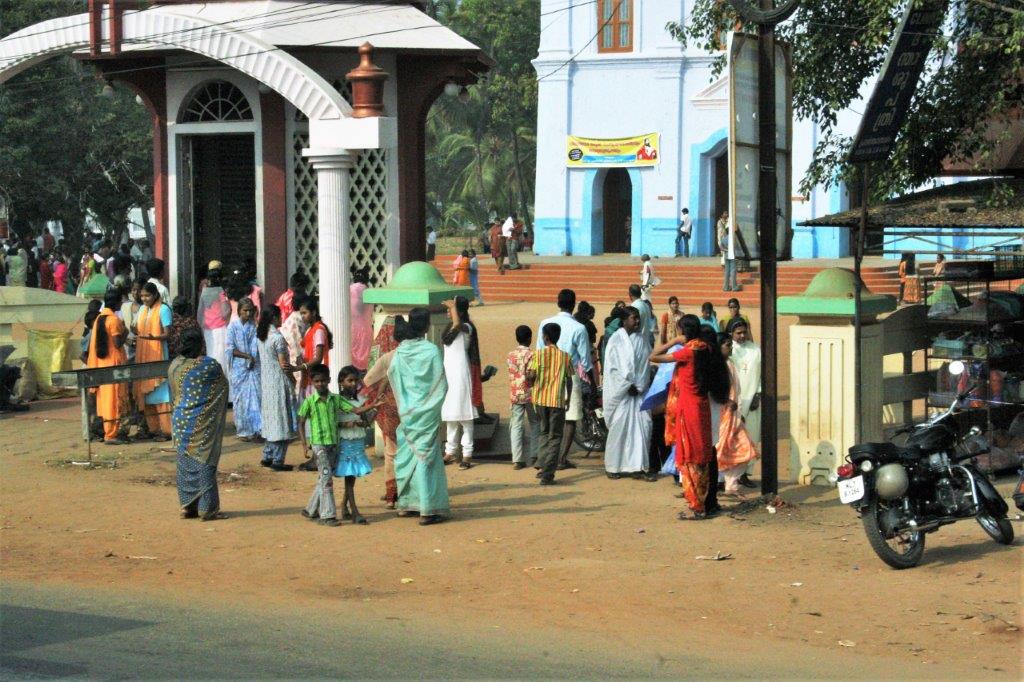
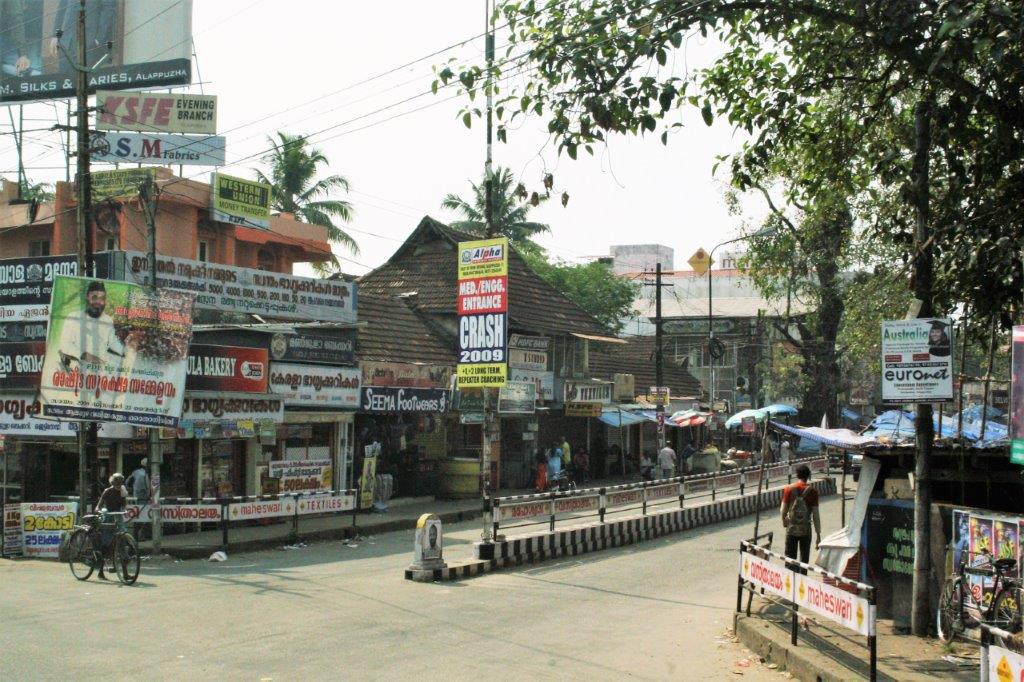
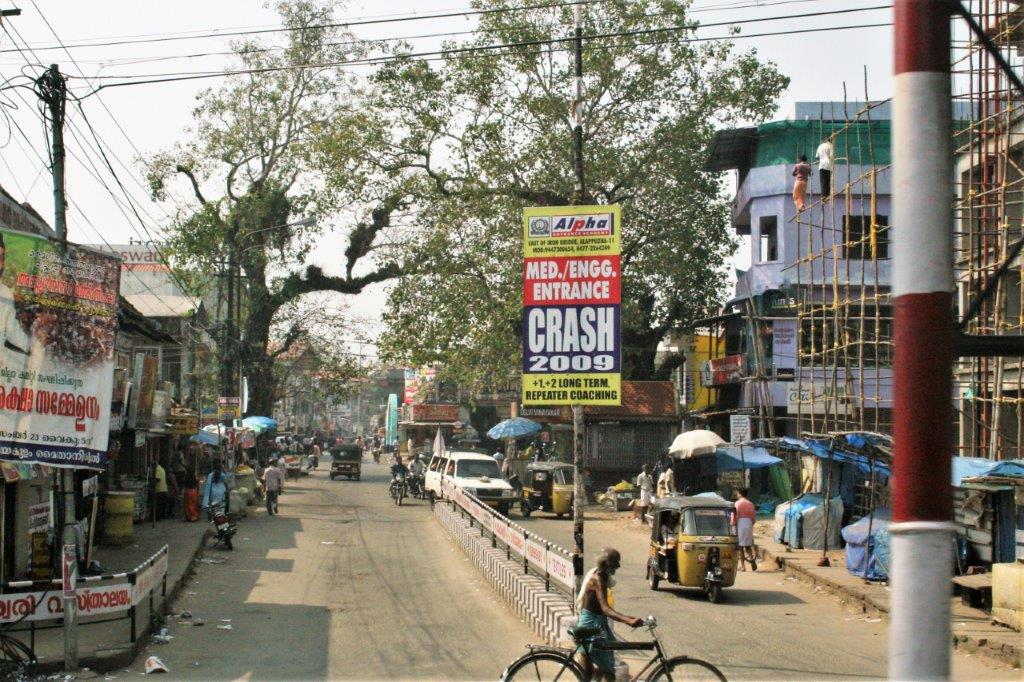
2009 World Cruise – After three days at sea we arrived in the southwestern port of city of Kochi (Cochin) in Kerala Province on the Arabian Sea coast.  Kerala Province has one of the highest population densities in India (33 million – the population of Canada).  Kochi (population 1.6 million) is mainly an agricultural center but, due to its excellent port, it is also the India Naval training center and a shipbuilding area.  The bombings at the Taj Mahal Hotel and other places in Mumbai had happened in November of 2008 so there was heightened security in the ports for both of our India stops.  We had also received a letter from the Captain and verbal warnings from the Shore Excursion Manager to be mindful that pickpockets and thieves would be active ashore.20090321_1714Kerela Province has a 95% literacy rate, the highest life expectancy (67 years compared to 63 for all of India), and the lowest infant mortality rate in India.  The area is predominantly (40%) Christian (Roman Catholic from the Portuguese colonization via Vasco De Gama from 1490-1662),  30% Muslim, and 30% Hindu.  The oldest continuous Jewish settlement in India with 51 persons is also located in Kerala Province.  The ancestors of the Jews had fled to India to escape persecution in Portugal in the 16th century

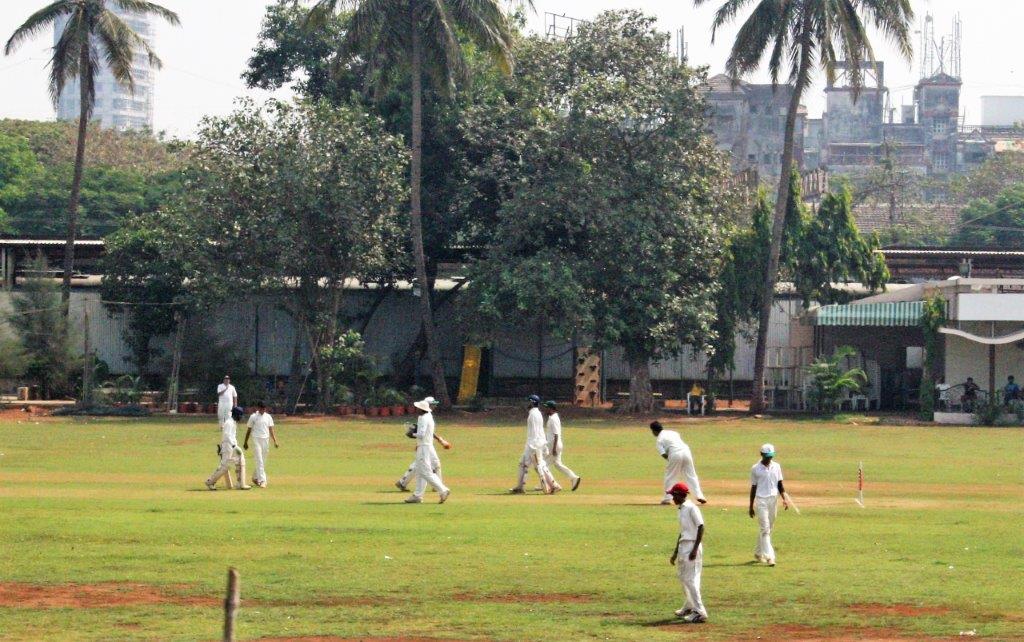
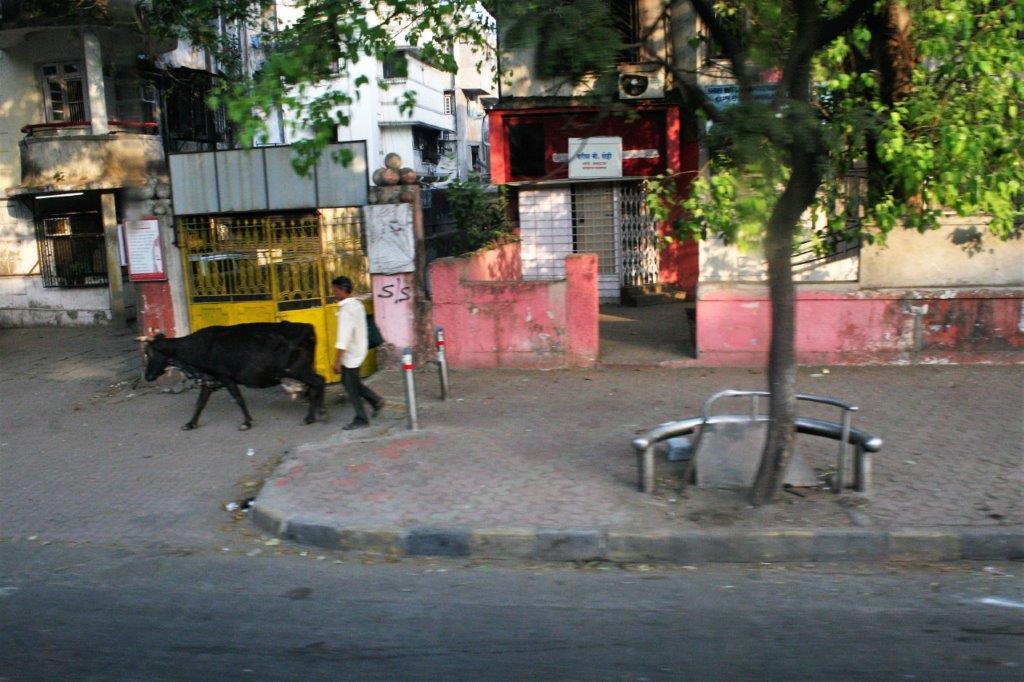
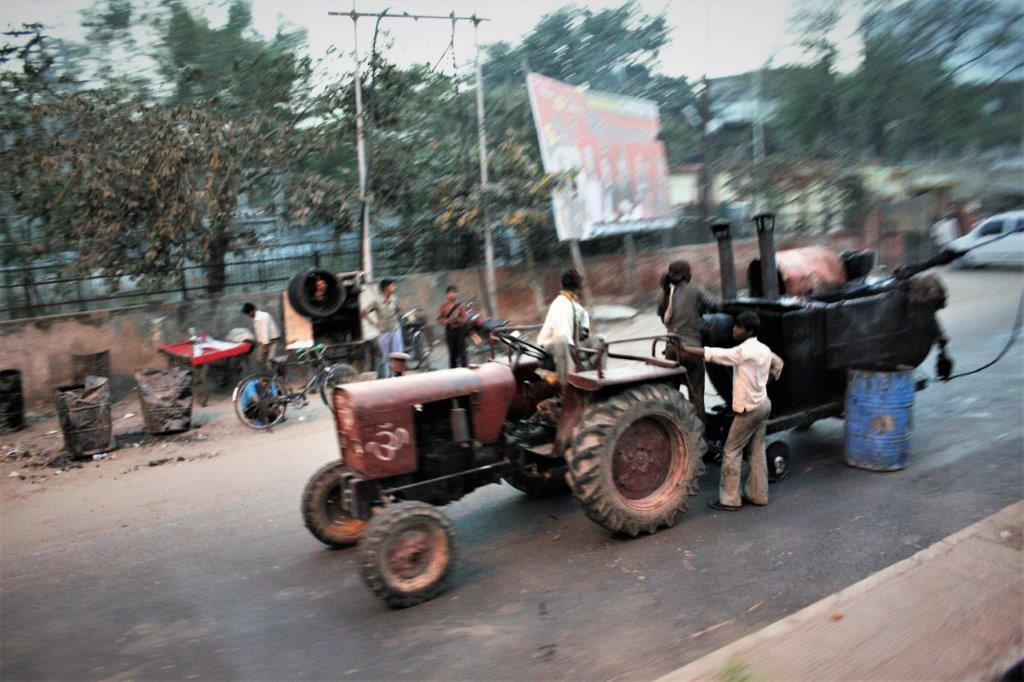
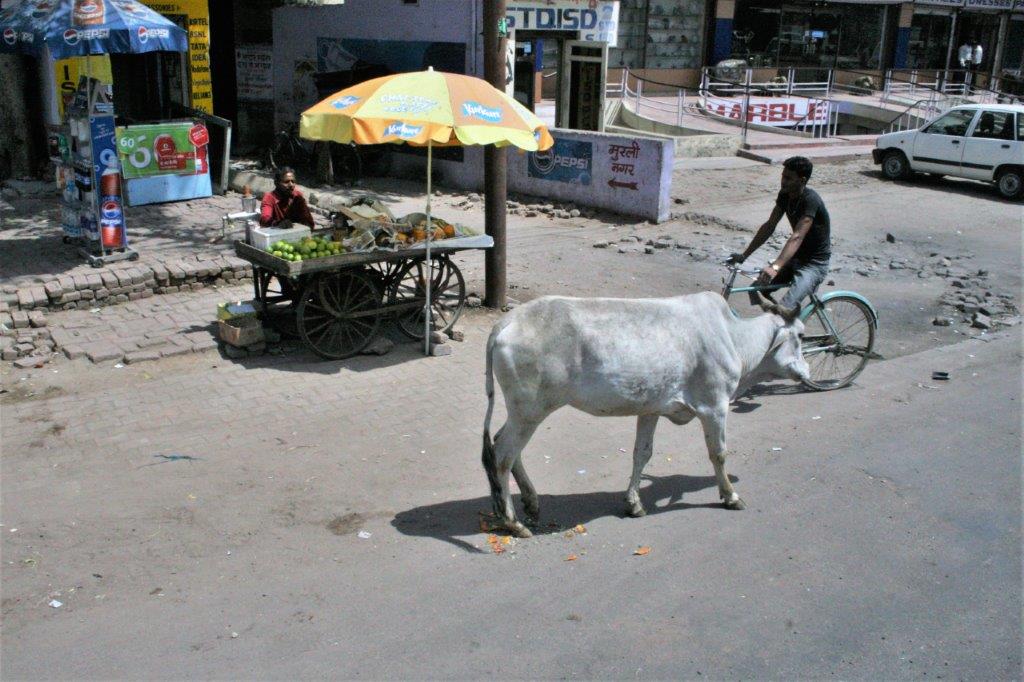
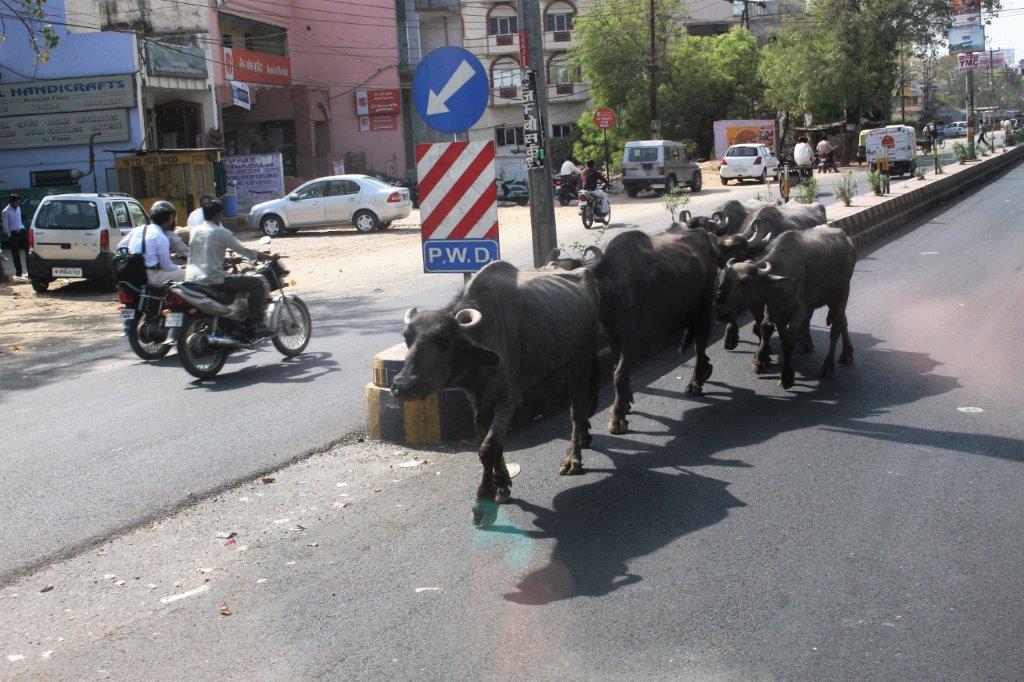
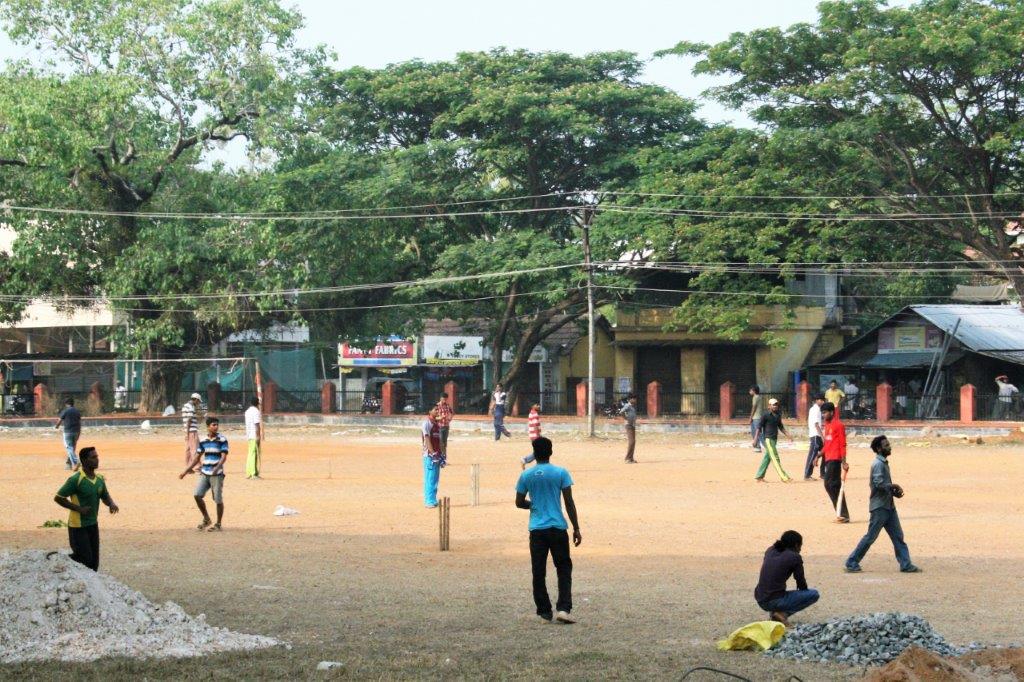
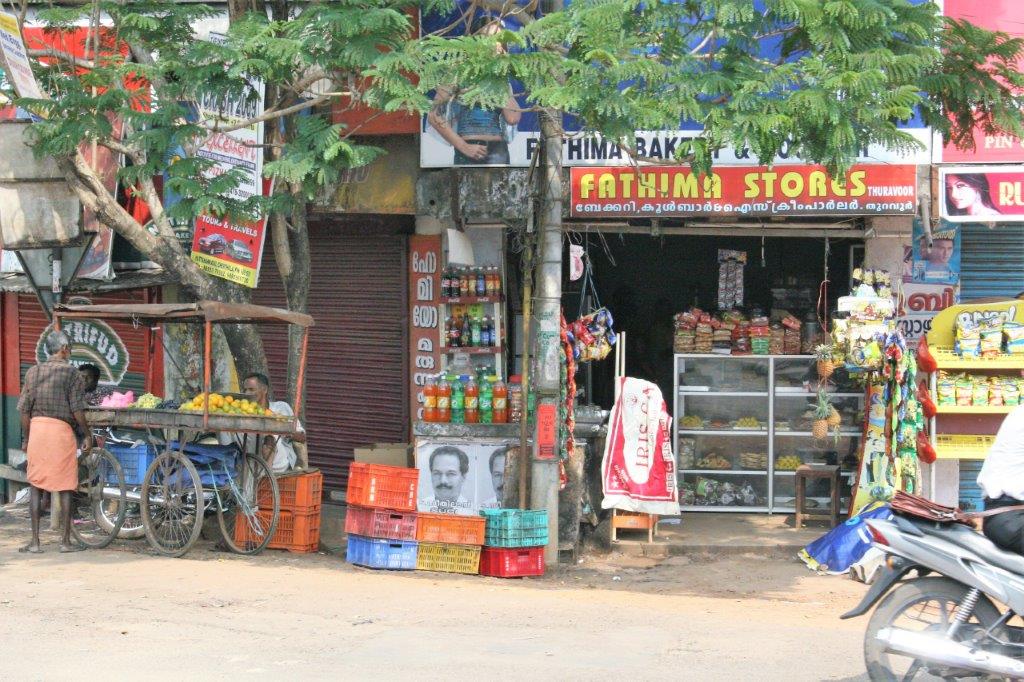
.2009-03-22_1270 2009-03-22_12662009-03-22_1278                                                          Playing cricket.2009-03-22_1284 2009-03-22_1286 2009-03-22_1289 2009-03-22_1291 2009-03-22_1292 2009-03-22_1293 2009-03-22_1299 2009-03-22_1300 2009-03-22_1301 2009-03-22_1303 2009-03-22_1452We had a two hour bus ride to the Alleppey Backwater known as the “Venice of the East.”  Traffic and driving practices were the same as in Indonesia only without the police escort.  If there was not space in a lane (almost an impossible concept with all the animals, cars, carts, motorcycles, bicycles and tuk tuks jostling for position) the bus driver just made his own down the middle and kept going forward so everyone else had to stop or move.  Our guide said, “In the US you drive on the right, in Britain you drive on the left, in India it is optional.”  90% of all traffic lights (and there are not many) are “decorative.”  They usually don’t even work and people would ignore them anyway.

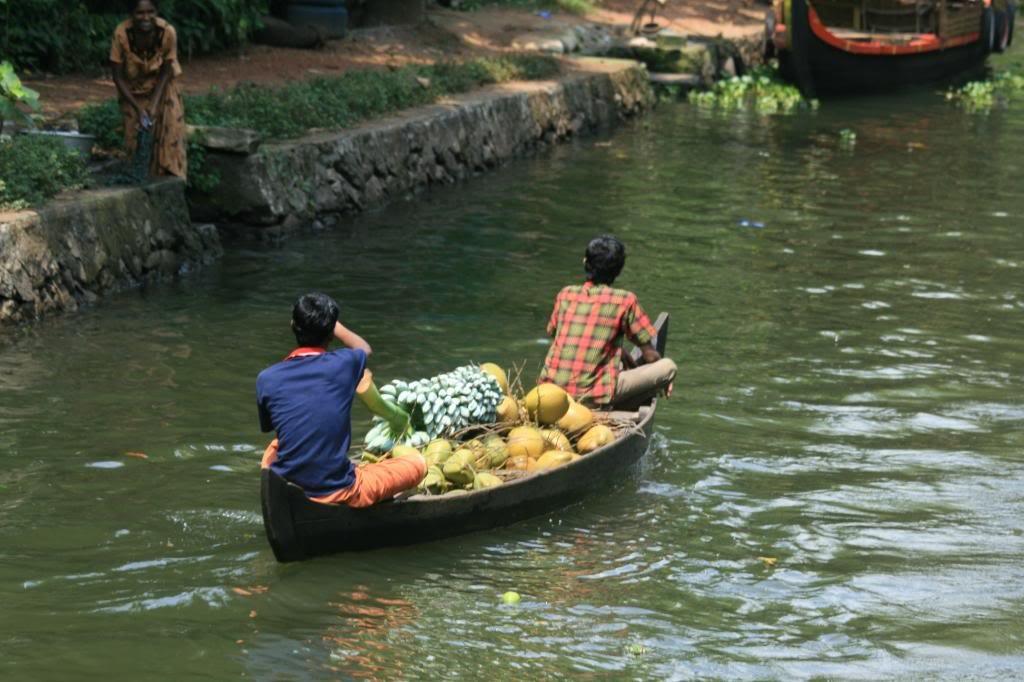
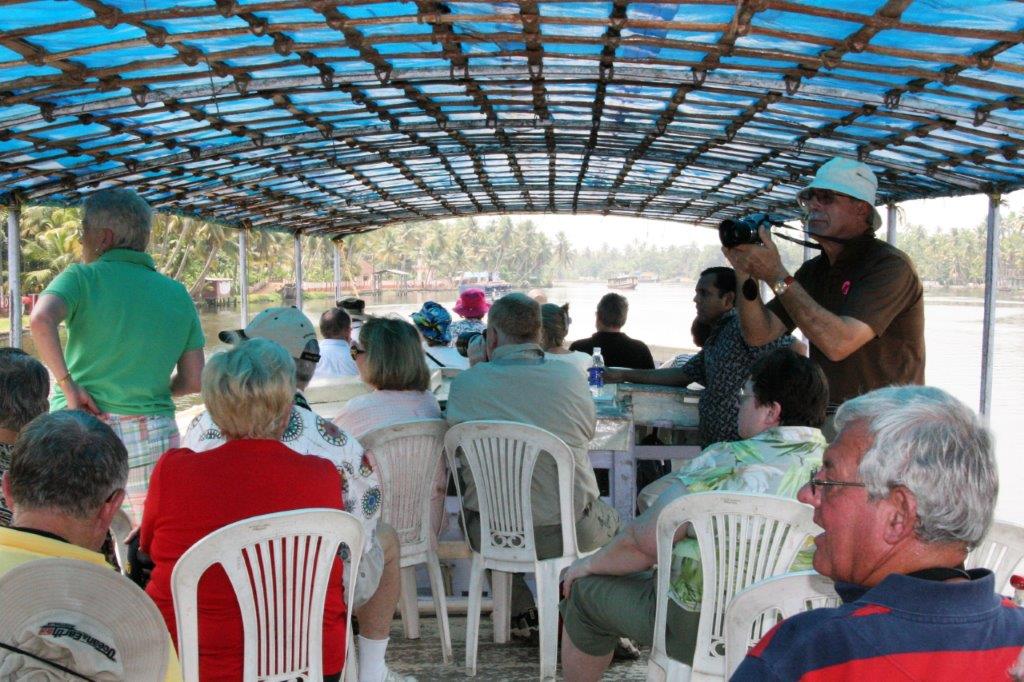
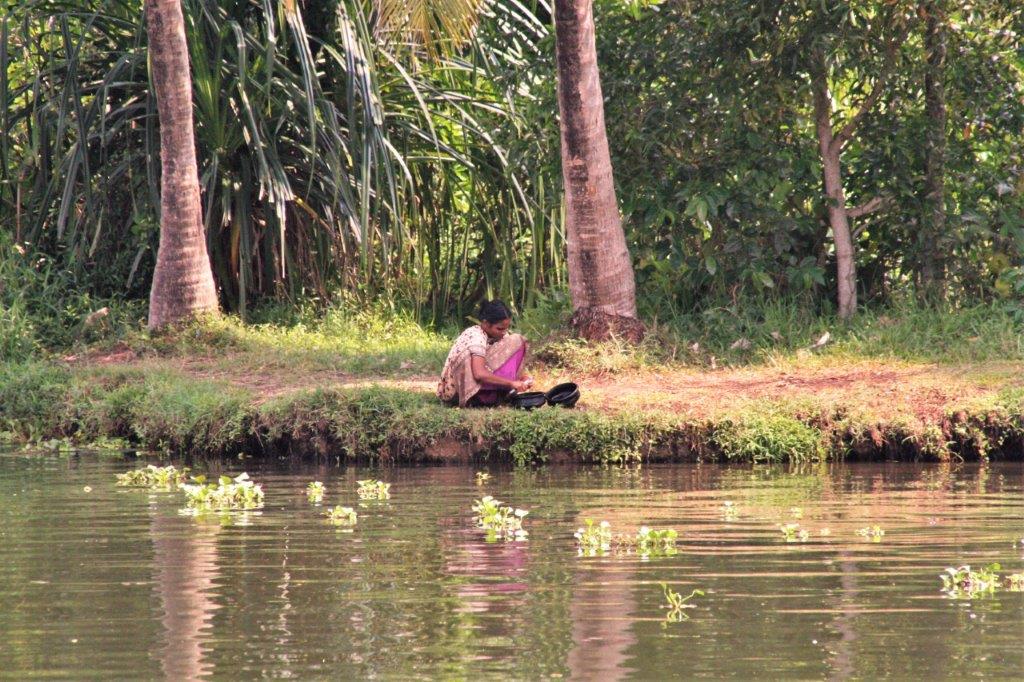
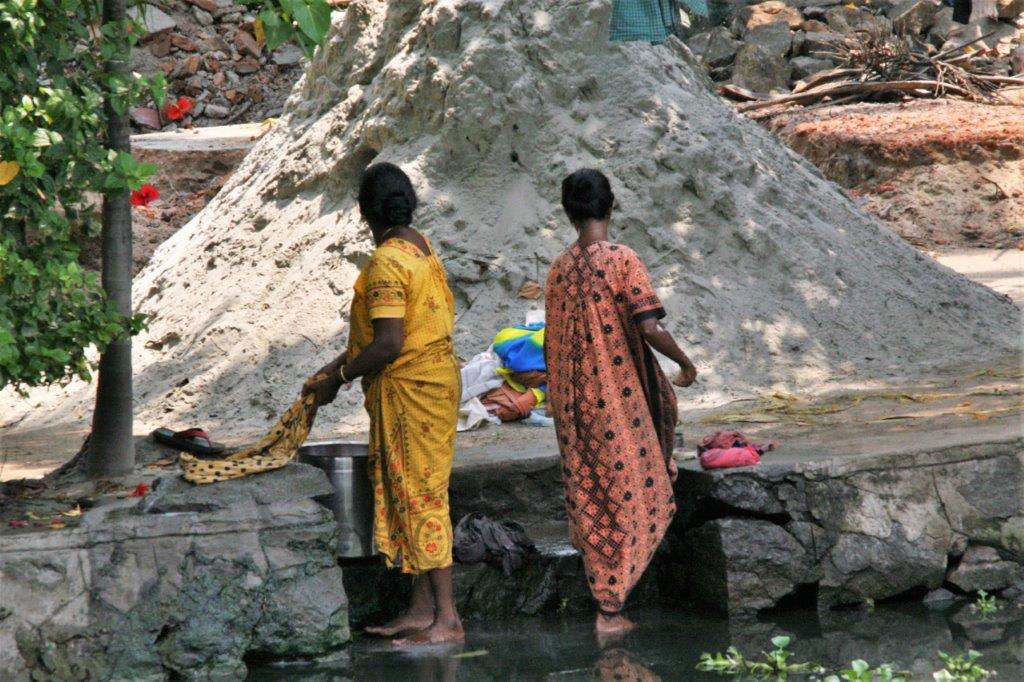
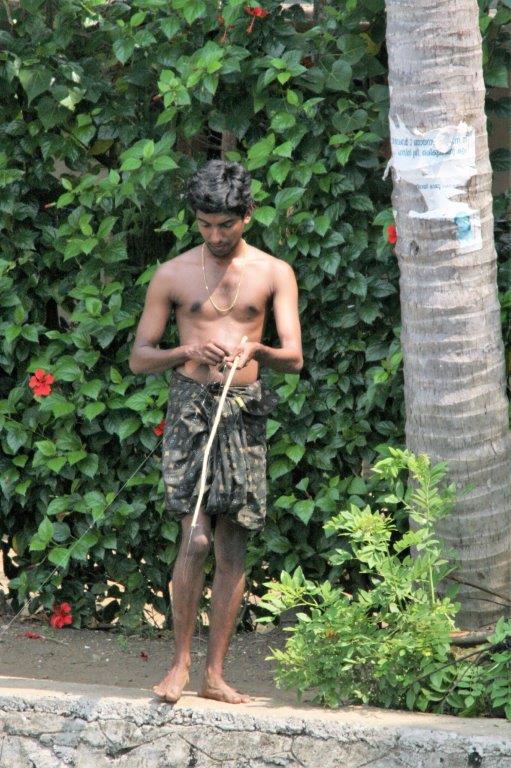
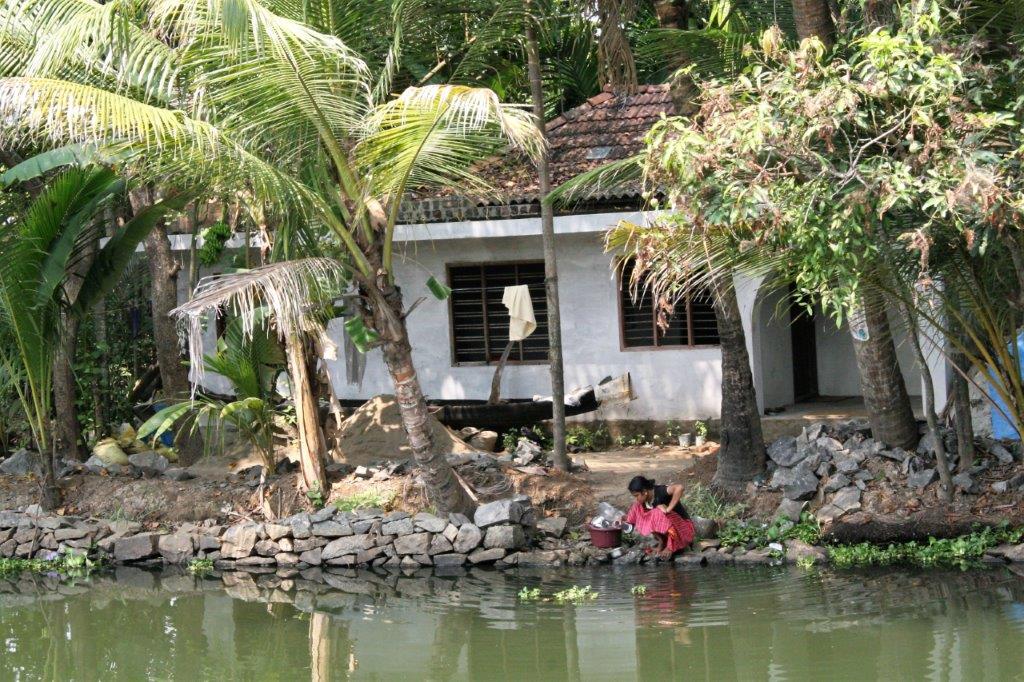
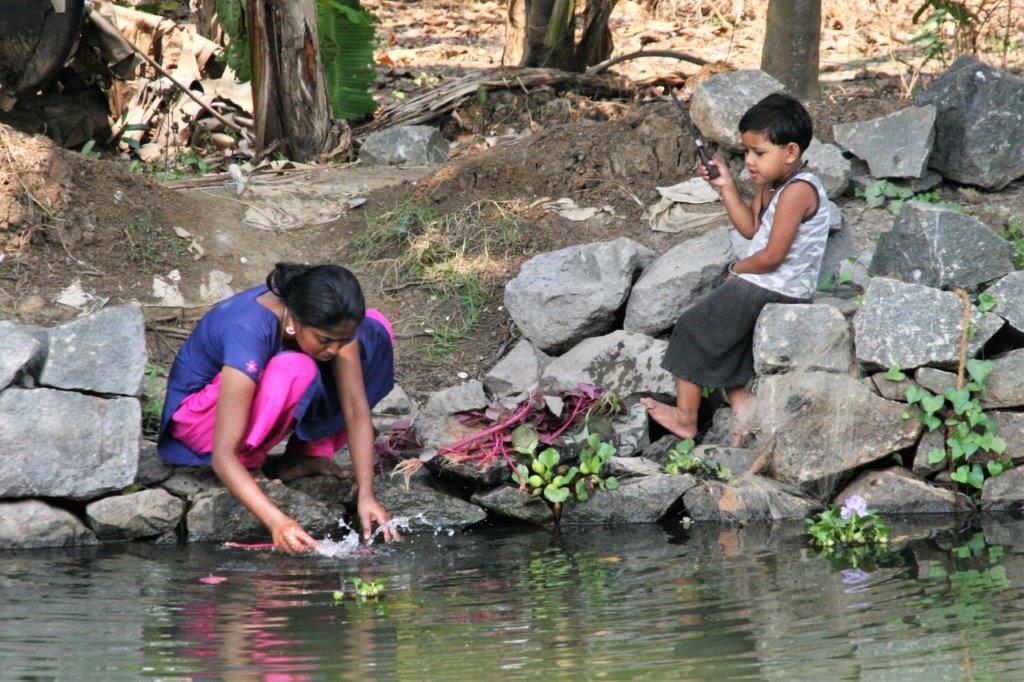
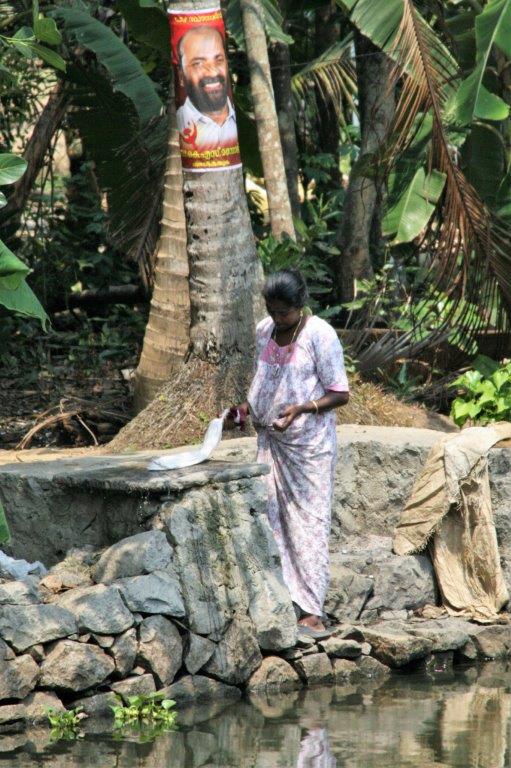
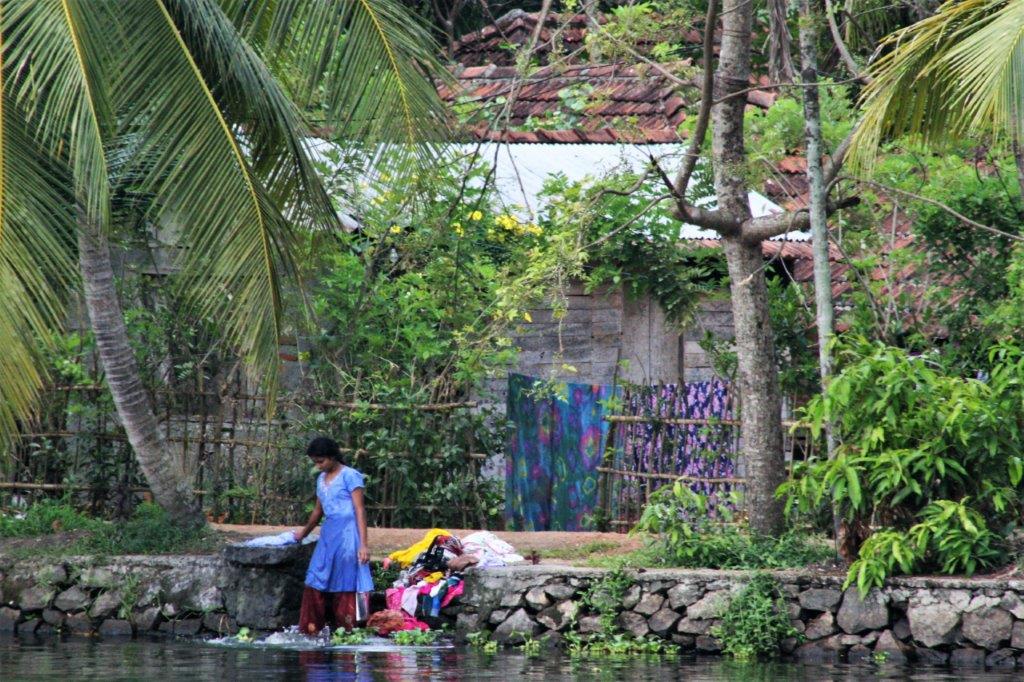
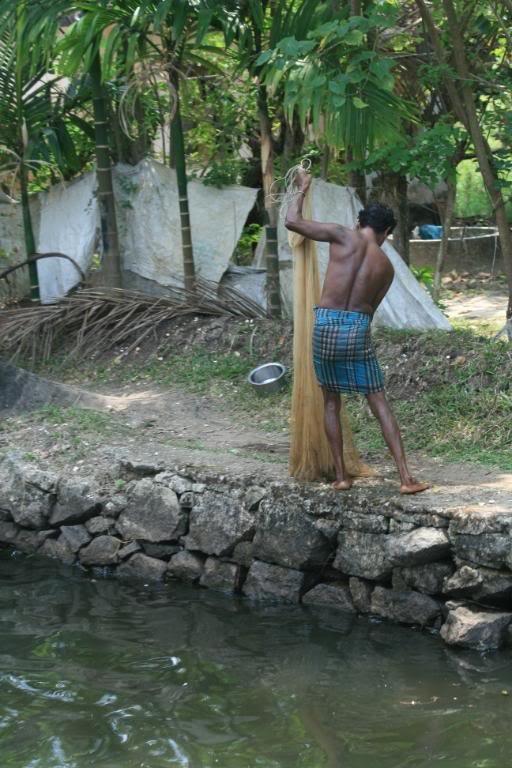
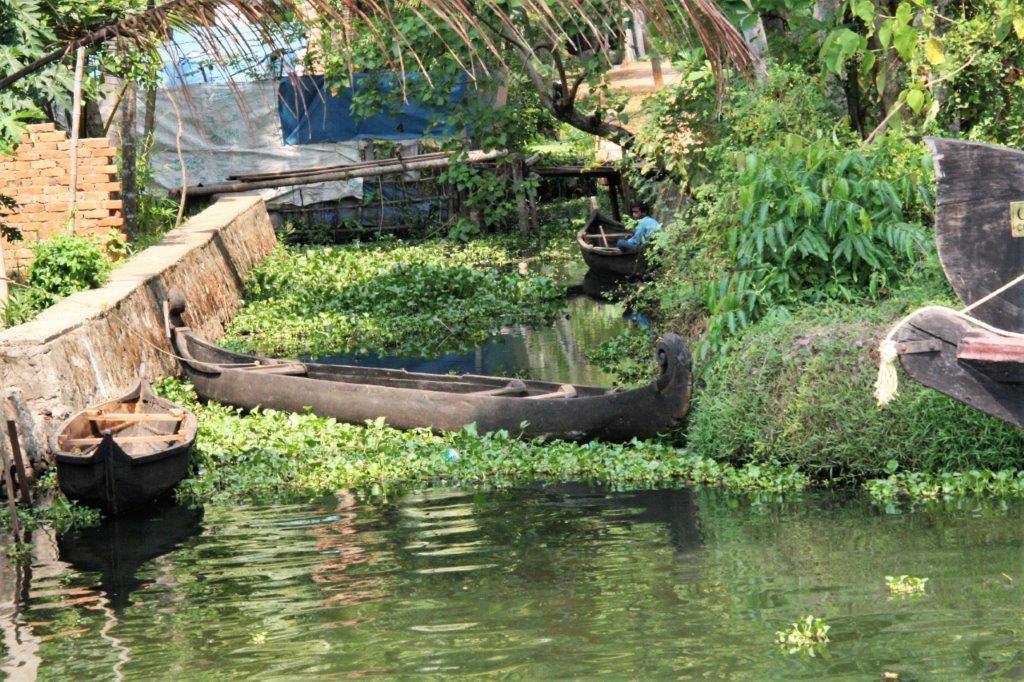
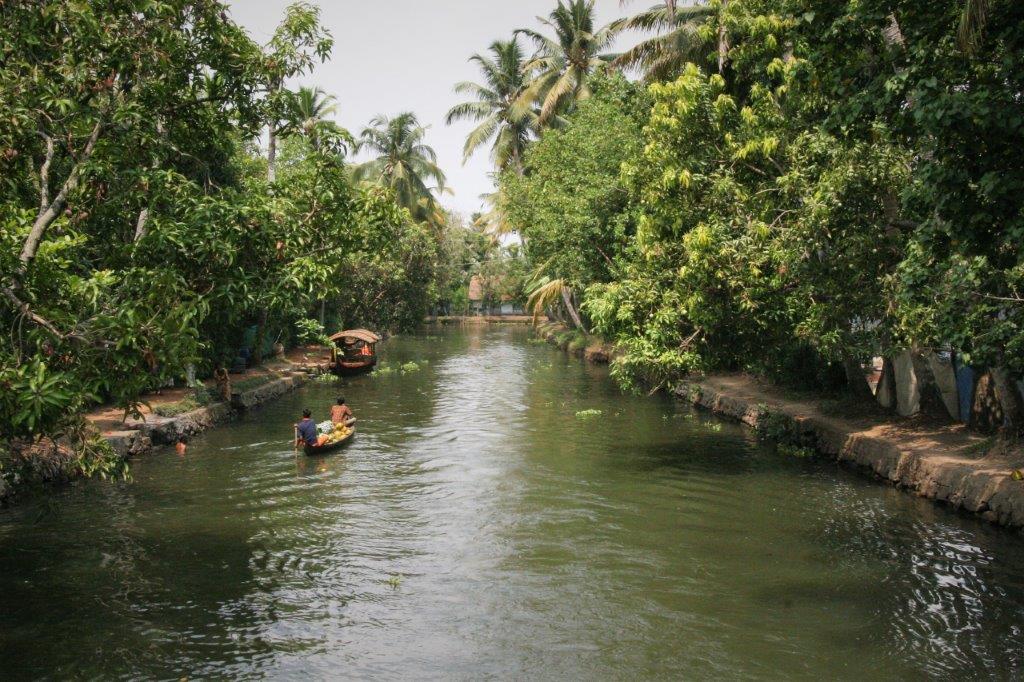
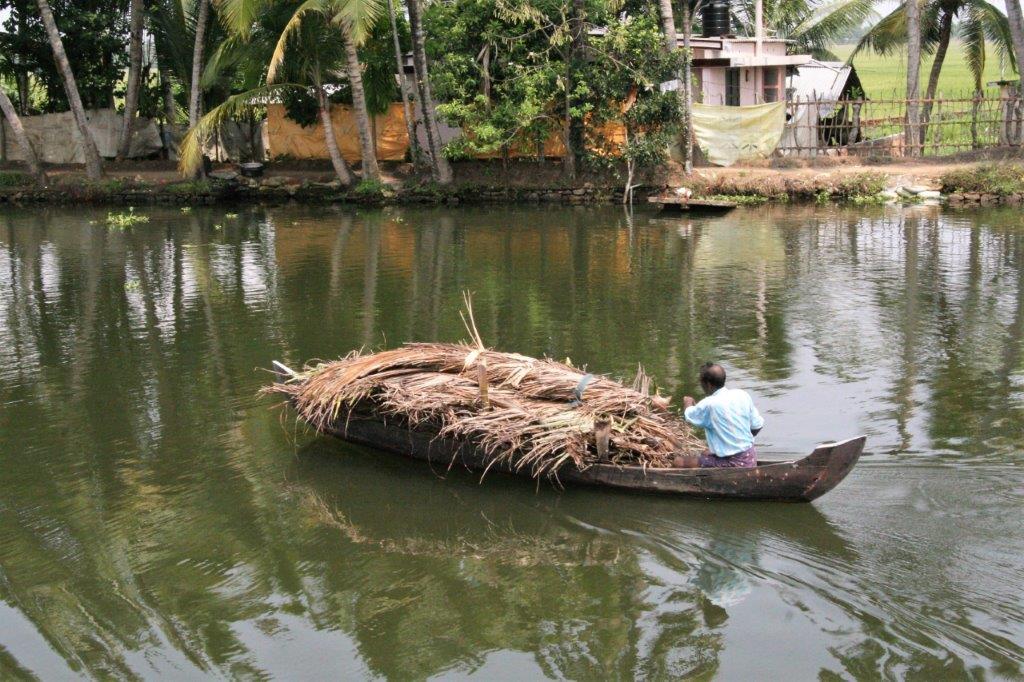
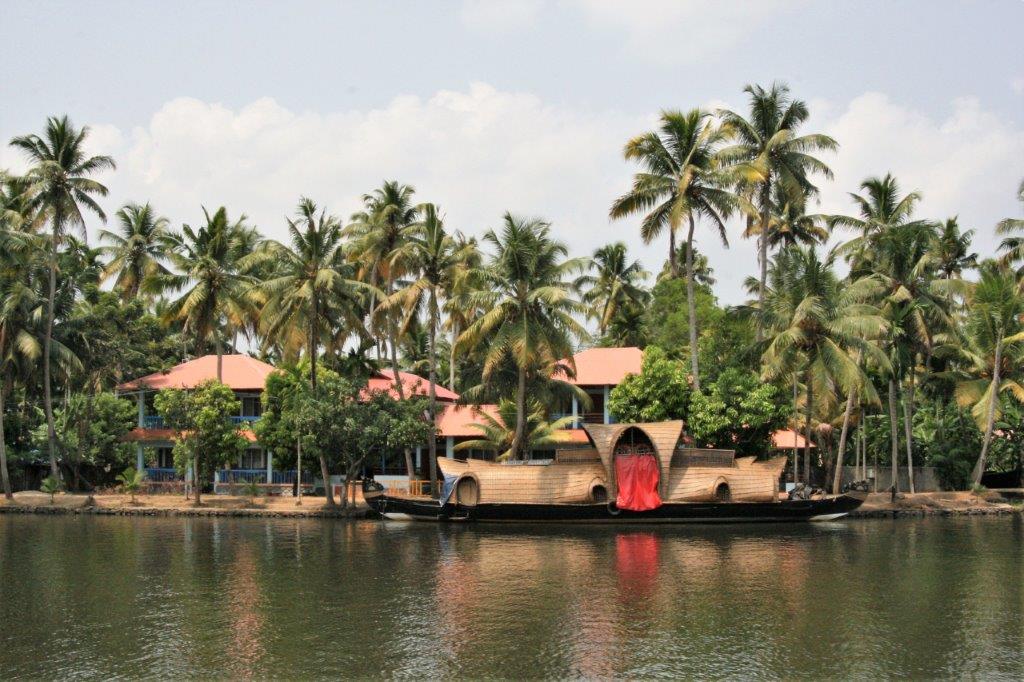
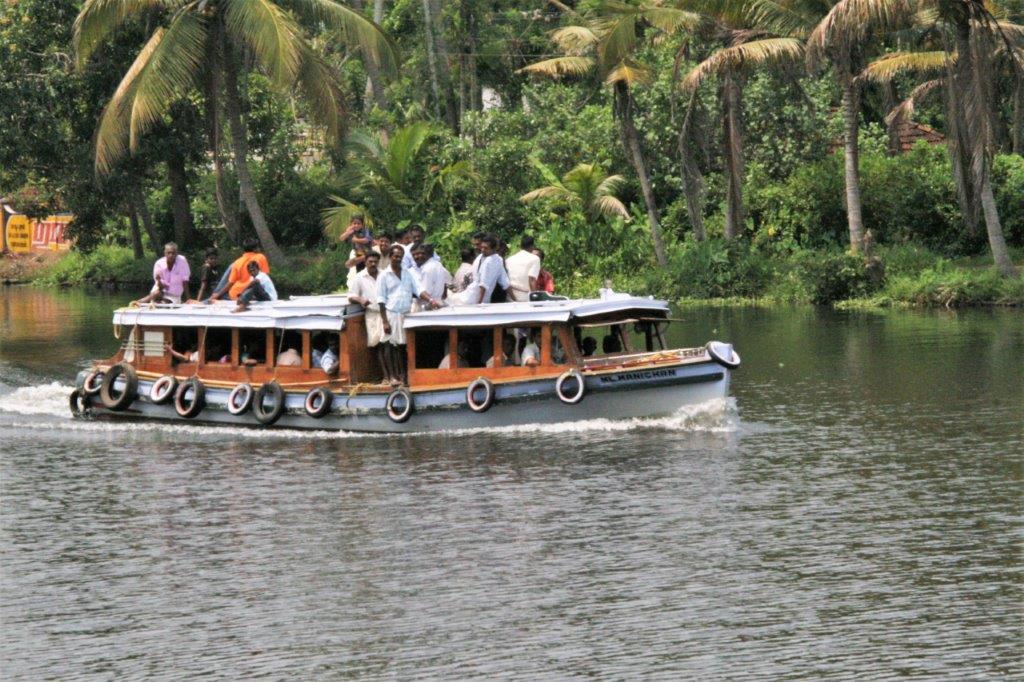
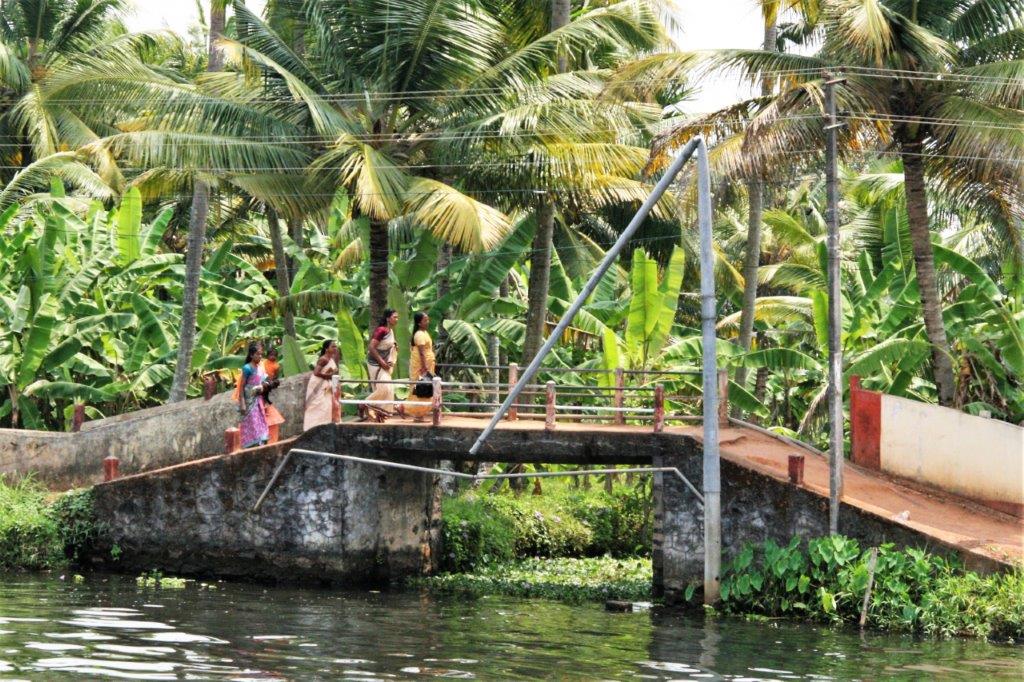
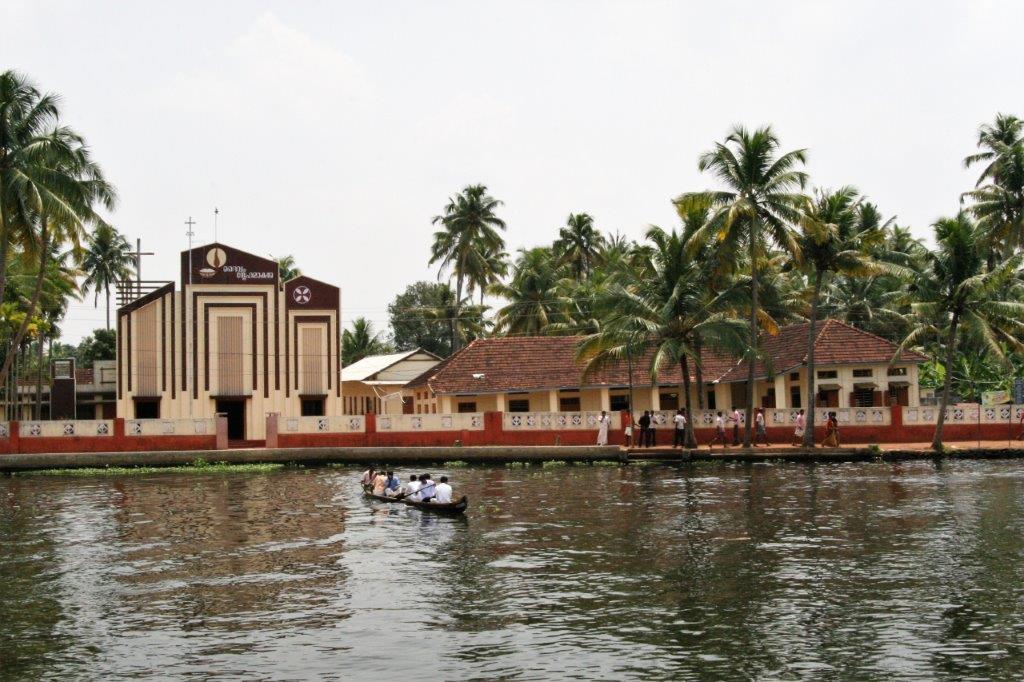
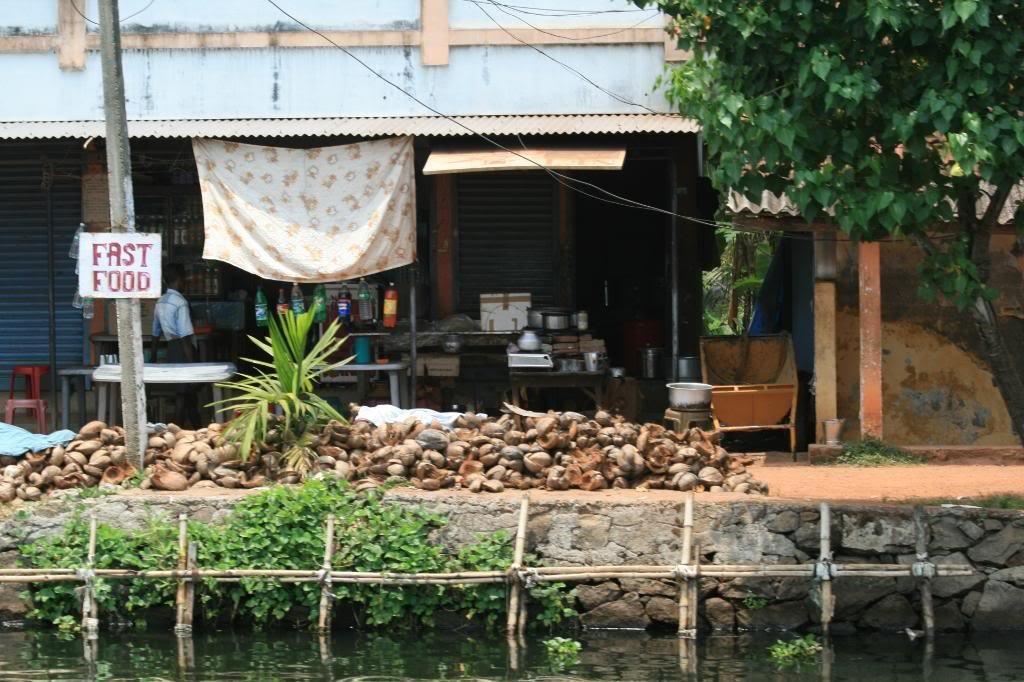
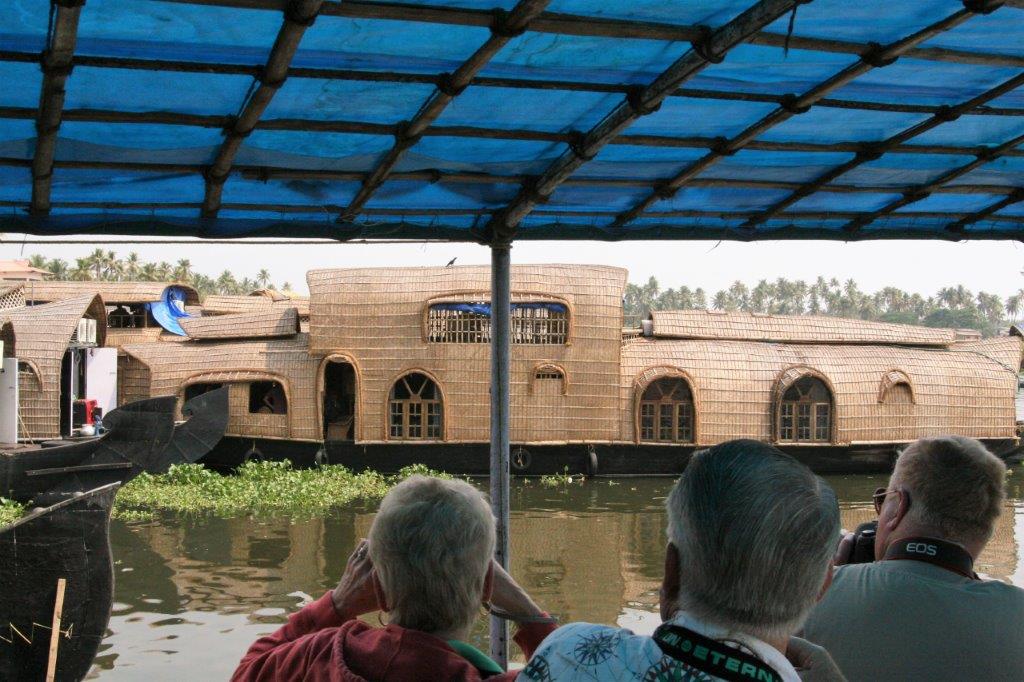
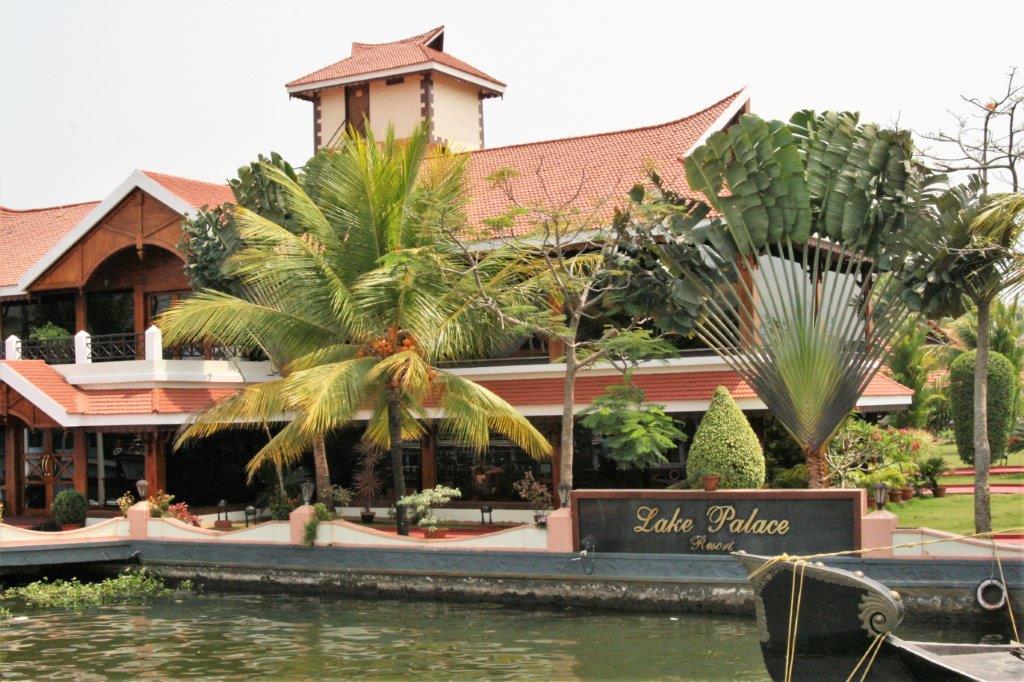
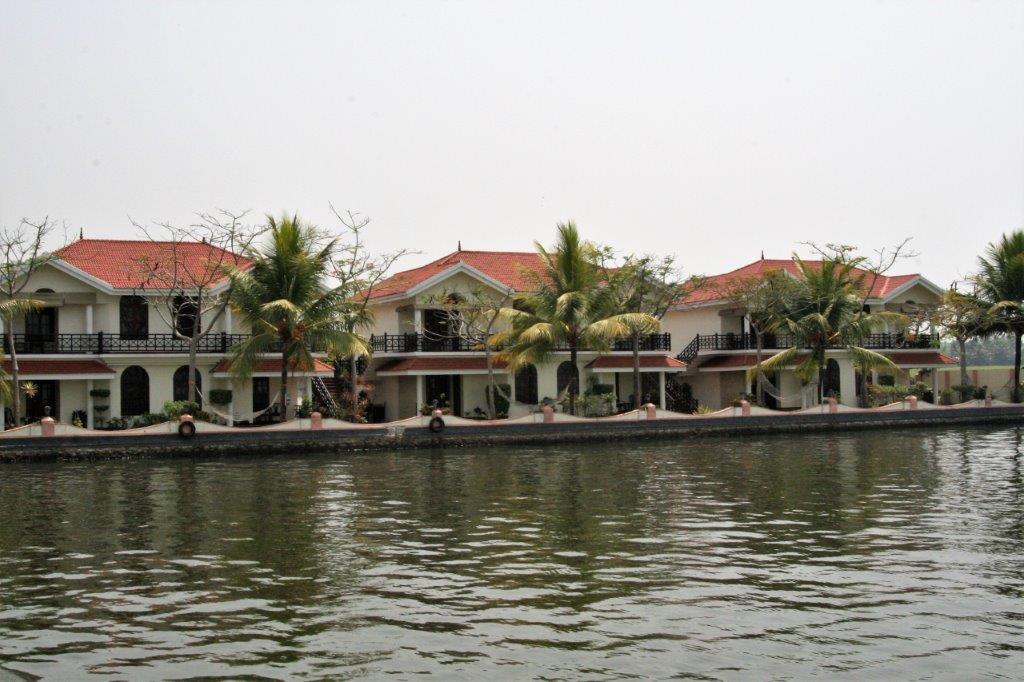
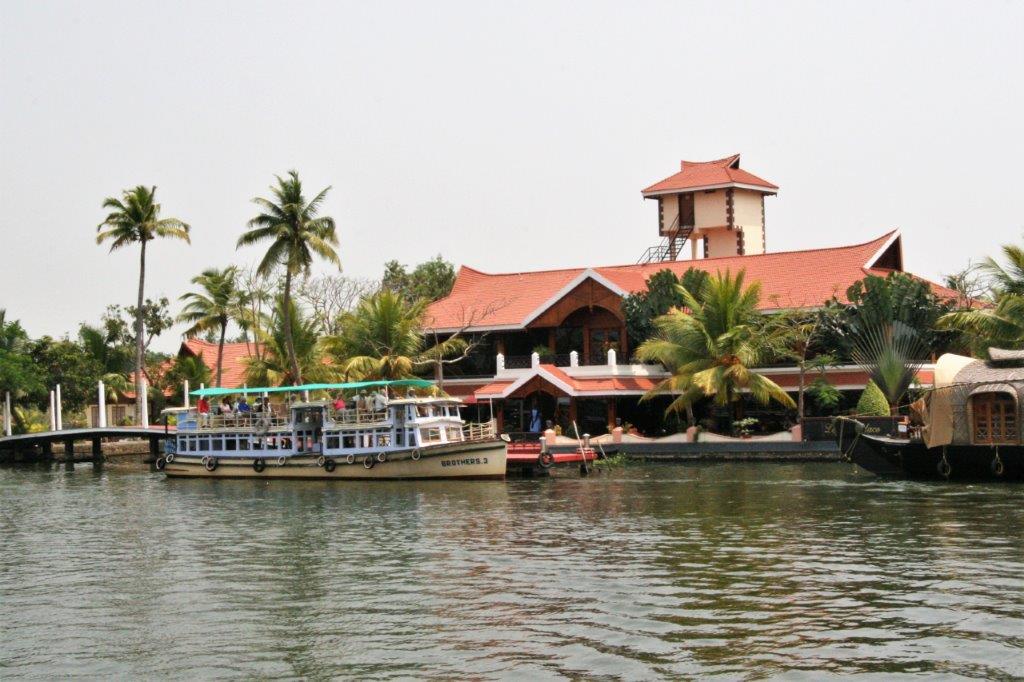
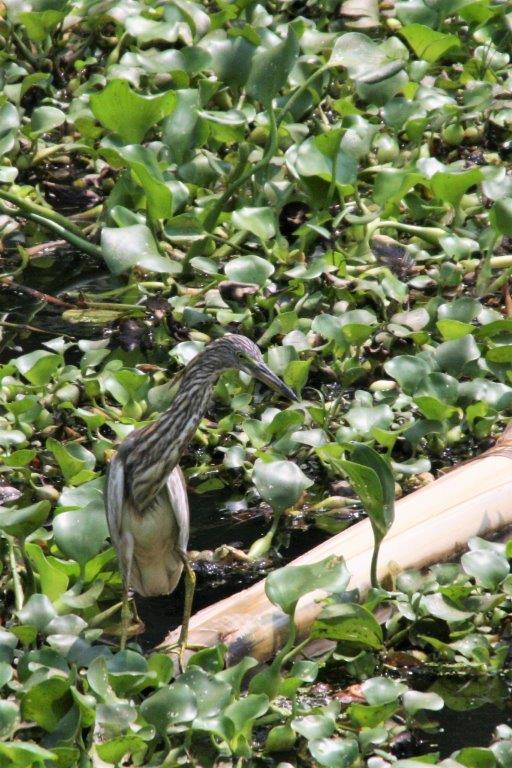
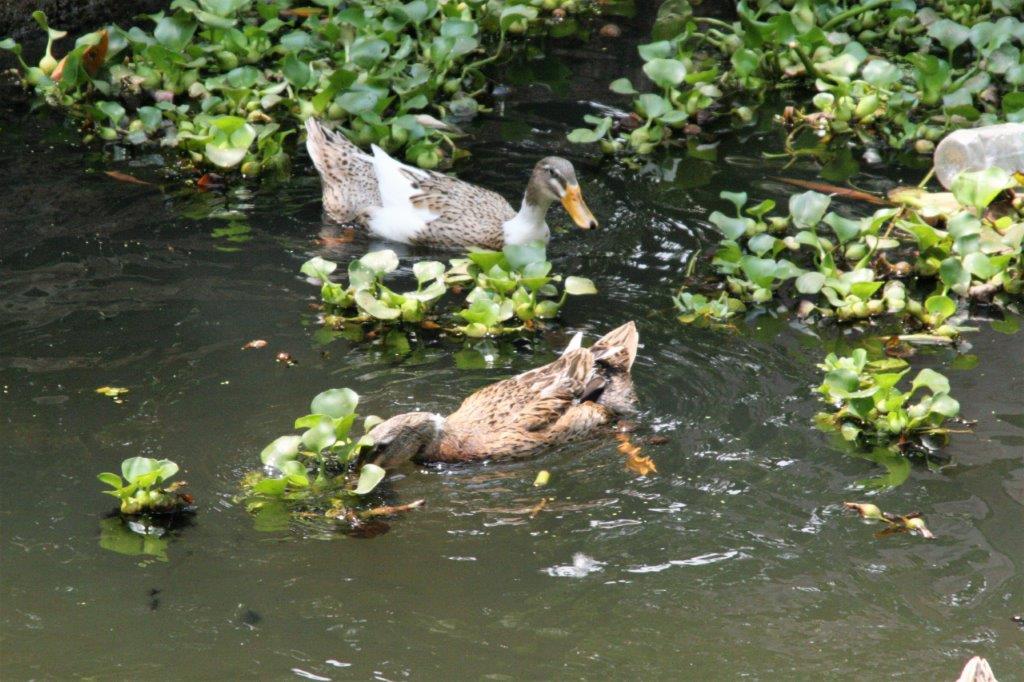
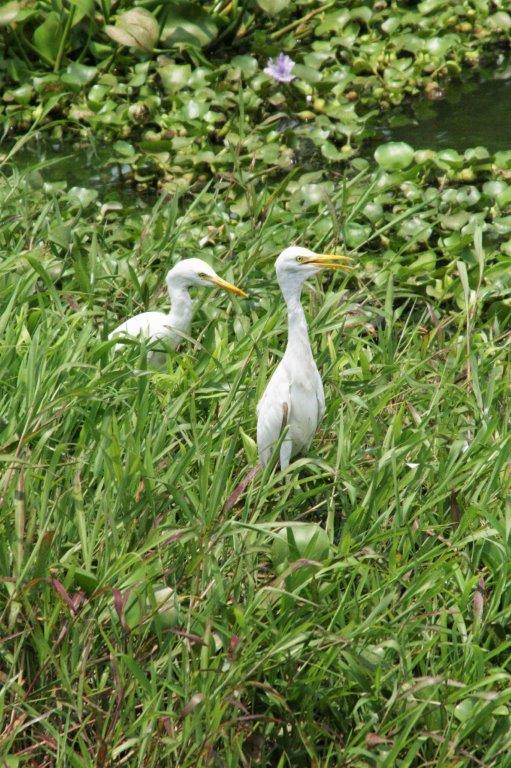
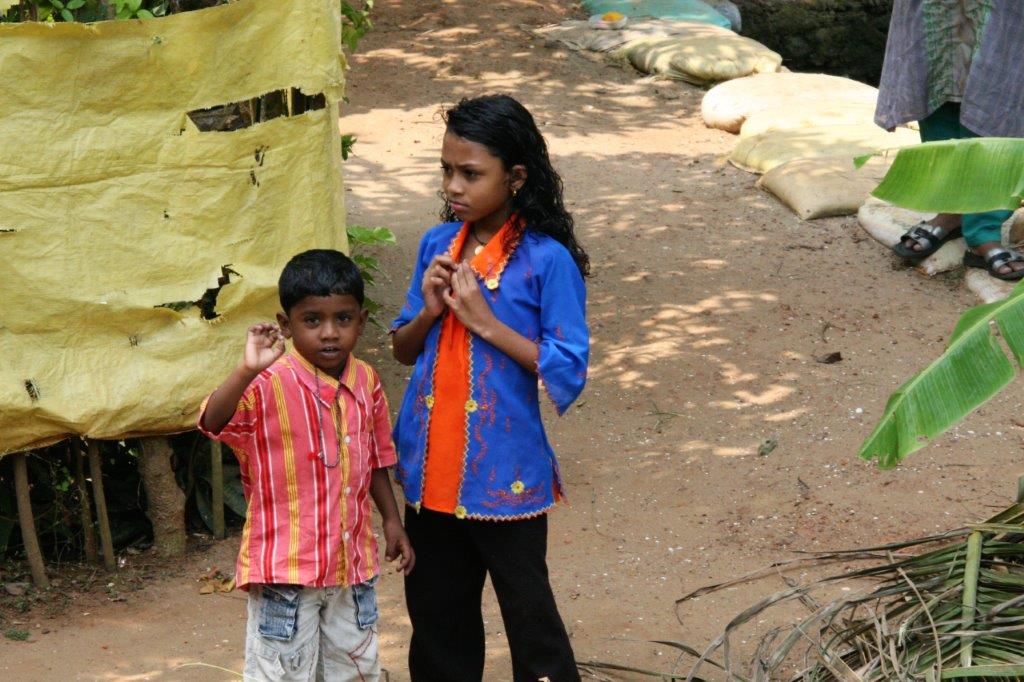
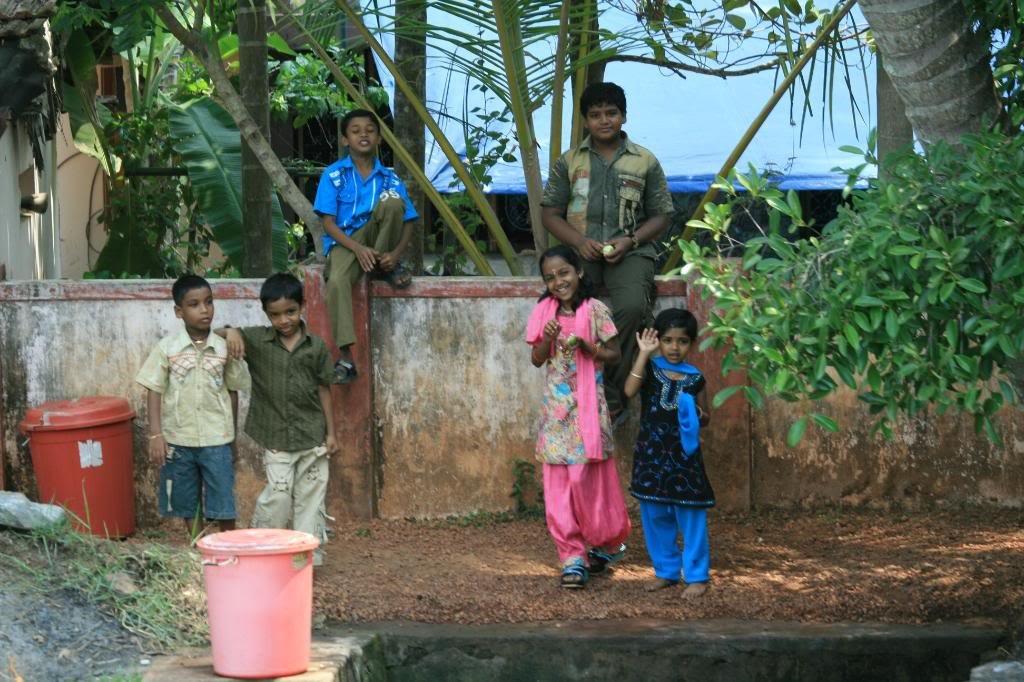
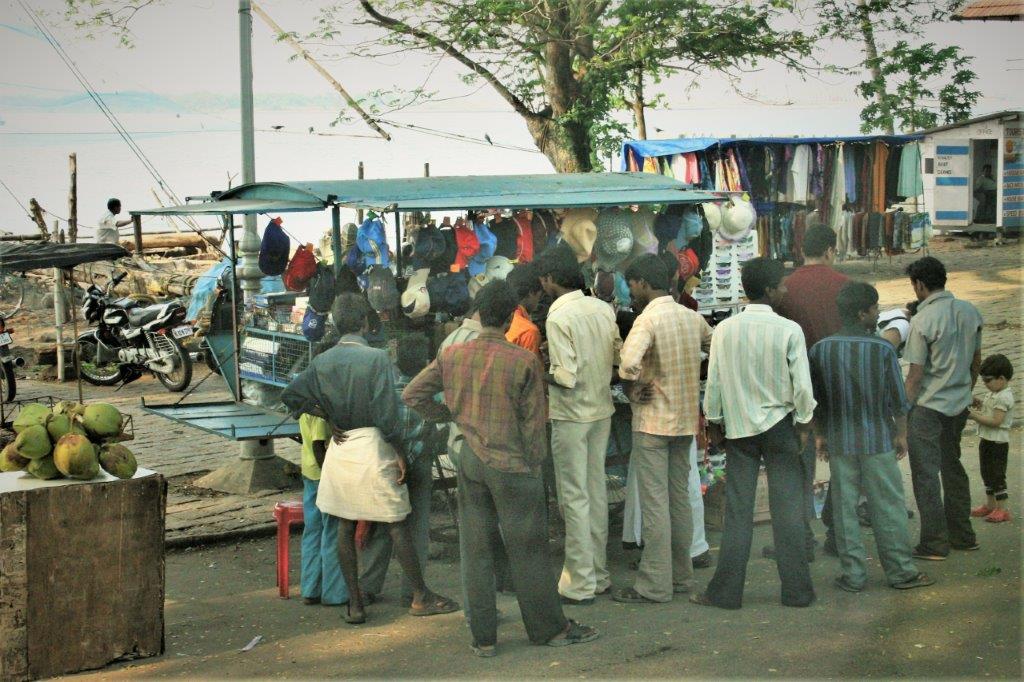
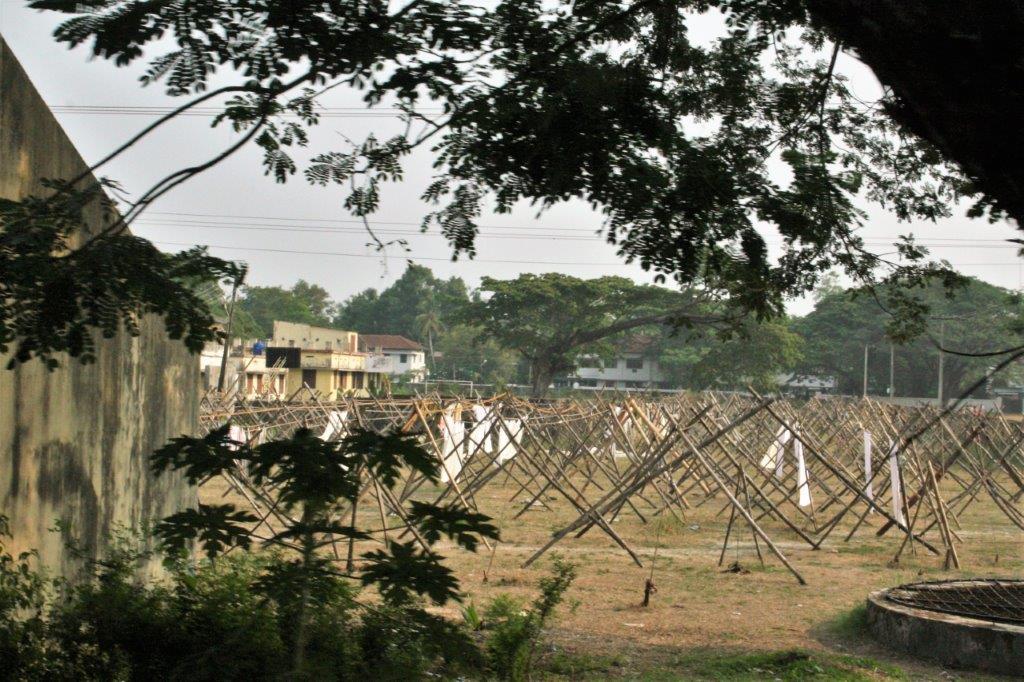
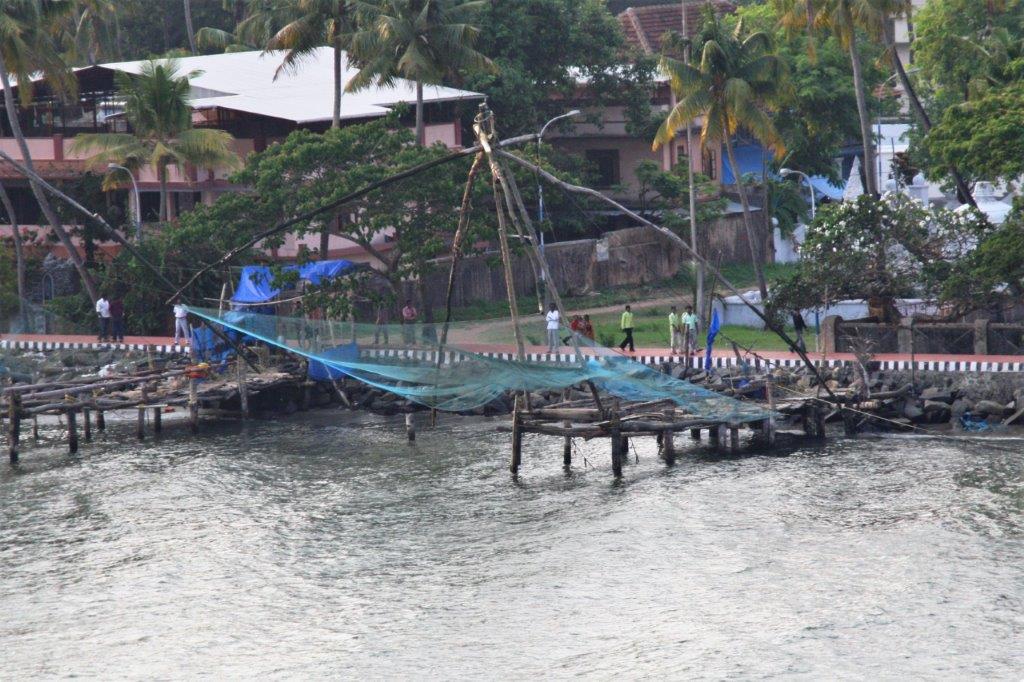
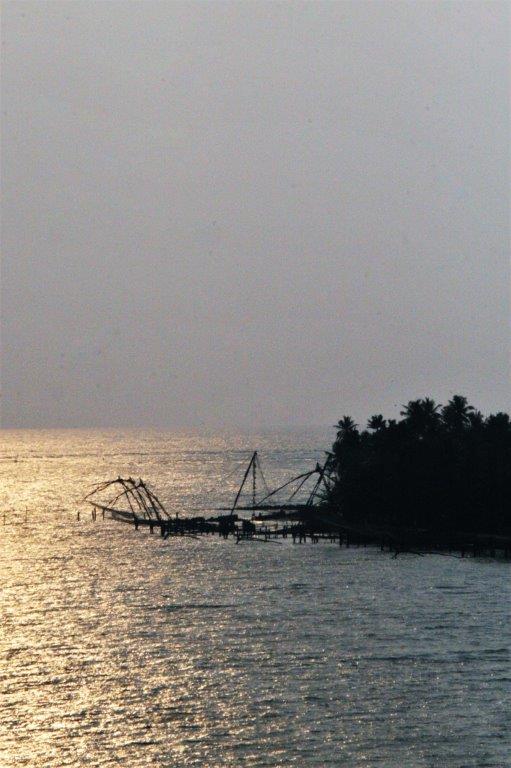
The day was actually sunny and warm.  We boarded river boats and put-putted along the rivers and canals for almost three hours.  The river was the mode of transportation for all the people living along the shores and you could see large rice fields behind the dwellings.  It was also the bathtub, the washing machine, the dishwasher, the place you brush your teeth, and where you wash your dinner veggies.  It was fascinating to see all the people doing all the different things and traveling in all types of floating conveyance as they went about their normal daily activities. 2009-03-22_13822009-03-22_1321 2009-03-22_1323 2009-03-22_1330 2009-03-22_1331 2009-03-22_1333 2009-03-22_1347 2009-03-22_1354 2009-03-22_1357 2009-03-22_1358 2009-03-22_1380 2009-03-22_1418 20090321_17842009-03-22_1320 2009-03-22_1324 2009-03-22_1338 2009-03-22_1359 2009-03-22_1361 2009-03-22_1369 2009-03-22_1371 2009-03-22_1374 2009-03-22_1376 2009-03-22_1378 2009-03-22_1384 2009-03-22_1385 2009-03-22_1408 20090321_1788 The canals are popular for houseboat holidays and there were many boats along the shore and floating by.  They can be rented for a day or two or by the week.  Houseboats come with a pilot and a cook and cost about $100 per person per night.2009-03-22_1310 20090321_16622009-03-22_1318We had lunch at the beautiful 5-star  Lake Palace Resort.  The buffet offered about 20 items to choose from.2009-03-22_1445 2009-03-22_1446 20090322_15642009-03-22_144720090322_1566 2009-03-22_14292009-03-22_143720090322_15742009-03-22_1396 2009-03-22_1395 2009-03-22_1415 2009-03-22_1416 2009-03-22_1417                                                         Little Cormorants                                                  2009-03-22_13352009-03-22_1368          Yellow Bittern                                                         Gadwell ducks                       2009-03-22_1413 2009-03-22_1435                    Egrets                                               Oriental Magpie Robin                         We were quite an attraction for people on the shore and on the other boats; especially the children.2009-03-22_1362 2009-03-22_1365 20090321_1730After our leisurely cruise around the canals (which was quite funny when you think about it – we are on a cruise around the world and we book an excursion that puts us onto another boat) we braved the traffic mire and returned to the ship.2009-03-22_1452 2009-03-22_1453 2009-03-22_1455 2009-03-22_1457                                              These are laundry drying racks. 2009-03-22_1542 2009-03-22_1543 2009-03-22_1548 2009-03-22_1537These are called Chinese Fishing nets and we saw a lot of them as we sailed around in the East.

We returned to the ship 15 minutes late for the 4:30 all aboard, but, thankfully, if you are booked on a ship’s excursion the captain will wait for you as long as it is possible to do so with tides, currents and port authorities.  This is one of the reasons we are willing to pay what we know is a higher price to go on tours through the ship’s excursion desk.  Other reasons are; knowledgeable English-speaking guides, reliable (as much as can be) transportation, and safety.  I personally am not comfortable to be in a foreign country and ask a taxi driver or private citizen at the pier, “How much would it cost for you to show me around?”  If you are happy to do that, all well and good, but if there is a break-down or traffic snarl or something the ship will wait a maximum of 20 minutes past all aboard time and then set sail.  You will be responsible to arrange and pay for transportation to the next port of call.  That day we were late and it was nice to know we didn’t need to worry unduly about it.

Everybody hustled out of the bus and quickly got onboard.  The Captain set sail a few minutes later.  We had another day at sea before we reached Mumbai.

2009 March 18 (World Cruise) – Day 72 – Phuket,Thailand

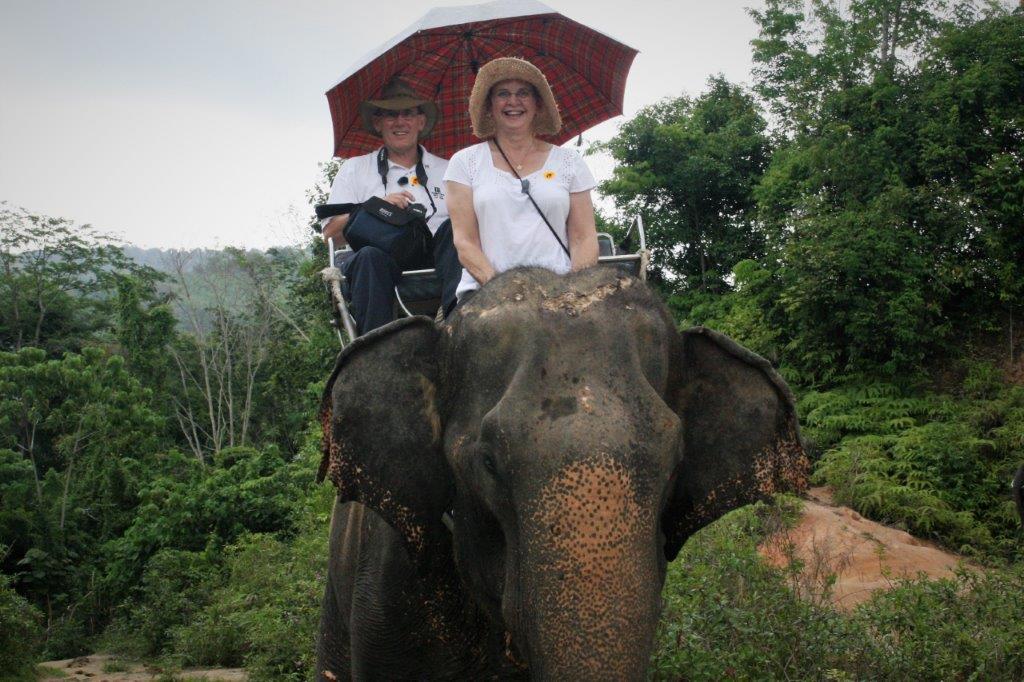
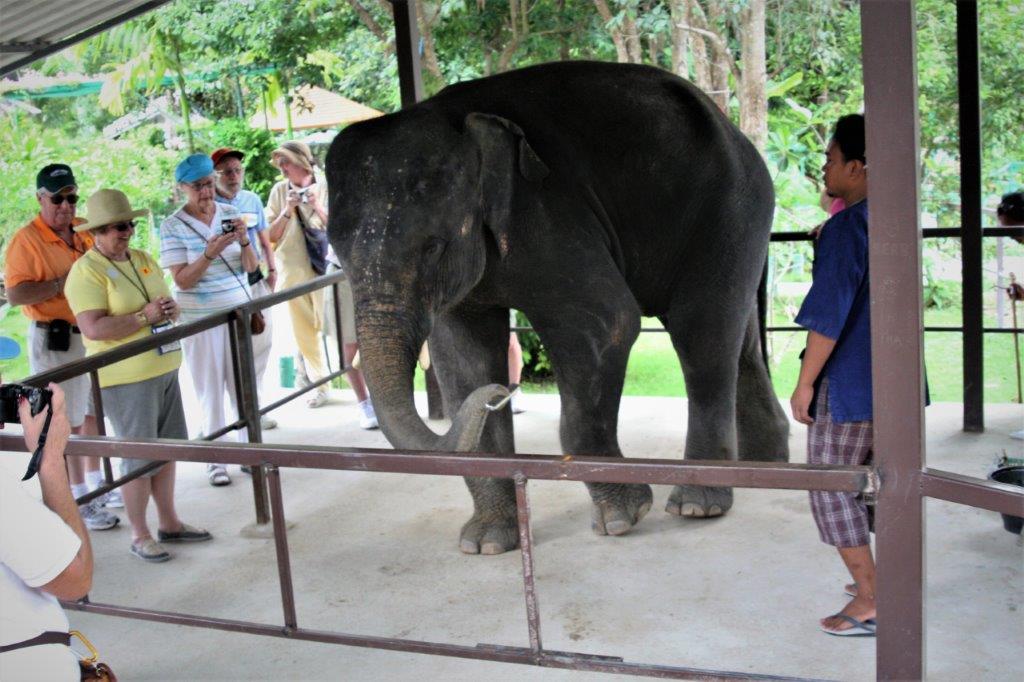
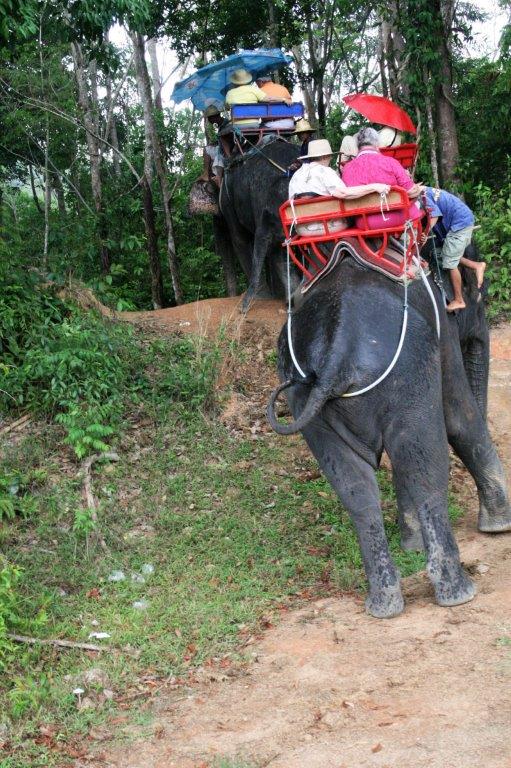
2009 World Cruise – It rained again.  I wrote in my journal, “I am getting heartily sick of rain. Surely it is time for some sunshine.  I think we have had six sunny ports-of-call so far.”  But we were not lucky enough for sunshine in Phuket, Thailand.2009-03-18_1217The good news though is: I GOT TO RIDE AN ELEPHANT!  How awesome is that?  So much fun.  If I actually had such a thing as a Bucket List riding an elephant and a camel would be on it.  (The camel ride had to wait until our trip to Australia in 2011 – very short ride around a paddock – but a much longer one into the Sahara Desert on our Grand Mediterranean Cruise in 2012).  So…Check. Check.

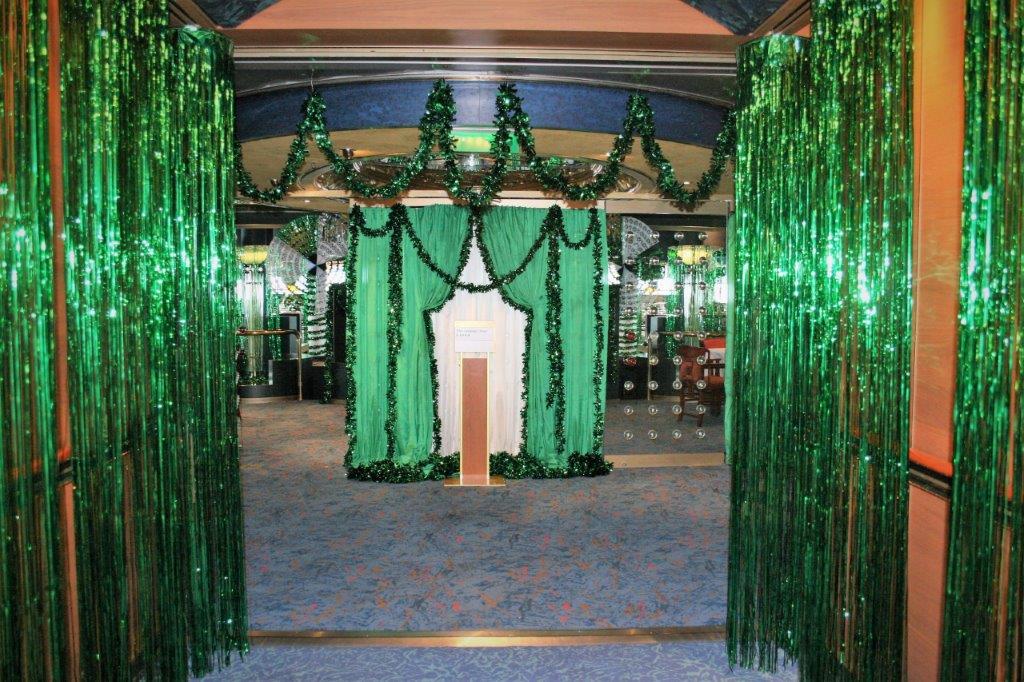
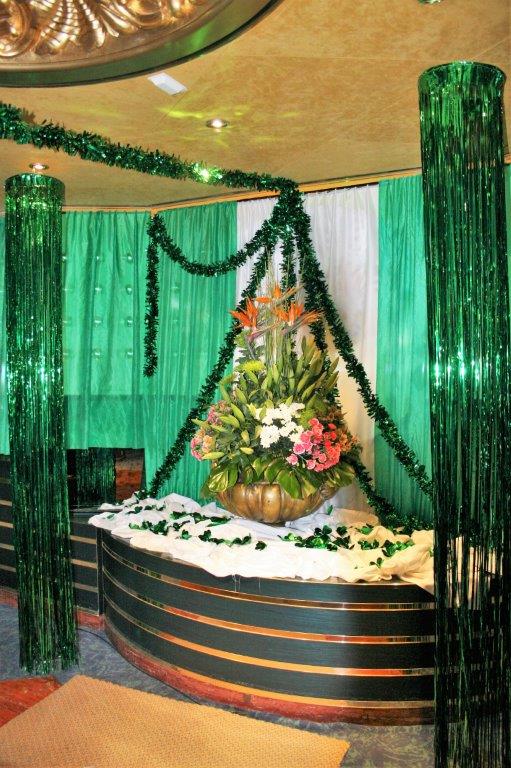
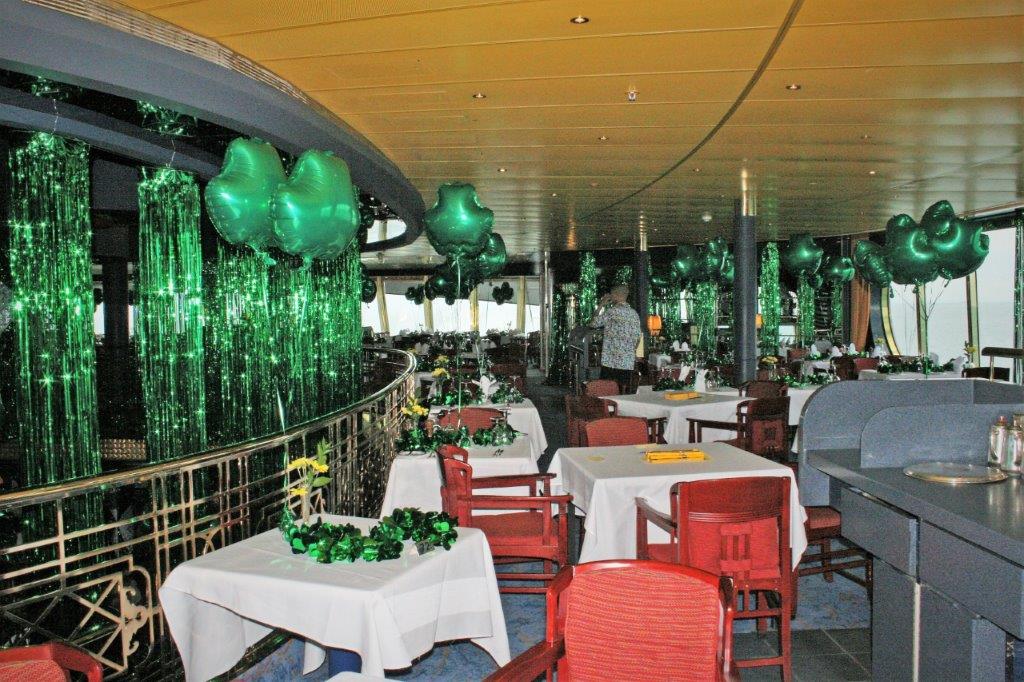
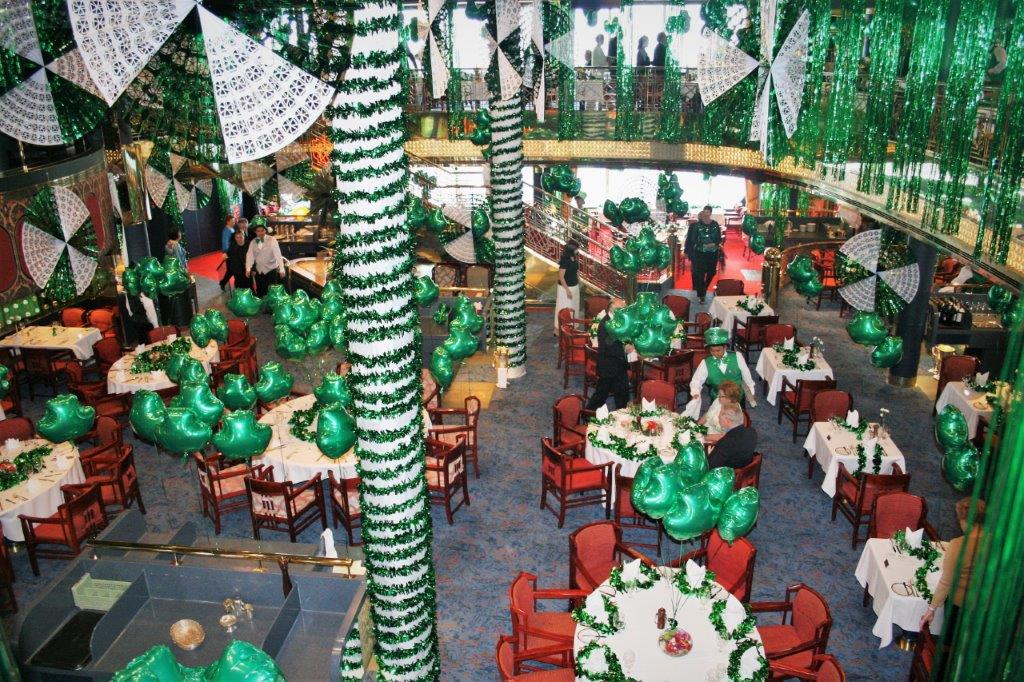
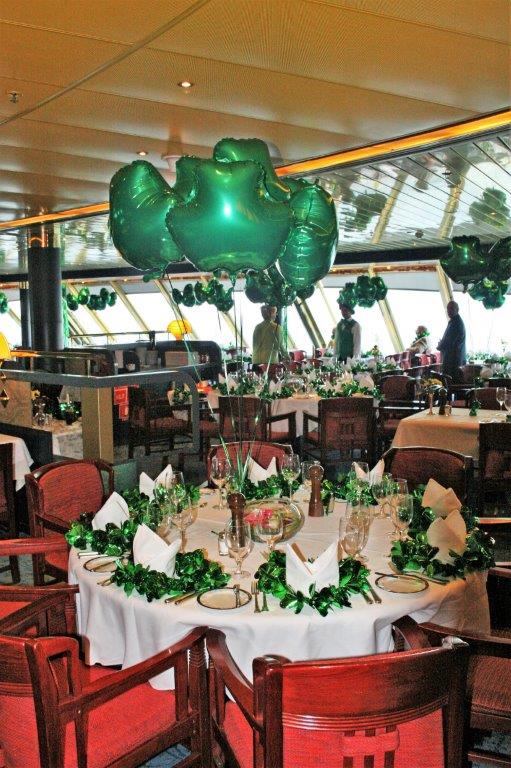
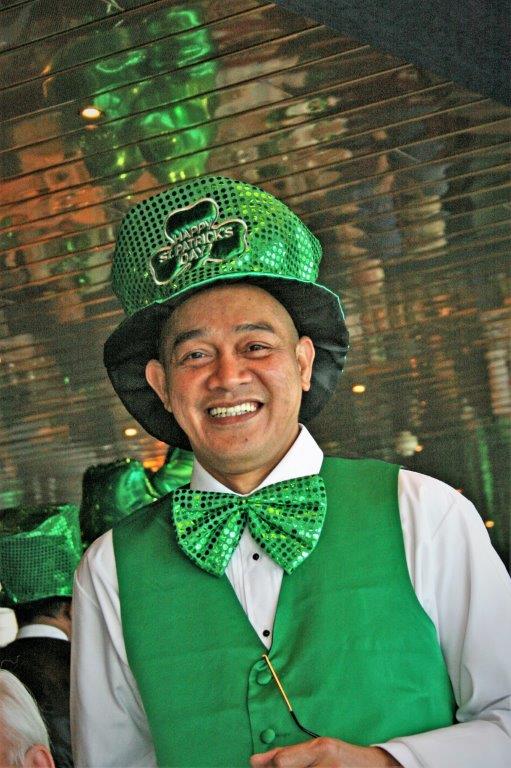
We had a day at sea after leaving Singapore and it was St. Patrick’s Day.  The decorating crew did another bang-up job for our Emerald Isle formal night with an Irish inspired menu at dinner.2009-03-17_1239 2009-03-17_1241 2009-03-17_1240 2009-03-17_1243 2009-03-17_1245 2009-03-17_1246

Our wine steward, Ceasar, even found John some Guinness; it was bottled in Singapore so tasted slightly different, but John was pleased to have it.

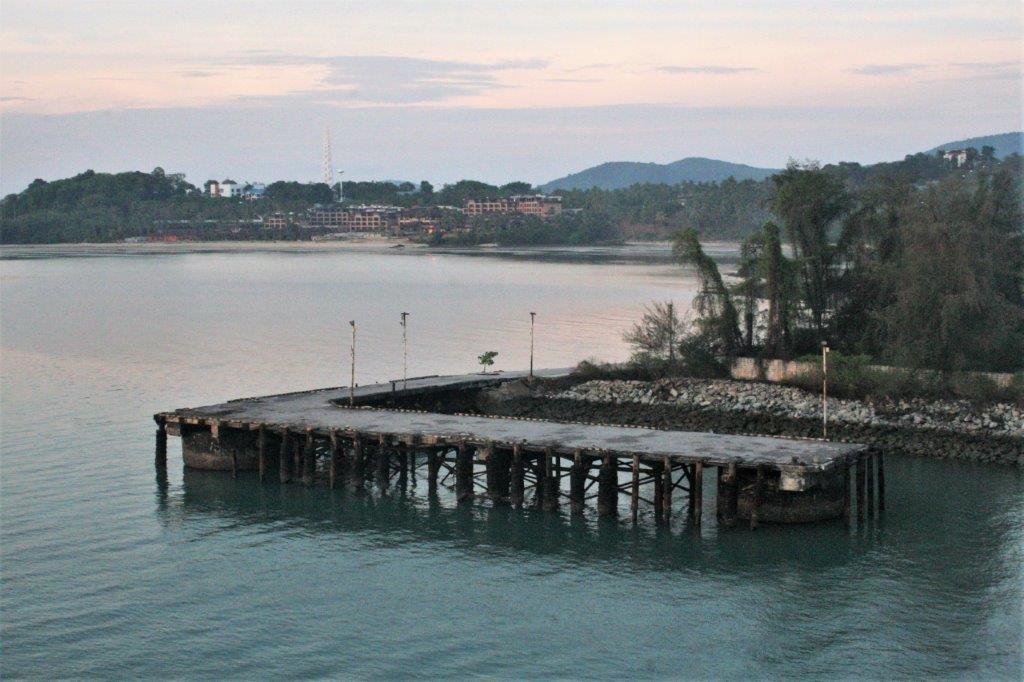
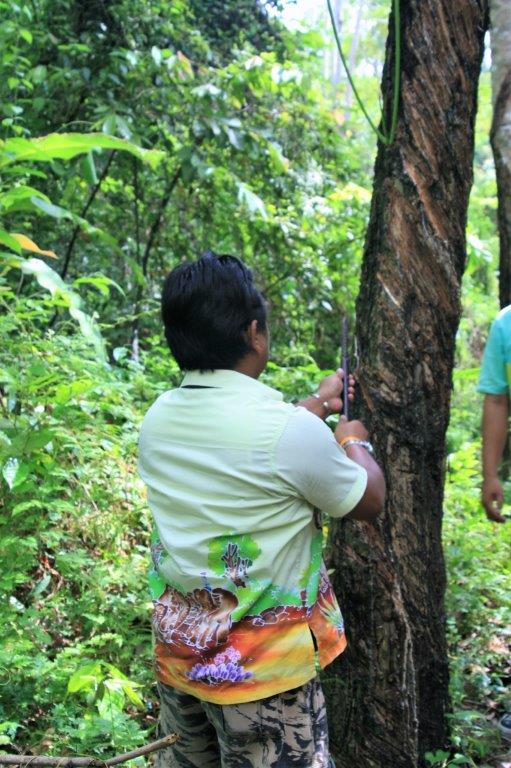
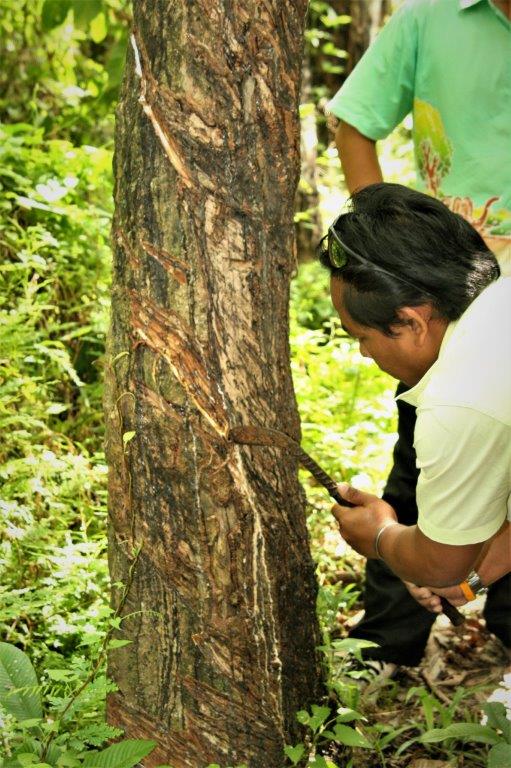
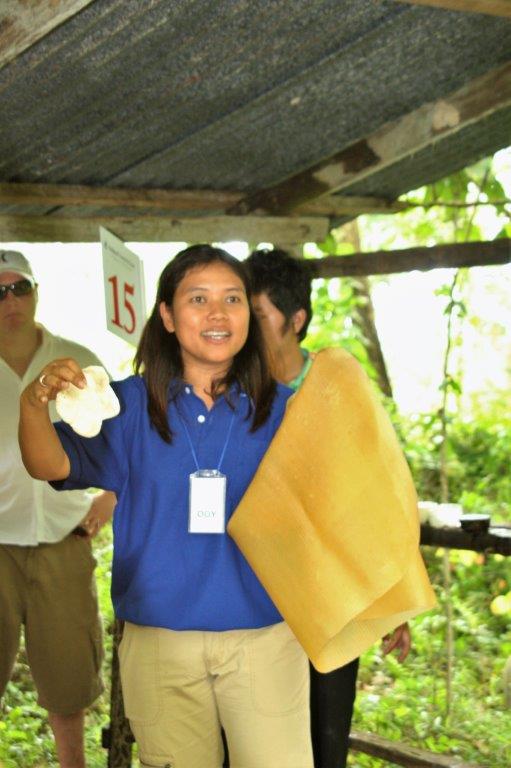
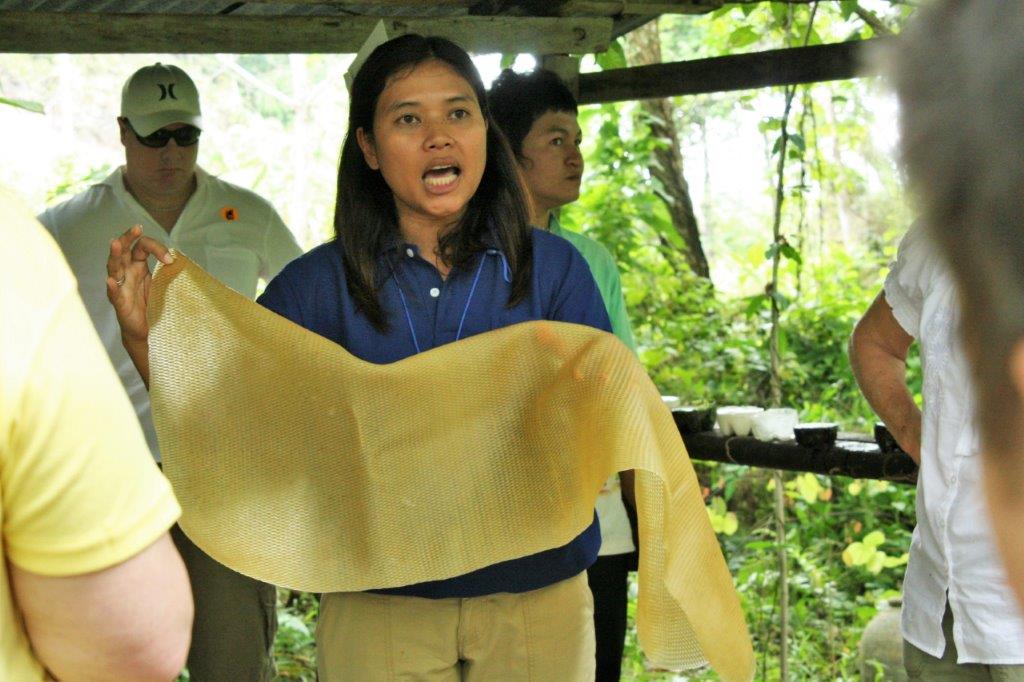
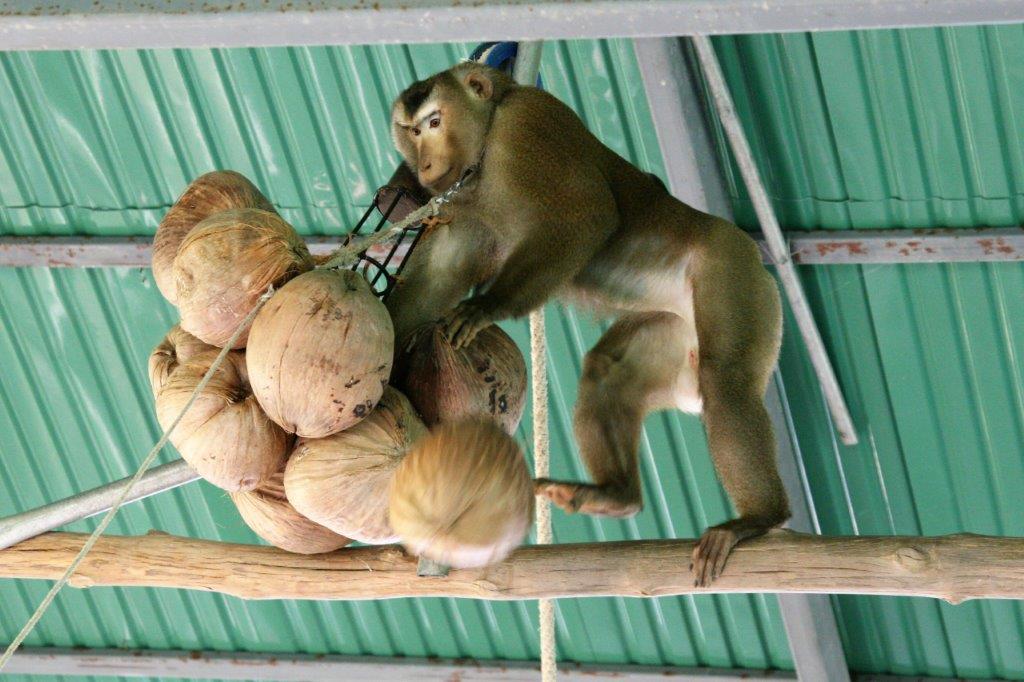
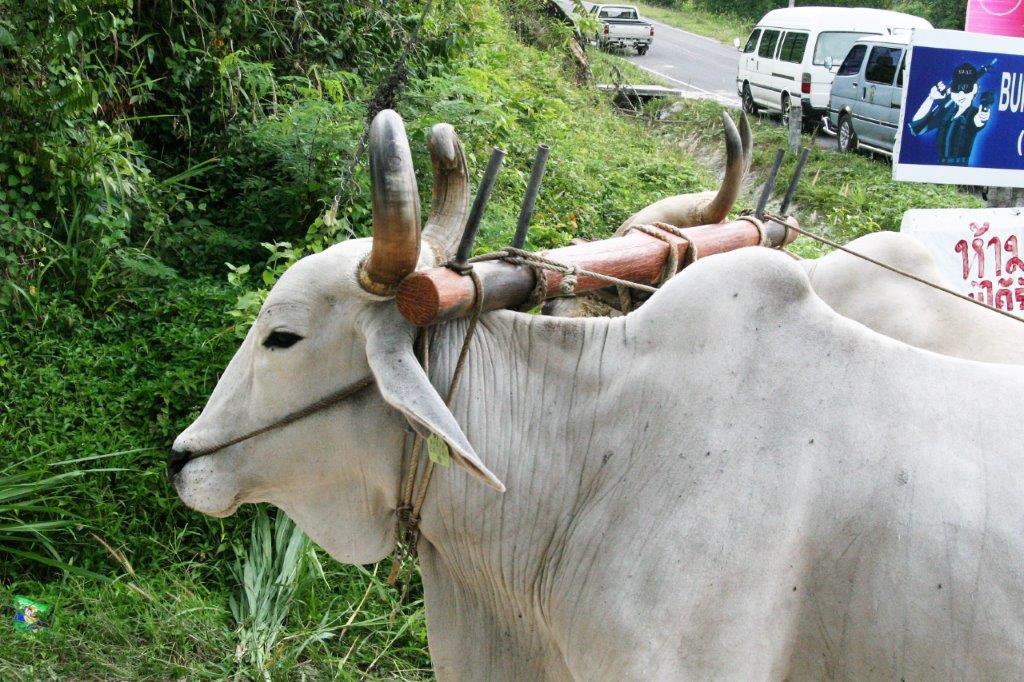
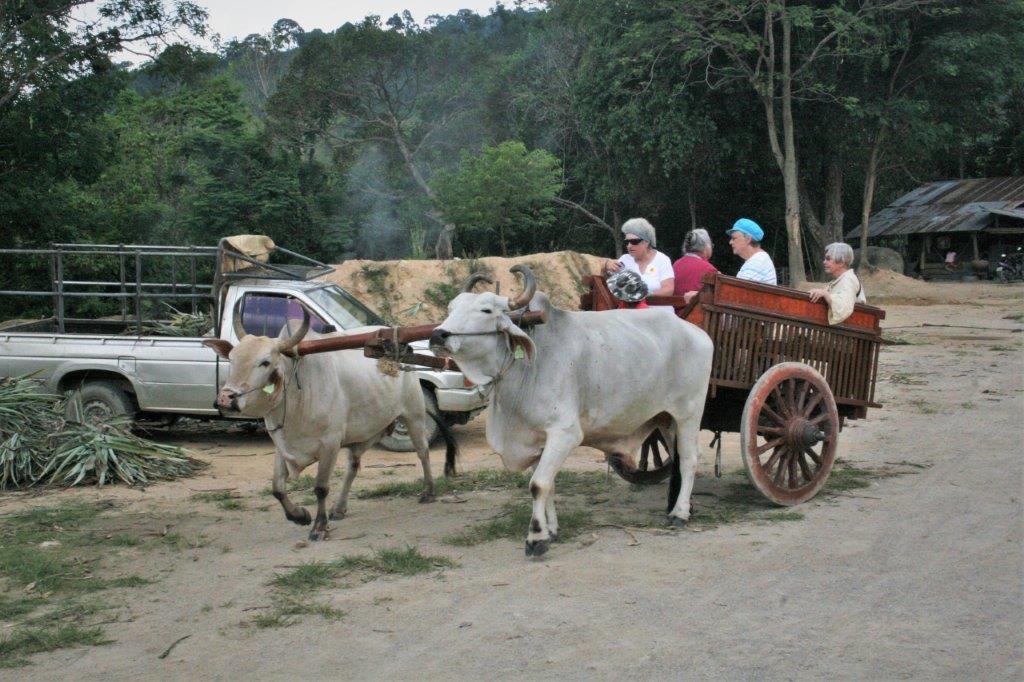
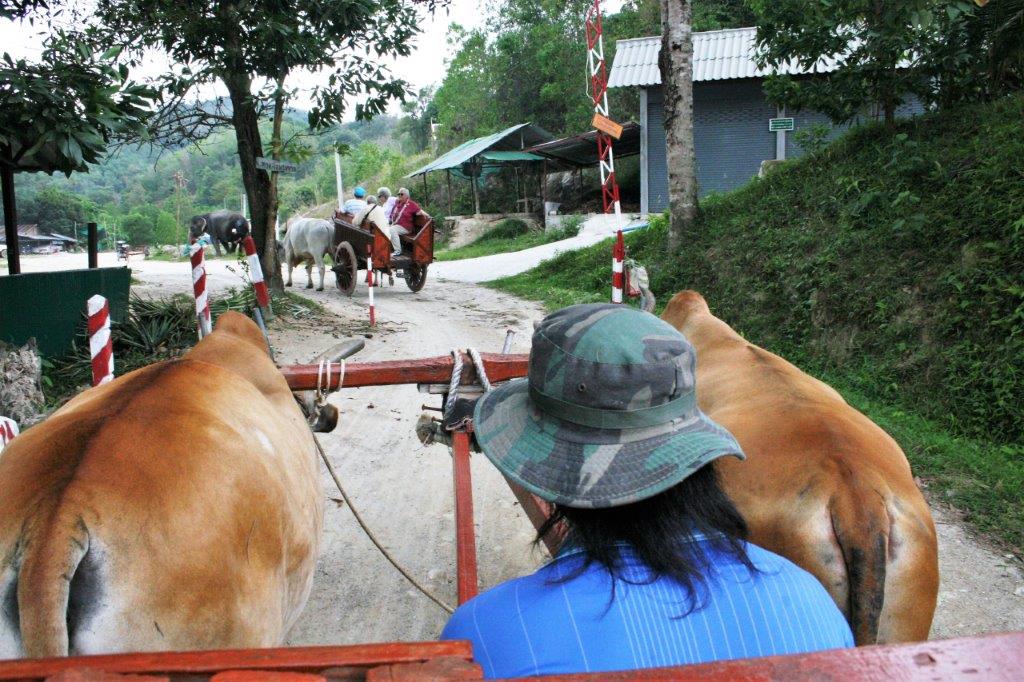
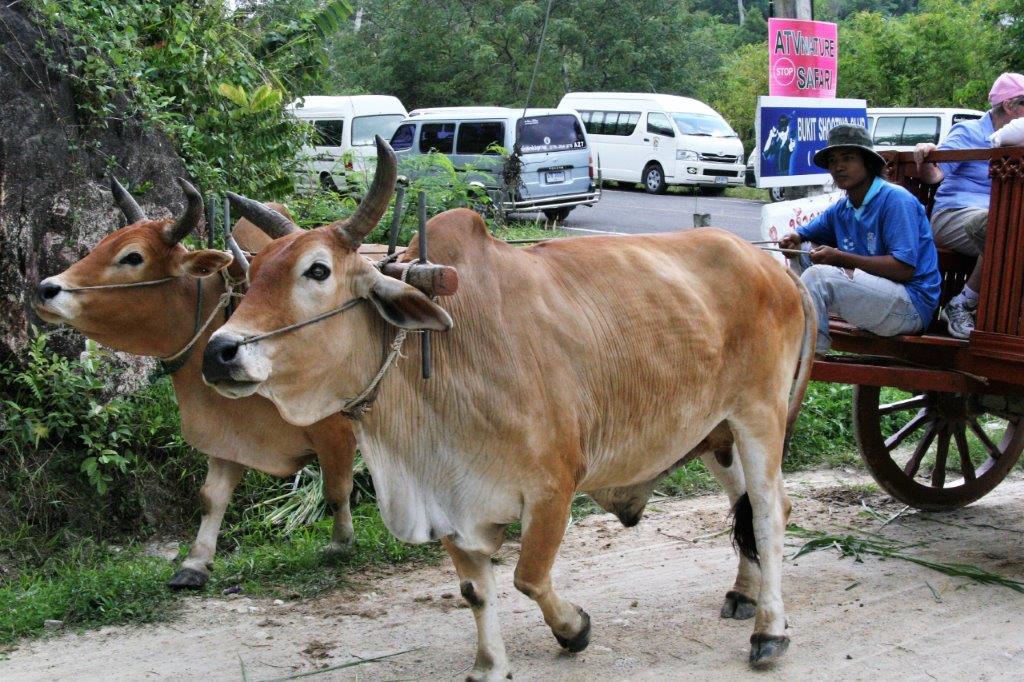
Phuket is an island off the coast of Thailand.  It is the largest island of Thailand (810 sq kilometers or 503 sq. miles), the most populated, and the most visited.  The island revolves around and thrives on tourists from Asia and Europe.  There are six direct flights per day from Scandinavia and five flights per day from France in the high summer holiday months. The island has a population of about 500,000 and hosts 6 million tourists per year!  The west coast of the island has all the beautiful beaches and luxury hotels.  We were docked on the east side which is more tropical forest and small villages. The port allows the docking of ship of a maximum length of 210 meters (690′) and the Rotterdam is 240 meters (780′) so the captain had to get special permission to tie up – but not at the dock below.2009-03-18_1072From the pier we drove north through the Chalong Highlands to Bukit Safari which is an elephant sanctuary but also trains monkeys to harvest coconuts and has traditional ox-carts you can go for a ride in.2009-03-18_1076 2009-03-18_1079 2009-03-18_1080When we arrived we had a demonstration of how latex is harvested from rubber trees.

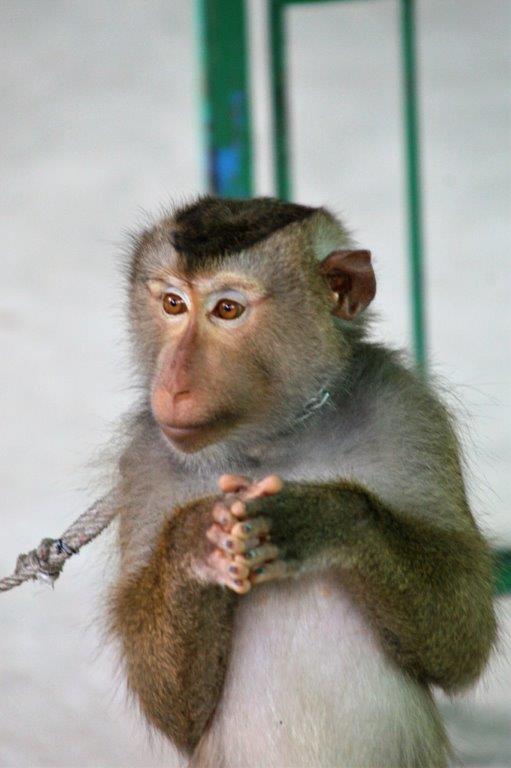
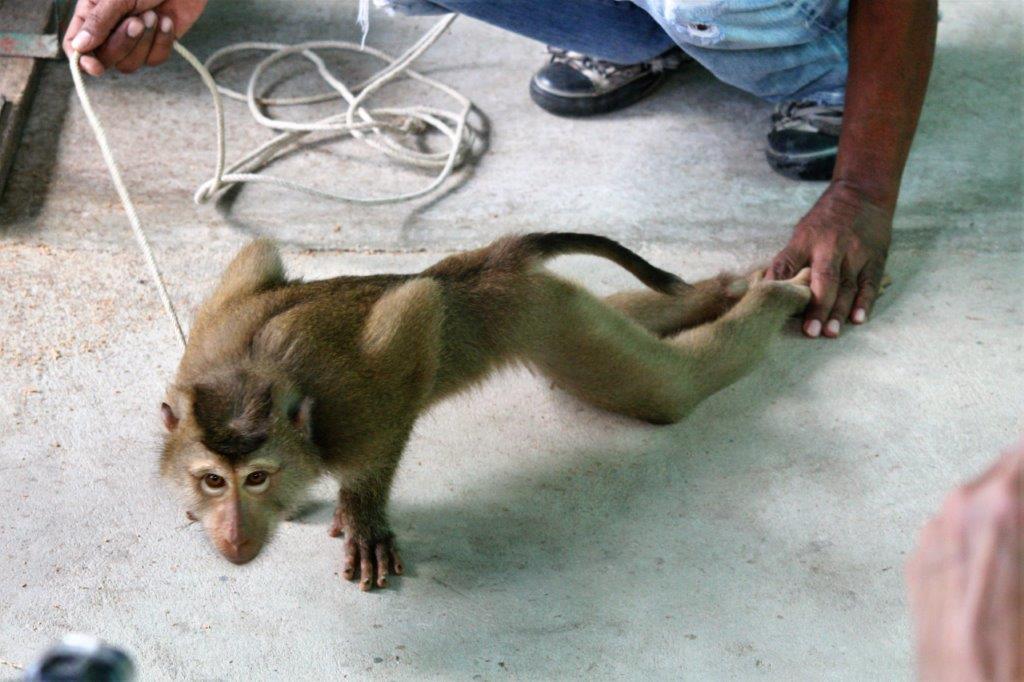
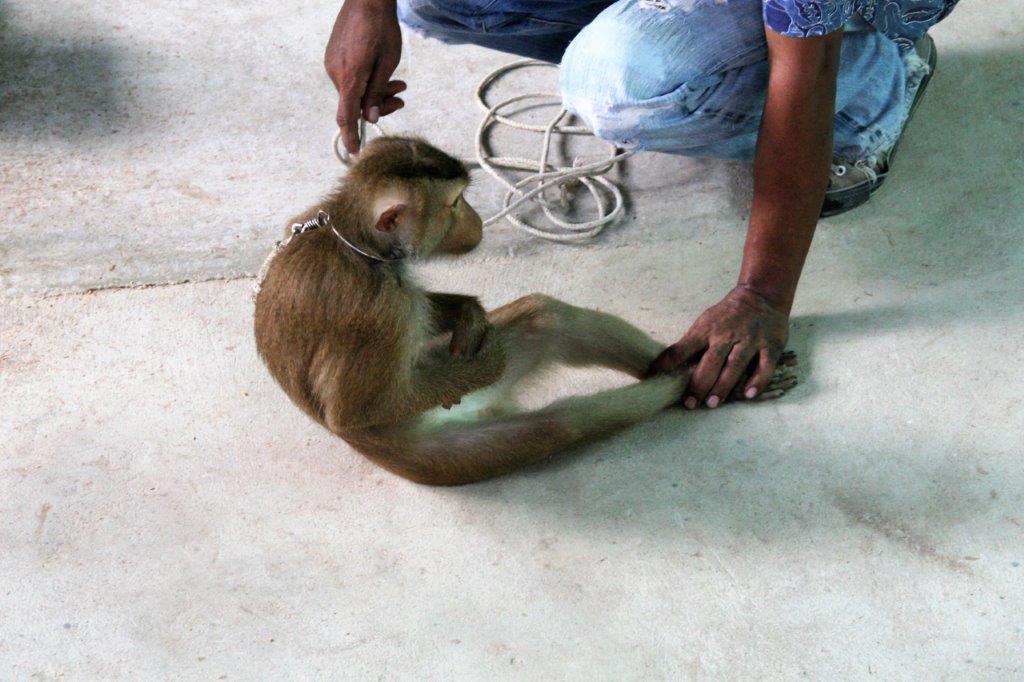
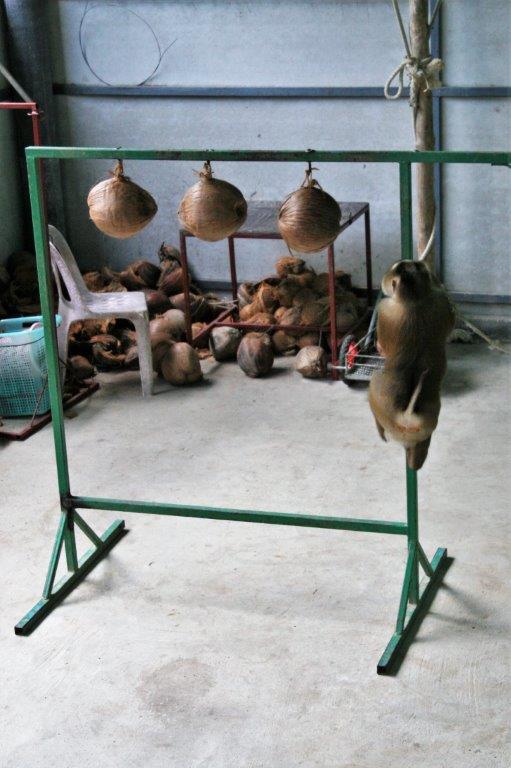
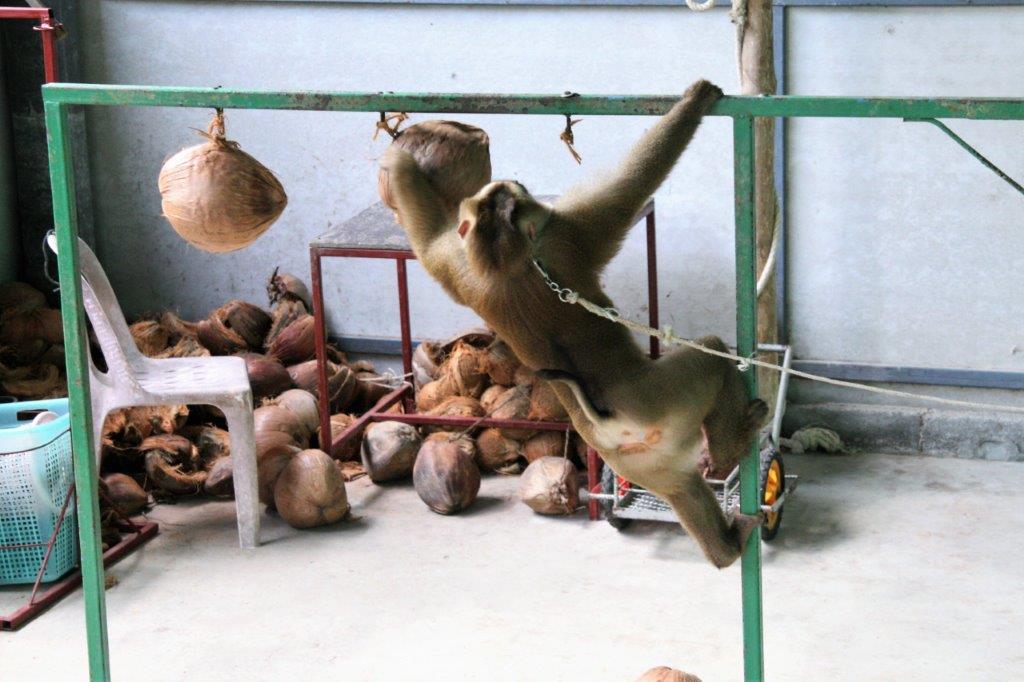
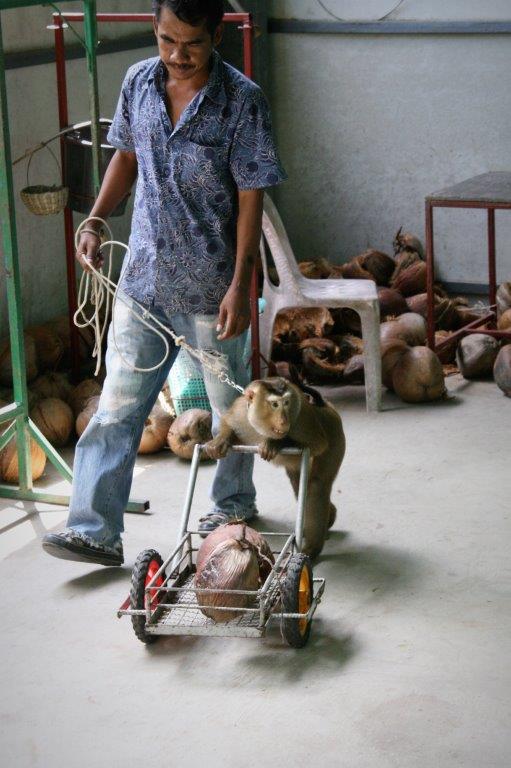
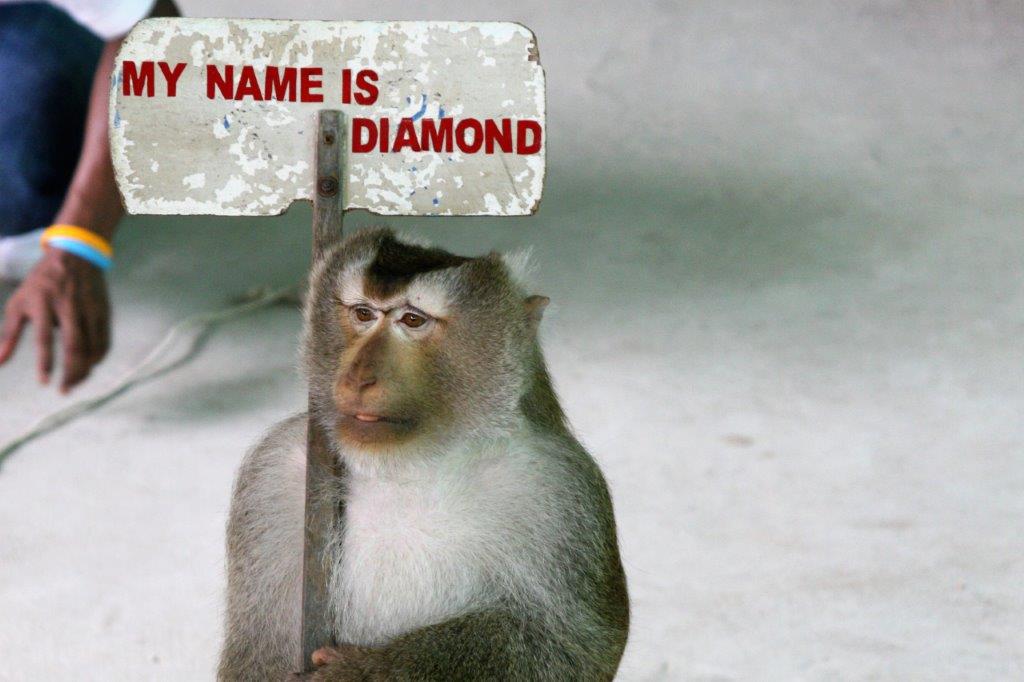
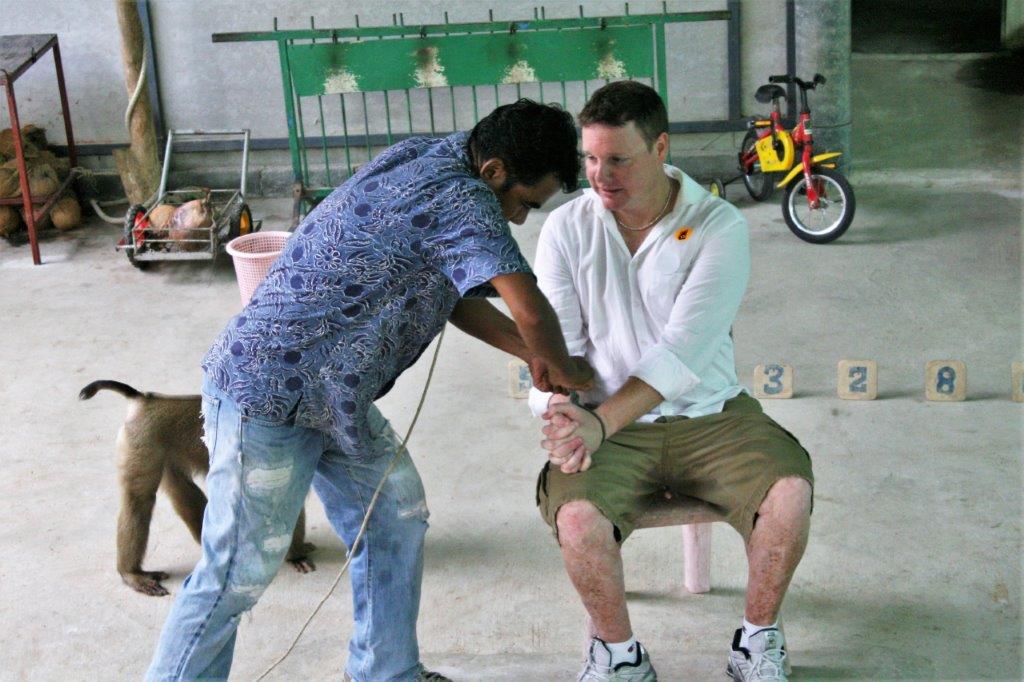
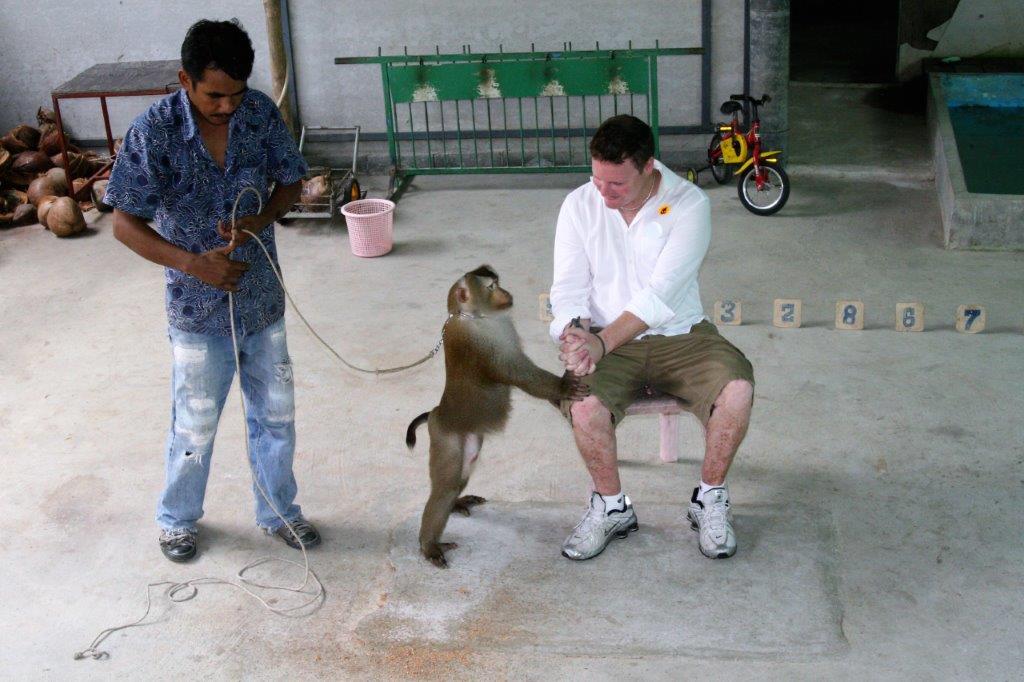
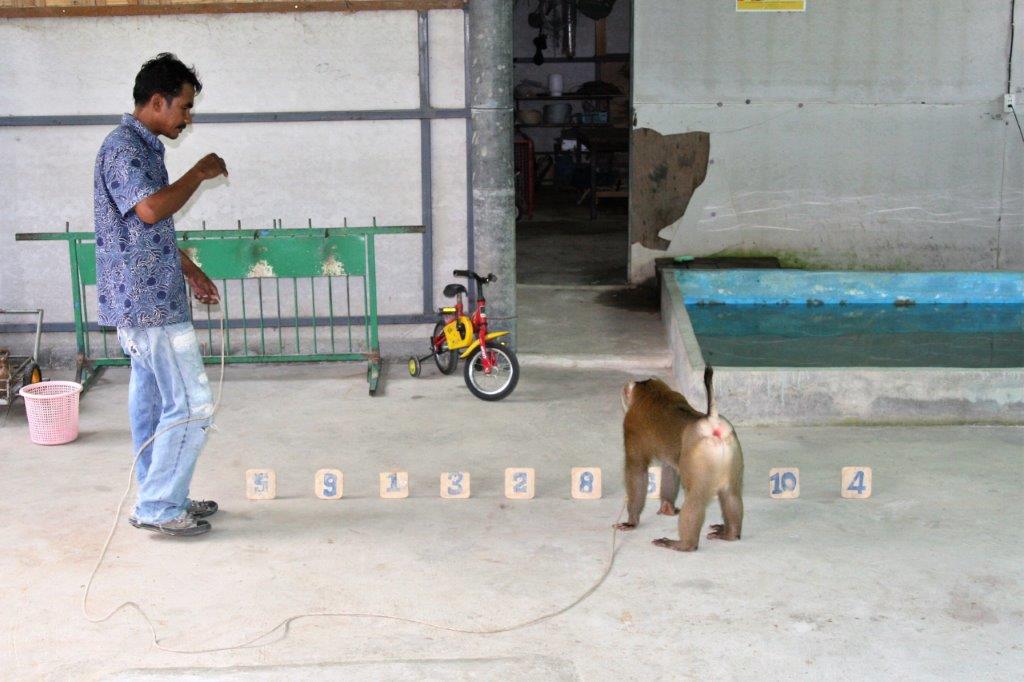
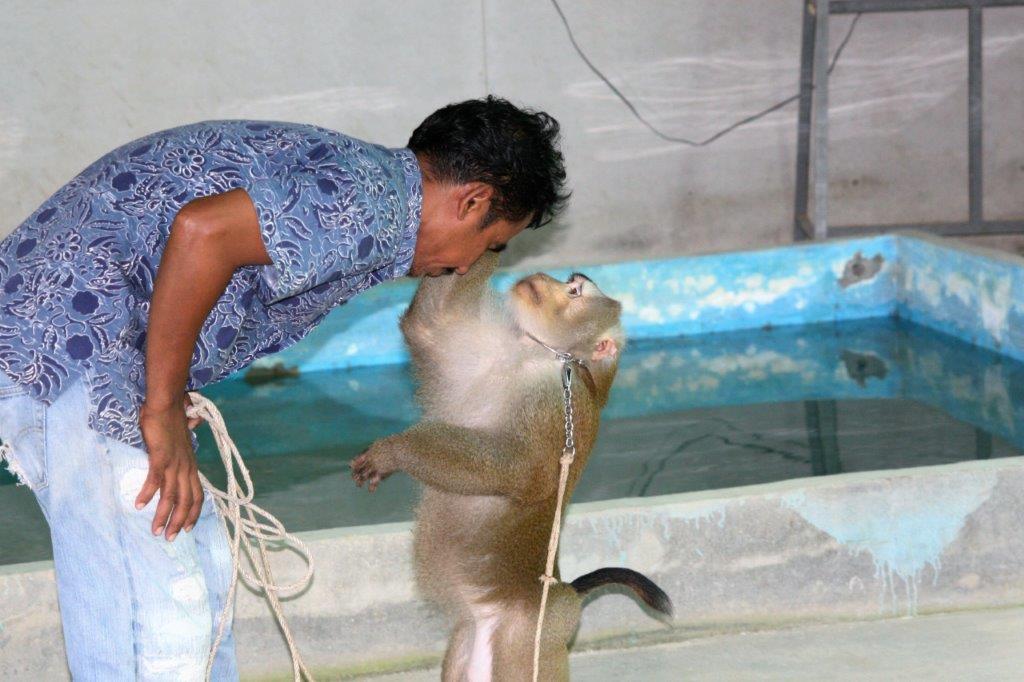
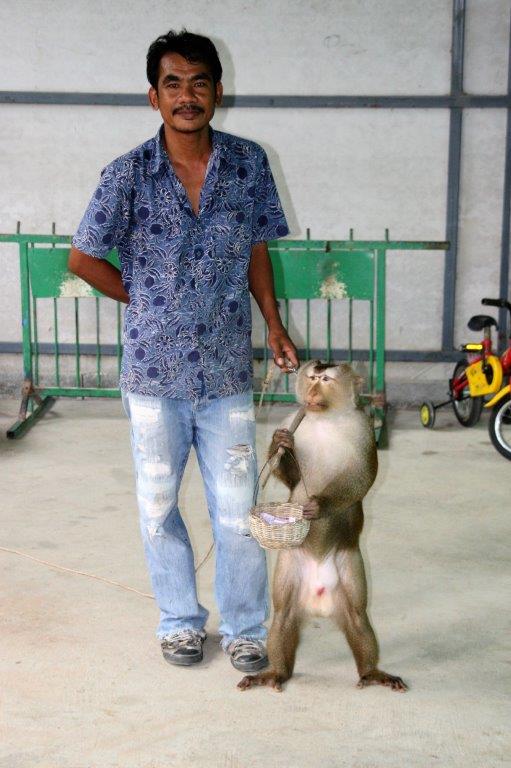
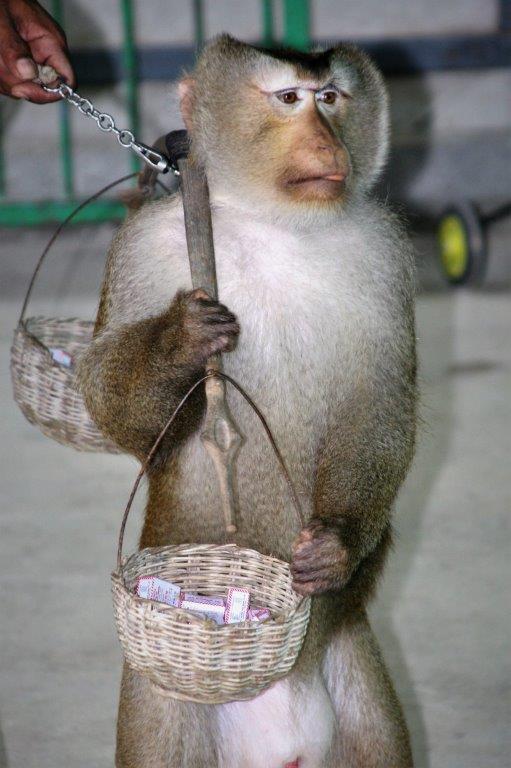
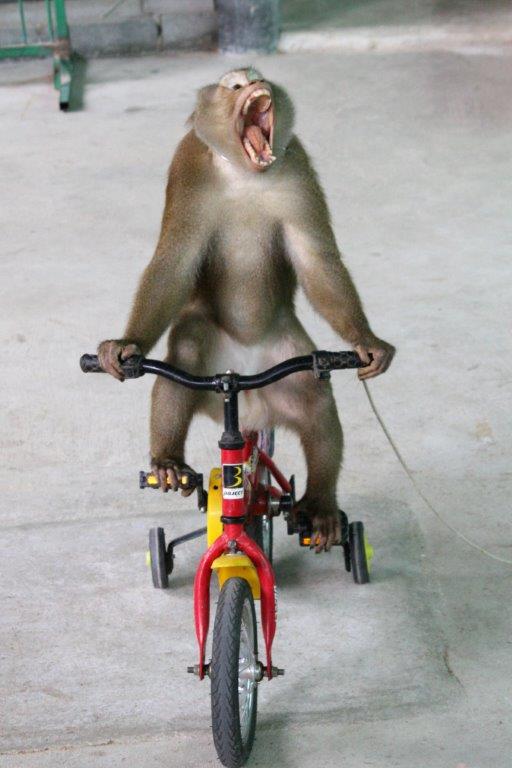
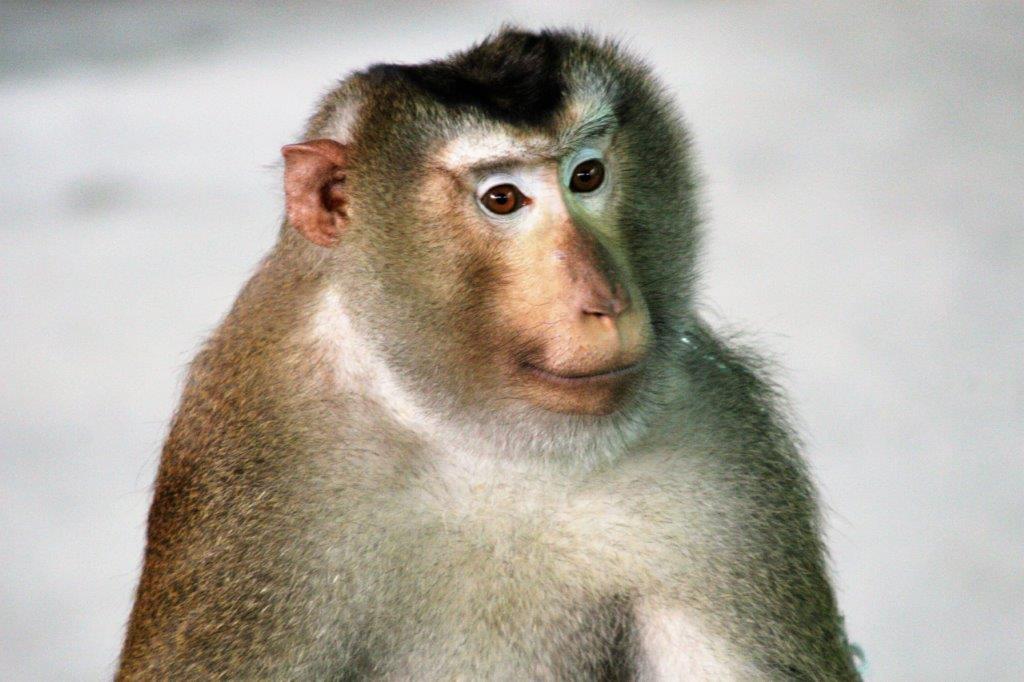
2009-03-18_1084 2009-03-18_1085 2009-03-18_1090 2009-03-18_1091The Mukat (Pigtail) monkey show was very entertaining and we got a real appreciation for the dexterity and intelligence of these little critters.

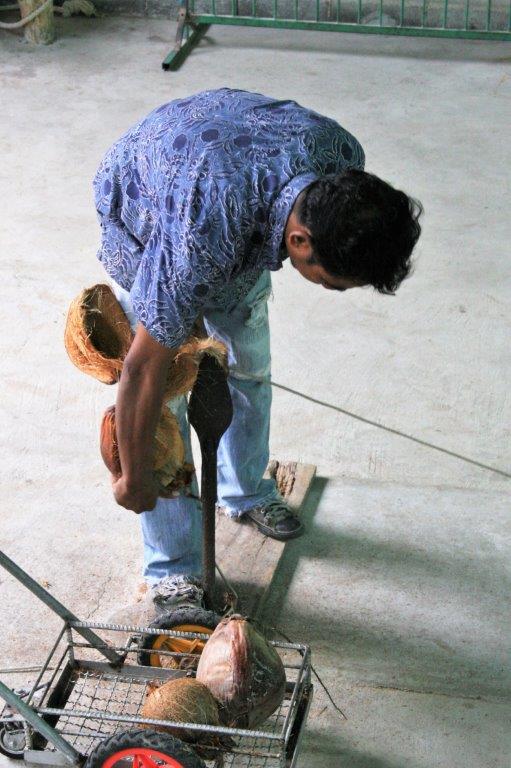
2009-03-18_1093 2009-03-18_1097It is important to do your exercises to warm up before work.2009-03-18_1099 2009-03-18_1102The monkeys (males only) are trained to climb the palms and twist off the coconuts so they fall to the ground to be picked up.2009-03-18_1104 2009-03-18_1105 2009-03-18_1106 2009-03-18_1117 2009-03-18_1118For our demonstration the monkey also loaded the coconuts into a cart and pushed it over to the trainer so he could show us how they split the coconuts.

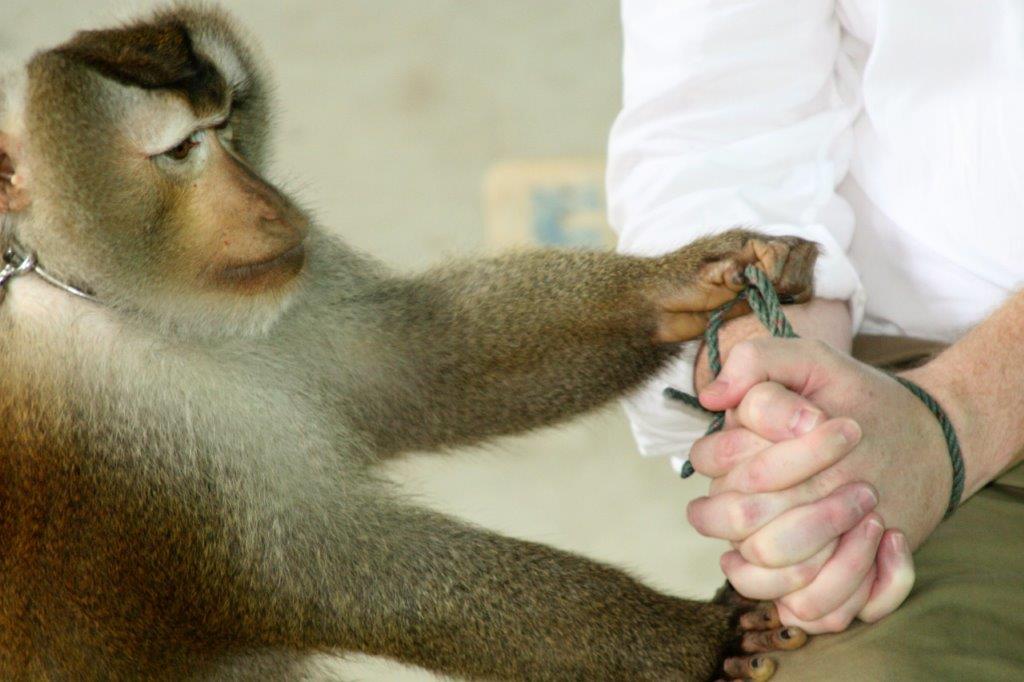
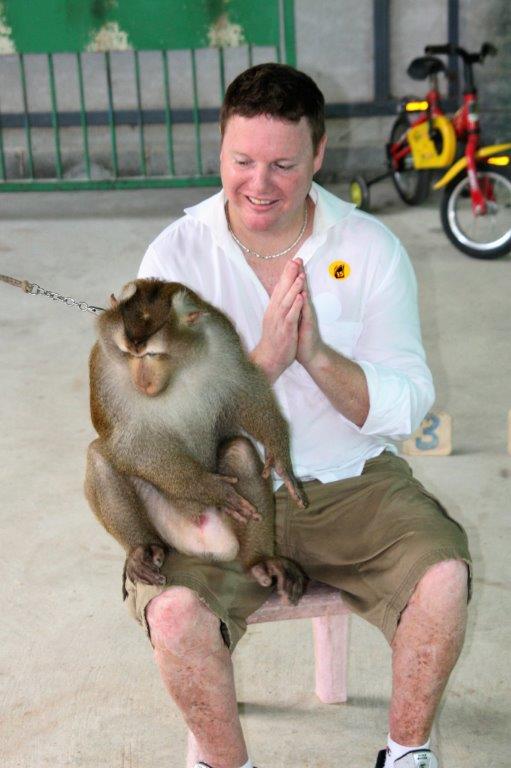
2009-03-18_1122 2009-03-18_11232009-03-18_1128This was a fellow in our tour group who volunteered to be tied up so the monkey could untie him.

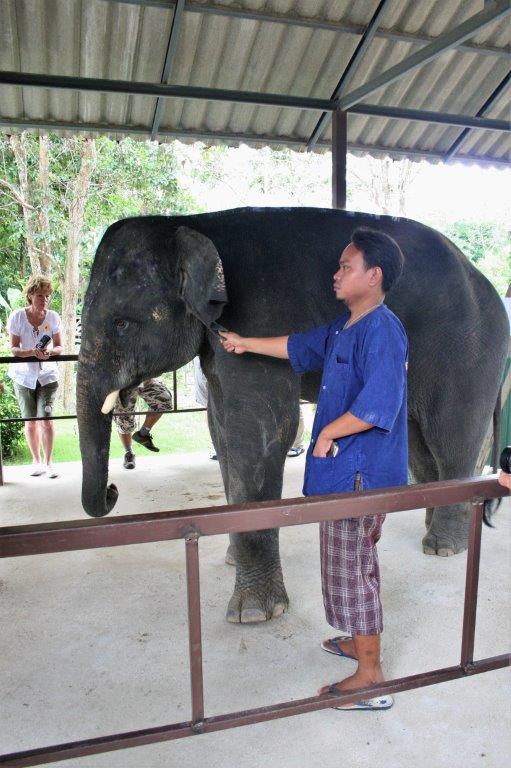
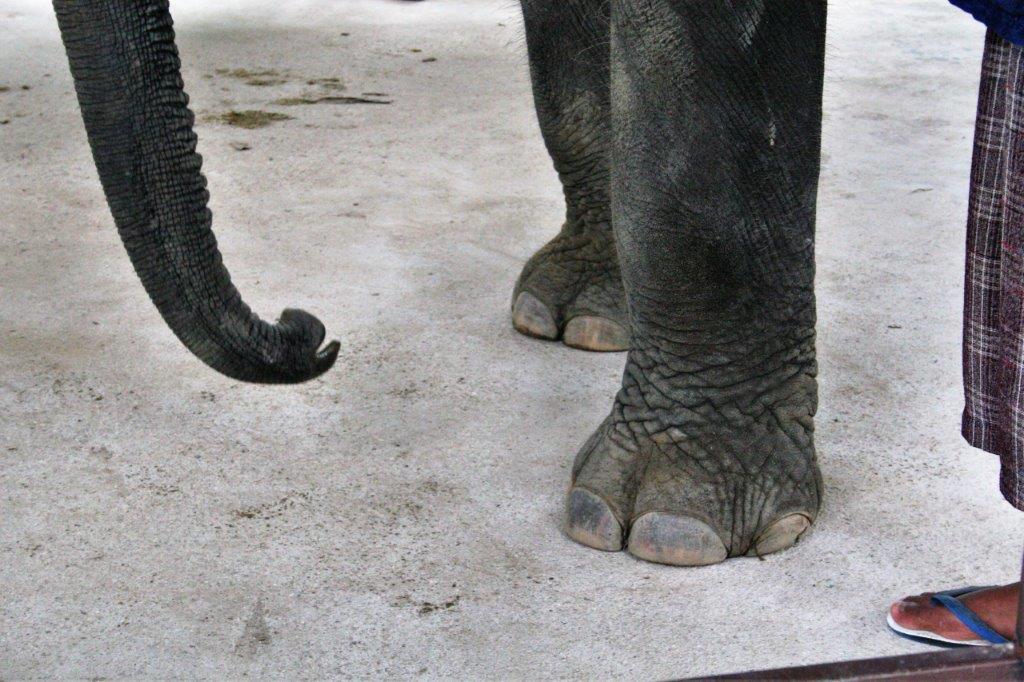
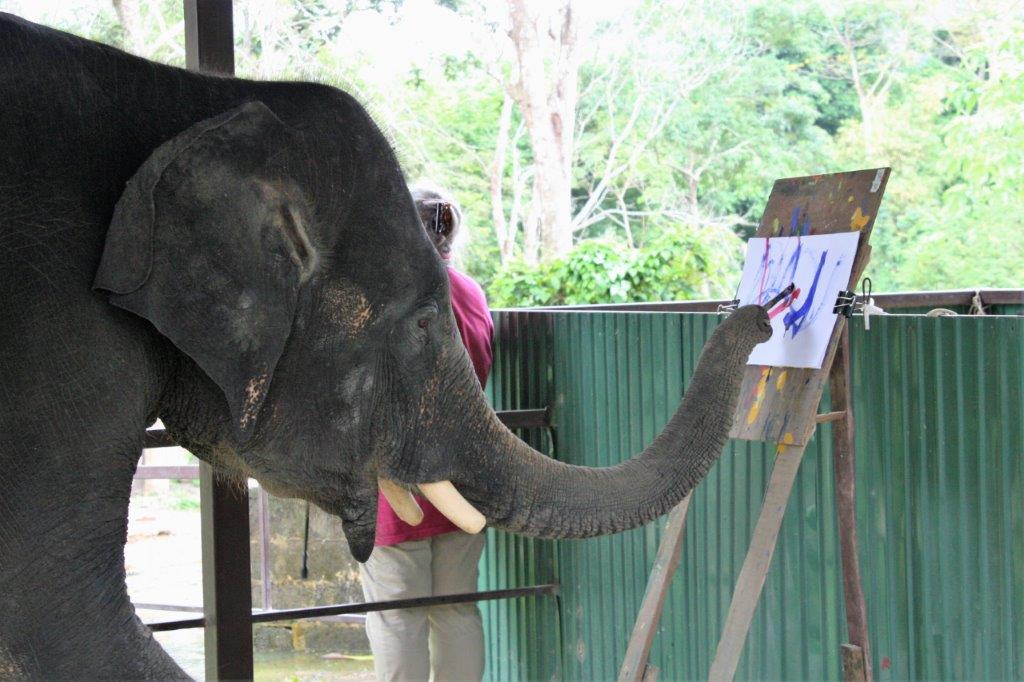
2009-03-18_1129 2009-03-18_1130 2009-03-18_1136 2009-03-18_1139 2009-03-18_1140After the ‘work’ demo we were treated to a few tricks.2009-03-18_1141 2009-03-18_1143 2009-03-18_1144 2009-03-18_1147 2009-03-18_1151 2009-03-18_1153_edited-1 2009-03-18_1156This baby elephant is 6 years old and she can dance, bow, play the harmonica and paint with water colours.

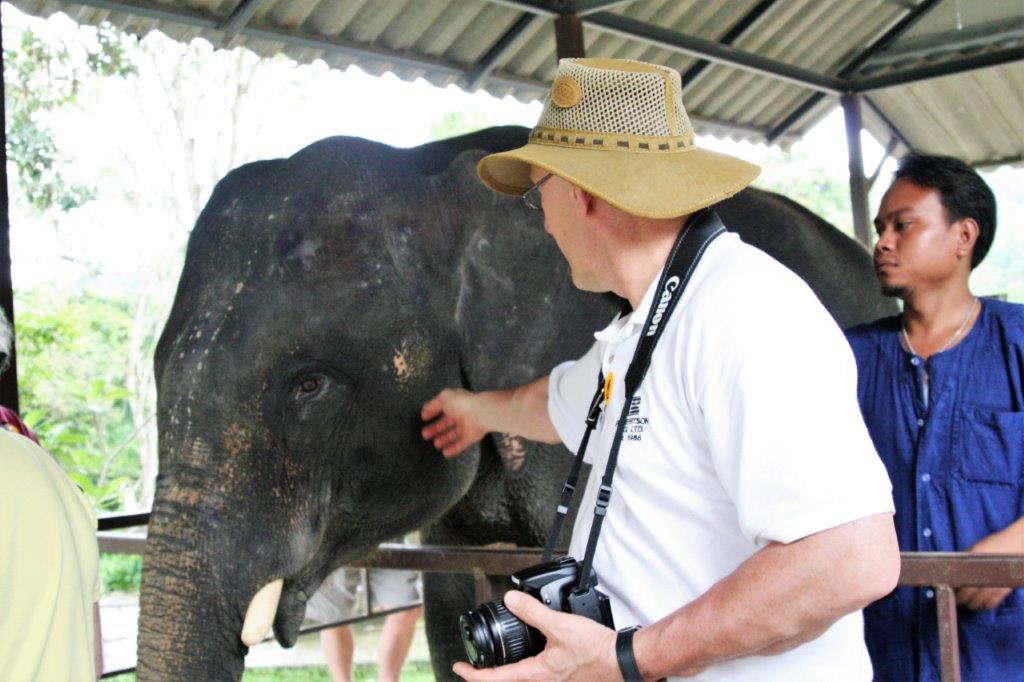
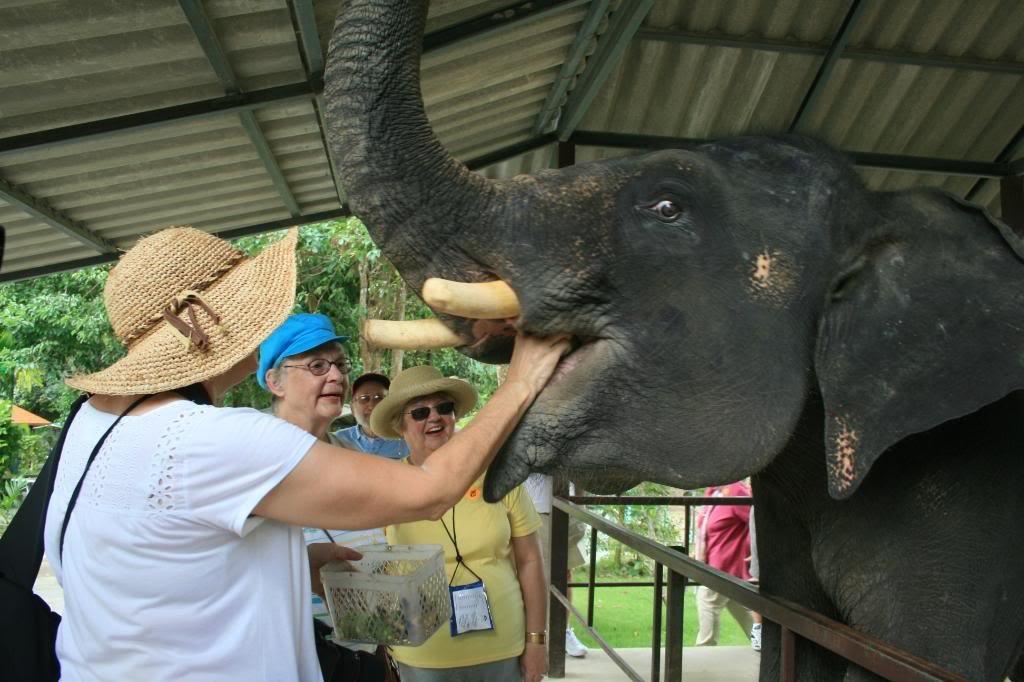
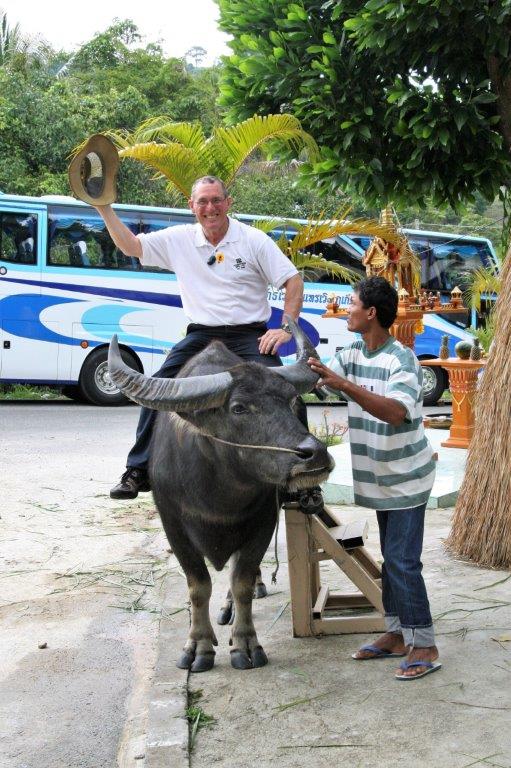
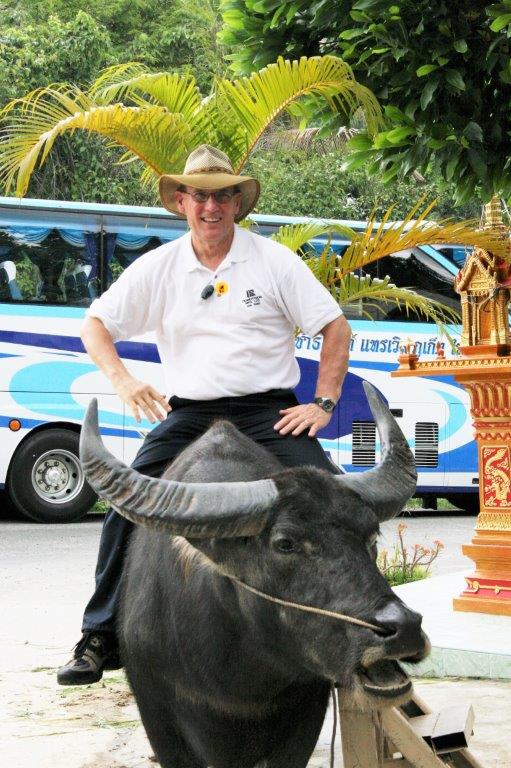
2009-03-18_1161 2009-03-18_1163 2009-03-18_1171 2009-03-18_1175We got the opportunity to feed her some cucumber chunks and bananas.2009-03-18_117820090317_1036A short ride in an ox-cart around the grounds was next.2009-03-18_1183 2009-03-18_1189 2009-03-18_1193_edited-1 2009-03-18_1185 2009-03-18_1195While we waited for our turn to ride the elephants John sat on this big water buffalo.

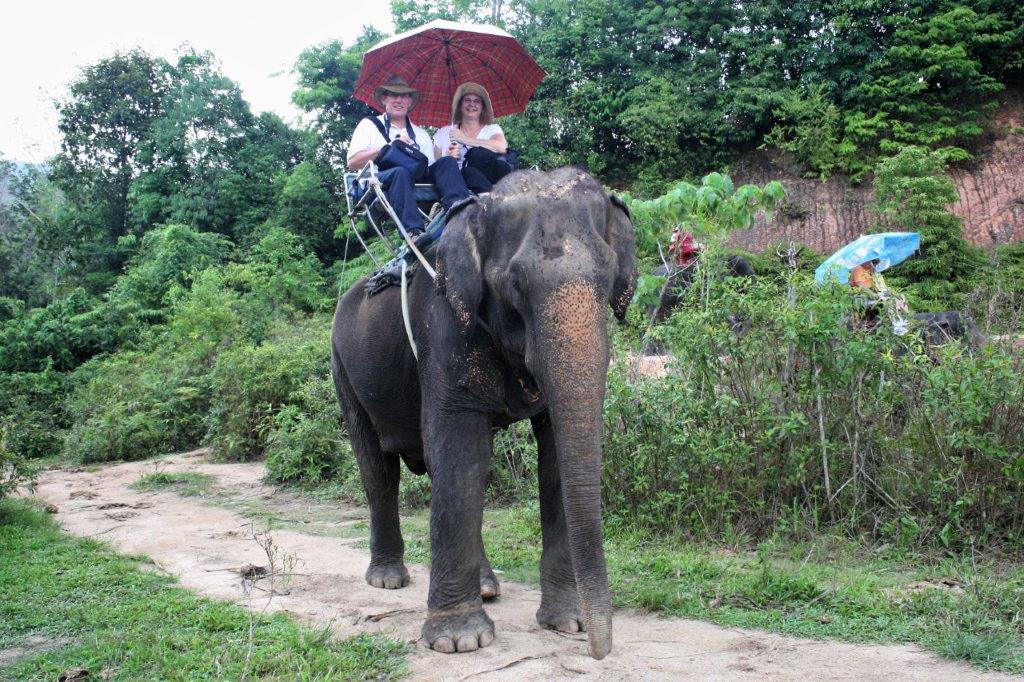
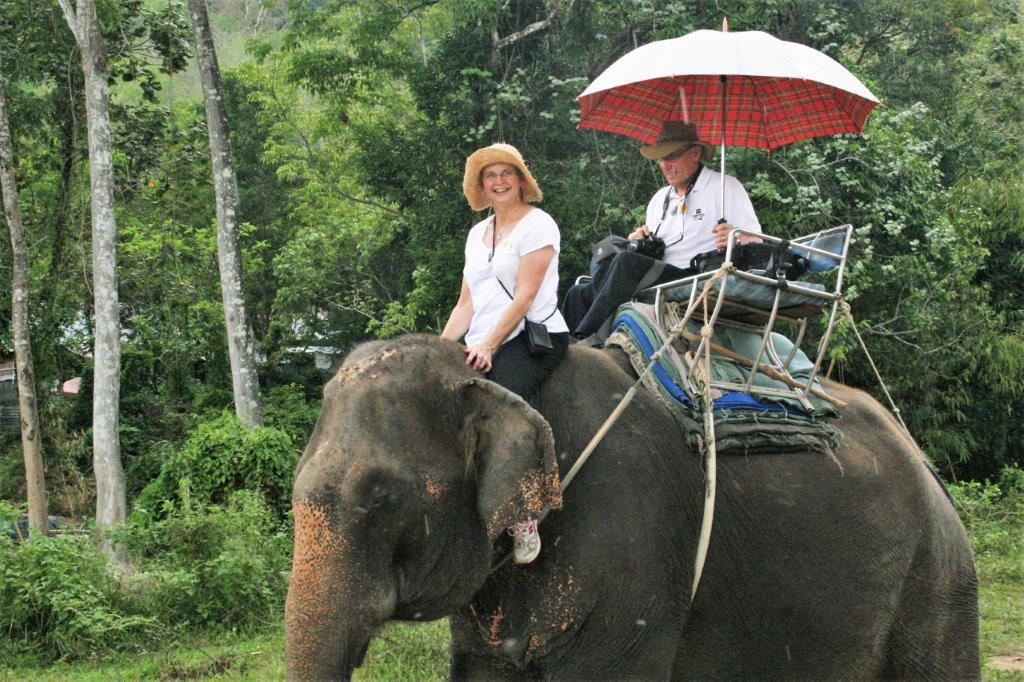
2009-03-18_1198 2009-03-18_1199We climbed a platform and stepped off onto a bench on the back of an elephant; two persons per bench.  Then a group of seven elephants (there were 14 altogether so we were in a rotation) took off to do the walk through the jungle.  There were four buses of tourists at the safari so the elephants had a busy day.

It wasn’t long after we set off that the rain began and umbrellas were handed round. When we had gone about half way on our 30-minute ride on the rugged up and down trail our guide stopped the elephant, hopped down and asked for my camera so he could take some photos for us.  Then he asked me if I wanted get off the bench and sit on the neck while we walked on further.  Well, yes, of course I did! 2009-03-18_1214 2009-03-18_1219_edited-2 2009-03-18_1220 2009-03-18_1223 2009-03-18_1230The visit to Bukit Safari ended with a Thai cooking demonstration and a delicious lunch.  By the time we got back to the ship at 3 the rain had stopped and it was sunny and hot.  We wandered through the dockside bazaar for a little while, then went aboard for dinner.

The ship sailed at 11 pm.  Thailand was our last port-of-call in Southeast Asia.  We sailed for three days before arriving at our first of two stops in India; Cochin.  Following a full day in Cochin we spent two days in Mumbai.  The first day in Mumbai we left the ship at 7 am and flew to Agra to visit the Taj Mahal.

2009 March 16 (World Cruise) – Day 70 – Singapore, Republic of Singapore

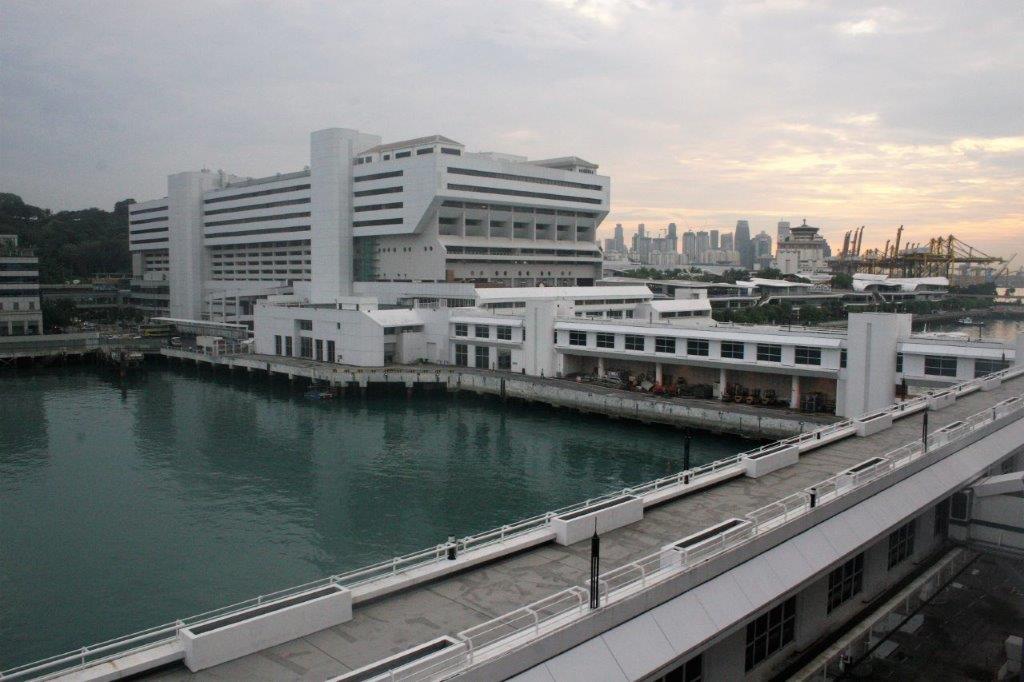
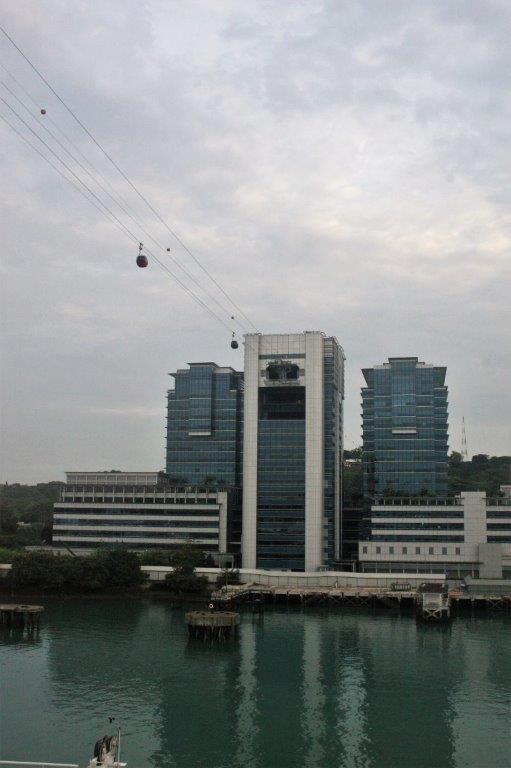
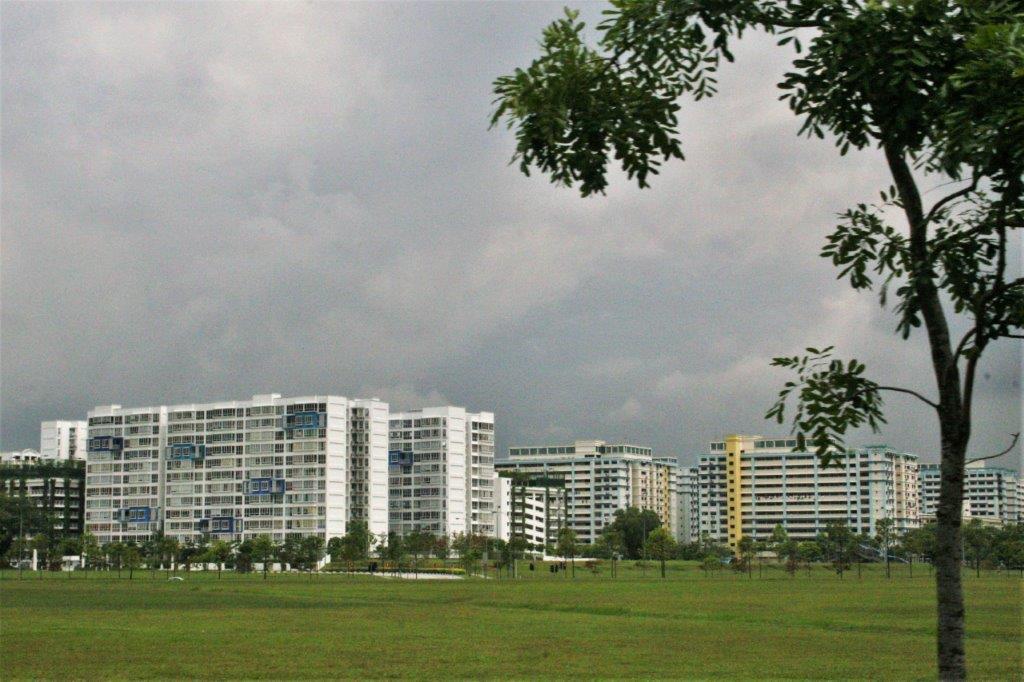
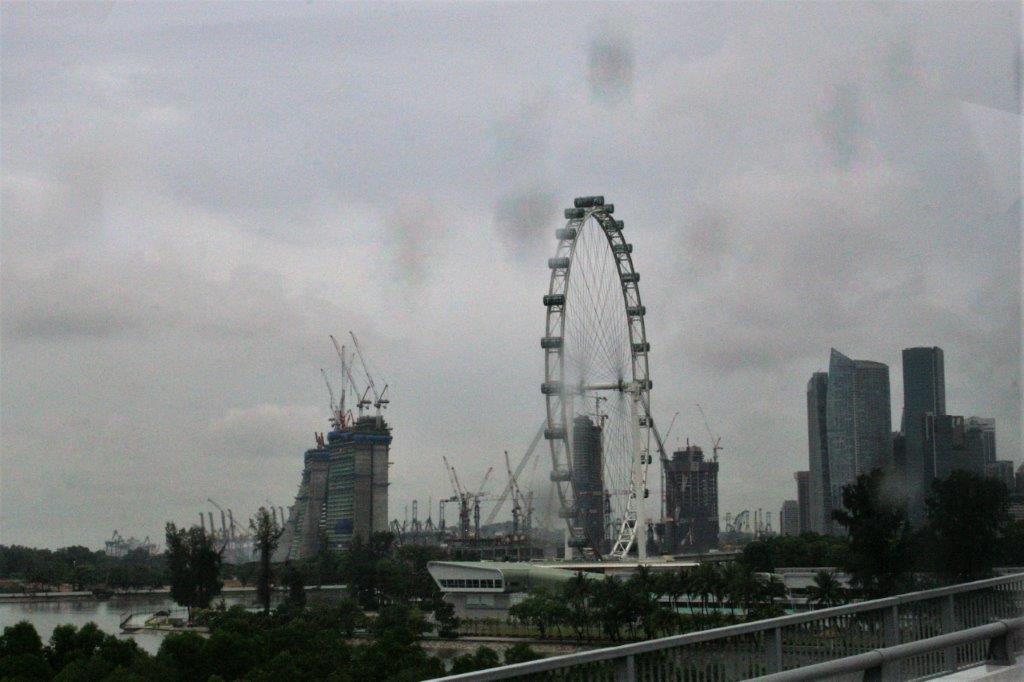
2009 World Cruise – We had a very busy day in Singapore and once again it rained on and off all day.2009-03-16_05992009-03-16_0597Singapore is a city state on an island of 600 sq. km with a population of 4.5 million.  They also have 63 islands as part of the republic but most of them are uninhabited.  The leader of Singapore is the highest paid country leader in the world with a 2016 annual salary of $2.32 million.  (The US President is second at $527,000 and Australia’s Prime Minister is third at $522,000.  Canada’s PM ranks 8th at $333,000.)  Singapore also topped the world’s most expensive place to live for the second year in a row.  But about 80% of the people live in subsidized state-owned housing and they have good health care.  There is an 20% automatic deduction of their salary for medical insurance, to provide retirement savings and to build up a savings account they can access to buy a house; which are very expensive; as are cars because the government wants to restrict the number of vehicles on the island’s roads.  Singapore is very aware of emissions and pollution so everything that can be cone in an environmentally friendly manner is done.  Even the sewage is treated to the point it can be drinking water.

Singapore is a oil refining and tourism center.  The refineries on the north-west side of the island stretch for several miles.  It took over 1/2 hour to sail past them as we left island.  Oil from Australia, Malaysia, China, Japan, etc. is all sold to Singapore where it is refined and sold back to the countries who use it or export it.

The city of Singapore covers most of the island (it is 23 miles from north to south) and they import 80% of their food.  Security going off the ship, and back on again, was very strict. We were warned as well to take no chewing gum, chewing tobacco, cigarette lighters or anything remotely shaped like a gun or revolver – and no drugs of any kind –  with us ashore.  Littering in Singapore is also heavily fined.  It is regularly ranked one of the cleanest cities in the world.  There is no graffiti and very little crime.  You can walk anywhere in the city day or night without fear of harm. The government is very strict – they practice the death penalty and flogging.

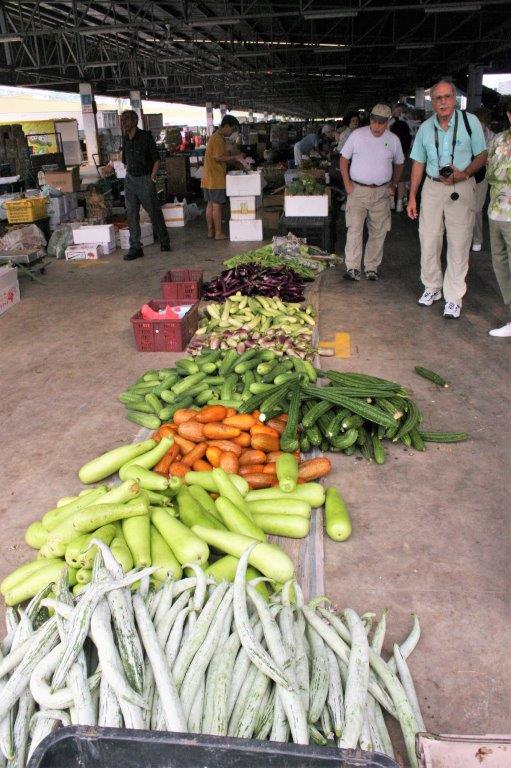
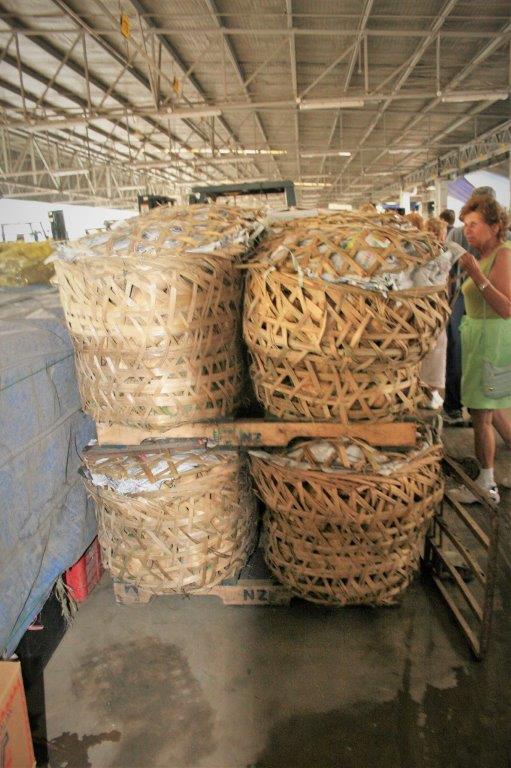
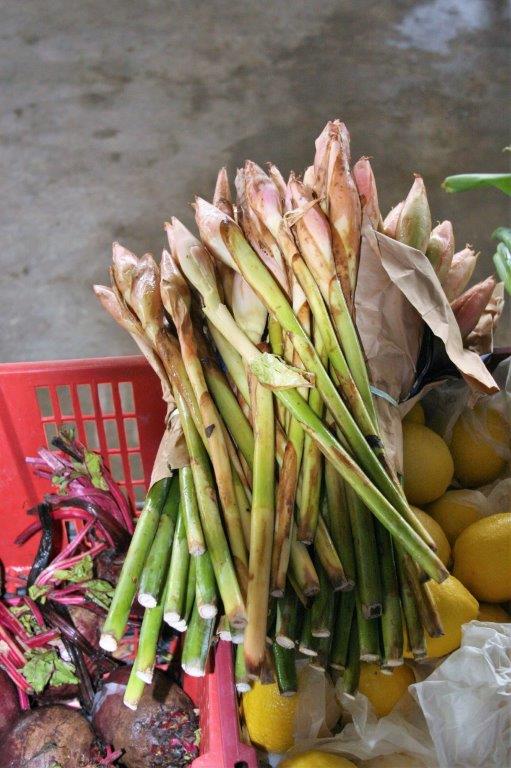
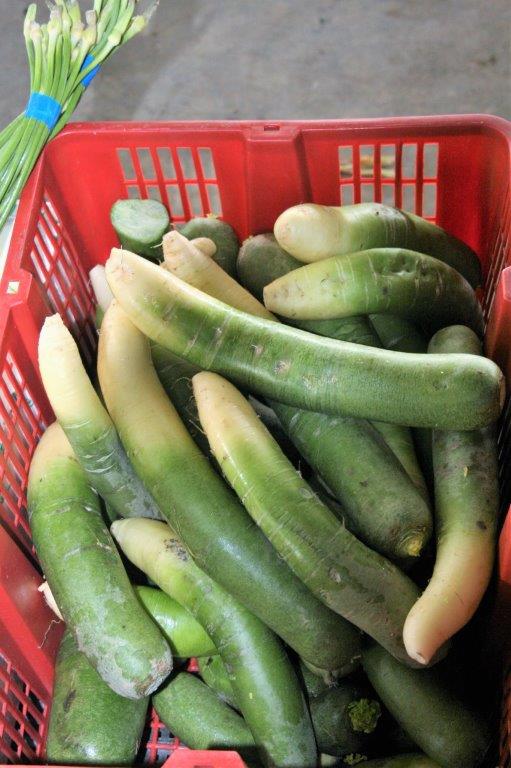
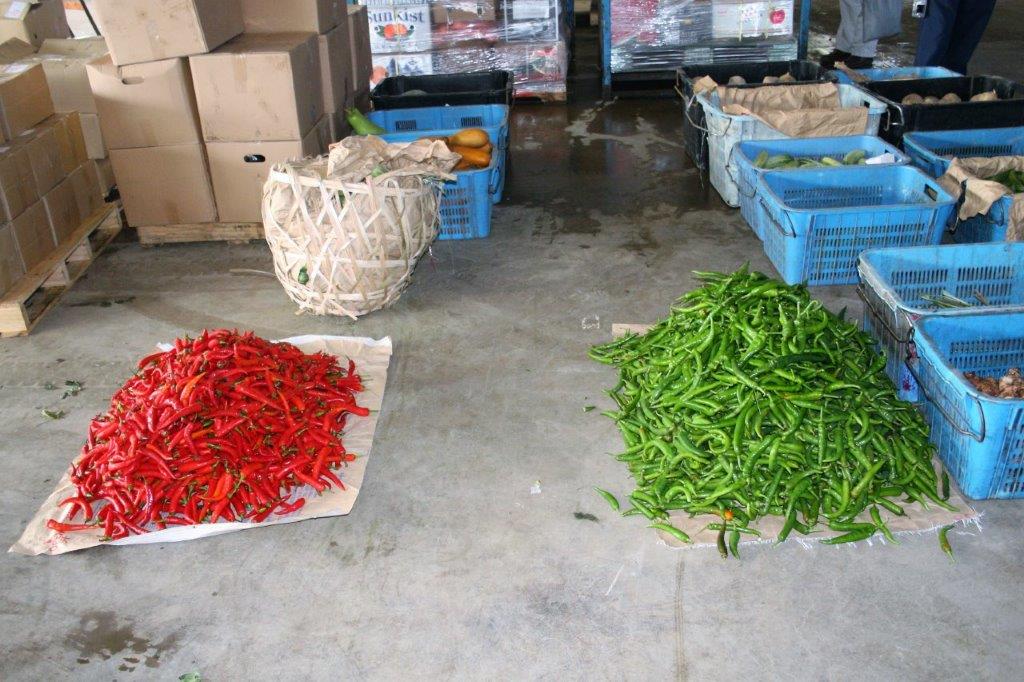
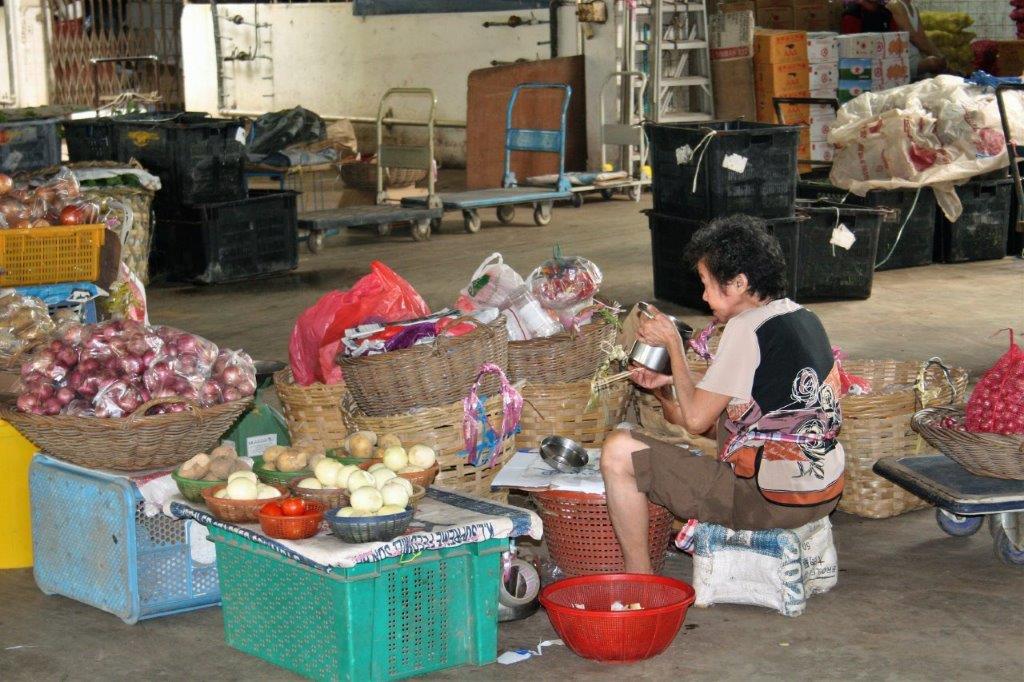
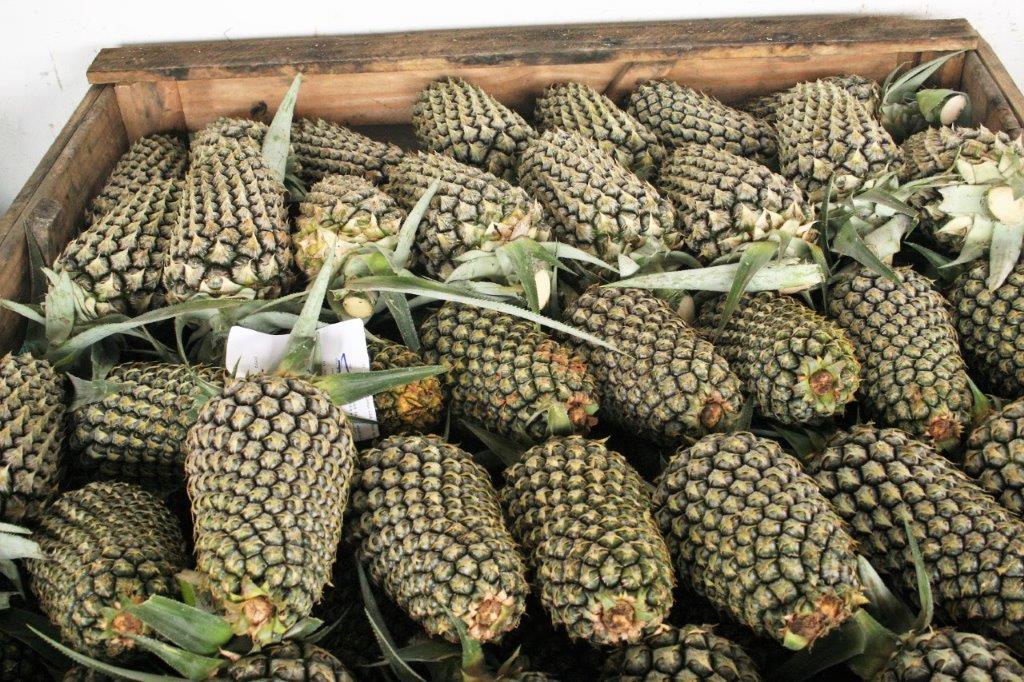
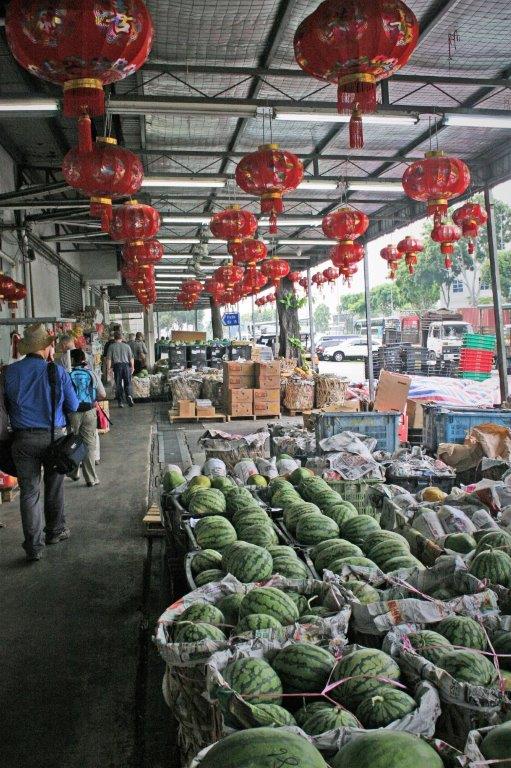
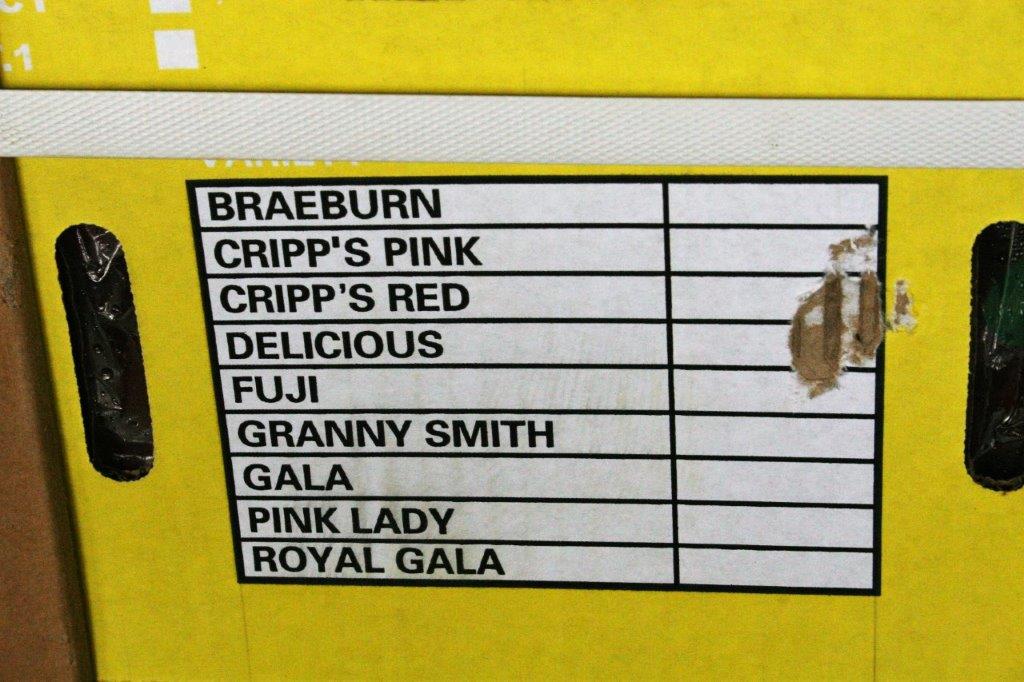
Our first excursion of the day was a “Round Island Tour” and the first stop was a huge wholesale food market.  This was not too exciting for us country folk that have seen such things before – perhaps not quite this big, but the concept is the same.  However some of the people on the tour were fascinated with all the crates of fruit and veggies and the items piled on the floor or in reed baskets.2009-03-16_0614 2009-03-16_0609 2009-03-16_0615 2009-03-16_0610 2009-03-16_0611 2009-03-16_0612 2009-03-16_0613 2009-03-16_0616_edited-1 2009-03-16_0621 2009-03-16_0625_edited-1 2009-03-16_0620 2009-03-16_0619                            They even had boxes of Washington apples.

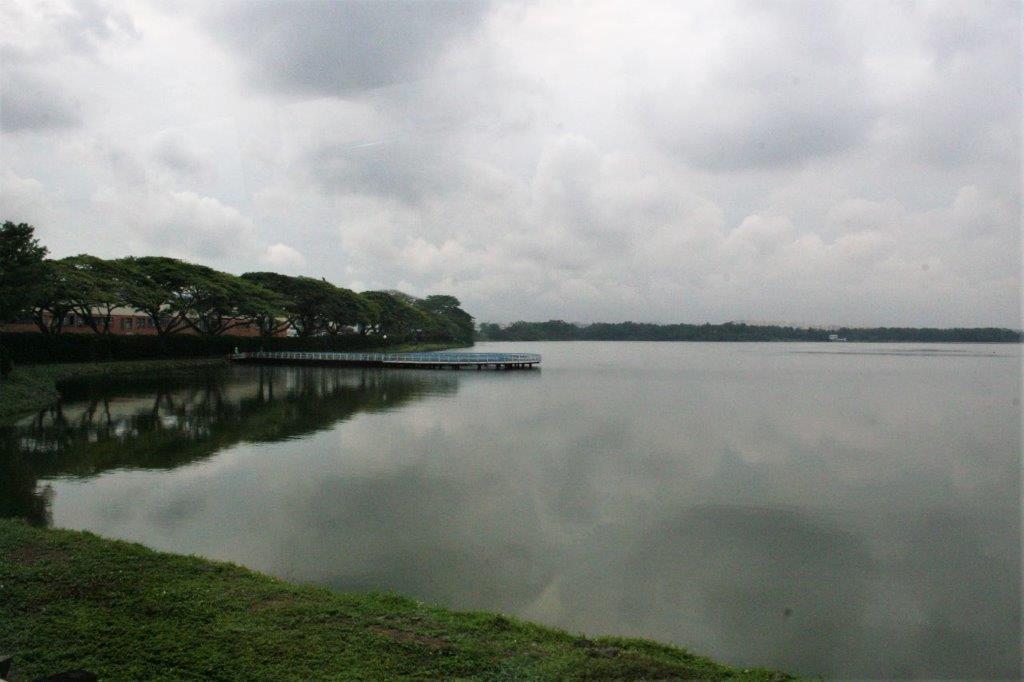
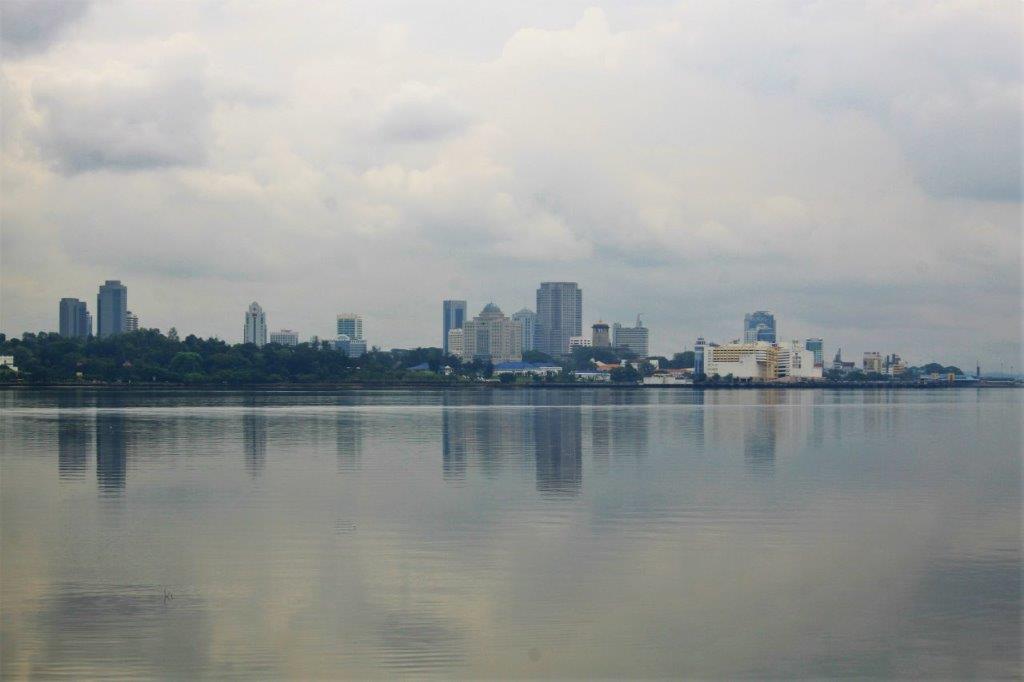
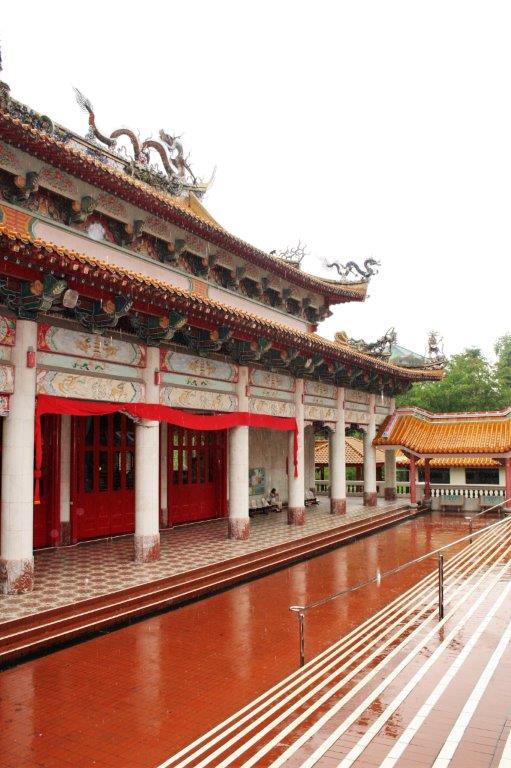
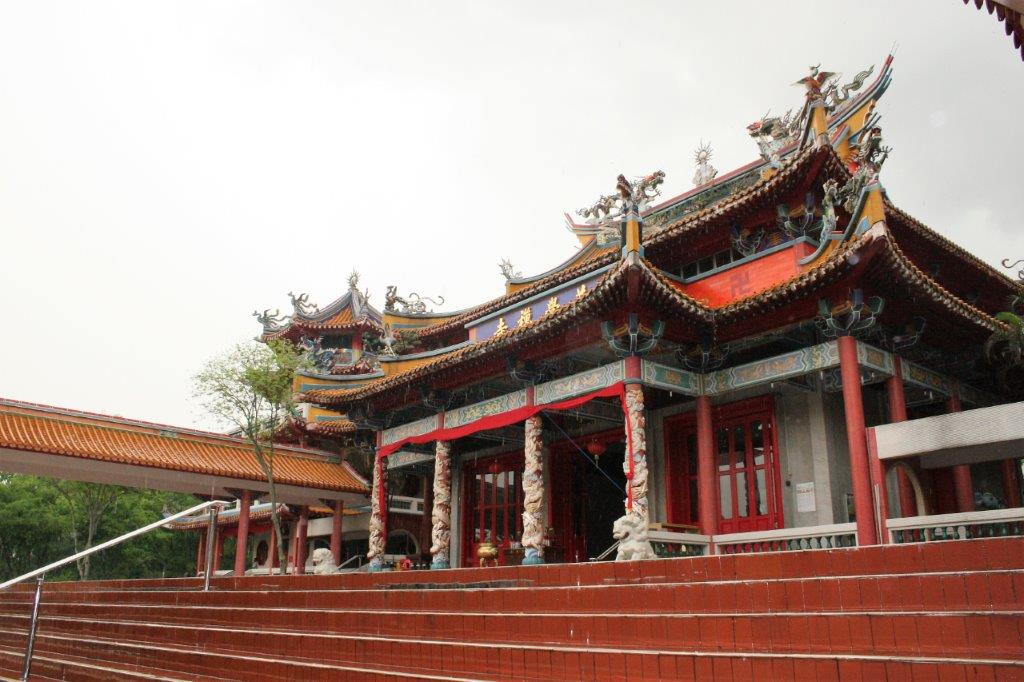
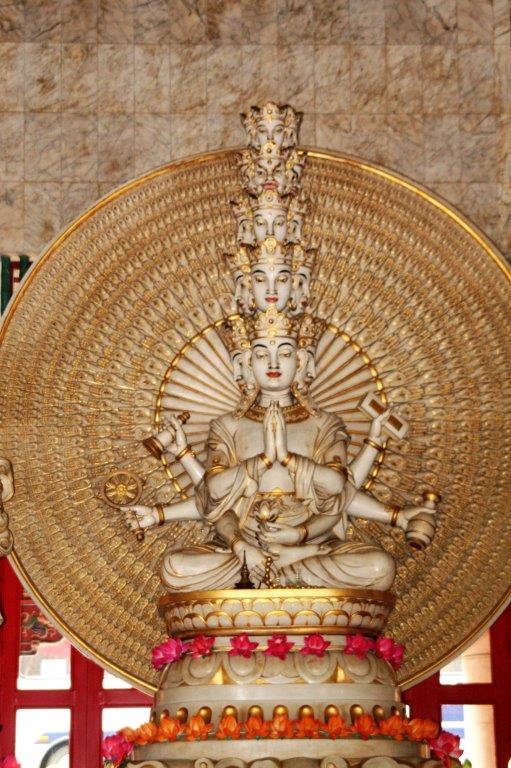
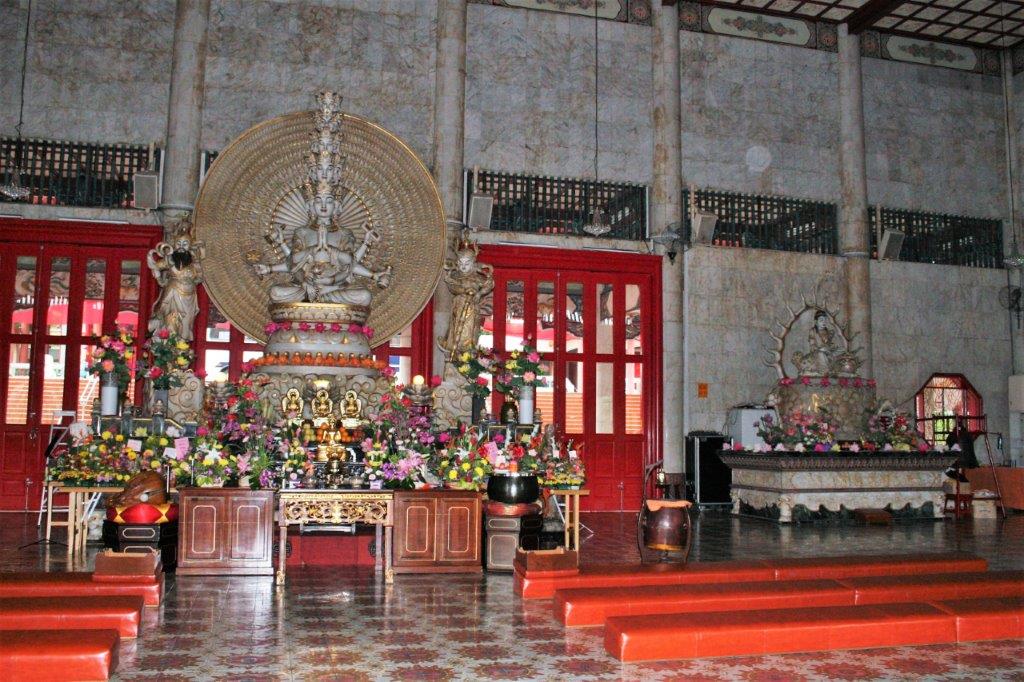
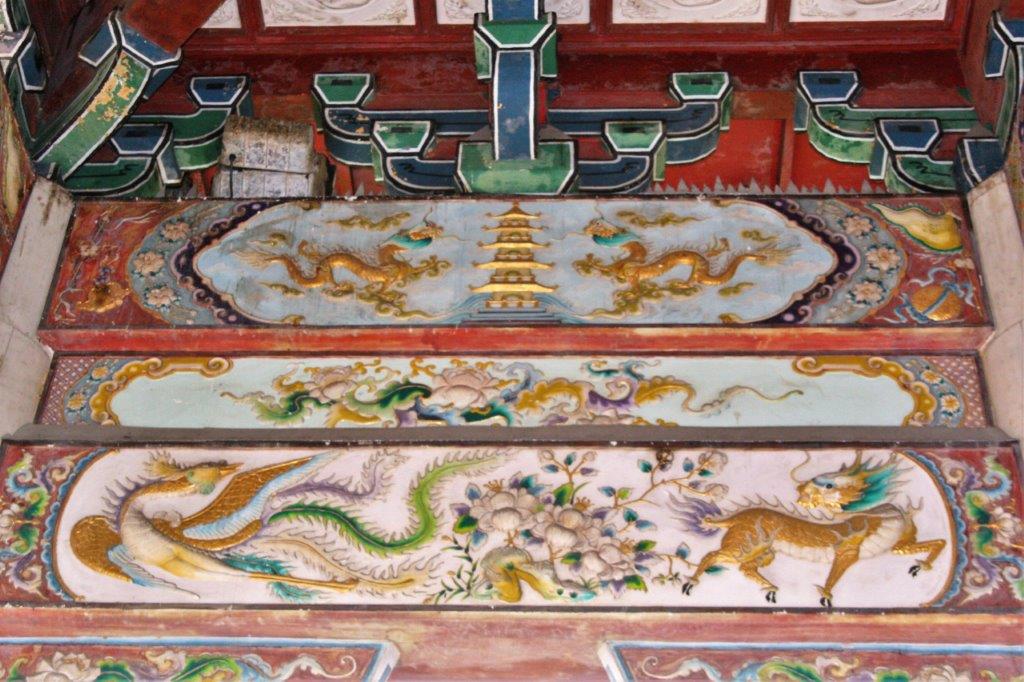
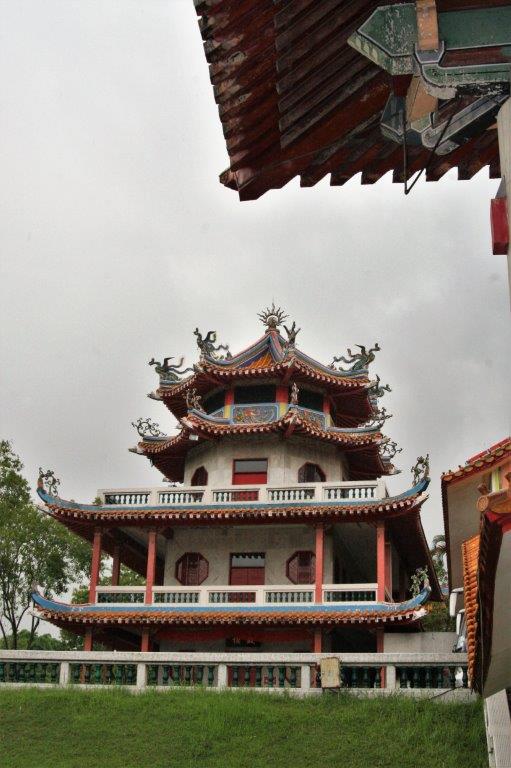
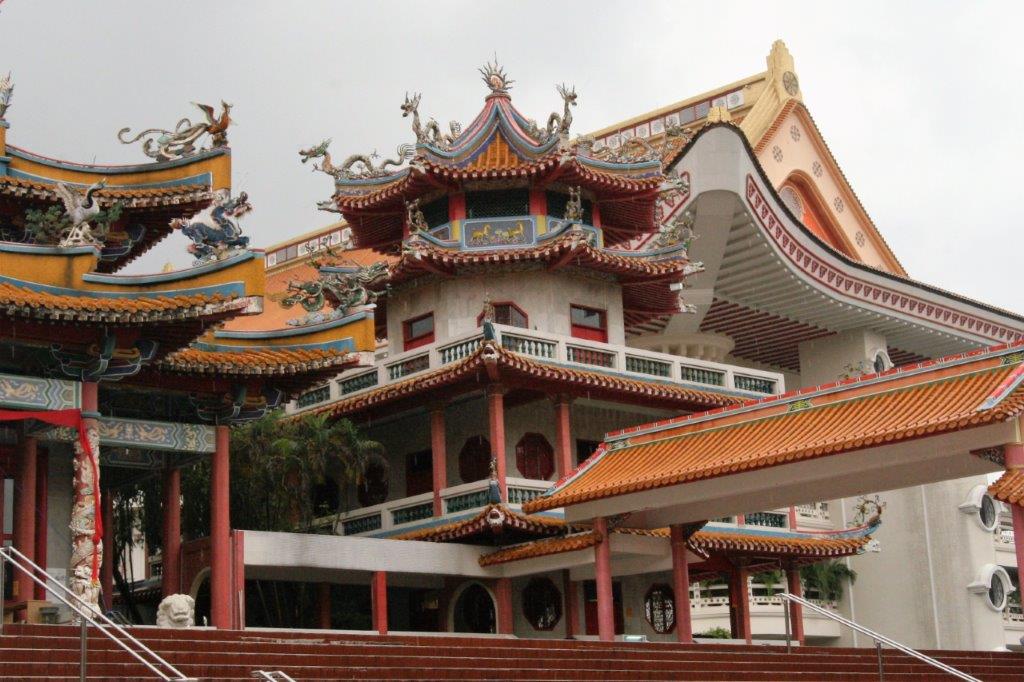
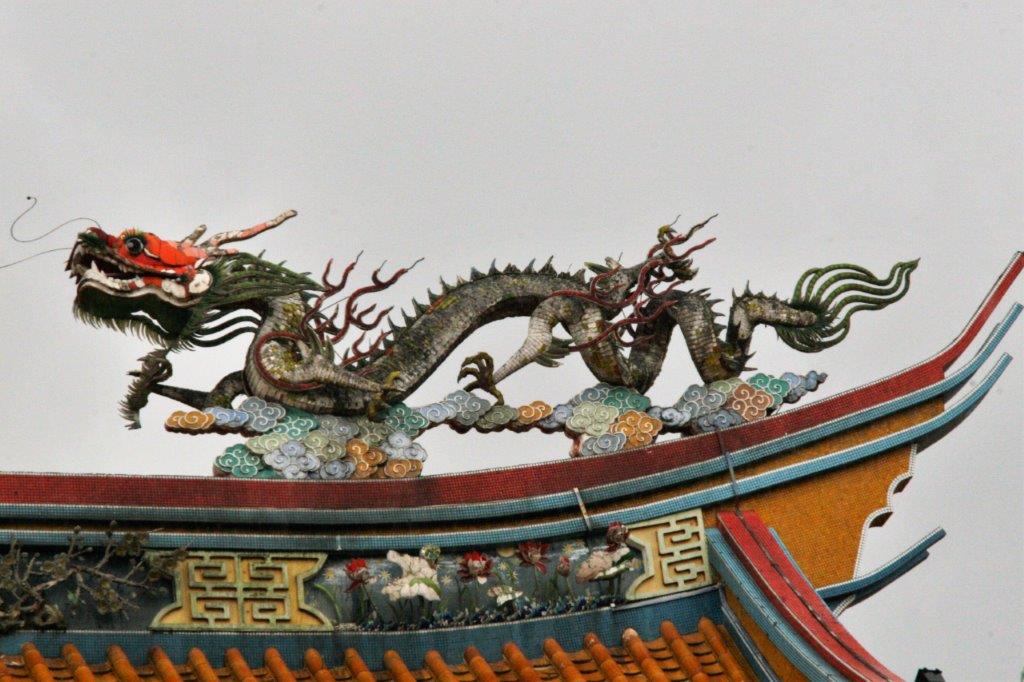
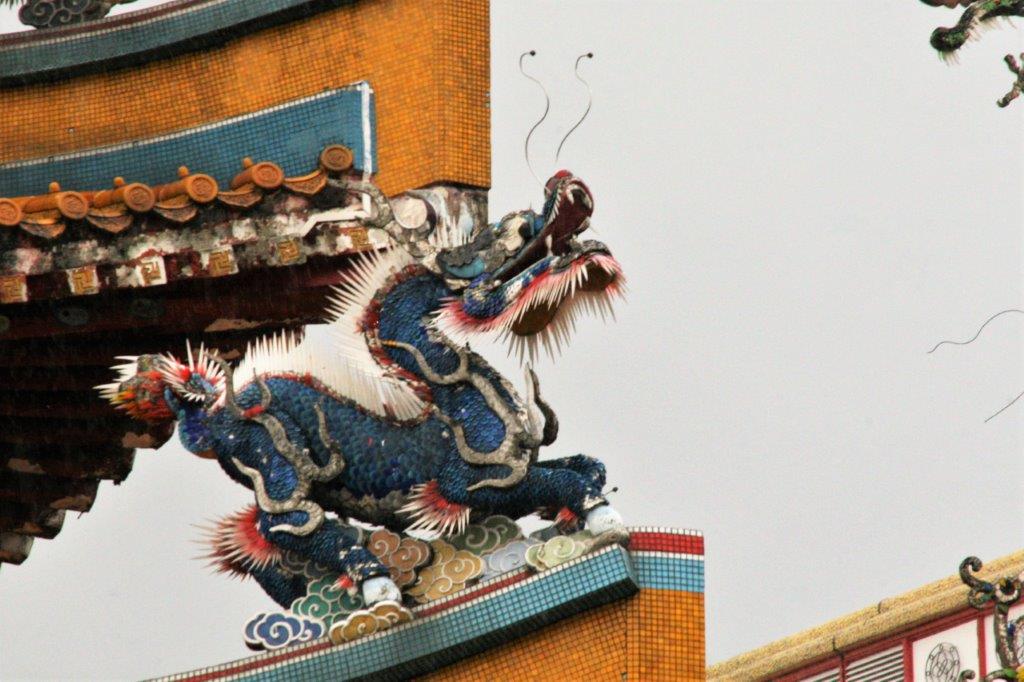
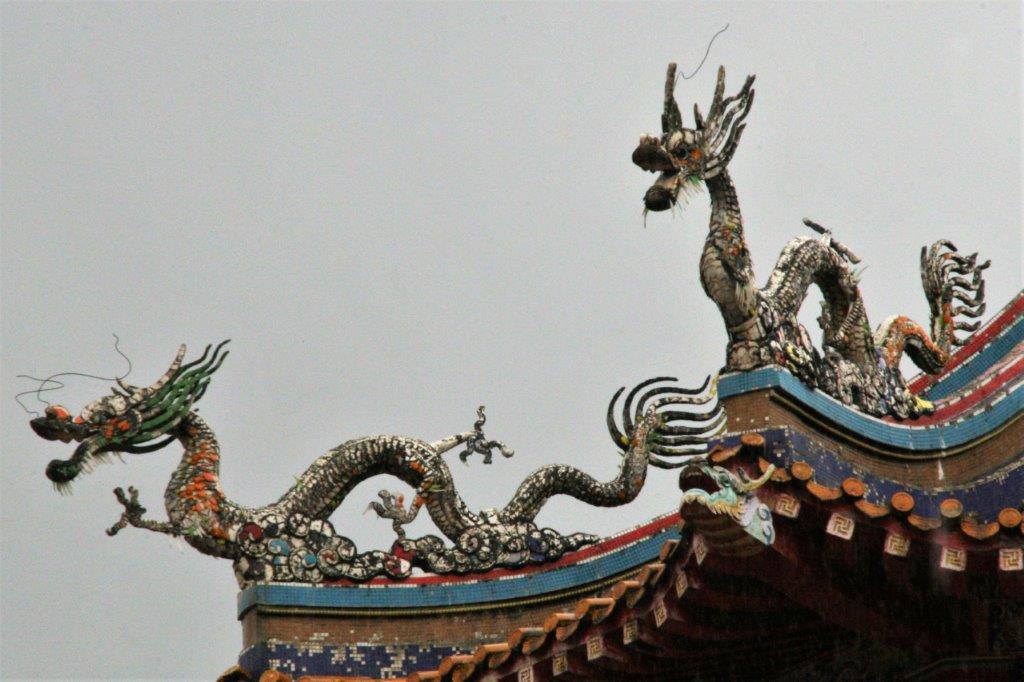
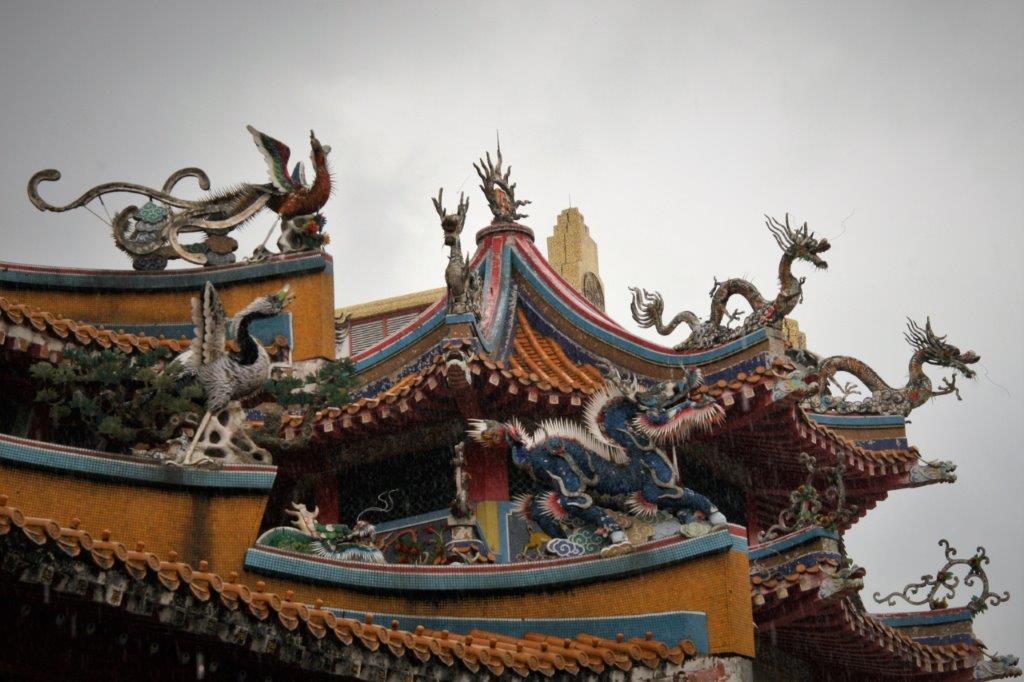
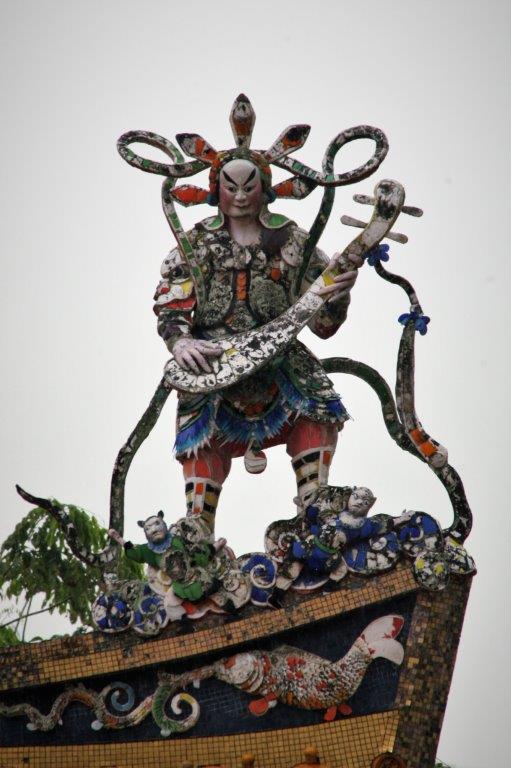
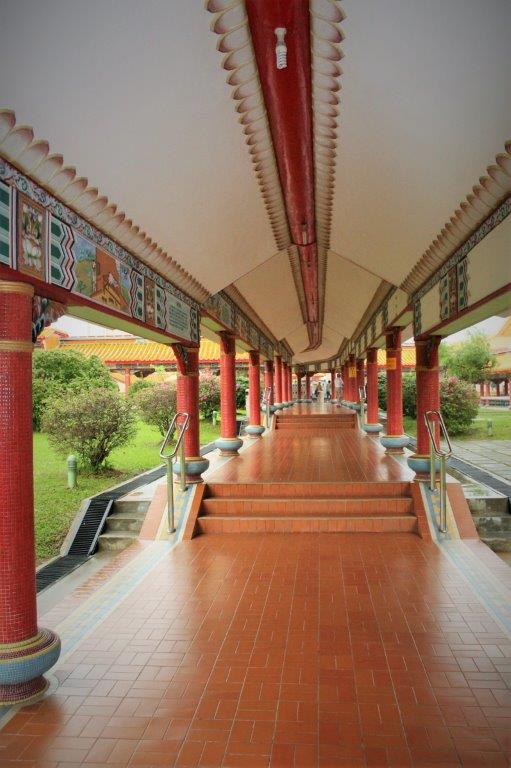
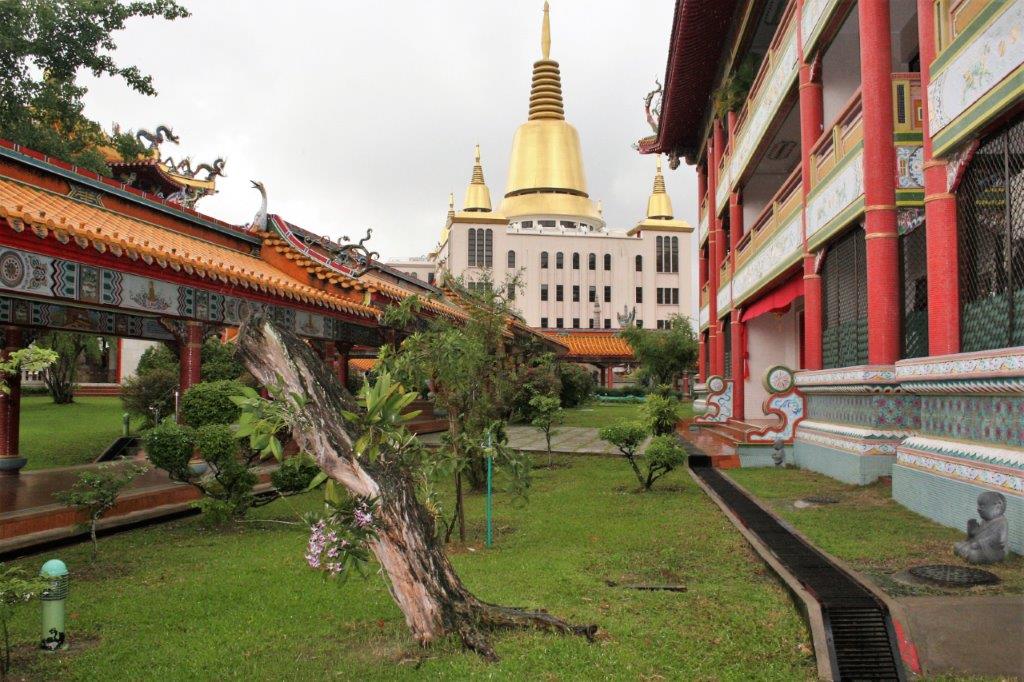
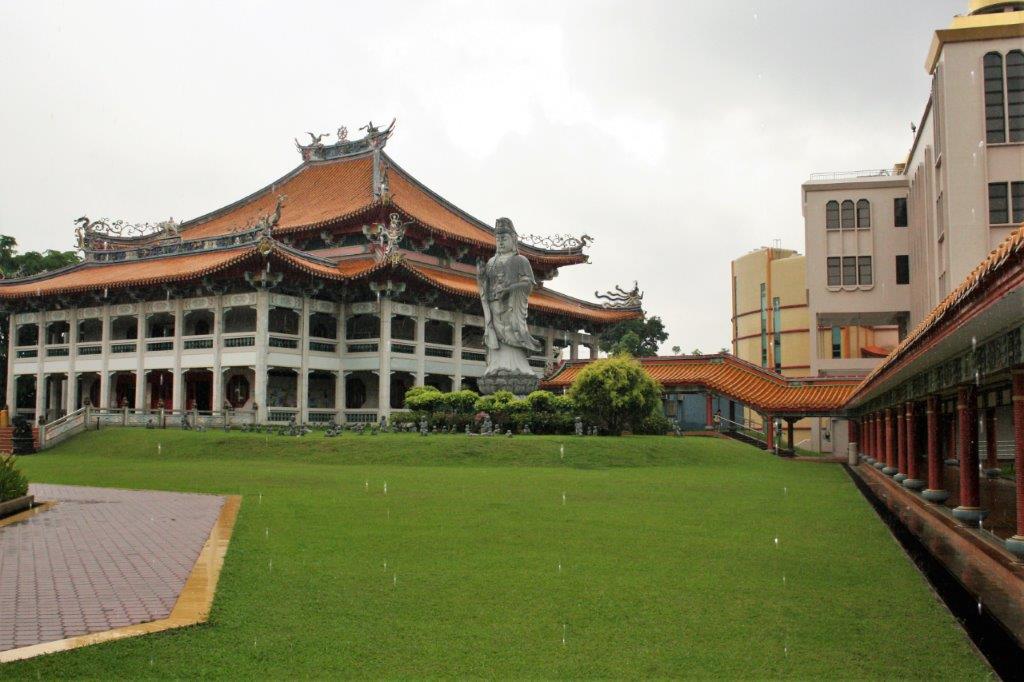
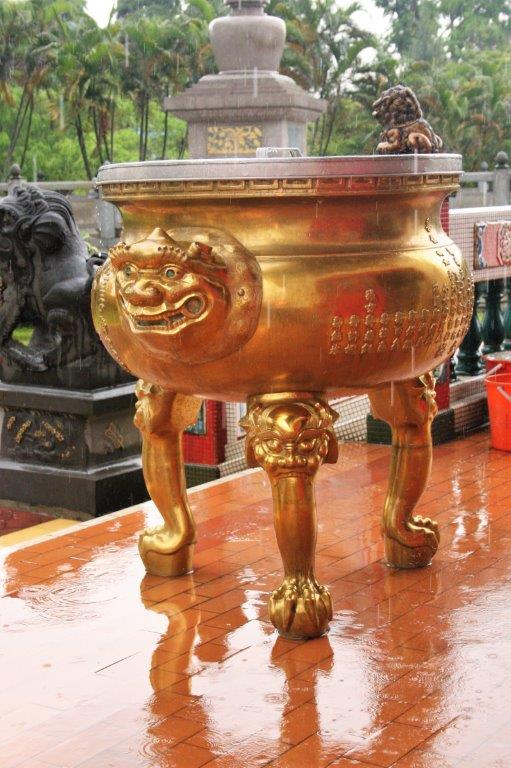
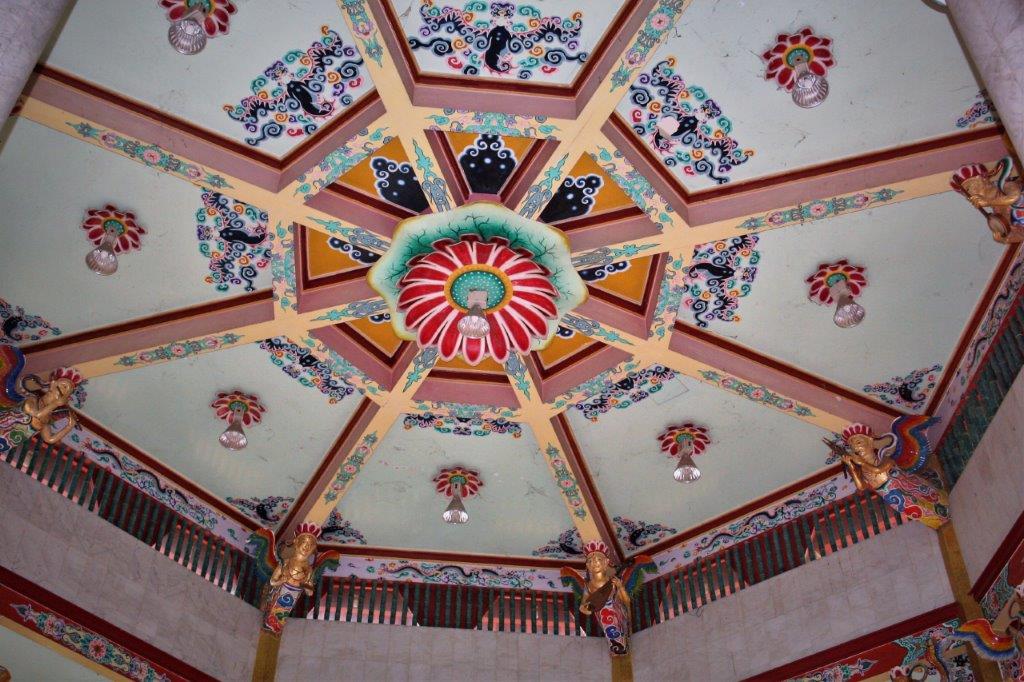
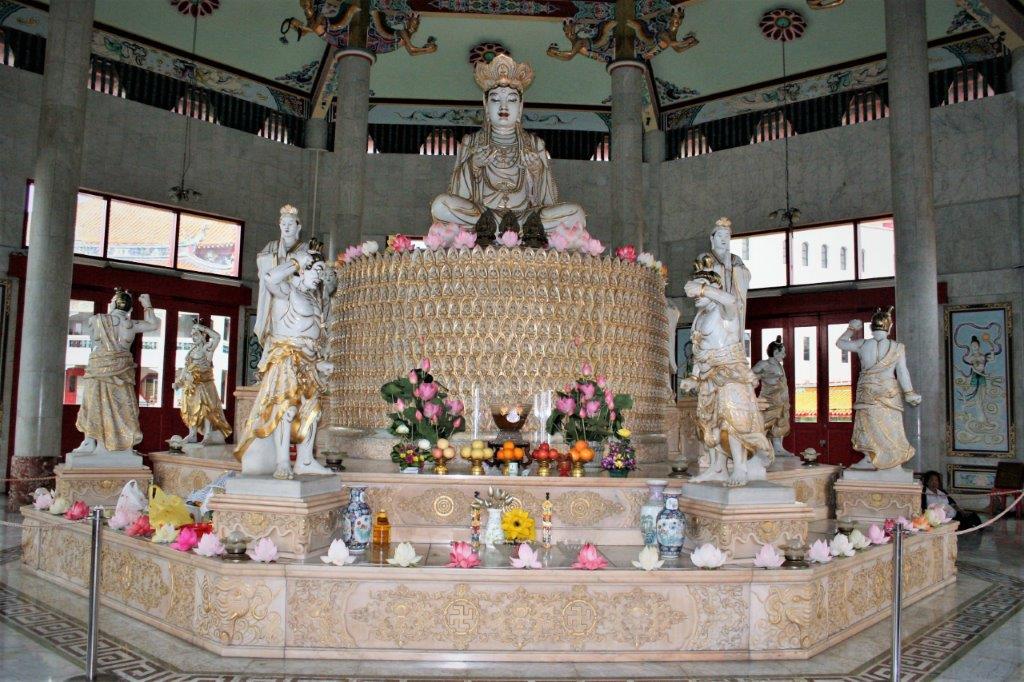
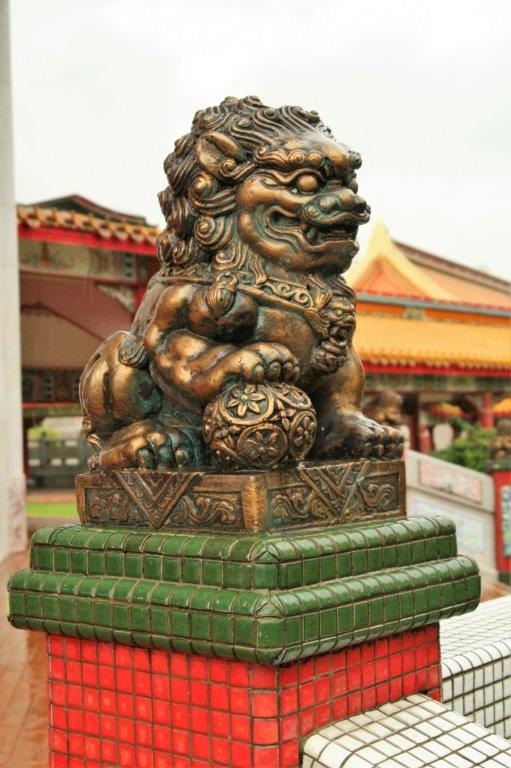
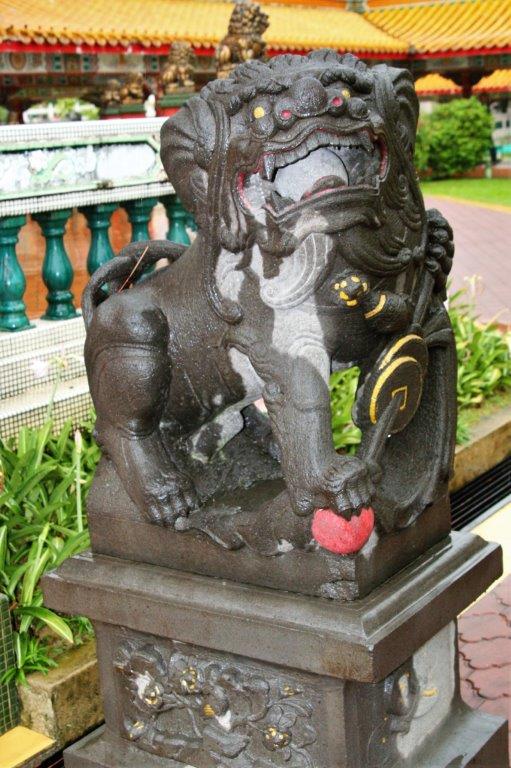
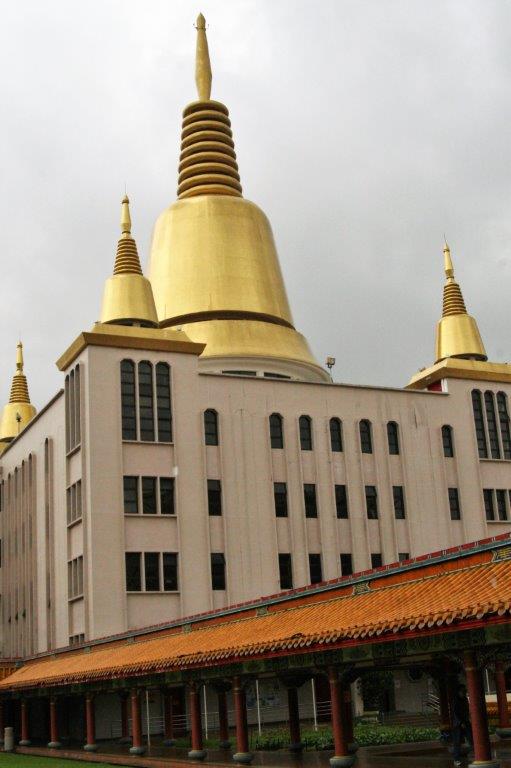
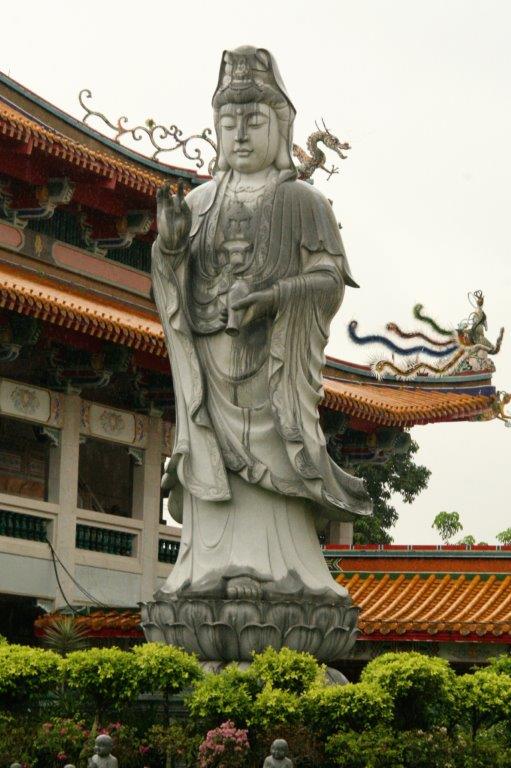
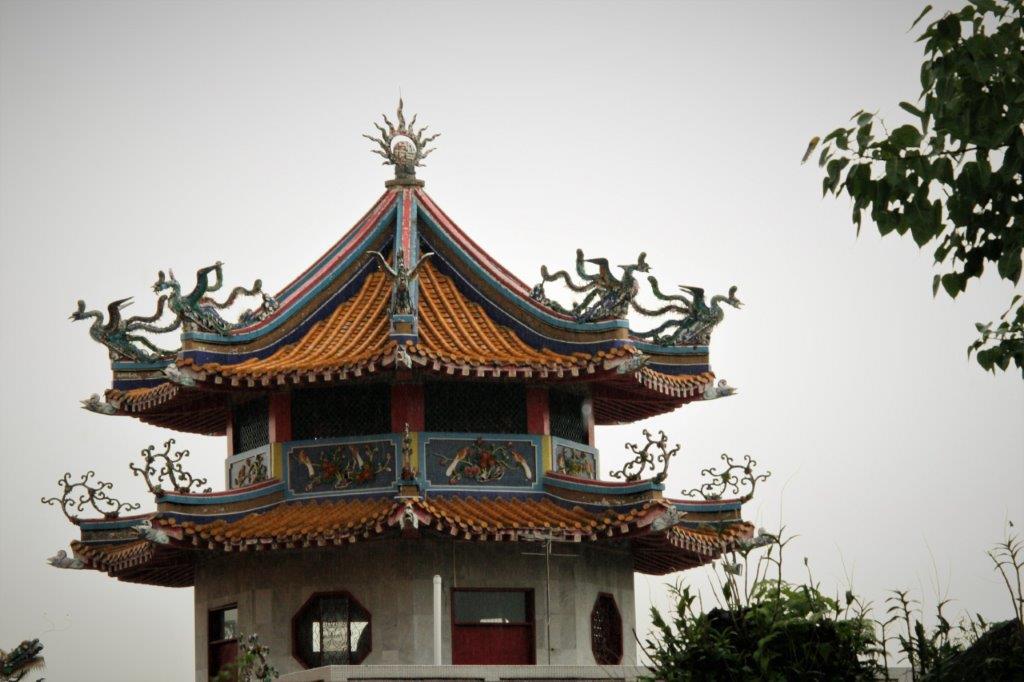
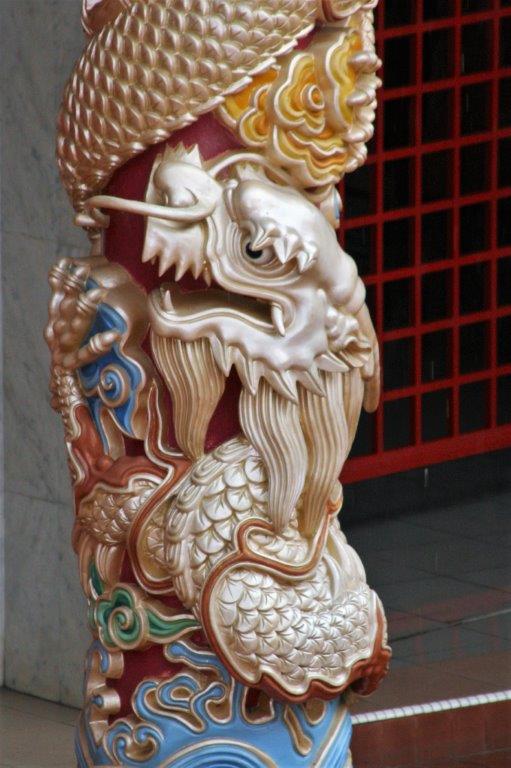
Our next stop was at Kranjii park to see the Kranjii Dam, which is nothing like the large dams we are used to in Canada. This one was about the size of a  two or three story wall and not very wide.  At the park you can look across the one mile of strait and see the Malaysian city of Johor Bahru.  There are two causeways across the water joining the two countries.  It is easy to mark the border as you drive across because there is a significant difference in the type of road surfacing between the Malaysian side and the Singapore side.2009-03-16_0627 2009-03-16_0629 2009-03-16_0632After we walked around the park for a few minutes we went for lunch and then were driven to Kong Meng San Phor Kark See Monastery – AKA Bright Hill Buddhist Temple; a famous Chinese ancestral worship place.  The rain began in earnest when we arrived but I didn’t mind getting a bit wet.  The complex is beautiful with lots of golden edges, painted ceilings, rooftop dragons and lion statues, covered walkways and temple rooms where people place their offerings.  Bright Hill is another one of those places I could have stayed at for hours taking photographs.

2009-03-16_0691 2009-03-16_0692 2009-03-16_0694 2009-03-16_0695 2009-03-16_0696 2009-03-16_0697 2009-03-16_0698 2009-03-16_07022009-03-16_0701 2009-03-16_0703 2009-03-16_0704 2009-03-16_0705 2009-03-16_0706 2009-03-16_0707 2009-03-16_0708 2009-03-16_0709 2009-03-16_0714 2009-03-16_07212009-03-16_0719 2009-03-16_0722 2009-03-16_0725 2009-03-16_0727 2009-03-16_0728 2009-03-16_0730 2009-03-16_0732 2009-03-16_0733 2009-03-16_0738 2009-03-16_0740 2009-03-16_0744 2009-03-16_0746 2009-03-16_0713But, our tour was not yet done.  We went to Changi Chapel and Museum (Changi is a district of Singapore).  The museum commemorates the notorious Japanese Prisoner of War camp that was on the site.  The chapel is a replica of the one used by the prisoners and no photographs were allowed in the museum or chapel.

Singapore was occupied by the Japanese for almost four years during WWII and 15,400 men, women and children (Malayan civilians and allied troops) were interred in a complex built to house 1200.  The conditions were incredibly inhumane and many, many British, Australian, New Zealand, Canadian, French, and other allied troop POWs died here. Many died from dysentery, cholera, malaria, starvation and harsh manual labour, as well as other diseases and abuses by their captors.  If you didn’t work, you didn’t eat.  The prisoners changed through the last few years of the war as men were sent to other work camps in Singapore and Borneo and Thailand and were replaced with new prisoners.  The museum is a record of their experiences and indomitable will to survive.  I bought a book about life in the prison at the museum bookstore and it tells a incredible tale of ingenuity and survival.

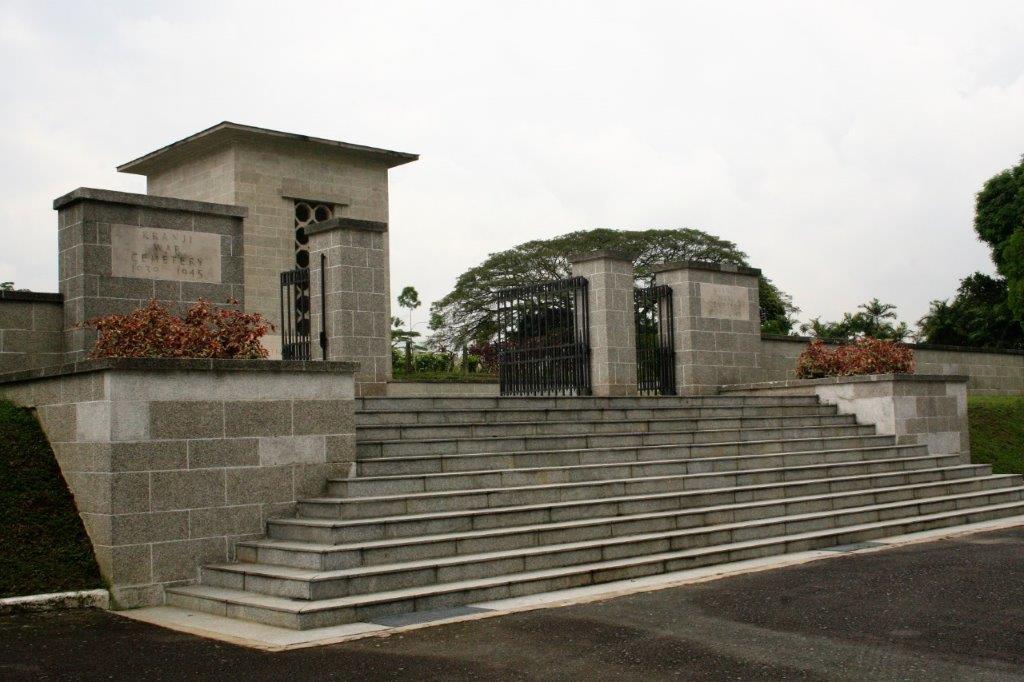
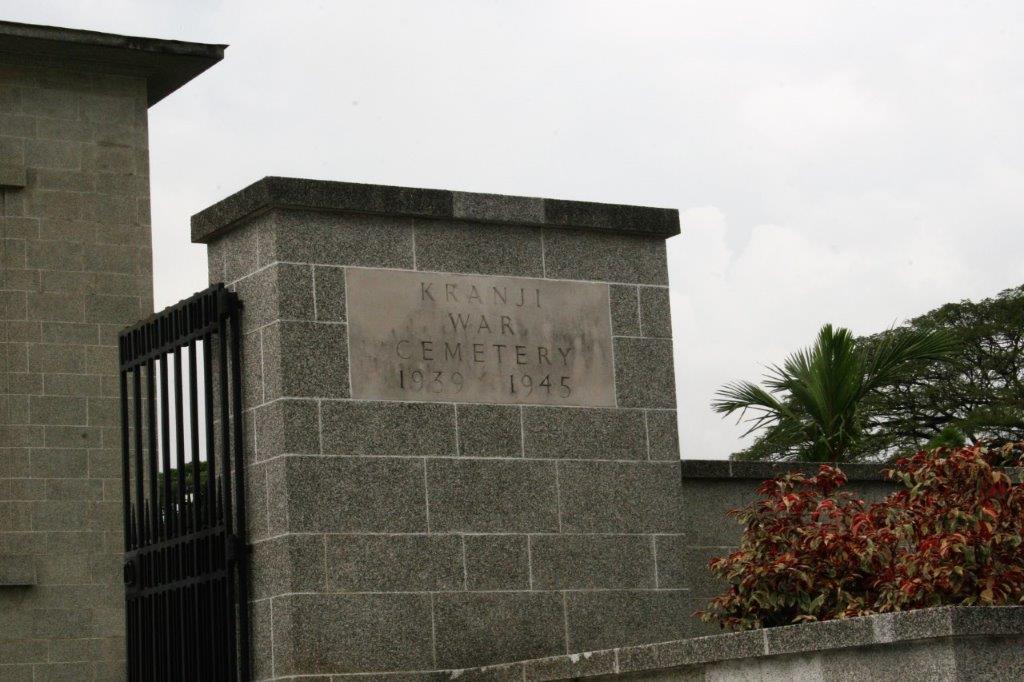
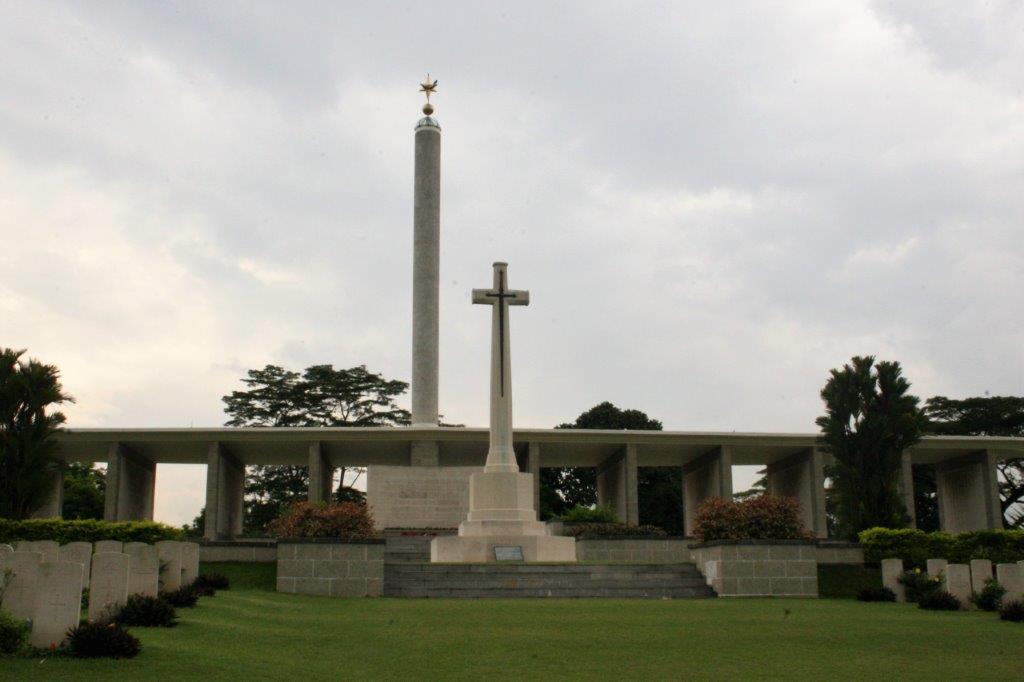
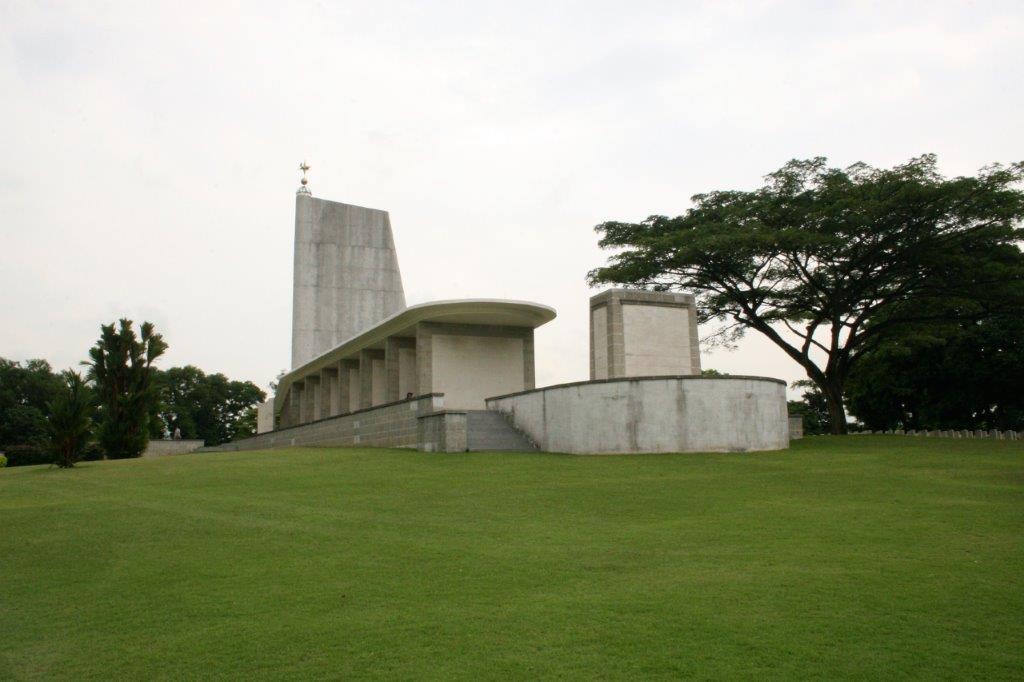
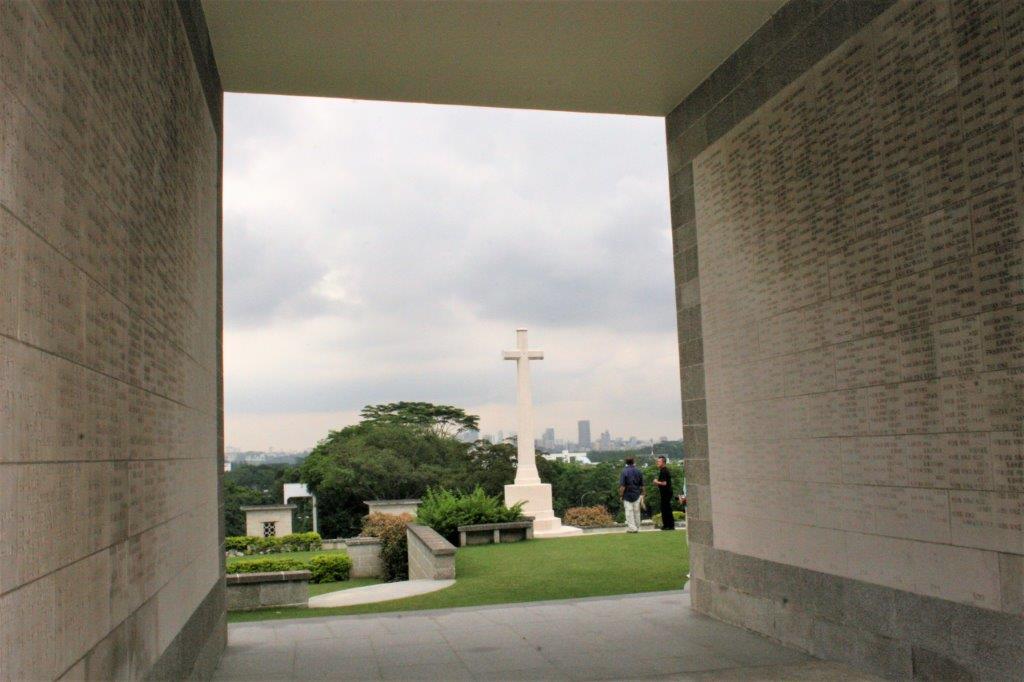
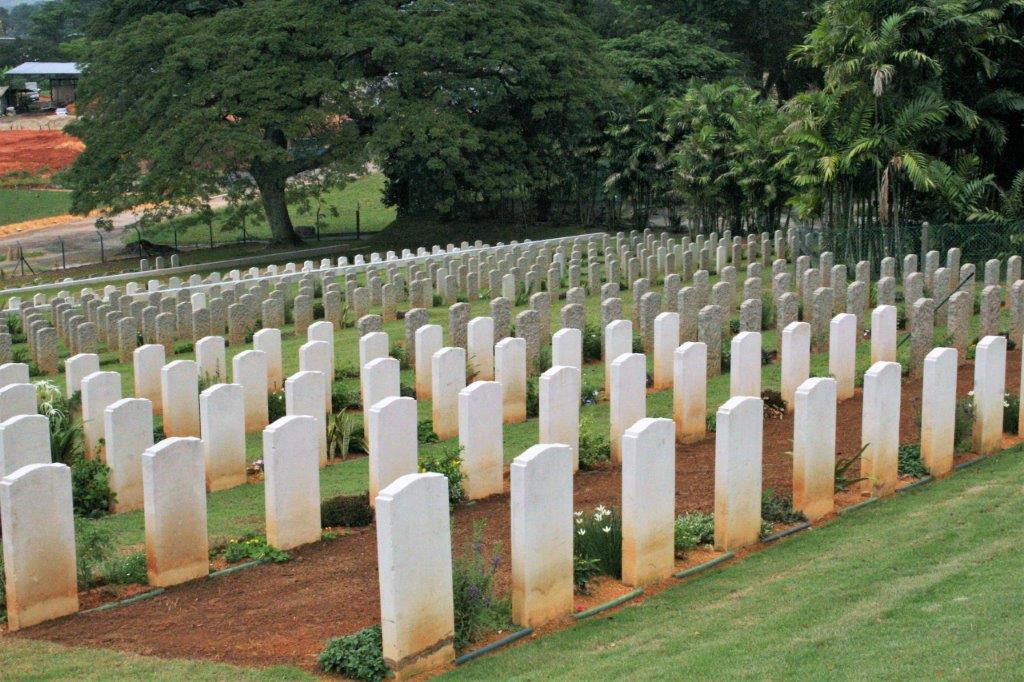
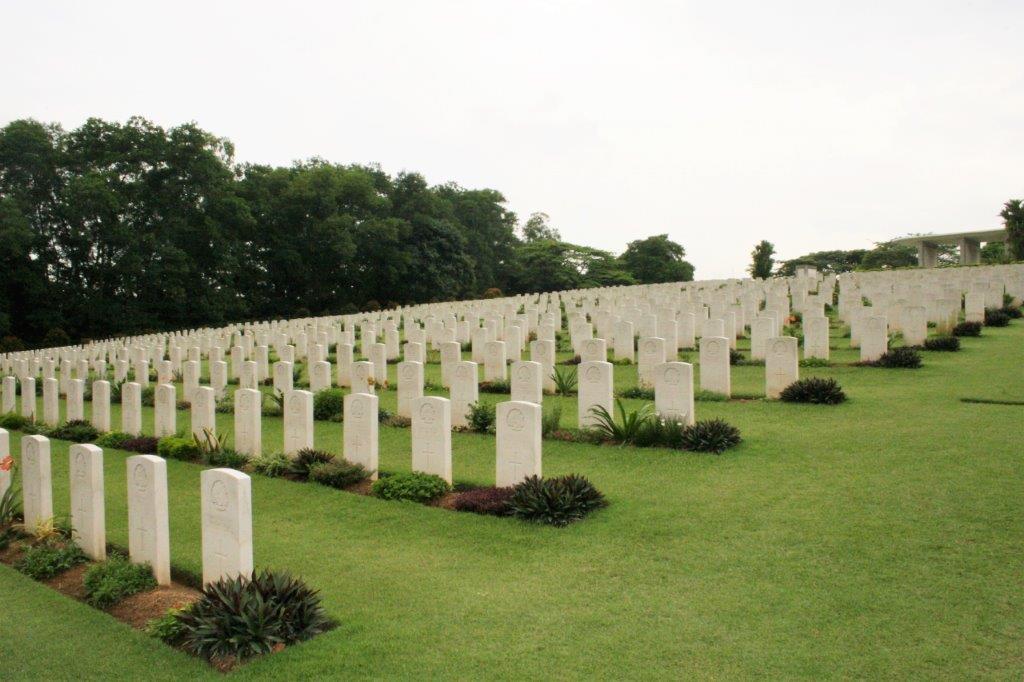
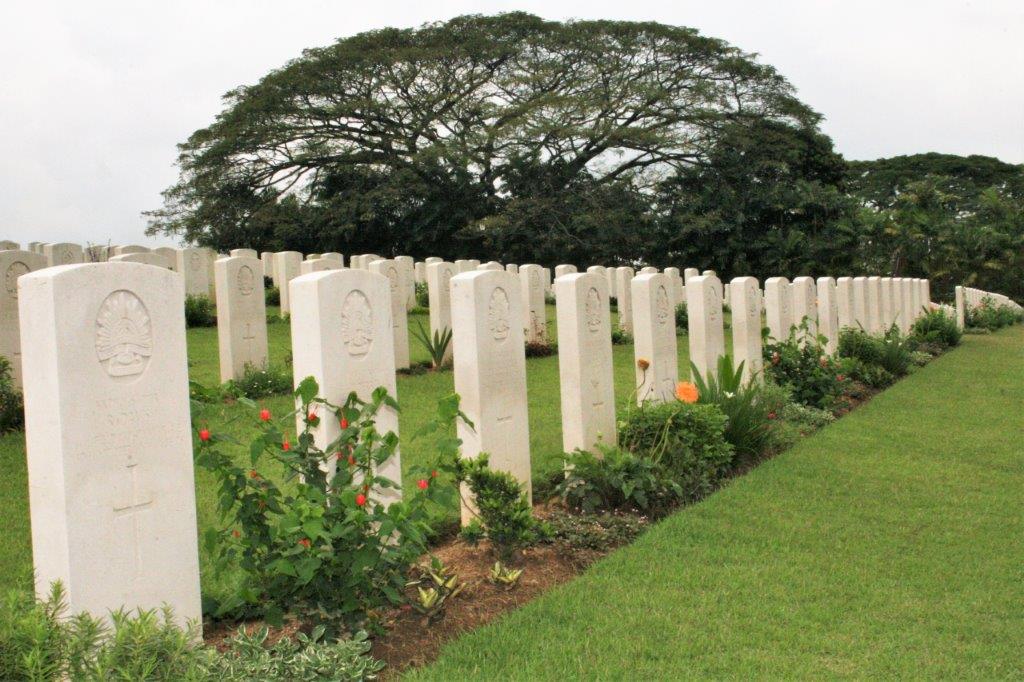
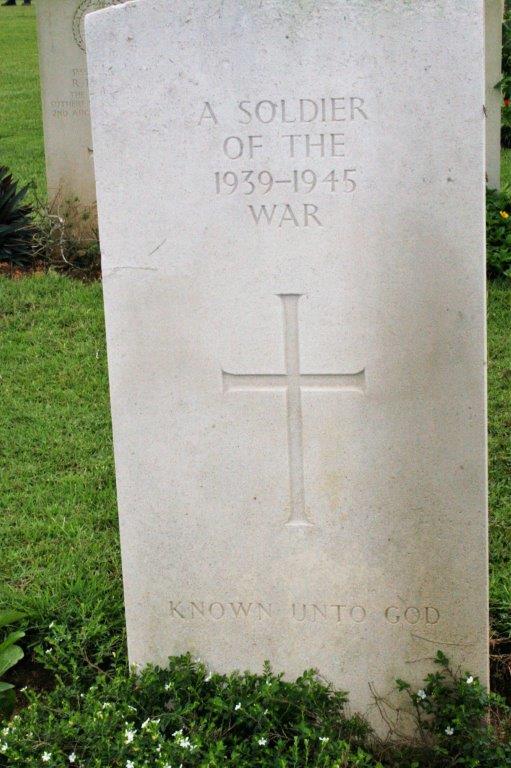
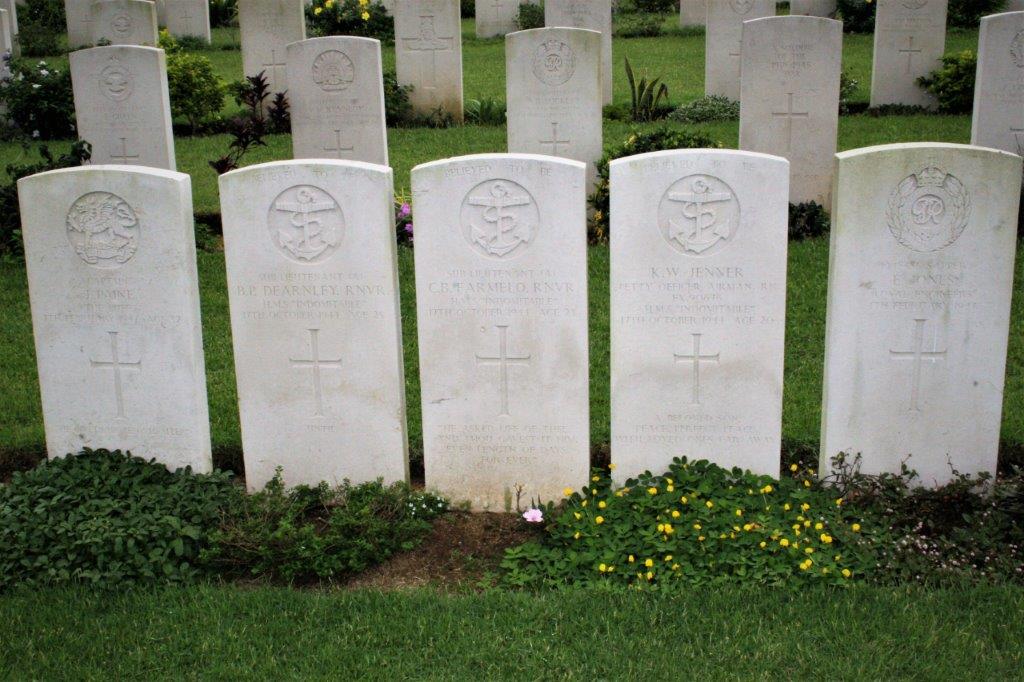
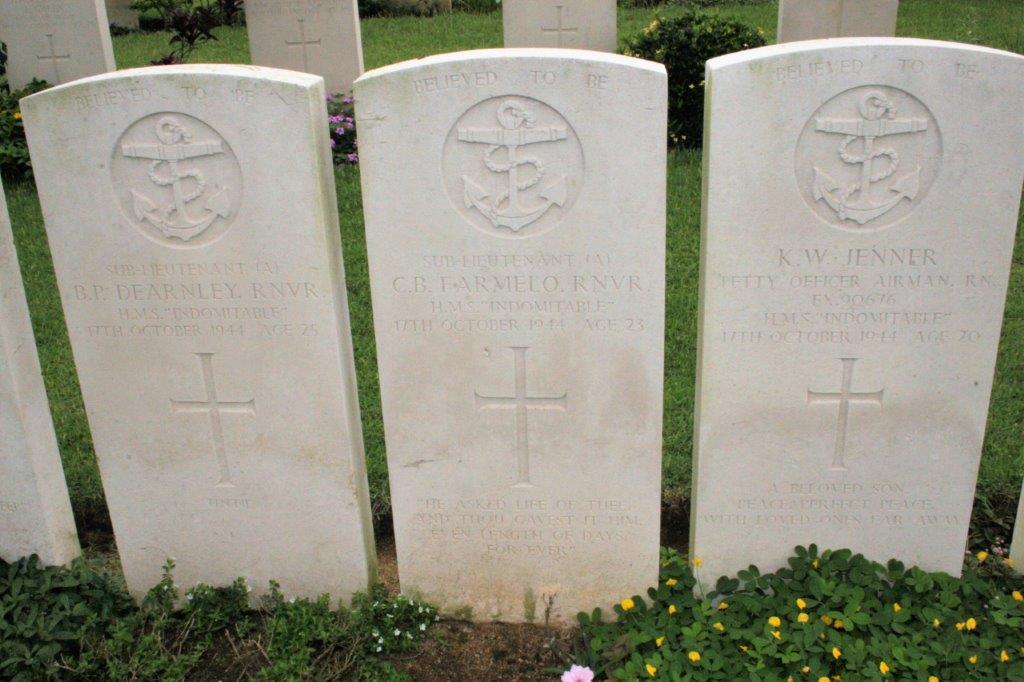
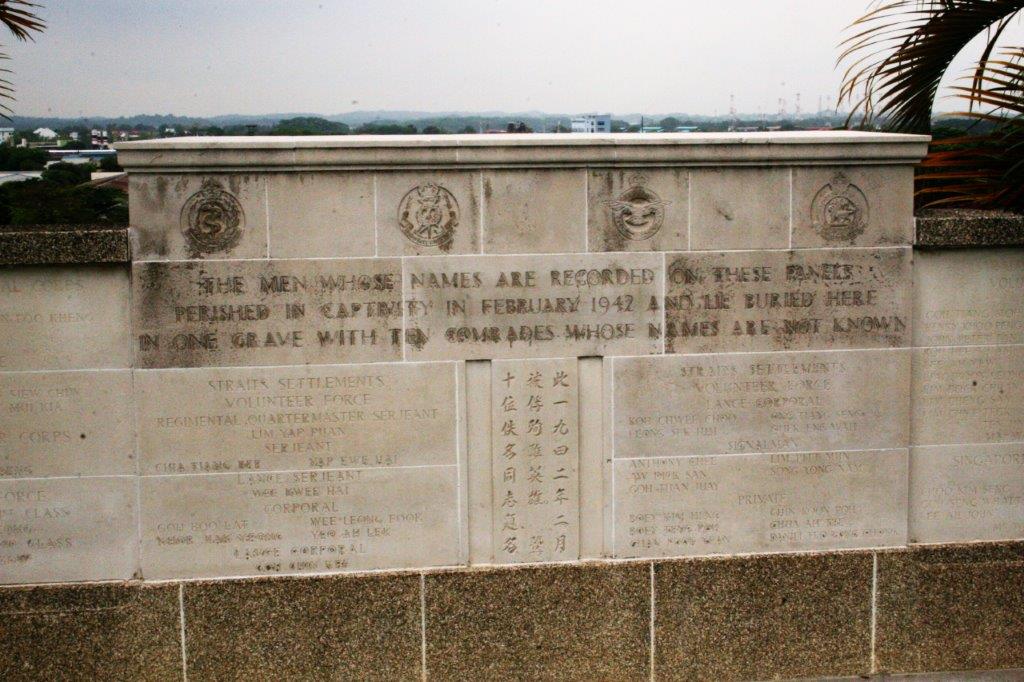
The last stop on the tour was Kranji War Memorial that was unveiled in 1957 and is the last resting place of many allied soldiers who lost their lives in WWII.  2009-03-16_0646 2009-03-16_0653 2009-03-16_0650 2009-03-16_0662The design of the memorial represents three branches of the military: Army, Air Force and Navy.  The columns represent the army because they march in columns.  The cover over the columns is shaped after the wings of a plane, representing the Air Force, and the shape at the top resembles the sail of a submarine, representing the navy.2009-03-16_0675The memorial commemorates by name 24,000 allied servicemen (191 Canadian airmen) whose bodies were never recovered.2009-03-16_0672The cemetery and memorial are beautifully maintained by the Commonwealth War Graves Commission.  We saw at least 7 gardeners at work while we were there.2009-03-16_0677 2009-03-16_0676The cemetery contains the remains of 4,458 Allied servicemen in marked graves, 850 unidentified. Kranji was the first large War Memorial we had ever visited and I found the experience incredibly moving.  Our freedom was bought at a terrible price.2009-03-16_0656 2009-03-16_0657 2009-03-16_0660 2009-03-16_0665 2009-03-16_0663 2009-03-16_0664These three graves are placed close together, out of the normal spacing of war graves.  They are believed to be the remains of three good friends who were always together so they were buried close together.

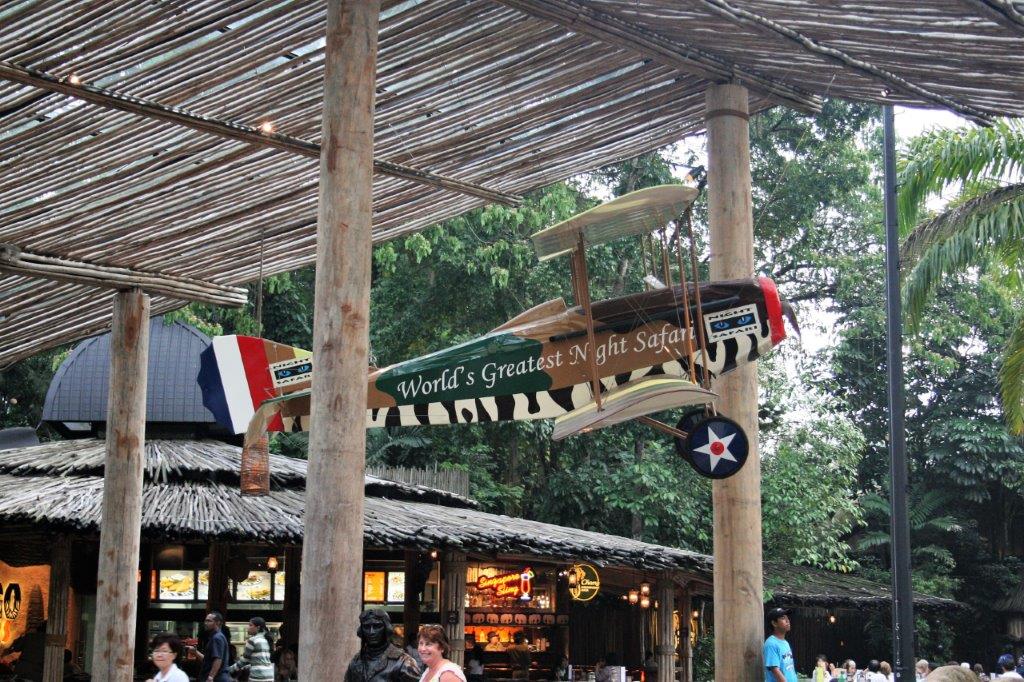
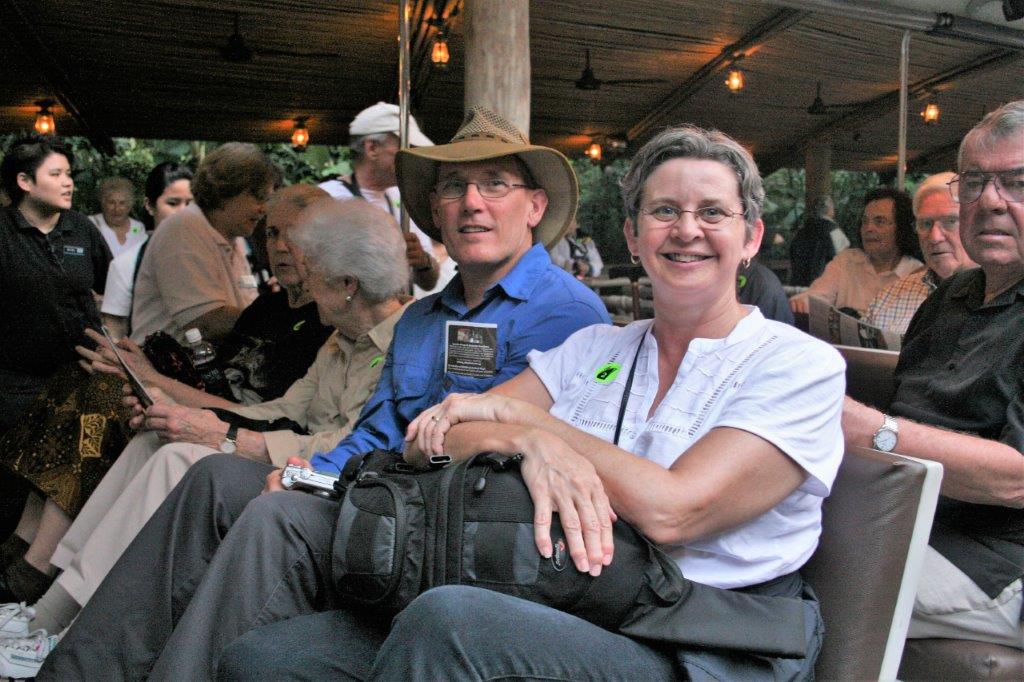
2009-03-16_0673 2009-03-16_0670_edited-12009-03-16_0680 2009-03-16_0754After we returned to the ship we had a quick dinner and went off on our second tour of the day: The Night Safari.  Singapore is home to the world first zoo purpose built to be viewed at night.  It is 98 acres of dense secondary forest through which you are driven in a zebra-bus to view the animals in a tropical jungle at night.  They use a subtle-lighting technique so the guests are able to see the 1,000 animals of 100 species in vast natural habitats.  It was great. We saw many animals roaming around, but, being on a moving vehicle at night there are no photos to prove it.  You can trust me though, right?2009-03-16_0761 2009-03-16_0762 2009-03-16_0763

2009 March 15 (World Cruise) – Day 68 – Kemaman, Malaysia

2009 World Cruise – Our day at sea between Vietnam and Malaysia got off to an early start with the captain coming over the intercom at 6:30 in the morning to say we have stopped to allow a fire boat to come from Ho Chi Min City (Saigon) and med-evac a person off the ship.  An hour later he announce the successful transfer of the person to the boat so they could be taken to the hospital and that the ship was on its way once again.  Nice of him to keep us informed, but I would have been content to hear about that later in the morning.  Of course, he had to announce it as there are always people up and about on the ship early in the morning and late into the night and they would be wondering why we were stopped and why the fire boat was alongside.  He better tell people right away or he would hear about it later.

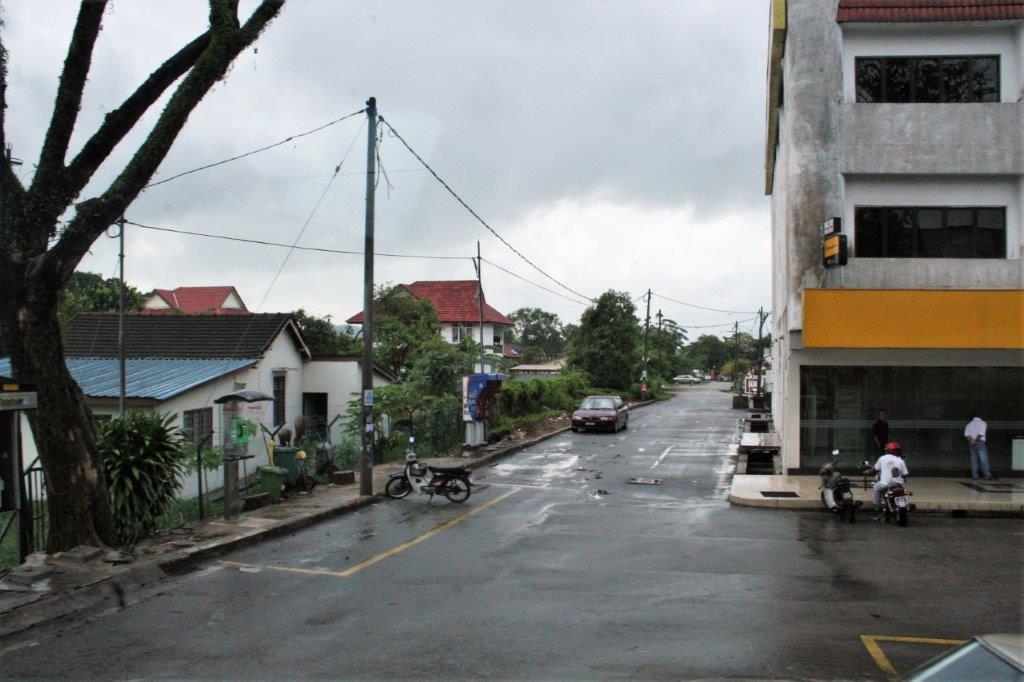
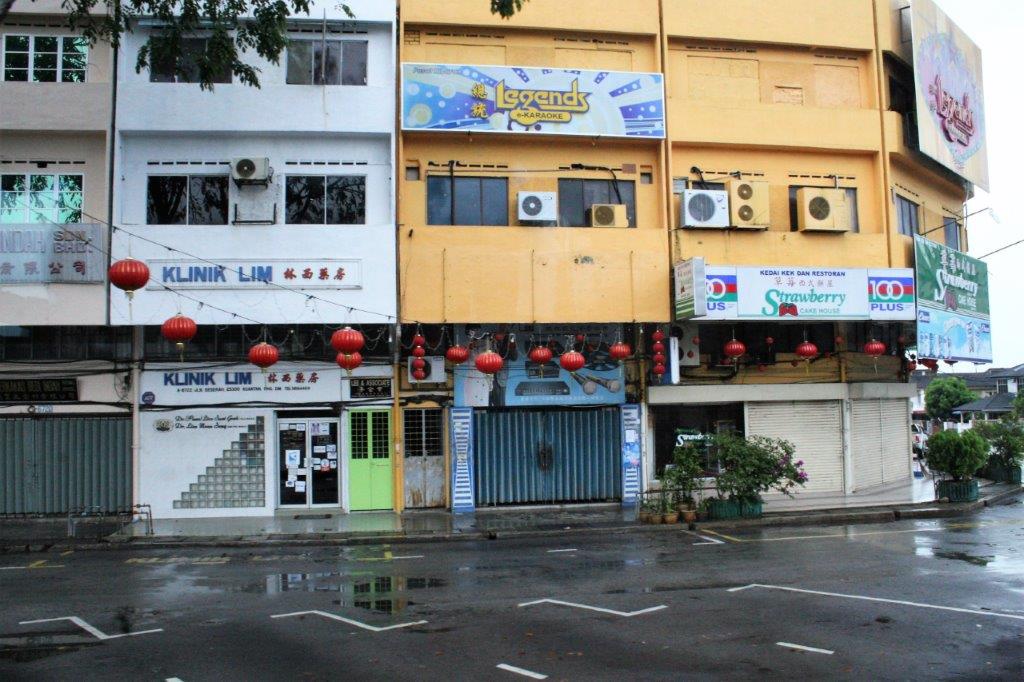
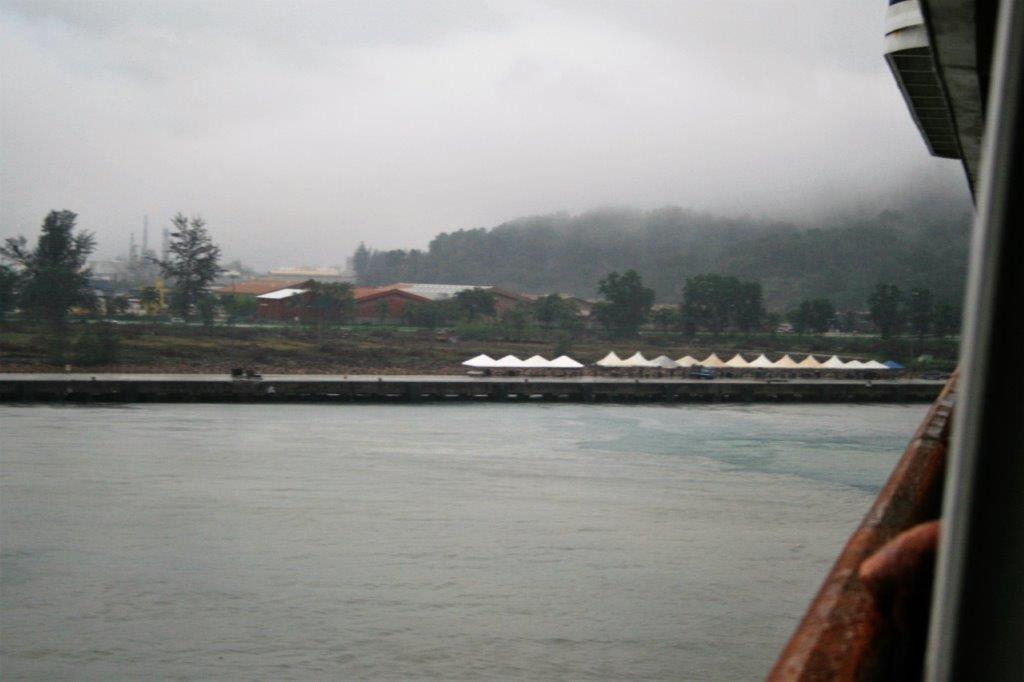
The sky was overcast again as we docked in Kemaman, which is the capital of the state of Kauntan.  Malaysia is made up of 13 states and the Administrative District of Kuala Lampur (the country capital).  Kemaman has a population of about half a million people and was primarily known for its iron mining and the production of salted fish.  The discovery of oil in the 1980’s turned the area into a highly desired destination for migrant works.  Kemaman has the deepest port in Malaysia and has a liquefied petroleum gas export terminal managed by Petronas, the national oil corporation whose Petronas Towers in Kuala Lampur are among the world’s tallest buildings.  This gives the air around Kemaman a distinctive smell of sulphur.  The country is also ranked fourth in the world for the production of palm oil generating $10 billion a year, according to our guide (not sure if that figure is accurate, in US$ or Malaysian ringgit).

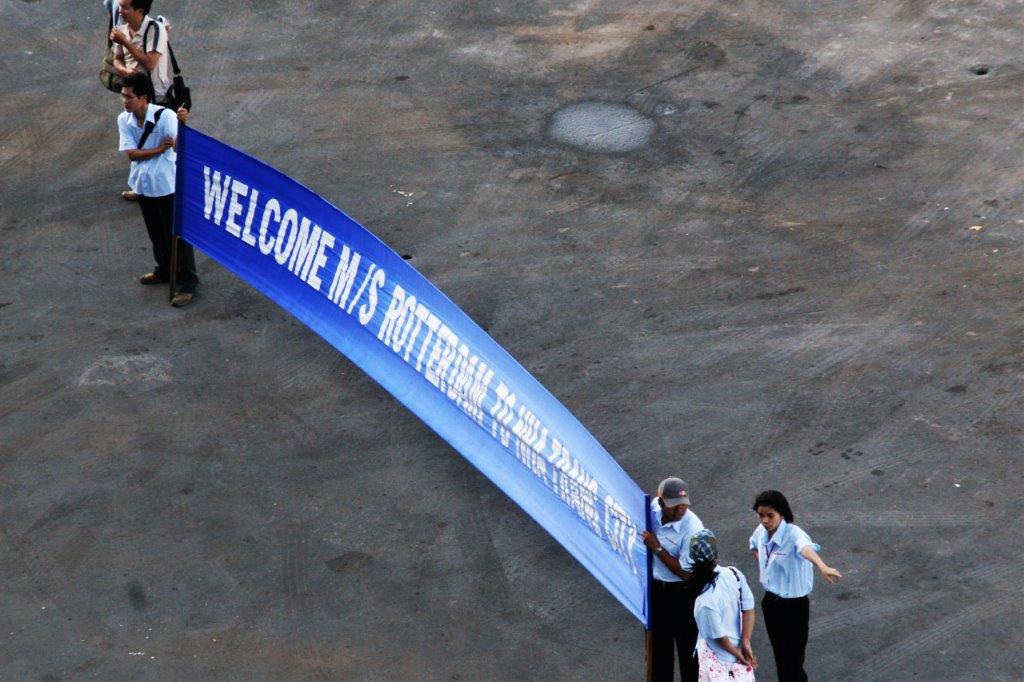
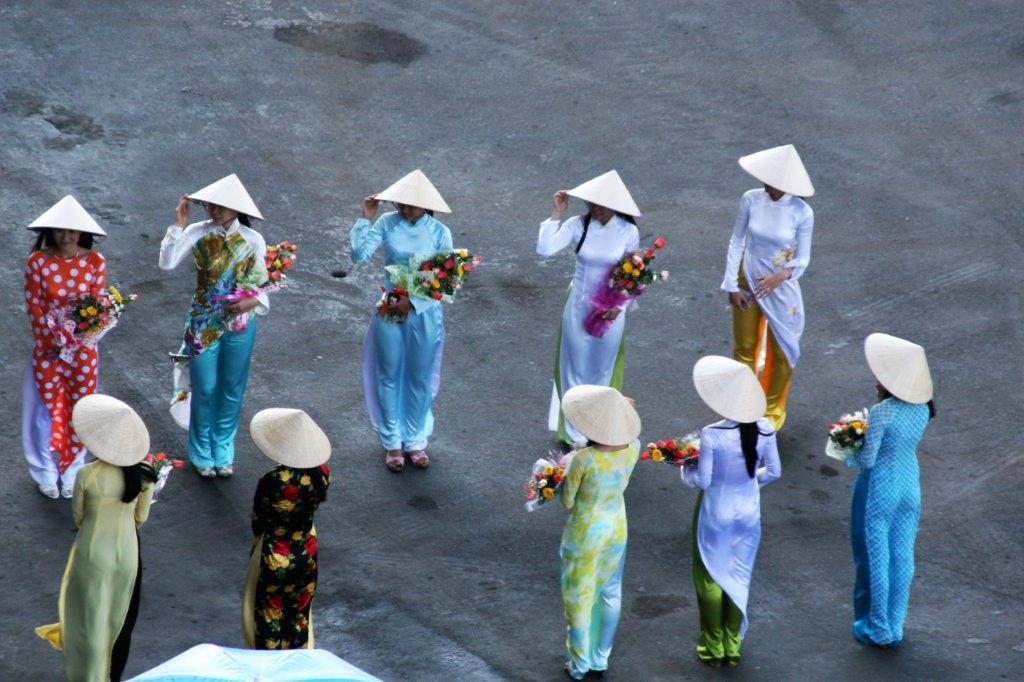
The ship was greeted by men and women in traditional dress and each woman leaving the ship was giving a rose.  Nice touch.2009-03-15_0244We had a 5 1/2 hour tour in Kemaman that began with a one hour drive out of town and over to Kauntan.

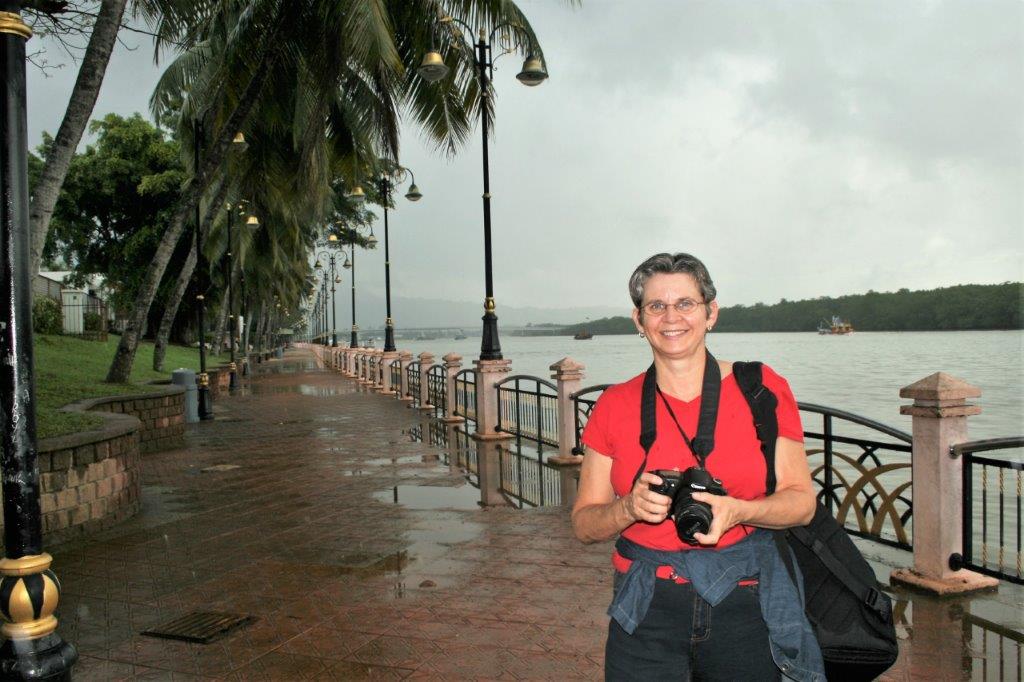
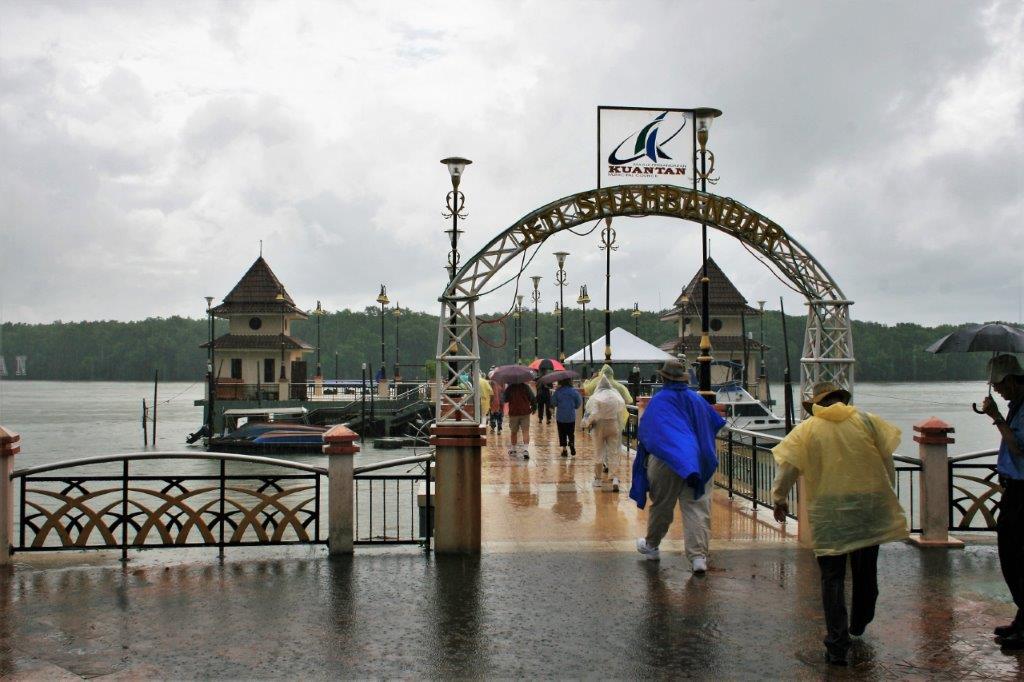
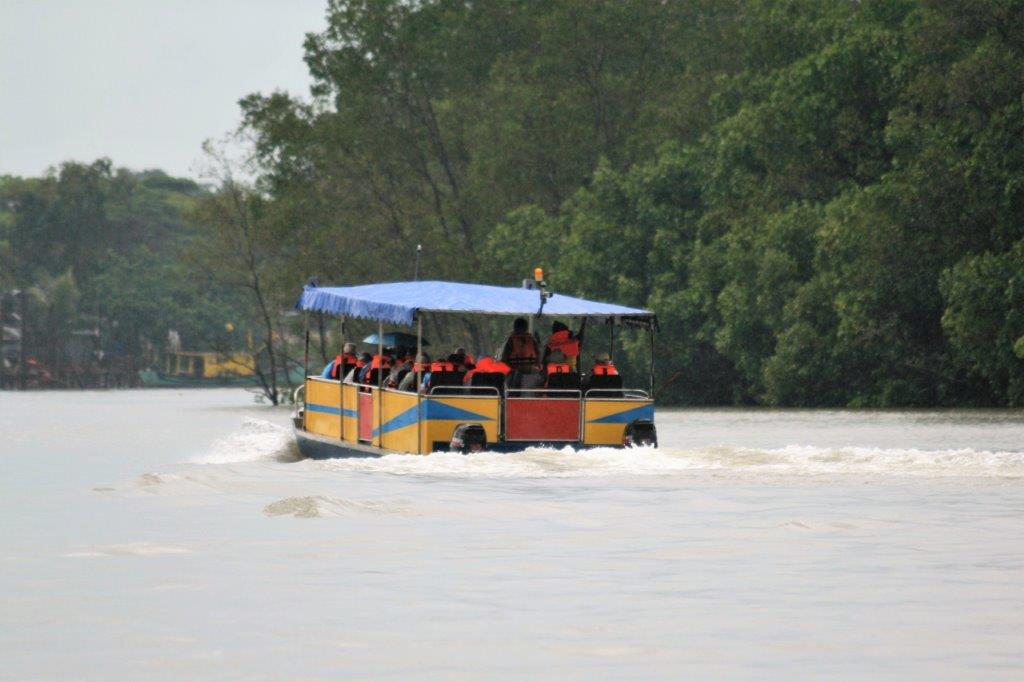
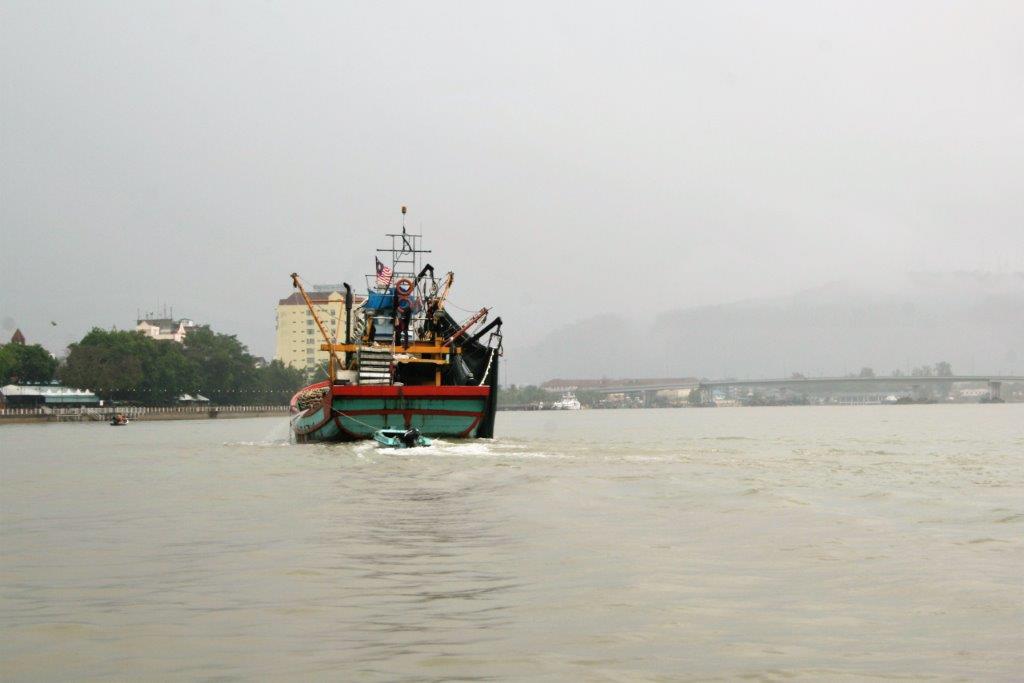
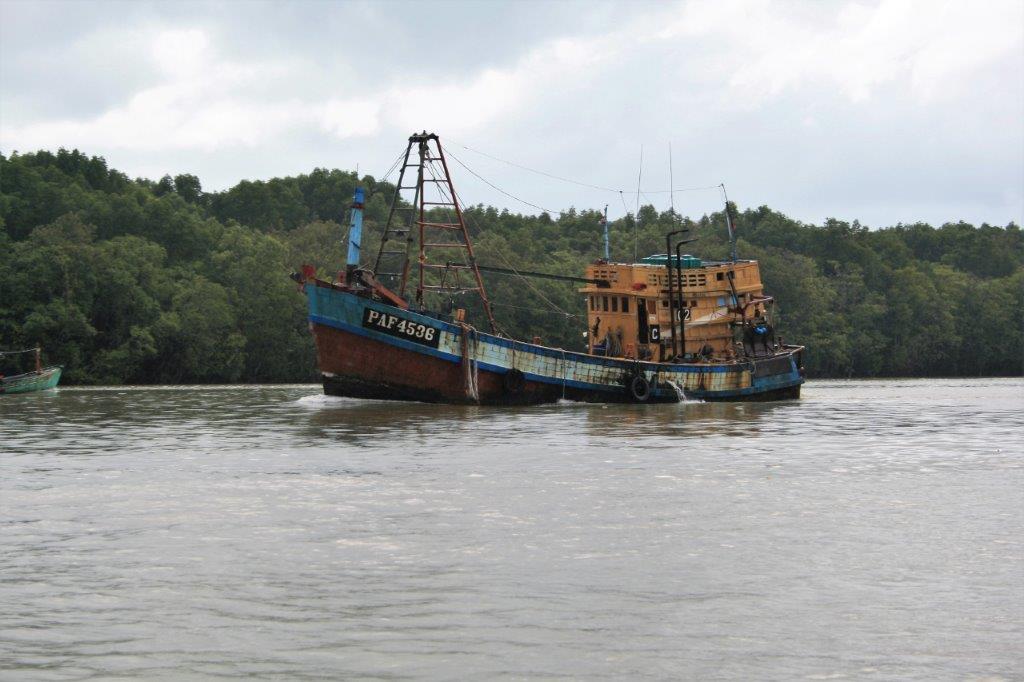
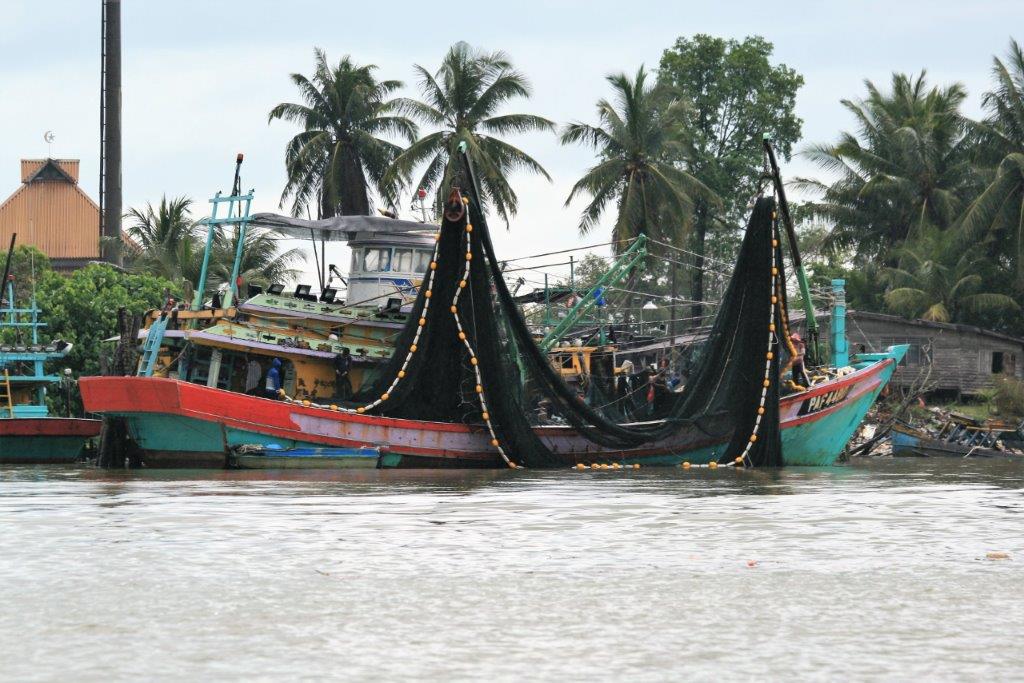
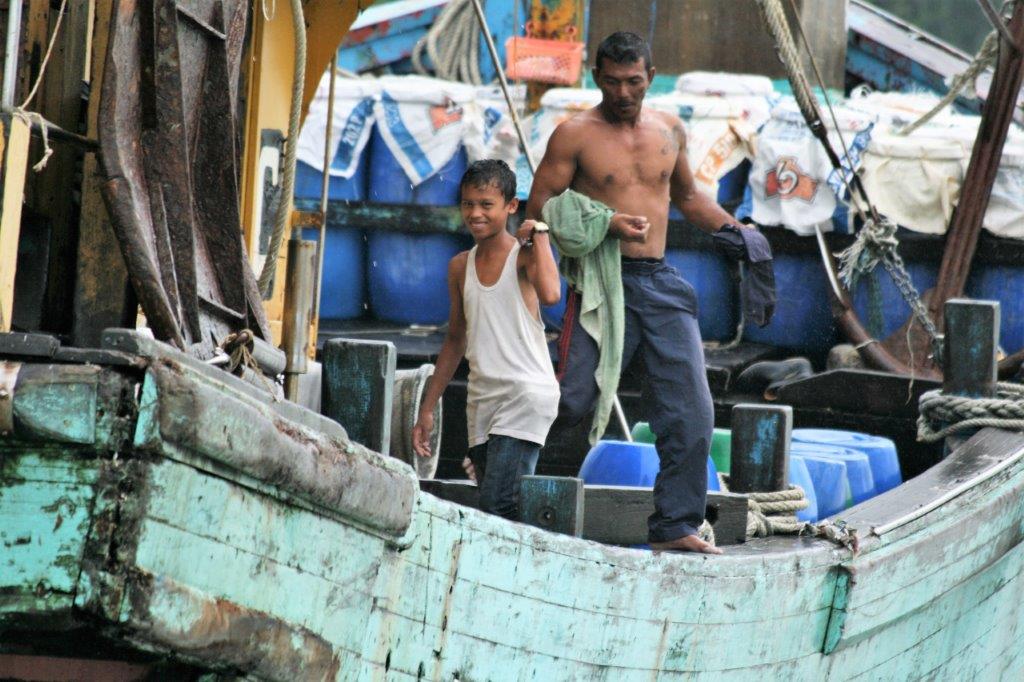
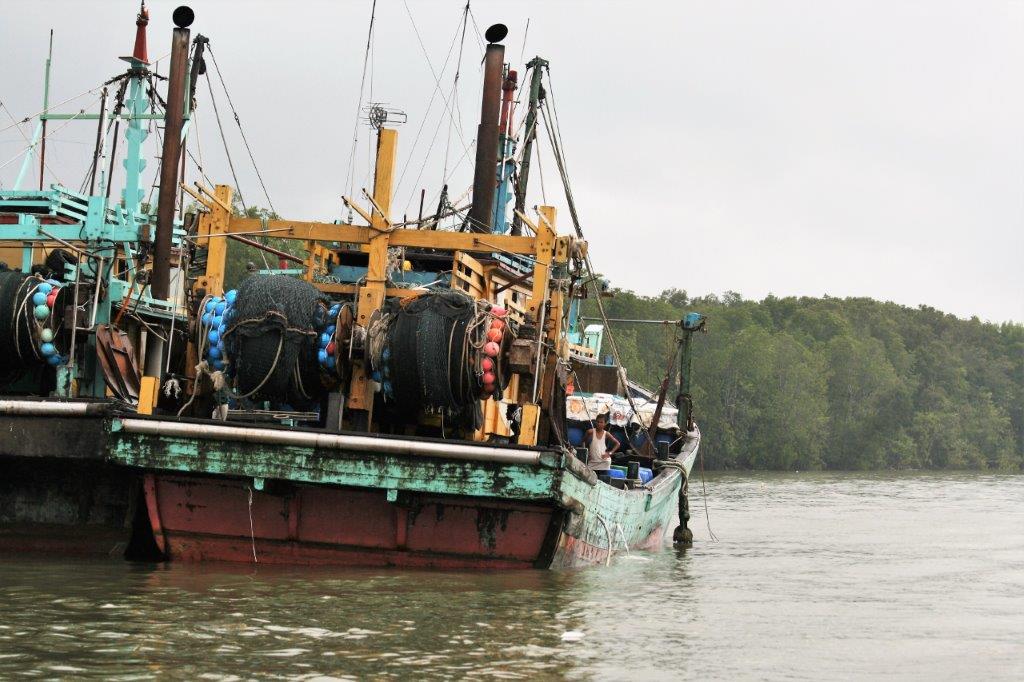
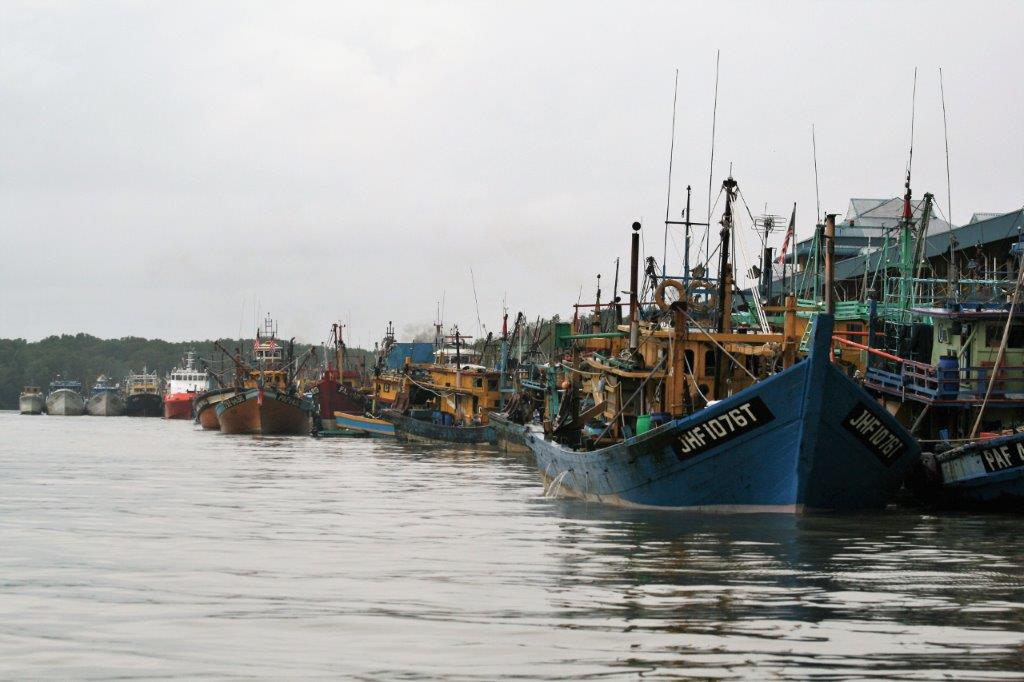
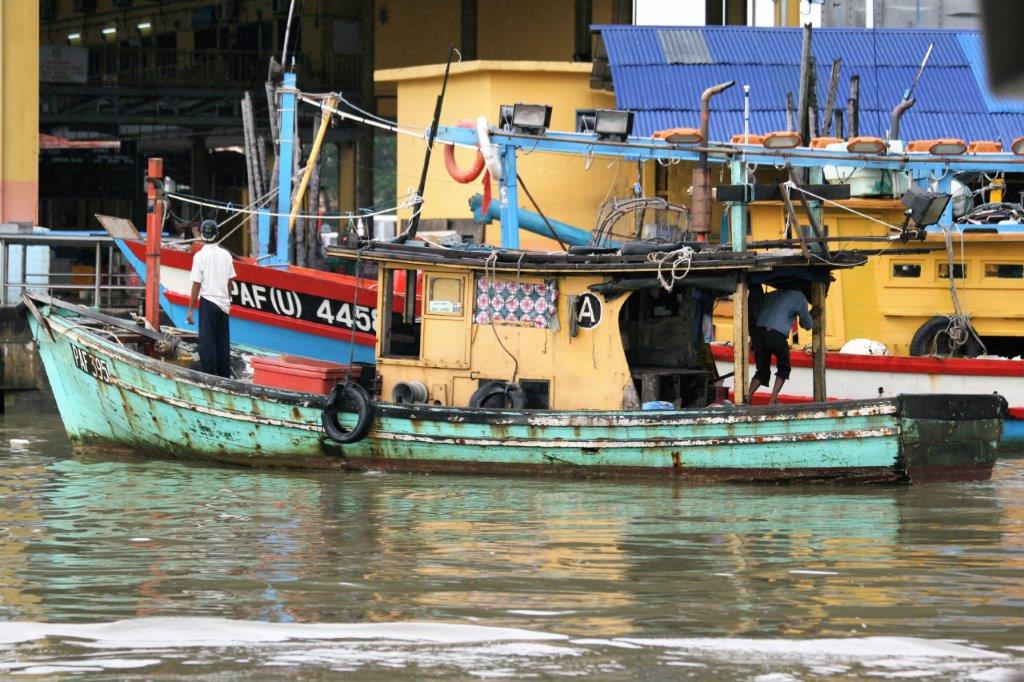
2009-03-14_0428 2009-03-15_0249 2009-03-15_0254 2009-03-15_0259 2009-03-15_0260 2009-03-15_0262 2009-03-15_0263 2009-03-15_0264We took a riverboat cruise up the Kauntan River past many, many fishing boats and docks to a mangrove forest where we walked along the boardwalk – in the rain.

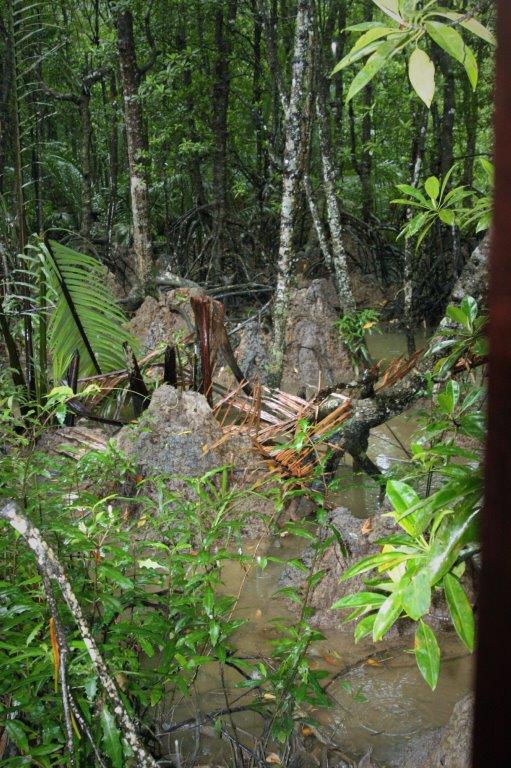
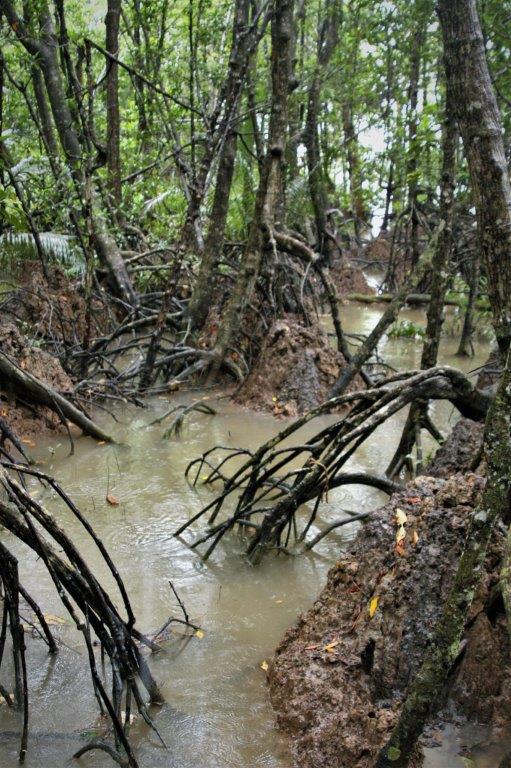
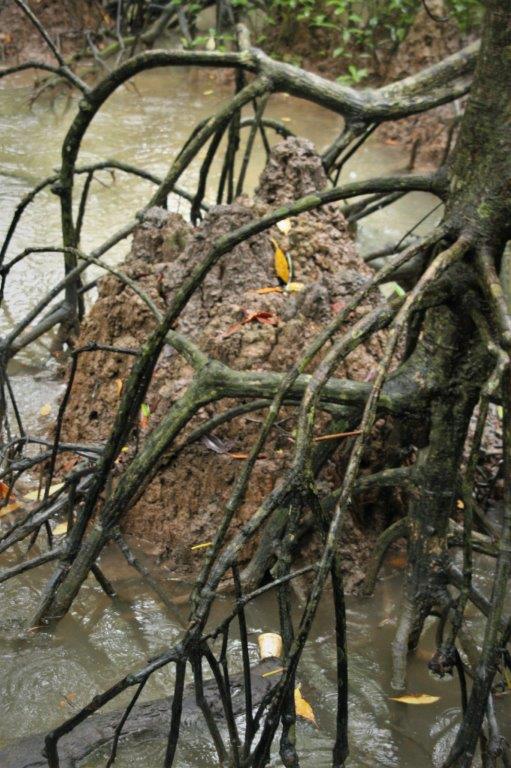
2009-03-14_0423 2009-03-14_0427 2009-03-15_0273 2009-03-15_02772009-03-14_04342009-03-14_0432 2009-03-14_0433 2009-03-14_0436 2009-03-14_0447 2009-03-14_0449 2009-03-14_0453 2009-03-14_0454 2009-03-14_0457 2009-03-14_0462The Mangrove Reserve Forest is spread over 837 acres.  Even though you are among trees there is no ground.  Mangroves grow in water with multiple roots.  The mud lobster builds huge nests in the root masses.  The place looks pretty desolate, especially in the pouring rain as we saw it, but the various types of mangrove trees are used for many things.  One type is processed into a high quality charcoal.

2009-03-15_0333 2009-03-15_0336

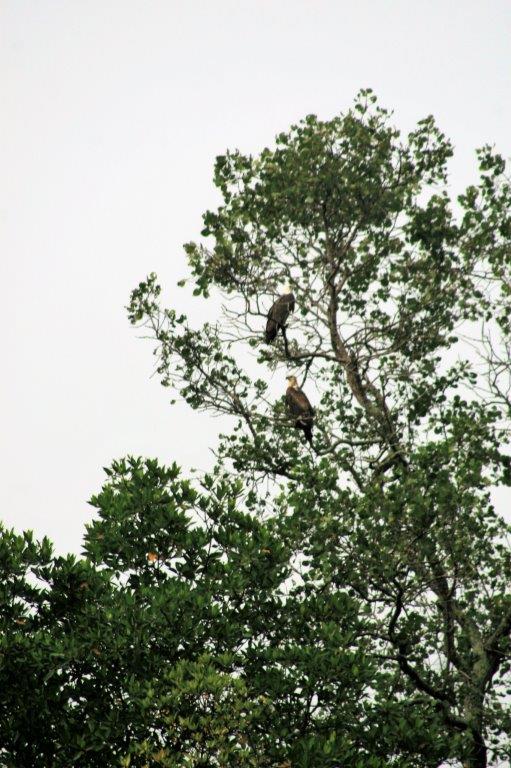
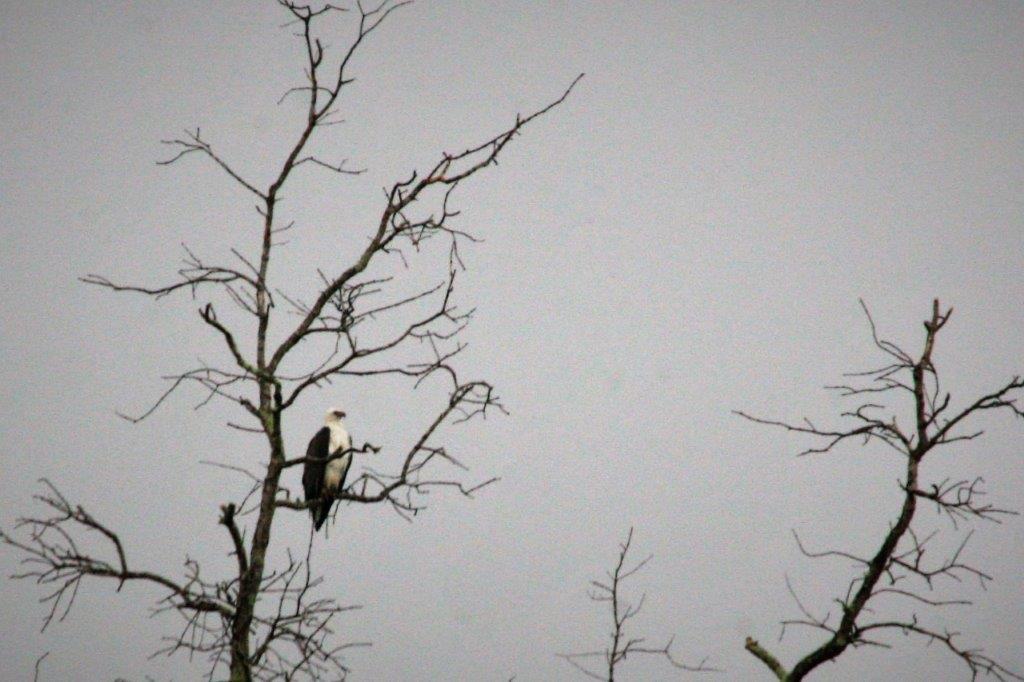
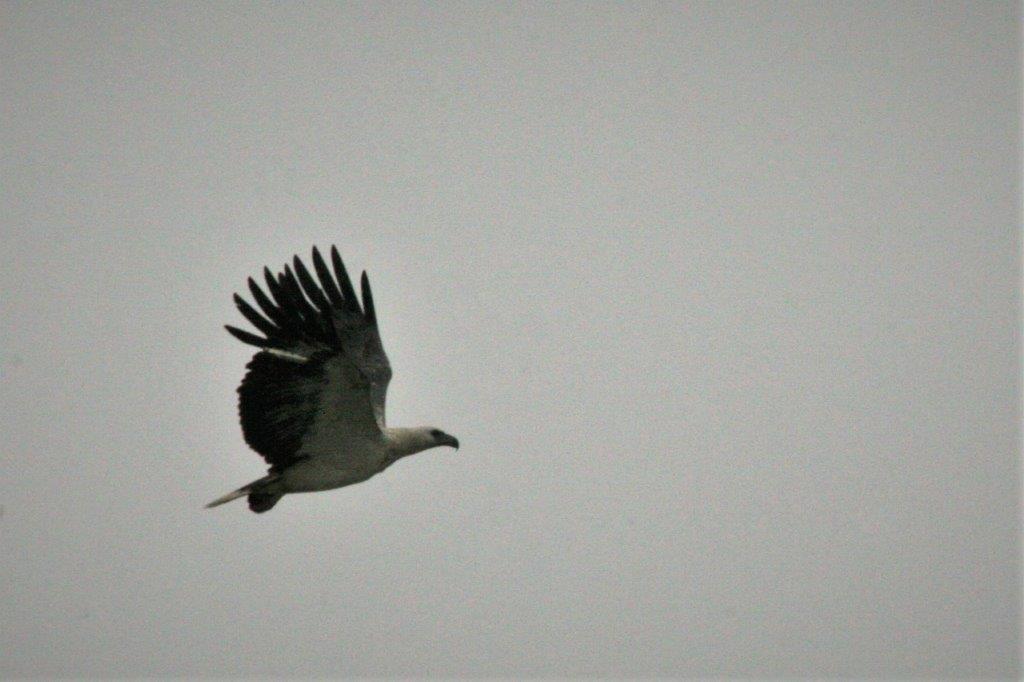
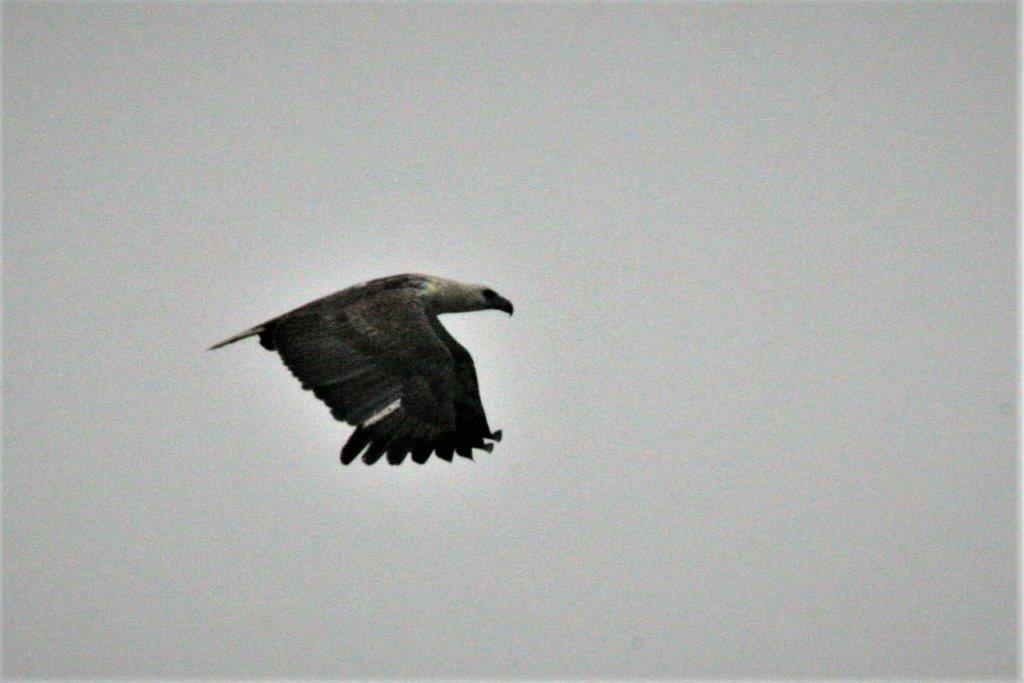
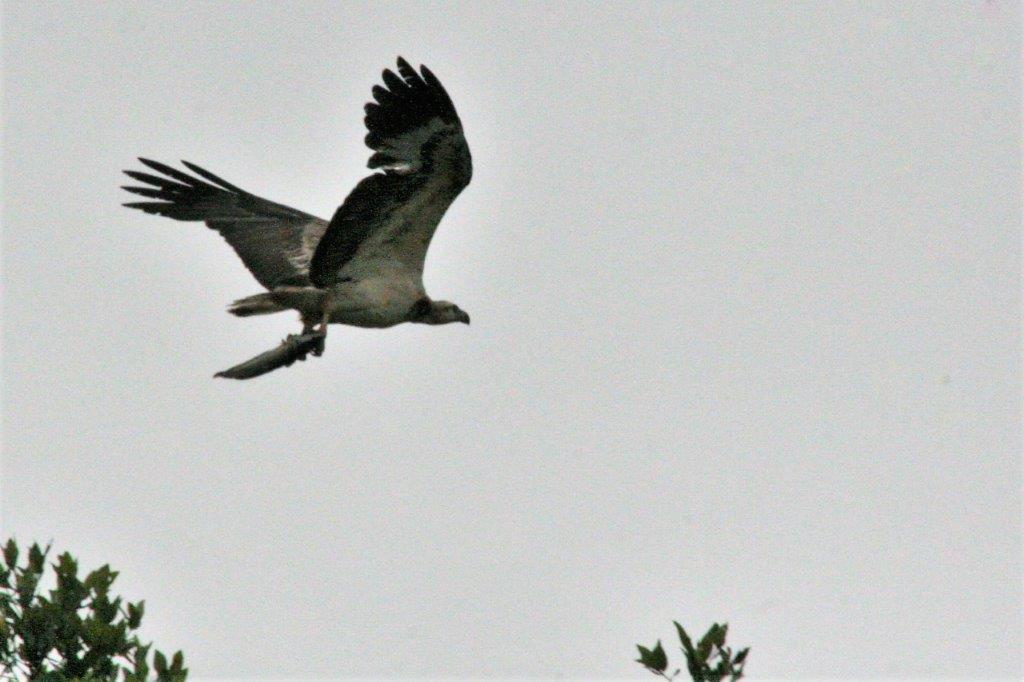
2009-03-15_0337    Mud lobster nest. 2009-03-15_0286 2009-03-15_0282 2009-03-15_0321 2009-03-15_0353 2009-03-15_0354 2009-03-15_0357                                White-bellied sea eagles.

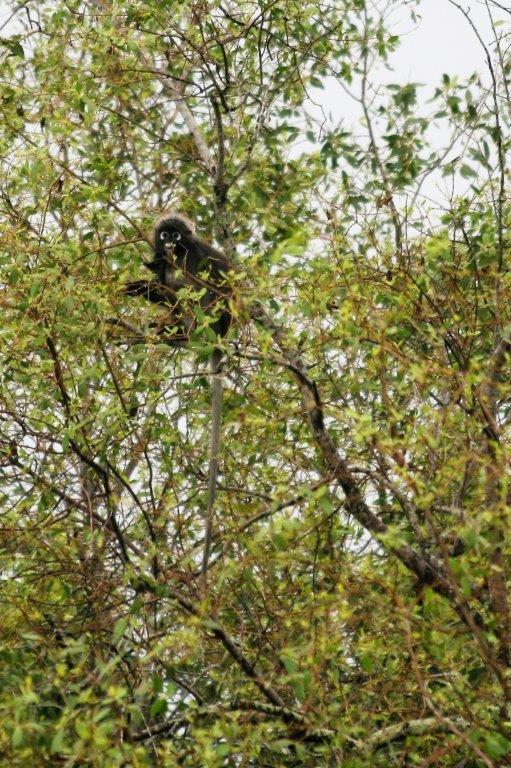
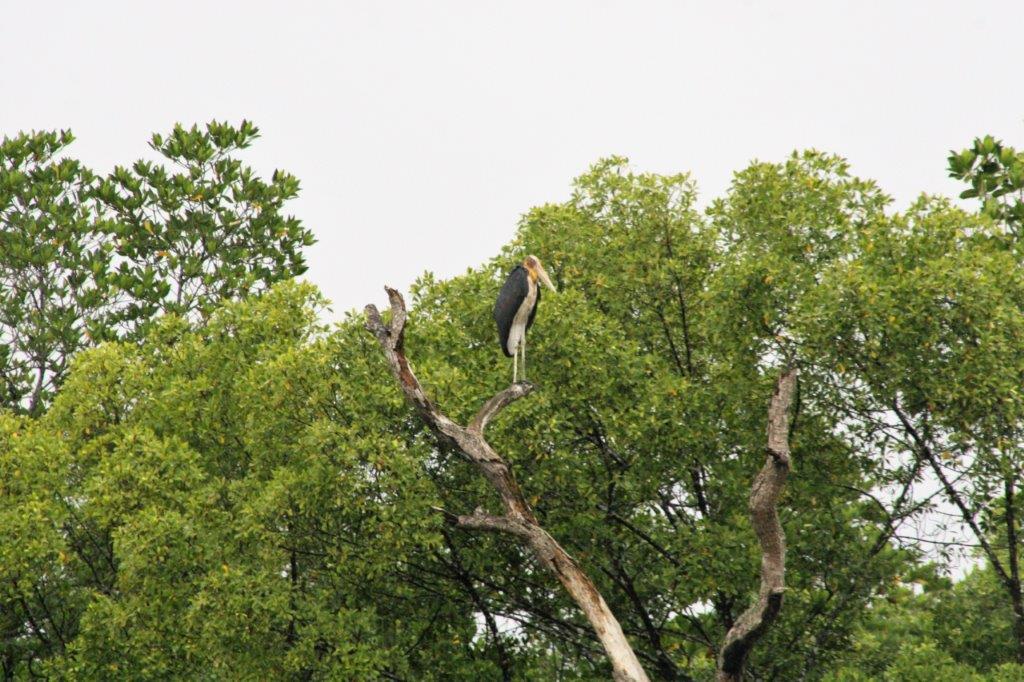
2009-03-14_04632009-03-14_0464          Spectacled Langur (also known as the Dusky Leaf Monkey)2009-03-15_0325 2009-03-15_0330                                Lesser Adjutant Stork.

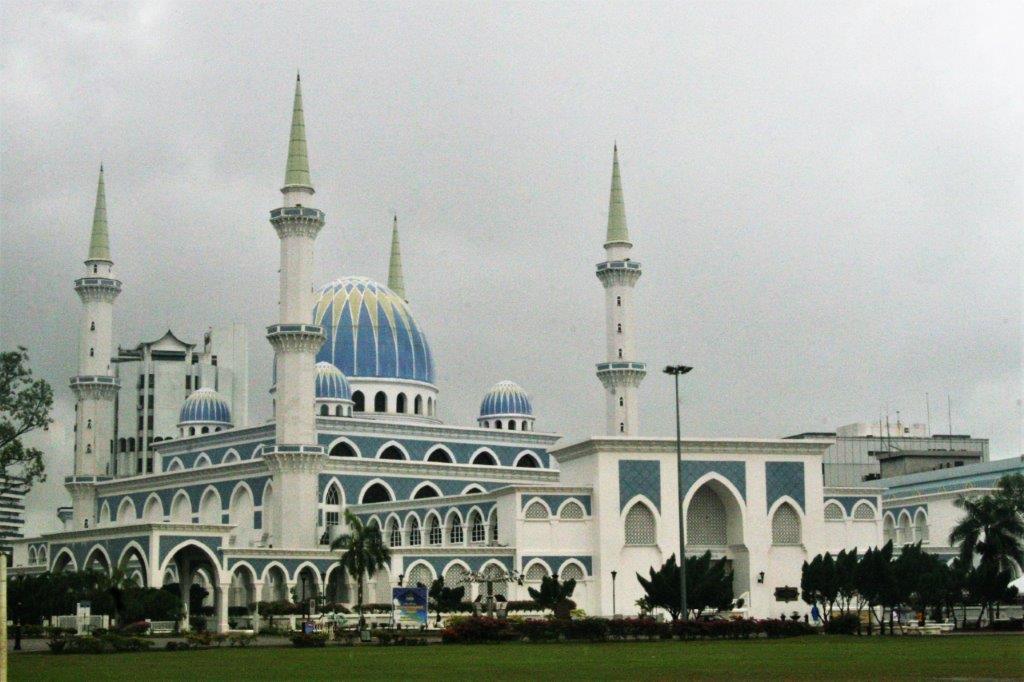
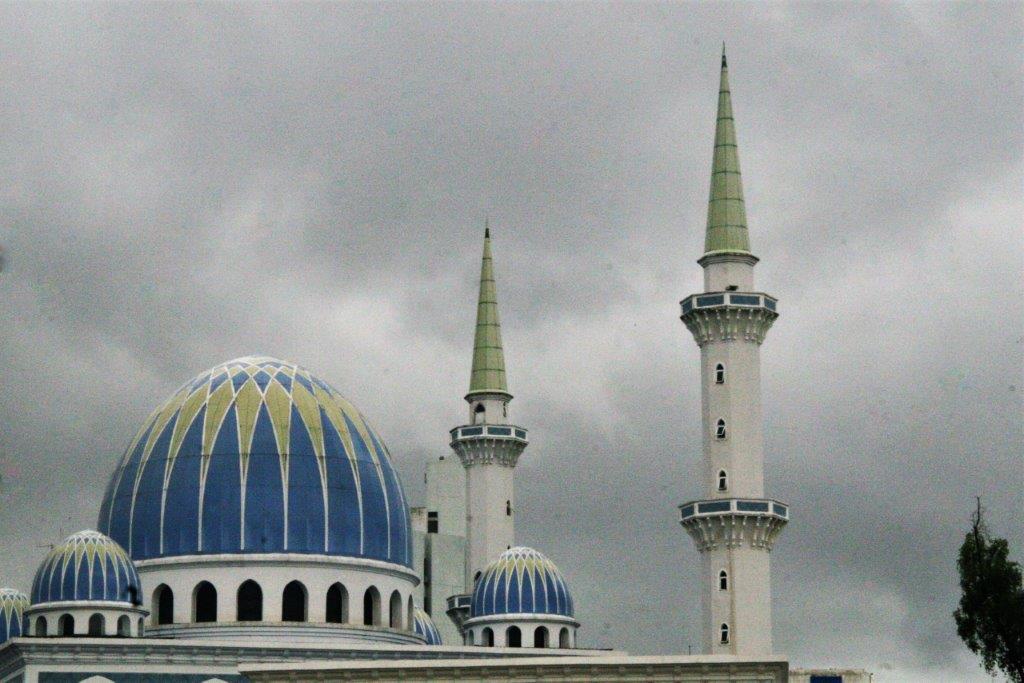
2009-03-15_0299 2009-03-15_0300 2009-03-15_0309 2009-03-15_0371After we walked in the forest the boat took us back up the river, we boarded the bus and were driven through an upscale area of town and stopped briefly at the beautiful blue and white mosque Sultan Ahmed I State Mosque.

2009-03-15_0373 2009-03-15_0377 2009-03-15_0379 2009-03-15_0387 2009-03-15_0392 2009-03-15_0391As we were leaving the mosque the rain that was on and off all day turned on with a vengeance and even the stalwart vendors at the pier packed up early and went home.  All aboard was 4:30 and the ship departed at 5 for the next-port-of-call; the island city/state of Singapore.2009-03-15_0417 2009-03-15_0419

2009 March 13 (World Cruise) – Day 67 – Nha Trang, Vietnam

2009 World Cruise – We sailed three days between Shanghai and Nha Trang.  I managed to fight off a cold during that time by spending a lot of time keeping toasty in bed and reading.  I skipped dinner a couple of times, John  brought me breakfast and lunch a couple of times and I pretty much kept to the cabin.

We received an email from our son the day after we left Shanghai.  At the time we were on this cruise he lived in Dubai, United Arab Emirates.  The ship was scheduled to spend two days in Dubai  March 29-30.  We had already made arrangements for him to come aboard one day to visit, tour the ship, and have dinner with us and our friends.  In his email he asked if he could bring a guest and included the information he knew we would need (citizenship – American.  Name – Carrie.  Occupation – artist/art teacher.  Passport number – no idea and I wouldn’t print it if I did) for the ship’s records.

We were quite surprised by this as we did not even know he was dating anyone.  But we dutifully applied for a visitors pass for her and then had to await the ship’s arrival in Dubai to meet her.  (She is now our daughter-in-law as they were married in 2013 in a castle in Scotland.)

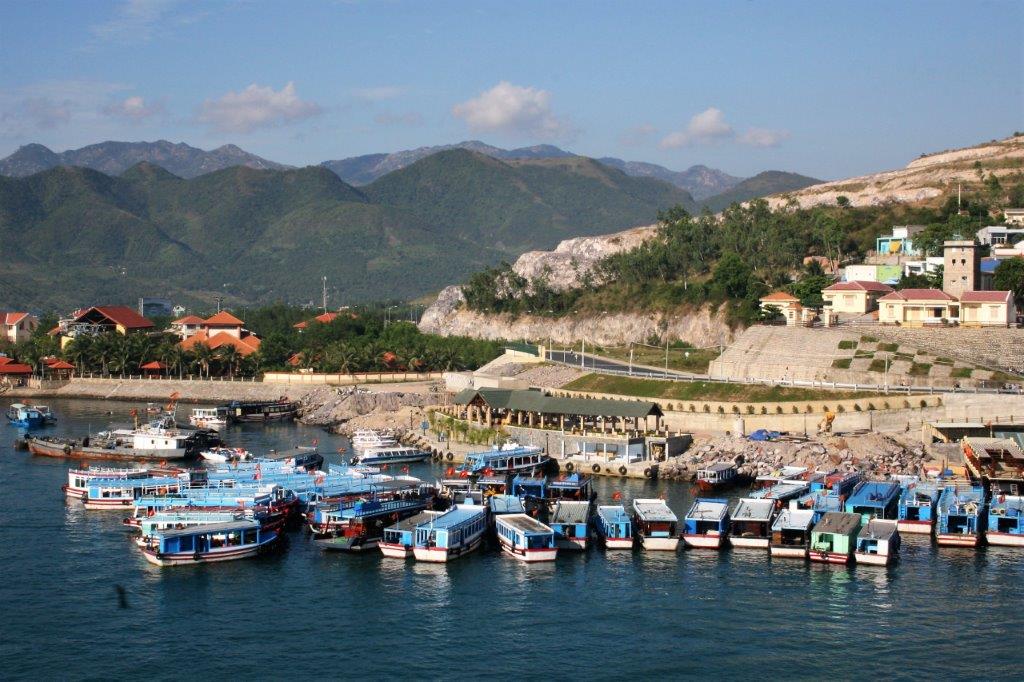
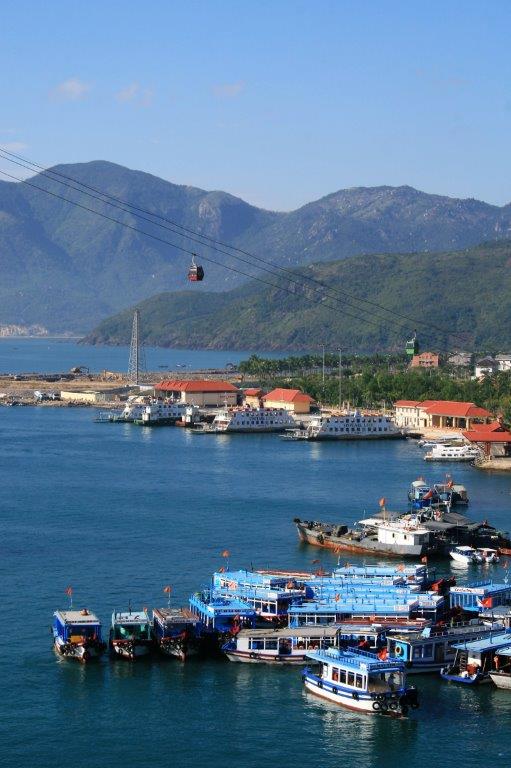
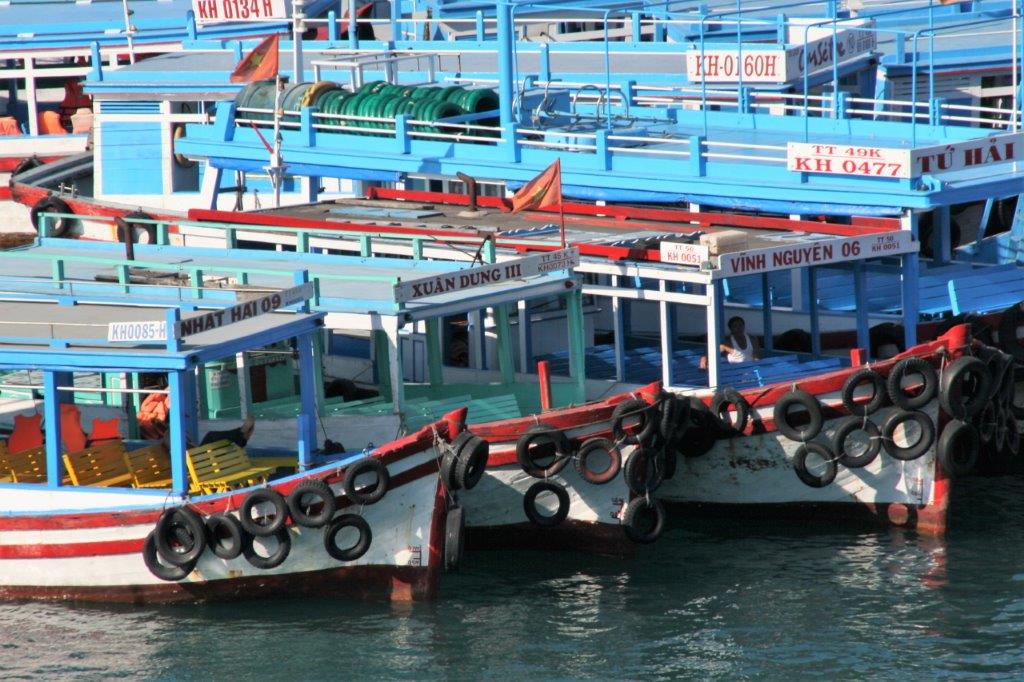
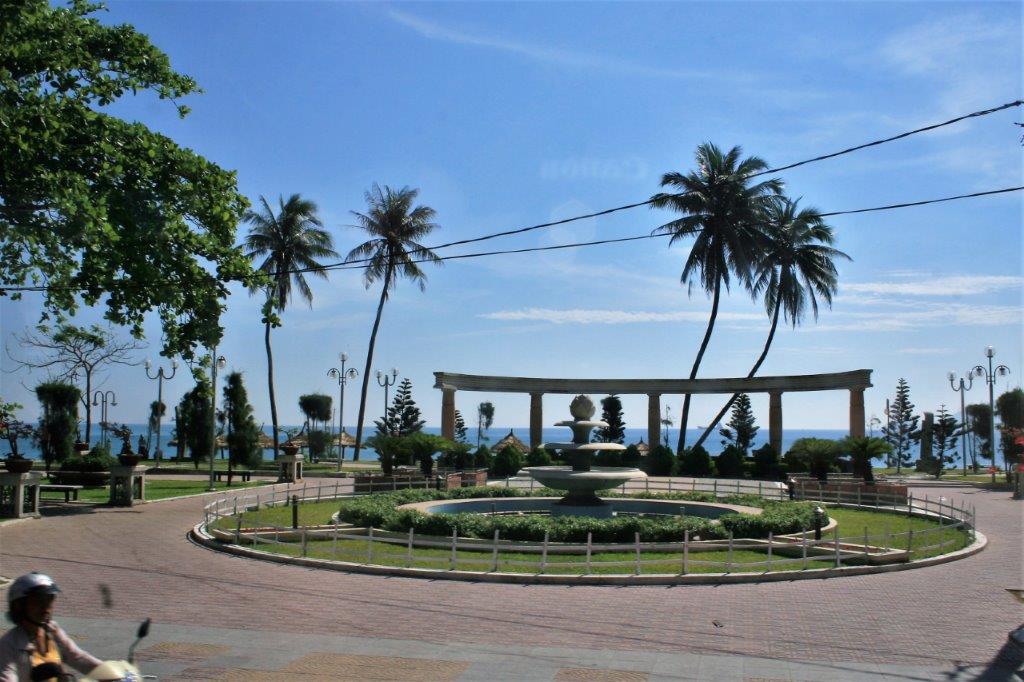
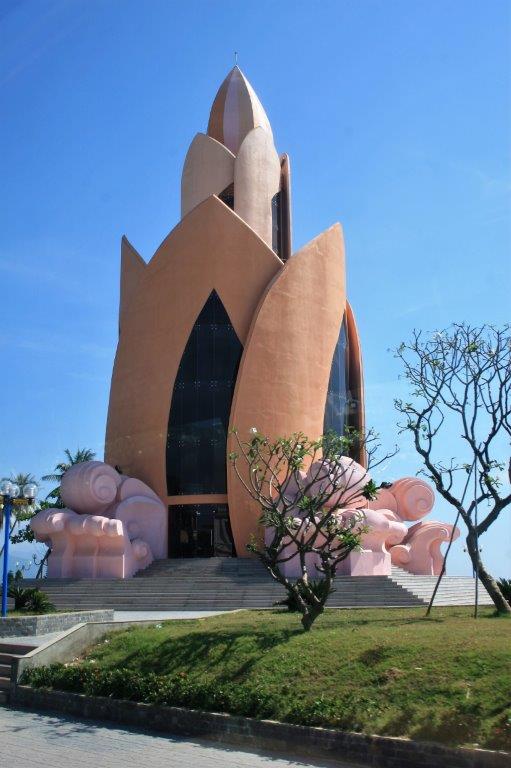
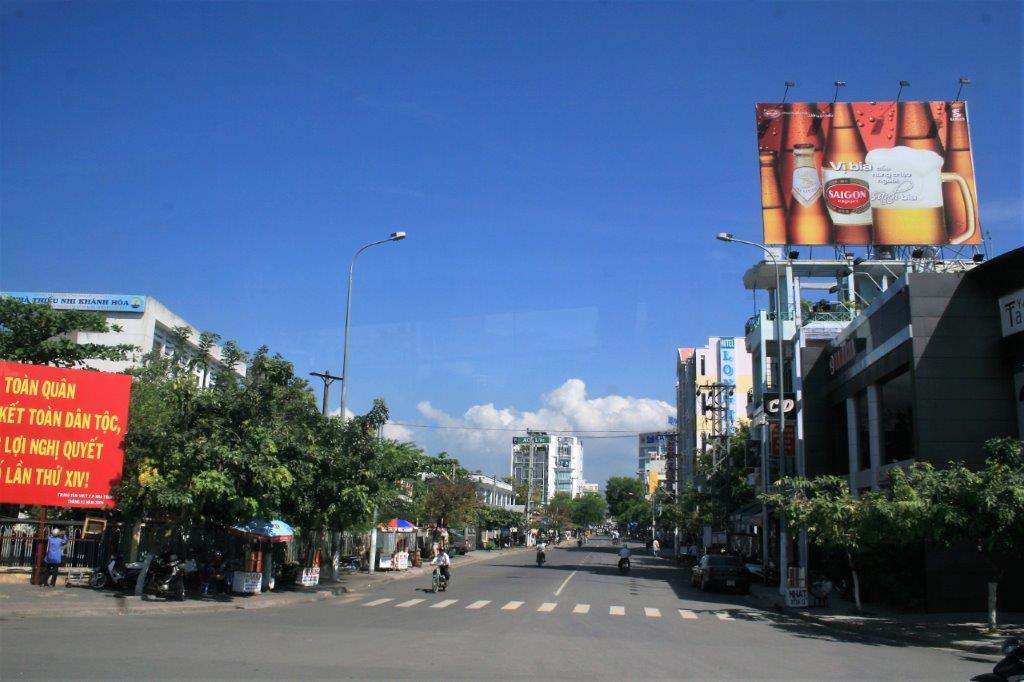
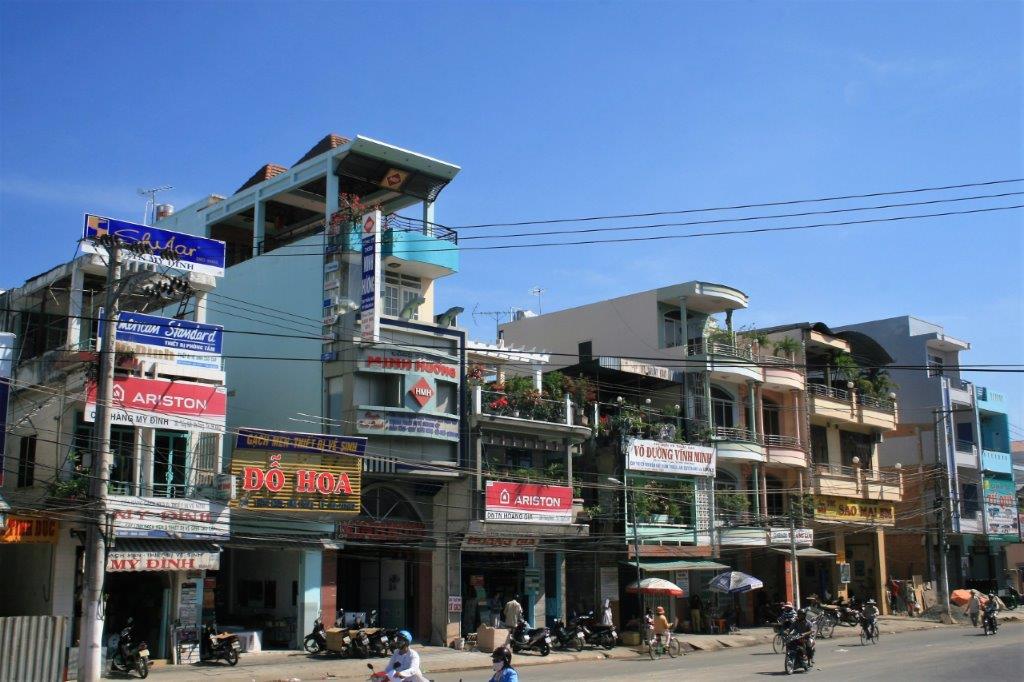
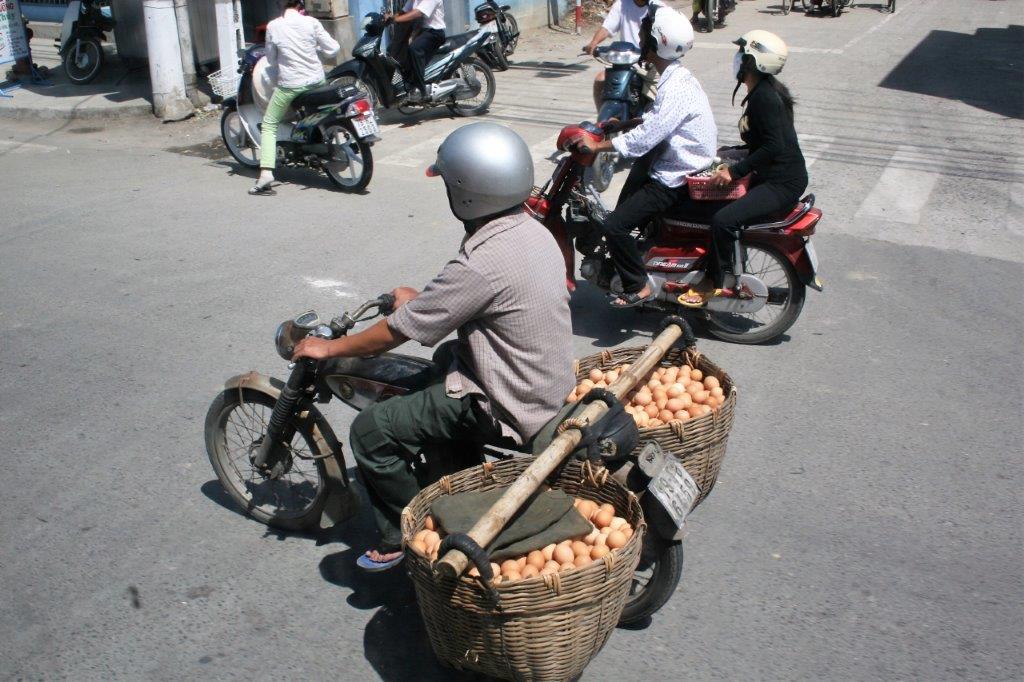
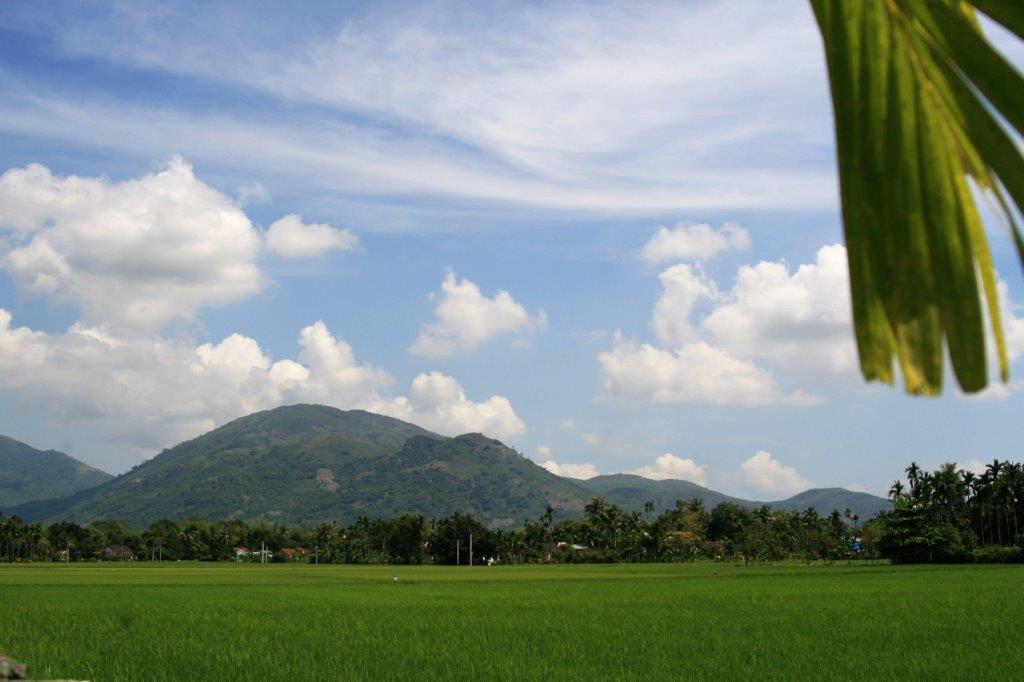
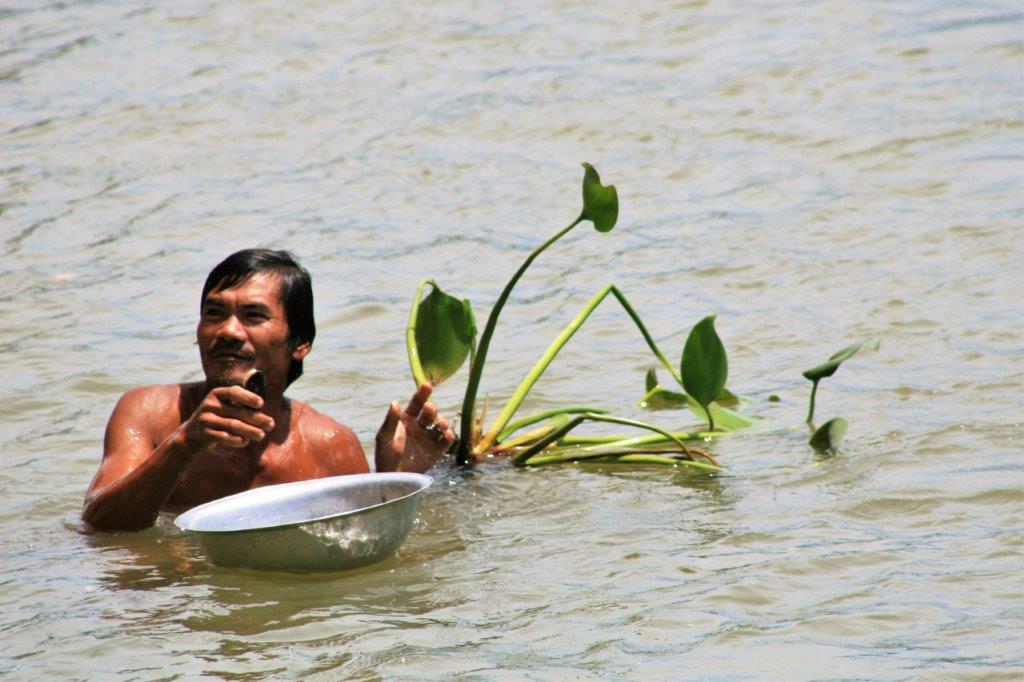
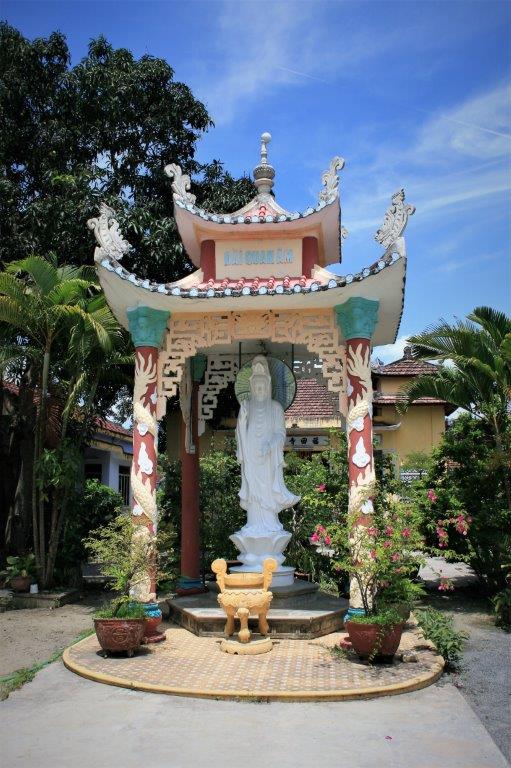
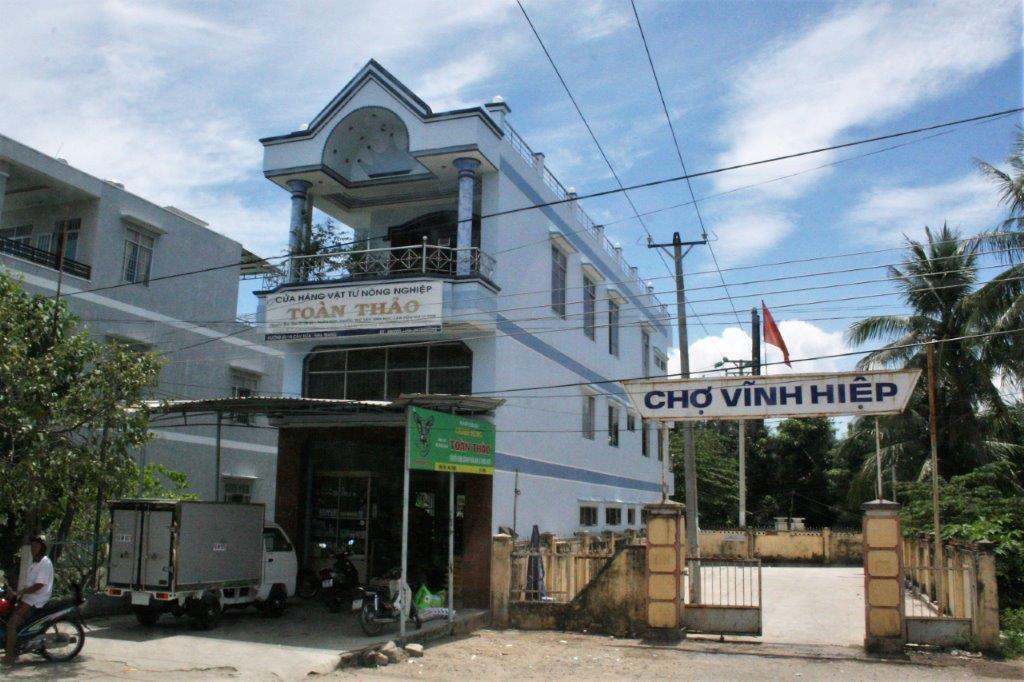
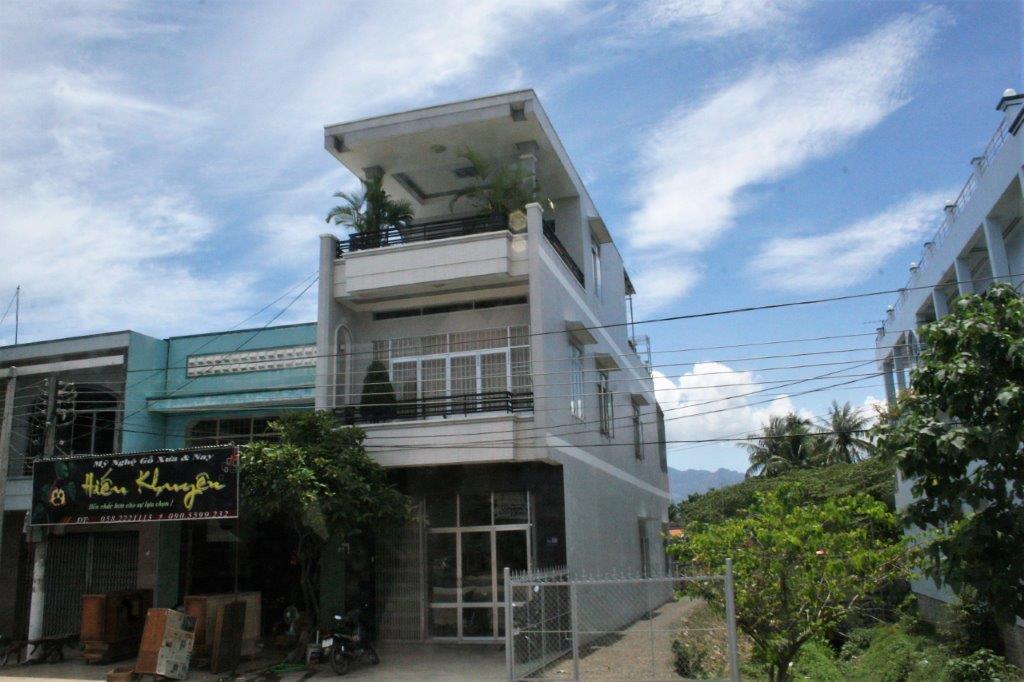
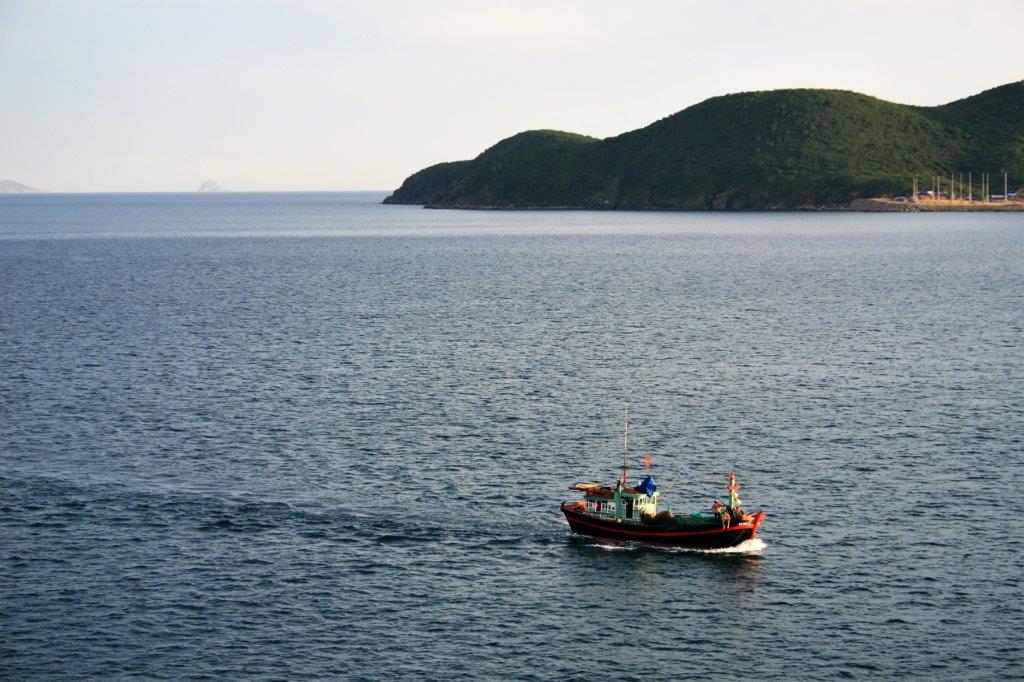
2009-03-13_0024 2009-03-13_0025We have had quite a lot of rain and cloudy skies lately so it was very nice to wake up in Nha Trang and see lovely blue sky.  All the blue, red and white boats in the harbour were very picturesque.  Until a few years ago Nha Trang was a sleepy coastal fishing village. The government and private investors have transformed it into a thriving beachside resort-town with a gorgeous beach promenade several miles long.  It is a very popular holiday spot for the Vietnamese and is gaining renown among international tourists as well.

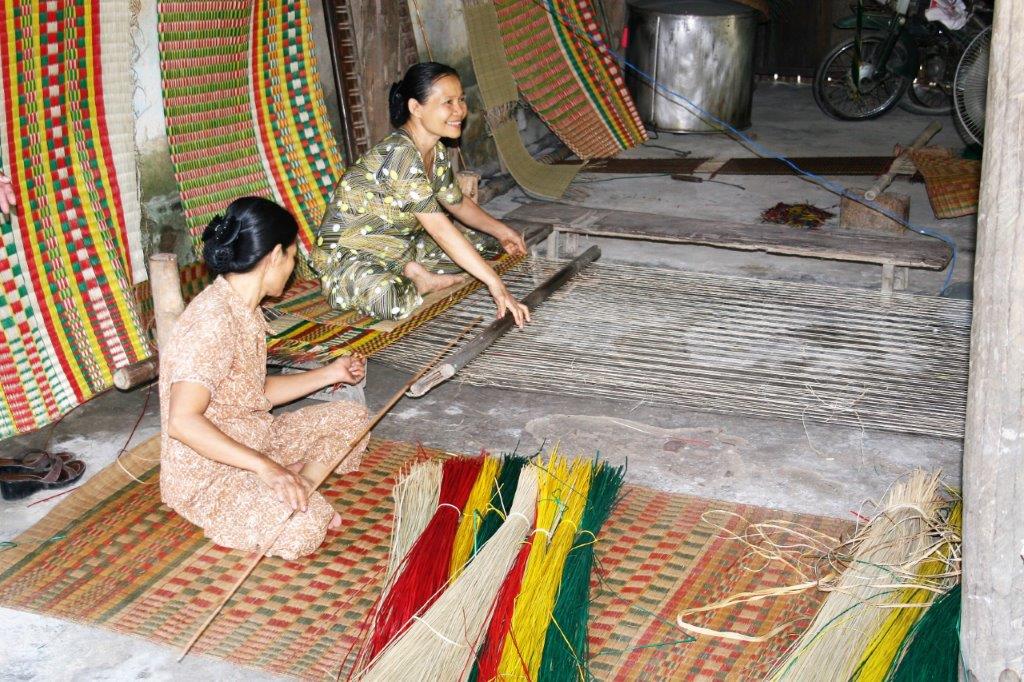
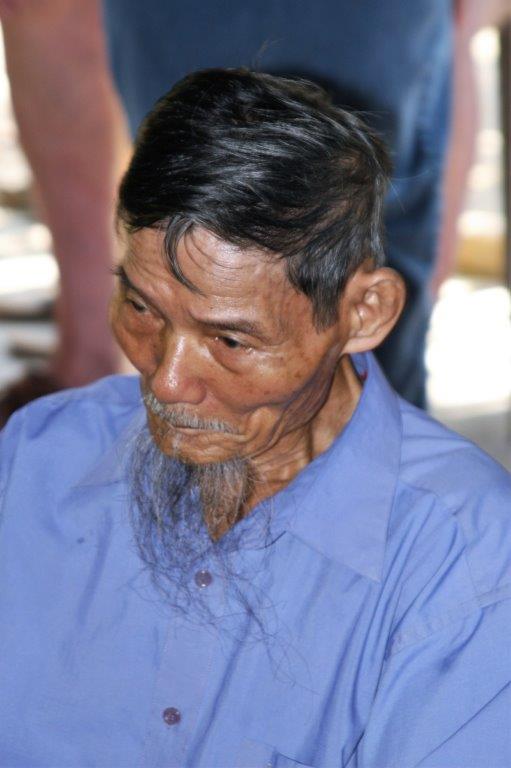
2009-03-13_0007 2009-03-13_00322009-03-13_0027We had a morning tour of the countryside where we had various stops to walk around and see things.2009-03-13_0003 2009-03-13_0002 2009-03-13_0005 2009-03-13_00062009-03-13_0004 2009-03-13_0034Our first stop was a farm on the outskirts of town where the women make mats out of rushes.  The elderly folks help spin out the rushes into ‘thread’ and dye them the three main colours – red, green and yellow.

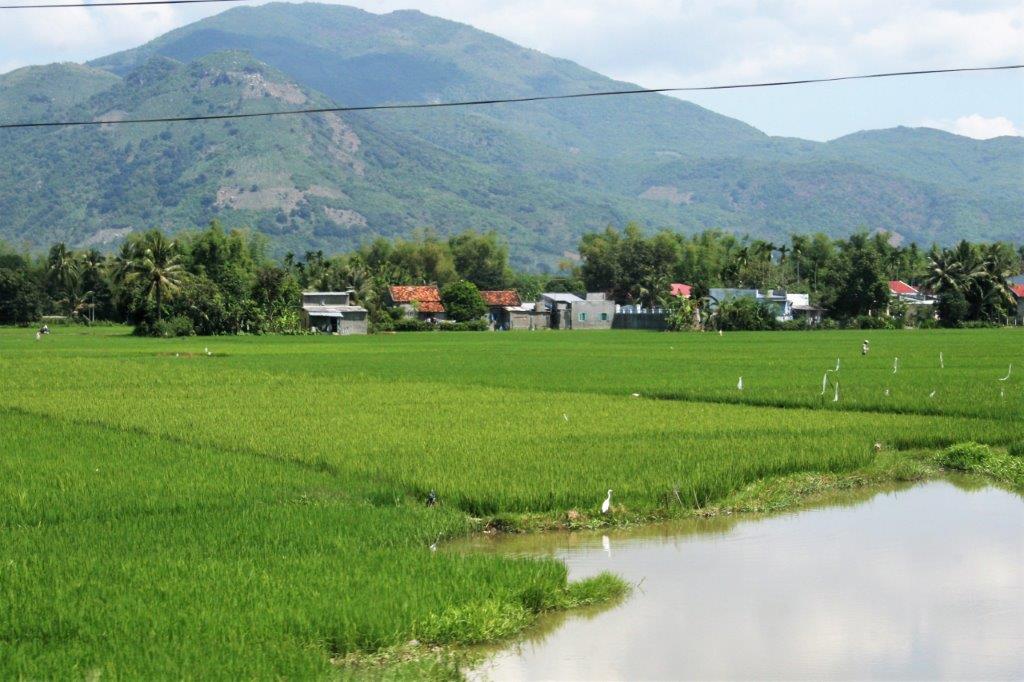
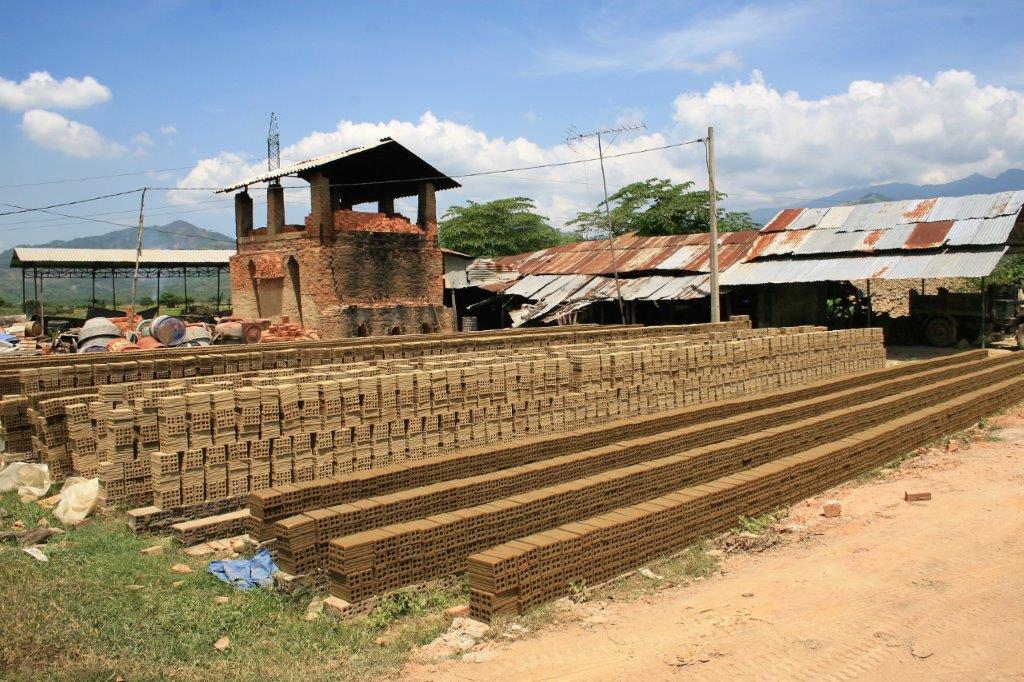
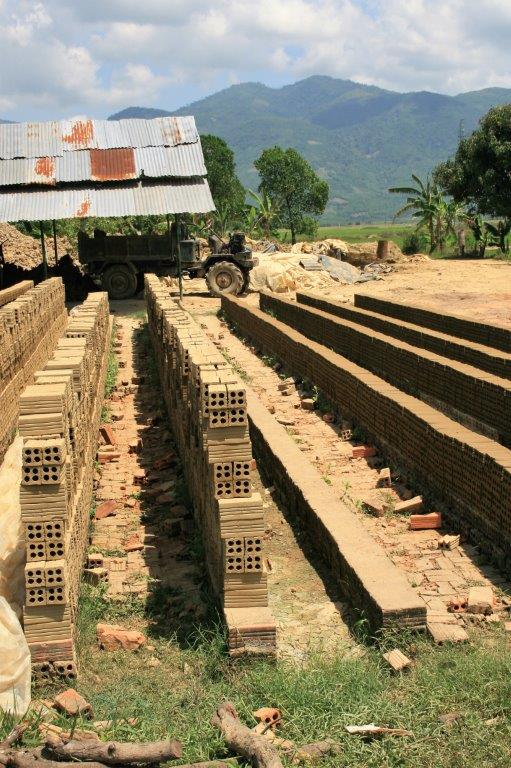
2009-03-13_0013 2009-03-13_00232009-03-13_0018 2009-03-13_0021 2009-03-13_0020They use a loom and two women can make four 8′ x 4′ mats per day.  They trade the mats or sell them to support their families.  I even made a purchase here; I bought four place mats to use at home.2009-03-13_00362009-03-13_0051The farmers here plant three crops of rice per year and a different crop during the other three months.2009-03-13_0057 2009-03-13_0058 2009-03-13_0056Then we wandered around a brickyard.  I think this is the lunch shack.

2009-03-13_0067A recent widow (her husband died of a stroke 4 months ago)  allowed us to come into her house (she would have been paid a significant amount of money from the tour company which helps support the extended family of 10 people that live with her).  The largest room in the house was the altar room where the ancestors are worshiped and honoured.

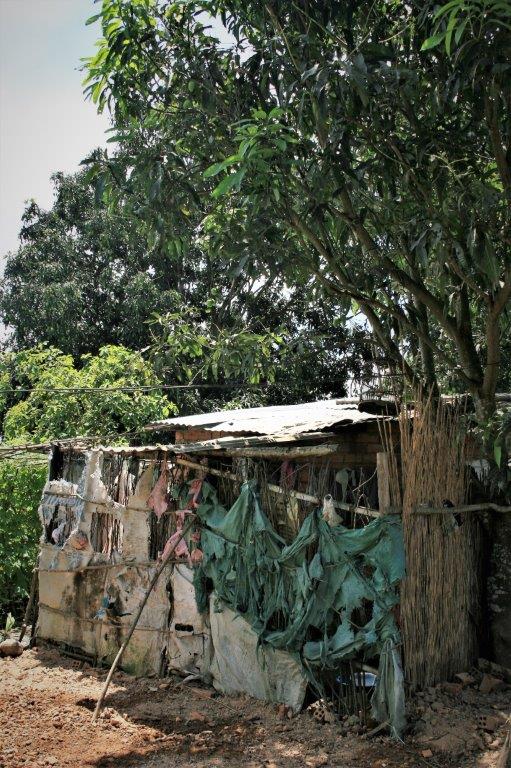
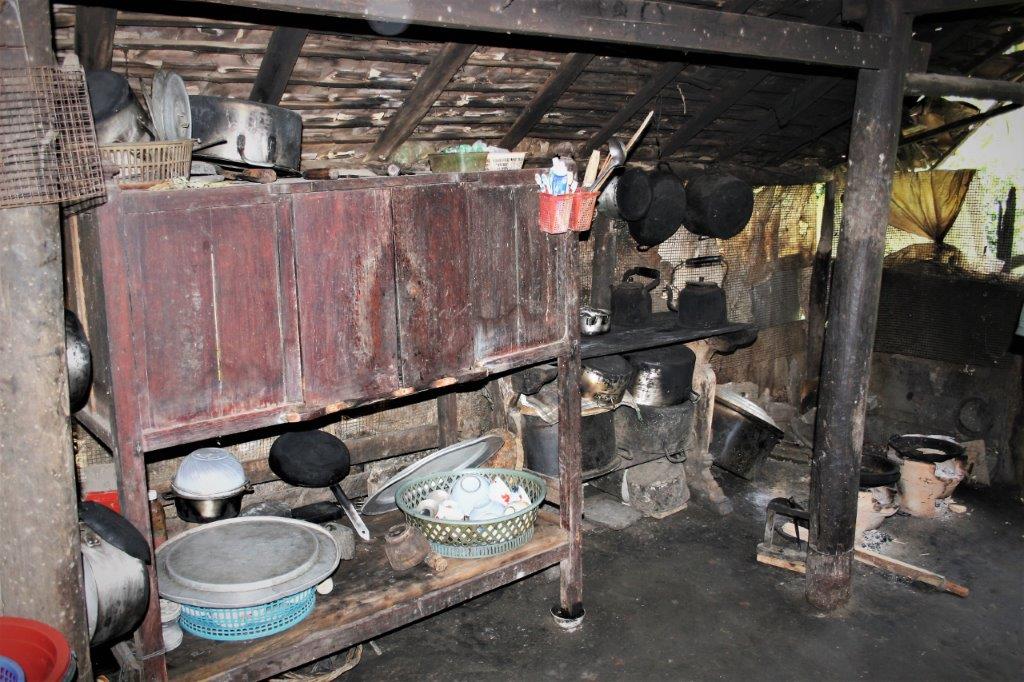
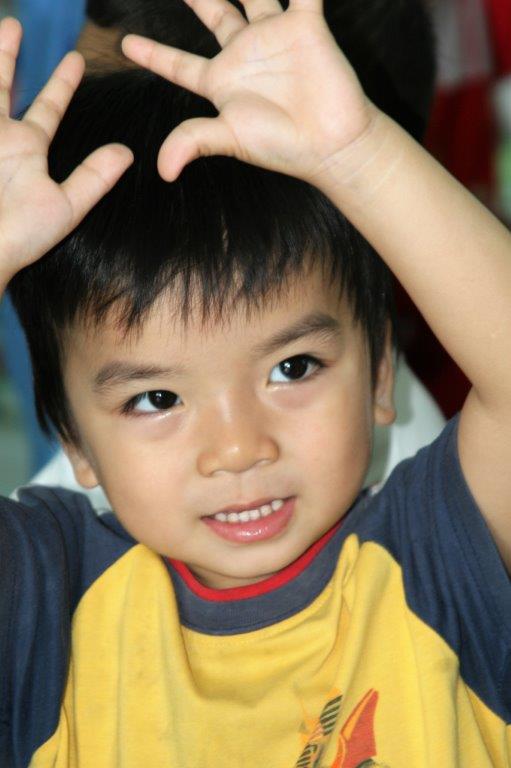
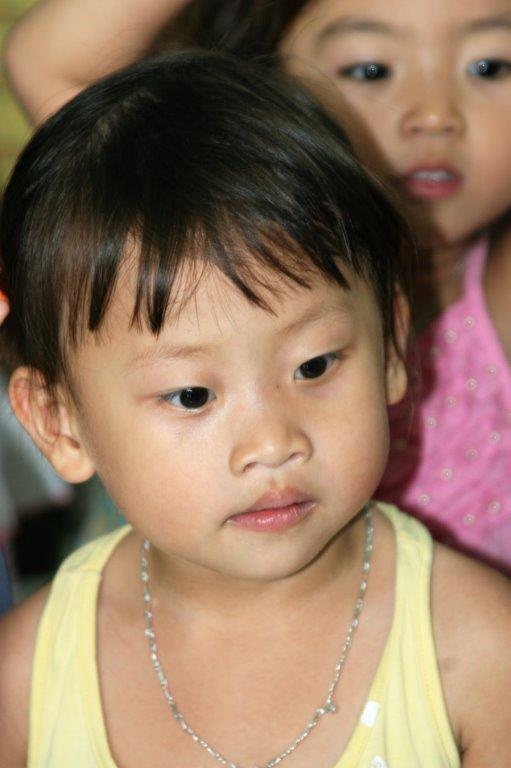
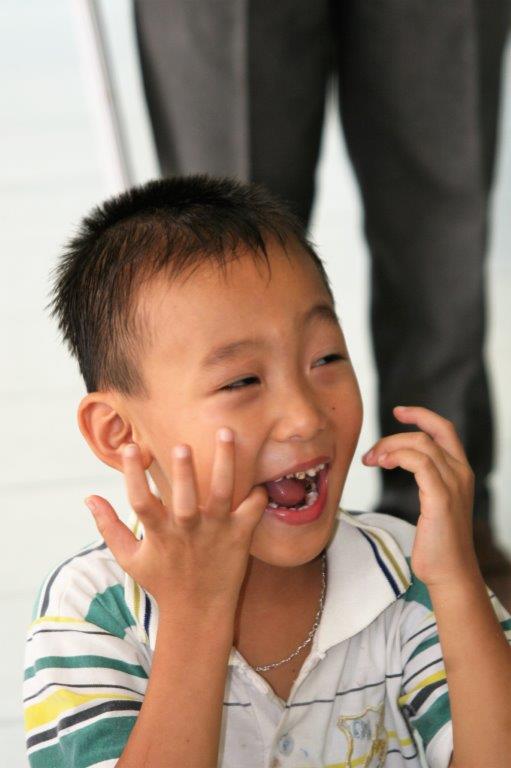
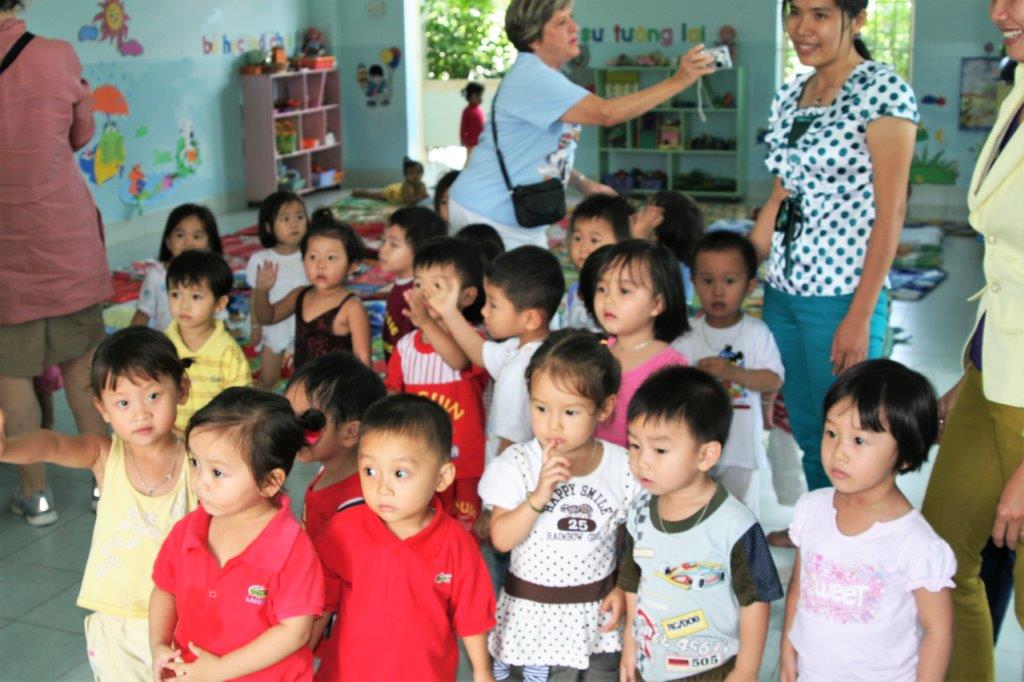
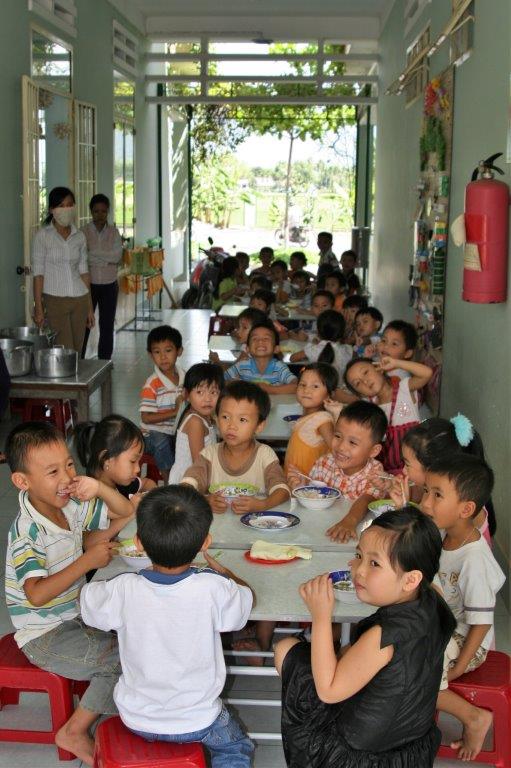
The kitchen had a packed dirt floor, rough wood walls and a tin roof.  The walls and roof were full of holes.  I have no idea what she would do in the wet season.  There was a cupboard with a lot of blackened pots.  No sink, no stove, no fridge, no storage.  The bedroom was a patchwork of different size beds placed end to end and edge to edge.2009-03-13_00532009-03-13_00792009-03-13_00802009-03-13_0083 2009-03-13_0061 2009-03-13_0066And, the most fun stop of the day was at a kindergarten. Again, the school would have been paid to allow this which helps pay staff and other costs to run the kindergarten.  The kids were thrilled to see all these foreigners and had big smiles and blew kisses.  So cute.2009-03-13_0052 2009-03-13_0037 2009-03-13_0038 2009-03-13_0039 2009-03-13_0041 2009-03-13_0044 2009-03-13_0043 2009-03-13_0045 2009-03-13_0049After visiting with the kids it was back on the bus and back into town and back onto the ship.

2009-03-13_0072 2009-03-13_0073 2009-03-13_0074 2009-03-13_0087 2009-03-13_0088 2009-03-13_0089The local artisans and vendors had set up shop at the pier so after we returned from our tour we had lunch then took a wander around before settling on the deck with our books until dinner and we set sail for Kemamam, Malaysia – a day at sea away.2009-03-13_0411