Category Archives: Hanna Travels

2012 April 22 – Day 42 – Civitavecchia, Italy (Rome) (Part 3)

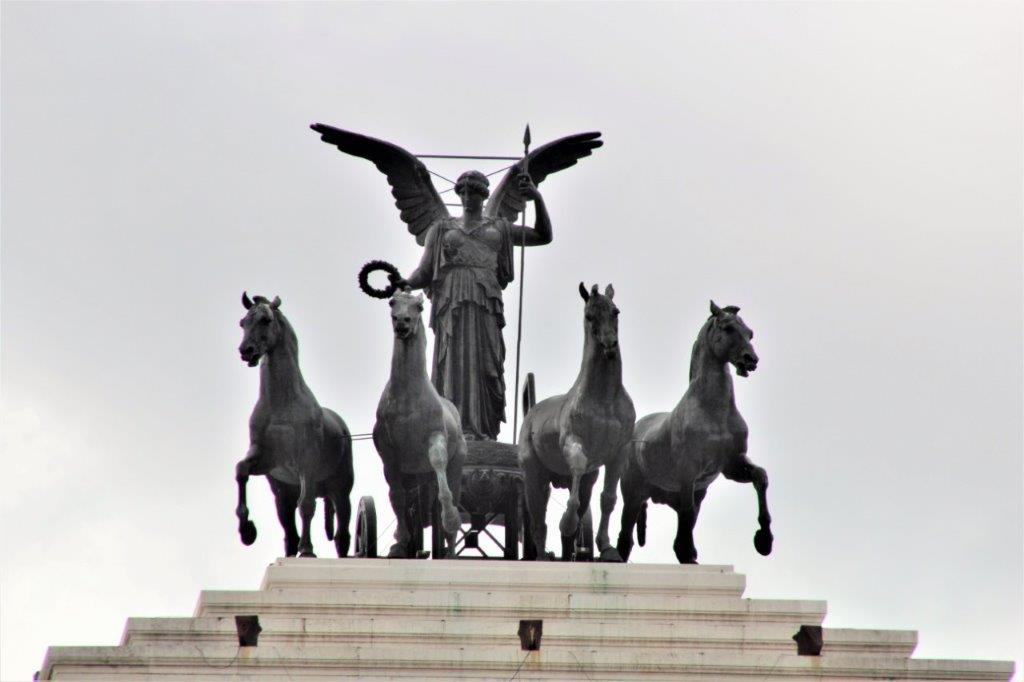
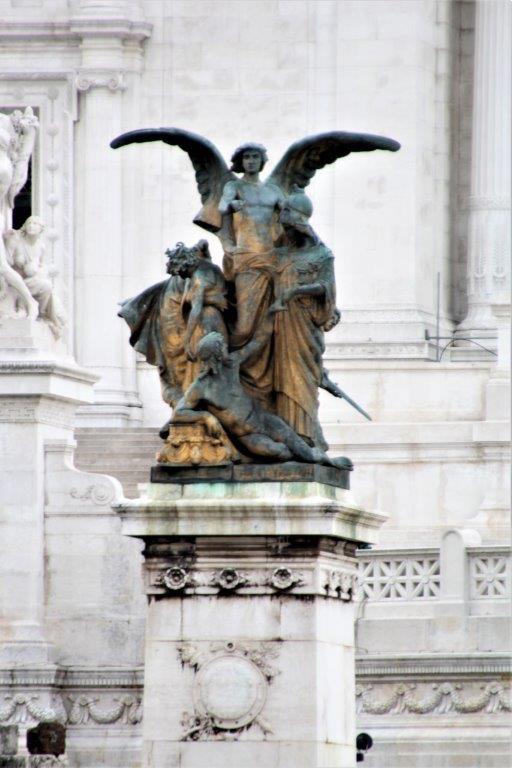
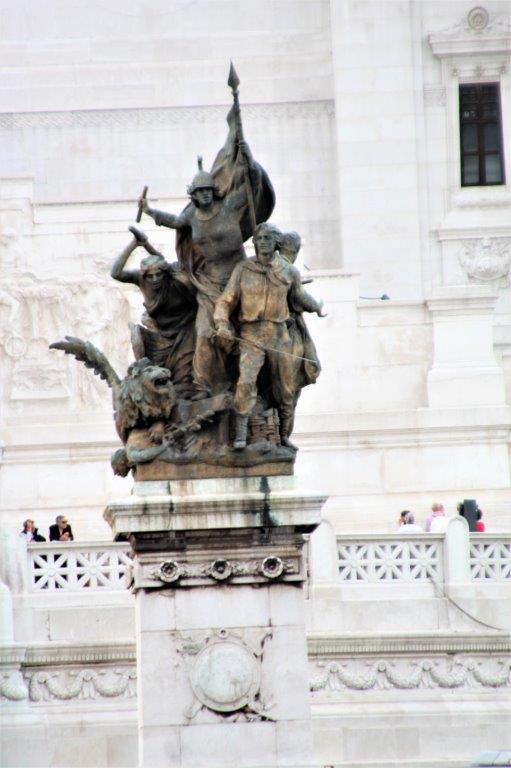
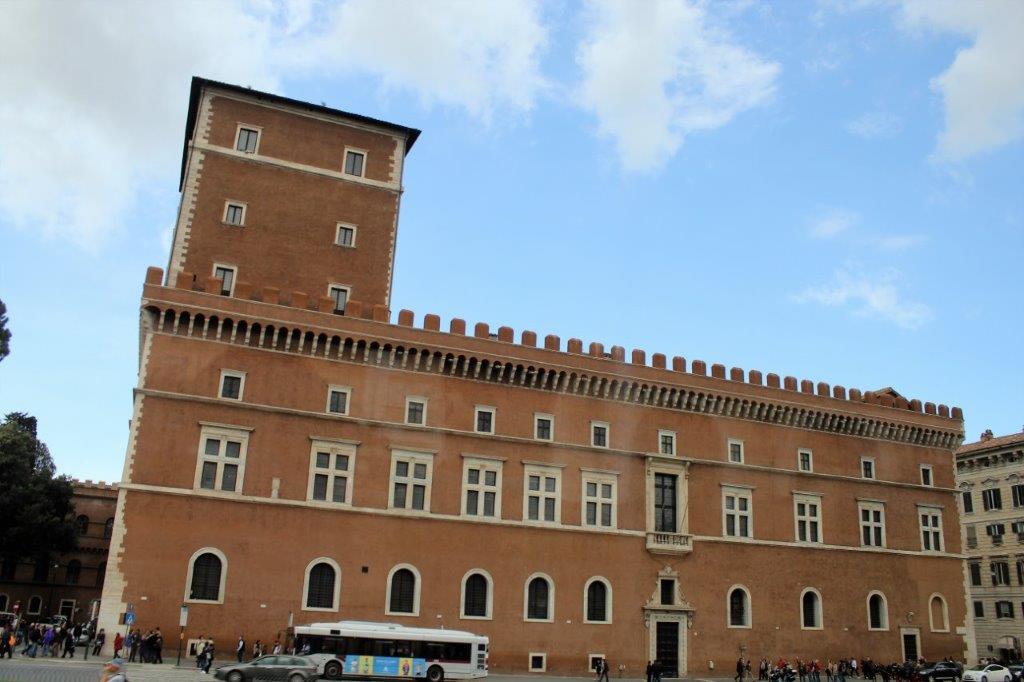
We left St. Peter’s Basilica and the bus drove us back across the Tiber and to the Coliseum.A side view of the Monument to King Victor Emmanuel at the Piazza Venetia.
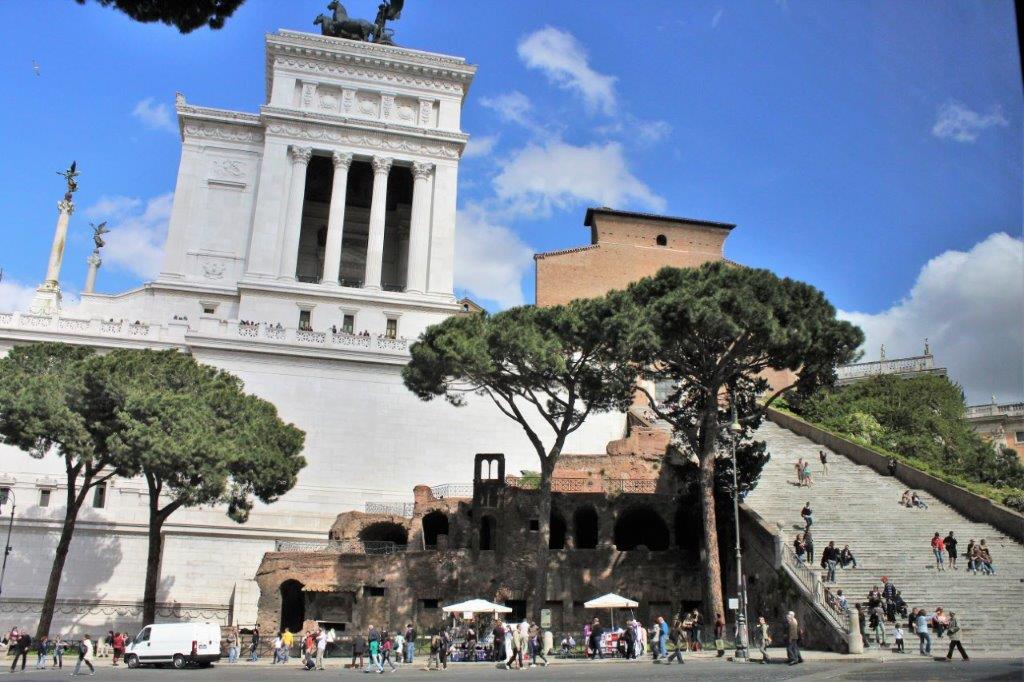
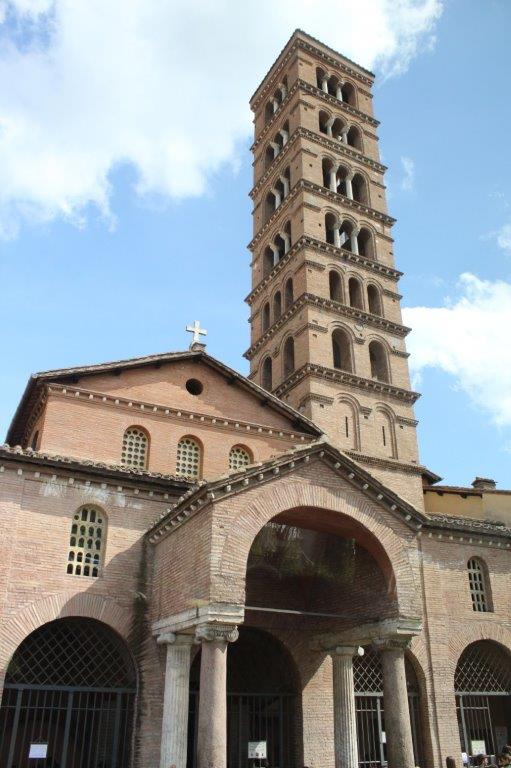
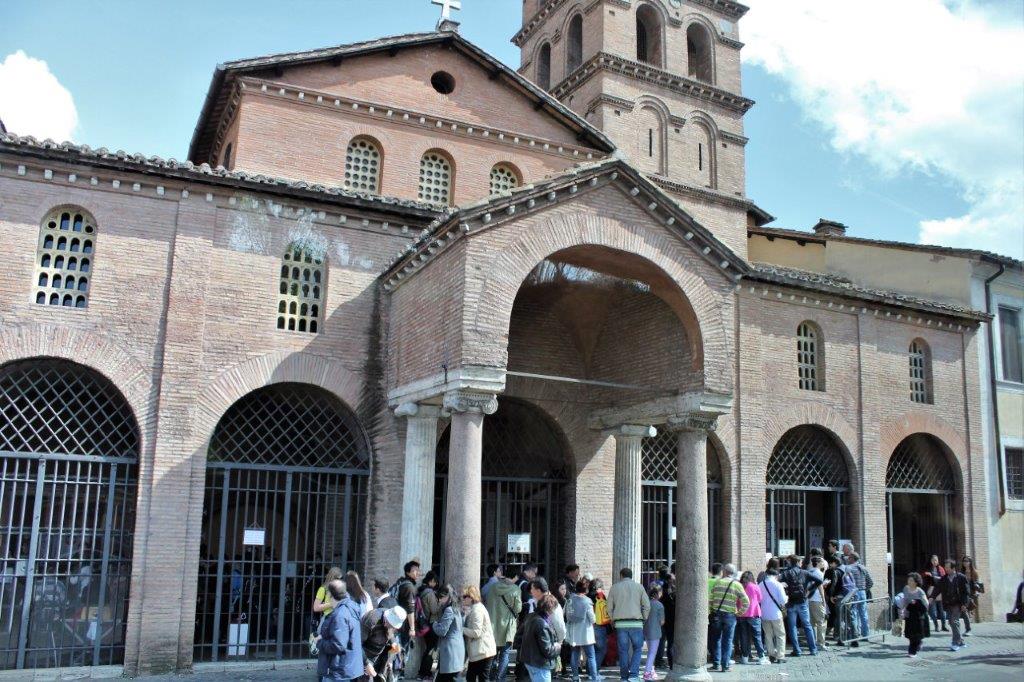
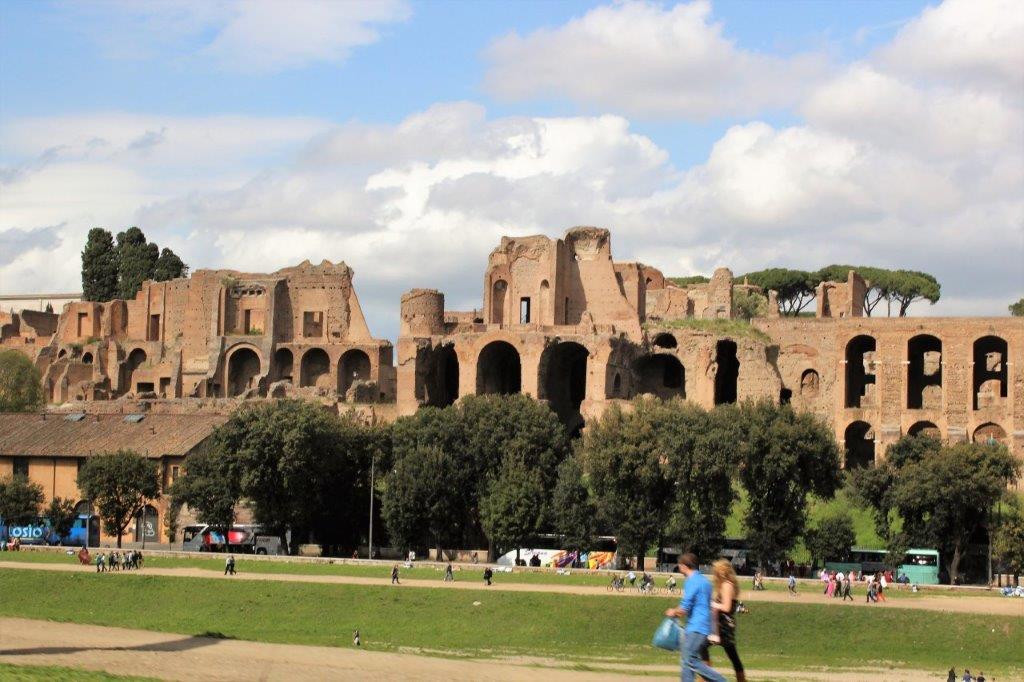
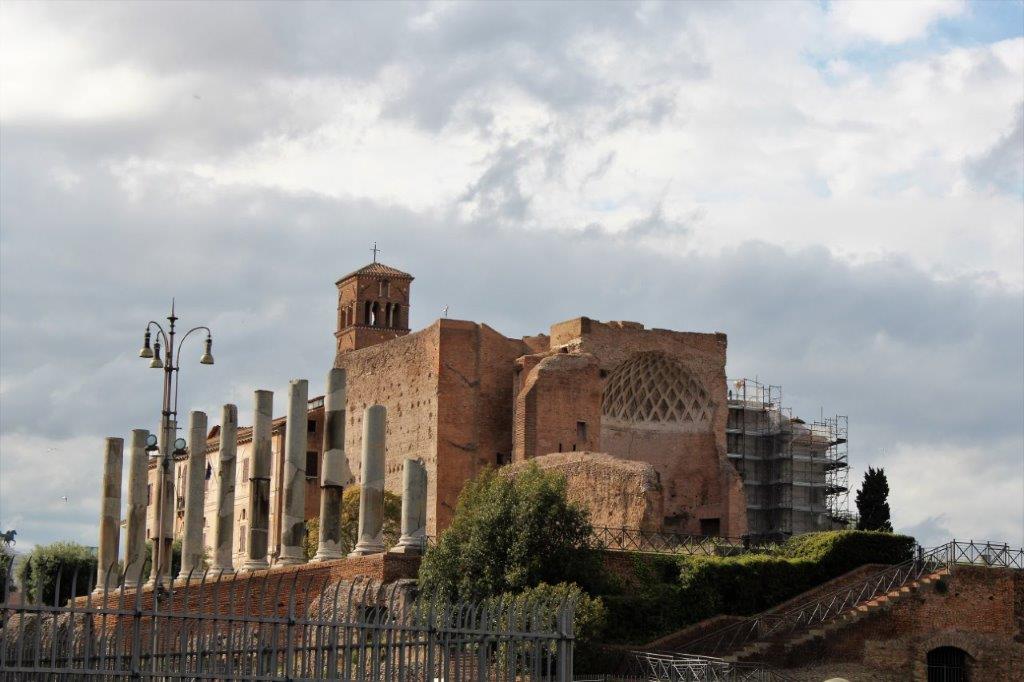
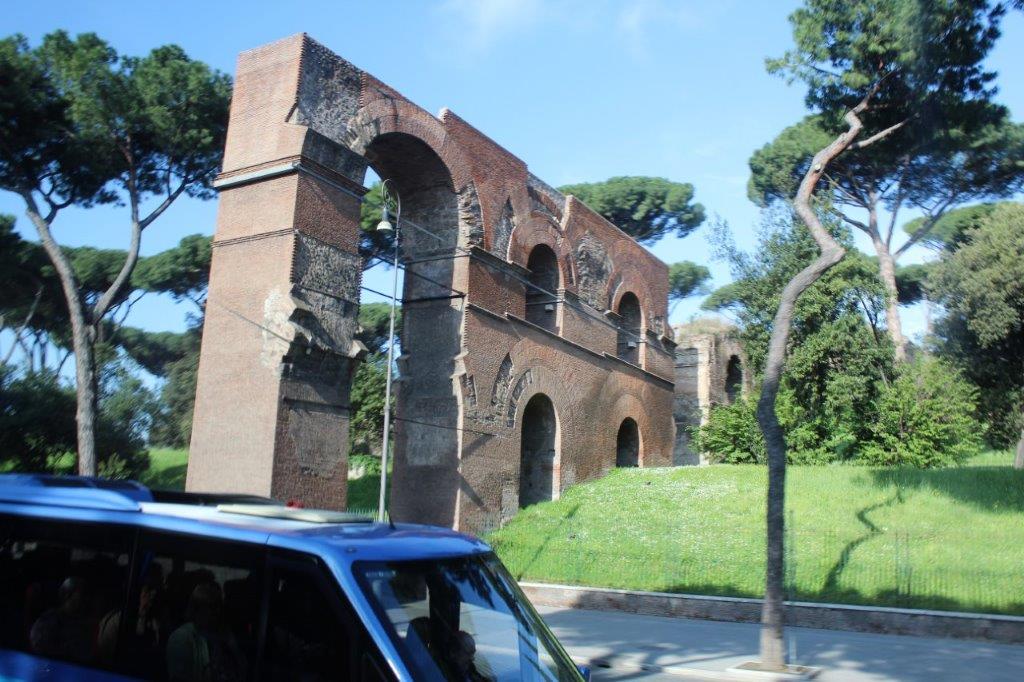
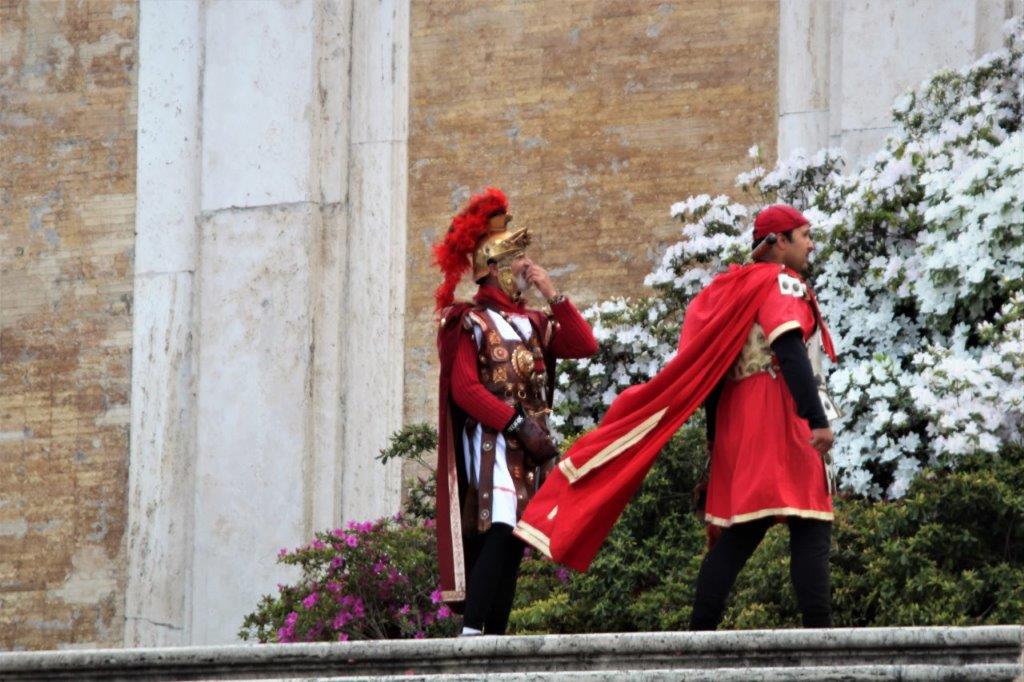
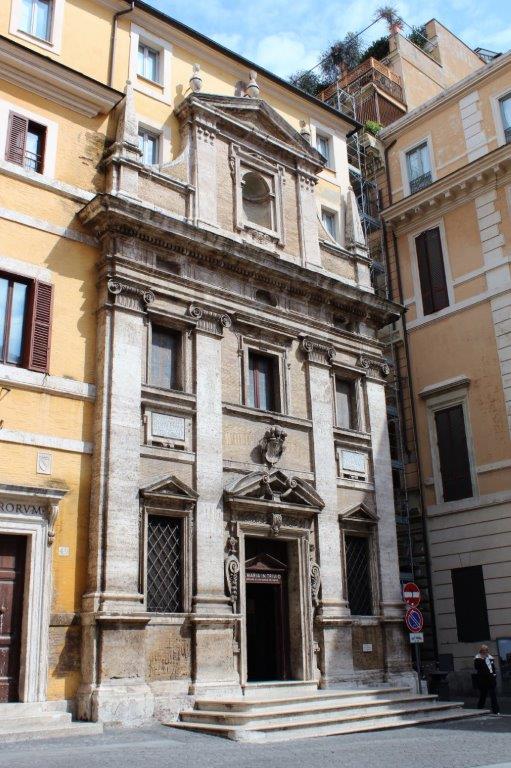
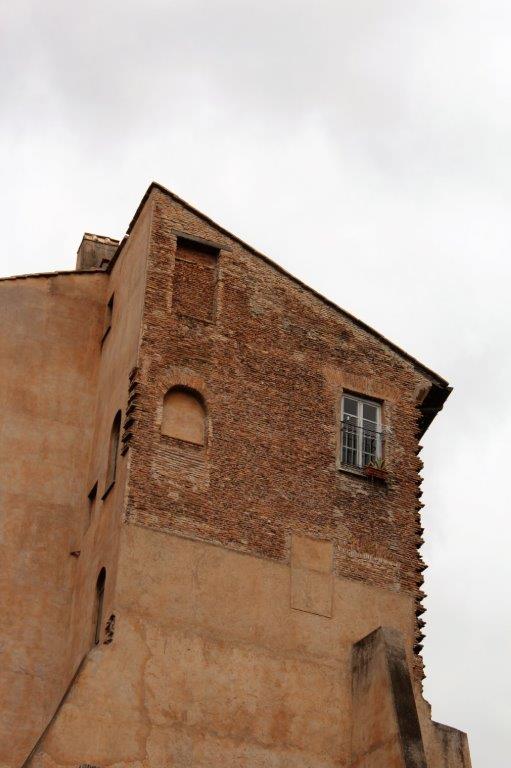
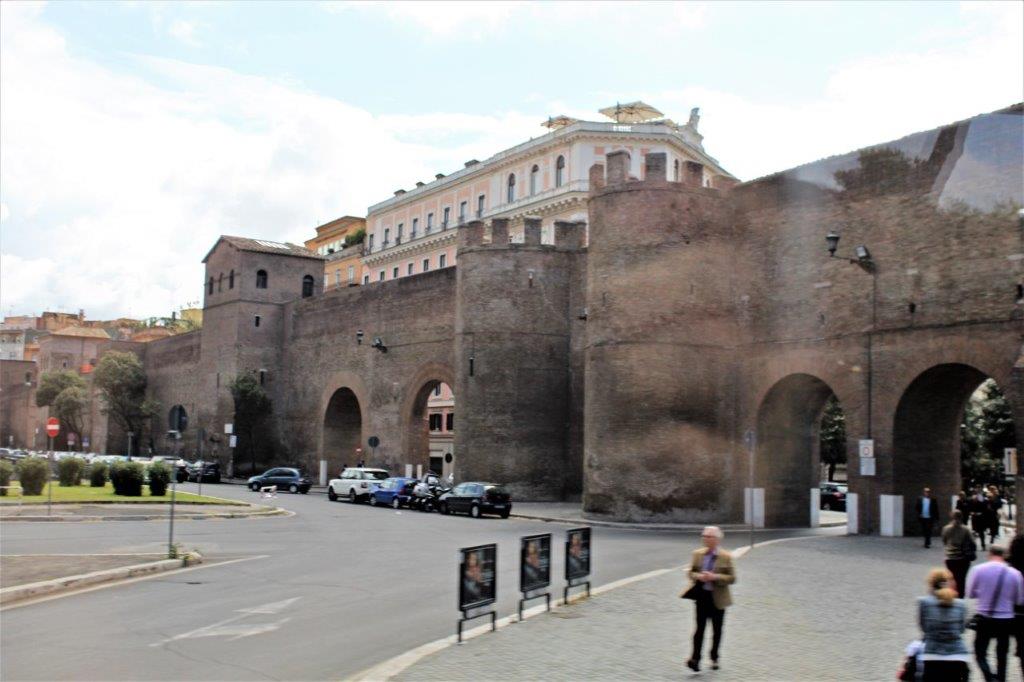
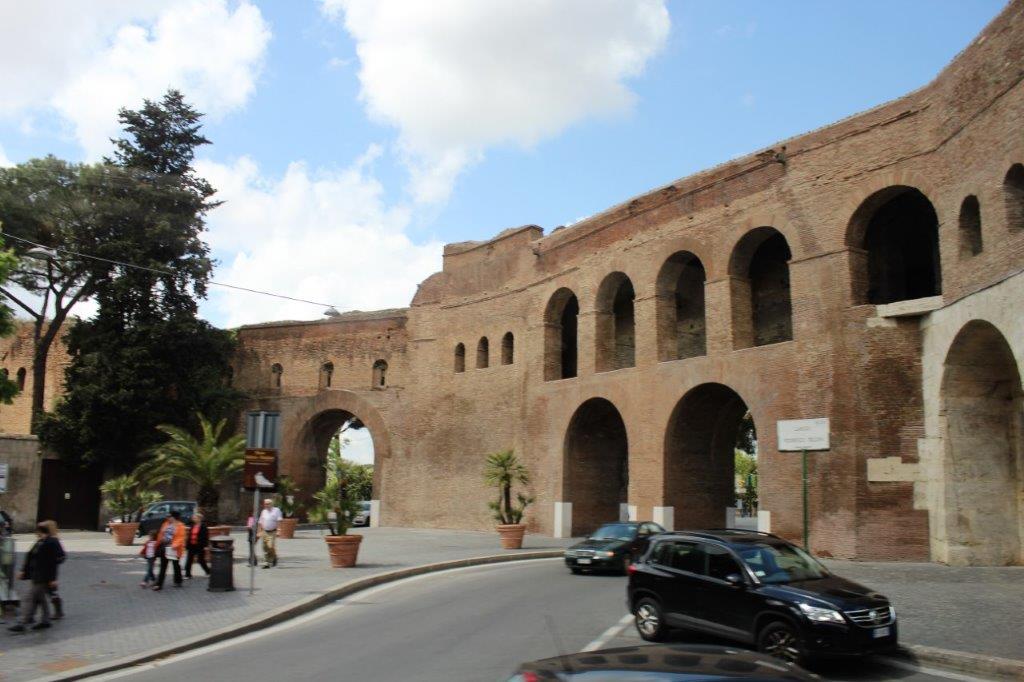
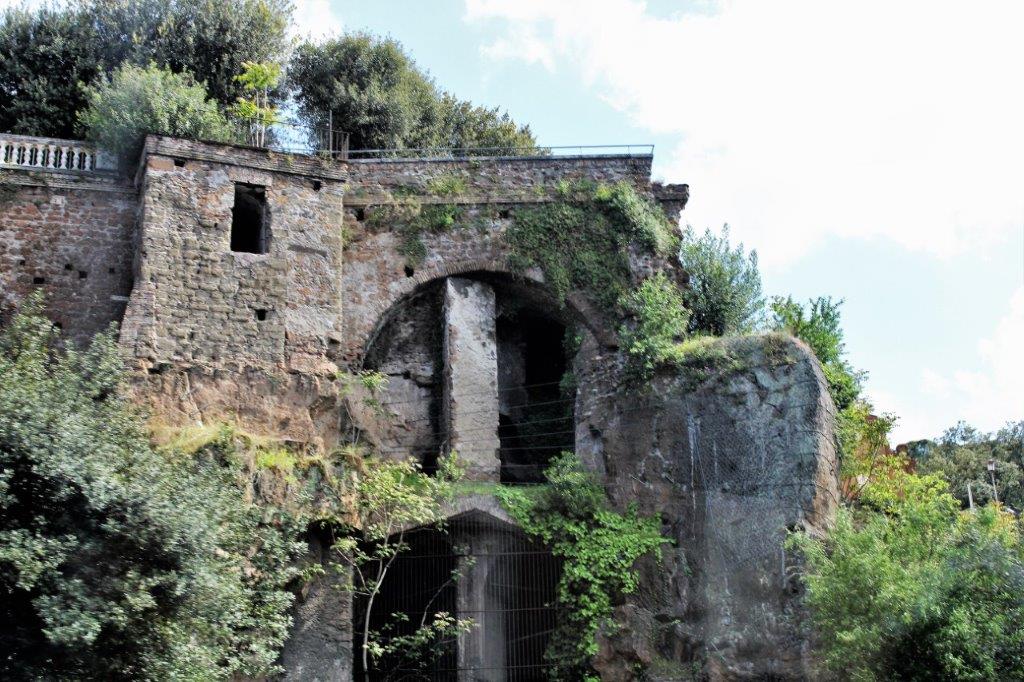
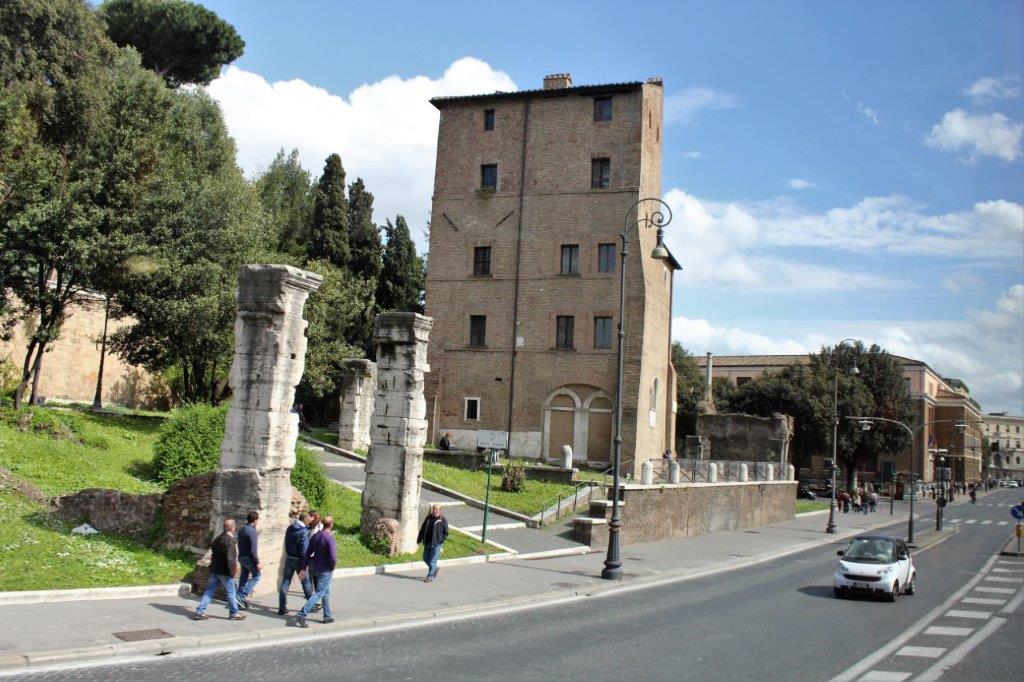
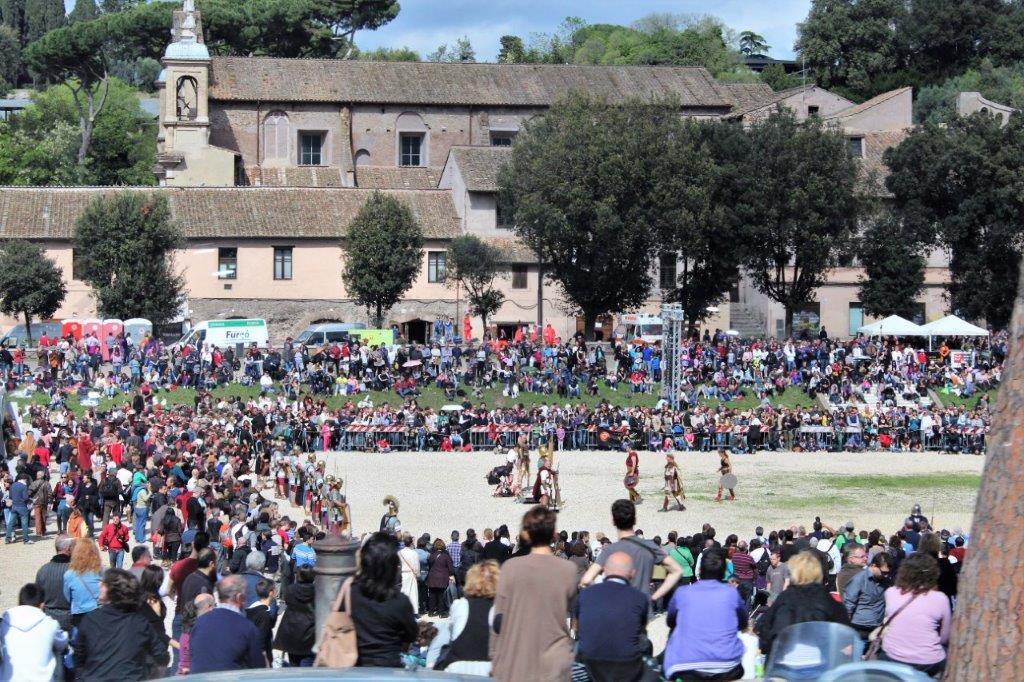
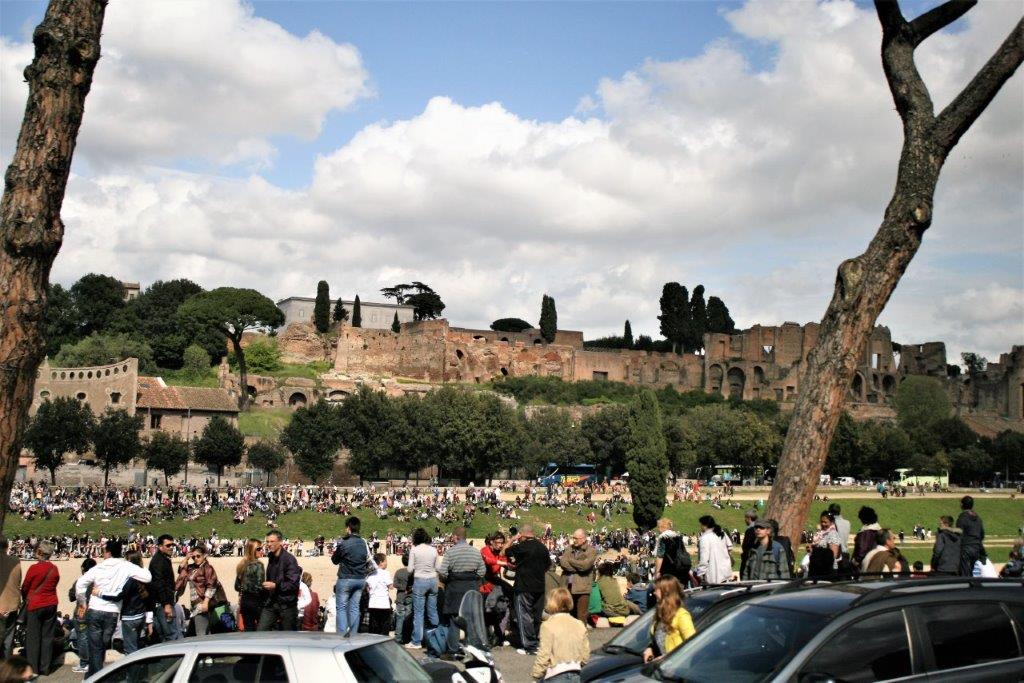
 The Basilica of Santa Maria in Ara Coeli (St. Mary of the Altar of Heaven), the designated church of the city council.There are sections of old Roman walls and buildings all over the city.                                        Church of Santa Maria in Cosmedin.The Circus Maximus with ruins of the Imperial Palace behind.  There was a re-enactment of Roman games going on.                             The ruins of the Imperial Palace.
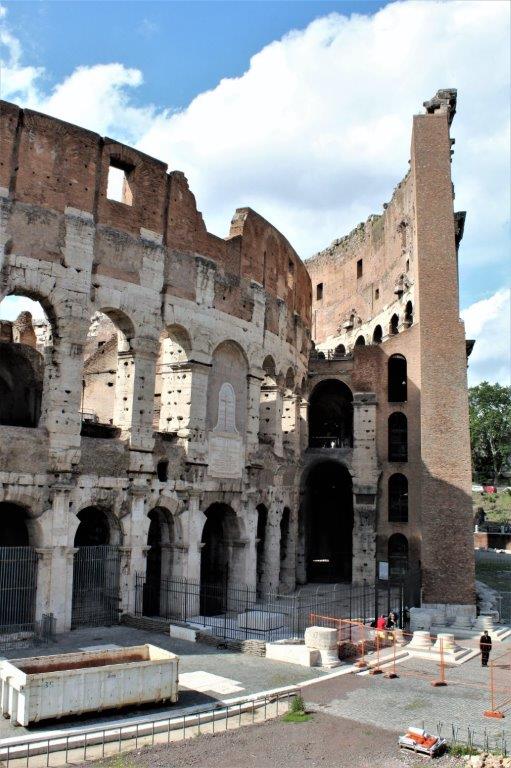
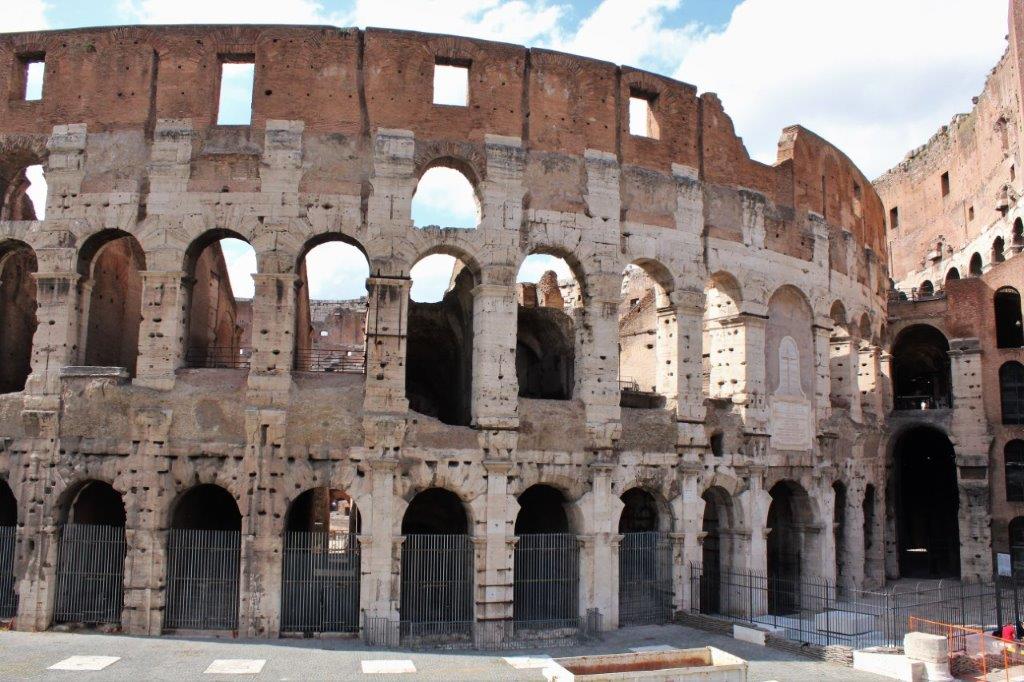
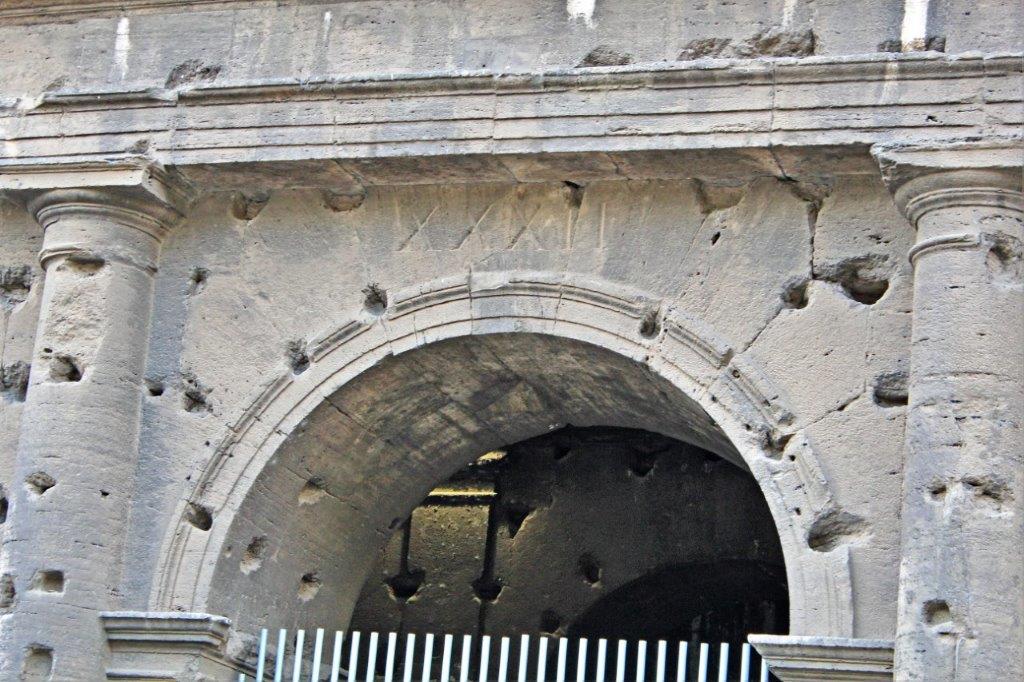
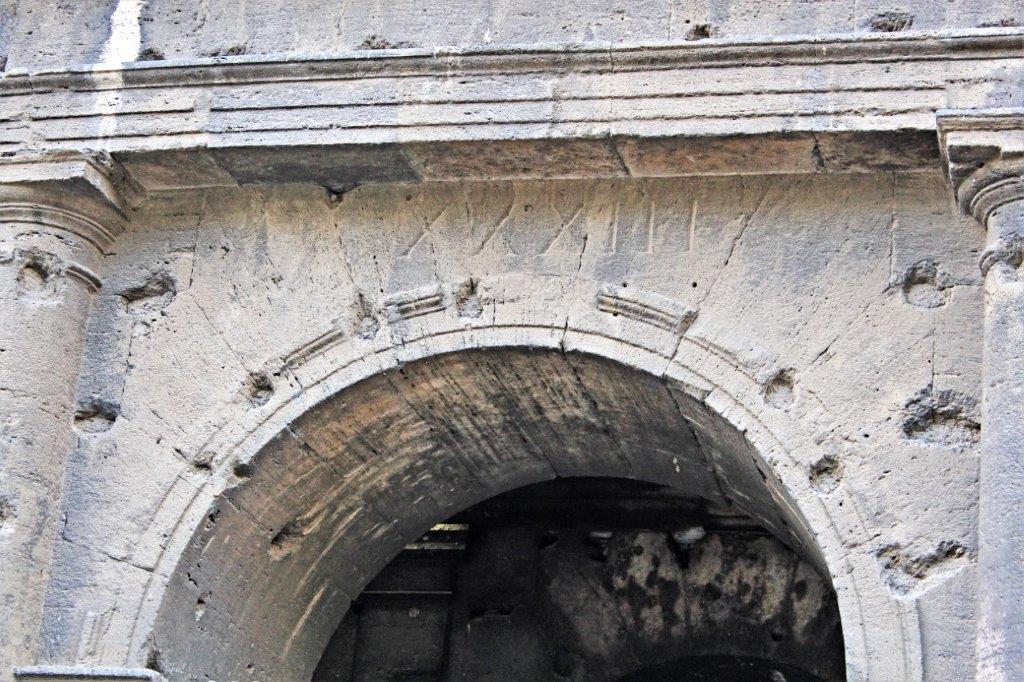
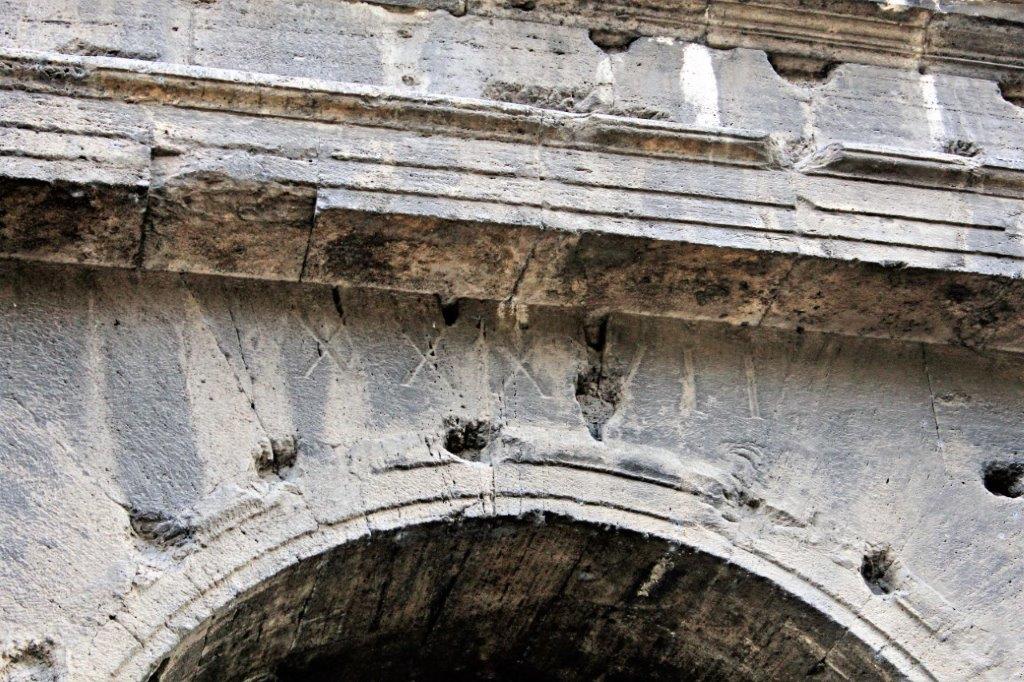
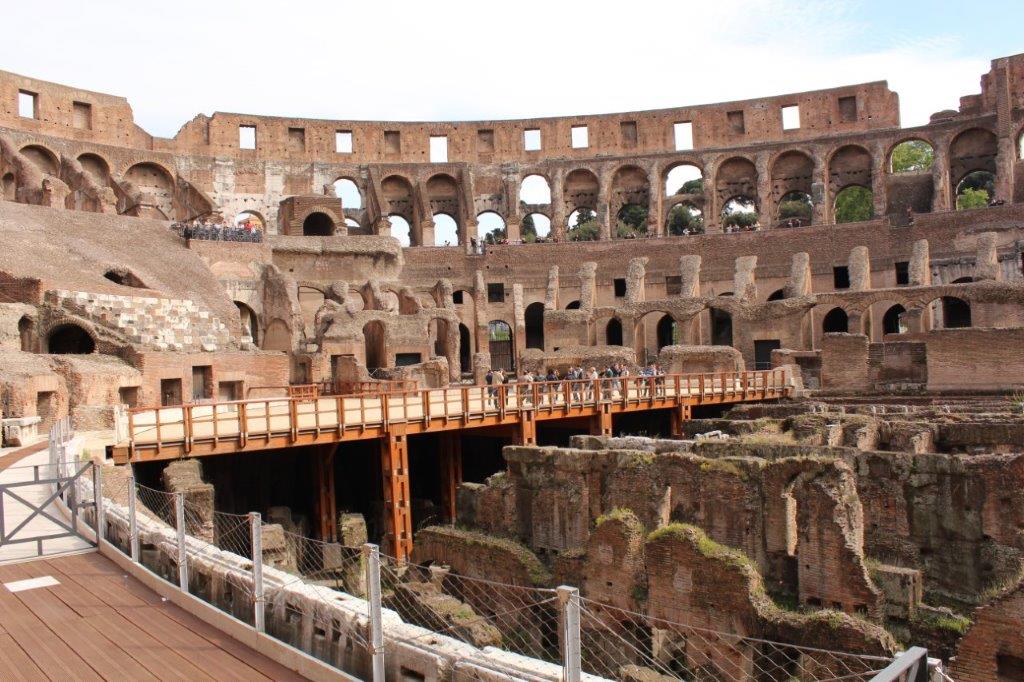
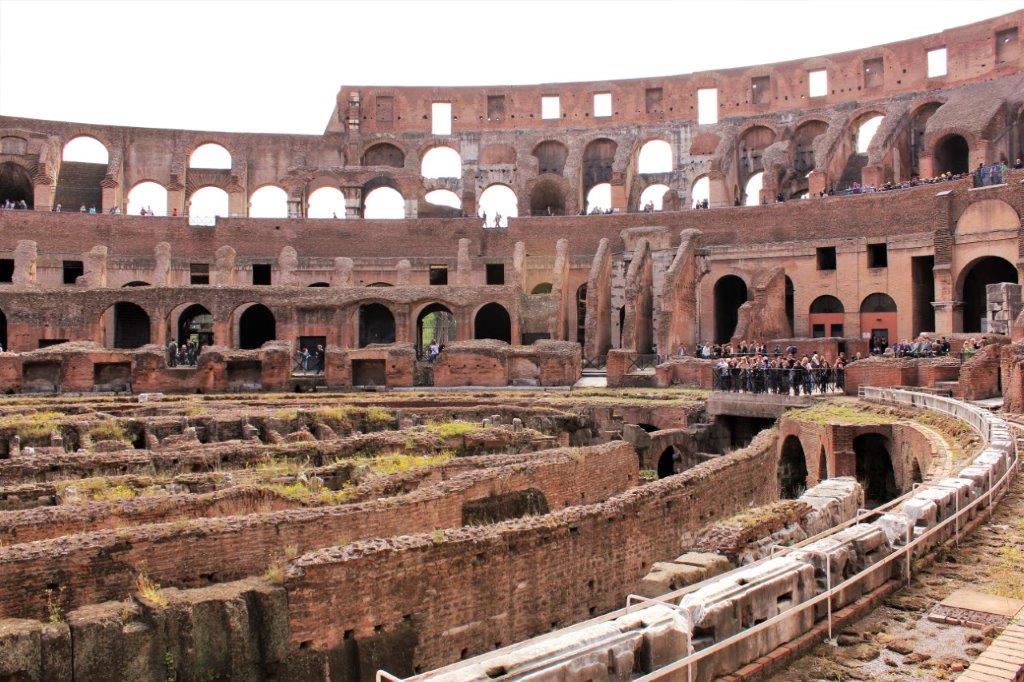
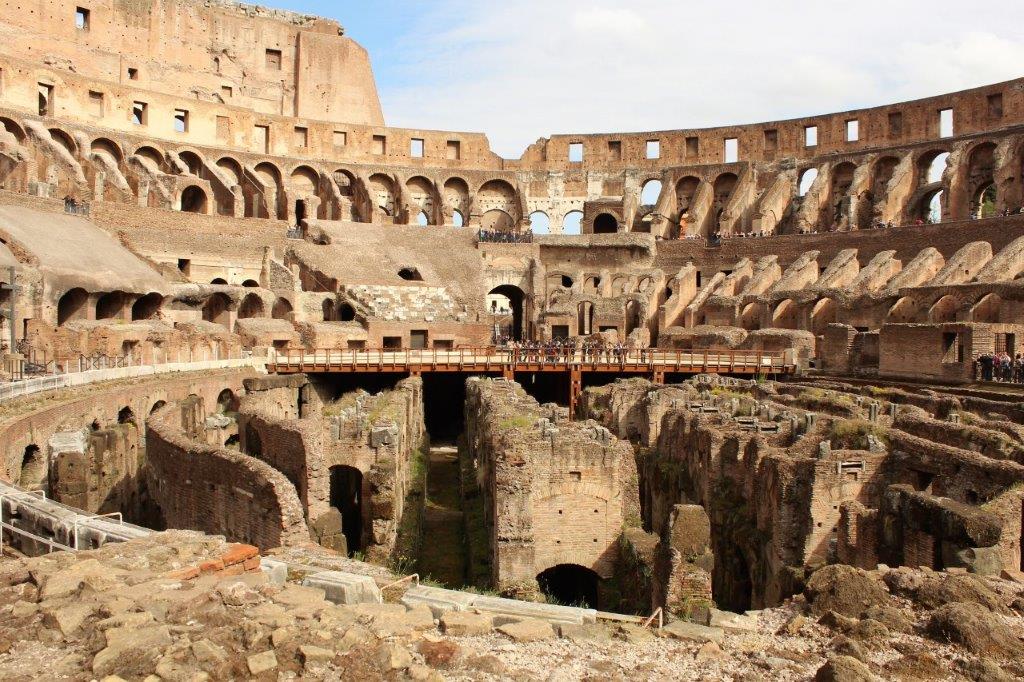
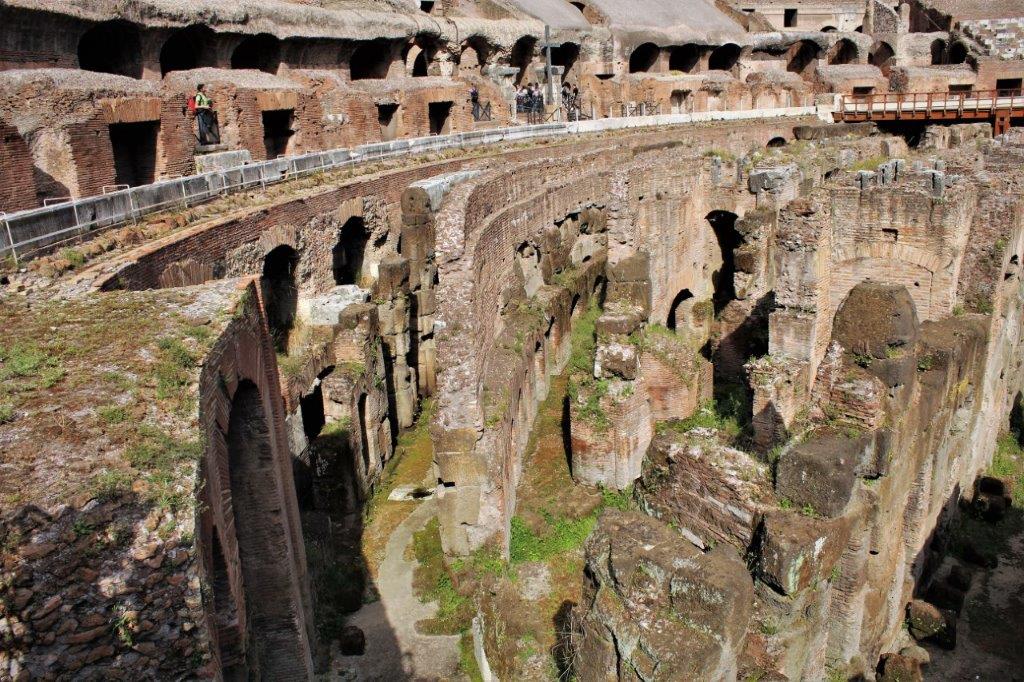
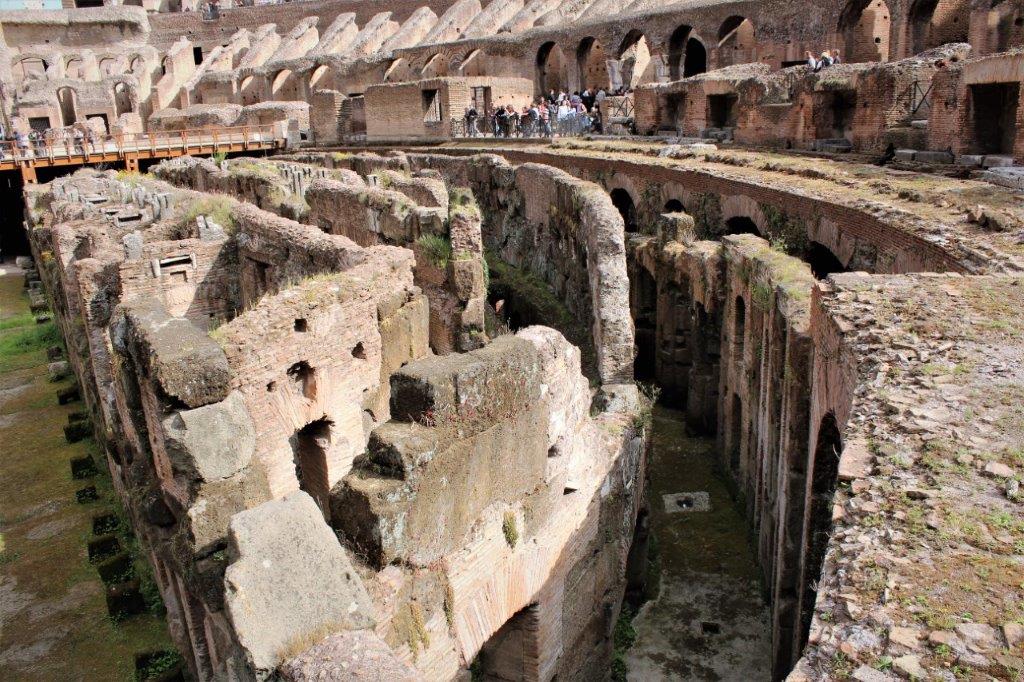
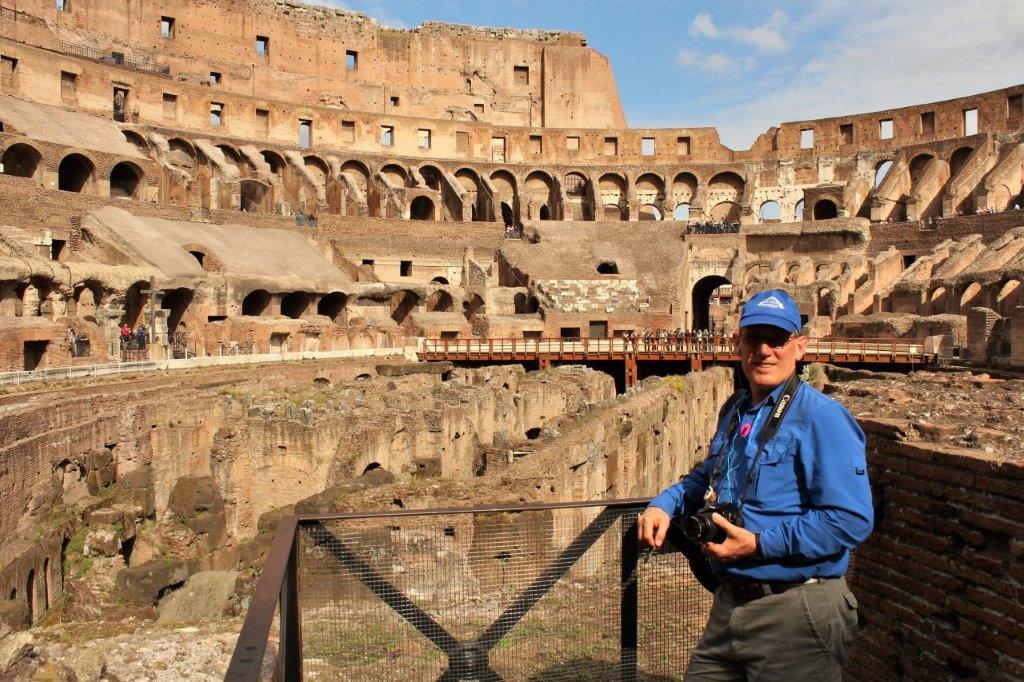
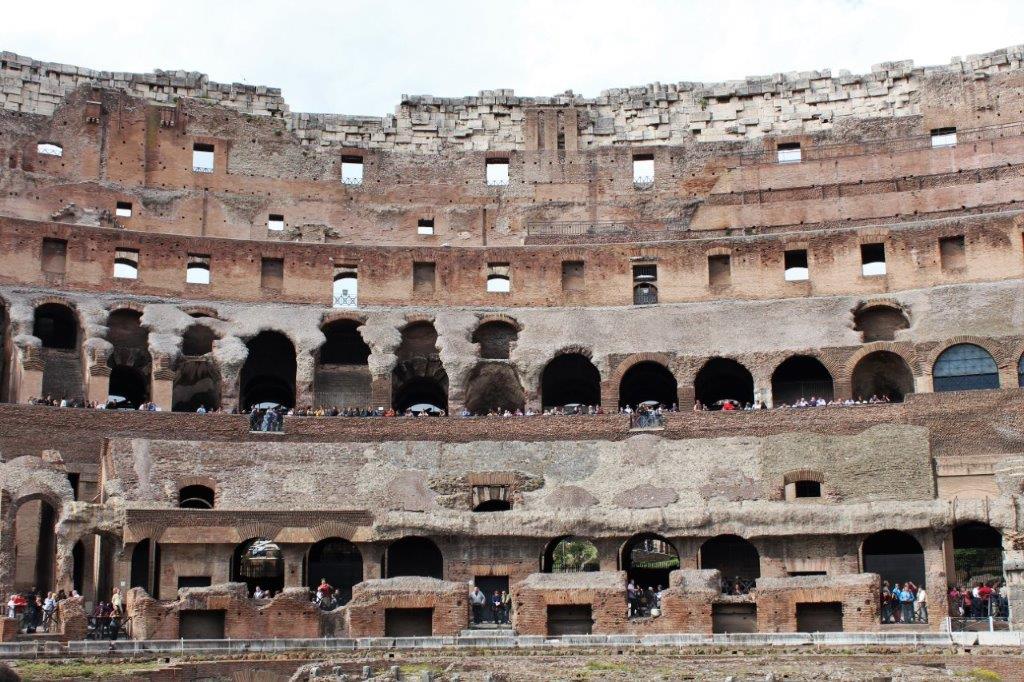
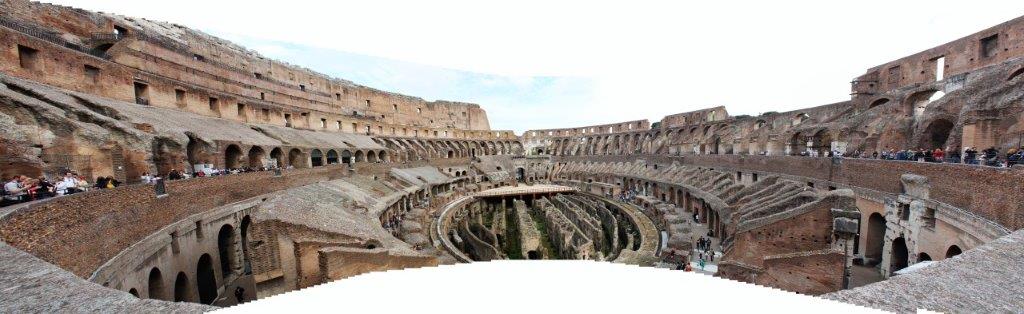
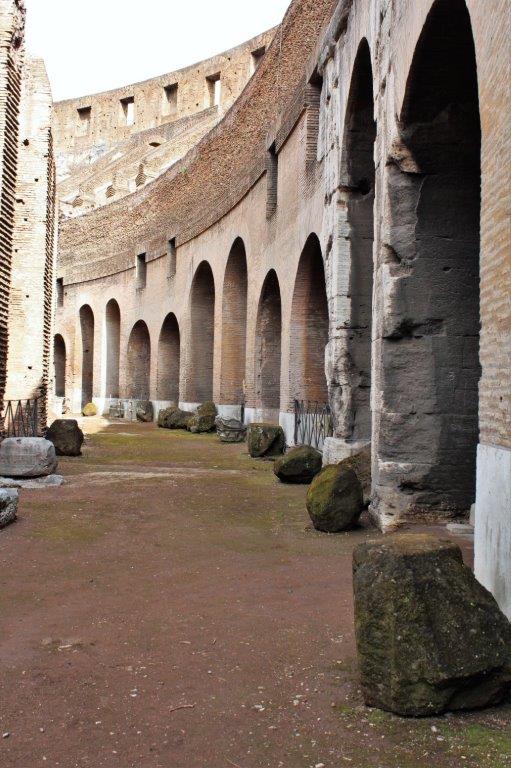
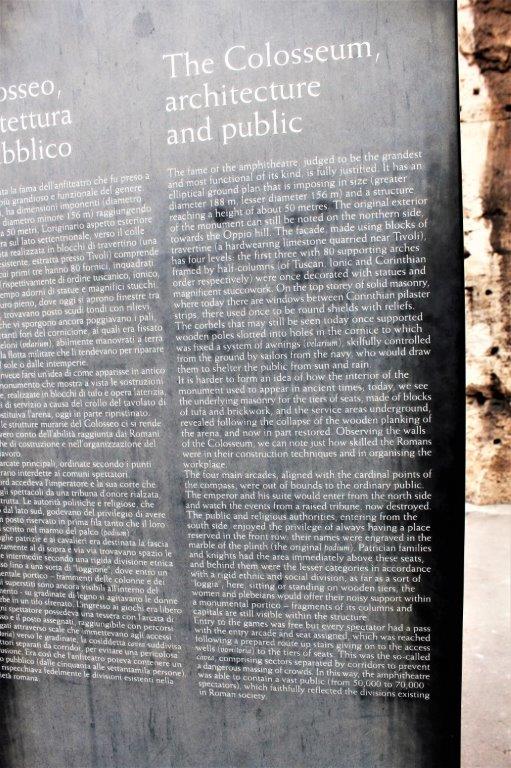
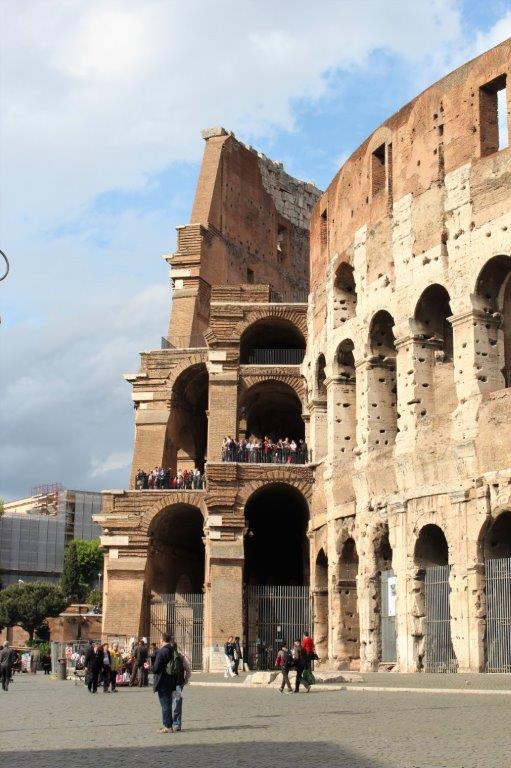
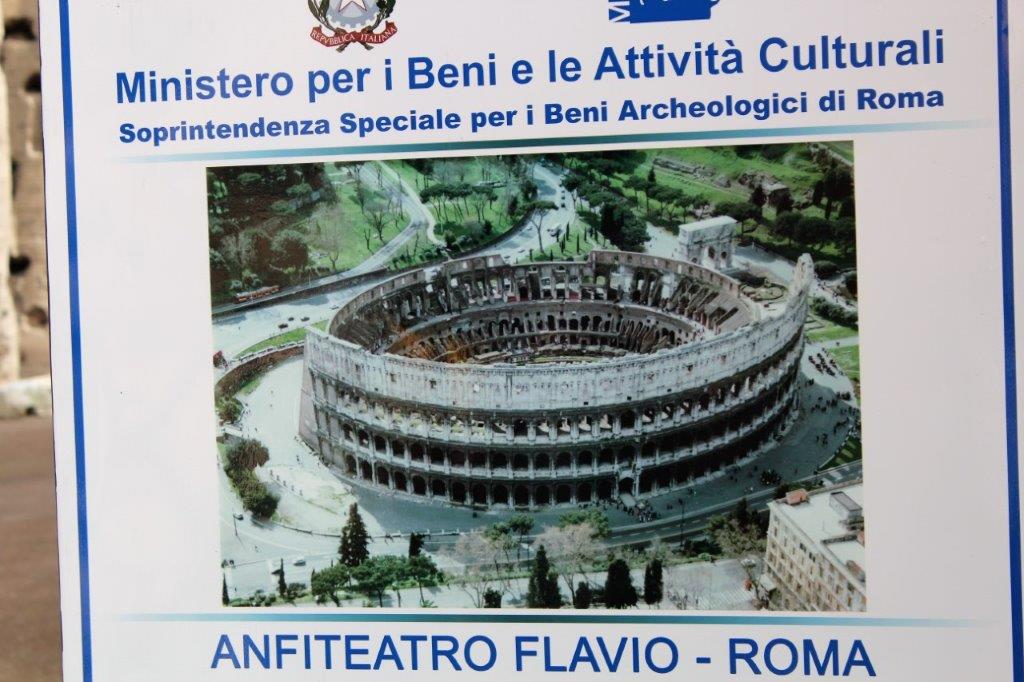
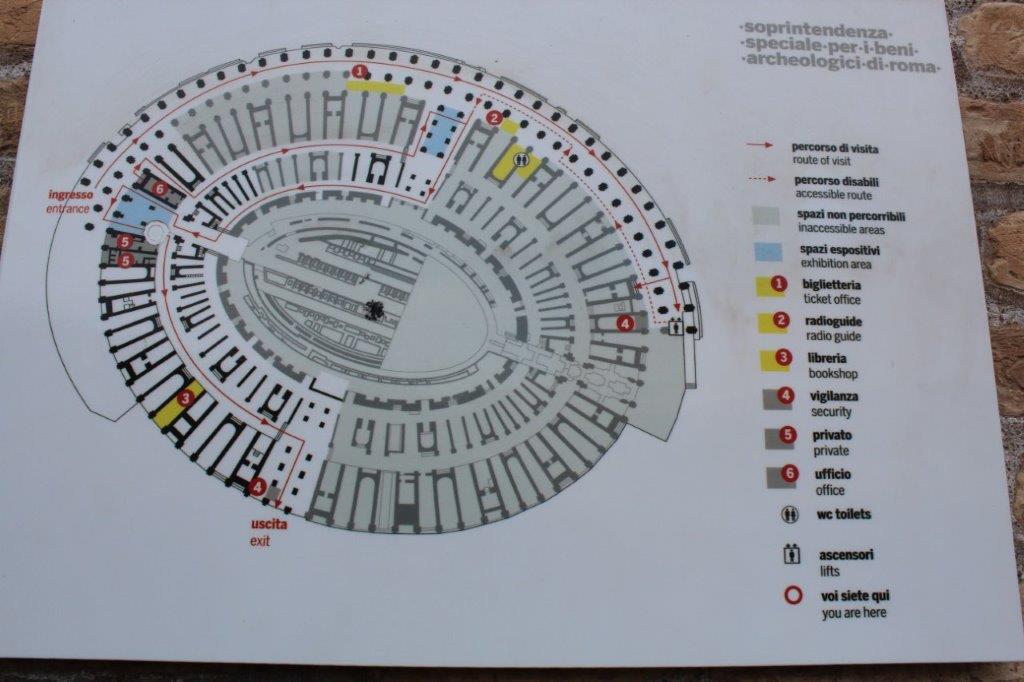
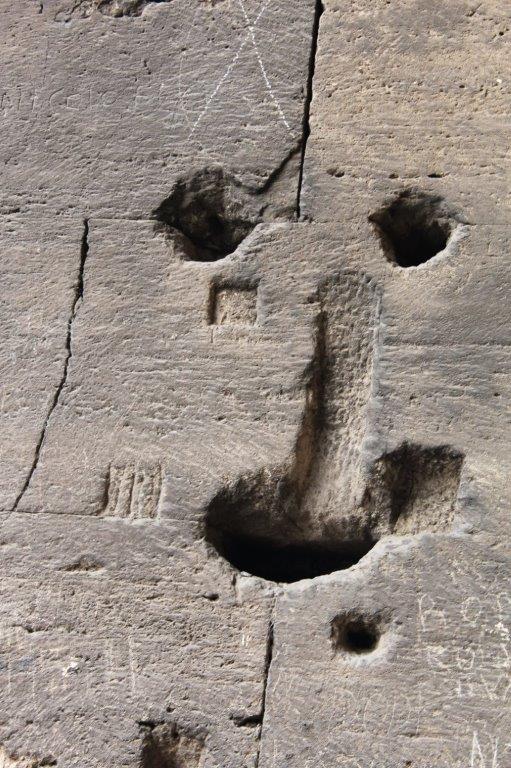
The Coliseum of Rome was completed in AD 80and could hold 50,000 to 60,000 people. All of the entrances around the entire coliseum were numbered so there were organized sections for spectators.  The holes in the walls are where the iron has been dug out for use in armaments and other things.
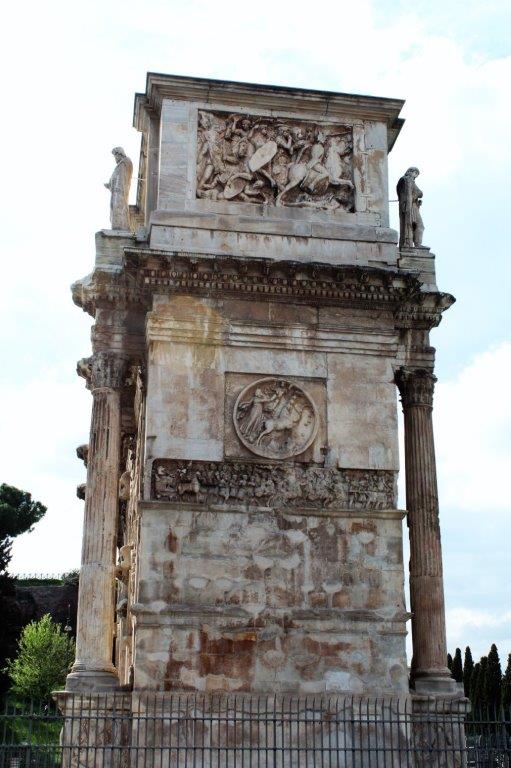
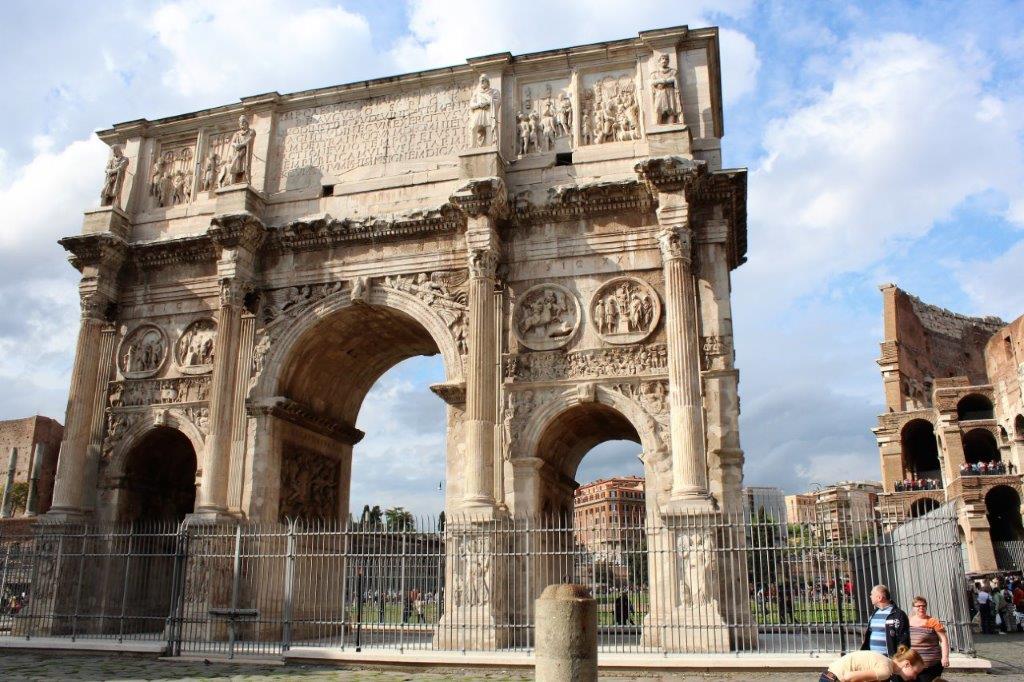
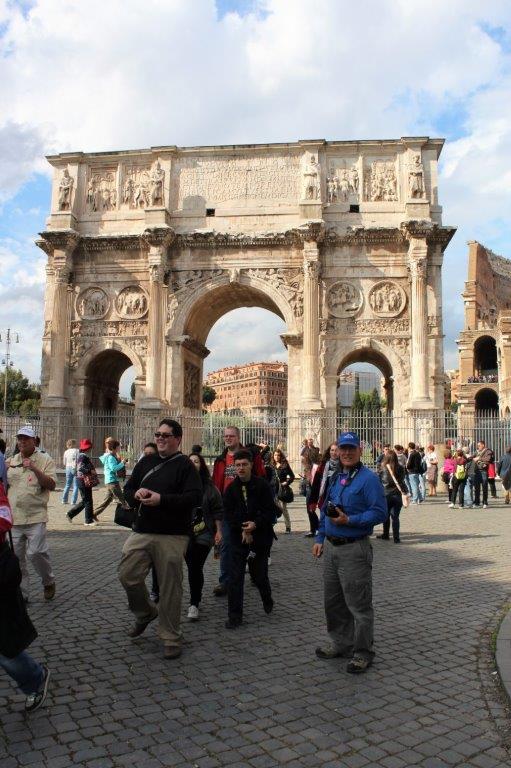
 The triumphal  Arch of Constantine, erected by the Roman Senate to commemorate Constantine I’s victory over Maxetius at the Battle of Milvain Bridge in AD 313.

After a VERY long day we returned to the ship at 6:30; too late to go to the dining room for dinner but the Lido buffet always has a great selection of food so we did not starve by any means.  After dinner we took time to put the tons and tons of photo we had taken onto the computers and then happily went to bed.  Our whirlwind tour of Rome was fabulous.

The next day (April 23) was a sea day and one of the Canadians on board had organized a lunch for all of the Canucks on the ship.  About 46 Canadians gathered in a section at the back of the dining room and had a good visit.  There had been almost 200 Canadians on the cruise but many of them had disembarked in Venice or Rome.

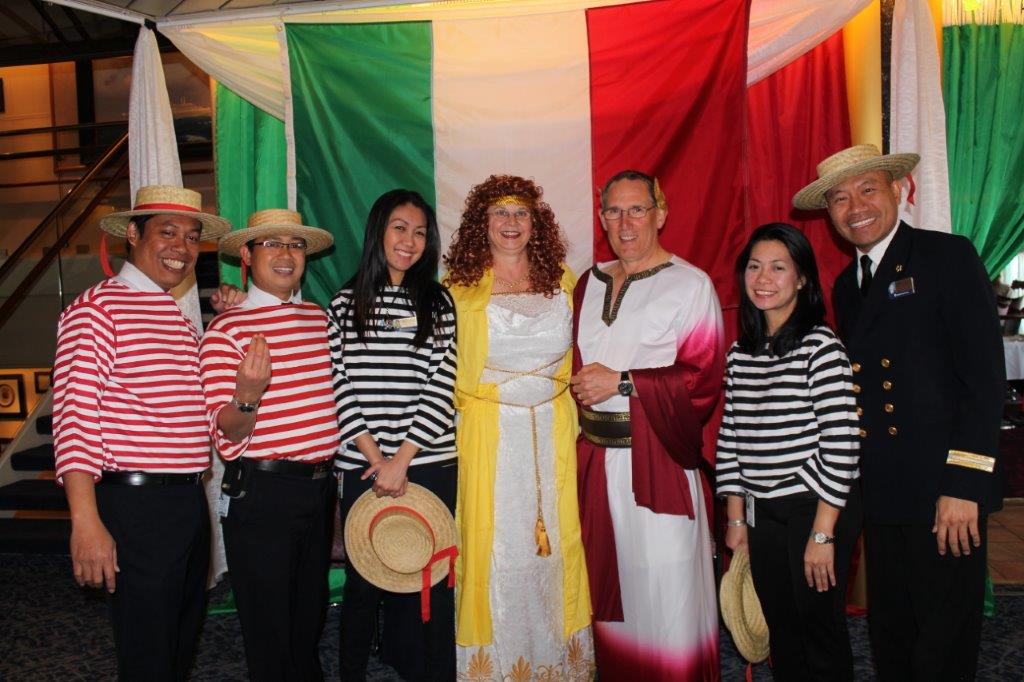
That evening was Italian Night in the dining room, and, if you wished to take part, there was a Hellenic-Roman Toga Party in the Ocean Bar in the evening.   John and I had brought along some outfits for the occasion.  I even had a long, curly red wig!  It was so much fun.  The photo below that was taken of us with some of the dining room and front desk crew was posted on Holland America Line’s web page.
2012 April 22 – Day 42 – Civitavecchia, Italy (Rome) (Part 2)

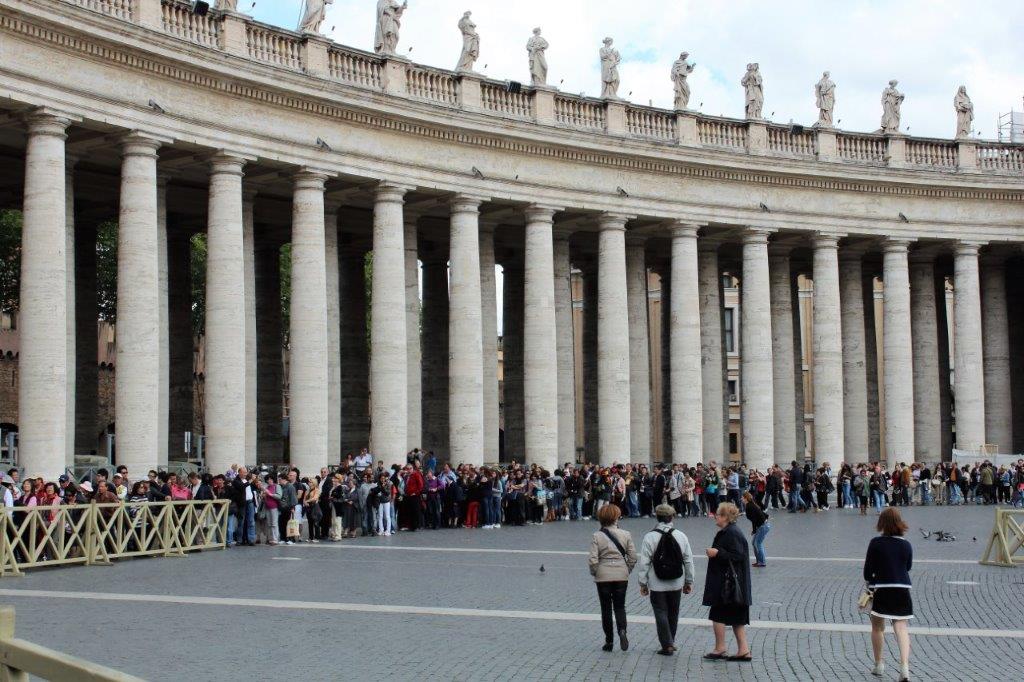
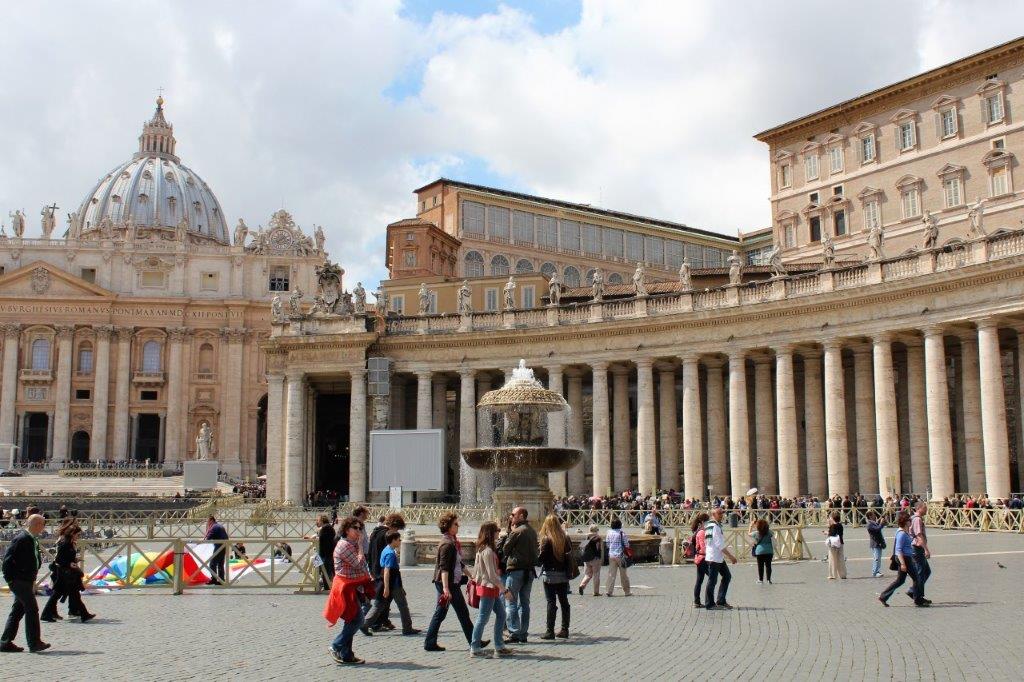
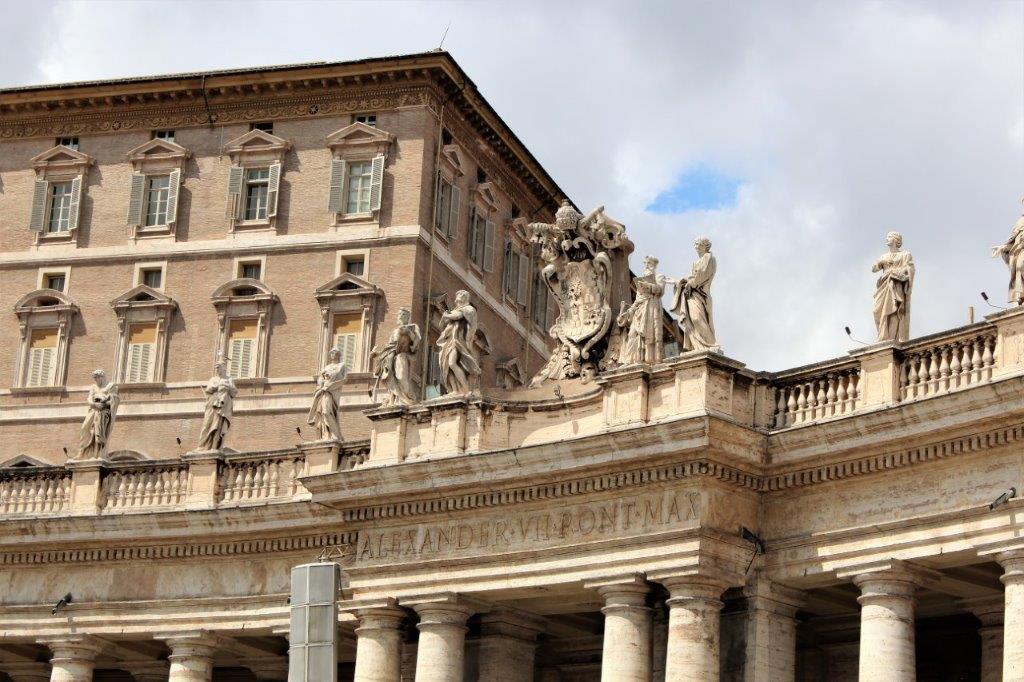
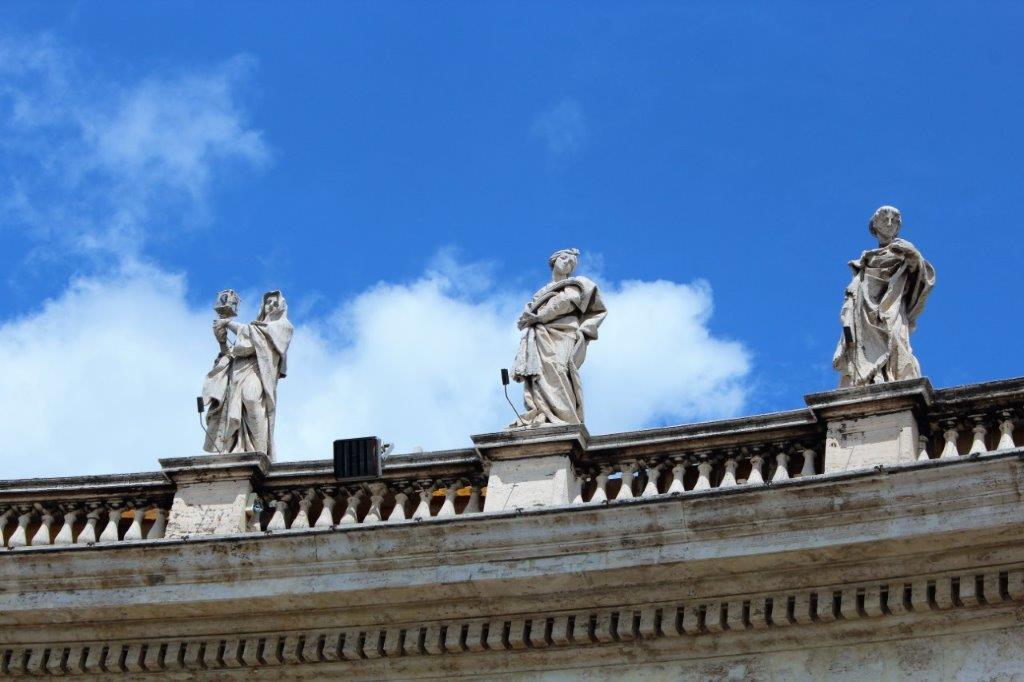
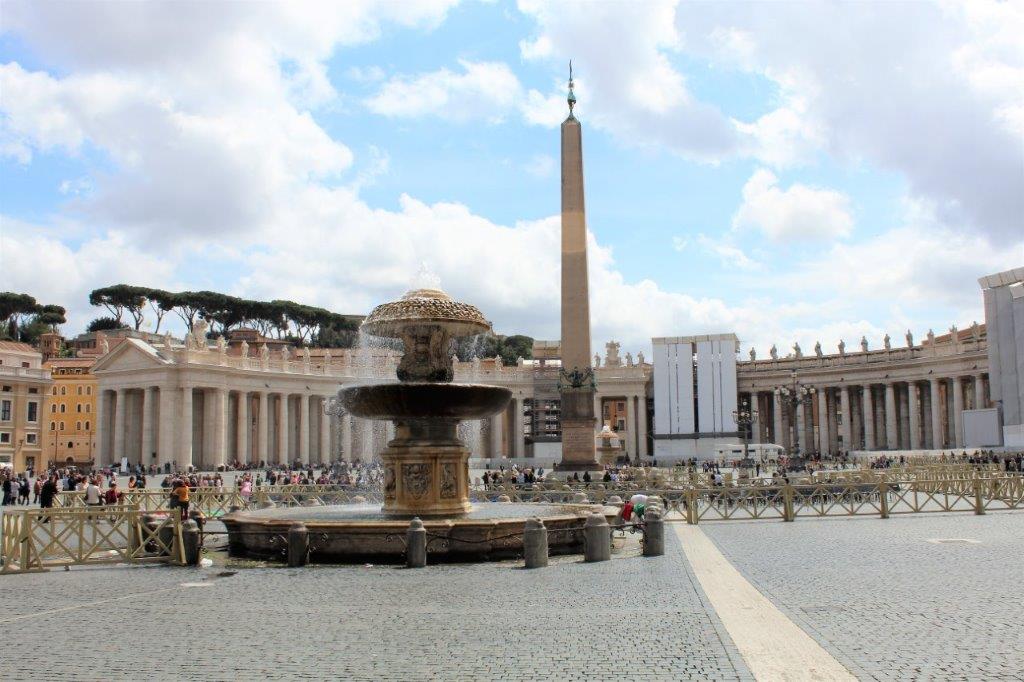
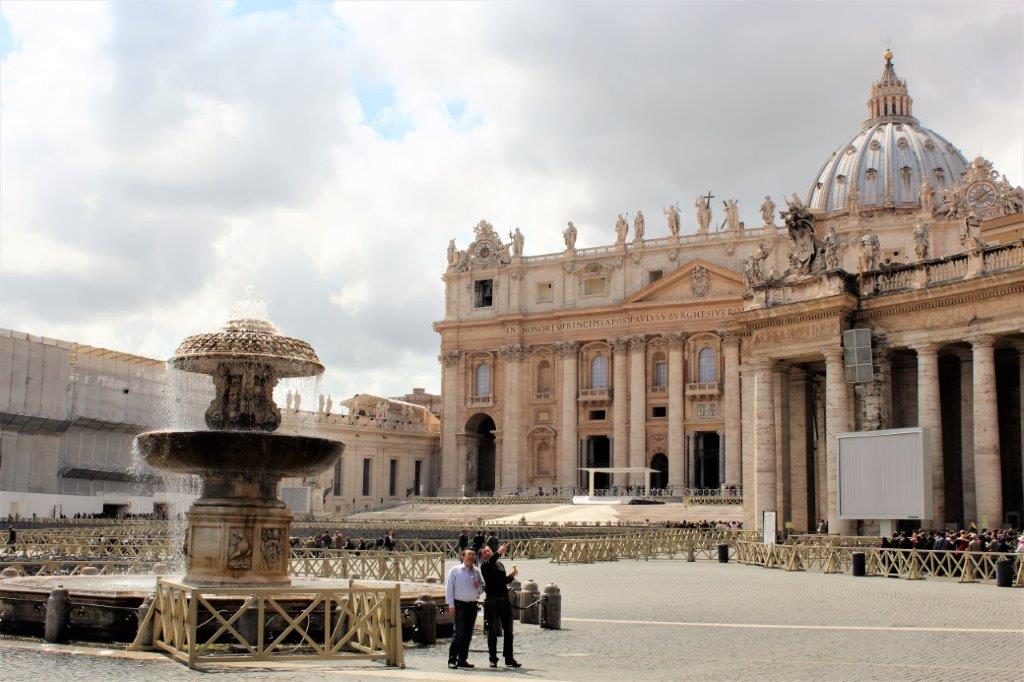
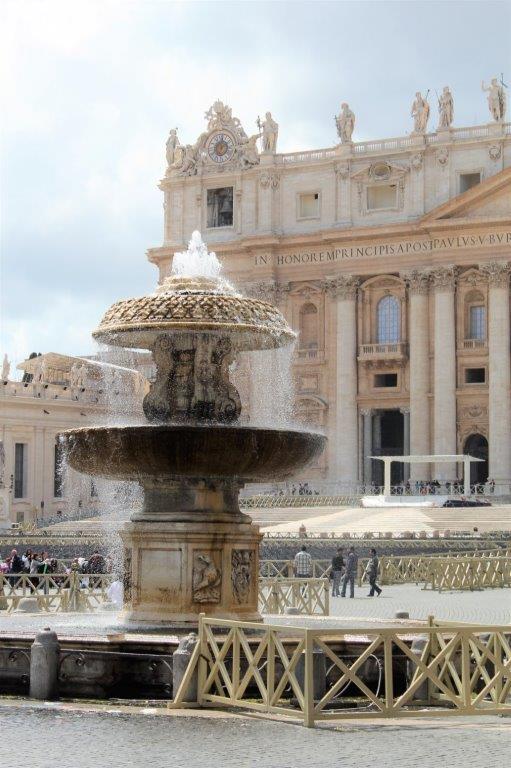
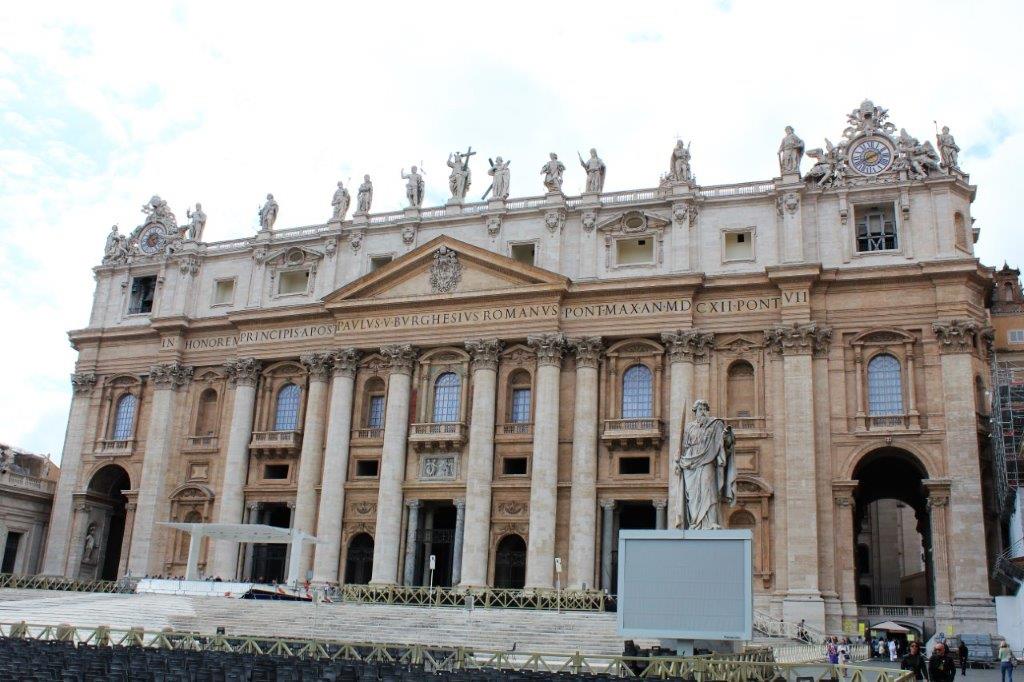
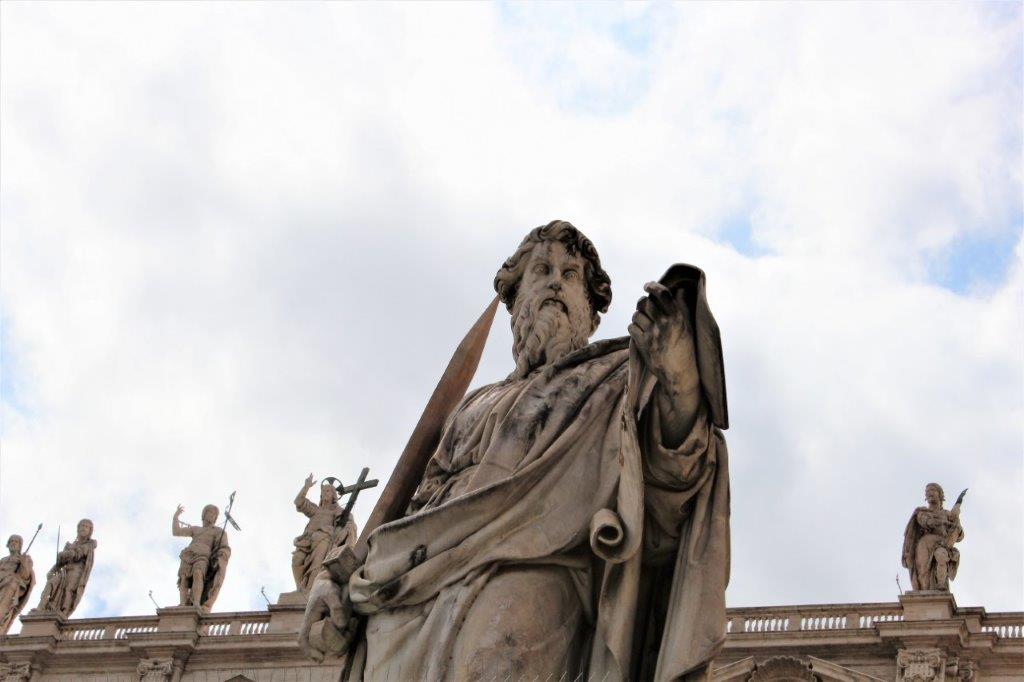
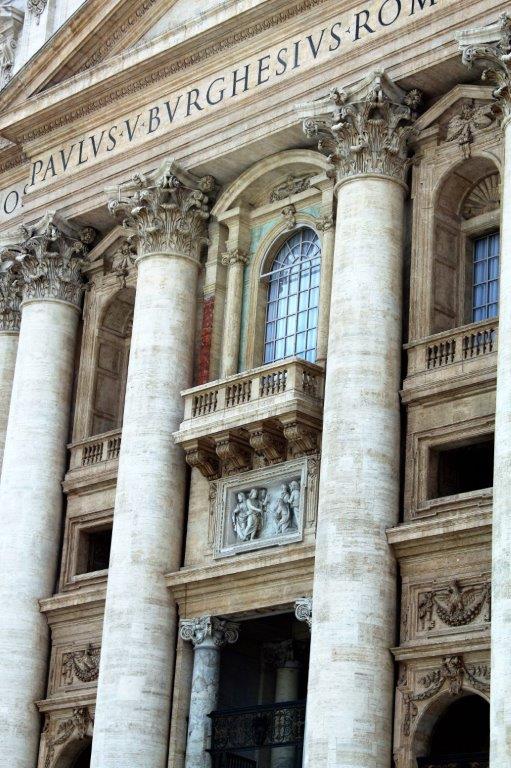
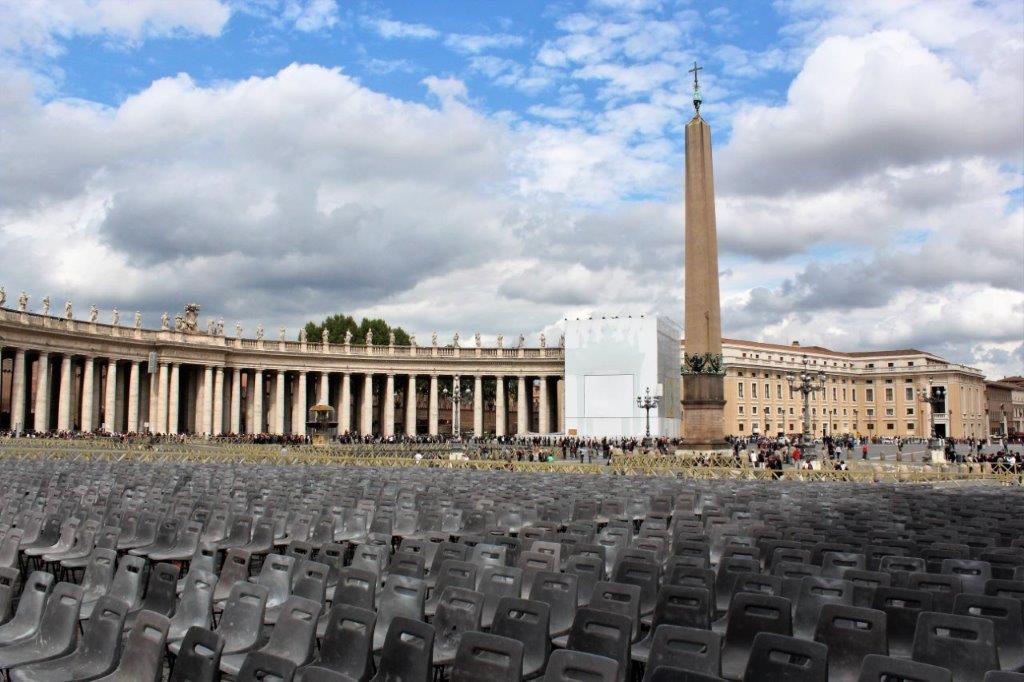
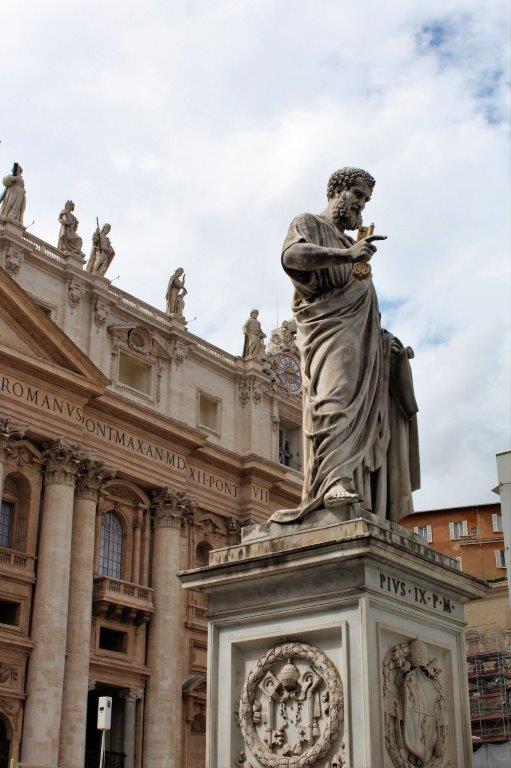
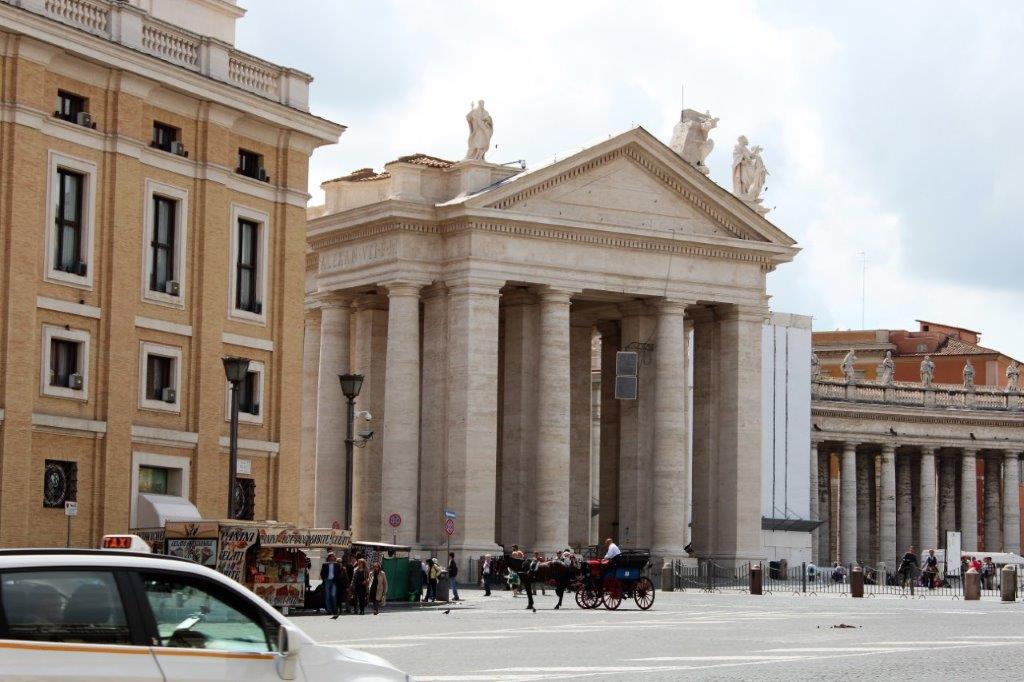
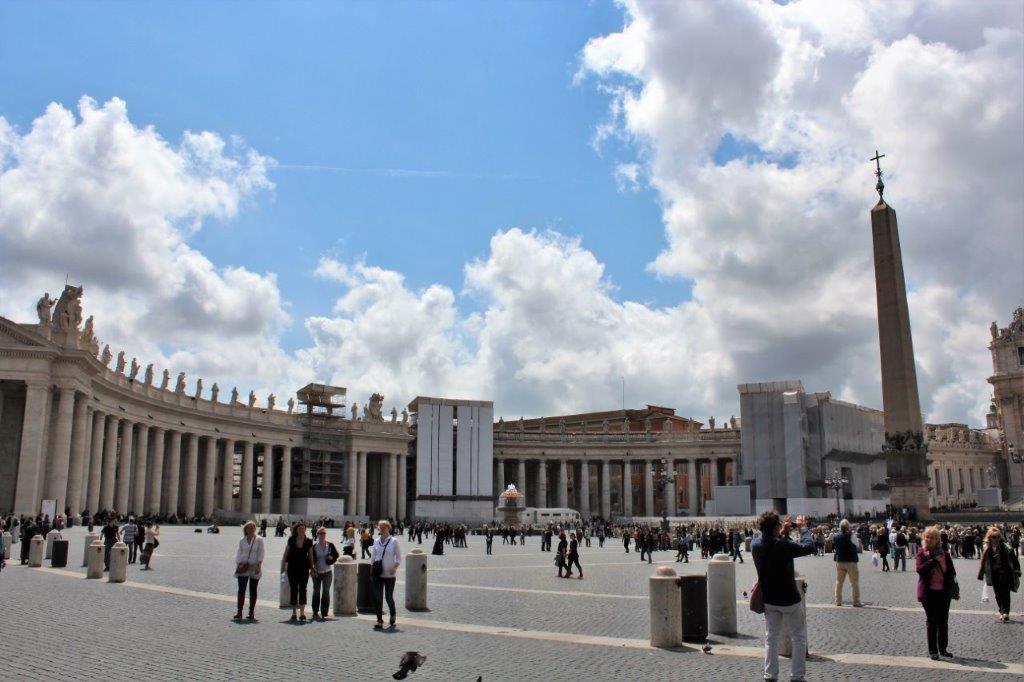
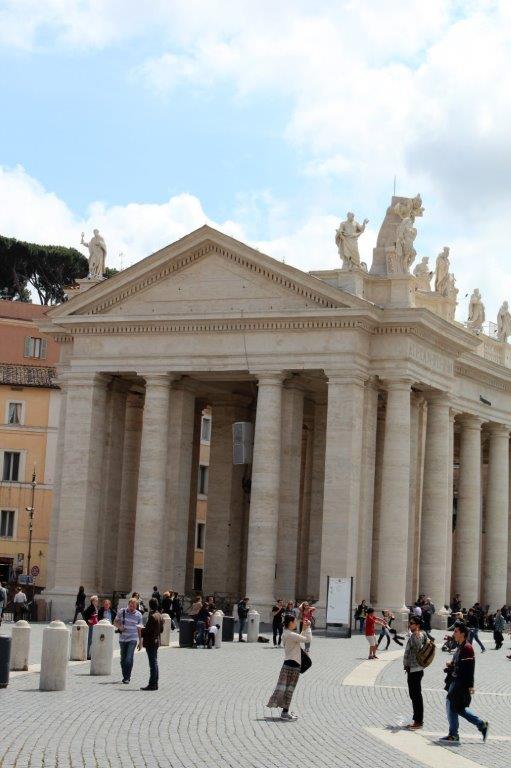
After we finished lunch on our tour in Rome, the bus took us to Vatican City where we visited St. Peter’s Basilica, which is the largest church in the world with the largest free standing dome in the world. Bernini’s Colonnade has 284 columns with 142 statues of all the apostles, angels and heavenly beings around the rim.

Long, long lines of people waiting to get in.  There is no charge to tour the basilica and the line moves quite quickly.                                              St. Peter’s Basilica

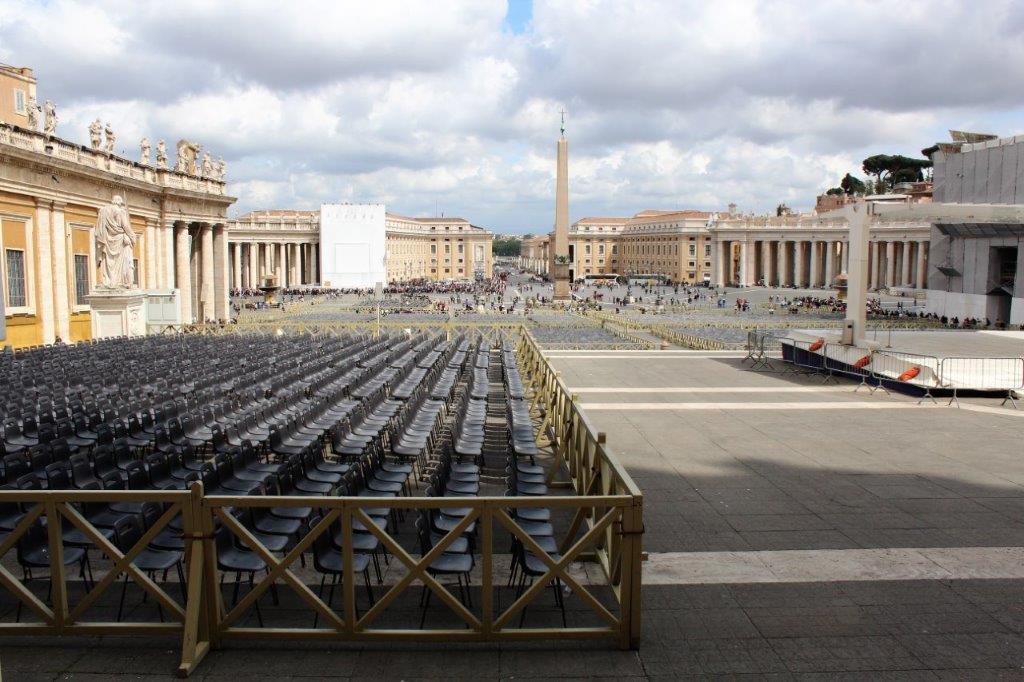
The massive courtyard is filled with chairs and gigantic television screens for people to attend Mass and special services.  St. Peter’s Square can hold 300,000 people.

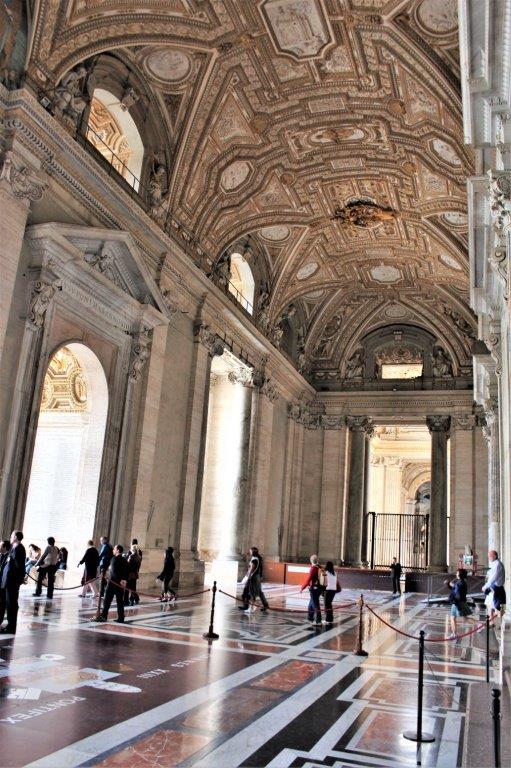
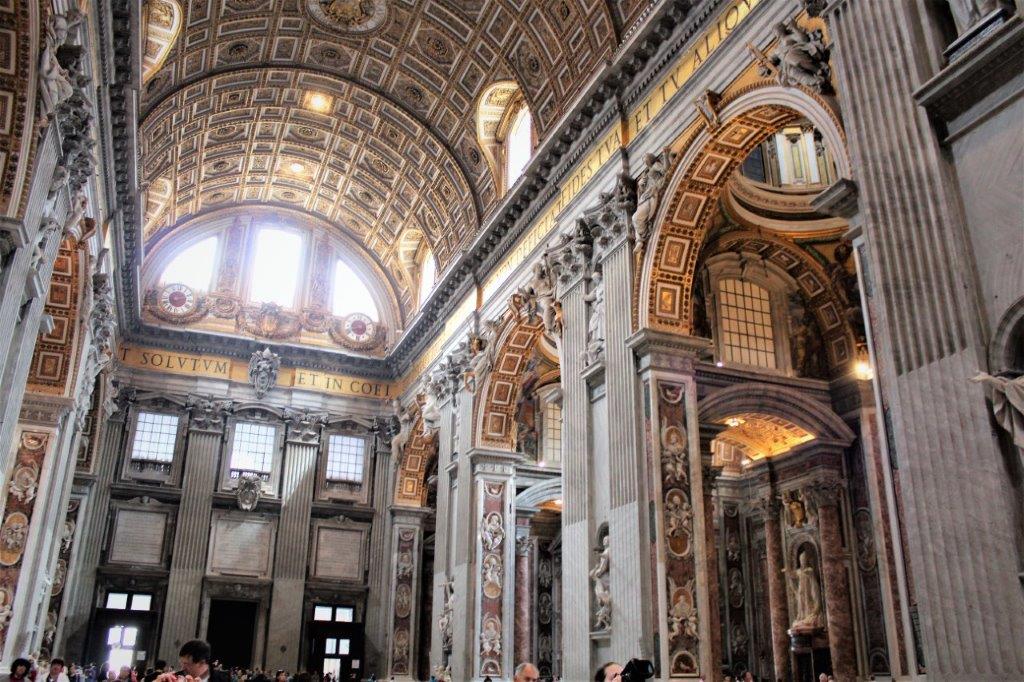
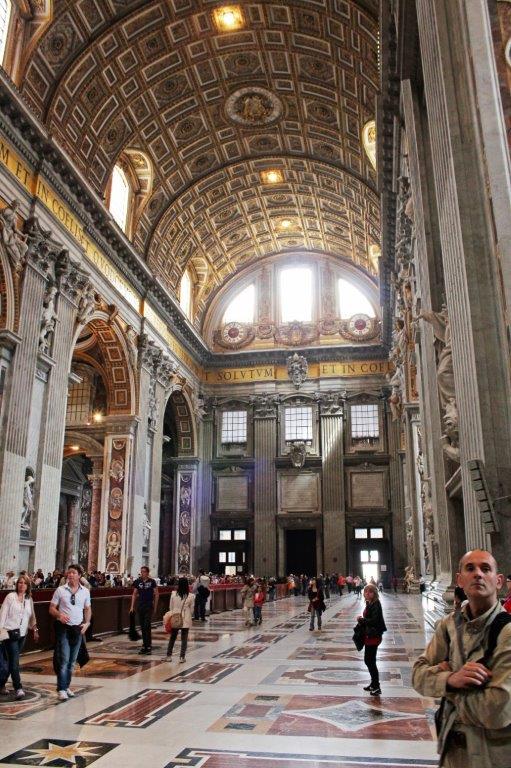
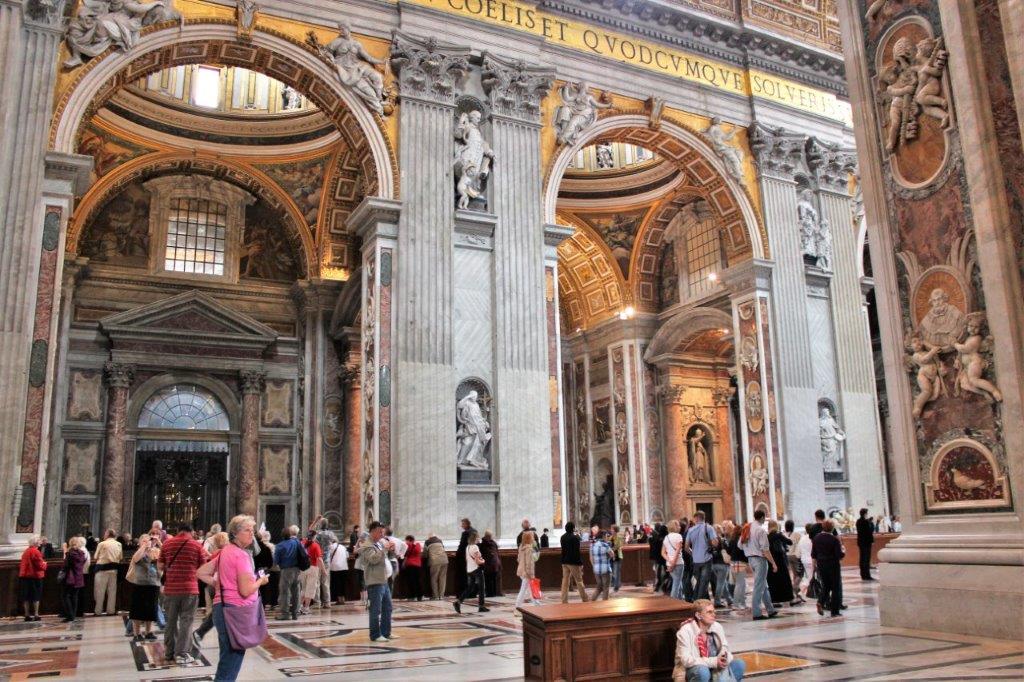
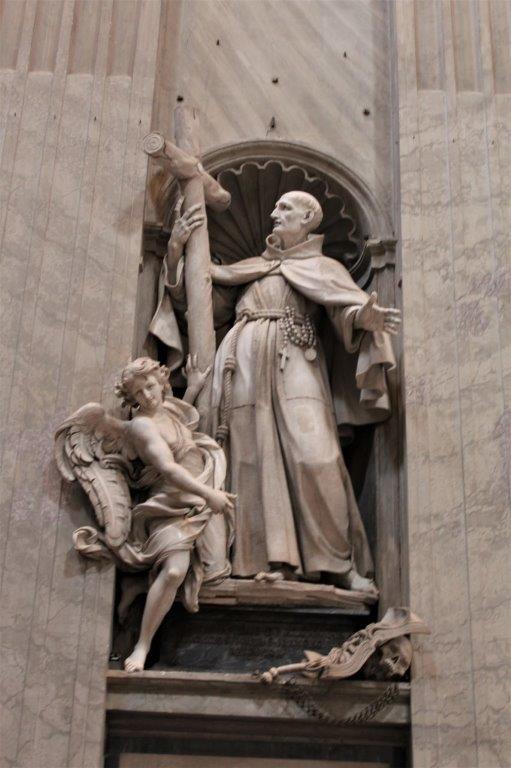
The place is gigantic and you easily lose your sense of perspective – very similar to Hagia Sophia in Istanbul; which was the largest church in the world until St. Peter’s was built – where huge things just don’t look as big as they are or as tall as they are because the surroundings are so large. There are hundreds and hundreds of art and sculpture masterpieces.  The large artwork in the back of the photo above is a mosaic created in 1722 from an original painting by Maratta in 1698.

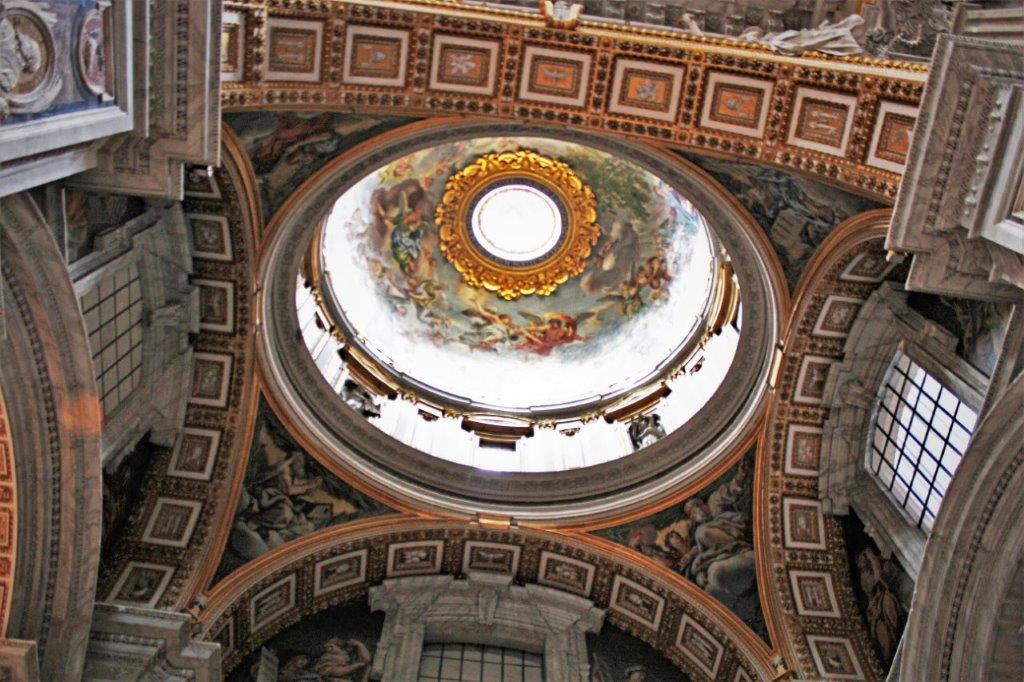
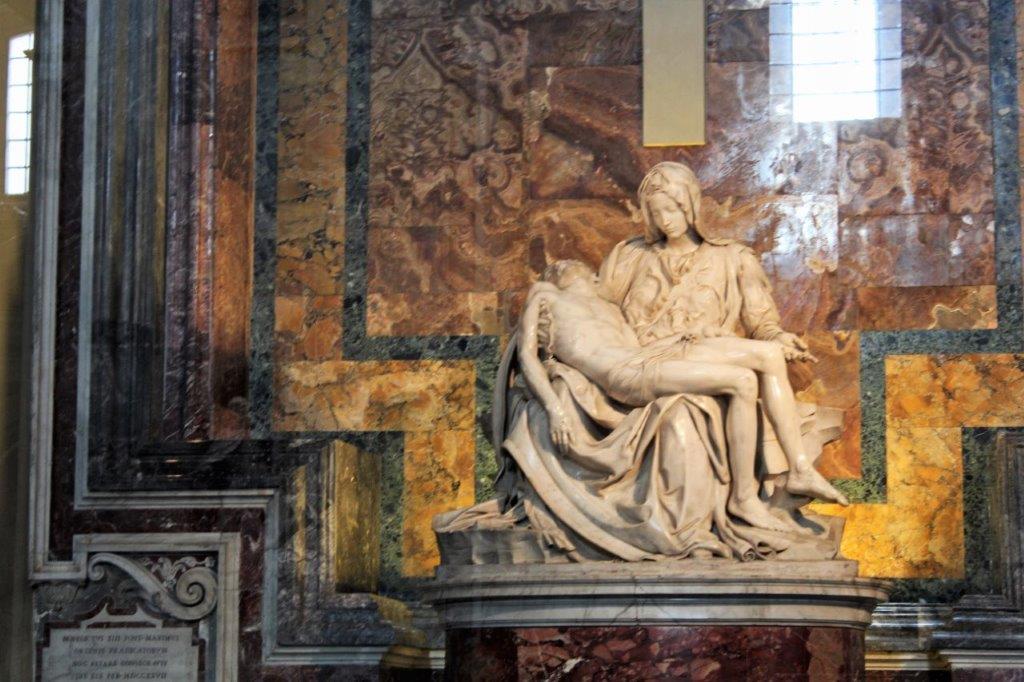
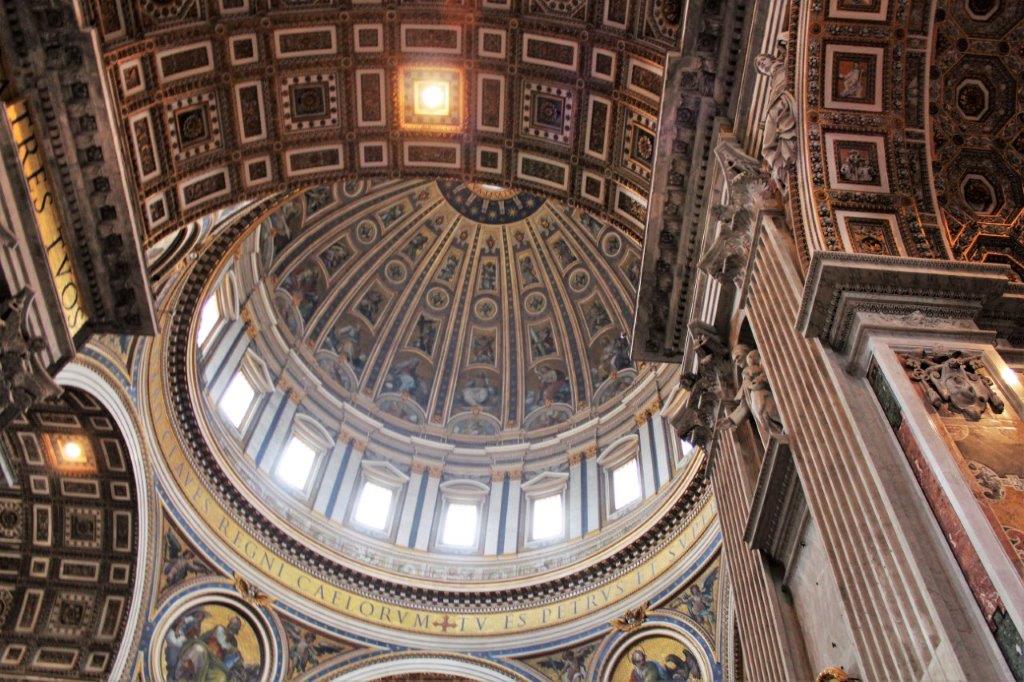
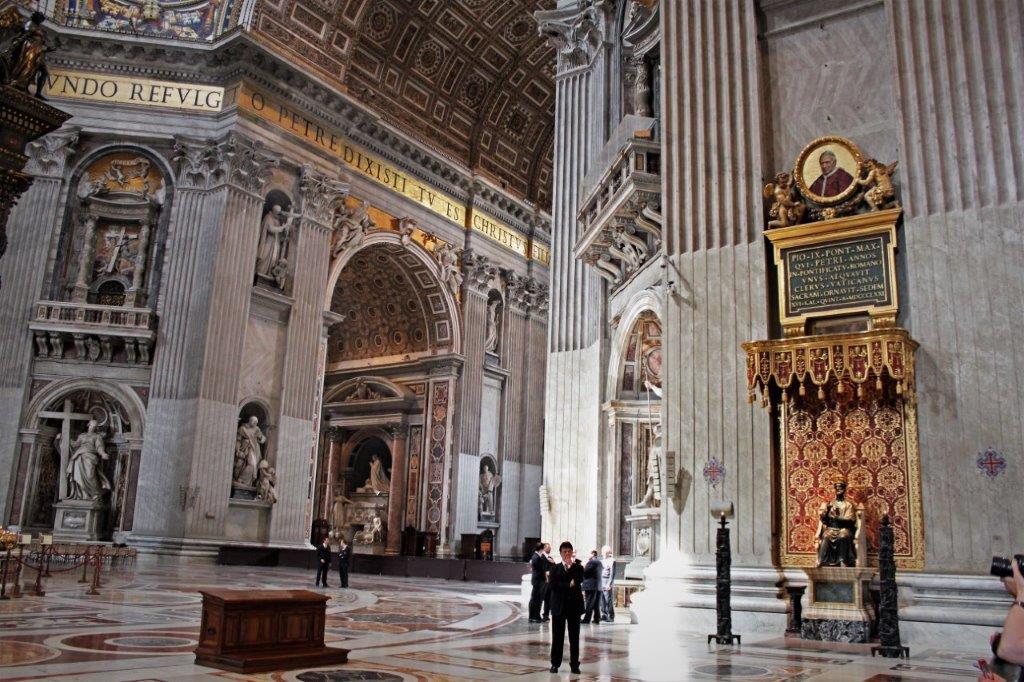
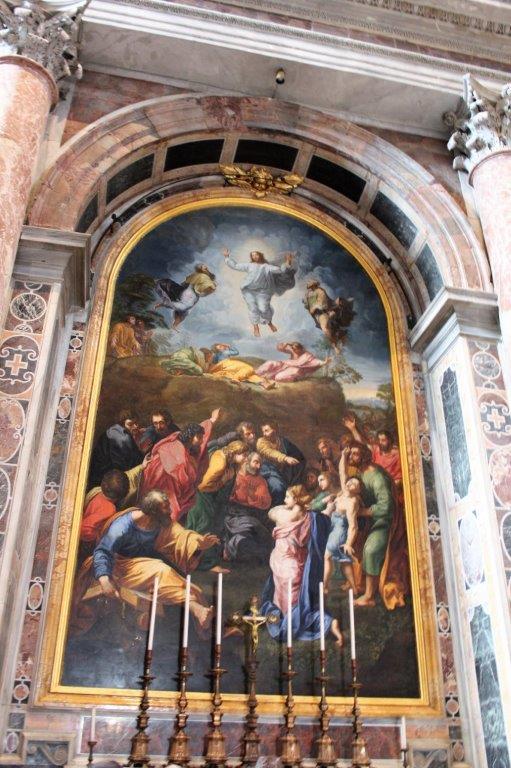
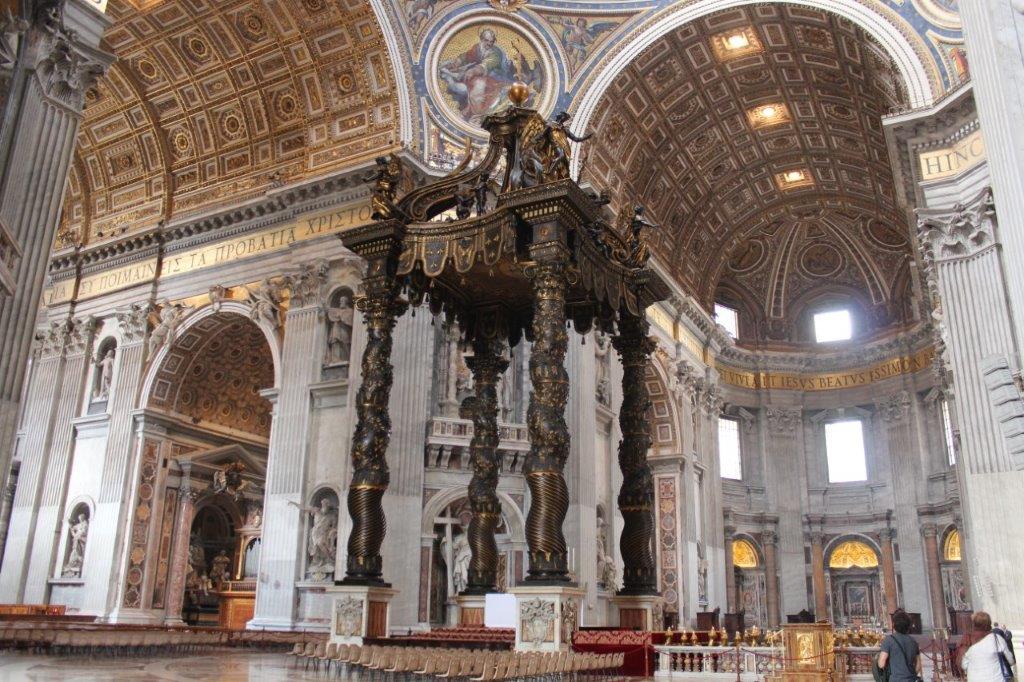
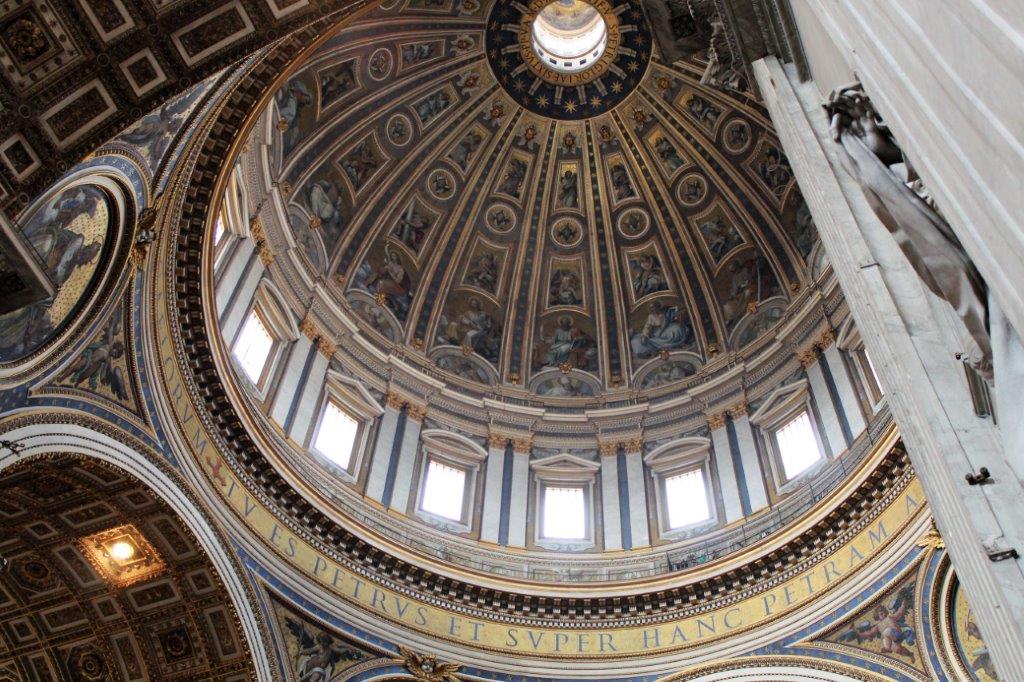
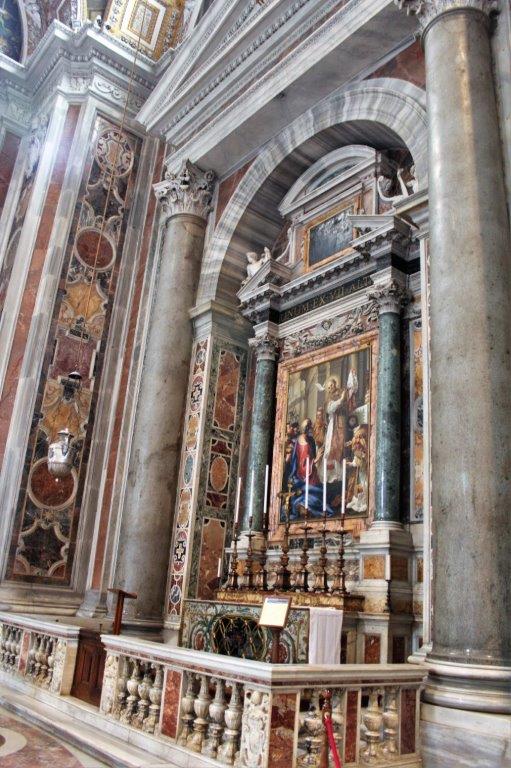
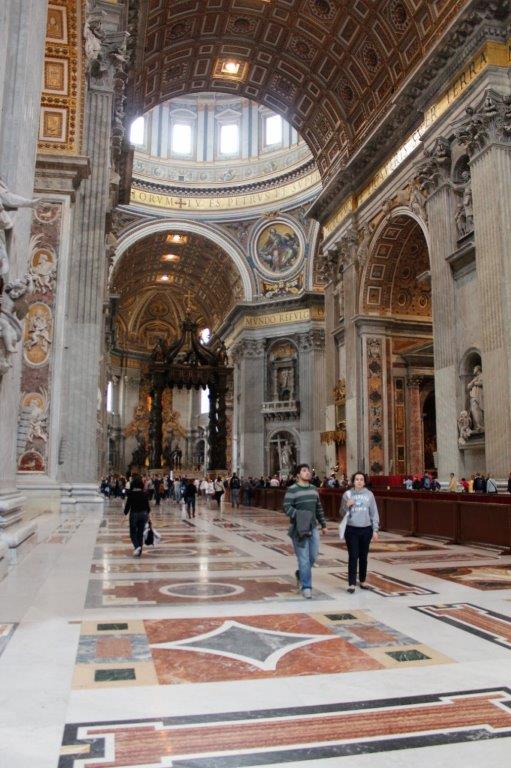
                 Michalangelo’s masterpiece “Pietà (The Pity)  The Altar of St. Sebastion, the mosaic was created by Pietro Paolo Christofari, a baroque artist and is a reproduction of a Domenichino painting made between 1625-1631.The central dome of the basilica is 135 meters high (443′) and 42 meters (138′) in diameter. The Altar of St. Peter’s, consecrated by Pope Clement VIII on June 5, 1594, sits atop several older altars.  Only the pope celebrates mass there.  The 95′ high baldacchio (canopy) was created by Bernini and was the first work of art in the basilica.  It took Bernini 9 years to make.  It is built over St. Peter’s the apostle’s tomb.The Altar of Transfiguration – the mosaic is a reproduction of  Raphael’s last  painting.  The mosaic on the right is from the original painting by Cristoforo Roncalli in 1604 called “The Punishment of the Couple Ananias and Saphira.”
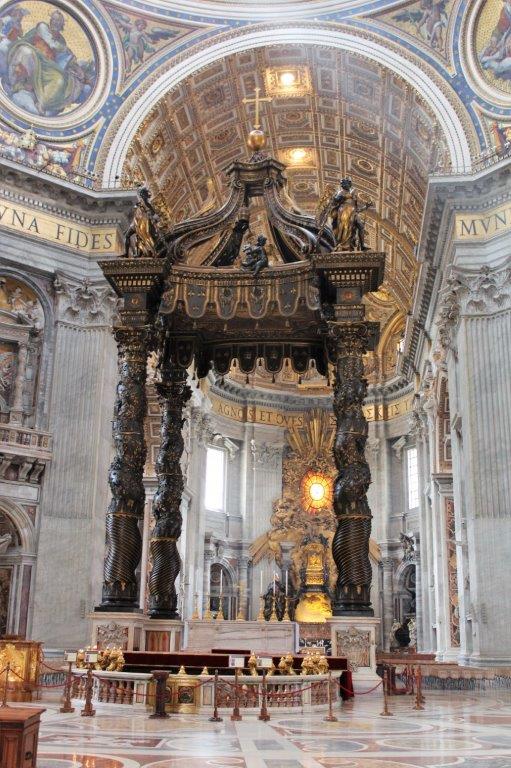
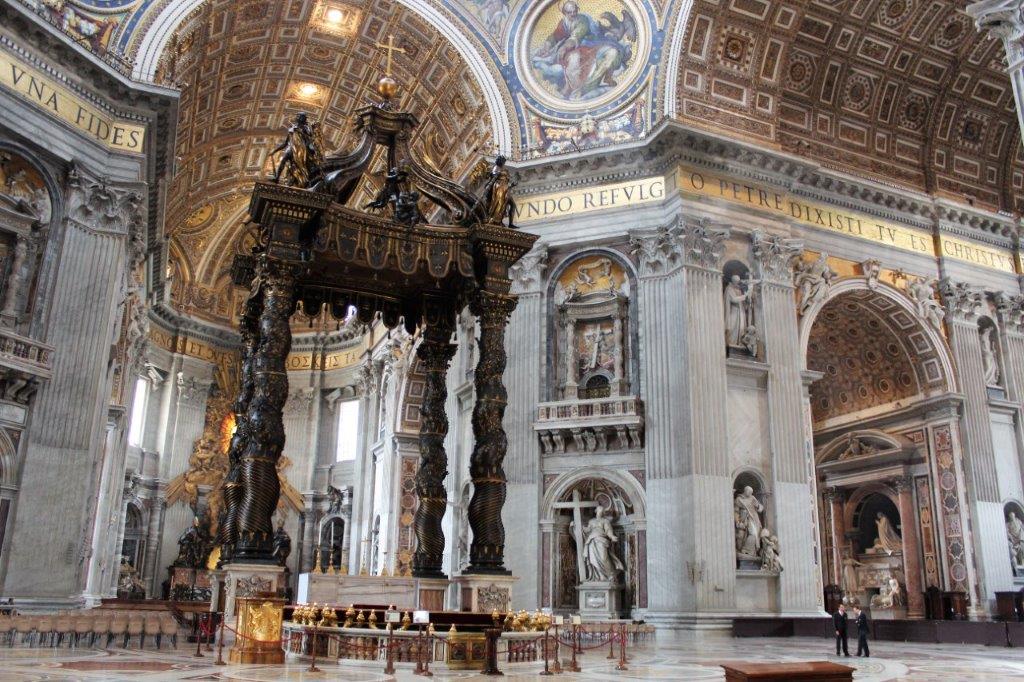
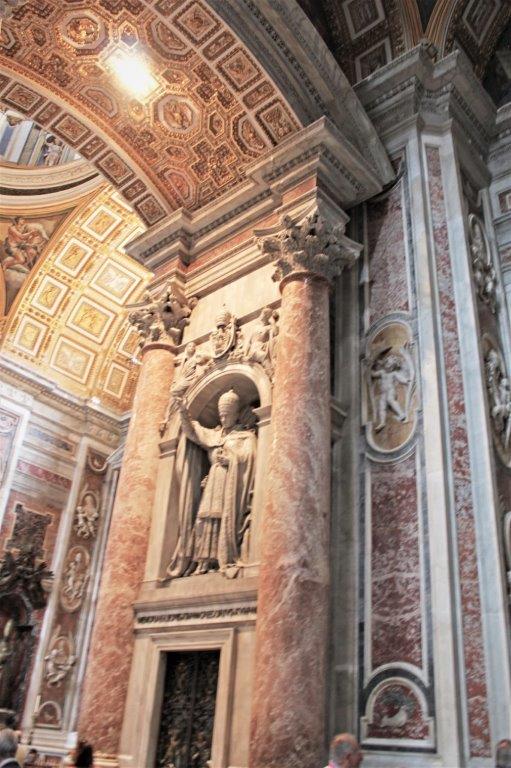
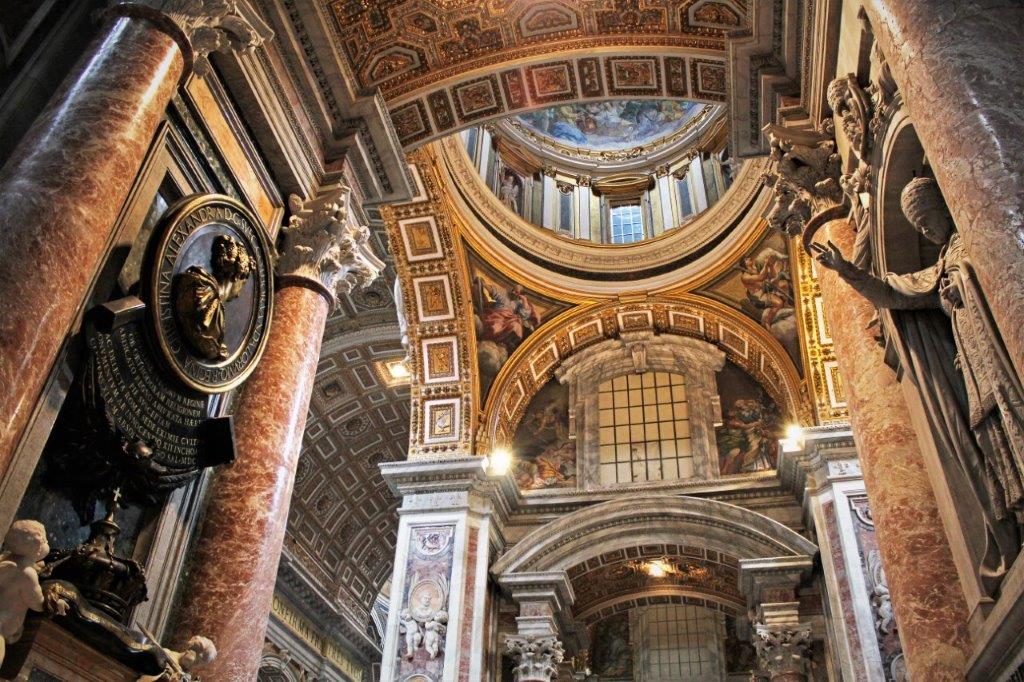
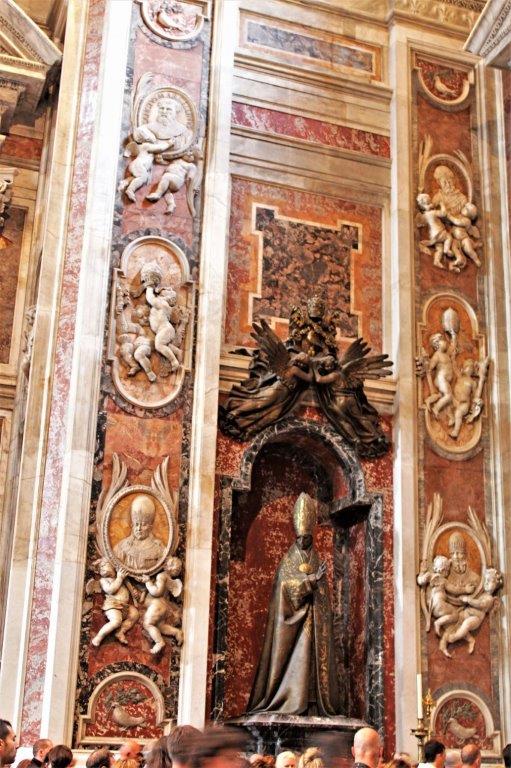
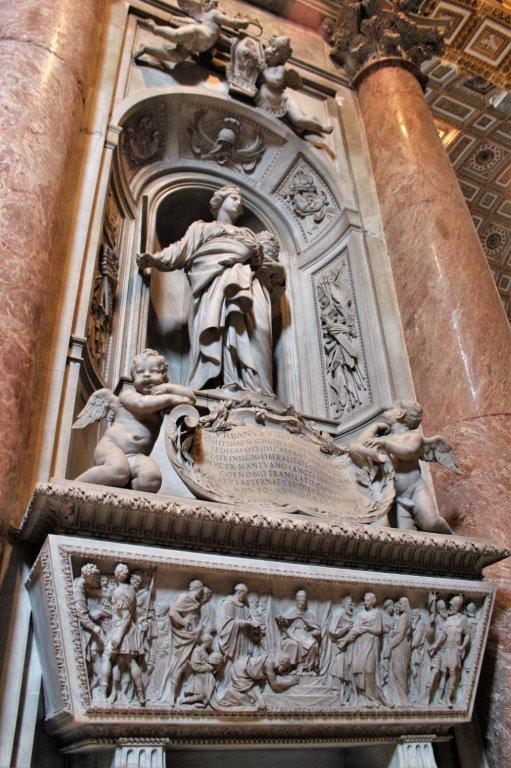
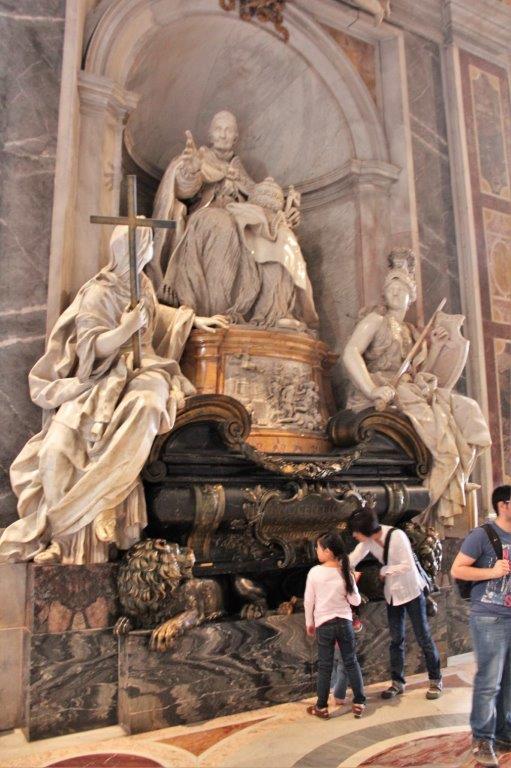
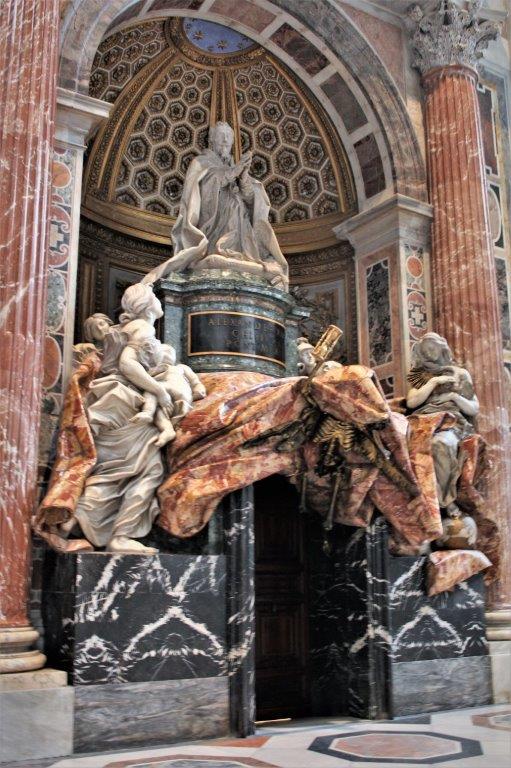
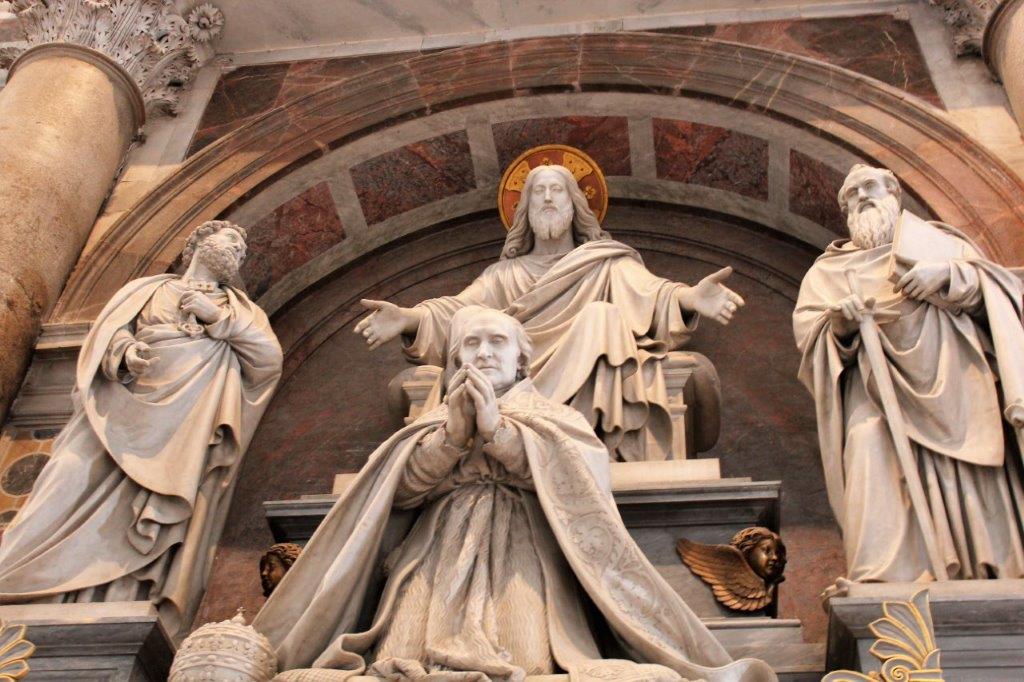
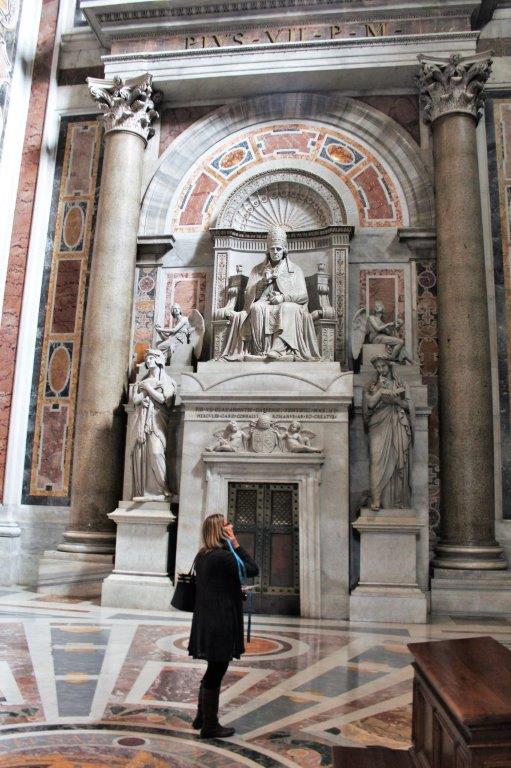
You get a bit of sense of scale when you understand the the canopy of St. Peter is 95 feet high and the ceiling is much, much higher.Monument to Pope Alexander VII (1655-1667) by Bernini 1678.Monument to Pope Pious VIII (1829-1830) by Pietro Tenerani, 1860The Altar of St. Gregory the Great (590-604).  Mosaic from 1772 of a Sacchi painting of 1625.

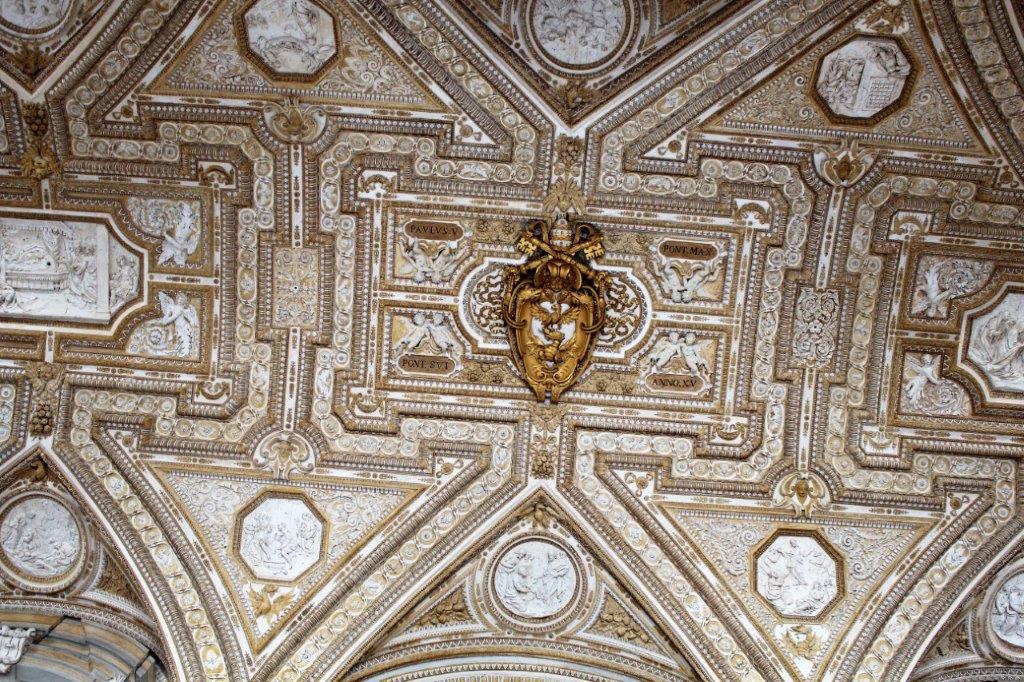
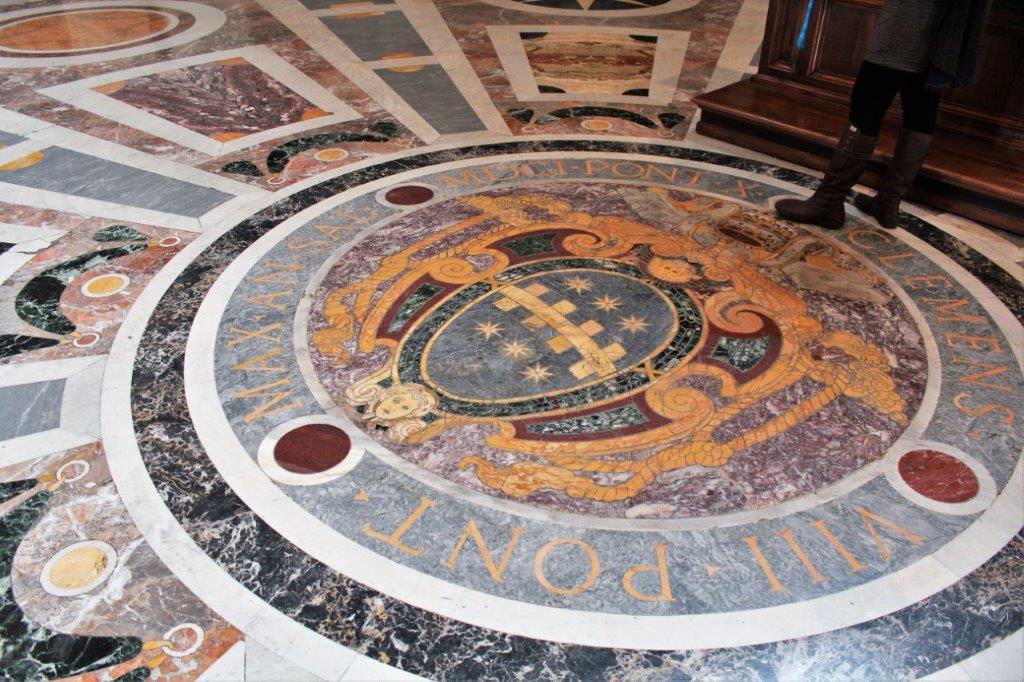
                       The Papal Coat of Arms of Pope Clement VIII                                           The Presentation Chapel

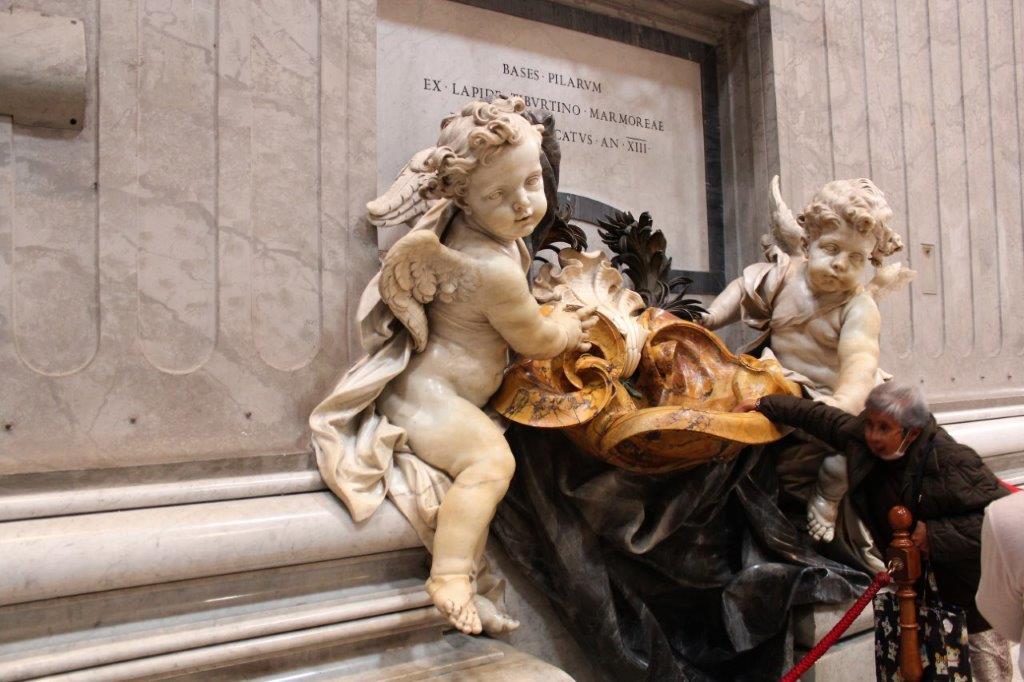
These cherubs at the Font of Holy Water are each over 6′ tall.

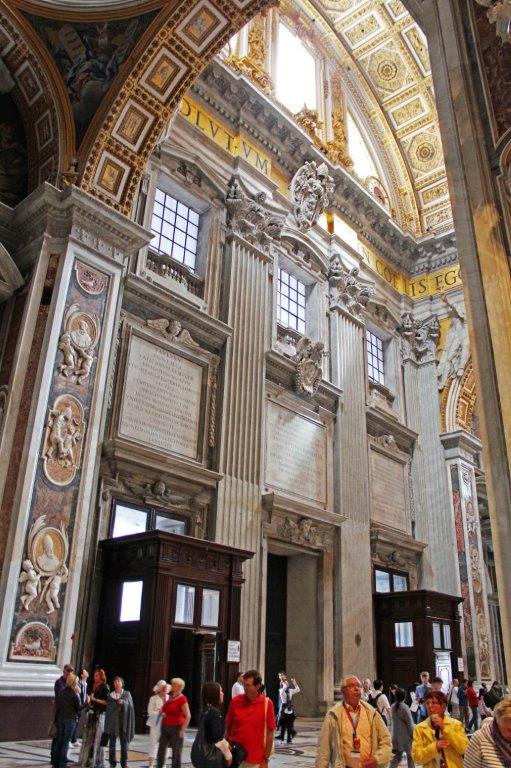
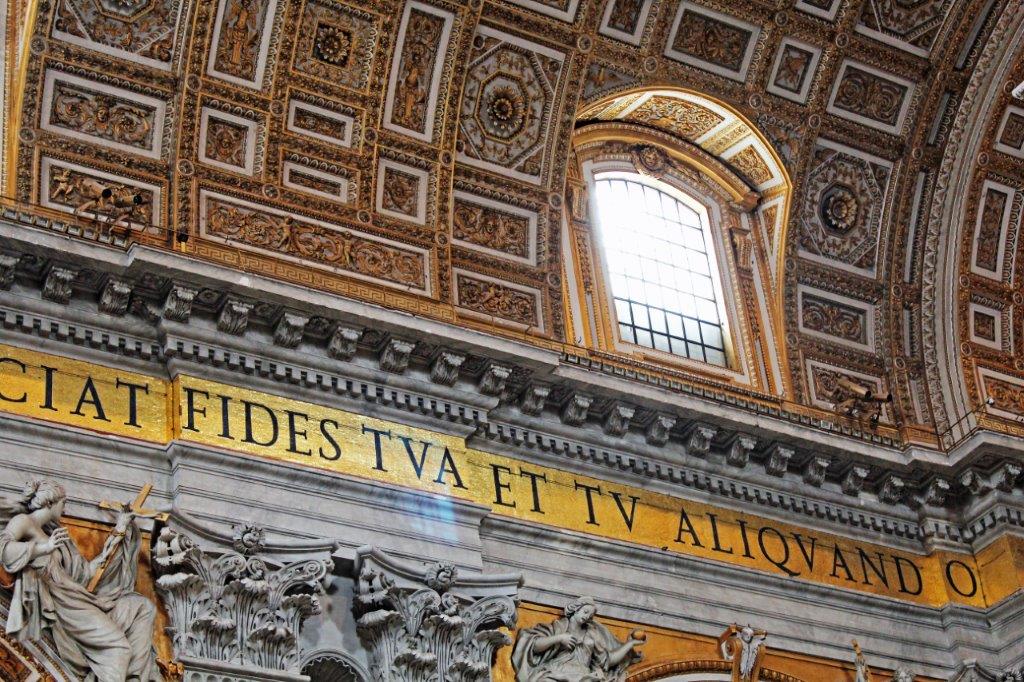
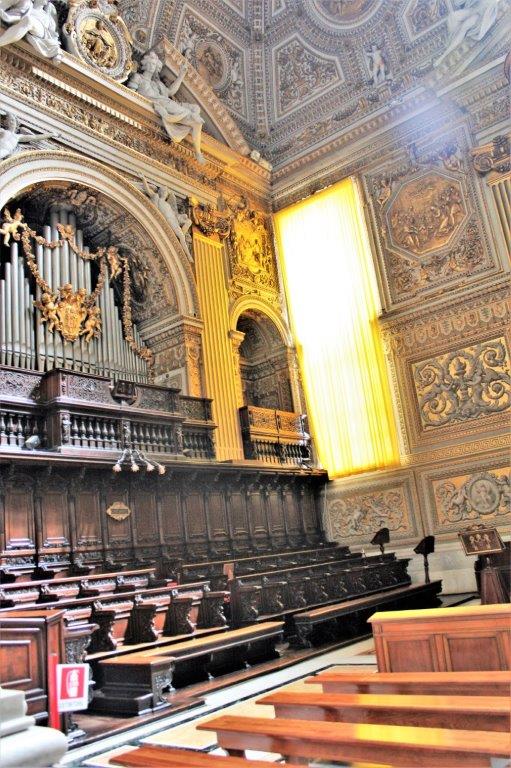
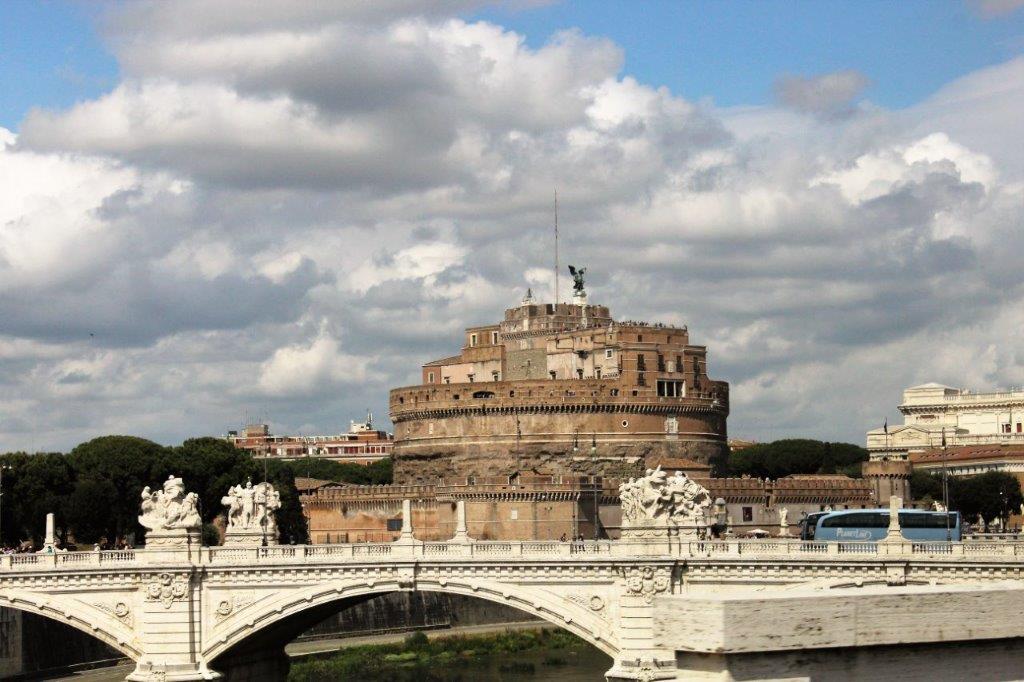
The Basilica has five very wide Naves (aisles) with smaller chapels branching off of them, beautifully painted domes and art and gilt everywhere.  The church can accommodate 90,000 people!                                                                                The Castle of St. Angelo

After our mind-boggling tour of St. Peter’s the bus took us on a drive along the Tiber river and to the Roman Coliseum.

2012 April 22 – Day 42 – Civitavecchia, Italy (Rome) (Part 1)

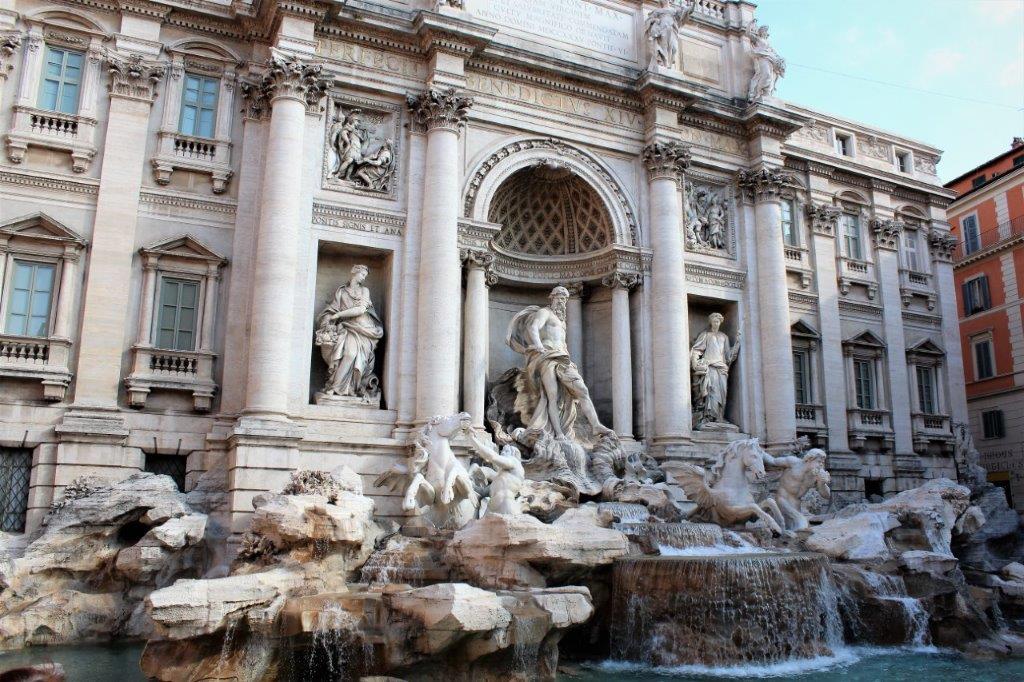
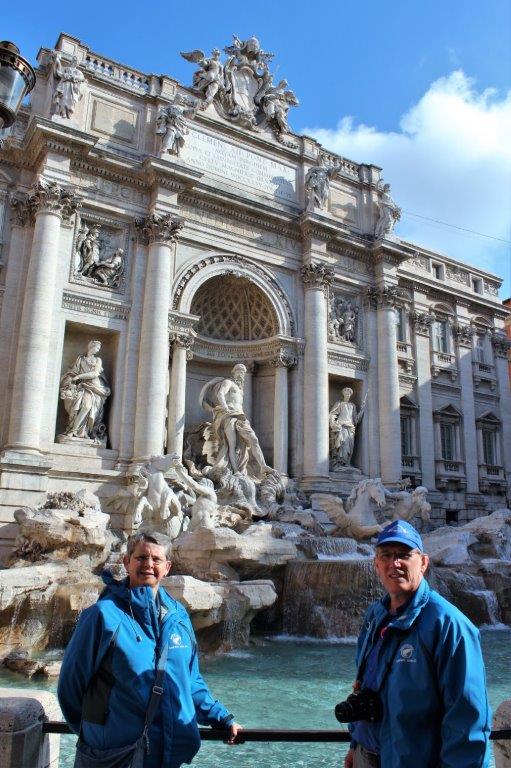
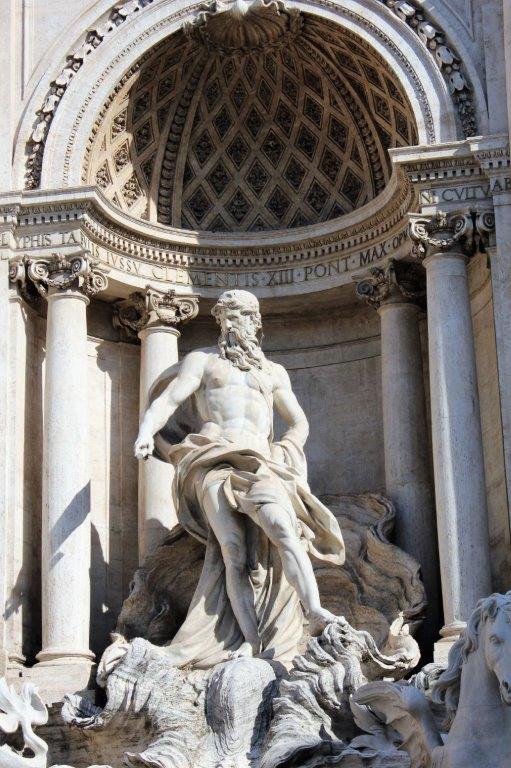
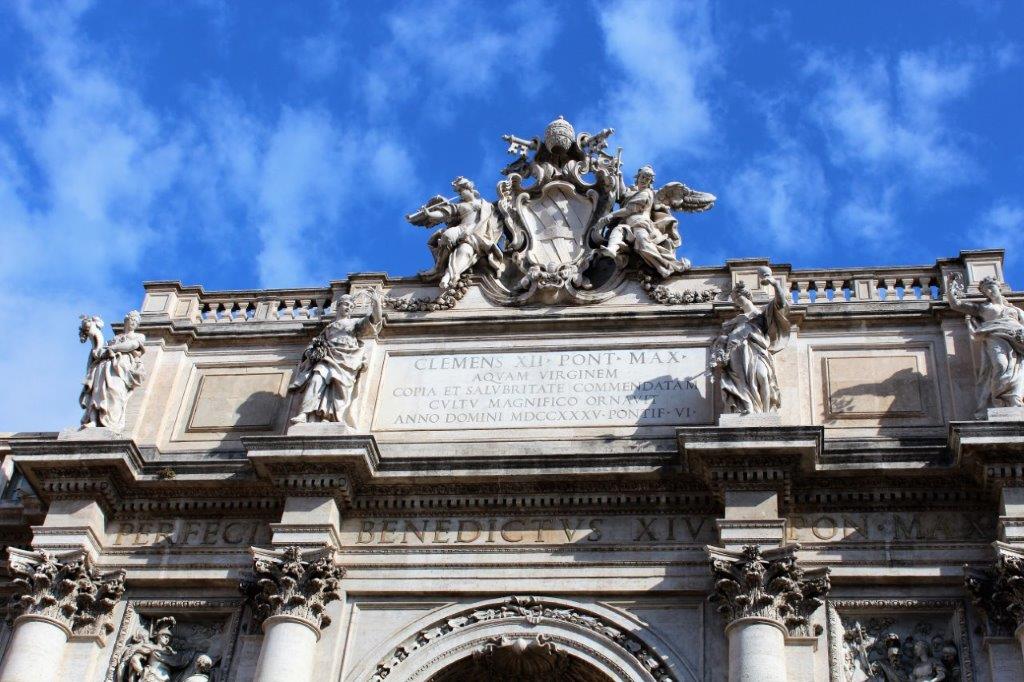
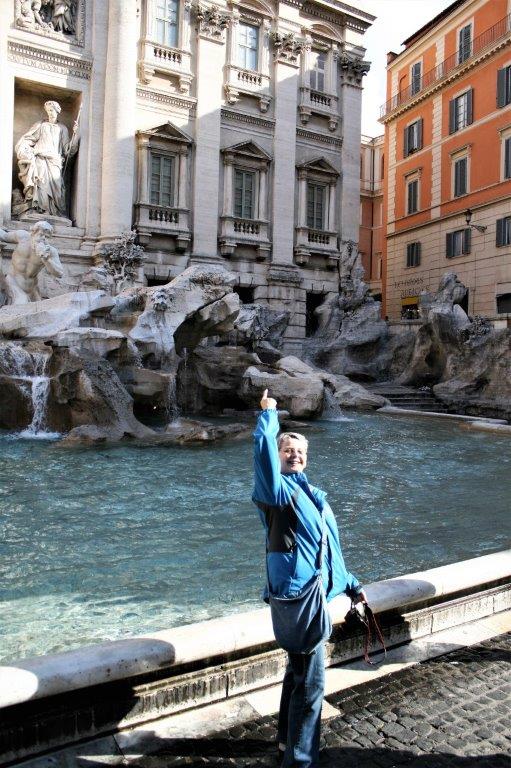
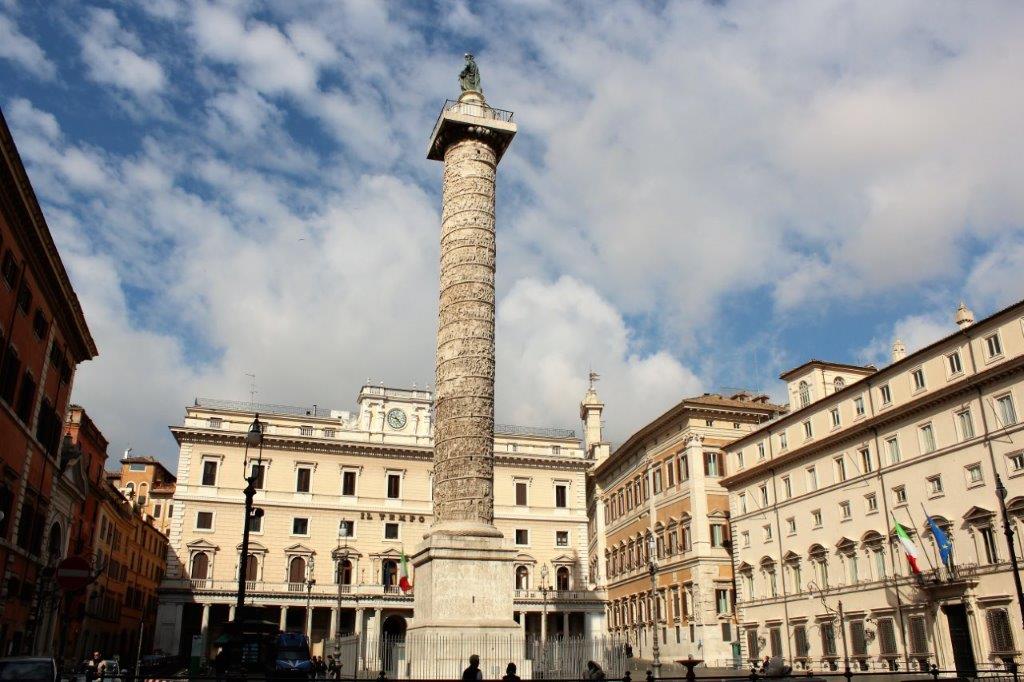
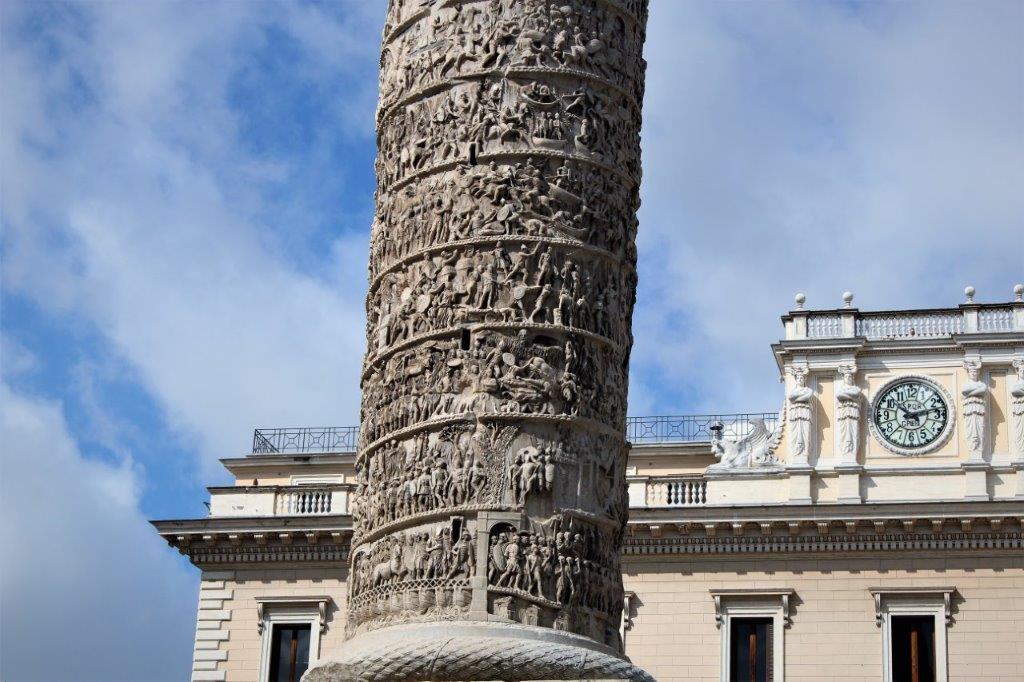
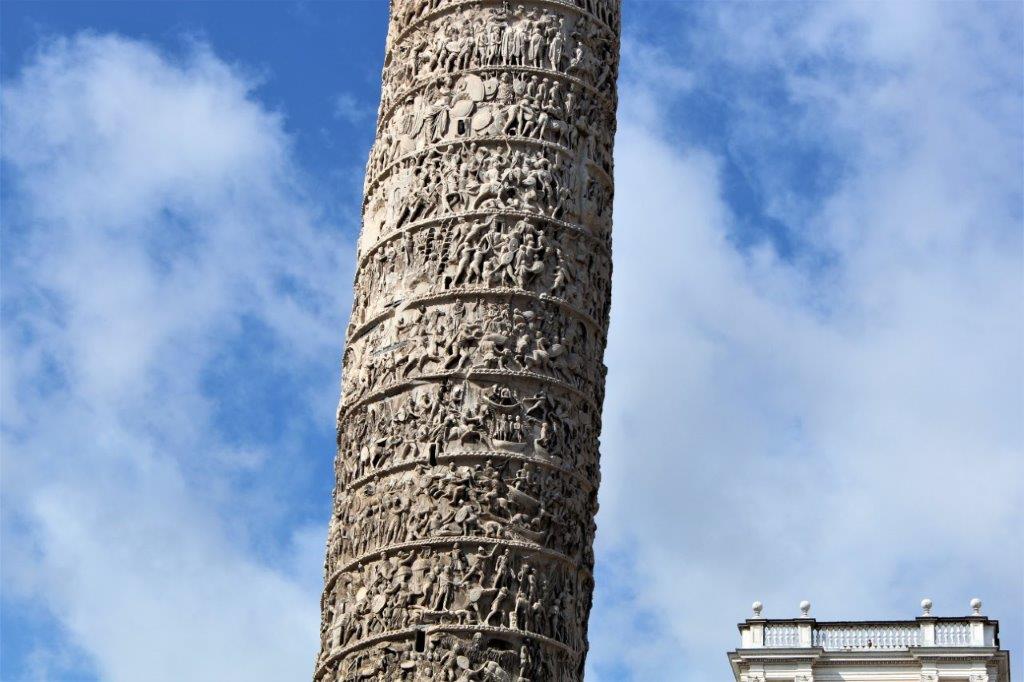
We were up at 5:40 am to get ready for our long – 10 1/2 hour – tour to Rome.  The ship docked at 7 and we were on the bus by 7:15.  Because it was a Sunday, there was light traffic and we made the drive in about 90 minutes – it usually takes about 2 hours.  We drove through a lot of farm land from the port of Civitavecchia to Rome.  The bus took us directly to a street near the famous Trevi Fountain.  We did the traditional thing and threw one coin into the fountain, thus ensuring our return to Rome someday. (Two coins in the fountain means you will find love (again) and three coins says you will get a divorce).  We had two hours of free time to wander wherever we wanted. Within walking distance of Trevi Fountain are the Spanish Steps, the Pantheon, the Venetian Plaza and the rich commercial street of Via Del Corso.  We managed to see them all.Marcus Aurelius Column completed, it is estimated, by AD 193 and modeled after Trajan’s Column that was erected to commemorate that Emperors’s victory in the Dacian Wars.

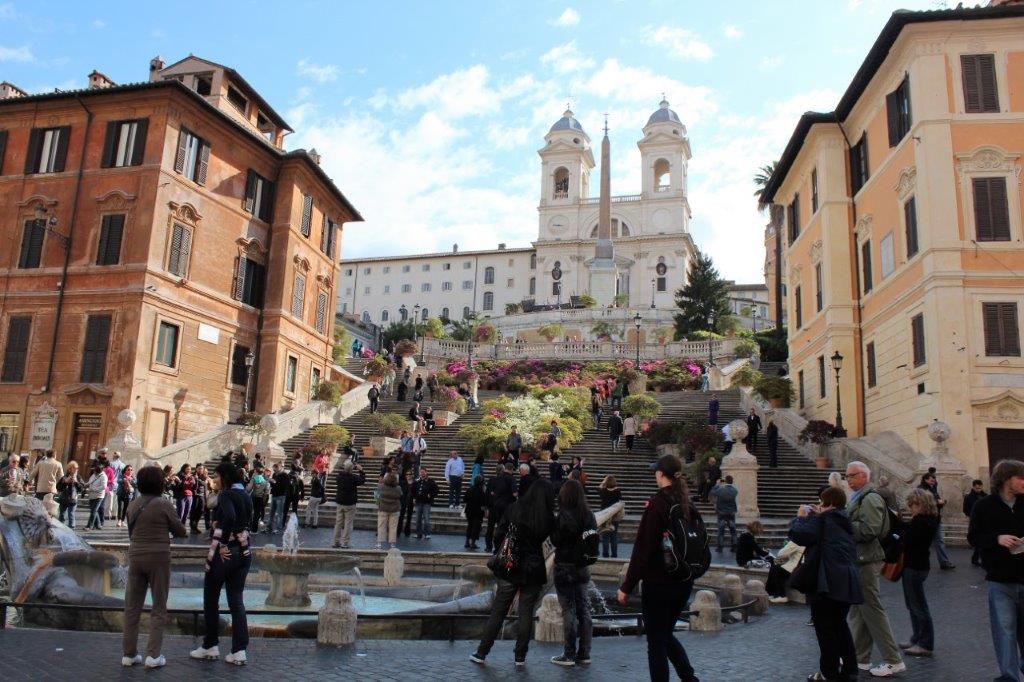
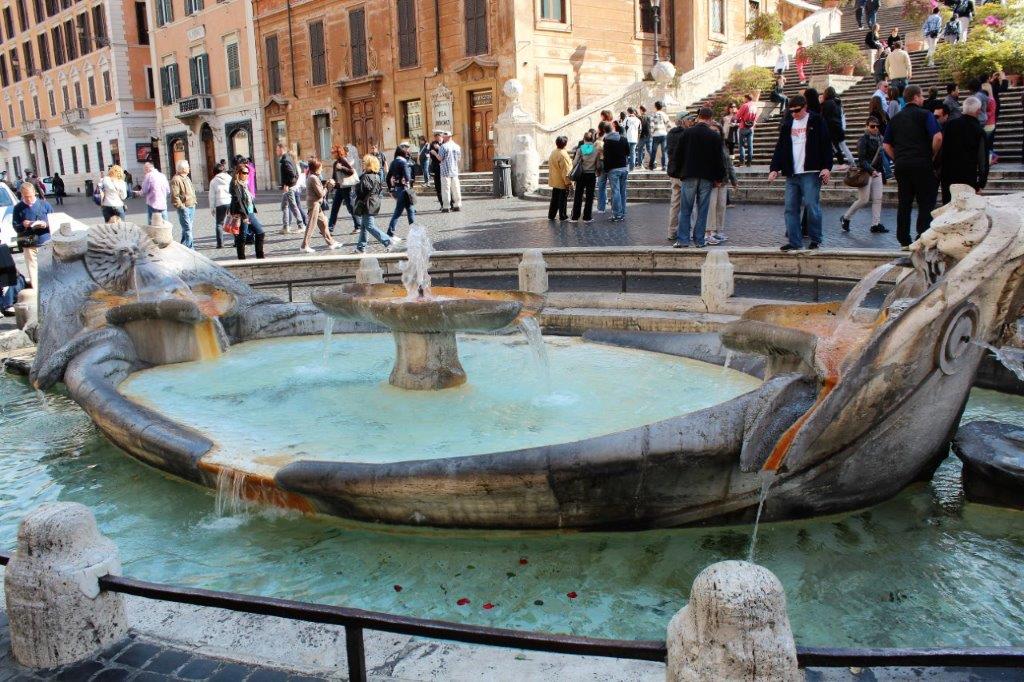
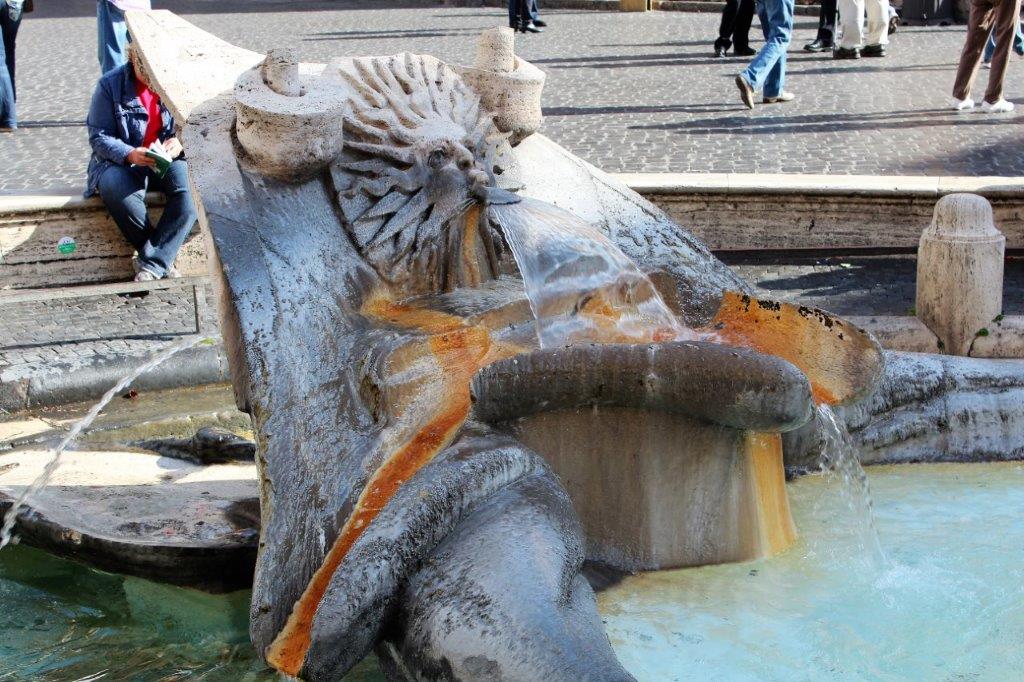
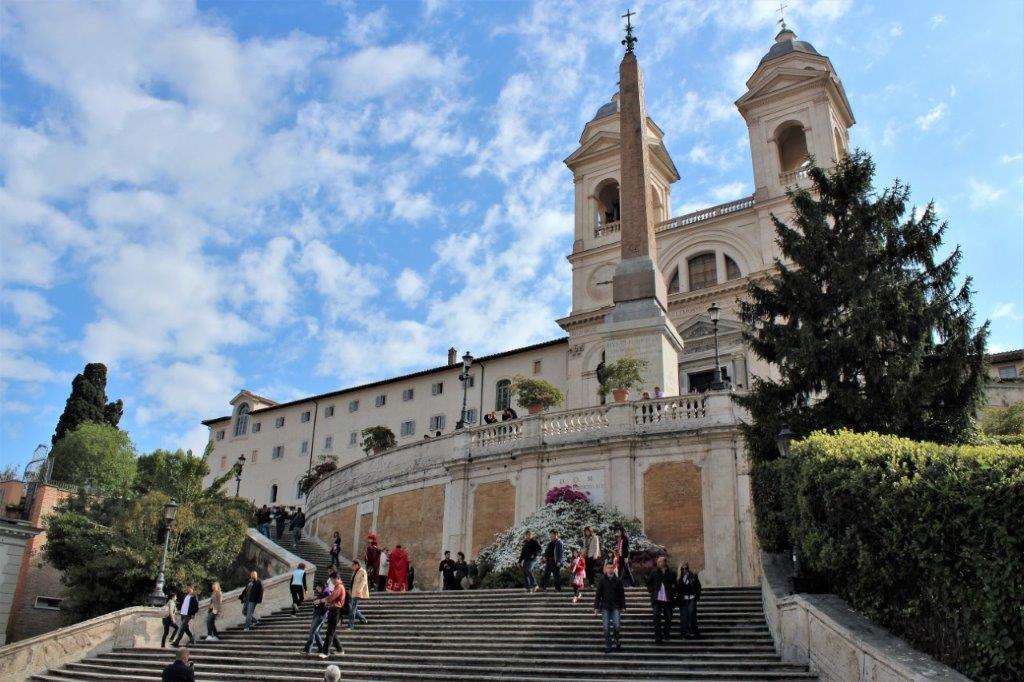
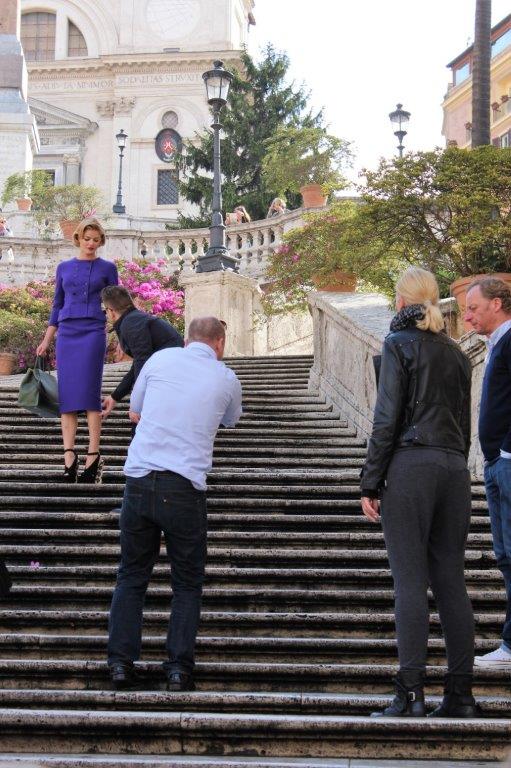
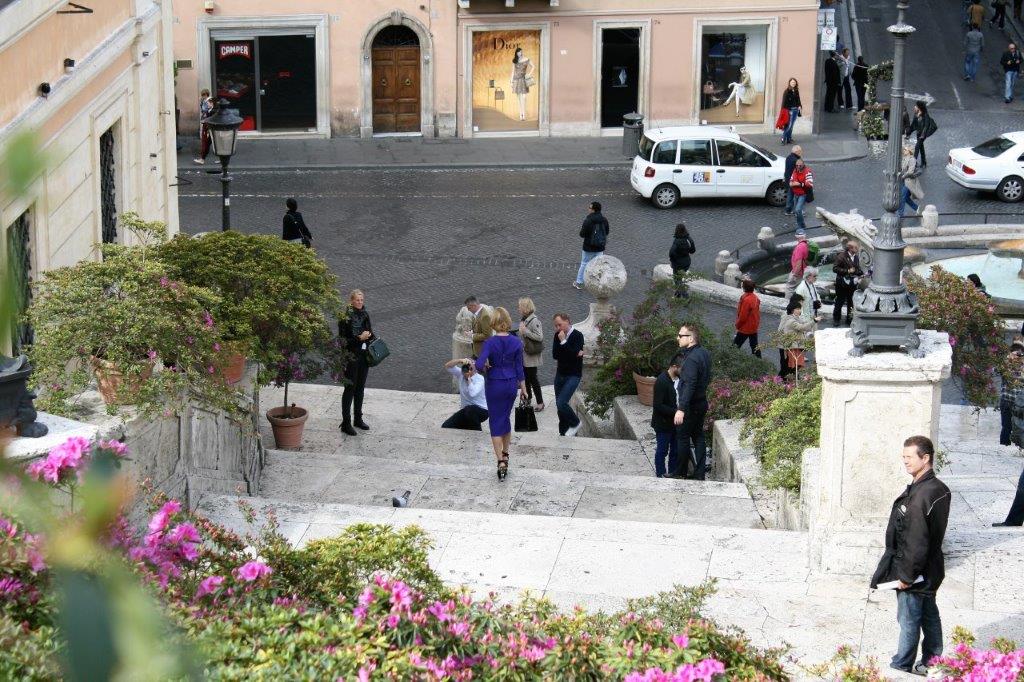
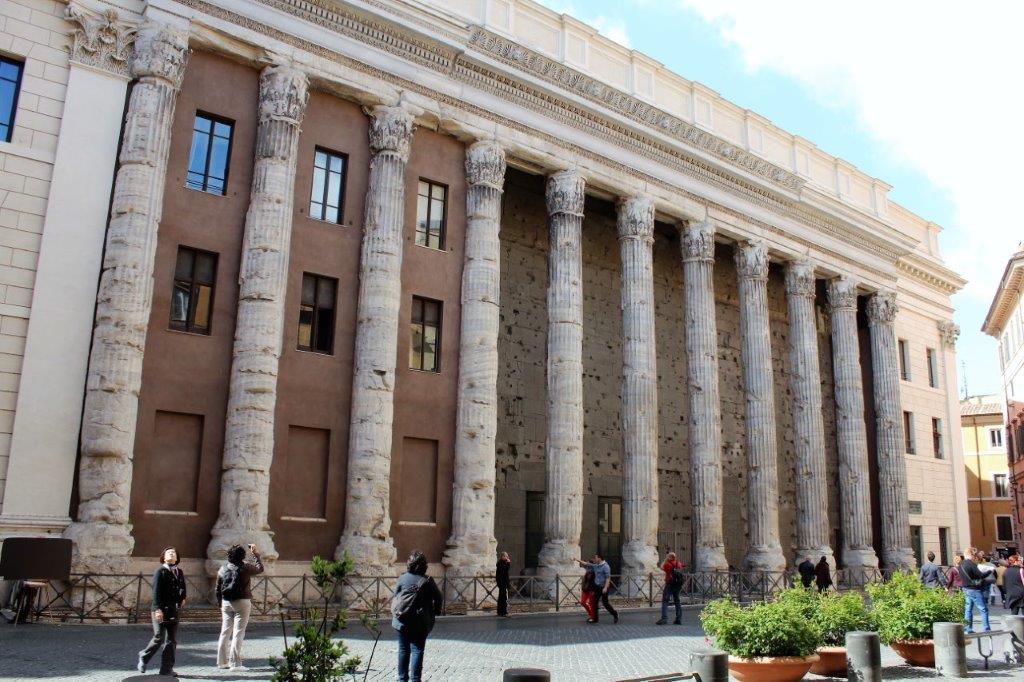
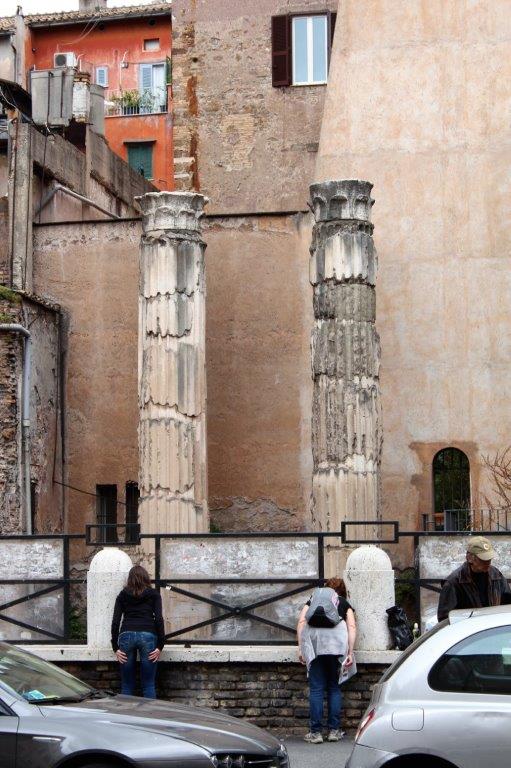
 Immacola Column (1854)                               The Spanish Steps There is obviously some iron in the water.  A model shoot was taking place on the steps.  What you see from the front is very different from what is the reality – as shown by the back.                                                                                       Temple of Hadrian, a Roman temple from 145 AD and now the facade for a conference center.

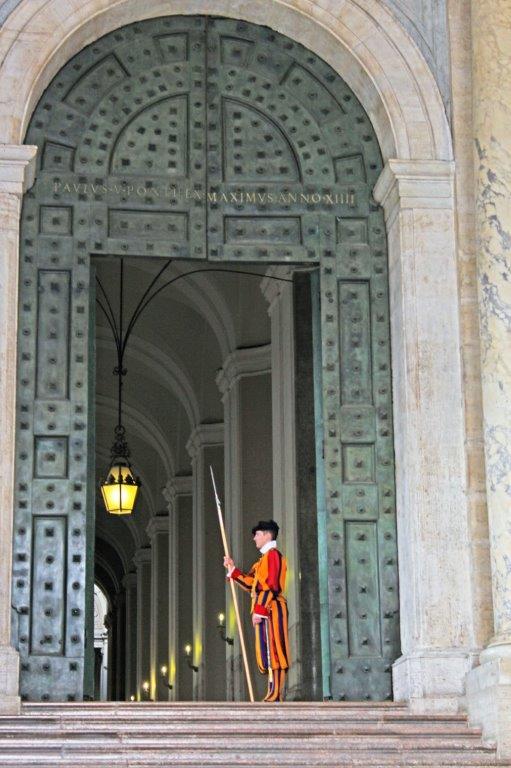
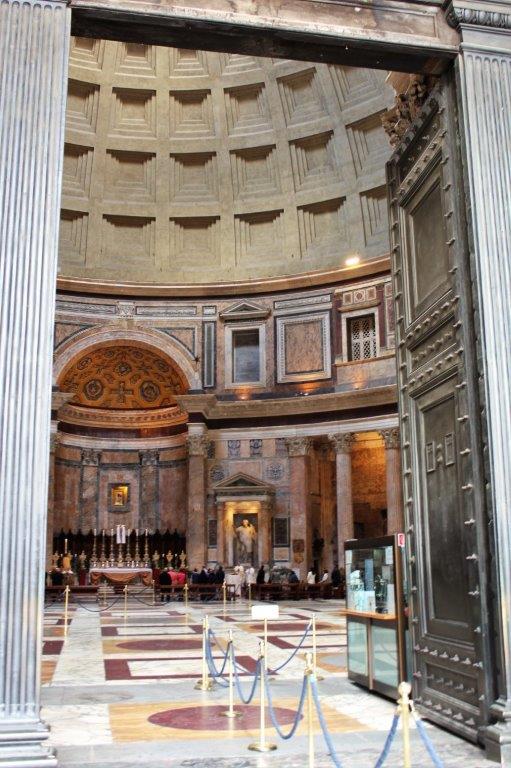
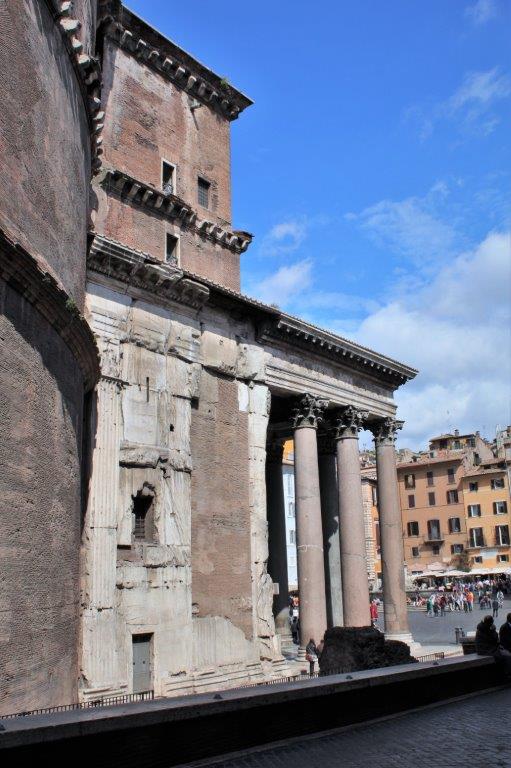
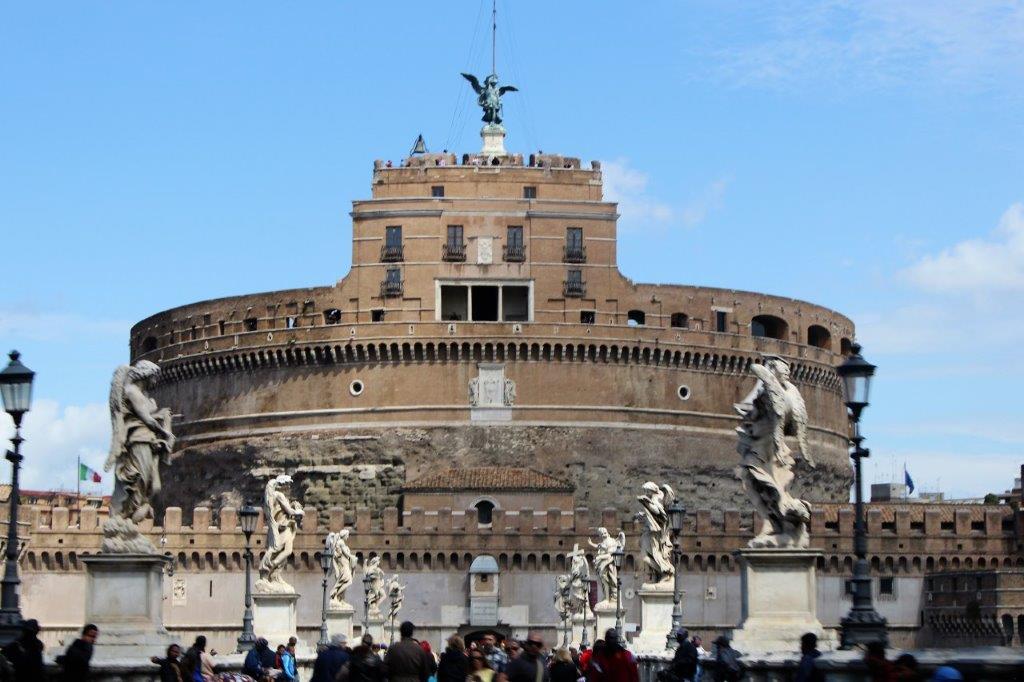
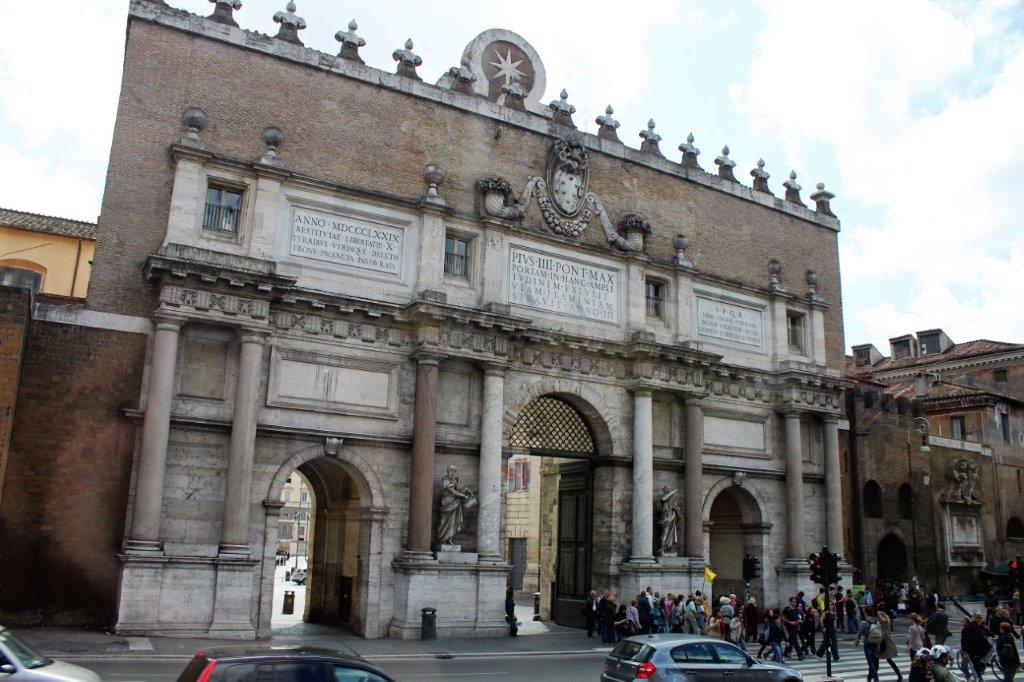
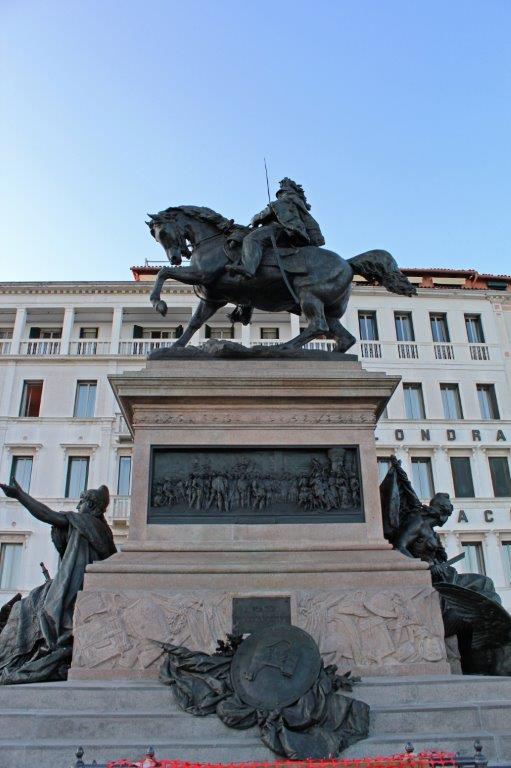
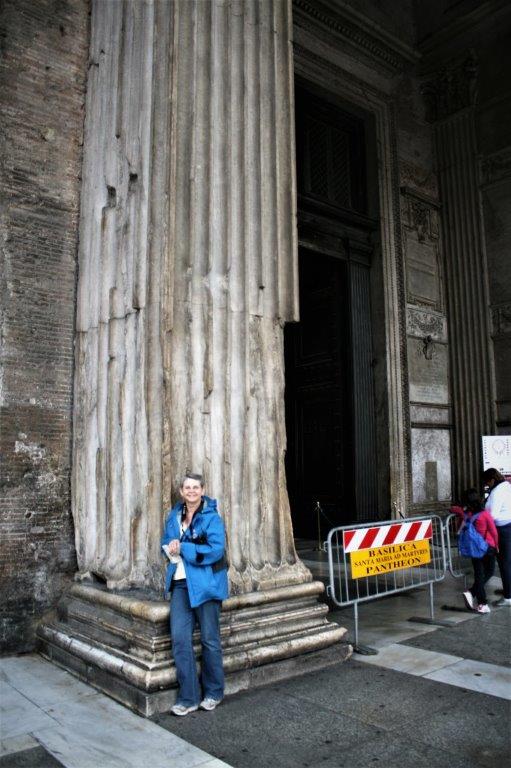
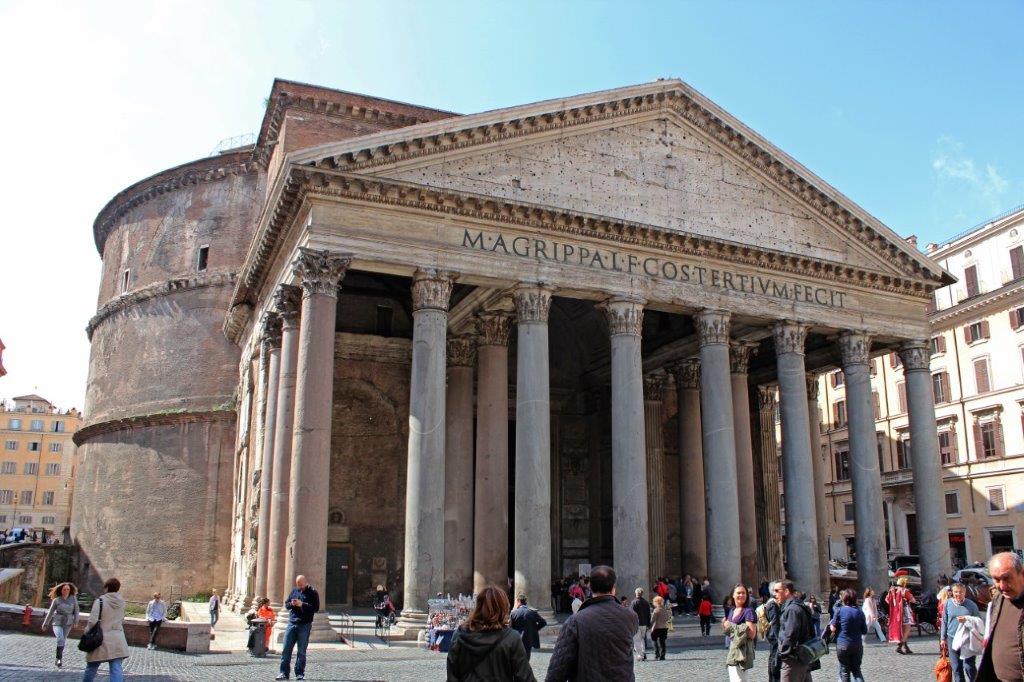
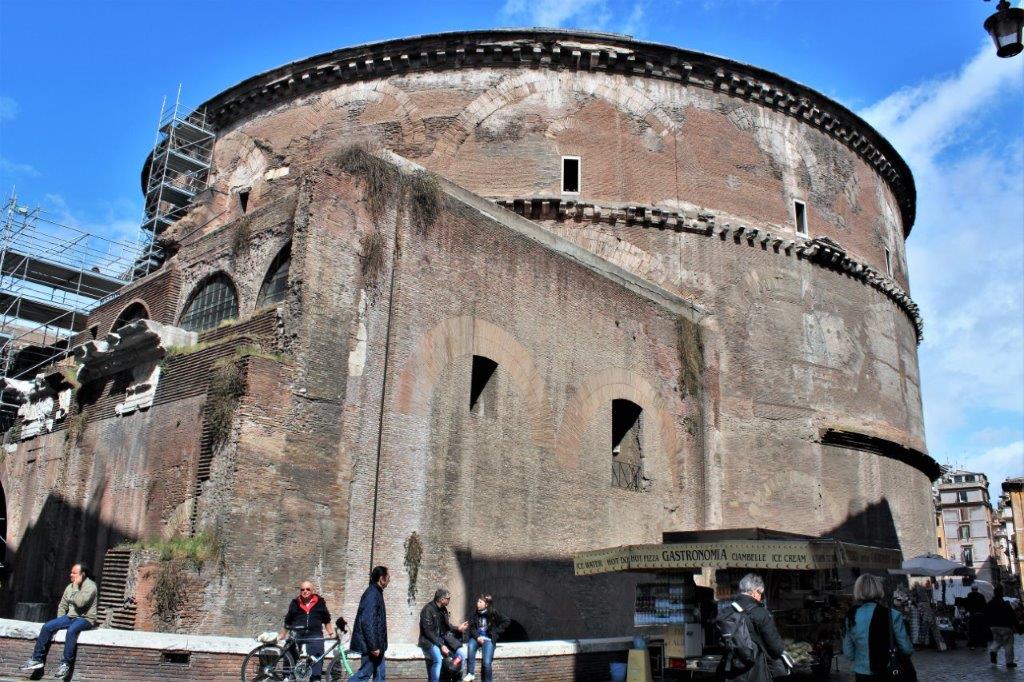
The Pantheon was a former Roman temple, now a Catholic Church. It was built on the site of an earlier temple commissioned by Marcus Agrippa during the reign of Augustus. It was rebuilt by the emperor Hadrian and probably dedicated around 126 AD.                                 The back of the Pantheon The Piazza Venetia (Venetian Plaza), the hub of Rome – memorial to King Victor Emmanuel, first king of Italy  and  memorial  to  WWI  soldiers. After our wandering time was concluded we were taken to a restaurant for lunch and then driven to Vatican City (the smallest ‘country’ in the world at 109 acres, population 800) for a tour of St. Peter’s Basilica. Emperor Hadrian’s Mausoleum, also known as the Castle of St. Angelo is famous for the 10 Bernini  angel statues on the bridge.          Northern gateway entrance to Rome at Piazza del Popolo.  Bernini’s Colonnade – entrance to St. Peter’s Square and Vatican City.
2012 April 21 – Day 41 – Naples, Italy (Pompeii)

Our original itinerary had the ship scheduled to anchor off the coast of Sorrento, Italy for the day.  However the harbour was going to be closed for two days due to gale force winds and the ship’s tenders would not have been able to safely navigate the high seas.

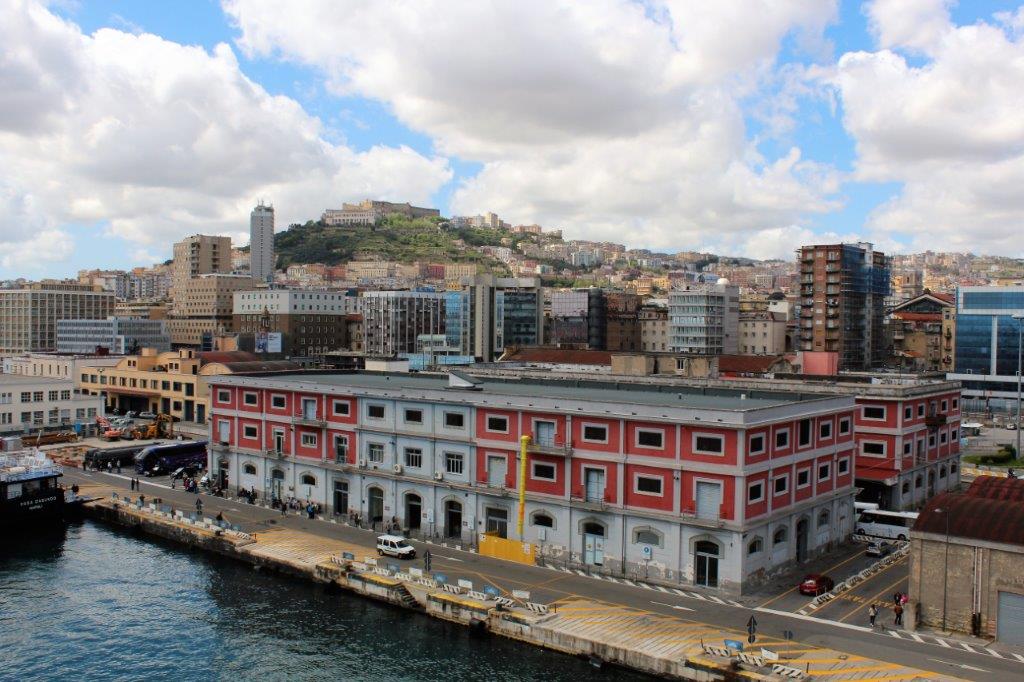
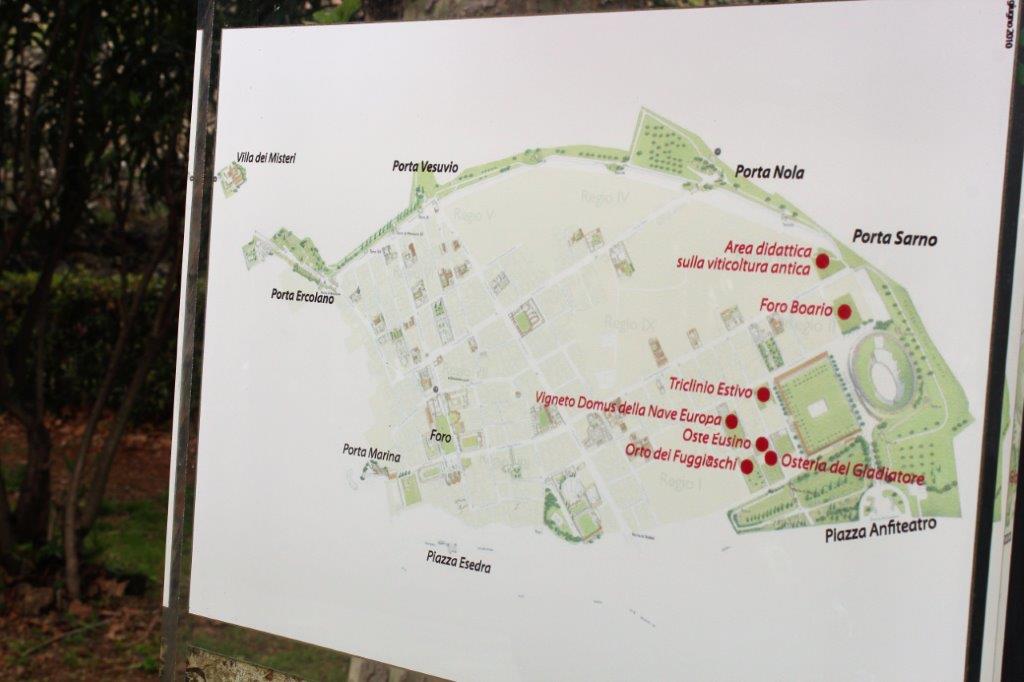
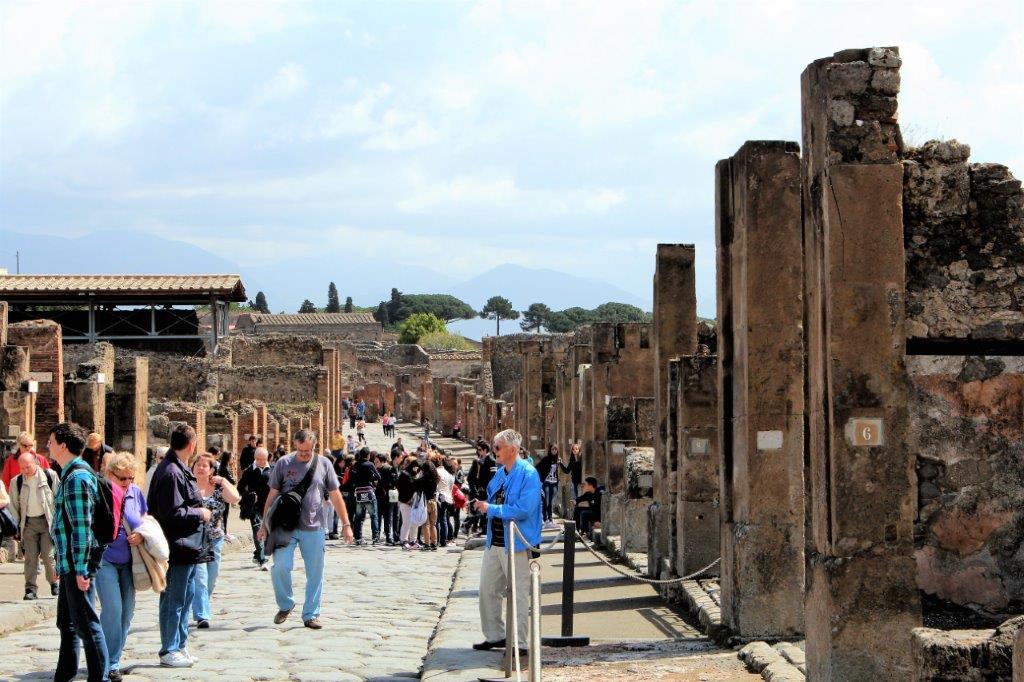
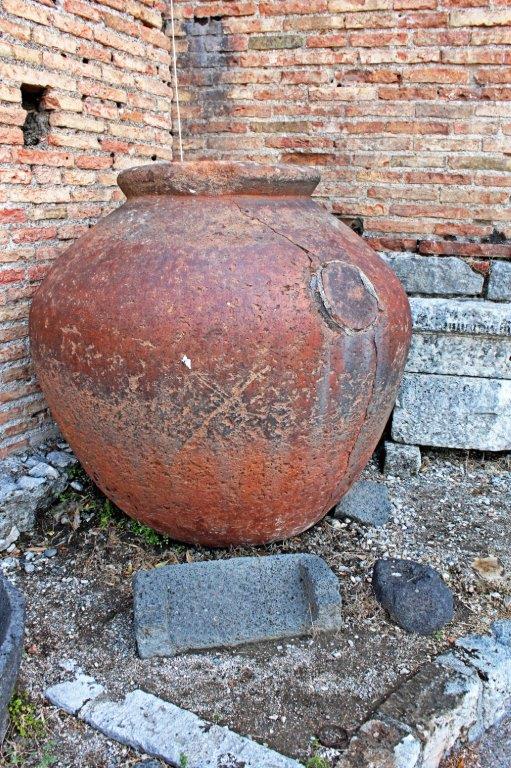
Instead the captain made arrangements for us to dock at Naples.  Sorrento was our access to see Pompeii and I was worried when the port was changed.  However, it worked to our benefit since it was a shorter drive from Naples to Pompeii than Sorrento to Pompeii.  Therefore, all the planned shore excursions were unchanged other than the time-line, which in the case of our trip to Pompeii was an hour shorter due to reduced driving time. The buried city of Pompeii is a half hour drive from Naples and we arrived early enough to avoid the majority of the crowds.  Pompeii is the most visited archaeological site in the world with 10,000 people per day touring the city (that is 4,200 tour groups led by 800 guides).  We were very surprised at the size of the ruined city (160 hectares or 260 acres – about 66 football fields) and yet only 2/3 of it has so far been excavated. In 1595 excavations discovered artifacts at Pompeii and centuries of pillaging followed.  Several looters died when trapped carbon monoxide was released by their digging.   Archaeological work began in the mid-nineteenth century .
It is estimated the population at the time that the volcano Vesuvius erupted was 20,000, of which about half died on August 24, 79 AD at 1 PM.  Everyone had time to escape but no one understood the danger as the last eruption of Vesuvius had occurred long before anyone alive had been born.  Pompeii was a 700-year old city when Vesuvius erupted.

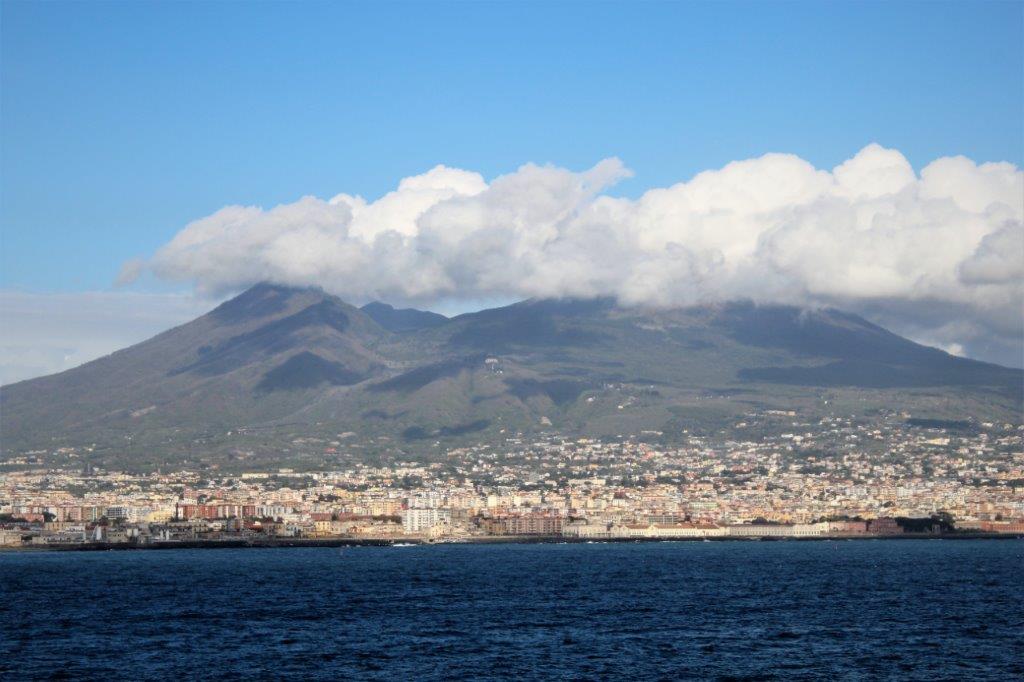
When the mountain exploded and blew off about 3,000-4,000 feet of its top, it was the poisonous gas that killed the people, not the lava.   The super-hot cloud of steam and mud that came in the second stage of the eruption took less than 4 minutes to flow from Vesuvius to both Pompeii and Herculaneum, a sea port about 7 km (4 miles) away.

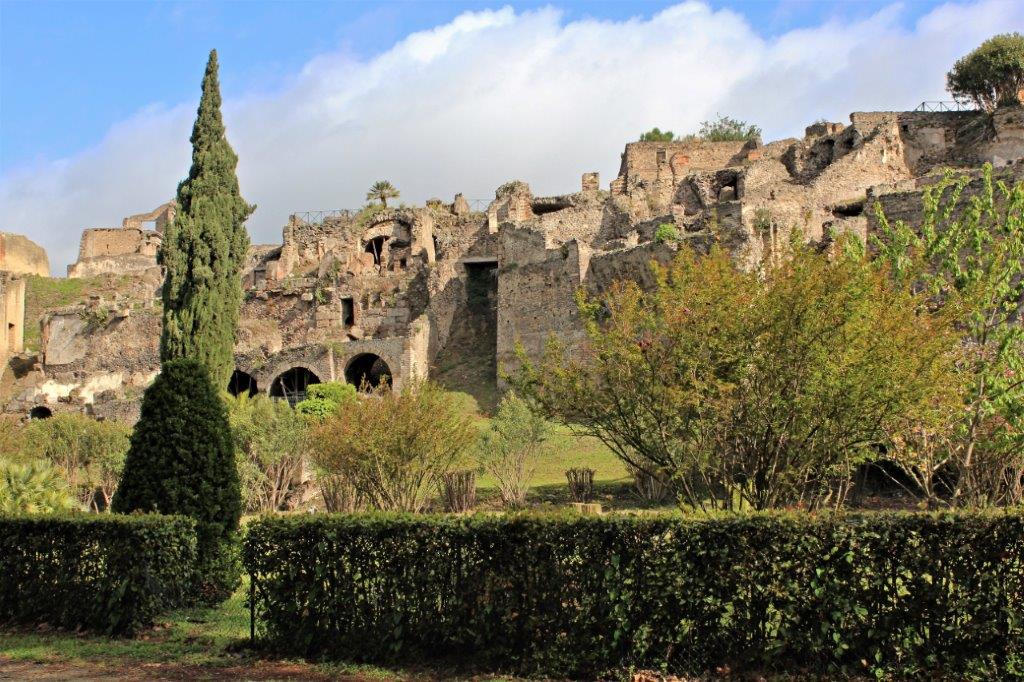
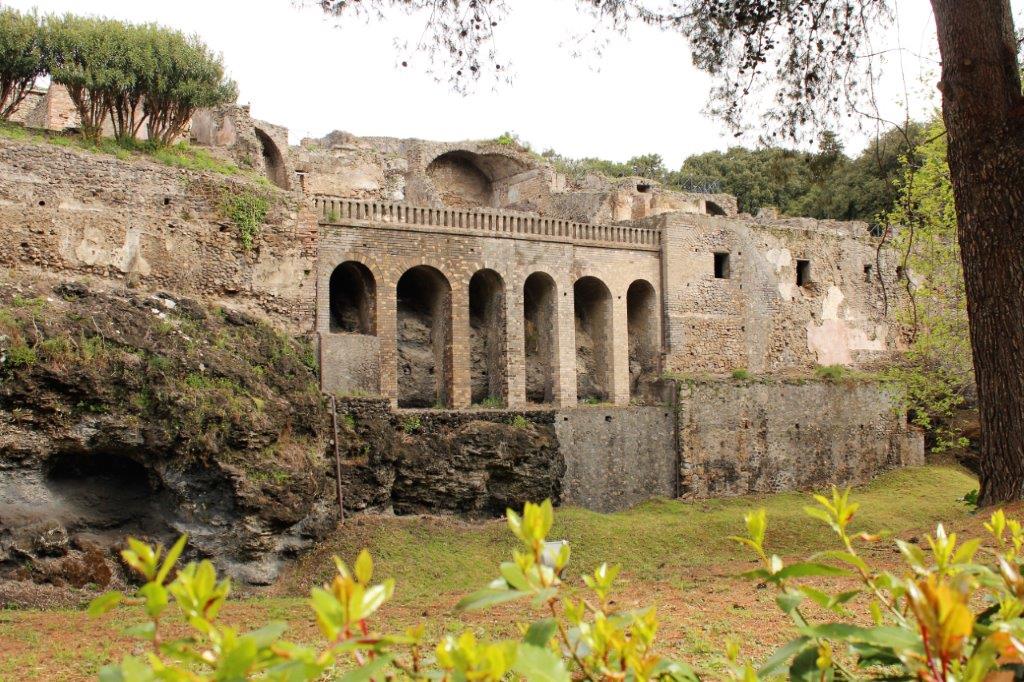
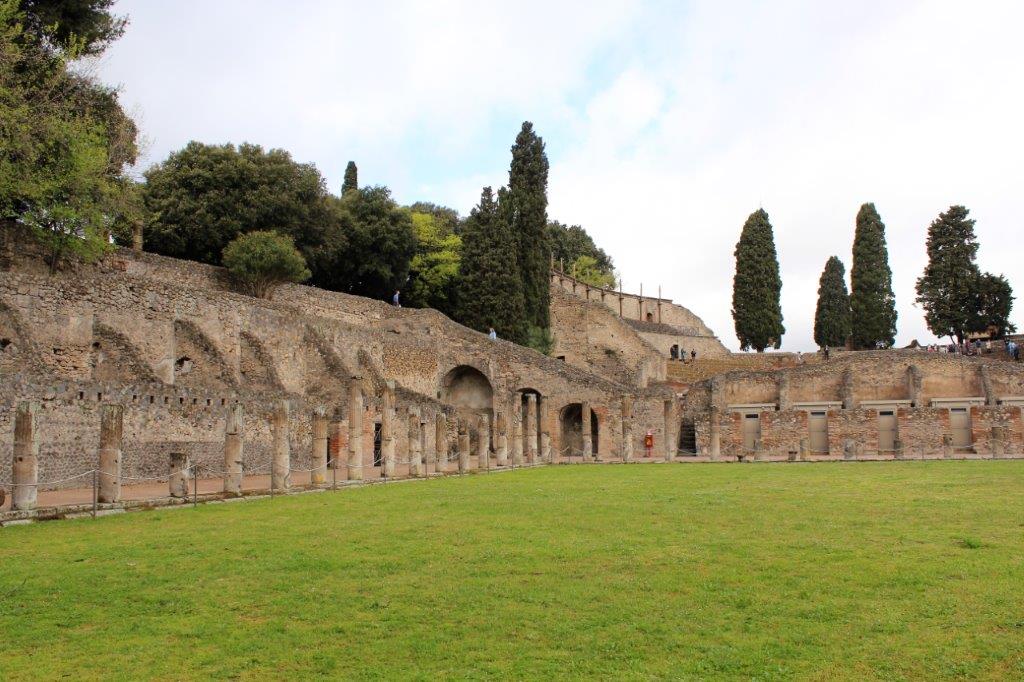
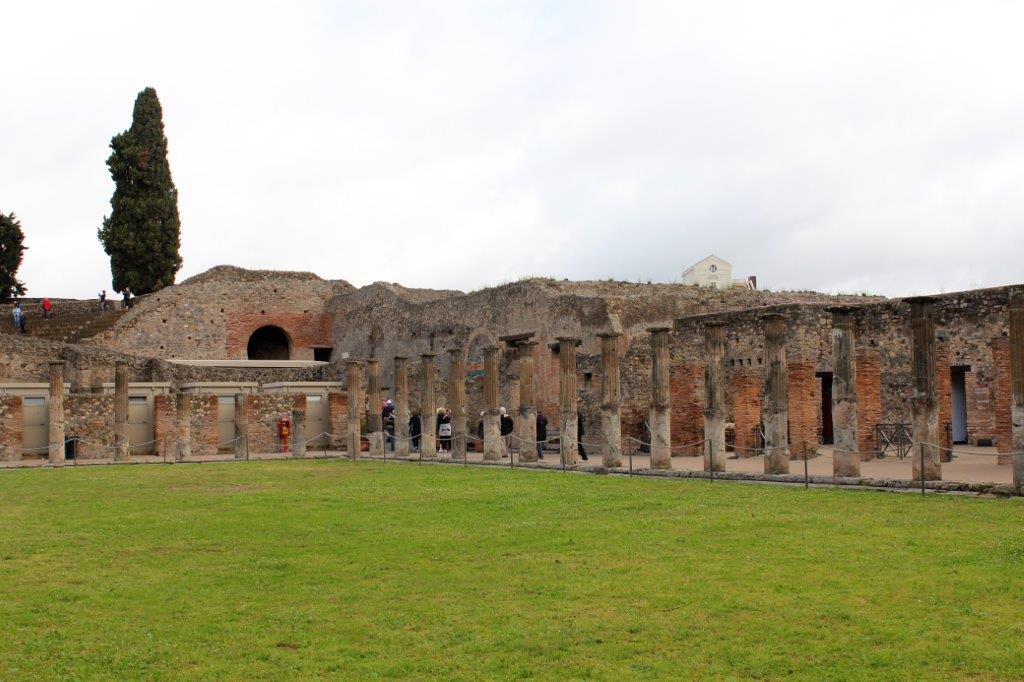
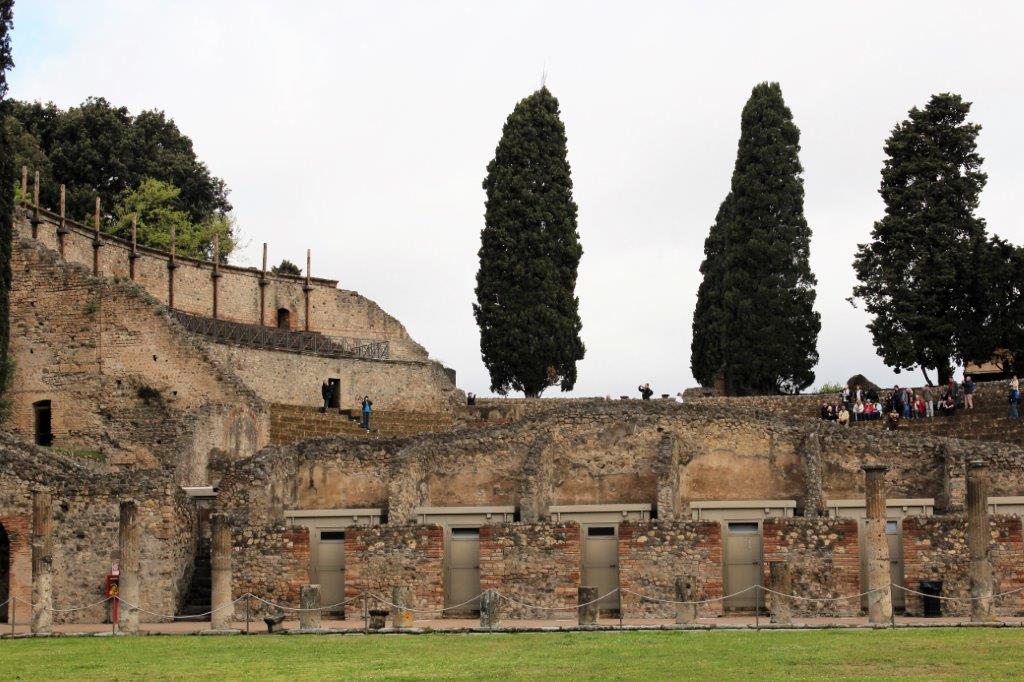
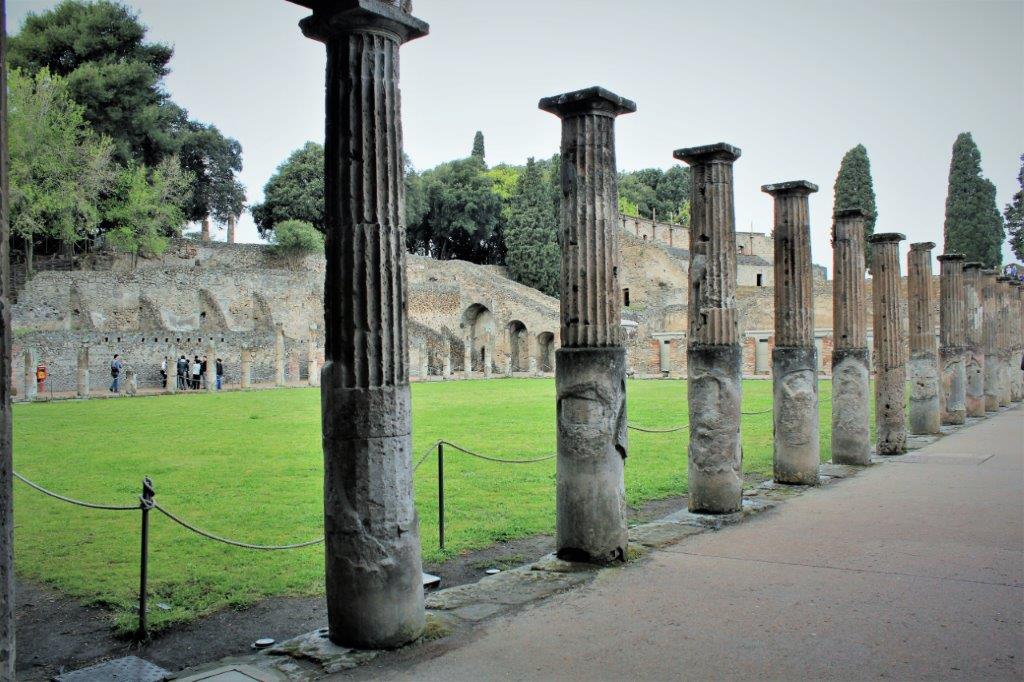
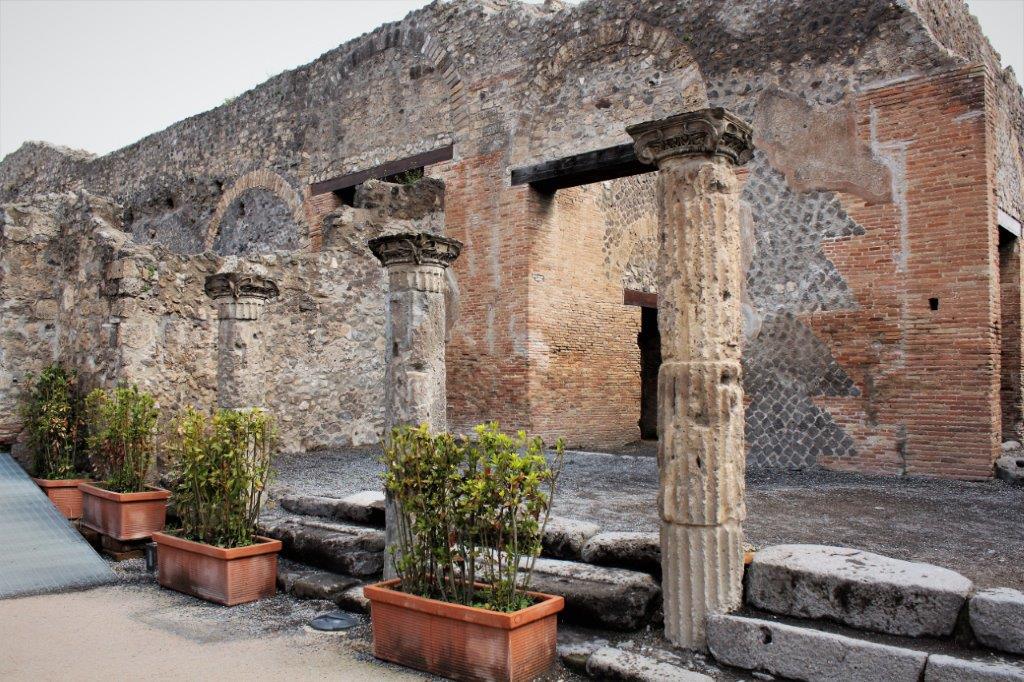
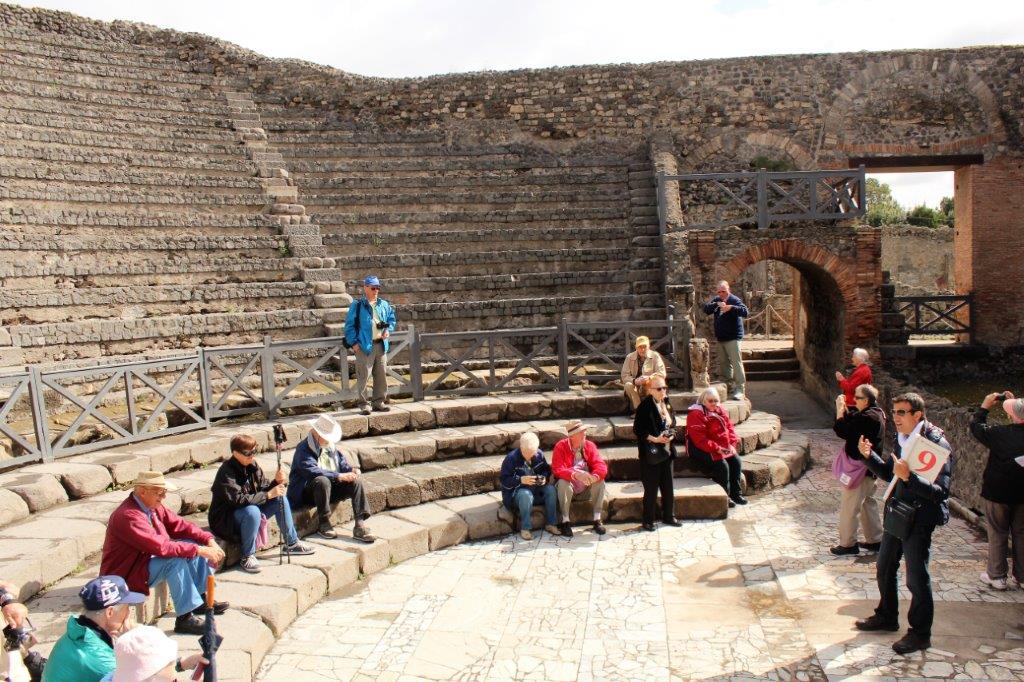
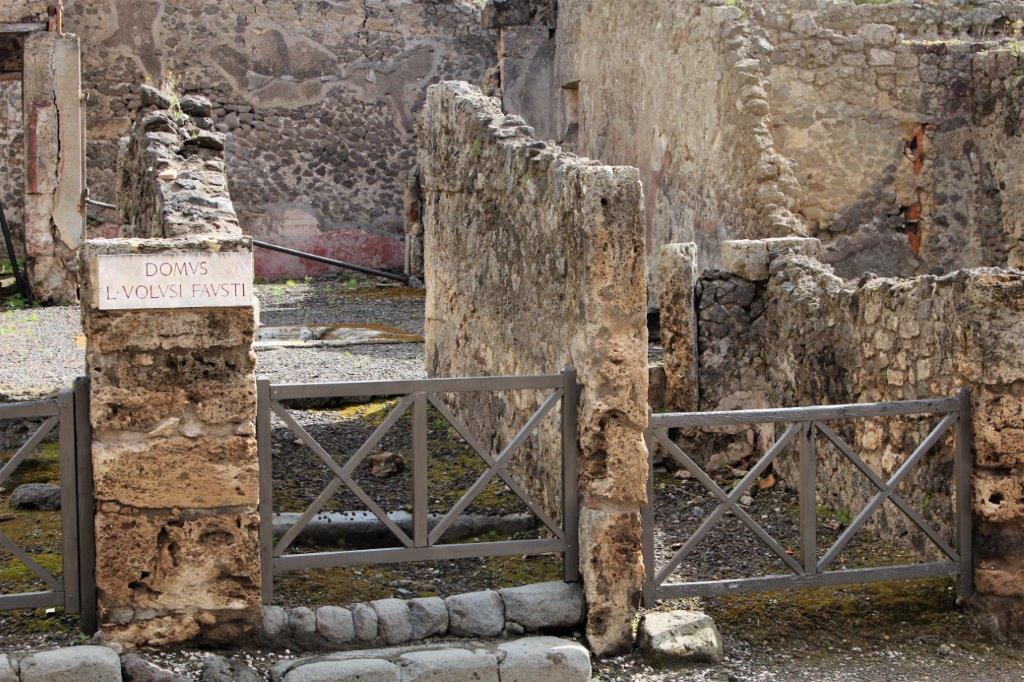
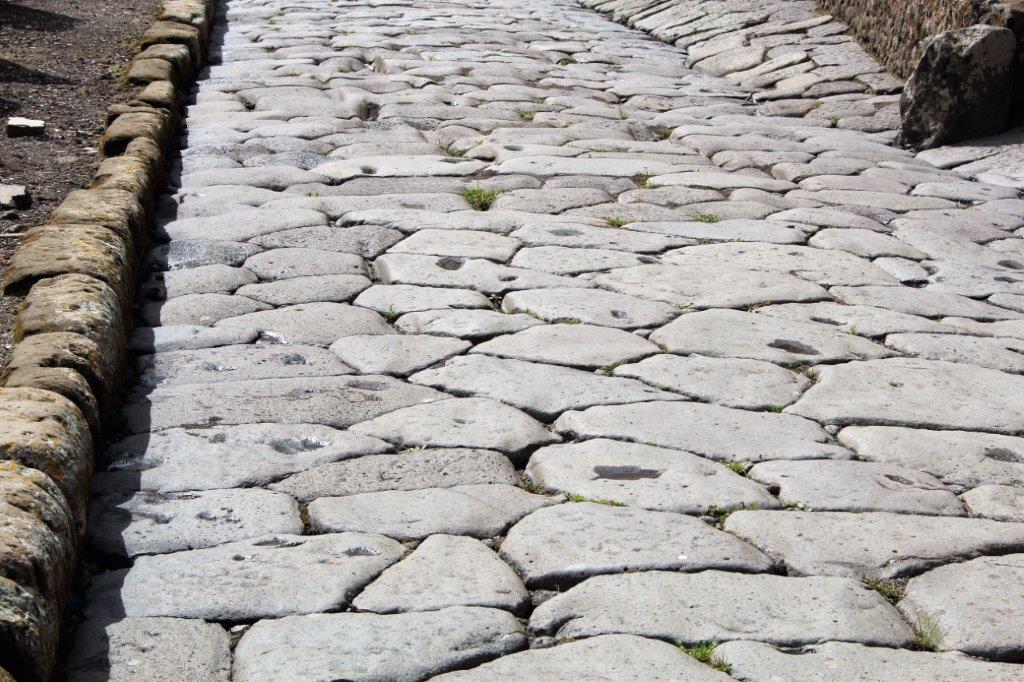
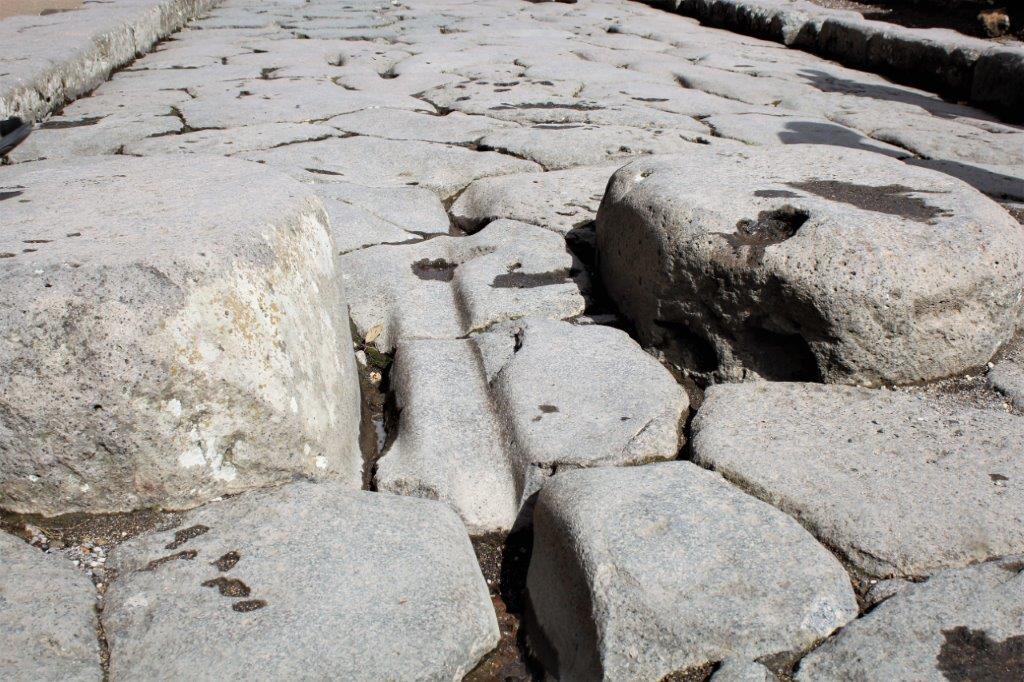
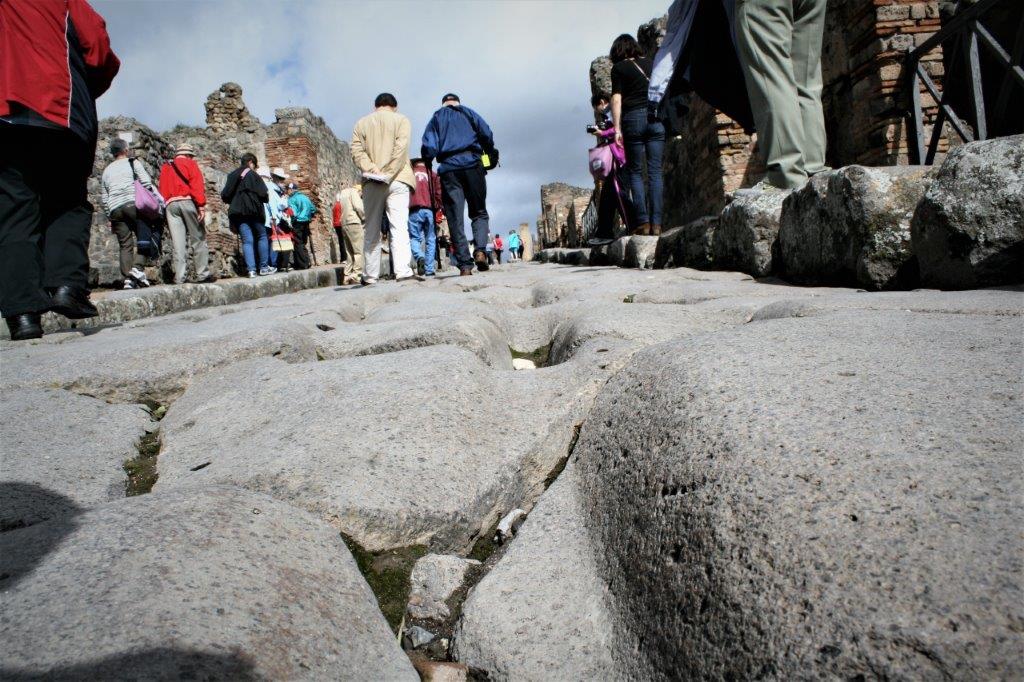
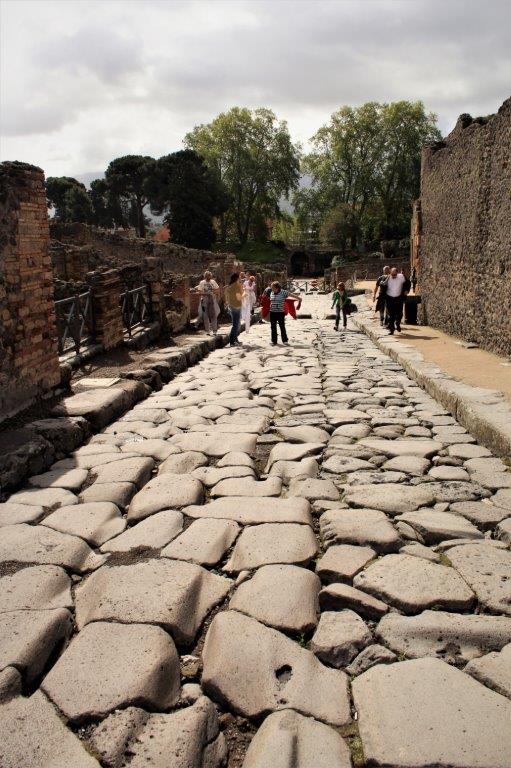
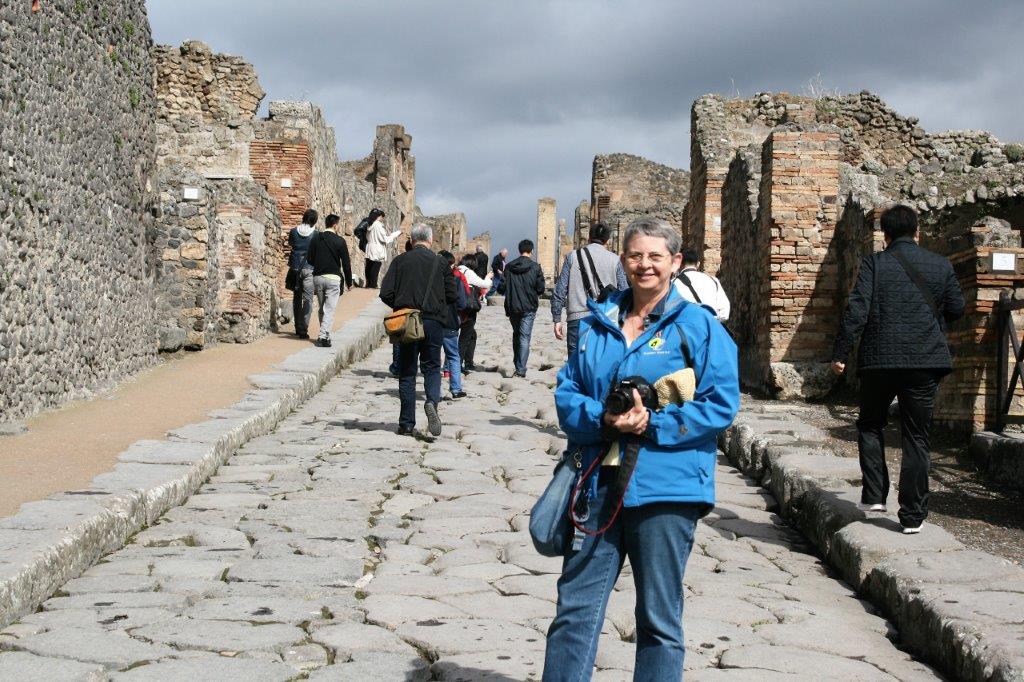
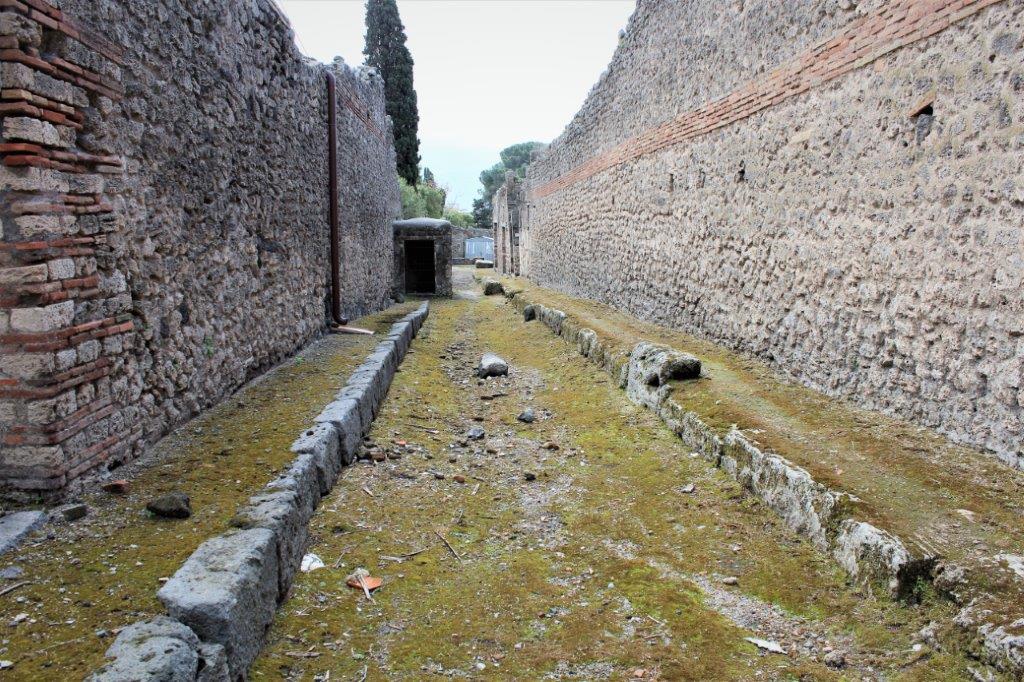
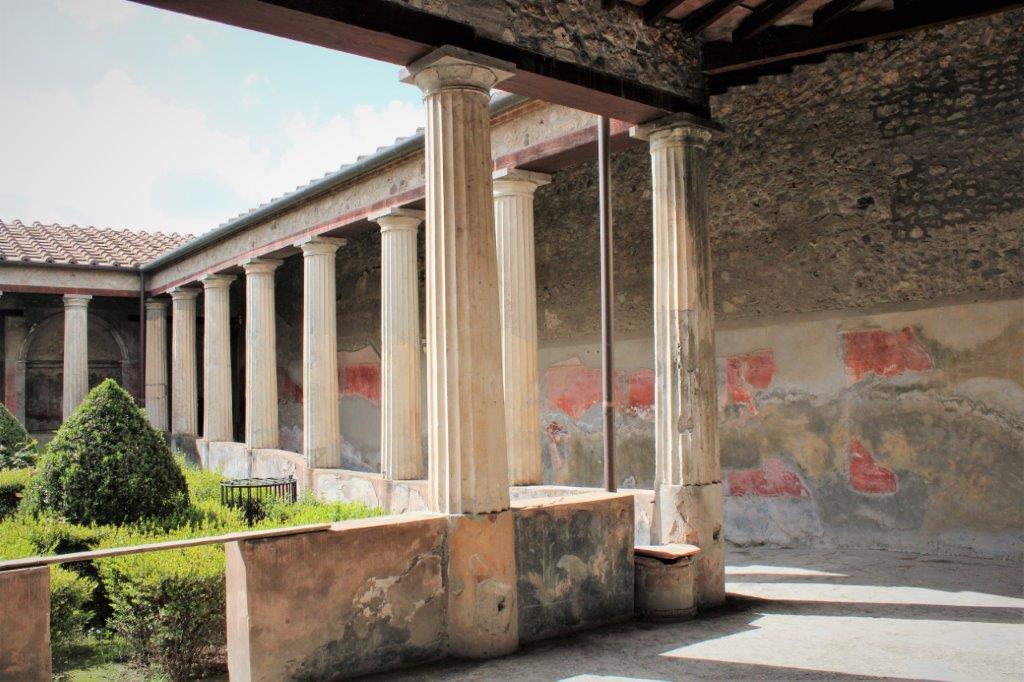
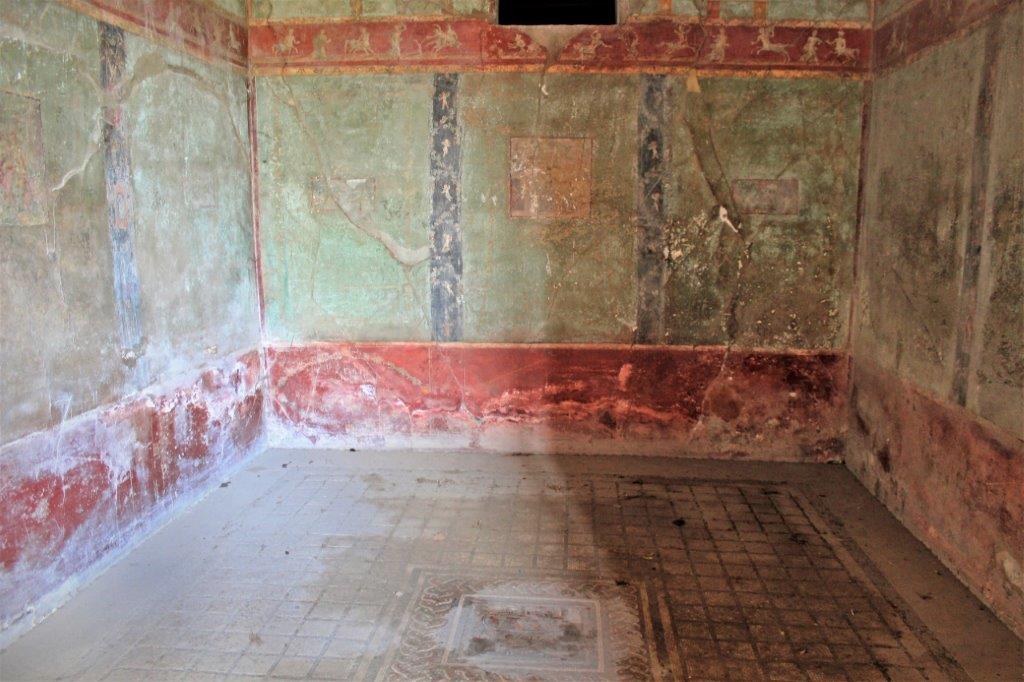
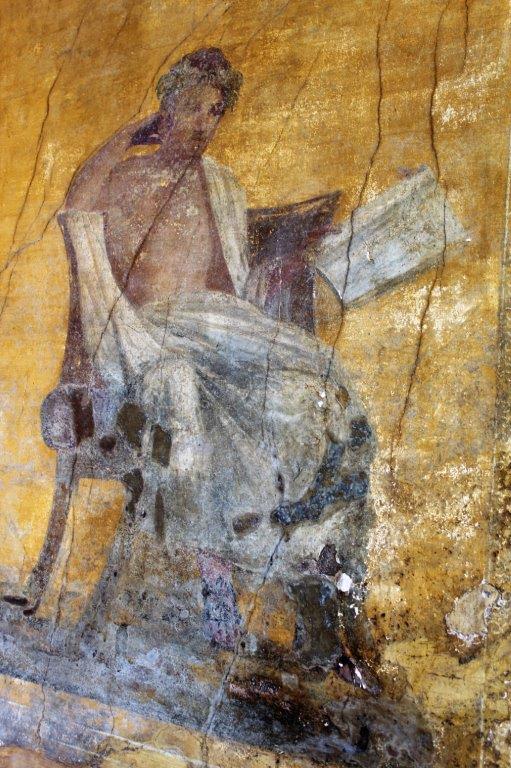
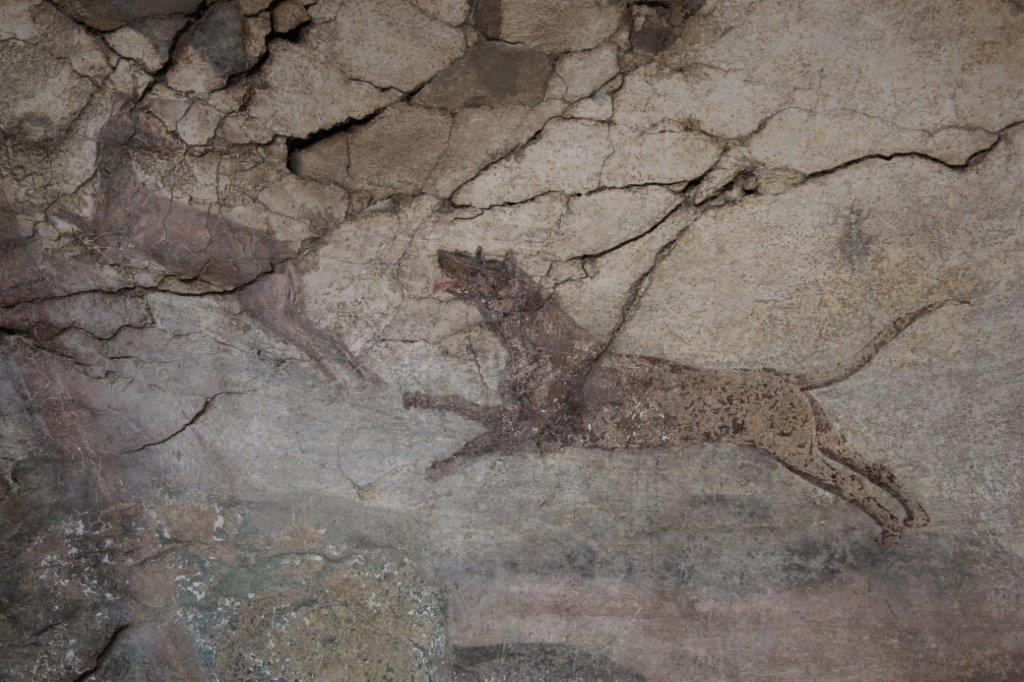
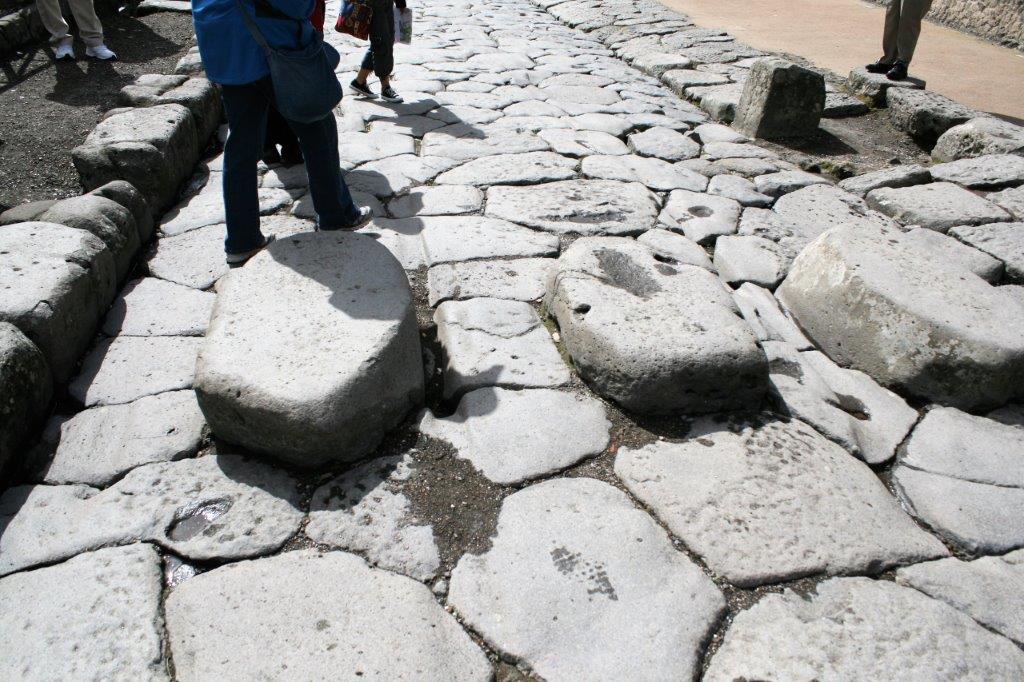
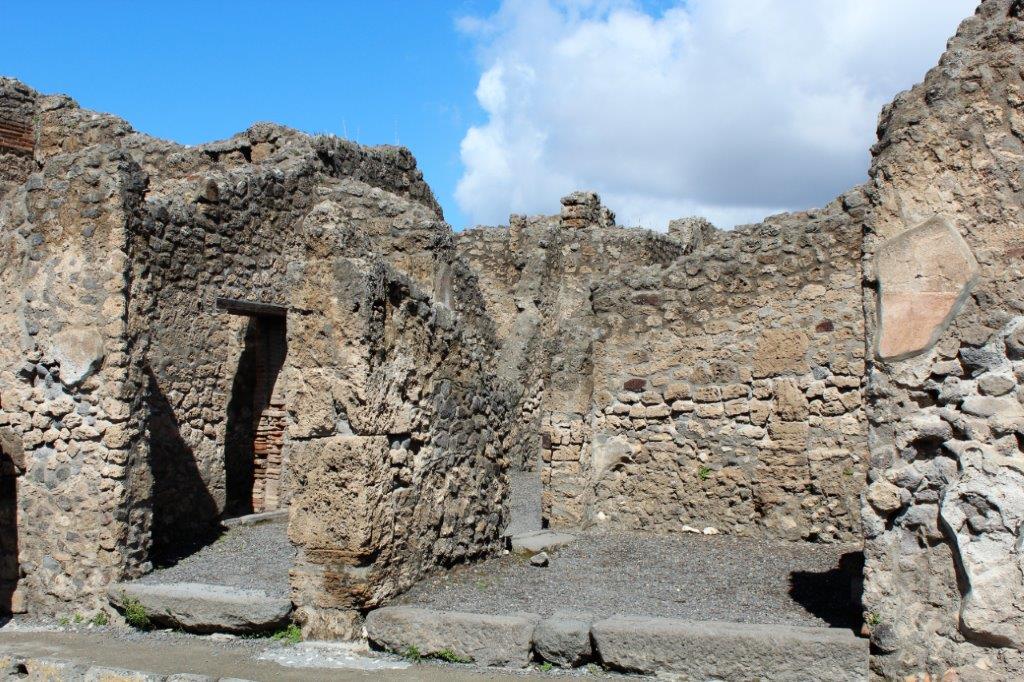
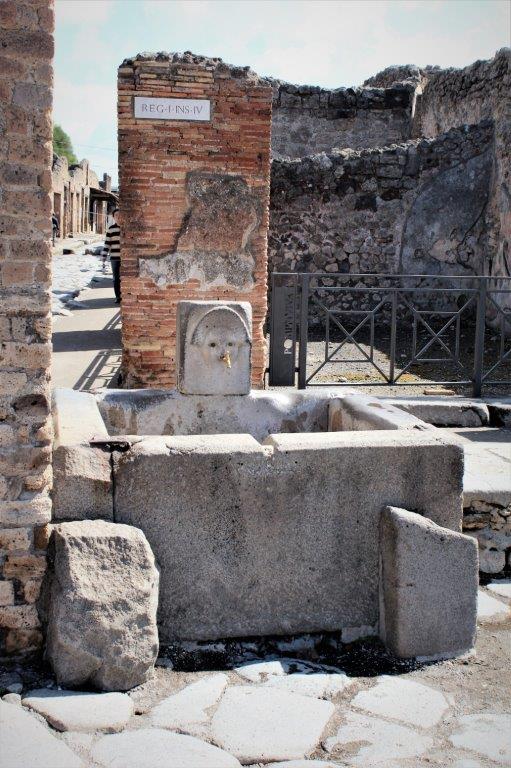
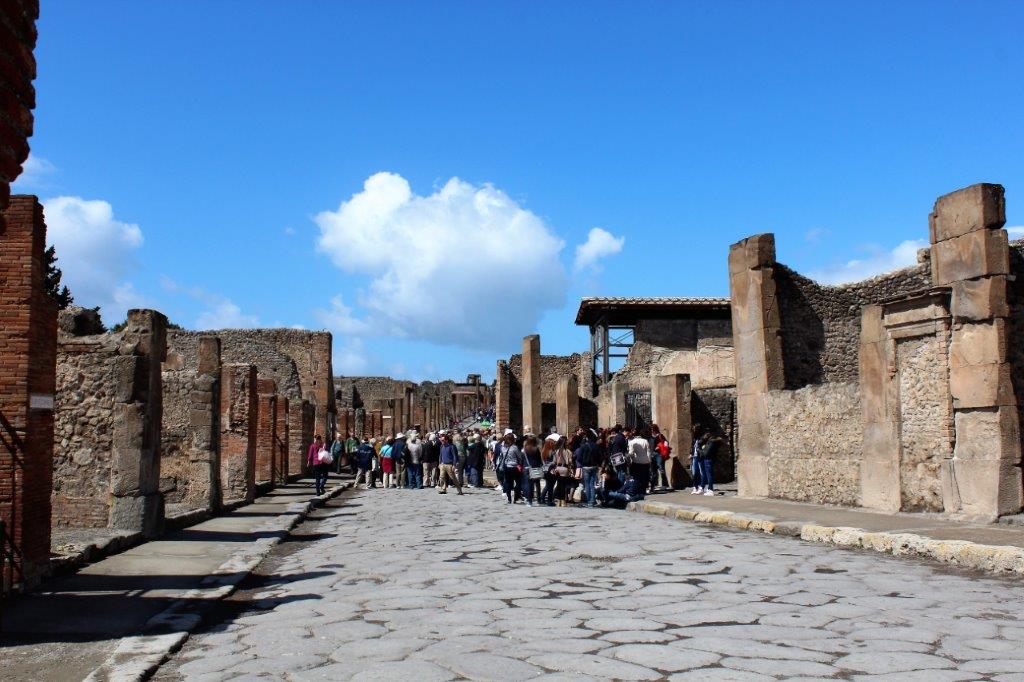
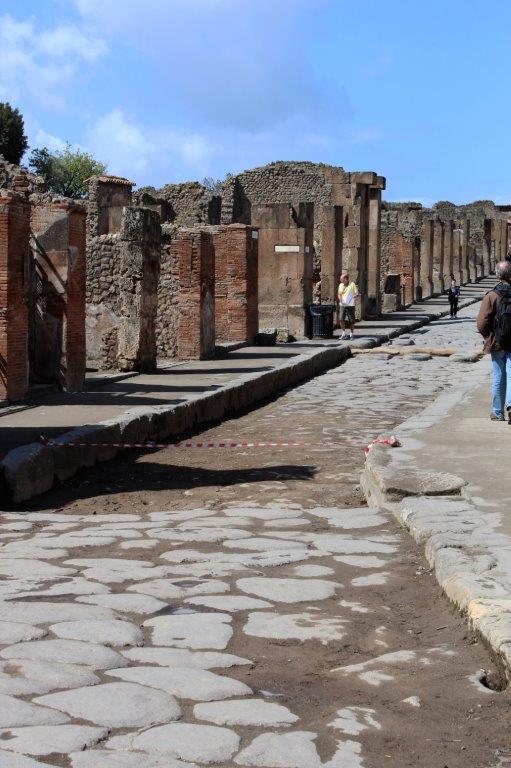
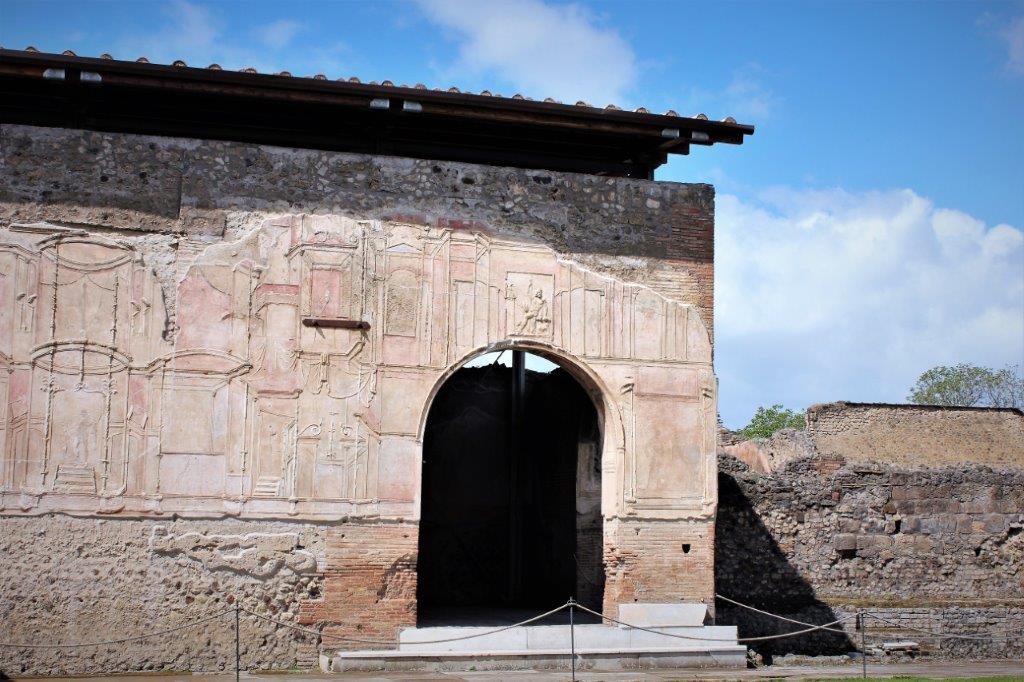
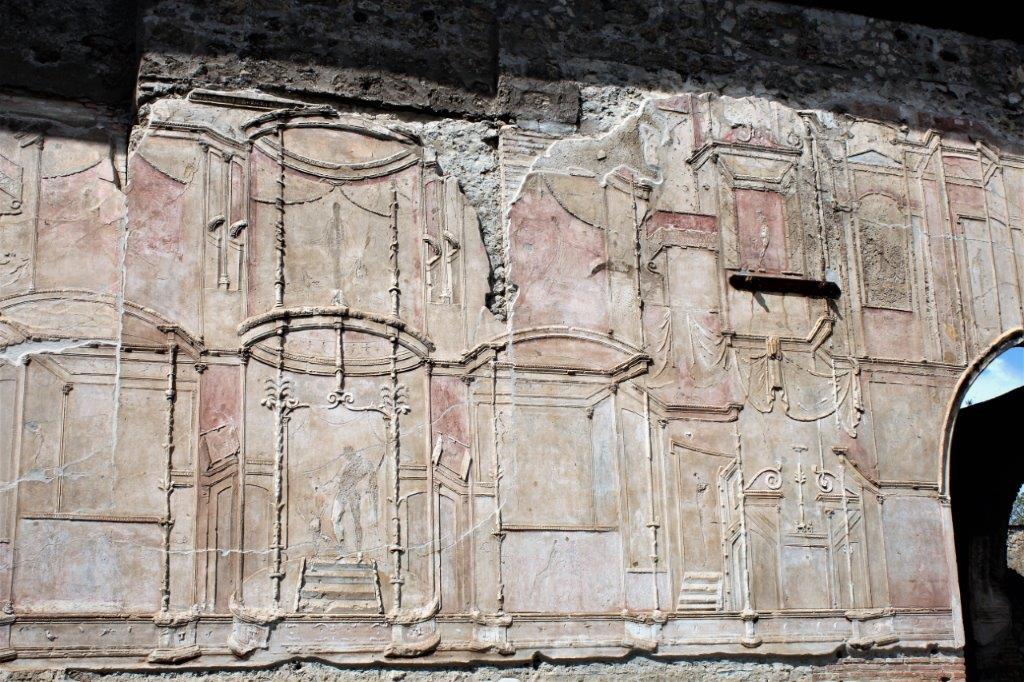
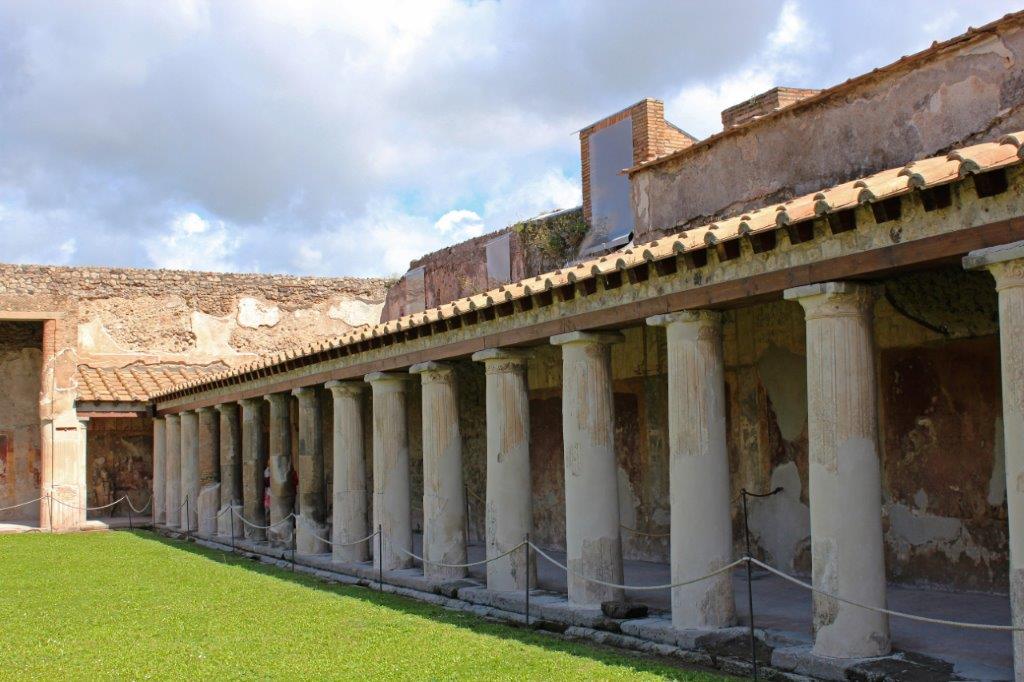
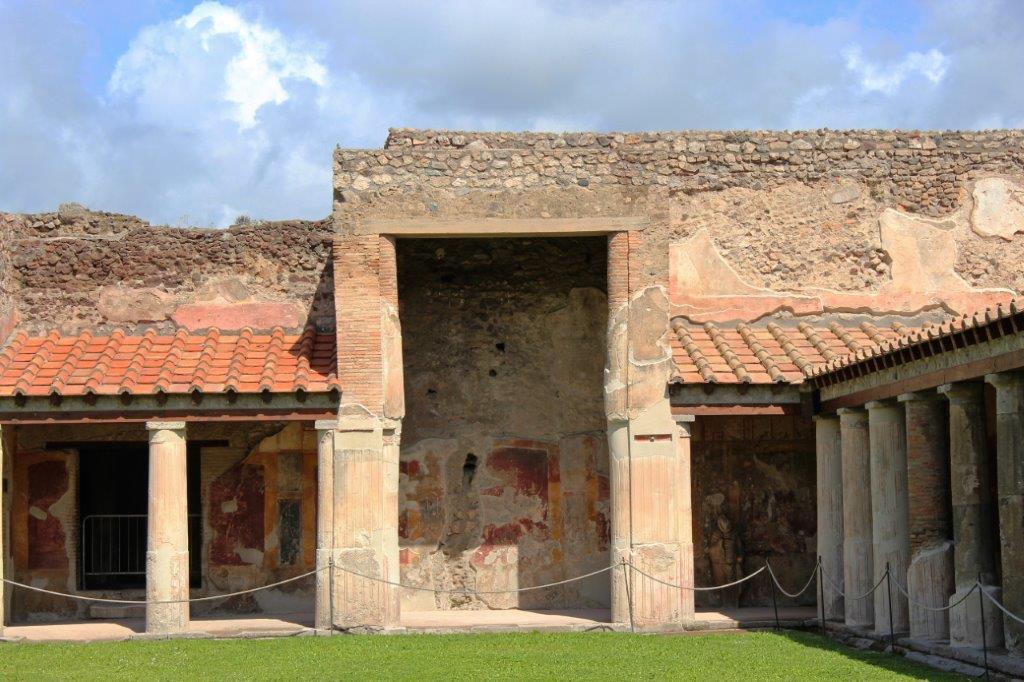
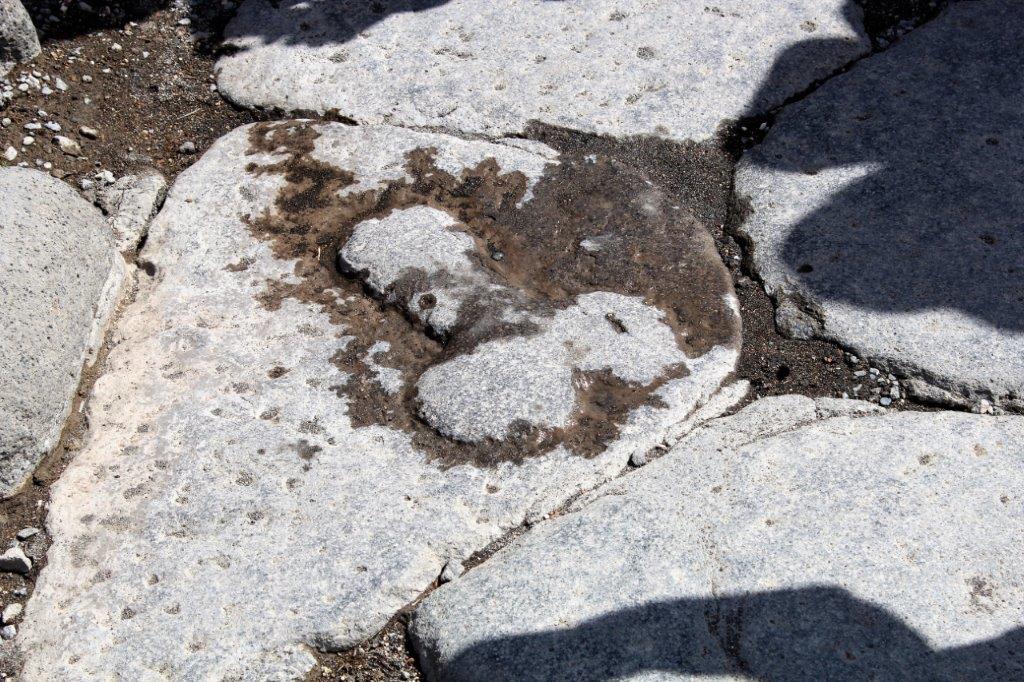
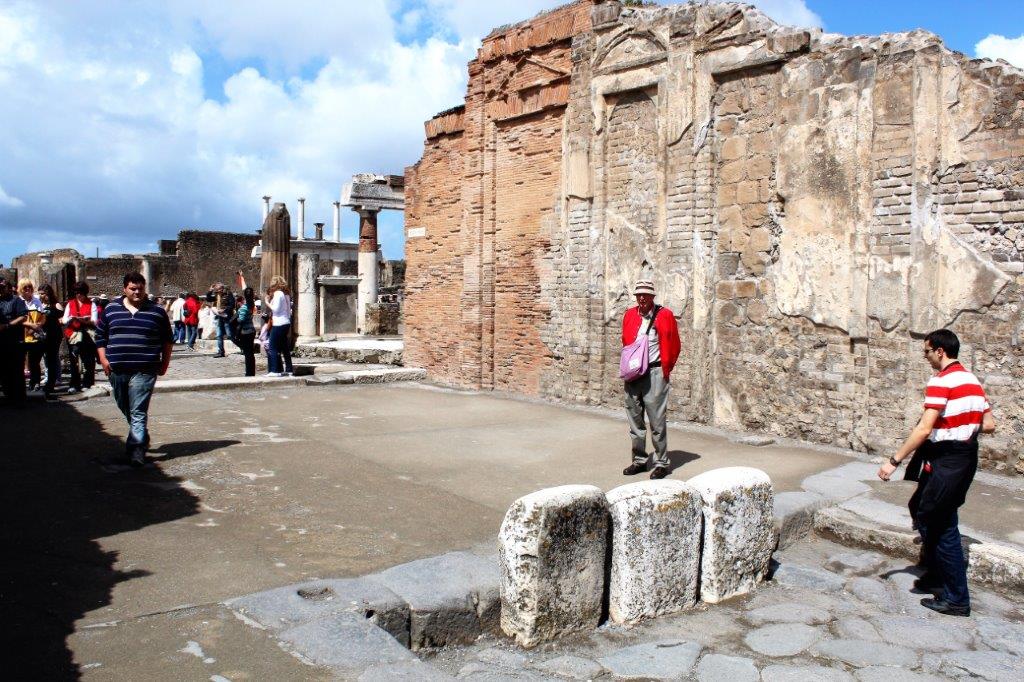
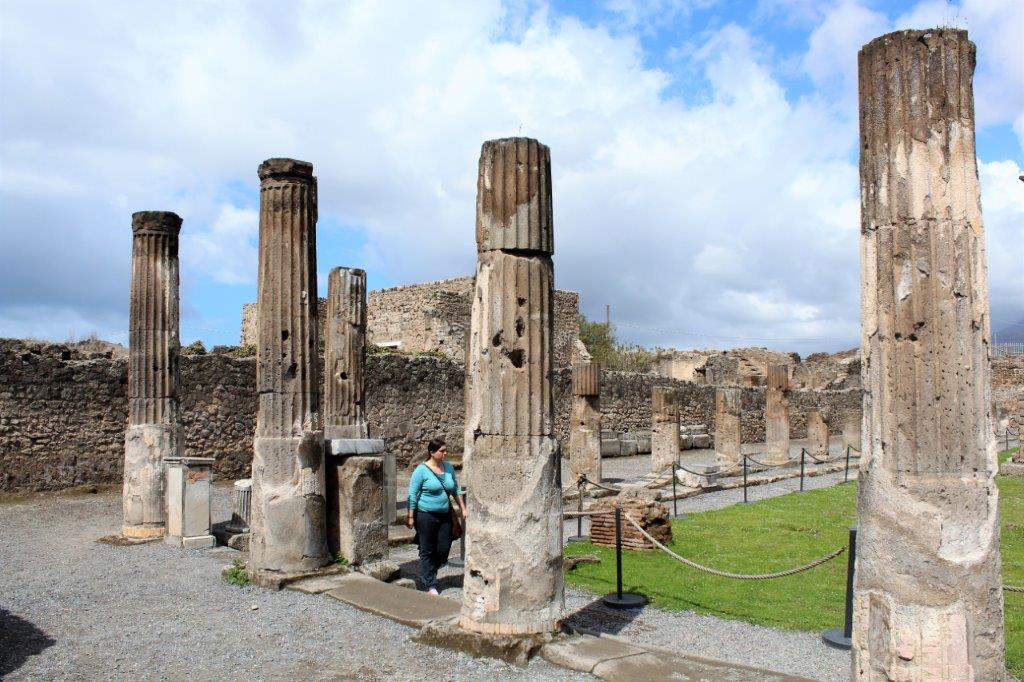
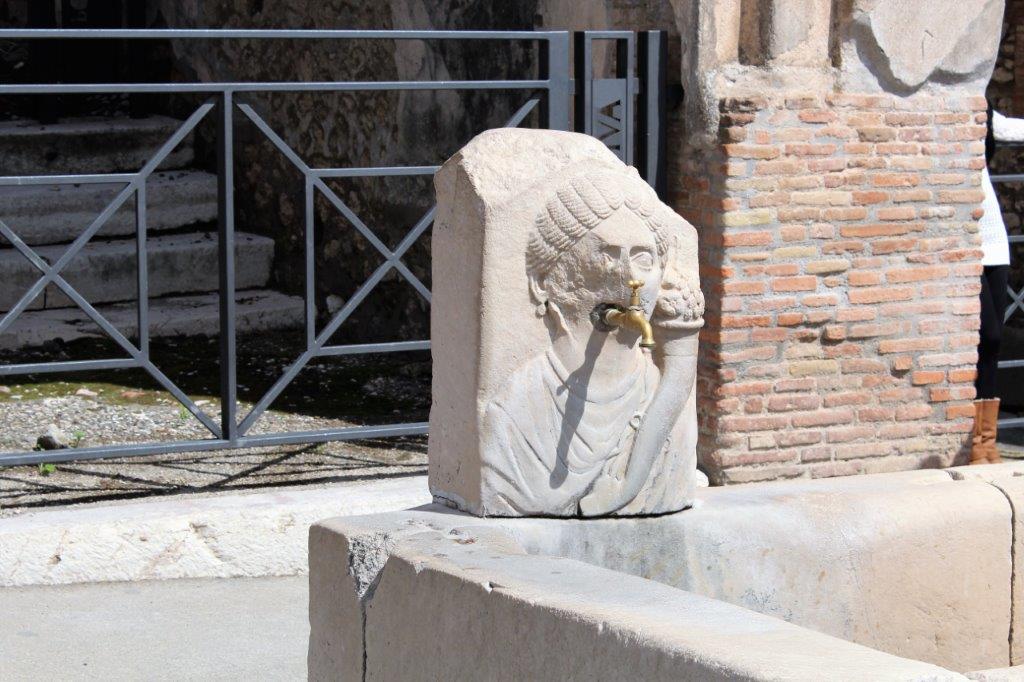
By the time the volcano stopped belching 19 hours later, Pompeii and Herculaneum were completely buried by volcanic ash and debris.  Pompeii was under about 3 or so meters ( 8′-10′).  Herculaneum was covered by 23 meters (75′).  We entered the city through the Sea Gate. Quadriportico dei Teatri – located behind the Grand Theater.   It was a place for people to stroll between acts and later served as a barracks for gladiators.                                     Teatro Grande – the Grand TheatreVicolo dei Menandro – basically Menandro Street.Look at the ‘ruts’ in the stone road from the iron chariot wheels.  They had three different water supply systems – one for the wealthy homes, one for the public baths and one for the fountains.  If water became in short supply they shut down the systems in order of priority:  The wealthy households lost their water first, the public baths next and the fountains last.   Interesting priorities.

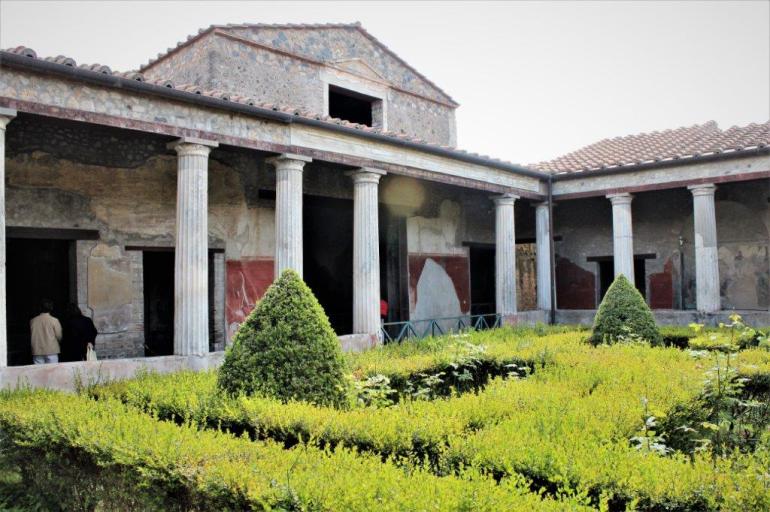
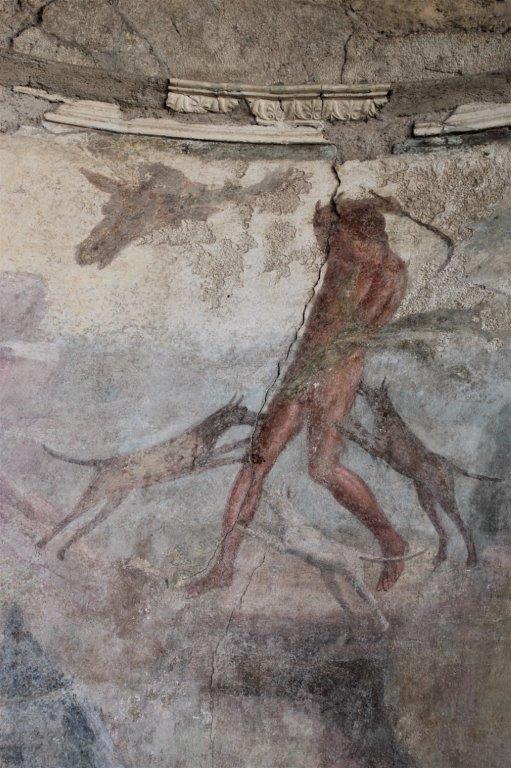
                                  Casa de Menandro
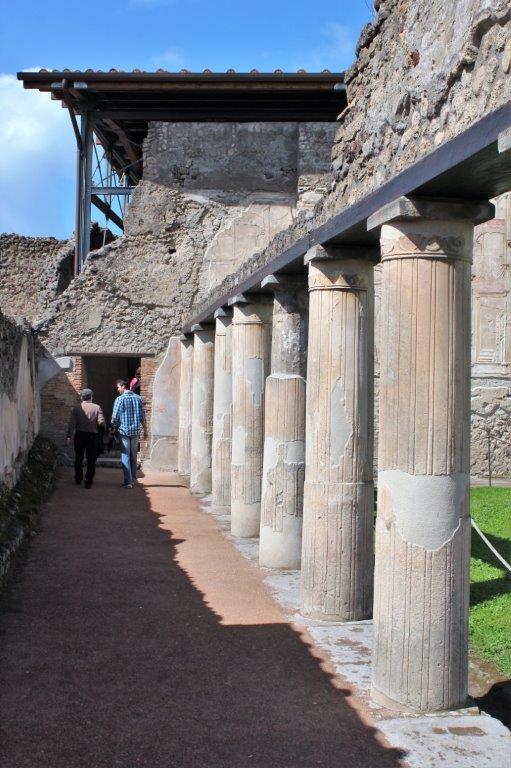
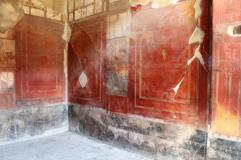
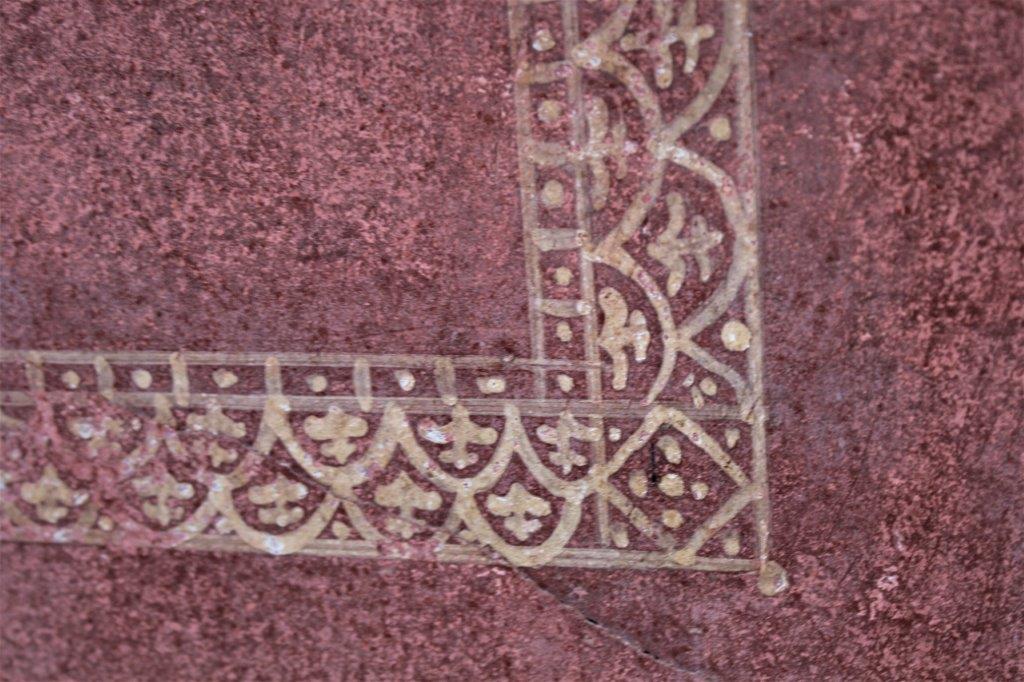
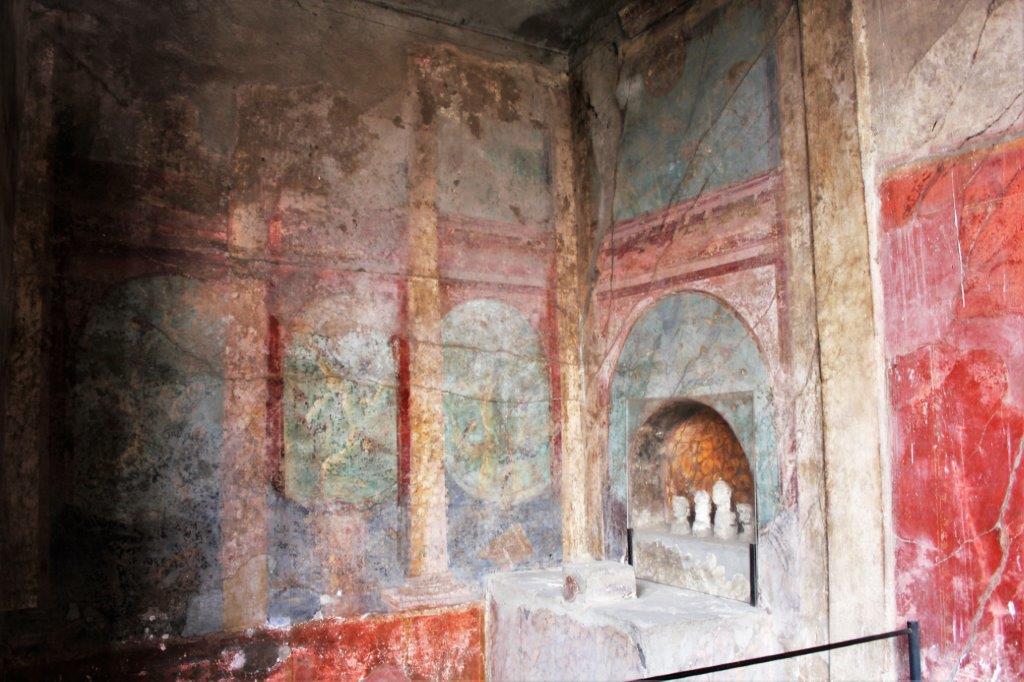
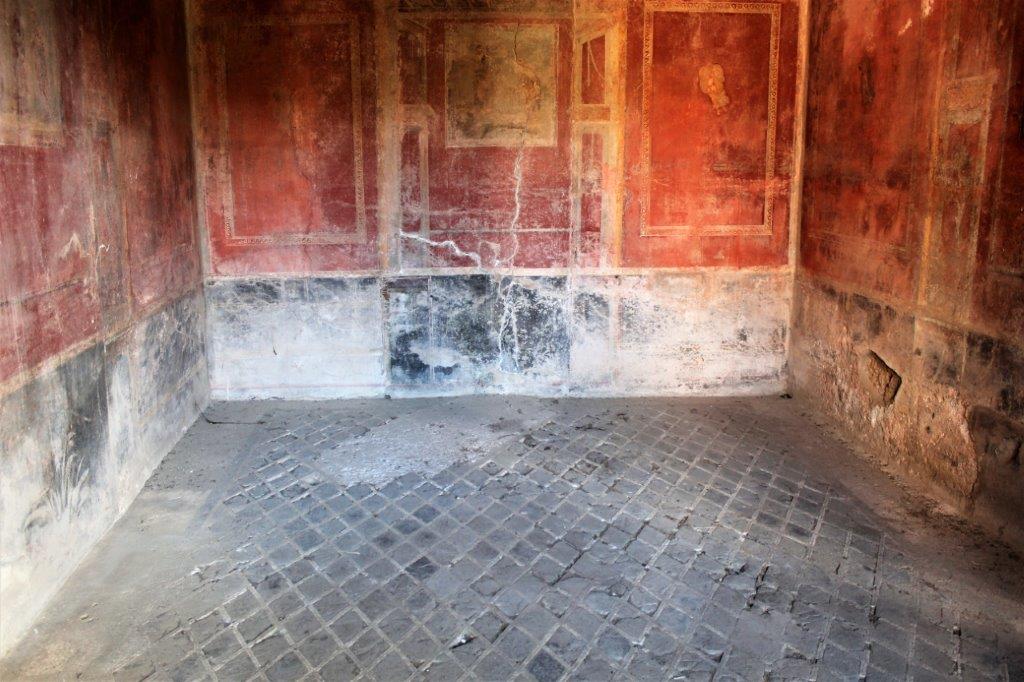
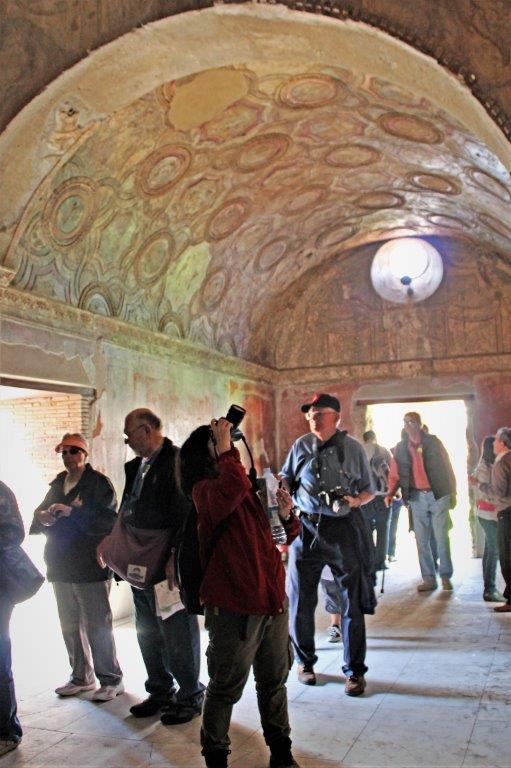
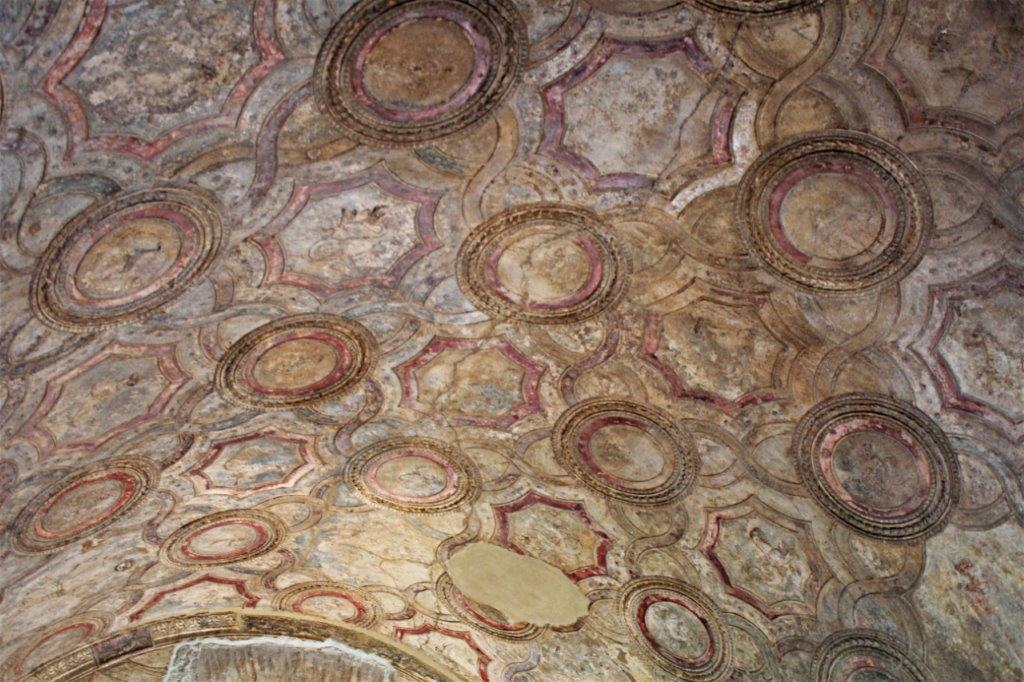
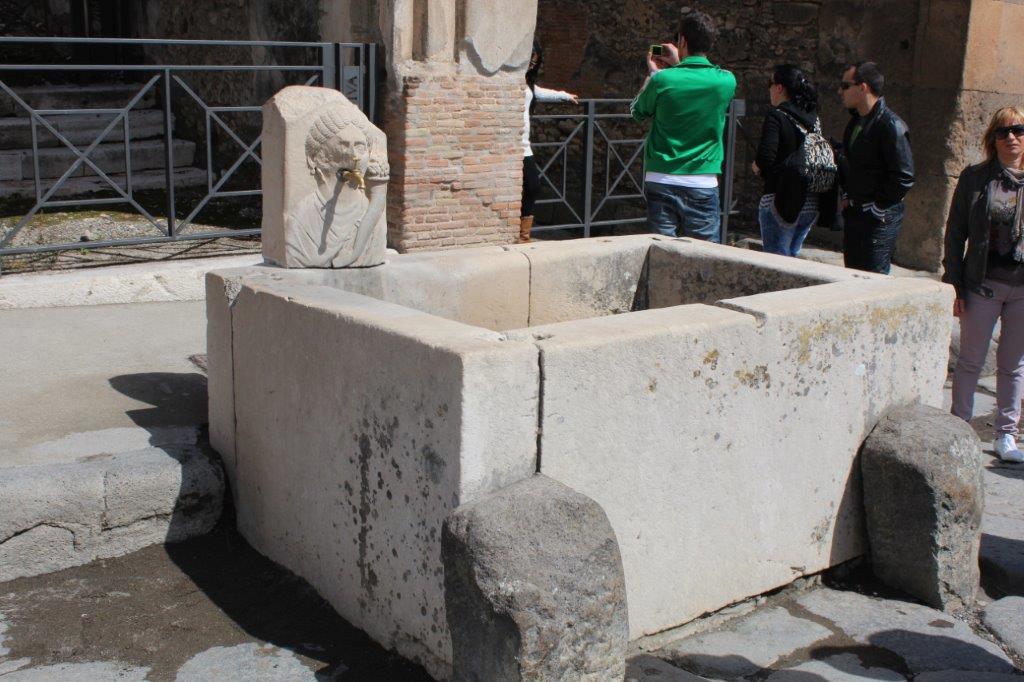
                           The little alcove is for the household gods. The big stones blocked chariots from the street creating a pedestrian mall. All these centuries later and the colours are still so obvious.  The Terme Stabiane – a bath complex; now used for some displays.

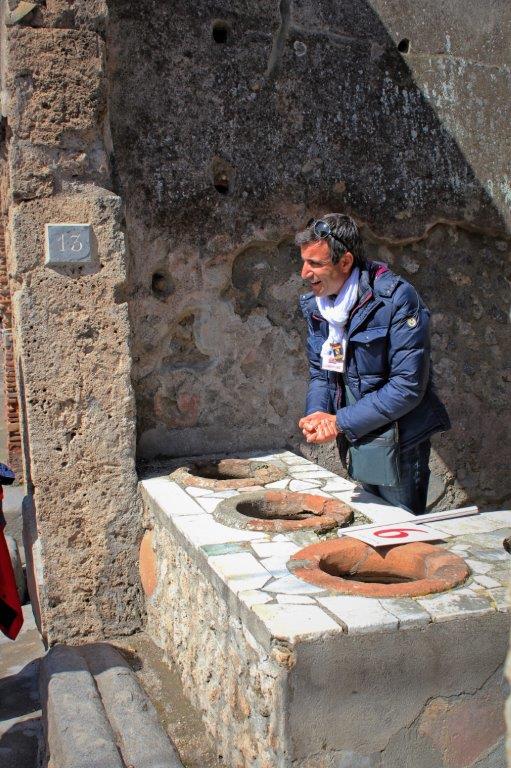
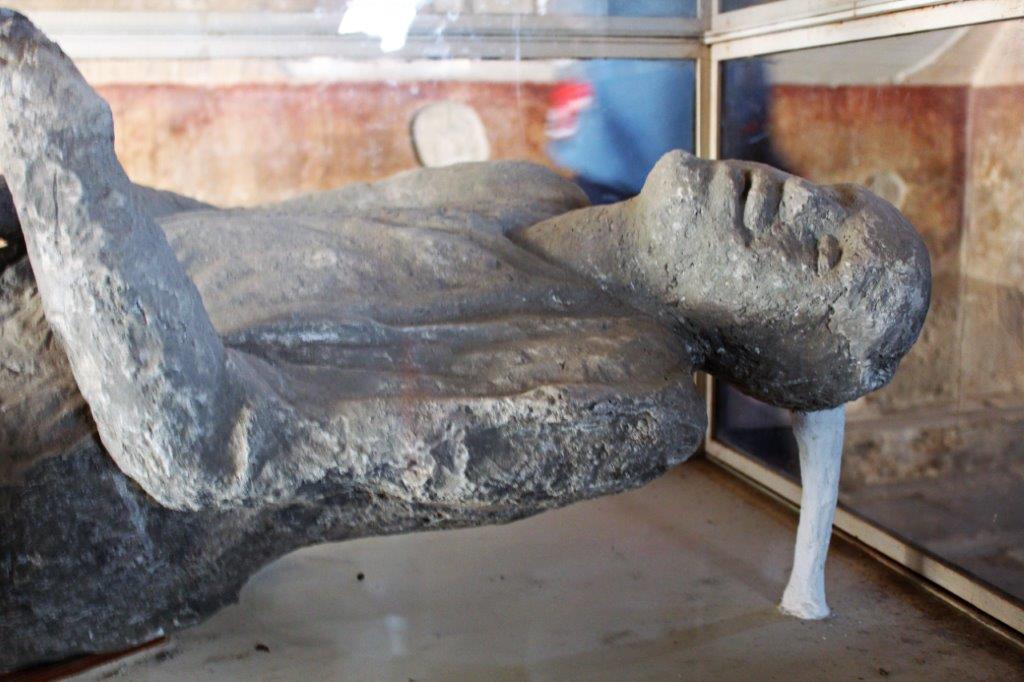
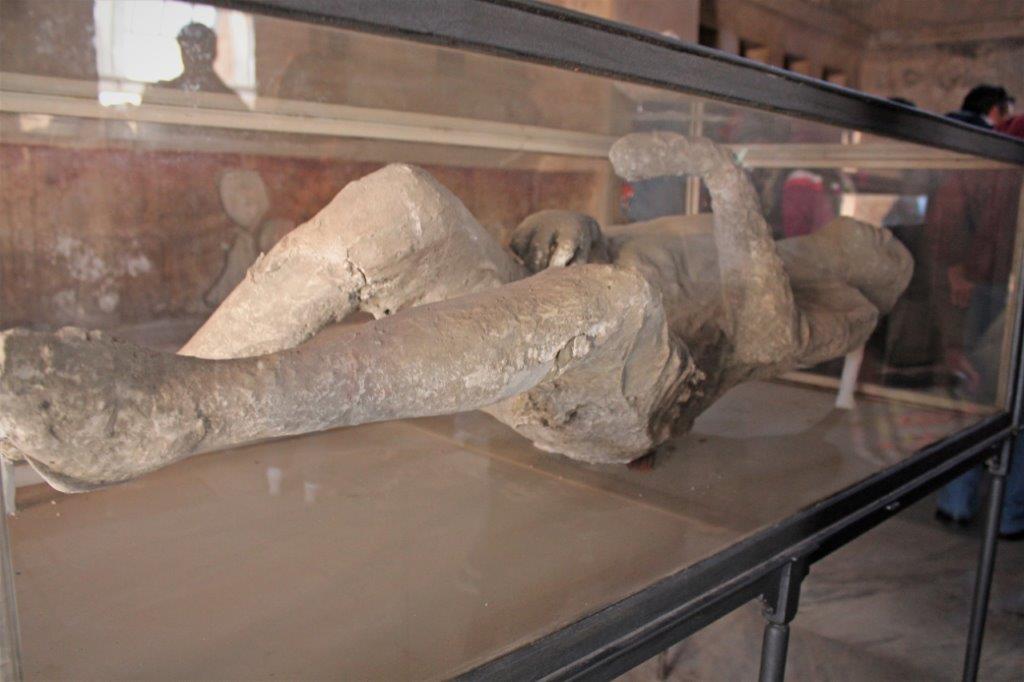
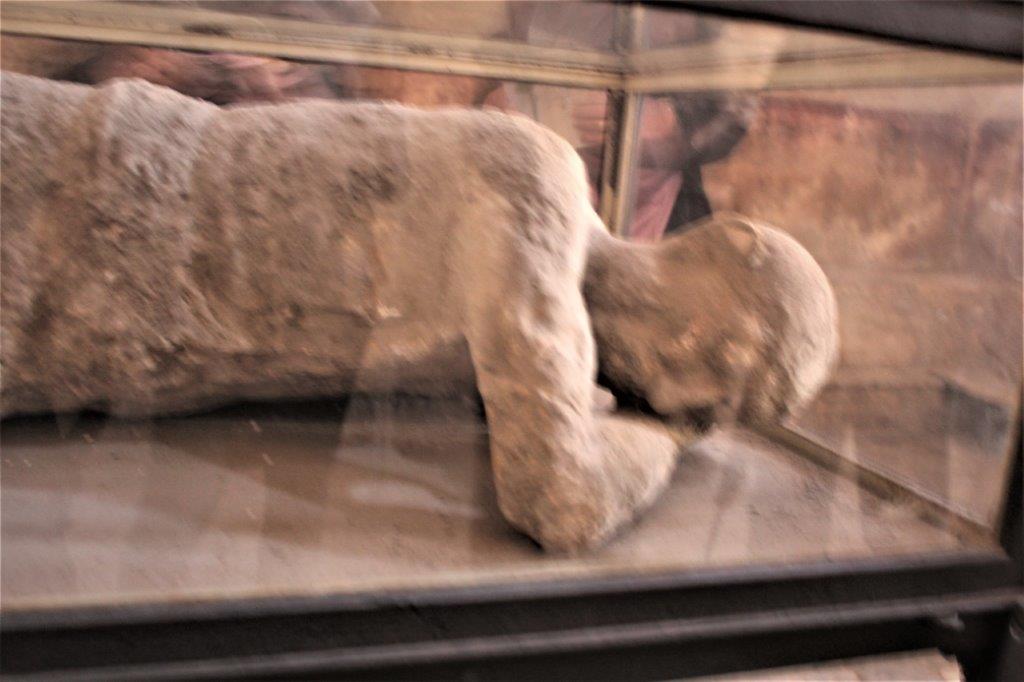
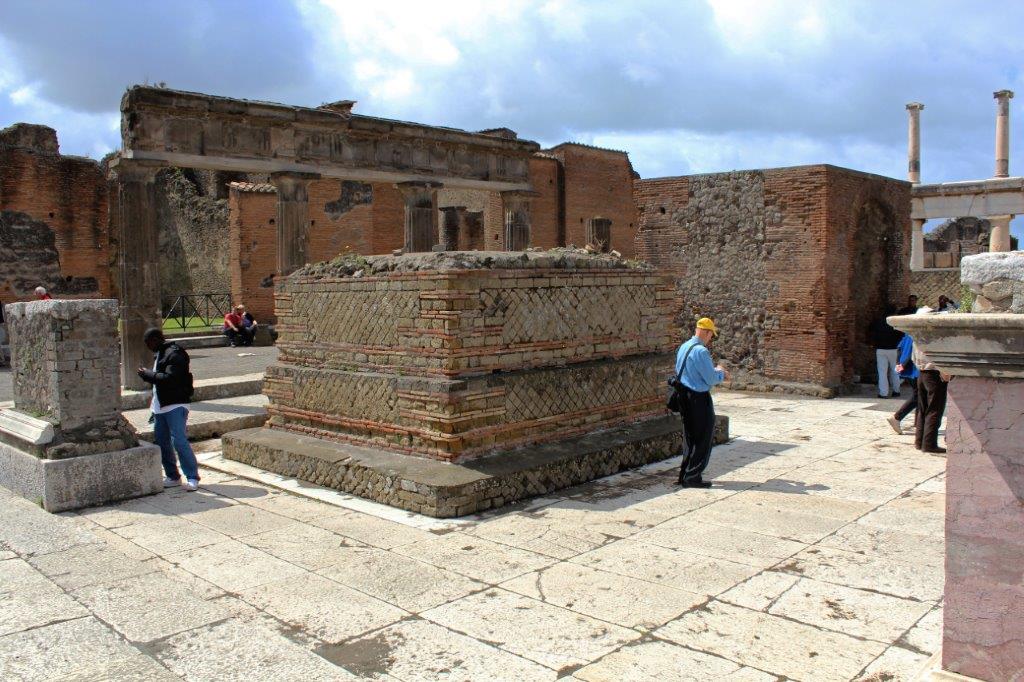
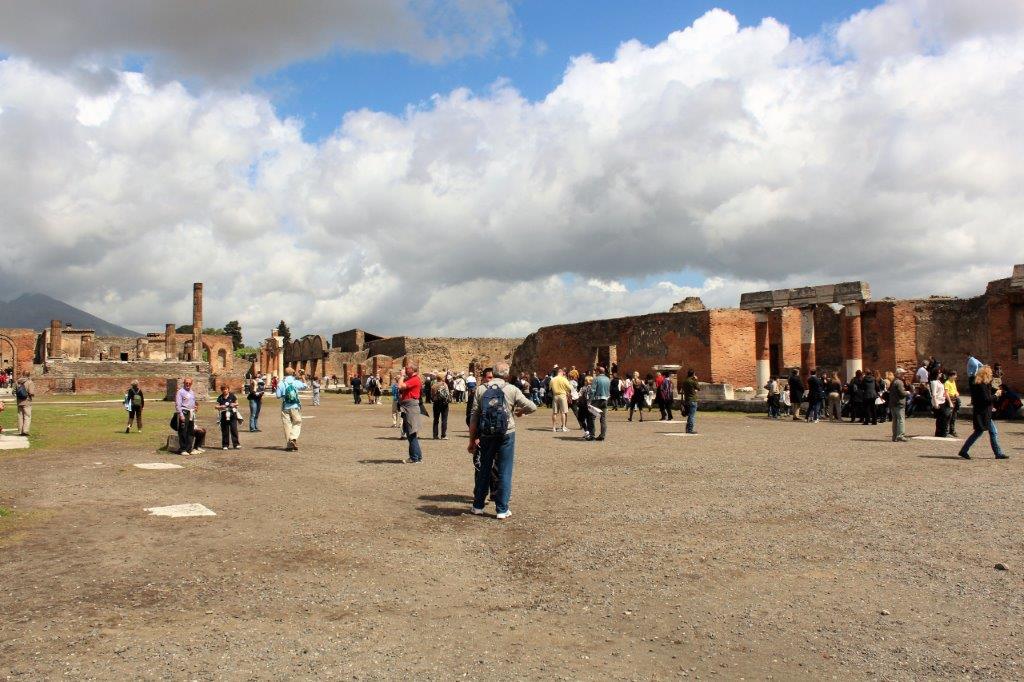
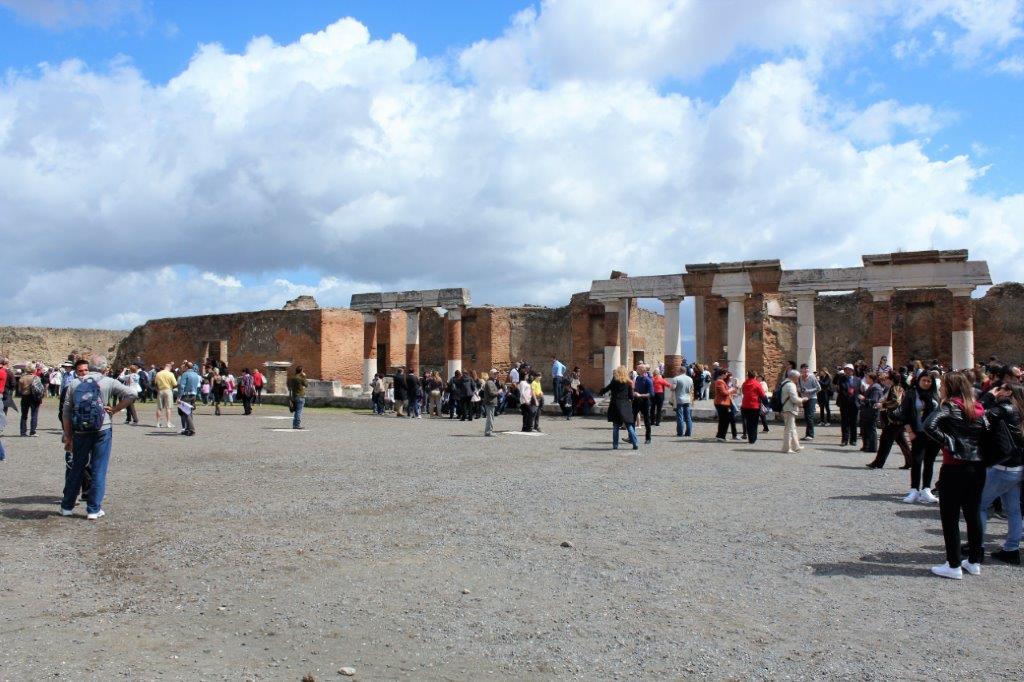
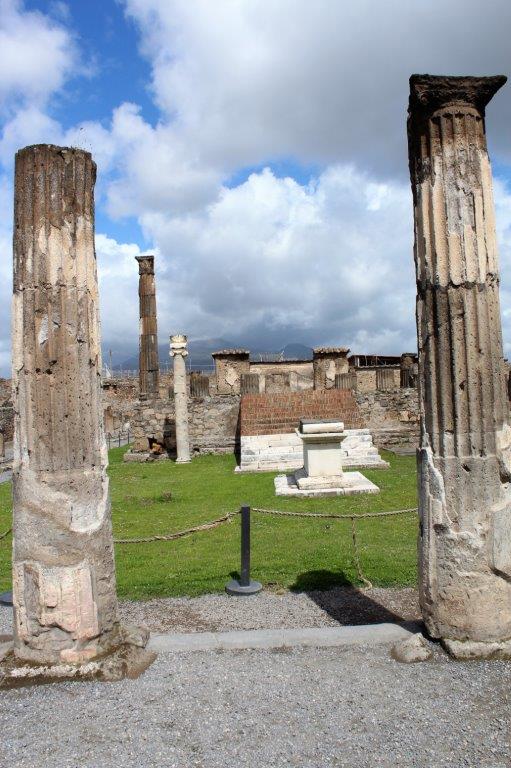
Archaeologists learned to fill a discovered void with plaster as it was often caused by a body.  If they broke open the space the shape would be lost.          Via dell’ Abbondanza – ancient Pompeii’s main street.Traffic is picking up, lots more people on the site by the time we neared the end of our tour.  What do you suppose was on offer in this part of town?                              Foro – the huge rectangular main plaza.                   The Temple of Apollo.
We only saw a very small part of one corner of the city.  You would need to come back many times to walk all of the excavated streets.  Still, it gave us a sense of the city and the lifestyle of the people of the 1st century.  We had a great day. We were not very late in the afternoon returning to the ship but decided not to go wandering around Naples and rested in our cabin until dinner and sail-away.  Next stop Civtavecchia, the port nearest to Rome, two hours drive away.
 

2012 April 20 – Day 40 – Taormina, Sicily, Italy

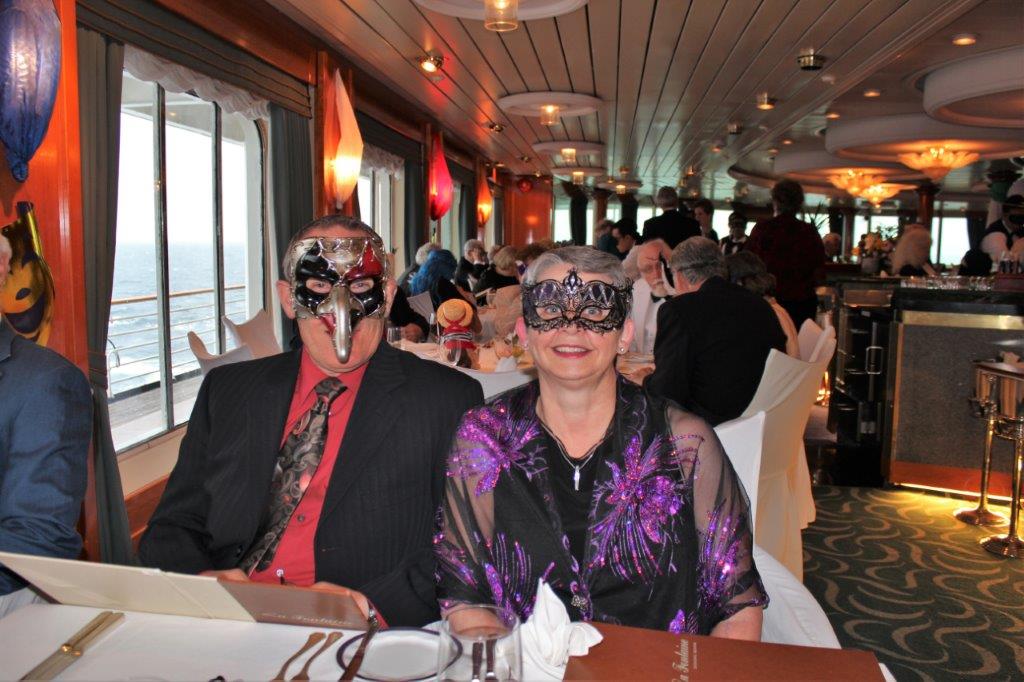
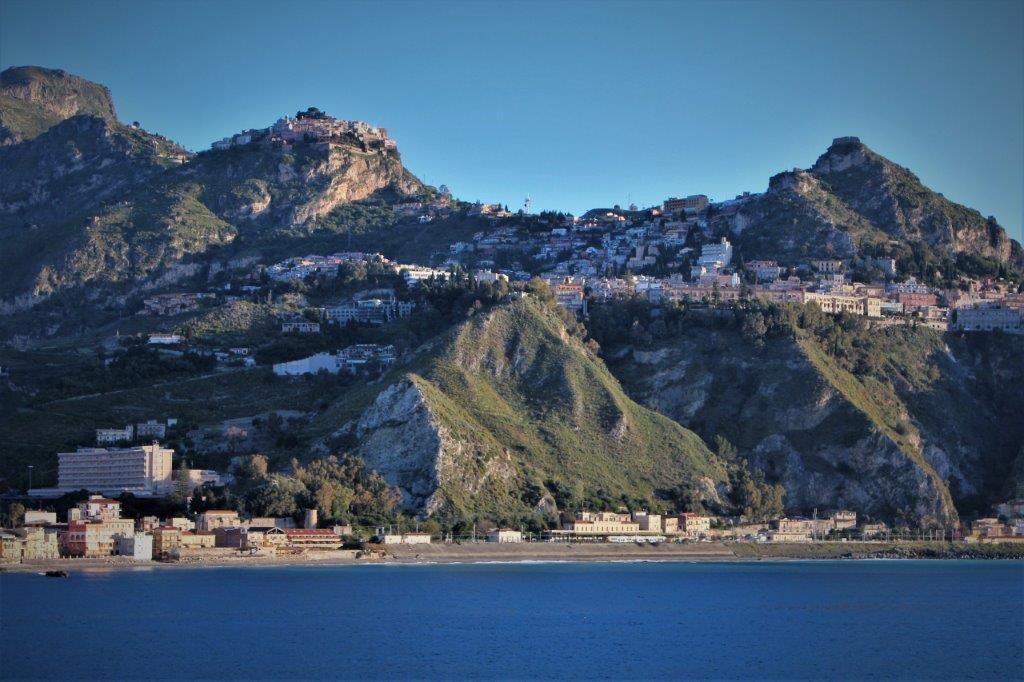
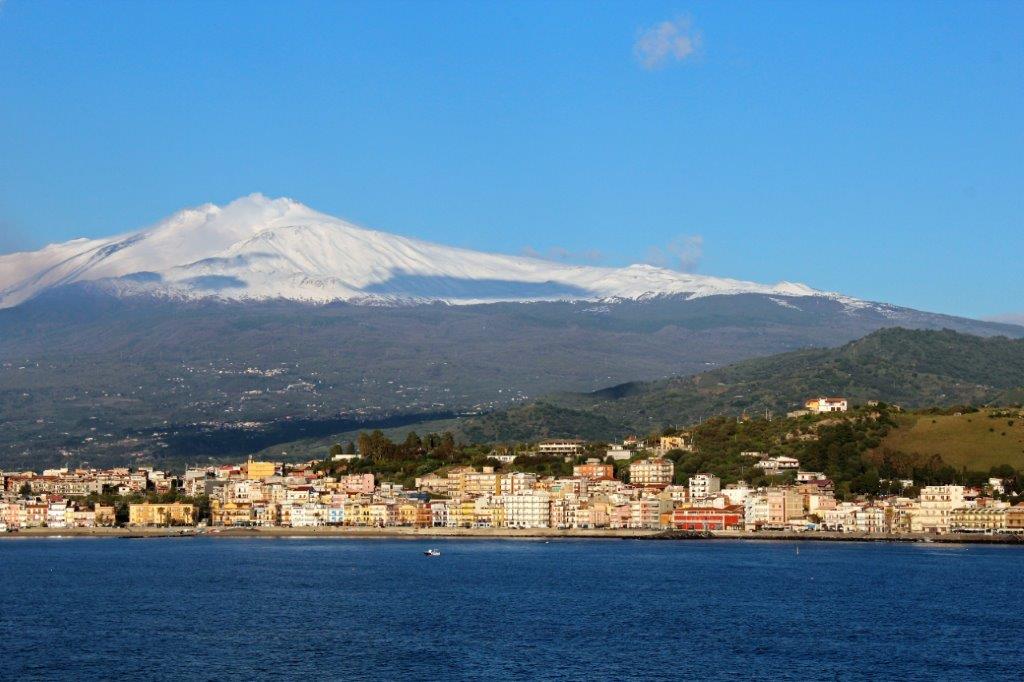
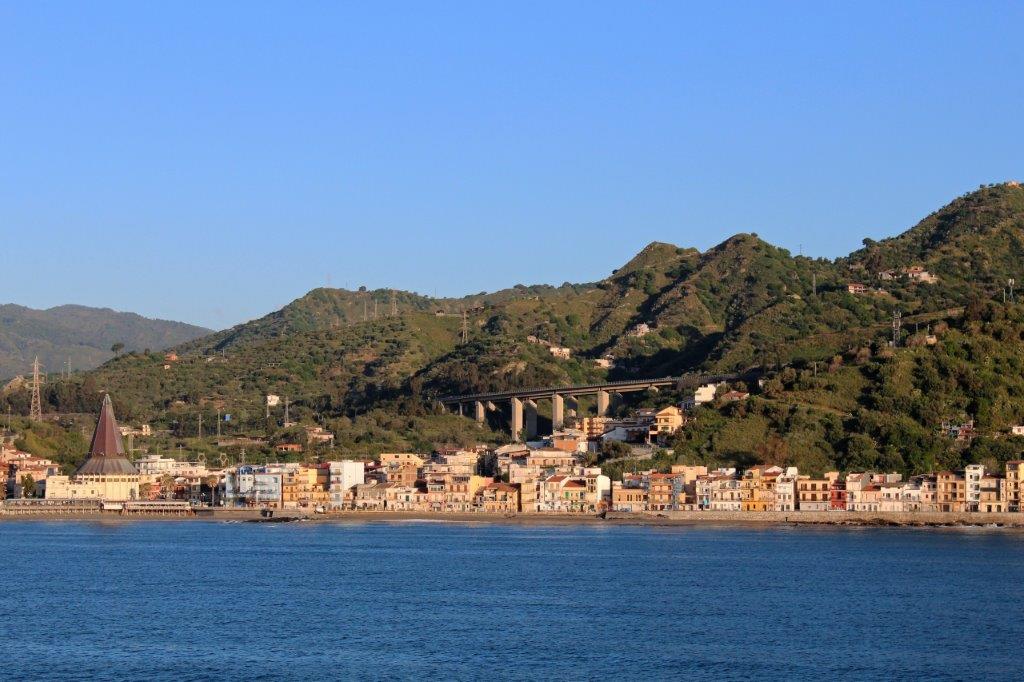
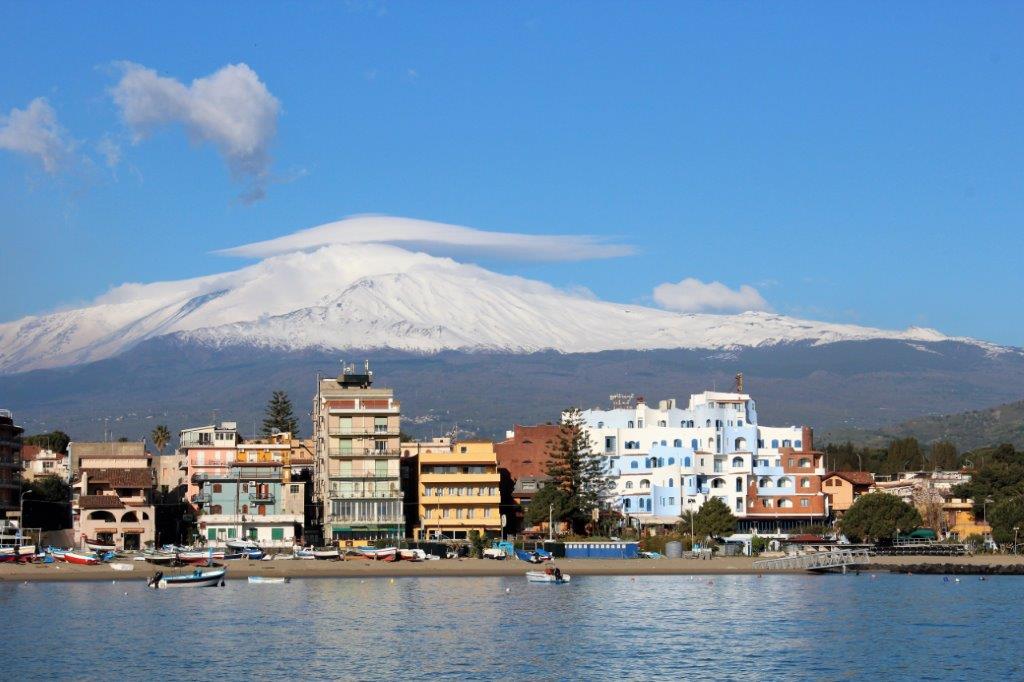
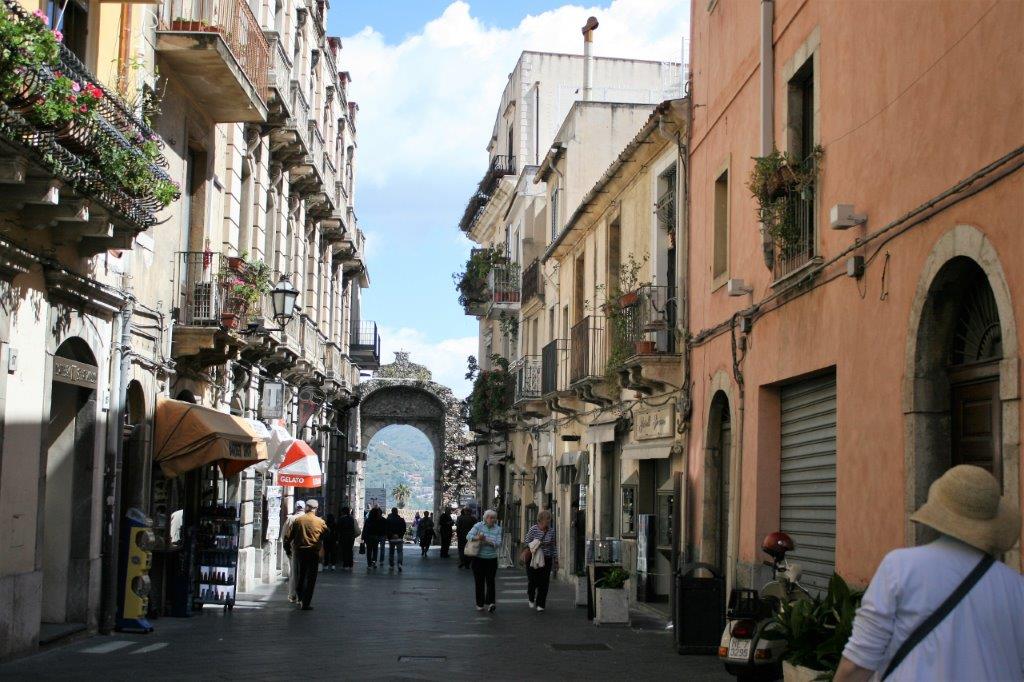
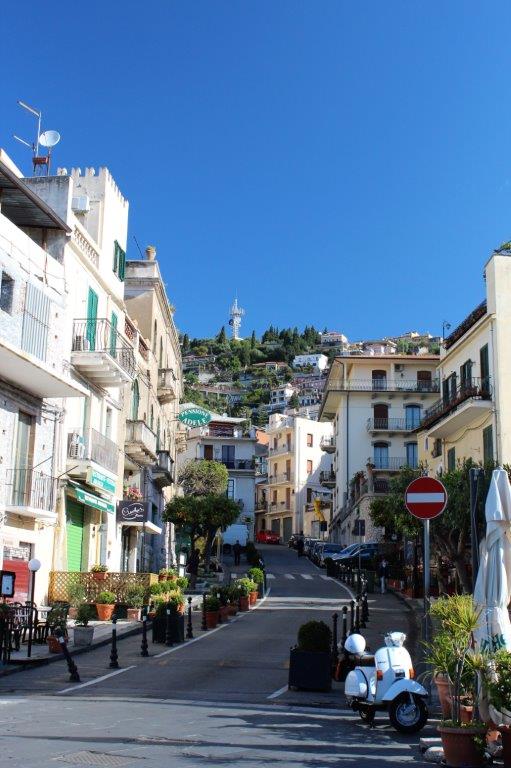
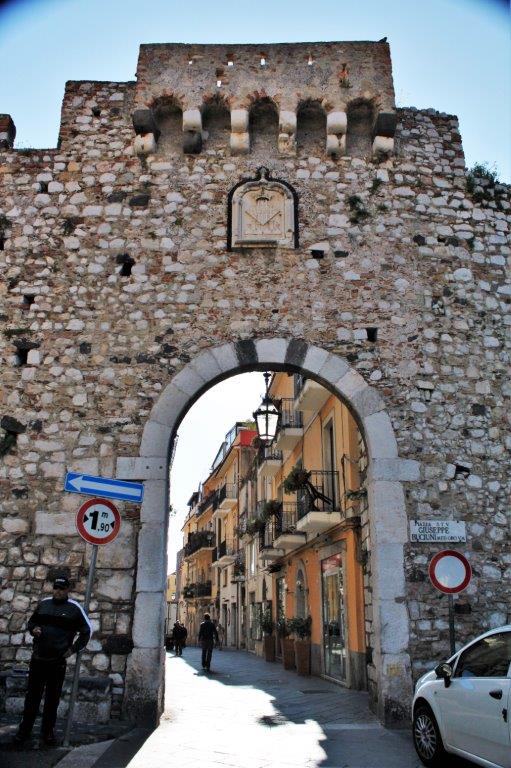
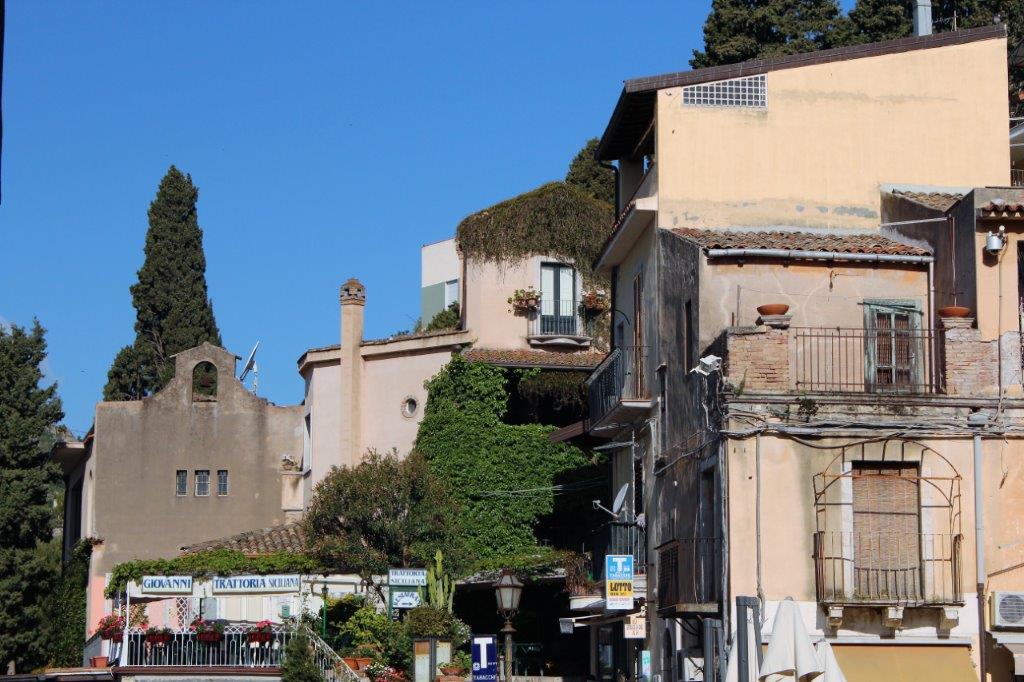
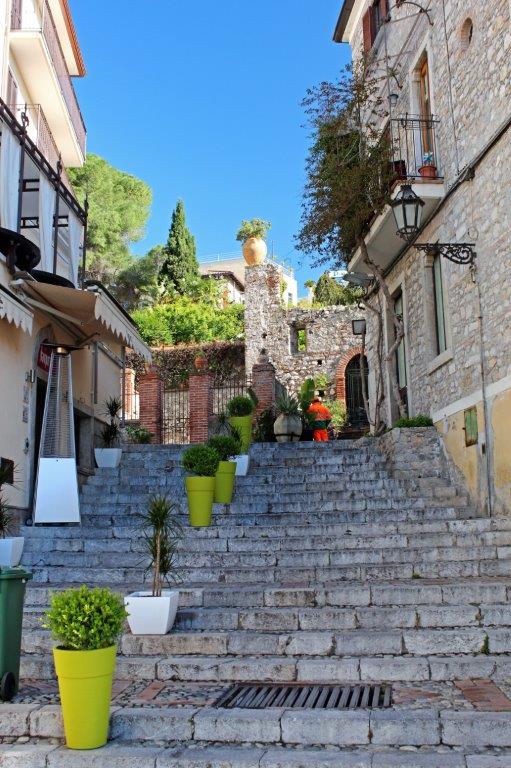
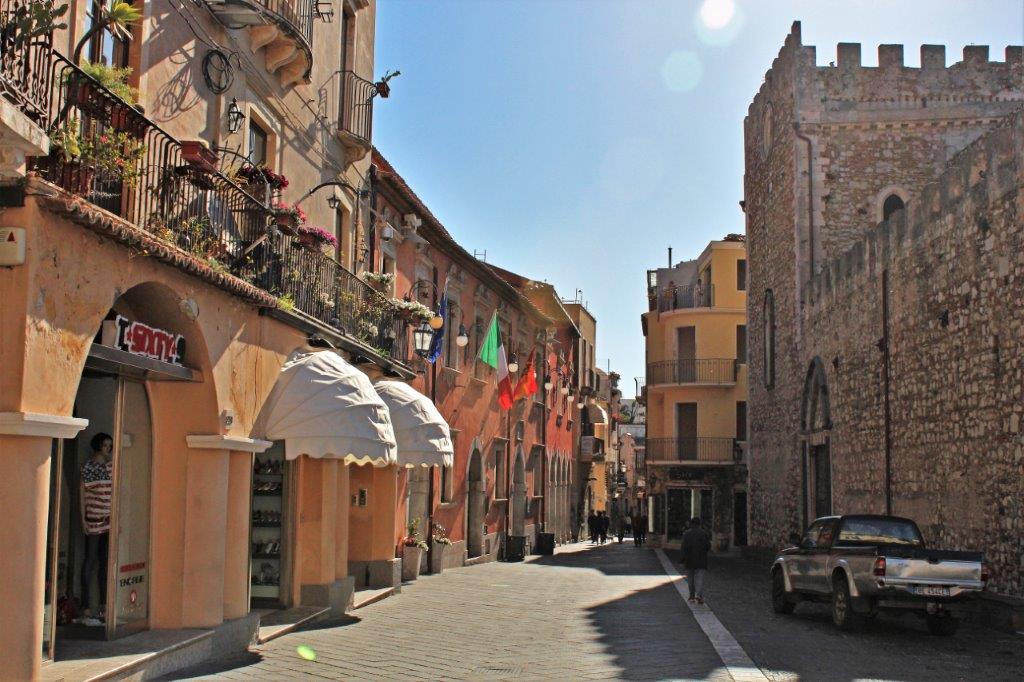
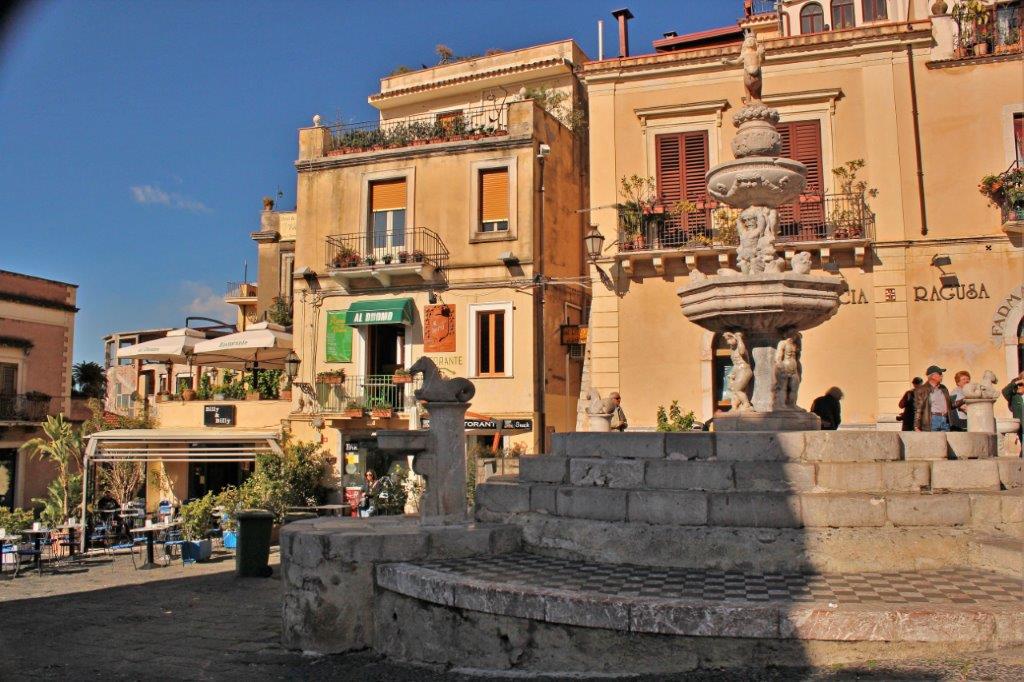
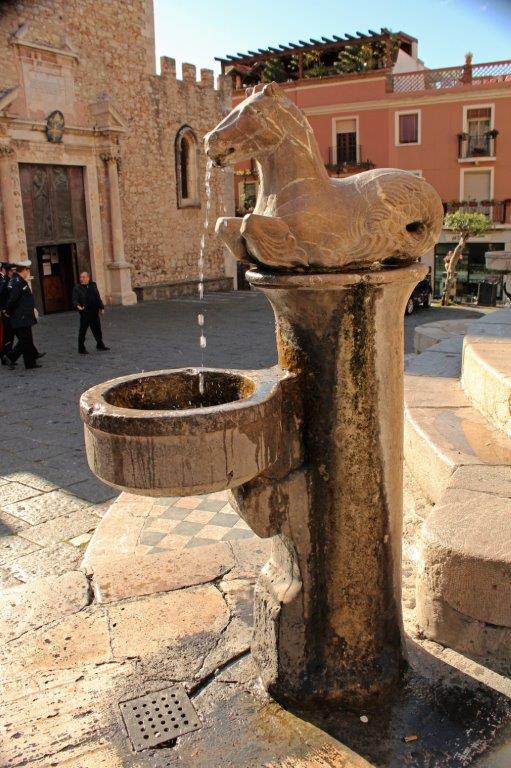
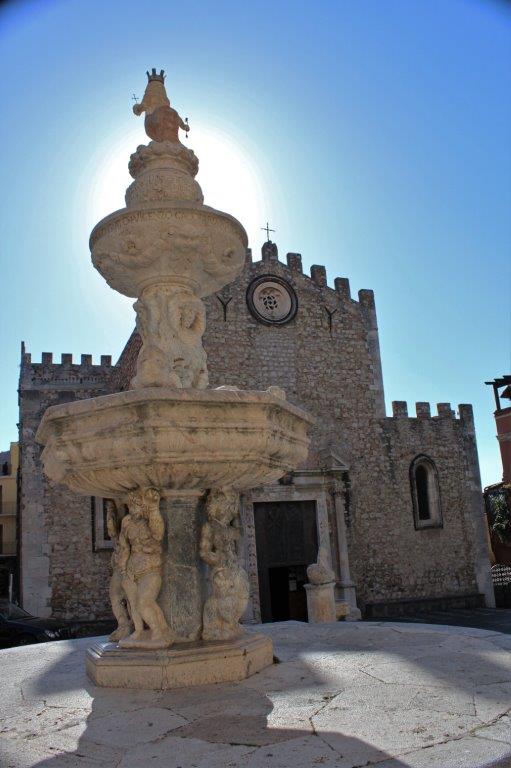
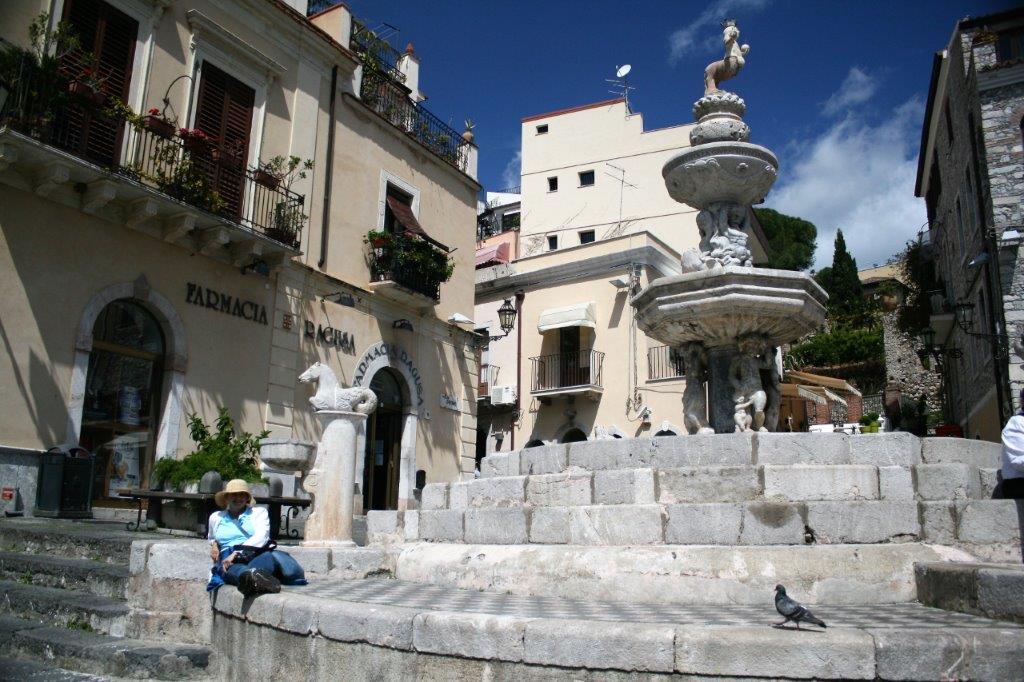
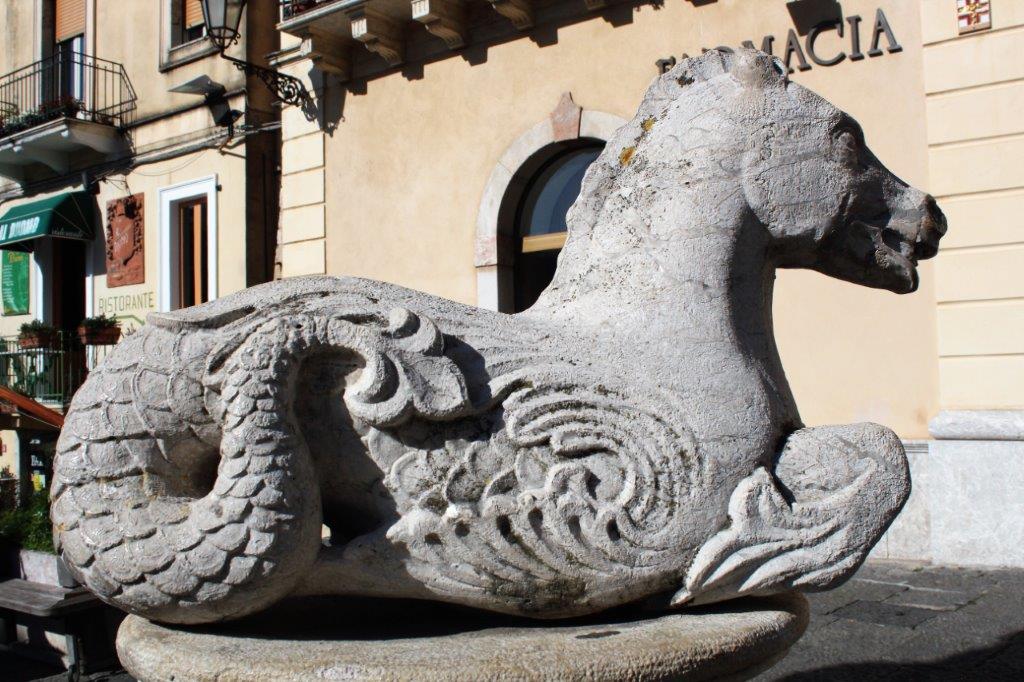
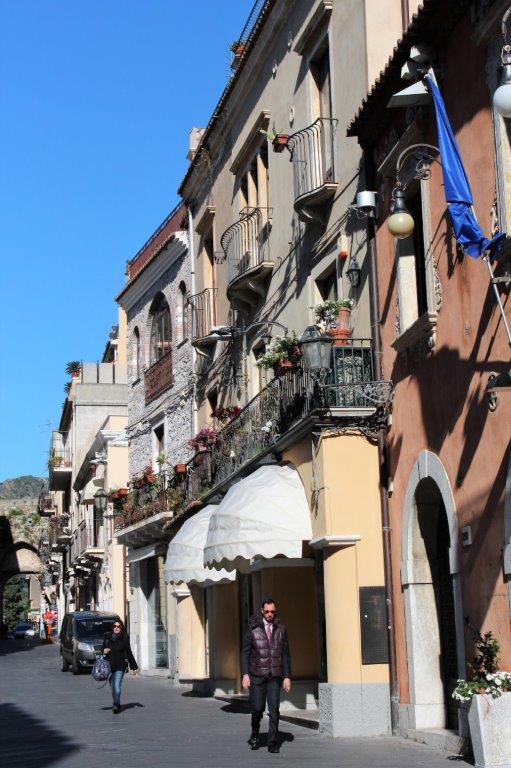
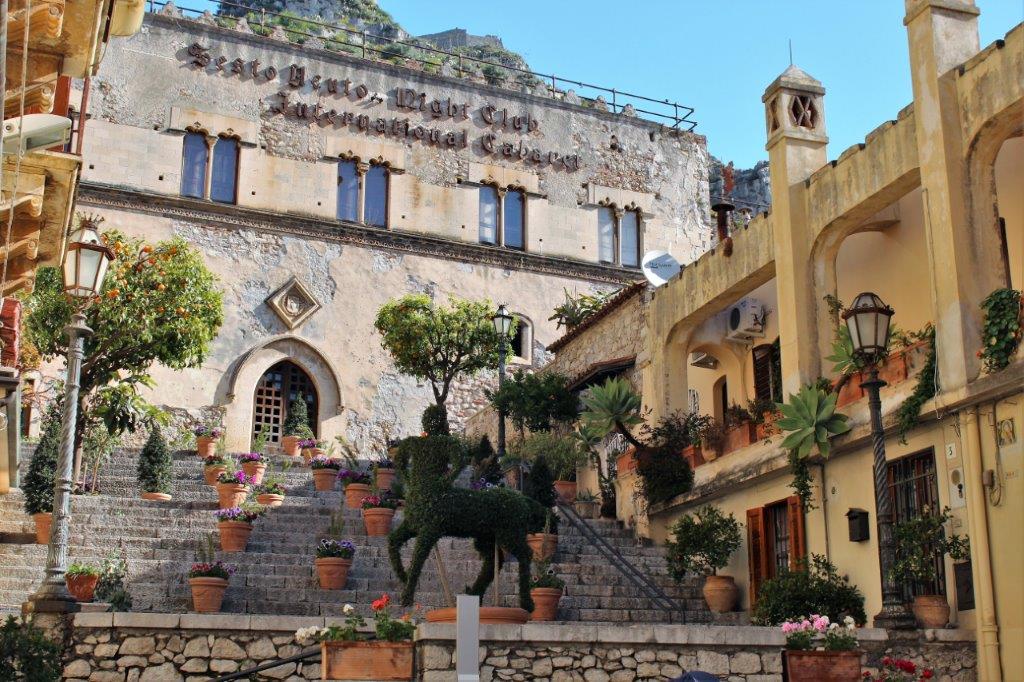
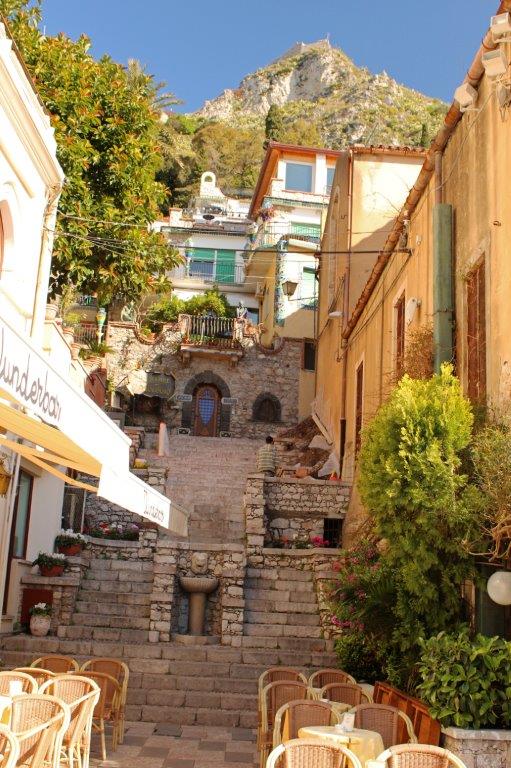
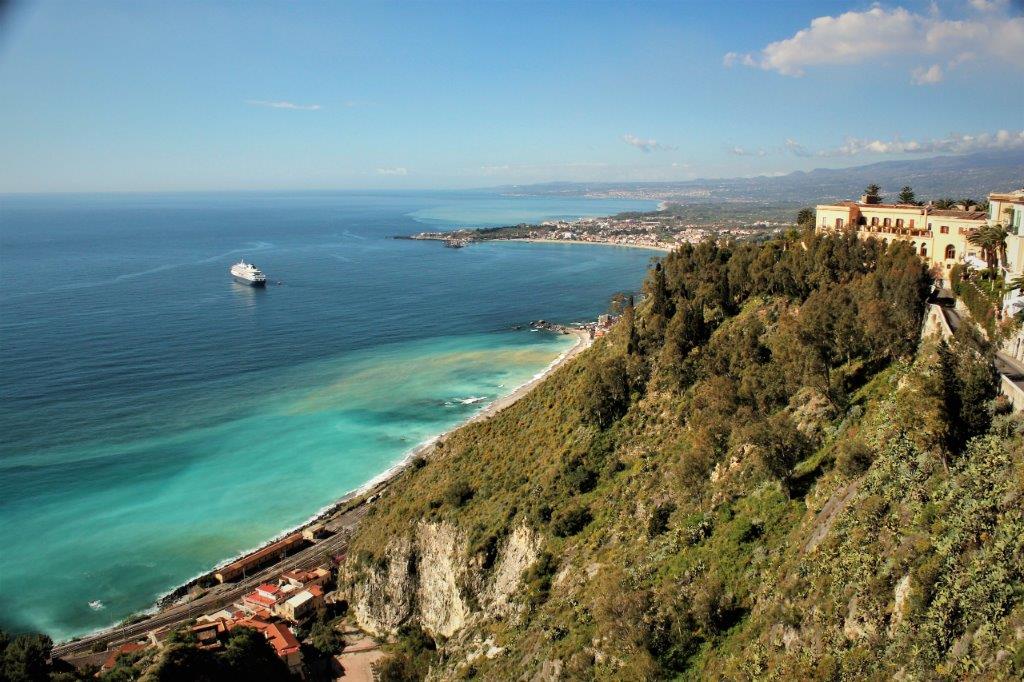
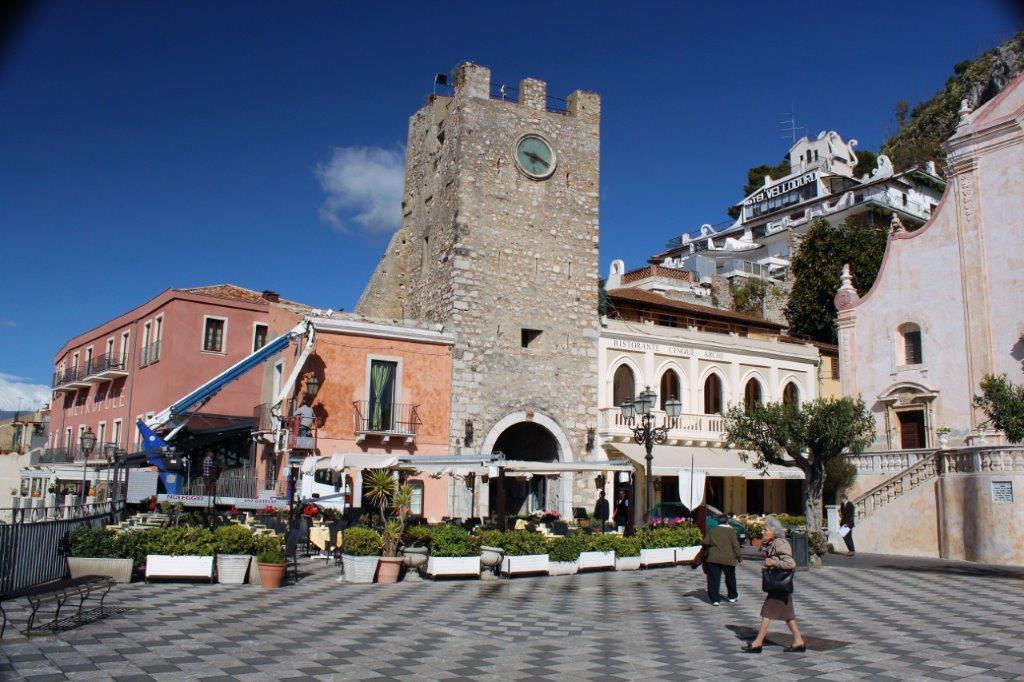
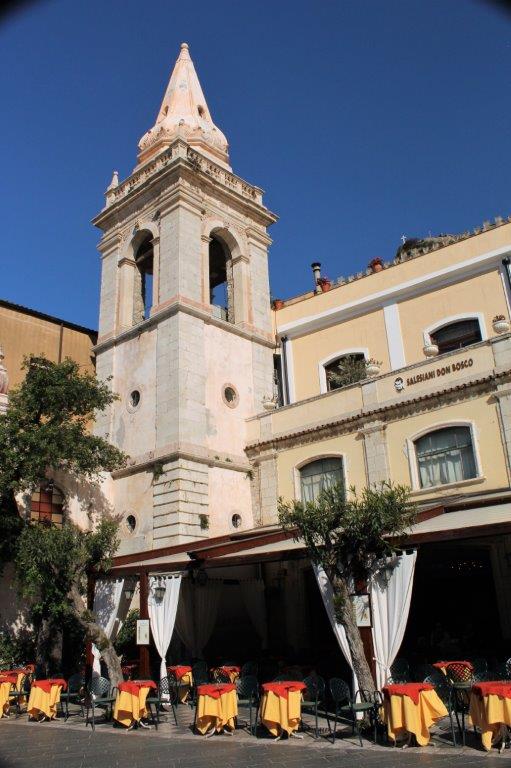
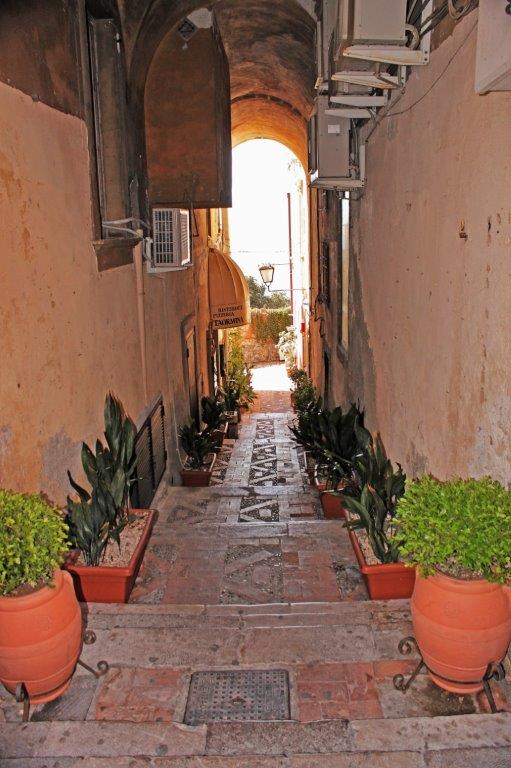
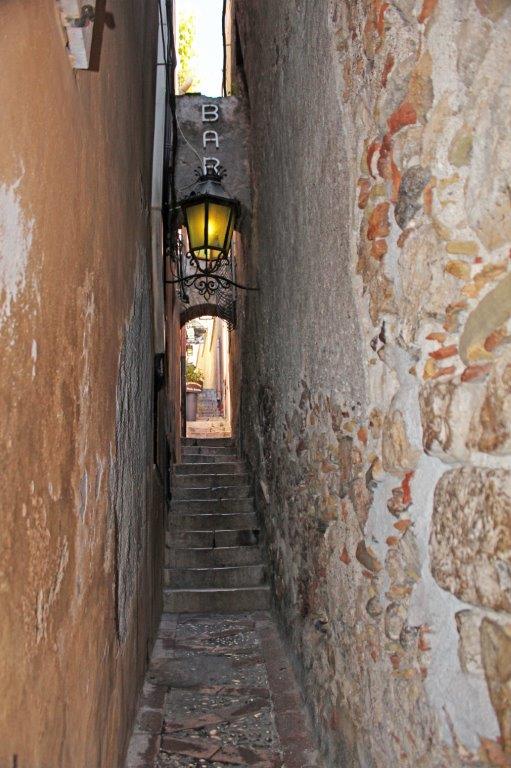
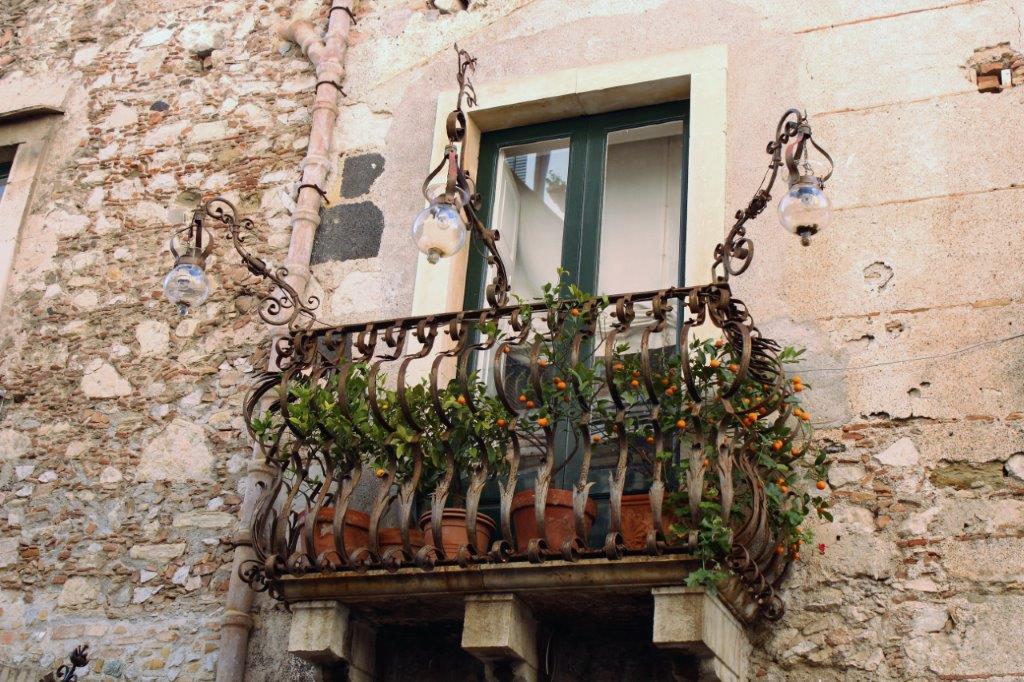
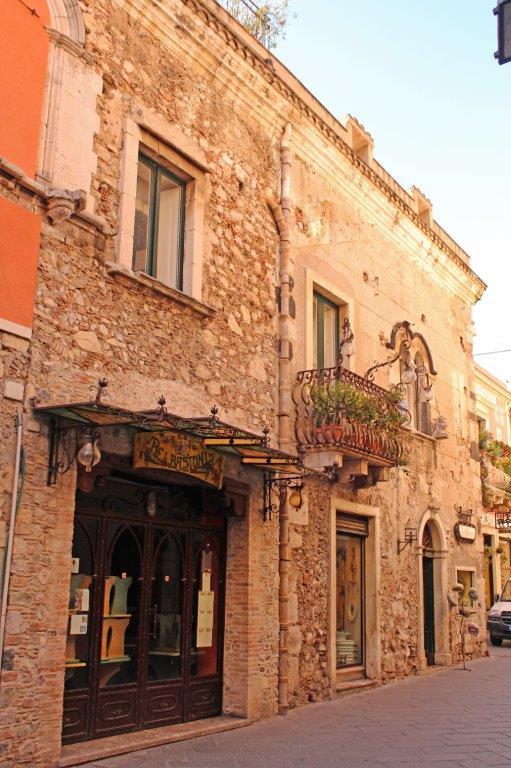
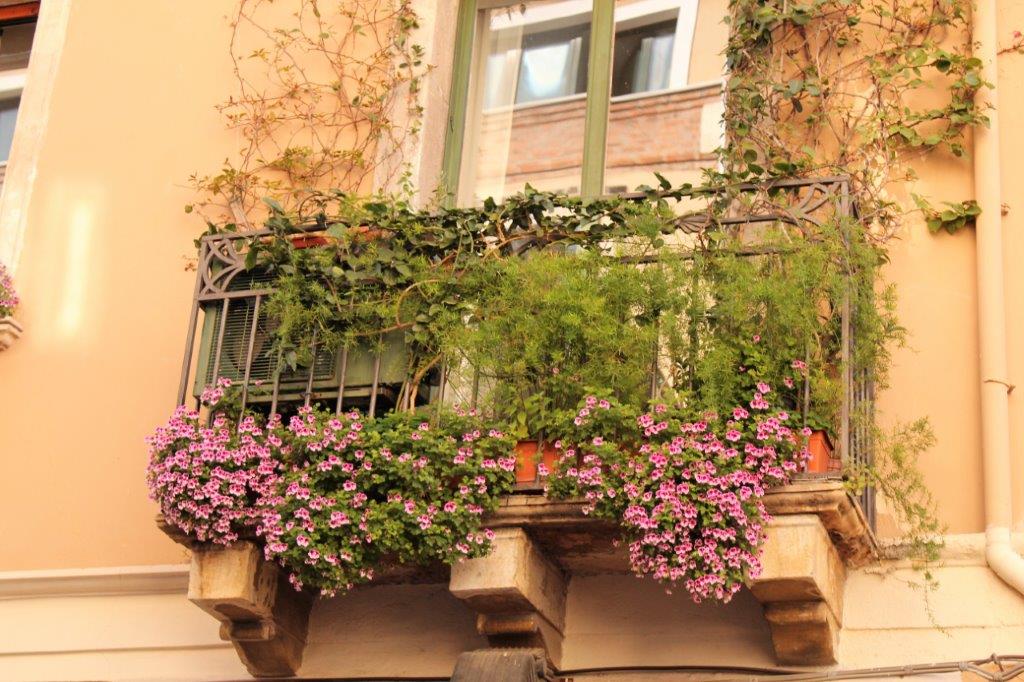
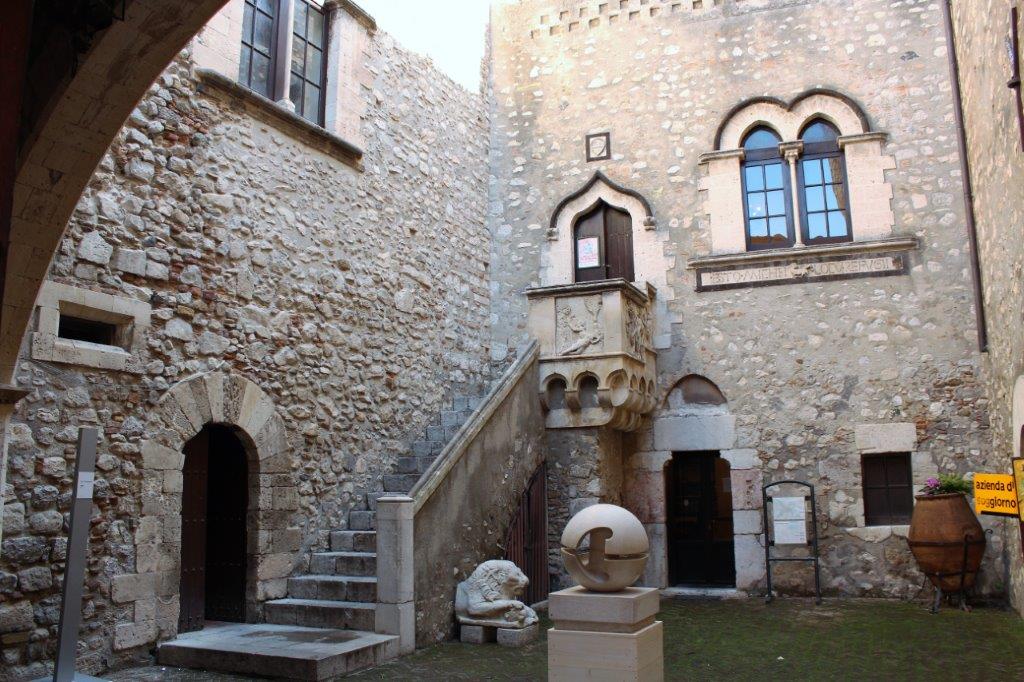
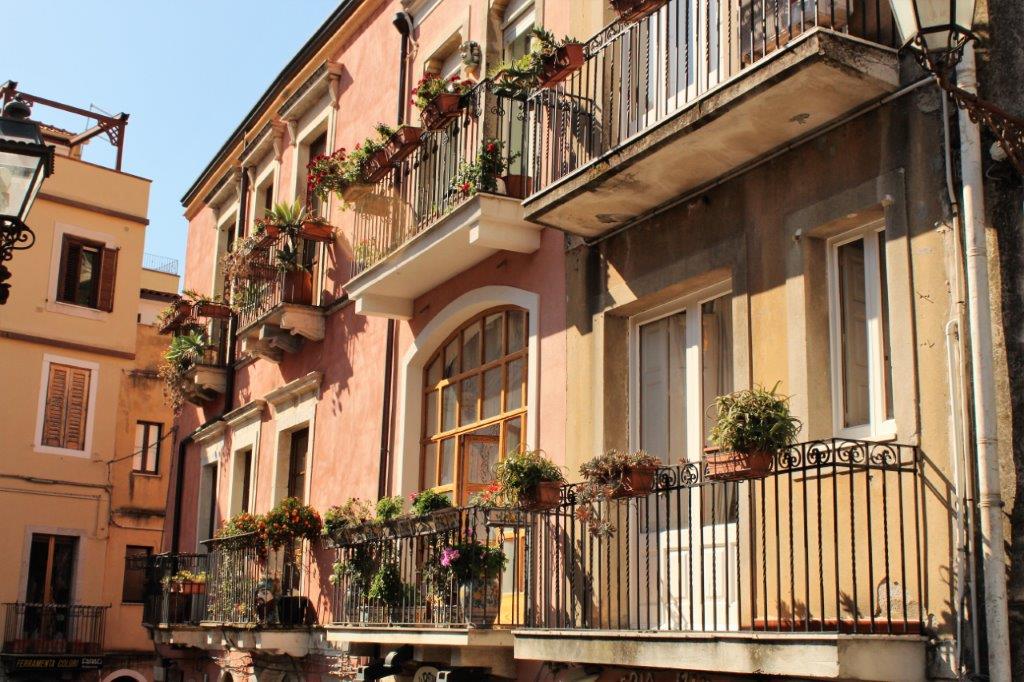
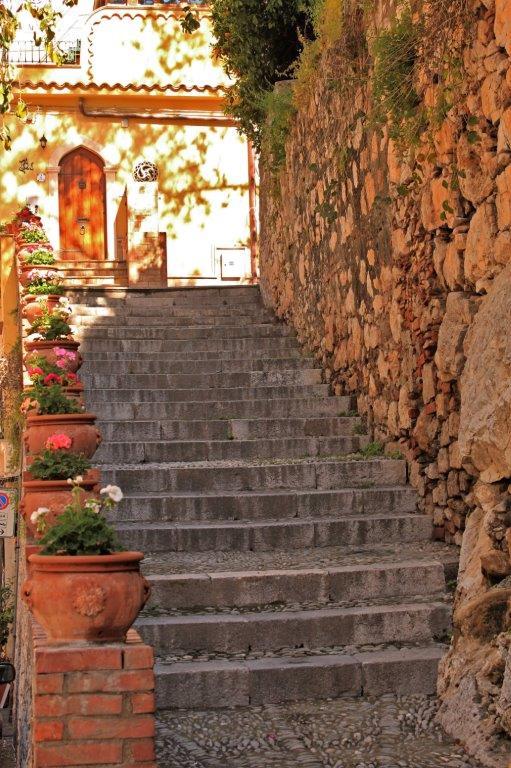
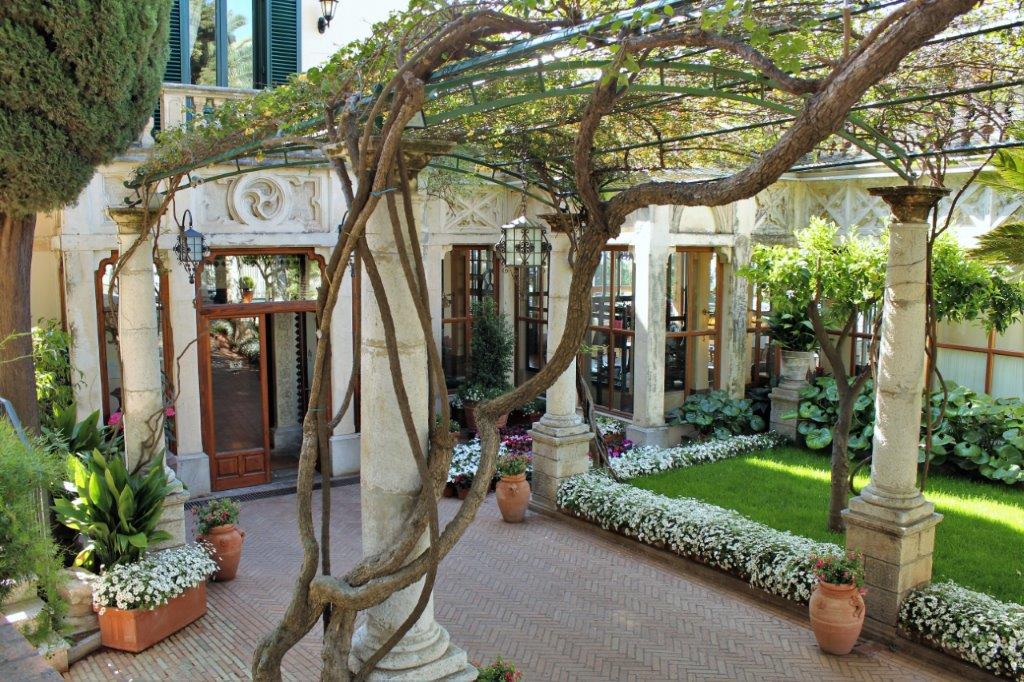
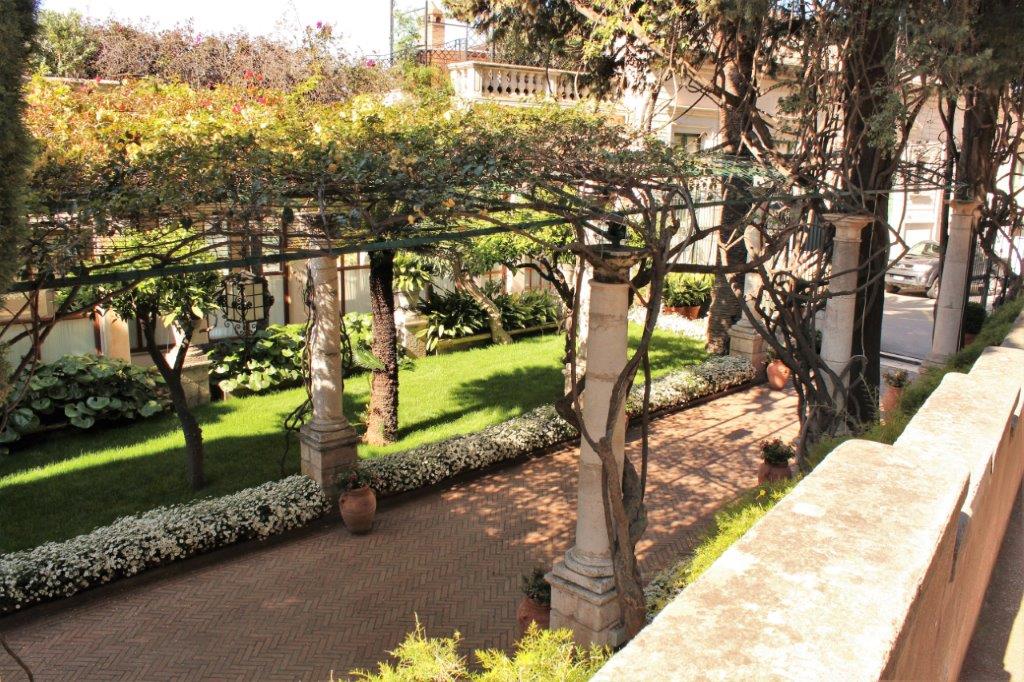
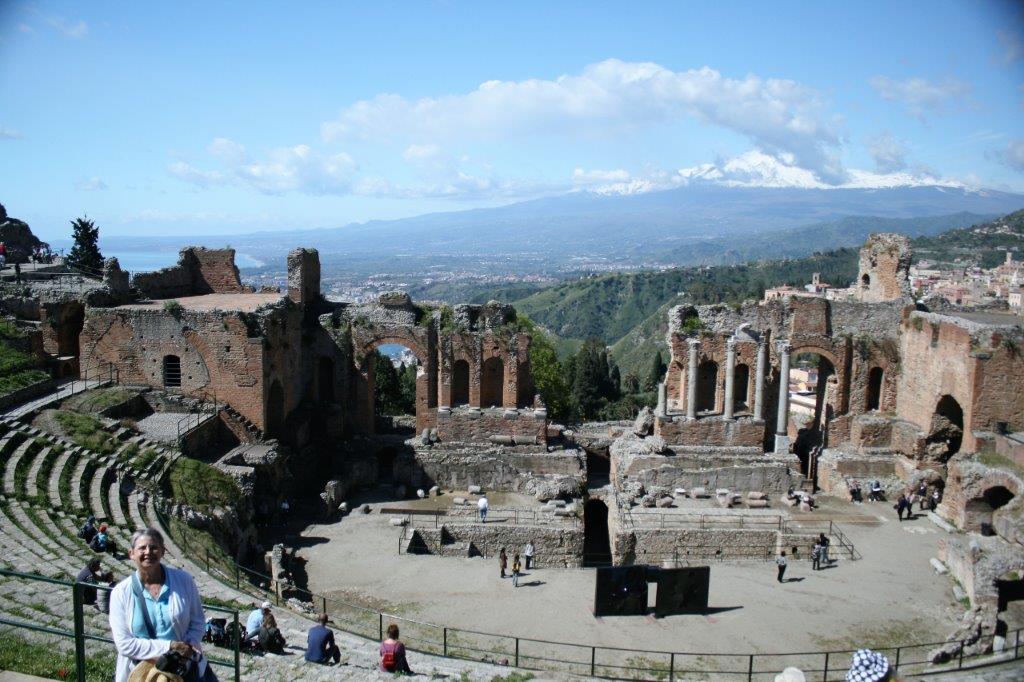
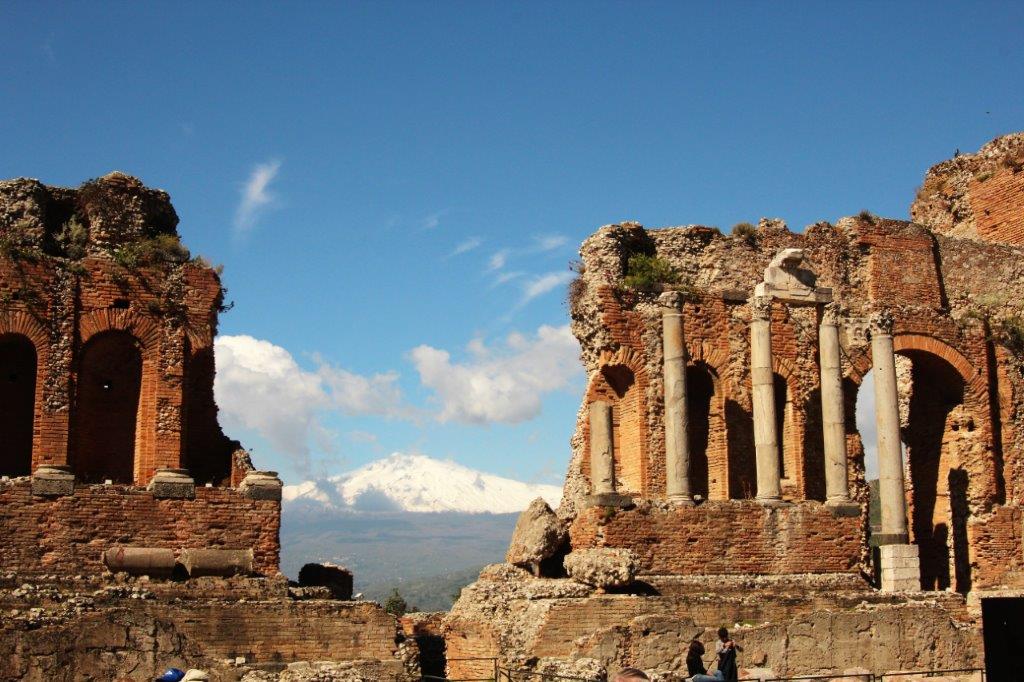
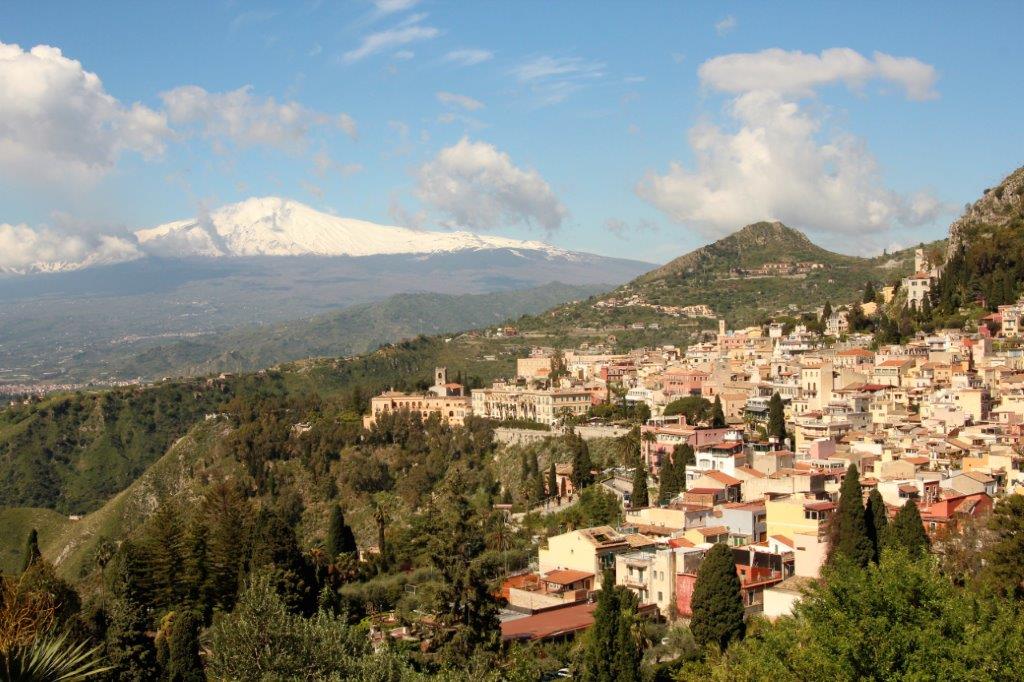
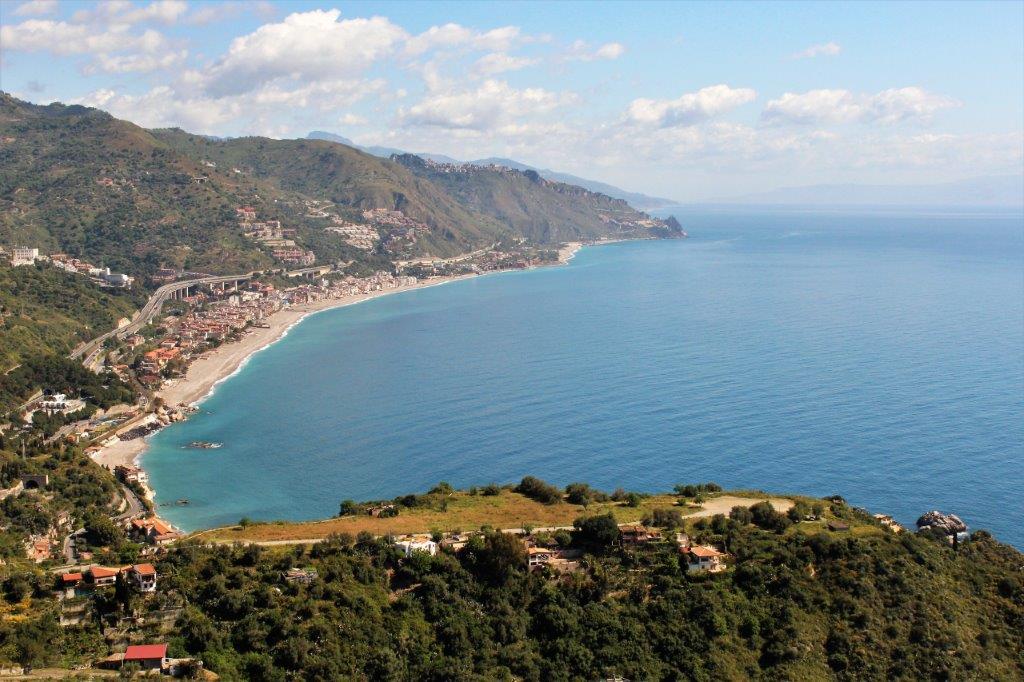
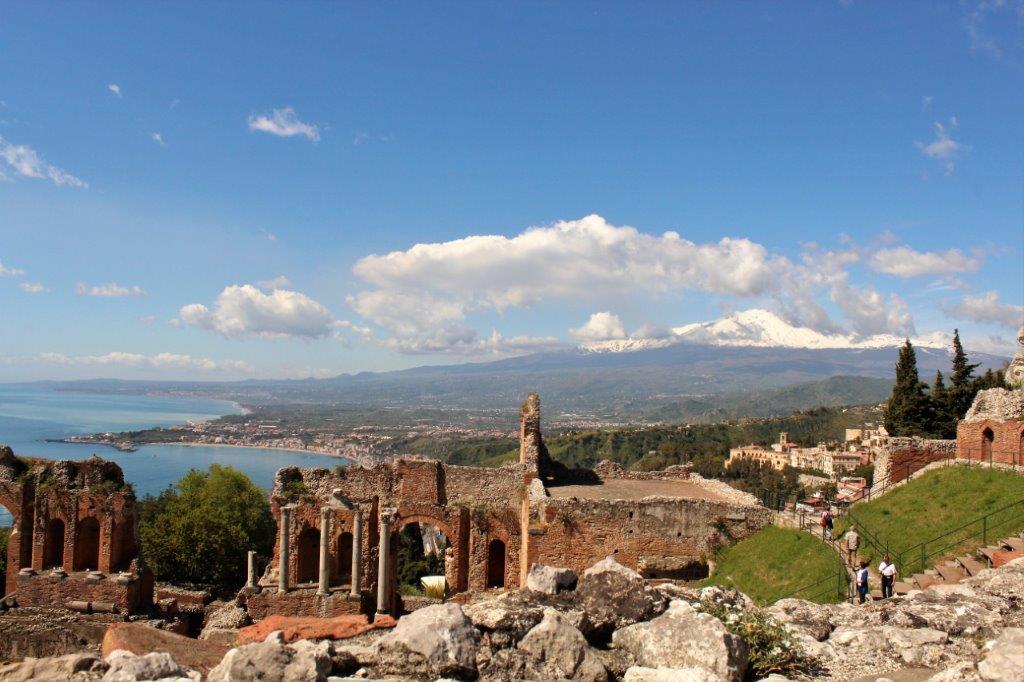
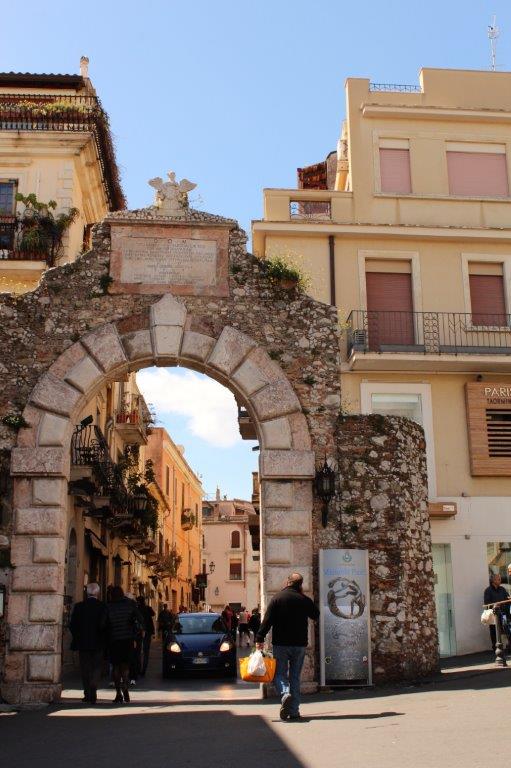
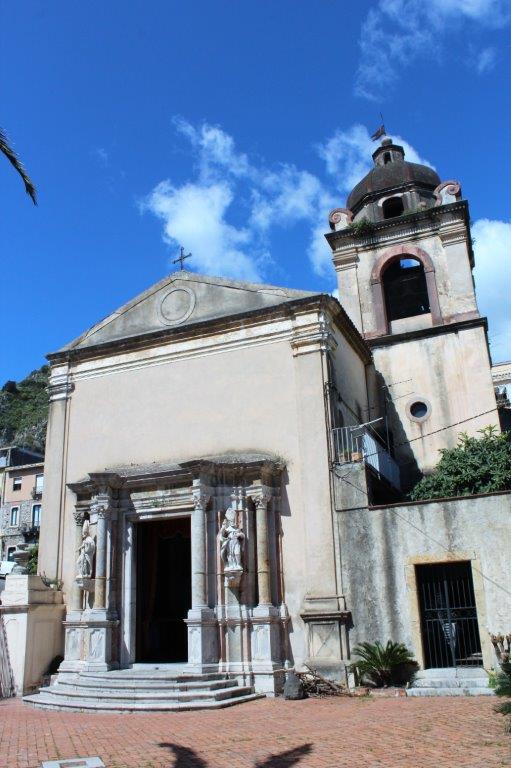
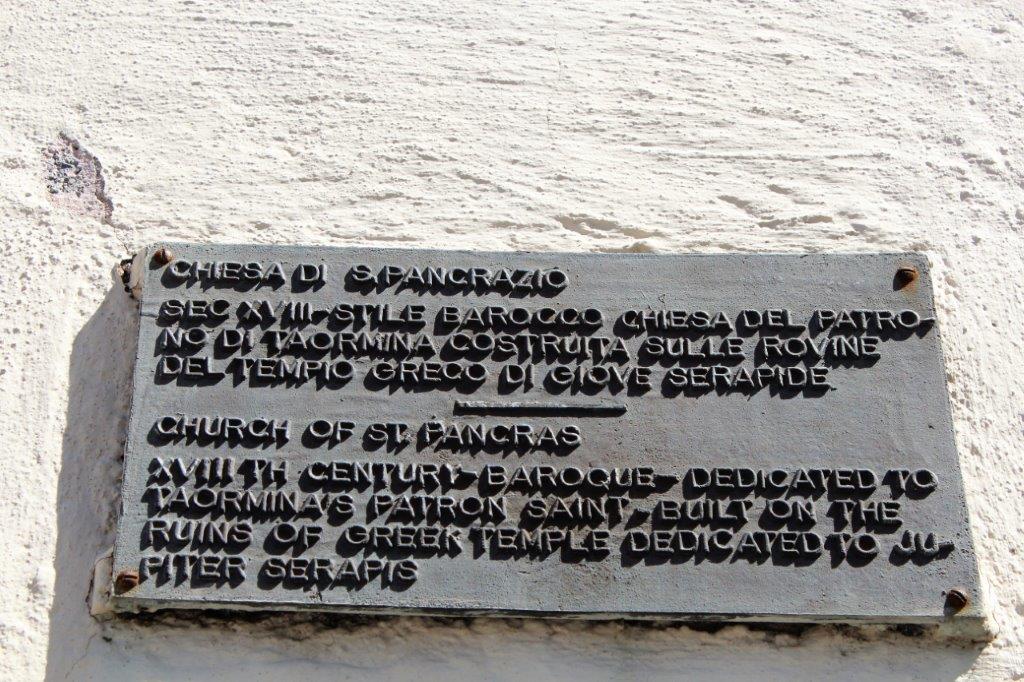
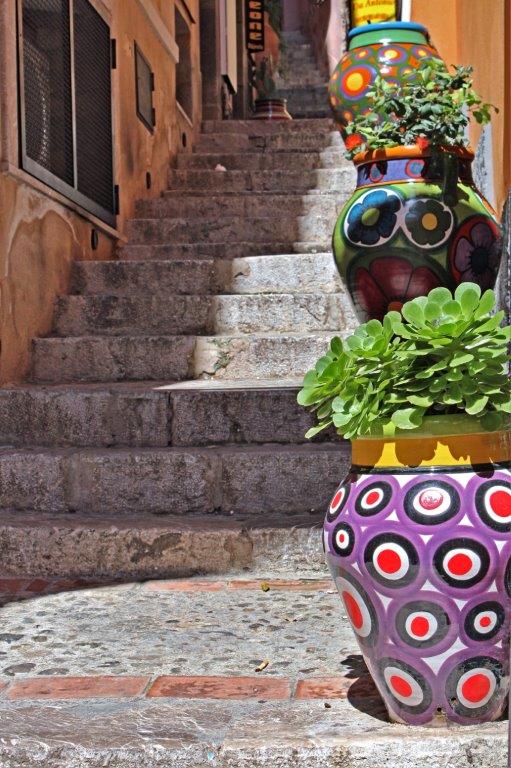
At last a day at sea; a day to rest after so many consecutive days in port with bus rides and walks every day.  The sky was overcast all day and there were strong winds so no nice relaxing walks on the deck.  The night of April 19 was a formal night and the Venetian Masquerade Ball later in the evening.We had to be up a 6 am the next day for our all day tour.  Taormina, on the island of Sicily off the toe of the Italian boot, sits 700 feet above the Bay of Naxos.  It has a long-established, thriving tourist-based economy that was a famed resort area even in Roman times.  The ship was at anchor and passengers were tendered ashore.  We were the first group into the tenders to get to shore by 8 am for the start of our walking tour in Taormina.            Snow-capped Mt. Etna in the background. It was a short bus ride up to the town.  Maria Rosa, our guide for the day, took us through the main street pointing out special buildings, churches and architectural styles (Sicily has been ruled by Greeks – 350 BC – Romans, Byzantines, Arabs – three times, Normans, French, Aragonia Spanish and Berbers until 1860.)  Many of the buildings contain elements of several civilizations or architectural styles.  Taormina was like Santorini; every time you turned your head, every corner you walked around, there were interesting things, or scenes, or designs.

We loved Sicily.  The sun was shining, the ocean was a beautiful blue and the view of Mt. Etna in the distance was absolutely gorgeous.

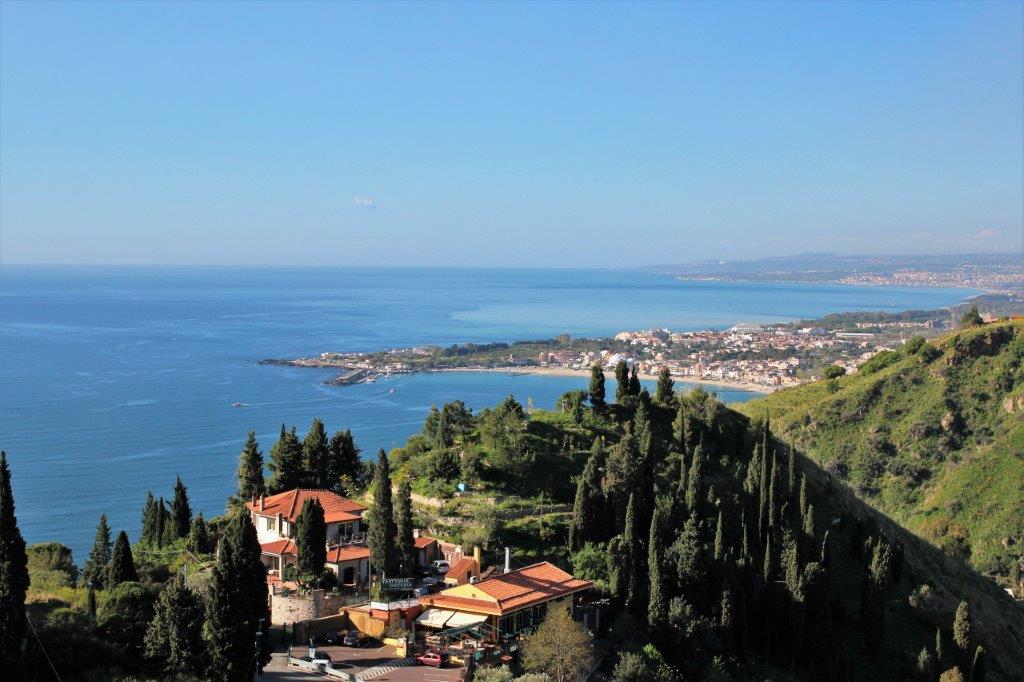
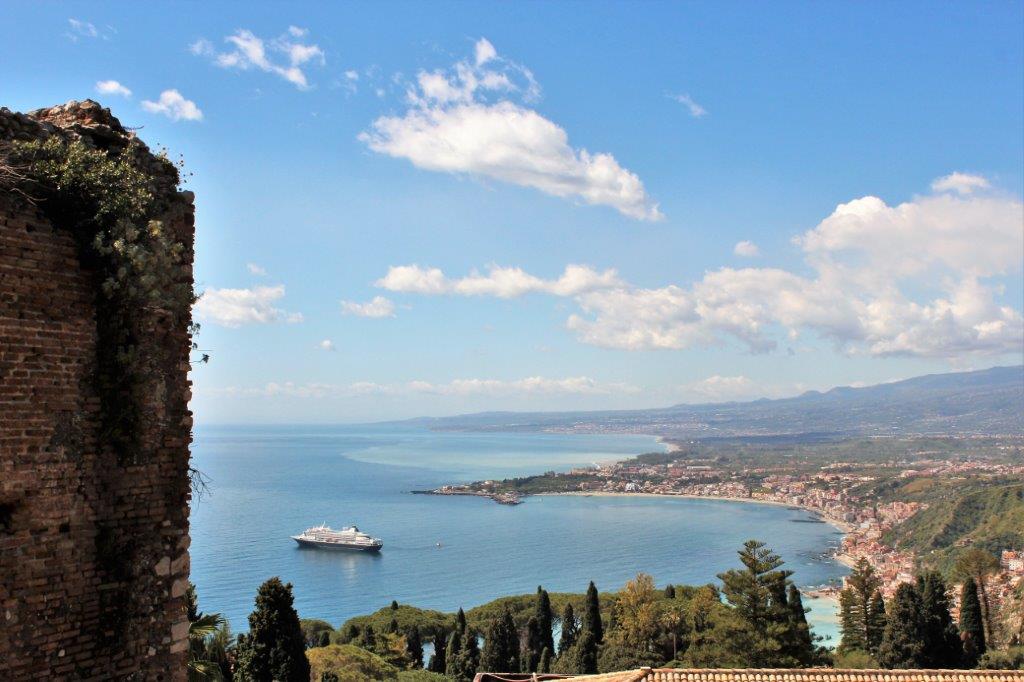
                      There was a lovely view from the town.

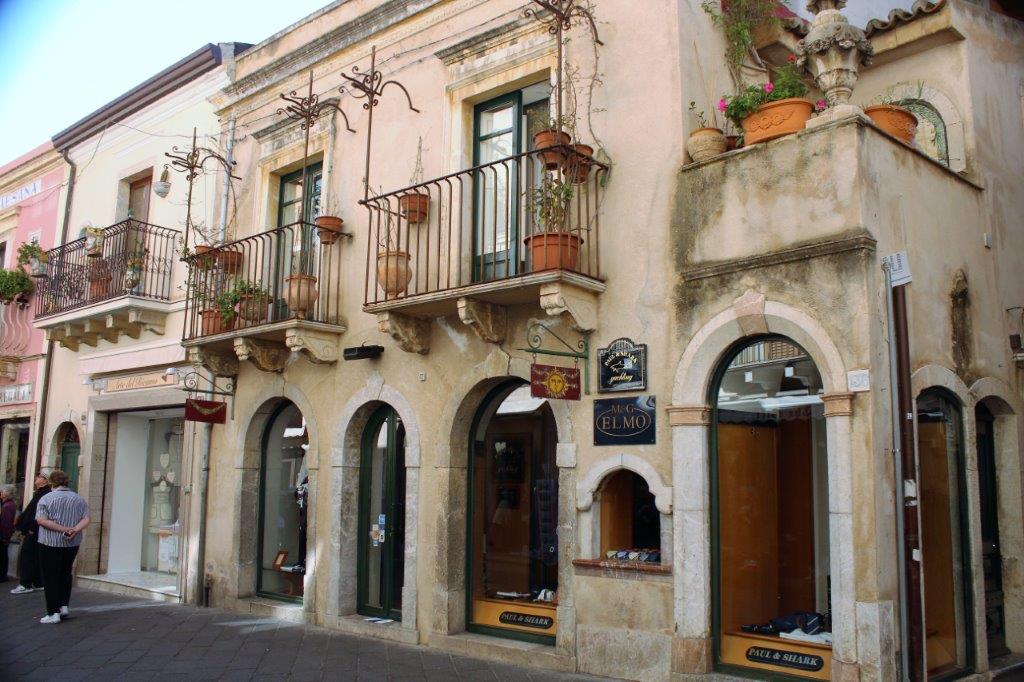
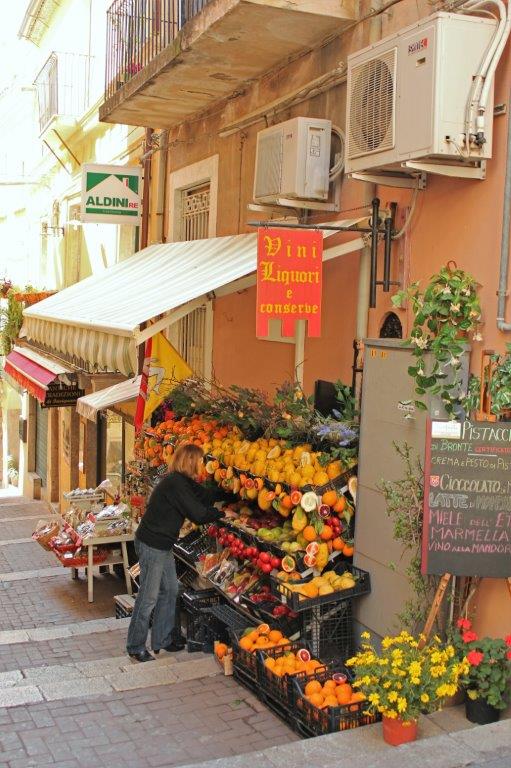
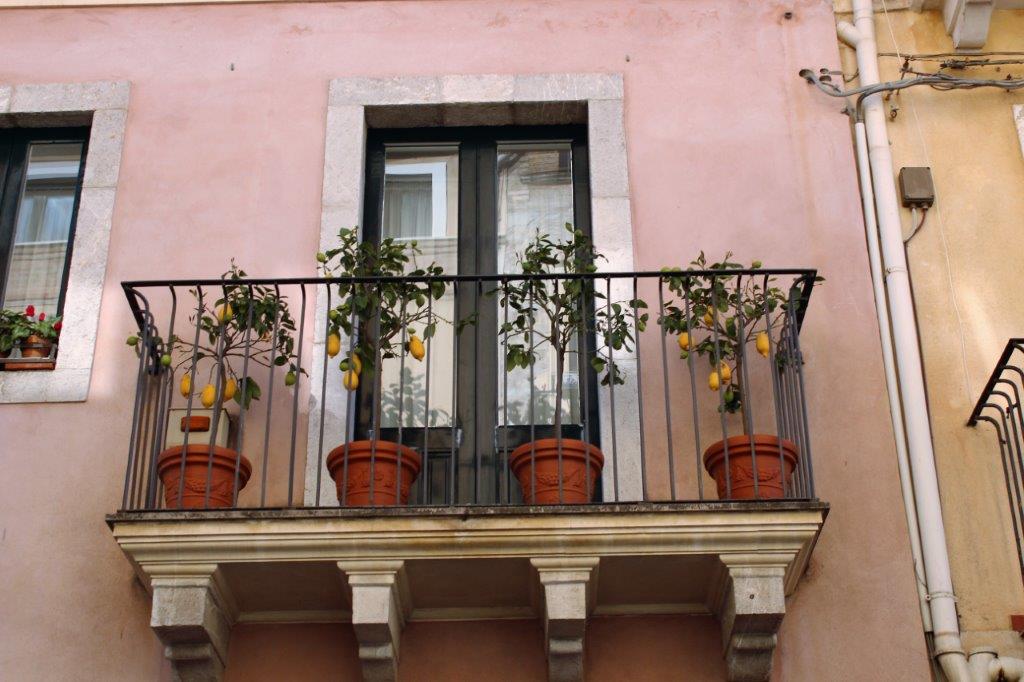
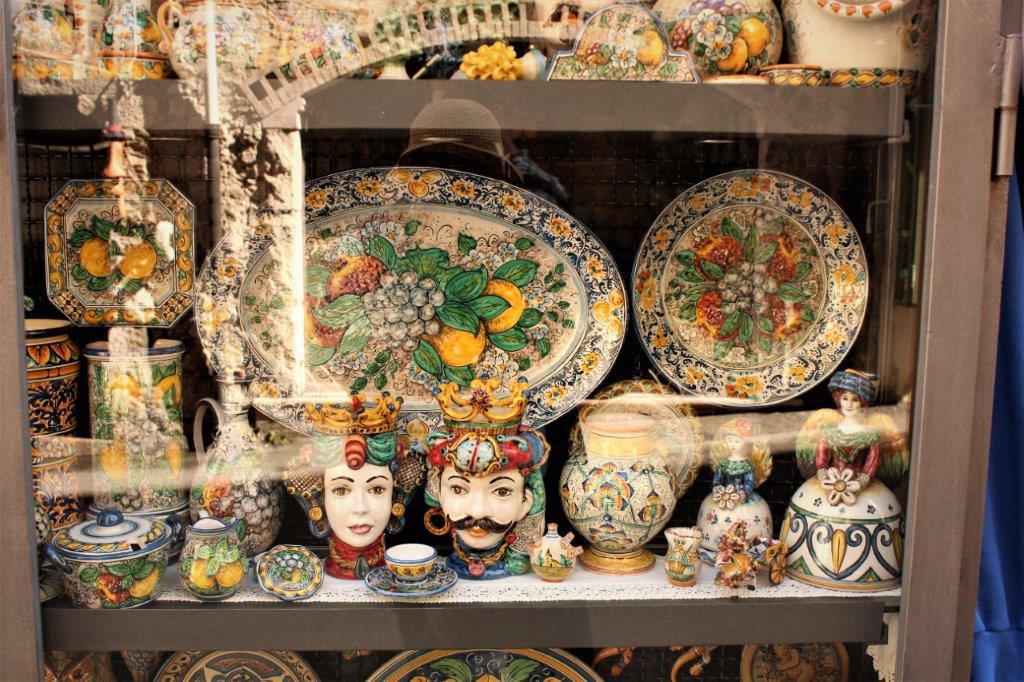
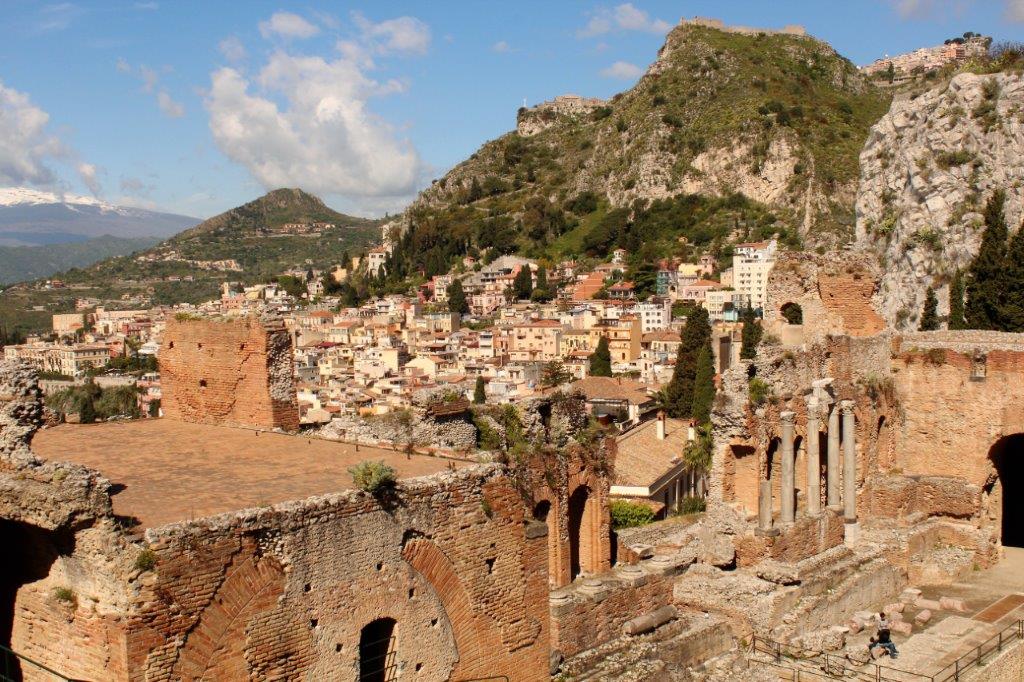
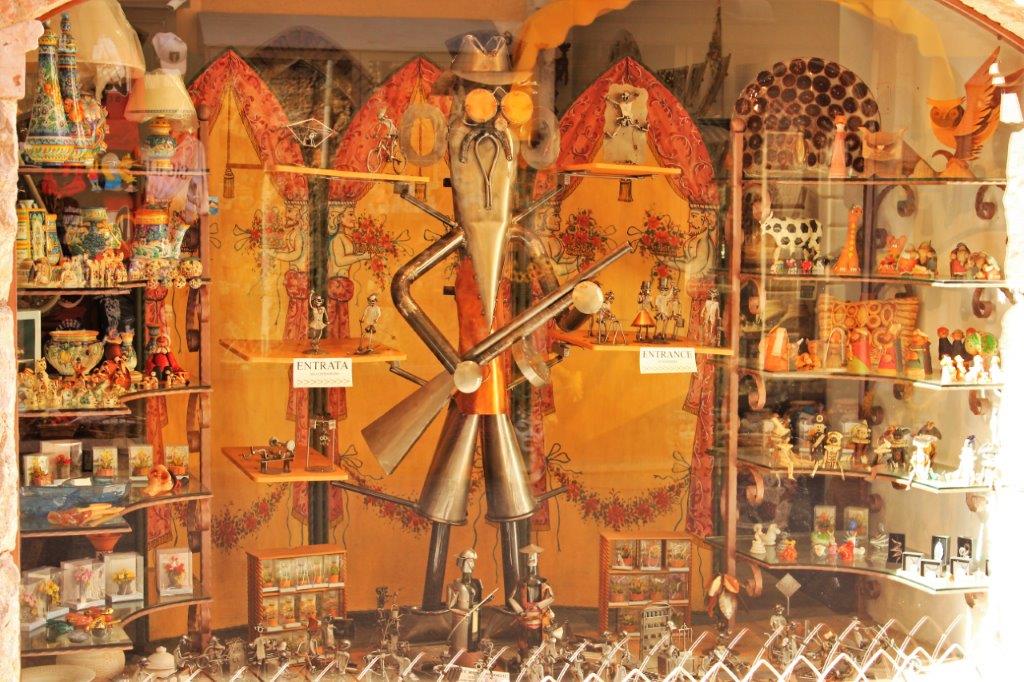
Taormina is one of Italy’s prettiest towns.  It is perched on a craggy mount and has long been a favourite of the elite.  The shop windows had really lovely, colourful displays.

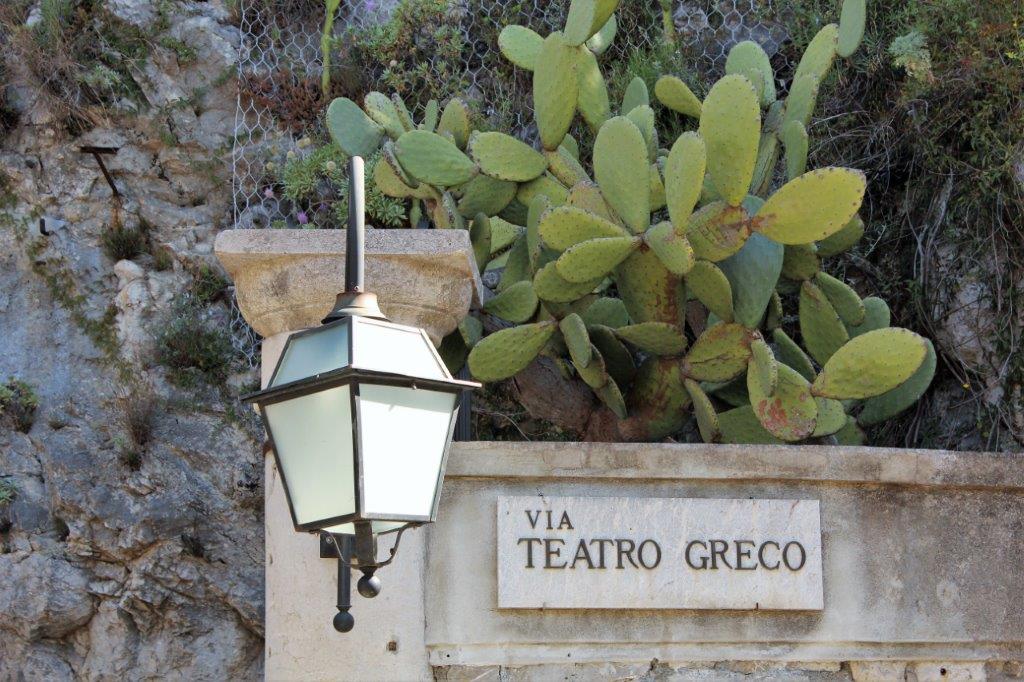
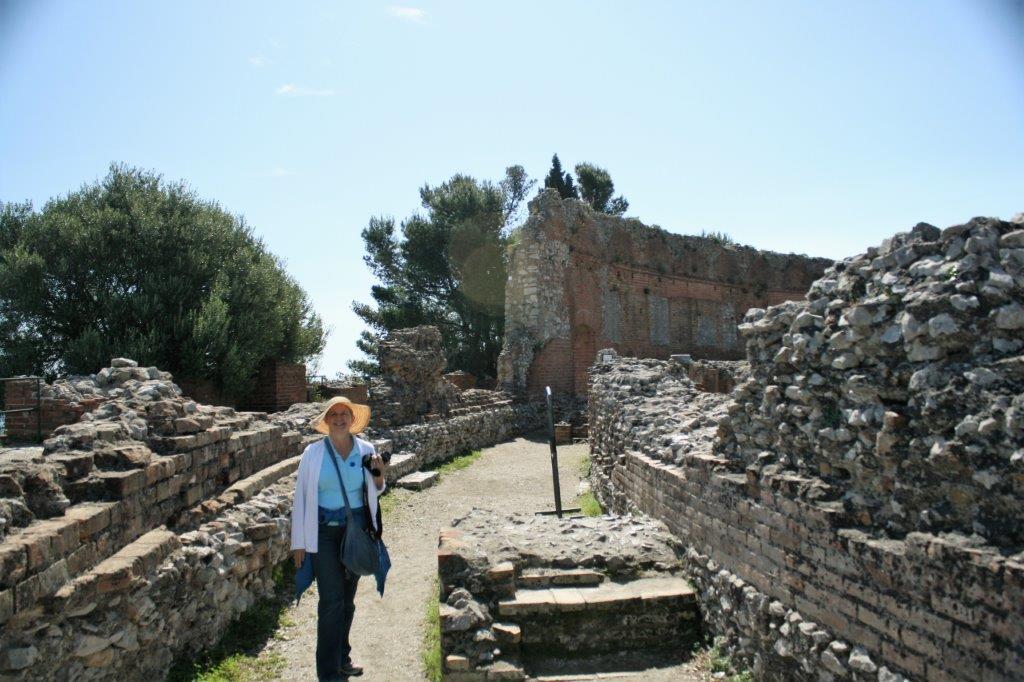
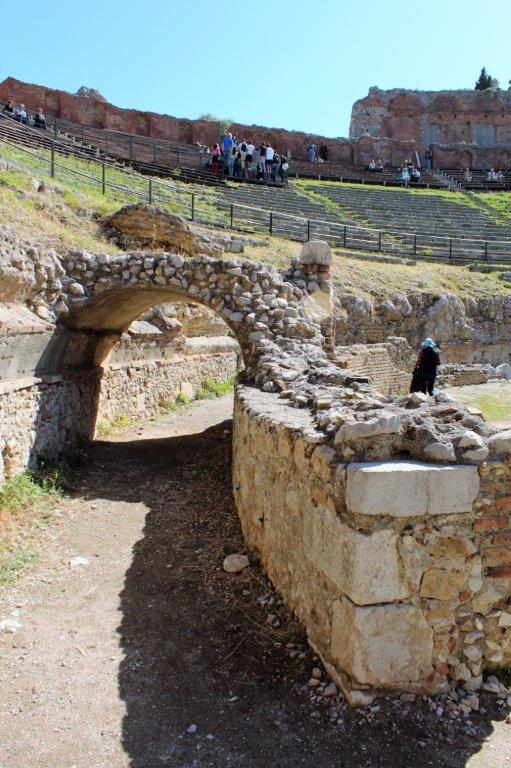
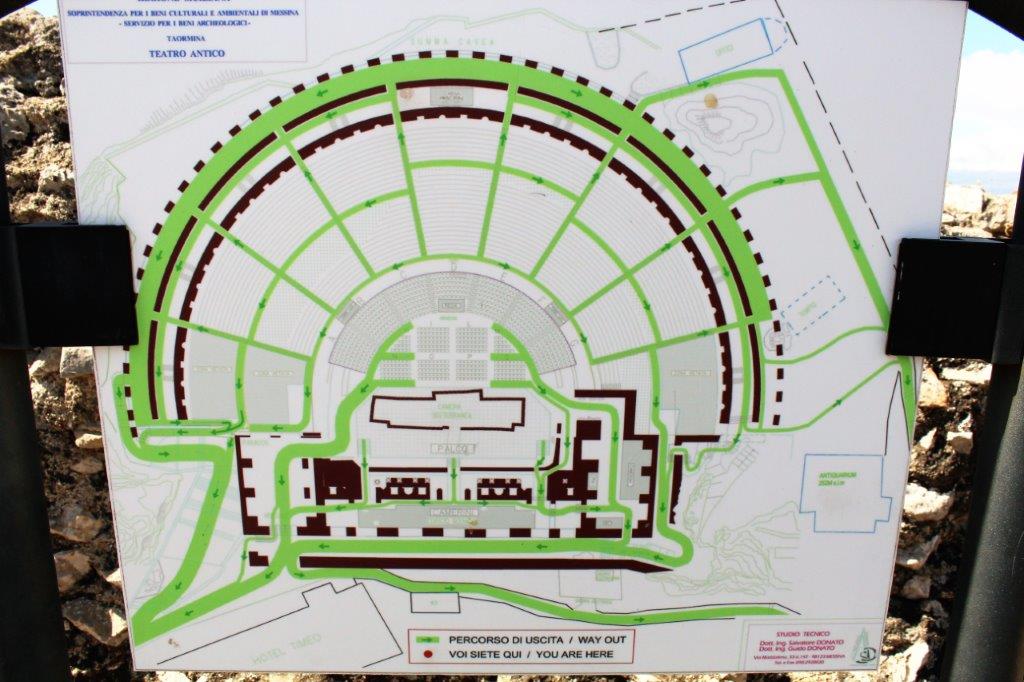
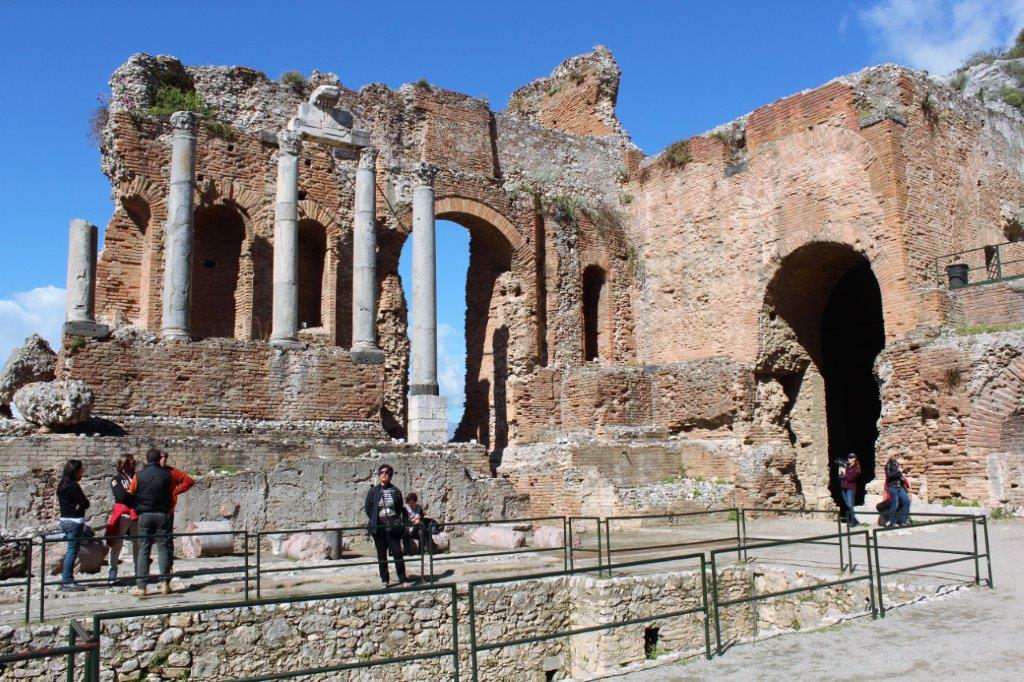
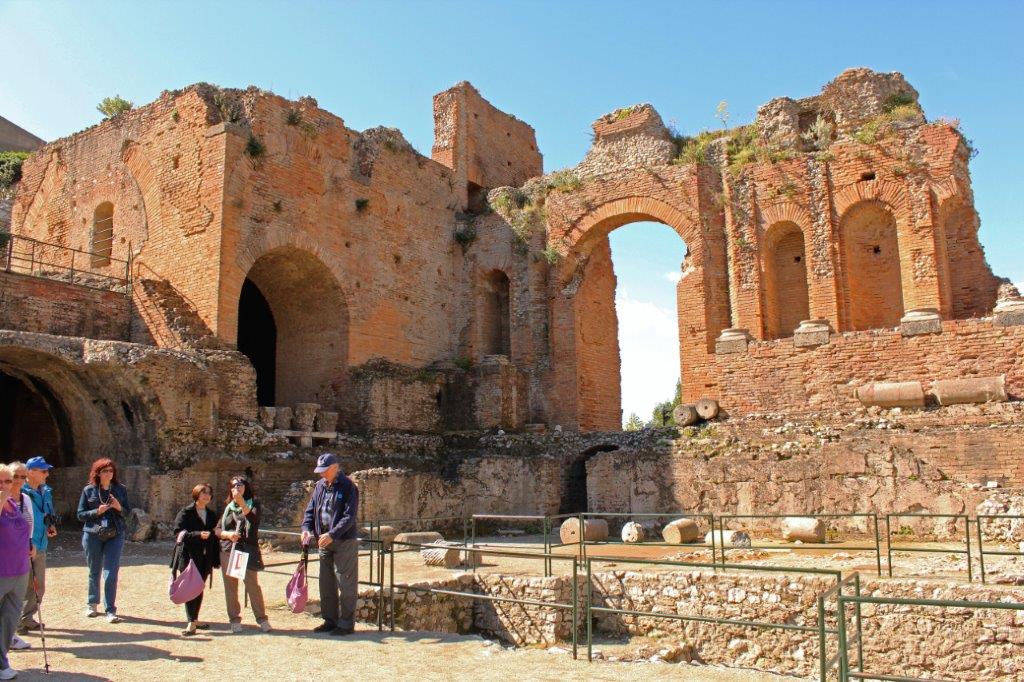
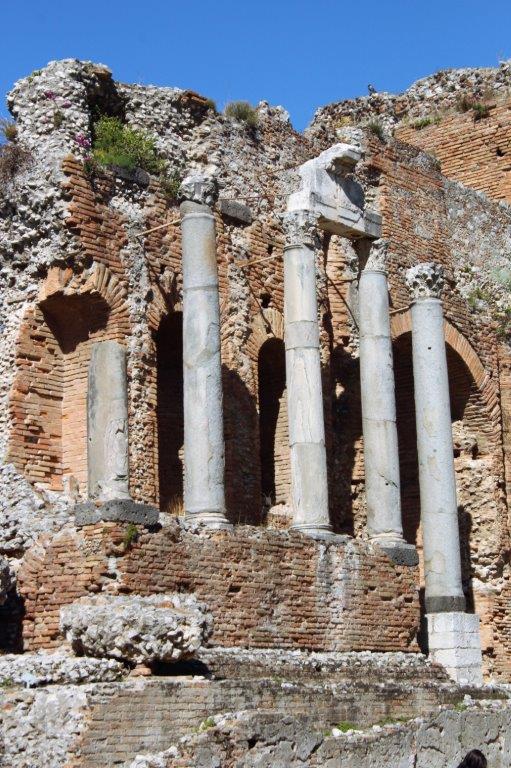
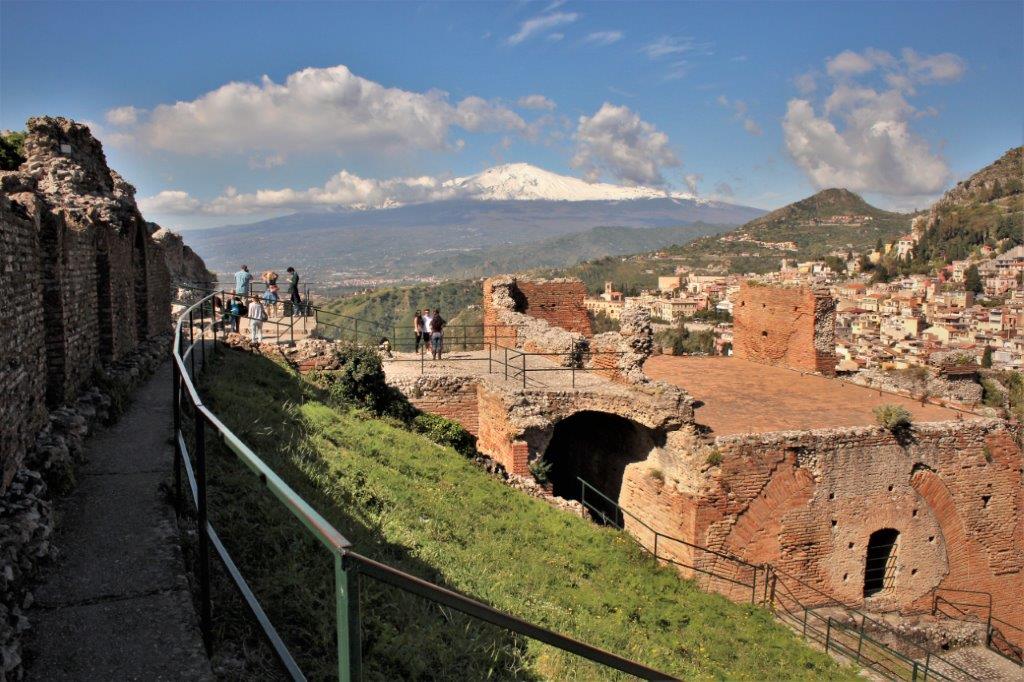
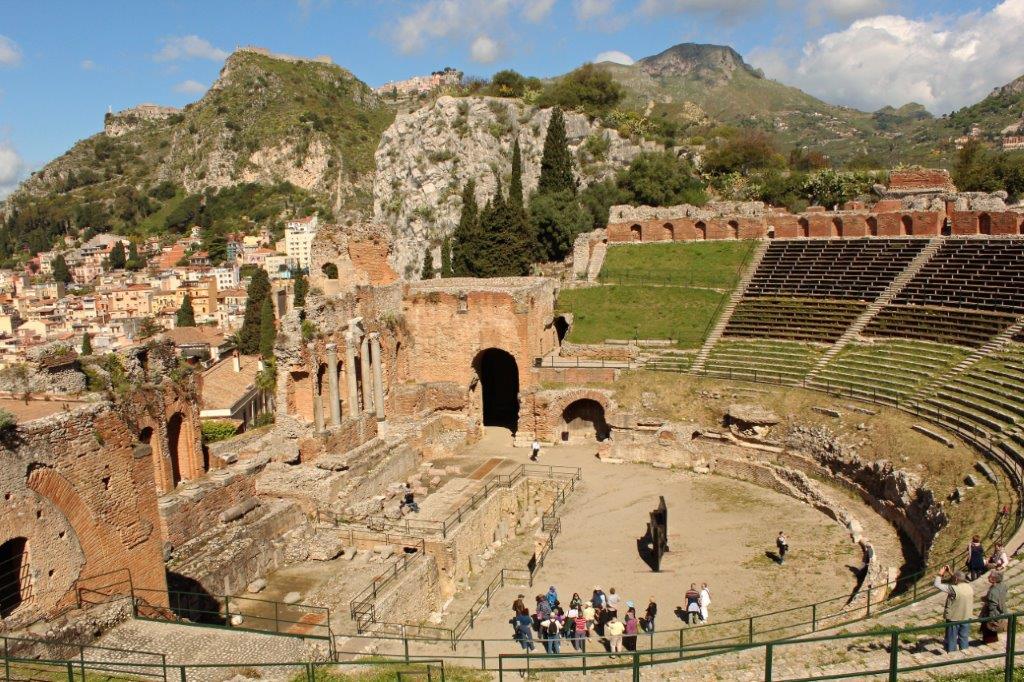
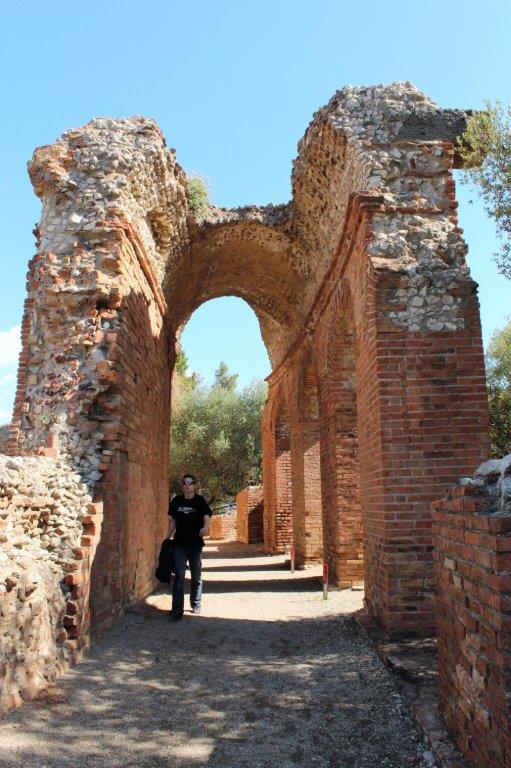
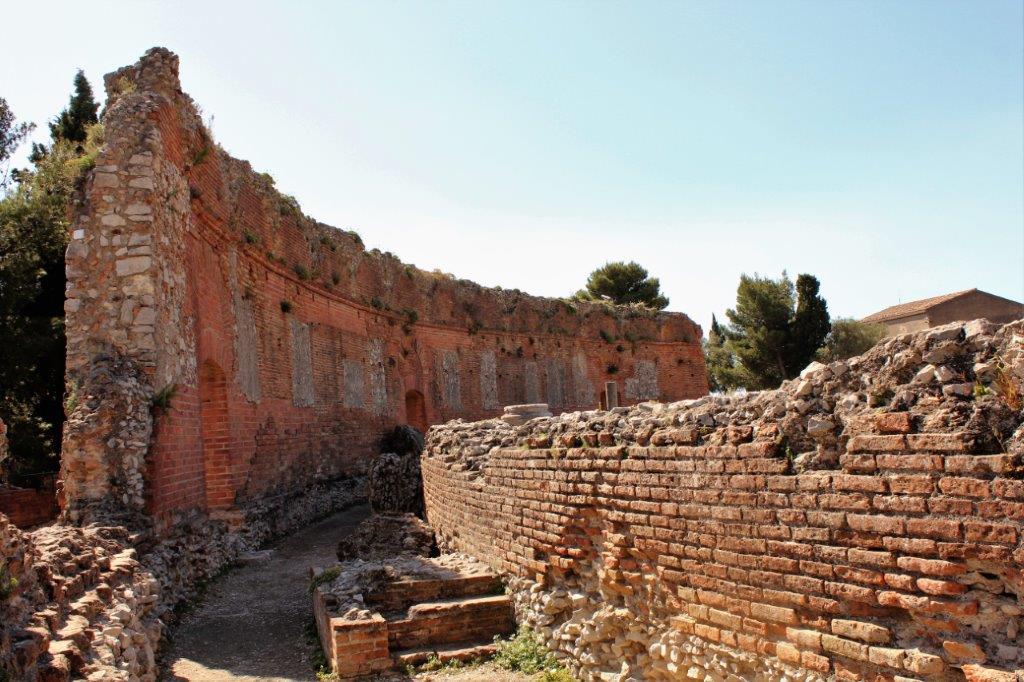
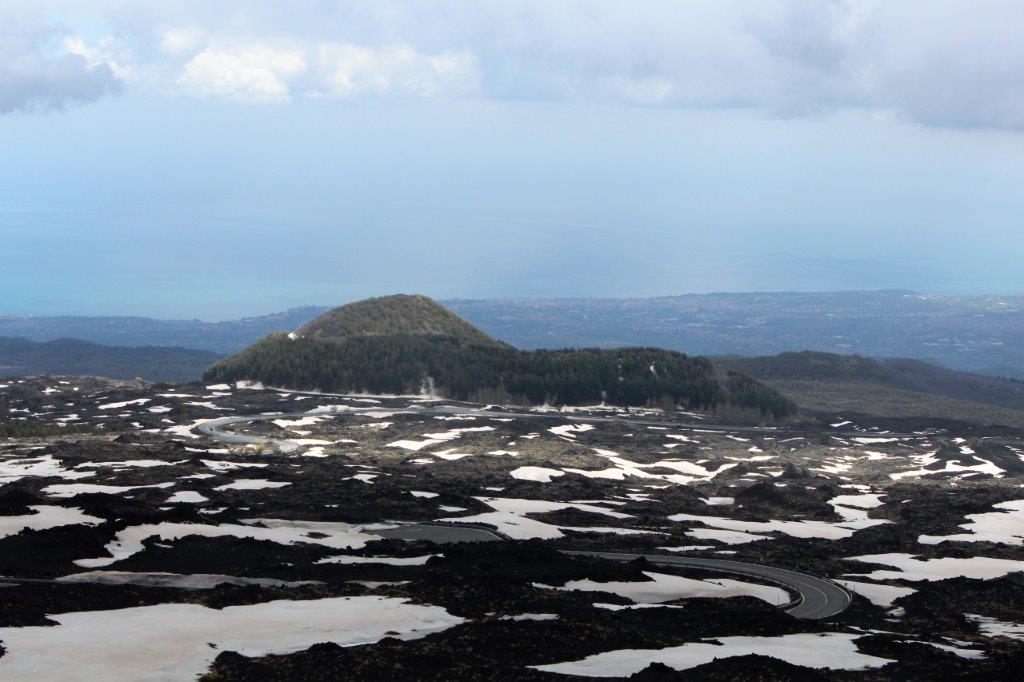
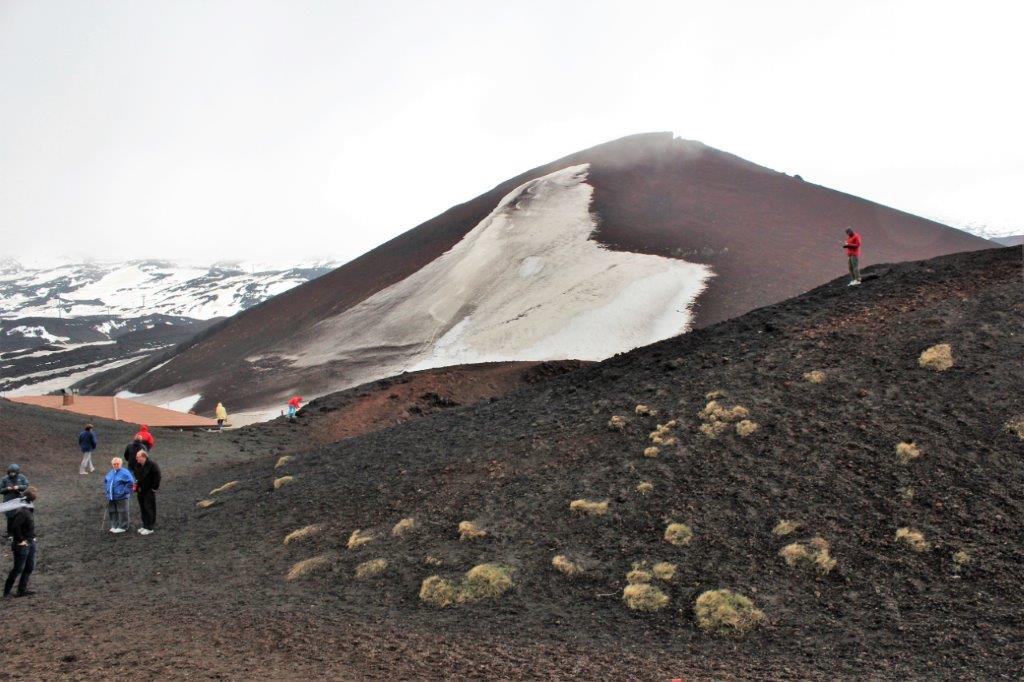
. The tour of the town ended at the Greco-Roman Theater and afterward we had free time to roam.  At 11:45 we all met back in the village square and took the elevator 7 levels back down to the bus.  It was an unusual way to get up and down a steep hill to town. The bus ride took over an hour to climb to the 2,000 m (6,000′) level of Etna, which tops out at  3,300 m (11,000′).  Etna, by the way is the name of the volcano, not the mountain.  The mountain that the volcano is on is Stromboli.  Etna has erupted more than 130 times in recorded history and more than a dozen times in the past 40 years.  It has minor eruptions every 10 or so years.  Etna is considered a ‘friendly’ volcano because she erupts regularly which releases the pressure.  Vesuvius, alternatively, is considered to be the most dangerous volcano in the world because it lies totally dormant for many, many years and then erupts without warning.

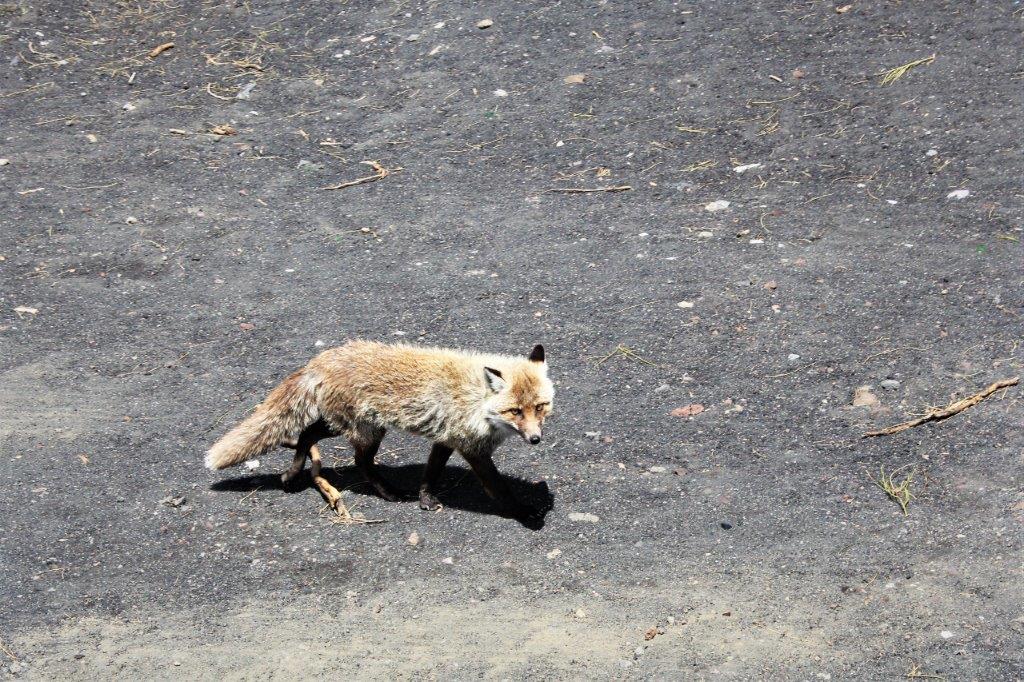
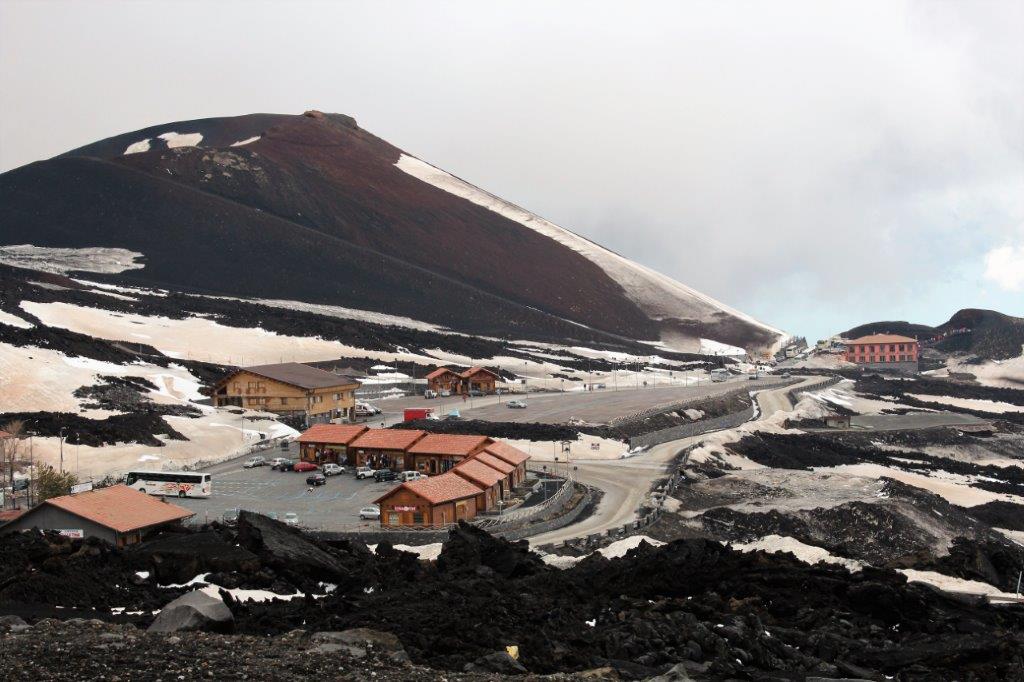
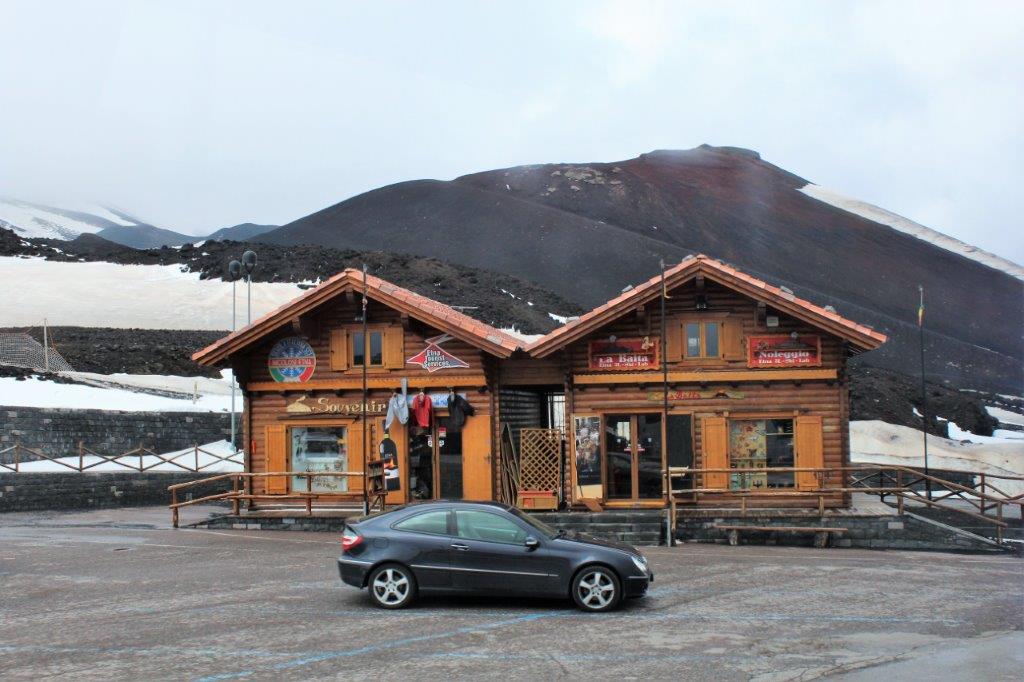
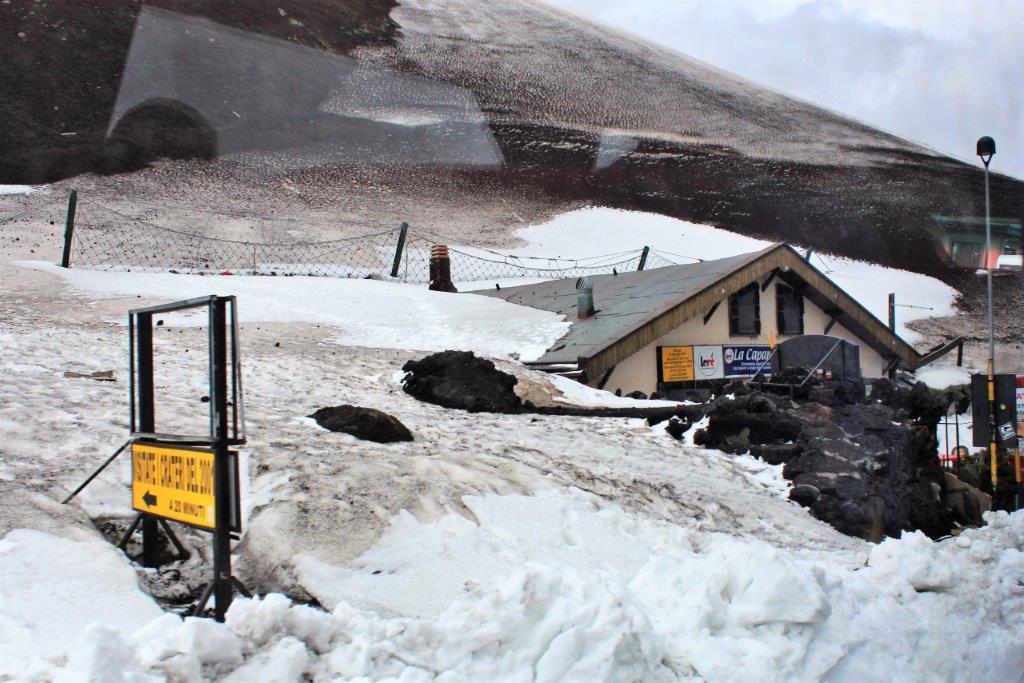
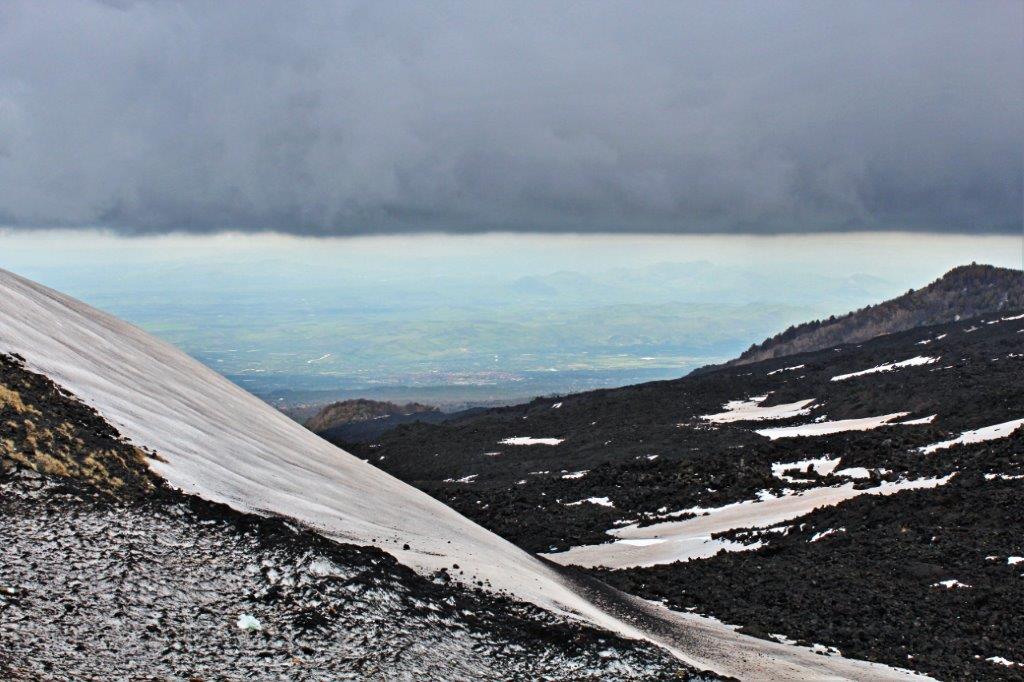
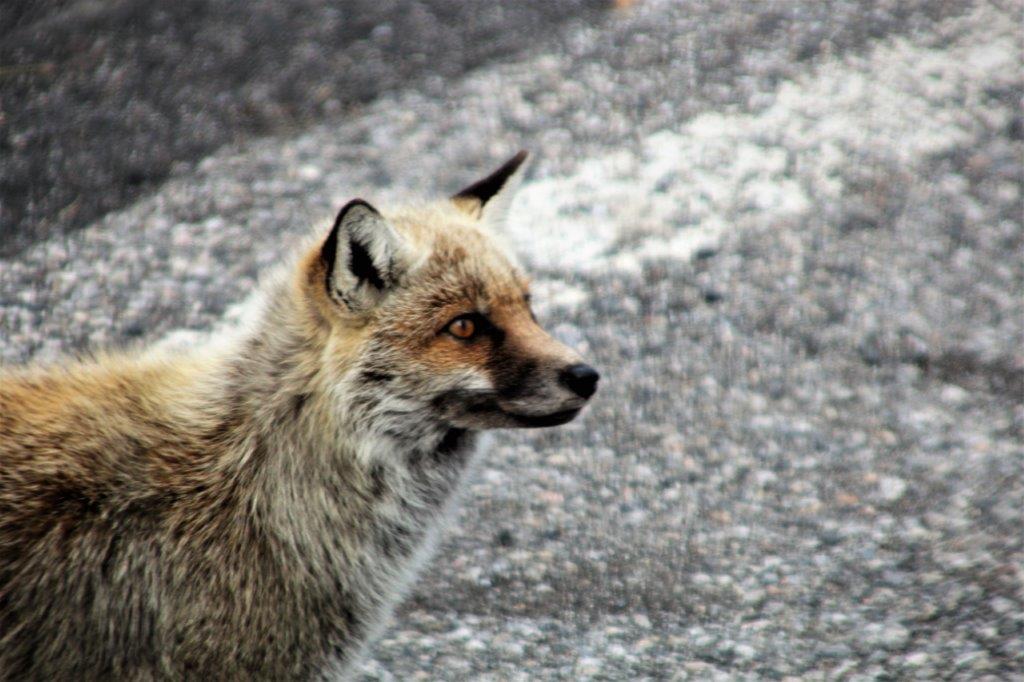
By the time we arrived at the restaurant where we were to have lunch it was cloudy with snow-rain and strong winds.  We ate at the Crater Restaurant that had been rebuilt on the same site after the 1983 eruption buried the original building under 45′ of lava rock.  This fox was beside the road on our way up the mountain and was still there on our way back down.  I suspect he is fed.  The clouds formed an even, dark grey mass above the valley.

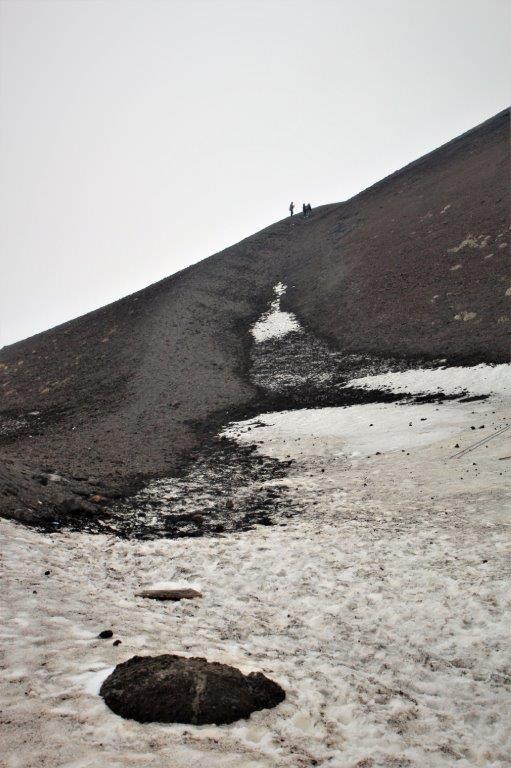
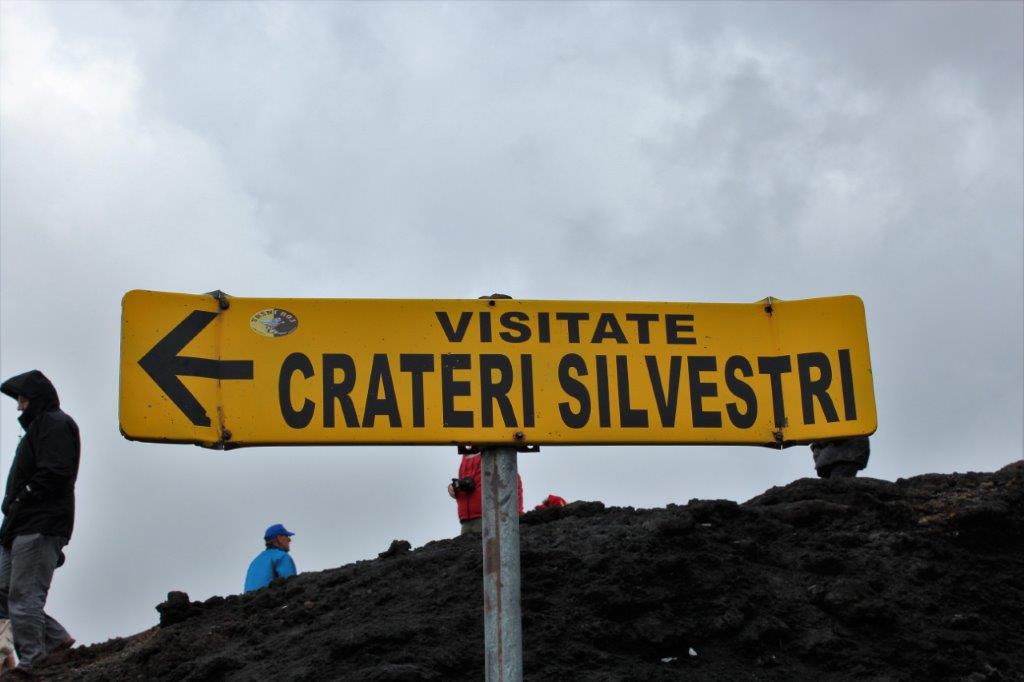
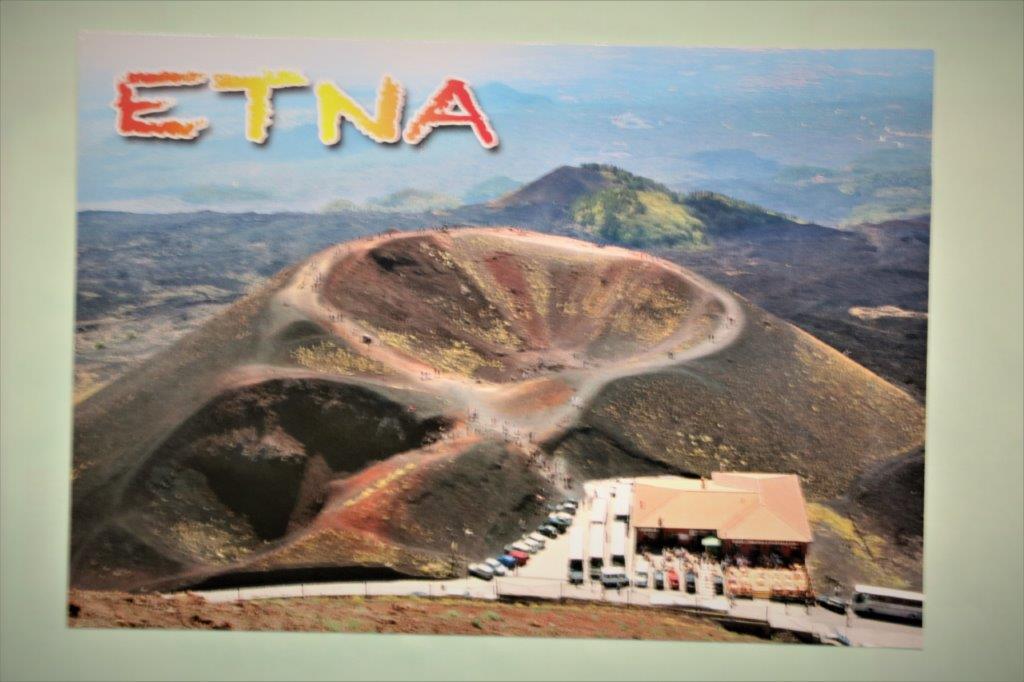
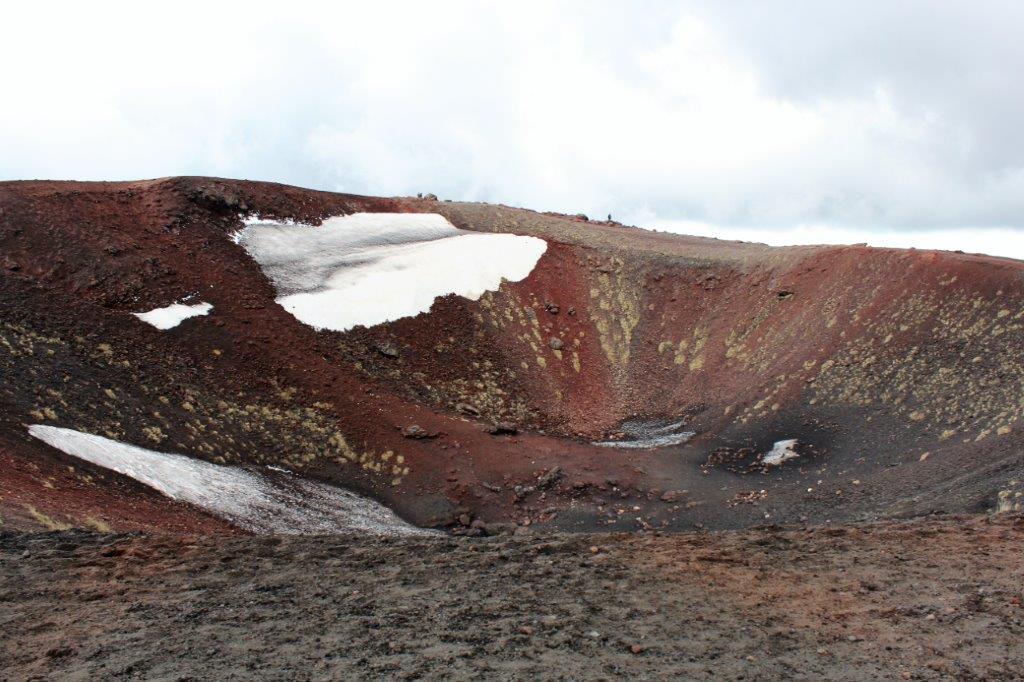
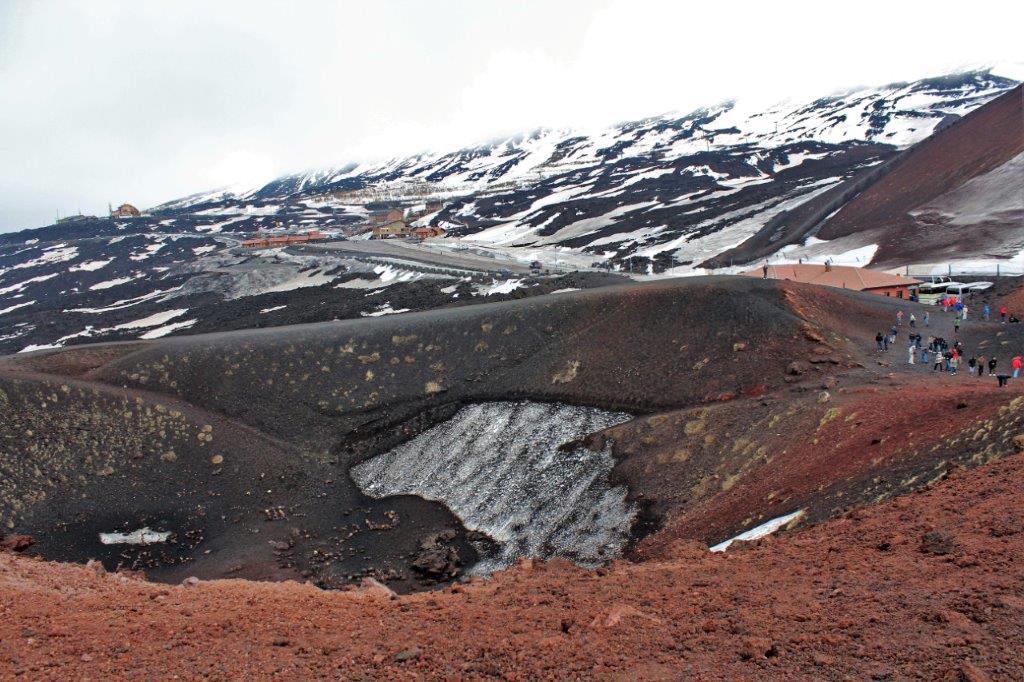
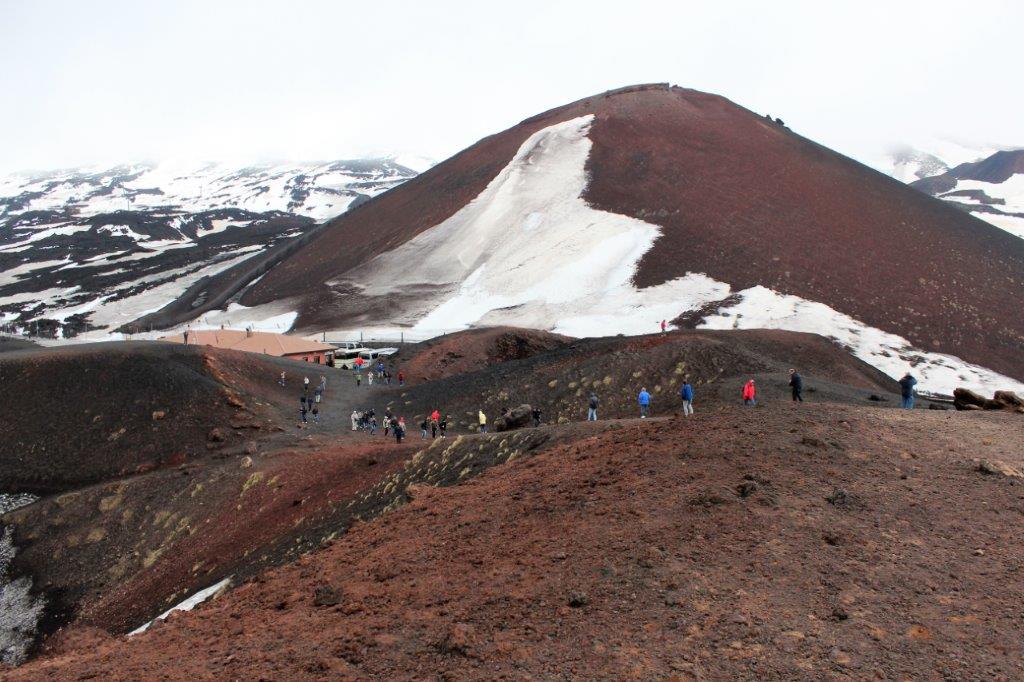
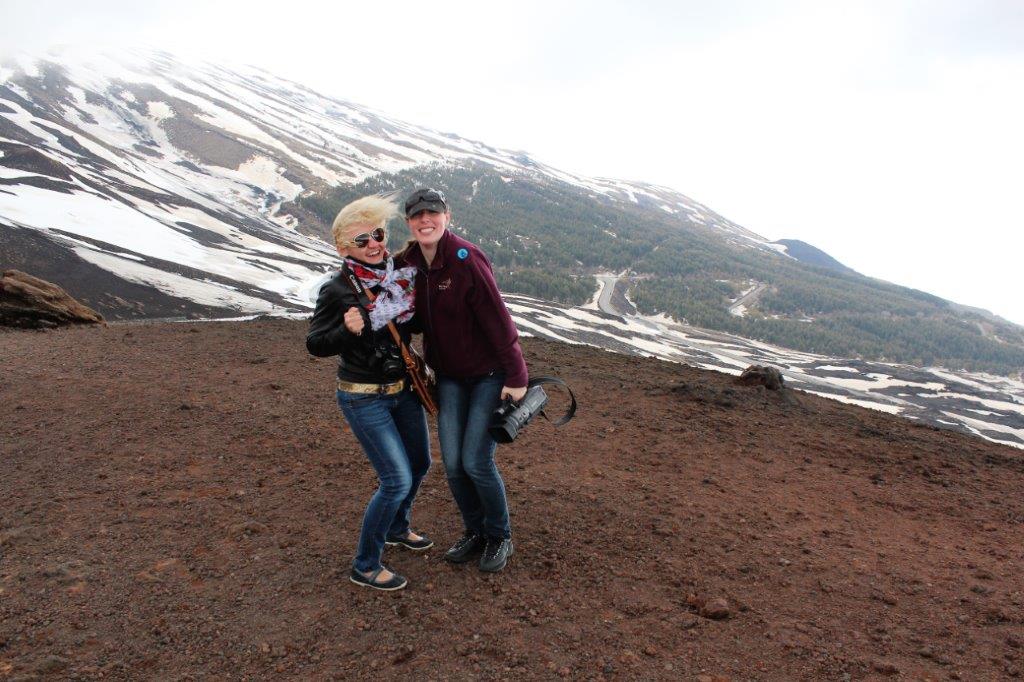
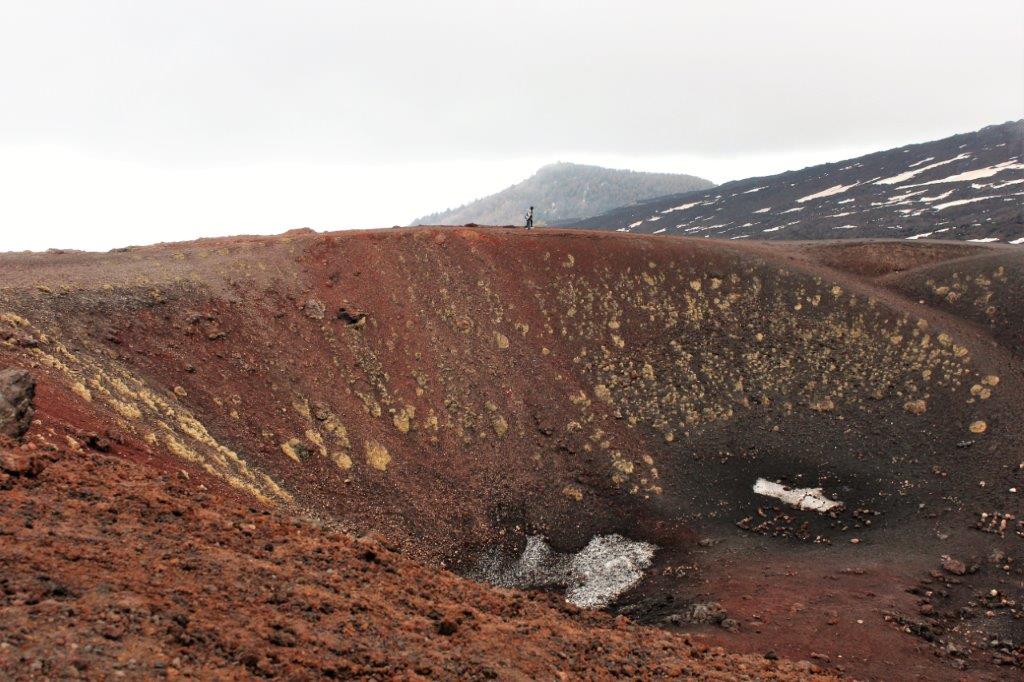
We were at Crateri Silvestri, which has a path around the rim and I would have loved to walk it.  A few people were doing so, but the wind is was really strong and bitterly cold.  We walked a short distance on the way to the path and John decided he did not wish to get any colder and went back.  I wanted to go further so I went halfway around the one side.  Our friend Andrea, from the video department and her friend Leigh, the dancer, were trying to walk the rim as well.  It was all we could do to keep our feet on the ground, the wind was that strong.  We took a few photos and headed back to shelter. This postcard shows you the restaurant and the crater we could have walked around if the wind had not been so strong or so cold.  The bus took us back down the mountain, past the waiting fox and to the port.

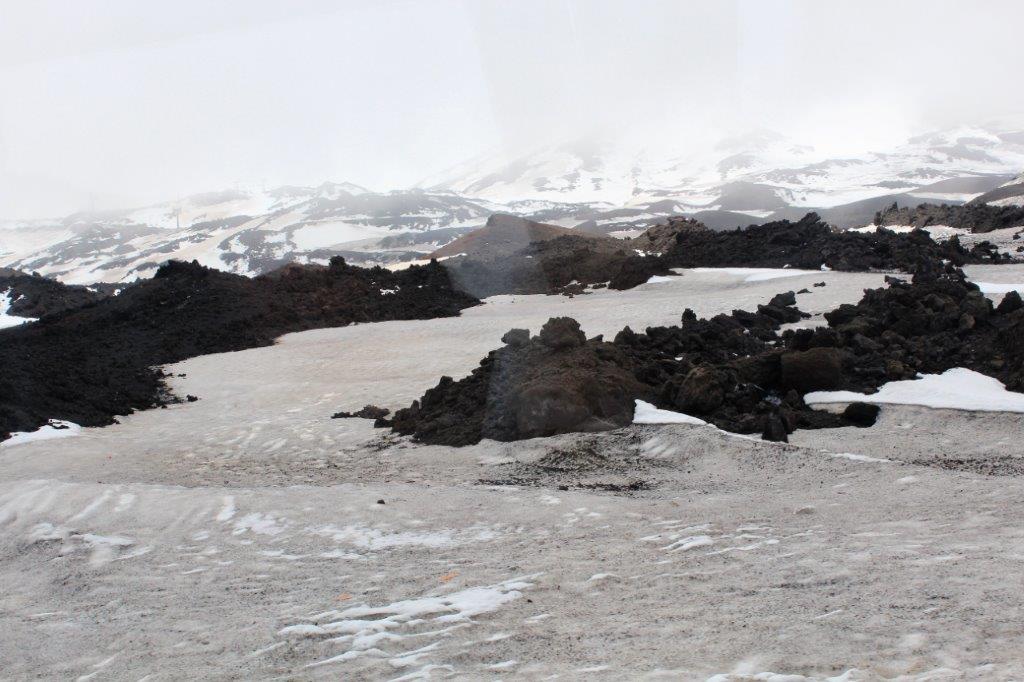
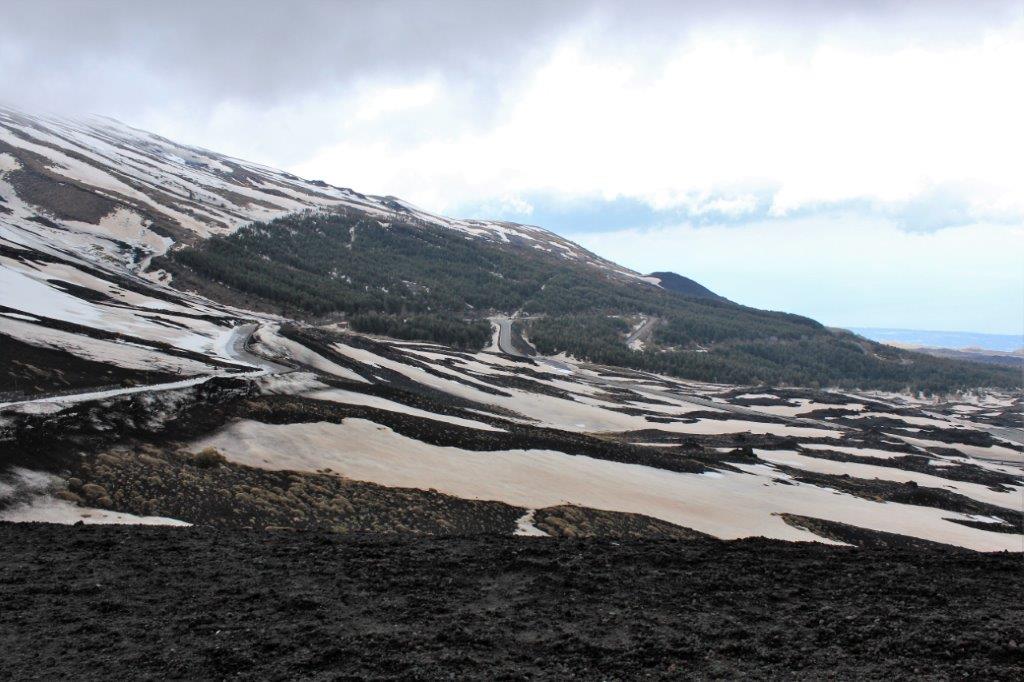
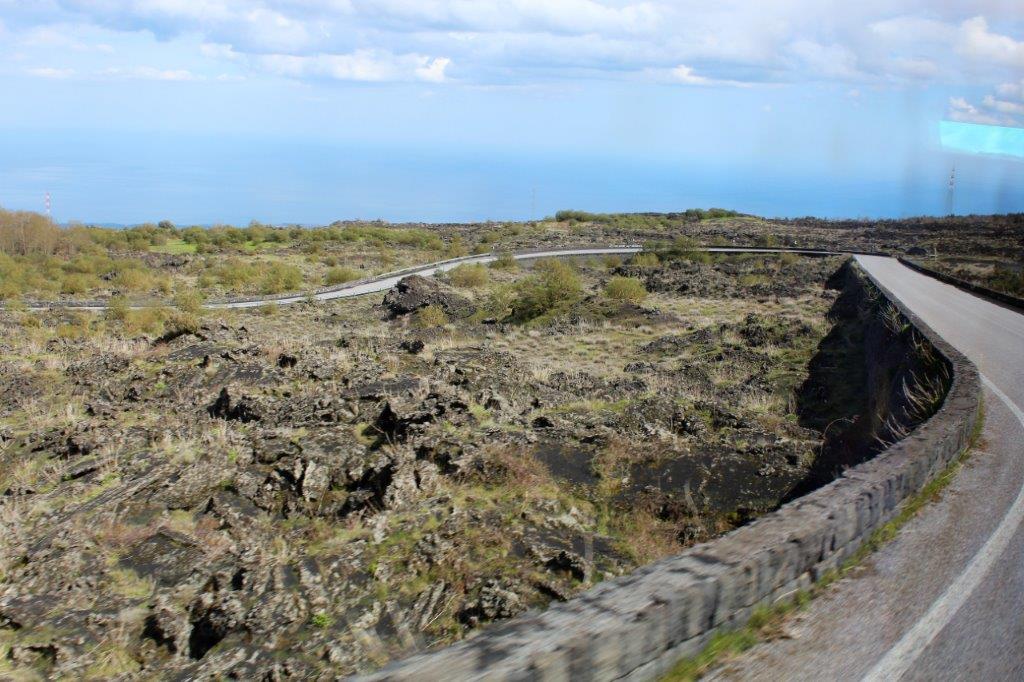
                                             Old lava flows.

                      And now we are back to spring.  We caught the second-to-last tender at 4:20 and the ship set sail at 5 PM.

2012 April 18 – Day 38 – Venice, Italy (Day 2)

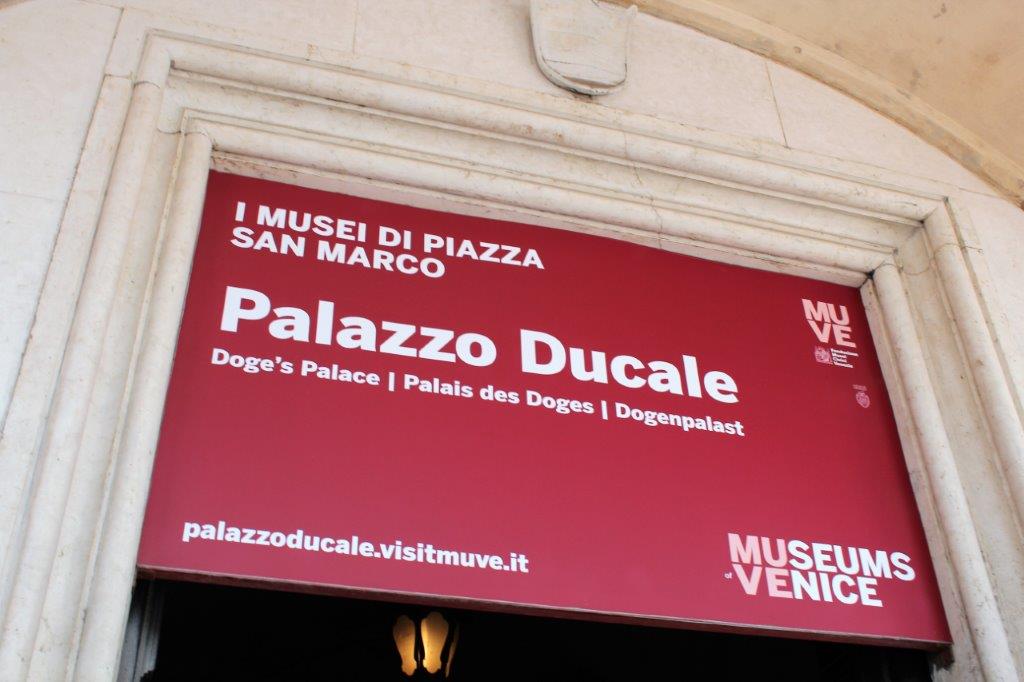
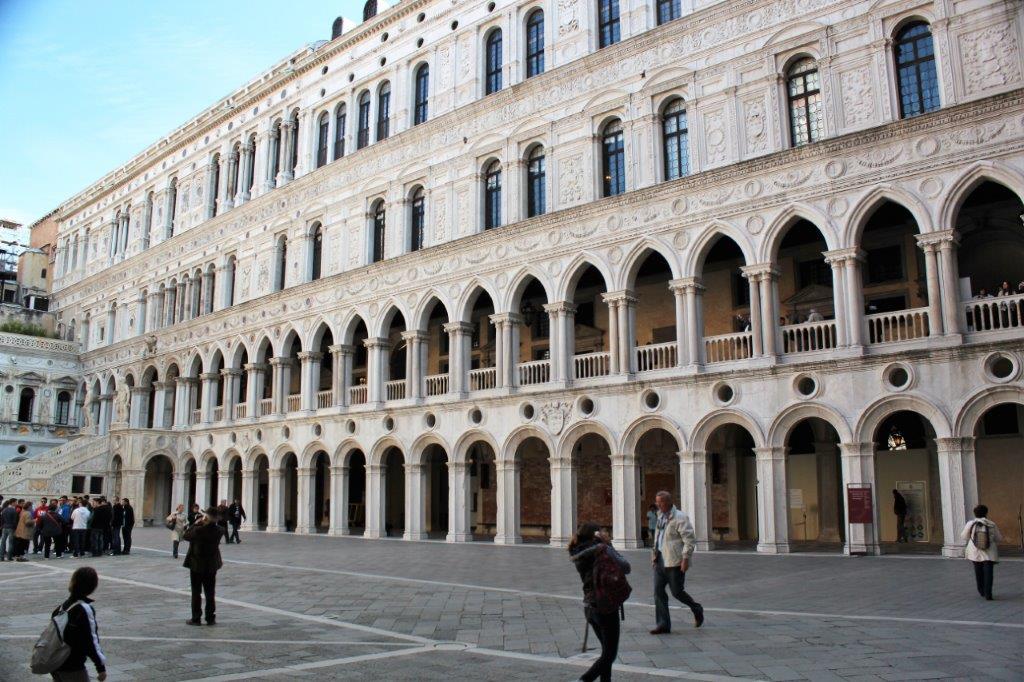
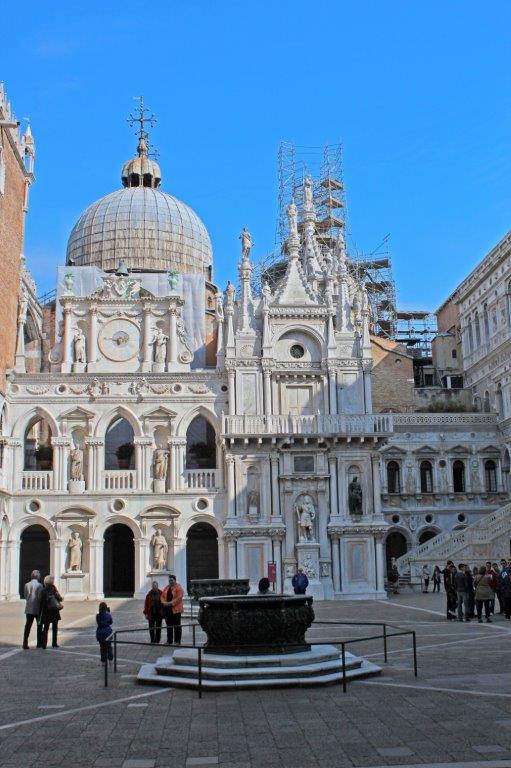
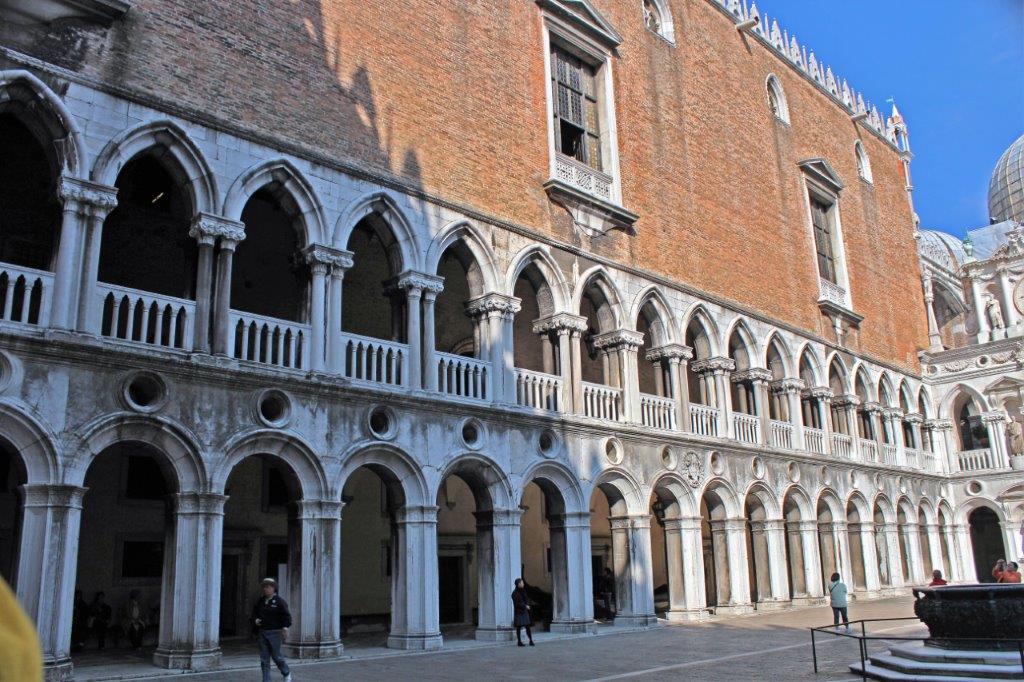
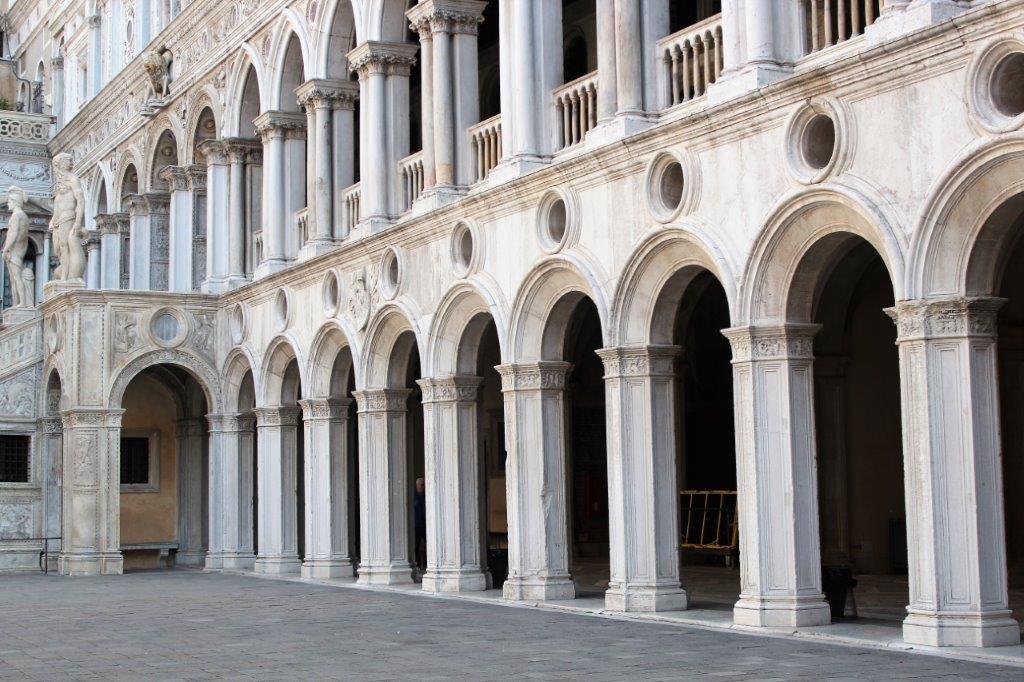
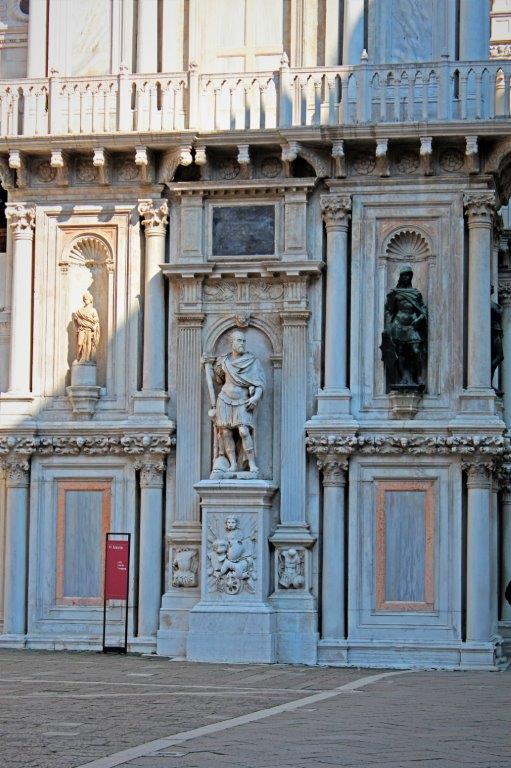
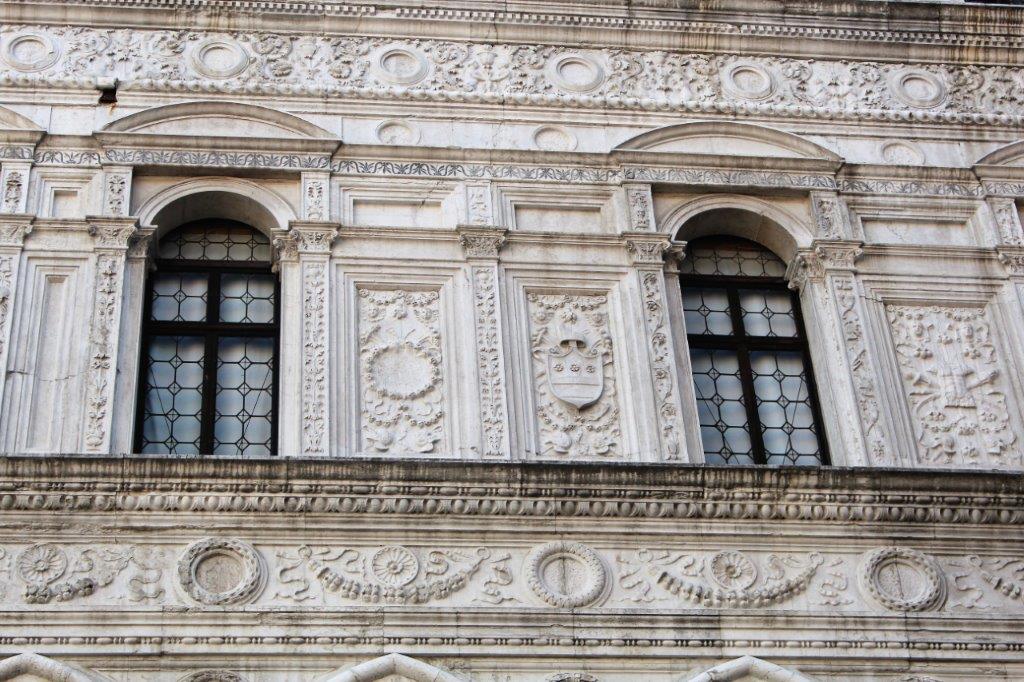
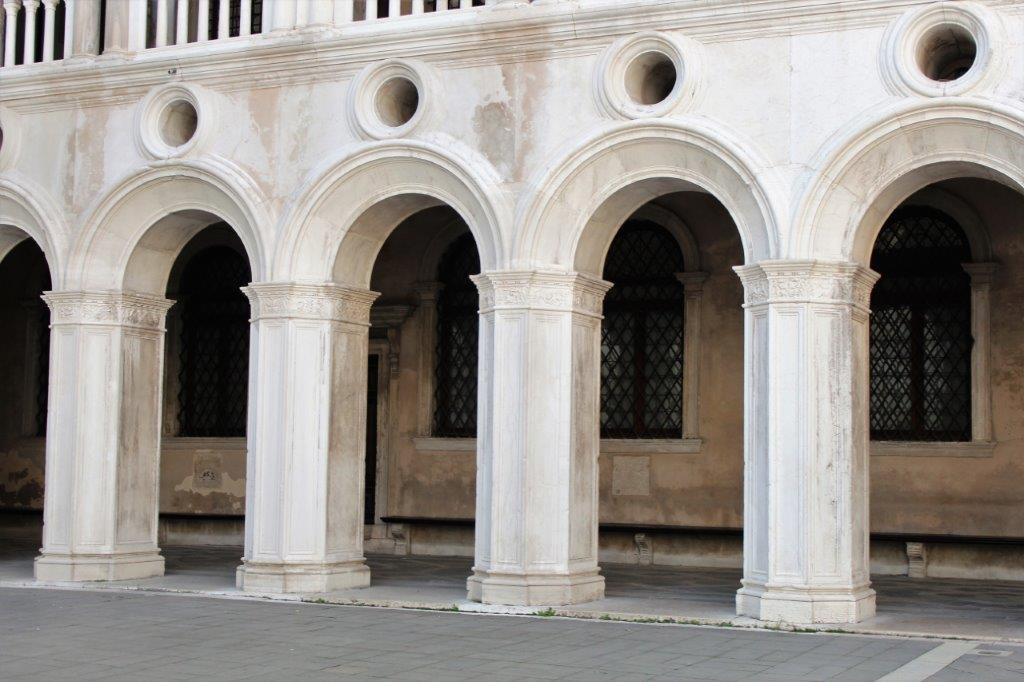
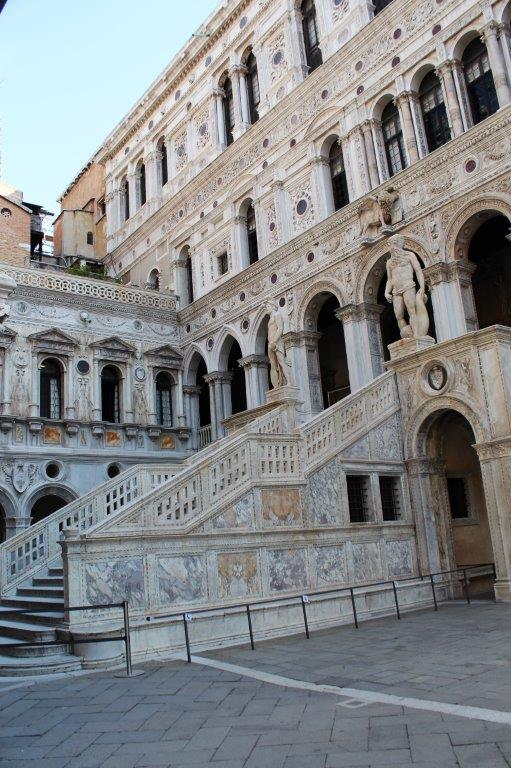
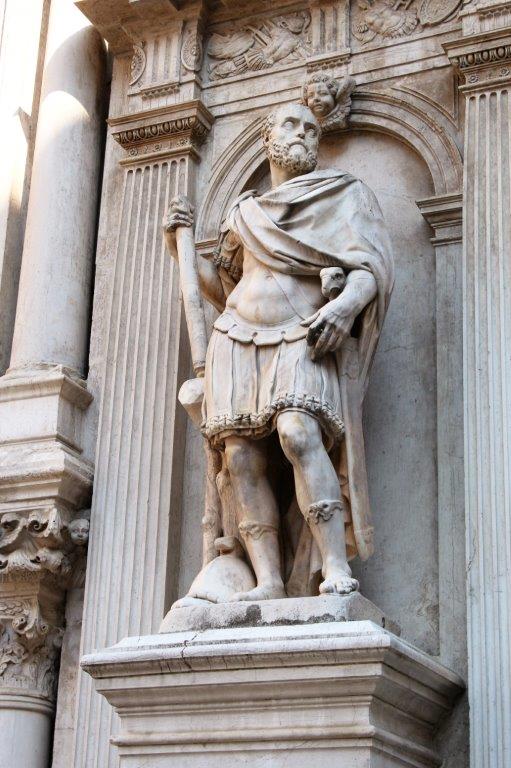
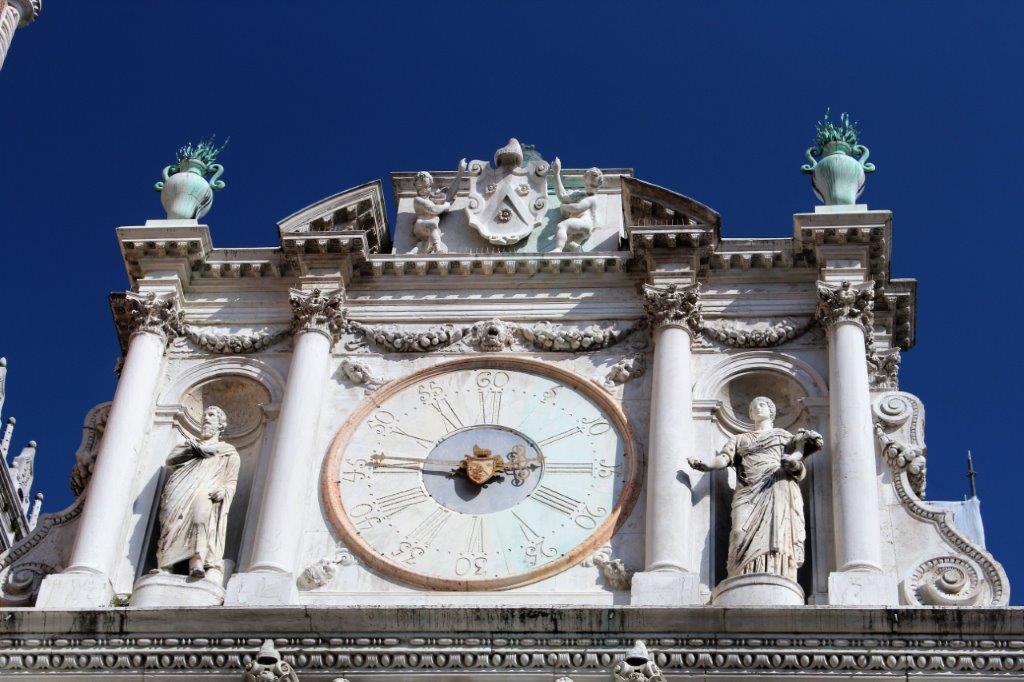
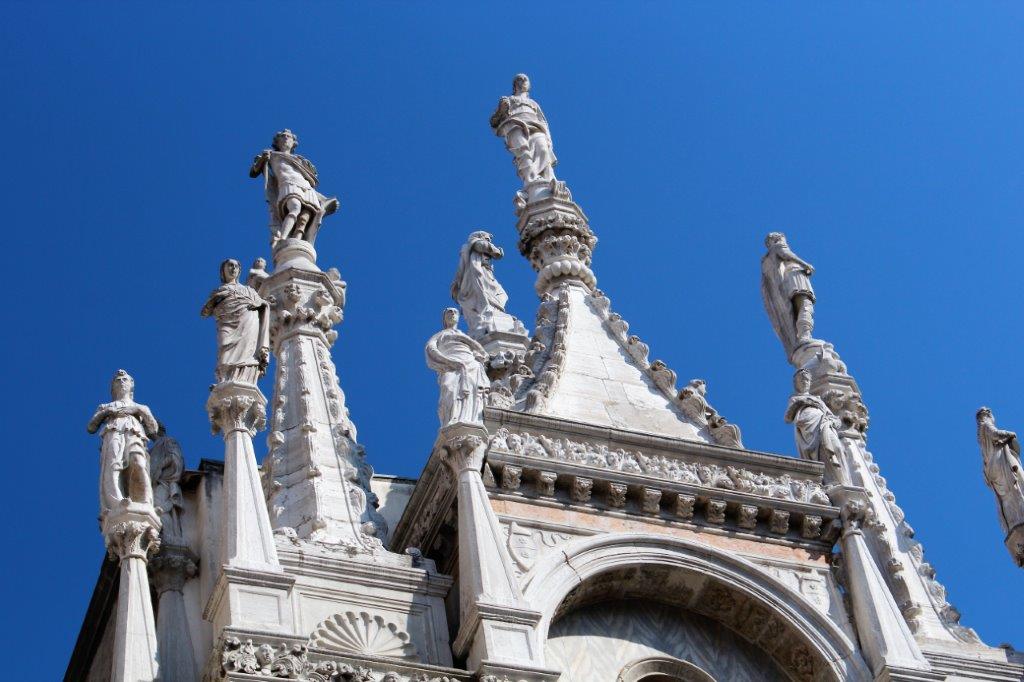
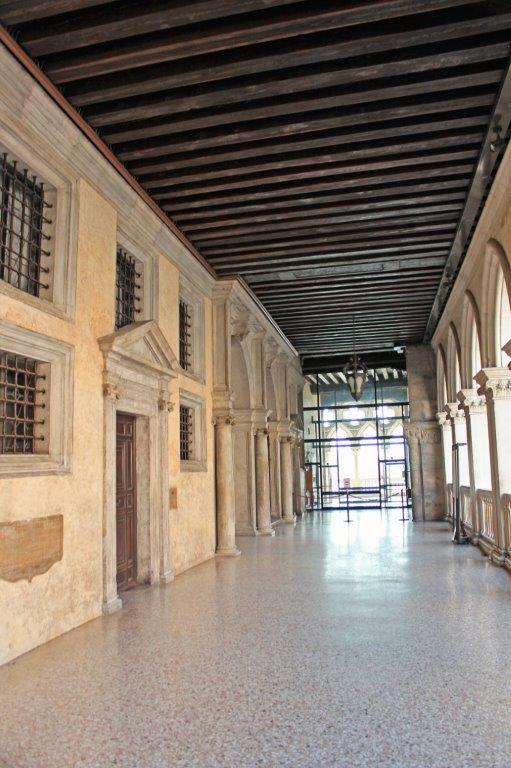
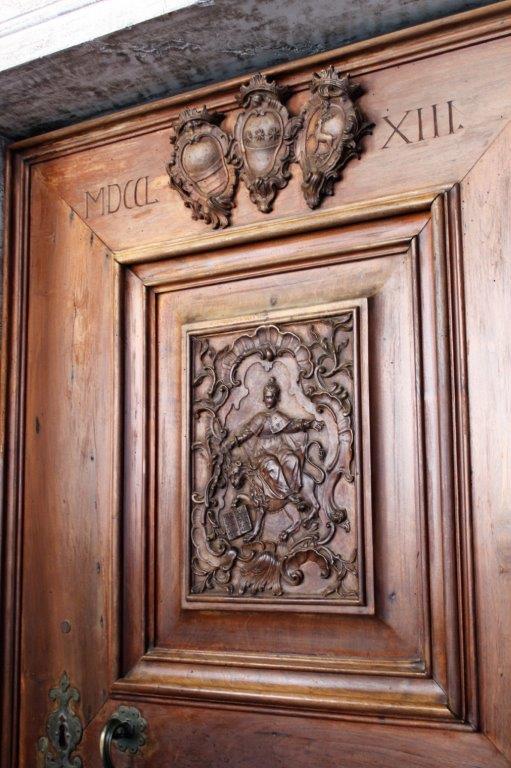
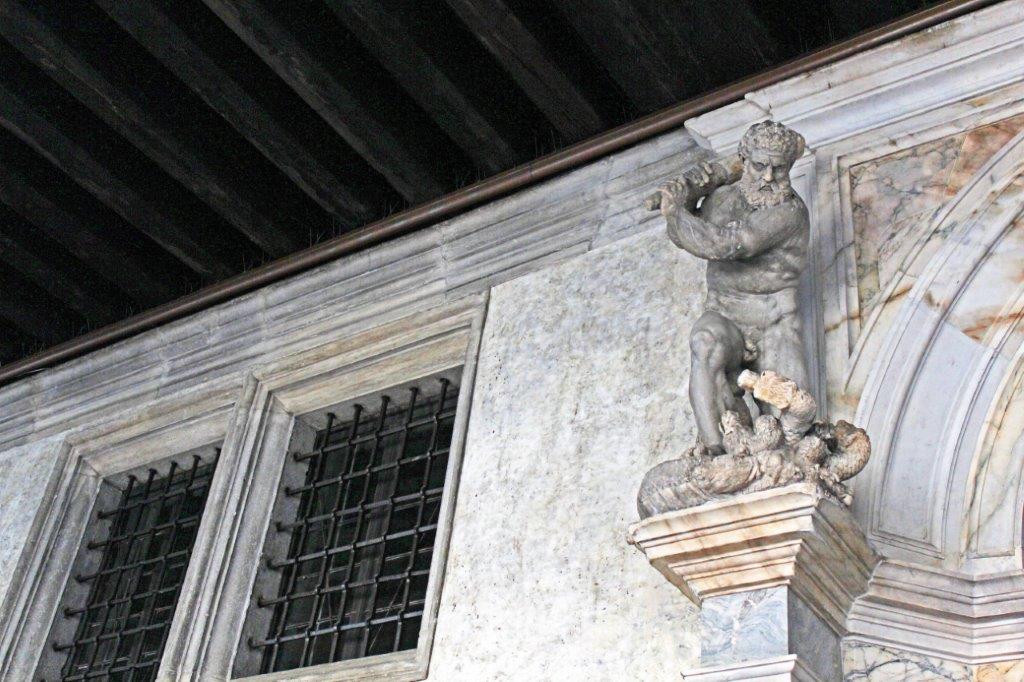
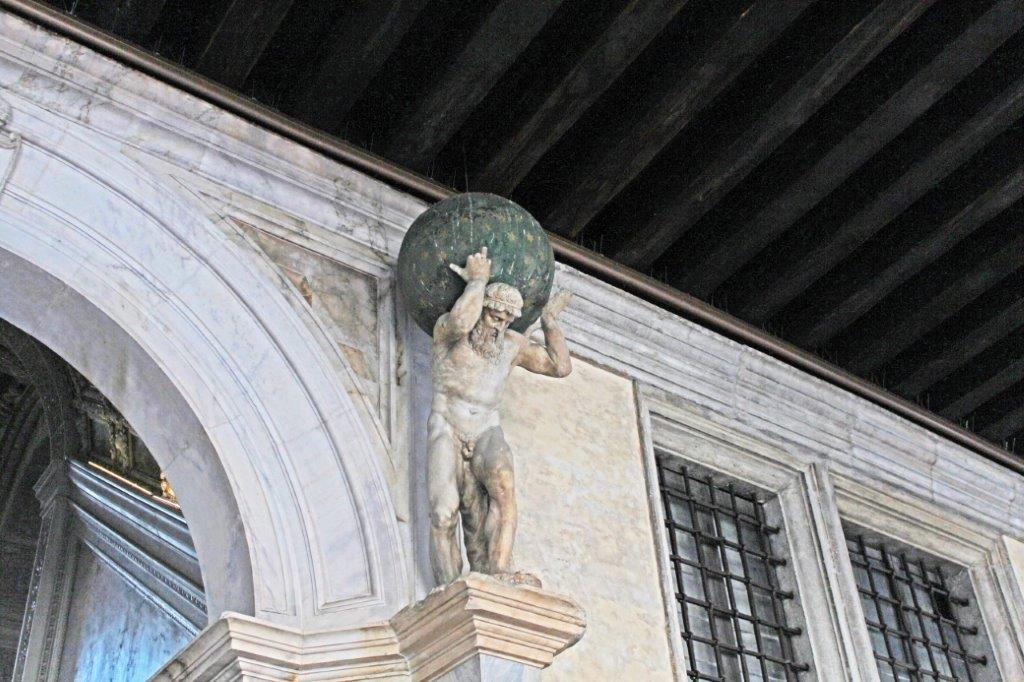
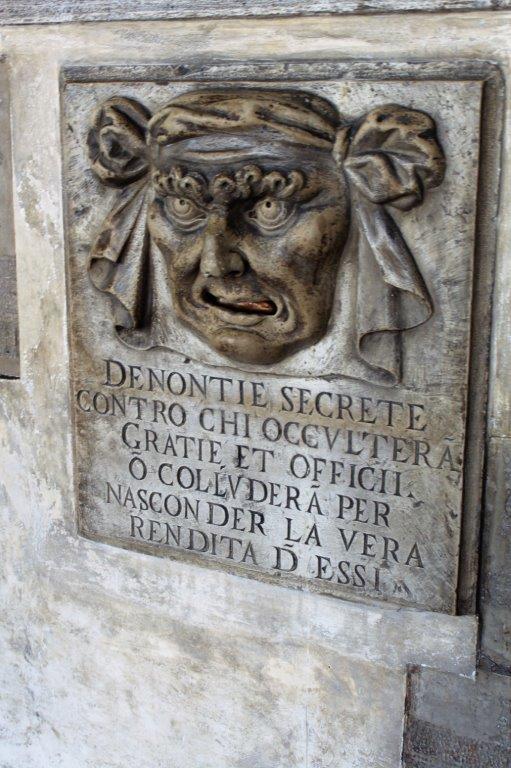
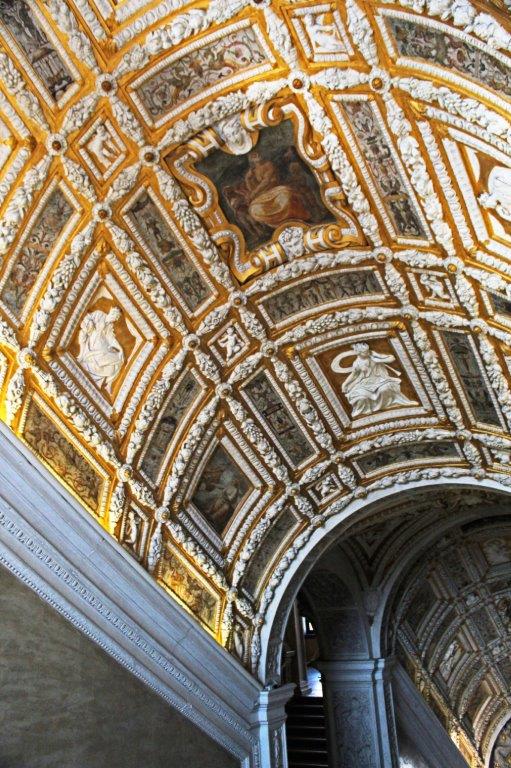
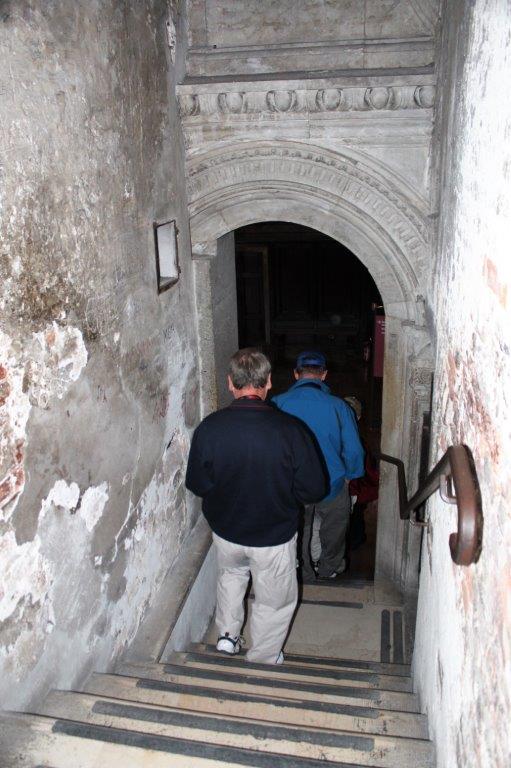
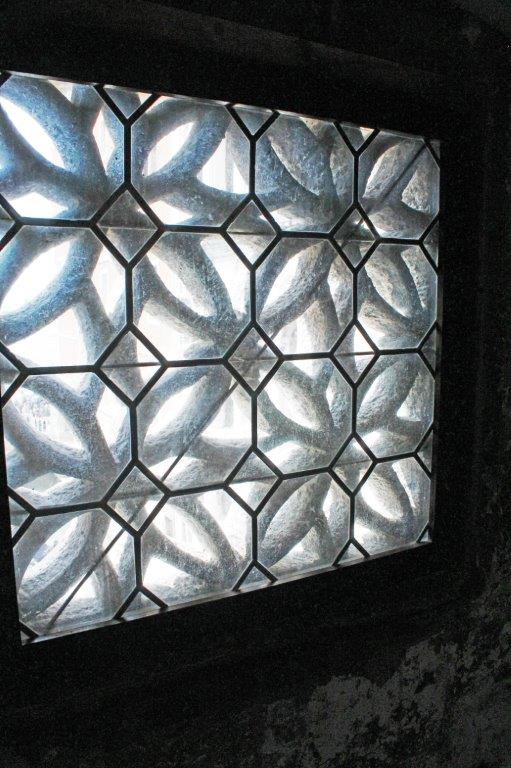
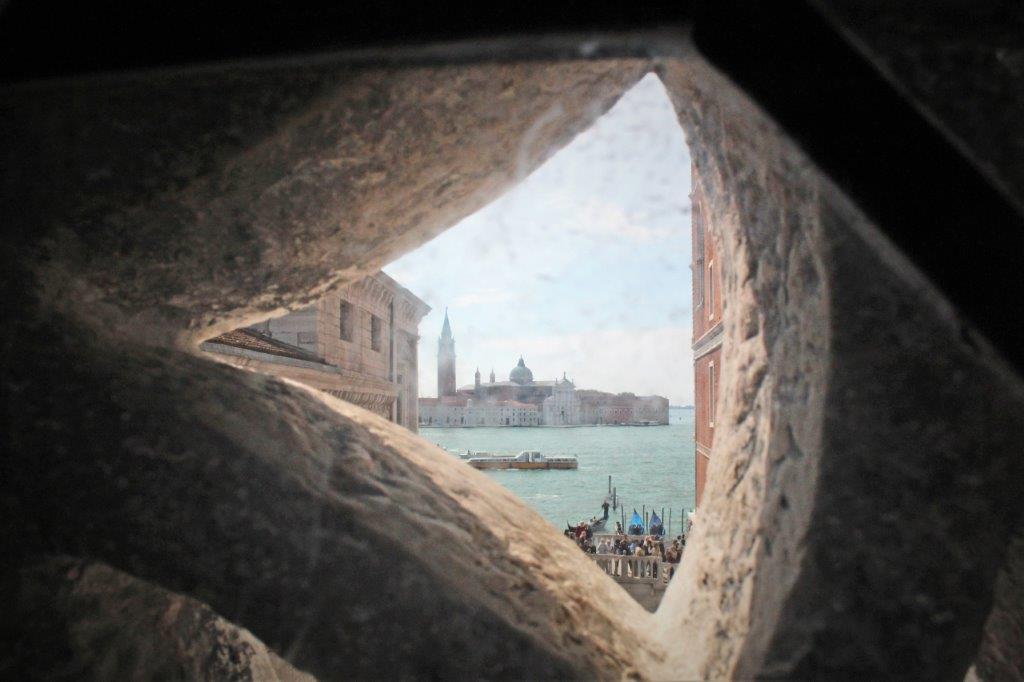
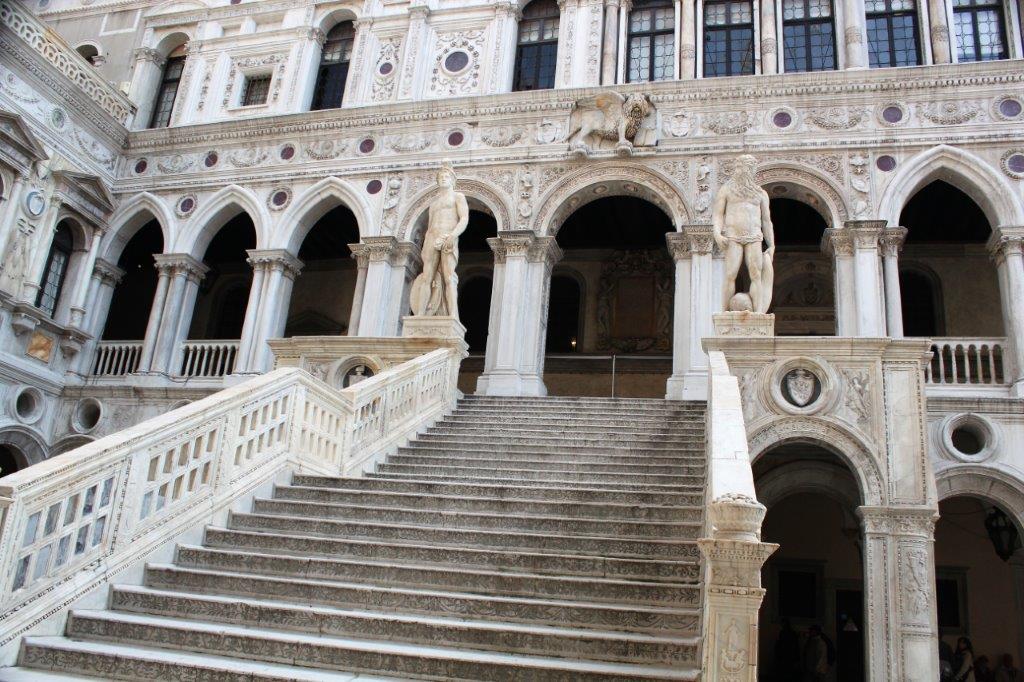
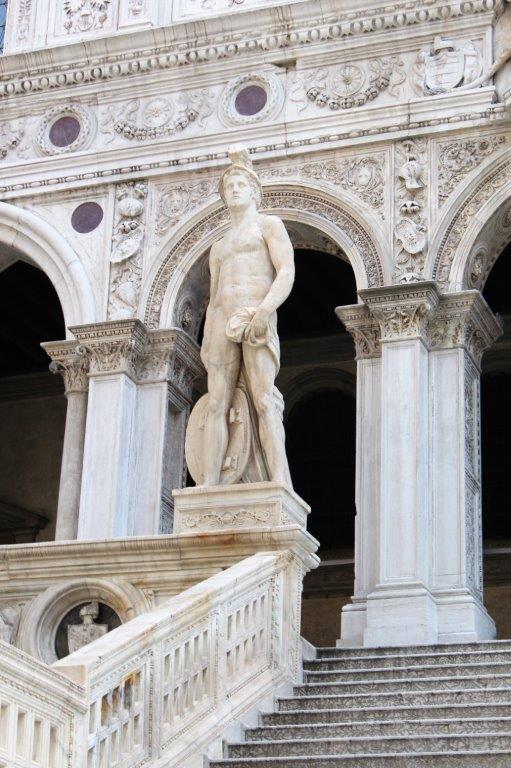
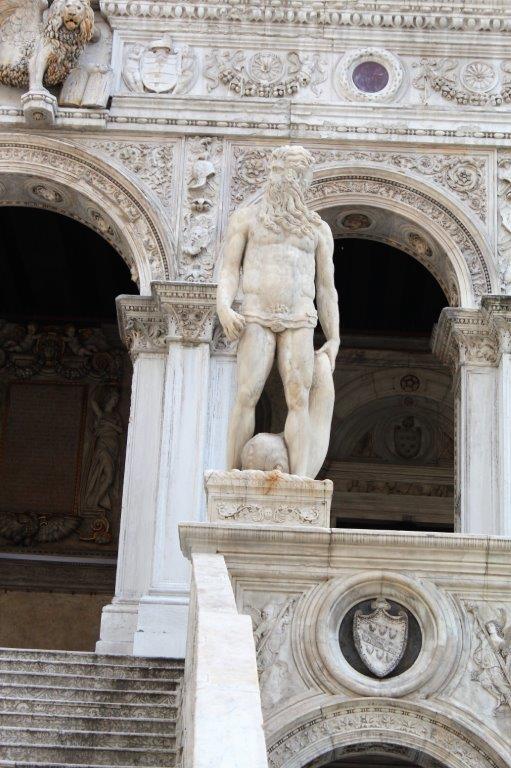
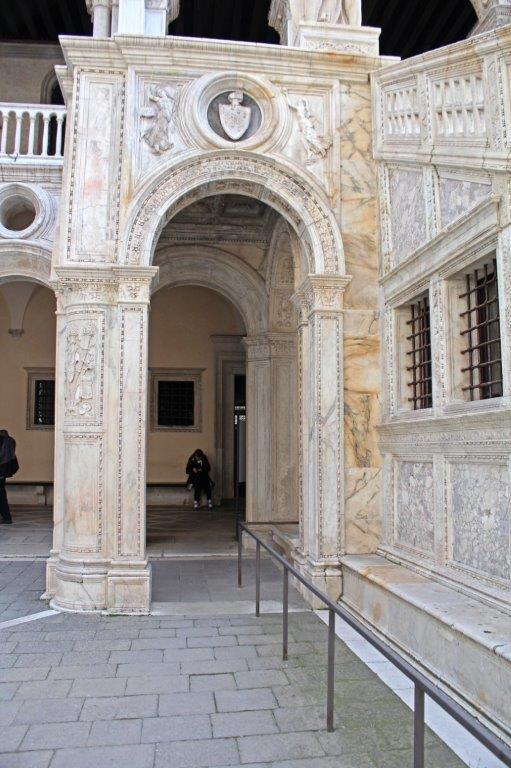
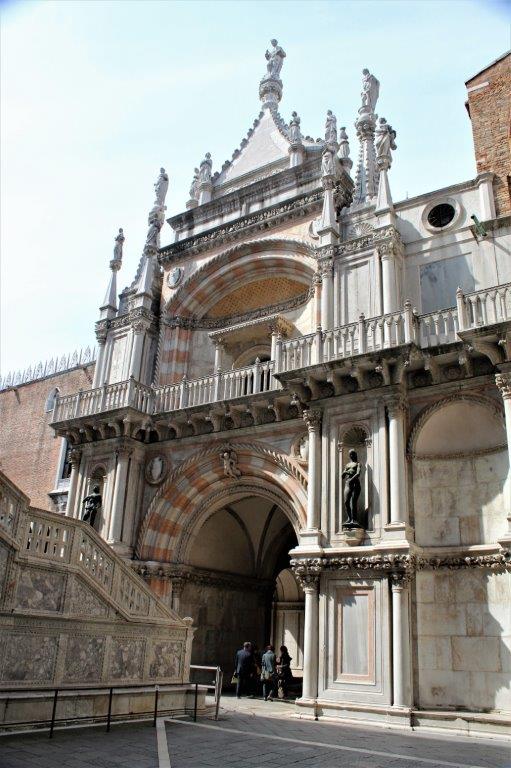
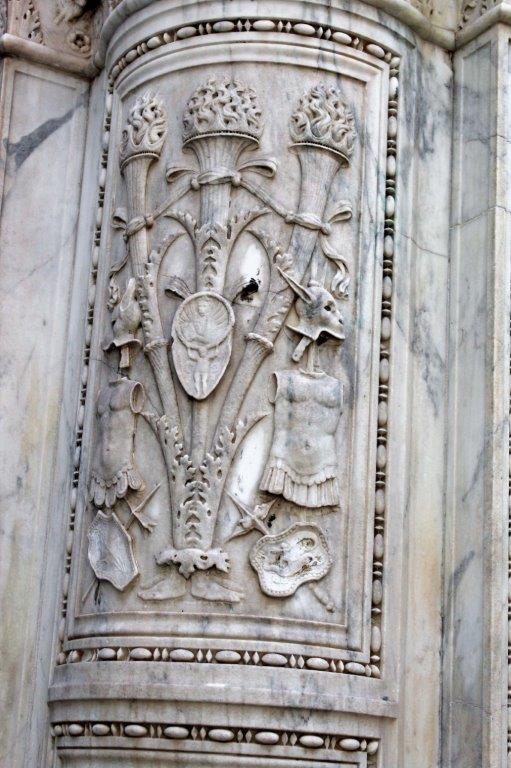
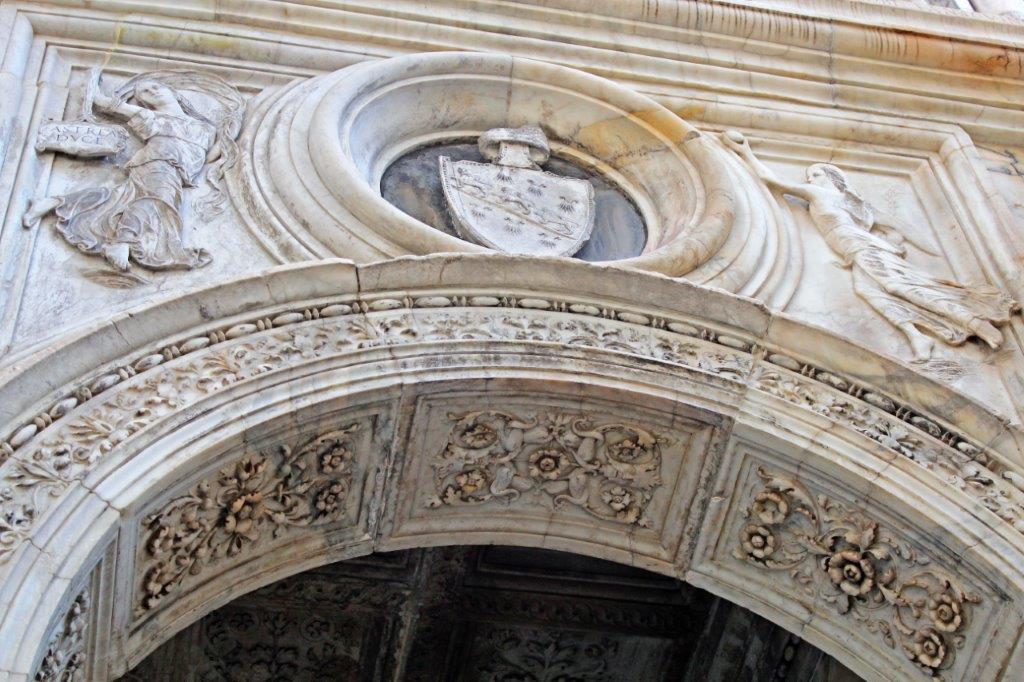
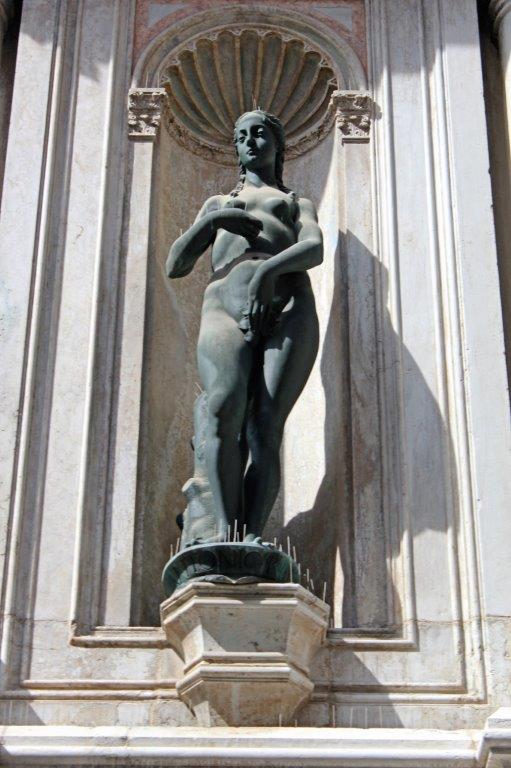
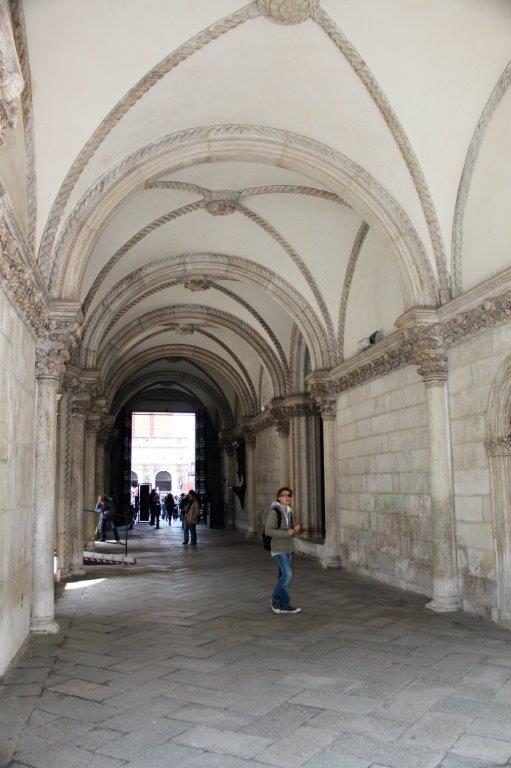
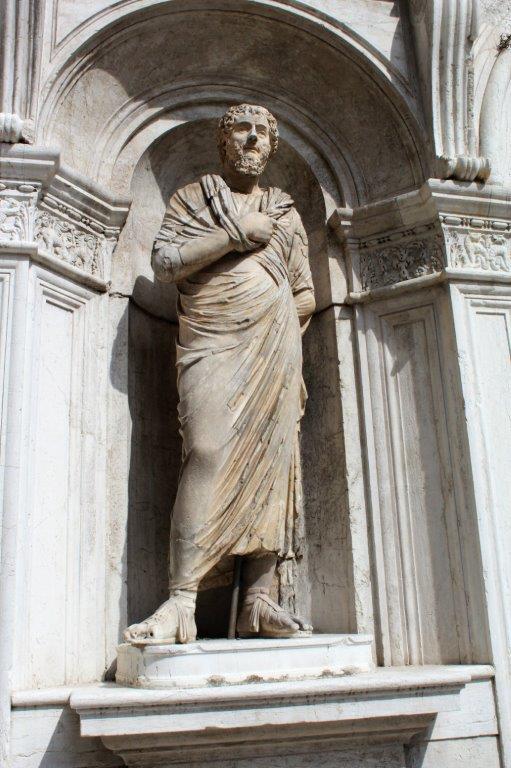
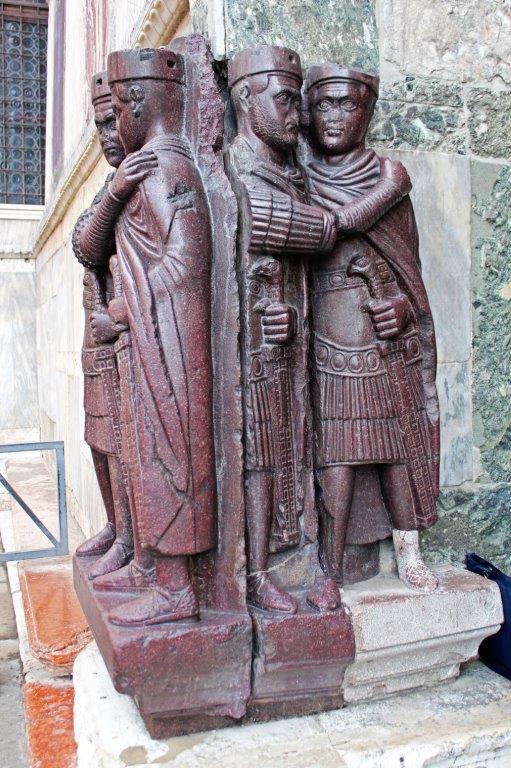
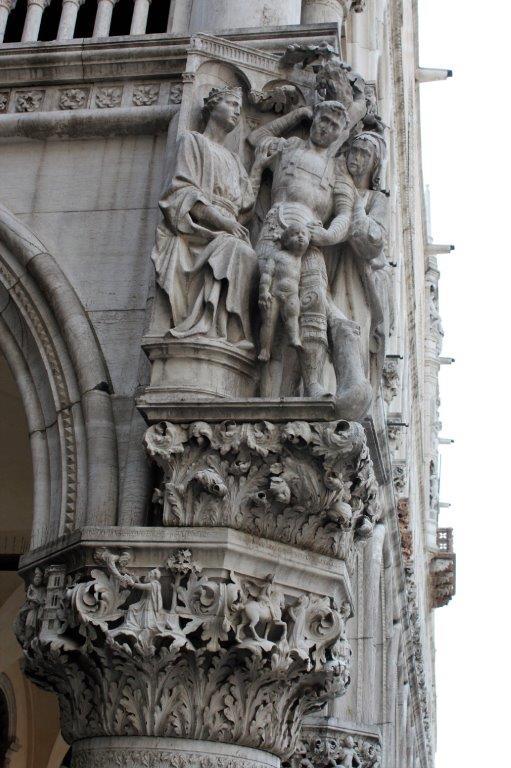
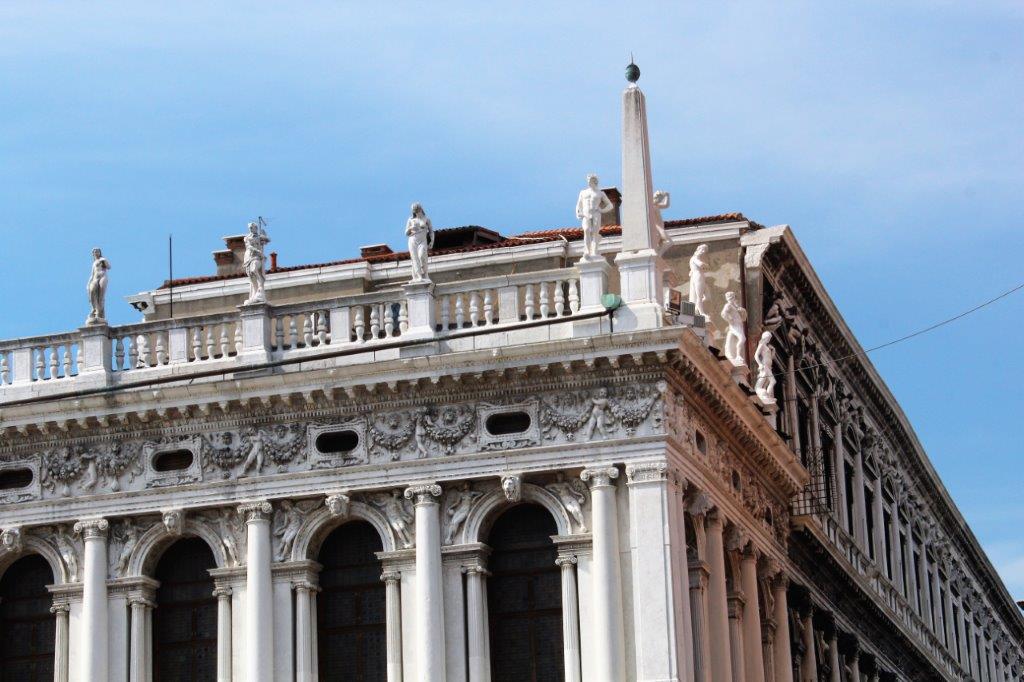
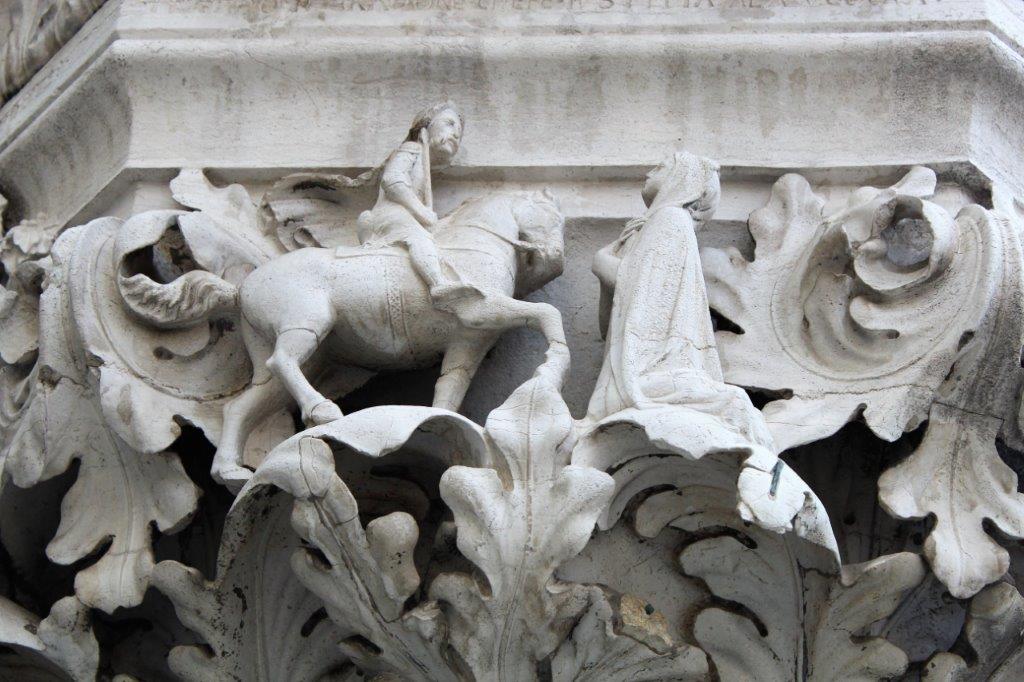
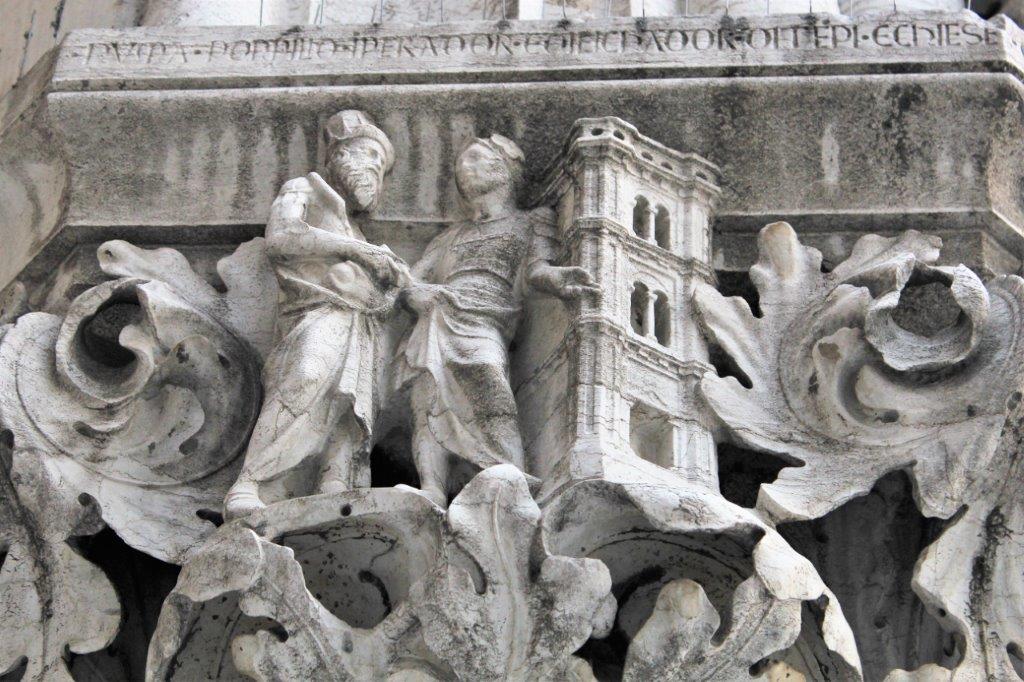
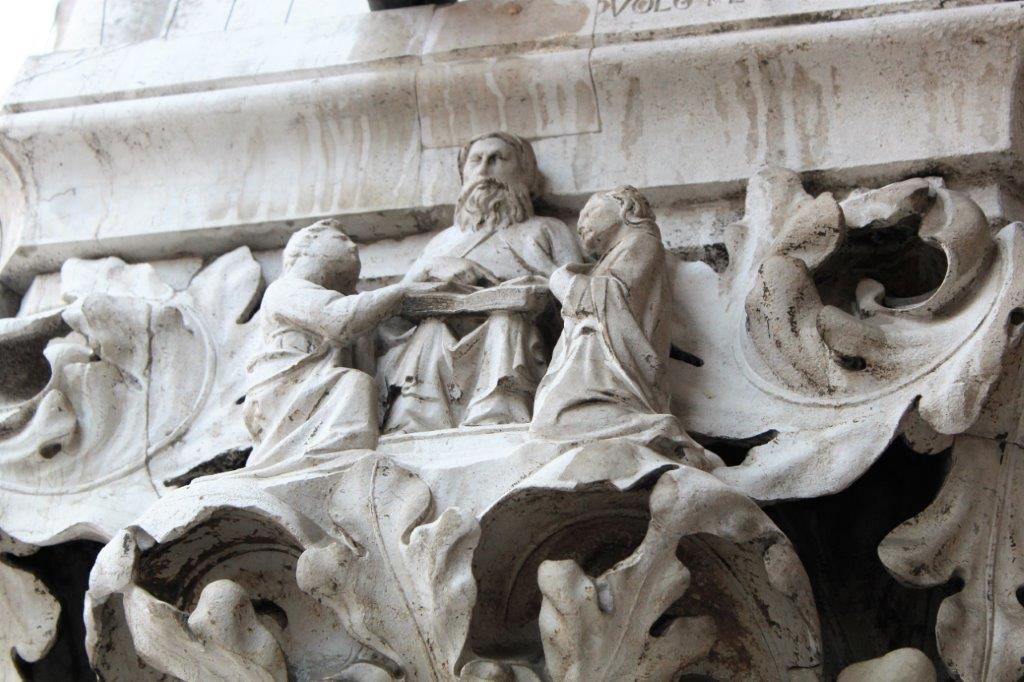
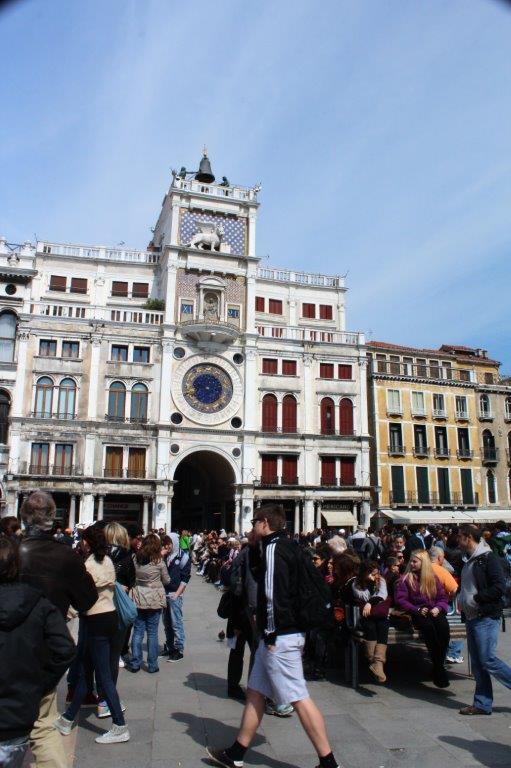
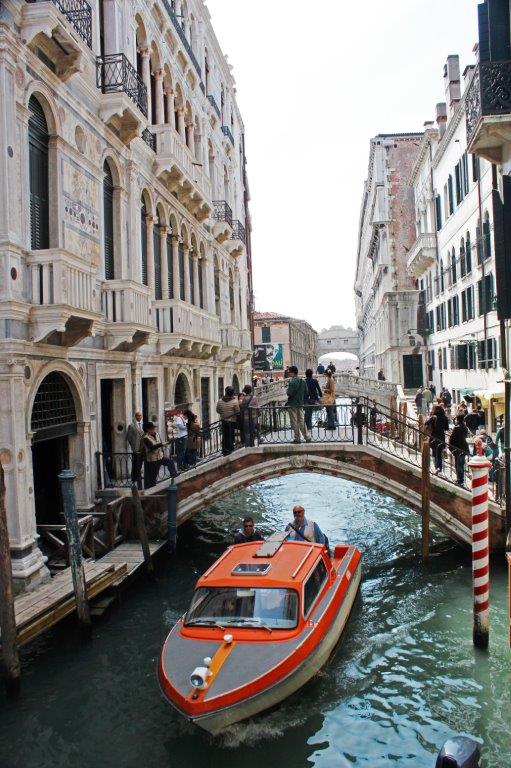
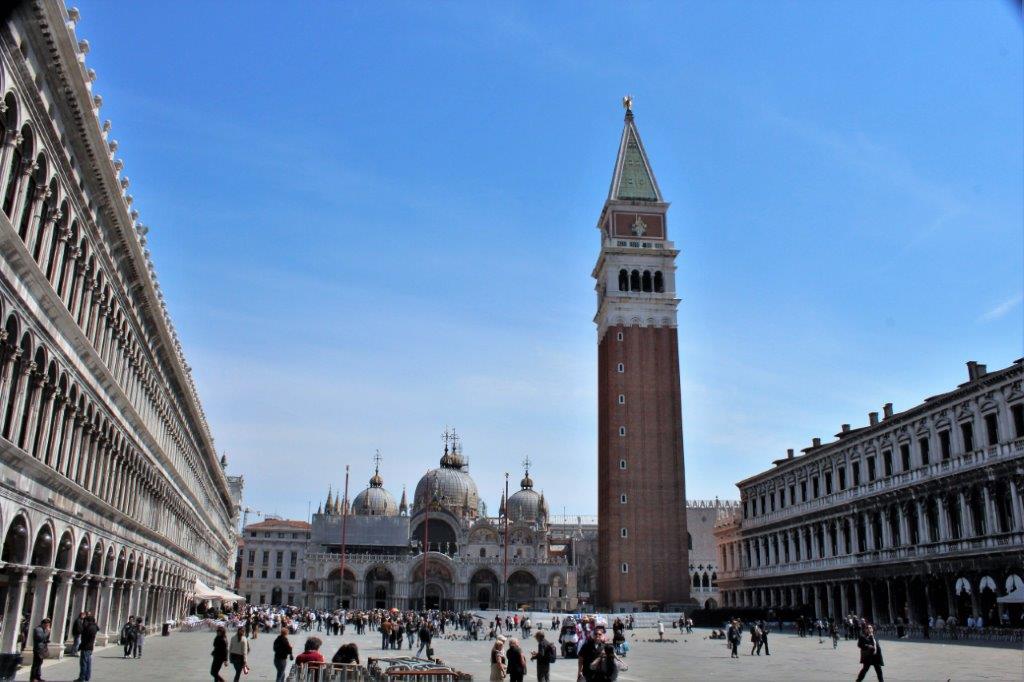
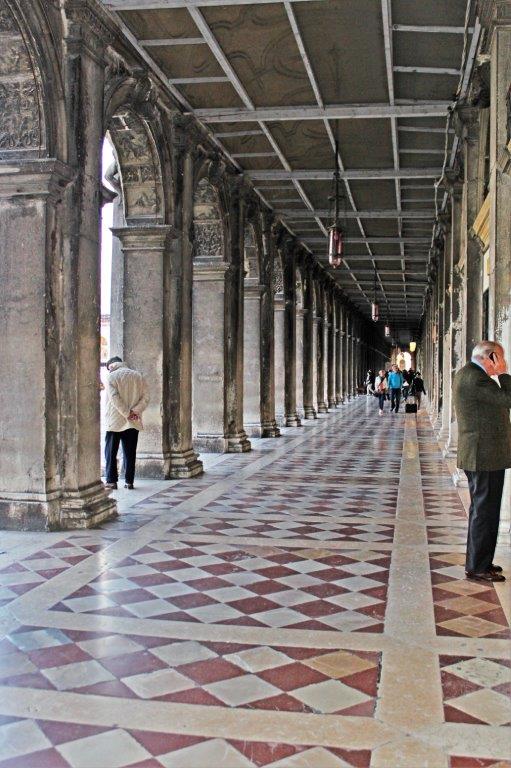
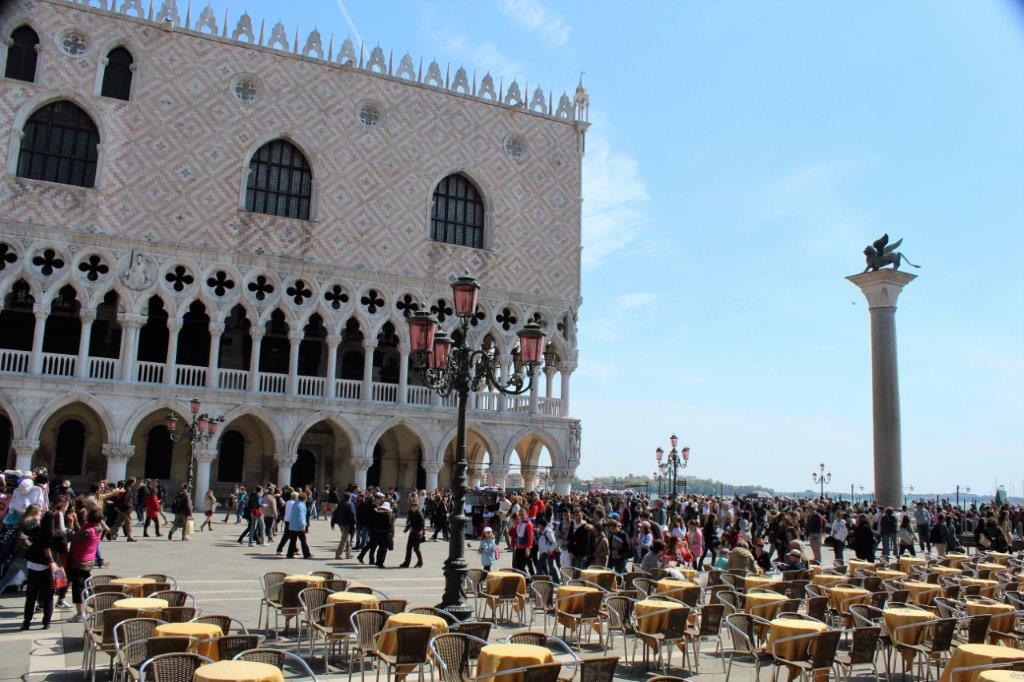
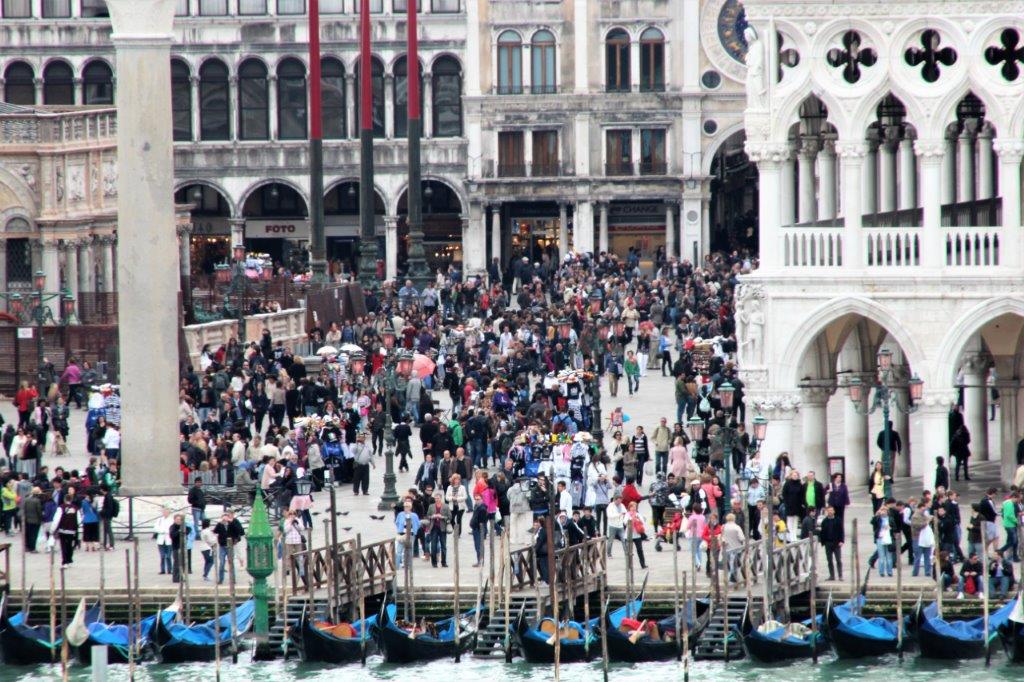
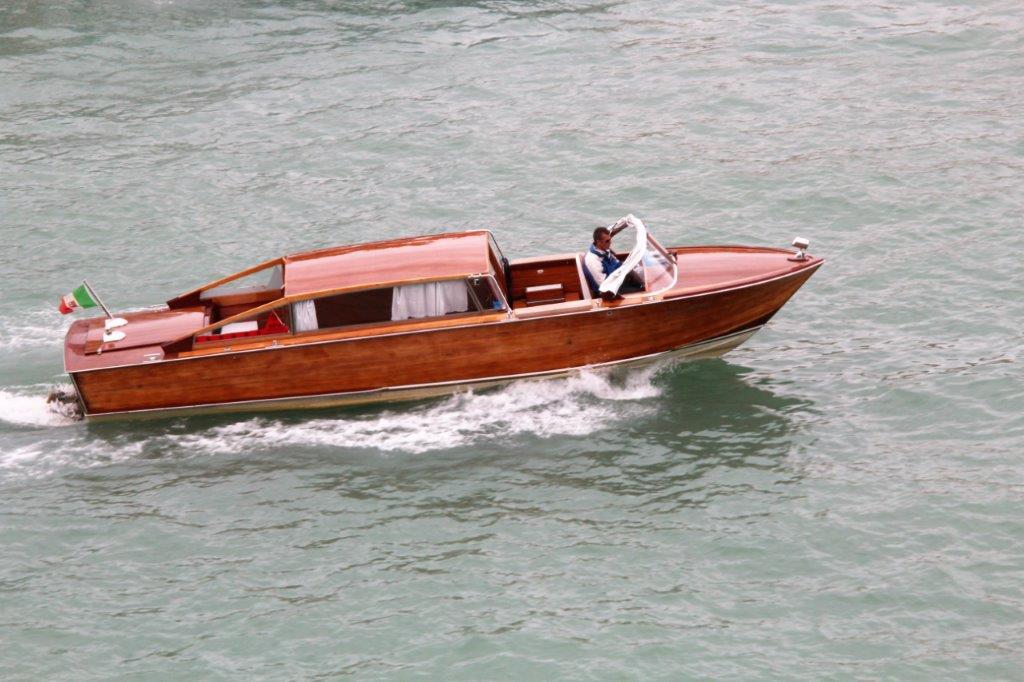
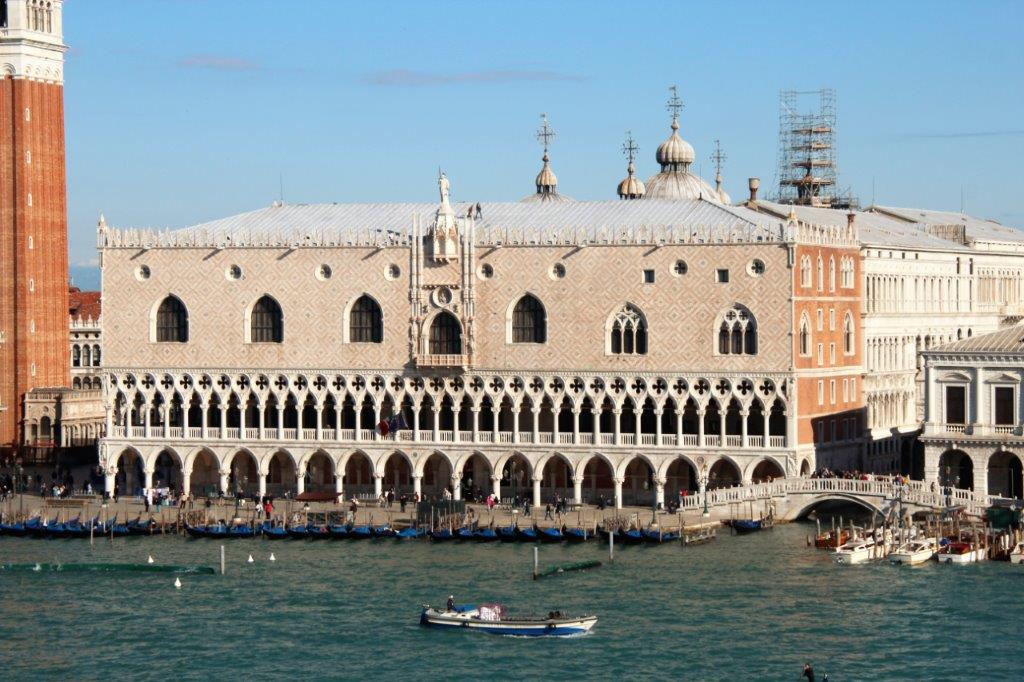
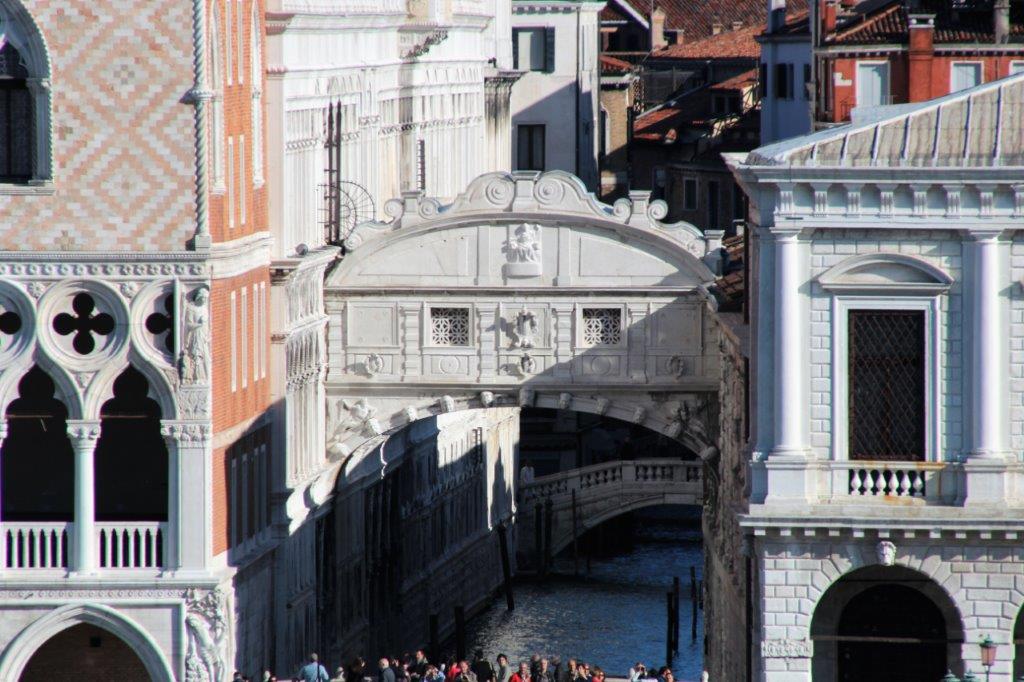
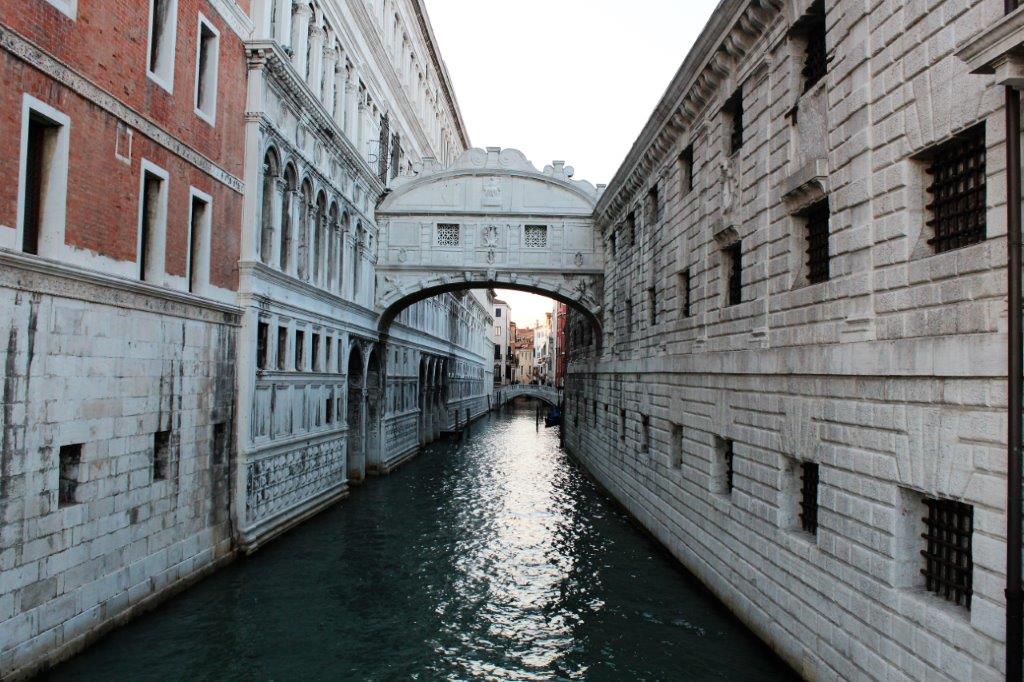
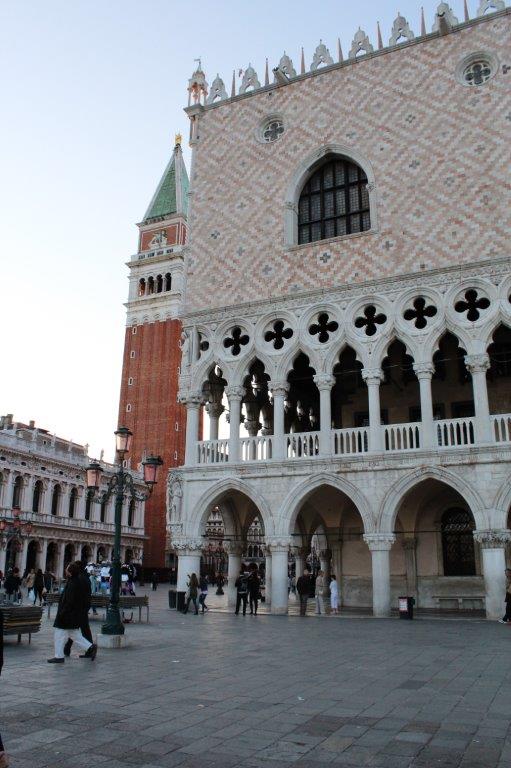
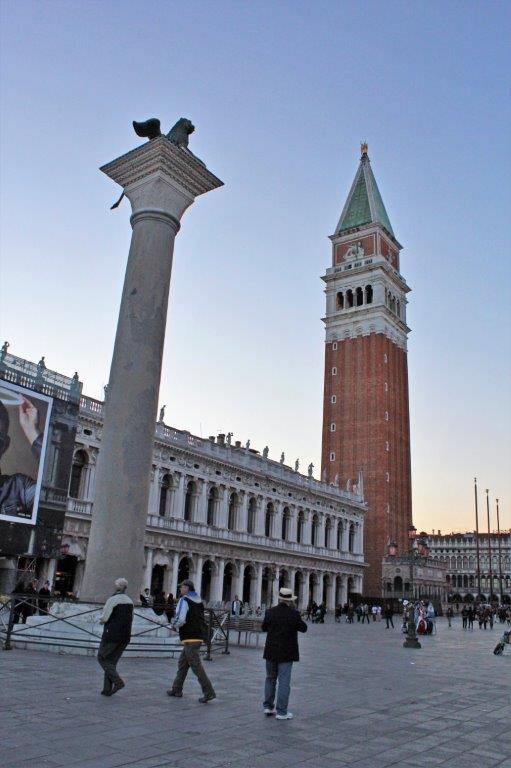
A motor launch took us from the ship to St. Mark’s Square – the heart and soul of Venice.  We had a 4 1/2 hour guided walking tour but we didn’t have to walk very far.  Our first stop, four bridges from where we were let out of the water taxi, was Doges’ Palace. The Doges were wealthy elected noblemen who were the governing body of the city of Venice for 1000 years.  The Doges also had over 200 advisers specializing in various administrative or commercial areas.  There were no photos allowed inside the Palace because of all the art masterpieces, so I only have photos outside, and I had already take some as the ship sailed by on its way to the port terminal.   All the arches and columns and staircases made for some nice images.  If you ever get to Las Vegas, check out The Venetian Casino and Hotel.  It is an excellent mini-replica of Doge’s Palace (including the artwork on the ceiling and the carpet and pillars in the entrance hall that we were not allowed to photograph in the real thing).  The Venetian also has a mini-Rialto Bridge and the Tower at St. Mark’s Square with the two pillars – plus a little stretch of canal.  When we went to Las Vegas a year or so after this cruise we were transported right back to this day in Venice.   Entrance to the palace was via the Golden Staircase, so named because of the 24 karat gold gilded ceiling.  I was a bad girl and snuck a couple of photos of it as I climbed up.  They were the only ones I took inside the building.We were taken across the Bridge of Sighs that connects the palace – which included the law courts – with the jail.  The name of the little bridge is taken from a Lord Byron poem about the feelings of a prisoner as he crosses the bridge leaving behind his freedom – and probably his life.

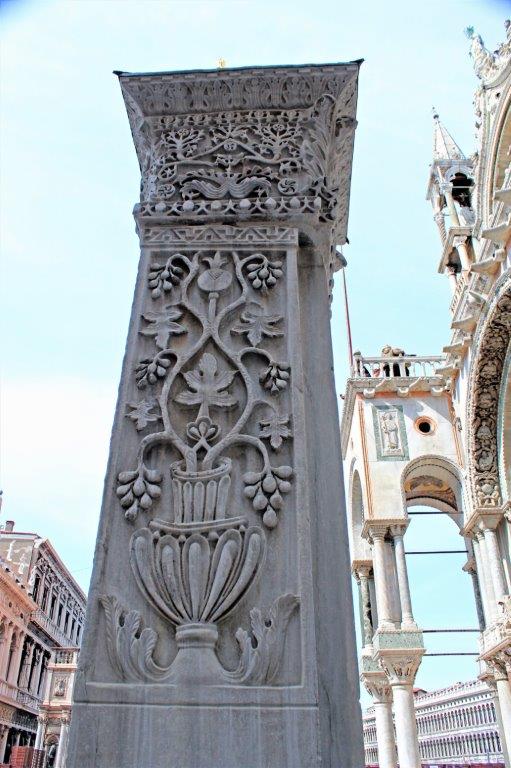
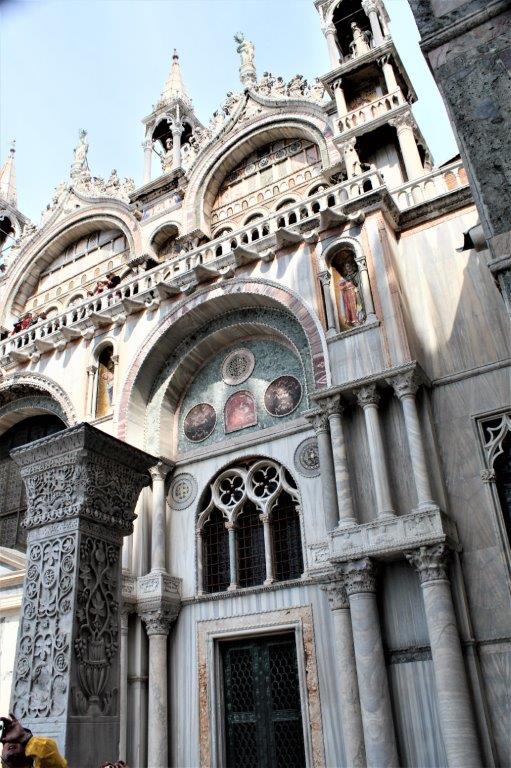
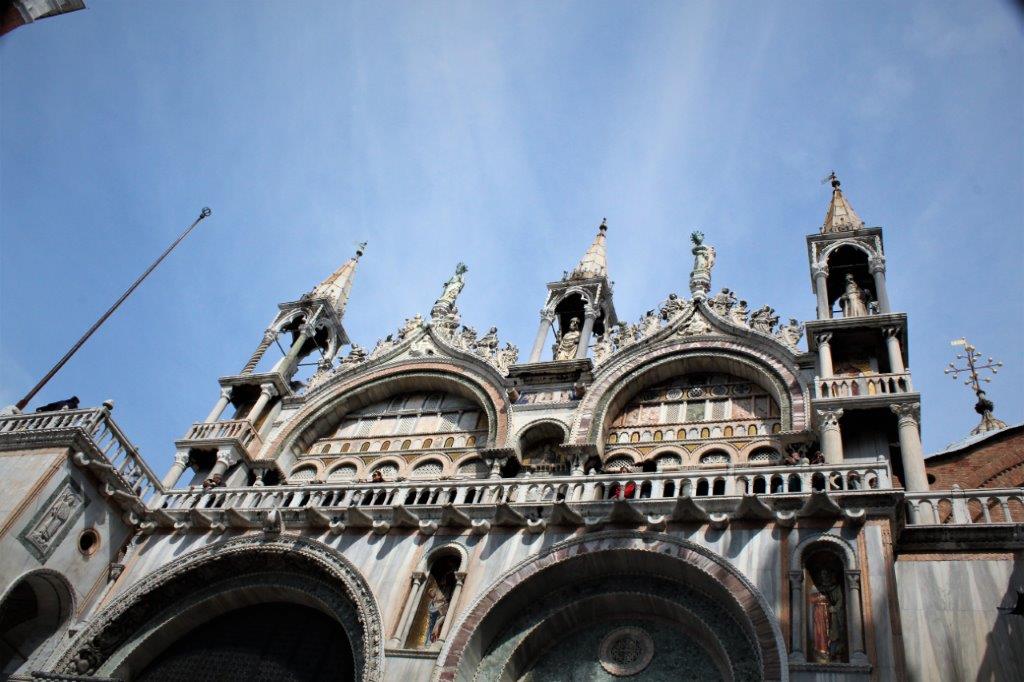
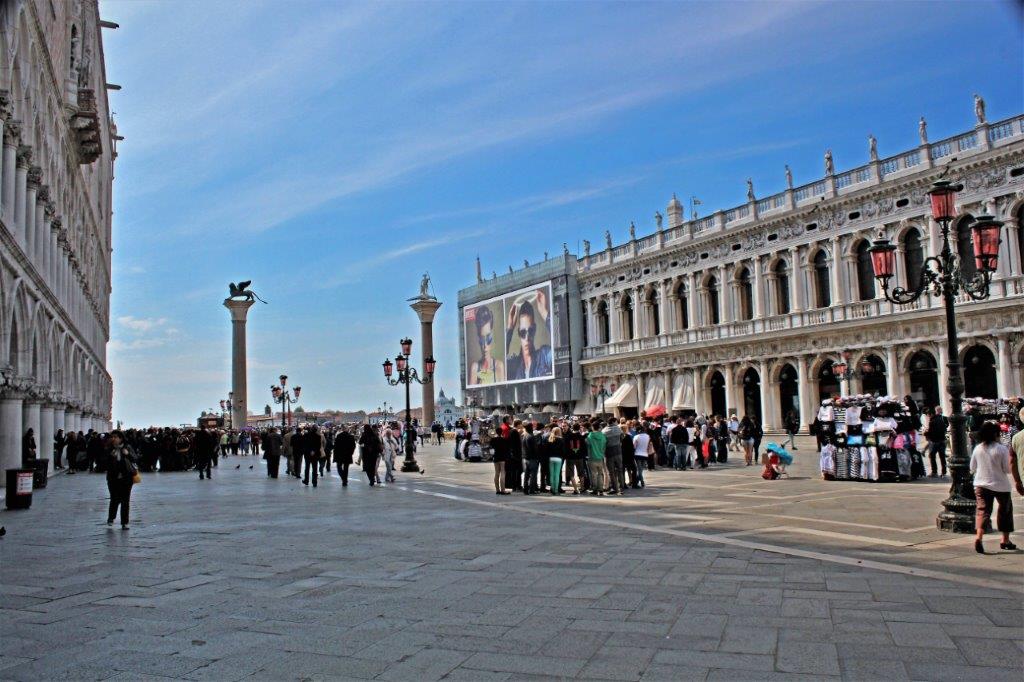
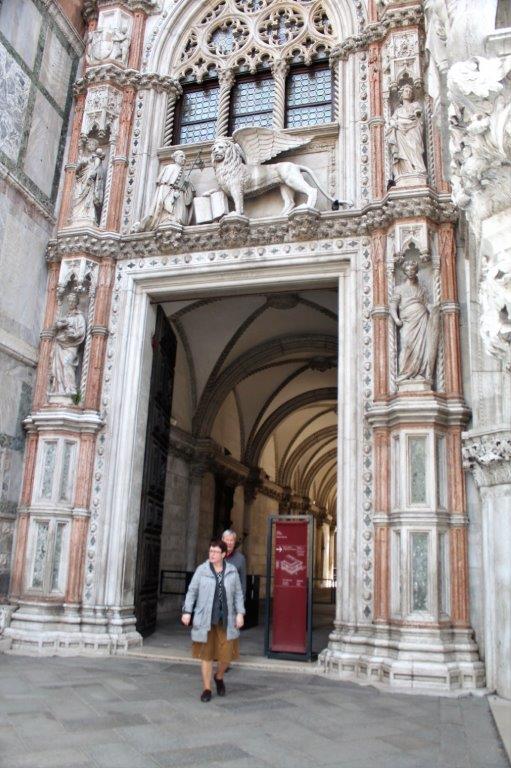
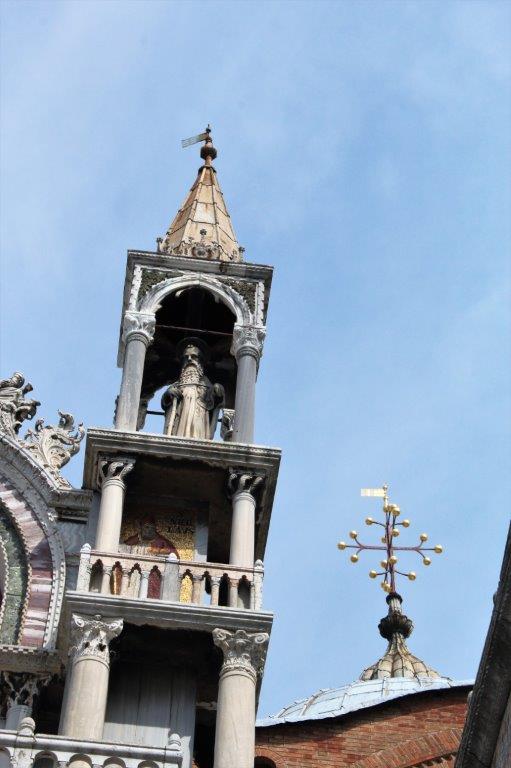
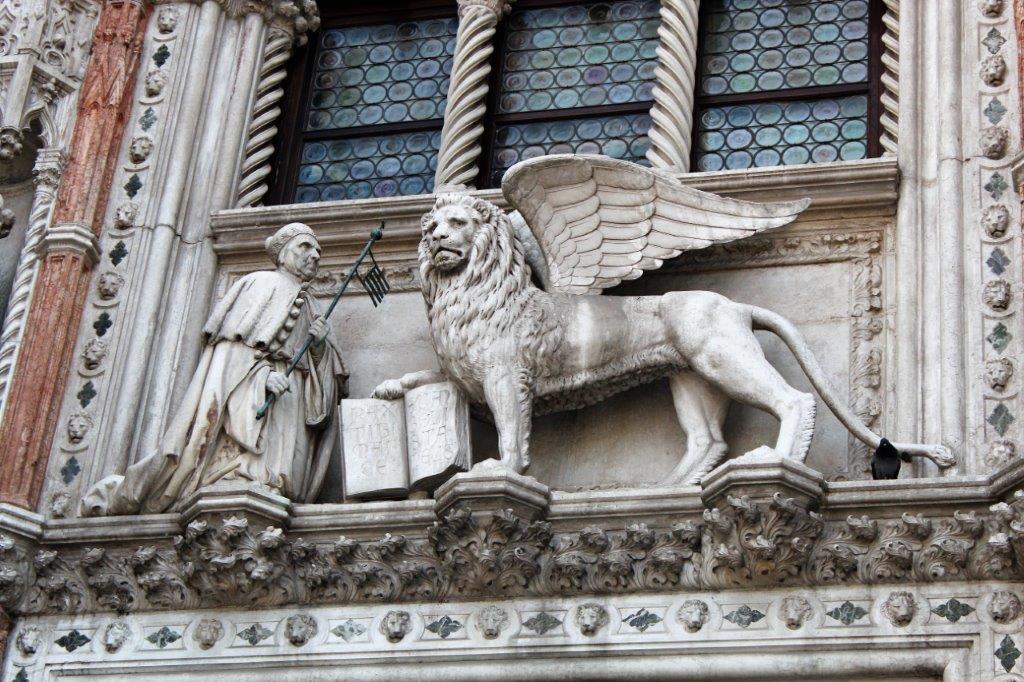
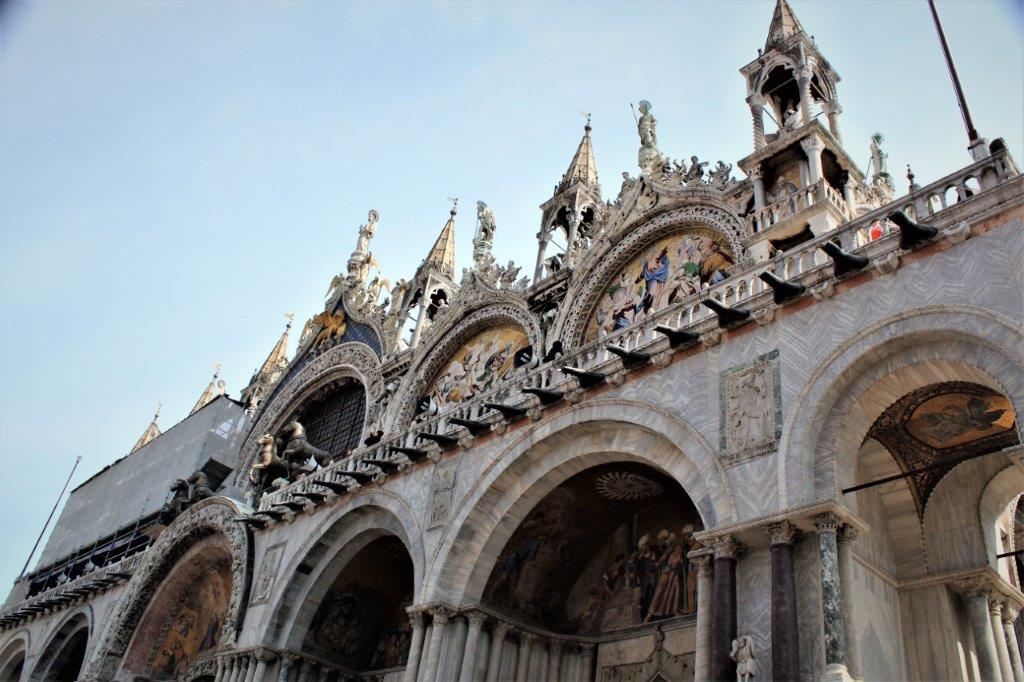
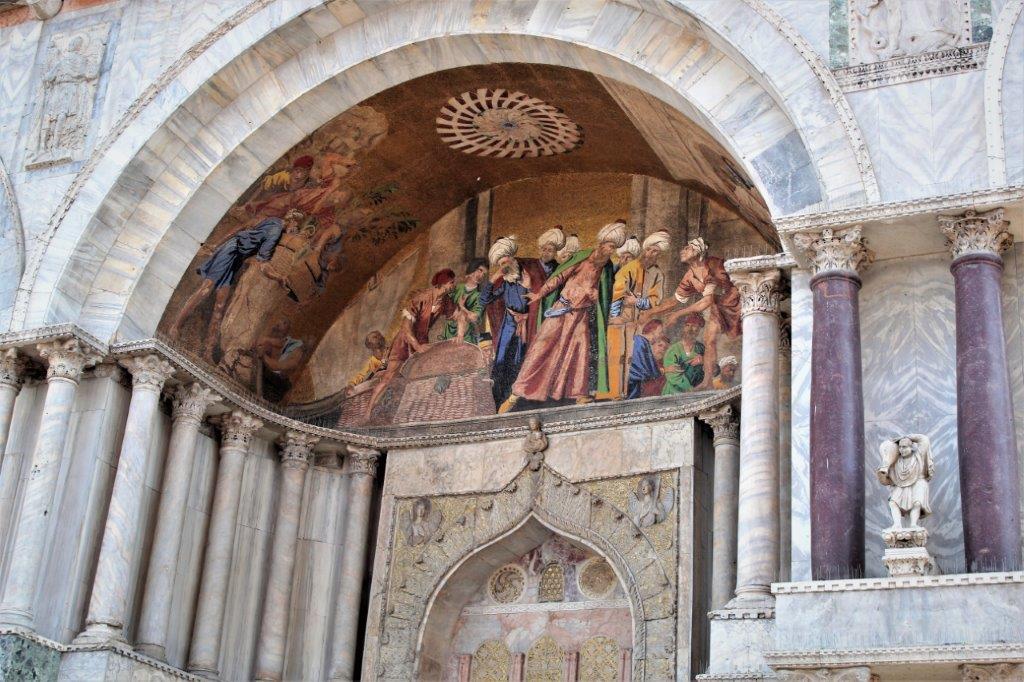
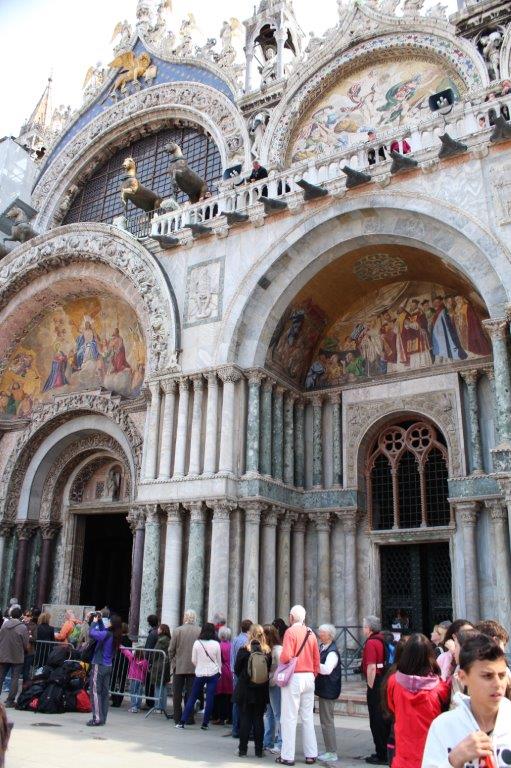
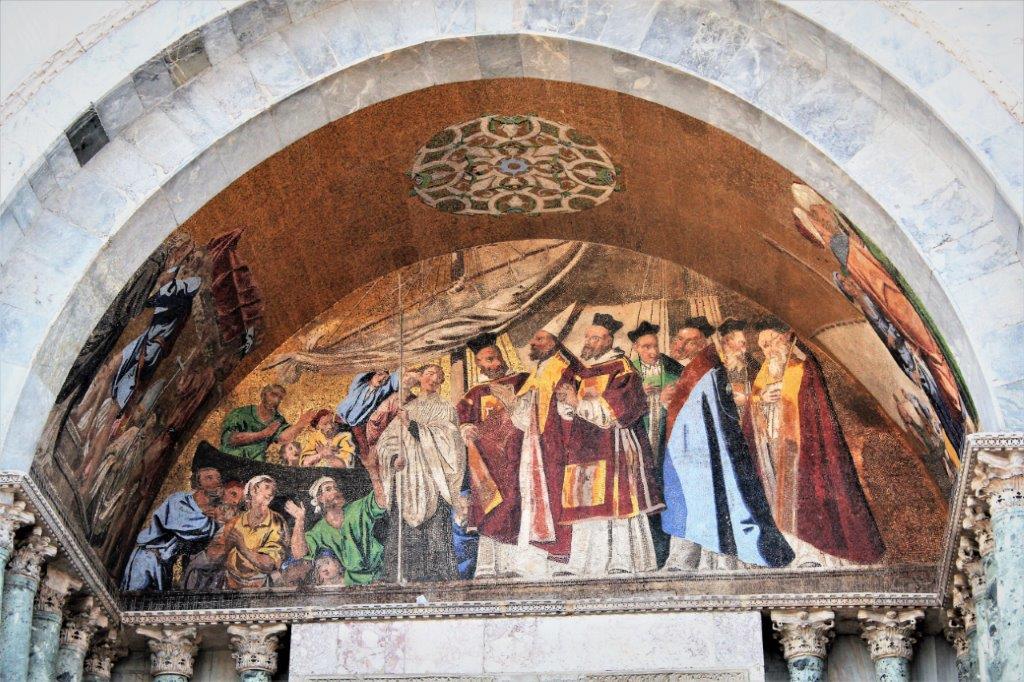
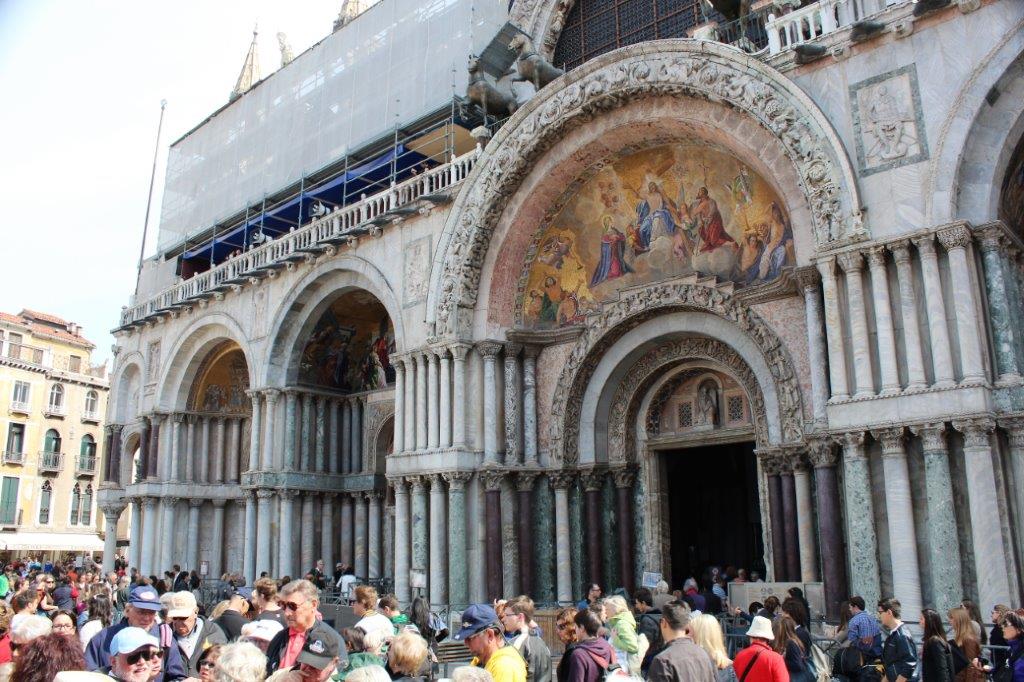
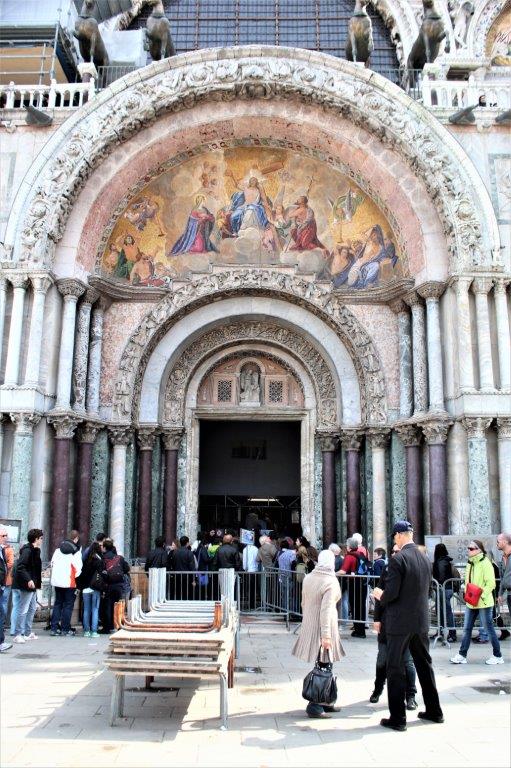
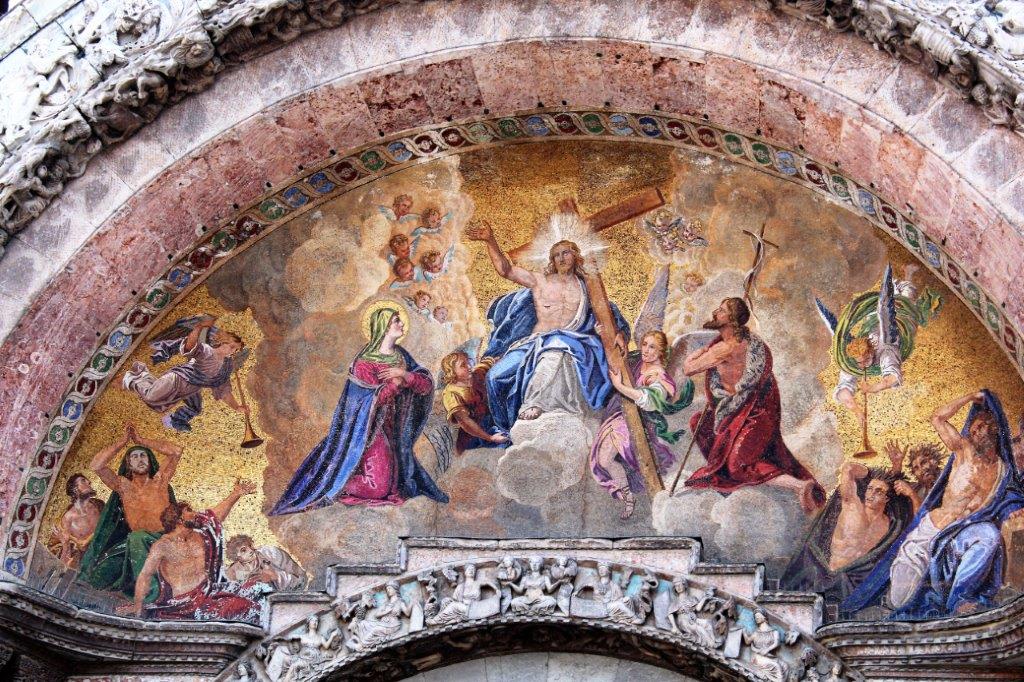
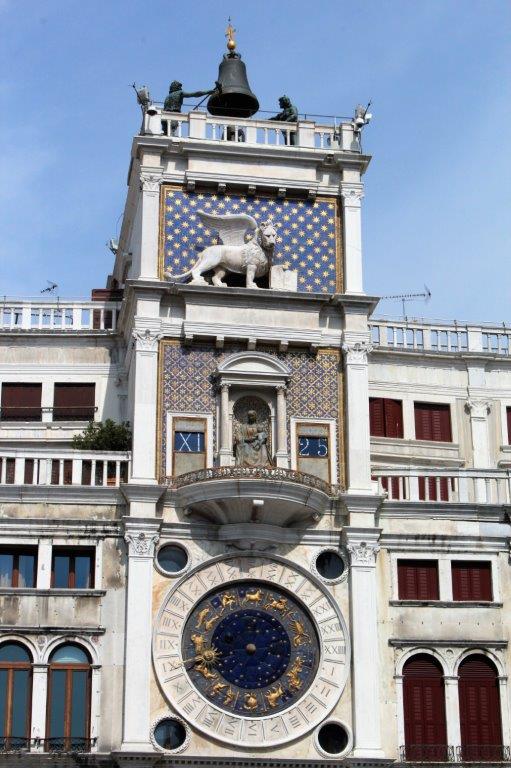
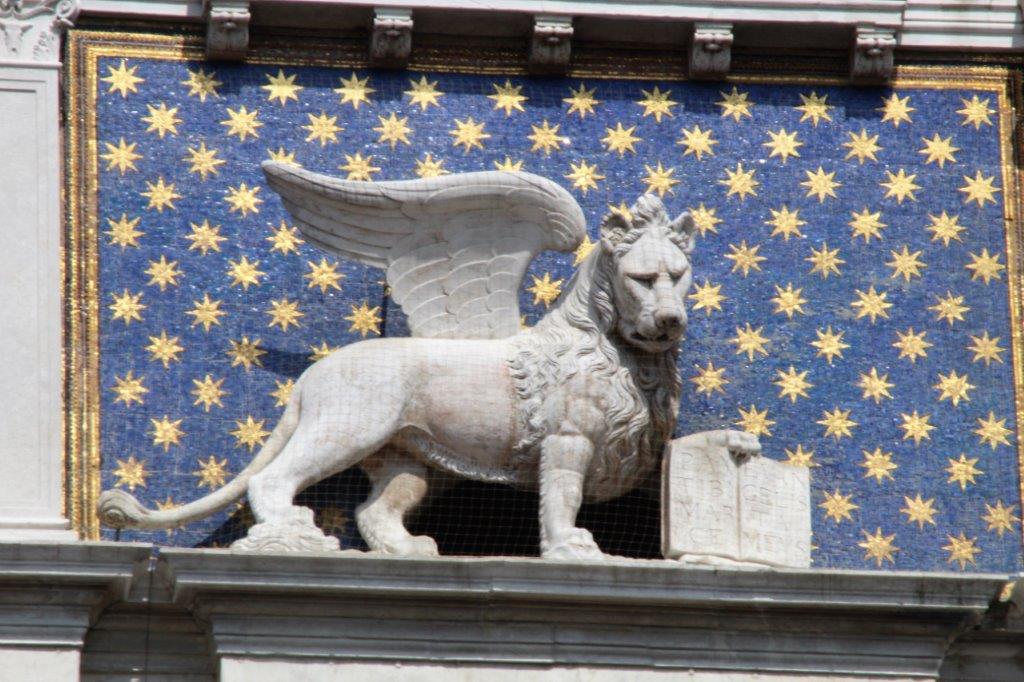
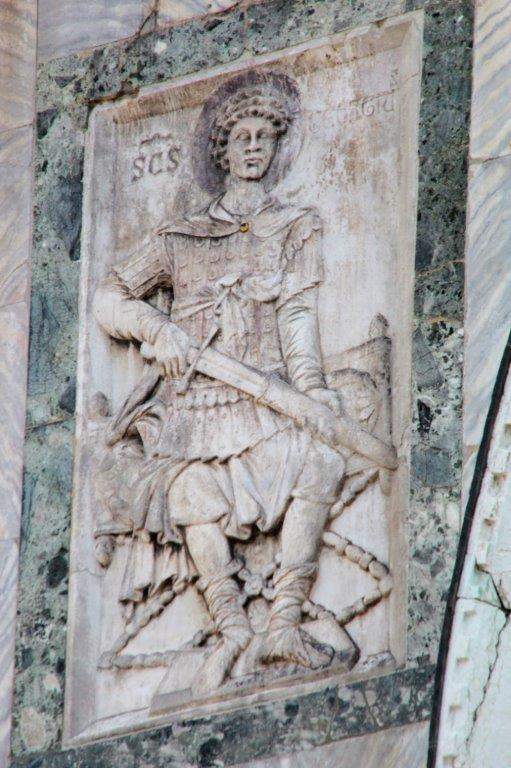
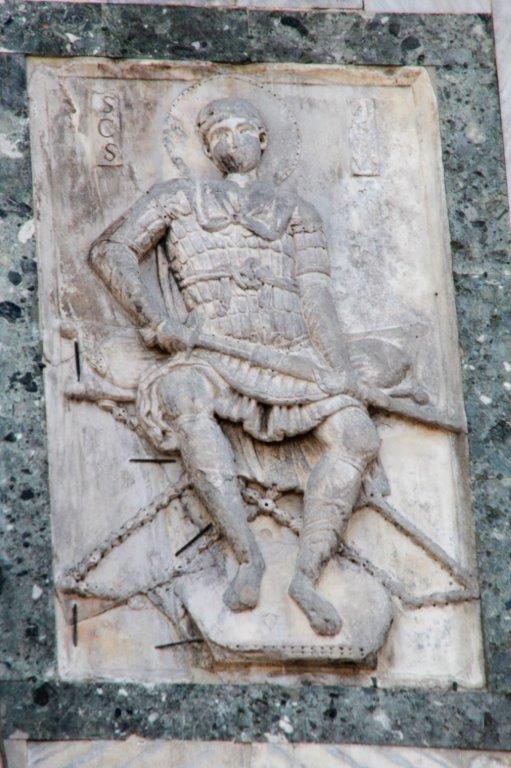
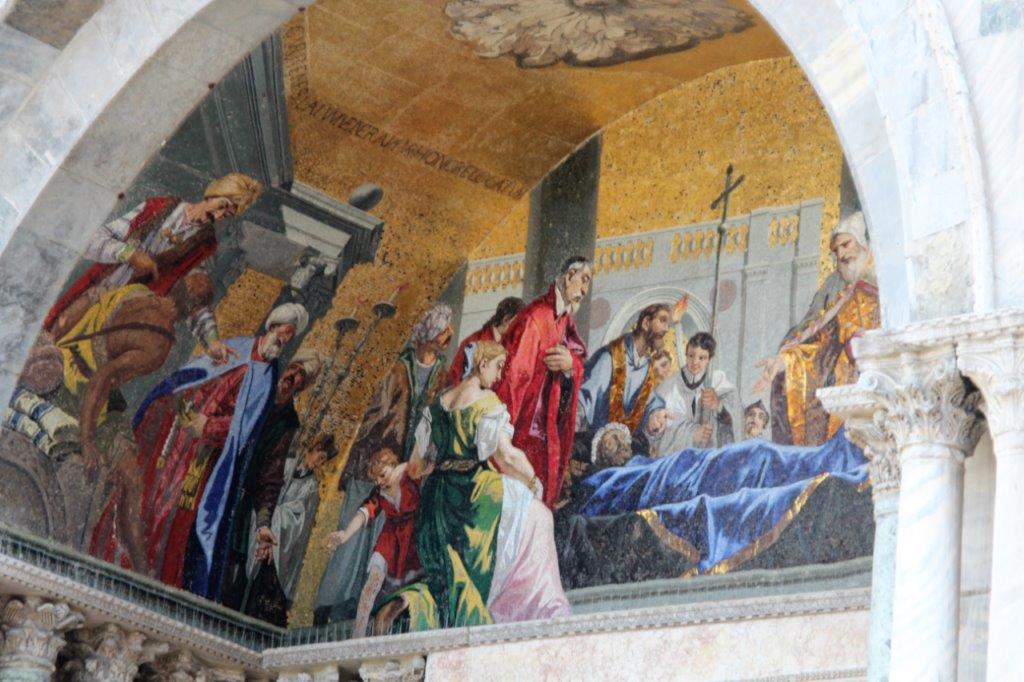
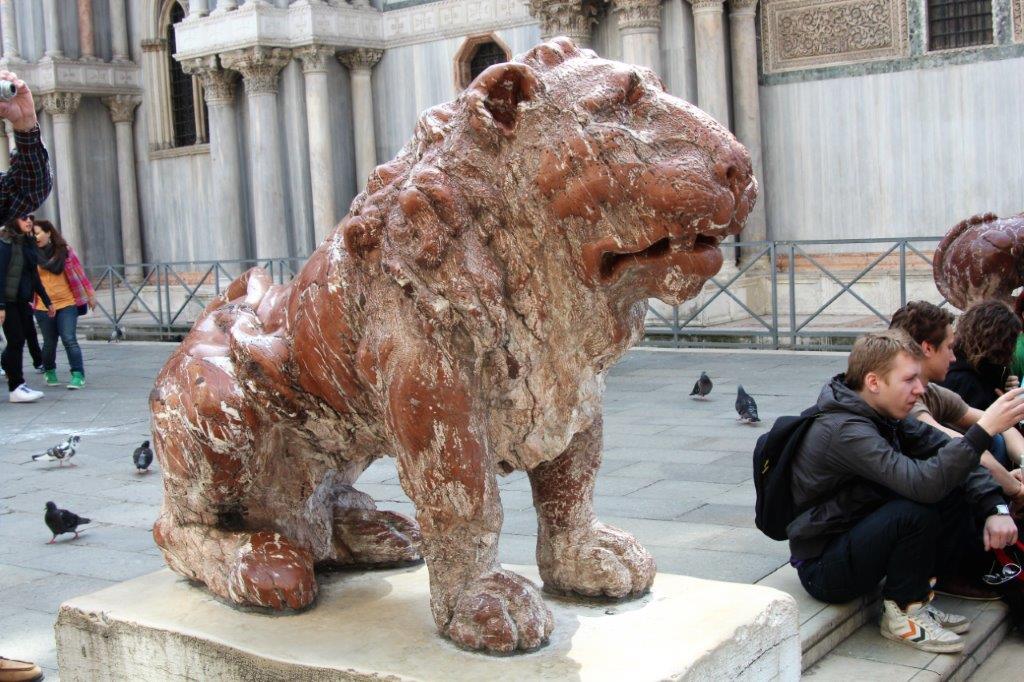
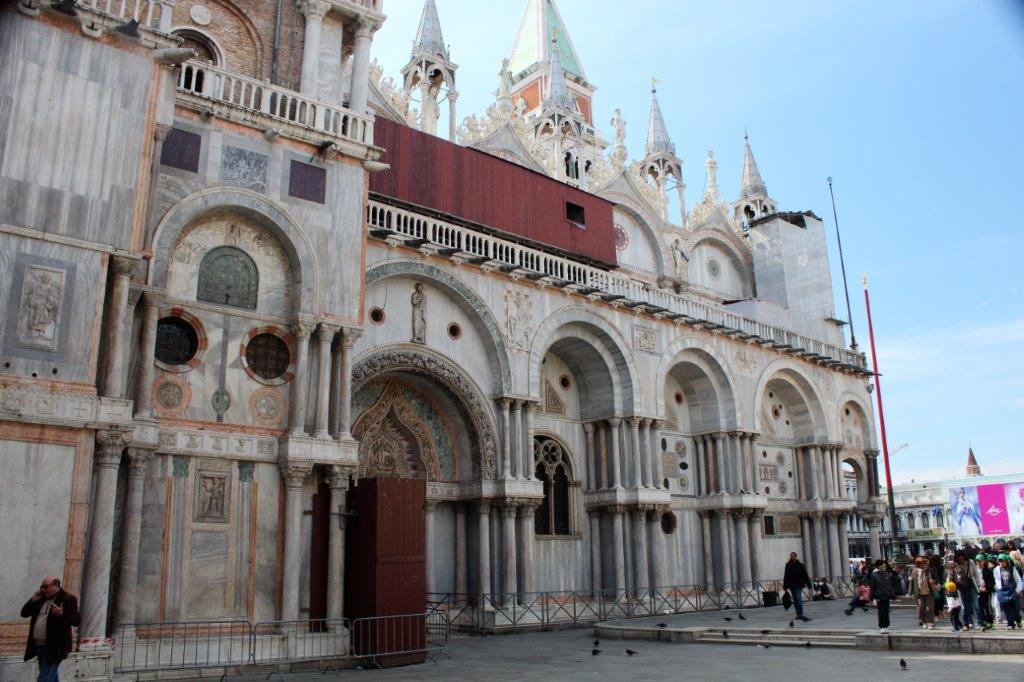
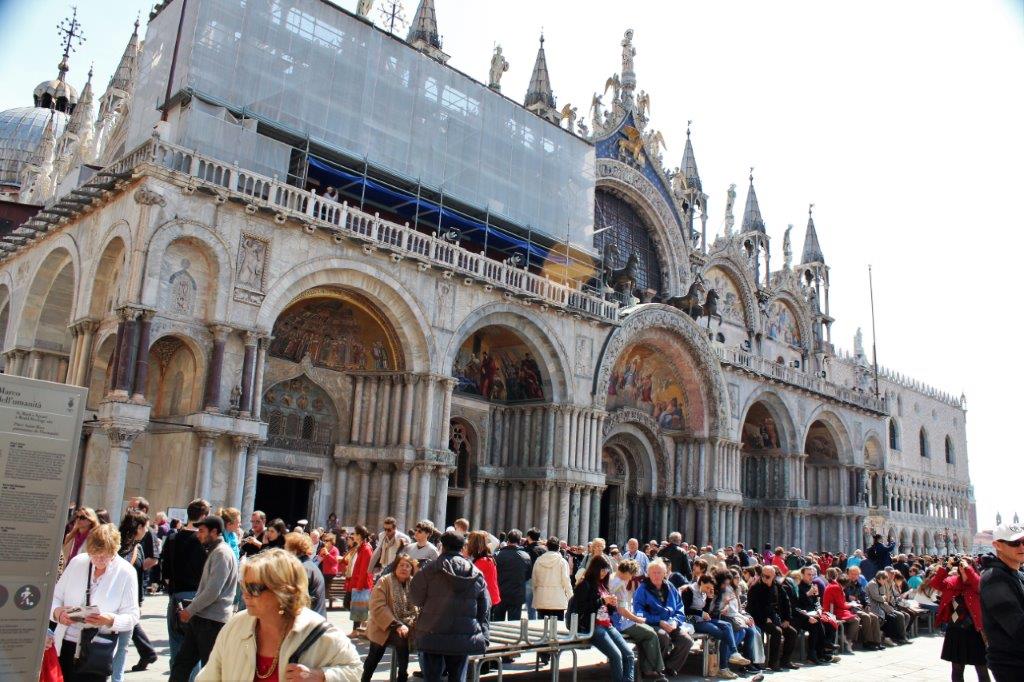
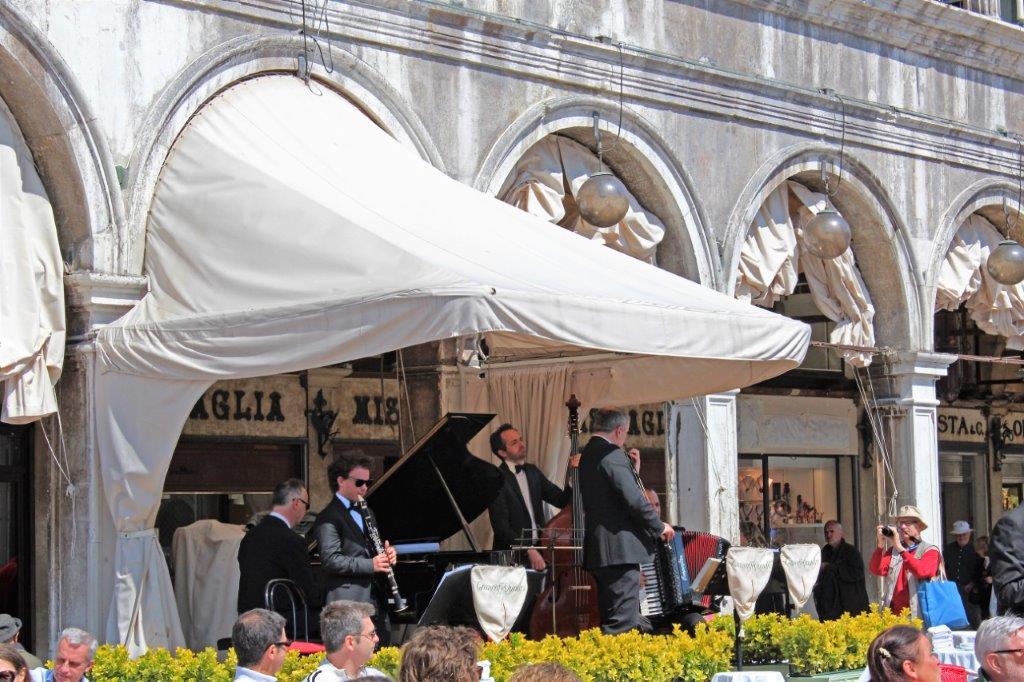
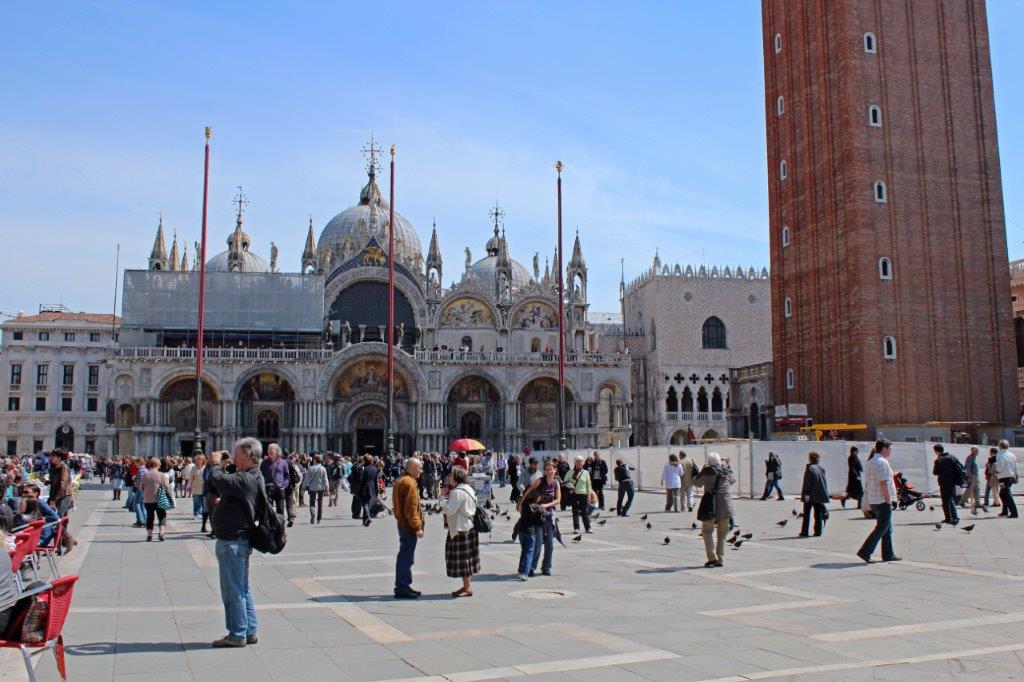
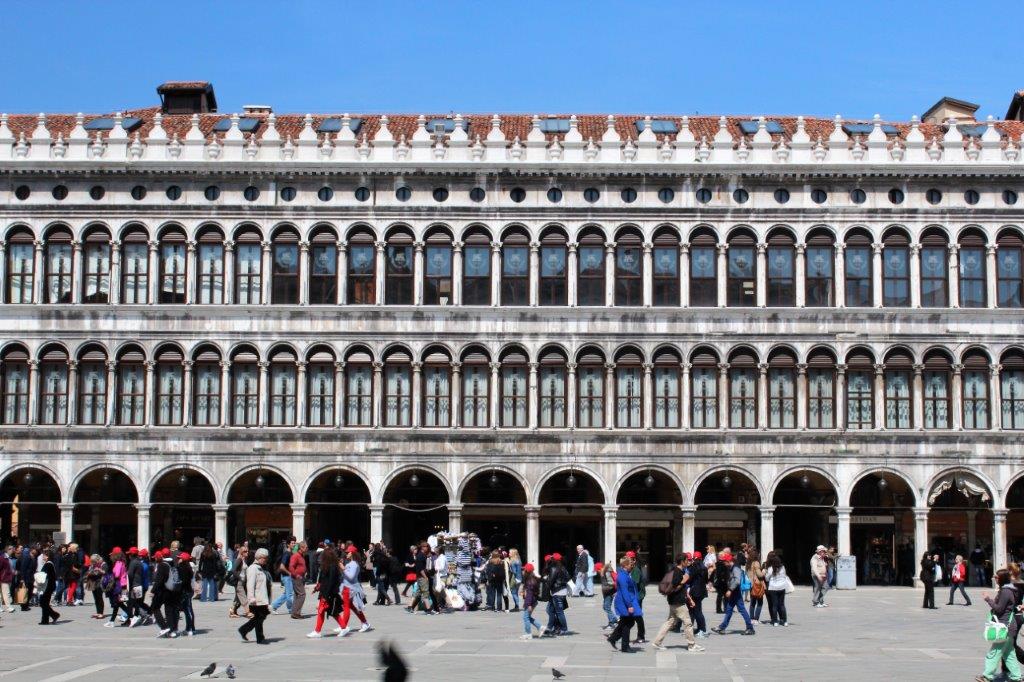
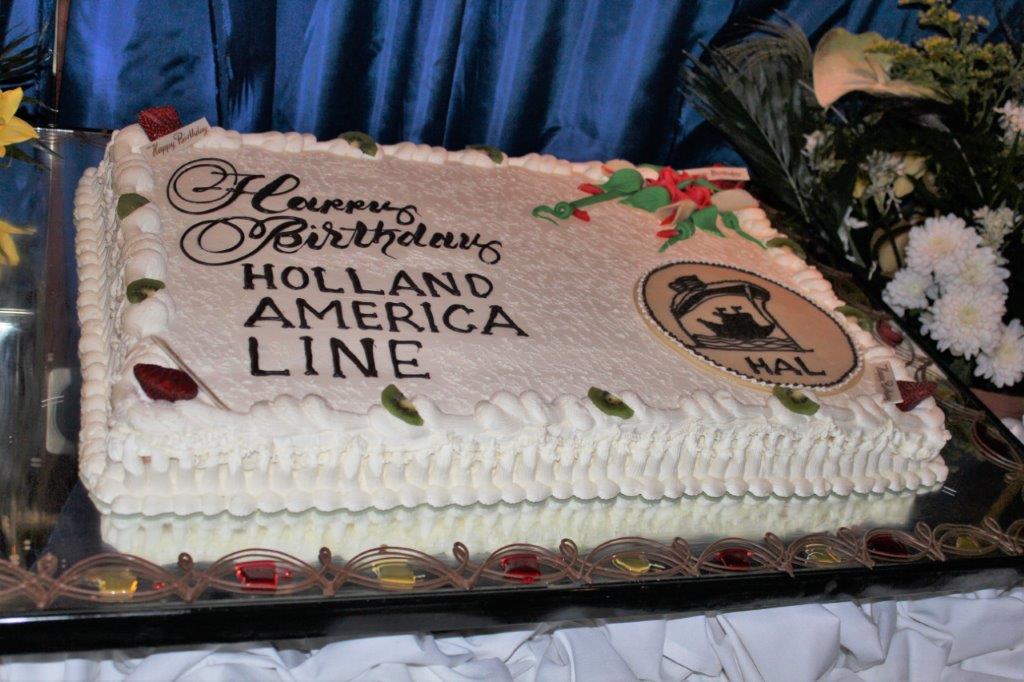
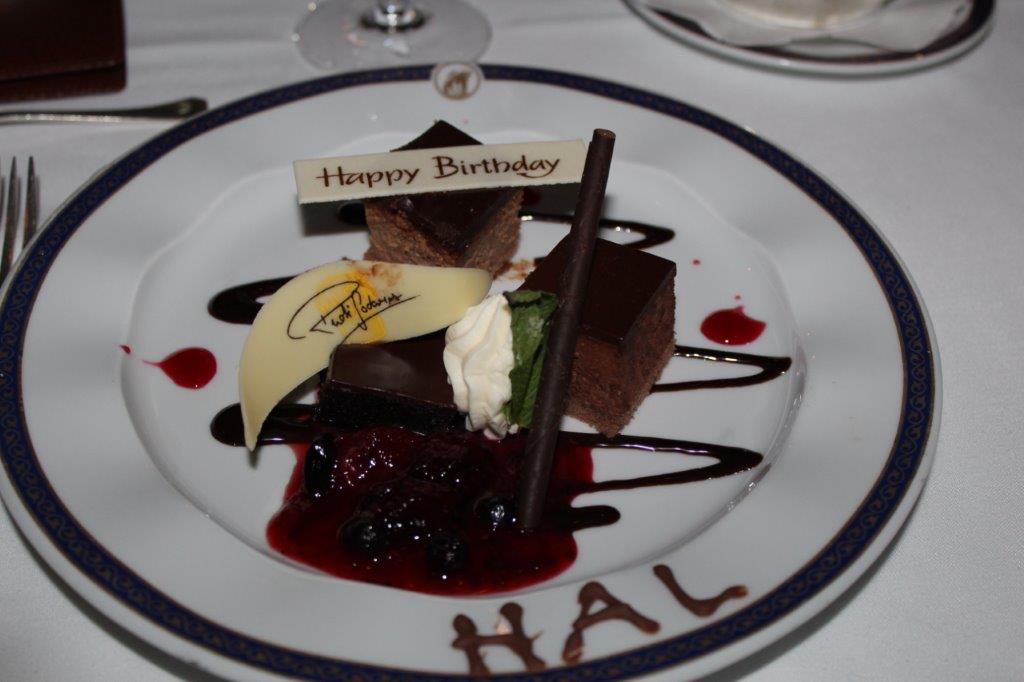
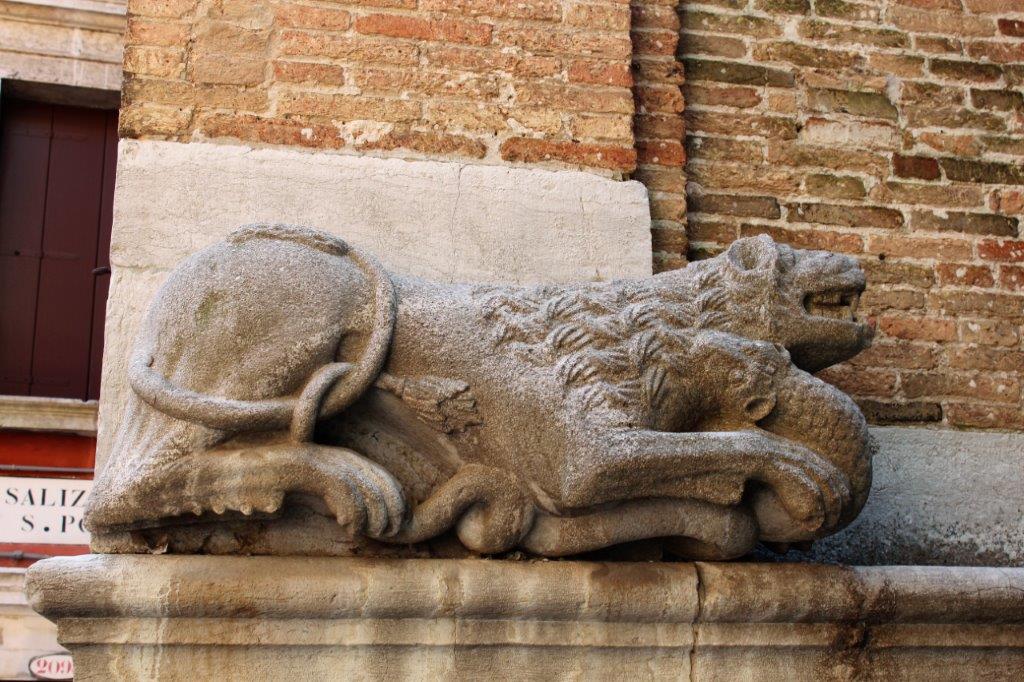
After we had seen all the beautiful art treasures and gorgeous woodwork in the palace we exited through a courtyard and walked around the corner to St. Mark’s square.  Our guide gave us a talk on the construction and history of the Basilica (a Venetian-Byzantine architectural masterpiece).  It was built in 830 as the tomb of St. Mark the apostle and served as the private chapel of the Doge.  The walls are adorned with priceless art, rare marble statuary and magnificent mosaics.   No photos were allowed inside and only a specific number of people are permitted entrance at a time.  The line was VERY long so we opted to wander around the square instead.  I loved the pink glass lamp shades.  It makes a lovely light at night. Mark’s symbol is a winged lion and depictions of important parts  of his life were carved all around the edge of the building.                                                                          Look at the line waiting to enter. Another depiction of the winged lion representing St. Mark. And all of these wonderful carvings and paintings were outside the church.  I can only imagine how ornate the inside must be!  We got back to the ship at 3:30.  Sail-away was at 4 and we watched from the deck as we sailed back out Giudecca Canal and past the Lido to the Adriatic Sea once more. Night or day, the crowds never slacken at St. Mark’s square and the nearby bridges.  It was Holland America Line’s 139th Birthday so there were appropriate decorations at the dining room entrance – and for dessert. The next day was a day at sea and time to rest our feet and brains.

2012 March 21 – Day 10 – Funchal, Madeira (Part 2)

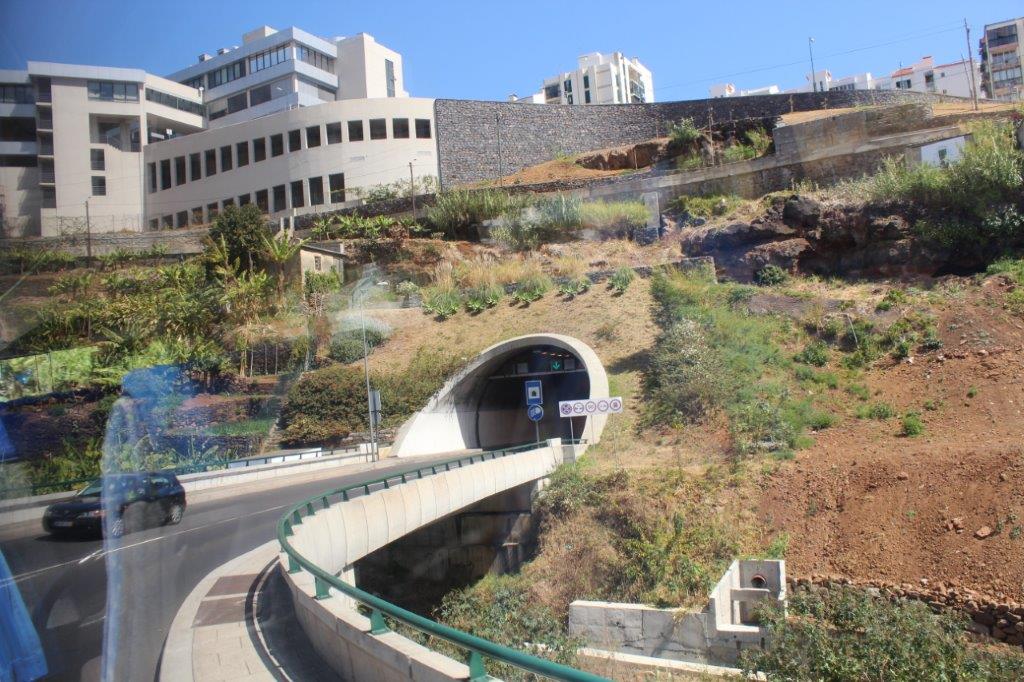
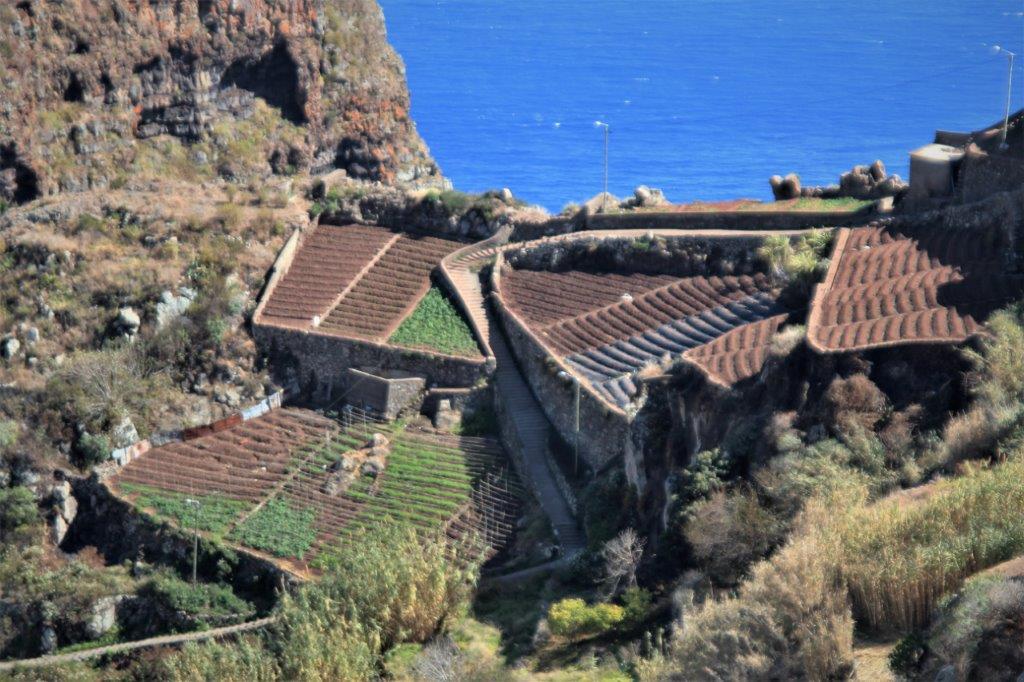
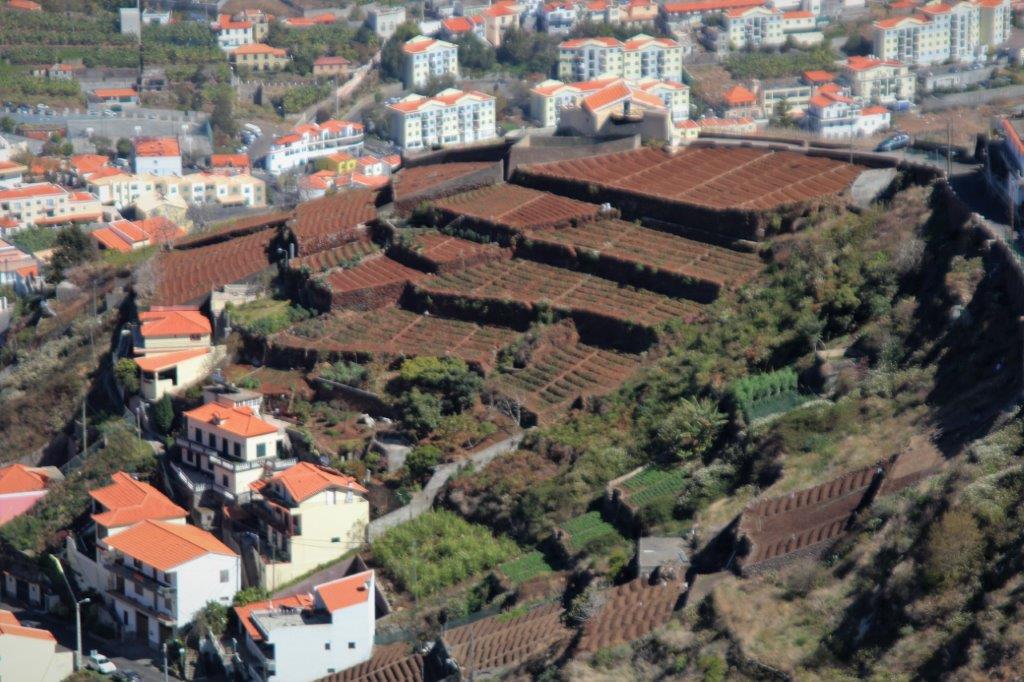
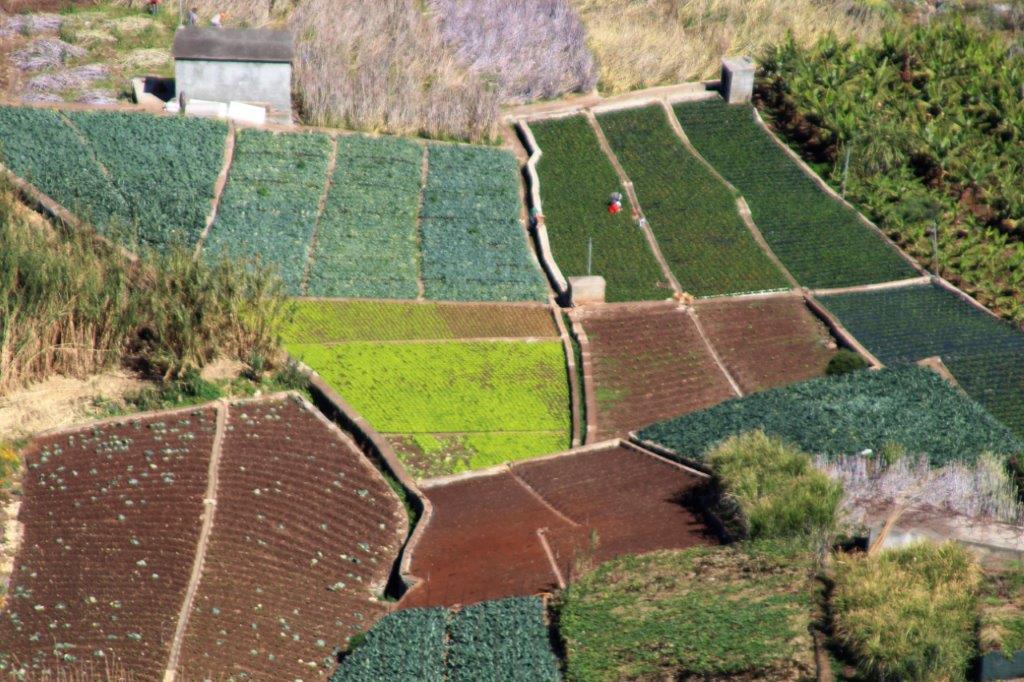
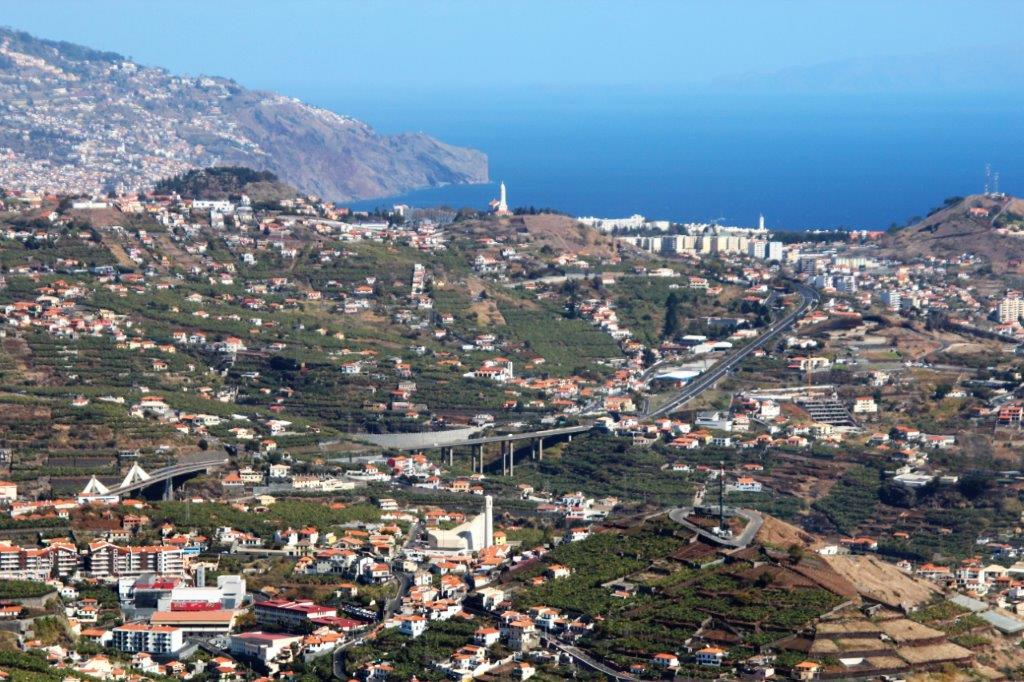
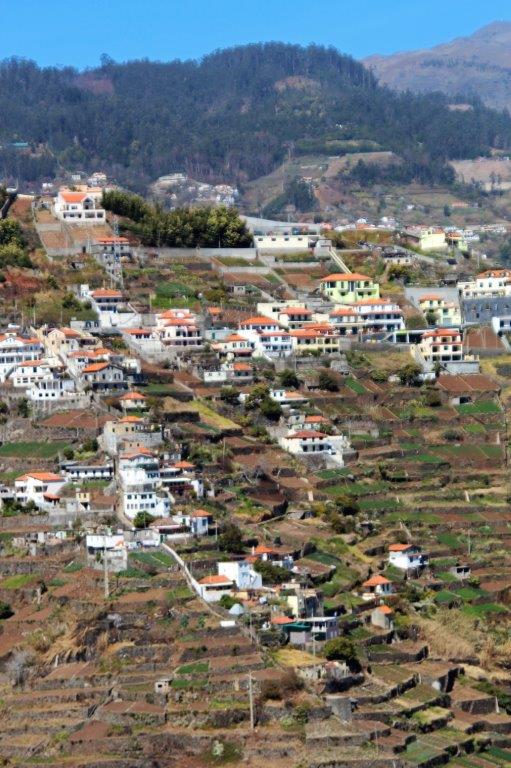
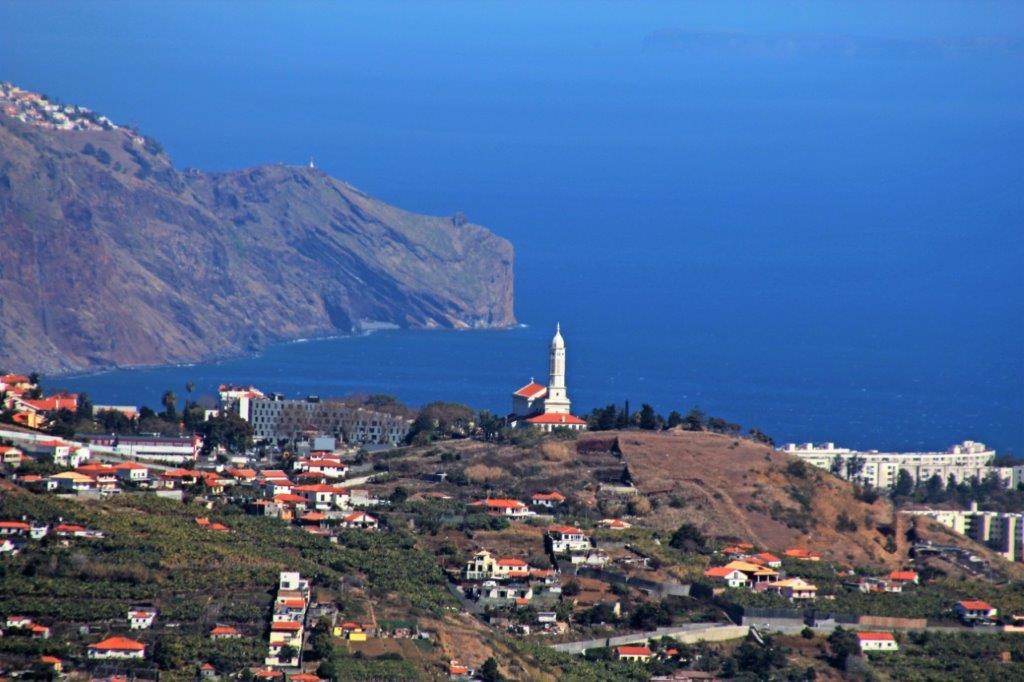
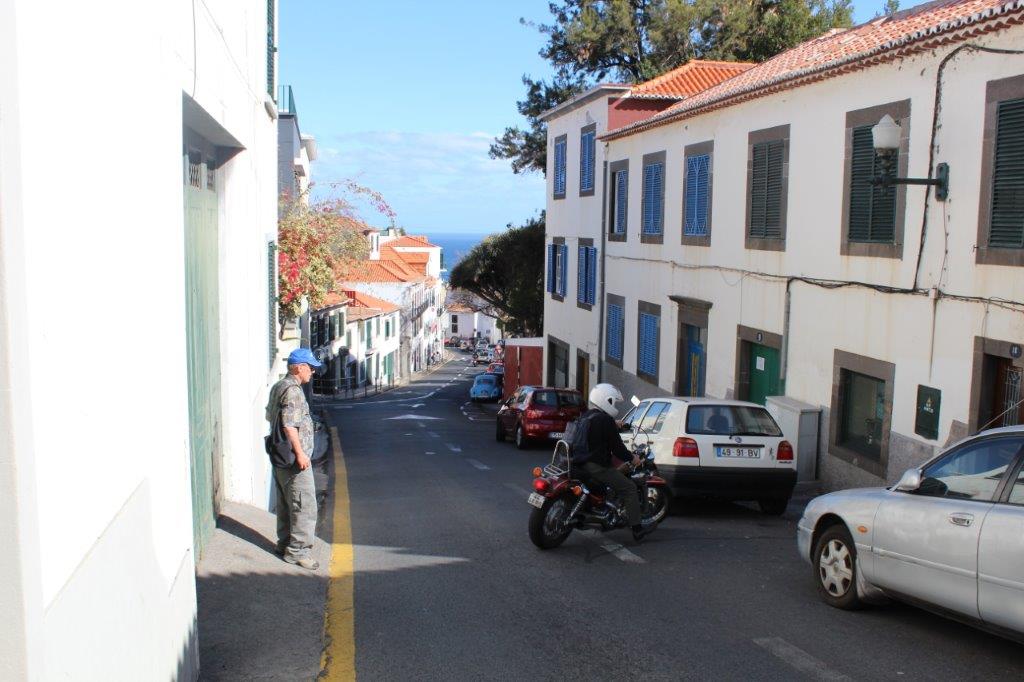
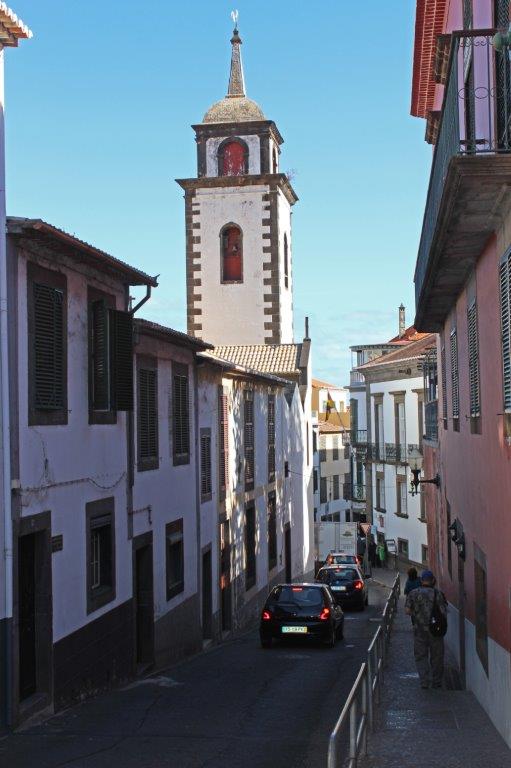
Our ship was docked in Funchal, Madeira from 8 am until 11 pm so after our morning tour we still had plenty of time to explore.  We had some lunch then proceeded back to shore with the intention of taking the shuttle into town.  Instead we hired a cab to take us outside the city to see some of the sites.Over half of the 250,000 population of Madeira live in Funchal and tourism has always been the major employer.  The island is only 35 miles long and 13 miles wide, but is a very popular European holiday spot.  Terraced farming and fishing are also contributors to the economy.

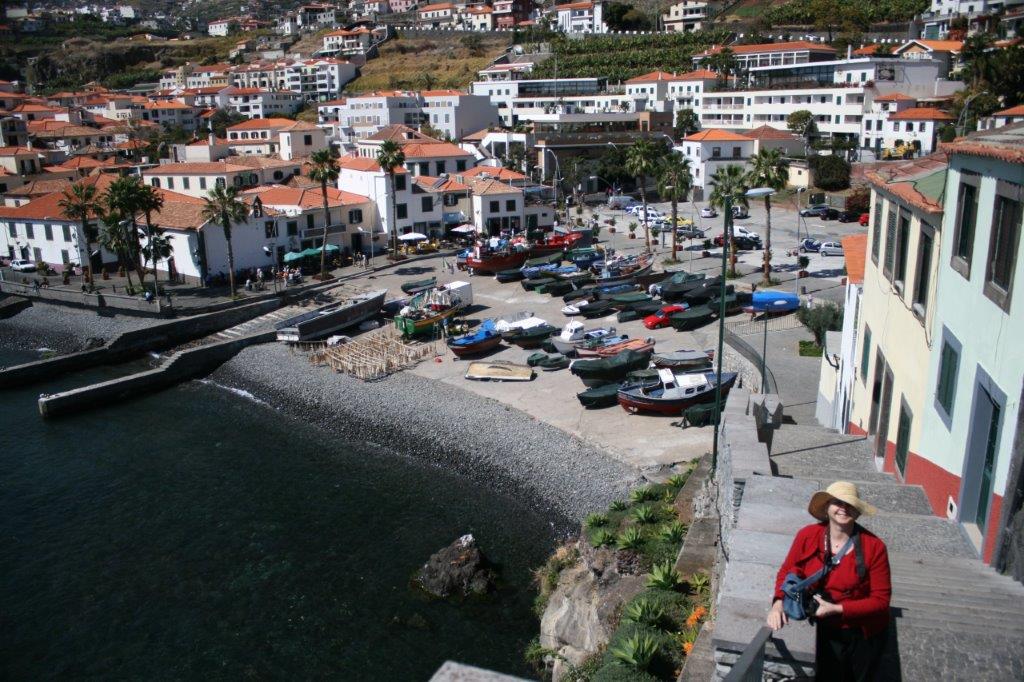
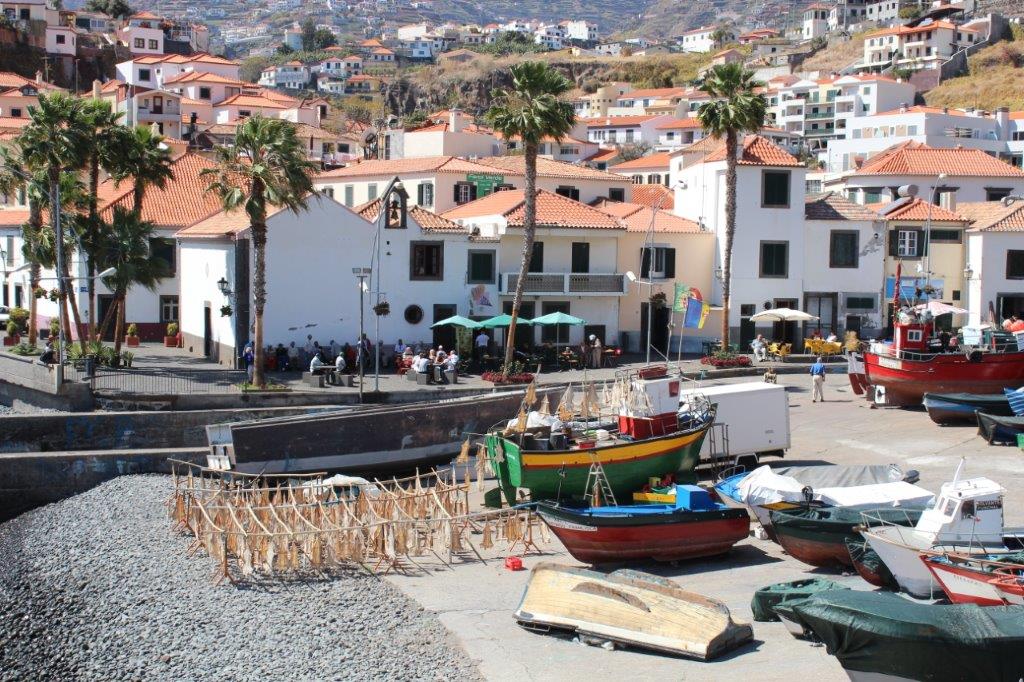
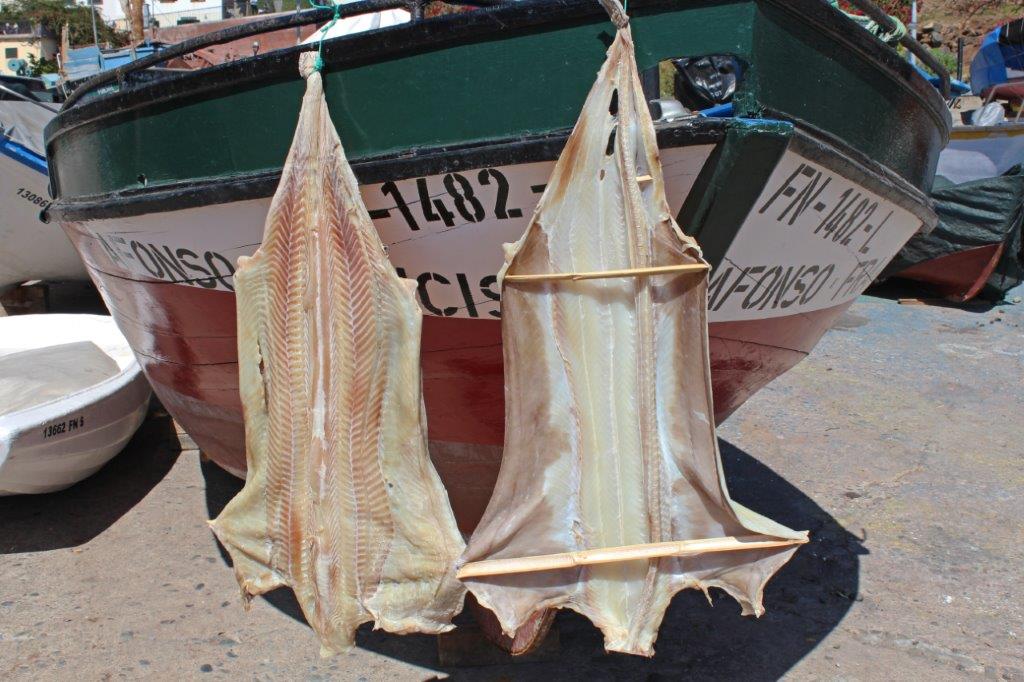
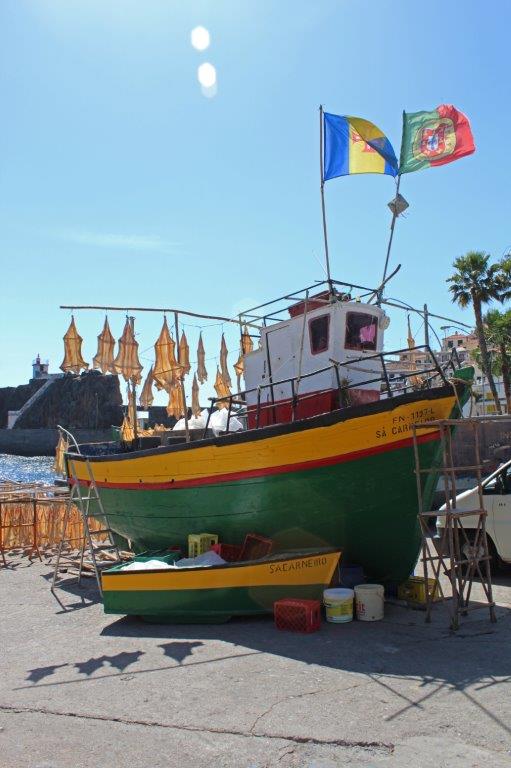
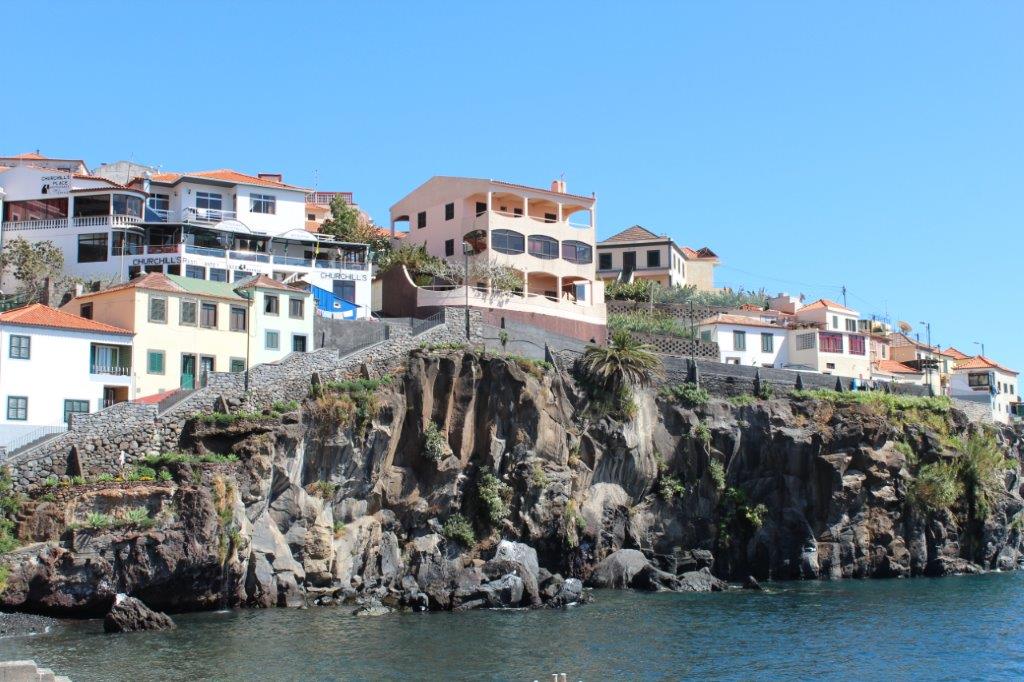
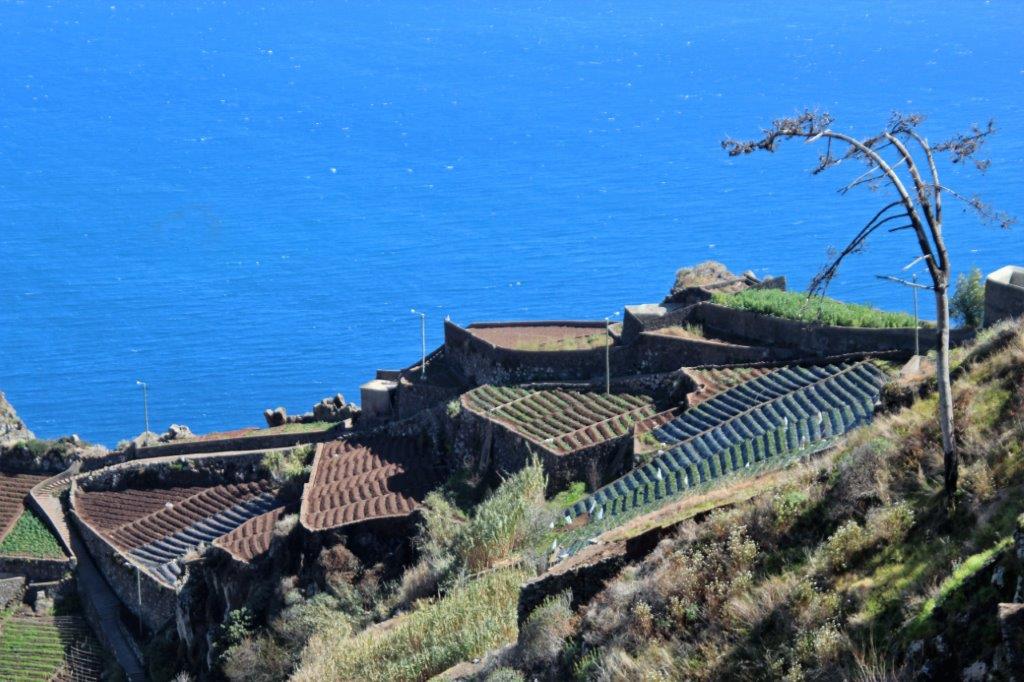
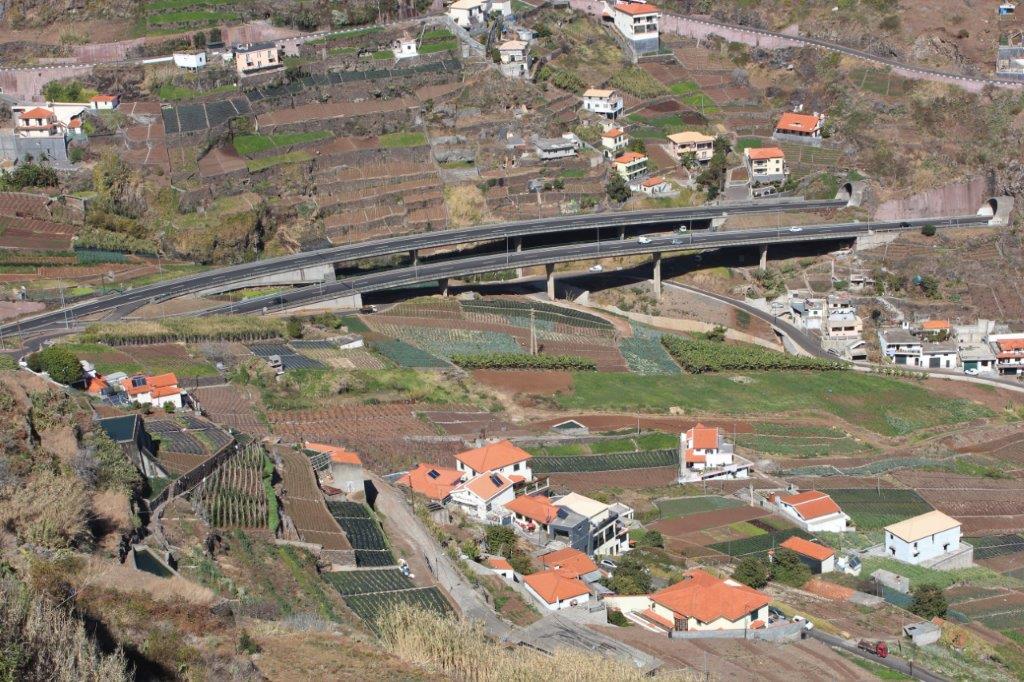
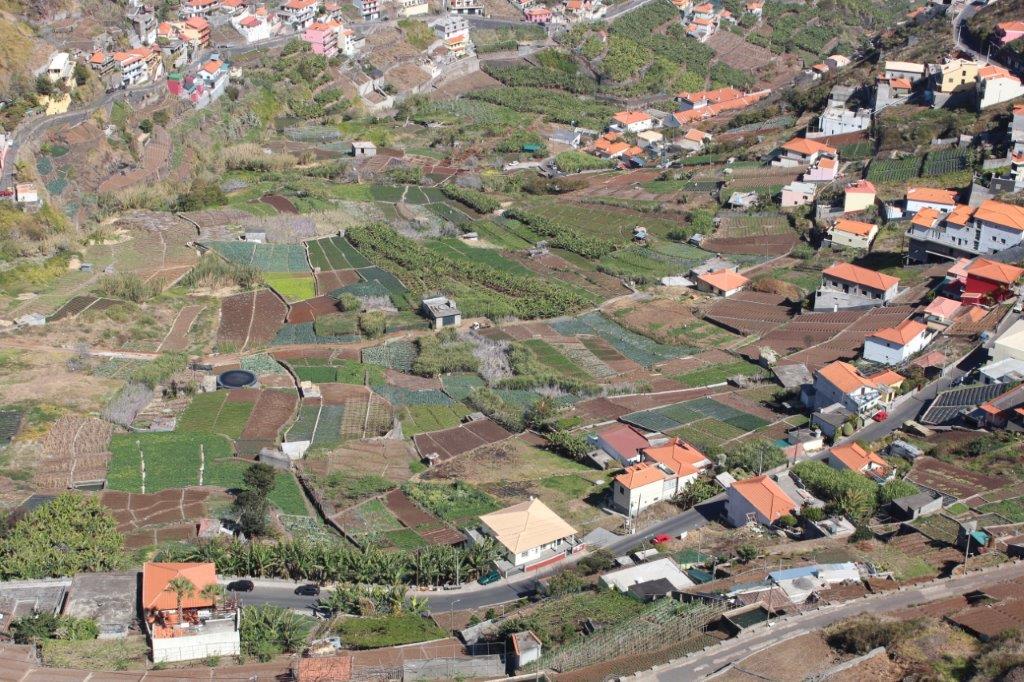
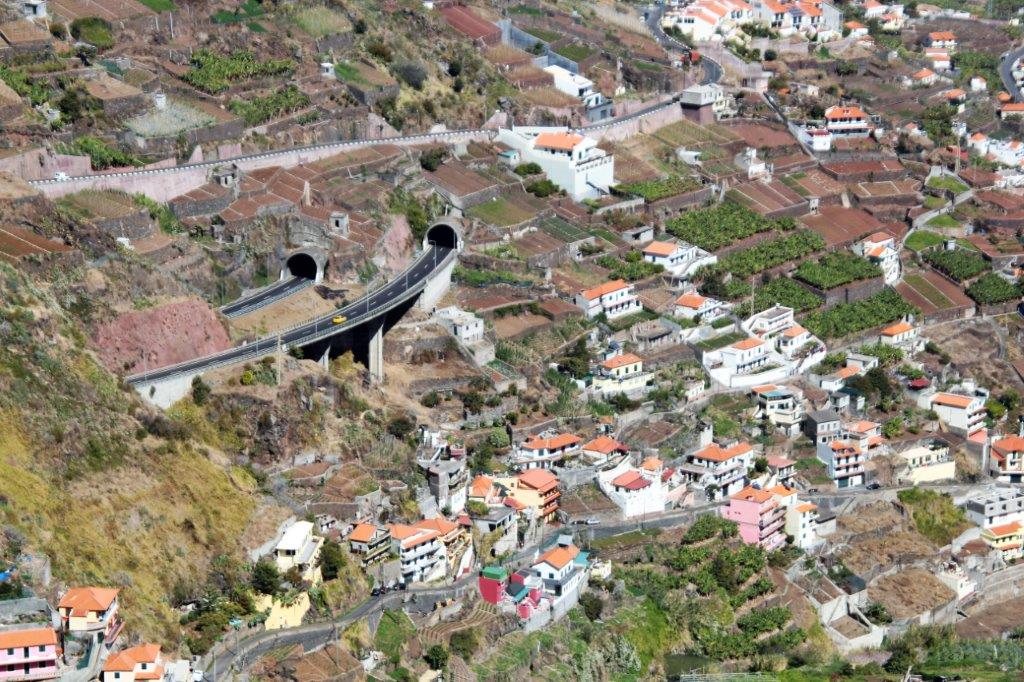
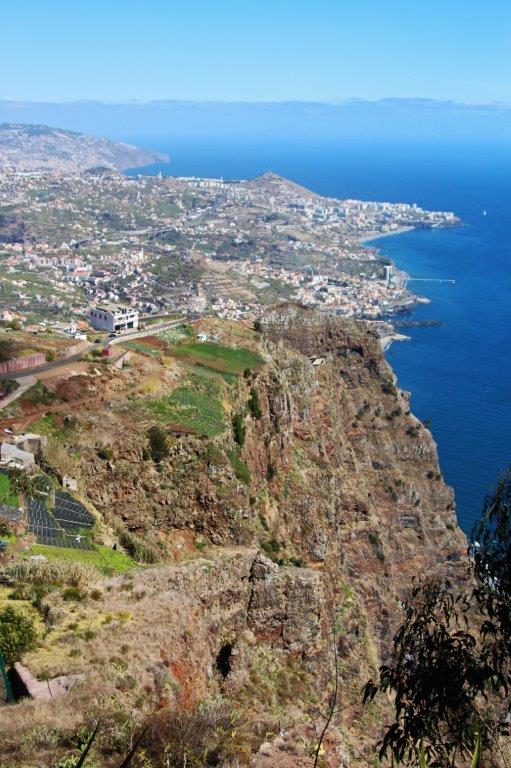
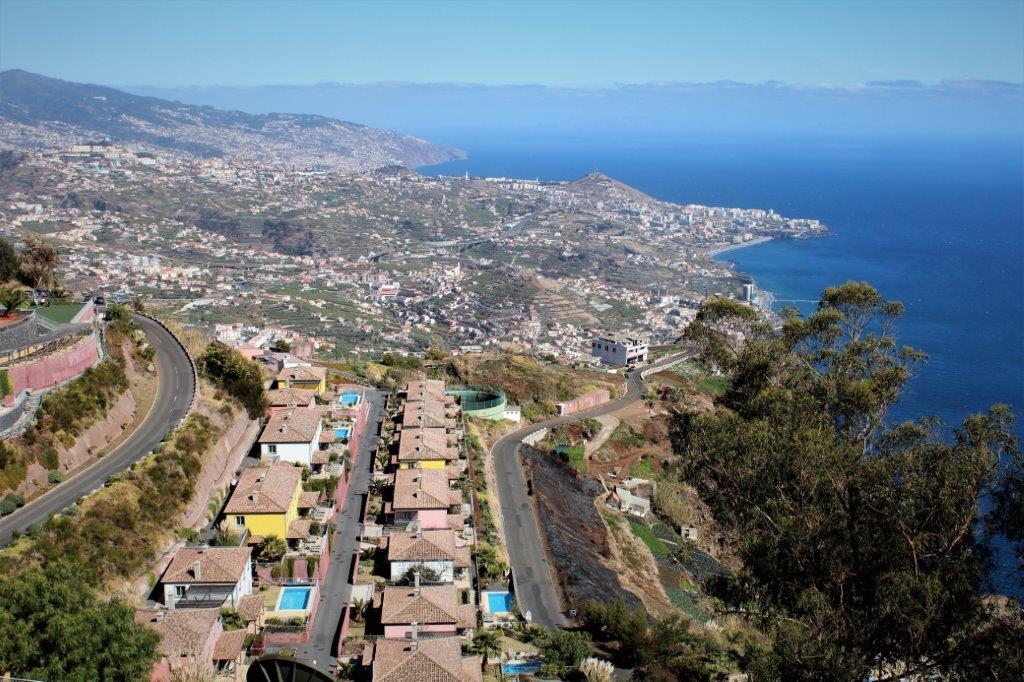
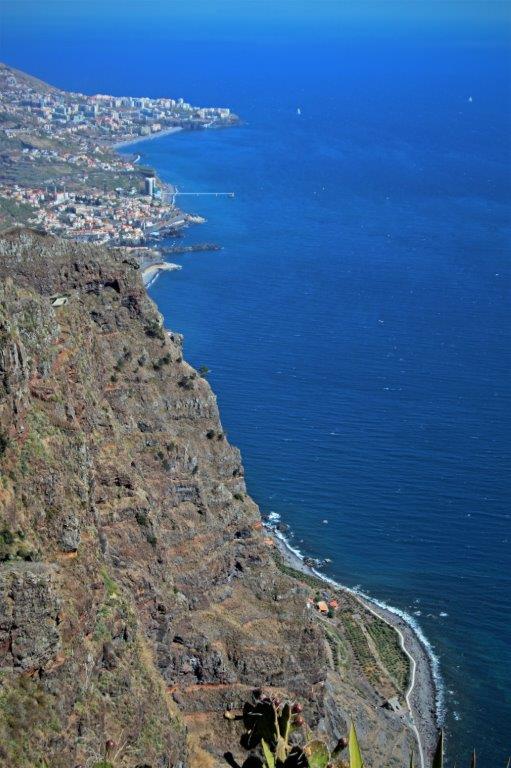
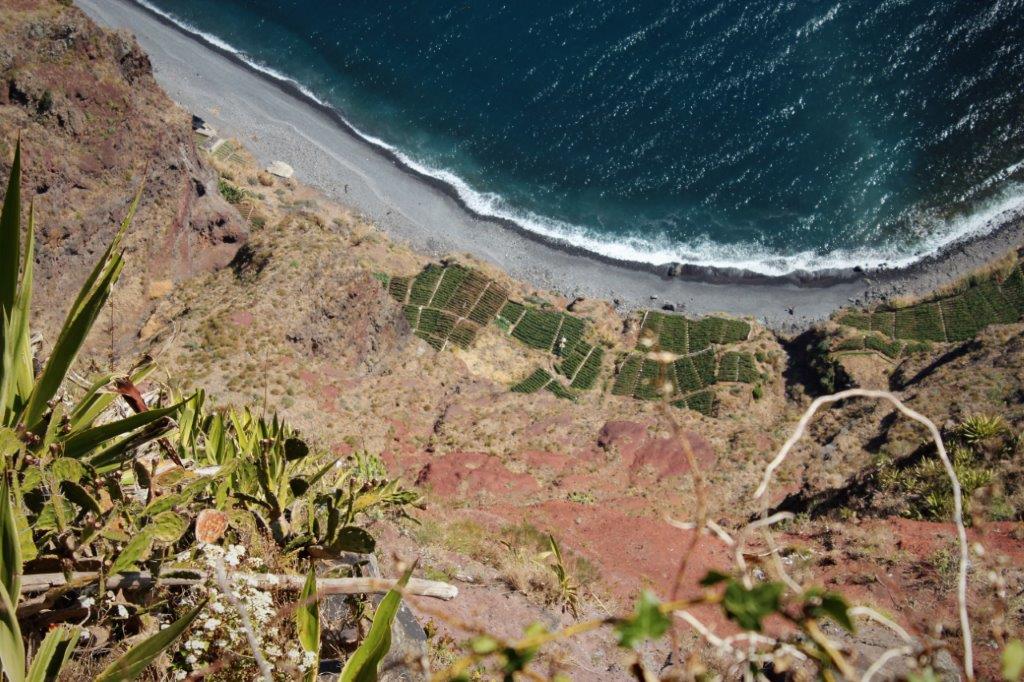
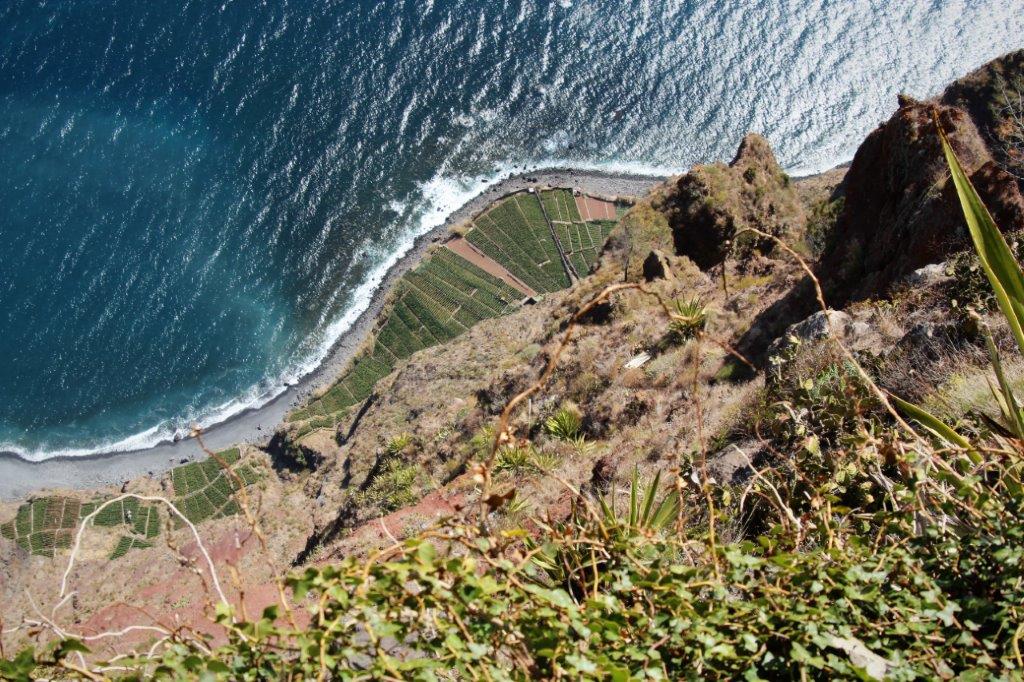
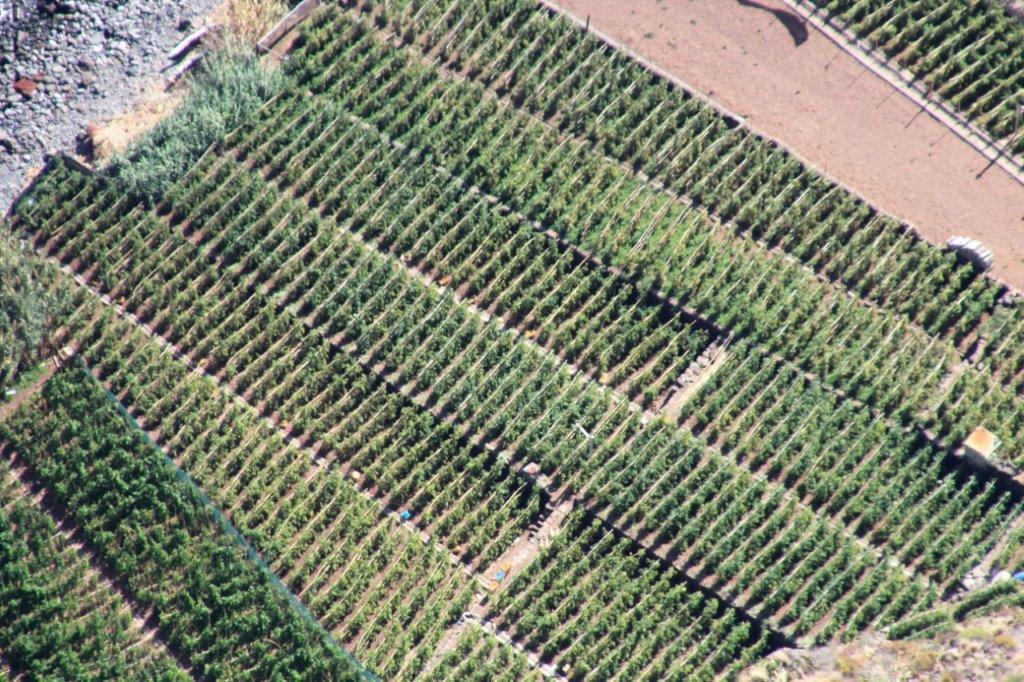
The taxi driver took us first to the fishing village of Camara de Lobos, where Winston Churchill stayed in the 1950s.  We wandered around the little cove and amidst the racks of drying fish. We drove past many of the terraced farms on our way to the cliff top of Cabo Girao.  All of the work on the land is done by hand since machinery cannot navigate the steep staircases between fields. Cabo Girao is the second highest sea cliff in the world (after Norway) at 1,902′.  Since it was a lovely day the view was impressive indeed. Agricultural land is so precious we could even see farm plots at the base of the cliff.

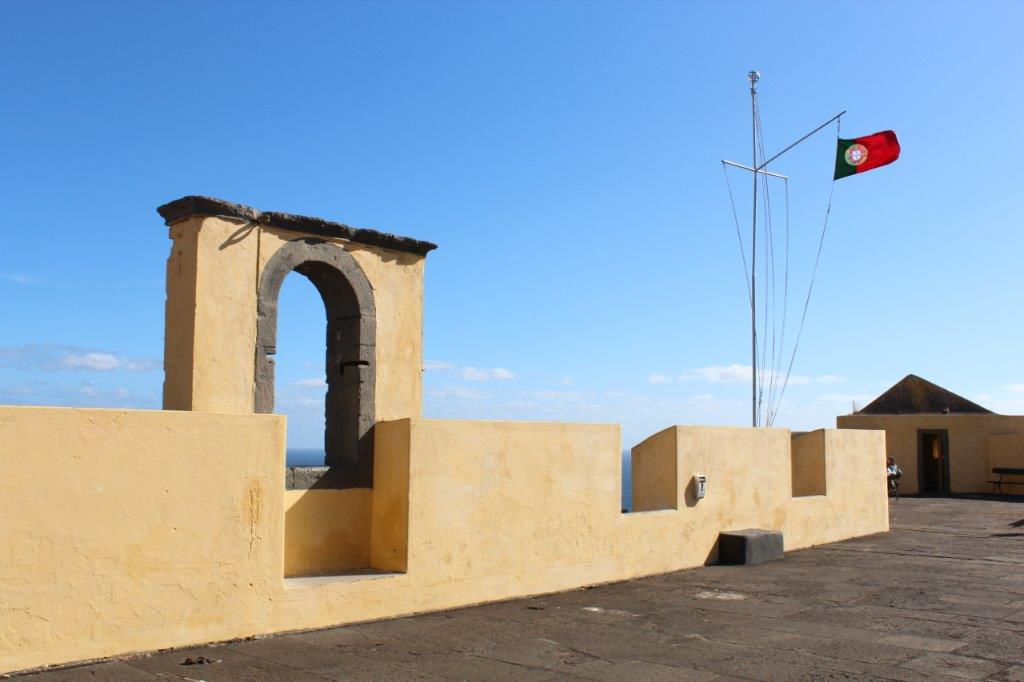
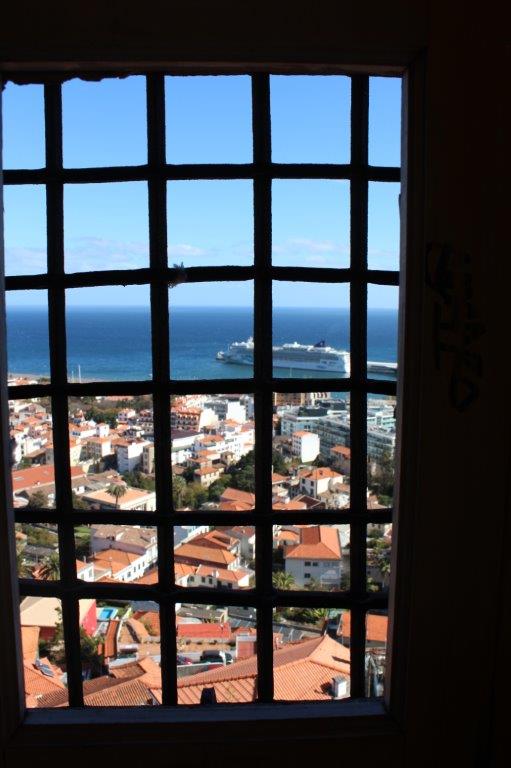
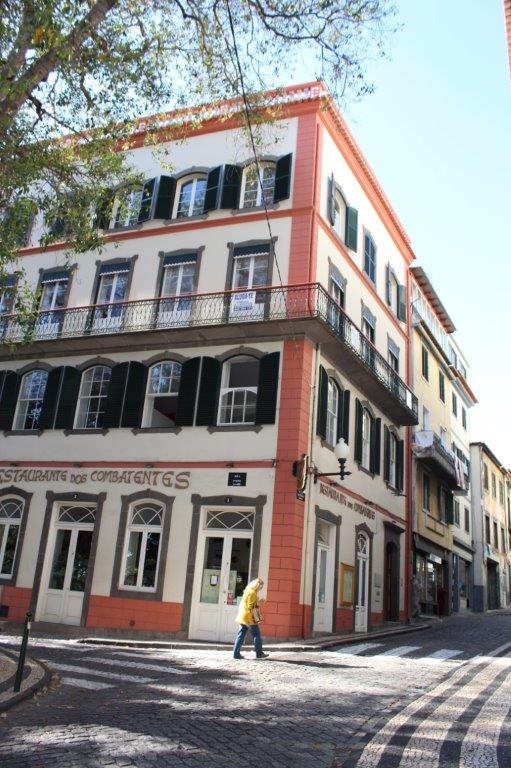
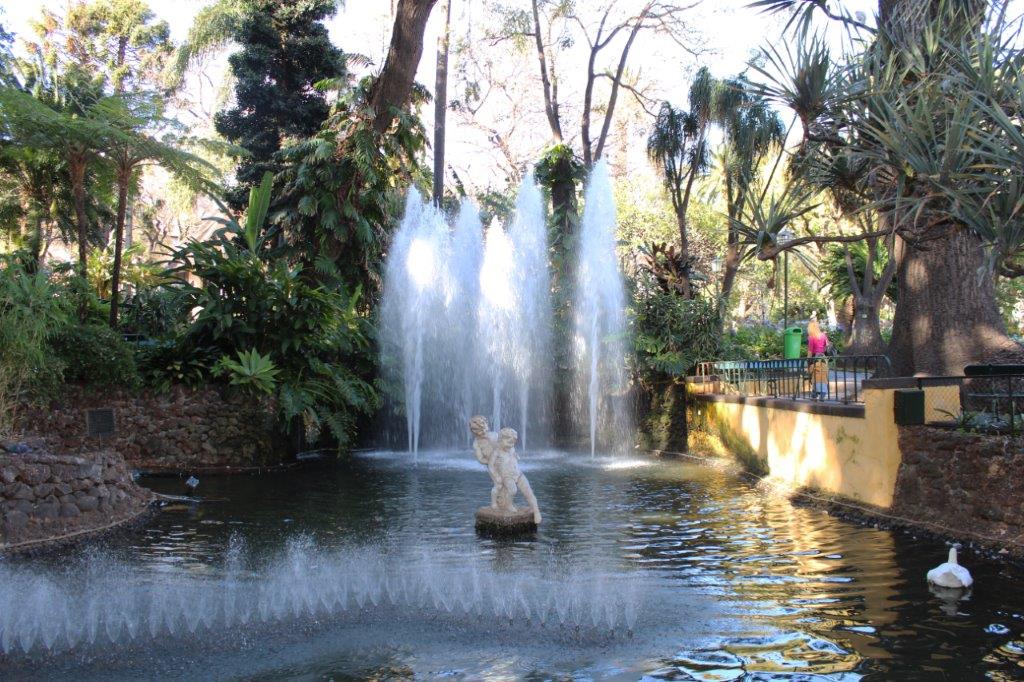
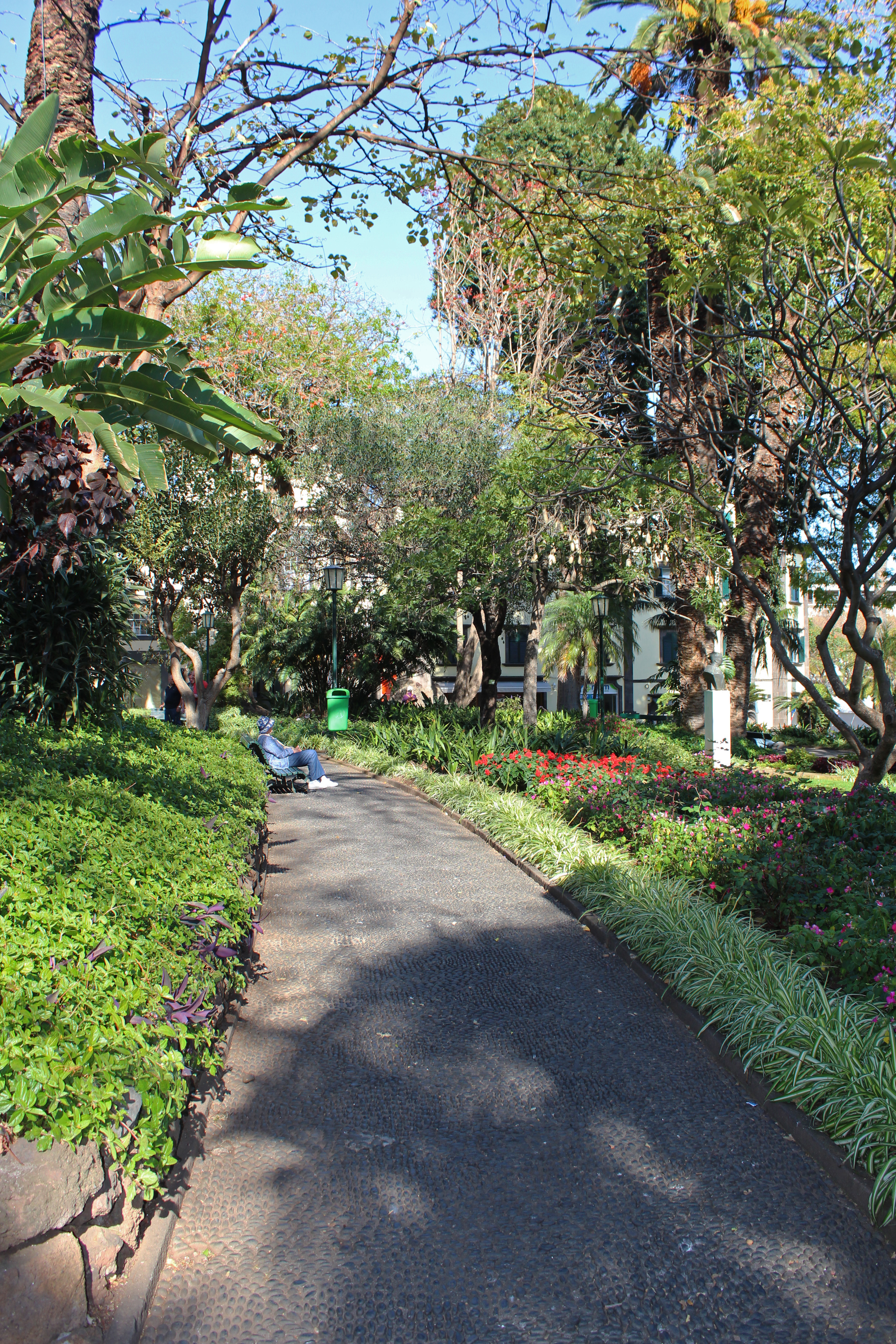
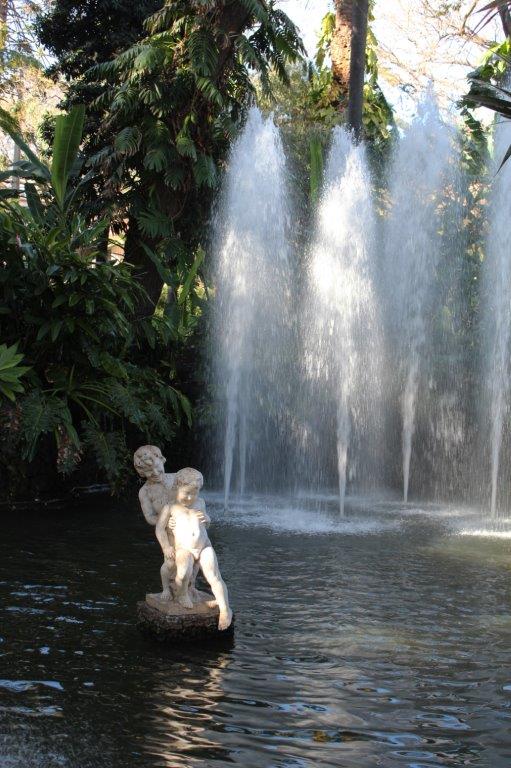
On the way back to town we asked our taxi driver to drop us off at the castle that we had seen from the ship.  It is called Peak Castle. After we toured around the castle for awhile we meandered down the cobblestone streets down the hill toward the dock.One absolutely must stop and check out any motorcycles one sees. We had a nice walk in the Jardim Municipal (Municipal Garden) before heading back to the ship; conveniently just in time for dinner.

2011 May 2-13 – Days 118-128 – Nawiliwili, Kauai – home in BC

The ship docked in Nawiliwili at 8 am in the morning.  We had spent a month on Kauai in 2010 and had pretty much covered all of the island while  we were there so we did not feel the need to do any tours or go anywhere.  We enjoyed a nice warm day that included a leisurely walk into town and a bit of shopping.   The next two days were spent on Maui, at Lahaina.  We had plans to go to Cirque Polynesia and rent a car for a drive around the island as Maui is an island we have not seen anything of except Lahaina.  But, in our usual lazy fashion we did neither.  We walked all over town, found a barber to get our very shaggy hair cut (which, in my case, took the fellow over an hour and a half because he spent so much time talking about every possible thing that he disliked in Canada – he was a displaced Canadian from Toronto; a victim of police brutality he said. I did not ask for any details).  After the long, arduous session at the salon we wandered back to the ship and stayed there until the ship set sail for the Big Island on May 5.

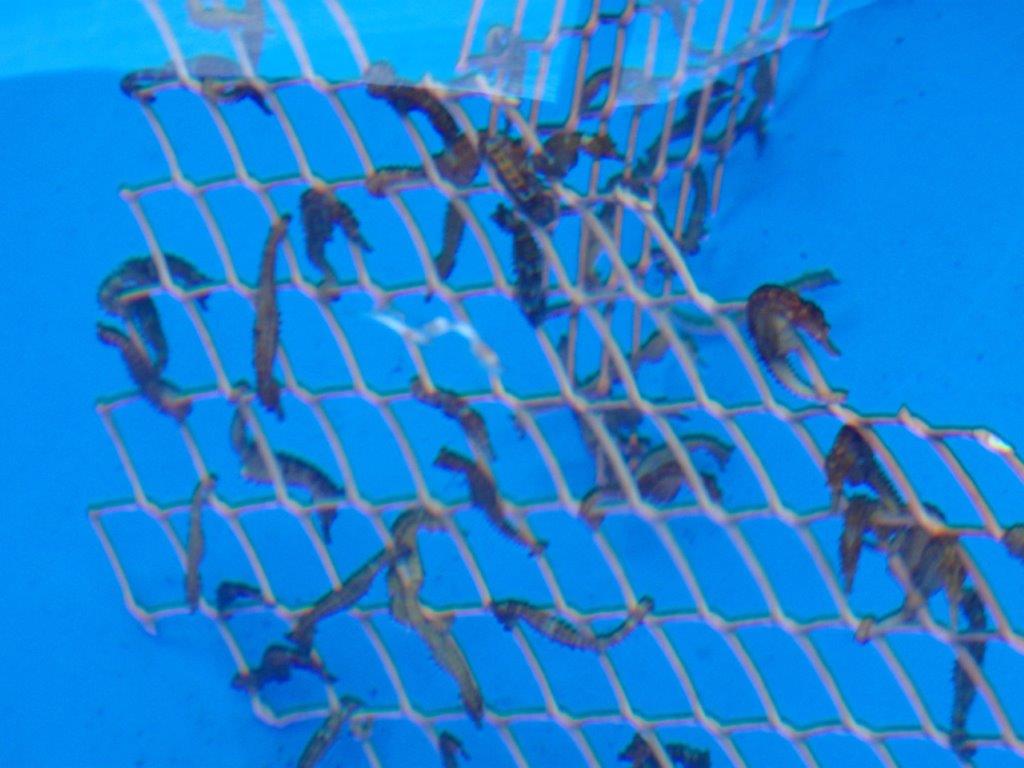
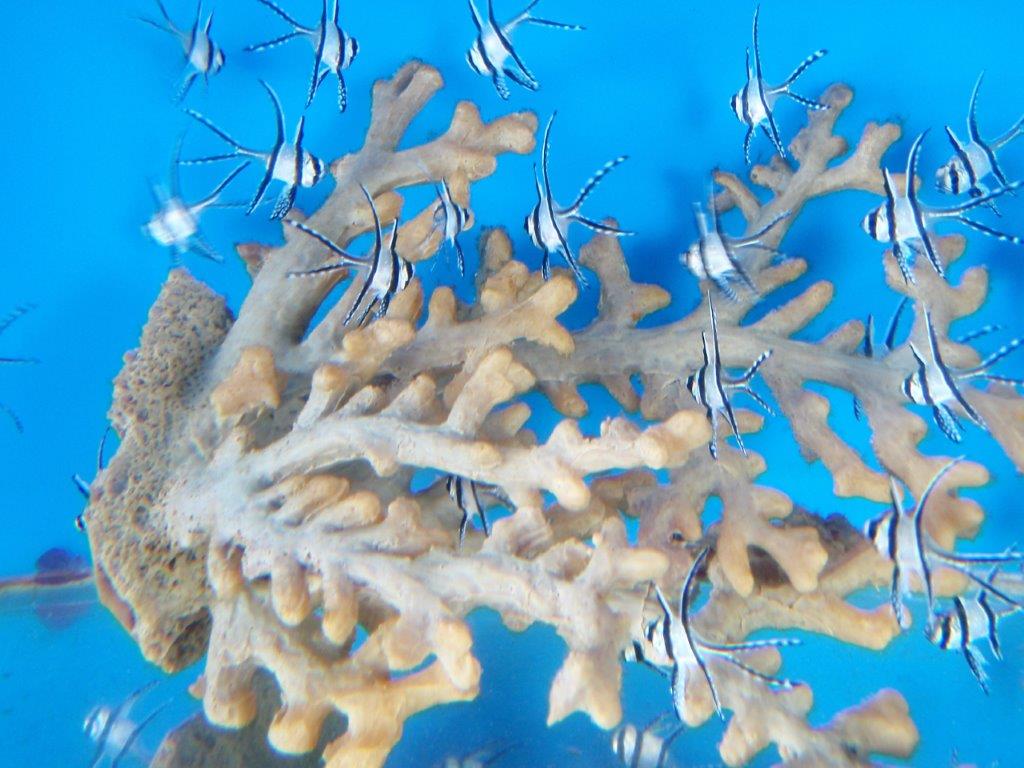
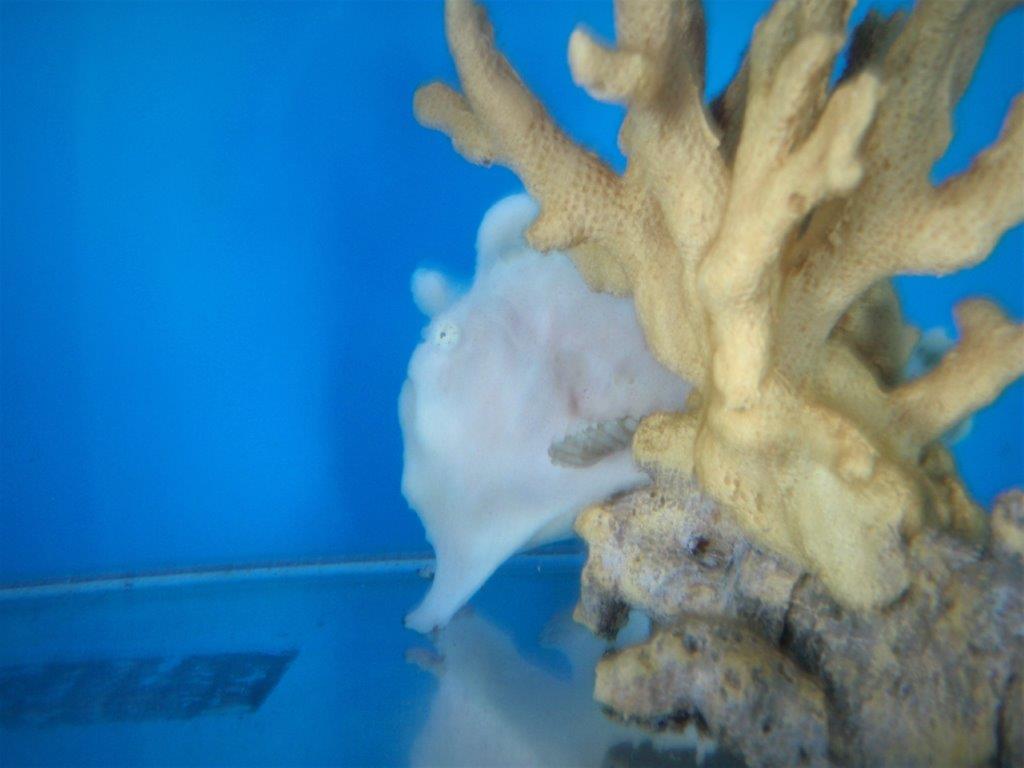
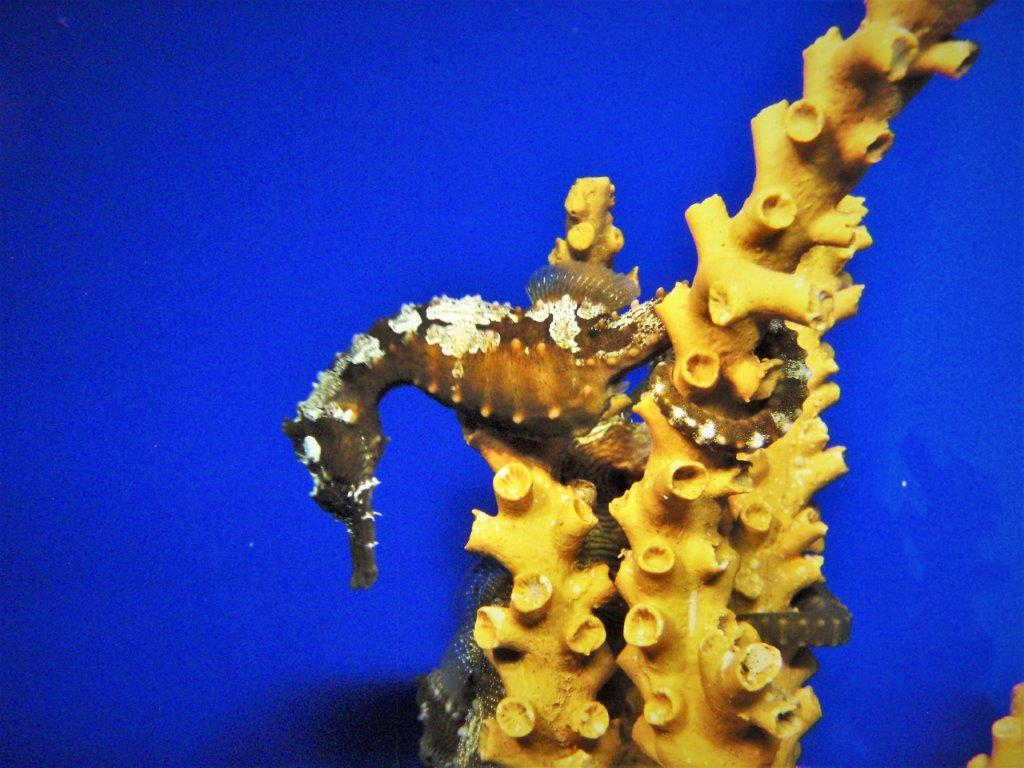
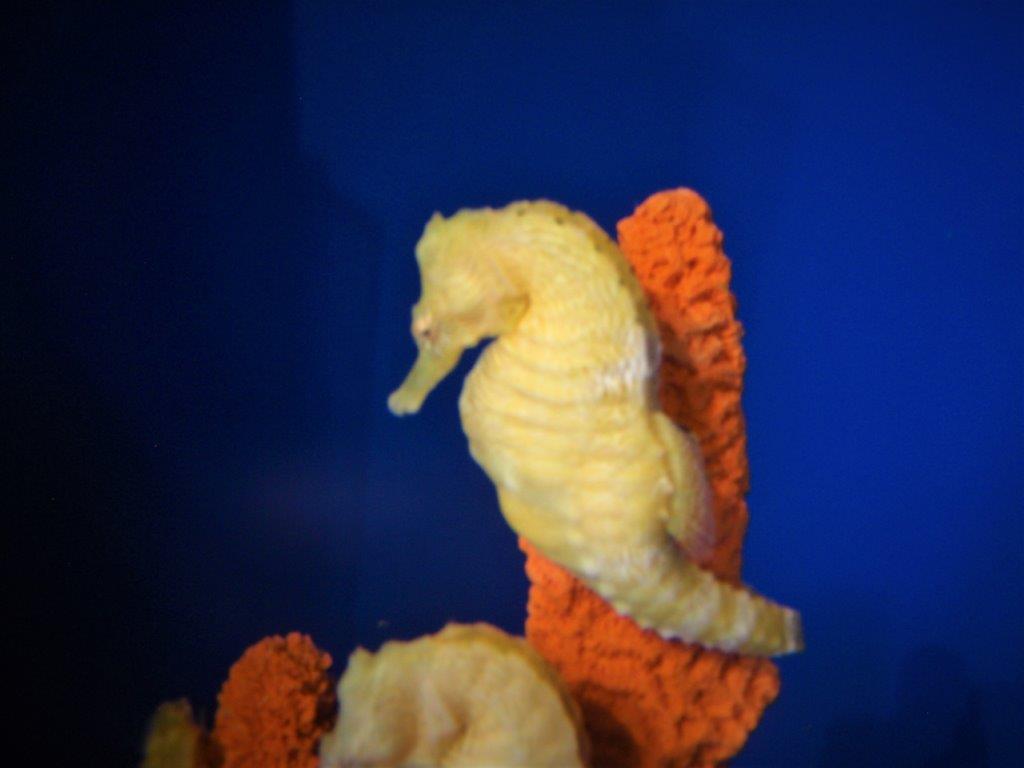
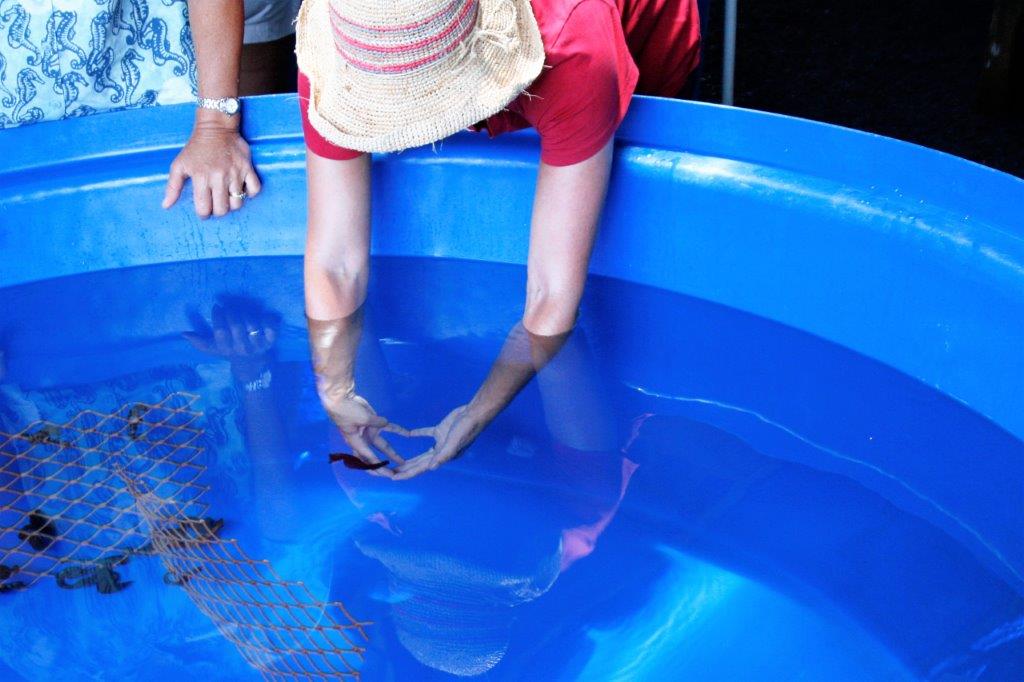
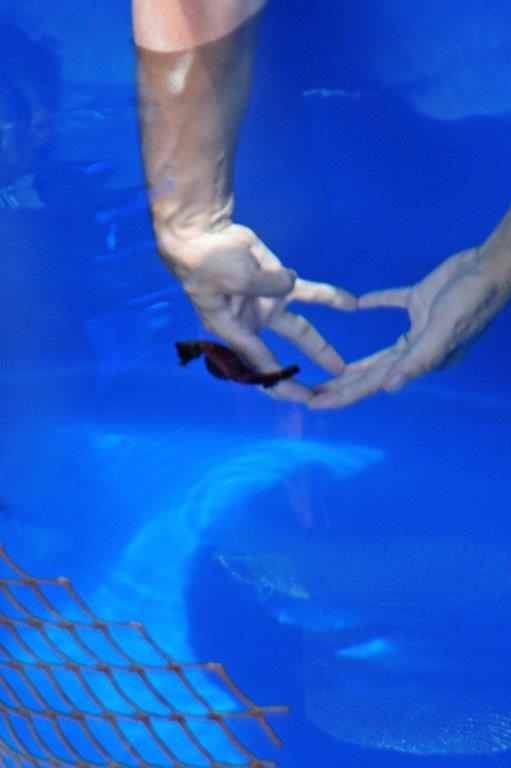
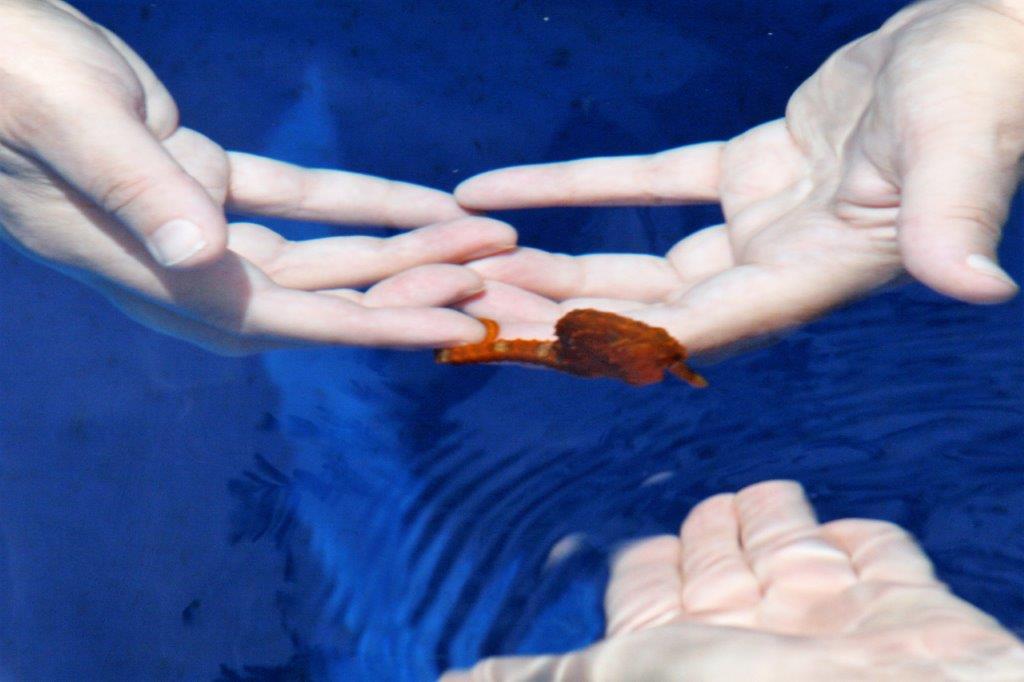
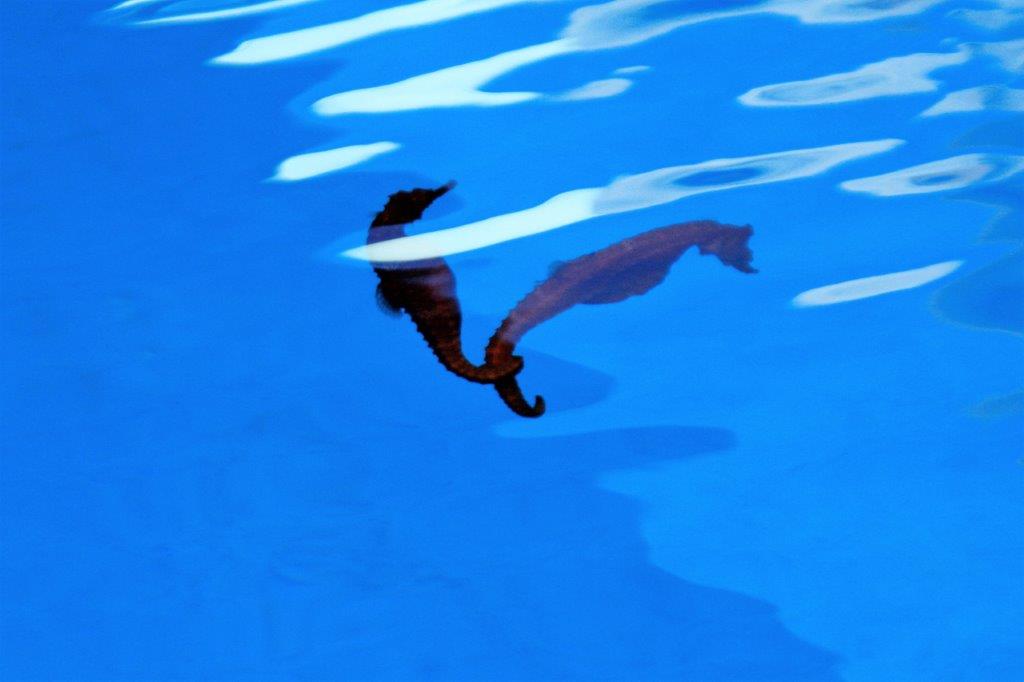
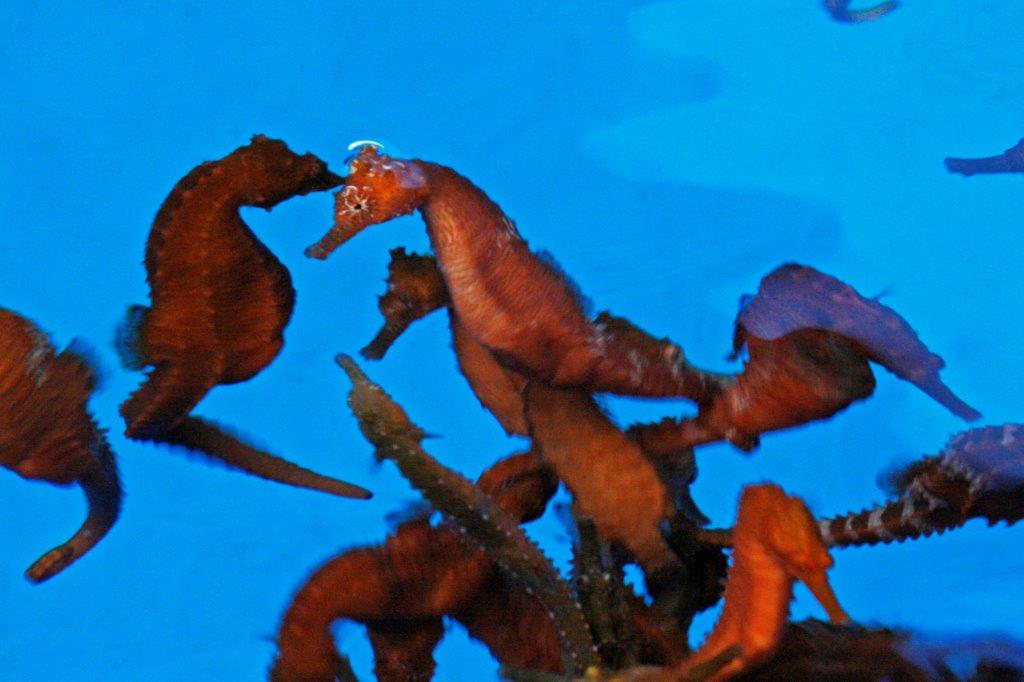
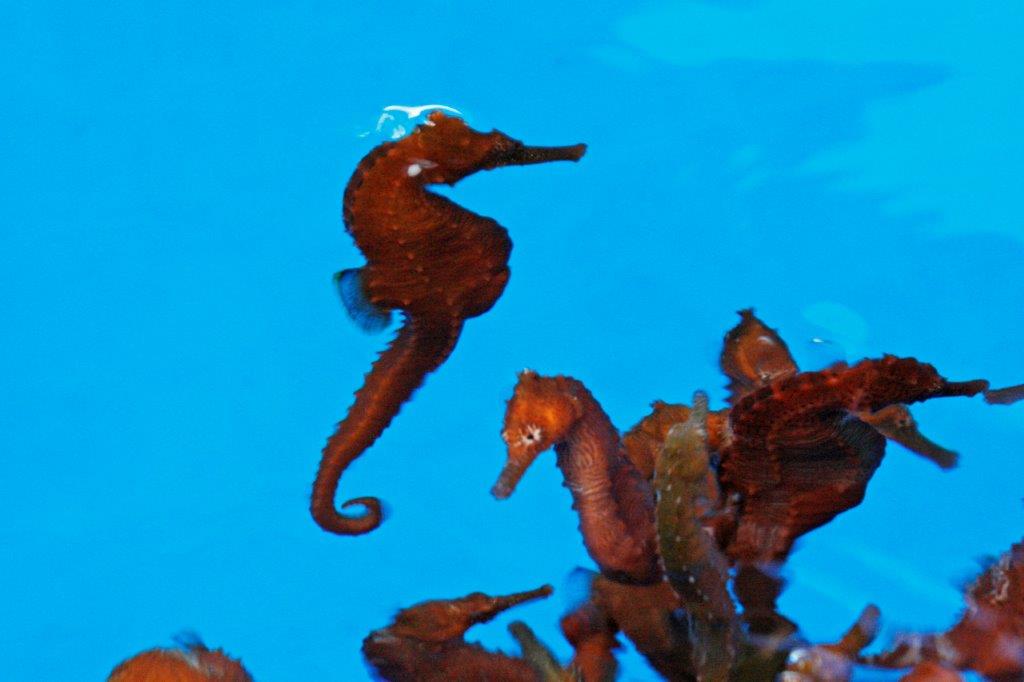
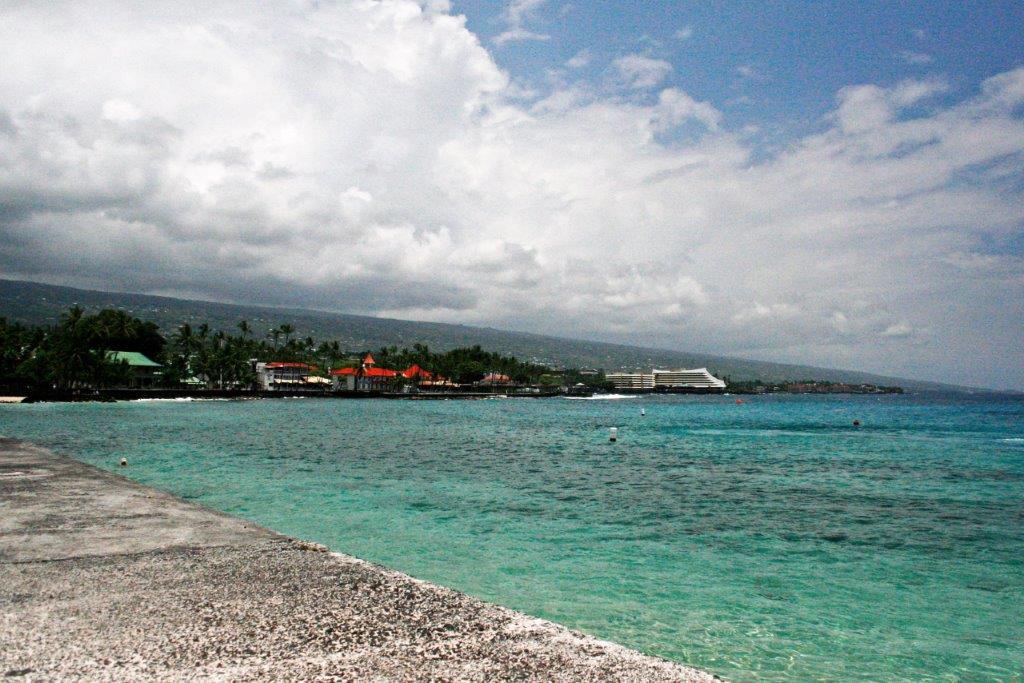
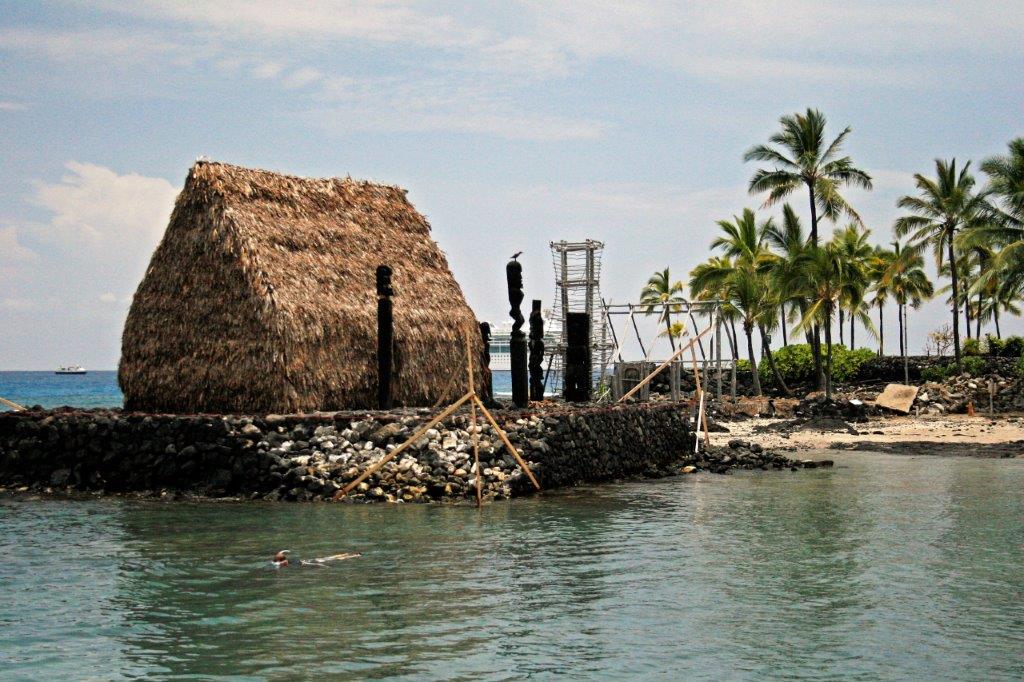
We have also visited the island of Hawai’i several times and have driven all over the island on one trip or another.  But the ship offered a tour to a seahorse farm and we thought that would be fun so we signed up.  We were driven to the OceanRider Sea Horse Farm and spent over an hour learning all about the techniques and research being done to raise sea horses for the pet trade so they will not be depleted in the wild.  The company has been working for 13 years to create breeding programs and commerical markets for their farm-raised sea horses.  It was very interesting and something new. This is a baby sea horse. We were not supposed to photograph them and I had forgotten and snapped this pic before John reminded me.They loved to link tails and float around.  When our tour was over we did a walk along Ali’i Drive in downtown Kailua-Kona and then went back to the ship. The last port of call in Hawai’i was Hilo, on the other side of the Big Island.  Kailua-Kona is on the dry side, Hilo is on the wet side.  It is rare to have a rain-less day in Hilo but we were blessed with one.  The Hilo side has the quickest access to Volcanoes National Park so many of the guests were off to see the calderas and and the active lava flow of Mt. Kileau which is adding a few feet to the island every year.  The volcano has been erupting continuously since 1983.

All we did in Hilo was walk into town, which was much further from the port than we remember.  It took  us over an hour and a half, but we did walk around the Banyan Park and the Japanese Gardens on the way.  There is not much to Hilo except a long street of tourist shops.  We only bought some ice cream before walking back to the ship.

This 13-day cruise was, for us, a leisurely ride home.  We did not feel it was necessary, nor were we inclined, to do very much.  The islands of Hawai’i were familiar territory, and our next five days we spent at sea.

We arrived in Seattle on May 12 and were picked up at the terminal by one of John’s American cousins.   We spent the day visiting relatives.  Back on the ship that evening we packed our luggage in preparation for disembarking the next day in Vancouver.  A one-hour flight brought us to Kelowna and an hour later we were home. And so, another wonderful adventure concluded.

(I am currently sorting photos to put in a blog about our 62-day Grand Mediterranean/Black Sea Cruise in 2012.  Stay tuned.)

2011 April 22 – Day 108 – Viatape, Bora Bora

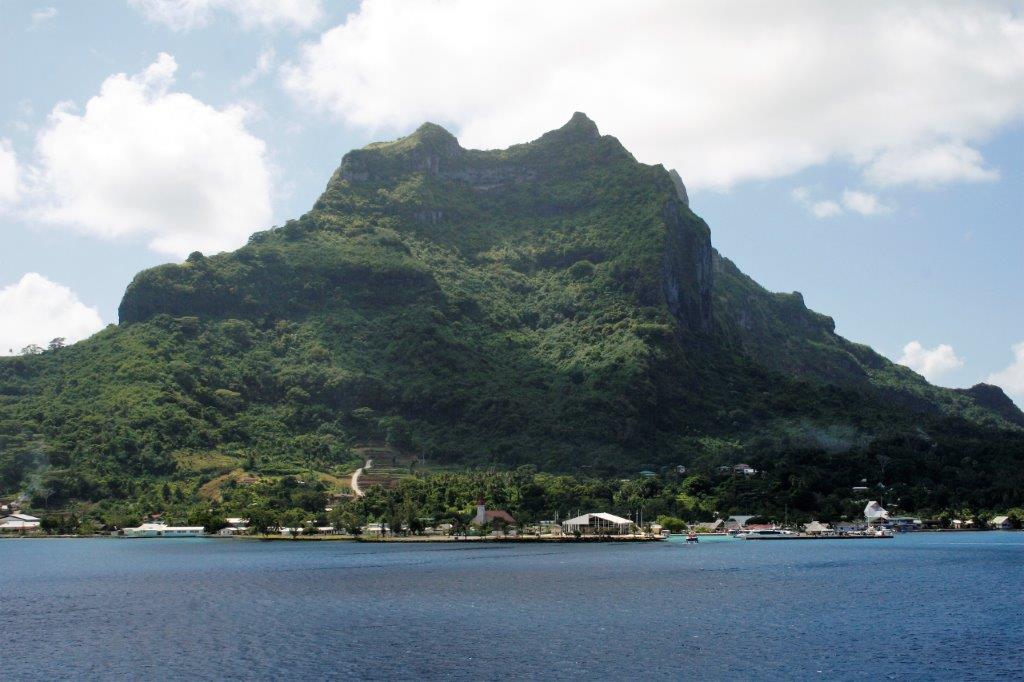
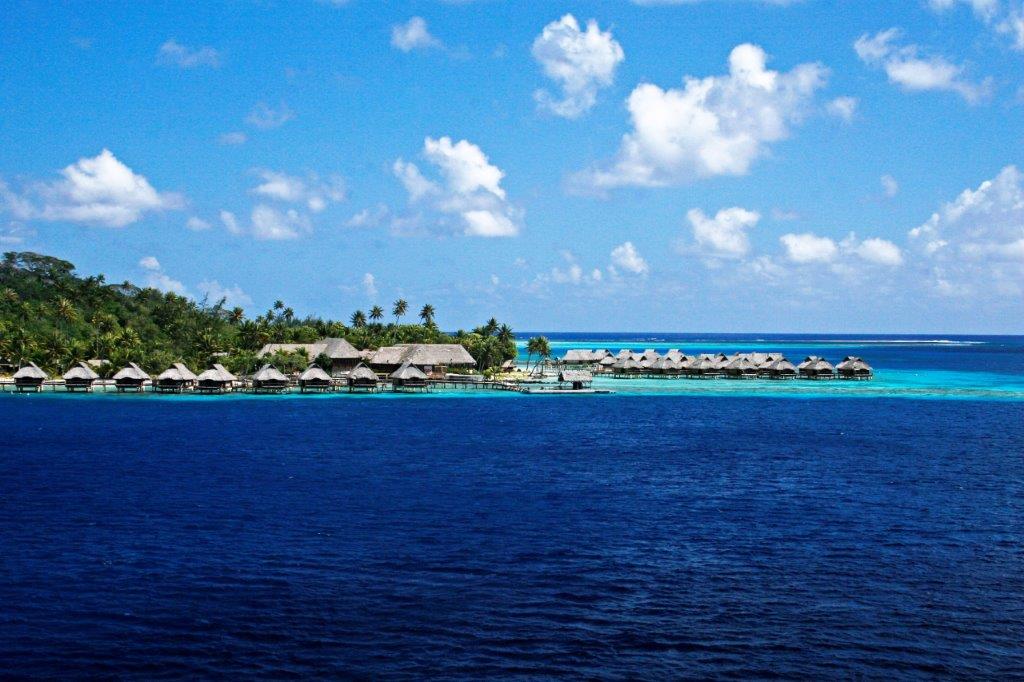
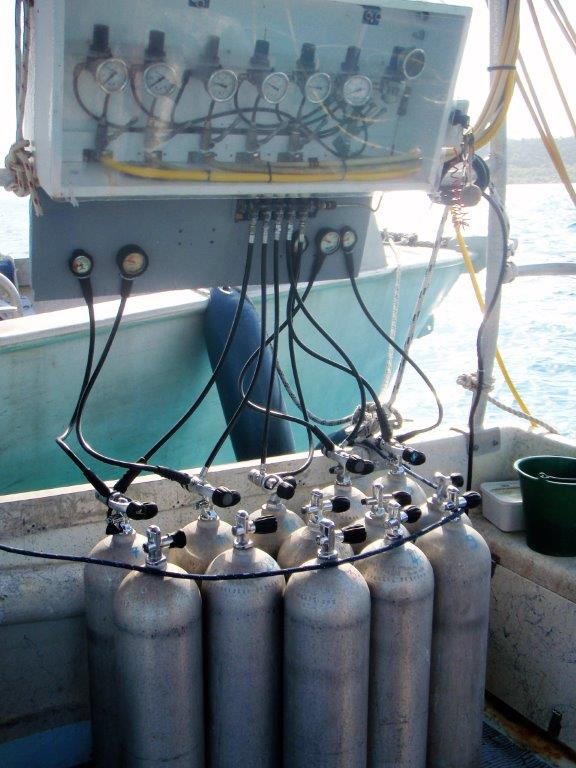
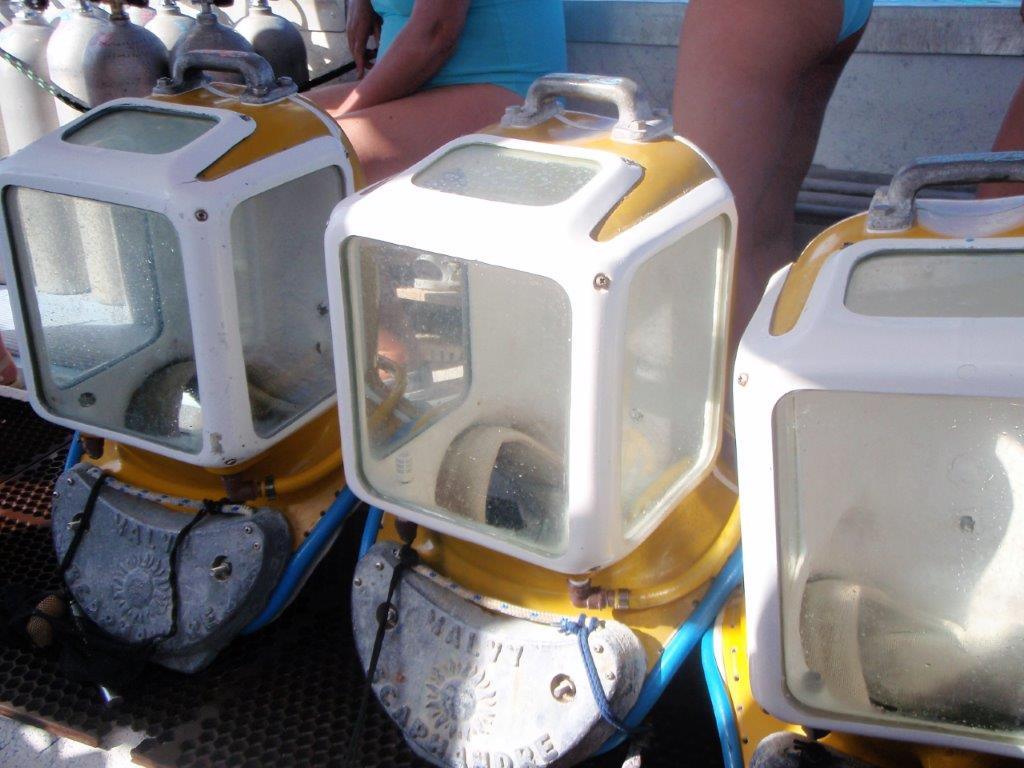
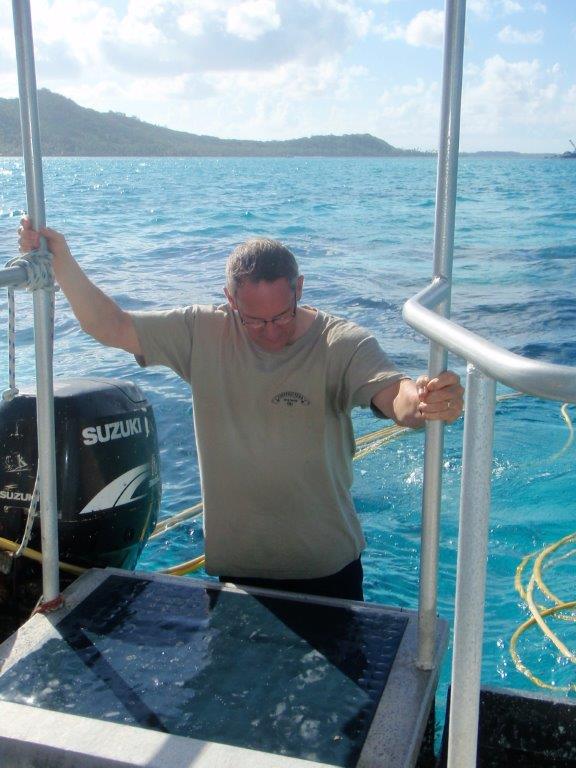
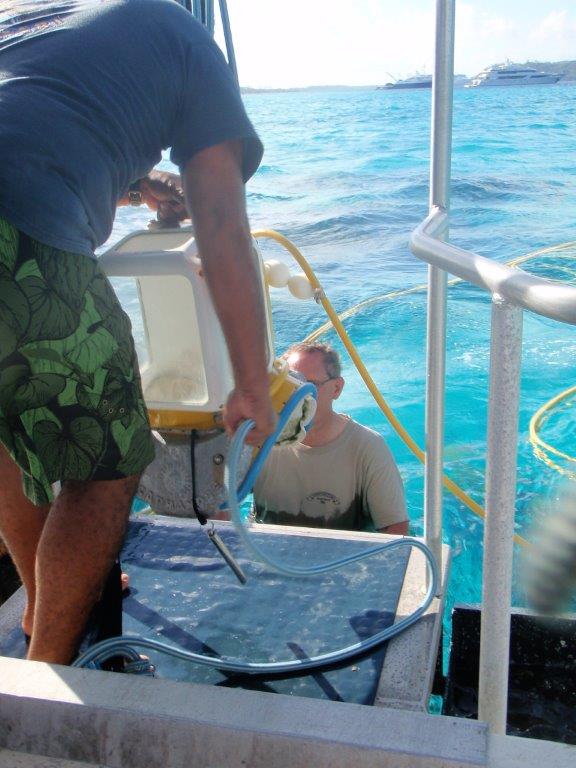
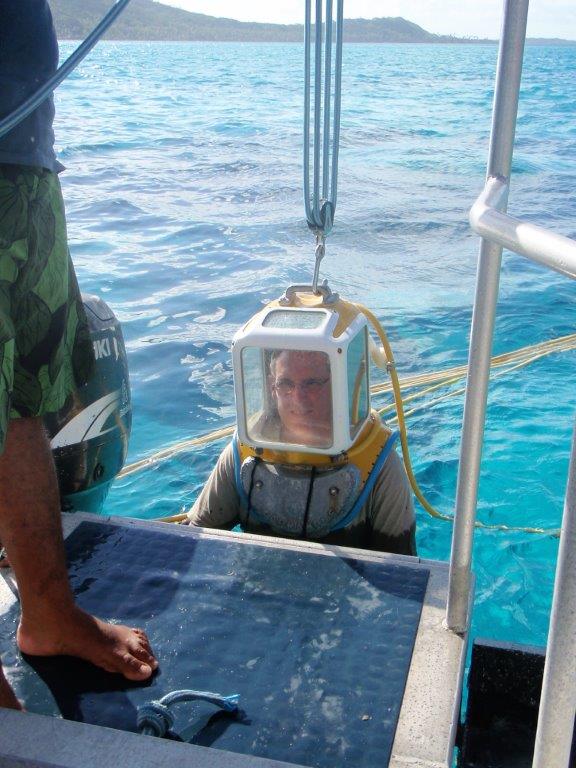
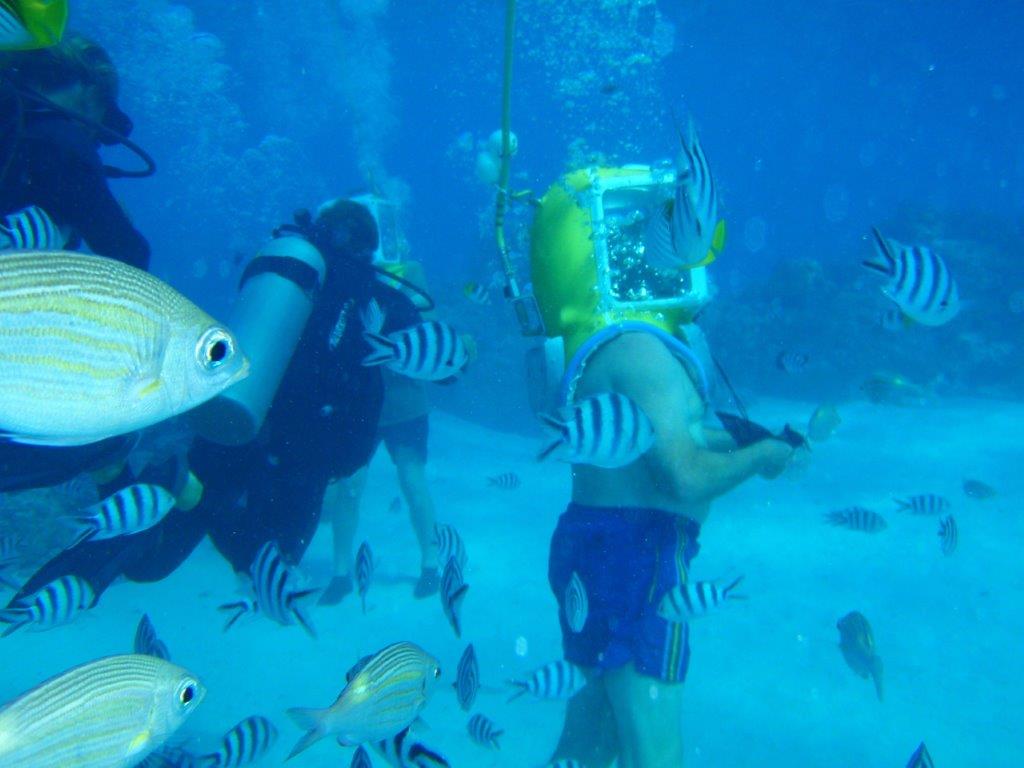
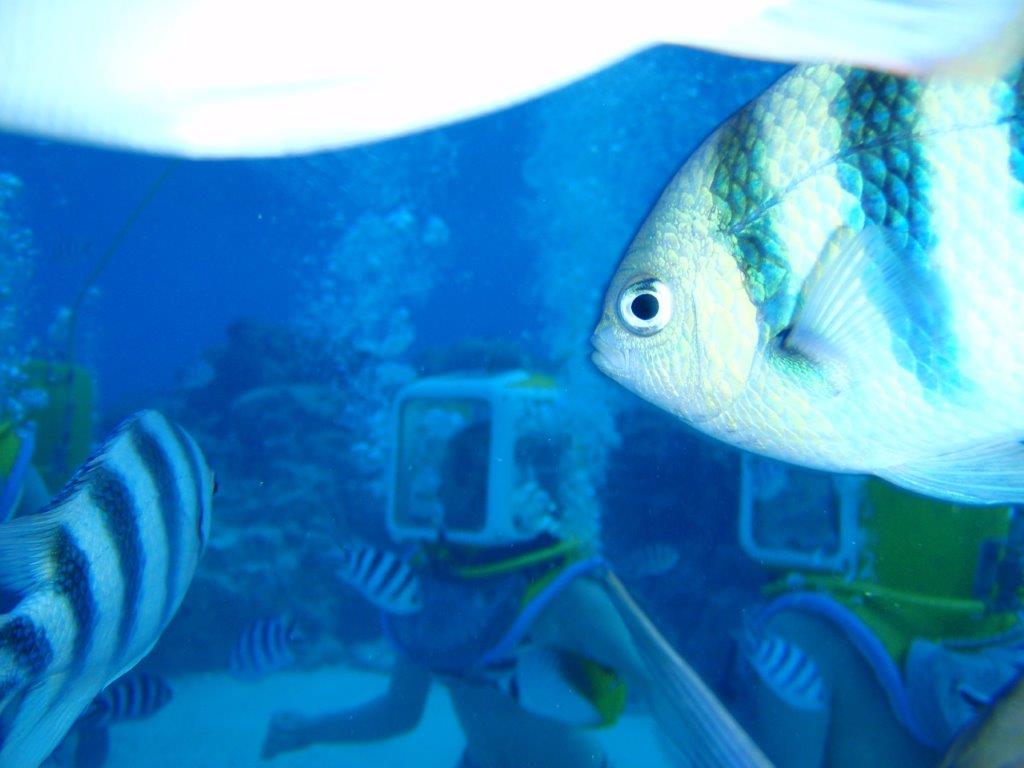
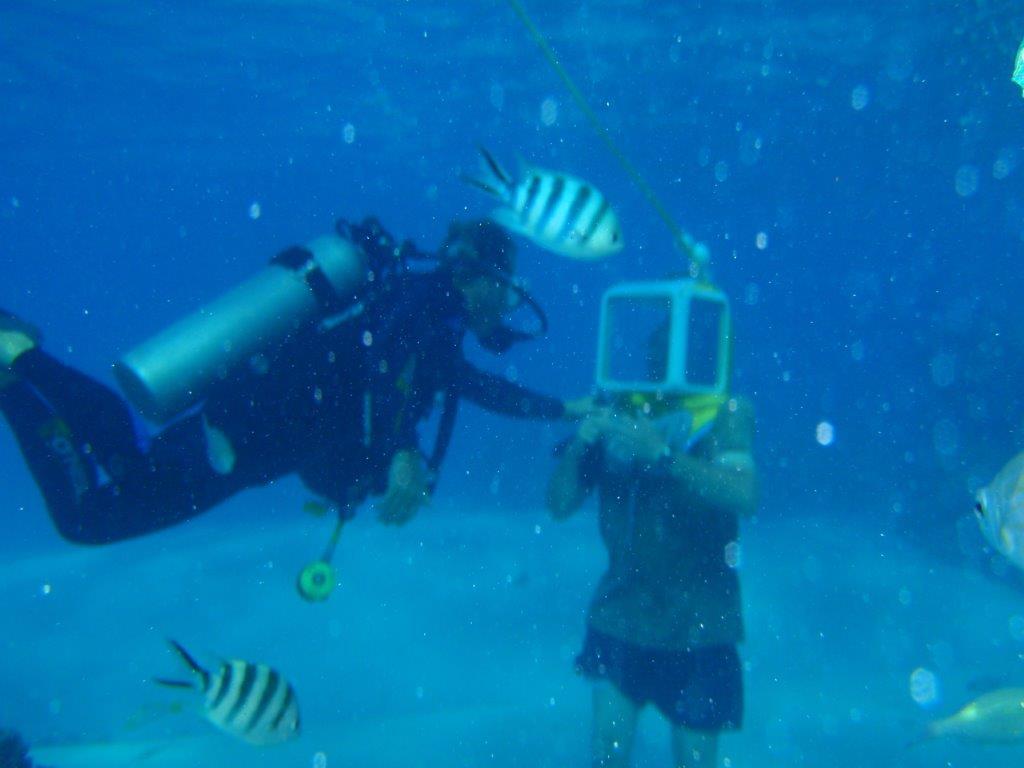
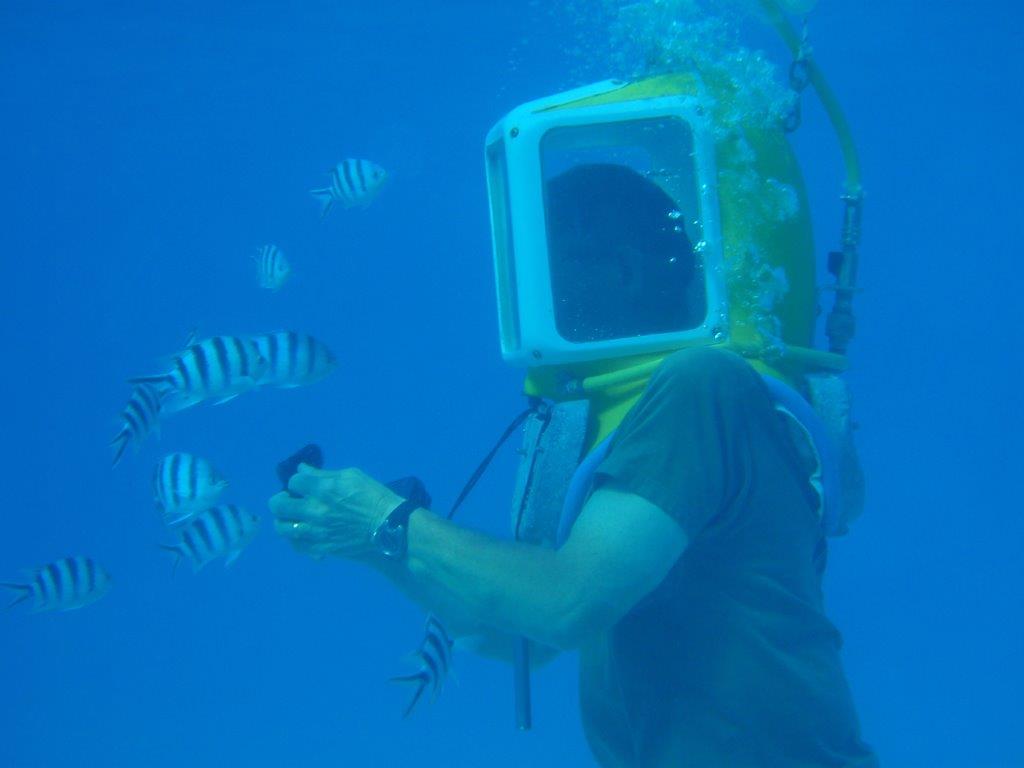
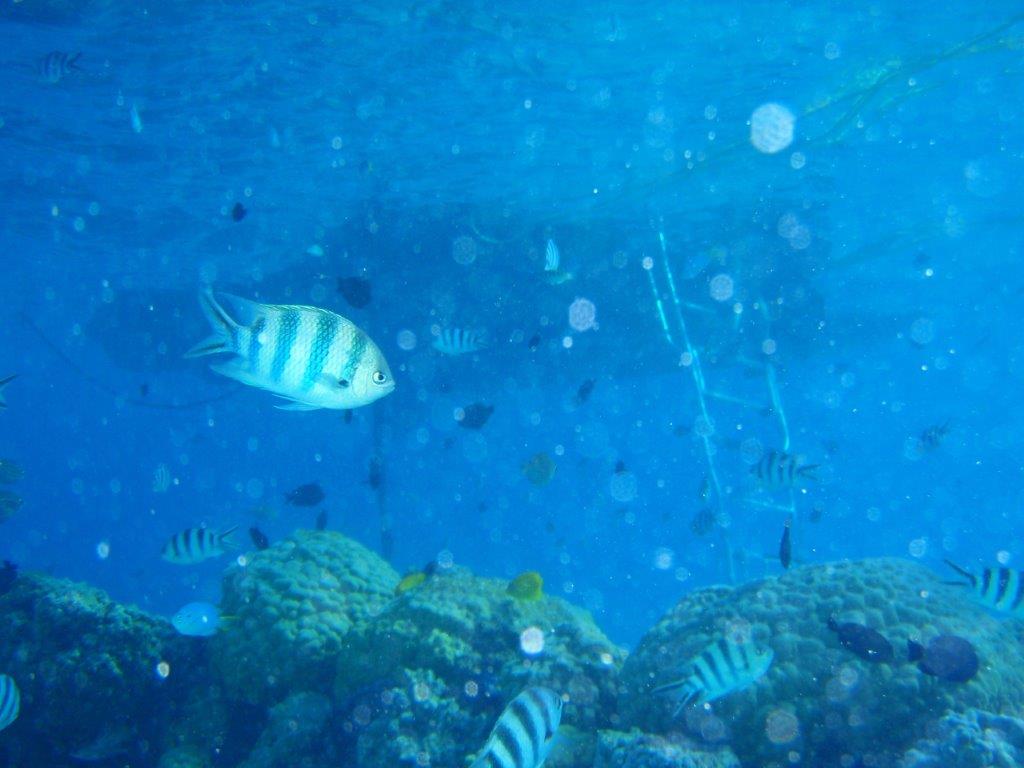
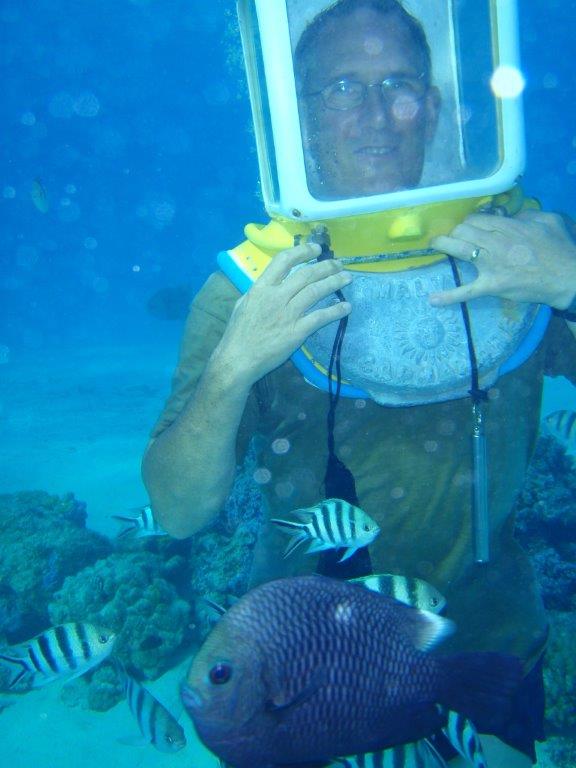
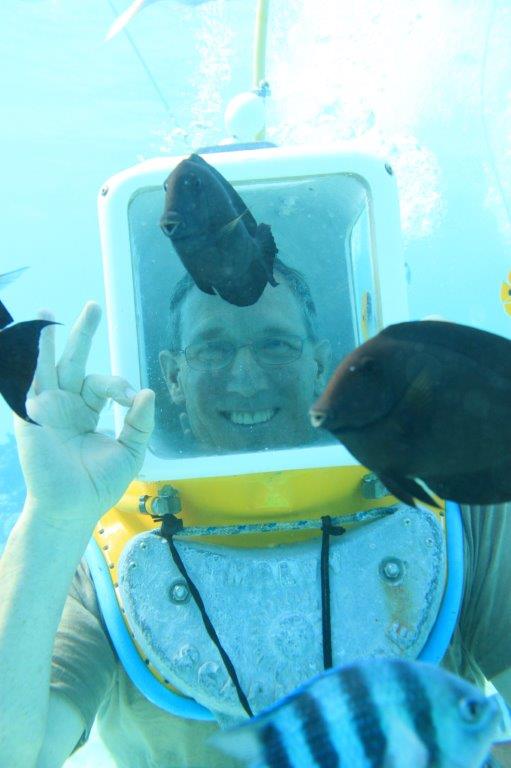
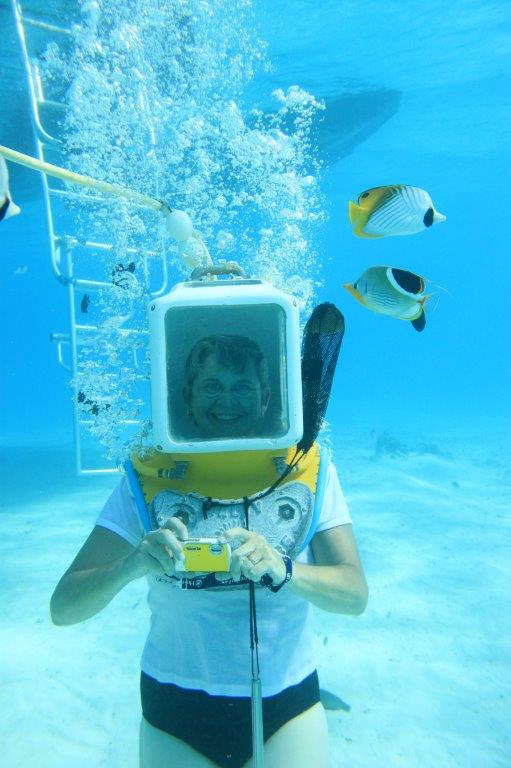
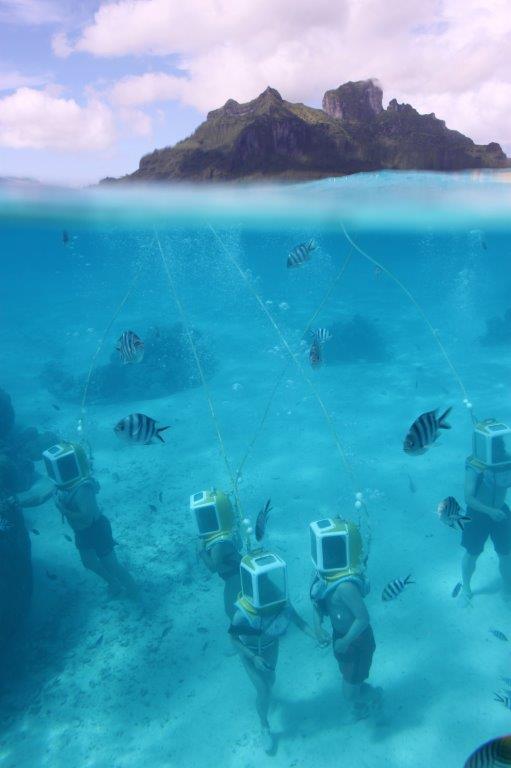
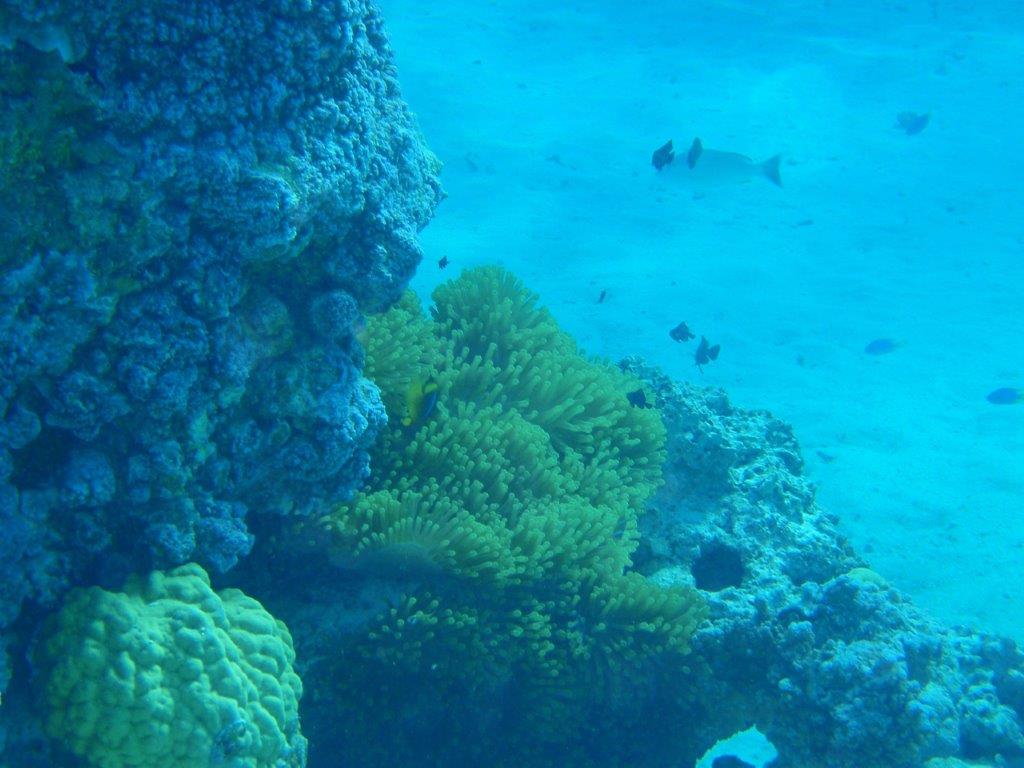
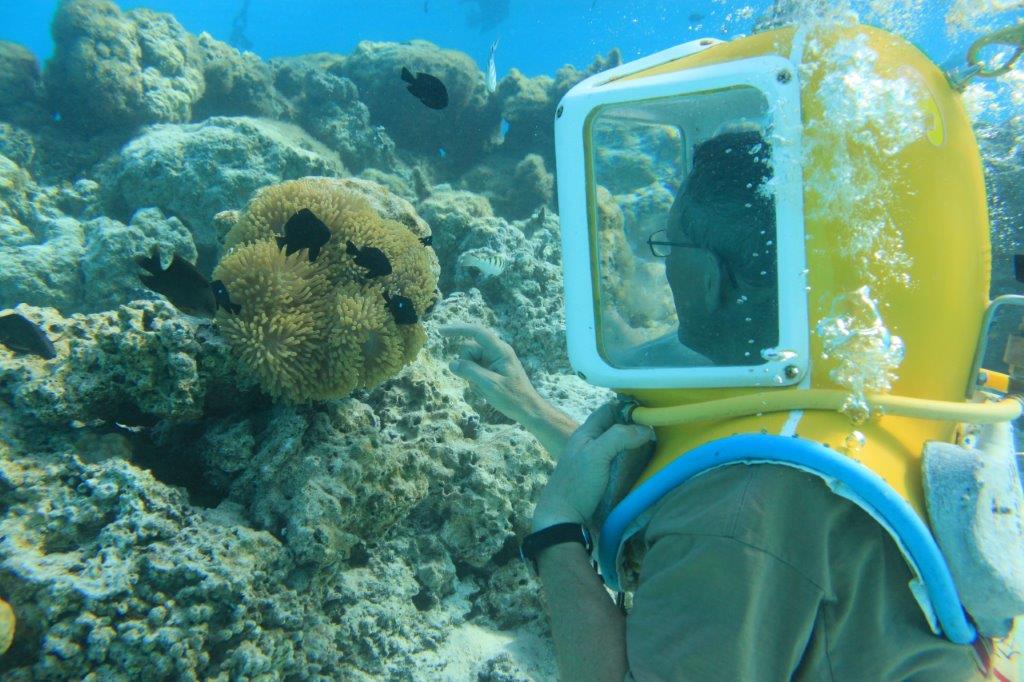
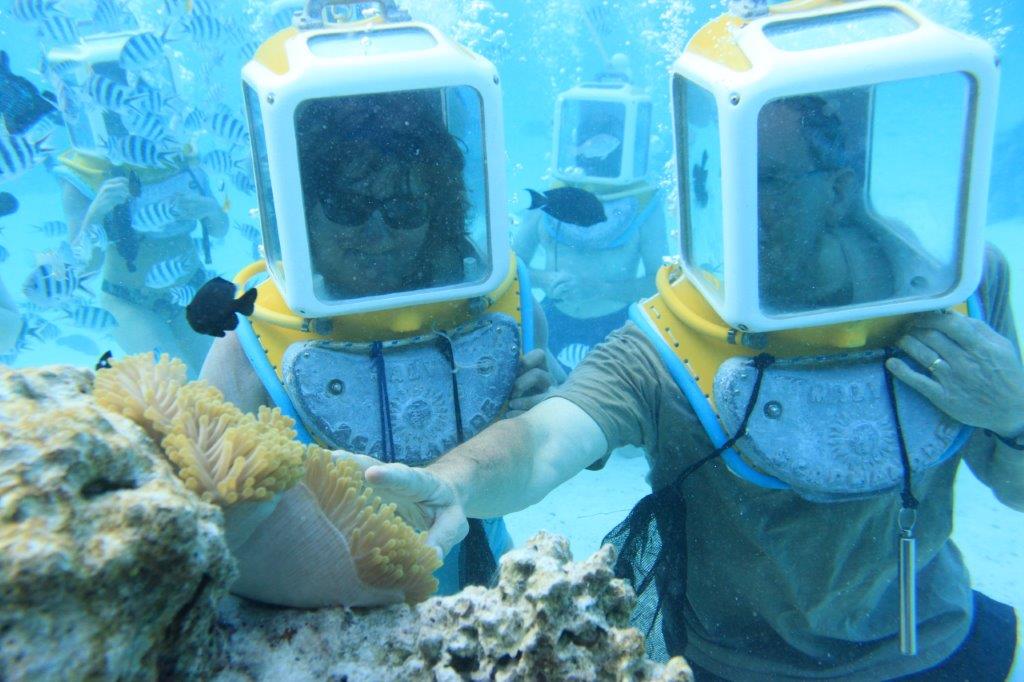
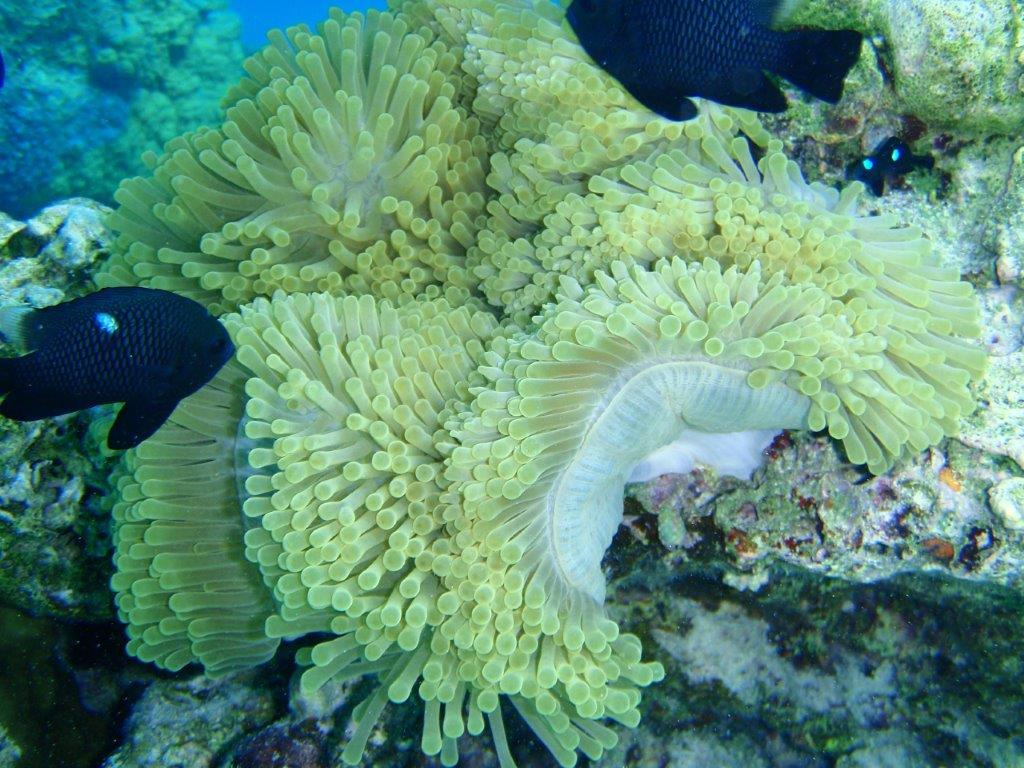
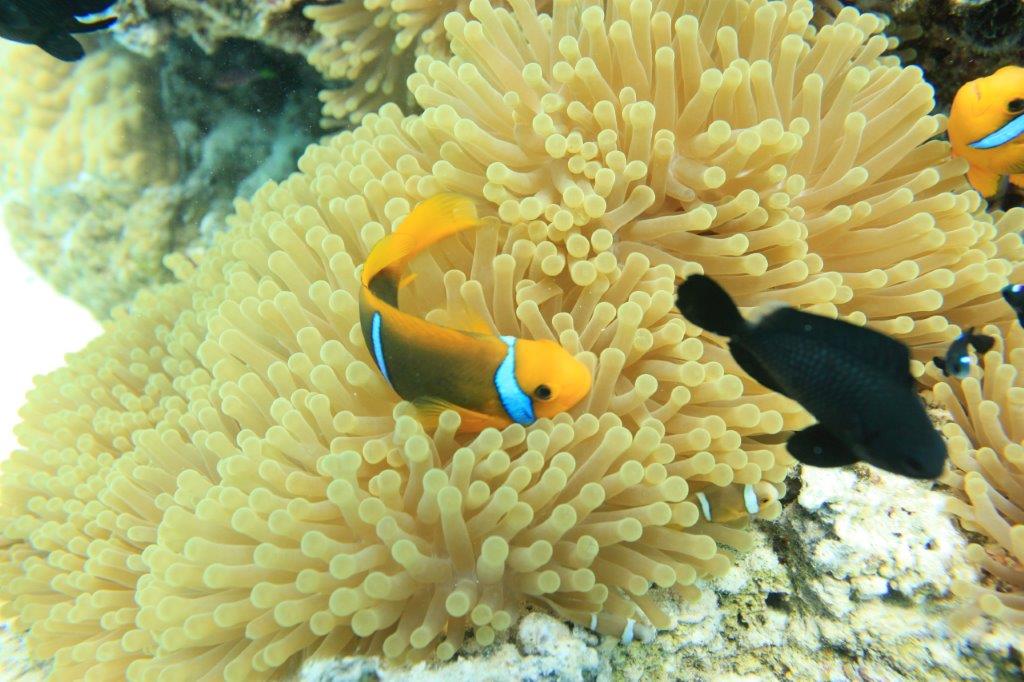
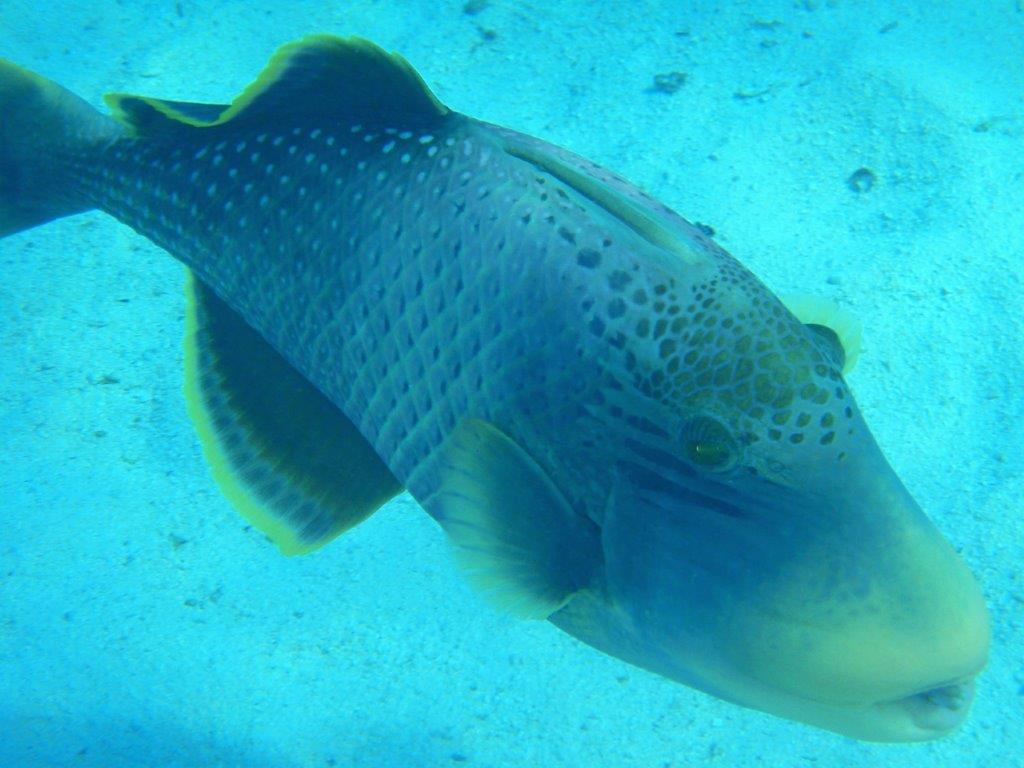
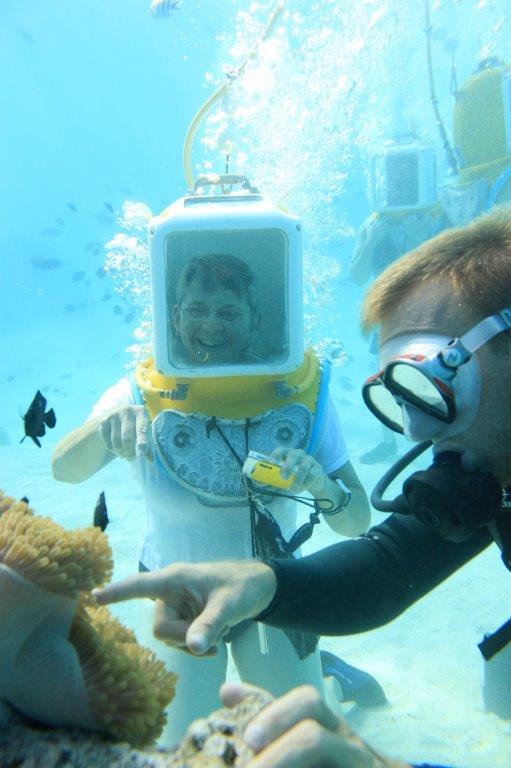
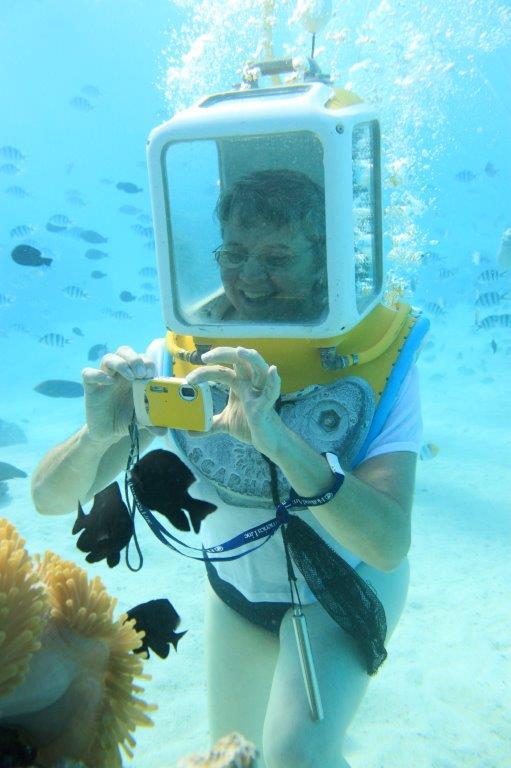
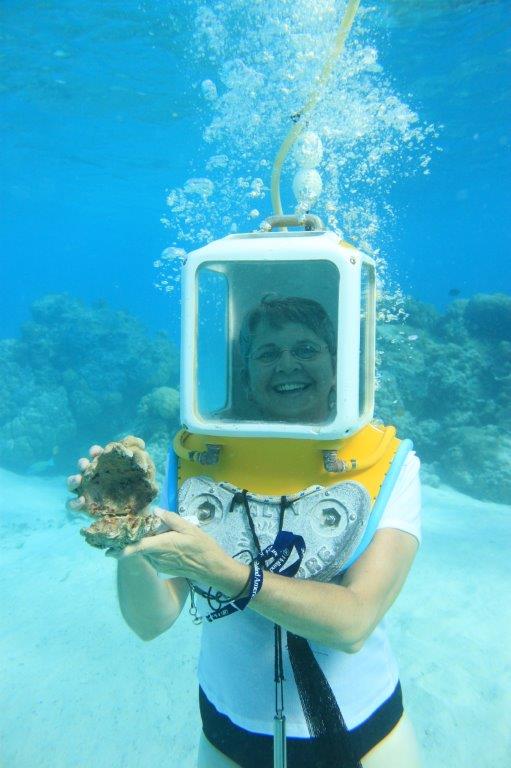
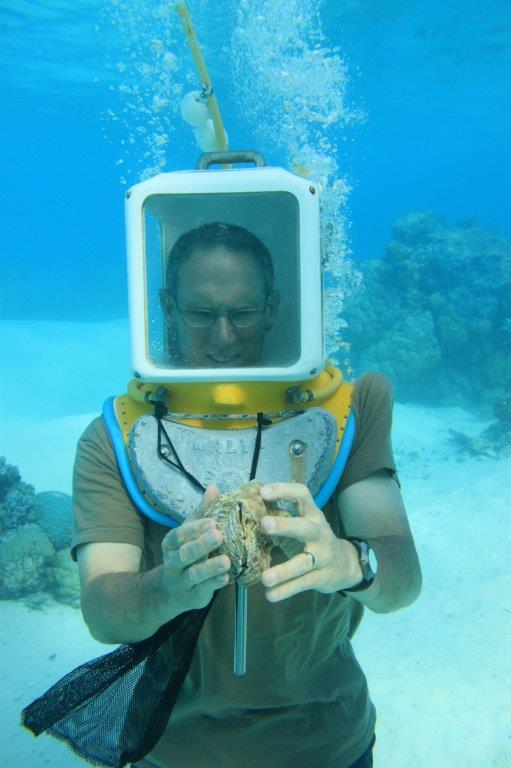
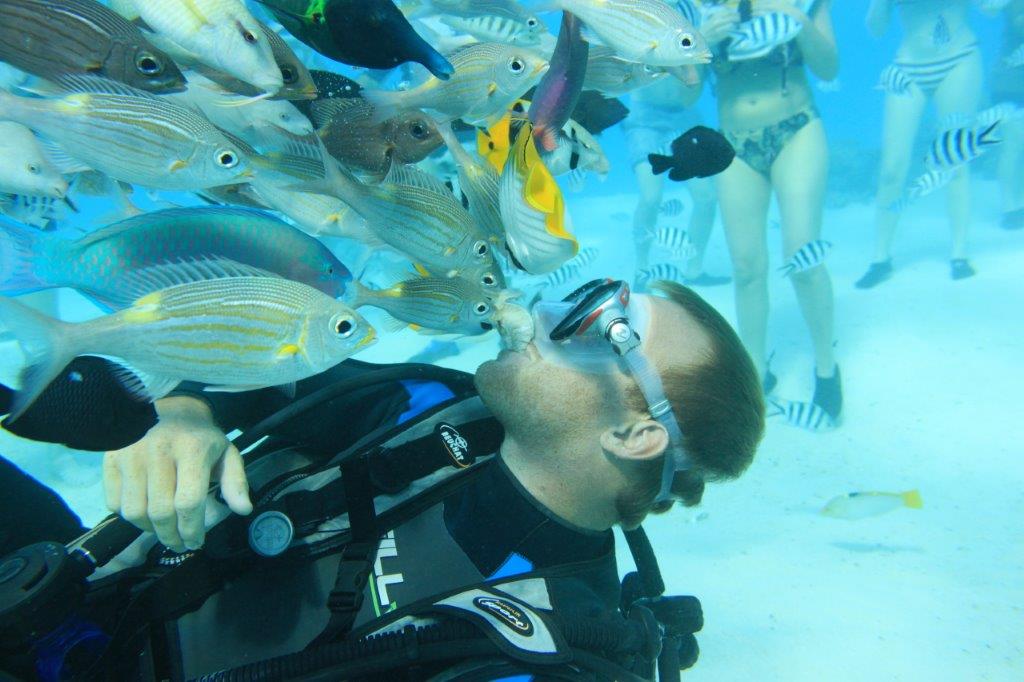
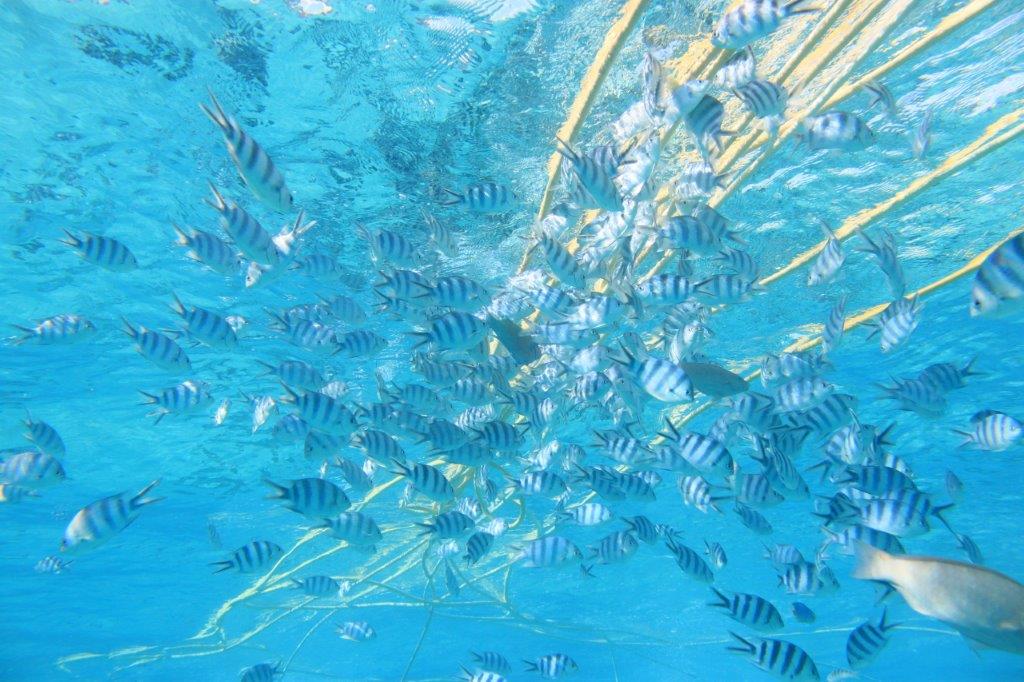
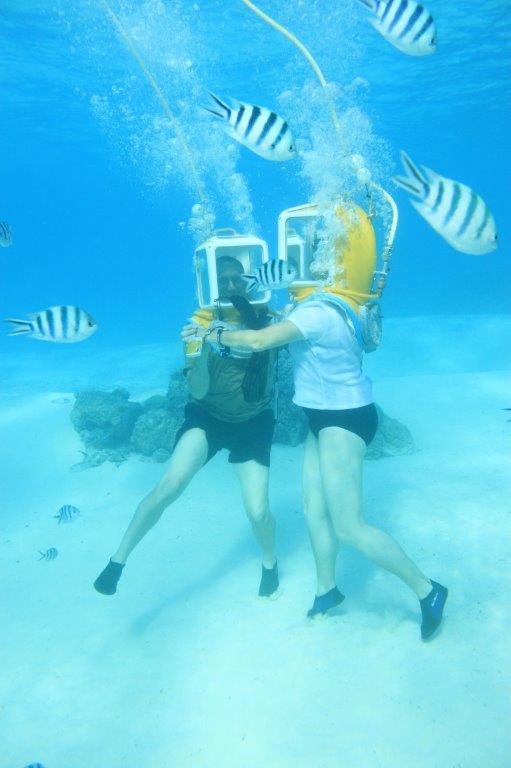
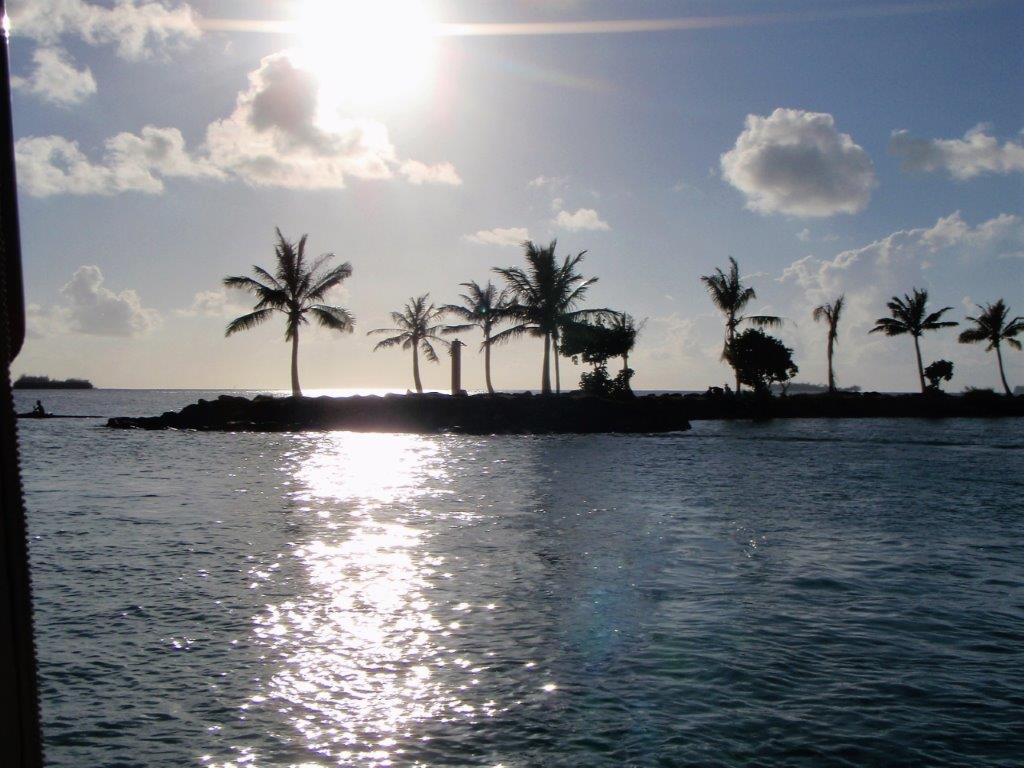
I love Bora Bora.  We had stopped there on our Holland America Cruise to Australia and I was very happy to stop again on our way home. It is one of the most beautiful islands I have ever seen and we were fortunate to have clear skies for the sail-in.  Often the top of the mountain is shrouded in cloud.We took part in quite a unique tour on this day.  We went walking underwater with the fish of the reef. A small boat took us from the ship to another boat anchored in the lagoon.  We were given instructions and communication signs before moving to the dive boat, and, one at a time, descended the ladder chest-deep into the water.  A large, 50 lb. helmet was placed over our heads and rested on our shoulders. This helmet had an air hose attached so we were able to breathe normally when we went 10′ under the water to the sandy ocean floor.  It was a bit tricky to stay on the bottom to walk around as my body kept wanting to float but I mastered it after awhile and we had a great time.  I had my little waterproof camera to take pictures and the tour company also had a photographer (in scuba gear) that took some of these pics. Close up and personal to the fishies.  This guy was right in front of my helmet face.

We were given chunks of bread and were swarmed by hundreds of fish.  We were able to spend about a half hour in the water.  It was a very different experience and we thoroughly enjoyed the day.He has a large chunk of bread in his mouth and the fish come eat it.                                                                                          Dancing on the ocean floor.The next day we docked at Papeeté, also a French Polynesian island, and a port we visited on our way to Australia.

2012 April 17 – Day 37 – Venice, Italy (Day 1)

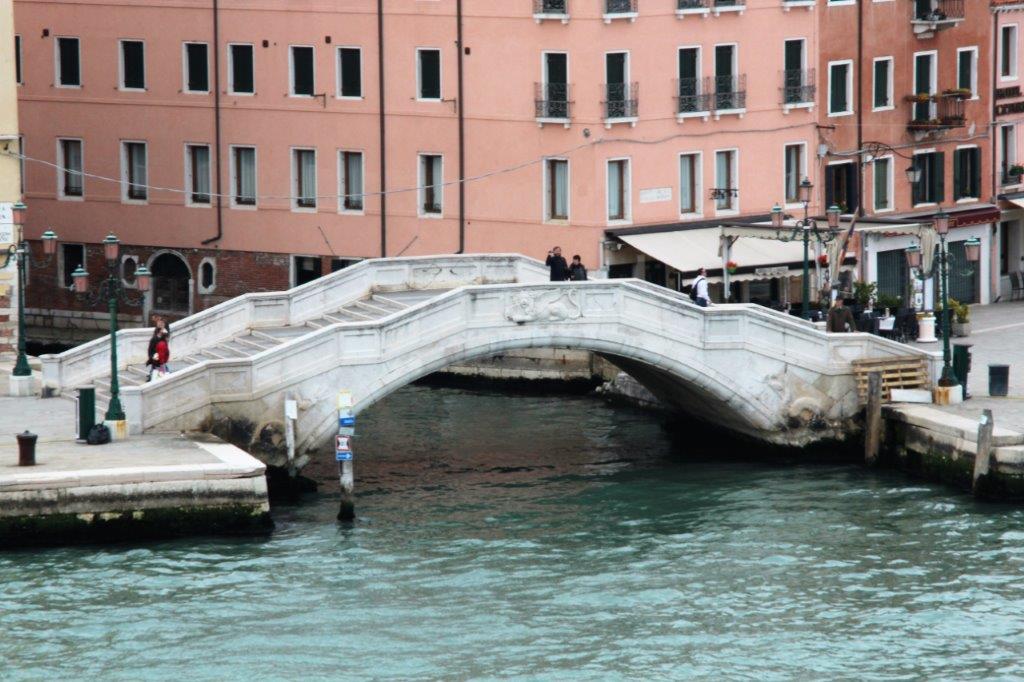
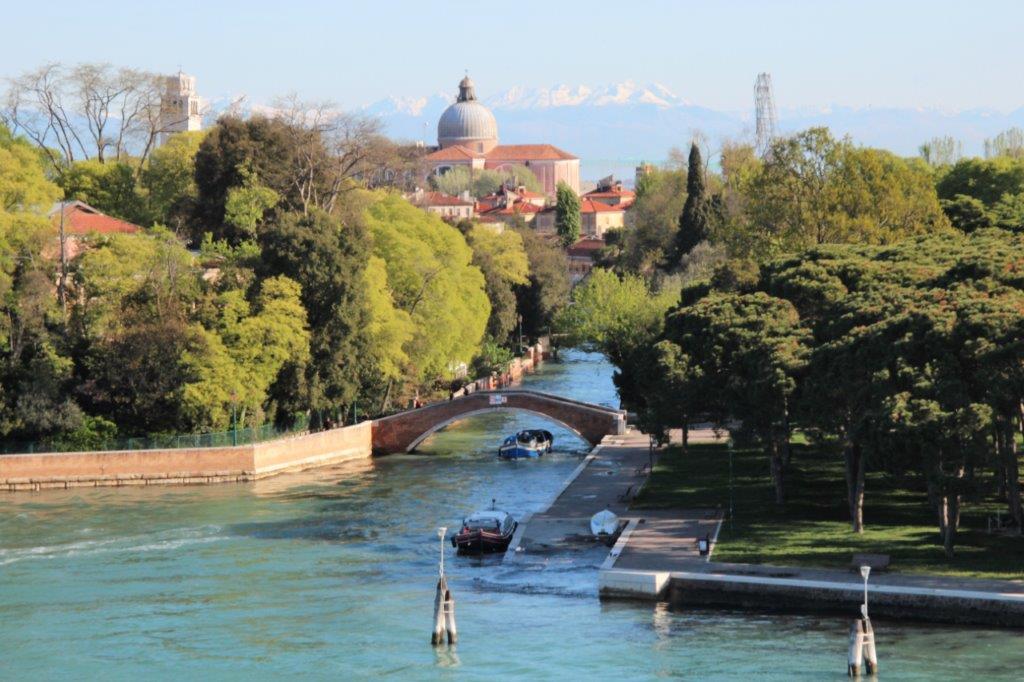
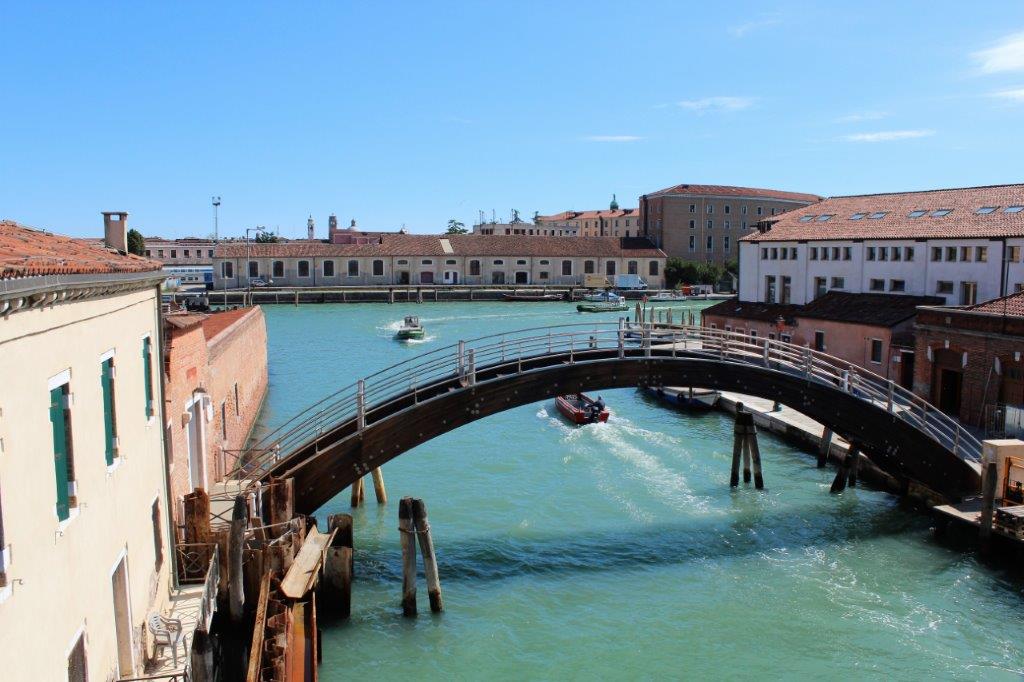
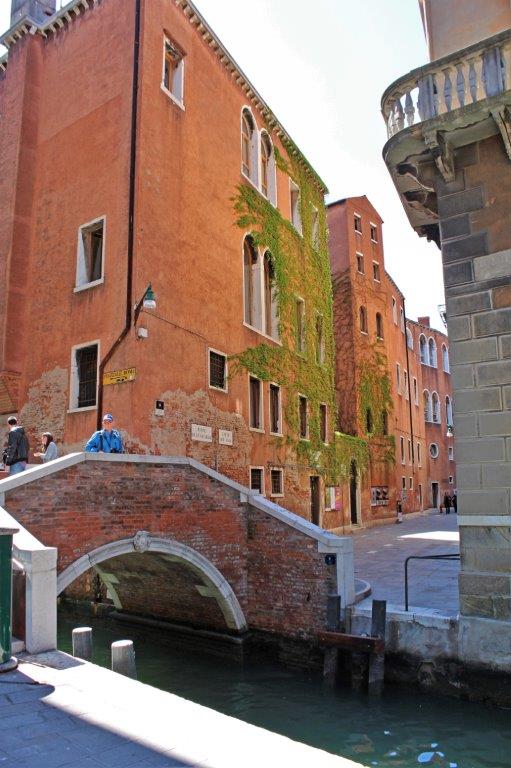
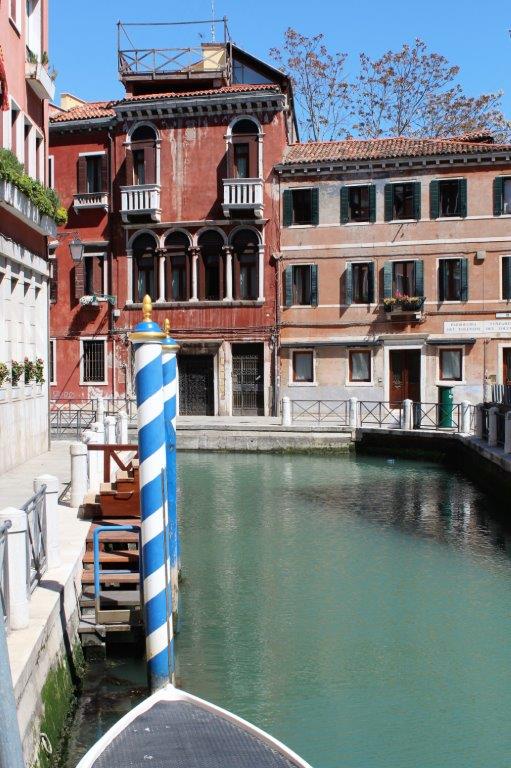
Italy!  I couldn’t believe it.  One of my “I really want to go there someday” places.  And, we were not just anywhere in Italy, we were in Venice!  Awesome!  Awesome!  I was stoked.We were up at 7 am in order to be ready on deck for the sail in to Venice.  Venice is located at the very northern tip of the Adriatic Sea on the south eastern coast of the top of the Italian ‘boot.’  It is closer to Slovenia, Croatia and Austria than it is to Rome.  It is a city of islands; 117 of them.  The city is laced with 150 canals and more than 400 bridges.  The longest span – Laguna Veneta – is the only road to the mainland.

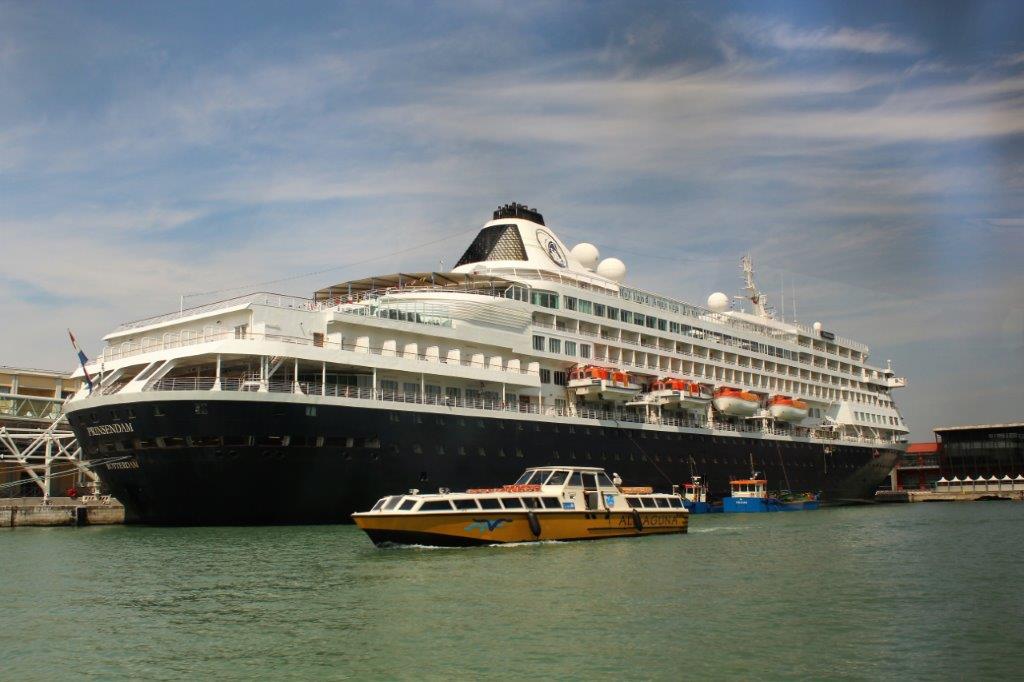
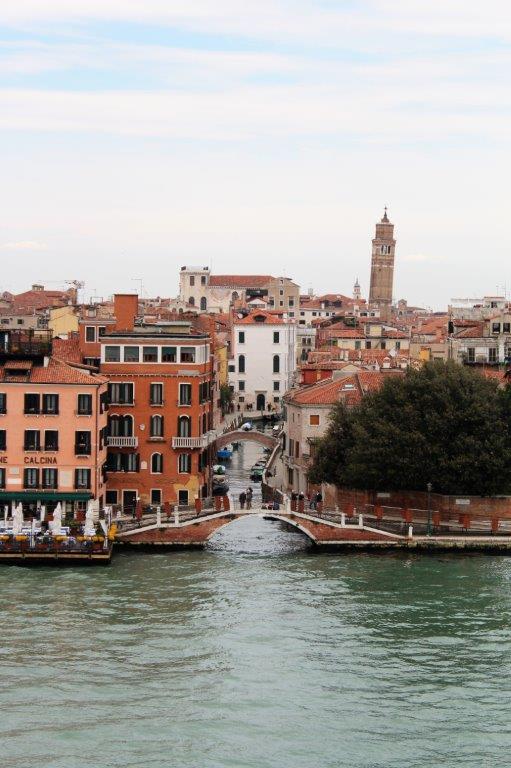
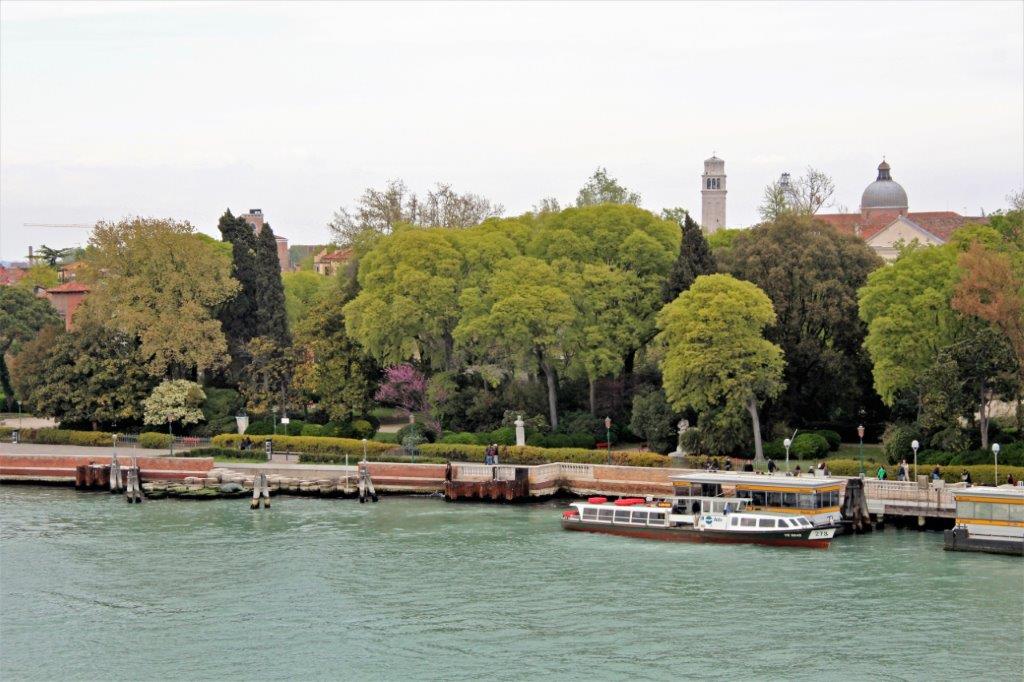
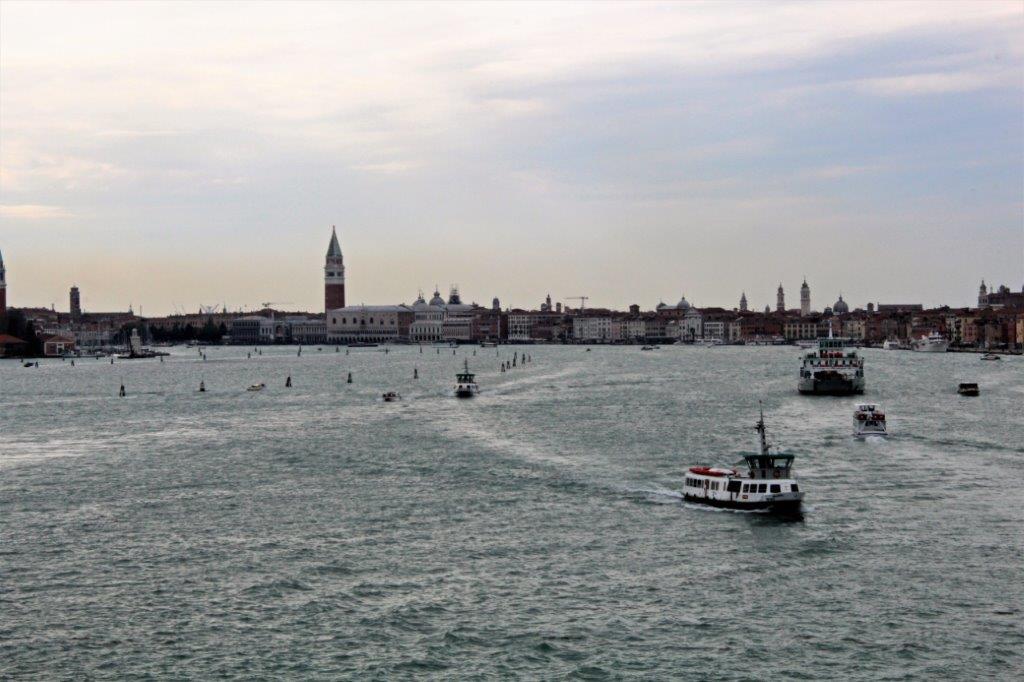
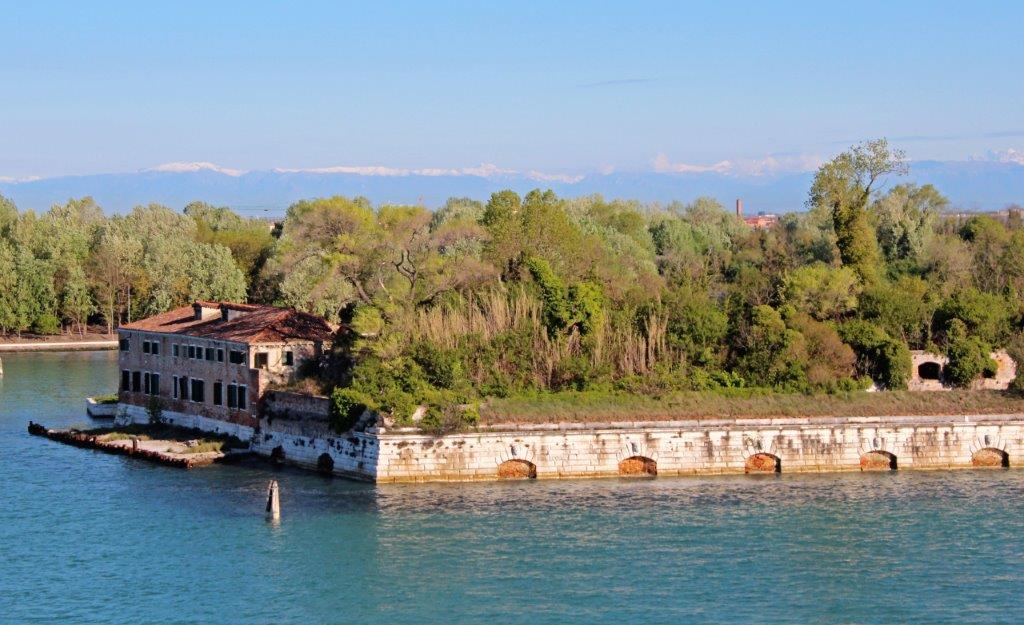
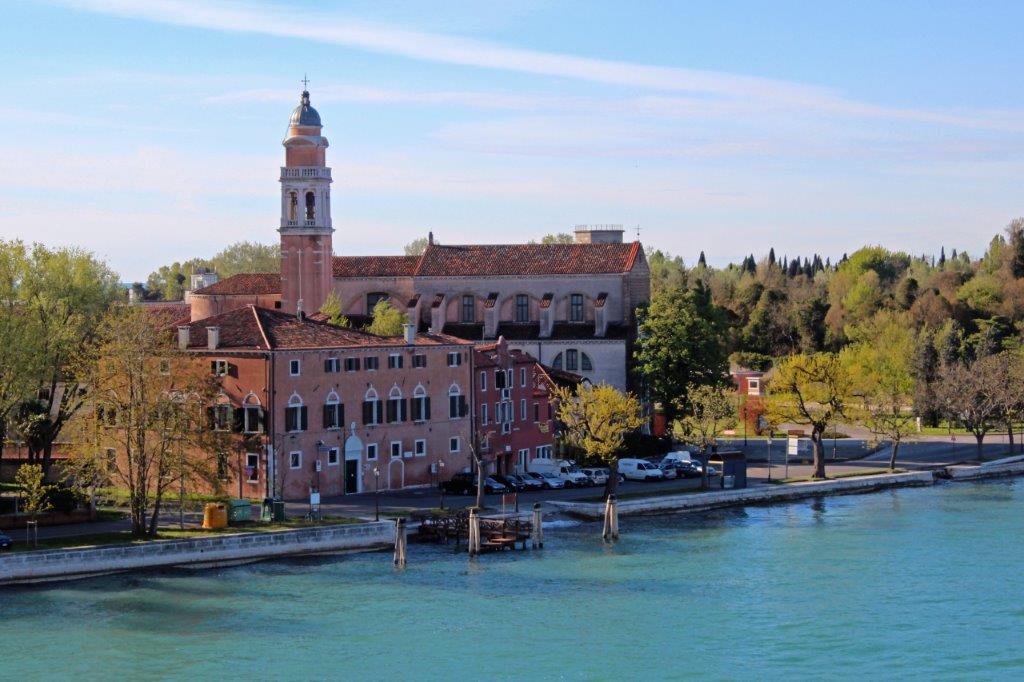
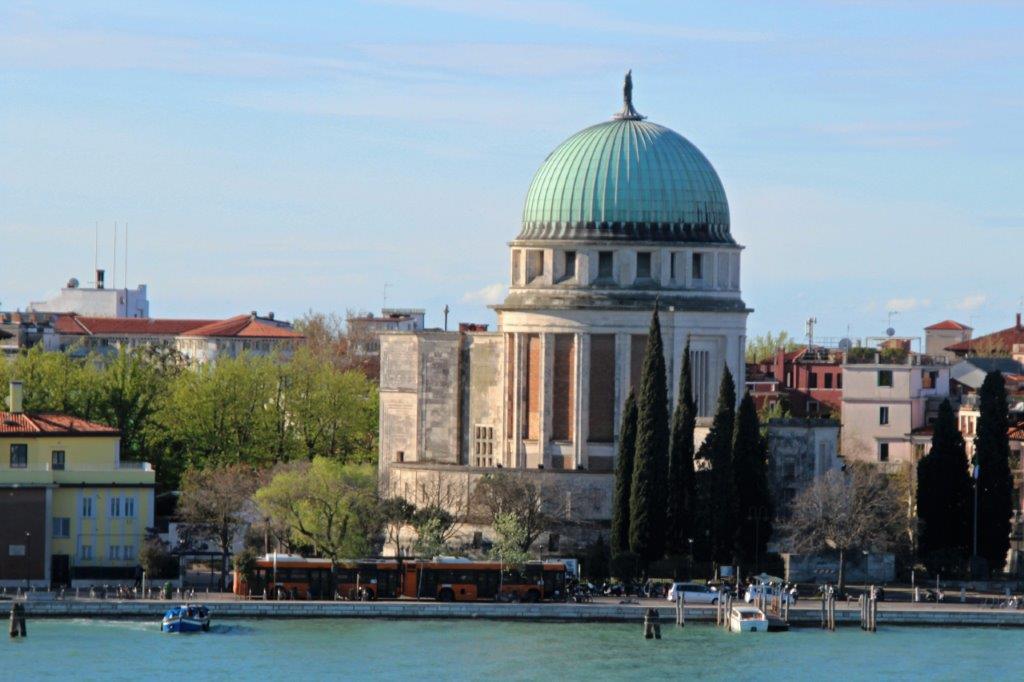
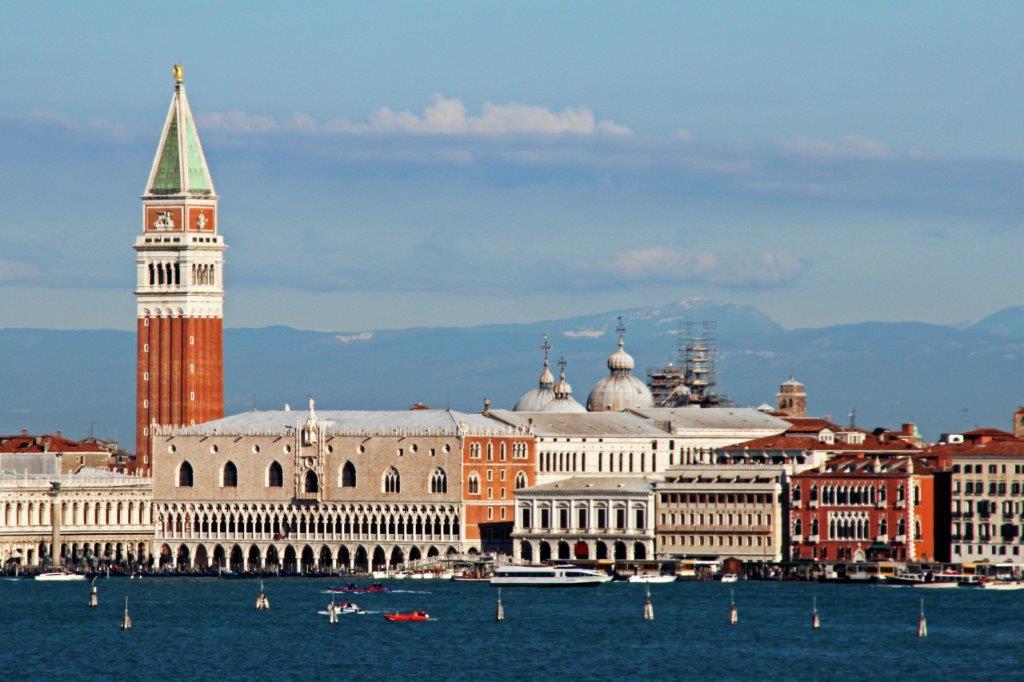
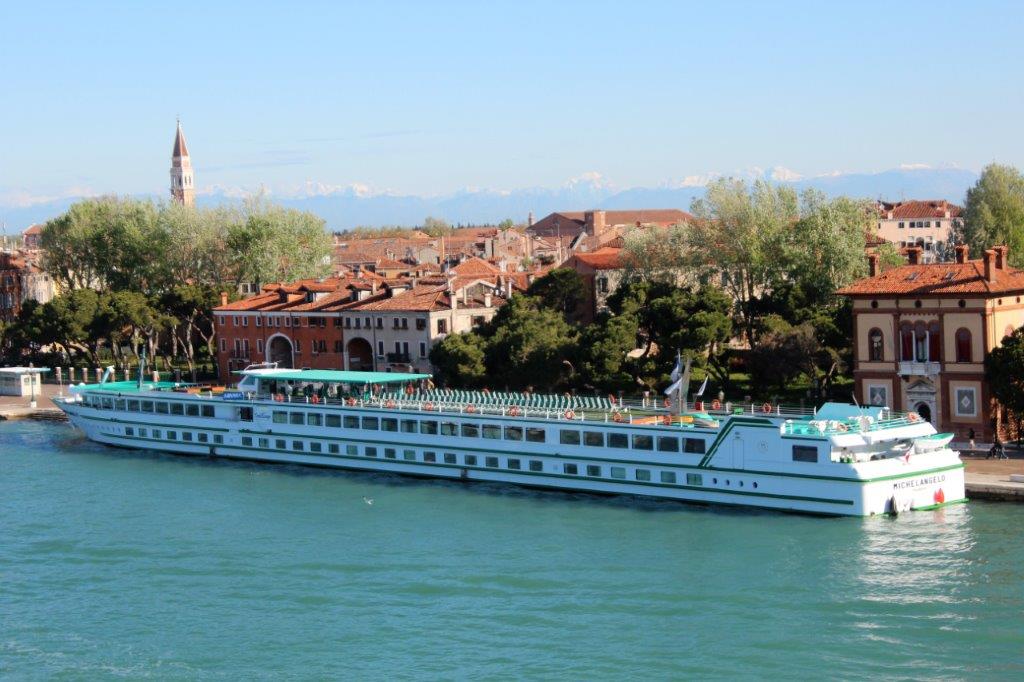
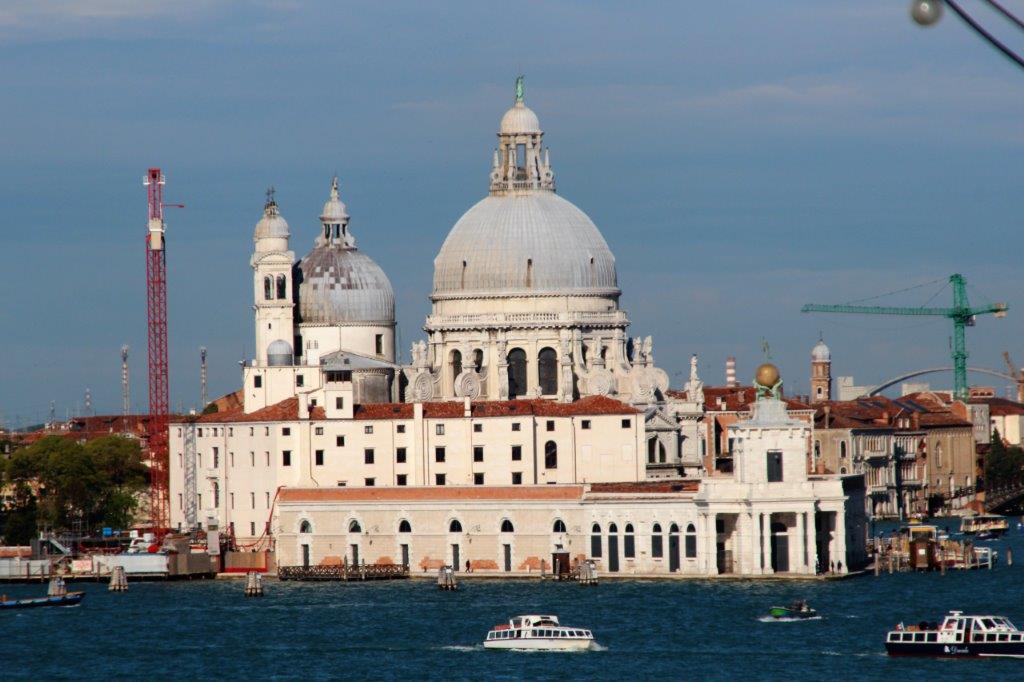
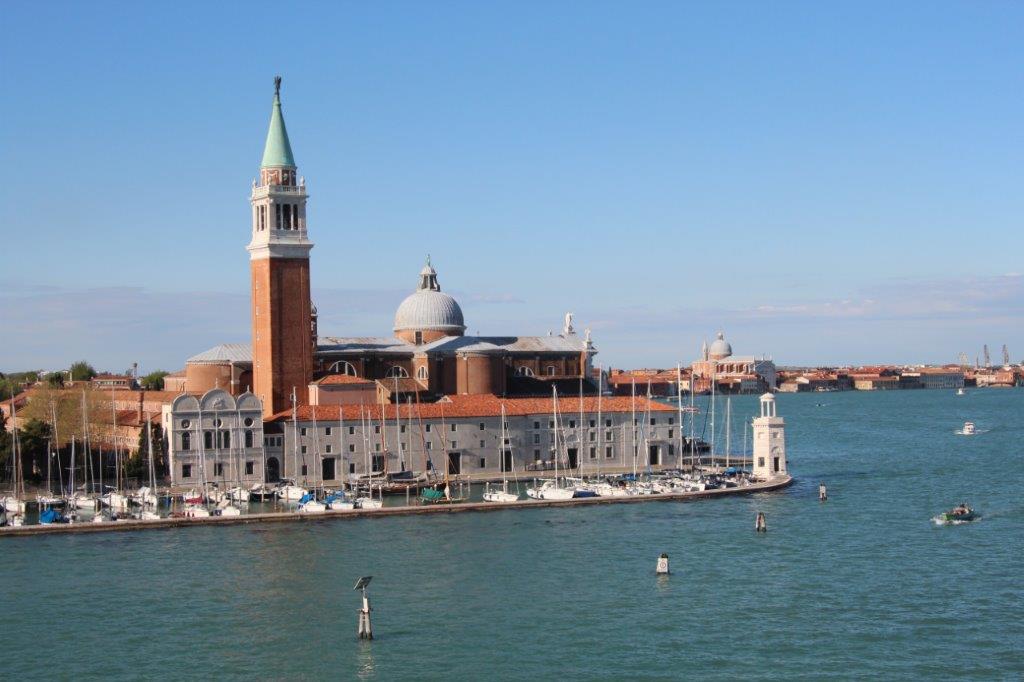
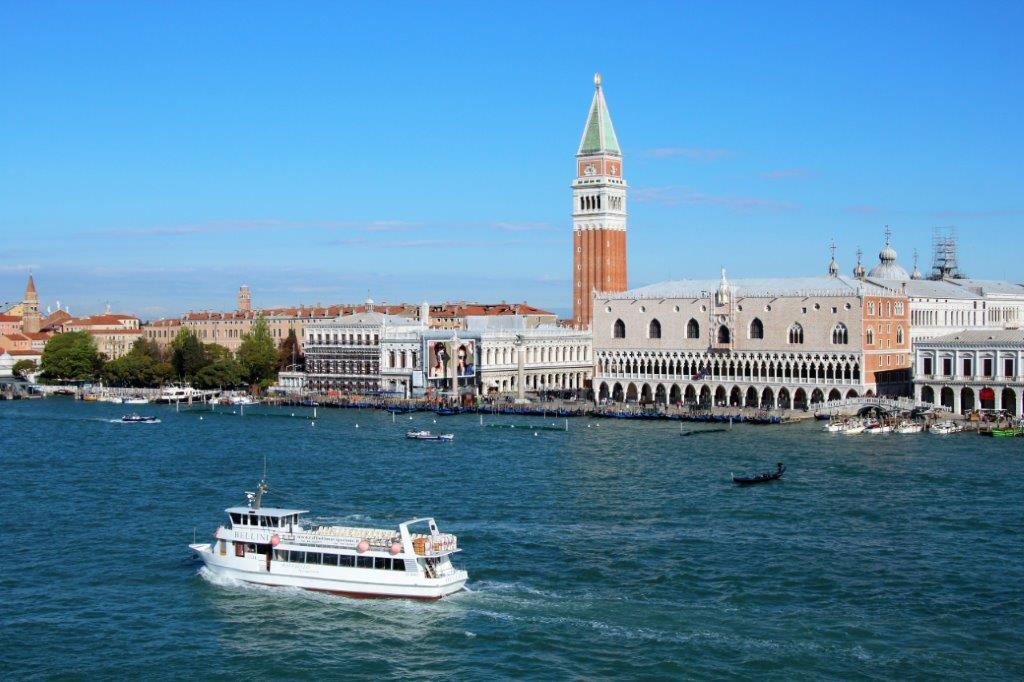
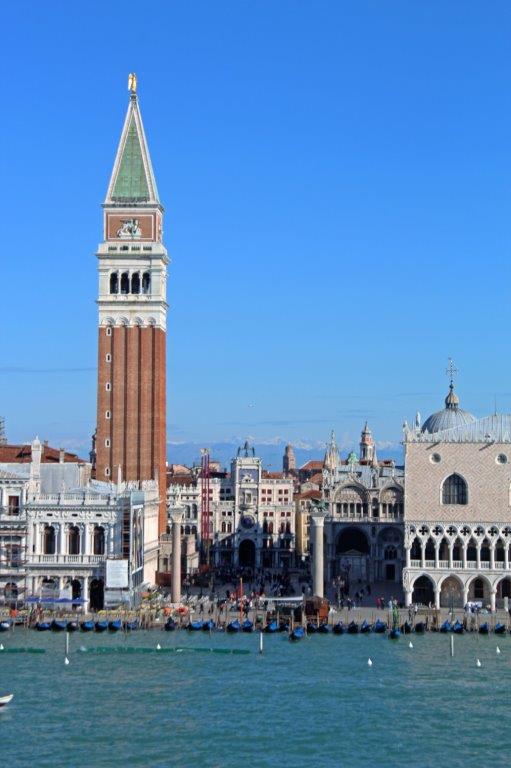
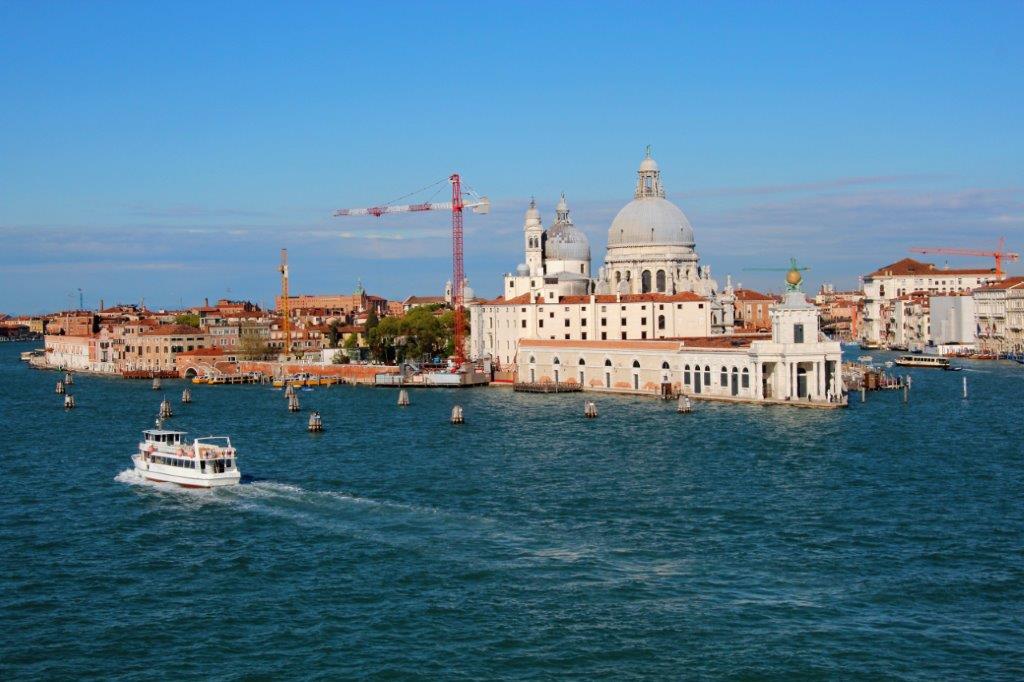
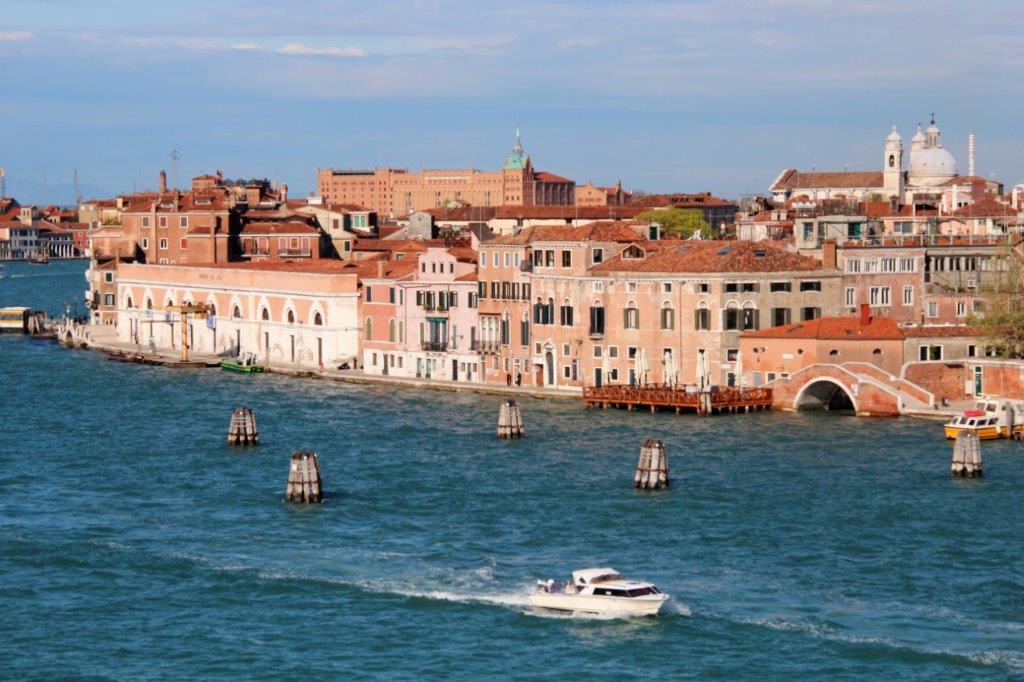
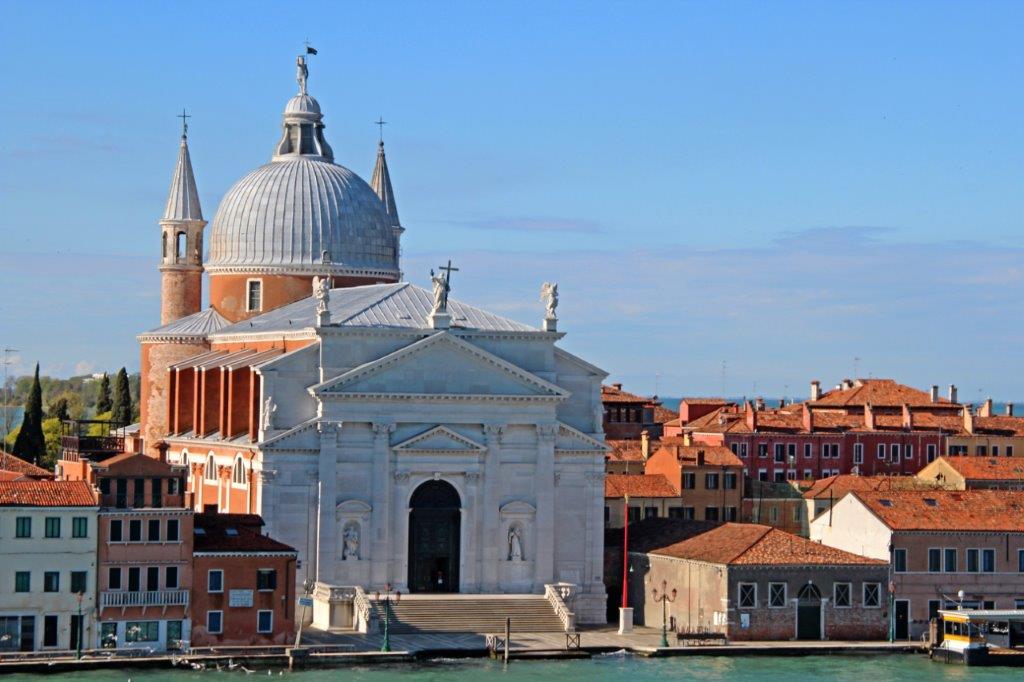
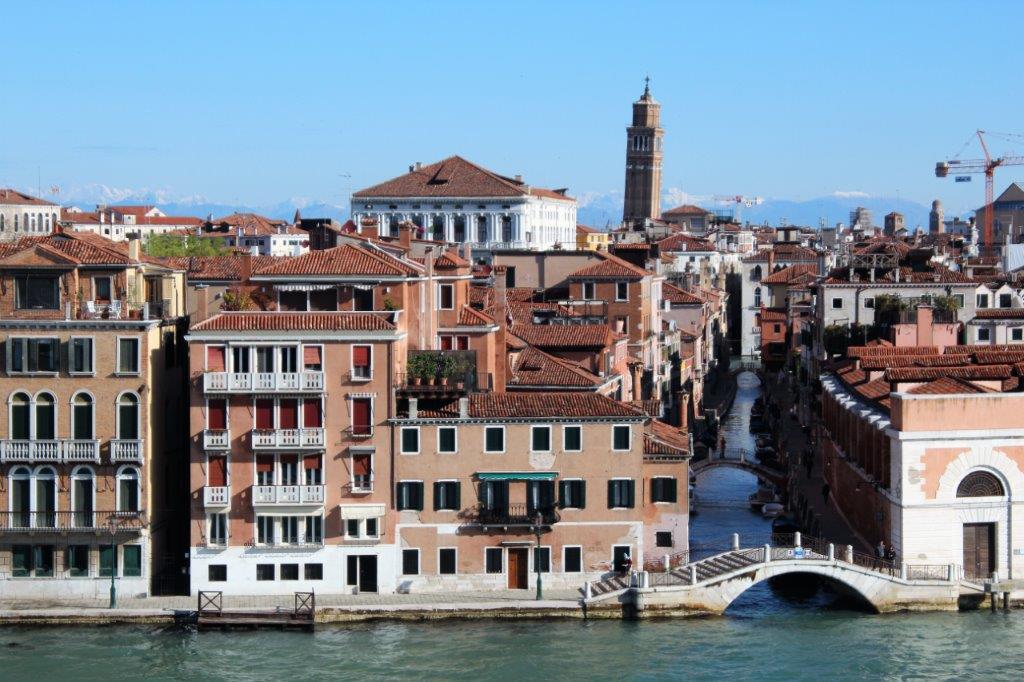
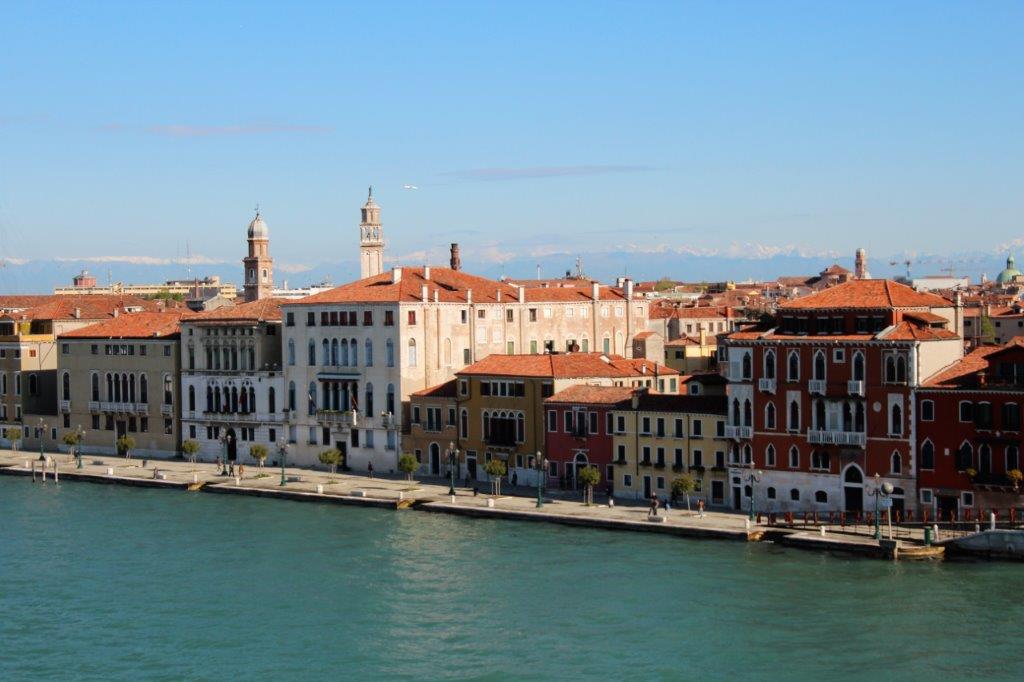
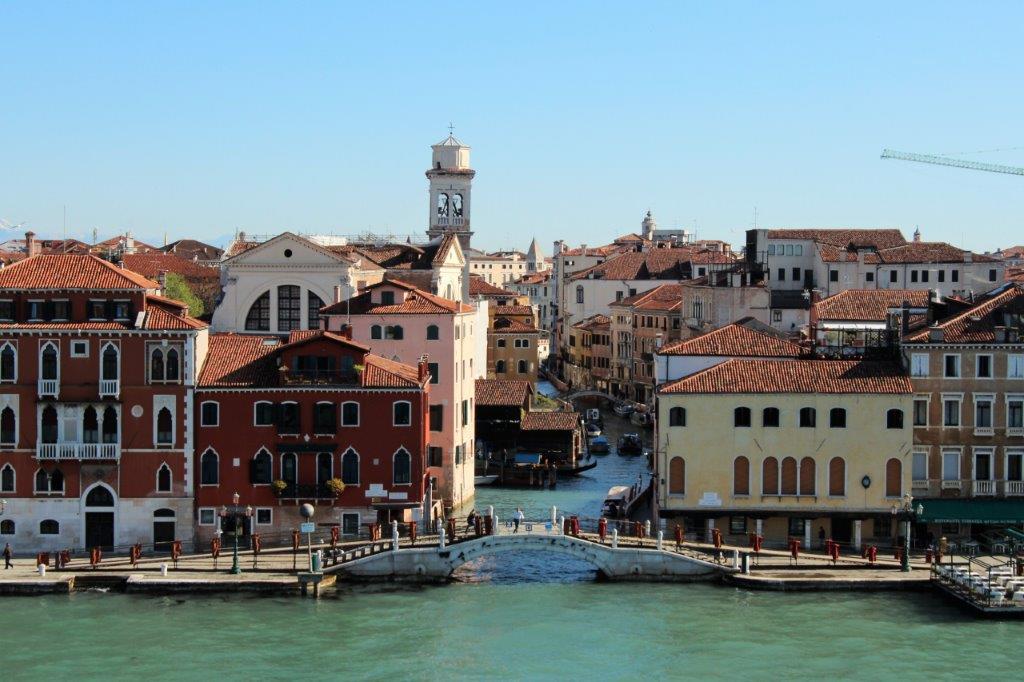
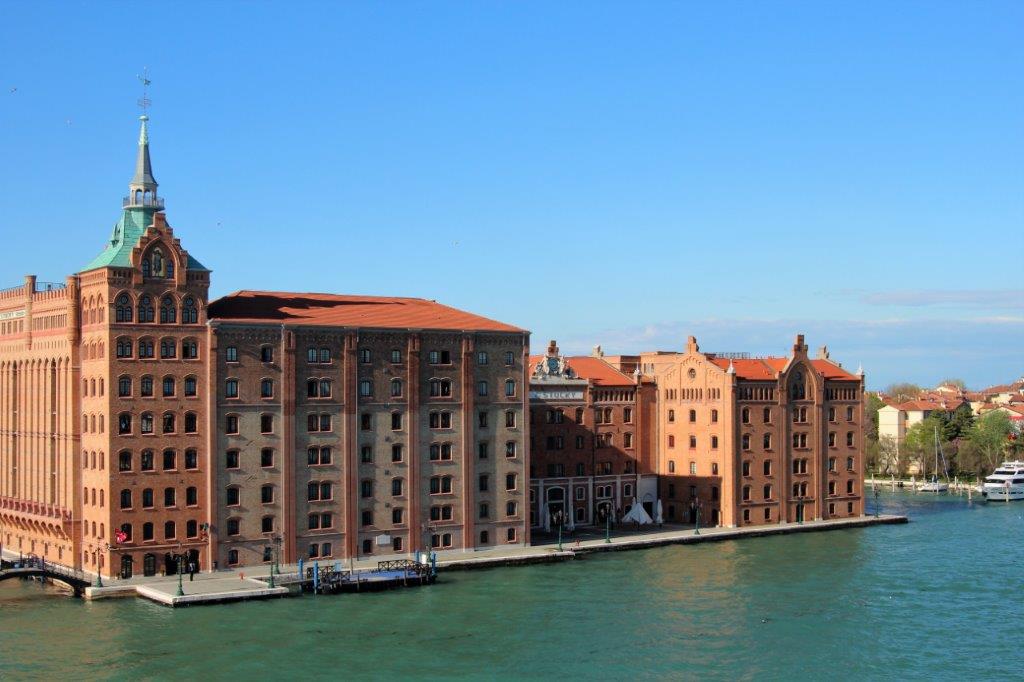
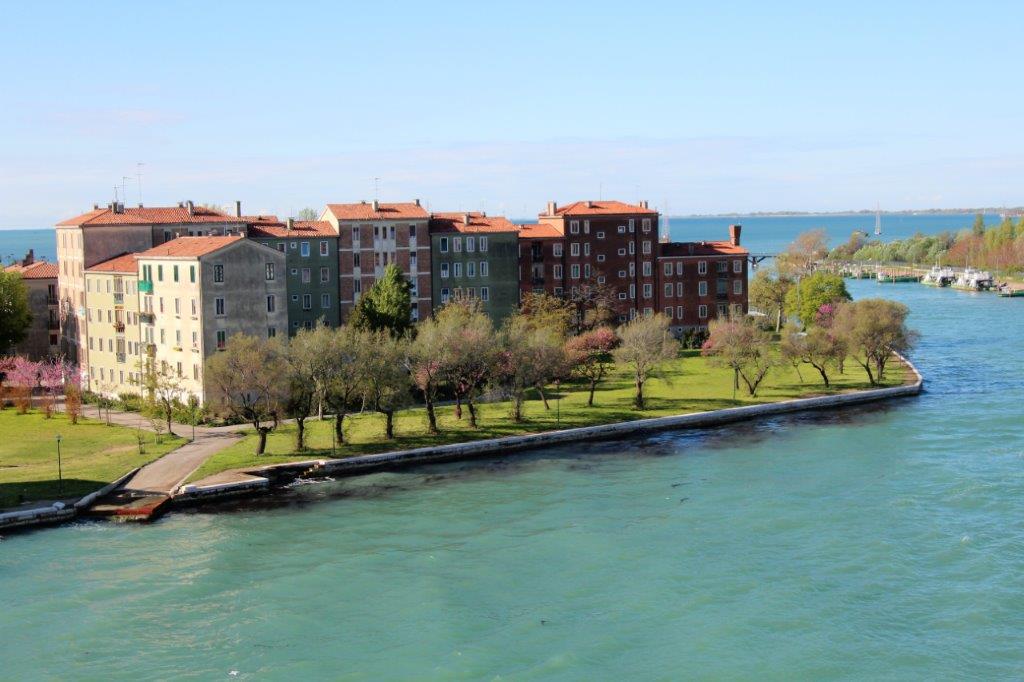
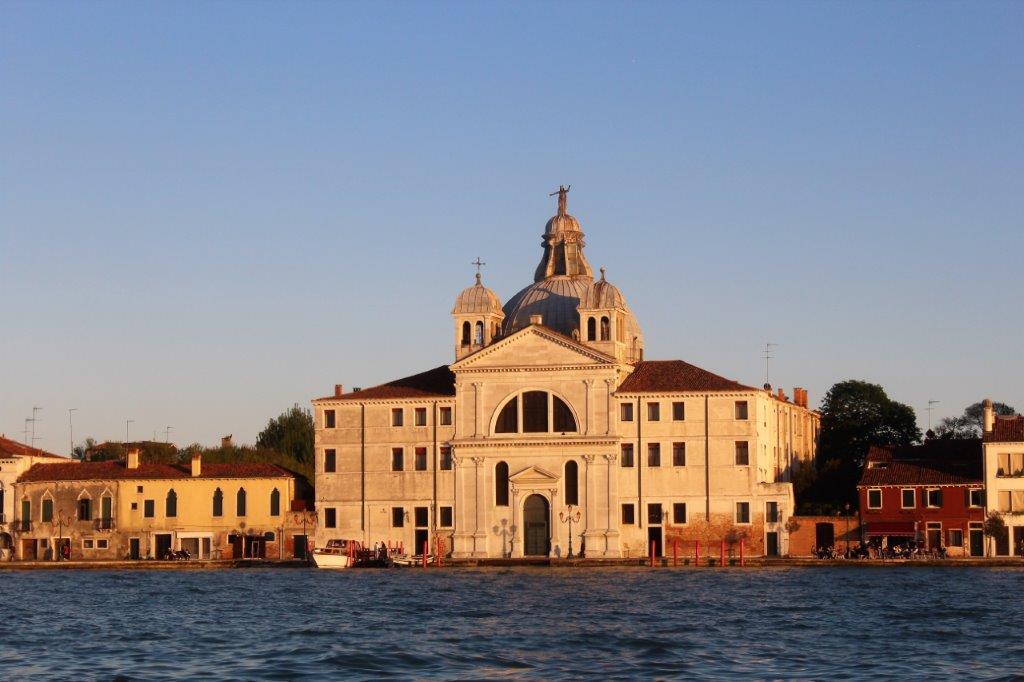
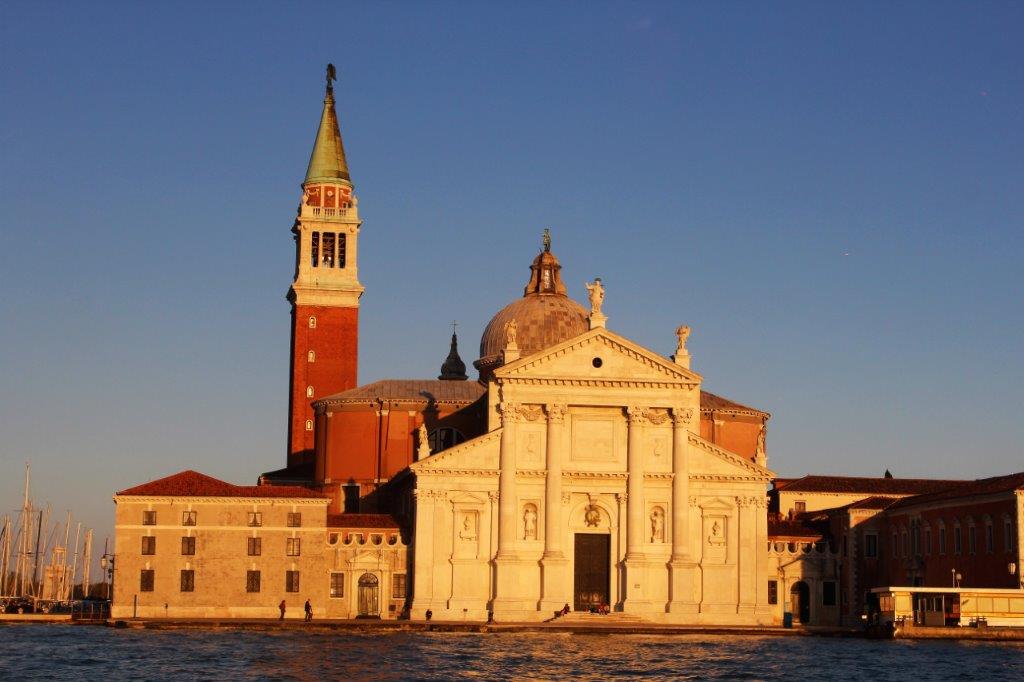
The ship had to navigate the canals at dead slow and it was a beautiful day so the sail-in to the port was absolutely lovely.You can just make out the snow-capped Italian Alps in the background.            Doges’ Palace and the tower at St. Mark’s Square.                                                                                    Now, that is a long tour boat.There are cranes all over the place as restoration and preservation of the buildings and canals is ongoing year round.  The Bridge of Sighs that took people from the court in Doges’ Palace to the jail next door.  The last glimpse of the outside world was through the two little windows.

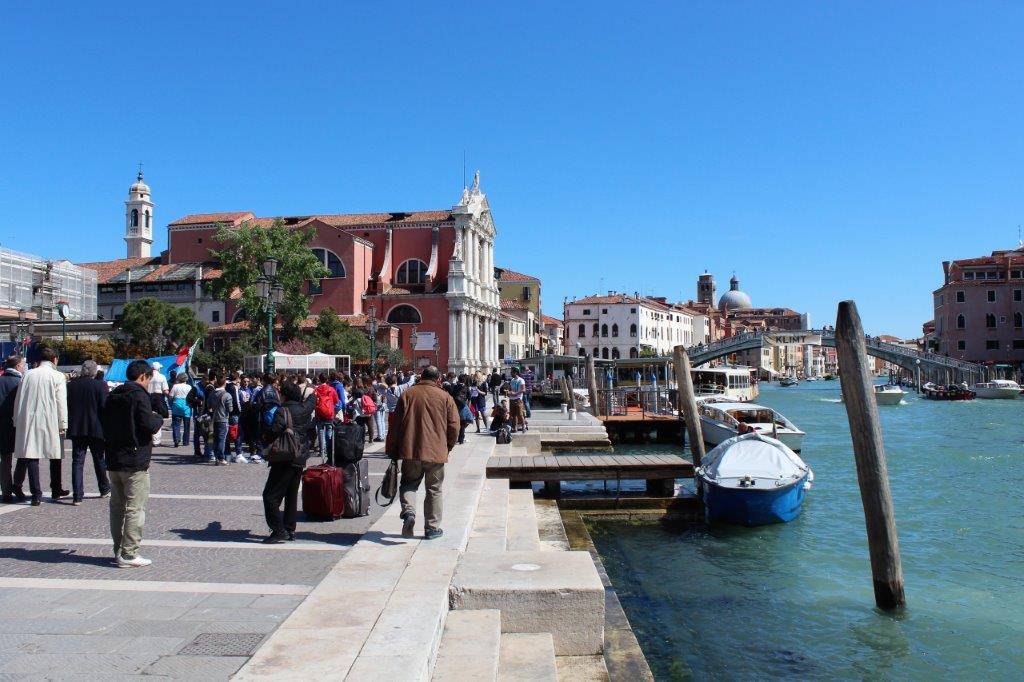
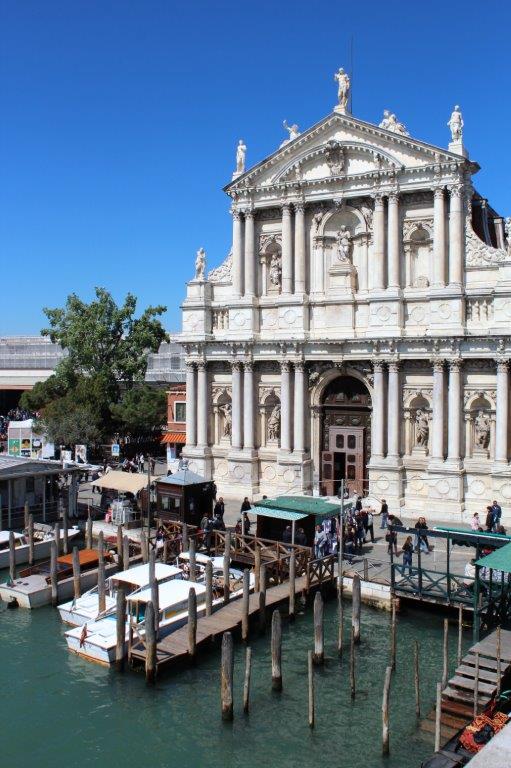
The ship has to sail from the Adriatic Sea through the Porto di Lido which is a breakway channel between two narrow strips of land that separate the city of Venice from the sea.  Once through the ‘gate’ you are in Laguna Veneta (Venice Lagoon) which surrounds the main city.  The captain followed St. Mark Canal until it separates into the Grand Canal on the right and wide Della Giudecca  Canal to the left.  Della Giudecca Canal goes right to the port terminal.  We essentially began at the bottom point of a large S and then docked at the top tip.   It was very cool to enter Venice by ship and thus get a good look at all the canals and connecting waterways.  The ship was staying overnight in Venice and we had an evening tour so after breakfast we walked (as in followed the crowds and some crew) to Piazza Roma and the train station where we were able to buy a good ‘street’ map.

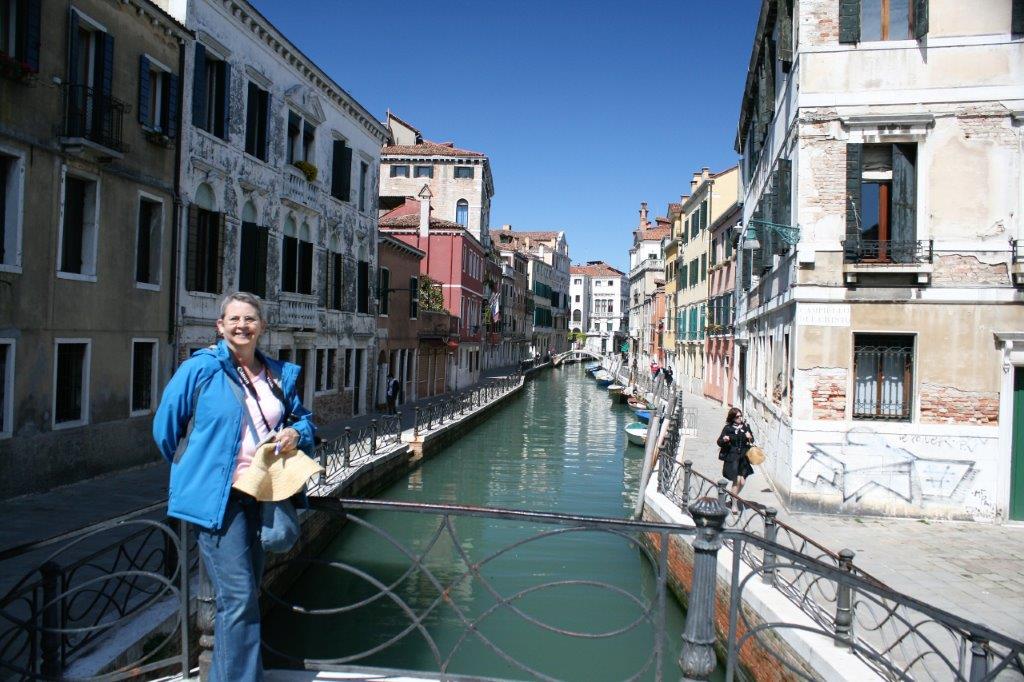
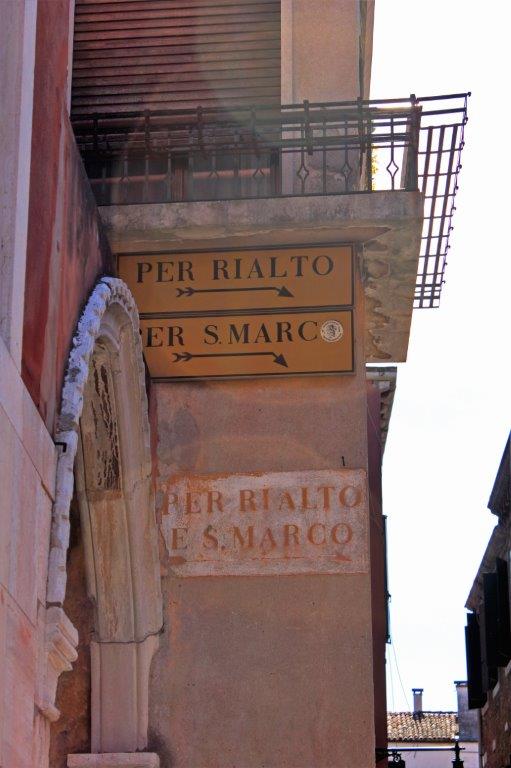
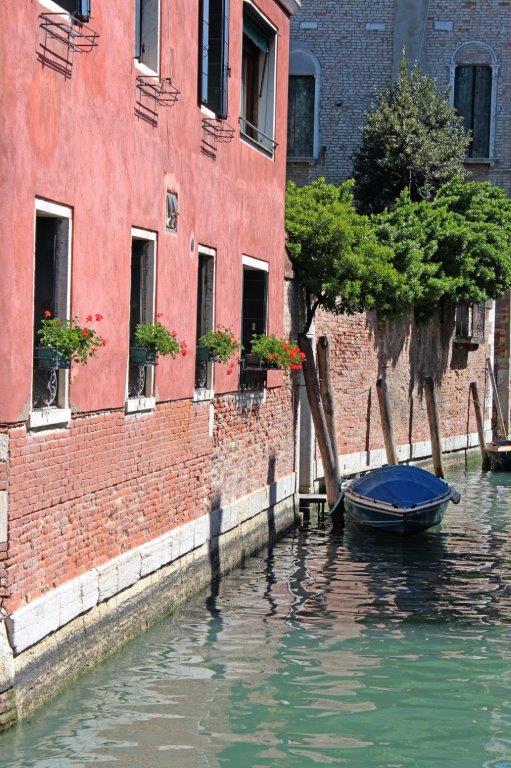
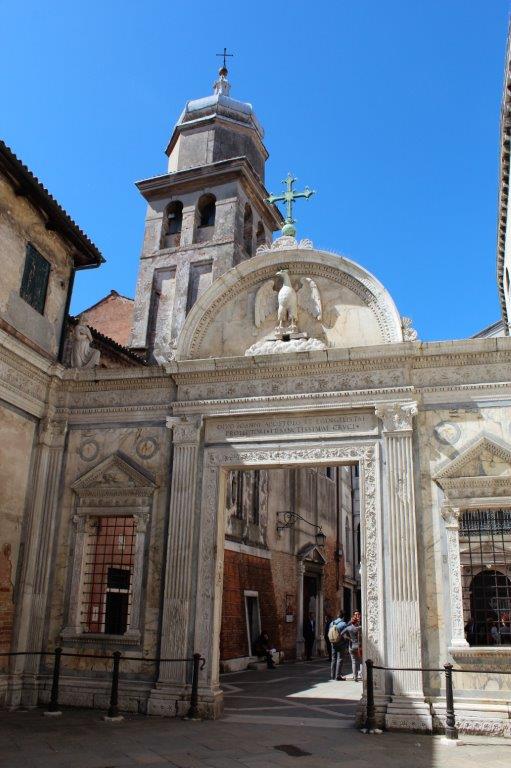
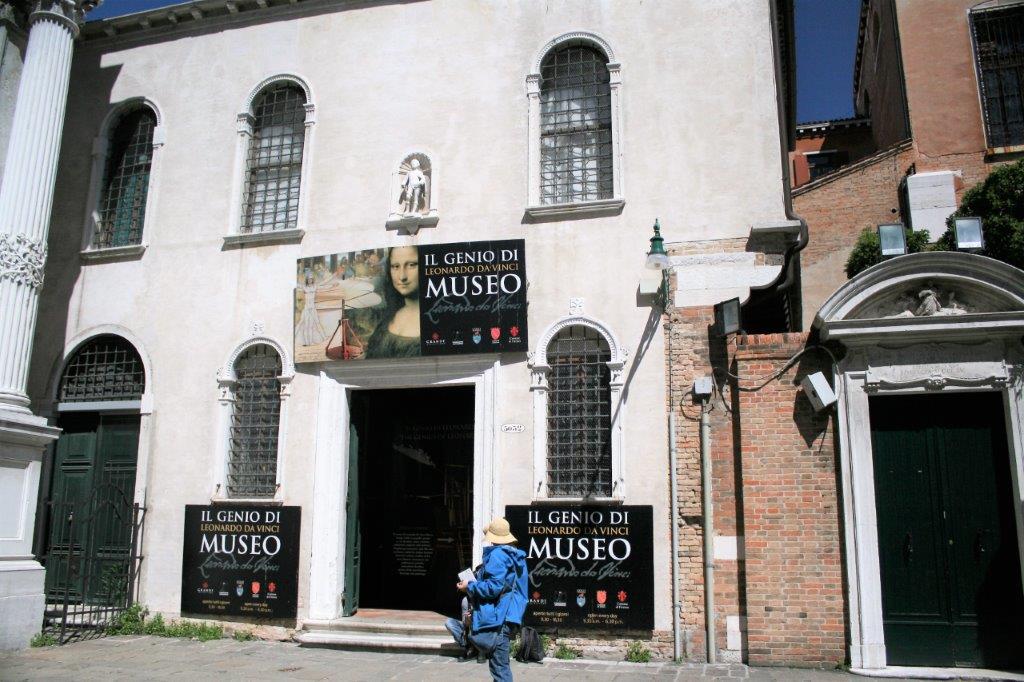
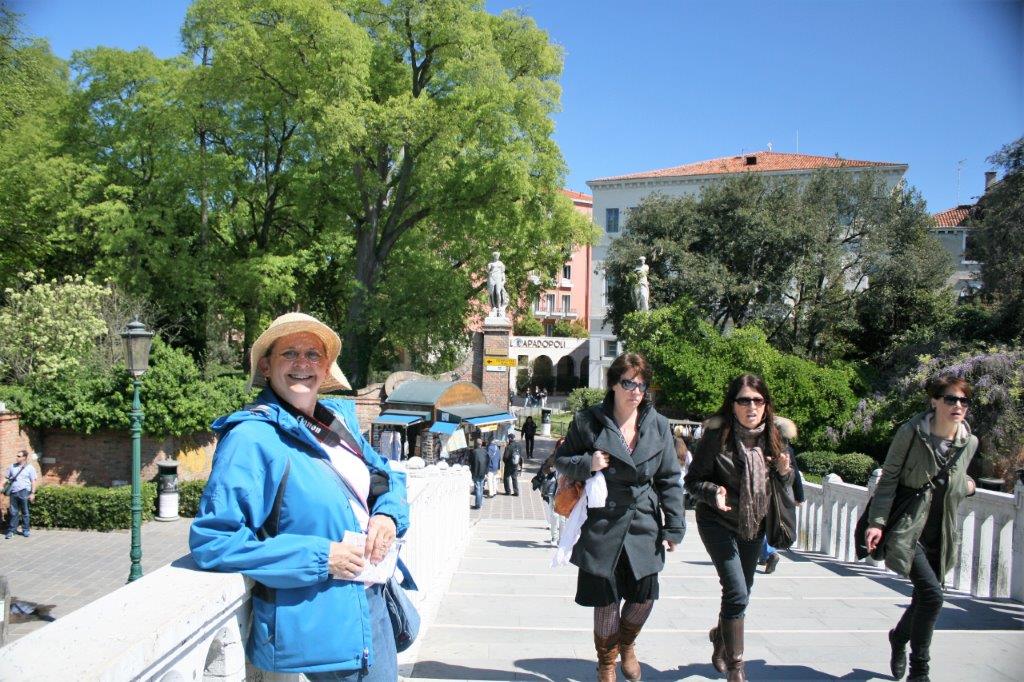
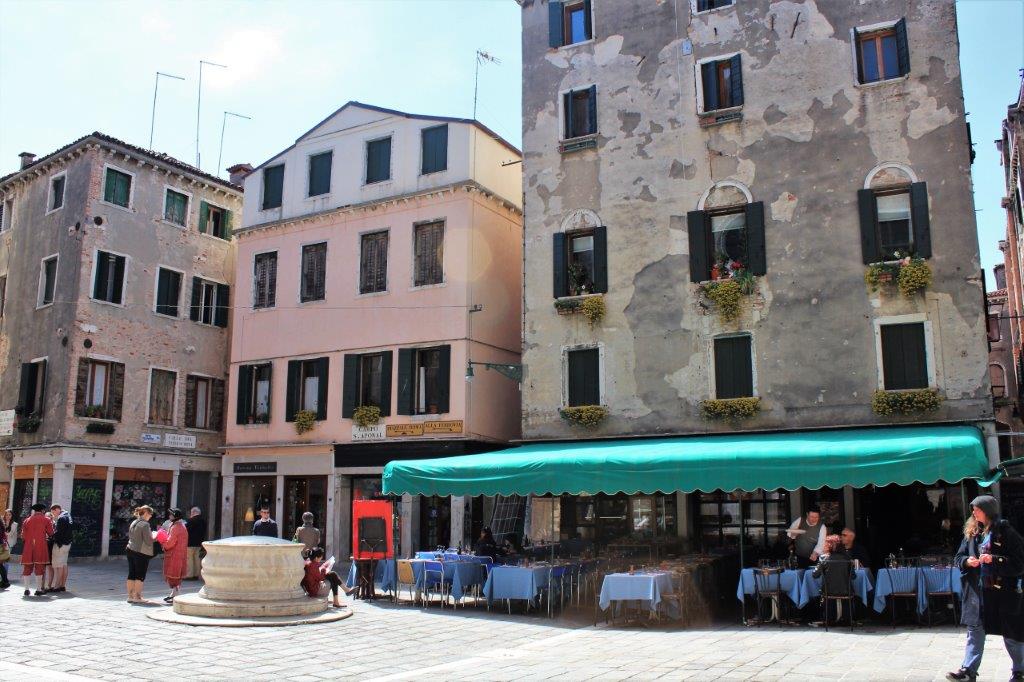
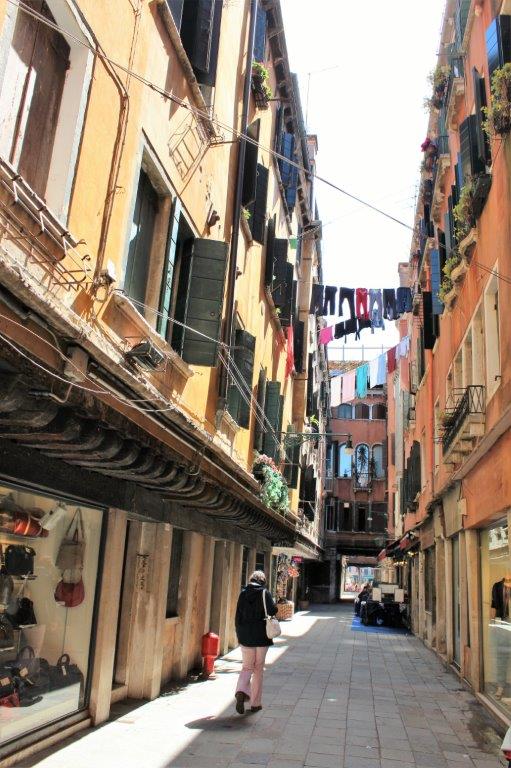
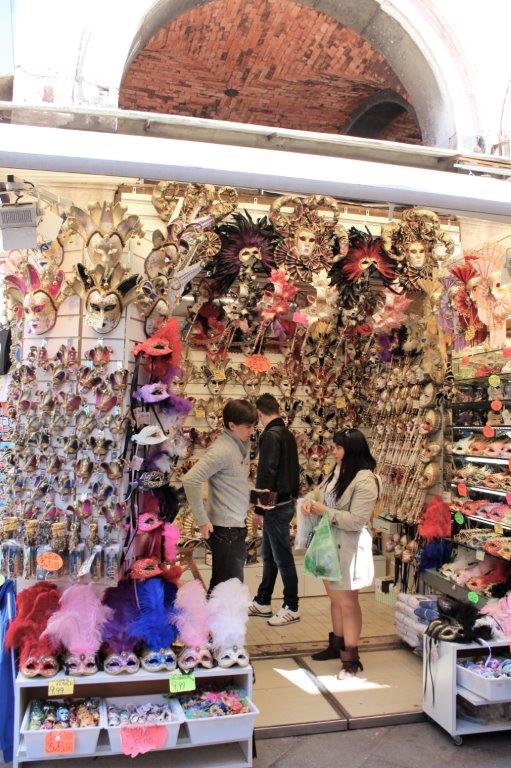
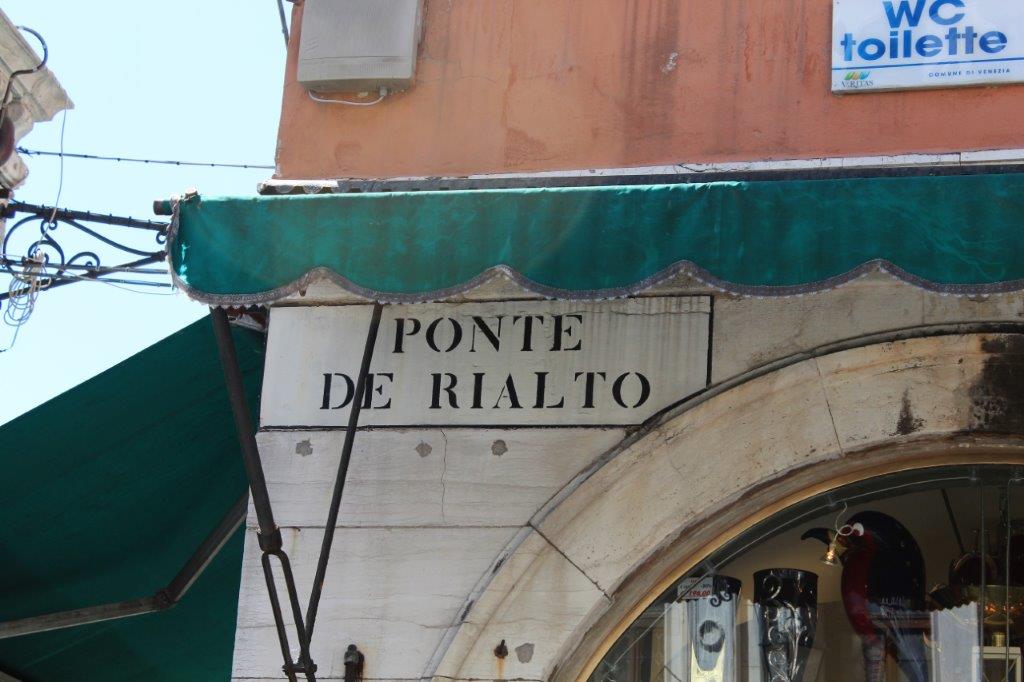
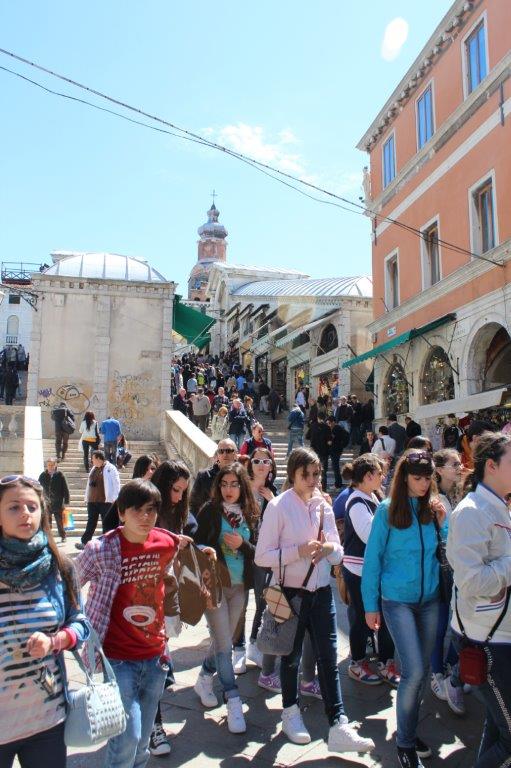
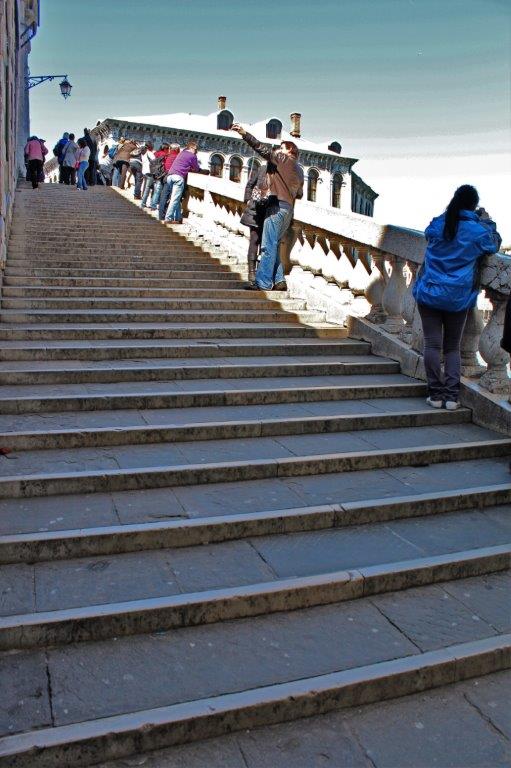
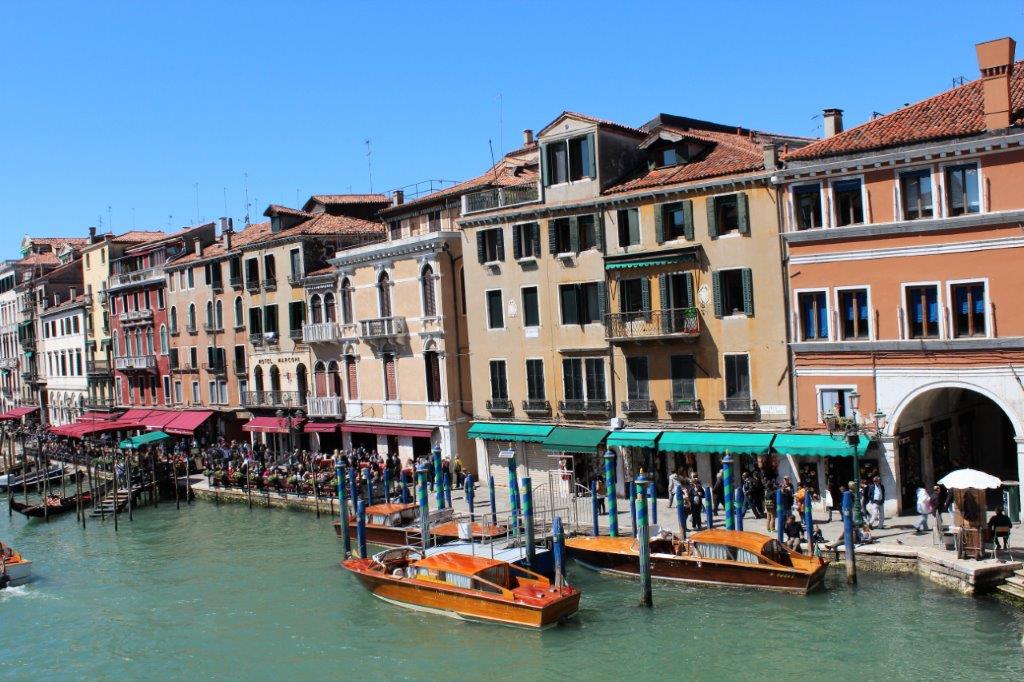
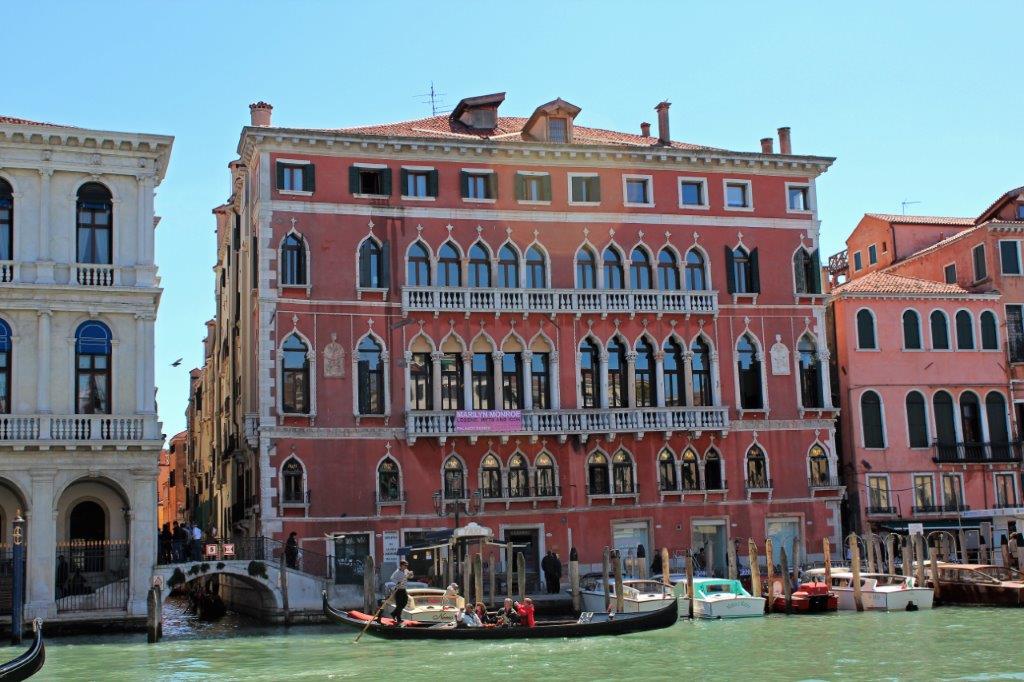
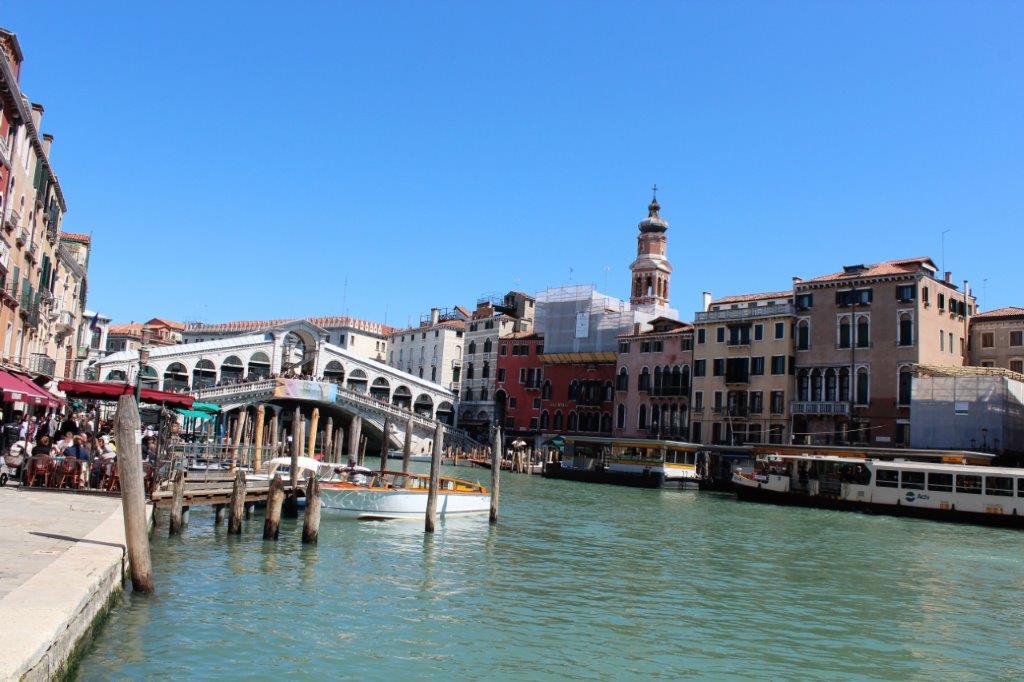
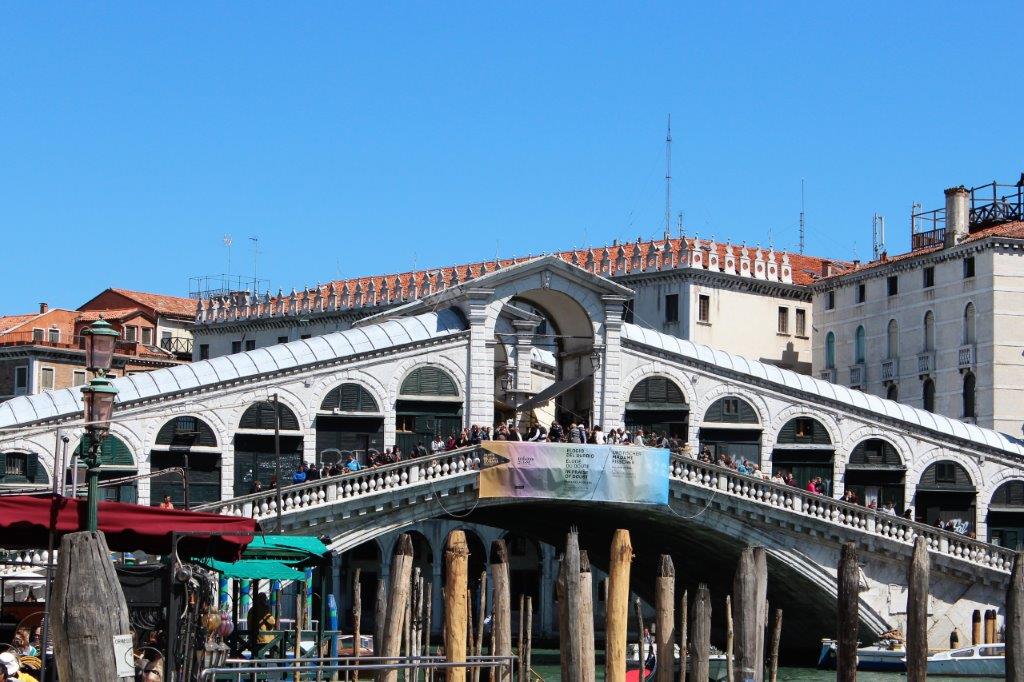
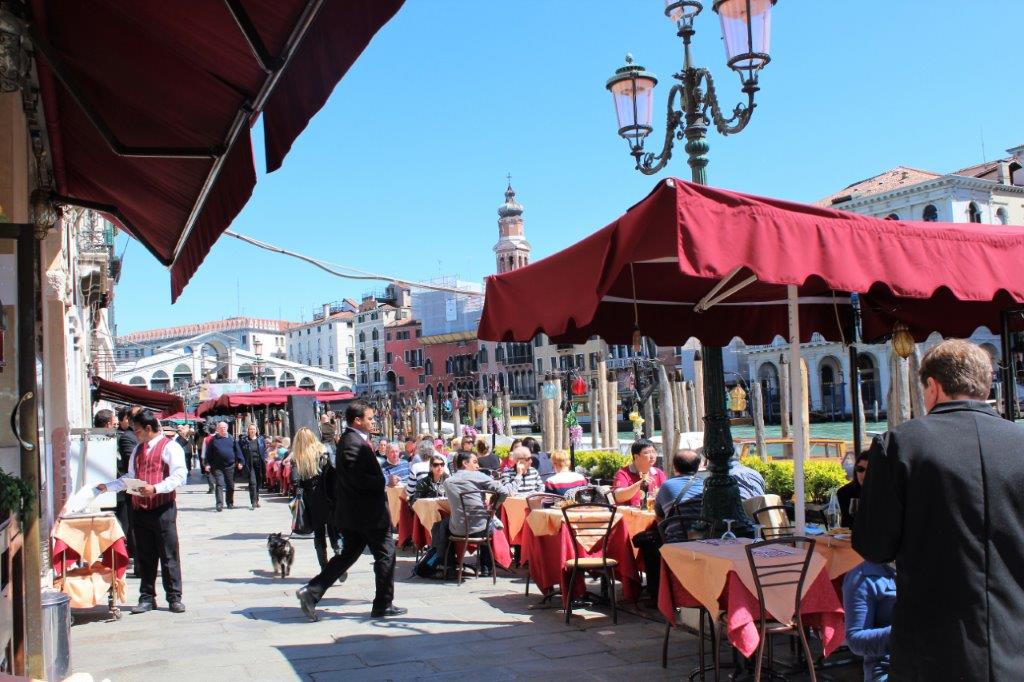
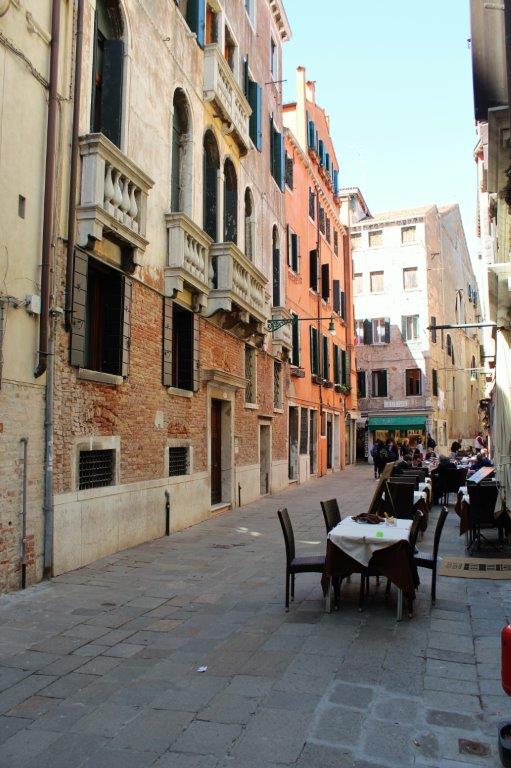
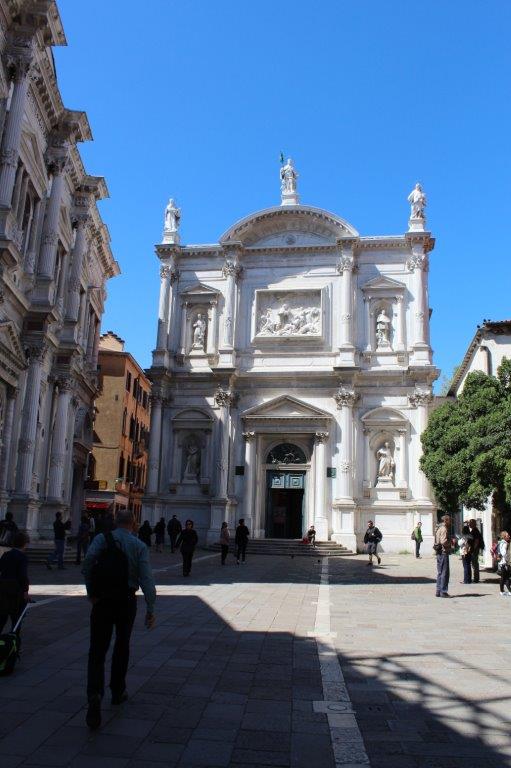
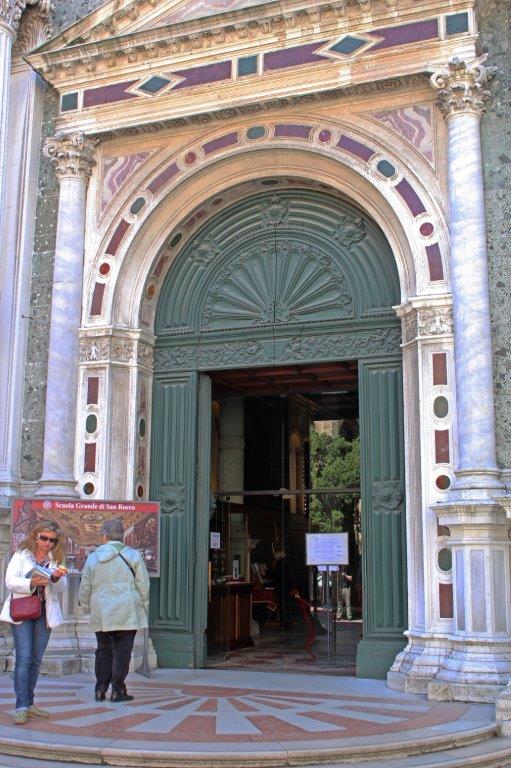
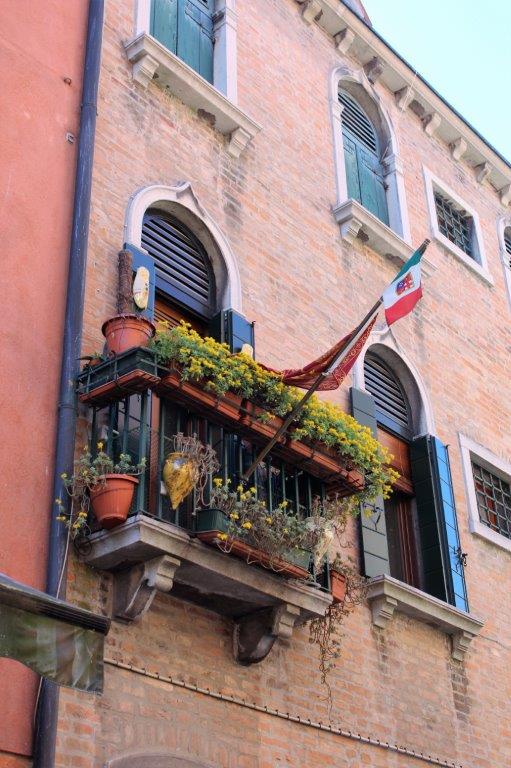
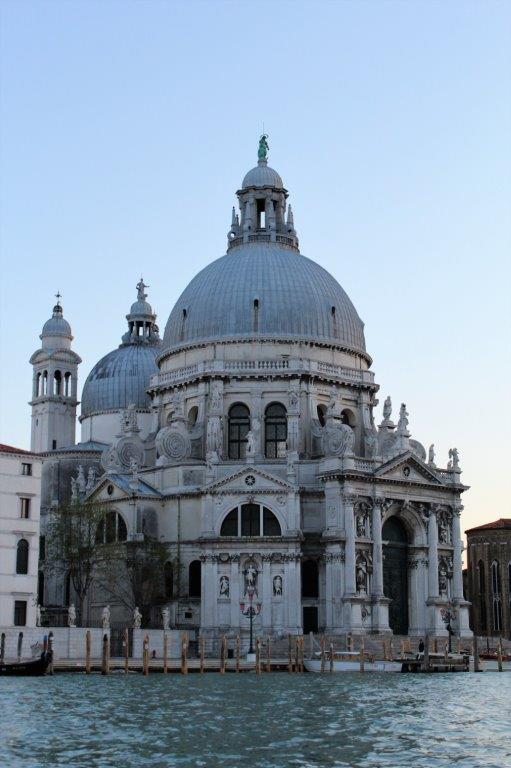
One of the shore excursions offered on the ship was a four-hour walking tour of Venice, which took you past several churches and as far as the famous Rialto Bridge.  Since we knew from the shore excursion brochure which places the walking tour would take you we just found the route ourselves and had a great day walking around Venice.  All ‘roads’ lead to St. Mark’s Square and Rialto Bridge – the two most famous landmarks in the city.  There are lovely little shops tucked here, there, and everywhere.The architecture and design of Venice covers the Byzantine to Renaissance styles.  Everywhere you look there are lovely buildings and decorative accents. The bridge has a set of steps on each side of the central building in the middle of the bridge.

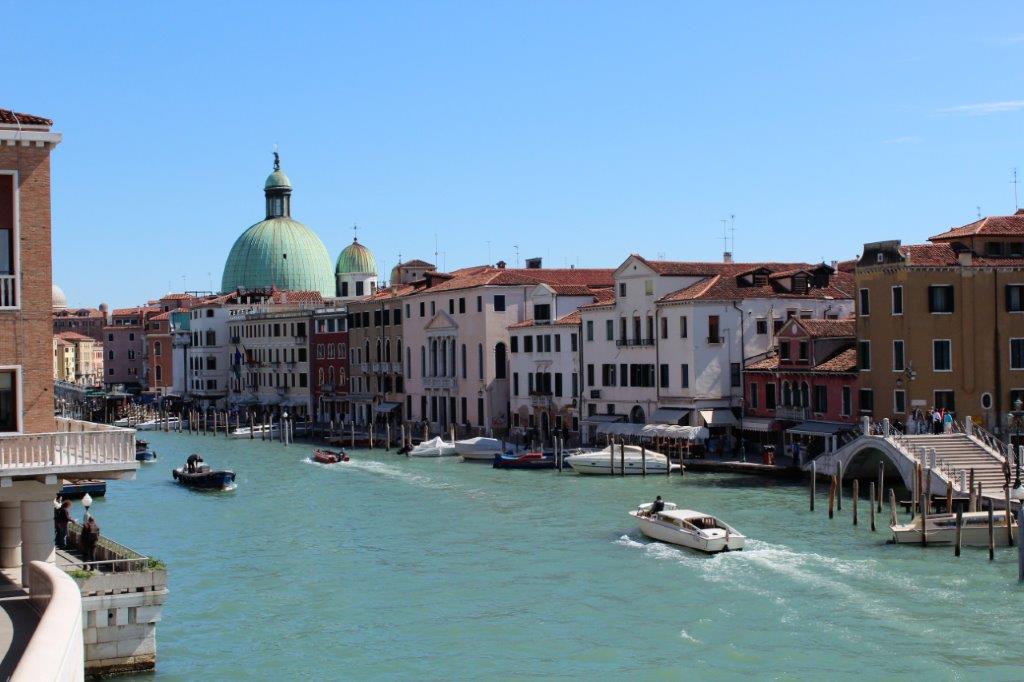
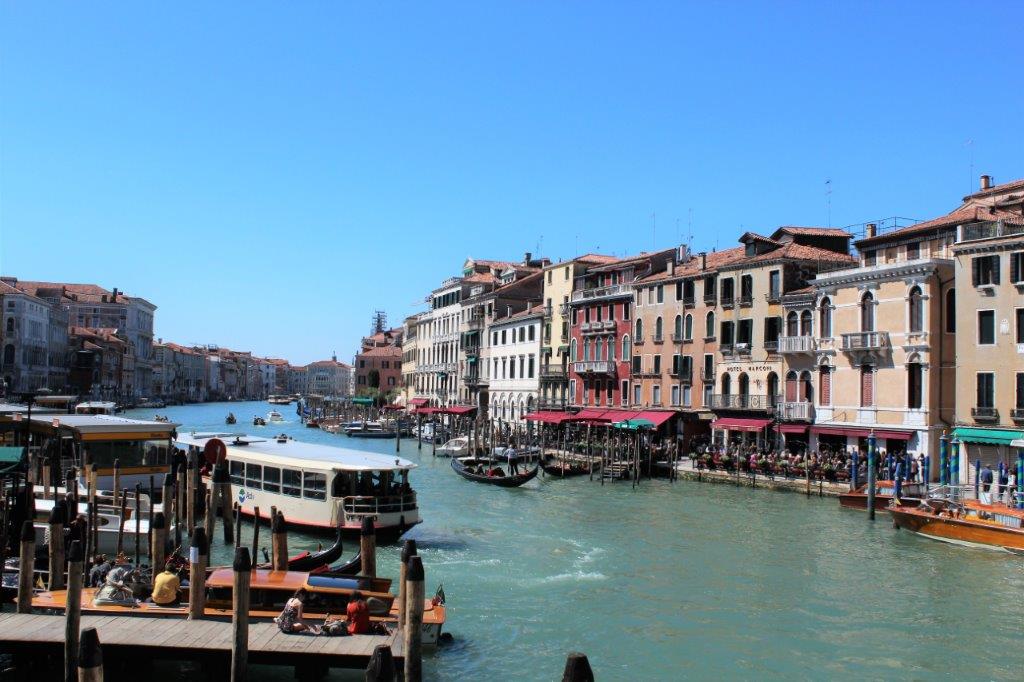
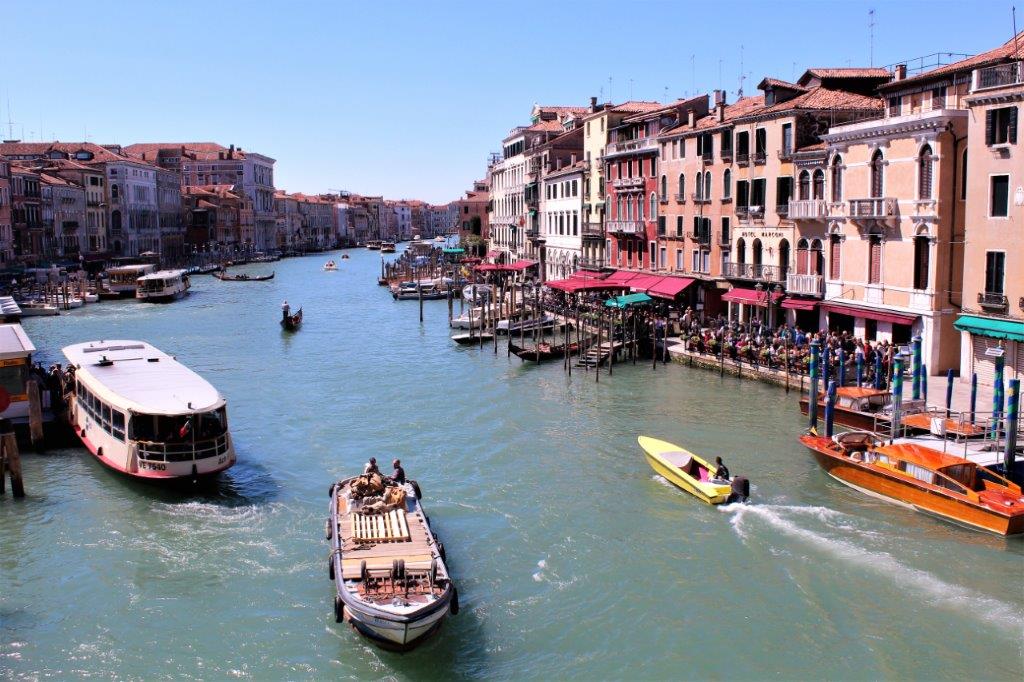
                                                   There is a nice view of the busy Grand Canal  We walked across the bridge on one side and returned on the other side then made our way along the Grand Canal for awhile before turning onto one of the side paths and making our way back to the ship.                                                            Rialto Bridge.

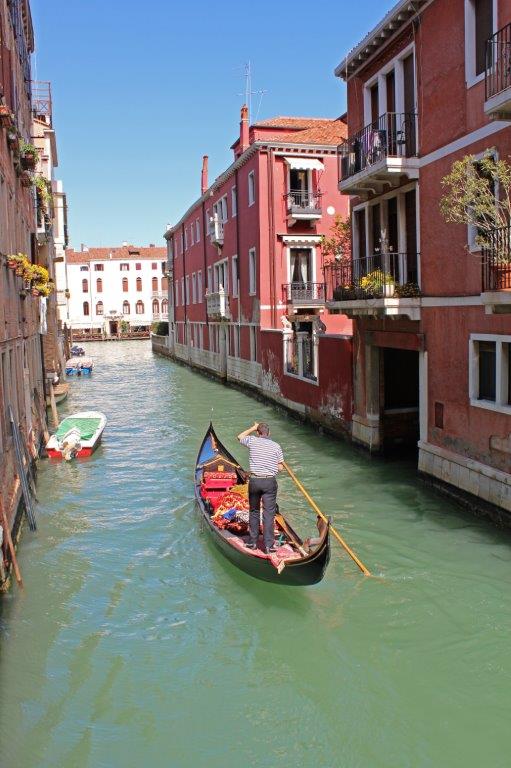
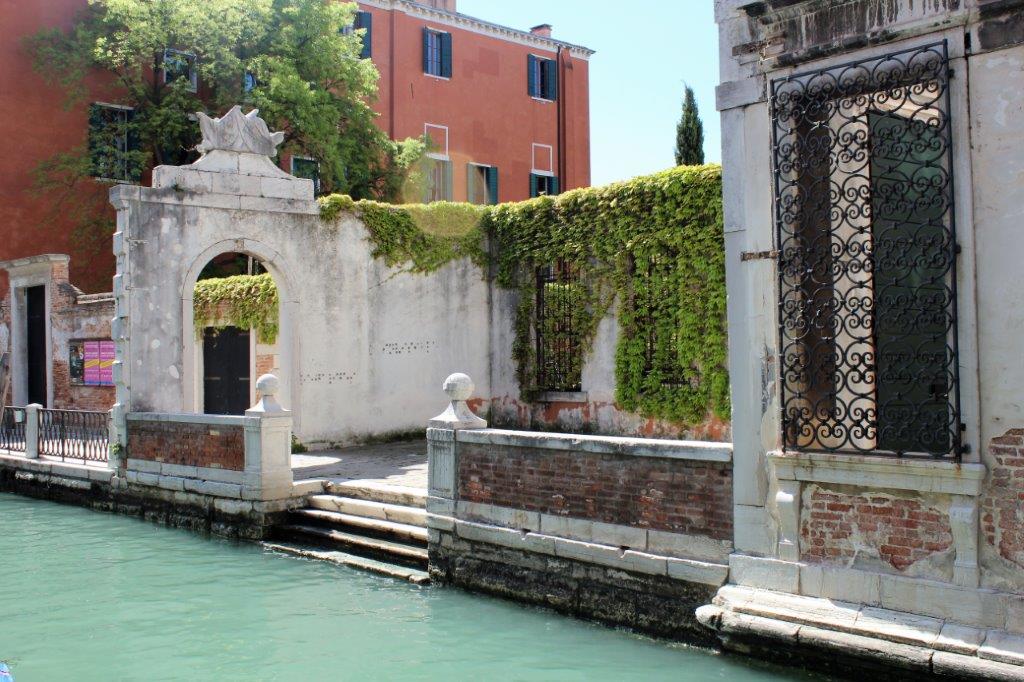
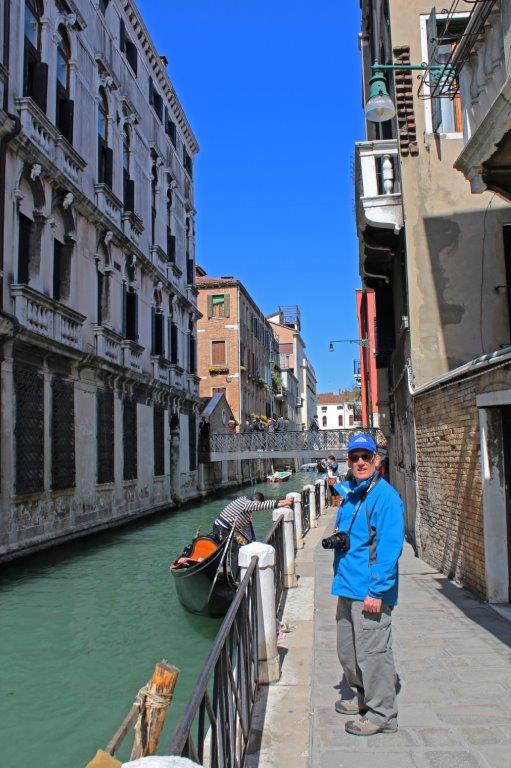
 Venice was like Oia on Santorini in Greece.  I could take a photograph everywhere I looked because there was so much beauty and an abundance of  interesting buildings and images.

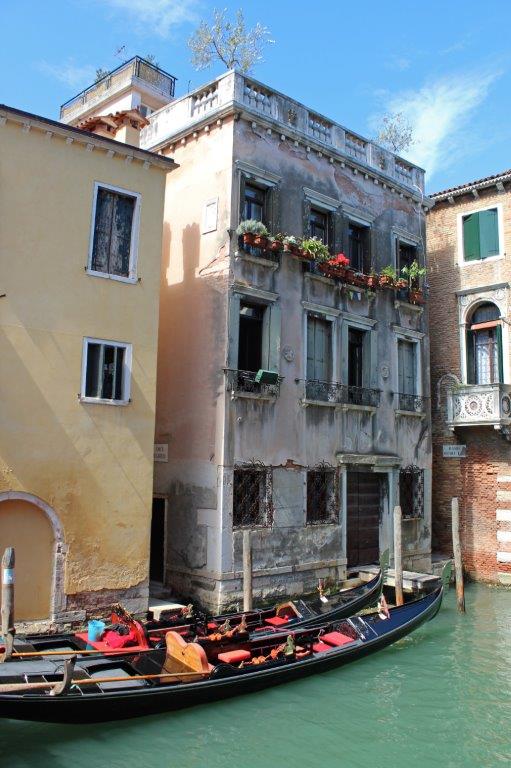
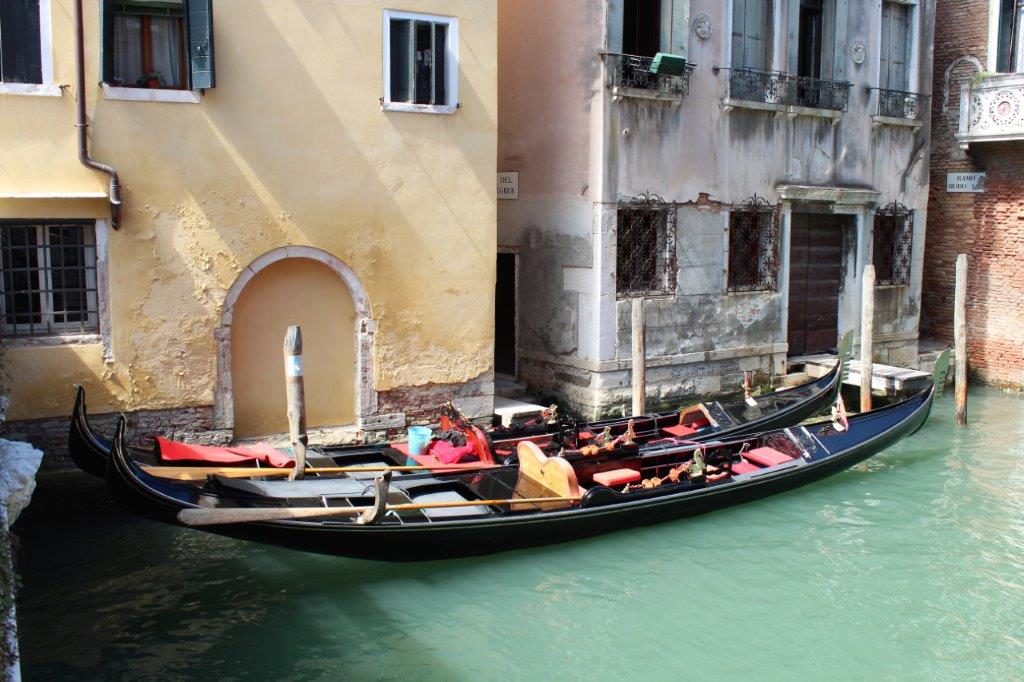
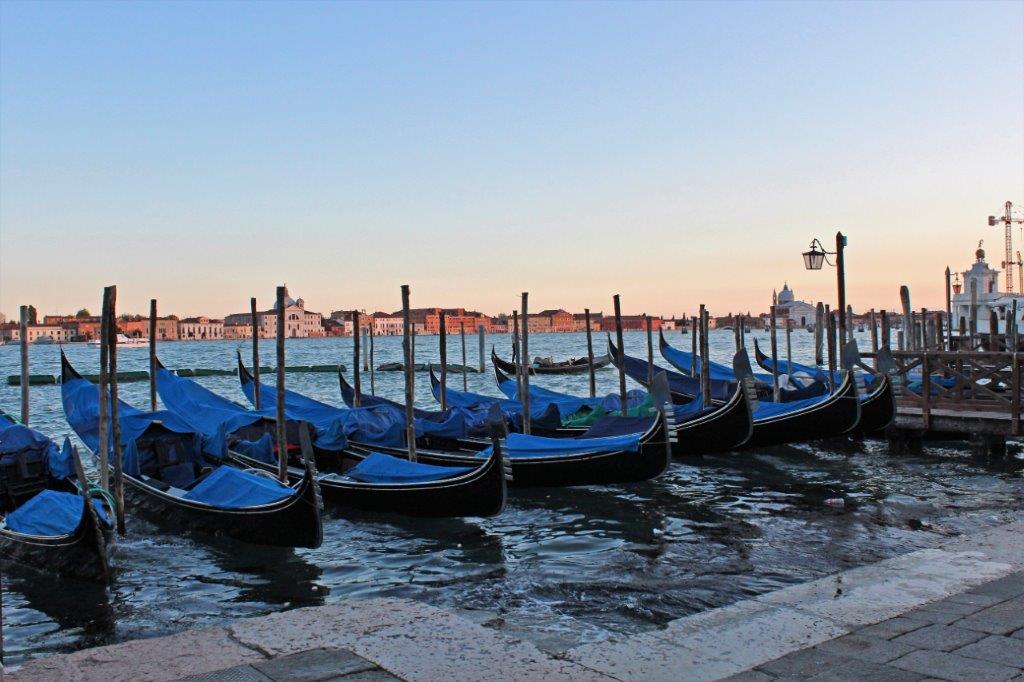
Five hours later we returned to our cabin, weary but exhilarated from a fabulous day.  We eat in the dining room at early seating which is 5:30 and we are not generally finished until about 7.  We had to be at the bottom of the gangway at 6:30 for our sunset gondola ride.  We asked Ridho, our waiter if it would be possible and he assured us he would get our dinner in time for us to make our tour.  We sacrificed one of our starter courses and planned to also skip dessert but Ridho did such a great job bringing our meals out promptly we even managed to have dessert and be finished by 6:20.

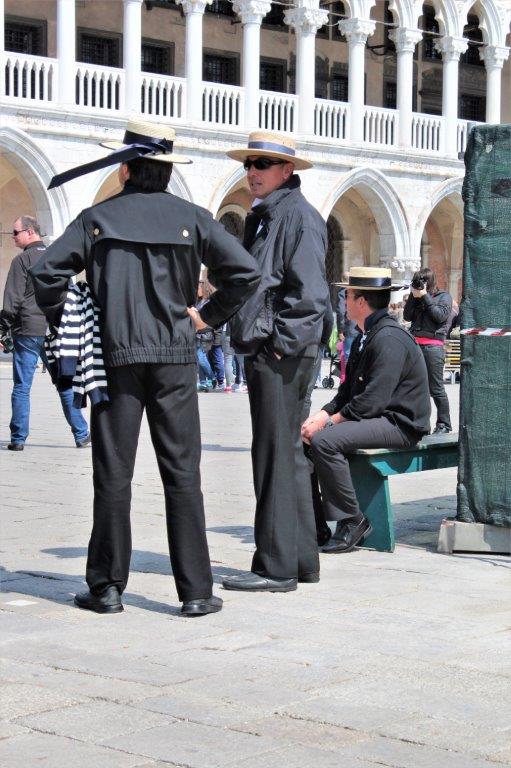
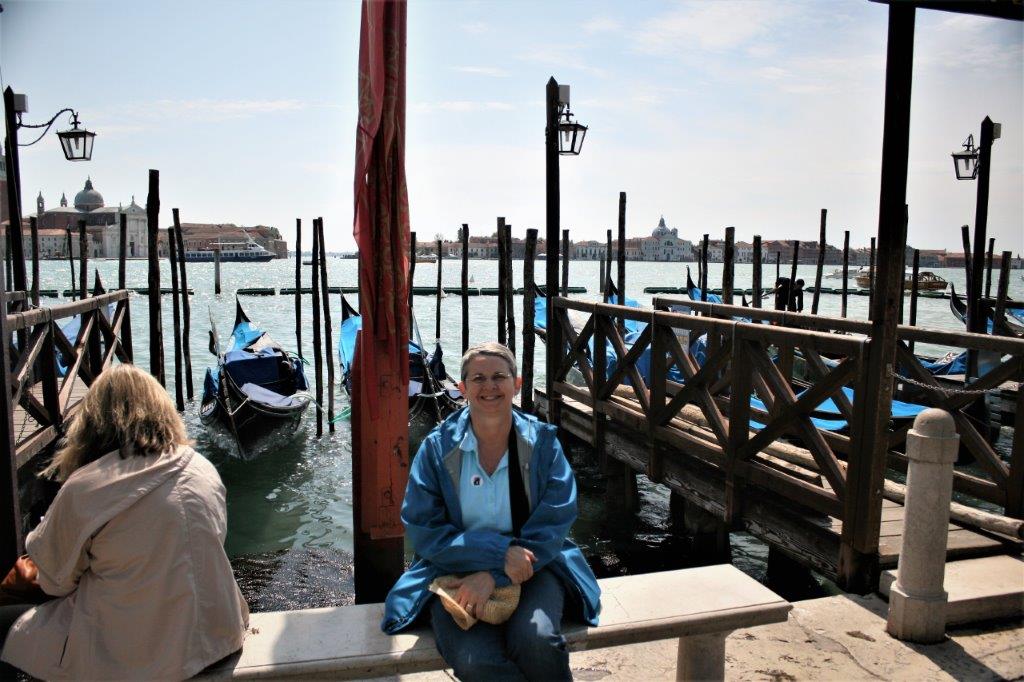
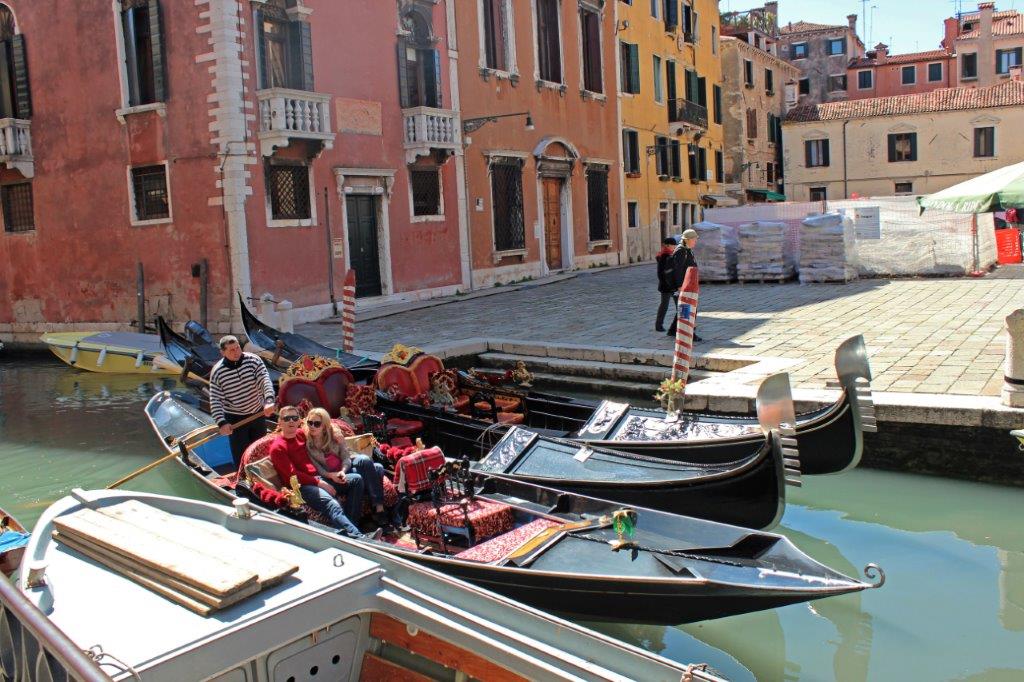
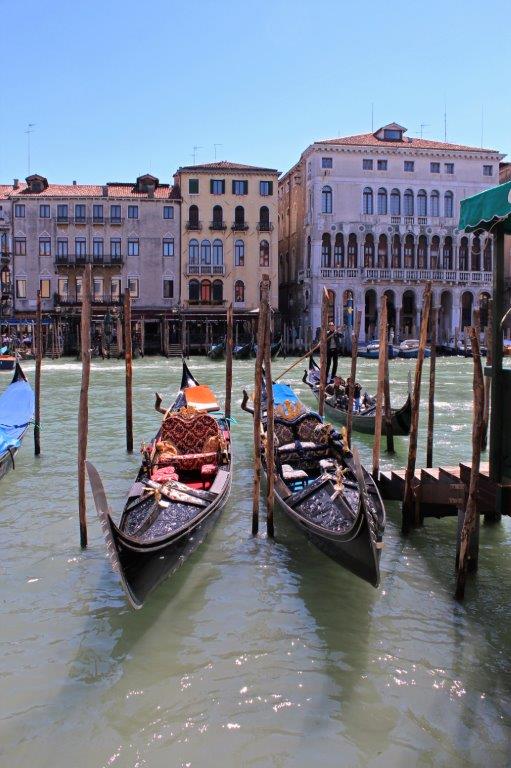
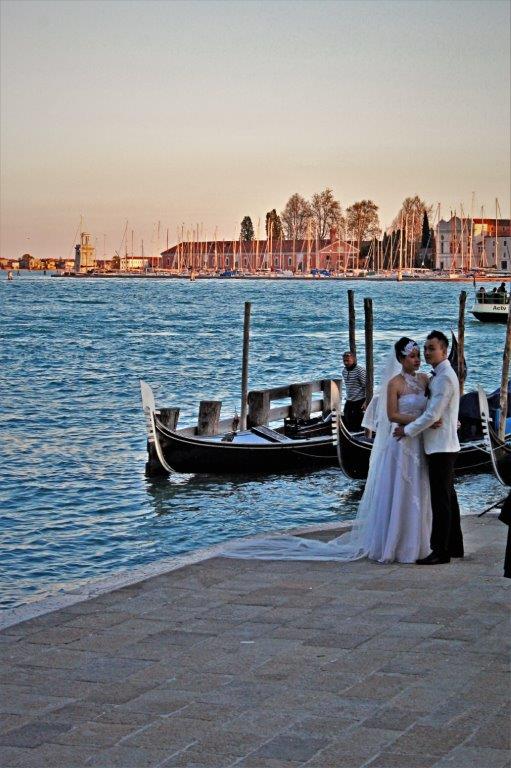
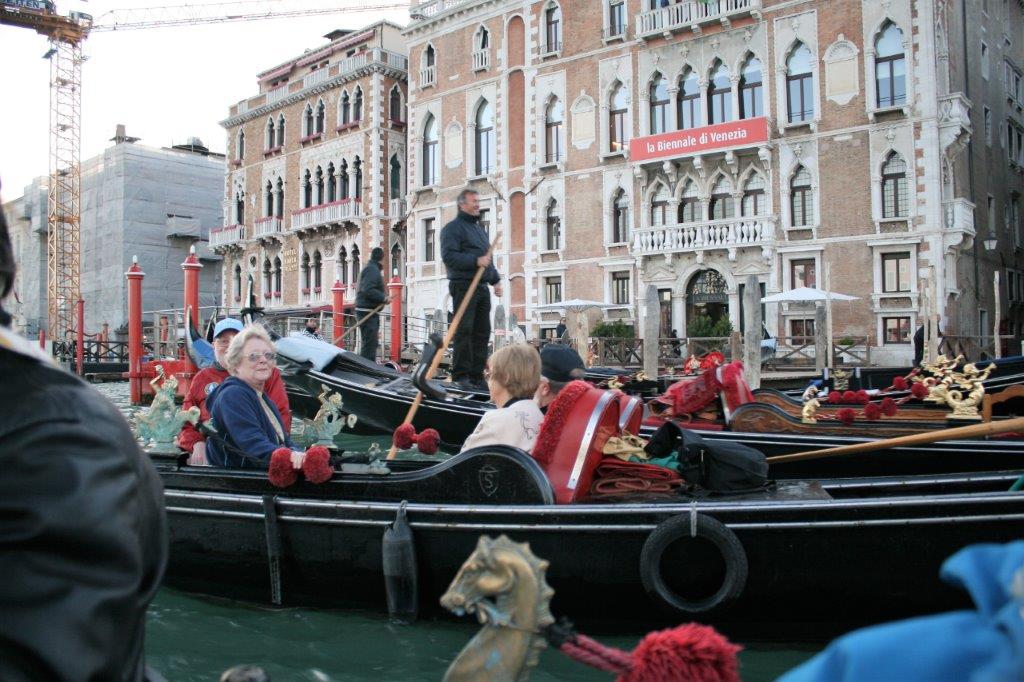
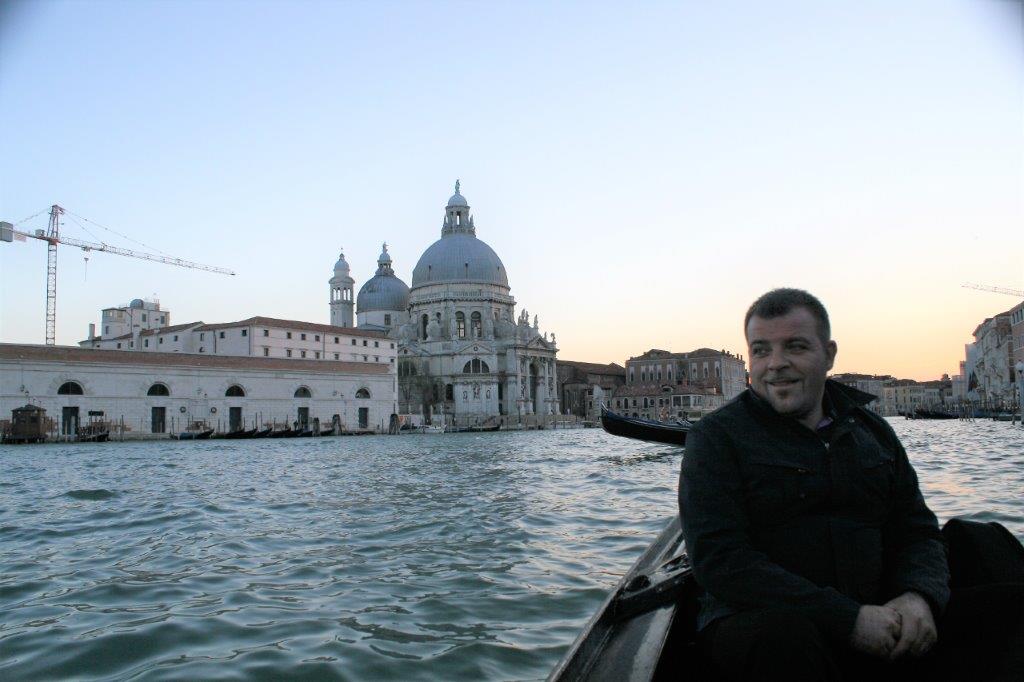
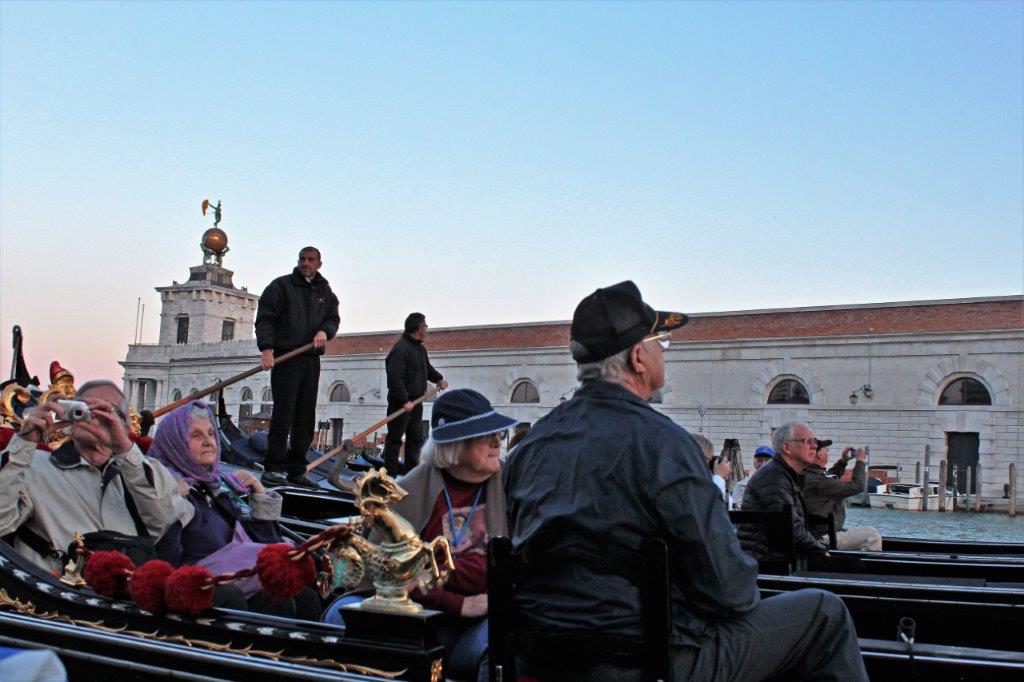
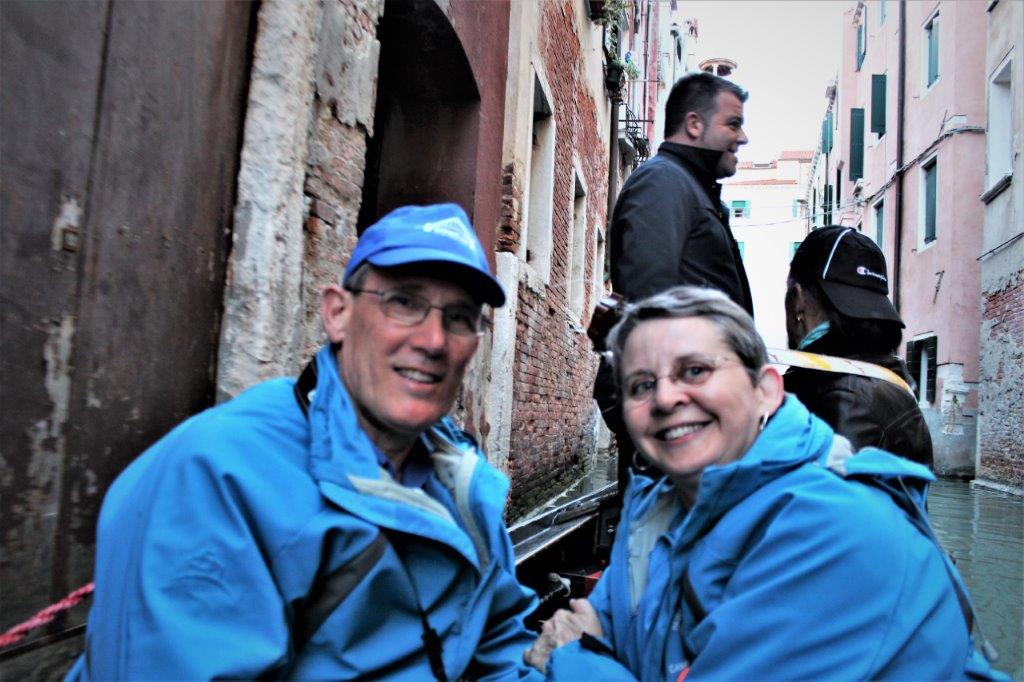
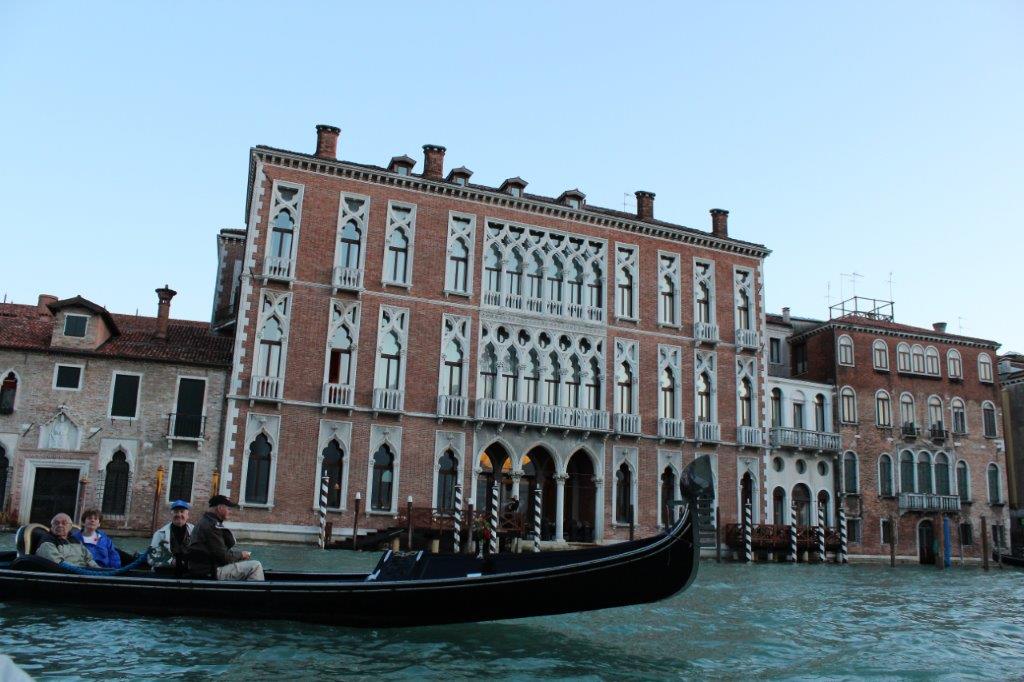
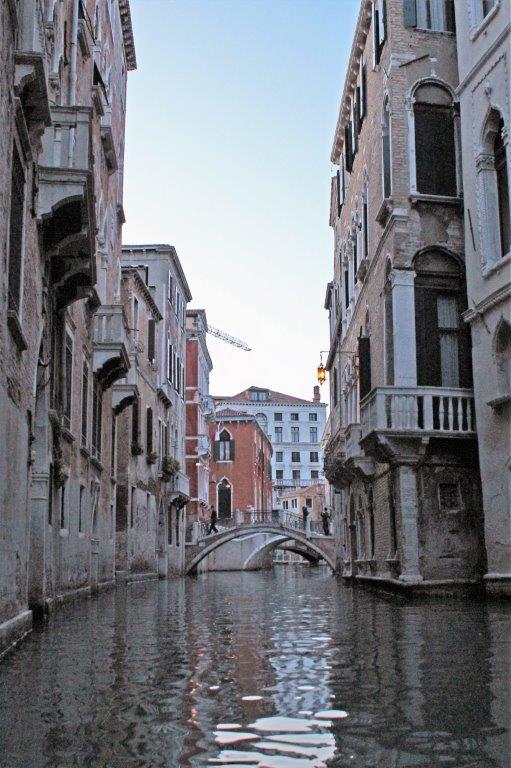
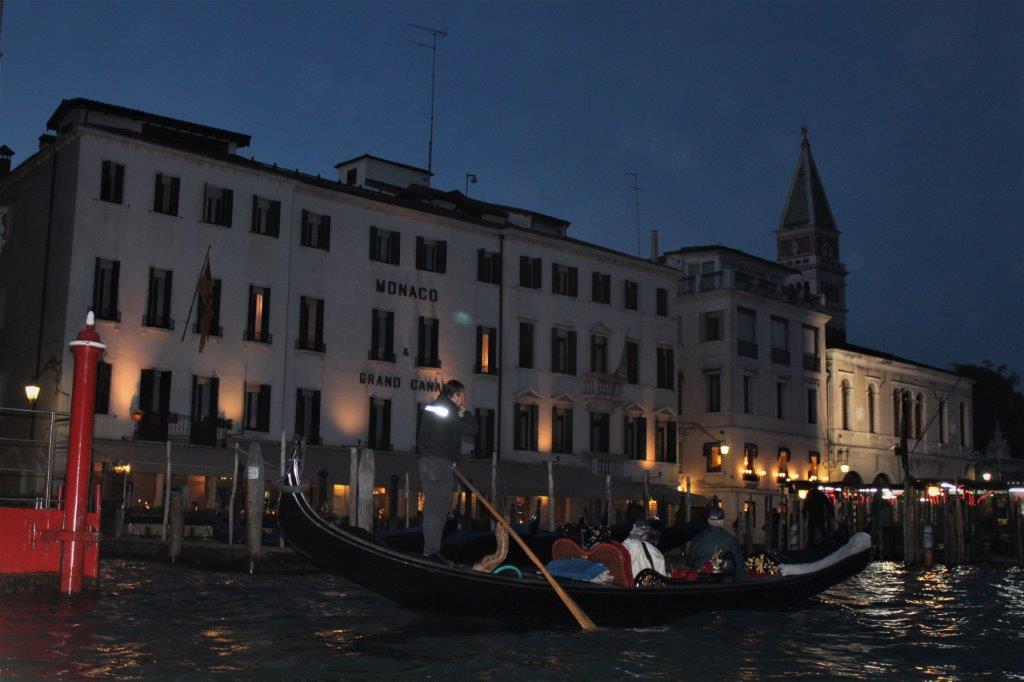
We were taken by boat launch from the port to a docking area near St. Mark’s Square.  There were about 50 people signed up for the ride in a gondola.  Two couples were put into each boat.  After we and Bill & Lyn were settled two more men also got in our boat and went to the back beside the gondolier.  We were not sure what was going on but quickly discovered that we were the ‘central’ gondola around which the others would travel to hear the singing.

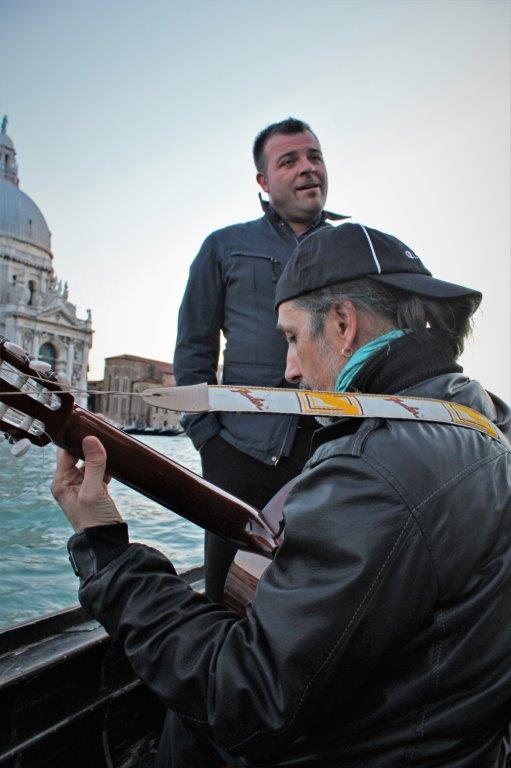
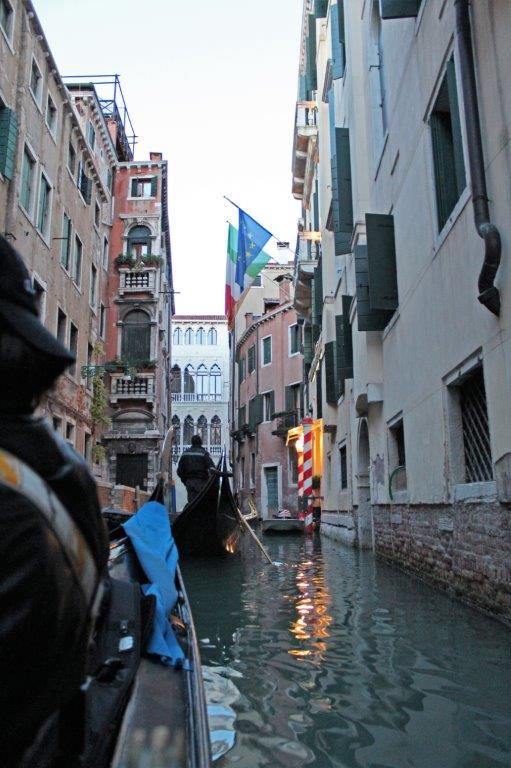
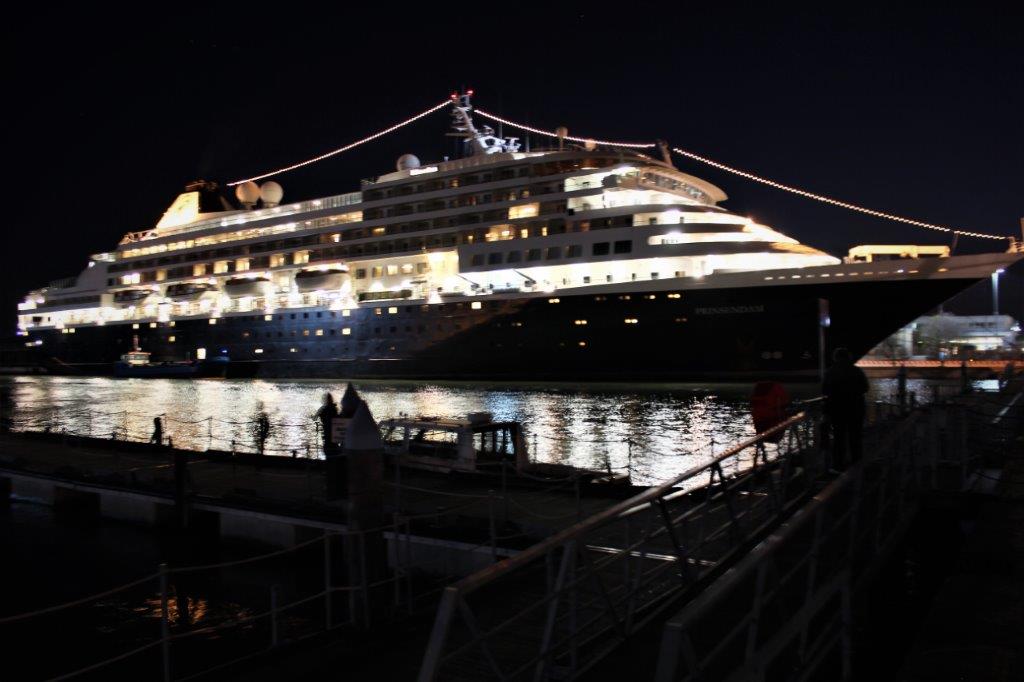
The extra two men were the guitar player and the tenor who sang beautiful songs as we sailed through the canals as the sun set.  How absolutely incredible.  Lyn and I kept offering to pinch each other to be sure we were not dreaming.  Something like this is what you read about in books or watch in romantic movies, you don’t really ever believe you will do it yourself.  We certainly found it difficult to believe we were really there and really doing that.  Excited does not begin to describe how we were feeling. By 9:30 we were back aboard the Prinsedam and getting ready for bed, anticipating another great day in Venice on the morrow.