Category Archives: 2009 World Cruise

2009 World Cruise – Mar 4 – Day 58 – Hong Kong, SAR

2009 World Cruise – One of the reasons John and I decided to do the world cruise 8 years ago was the itinerary.  We had the opportunity to visit so many places, some of which we knew we would never plan a holiday to go to.  For whatever reason neither John nor I had a desire to go to China or Southeast Asian countries.  No I idea why really, the area has just never been one we would take time and spend money to go visit.

The world cruise took us to Indonesia, China, Vietnam, Malaysia, Singapore and Thailand.  We spent a full day in each place (longer in China and two days in Singapore) and got a taste of the East.  We discovered that we loved Singapore and we really liked our stops in China.  So, the idea of going by cruise ship and stopping here and there for a day or two, rather than book two or three weeks to go somewhere you are not sure you really want to visit turned out to be a good choice for us.

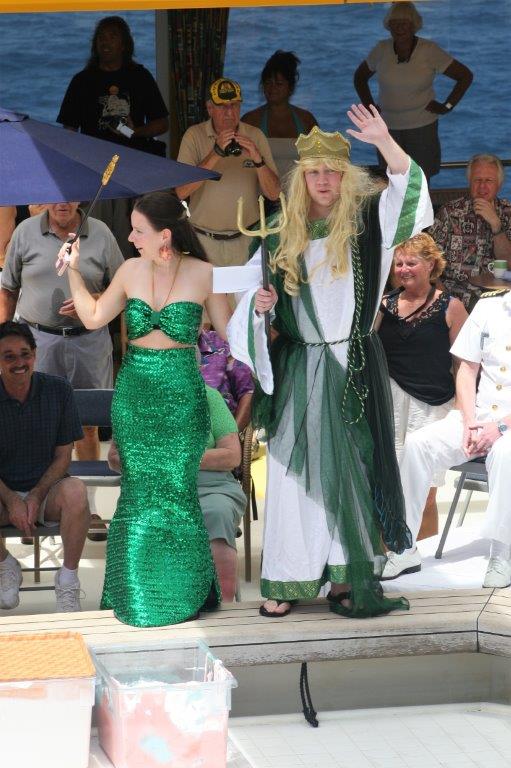
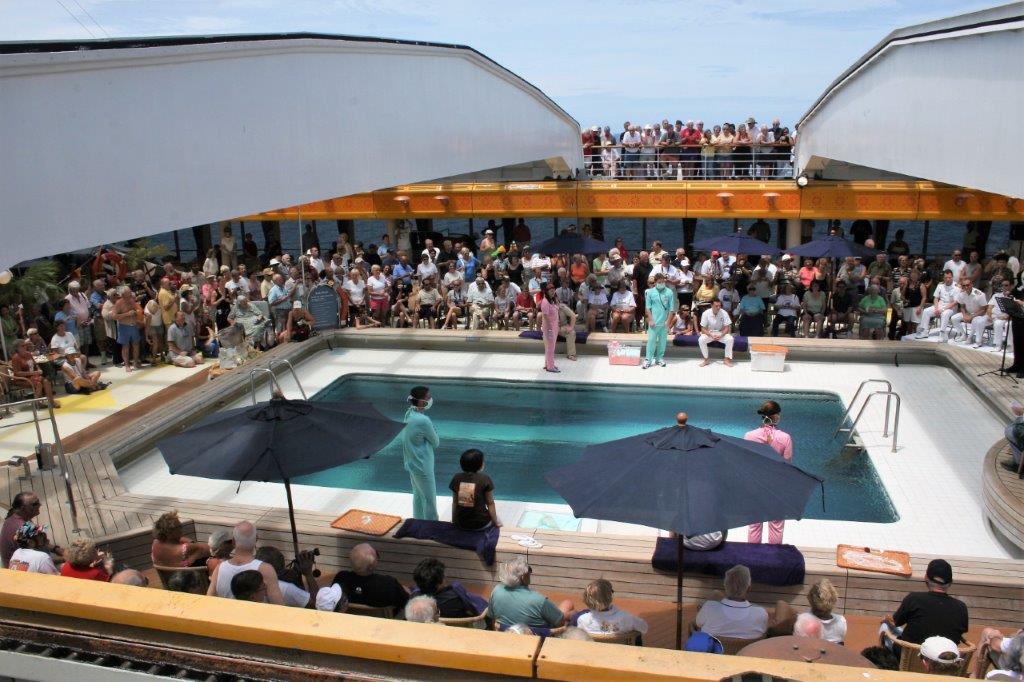
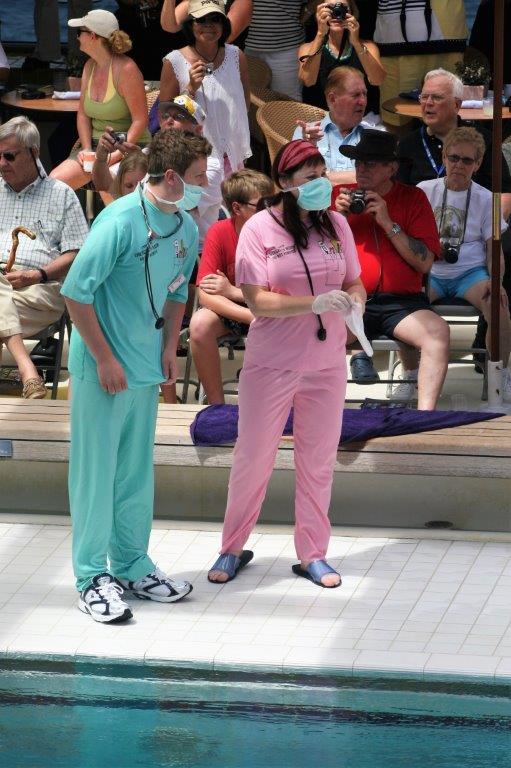
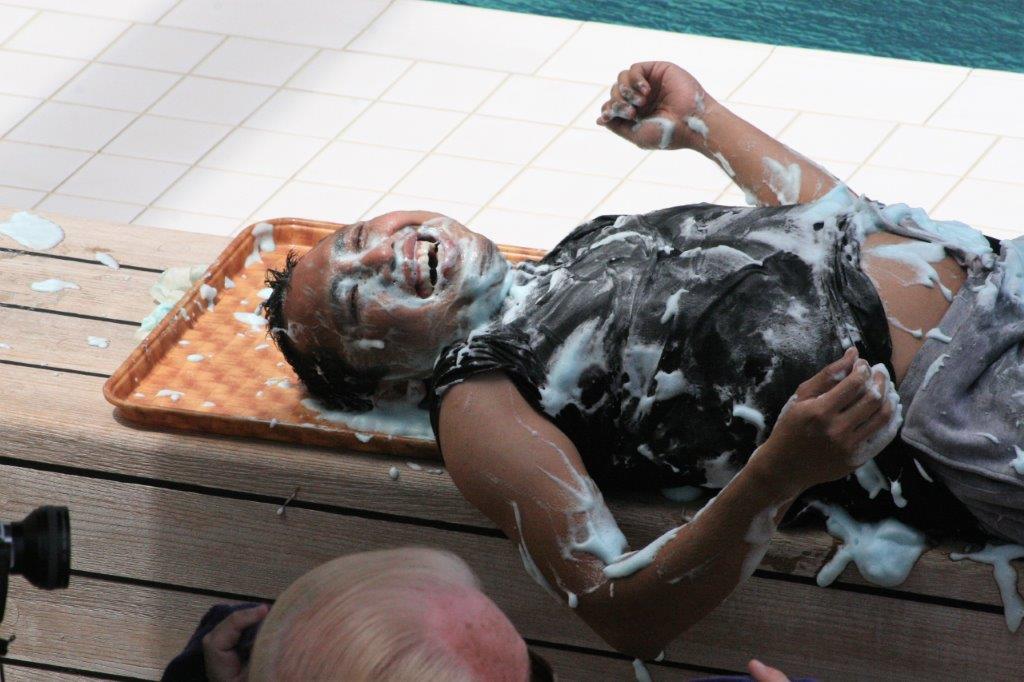
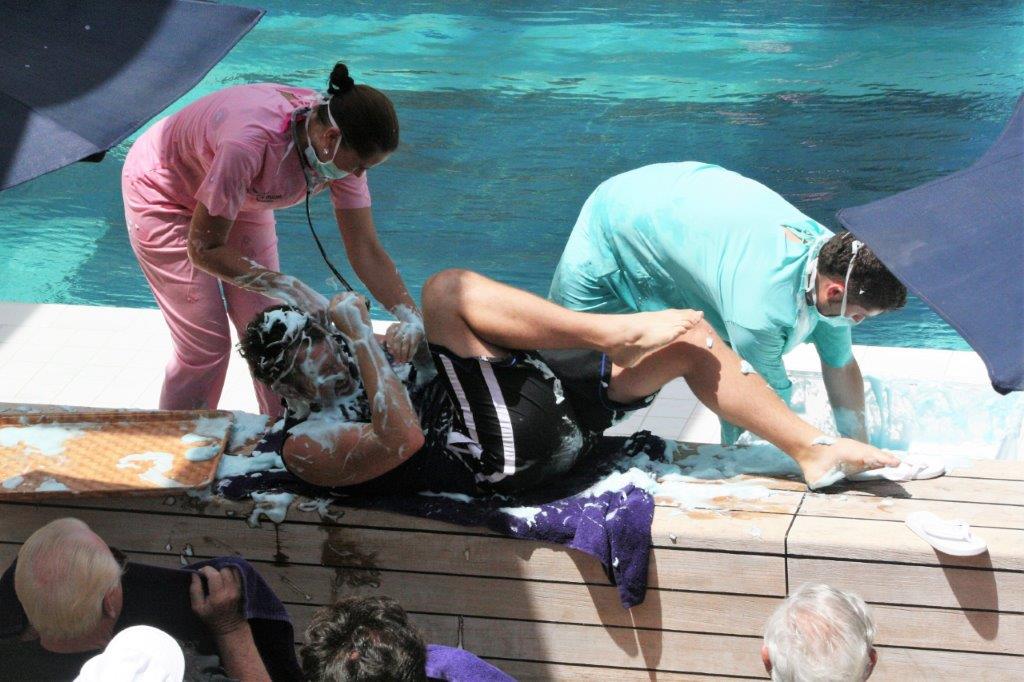
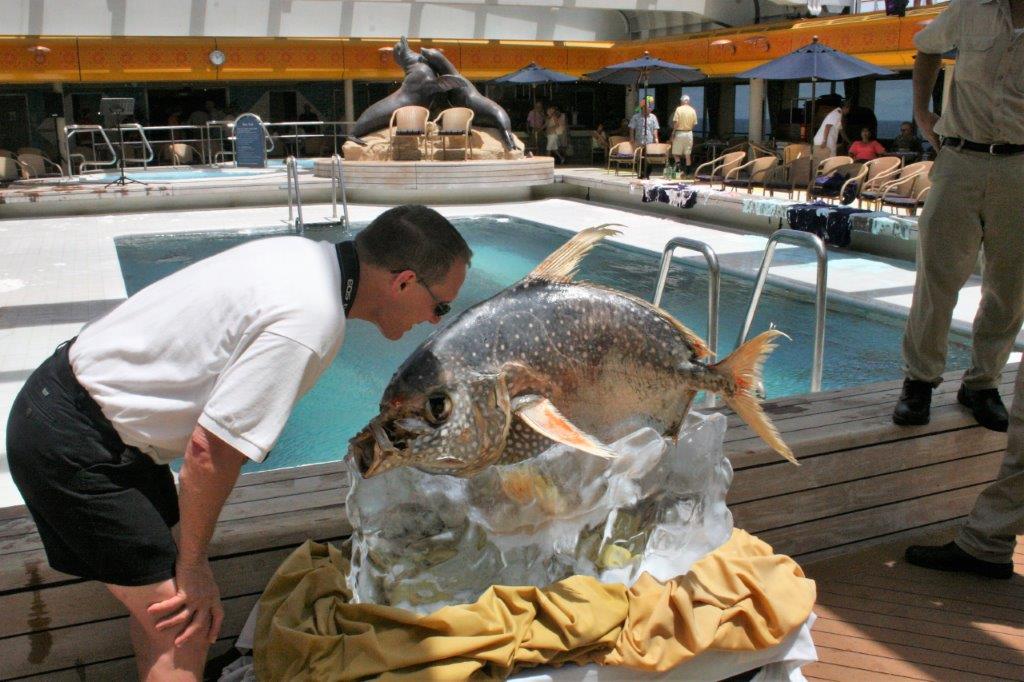
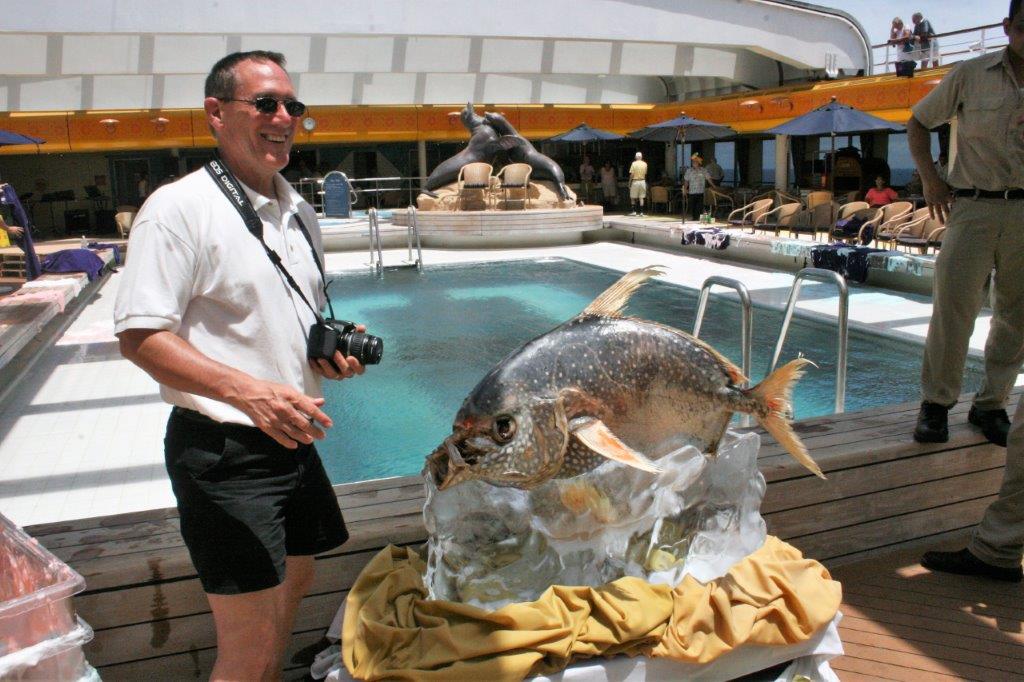
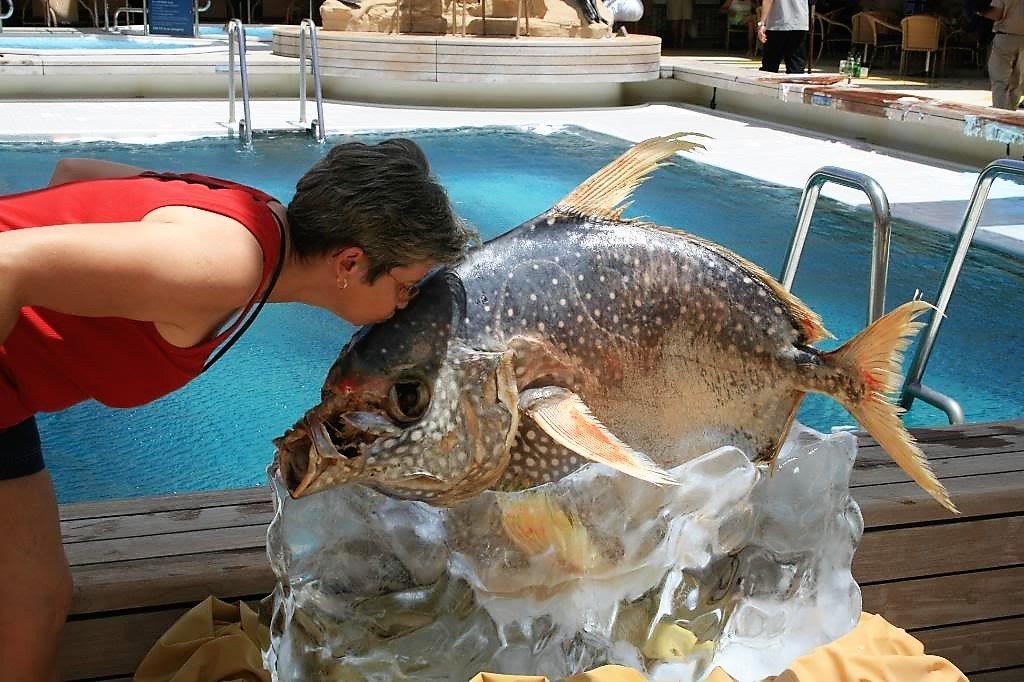
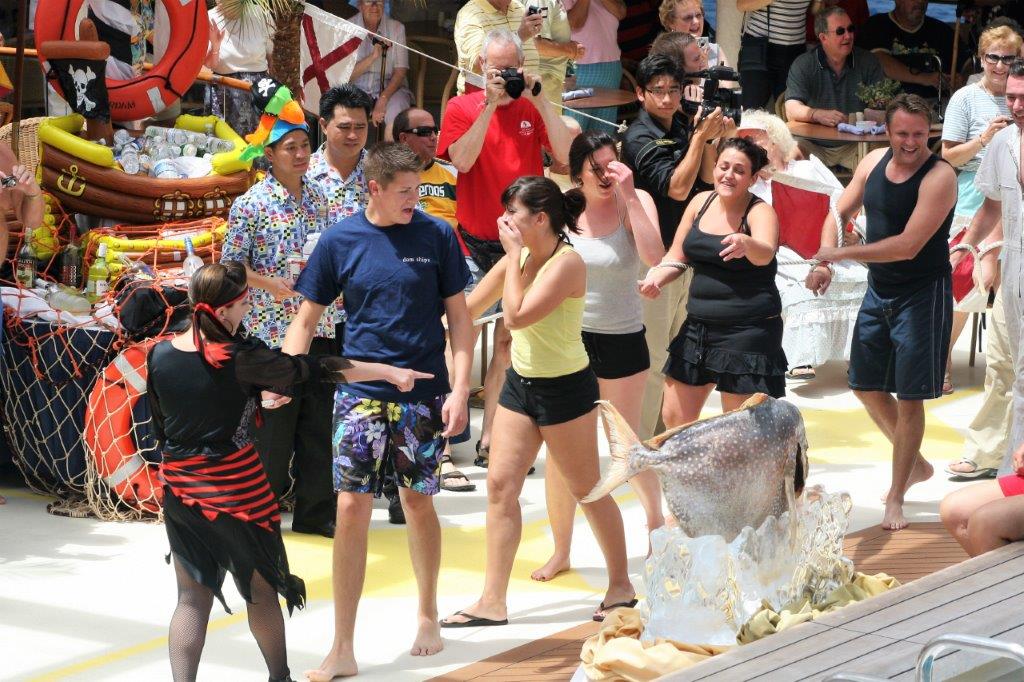
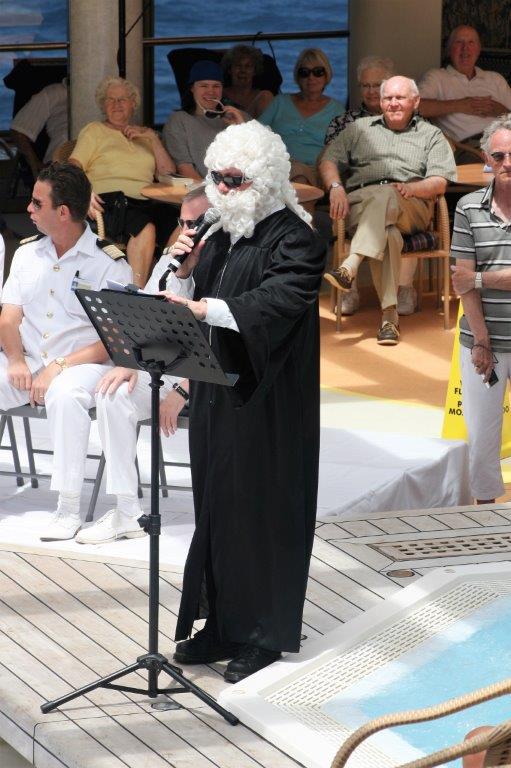
We were four days at sea after leaving Semarang, Indonesia.  The first day out we crossed the equator again.  We will cross the equator four times altogether on this voyage.  The first time was the Golden Line crossing between Hawai’i and Vanauatu where we crossed the equator at the International Date Line, and now we crossed it once again on our way through the China Sea.img_4787It is tradition on ships (all kinds of ships – from navy to fishing boats) to have an initiation ceremony for anyone who crosses the equator for the first time.  The ceremony confers on all ‘polliwogs’ the Order of the Shellback when they receive permission from King Neptune to cross his waters.  All crew members who had never before crossed the equator were brought out to the pool where a very funny initiation ceremony took place.  A ‘judge’ would read the charges, King Neptune and his mermaid consort would pronounce sentence – either innocent (the newbie got to sit on a bench poolside) or guilty (whereupon the crew member would be covered in foam by the ‘medical team’ and have to jump in the pool).  All the crew polliwogs were required to ‘kiss the fish’ and guests who wished to do so could as well.  It was quite fun and all guests received honorary certificates that give us safe passage from that day forward.
img_4894 img_4899 img_4905 img_4915 img_4898 img_4928 img_4932 img_4947 img_4948Then it was a few relaxing days at sea on the way to Hong Kong.  When we arrived it was a cloudy, drizzly day and the weather did not improve much.  The ship was to stay in Hong Kong for two days, then sail two days to Shanghai and stay there for two days.  We only spent one day in Hong Kong and then we flew to mainland China for an overland excursion before flying to Shanghai at the end of the ship’s first day in port.  This left us a full day to see some of the sights of Shanghai.

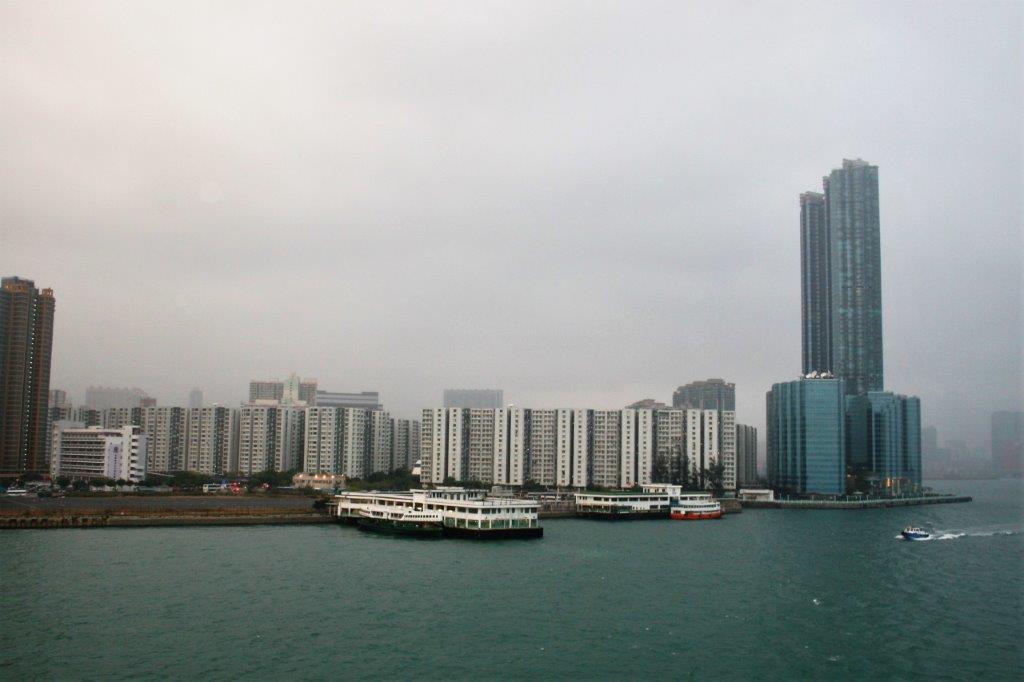
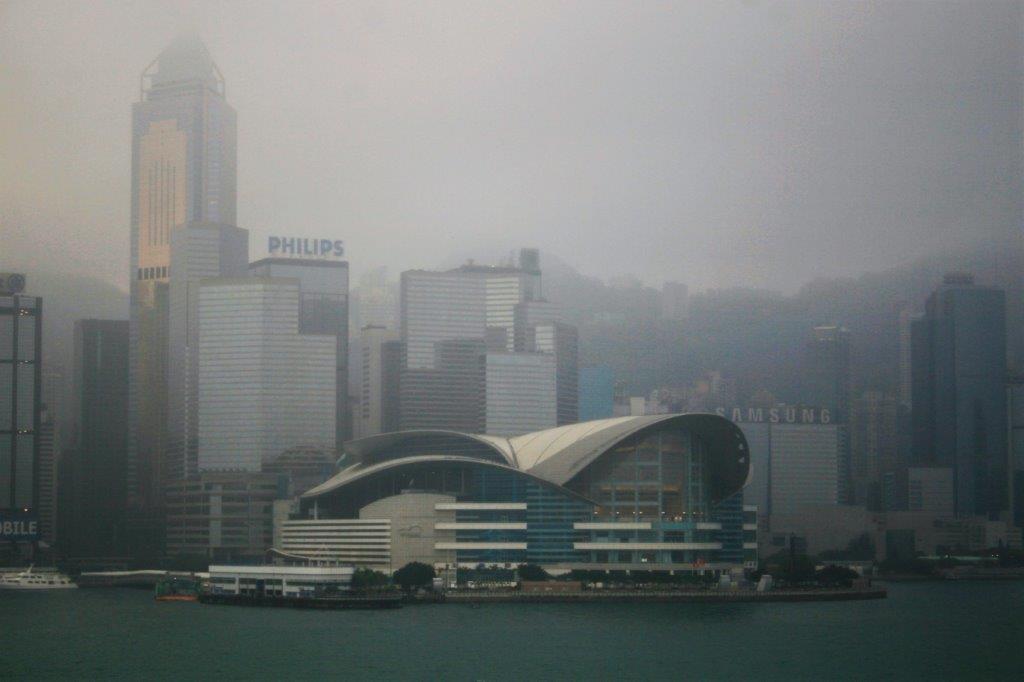
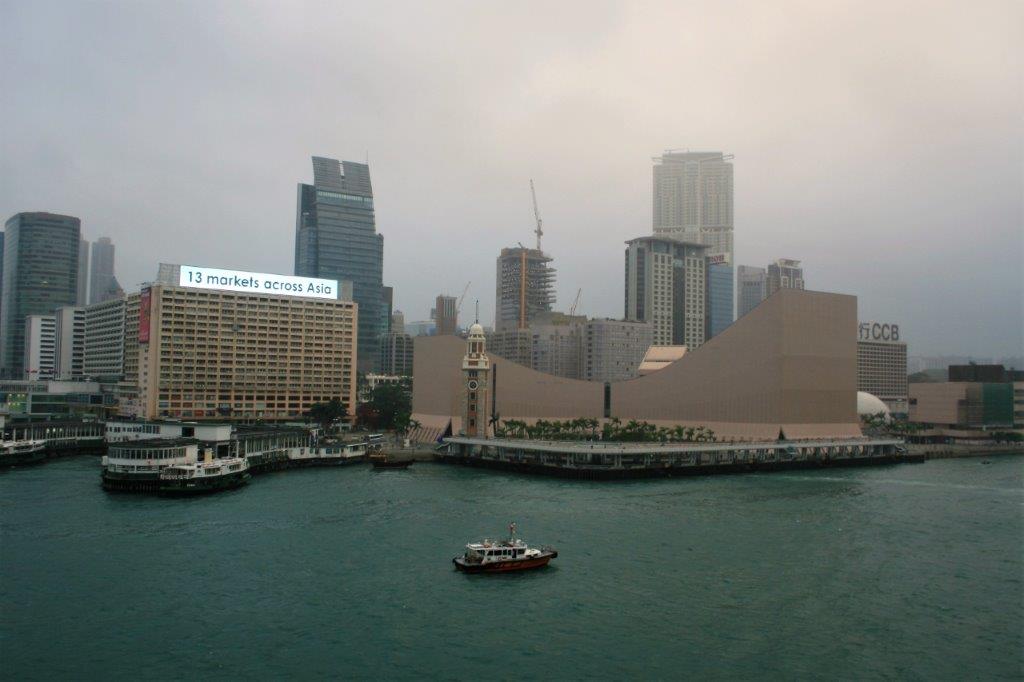
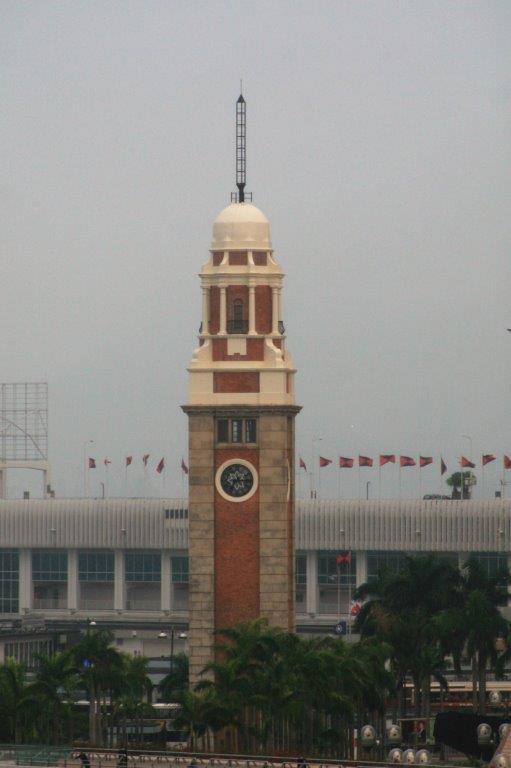
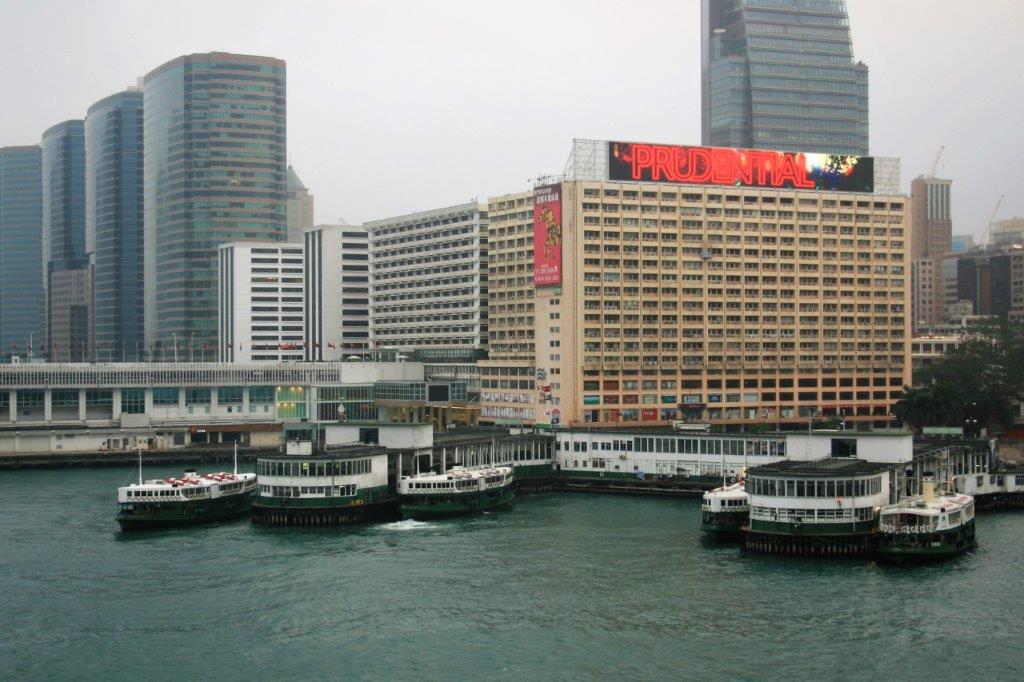
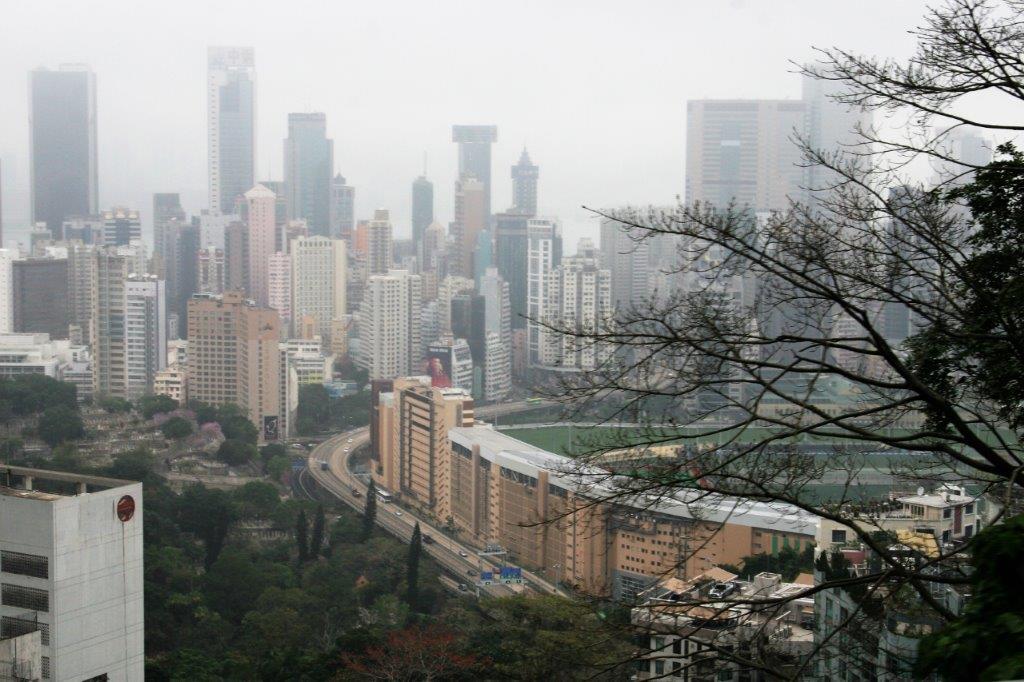
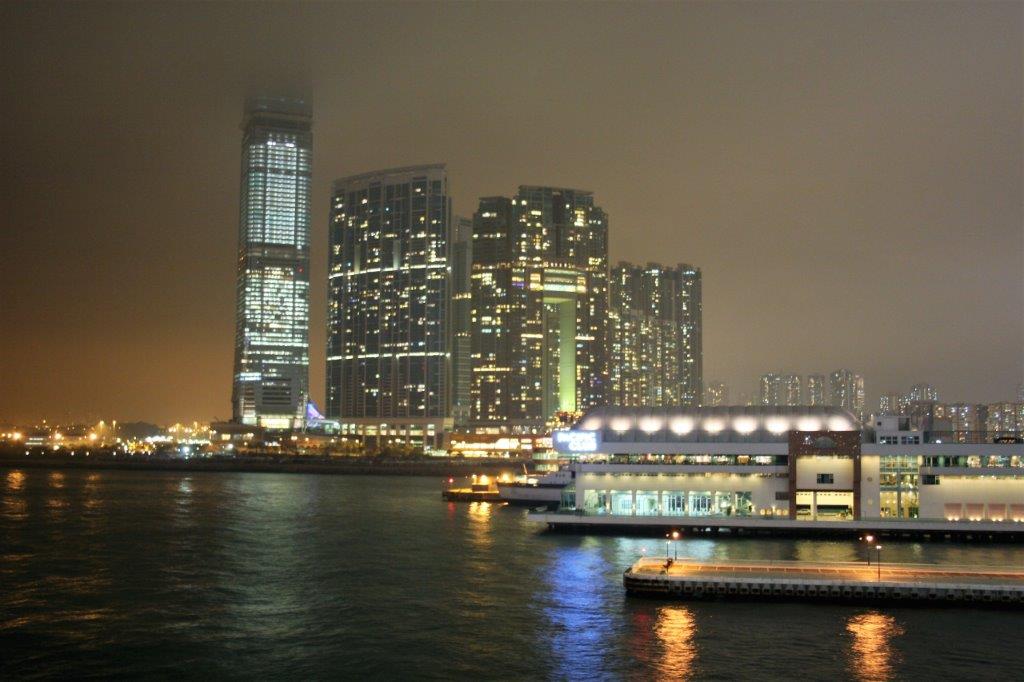
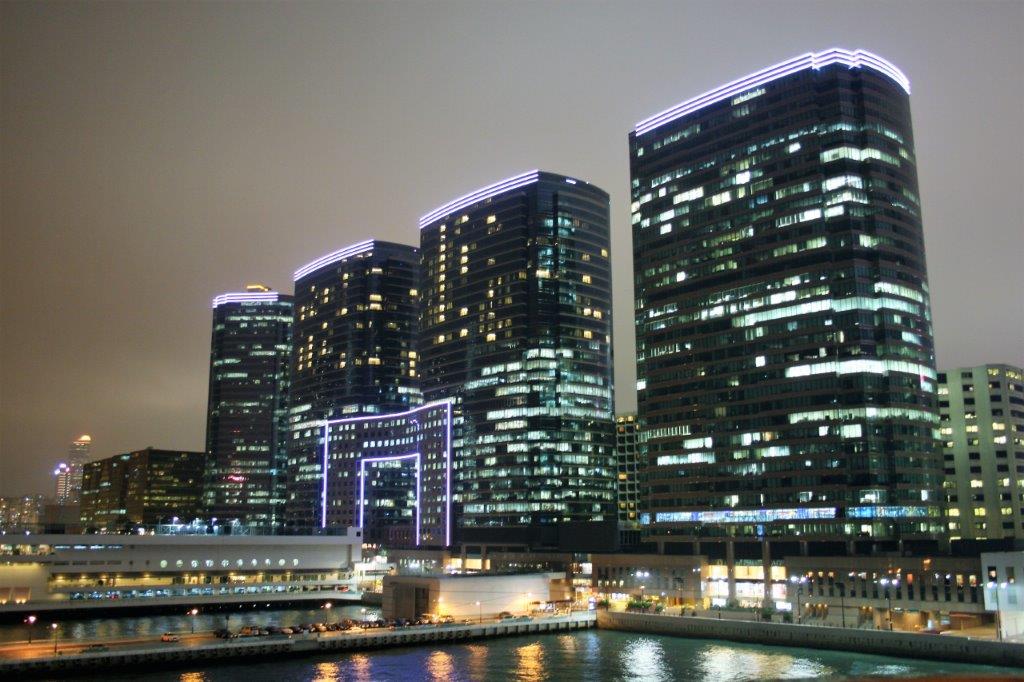
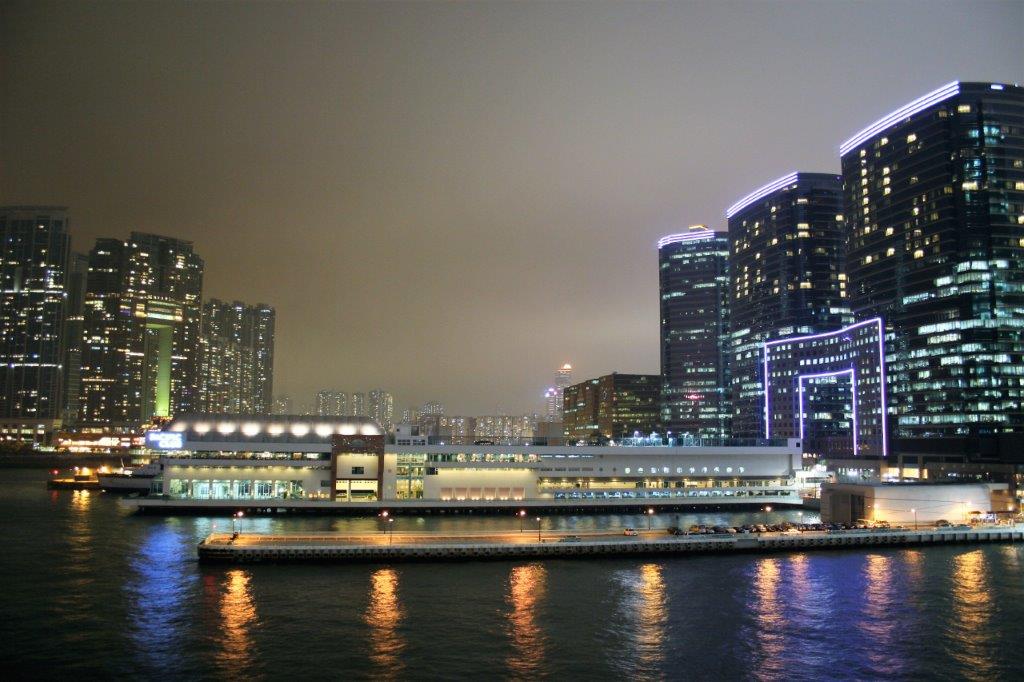
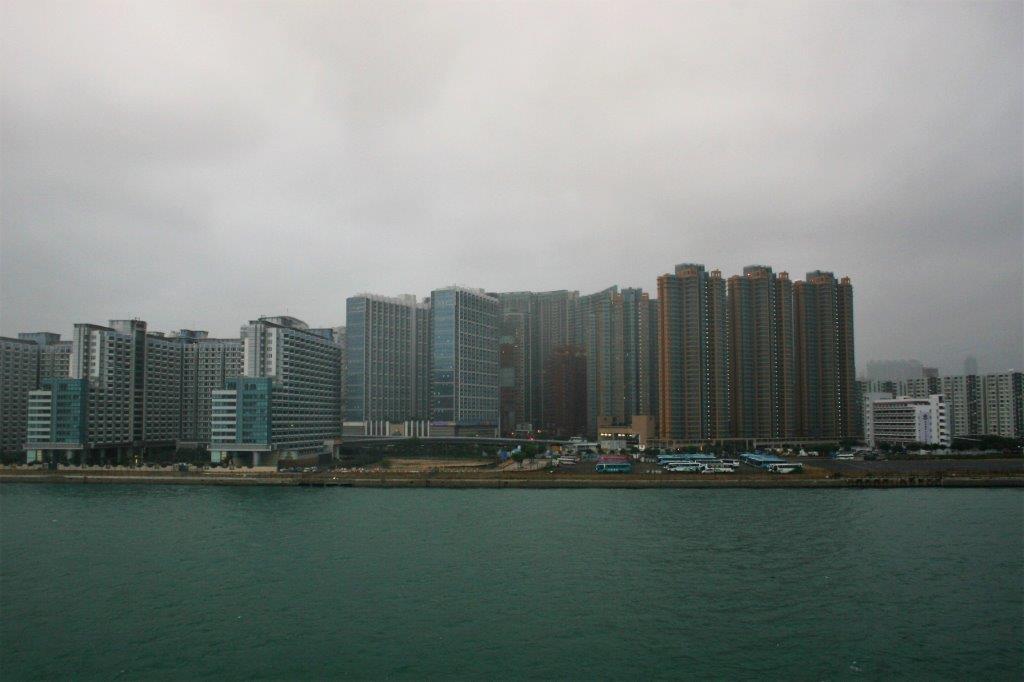
We got up early and went out on deck to watch the sail-in.  Despite the cloudy conditions it was nice to pass along the shoreline of the city.  Hong Kong covers an area of 244 sq. miles plus another 707 sq miles on the mainland and some islands.  Over 7 million people make their home here so it is very densely populated.img_5016 img_5015 img_5020 img_5026 img_5022 img_5028 img_5029Our 8-hour tour was called The Best of Hong Kong and we were on the go all day.
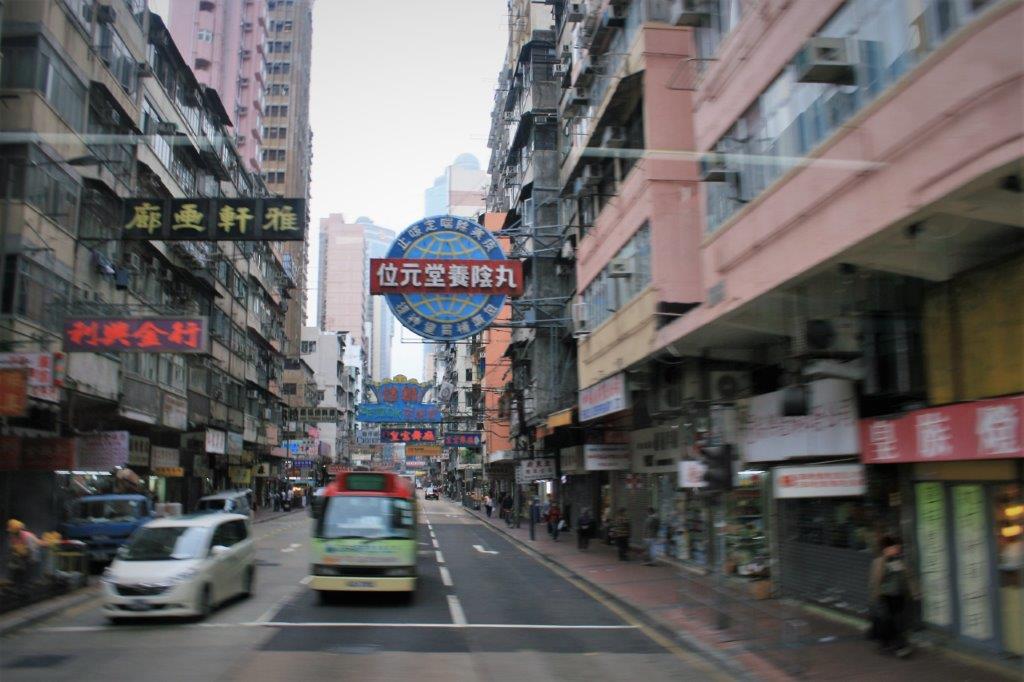
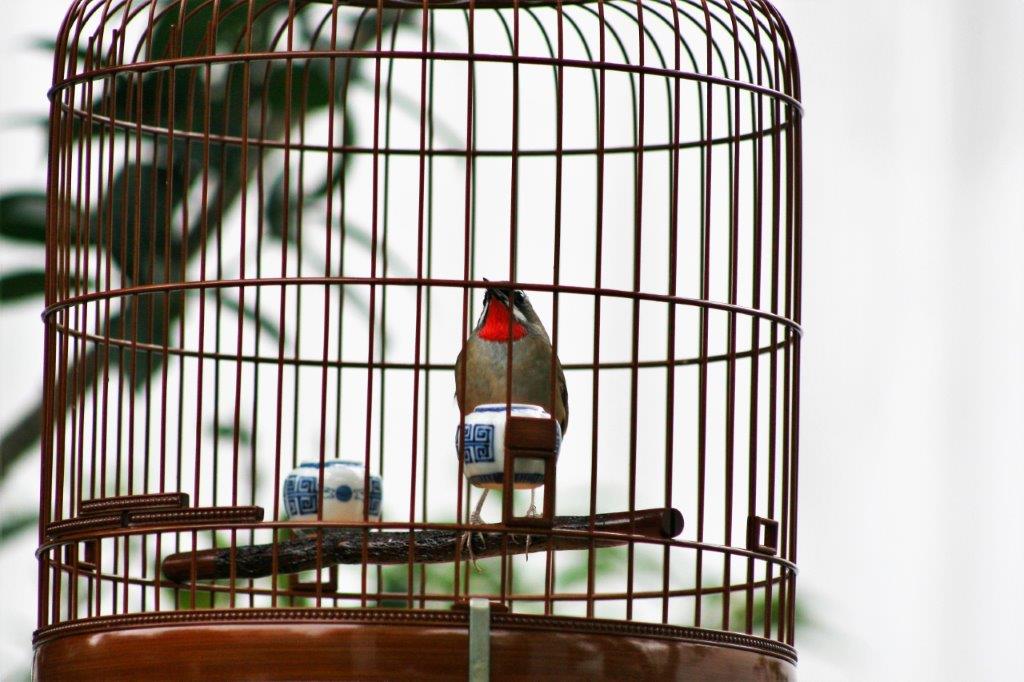
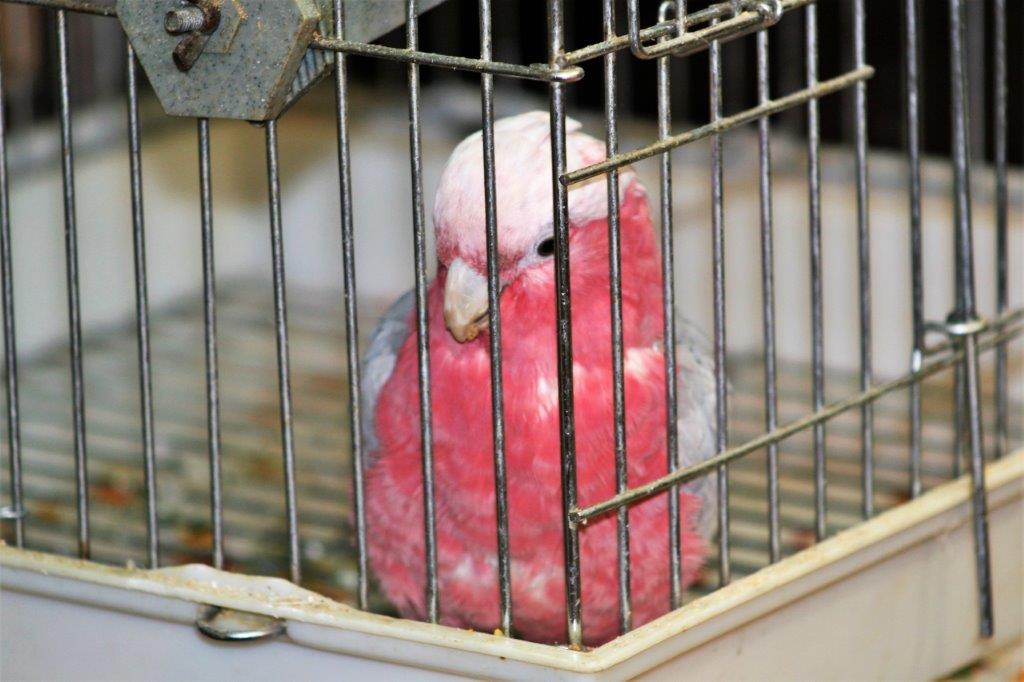
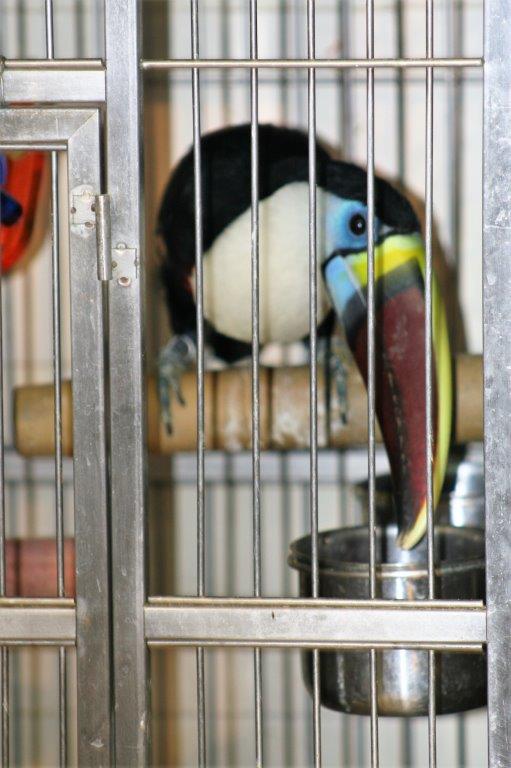
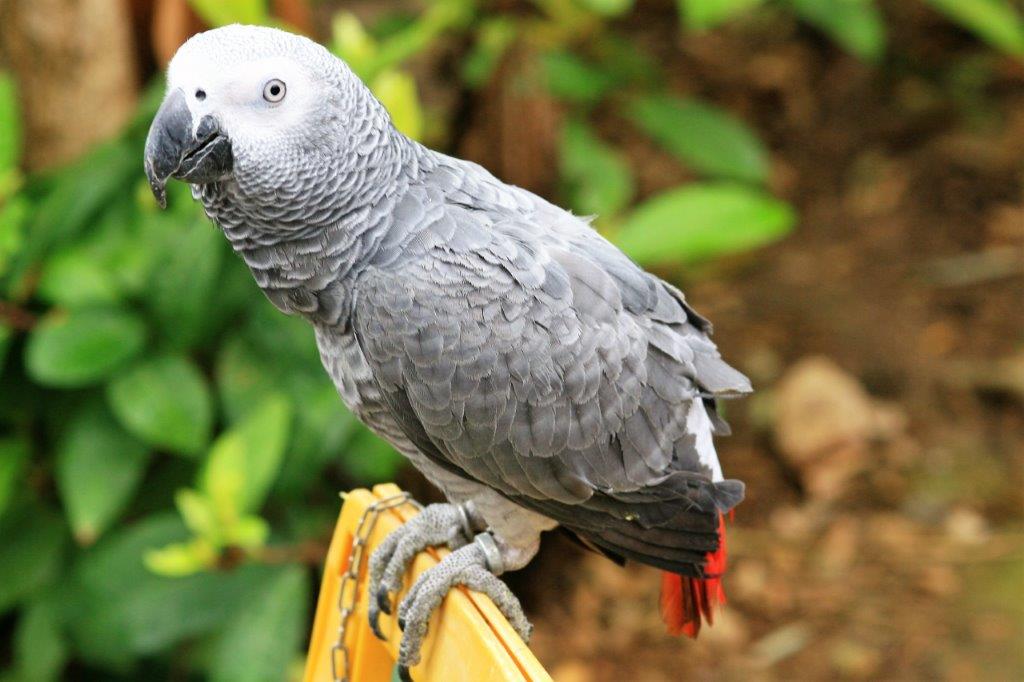
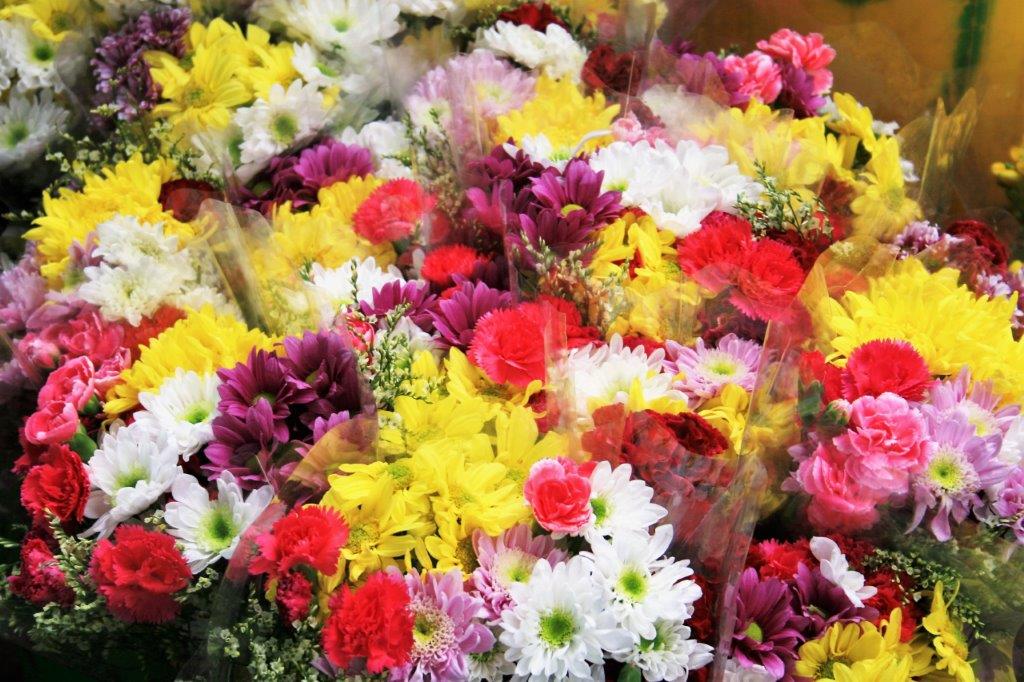
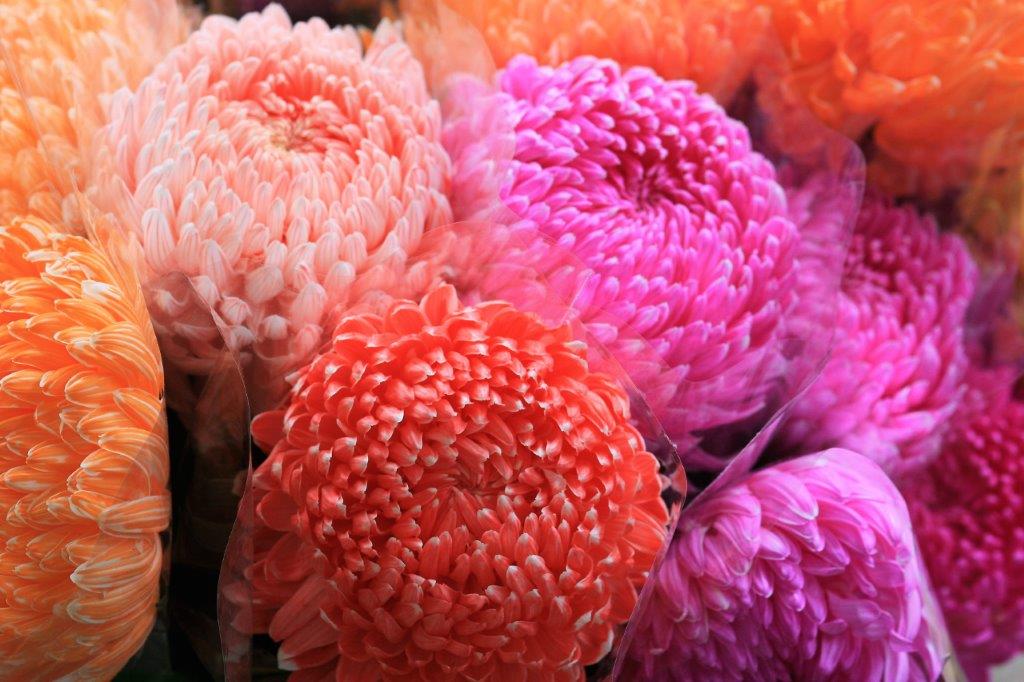
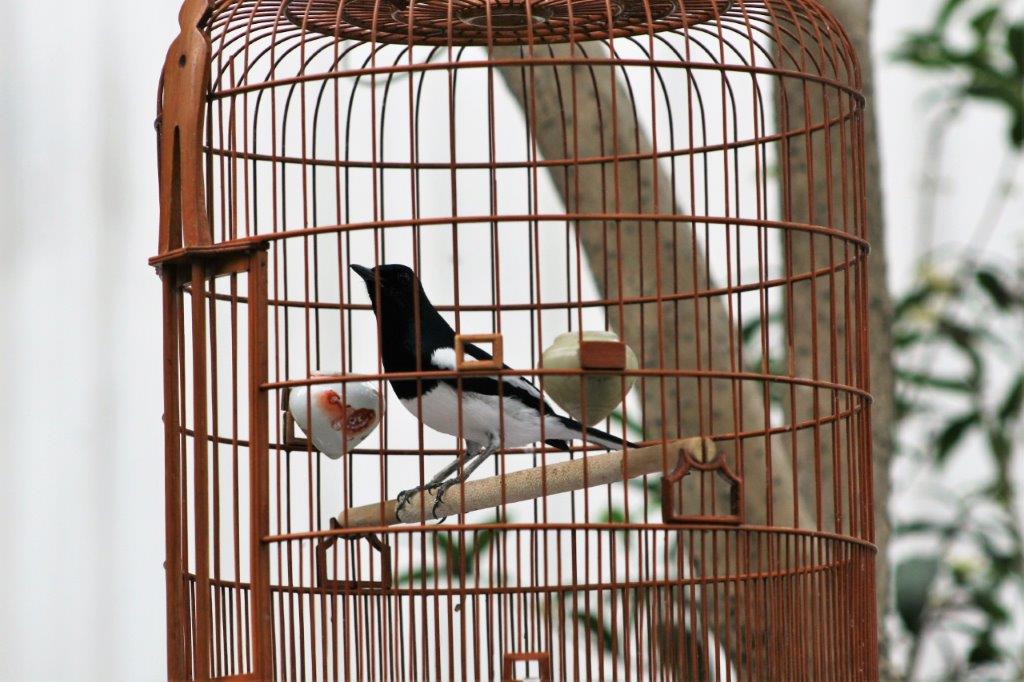
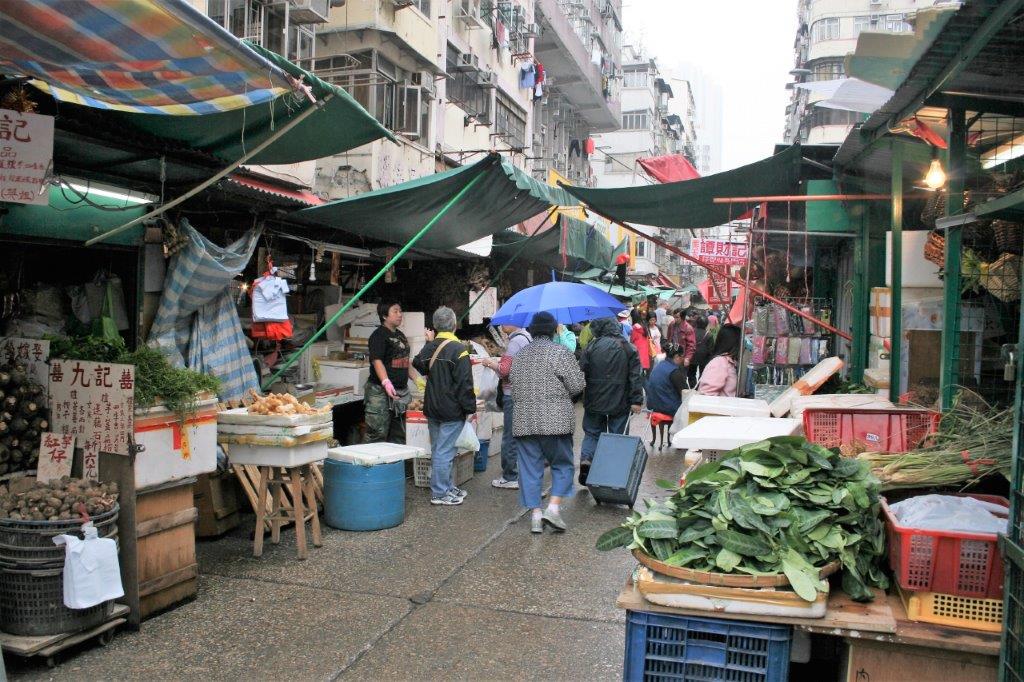
img_5032 img_5034First stop was the Bird Park.  Because of the large population very few people keep dogs or cats as pets.  The preferred pet, especially for the elderly, is a bird.  Every morning the men bring their birds to the bird park where they can enjoy the outdoors and sing.  (Our guide told us that while the men are out of the house, the women do the cleaning and laundry and such and when the men return in the afternoon and have a nap the women gather to gossip and play Mahjong.)  At the Bird Park there are shops where you can buy birds, cages, dishes, seeds and live insects for your bird.img_5036 img_5037 img_5041_edited-1 img_5042 img_5049 img_5051 img_5062Next we visited Flower Market Street (which really is an entire street with shop beside shop beside shop of flowers).img_5070 img_5064 img_5063 img_5074And we made a quick tour through the Fruit, Vegetable and Fish Market.  The people like fresh food so most of them shop twice a day for their meal ingredients.img_5079img_5085
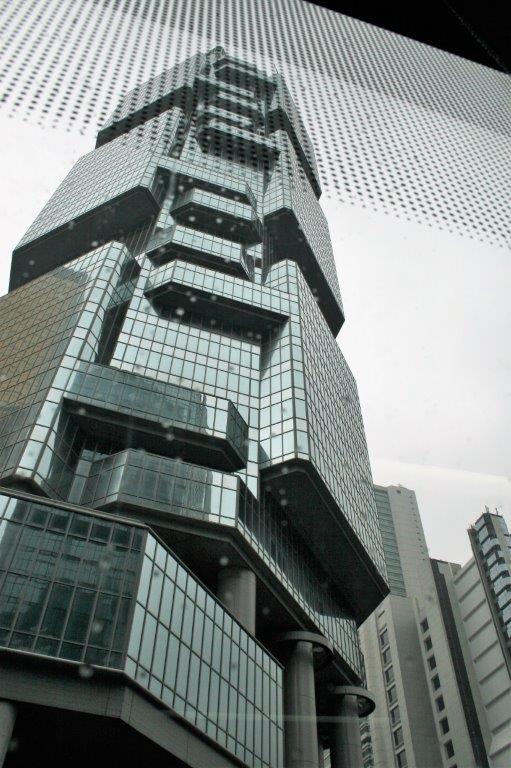
I loved the reflection of this building on the other building.

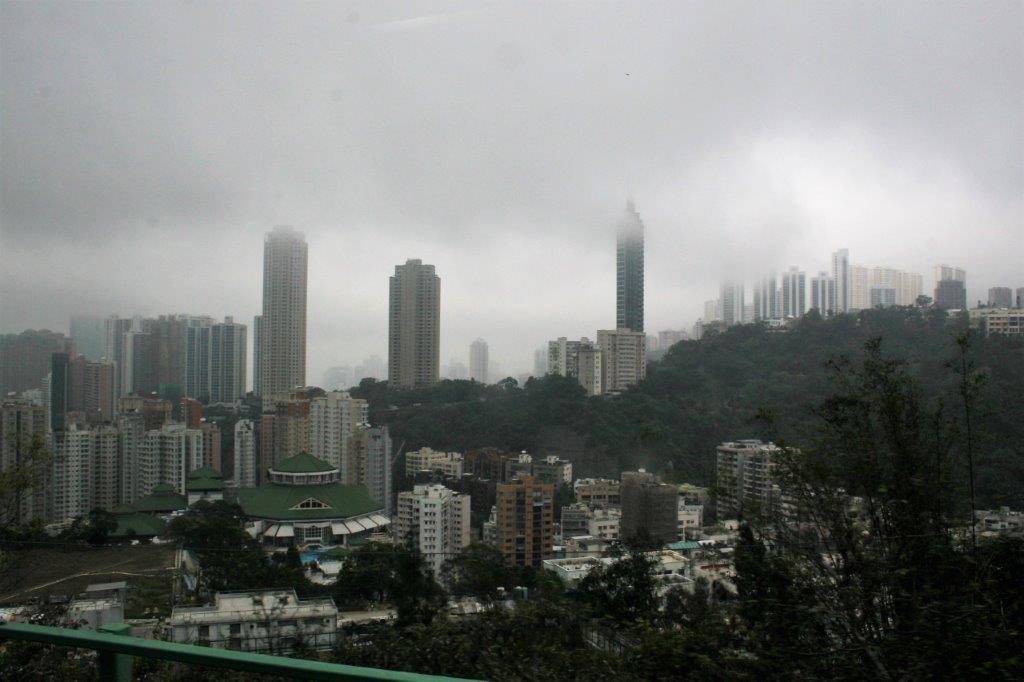
We rode the funicular tram to the top of Victoria Peak where there is usually a panoramic view of the city of Hong Kong and the Kowloon Peninsula.  Unfortunately most of our view was obscured by the clouds.
img_5091img_5101 img_5107We had lunch at Café Deco atop Victoria Peak then went down the south side of Hong Kong Island for a trip to the Boat Village in the harbour.
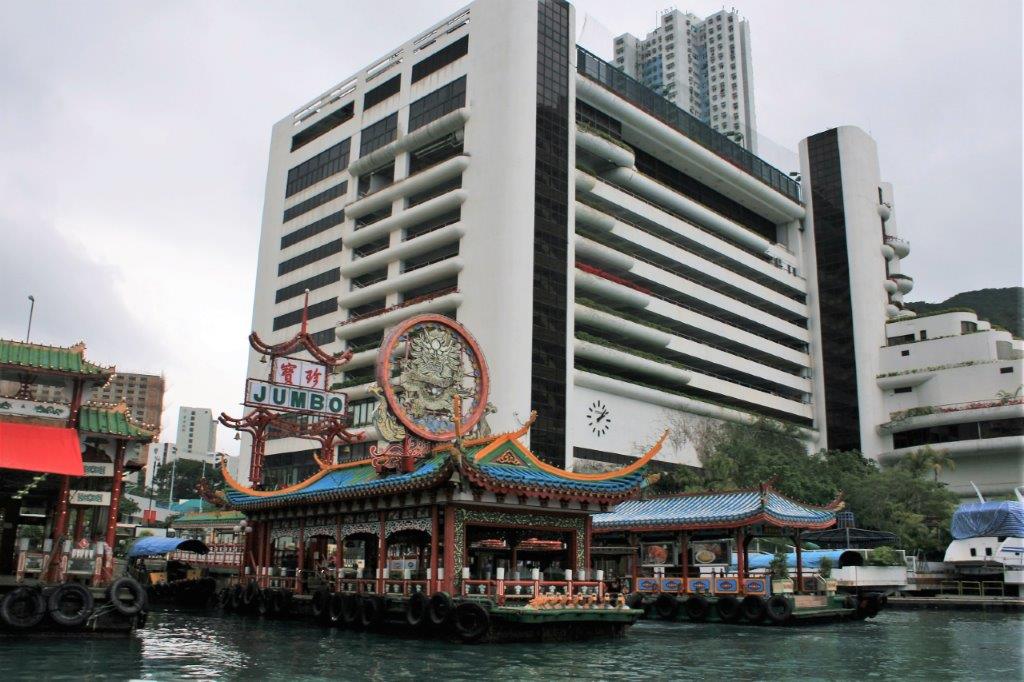
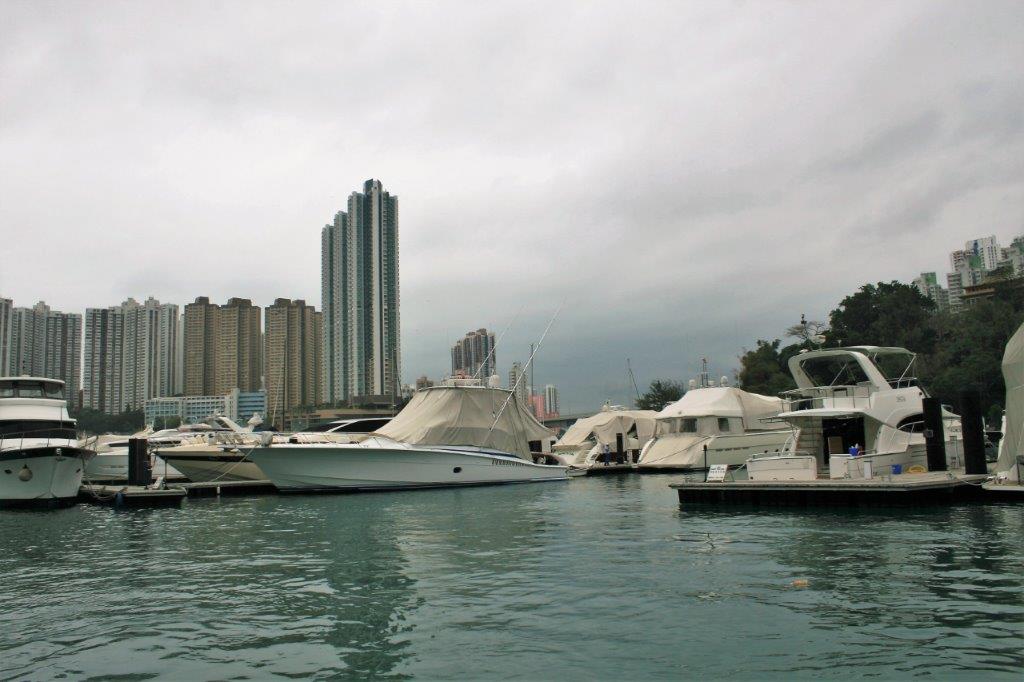
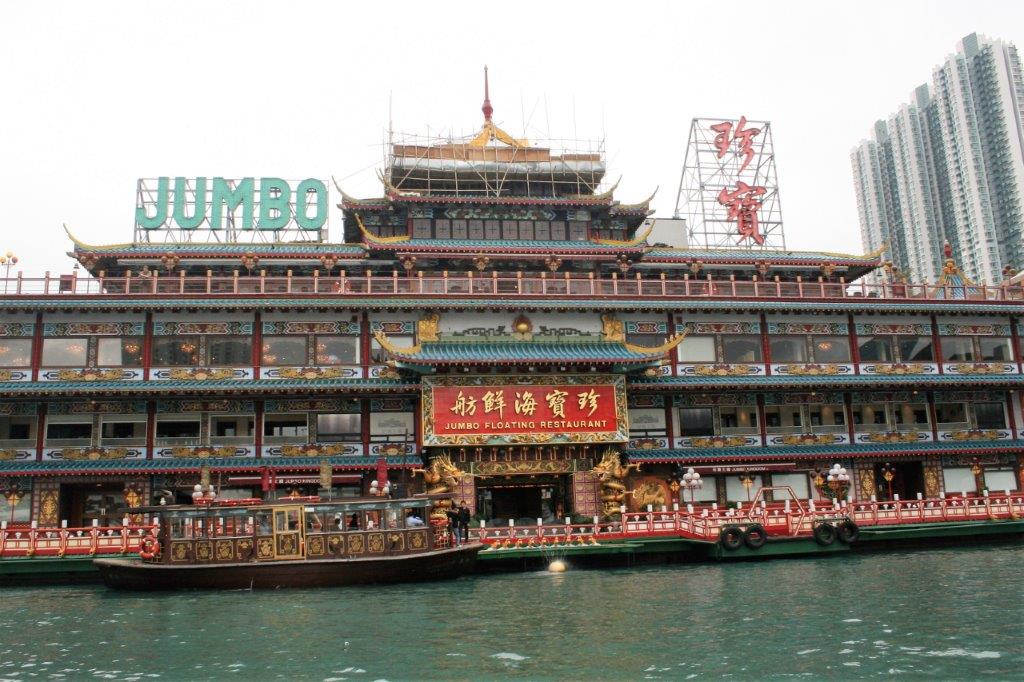
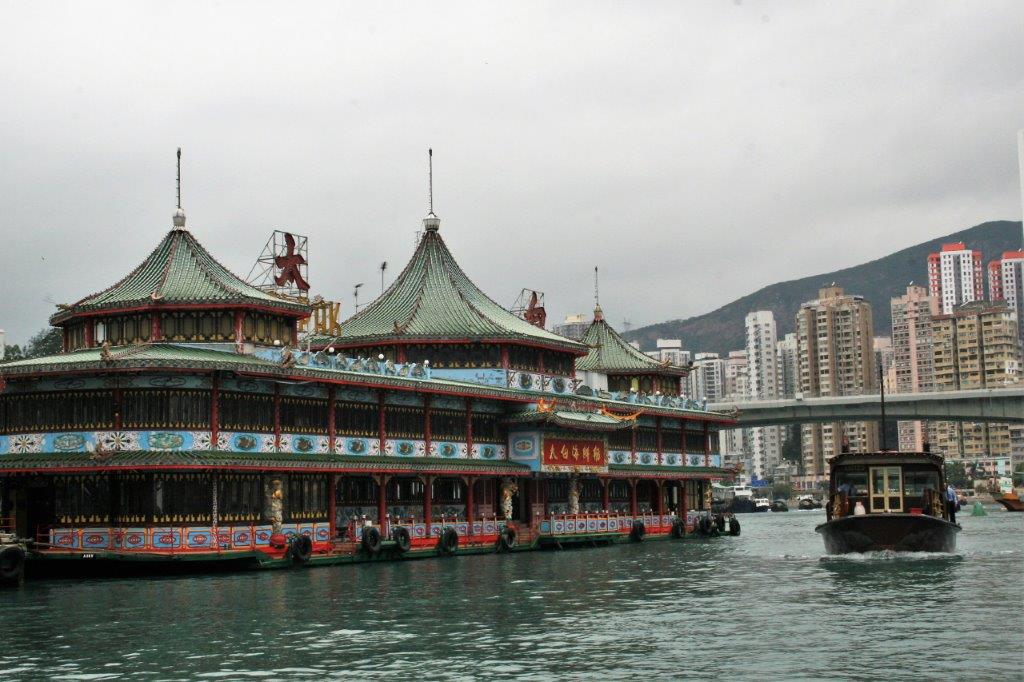
img_5128 img_5126 img_5133 img_5136                                           Two big floating restaurants.

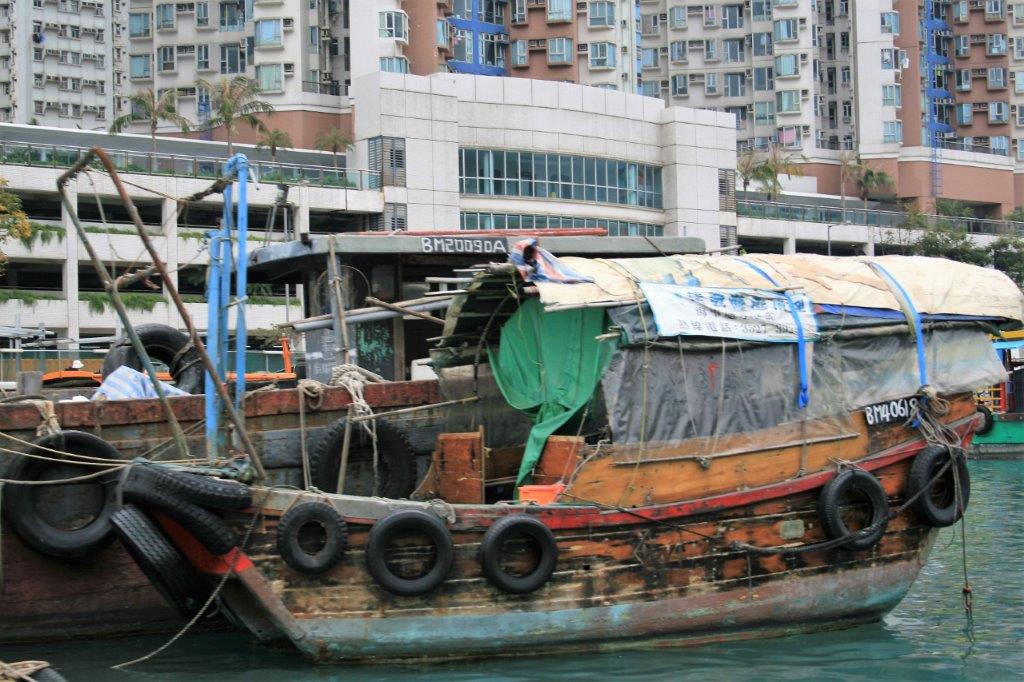
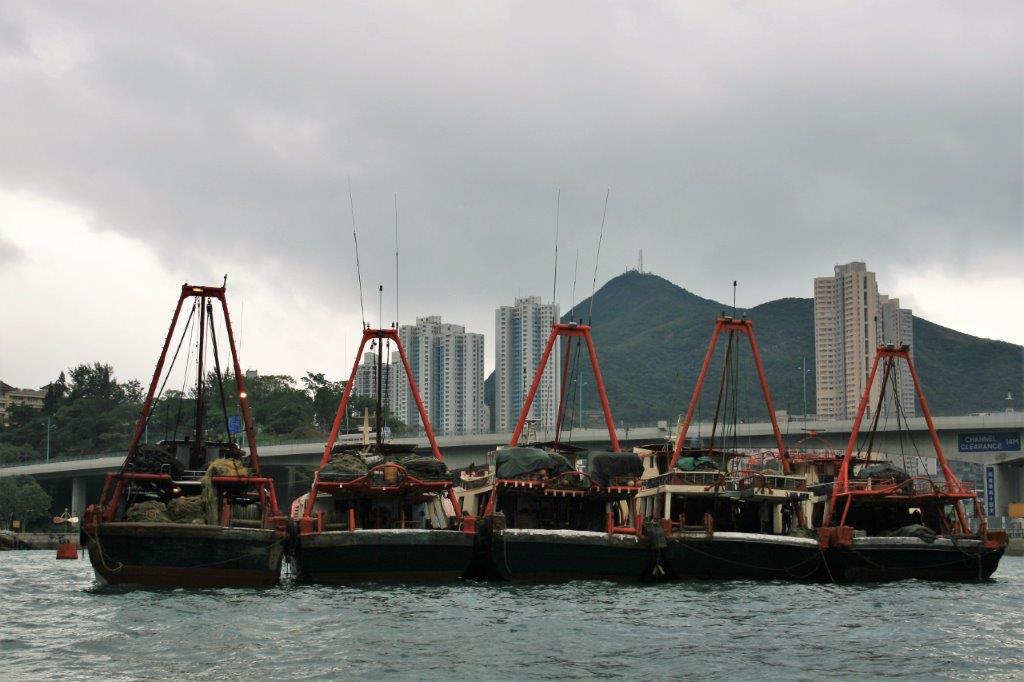
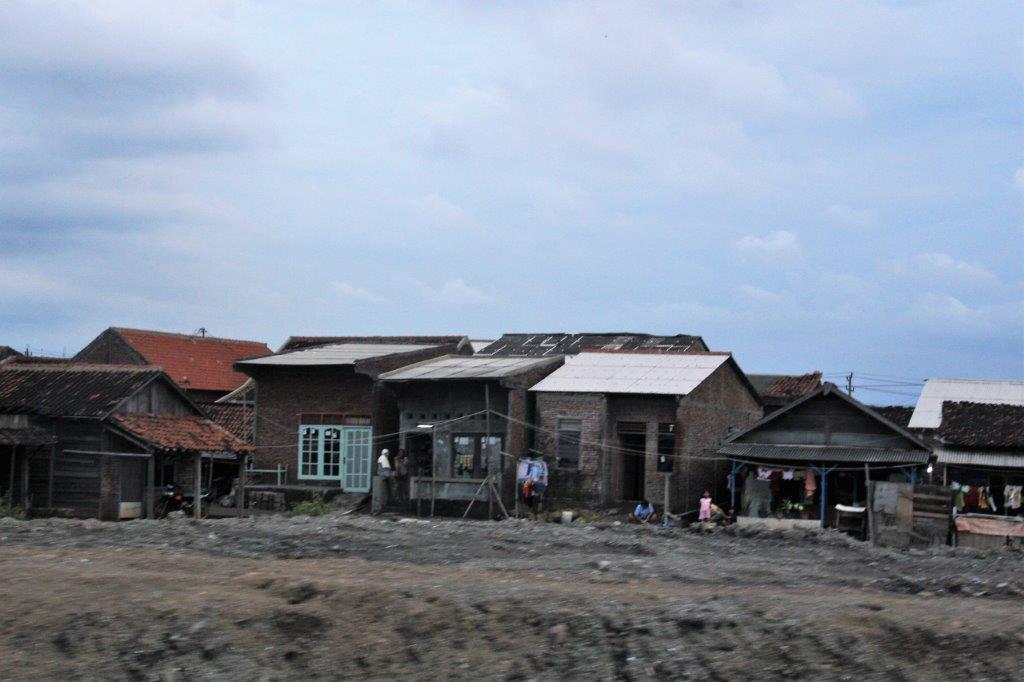
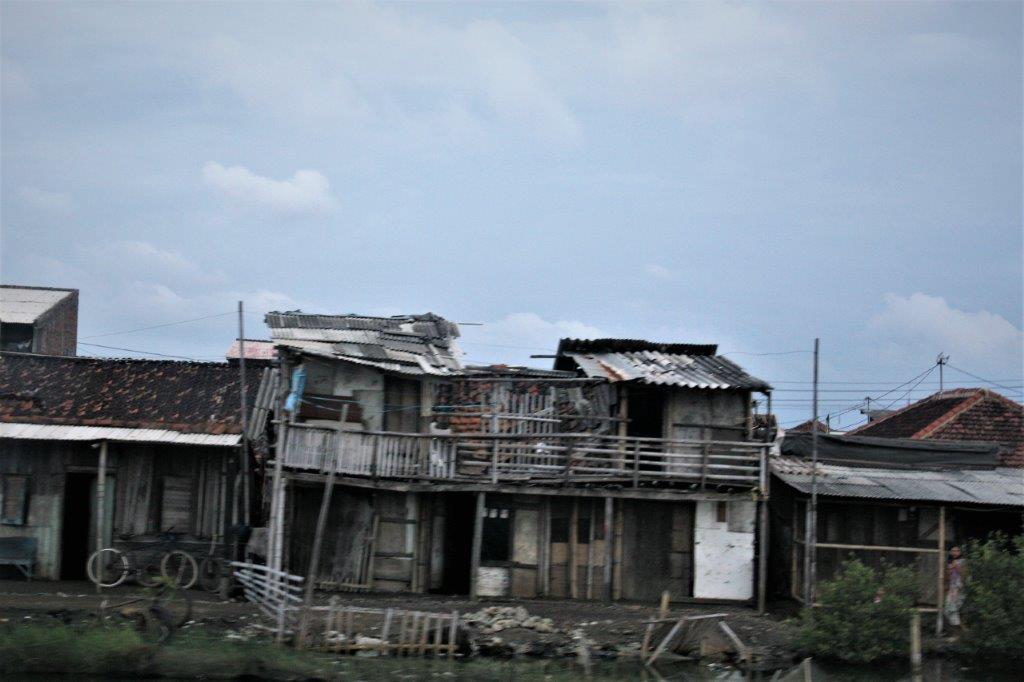
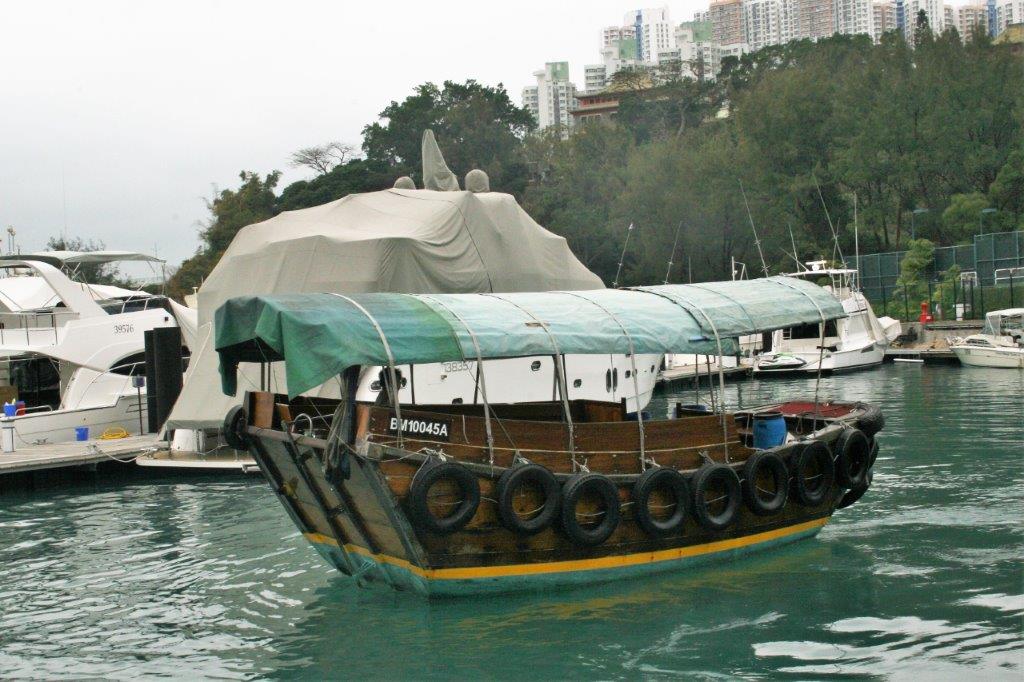
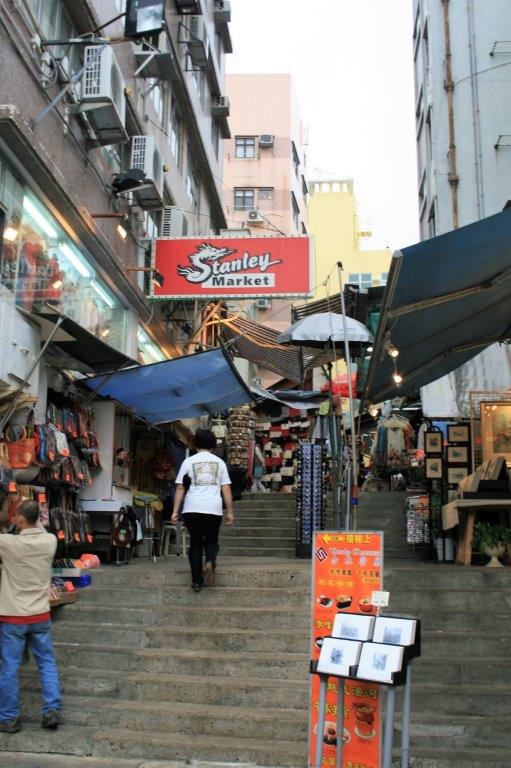
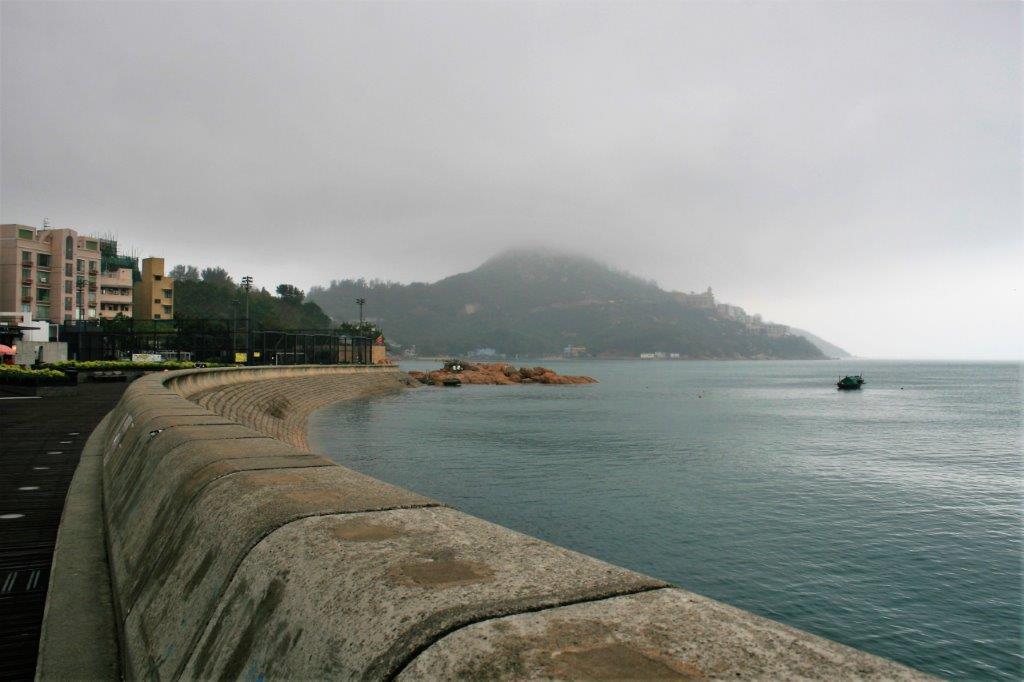
Entire generations of families have lived in these boats anchored in Hong Kong Harbour.  Most of the young people have no desire to continue the lifestyle so the government is supplying subsidized housing to move the older residents to a better place.  It was quite interesting to see these small, semi-ramshackle boats at the base of the modern high rise apartments just across the water.img_5124 img_5146 img_5151 img_5150 img_5158 img_5165_edited-1 img_5170We made the requisite shopping stop at the famous Stanley Market where you can literally buy anything and enjoy haggling over the price.
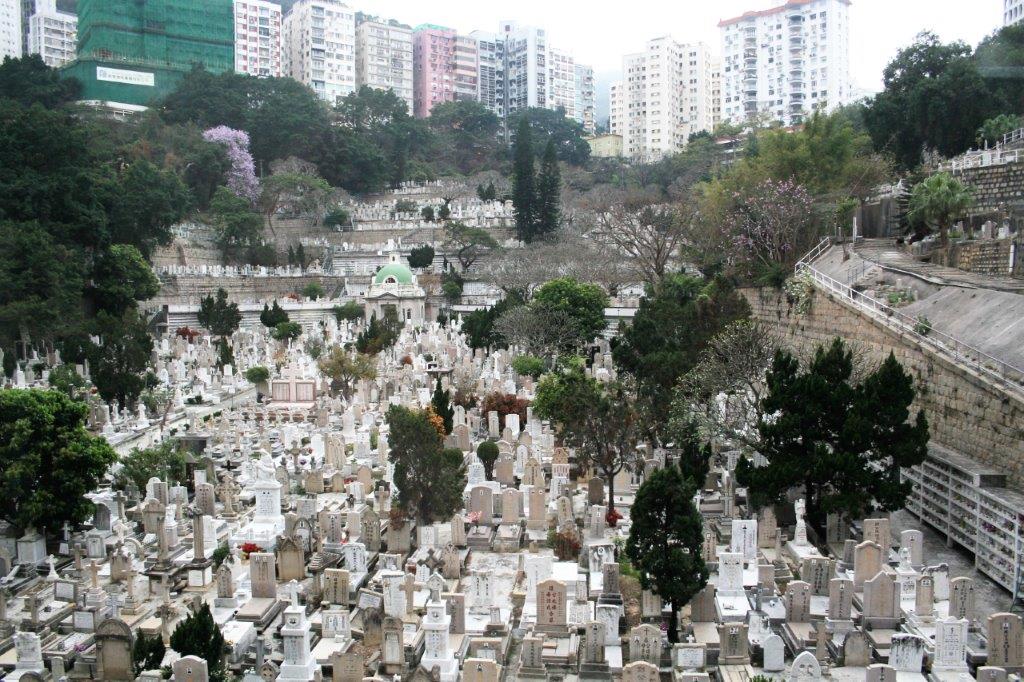
img_5202img_5205When you have that many people in that small a space burial grounds become very crowded.img_5239We returned to the ship just in time for dinner and then went out on deck to watch the laser light/music show that plays for 15-minutes every evening at 8 pm.
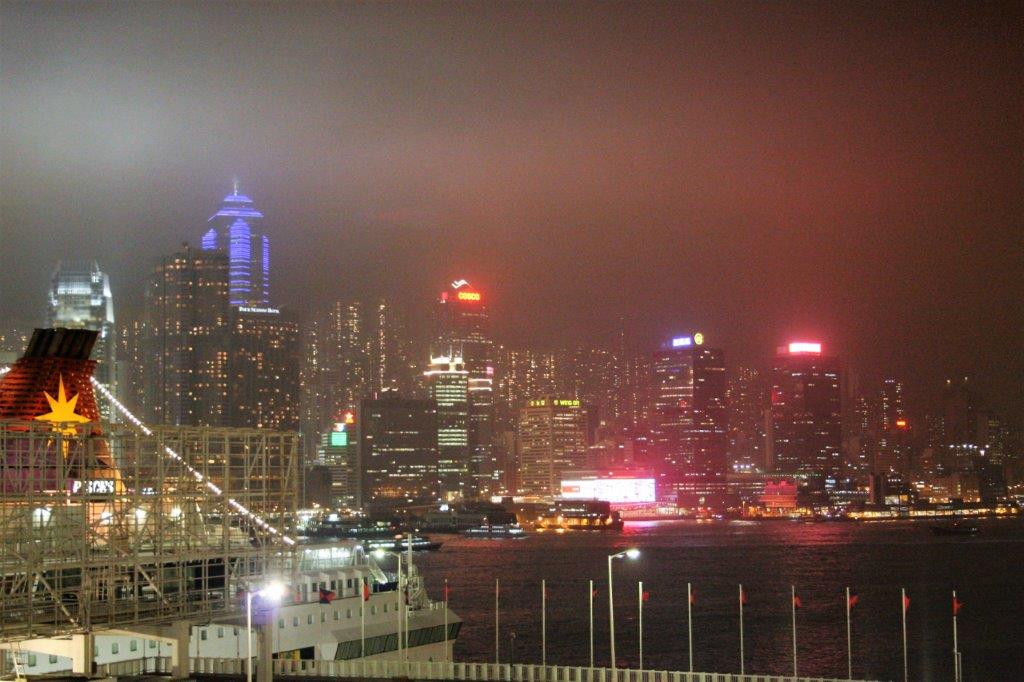
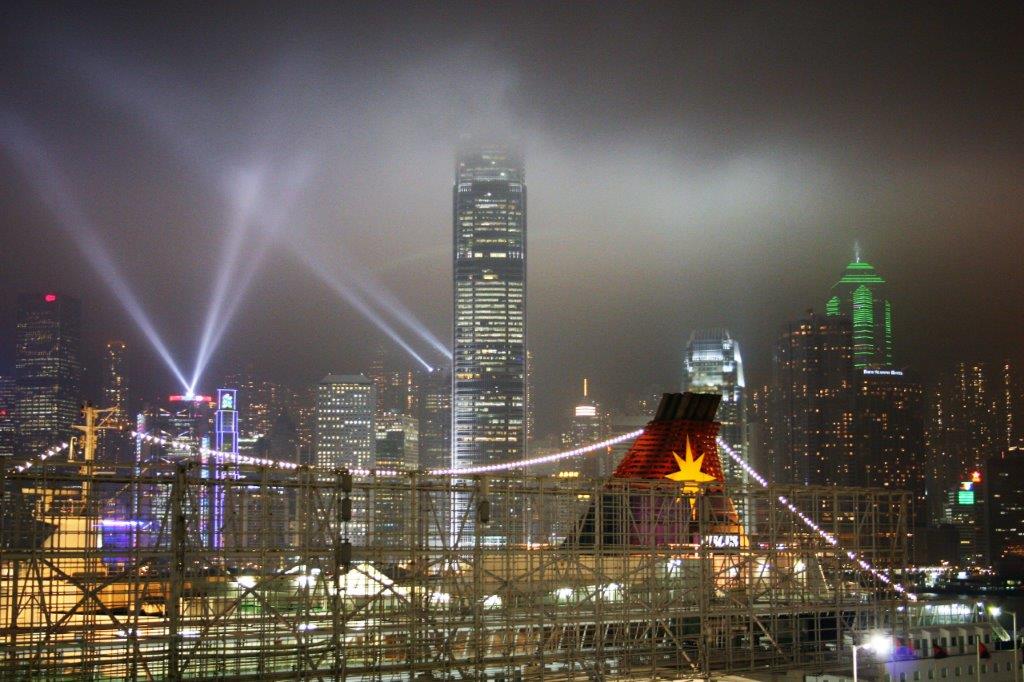
img_5256 img_5257 img_5271 img_5272 img_5279 img_5280What a full and fabulous day to complete the first half of our voyage!


2009 World Cruise – Feb 27 – Day 53 – Semarang, Java, Indonesia

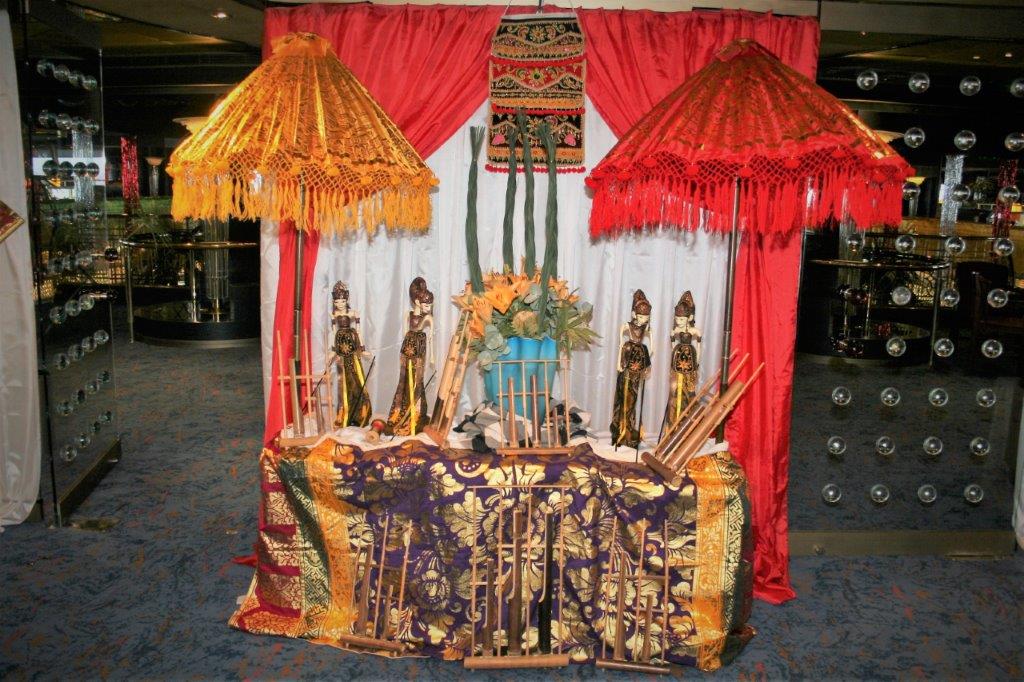
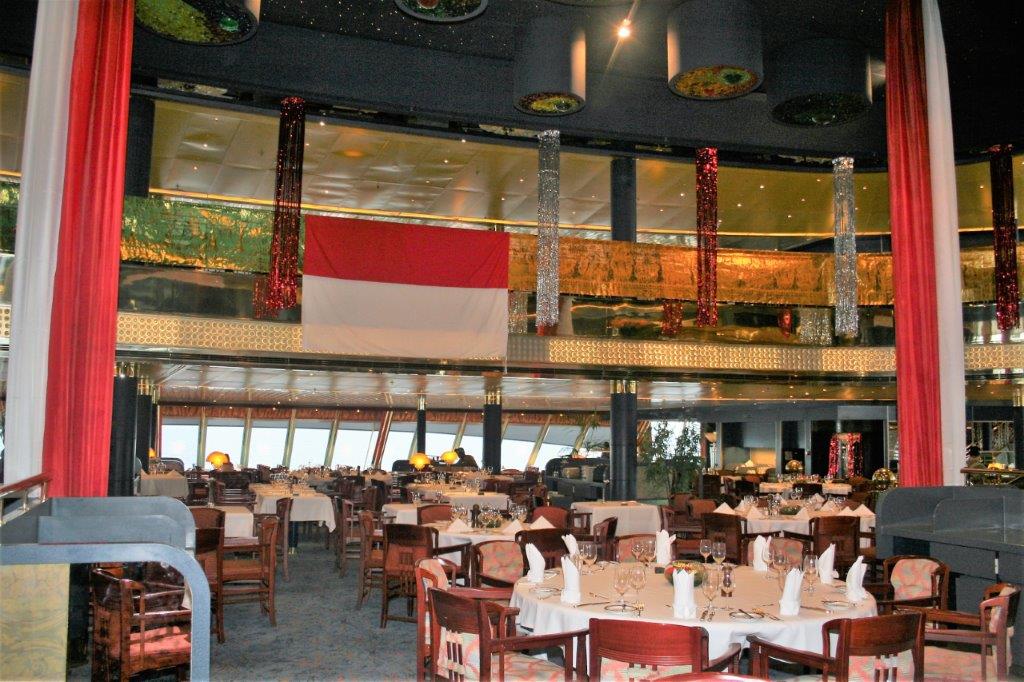
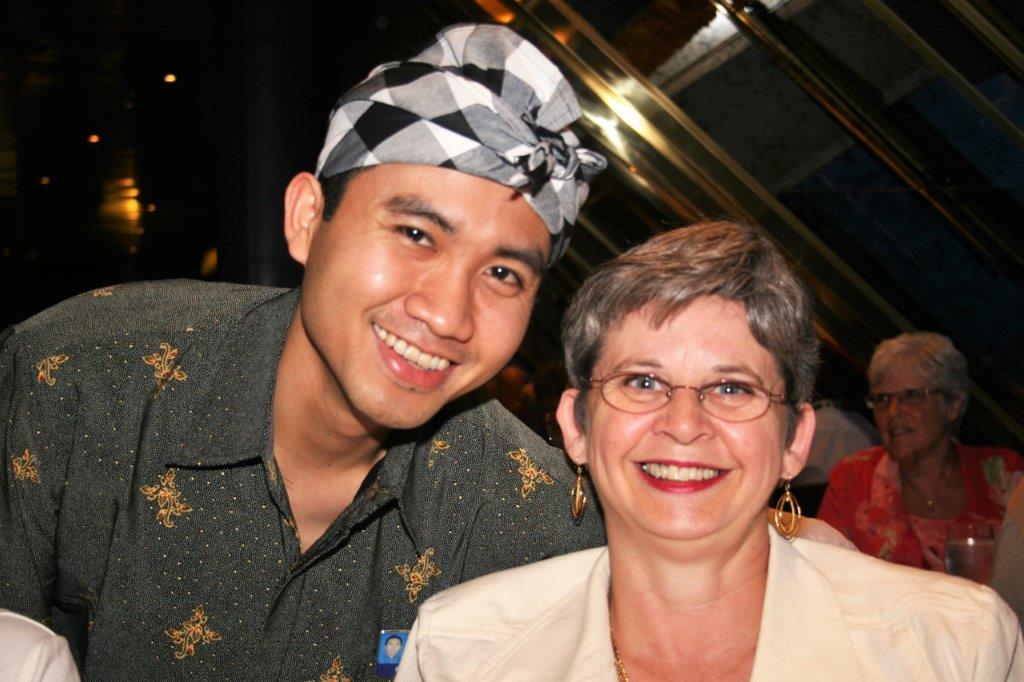
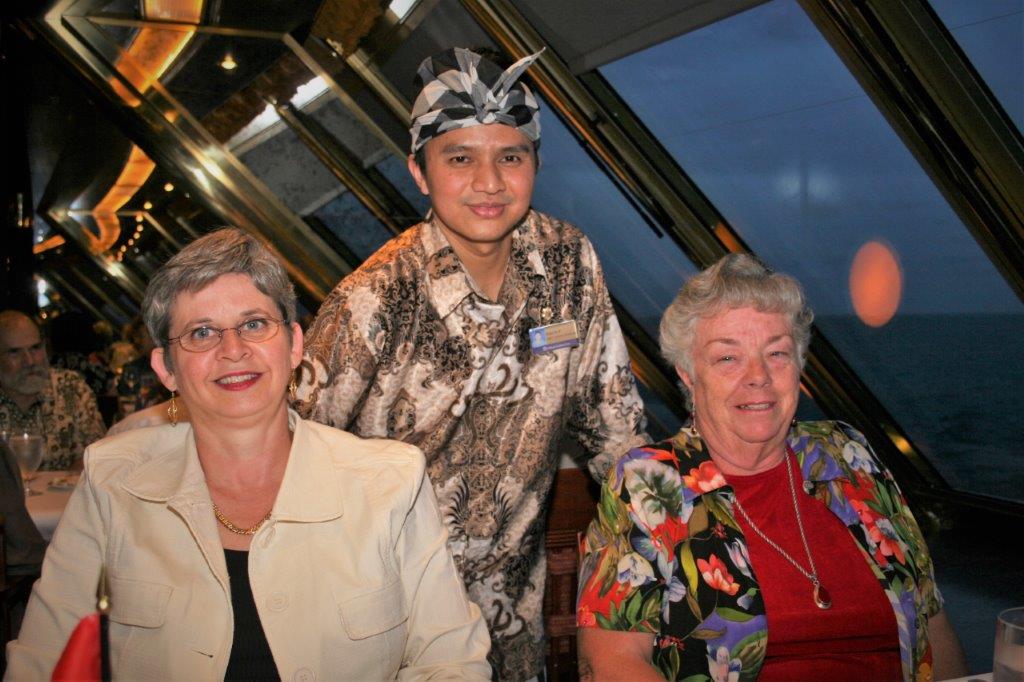
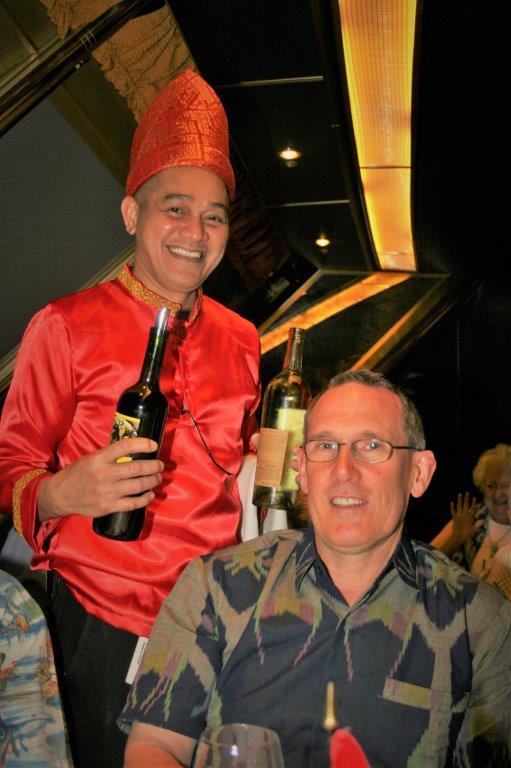
2009 World Cruise – February 26 was a sea day and Indonesian Night in the dining room.  John wore his Indonesian shirt and I made a wrap skirt from fabric I had purchased in Lembar.  The wait staff fellows all immediately recognized John’s shirt as an Indonesian pattern and were quite tickled to see him wear it.img_4587 img_4588img_4589 img_4590 img_4594 img_4593 img_4601img_4600img_4602Assistant Dining Room Steward – Agus and Wine Steward -Ceasar.

I ordered the T-bone steak for dinner that night.  When my plate arrived all you could see was the steak!  All the veggies were underneath.  It was a 12-oz steak.  I did not eat it all.img_4603I was up at 6:30 the next morning when we docked in Semarang.  Already there were young ladies and men standing behind the security fence waiting for a chance to see their family member who was part of our crew.  As the day progressed more and more wives and children arrived.  By day’s end over 1000 guests had been brought on board for dinner,  a tour of the ship, and a visit with their husband/wife/sister/brother, etc.   Really cool!img_4607_edited-1img_4610_edited-1 Our cabin stewards were two young Indonesian men called, Totok (Toto) and Taufik (Toffee).  Totok’s wife and 8-month old son were coming to Semarang by an 8-hour train ride in the hope of having an hour or so together while the ship was in port.  We told them they need not clean our cabin that day and to ensure they would not get in any trouble with management we put a note on our door that we did not want the cabin cleaned.  We told many people on our deck that was our plan, others did the same, and there were notes up and down the halls all over the ship in the hope the men and women would have more time with their loved ones. (Toto was so happy the next day telling us about the time he spent with his active little boy.)

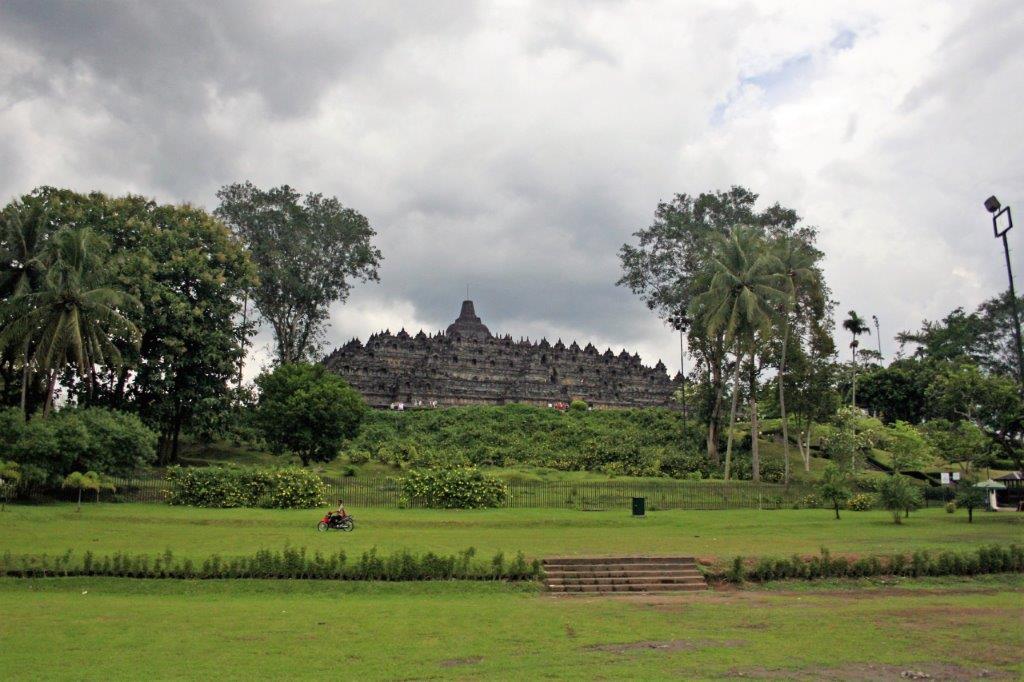
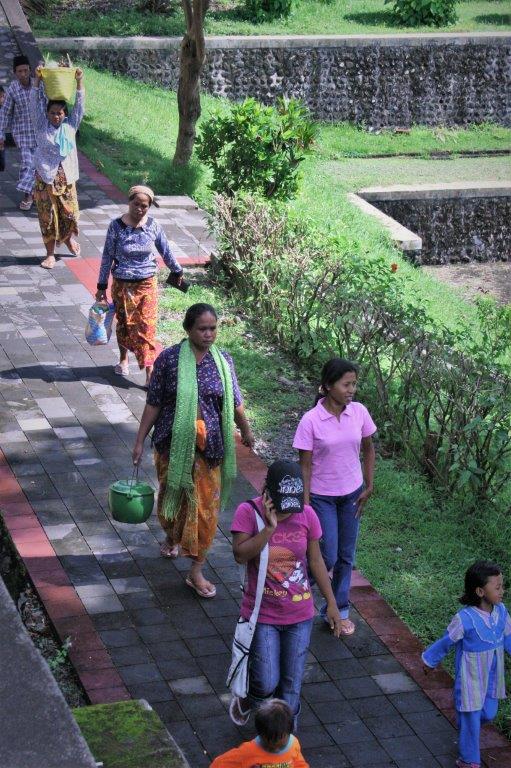
img_4624_edited-1 img_4629_edited-1We left the ship at 8:30 for the 2 1/2 hour bus ride to Borobudur Temple.  This ancient wonder of the world was a very popular tour and there were 12 buses of guests.  Every two buses was escorted by a police car with two officers inside.  They drove all the way to the temple with lights flashing and sirens blaring.  (We had a police escort on our excursion in Lembar the other day as well.)  This is not a security measure; it is a traffic necessity.  The roads are so congested that without an escort to make a path it would take over 8 hours to get to Borobudur.

I was very glad to be sitting in the middle of the bus and not near the front.  It was a hair-raising ride.  The police cars wove back and forth across lanes and even drove down the wrong lane or made a third lane in the middle.  Cars, trucks, carts, motorcycles, and bicycles all had to veer out of the way of our long convoy.  I even saw some motorcycles fall over to avoid the police and buses.  Good thing that all the congestion keeps traffic speeds quite low.  I don’t think anyone got hurt.  Certainly an experience to remember – not really eager to repeat it either.

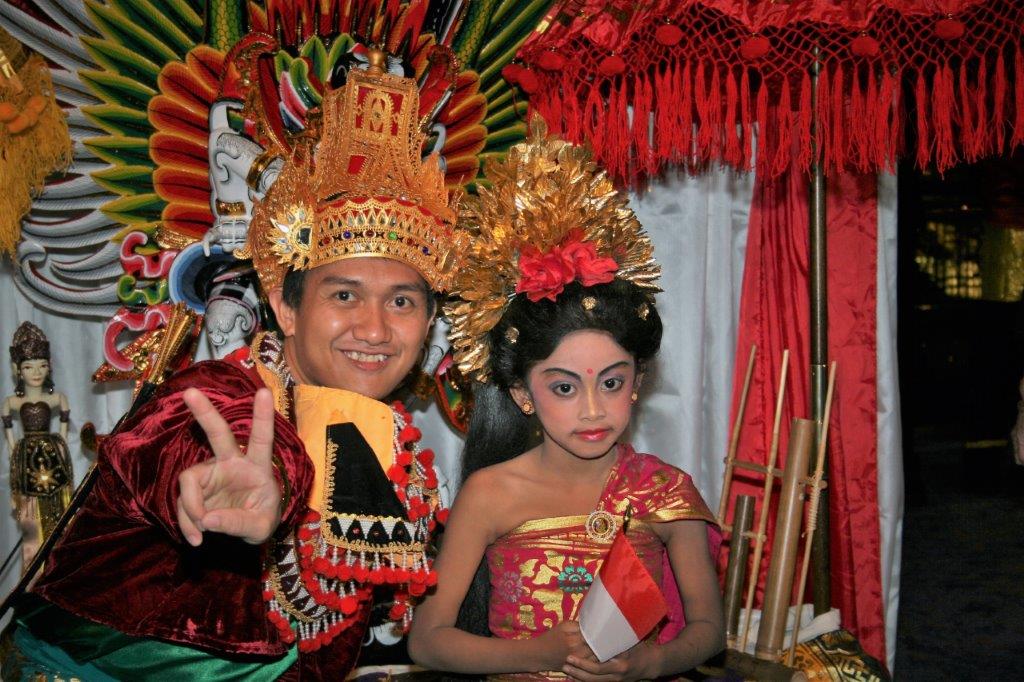
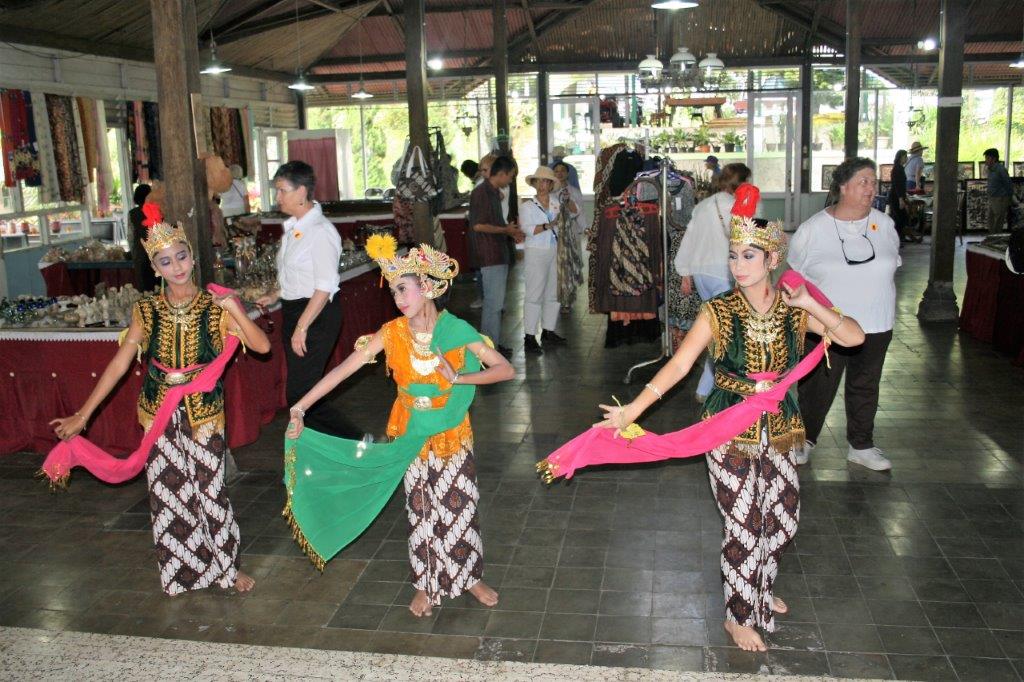
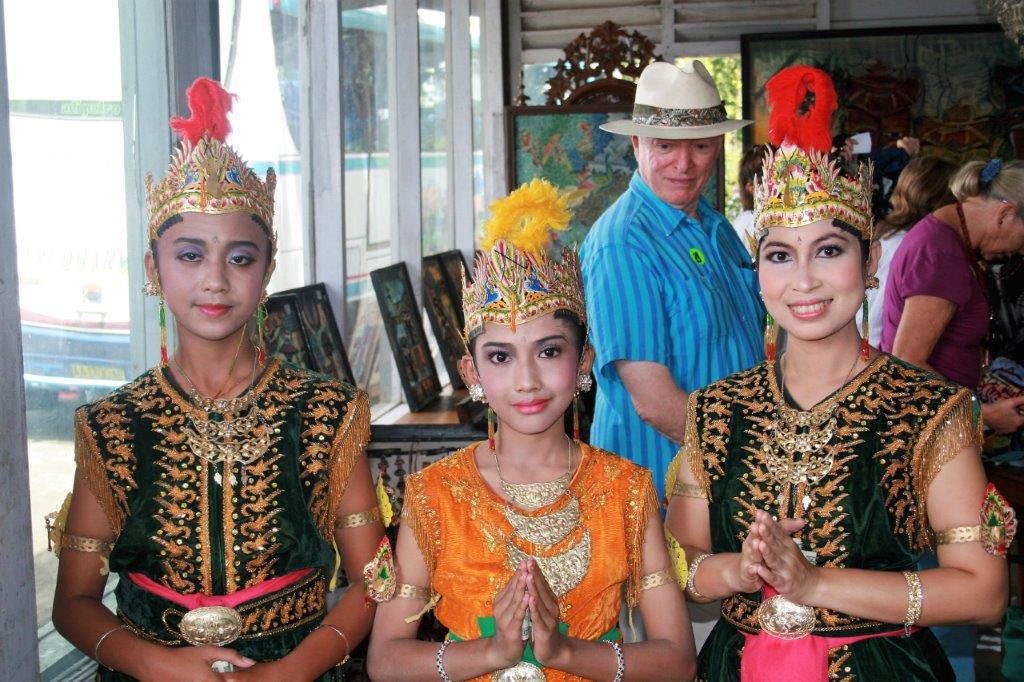
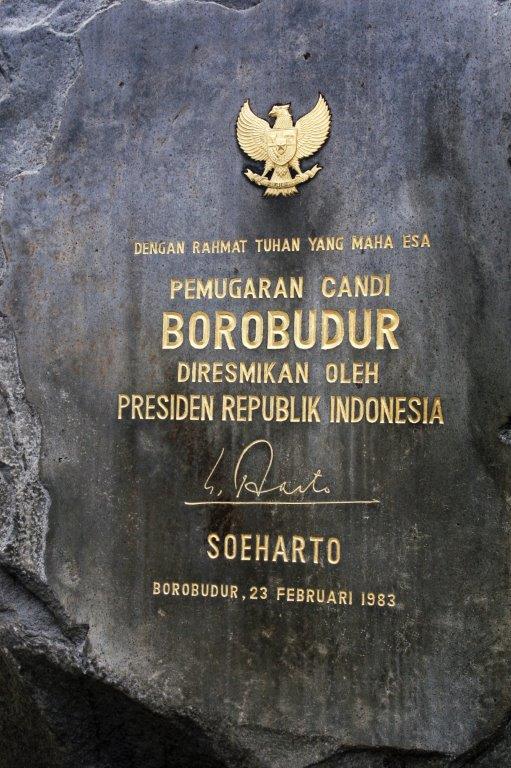
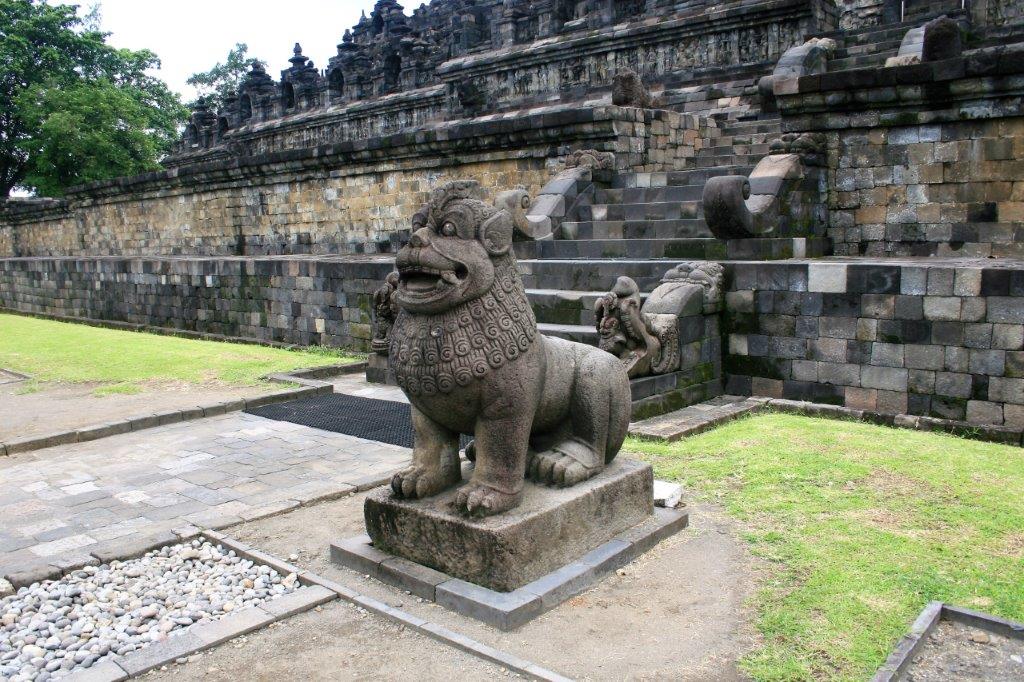
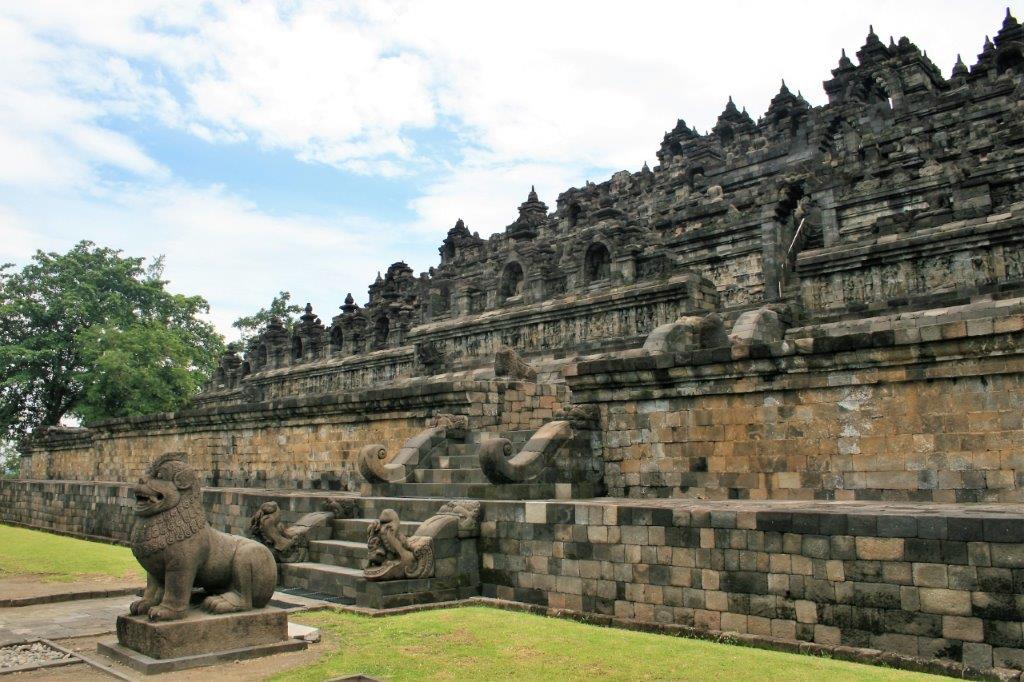
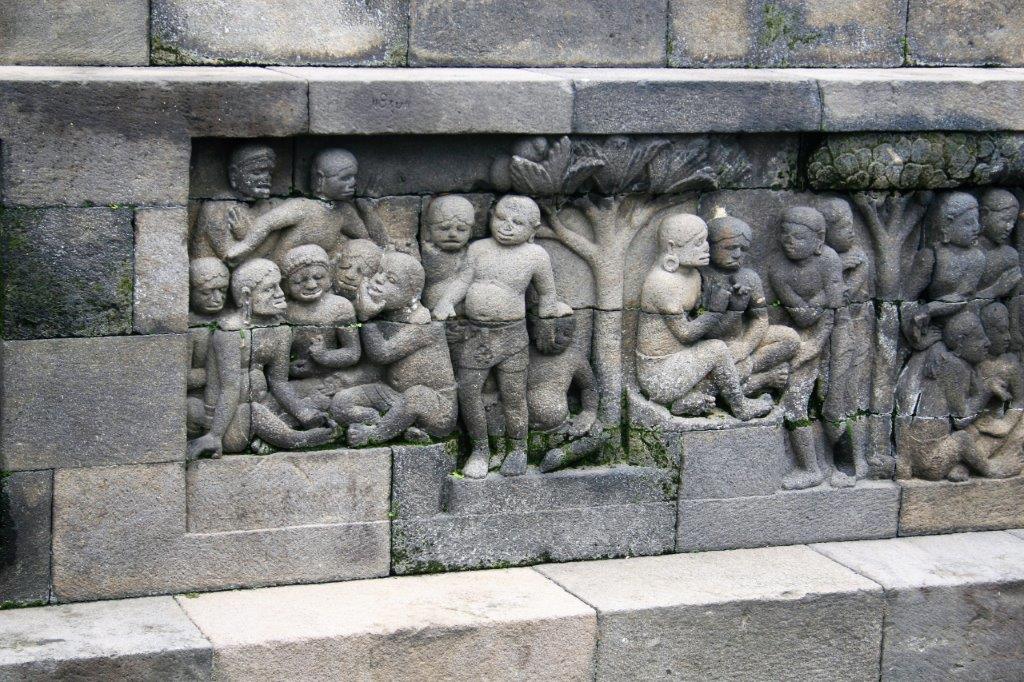
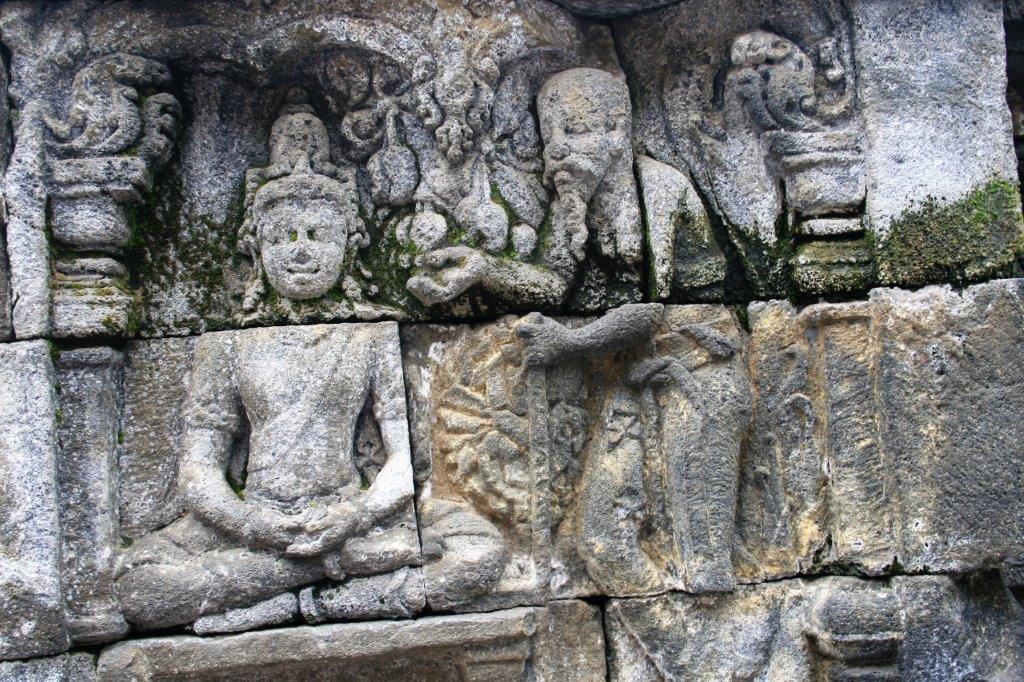
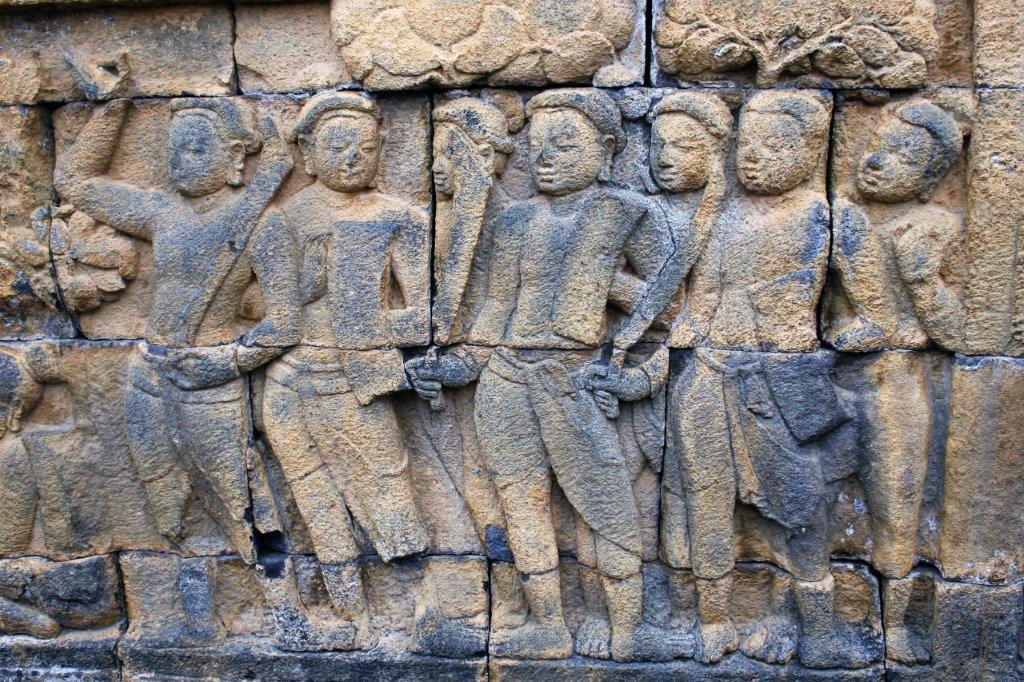
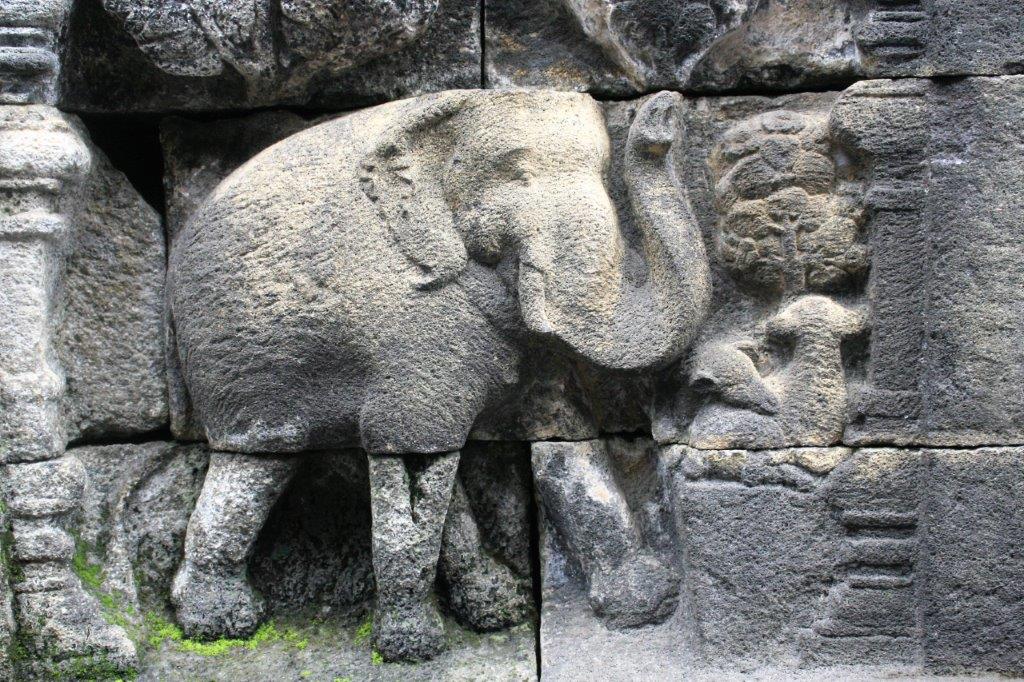
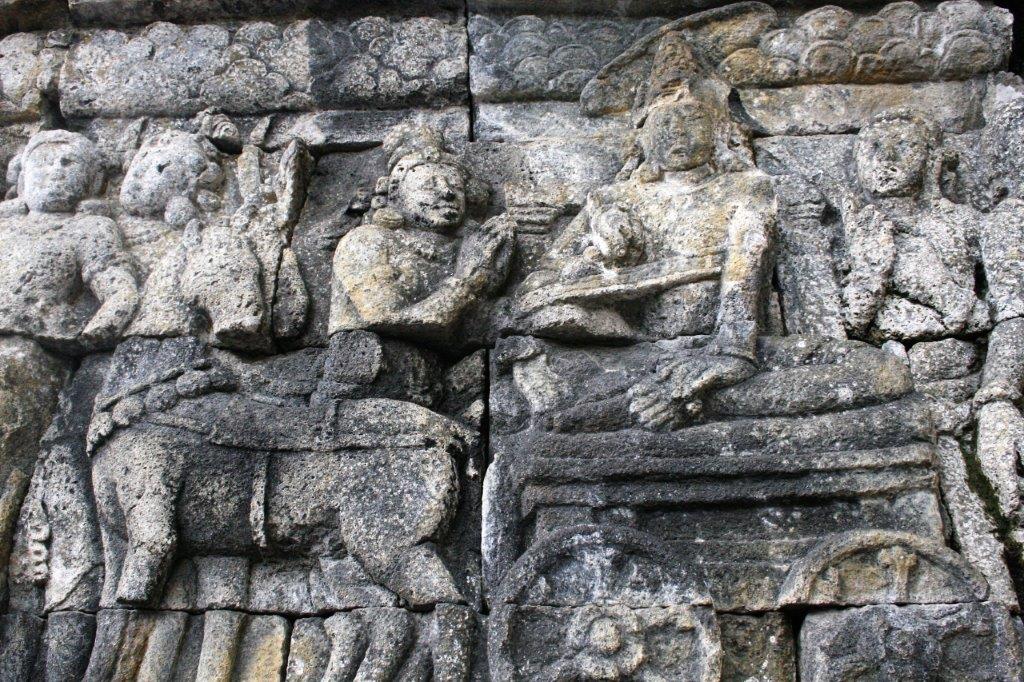
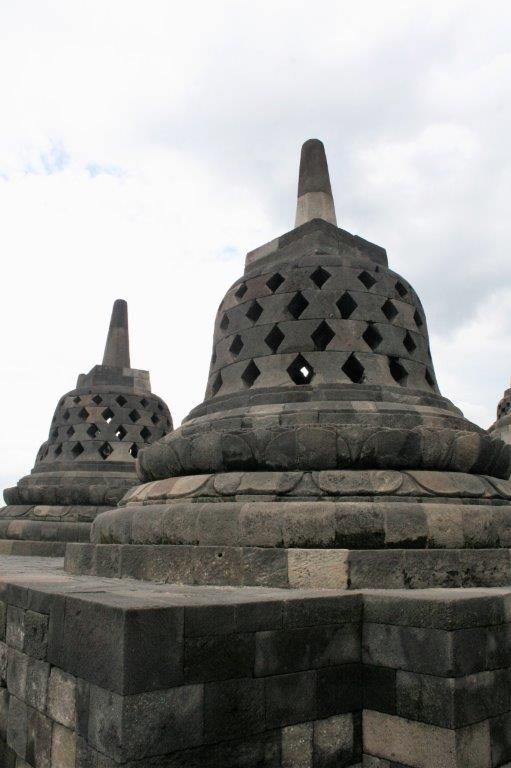
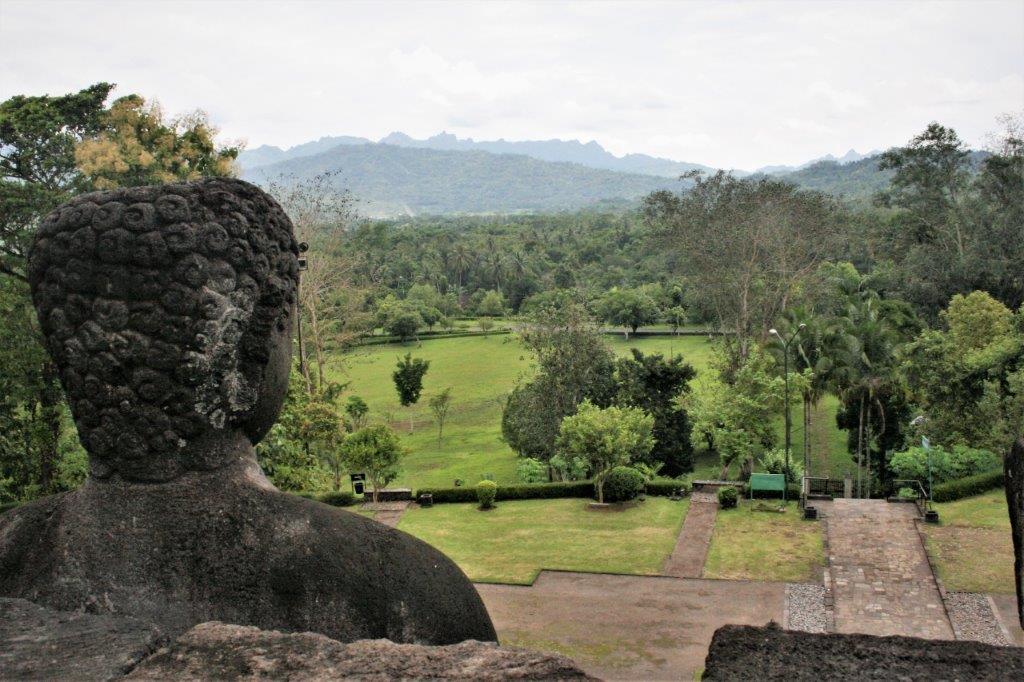
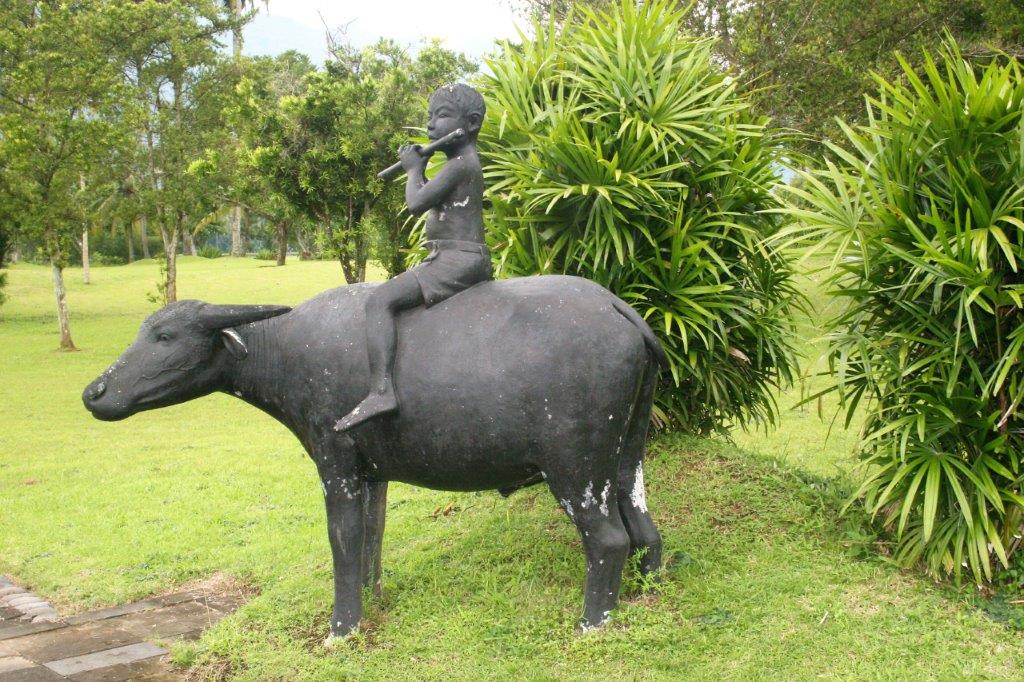
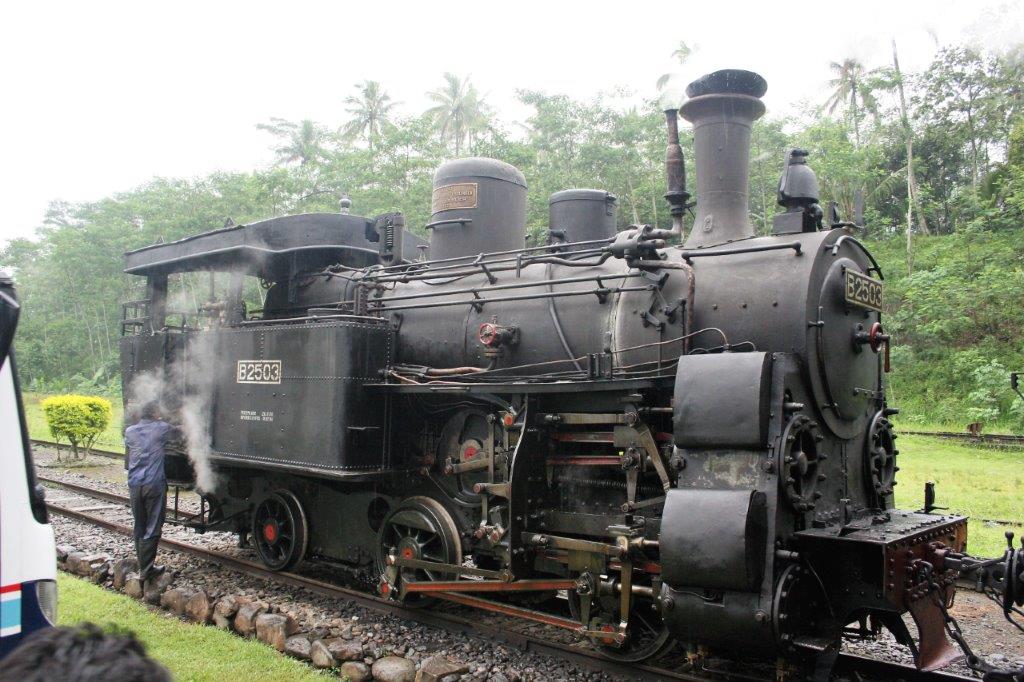
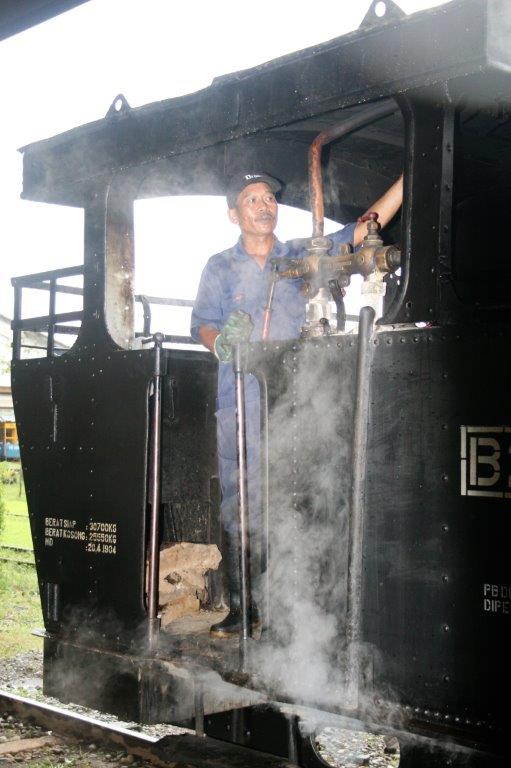
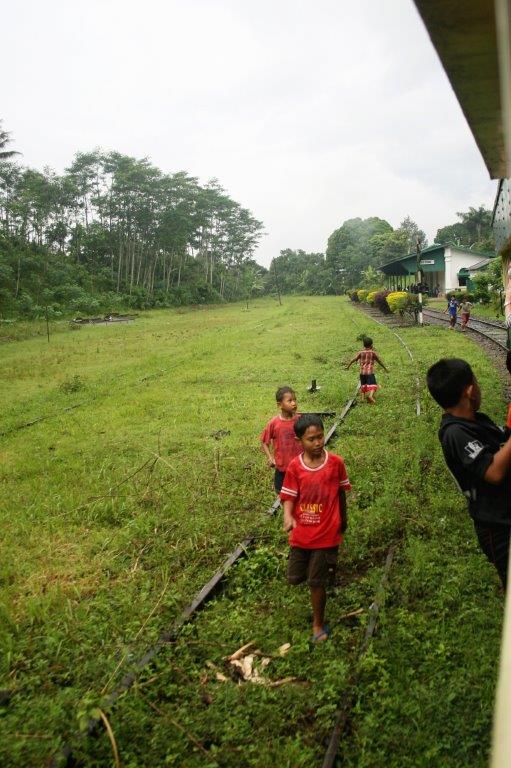
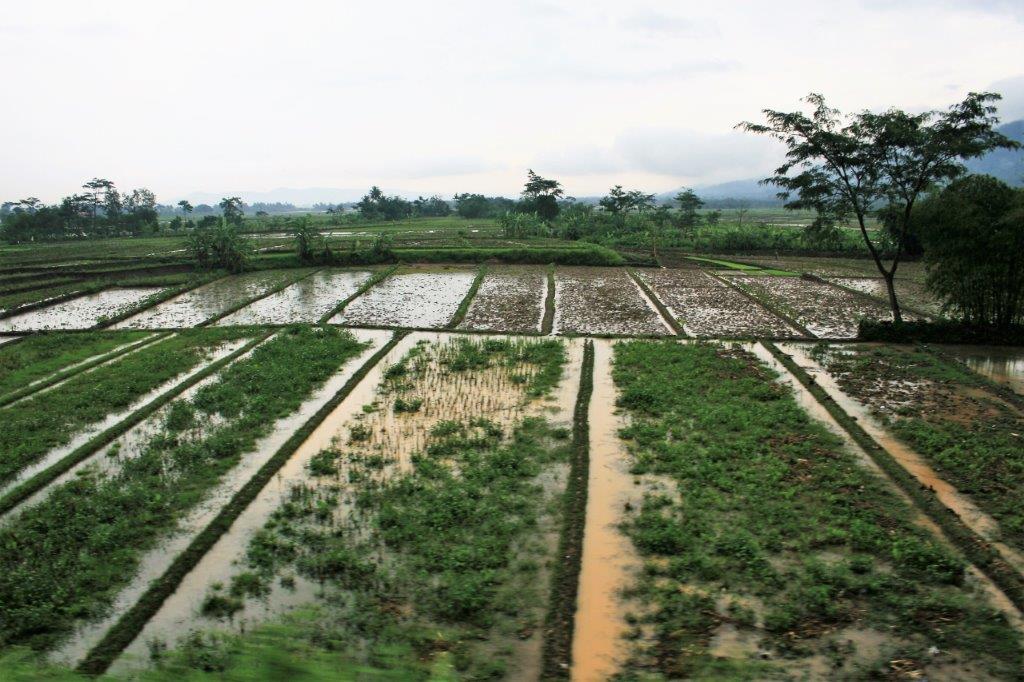
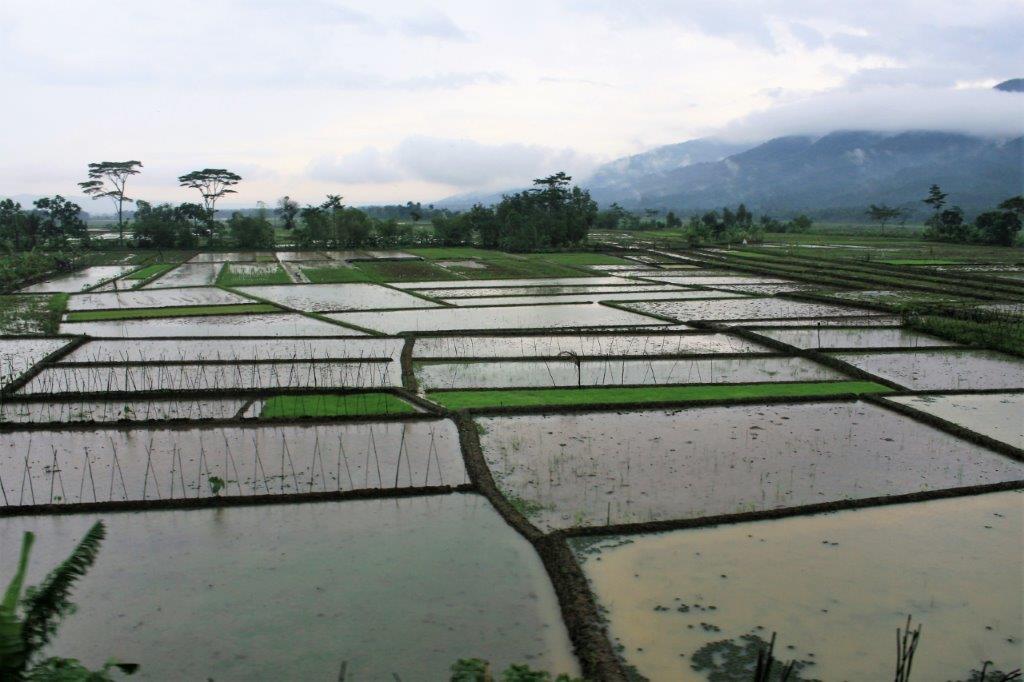
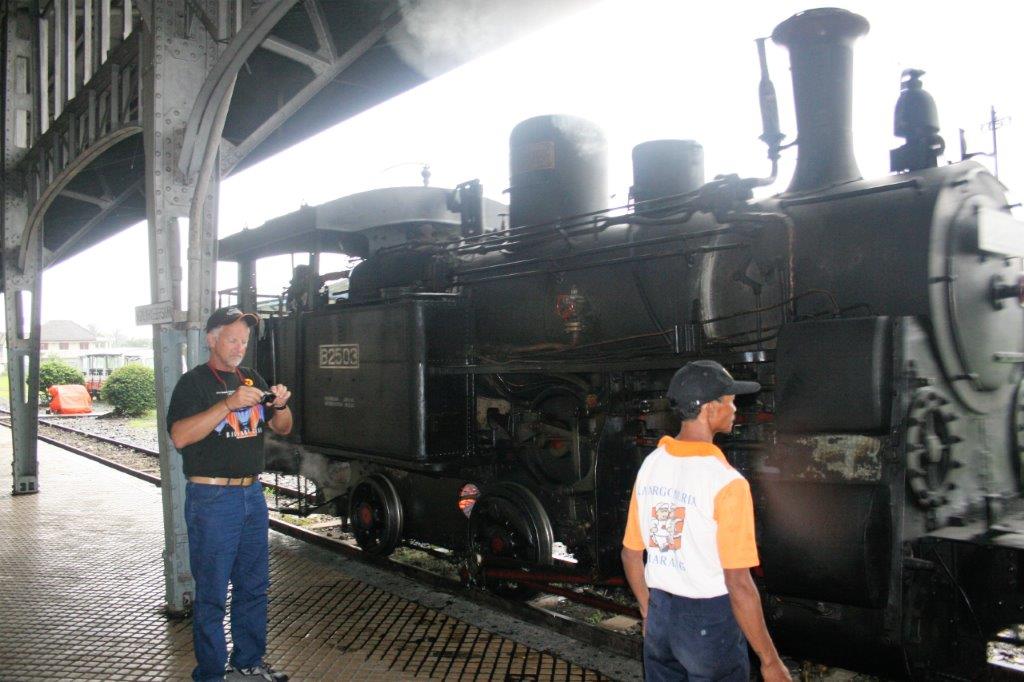
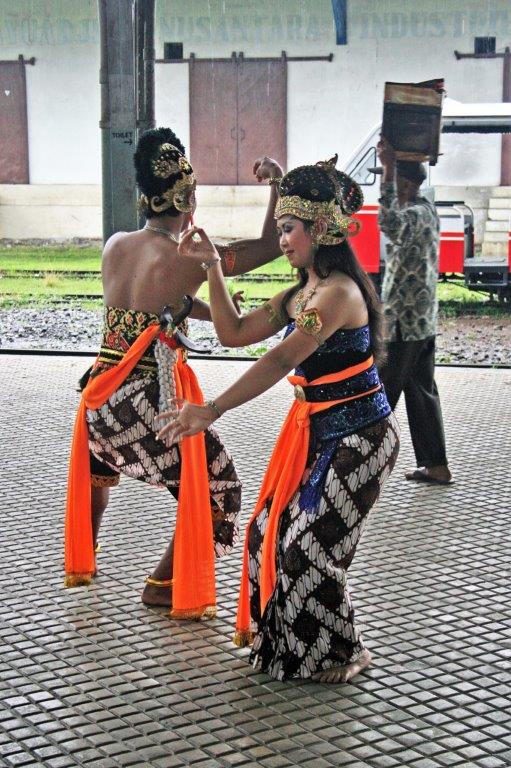
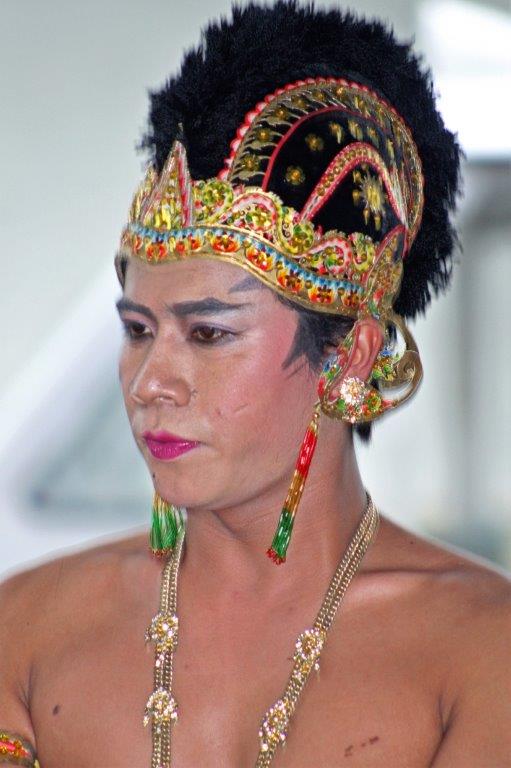
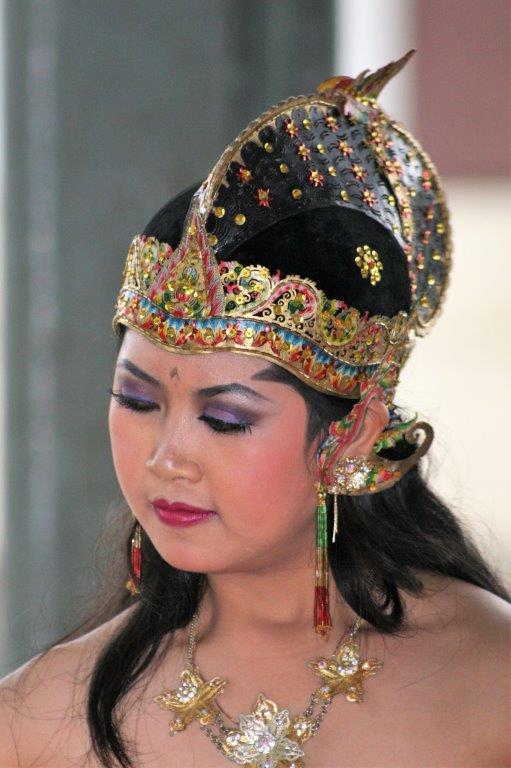
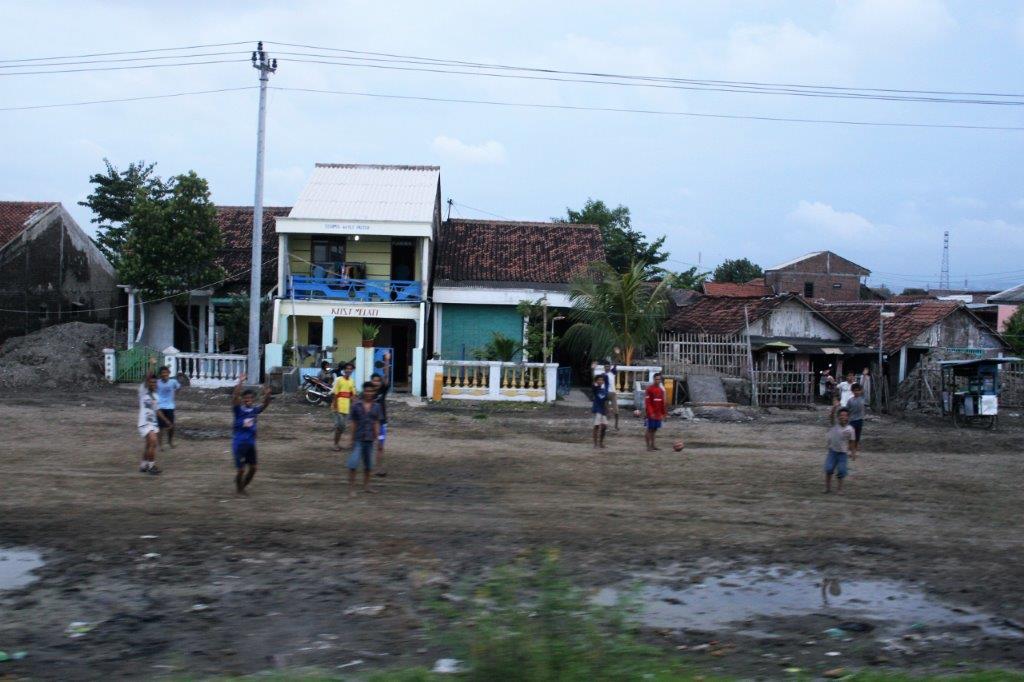
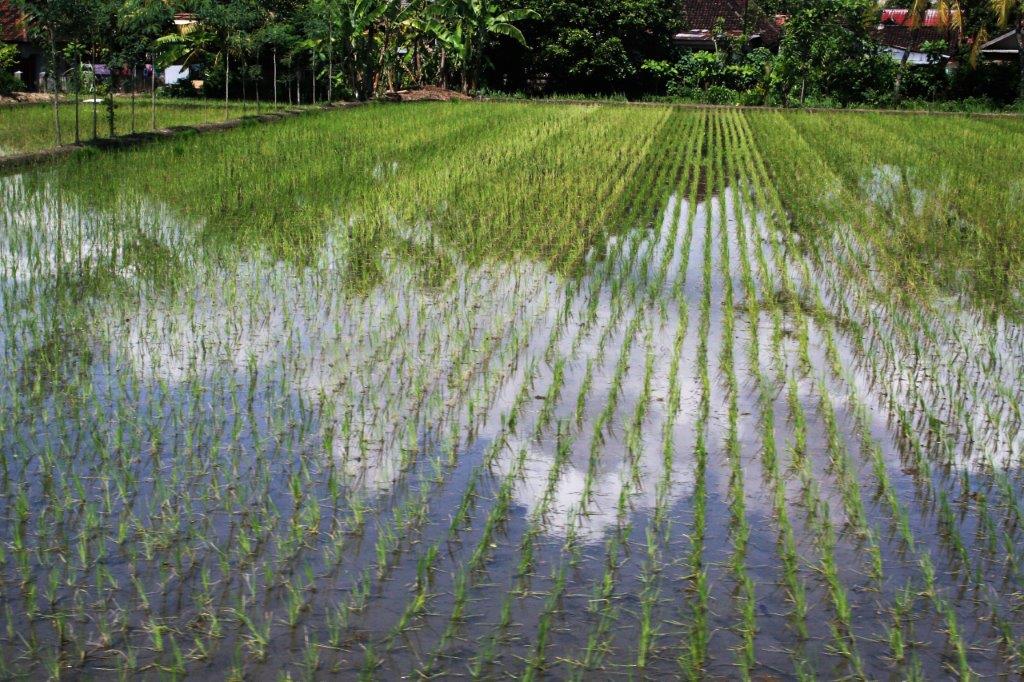
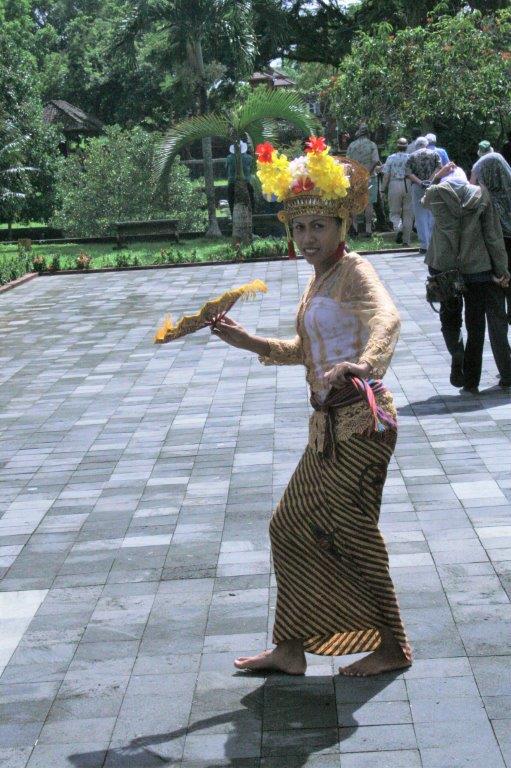
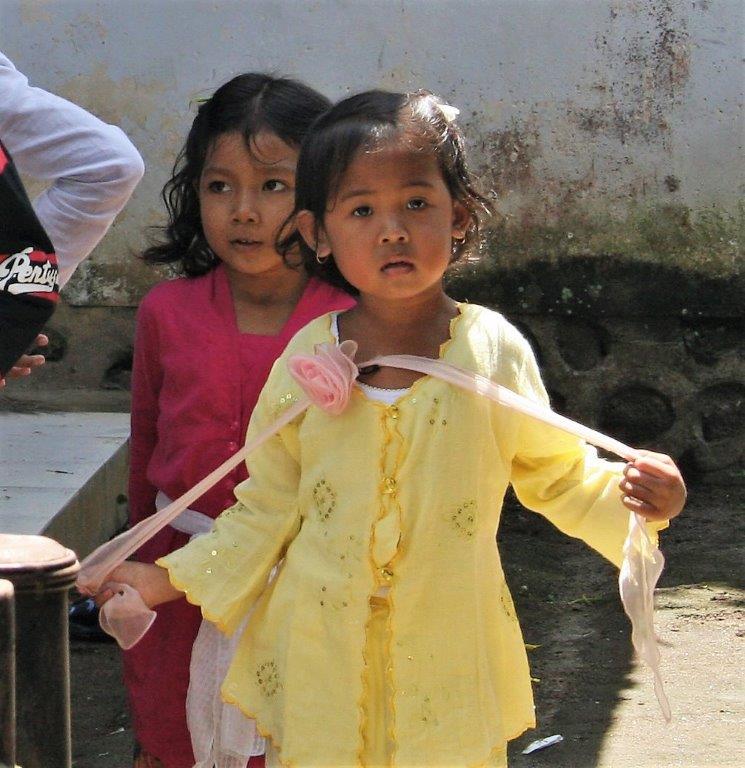
Half-way on the journey to the temple we stopped for coffee and  a break at the Eva Coffee Plantation.  As always, there was opportunity to shop. I made a huge purchase.  I bought a package of three fans for $2.  (I still have them and will take one with me to a concert or show or something if I expect it to be hot and stuffy.)  There were three young girls in traditional dress and make-up who danced very beautifully and gracefully for our entertainment.img_4638 img_4643Borobudur Temple was built around 850 AD and is the largest single monument in the Southern Hemisphere.  It is believed that the temple was only used for about 75 years before being abandoned because of a change in ruler.  It is over 100′ tall and comprised of about 2,000,000 stone blocks built around a central dirt core.  It is covered with the finest stone reliefs, carvings and images of Buddah in the world.  There are 10 terraces symbolizing the path to Nirvana and at the top there is the Great Stupa, which towers above the other 72 stupas and statues.img_4706_edited-1After it wimg_4654as abandoned the temple was covered by lava flows and jungle and disappeared.  It was re-discovered in 1814 by Sir Stamford Raffles and took over a century to uncover and restore.  It was truly incredible to see something so large and beautifully designed knowing it was built so long ago with simple tools by thousands of men over, they estimate, 75-100 years. img_4664 img_4665 img_4660 img_4670 img_4675 img_4676 img_4680 img_4682 img_4687 img_4691 img_4690 img_4688 img_4683After spending a couple of hours exploring the temple we were provided a buffet lunch at a near-by hotel.  We were then driven to a village on top of a hill where we boarded a steam train for a 1 hour trip down to the Bedono Valley.img_4712 img_4716 img_4835As the train began to pull out and gather speed a group of boys ran along side and those that could reach the train hopped on and clung to the side for the ride.  It was pouring rain the whole time but they didn’t mind.  They could sure run in those flip flops!img_4728 img_4735 img_4737 img_4744 img_4749We saw many rice fields as we traveled down the to the valley.img_4769 img_4801 img_4806 img_4809There was a train museum at the bottom and we had time to check out some of the old engines.img_4837 img_4840 img_4861_edited-1 img_4856 img_4852_edited-1 img_4849We also were treated to a beautiful traditional dance before we boarded the buses again and the police cars escorted us back to the ship.  We arrived with minutes to spare to get into the dining room for dinner.

img_4877 img_4878 img_4880


2009 World Cruise – Feb 25 – Day 51 – Slawi Bay, Komodo, Indonesia

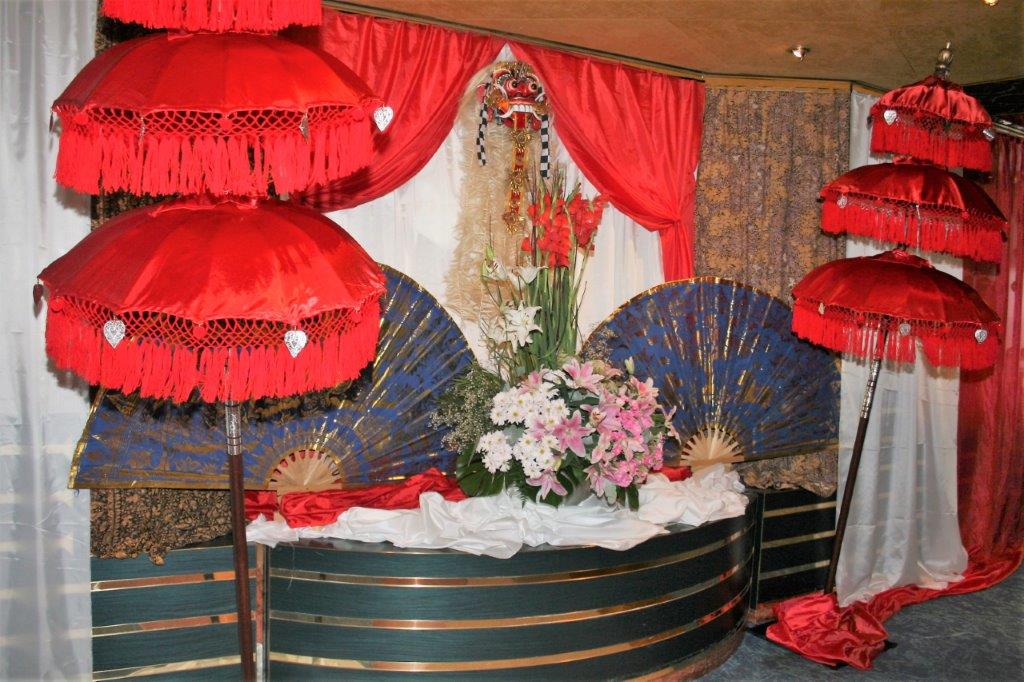
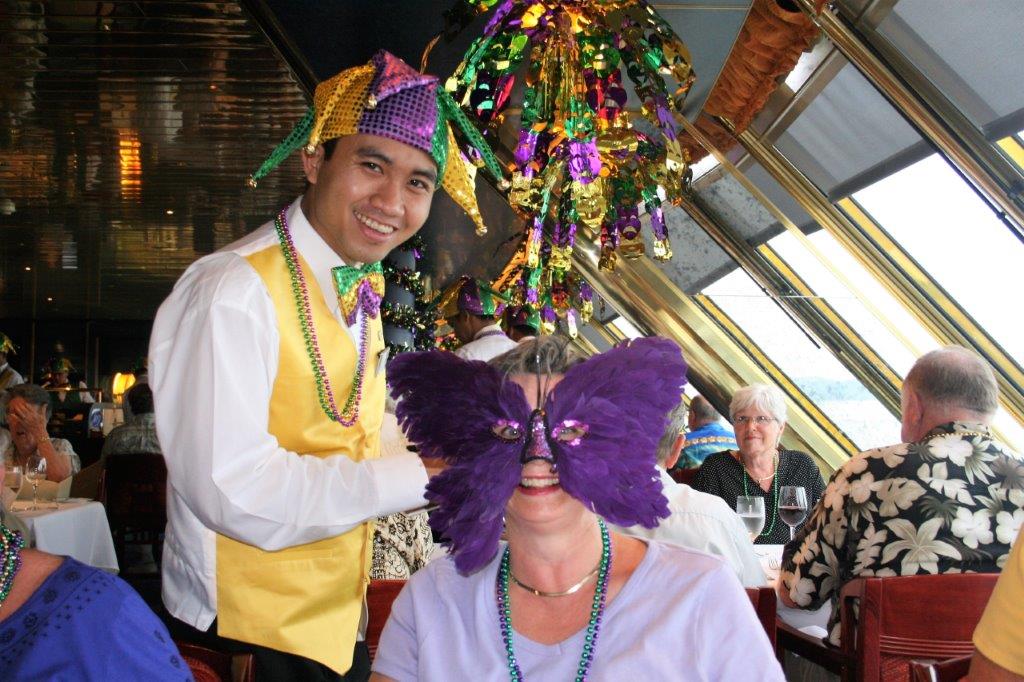
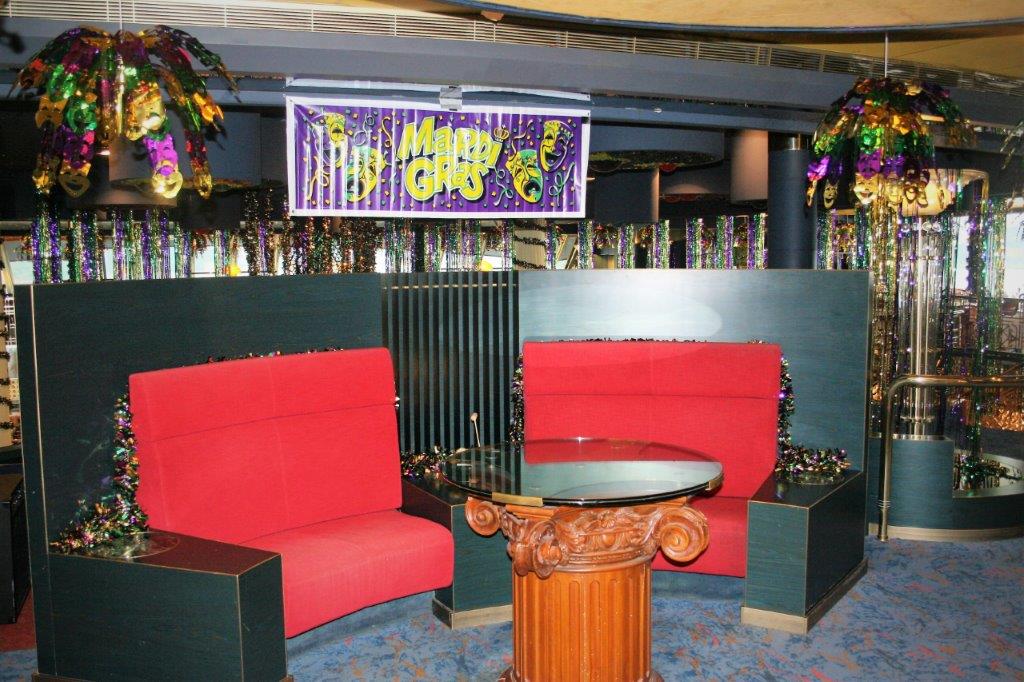
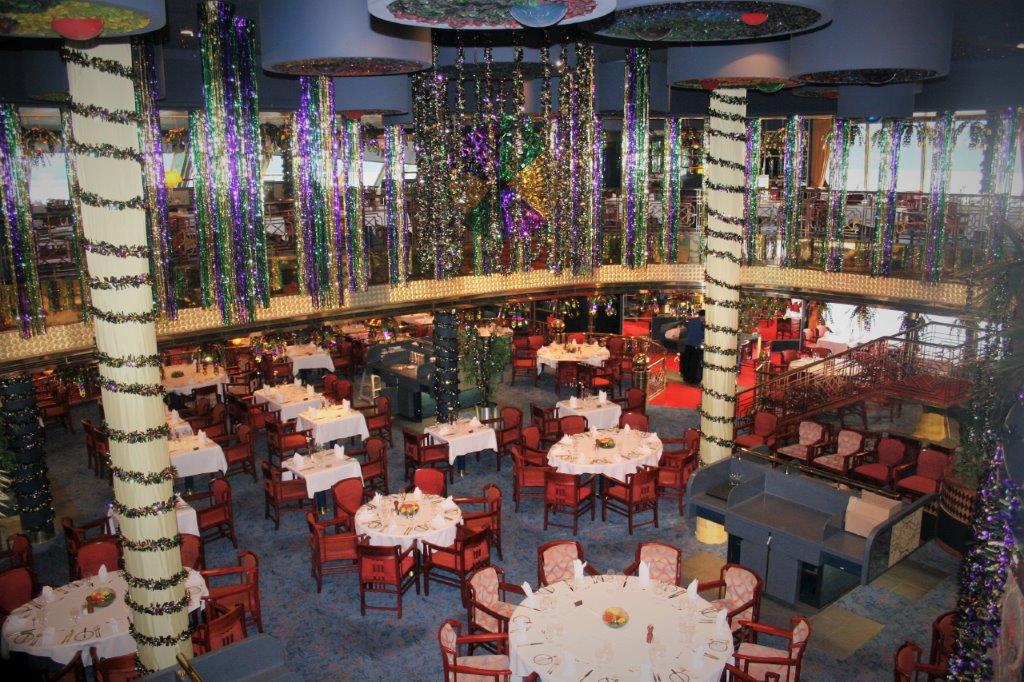
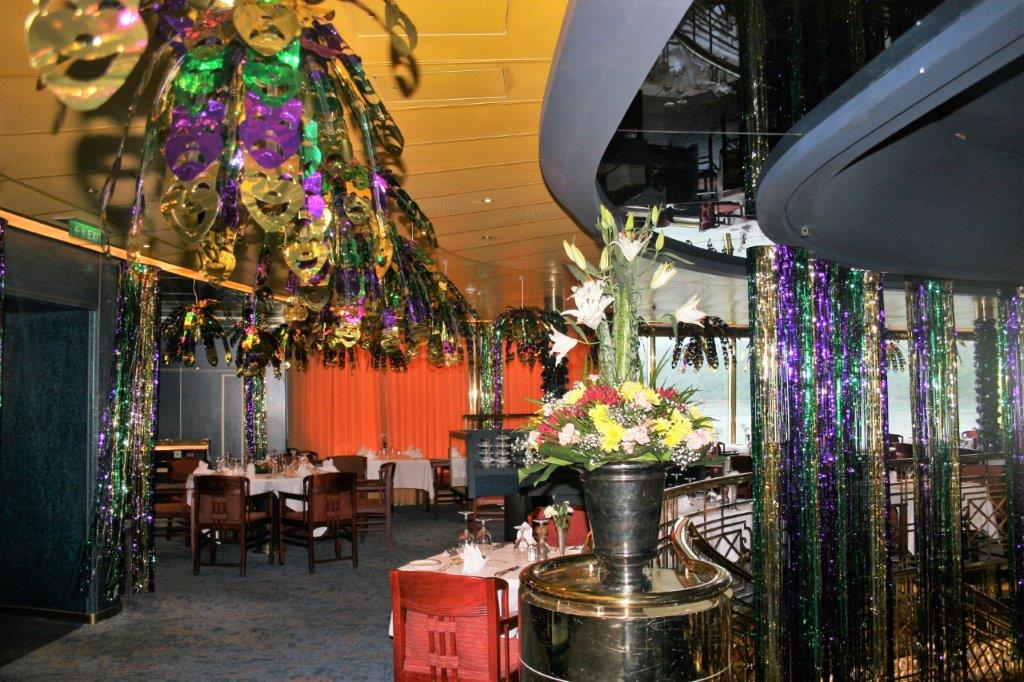
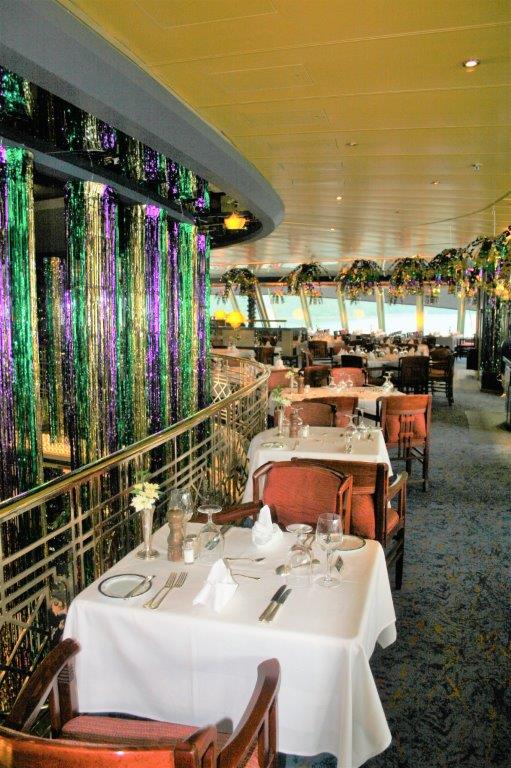
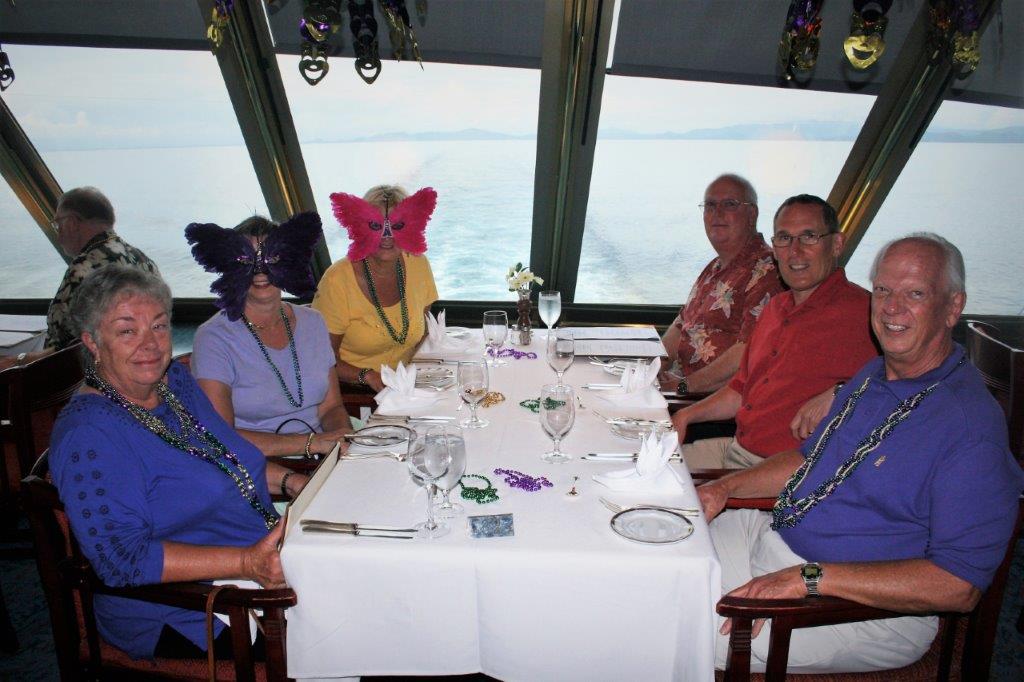
2009 World Crusie – Feb 24 is Mardi Gras and, once again, Komang and his helpers did a great job decorating the dining room, Crow’s Nest Lounge and other areas of the ship.  There was also a pile of purple, green and gold bead necklaces on the table for us to wear. The colors represent justice, faith, and power – in that order.img_4491 img_4483 img_4484 img_4486 img_4487 img_4489Elaine had brought along a couple of Mardi Gras masks so she and I were decked out quite royally.  The young Indonesian chap in the photo with me is our server André.  He, and many of his fellow Indonesians on the ship were getting very excited because our next port is Semarang, Java.  Many of their wives, husbands and children would be waiting at the pier.   This was a tremendous opportunity for everyone to have a visit, even if it would be quite short.  It is very rare that the staff gets near family during their 10 month contracts.

At the end of their contract they go home for 4-5 weeks and then sign on for another 10 months.  HAL maintains a training school in Indonesia and the Philippines as these are the two nationalities they prefer to staff their ships.  For the men and women who work on board it is a great opportunity to improve the lives of their families.  They make a lot more money than at most jobs at home.  And even though they are not home a lot, both of these cultures are very family and service oriented so wives and children are taken under the wing of extended family.

Indonesia has excellent cell phone rates so as soon as we got into range off Lombok any crew that had a few minutes would go out on the promenade deck and phone home.  Indonesia is made up of over 17,000 islands so obviously all crew members will not have family meeting the ship in Semarang.  But, they could phone cheaply and they did.  We saw lots of mechanical and laundry staff as well as wait staff, bartenders and cabin stewards out on the deck talking on their phones.

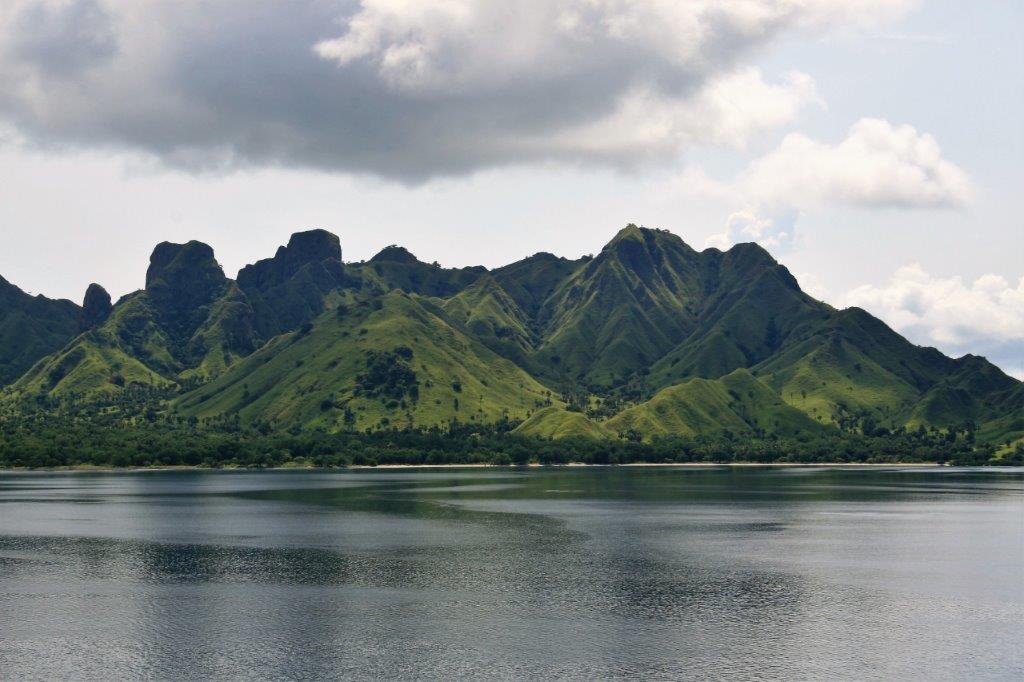
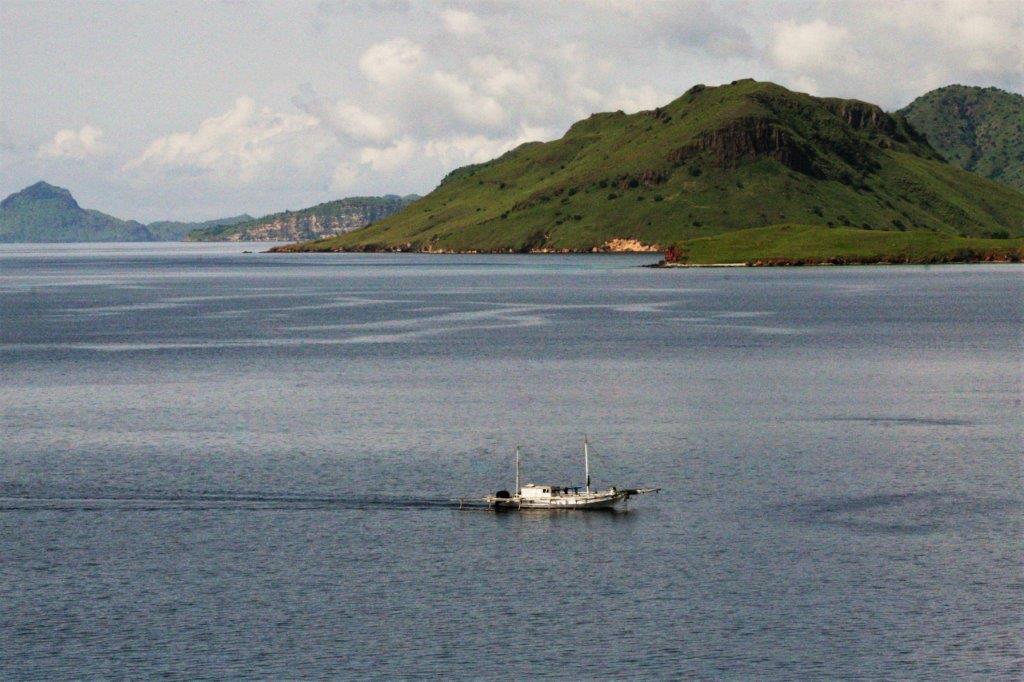
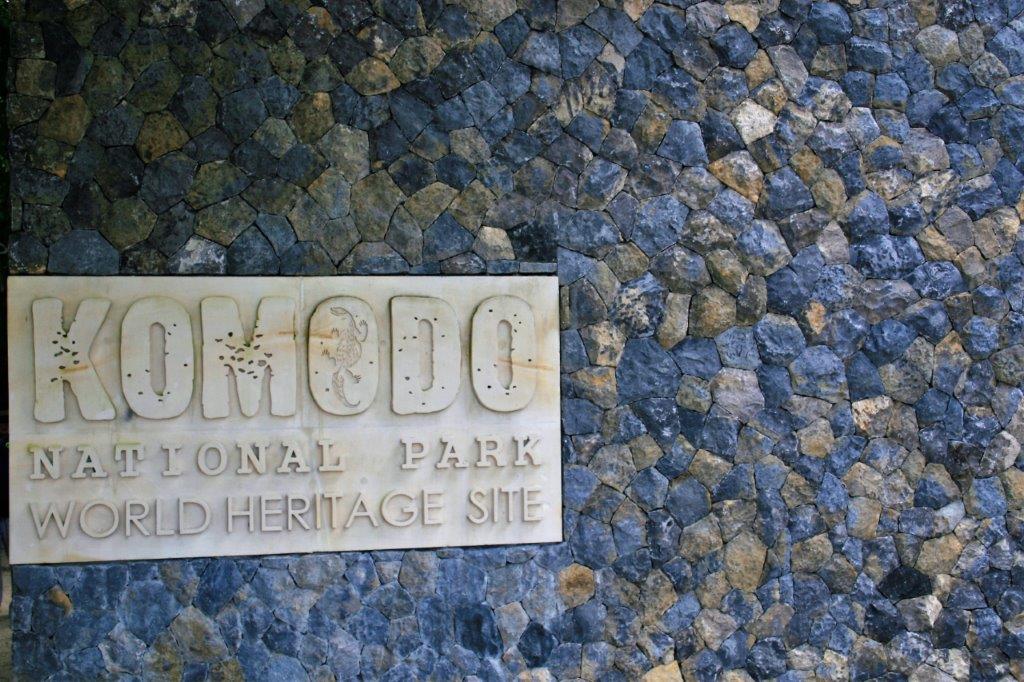
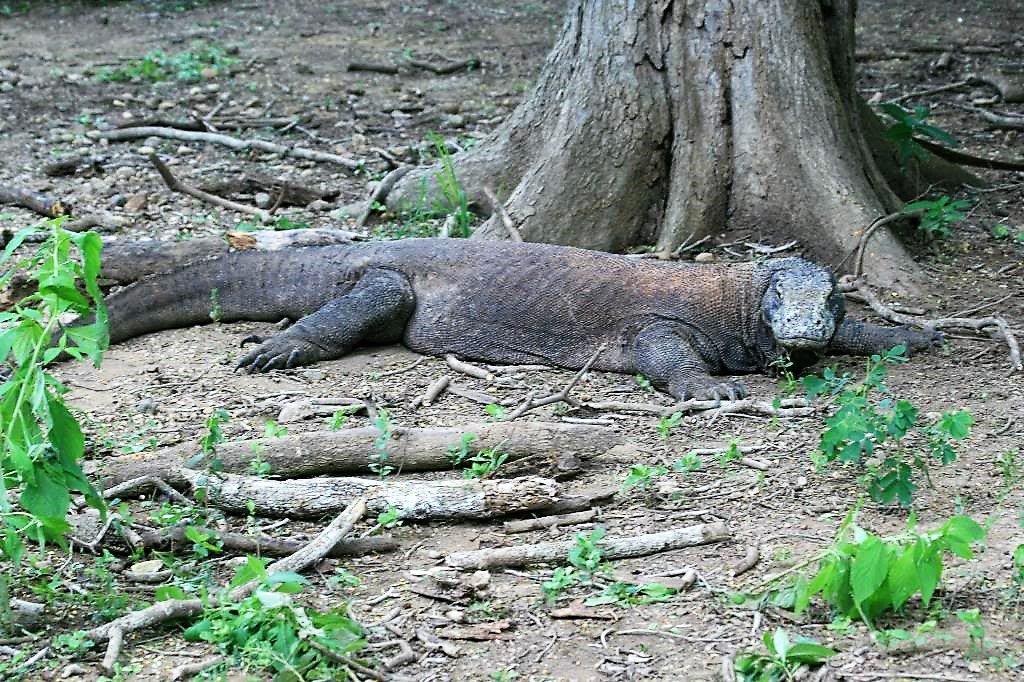
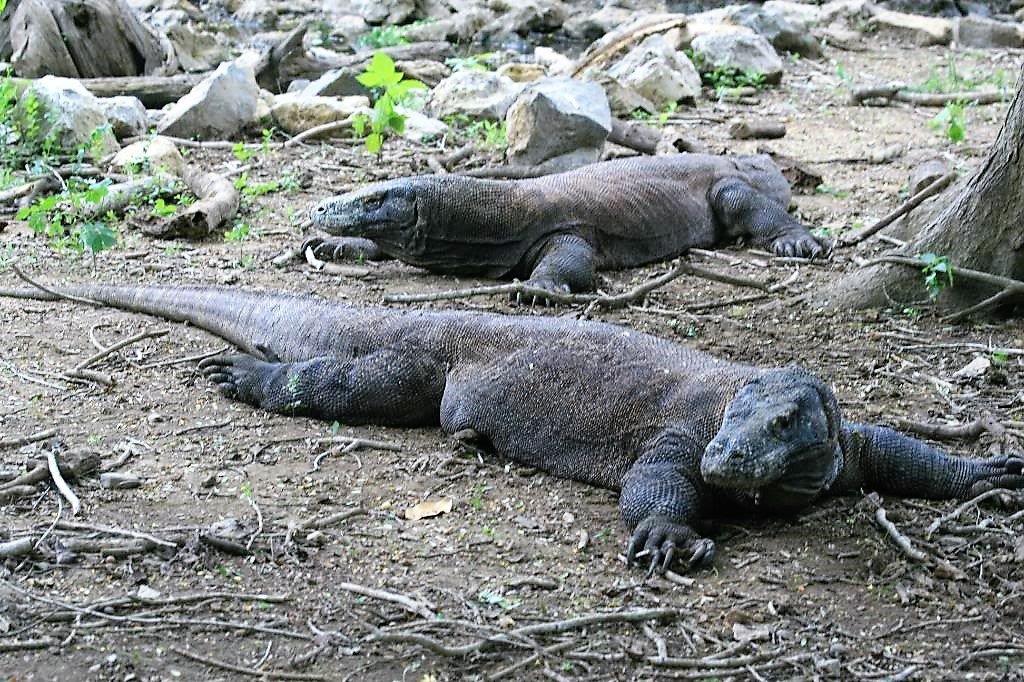
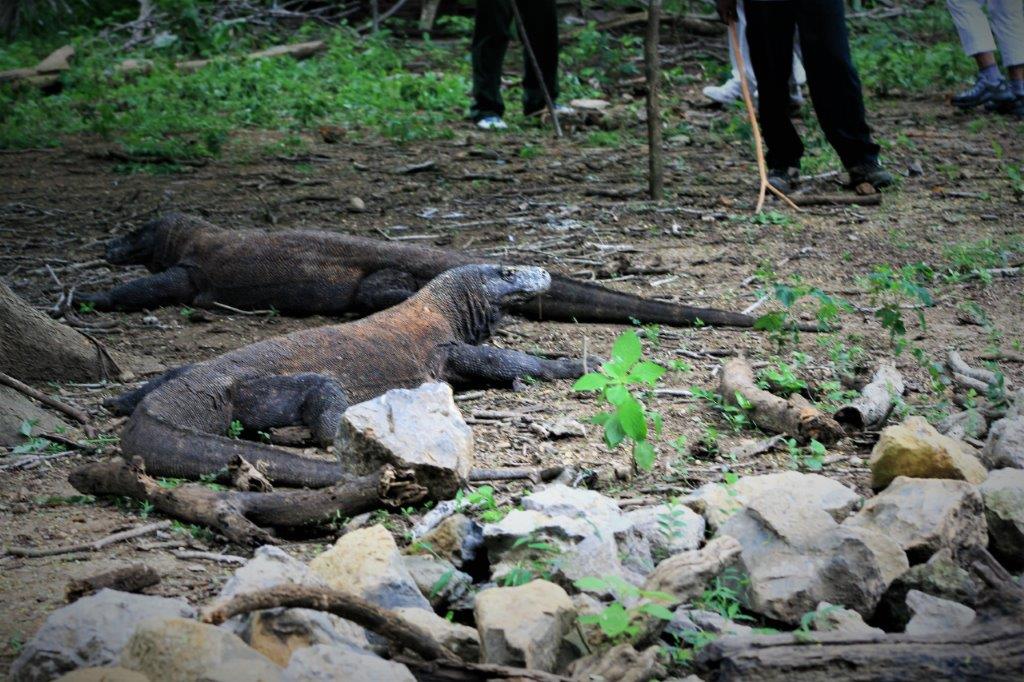
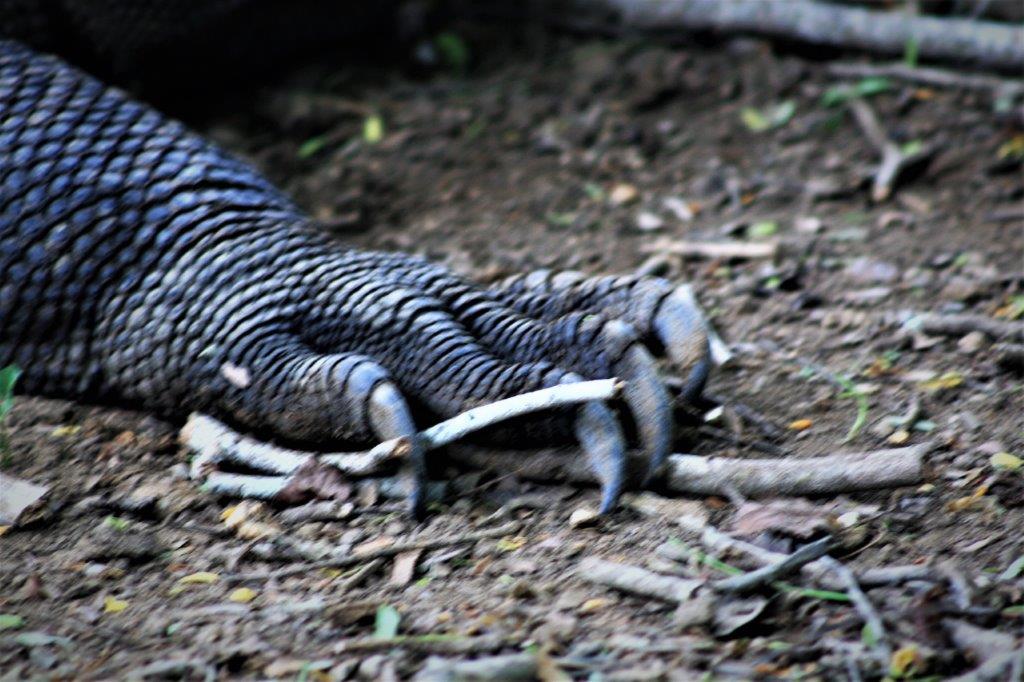
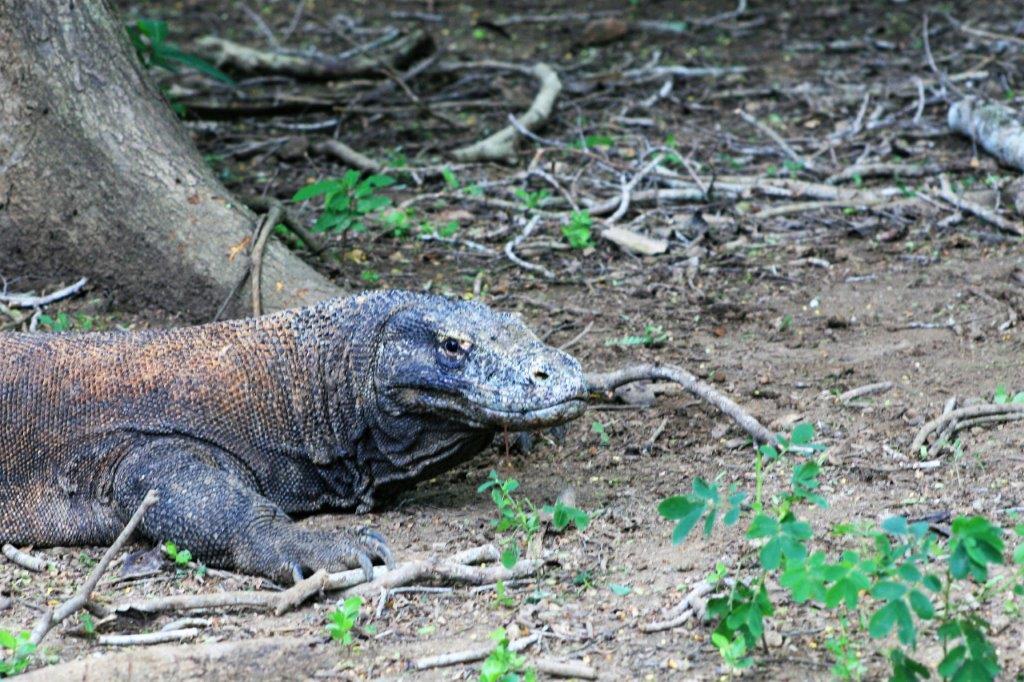
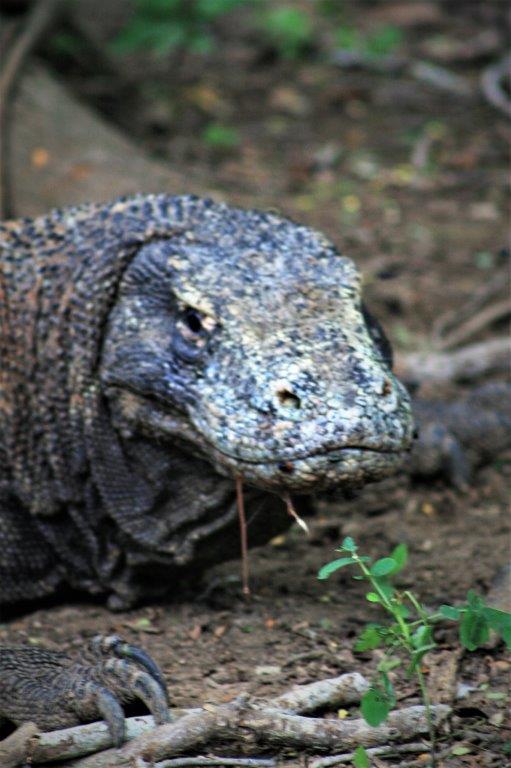
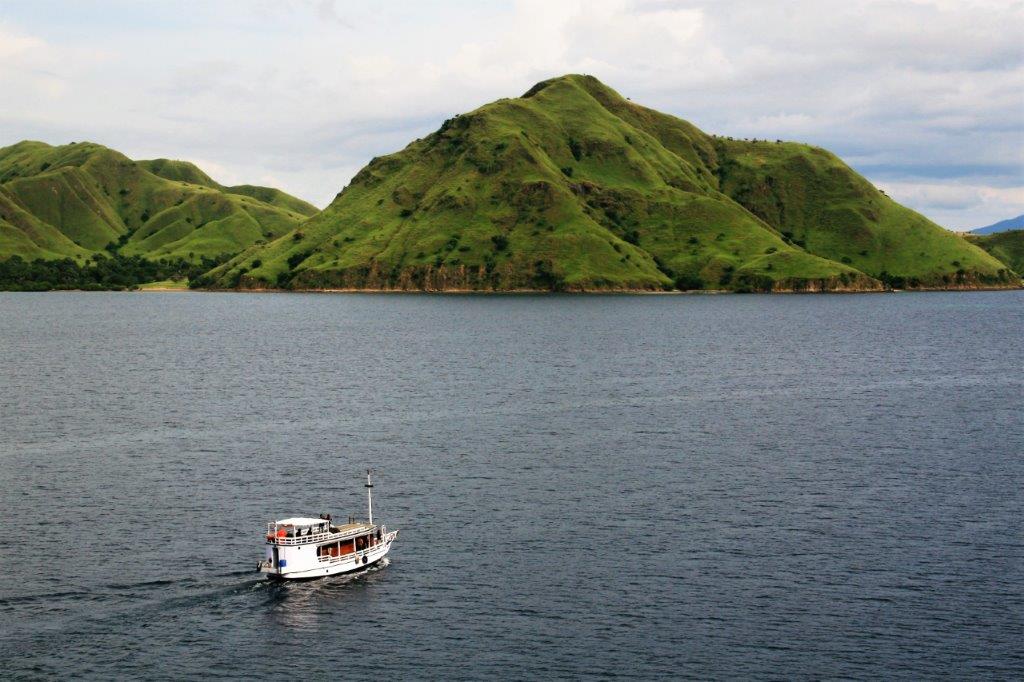
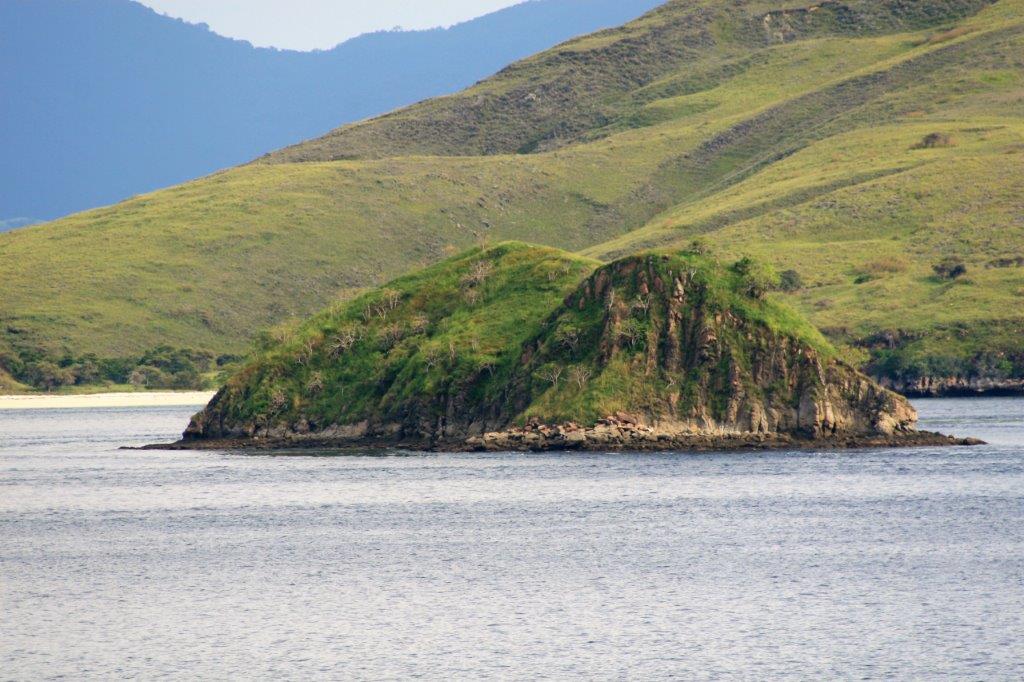
The next day we anchored in Slawi Bay off the coast of Komodo.  The entire island is a National Park to protect the Komodo Dragons.  You could only go ashore if you were on a guided tour.img_4534 img_4531 img_4529 img_4527 img_4526img_4535The famous Komodo Dragons are a type of Monitor Lizard.  They were discovered in 1910 and caused a sensation in zoos around the world.  The island of Komodo, plus two other large islands and several small ones were designated a National Park to protect them in 1980.  The focus has enlarged to protect several others species as well.  It became a UNESCO World Heritage Site in 1991. The dragons are carnivorous, eating mostly carrion, deer and wild pigs, but they will also ambush birds and invertebrates.img_4537 img_4538It was a very hot and humid day.  Walking through the bush to the area where some park guides had spotted some dragons was exhausting.  The Komodo Dragon grows up to 11′ (3 m) long and weighs up to 300-400 lb ( 120 kg).  Despite their size they are very fast; up to 20 mph for short distances. There are only about 300 dragons left in the wild and they live 40-50 years.

The guides kept the two dragons under the trees for most of the day so all the tours would be guaranteed to see them.  Their only protection is a forked stick that they will position beneath the head to encourage the lizard to go in a different direction or stop them from coming close.  It is not uncommon for someone to be killed each year so no one is allowed to wander the  island alone.

img_4452-1 img_4455 img_4543 img_4547 img_4553 img_4546 img_4548Their saliva is red.  It is absolutely crammed with bacteria.  If the dragon can get close enough to a large animal to rush in and bite it, it will then track the animal until the rampant infection causes it to collapse and then the dragon will kill it.

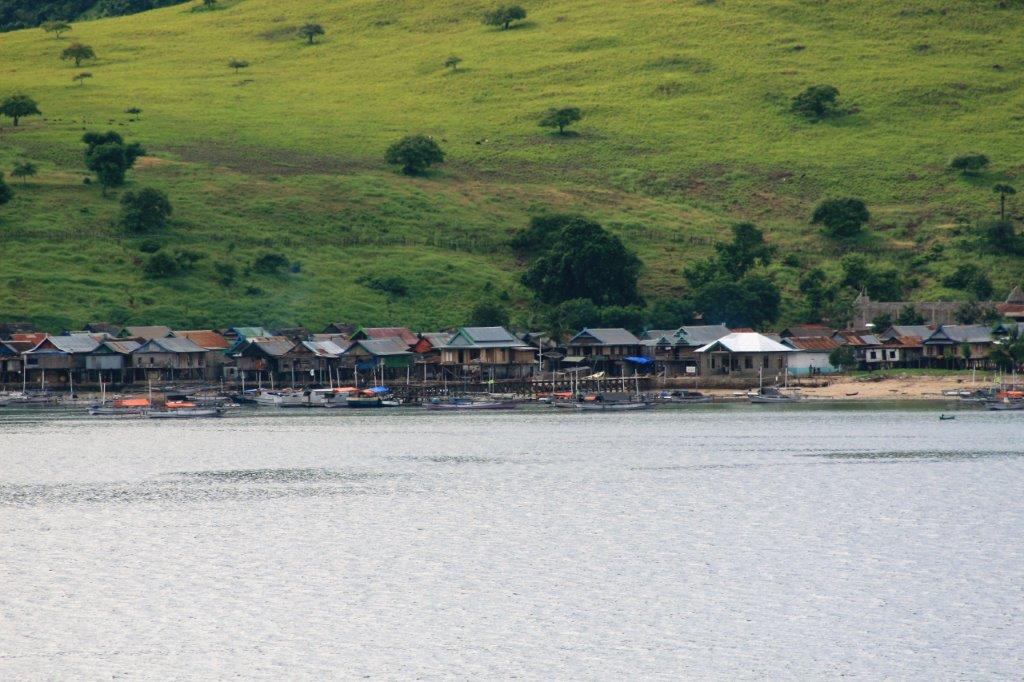
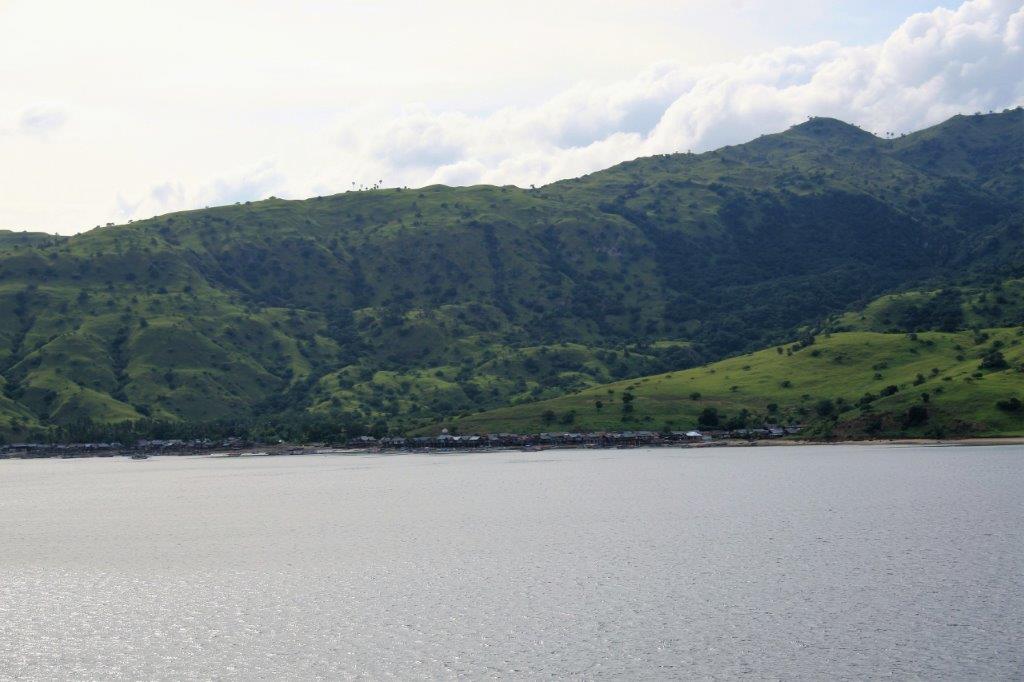
There is a village on Komodo.  Most of residents are descendants of convicts exiled to the island who have mixed with the indigenous people.  The main occupations are fishing and working as park guides.

img_4578 img_4575 img_4569 img_4585 img_4584 img_4572Even though about half of the crew is Indonesian most had never seen a Komodo Dragon.  After the last passenger tour was completed the ship provided opportunity for crew members to go to the island and see the dragons.  It was a wonderful experience to see such a rare and interesting animal.

We now have a day at sea before we reach Semarang.

2009 World Cruise – Feb 24 – Day 50 – Lembar, Lombok, Indonesia

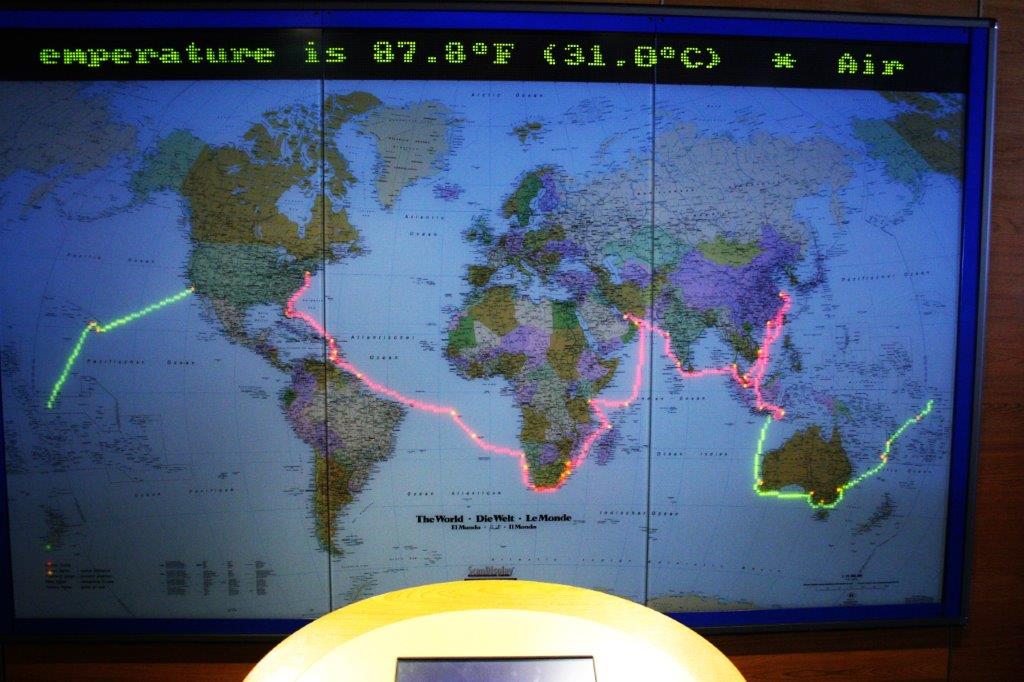
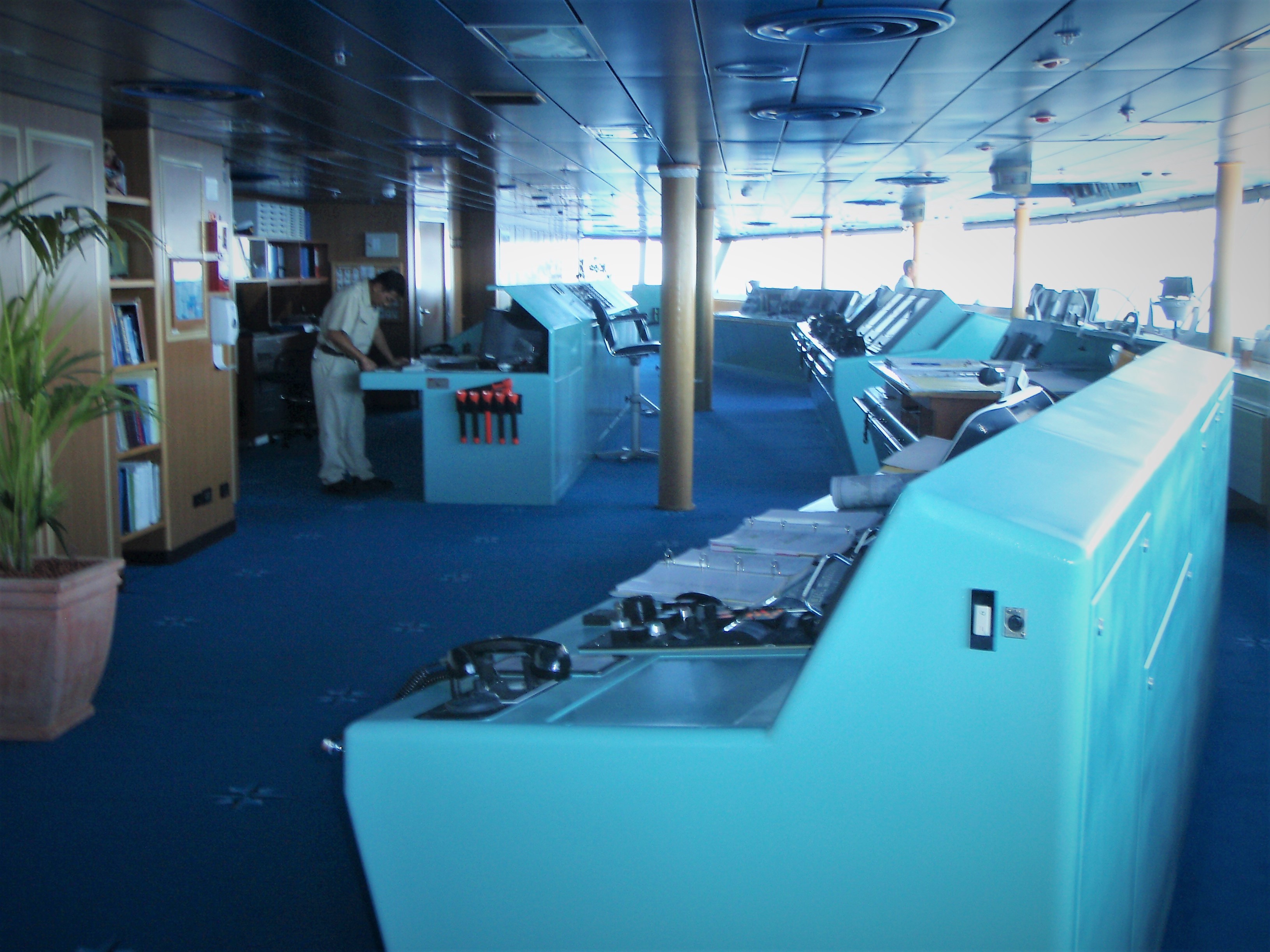
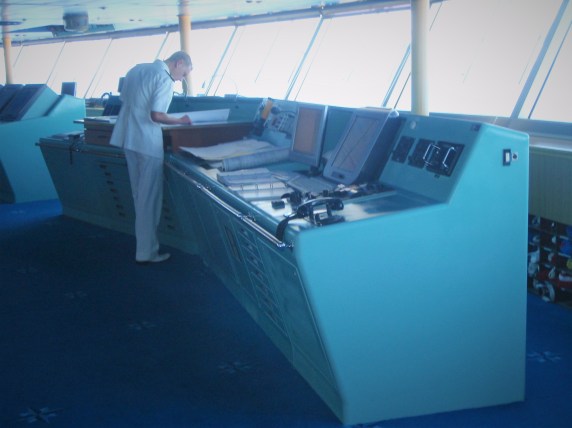
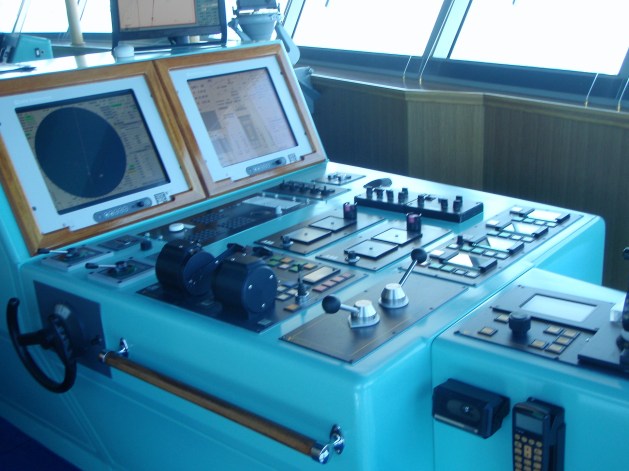
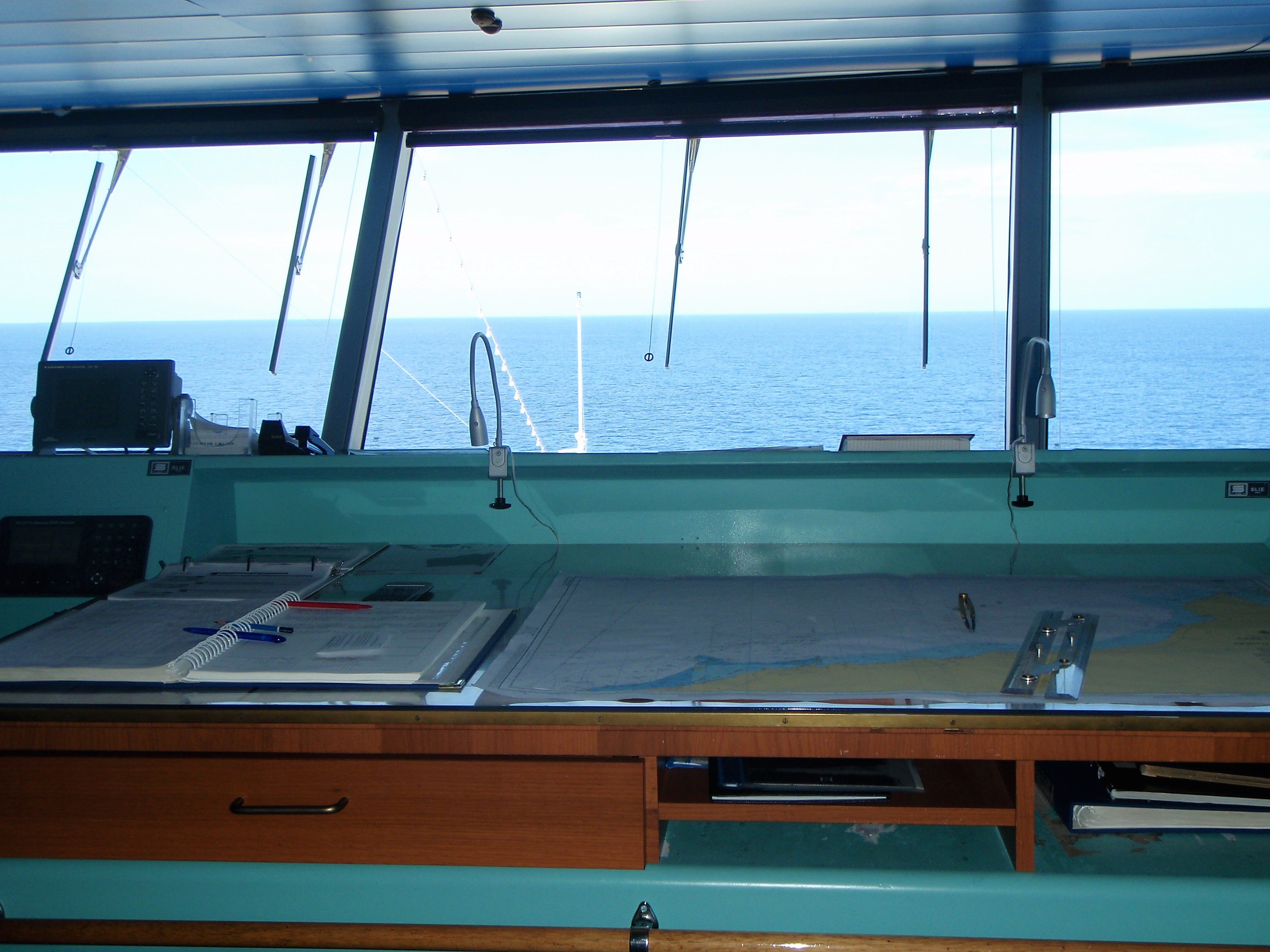
2009 World Cruise – Where we have been (green), where we are going (red).img_4304-1There were four sea days between Perth, Australia and our first port-of-call in Indonesia.  The second day out we received an invitation to go on a bridge tour the next day.  We had been told they didn’t do them anymore but I guess they still do; just not often.  I think this was another one of those balcony suite perks.  It was interesting though.

OLYMPUS DIGITAL CAMERA

OLYMPUS DIGITAL CAMERA

OLYMPUS DIGITAL CAMERA

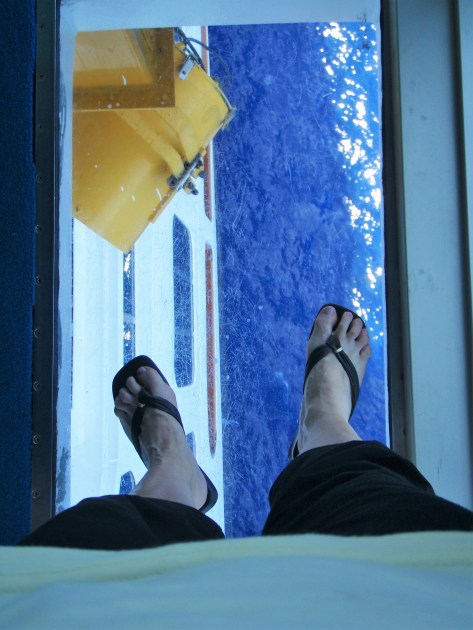
OLYMPUS DIGITAL CAMERAThe part I liked best was the glass floor panels on either side of the bridge.  This part of the bridge extends past the sides of the ship so the captain or pilot can stand on the glass ‘floor’ and get an accurate picture of where the ship is in relation to the dock. Of course, I had to stand on the glass.

OLYMPUS DIGITAL CAMERA

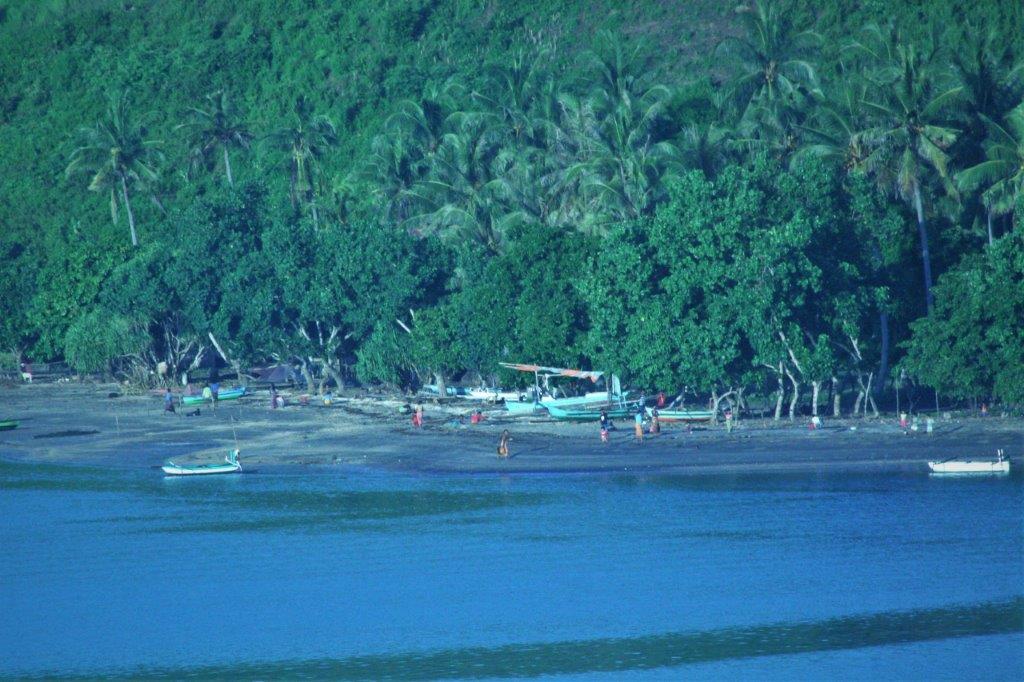
OLYMPUS DIGITAL CAMERADuring his daily broadcast on our last sea day, the captain announced that, once again, we had a medical emergency and would be powering full steam to Bali so the patient could be medi-evac’d off the ship.  By the time we arrived off the coast of Bali there was another patient that had to be taken off as well.  And that night people we had met on one of the tours told us that a lady that sat at their dining room table had died that day.  Sad.img_4309-1 img_4310-1The water was smooth as glass and a stunning turquoise.  I wish I had set myself a goal of photographing the water at each place we visited.  It changed colour and mood so many times during the voyage.
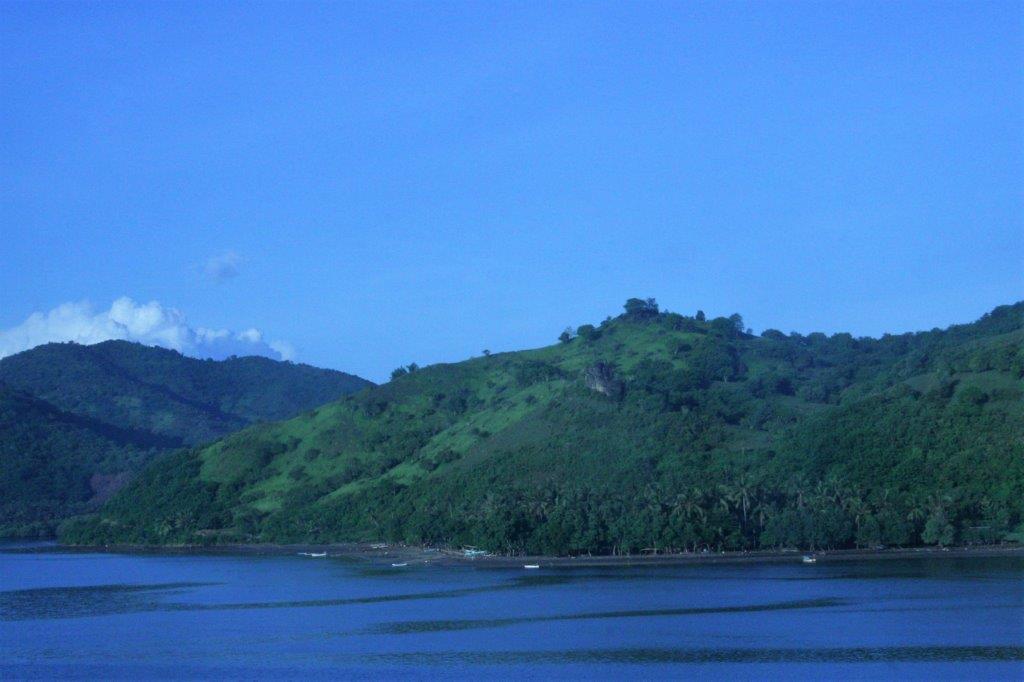
img_4295-1Bali is the big tourist draw in Indonesia.  It was not our port-of-call though.  After we got the two sick people safely off the ship we carried on to a neighbouring island, Lombok and a visit to Lembar.  This was a tender port and we had an all-day 8-hour tour so we were first off the ship.

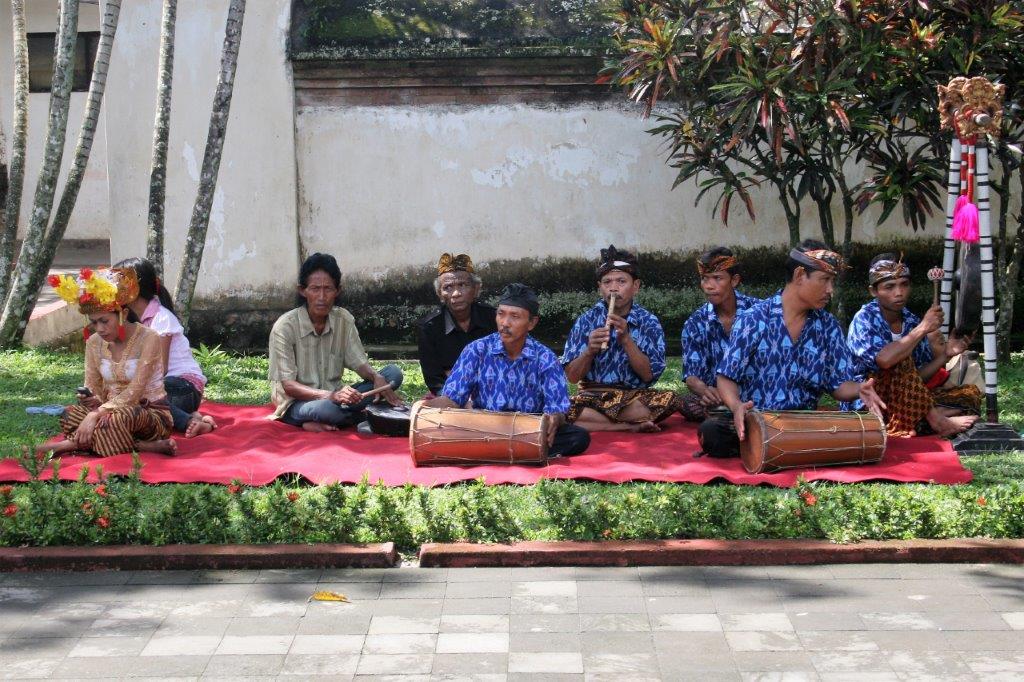
Lembar is really trying to draw more tourists so if you go there you are made very welcome.  The town mayor, police band, dancers in traditional dress, singers, and tourist information people were all waiting under a tent with a big welcome sign and a red carpet on the dock.

img_4386-1There were also vendors!  Very tenacious vendors!  We made several different stops on our tour that day and the vendors knew where we were going.  As soon as we started boarding the bus to move on they got on their motorcycles and booted it to the next place so they were waiting when we arrived.  It was quite funny.

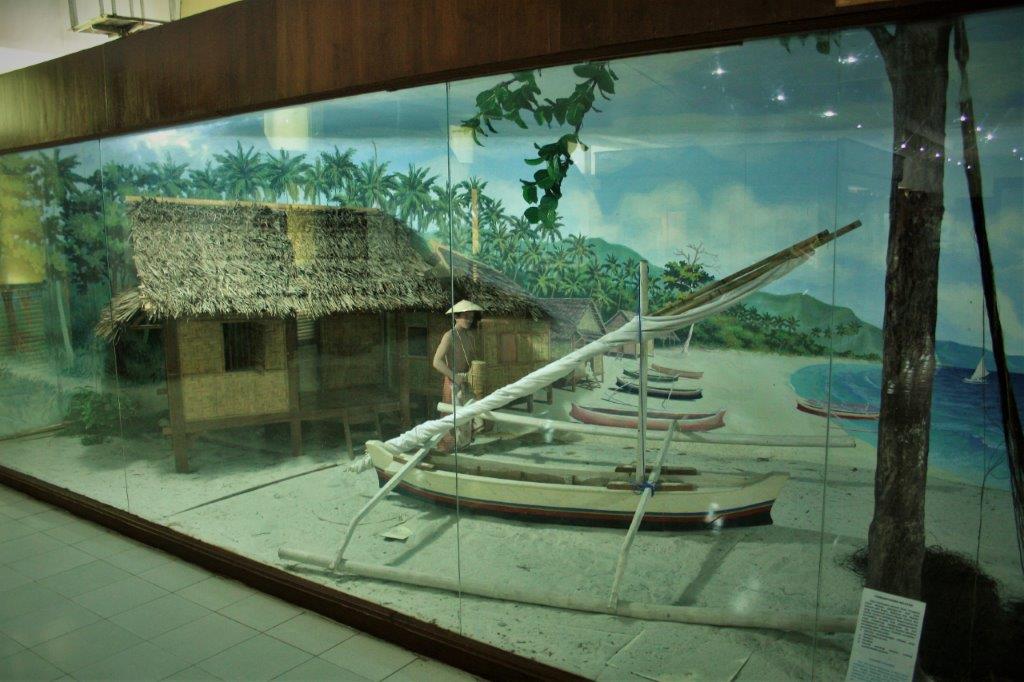
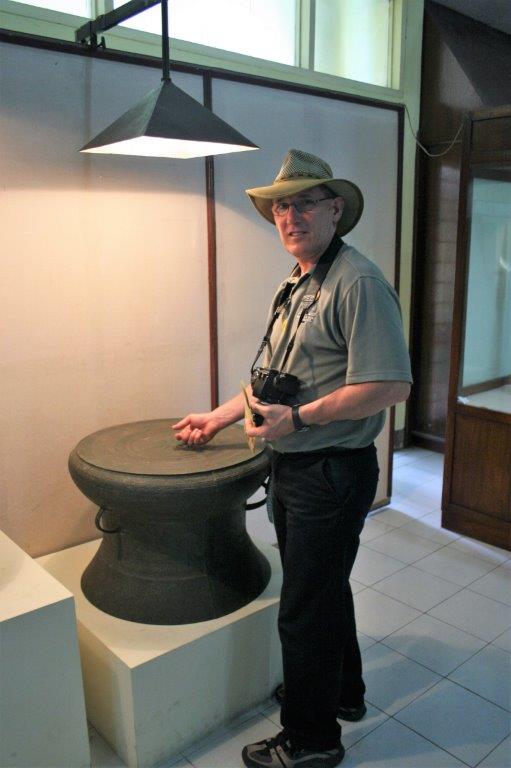
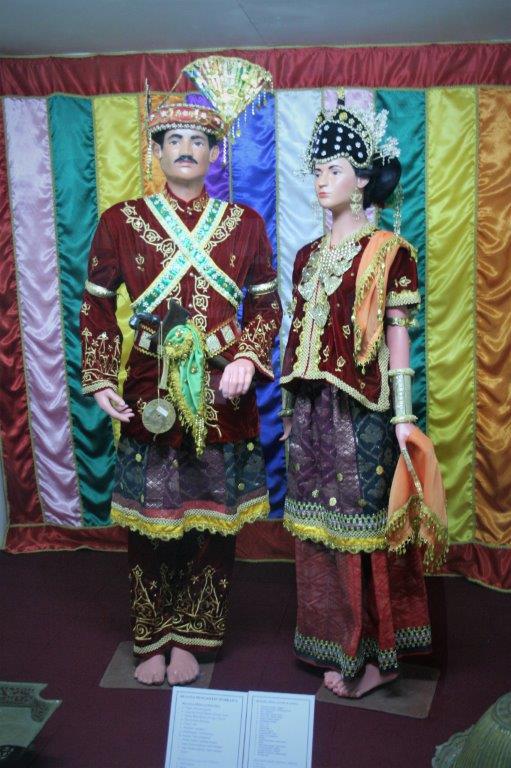
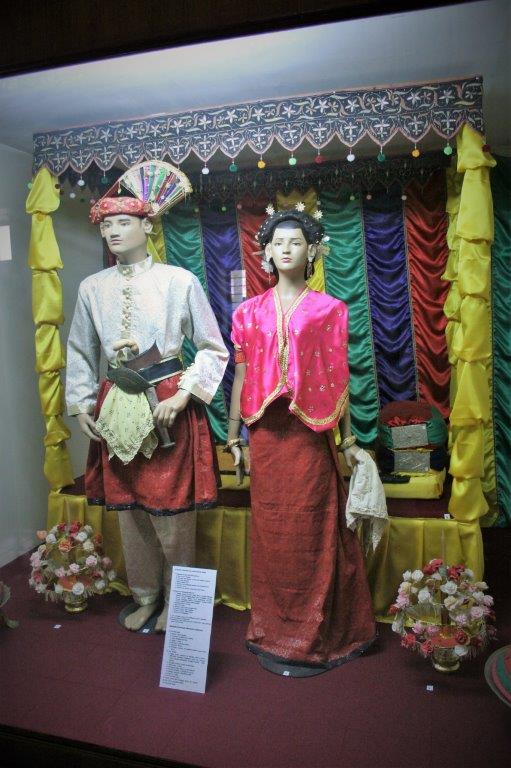
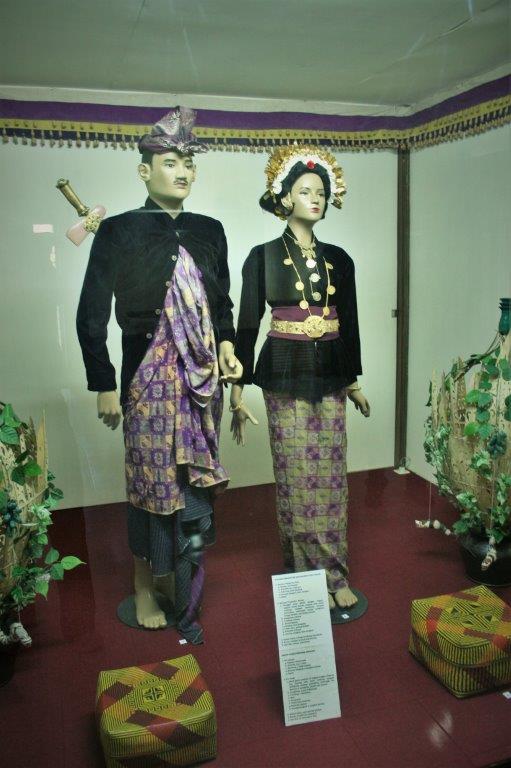
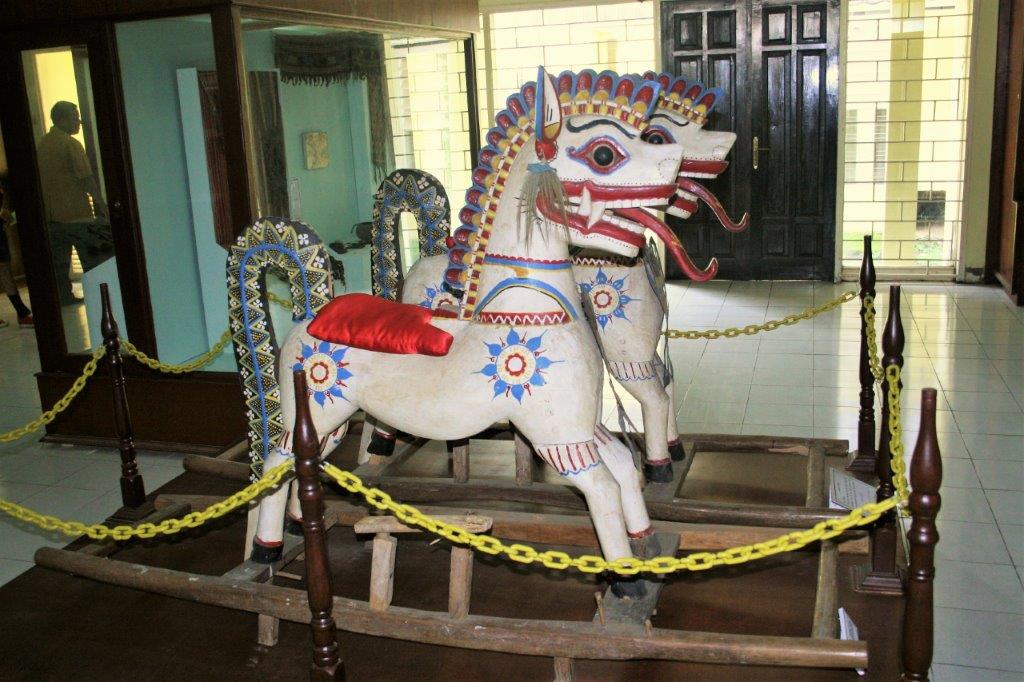
Our first point of interest was the Provincial Museum. They had collections of knives, a Dongson drum, and a very nice cloth collection displayed in outfits on mannequins.img_4332-1img_4331-1 img_4334 img_4335img_4333-1img_4336-1 img_4337                  This “rocking horse” was a circumcision distraction.

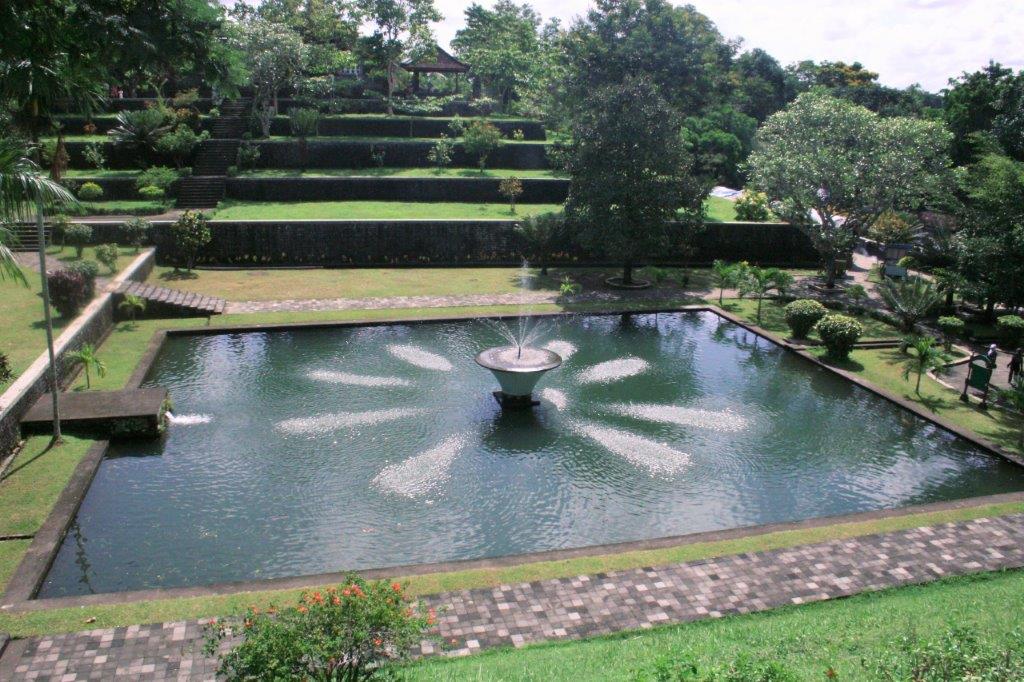
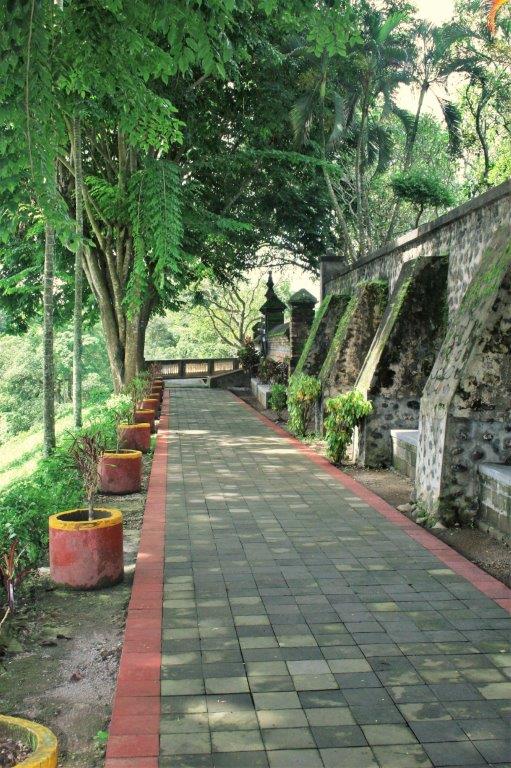
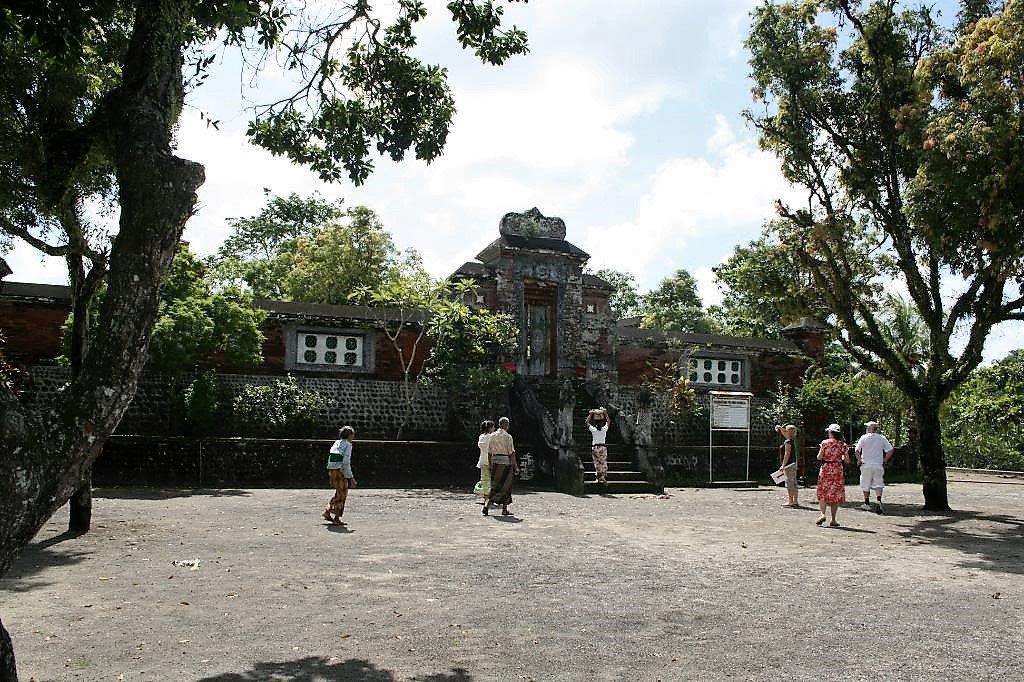
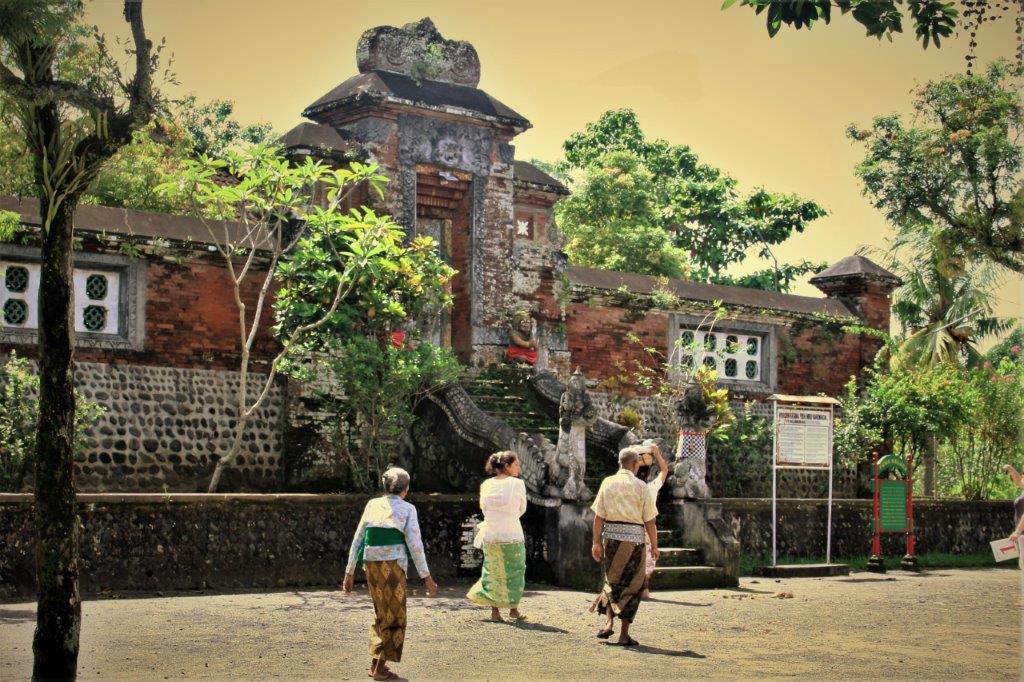
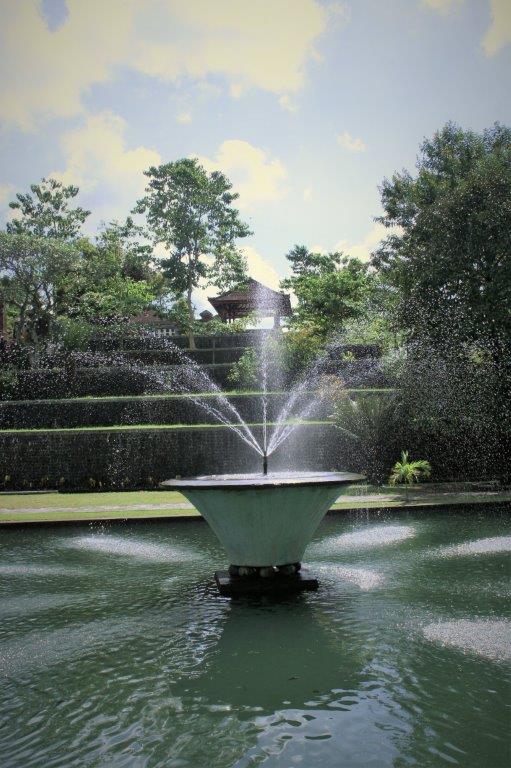
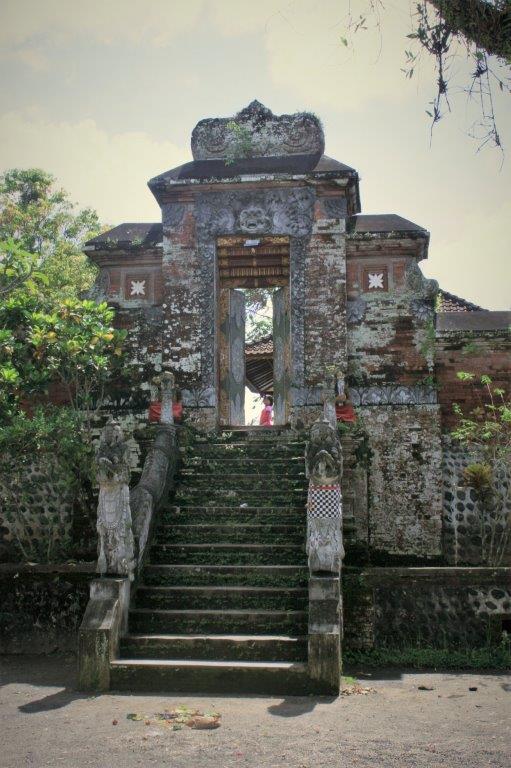
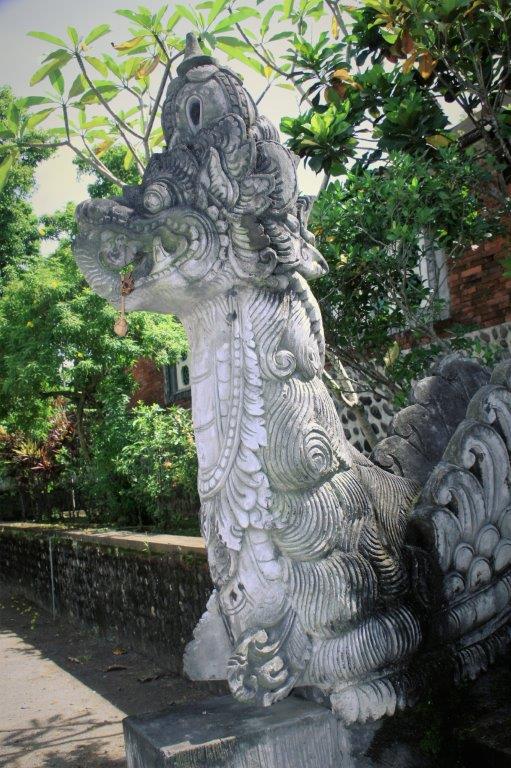
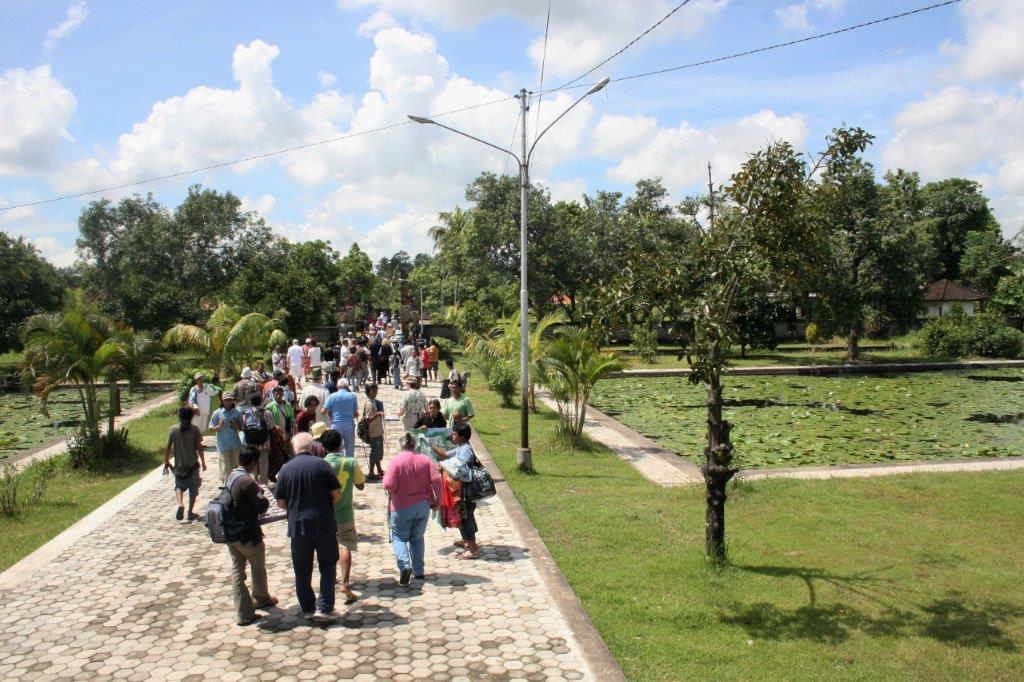
We carried on to the Narmada Water Palace which was built by an aging Raja in 1805 because he could no longer make the journey to the caldera of Rinjani Volcano to make his offerings.  The large, artificial lake was built in the same shape as the volcano’s lake.img_4351-1 img_4352-1img_4384-1 img_4355 img_4359-1 img_4362-1img_4324img_4325img_4330img_4377-1img_4383-1img_4380-1 img_4368-1 img_4369-1 img_4372-1 img_4373 img_4357-1img_4371-1img_4388-1The Lingsar temples on the grounds of Narmada are still used for an annual celebration.  There are places of worship for both Islam and Hinduism  side by side.

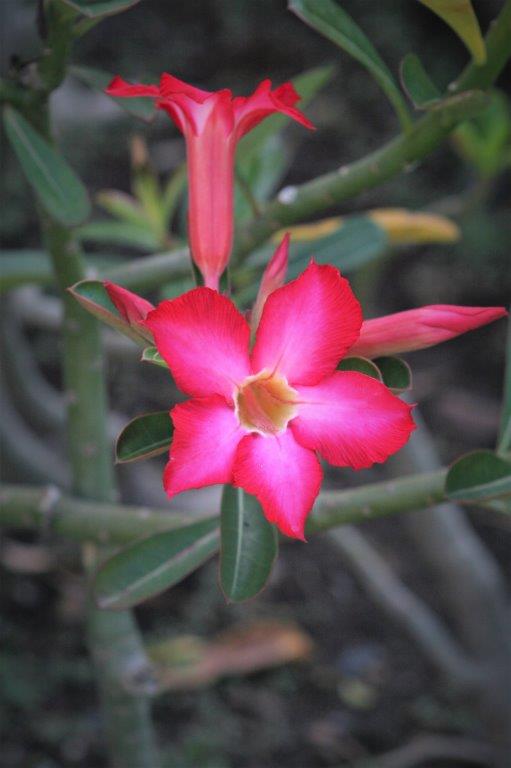
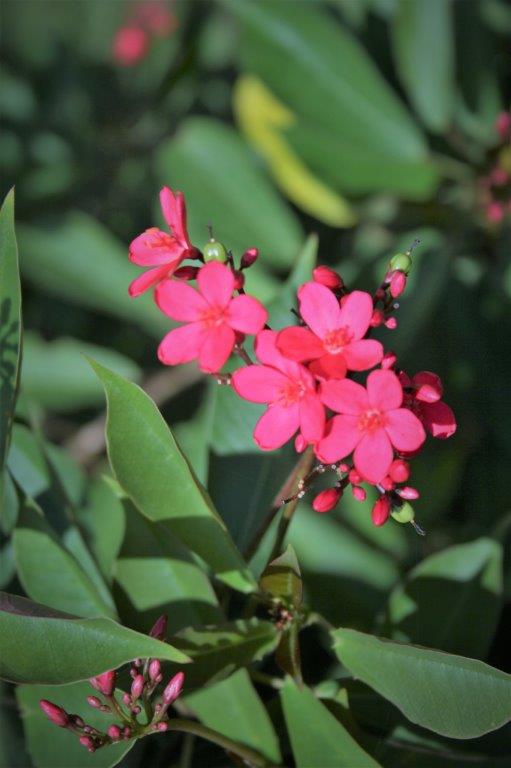
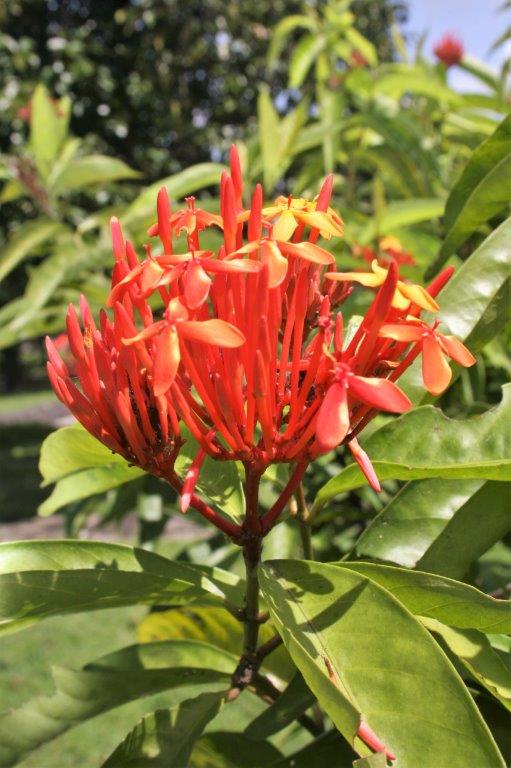
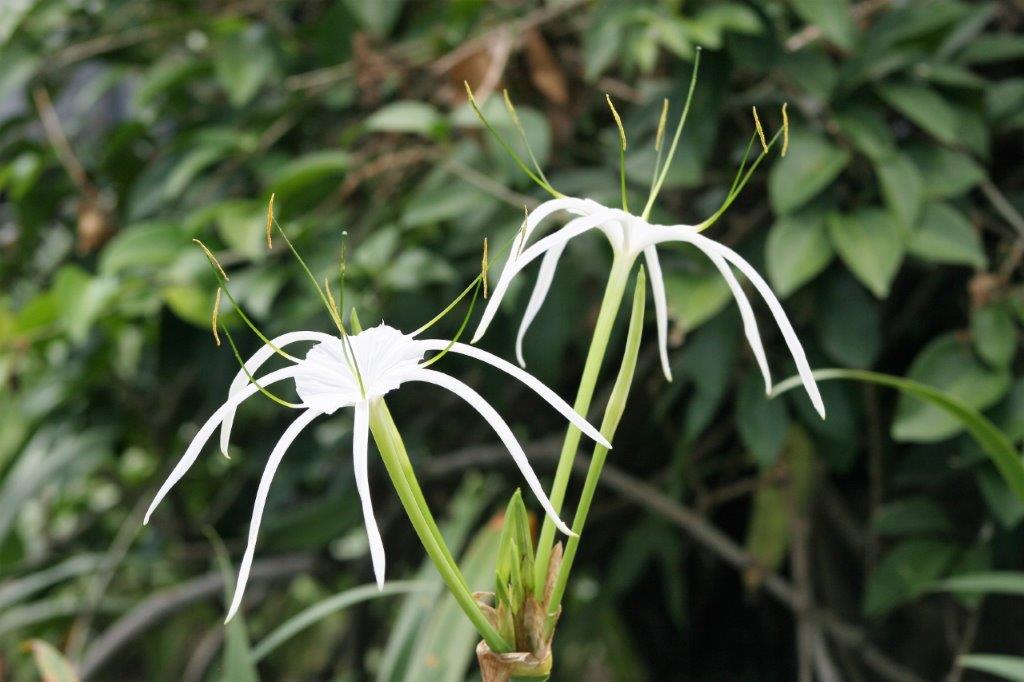
img_4394-1 img_4391-1_edited-2 img_4395-1 img_4403-1 img_4400-1 img_4404-1Our lunch stop was at the beautiful Santosa Villas and Resort where we enjoyed a buffet of Indonesian foods.img_4419-1 img_4420 img_4423-1 img_4429 img_4430 img_4416-1 img_4437           Spider Orchid

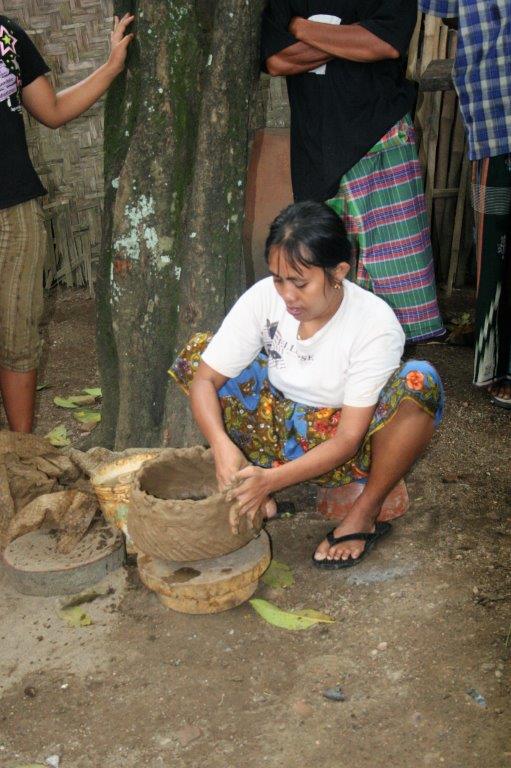
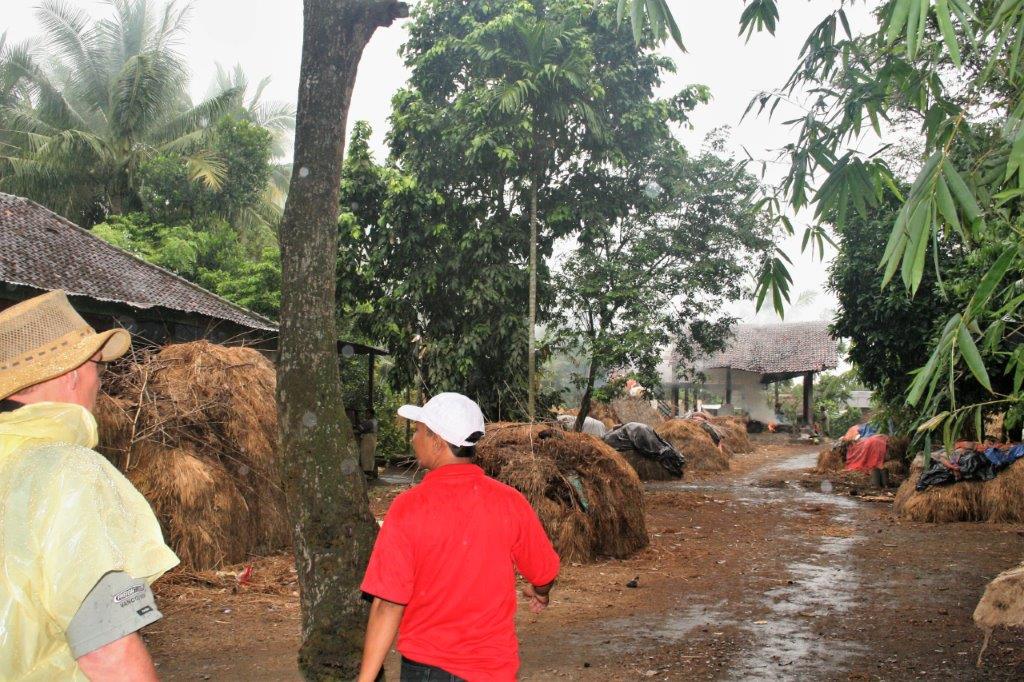
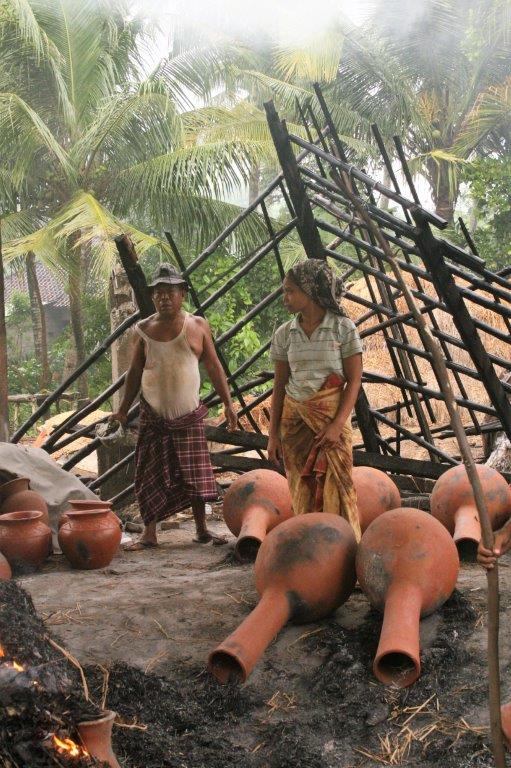
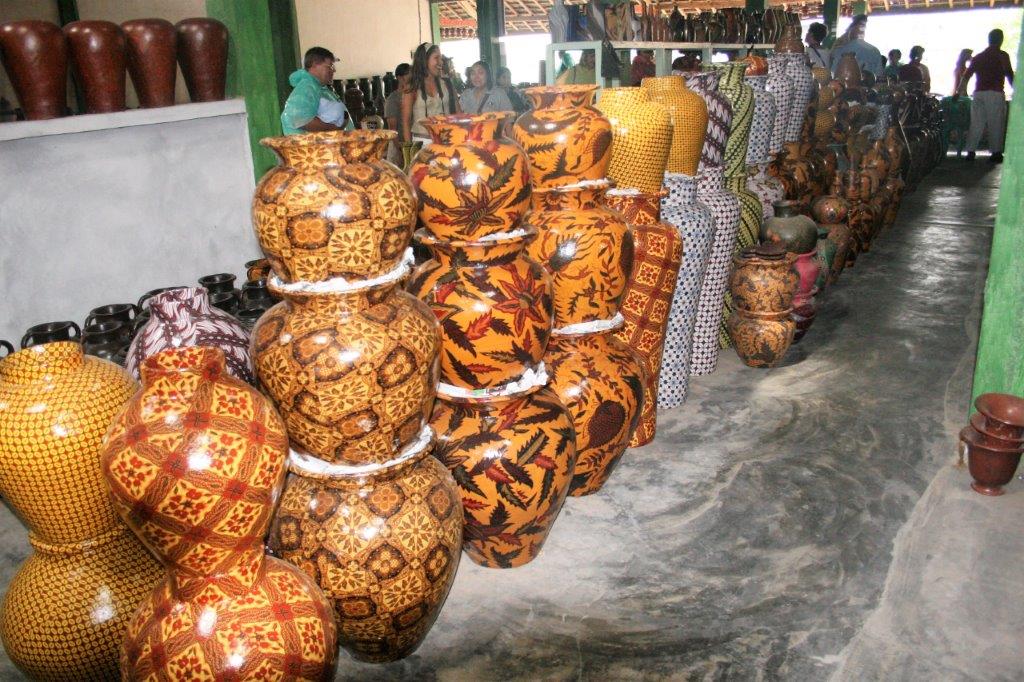
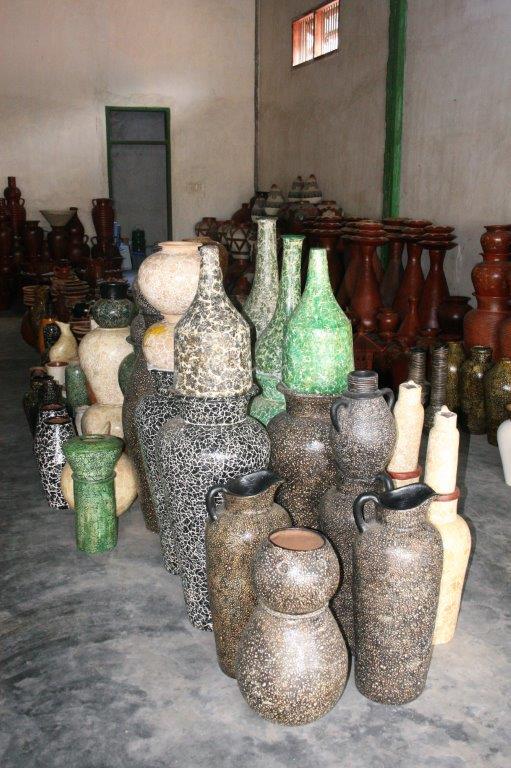
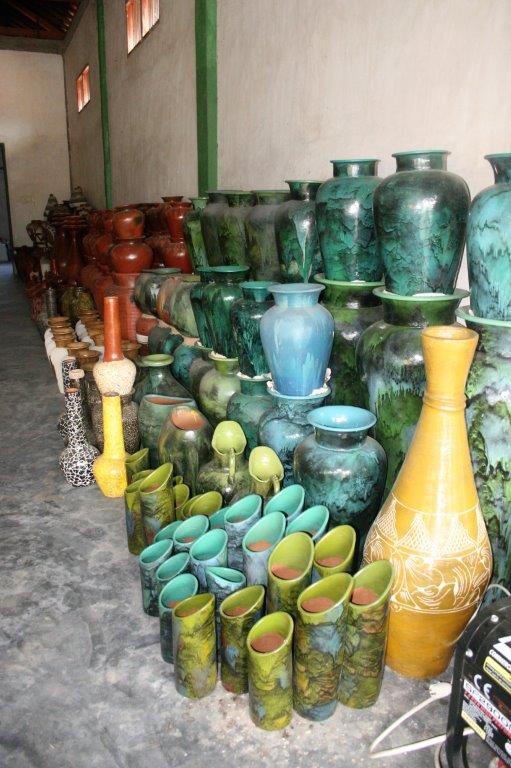
There was soon to be an election in Indonesia.  The ballot is three feet long and lists several hundred names of candidates.  In each district there are many candidates for each party and all of their names go on the ballot.  And we think it can be hard to vote!img_4433 img_4434 img_4435 img_4440After a short shopping stop (apparently it is mandatory that tours give an opportunity to shop – unfortunately) at a pearl store – where John bought himself an Indonesian shirt – we went to our last place of the day.img_4442We visited a small village called Banyu Mulek where only the women hand-make pottery.  The skill is passed down from mother to daughter.  The men and elderly take care of the ‘kiln,’ which is a huge pile of leaves and rushes.  The various colours of the pottery is produced by the different organic material used in the kiln’s coals.  The women joined together to form a co-operative and have a large store where they sell their beautiful products.

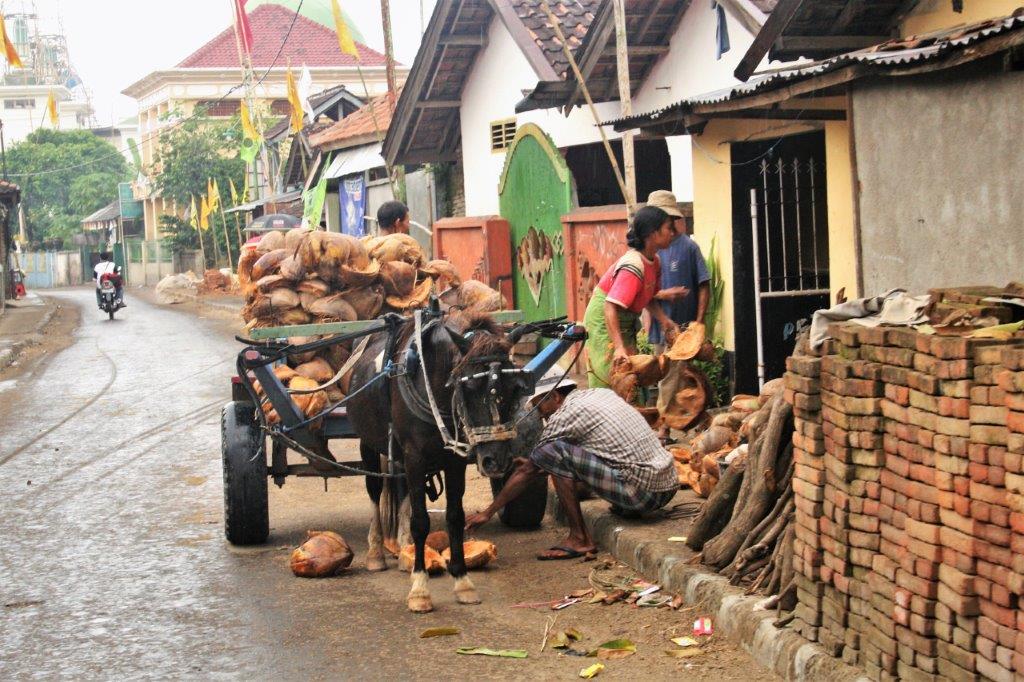
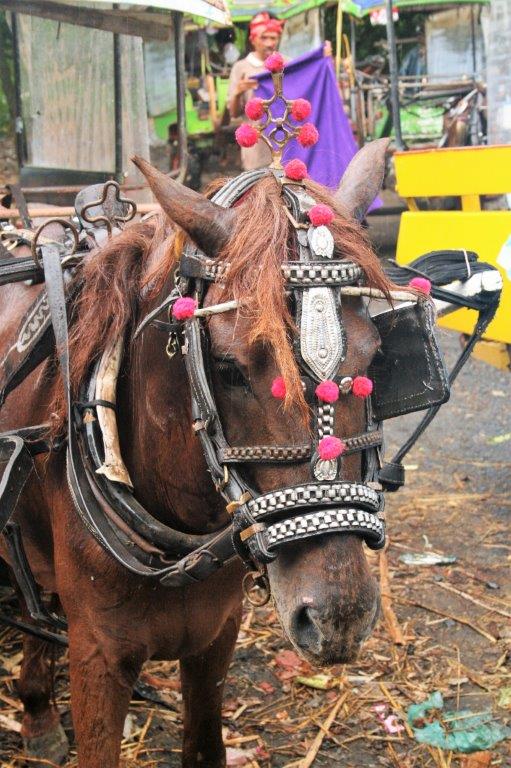
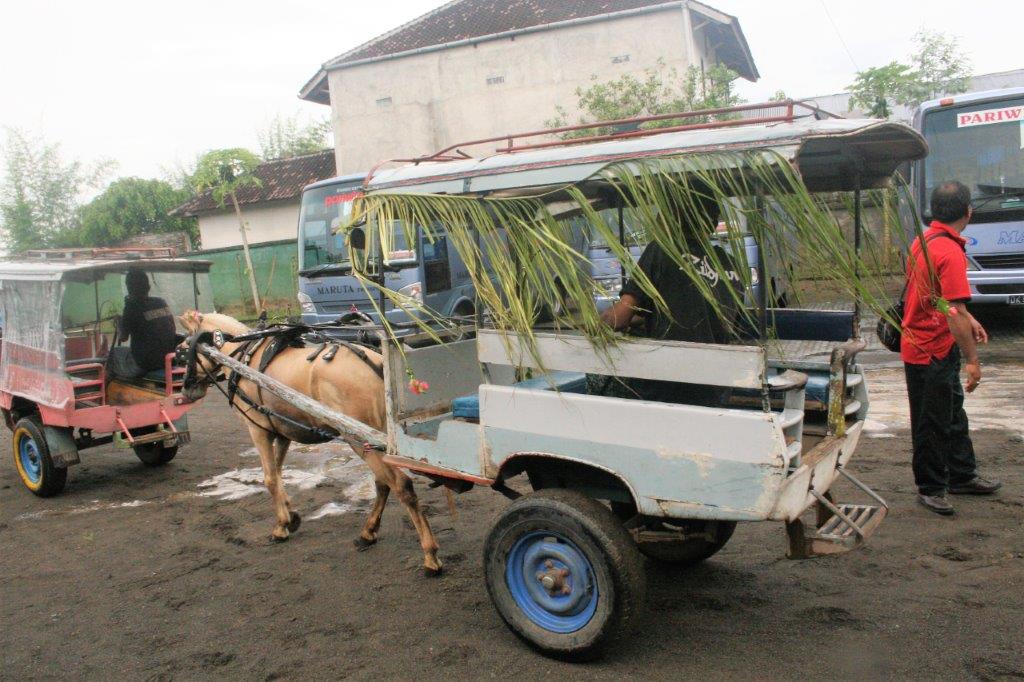
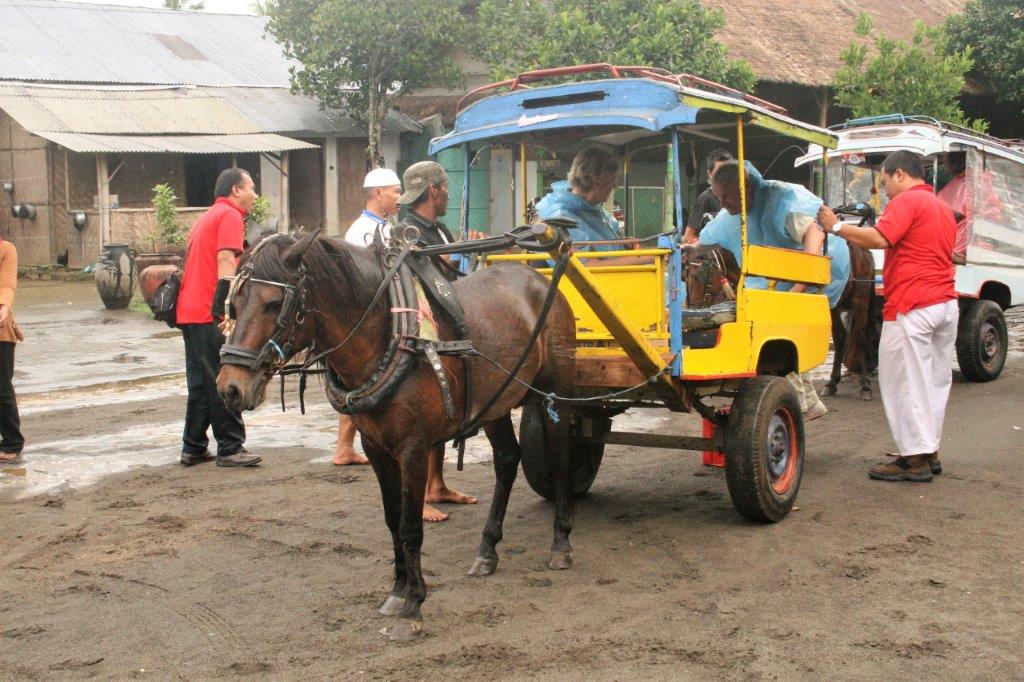
img_4447 img_4449 img_4450 img_4451 img_4462 img_4466 img_4467It was raining as we walked through the village learning about the pottery craft and we were thankful to get into the back of a ‘cimodo’ horse cart for a ride through the village.img_4446 img_4453 img_4457 img_4458We were constantly greeted by men, women and children who came out of buildings or ran along after the carts saying, in English, “Welcome.  Thank you for coming.  Welcome.”  A young man on a motorcycle followed our cart for quite awhile and asked us where we were from and about our lives at home and thanked us several times for coming to his village.img_4375_edited-1John got this great photo of these two little guys.

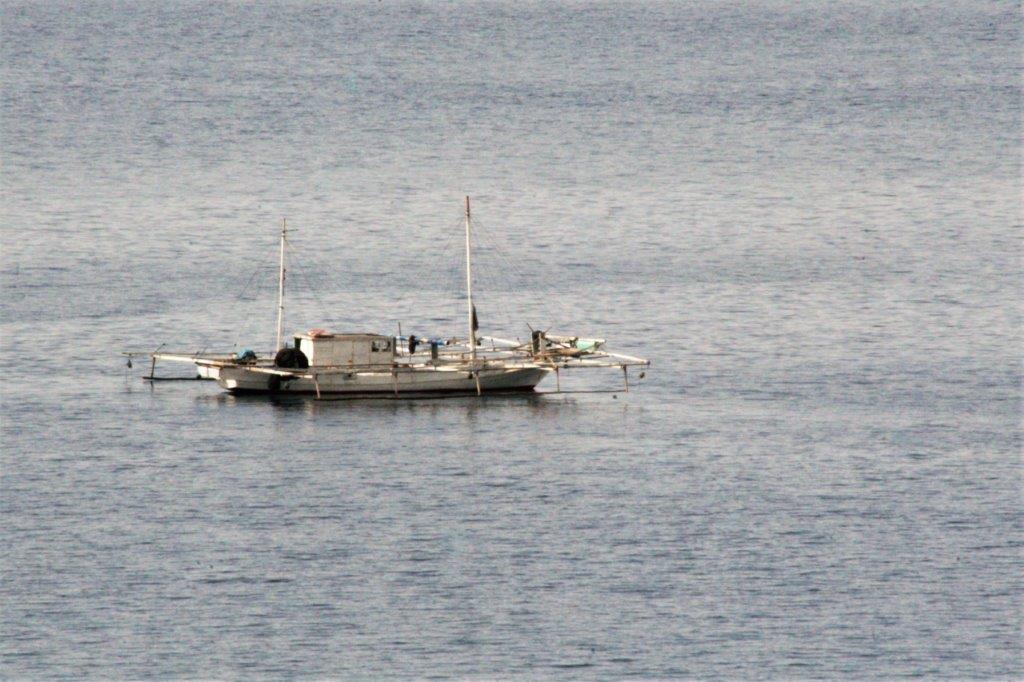
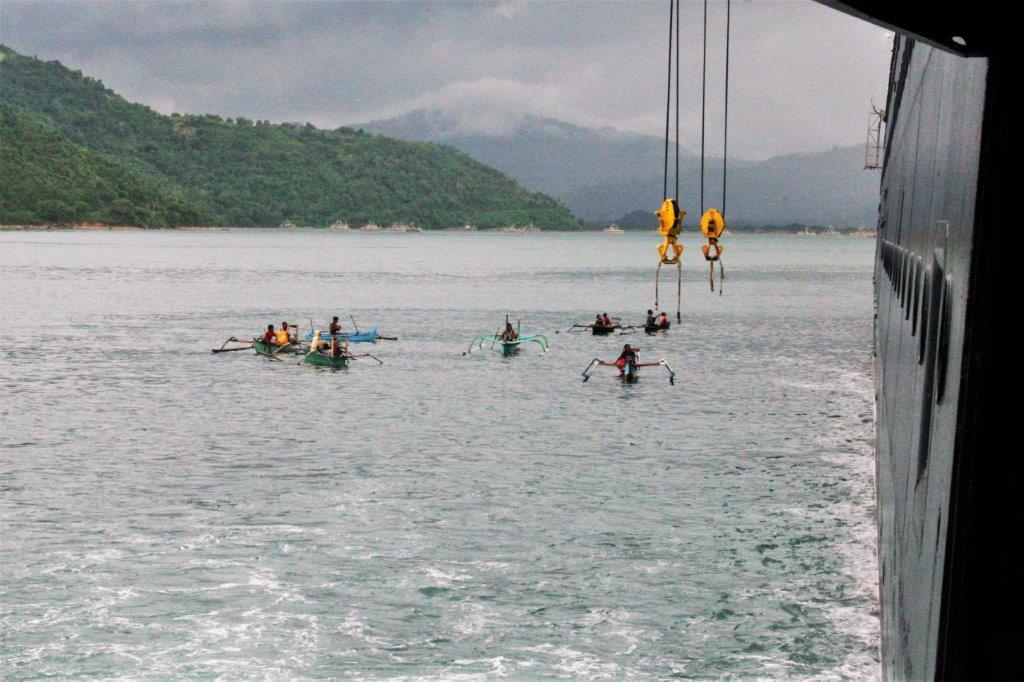
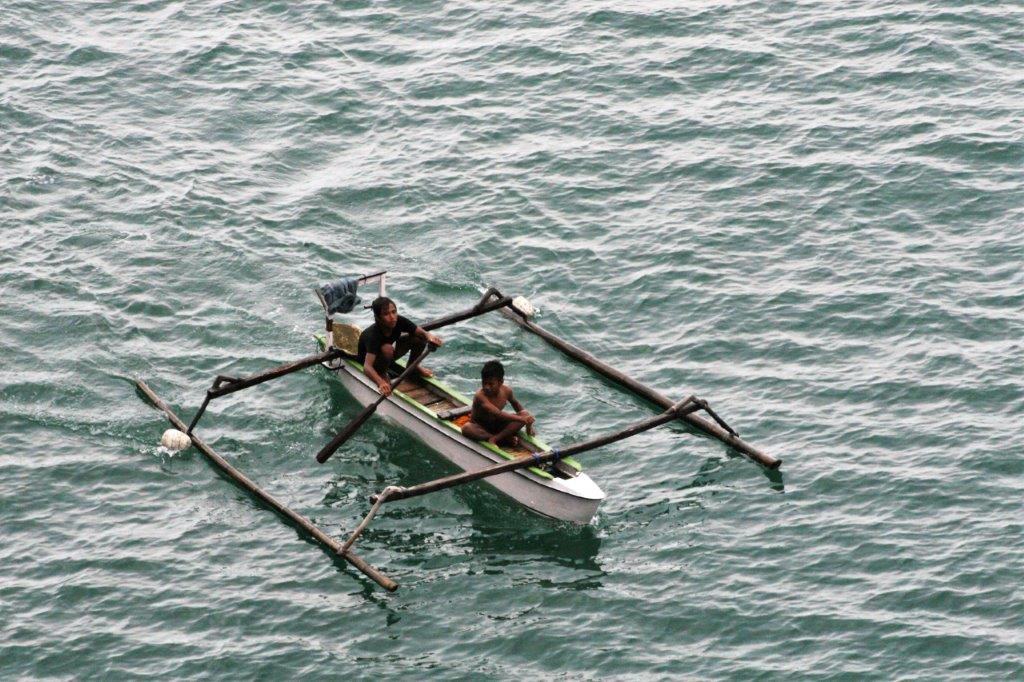
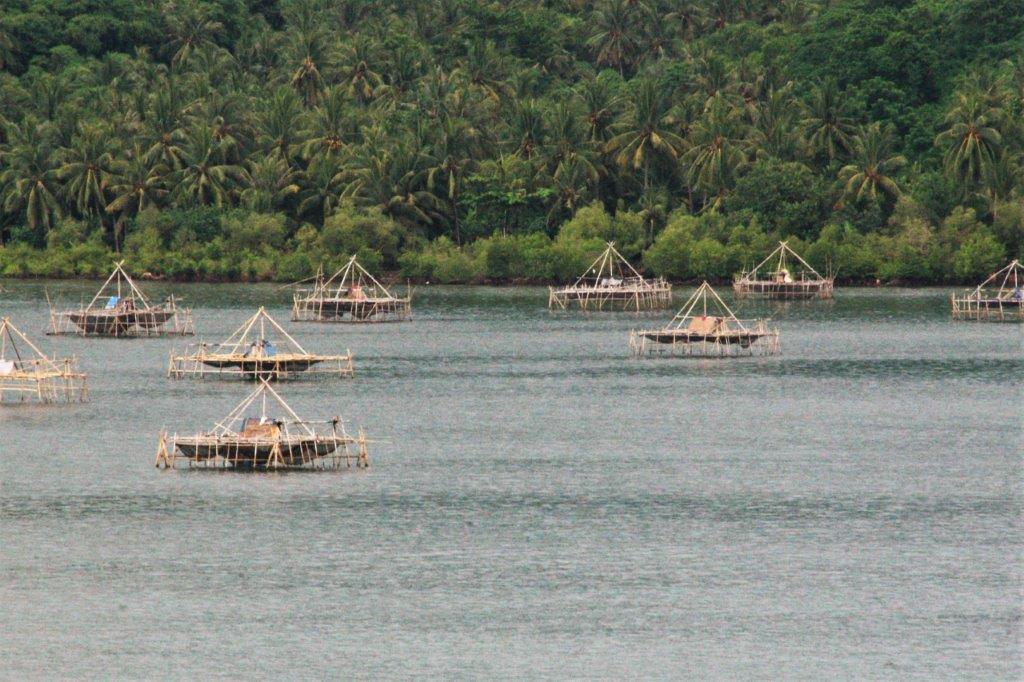
As the ship was preparing to set sail boats loaded with families or young children pulled up alongside hoping to have coins thrown down to them.  This is a practice that is discouraged by the cruise lines as people can get injured, but some folks did it anyway.img_4472 img_4475 img_4476 img_4478These are fishing platforms.

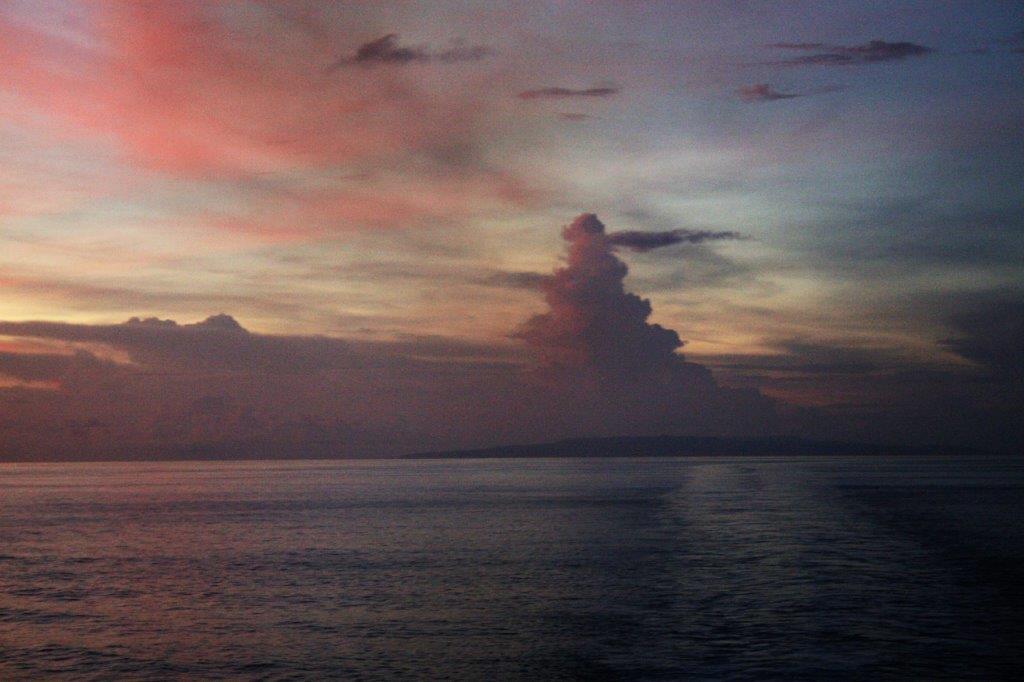
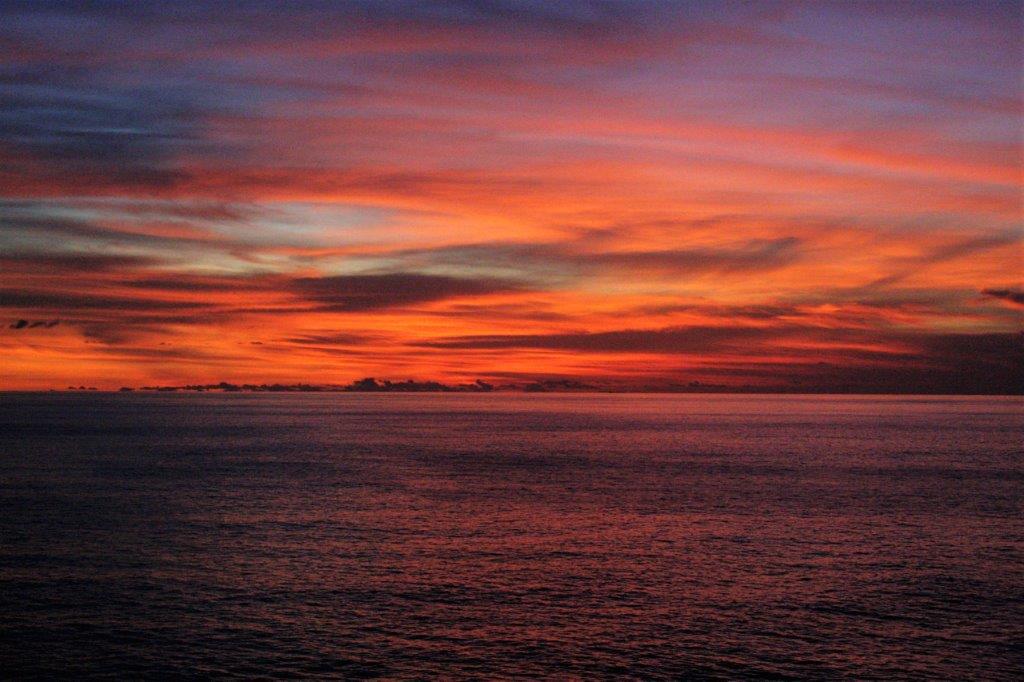
The sunset on a wonderful day with brilliant shades of coral and pink.

img_4499 img_4495


2009 World Cruise – Feb 19 – Day 45 – Freemantle/Perth, Australia

2009 World Cruise – We had three days at sea before arriving at the port city of Freemantle.

Our second day we entered and sailed through the Great Australian Bight, a large section of ocean bay off the coast of southern Australia (the inward curve along the bottom of the continent is the Bight).  This is a very bio-diverse area and home to several species of whale.  The water in the Bight flows at 9.2 billion gallons per second so it is almost like sailing through a huge fast-moving river.

There are about 1000 passengers on the ship; approximately 700 are doing the entire World Cruise.  The remaining passengers are doing a section or two.  The first leg was from Los Angeles, CA to Sydney, AUS.  There were passengers that departed the ship in Sydney and other passengers that came on board and who will leave at the end of the second leg; Singapore.  (The legs were: 23-days LA to Sydney; 33-days Sydney to Singapore; 36-days Singapore to Capetown, South Africa; 22 or 25-day Capetown to either Ft. Lauderdale or New York City.)

img_4049-1 img_4048-1It was quite amazing how quickly you get into a routine and how you become comfortable friends with people.  We sat in the dining room with Tim and Elaine and Charles and Evelyn – and, 8 years later, we are still in touch with them both.  We usually sat in the theater for the show in the upper balcony beside Sally and Angelo – whom we have seen again on other voyages.  I joined a Trivia team on Feb 15 where I met Bill, and he and his wife Lynn are still friends of ours.  We soon learned that people’s preferences in the type of excursions they enjoyed would put many of the same people on our buses and we had great chats with them as we drove too and fro in the various countries.

We met James and Sherry on the Swan River dinner cruise in Freemantle and really enjoyed talking with them on and off at various places for the rest of the voyage.  Scott initiated a conversation about our cameras when we were going through the Panama Canal.  He and is wife Rowena had a balcony suite on our deck so we often passed each other going into or coming out of our cabins.  Because Rowena is from the Philippines, and half of the HAL cruise staff is Filipino, she and Scott made friends with many of the staff and would be invited down to the crew quarters to visit.  Scott treated all the Filipino staff (50-75 of them) who had time off to drinks in a bar in Freemantle.

On our third sea day between Adelaide and Perth we joined a galley tour to see how the food is prepared and served to so many people at so many different places on board.  Organization, that’s how!!!  We were standing near the front desk after our tour and Scott came along and told John he had arranged with the captain for an engine room tour – since 9/11 they no longer offer engine or bridge tours  – and John was welcome to come along.  Which he very happily did.   Scott and the captain became friends and Scott was going to take the captain swimming with the sharks in Australia but he found out they would be in a protective cage so he didn’t want to do it.  (Personally I wouldn’t get in the water with sharks even with a cage.)

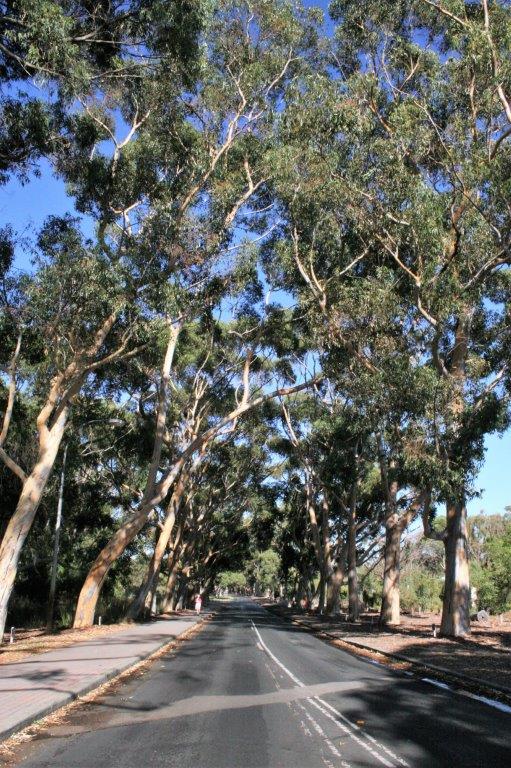
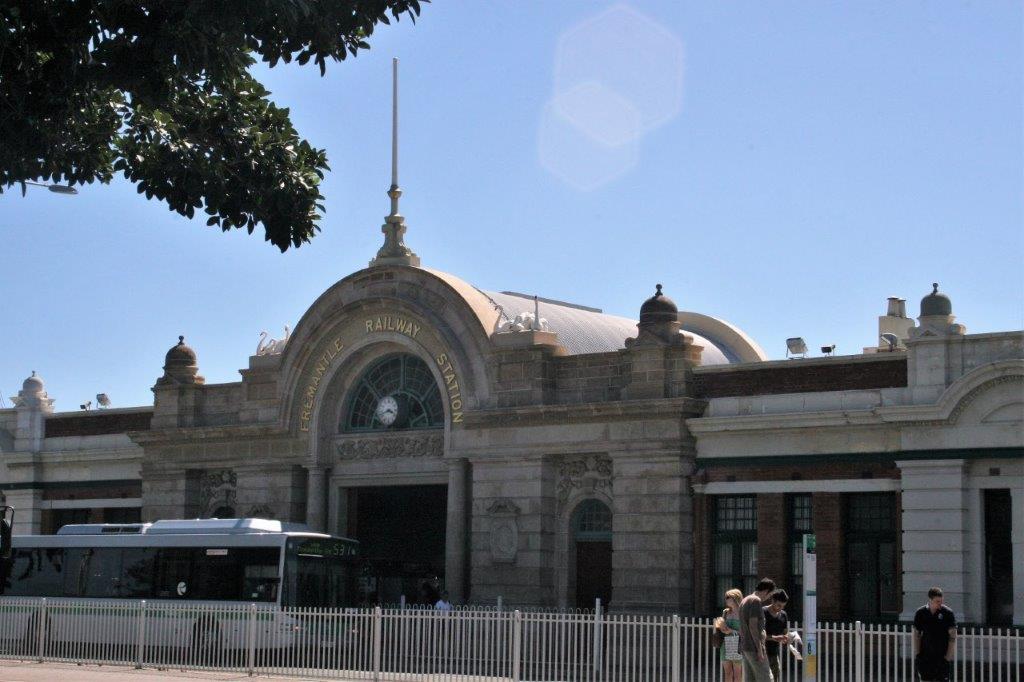
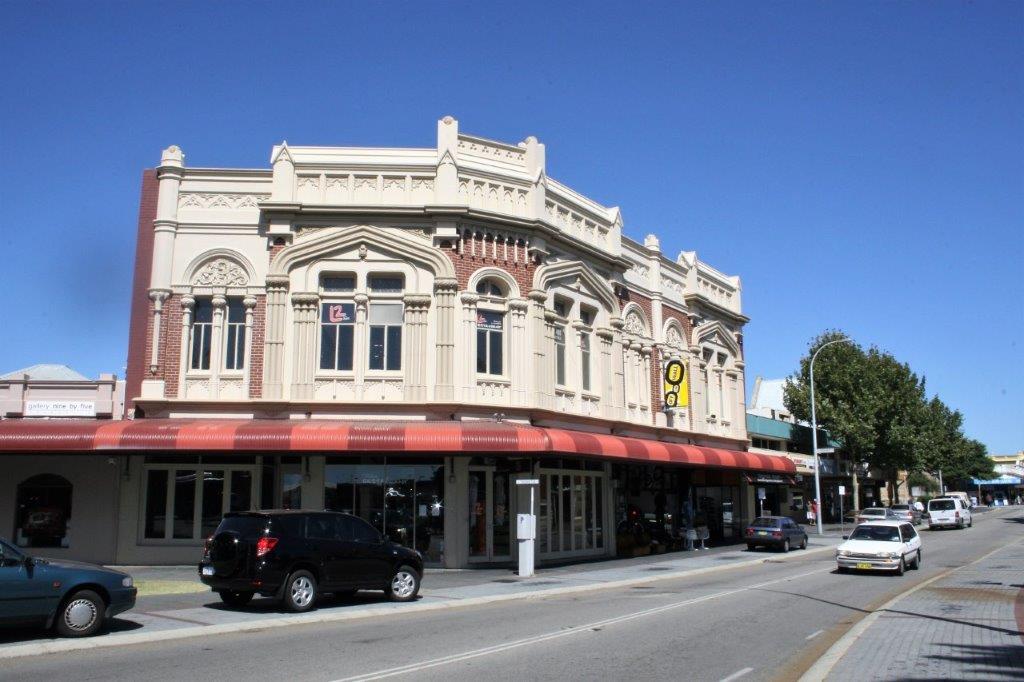
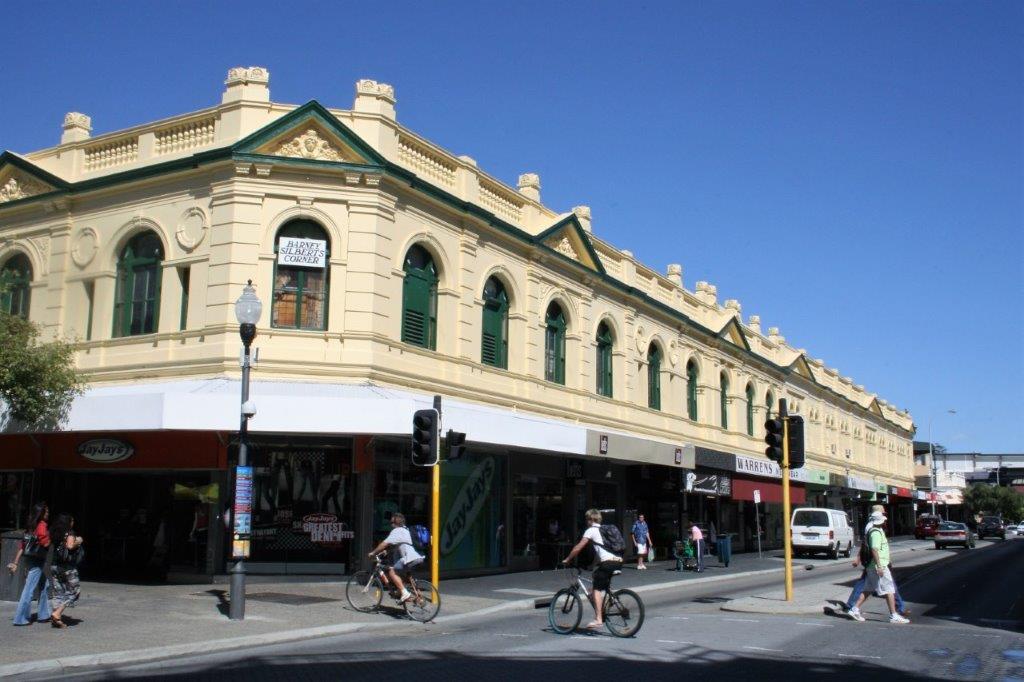
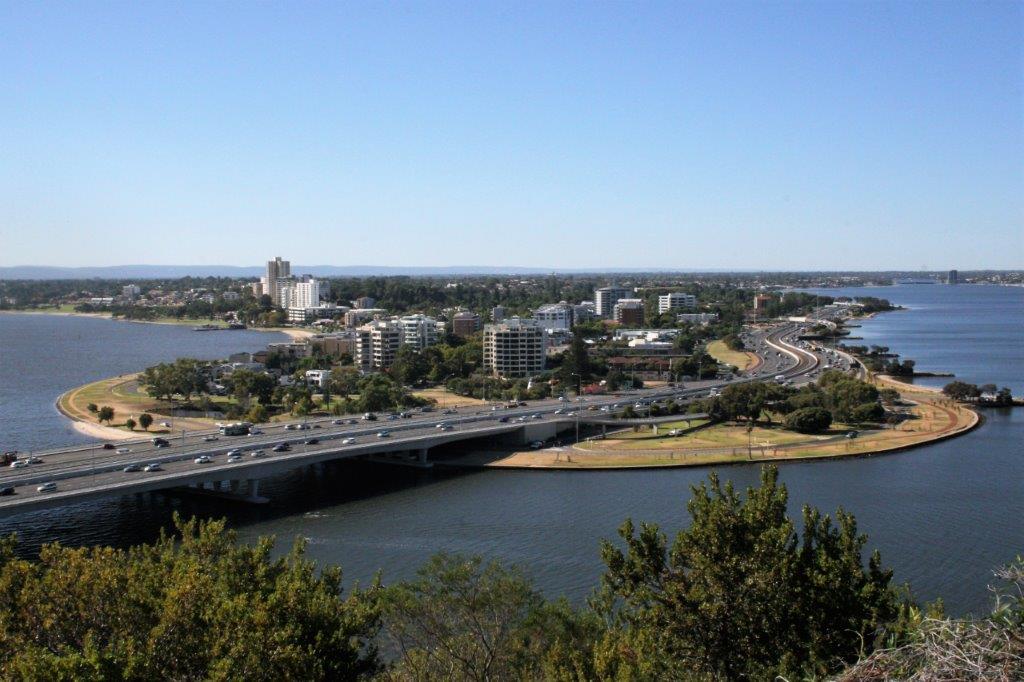
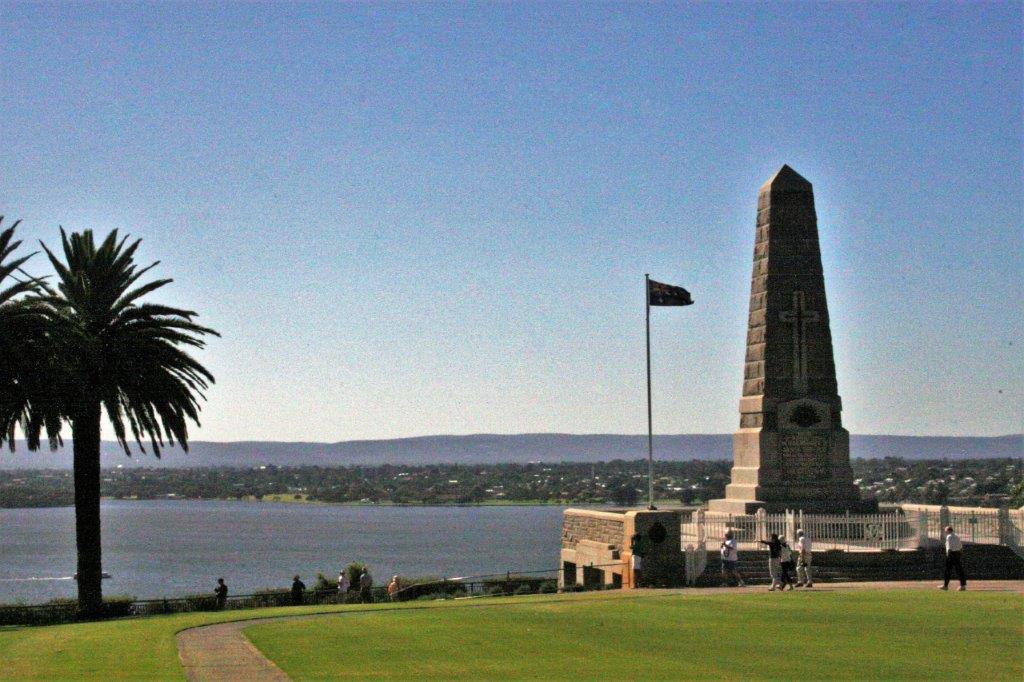
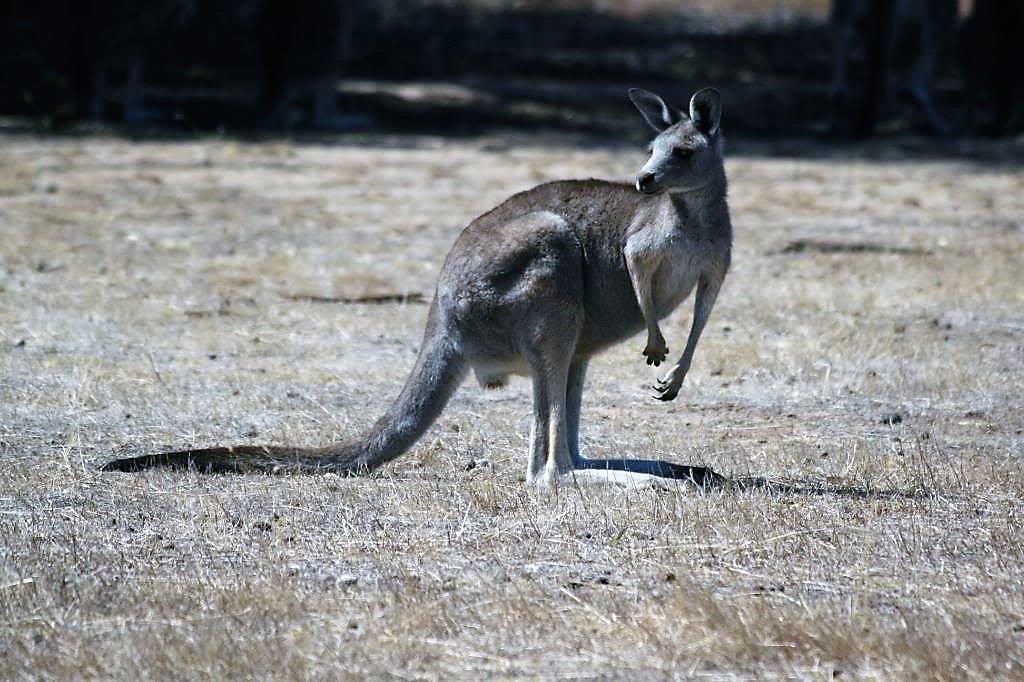
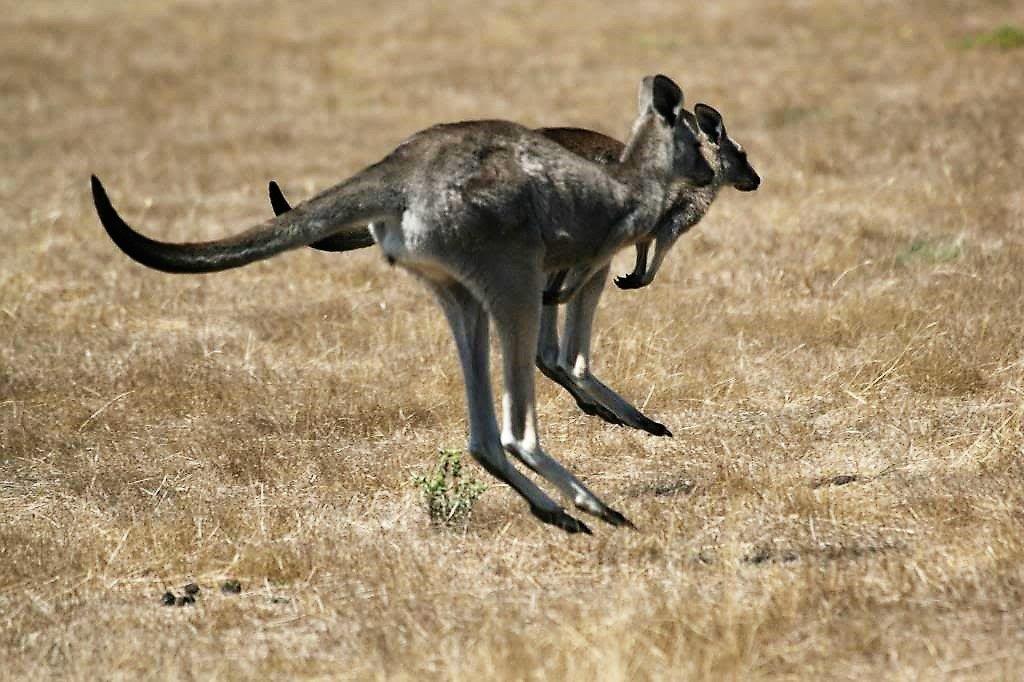
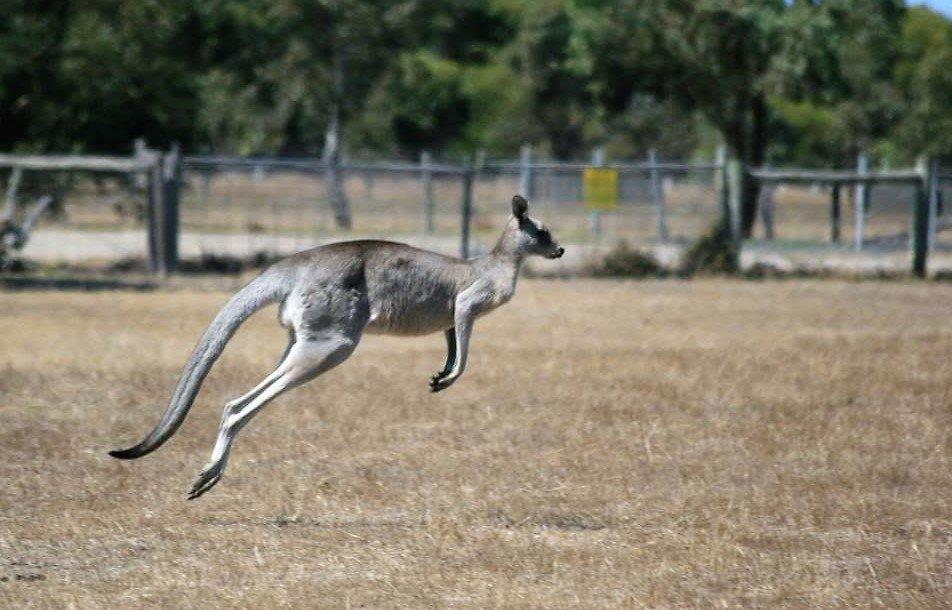
We eventually rounded the southwest end of Australia and docked at Freemantle, which has its own identity but has been absorbed into the Perth urban sprawl. Perth was founded in 1829 but grew very slowly due to it’s remoteness.  In 1850 convicts were brought in to alleviate the labour shortage.  Many of Perth’s fine buildings, like Government House and the Town Hall, were built by convicts.  It wasn’t until gold was discovered in the 1890’s that the population had substantial growth – increasing four-fold in a decade.  Perth is the capital of the state of Western Australia and is one of the most isolated metropolitan cities in the world.  It is actually closer to Singapore and Jakarta, Indonesia than it is to Sydney.  The state of Western Australia is greater than the size of Texas and Alaska combined, yet has a population of less than 2 million, 75% of whom live in Freemantle/Perth.img_4216-1 img_4220 img_4221We did two tours in Freemantle/Perth.  The first was a seven-hour tour to Yanchep National Park – to see what?  Koala’s and kangaroos of course.  On the way we made a one hour stop at King’s Park, which overlooks the city of Perth and the Swan River.  The park is also War Memorial Park.  After WWI, when the Australian/New Zealand forces fought so hard and suffered so many losses, every town and city in the country built a memorial to their fallen soldiers.  AnZac day in April is a huge national holiday with parades and recognition of those who paid the ultimate  price for Australia and New Zealand’s freedom.

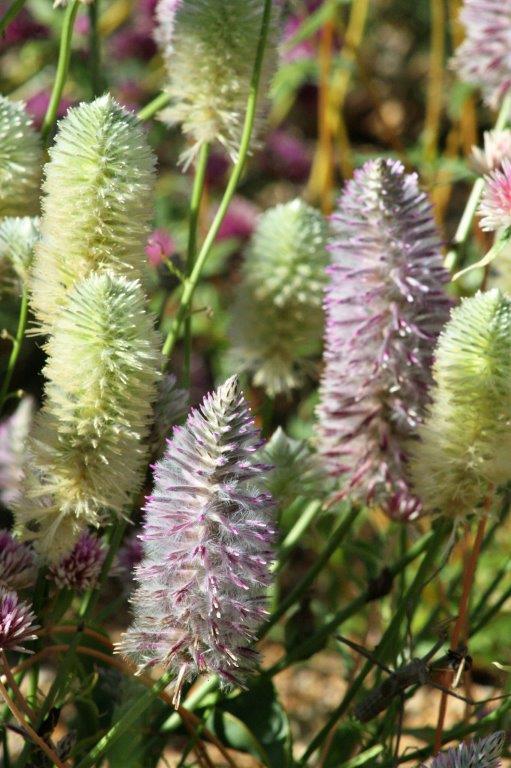
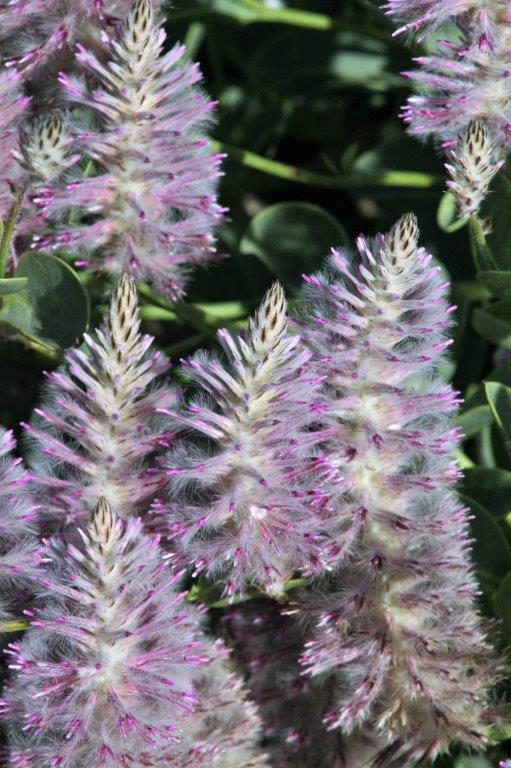
img_4064-1 img_4065-1 img_4073-1_edited-1 img_4072-1img_4058-1img_4062 Featherheads

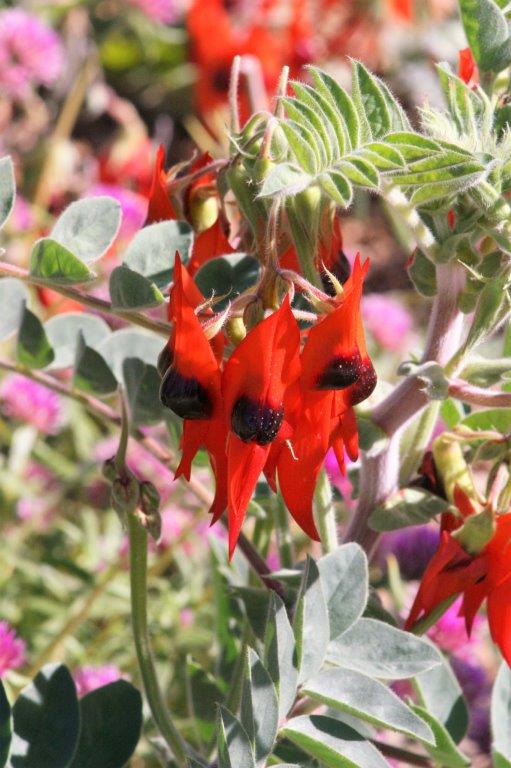
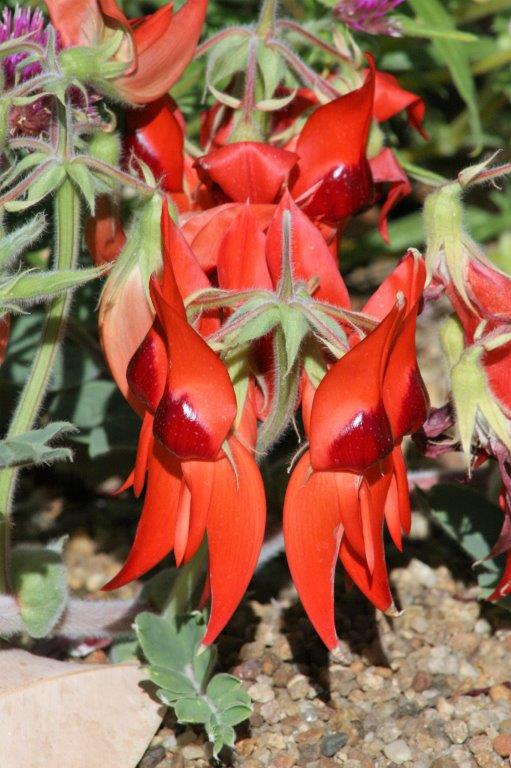
img_4077-1 img_4078-1Sturt’s Desert Pea blossoms

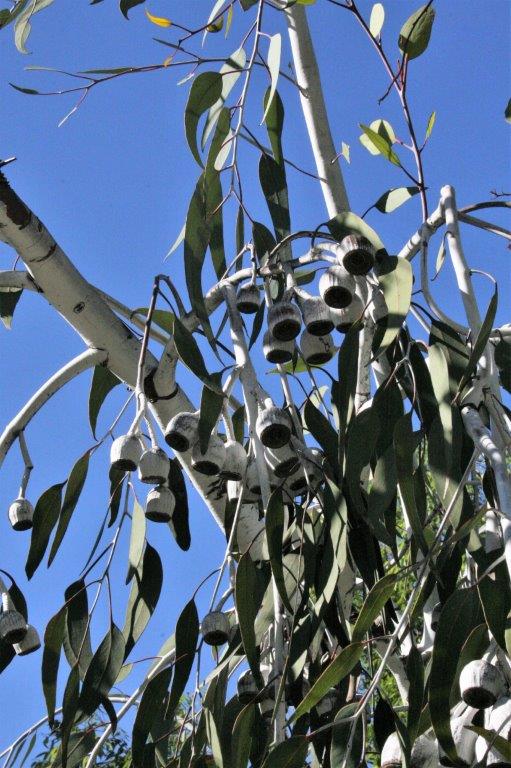
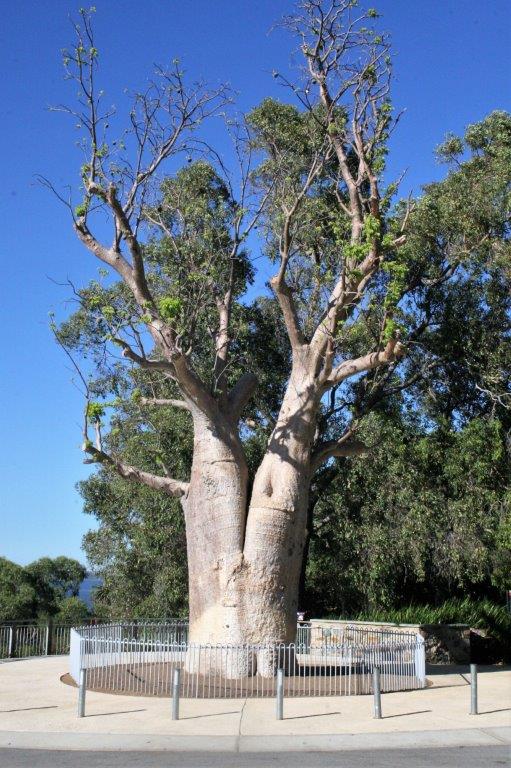
img_4082 img_4052-1The lovely white bark of a Eucalyptus Tree and the inverted Baobab Tree

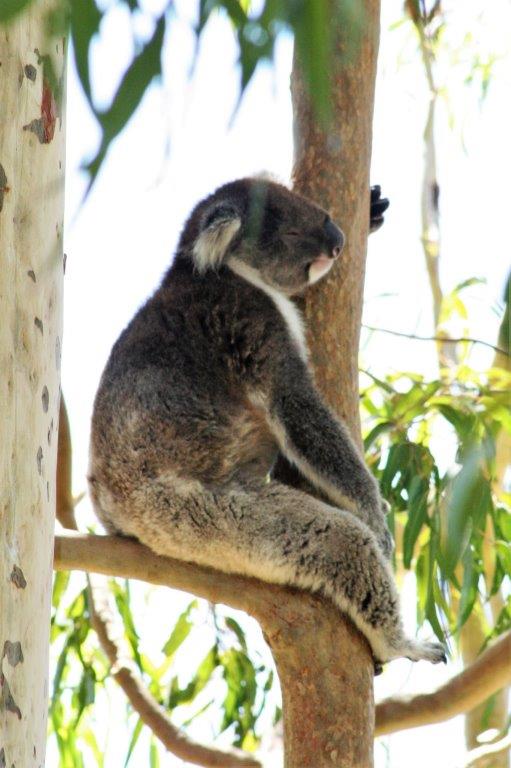
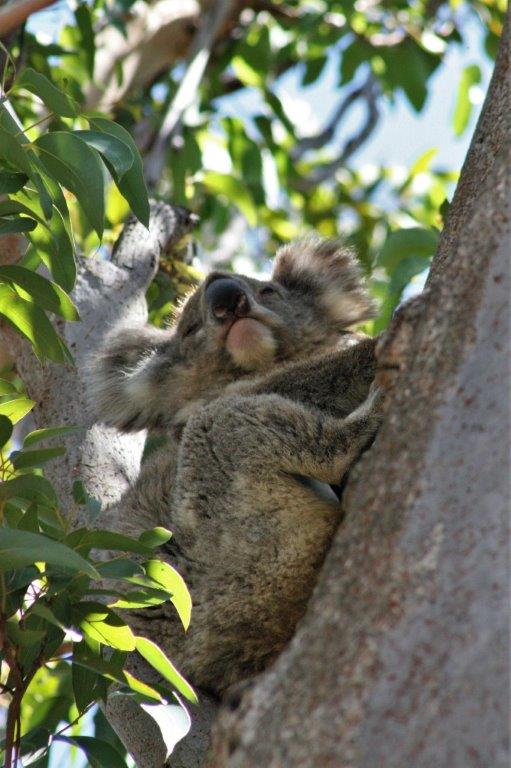
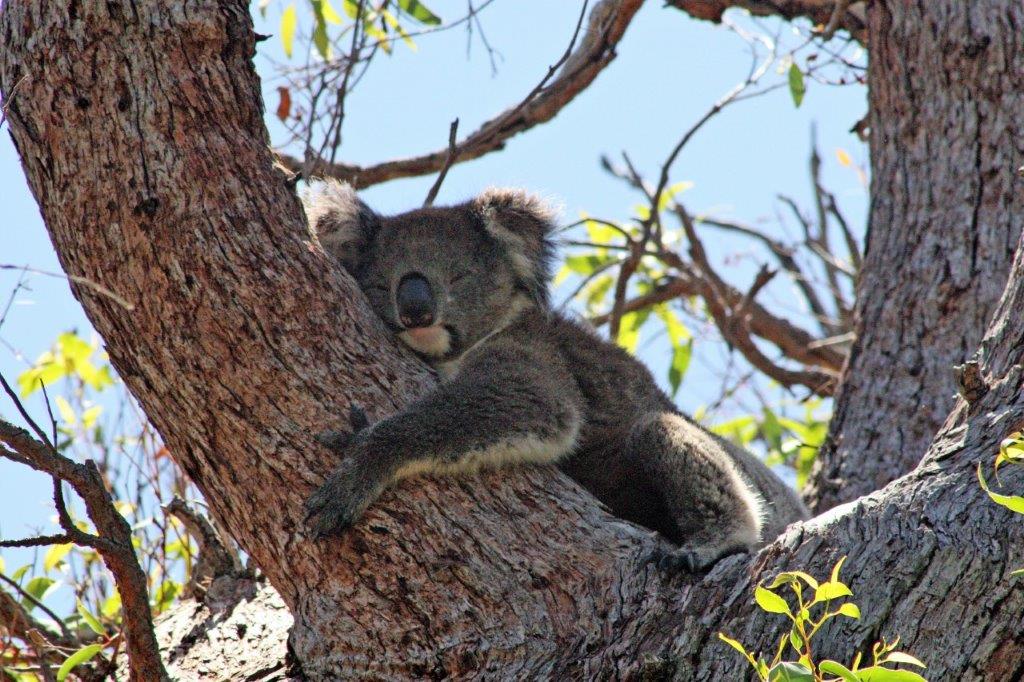
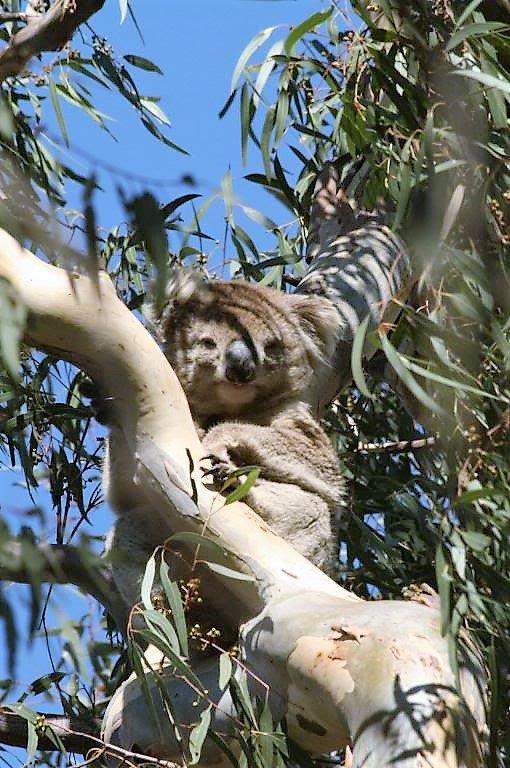
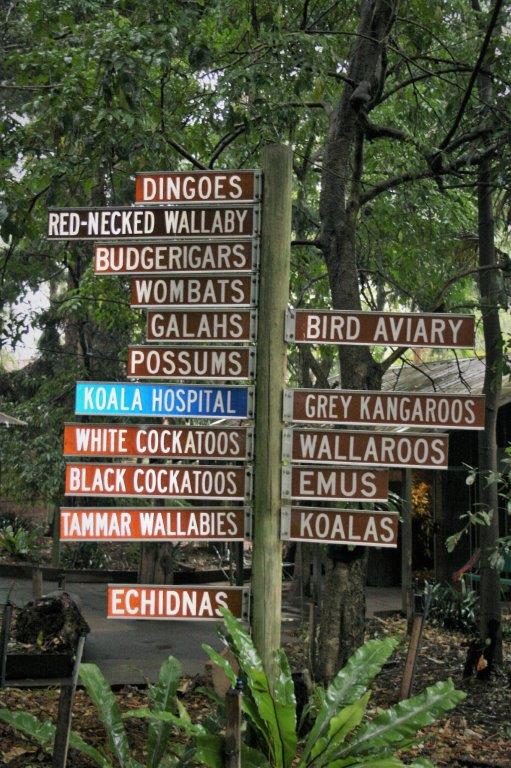
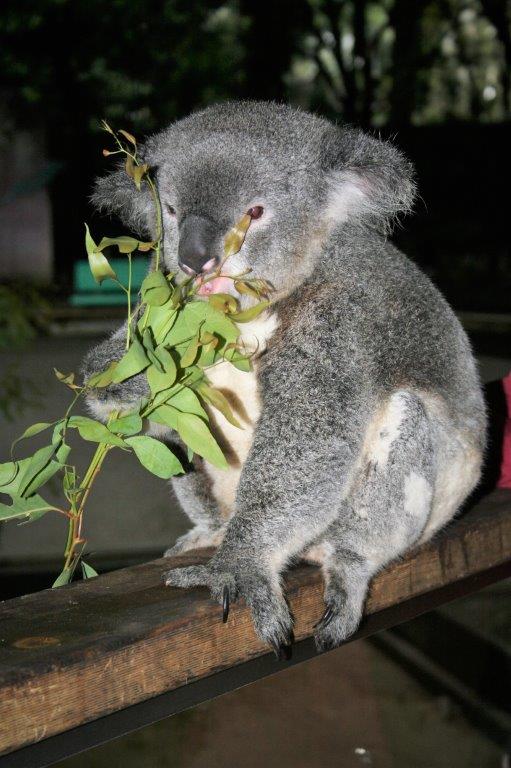
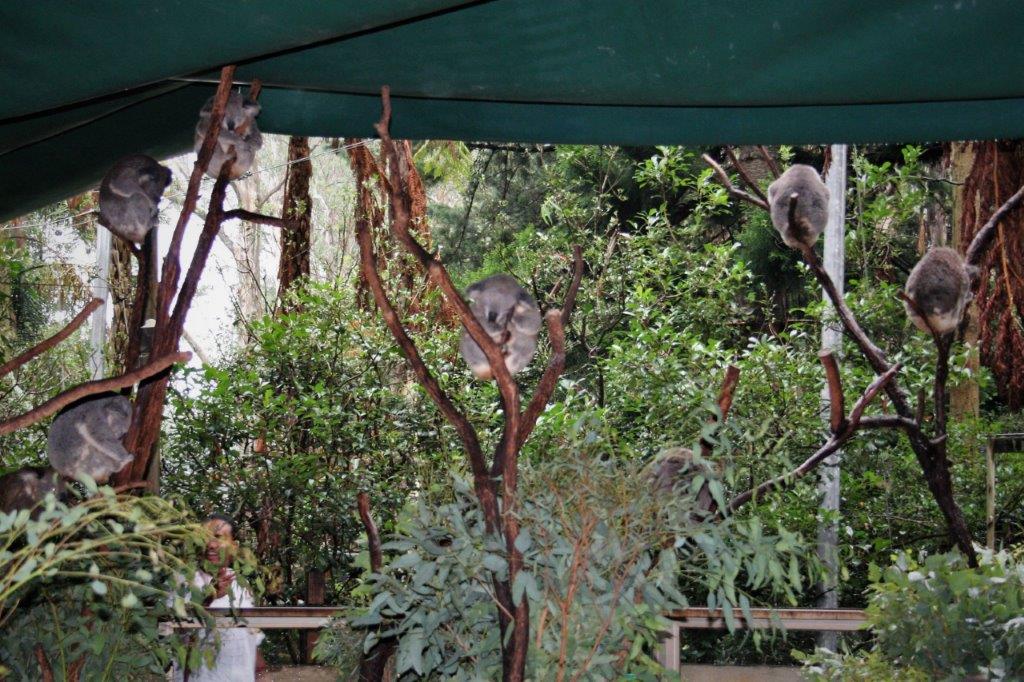
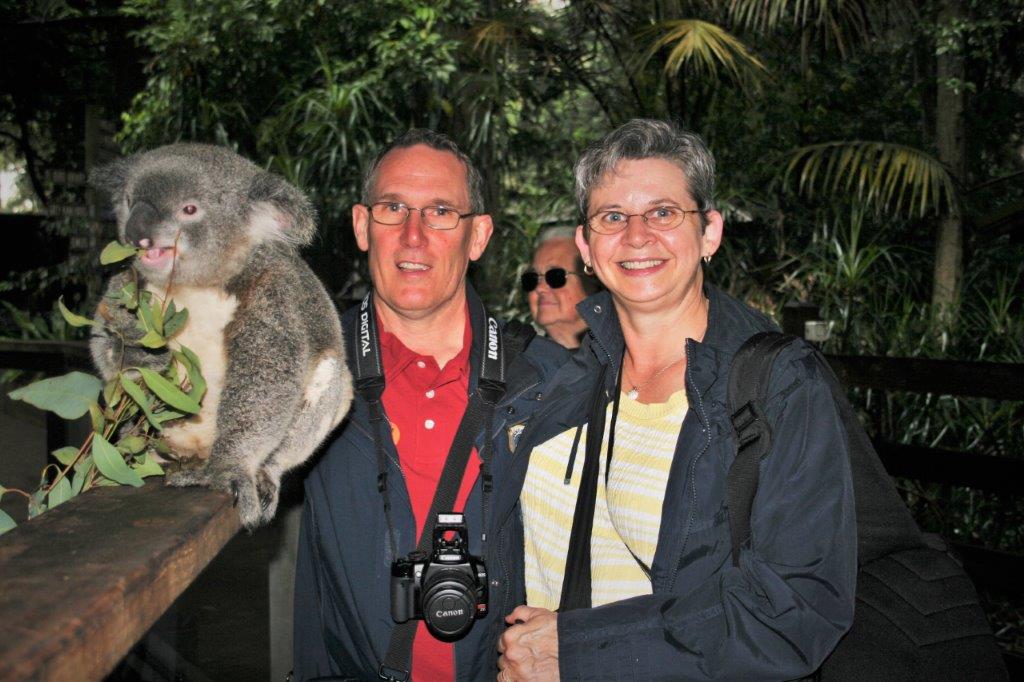
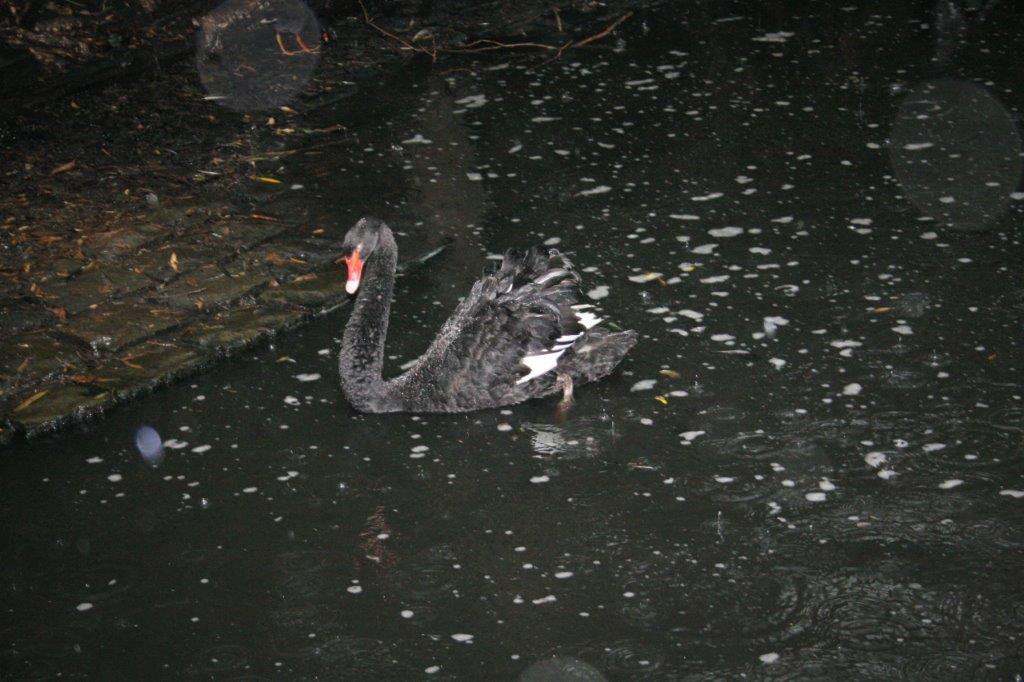
At the preserve we walked along a 240′ boardwalk where we enjoyed finding koalas nestled high up in the trees.img_4156-1 img_4172_edited-1 img_4182_edited-1And visited Mongor Lake, famous for it’s black swans – who rudely stayed on the far side of the lake.

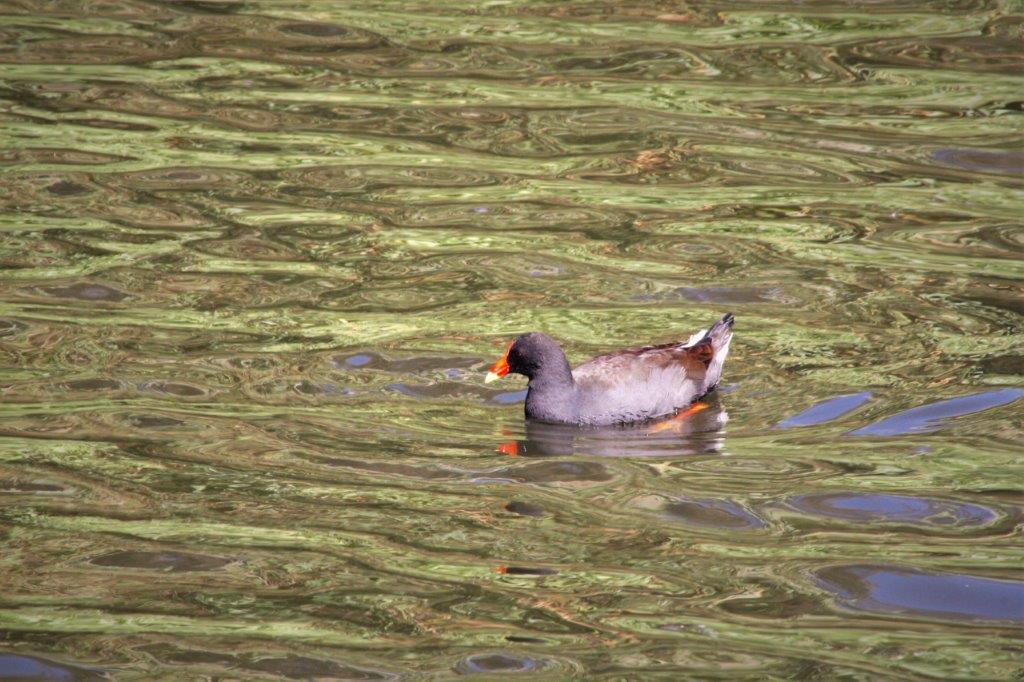
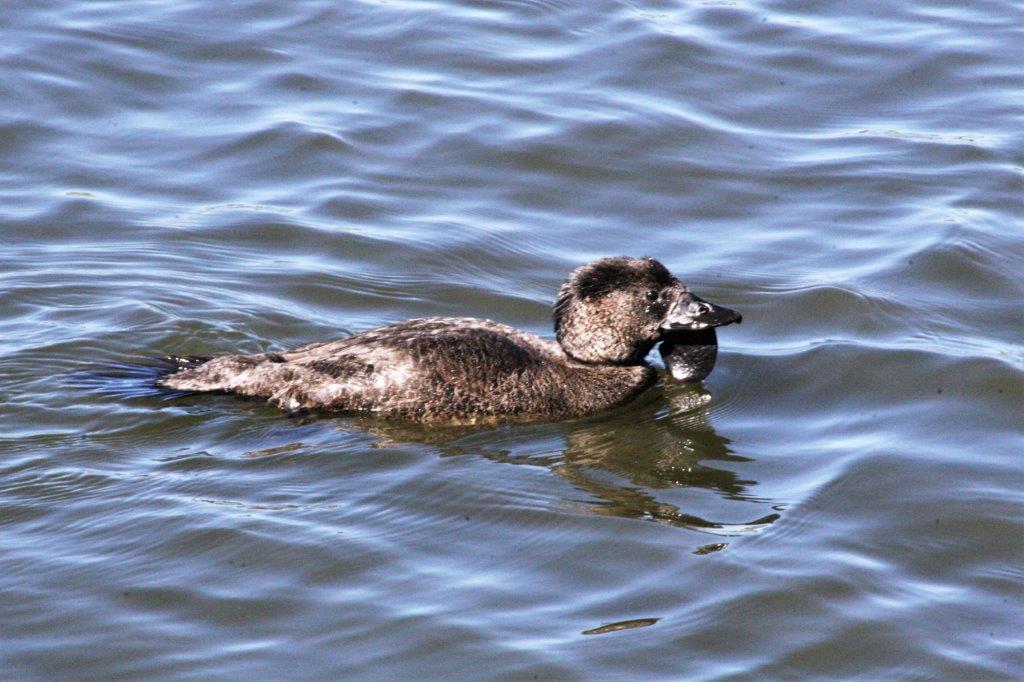
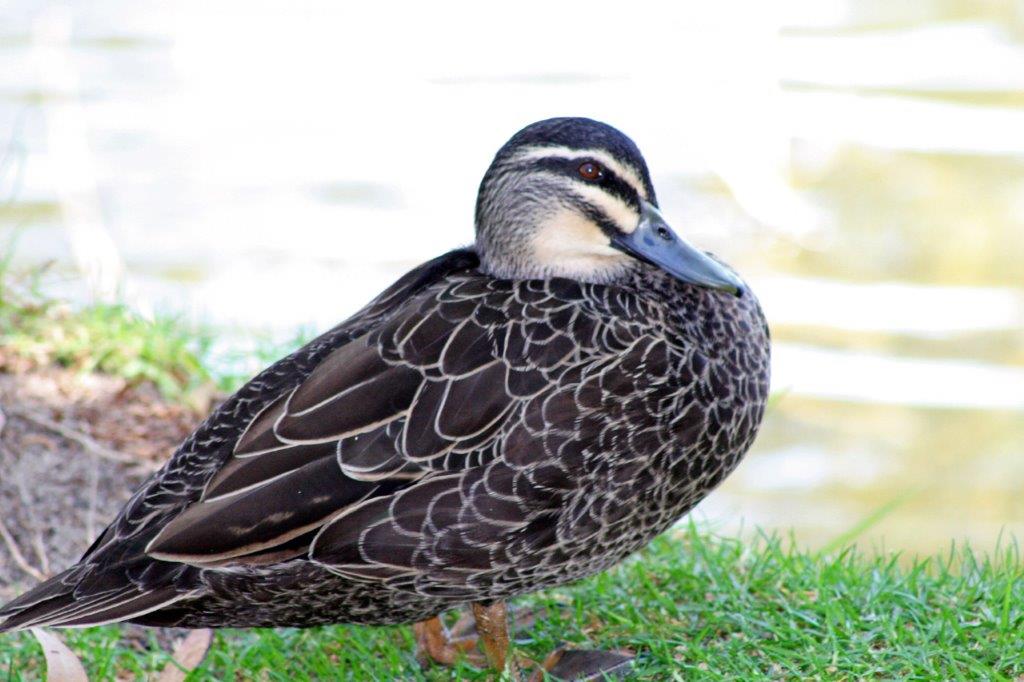
img_4095 img_4102-1                                                                                                        Musk Duckimg_4130-1_edited-1 img_4133-1_edited-1                                                        Pacific Black Duck

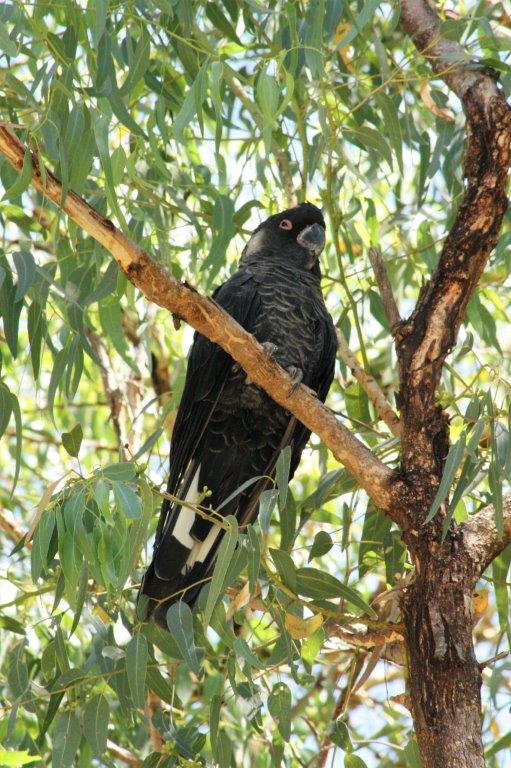
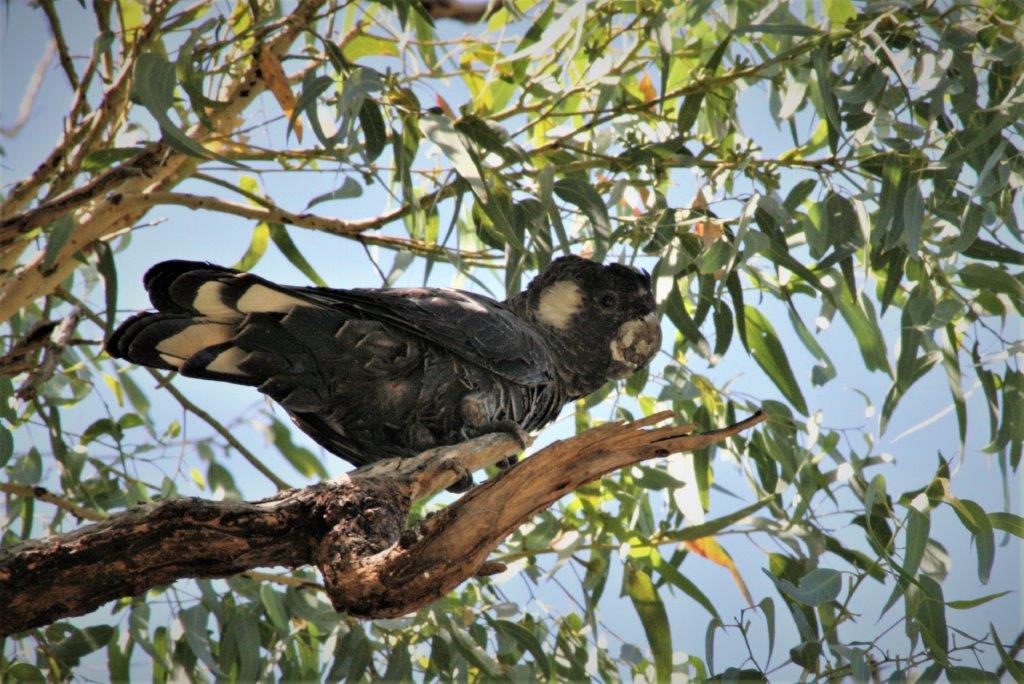
img_4122 img_4126_edited-1     White-tail Black Cockatoo

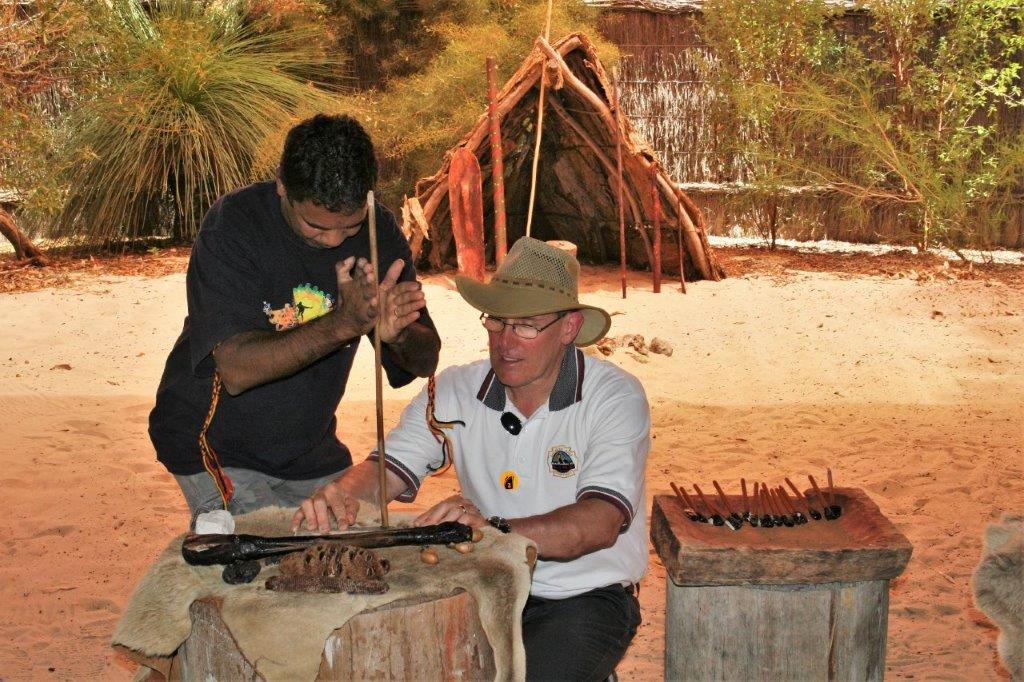
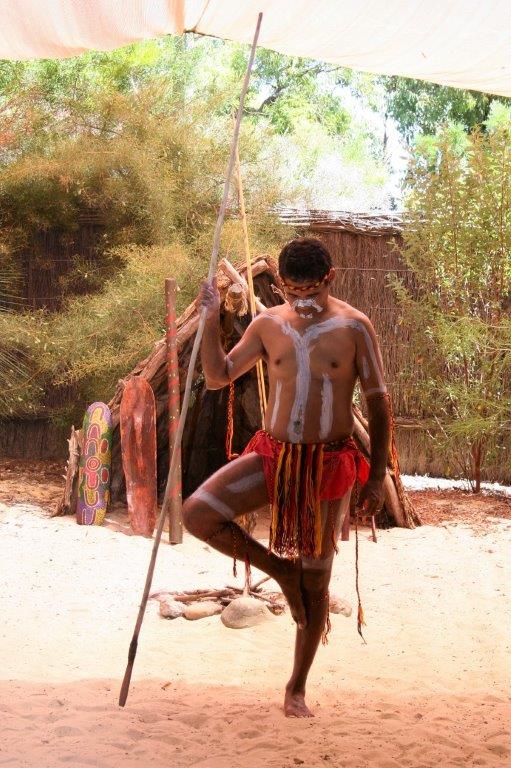
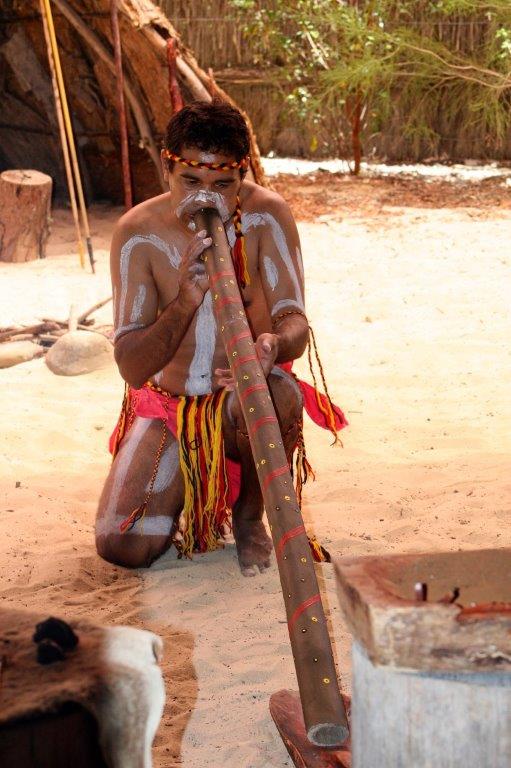
Afterward, we gathered in an Aboriginal Cultural Inter-action Center where a young man named Benton showed us how the aboriginal people made fishing spears, tools, and weapons. (They make a super-glue compound out of ground up resin from a Grasstree (after it has been burned), kangaroo dung and charcoal that cemented rocks onto sticks to make an axe.)  The Aboriginal people of Australia were the first people to hone a stone to make a sharpened axe-head and the first to grind wheat.img_4196Benton showed us how they made fire,img_4199-1_edited-1 img_4205-1_edited-1Demonstrated a fishing dance                              Played the didgeridoo.  And told us many stories of his people.

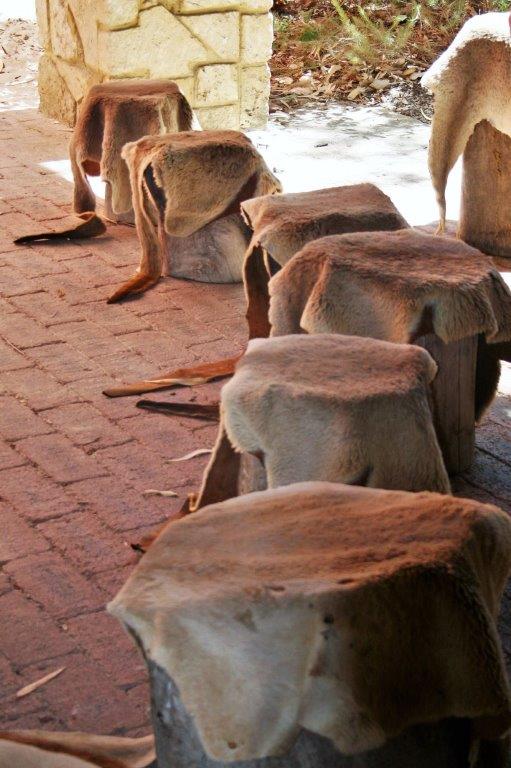
img_4208-1_edited-1img_4209-1We sat on kangaroo hide stools.

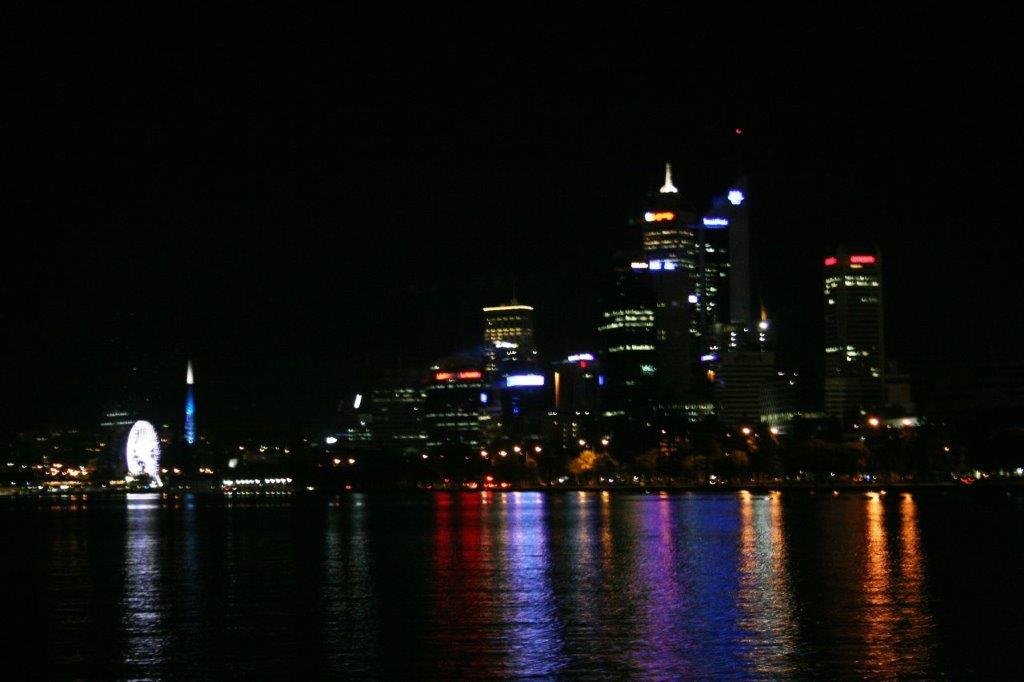
We returned to the ship at 4 and at 6 we left again for a dinner cruise on the Swan River.  We enjoyed a lovely meal and a relaxing sail down the river, re-entering Perth after dark.

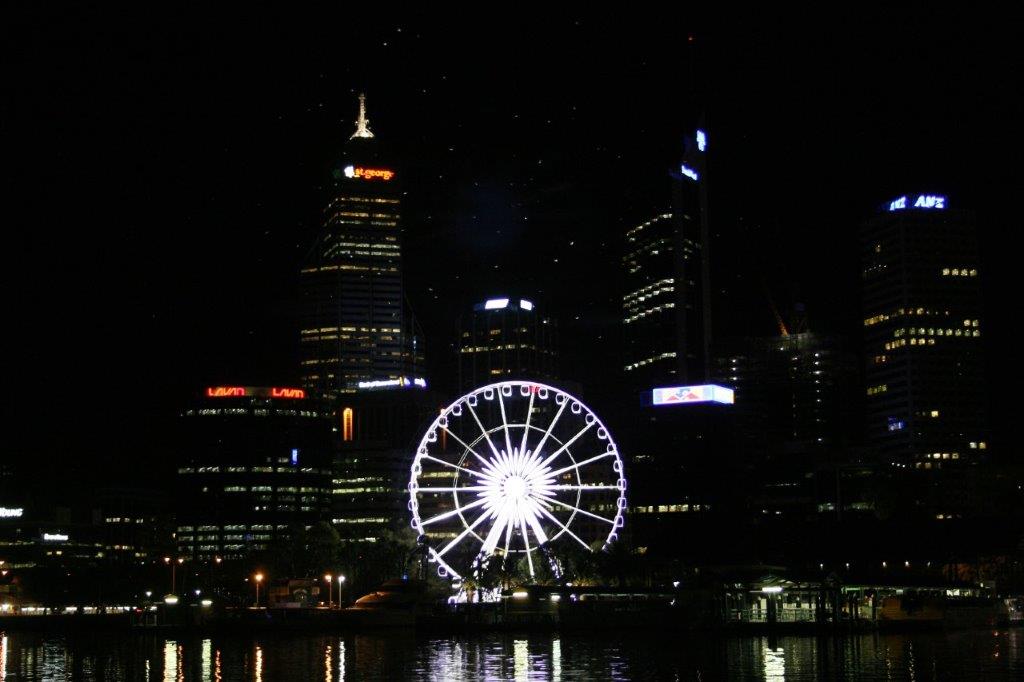
.img_4234 img_4233 img_4231 img_4240 img_4250 img_4255It was a long, full day, but we loved Perth and would like to return someday.


2009 World Cruise – Feb 15 – Day 41 – Adelaide, Australia

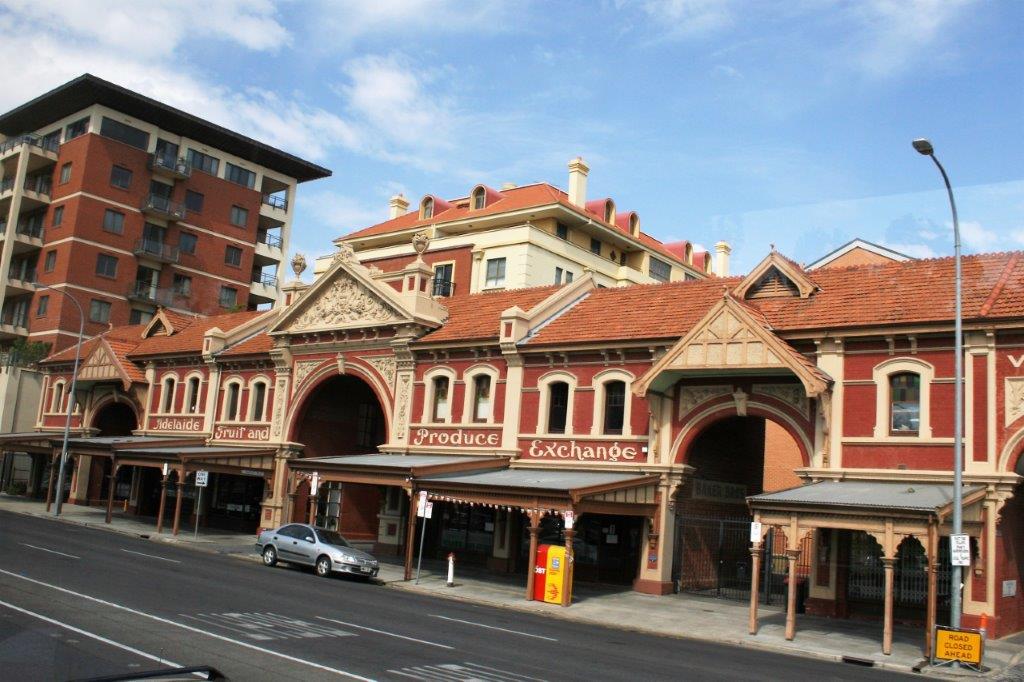
2009 World Cruise – Adelaide is the capital of South Australia.  The city was founded in 1836 and designed  by Colonel William Light.  It was a planned city set out in a grid pattern with many parks and green spaces.  Silver was discovered in 1841 and mines popped up all over the state.  During the economic downturn that hit Australia in the  1890’s Adelaide was spared by its silver and lead.  It is now a notable wine country and agricultural area.  After the two World War’s the government enticed industries like General Motors and Chrysler to utilize the no-longer-needed wartime manufacturing plants.  Today Adelaide is also home to 70% of Australia’s defense technology and industries.
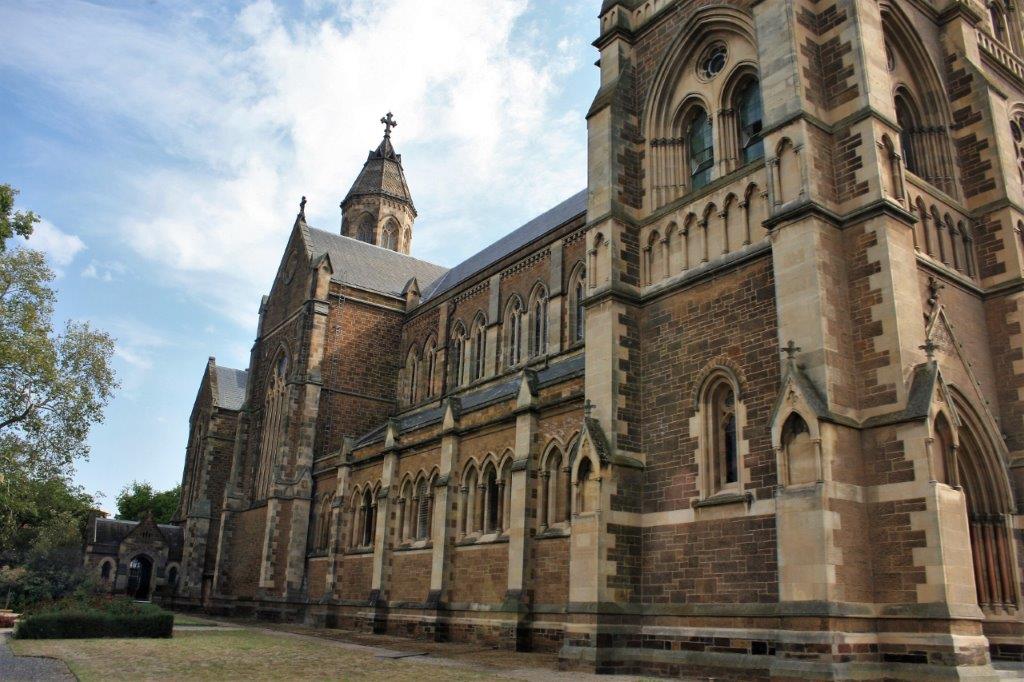
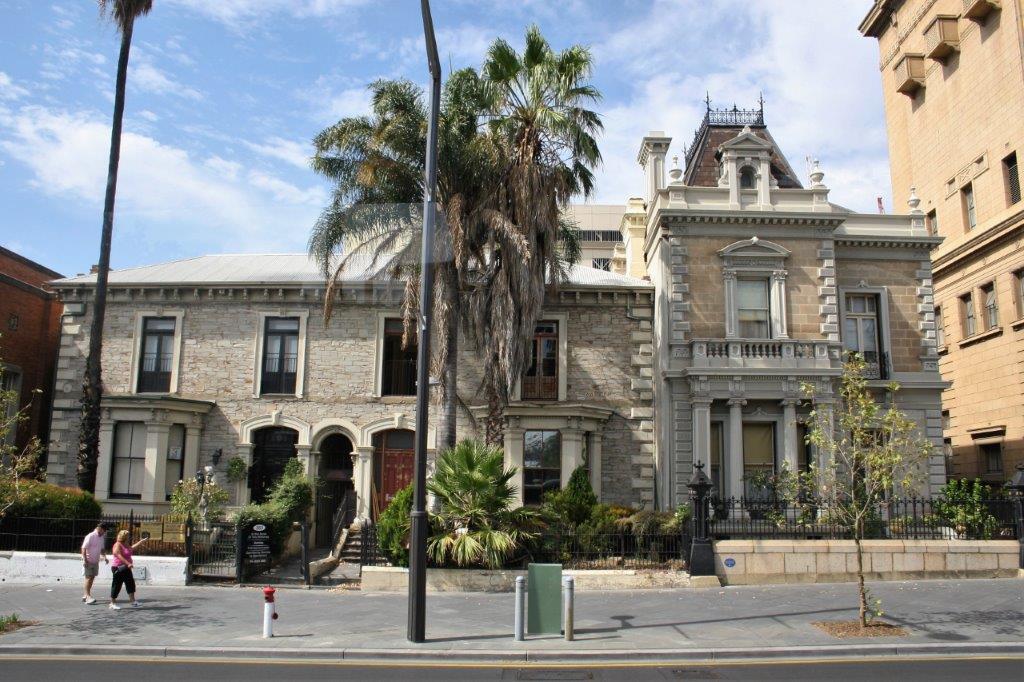
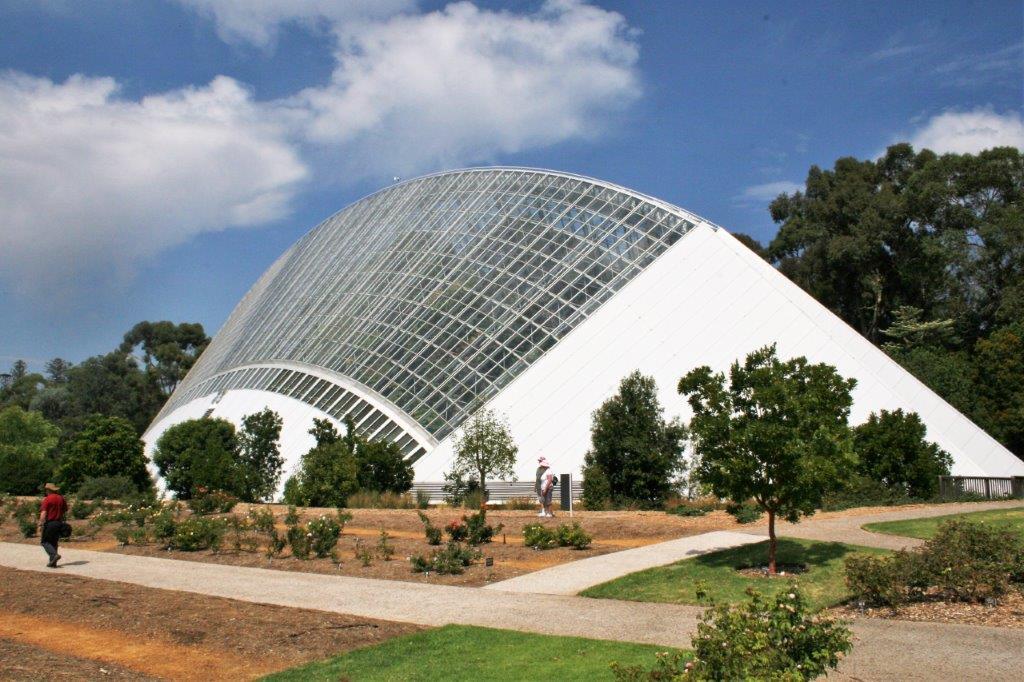
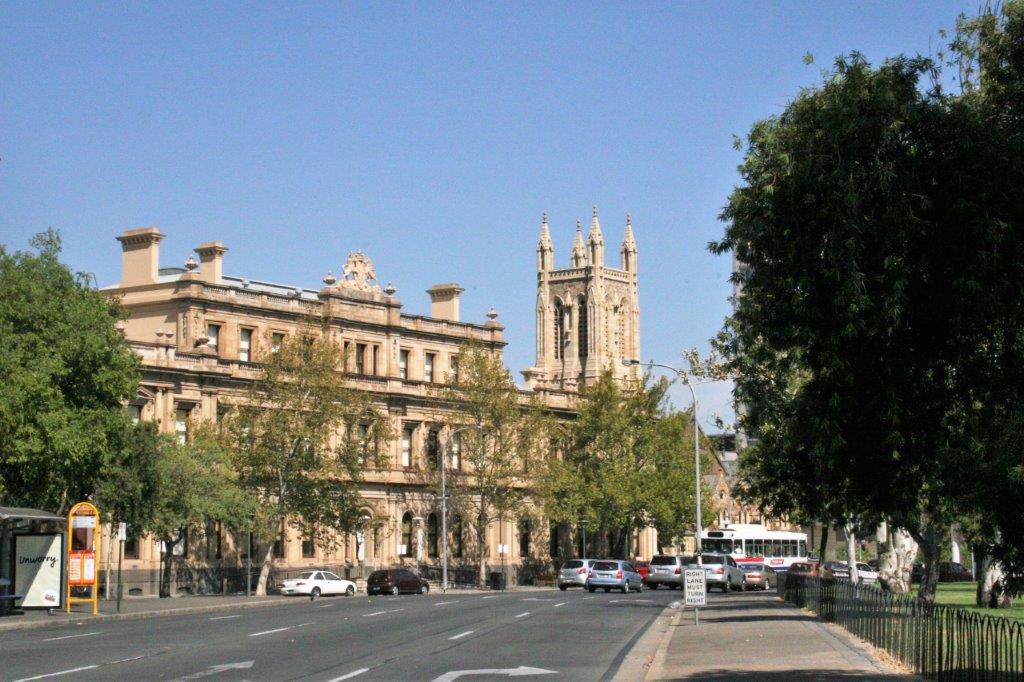
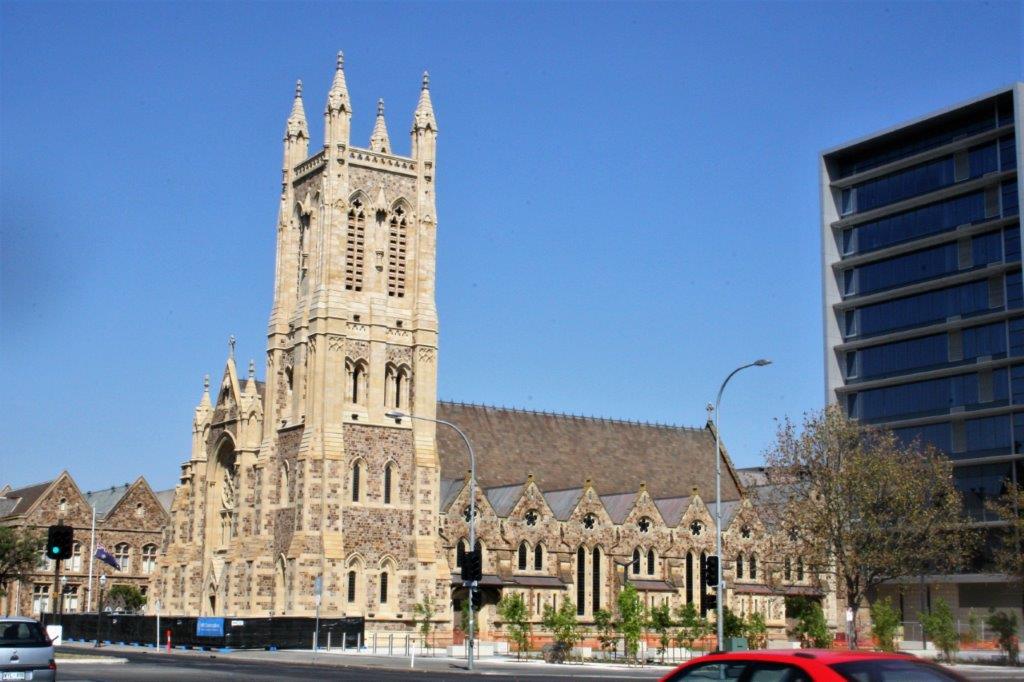
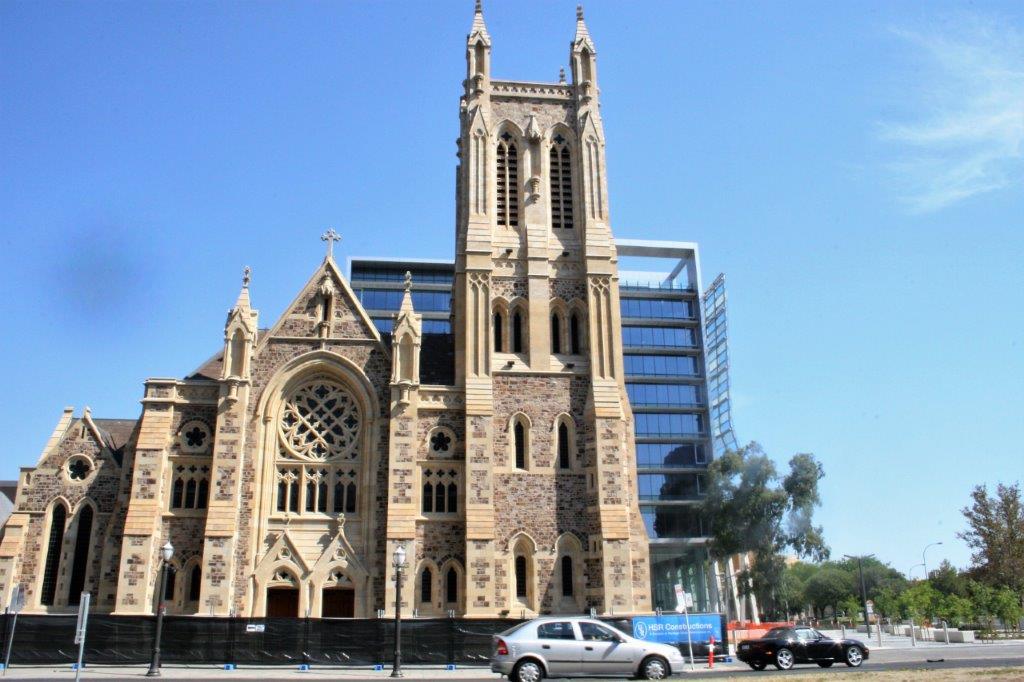
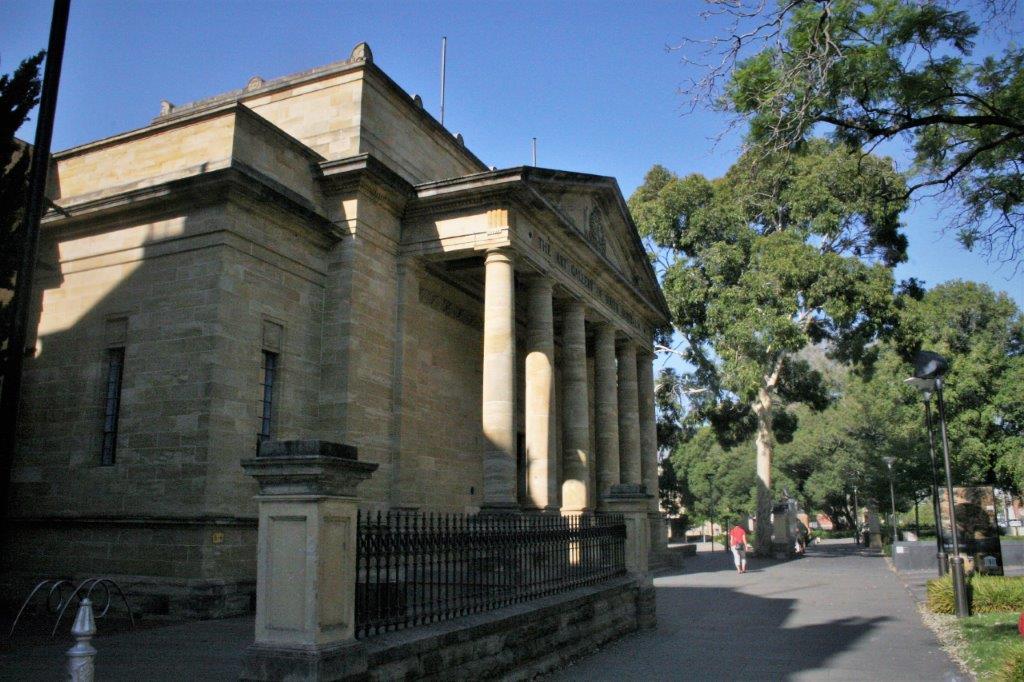
The city had organized free shuttles that ran from the port into town every 30 minutes until 7:15 pm.  We had a tour that took us on a drive around interesting parts of the city and out to the Bicentennial Conservatory at the Adelaide Botanic Gardens. img_3946-1 img_3947-1St. Peter’s Cathedral

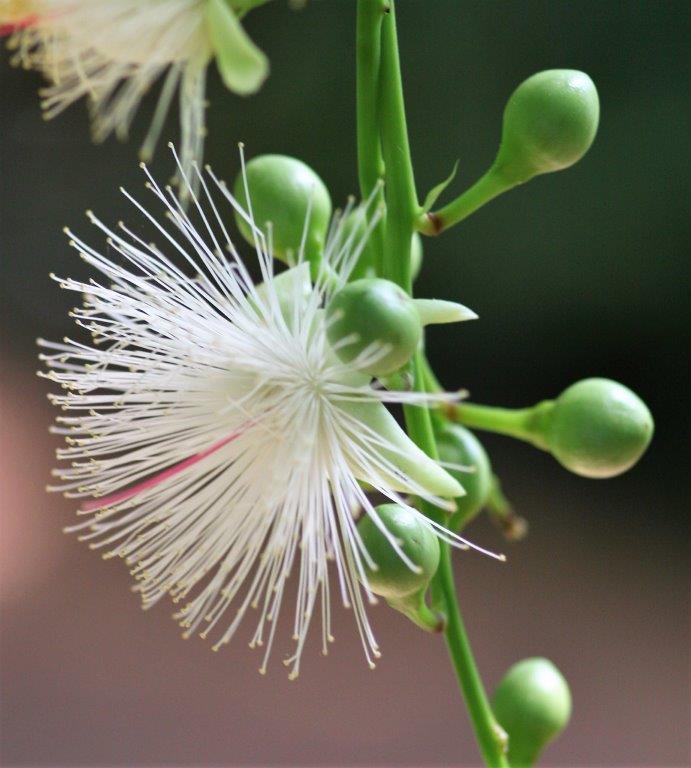
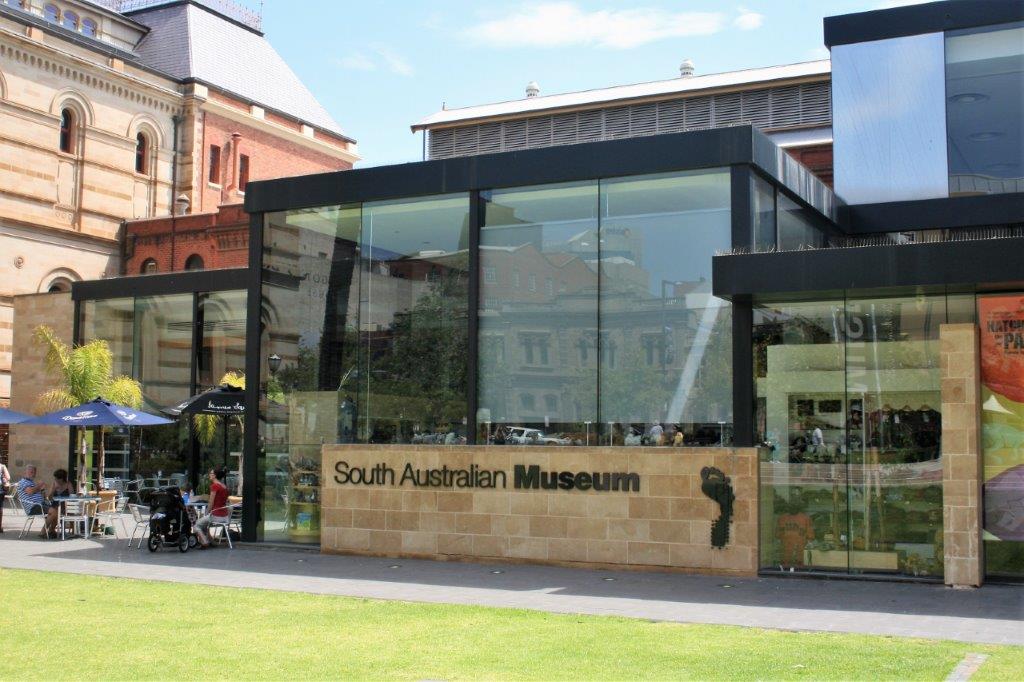
img_3968-1img_3967 img_3969-1 img_3970-1 img_3971-1Our guide at the conservatory was told we were running late so only had a half hour before we needed to be on our way to the South Australia Museum for the second part of our tour.  I think she did her talk so often she didn’t know how to change it.  She was unable to walk and talk and she stopped at every tree and bush for 5-10 minutes.  I wandered off and looked around the conservatory on my own.img_3986img_3975-1_edited-1 img_3976-1                                                     Fish Poison Tree.

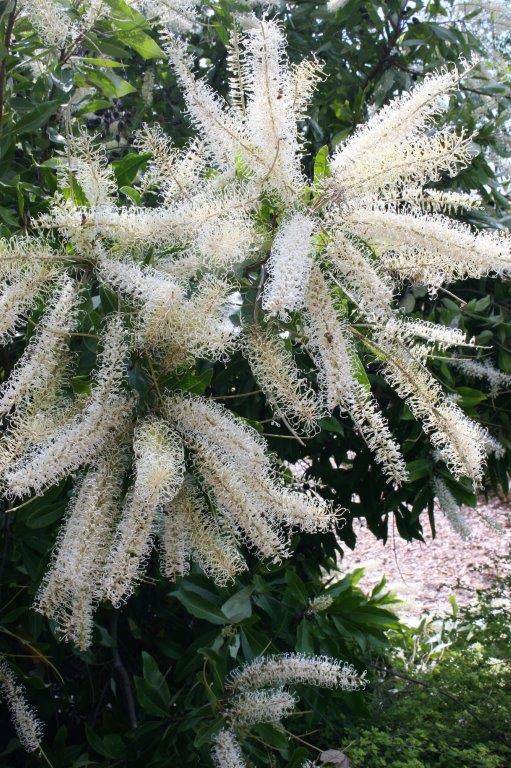
img_3983_edited-1 img_3999-1 img_3973                                                                                                      Bottlebrush

By the time we got out of there and to the museum we were very short of time and could only give a cursory look at a few of the aboriginal displays.

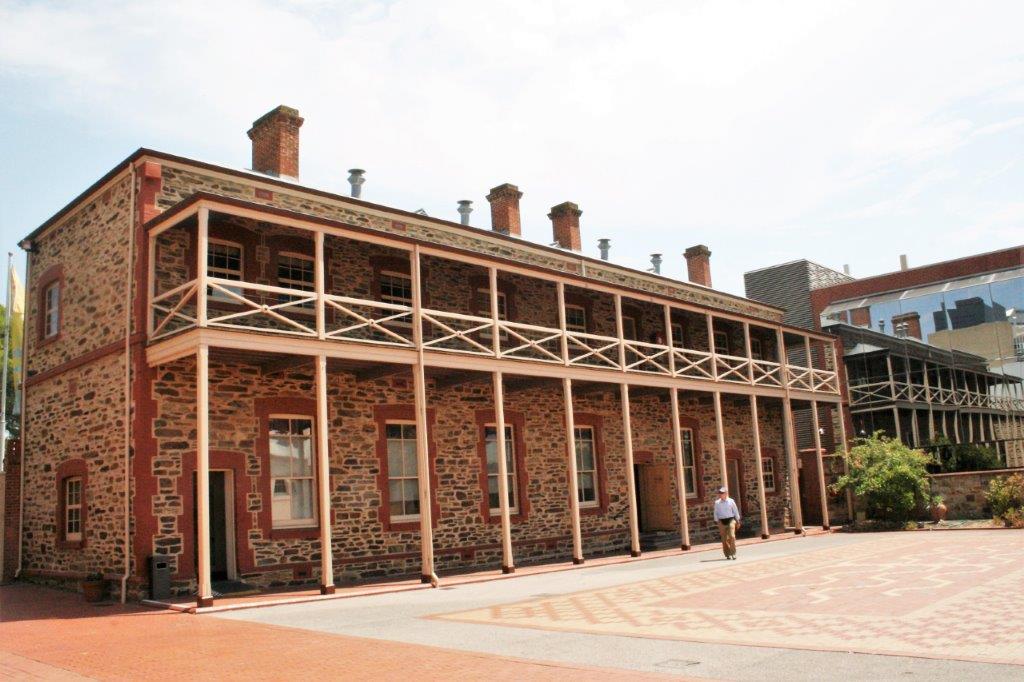
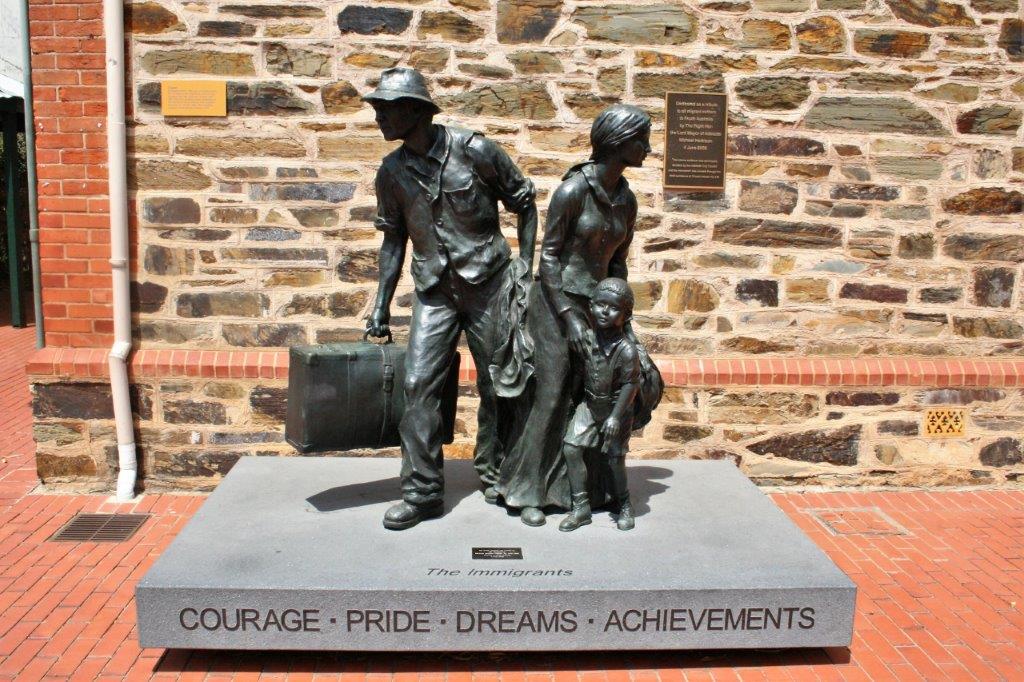
img_4000At the back of the South Australia Museum was The Migrant Museum.  I wish we had been able to go through it; there would have been interesting stories.

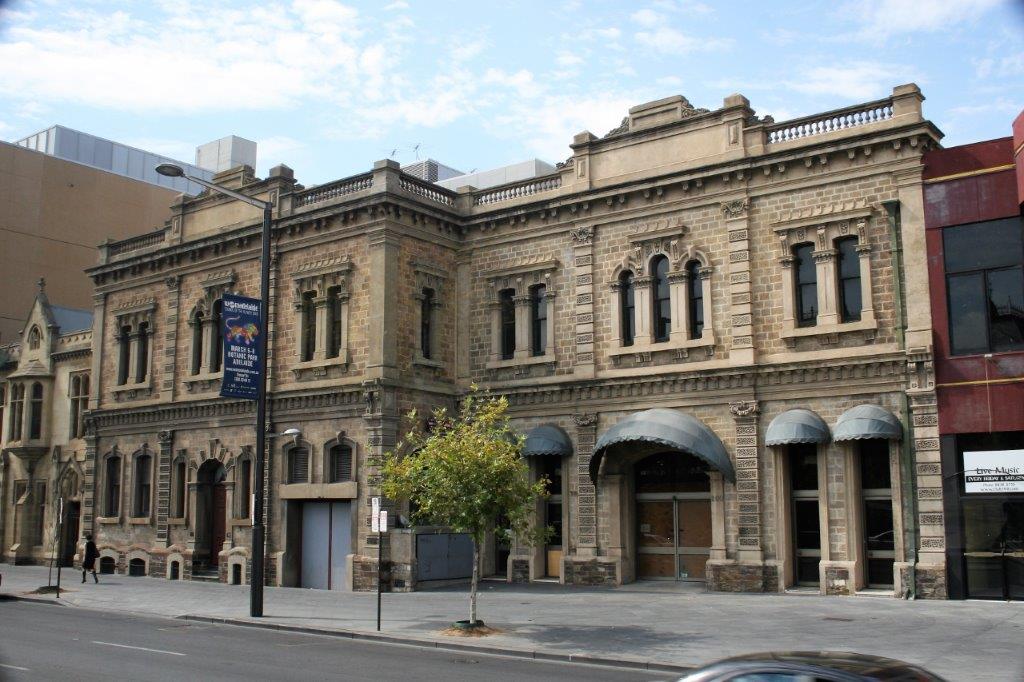
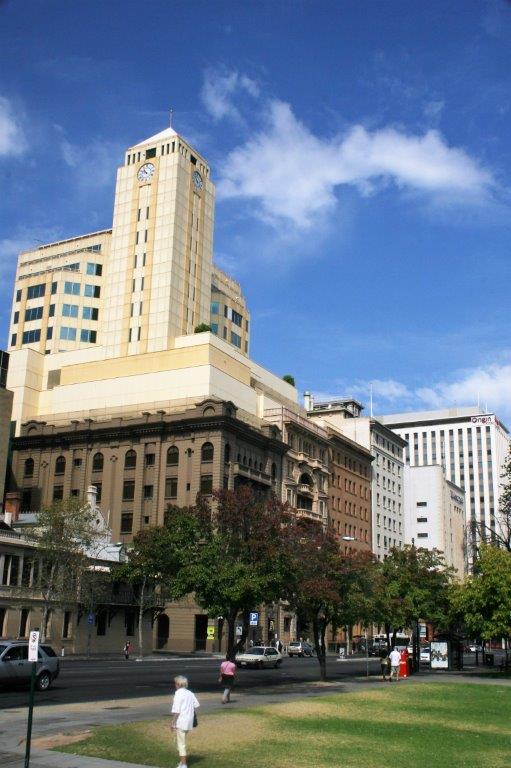
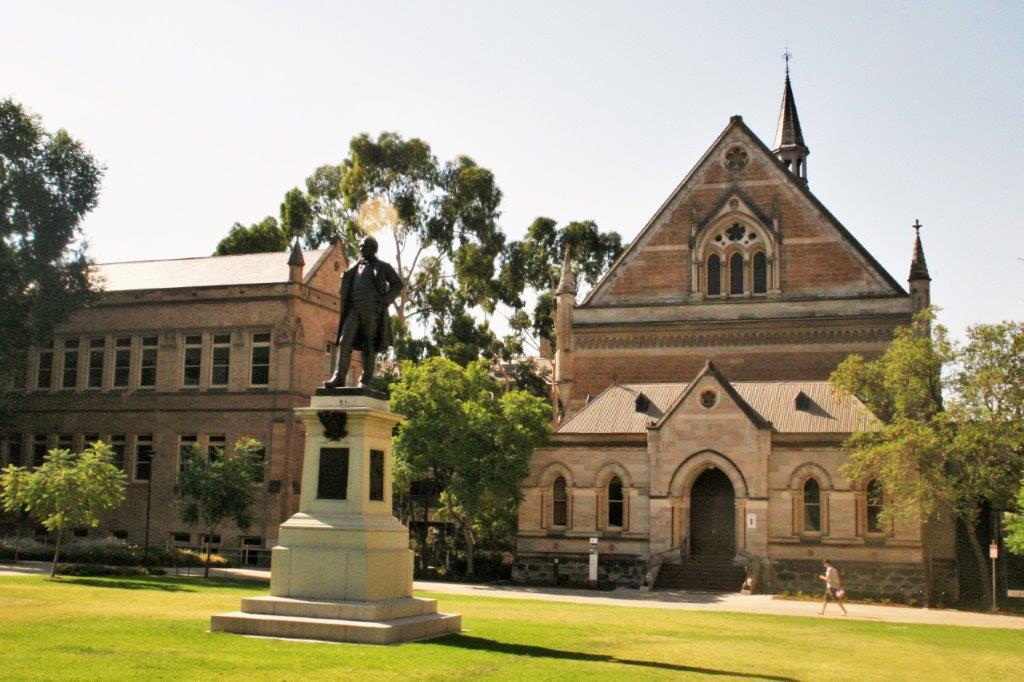
img_4004 img_4006 img_4005We returned to the ship, had a quick lunch and caught the shuttle into town.  We walked around the main blocks, through Victoria Square and onto the University of Adelaide campus.img_4014-1 img_4023-1 img_4024-1St. Francis Xavier’s Cathedral.

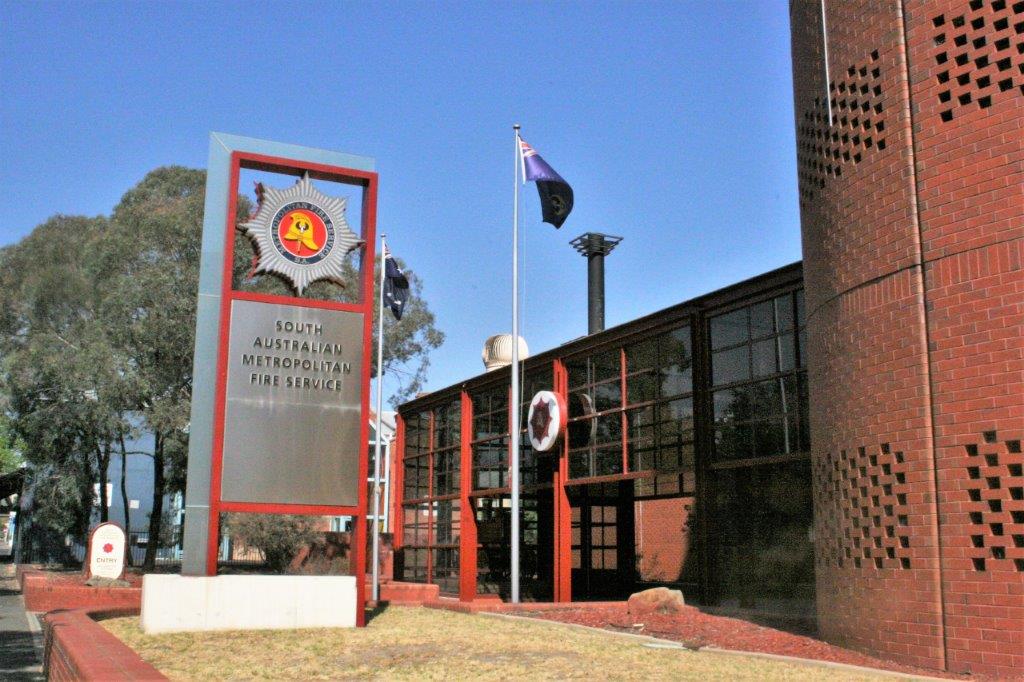
John was really hoping a fireman would walk by so he could talk shop, but despite lingering for a photo and checking out a firetruck parked at the curb, no one appeared.

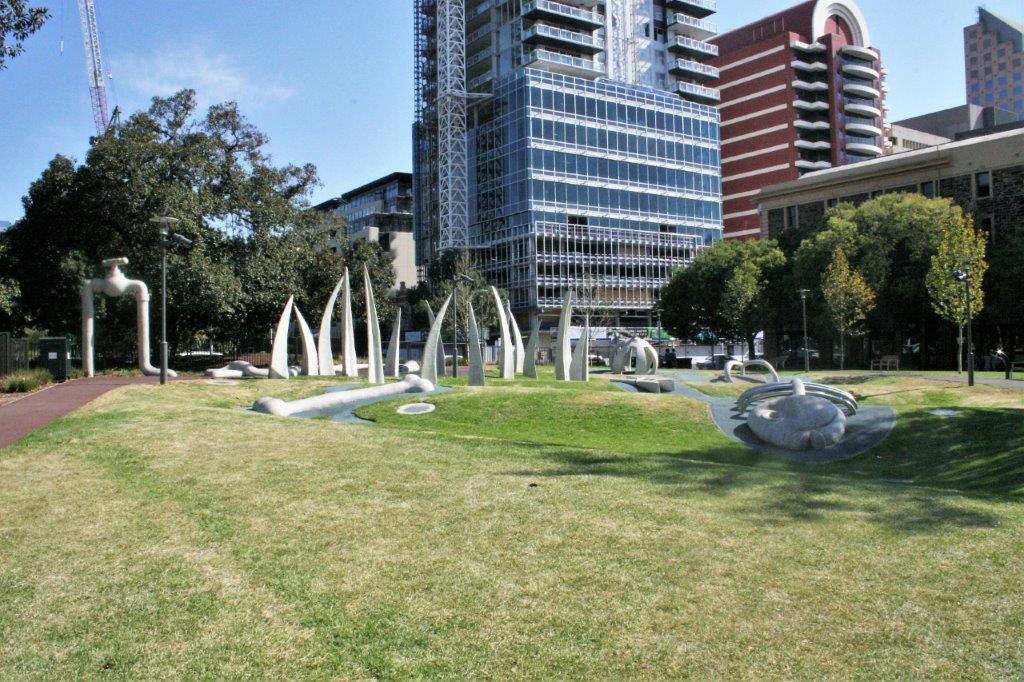
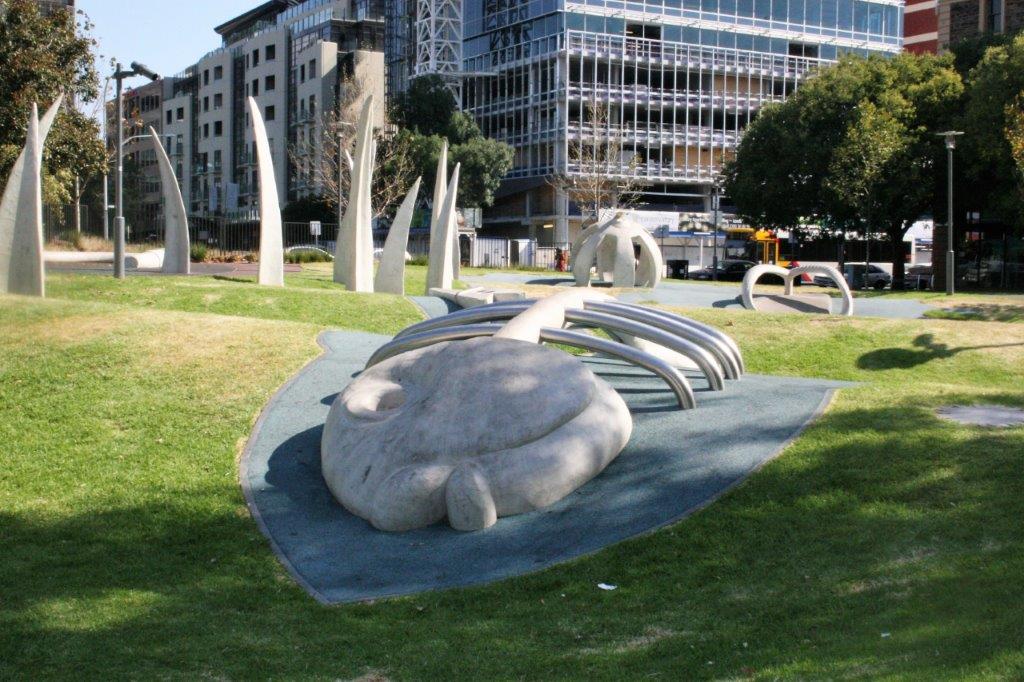
img_4026-1 img_4028-1We discovered this interesting child’s park.  Very creative climbing apparatus. Hindmarsh Square Playground.
img_4029-1 img_4030img_4038-1Goodman Court on University of Adelaide campus.img_4035 img_4037-1img_4044-1

Despite the somewhat disappointing tour we enjoyed our day in Adelaide.  The final port-of-call in Australia, after three days at sea, was Freemantle; the port city near Perth in Western Australia.

2009 World Cruise – Feb 23 – Day 39 – Melbourne, Australia

2009 World Cruise – We had a day at sea between Sydney and Melbourne (pronounced Melbun), sailing through Bass Strait between Australia and Tasmania, a section of water notorious for high seas – we, fortunately, were blessed with calm water.

Melbourne is the second largest city in Australia and the capital of the state of Victoria.  It is consistently listed as one of the most livable cities in the world.  The city was still suffering the affects of all the bush fires (over 180 people had died so far) and the air was very smokey; not a good thing for my asthmatic breathing.  As it turned out I didn’t leave the ship for our tour as I had to see the ship’s doctor for a bladder infection.  The infirmary is only open from 8-9 am and 5-6 pm.

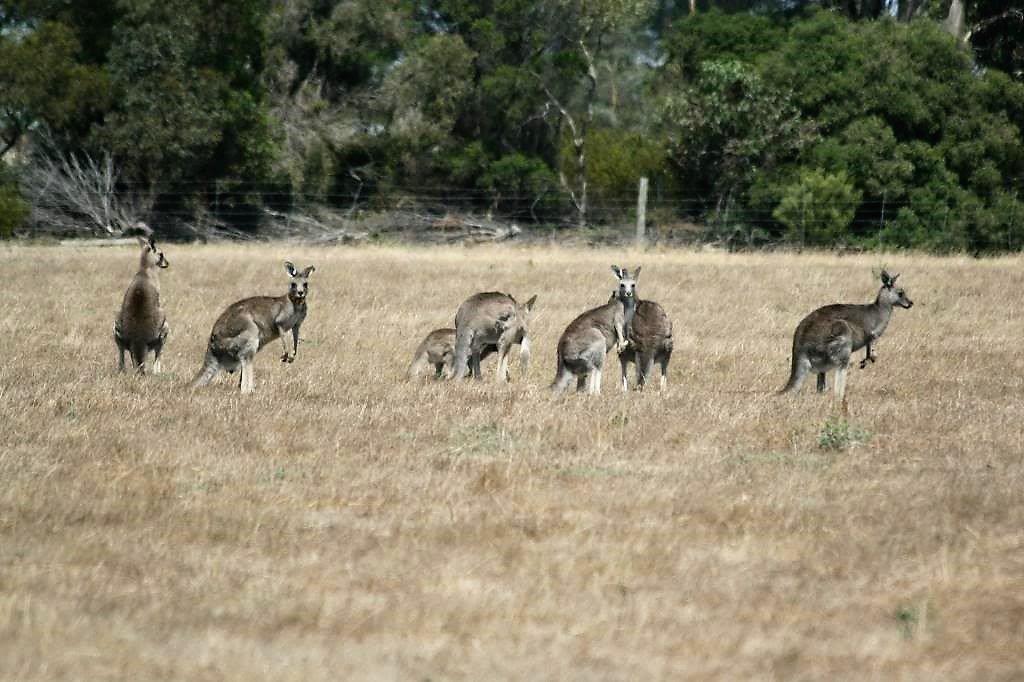
Our tour to the kangaroo and koala sanctuaries left at 8:15.  Once again John had to go alone.  It was a very good thing I had the opportunity to pet a koala in Sydney or I would have been very upset.  This excursion was actually a second-choice as our originally booked excursion (koalas and a visit to an old gold mine site where you could ride a stage coach) was cancelled due to low participation.  I was not very happy about that as I really wanted to go on that one.  But, not much you can do about it if not enough other people want to go.

John went off on tour, I saw the doctor and got some antibiotics, read my book, typed some email and stayed out of the smokey air.

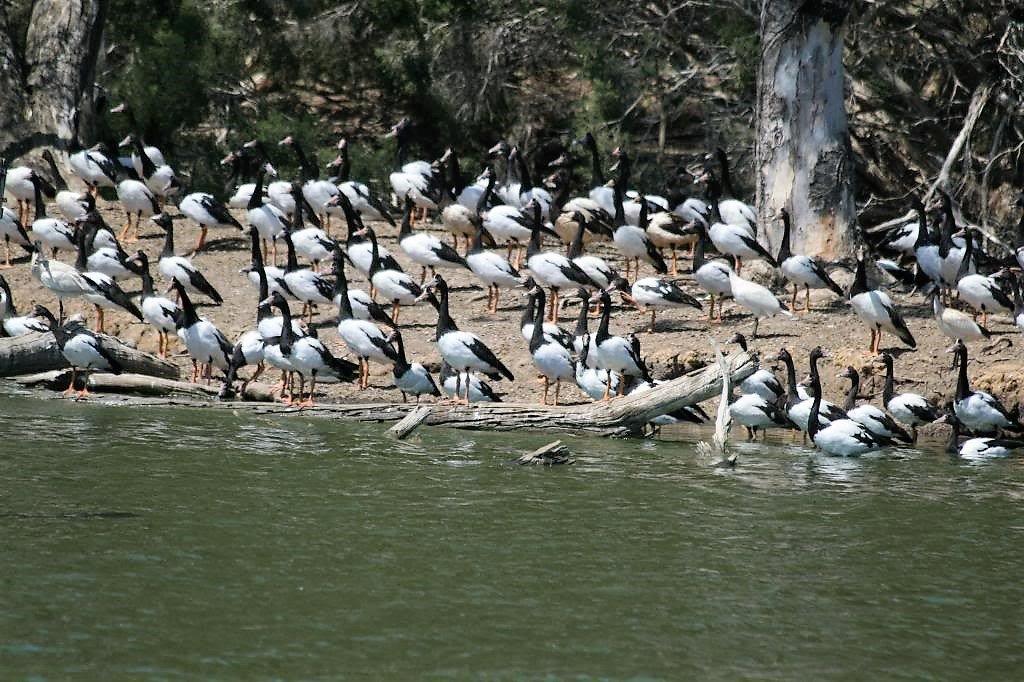
The bus took them out of the city and through the grasslands of the Western Plains to an exclusive Open-Range Sanctuary in the You Yangs Range where they saw several koalas huddled in the crooks of tree branches. Later the bus drove out to  Serendip Sanctuary where they had tea before going out to see the kangaroos. img_3906_edited-1-1This cute koala was even awake in his tree perch.  They live exclusively off the leaves of a few species of eucalyptus tree and rarely go to the ground.  There is very little actual nutrition in the leaves so they are very low energy animals; sleeping about 20 hours per day.  During the heat wave and subsequent bush fires there were many koala spotted on the ground getting some water from puddles or pools.  Usually there is enough water in the eucalyptus leaves for their needs and they stay aloft in the trees.img_3940 img_3958 img_3942 img_3949The tour group visited a billabong (water hole) and saw an emu, black swans and a large flock of Magpie Geese.img_4001And some Cape Breton Geese.

img_3996_edited-1img_4019When he got back to the ship we decided to go for a walk along the shore.  I put on my red and black charcoal-filled ‘bandit’ mask that I got from the fire department after the 2008 forest fires at home, and off we went exploring.  It was nice to get out and walk around for awhile.

img_3898-1 img_4025 img_4034 img_3901-1img_3910-1 img_4042 The ship sailed at 5:30, with another day at sea before we reach Adelaide.  Australia, after all, is a big country.  If you could pick it up you could lay it right over the continental United States and it would  fit nicely coast to coast.

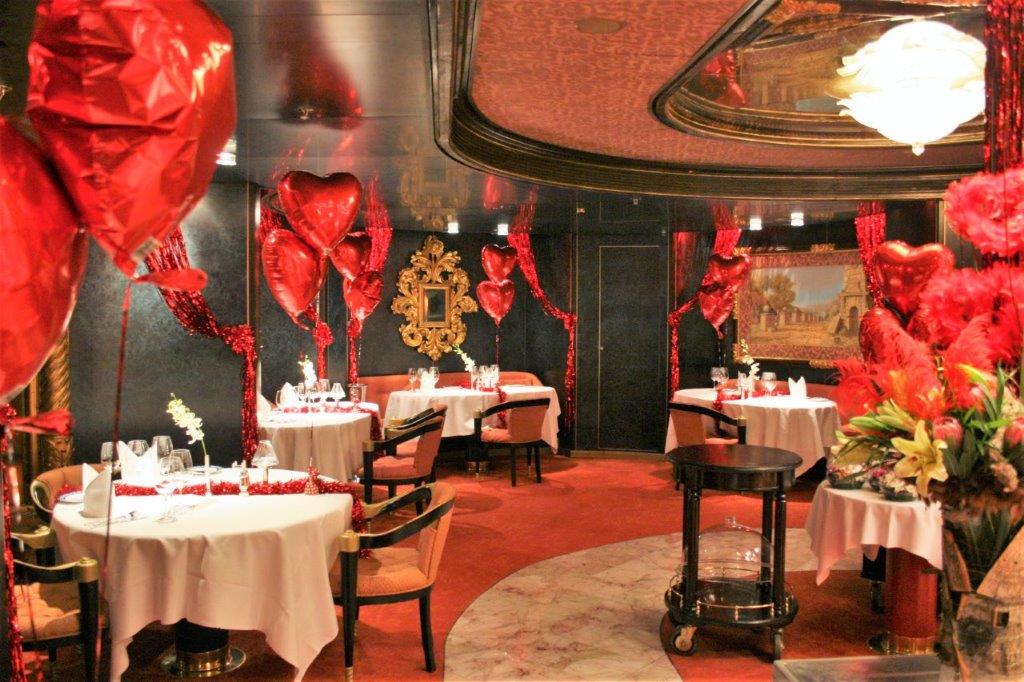
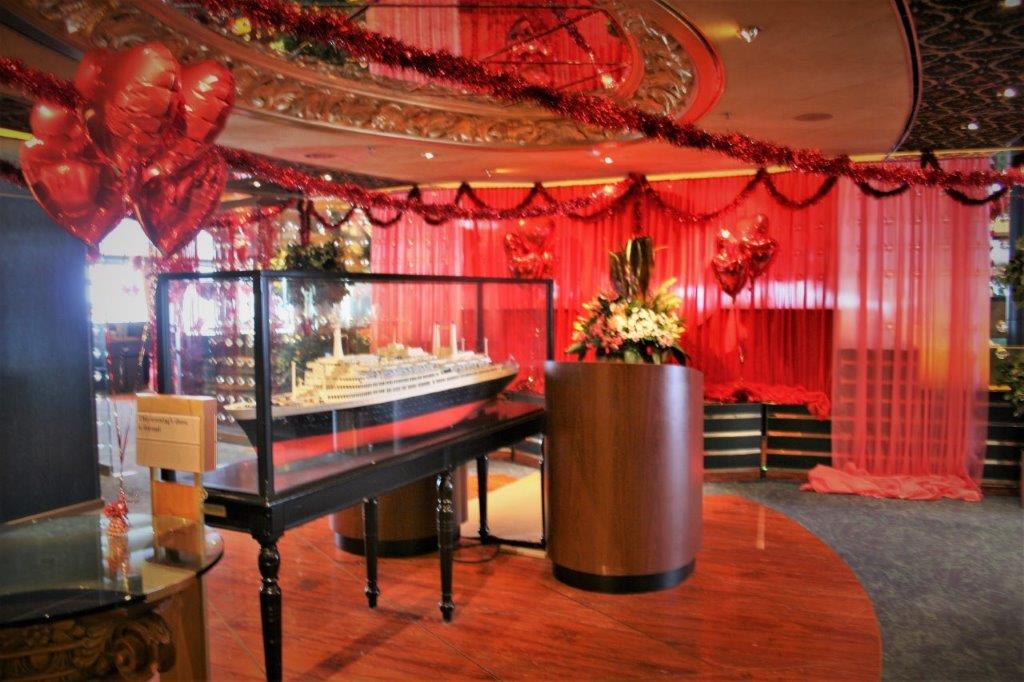
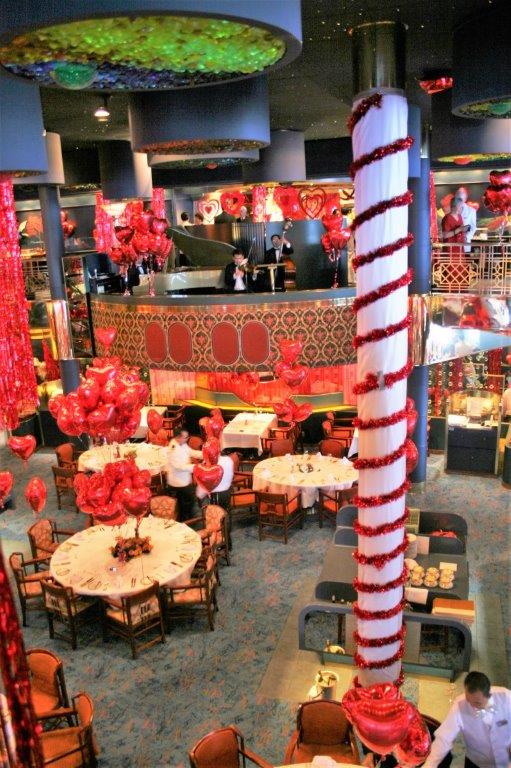
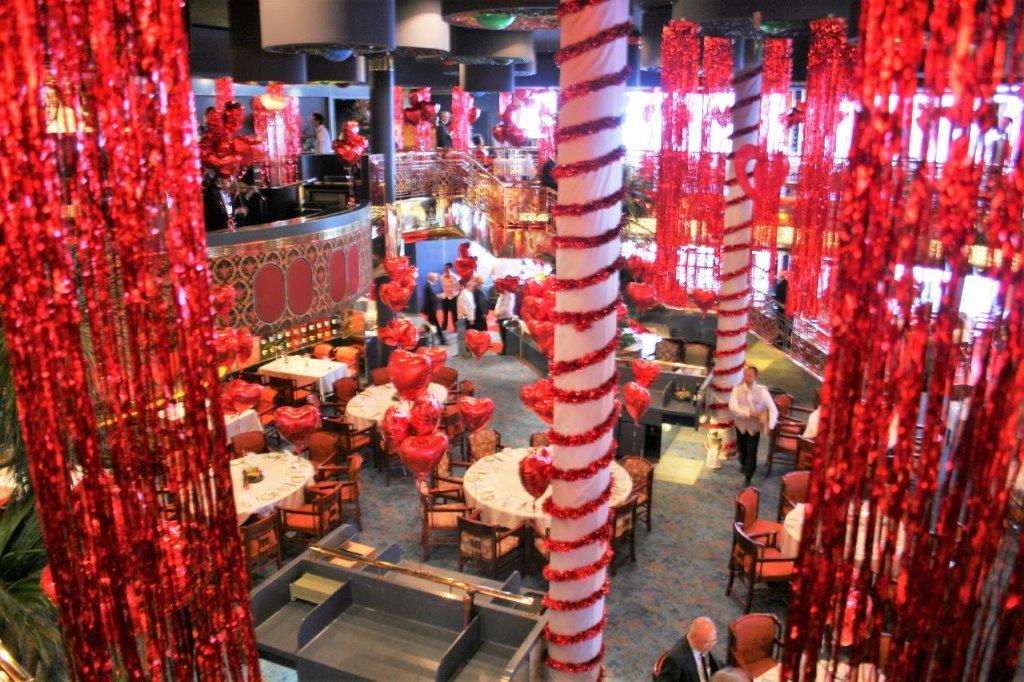
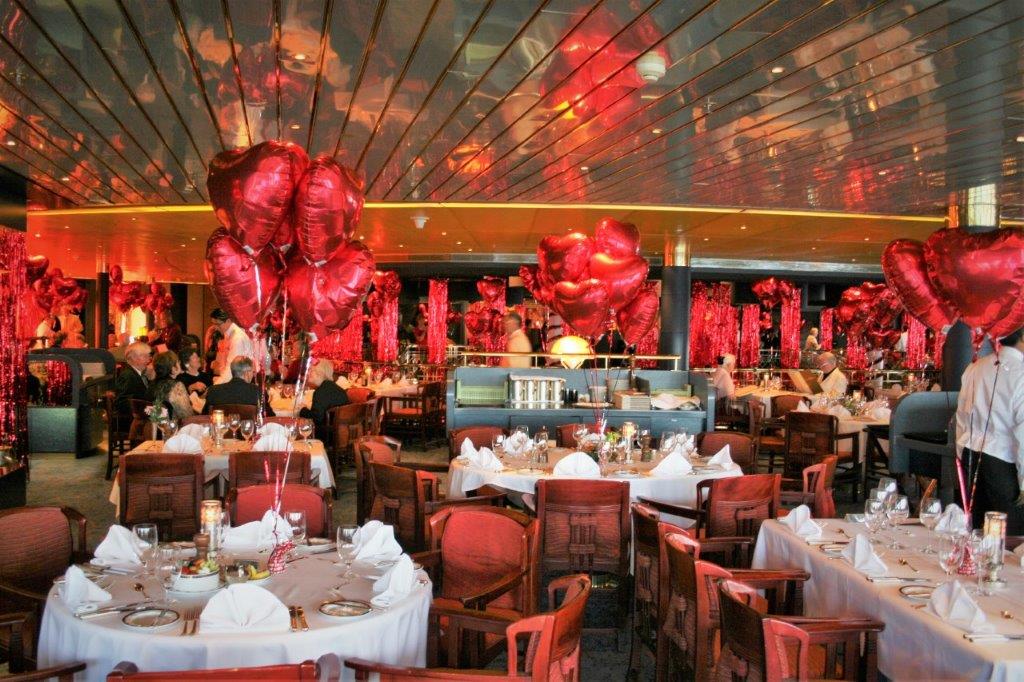
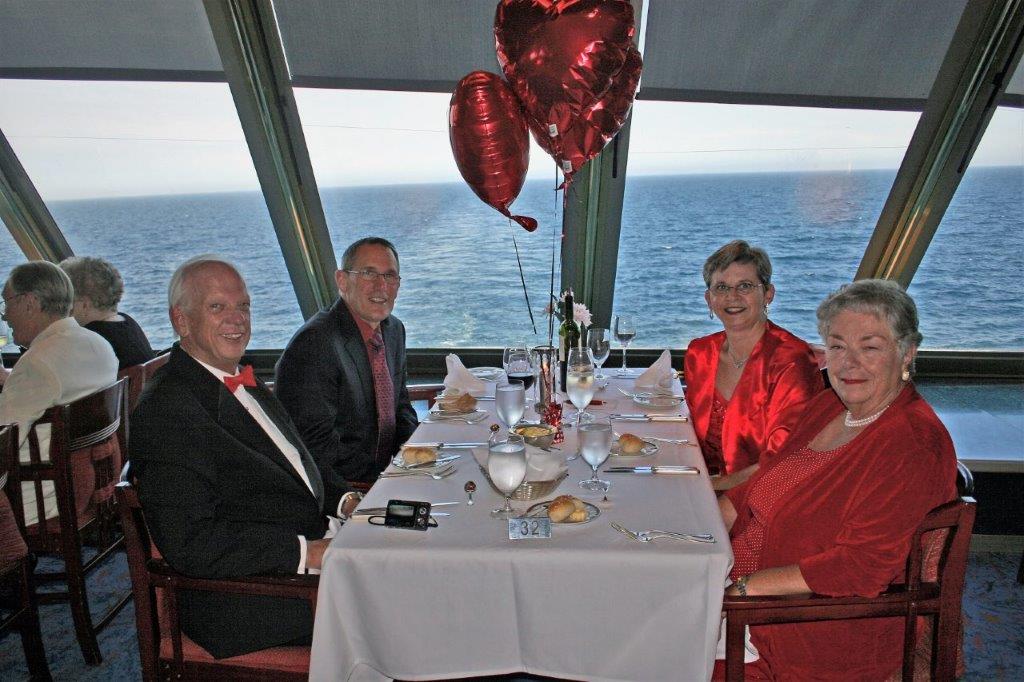
Our day at sea was Valentine’s Day; another formal night.  As usual all the main lounges and the dining room and Pinnacle Grill restaurant were beautifully decorated. (Komang, one of the Assistant Dining Room Managers is in charge of all the decorating.  He orders everything he needs and he and a few of the wait staff put it all up and take it all down.)

The Pinnacle Grill.

img_3925The entrance hall to the dining room is always decorated as well.img_3928-1 img_3931-1On formal nights the Adaggio Strings Quartet play pre-dinner music from a balcony between the  floors of the dining room.

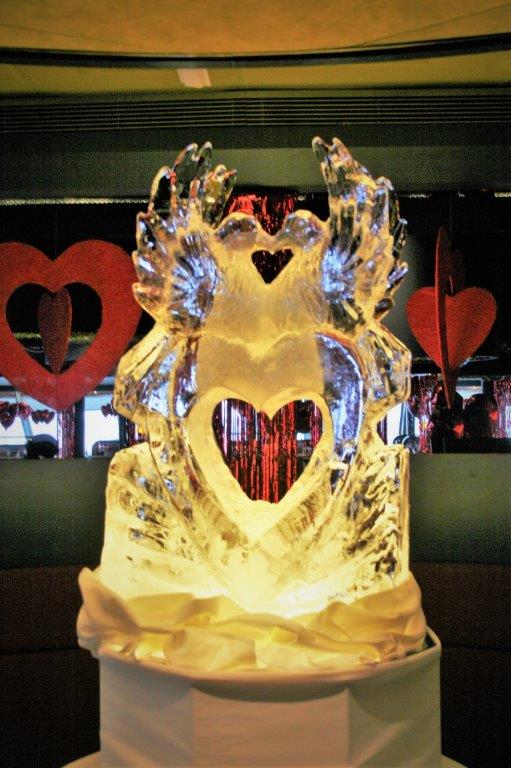
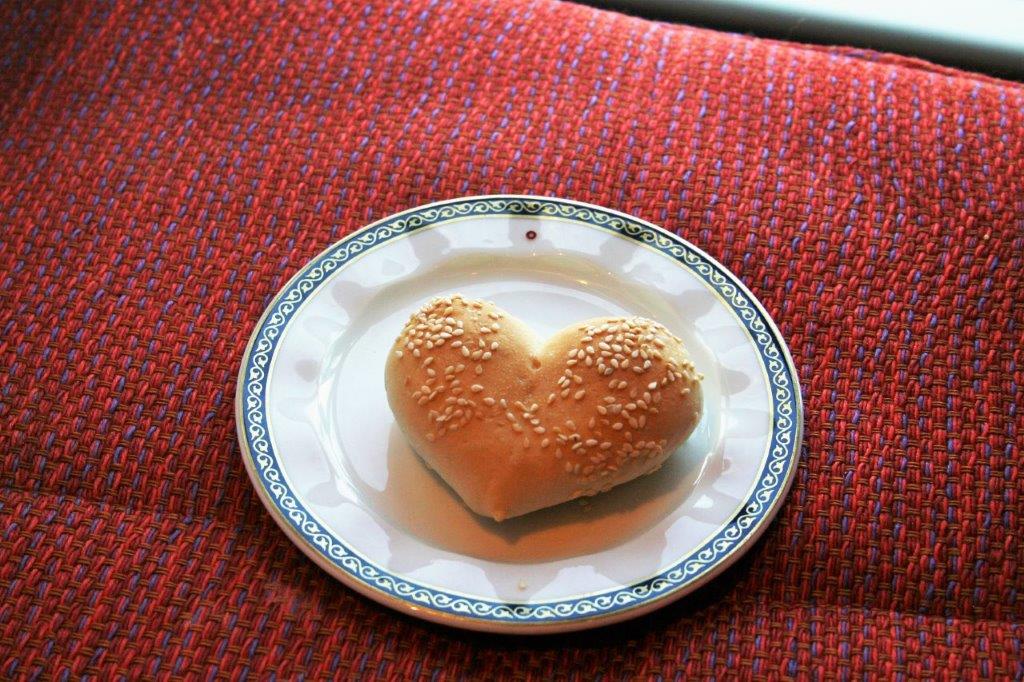
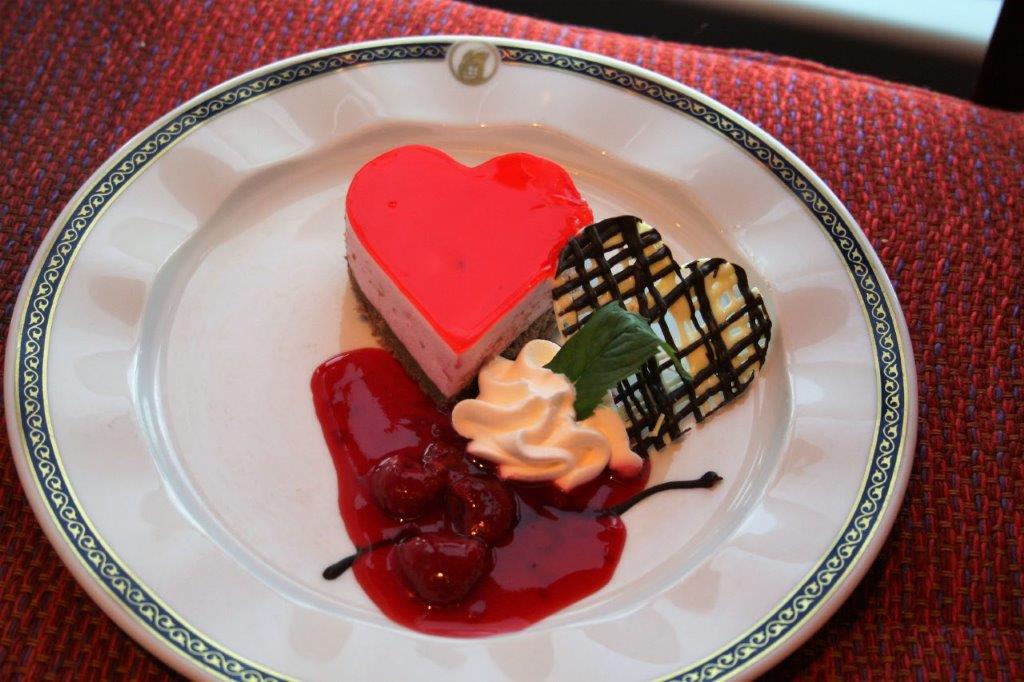
img_3934-1img_3933-1 img_3935-1The Valentine’s theme was even followed by the kitchen.img_3936-1 img_3944-1 img_3942-1_edited-1Elaine and Tim had dinner at the Pinnacle Grill so there were only four of us at our table.  It was a lovely Valentine’s Day.


2009 World Cruise – Feb 11 – Day 37 – Sydney, Australia

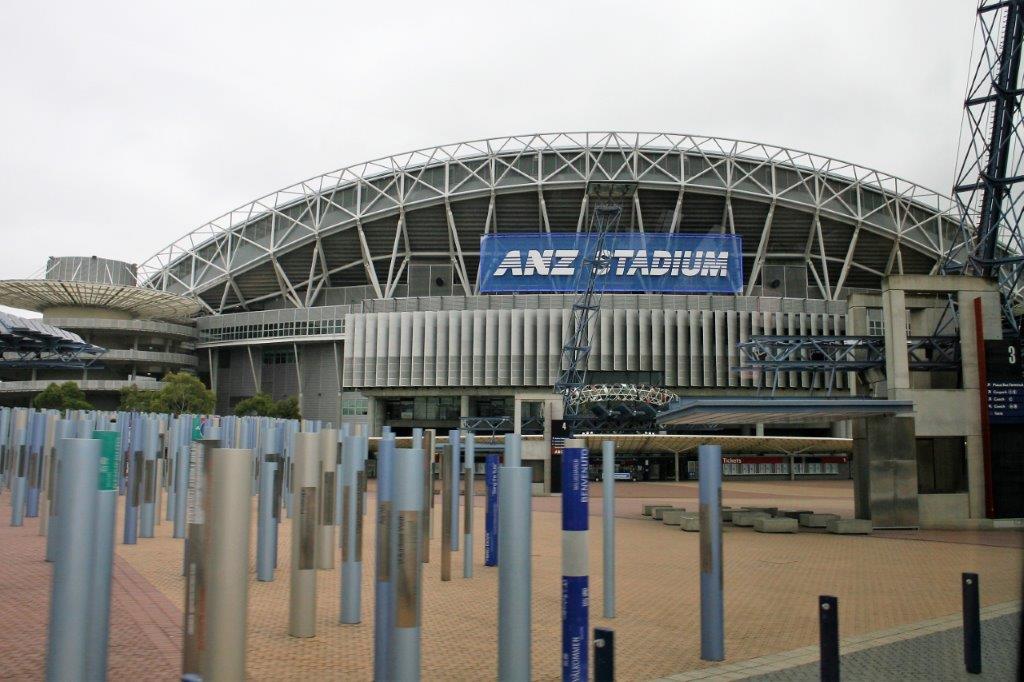
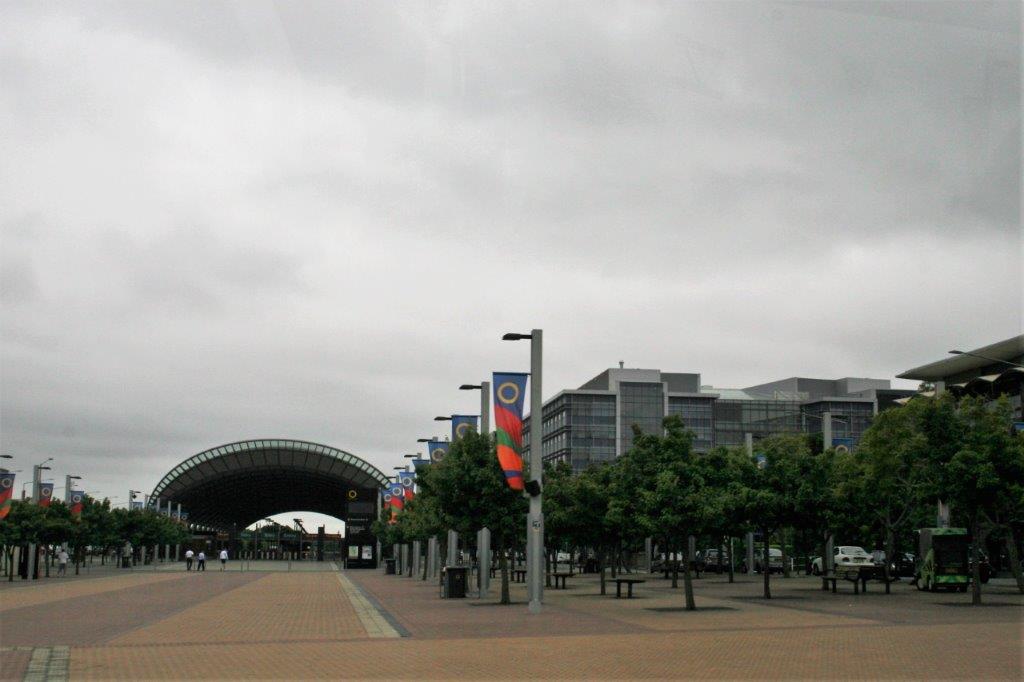
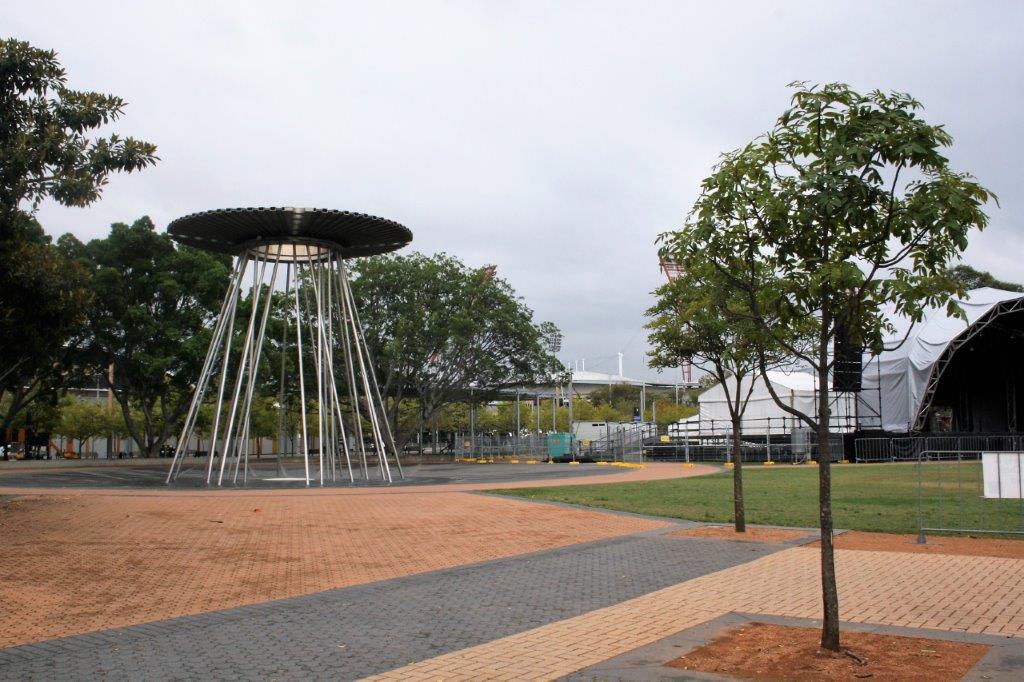
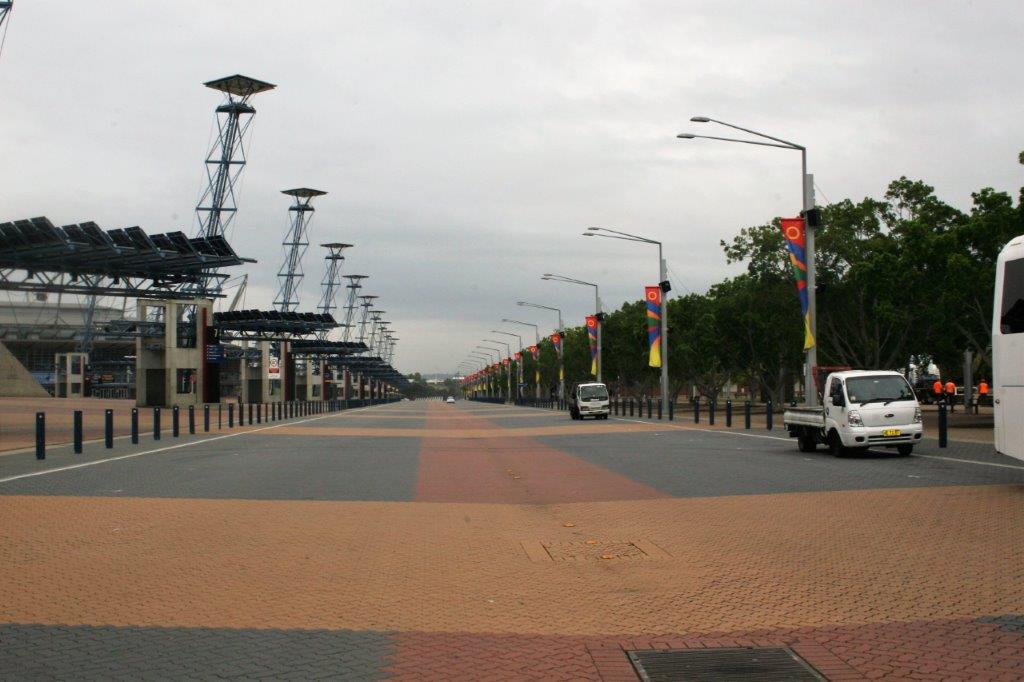
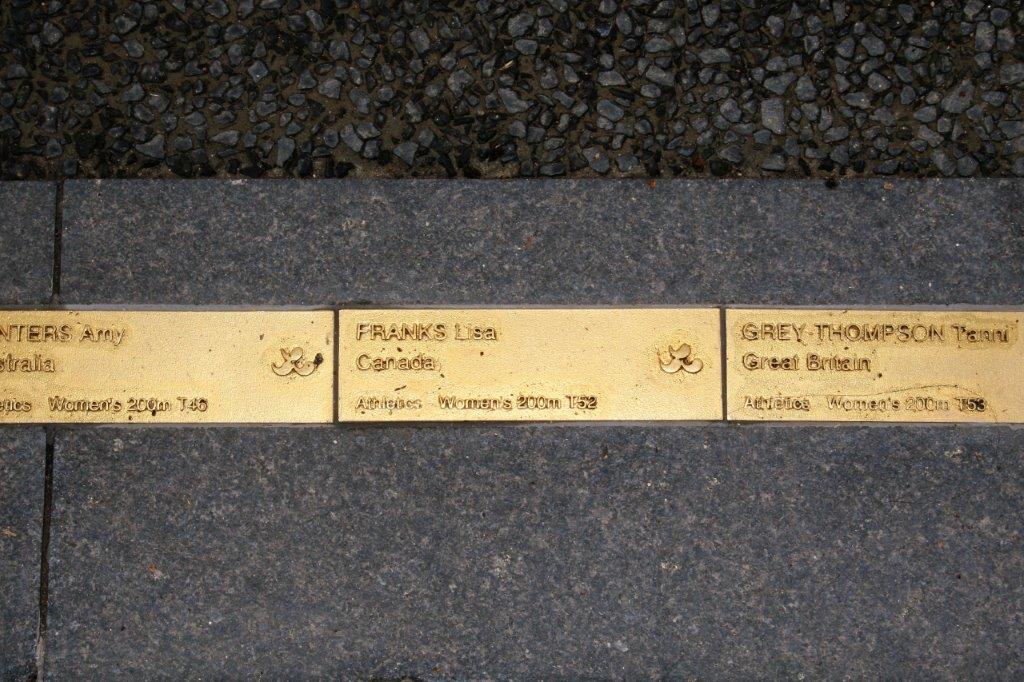
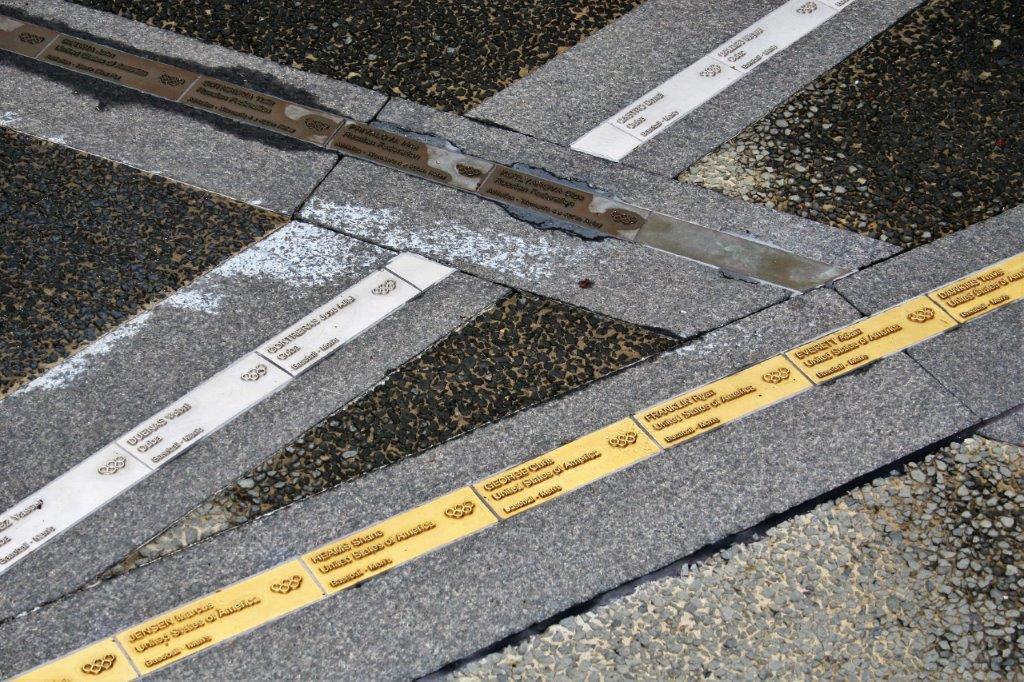
2009 World Cruise – The 2000 Summer Olympics were held in Sydney.  The main stadium and Athlete’s Village area was originally a dump site and all the buildings were  designed so as to be converted into offices and a residential area after the games.  The area has its own solar power gird.  At the Olympic Stadium each solar stand generates enough power in one day to run 5-6 homes for a year.  Our guide explained many of the ways that the Olympic Committee designed the site, its various venues, and the Athlete’s Village so it could all be viably used after the Games.img_3664 img_3677 img_3789 img_3802-1We were able to wonder around the area for awhile on our way out of Sydney to visit the Blue Mountains 110 miles north.  One of the things we discovered as we wandered the Olympic site was the little plaques in the colours of gold, silver and bronze that contained the name, event and nationality of every medal winner at the 2000 Games.  These little plaques were inset in the paving stones all around the square making intersecting lines and patterns.  We found a Canadian athlete’s name for each of the three medals.  I think it was a nice permanent touch to remember all the hard work and dedication put forth by the competitors.img_3794 img_3797Unfortunately the overcast skies continued all day.  Sad as this poor weather was for us cruise passengers it was enthusiastically welcomed by the Australians.  Much of the country had been suffering under a searing heat wave (104 F a couple of days before we docked) and there were horrific bush fires burning north of Mebourne.

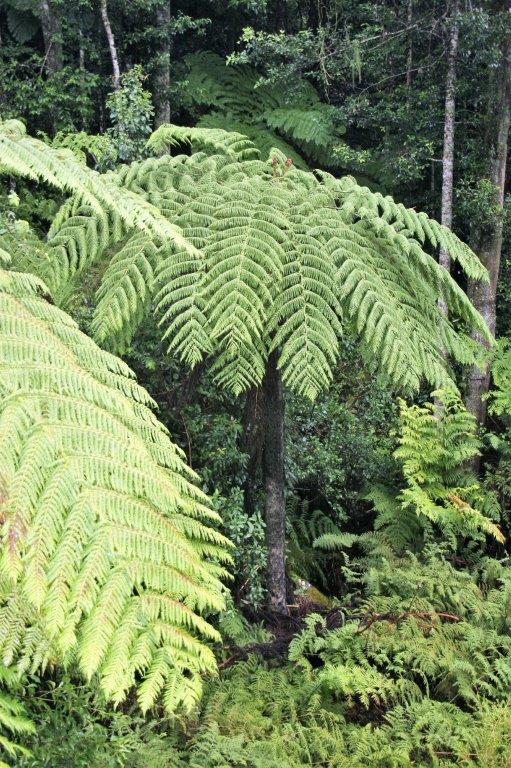
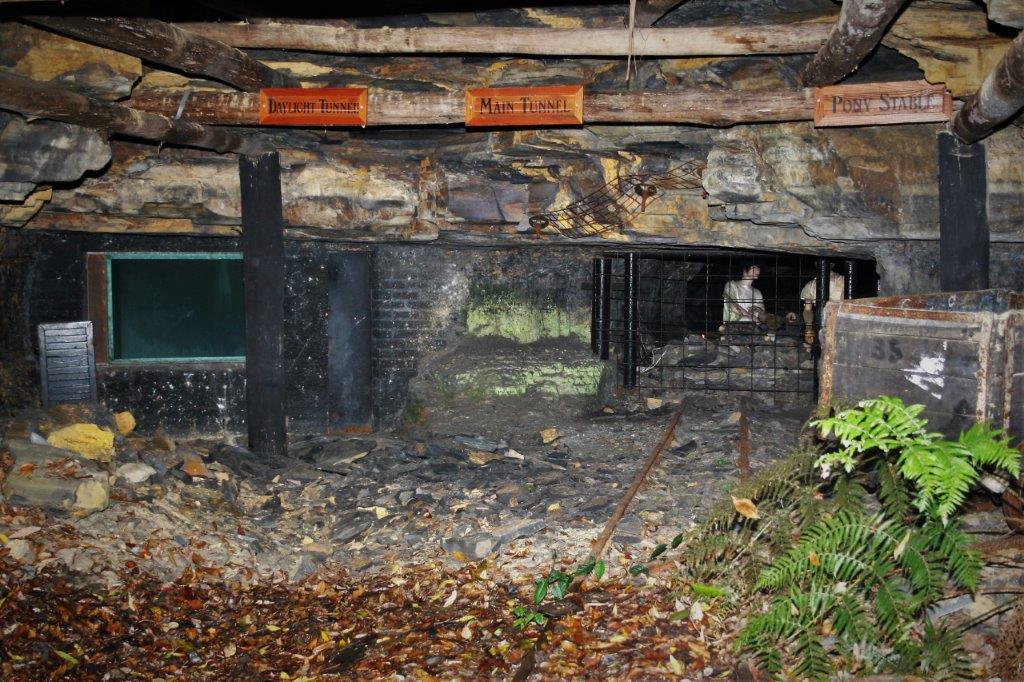
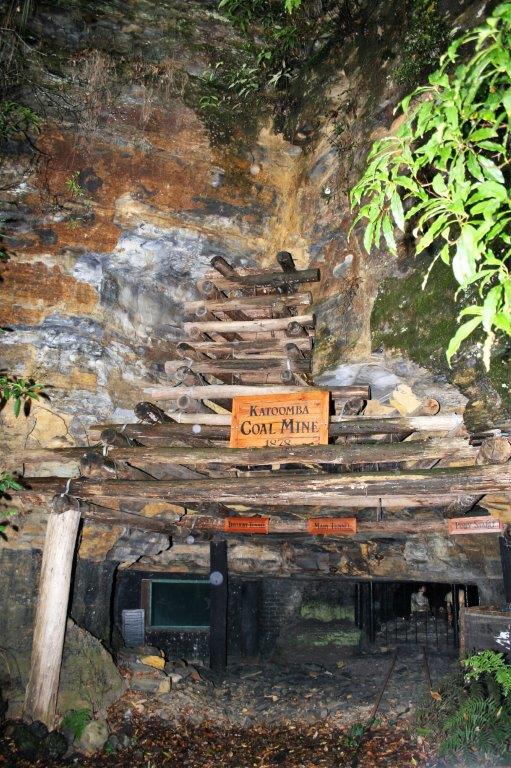
We arrived at the Blue Mountains, billed as “an awesome Grand Canyon-like rock formation among deep valleys and  cascading waterfalls” to see swirling white fog.  We road the cable car to the valley floor passing over huge Fern Palms.img_3816-1At the bottom we visited an exhibit about the old Katoomba coal mine.

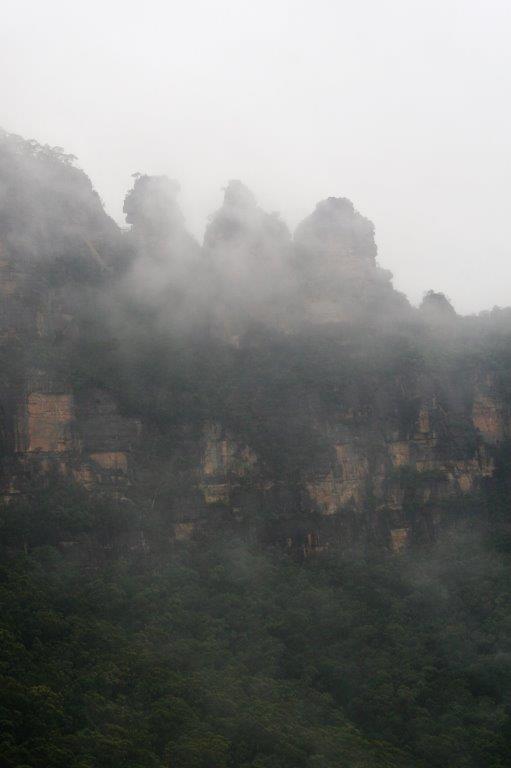
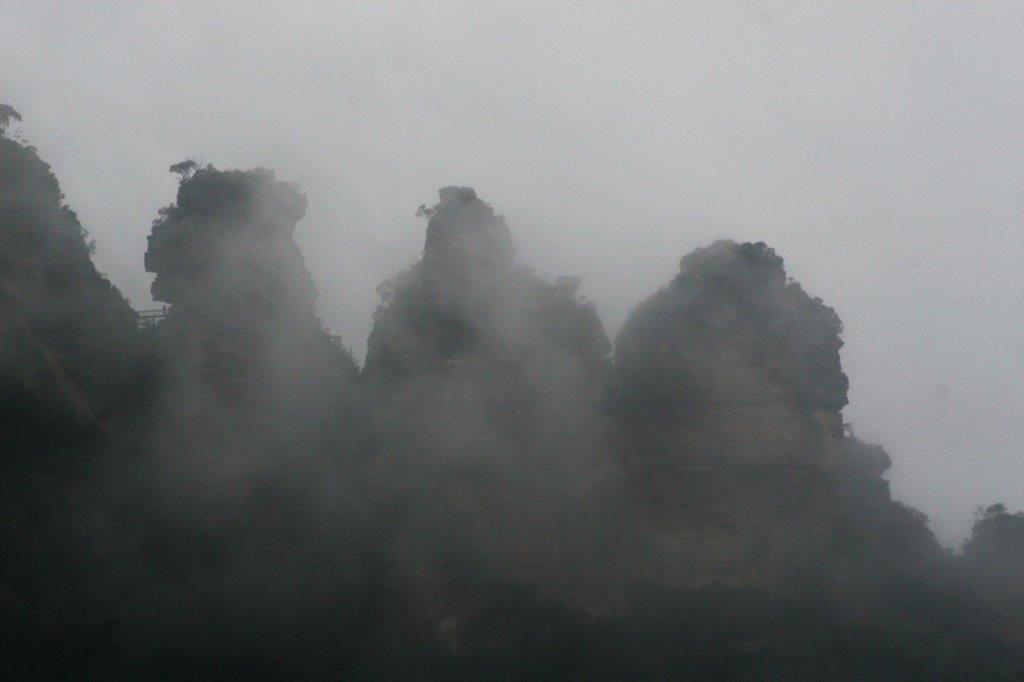
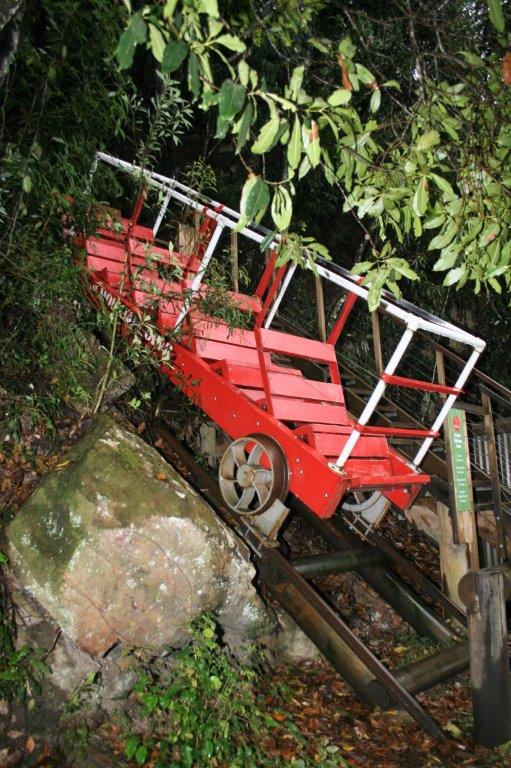
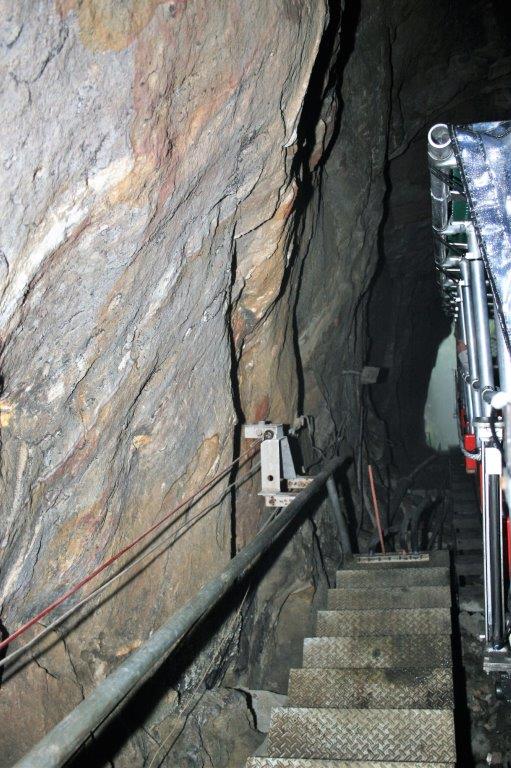
img_3826 img_3825 img_3829There is an aboriginal story about a man with three lovely daughters who were constantly being sought after by men he felt were not good enough for them.  In order to protect them from making a bad match he turned them all into stone.  The Three Sisters is the name of three upthrusting formations atop the mountain.  The fog cloud parted just enough and just long enough to get a misty photo.img_3837 img_3836We rode out of the valley bottom via the old coal train track which is a very steep cut through the rock.

img_3832 img_3840 A lunch stop at the village of Leura broke up the bus ride back to the ship.

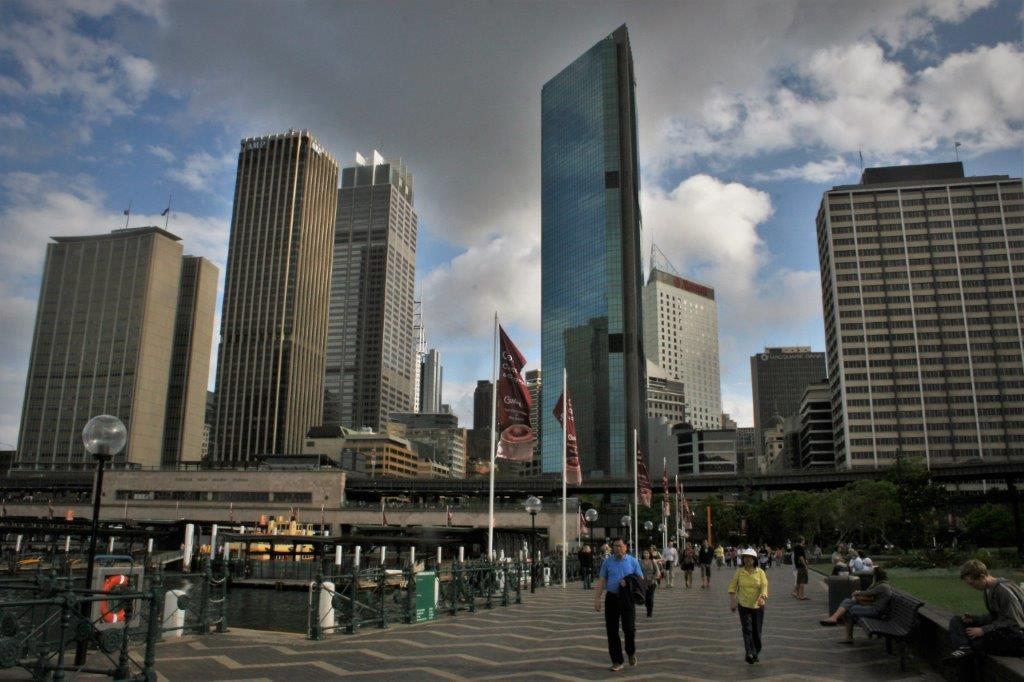
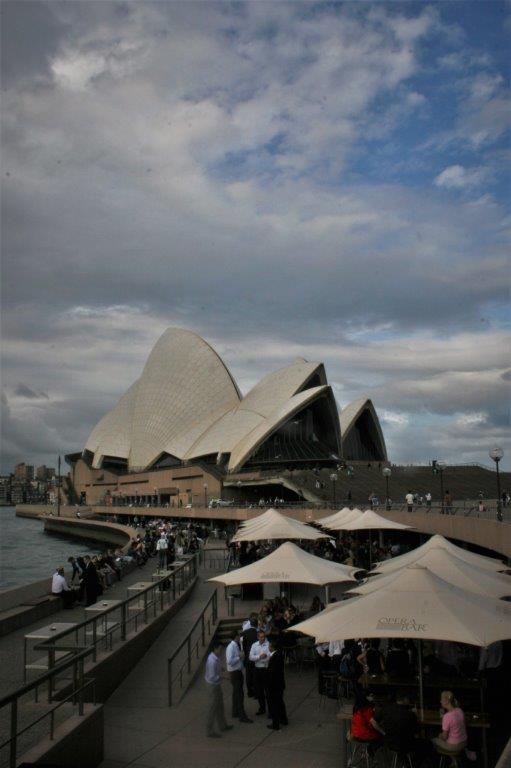
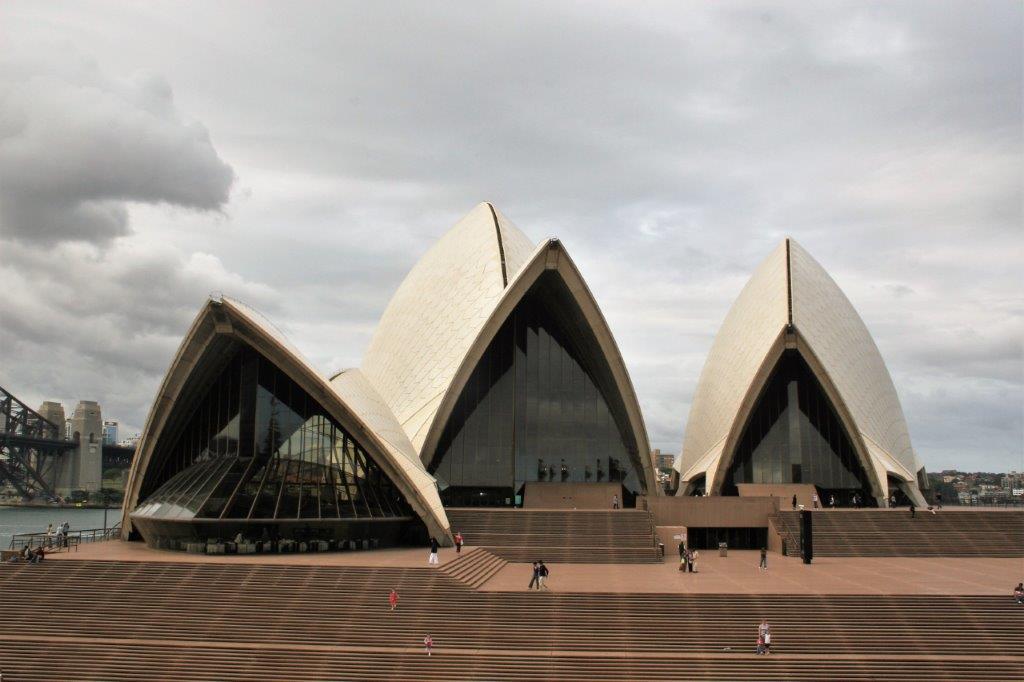
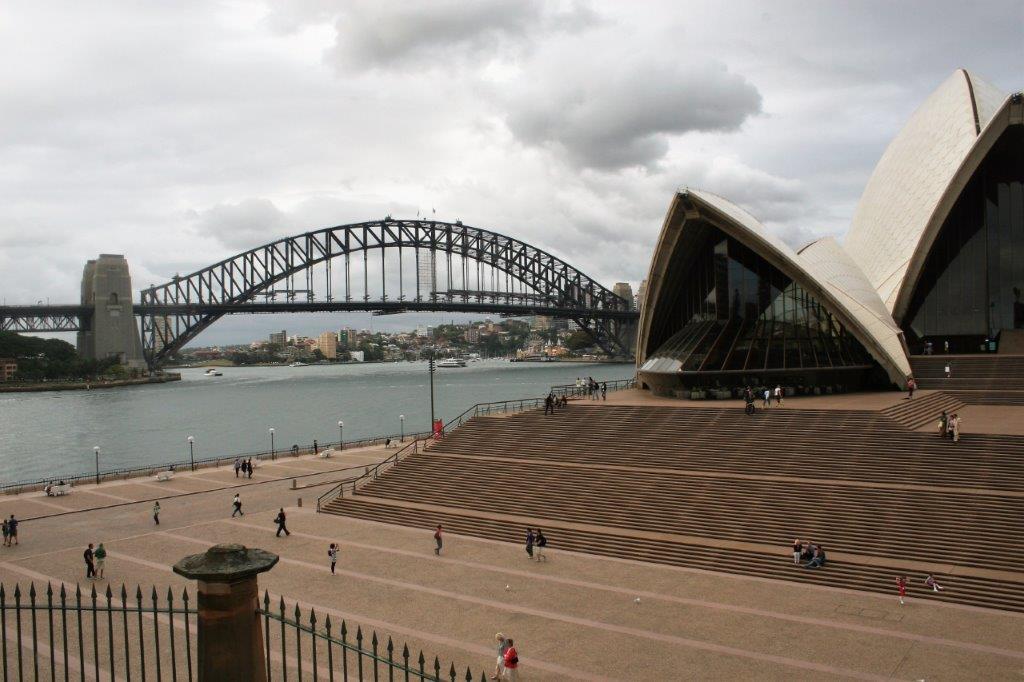
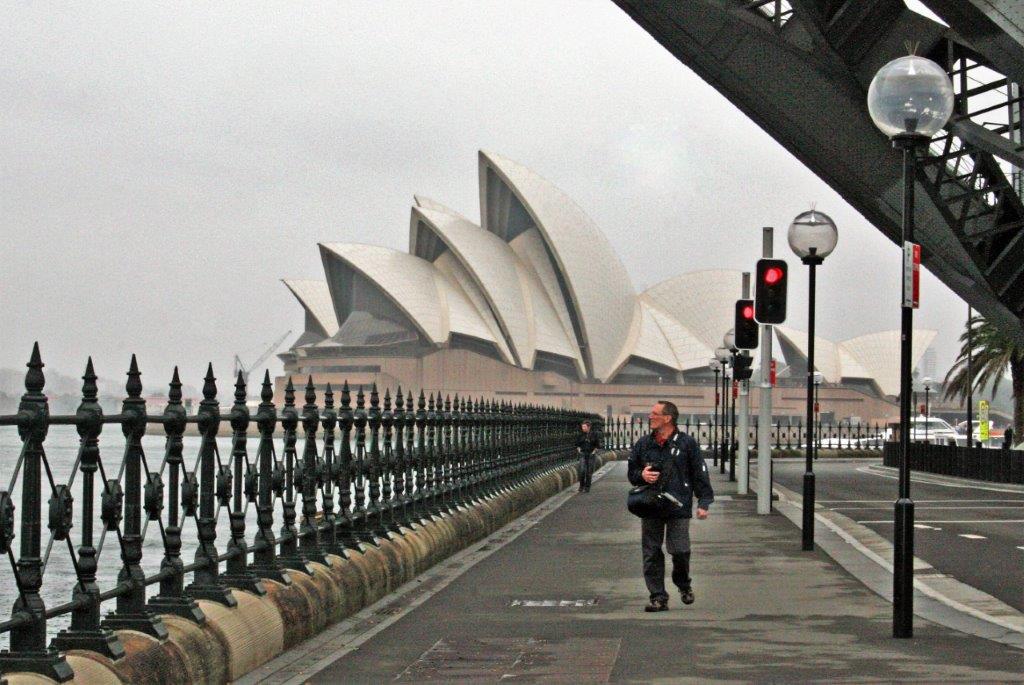
The ship wasn’t scheduled to set sail for Melbourne until 7 PM, so we took the opportunity to enjoy the newly arrived sunshine and walk over to the iconic Sydney Opera House.img_3843 img_3845 img_3847 img_3848 img_3857 img_3860 img_3861 img_3867img_3879img_3884


2009 World Cruise – Feb 10 – Day 36 – Sydney, Australia

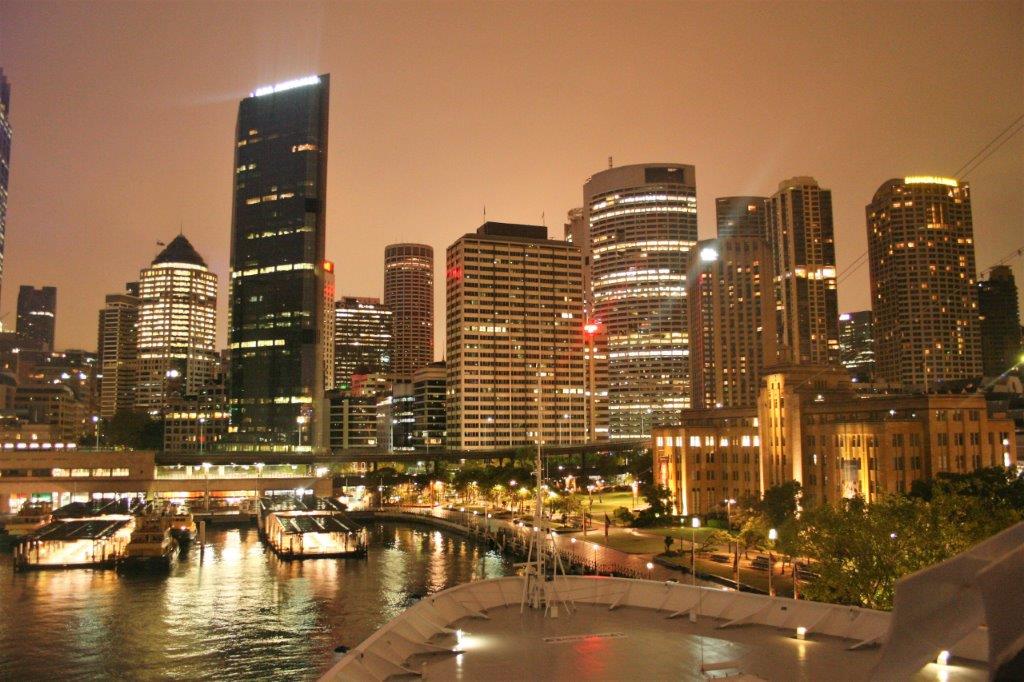
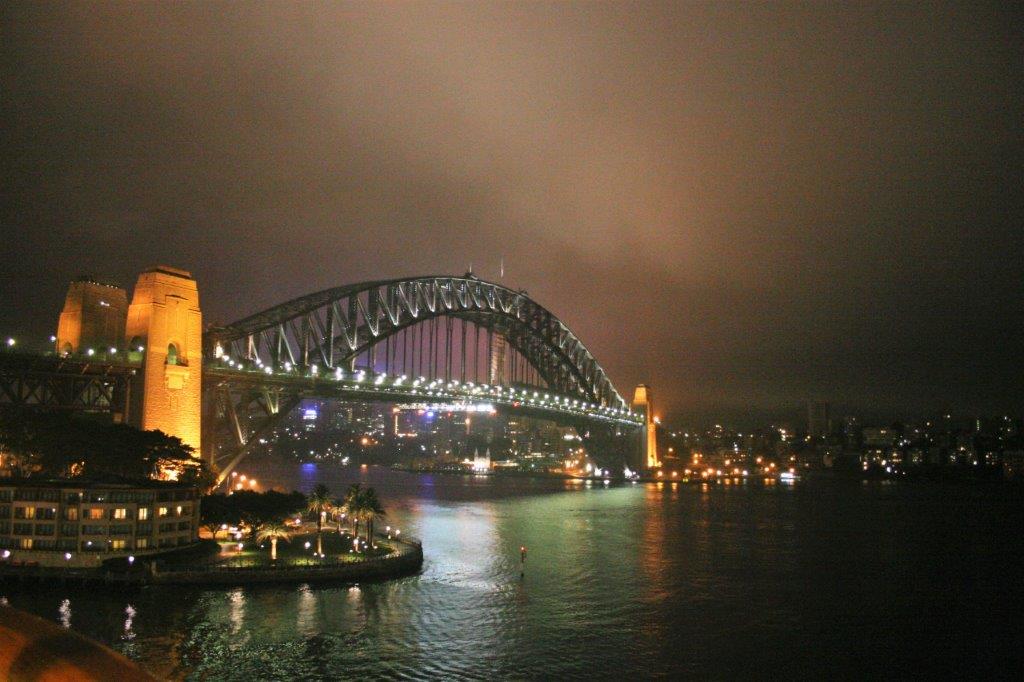
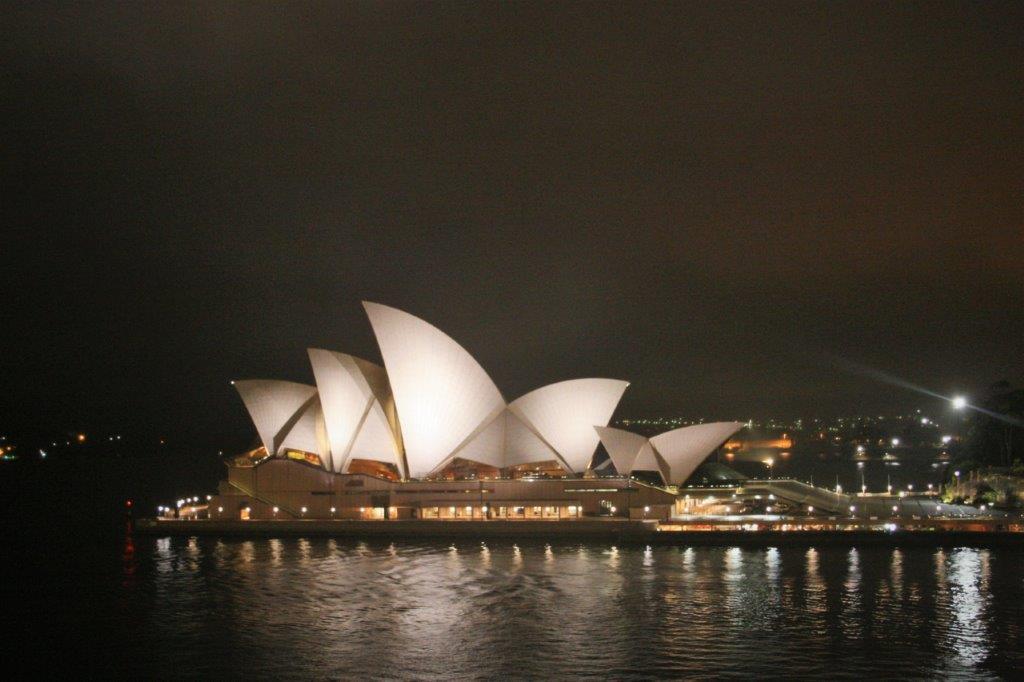
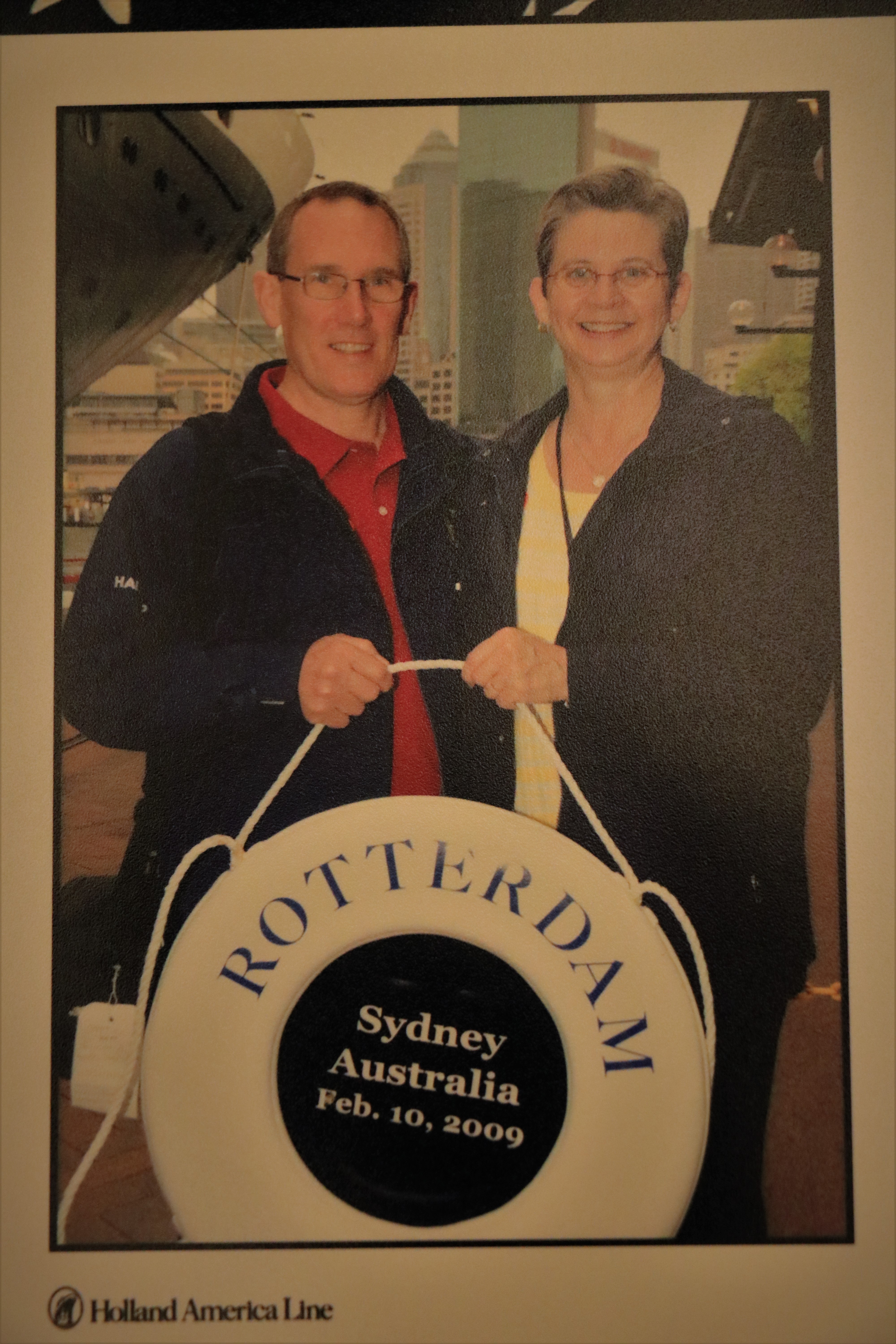
2009 World Cruise – The early afternoon of our second day at sea out of Île Des Pins the Captain announced that we would be going at full speed (22 knots) to Sydney due to a medical emergency.  This meant that we would arrive about midnight instead of the planned 7 am the next day.  John and I went to the movie that night and then went out onto the bow deck for the sail-in.  We entered Sydney Harbour about 11:30 PM against a fierce, cold wind.  We were freezing and could hardly stand upright but it was lovely to sail into the famous harbour at night.img_3544-1 img_3545-1 img_3551-1 img_3552-1We were docked in Sydney for two days.  I was so excited to be in Australia.  It had been a dream of mine since I was a little girl and watched “Flying Doctor” on TV.  (Of course, the part of Australia I was most interested in seeing was the Outback with the massive sheep stations, Flying Doctor service, and miles and miles of red dirt – but I’ll take Sydney, Melbourne, Adelaide and Perth/Freemantle, which were our Australian ports-of-call).img_3562-1img_6937                                 Do you think I looked happy to be there?

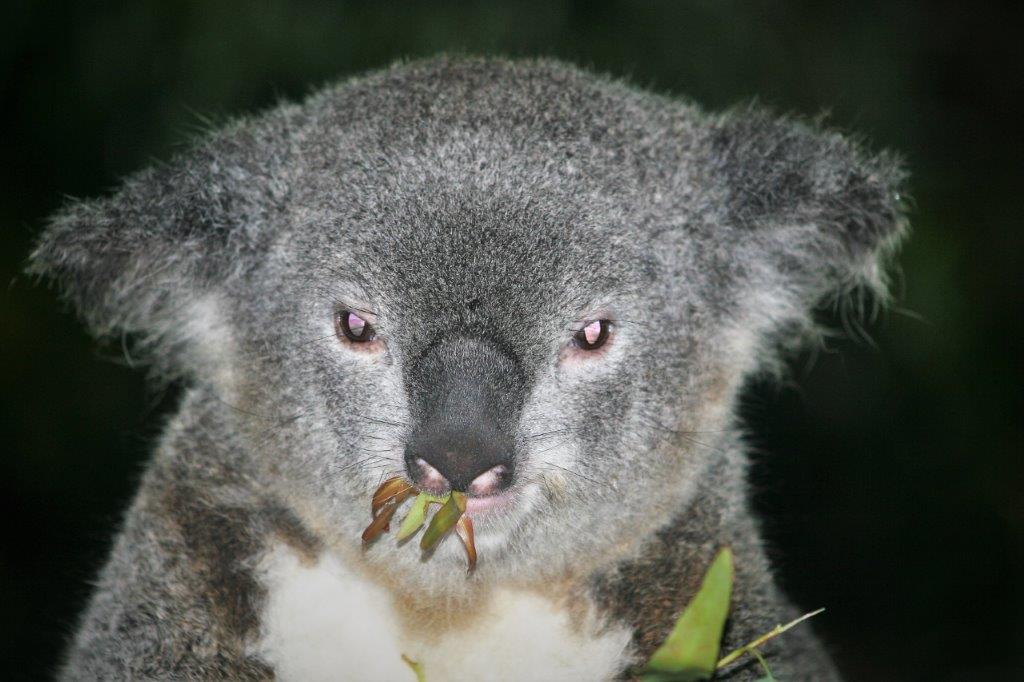
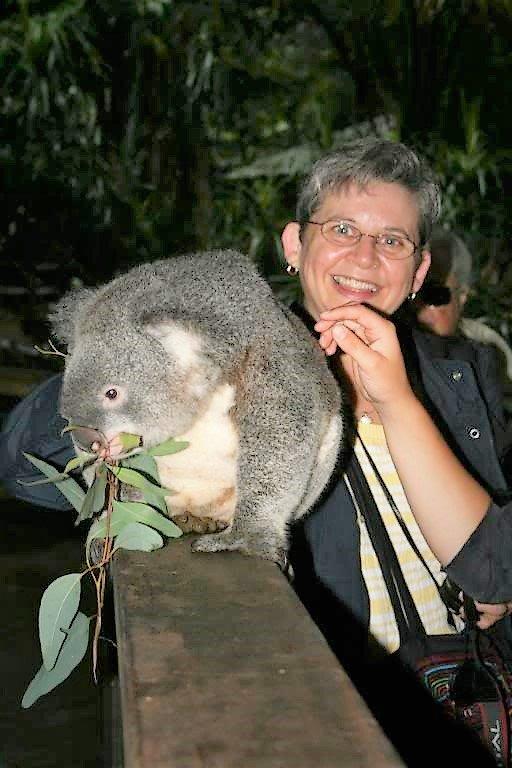
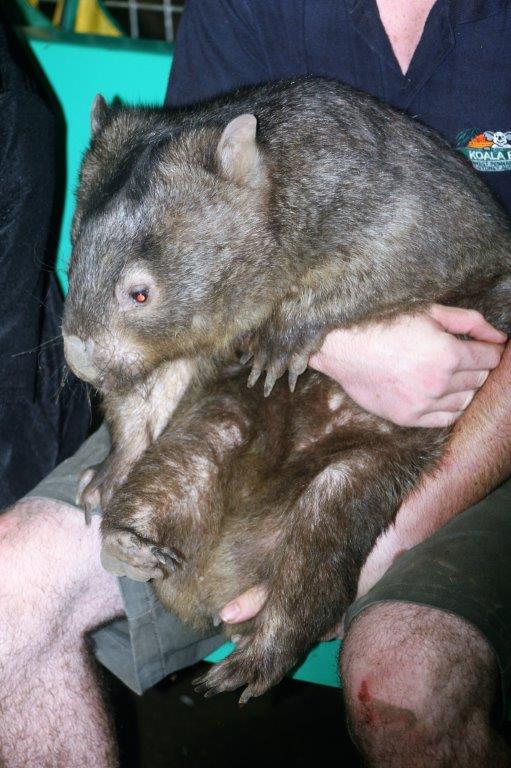
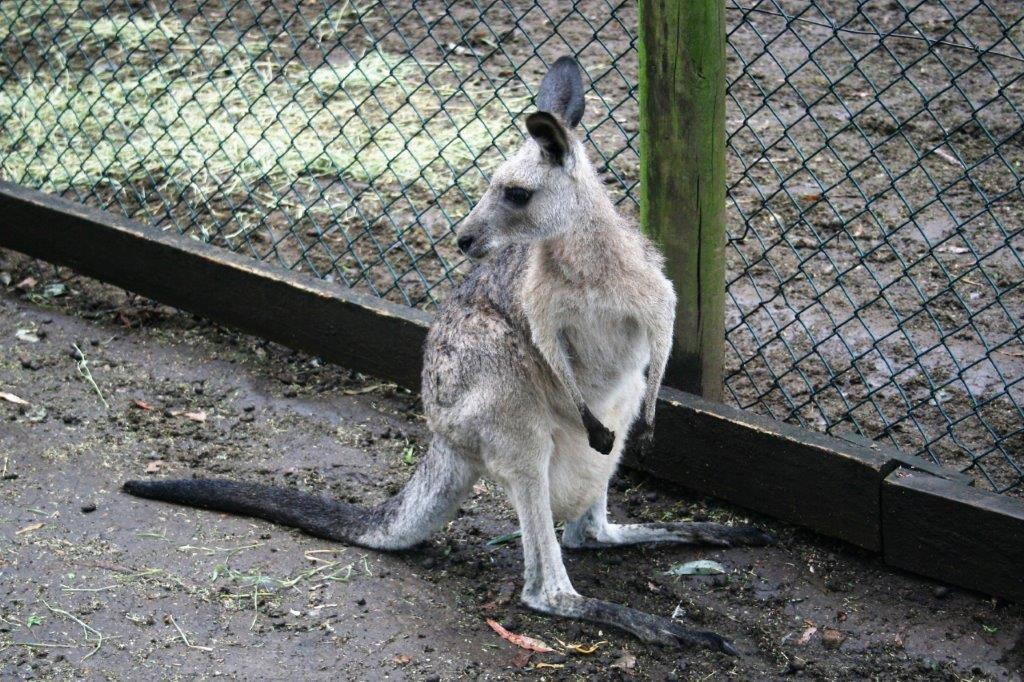
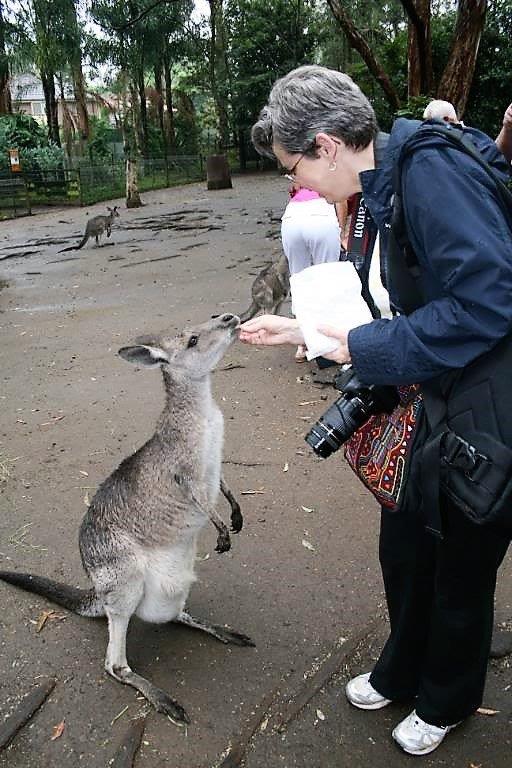
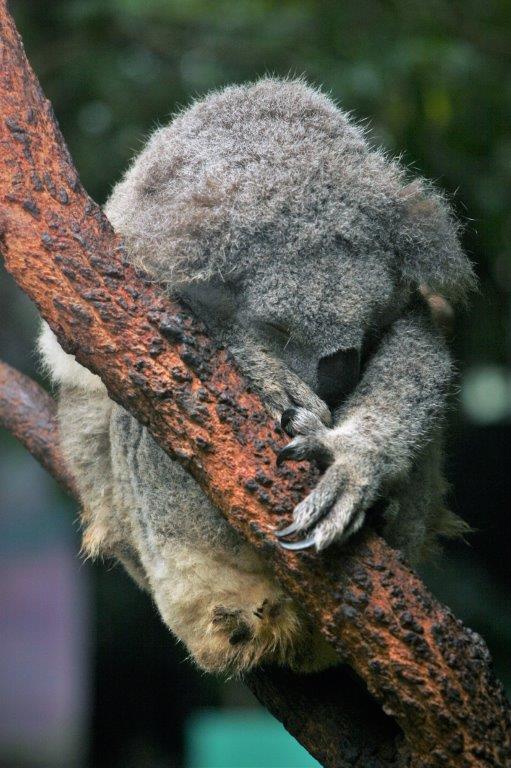
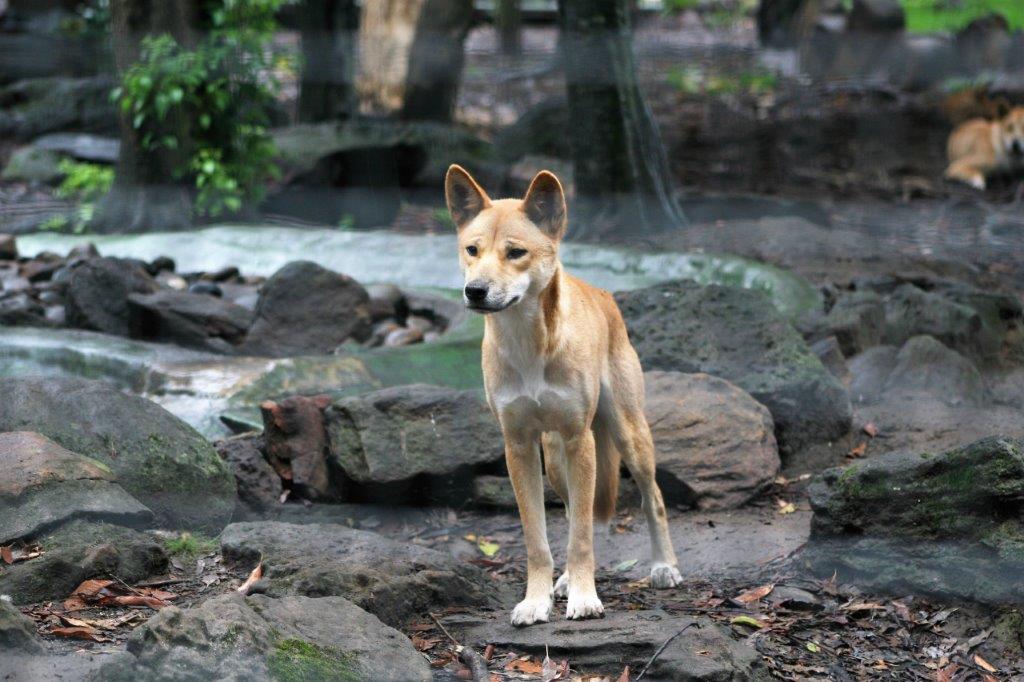
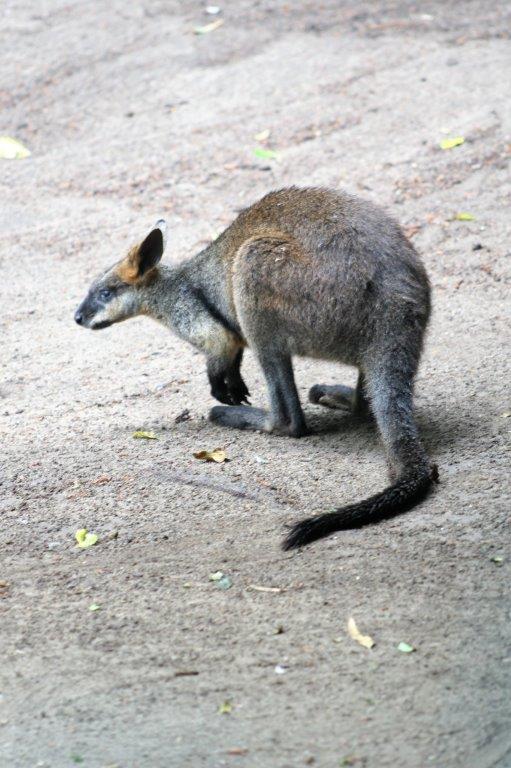
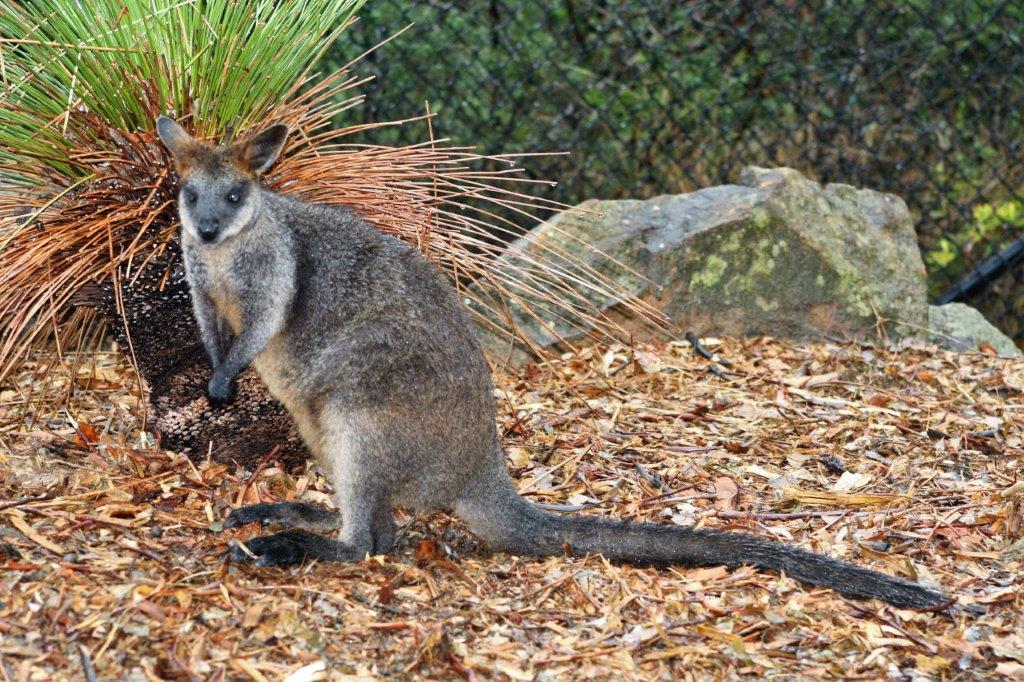
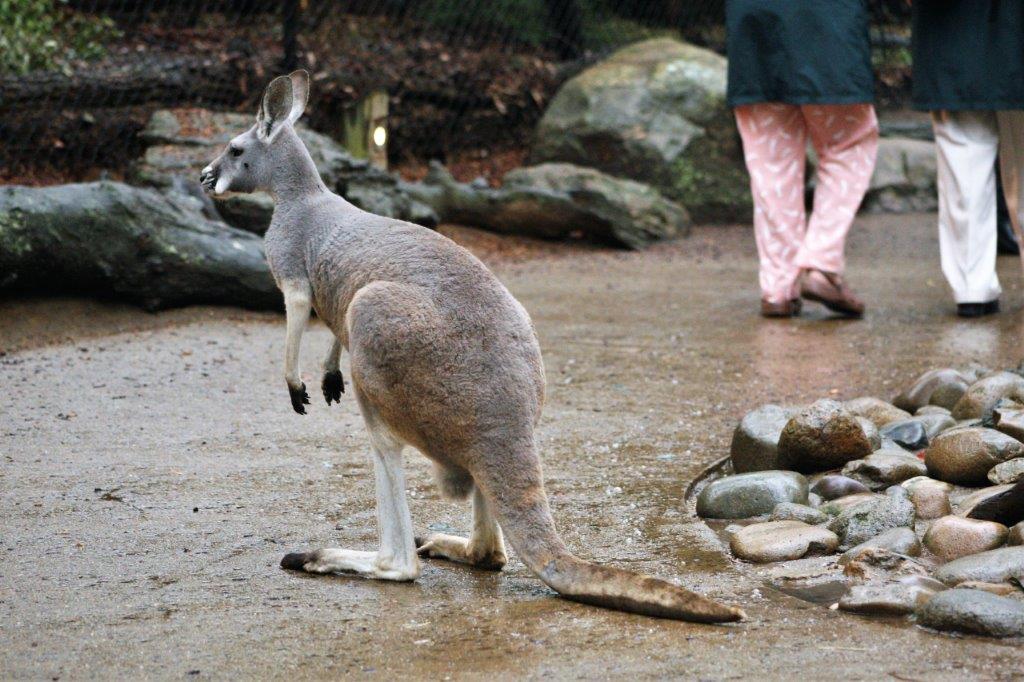
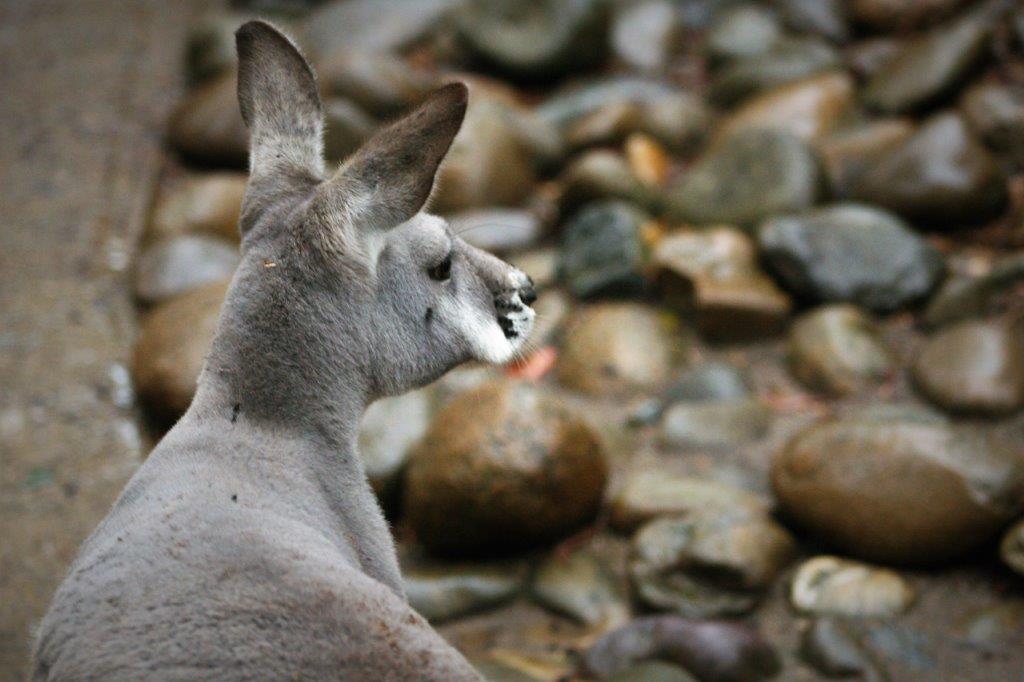
My Number One thing to do in Australia was pet a koala and our morning tour provided that opportunity.  We went to a Koala Park where we met Berry the koala, Matilda the wombat, saw the small, friendly grey kangaroos, wallabees and a beautiful dingo.  How could an animal-lovers day be any better than that?img_3563img_3571 img_3564 img_3575-1 img_3580-1 img_3616-1I was a bit ticked with the lady that reached in to pet Berry just as I was having this photo taken.  There were so many people wanting a turn I didn’t feel I should take the time for another shot.  But, petting the koala for a little bit was the main objective; getting a photo of the event was secondary.

img_3594 img_3586-1 img_3616 img_3635-1img_3578-1 img_3645 img_3653img_3619

img_3649After our visit to the Park we boarded a rivercat and returned to the ship via the Paramatta River.  Rivercats are regular public transport in Sydney and it was interesting to see areas of the city from the water.

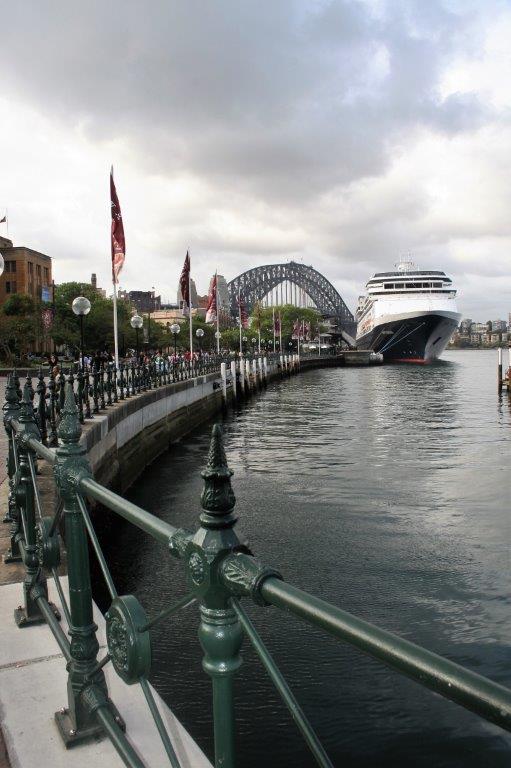
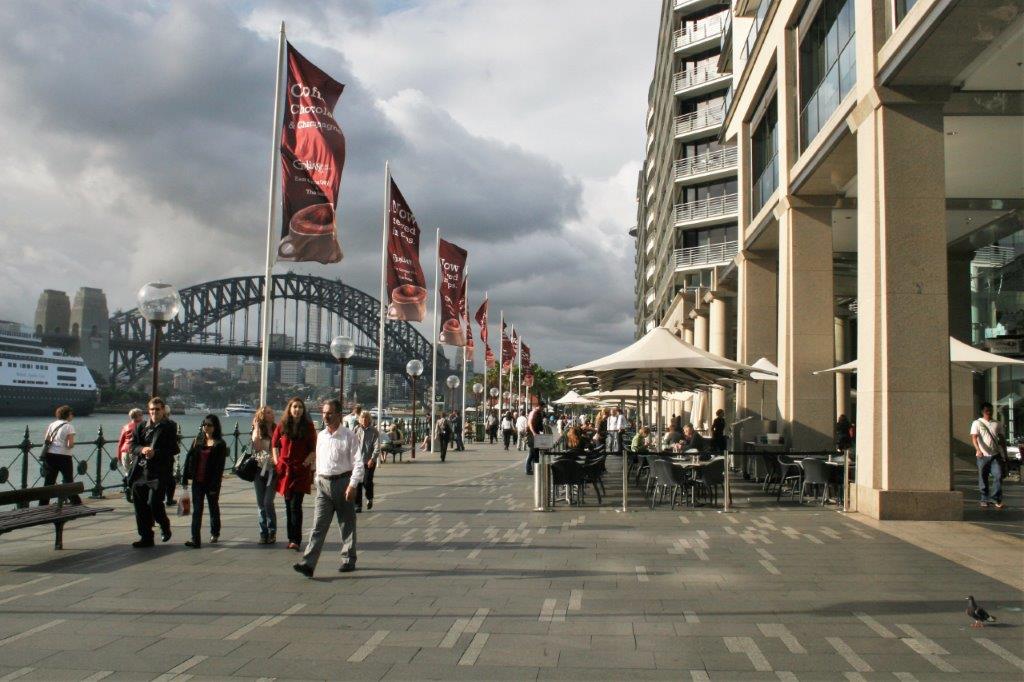
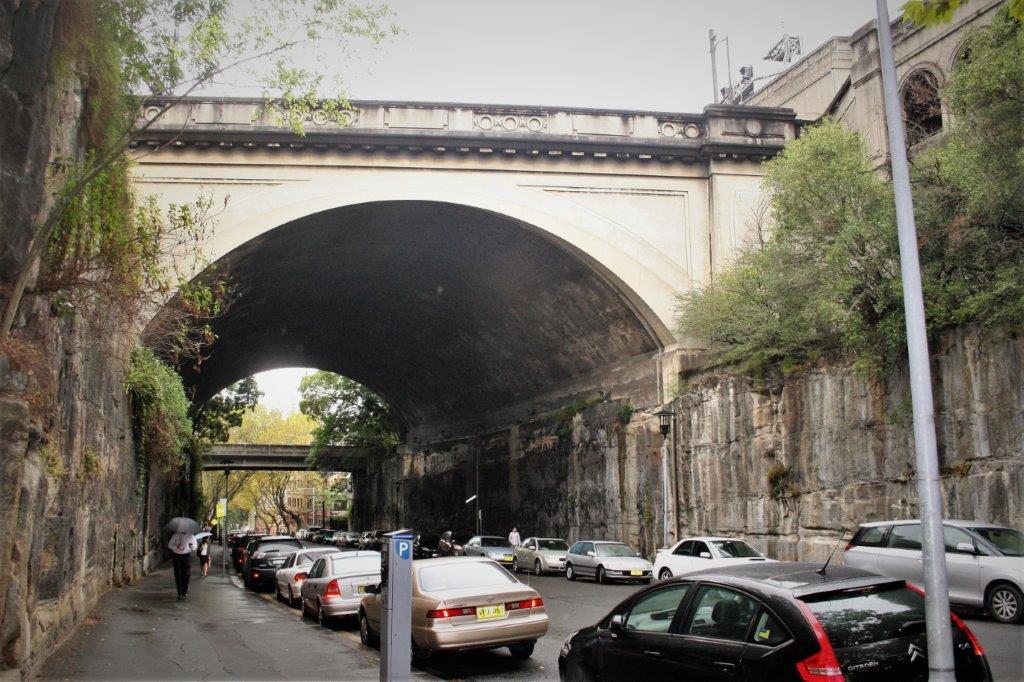
img_3679 img_3683 img_3686 img_3694 img_3705 img_3706 img_3721 img_3724In the afternoon we went for a walk around The Rocks, an urban district and historic district of Sydney where the penal colony era is still visible in the cobblestone streets and brick buildings.  We walked under the Sydney Harbour Bridge, around Dawes Point and down Argyle Street.

img_3735 img_3739_edited-1 img_3745This tunnel was built by convicts.

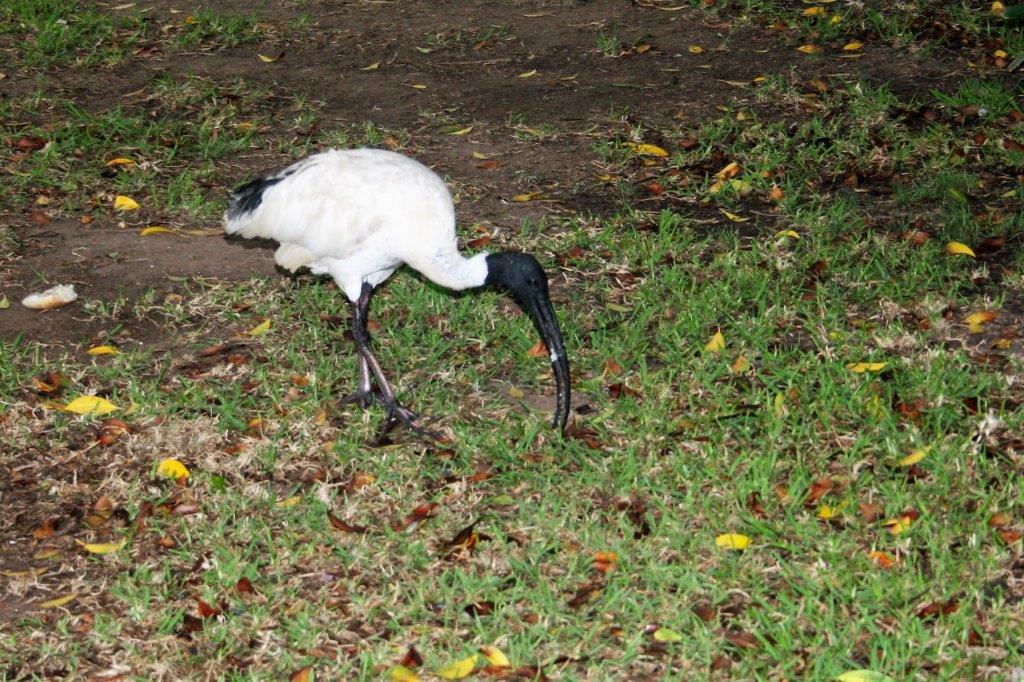
img_3733Royal Ibis.

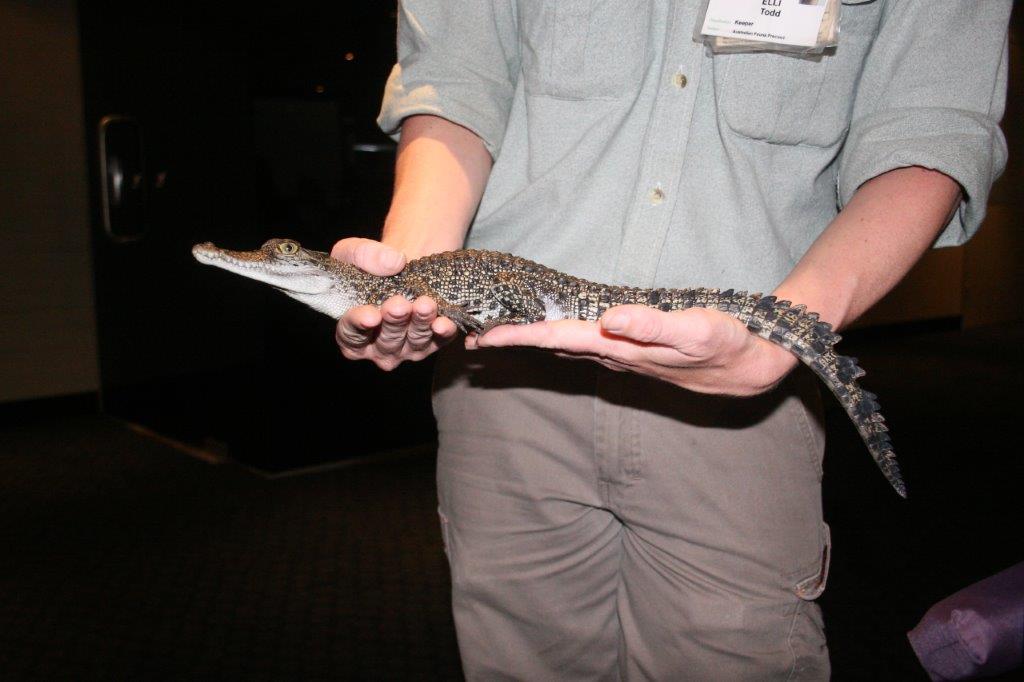
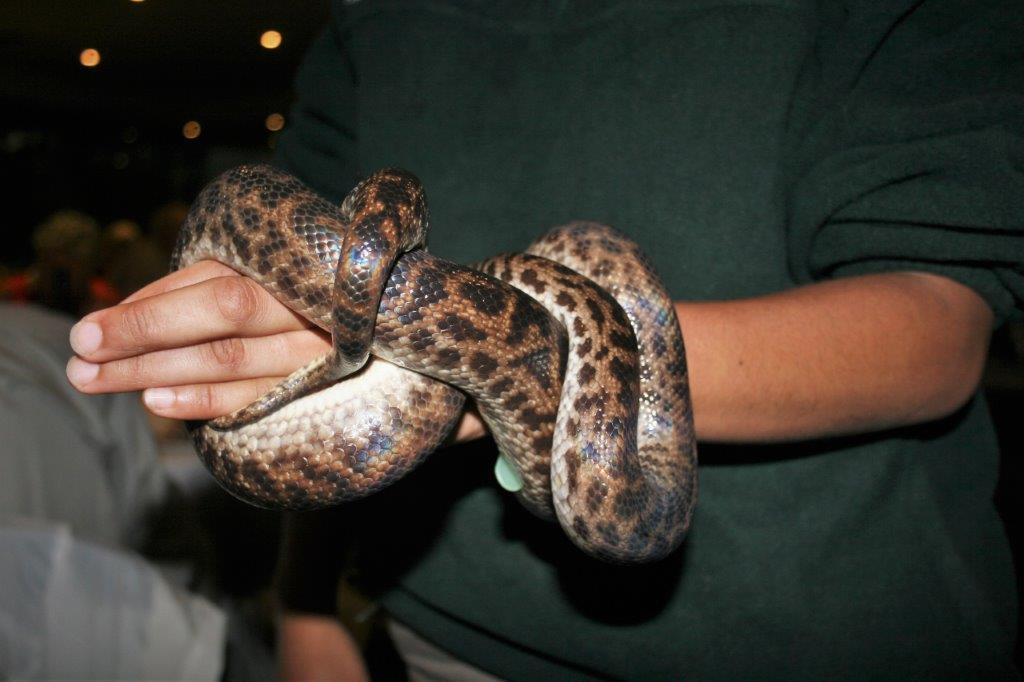
In the evening we were treated to an exclusive tour and dinner at Sydney’s Taronga Zoo.  This, too was one of the perks of staying in a balcony suite.  Unfortunately it began to rain heavily and our Zoo tour was cut short.  We ended up in the dining room with appies and drinks for over a hour before dinner was served.  I would have rather gotten wet and seen the animals, but, it wasn’t my call; sadly.img_3755 img_3762 img_3766 img_3770 img_3776 img_3777 img_3786 img_3787                   Cayman                                                   Young Python

We returned to the ship at 10:30 PM to see an ambulance at the gangway.  The medical emergency patient that prompted our early arrival in Sydney was removed immediately we docked, but there was someone else being taken off and loaded into an ambulance when we returned from our afternoon walk; then a third person in the evening.  This, apparently, is not unusual on such a long cruise with many elderly passengers – two or three deaths often happen.  As a matter of fact, some terminally ill, but still mobile people will get their affairs in order and take the world cruise as a bit of a last hurrah.

It was a long, full day where I got to see lots of critters, and I loved every minute of it.


2009 World Cruise – Feb 7 – Day 33 – Île Des Pins, New Caledonia

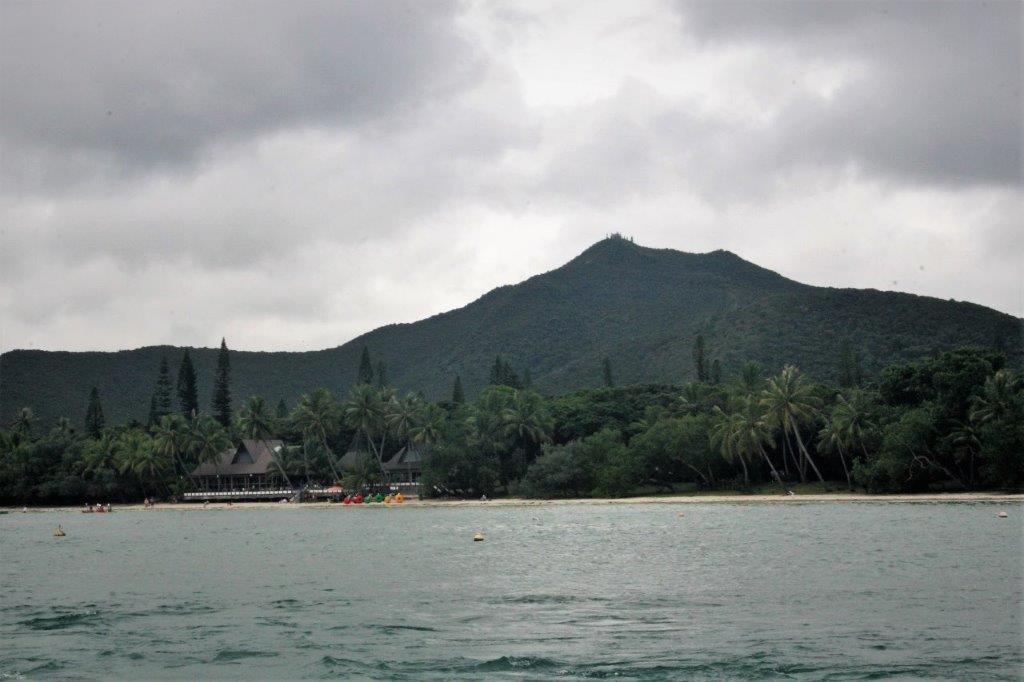
2009 World Cruise – The sky was overcast and it looked like rain would be falling shortly.  Île Des Pins was a tender port-of-call and we were anchored quite a way off shore so as to not damage the reef.  We took the 15-20 minute tender ride to the island in the afternoon.  The clouds never left, and the rain never came.

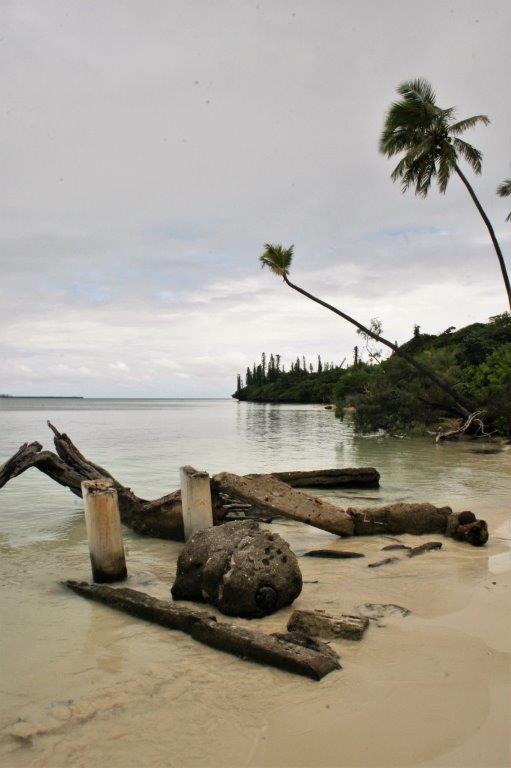
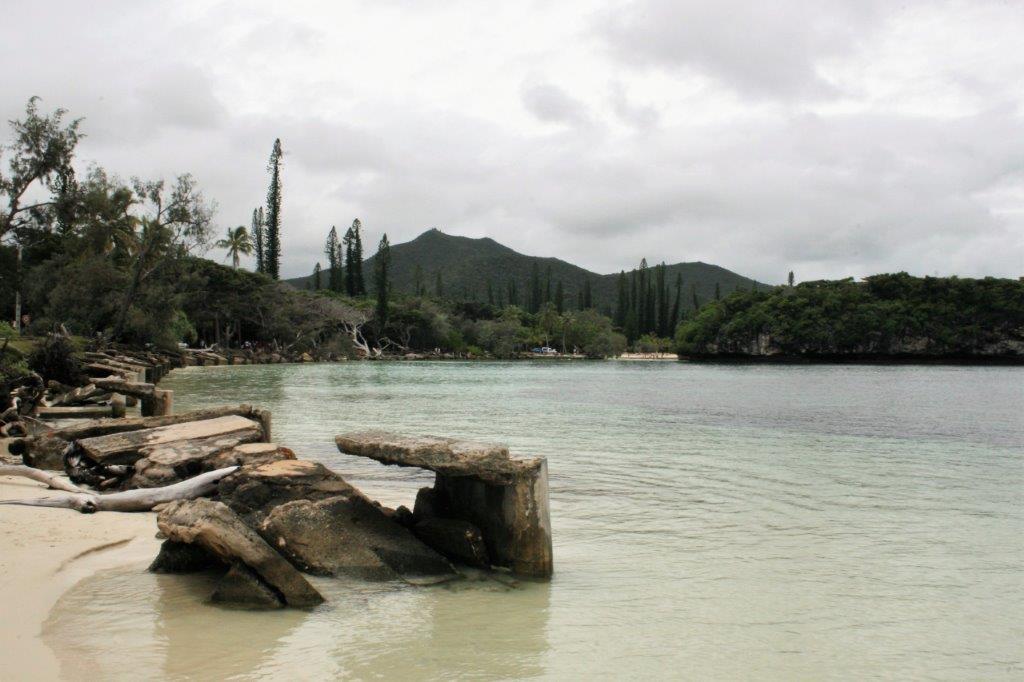
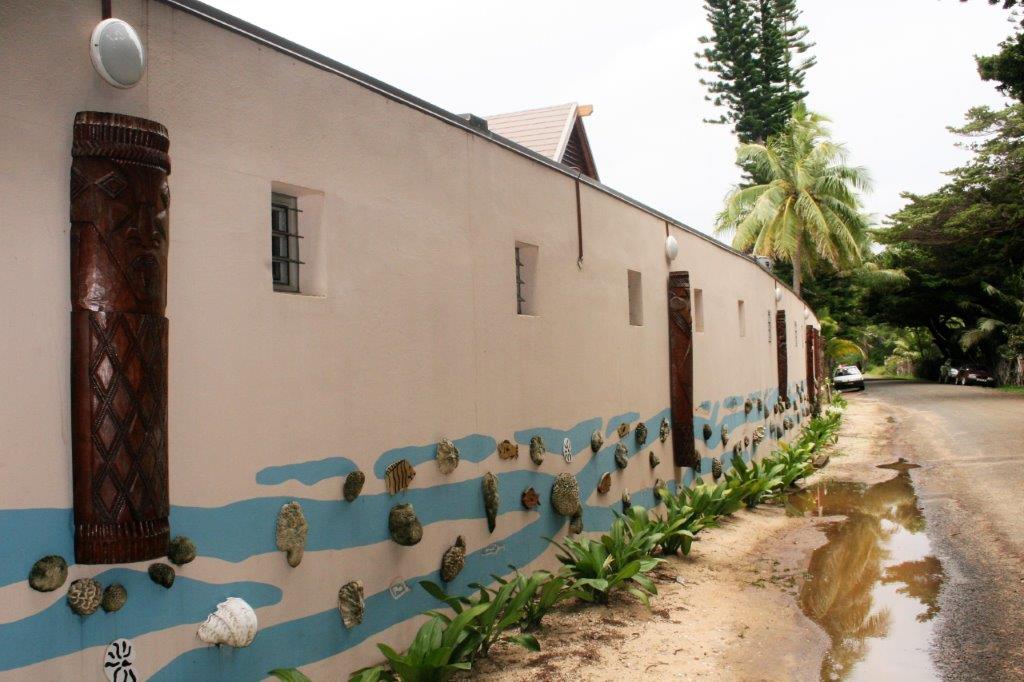
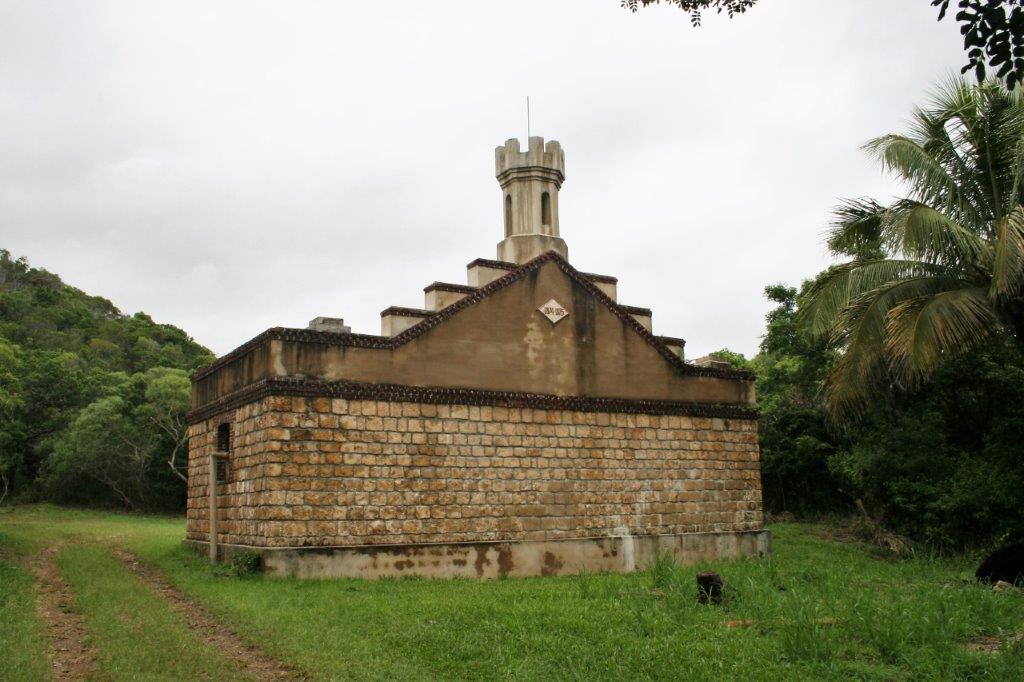
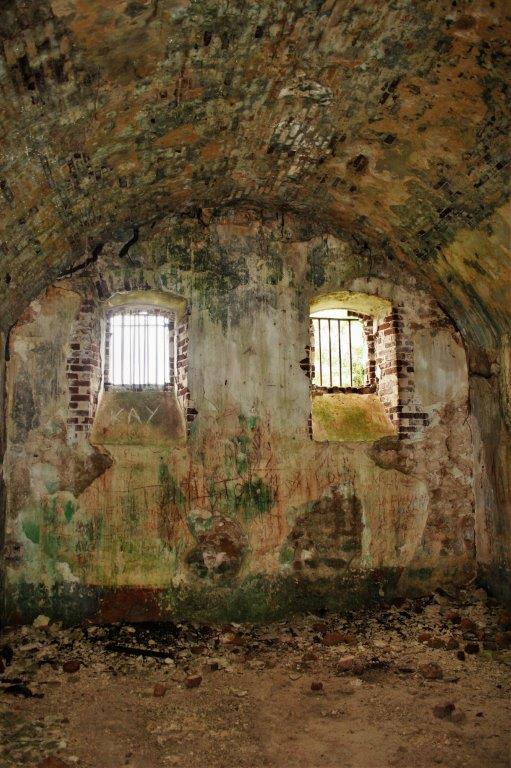
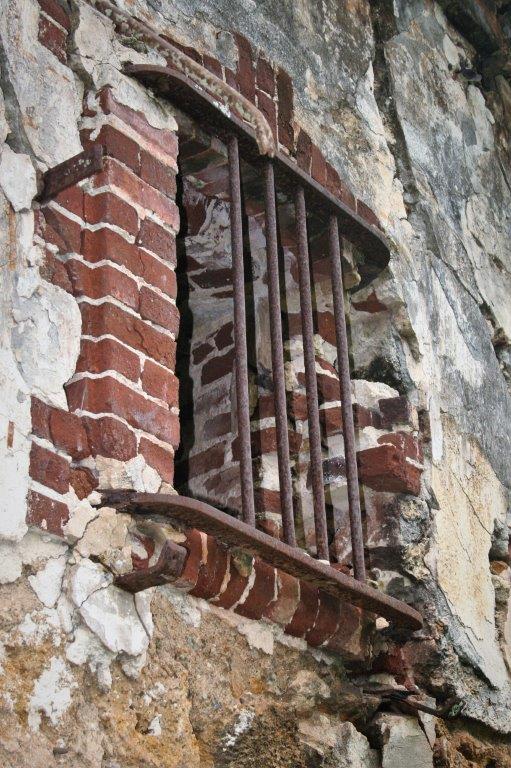
Île Des Pins (Island of Pines; for the native pine trees that tower over the tropical forest) is also called I’île la plus proche du paradis – “the island closest to paradise.”  It is not very big, about 60 sq. km. and is located SE of Nouméa.  Captain James Cook discovered it in 1774 and the French claimed possession in 1853.  A penal colony was established in 1872 and 3,000 political prisoners from Paris were sent to the island.img_3482-1Today it is a sparsely populated island famous for scuba diving and snorkeling.  We spent a few hours wandering around the island, checking out the prison ruins and wandering the beautiful white sand beach.

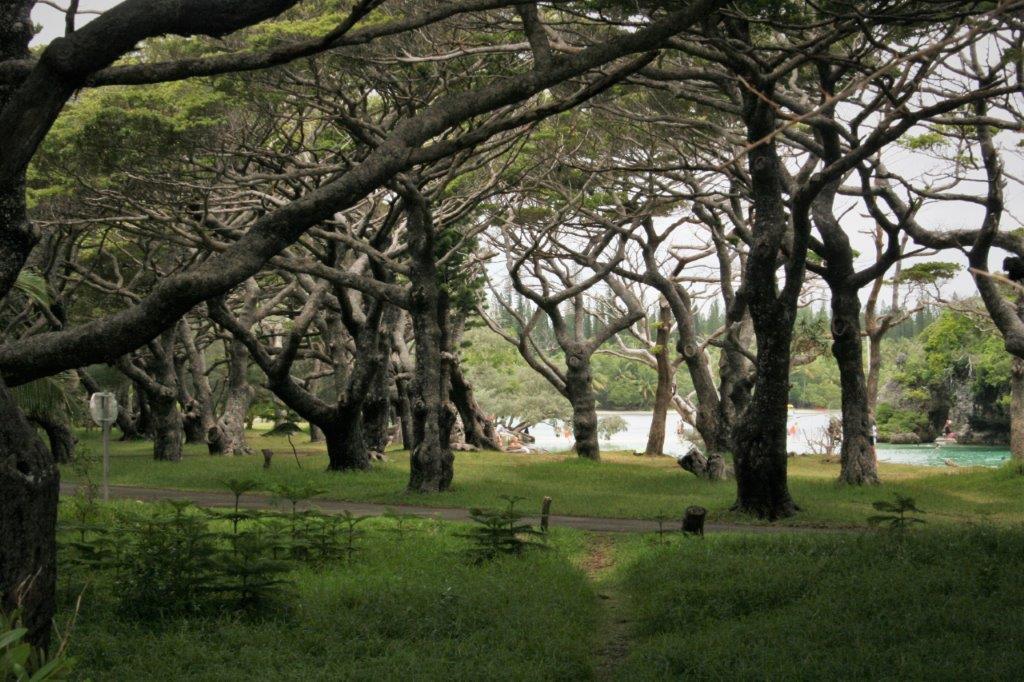
img_3486-2 img_3487-2 img_3491-1img_3488-1 The trees were very knarly.

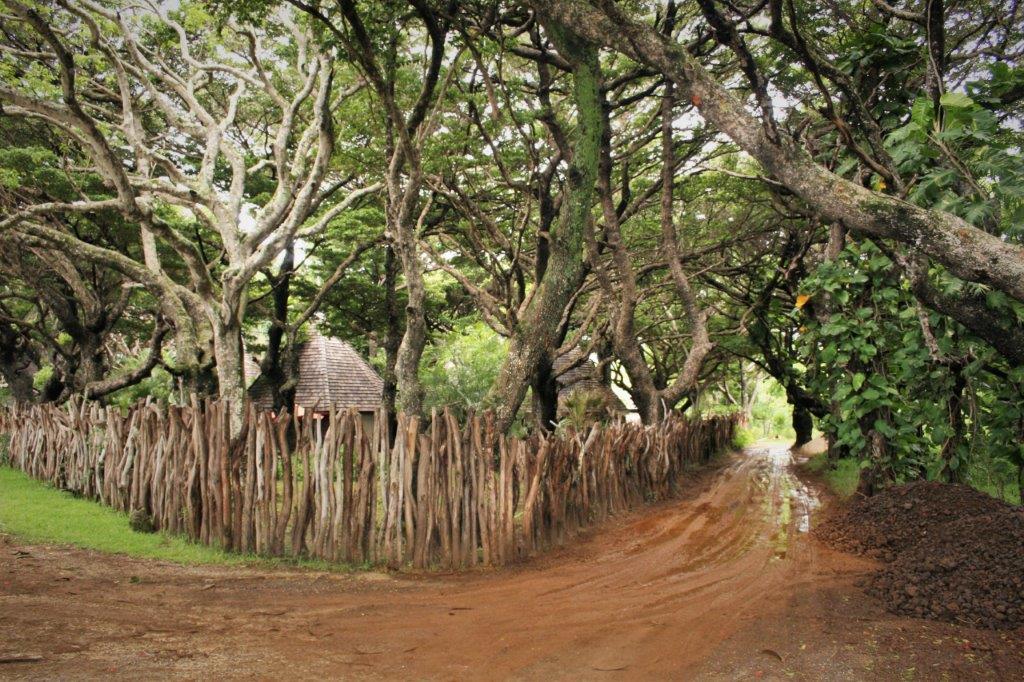
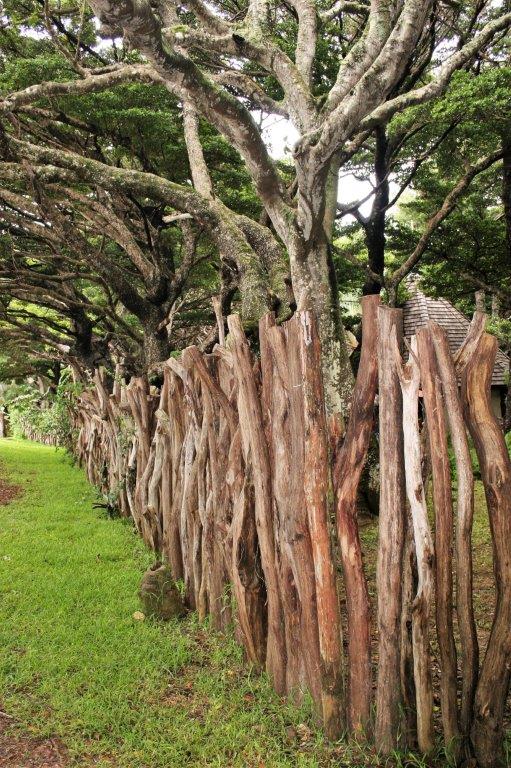
img_3489-2 img_3490-2I liked the stick fence.

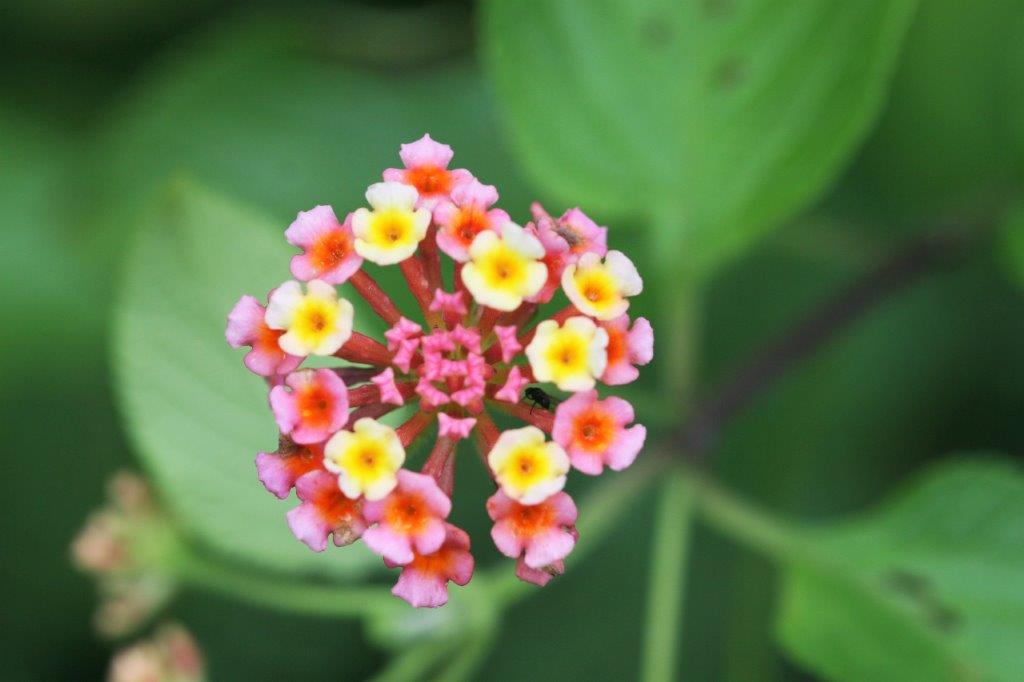
img_3495-1 img_3502-2 img_3529-2 img_3531-2img_3508-1Lots of pretty flowers.

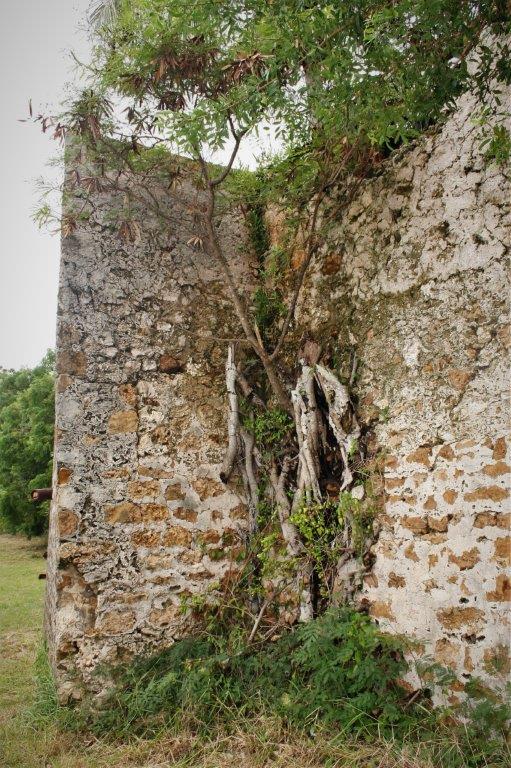
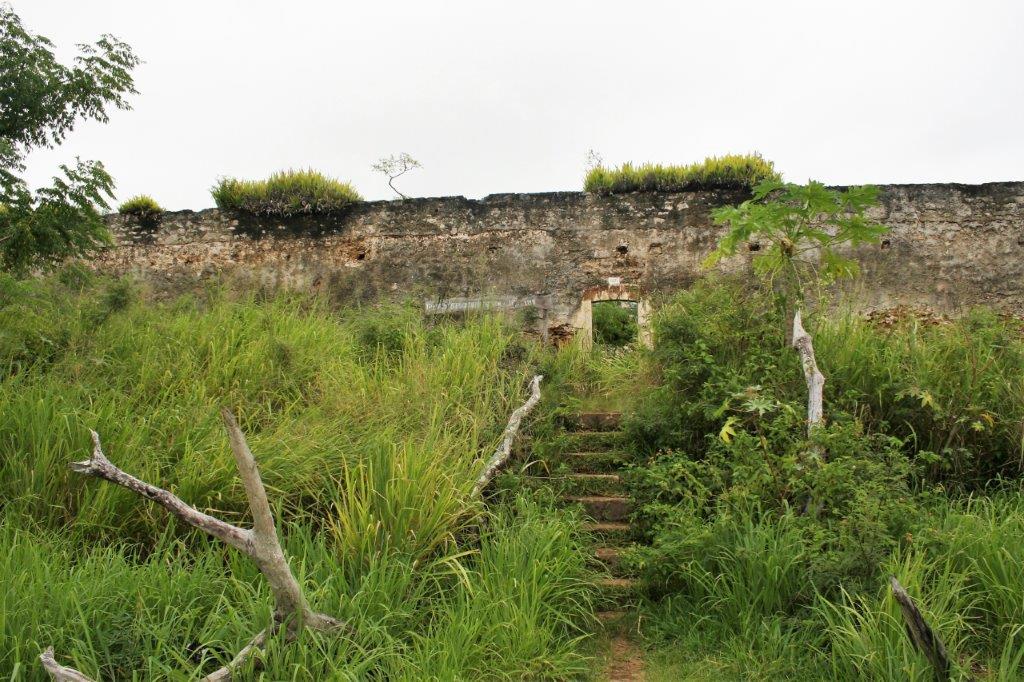
The prison ruins were very derelict and overgrown.  After 100+ years nature is taking over once again.

img_3485-2 img_3506-1 img_3511-2 img_3518-1 img_3520-2 img_3524-2 img_3572We set sail at 5 o’clock for two days at sea before we reach Sydney, Australia.  My life-time dream-come-true destination!