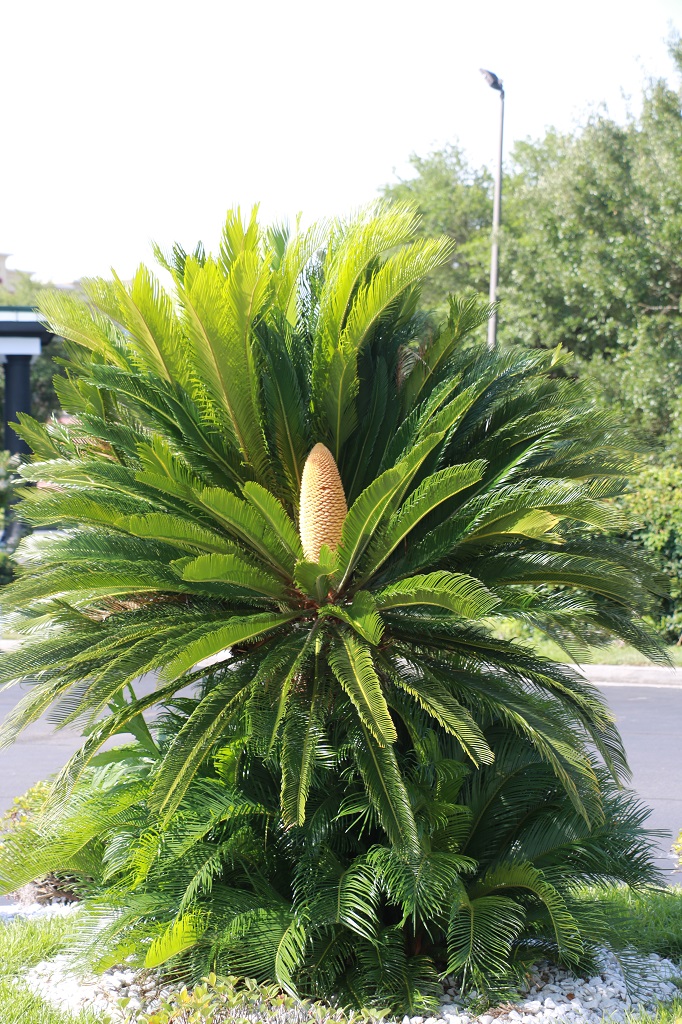
Several of the palms by the hotel were blooming.
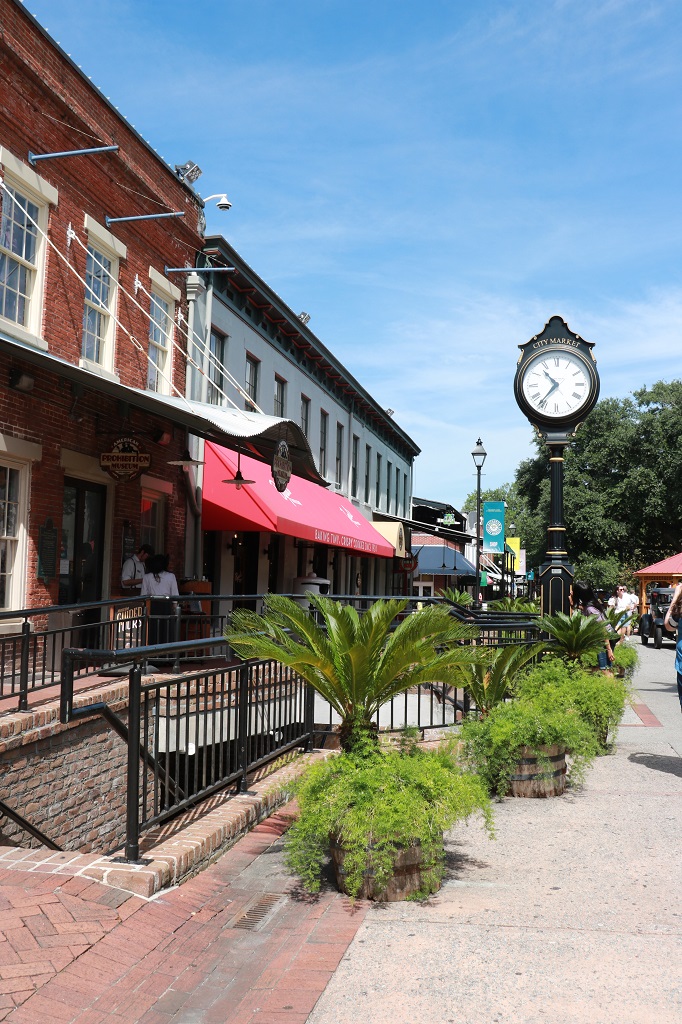
We had another day full of things to see today and were following Mary Lou’s Nav directions by 10 am. First stop was to be Forsythe Park, which has a lovely fountain and is said to be a very nice place. We drove around the area a couple of times trying to find a parking spot but there were none to be had. And the park was full of people. It is graduation weekend and many, many grads were at the park with their families having photos taken. We did not see any pretty flower gardens so we waved at the fountain on the way past and headed to the Prohibition Museum.
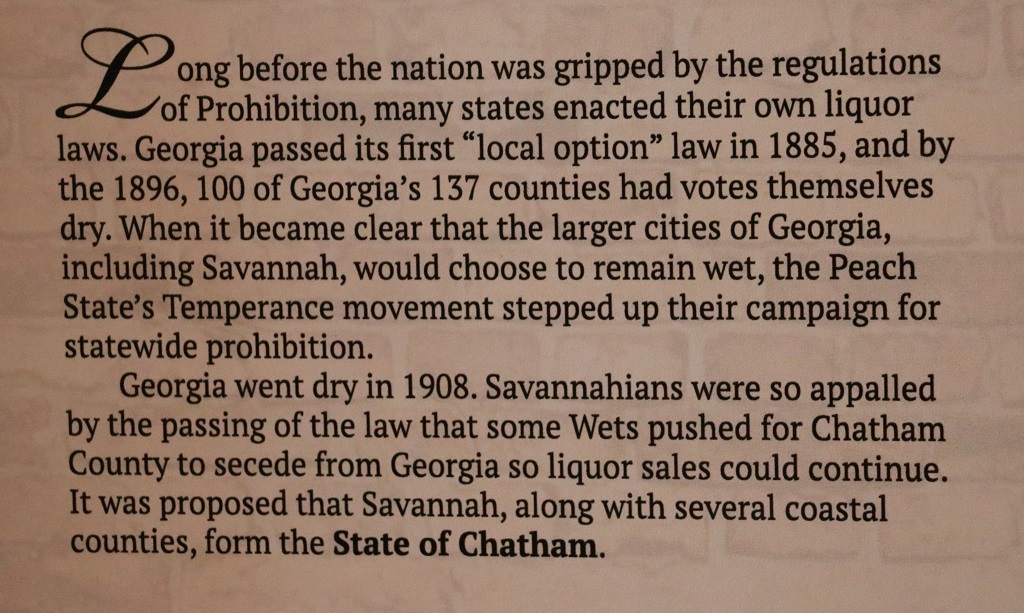
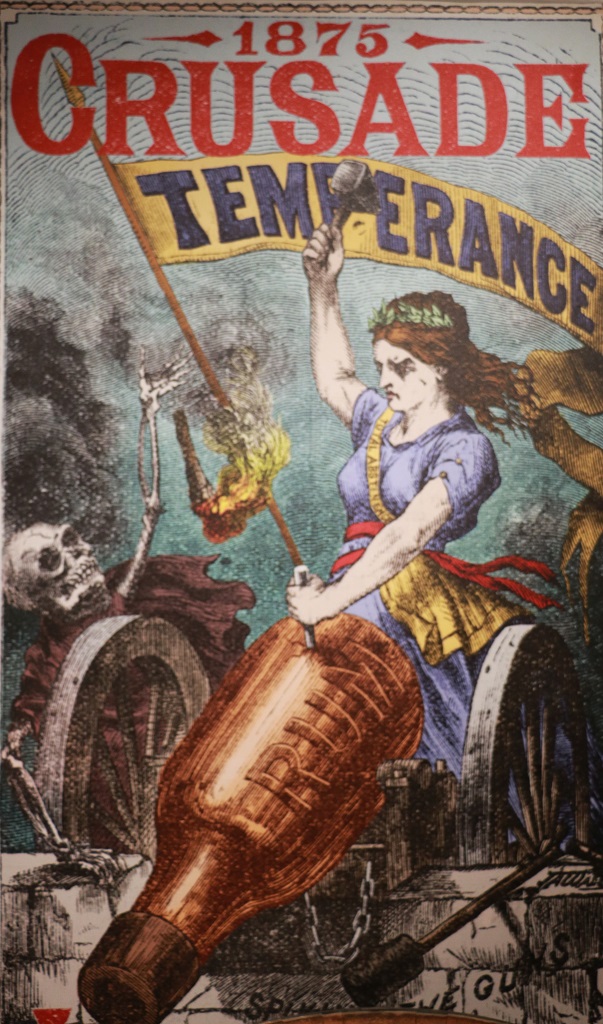
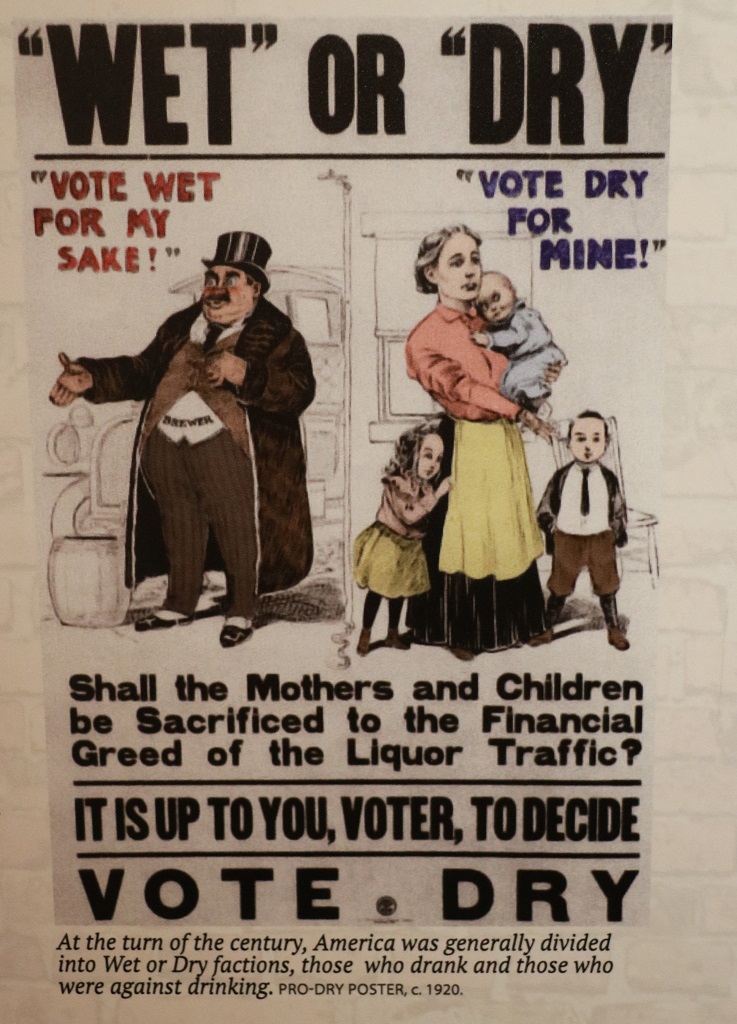
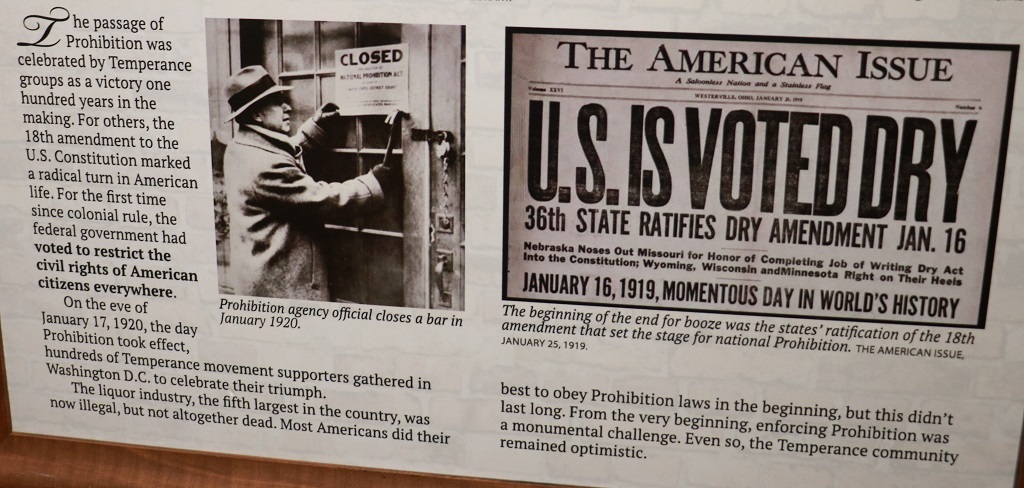
Prohibition was not a new concept when the Temperance Movement got so strong and the US was declaired dry with the passing of the 18th Amendment on December 18, 1917 and ratified by the requisite number of states on January 16, 1919. The fight had been going on for a hundred years in one way or another.
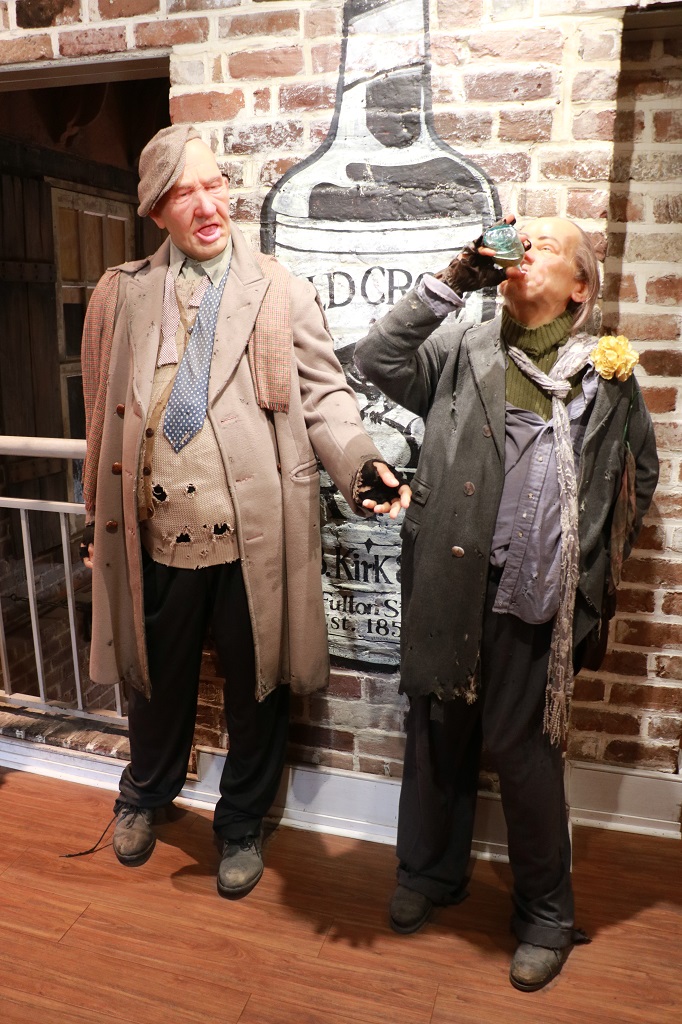
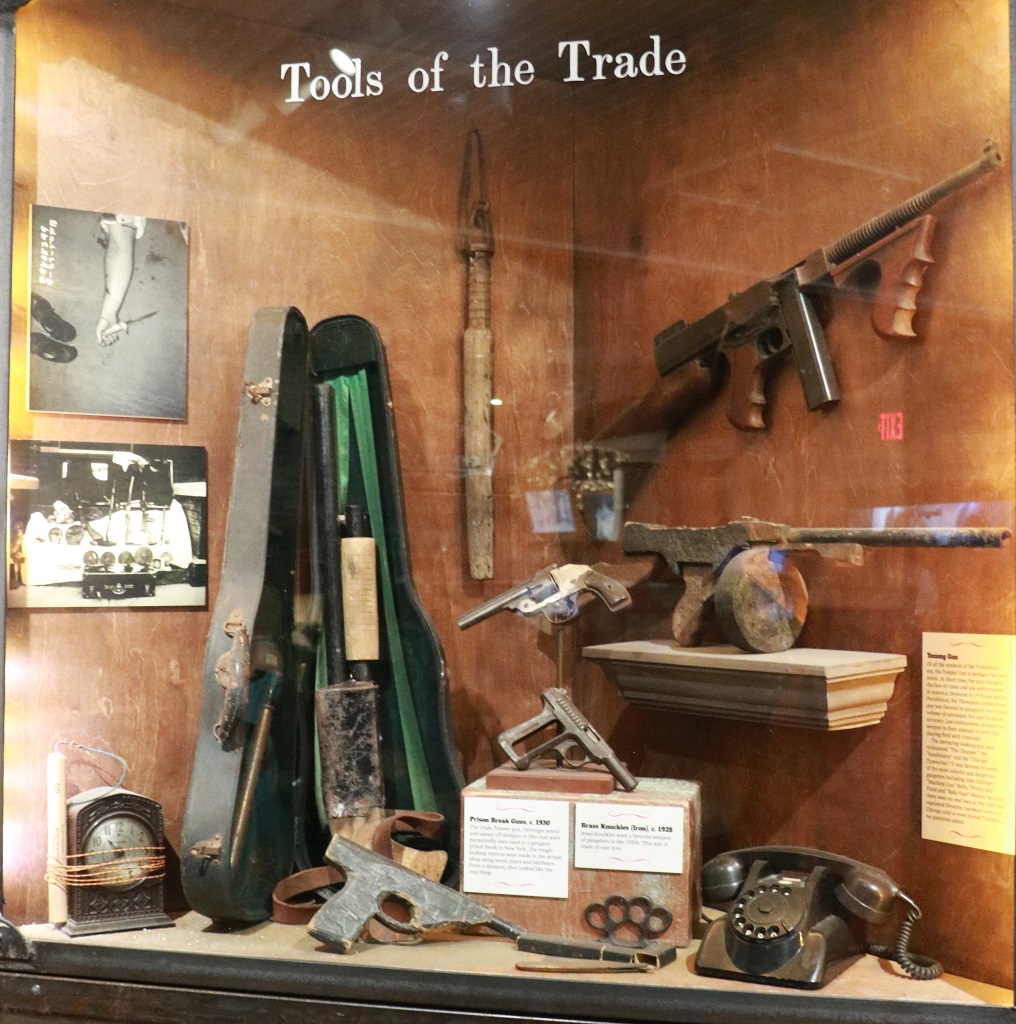
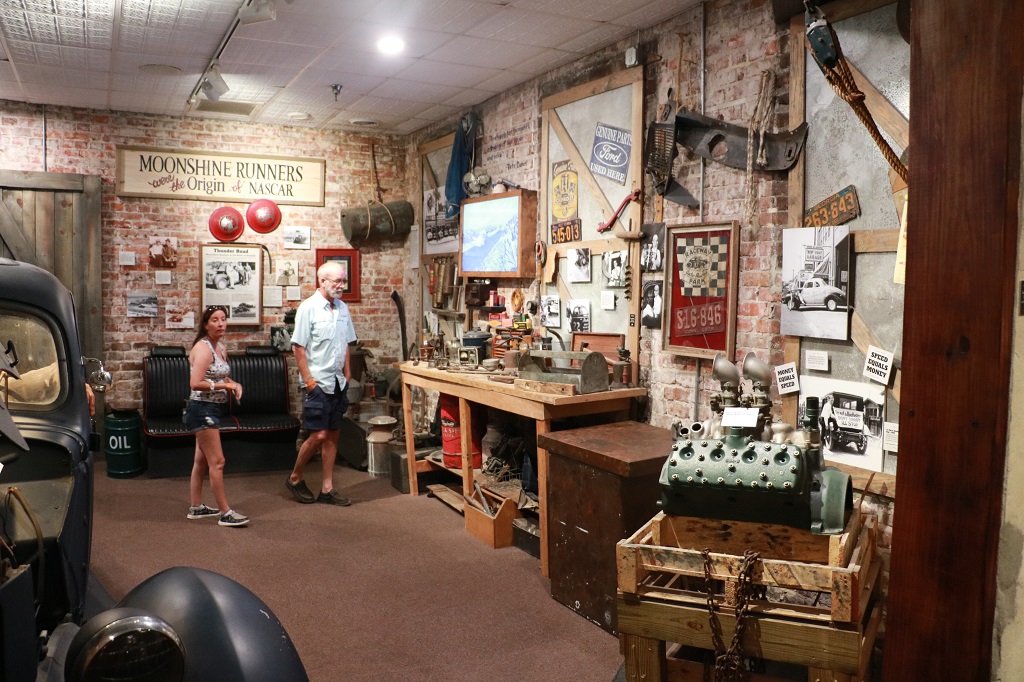
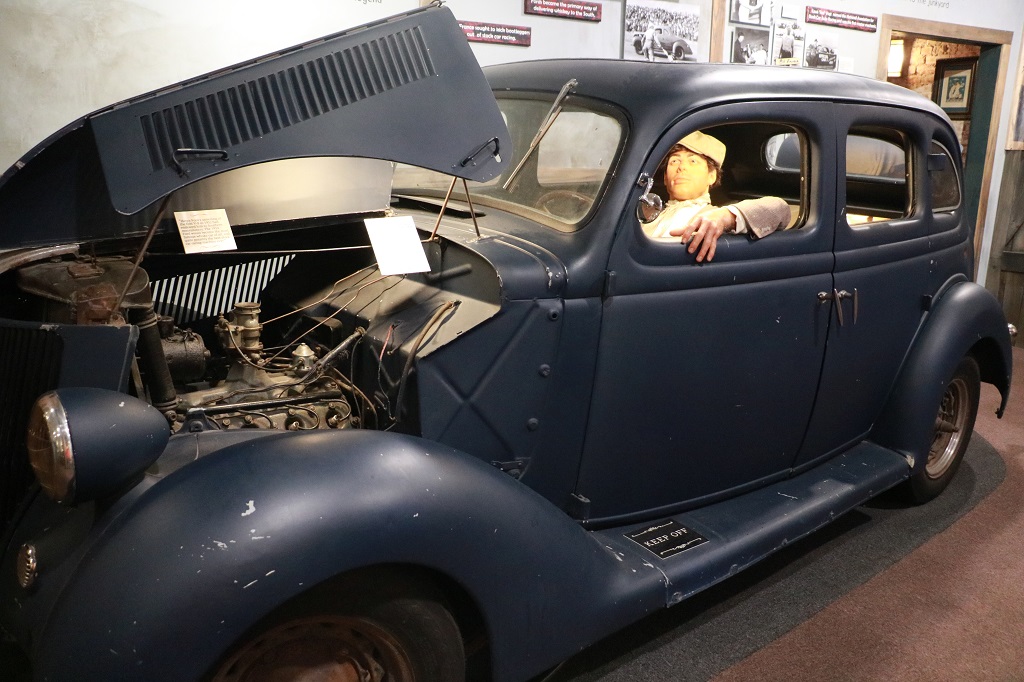
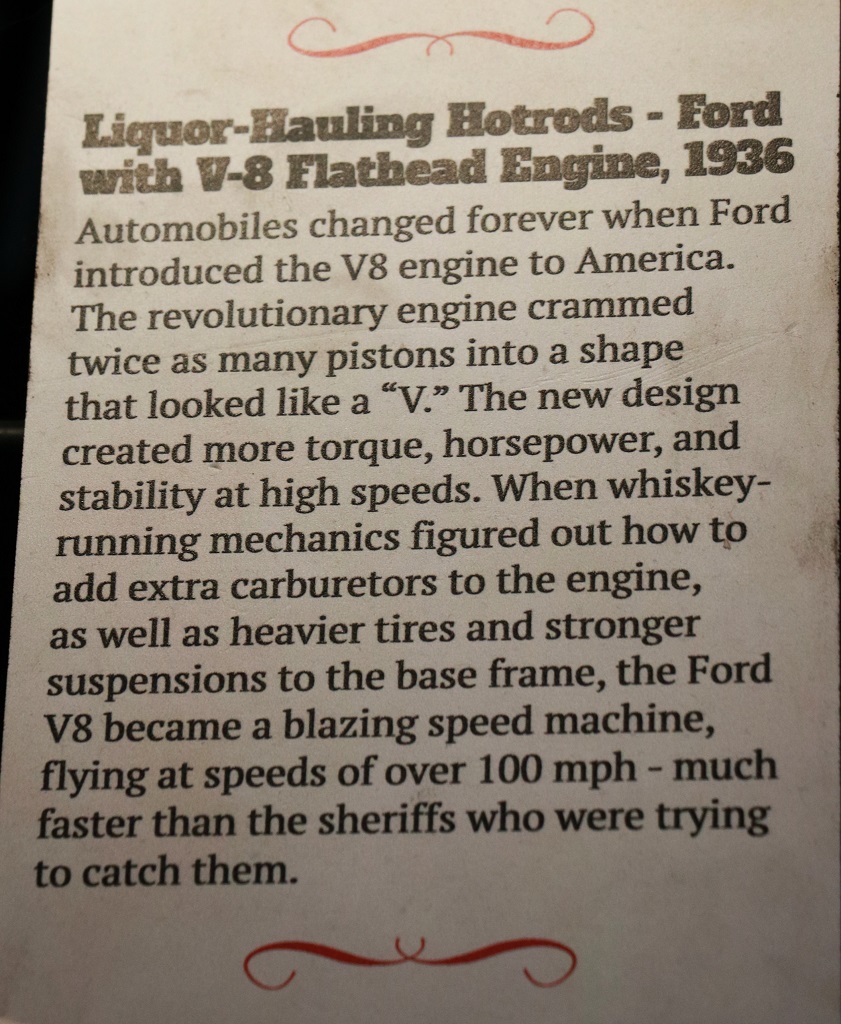
The museum had a wonderful collection of posters, photographps, newspaper clippings, wax figures, cars, and collectible of all kinds from the era. It was very interesting. And we even learned some new things, which I always like.
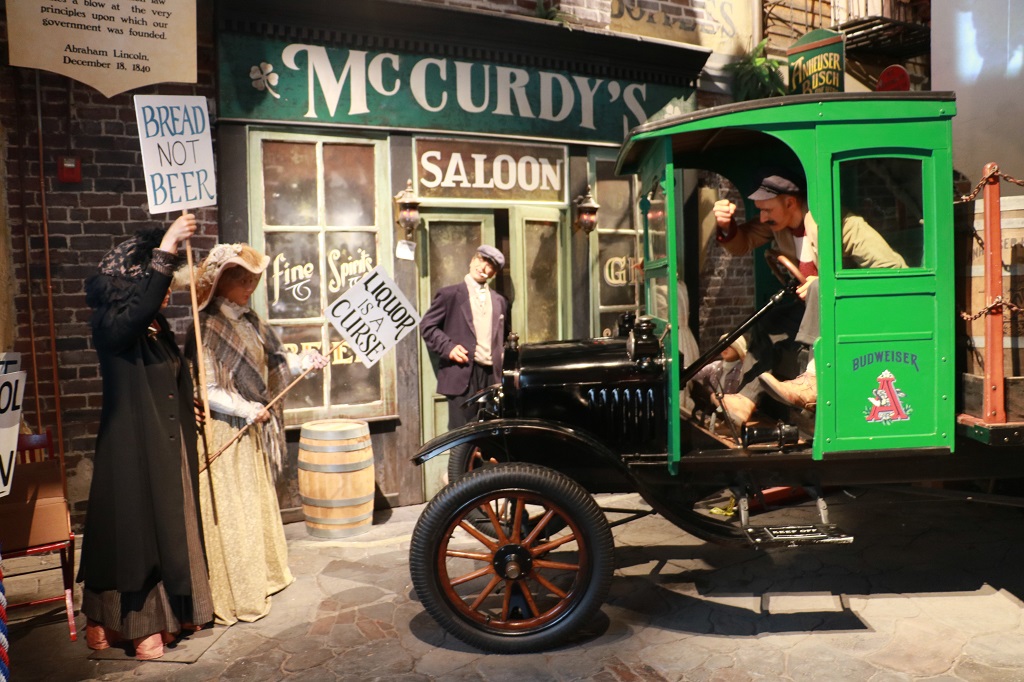
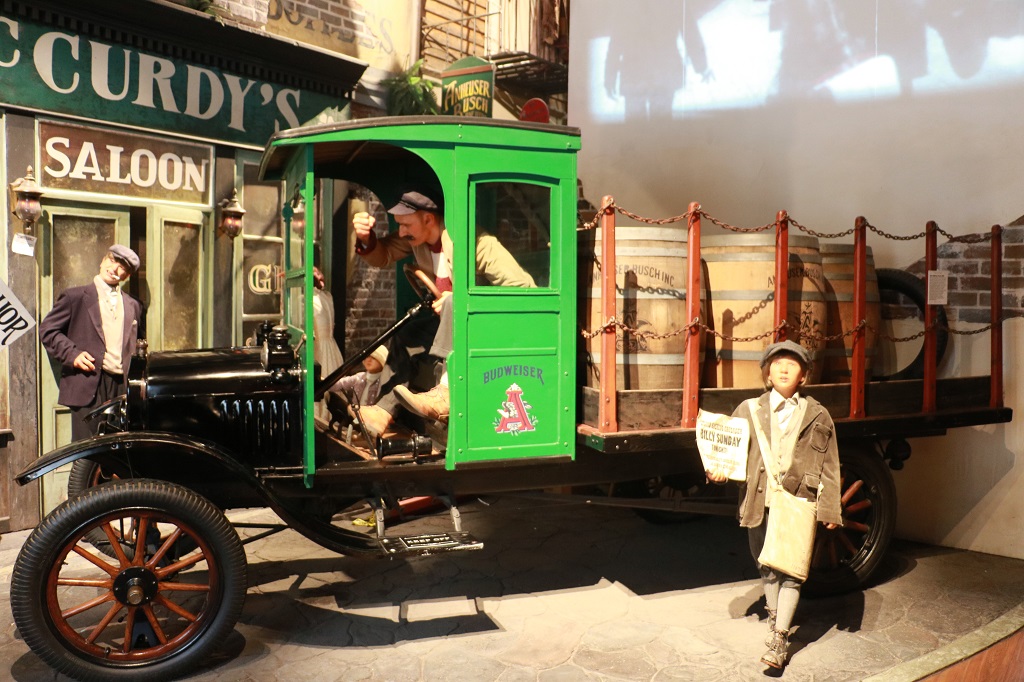
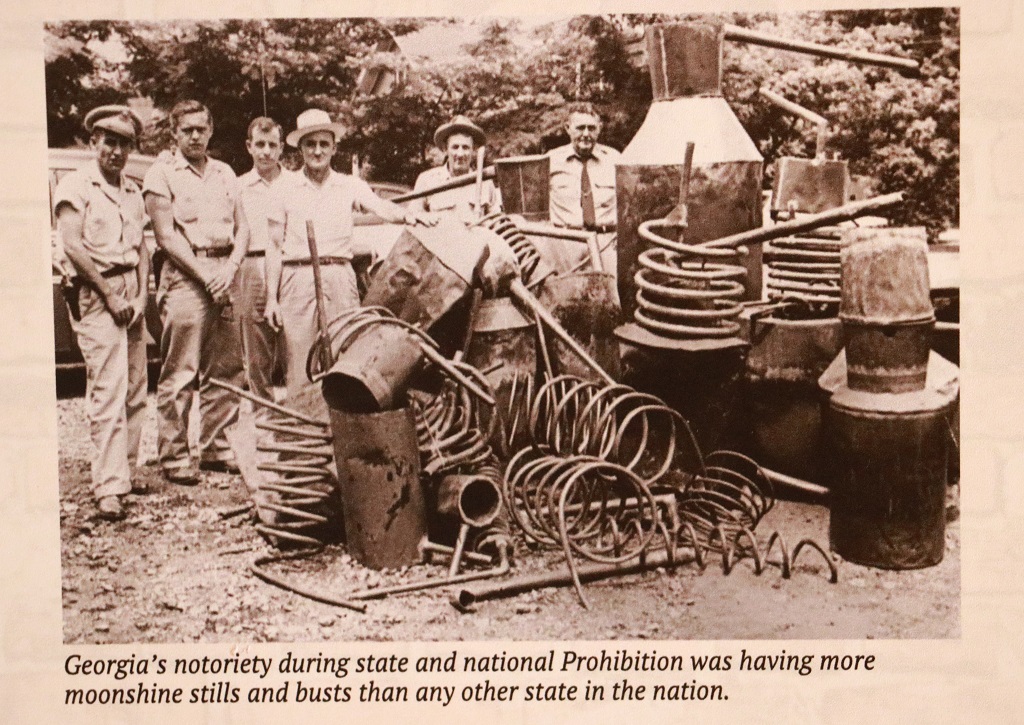
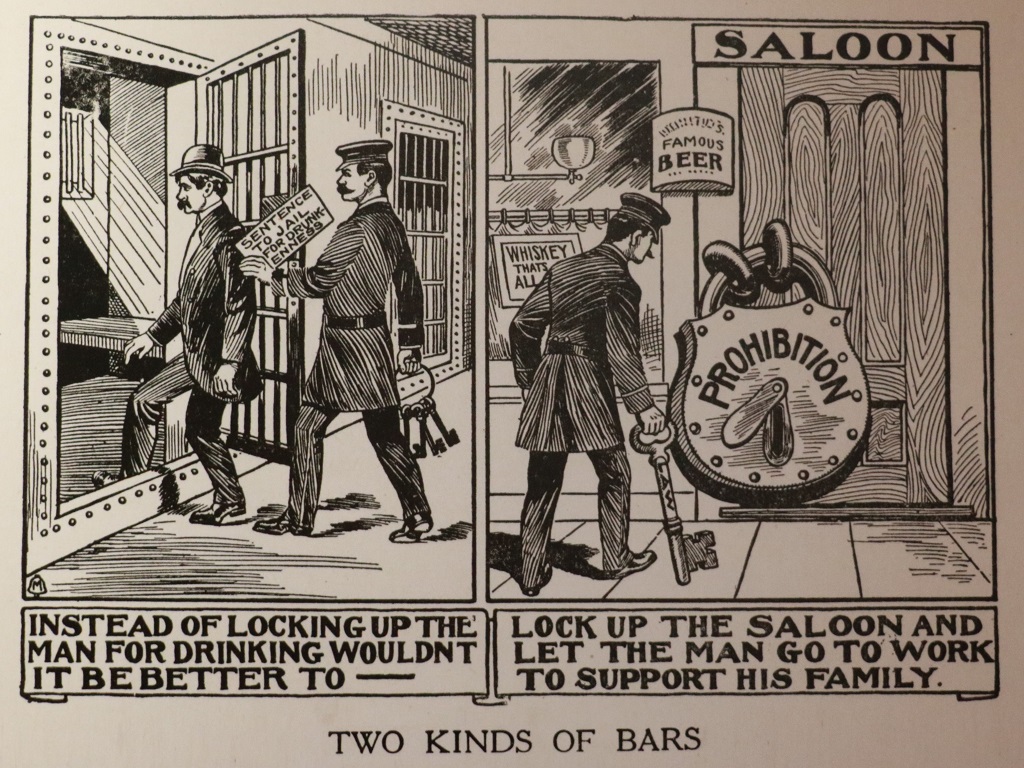
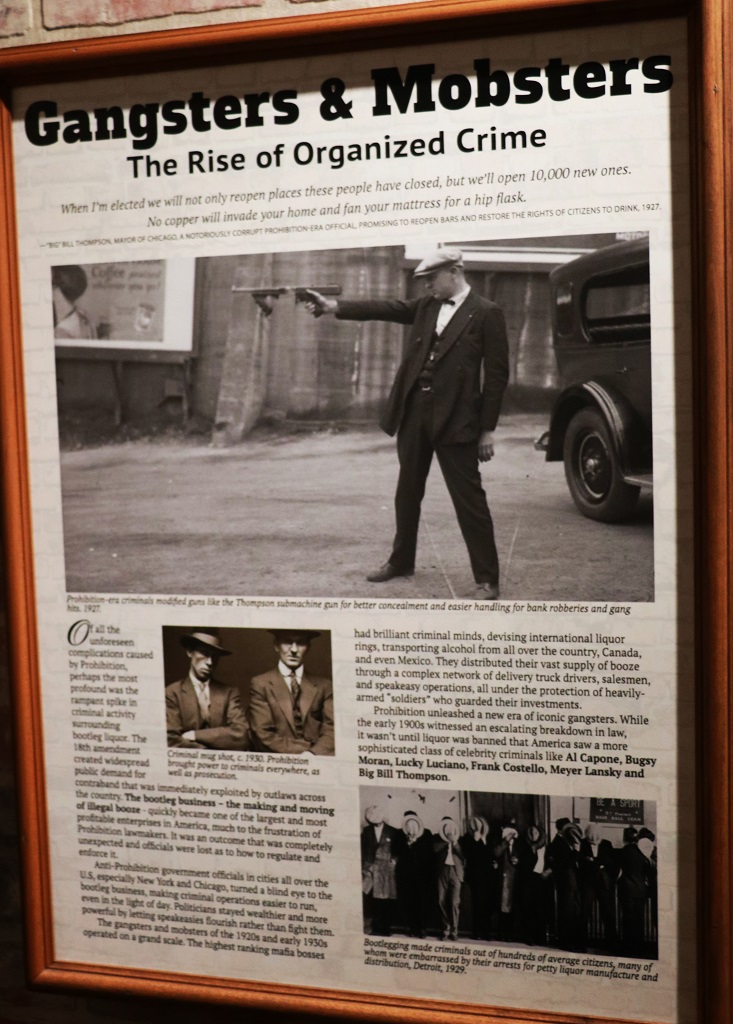
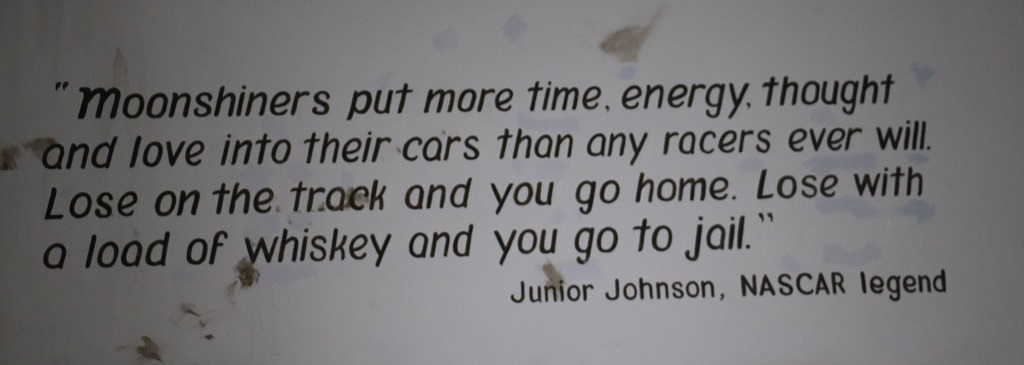
The museum took you through the efforts of individuals and Temperance Unions to get the sale of alcohol deemed illegal in the USA, to the affects on the economy, the rise of bootleg liquor which contributed to powerful organized crime syndicates., and the creation of NASCAR. The 21st amendment rescinded the 18th on Dec. 5 1933 and there were displays of articles and items celebrating the rights of people and companies to make beer and liquor again.
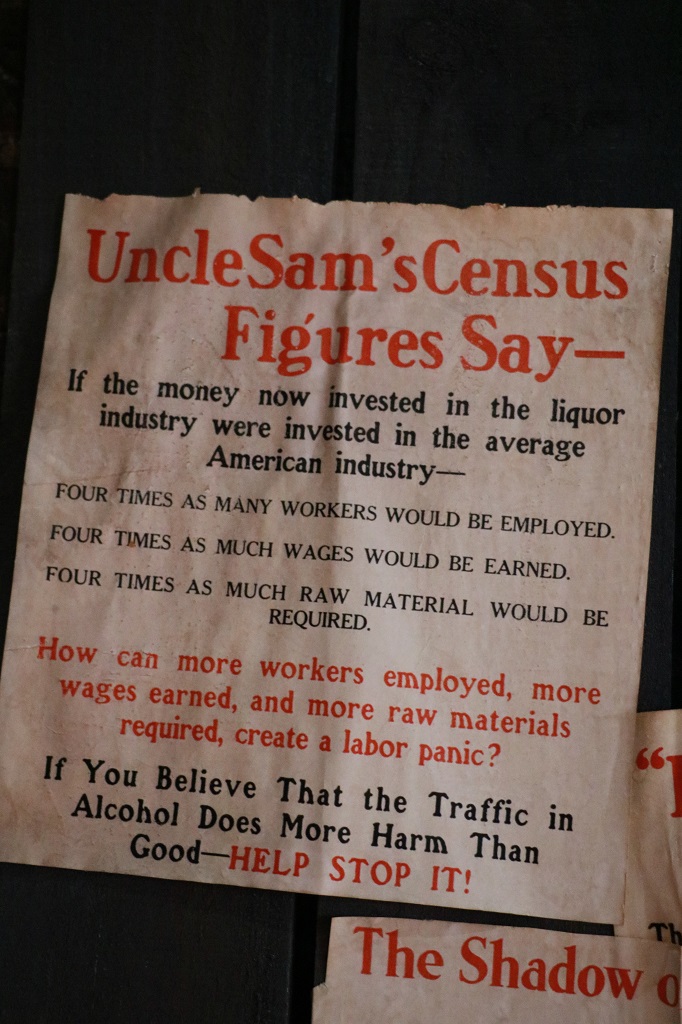
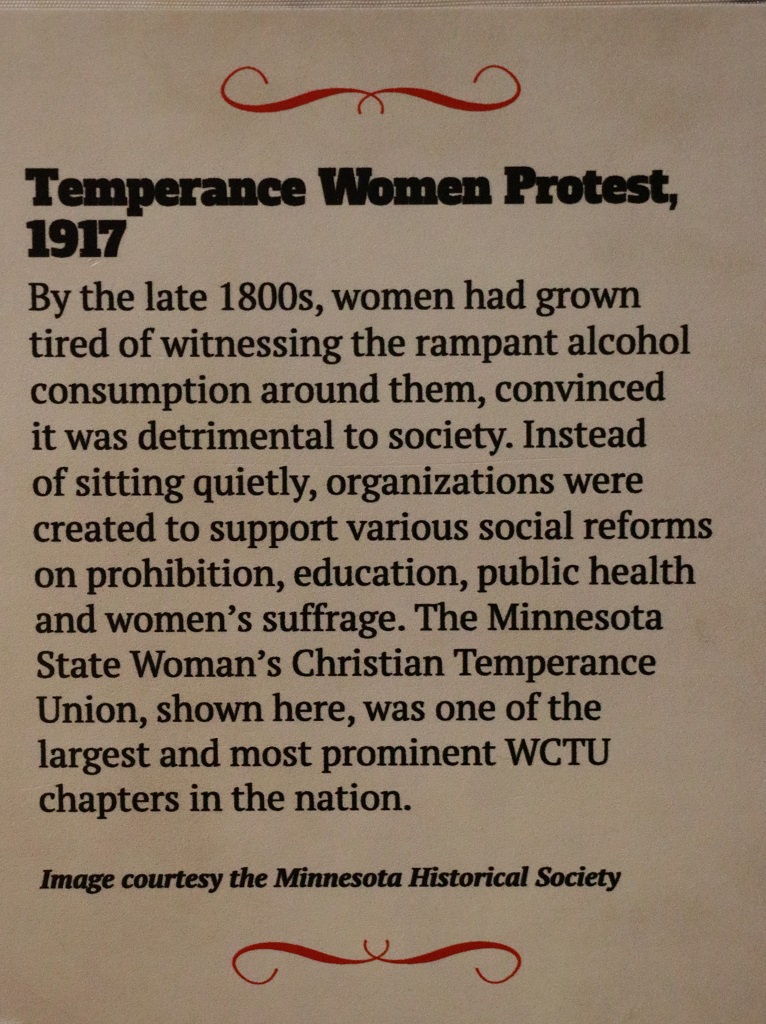
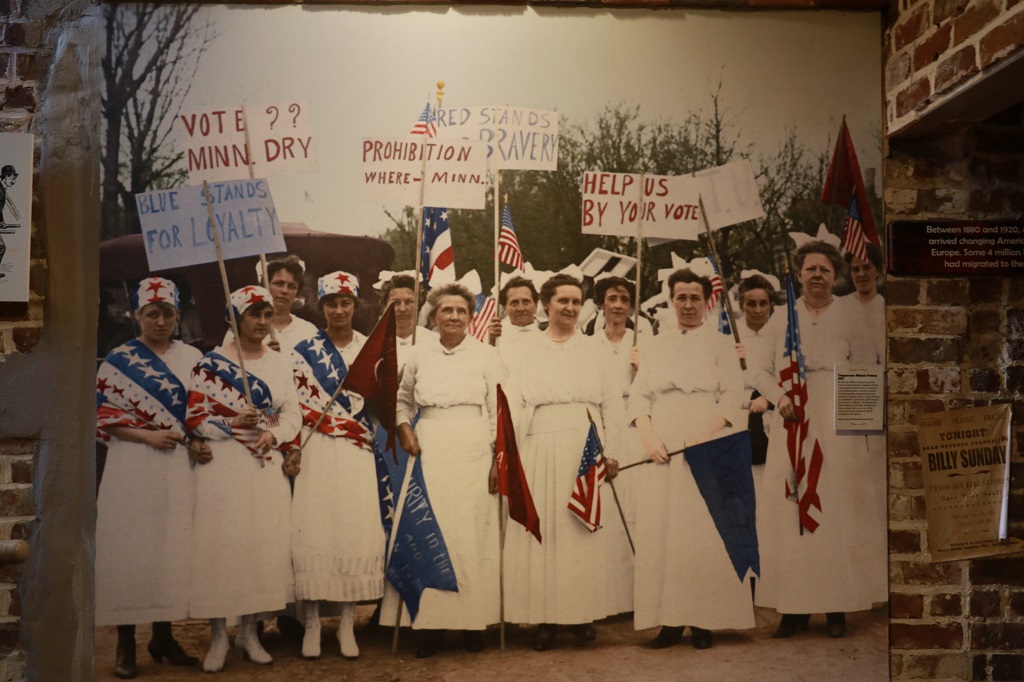
All the walls in all the rooms were covered with posters and photos and memorabilia. I have no idea where they got it all but we were told most of it was original with only a few reproductions. It was a wonderful collection of an almost forgotten time.
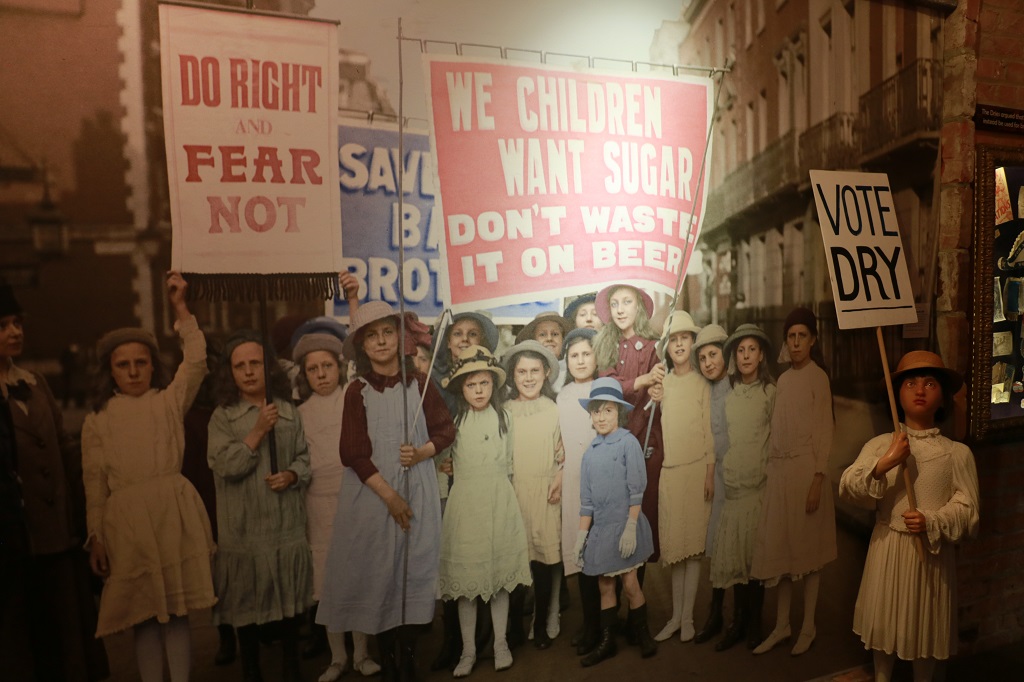
Obviously all these children did not get the memo about how bad sugar is for you. After prohibition the production of cane sugar rose from 152 million pounds in 1921 to 960 million pounds in 1929.
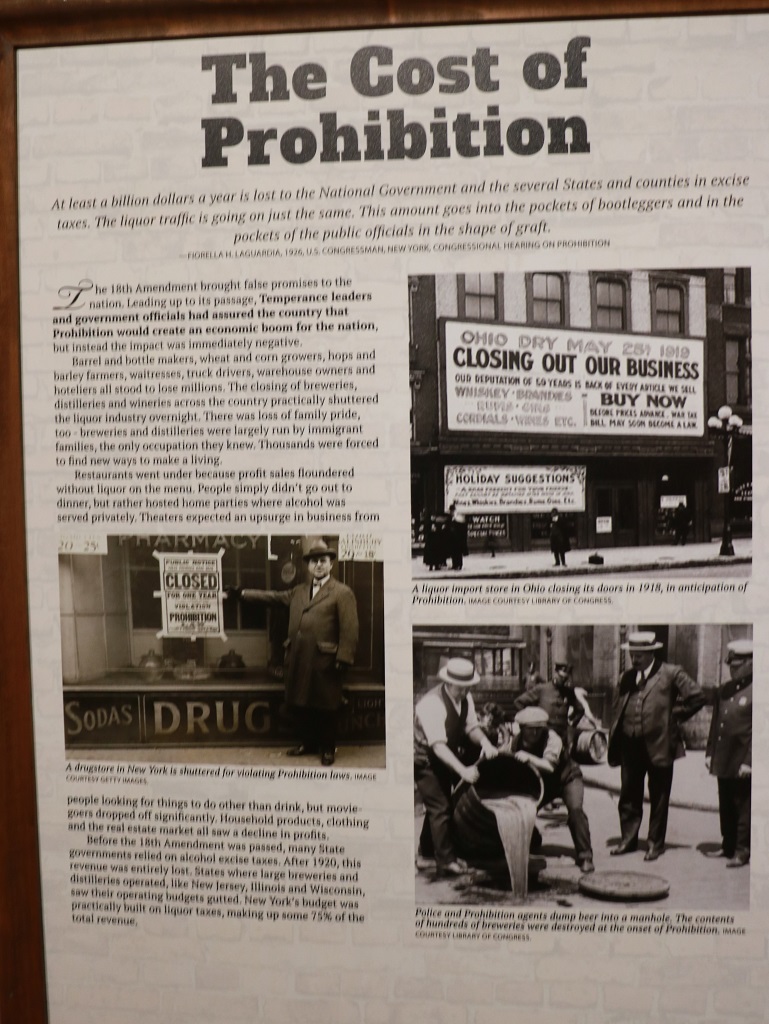
Also the first income tax was was passed the year before Prohibition to replace lost revenue from liquor. Prior to Prohibition 40% of all US taxes were paid by distillers and brewers. The minute the 18th amendment was ratified thousands of farmers, distillers, brewers, coopers, distributors, truck drivers, warehouse workers, and clerks were put out of work.
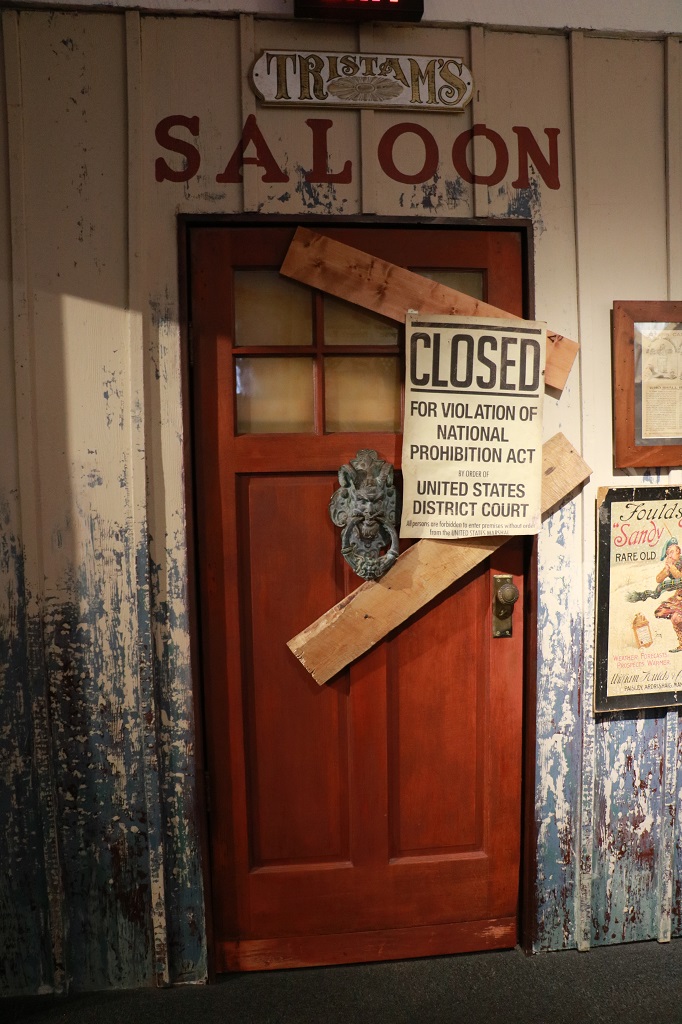
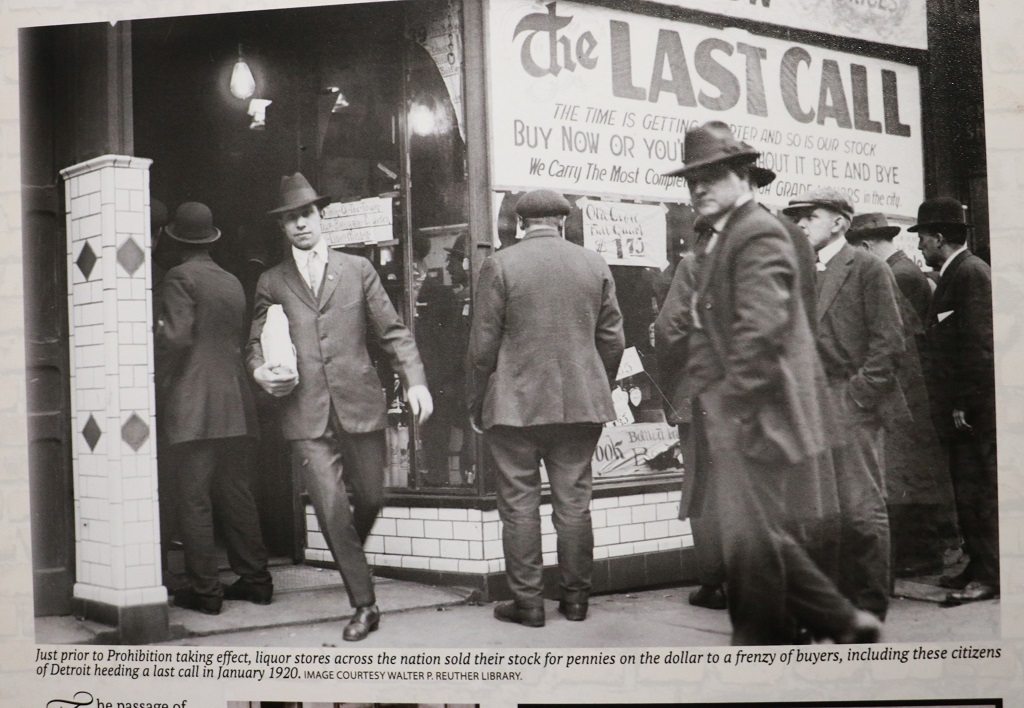
People stocked up on liquor at great savings the days before Prohibition came into affect. Many of them thought the laws would not last long and their extra purchases would see them through. Besides the stores and pubs, etc were selling all their stock for pennies on the dollar.
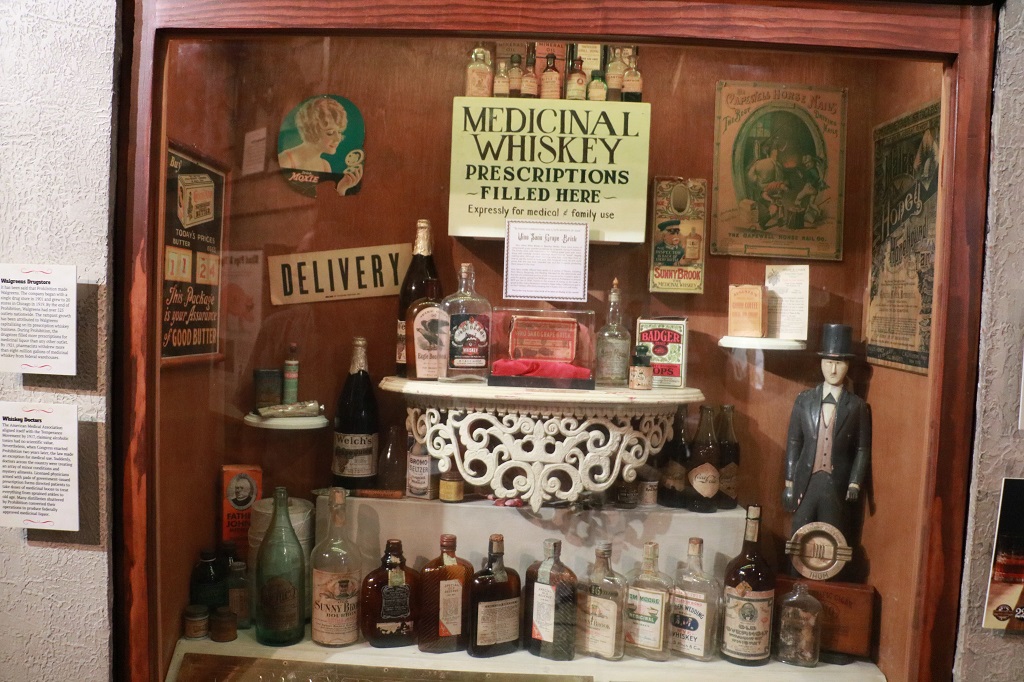
You could get a prescription for whiskey for a variety of medicinal conditions. Doctors became very busy. Veterinarians and Dentists could write them also. Rabbis could get kosher wine for services. The number of rabbis increased dramatically. There were even rabbis with names lile Rabbi O’Leary and Rabbi McDonough. (see details in the 10 ways to drink below)


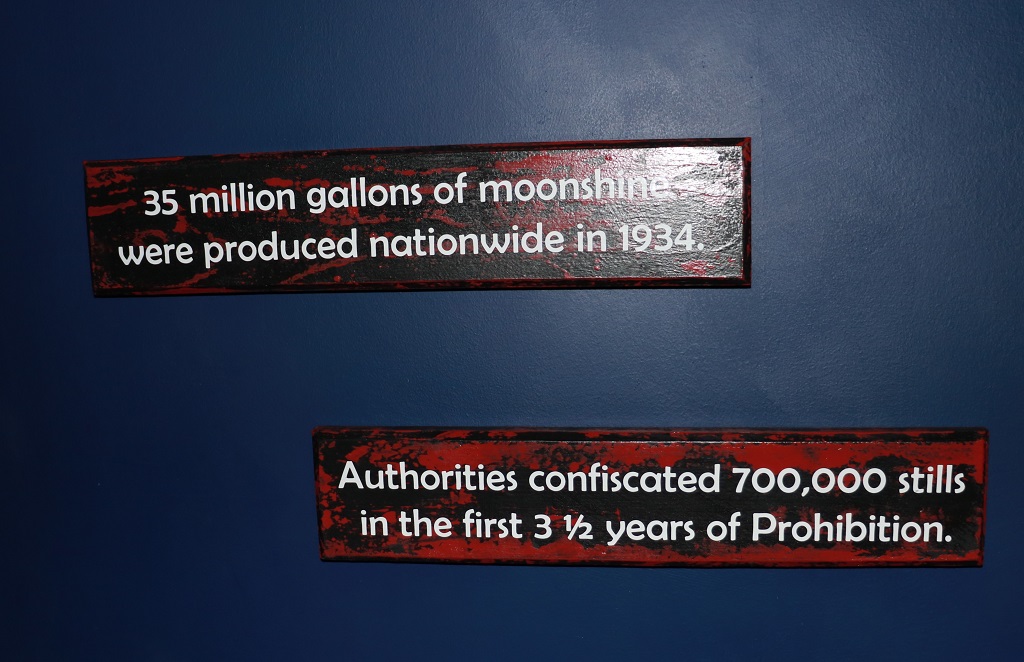
40% of all illegal alcohol was made in the home.

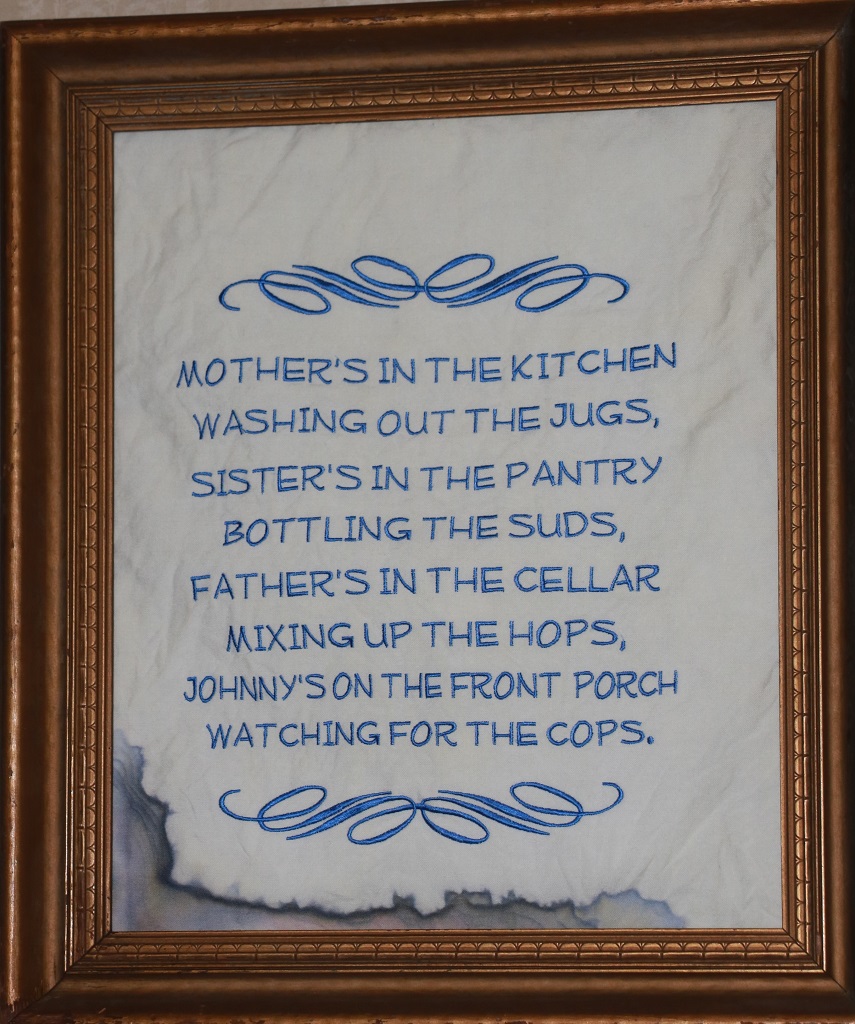
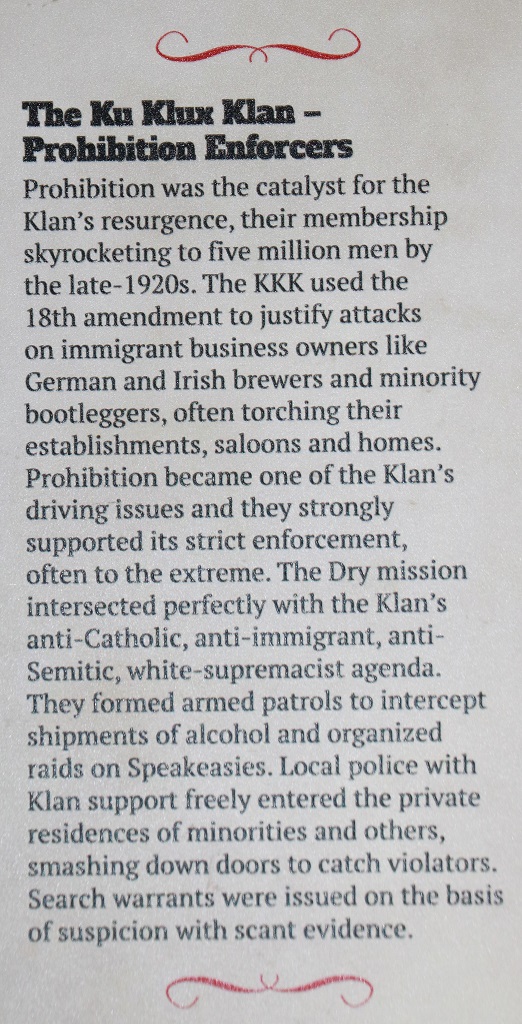
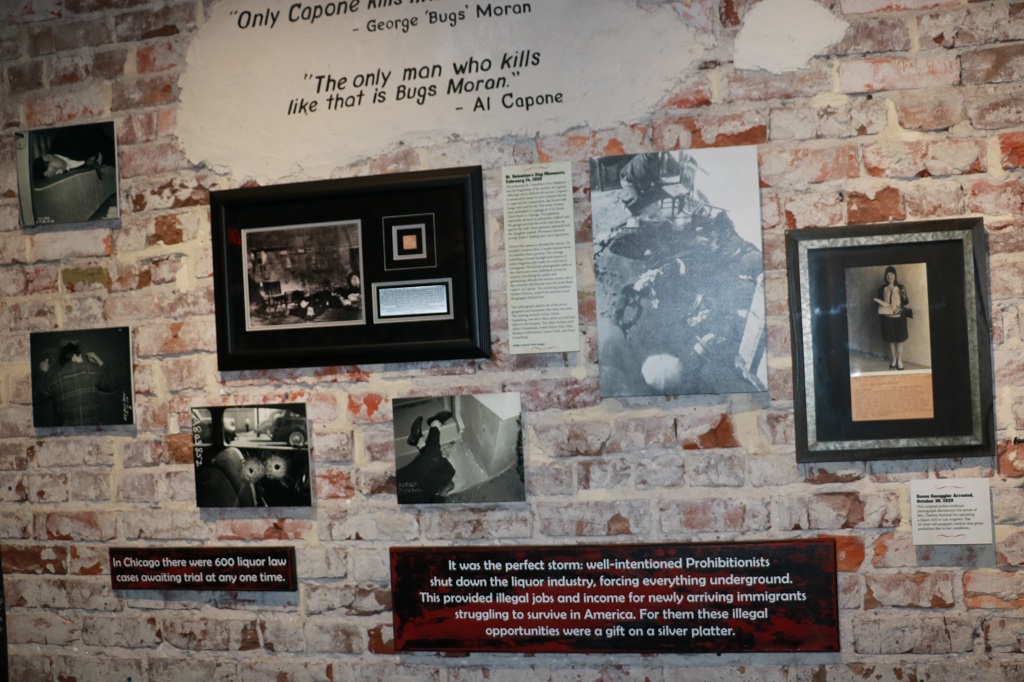
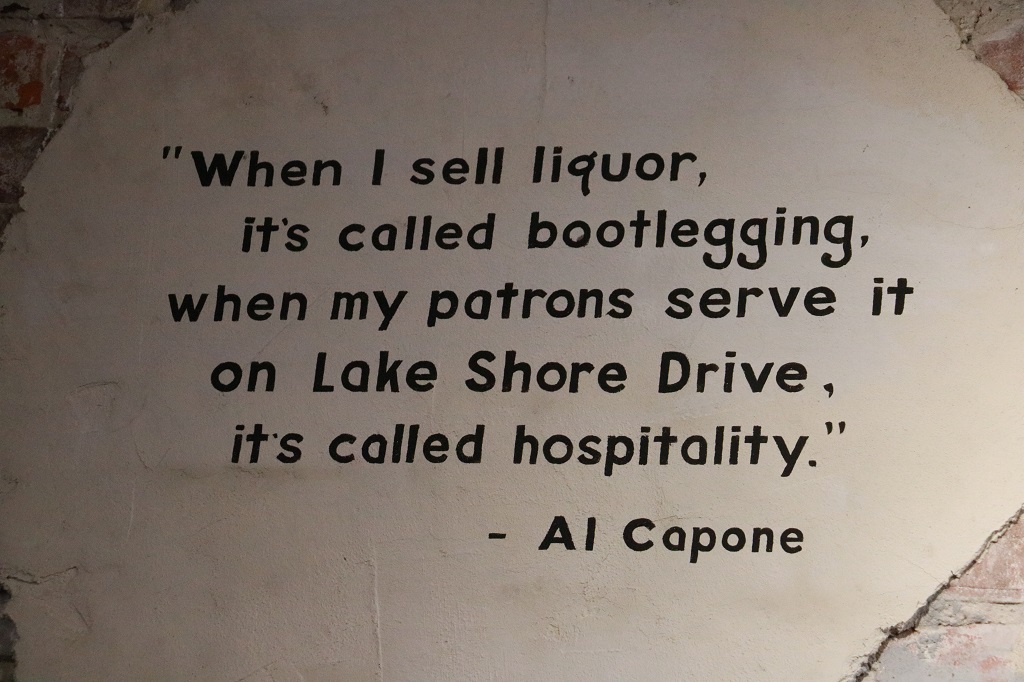
Organized crime came about in strength as a direct result of Prohibition. Criminals created a vast network for the production, storage, and distribution of bootleg alcohol. And the violence over territory and staggering profits ensued.


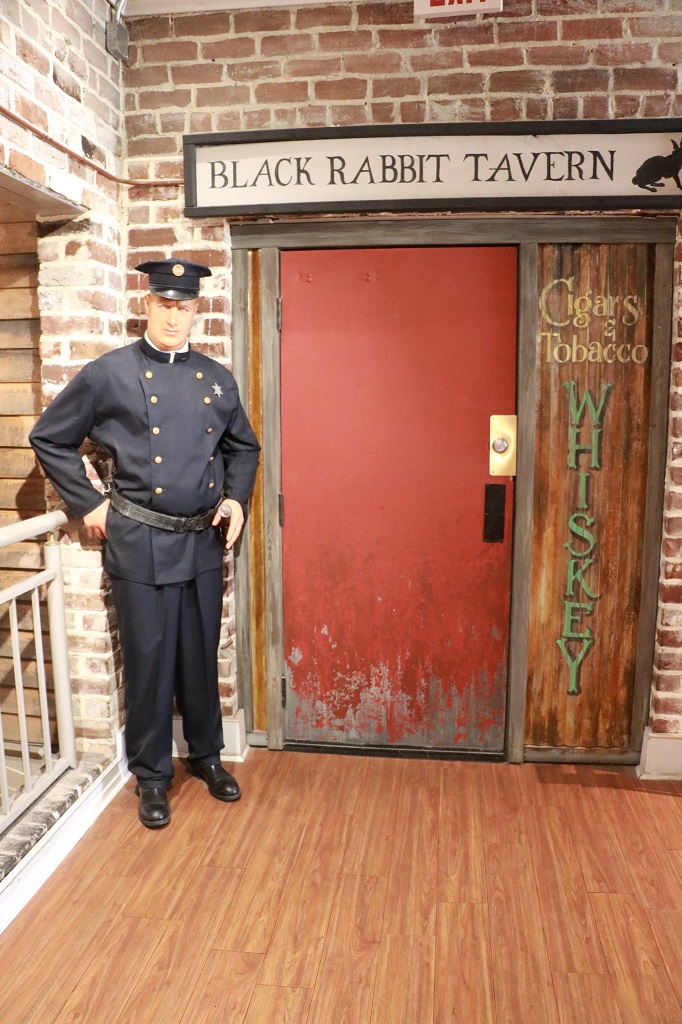
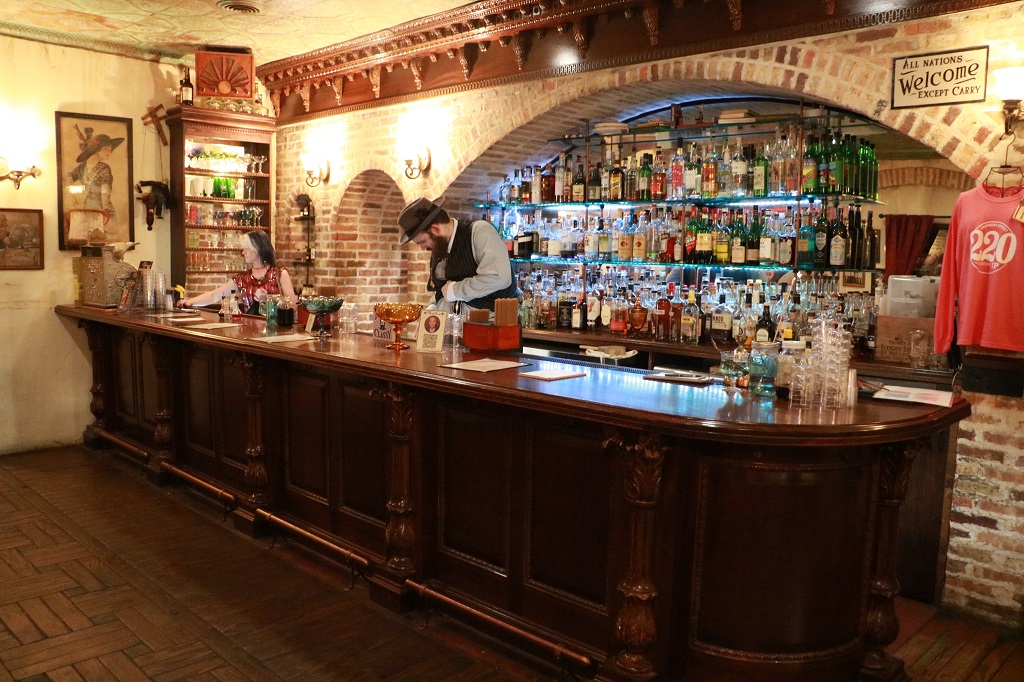
In 1929 there were 32,000 Speakeasies in New York. There was one in the museum as well, where bartenders in period costume would mix you a drink of your choice (an add on to your entrance ticket).

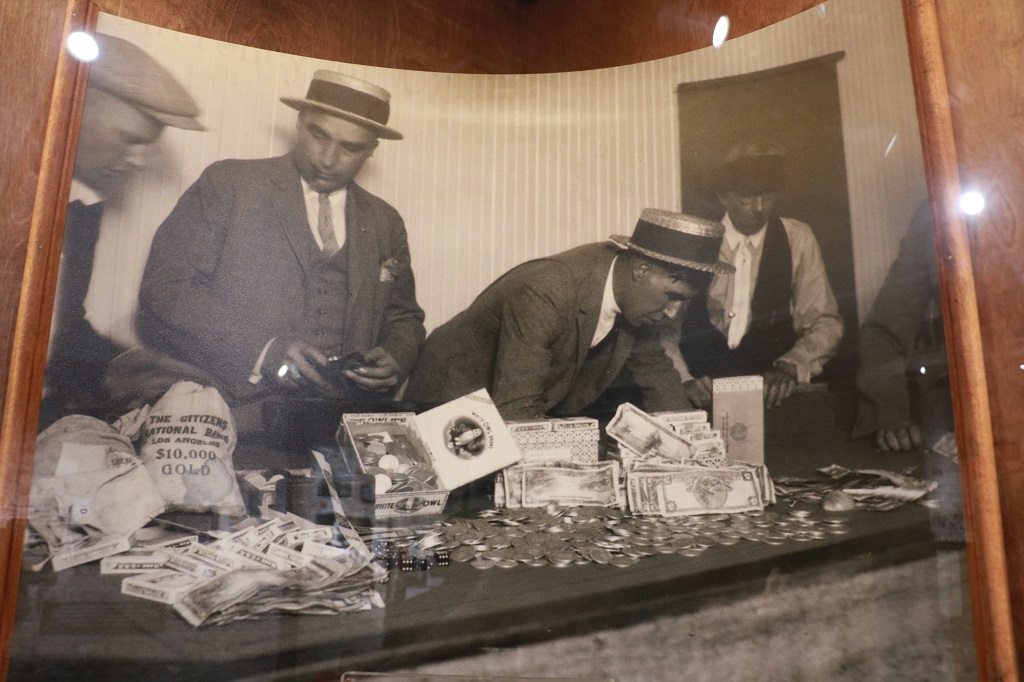
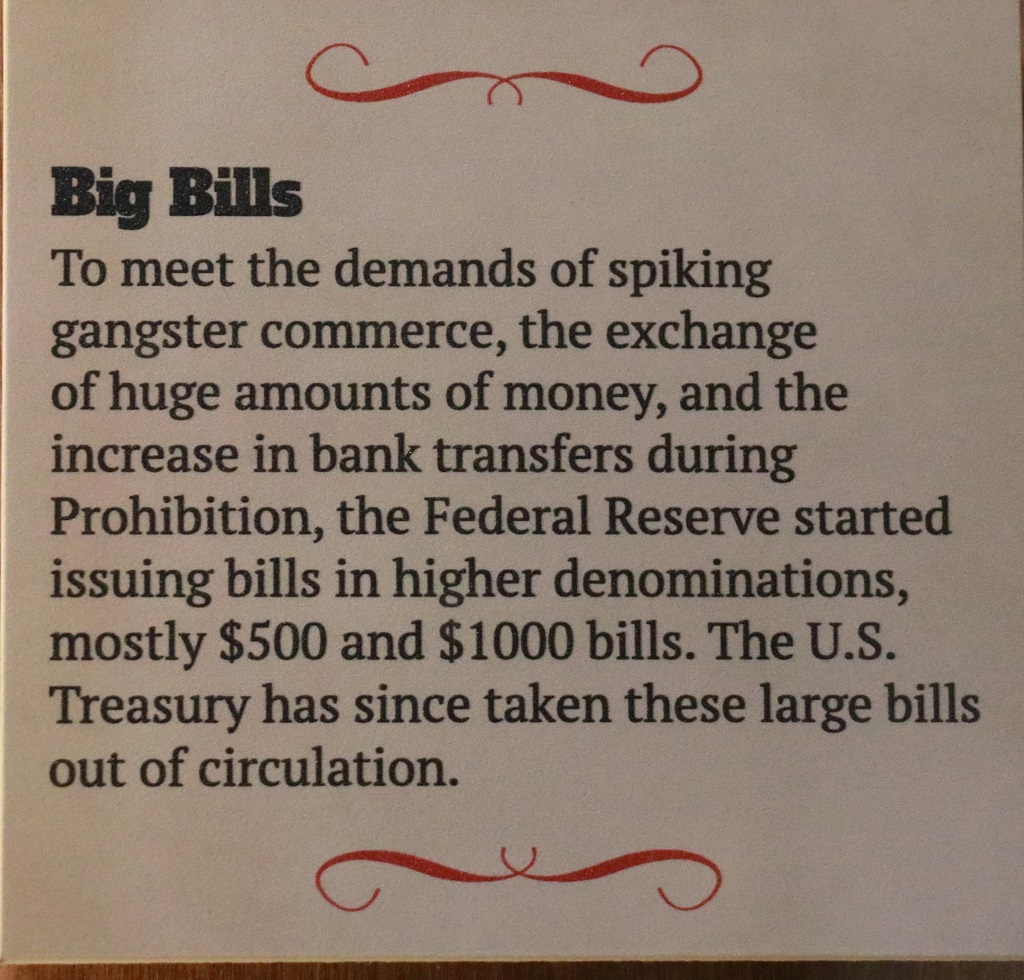
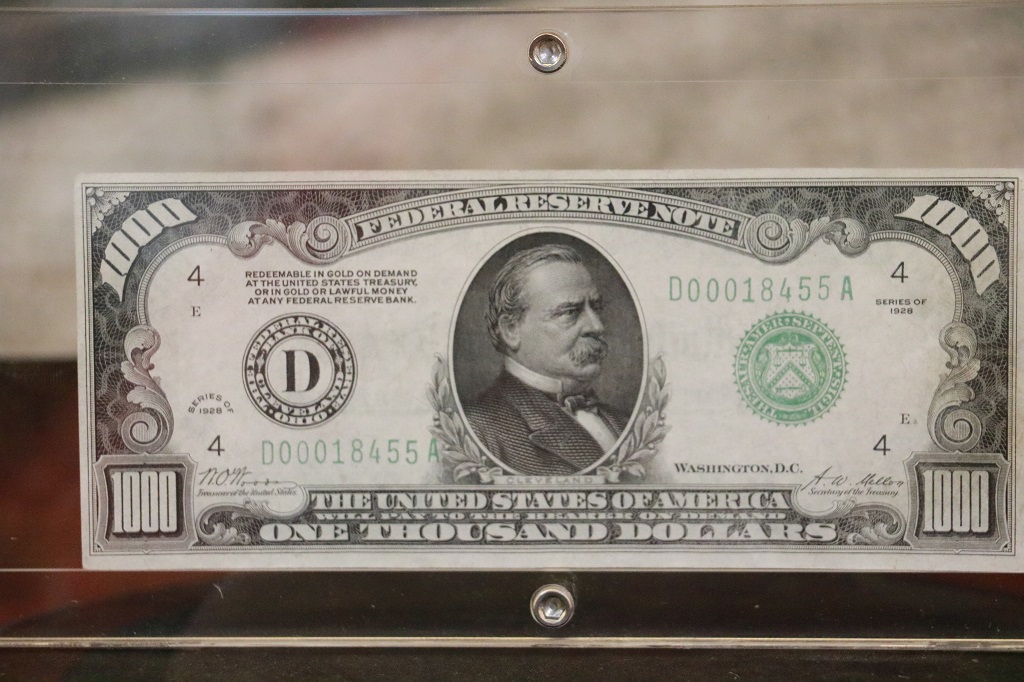
A 1928 $1000 bill.



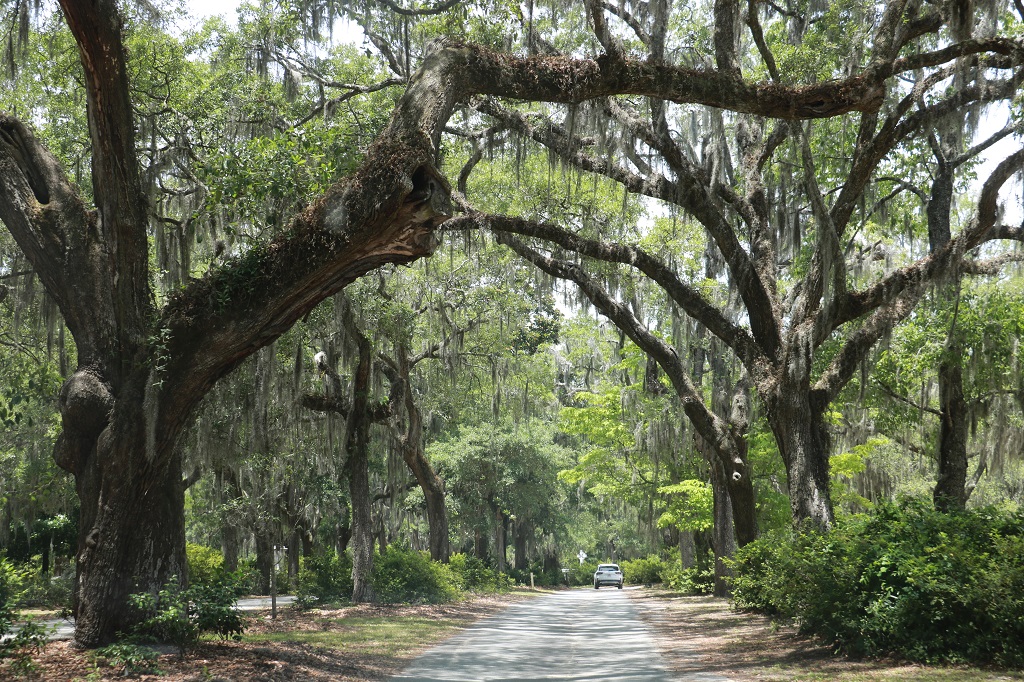
We left the museum at noon and drove over to Bonaventure Cemetery. We drove around quite a few of the roads and I took a few photos of some of the larger or more interesting markers/crypts, but it did not look like the most beautiful cemetery in the world as it was hailed to be. The only thing that set it apart from other cemeteries we have been to were the lovely big Live Oak trees with their Spanish Moss drapery.
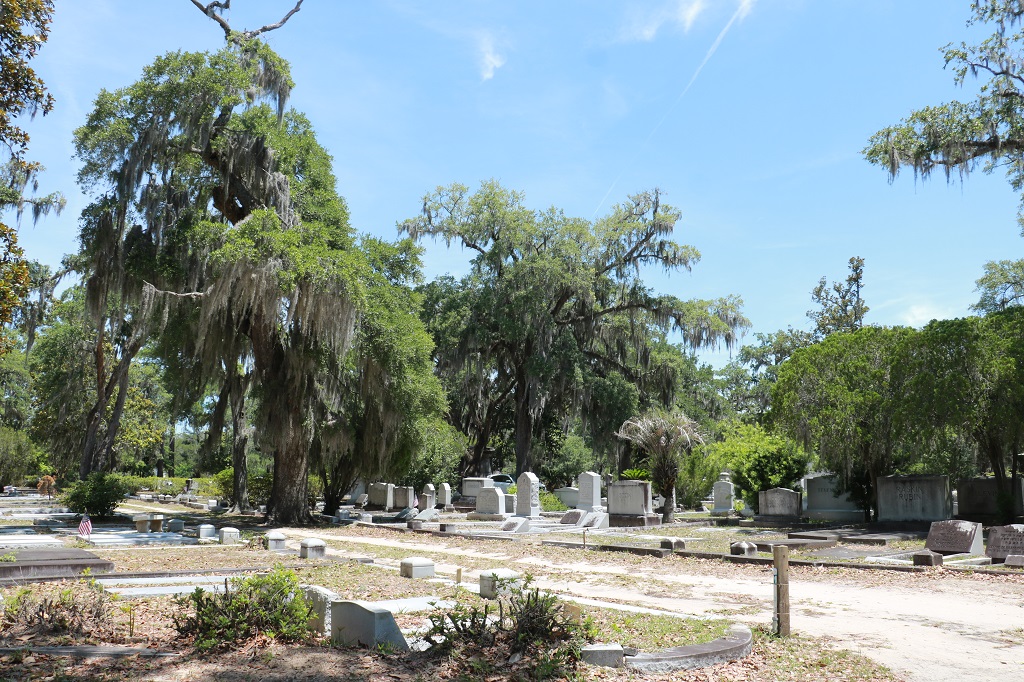
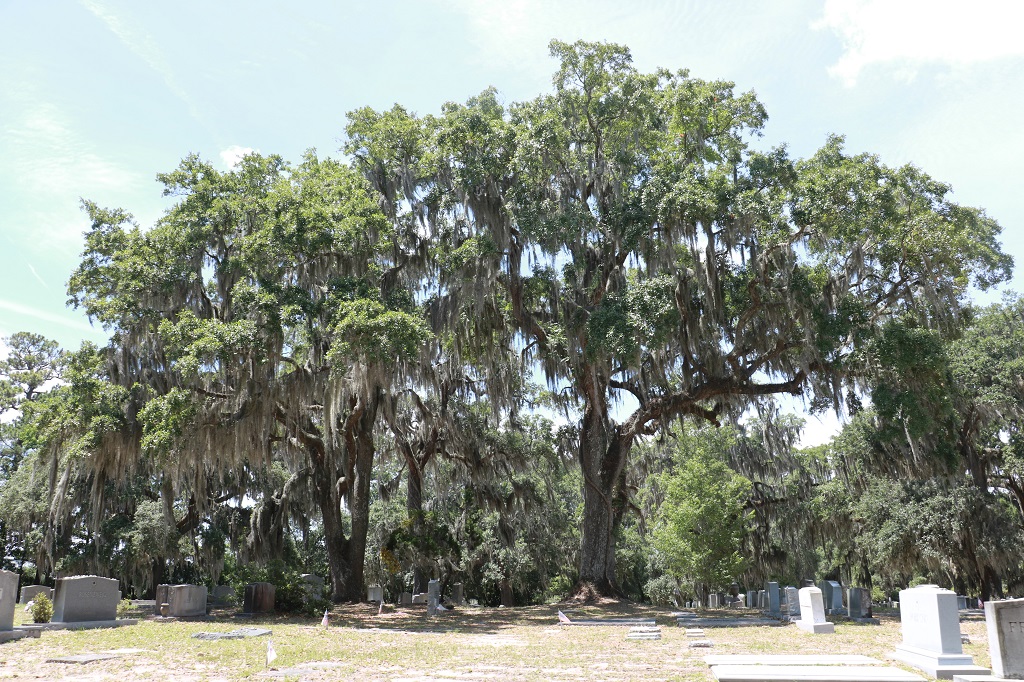

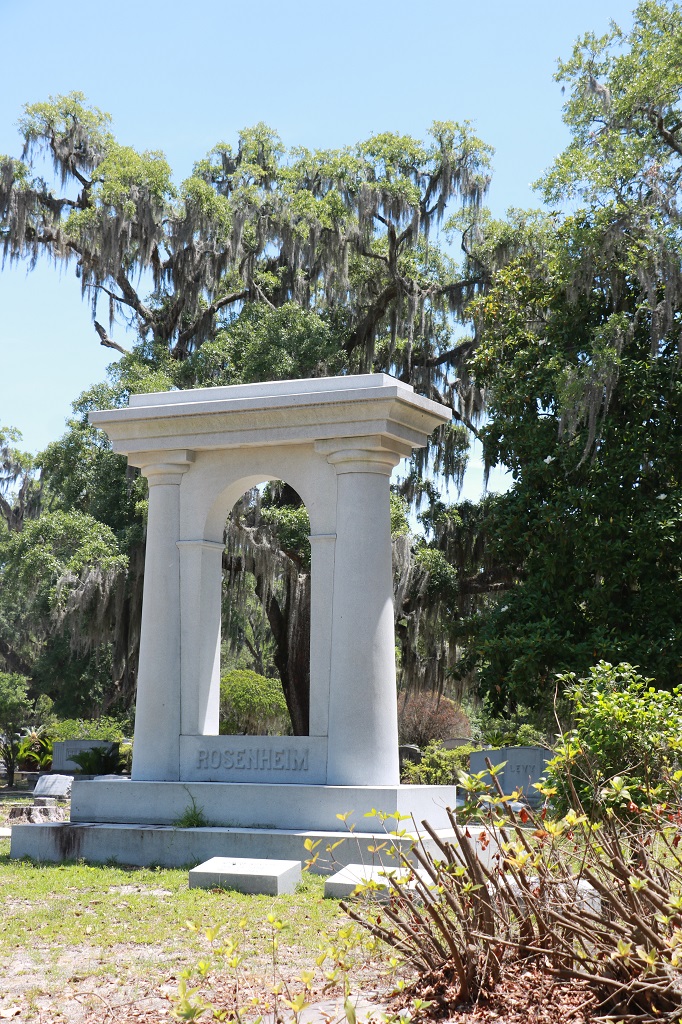
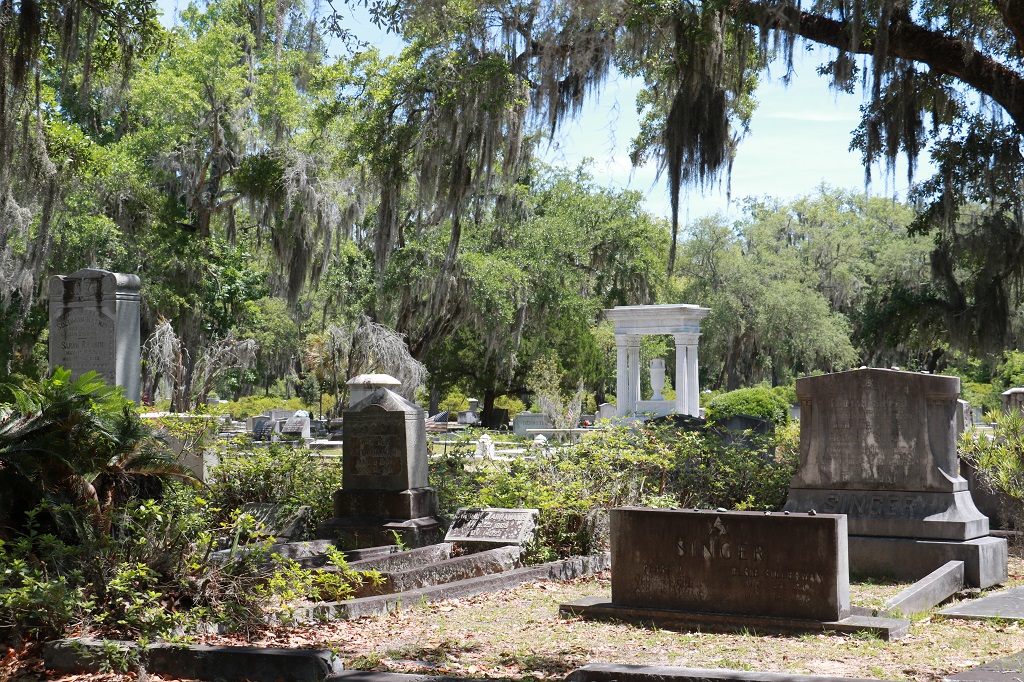
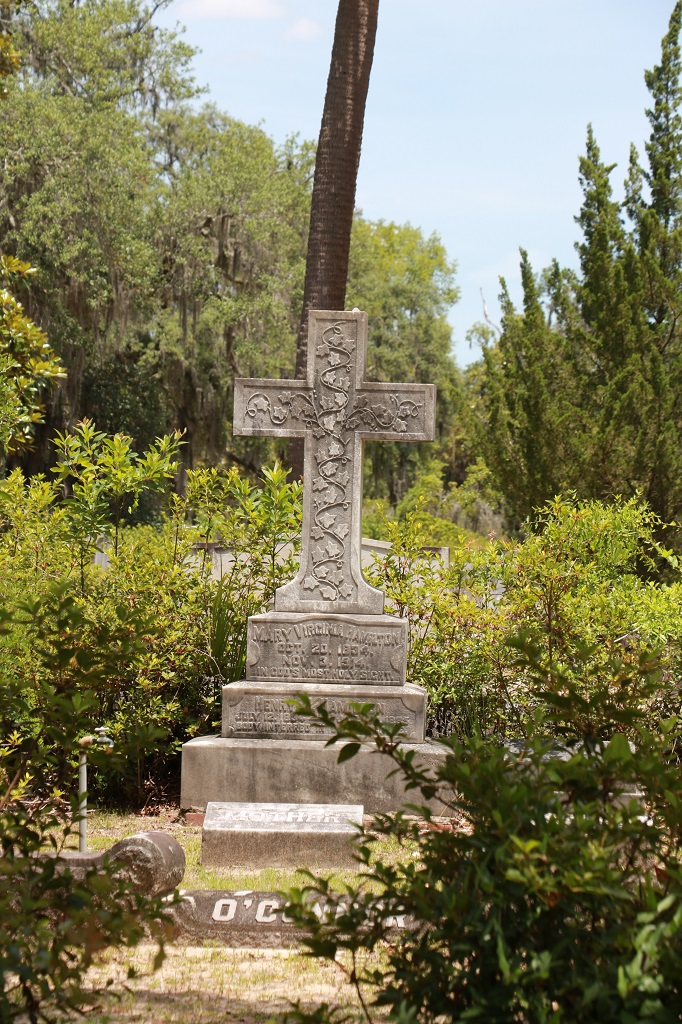
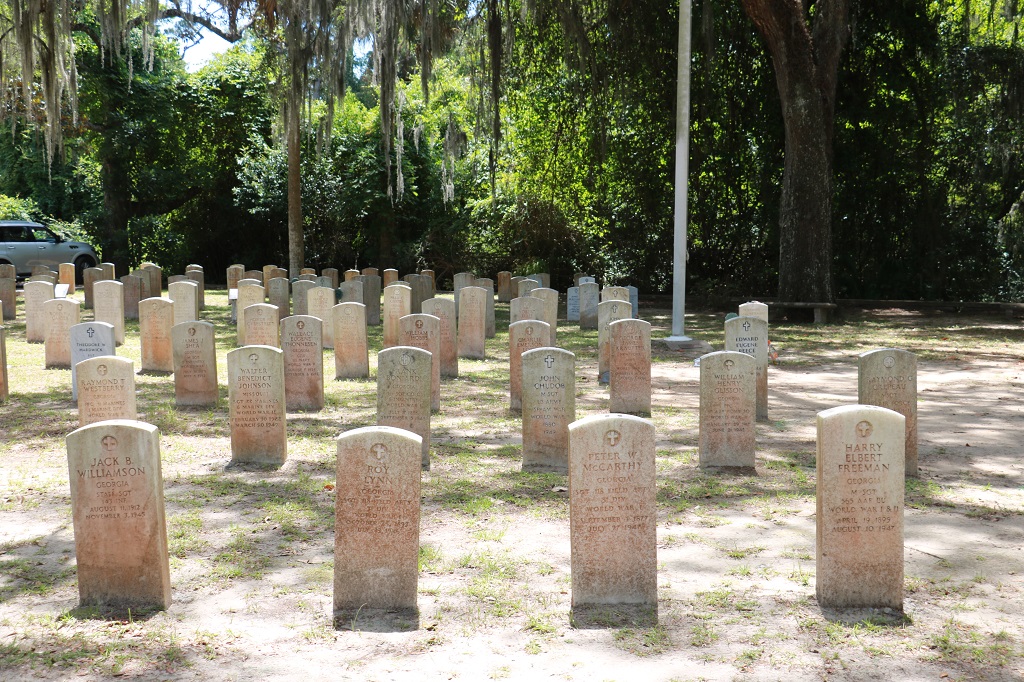
This was an American Legion section where veterans from about five different Legions were buried.
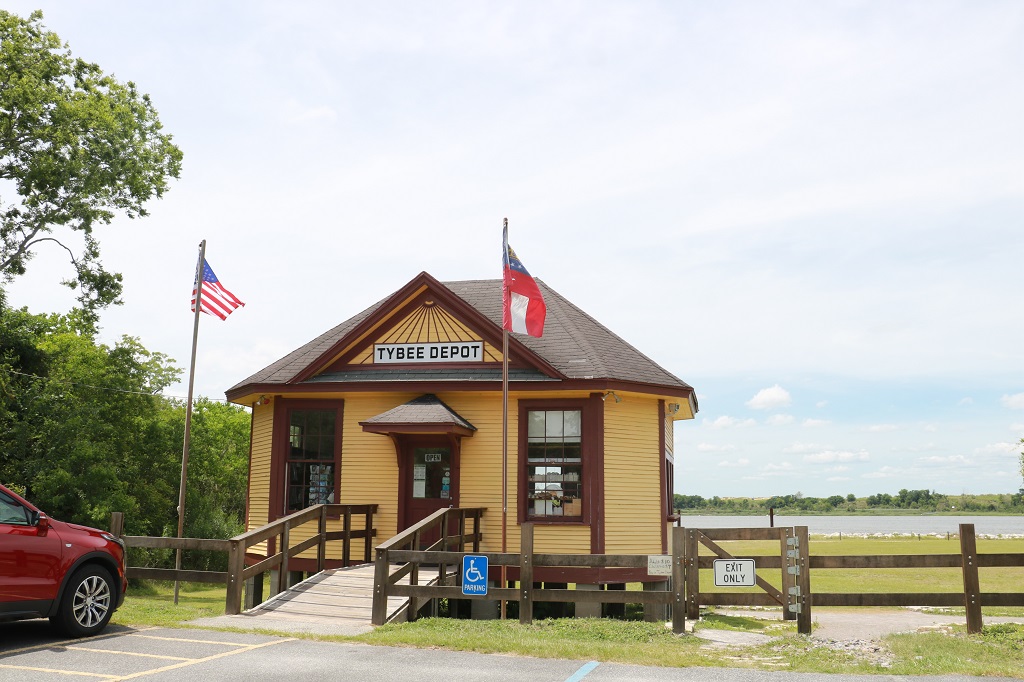
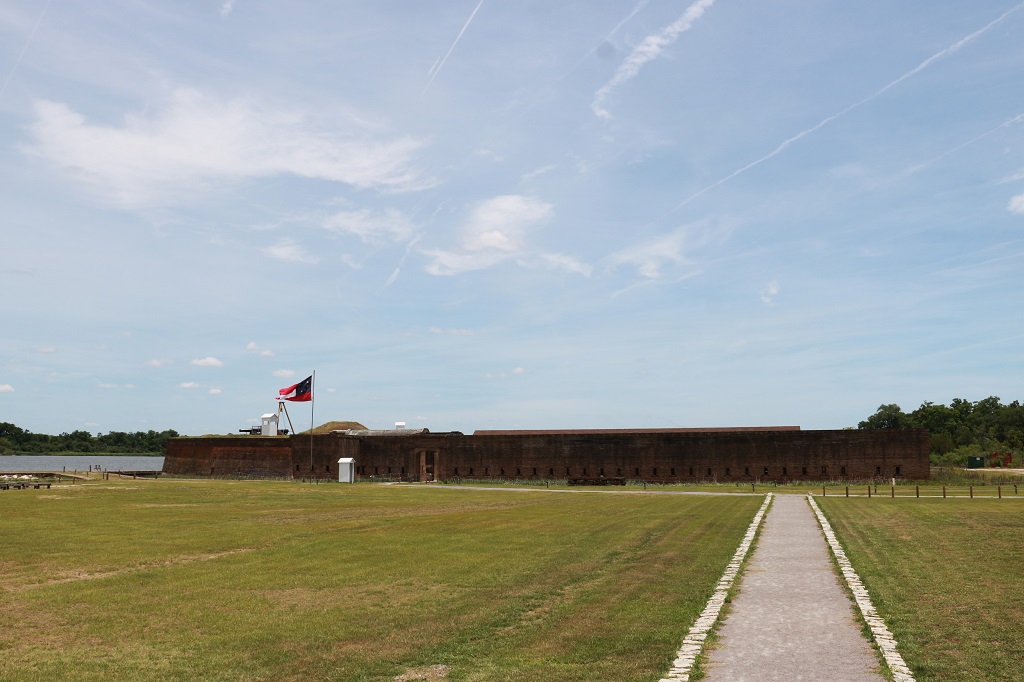
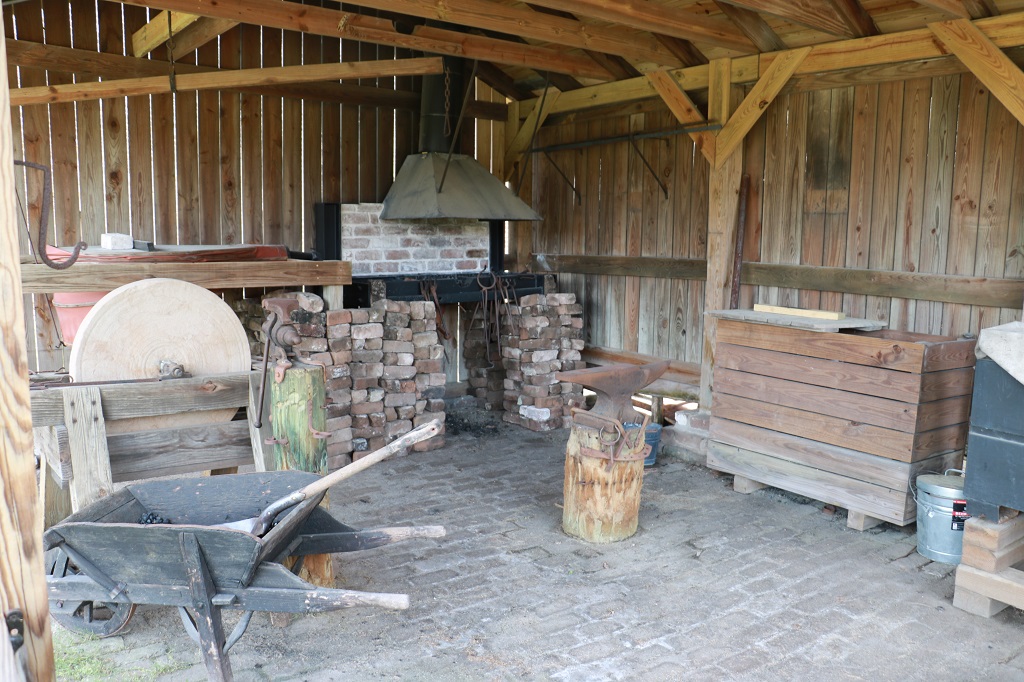
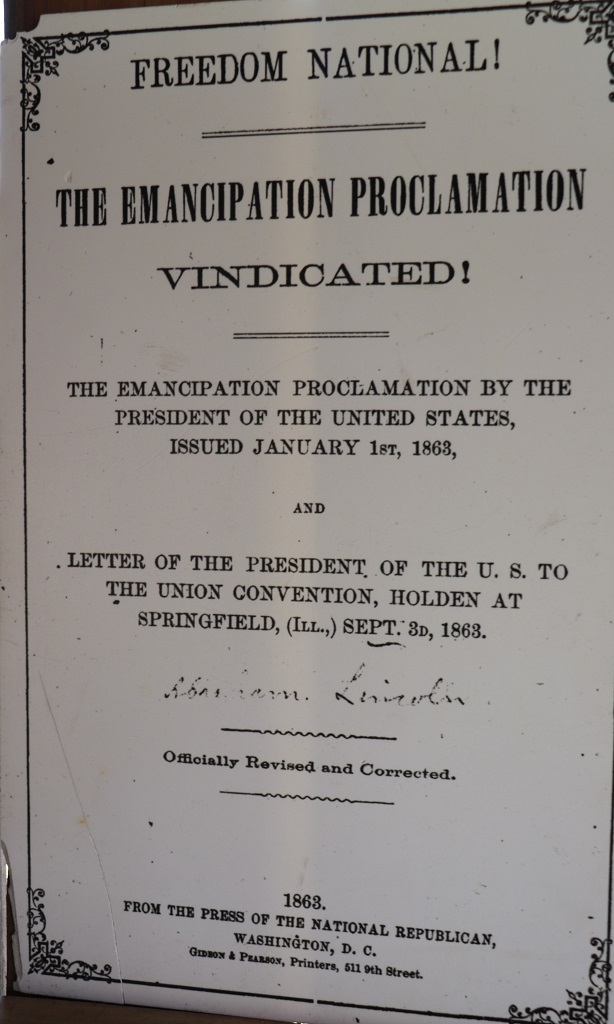
Our last stop was Old Fort Jackson which was built right beside the Savannah River and became the Confederate headquarters after the Union took Fort Pulaski. It was surrendered i 1864.

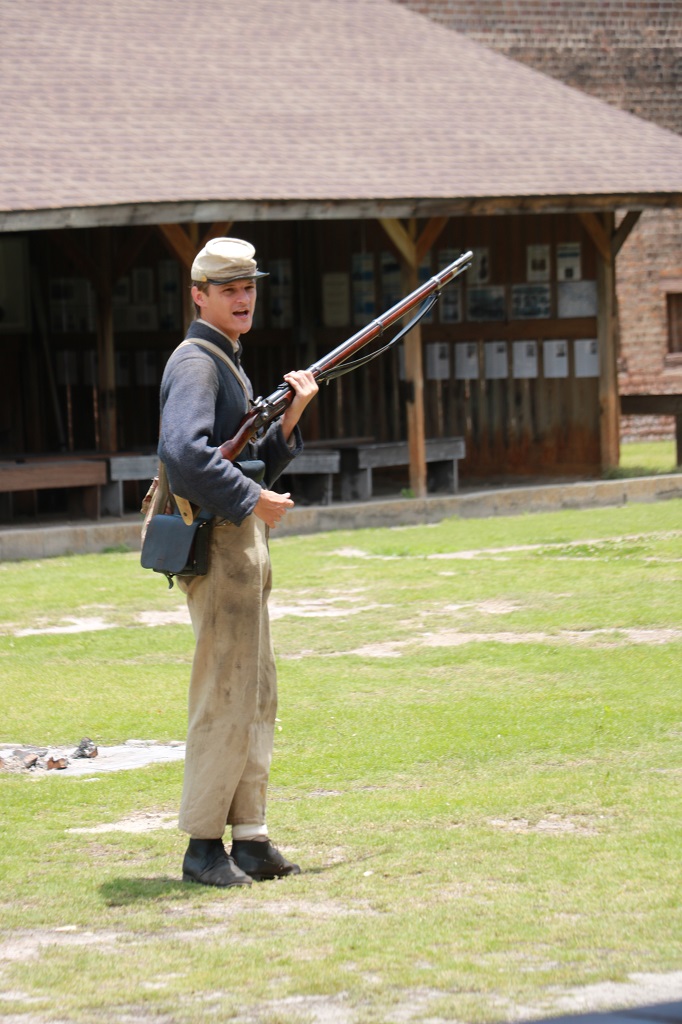
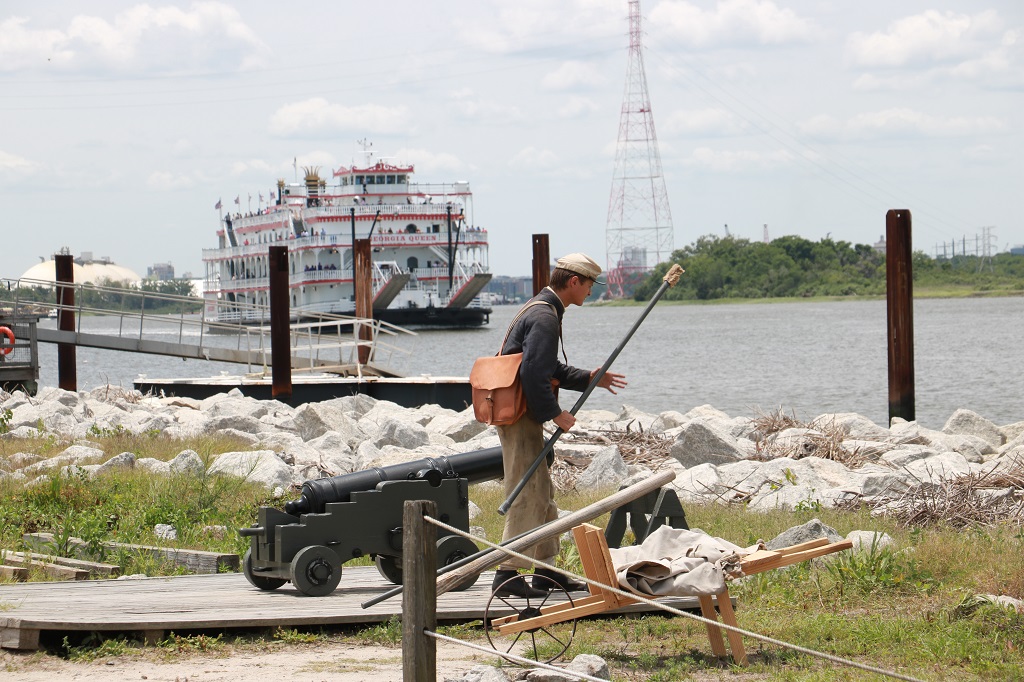
This young man did an excellent job of explaining the loading and firing of his rifle and how it and it’s bayonet, plus the fort’s cannons were used to fight the foe.
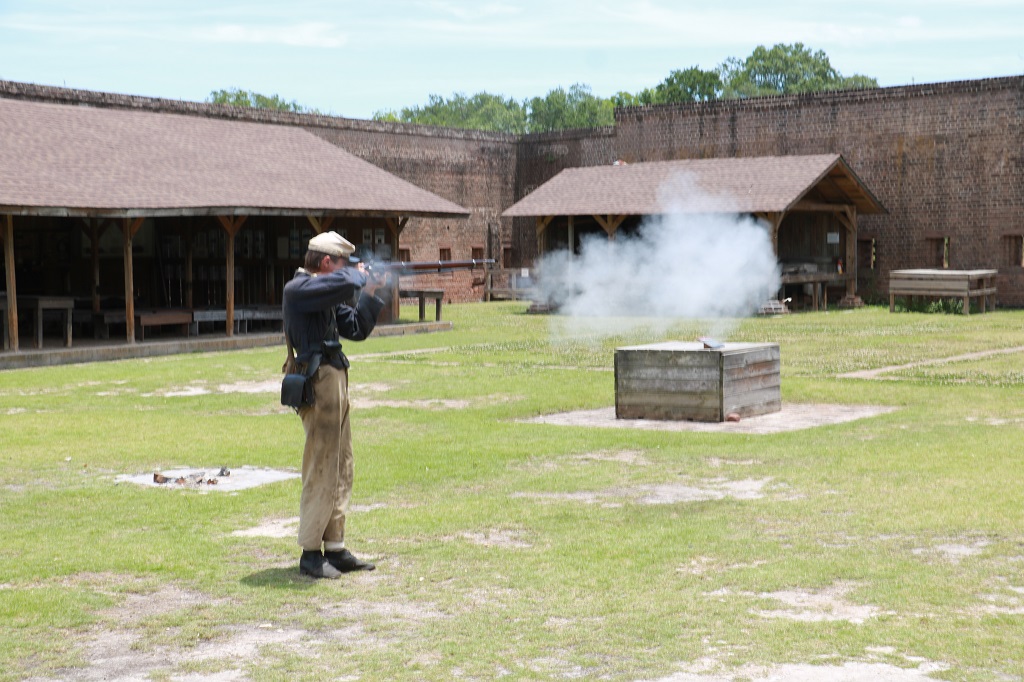
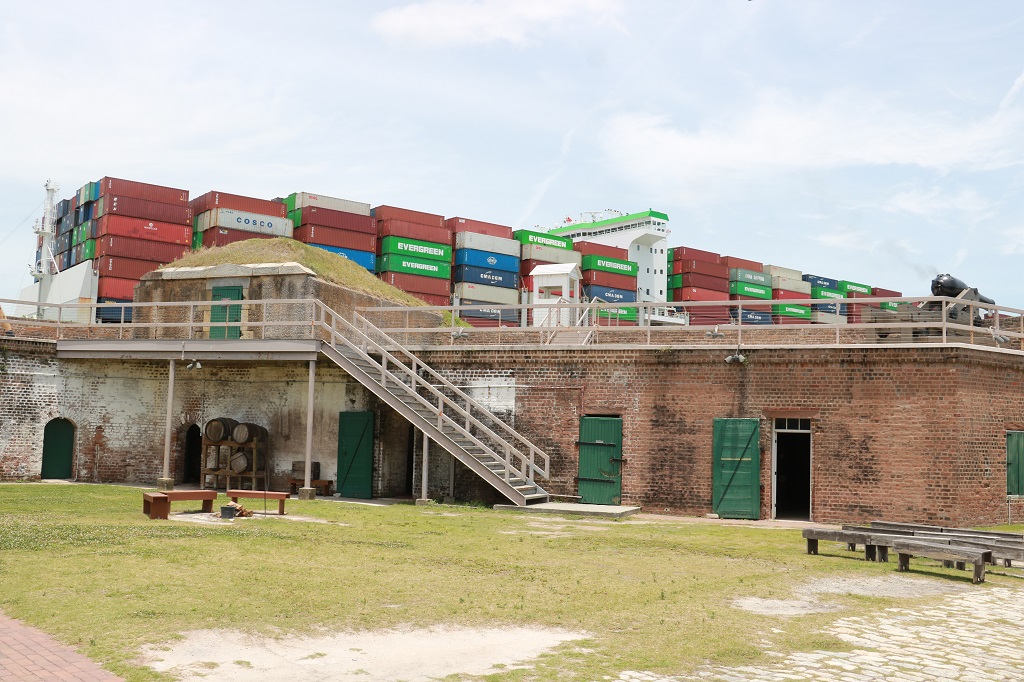
The fort is RIGHT beside the river. This big container ship sailed past as we were watching the rifle demo.
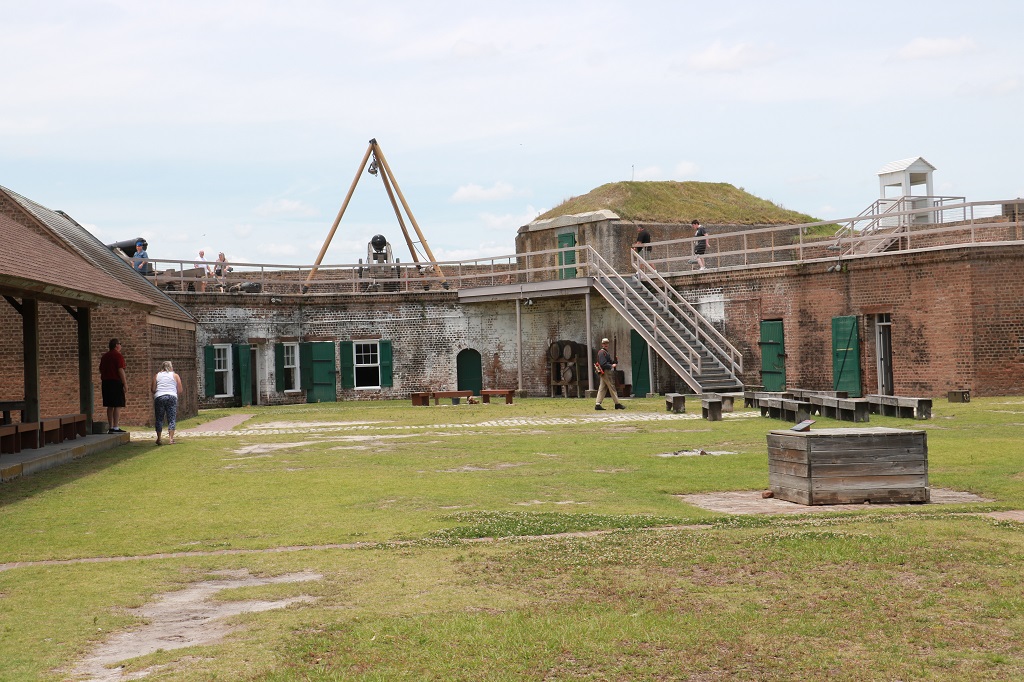
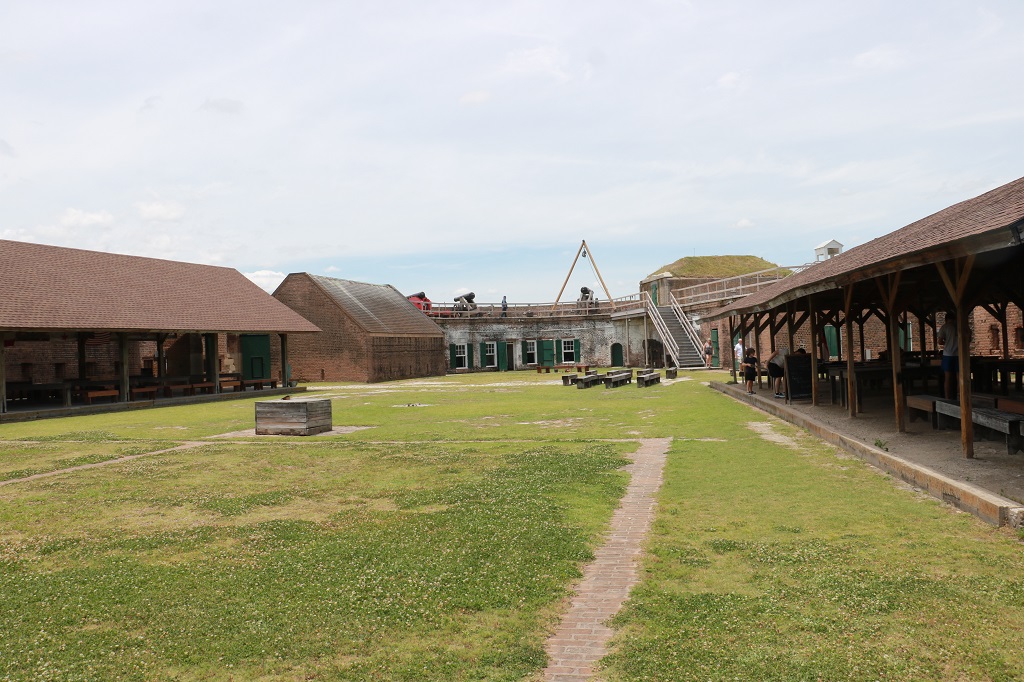

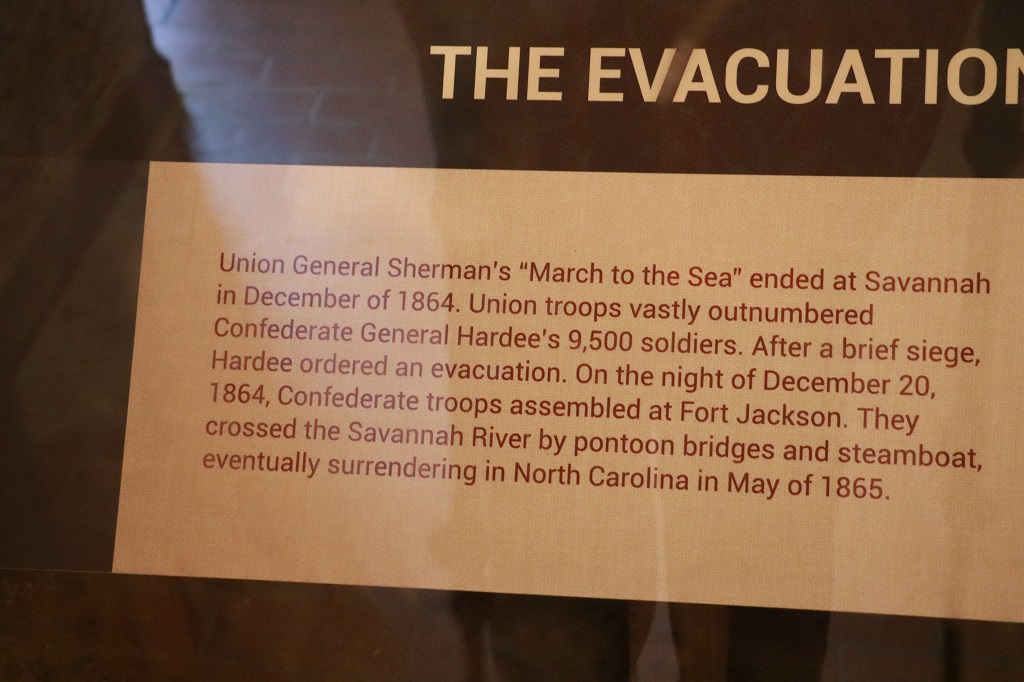
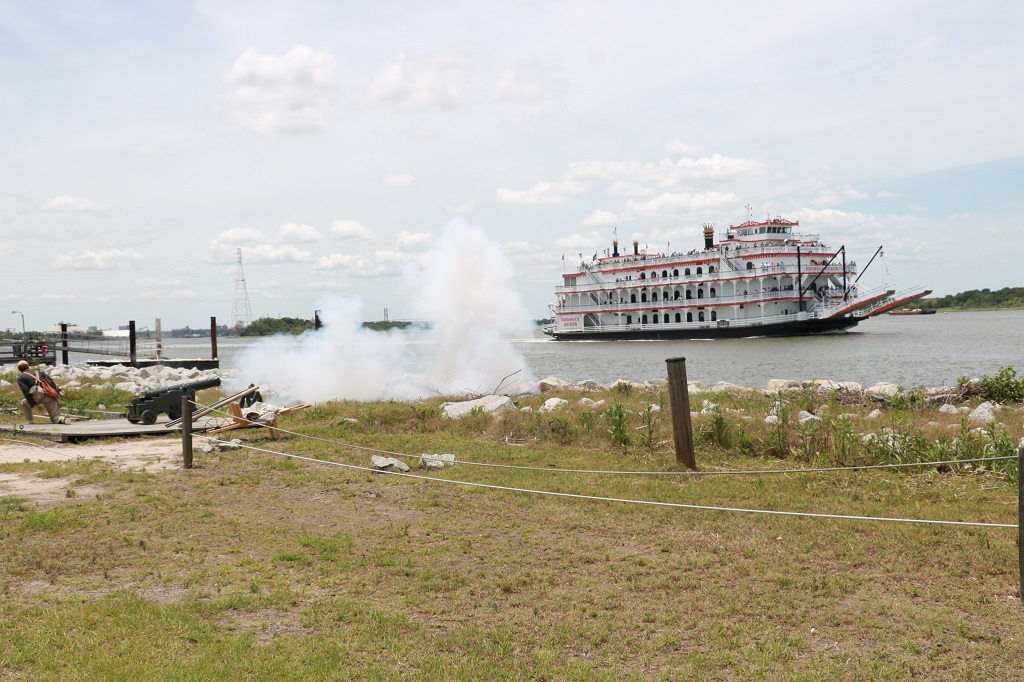
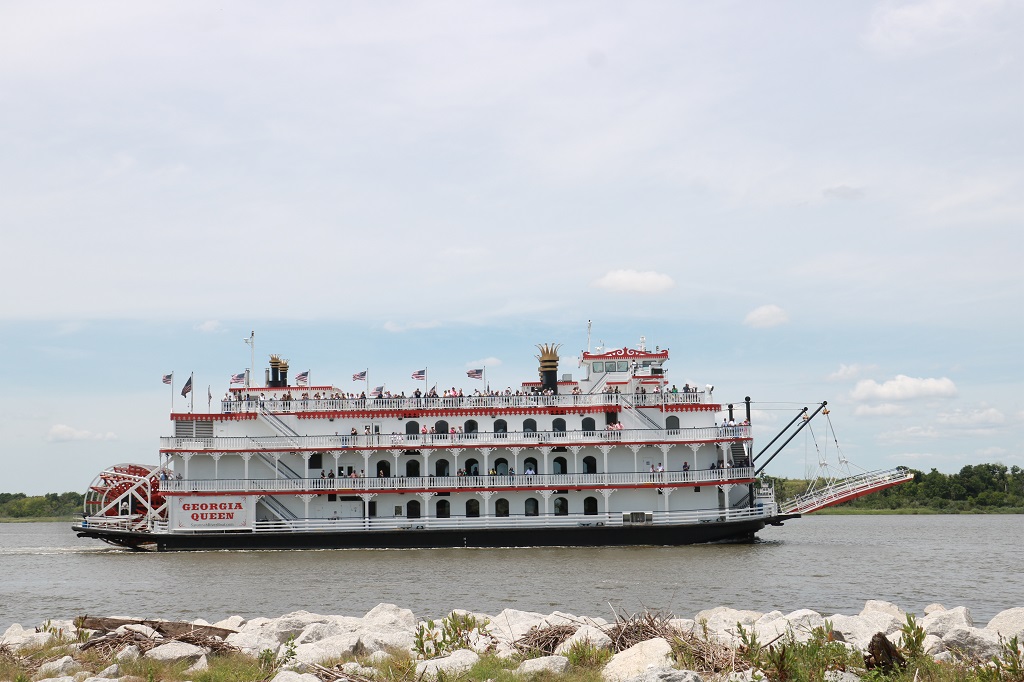
At 2 o’clock the Georgia Queen riverboat cruise reaches Fort Jackson before turning around to go back to port. The tour company pays the fort’s non-profit (at one time it was State run, but the state backed out) to fire the cannon across the bow. The people on board loved it. It is just a short range cannon that makes noise but does not actually fire a cannon ball. Still it is effective and loud and a crowd pleaser for those at the fort and on the boat.
It was only mid-afternoon but after all the walking we did yesterday and then again today, my poor legs had had it. The heat and humidity don’t help the old bones either. But it was a good day. We enjoyed our time in Savannah and head for Ft. Augustine, Florida tomorrow. When my cousin heard we were taking this road trip in the south she said we had to go to Ft. Augustine. So we will.
 Hanna Travels