We left the hotel at about 11 and drove to the waterfront in Wilmington. We were hoping to take a horse drawn carriage ride around the Historic District but we could find no evidence the horses were working the area. Perhaps the late spring and summer months are too hot for them.
We took Option B and drove up and down the streets. There were some really nice old buildings but photos through a windscreen with sun glare do not turn out well. I did get a few though.

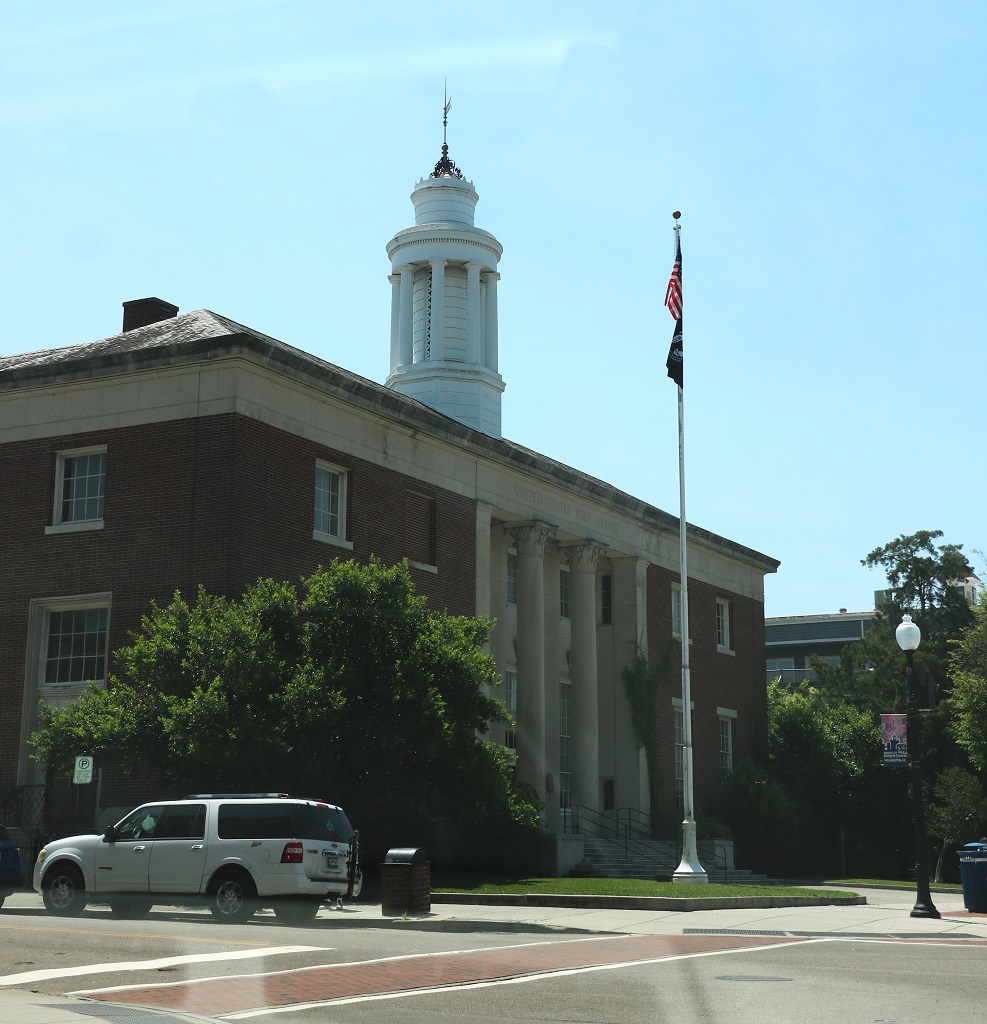

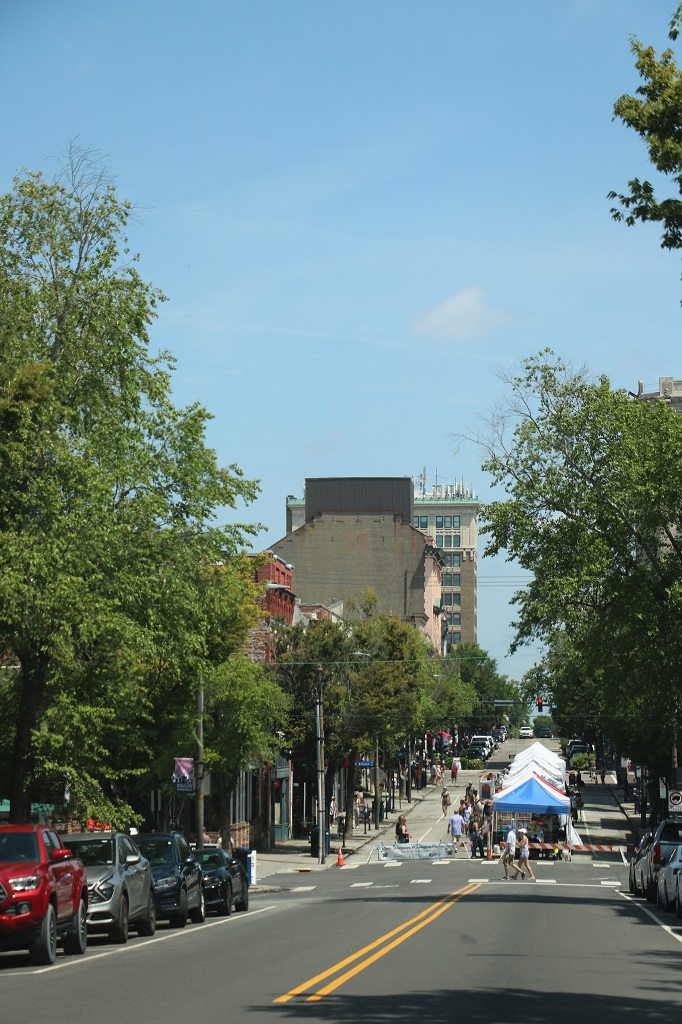
There were several streets that were closed for markets on this Memorial Day weekend.
As we were driving around I noticed a sign for Bellamy House, which was the historic house I most wanted to see out of the three I had listed in my notes.
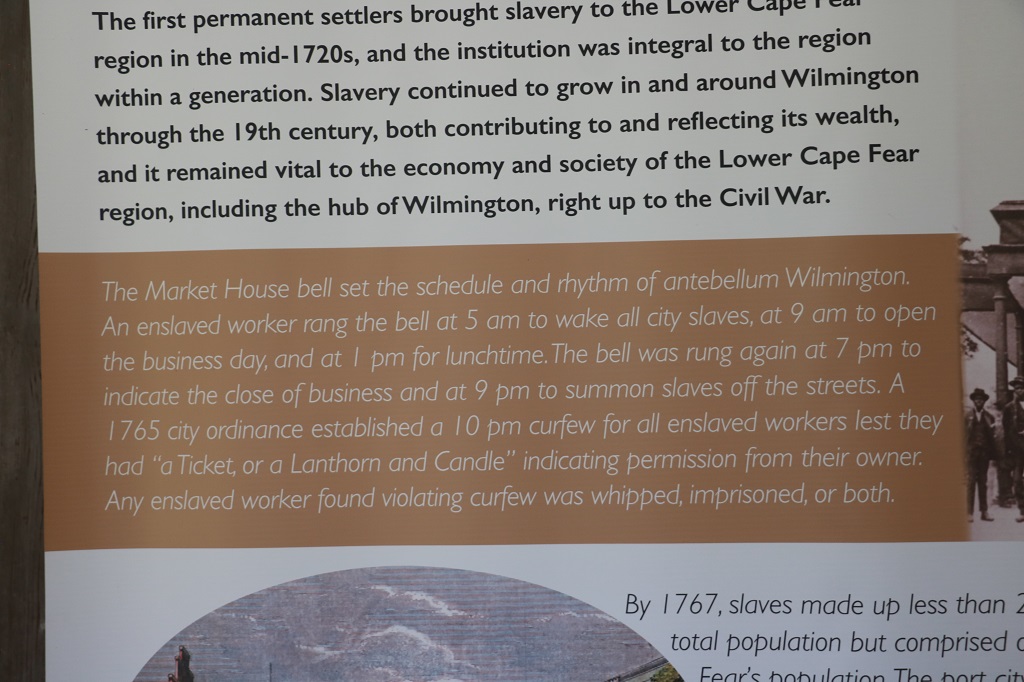
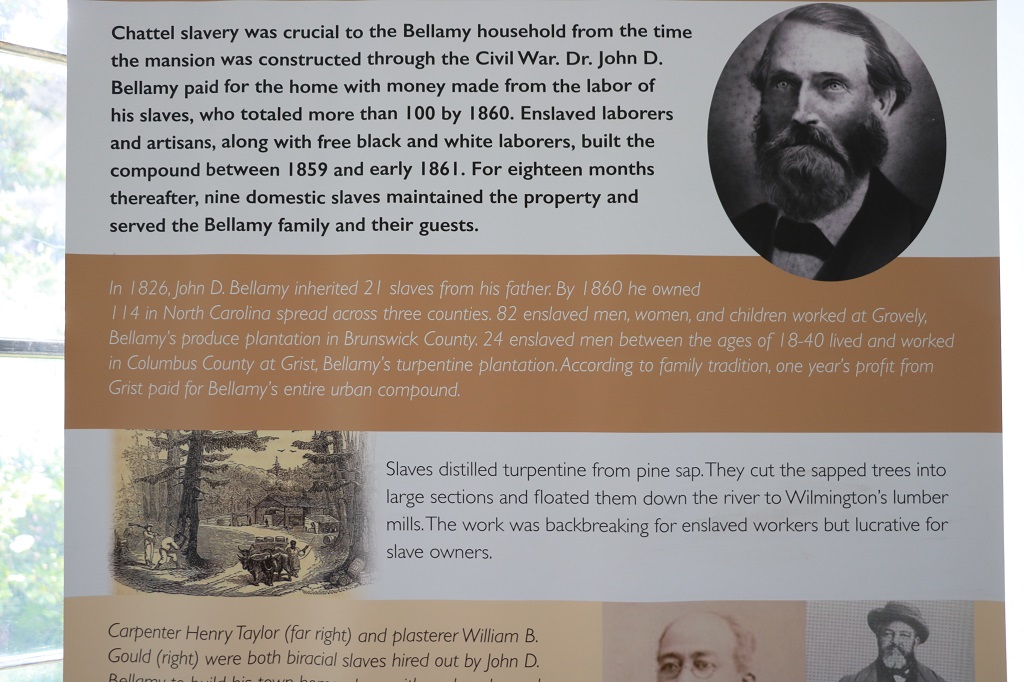
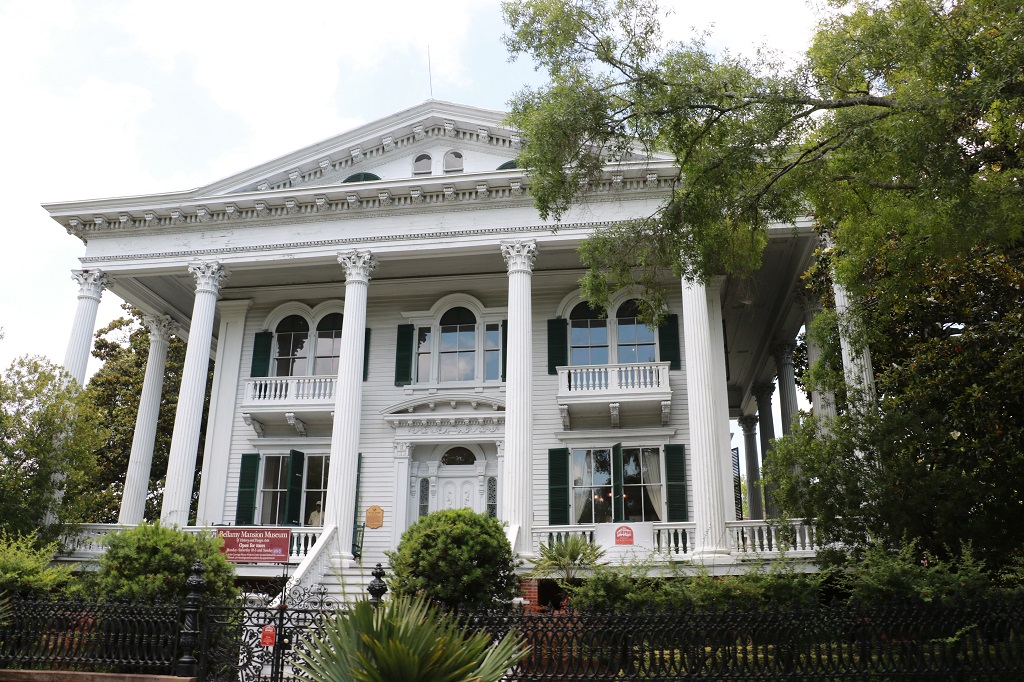
John D. Bellamy was a successful physician, planter, and merchant. In 1859 he hired an architect to design a new townhouse in the city. Enslaved workers, free Black artisans, and White laborers built the mansion and outbuildings between late 1859 and early 1861.

This magnolia tree is over 150 years old. It had just finished blooming but there were still a few huge flowers to be seen.

Dr. Bellamy’s plantation was right across the Cape Fear River but the new house became the main residence for his family of nine children and they moved in just before the beginning of the Civil War. There were 10 enslaved workers on the property as well. A yellow feaver epidemic ravaged Wilmington in 1862 so everyone left the city leaving the property in charge of Sarah, the enslaved cook.
Wilmington fell to Federal troops in 1865 and the Union army commandeered the Bellamy mansion as their headquarters. Dr. Bellamy was able to regain possession in the fall of that year after he traveled to Washington, DC and obtained a pardon from President Andrew Jackson.
The mansion remained a family residence until 1946 when the last of John & Eliza’s children died and it gradually fell into disrepair. By the early 1970s the city planned to condemn the building but Bellamy descendants formed a non-profit to restore it and open it as a museum. A few weeks later an arsonist threw gasoline cans into the library and the family parlour on the main floor. The ensuing fire did severe damage to those two rooms but due to the thick walls and floors the fire could not escape those rooms and had no fuel to go further throughout the building. The cost of restoration after the fire put the project on hold until the family deeded the property to Preservation North Carolina in 1989. Restoration work began in 1992 and the mansion was opened to the public in April 1994.
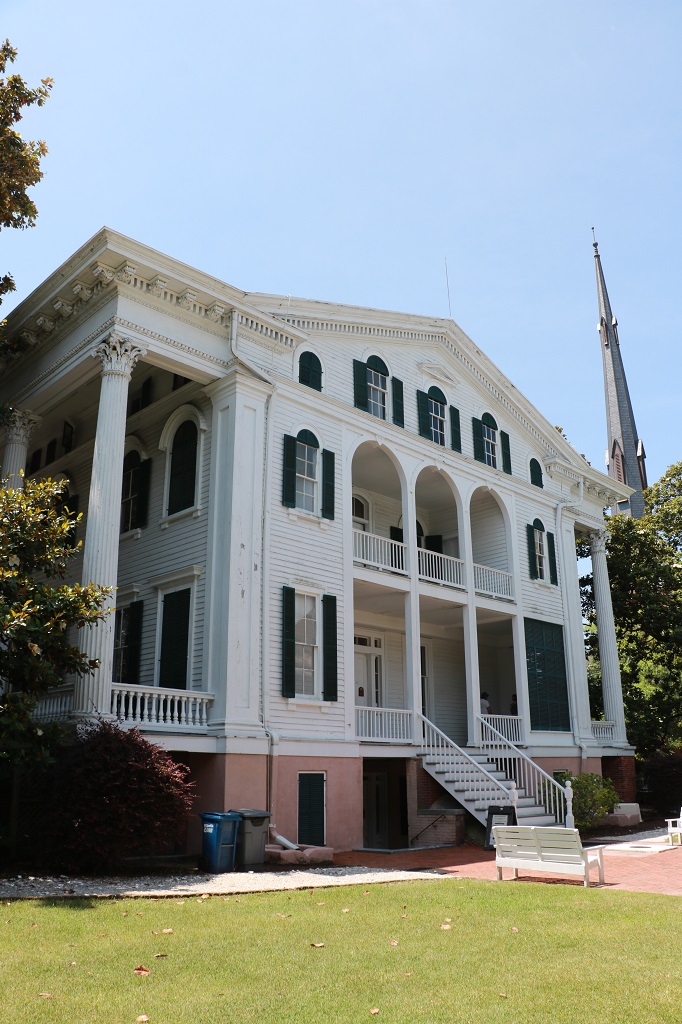
As a tourist you enter Bellamy House through the basement breezeway which is the dark space left of the stairs. There were three floors above that, plus the Belevdere’s 12′ square room on the rooftop. All the windows in the Belvedere open and help draw the heat up the center stairwells and out of the house. They have installed air conditioning but it only keeps the first couple of floors cool. The third floor and the Belvedere were very hot. And it is only May. I shudder to think what August would be like in the pre-air conditioning days.
The first building on the site to be built was the slave quarters. This original building contains the laundry, two privies, and four sleeping quarters. “It is a rare surviving example of an urban slave quarters and one of the only in the US completely restored and open to the public. It is a sharp contrast from rural slave cabins but is typical of many urban slave quarters and does not reflect benevolence on the part of the slave owners.” There were only straw pallets on the floor and several women and children shared the small rooms. The restoration of the building took over decade. It was opened in 2014 completely restored to its orginal 1859 look.
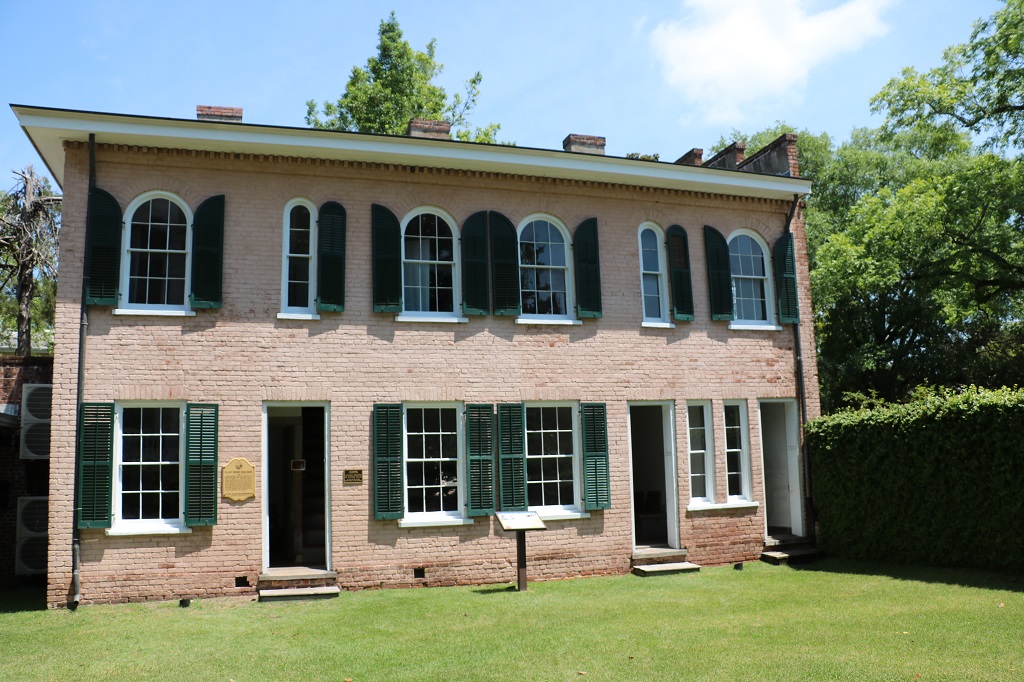
It is believed that Sarah, the cook had the first floor sleeping chamber. Rosella the laundress, and Joan the nanny slept upstairs with the five enslaved girls who ranged from age 14 to one year.
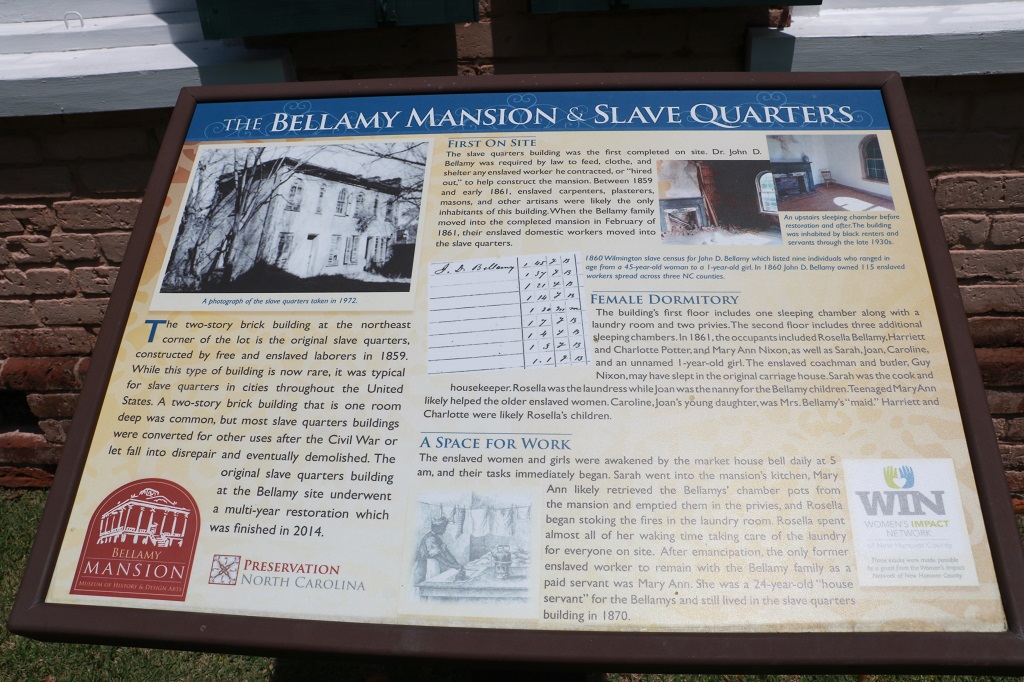

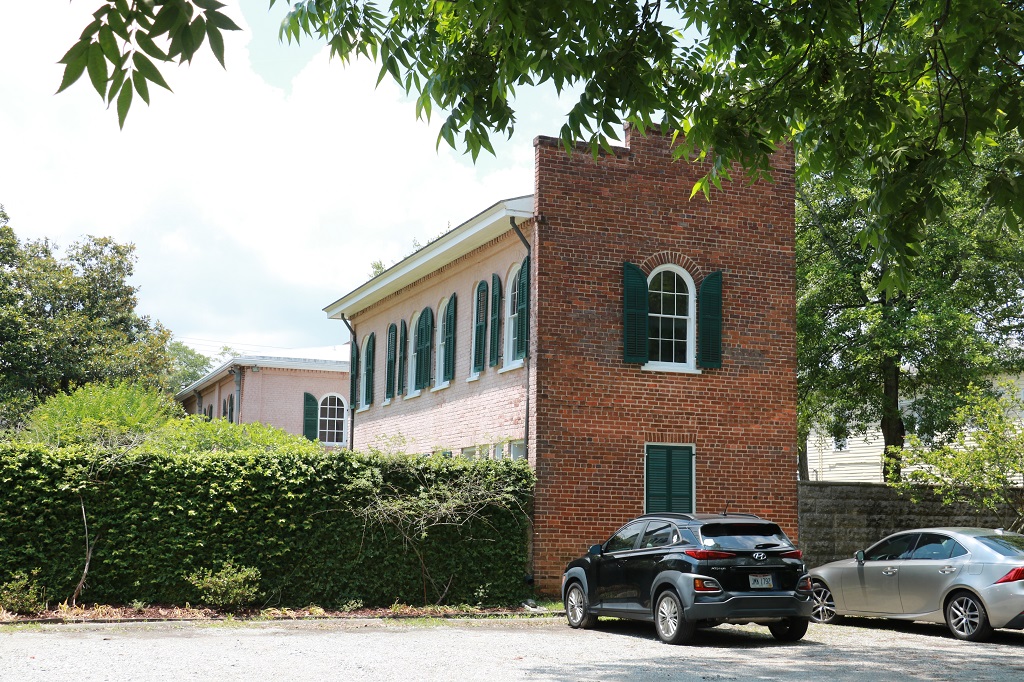
The Slave Quarters is only the depth of the rooms on each floor.
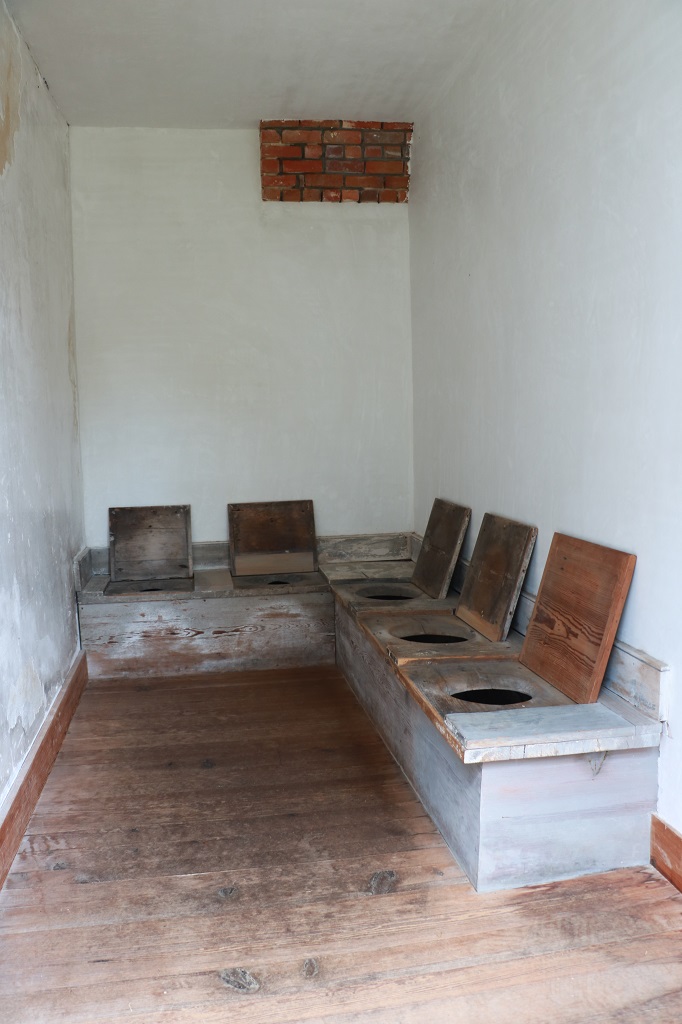
There are two privies on the right side of the Slave quarters. The male and female slaves used the one on the left. It had three adult and two child-size holes. John Bellamy, his sons, and male guests used the privy on the right. Women used chamber pots in the house that were emptied into the privy by 14-year old Mary.
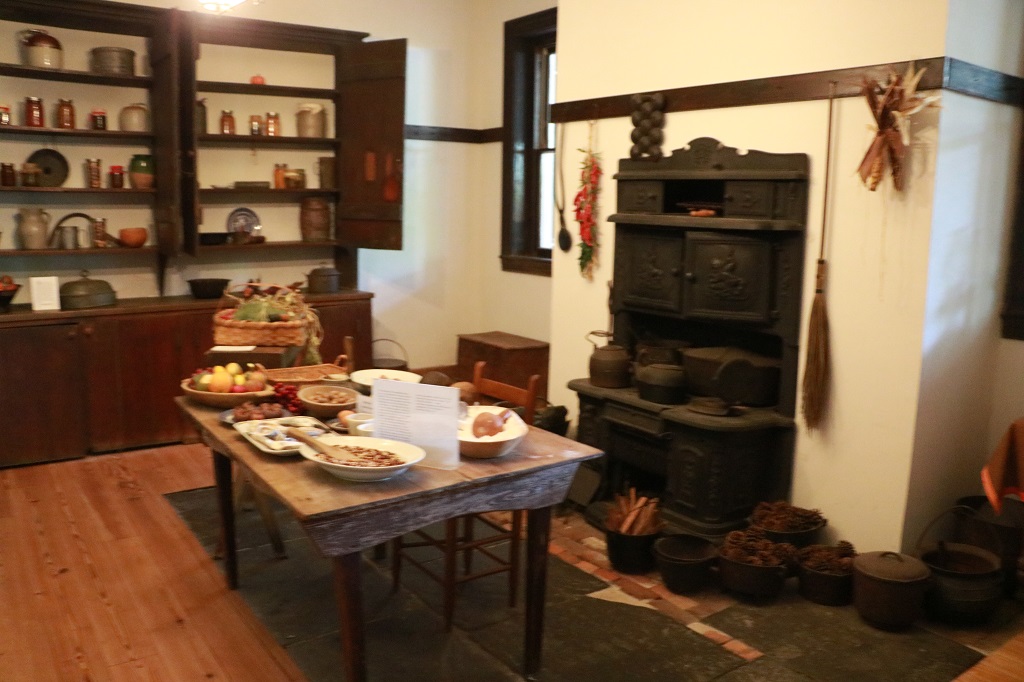
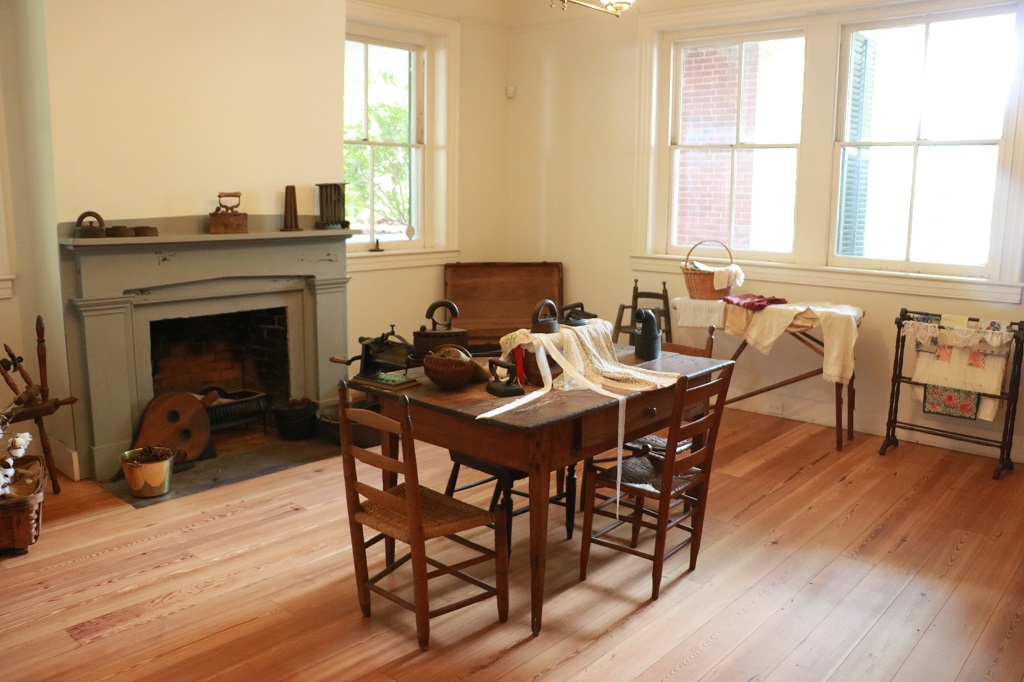
All the floors of the house each contained four interconnected rooms through a central hallway with stairs to the next level. The kitchen and ironing rooms were on the left of the entrance in the basement with the butler’s pantry and formal dining room on the right. It is believed the younger Bellamy children ate their meals in the ironing room and the older ones joined their parents (and and guests) in the dining room.

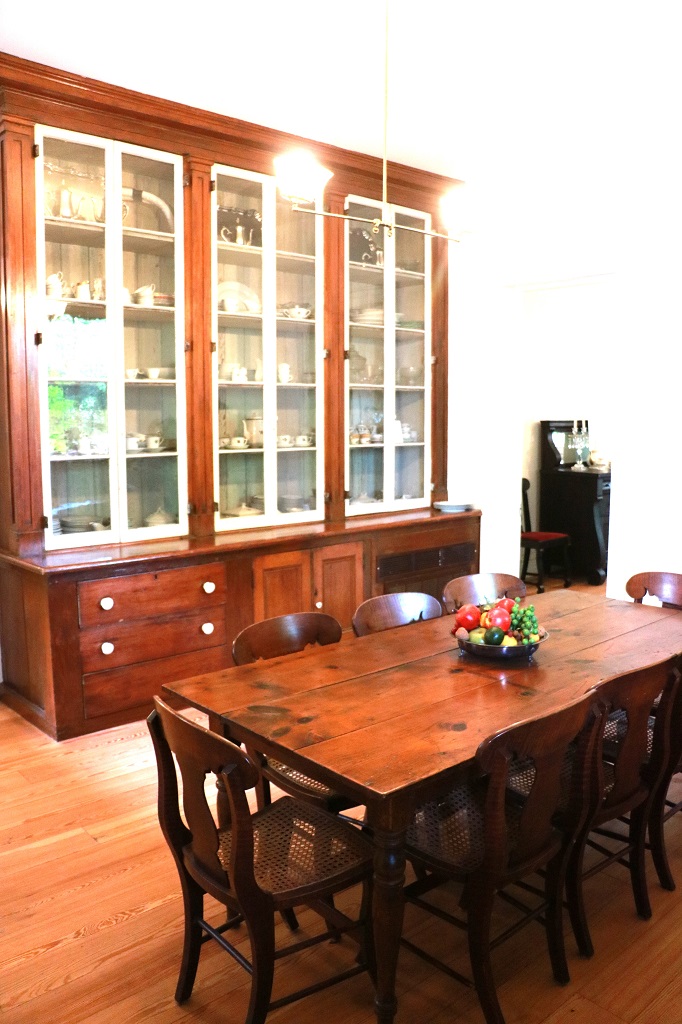
The butler’s pantry
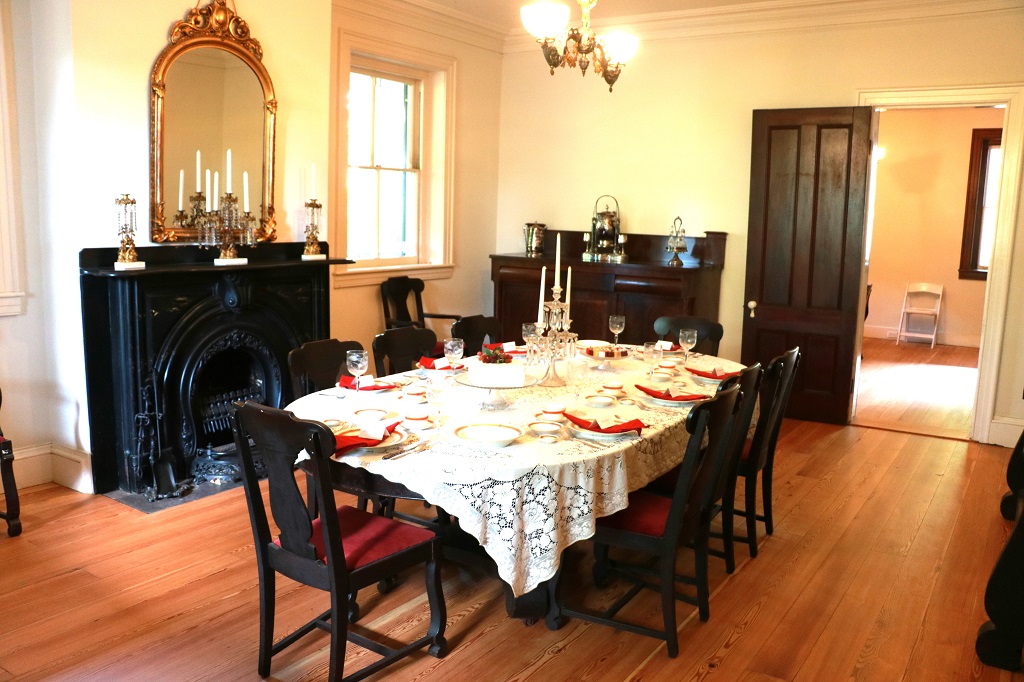
The next floor was the main entrance to the house. The rooms on the left were the library/study and the family parlour. These were the rooms hit by the arsonist and were mostly empty.
The other side’s two rooms are the double parlours and almost everything in them is original. Dr. and Mrs. Bellamy purchased much of the furnishings and decor while on a trip to New York City in 1860.
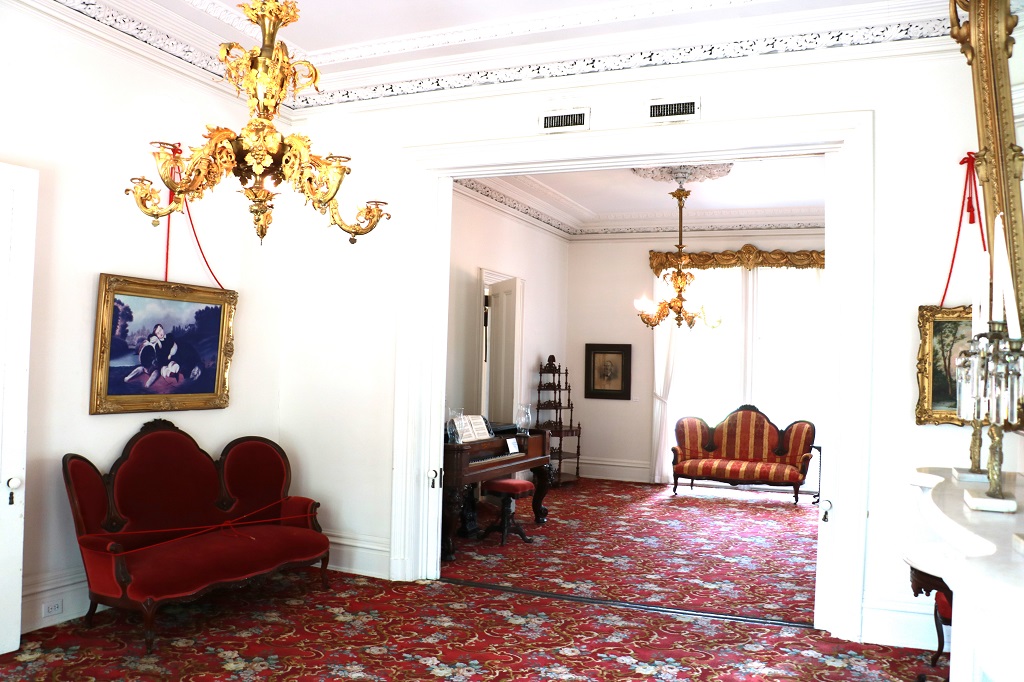
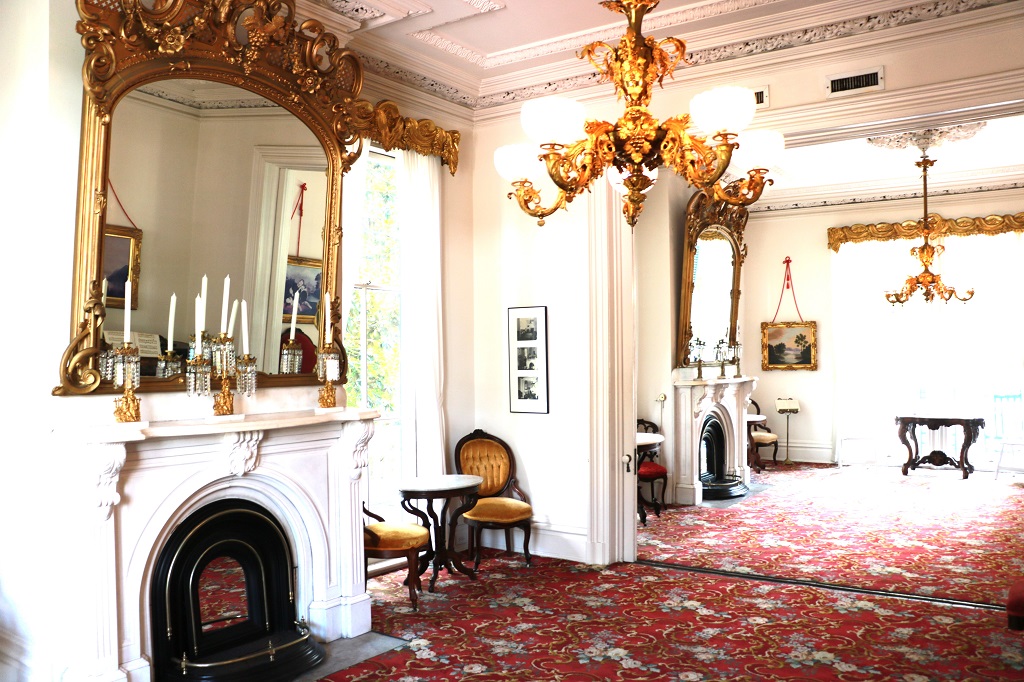
The second floor originally boasted four large bedrooms, one of which had a bathroom. There were no furnishings in the rooms as the space is now used as a gallery to feature traveling exhibits and local artists.
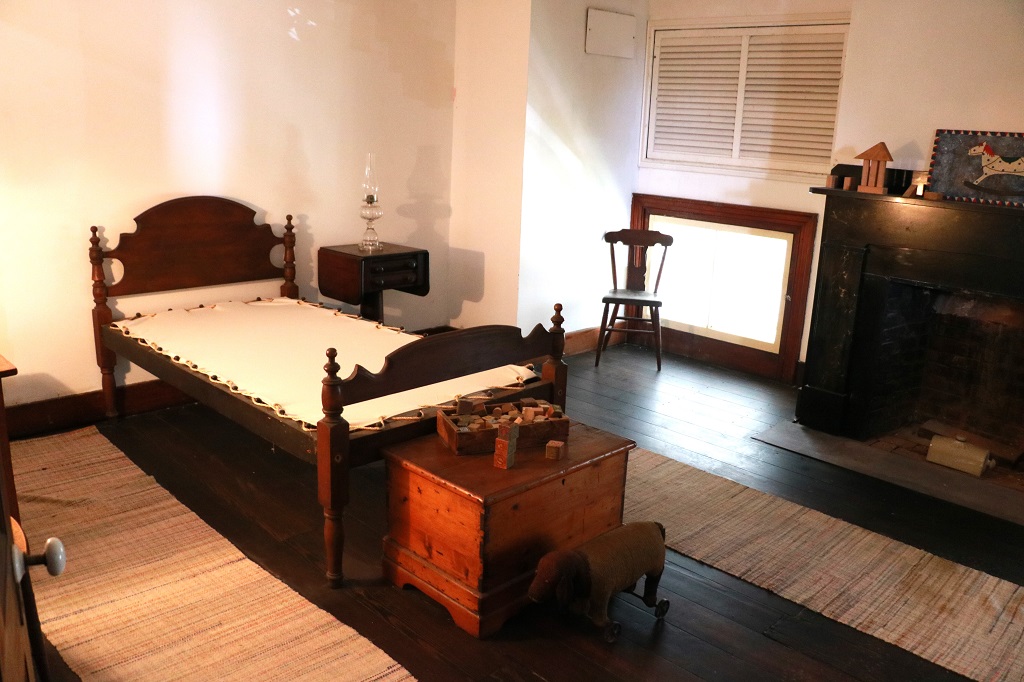
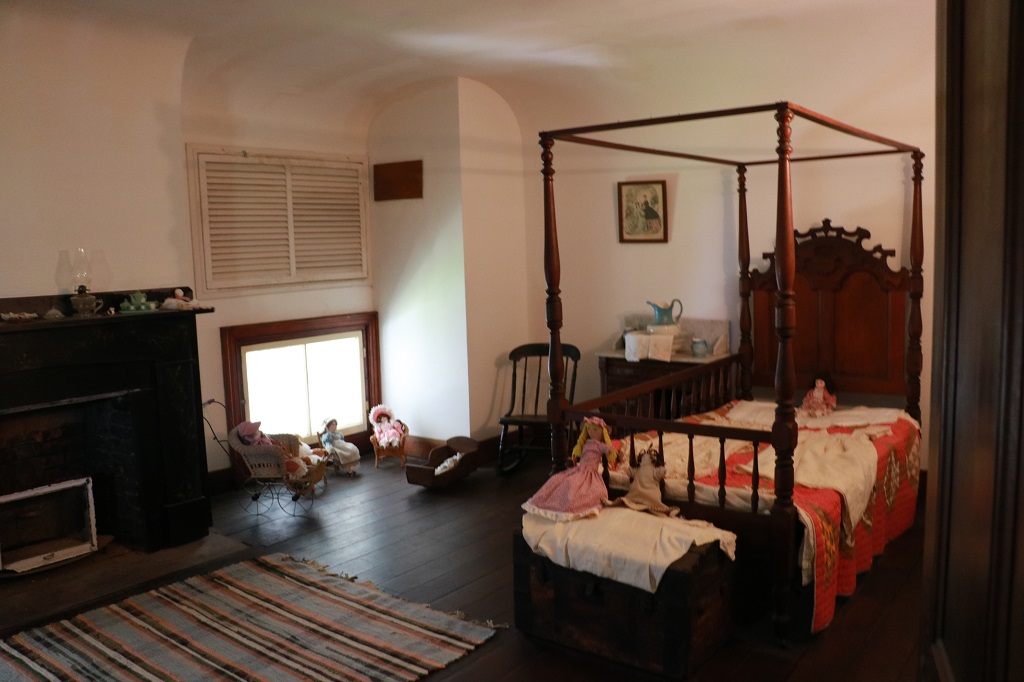
The third floor contained four children’s bedrooms. The room on the north end is the tank room that held water above the bathroom and a small room was perhaps used by Joan the enslaved nanny.
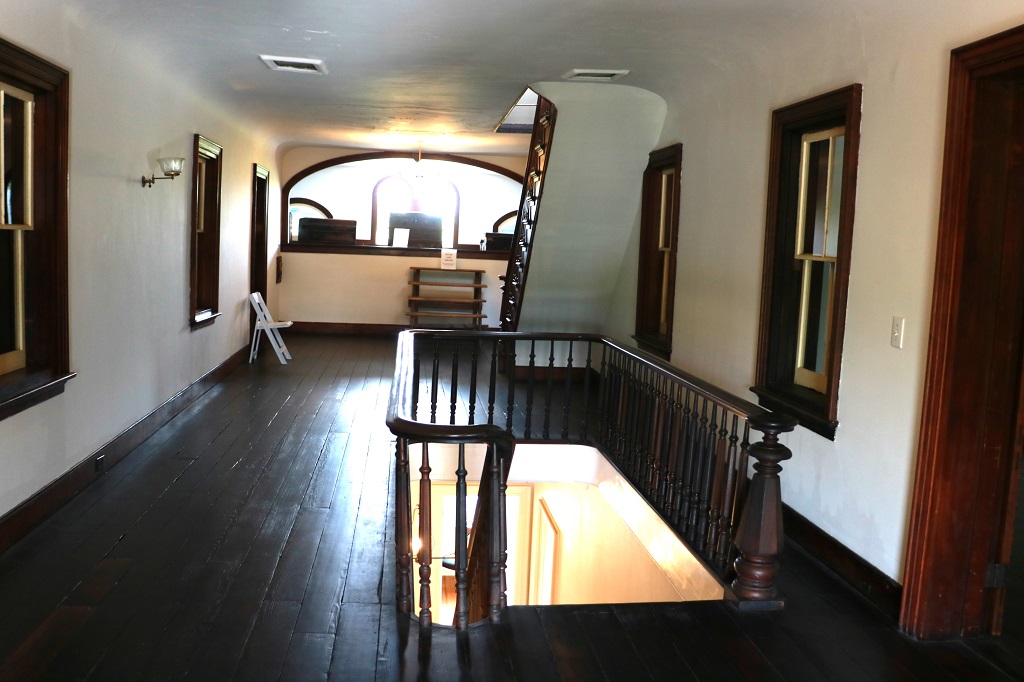

We exited the house off the second floor back terrace and walked around to the front on the way to the parking lot and the car. It was impossible to get a good picture as the front yard was close to the sidewalk with a divided street but we had to drive past it as we left so I was able to snap a pic from the car window.
We drove a few miles out of town to Airlie Gardens thinking we could see some nice flowers in the 46 acres but it was mostly a botanical garden with long paved winding pathways and my decrepit knees and legs would not have taken me too far. We elected to head back to the hotel for an early end to the day and a rest before dinner.
I have told myself that I will not tour very many Antebellum and Plantation houses on this road trip. Other than the personal stories of all the owners they were built in a similar style, during a similar period and will have similar decor. Much as I love history and historic houses I am going to try refrain from going through too many of them. I do not promise to not see some though.
 Hanna Travels