We have been invited to a wedding that is to be held on June 21 on the Outer Banks of North Carolina. We decided, since we are flying to the US South, to do a 30-day road trip before the wedding and check out some of the states we have not visited before.
We flew to Charlotte, NC on Wednesday, May 22. Our day began at 2 am to be ready for our 3 am ride to the airport to begin the first of the three flights we took that day. We arrived in Charlotte at 7:30 pm (3 hours ahead of our home time, but still it was a long day), picked up our rental car and drove to a nearby hotel for the night.
The next day we drove 2 1/2 hours west to Asheville to visit the Biltmore Estate. We had seen a Hallmark Christmas movie that was filmed at the Biltmore and decided that we would go see it since we would be in the ‘neighbourhood.’
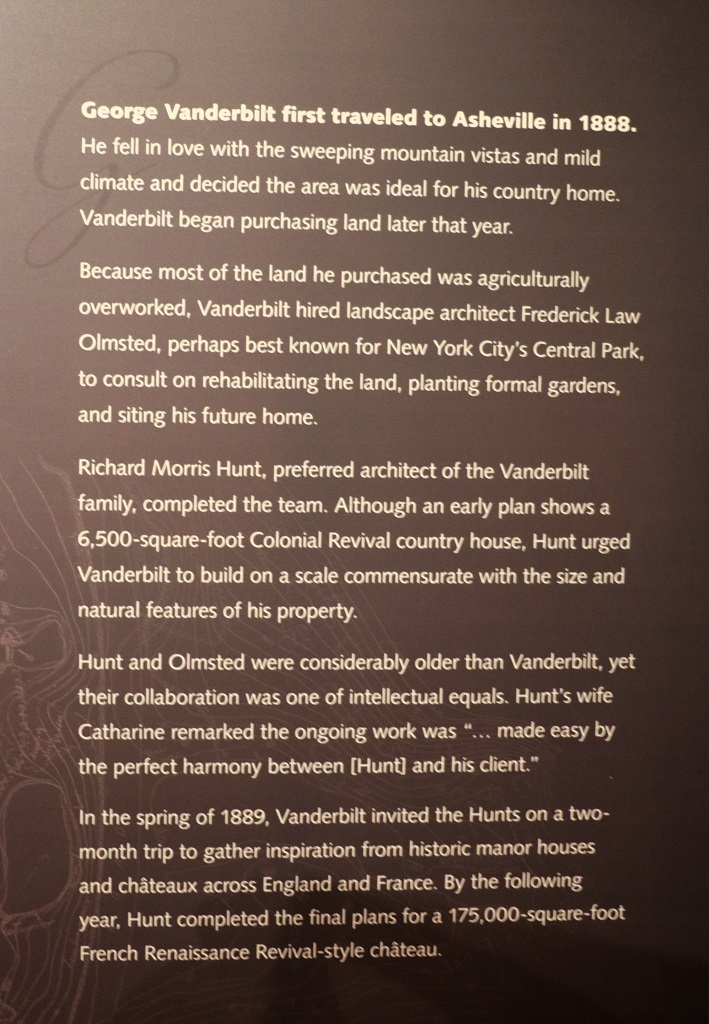
The Biltmore was the summer home of George Washington Vanderbilt. He fell in love with the Asheville area when he visited as a young man in his mid-twenties and decided to build a retreat for family and friends far from the hustle and bustle of the big cities. He immediately began purchasing land, much of which was overworked farm land, and within a couple of years he owned 125,000 acres.
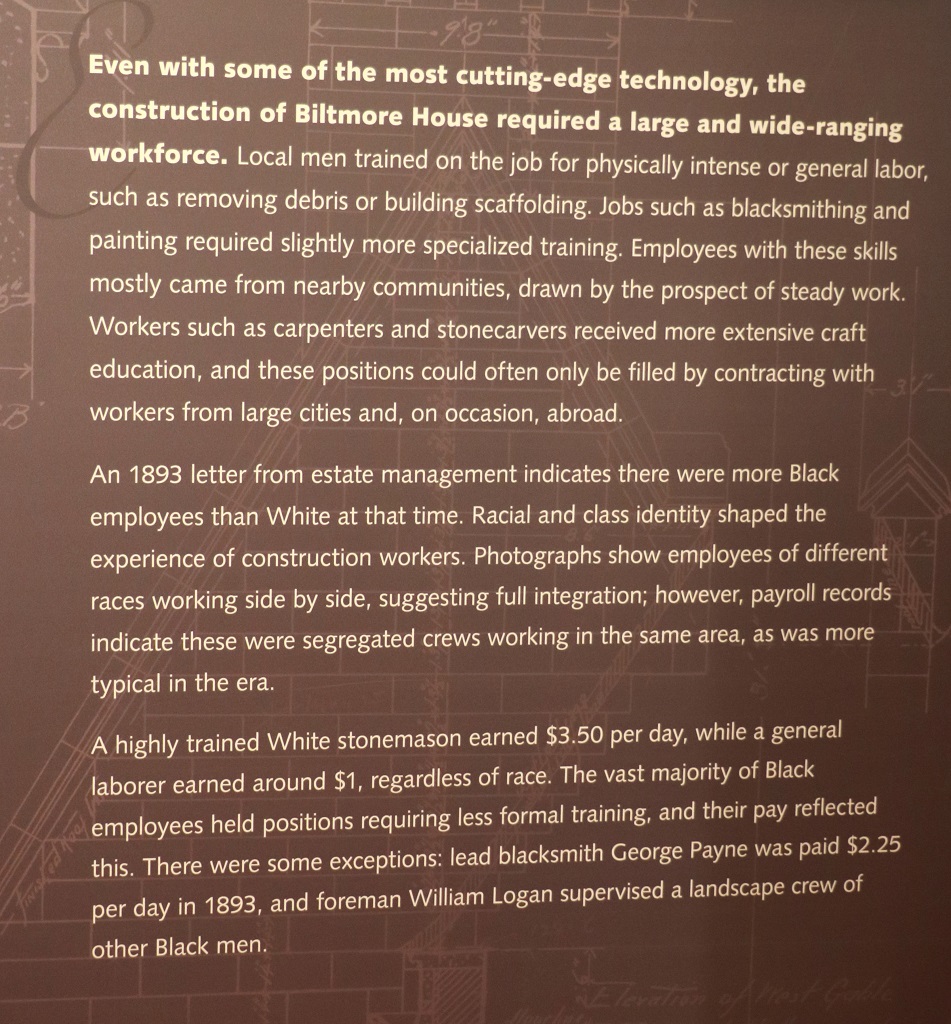
For all of the family’s great wealth they were well known philanthropists with a stong work and social ethic. All of the workers on the estate were paid during construction.
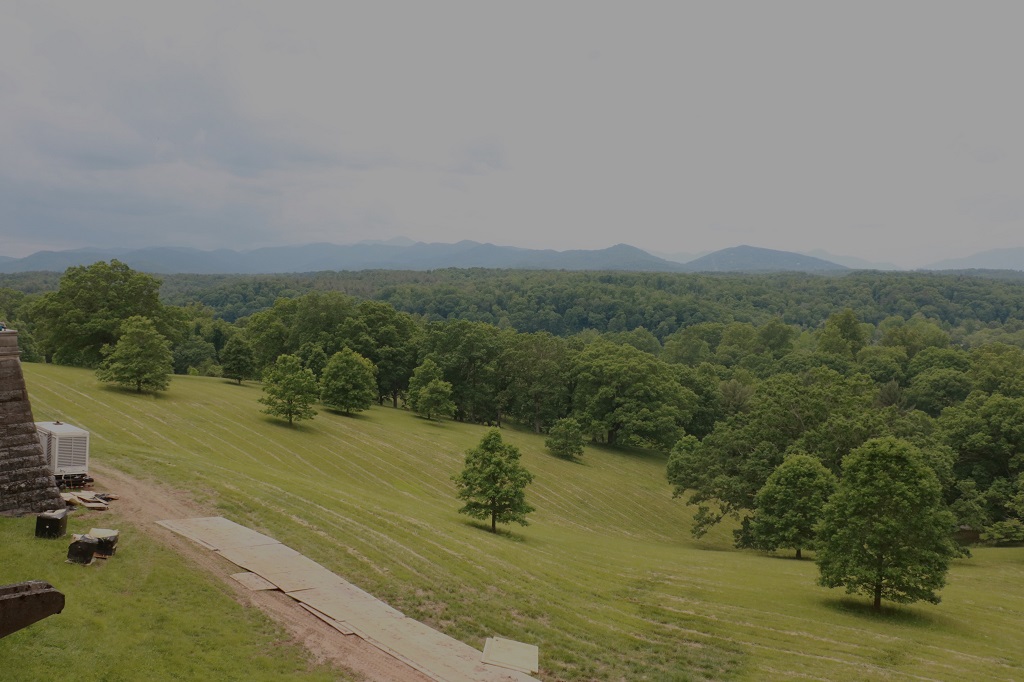
The view from the south terrace.
The hills in the distance are 4 miles away as the crow flies. George owned all the land to them, and a mile beyond.
He hired a landscape architect to re-forest the land. They planted over 1 million trees and other plants, becoming one of the first scientific forests in the USA.
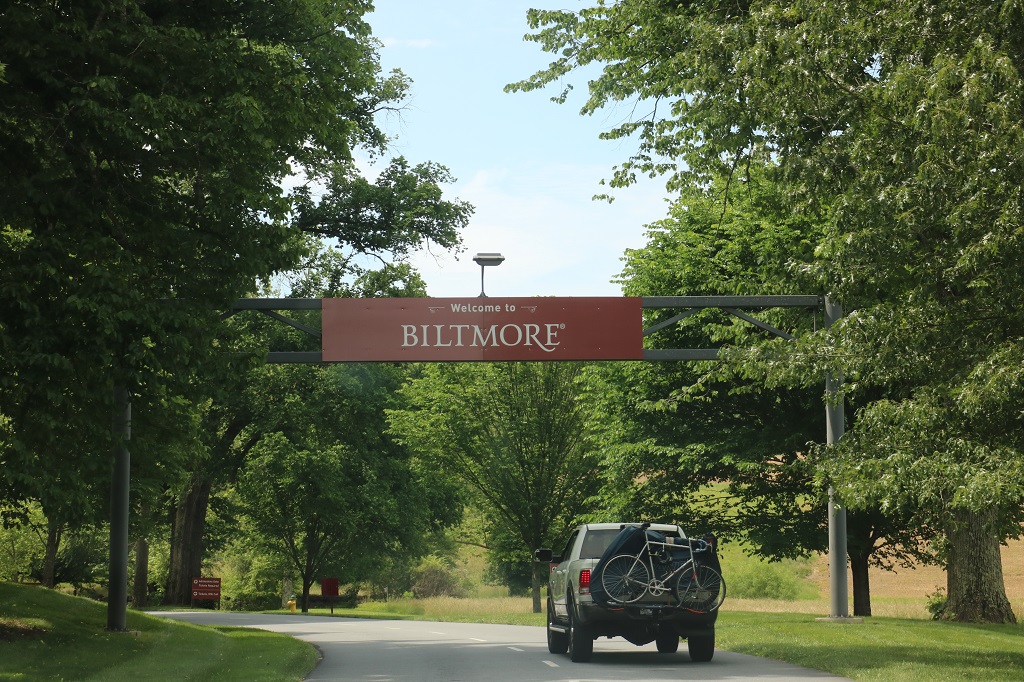
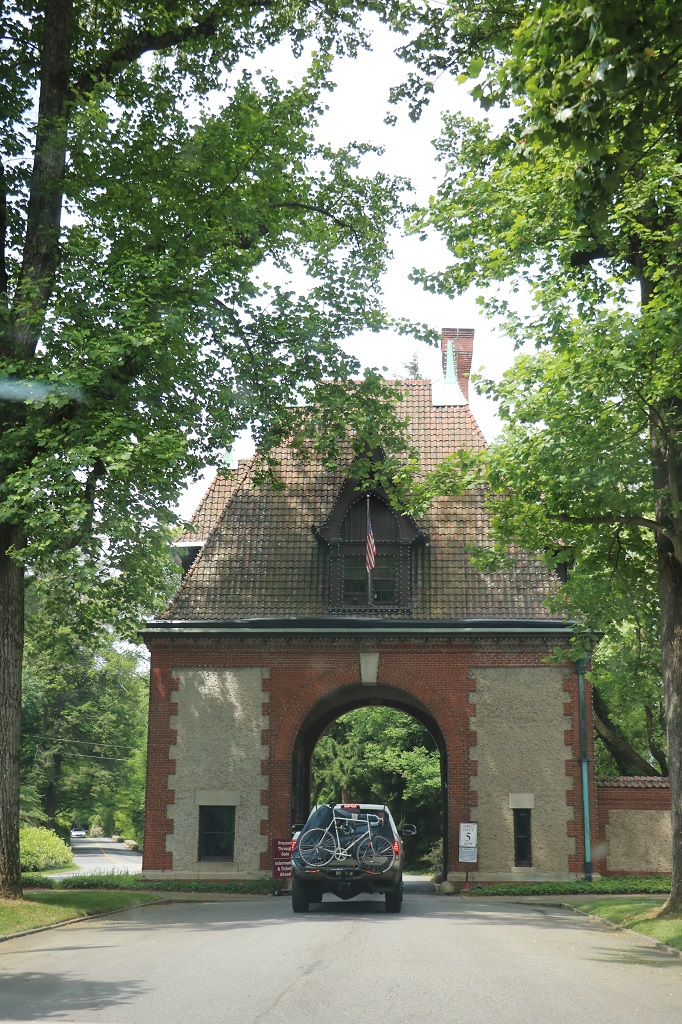
From the front gate in the town of Asheville, it was a 3-hour carriage ride to the house and at no point along the way was the house visible until you went through the gate at the end of the long lawn. Today it takes about 45 minutes to drive through the created thick forest to the house gate. There are parking spaces in five different lots that hold over 1000 cars and shuttles run from them all every 20 minutes. During the peak summer months all of the lots are full. The estate is now a National Heritage site but it is still owned and operated by descendants of George Vanderbilt.
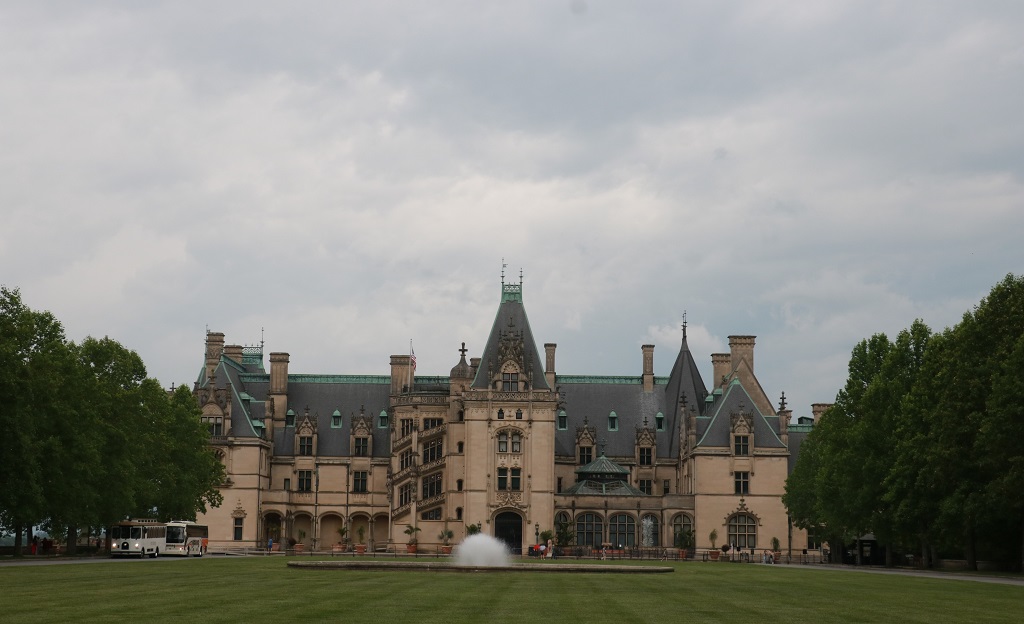
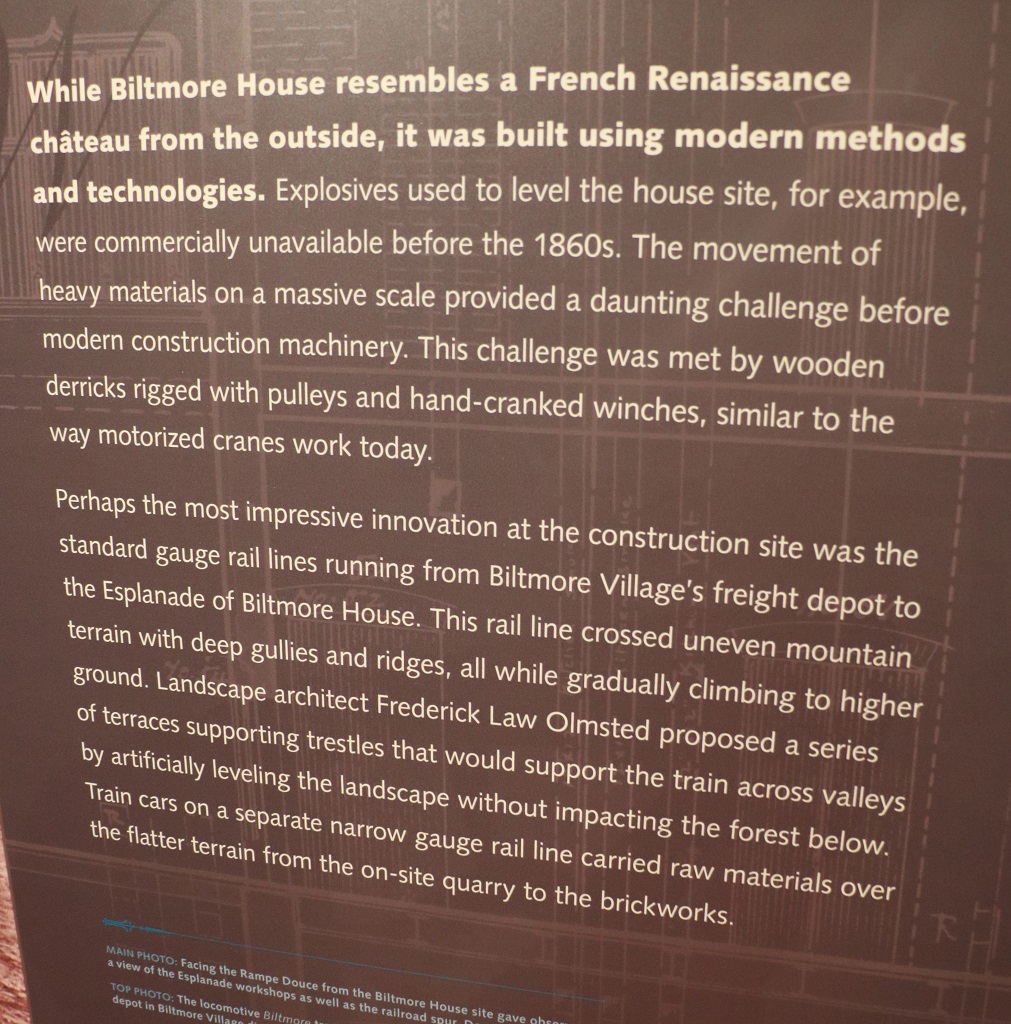
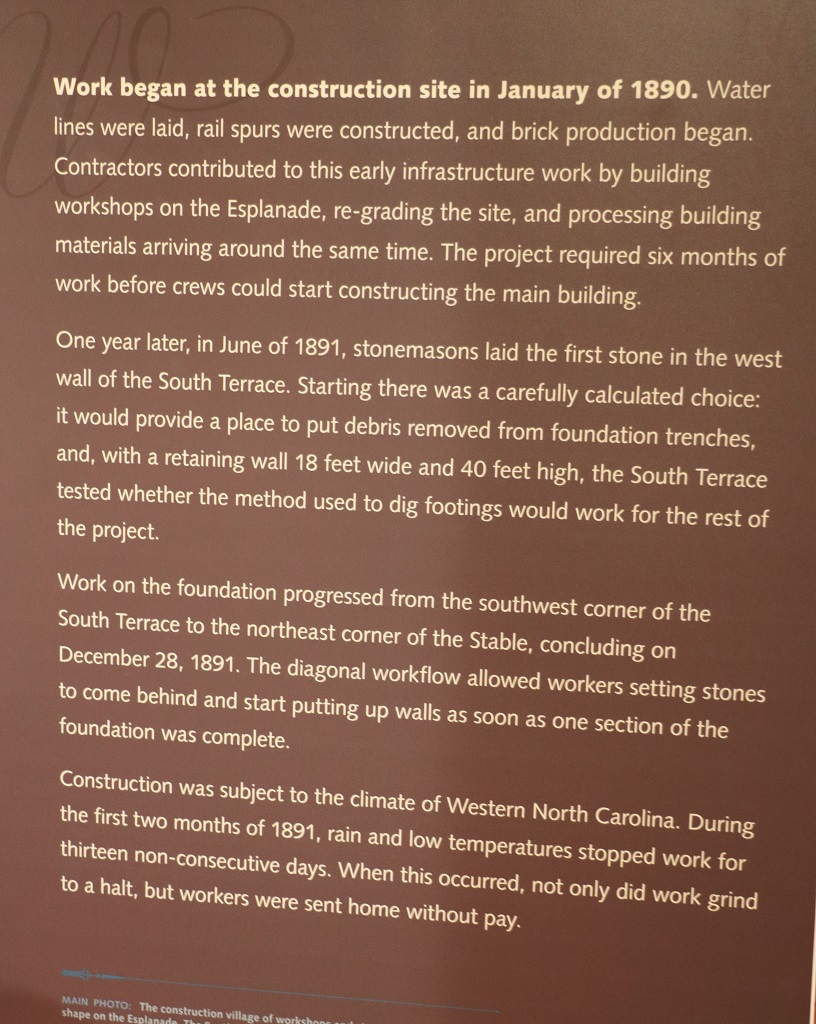
Mr. Vanderbilt originally had plans for a 6,500 sq. ft. French Renaissance-revival house, but when the architect saw the property he said George need to build something in keeping with the scope of the area. The house became a sweeping chateau of 175,000 sq. feet with 35 bedrooms, 43 bathrooms, and 65 fireplaces. It took 1000 men, working 6 days a week, 6 years to complete. There are 4 acres of floors space and 250 rooms.
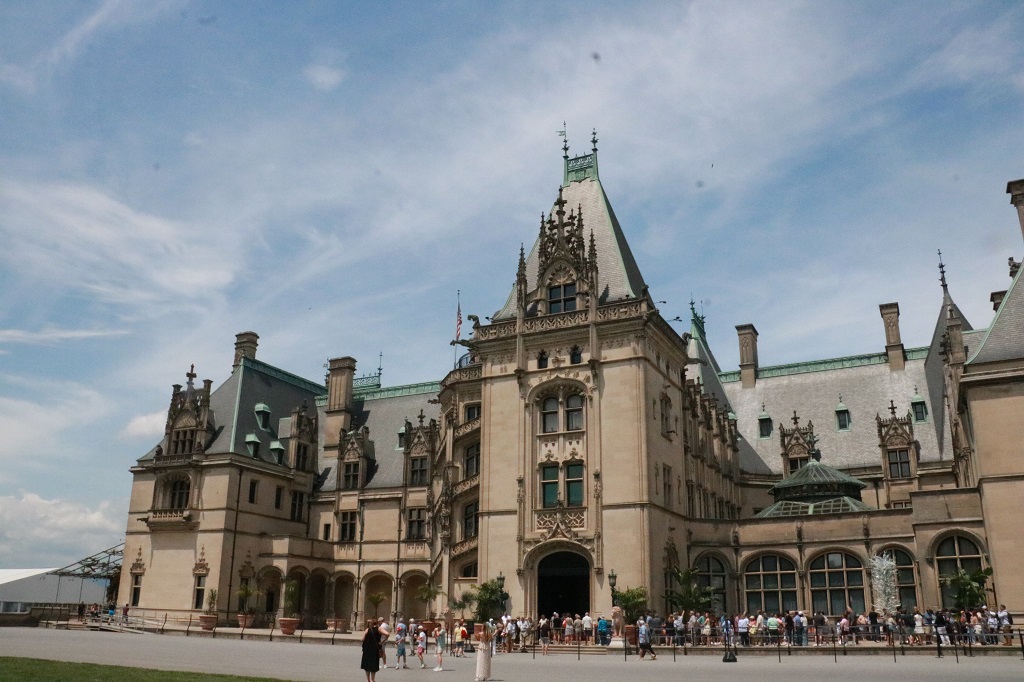
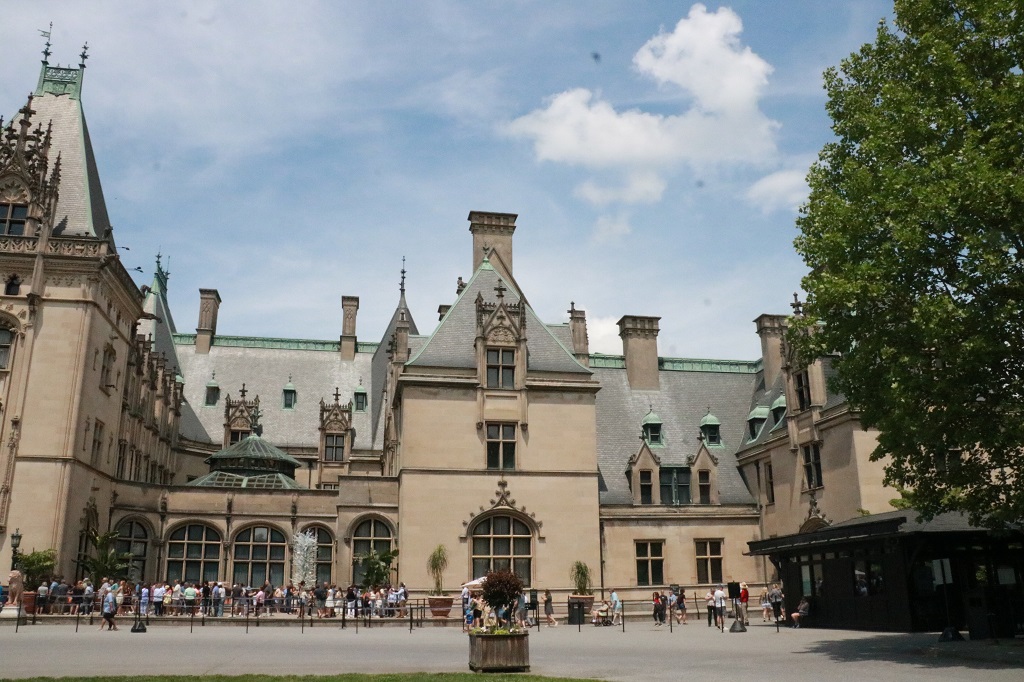
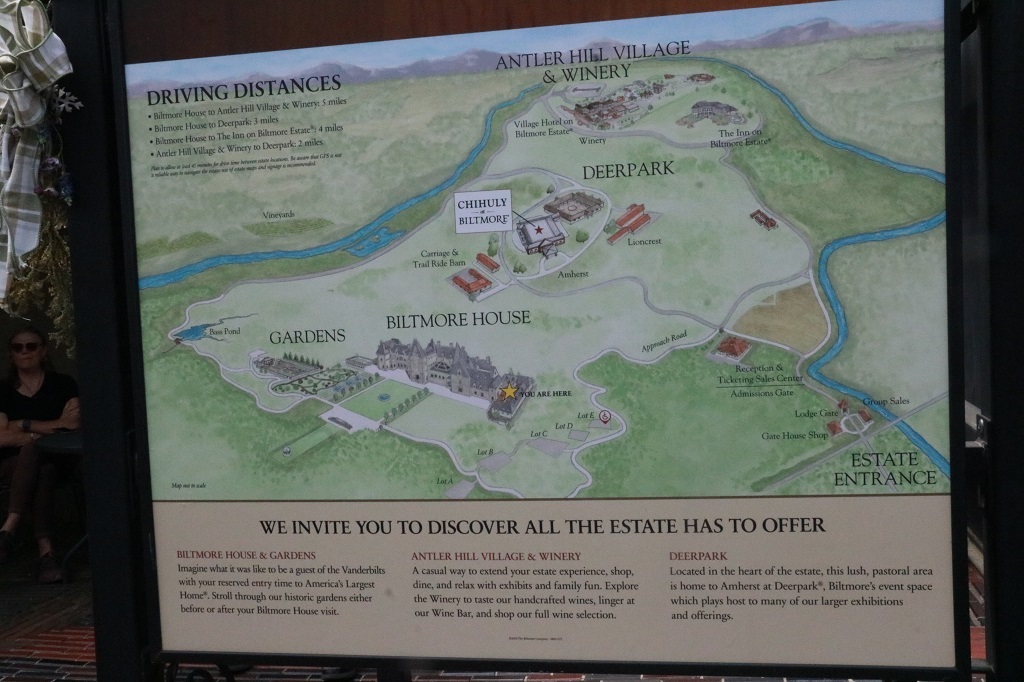
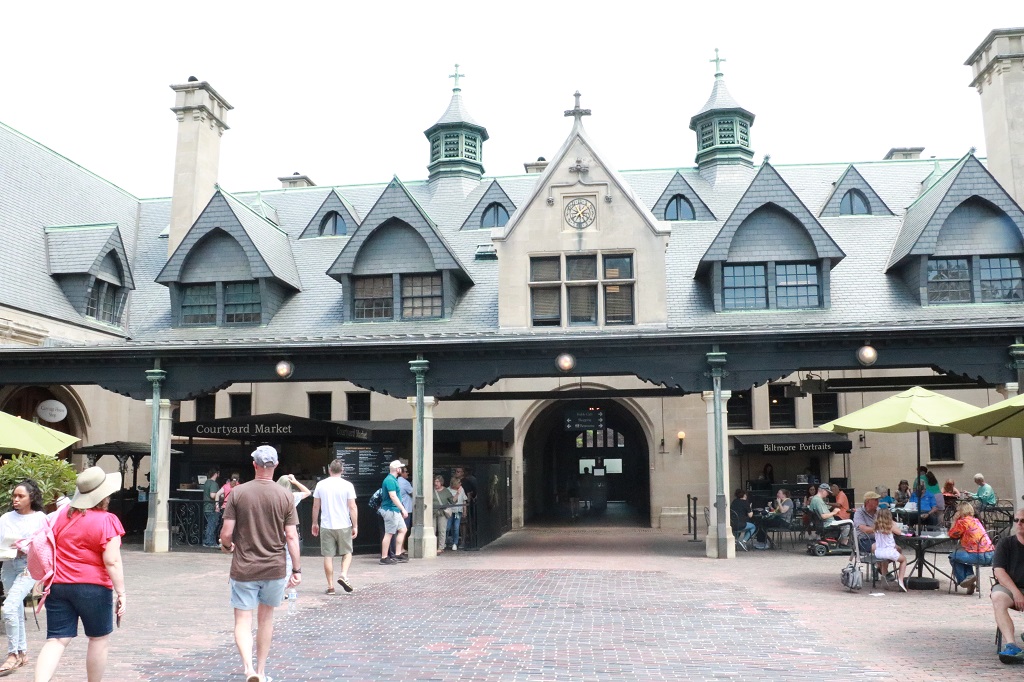
We had a booked time to enter the house at 1 pm but arrived in time to visit the shops that are now located in the various rooms of the former stable block. The tack room, harness room, repair room, etc all contain small specialty shops and a book store, and the massive horse stable is a restaurant with all of the stalls holding tables for guests. The carriage house is 12,000 acres and housed Vanderbilt’s prized driving horses as well as 20 carriages.
George Vanderbilt began the project when a bachelor of 26. He brought his bride to the house for their honeymoon and their only daughter was born here. He died from complications following an emergency appendectomy at the age of 52 in 1914. His daughter Cornelia at age 25 inherited. As per his wishes to have the land preserved in its natural state, his widow later sold 82,000 acres to the Federal Government for a National Forest at a price of $5.00 per acre.
There were 34 information stops on the audio-guide and took us about 2 hours to see the rooms on the three floors, plus the staff areas in the basement.

The Winter Garden located to the right of the grand entrance hall.

The billiard and smoking room. The pool tables were custom-made for Mr. Vanderbilt and weighed over a ton each.
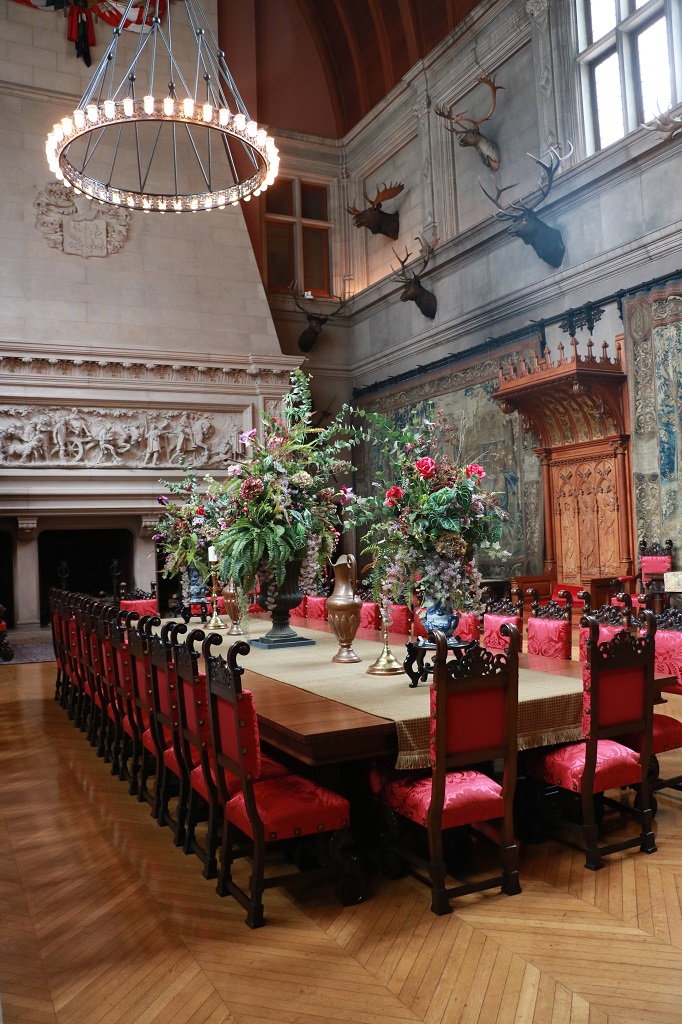
The formal dining room. There were as many more chairs as these sitting along the walls of the room. All were hand made and designed by the architect Richard Morris Hunt. He designed most of the rooms and furnishing in the chateau as well as the building itself. He and Mr. Olmsted, the landscape designer became good friends of George Vanderbilt, and almost father figures.
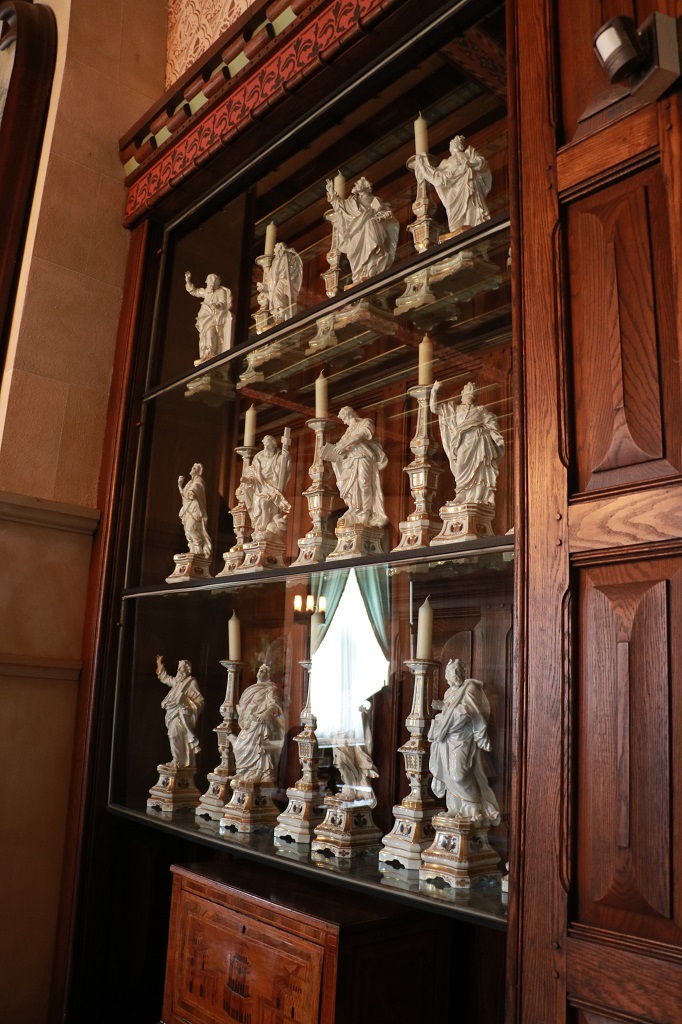
Candlesticks for the dining room.

The Music and Sitting room.
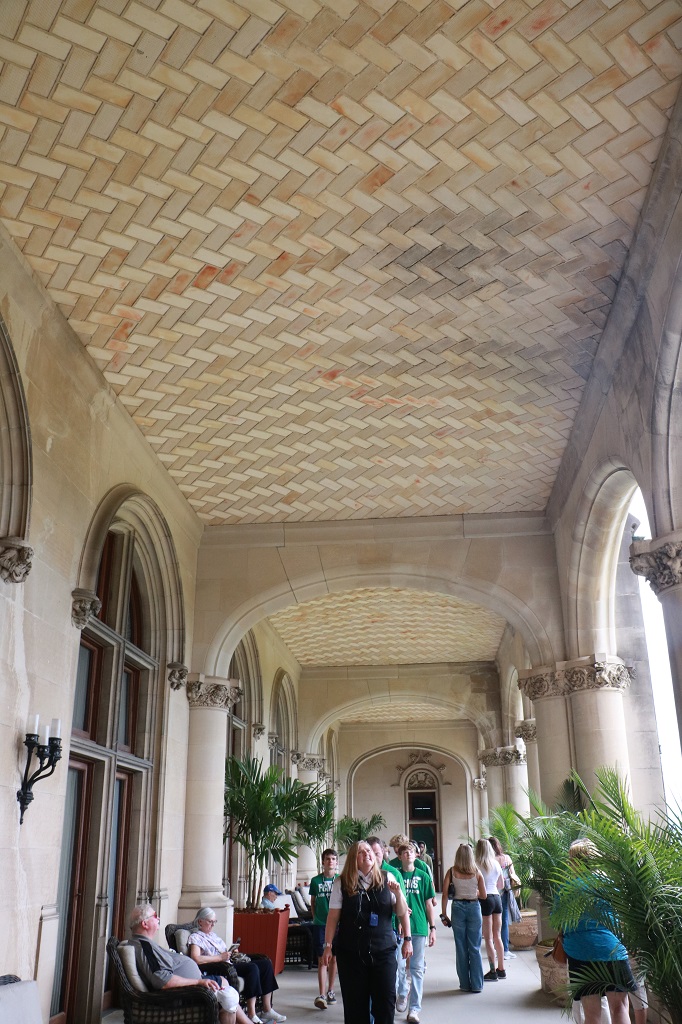
The South Terrace.
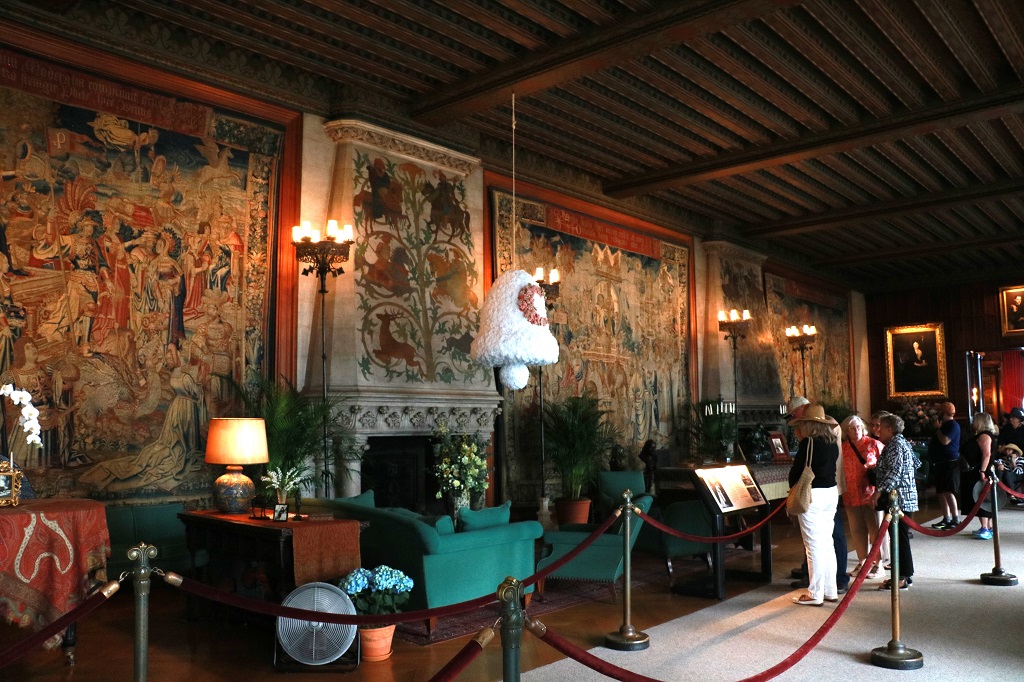
The Tapestry Room. The three Flemish tapestries were made in the 1500’s. The family had several St. Bernard dogs that would go running through the house happily wagging their tails, dangerously close to toppling priceless pieces of art, or vases, or china. There are children’s books about Cedic the St. Bernard from Biltmore available in the bookshop.
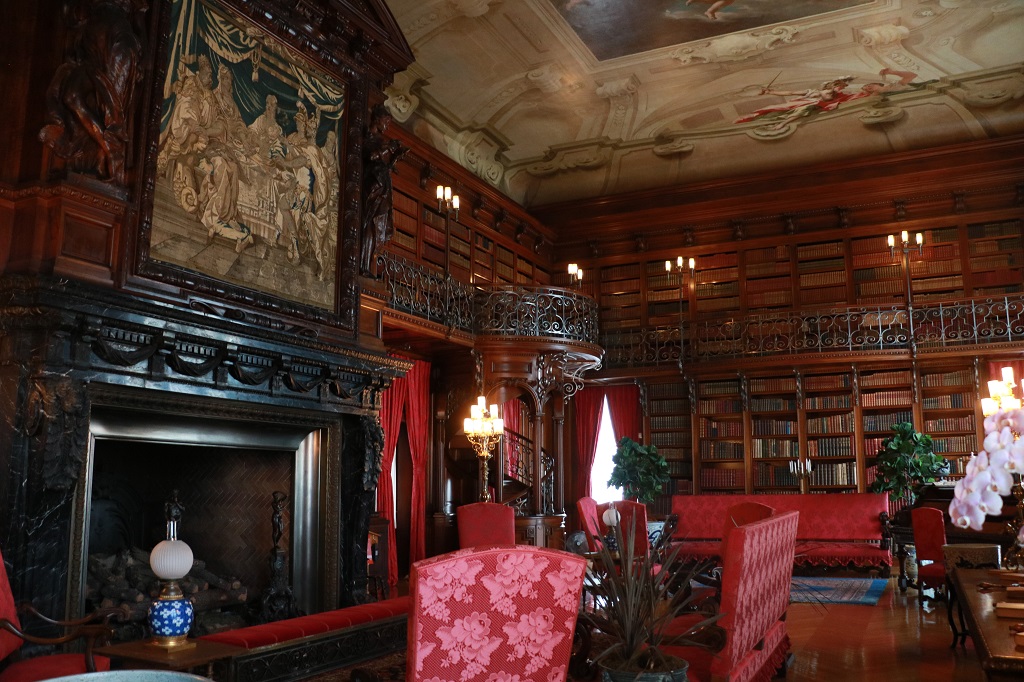
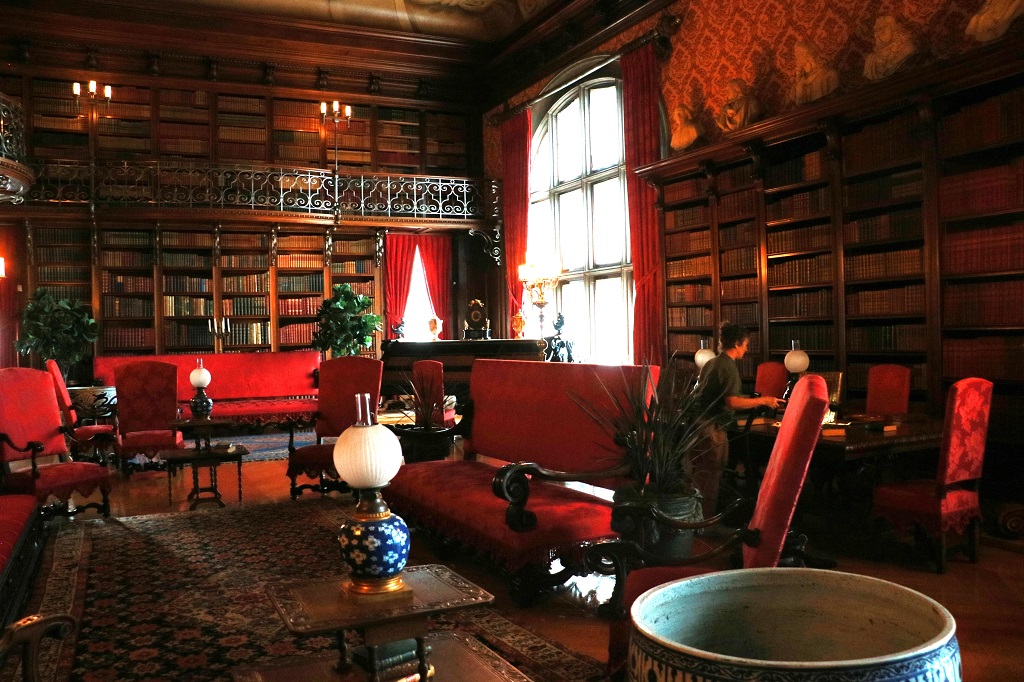
The Library. The house has a collection of 24,000 books.
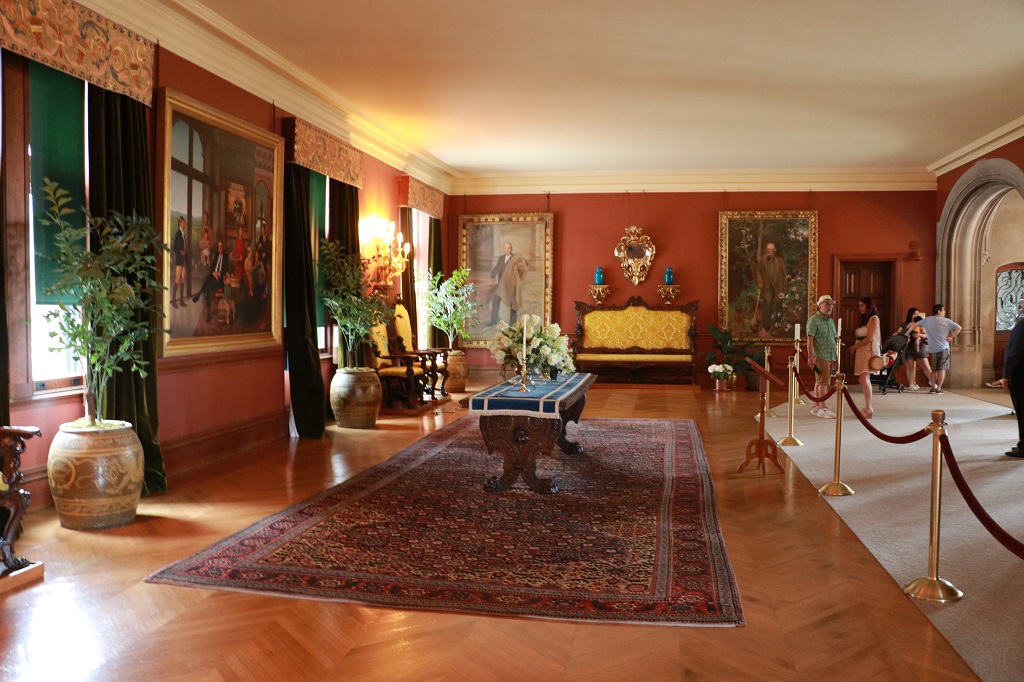

Mr. Vanderbilt’s bedroom. This room was not finished when he moved into the house and he stayed in one of the bedrooms in the bachelor wing until it was complete. There were a few rooms in the house – like the Tapestry Room – that did not get finished until after he died.
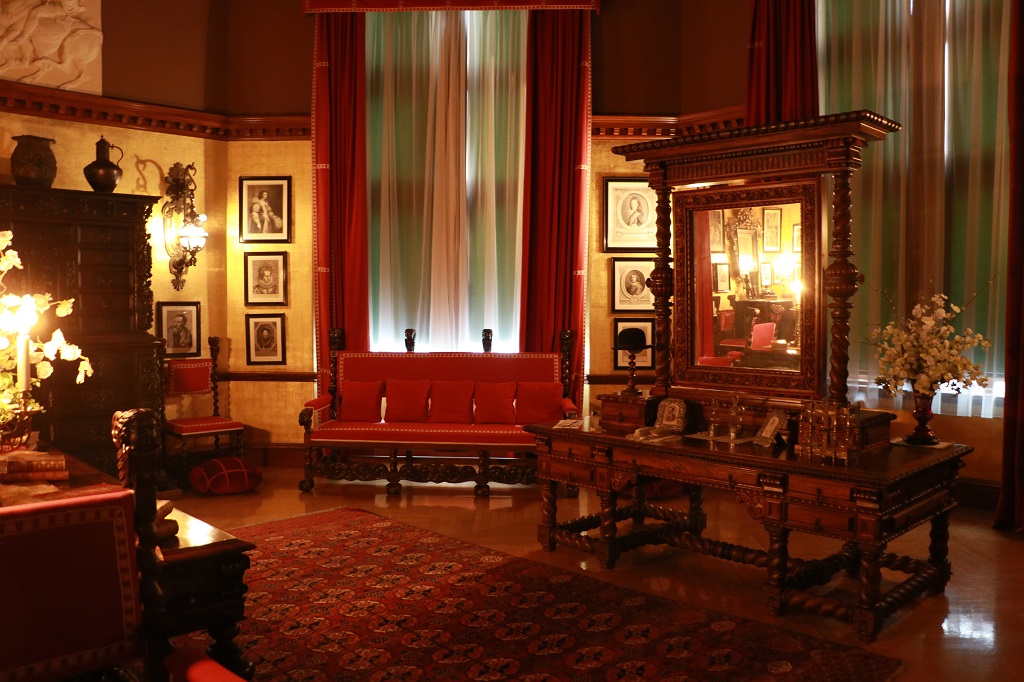
He and his wife entertained many friends at the Biltmore and George was very protective of their privacy and that of his family. He never allowed photos to be taken of the inside of the house so it has been quite a challenge for restorers to recreate wall paper pattens from tiny swatches on the walls.
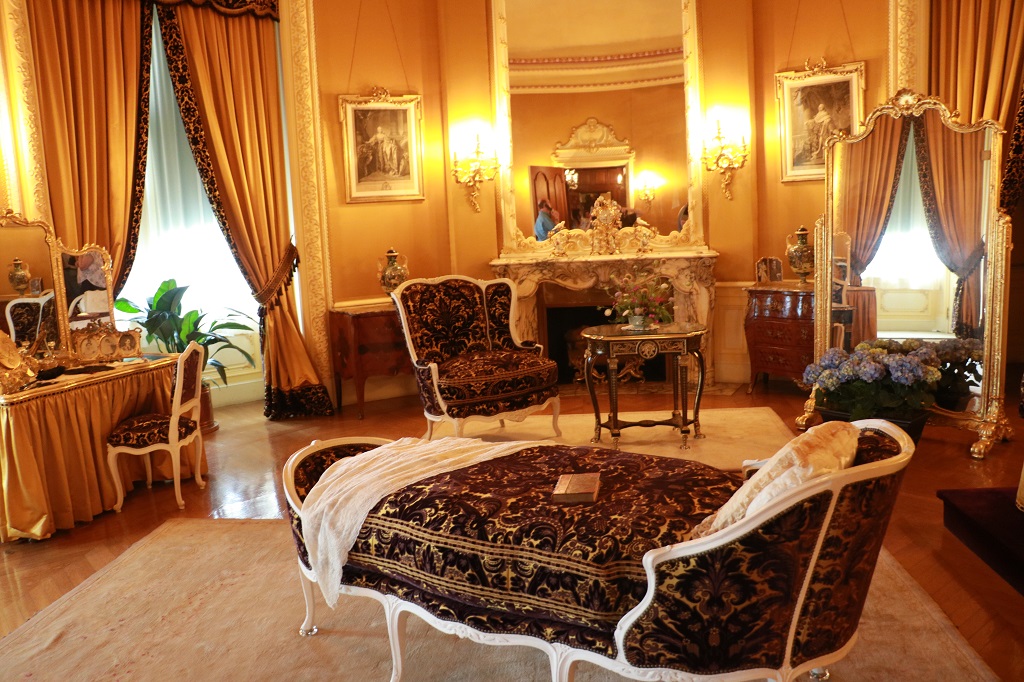

Mrs. Vanderbilt’s bedroom

The Third Floor Living Hall where the guests would congregate and share stories, play games, write nonsense verses for their hosts, etc. The guest bedrooms, each with a bathroom were all on the third floor.
There were 27 large bedrooms in the basement for the female staff, none of whom had to share a room and 32 rooms above the stables for the male staff.
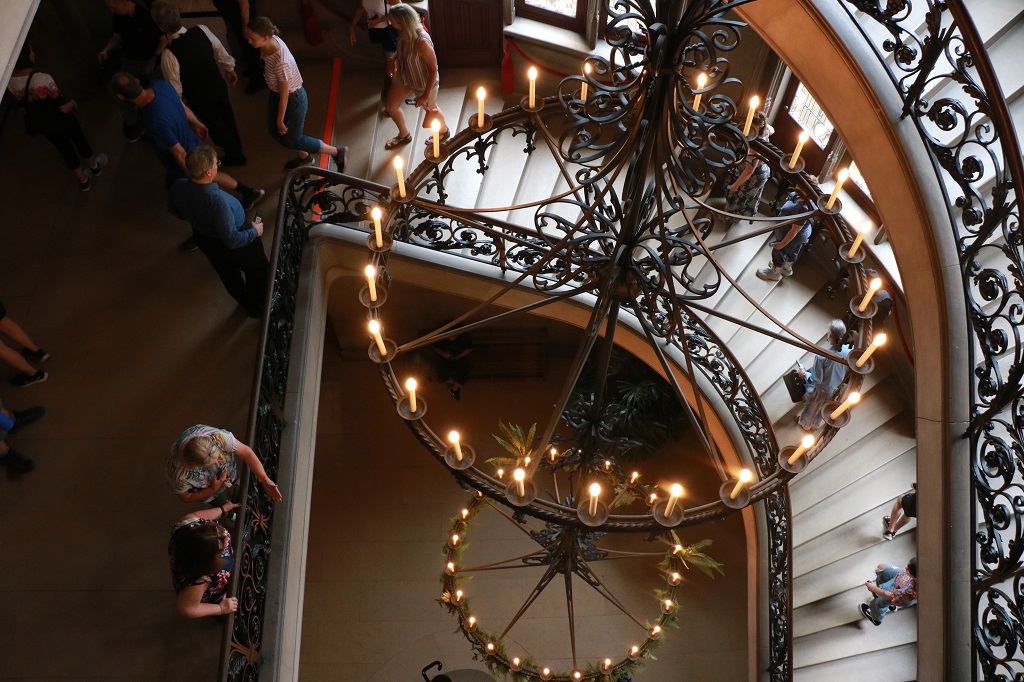
Looking down the Grand Staircase from the third floor.
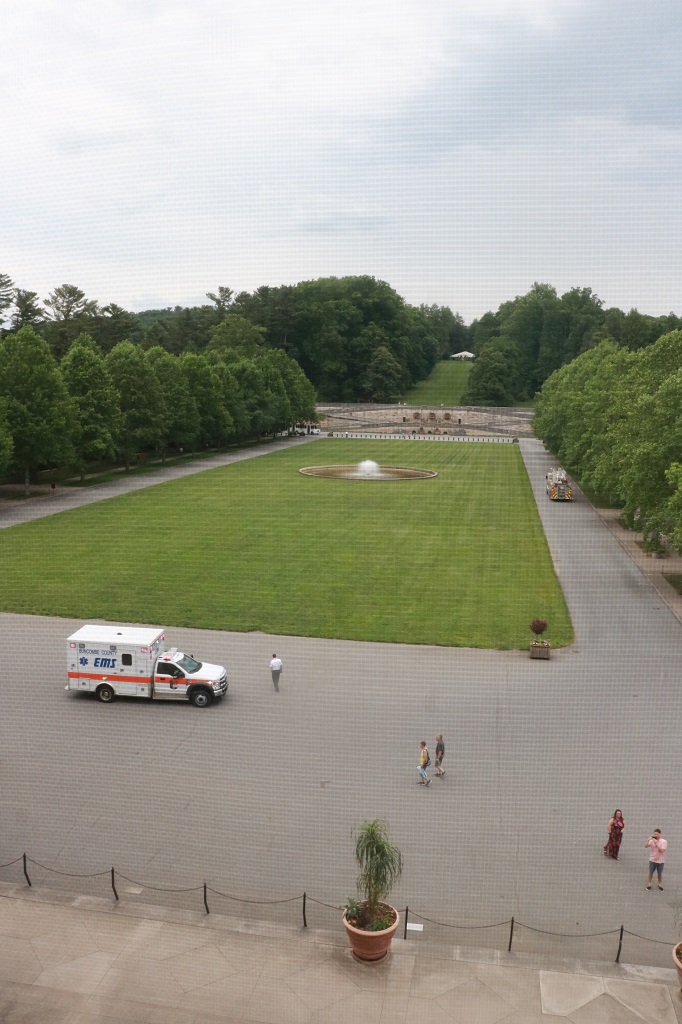
The entrance gate to the house is located on the left at the base of the terrace stairs. (A lady collapsed near the elevator (the house has two small electric ones) and needed medical attention – hence the ambulance.
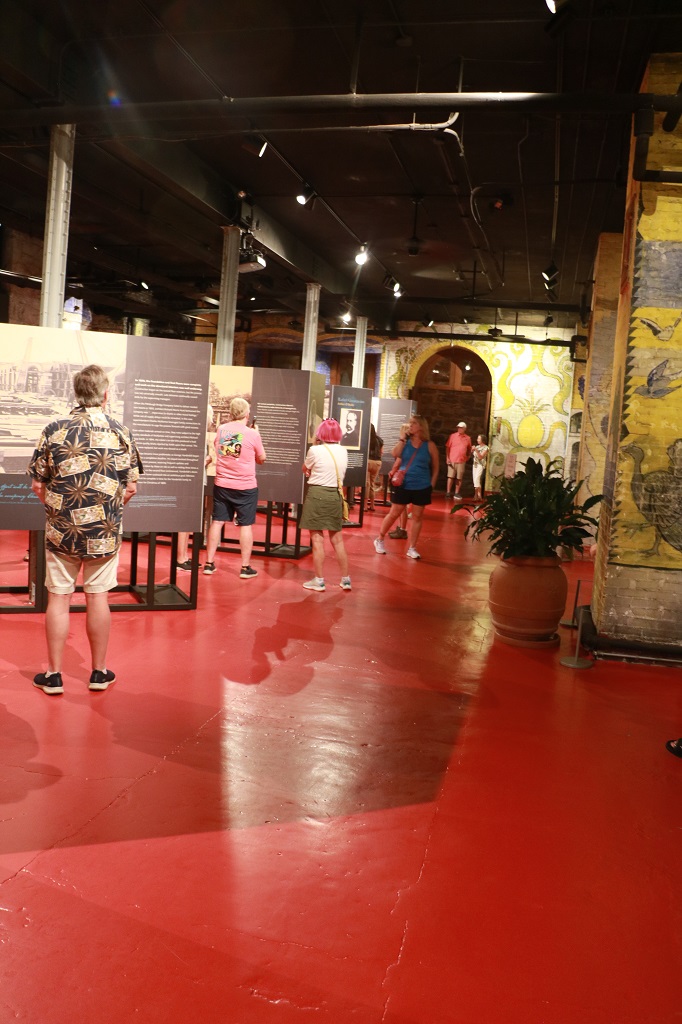
There was a large display in the Hallowe’en Room in the basement with information boards about the construction of Biltmore House. The walls of the room were painted by young Cornelia for a New Year’s Eve party she held one year with about 100 guests. It is only called the Hallowe’en room because of the many crows and bats she put on the walls.

As usual I photograph the information boards and post the ones I find the most informative or interesting. That way I don’t have to remember so much stuff.

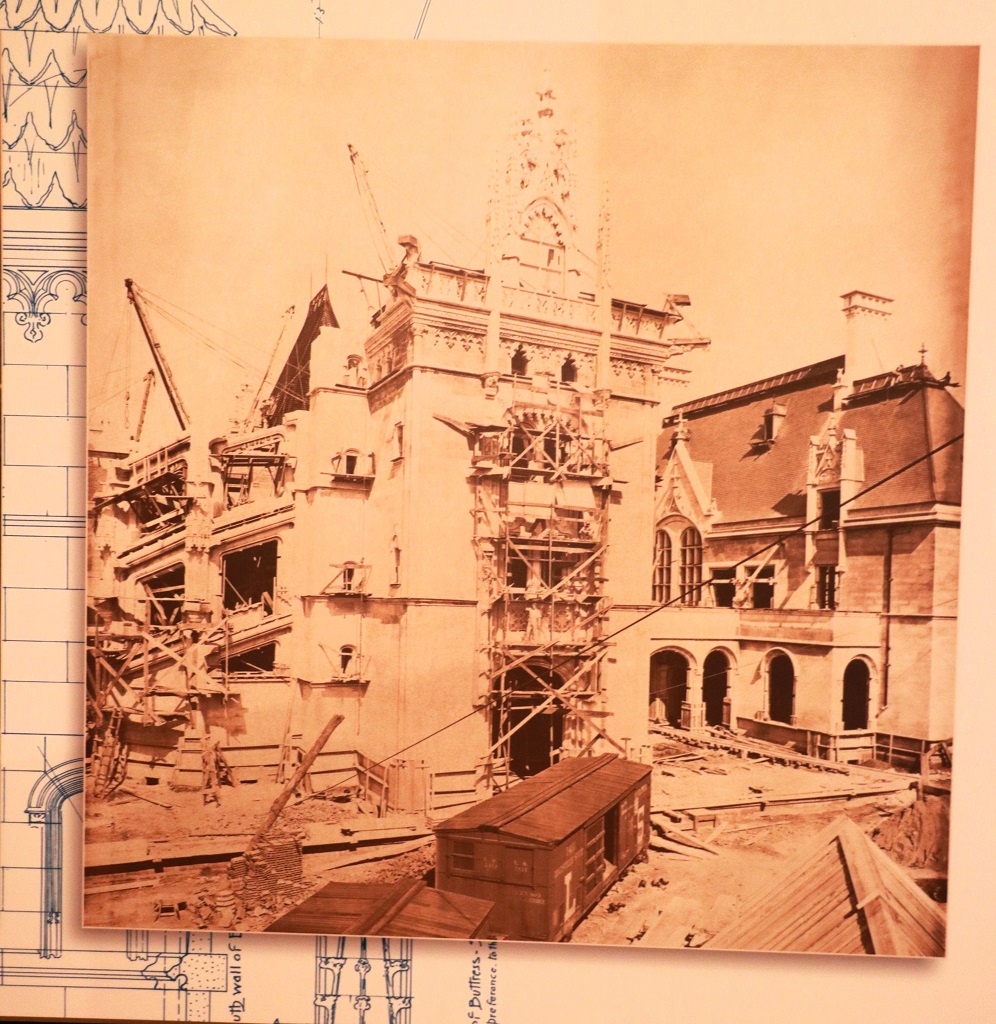
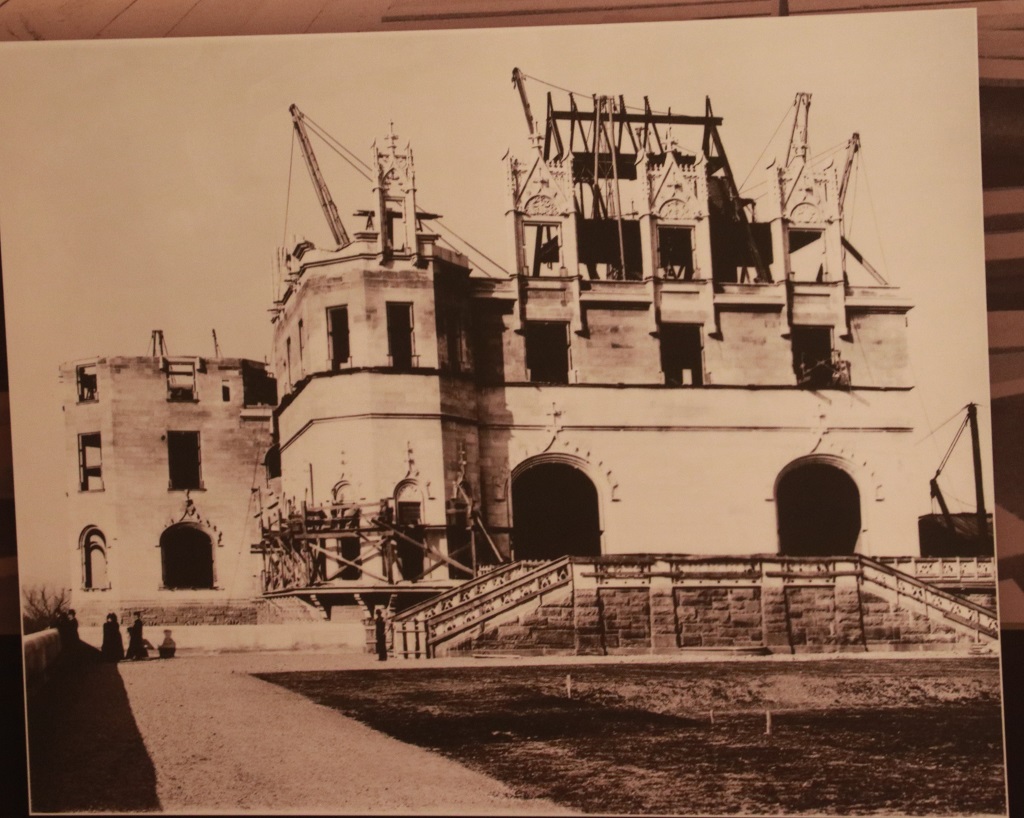
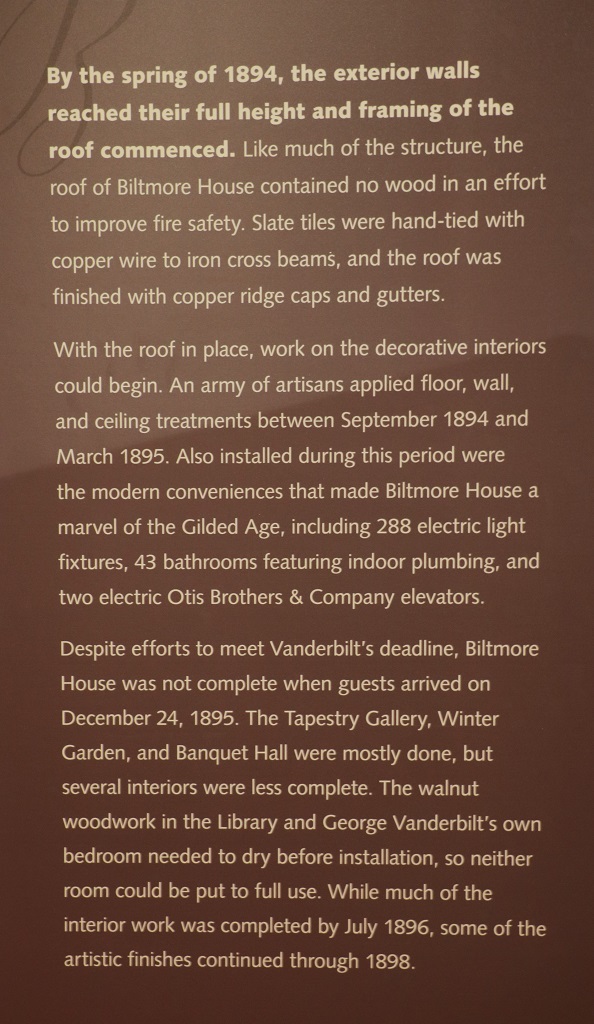
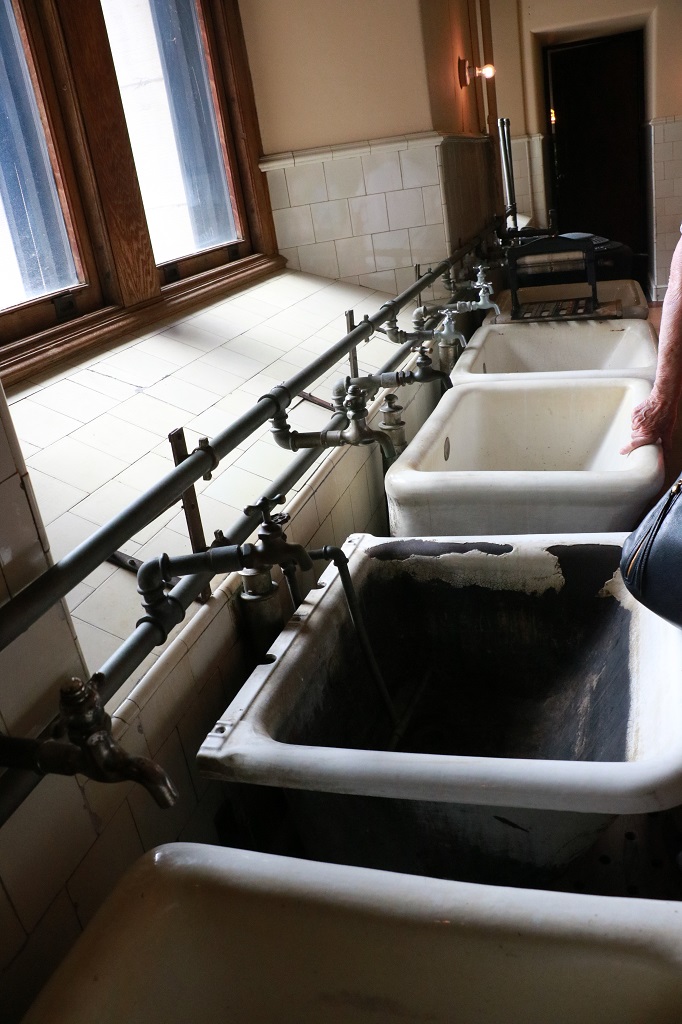
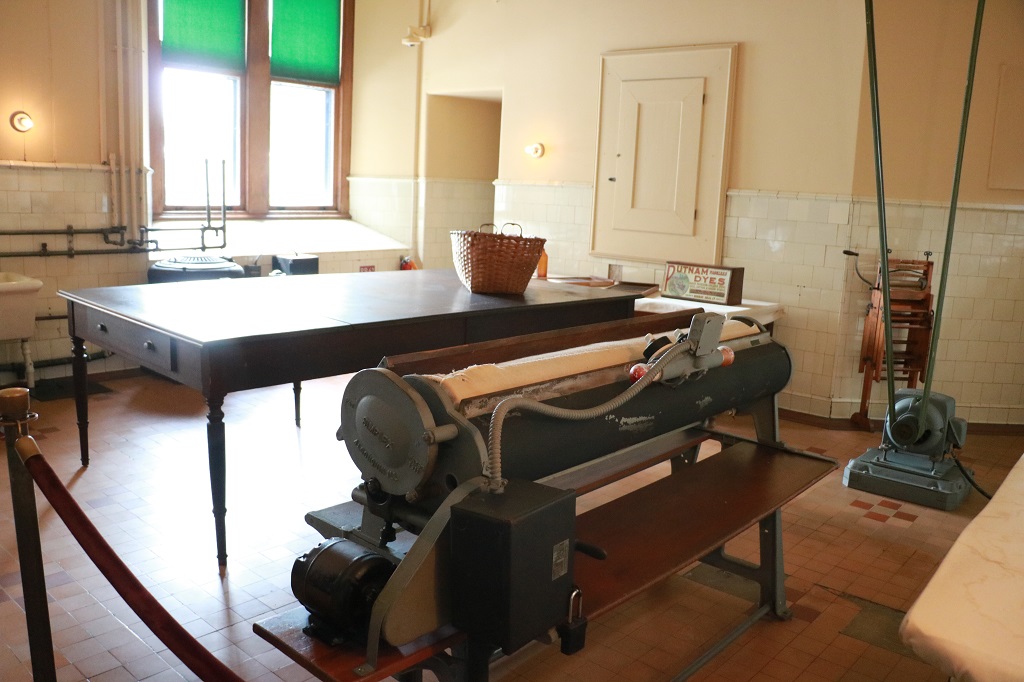
The basement contained the Houskeeper’s rooms, the kitchen, pantry and storage rooms, female staff bedrooms, laundry, a two-lane bowling alley and a 70,000 gallon heated, lighted 9′ deep swimming pool that had to be drained and cleaned after every use as these were the days before chorination systems.
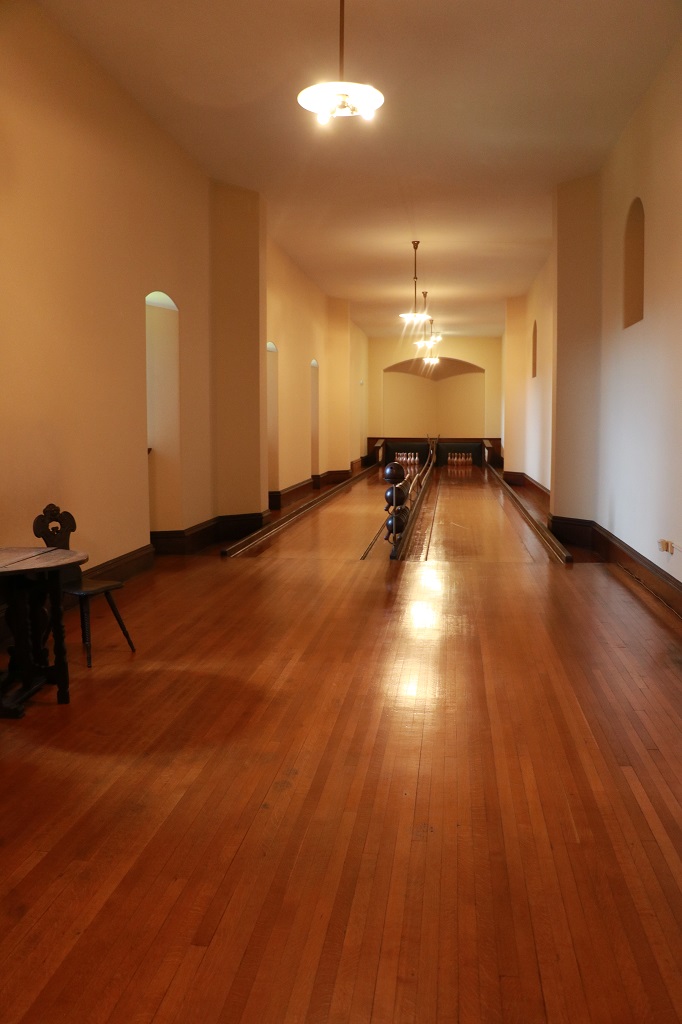
A staff person sat in a tiny alcove near the pins to reset them after each ball.
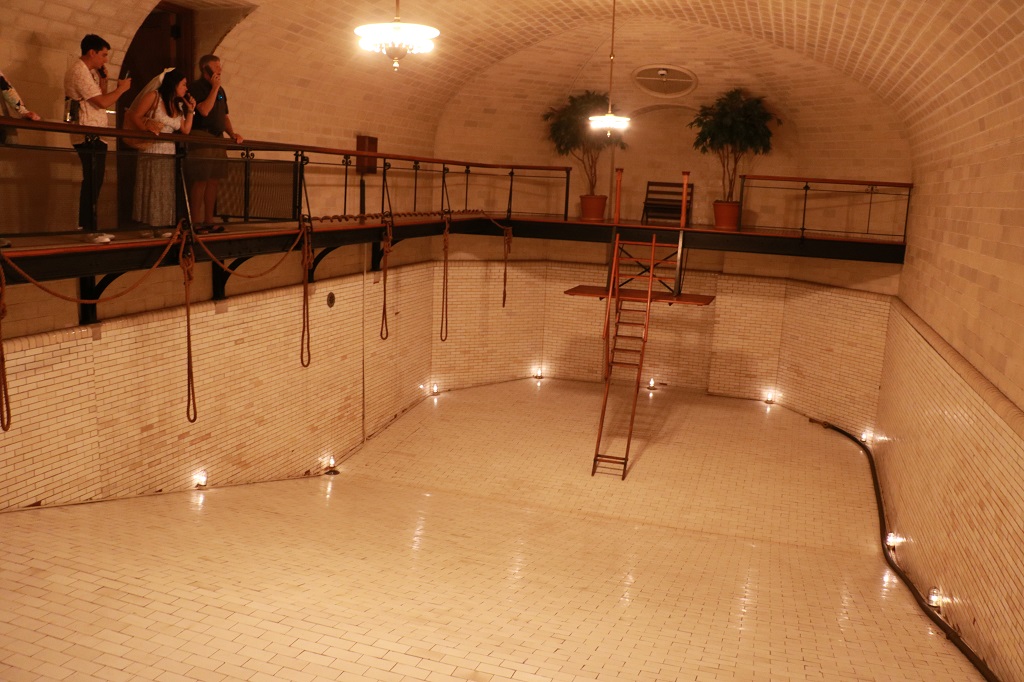
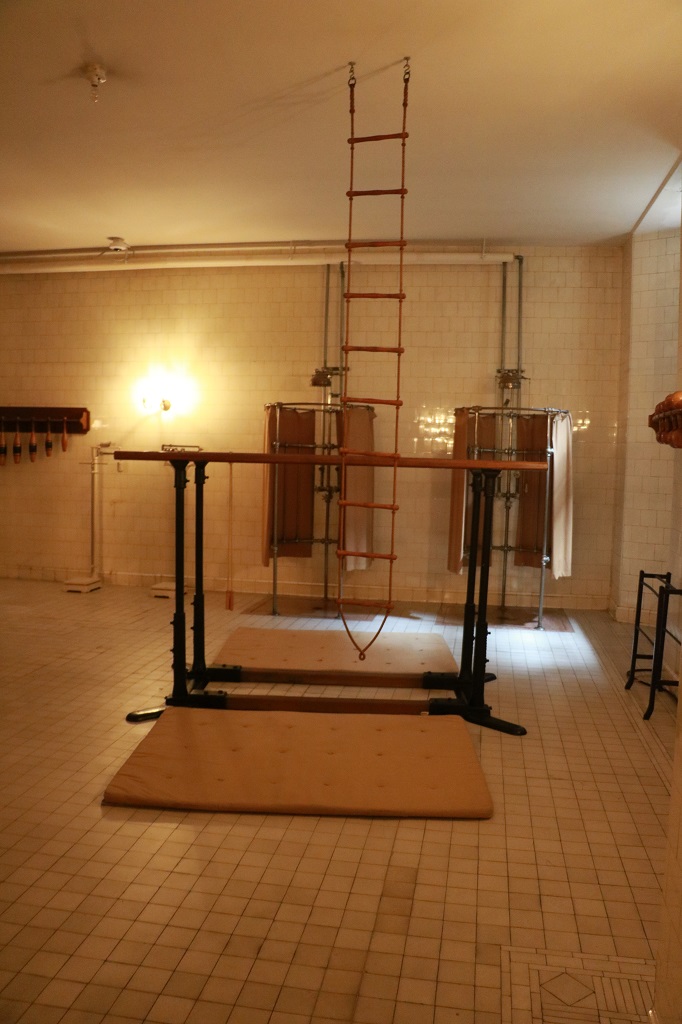
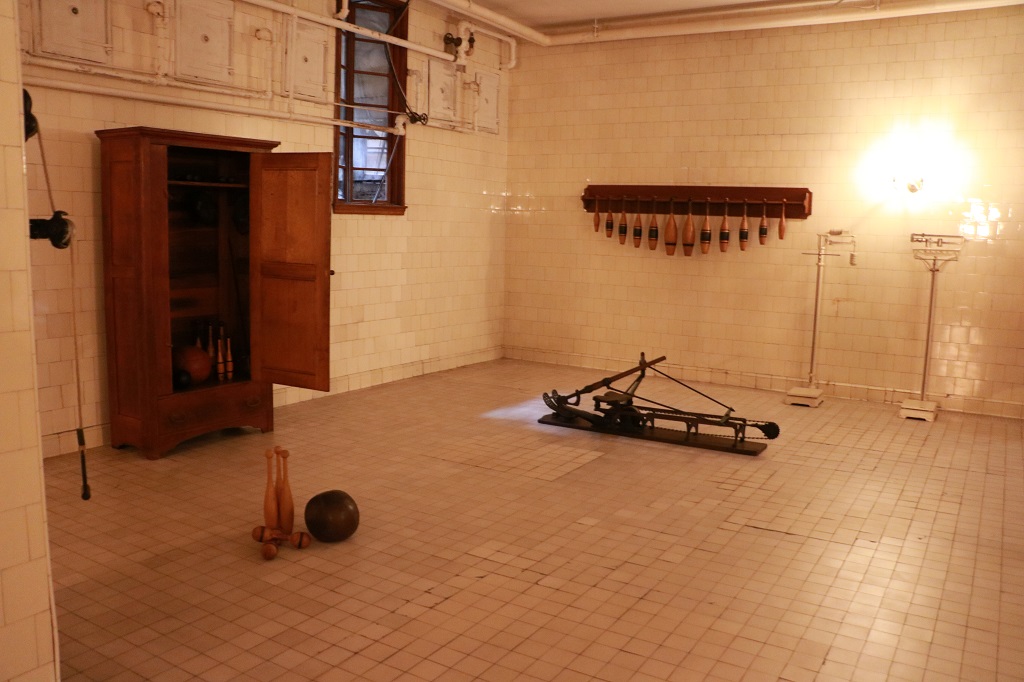
The Vanderbilt’s and many of their guests were very health conscious so there was also a gymnastion with two needle showers that would send highly compressed jets of cold water against your skin to rejunenate you.
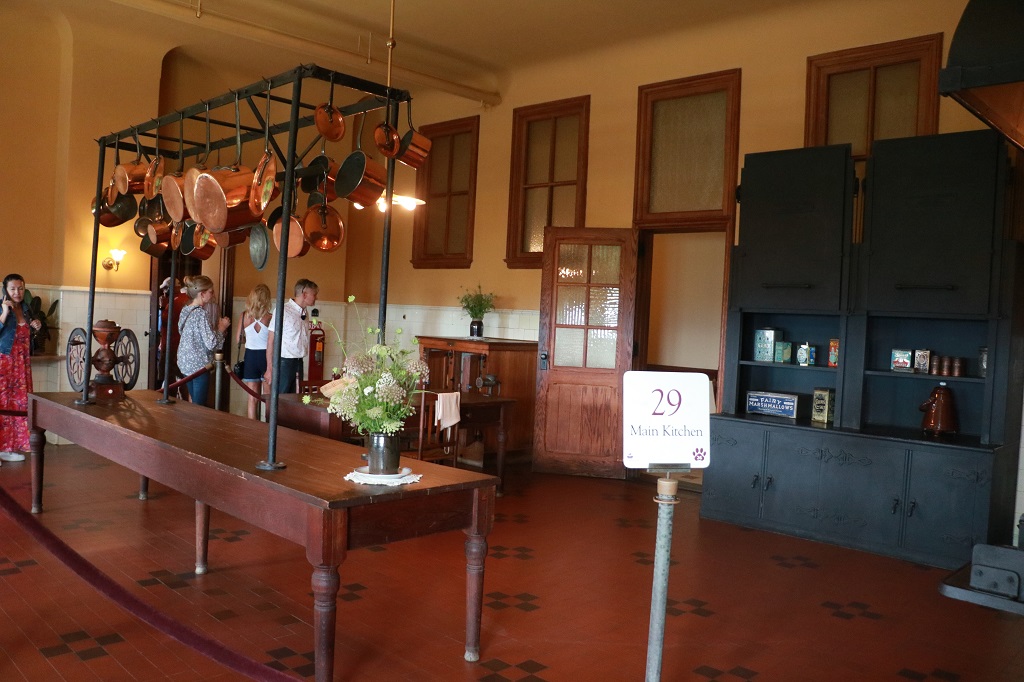
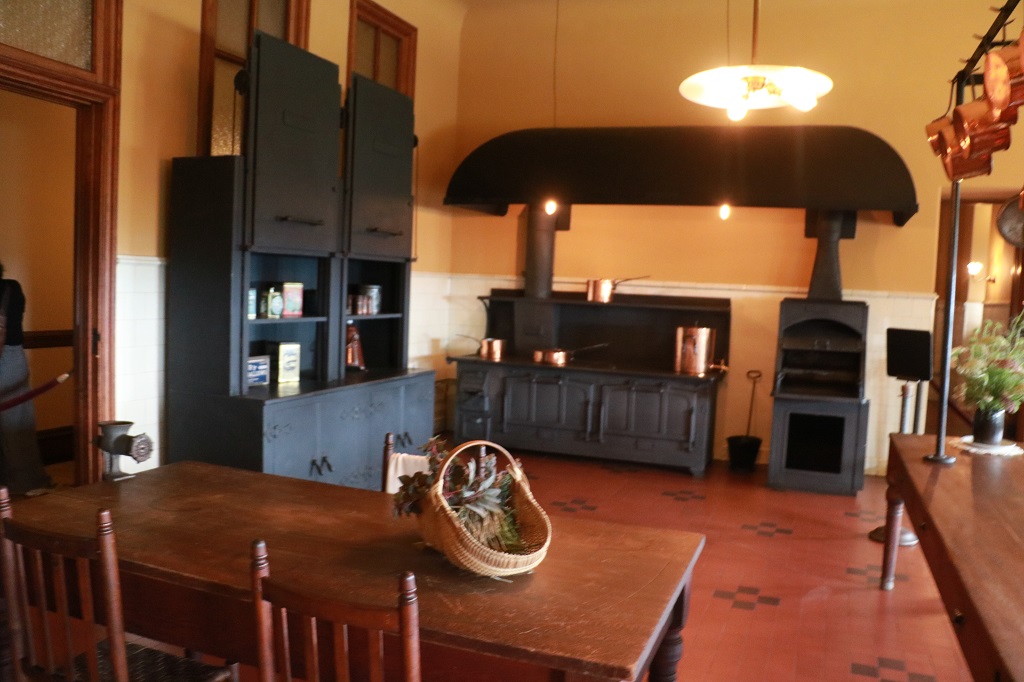
The main kitchen. They would prepare breakfast, lunch, tea, dinner, plus any special requests from guests, and the all the meals for the staff.
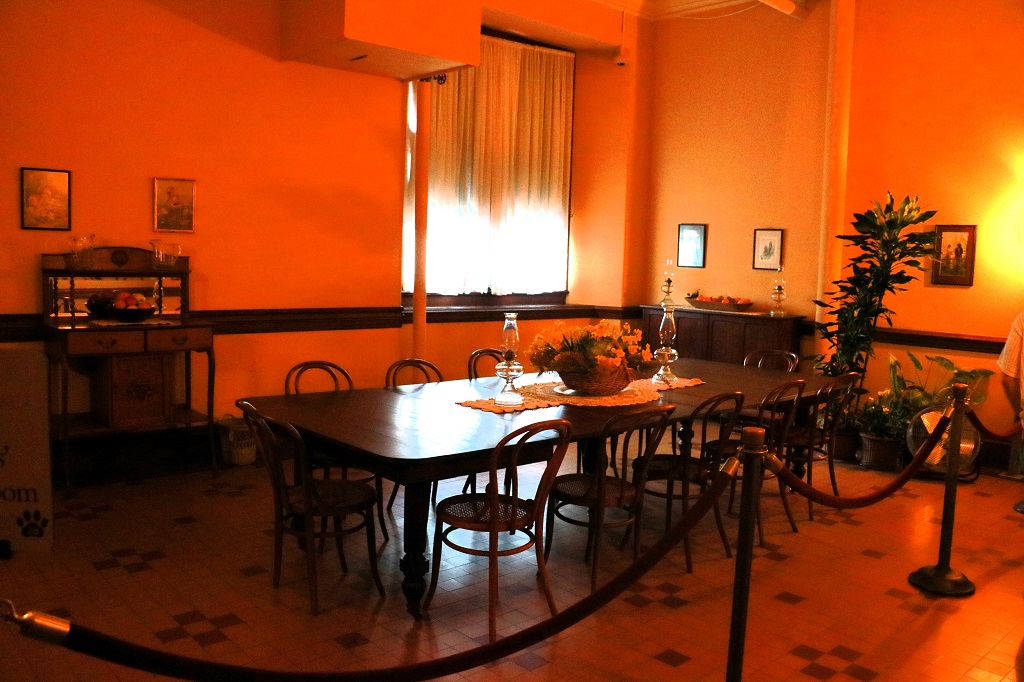
The staff dining room. They ate in shifts, served by other staff members and according to the strict heirarchy of precedence of the day. The housekeeper was at the top in American houses, whereas the butler was the main authority in British households. The head housekeeper was never married but referred to as Mrs. King. She worked in the house from 1895 to 1914.
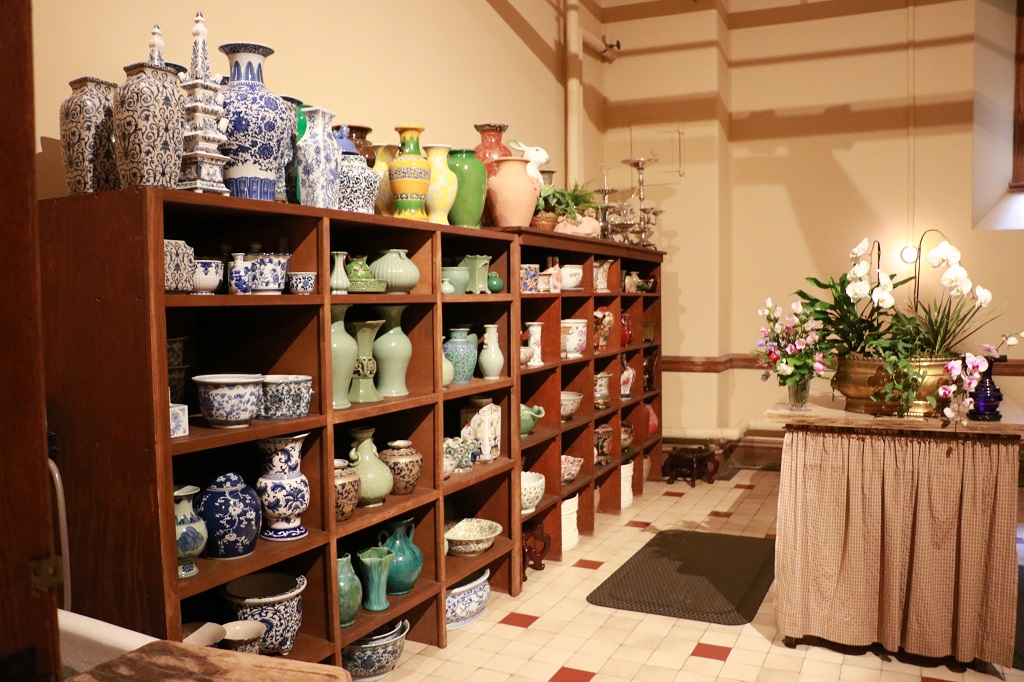
There were many, many storage rooms for food stuff and dishes, etc.
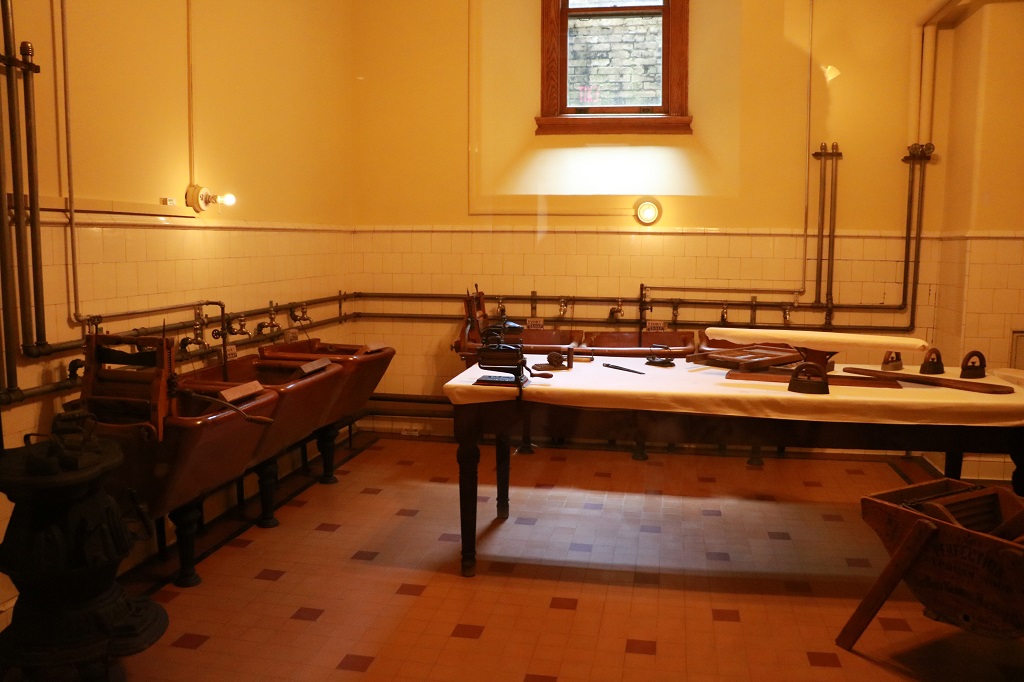
Laundry and ironing.
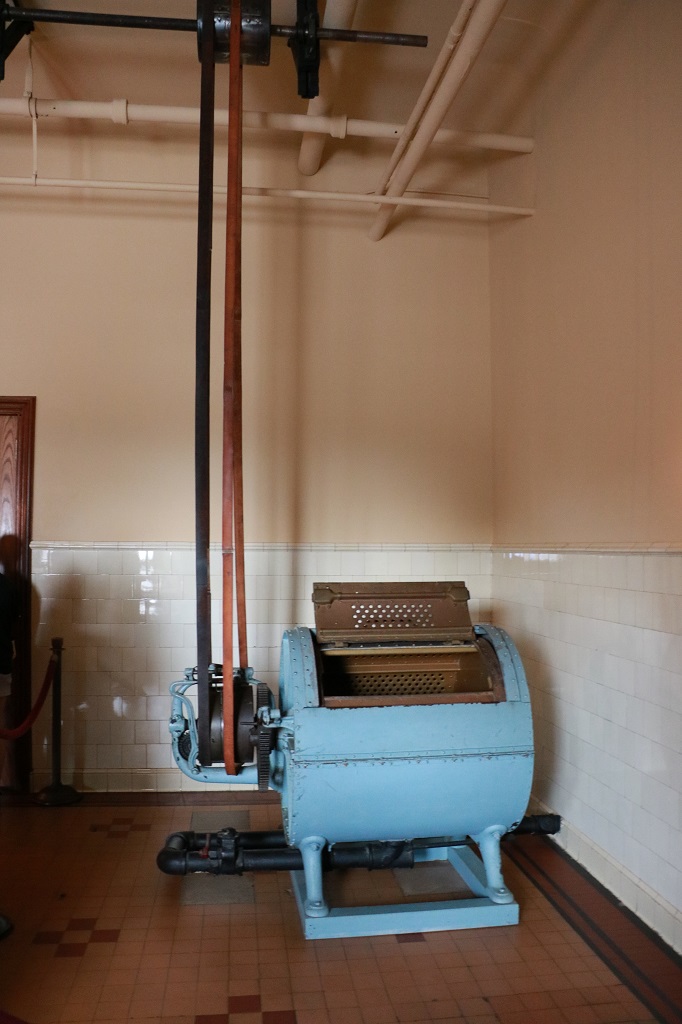
Any and all ‘new fangled’ inventions or innovations were installed at Biltmore. The house was wired for electricity from the beginning and contains thousands of lights and a butler call button system.
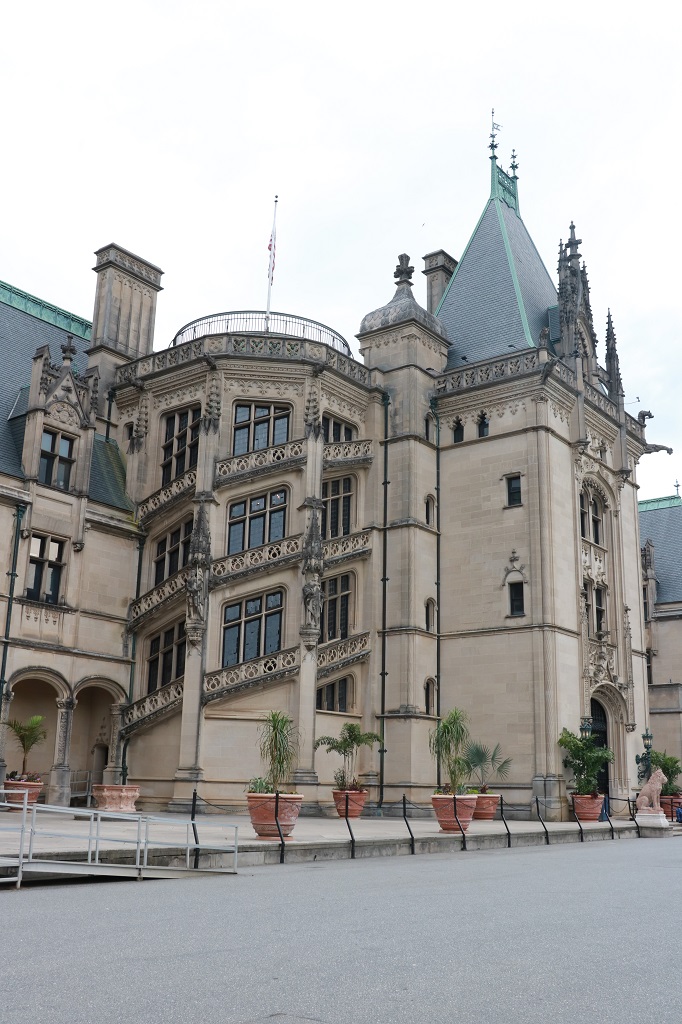
The outside windows along the inside Grand Staircase followed the angle of the stairs.
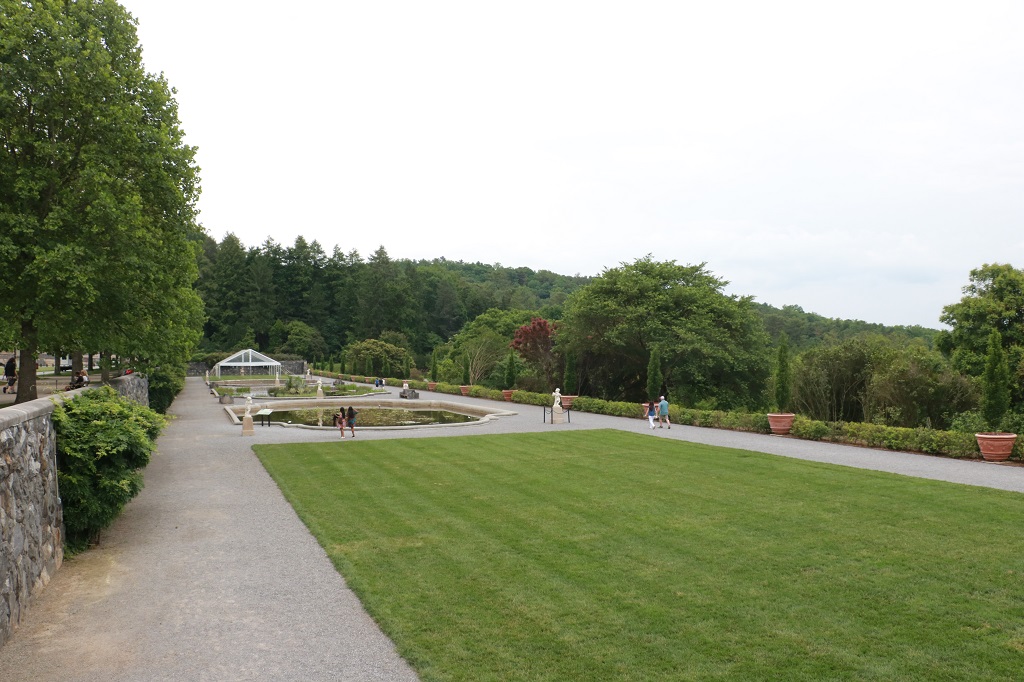

The Italian Garden. We had planned to tour the gardens, but they were all on a long downhill path and my arthritic hip and knees would not have been able to do it after all the walking and stairs in the house. We intended to stop at a parking area near the walled garden as we exited the grounds but missed the turn on the one-way road. It was starting to rain anyway.
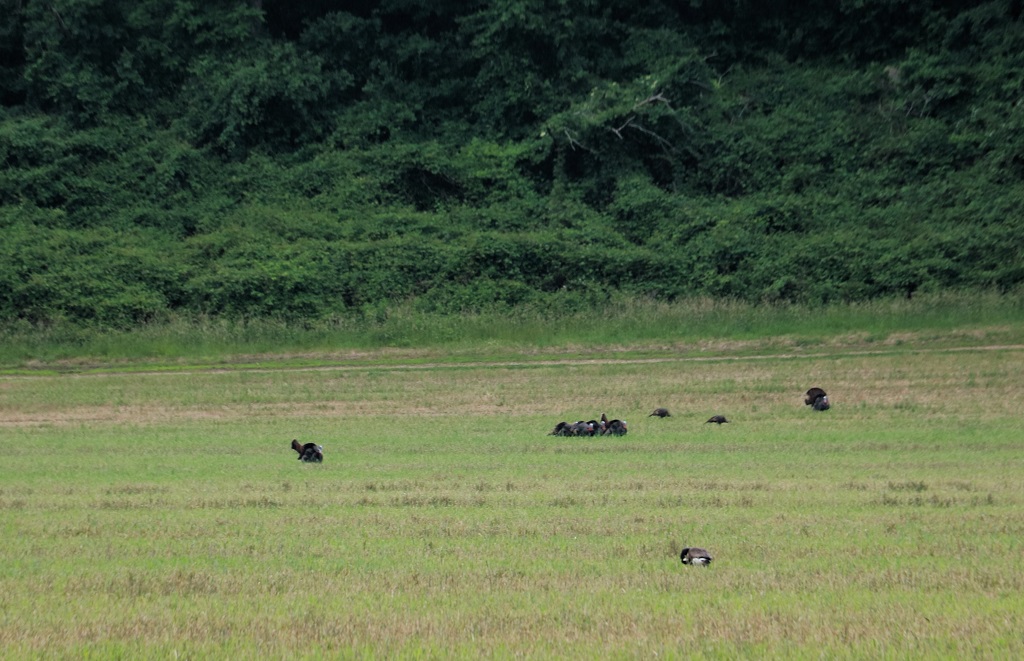
They are hard to see but, these are wild turkeys. We saw quite a few of them as we drove through the forest on the Biltmore estate.
It was a gorgeous house to tour and we had a great first day. Back to Charlotte tomorrow.
 Hanna Travels